Skip to content
WhatToEat.Today

Baby and toddler food

Soft, mild first foods and family meals for babies and toddlers. (109 recipes)

Rice cereal paste (mǐ hú)

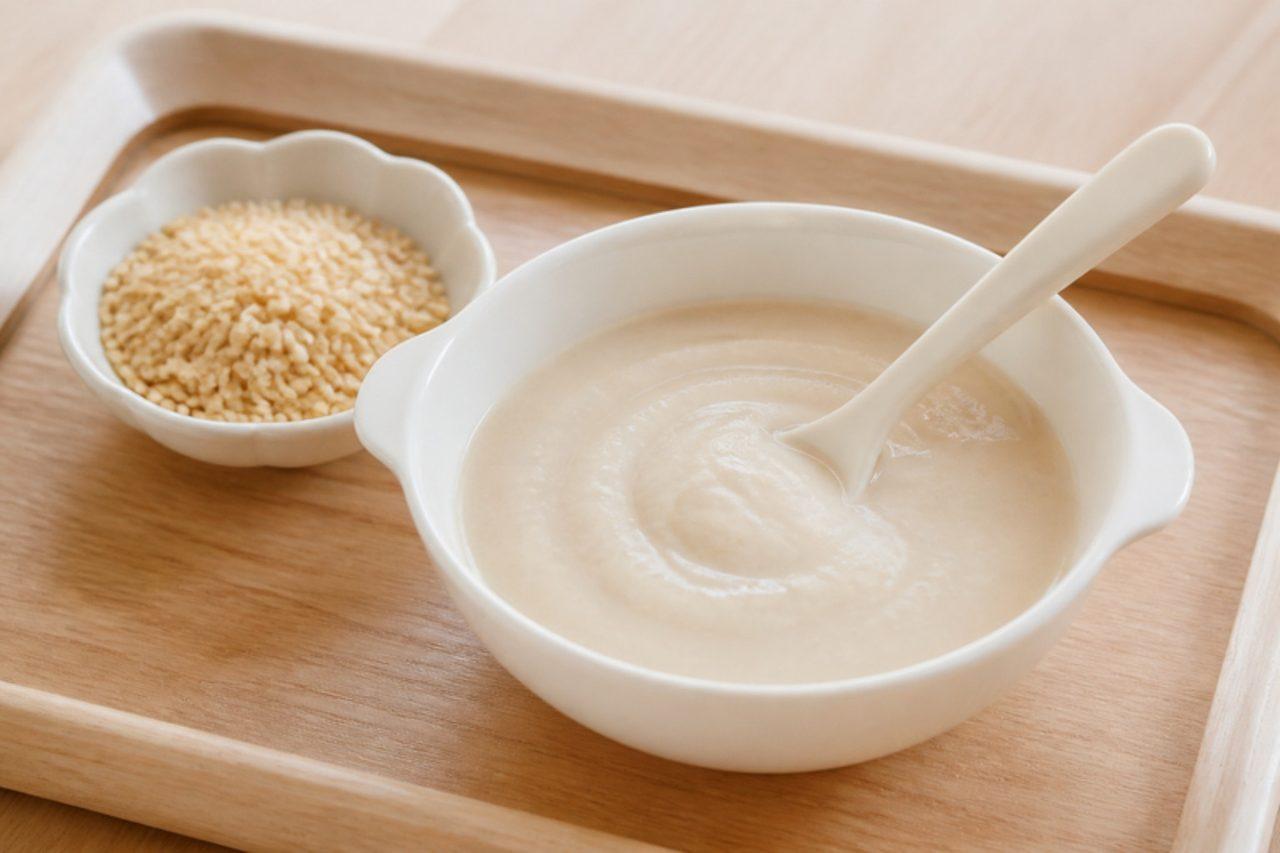
Long before boxed cereals, Chinese mothers made mǐ hú, rice paste, by dry-toasting rice in a wok, grinding it fine and cooking it with water. It is still a favourite first food all over China, often served as the baby's breakfast while the family eats congee. Toasting gives it a gentle, biscuity flavour and makes it cook in minutes. There is no salt or sugar, and none of the common allergens (milk, egg, gluten, peanut, tree nuts, soya, sesame, fish). Chef's tip: toast and grind a larger batch, sieve it, and keep the powder in a clean, dry jar for up to two weeks.

by KrazyBadal 0 views

Semolina in broth (semolino in brodo)

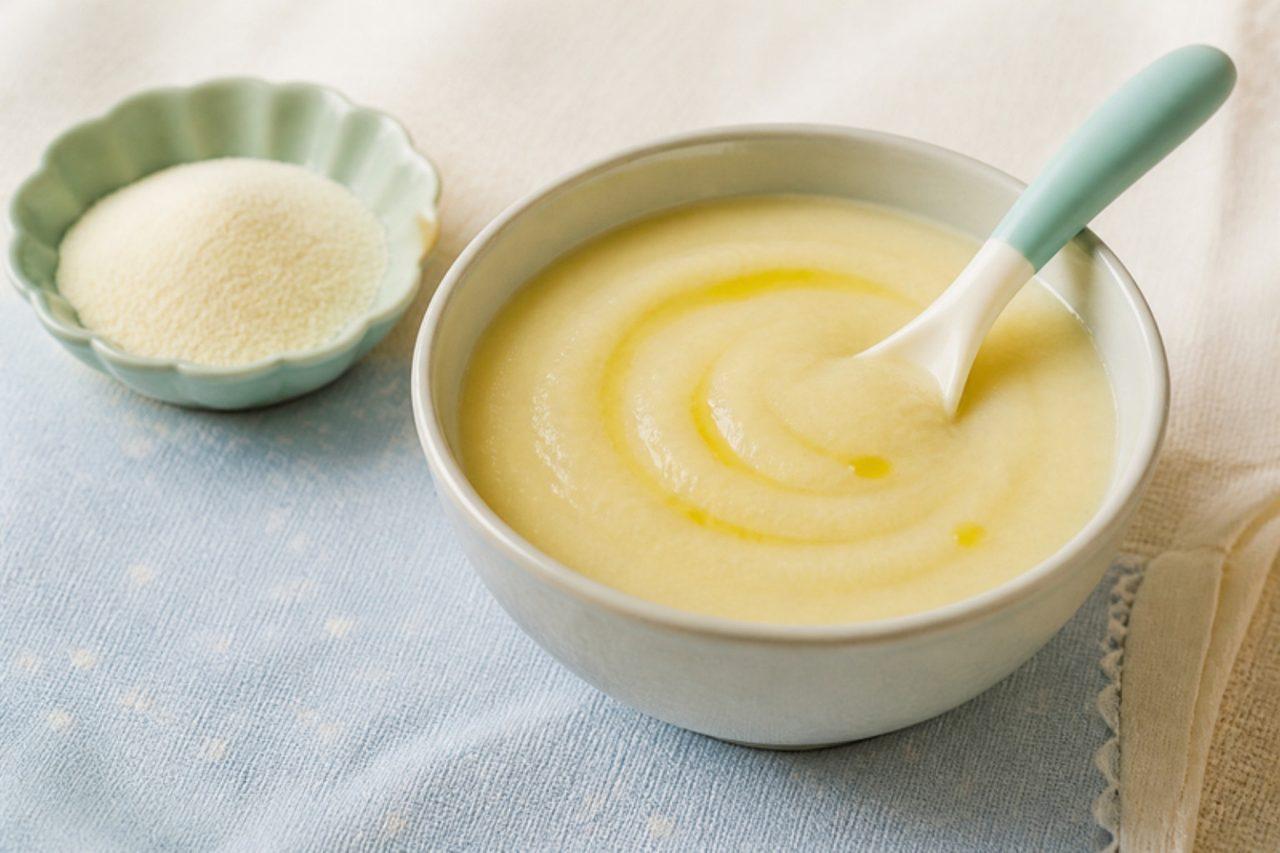
Semolino in brodo is the dish Italian nonne cook for anyone who needs something gentle: babies at the start of weaning and older children with a cold. Fine durum-wheat semolina is rained into hot vegetable broth and stirred into a soft, silky porridge, usually served at supper. For babies the broth is home-made without salt, and the grated parmesan that adults add stays out or is kept to the tiniest pinch, because it is salty. It contains gluten (wheat), and milk if you add parmesan; there is no egg, nuts, soya, sesame or fish. Chef's tip: rain the semolina in from a height while whisking, and you will never get lumps.

by KrazyBadal 0 views

Am (Filipino rice-water first porridge)

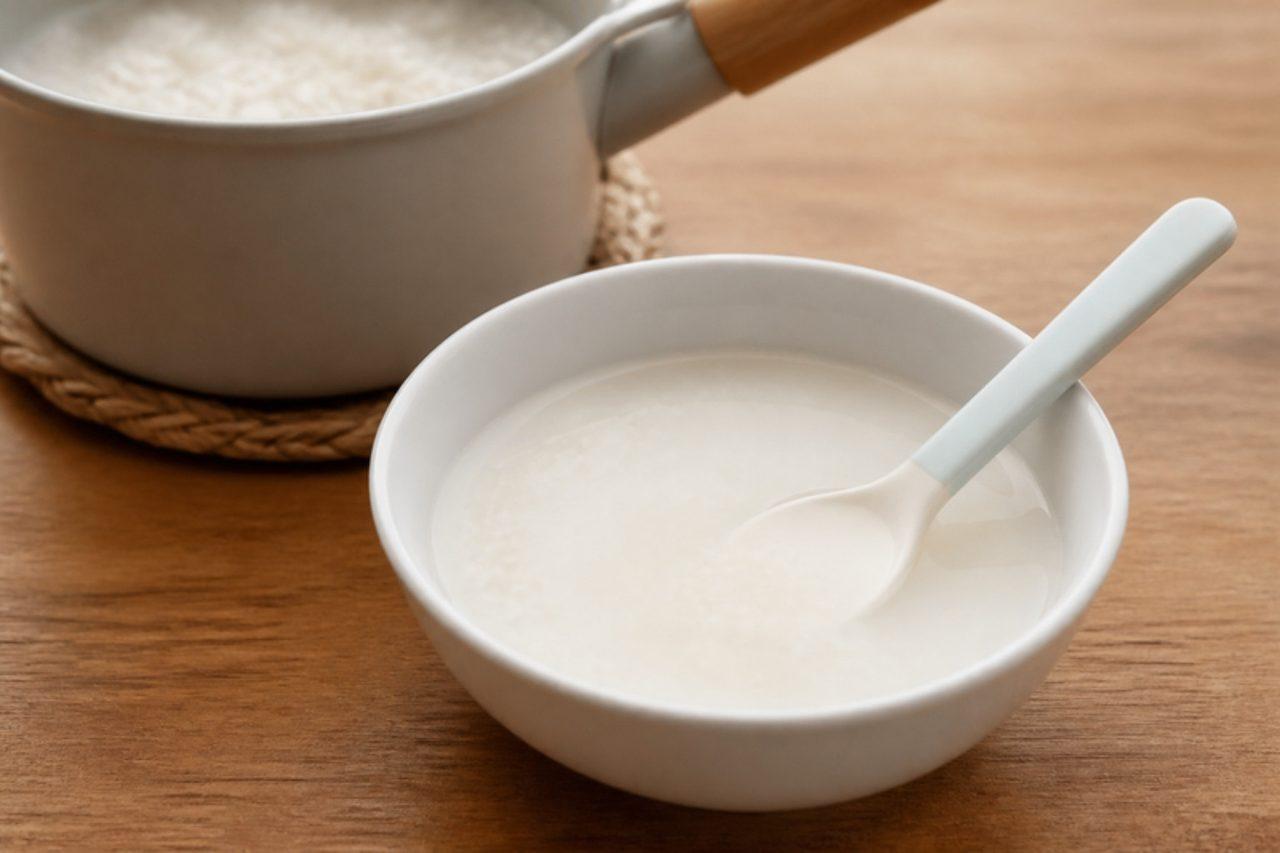
Filipino lolas remember giving babies am, the thick, cloudy liquid that rises to the top as rice boils, ladled off and cooled before the rest of the pot is cooked for the family's lunch. Today it is offered as a thin, smooth first porridge, a few spoonfuls alongside other first foods such as mashed squash or banana, rather than on its own. It tastes mild and slightly sweet. It contains none of the common allergens (milk, egg, gluten, peanut, tree nuts, soya, sesame, fish). Chef's tip: use more water than usual and keep the lid off, so the liquid thickens into a creamy am instead of evaporating away.

by KrazyBadal 0 views

Shirasu-gayu (whitebait rice porridge)

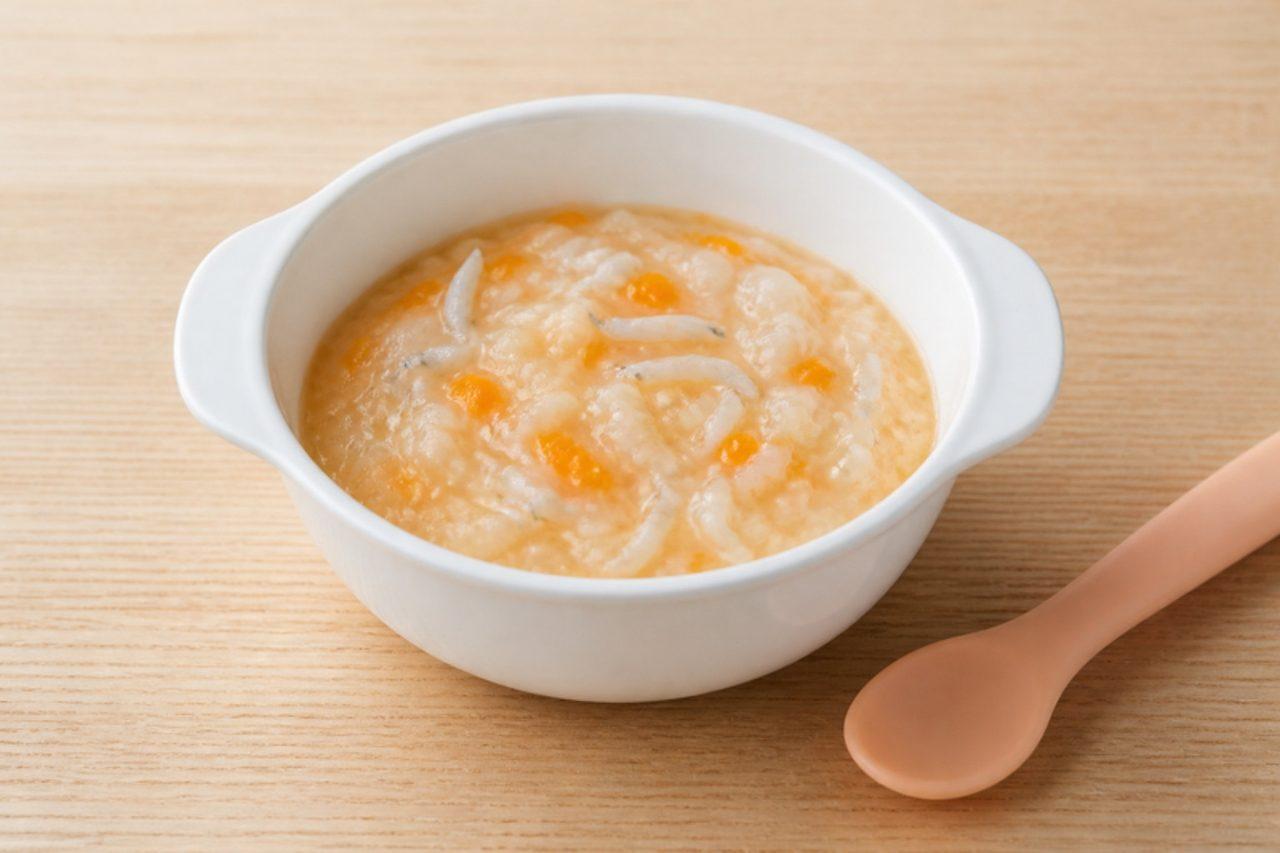
Shirasu, the tiny, tender young sardines and anchovies sold boiled in Japanese supermarkets, are one of the first fish many Japanese babies try, stirred into soft rice porridge from around seven to nine months. Because shop shirasu are cooked in salted water, parents always pour boiling water over them first to wash the salt out. The porridge is mild and creamy with a faint taste of the sea and sweet carrot. It contains fish; there is no milk, egg, gluten, nuts, soya or sesame. Chef's tip: use only the smallest shirasu, under 3 cm, whose bones are soft as the flesh; pick out any larger fish.

by KrazyBadal 0 views

Nasi tim ayam for toddlersSteamed chicken and mushroom rice

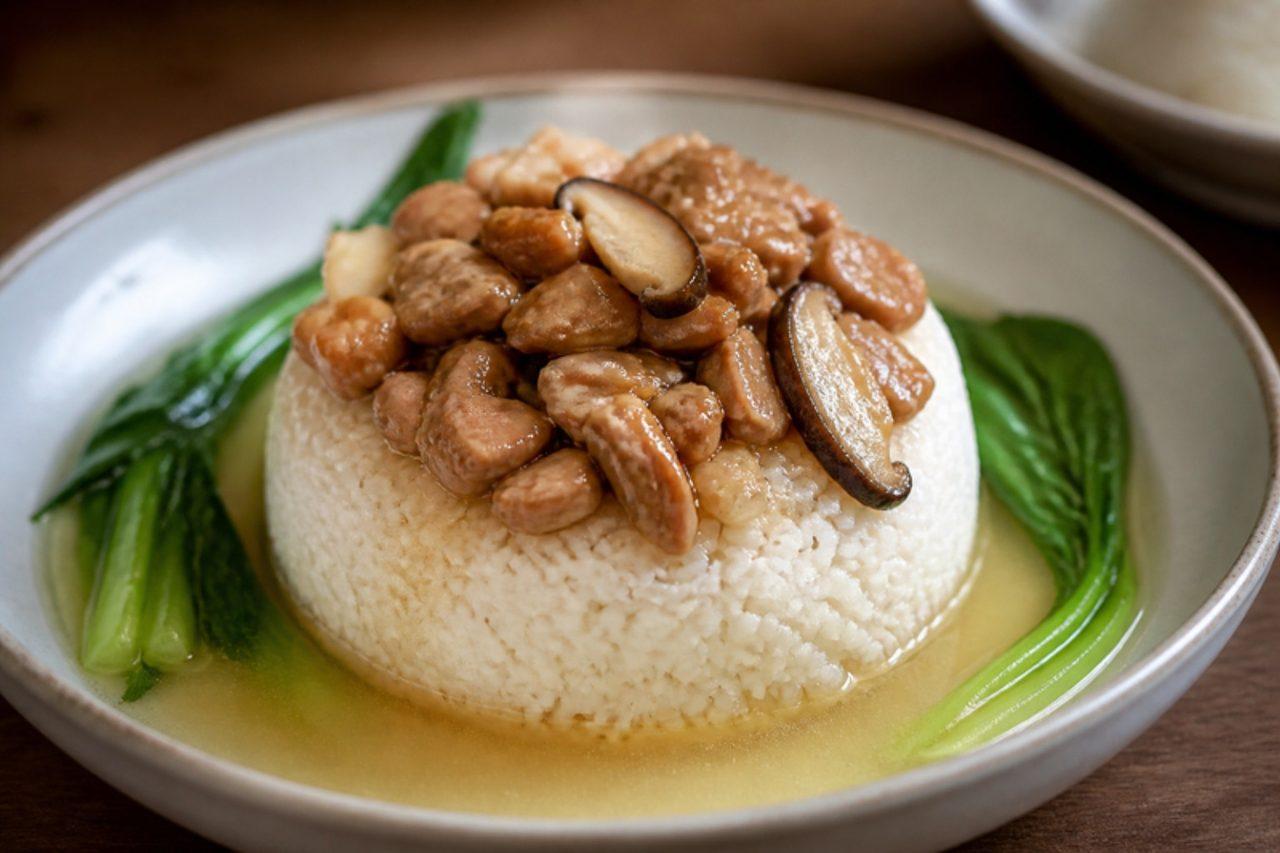
Nasi tim ayam comes from the Chinese-Indonesian kitchens of Java, and is the meal many Indonesian children eat when they first move on from porridge: rice steamed slowly in a bowl over diced chicken and mushrooms until very soft, then turned out like a little dome. For toddlers the seasoning is just garlic, ginger, a few drops of sesame oil and a little low-salt soy sauce. It contains soya and gluten (soy sauce) and sesame. Chef's tip: use no-salt stock in the rice; it soaks up the flavour of the chicken as it steams.

by KrazyBadal 0 views

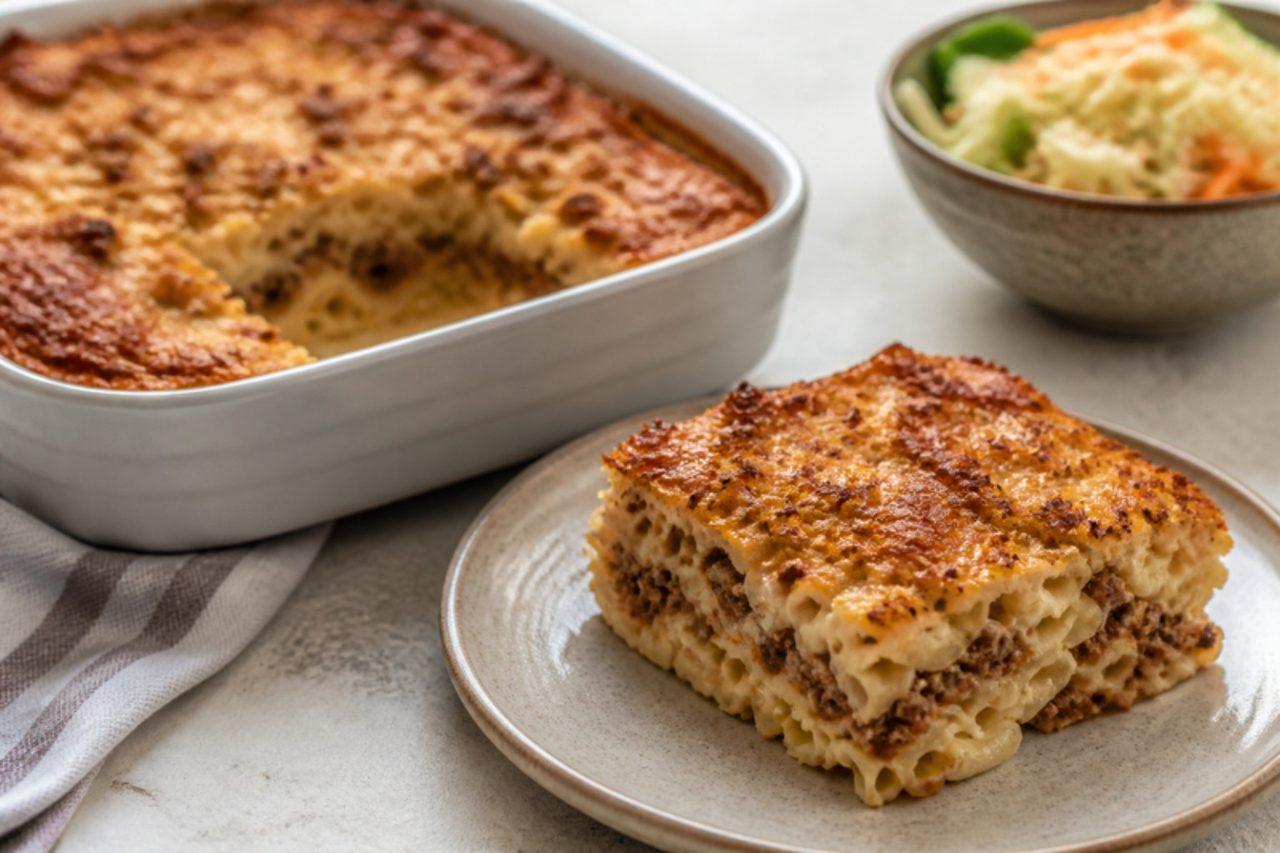
Makaronilaatikko (Finnish macaroni and beef bake)

Makaronilaatikko, macaroni and minced beef baked in an egg-and-milk custard, is the dish Finnish children vote for again and again, at home and in school canteens, often eaten with a dab of ketchup. It bakes until the top is golden and slightly crunchy and the inside soft and custardy, ideal for toddlers from a year old. This version adds no salt, only white pepper, so adults can season at the table. It contains gluten (wheat pasta), egg and milk. Chef's tip: bake it until a knife in the middle comes out clean; a wobbly centre means the custard isn't set.

by KrazyBadal 0 views

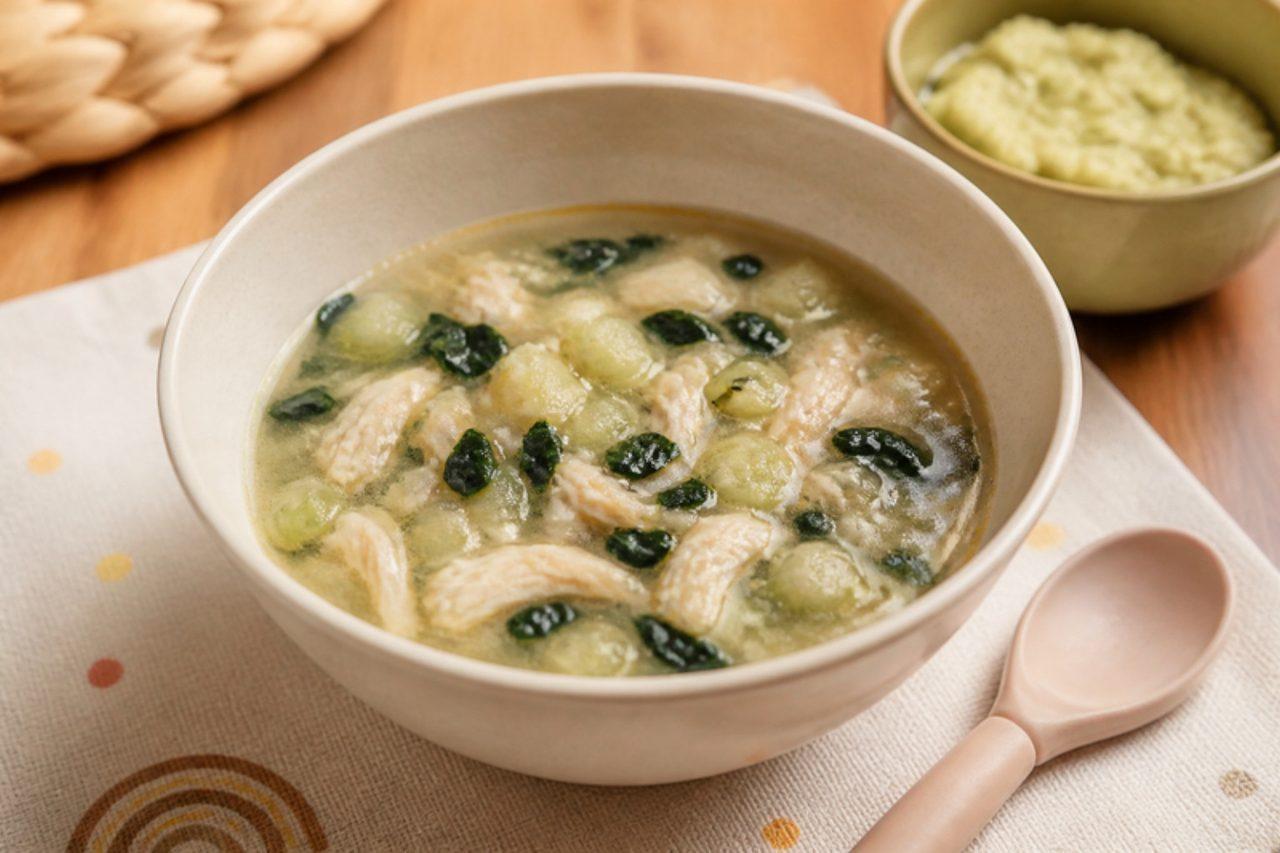
Tinolang manok for babies and toddlersGinger chicken soup for little ones

Tinolang manok, chicken simmered in a clear ginger broth with green papaya or chayote and malunggay (moringa) leaves, is the soup Filipino families make on rainy days and for anyone who needs looking after, and babies get their first taste of it from about nine months. Their portion is taken out before the patis (fish sauce) goes in, with the chicken shredded and the vegetables mashed. The baby's portion has none of the common allergens (milk, egg, gluten, peanut, tree nuts, soya, sesame, fish); the family's patis adds fish. Chef's tip: fry the ginger until it smells sweet before adding the chicken; that is the backbone of the broth.

by KrazyBadal 0 views

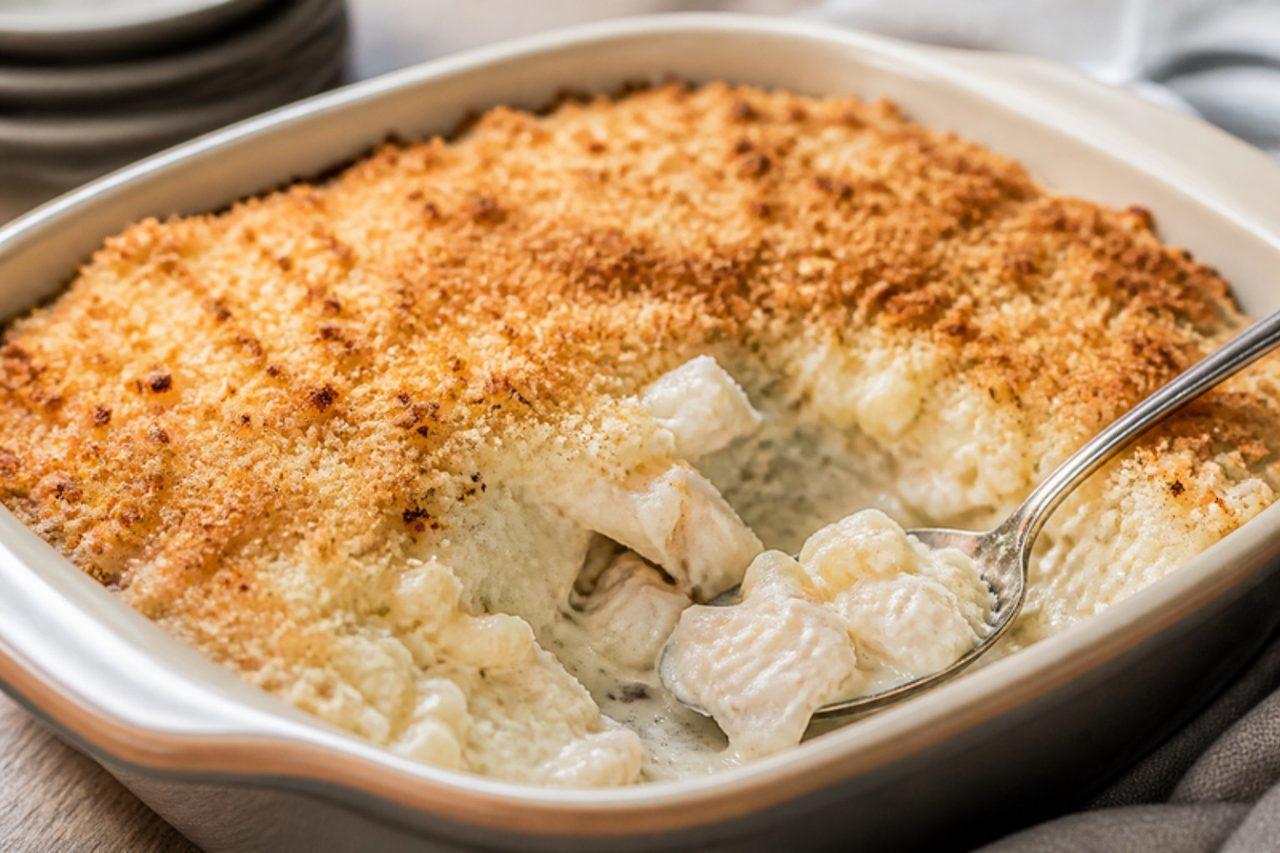
Fiskegrateng (Norwegian fish and macaroni gratin)

Fiskegrateng, a baked gratin of flaked white fish and macaroni in a thick nutmeg-scented white sauce, is classic Norwegian family food and a favourite way to get children to eat fish, served with grated raw carrot on the side. It is soft, creamy and mild, with a crisp crumb on top, and this version uses no added salt for toddlers from a year old. It contains fish, milk, egg and gluten (pasta, flour and breadcrumbs). Chef's tip: let the white sauce cool a little before whisking in the egg yolks, so they thicken it smoothly instead of scrambling.

by KrazyBadal 0 views

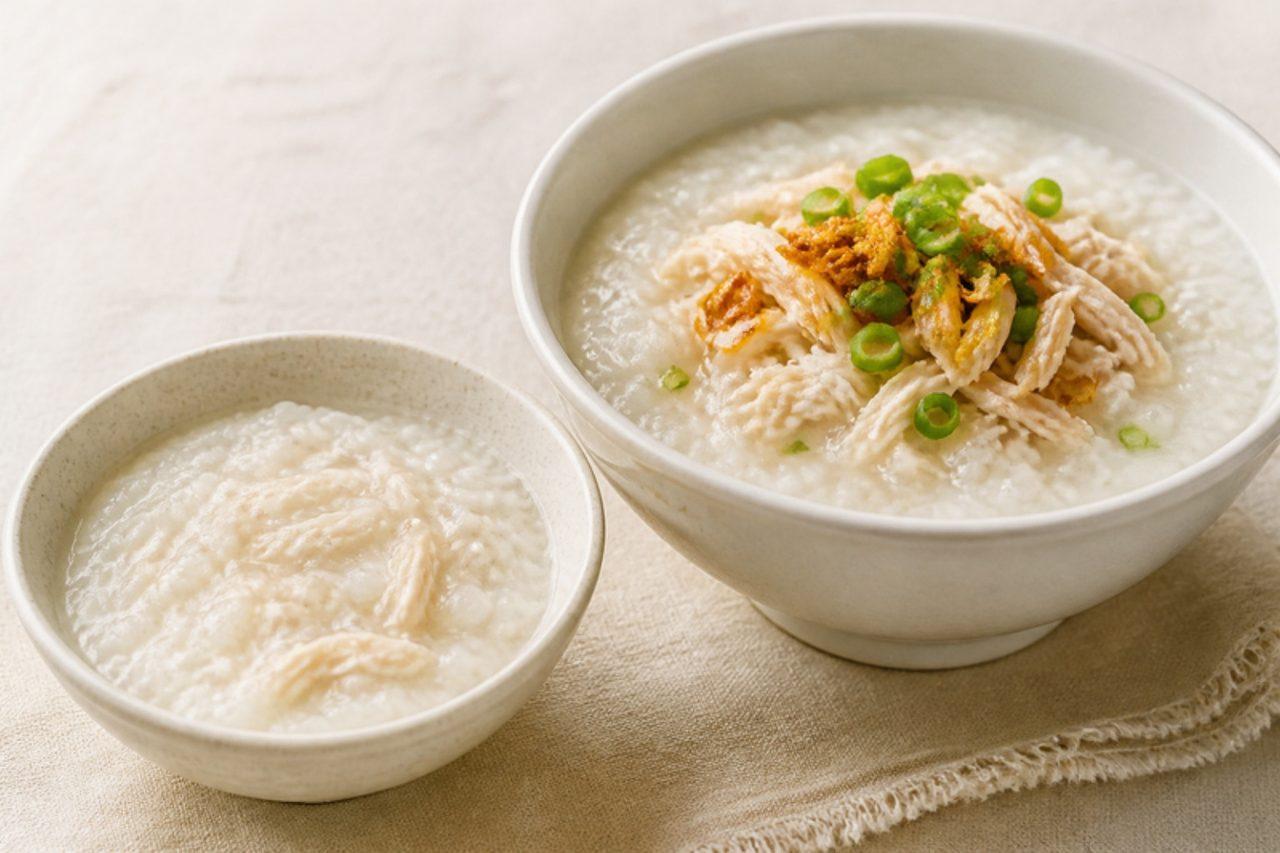
Bubur ayam for little onesChicken rice porridge for babies

Bubur ayam is breakfast from street carts all over West Java and the rest of Indonesia: soft rice porridge topped with shredded chicken, fried shallots, crackers and sweet soy. At home, families cook one plain pot fragrant with ginger and salam leaf, take out the baby's bowl first, unsalted, with the chicken finely shredded, and add the toppings for everyone else. The baby's portion has none of the common allergens (milk, egg, gluten, peanut, tree nuts, soya, sesame, fish); the family toppings add soya and gluten. Chef's tip: cooking the rice in the chicken poaching liquid gives the baby's bowl plenty of flavour without salt.

by KrazyBadal 0 views

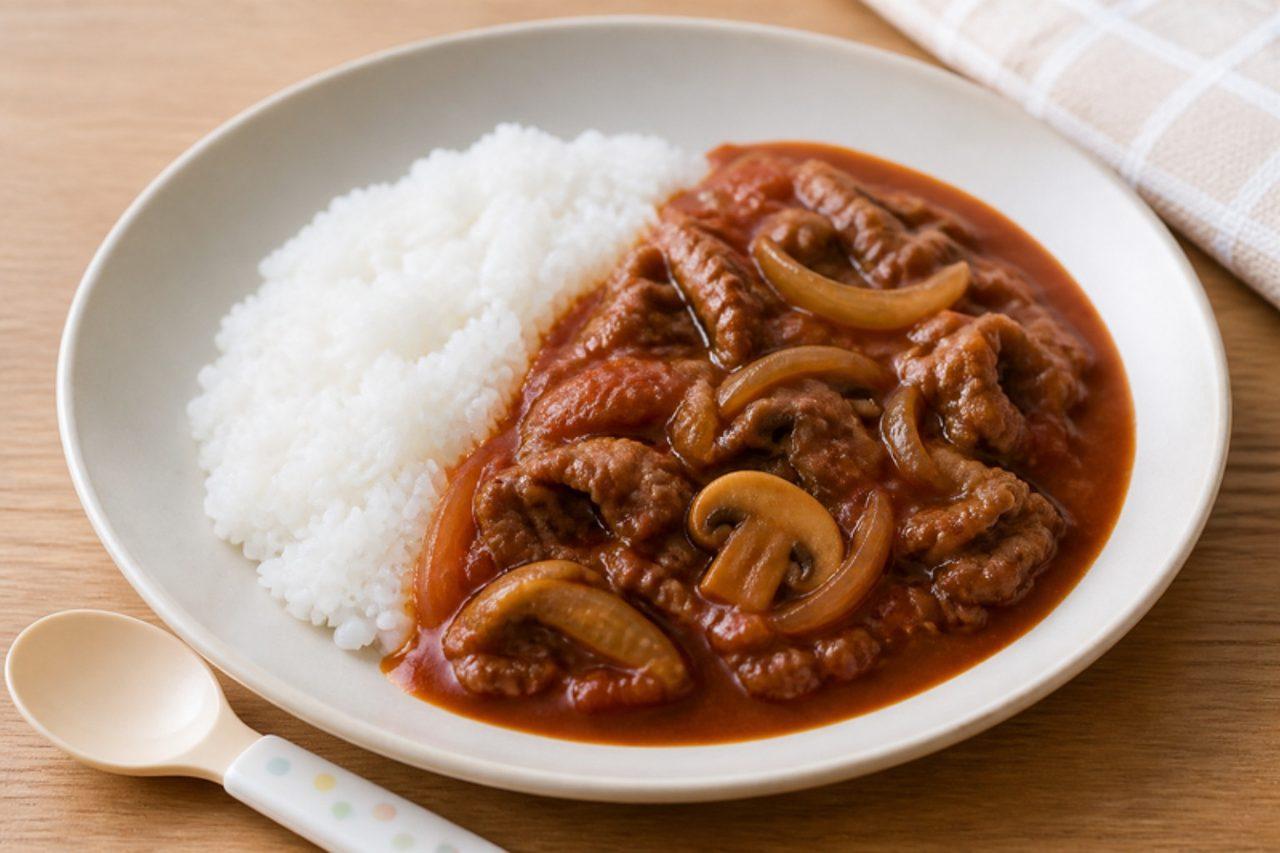
Hayashi rice for toddlersBeef and onion sauce on rice

Hayashi rice, thin slices of beef and sweet onion in a glossy tomato and brown-roux sauce over rice, is a Japanese home and school-lunch favourite that children often love even more than curry. Shop roux blocks are salty, so this version builds the sauce from scratch with butter, flour, tomato and no-salt stock, mild enough for toddlers from a year old, with no wine. It contains milk (butter) and gluten (wheat flour). Chef's tip: cook the onions slowly until deep golden; their sweetness replaces the sugar and salt of a packet roux.

by KrazyBadal 0 views

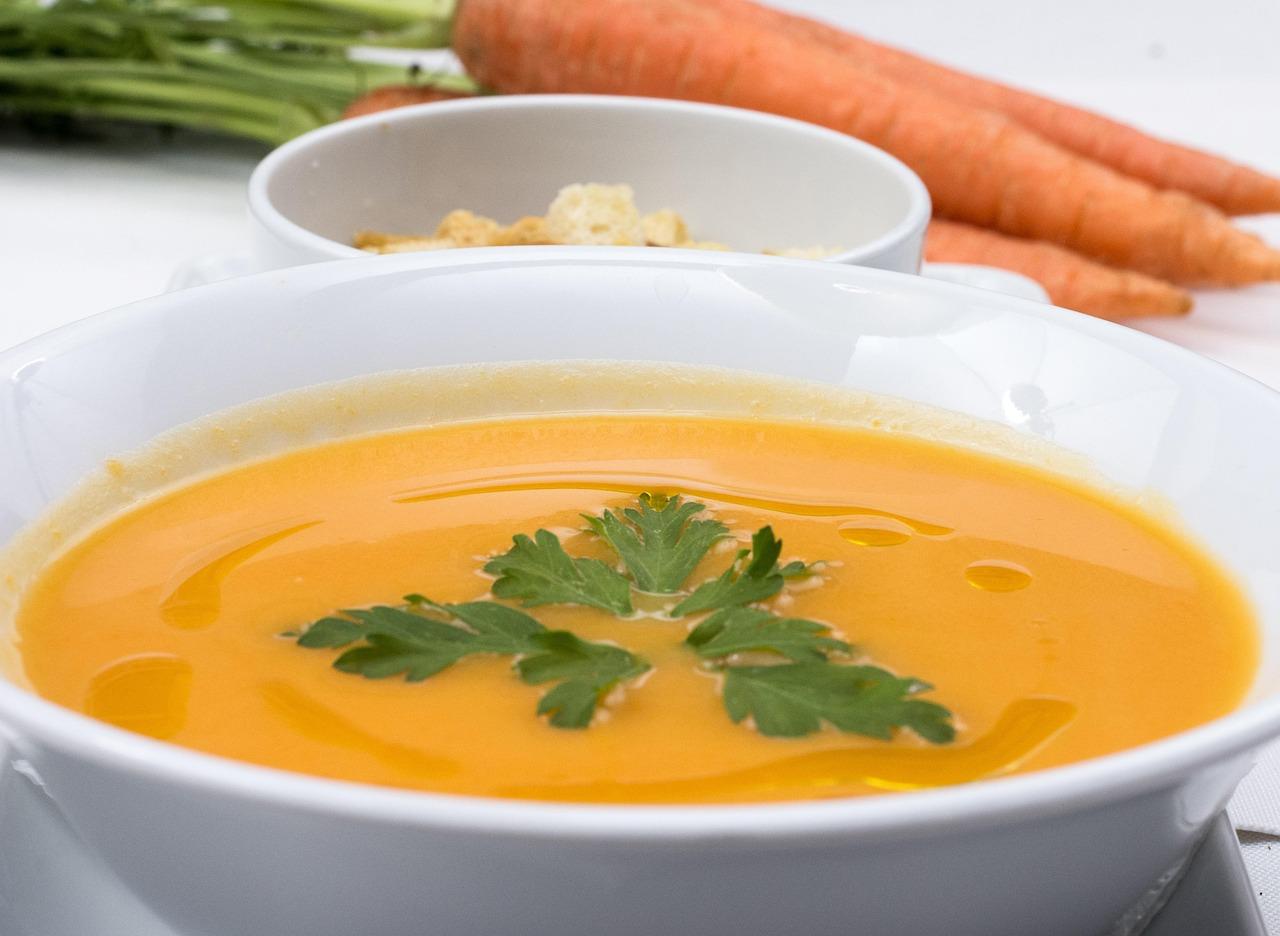
Passato di verdureSmooth vegetable soup

Passato di verdure is the soup Italian children grow up on: a pot of mixed vegetables, simmered in water until soft and blended until velvety, with a thread of olive oil on top. It is the first food many Italian babies are given at around six months, without salt, and it stays the family's light supper for years. For babies from 6 months, the purée here is made with no salt and no stock; older children and adults season their bowls at the table. Chef's tip: take out the baby's portion before you add any salt, and blend it extra smooth.

by KrazyBadal 0 views

Locro de zapallo for toddlersPumpkin stew for toddlers

Locro de zapallo is the golden pumpkin stew of Lima's home kitchens and menú lunch spots, eaten on weekdays with white rice and, for adults, a fried egg and ají on the side. For toddlers from 12 months it is cooked without any ají, the pumpkin is simmered until it melts into a sauce, and just a little crumbled fresh cheese is stirred in, so it is sweet, creamy and easy to mash. It contains milk; there is no gluten, egg, nuts or soya. Queso fresco is often made with animal rennet, so for a vegetarian bowl choose one labelled vegetarian, or use a little paneer, and always a pasteurised cheese. Chef's tip: cut half the pumpkin small so it dissolves into the sauce and the rest larger so it keeps some shape.

by KrazyBadal 0 views

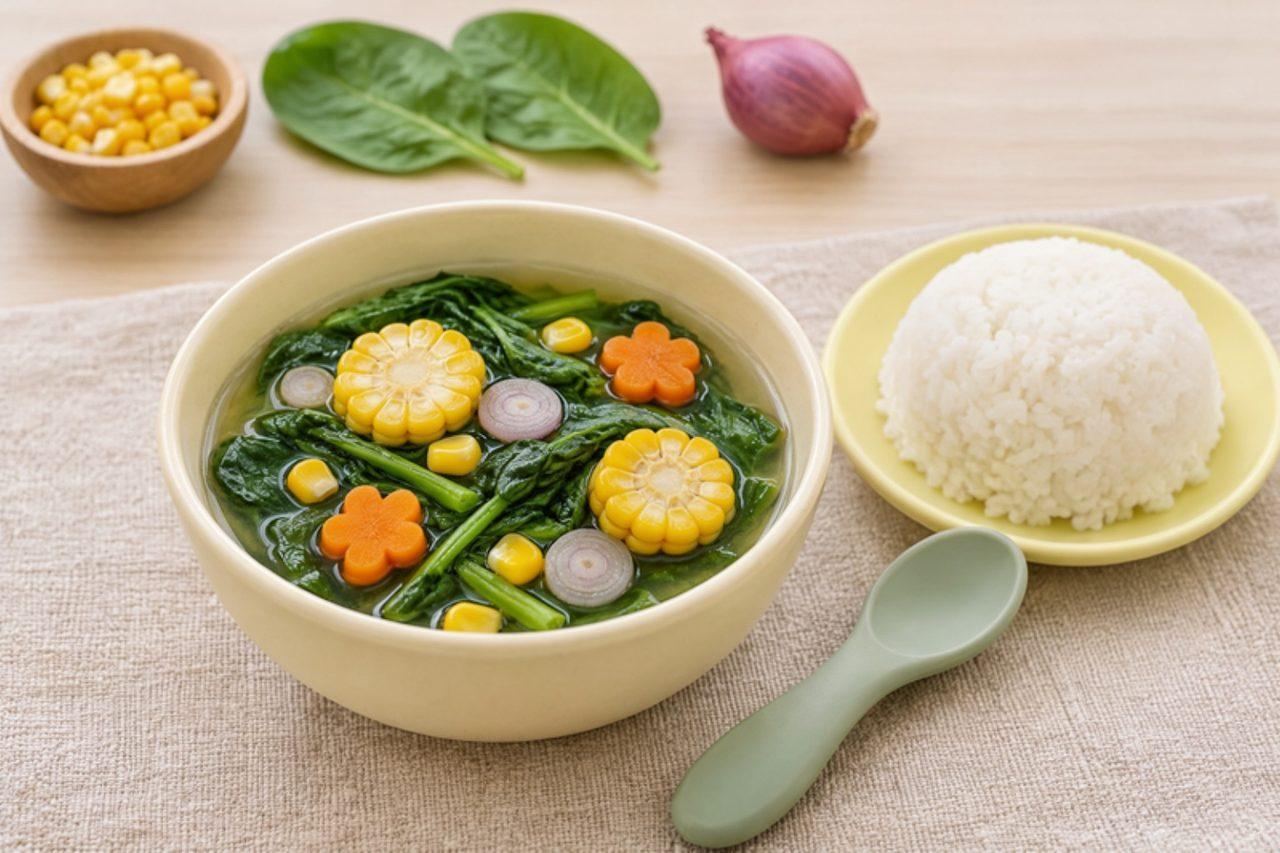
Sayur bening bayam for toddlersSpinach and corn soup for toddlers

Sayur bening, 'clear vegetables', is the light soup that turns up at nearly every Javanese family lunch in Yogyakarta and Solo, and it is one of the first family dishes Indonesian children share. Spinach and sweet corn are simmered for just a few minutes in water scented with shallot and temu kunci (fingerroot), giving a sweet, fresh broth to spoon over rice. For toddlers from 12 months it is made with no salt or sugar, and the corn is chopped. It is vegan and free of the major allergens. Chef's tip: add the spinach at the very end; overcooked bayam turns grey and bitter.

by KrazyBadal 0 views

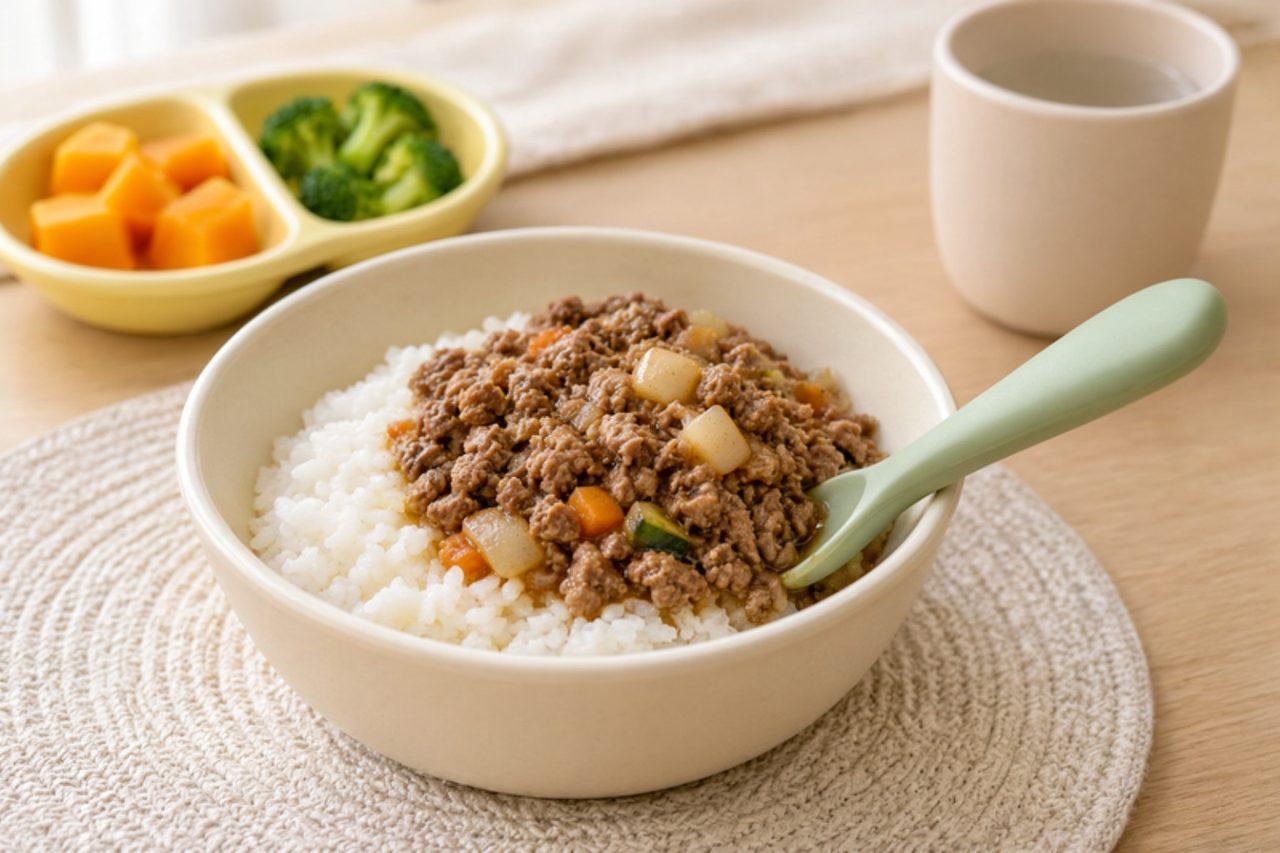
Agi bulgogi (toddler bulgogi)

Agi bulgogi, 'baby bulgogi', is the dish Korean parents in Seoul's apartment blocks make once the iyusik stage ends and children start yuaosik, eating soft versions of family food at around 12 months. Grated Korean pear and onion tenderise the beef and sweeten it, so it needs only a drop of soy sauce rather than the sugary grown-up marinade. It is soft, juicy and easy to chew, served with soft rice and courgette. It contains soya and wheat (in soy sauce), and sesame if you use the oil; there is no milk, egg or nuts. Chef's tip: grate the pear finely and squeeze nothing out; the juice is what keeps the meat tender.

30 minKoreanMeat
by KrazyBadal 0 views

Ojiya for babiesRice and vegetable porridge for babies

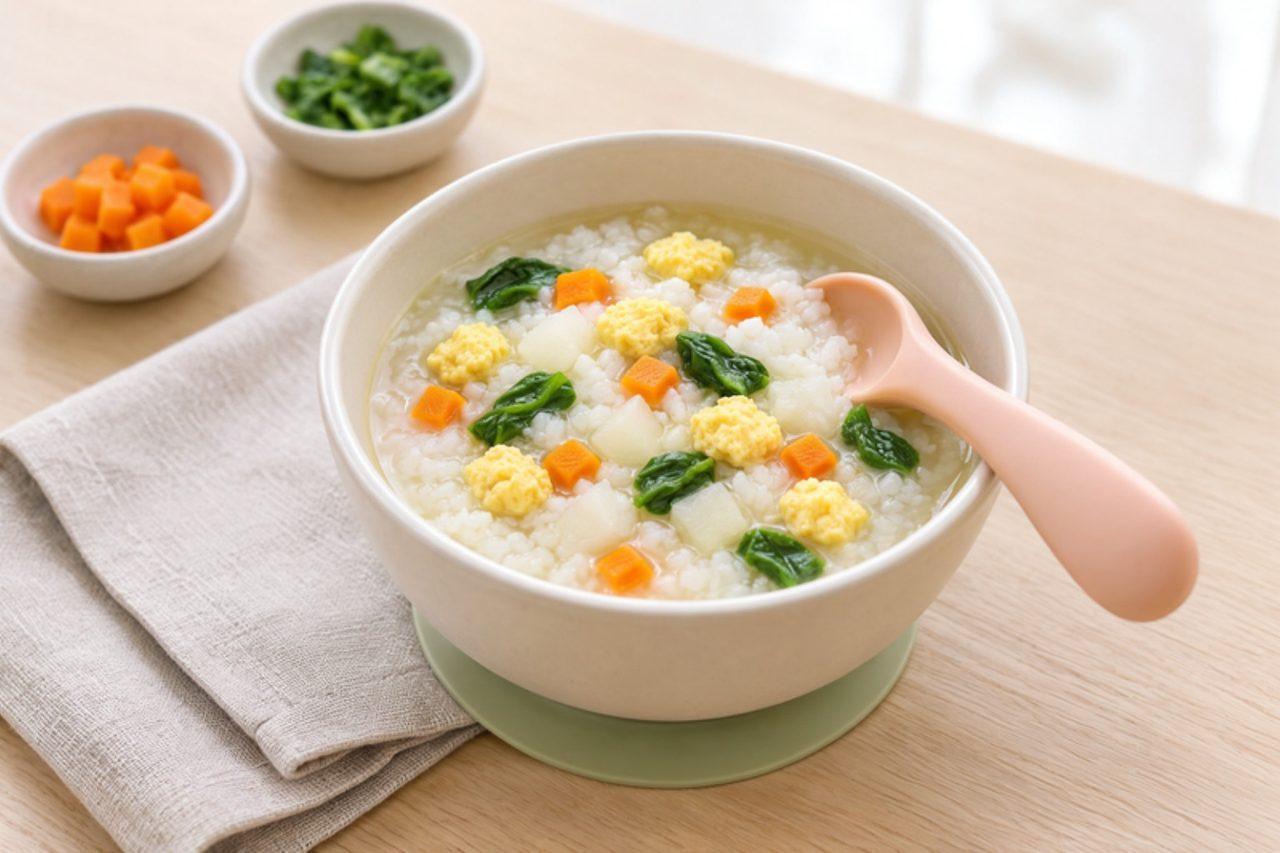
Ojiya, cooked rice simmered into a soft porridge with broth and vegetables, is what Japanese families eat on chilly evenings or after a cold, and it is a staple of the kamikami-ki, the stage around nine months when babies start mashing soft lumps with their gums. Instead of soy sauce or salted dashi, it is made with plain home-made kombu stock, so the flavour comes from the sweetness of the carrot and daikon. For babies, the beaten egg is cooked until completely set. It contains egg and is free of milk, gluten, nuts, soya, sesame and fish. Chef's tip: chop the vegetables to the size of a grain of rice; that is just right for the kamikami stage.

by KrazyBadal 0 views

Gohan oyaki (rice finger patties)

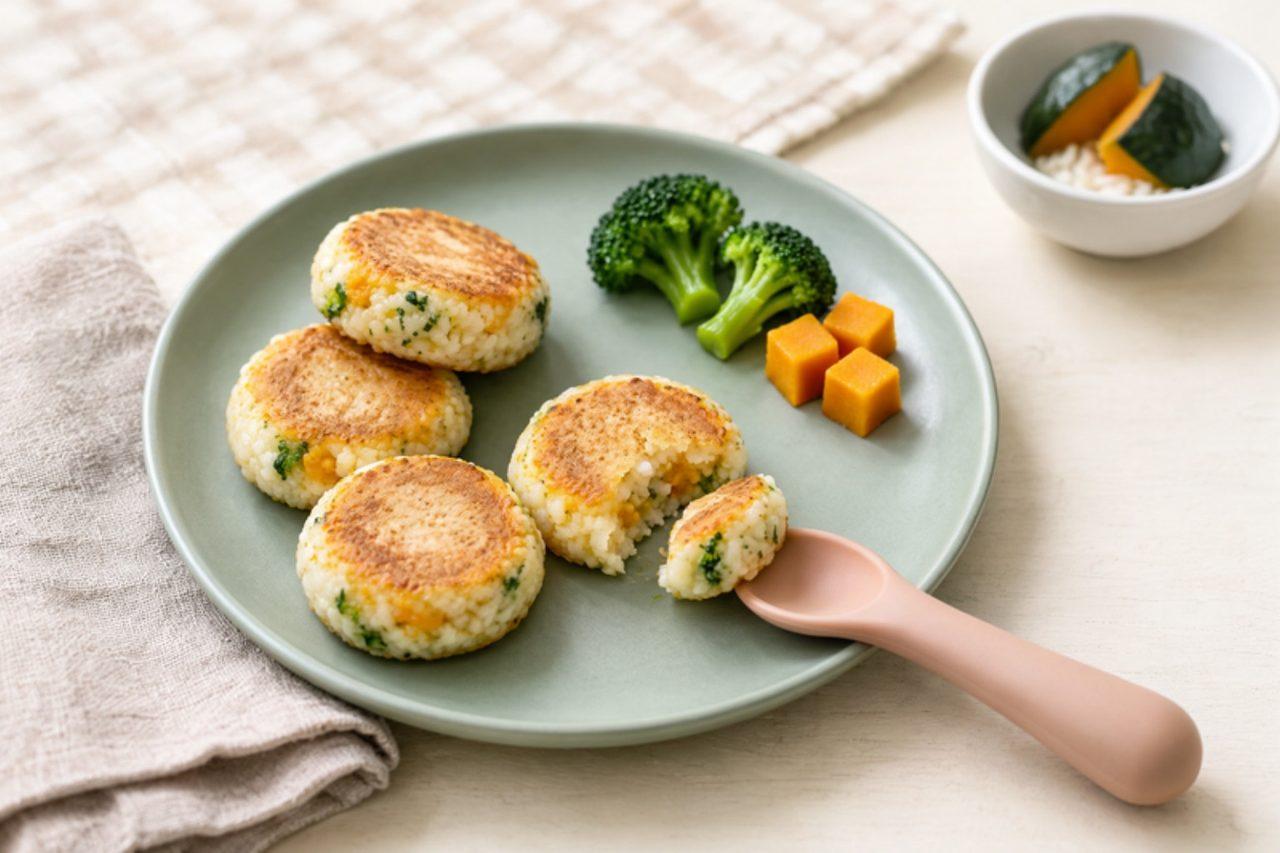
Oyaki means a little pan-cooked cake, and Japanese parents make gohan oyaki from leftover rice when babies around nine months start wanting to feed themselves. Mashed rice is mixed with steamed kabocha squash (or grated carrot) and a spoon of potato starch, shaped into finger-sized patties and cooked gently until lightly golden. They are soft and sweet inside, hold together in a small fist and squash easily against the gums. They are free of the major allergens: no milk, egg, gluten, nuts, soya, sesame or fish. Chef's tip: mash the rice while it is warm; cold rice will not stick together and the patties crumble.

by KrazyBadal 0 views

Jīdàn gēng for babies (steamed egg custard)

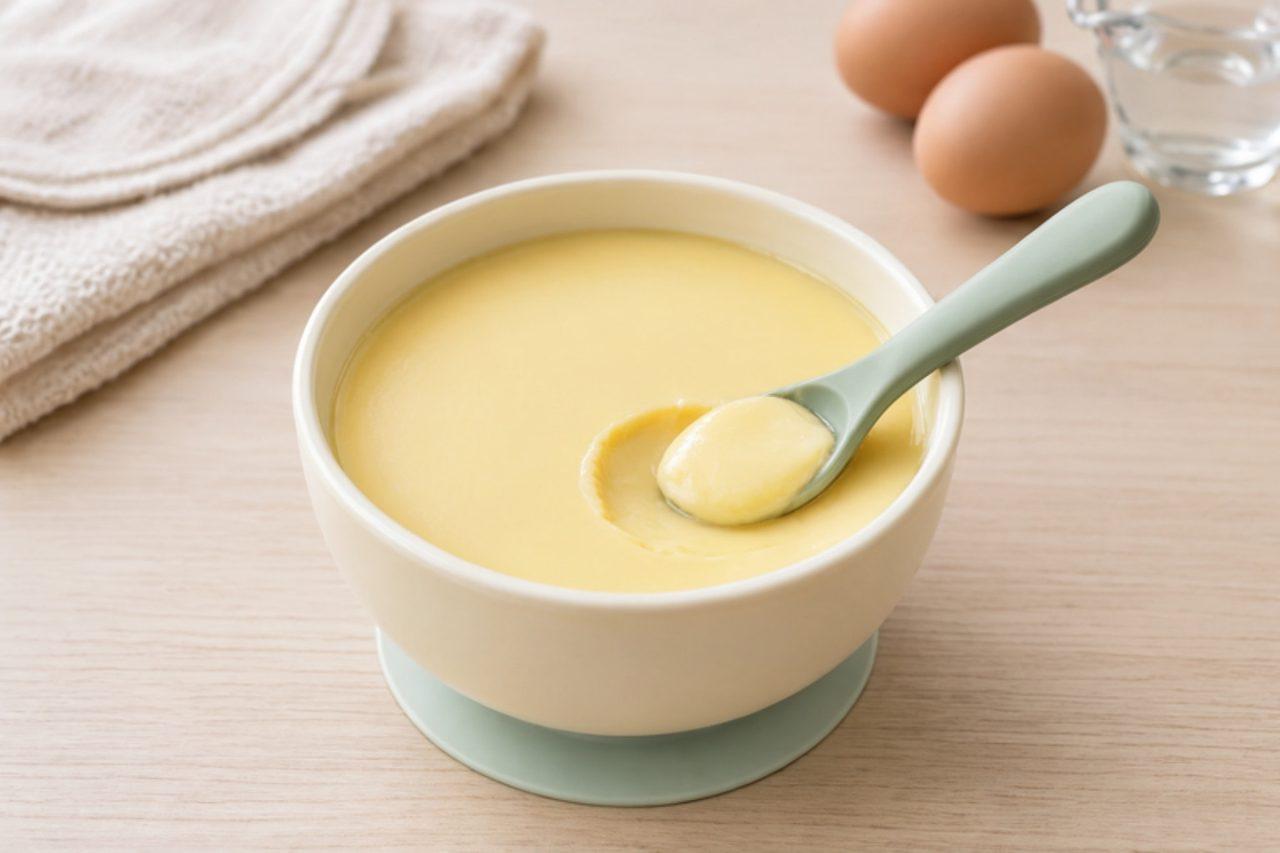
Jīdàn gēng, egg steamed with water into a quivering custard, is the dish Chinese grandparents everywhere from Shanghai to Guangzhou make for small children, and it is often the way a baby first meets whole egg at around nine months. The family version is finished with soy sauce, sesame oil and spring onion; this one is plain, so it tastes clean and gently eggy. Steamed slowly, it is smooth as silk and fully set. It contains egg and is free of milk, gluten, nuts, soya, sesame and fish. Chef's tip: cover the bowl with a plate while it steams; dripping condensation is what pockmarks the surface.

by KrazyBadal 0 views

Mag ni dal ni khichdi for babiesMoong dal khichdi for babies

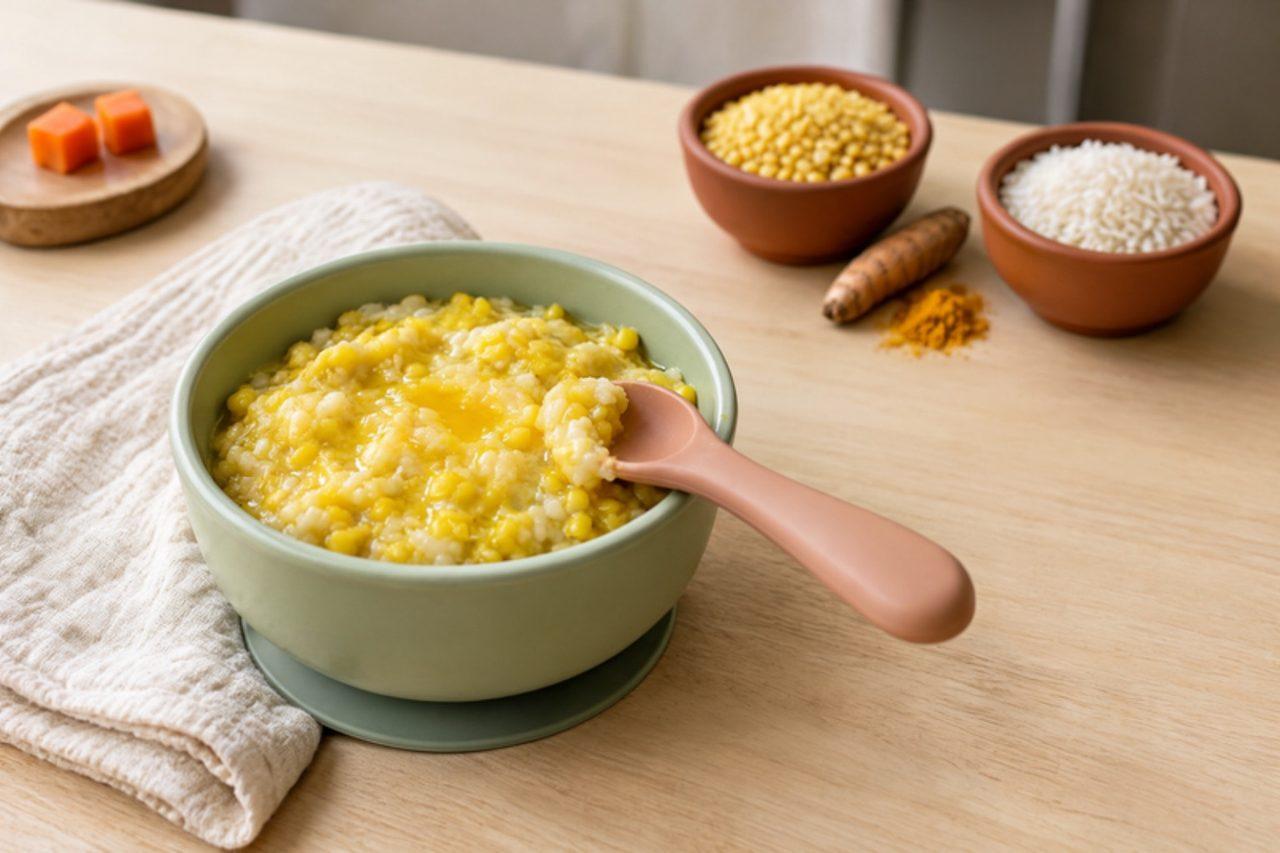
In Gujarati homes from Ahmedabad to Surat, the first real family meal a baby shares is a pot of mag ni dal ni khichdi, the same yellow moong and rice that grown-ups eat with kadhi on a quiet weeknight, just cooked softer and left unseasoned. From around nine months it is mashed to soft lumps instead of blended, so babies learn to move food around their mouths and chew with their gums. It tastes mild, creamy and faintly earthy from the turmeric. It contains milk (ghee); swap in a neutral oil to make it dairy free. It has no gluten, egg, nuts, soya or sesame. Chef's tip: soak the washed dal and rice for 20 minutes before cooking; they collapse into a creamier khichdi in less time.

by KrazyBadal 0 views

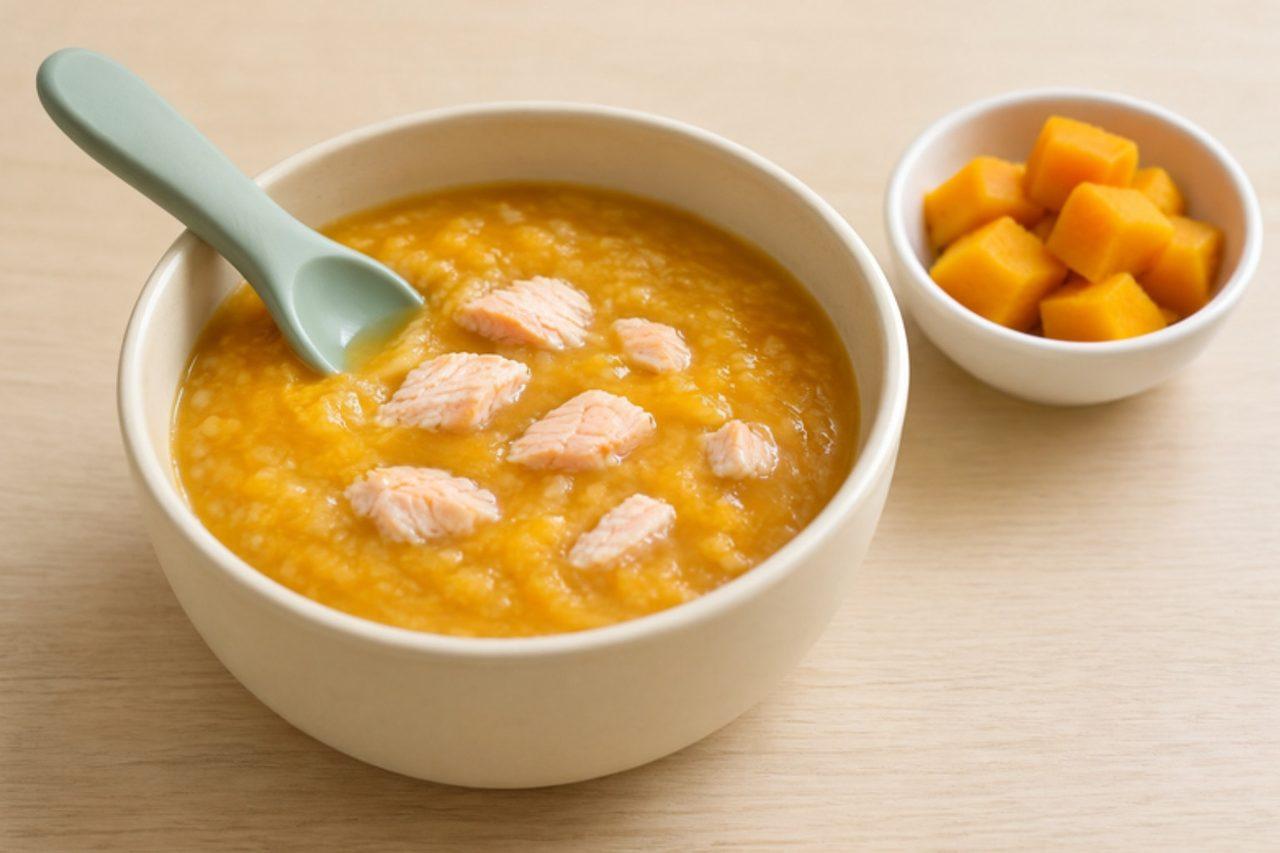
Cháo cá hồi bí đỏ (salmon and pumpkin congee)

Cháo cá hồi bí đỏ, salmon and pumpkin congee, is one of the most-shared ăn dặm (weaning) recipes among young parents in Hanoi and Ho Chi Minh City, a sunny orange bowl full of omega-3 fats. Rice simmers soft with diced pumpkin, then fresh salmon is poached in the pot at the end, so it stays moist. There is no fish sauce, salt or sugar, just the natural sweetness of the pumpkin. It contains fish and is free of milk, egg, gluten, nuts, soya and sesame. Chef's tip: run your fingers along the salmon fillet before cooking and pull out the pin bones with tweezers; they are much easier to find raw.

by KrazyBadal 0 views

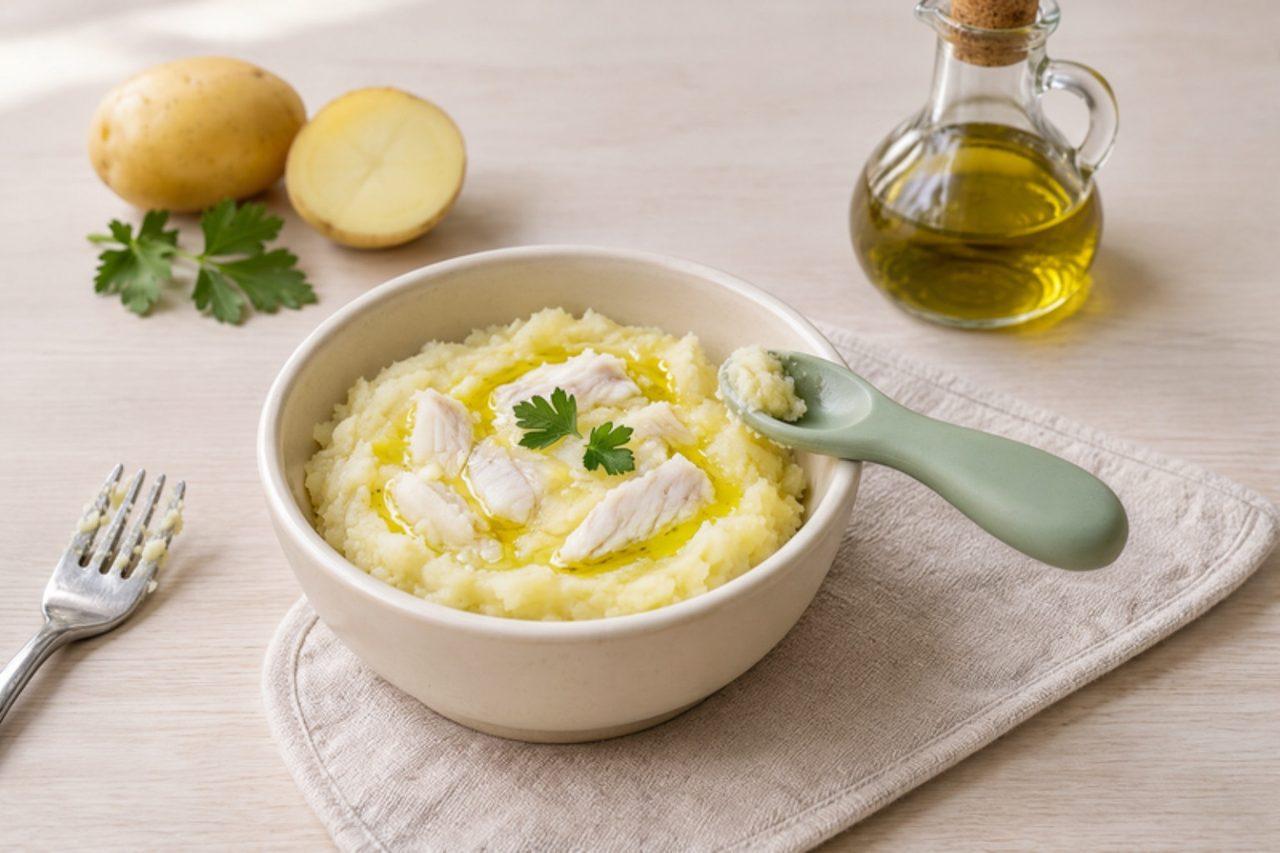
Merluzzo e patate for babiesCod and potato mash for babies

In Italy, fish is part of the svezzamento (weaning) plan from early on, and merluzzo con patate schiacciate, steamed white fish with crushed potato, is the lunch many Italian grandmothers make for babies from Milan to Palermo once they move on to soft lumps at around nine months. A spoon of good extra virgin olive oil replaces butter and salt, and the result is soft, mild and comforting. It contains fish and is free of milk, egg, gluten, nuts, soya and sesame. Chef's tip: steam the fish on top of the potatoes in the same basket for the last few minutes; one pan, and the fish never dries out.

by KrazyBadal 0 views

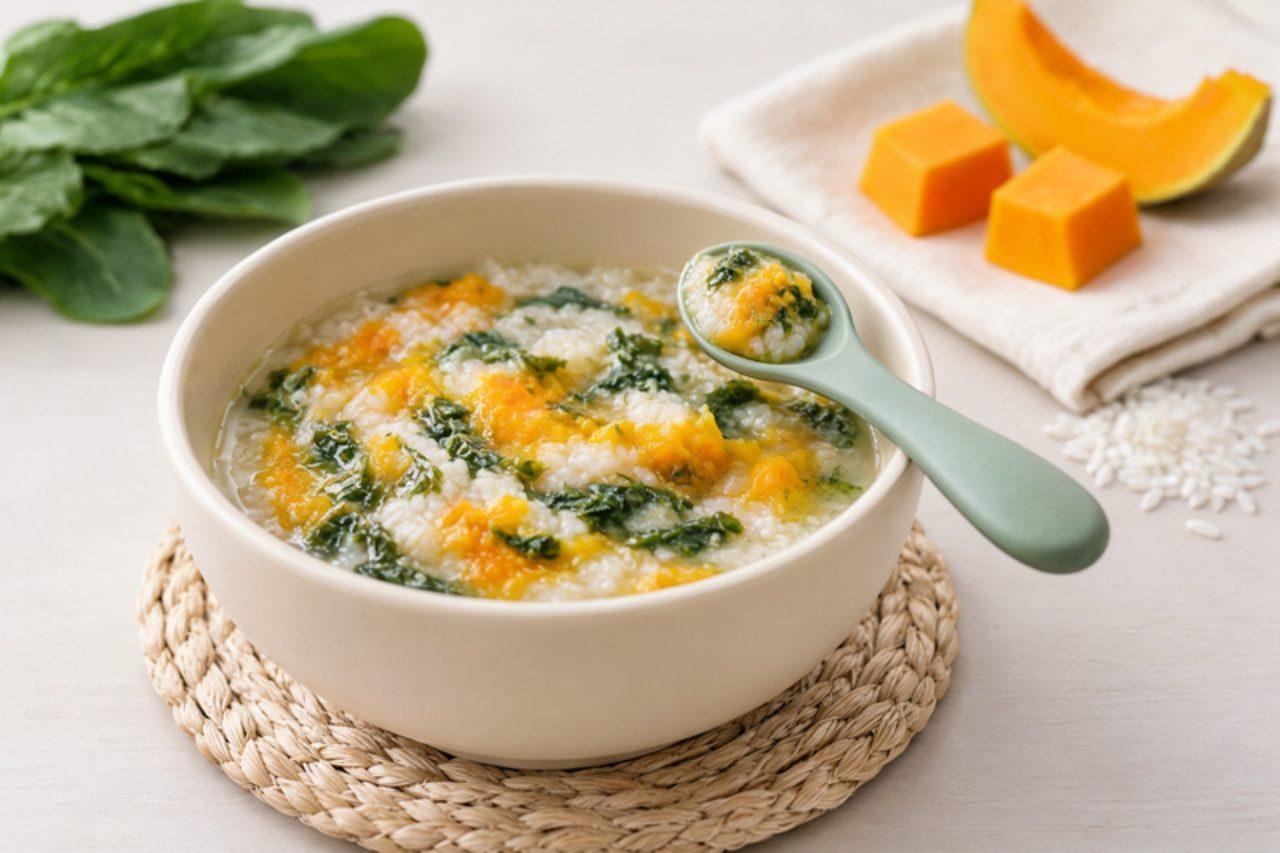
Vary sosoa for babiesSoft rice with greens for babies

Vary sosoa, rice cooked with lots of water until soft and soupy, is the classic Malagasy breakfast, eaten in Antananarivo and the highland villages before the day's work starts, and the food given to the sick and the very young. For babies from about nine months it is cooked with diced pumpkin and finished with a handful of mild greens, then mashed. It is gentle, sweet and creamy. Skip brède mafane (paracress), the tingling green used for grown-ups' romazava, as it numbs the mouth; spinach or sweet potato leaves are kinder. It is free of the major allergens: no milk, egg, gluten, nuts, soya, sesame or fish. Chef's tip: use a short, starchy rice such as vary gasy or any broken rice; it releases more starch and makes the creamiest sosoa.

by KrazyBadal 0 views

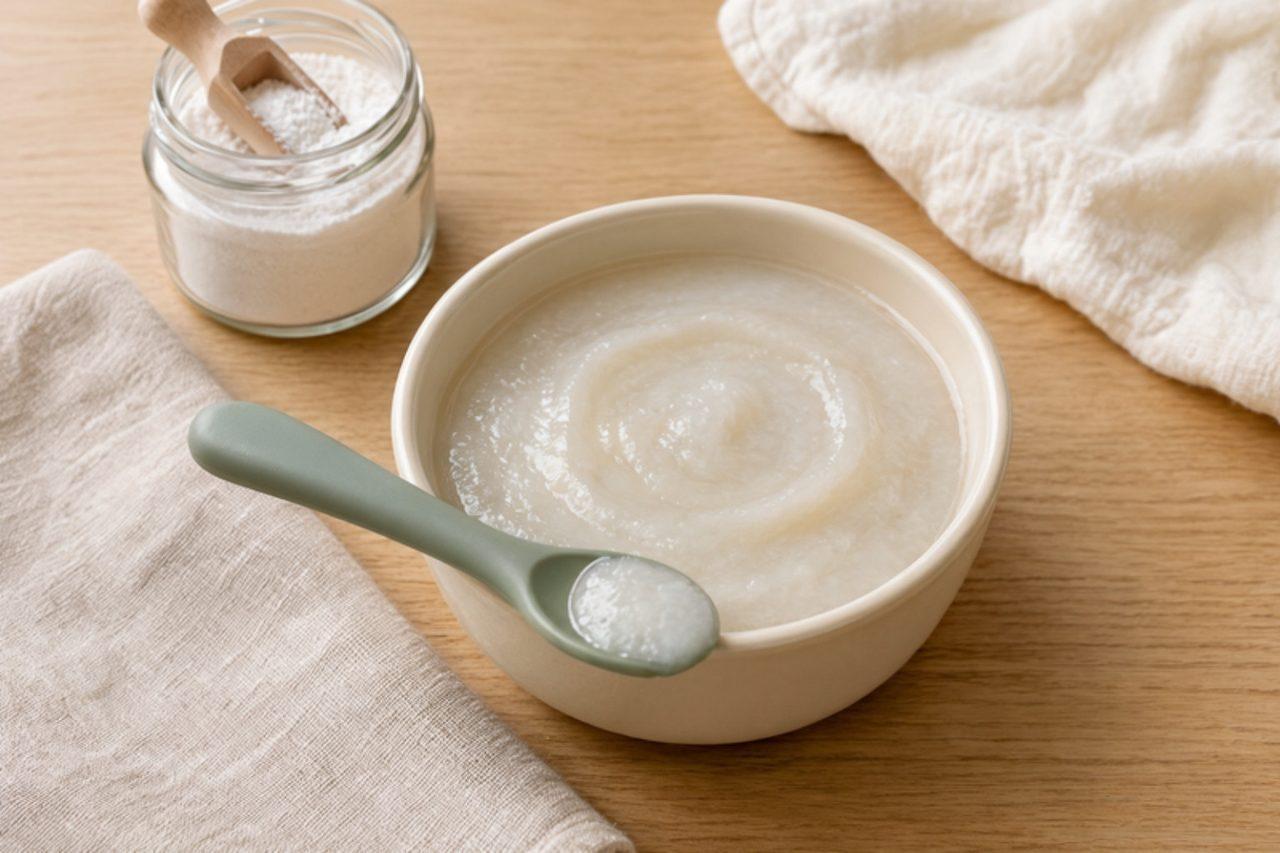
Koova kurukku (arrowroot porridge)

Koova, the arrowroot that grows in Kerala's backyards, is dug, washed, grated and dried into a snow-white powder that many families in Thrissur and Kottayam still make themselves. Stirred with water over a low flame, it turns from chalky to clear and glossy in a few minutes, and this kurukku is a classic first spoonful at six months, often given in the hot months because it is thought to be cooling. It is very mild and smooth. No salt, sugar, jaggery or honey goes in for babies. It is free of the major allergens. Chef's tip: buy pure koova or arrowroot powder, not a cornflour blend, and stop cooking the moment the whole pan turns translucent.

by KrazyBadal 0 views

Pan-gayu (bread porridge)

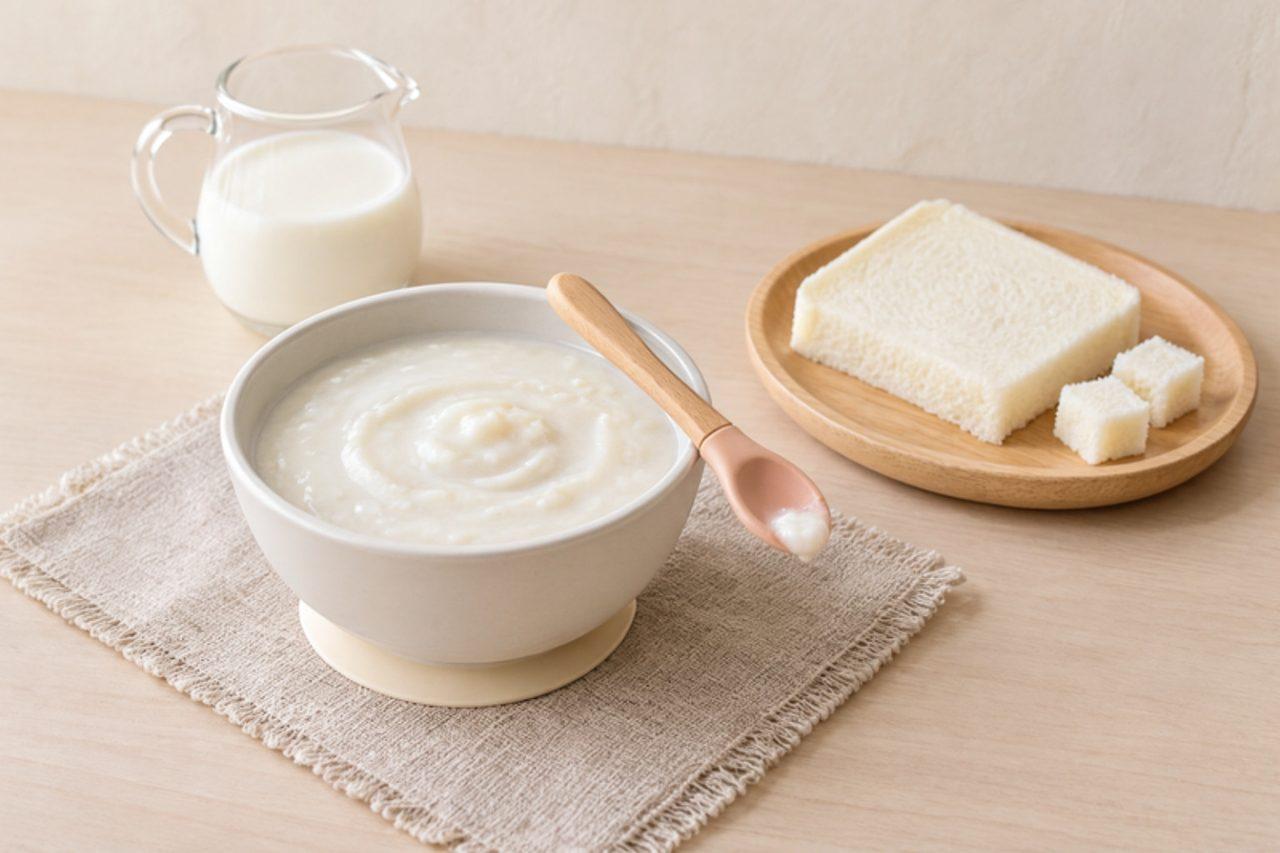
Pan-gayu is a staple of the early rinyushoku (weaning) stage in Japan, the second grain after rice porridge, and it fills the 'first foods' pages of every baby magazine sold in Tokyo convenience stores. Crustless white bread is torn into a pan of water, breast milk or formula and simmered until it collapses, then mashed smooth for a soft, milky, faintly sweet porridge. Bread already contains a little salt, so this is an occasional porridge rather than an everyday one, and no extra salt, sugar or honey goes in. It contains wheat (gluten) and milk if made with milk. Chef's tip: choose the softest, plainest white sandwich loaf with the lowest salt on the label, and cut away every bit of crust.

by KrazyBadal 0 views

Kombu dashi for babiesKelp broth for babies

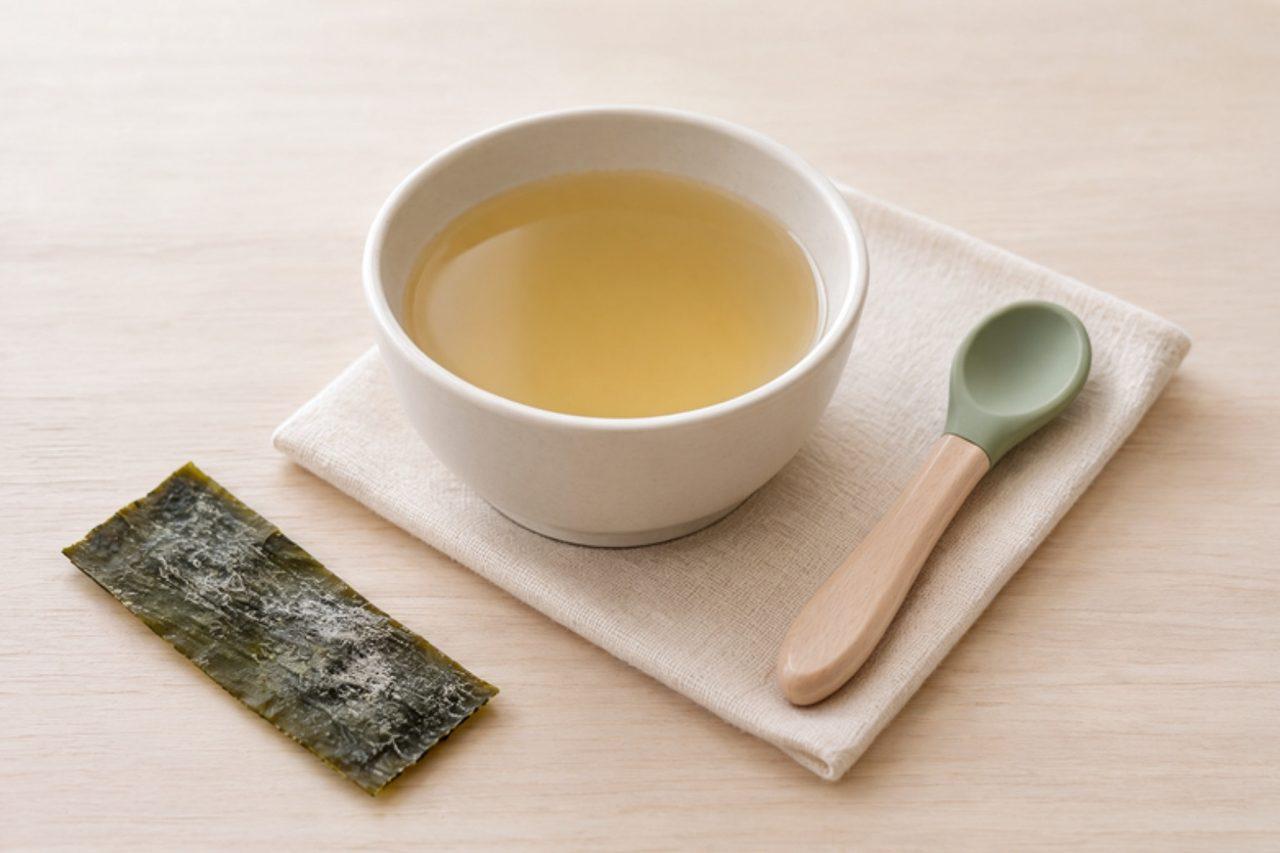
Kombu dashi is where Japanese weaning starts: the gentle, savoury water that thins jūbai-gayu (rice porridge) and vegetable purées, so babies learn umami instead of salt. Japanese parents make a jug every few days, and baby-food counters in Osaka department stores sell frozen cubes of it. Kombu is very high in iodine, so this broth is used a spoonful or two at a time to flavour a meal, a few times a week, never as a drink. Nothing else goes in: no salt, soy sauce, bonito or stock powder. It is free of the major allergens. Chef's tip: lift the kombu out just before the water simmers; boiled kombu turns slimy and gives a bitter, sea-weedy taste.

by KrazyBadal 0 views

Showing 24 of 109 recipes

Show more recipes

Page 3 of 5

More collections