Skip to content

Low-calorie recipes

Lighter recipes that are still filling and full of flavour. (773 recipes)

Vary amin'ananaRice with greens

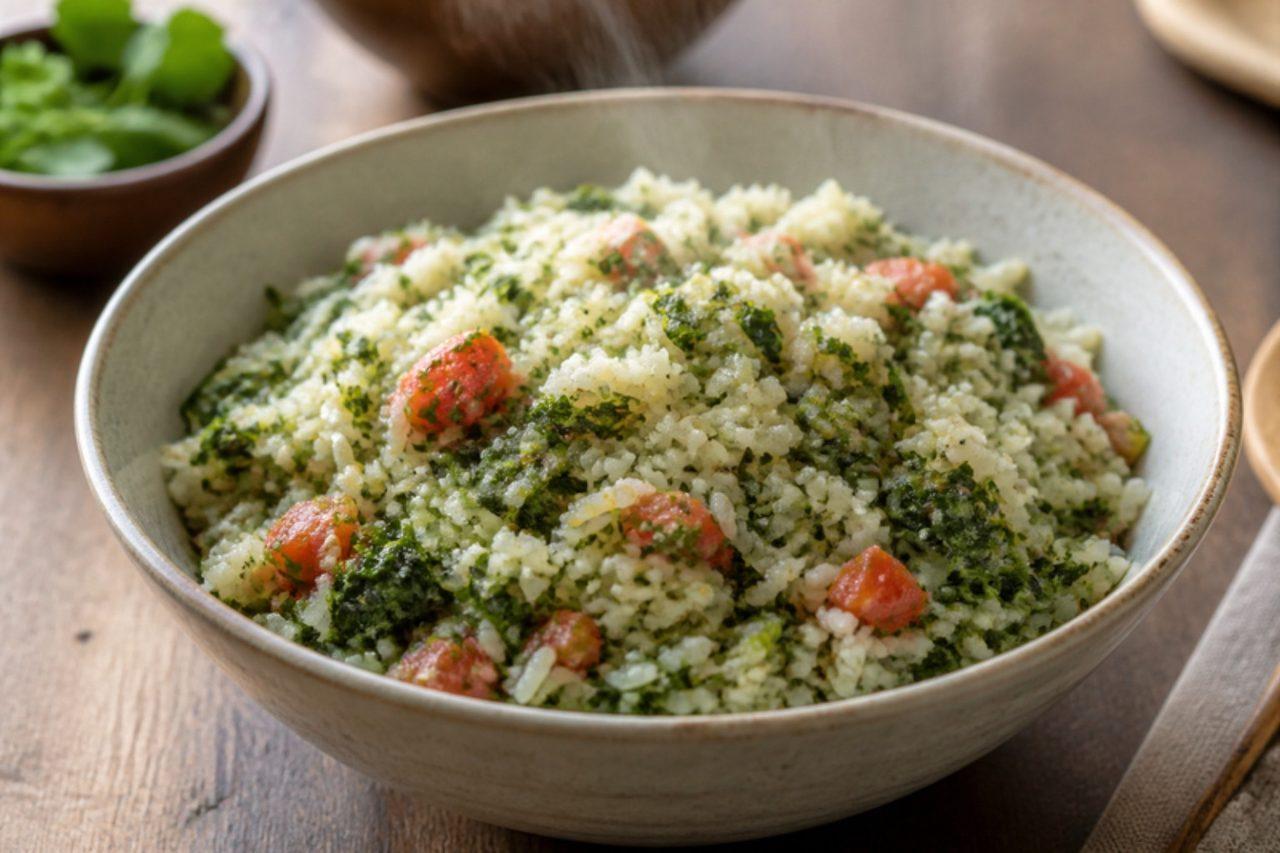
Before the sun clears the hills of Antananarivo, steam is already rising from pots of vary amin'anana at the hotely, the little roadside cafés where office workers and taxi-brousse drivers stop for breakfast. Rice simmers with a heap of chopped greens, a little tomato and fresh ginger until the grains swell and soften into something between a pilaf and a loose porridge, green-flecked and gently savoury. Locals spoon sakay or a sharp lasary relish on top, and anyone with more appetite adds a few beans on the side. The greens matter most: brèdes mafana (paracress) give a faint tingle, but watercress, spinach or mustard greens from the shop all work well. Chef's tip: add the tender leaves only for the last 8 minutes; boiled from the start, they turn grey-brown and bitter, which is the commonest way this simple dish goes wrong.

by KrazyBadal 0 views

Ash-e shalghamTurnip and rice soup

In Tehran and Mashhad homes, ash-e shalgham is the pot put on the stove when someone in the family catches a cold in the first frosts of winter. Turnips and rice are simmered together until the turnips melt and the rice thickens the soup, which ends up soft, sweet and peppery, with a fried-onion and turmeric base. Many families add a little lamb; this one is vegan. The usual mistake is using big, old turnips, which taste bitter and woody; choose small, heavy ones. Chef's tip: grate half the turnips and dice the rest, so the soup is creamy yet still has pieces to bite.

by KrazyBadal 0 views

DakbaeksukPoached whole chicken

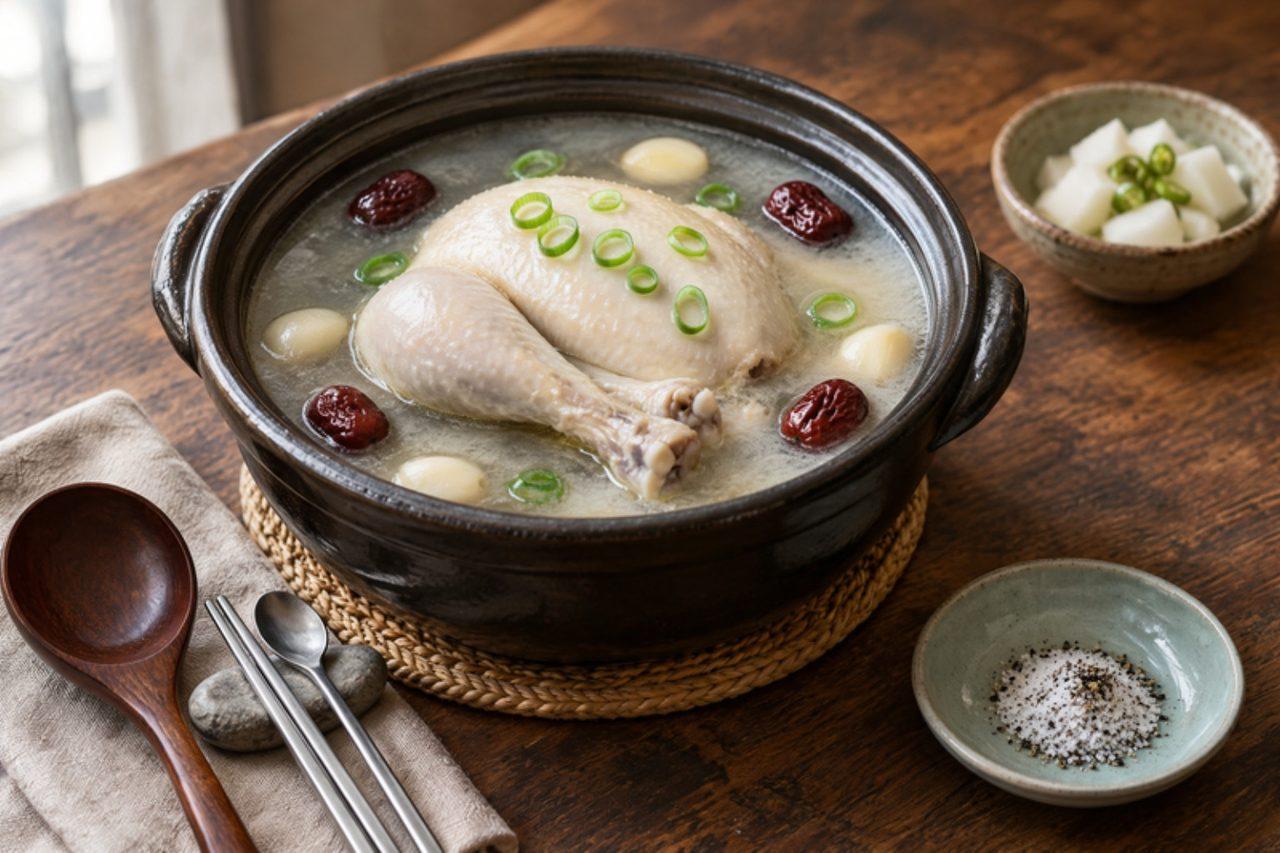
Dakbaeksuk is a whole chicken simmered plain in a big pot, a dish Koreans eat on the boknal 'dog days' of midsummer and at valley restaurants in the mountains, where families sit on platforms by the stream. Unlike samgyetang it is not stuffed; the bird simmers with a fistful of garlic, a few jujubes and dried roots such as astragalus until it falls apart, and you eat the meat with salt and pepper and drink the milky broth. Suitable as part of a balanced diet: high in protein, with no flour or added sugar. About 420 kcal and 8 g carbohydrate per portion; restaurants finish with rice porridge in the broth, so keep that portion small or use brown rice. The usual mistake is boiling it fiercely, which makes the meat stringy; it should simmer gently. Chef's tip: skim the fat off the broth before serving; it tastes cleaner and lighter.

by KrazyBadal 0 views

Bathua raitaChenopodium leaf yogurt

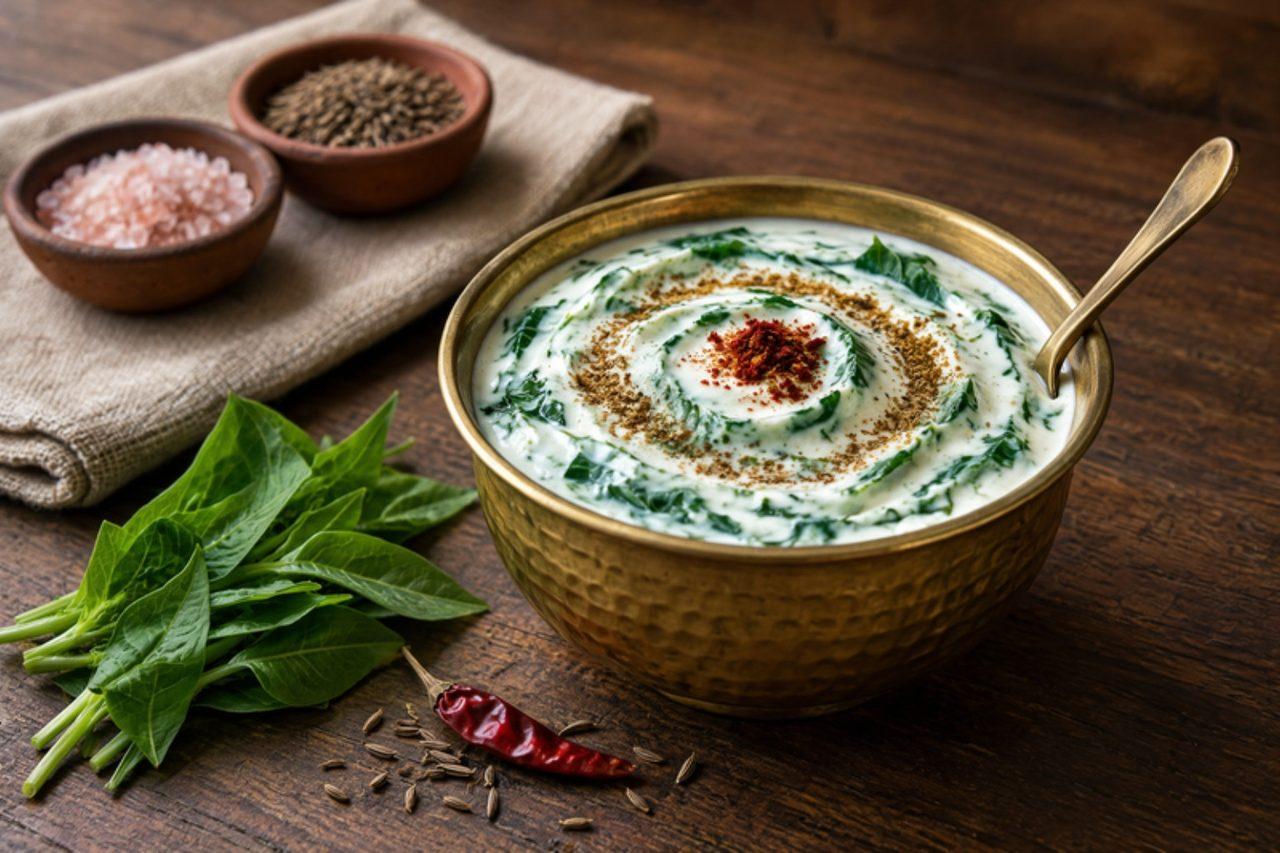
Bathua (chenopodium or lamb's quarters) grows wild in the wheat fields of western Uttar Pradesh and Haryana in winter, and from December to February families blanch it and stir it into yogurt as a cooling raita beside paratha, dal or bajra roti. The leaves are boiled briefly, chopped and folded into whisked yogurt with roasted cumin, black salt and a little green chilli, so it tastes earthy, tangy and fresh. It is suitable as part of a balanced diet. About 90 kcal and 7 g carbohydrate per portion. The usual mistake is adding the greens while they are still hot or wet, which makes the yogurt thin and grainy; squeeze them dry and cool them first. Chef's tip: grind half the blanched leaves to a paste so the raita turns an even pale green.

by KrazyBadal 0 views

Agretti all'agroSaltwort with lemon

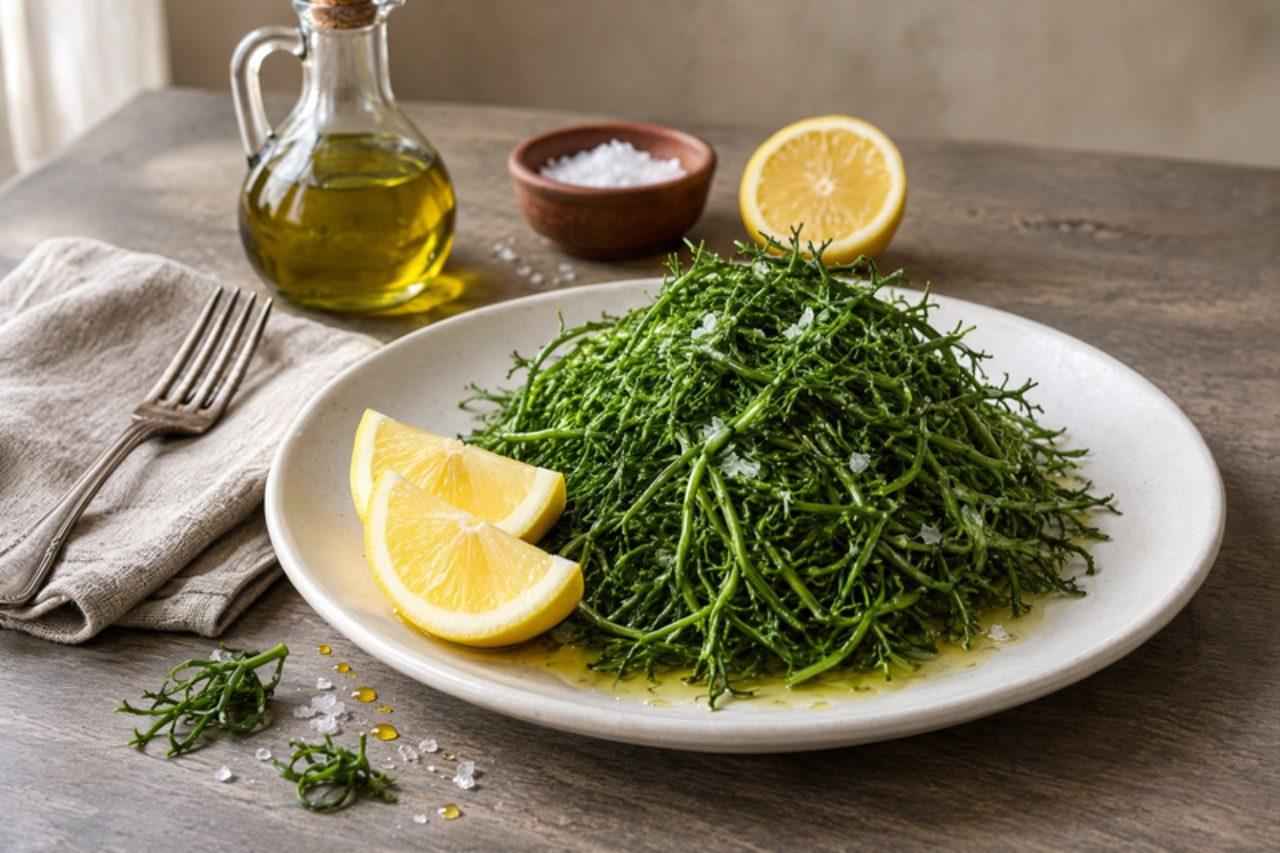
Agretti, also called barba di frate or 'monk's beard', appear in Roman and Tuscan markets for a short season in March and April, tied in bunches that look like thick chives. Blanched for a minute and dressed all'agro, with lemon and good olive oil, they are a juicy, slightly salty spring side for an egg dish, grilled fish or beans. Suitable as part of a balanced diet, they are almost free of starch: about 80 kcal and 3 g carbohydrate per portion. The usual mistake is overcooking them into limp threads; they should keep a crisp, spinach-like snap. Chef's tip: agretti are naturally salty, so taste before adding any salt at all.

by KrazyBadal 0 views

Liangban zhusunCold bamboo shoots

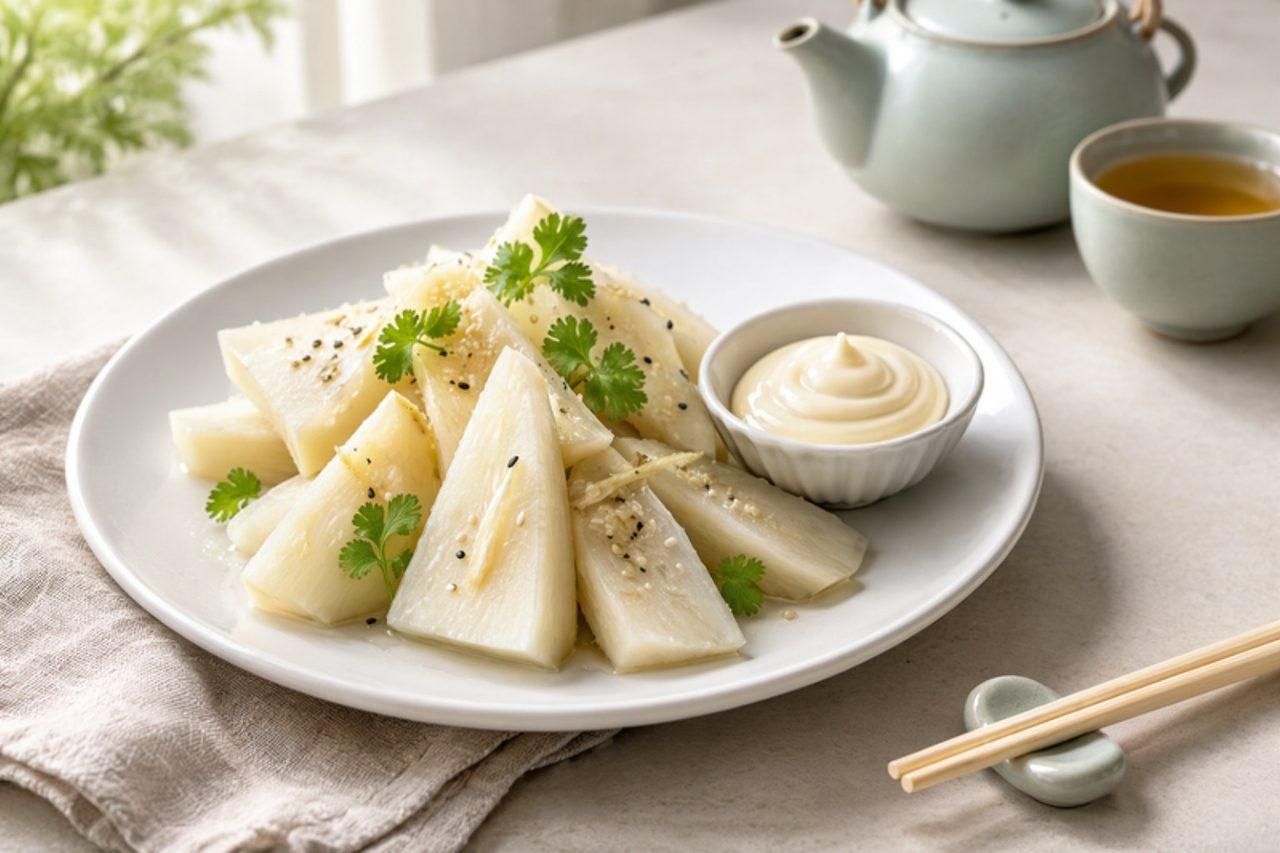
From May to August, sweet green bamboo shoots arrive in Taiwanese markets from the hills around Taipei and Tainan, and families boil them whole and chill them as a cool summer starter or side. The ivory shoots are crisp, juicy and almost sweet, cut into wedges and eaten plain, with a little mayonnaise in the Taiwanese way, or with soy sauce and sesame oil. Suitable as part of a balanced diet. About 70 kcal and 6 g carbohydrate per portion with a little mayonnaise. Fresh bamboo shoots must always be fully cooked: raw shoots contain natural compounds that are unsafe until boiled. The usual mistake is peeling them before boiling, which makes them bitter; boil them in their husks. Chef's tip: start them in cold water and let them cool completely in their cooking water, which keeps them sweet and tender.

by KrazyBadal 0 views

KabichiFried cabbage and carrot

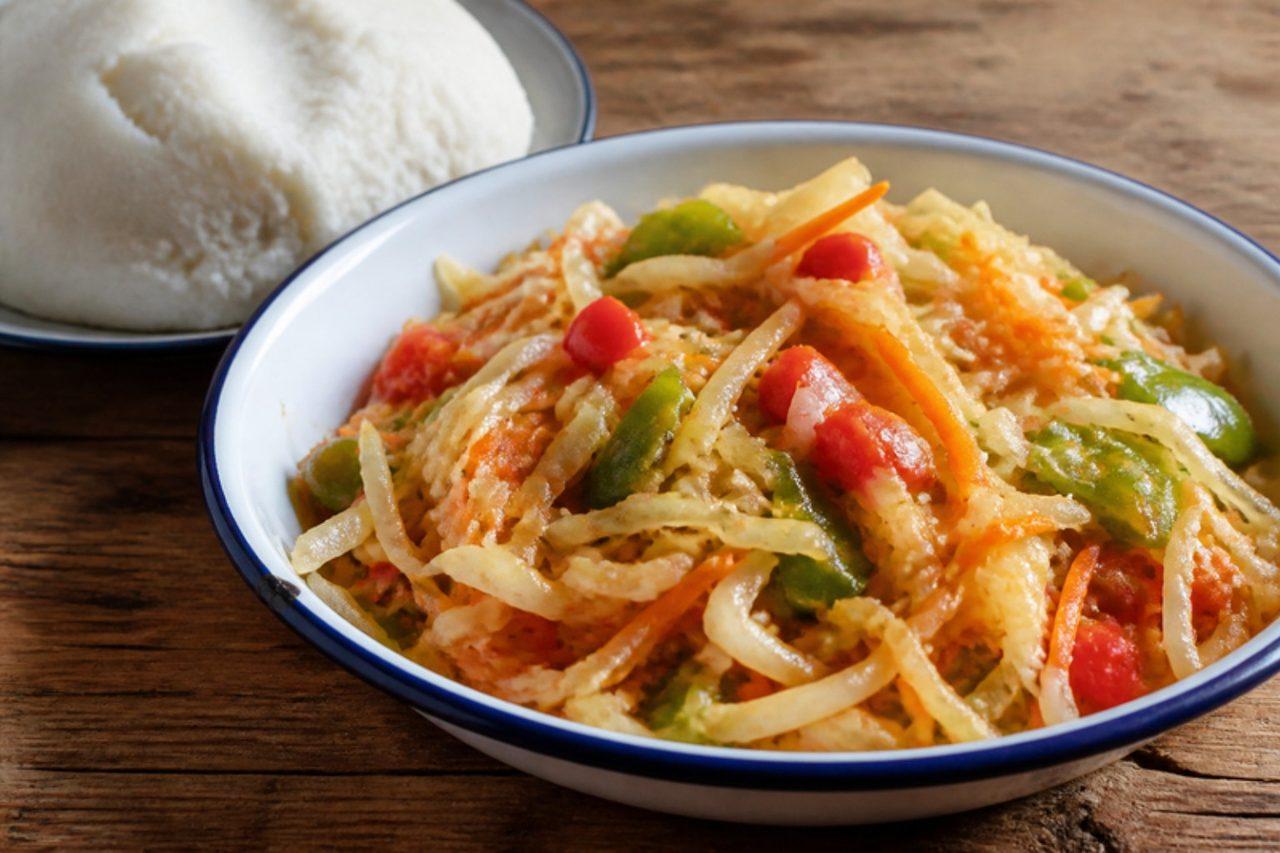
Hardly a weekday supper in a Nairobi flat goes by without a pan of kabichi next to the ugali: it costs little, uses one cabbage from the corner duka and is on the table in twenty minutes. Thin ribbons of cabbage meet onion, grated carrot, tomato and green pepper in a hot pan, staying sweet with a little bite and soaking up just enough tomato to turn rosy. Pair it with ugali and ndengu or beans, or roll it into a chapati. Most cooks go wrong by covering the pan and letting the cabbage steam to a grey, sulphurous heap; keep the lid off and the heat up. Chef's tip: salt the cabbage only at the very end, because salt pulls out water and stops it frying.

by KrazyBadal 0 views

ManaguNightshade greens

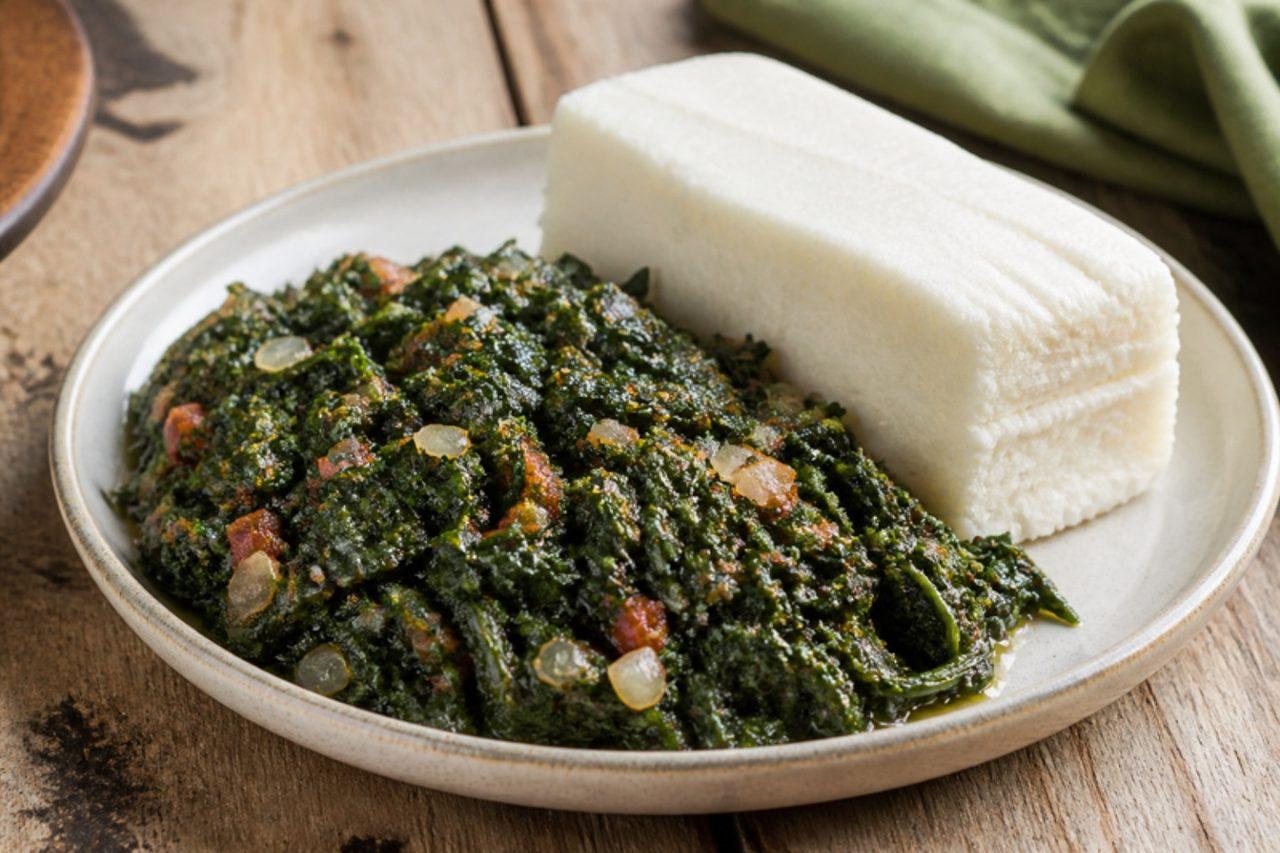
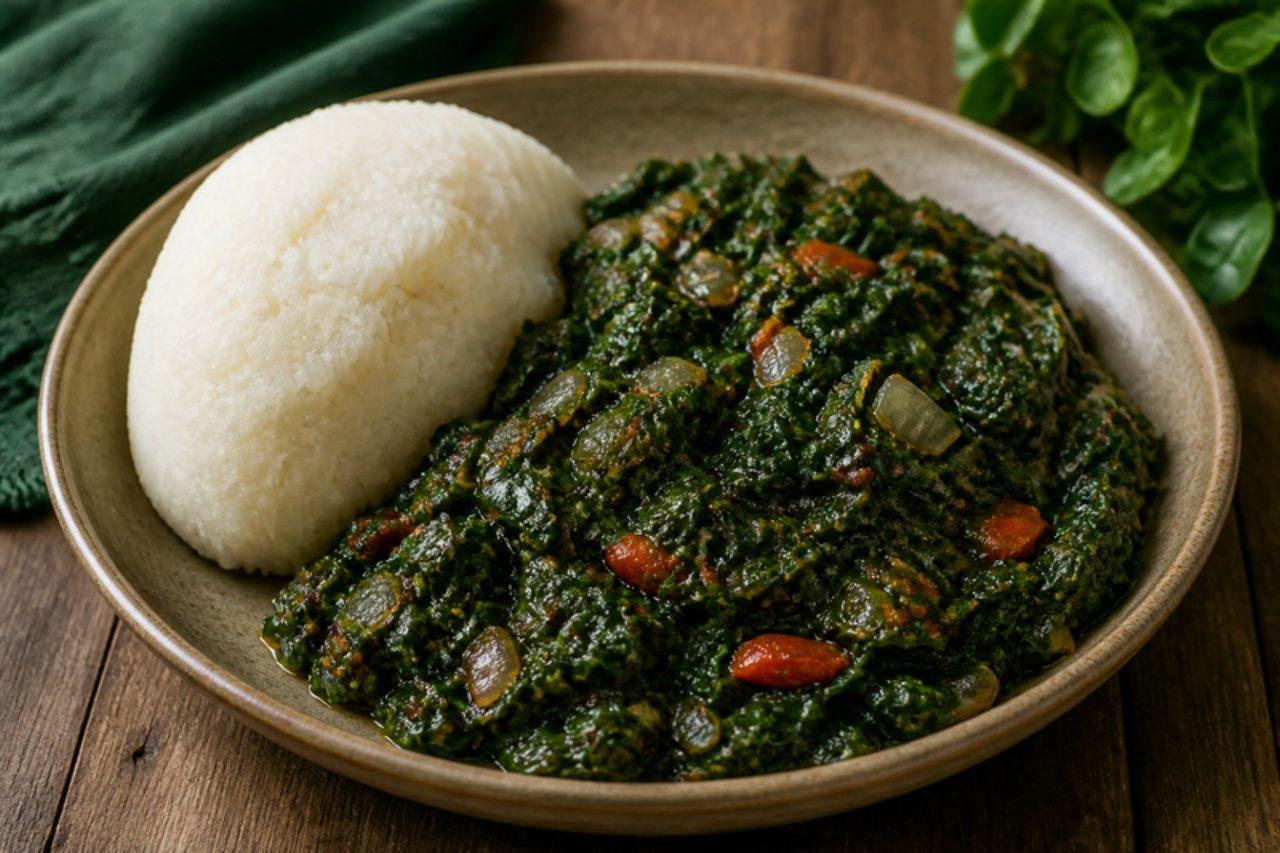
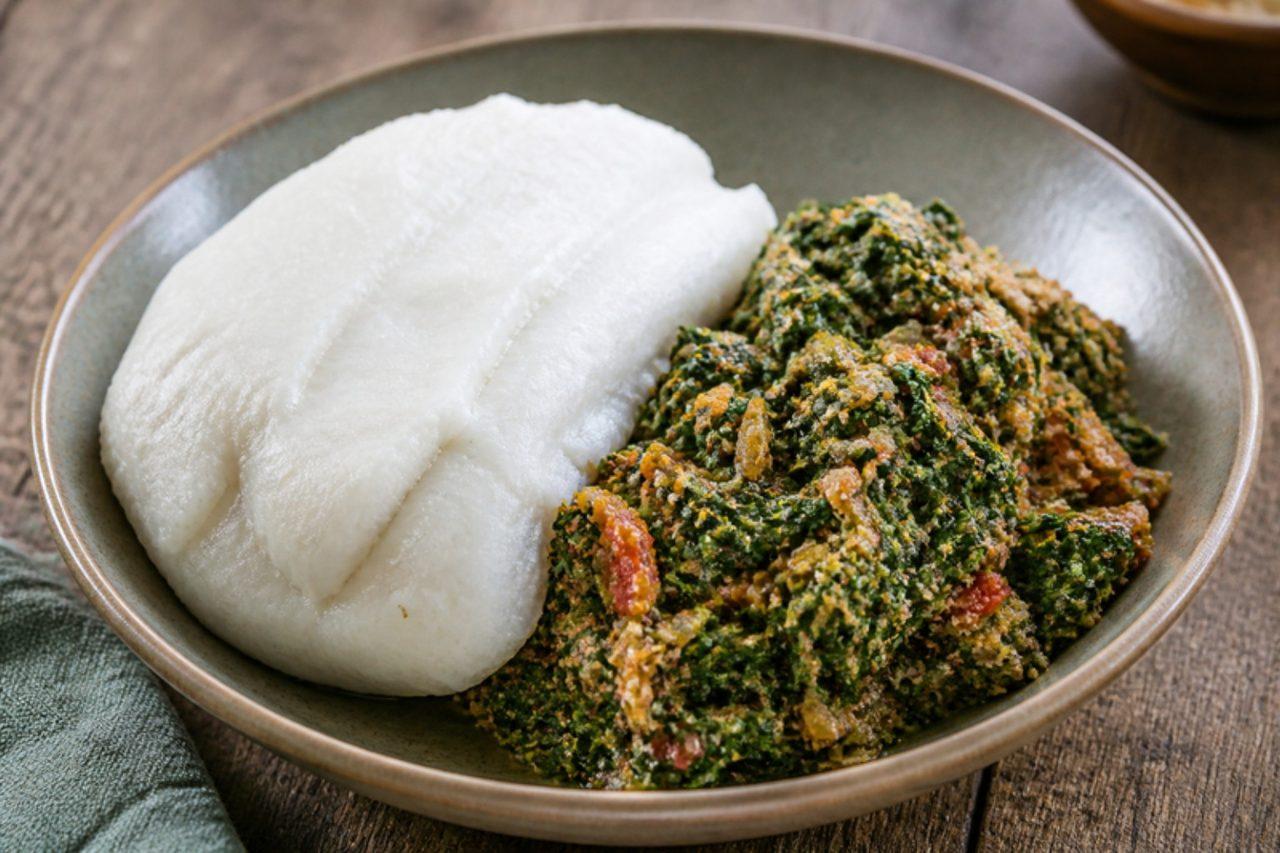
Market women in Kisii and Kakamega sell managu in thick bunches, and in the hills it is the green that goes with ugali at almost every family dinner. The leaves of cultivated African nightshade are soft and pleasantly bitter, a bit like a stronger spinach, and here they are blanched, then cooked down with onion and tomato into a soft, savoury heap. At home many families stir in a spoon of cream at the end; to keep it vegan, use coconut milk as below; buy managu fresh or frozen from African grocers and never gather wild nightshade, as some kinds are poisonous. Using the boiling water as a sauce is a common error: always drain the first boil, or the dish stays harsh. Chef's tip: squeeze the drained leaves firmly in your fist before frying so the tomato flavour soaks in instead of being watered down.

by KrazyBadal 0 views

Daikon to aburaage no nimonoSimmered daikon and fried tofu

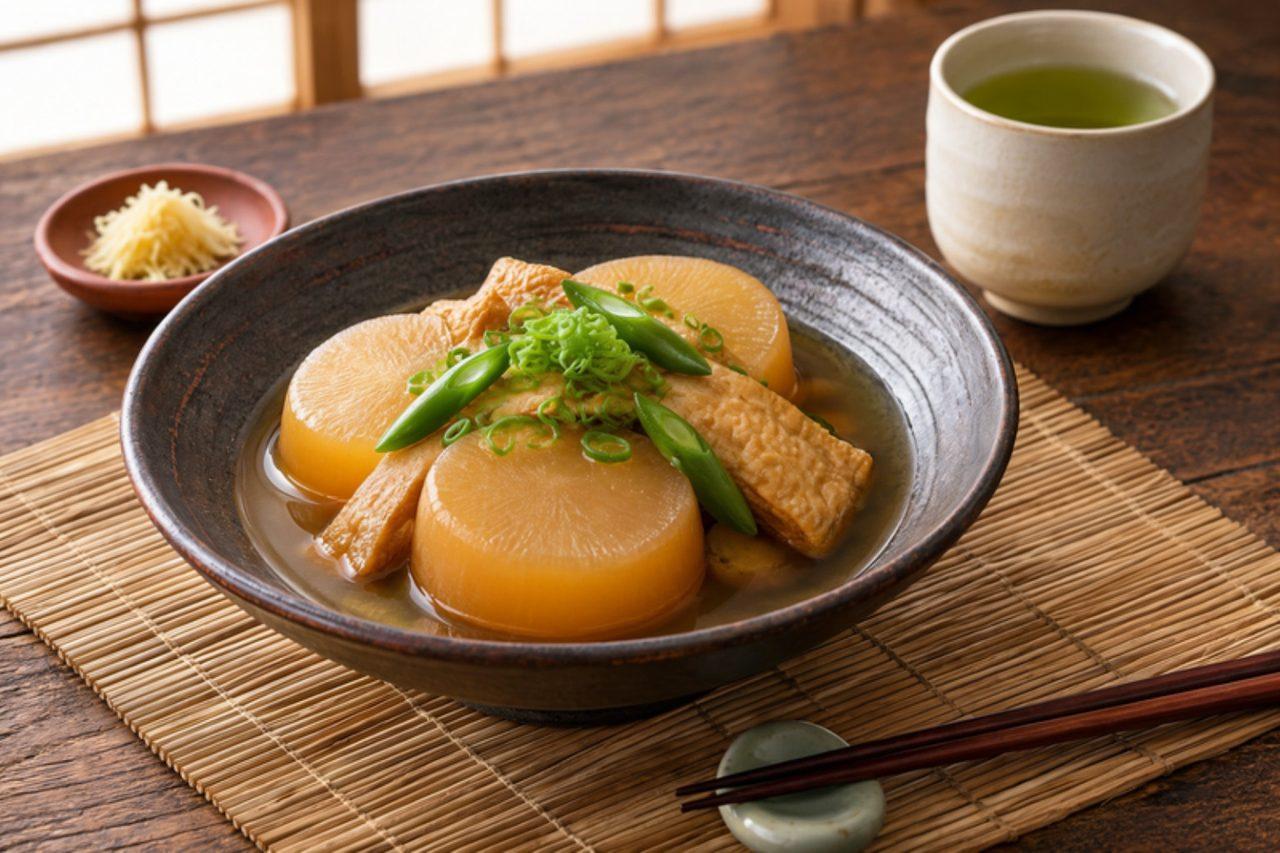
When winter daikon is fat, sweet and cheap in every Japanese market, home cooks from Hokkaido to Kyushu simmer it with strips of aburaage, the thin fried tofu pouches, as an everyday side for rice and grilled food. The radish turns soft and see-through and drinks up a light soy broth, while the tofu soaks up the rest like a sponge. This version uses a kelp and shiitake dashi instead of bonito, so the whole pot is vegan, and it tastes even better reheated the next day. The usual mistake is boiling it hard: the daikon edges crumble and the broth goes cloudy, so keep it at a lazy simmer under a drop lid. Chef's tip: pour boiling water over the aburaage before cutting it, which rinses off the stale frying oil and lets the broth soak in.

by KrazyBadal 0 views

Sorakaya pulusuBottle gourd in tamarind gravy

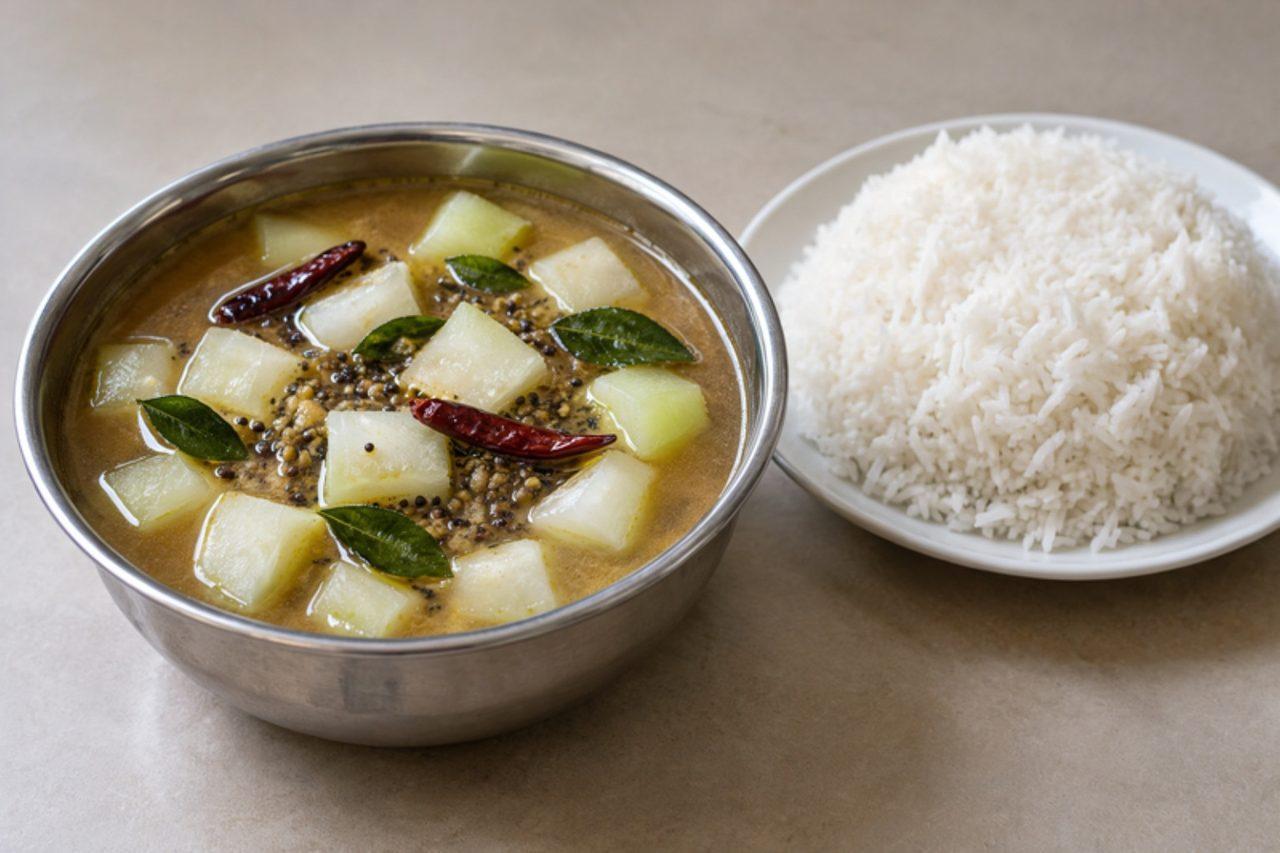
Sorakaya pulusu is everyday Telugu home cooking from Vijayawada to Visakhapatnam, made on weekdays when there's a bottle gourd in the basket and the family wants something light and sour with rice. Soft pieces of gourd simmer in a thin tamarind broth balanced with a little jaggery, chilli and onion, thickened only lightly with rice flour, and finished with a mustard and fenugreek tempering. Mix it into hot rice with a spoon of ghee or eat it with a crisp vada. The usual mistake is overcooking the gourd to mush; it should be tender and translucent but still in pieces. Chef's tip: taste a raw slice of the gourd before cooking, and throw it away if it is bitter, because bitter bottle gourd should not be eaten.

by KrazyBadal 0 views

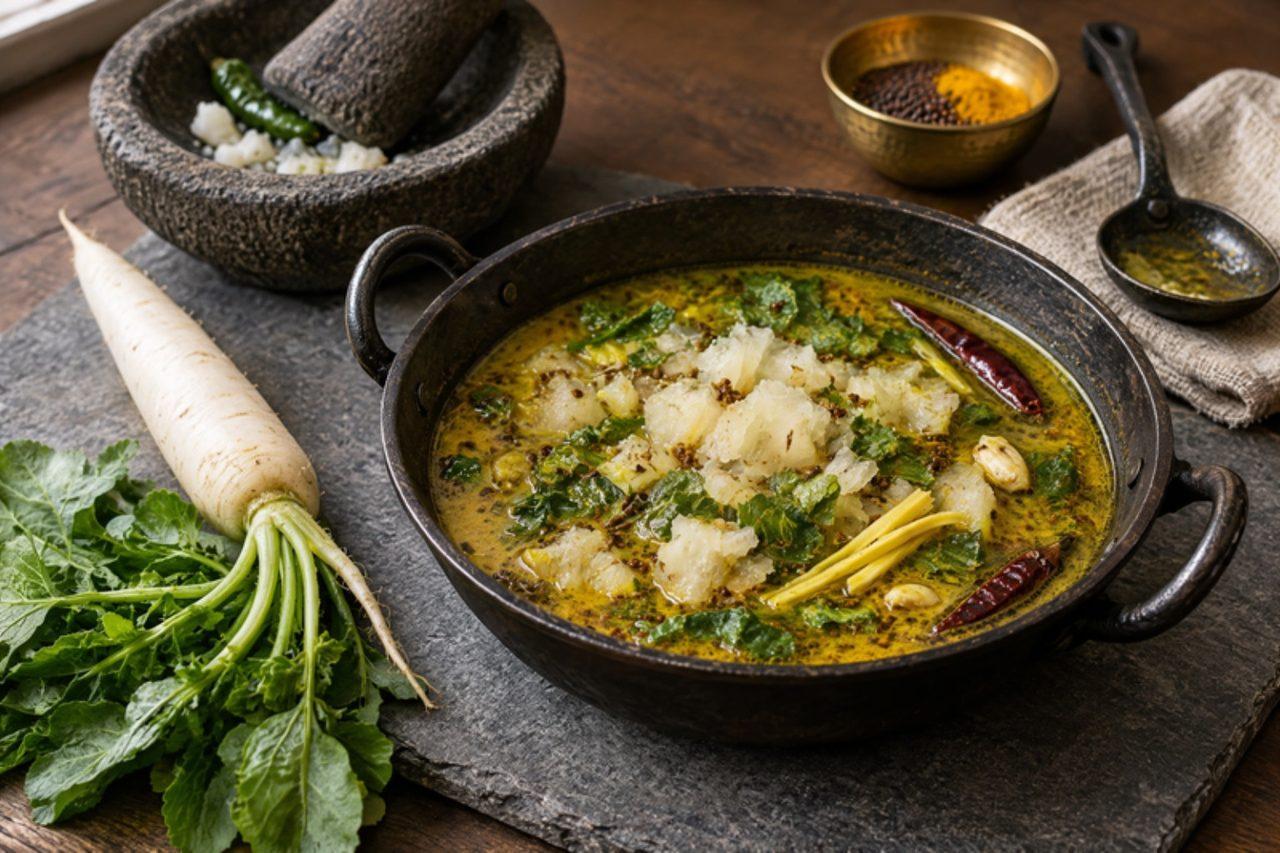
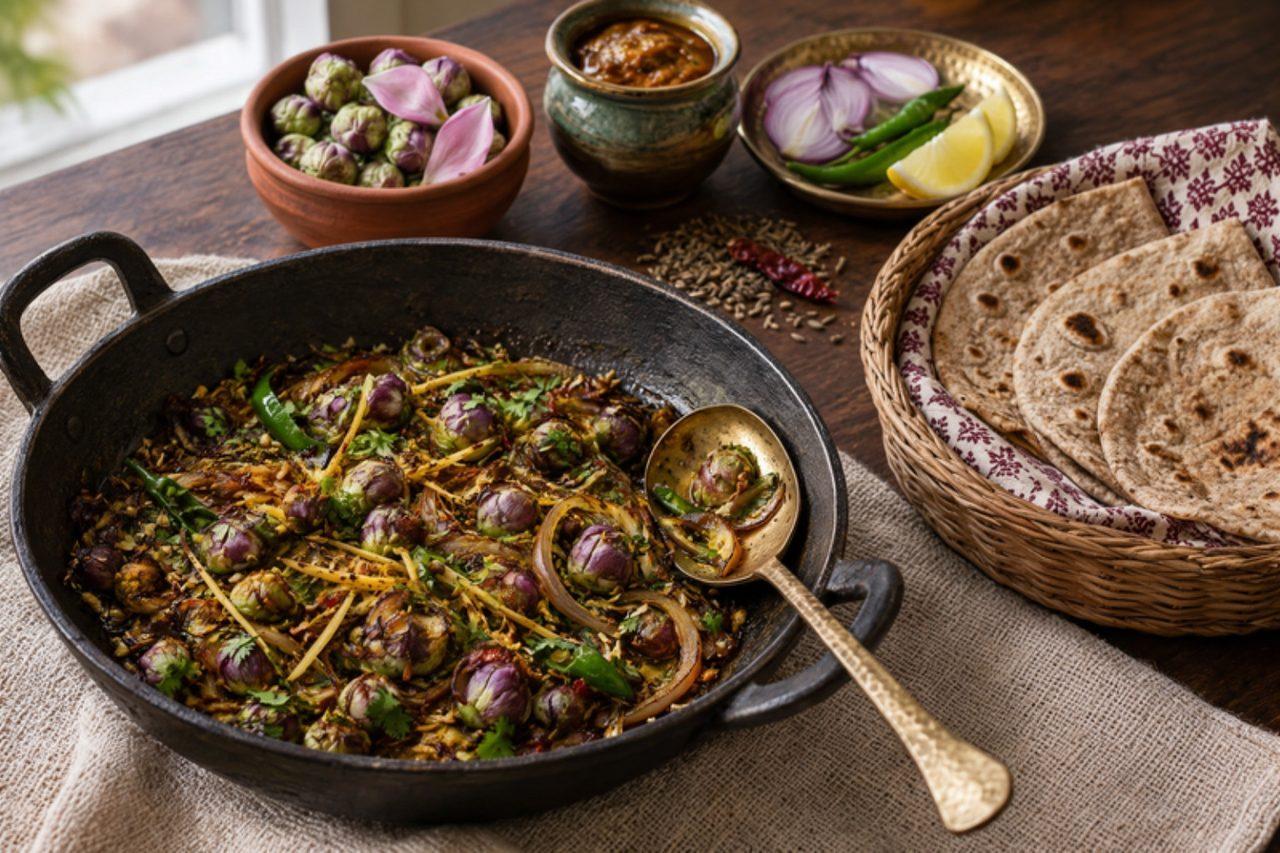
ThechwaniCrushed radish curry

Thechwani is a winter dish from the hill villages of Garhwal, Uttarakhand, cooked when the radishes are fat and sweet. Instead of chopping, the radish (or potato) is bashed with a stone or pestle so it cracks into rough pieces with lots of surface, then simmered in an iron kadhai with mustard oil, jakhya seeds and a little tomato. The broken pieces soak up the spices, and the iron pot darkens the gravy. It is eaten with rice or mandua (finger-millet) roti. Jakhya, a crunchy wild seed, is sold in hill stores; cumin is the swap. The usual mistake is slicing the radish neatly with a knife, which keeps the spices on the outside. Chef's tip: add the radish greens, finely chopped, in the last 5 minutes for colour and a peppery bite.

by KrazyBadal 0 views

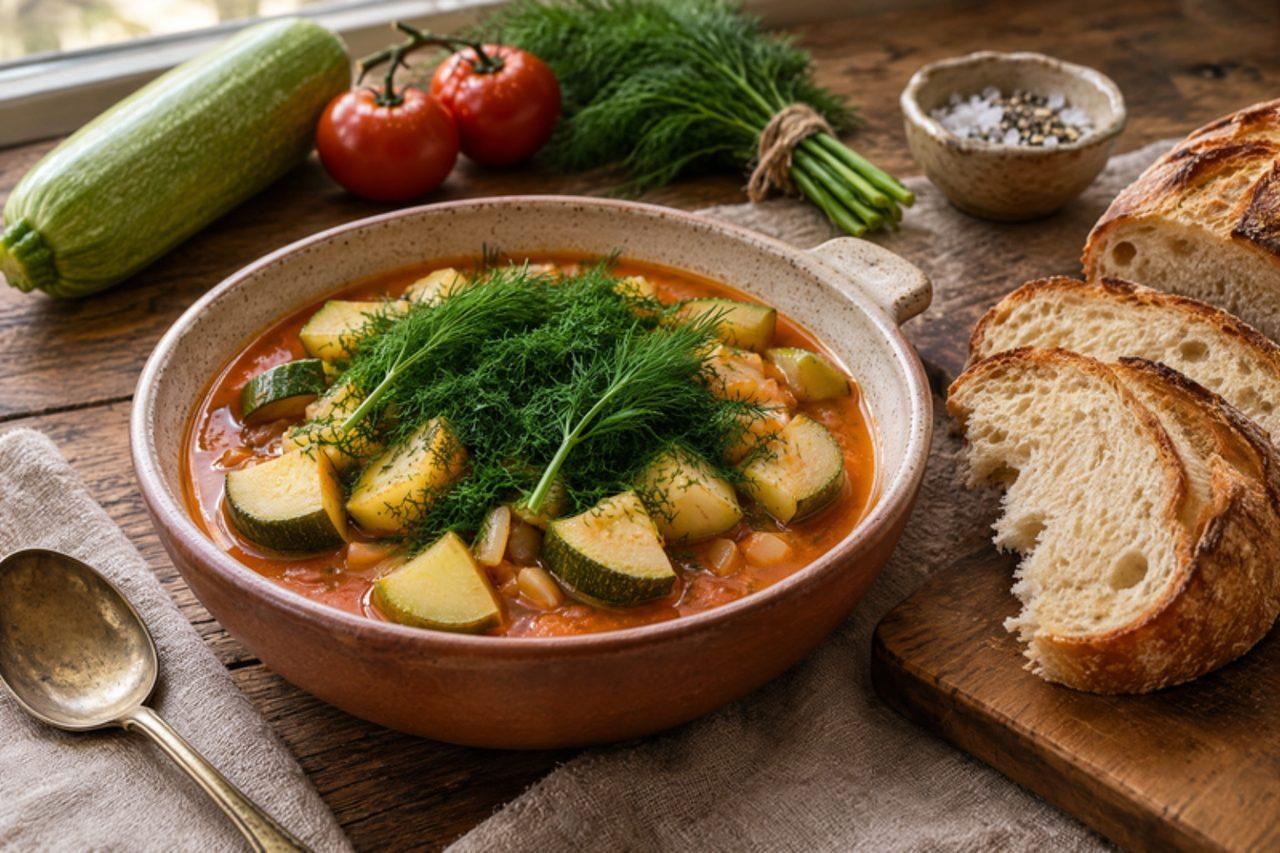
Mâncare de dovleceiStewed courgettes

In Romanian homes, from Moldova to Oltenia, mâncare de dovlecei is the summer stew made when the garden is full of courgettes, and it fills a pot on fasting days when Orthodox families eat no animal products. Courgettes are cooked down slowly with onion, peppers and tomato until soft and sweet, then finished with a fistful of dill and garlic. Eat it warm or at room temperature with bread or a slice of mămăligă. The usual mistake is adding too much liquid: courgettes release their own water, and a watery pot loses its flavour. Chef's tip: let the onion and pepper soften properly before the courgettes go in; that sweetness is what seasons the whole stew.

by KrazyBadal 0 views

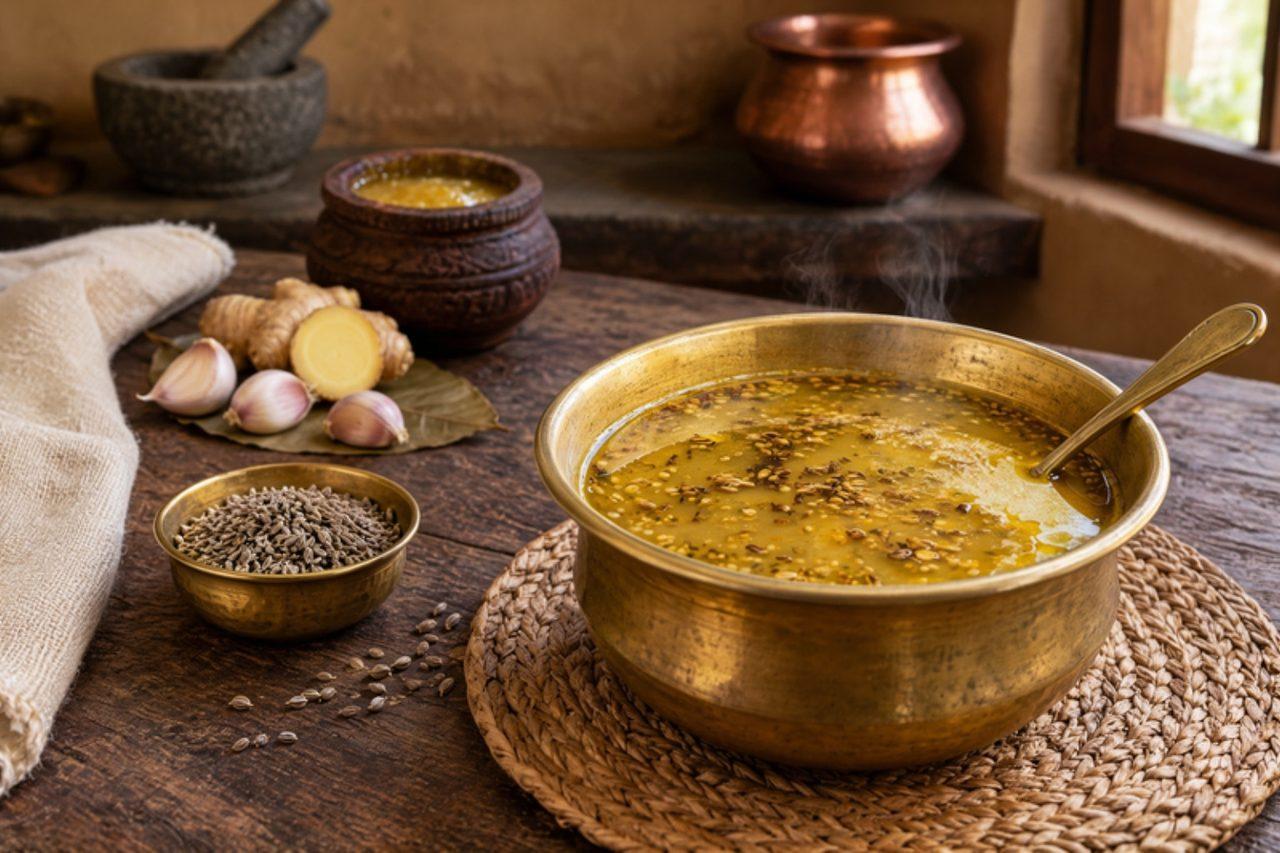
Jwano ko jholCarom seed broth

Jwano ko jhol is the soup Nepali families make for a mother in the weeks after a birth, and for anyone in the house who has a cold during the Kathmandu winter. Carom seeds are fried in ghee with a spoon of flour until nutty, then whisked with water, garlic and ginger into a thin, peppery, slightly thyme-like broth that is sipped hot from a bowl or poured over rice. The usual mistake is burning the jwano: it turns bitter in seconds, so take it off the heat as soon as it darkens a shade. Chef's tip: whisk the water in a little at a time, as with gravy, so the flour never forms lumps.

by KrazyBadal 0 views

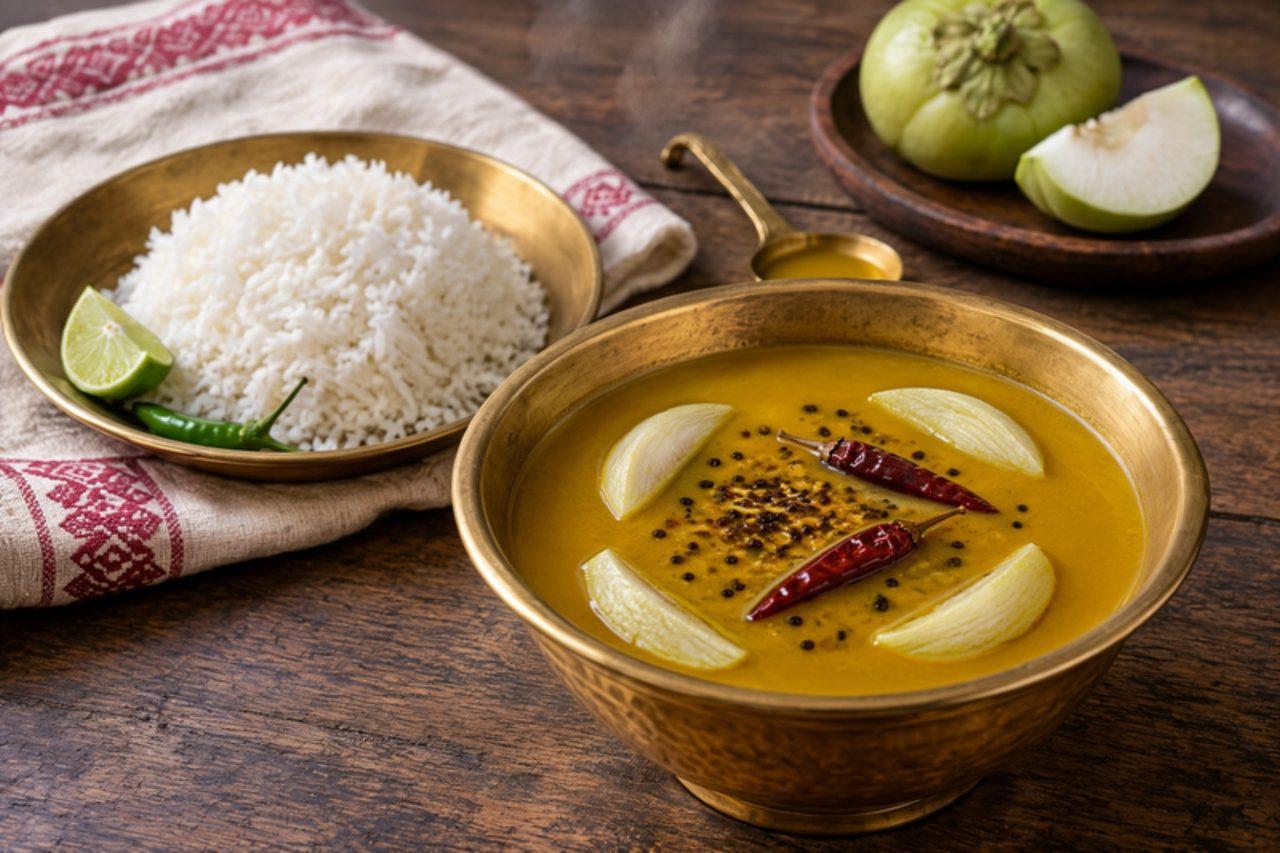
Ou tenga dalMasoor dal with elephant apple

Assamese cooks love a sour note, and ou tenga dal is the everyday lentil dish of Upper Assam's homes in the monsoon and autumn, when elephant apples (ou tenga) fall from the trees. Split masoor is boiled thin with turmeric and slices of the hard, tart fruit, then tempered with mustard oil, panch phoron and garlic, so it tastes bright, fruity and comforting. Serve with rice, or with a millet roti and a green vegetable for a lower-GI plate. It is suitable as part of a balanced diet. About 190 kcal and 26 g carbohydrate per portion. The usual mistake is adding the fruit too late, so its sourness never comes out; it must cook with the lentils from the start. If you can't find it, use a slice of green mango or 1 tsp tamarind. Chef's tip: bruise the ou tenga slices with a pestle so they release their juice.

by KrazyBadal 0 views

Tara chiriCod and tofu hot pot

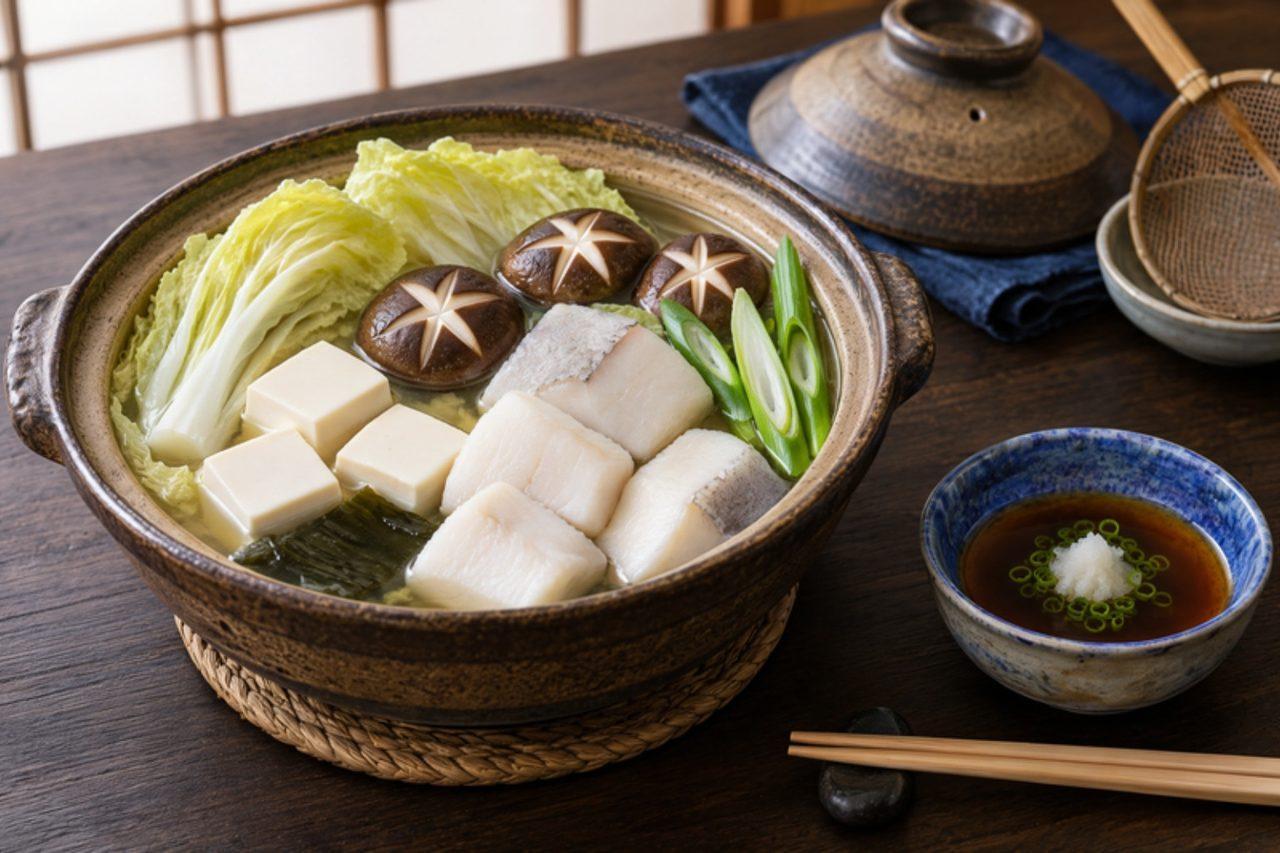
Tara chiri is a winter hot pot from all over Japan, cooked at the table on cold nights in December and January when Pacific cod is at its fattest and cheapest. The broth is only kombu and water, so the clean taste of the fish comes through; cod, tofu, napa cabbage, leek and mushrooms poach gently, and each mouthful is dipped into citrusy ponzu with grated daikon and chilli. Suitable as part of a balanced diet: lean protein and plenty of vegetables, with no rice needed. About 260 kcal and 12 g carbohydrate per portion. The usual mistake is boiling the fish hard, which breaks it into flakes in the pot; it should poach just below a simmer. Chef's tip: pour boiling water over the cod pieces and rinse them in cold water first (shimofuri); it removes any fishy smell and keeps the broth clear.

by KrazyBadal 0 views

Iwashi no tsumire jiruSardine dumpling soup

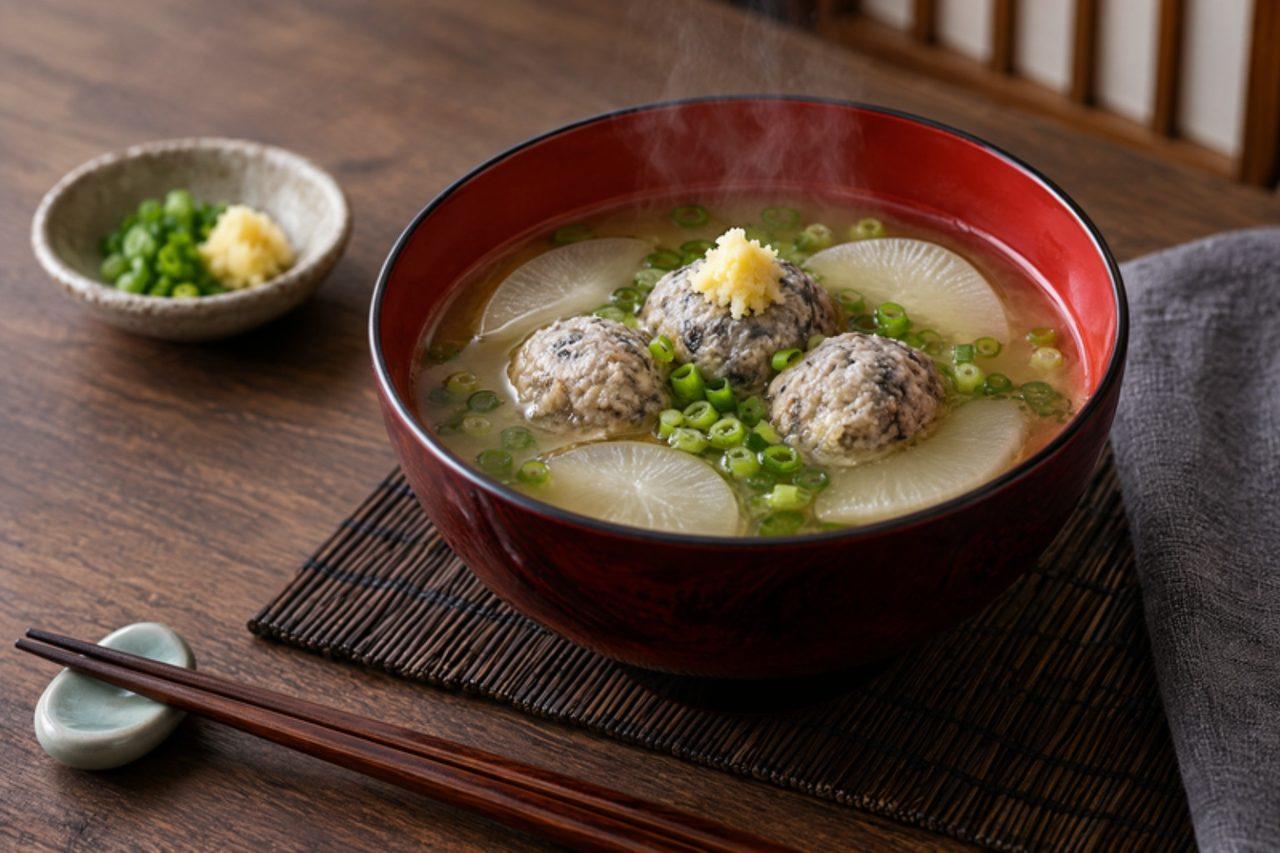
Along the coasts of Chiba and Kanagawa, where sardines are landed in huge numbers in autumn, cooks chop them by hand into tsumire (fish dumplings) and drop them into a light dashi with daikon and carrot. It is an everyday supper soup, warming and very savoury, eaten with rice and pickles. Suitable as part of a balanced diet: sardines are rich in protein and omega-3 fats, and the soup is low in starch. About 220 kcal and 9 g carbohydrate per portion. The usual mistake is pureeing the sardines smooth in a processor, which makes the dumplings rubbery; chop with a knife, leaving a little texture. Chef's tip: add a teaspoon of miso and plenty of ginger to the fish paste; it seasons it and hides any strong fishiness.

by KrazyBadal 0 views

Ojingeo sukhoeBlanched squid with chilli sauce

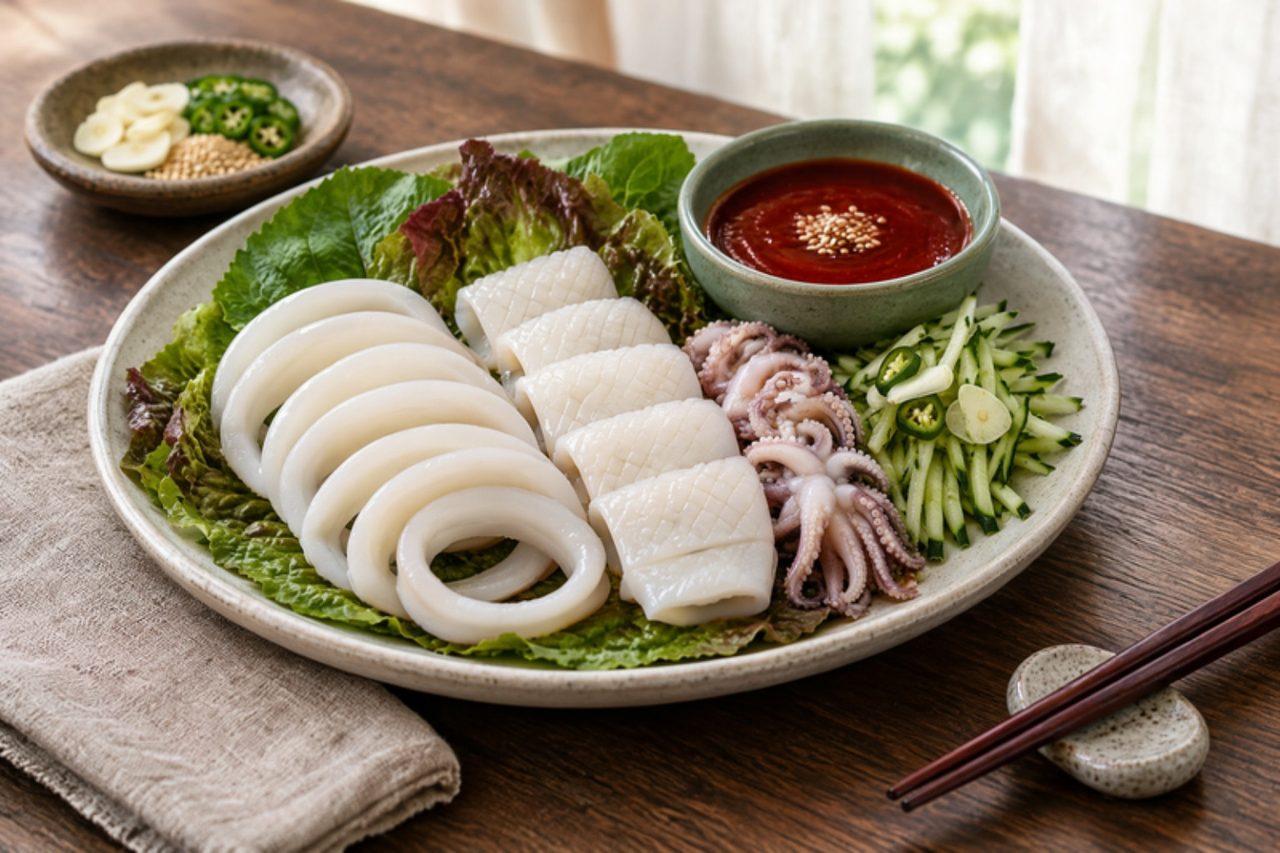
Ojingeo sukhoe is a summer favourite in the fishing towns of Gangwon and on Ulleungdo island, where squid are landed overnight and served at home and in harbour restaurants within hours. The squid is scored, blanched for barely a minute so it stays tender, sliced into rings and eaten with crisp cucumber, lettuce and chogochujang, a tangy chilli-vinegar sauce. Suitable as part of a balanced diet: lean protein and fresh vegetables. About 160 kcal and 10 g carbohydrate per portion; the teaspoon of sugar in the sauce is optional, or use a sweetener. The usual mistake is overcooking: squid goes from tender to rubbery after about 90 seconds. Chef's tip: plunge it into iced water the moment it curls, so the cooking stops instantly.

15 minKoreanFish
by KrazyBadal 0 views

Pucuk paku goreng belacanStir-fried fern shoots with shrimp paste

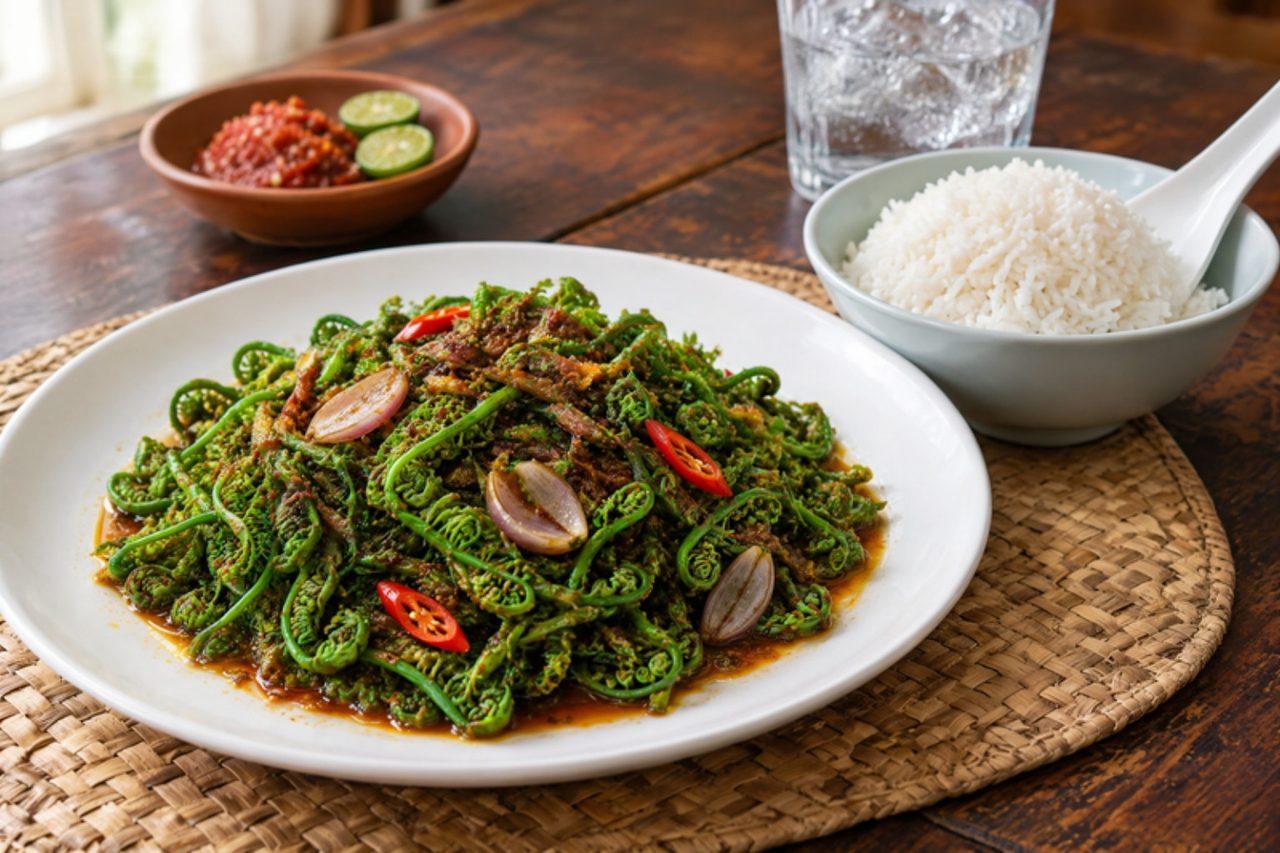
In Sabah, Sarawak and the kampungs of the Malay Peninsula, curly young pucuk paku (vegetable fern) are picked from riverbanks and sold in bundles at every tamu and pasar, and this fiery stir-fry with belacan appears at lunch with rice and fish almost every day. The fronds stay crunchy and green, coated in a punchy paste of shallots, garlic, chilli and toasted shrimp paste. Suitable as part of a balanced diet: leafy greens with no starch. About 110 kcal and 8 g carbohydrate per portion. The usual mistake is undercooking: fern shoots should always be blanched or cooked through, never eaten raw. Fiddlehead ferns or water spinach can stand in. Chef's tip: toast the belacan in a dry pan until it crumbles and smells strongly, then open a window; this is what gives the dish its depth.

by KrazyBadal 0 views

Pathola currySnake gourd coconut curry

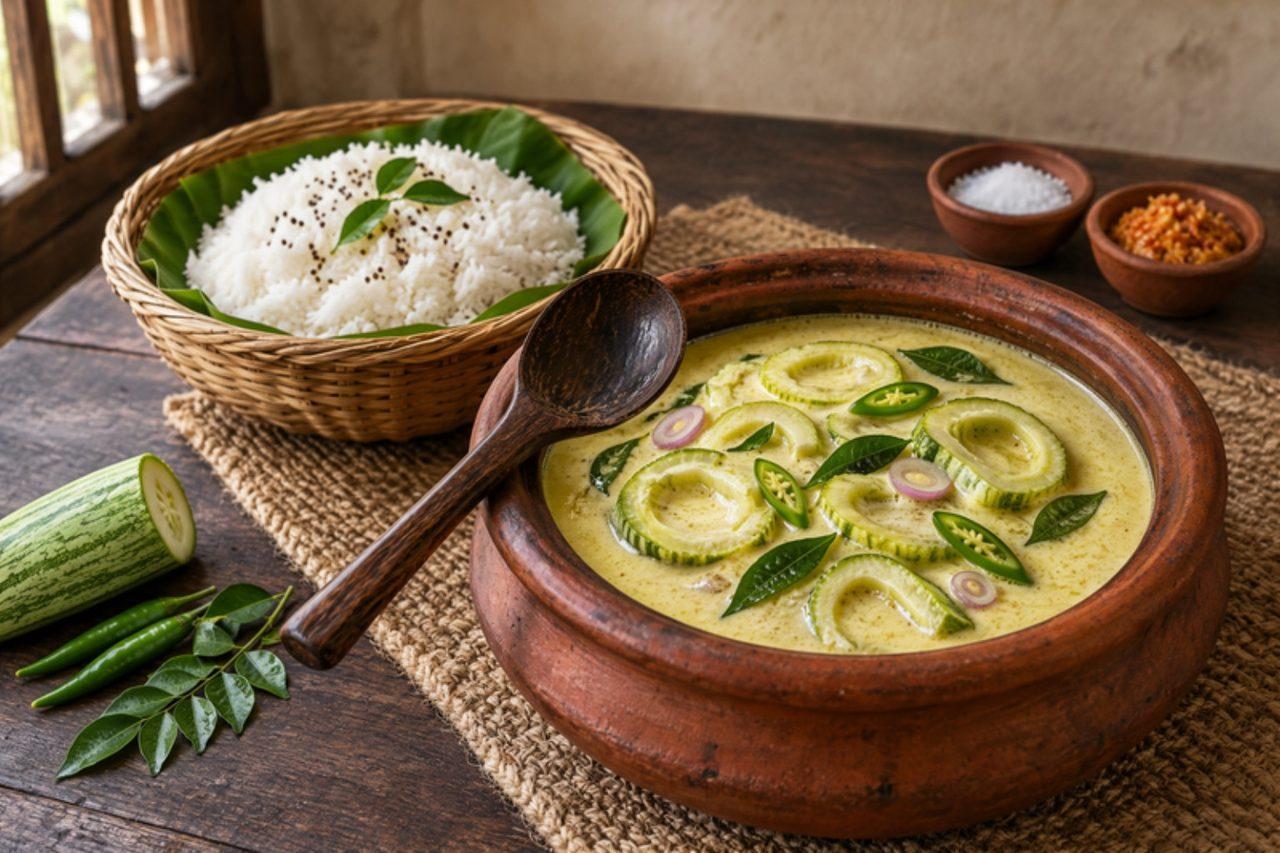
Pathola curry is a quick, gentle white curry from everyday Sri Lankan rice-and-curry lunches, especially loved in the south where snake gourd grows on trellises behind most houses. Thin half-moons of gourd simmer for a few minutes in coconut milk with turmeric, green chilli, curry leaves and a pinch of fenugreek, so they stay pale green, soft and juicy. Serve it with rice, dal and a fiery sambol. The usual mistake is overcooking, which turns the gourd watery and grey; pull it off as soon as it is translucent. Chef's tip: scrape the soft white pith and seeds out with a spoon; they water the curry down.

by KrazyBadal 0 views

SagetSpider plant greens in soured milk

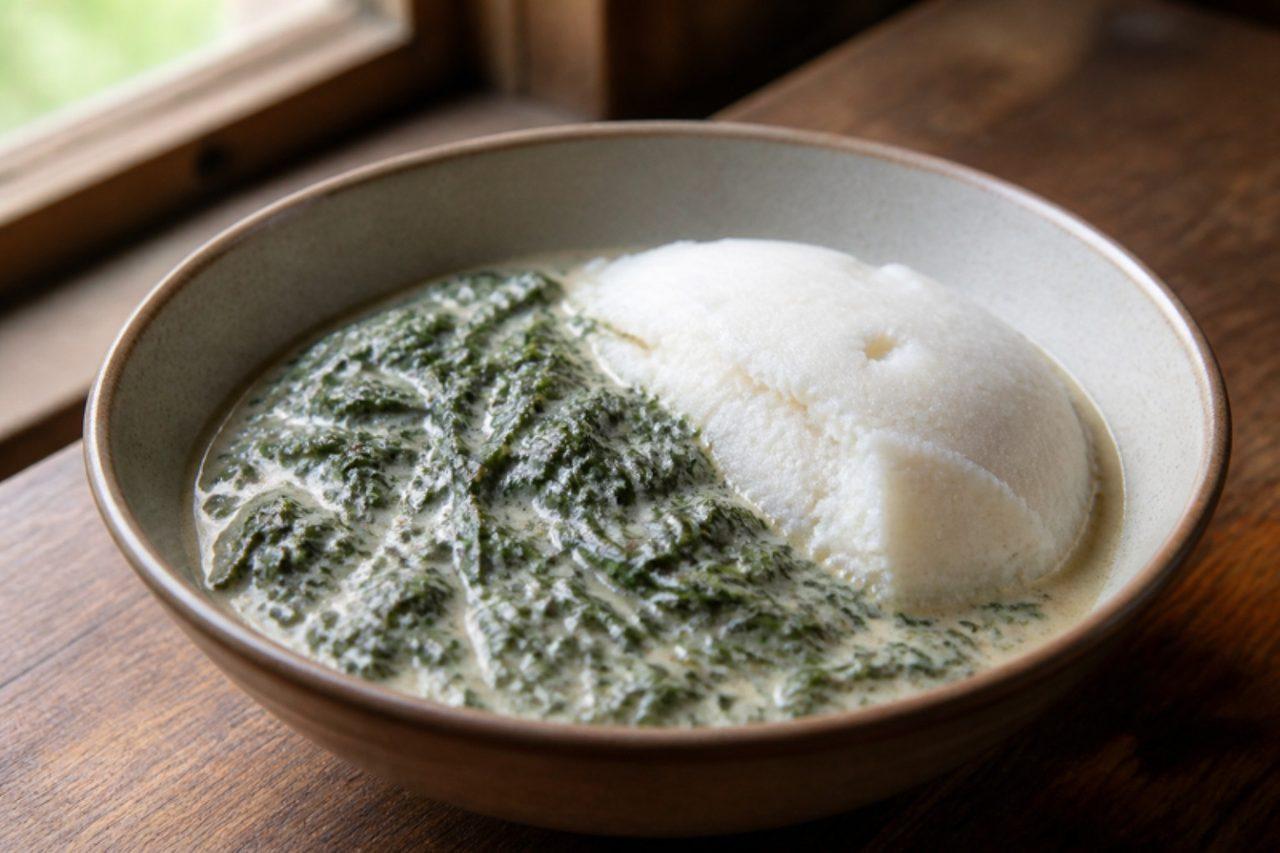
Spider plant, saget to the Kalenjin and sagaa in Swahili, grows in every kitchen garden around Eldoret and Kericho, and its slightly bitter, peppery leaves are boiled and then softened with mursik or cream to go with ugali. The result is tender, dark greens in a tangy, creamy sauce, bitter in a pleasant way like rapini. Look for fresh or frozen spider-plant leaves at African grocers (sometimes sold as African cabbage or cleome); don't pick wild plants, and if you can't find them, use spinach with a handful of kale or mustard greens for the bite. Letting the milk boil hard is where people slip: it curdles into grainy bits, so add it over a low heat. Chef's tip: some homesteads cook saget the day before and leave it overnight in its milk; it mellows and tastes even better reheated gently.

by KrazyBadal 0 views

MrendaJute mallow greens

Luhya grandmothers in Kakamega and Bungoma say mrenda slides the ugali down, and they mean it: jute mallow leaves, cooked with a little soda, turn deliberately slippery and silky, a texture Western Kenya loves. The flavour is mild and grassy, lifted here with onion and tomato, and the greens are often mixed with cowpea leaves or eaten beside fish. Fresh jute mallow can be hard to find, but frozen chopped leaves sold as molokhia in Middle Eastern and African shops work perfectly. The traditional alkali is a lye filtered from ash; bicarbonate of soda stands in, and heaping it in is the mistake that leaves a soapy taste, so keep to a pinch. Chef's tip: stir with a wooden whisk or a fork in one direction as it cooks; Luhya cooks beat it this way to make the sauce smooth.

by KrazyBadal 0 views

ChibwabwaPumpkin leaves with groundnuts

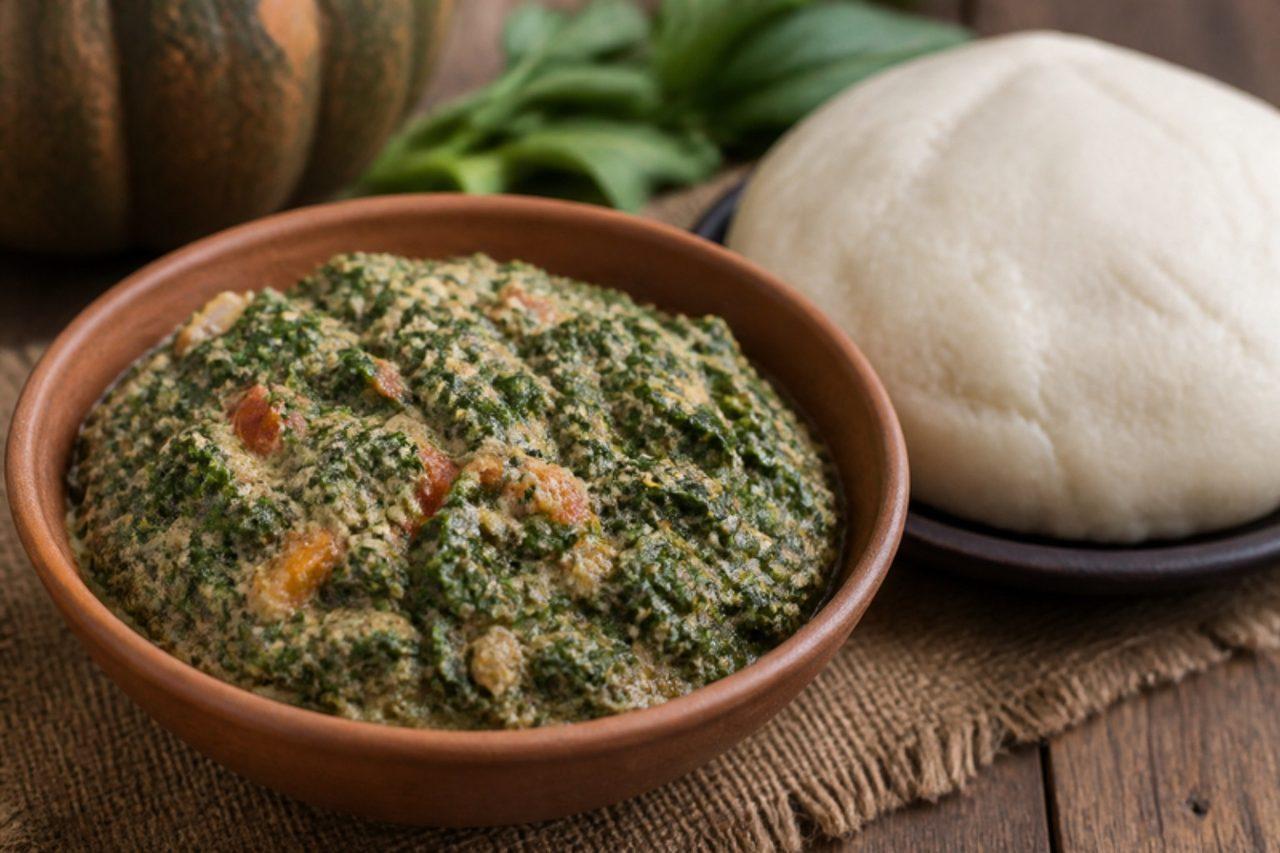
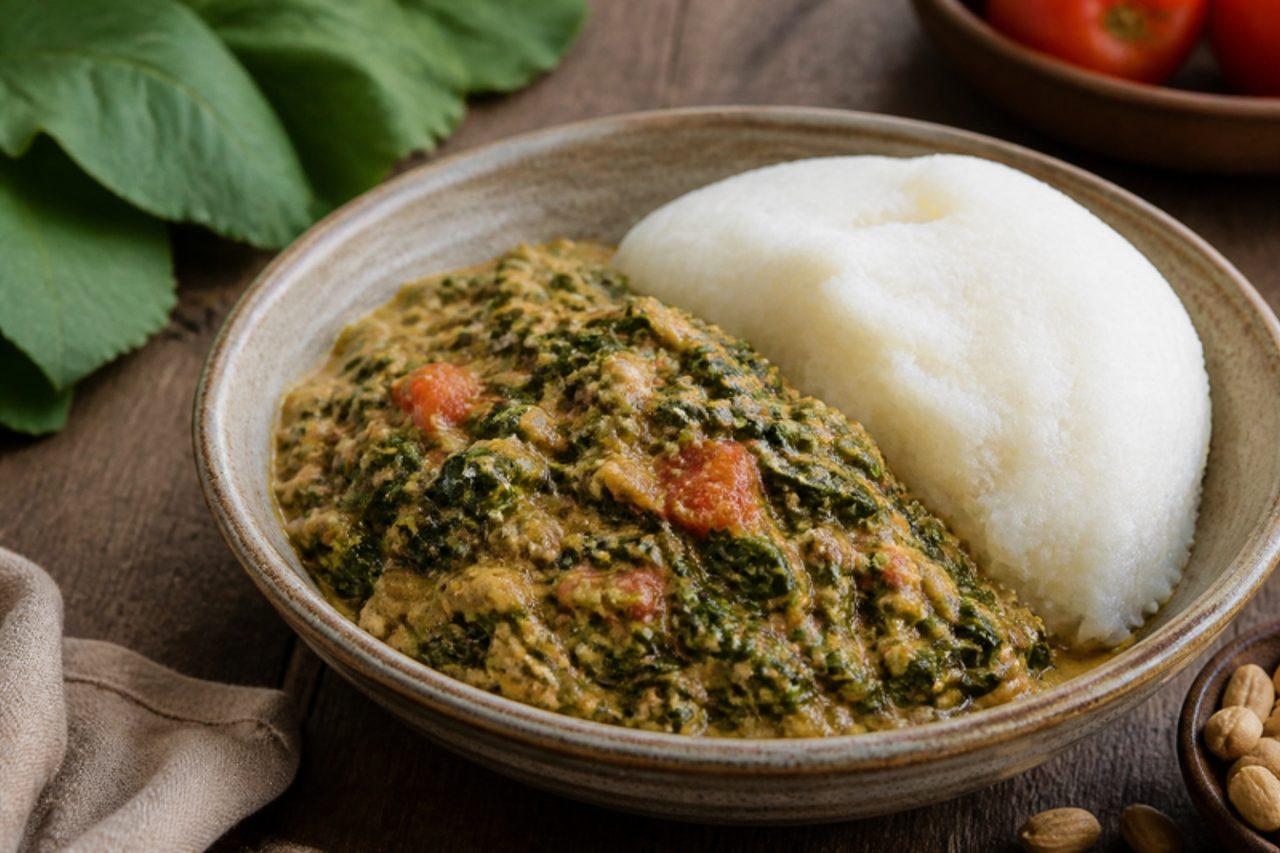
From December to March, when pumpkin vines sprawl over every compound fence in Lusaka and the Copperbelt, chibwabwa is on the table almost daily as a relish for nshima. The tender leaves and shoots are stripped of their hairy outer fibres, cooked down until silky and finished with tomato, onion and freshly pounded groundnuts, which thicken the juices into a creamy, nutty sauce. The taste is green and mildly sweet, closer to young spinach than to pumpkin itself. Look for pumpkin leaves at African or South Asian grocers; spinach mixed with a little chard is a fair stand-in. Skipping the peeling is the mistake people make, and it leaves the stems stringy and prickly. Chef's tip: add the groundnut powder only at the end and simmer it gently, or it sinks and scorches.

by KrazyBadal 0 views

KalembulaSweet potato leaves with groundnuts

Kalembula grows wherever there is a patch of sweet potato, so it is as common in Eastern Province villages as it is in the backyard gardens of Kitwe, and it is usually picked minutes before it is cooked. The heart-shaped leaves are softer than pumpkin leaves and need no peeling; they wilt into a smooth, slightly mucilaginous relish with a pleasant, faintly bitter edge. Here the onion and tomato are fried first into a sweet base, the leaves go in after, and groundnut powder enriches the pot at the finish. Serve beside nshima and beans, or with fried kapenta for the non-vegetarians in the house. Overcooking turns it olive-drab and mushy, so stop as soon as the leaves are tender. Chef's tip: shred the leaves very finely, almost like a chiffonade, so they cook in minutes and stay green.

by KrazyBadal 0 views

Bouillon brèdeGreens broth

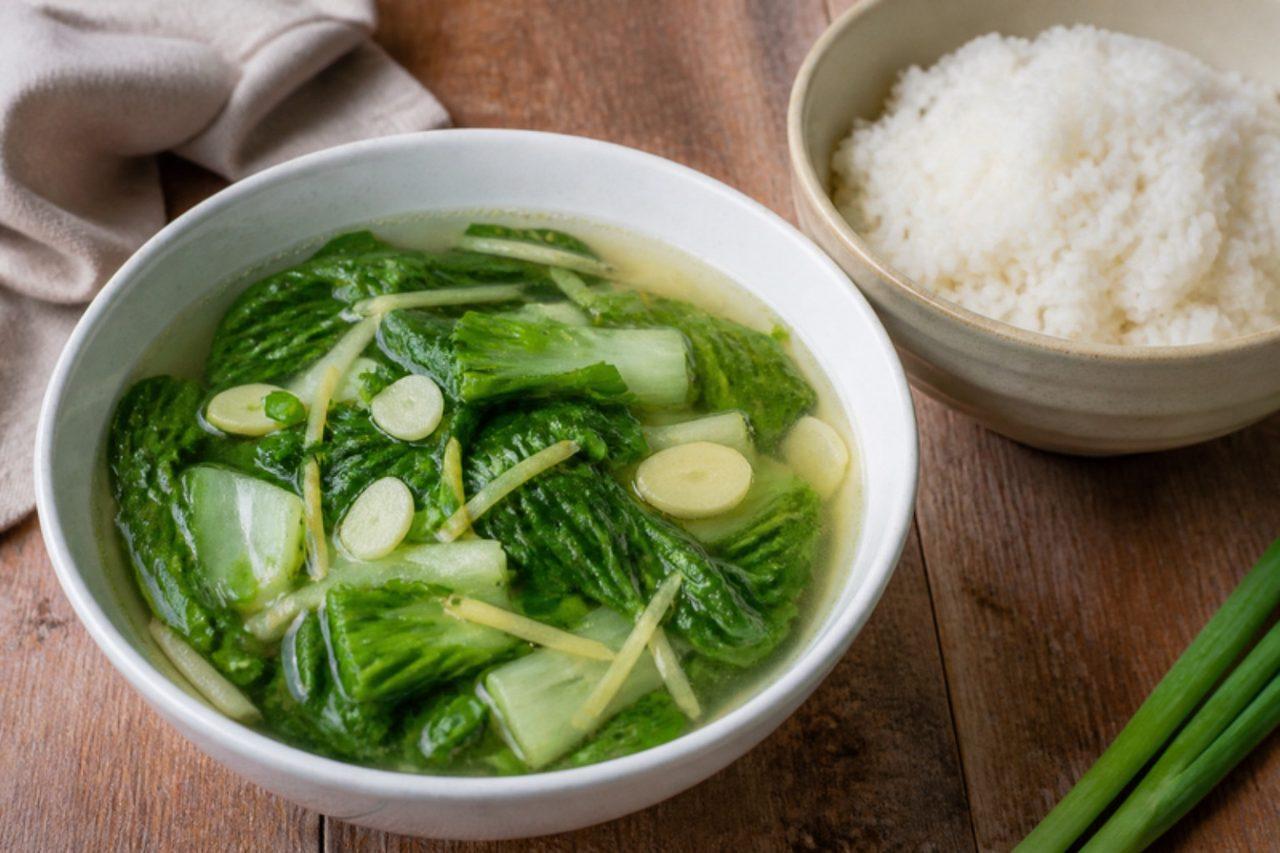
Ask a Mauritian what they eat when they are tired or under the weather and the answer is often a bowl of bouillon brède: a clear, gingery broth with soft greens, poured over plain rice next to a fried fish or a dish of lentils. The greens change with the market, from petsai (Chinese leaves) to watercress, pak choi or the leaves of the chayote vine, and the broth is never thickened, so it stays clean and almost sweet. It is done in under twenty minutes, which is why it turns up on so many weeknight tables from Rose-Hill to Mahébourg. People often boil the greens until they turn khaki and stringy; add them at the end and stop as soon as the stems are just tender. Chef's tip: crush the garlic and ginger, don't chop them, and fry them for just a minute so the broth smells warm without turning brown.

by KrazyBadal 0 views

KundeCowpea leaves with peanut paste

Farms around Kisumu and Siaya grow cowpeas for the beans, but the young leaves are picked all season and sold in bundles at roadside stalls for an everyday village vegetable. Cooked down with onion and tomato, the leaves are soft with a gentle, almost green-bean flavour, and a spoon of peanut paste stirred through at the end makes the sauce nutty and creamy. Find cowpea leaves fresh or frozen at African grocers, or use young spinach with a few pea shoots, and serve with ugali, rice or boiled sweet potatoes. Adding the peanut paste too early and leaving it to boil is the usual pitfall: it catches and tastes scorched. Chef's tip: loosen the peanut paste with a few spoons of hot cooking liquid before stirring it in, so it melts smoothly instead of clumping.

by KrazyBadal 0 views

Ragi ambaliFinger millet porridge drink

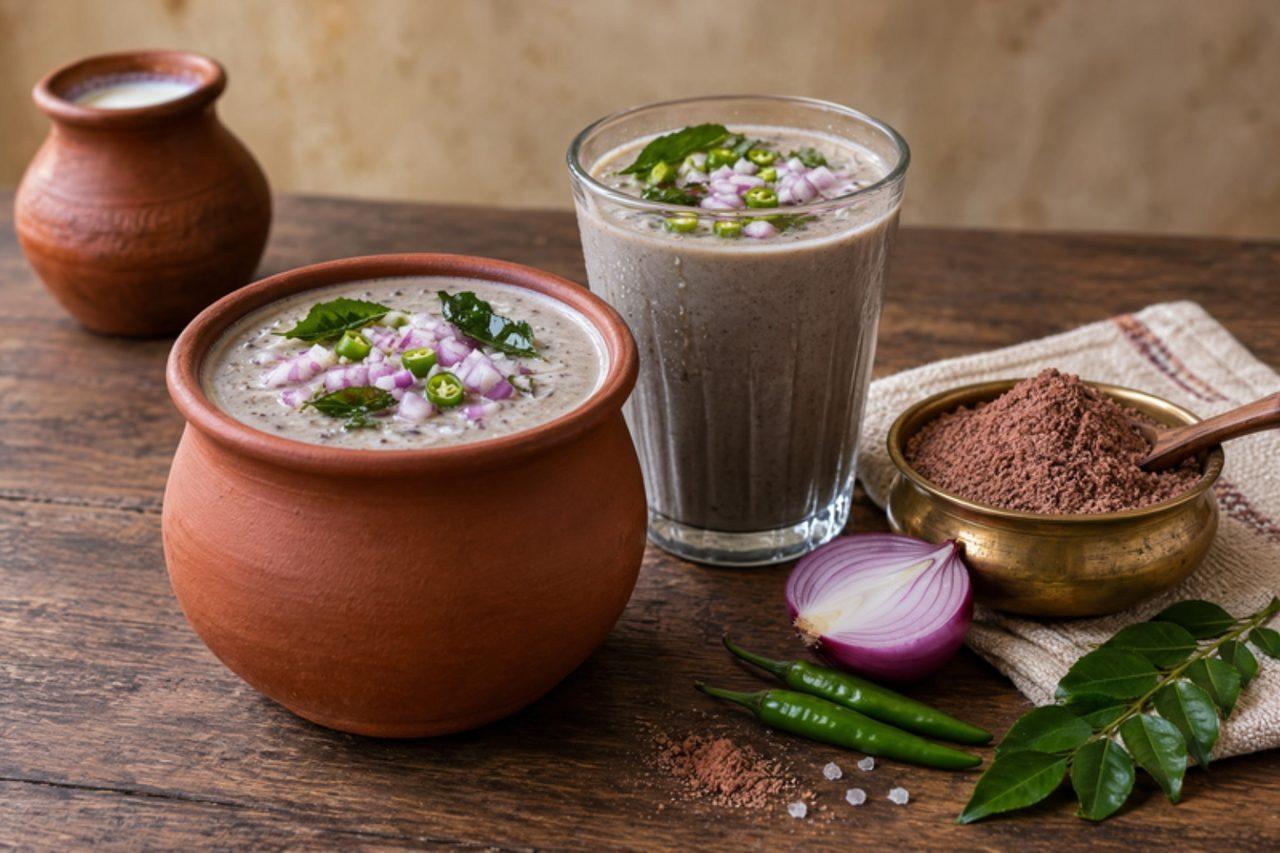
Across rural Andhra Pradesh and Telangana, farm workers drink a big glass of ragi ambali in the early morning before the summer heat, and clay pots of it are sold at roadside stalls in April and May. Finger-millet flour is cooked into a thick paste, left overnight to ferment lightly, then thinned with buttermilk and stirred with raw onion, green chilli and curry leaves into a cool, tangy, savoury drink. It is suitable as part of a balanced diet. About 140 kcal and 22 g carbohydrate per portion. The usual mistake is pouring the ragi flour straight into boiling water, which makes lumps; mix it with cold water first. Chef's tip: cook the paste until it turns glossy and darker, about 8 minutes; undercooked ragi tastes raw and floury.

by KrazyBadal 0 views

Paneer tikka

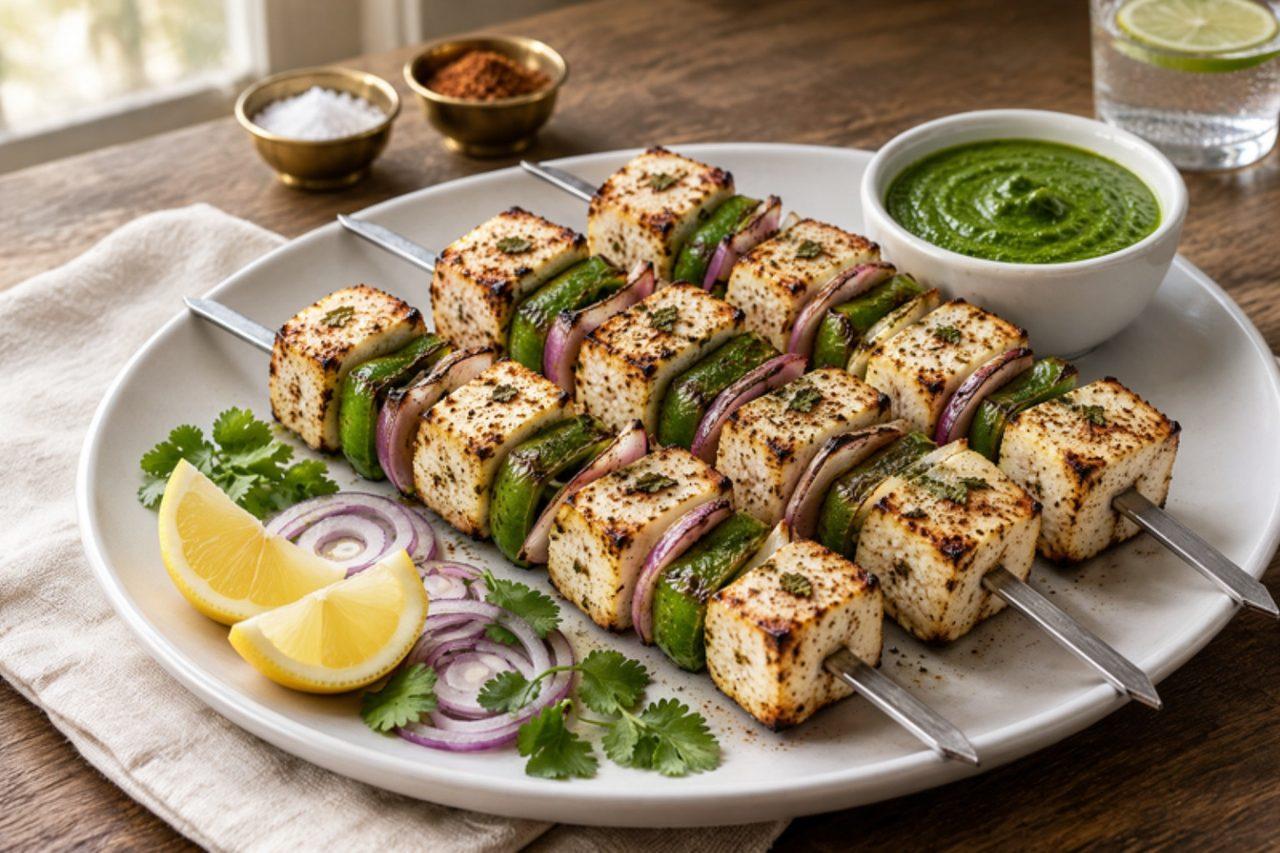
Paneer tikka is the vegetarian star of Punjabi dhabas and Delhi wedding buffets, and at home it is a weekend starter cooked under the grill or in a hot oven. Thick cubes of paneer, pepper and onion are coated in hung yogurt with ginger, garlic, chaat masala and roasted gram flour, then charred at high heat so the edges blister while the centre stays soft. Paneer set at home with lemon juice or vinegar uses no rennet; if you buy it, check the label. Serve with mint chutney and a big salad instead of naan. It is suitable as part of a balanced diet. About 330 kcal and 10 g carbohydrate per portion. The usual mistake is a runny marinade, which slides off; hang the yogurt for 20 minutes first. Chef's tip: marinate in the fridge for at least 30 minutes, and don't skip a final blast of high heat for the charred spots.

by KrazyBadal 0 views

Xiaocong ban doufuCold tofu with spring onion

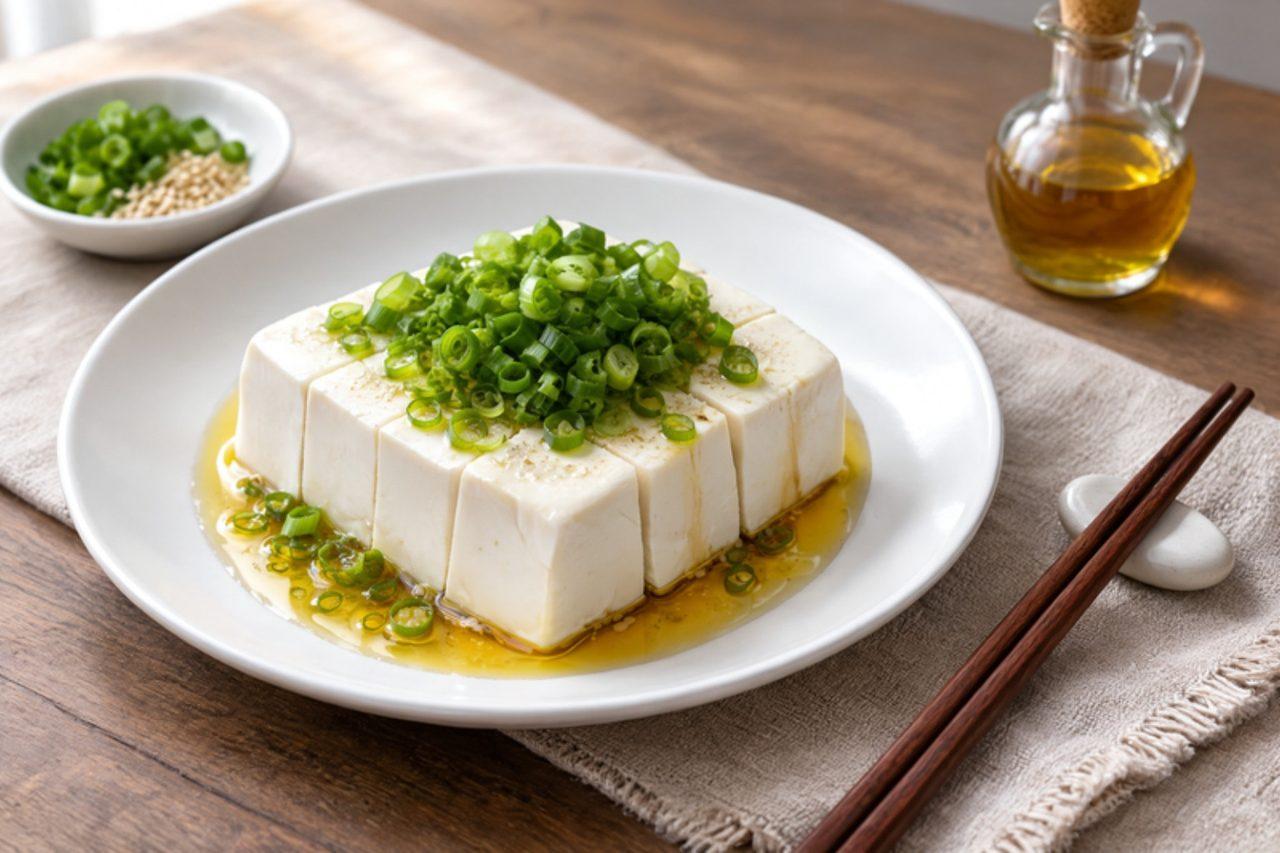
Xiaocong ban doufu is a northern Chinese home dish, especially popular in Beijing and Shandong on hot summer evenings, so simple that it has given Chinese a proverb about being clear as 'green onion and white tofu'. Soft tofu is blanched, cooled, cut into cubes and tossed with a heap of chopped spring onion, sesame oil and a little salt, so it is cool, silky and fresh. Serve it beside stir-fried vegetables and a little rice or a wholewheat bun. It is suitable as part of a balanced diet. About 120 kcal and 3 g carbohydrate per portion. The usual mistake is stirring hard so the tofu breaks into crumbs; fold it gently with a spoon. Chef's tip: blanch the tofu in salted water for a minute, which firms it up and takes away the raw beany taste.

by KrazyBadal 0 views

Suan rong xilanhuaGarlic broccoli

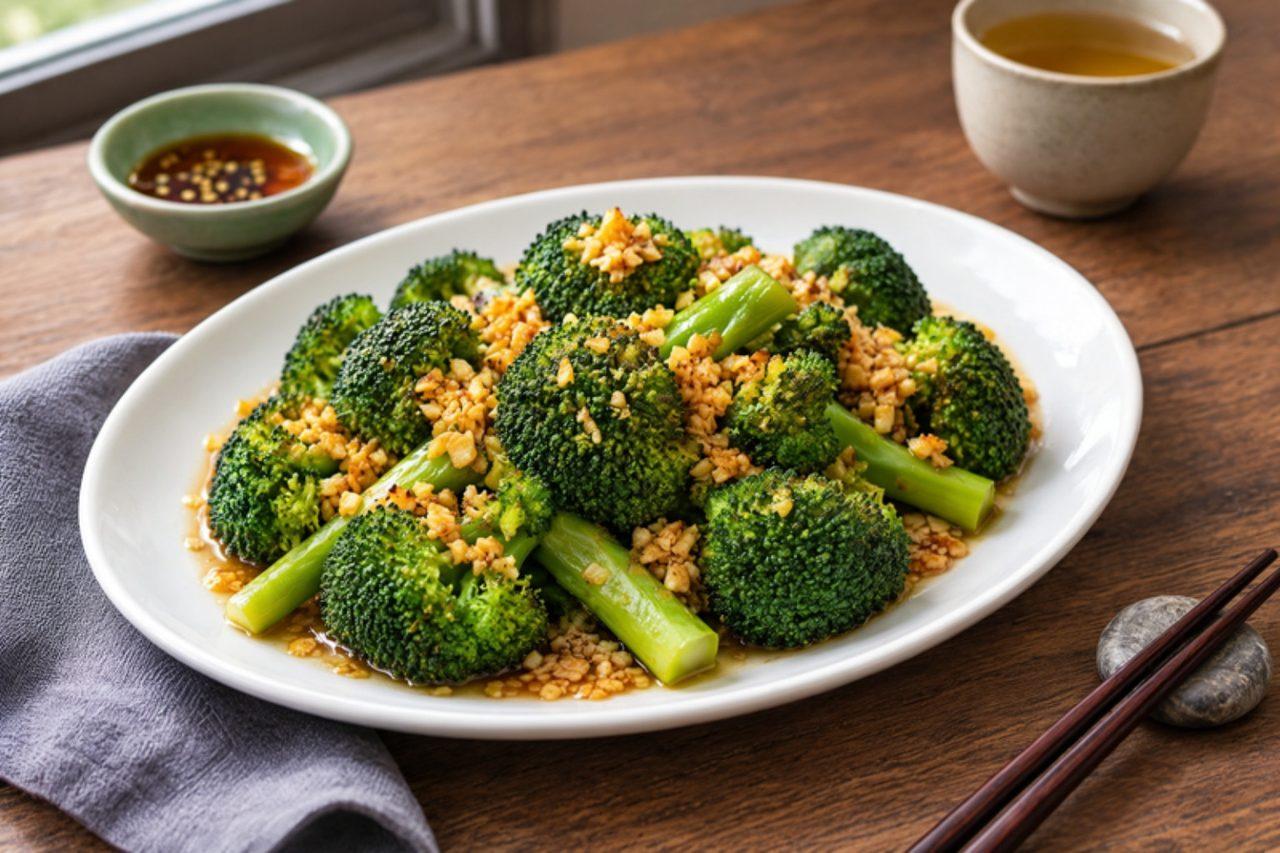
Garlic broccoli is on the menu of almost every Chinese home kitchen and family restaurant, from Guangzhou to Shanghai, as the quick green dish at a weekday dinner. The florets are blanched just until bright, then tossed in a hot wok with a big spoon of minced garlic and a splash of water, so they stay crisp, glossy and full of garlic flavour. Serve with tofu, fish or eggs and a modest portion of rice. It is suitable as part of a balanced diet. About 90 kcal and 8 g carbohydrate per portion. The usual mistake is adding the garlic to very hot oil before the broccoli, where it burns and turns bitter. Chef's tip: add a few drops of oil to the blanching water; it keeps the broccoli shiny and green.

by KrazyBadal 0 views

Laohu caiTiger salad

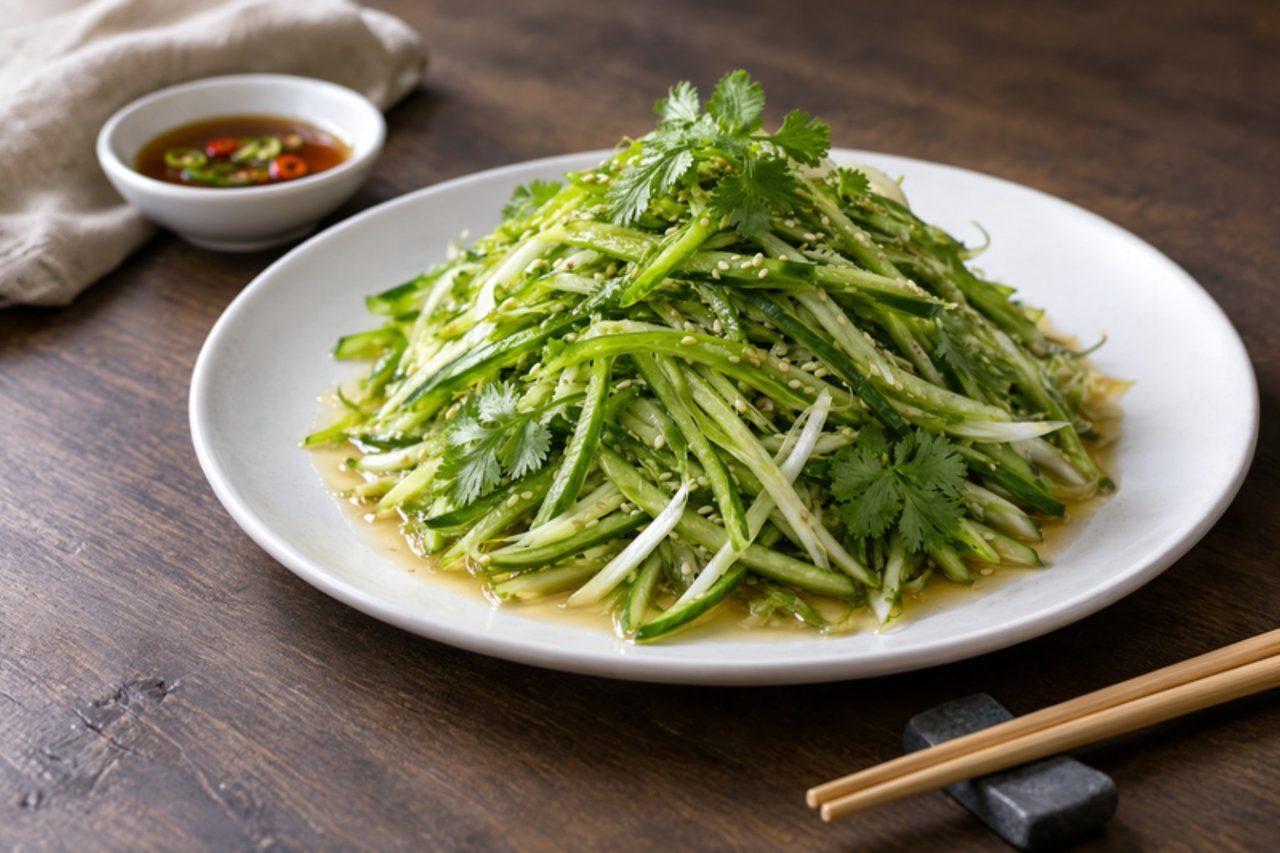
Laohu cai, 'tiger salad', is the fierce raw salad of China's north-east, served in Shenyang and Harbin homes and restaurants alongside dumplings, grilled skewers and heavy stews. Long green chillies, cucumber, coriander and spring onion are cut into thin strips and dressed with rice vinegar, a little soy and sesame oil, so it is hot, crunchy and very fresh. Serve it next to protein dishes as a crisp, low-starch side. It is suitable as part of a balanced diet. About 50 kcal and 5 g carbohydrate per portion. The usual mistake is dressing it too early, so the cucumber weeps and the coriander goes limp; dress it just before eating. Chef's tip: choose a mix of mild and hot chillies so you control the heat and still get plenty of crunch.

by KrazyBadal 0 views

Suan la baicaiHot and sour cabbage

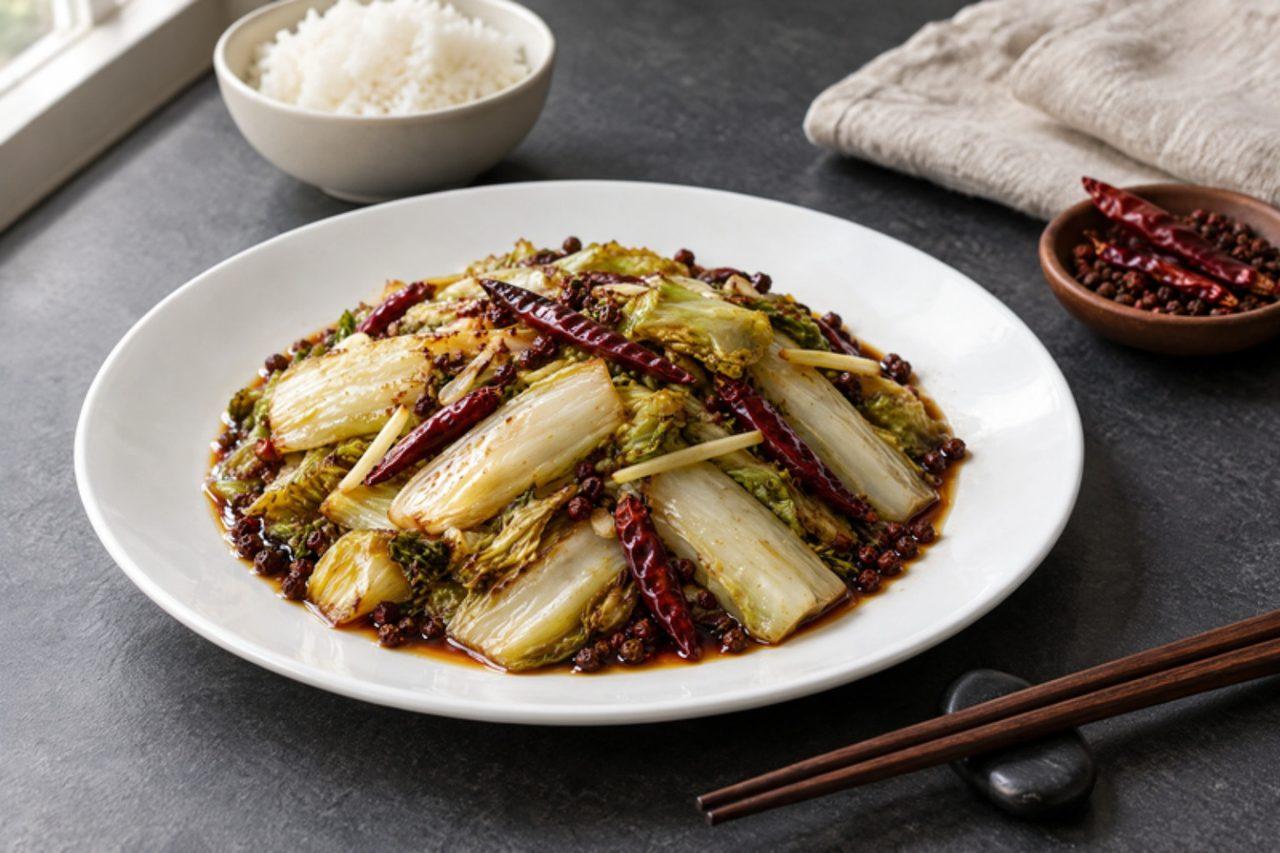
Hot-and-sour napa cabbage is a cheap, fast winter dish cooked in Sichuan home kitchens and right across northern China when cabbages are stacked outside every door. The thick white stems are stir-fried first over a fierce flame with dried chillies and Sichuan pepper, then the leaves go in, and a splash of black vinegar is sizzled round the edge of the wok for a sharp, smoky tang. Serve it with tofu or eggs and a small bowl of rice. It is suitable as part of a balanced diet. About 80 kcal and 8 g carbohydrate per portion. The usual mistake is cooking over a low heat, which stews the cabbage in its own water; the wok must be very hot. A pinch of sugar is traditional; it is optional, and a sweetener can be used instead. Chef's tip: slice the stems on a sharp angle so they cook as fast as the leaves.

by KrazyBadal 0 views

Jicai doufu gengShepherd's purse and tofu soup

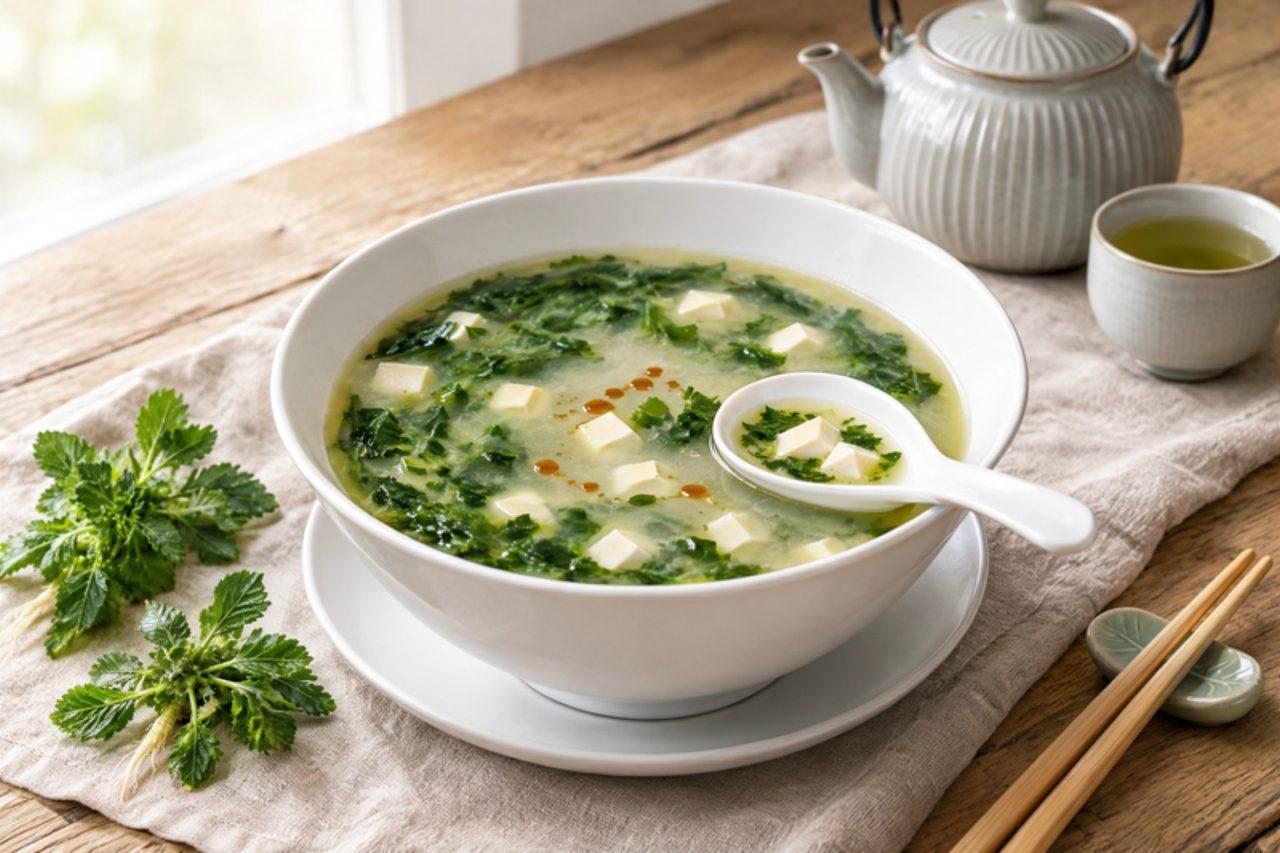
In Shanghai and Jiangsu, shepherd's purse (jicai) is picked from field edges in early spring, and this gentle, lightly thickened soup is one of the first dishes of the season at home and in Shanghainese restaurants. Finely chopped greens and small cubes of soft tofu are simmered in vegetable stock with a few shiitake, then thickened just enough to coat a spoon, giving a soothing, savoury soup with a fresh, grassy taste. Serve it as a starter or with a small bowl of rice. It is suitable as part of a balanced diet. About 110 kcal and 7 g carbohydrate per portion. The usual mistake is adding too much starch, which makes it gluey; it should flow off the spoon. Spinach works if you can't find jicai. Chef's tip: blanch and squeeze the greens before chopping, which keeps the soup bright green instead of murky.

by KrazyBadal 0 views

Xiangchun chao jidanChinese toon scrambled eggs

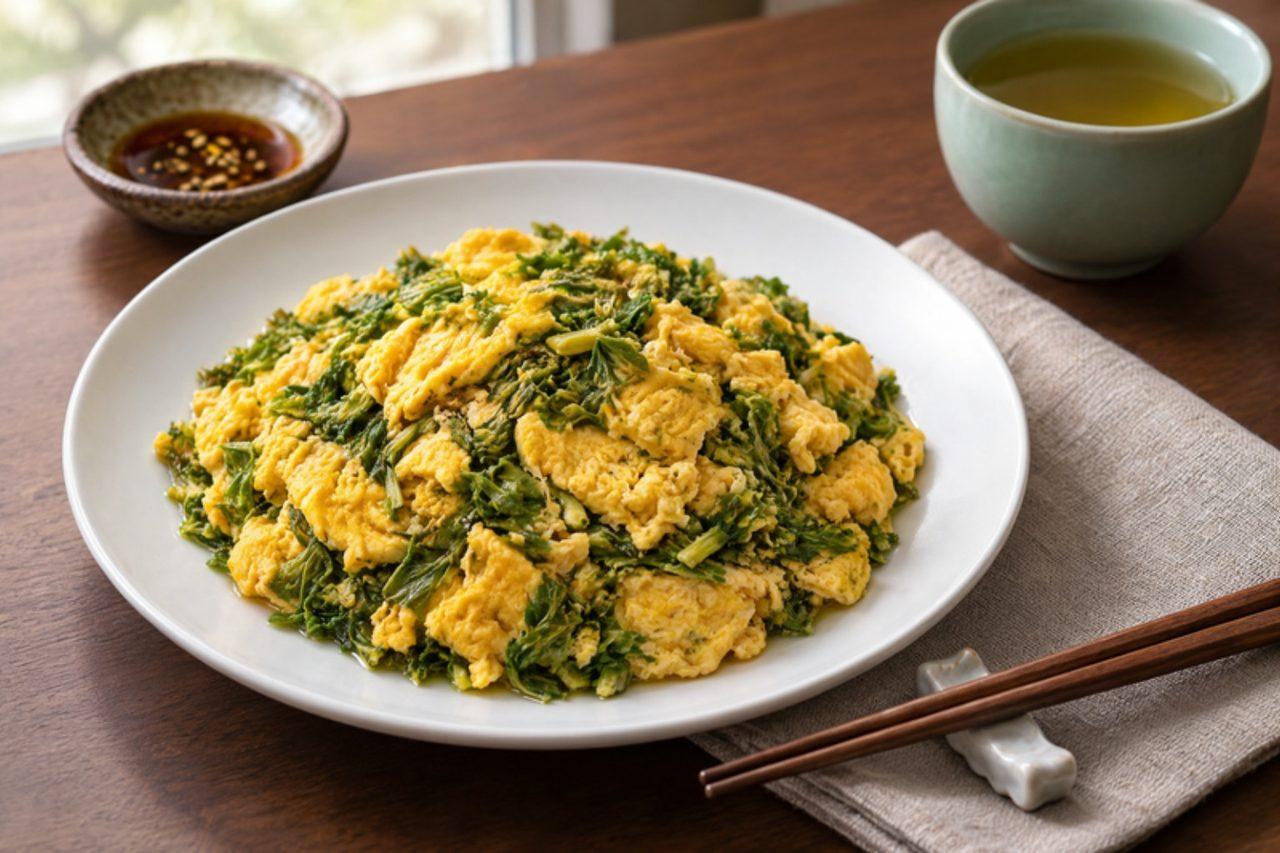
For a few weeks each April in Shandong, Henan and Beijing, the red-tipped young shoots of the Chinese toon tree are sold in bundles at every market, and the first thing families make is this quick scramble for lunch or supper. The toon has a strong, garlicky, almost oniony perfume that turns sweet and nutty once cooked with egg. It is eaten with rice, congee or steamed buns. Suitable as part of a balanced diet, it is high in protein and very low in starch: about 190 kcal and 3 g carbohydrate per portion. The usual mistake is skipping the blanch: raw toon tastes harsh and is always scalded first. Chef's tip: chop the toon very finely and beat it into the egg before cooking, so every mouthful carries the scent.

by KrazyBadal 0 views

ScafataBroad bean and chard stew

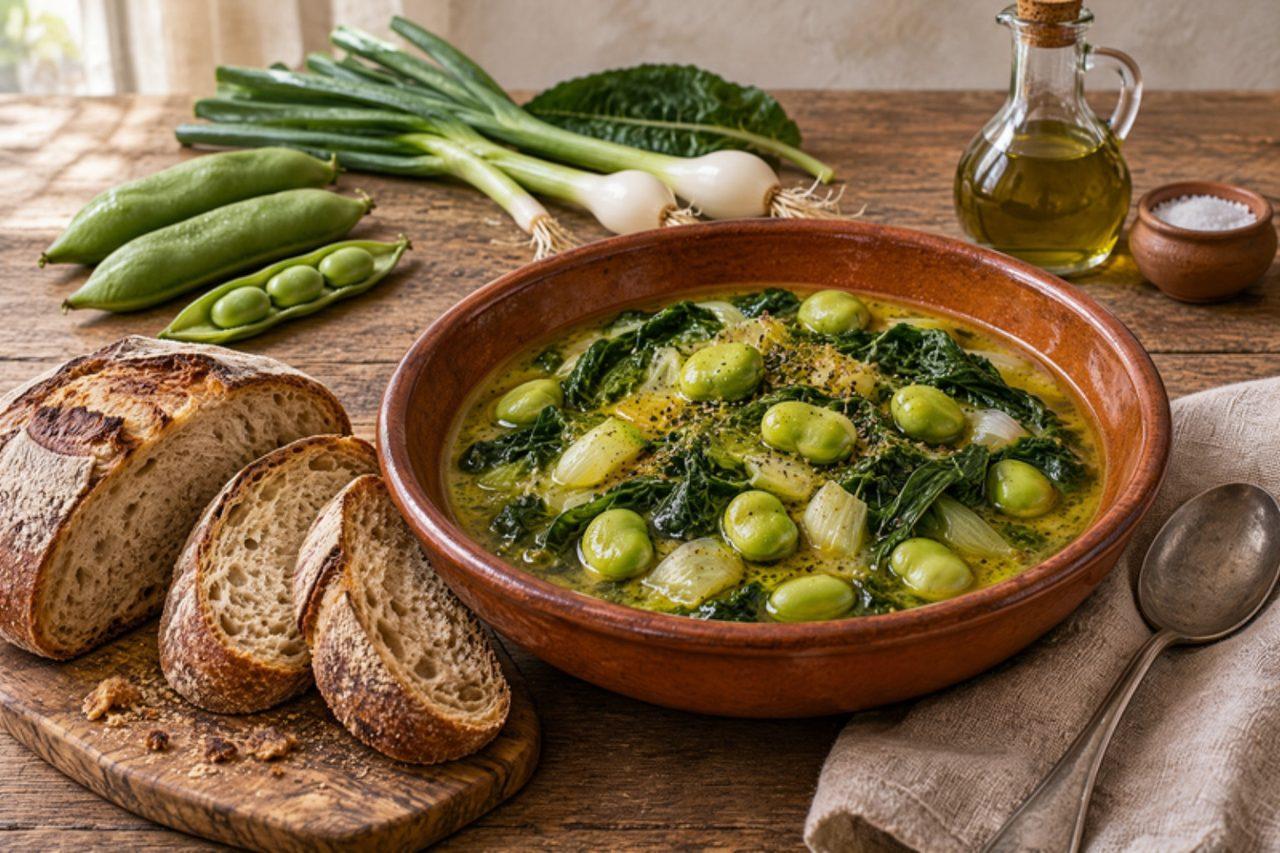
Scafata comes from the hill towns of Umbria, around Spoleto and Foligno, where it is cooked in late April and May when the first fresh broad beans, chard and spring onions arrive together. The beans are stewed slowly in olive oil and tomato until they are soft and creamy, with the chard melting into a green, fragrant sauce scented with wild fennel or mint. Eat it warm with a slice of wholegrain bread. Suitable as part of a balanced diet, it is rich in fibre and plant protein: about 240 kcal and 22 g carbohydrate per portion. The usual mistake is boiling it fast, which toughens the beans; it needs a lazy simmer. Chef's tip: double-pod only the large, older beans; young ones can be cooked in their pale skins.

by KrazyBadal 0 views

Ceci in ziminoChickpeas stewed with chard

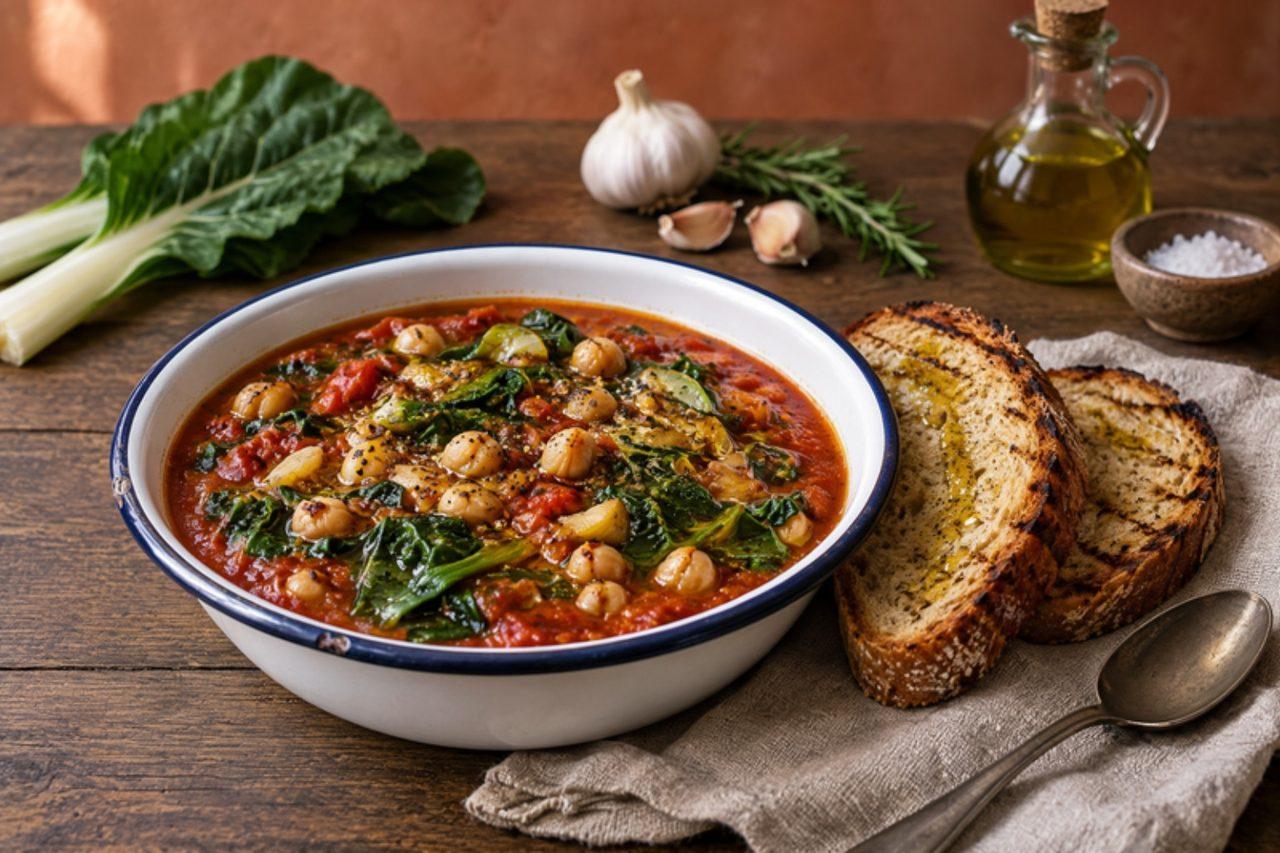
In Genoa and along the Tuscan coast, ceci in zimino is the dish of Lenten Fridays and the first cold days of All Souls in November, when the household cooks a big pot of chickpeas and stews them with chard and a little tomato. The chickpeas turn creamy, the chard gives a gently bitter green sauce, and a spoon of good oil on top makes it taste of the Riviera. Serve it as a main dish with toasted wholegrain bread. Suitable as part of a balanced diet, it is high in fibre and plant protein: about 300 kcal and 32 g carbohydrate per portion. The usual mistake is adding the chard leaves too early so they turn brown; keep them for the last 10 minutes. Chef's tip: mash a ladleful of chickpeas with a fork and stir them back in to thicken the zimino naturally.

by KrazyBadal 0 views

Salade de pois chichesChickpea salad

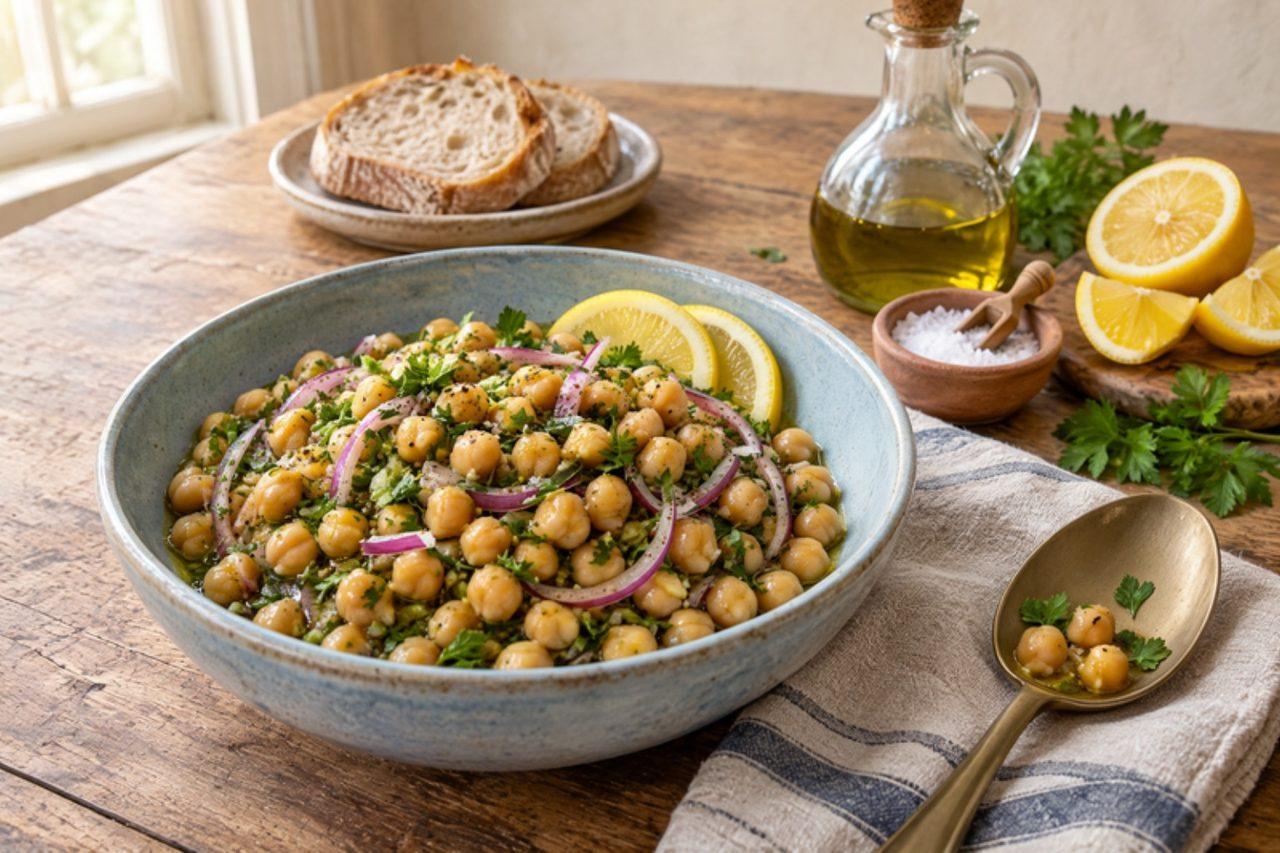
In Nice and around the old port of Marseille, chickpeas are the grain of the poor and the stuff of socca, and on hot summer days families toss them into this simple salad to eat at lunch or carry to the beach. Creamy chickpeas, sharp red onion, parsley and lemon are bound with fruity olive oil, with a few black olives and cumin in some homes. It works as a starter, a side to grilled fish or a light main. Suitable as part of a balanced diet, it is high in fibre and plant protein: about 270 kcal and 26 g carbohydrate per portion. The usual mistake is dressing cold, straight-from-the-tin chickpeas; warm them for a minute first so they drink up the dressing. Chef's tip: soak the sliced red onion in the lemon juice for 10 minutes to soften its bite.

by KrazyBadal 0 views

Bonchi curryGreen bean coconut curry

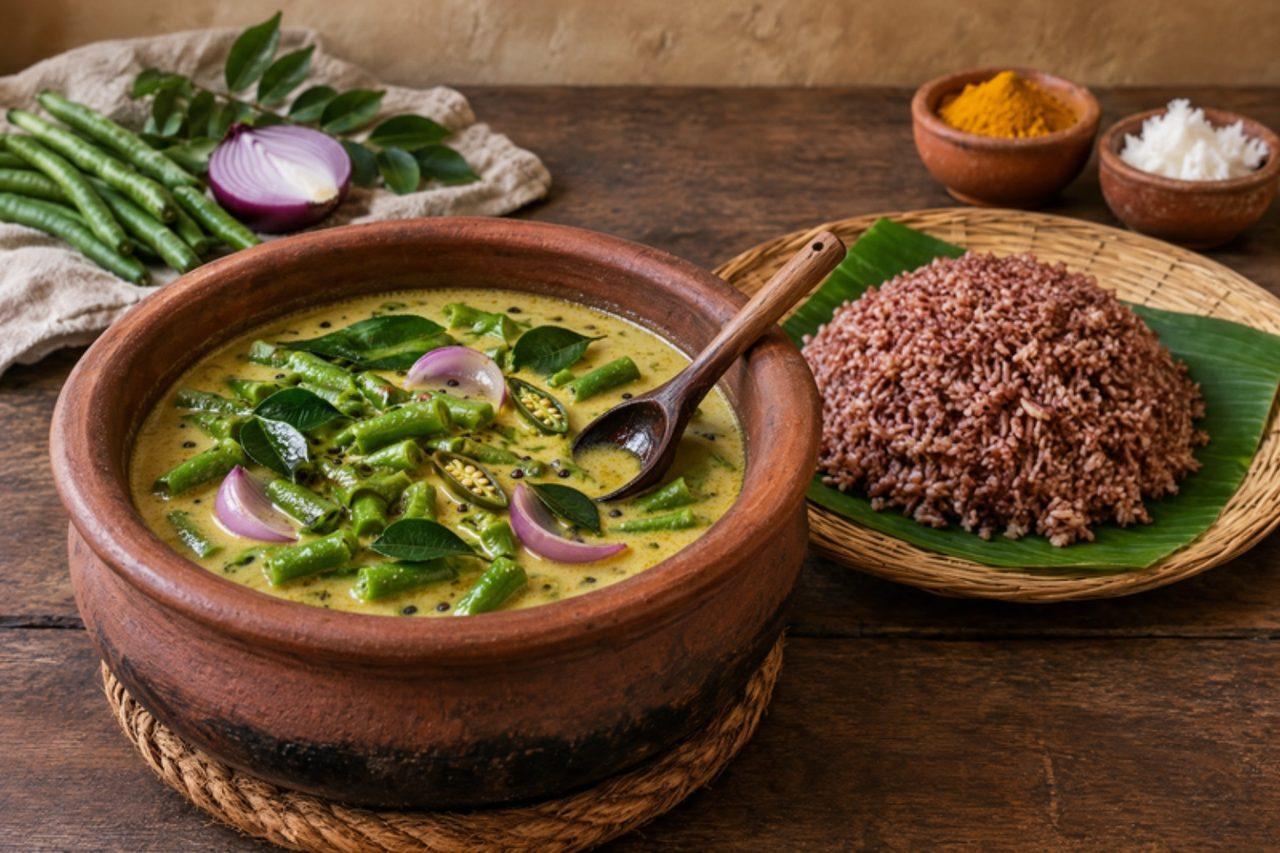
Bonchi curry is one of the small vegetable curries that fill a Sri Lankan rice-and-curry lunch, cooked daily in Colombo kitchens and village homes in the hill country, where green beans grow in terraces near Nuwara Eliya. The beans are simmered in thin coconut milk with turmeric, curry leaves, pandan and green chilli until just tender, then enriched with a splash of thick milk so the sauce is mild, creamy and pale yellow. Suitable as part of a balanced diet, it is a high-fibre vegetable dish: about 150 kcal and 9 g carbohydrate per portion; serve it with red rice for slower-releasing carbohydrate. The usual mistake is boiling the thick coconut milk, which curdles it; add it at the end and only heat through. Chef's tip: cut the beans on a long diagonal so they soak up more of the sauce.

by KrazyBadal 0 views

Leshta chorbaLentil soup

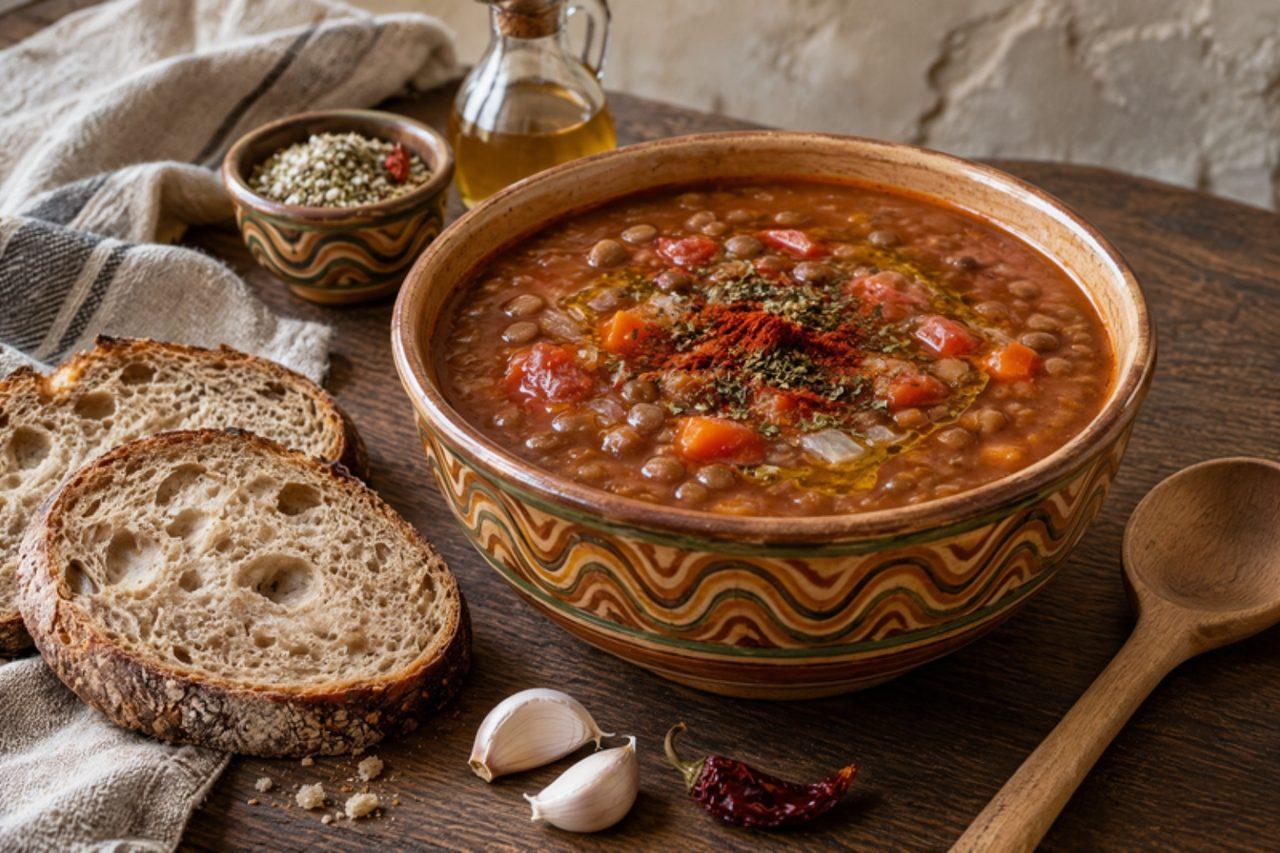
Leshta chorba is cooked in Bulgarian homes all winter, and it is the soup of choice on fasting days before Christmas and Easter, when families eat no meat or dairy. Brown lentils simmer with onion, carrot and tomato, coloured with sweet paprika and scented with chubritsa (summer savory), the herb that makes Bulgarian cooking taste like itself. It is eaten with a slice of wholemeal bread and a few pickles. Suitable as part of a balanced diet. About 280 kcal and 34 g carbohydrate per portion. The usual mistake is frying the paprika in very hot oil: it burns and turns bitter in a few seconds, so take the pan off the heat first. Chef's tip: a splash of vinegar stirred into each bowl at the table brightens the earthy lentils.

by KrazyBadal 0 views

LasopyBlended vegetable soup

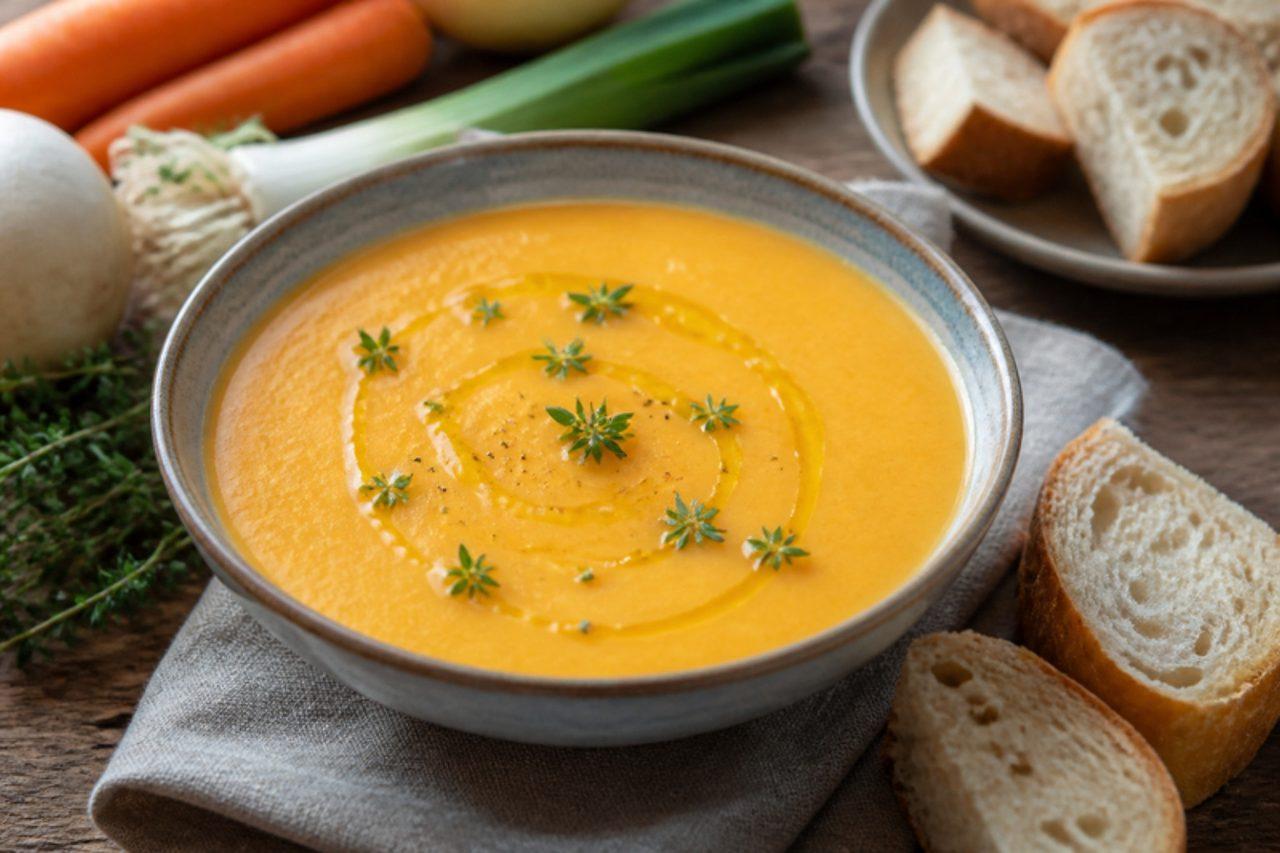
Highland evenings in Antananarivo can turn surprisingly cold, and that is when lasopy comes out, a smooth, pale-orange soup of carrot, leek, potato, turnip and green beans blended until velvety. Market cooks and grandmothers usually simmer it with beef bones; this version keeps it fully vegetarian, with the vegetables browned lightly first and a bay leaf and thyme for depth, so the water turns into a sweet, savoury broth on its own. It is often eaten with a handful of thin vermicelli cooked in it, or simply with bread, and a dab of sakay stirred in at the table. Leave the vegetables in big chunks: chopping them tiny makes them boil to mush before the flavour comes out. Chef's tip: hold back a ladle of cooking liquid and blend the rest, then thin to taste, because once lasopy is too watery there is no fixing it.

by KrazyBadal 0 views

Kachnar ki sabziBauhinia bud stir-fry

For a few weeks each March, the kachnar trees of Lahore, Rawalpindi and the Punjab plains are covered in buds, and families pick them to cook this seasonal sabzi, often eaten with fresh roti at Sunday lunch. The buds are boiled briefly, then cooked down with onion, tomato and dry spices until they turn soft with a pleasant, slightly astringent bite, a little like green beans and artichoke. Suitable as part of a balanced diet, it is fibre-rich and low in starch: about 140 kcal and 12 g carbohydrate per portion; a wholewheat or millet roti suits it. The usual mistake is skipping the blanch, which leaves the buds bitter and tough. Chef's tip: pick tight, unopened buds; open flowers turn mushy.

by KrazyBadal 0 views

Mas ko dalBlack lentil dal

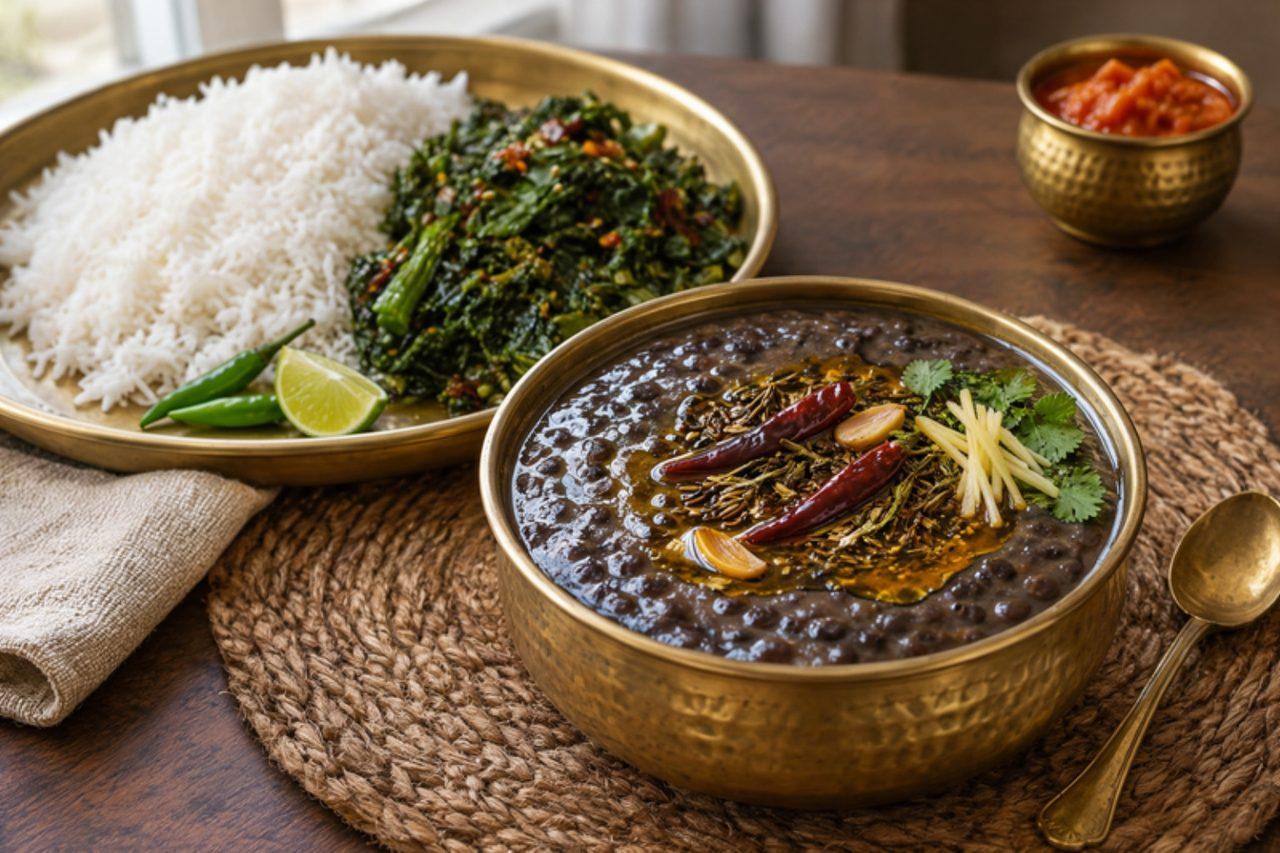
Mas ko dal, made from whole black urad, is the thick, dark dal of the Nepali hills, cooked in heavy pots in Kathmandu, Gorkha and the Newar towns, especially on cold days and for festival meals. Slow cooking makes it creamy and earthy, and the tempering of jimbu, garlic and cumin in hot mustard oil gives it the scent of the Himalaya. Eat with rice, roti or dhido. Suitable as part of a balanced diet, it is high in protein and fibre: about 250 kcal and 30 g carbohydrate per portion; brown rice or millet dhido suits it well. The usual mistake is not soaking the lentils, which leaves them hard and the dal thin; soak them overnight. Chef's tip: simmer the dal with a few ginger slices and mash it lightly with a wooden spoon at the end for the classic thick texture.

by KrazyBadal 0 views

Simi ko tarkariGreen bean stir-fry

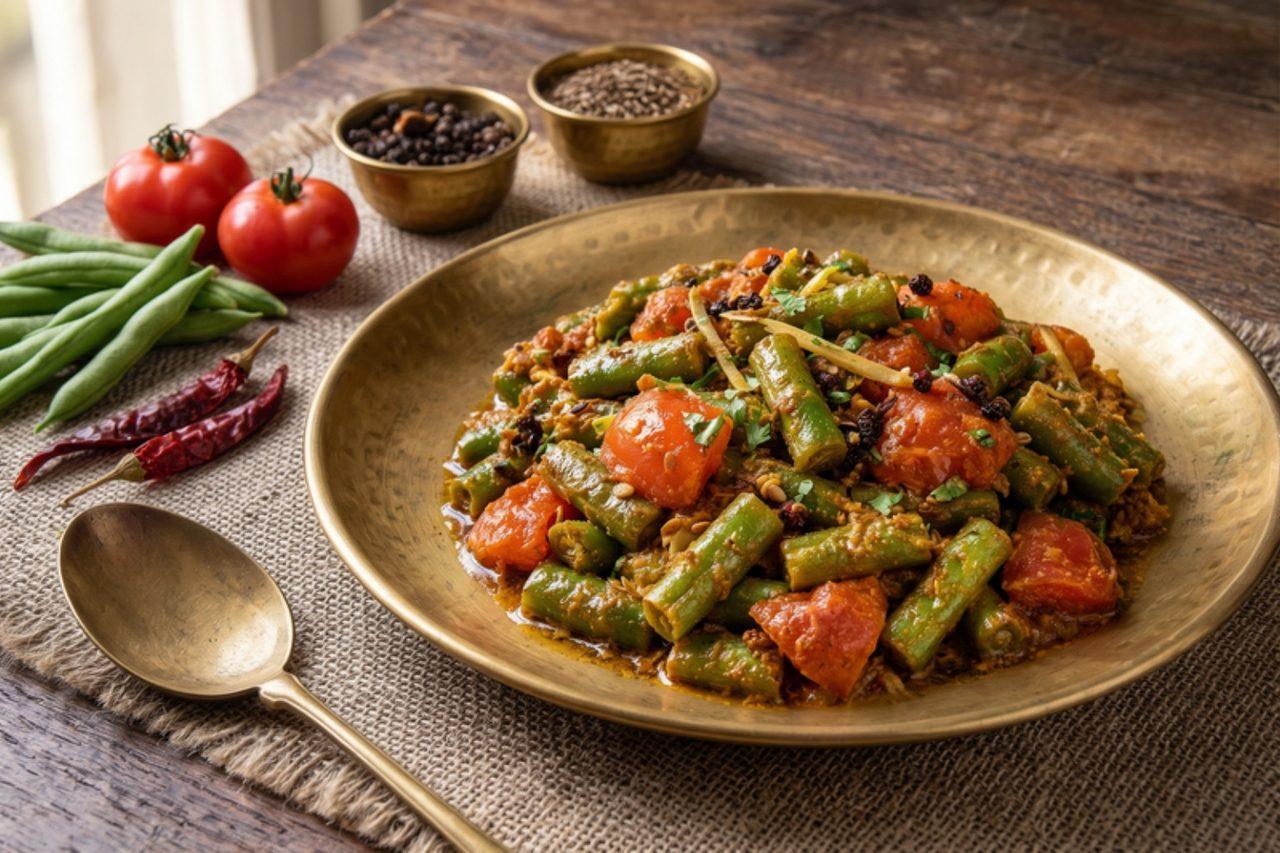
Simi ko tarkari is cooked all summer in Nepal, when runner and French beans climb the bamboo poles of every hill farm, and it is one of the dry sides on the plate with dal, rice and achar. The beans are stir-fried in mustard oil with cumin, garlic and tomato, and finished with crushed timur, Nepal's citrusy, tingling pepper. Suitable as part of a balanced diet, it is a high-fibre vegetable side: about 110 kcal and 10 g carbohydrate per portion. The usual mistake is covering the pan for too long, which steams the beans grey; keep the heat high and the lid off for most of the cooking. Chef's tip: toast the timur briefly in a dry pan before crushing; its lemony scent doubles.

by KrazyBadal 0 views

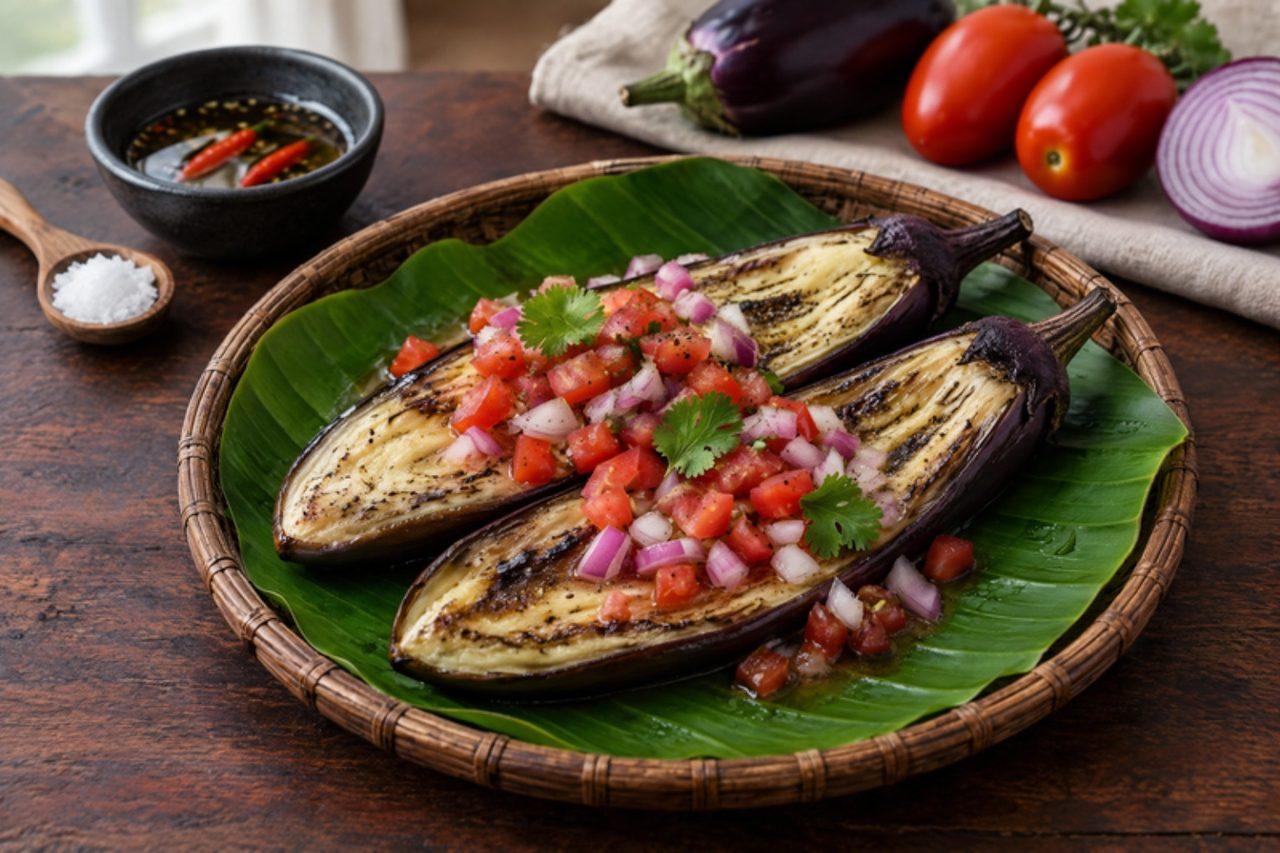
Ensaladang talongGrilled aubergine salad

Ensaladang talong is the smoky side salad that sits beside grilled fish or pork at Filipino family lunches, from Pampanga to Davao, and on the table at weekend beach outings. Long Asian eggplants are charred whole until the flesh collapses, then peeled and topped with diced tomato, red onion and a sharp vinegar dressing. This version leaves out the usual fermented shrimp paste so it is vegan. Suitable as part of a balanced diet, it is low in starch: about 70 kcal and 10 g carbohydrate per portion. The usual mistake is pulling the eggplants off the heat too soon; they must be soft right through, or the flesh is spongy and raw. Chef's tip: peel the hot eggplants under a trickle of water with your fingertips to keep the smoky flesh whole.

by KrazyBadal 0 views

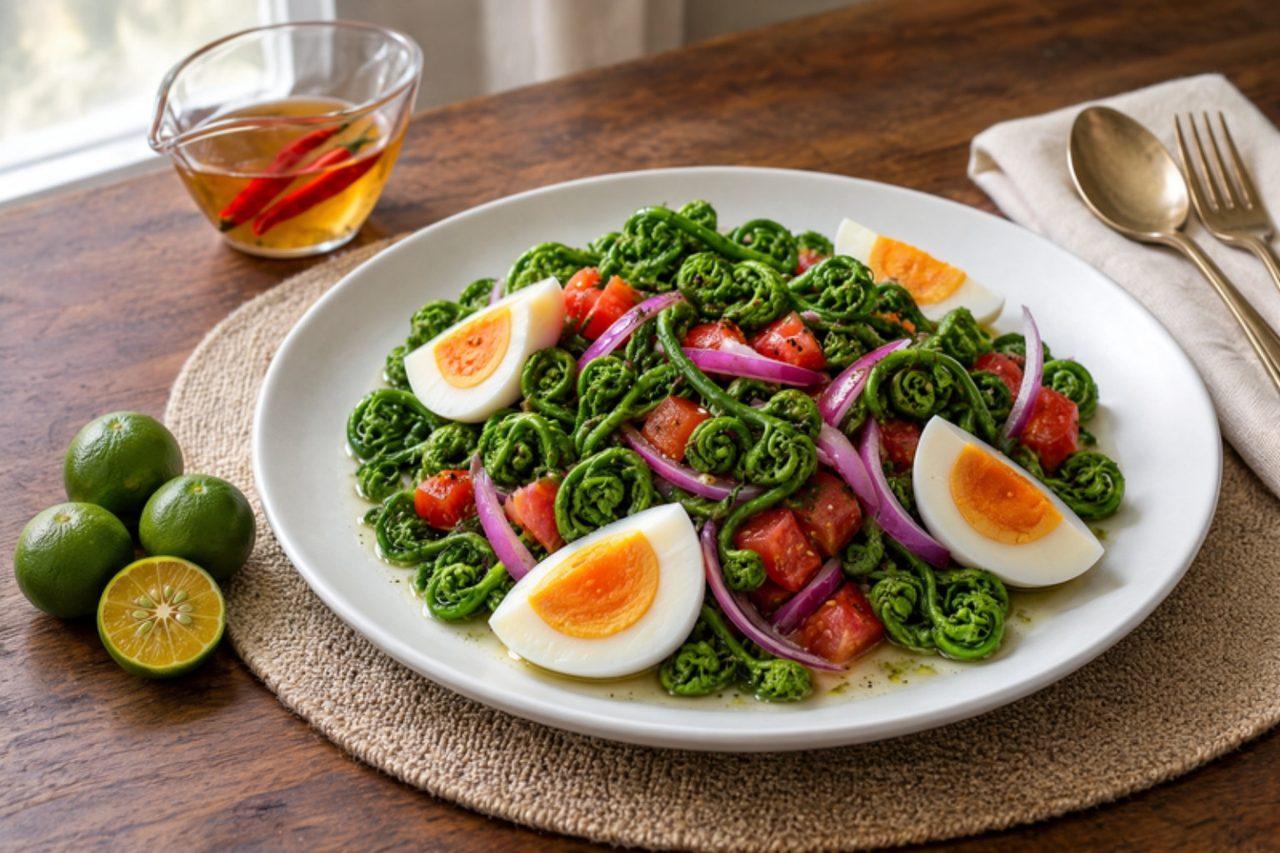
Ensaladang pakoFiddlehead fern salad

Pako, the young curled fronds of the vegetable fern, grow along streams in the Cordillera, Laguna and Mindanao, and in the rainy season they are sold in bundles at roadside stands. Blanched for a moment and tossed with tomato, onion, a calamansi and vinegar dressing and wedges of salted duck egg, they make a crunchy, refreshing side for grilled dishes at lunch. Suitable as part of a balanced diet, it adds greens with some protein: about 120 kcal and 8 g carbohydrate per portion. The usual mistake is eating the fern raw or barely warmed; always blanch it until tender. Chef's tip: plunge the fern straight into iced water after blanching so it stays bright green and crisp.

by KrazyBadal 0 views

NazkhatoonSmoky aubergine with pomegranate

Nazkhatoon comes from Gilan, the green, rainy province on Iran's Caspian coast, where it is eaten in summer as a starter or side with grilled fish, rice and fresh herbs. Charred eggplant is chopped with tomato, garlic and mint, then sharpened with sour pomegranate molasses and verjuice, so it tastes smoky, tart and fresh at once. Suitable as part of a balanced diet, it is a vegetable salad with no grain: about 110 kcal and 14 g carbohydrate per portion. The usual mistake is using sweet pomegranate syrup; it must be the sour Gilani style, and a little goes a long way. Chef's tip: chop everything by hand rather than in a blender, so the salad keeps some texture.

by KrazyBadal 0 views

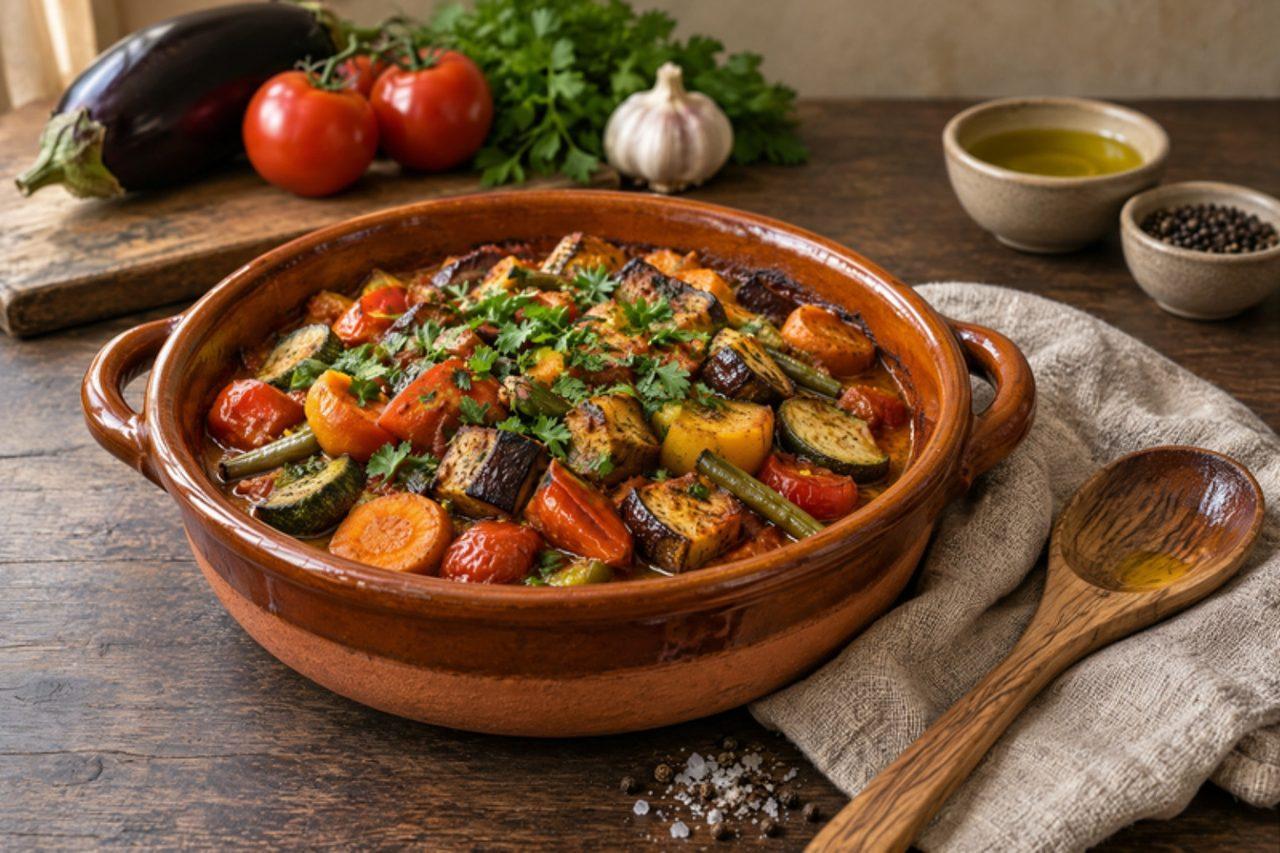
GhiveciBaked mixed vegetable stew

Ghiveci is the Romanian answer to a late-summer glut, made in August and September and often bottled for winter, and it is a mainstay on Orthodox fasting days because it contains no animal products. Aubergine, peppers, courgette, green beans, carrots and onion are layered with tomato and herbs and baked slowly until soft and sweet, with a little browned crust on top. Serve warm or cold with bread, or beside beans. Suitable as part of a balanced diet. About 190 kcal and 20 g carbohydrate per portion. The usual mistake is cutting the vegetables all the same size: harder carrots and beans need smaller pieces than courgette and aubergine so everything is tender at once. Chef's tip: bake uncovered for the last 20 minutes so the juices reduce and the top caramelises.

by KrazyBadal 0 views

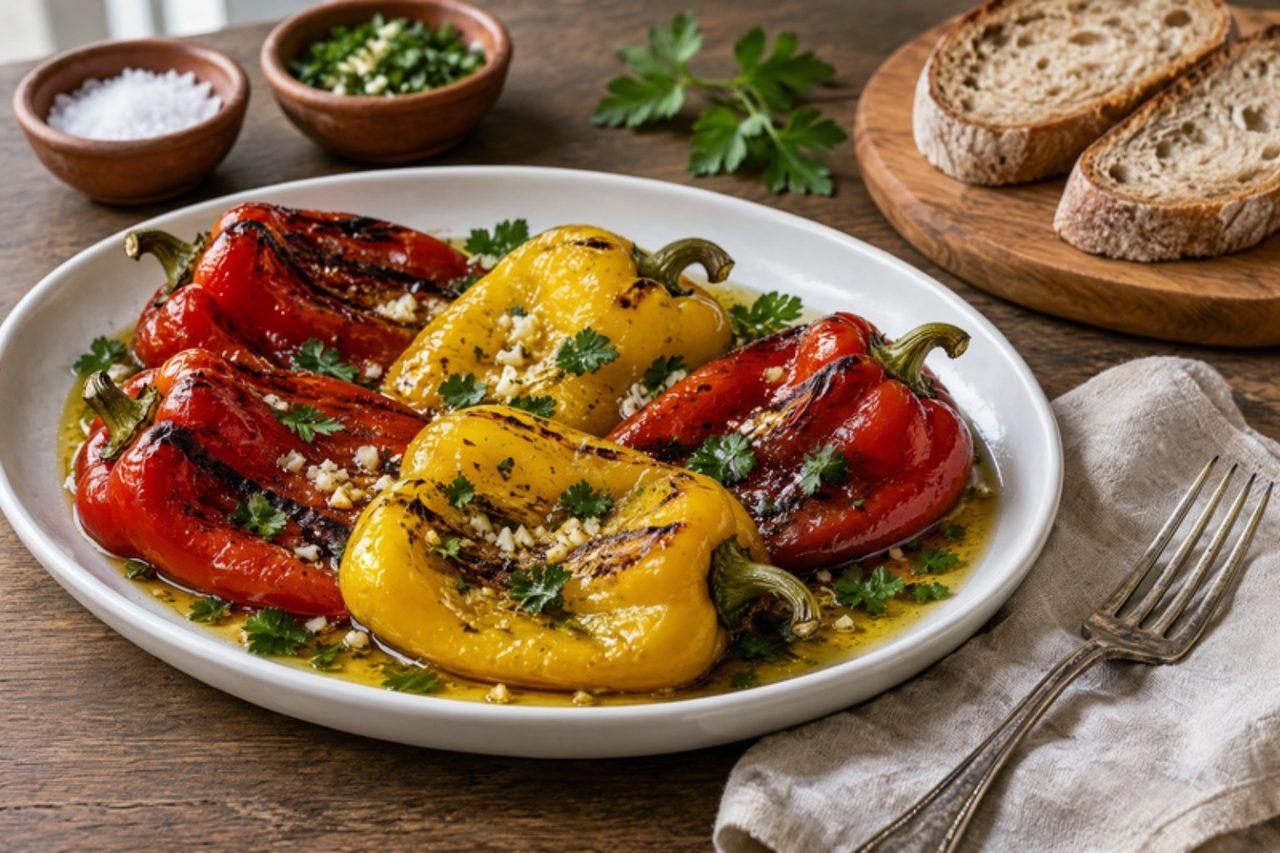
Salată de ardei copțiRoasted pepper salad

Every Romanian family makes salată de ardei copți in late summer, when the long, sweet bell peppers are piled high at the markets of Bucharest and Cluj and the smell of peppers roasting on the hob fills apartment blocks. The peppers are charred whole, peeled and dressed with garlic, vinegar, oil and parsley, then left to soak up the dressing. It is served cold as a side with grilled meat or fish, or with mămăligă, cheese and eggs. Suitable as part of a balanced diet. About 100 kcal and 9 g carbohydrate per portion. The usual mistake is rinsing the peeled peppers under the tap, which washes away the smoky juices. Chef's tip: steam them in a covered bowl for 10 minutes after charring, and the skins slip off easily.

by KrazyBadal 0 views

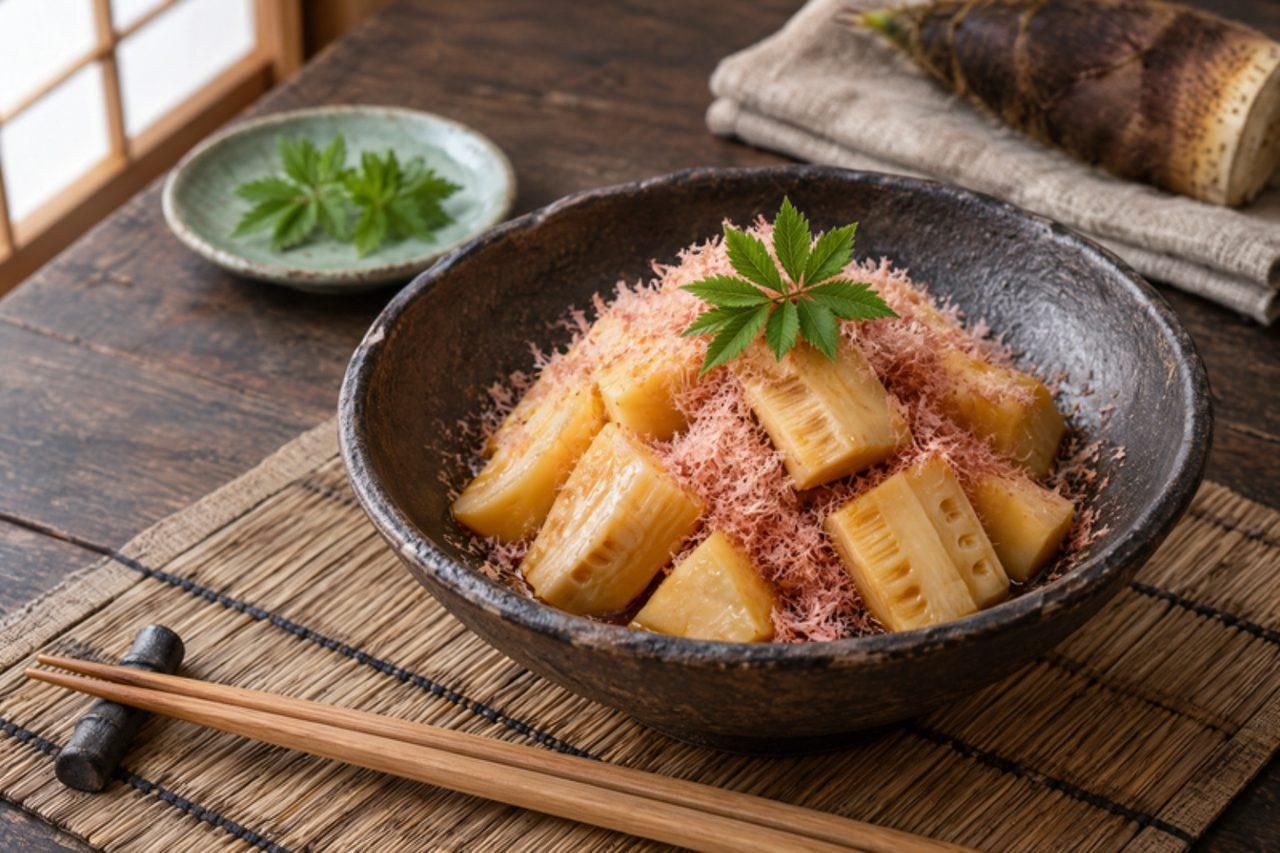
Takenoko no tosaniSimmered bamboo shoots

In Kyoto and the hills around Nagaoka, April means fresh bamboo shoots, and almost every home cooks a pot of tosani: shoots simmered in dashi and soy, then tossed in crumbled bonito flakes (the 'Tosa' style, after the bonito-fishing province on Shikoku). It is served as a small side with rice and grilled fish, or packed into bento boxes. Suitable as part of a balanced diet: it is high in fibre and uses only a teaspoon of sugar, which you can leave out or swap for a sweetener. About 45 kcal and 5 g carbohydrate per portion. The usual mistake is using fresh, unboiled bamboo shoots straight away; raw shoots must be pre-boiled for an hour (traditionally with rice bran) to remove bitterness and natural toxins, so use ready-boiled vacuum-packed shoots unless you do that step. Chef's tip: let the shoots cool in the broth so they drink it up before you add the bonito.

by KrazyBadal 0 views

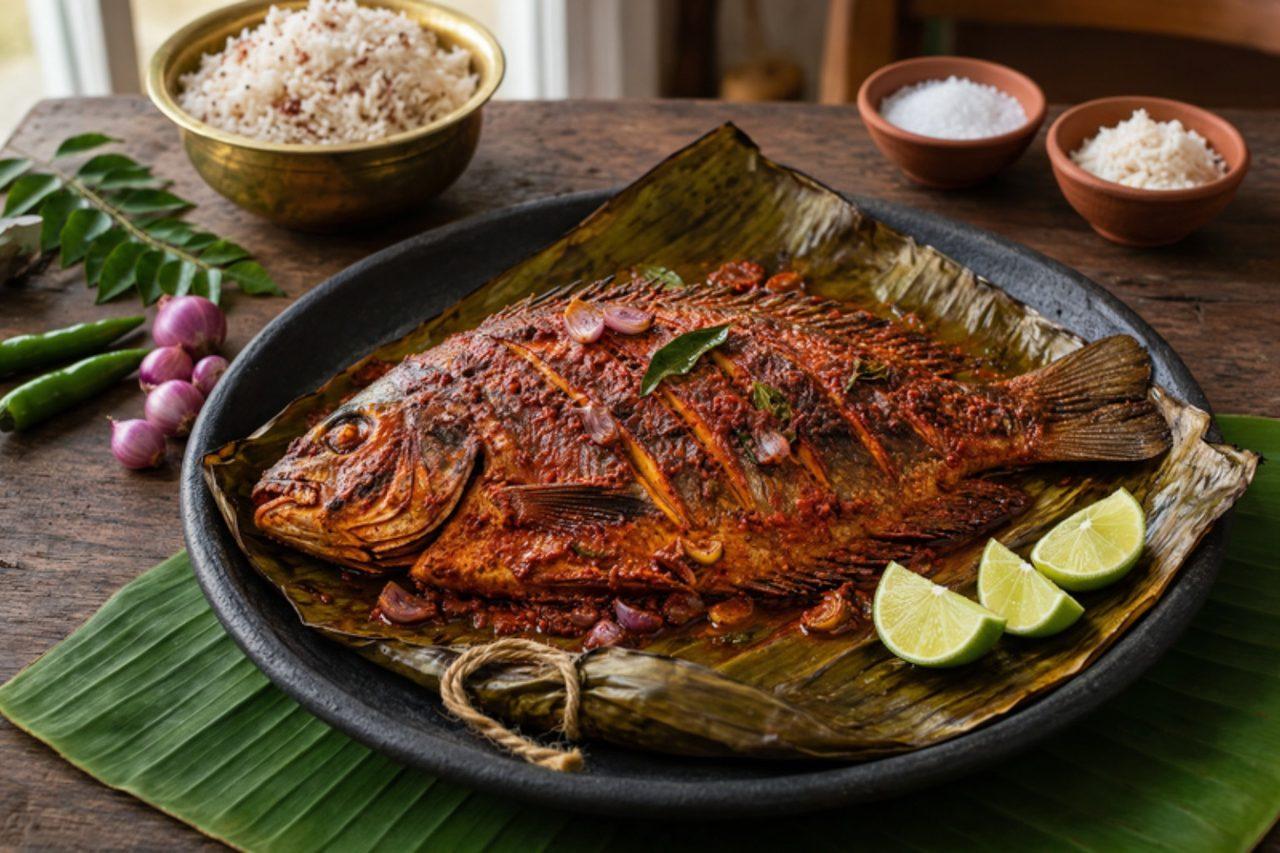
Meen pollichathuFish wrapped in banana leaf

Meen pollichathu belongs to the backwaters of Alappuzha and Kumarakom, where karimeen (pearl spot) is caught in the lagoons and served wrapped in banana leaf at toddy shops, houseboats and Syrian Christian Sunday lunches. The fish is rubbed with chilli and turmeric, briefly pan-fried, then wrapped with a thick masala of shallots, ginger, garlic, tomato, curry leaves and a little coconut milk and cooked on a pan until the leaf chars. Suitable as part of a balanced diet: high-protein fish with no flour. About 320 kcal and 9 g carbohydrate per portion; serve with a small portion of red matta rice or vegetables. The usual mistake is skipping the first light fry, which leaves the skin soft and lets the fish fall apart in the parcel. Sea bream or pomfret work well. Chef's tip: cook the masala until it is almost dry, or the parcel steams instead of roasting.

55 minIndianFishGluten free
by KrazyBadal 0 views

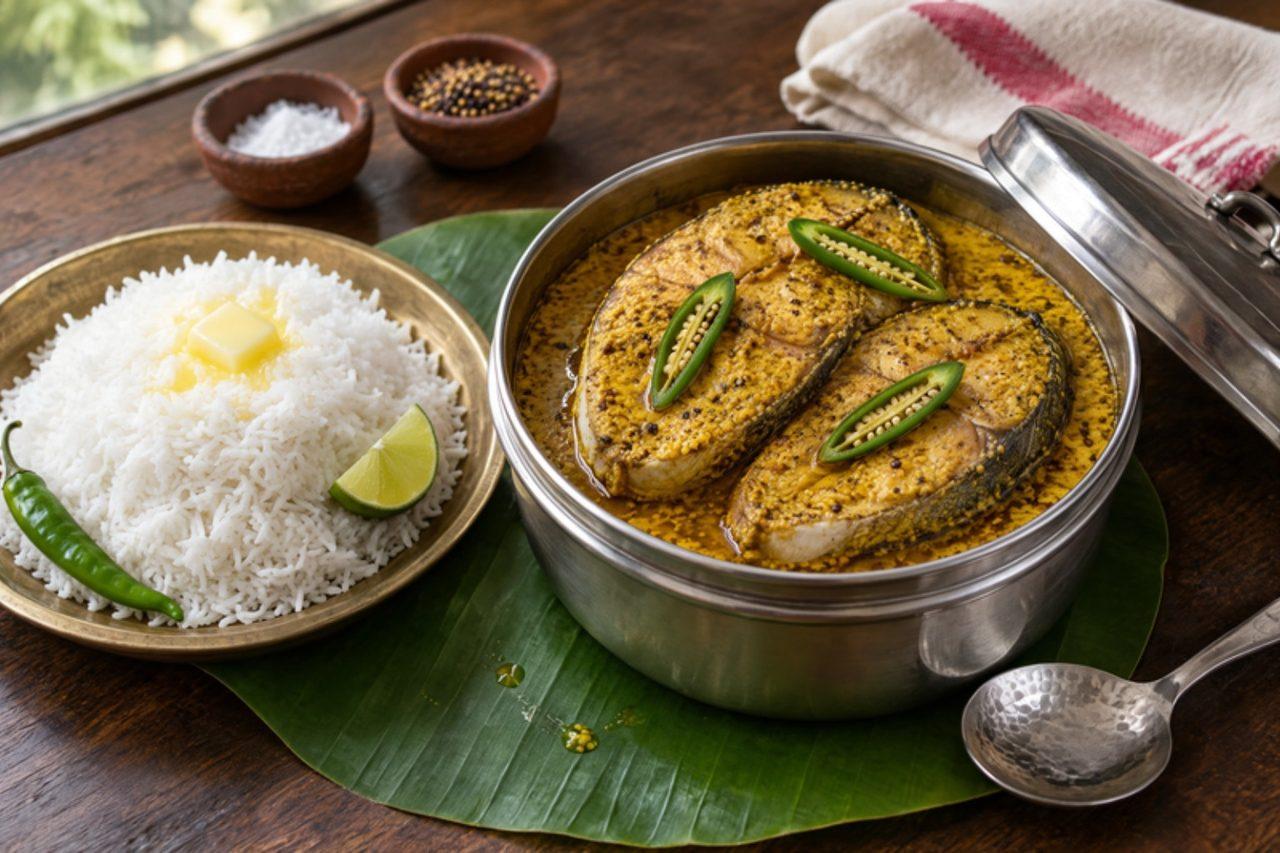
Bhapa ilishSteamed hilsa in mustard

When the monsoon brings hilsa up the Padma and Hooghly rivers, Kolkata households cook bhapa ilish, the fish steamed in a pungent paste of mustard seeds, green chilli and mustard oil in a closed tiffin box. It is the star of Jamai Sasthi and of any rainy-season Sunday, served with plain rice. The fish is rich and tender, with a nose-tingling mustard heat. Suitable as part of a balanced diet: high in protein and omega-3 fats, with no starch in the dish itself. About 340 kcal and 4 g carbohydrate per portion; keep the rice portion modest. The usual mistake is grinding the mustard seeds too long or with warm water, which turns the paste bitter; grind briefly with cold water, a pinch of salt and a green chilli. Hilsa is bony, so eat slowly and warn guests. Chef's tip: drizzle raw mustard oil over the top just before closing the box; it gives the true Bengali aroma.

40 minIndianFishGluten free
by KrazyBadal 0 views

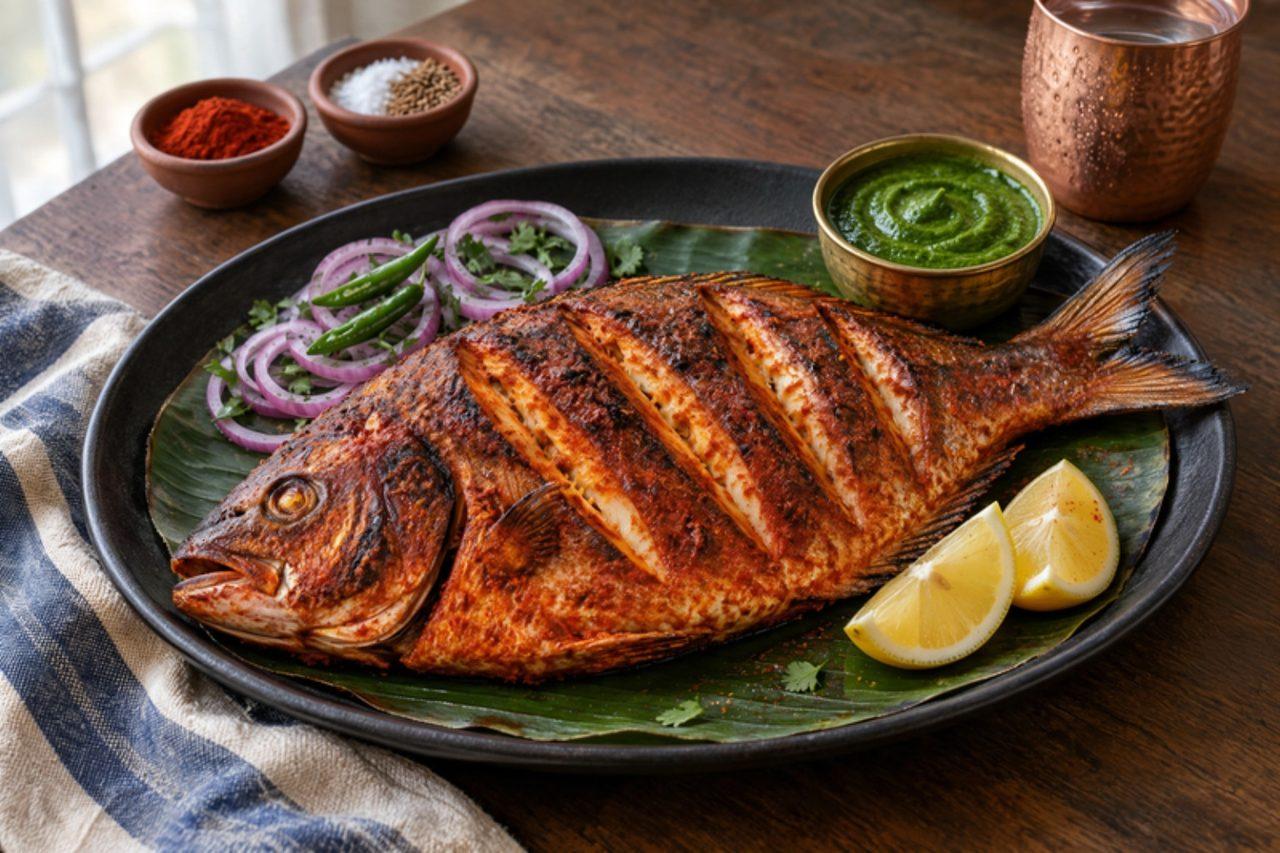
Tandoori pomfret

Tandoori pomfret is a fixture of Mumbai's coastal restaurants and Koli fishing families' feasts, especially in the cooler months when silver pomfret is at its best. Whole fish are slashed, given a lemon-and-salt first marinade, then coated in thick yogurt with ginger-garlic, Kashmiri chilli, ajwain and garam masala and roasted until charred at the edges and juicy inside. Suitable as part of a balanced diet: high-protein fish with no batter. About 280 kcal and 6 g carbohydrate per portion; serve with onion-cucumber salad and mint chutney. The usual mistake is using runny yogurt, which slides off and steams the fish; strain it first. Chef's tip: a spoon of roasted gram flour (besan) in the marinade helps it cling and char.

55 minIndianFishGluten free
by KrazyBadal 0 views

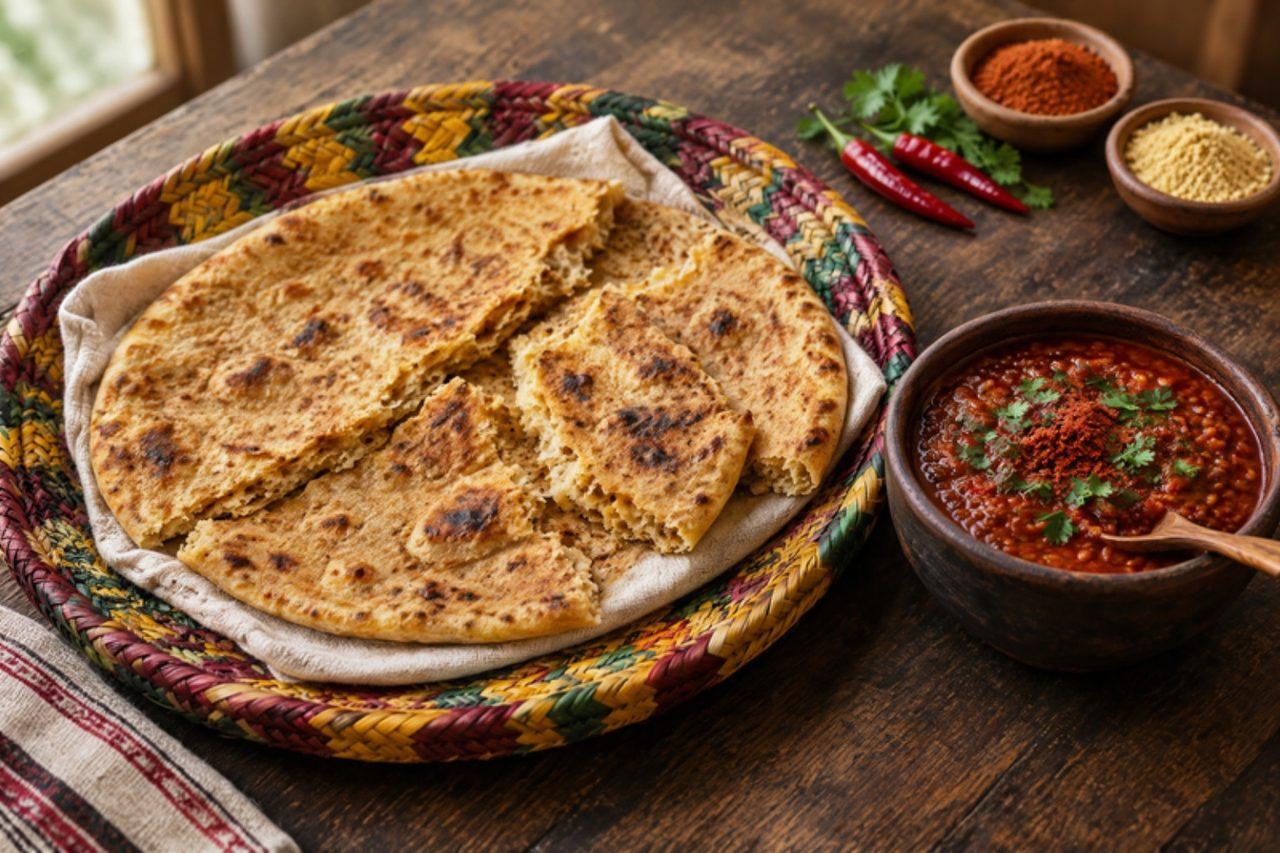
KitchaUnleavened flatbread

Kitcha (qita) is the everyday quick bread of the Ethiopian and Eritrean highlands, baked when there is no time to ferment injera, and eaten for breakfast with tea or coffee, or torn up as kitcha fitfit with spiced butter and berbere. The dough is just flour and water, spread thick on a hot mitad griddle and cooked on both sides until speckled and firm. Traditionally there is no salt in it at all: about 0.0 g salt per portion, so it sits well beside salty stews. The usual mistake is spreading it too thin, which gives a cracker; aim for 1 cm so the middle stays soft. Barley or teff flour can replace some of the wheat for a nuttier bread. Chef's tip: press a little hollow in the middle with your fingers before turning, and the bread cooks evenly without a raw centre.

by KrazyBadal 0 views

Kefir

Kefir is the sour, lightly fizzy fermented milk that families across Russia, Georgia and the North Caucasus drink plain from a glass at breakfast, as an evening snack or alongside a meal, and also use in pancakes and cold soups. It is made by leaving milk with kefir grains, a living culture of yeasts and bacteria, at room temperature for a day until it thickens. Nothing is added: no salt and no sugar. About 0.25 g salt per 250 ml glass, all from the milk itself. Always use pasteurised milk. The usual mistake is leaving it too long, until it separates into curds and whey; check after 18 hours and stop when it is just thick and pourable. Chef's tip: a second ferment of 6 hours in the fridge in a closed bottle makes it smoother and a little fizzier.

1445 minRussianDrinksGluten free
by KrazyBadal 0 views

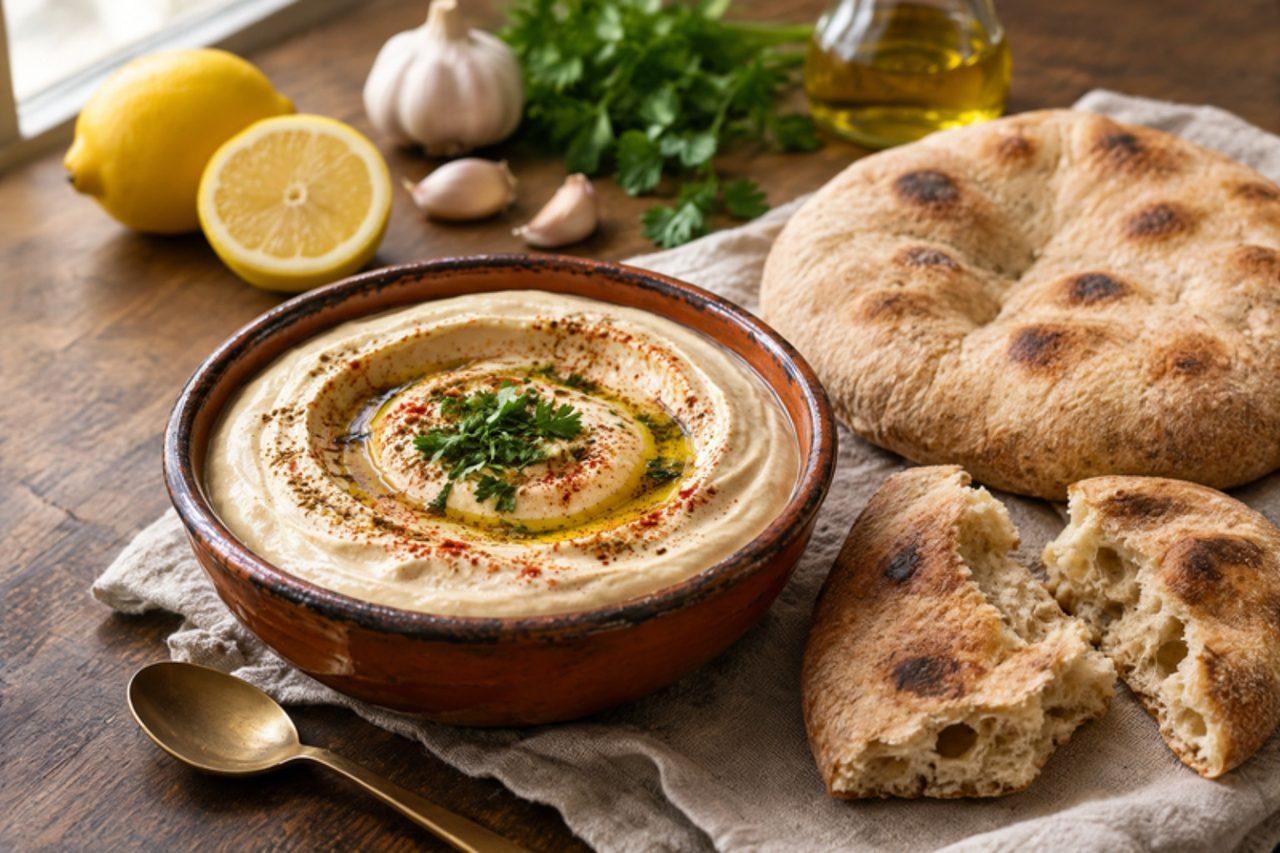
Salatet tahinaTahini sauce

No Egyptian table is complete without salatet tahina: in Cairo and Alexandria it is served with fried fish, grilled kofta, ful and falafel, and it is on every mezze plate at Friday lunch. Sesame paste is whipped with lemon juice, garlic, cumin and cold water until it turns pale, fluffy and creamy, with no sugar at all. Suitable as part of a balanced diet, it brings sesame protein and healthy fats with very little carbohydrate: about 150 kcal and 5 g carbohydrate per portion of 3 tablespoons. The usual mistake is panicking when the tahini seizes and goes thick after the lemon goes in; keep adding cold water a spoon at a time and it loosens into a smooth sauce. Chef's tip: use ice-cold water, which makes the tahina whiter and fluffier.

by KrazyBadal 0 views

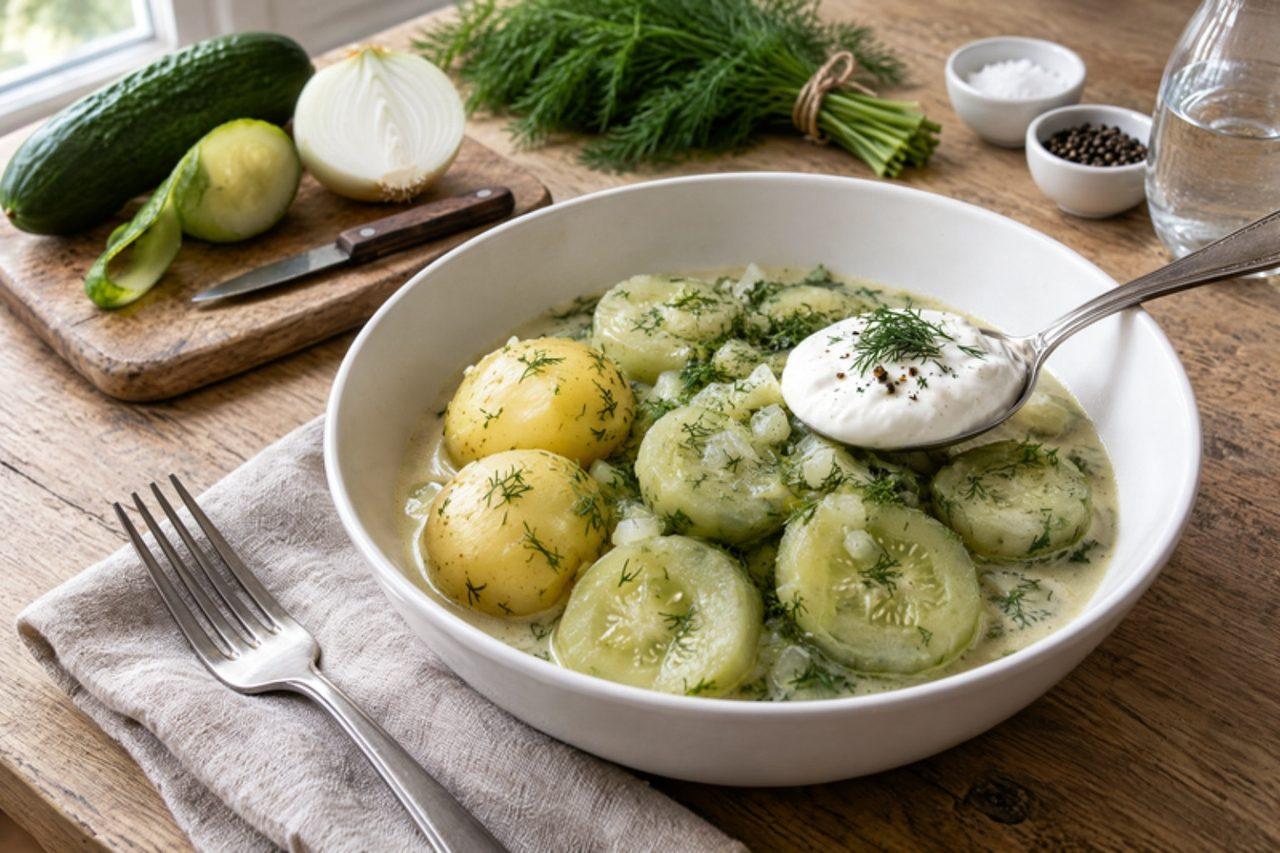
SchmorgurkenBraised cucumbers

Schmorgurken are a late-summer dish of Berlin and the Spreewald, the market-garden country south-east of the city, where big, thick braising cucumbers are piled up in August. Peeled and seeded, they are braised with onion and a little stock until tender and juicy, then finished with dill, mustard and a spoon of sour cream. Many families add minced meat or bacon; this is the vegetarian version, good with boiled new potatoes or a fried egg. Suitable as part of a balanced diet, it is a low-starch vegetable dish: about 110 kcal and 9 g carbohydrate per portion. The usual mistake is braising them for too long until they collapse into mush; they are ready when just translucent. Chef's tip: scrape out the seeds thoroughly, or the dish turns watery.

by KrazyBadal 0 views

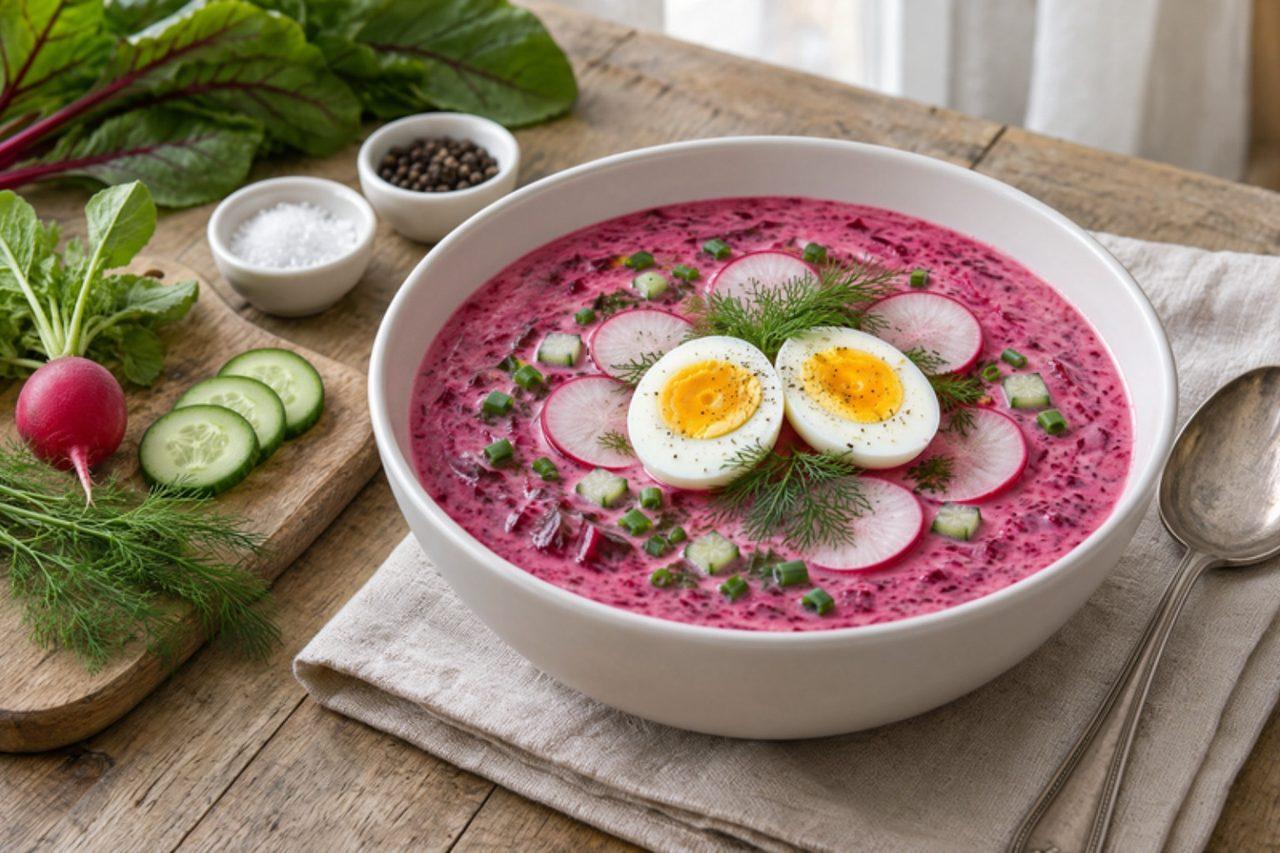
Chłodnik litewskiChilled beet leaf soup

In Podlasie and the lake country of north-east Poland, chłodnik is the soup of hot June and July days, when young beets are pulled with their leaves still tender. The beet greens and baby beets are cooked briefly, chilled, then stirred into kefir with cucumber, radish, spring onion and lots of dill, so the soup turns shocking pink, tangy and cold. It is served as a starter or a light lunch with half a hard-boiled egg in each bowl. Suitable as part of a balanced diet. About 170 kcal and 13 g carbohydrate per portion. The usual mistake is mixing the kefir into warm beets, which makes it split and dulls the colour, so chill them completely first. Chef's tip: add a squeeze of lemon to the cooking beets; the acid keeps the colour a vivid pink instead of brownish.

by KrazyBadal 0 views

Zupa szczawiowaSorrel soup

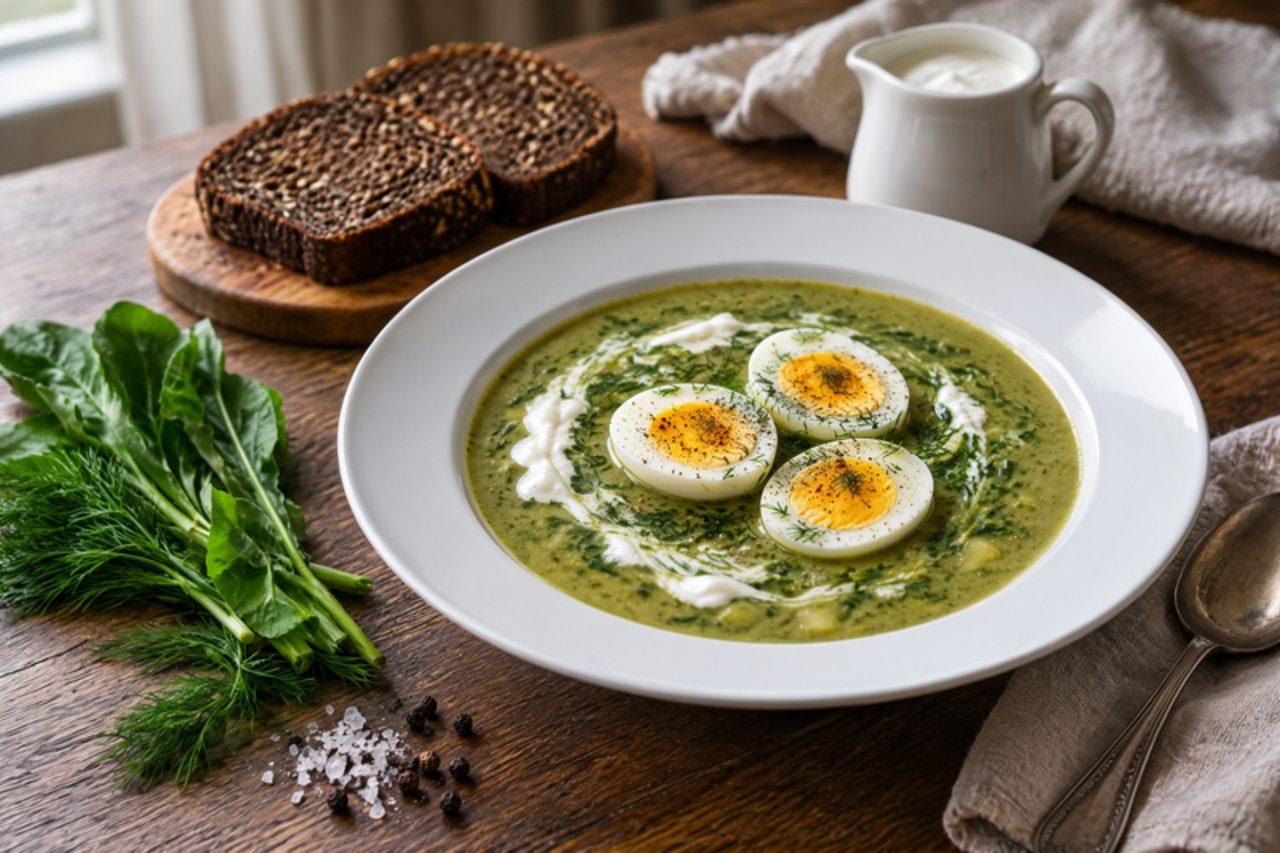
Zupa szczawiowa is a spring and early summer soup all over Poland, made when sorrel grows thickly in gardens and meadows from May onwards, and it is a favourite Sunday-lunch starter. Fresh sorrel melts into a vegetable broth with carrot and celeriac, giving a bright, lemony sourness, and a spoon of sour cream softens it before halved hard-boiled eggs go into each bowl. Many cooks add potatoes; this version uses just a small one to keep the starch low. Suitable as part of a balanced diet. About 190 kcal and 11 g carbohydrate per portion. The usual mistake is stirring sour cream straight into the boiling soup, where it curdles. Chef's tip: wilt the sorrel in a little butter first; it turns khaki in seconds, which is normal, and the flavour stays bright.

by KrazyBadal 0 views

Ispanakhi matsvnitSpinach with yogurt

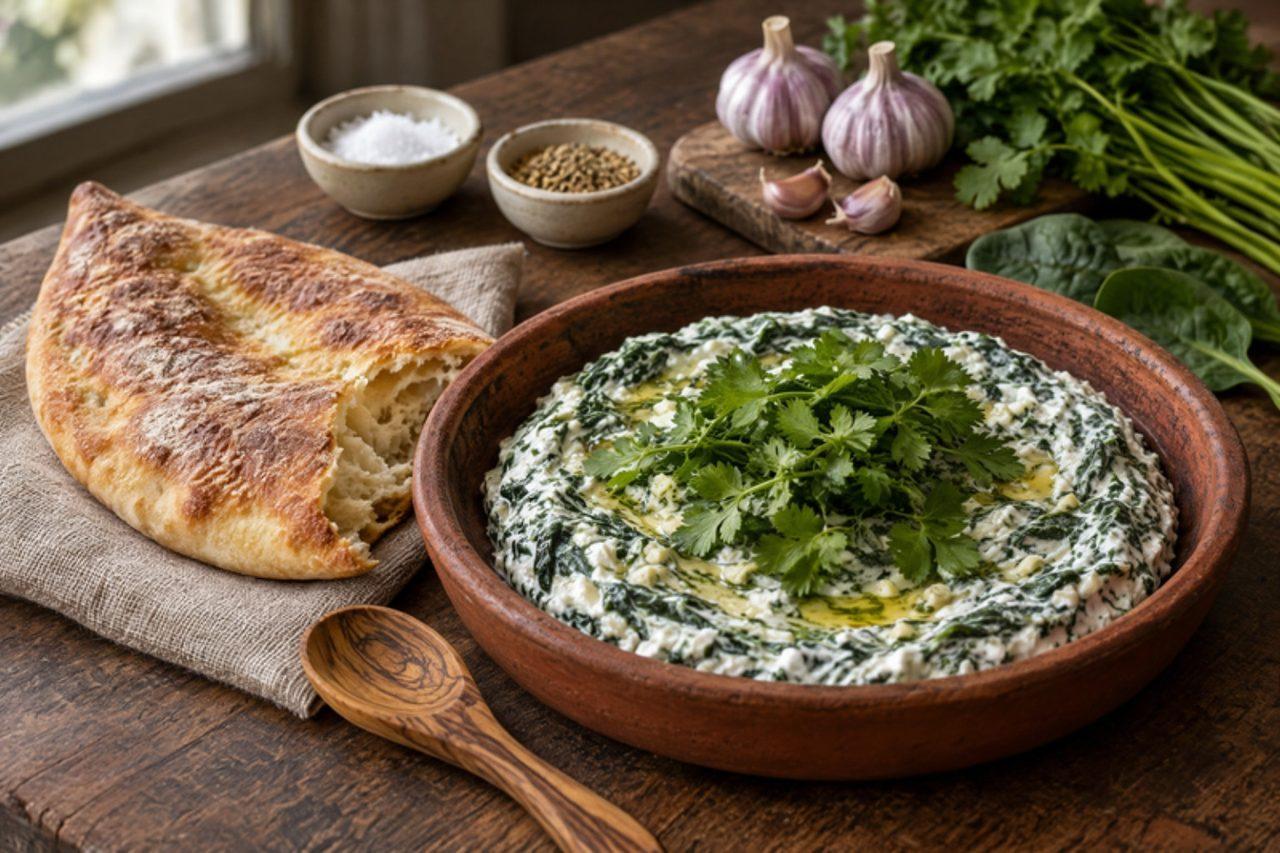
In Georgian homes from Tbilisi to Kakheti, ispanakhi matsvnit is one of the quick dishes on a supra table and a weekday side all spring, when spinach is young and sweet. The spinach is wilted, squeezed and chopped, then folded into thick matsoni (Georgian set yoghurt) with crushed garlic, coriander and a little blue fenugreek, and served cool with bread, beans or grilled vegetables. Suitable as part of a balanced diet. About 110 kcal and 8 g carbohydrate per portion. The usual mistake is not squeezing the spinach hard enough, so water seeps into the yoghurt and makes it thin. Chef's tip: crush the garlic with a pinch of salt to a smooth paste so it spreads evenly through the yoghurt rather than hitting you in raw lumps.

by KrazyBadal 0 views

MatbuchaCooked tomato and pepper relish

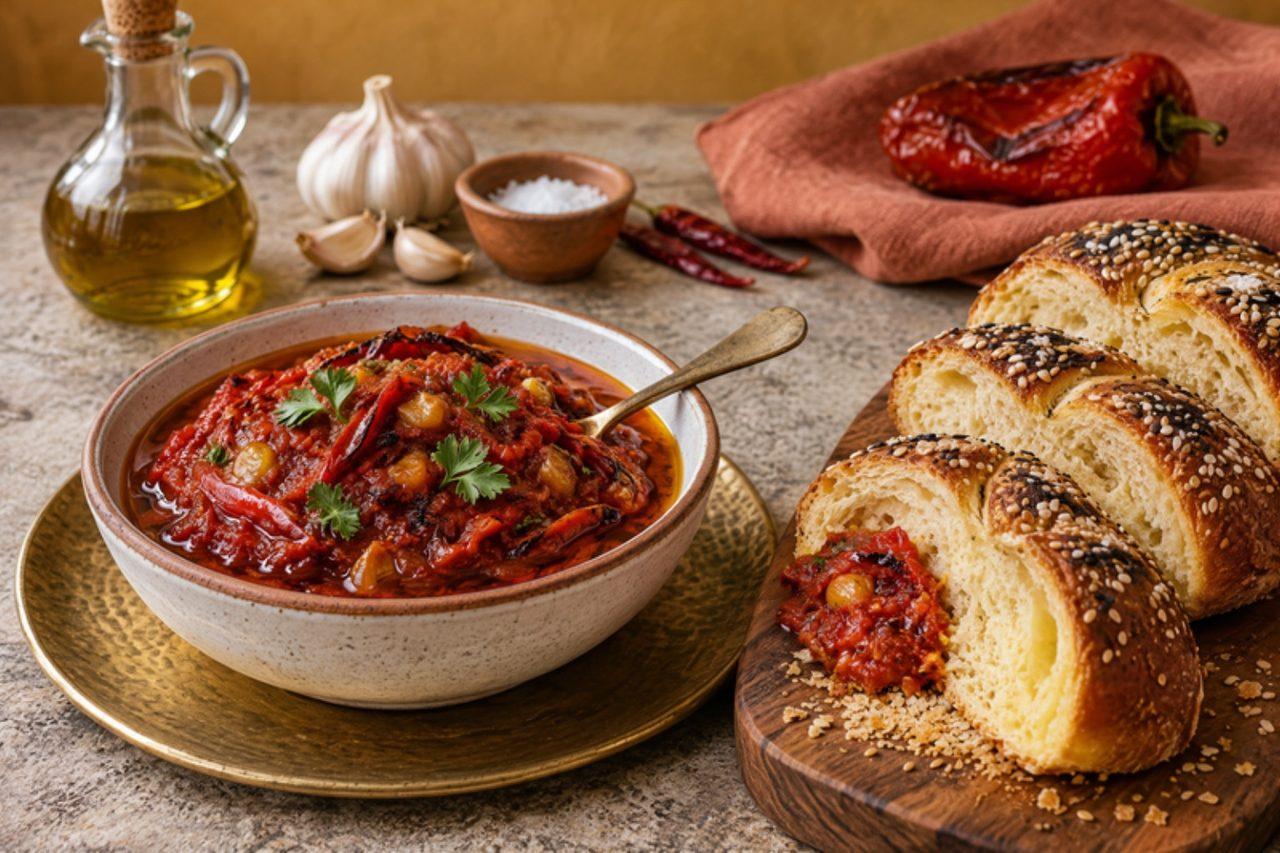
Matbucha came to Israel with Moroccan Jewish families, and it is on almost every Friday-night and Shabbat table among the salads served with challah, as well as in Jerusalem breakfast spreads. Ripe tomatoes and roasted peppers cook down slowly with garlic, chilli and olive oil for over an hour, until thick, sweet, jammy and spicy. Eat it as a dip, beside eggs or grilled fish, or spooned over beans. Suitable as part of a balanced diet. About 90 kcal and 8 g carbohydrate per portion. The pinch of sugar is optional, and a sweetener works too. The usual mistake is rushing it on high heat: it catches and tastes scorched instead of sweet. Chef's tip: stir more often in the last 20 minutes, when the sauce turns glossy and starts to spit; that's when it's nearly done.

by KrazyBadal 0 views

GrønkålssalatRaw kale salad

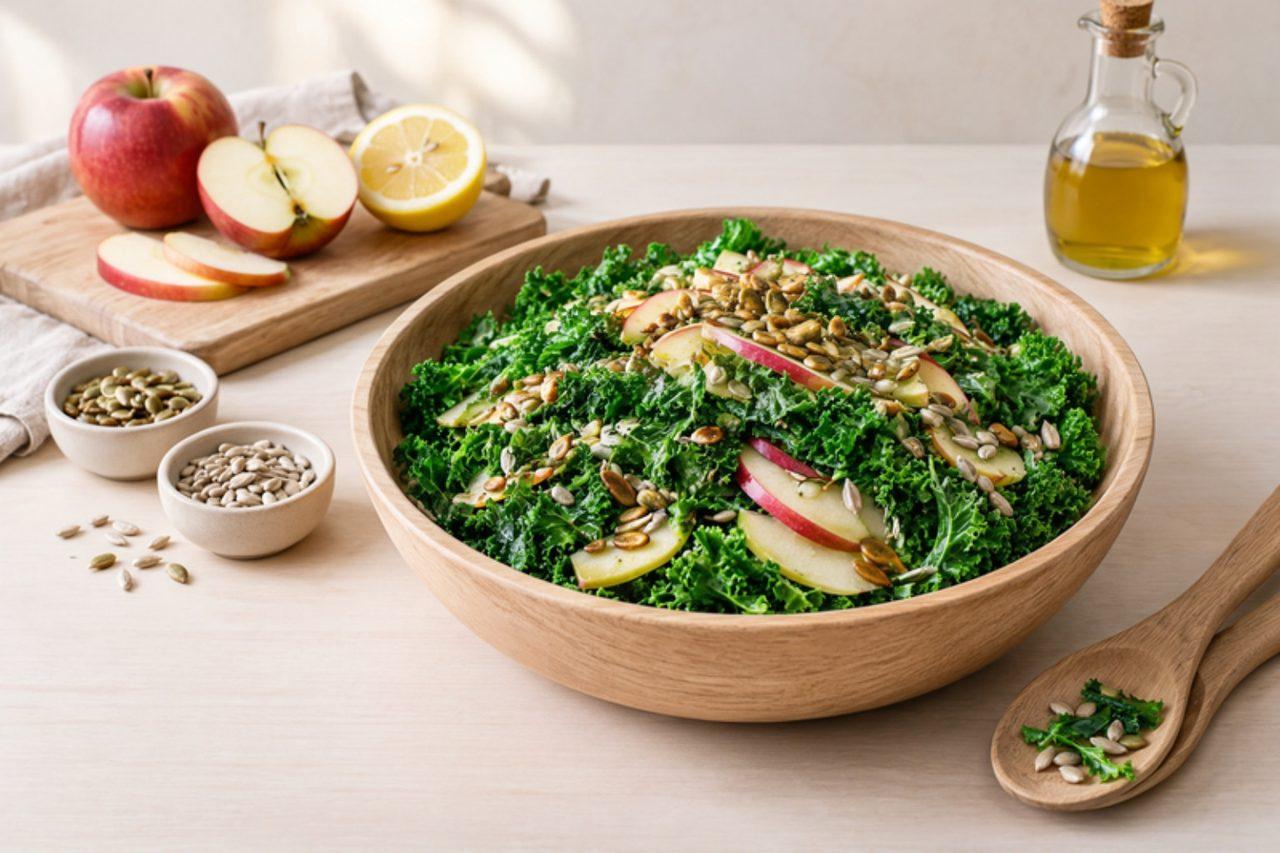
Kale (grønkål) is a winter classic in Denmark, traditionally stewed with cream at Christmas, but in Copenhagen homes and cafés it is now just as often eaten raw in this bright salad through the cold months, from November to March. Shredded kale is massaged with lemon juice and oil until it turns silky and dark green, then tossed with crisp apple, red onion and toasted sunflower and pumpkin seeds. Serve it beside rye bread with eggs, or with baked salmon or potatoes. Suitable as part of a balanced diet. About 160 kcal and 9 g carbohydrate per portion. The usual mistake is skipping the massage, which leaves the leaves tough and squeaky. Chef's tip: strip out every bit of stalk; even thin stems stay woody in a raw salad.

by KrazyBadal 0 views

Salatat zabadiYogurt and cucumber salad

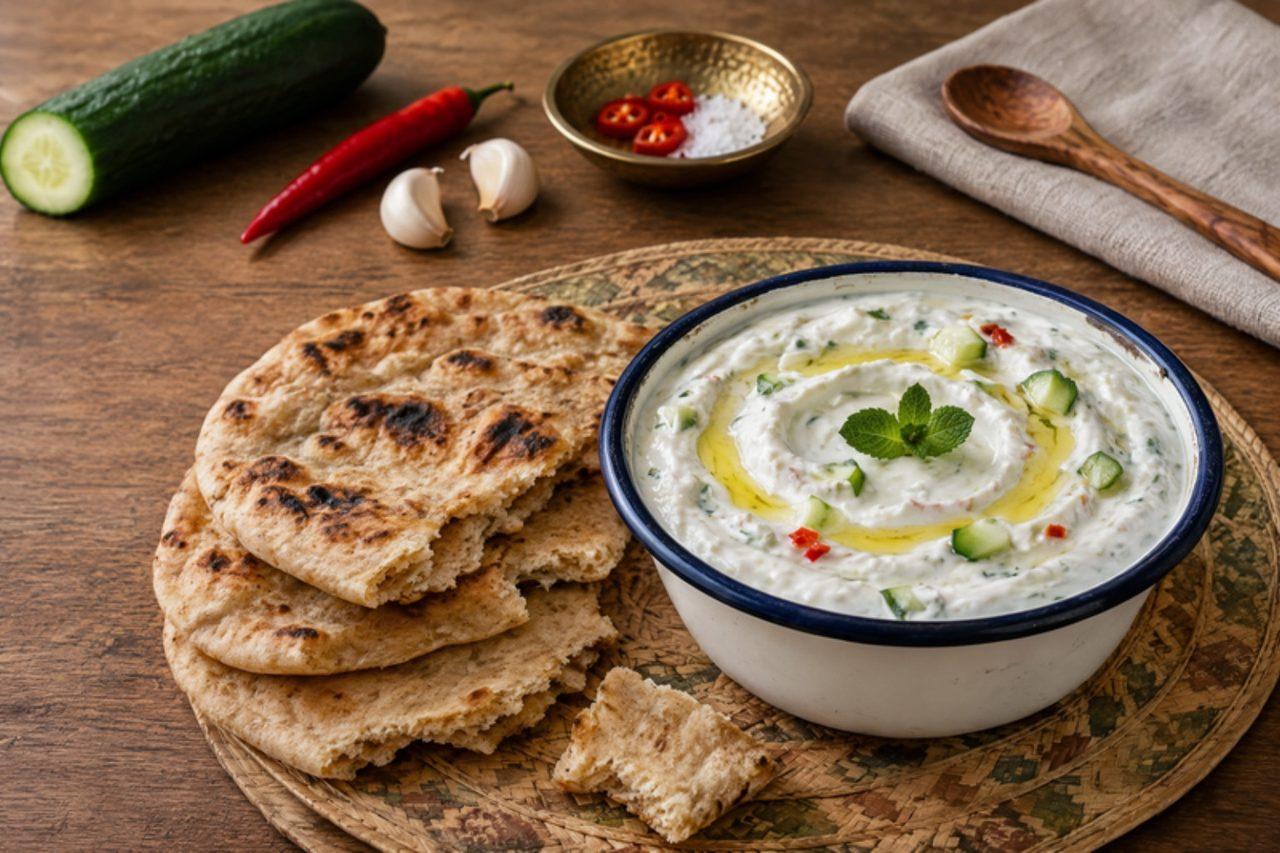
In Khartoum and Omdurman, salatat zabadi is the cooling dish set on the shared tray at lunch and during Ramadan iftar, eaten beside spicy stews, beans, grilled meat and kisra bread. Thick yoghurt is whisked with grated cucumber, garlic, a little green chilli and dried mint, so it is creamy, fresh and gently hot. Suitable as part of a balanced diet. About 90 kcal and 7 g carbohydrate per portion. The usual mistake is adding the cucumber without squeezing it, which floods the yoghurt and makes it watery within minutes. Chef's tip: chill the bowl for half an hour before serving, as the garlic mellows and the flavours come together.

by KrazyBadal 0 views

KamandeBrown lentil stew

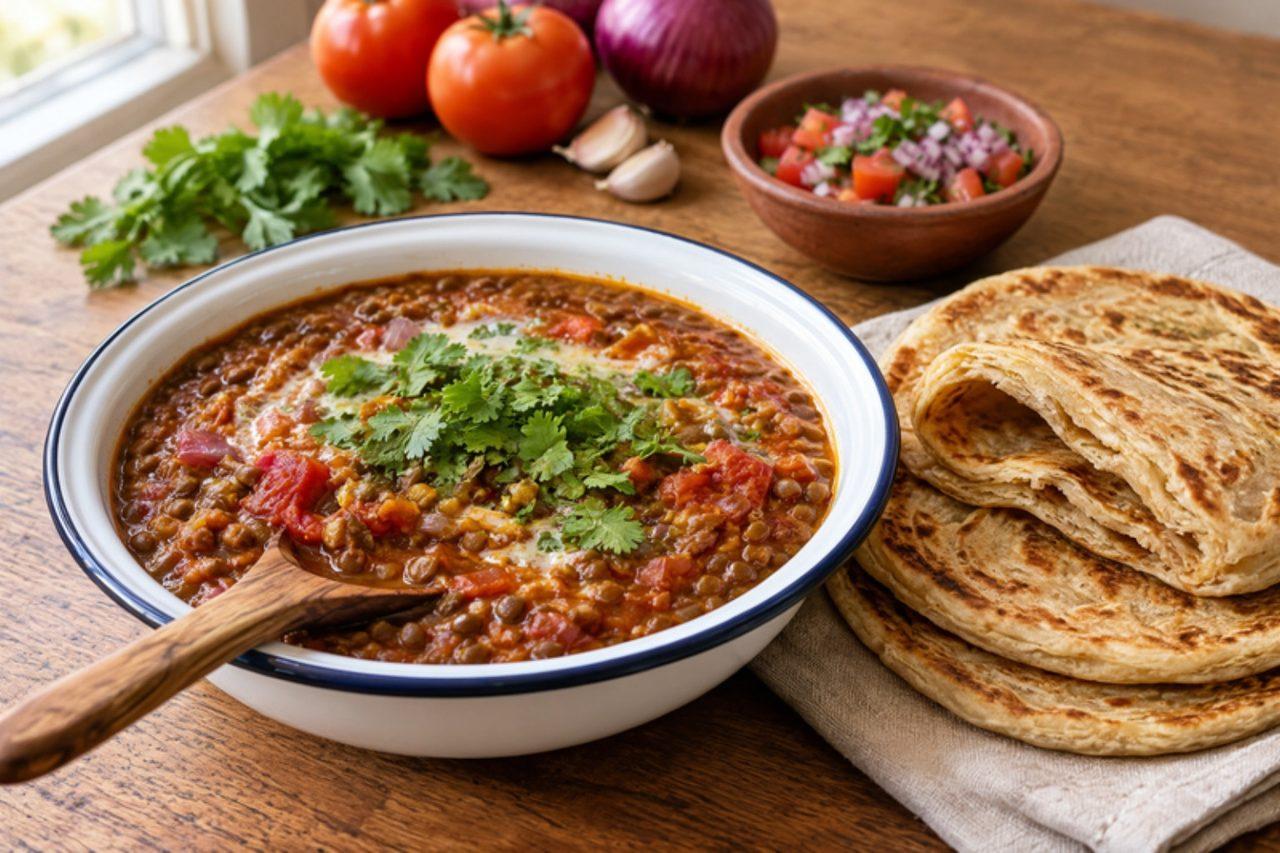
Kamande is a weekday staple in Nairobi homes and small hotelis (cafés), served at lunch or supper with chapati, rice or ugali and a side of sukuma wiki greens. Brown lentils are simmered until tender, then cooked into a thick, savoury stew of onion, tomato, garlic, ginger and a touch of curry powder, finished with fresh coriander. Suitable as part of a balanced diet. About 300 kcal and 38 g carbohydrate per portion; brown rice or extra greens on the side suit a lighter plate. The usual mistake is boiling the lentils to mush before adding the tomato base; they should still hold their shape. Chef's tip: cook the onions low and slow until soft and golden before the tomatoes go in, which gives the stew its natural sweetness.

by KrazyBadal 0 views

Loroco con huevoScrambled eggs with loroco

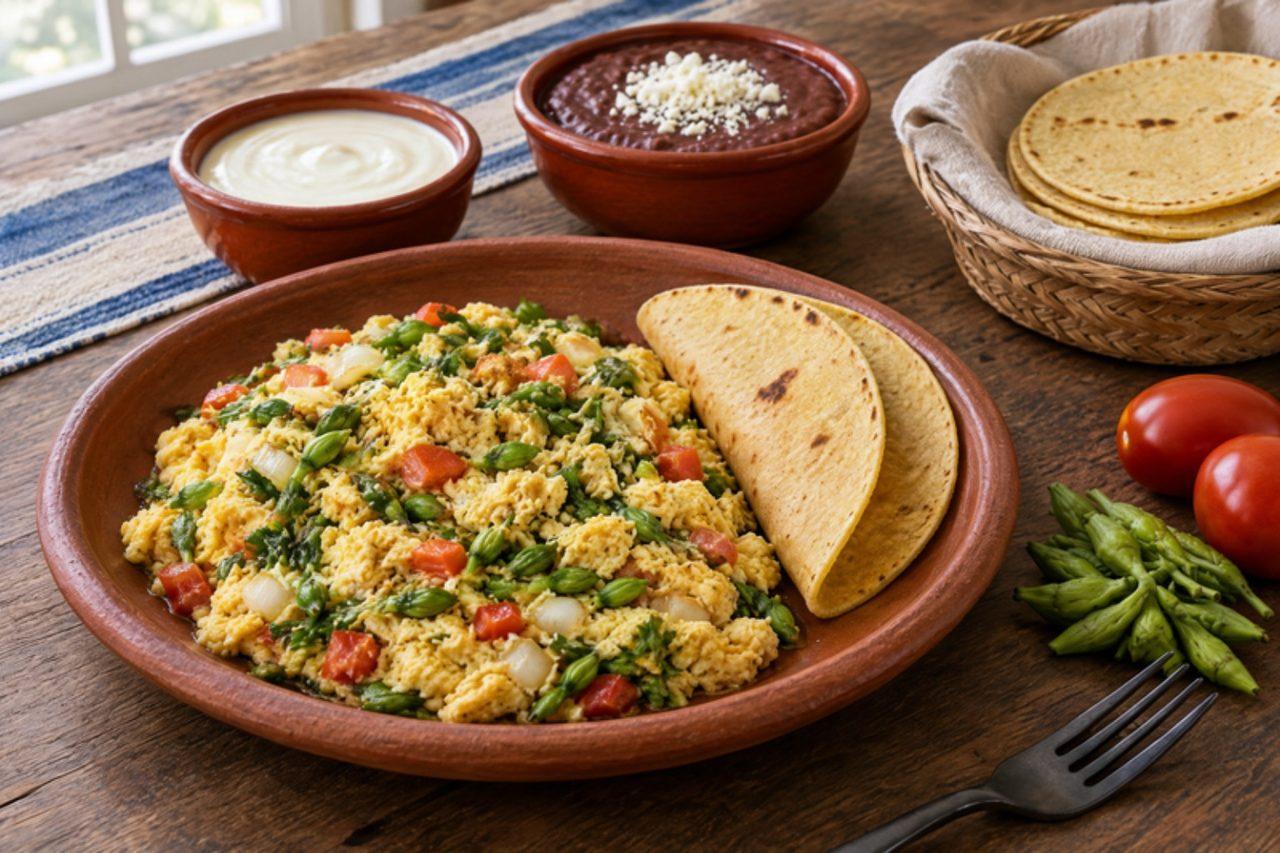
Loroco is a climbing vine whose fragrant flower buds Salvadorans love, best known inside pupusas, and in San Salvador and the countryside it is also scrambled with eggs for breakfast during the rainy season, from June to October, when the buds are in season. The buds taste green, floral and a little like asparagus and artichoke, softened with onion and tomato and set into soft eggs. Serve with corn tortillas and a spoon of refried beans or avocado. Suitable as part of a balanced diet. About 210 kcal and 6 g carbohydrate per portion without tortillas. The usual mistake is cooking the eggs on high heat, which makes them dry and rubbery. Frozen or jarred loroco works well; rinse jarred loroco first. If you're cooking for anyone pregnant, a young child or anyone with a weakened immune system, cook the eggs until fully set. Chef's tip: soften the loroco with the onion first so its flavour spreads through the eggs.

by KrazyBadal 0 views

Tortilla de acelgaSwiss chard omelette

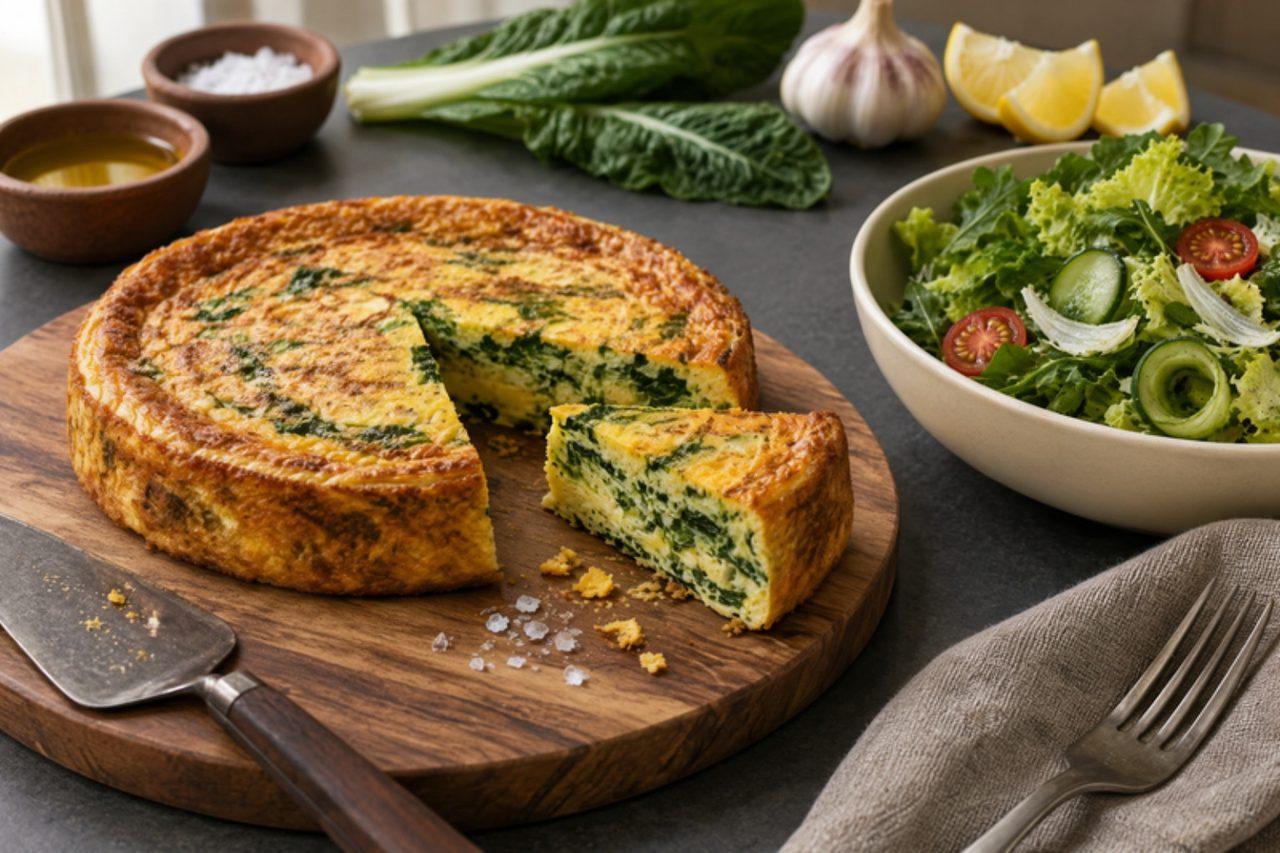
In Montevideo and Buenos Aires, tortilla de acelga is a homely supper or picnic dish, cut into wedges for a weekday dinner or packed for a Sunday at the beach, hot or cold. Plenty of chard is cooked down with onion and garlic, then bound with eggs into a thick, green, juicy omelette that is flipped in the pan like a Spanish tortilla. Serve it with a tomato salad. Suitable as part of a balanced diet. About 190 kcal and 7 g carbohydrate per portion. The usual mistake is leaving the chard wet: squeeze it well, or the tortilla weeps and won't set. If you're cooking for anyone pregnant, a young child or anyone with a weakened immune system, cook it until fully set in the middle. Chef's tip: cook it on a low heat with a lid on for the first side; it sets through without burning the base.

by KrazyBadal 0 views

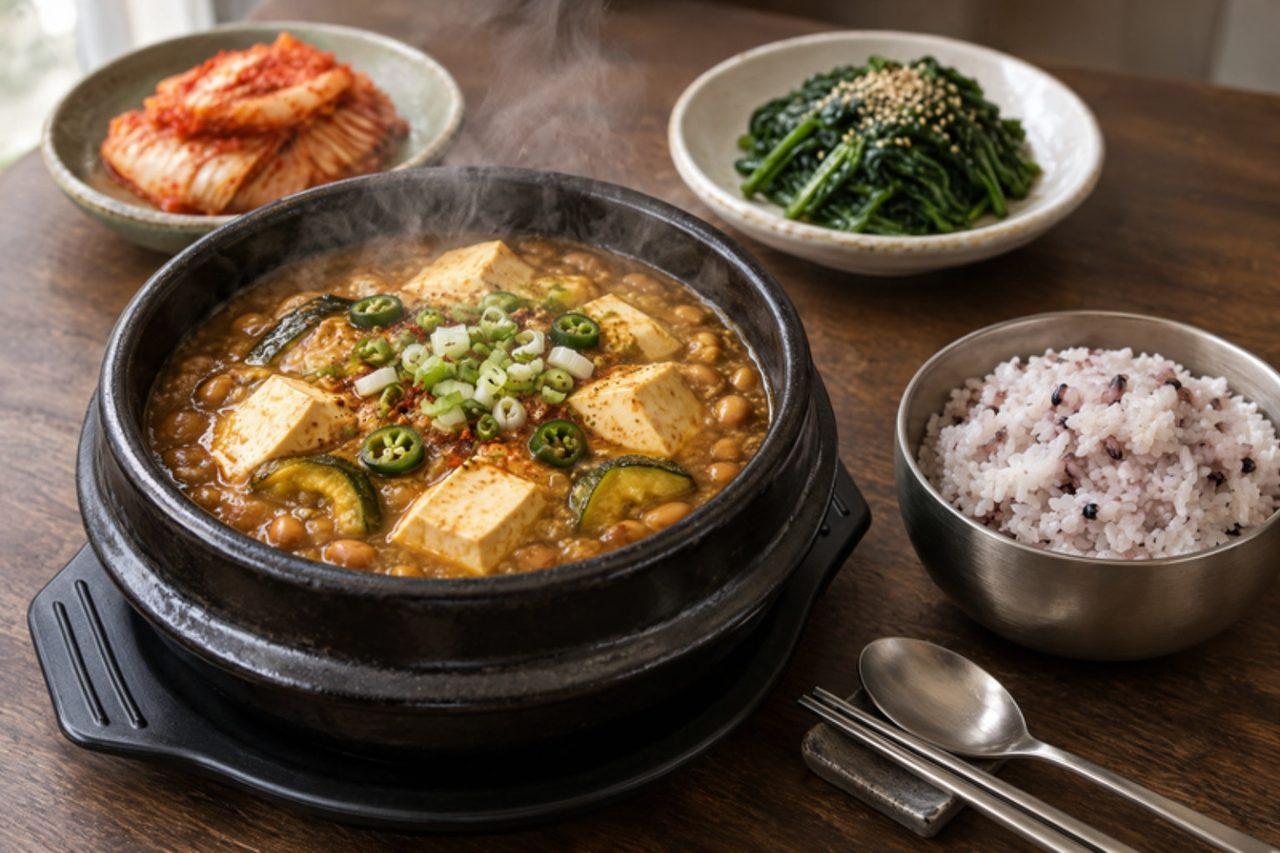
Cheonggukjang jjigaeFermented soybean stew

Cheonggukjang is a sticky, quick-fermented soybean paste made over two or three days in a warm room, and in Korean homes it becomes a bubbling winter stew, cooked in an earthenware pot and set in the middle of the table with rice and banchan. Its smell is famously strong, but the taste is nutty and deeply savoury, with tofu, courgette, onion and greens simmered in an anchovy-kelp stock. Suitable as part of a balanced diet: it is high in plant protein and fibre. About 230 kcal and 14 g carbohydrate per portion; eat it with a small bowl of mixed-grain rice. The usual mistake is boiling the cheonggukjang for a long time, which makes it bitter and dulls its flavour; it goes in for the last few minutes. Chef's tip: mash a spoon of doenjang in with it for a rounder, saltier base.

by KrazyBadal 0 views

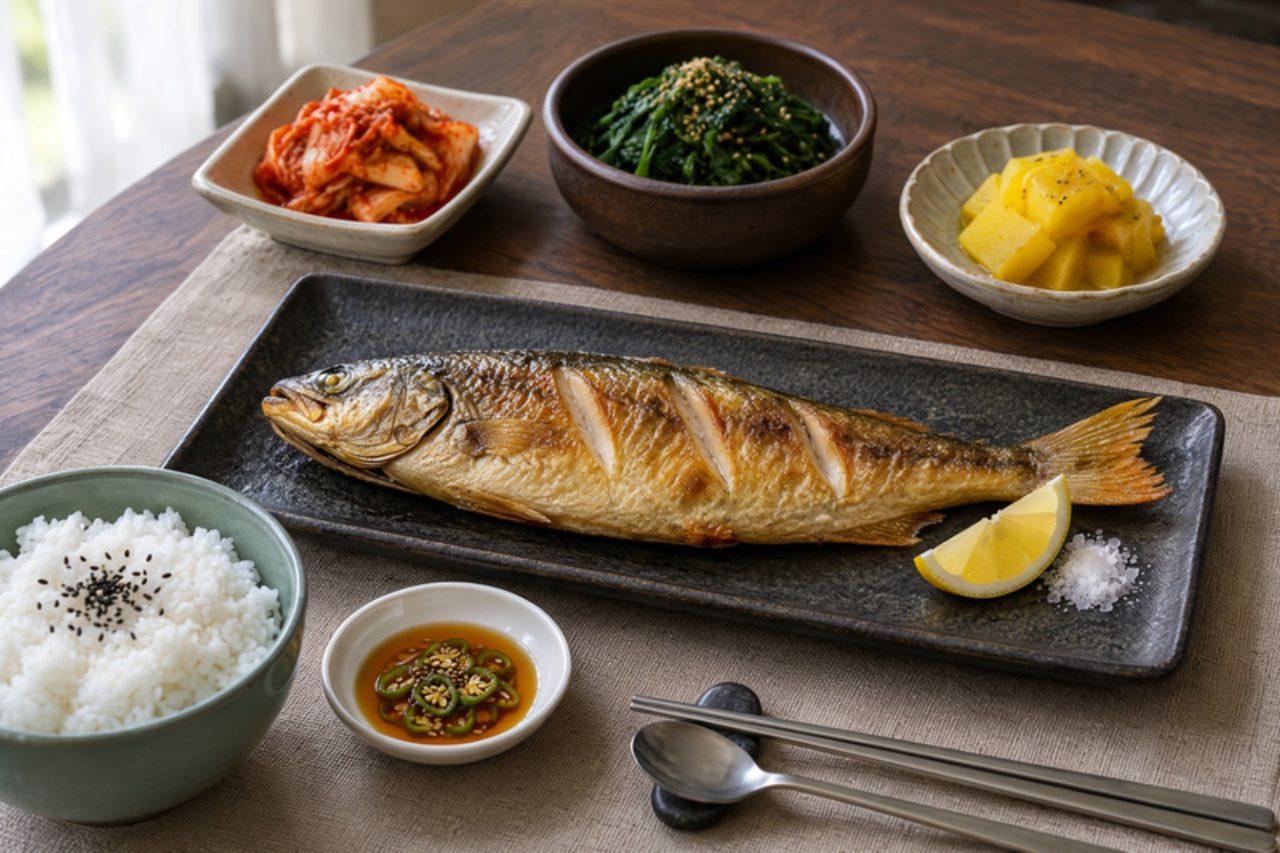
Jogi guiGrilled yellow croaker

Yellow croaker from Yeonggwang on Korea's west coast is so prized that dried gulbi are given as gifts at Chuseok, and a simply grilled or pan-roasted croaker is a classic of the family table and of ancestral memorial meals. The fish is salted, dried briefly and cooked whole until the skin crackles and the flesh comes away in sweet, moist flakes; you eat it with rice, kimchi and a few vegetable banchan. Suitable as part of a balanced diet: high in protein with no batter or flour. About 210 kcal and 1 g carbohydrate per portion. The usual mistake is turning the fish too early, so the skin tears and sticks; wait until it releases on its own. Small sea bream or red mullet work if you cannot find croaker. Chef's tip: pat the fish completely dry and leave it uncovered in the fridge for 30 minutes before cooking for the crispest skin.

25 minKoreanFishGluten free
by KrazyBadal 0 views

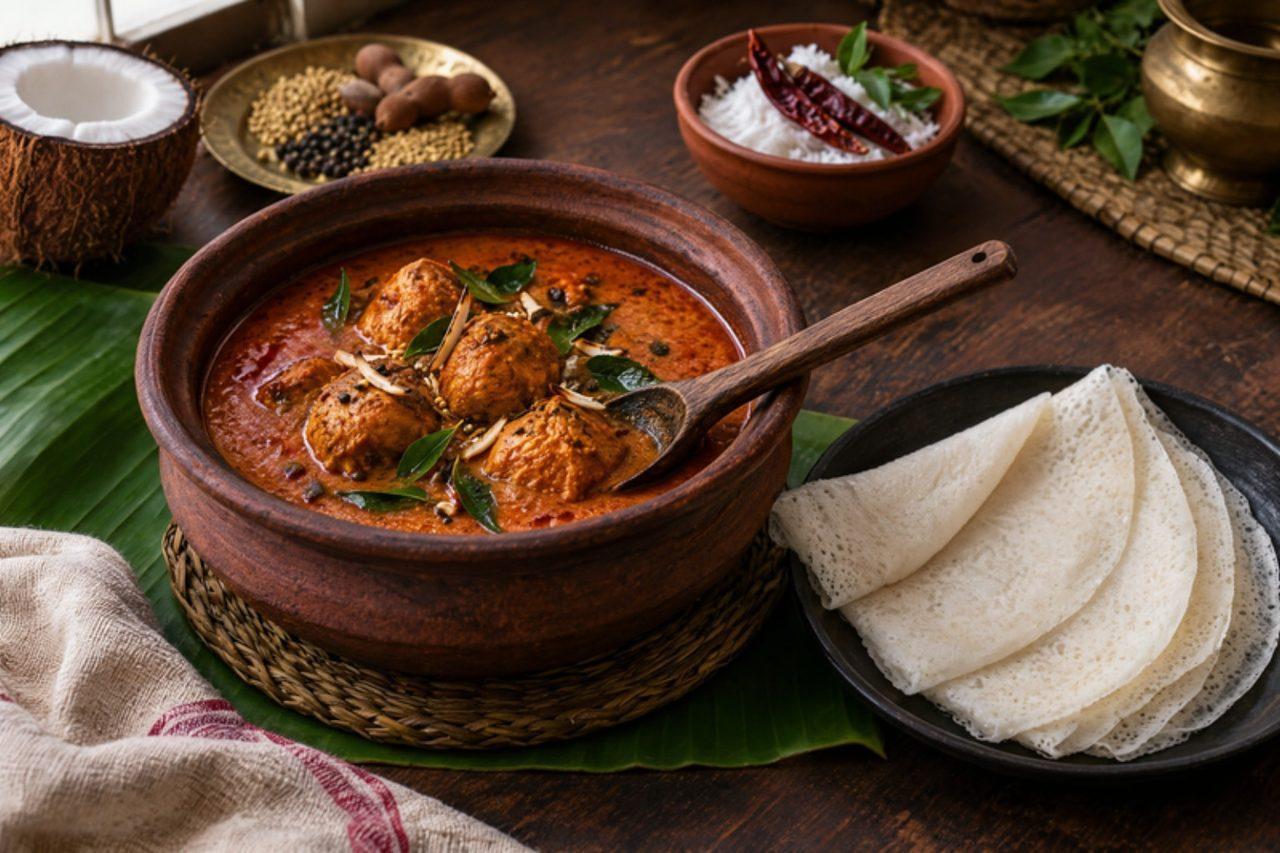
Kori gassiChicken in red chilli coconut gravy

Kori gassi is the Sunday chicken curry of Mangalore's Bunt community on the Karnataka coast, cooked for family lunches and festivals and traditionally eaten with paper-thin neer dosa. Byadgi chillies, coriander, cumin and a little fenugreek are roasted until fragrant, ground with coconut, garlic and tamarind, then simmered with chicken into a brick-red, gently sour gravy. This version uses less coconut than usual and is suitable as part of a balanced diet; serve it with brown rice, millet roti or a salad. About 360 kcal and 9 g carbohydrate per portion. The usual mistake is roasting the spices over a high heat: they scorch and turn the gravy bitter. Chef's tip: byadgi chillies give deep colour with gentle heat, so don't swap them for hot chilli powder.

by KrazyBadal 0 views

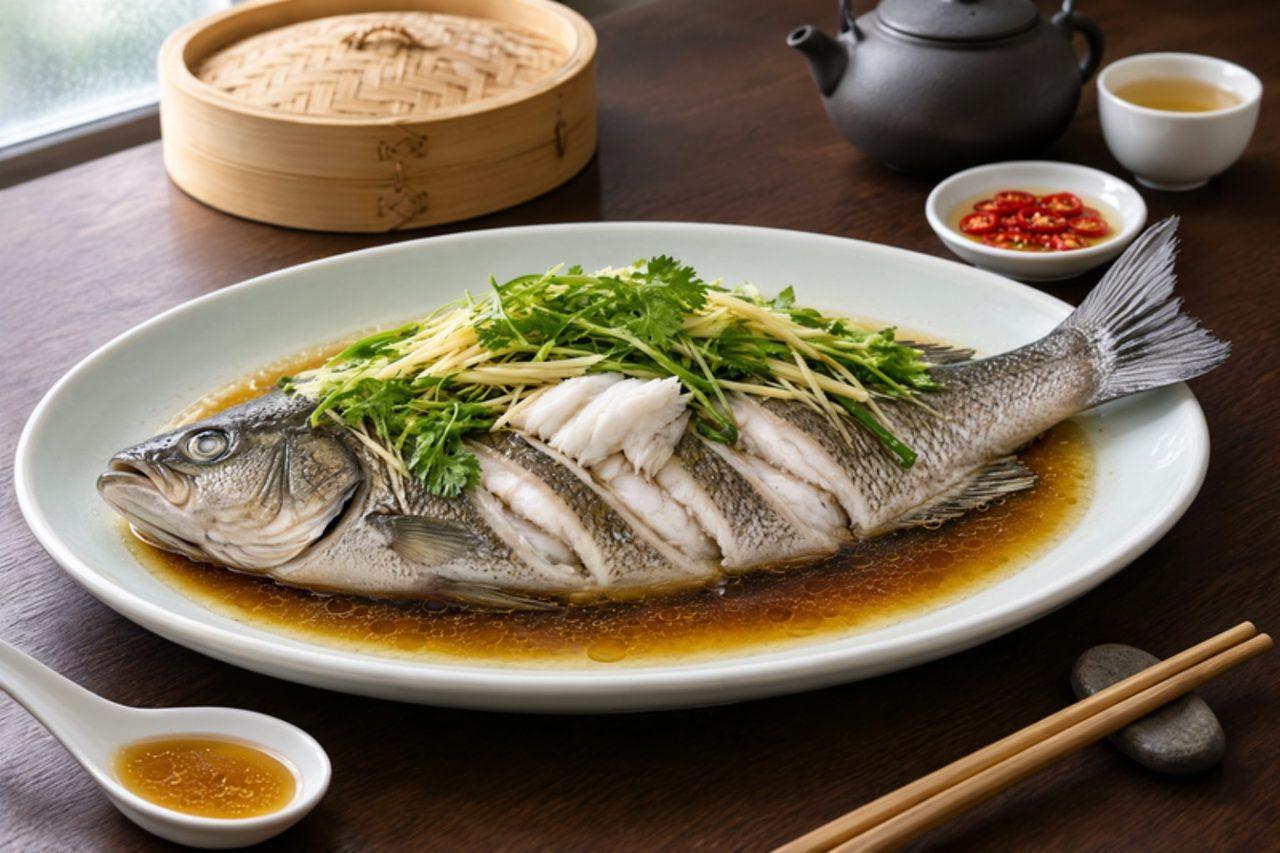
Qingzheng luyuSteamed sea bass

Steamed whole fish is the heart of a Cantonese family dinner in Guangzhou and Hong Kong, and at Lunar New Year it is served whole for abundance. Sea bass steams over ginger until just set, then gets a pour of seasoned soy and a sizzle of hot oil over shredded spring onion that releases a sweet, fragrant aroma. The flesh should be silky and moist. It is low in fat and suitable as part of a balanced diet; serve with greens and a small portion of rice. About 230 kcal and 3 g carbohydrate per portion. The usual mistake is over-steaming: even two minutes too long makes the flesh dry and woolly. Chef's tip: lay the fish on two chopsticks across the plate so steam circulates underneath and it cooks evenly.

by KrazyBadal 0 views

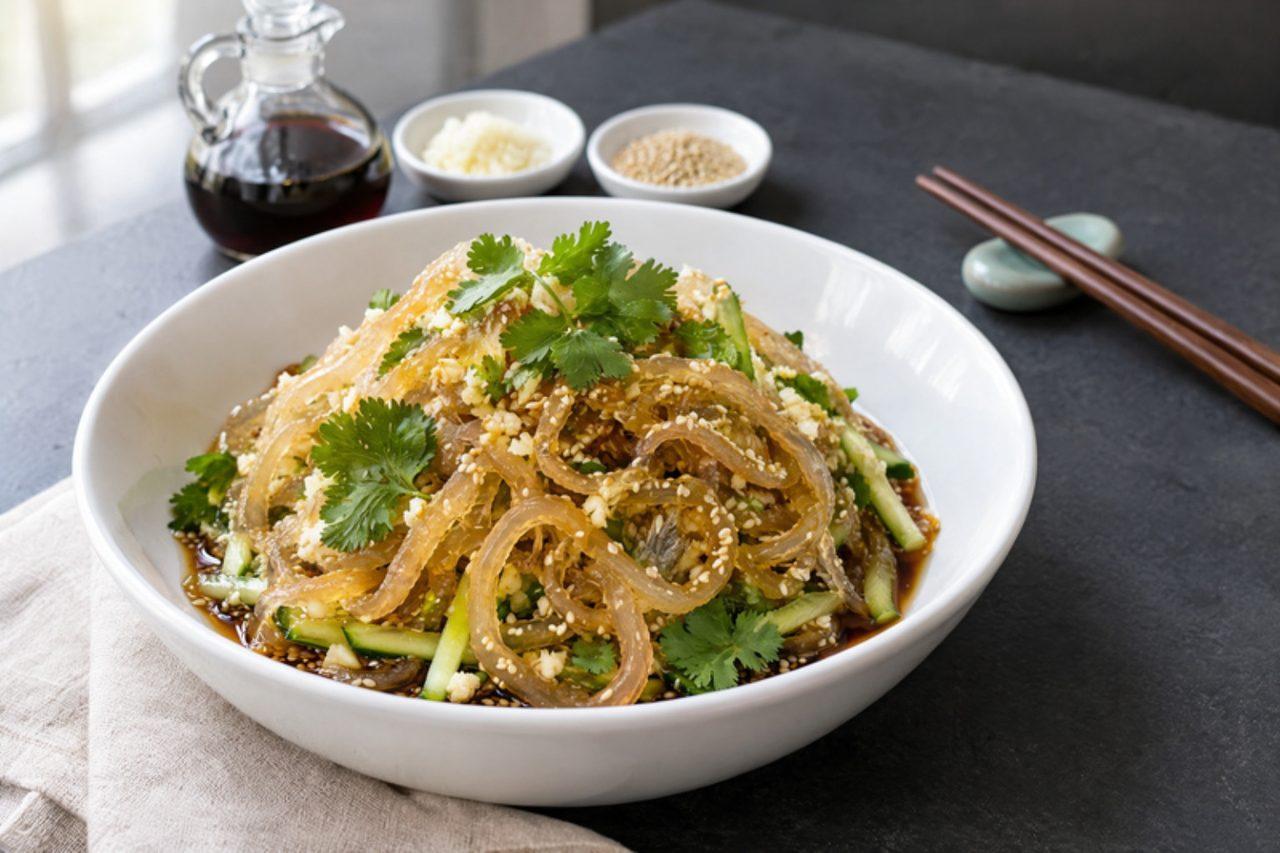
Liangban haizheCold jellyfish salad

In Shanghai and along the eastern coast, crunchy cold jellyfish is one of the classic cold starters at banquets and summer dinners, served before the hot dishes. Ready-salted jellyfish is soaked, blanched for seconds so it curls and crisps, then tossed with cucumber, garlic, rice vinegar and sesame oil. It has almost no flavour of its own; the pleasure is its springy crunch and the sharp dressing. Very light and suitable as part of a balanced diet. About 90 kcal and 6 g carbohydrate per portion. The usual mistake is skipping the long soak: the jellyfish is packed in salt and stays far too salty and tough. Another is blanching in boiling water, which shrinks it to rubber. Chef's tip: blanch in water just off the boil, around 80 °C, for 10 seconds, then plunge it into iced water.

by KrazyBadal 0 views

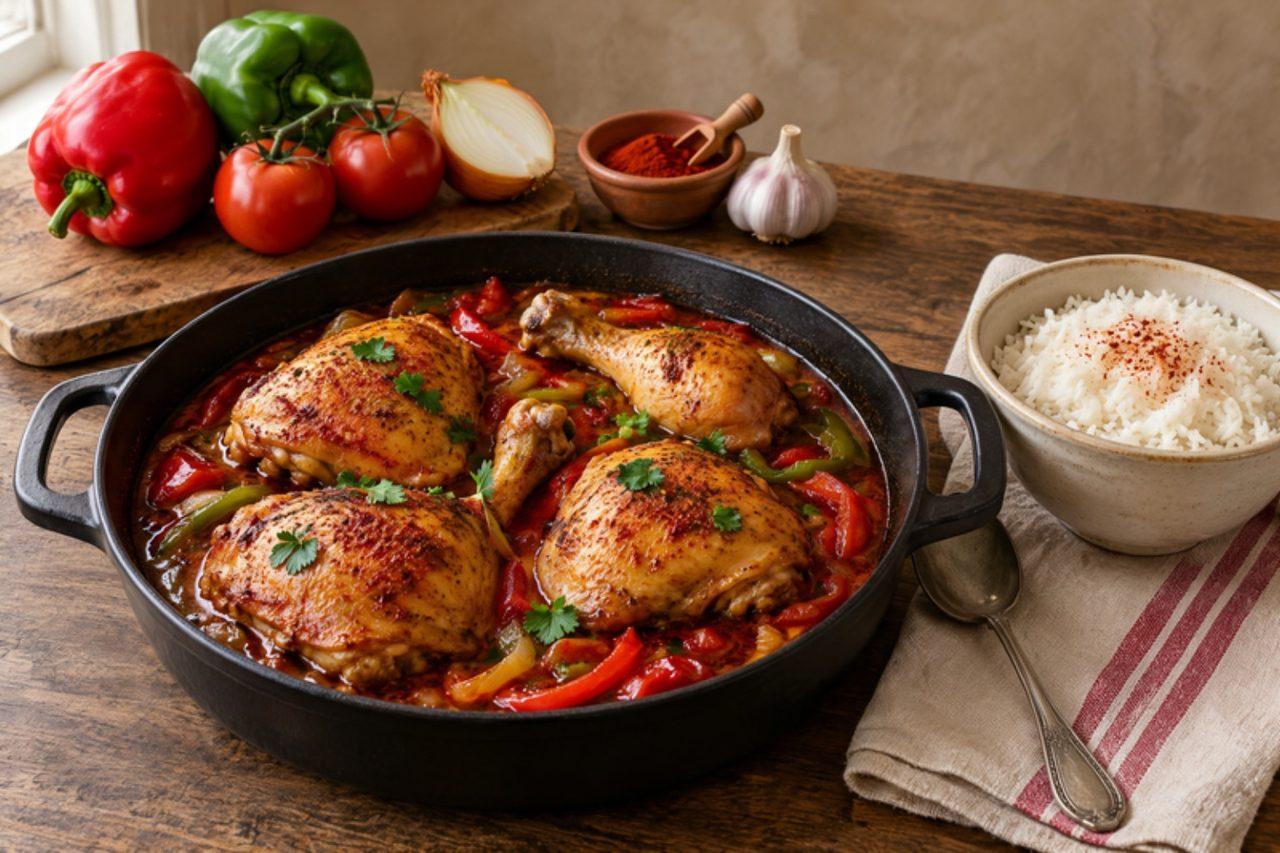
Poulet basquaiseBasque chicken with peppers

Poulet basquaise is the everyday family braise of the French Basque Country around Bayonne and Espelette, cooked all summer when peppers are sweet and plentiful. Chicken thighs are browned, then simmered in a piperade of red and green peppers, onion, garlic and tomato, warmed with the region's mild, fruity piment d'Espelette. Rich in vegetables and suitable as part of a balanced diet; serve with green beans or a small portion of brown rice instead of the usual white rice. About 380 kcal and 14 g carbohydrate per portion. The usual mistake is crowding the pan when browning, so the chicken steams and the skin stays pale. Chef's tip: let the peppers cook down slowly until soft and sweet before the chicken goes back in; that is the flavour of the dish.

by KrazyBadal 0 views

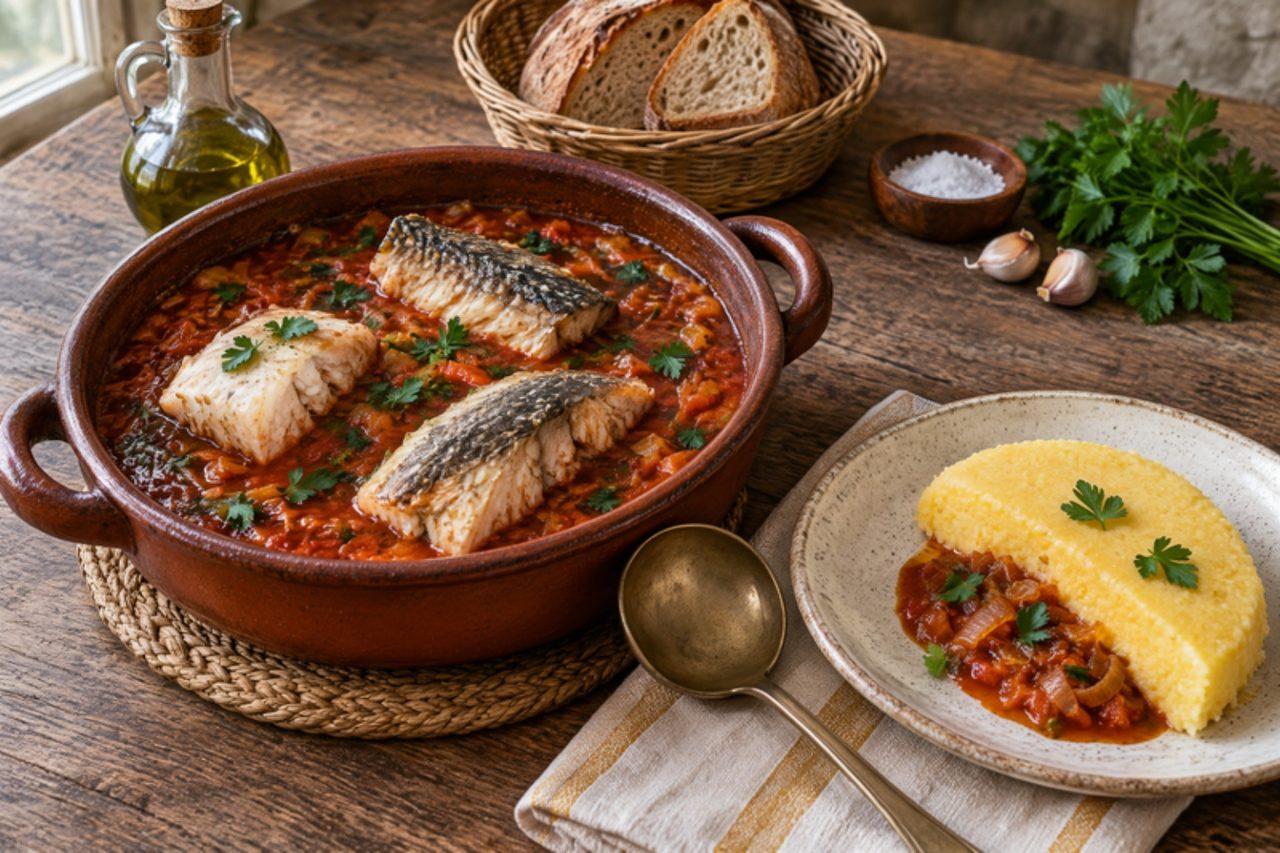
BrudetFisherman's fish stew

Brudet (or brodetto) is the fisherman's stew of the Dalmatian coast and islands, cooked in Split, Hvar and Korčula with whatever the morning's catch brings, and eaten for Friday lunch and summer suppers. Thick fish steaks on the bone stew slowly in olive oil with onion, garlic, tomato and a dash of wine vinegar, and the pot is shaken, never stirred. It is high in protein and suitable as part of a balanced diet; polenta is the classic partner, but grilled courgettes, chard or a small portion of soft polenta keep the carbohydrate down. About 330 kcal and 10 g carbohydrate per portion. The usual mistake is stirring with a spoon, which breaks the fish into shreds. Chef's tip: use at least three kinds of fish, mixing firm and softer ones, for a deeper broth.

60 minBalkanFishGluten free
by KrazyBadal 0 views

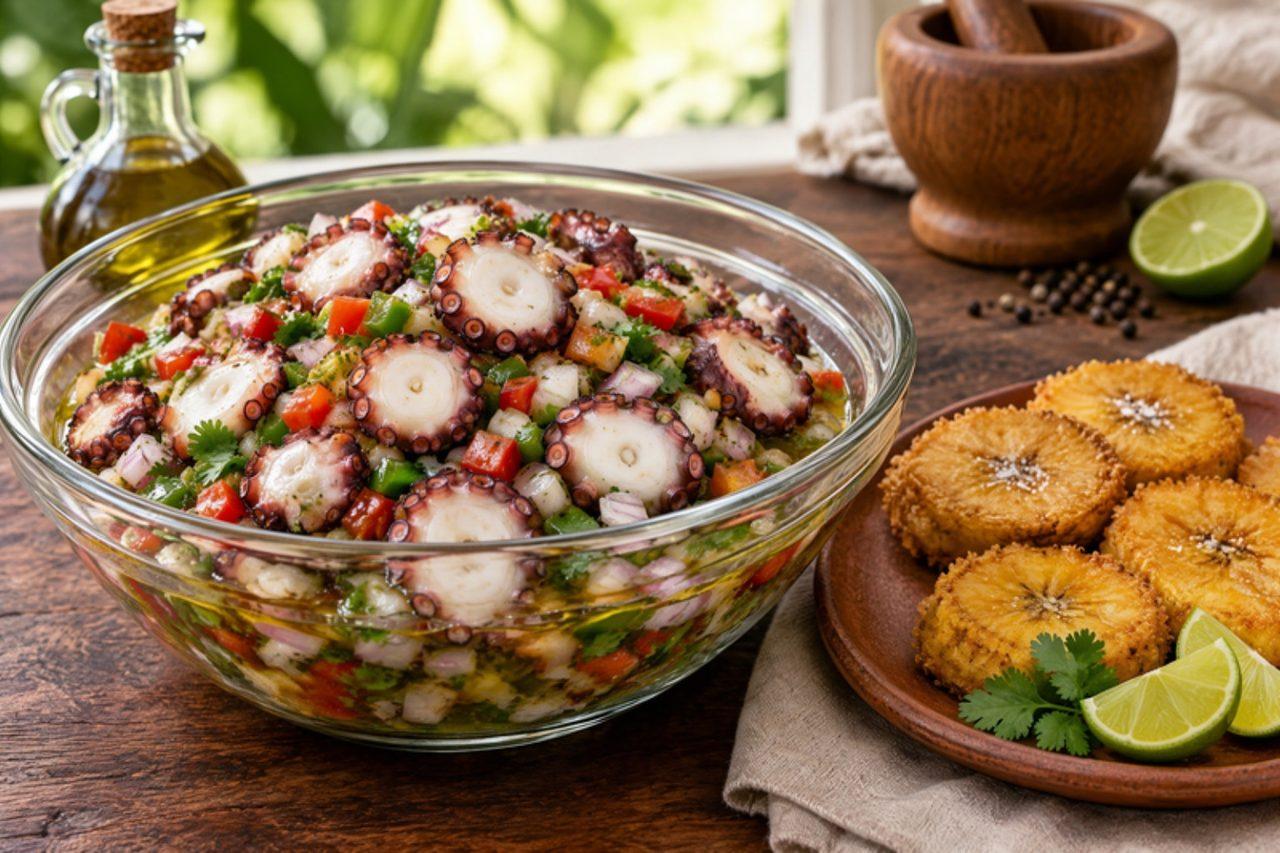
Ensalada de pulpoOctopus salad

Ensalada de pulpo is a beach-shack favourite of Puerto Rico, sold at the kiosks of Luquillo and Piñones and made at home for summer gatherings and Christmas parties. Tender octopus is cut into bite-sized pieces and dressed with sweet peppers, red onion, olives, cilantro, olive oil and vinegar, then chilled so the flavours soak in. Lean protein with no starch, suitable as part of a balanced diet; eat it with a green salad rather than tostones. About 260 kcal and 8 g carbohydrate per portion. The usual mistake is undercooking the octopus, which leaves it rubbery; it needs a slow simmer until a skewer slides easily into the thickest part of a tentacle. Chef's tip: buy octopus frozen, or freeze fresh octopus for a day, because freezing tenderises it.

by KrazyBadal 0 views

Showing 72 of 773 recipes

Show more recipes

Page 18 of 33

More collections