Skip to content

Low-calorie recipes

Lighter recipes that are still filling and full of flavour. (773 recipes)

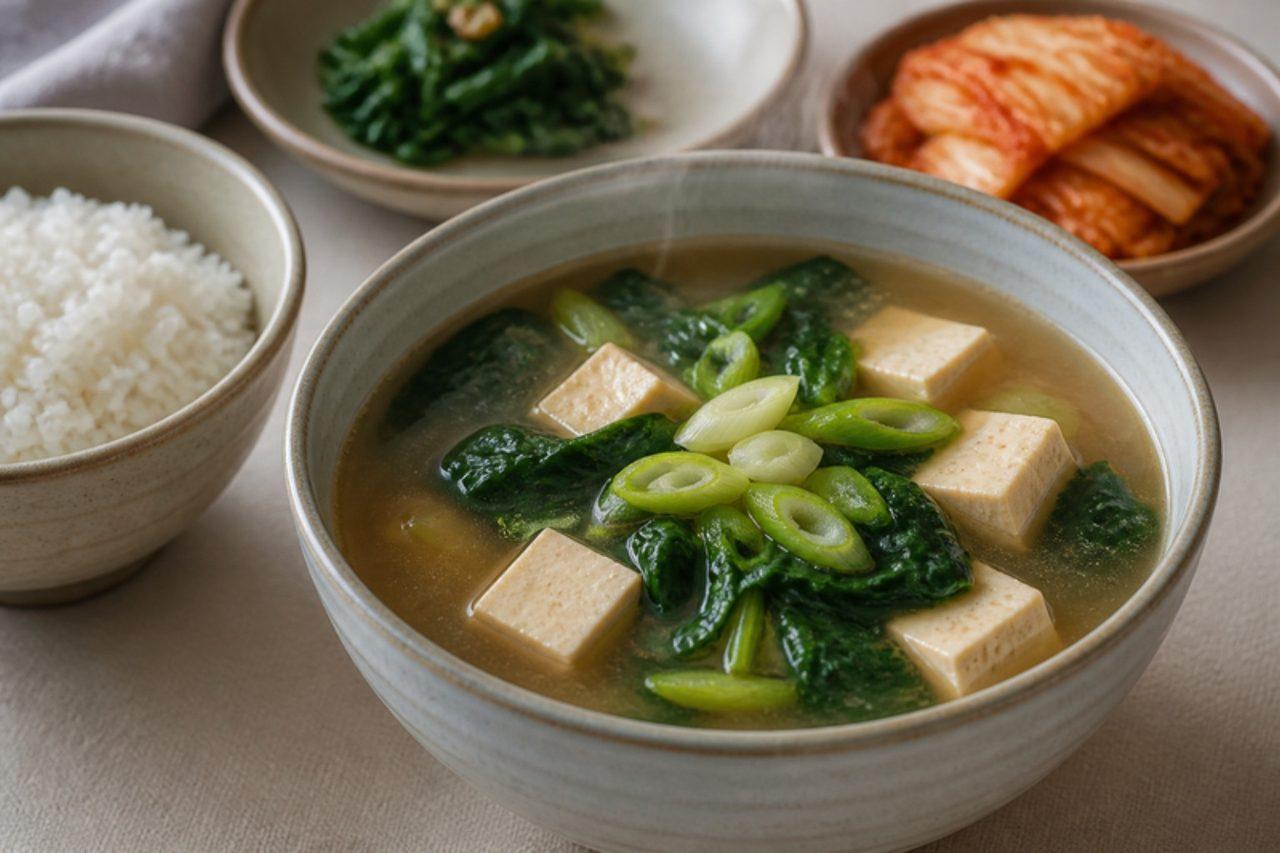
Sigeumchi doenjang gukSpinach soybean paste soup

Spinach doenjang-guk is one of the soups that appears most often on Korean breakfast and dinner tables in winter, when the short, sweet Pohang spinach called pohang-cho arrives from the east coast: a clear, savoury broth of fermented soybean paste with spinach, tofu and spring onion, eaten with rice and kimchi. It is usually made with anchovy stock; this version uses kelp and dried shiitake, so it is vegetarian. A bowl is about 60 kcal. The common mistake is boiling the doenjang hard for a long time, which makes it bitter and dulls its fragrance; dissolve it in, then simmer gently. Chef's tip: push the doenjang through a small sieve into the pot; it dissolves without lumps and leaves the husky bits behind.

by KrazyBadal 0 views

Gomoku mameSimmered mixed beans

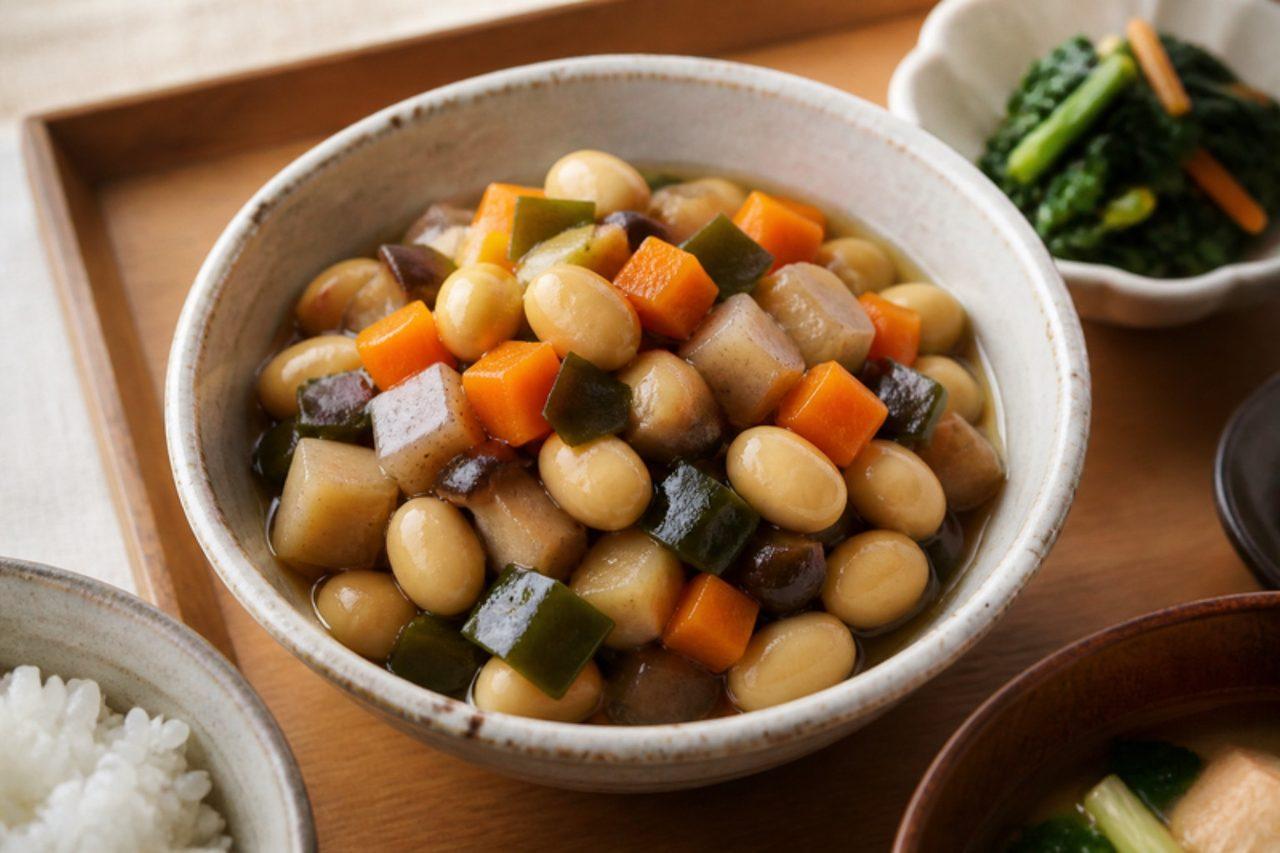
Gomoku mame, "five-ingredient beans", is a pot of soybeans simmered with kombu, carrot, burdock, konnyaku and shiitake that grandmothers across Japan make on a Sunday and keep in the fridge for a week of small side dishes and bento, and it is often part of the New Year spread too. Every piece is cut to the size of a bean, so each spoonful has a little of everything, sweet, savoury and full of protein. This is vegetarian, with no bonito. A portion is about 150 kcal. Using cooked soybeans makes it a 45-minute dish; from dried, soak 150 g overnight and boil for 1 hour first. The usual mistake is cutting the vegetables in large chunks; they should be the size of the beans. Chef's tip: let it cool in its broth; the beans soak up the flavour as the temperature drops.
by KrazyBadal 0 views

Tororo gohanMountain yam over barley rice

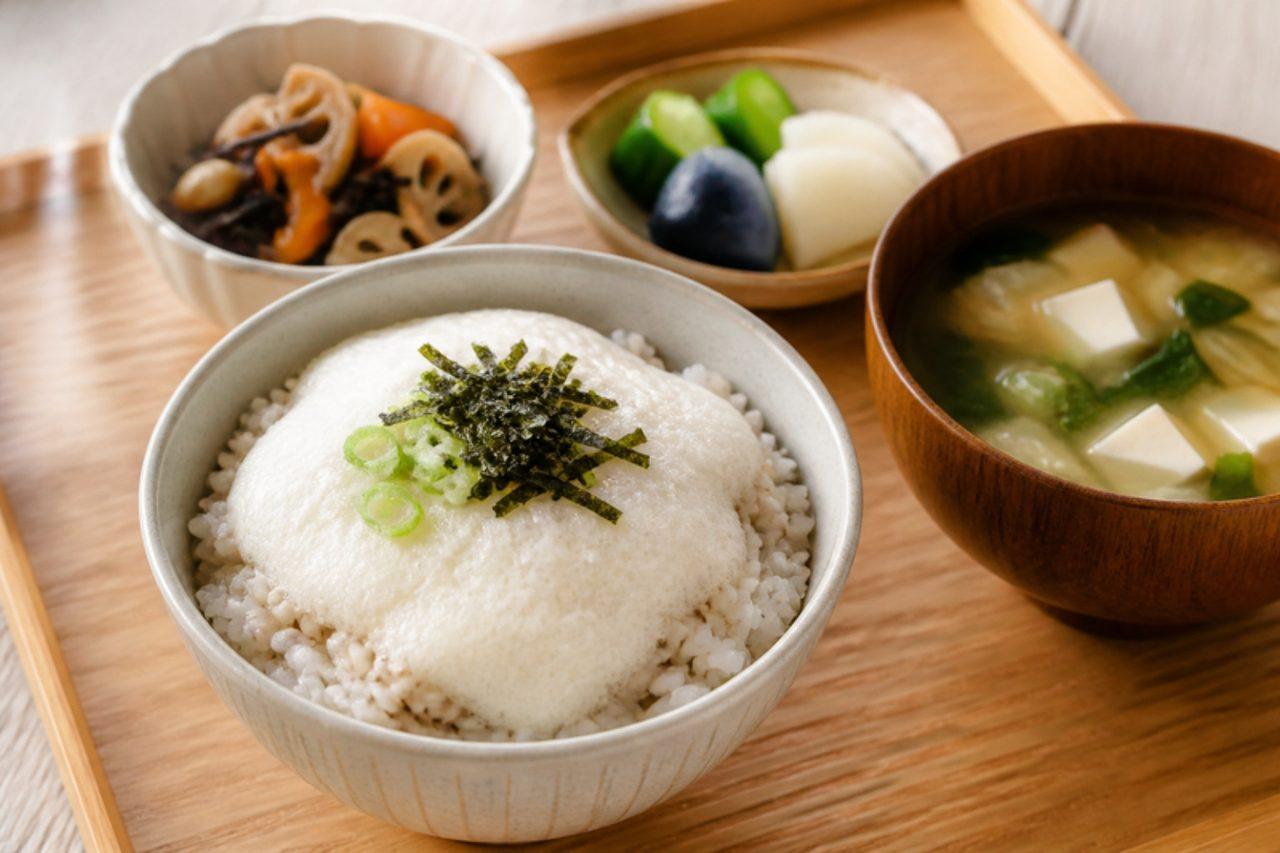
Tororo gohan is the speciality of Mariko-juku in Shizuoka, a post town on the old Tokaido road where travellers have stopped for bowls of it for four centuries, and it is now a simple, nourishing lunch all over Japan. Raw nagaimo (Chinese yam) is grated into a frothy, slippery purée, thinned with cool seasoned dashi and poured over hot barley rice, then topped with spring onion and nori. It sounds strange and tastes clean and comforting. This version uses vegetarian kombu dashi. A portion is about 330 kcal. Many people add a raw egg yolk: use a pasteurised egg if you do, especially for anyone pregnant, very young, older or with a weakened immune system. The common mistake is letting the dashi go in hot, which cooks the yam and loses its fluffiness; it must be cool. Chef's tip: grate the yam on the fine side of a grater, or the rough side of a suribachi bowl, and wear gloves; the raw sap can make skin itch.

by KrazyBadal 0 views

Sake no shioyakiSalt-grilled salmon

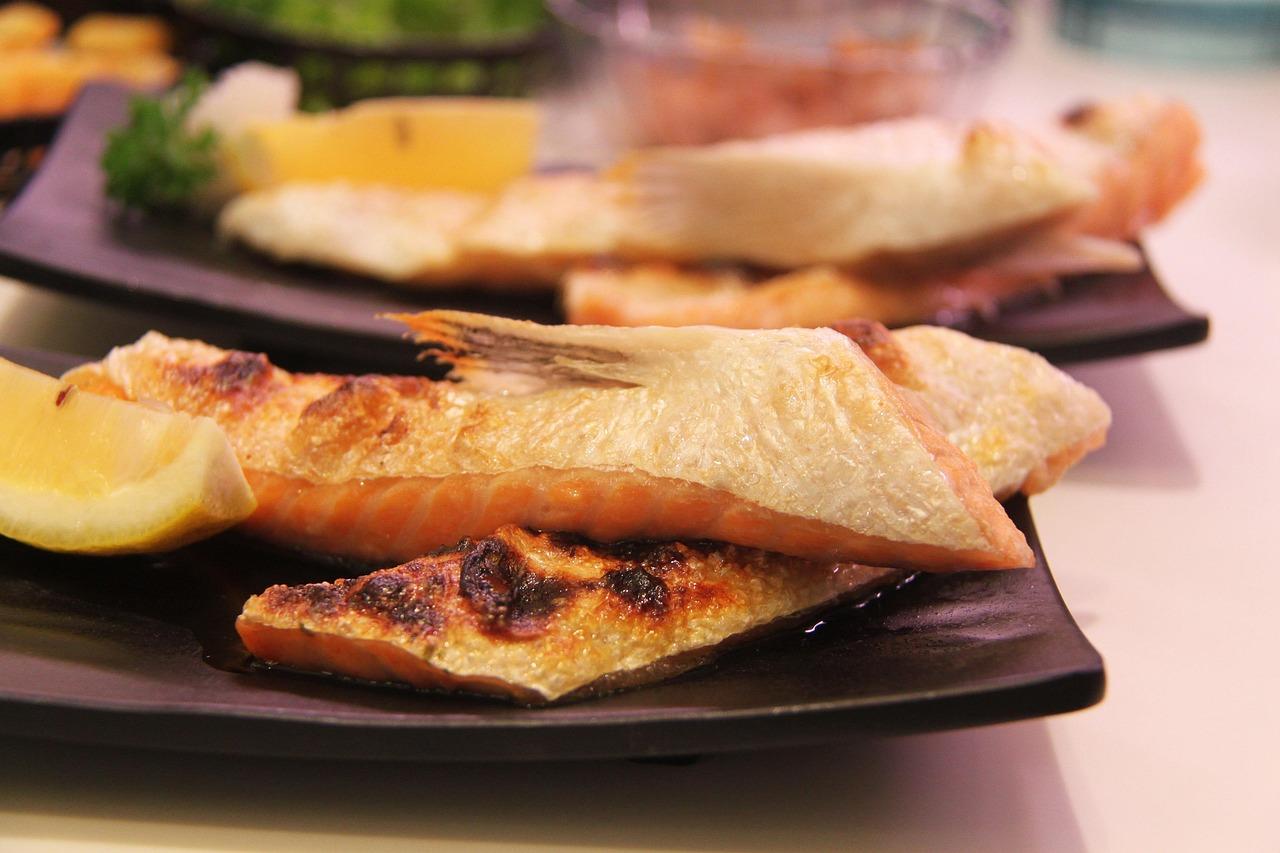
A piece of salt-grilled salmon with crisp, blistered skin is the heart of the traditional Japanese breakfast in ryokan from Hokkaido to Kyushu, set beside rice, miso soup and pickles, and in homes it is the plainest weeknight dinner of all. Salting the fish 10–15 minutes ahead in the fridge firms the flesh, draws out moisture and seasons it right through. Serve with grated daikon and a wedge of lemon. A portion is about 260 kcal. The common mistake is grilling straight from wet; pat the fillets very dry after salting, or the skin steams instead of crisping. Chef's tip: grill skin side up first under the grill, or skin side down first in a pan; the skin should get the most heat.

by KrazyBadal 0 views

Moong dal chillaMoong dal pancakes

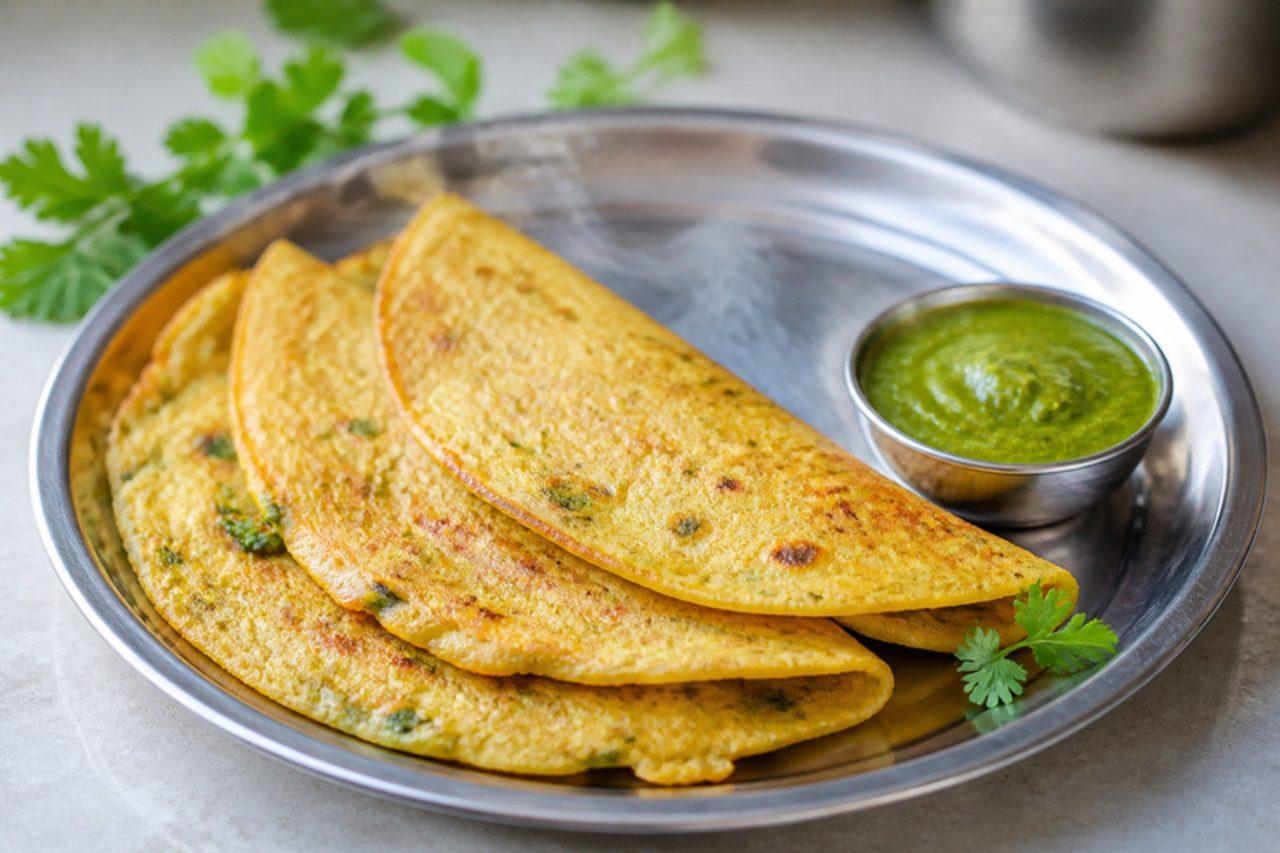
In Jaipur and Lucknow, a stack of chilla is what a careful mother makes on a weekday morning when she wants the family to eat protein before school: soaked yellow moong dal is ground with ginger and chilli into a pale batter and spread thin on a hot tawa. They come off golden at the edges and soft in the middle, and are eaten with green chutney or rolled around a spoon of grated paneer for those who want more. Two chillas make a portion of about 205 kcal. The dal needs 3 hours of soaking first (or overnight), which is not counted in the times. The most common mistake is a batter that is too thick: it should pour like single cream, or the chilla turns stodgy and cracks when you flip it. Chef's tip: wipe the tawa with a halved onion dipped in oil between chillas; it greases the pan lightly and stops sticking without extra oil.

by KrazyBadal 0 views

Buchu muchimSeasoned garlic chives

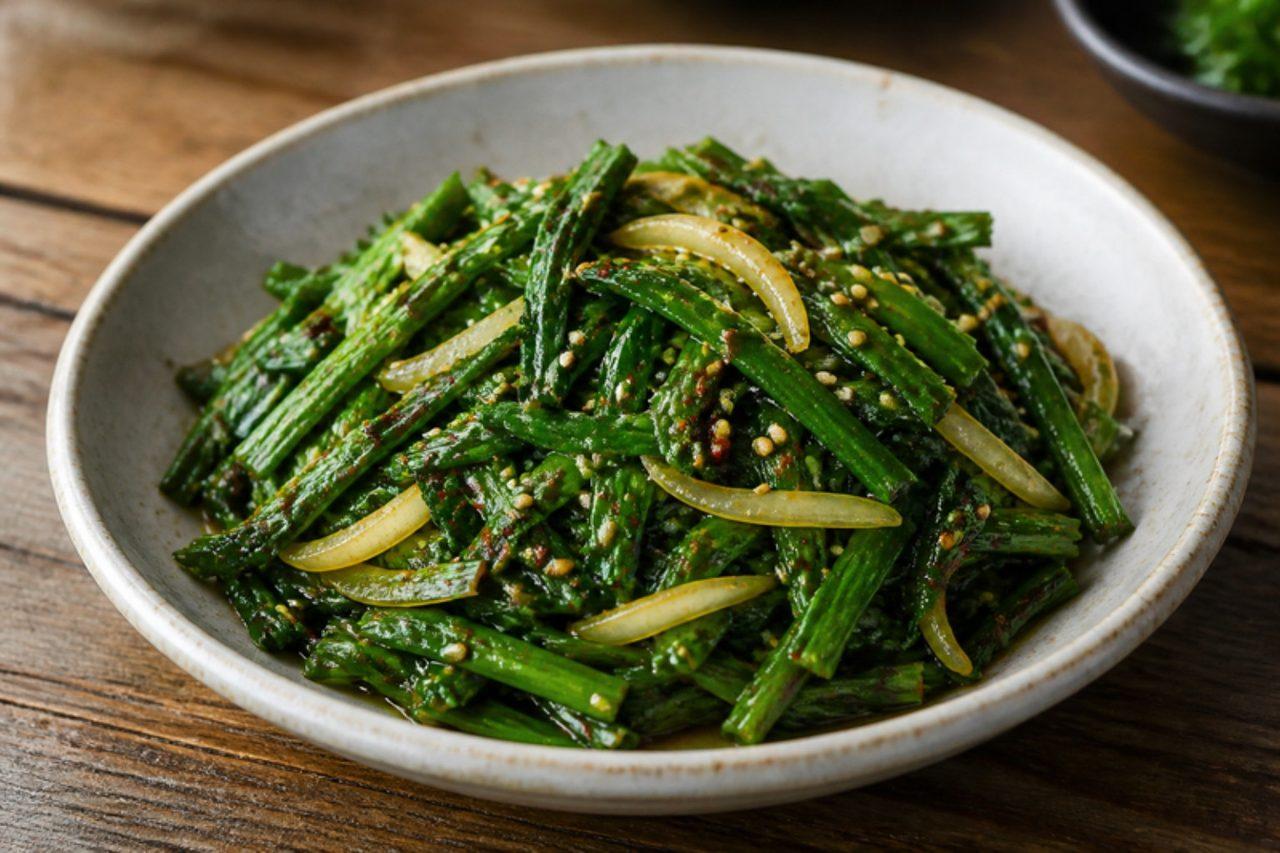
In Korean barbecue restaurants from Mapo in Seoul to Busan's Haeundae, a little bowl of dressed garlic chives comes to the table with the grilled pork, and at home buchu muchim is the five-minute banchan made when there is a bunch of chives in the fridge. The flat chives are cut into lengths and tossed raw with gochugaru, soy, vinegar and sesame; they have a punchy garlic-onion bite that cuts through rich meat or a simple bowl of rice. A portion is about 40 kcal. The usual mistake is mixing it hard, which bruises the chives and makes them bitter and slimy; toss lightly with your fingertips. Chef's tip: dress the chives with the oil first, then the salty and sour parts; the oil coats them and keeps them crisp longer.

by KrazyBadal 0 views

Gondeure bapThistle greens rice

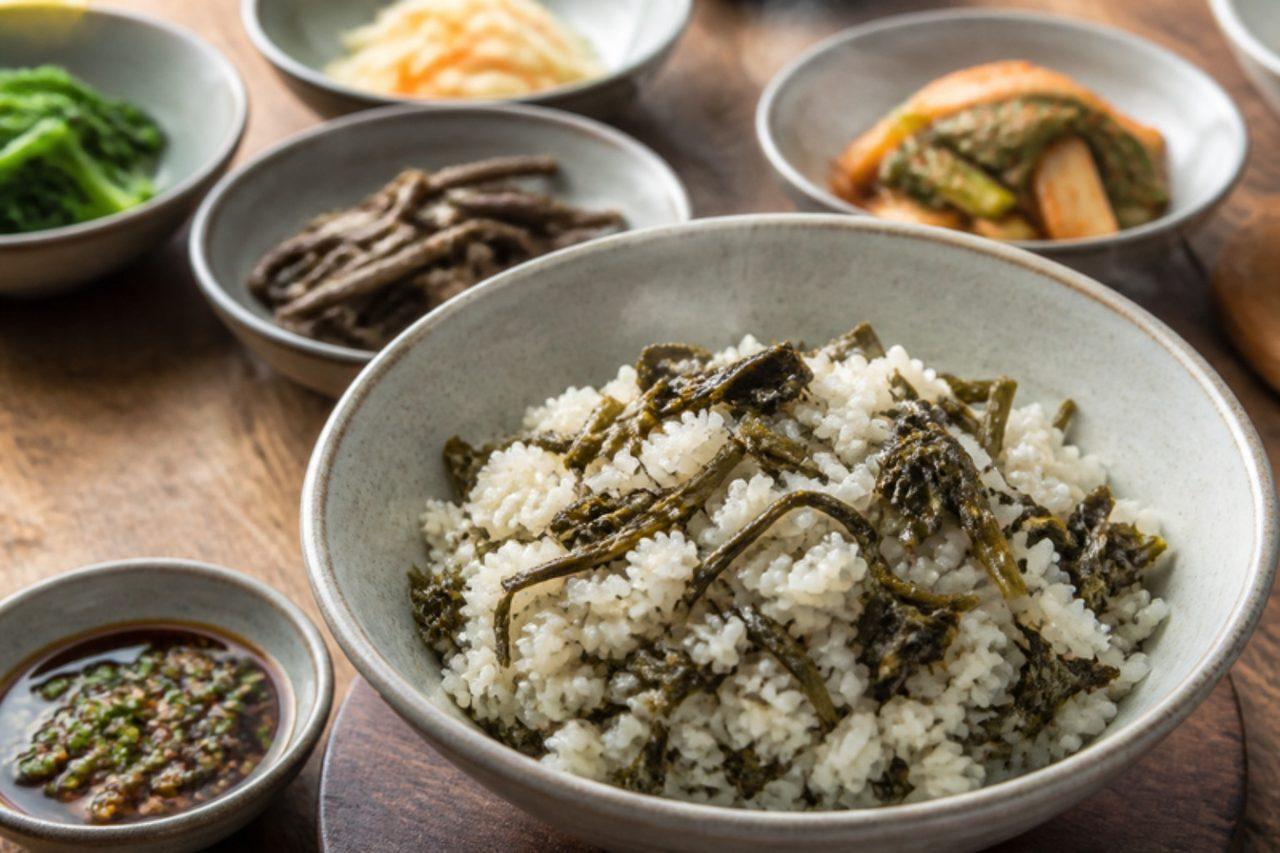
Gondeure, a mountain thistle that grows on the steep slopes of Jeongseon in Gangwon, kept villagers fed through lean springs, and gondeure bap is now what visitors travel to Jeongseon's five-day market to eat: rice cooked with the soft, dried greens and a little perilla oil, served with a soy, spring onion and sesame sauce. It is earthy, mild and fragrant, a little like artichoke. A portion is about 320 kcal. Dried gondeure must be soaked overnight and boiled for 20 minutes beforehand, which is not counted; Korean grocers also sell it ready-boiled and frozen. The common mistake is not squeezing the greens well, which makes the rice wet and soft. Chef's tip: toss the squeezed greens with a spoon of perilla oil and soup soy before they go on the rice; they season the grains as they steam.

by KrazyBadal 0 views

Beans foogathGreen beans with coconut

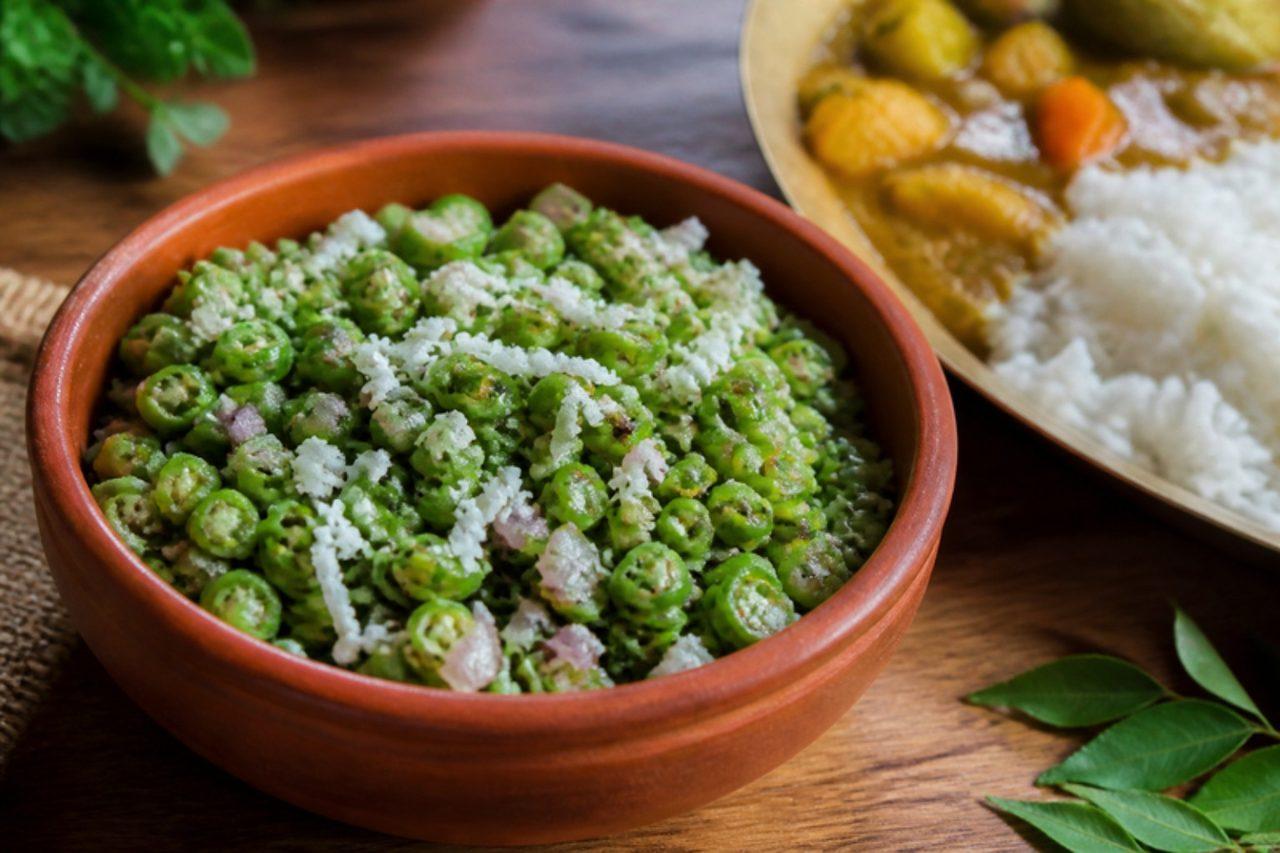
Foogath is the everyday vegetable of Goan Catholic homes in Margao and Panjim, a dry stir-fry of finely chopped beans, cabbage or gourd with onion, green chilli and plenty of freshly scraped coconut, eaten on the side of fish curry rice at Sunday lunch or with plain rice and dal at a weekday supper. It is mild, sweet and fresh-tasting. A portion is about 120 kcal. The common mistake is cooking the beans too long in a covered pan, which turns them khaki; cook them quickly and keep them bright green. Chef's tip: chop the beans very fine, almost into small rounds; that is the Goan way, and it lets them cook in a few minutes.

by KrazyBadal 0 views

Kongnamul bapSoybean sprout rice

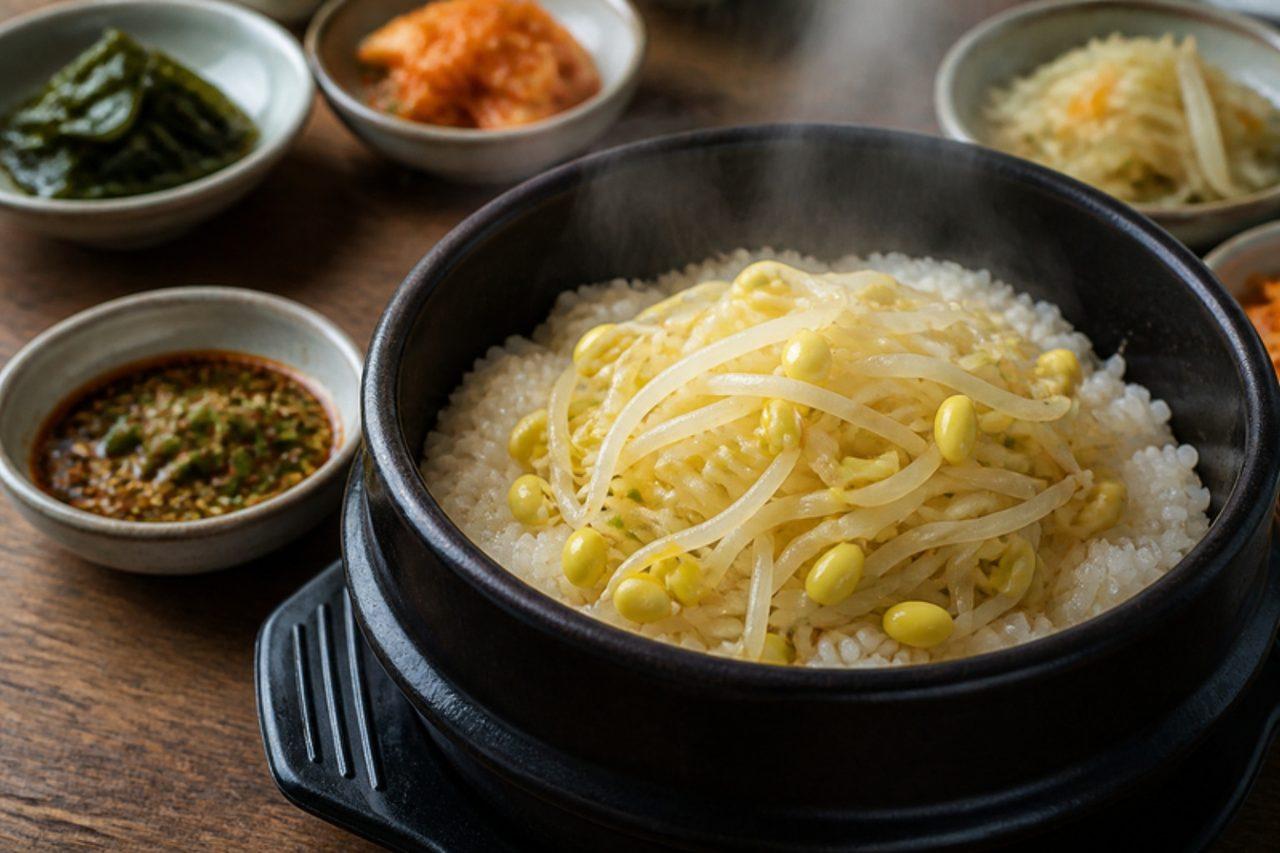
In Jeonju and Jeonbuk, the province famous for its soybean sprouts, kongnamul bap is the humble one-pot supper of winter: rice steamed with a thick layer of crunchy sprouts on top, so they wilt into the grains and give them a sweet, nutty flavour. Each person spoons on a sharp yangnyeom-jang, soy sauce with spring onion, garlic, chilli flakes and sesame, and mixes it through. A portion is about 300 kcal. Many homes add a little minced beef; this version keeps it vegetable-only. The common mistake is using the usual amount of water; the sprouts release a lot of liquid, so cut the water by about a fifth, or the rice turns mushy. Chef's tip: don't lift the lid while it cooks; the sprouts give off a raw, beany smell if the steam escapes halfway.

by KrazyBadal 0 views

Furofuki daikonSimmered daikon with miso

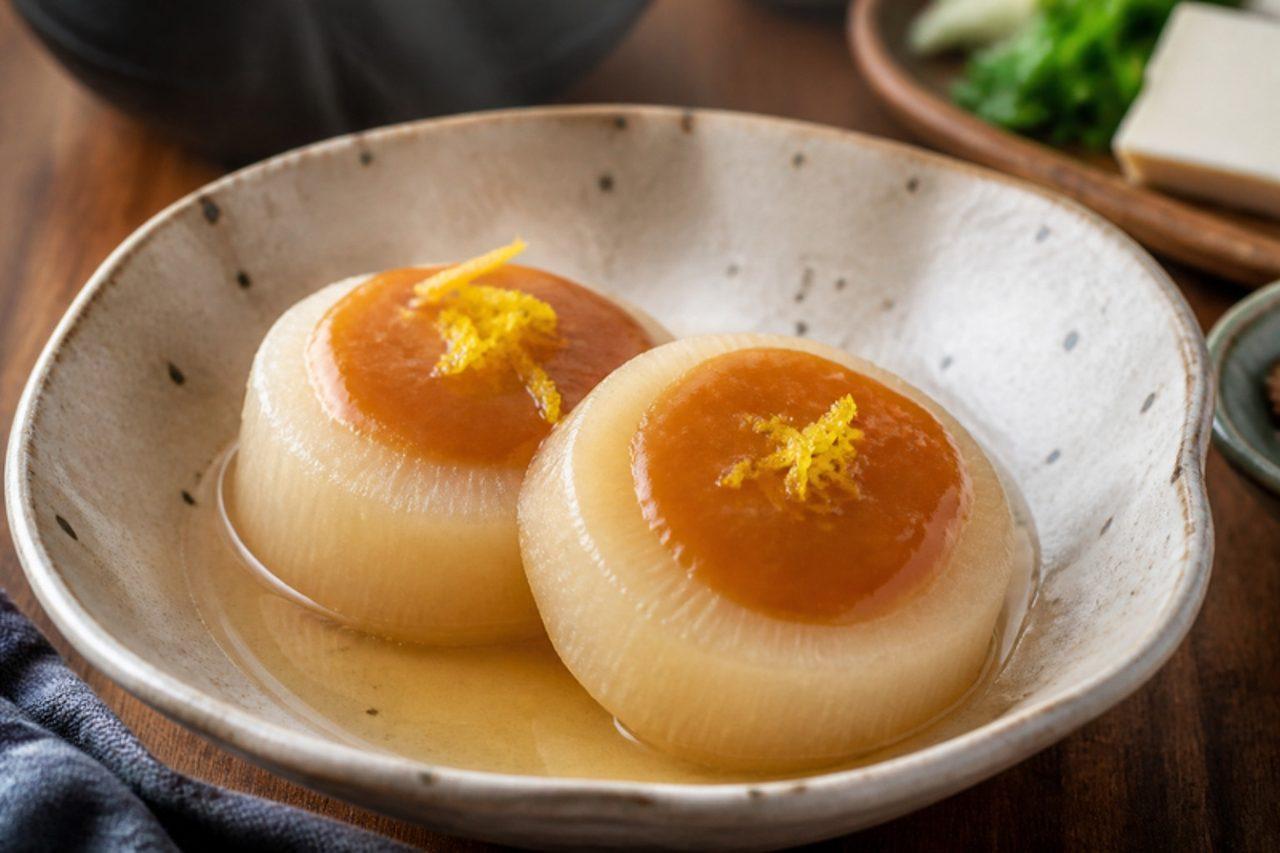
In the cold months, when the daikon in Kyoto and Nerima are fat and juicy, furofuki daikon is the warming dish that steams on the dinner table: thick rounds of radish simmered slowly in kombu broth until they are almost translucent and so tender they break with chopsticks, then topped with a glossy, sweet miso sauce. It is eaten as a light main or a side with rice. A portion is about 120 kcal. The most common mistake is rushing the simmer: the daikon should be cooked through to the centre, with no white, hard core. Chef's tip: bevel the edges of each round with a peeler and score a cross on the base; the rounds keep their shape and the heat reaches the middle.

by KrazyBadal 0 views

Bugeo gukDried pollack soup

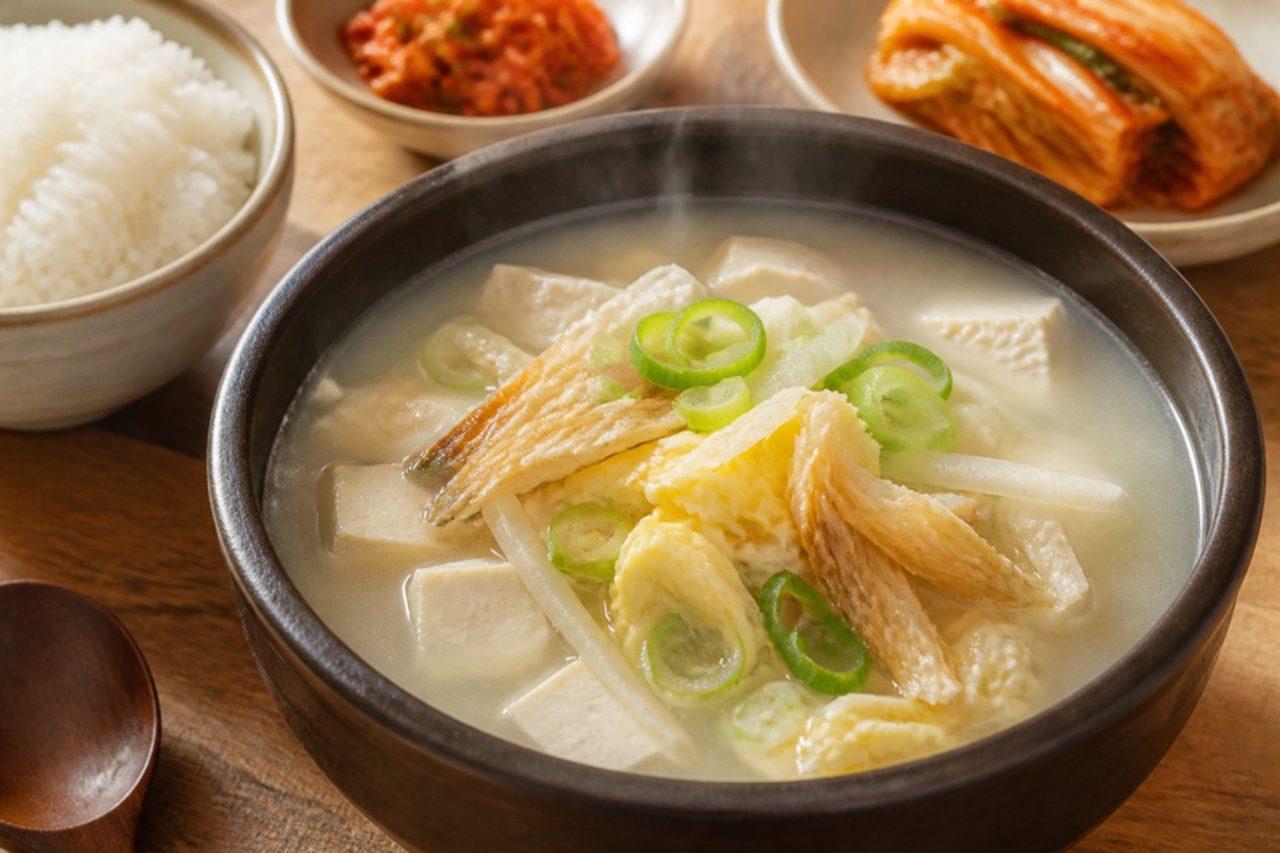
In Seoul, little restaurants near Mugyo-dong have served bugeo-guk since dawn for decades to office workers recovering from the night before, and at home it is the light, fortifying soup for any cold morning: shreds of air-dried Alaska pollack fried briefly in sesame oil, then simmered with radish and tofu into a milky, savoury broth, with beaten egg swirled in at the end. It is clean and comforting. Fish and egg are the allergens. A bowl is about 130 kcal. The most common mistake is using the dried shreds straight from the bag; soak and squeeze them first, or they stay tough and the soup is salty. Chef's tip: fry the pollack in sesame oil until it smells toasty before adding water; it is what turns the broth white and rich.

by KrazyBadal 0 views

MizutakiChicken hot pot

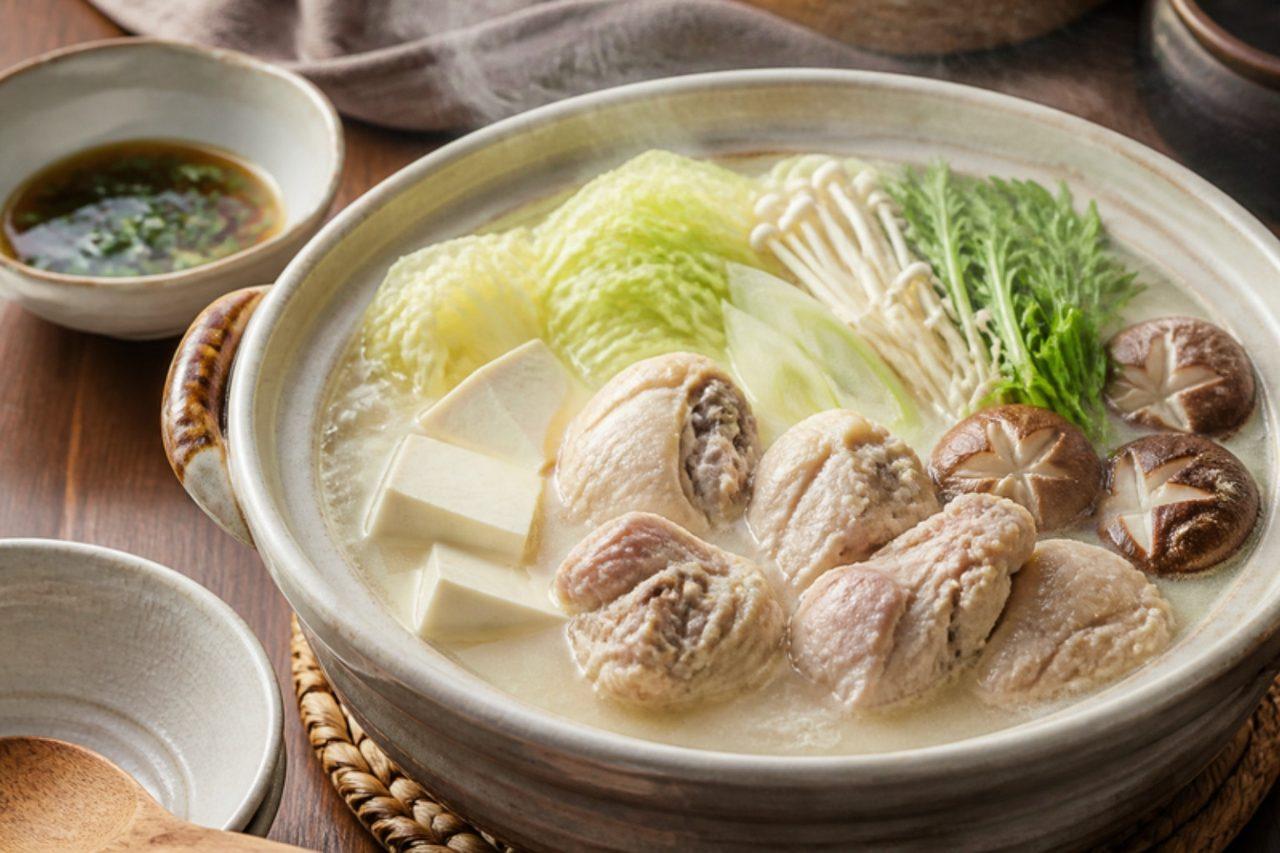
In Fukuoka's Hakata district, mizutaki restaurants have served this hotpot since the early twentieth century, and families make it at home all winter: bone-in chicken simmered in plain water until the broth turns cloudy and rich, then brought to the table with cabbage, leeks, tofu, mushrooms and spring onion and dipped in tangy ponzu. Diners first sip a cup of broth with salt, and the meal often ends with rice or noodles cooked in what is left. A portion is about 360 kcal. The most common mistake is simmering too gently: unlike a clear Western stock, mizutaki broth should bubble steadily so the collagen turns it milky. Chef's tip: blanch the chicken first and rinse it; it gives a clean, sweet broth with no scum.

by KrazyBadal 0 views

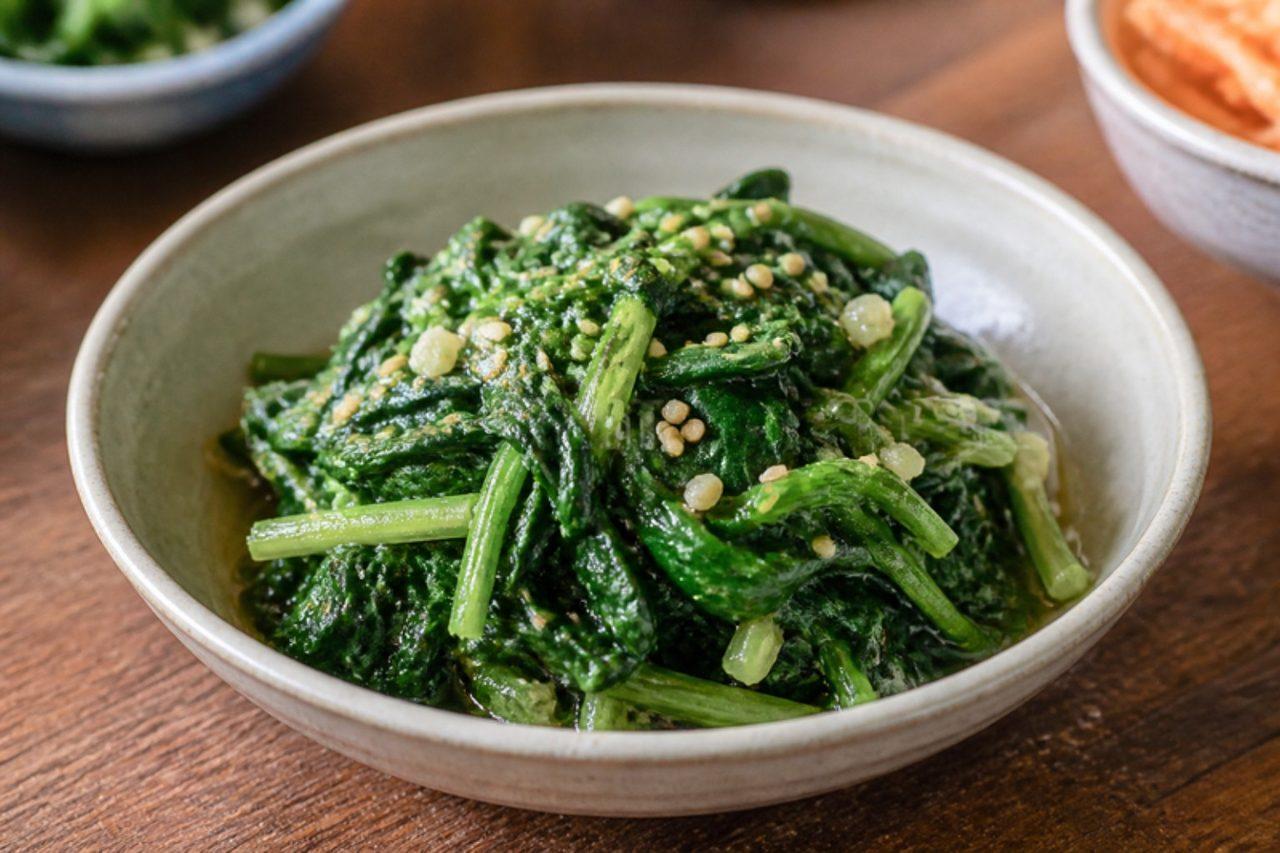
Horenso no ohitashiSpinach in dashi

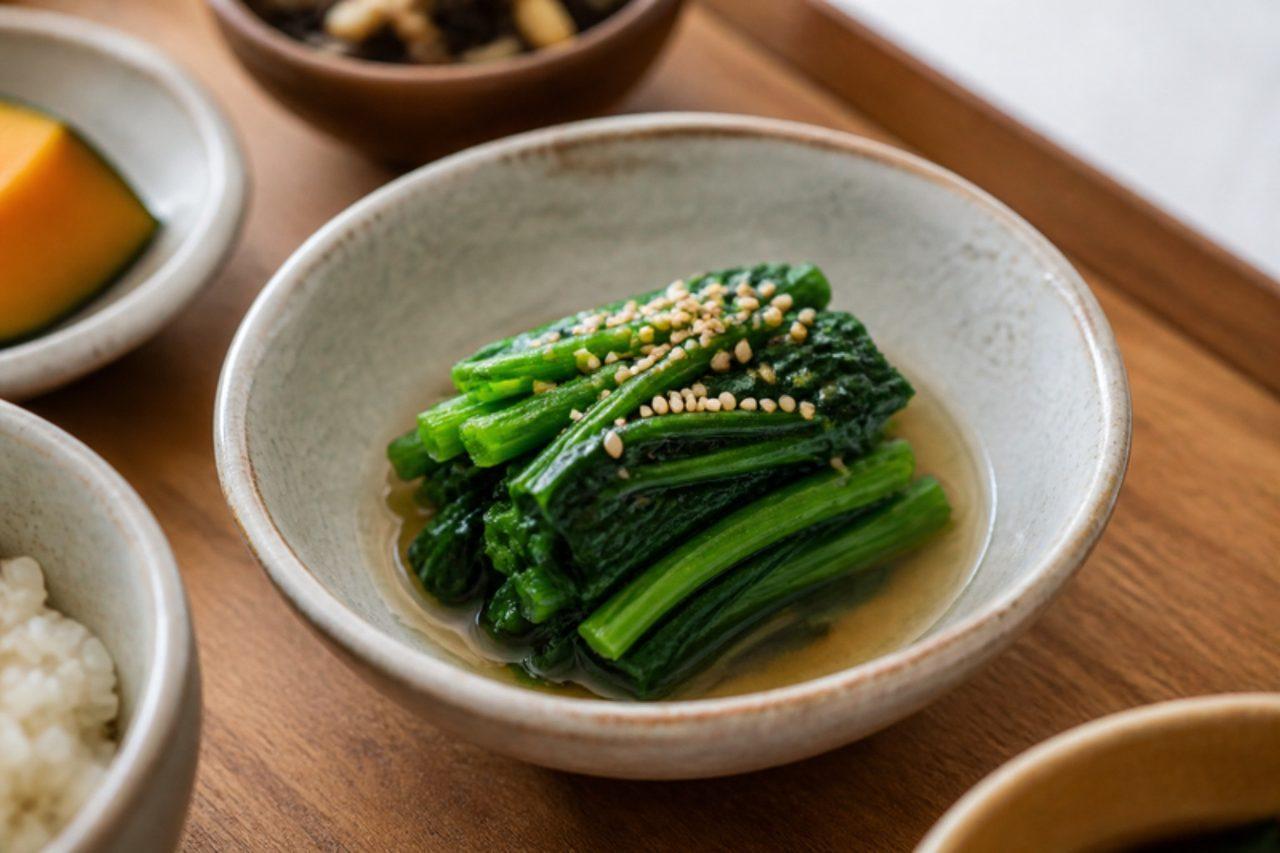
Ohitashi, "the soaked dish", is one of the three small sides of the everyday ichiju-sansai meal, and in Tokyo homes a little mound of spinach steeped in cool seasoned broth turns up beside grilled fish and miso soup most weeks of the year. Usually it is topped with bonito flakes; this vegetarian version uses kombu and shiitake dashi and a sprinkle of toasted sesame instead. It is clean, savoury and barely seasoned, so the sweetness of the spinach comes through. A portion is about 35 kcal. The most common mistake is not squeezing the spinach after blanching, which dilutes the broth into a watery puddle. Chef's tip: blanch the stems for 10 seconds before pushing in the leaves; the stems need longer, and this way the whole bunch is tender at once.

by KrazyBadal 0 views

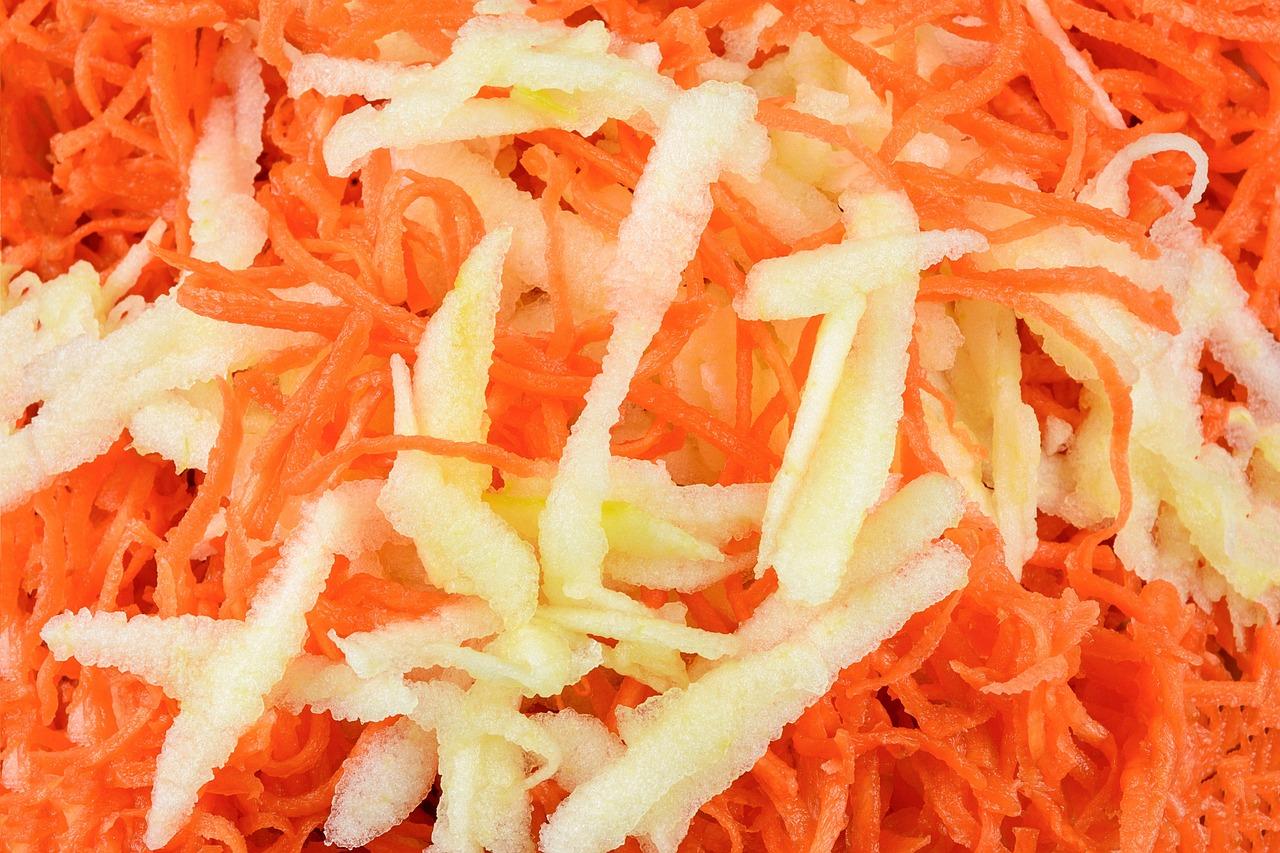
Surówka z marchewkiCarrot and apple salad

That little mound of orange on the side of every milk-bar plate in Łódź or Wrocław is surówka z marchewki, raw carrot and apple grated together and sharpened with lemon. Polish families make it beside Sunday chops, Friday fish and plain potatoes all year round, because carrots and apples keep through the winter. It takes ten minutes and is crisp, sweet and tart. A common mistake is grating the apple long before serving, so it browns and the salad turns watery. Chef's tip: grate the carrots on the fine side of the grater and the apple on the coarse side, so the apple stays juicy and the carrot soaks up the dressing.

by KrazyBadal 0 views

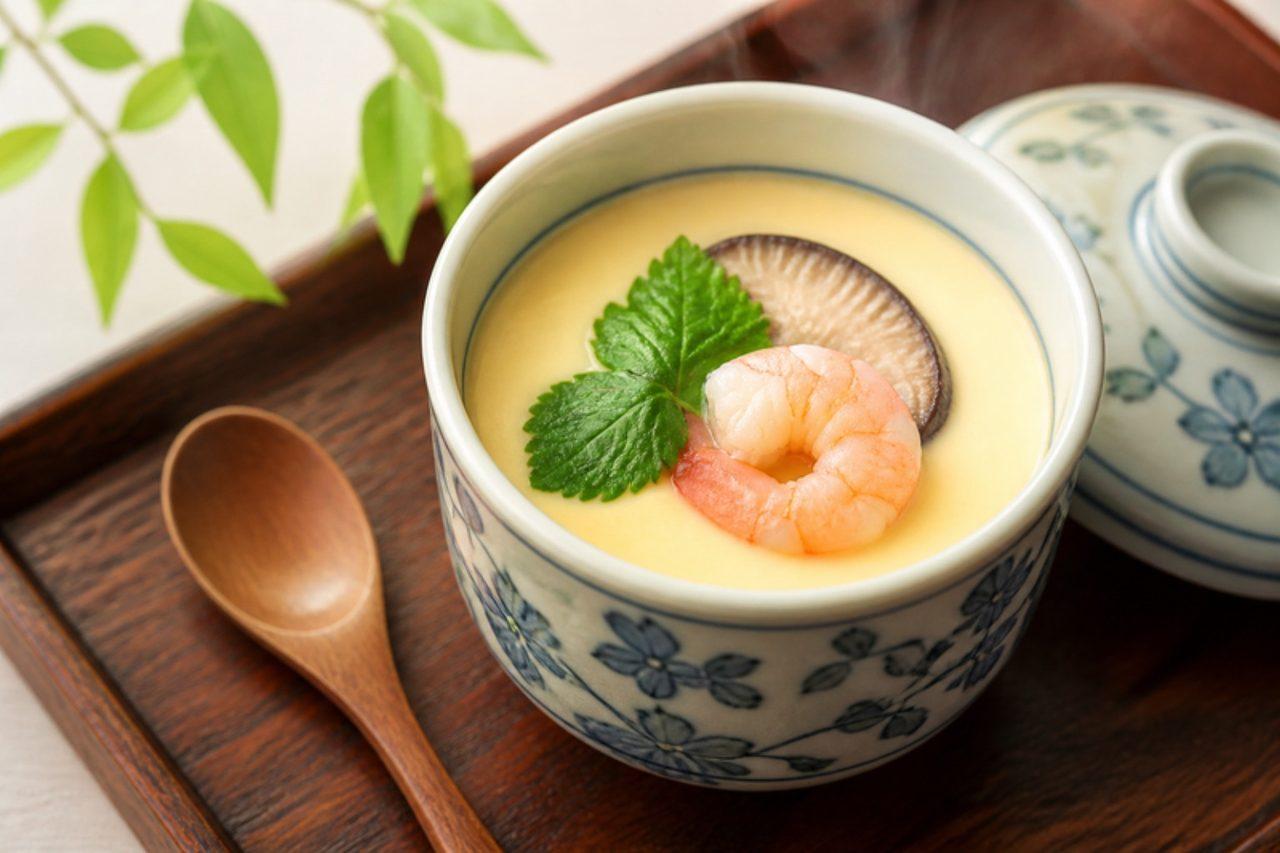
ChawanmushiSteamed egg custard

Chawanmushi, "steamed in a tea bowl", is served in small lidded cups at the start of a kaiseki dinner in Kyoto, at sushi counters across Japan, and at home on cold evenings: a just-set egg custard made with dashi, so light it trembles, hiding pieces of chicken, prawn, shiitake and a ginkgo nut or two. It is eaten hot with a spoon. Eggs and prawns are allergens. A cup is about 110 kcal. The most common mistake is steaming on a high heat, which makes the custard puff up full of holes; keep the heat low and set the lid slightly open. Chef's tip: strain the egg mixture through a fine sieve before pouring; it removes the stringy whites and bubbles and gives a mirror-smooth top.

by KrazyBadal 0 views

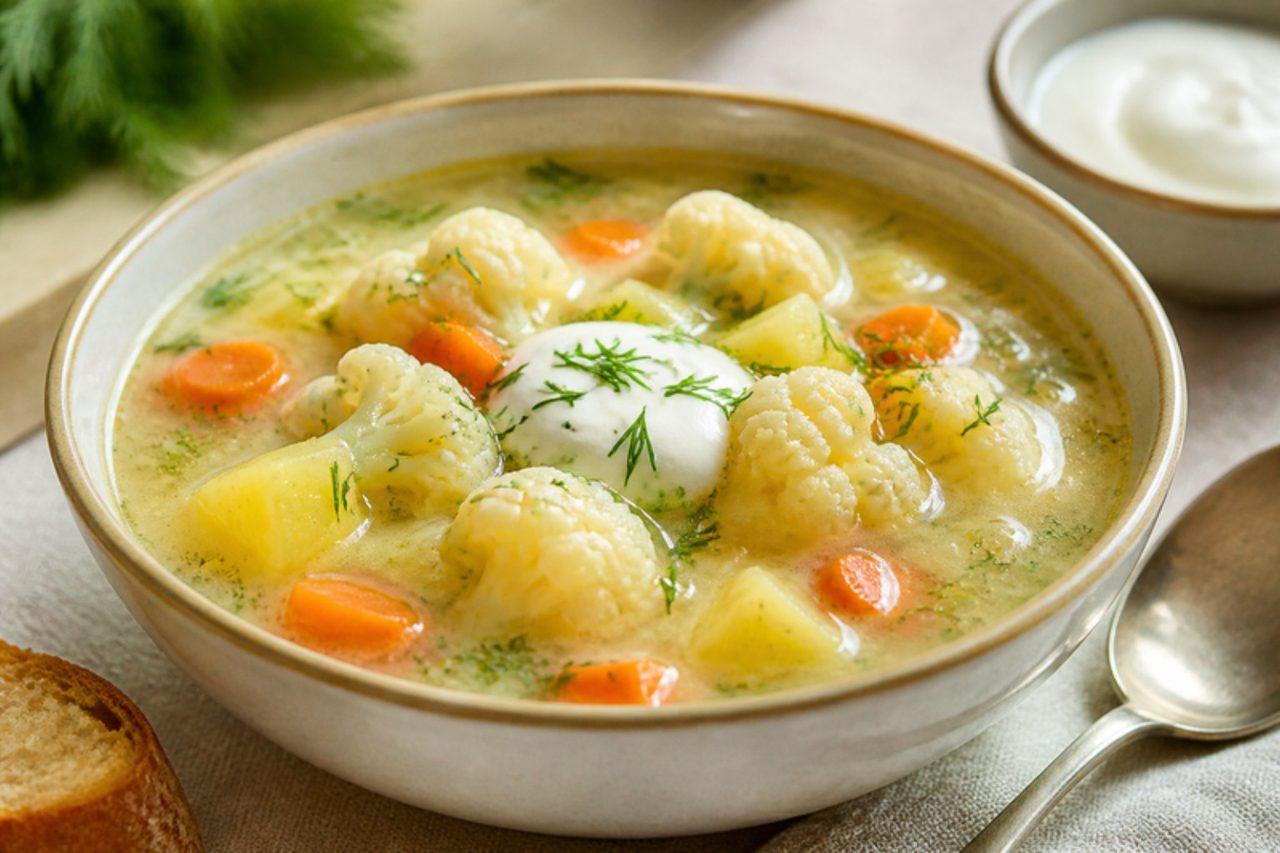
Zupa kalafiorowaCauliflower soup

Late-summer cauliflowers from the market gardens around Kalisz and Poznań end up in zupa kalafiorowa, a chunky, comforting soup that Polish families eat on a September weekday with fresh bread. Small florets, potato and carrot simmer in broth, and soured cream and dill turn it creamy and fresh at the end. It is not blended: the pleasure is in the soft florets. A common mistake is adding the cauliflower with the potatoes, so it falls apart into mush. Chef's tip: simmer the cauliflower stalk with the potatoes for flavour and add the florets for only the last 8–10 minutes.

by KrazyBadal 0 views

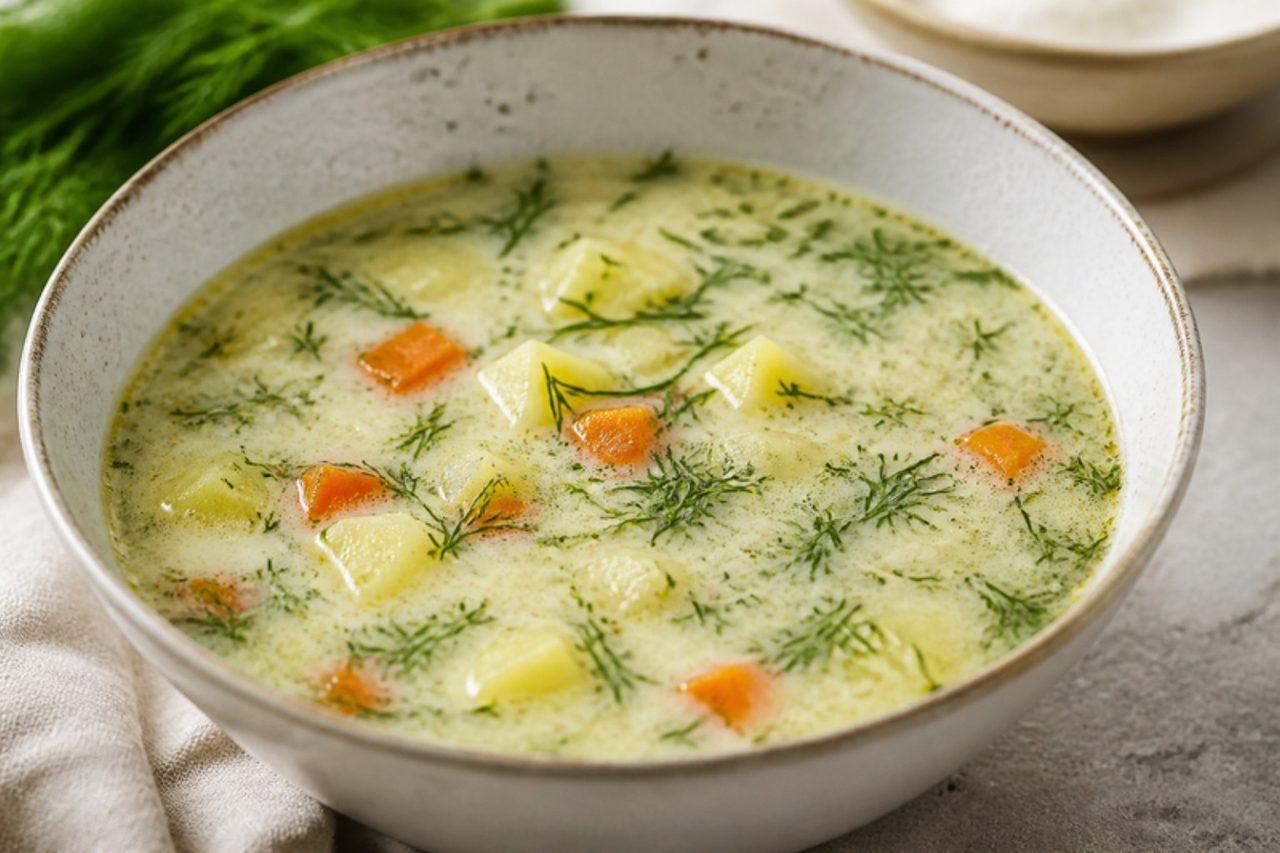
Zupa koperkowaDill and potato soup

In early summer, when bunches of dill tied with string pile up at Kraków's Stary Kleparz market, Polish cooks make zupa koperkowa: a light broth of potato, carrot and parsley root that gets almost a whole bunch of chopped dill at the end. It is a weekday lunch soup, often with a hard-boiled egg or a spoon of soured cream, and it tastes clean and green. A common mistake is cooking the dill with the vegetables, which turns it dull and grassy. Chef's tip: stir half the dill stalks in during simmering for depth, then add all the feathery leaves only once the pot is off the heat.

by KrazyBadal 0 views

SpargelsalatWarm asparagus salad

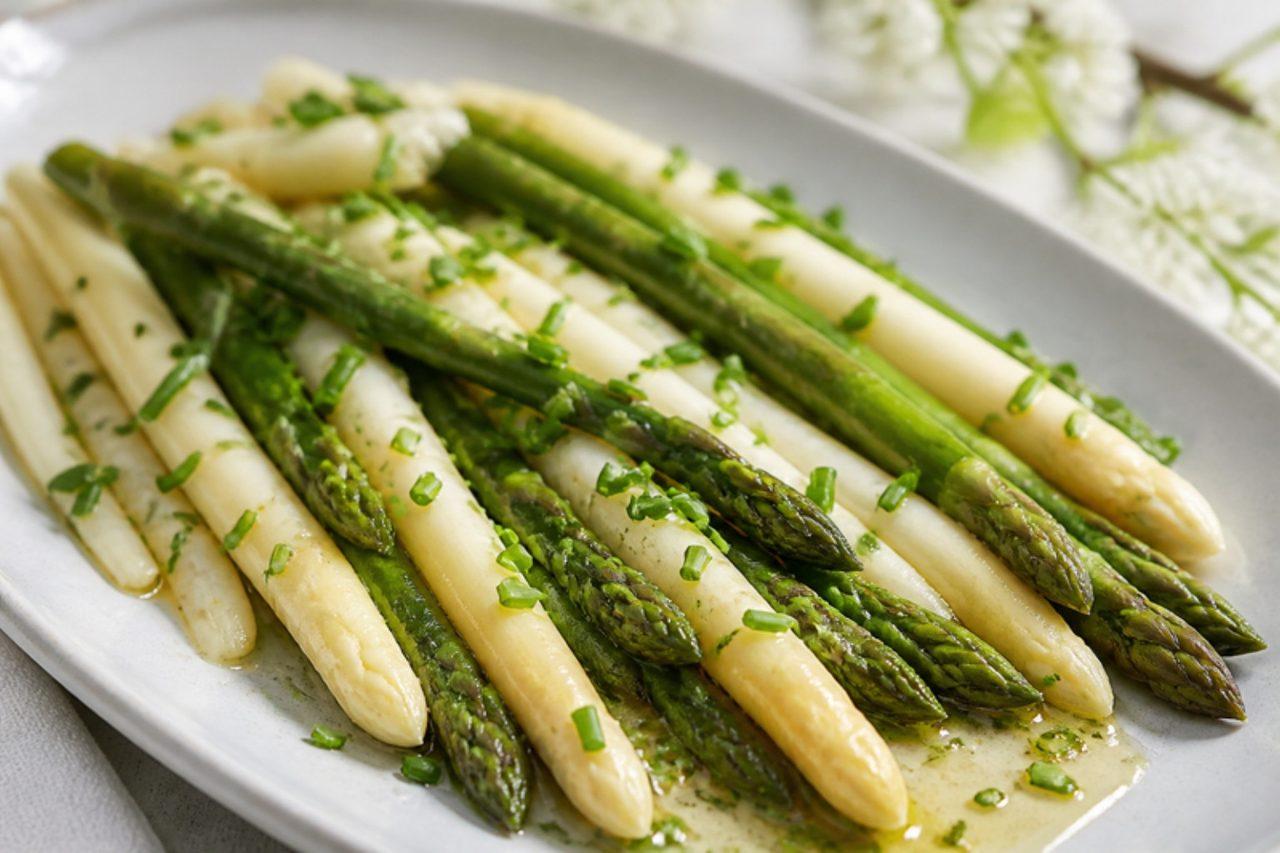
Asparagus farms along the Baden Spargelstraße and in the Lüneburg Heath sell their spears straight from roadside huts in May, and this lukewarm salad is how many households there eat the first bundle. White and green spears are cooked just tender, cut into lengths and dressed while warm in a sharp vinaigrette of white wine vinegar, mustard, shallot and plenty of chives, so they soak up the flavour. It goes with new potatoes, or as a light lunch with bread. A frequent mistake is overcooking white asparagus until it is limp and stringy. Chef's tip: dress the spears while still warm and leave them for 15 minutes; cold asparagus barely absorbs the dressing.

by KrazyBadal 0 views

KräuterquarkHerb quark

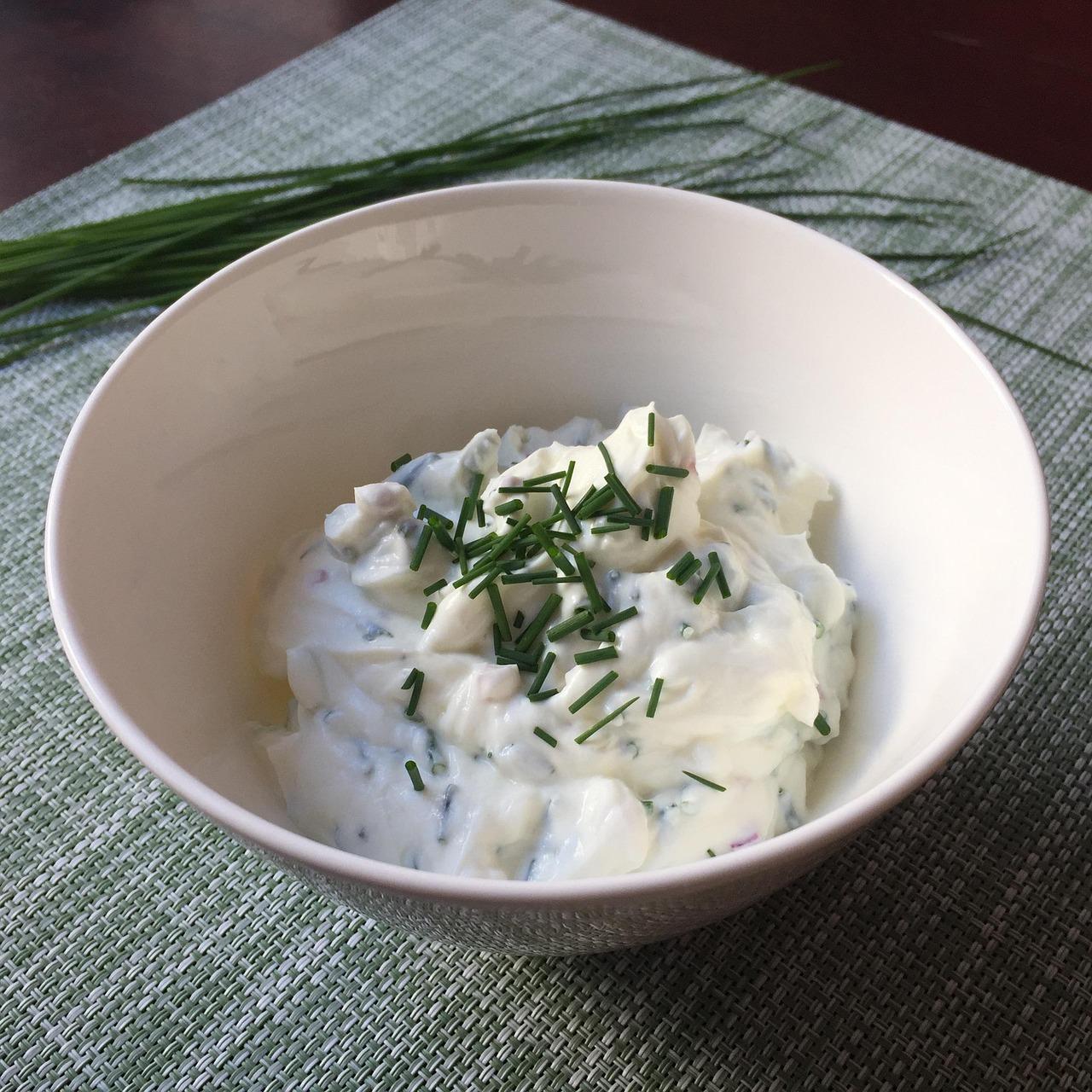
On summer evenings across Germany, from Hamburg allotments to Swabian farmhouse kitchens, a bowl of herb quark sits in the middle of the Abendbrot table with rye bread, radishes and boiled new potatoes. Fresh low-fat quark is loosened with a little milk and linseed or sunflower oil, then packed with chopped chives, parsley and dill and a hint of garlic, so it tastes cool, tangy and green. It also goes on jacket potatoes at the fair and next to grilled vegetables at a barbecue. The usual mistake is chopping the herbs ahead and letting them sit, which turns them dark and bruised. Chef's tip: let the finished quark rest in the fridge for 20 minutes so the garlic mellows and the herbs flavour the whole bowl.

by KrazyBadal 0 views

Sogogi mugukBeef and radish soup

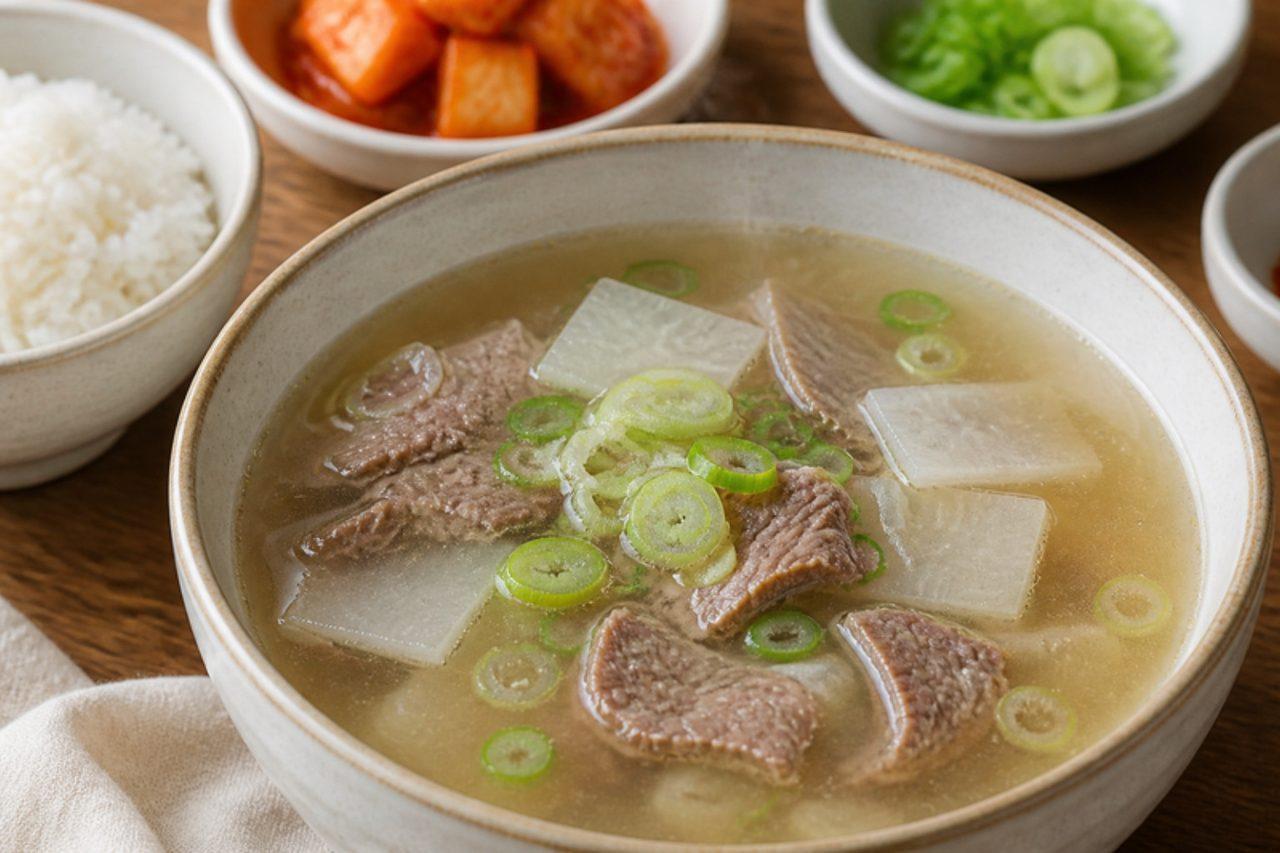
Sogogi muguk is the soup of ordinary Korean mornings and of the ancestral memorial table in Gyeongsang homes, where a clear version is offered on rites days: thin slices of beef brisket or round sautéed in sesame oil with squares of Korean radish, then simmered in water until the radish turns translucent and the broth sweet and beefy. It is seasoned only with soup soy sauce, garlic and salt and eaten with rice and kimchi. A bowl is about 160 kcal. The common mistake is skipping the sauté: frying the beef and radish together in sesame oil first is what makes the broth rich without hours of simmering. Chef's tip: cut the radish into thin, flat squares, not chunks; they cook quickly and release their sweetness into the soup.

by KrazyBadal 0 views

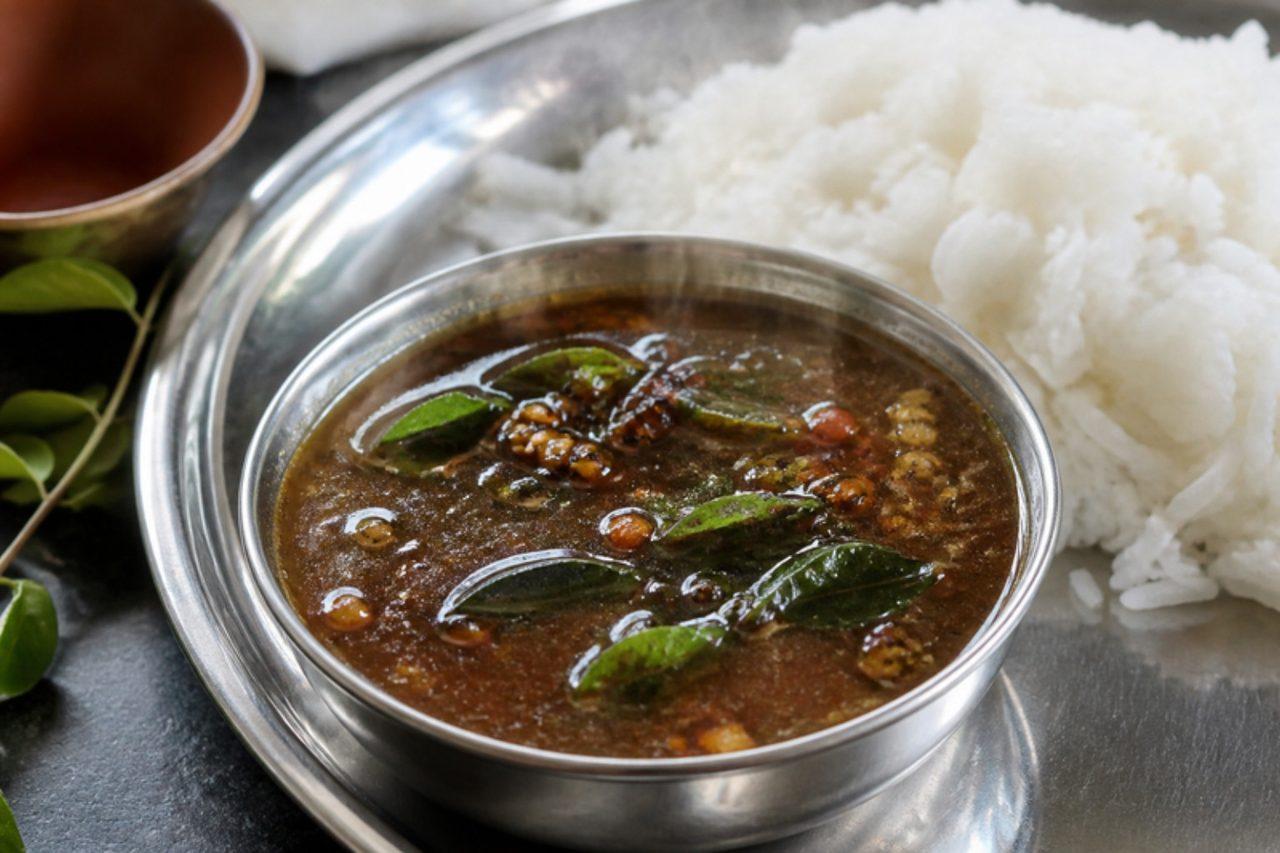
Milagu rasamPepper rasam

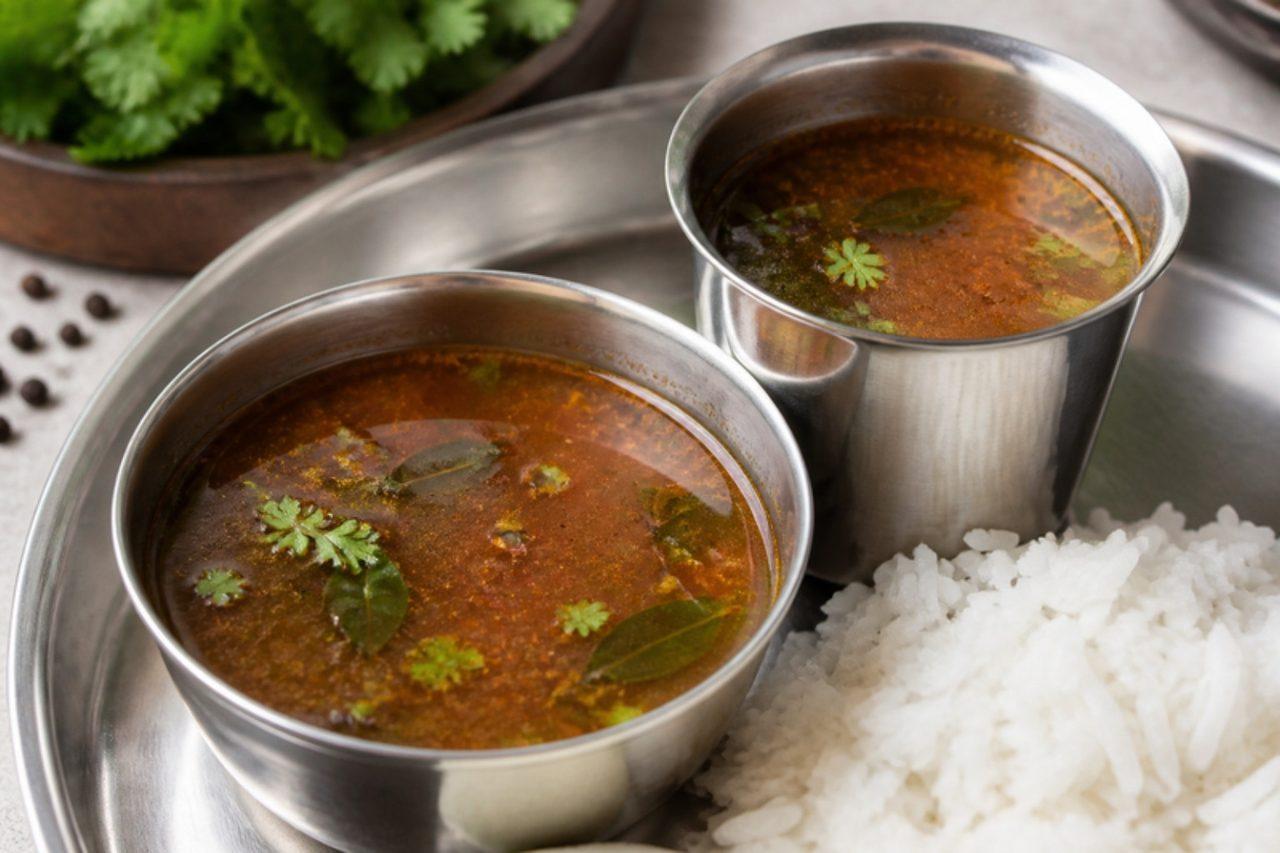
In Tamil homes from Madurai to Chennai, milagu rasam is the medicine of the kitchen, made when someone has a cold, the weather turns wet, or the family just wants a light dinner of rasam and rice. Unlike tomato rasam it needs no dal: tamarind water is simmered with a freshly ground paste of black pepper, cumin and garlic and tempered with ghee or oil, giving a thin, sharp, warming broth that clears the head. It is poured over rice or sipped from a cup. A portion is about 55 kcal. The common mistake is letting it boil hard after the spice paste goes in, which makes it bitter; once it froths up, turn off the heat. Chef's tip: dry-roast the pepper and cumin for a minute before grinding; it turns the heat round and deep instead of harsh.

by KrazyBadal 0 views

Moong dal khichdiRice and moong dal porridge

When someone in a Gujarati or Rajasthani home is under the weather, has just come back from a long trip, or simply wants a light supper on a Monday, the pressure cooker comes out for plain moong dal khichdi. Rice and split yellow moong cook together with turmeric until they collapse into a soft, spoonable porridge, and a small tempering of ghee, cumin and asafoetida is poured over at the end. It is eaten with yogurt, papad and a pickle, and it is gentle enough for toddlers over one year. A portion is about 290 kcal. The most common mistake is too little water, which leaves a stiff, dry khichdi; it should be loose enough to settle flat in the bowl. Chef's tip: dry-roast the dal for two minutes before adding water; it gives a nutty smell that plain boiled dal never has.

by KrazyBadal 0 views

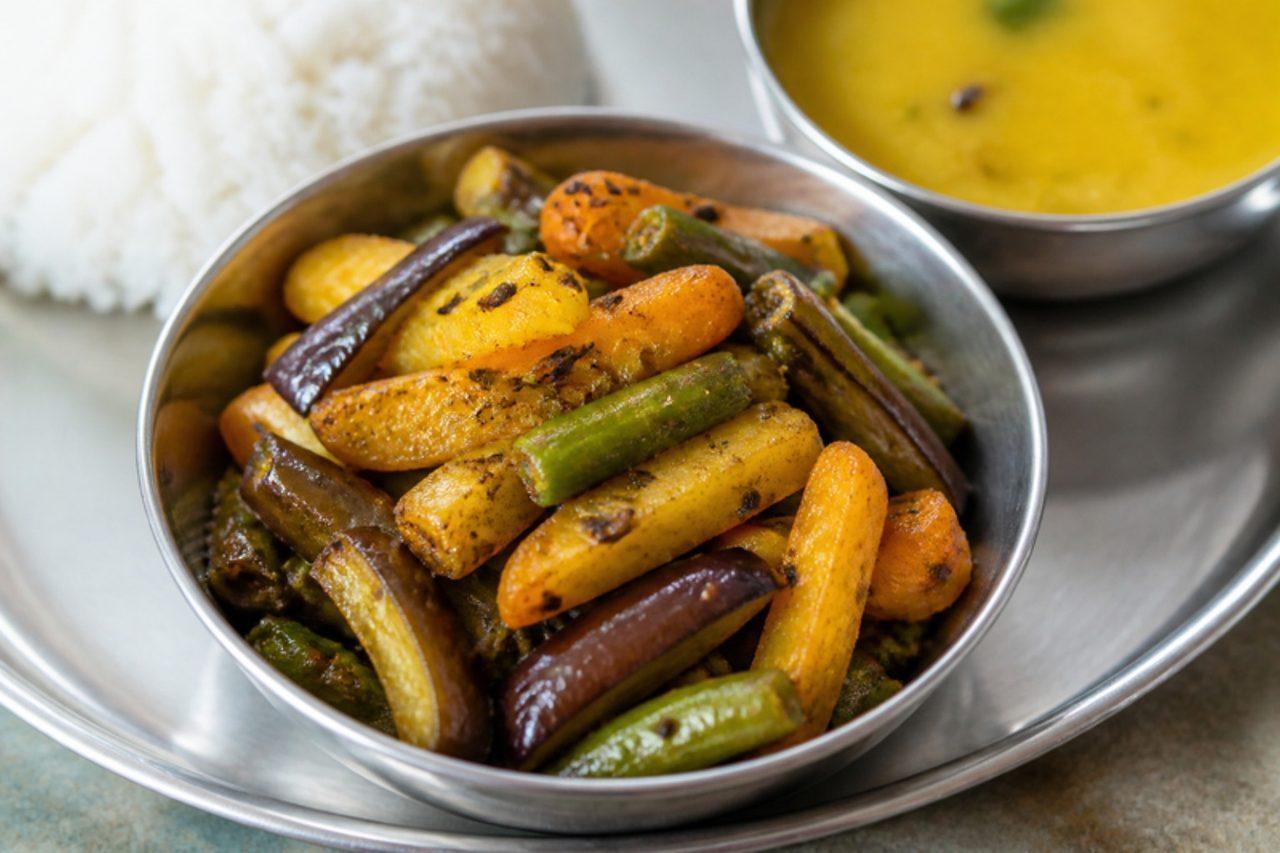
ChorchoriMixed vegetable stir-fry

Chorchori is the thrifty everyday dish of Kolkata kitchens, where whatever vegetables are in the basket, pumpkin, potato, aubergine, radish, beans, are cut into sticks and cooked down slowly with panch phoron and mustard oil until the pan is dry and the bottom catches a little. Bengalis love that slightly caramelised scrape at the bottom of the pan. It is eaten with rice and dal at lunch. A portion is about 150 kcal. The usual mistake is stirring too much, which breaks the vegetables into mush; once the lid is on, leave it and just shake the pan. Chef's tip: add a teaspoon of mustard paste or a pinch of sugar at the end, as many Bengali homes do; it rounds out the flavour.

by KrazyBadal 0 views

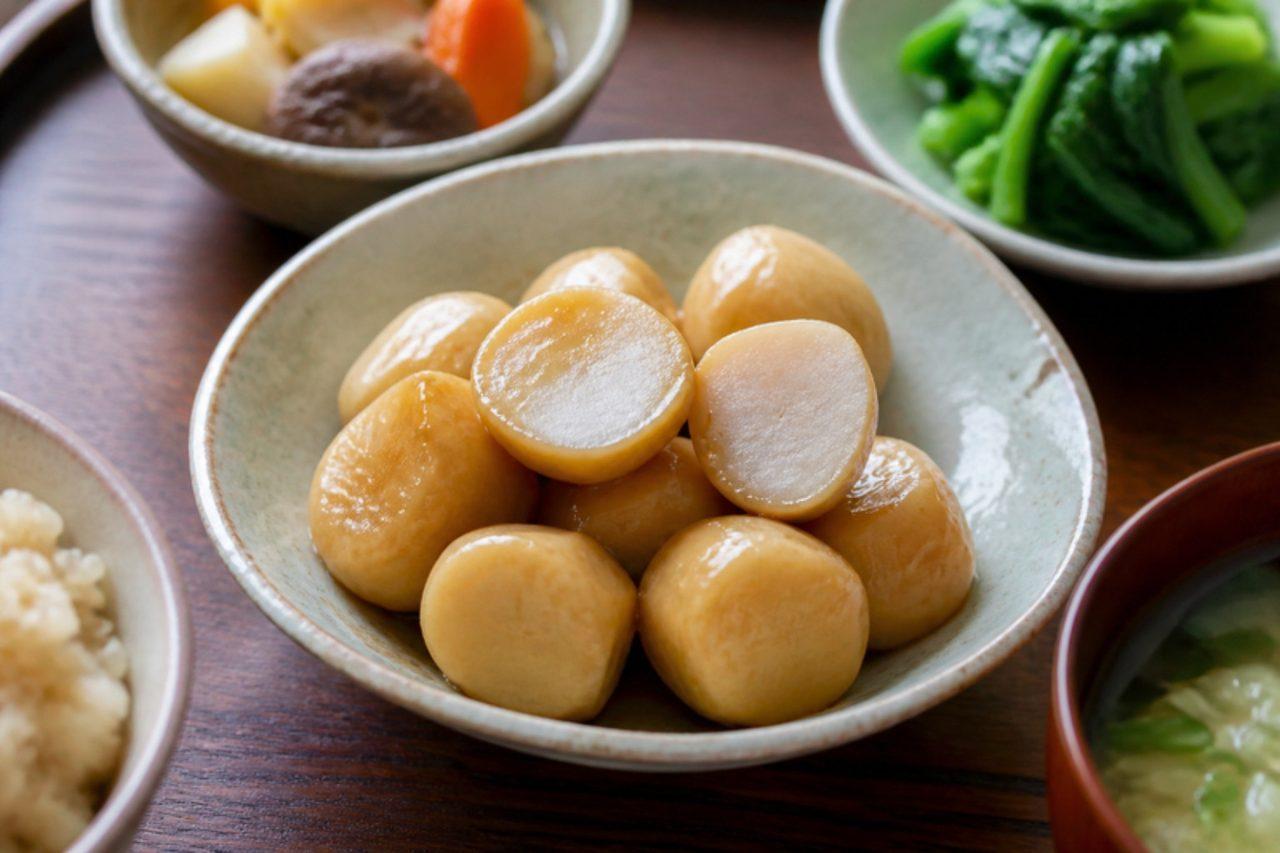
Satoimo no nikkorogashiGlazed simmered taro

Satoimo, small hairy taro, are dug in autumn across the farmland of Chiba and Saitama, and nikkorogashi, "simmered and rolled", is the most homely way to eat them: the peeled taro are simmered in a little dashi, sugar and soy, then rolled around the pan as the liquid boils down until each one is coated in a sticky, glossy glaze. The inside stays creamy and slightly slippery. This version uses vegetarian kombu-shiitake dashi. A portion is about 130 kcal. The common mistake is not rinsing off the sliminess after peeling, which makes the sauce gloopy; rub them with salt and rinse well. Chef's tip: peel taro with dry hands, or wear gloves; the raw sap can make skin itch.

by KrazyBadal 0 views

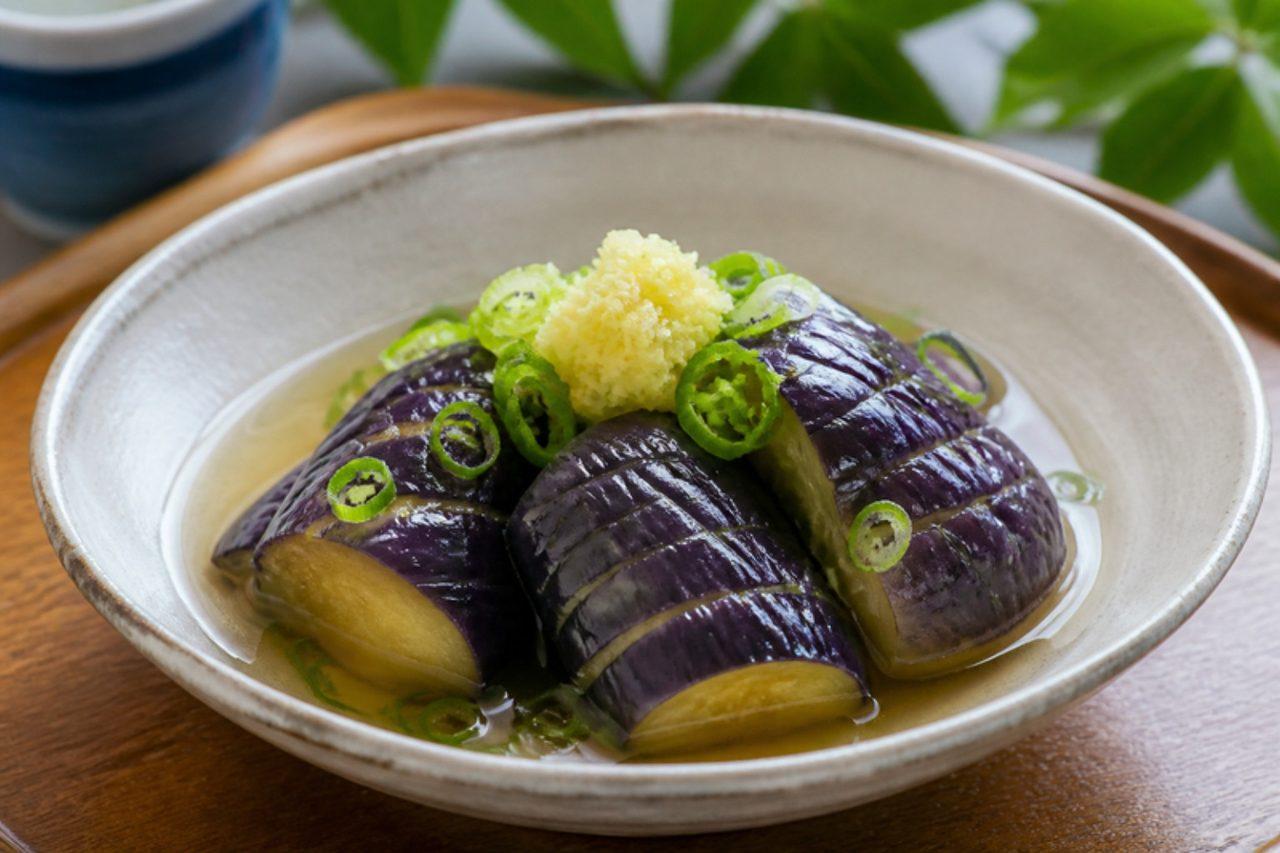
Nasu no nibitashiAubergine in cold dashi

On a sticky summer evening in Osaka or Tokyo, a chilled dish of nibitashi is one of the nicest things to find in the fridge: Japanese eggplant cut into pieces, cooked in a little oil until silky, then left to soak in cold, lightly sweet soy dashi with grated ginger. It is served cool beside rice and grilled fish or tofu. This version uses vegetarian kombu-shiitake dashi. A portion is about 80 kcal. The most common mistake is frying the eggplant in lots of oil; it drinks it all up and turns heavy. Brush it lightly and cook it covered so it steams soft. Chef's tip: score the skin in fine diagonal lines before cooking; the broth soaks in faster and the purple skin stays bright.

by KrazyBadal 0 views

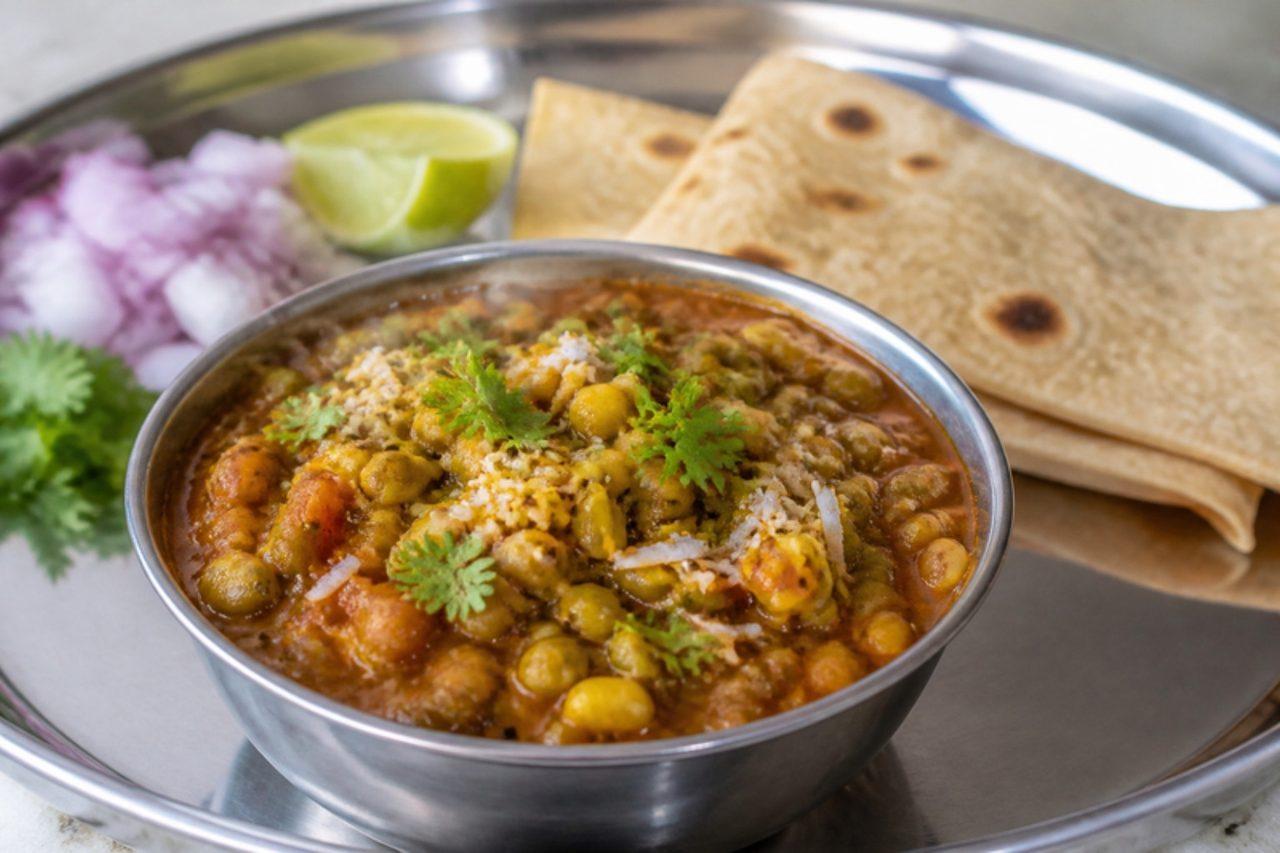
Matki usalSprouted moth bean curry

Every Marathi kitchen from Pune to Kolhapur keeps a jar of matki, the small brown moth beans, sprouting on the counter, and a bowl of usal is what turns up with chapati or bhakri at a weekday lunch, or topped with farsan as misal on Sundays. The sprouts stay slightly firm in a thin, spicy gravy flavoured with goda masala, the sweet-smoky spice mix of Maharashtra, and a little fresh coconut. A portion is about 230 kcal. Sprouting takes 2 days (soak overnight, then leave wrapped in a cloth for 24–36 hours), which is not counted in the times. The common mistake is overcooking the sprouts until they split and go mushy; they should hold their shape and still have a slight bite. Chef's tip: add a teaspoon of jaggery and a few kokum petals at the end; the gentle sweet-sour balance is what makes usal taste Maharashtrian.

by KrazyBadal 0 views

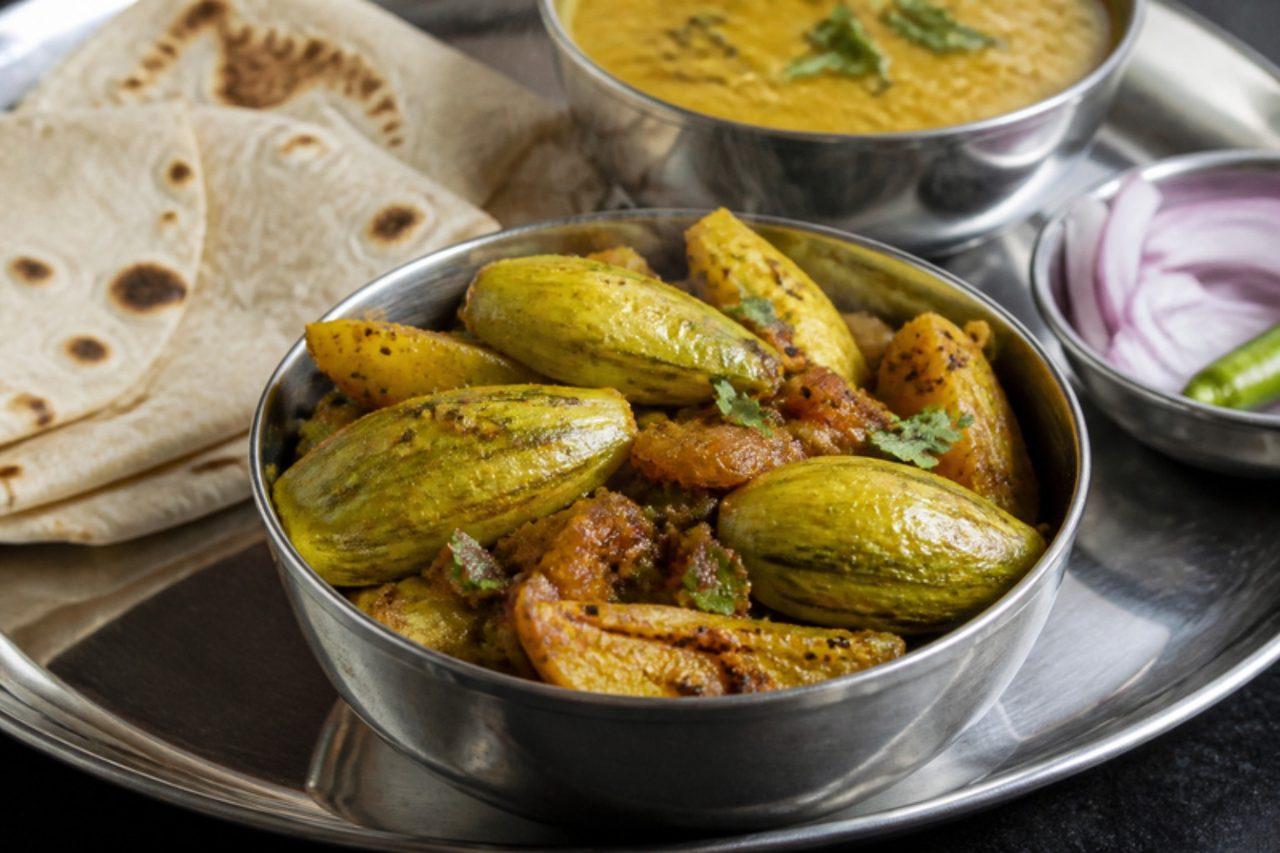
Parwal ki sabziPointed gourd and potato curry

Parwal, the small striped pointed gourd, is the summer vegetable of Patna, Varanasi and the Bhojpuri belt, and parwal-aloo is what fills the plate beside dal, rice and roti through the monsoon months. Lightly scraped gourds are halved and cooked with potato, onion, turmeric and a little garam masala until tender and golden in spots. A portion is about 140 kcal. The common mistake is peeling the parwal completely; just scrape off the rough outer skin so the halves keep their green colour and do not fall apart. Chef's tip: choose firm, bright green parwal with soft seeds; if the seeds are hard and red, scoop them out before cooking.

by KrazyBadal 0 views

Chwinamul muchimSeasoned aster greens

Chwinamul, the wild aster that grows on the mountains of Gangwon and the slopes around Jirisan, is one of the most loved spring greens in Korea, sold by grandmothers at village markets in April and dried for the namul of Daeboreum, the first full moon of the lunar year. Blanched and squeezed, it is seasoned with soup soy sauce, garlic and sesame oil and has a deep, herbal, slightly bitter flavour that wakes up the rice. A portion is about 45 kcal. If you can't find chwinamul, use spinach or watercress, blanched for less time. The common mistake is not squeezing the greens well, so the seasoning slides off; press them firmly in your fist. Chef's tip: season with your fingertips, rubbing the dressing gently into the leaves; Korean cooks call it son-mat, the taste of the hands.

by KrazyBadal 0 views

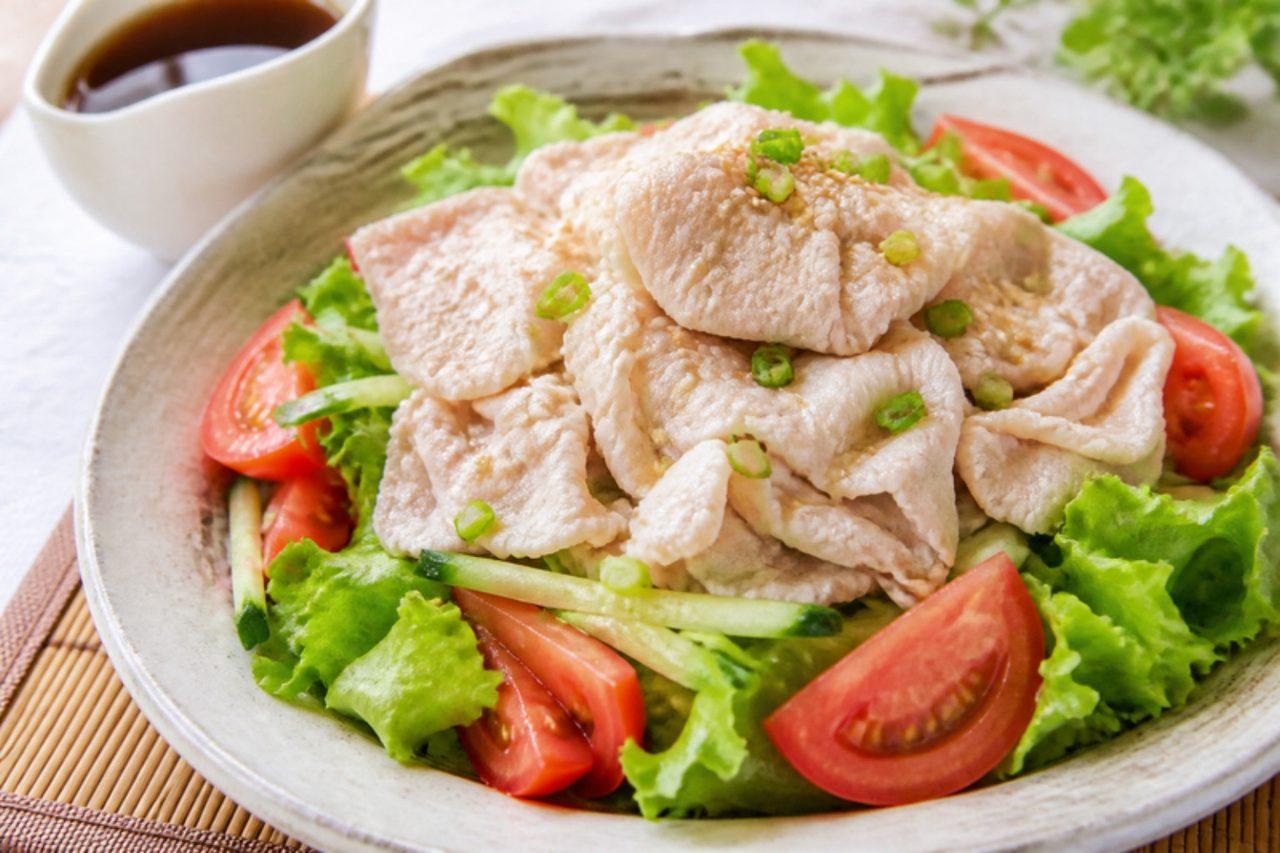
Rei-shabuChilled pork salad

In the heat of a Tokyo August, nobody wants a hot frying pan, and rei-shabu, "cold shabu-shabu", is what appears on dinner tables and in set lunches: paper-thin slices of pork loin or shoulder poached briefly in barely simmering water, cooled, and piled on a crisp salad of lettuce, cucumber and tomato with ponzu or a sesame sauce. It is light and refreshing. This is a pork dish. A portion is about 280 kcal. The most common mistake is plunging the cooked pork into iced water, which makes the fat set hard and the meat tough; let it cool on a sieve instead. Chef's tip: keep the water just below the boil, around 80 °C, with a splash of sake; the pork stays tender instead of going grey and stringy.

by KrazyBadal 0 views

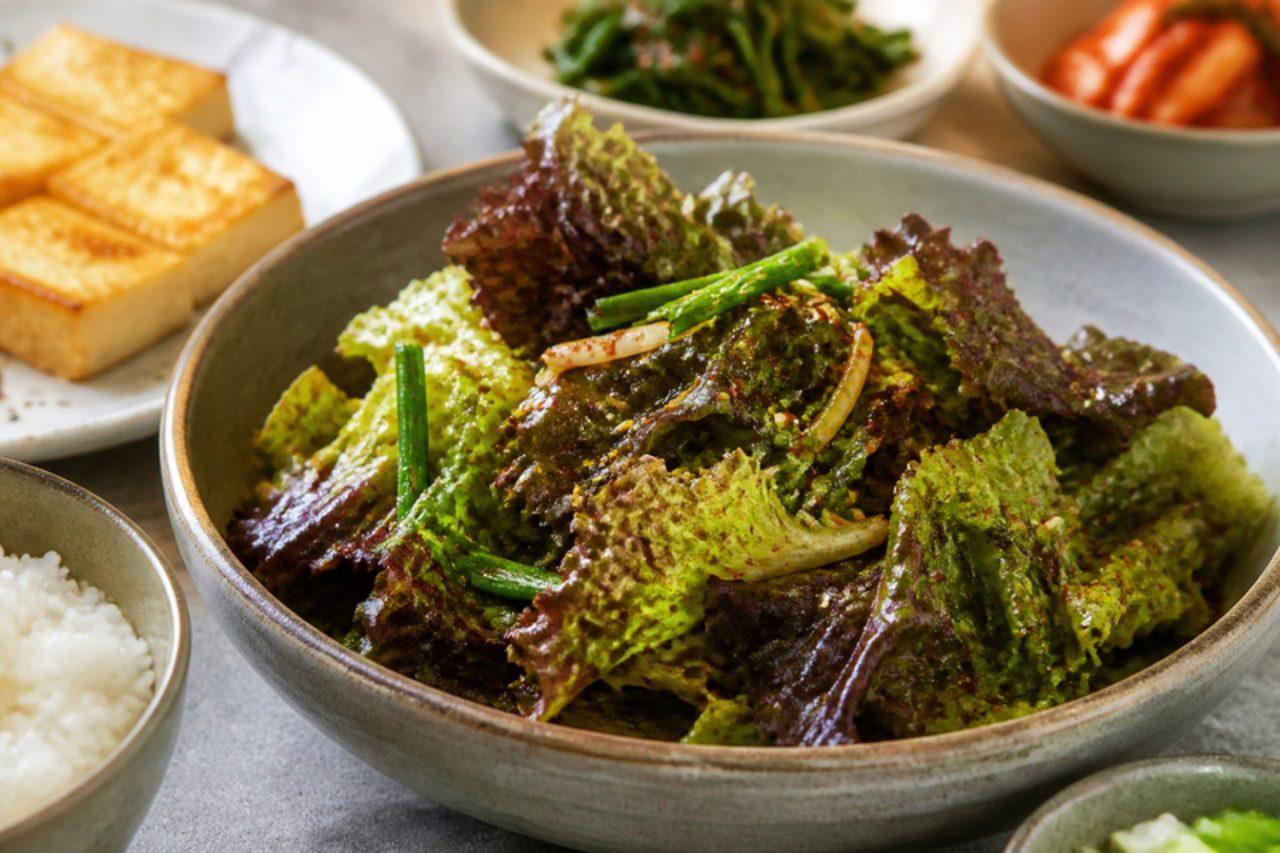
Sangchu geotjeoriFresh lettuce salad

Geotjeori is "fresh kimchi", made to be eaten the same day, and lettuce geotjeori is the summer version Korean families throw together in ten minutes when the leafy red lettuce from the garden or the market in Suwon is piling up: torn leaves and spring onion tossed in a garlicky gochugaru and soy dressing. It goes with grilled meat, bibimbap or just rice. Many homes add fish sauce; this vegan version uses soy and a little more sesame. A portion is about 45 kcal. The most common mistake is dressing it in advance; lettuce goes soggy within minutes, so mix it at the table. Chef's tip: dry the leaves very thoroughly in a salad spinner; any water left on them dilutes the dressing and stops it clinging.

by KrazyBadal 0 views

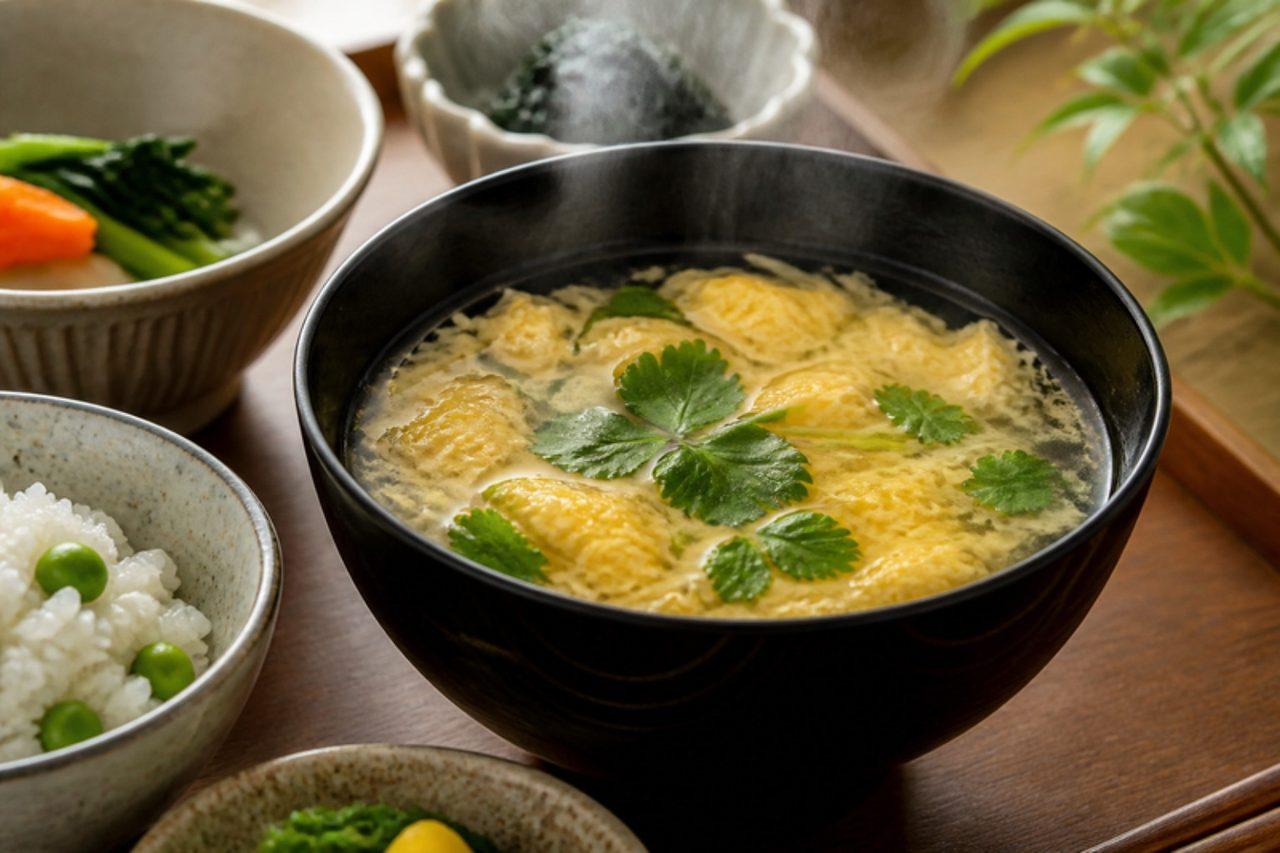
KakitamajiruEgg drop soup

When the miso pot is empty, or someone in a Japanese home is feeling poorly, kakitamajiru is the soup that comes out: a clear, gently seasoned dashi thickened very slightly with potato starch so that a stream of beaten egg sets into soft, floating ribbons. It is served in lacquer bowls alongside rice and a main dish at an ordinary dinner anywhere in Japan. This version uses vegetarian kombu-shiitake dashi. Eggs are an allergen. A bowl is about 55 kcal. The most common mistake is pouring the egg into soup that is not quite boiling, which makes it cloudy; the broth must be bubbling when the egg goes in. Chef's tip: pour the egg through the tines of a fork in a thin stream, moving round the pan; it gives the finest, fluffiest strands.

by KrazyBadal 0 views

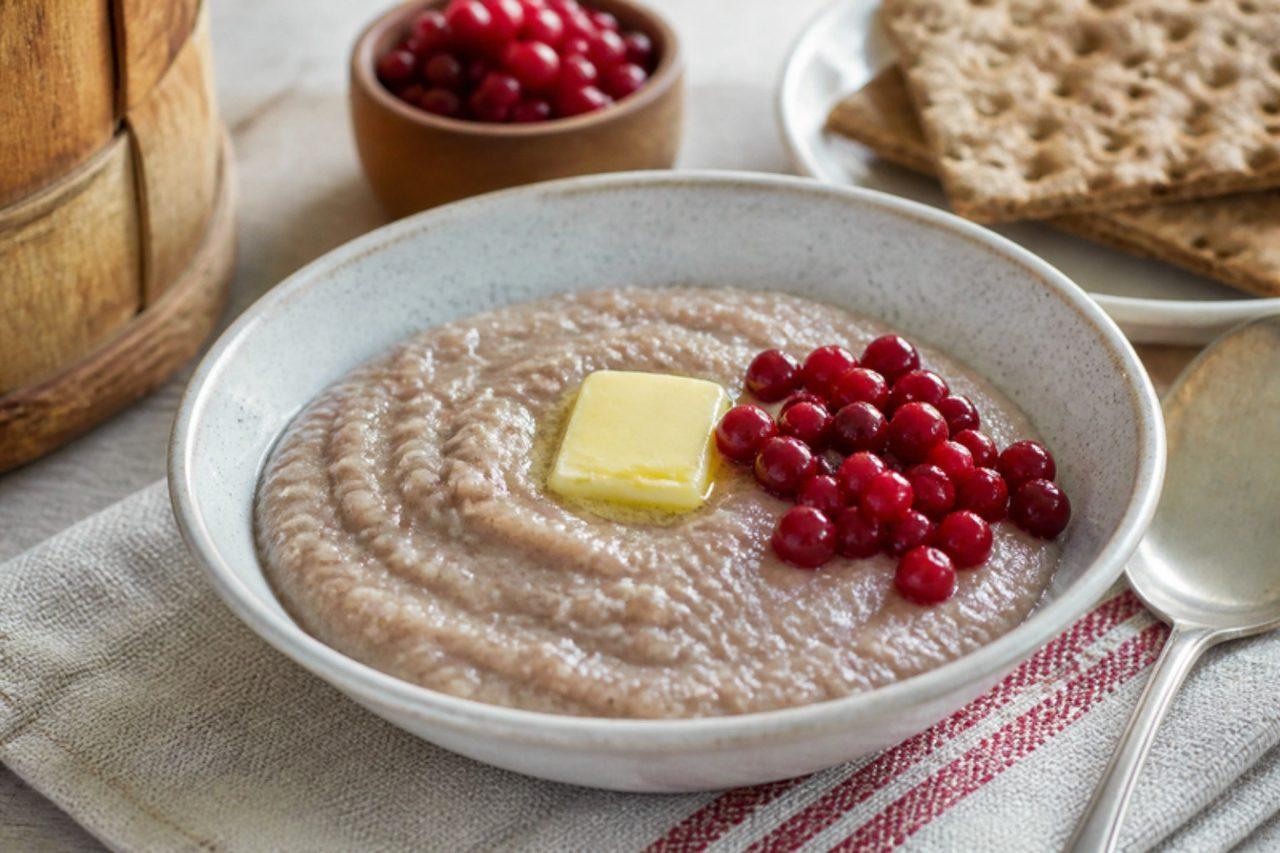
RuispuuroRye porridge

In Finnish homes and school canteens, ruispuuro is the plain, filling porridge of winter mornings, from Helsinki flats to farmhouses in Ostrobothnia. Rye flakes or coarse rye meal simmer in salted water until thick and slightly tangy, and the classic topping is a pool of melting butter, called a voisilmä or 'butter eye'. This version is vegan: use a plant butter, or tart lingonberries and a little oat milk. A common mistake is serving it too soon, when the flakes are still chewy. Chef's tip: let the porridge rest off the heat with the lid on for 5 minutes — the rye swells and turns creamy.

by KrazyBadal 0 views

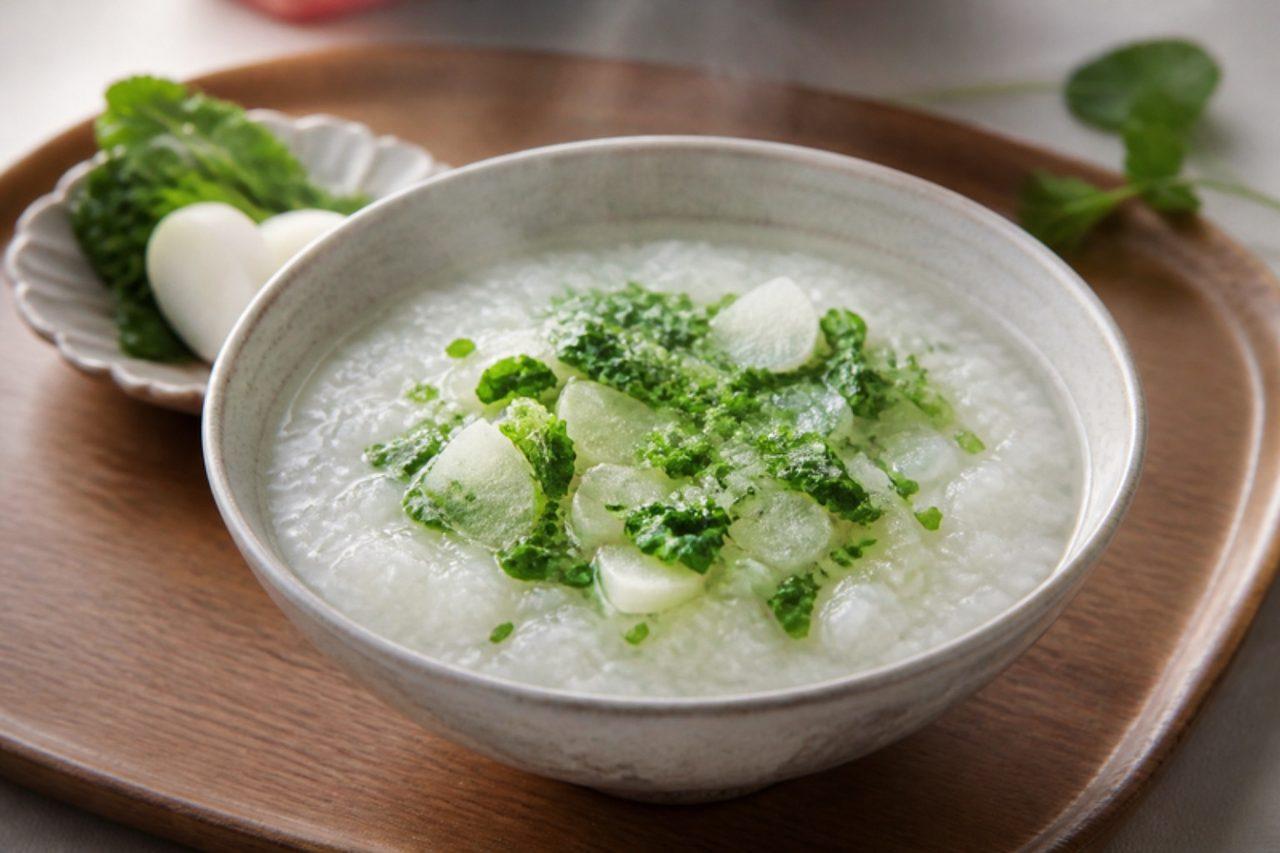
Nanakusa-gayuSeven-herb rice porridge

On the morning of 7 January, after days of rich New Year food, families all over Japan eat a bowl of nanakusa-gayu, rice porridge with seven young spring herbs, to rest the stomach and wish for good health in the year ahead. Supermarkets sell little packs of the seven herbs (seri, nazuna, gogyo, hakobera, hotokenoza, suzuna and suzushiro), but turnip, radish and their tops with watercress and spinach make a good stand-in. The porridge is plain, soft and seasoned only with salt. A portion is about 130 kcal. The most common mistake is adding the greens too early, which turns them grey and bitter; add them in the last minute. Chef's tip: don't stir the rice while it simmers; stirring breaks the grains and makes the porridge sticky instead of soft and clean.

by KrazyBadal 0 views

HiyajiruChilled miso soup

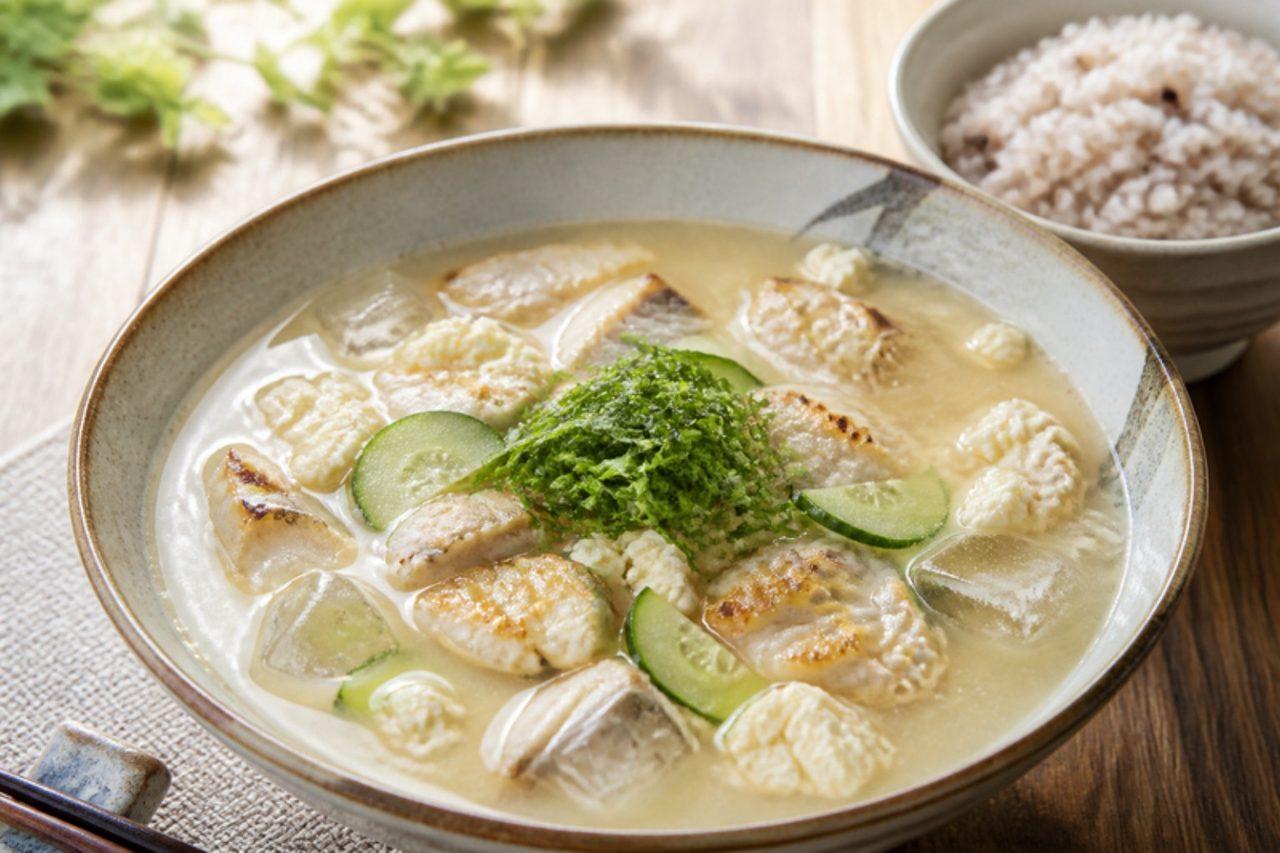
In Miyazaki, on the hot, humid east coast of Kyushu, farmers have eaten hiyajiru through the summer for centuries: grilled fish and sesame are pounded with barley miso in a mortar, the paste is toasted, then thinned with cold dashi and poured, with ice, over barley rice, with torn tofu, cucumber and shiso. It is cool, savoury and filling, a lunch that revives you in the heat. Eggs are not used; fish and soy are the allergens. A bowl with rice is about 340 kcal. The common mistake is skipping the toasting of the miso paste; it is what gives hiyajiru its deep, roasted flavour. Chef's tip: use day-old cold rice and rinse it briefly; warm, sticky rice turns the cold soup cloudy.

by KrazyBadal 0 views

Yasai itameVegetable stir-fry

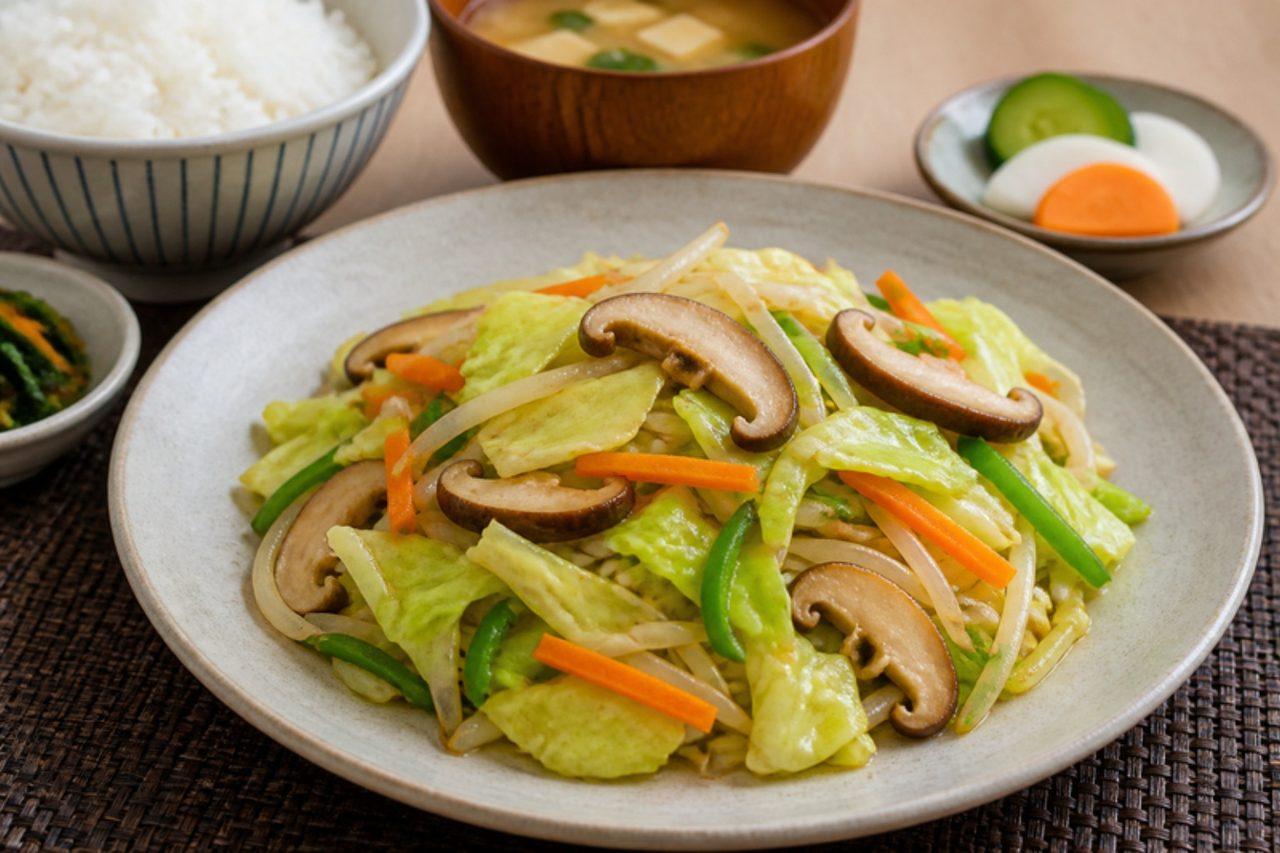
Yasai itame is the dish on every teishoku menu in Tokyo's cheap lunch counters and the default weeknight vegetable in Japanese homes: cabbage, bean sprouts, carrot, peppers and onion tossed fast over a high flame with salt, pepper and a splash of soy until glossy and still crunchy. Many homes add a few slices of pork; this is the vegetable-only version, with shiitake for savouriness. Eat it with rice and miso soup. A portion is about 110 kcal. The most common mistake is crowding a cool pan, which stews the vegetables in their own water; get the pan very hot and cook in two batches if your pan is small. Chef's tip: add the bean sprouts last and cook them for only 30 seconds; they should still snap.

by KrazyBadal 0 views

UnohanaSimmered okara with vegetables

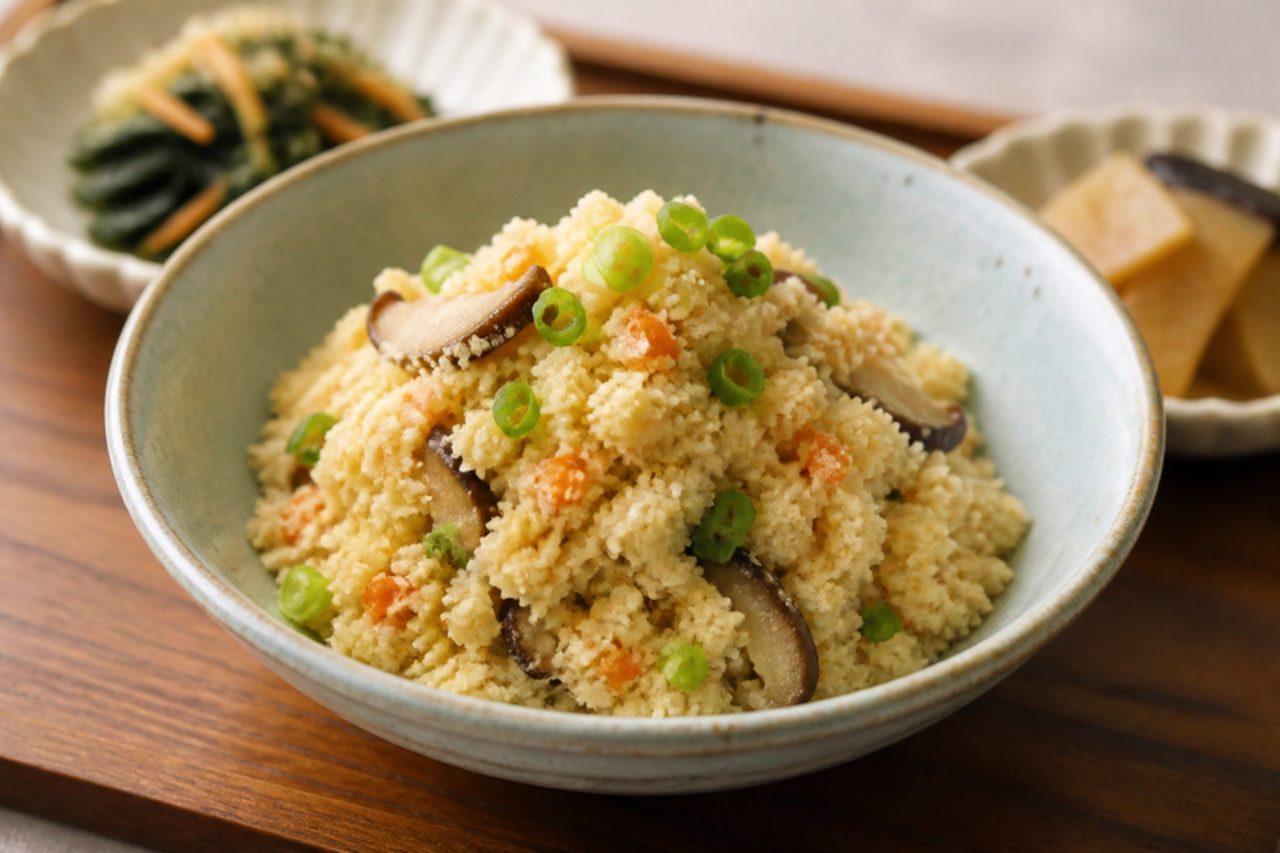
Okara, the soft white pulp left after making soy milk and tofu, is sold for pennies in Kyoto tofu shops, and grandmothers turn it into unohana, named after the white deutzia flowers that bloom in early summer: the pulp is simmered with carrot, shiitake, fried tofu, konnyaku and spring onion in sweet soy dashi until moist and fluffy. It is a side dish for rice and a classic of frugal, high-fibre home cooking. Many homes add a little chicken; this version is vegetarian, with kombu-shiitake dashi. A portion is about 140 kcal. The most common mistake is cooking it dry and crumbly; it should be moist enough to hold together when pressed with chopsticks, so don't skimp on the broth. Chef's tip: dry-fry the okara in the pan for a few minutes first; it loses its beany smell and absorbs the seasoning better.

by KrazyBadal 0 views

Varagu pongalKodo millet pongal

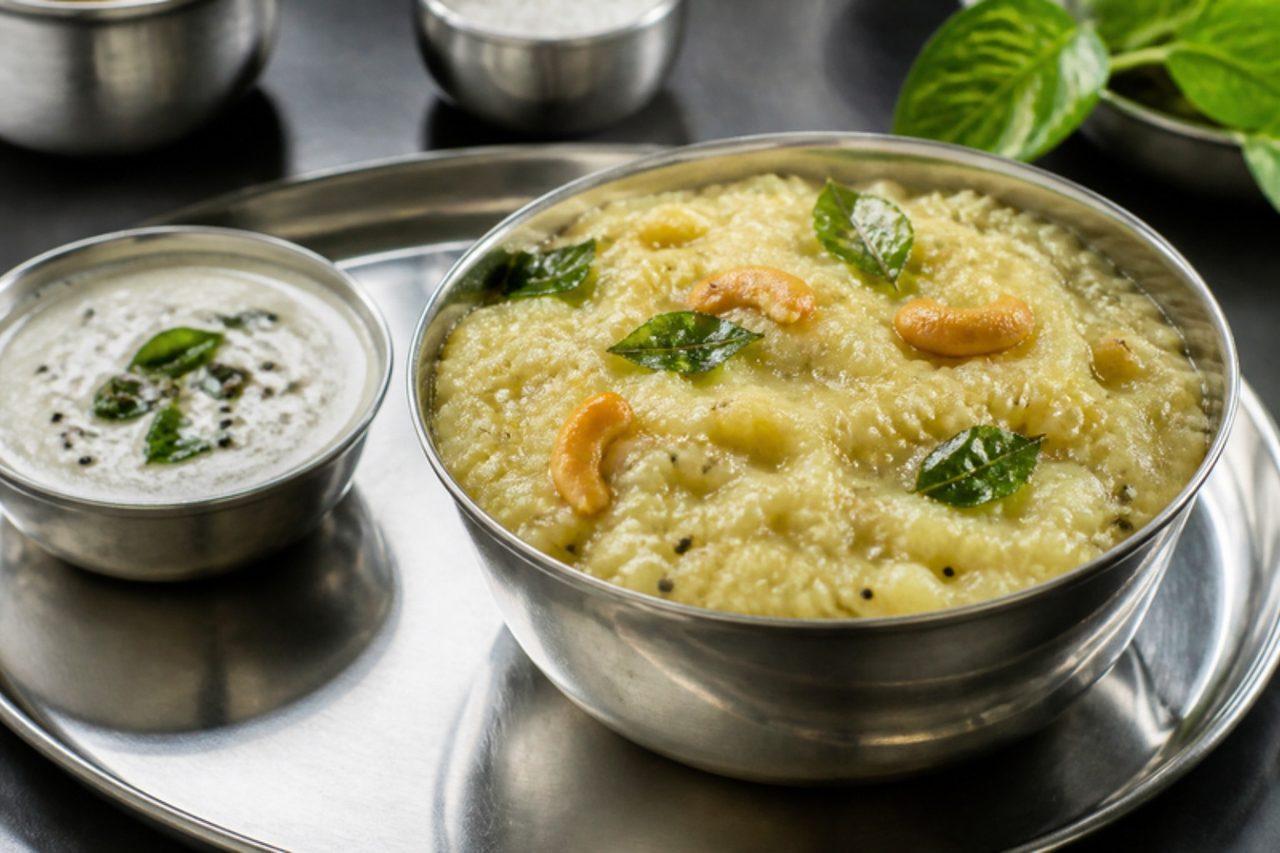
Ven pongal, the peppery rice and dal porridge, is the Sunday breakfast of Tamil Nadu and the prasadam handed out at temples; in Chennai homes that have turned to millets, kodo millet (varagu) now often takes the rice's place. It cooks into the same soft, creamy mass with yellow moong dal, scented with crushed black pepper, cumin, ginger and curry leaves fried in a modest spoon of ghee, and is eaten with coconut chutney and sambar. A portion is about 280 kcal, far less ghee than the temple version. The mistake people make is serving it too thick; pongal firms up fast as it cools, so make it looser than you think. Chef's tip: crush the peppercorns coarsely in a mortar rather than grinding them fine; you want little bursts of heat in each spoonful.

by KrazyBadal 0 views

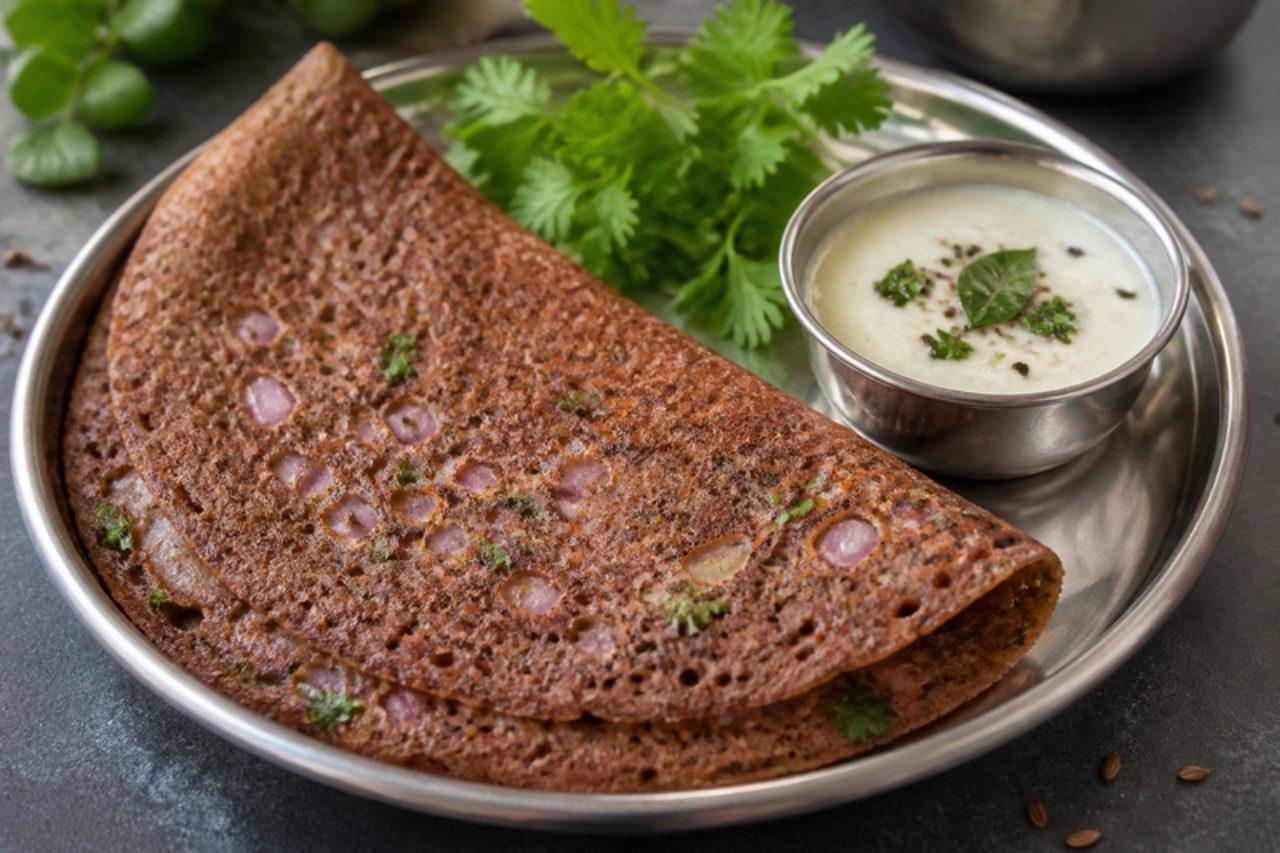
Ragi dosaFinger millet dosa

Around Mysuru and the farming villages of south Karnataka, ragi is the everyday grain, and this no-ferment dosa is how many homes use it at breakfast when there is no idli batter in the fridge. Finger-millet flour is whisked with a little rice flour, onion and green chilli into a thin batter that is poured, not spread, so it sets into a lacy, crisp, dark brown crepe. Serve with coconut chutney or sambar. Two dosas are about 210 kcal. The usual mistake is spreading the batter like a normal dosa; ragi batter is too thin, so pour it from a height in a circle and fill the gaps. Chef's tip: let the batter rest for 10 minutes before cooking; the flour drinks up water and the dosas hold together better.

by KrazyBadal 0 views

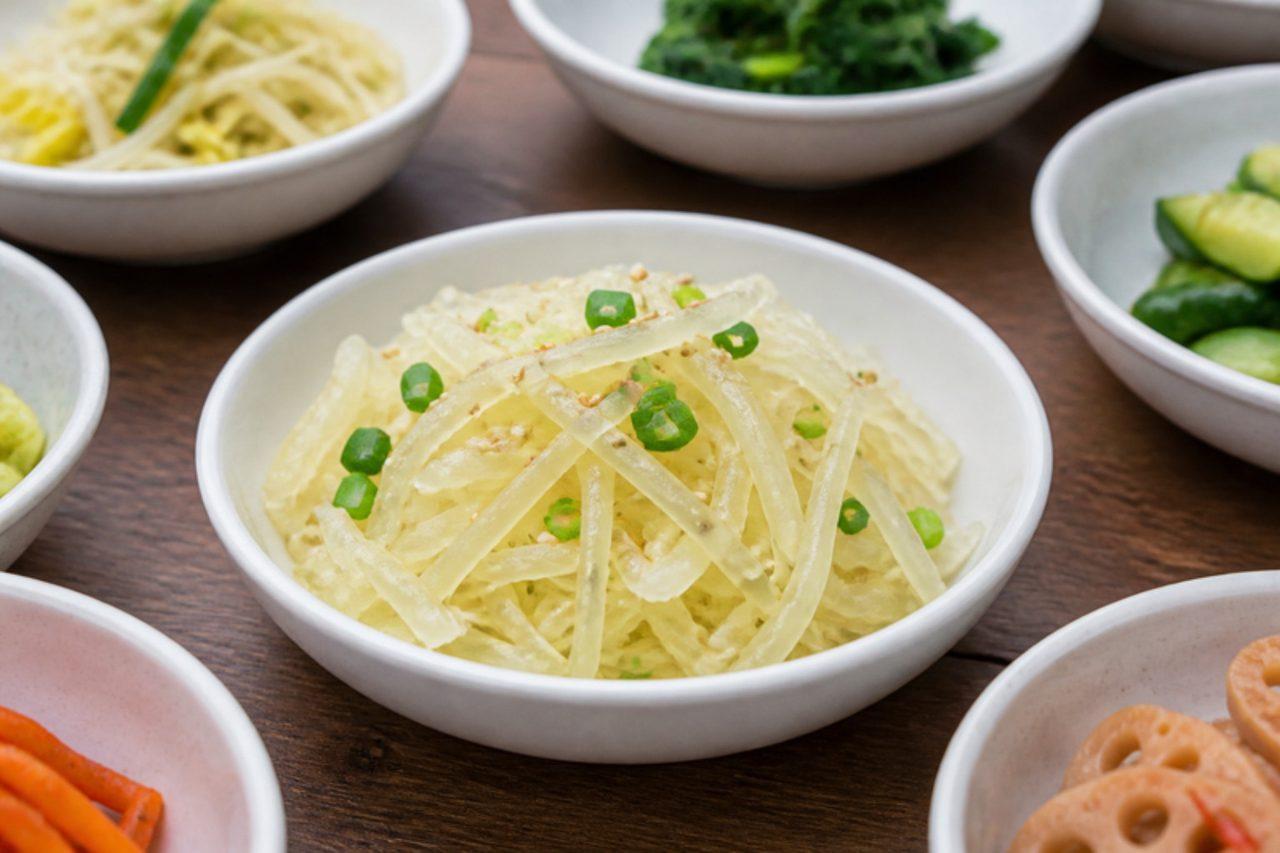
Mu namulStir-fried radish strips

Mu namul is the soft, white radish side dish that appears among the banchan of a Korean home table in autumn and winter, when the fat Korean radishes are at their sweetest, and it is always part of the namul set laid out for Chuseok and ancestral rites in Andong and Seoul. Thin matchsticks of radish are stir-fried with garlic and a pinch of salt, then steamed briefly in their own juice until tender and translucent, and finished with sesame. It is mild, sweet and very gentle on the stomach. A portion is about 50 kcal. The most common mistake is cutting the radish against the grain, so it breaks into short bits; cut lengthways, along the grain, so the strands stay long. Chef's tip: salt the radish first and let it sit for a few minutes; it releases water that it then cooks in, so you need almost no oil.

by KrazyBadal 0 views

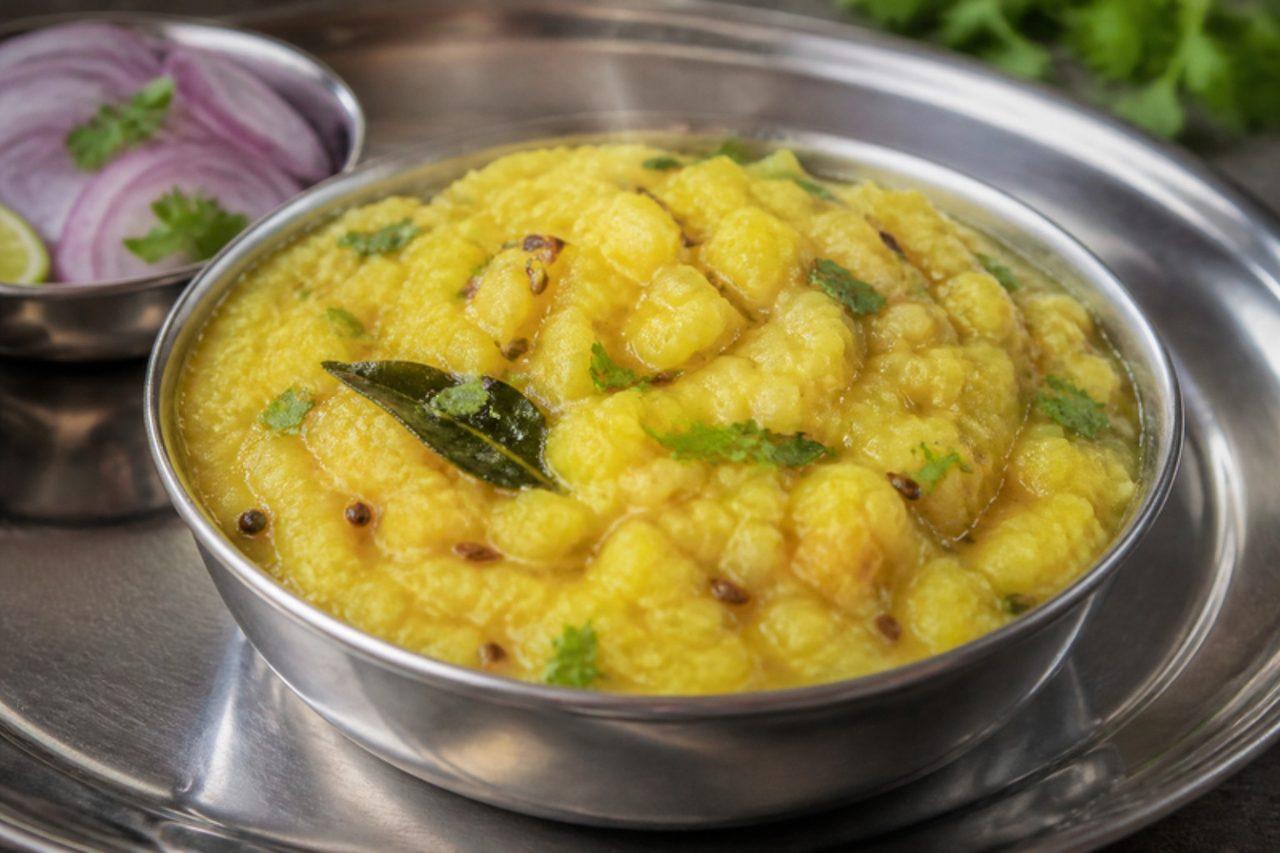
UlavacharuHorse gram soup

Horse gram (ulavalu) was once the grain fed to horses and the poorest farmers in the dry Rayalaseema and Krishna districts; today ulavacharu is a prized dish in Vijayawada restaurants, served with hot rice, a dot of ghee for those who eat it and fresh cream in the fancier places. The beans are boiled for a long time, and their dark, earthy cooking liquid is simmered down with tamarind, jaggery and spices into a thick, glossy, sweet-sour soup. A portion is about 210 kcal. The beans need soaking overnight first. The most common mistake is throwing away the cooking water: it is the soup. Chef's tip: let ulavacharu reduce slowly until it coats a spoon like thin gravy; that thick, almost syrupy finish is what separates it from rasam.

by KrazyBadal 0 views

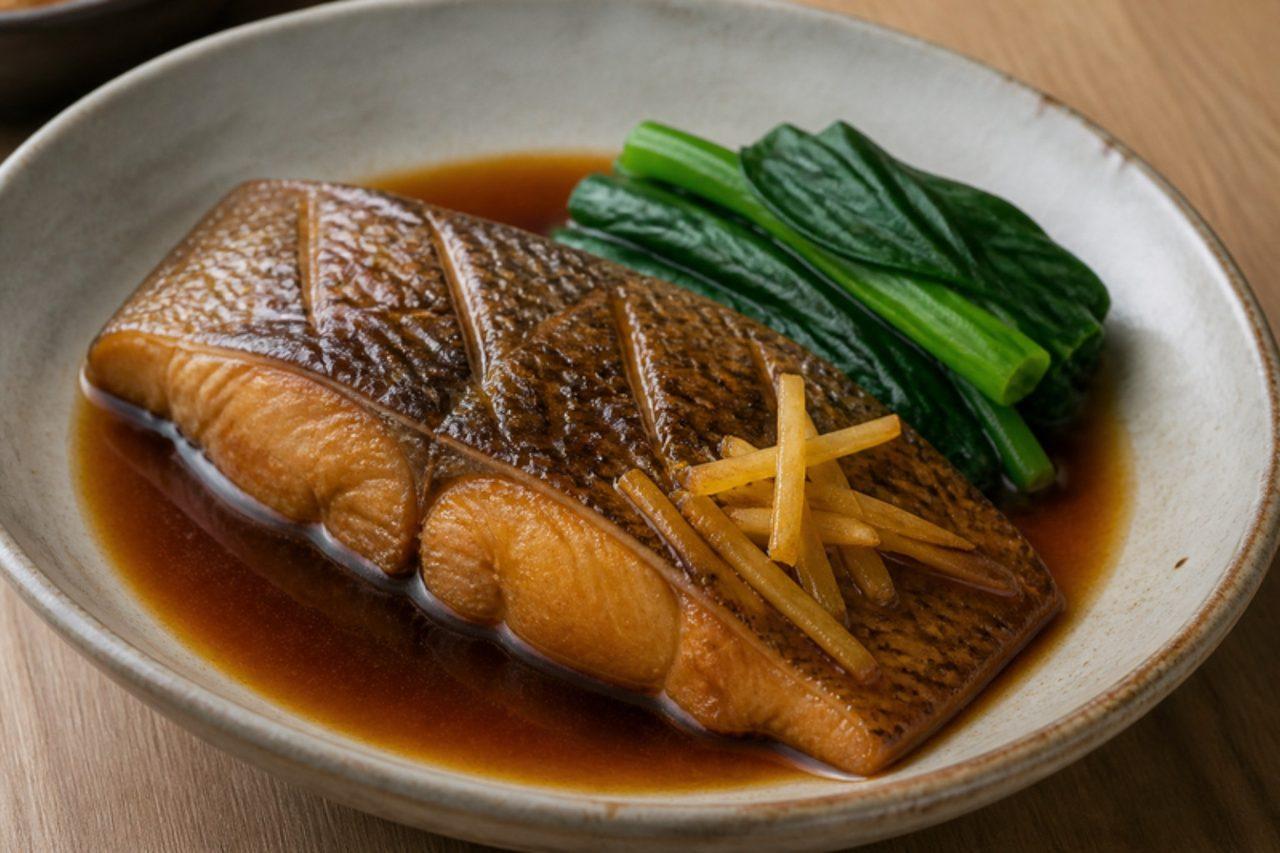
Karei no nitsukeFlounder in sweet soy

Nitsuke is the quick, glossy way Japanese home cooks simmer white fish, and flounder (karei) is the classic, especially in Hokkaido and along the Sea of Japan coast, where it is bought whole and cut into steaks at the fishmonger's. The fish cooks in only 10 minutes in a small amount of soy, sake, mirin and sugar with ginger, spooned over until it glistens; the flesh stays soft and sweet. Serve with rice and a green vegetable, and the broth to spoon over the rice. A portion is about 210 kcal. Sake and mirin contain alcohol, boiled off before the fish goes in; the notes give swaps. The most common mistake is putting fish into cold liquid; it must go into boiling broth so the surface sets at once and the flesh doesn't go mushy. Chef's tip: use a pan just big enough for the fish in one layer, so the small amount of broth reaches all of it.

by KrazyBadal 0 views

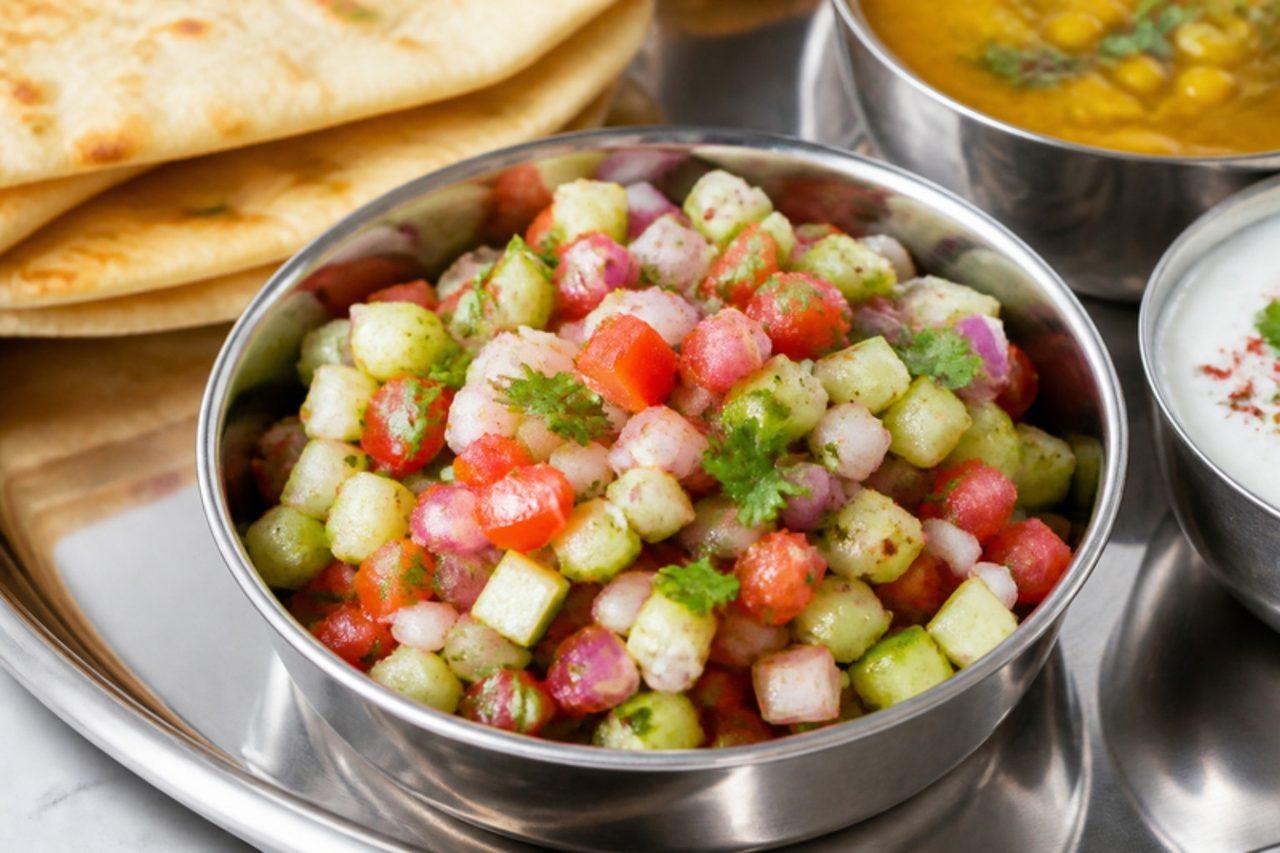
KachumberCucumber tomato onion salad

No North Indian or Gujarati thali is complete without a little heap of kachumber, the chopped salad that cuts through rich dal makhani, biryani or chhole in homes and dhabas from Delhi to Ahmedabad. Cucumber, tomato and onion are diced small and dressed only with lemon juice, salt, chilli and roasted cumin, so it stays crisp and sharp. A portion is about 40 kcal. The most common mistake is salting it too early; salt draws the water out of the cucumber and tomato and leaves a soggy puddle, so dress it just before serving. Chef's tip: soak the chopped onion in iced water for 5 minutes and drain; it loses its harsh bite and stays crunchy.

by KrazyBadal 0 views

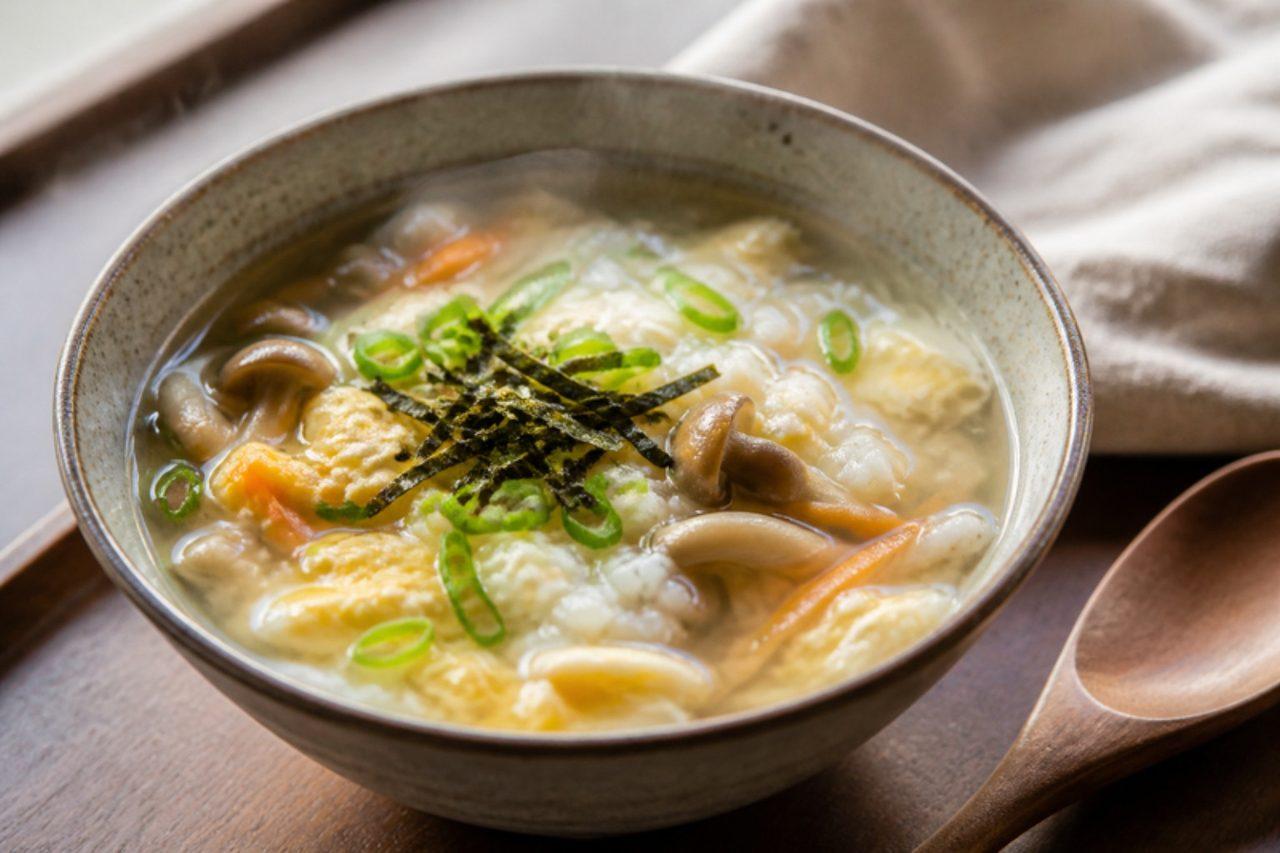
ZosuiRice and vegetable soup

In Japan, zosui is what happens to the last of the hotpot broth: when the nabe is nearly finished, leftover rice goes into the pot with beaten egg, and everyone shares the soft, savoury porridge at the end. It is also the light dish made at home for upset stomachs and cold nights, using any rice from the cooker. This version uses kombu-shiitake dashi, mushrooms and greens. Eggs are an allergen. A portion is about 260 kcal. The common mistake is stirring the rice too much, which turns it gluey like okayu; zosui should be loose, with separate grains in clear broth. Chef's tip: rinse the cooked rice briefly in a sieve before adding it; it washes off surface starch and keeps the broth clear.

by KrazyBadal 0 views

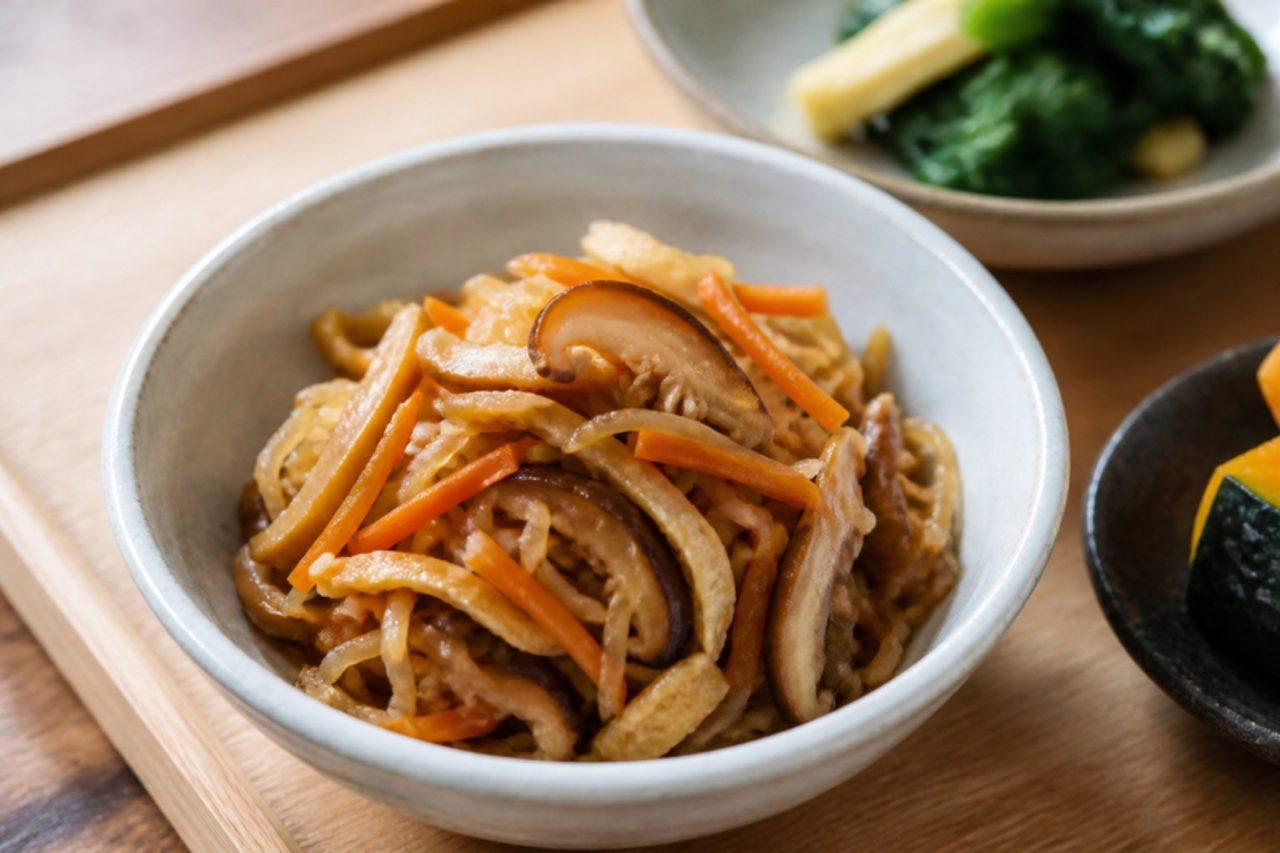
Kiriboshi daikon no nimonoSimmered dried daikon

Kiriboshi daikon, radish cut into thin strips and dried in the winter sun, is a pantry staple in Miyazaki, where most of it is made, and in homes all over Japan; simmered with carrot and thin fried tofu it becomes a brown, sweet-savoury side that fills bento boxes and the small plates of a home dinner. The dried strips have a deeper, sweeter flavour than fresh daikon and a pleasant chew. This vegetarian version uses kombu-shiitake dashi. A portion is about 95 kcal. The common mistake is soaking the dried daikon for too long; 10–15 minutes is enough, or it goes limp and loses its sweetness. Chef's tip: keep the soaking water and use a little of it in the broth; it is full of flavour.

by KrazyBadal 0 views

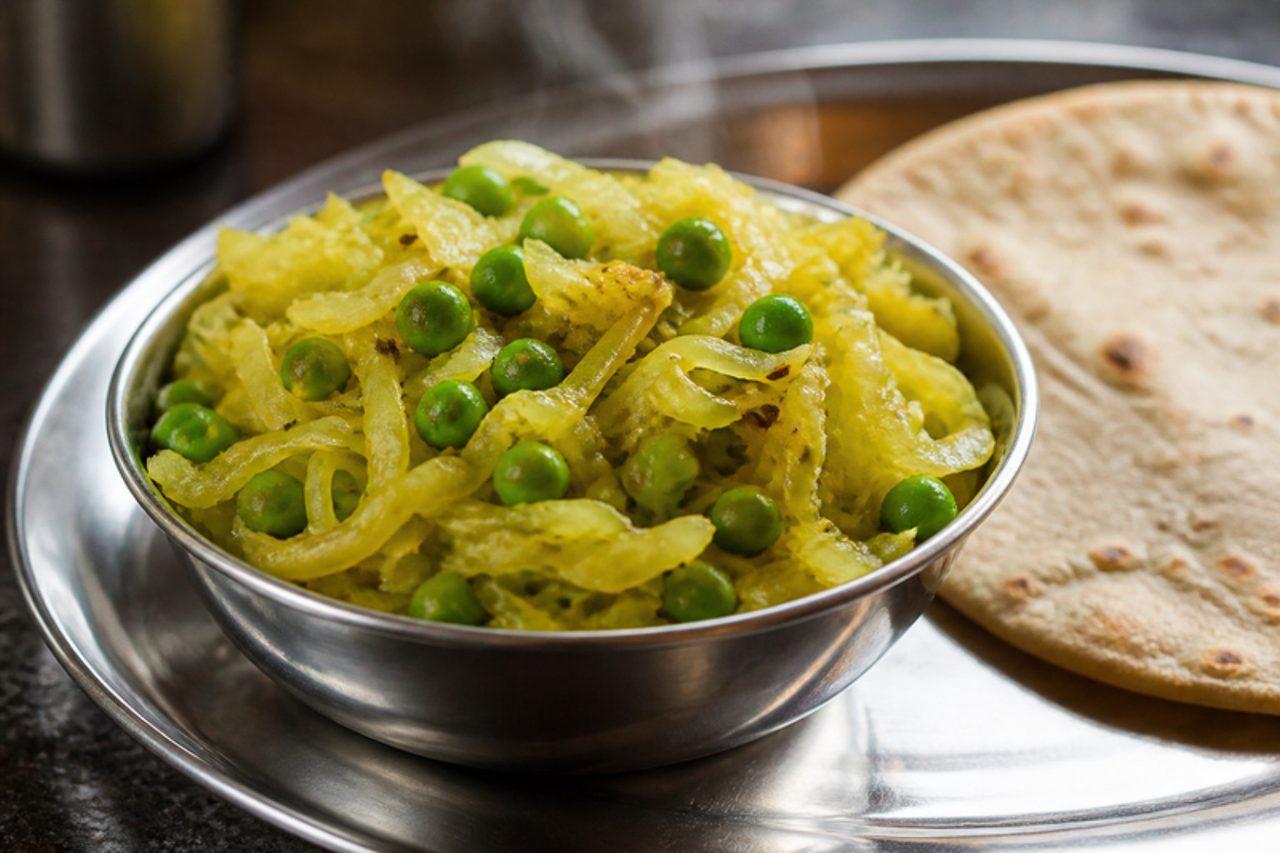
Patta gobhi matarCabbage and pea stir-fry

This is one of the plainest and most loved dishes of North Indian home cooking, made in Kanpur, Dehradun and Delhi on any weeknight when the fridge holds half a cabbage: finely shredded cabbage and green peas cooked fast with cumin, green chilli and turmeric until just wilted, still with some crunch. It goes into lunch boxes with ajwain parathas or onto the dinner thali with dal. A portion is about 110 kcal. The most common mistake is covering it for too long, which makes the cabbage watery and gives it a sulphur smell; cook it mostly uncovered on a fairly high heat. Chef's tip: shred the cabbage as finely as you can with a sharp knife; thin ribbons cook in five minutes and soak up the spices evenly.

by KrazyBadal 0 views

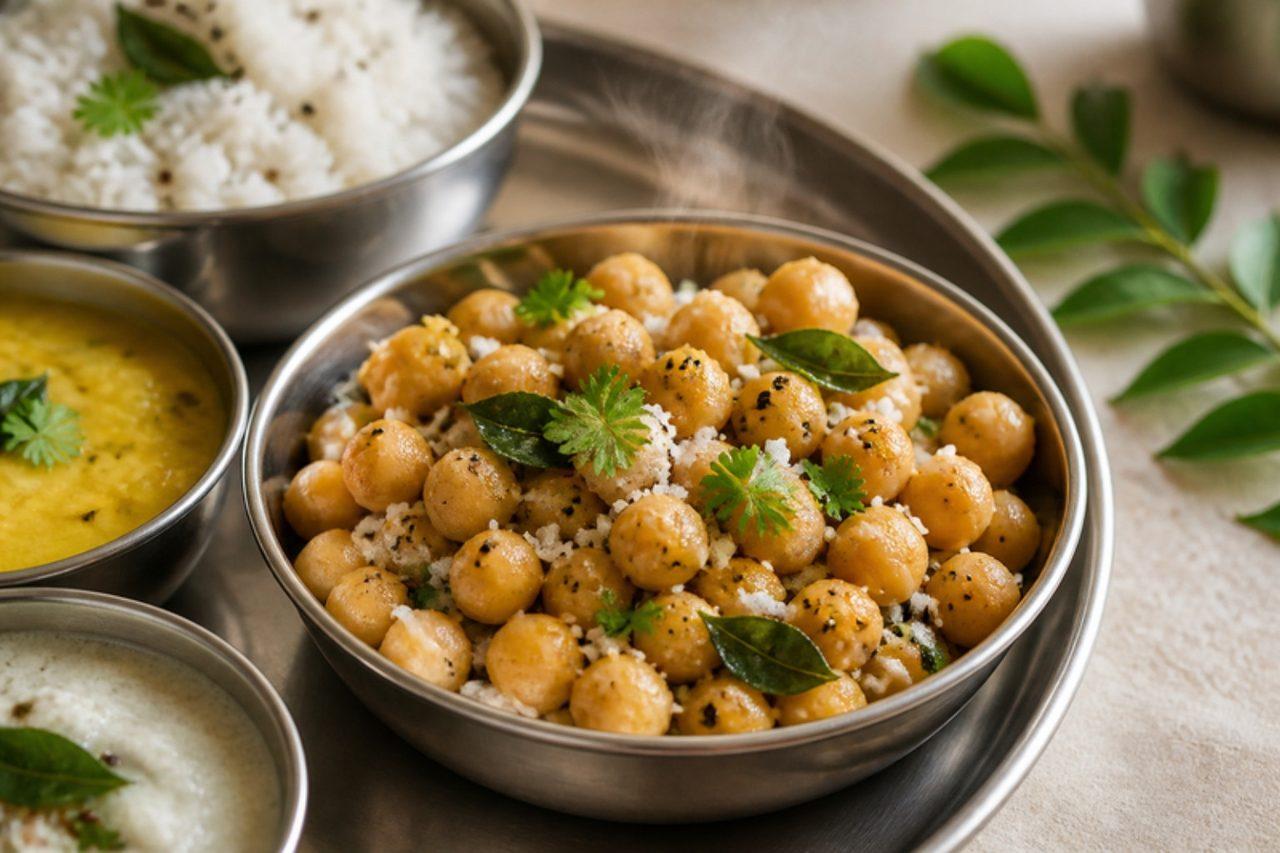
Chana sundalChickpea coconut stir-fry

On the sand of Chennai's Marina Beach, vendors sell sundal in paper cones at sunset, and during the nine nights of Navaratri every Tamil home makes a different sundal to offer at the golu doll display and hand out to visiting neighbours. This one is chickpeas tossed in a hot tempering of mustard seeds, urad dal, dried chilli and curry leaves, finished with fresh coconut and a squeeze of lime. A portion is about 190 kcal. Using cooked or tinned chickpeas keeps it under 20 minutes; if you start from dried, soak 120 g overnight and pressure-cook them until soft. The common mistake is wet, mushy chickpeas, which make the coconut clump; drain them well and let them steam dry for a few minutes. Chef's tip: add the coconut off the heat; cooked coconut loses its fresh, milky sweetness.

by KrazyBadal 0 views

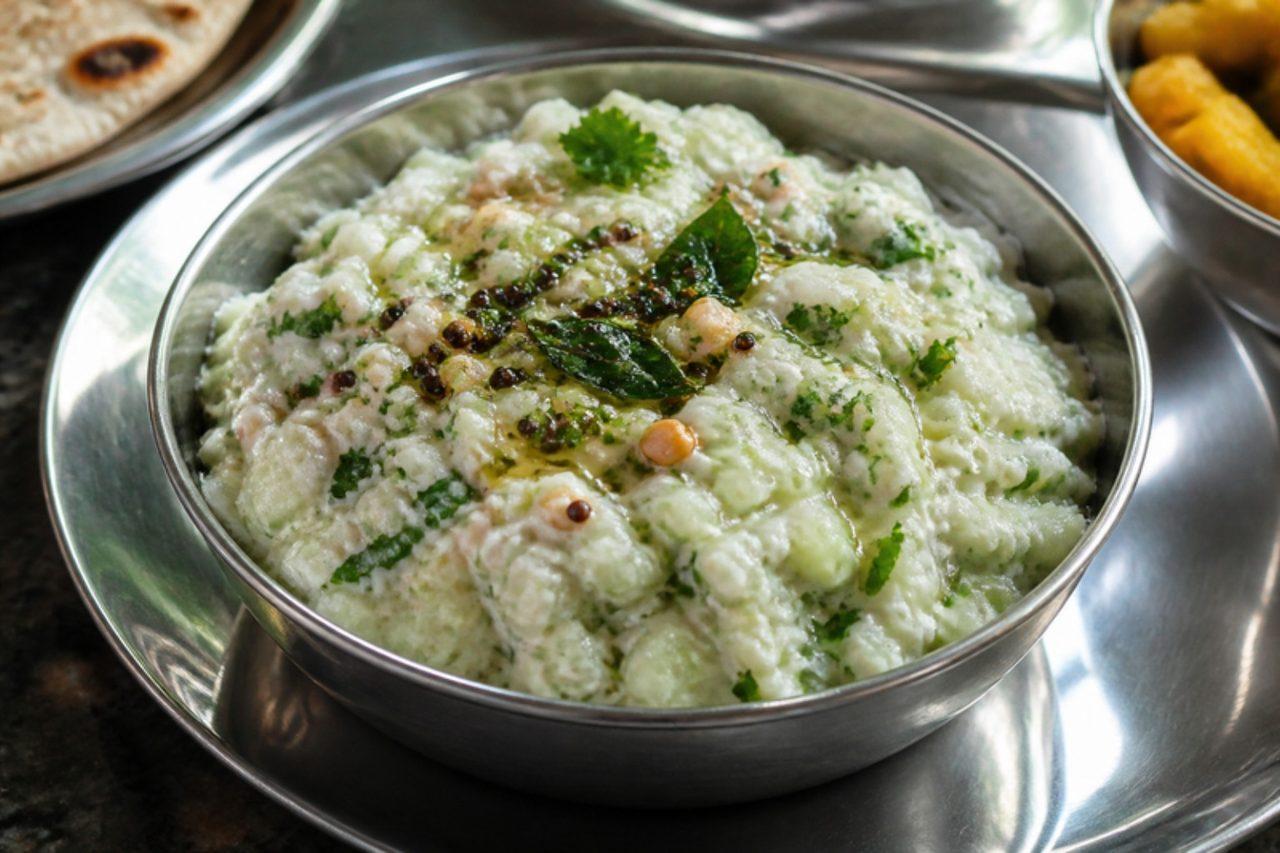
Kakdi koshimbirCucumber peanut salad

Koshimbir is the cool, crunchy salad that sits on the left side of a Marathi thali in Pune and Nashik, eaten at lunch with varan-bhaat and served at every festival meal. This one is grated or finely chopped cucumber mixed with crushed roasted peanuts, green chilli and a little yogurt, then finished with a fizz of mustard seeds and asafoetida in hot oil. A portion is about 110 kcal. The common mistake is not squeezing the cucumber, which makes the salad watery within minutes; press out the juice (and drink it). Chef's tip: add the crushed peanuts at the last moment so they stay crunchy, and use a pinch of sugar only if your yogurt is very sour.

by KrazyBadal 0 views

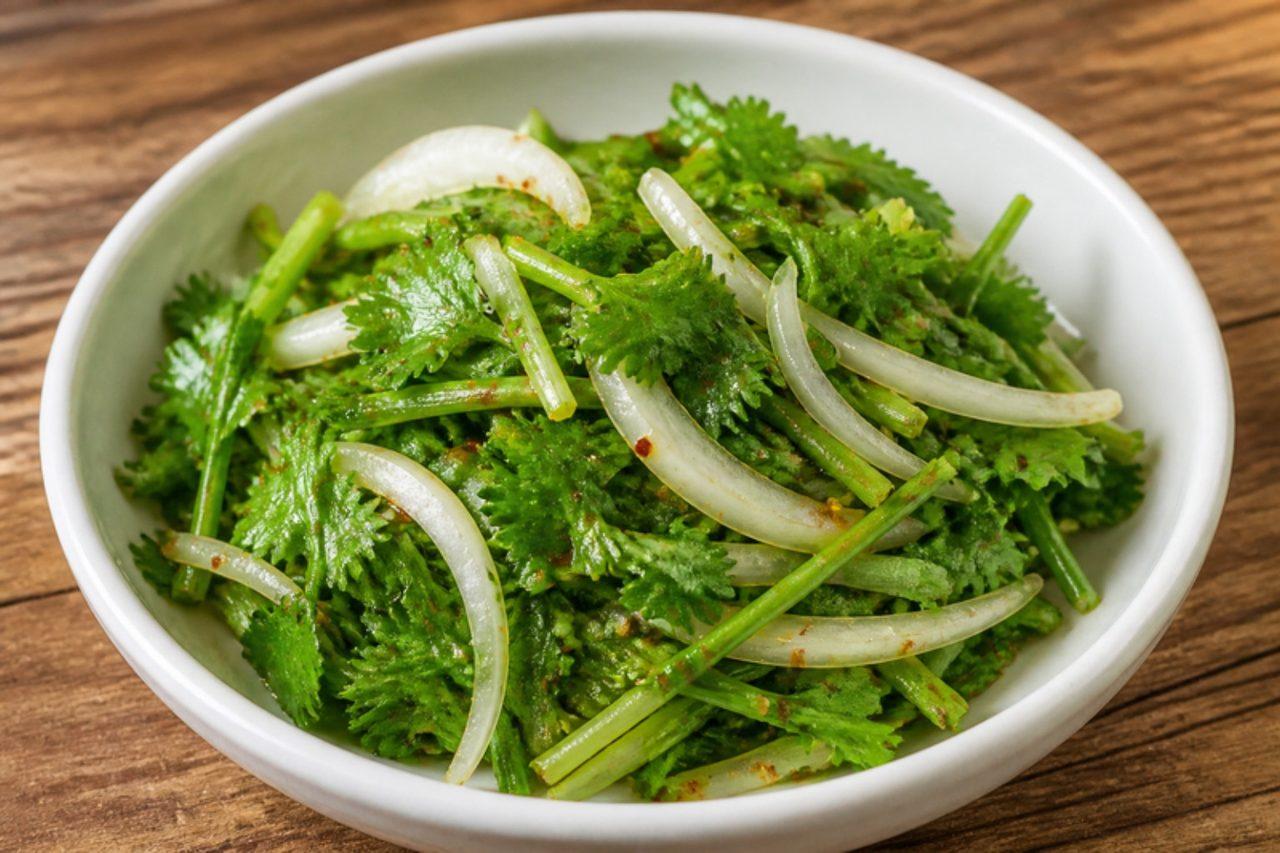
Minari muchimWater dropwort salad

Minari, Korean water dropwort, grows in the wet fields of Cheongdo and around Daegu, and in early spring Koreans eat it raw and crunchy as a sharp, peppery salad: the stems are tossed in a sweet-sour dressing of gochugaru, vinegar, garlic and a touch of sugar, with thinly sliced onion. It is served alongside grilled pork belly or a fish stew to freshen the palate. A portion is about 50 kcal. If minari is hard to find, use watercress or celery leaves with stems. The common mistake is dressing it too early: the leaves wilt and weep within half an hour, so toss it just before eating. Chef's tip: soak the cut minari in iced water for five minutes first; it turns very crisp.

by KrazyBadal 0 views

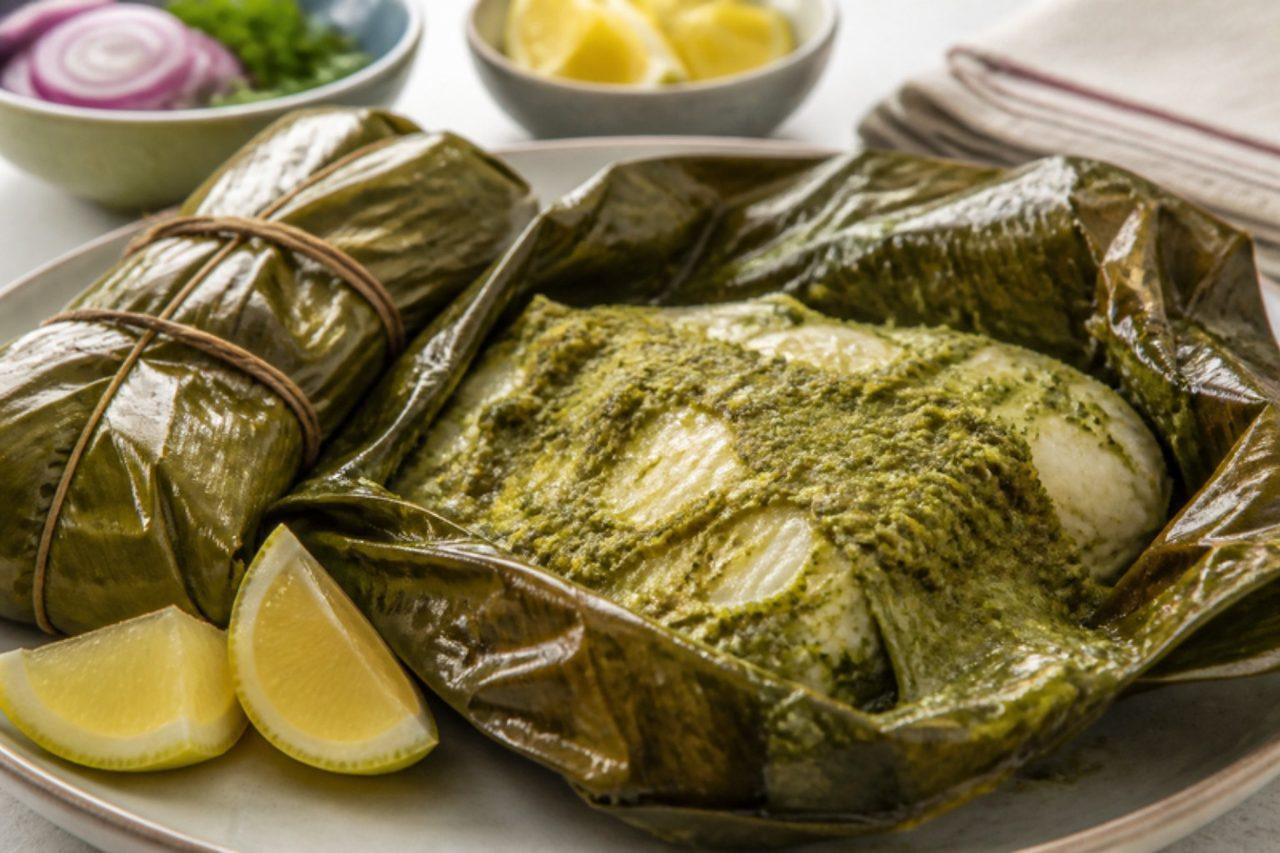
Patra ni machhiSteamed fish in green chutney

No Parsi wedding feast in Mumbai or Navsari, the lagan nu bhonu, is complete without patra ni machhi: pieces of pomfret smothered in a bright green chutney of coconut, coriander, mint, green chilli and lime, wrapped in banana leaves and steamed. When the parcels are opened at the table the fish is moist and tender and the chutney tangy and fragrant. It is also an easy, light dinner at home. A portion is about 240 kcal. The common mistake is steaming too long: thin fillets need only 12–15 minutes, and overcooked fish turns dry and chalky. Chef's tip: pass the banana leaves briefly over a gas flame or dip them in hot water first; they turn soft and glossy and fold without tearing. Foil works if you can't get leaves.

35 minIndianFishGluten free
by KrazyBadal 0 views

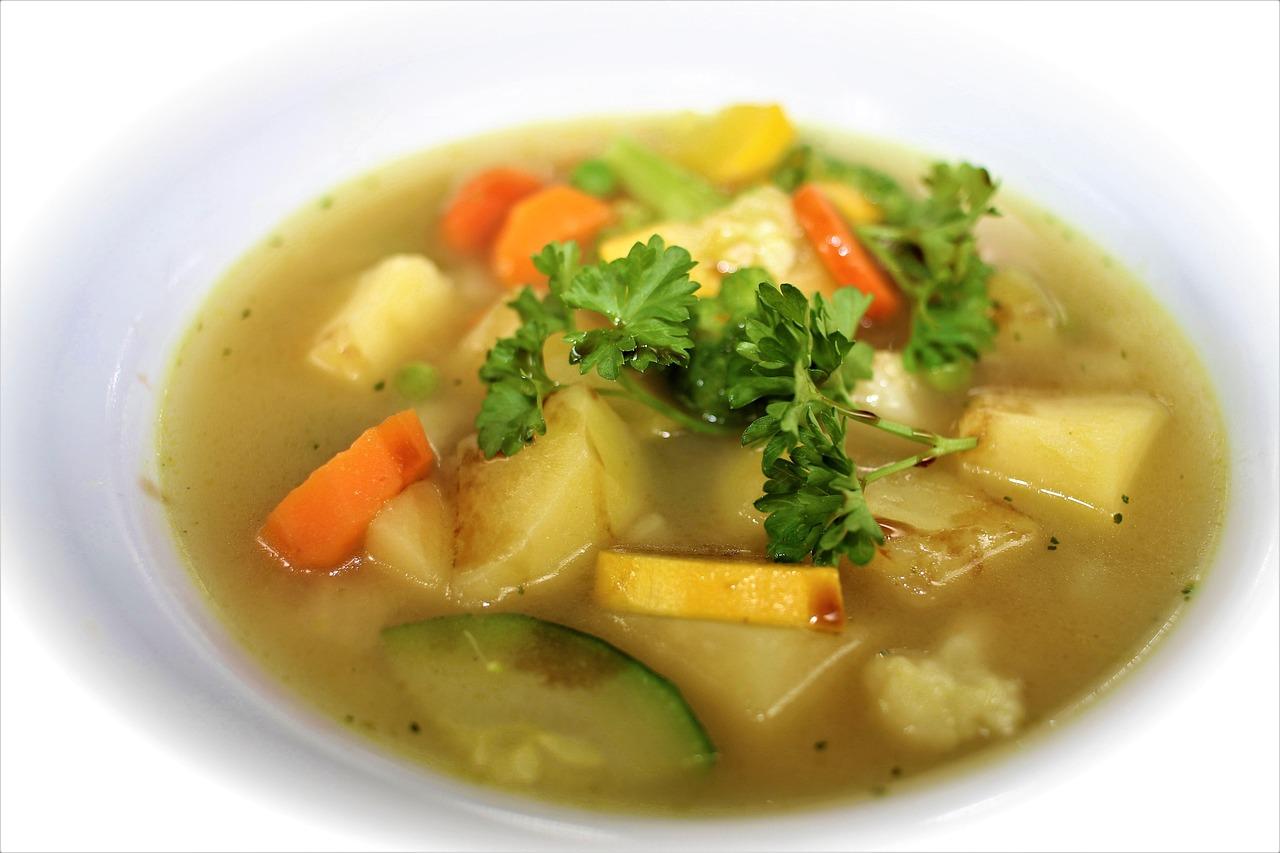
Zupa jarzynowaMixed vegetable soup

Zupa jarzynowa is what a Polish kitchen makes when the vegetable drawer needs clearing: carrots, parsley root, celeriac, potatoes, cauliflower, green beans and peas, all diced small and simmered in one pot. From Białystok to Szczecin it is the Monday soup, the canteen soup and the soup for anyone off their food, and it is eaten with bread and a swirl of soured cream. A common mistake is putting everything in at once, so the beans and peas turn khaki and soft. Chef's tip: add the vegetables in stages, roots first, green things last, and every spoonful has a bit of bite.

by KrazyBadal 0 views

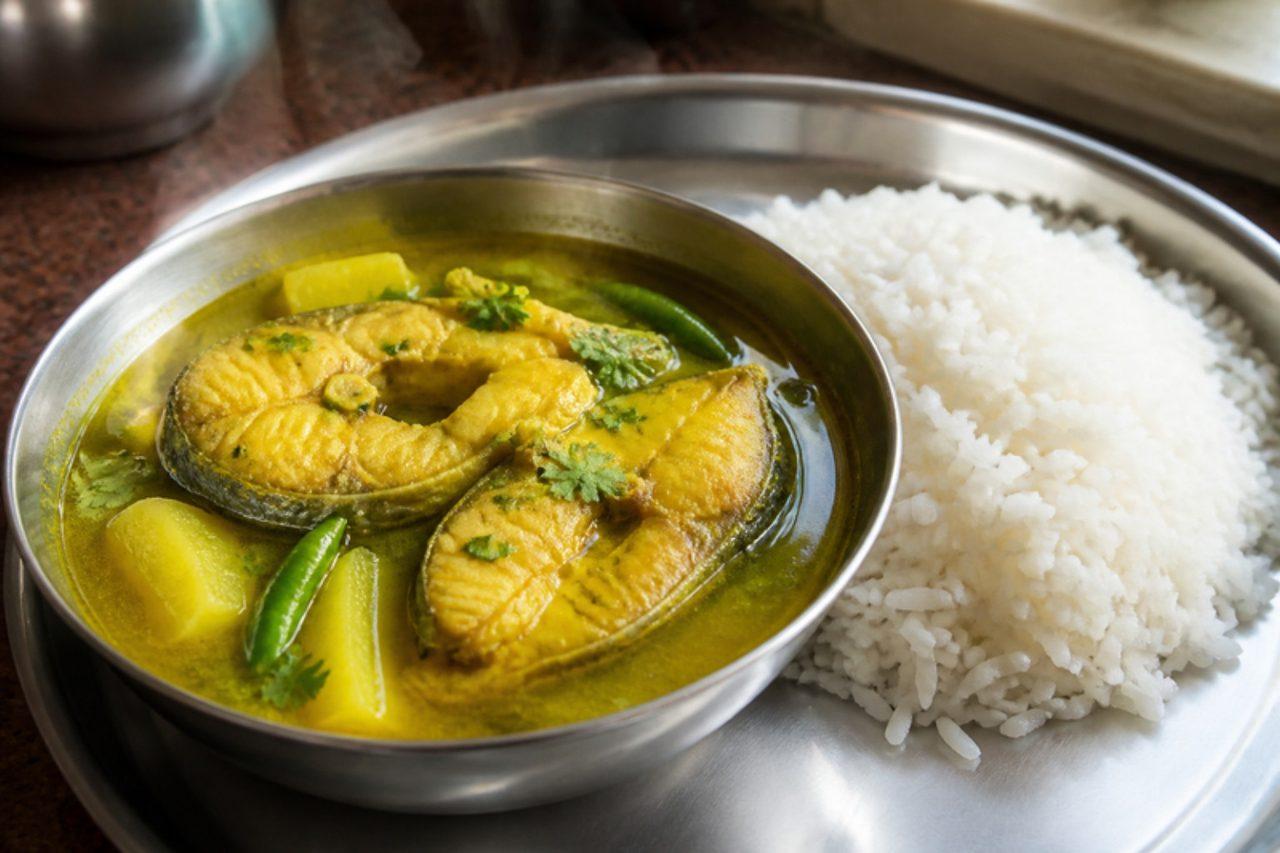
Macher jholLight fish curry

Macher jhol is the dish Bengalis miss most when they leave Kolkata: a thin, turmeric-yellow broth with pieces of rohu or catla, a few potato wedges and sometimes cauliflower or aubergine, eaten every day with plain rice at lunch. It is light, gently spicy with ginger and cumin, and finished with green chillies and coriander; it is the dish mothers make for children and anyone recovering from illness. A portion is about 260 kcal. The most common mistake is skipping the light frying of the fish, or frying it too long; a minute or two each side seals it and keeps it from breaking in the broth. Chef's tip: rub the fish with turmeric and salt for 10 minutes before frying; it firms the flesh and takes away any muddy taste of river fish.

40 minIndianFishGluten free
by KrazyBadal 0 views

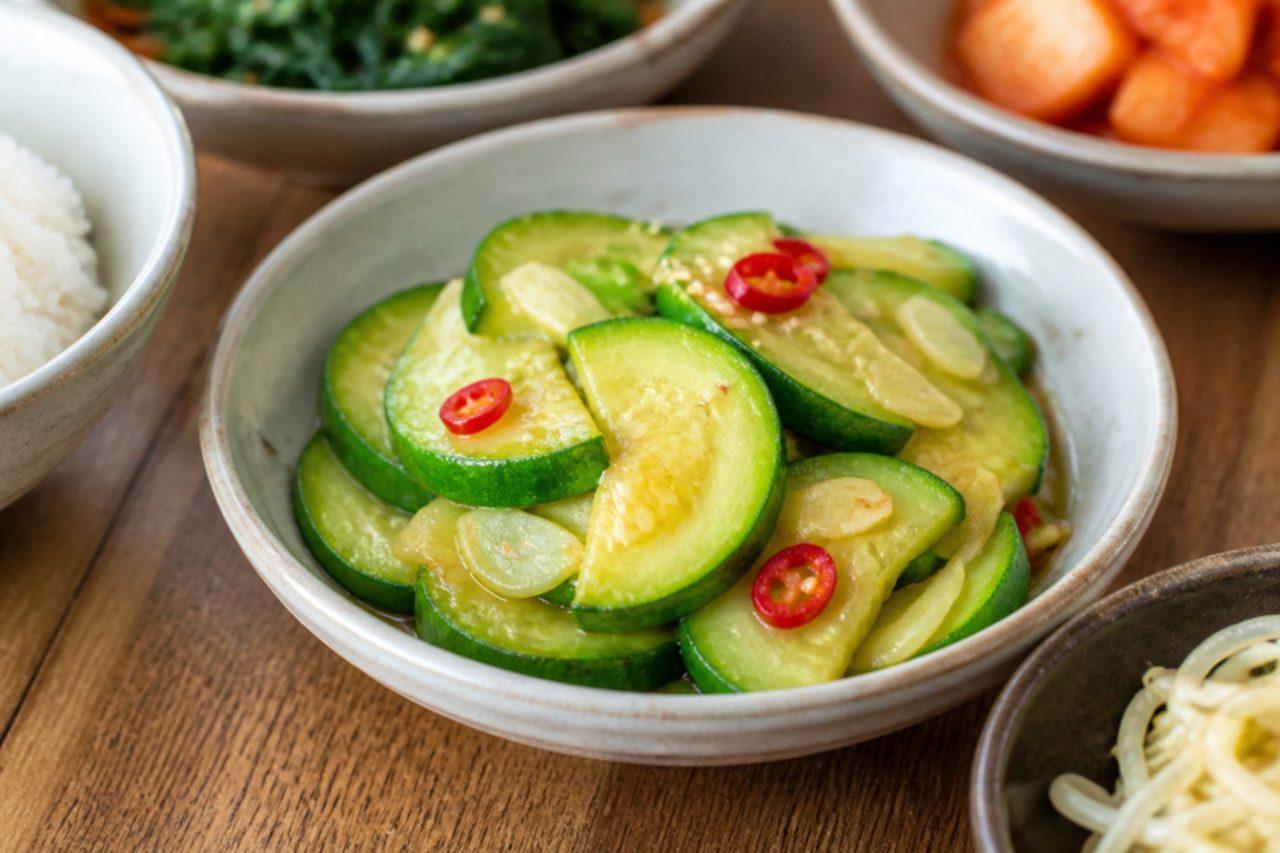
Aehobak bokkeumStir-fried courgette

Aehobak, the pale green Korean courgette, is in every market from Gwangjang in Seoul to Busan's Jagalchi all summer, and a quick stir-fry of it is one of the banchan most often on the family table and in school lunches. Half-moon slices are lightly salted, then stir-fried with garlic until just tender and glossy, and finished with sesame. Many homes season it with saeujeot, salted shrimp; this version uses salt and a little soy instead, so it is vegan. A portion is about 45 kcal. The common mistake is overcooking, which leaves limp, watery slices; cook it hot and fast and take it off while the slices still have a little bite. Chef's tip: salting the slices for 10 minutes and patting them dry keeps them firm and stops the pan filling with liquid.

by KrazyBadal 0 views

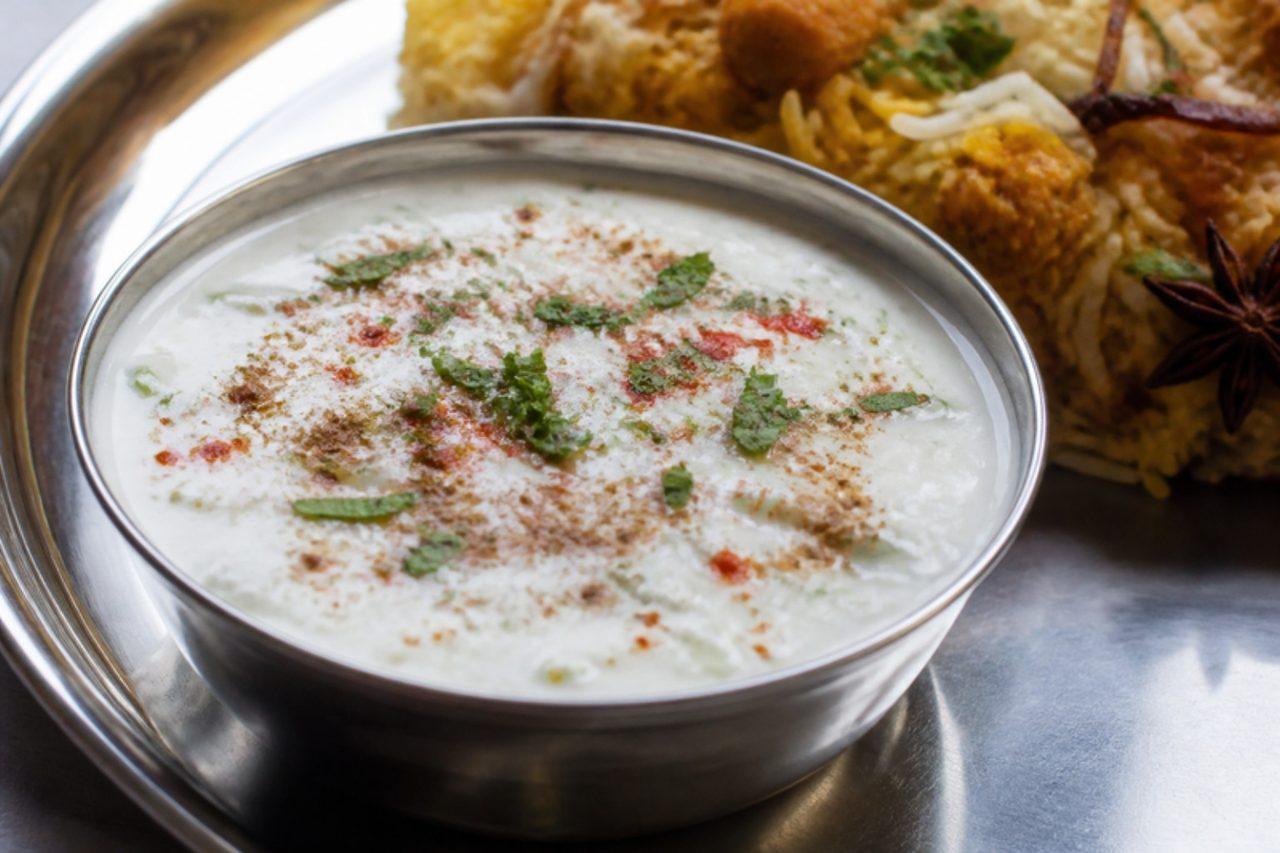
Kheera raitaCucumber yogurt dip

From Lucknow dinner tables to the biryani counters of Old Delhi, a bowl of cucumber raita is the cooling answer to anything spicy, and in summer it is eaten on its own with a paratha. Grated cucumber is folded into smooth, whisked yogurt with freshly roasted cumin, mint and a pinch of black salt. A portion is about 70 kcal. The common mistake is using yogurt straight from the pot without whisking, which gives a lumpy raita; whisk it smooth first and thin it with a spoon of cold water if needed. Chef's tip: roast whole cumin seeds in a dry pan and crush them yourself just before serving; the smoky smell is what makes a raita sing.

by KrazyBadal 0 views

Kambu koozhPearl millet porridge

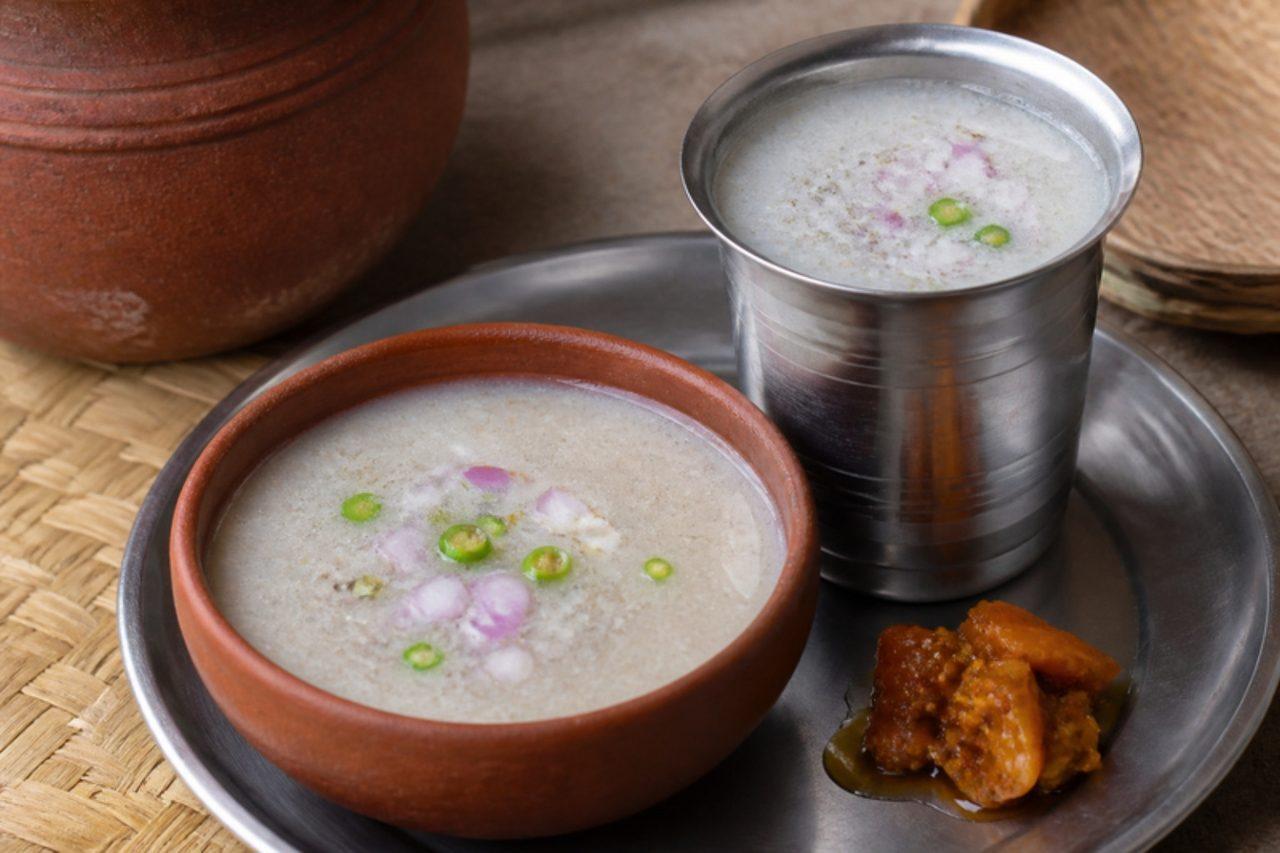
In the hot months in rural Tamil Nadu, and at the Aadi festival of the village goddesses, big clay pots of kambu koozh are made the evening before and ladled out cold at midday to farm workers and pilgrims. Pearl-millet flour is cooked into a thick porridge, left overnight to sour lightly, then thinned with buttermilk and salt and eaten with chopped raw shallots, green chilli and a bite of pickle. It is sour, filling and surprisingly refreshing. A glass is about 165 kcal. Allow 8–12 hours of fermenting, not counted in the times. The usual mistake is adding the buttermilk to warm porridge, which makes it grainy; it must be completely cold first. Chef's tip: cook the porridge in a clay or steel pot rather than non-stick; it ferments more evenly and gets that clean, tangy taste.

by KrazyBadal 0 views

Gajar matarCarrot and pea stir-fry

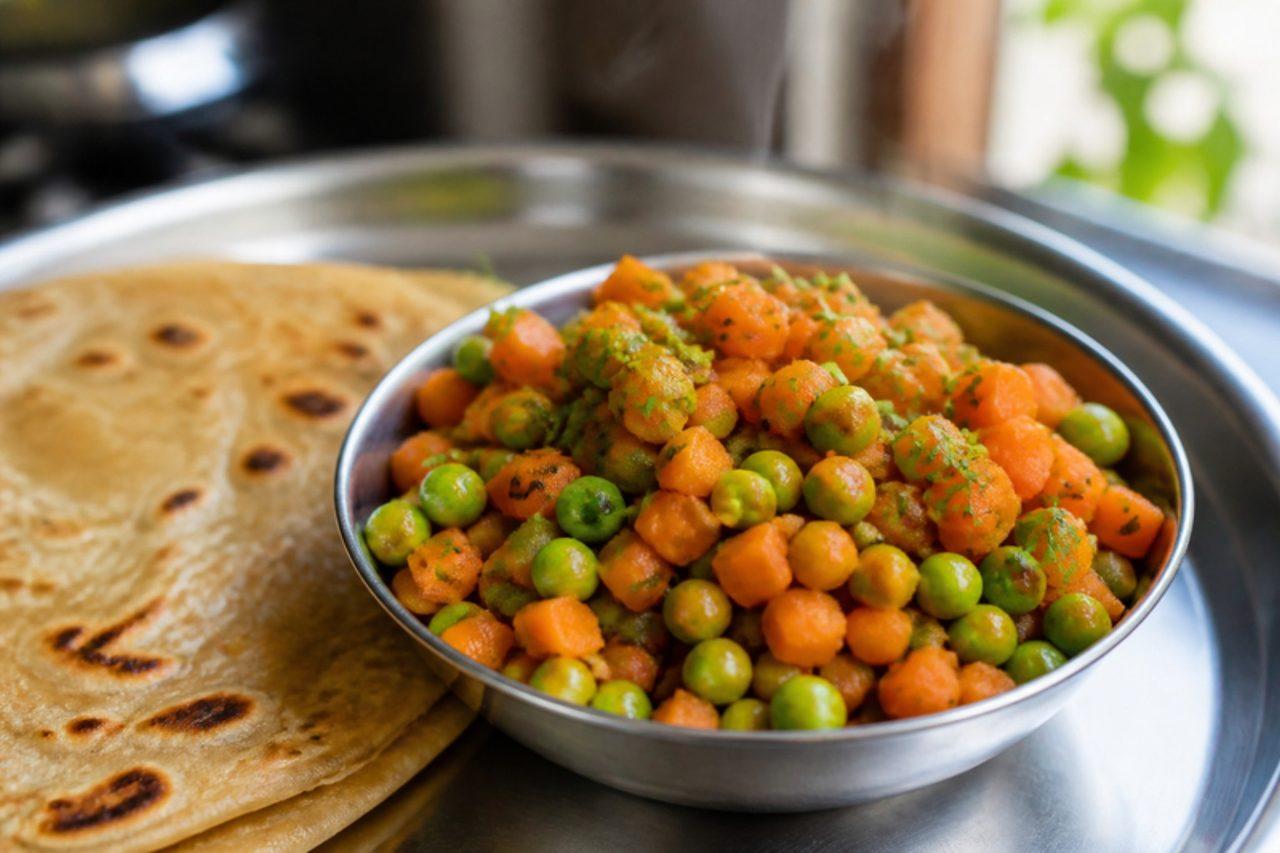
Come December, the carts in Delhi and Lucknow are full of long red Delhi carrots and pods of fresh peas, and gajar matar becomes the everyday sabzi of the season, packed into tiffins with paratha or eaten with dal and rice. Diced carrot and peas are cooked with cumin, a little ginger and dry spices until just tender and sweet. Children tend to like it for its colour and mild taste. A portion is about 120 kcal. The usual mistake is cutting the carrot too big, so the peas go wrinkly before the carrot is cooked; dice it to the size of a pea. Chef's tip: if you can find the red winter carrots, use them; they are sweeter and juicier than orange ones, so you need no sugar at all.

by KrazyBadal 0 views

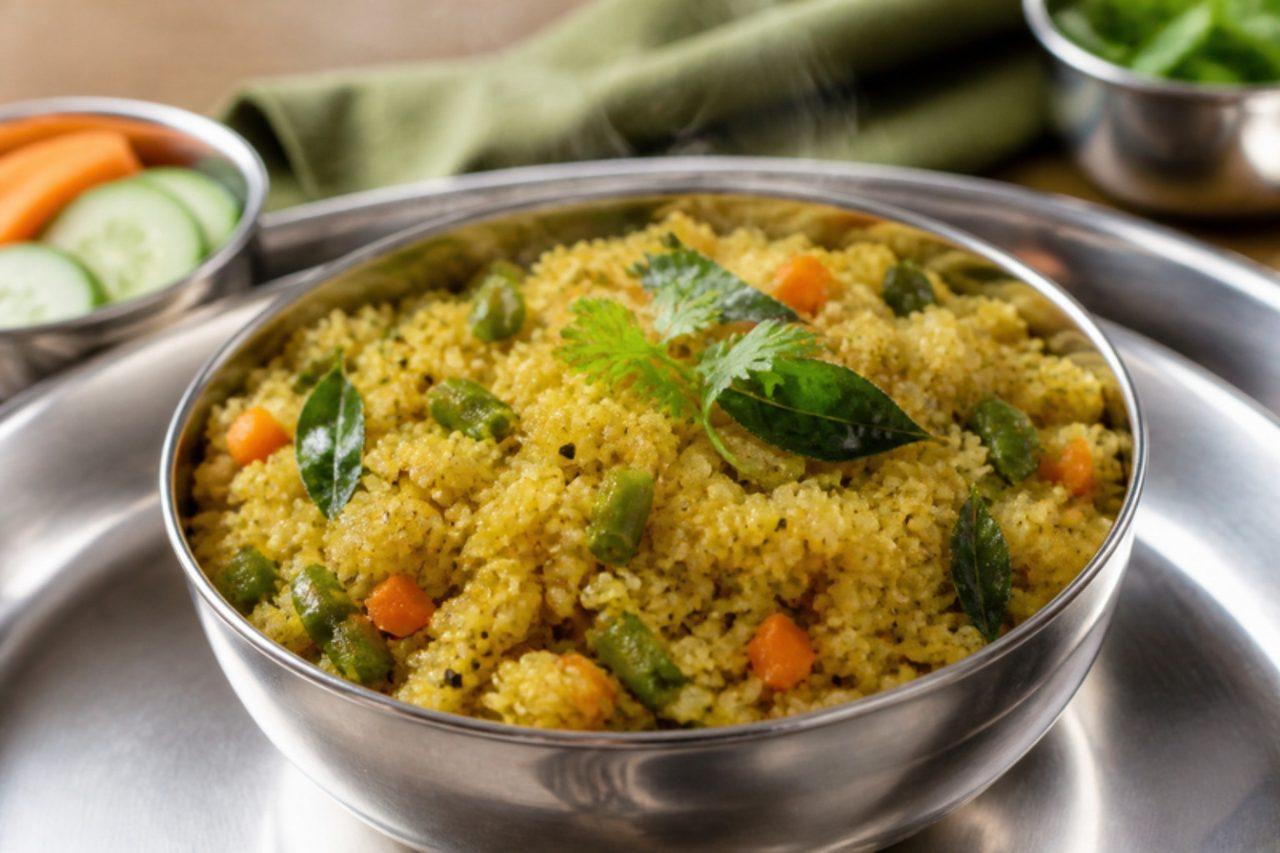
Thinai upmaFoxtail millet upma

Foxtail millet, thinai, was the grain of the Tamil hills long before rice took over, and in Coimbatore and Madurai it has come back into home kitchens as a lighter breakfast for diabetics and anyone watching their rice. Here it is cooked like a vegetable upma: a tempering of mustard seeds, urad and chana dal, then onion, carrot, beans and peas, and the rinsed millet simmered until each grain is fluffy and separate. A portion is about 250 kcal. The common mistake is too much water, which makes it gluey; use two and a half times the millet's volume and leave it covered off the heat to finish. Chef's tip: toast the rinsed millet in the pan for three minutes before the water goes in; it stays separate and tastes nuttier.

by KrazyBadal 0 views

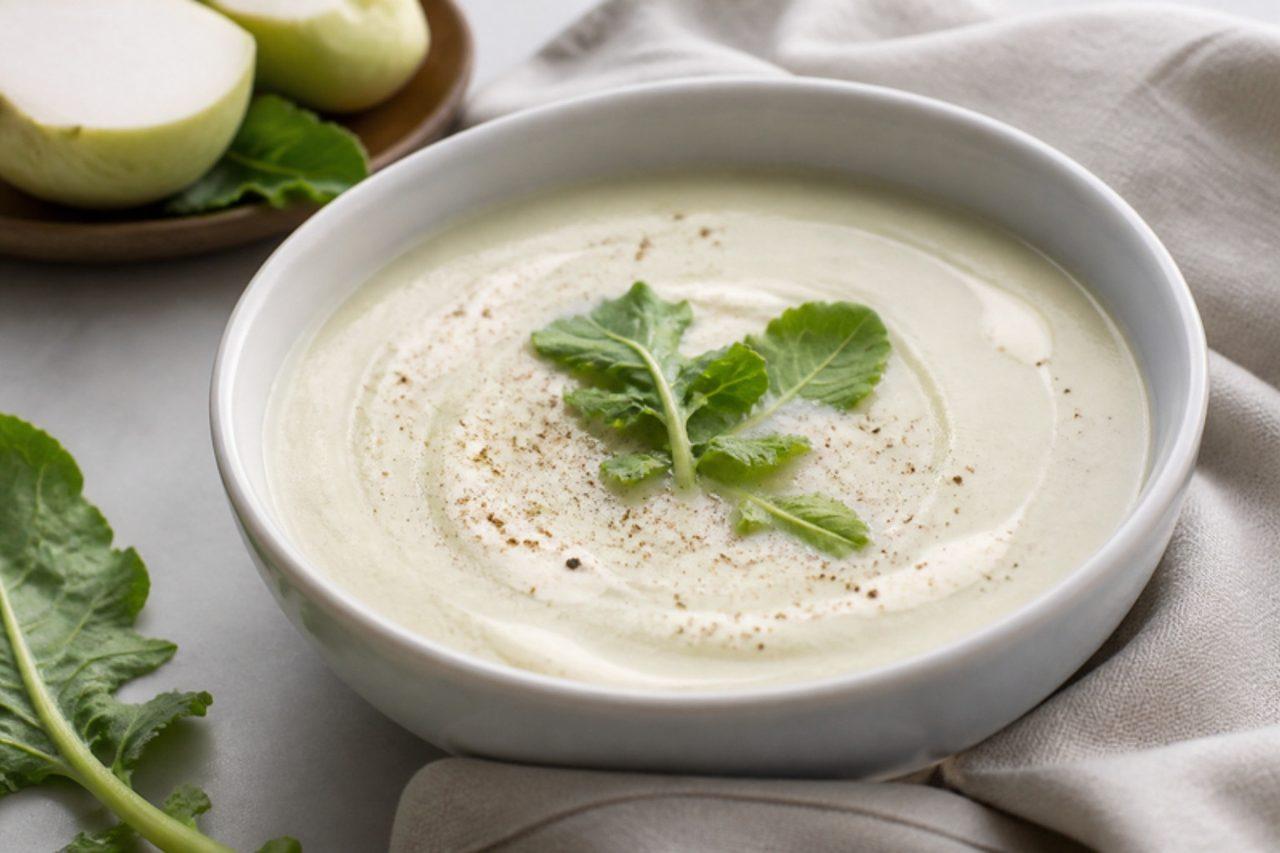
KohlrabisuppeKohlrabi soup

When the first pale-green kohlrabi arrive at market stalls in Hamburg, Bremen and across Lower Saxony in May, many families turn them into this gentle, creamy soup for a light lunch. Kohlrabi is cooked with a little potato for body, blended smooth and finished with cream, nutmeg and the bulb's own chopped young leaves, which taste like mild cabbage. Bread and butter is all it needs. A common mistake is leaving the woody lower part of the skin on: peel thickly, or fibres will spoil the texture. Chef's tip: keep the smallest, most tender leaves, shred them finely and stir them in raw at the end for colour and a fresh bite.

by KrazyBadal 0 views

Mooli ki sabziRadish stir-fry

In Punjab and western Uttar Pradesh, radishes are bought with their leafy tops in the winter months, and nothing is wasted: the root is grated and the greens chopped, and both are cooked down with ajwain and green chilli into a soft, slightly sweet sabzi. It is eaten with makki or wheat roti and a spoon of white butter for those who are not counting, and it is very light without it. A portion is about 80 kcal. The usual mistake is skipping the squeeze: grated radish holds a lot of sharp-tasting water, so press it out first, or the sabzi turns soupy and bitter. Chef's tip: ajwain is the classic partner for radish; it softens the pungency and helps digestion, so don't leave it out.

by KrazyBadal 0 views

JapgokbapMultigrain rice

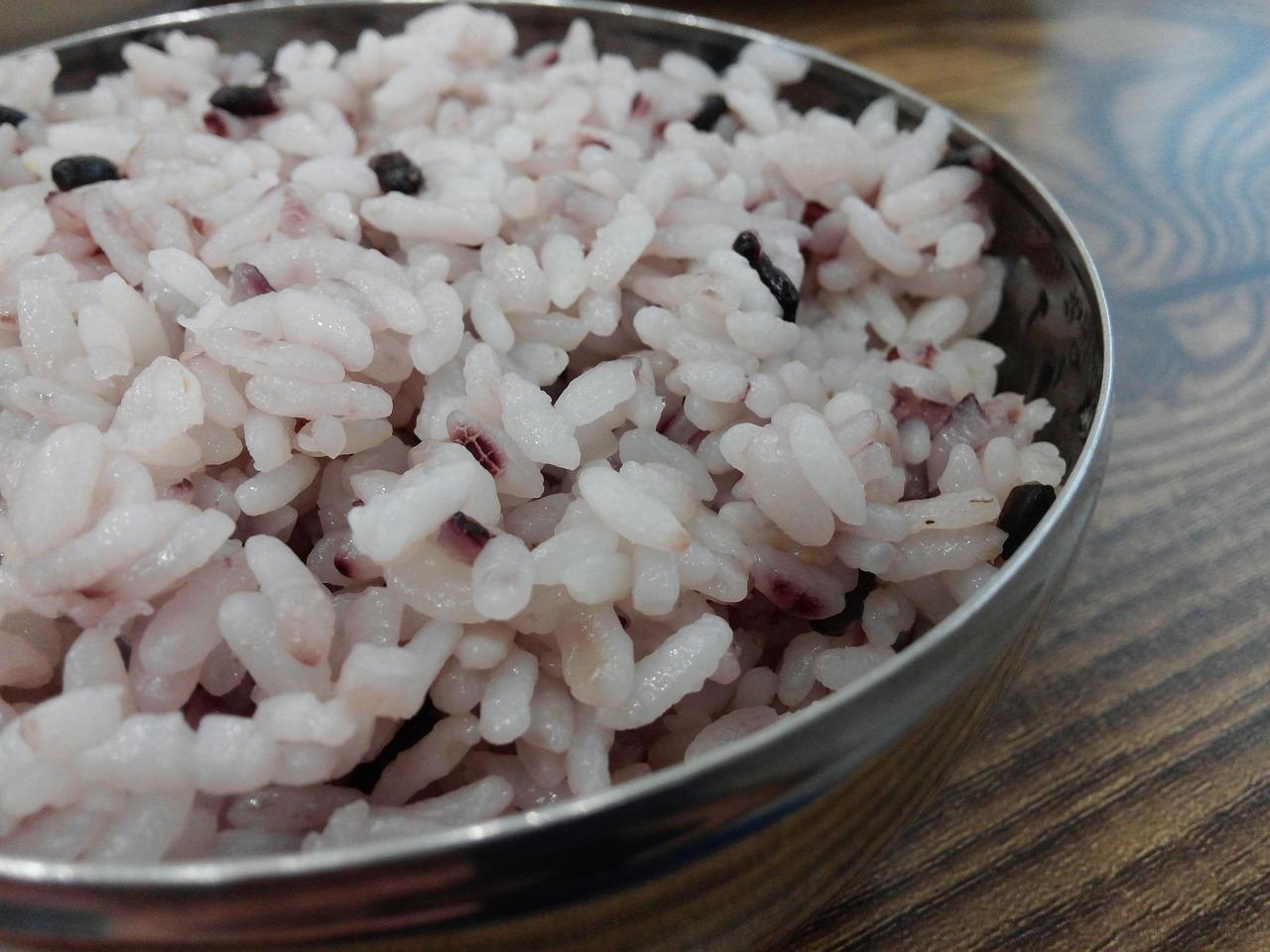
In Korean homes today, the bowl of rice beside the stew is more often japgokbap than plain white: short-grain rice cooked with a handful each of barley, brown rice, black rice, millet and beans, which turns it purple-grey, chewy and nutty. Supermarkets in Seoul sell ready-mixed bags of japgok for the rice cooker, and the habit goes back to times when rice was rationed and stretched with other grains. A portion is about 270 kcal, with far more fibre than white rice. The beans and brown grains need soaking: 4 hours or overnight (not counted). The common mistake is cooking it with the water for white rice; whole grains need about a quarter more. Chef's tip: soak the beans and brown grains separately from the white rice, which only needs 20 minutes; that way nothing ends up hard or mushy.

by KrazyBadal 0 views

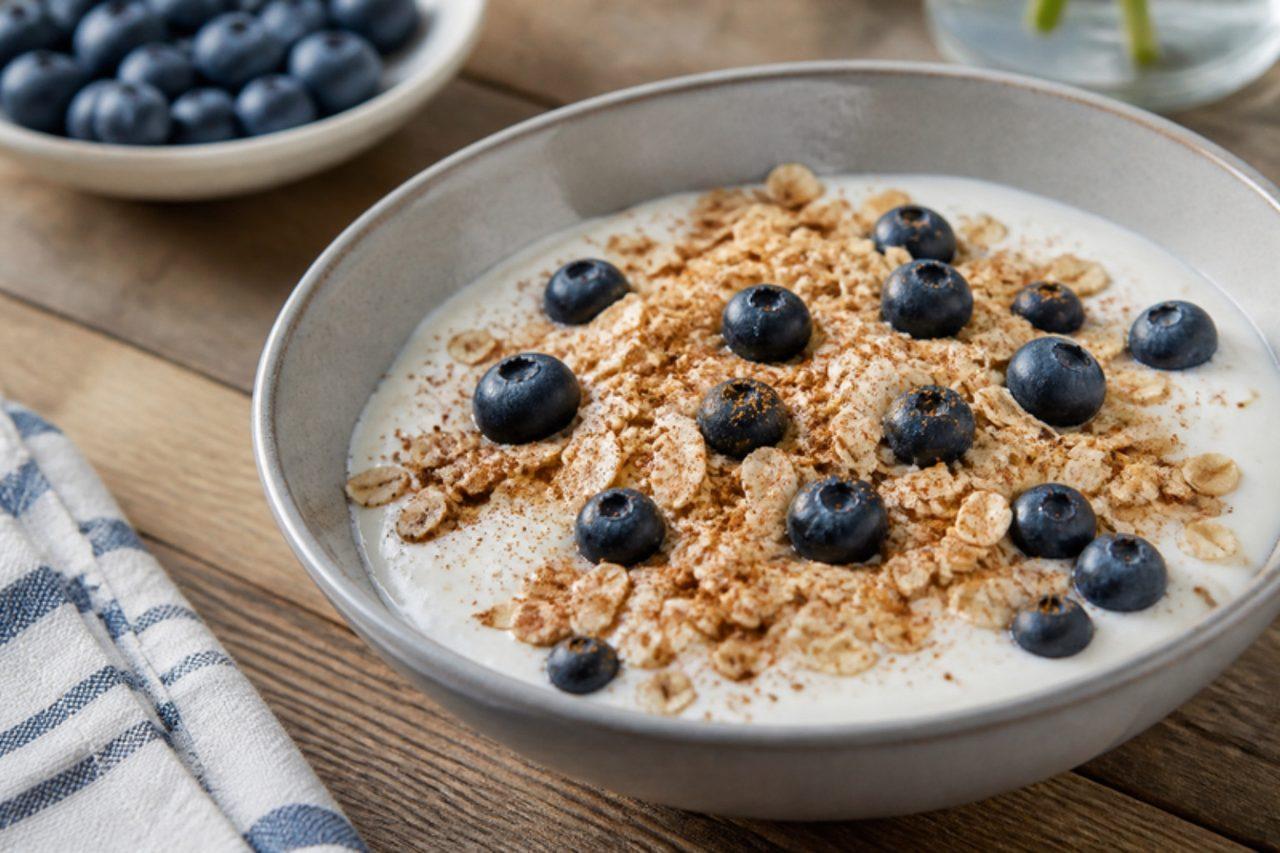
Filmjölk with muesliSoured milk with muesli

Swedish breakfast tables, from Stockholm flats to Norrland cabins, almost always have a carton of filmjölk: a mild, pourable cultured milk that is less sour than yogurt and thinner than kefir. It goes into a deep plate, never a glass, with muesli, fresh berries and a dusting of cinnamon. Here you can make your own filmjölk by culturing milk with a few spoons of shop-bought filmjölk or buttermilk. A common mistake is warming the milk too much, which kills the culture. Chef's tip: let it set at warm room temperature, about 20–22 °C, for 24 hours until it wobbles like soft custard.

by KrazyBadal 0 views

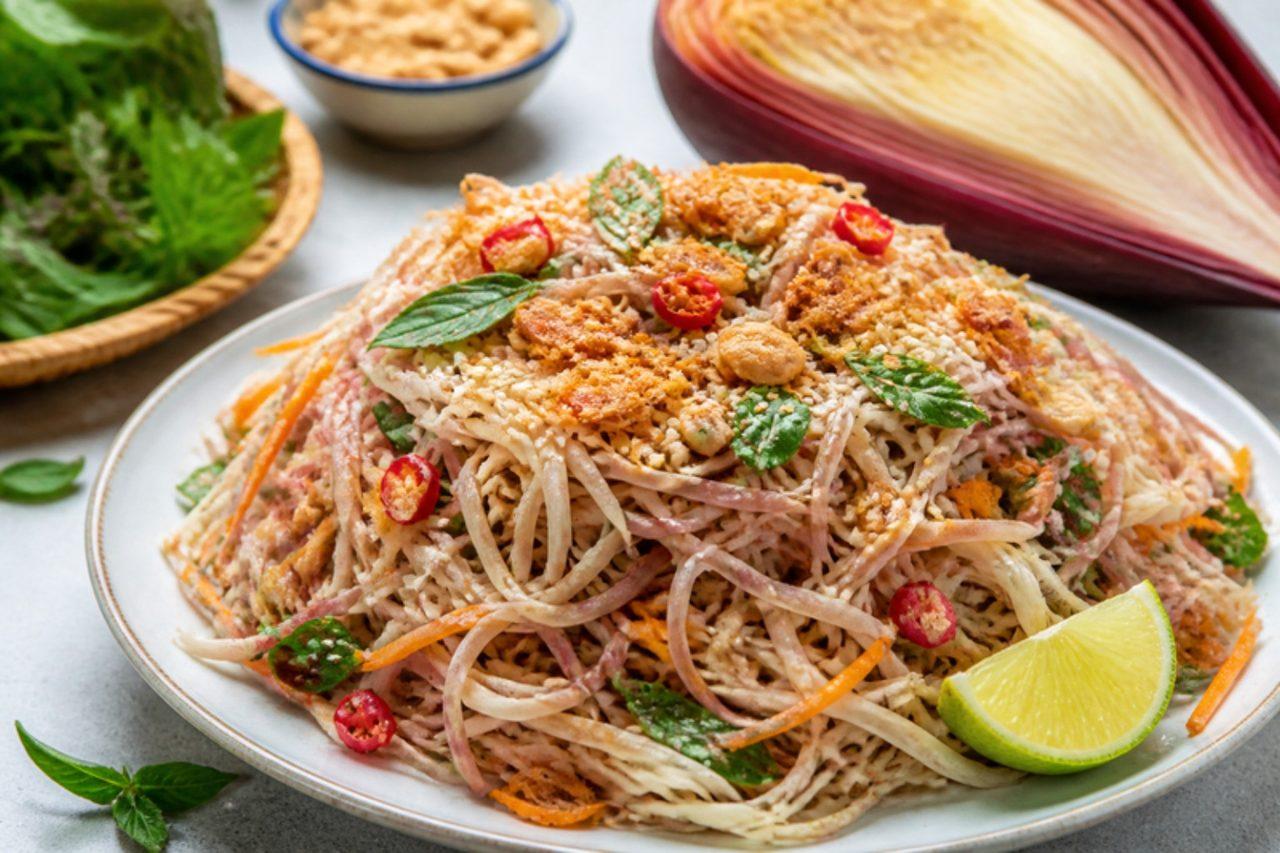
Nộm hoa chuốiBanana blossom salad

Hanoi cooks make nộm hoa chuối on hot summer days and as a sharp, crunchy partner to boiled meats at family gatherings, when a banana blossom from the market is sliced paper-thin into acidulated water. The pale purple-white shreds taste faintly nutty and astringent, softened by a sweet-sour fish-sauce dressing, carrot, rau răm and plenty of toasted peanuts and sesame; many households add poached chicken or pig's ear. Chef's tip: slice the blossom straight into lime water and keep it submerged; sliced banana blossom left in the air blackens within minutes.

by KrazyBadal 0 views

Gỏi đu đủ khô bòGreen papaya salad with beef jerky

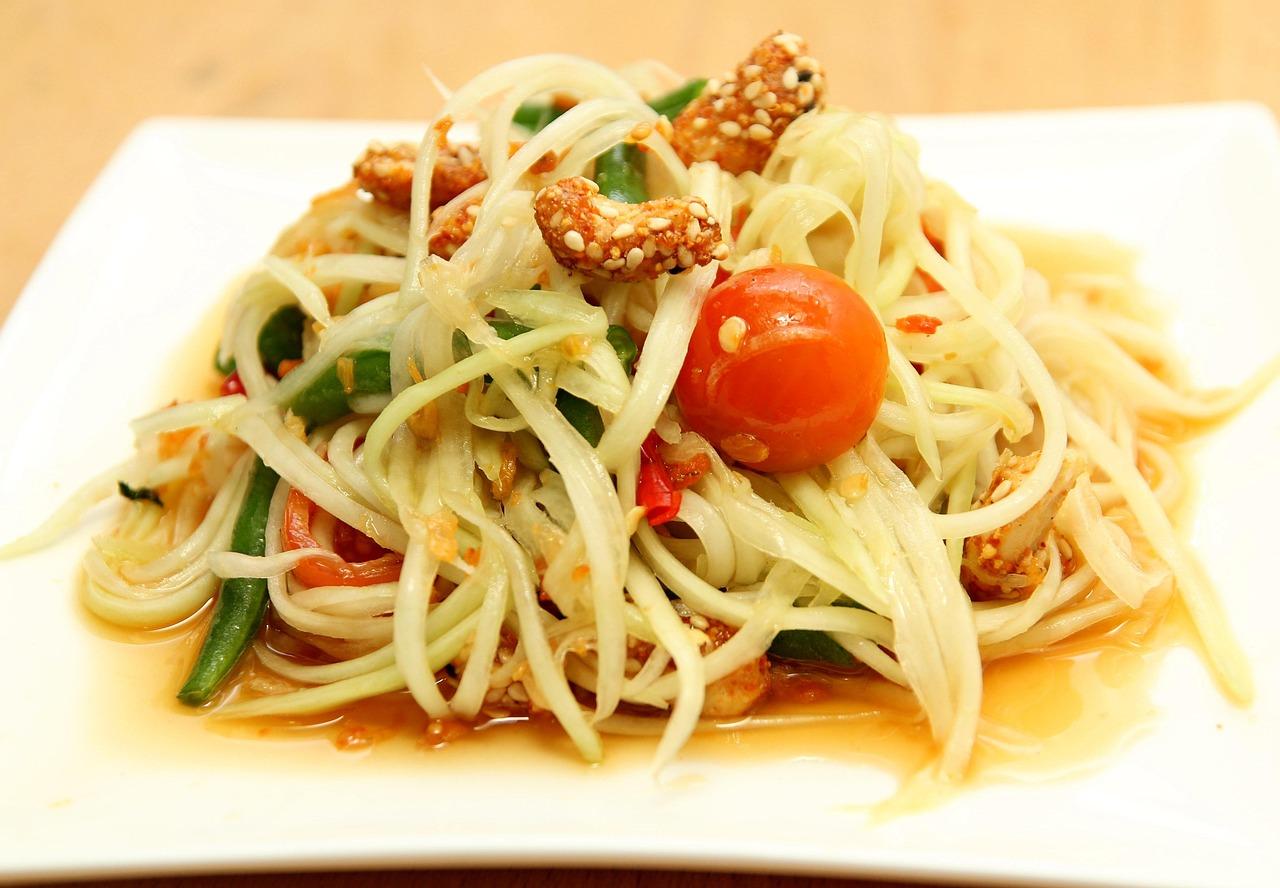
Outside Saigon's schools and in the alleys off Hồ Con Rùa, carts piled with shredded green papaya sell gỏi đu đủ khô bò by the plate as an after-school or after-work snack. The papaya is crisp and cool, tossed with strips of sweet-spicy beef jerky, Thai basil and rau răm, then drowned in a thin, sweet fish-sauce dressing and finished with peanuts and a squirt of chilli sauce. It is lighter and sweeter than Thai som tam and never pounded. Chef's tip: soak the shredded papaya in iced salted water and dry it well; skip this and the salad is limp and the dressing tastes watery.

by KrazyBadal 0 views

Canh mướp tômLuffa and prawn soup

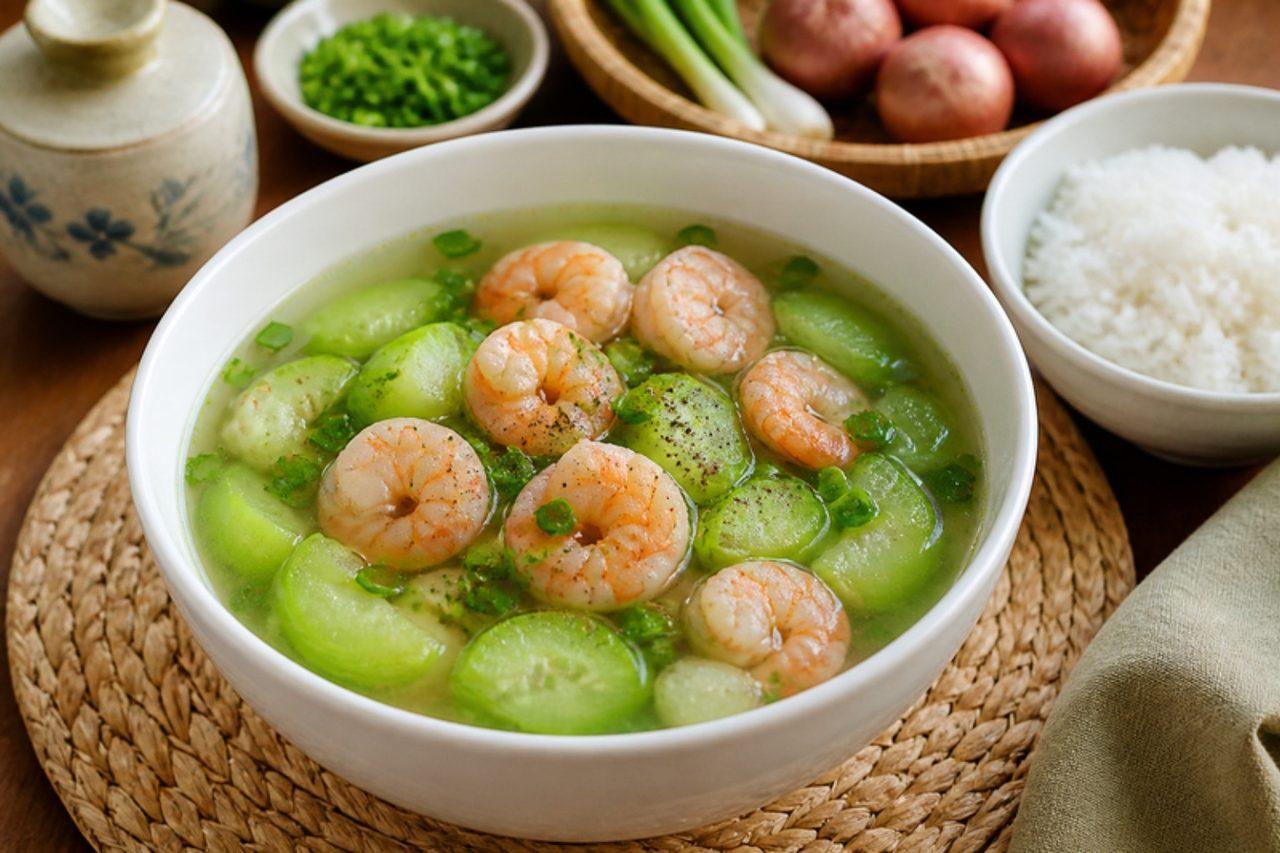
In summer the trellises of Vietnamese gardens hang heavy with luffa, and canh mướp is what goes on the table most evenings from Hanoi to Huế: a clear, barely salted broth with soft, sweet gourd and a little chopped prawn, ladled over rice through the meal. It takes 20 minutes and very little oil, which is why mothers make it for anyone feeling the heat. Chef's tip: add the luffa last and pull the pot off as soon as it turns translucent; overcooked luffa goes slimy and the soup turns grey.
by KrazyBadal 0 views

Rau luộc chấm kho quẹtBoiled vegetables with dipping sauce

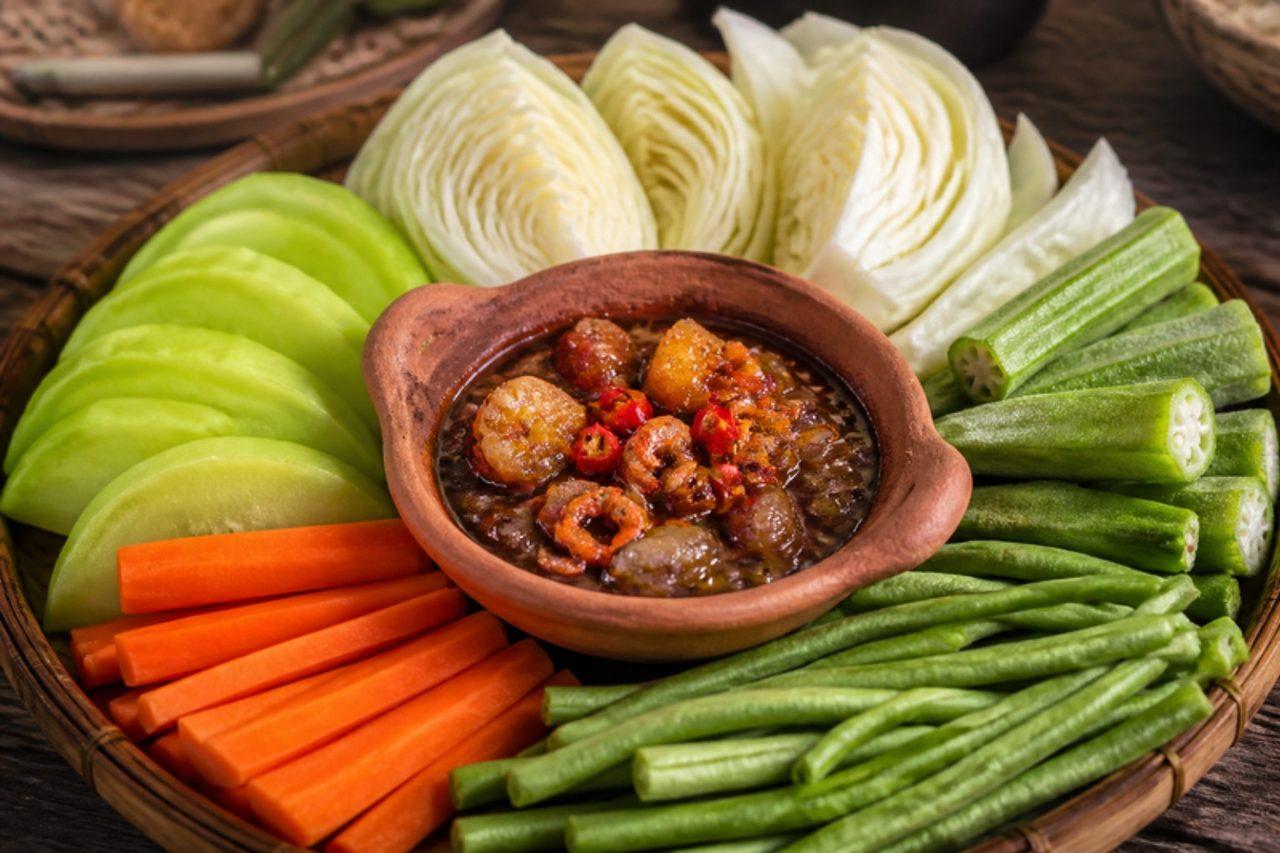
Farm families in the Mekong Delta, in Đồng Tháp and Cần Thơ, used to stretch a few spoonfuls of salty kho quẹt across a whole basket of boiled garden vegetables, and it is now a nostalgic favourite in Saigon restaurants. The dip is pork fat rendered into crisp cracklings, then fish sauce, sugar, shallot, dried shrimp and black pepper bubbled down until thick and sticky enough to 'scrape' (quẹt) with a vegetable. The vegetables do most of the work, so the plate stays light. Chef's tip: take the dip off the heat while it still looks a little loose; it sets as it cools and, cooked too far, it burns bitter and turns rock-hard.

by KrazyBadal 0 views

Fish tikka

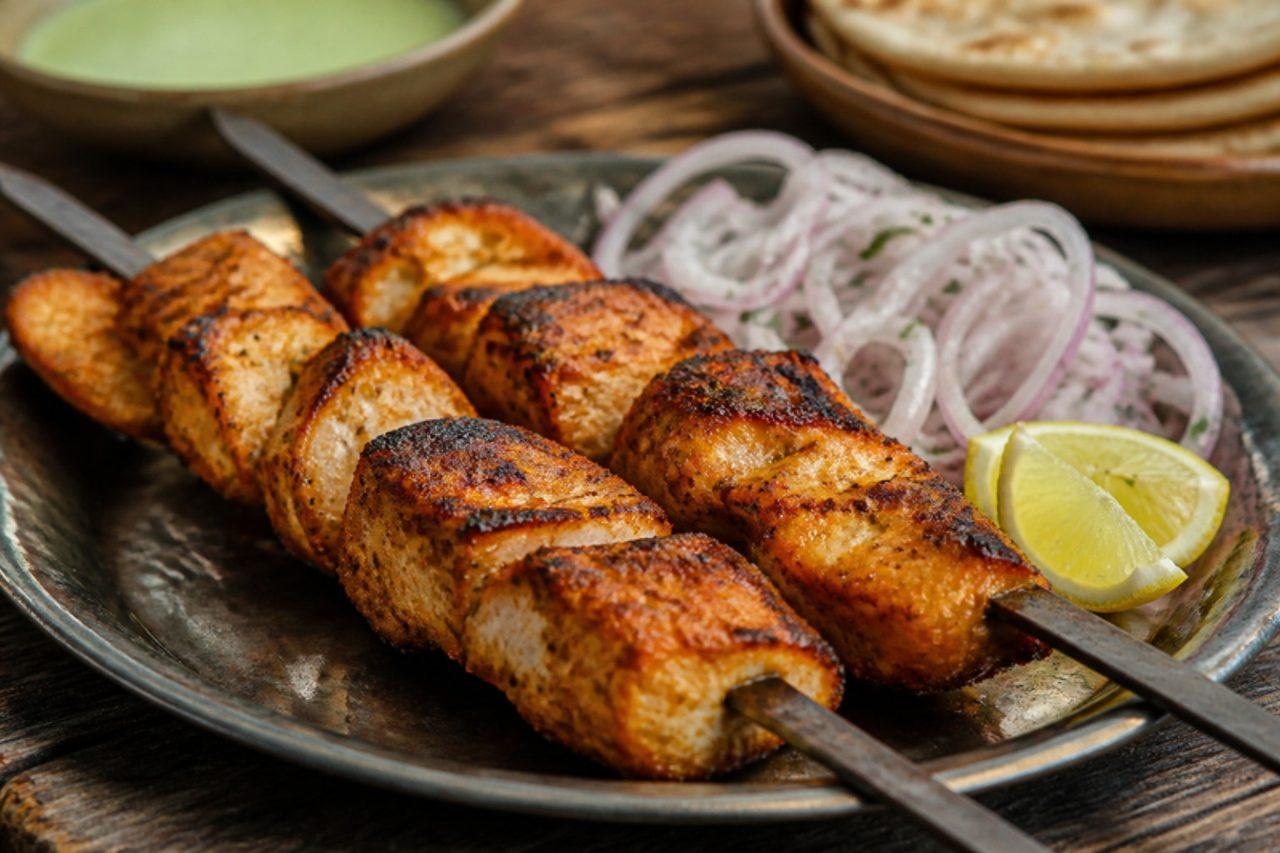
On winter nights along Karachi's seafront and in the Do Darya restaurants, skewers of fish tikka go round the table straight from the grill, the chunks blushing red from chilli and yogurt with blackened corners. Firm white fish such as surmai (kingfish) or monkfish holds its shape while the marinade sets into a light, tangy crust, and it needs only lemon, sliced onion and a bowl of raita. The mistake most people make is marinating fish as long as chicken: more than 40 minutes and the lemon and salt start to 'cook' it, so it flakes apart on the skewer. Contains fish and milk. Chef's tip: rub the fish with lemon and salt first, rest it 10 minutes and pat dry before the yogurt goes on, so the marinade sticks and doesn't slide off.

by KrazyBadal 0 views

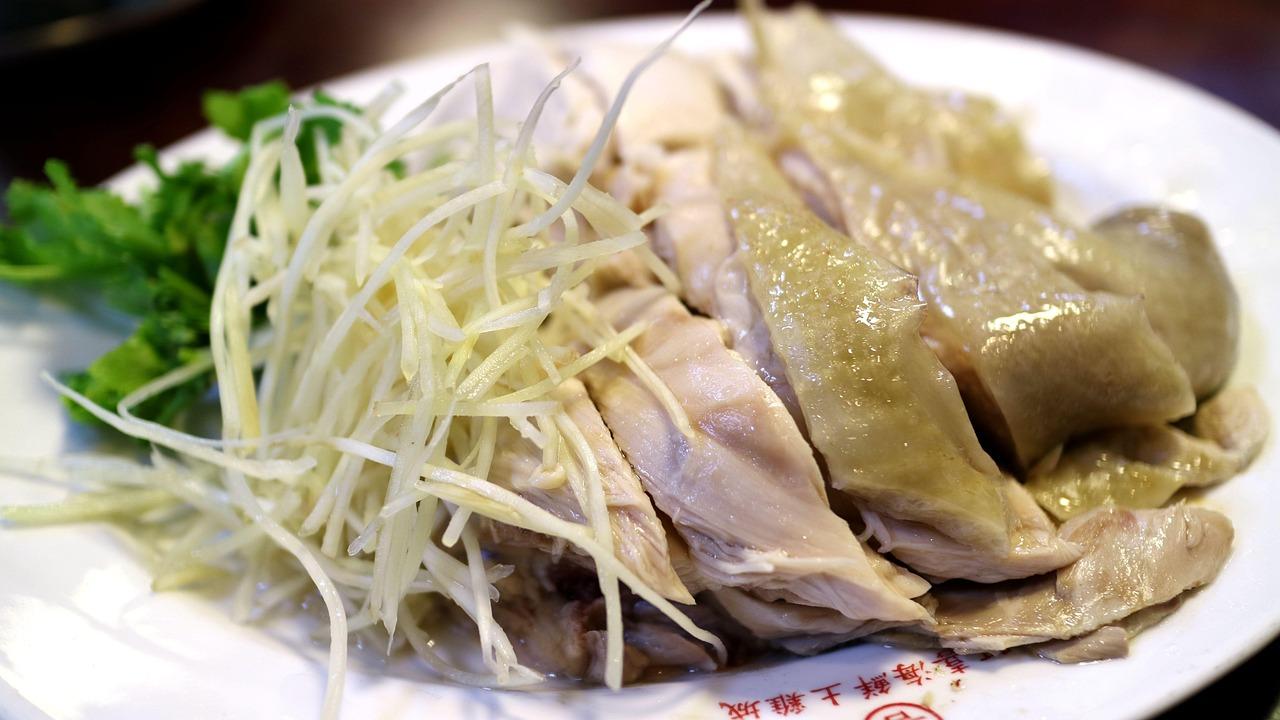
Gà luộc lá chanhPoached chicken with lime leaves

No northern Vietnamese ancestor altar at Tết or on a death anniversary is complete without a whole golden poached chicken, and once it comes down from the altar it is chopped and eaten with hair-thin shreds of lime leaf and a dip of salt, pepper and lime. The skin is taut and yellow, the meat juicy, and the broth goes on to make miến or cháo. Buy a chicken without its head and feet. Chef's tip: plunge the bird into iced water as soon as it is cooked; skip the ice bath and the skin wrinkles, loosens and loses its shine.
by KrazyBadal 0 views

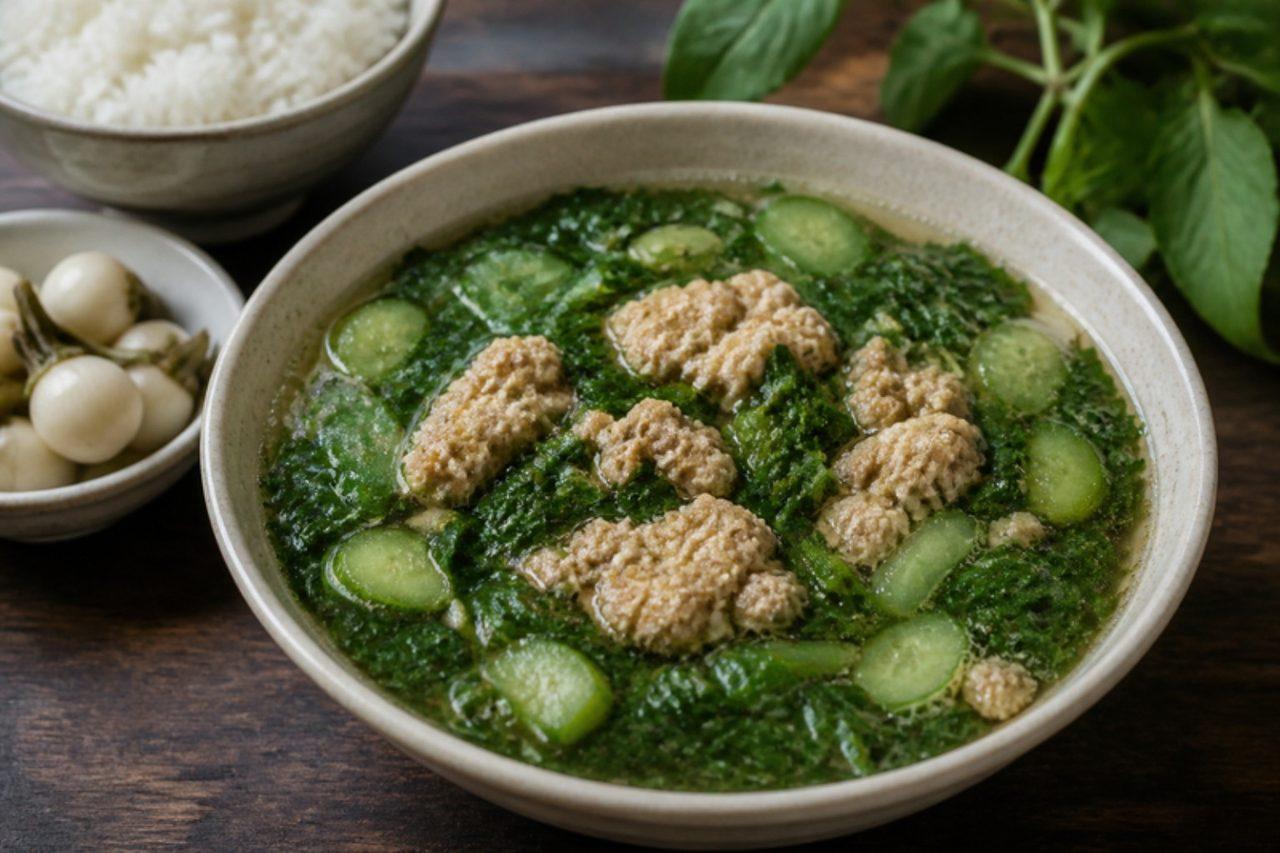
Canh cua rau đayCrab and jute leaf soup

Through the sticky Hanoi summer, the cheapest and most loved soup is canh cua: tiny rice-field crabs pounded and strained so the sweet crab 'curds' float to the top of a broth of slippery jute leaves (rau đay) and luffa, eaten with rice and crunchy pickled aubergines. Away from the paddies, fresh crab meat gives the same soft curds; if you buy live crabs, cook only lively ones and discard any that are dead. Chef's tip: stir the broth only until it comes to a simmer, then leave it; keep stirring and the crab curds break into a cloudy mush.

by KrazyBadal 0 views

Ye-qey sir selataBeetroot and potato salad

Fasting-day platters at Addis Ababa restaurants and church feasts often carry a bright magenta heap of this cold salad beside the hot wats: boiled beetroot, potato and carrot tossed with lemon juice, thin red onion, green chilli and a little oil. It is sharp, sweet and cooling, a palate-cleanser between spoonfuls of berbere-red lentils. It differs from key sir alicha, the warm beetroot stew, in that everything is boiled whole, cooled and dressed raw. The usual slip is dressing the vegetables while hot, which turns the potatoes pink and mushy; let them cool first. Chef's tip: dress the onion and chilli in the lemon juice and salt ten minutes ahead so they soften and lose their sharp bite.

by KrazyBadal 0 views

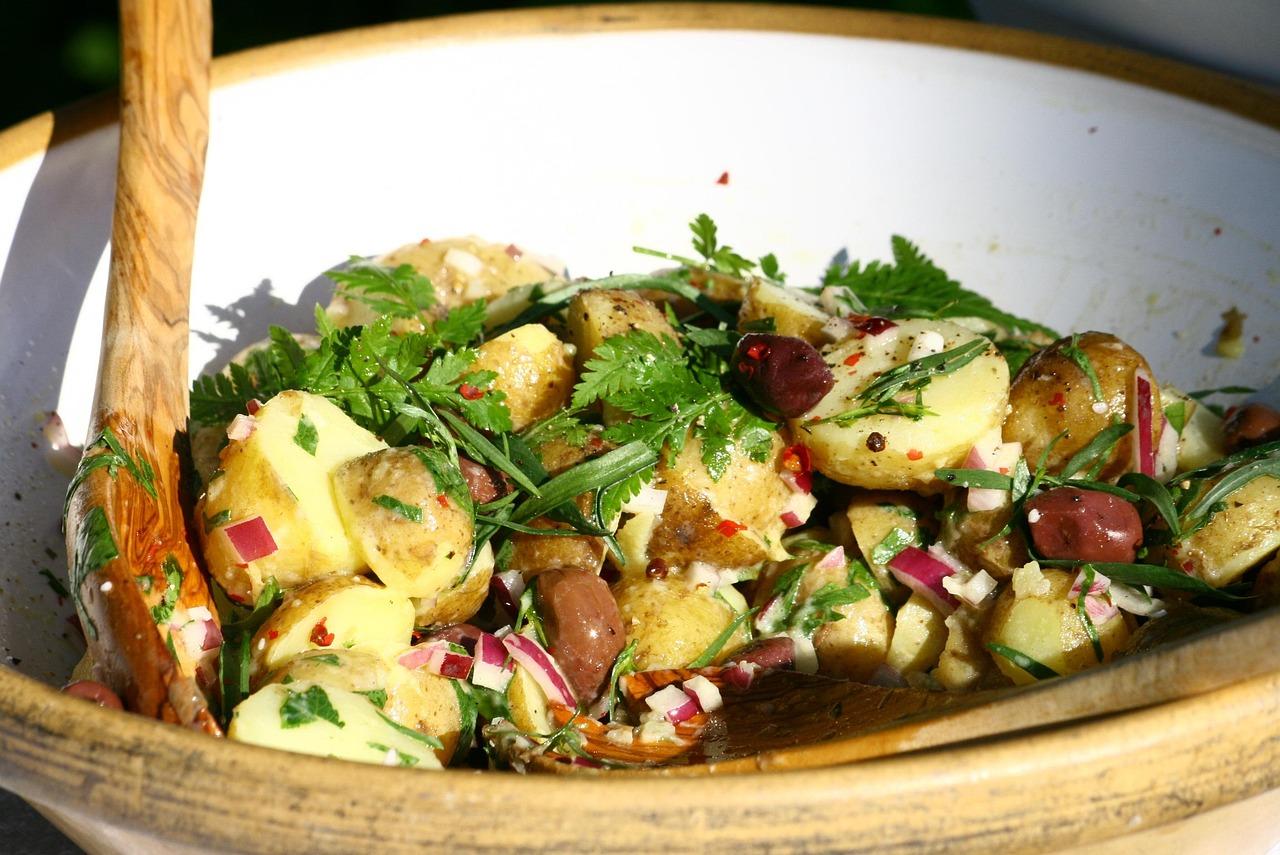
Shlada batata (Moroccan cumin potato salad)

Shlada batata is one of the cooked salads that line up on a Moroccan table before Friday couscous, in Rabat as much as in the Rif: boiled potato chunks dressed while warm with olive oil, lemon, cumin, paprika, garlic and plenty of parsley, with no mayonnaise at all. It's eaten at room temperature with bread, or with grilled sardines. Dressing cold potatoes is the common mistake; they don't absorb the flavours, so toss them while they're still steaming. Chef's tip: a few slivers of preserved lemon peel make it unmistakably Moroccan.

by KrazyBadal 0 views

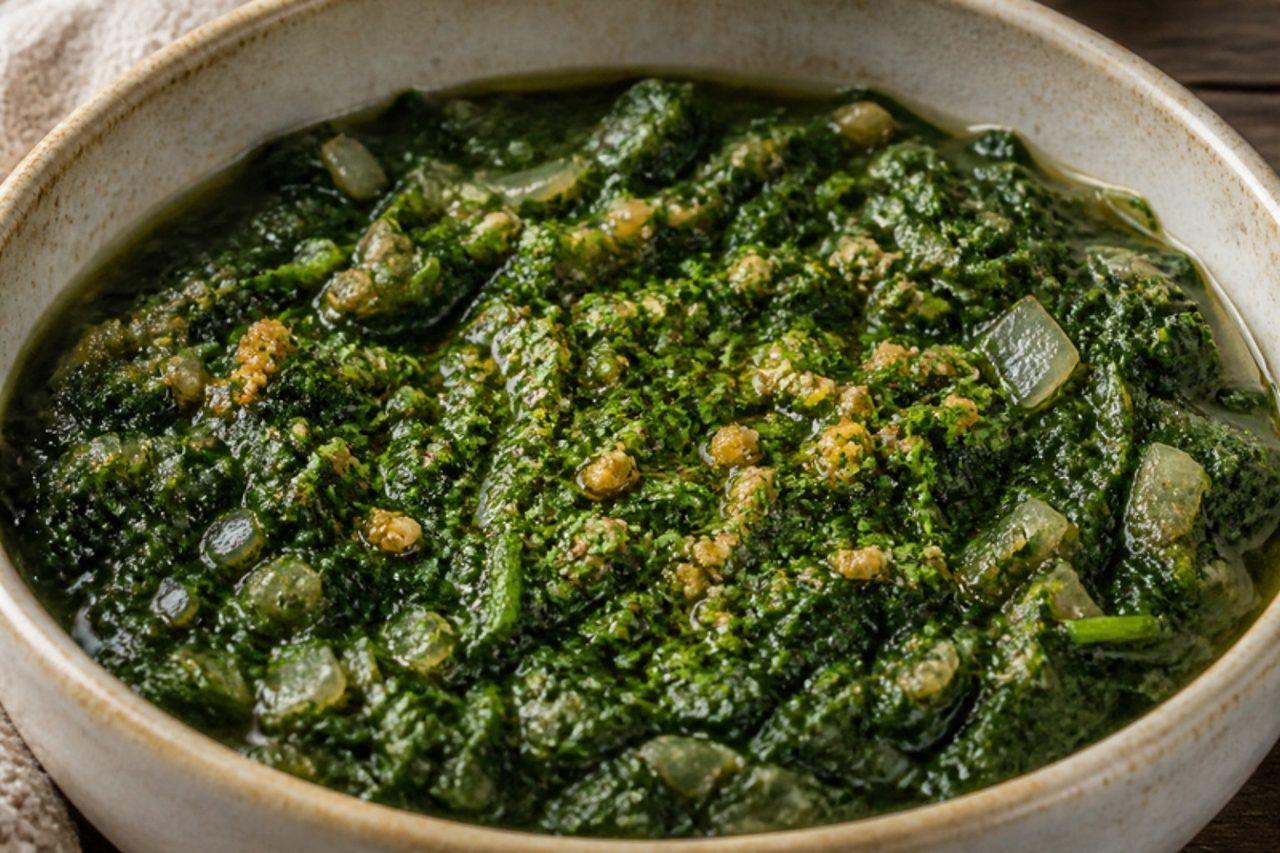
Sabanekh (Egyptian spinach stew)

When the winter spinach comes in, Egyptian cooks from Giza to the Delta stew it down with onion and finish it with ta'leya, the sizzling fry of garlic and ground coriander that defines so much home cooking. The result is soft, dark green and savoury, a little like a looser saag, and it's eaten with vermicelli rice and a squeeze of lemon. This vegan version adds a handful of chickpeas for body. The mistake to avoid is skipping the squeeze-out: wet spinach makes a watery stew. Chef's tip: the ta'leya should sizzle loudly as it hits the pot — Egyptian cooks call it the "shahka", the gasp, and it carries the aroma through the dish.

by KrazyBadal 0 views

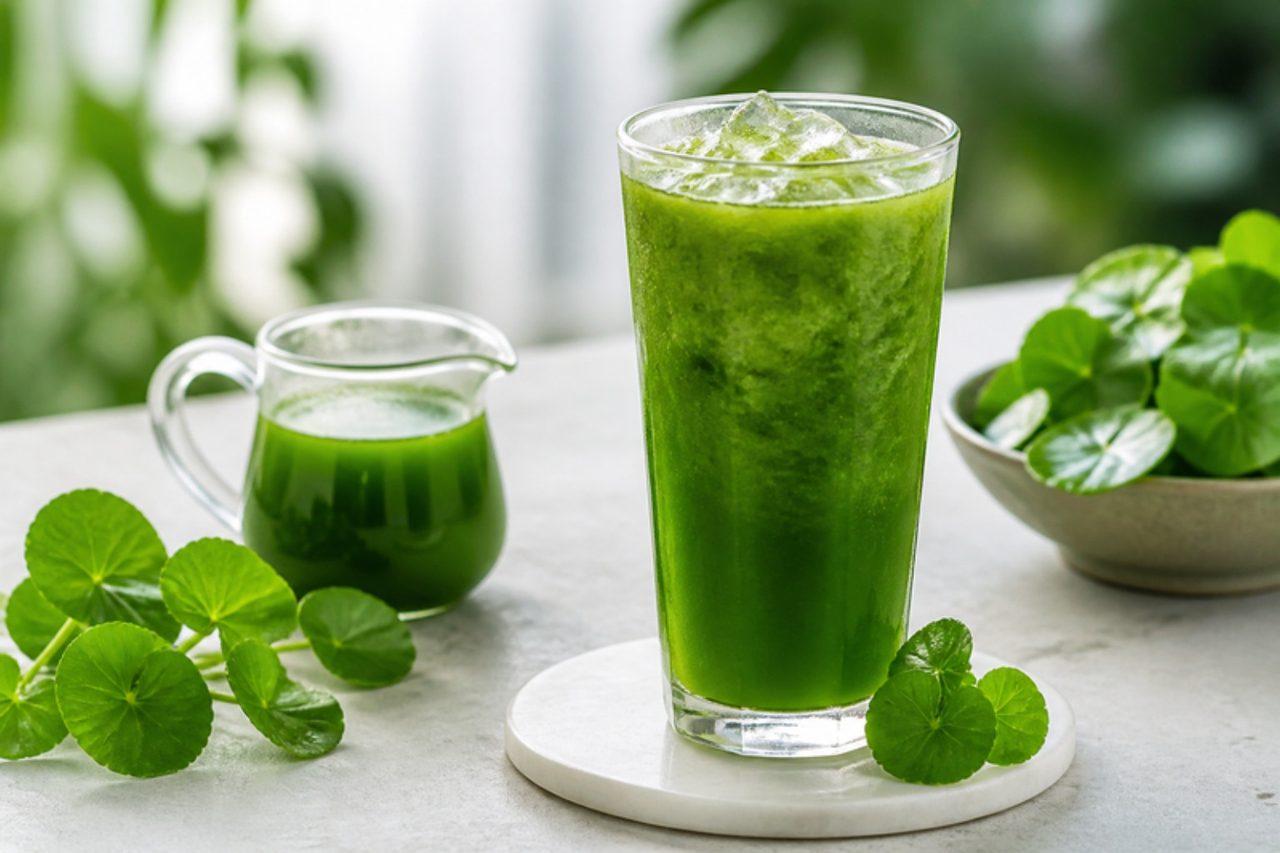
Nước rau máPennywort juice

Saigon street carts blend nước rau má to order through the hottest part of the afternoon, pouring the bright green juice into plastic cups over crushed ice for office workers and students. Pennywort (rau má) tastes fresh, grassy and very slightly bitter, and southerners drink it to 'cool the body' in the dry season; some stalls blend in cooked mung beans or a splash of coconut milk to make it richer. Look for bunches of rau má in Vietnamese and South Asian grocers, where it is also sold as gotu kola. Chef's tip: strain twice through a fine cloth and drink it within the hour; left standing, it separates and darkens to a dull khaki.
by KrazyBadal 0 views

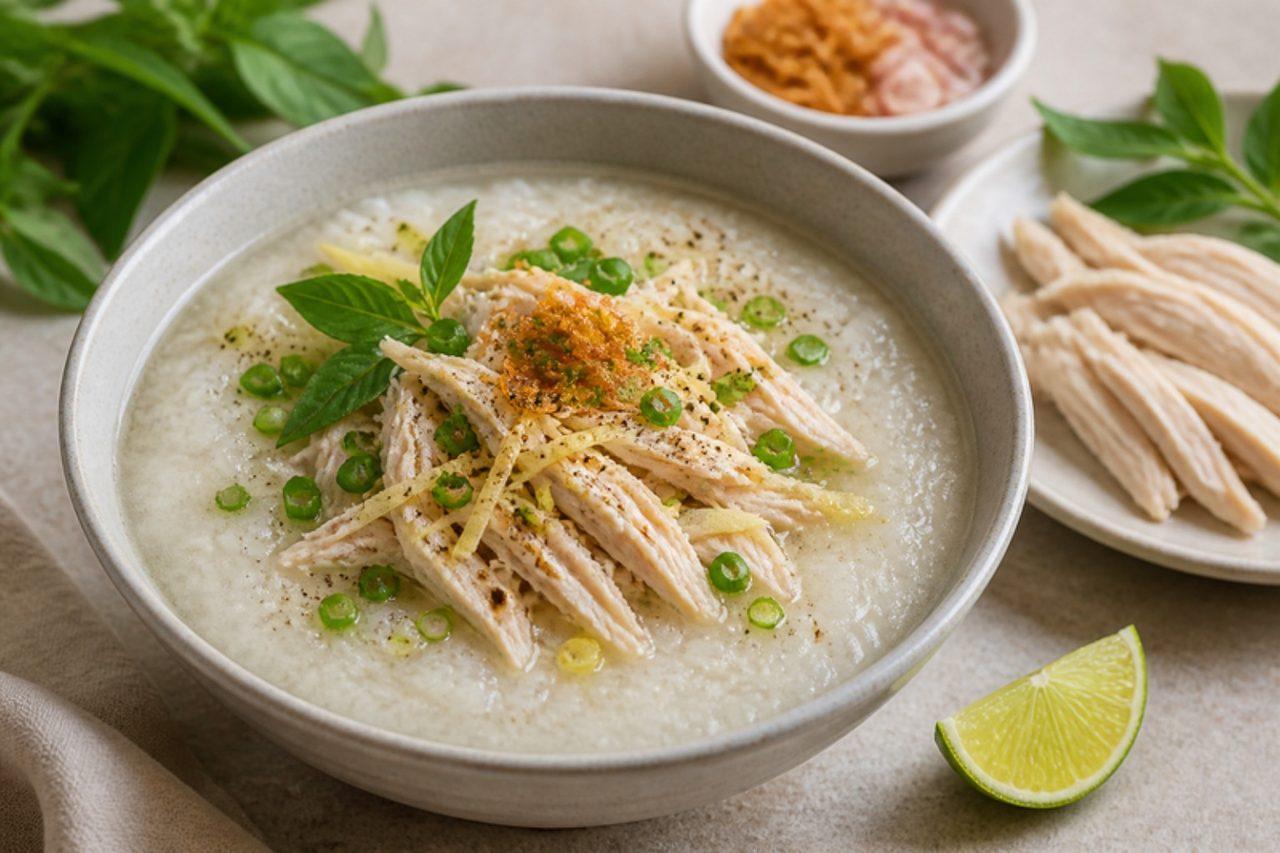
Cháo gàChicken rice porridge

Cháo gà is what Vietnamese mothers cook for anyone with a cold, and what late-night stalls in Hanoi and Saigon ladle out after midnight to people heading home. Toasted rice is simmered in chicken broth until it breaks into a loose, silky porridge, then topped with shredded chicken, lots of ginger and black pepper, spring onion and rau răm, with a side of gỏi gà if you are feeding a crowd. Chef's tip: toast the raw rice in a dry pan before simmering; untoasted rice gives a gluey, bland porridge instead of a nutty, loose one.
by KrazyBadal 0 views

Showing 72 of 773 recipes

Show more recipes

Page 9 of 33

More collections