Skip to content

Low-calorie recipes

Lighter recipes that are still filling and full of flavour. (483 recipes)

Kumaoni kheere ka raitaCucumber raita

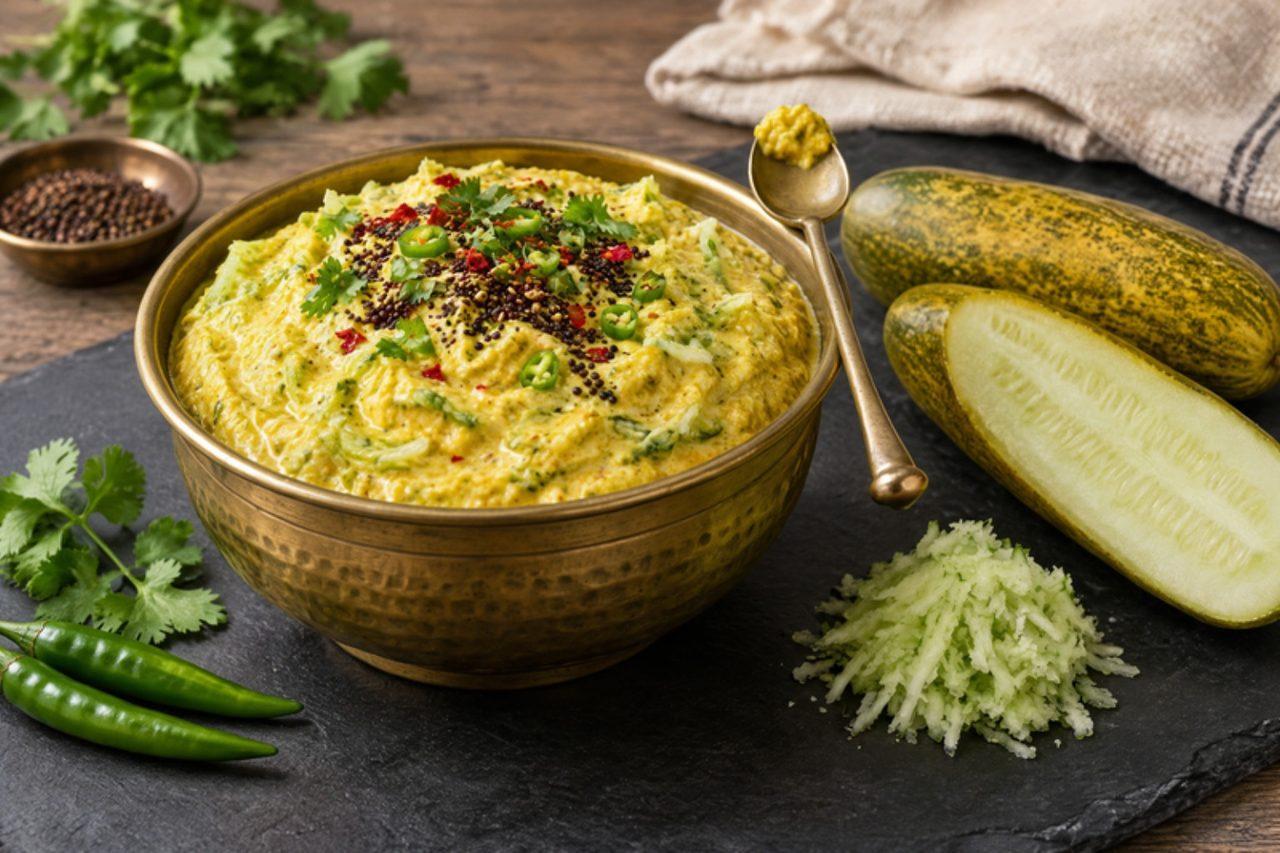
This yellow raita is the famous one of Kumaon, made from the fat, pale hill cucumbers of late summer and served at every wedding and Holi gathering. It gets its nose-tingling kick from freshly ground raw mustard seed, which is left to mellow in the curd for an hour, and its sunny colour from turmeric. It is eaten with rice, puris and pakodas. The common mistake is not squeezing the grated cucumber, which floods the raita and dulls the mustard. Chef's tip: make it at least an hour ahead and chill it; the mustard grows sharper and rounder as it rests.

by KrazyBadal 0 views

Limonata a cosce aperteFizzy lemonade

On hot afternoons along the Lungomare and in Piazza Sannazaro, the old acquafrescai kiosks squeeze half a lemon into a glass of sparkling water, then add a pinch of bicarbonate of soda. The drink foams up and over the rim, so you have to lean forward with your legs apart to drink it without soaking your shoes, which is where the cheeky name comes from. It tastes sharp, salty-fresh and very fizzy, and Neapolitans swear by it after a heavy lunch. Chef's tip: have the glass at your lips before you stir in the bicarbonate; the foam rises in seconds.

by KrazyBadal 0 views

Bajre ki raabdiFermented pearl millet buttermilk porridge

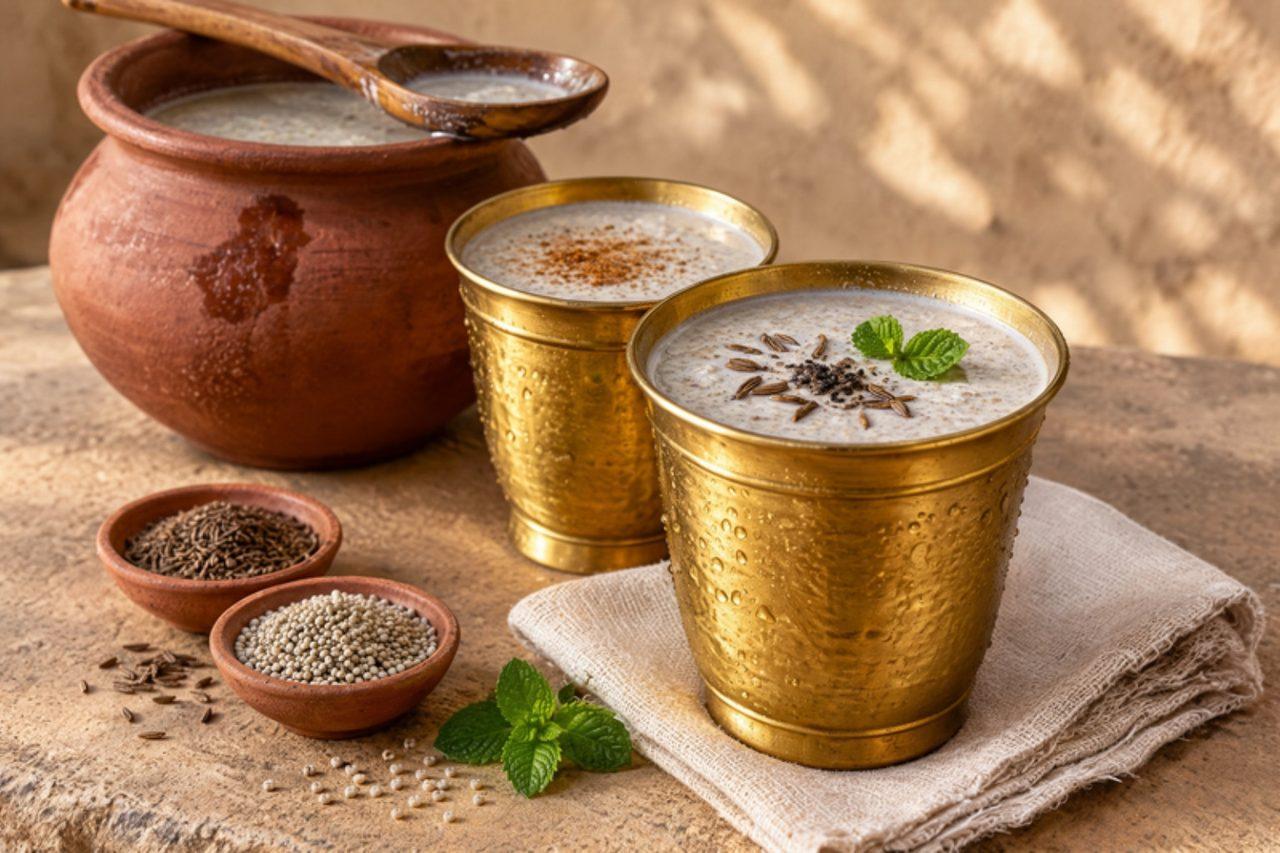
In the villages of Haryana and the Rajasthan border, raabdi is drunk at midday in May and June to keep cool in the fields. Pearl-millet flour is stirred into buttermilk and left to ferment for a few hours, then cooked slowly until thick, cooled in a clay pot and thinned with more buttermilk and salt. It tastes tangy and earthy, a little like a savoury porridge you can drink. Ferment at warm room temperature (25–32 °C) for 4–6 hours: it should smell pleasantly sour with a few bubbles. Throw it away if you see pink, black or furry mould or it smells rotten or of nail varnish. The common mistake is cooking on high heat, which scorches the millet and leaves raw lumps. Chef's tip: keep the cooked raabdi in the fridge and drink it within 2 days, thinning each glass to taste.

by KrazyBadal 0 views

Bol renverséUpside-down rice bowl

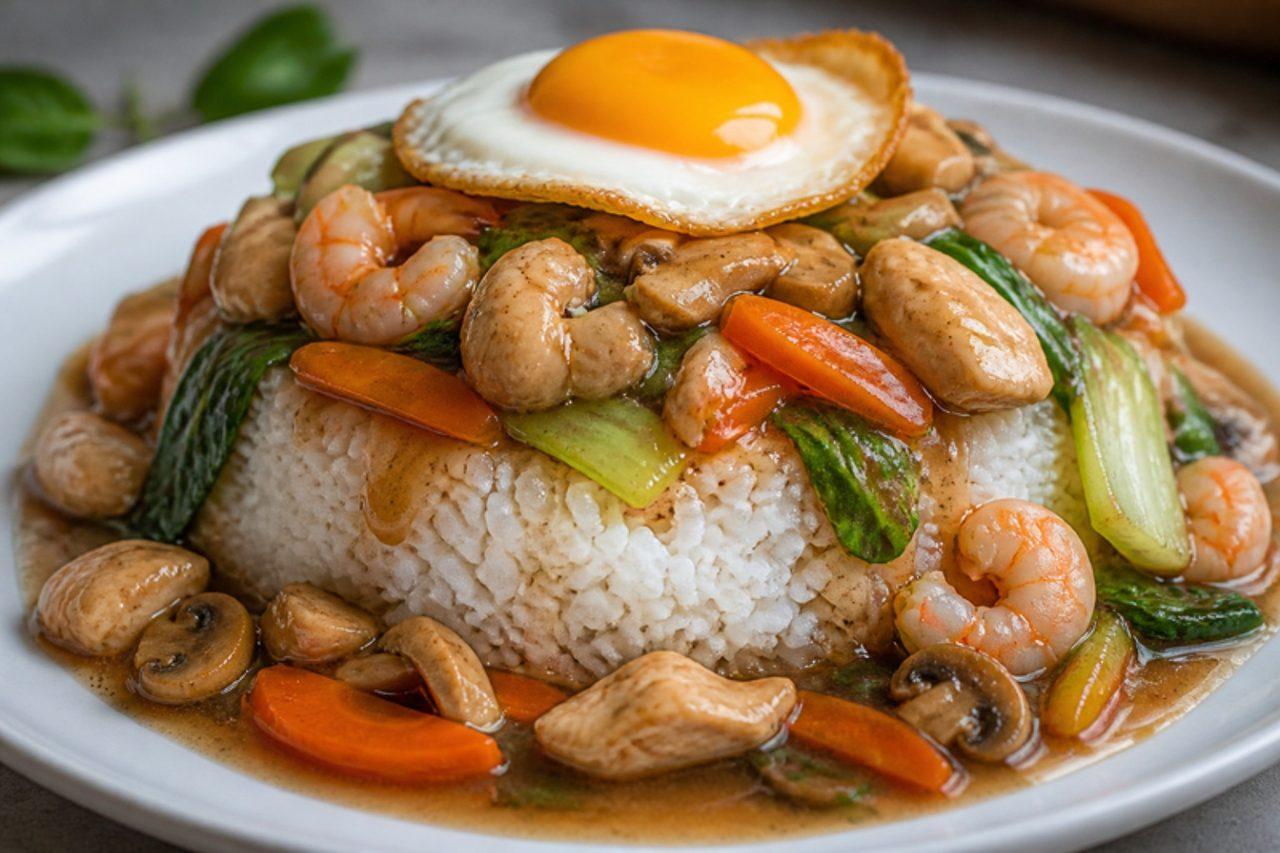
Order a bol renversé in a Port Louis canteen or a Grand Baie food court and it arrives as a neat dome of rice with a fried egg perched on top; break into it and a glossy stir-fry of chicken, prawns, mushrooms and Chinese leaves spills out. The trick is building it backwards in a bowl, egg first, then the stir-fry, then rice packed down, before flipping it onto a plate. The sauce should be thick enough to coat the vegetables but loose enough to soak into the rice. People often make the sauce too thin and the dome slides apart in a flood, so simmer it until it glazes the back of a spoon. Chef's tip: fry the eggs only until the whites are set and the edges are crisp, and lay them yolk-side down in the bowl so the yolk faces up and stays runny when you turn it out.

by KrazyBadal 0 views

Cheremsha saladWild garlic salad

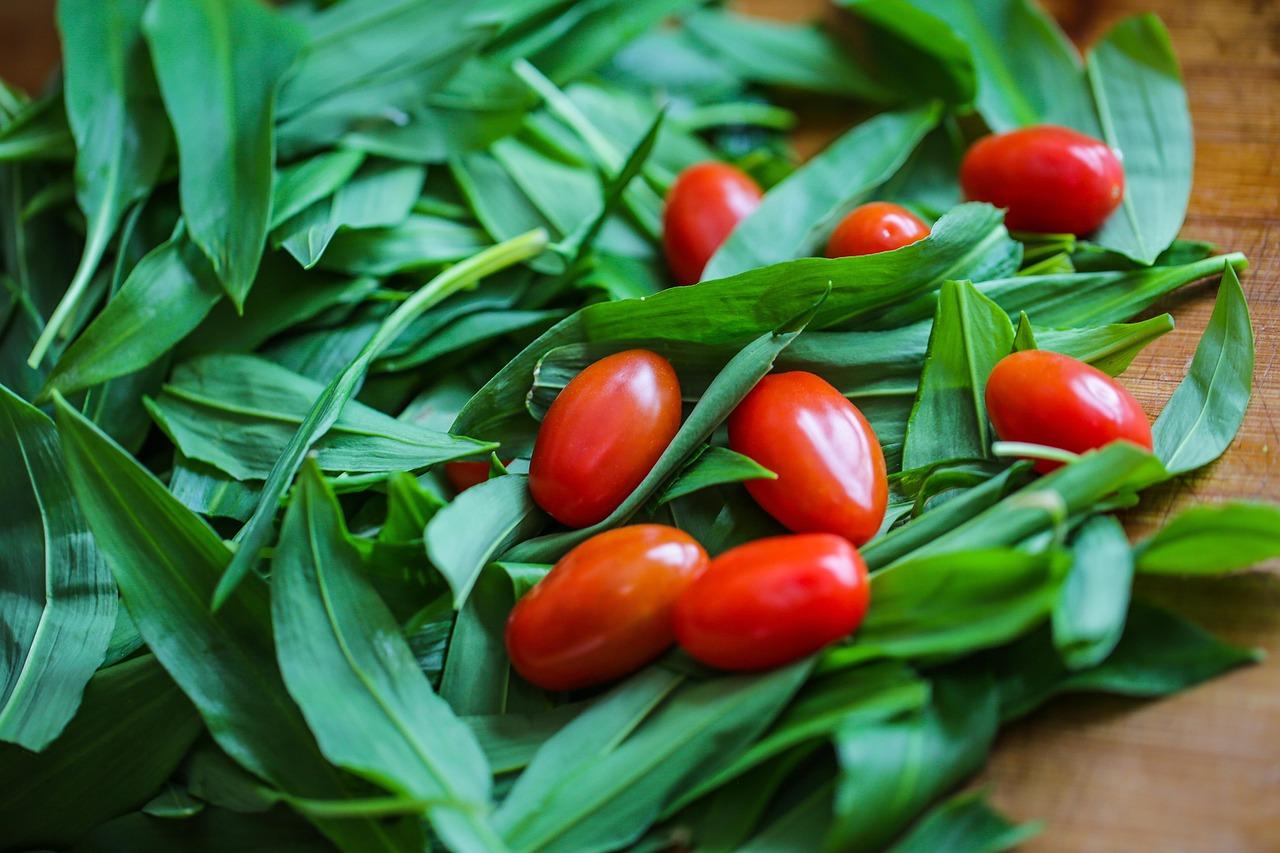
Late April in Novosibirsk and Tomsk brings bunches of cheremsha to every market stall and roadside bucket: the first green vitamins after a long Siberian winter. The broad leaves and juicy stems of wild garlic taste of sweet, mild garlic with a peppery bite, and Siberians eat them simply, chopped with salt and fragrant unrefined sunflower oil, beside boiled potatoes and black bread. Some cooks add chopped egg or sour cream; this vegan version sticks to oil, with cucumber for crunch. Forage only with someone who knows the plant, or buy it: wild garlic has poisonous lookalikes such as lily of the valley, and real leaves smell strongly of garlic when crushed. Where most people go wrong is dressing it too early, so the leaves wilt and weep. Chef's tip: salt the chopped stems first and rub them for a few seconds; it softens their bite and draws out juice that becomes part of the dressing.

by KrazyBadal 0 views

BotvinyaChilled beet leaf and salmon soup

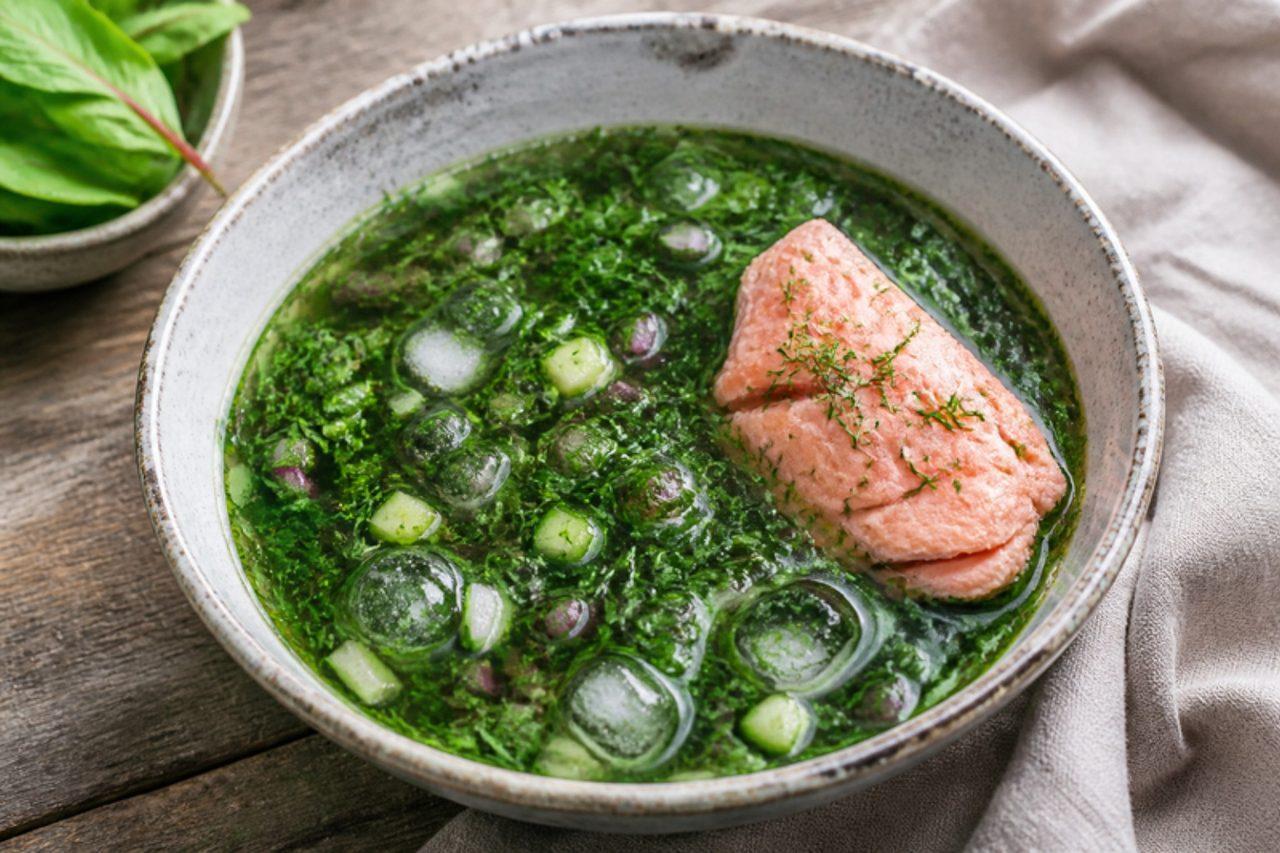
Summer dachas around St Petersburg once waited all year for the young beet tops and sorrel that go into this sharp, ice-cold soup, a grand dish of the old aristocratic table that is also cheap peasant food. Blanched greens are puréed, loosened with bread kvass and studded with cucumber and spring onion; a piece of gently poached salmon is set alongside, with horseradish and lemon. Kvass is lightly fermented and can carry a trace of alcohol: choose one labelled alcohol-free, or use the substitute of sparkling water, a little lemon and rye-bread soaking liquid given in the ingredients. The usual slip is serving it merely cool: it should be properly cold, even with an ice cube in each bowl. Chef's tip: poach the fish the day before so it is thoroughly chilled, and keep the whole soup in the fridge until the minute it goes to the table.

by KrazyBadal 0 views

Caldou (Casamance fish in lemon broth)

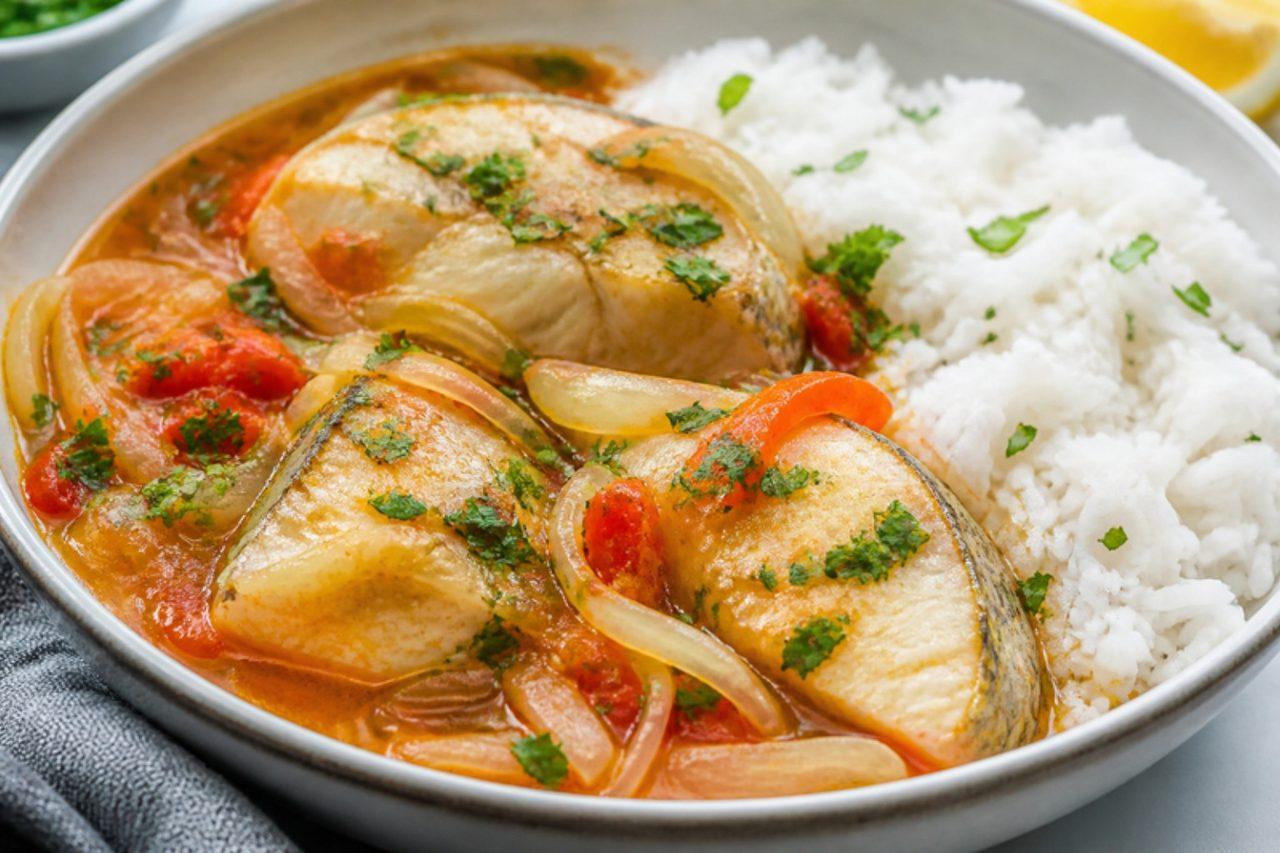
Light, tangy and clean-tasting, caldou is the fish dish of Ziguinchor and the river towns of Casamance, where fresh catches from the estuary are poached in a broth sharp with lemon, sweet with soft onion and tomato, and warmed by a whole chilli. It is ladled over plain white rice so the grains soak up the broth, with an extra squeeze of lemon at the table. Some cooks add a few okra or a spoon of palm oil; this version keeps it simple and light. Firm white fish such as grouper, sea bream or hake is ideal. Chef's tip: keep the broth at a bare simmer once the fish goes in; boiling it hard is the common mistake and turns delicate fish dry and broken.

by KrazyBadal 0 views

Tinday masalaRound gourd curry

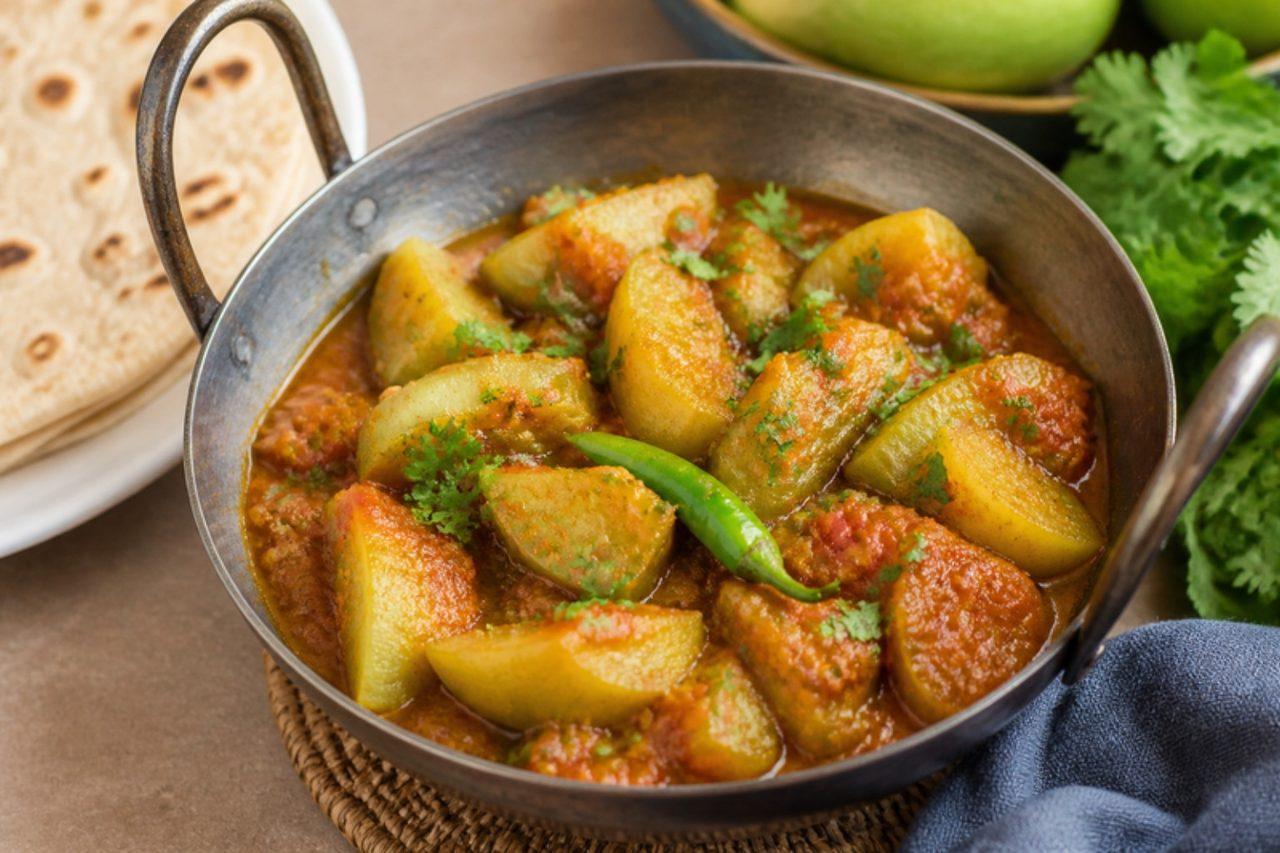
Small, pale-green tinday arrive on Punjab's sabzi carts with the summer heat, and in Lahore and Faisalabad homes they are cooked through June and July, when nobody wants a heavy pot of meat. Cooked slowly with onion, tomato and a handful of green chillies, the little gourds turn tender and almost silky, soaking up the masala like a sponge while keeping a faint freshness that is a little like courgette. Expect to see it with hot chapati, a bowl of yogurt and a plate of kachumar for a light lunch. Many cooks drown tinday in water, and they end up soggy and grey; they release plenty of their own liquid and need only a splash. Chef's tip: choose small, firm tinday with soft fuzz on the skin, since large ones have hard seeds and a woody core.

by KrazyBadal 0 views

Al yakhniBottle gourd in yogurt gravy

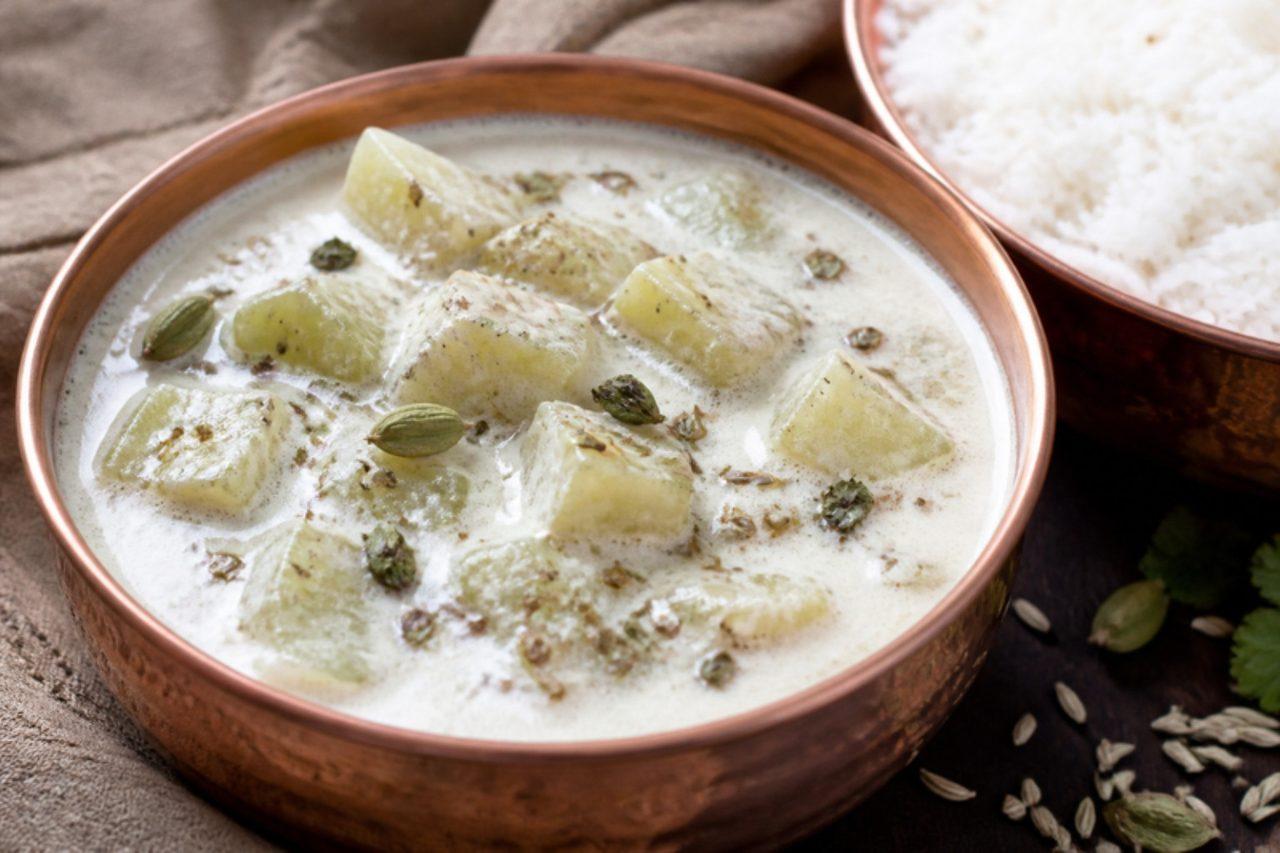
Yakhni in Kashmir means a gravy built on yogurt rather than tomato, and al yakhni, made with bottle gourd, is the version cooked in Muzaffarabad and the Neelum valley when the vines are heavy in late summer. The pale, delicately sour sauce is flavoured with ground fennel, dry ginger, cloves and cardamom, never chilli powder, and finished with a crumble of dried mint, so it tastes cool and aromatic rather than hot. It is eaten with a mound of plain rice, often alongside a red, chilli-hot dish so the two balance each other. Yogurt that splits into grainy curds is the trap: it happens when cold yogurt meets hot oil or when the pot is left alone before it boils. Chef's tip: whisk the yogurt with the spices and keep stirring in one direction over a medium heat until it comes to a full boil; after that it will not curdle.

by KrazyBadal 0 views

Lao fish soup with dill

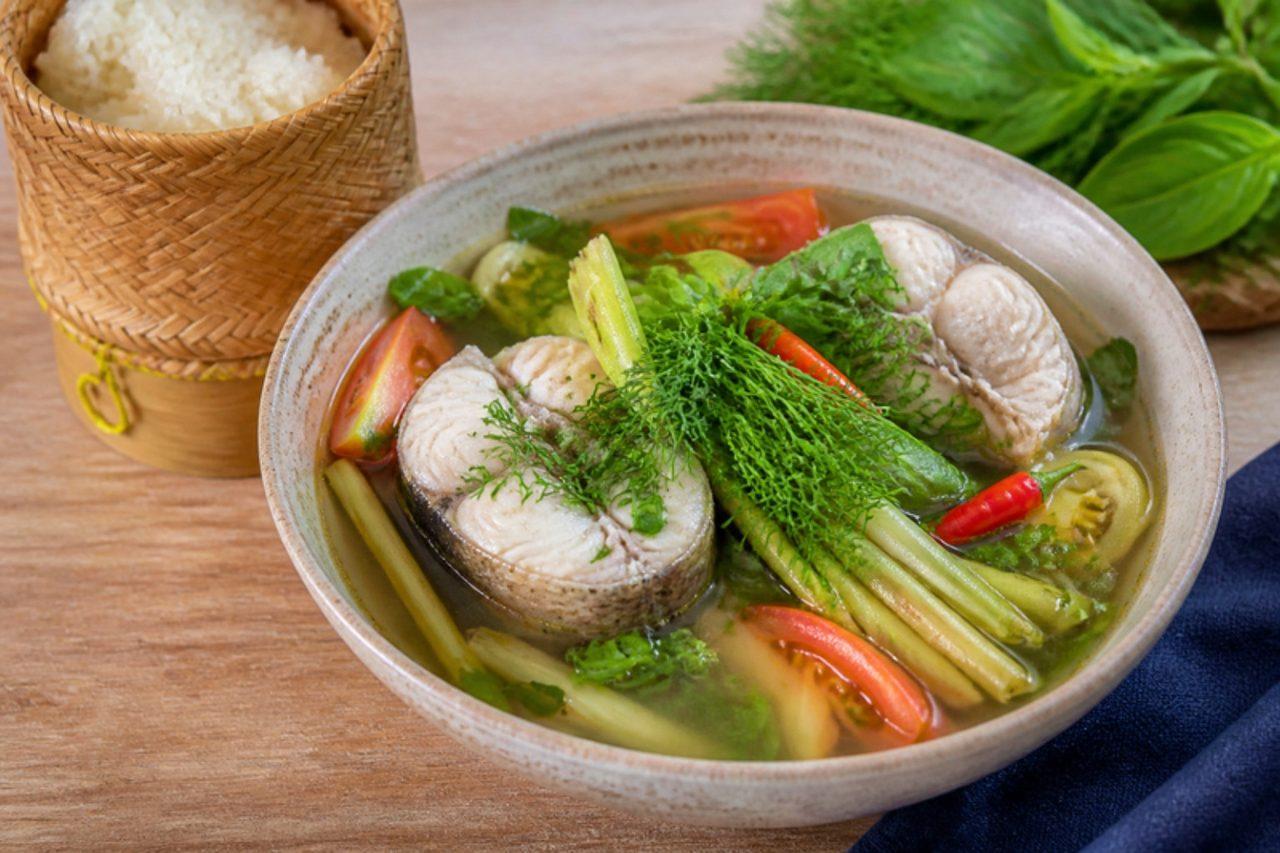
Restaurants on stilts over the Mekong at Pakse, where the Xe Don river joins it, serve tom pa at lunch in big communal bowls, and southern Lao families make it at home whenever the market has fresh river fish. Chunks of fish poach gently in a clear broth fragrant with lemongrass, galangal and lime leaf, soured with tomato and lime and finished with a generous fistful of dill, an herb Lao cooks use far more than their neighbours. The result is light, tangy and aromatic, with soft fish and a whisper of chilli heat; spoon it over sticky rice or sip it between mouthfuls of jeow. Boiling hard once the fish goes in is the mistake to watch, as the pieces break up and the broth turns cloudy. Chef's tip: add the dill only when the pot is off the heat, so it stays green and sweet.

30 minLaoSoupsGluten free
by KrazyBadal 0 views

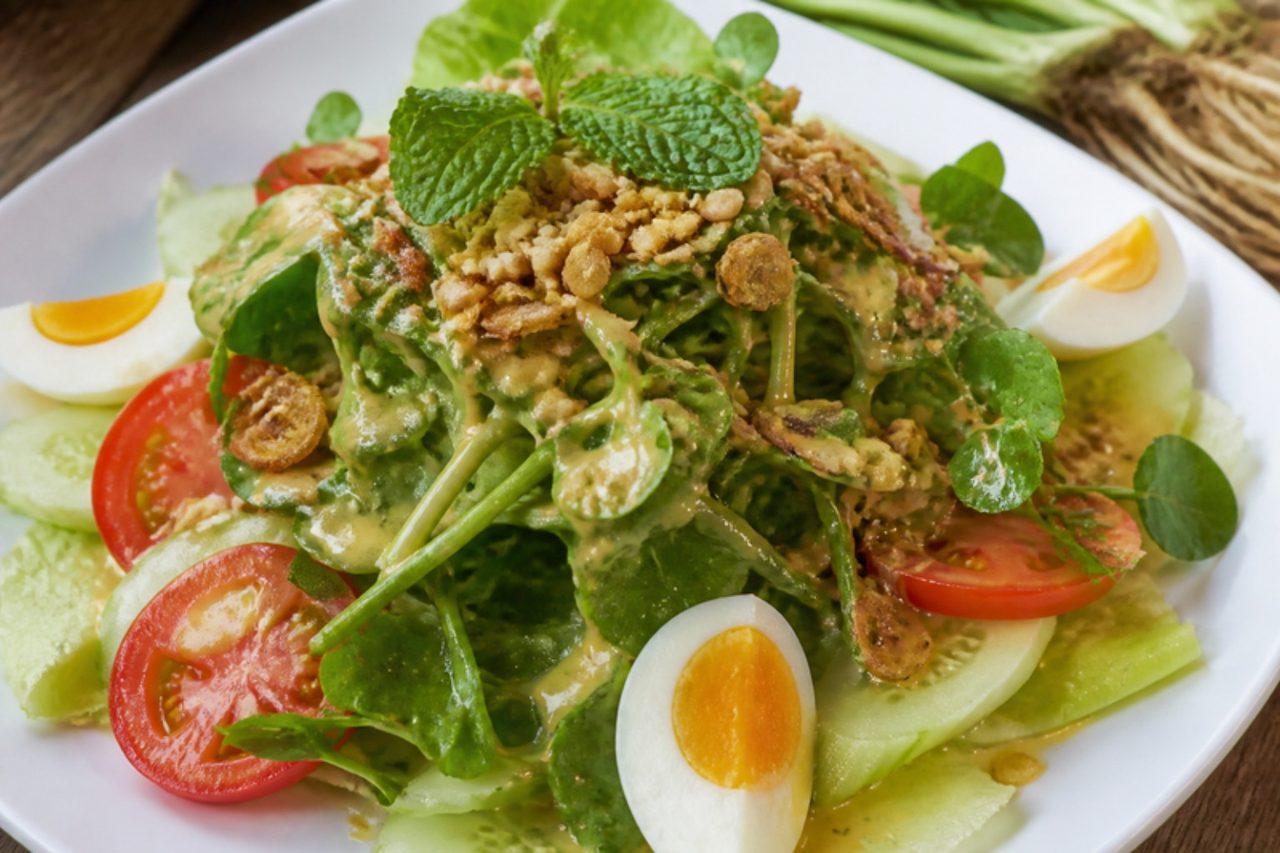
Luang Prabang saladWatercress and egg salad

Clear spring-fed beds outside Luang Prabang grow some of the crispest watercress in Laos, and the old royal capital turned it into a salad that shows its French years: peppery cress, tomato and cucumber under a smooth dressing made from mashed hard-boiled yolks. Cafés along the Nam Khan serve it at lunch in the cool season, from November to February, often as the light plate beside grilled river fish or a bowl of sticky rice. It tastes fresh, gently sweet and garlicky, with crunch from fried garlic and peanuts on top. Restaurants sometimes add fish sauce or pork; this version is vegetarian and seasoned with salt. Dressing the cress too early is the mistake to avoid, because it wilts into a soggy heap in minutes. Chef's tip: dry the watercress properly in a salad spinner, or the dressing slides off instead of clinging.

30 minLaoSaladsGluten free
by KrazyBadal 0 views

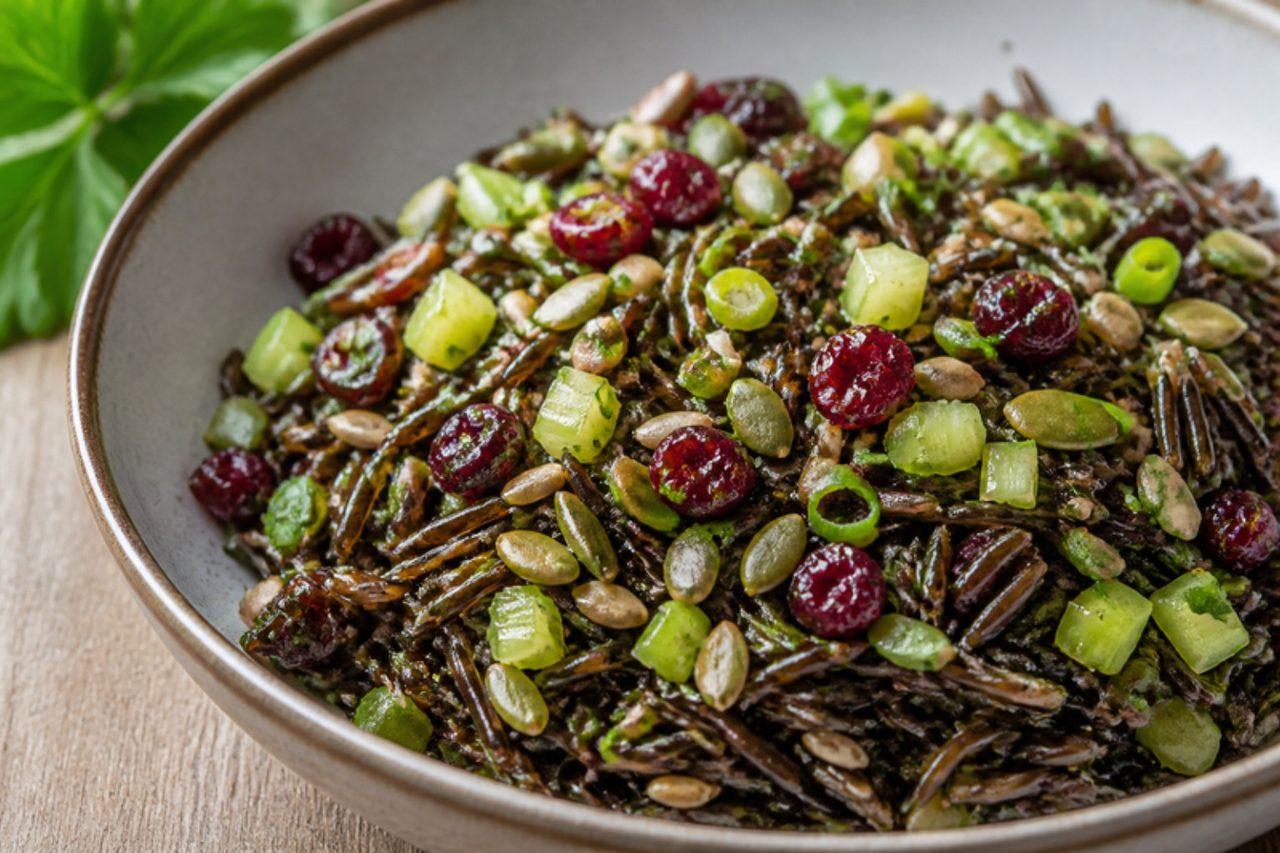
Wild rice salad

Manoomin, true wild rice, is hand-harvested by canoe by Anishinaabe families on the shallow lakes of northern Ontario and Manitoba in late summer, the grains knocked into the boat with cedar sticks. Its nutty, smoky taste is lovely cold in a salad with dried cranberries, toasted sunflower and pumpkin seeds and a light maple vinaigrette, the kind of dish brought to a feast or a summer potluck. Hand-harvested lake rice cooks faster than the black cultivated paddy rice, so check it early. A common mistake is cooking it until it splits wide open and turns mushy. Chef's tip: dress the rice while it is still warm so it drinks in the vinaigrette.

by KrazyBadal 0 views

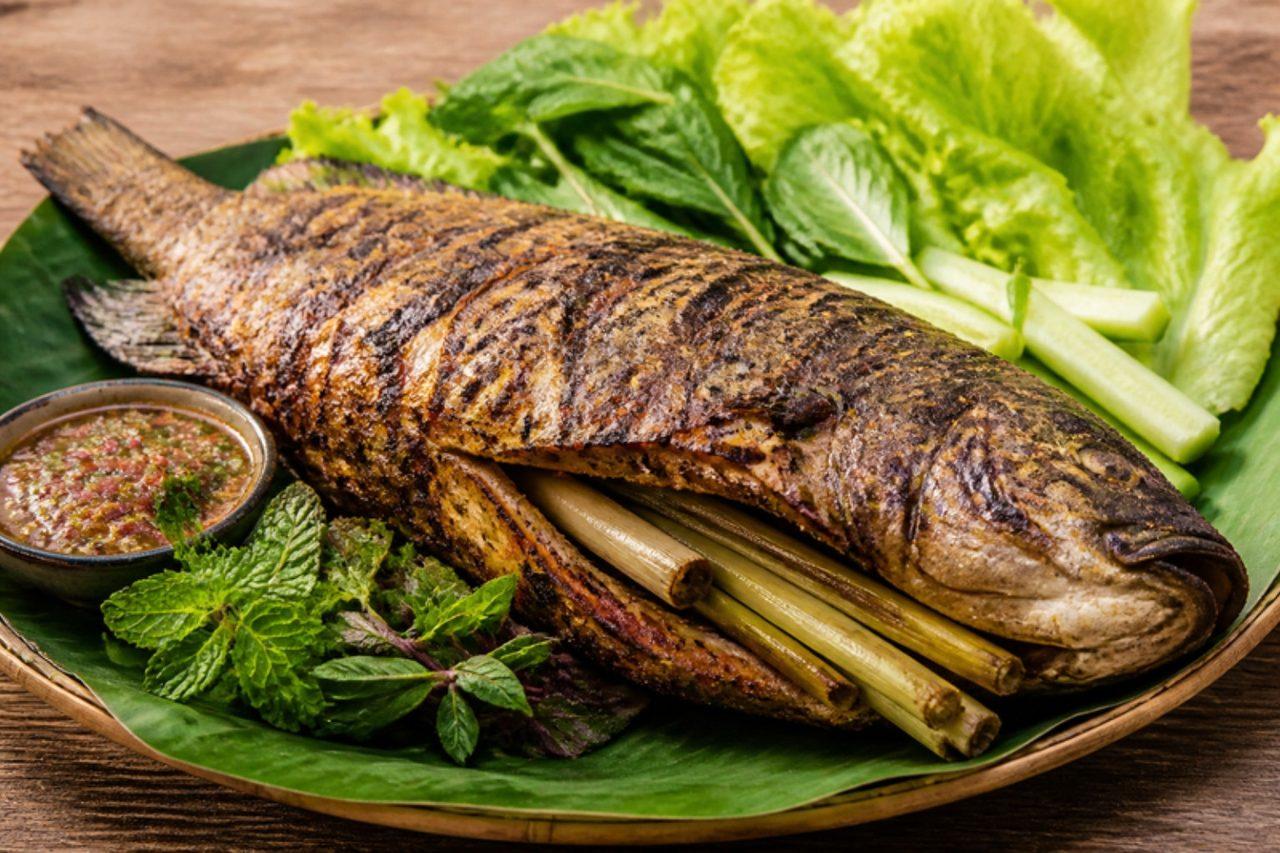
Trey aing (grilled fish with lemongrass)

Around Siem Reap and the floating villages of the Tonlé Sap, weekend outings mean a bamboo picnic hut by the water and a whole fish grilled over charcoal in a wire basket. The fish is stuffed and rubbed with lemongrass, garlic and salt, so the skin blisters and smokes while the white flesh stays moist; diners pull off flakes and wrap them in lettuce with mint, basil, sliced cucumber and sour green mango, then dunk the parcel in a garlicky lime dip with crushed peanuts. Snakehead or tilapia are the usual fish, but sea bass or bream are excellent. Turning the fish too soon is the classic misstep; the skin tears and sticks to the grill. Chef's tip: oil the fish and the basket well, then leave it alone until the underside releases by itself, about 10 minutes.

by KrazyBadal 0 views

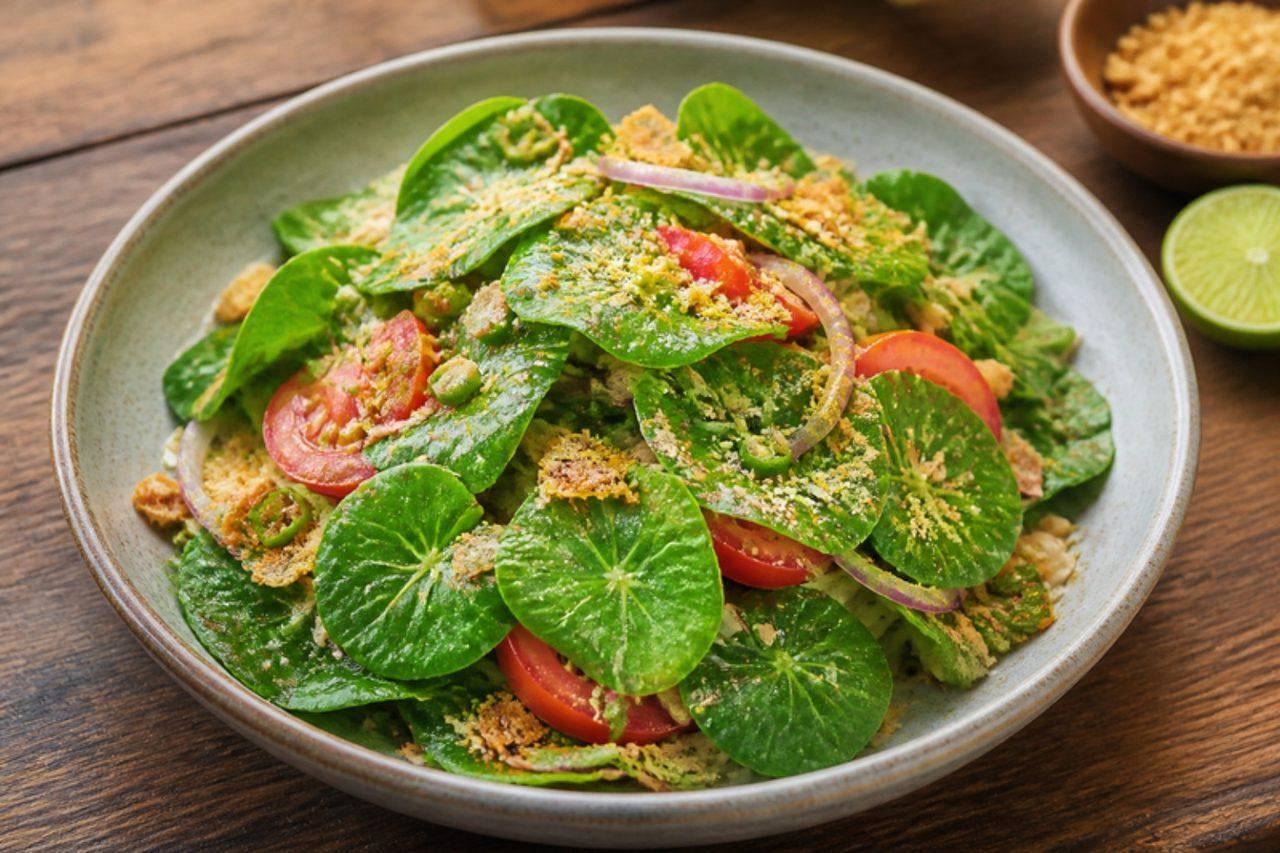
Burmese pennywort salad

Myin khwa, 'horse's hoof', is the Burmese name for pennywort, after the shape of its round leaves, and Mandalay grandmothers swear by a plate of it to cool the body during the hot months before the monsoon. The fresh leaves are slightly bitter and grassy, a little like watercress, and they are tossed by hand with toasted chickpea flour, crushed peanuts, crunchy fried garlic and its oil, lime juice, tomato and sliced onion. The salad is served as a side to rich curries, where its clean sourness cuts through the oil. Wet leaves ruin it: the dressing slides off and turns watery, so dry them completely after washing. Chef's tip: look for pennywort sold as gotu kola at Asian and Sri Lankan grocers; young watercress makes a fair stand-in.

by KrazyBadal 0 views

Samlor proherPumpkin and vegetable soup

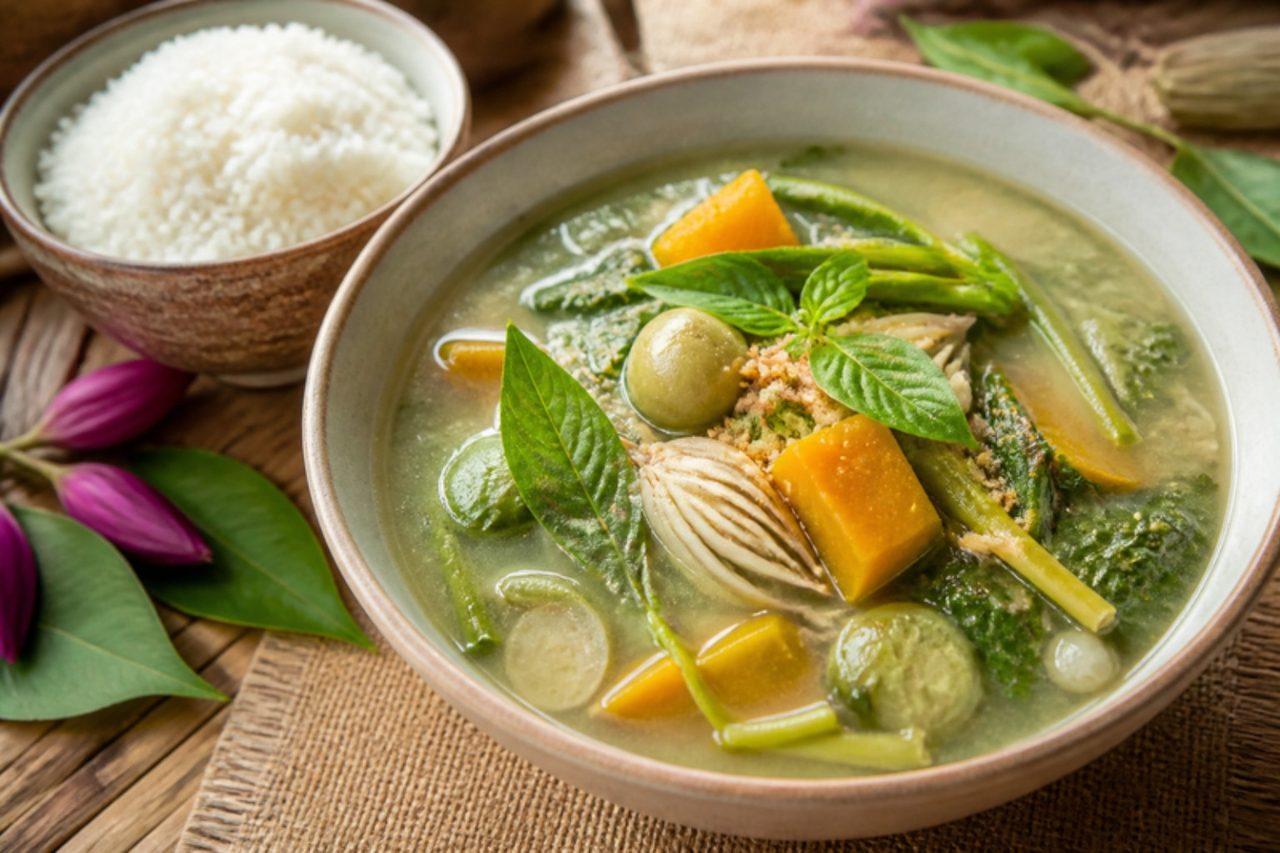
Home cooks in the villages around Siem Reap make samlor proher when the garden is full: a light, clear soup crowded with pumpkin, banana blossom, long beans, little aubergines and leafy greens, seasoned with a lemongrass kroeung and a spoonful of prahok. Toasted ground rice is stirred in near the end, giving the broth a faint body and a nutty, popcorn-like aroma. It is everyday lunch food, eaten with steamed rice and perhaps a piece of grilled fish, and it tastes savoury, sweet from the pumpkin and gently earthy. Leaving the prahok raw is the big no; it must be mashed and boiled in the broth for at least 10 minutes, so it cooks through and its sharpness rounds out. Chef's tip: slice the banana flower straight into lime-acidulated water, or it will turn black within minutes.

by KrazyBadal 0 views

Key sir alicha (mild beetroot and potato)

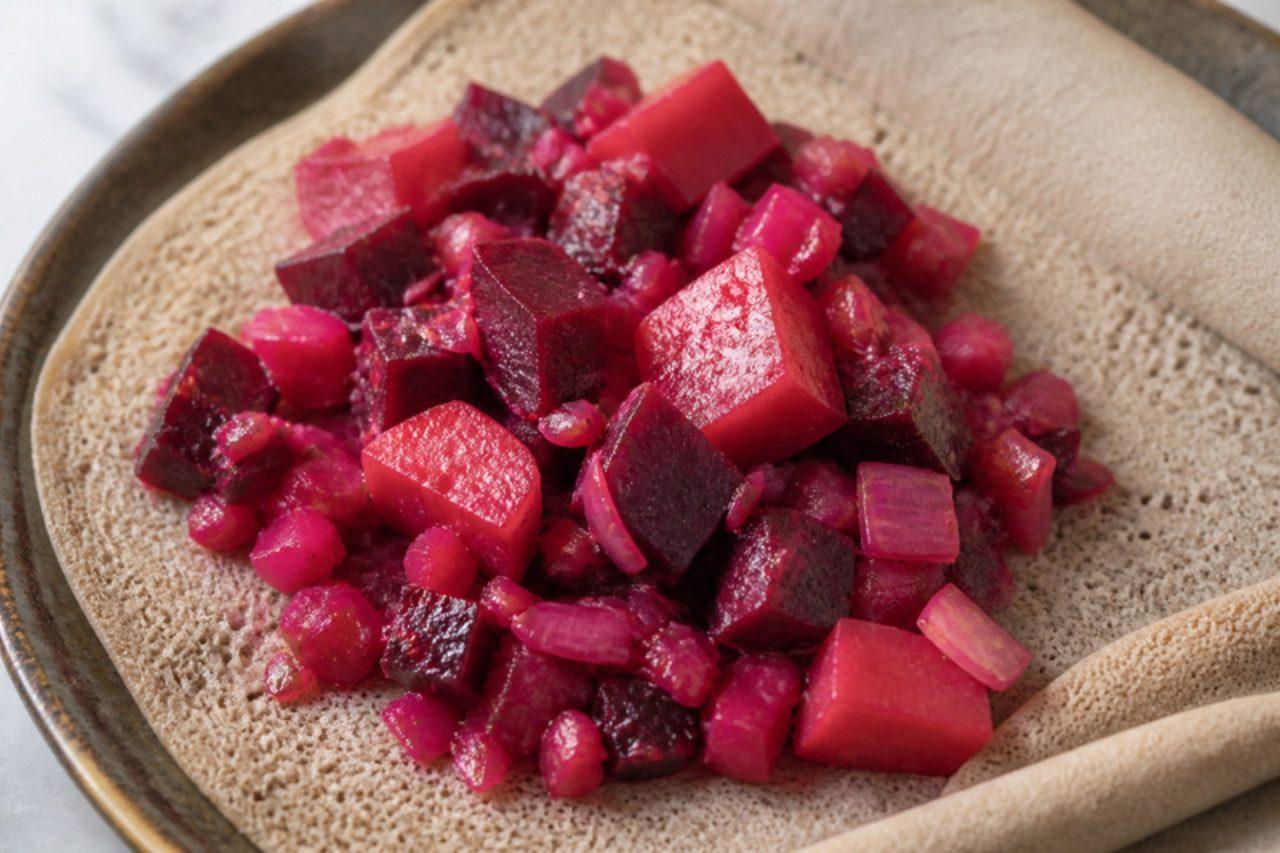
A magenta heap of key sir is the splash of colour on a beyaynetu fasting platter, served in restaurants all over Addis Ababa and at home through Lent. Being an alicha, it is mild rather than fiery: beetroot and potato cook slowly with onion, garlic, ginger and oil until tender and shiny, sweet and earthy with only a little heat from green chilli. It balances the hotter wats and cools the palate between bites of injera. A common mistake is cutting the beetroot too large, so the potato turns to mush before the beet is tender; cut the beet smaller, or give it a ten-minute head start. Chef's tip: cook it a day ahead if you can, because the flavours mellow and the potatoes take on even more colour overnight.

by KrazyBadal 0 views

Shalgam ki sabziSpiced turnip curry

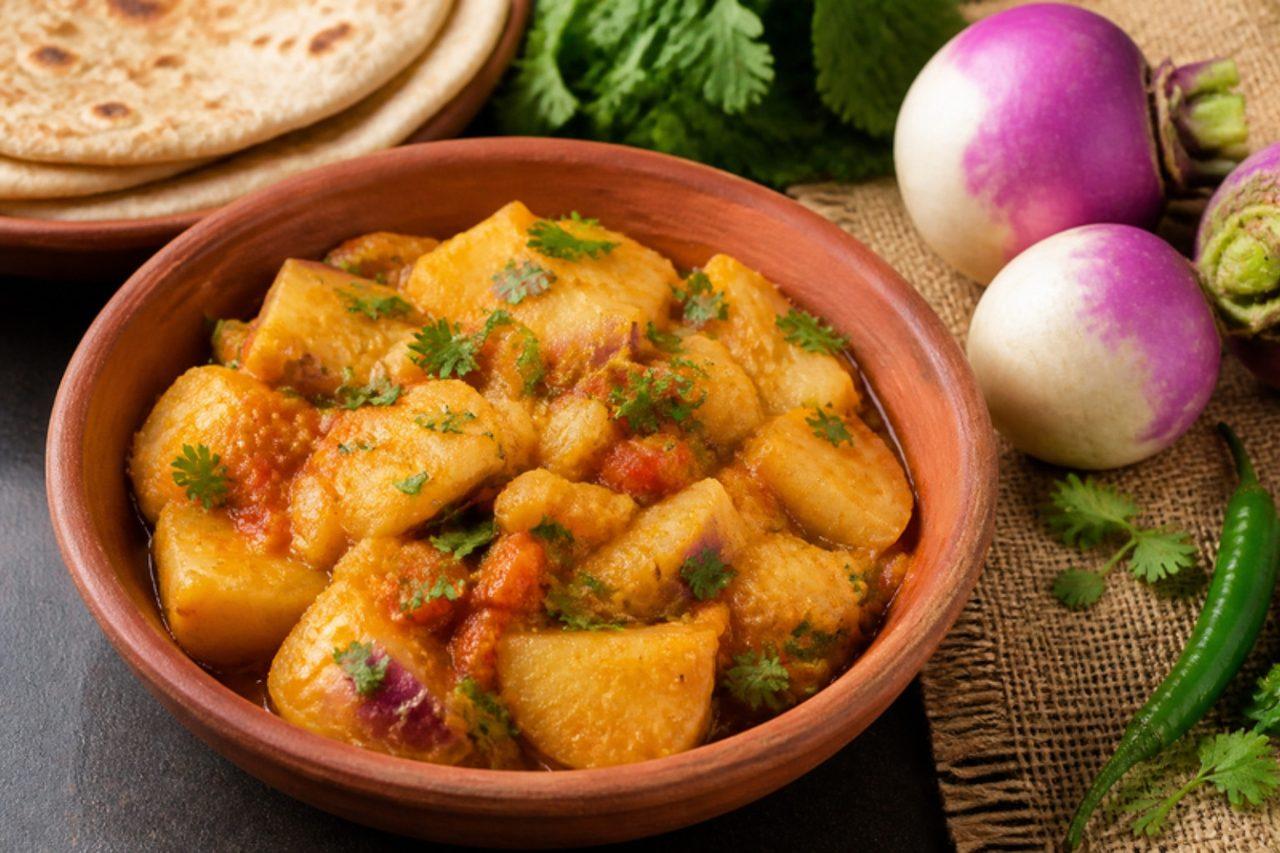
December fog over central Punjab means turnip season: purple-topped turnips pile up at every mandi, and village kitchens from Sheikhupura to Okara cook them down into this soft, sweet-savoury mash. Covered and steamed in their own juices with onion and tomato, the turnips lose their peppery bite, then a little jaggery and a final hard stir-fry turn them glossy and jammy. It is winter food through and through, eaten with makki di roti or wholewheat chapati, a dab of white butter for those who want it and a glass of lassi. Skipping the final bhuno, the open-pan frying at the end, is the classic error: it leaves the dish watery and flat instead of rich. Chef's tip: mash only half the turnips, leaving the rest in small pieces, so the sabzi has some texture.

by KrazyBadal 0 views

Ye-kosta wat (Swiss chard and potato)

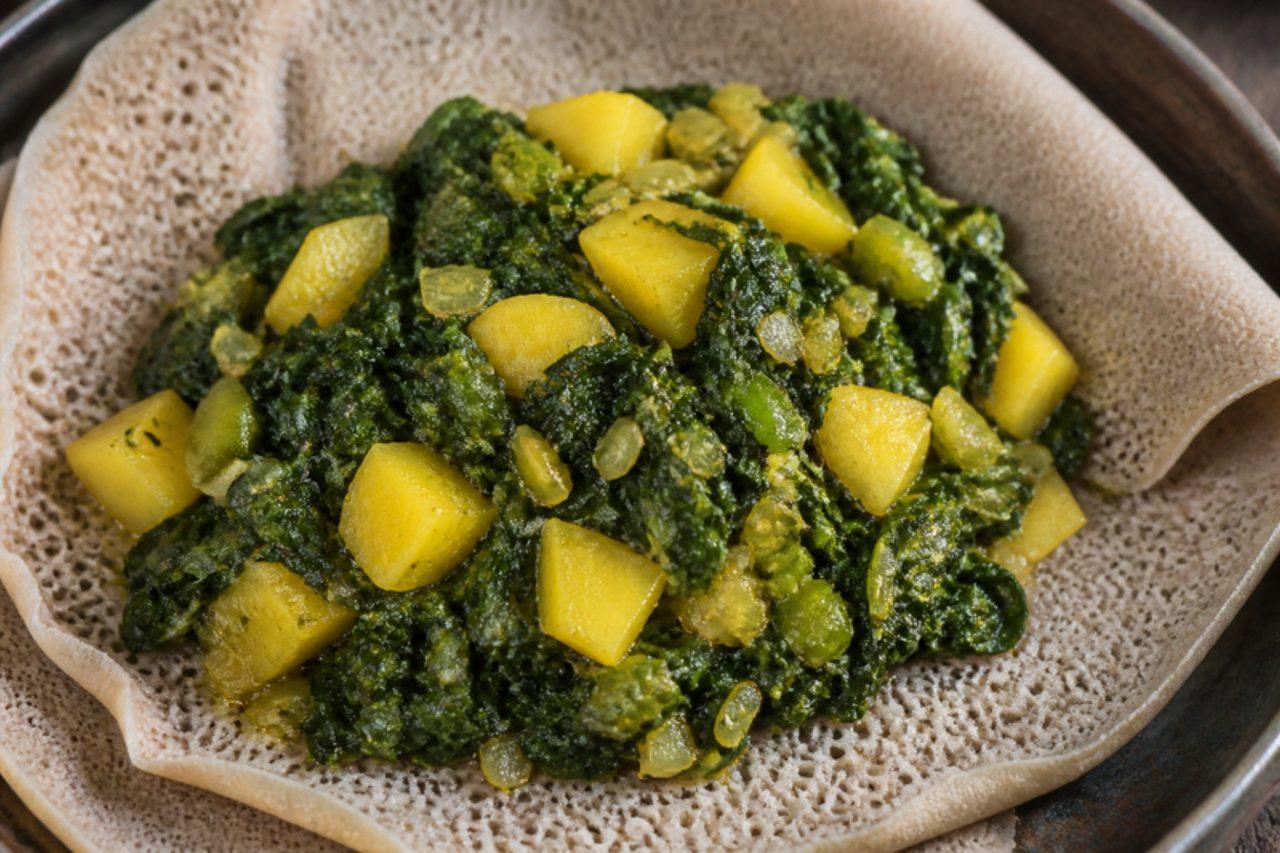
Kosta, Swiss chard, is grown in backyard plots from Bahir Dar to Hawassa, and during the long fasts it is stewed with potatoes into this simple green dish found on almost every vegan beyaynetu. Onion, garlic and ginger soften in oil, potatoes go in first, then the chopped chard stems and leaves, all cooking down together into a soft, juicy stew that is mild, fresh and a little sweet, with a gentle heat from green chilli. Spoon it onto injera beside spicier wats, or eat it with rice. The common mistake is adding the stems and leaves at the same time; the stems need a few minutes longer. Chef's tip: a pinch of turmeric is not traditional in every home but gives the potatoes a warm golden colour against the green.

by KrazyBadal 0 views

Khmer green mango salad with crispy dried fish

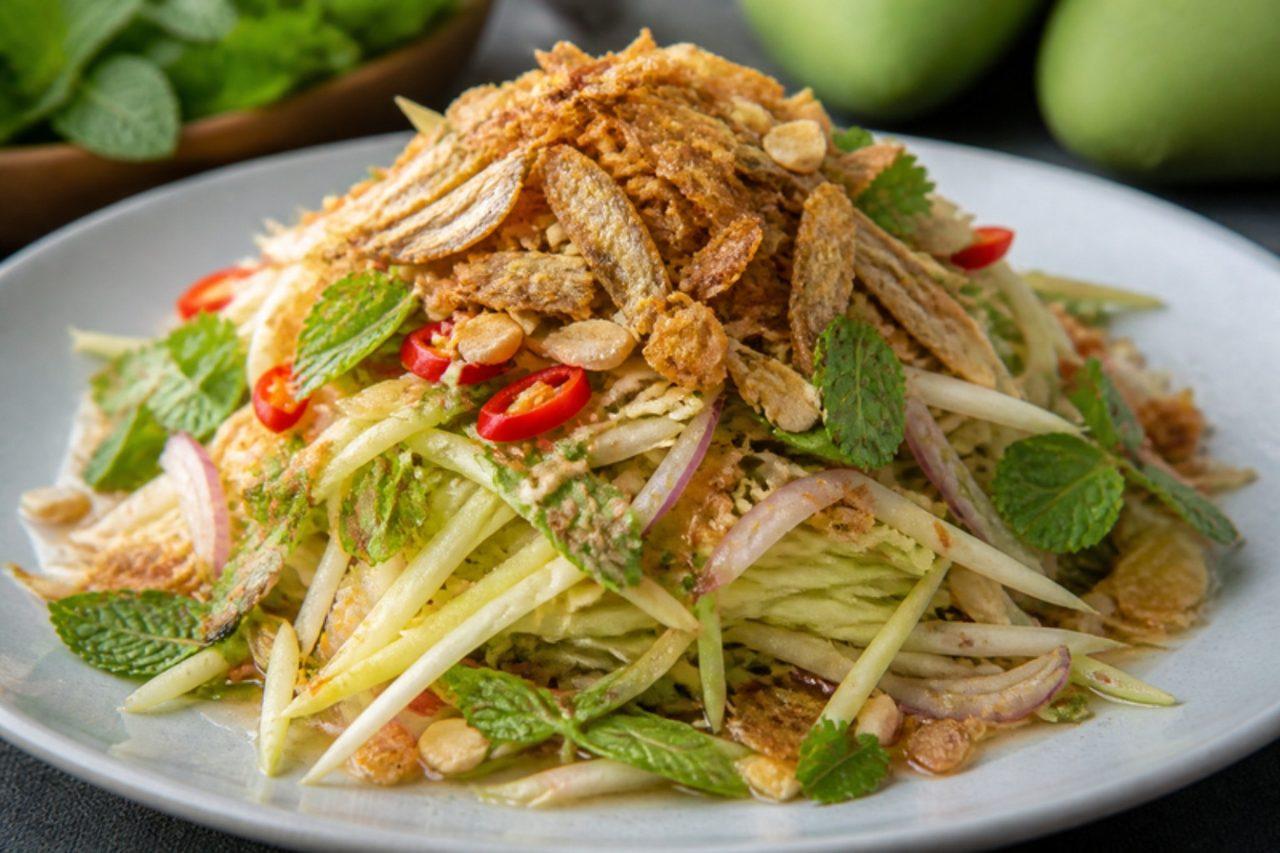
Sharp enough to make you wince and then reach for more, nhoam svay is the salad sold from glass-fronted carts around Siem Reap's Old Market and packed for weekend picnics at the West Baray reservoir. Hard green mango is cut into fine strands and tossed with shallots, mint and a dressing of lime, fish sauce and palm sugar, then topped with crunchy roasted peanuts and flakes of salty dried fish fried until crisp. It is eaten as a snack on its own or as a fresh, sour side to grilled meat and rice. Many people dress it too early, which draws water out of the mango and leaves a limp, watery salad. Chef's tip: fry the dried fish slowly until it shatters, then crumble it over at the very last moment; for a vegetarian version, leave it out and use soy sauce in place of the fish sauce.

by KrazyBadal 0 views

Jamaican pumpkin soup

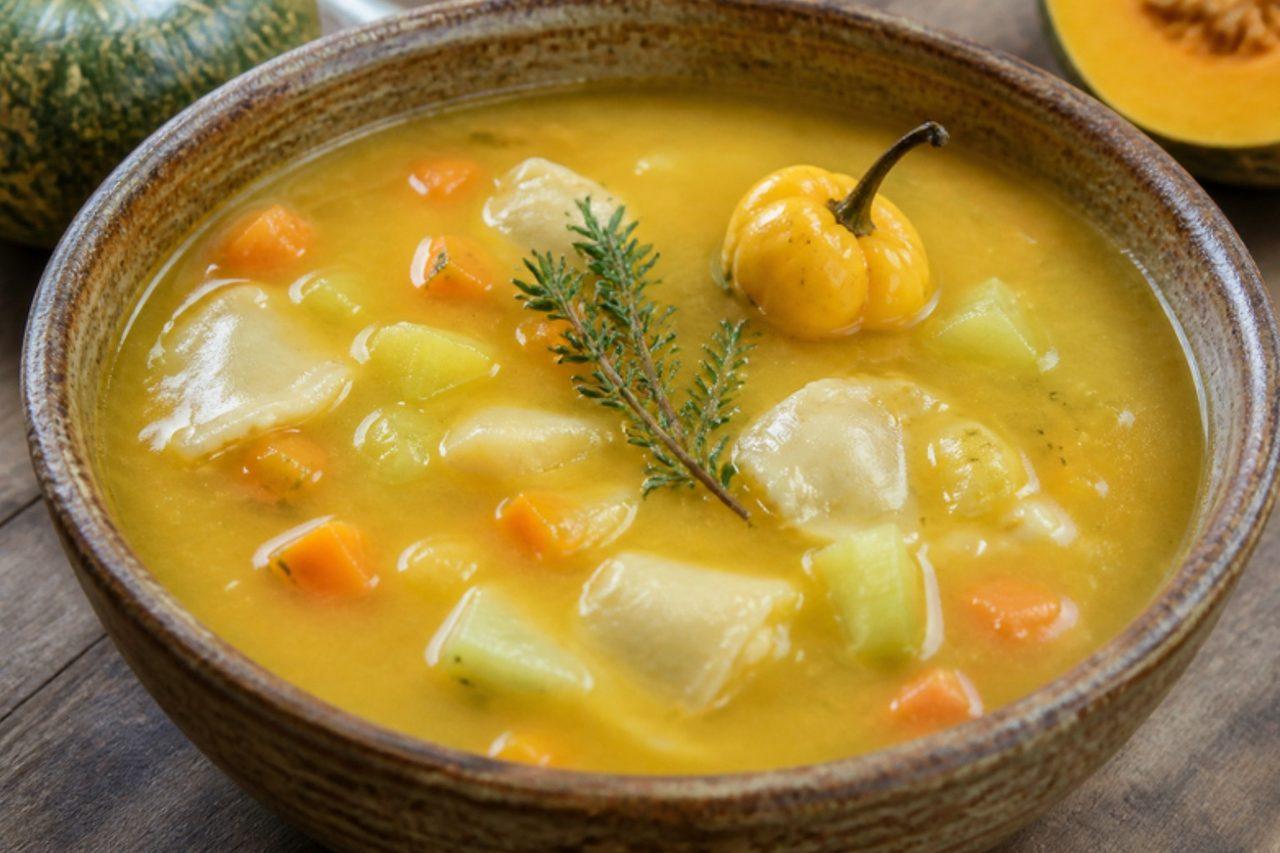
Ital kitchens in the Blue Mountains cook pumpkin soup on cool evenings, when the mist comes down over the coffee farms and something golden and peppery is needed. This one is meat-free and dairy-free: calabaza, carrot and chocho simmer with thyme, scallion and pimento until the pumpkin breaks down into a thick, naturally sweet broth, with a few spinners for chew. People often add the scotch bonnet already cut, which can make the whole pot ferociously hot; drop it in whole and take it out when the soup tastes right. Chocho (chayote) is optional, and courgette is a fair swap. Chef's tip: leave the soup chunky rather than blending; Jamaicans like to see the pieces of pumpkin collapsing into it.

by KrazyBadal 0 views

Taiwanese sweet potato congee

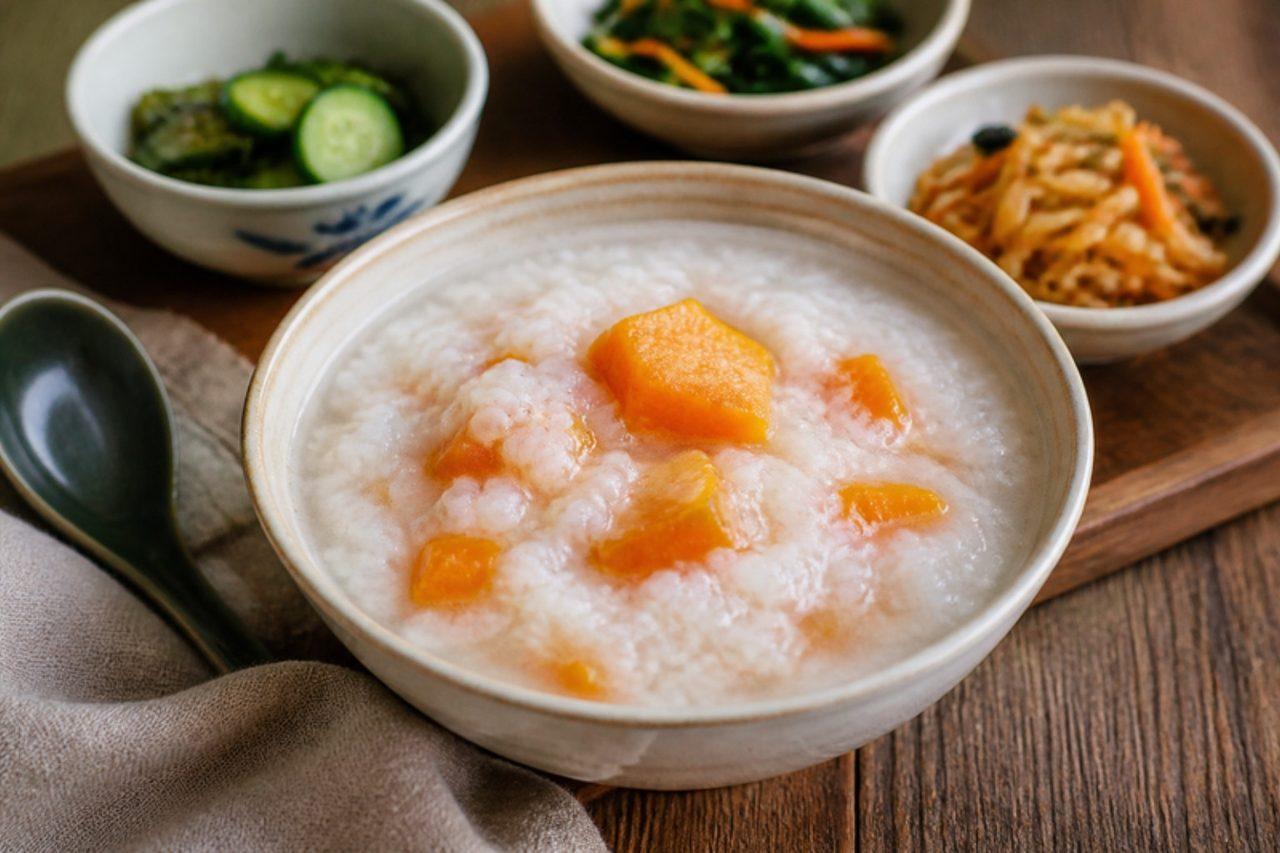
Tainan's late-night congee shops lay out dozens of little dishes under glass, and the bowl that goes with them is this loose, gently sweet rice porridge dotted with soft orange sweet potato. Older Taiwanese remember it as the food of lean years, when sweet potato stretched the rice; today it is comfort food at breakfast, at midnight after the markets, and whenever someone is unwell. Unlike Cantonese congee, the grains stay distinct in a cloudy, silky liquid. Many cooks cut the sweet potato too small, so it collapses into mush and turns the pot muddy; chunks of about 3 cm keep their shape. Chef's tip: serve it with something salty and crunchy, such as pickled cucumbers, peanuts or a radish omelette, because the contrast is the whole point.

by KrazyBadal 0 views

HangopHung buttermilk with fruit

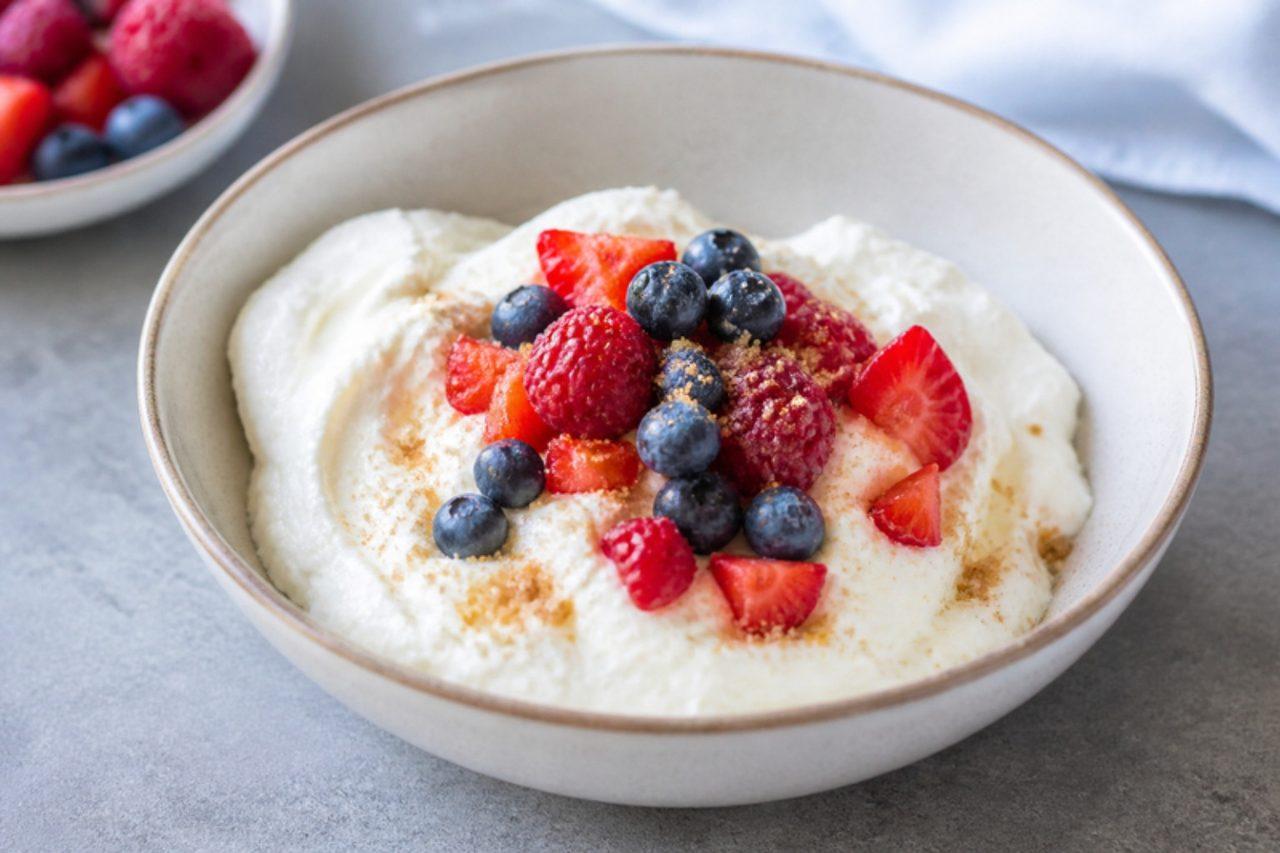
Hangop means 'hang up', and that is the method: buttermilk poured into a cloth, hung up over a bowl overnight until it thickens into something like a tangy, creamy fresh cheese. It was a summer dessert on Dutch farms, eaten with rusk crumbs, brown sugar and fresh fruit, and is having a revival in Amsterdam restaurants. A common mistake is straining it at room temperature, which lets it turn too sour. Chef's tip: strain it in the fridge, and use a clean tea towel rather than cheesecloth; the finer weave keeps more of the creamy curd.

by KrazyBadal 0 views

Skyr

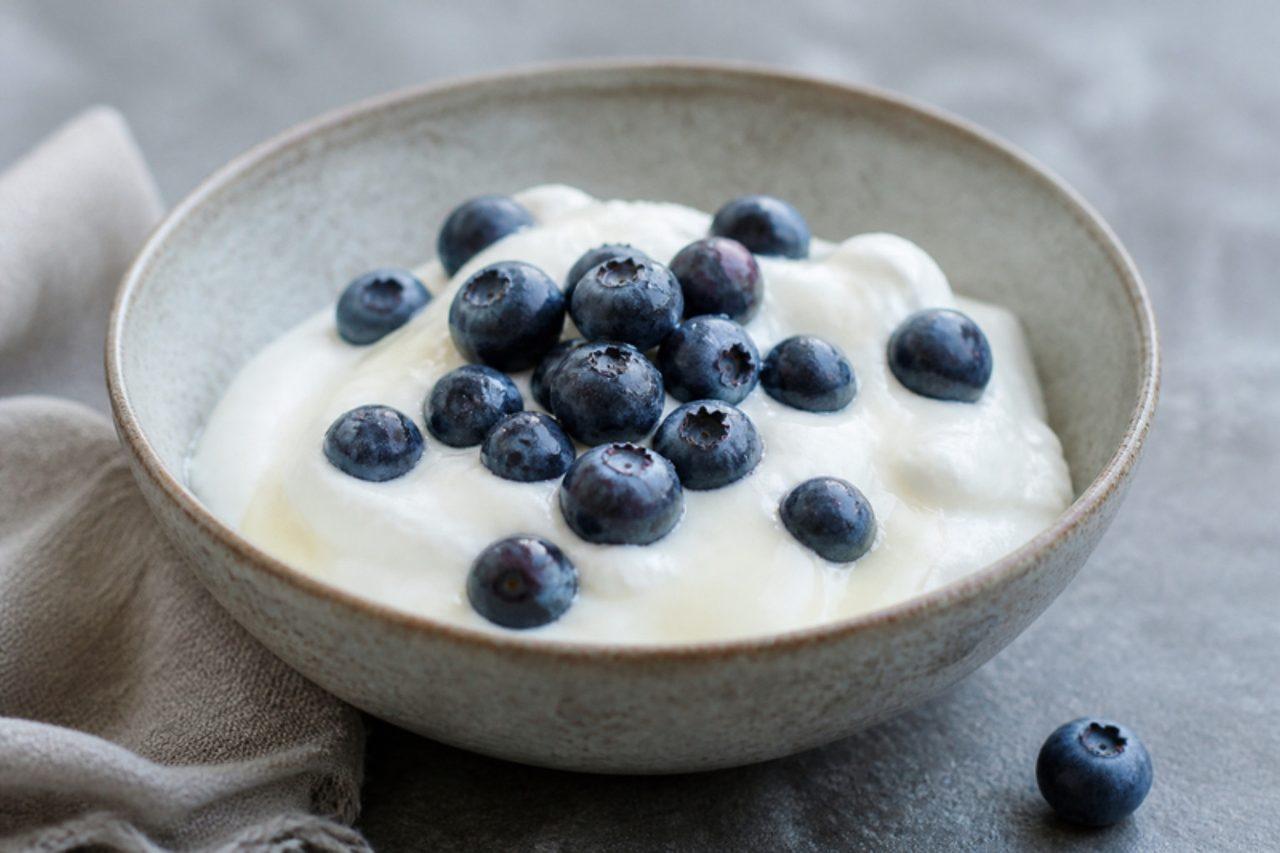
Skyr has been made in Iceland since the Viking settlers arrived: skimmed milk soured with a spoonful of the last batch, set with a drop of rennet, then strained until very thick, high in protein and mildly sour. Icelanders eat it every day with milk or cream and berries, or whisked into a drink, and skyrkaka is a favourite cheesecake. You need a few spoonfuls of plain shop skyr with live cultures as a starter. A common mistake is skipping the long, slow set; rushed skyr is thin and grainy. Chef's tip: strain it in the fridge overnight and stir it smooth before serving. Rennet is traditionally animal; use vegetarian rennet.

by KrazyBadal 0 views

Pwason gwo sèlFish poached in lime broth

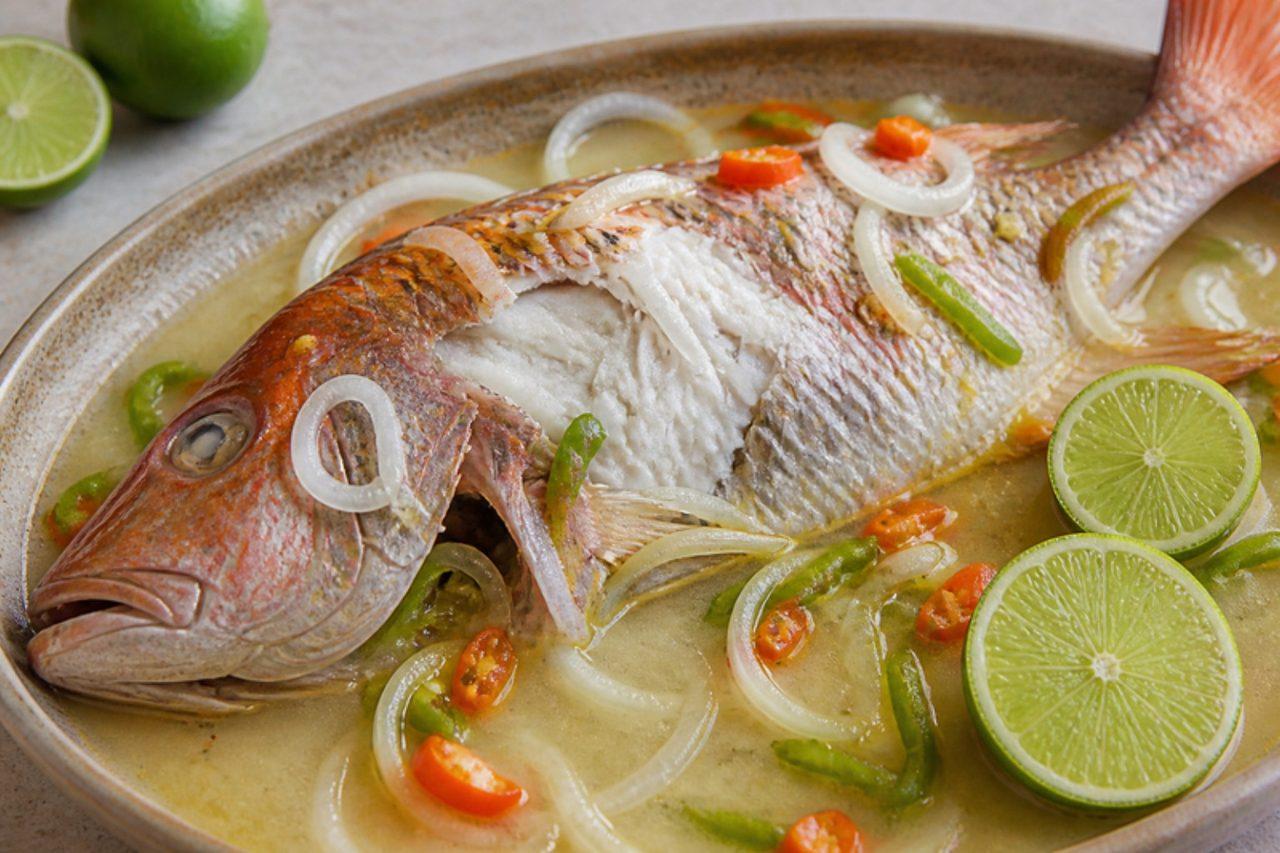
Fishing villages on Haiti's southern coast make pwason gwo sèl, "big-salt fish", when the catch is fresh: whole snapper rubbed with lime and coarse salt, then gently poached in a peppery broth with onion, peppers, thyme and a whole scotch bonnet. The fish stays moist and clean-tasting, and the light broth is spooned over boiled plantain or rice. The common mistake is boiling it hard, which breaks the flesh; keep it at a gentle shiver. Ask for the fish scaled and gutted. Chef's tip: slash the fish twice on each side and push epis into the cuts so the flavour reaches the bone.

by KrazyBadal 0 views

Showing 24 of 483 recipes

Show more recipes

Page 8 of 21

More collections