Skip to content

Lunchbox ideas

Make-ahead food that packs well for school and office lunchboxes. (220 recipes)

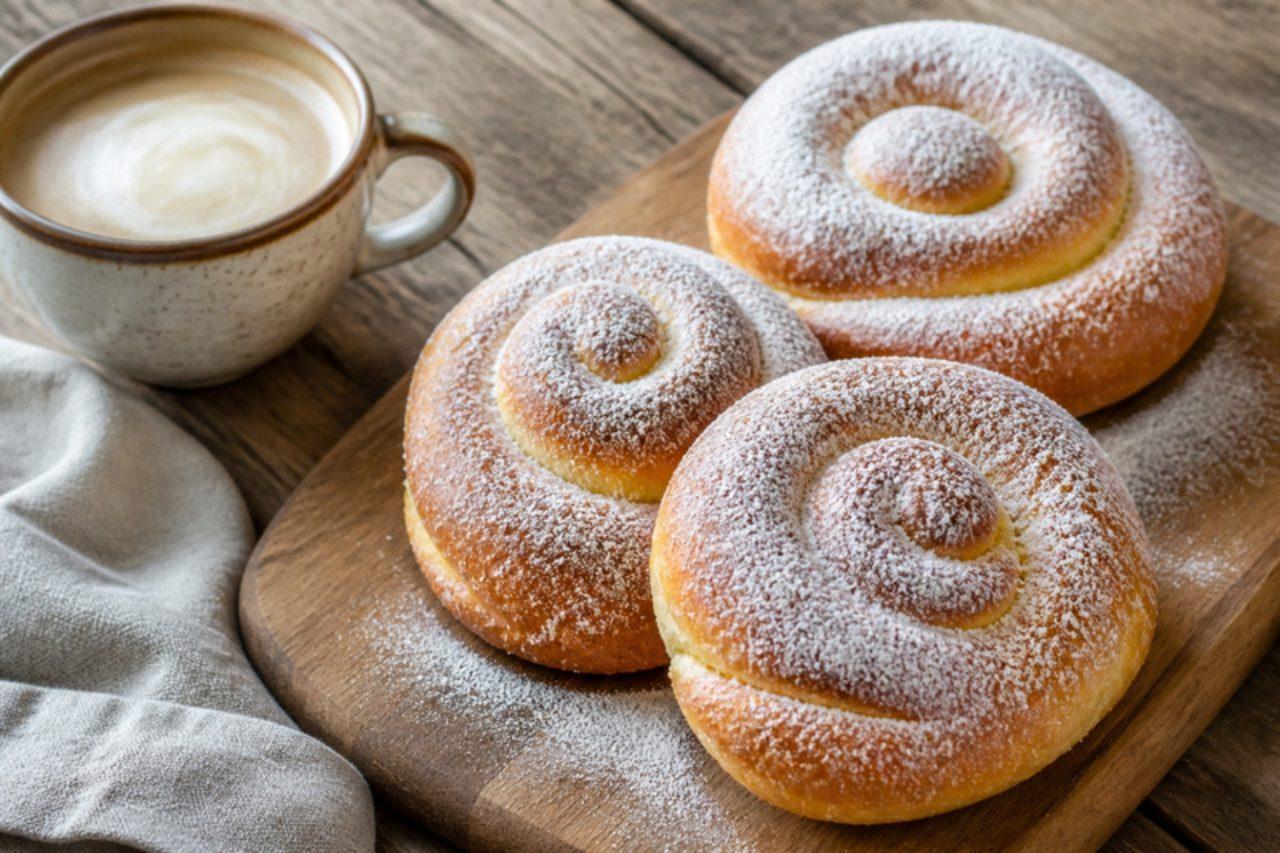
Mallorcas

In Old San Juan's old-fashioned cafés and neighbourhood bakeries serve mallorcas split, pressed on a hot griddle with butter and buried in icing sugar, often with a slice of melted cheese inside for a sweet-salty breakfast (many cheeses are made with animal rennet, so pick a vegetarian one). The dough is rich with egg yolks, milk and butter, coiled like a snail shell so it bakes into soft, pull-apart layers. The common mistake is under-proving the coils, which gives tight, bready rolls instead of feathery ones. Chef's tip: brush the coils with melted butter before the last rise and again straight out of the oven; that buttery skin is what holds the snowy sugar.

by KrazyBadal 0 views

Mango pudding

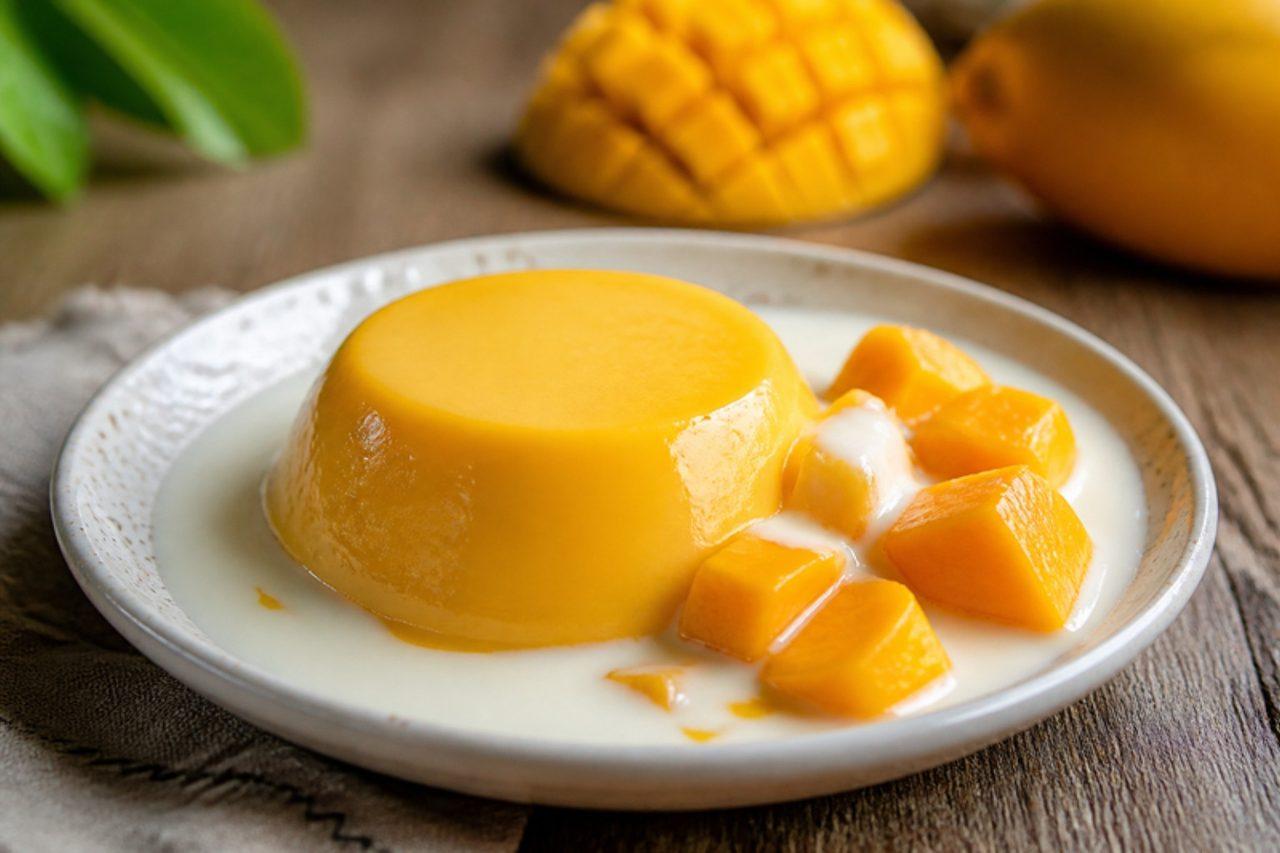
Wobbling out of fish-shaped moulds at the end of a Hong Kong dim sum lunch, mango pudding is just as popular in small cups from dessert chains, which sell it through the sticky summer months when Philippine and Thai mangoes flood the markets. It's smooth, creamy and full of fruit, with pieces of fresh mango through it and a drizzle of cold evaporated milk on top. Restaurants usually set it with gelatine; this version uses agar, which keeps it vegetarian and sets slightly firmer and cleaner. The problem with agar is impatience: it begins to set below about 40 °C, so cold purée added too slowly turns into lumpy strands. Chef's tip: warm the mango purée before you mix it in, then whisk briskly and pour into the moulds right away.

by KrazyBadal 0 views

Kleija

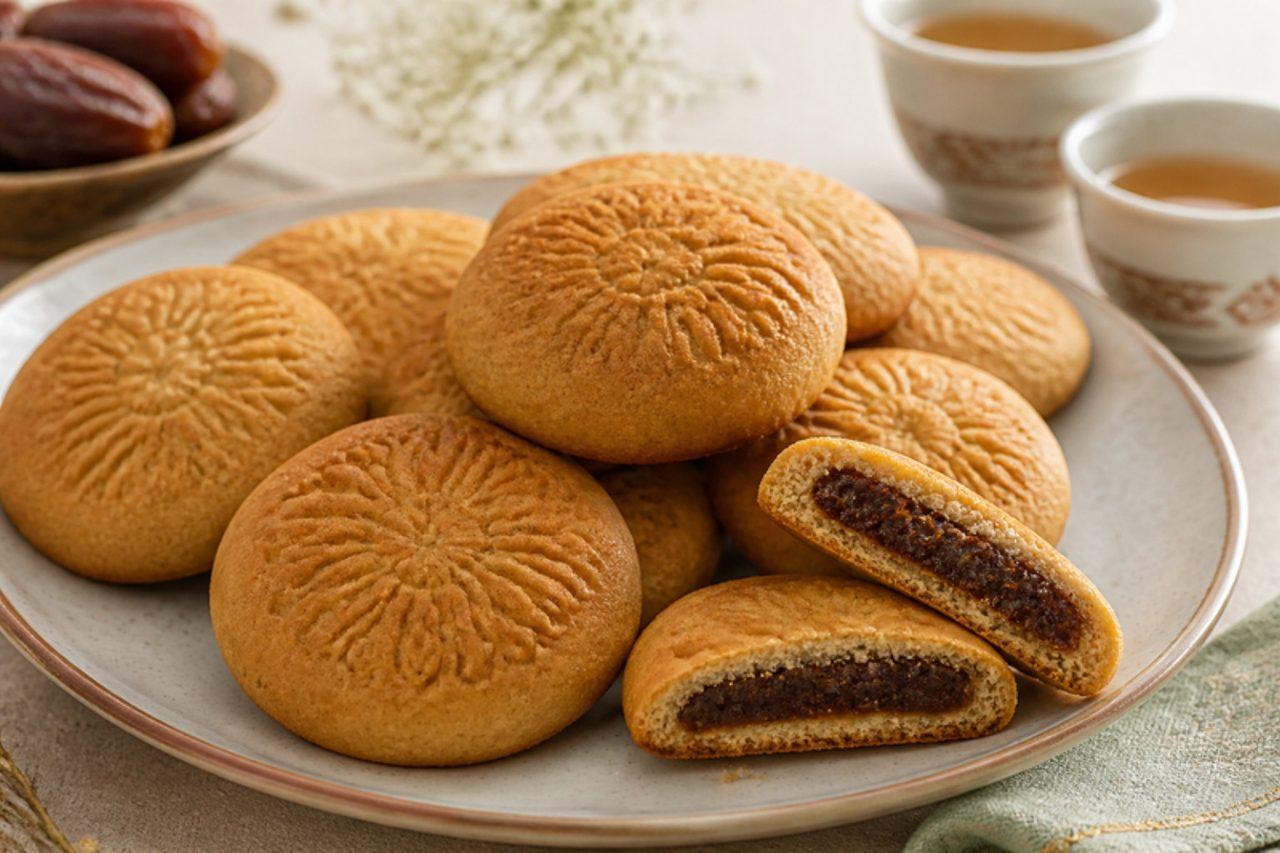
Kleija is the pride of Qassim, the farming heartland north of Riyadh, where an entire festival in Buraidah is devoted to these round, stamped cookies filled with date paste and fragrant with cardamom, saffron and a little fennel. They are packed for journeys, offered to guests with Arabic coffee and baked in big batches before Eid. The pastry is short and crumbly with a soft, chewy date centre. A common mistake is overworking the dough after adding ghee, which makes it tough; mix just until it holds. Store them in a tin for a week. Chef's tip: roll the date paste into small balls with damp hands first, so each cookie gets the same amount and seals neatly.

by KrazyBadal 0 views

Pepparkakor

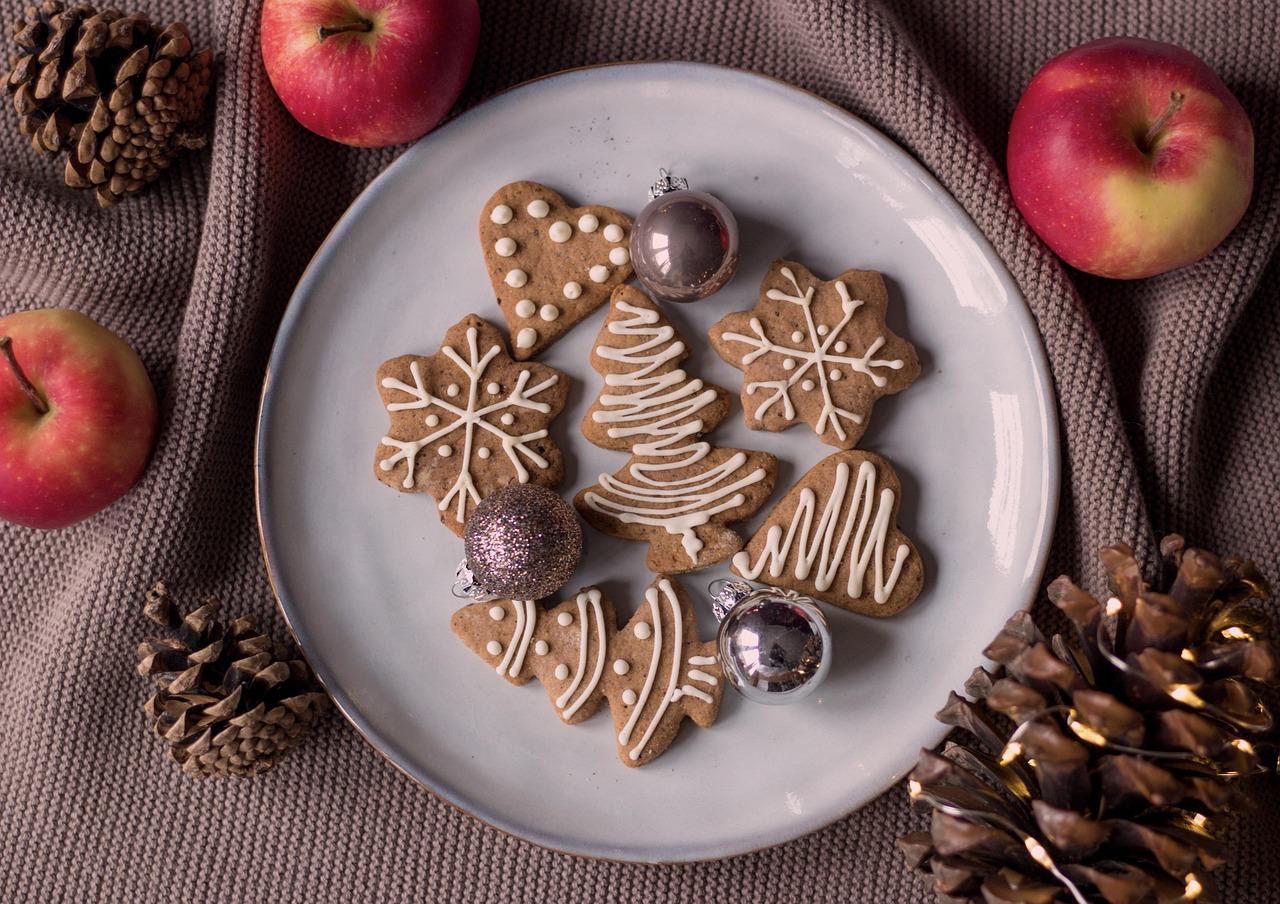
Pepparkakor, pepperkaker in Norway, are the thin, snappy spiced biscuits of the Scandinavian Christmas, cut into hearts, stars and pigs, hung on trees and eaten with glögg and blue cheese. Families make the dough in early December and bake through Advent; Swedish tradition says if you break a biscuit into three pieces with a press of your finger, you may make a wish. A common mistake is rolling the dough thick, which makes soft biscuits. Chef's tip: rest the dough overnight in the fridge, then roll it paper-thin, 2 mm, between sheets of baking paper.

by KrazyBadal 0 views

Kasar

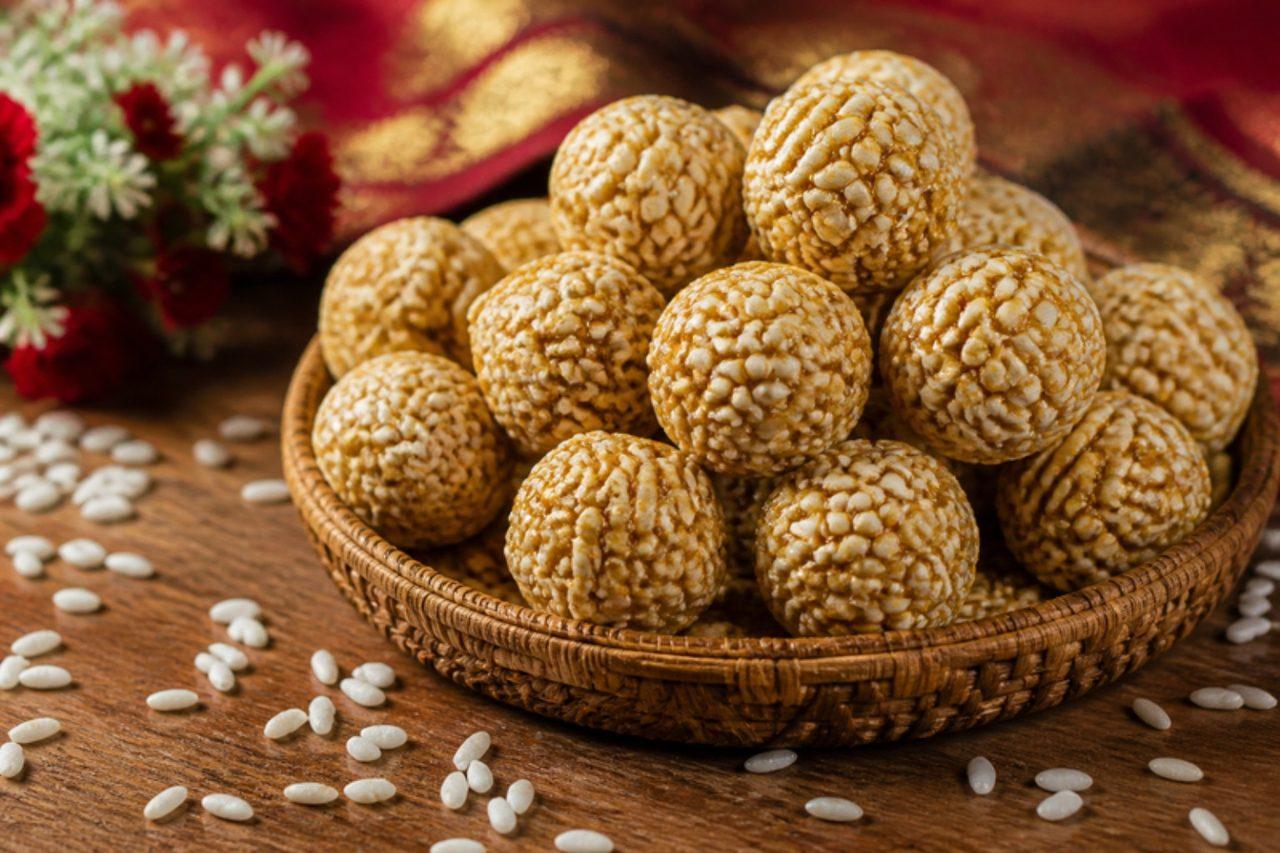
Kasar is a sweet of good fortune: Bahun and Chhetri families in the hills make it by the basketful to send with a bride to her new home, to hand out at bratabandha thread ceremonies and to fill the Tihar plates. It is the simplest of sweets, puffed rice stirred into bubbling jaggery syrup flavoured with cardamom and pressed into balls while warm, sometimes with sesame, coconut or peanuts added, and it is crunchy, light and caramel-sweet. Children love making it because it is all about quick hands and a bowl of cold water. The pitfall is syrup that is not cooked far enough, which gives soft, sticky balls that collapse in a day. Chef's tip: test the syrup by dropping a little into cold water; when it sets into a firm ball that cracks if you squeeze it, it is ready.

by KrazyBadal 0 views

Sri Lankan patties

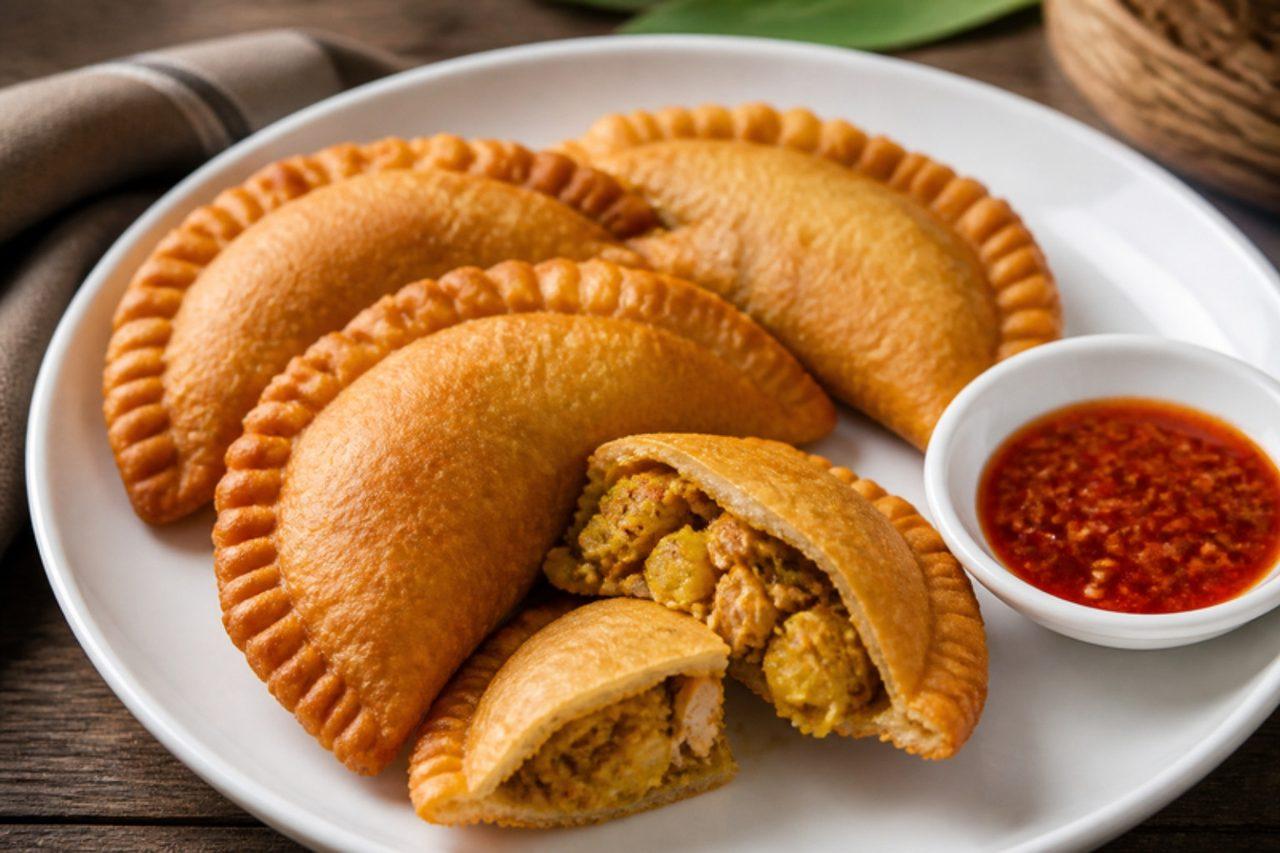
Patties are the short eat that marks a Sri Lankan celebration, made by the hundred for weddings, Avurudu New Year visits and Christmas open houses, and sold warm from bakeries in paper bags. The pastry is the clue to their identity: rich with butter, egg and coconut milk, rolled thin, folded into half-moons and crimped with a fork, then fried until blistered and flaky. Inside is a gently spiced mix of chicken, potato and leeks with a hint of cinnamon, and a vegetable filling of potato, carrot and leek is equally common when guests are vegetarian. It goes wrong when the filling is still warm when it meets the pastry, which then softens, tears and leaks in the oil. Chef's tip: rest the pastry in the fridge for half an hour before rolling, and press the edges with a fork dipped in flour so they seal firmly.

by KrazyBadal 0 views

Torticas de Morón

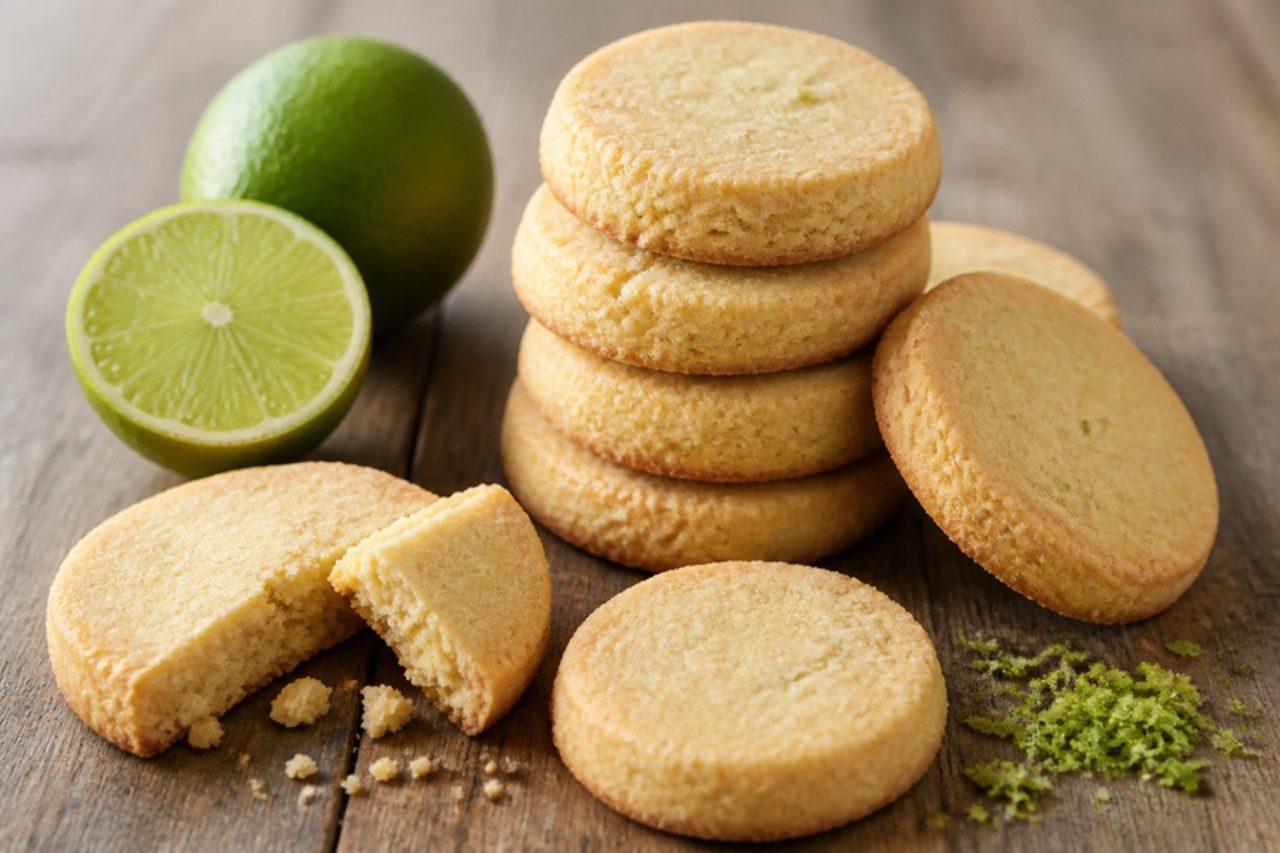
The town of Morón in Ciego de Ávila gave its name to these crumbly little cookies, which Cuban bakeries sell in paper bags and grandmothers keep in a tin for visitors with coffee. They are pale, short and melt quickly, with a clear scent of lime zest. The common mistake is overworking the dough or baking until brown, which makes them hard rather than sandy, so pull them out while they are only just golden underneath. Chef's tip: chill the rolled dough for 20 minutes before cutting; the edges stay sharp and the cookies don't spread.

by KrazyBadal 0 views

Coconut macaroons

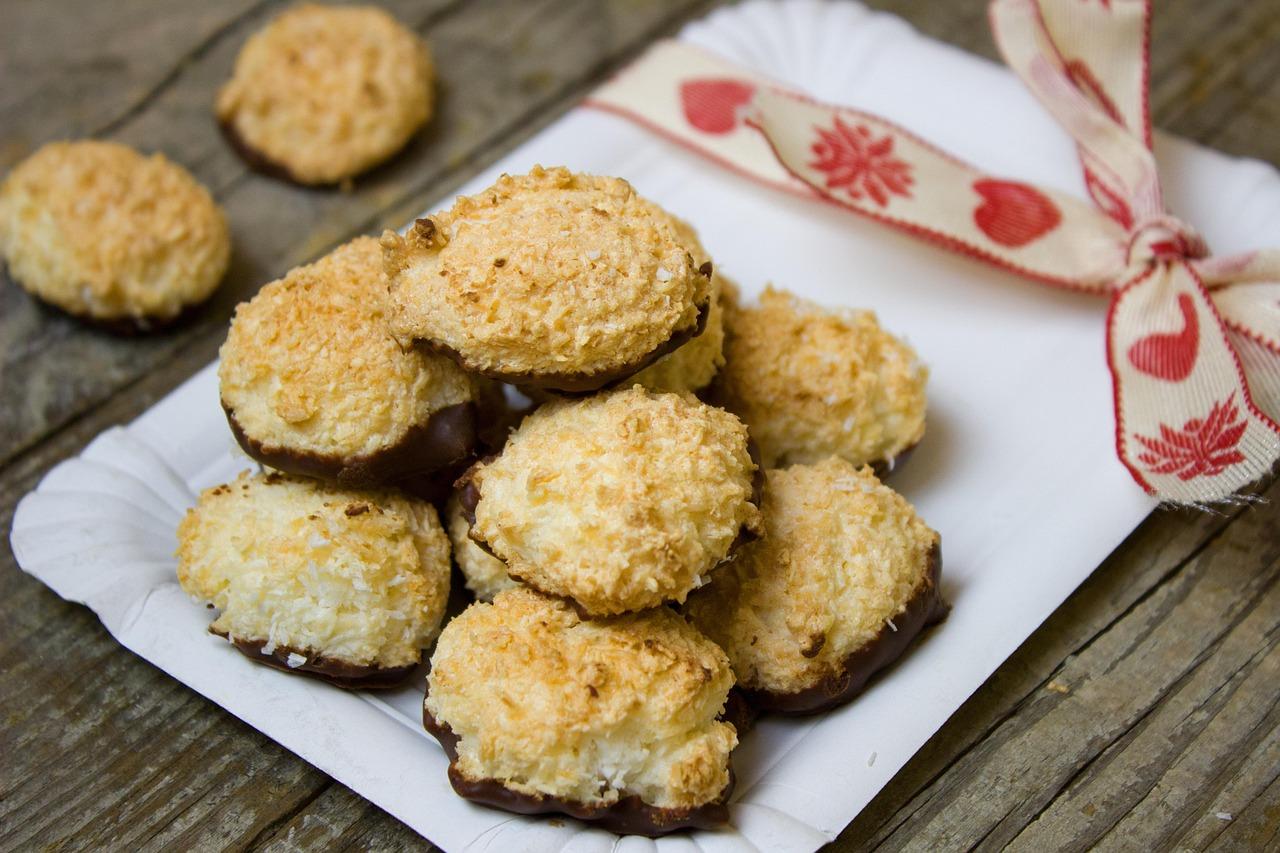
Coconut macaroons are the Passover biscuit in Israel: every supermarket stacks them high before the holiday, but homemade ones from a Haifa or Jerusalem kitchen are far better, crisp and golden on the outside and moist and chewy inside. They need just desiccated coconut, egg whites, sugar and vanilla, with no flour or leavening, so they suit the Passover rules and are naturally gluten free and dairy free. Dip the bases in dark chocolate if you like. The common mistake is baking them on a hot tray straight from a previous batch, which burns the bases before the tops colour. Chef's tip: let the mixture rest for 15 minutes so the coconut soaks up the whites and the mounds hold their shape.

by KrazyBadal 0 views

Frikkadels

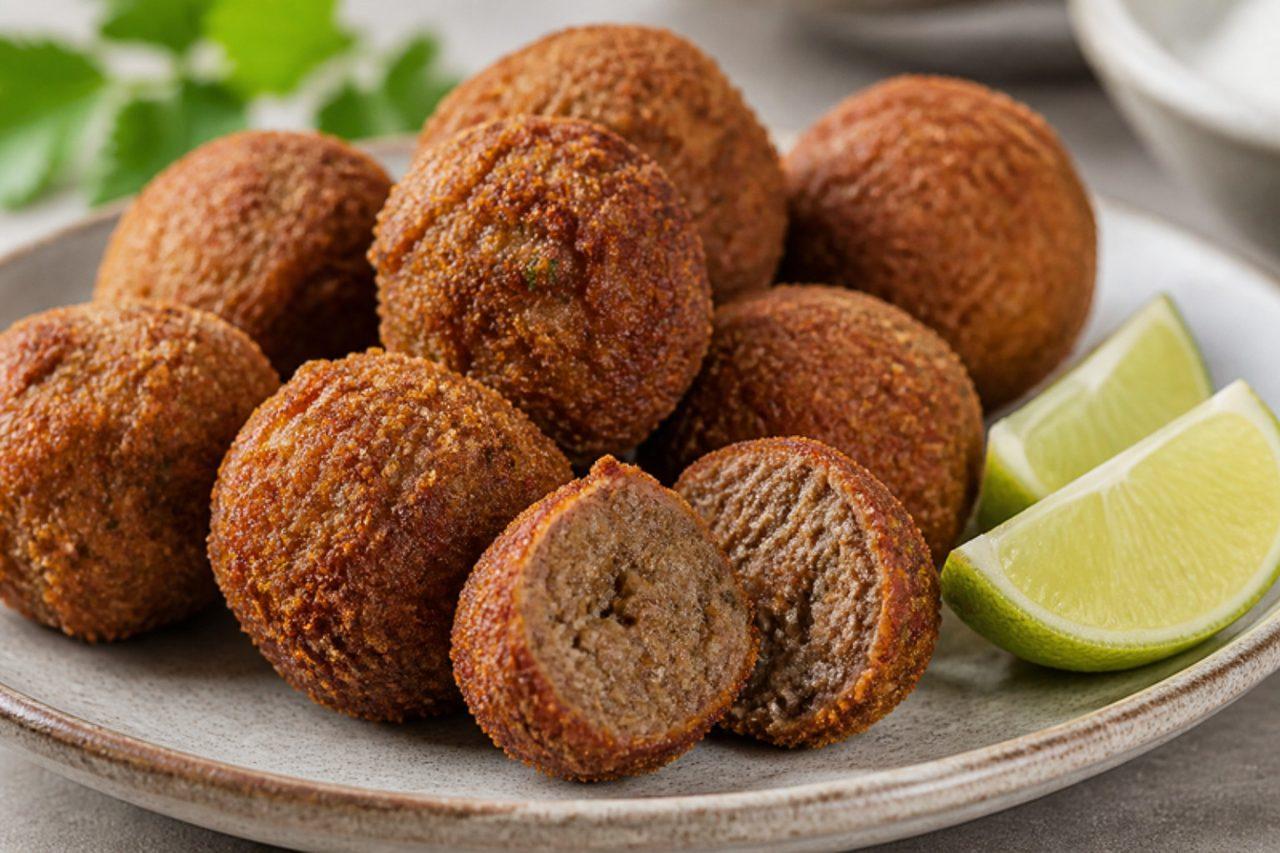
Frikkadels came to Sri Lanka with the Dutch in the 1600s and were reinvented by the Burgher community into small, crumbed, deep-fried meatballs scented with onion, garlic, cinnamon, cloves and dill. They are party food first, piled on platters at Burgher Christmas gatherings, christenings and Colombo club teas, and they are also tucked into lamprais parcels or eaten with a sharp seeni sambol and bread. Good ones are crunchy outside and very juicy within, never dense or dry. The trap to avoid is overworking the mince and skipping the soaked bread, which together make the balls tough. Chef's tip: shape them the size of a walnut and chill them for 30 minutes before crumbing, so the coating sticks and they hold their round shape in the hot oil.

by KrazyBadal 0 views

Coyotas

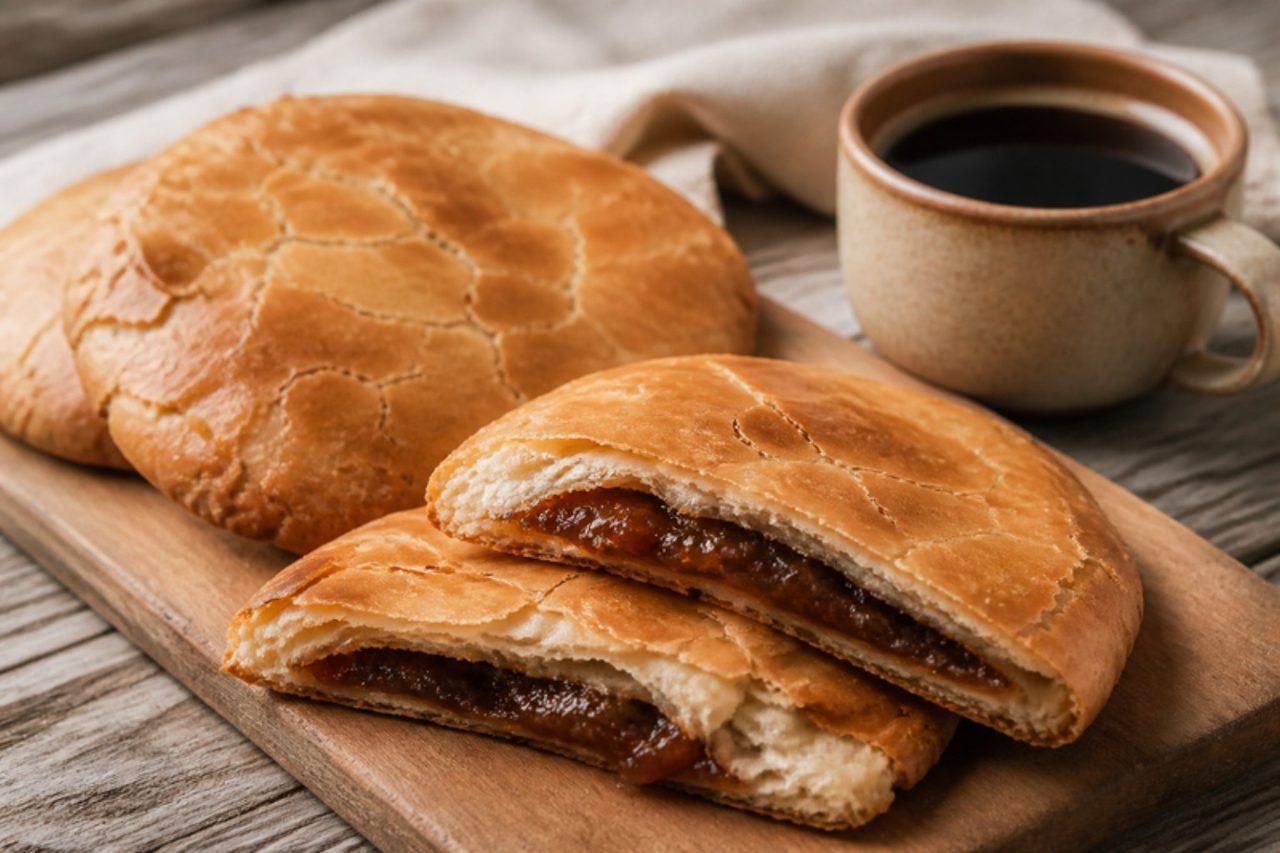
Coyotas were first baked in the Villa de Seris neighbourhood of Hermosillo, and today Sonorans buy them by the dozen in paper bags to eat with morning coffee or take as a gift when they travel. They are flat, round, pale pastries with a crisp, crumbly crust and a thin layer of molten piloncillo inside, like a giant cookie with a toffee middle. Some bakers add guava or cajeta, but brown sugar loaf is the classic. Chef's tip: pinch the edges firmly and prick the tops; otherwise the hot sugar bubbles out and burns on the tray.

by KrazyBadal 0 views

Chocotorta

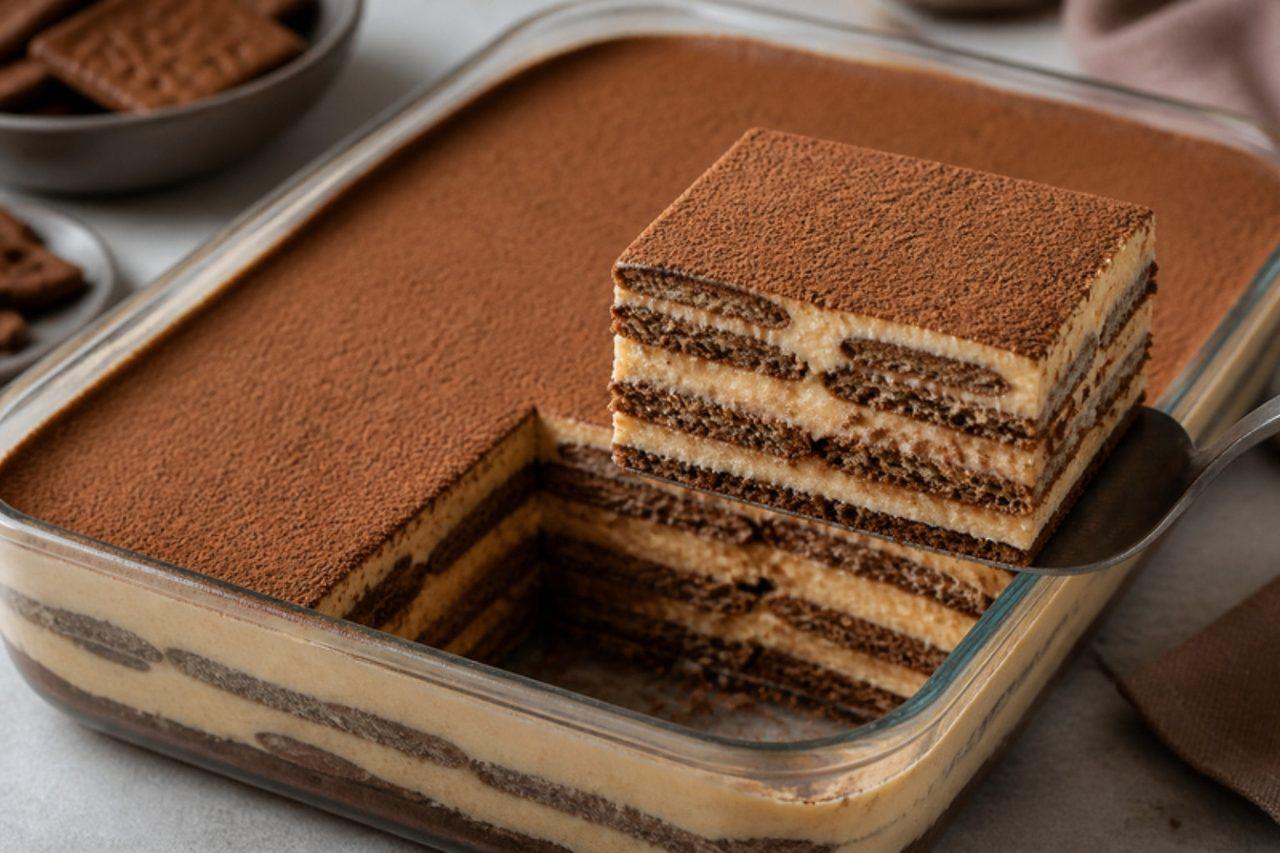
Born in 1980s Buenos Aires as an advertising idea and adopted by the whole country, chocotorta is the cake children ask for at every birthday and the easiest dessert in the Argentine repertoire. Chocolate biscuits are dipped briefly in milk (adults often use coffee), layered with a cream of dulce de leche beaten with cream cheese, and left overnight until the biscuits turn soft and cake-like. It is rich, sweet and a little tangy, and slices cleanly straight from the fridge. Any plain crisp chocolate biscuit works; rectangular ones make the neatest layers. The mistake to avoid is soaking the biscuits too long: a one-second dip is plenty, or they collapse into mush before you can lay them down. Chef's tip: assemble it a day ahead in a loaf tin lined with cling film; overnight chilling is what turns it from biscuits and cream into cake.

by KrazyBadal 0 views

Marmorkuchen

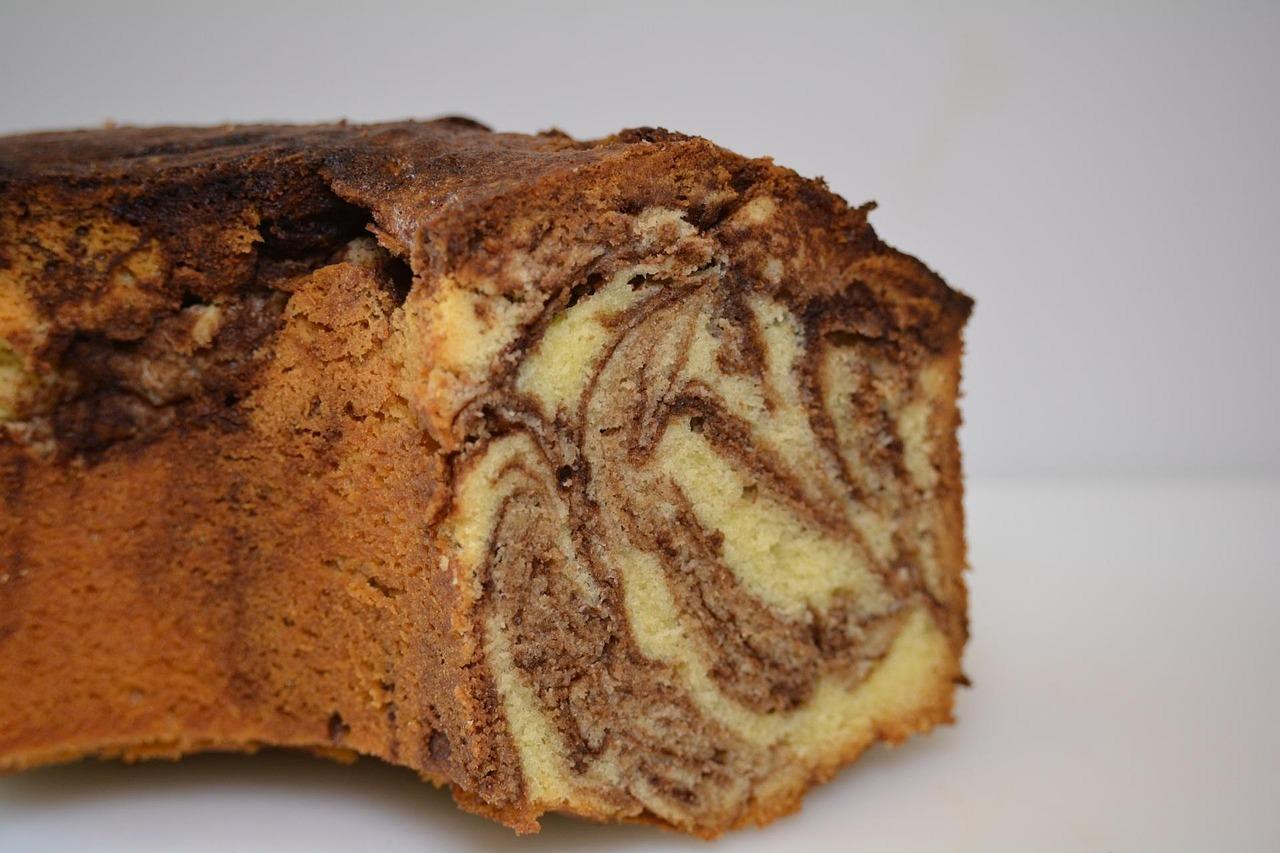
Marmorkuchen is the cake German children grow up with: a tall, buttery ring of vanilla sponge swirled with chocolate, baked for birthdays and kindergarten parties and kept under a glass dome for afternoon coffee all week. It needs nothing but a dusting of icing sugar, though many families pour over a thin chocolate glaze. A common mistake is over-stirring the two batters together, which turns the cake a muddy brown instead of showing clear marbling. Chef's tip: layer the batters in the tin, then pull a fork through just once in a spiral; less is more.

by KrazyBadal 0 views

Viennese Gugelhupf

In Vienna the Gugelhupf is the Sunday cake of home bakers, set out on the table for afternoon Jause with coffee, and every family has its own fluted copper or ceramic mould. Unlike the yeasted ring cakes of Alsace and southern Germany, the everyday Viennese one is a Rührgugelhupf, a buttery sponge lifted with whisked egg whites, scented with lemon and studded with plump raisins. It is tender, light and keeps moist for several days under a cake dome. A common mistake is a badly greased mould; every ridge needs butter and flour or the cake tears as it comes out. Chef's tip: soak the raisins in hot water for 15 minutes, dry them and toss them in a spoon of flour so they don't sink.

by KrazyBadal 0 views

Empanadas de calabaza

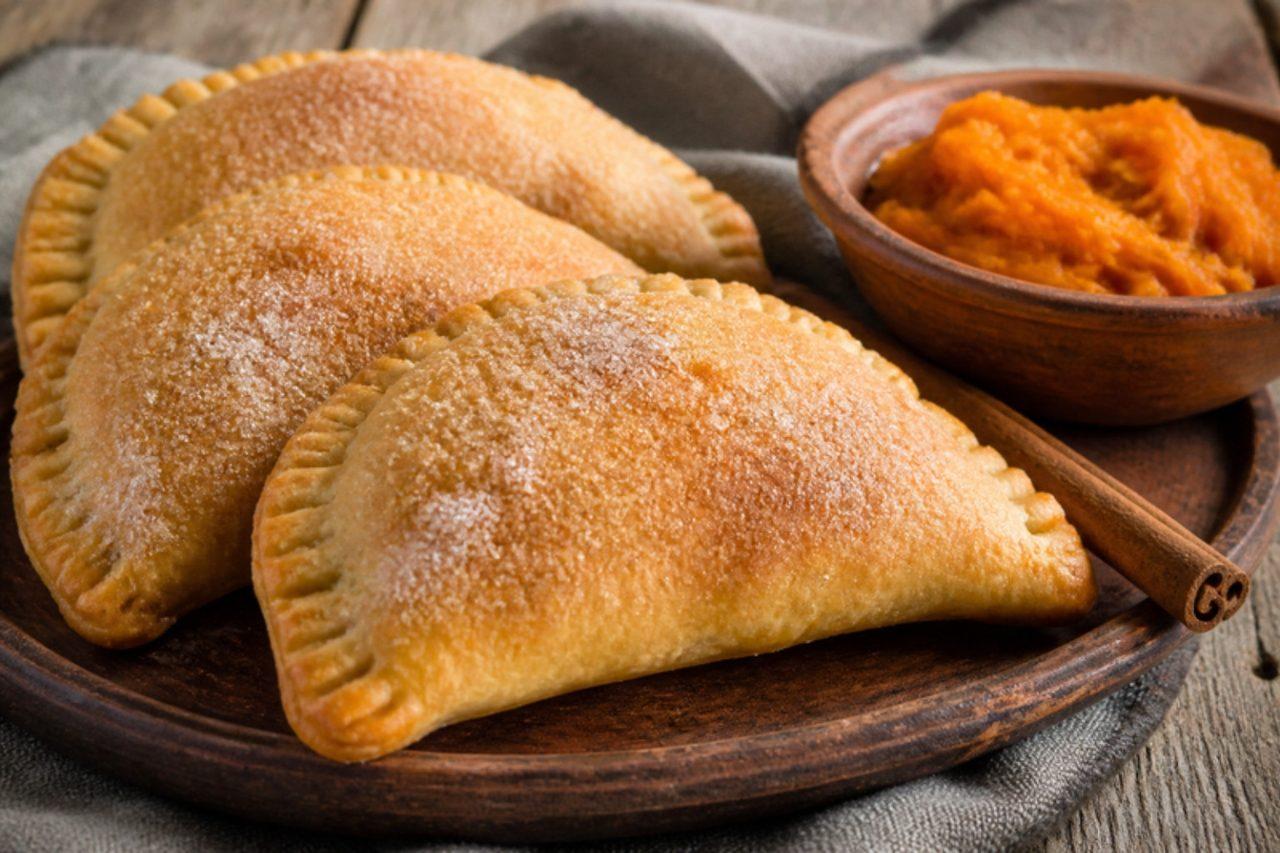
When the cold fronts reach Monterrey in November, panaderías start stacking trays of empanadas de calabaza next to the conchas, and families bake them at home for Day of the Dead and Christmas. A tender, lightly sweet pastry is folded around a thick purée of pumpkin cooked with piloncillo, cinnamon and anise, so each half-moon tastes like a spiced pumpkin pie you can hold. They are eaten with café de olla or a glass of milk. Chef's tip: cook the filling until a spoon leaves a trail across the pan; watery pumpkin turns the pastry soggy.

by KrazyBadal 0 views

Kalter Hund

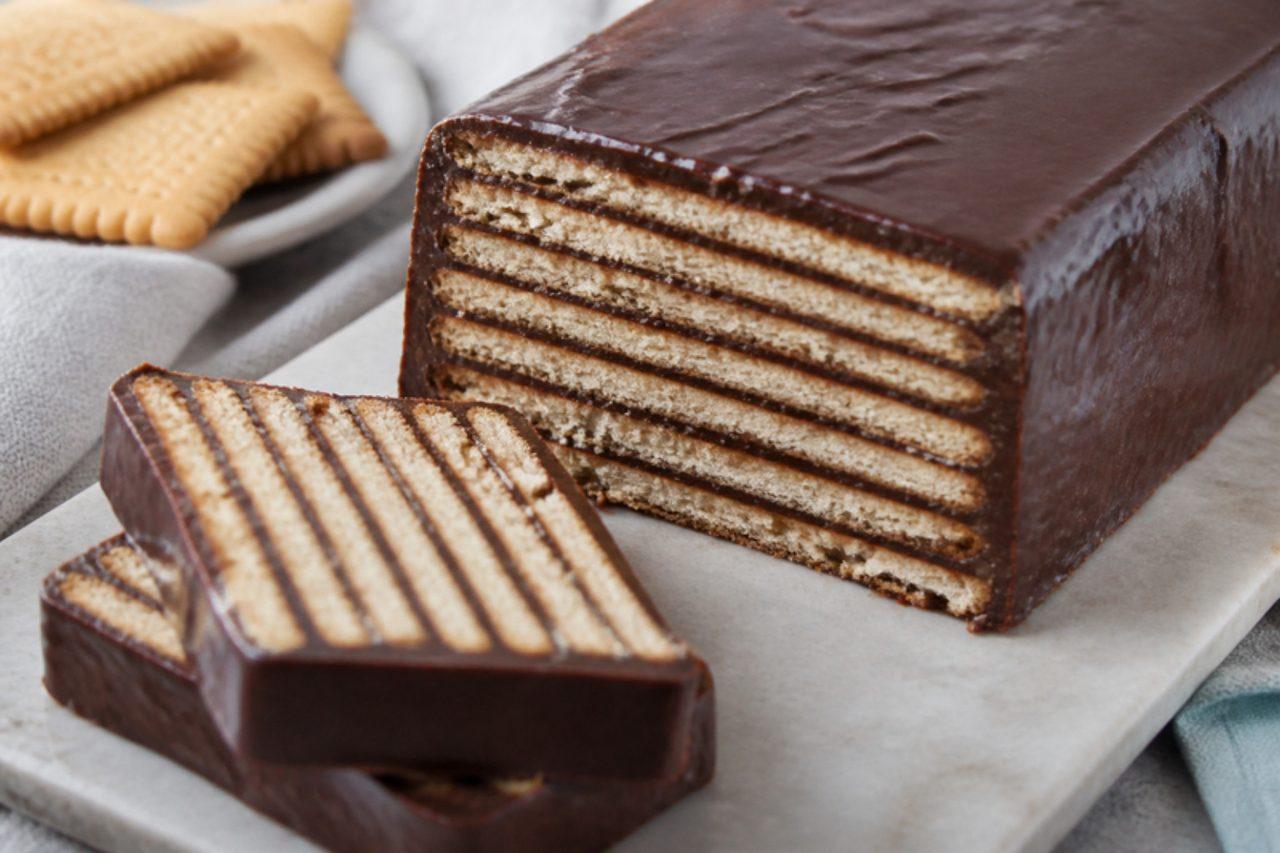
Kalter Hund, the 'cold dog', is the no-bake party cake of West German childhoods, set in a loaf tin in the fridge and sliced into stripes of crisp biscuit and dark chocolate at every 1970s birthday. Recipes from Hamburg to Bavaria differ only in the details; old ones used coconut fat and raw egg, while this version uses dark chocolate, cream and a little coconut oil, so there is nothing raw in it. A common mistake is pouring the chocolate too hot, which softens the biscuits into mush; it should be just warm. Chef's tip: line the tin with cling film overhanging the sides, then you can lift the whole loaf out and slice it with a hot knife.

by KrazyBadal 0 views

King Ranch chicken

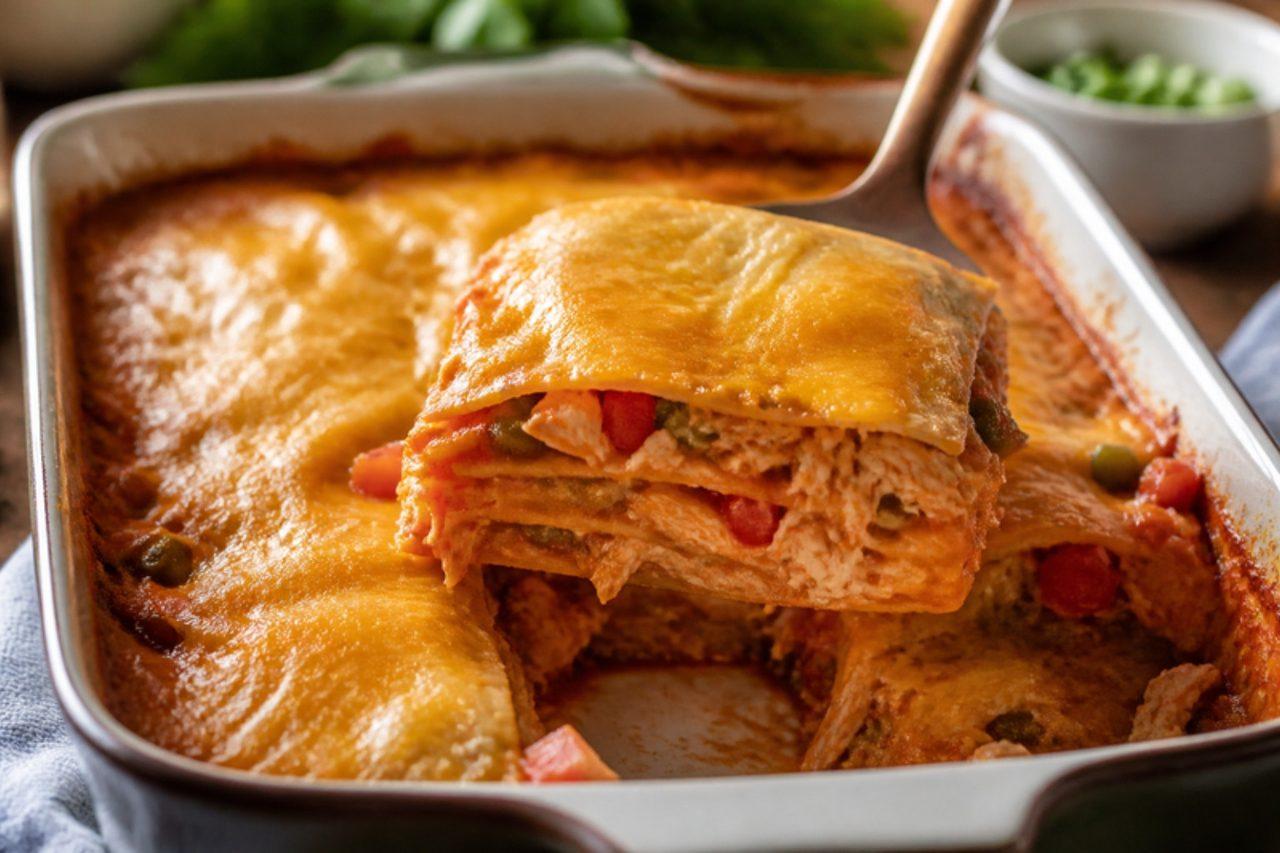
King Ranch chicken is the layered casserole every Texan has eaten at a potluck, baby shower or after a funeral, named, without any proof, after the famous ranch in South Texas. Corn tortillas are layered like lasagne with shredded chicken, peppers, tinned tomatoes with green chiles, a creamy sauce and lots of cheese. This version makes the sauce from scratch instead of tinned soup. Chef's tip: lightly fry or toast the tortillas first so the layers hold up instead of turning to mush.

by KrazyBadal 0 views

Torta de bolacha

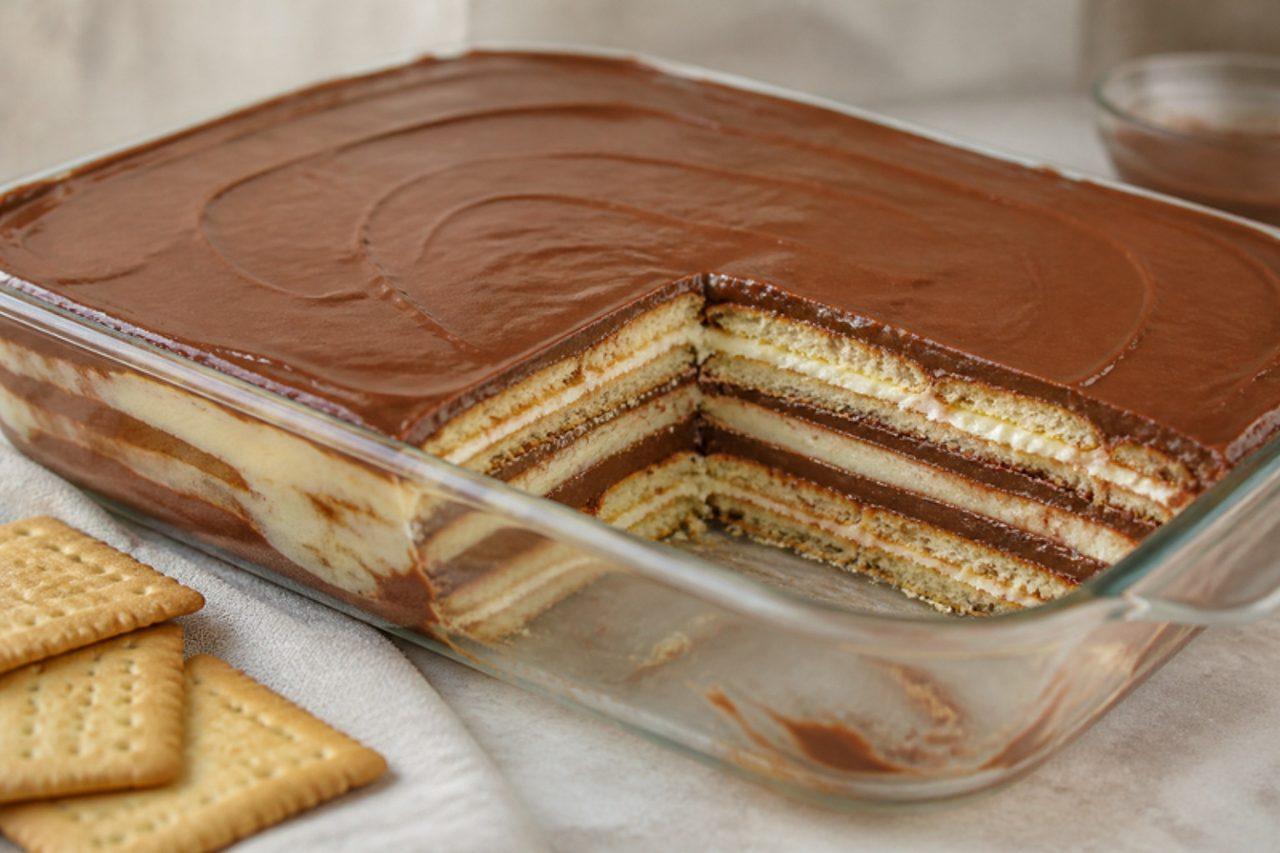
Gaúcho birthday tables almost always carry a torta de bolacha, the fridge cake that grandmothers in Porto Alegre and the Serra Gaúcha towns put together the night before. Plain Maria biscuits are dipped in sweet milk and stacked with two stovetop creams, one pale vanilla custard and one chocolate, until the biscuits soften into something close to sponge. It is cool, soft and very sweet, and slices best after a night in the fridge; serve it with coffee or as the birthday cake itself, with candles on top. It contains egg yolks and wheat biscuits. Most failures come from soaking the biscuits too long: they should be dipped for a second, not left to swim, or the layers collapse into mush. Chef's tip: let both creams cool until just warm before layering, so they stay thick enough to hold the next row of biscuits.

by KrazyBadal 0 views

Lasagne alla bolognese

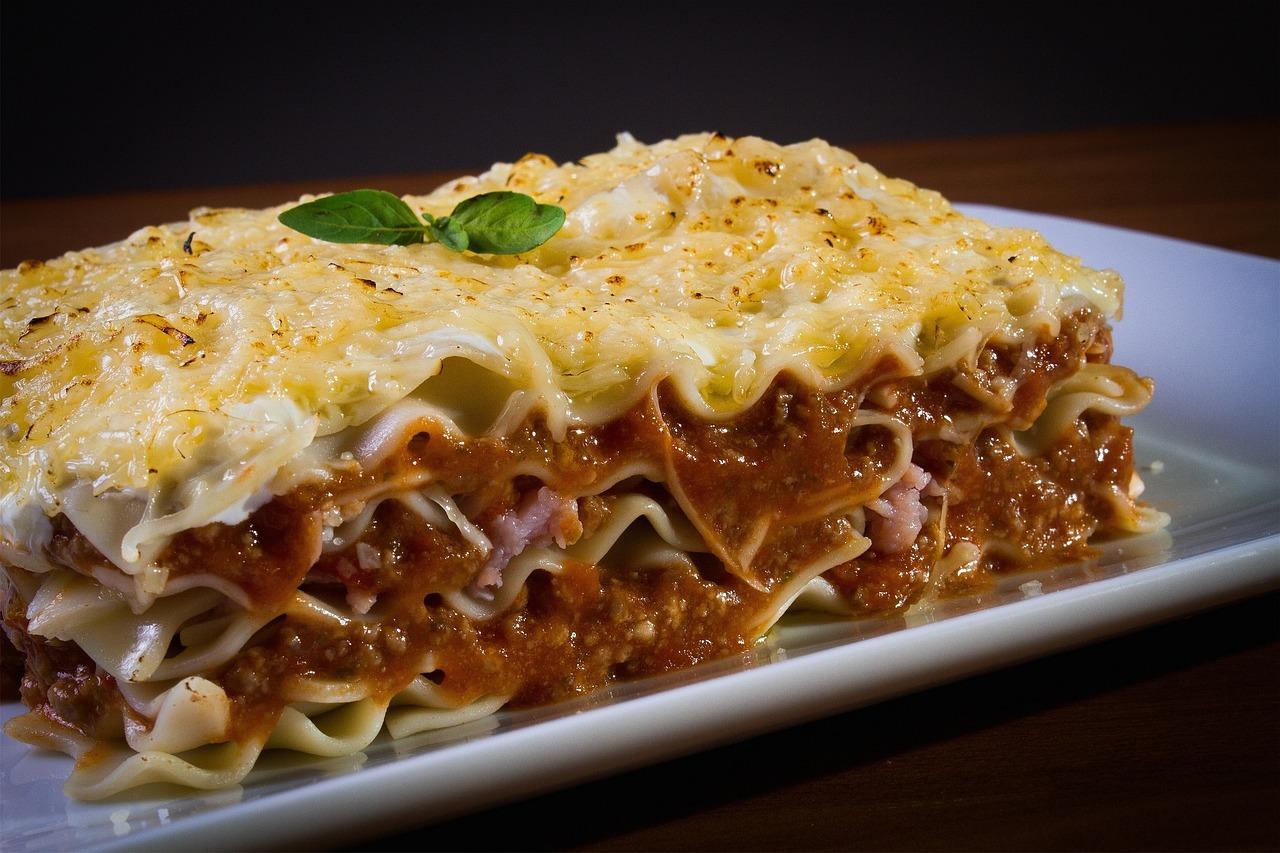
In Bologna, lasagne means green lasagne: thin sheets of spinach egg pasta layered with slow-cooked ragù, béchamel and plenty of parmigiano, baked until the edges crisp and served for Sunday lunch and every family celebration in Emilia-Romagna. The ragù is made with beef and pork mince and a little pancetta, so this is a pork dish as well as a beef one; a splash of white wine is traditional but optional, and the note gives an alcohol-free swap. Homemade spinach pasta is the classic choice, but bought fresh egg lasagne sheets work well. Serve with a crisp green salad. Chef's tip: keep the layers thin and many rather than thick and few; a proper Bolognese lasagne has at least six layers and holds its shape when cut.

by KrazyBadal 0 views

Ohio buckeyes

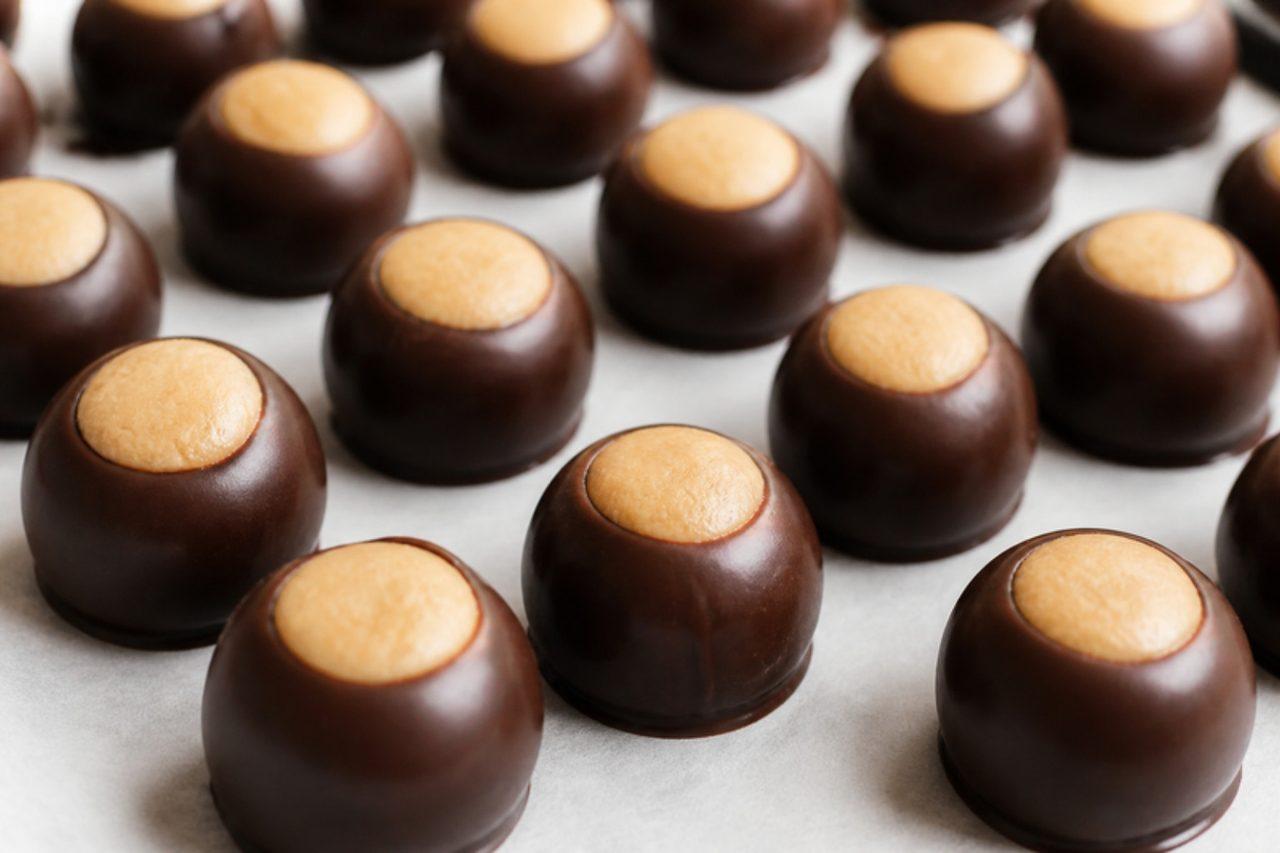
Buckeyes are the sweet of Ohio, made by the tray for Christmas cookie swaps and for Ohio State football parties, because they look like the glossy brown nuts of the state's buckeye tree. A firm, sweet peanut butter fondant is rolled into balls and dipped in chocolate, leaving a pale circle on top. Chef's tip: freeze the balls for 20 minutes before dipping; warm ones slide off the stick and muddy the chocolate.

by KrazyBadal 0 views

Hawaiian macaroni salad

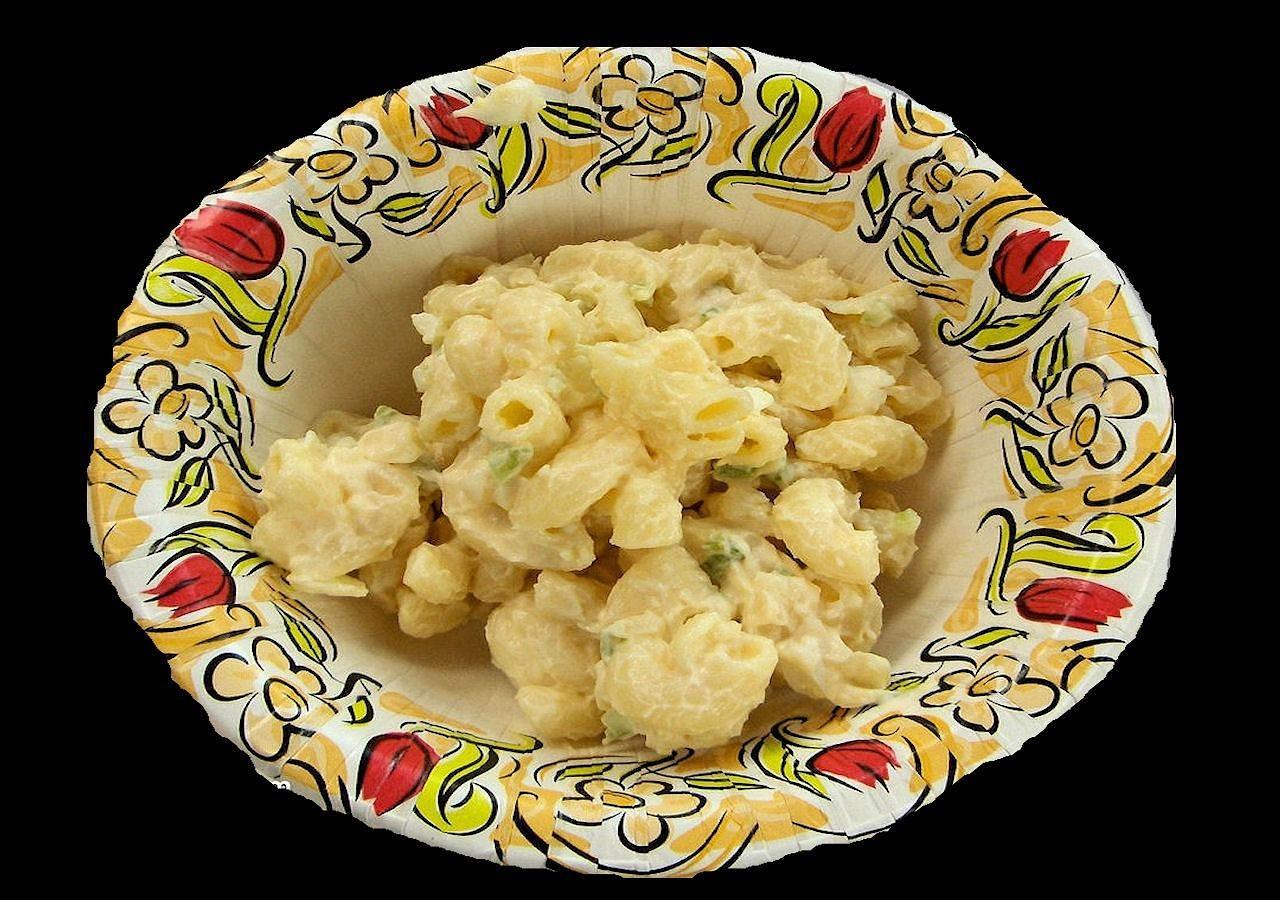
Every Hawaiian plate lunch, from drive-ins in Hilo to the lunch wagons of Honolulu, comes with two scoops of rice and one of this soft, creamy macaroni salad. It is simpler than American pasta salads: overcooked elbow macaroni soaked in vinegar while hot, then folded with lots of mayonnaise, a little milk and grated carrot. Chef's tip: cook the pasta past al dente, a few minutes longer than the packet says; plate-lunch mac is meant to be soft so it soaks up the dressing.

by KrazyBadal 0 views

Toot

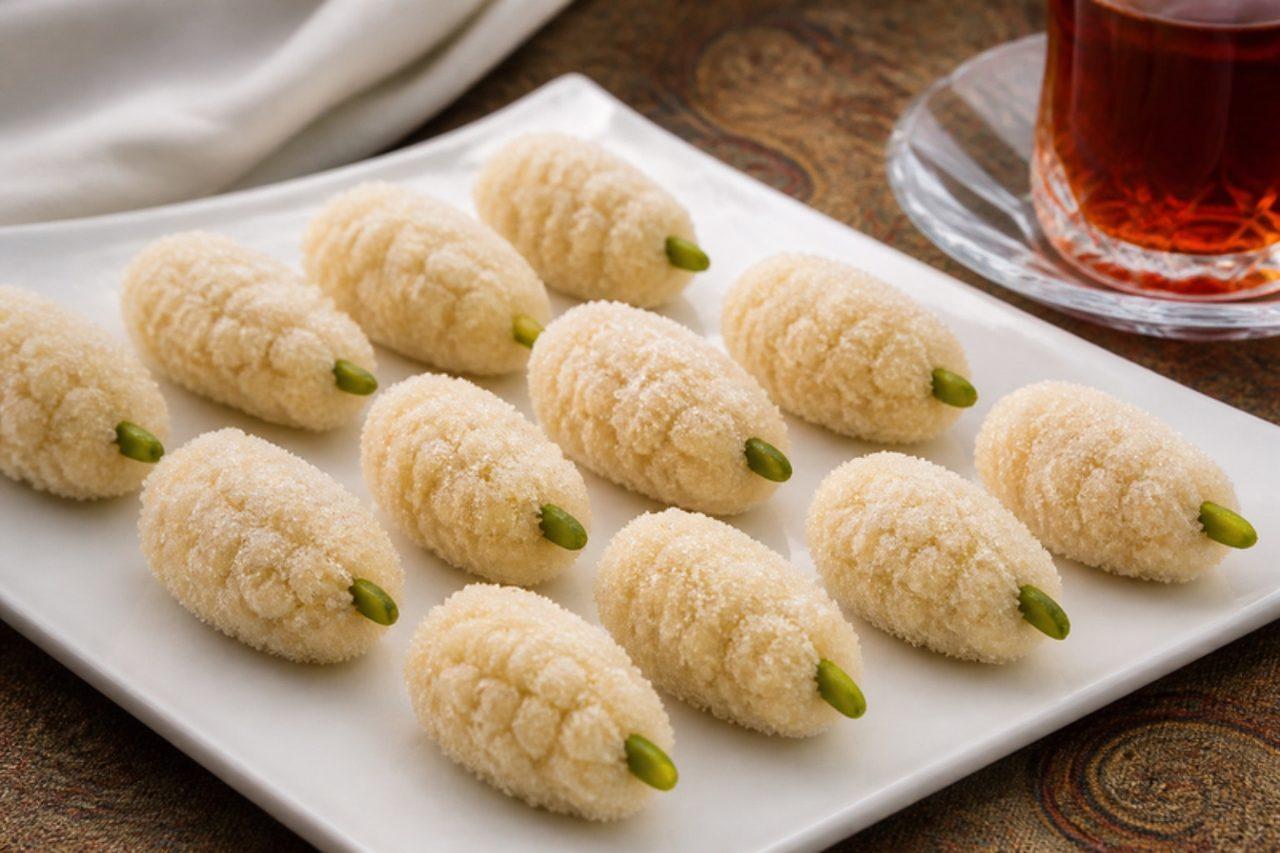
Little white toot sit on silver dishes at Nowruz and at weddings in Tehran and Isfahan, shaped and named after the pale mulberries that grow all over Iran. They are a soft, fragrant almond paste bound with rosewater, rolled in sugar and finished with a sliver of pistachio for the stalk. No cooking is needed, so children can help shape them. Chef's tip: add the rosewater a spoonful at a time; the paste should just hold when squeezed, and a wet paste won't keep its mulberry bumps.

by KrazyBadal 0 views

Nebraska runzas

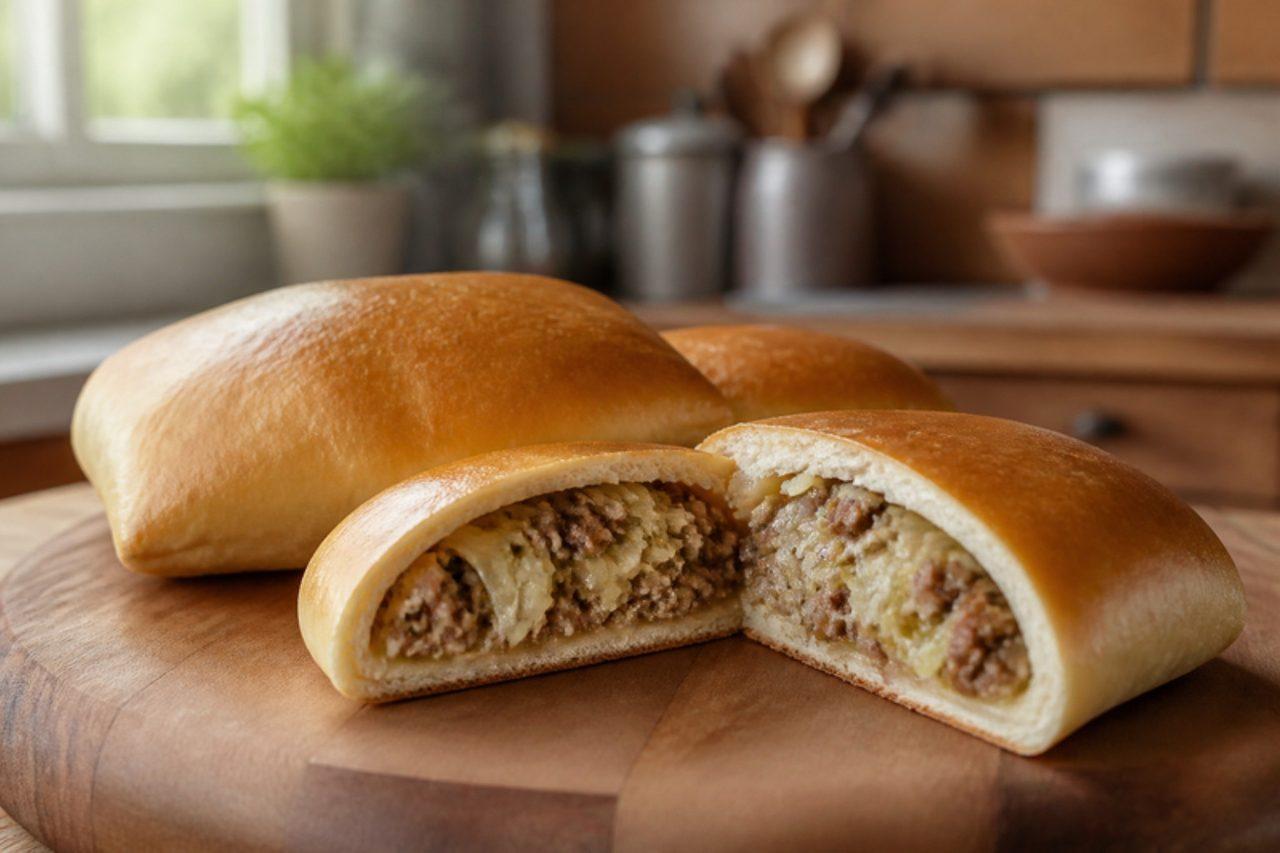
Runzas came to Nebraska with Volga German settlers, who called them bierocks, and today they are the state's fast food, packed for Cornhusker football games and long drives across the plains. A soft, slightly sweet bread dough is wrapped around a peppery filling of beef mince, onion and cabbage and baked into a rectangular pocket. Chef's tip: let the filling cool and drain it in a sieve before filling; hot, wet filling makes the dough soggy and tear.

by KrazyBadal 0 views

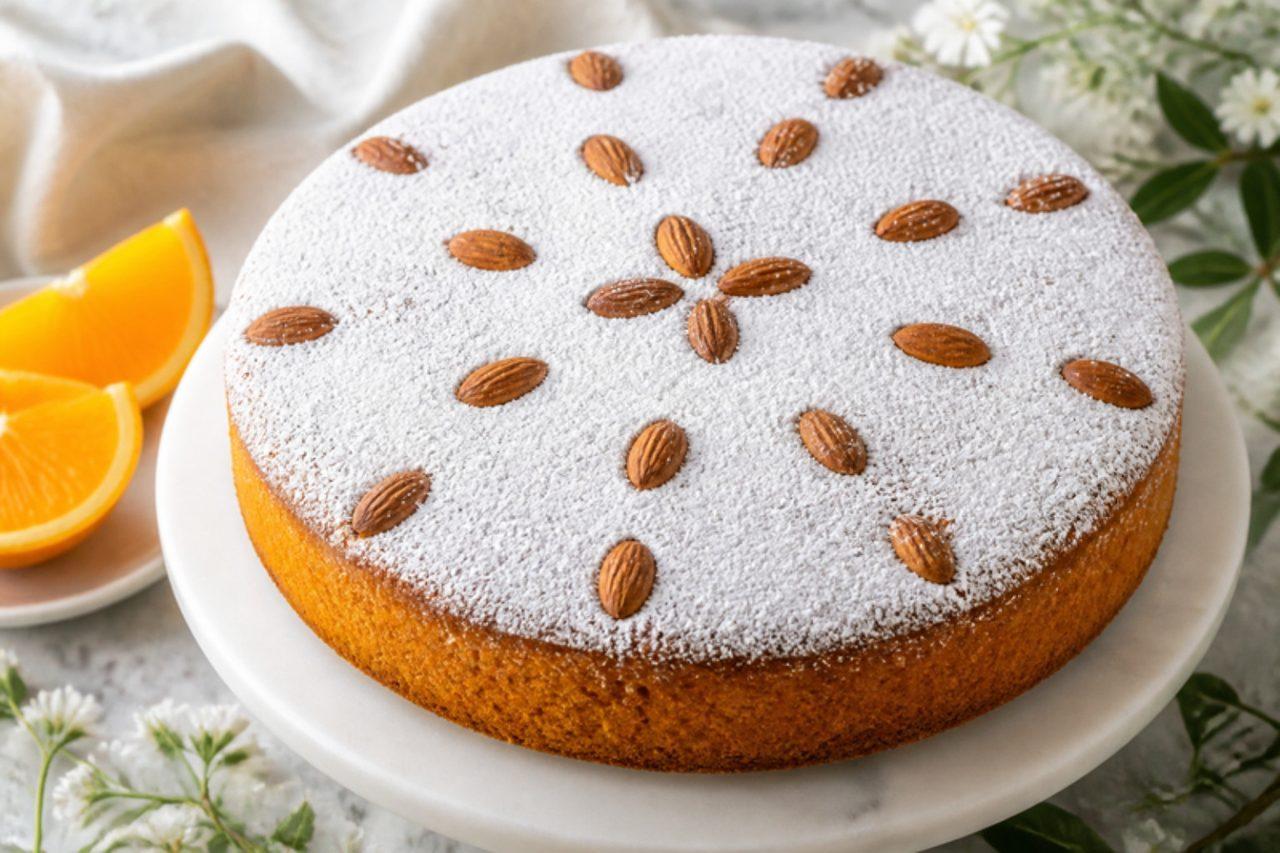
Vasilopita

Just after midnight on New Year's Eve, or at lunch on 1 January, the head of a Greek household crosses the vasilopita with a knife and cuts slices in strict order: for Christ, for the house, then for each person from oldest to youngest. Whoever finds the foil-wrapped coin has luck for the year. This Athenian-style version is a tall, fluffy orange cake, dusted with icing sugar with the new year's numbers stencilled on top. Common mistake: slicing it warm, which makes the crumb gummy and drags the coin around. Chef's tip: beat the butter and sugar until almost white and fold the whipped whites in by hand; that is where the light, cottony crumb comes from.

by KrazyBadal 0 views

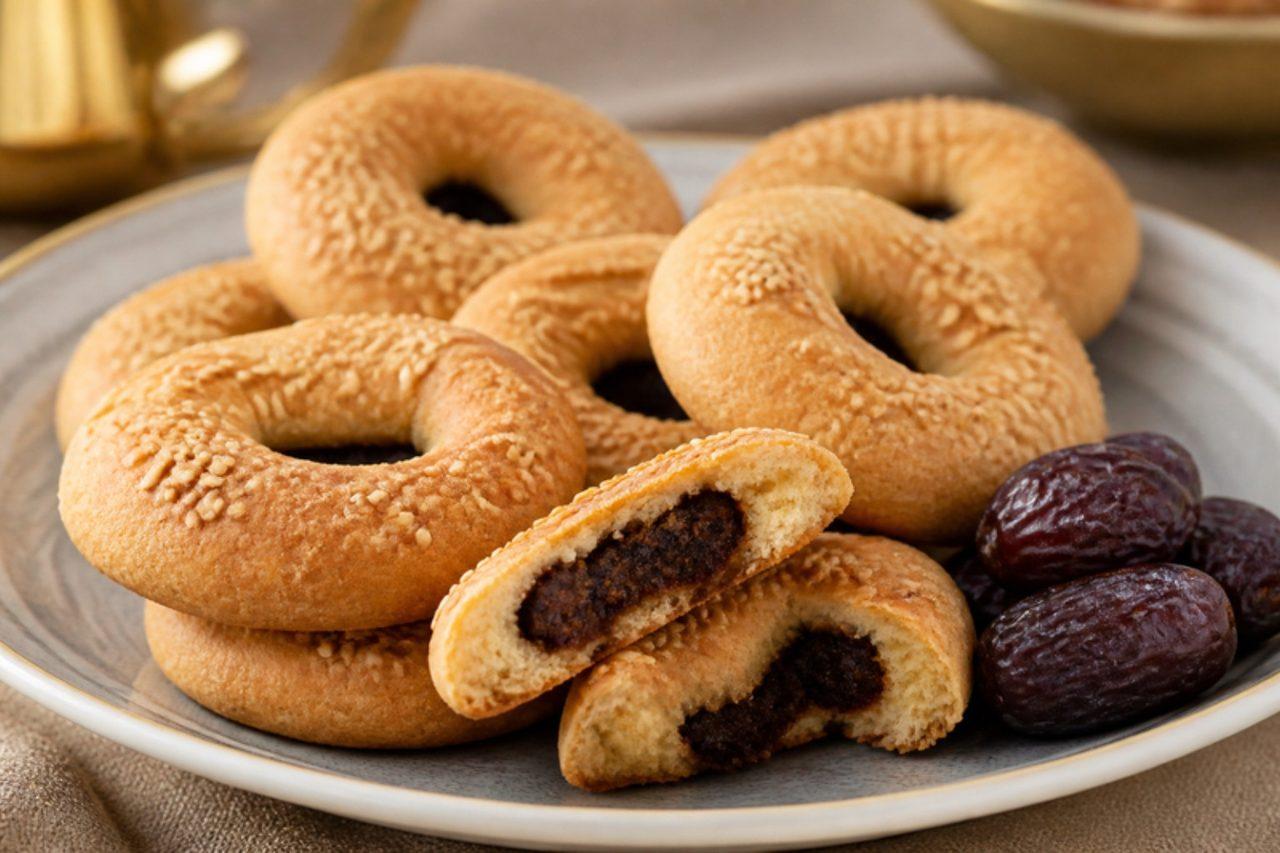
Ka'ak bi ajwa

In the last nights of Ramadan, Jordanian kitchens turn into small bakeries, and trays of ka'ak bi ajwa go into neighbourhood ovens ready for Eid morning. A crumbly semolina pastry scented with anise and mahlab is wrapped round a rope of date paste, closed into rings and baked pale gold, then offered to every visitor with bitter Arabic coffee. Children usually do the rolling. The common mistake is overworking the dough after the butter goes in, which makes the cookies hard rather than sandy. Chef's tip: rest the semolina and butter mixture overnight before adding the liquid; the grains drink the fat and the ka'ak melt in the mouth.

by KrazyBadal 0 views

Showing 24 of 220 recipes

Show more recipes

Page 3 of 10

More collections