Skip to content
WhatToEat.Today

Vegan Indian recipes

Indian dishes with no dairy, ghee, eggs or meat. (681 recipes)

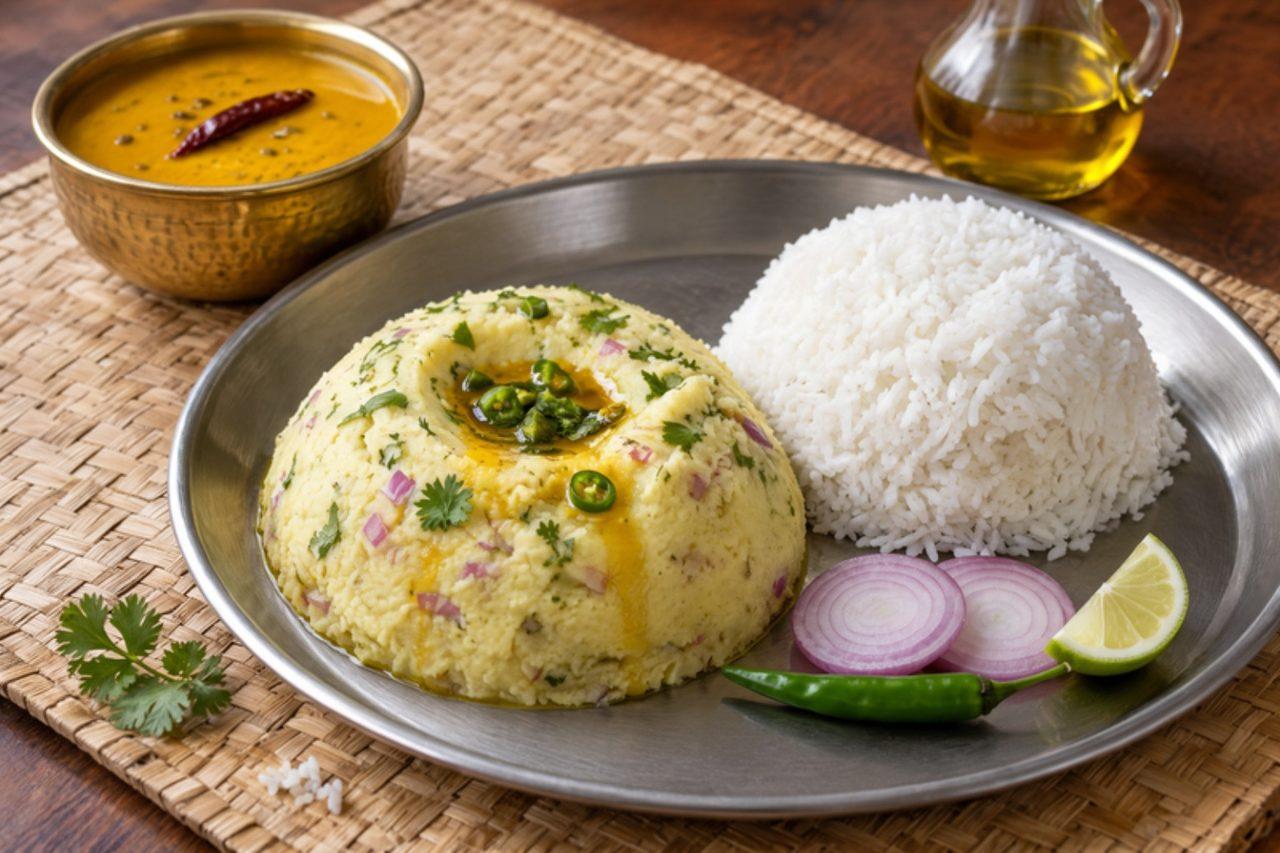
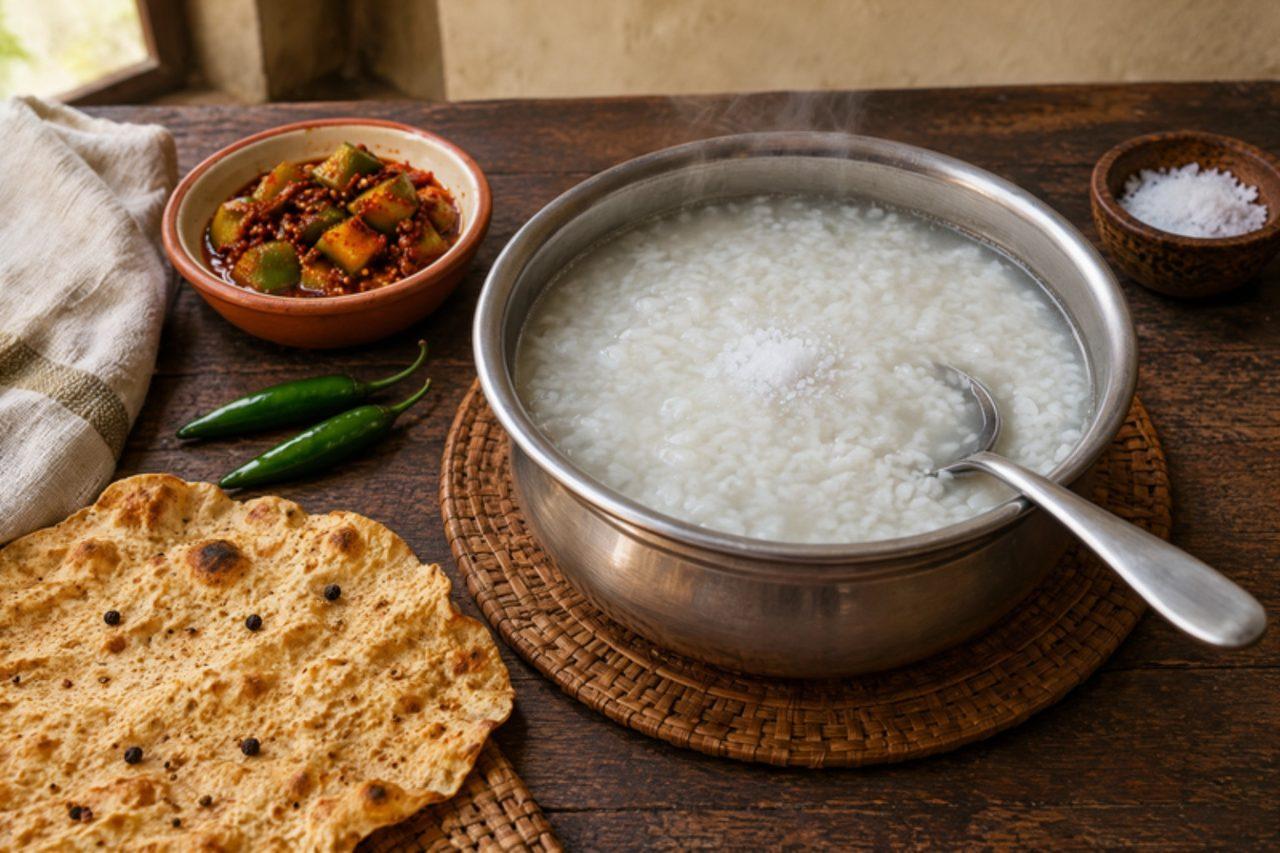
Goan pezRice porridge with pickle and papad

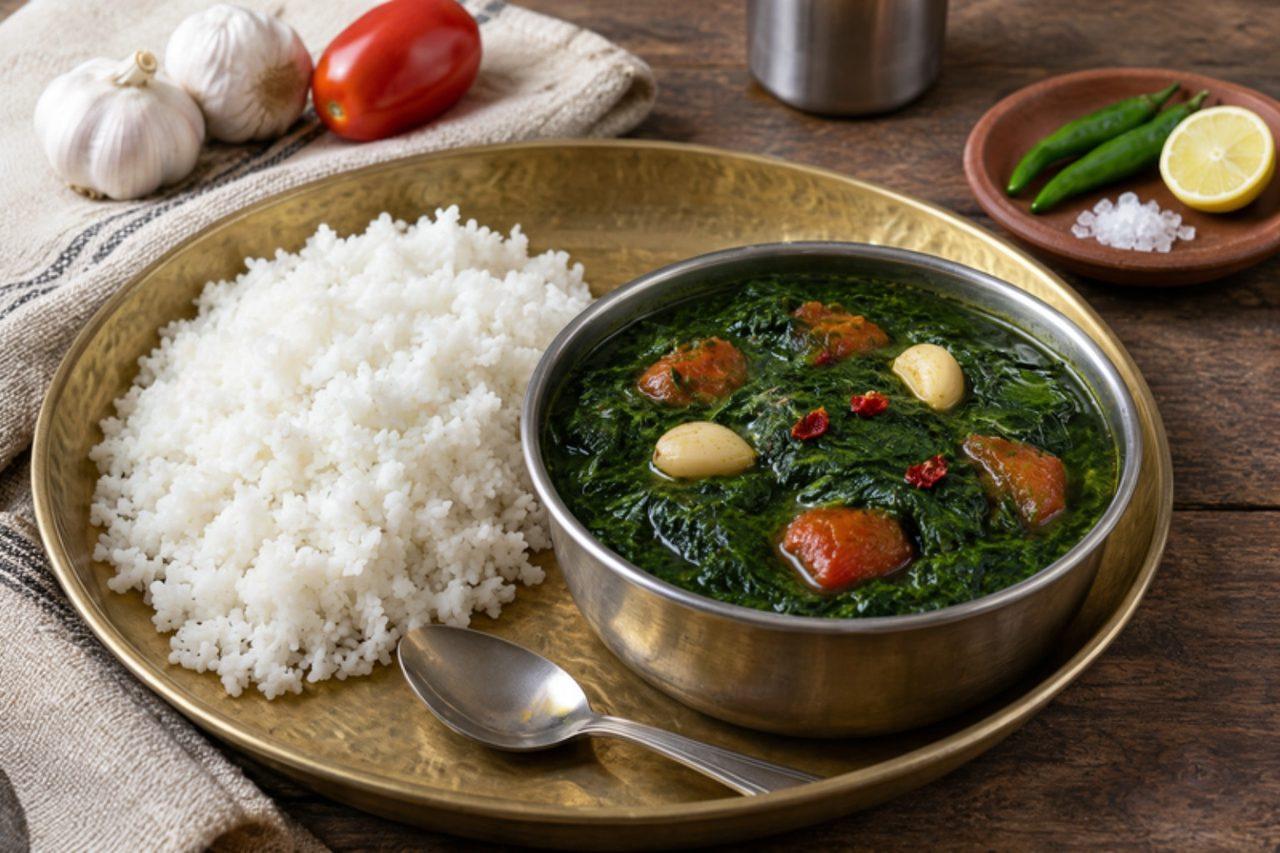
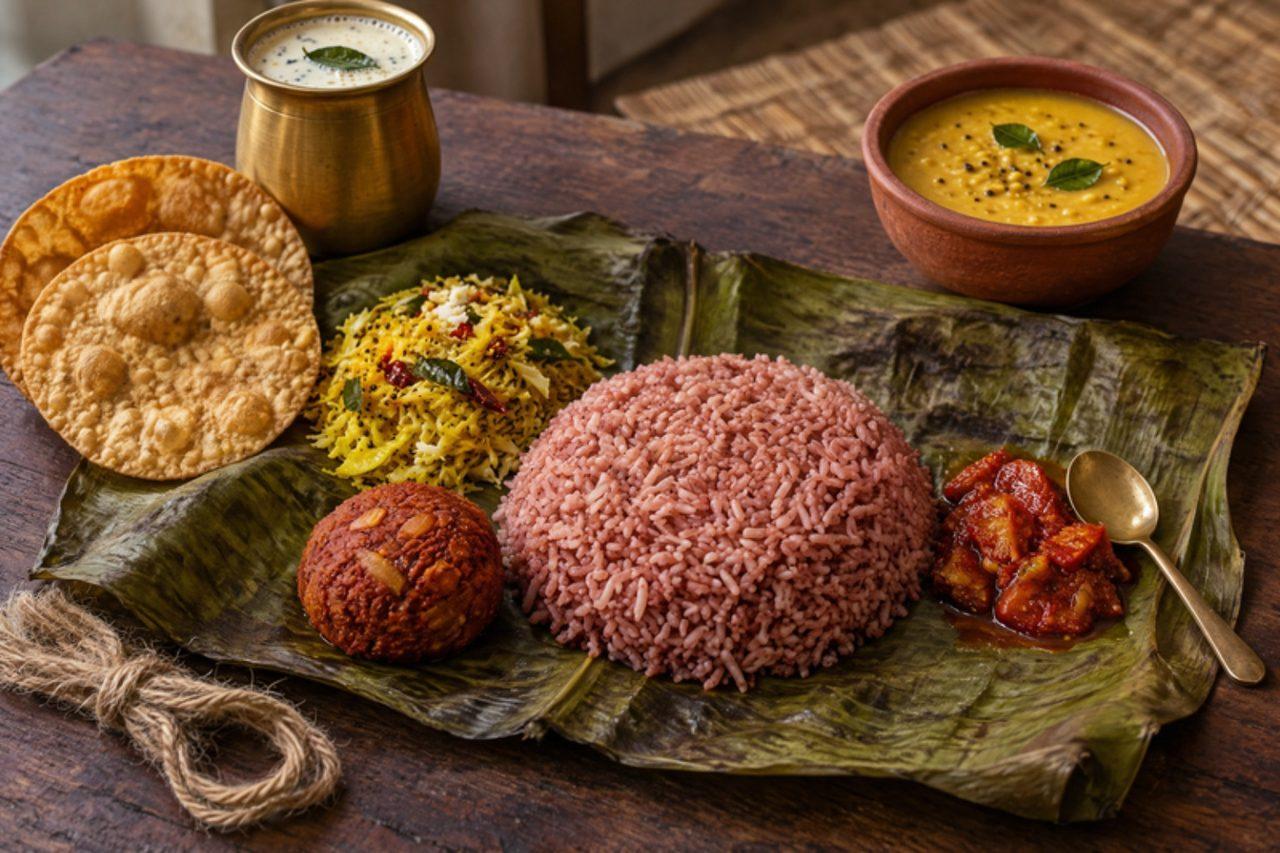
Pez is the plainest food in a Goan kitchen and one of the most loved: red parboiled rice simmered in plenty of water until the grains burst and the liquid turns milky. Fishermen and farmers ate it before a day's work, mothers serve it to anyone who feels unwell, and on heavy monsoon evenings it comes with a spoon of mango or lime pickle, a roasted papad and sometimes a dry fish or vegetable on the side. The mistake is cooking it in too little water so it becomes a sticky porridge; good pez has whole soft grains floating in thin, starchy broth. Chef's tip: stir in a little salt only at the end and let everyone add buttermilk or coconut milk to their own bowl.

by KrazyBadal 0 views
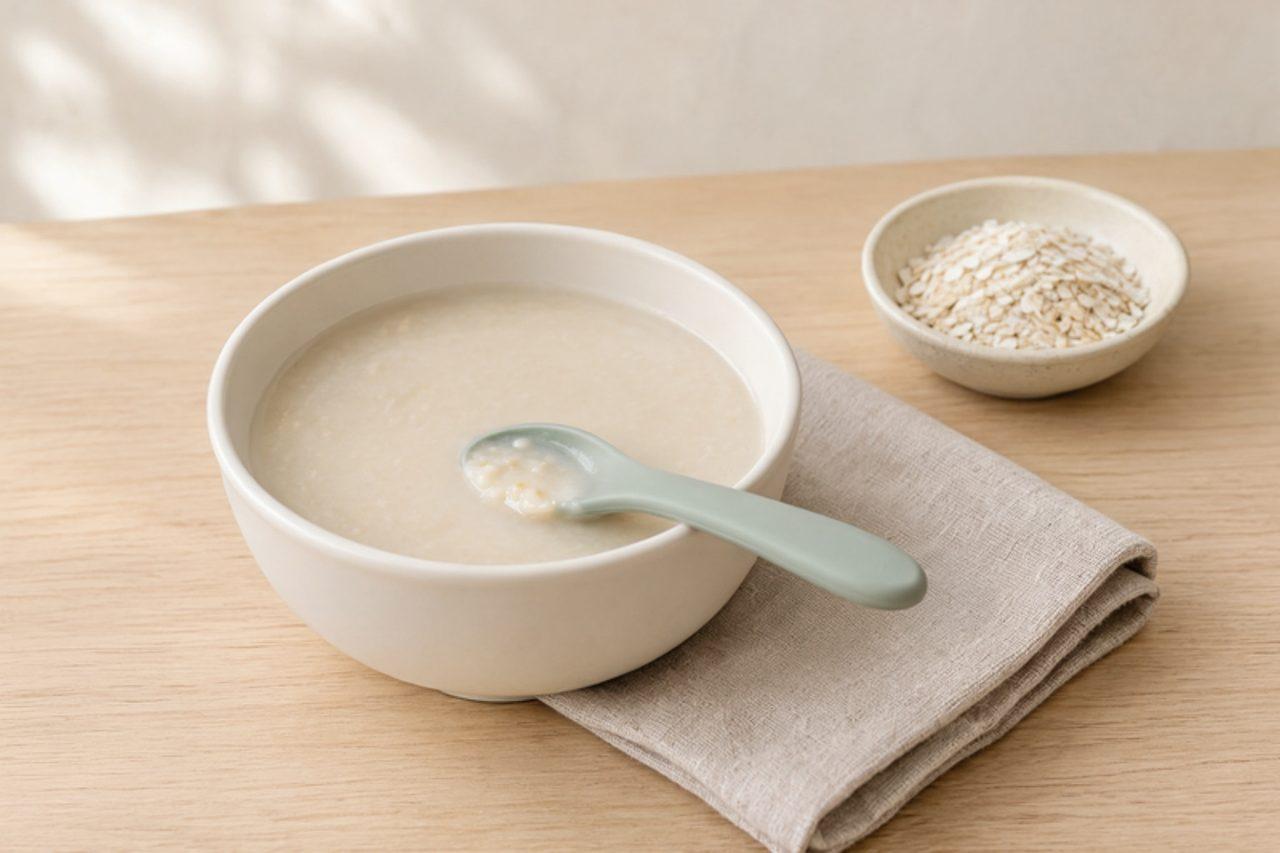
Aval kanji for babiesRice flake porridge for babies

In Tamil homes from Madurai to Chennai, aval (flattened rice, the same poha sold in every kirana shop) is one of the first grains a grandmother reaches for when a baby turns six months. The flakes are dry-roasted until they smell like puffed rice, ground to a fine powder and simmered with water into a thin, pale porridge with a gentle toasted flavour, usually given as a mid-morning feed. For babies it is made with no salt, sugar, jaggery or honey. It is free of the major allergens: no milk, egg, gluten, nuts, soya, sesame or fish. Chef's tip: roast a whole cup of aval at once, grind it and keep the powder in a dry jar for up to two weeks, so each feed takes five minutes.

by KrazyBadal 0 views
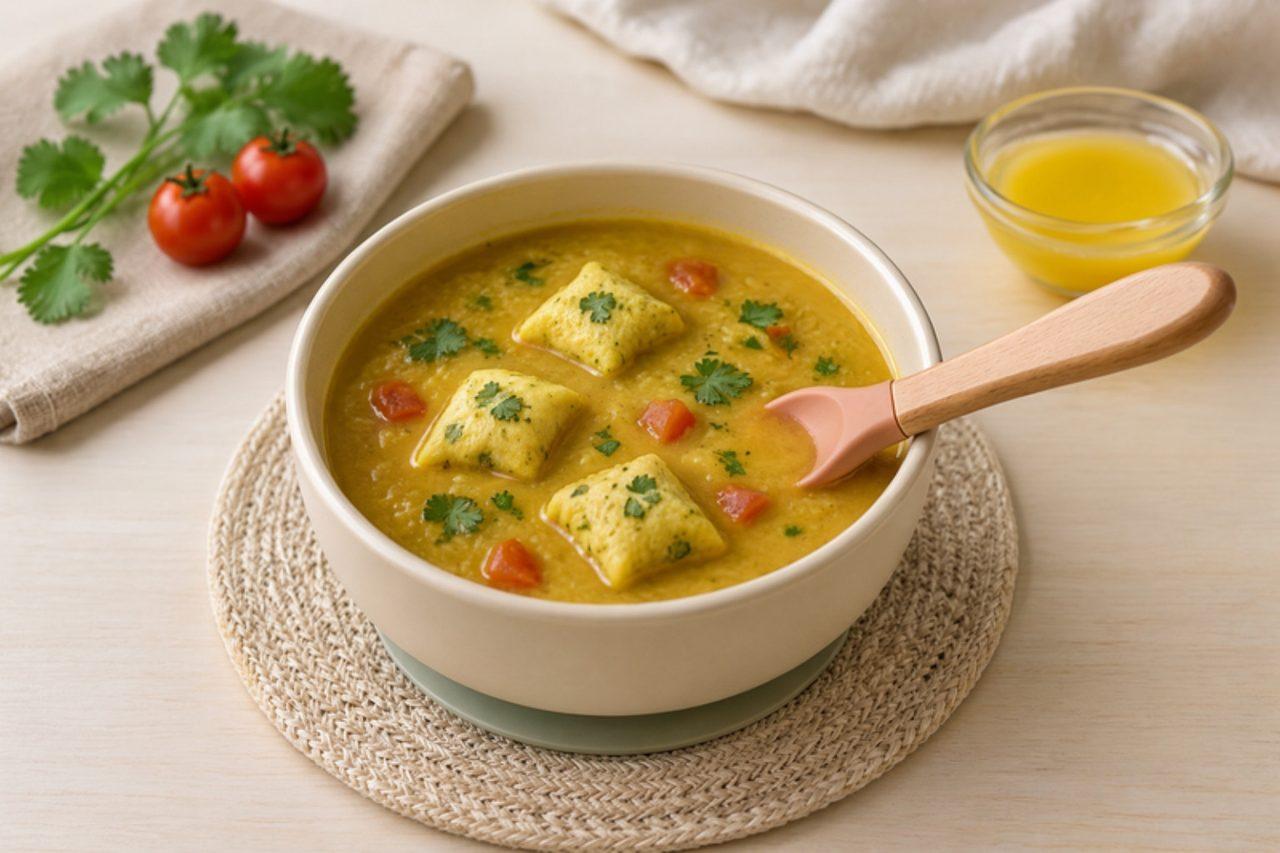
Dal dhokli for toddlersWheat dumplings in dal for toddlers

In Ahmedabad pols and Surat kitchens dal dhokli is the Sunday one-pot lunch: diamonds of spiced wheat dough cooked straight in tangy toor dal. This toddler version, for children from 12 months, keeps the soft pasta-like pieces small, leaves out the chilli, peanuts and cloves, and uses only a pinch of jaggery so the dal stays sweet-sour the way Gujarati families like it. It is cooked in oil, so it is dairy free and vegan. It contains wheat (gluten); there is no milk, egg, nuts or soya. Chef's tip: roll the dough thin, about 2 mm; thick dhokli stay chewy in the middle.

by KrazyBadal 0 views
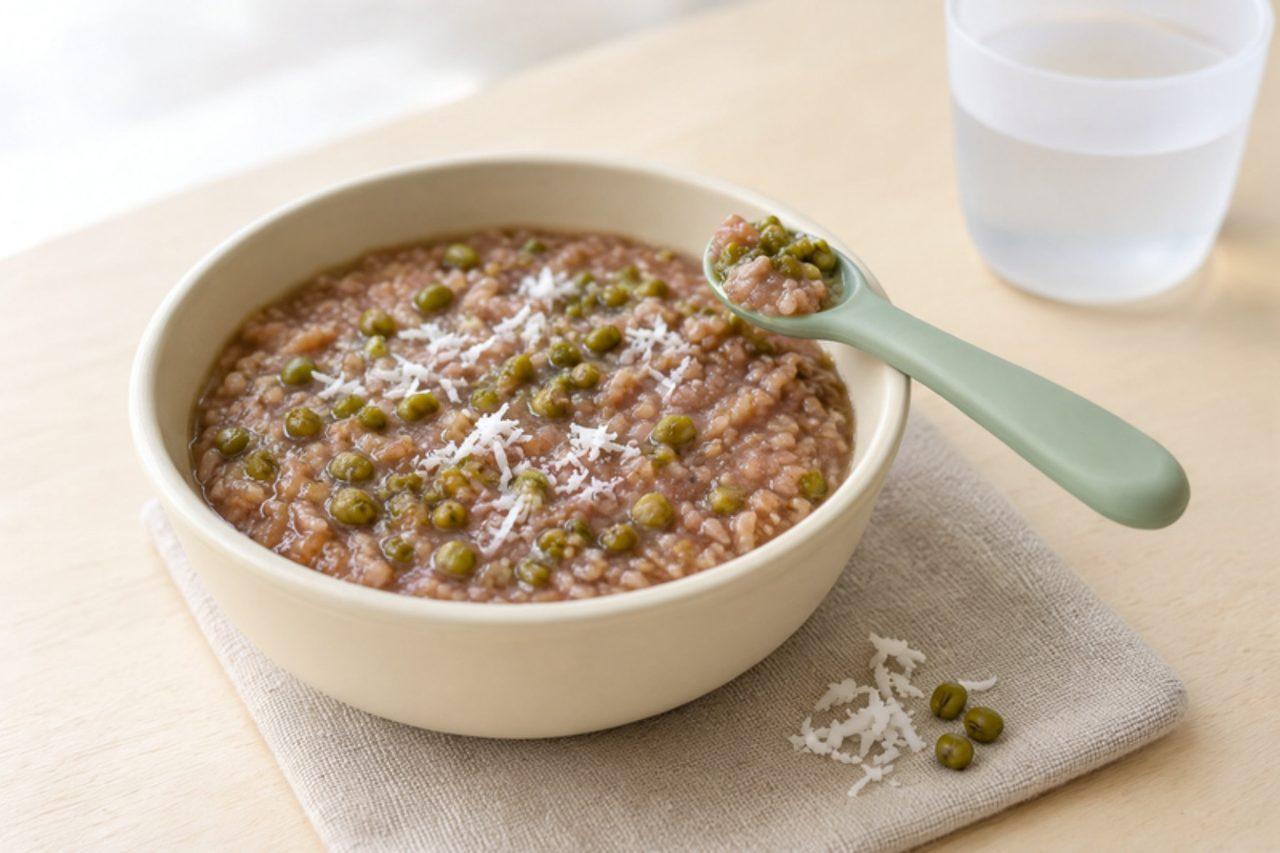
Kanji payar for toddlersRed rice gruel for toddlers

Kanji and payar, rice gruel with a dry dish of green gram, is Kerala's oldest comfort meal, eaten for dinner in homes across Kottayam and Palakkad and at simple roadside kanji kadas on rainy monsoon evenings. For toddlers from 12 months the matta rice is cooked until it bursts into a creamy porridge, and the cherupayar is steamed soft and finished with a little coconut and cumin instead of chilli, then the two are mashed together. Skip the usual pickle and pappadam. It contains coconut; there is no milk, gluten, egg, nuts or soya, and it is vegan. Chef's tip: soak both the rice and the gram overnight; it halves the cooking time and makes them far softer.

by KrazyBadal 0 views
Aloo pitikaMashed potato with mustard oil

Aloo pitika is the first thing on many Assamese lunch plates, a rough mash of boiled potato sharpened with raw mustard oil, onion, green chilli and coriander, eaten with the first mouthfuls of rice and dal. Guwahati families make it daily, and in winter it may be mixed with roasted aubergine or a boiled egg. The usual mistake is making it smooth like a Western purée; it should be coarse and hand-mashed so the onion and chilli stay crunchy. Chef's tip: use pungent kachi ghani mustard oil and rub it in last, so its heat hits the nose.

by KrazyBadal 0 views
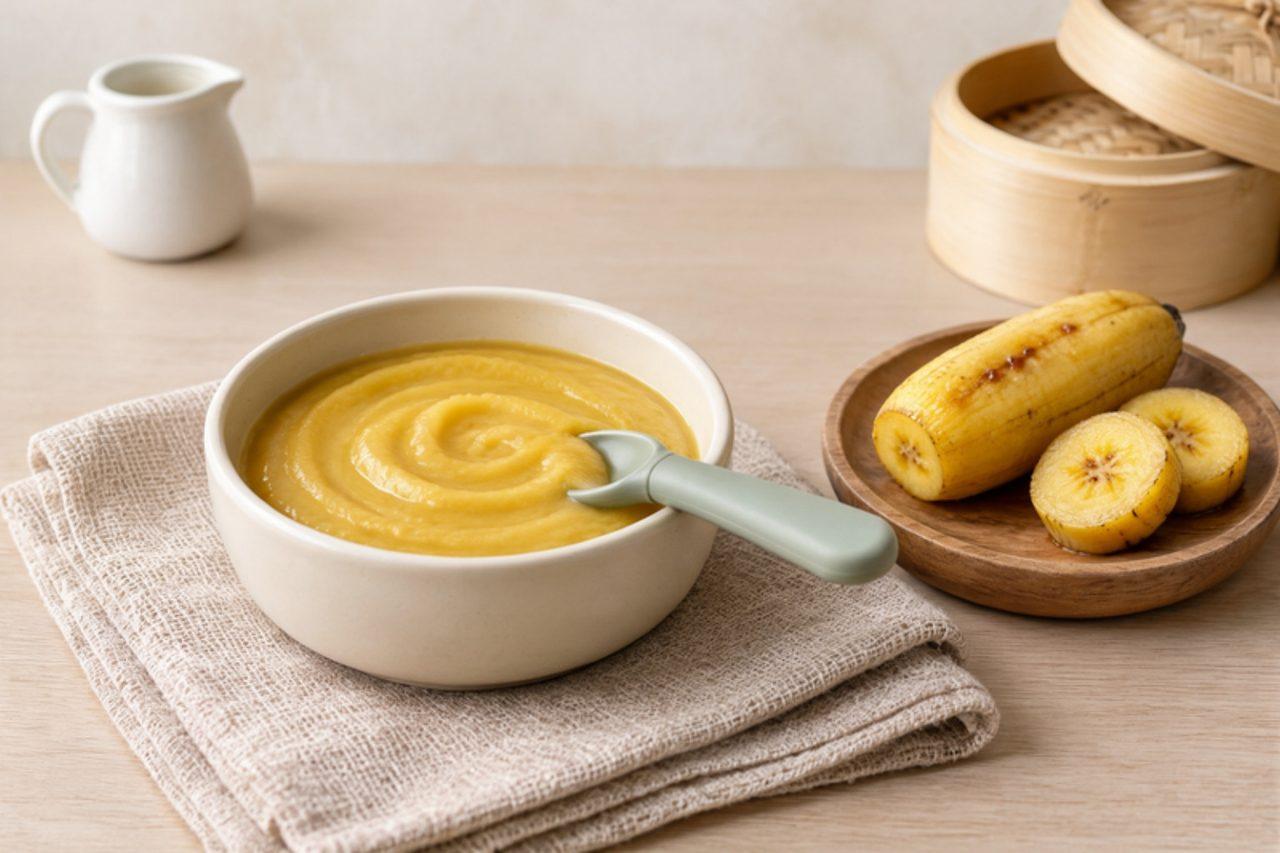
Steamed Nendran banana mash

Nendran is the long, golden plantain of Kerala, sold in hands at every market from Palakkad to Thiruvananthapuram, and a steamed ripe Nendran is one of the first fruits a Malayali baby tastes. Raw, it is too firm and starchy for a six-month-old, so it is steamed in its skin until the flesh turns soft and orange-gold, the dark string of seeds in the centre is pulled out, and the rest is mashed smooth. It is naturally sweet, so nothing is added: no sugar, jaggery, honey or salt. It is free of the major allergens. Chef's tip: wait until the skin is fully yellow with black freckles; a green Nendran stays chalky however long you steam it.

by KrazyBadal 0 views
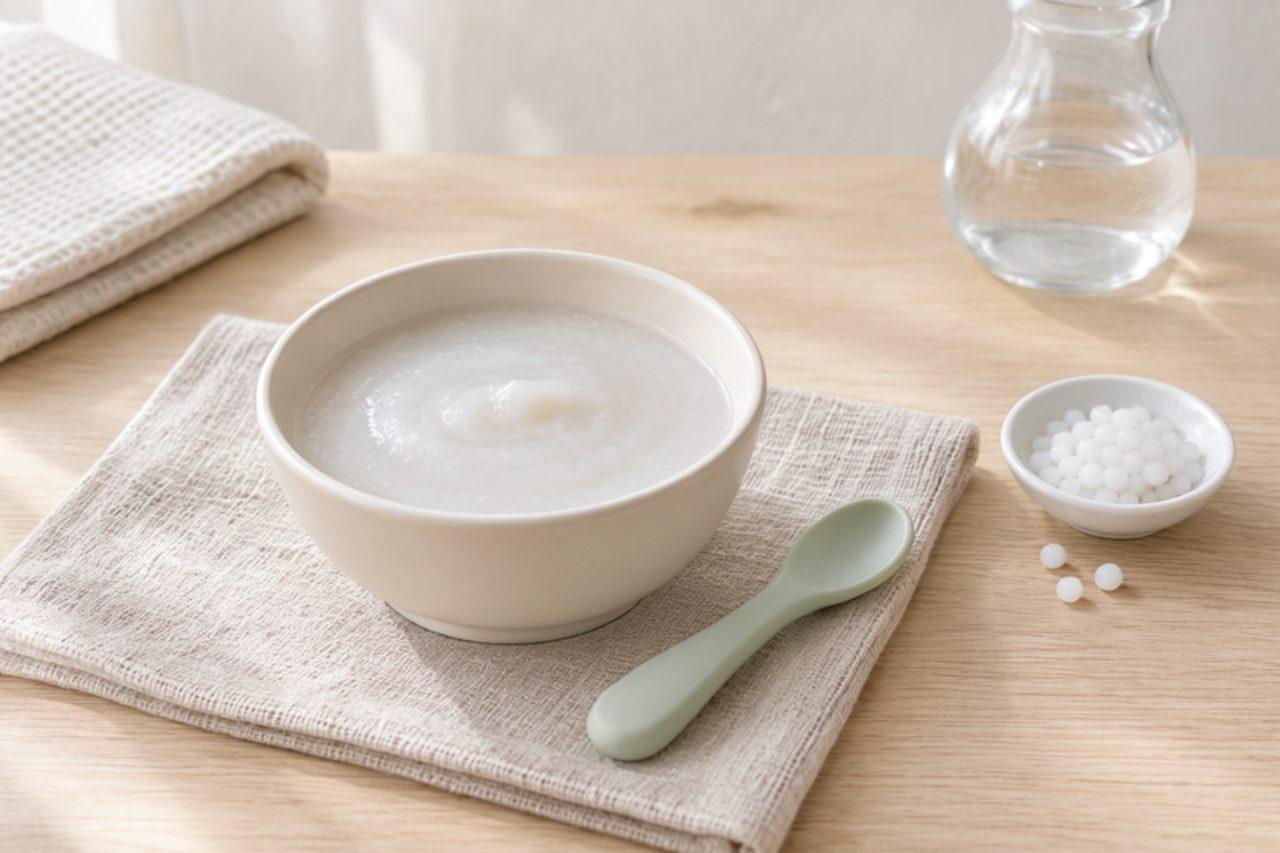
Sabudana kanji for babiesSago porridge for babies

Sabudana (sago) is pantry food in Pune and Ahmedabad homes, best known for fasting khichdi, but mothers in Maharashtra and Gujarat also cook the pearls into a thin, soothing kanji for babies, especially in the hot weeks before the monsoon. The pearls are soaked, simmered until every one is glassy and clear, then blended so there is nothing for a baby to choke on. It tastes very mild and is mostly energy, so offer it alongside iron-rich foods rather than instead of them. No salt, sugar, jaggery or honey for babies; it is free of the major allergens. Chef's tip: a white dot in the middle of a pearl means it is still raw; simmer until none are left.

by KrazyBadal 0 views
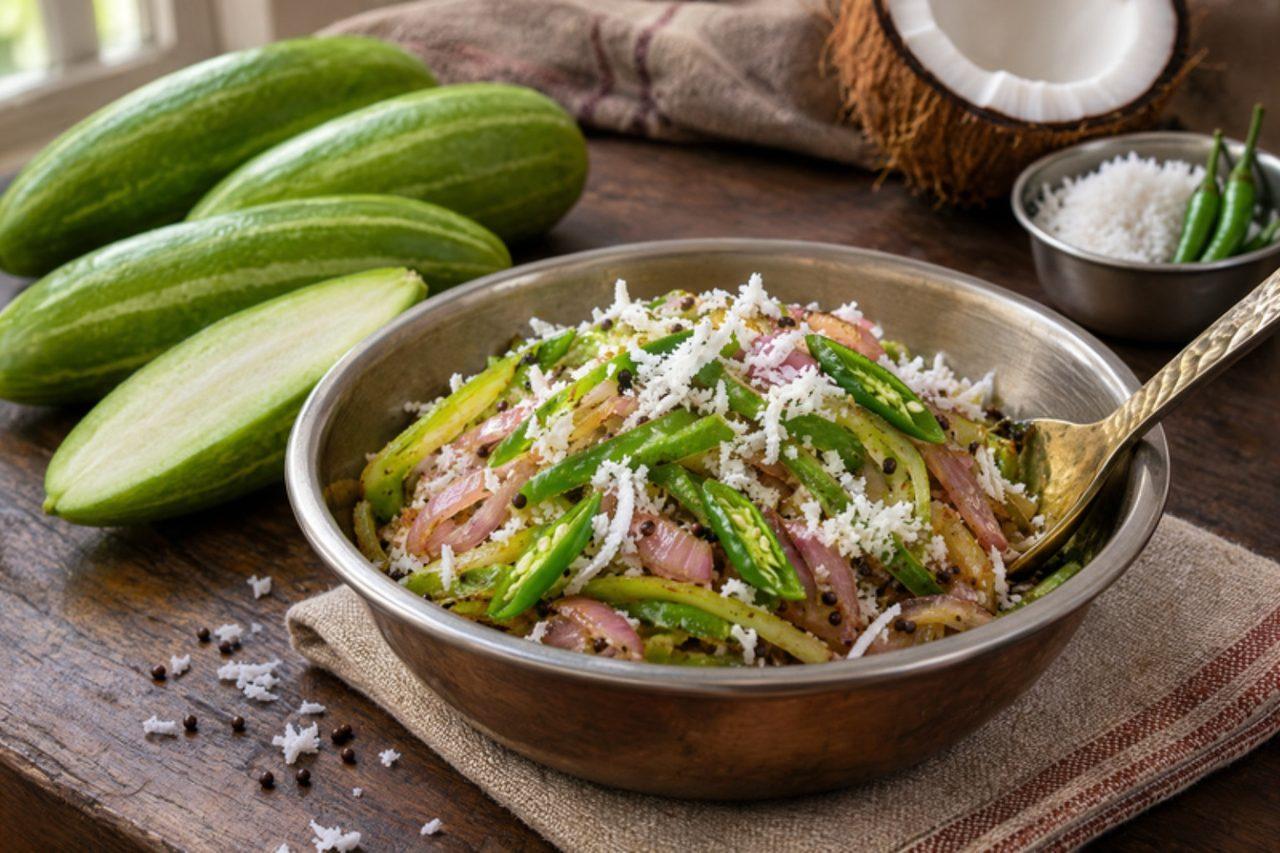
Goan tendli bhajiIvy gourd stir-fry

On an everyday Goan plate of rice, fish curry and a vegetable, the vegetable is very often this quick tendli bhaji. Thin rounds of ivy gourd are softened with onion and green chilli in coconut oil, then tossed with fresh grated coconut just before serving, so they stay crunchy-tender and sweet. Hindu homes make it without onion on fasting or puja days. The mistake to avoid is cutting the tendli thickly and covering the pan for too long, which gives grey, soggy rings; thin slices cooked mostly uncovered keep their green colour. Chef's tip: pick firm, bright green tendli and discard any that are red inside, as they are overripe and slimy.

by KrazyBadal 0 views
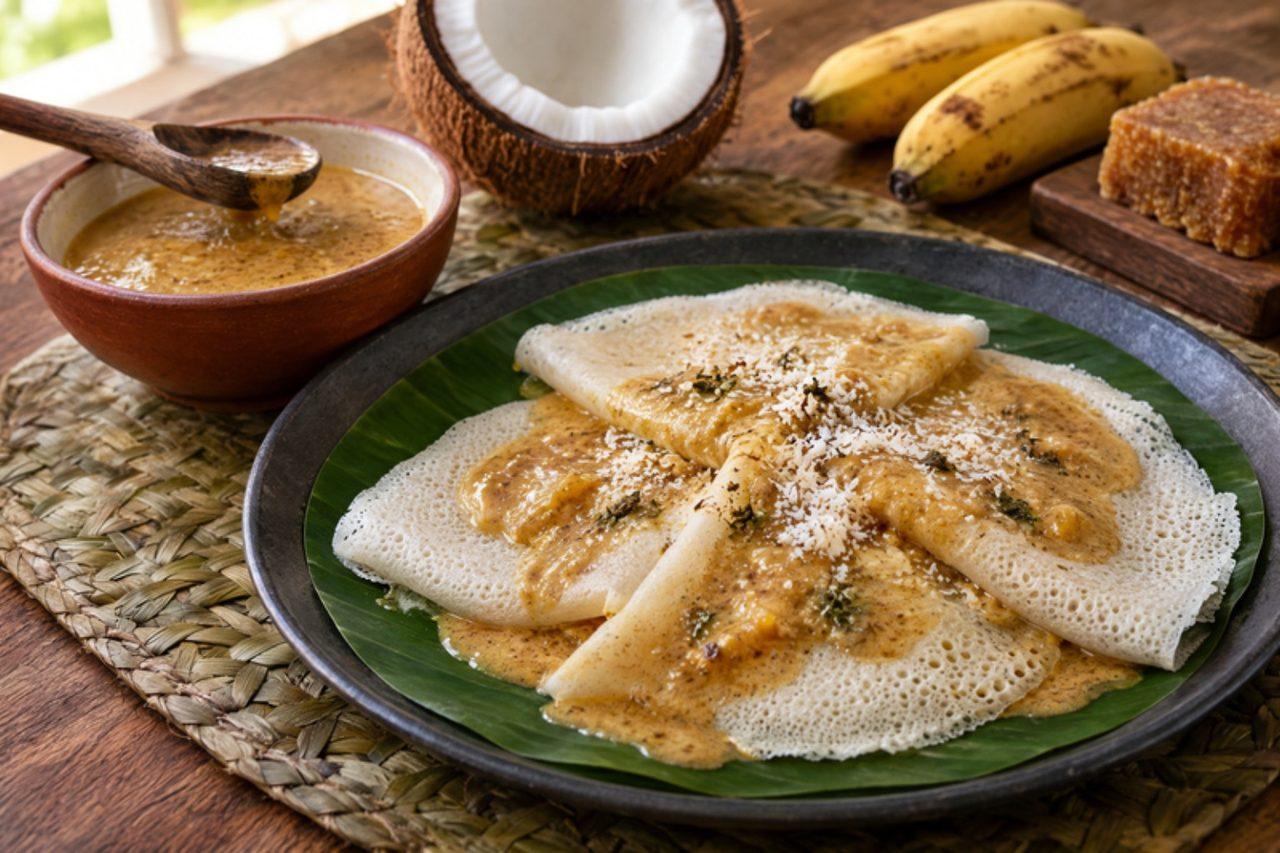
KilanjiRice crepes with coconut banana sauce

On the coral islands of Lakshadweep, kilanji is the treat for weddings, Eid mornings and a welcome guest. Thin, soft crepes of soaked rice and egg, or rice alone as here, are folded and drenched in a warm sauce of coconut milk sweetened with coconut jaggery and full of mashed ripe banana and cardamom. The islanders often add egg to the batter; this version keeps it vegan with a touch of cooked rice for softness. The common mistake is a gritty batter: the rice needs a full four hours' soak and a long, fine grind, or the crepes tear. Chef's tip: keep the sauce barely warm, never boiling, so the coconut milk stays silky.

by KrazyBadal 0 views
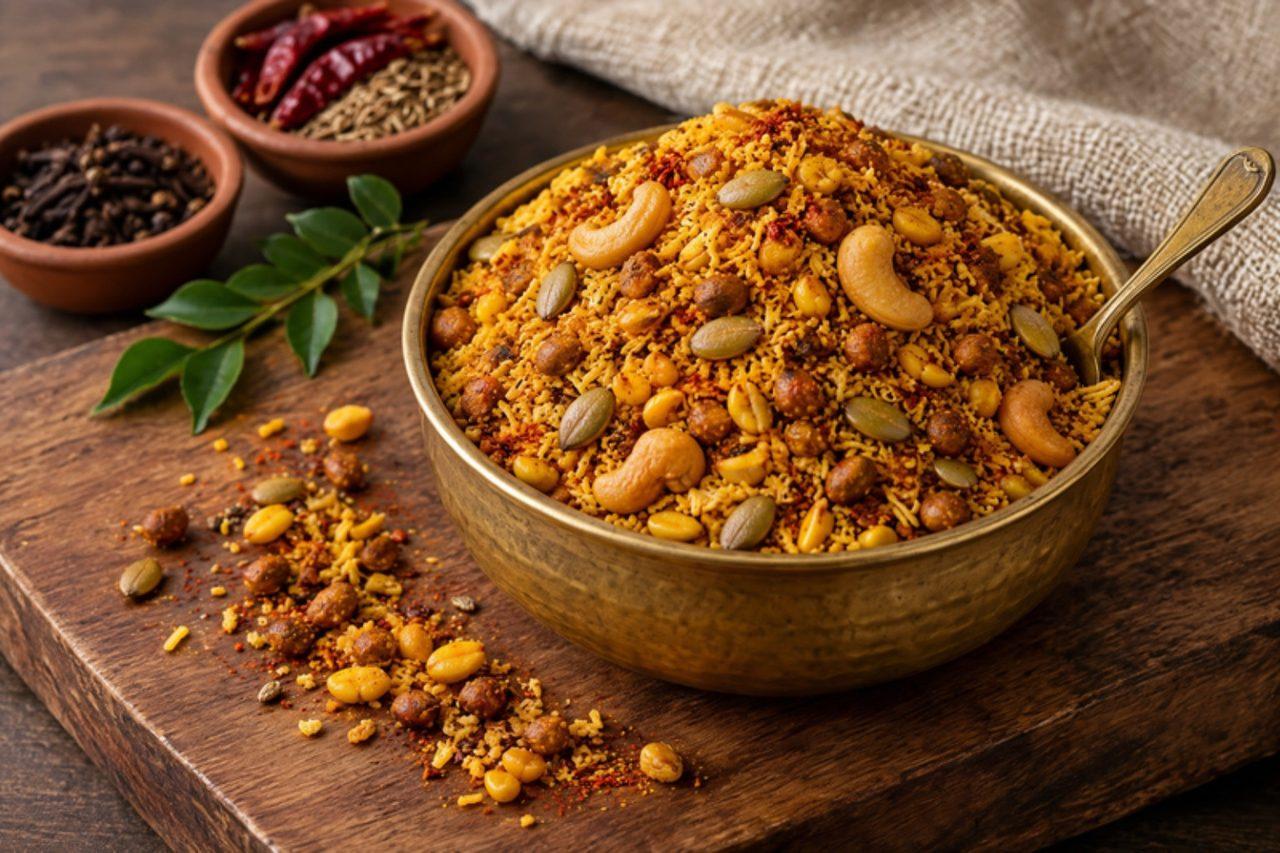
Agra dalmothFried lentil snack mix

Agra is famous for two sweets and one namkeen, and dalmoth is the namkeen: soaked masoor and chana dal fried until crunchy and tossed with chilli, black salt, dry mango and a little sugar, sold in big tins near the Taj and packed for every train journey. It is eaten with tea in the afternoon and handed round to guests at Diwali. The dal is fried dry, without any batter coating. The common mistake is frying the dal straight from soaking water; any moisture makes the oil spit dangerously and the dal chewy, so dry it on a cloth for at least an hour. Chef's tip: fry the masoor and chana separately, as they need different times to turn crisp.

by KrazyBadal 0 views
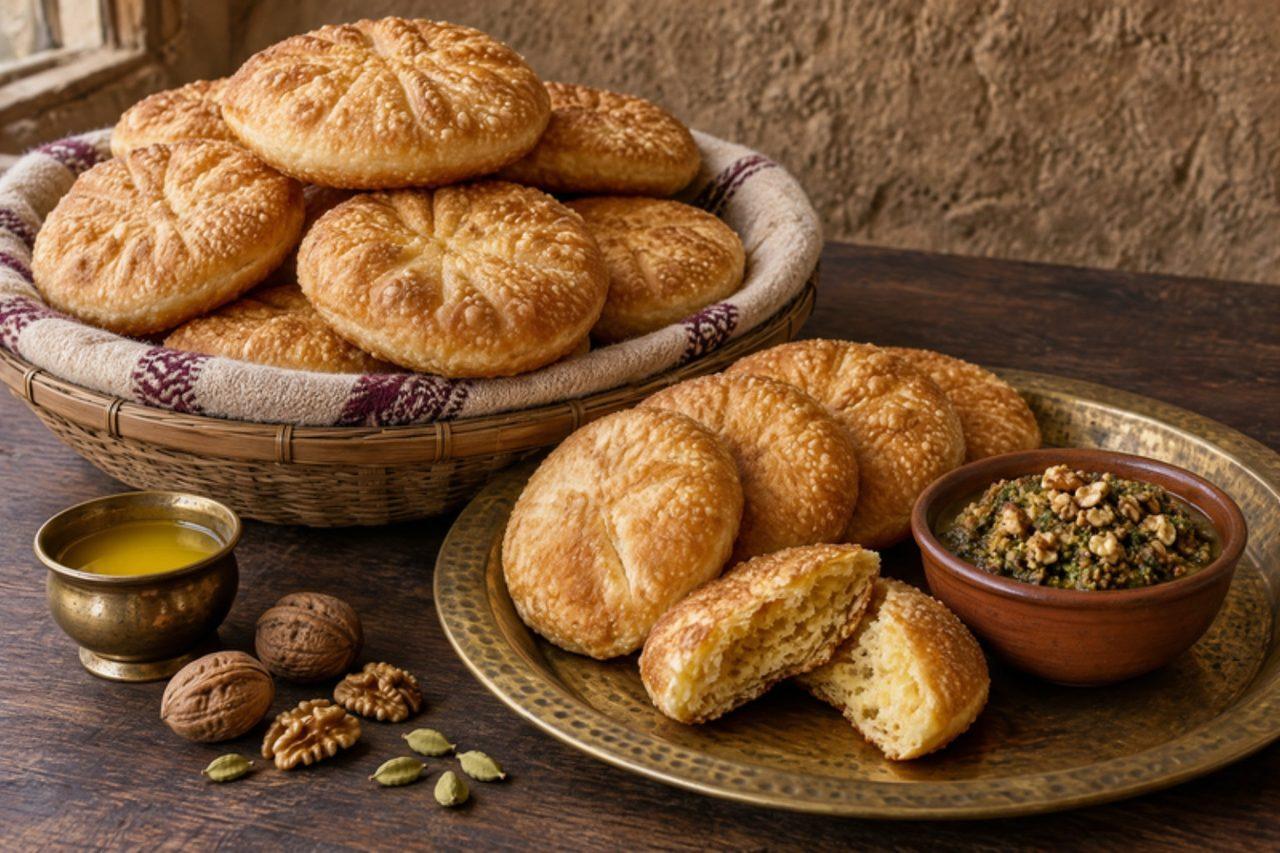
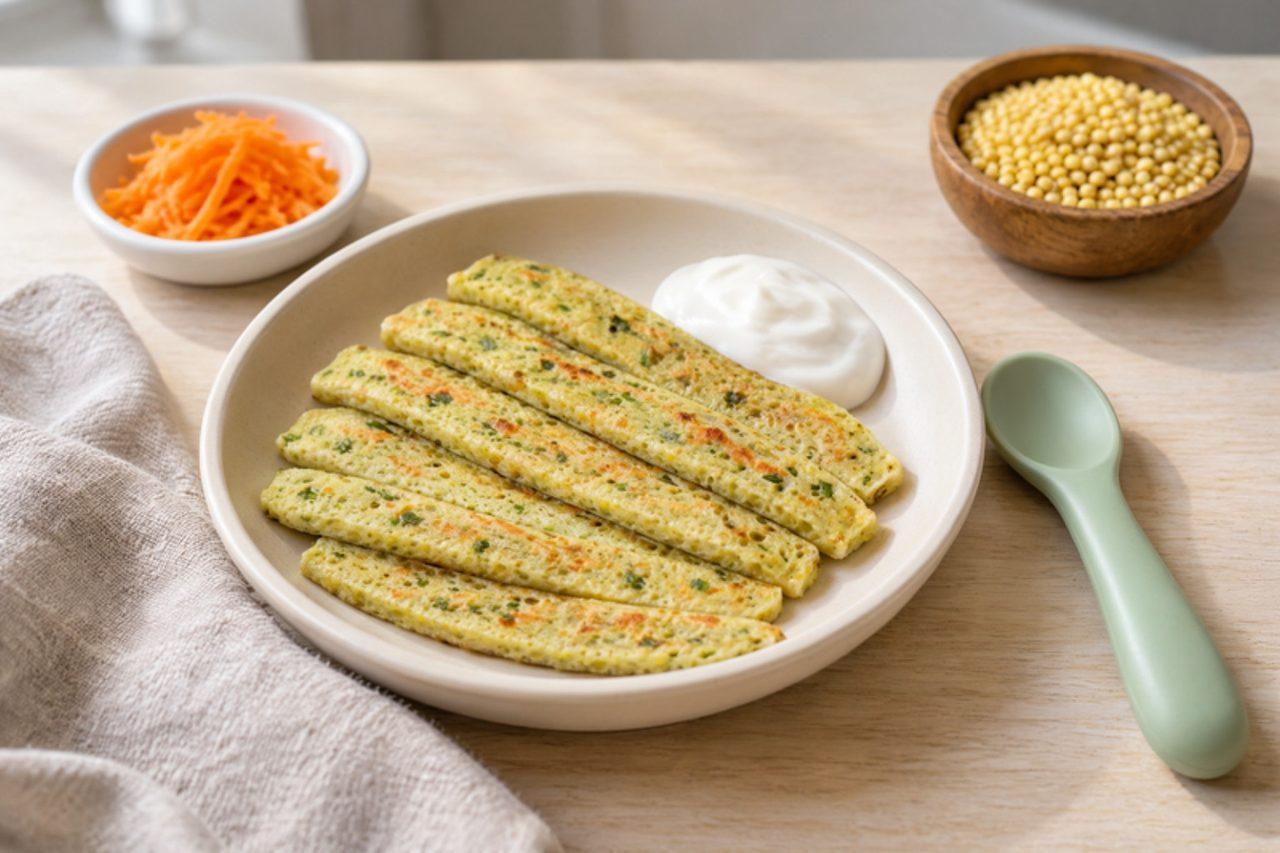
Moong dal cheela fingers for babiesMoong dal pancake fingers for babies

Across Punjab and north India, moong dal cheela is a weekday breakfast griddled to order, usually with green chilli, ginger and a pinch of ajwain. For babies from nine months the batter is just soaked yellow moong and grated carrot, cooked thin and soft and cut into strips that are easy to grab, ideal for baby-led eating alongside spoon food. They are tender, mildly sweet from the carrot and packed with plant protein. They are free of the major allergens: no milk, egg, gluten, nuts, soya, sesame or fish. Chef's tip: grind the batter to the thickness of double cream; thinner batter tears, thicker batter stays raw in the middle.

by KrazyBadal 0 views
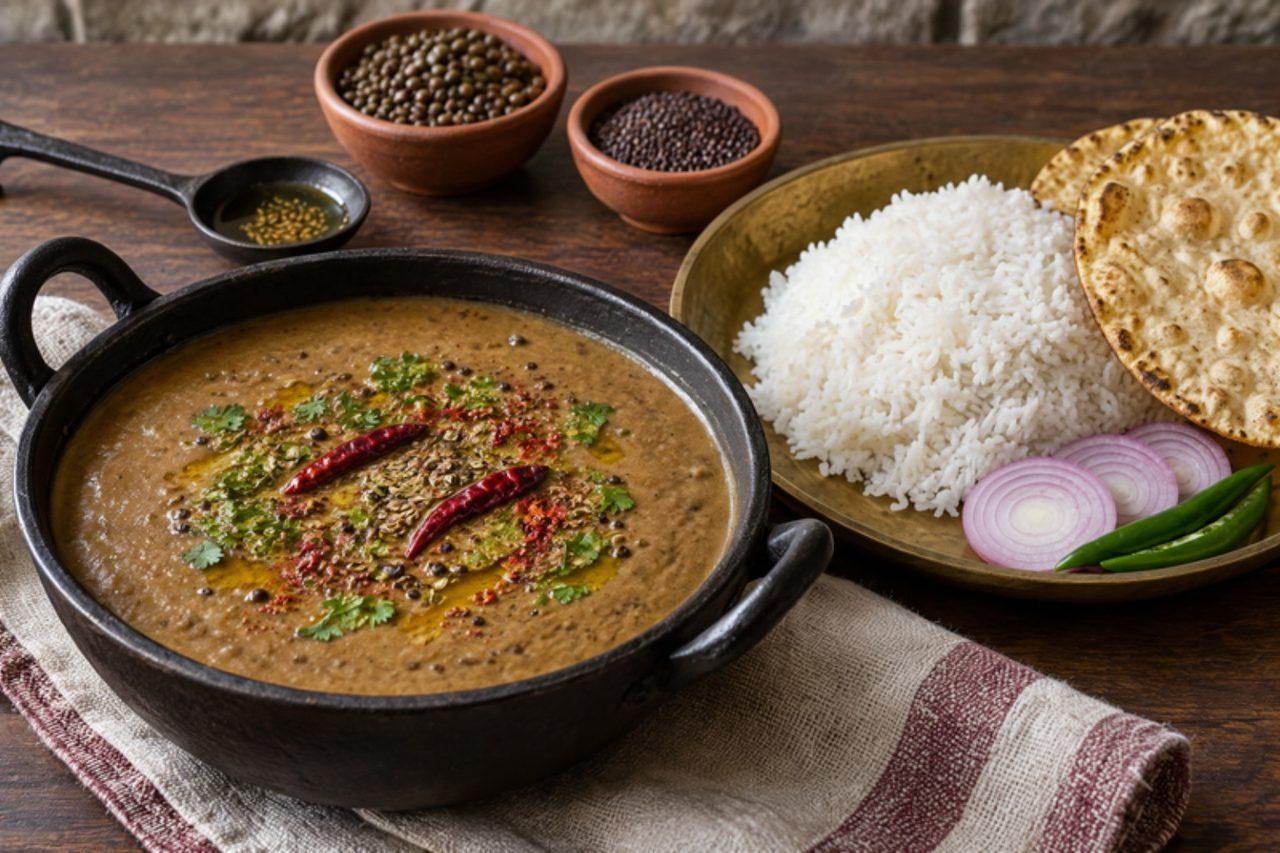
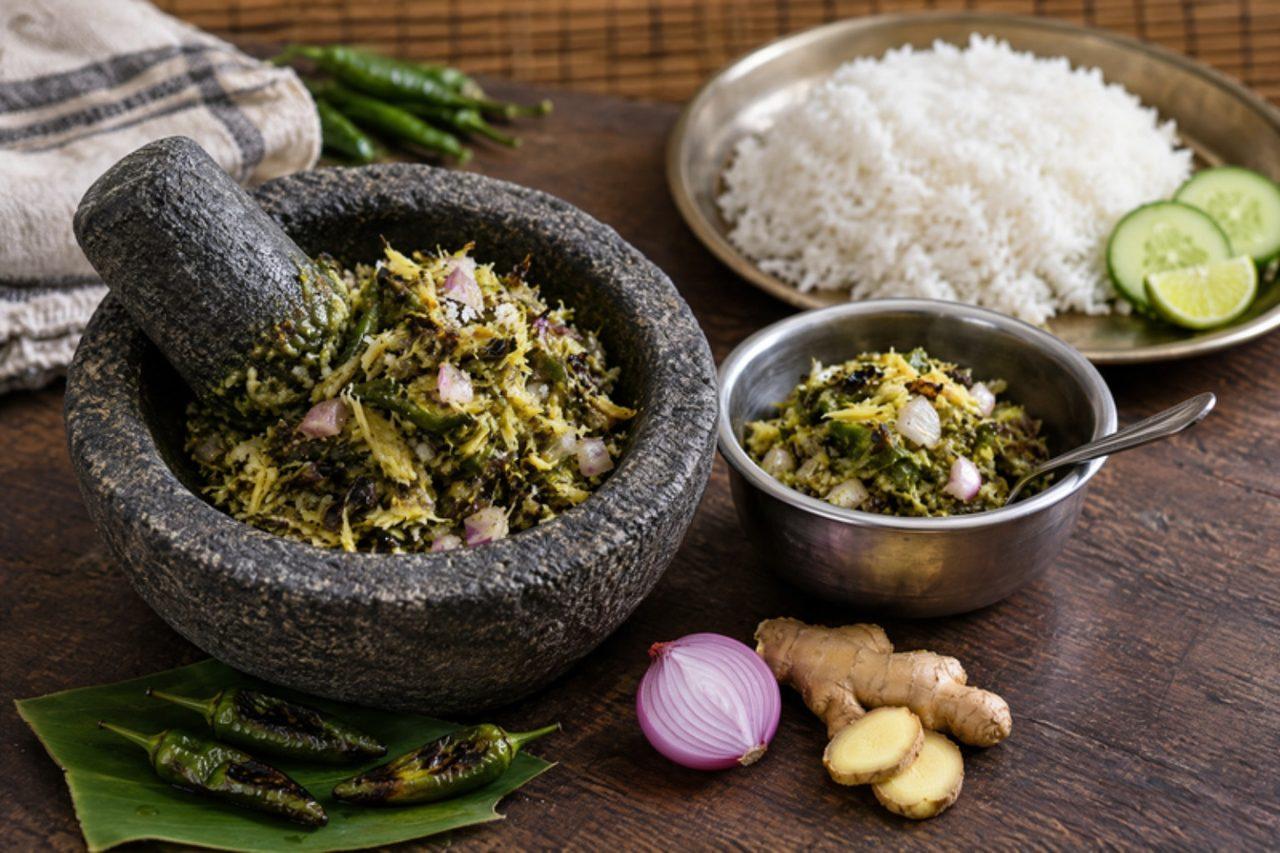
Hmarcha rawtRoasted green chilli relish

No Mizo table in Aizawl is complete without a small bowl of hmarcha rawt, the sharp relish that goes with plain rice, boiled vegetables and bai at almost every meal. Green chillies are charred over a flame or on a dry pan, then pounded with raw onion, ginger and salt. The mistake is to blend it smooth; it should be coarse and juicy, with bits of charred skin. Chef's tip: roast the chillies until blistered all over, not black, or the relish turns bitter.

by KrazyBadal 0 views
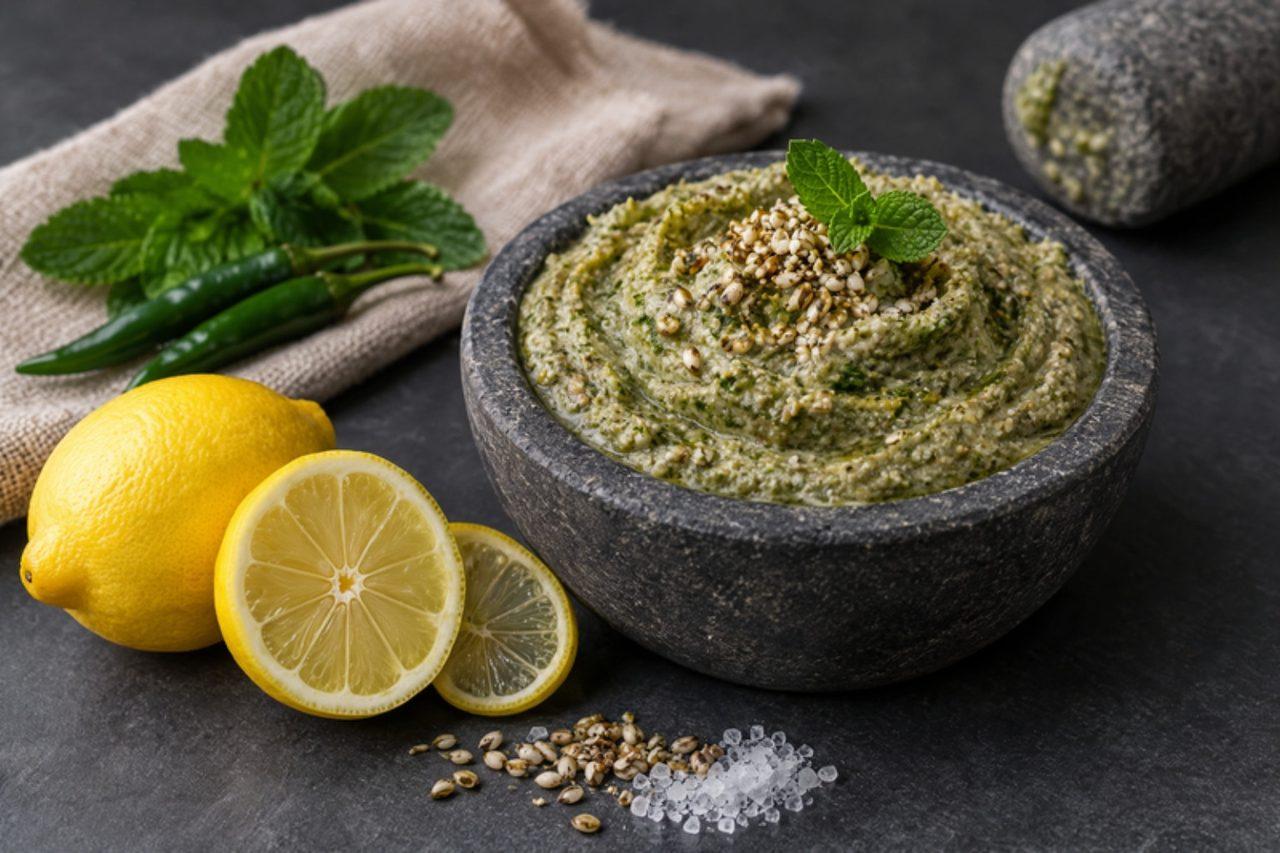
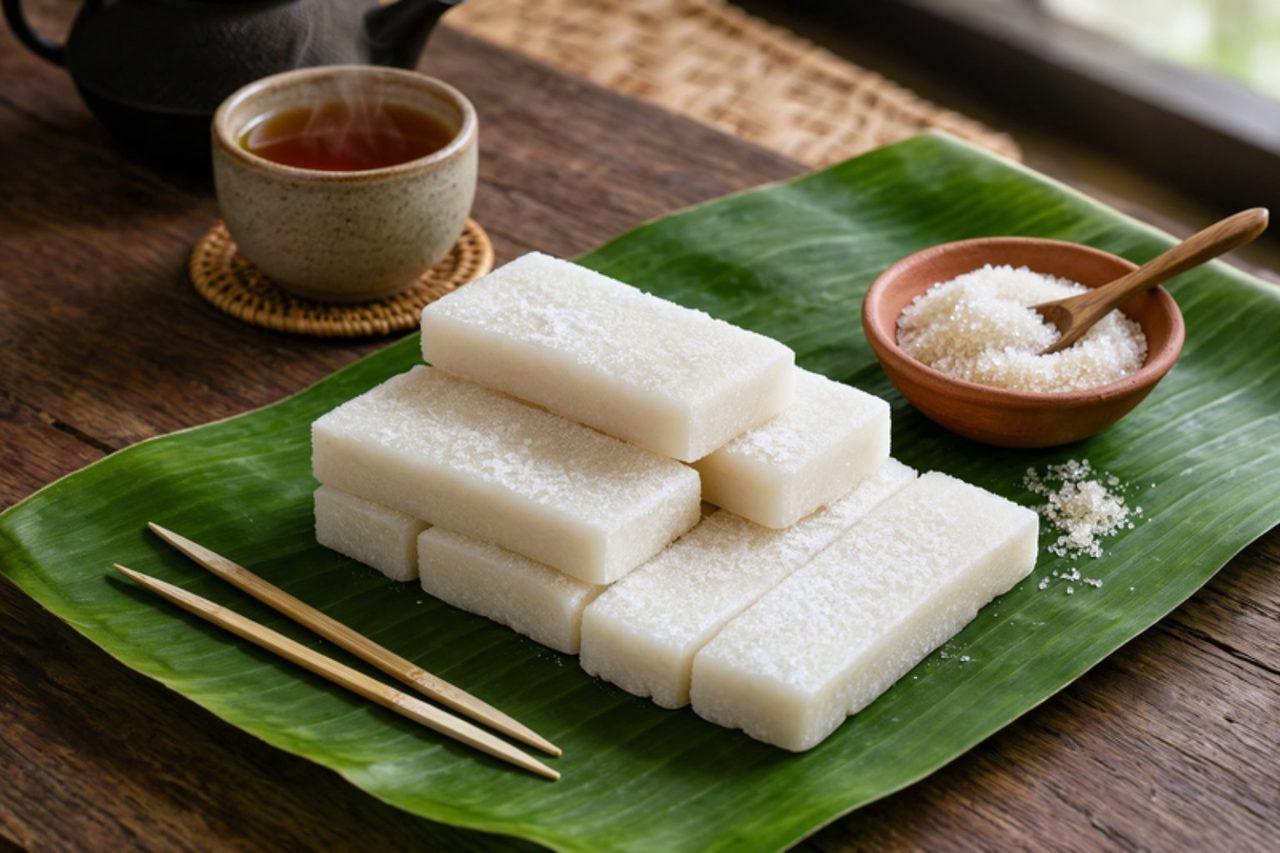
ChhangbanPounded sticky rice cakes

Chhangban are soft, chewy cakes that Mizo families make from steamed sticky rice pounded in a wooden mortar, traditionally for Christmas, Chapchar Kut and visits from relatives. They are eaten warm, dipped in sugar, or toasted the next day with a mug of black tea. The mistake people make is pounding cold rice: it will not come together, so work while it is steaming hot. Chef's tip: wet the pestle or your hands with salted water so the rice does not stick.

by KrazyBadal 0 views
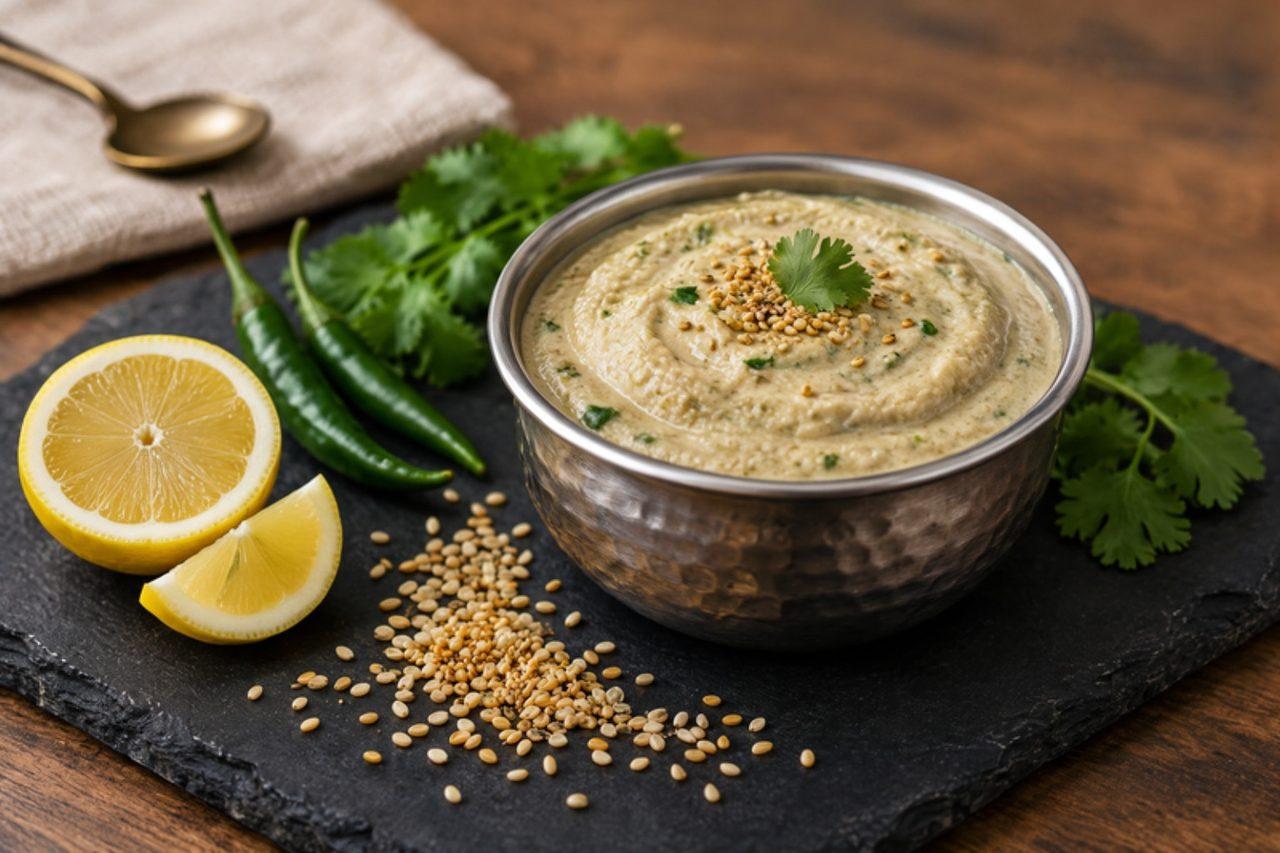
BekangFried fermented soybeans

Bekang is the Mizo name for soybeans boiled and left to ferment in leaves until sticky and strongly savoury, and fried bekang is one of the most loved sides on the Aizawl table, spooned over plain rice. To ferment your own, keep the wrapped, drained beans at 30–40 °C for 2–3 days: they are ready when coated in sticky white threads and smell of ammonia and nuts. Throw them out if you see black, green or pink mould or they smell rotten. The common mistake is frying on high heat until the beans scorch and turn bitter. Chef's tip: bought kinema, axone or natto work in place of homemade bekang.

by KrazyBadal 0 views
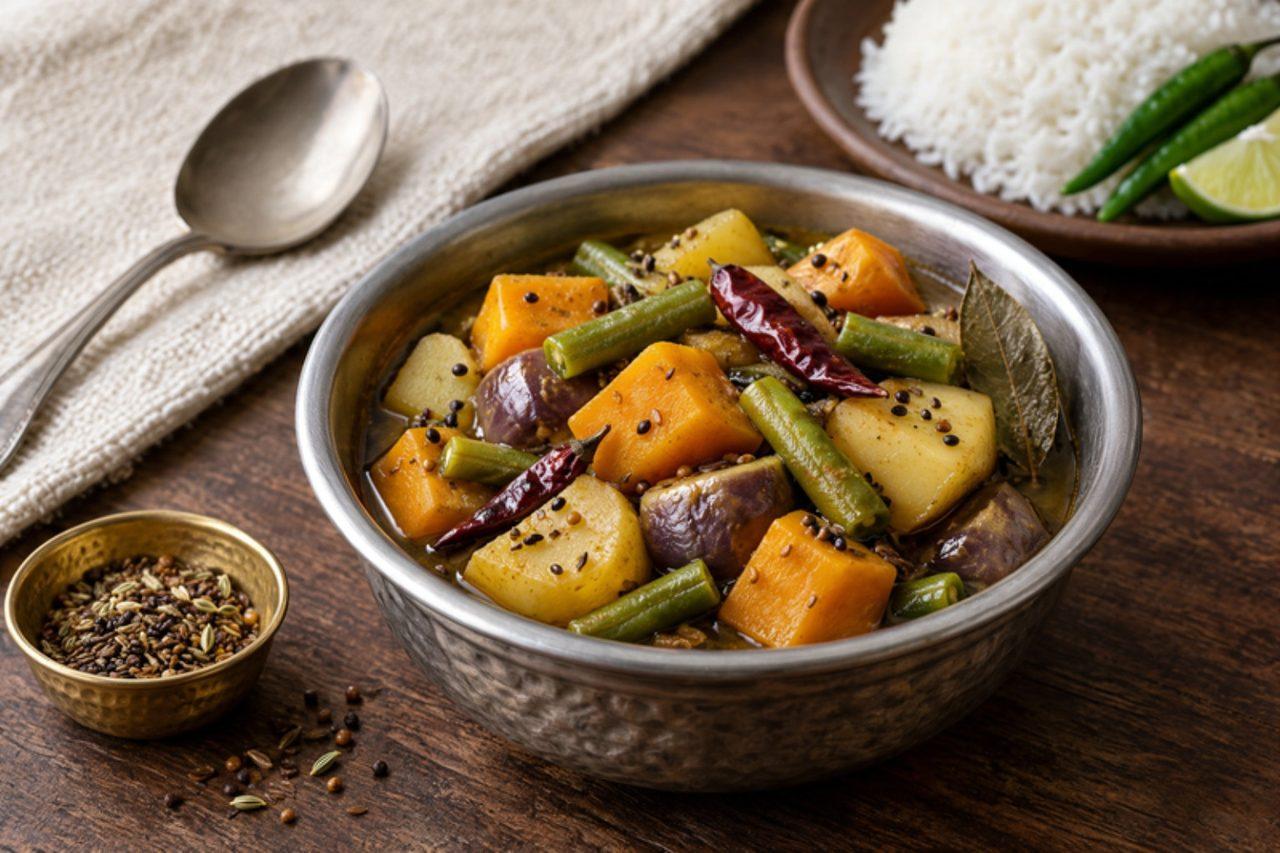
Mizo panch phoran tarkariMixed vegetables with five spices

Mizo cooking uses very little oil and few spices, and this Aizawl tarkari of pumpkin, potato, brinjal and beans is a good example: a few seeds of panch phoron bloom in a spoonful of oil, the vegetables steam in their own juices and dinner is ready. It is eaten on weekdays with rice, dal and a sharp chilli relish. The common mistake is stirring too often, which mashes the pumpkin; turn it gently only once or twice. Chef's tip: cut everything about the same size so it cooks evenly.

by KrazyBadal 0 views
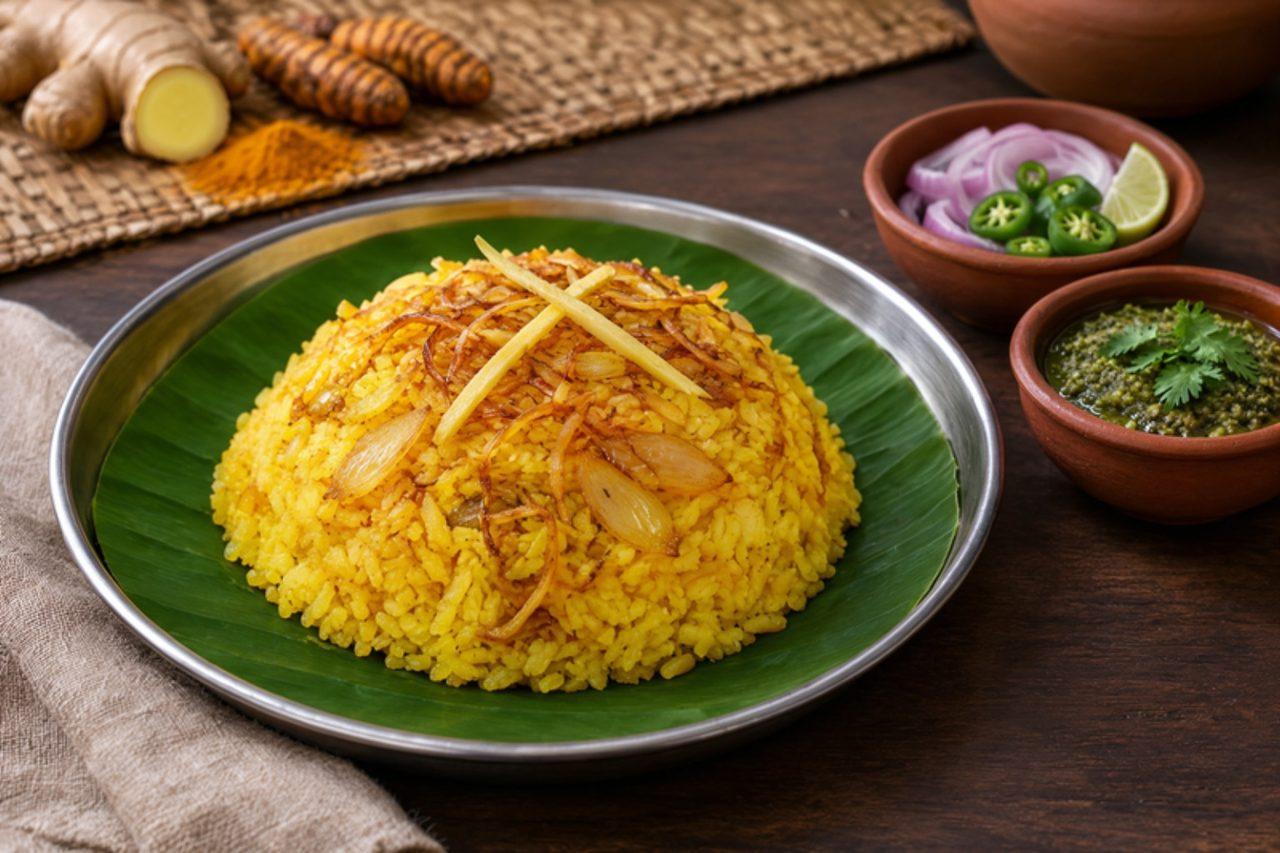
JastemTurmeric yellow rice

Jastem is the Khasi everyday yellow rice of Meghalaya, cooked with turmeric, ginger and fried onion and served with dal, greens or a meat curry; on feast days it shares the table with jadoh. It is lighter and less oily than a pulao. The common mistake is too much water, which makes it sticky; the grains should stay separate. Chef's tip: use a short-grain local rice or plain sona masoori, rinsed until the water runs clear.

by KrazyBadal 0 views
PutharoSteamed rice flour cakes

In Shillong and the Khasi Hills, putharo are plain steamed rice-flour cakes eaten at breakfast with red tea or with a bowl of curry. Freshly milled, slightly damp rice flour is what makes them soft. The common mistake is using dry supermarket flour without moistening it, which gives crumbly, dusty cakes; sprinkle the flour with water and rub until it holds when squeezed. Chef's tip: steam on a cloth so the bottoms don't turn soggy.

by KrazyBadal 0 views
Minil songaBamboo-roasted sticky rice

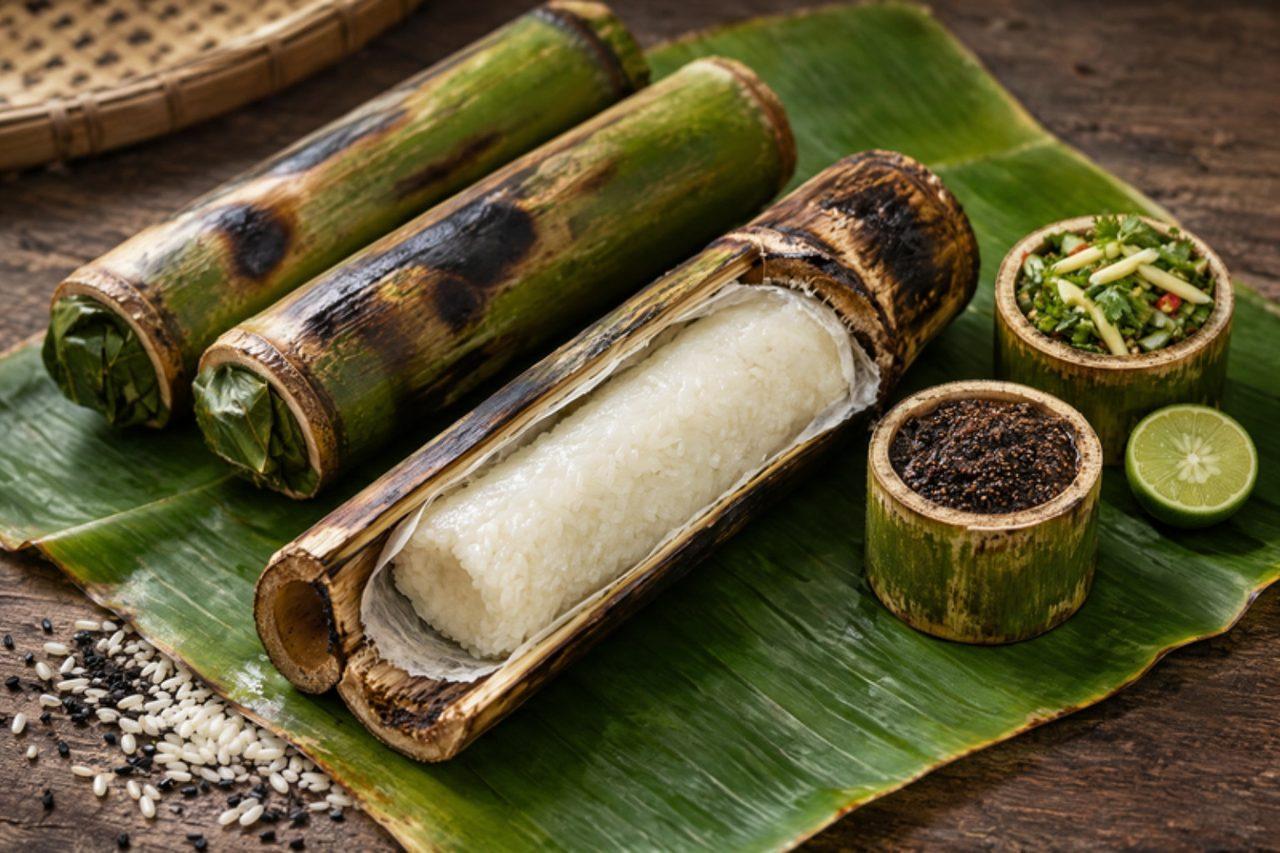
The Garo of western Meghalaya make minil songa for festivals, hunting trips and family picnics, packing soaked sticky rice into lengths of green bamboo and roasting them in the embers until the rice comes out fragrant, firm and faintly smoky. At home, a hot oven or a grill gives a very good result. The mistake to avoid is sealing the bamboo too tightly: steam must escape. Chef's tip: if you have no bamboo, roll the rice in a double layer of banana leaf and foil.

by KrazyBadal 0 views
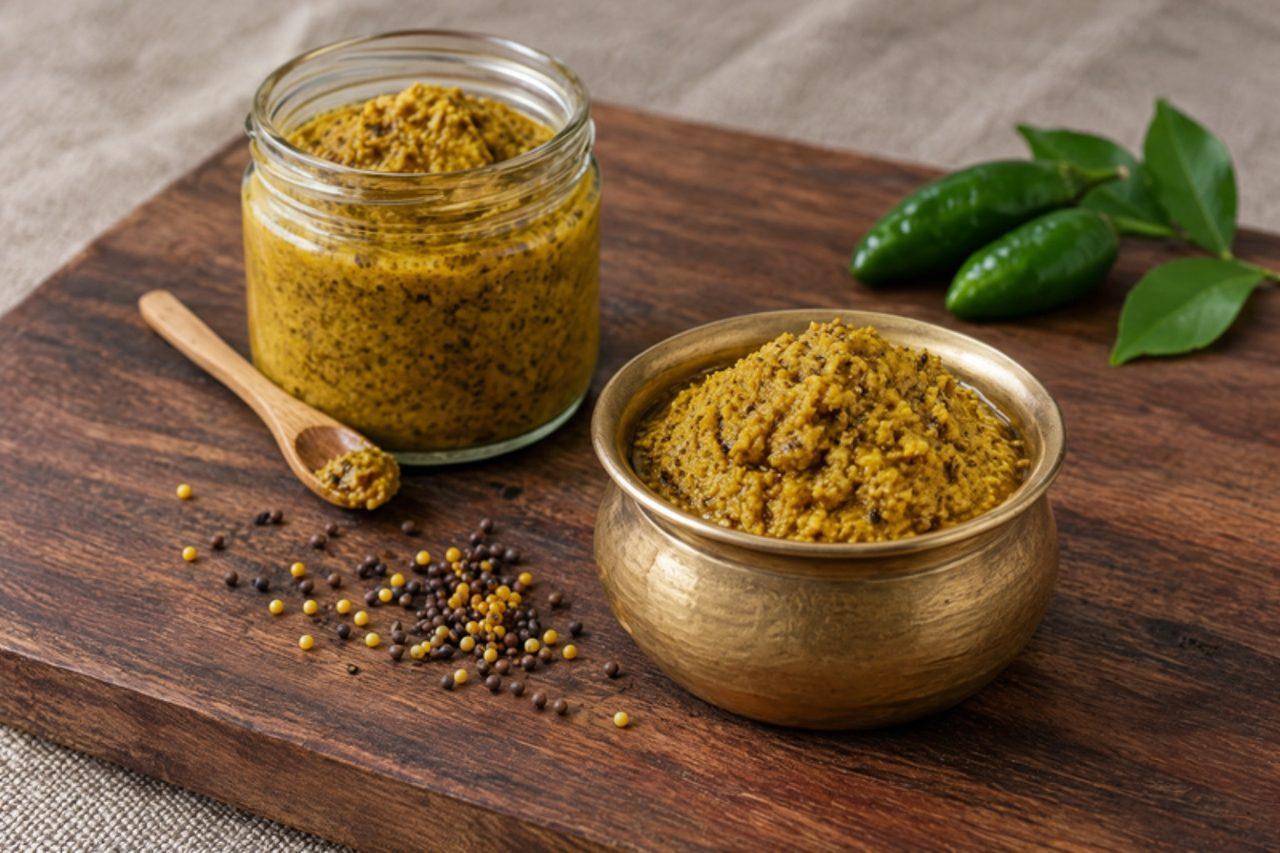
KabokPuffed rice and sesame balls

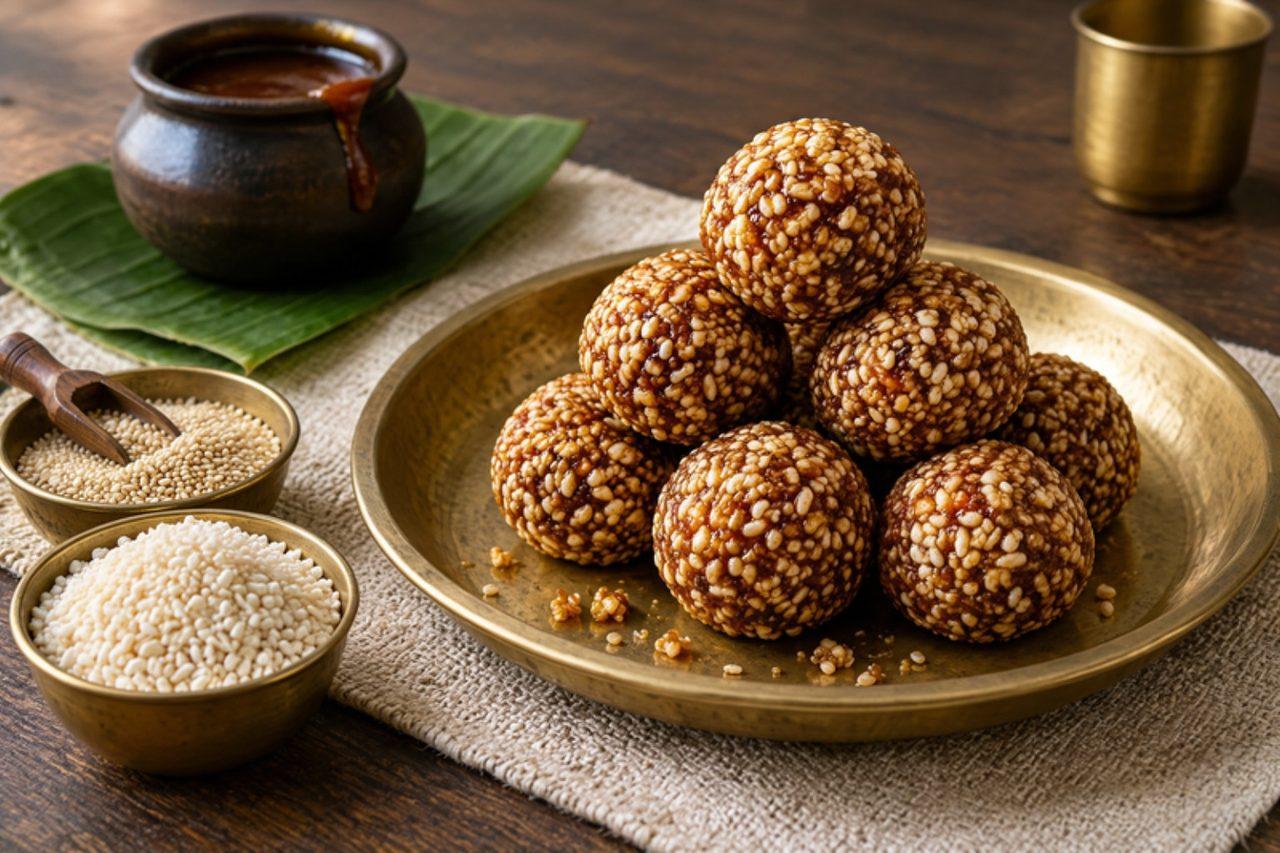
Kabok are crunchy balls of puffed rice and sesame bound with hot jaggery syrup, made in Meitei homes for Yaoshang, Cheiraoba and temple offerings. Black puffed rice is used in some villages, giving dark, toasty kabok. The key is the syrup: cook it to the hard-ball stage, when a drop in cold water sets into a firm ball, or the balls will fall apart. The common mistake is shaping with dry hands; wet them so the hot mixture doesn't stick or burn. Chef's tip: warm the puffed rice in the oven for a few minutes first so it stays crisp.

by KrazyBadal 0 views
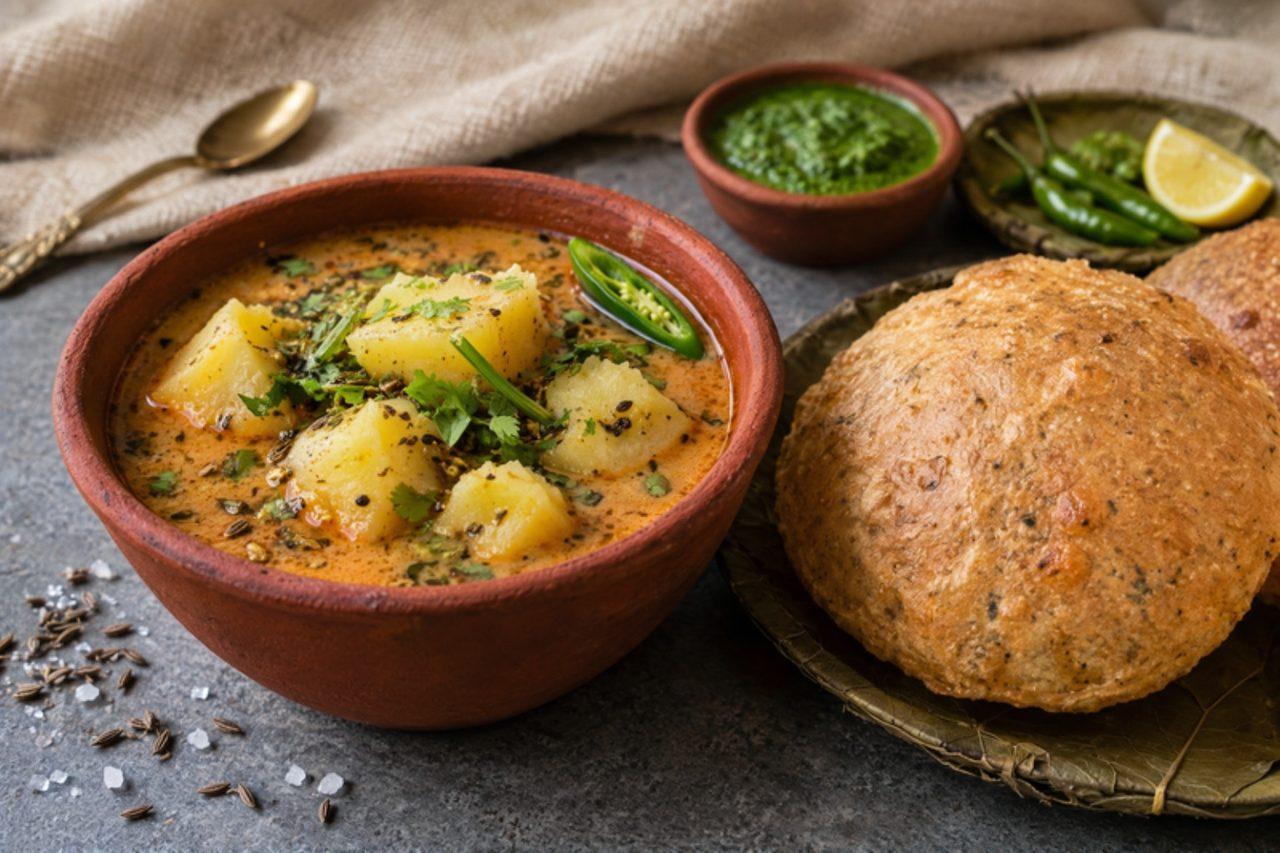
AkibiyeCreamy taro with fermented soybean

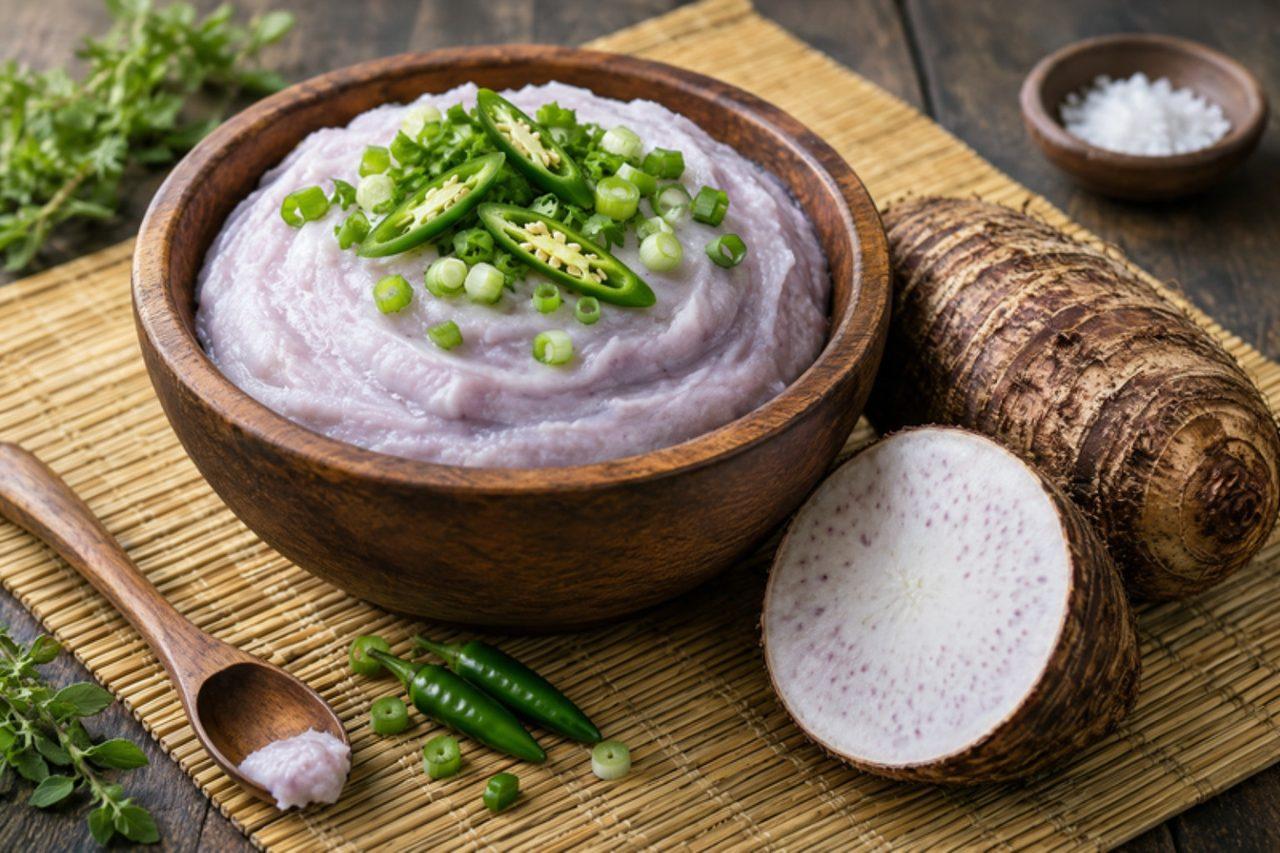
Akibiye is Sumi Naga comfort food from Nagaland: colocasia boiled until it melts into a thick, creamy stew, flavoured with chilli and axone, the fermented soybean that gives Naga cooking its deep savour. It is eaten with rice, especially in winter. For homemade axone, keep boiled soybeans wrapped in leaves at 30–40 °C for 3–5 days until sticky and pungent, then dry or use fresh; discard if black, green or pink mould appears or it smells rotten. The mistake is handling raw taro with bare hands, which itches; wear gloves or oil your hands. Chef's tip: bought axone, kinema or natto work well.

by KrazyBadal 0 views
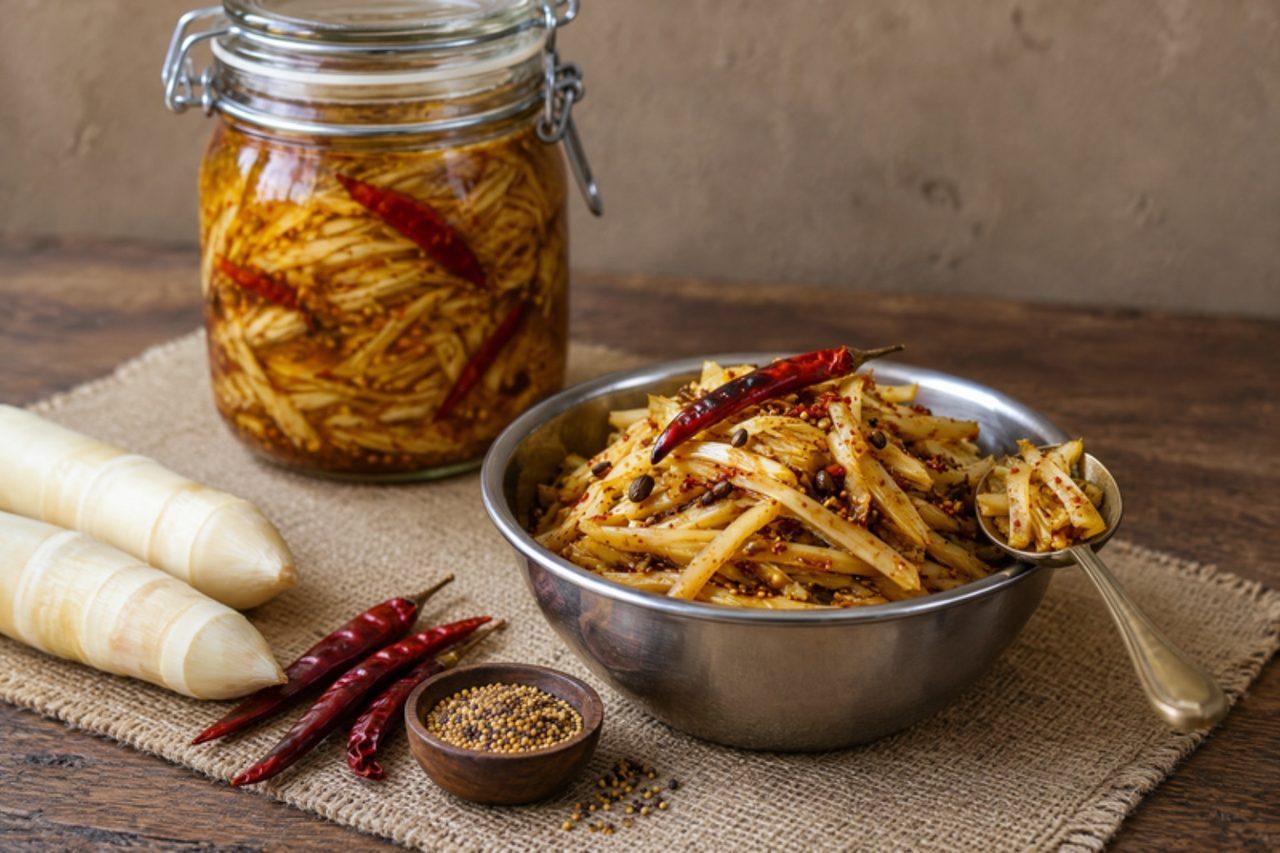
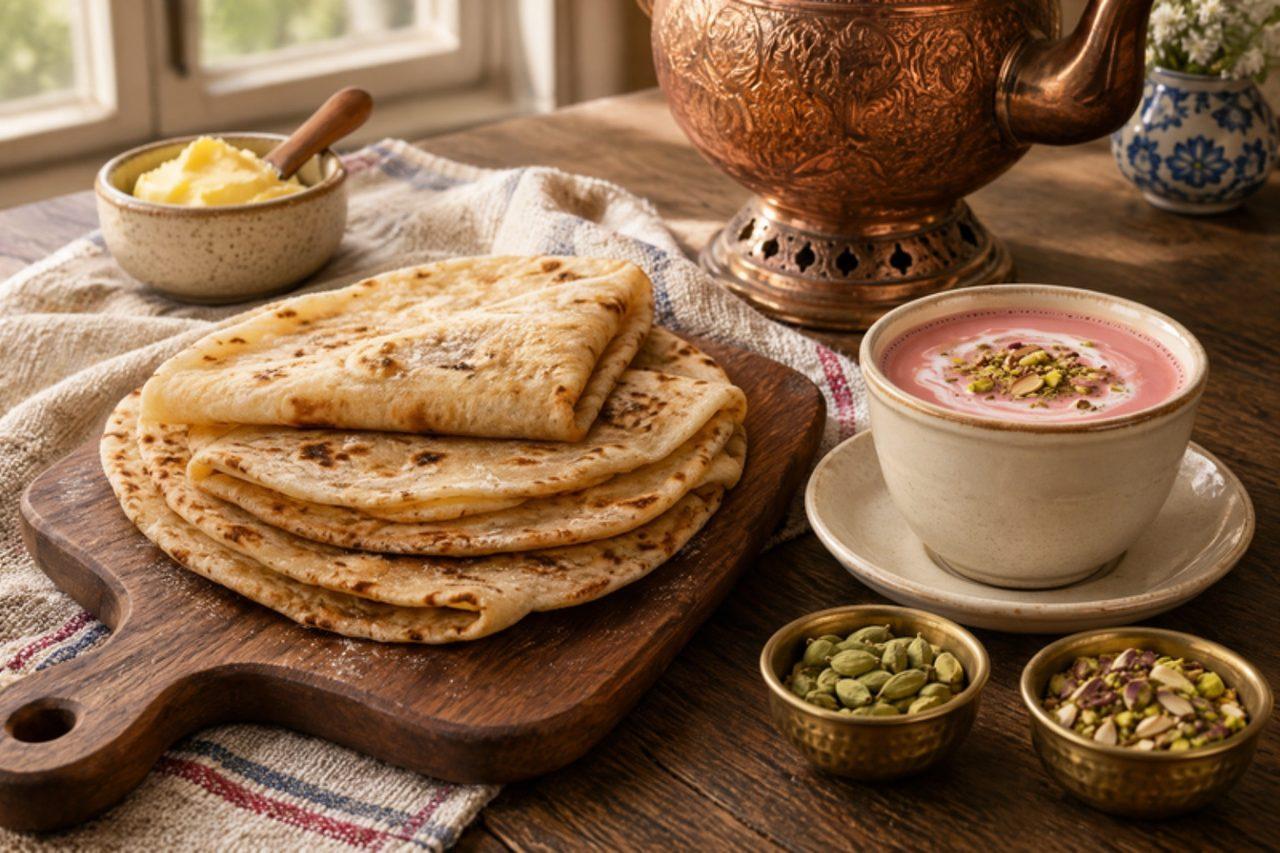
LavasaThin leavened flatbread

Every Kashmiri neighbourhood has its kandur, the baker who slaps breads onto the walls of a clay tandoor before dawn, and lavasa is the thin, soft, bubbly sheet bought for the afternoon or for wrapping hot seekh kebabs at weddings. It is lightly leavened, a little chewy and faintly smoky, and is eaten with noon chai or with harissa in winter. At home a very hot heavy pan or a pizza stone does a fine job. The common mistake is rolling it too thick; lavasa should be thin enough to see light through at the edges. Chef's tip: stack the breads under a clean cloth as they come off the heat, so the steam keeps them soft and foldable.

by KrazyBadal 0 views
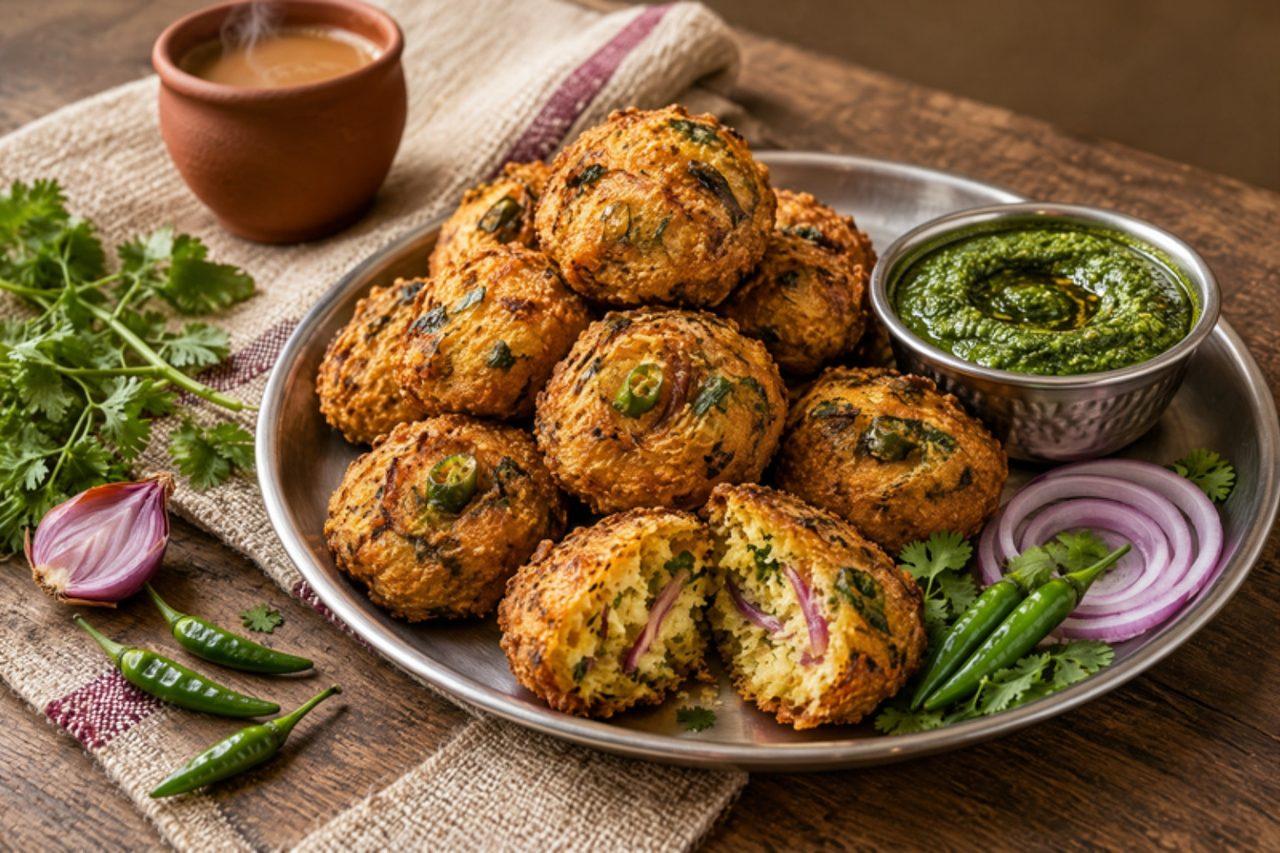
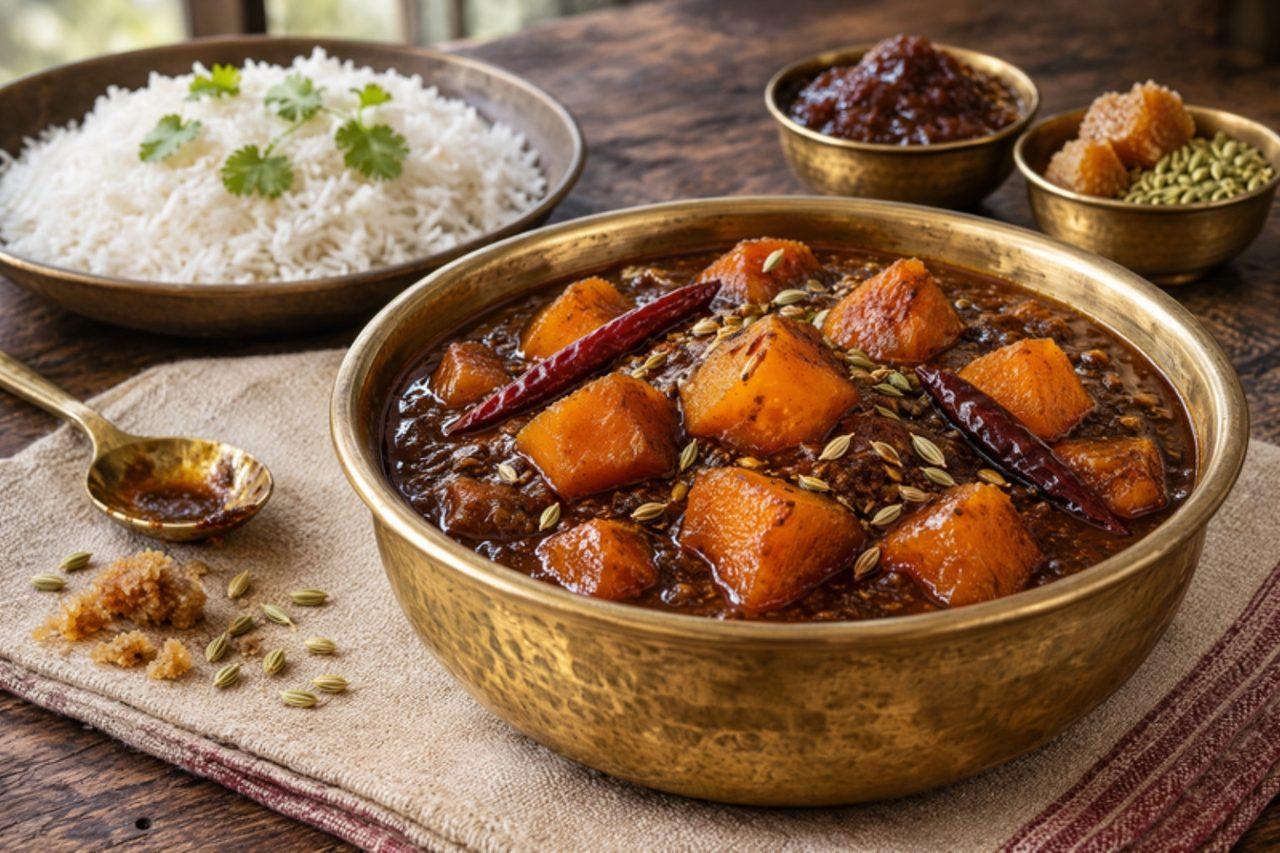
AmbalSweet and sour pumpkin

Ambal belongs to the Dogra dham of Jammu, the feast cooked by the hereditary siyan cooks for weddings and festivals and served on leaf plates in a fixed order. Yellow pumpkin is softened with fenugreek seeds and fennel, then simmered in a dark tamarind and jaggery sauce until it is sticky, sour and sweet at once, which is what the name, from 'amla' for sour, promises. It is eaten with rice alongside the dham's dals and madra. The common mistake is stirring hard once the pumpkin is soft, which turns it to mush; shake the pan instead. Chef's tip: let it rest an hour before serving, as the tamarind settles and the flavour deepens.

by KrazyBadal 0 views
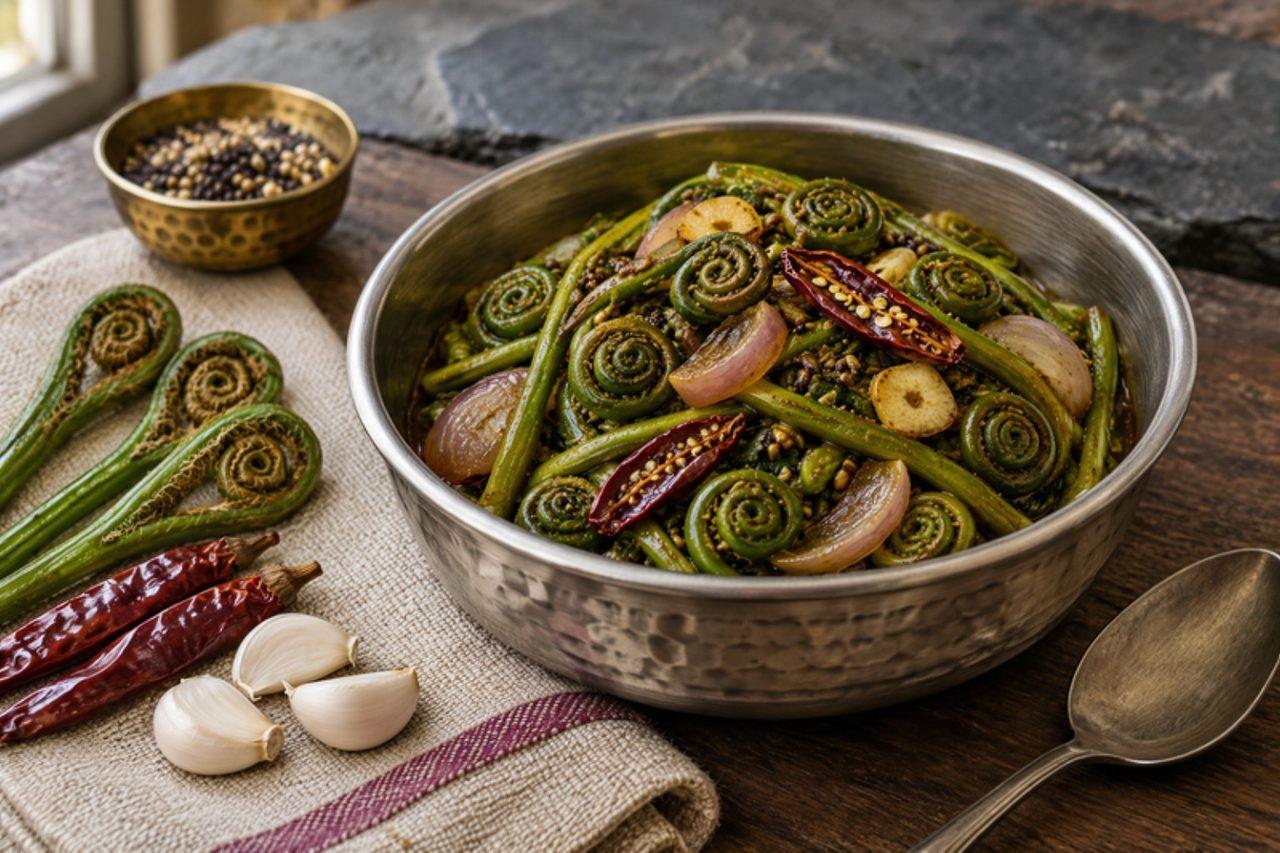
Lingdi ki sabziFiddlehead fern curry

When the monsoon arrives in the Kullu and Mandi valleys, coiled fiddlehead ferns (lingdi) appear along streams and in village markets, and families cook them as a quick dry sabzi with onion, garlic and chilli, or pickle them for winter. The young fronds taste a little like asparagus and green beans, with a pleasant snap. Only eat edible fiddlehead species from a trusted seller, and always cook them well: undercooked ferns can upset the stomach. The common mistake is skipping the blanching, which leaves them bitter and unsafe; boil them first, then fry. Chef's tip: rub off the brown papery scales under running water before trimming; they hold grit.

by KrazyBadal 0 views
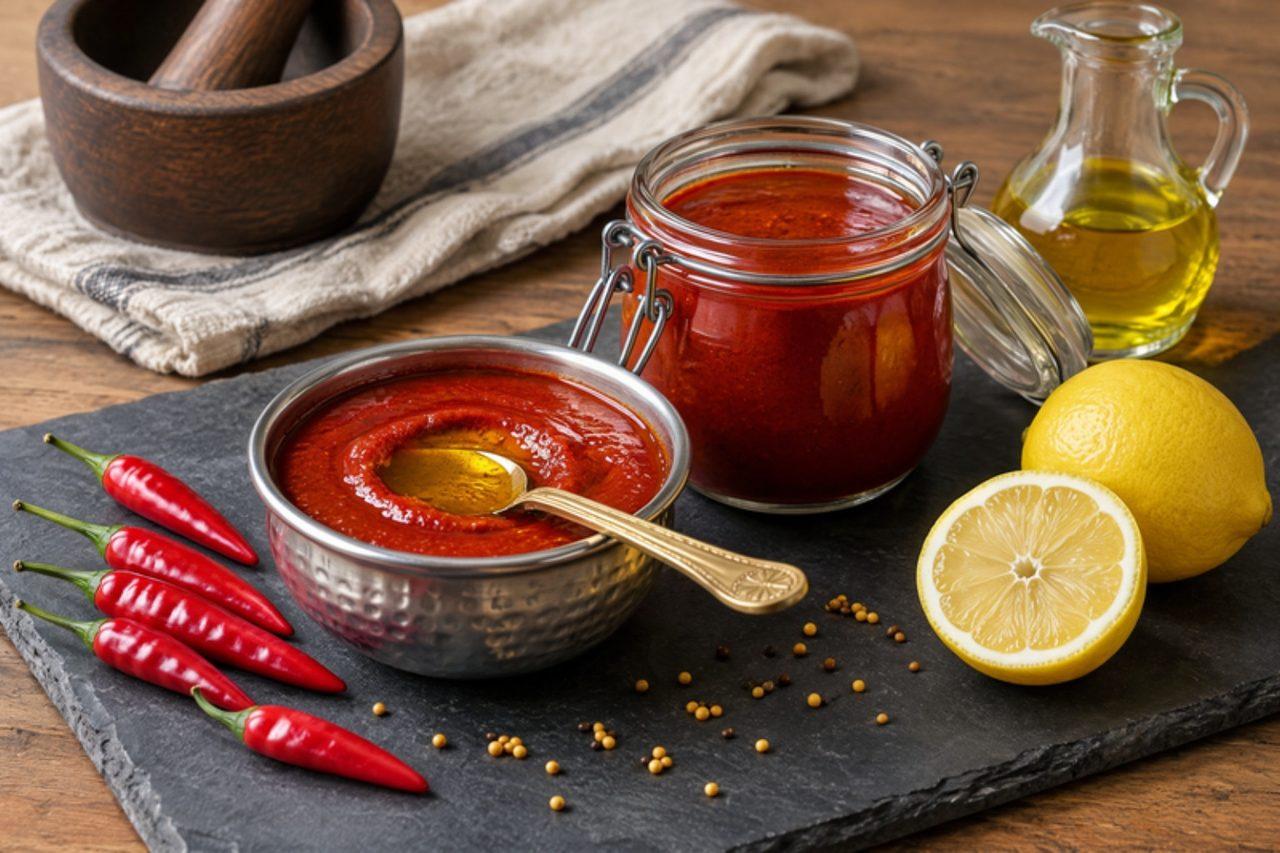
Chamba chukhChilli and lemon paste

Chukh is the fiery condiment of Chamba in western Himachal, made at the end of summer when red and green chillies are abundant, and kept for months to brighten dal, rice and rajma through the winter. Chillies are lightly cooked in mustard oil, pounded with lemon juice and salt, and stored in glass jars under a film of oil. Just a dab is used at a time. The common mistake is leaving moisture in the jar, which lets mould grow; use a bone-dry, sterilised jar and a dry spoon. Chef's tip: wear gloves when handling this many chillies, and do not touch your eyes for hours afterwards.
by KrazyBadal 0 views
MarchuDeep-fried wheat breads

In the high Lahaul valley, marchu are fried by the basketful before the winter festivals of Halda and Losar, when families visit each other and every house must have a pile ready for guests. They are thick, soft rounds of wheat dough, sometimes lightly sweetened, fried in oil until puffed and golden, and they keep for days in the cold. They are eaten with butter tea or a spicy potato dish. The common mistake is frying in oil that is too hot, which browns the outside before the inside cooks; keep the heat medium. Chef's tip: prick each round twice with a fork so it puffs evenly rather than ballooning on one side.

by KrazyBadal 0 views
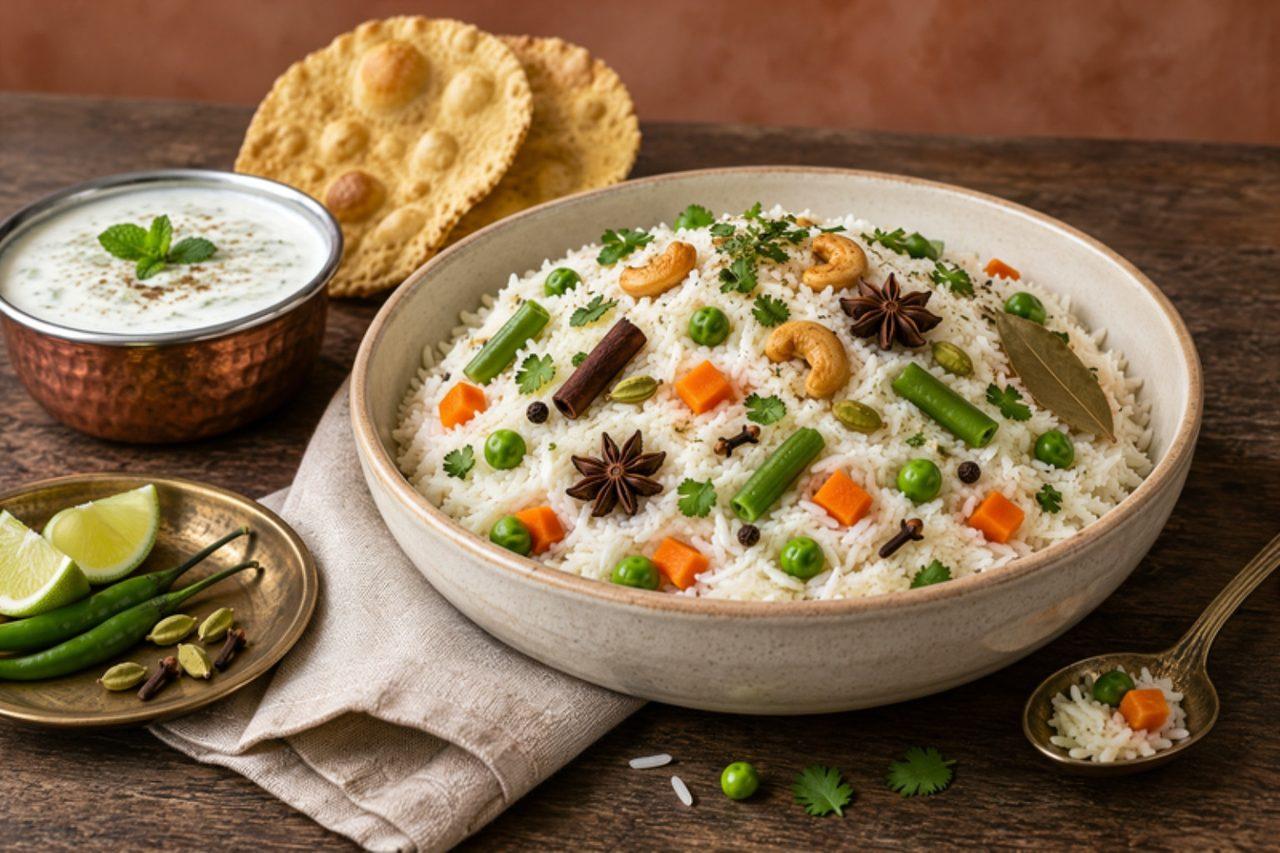
DubukThick lentil curry

Dubuk is a Kumaoni winter staple from the hill villages around Almora and Pithoragarh, where soaked bhatt (black soybean) or gahat is ground on a stone and simmered slowly in an iron kadhai until it turns thick and dark. It is eaten with plain rice on cold evenings, and the iron pot gives it its slightly earthy colour and taste. Toor dal or a mix of toor and urad works well if you cannot find pahadi lentils. The common mistake is grinding the lentils to a fine paste and boiling hard, which makes dubuk gluey; grind coarse and keep the simmer gentle. Chef's tip: stir in a spoon of the rice paste only at the end, and only if the gravy needs body, because the lentils thicken a lot as they stand.

by KrazyBadal 0 views
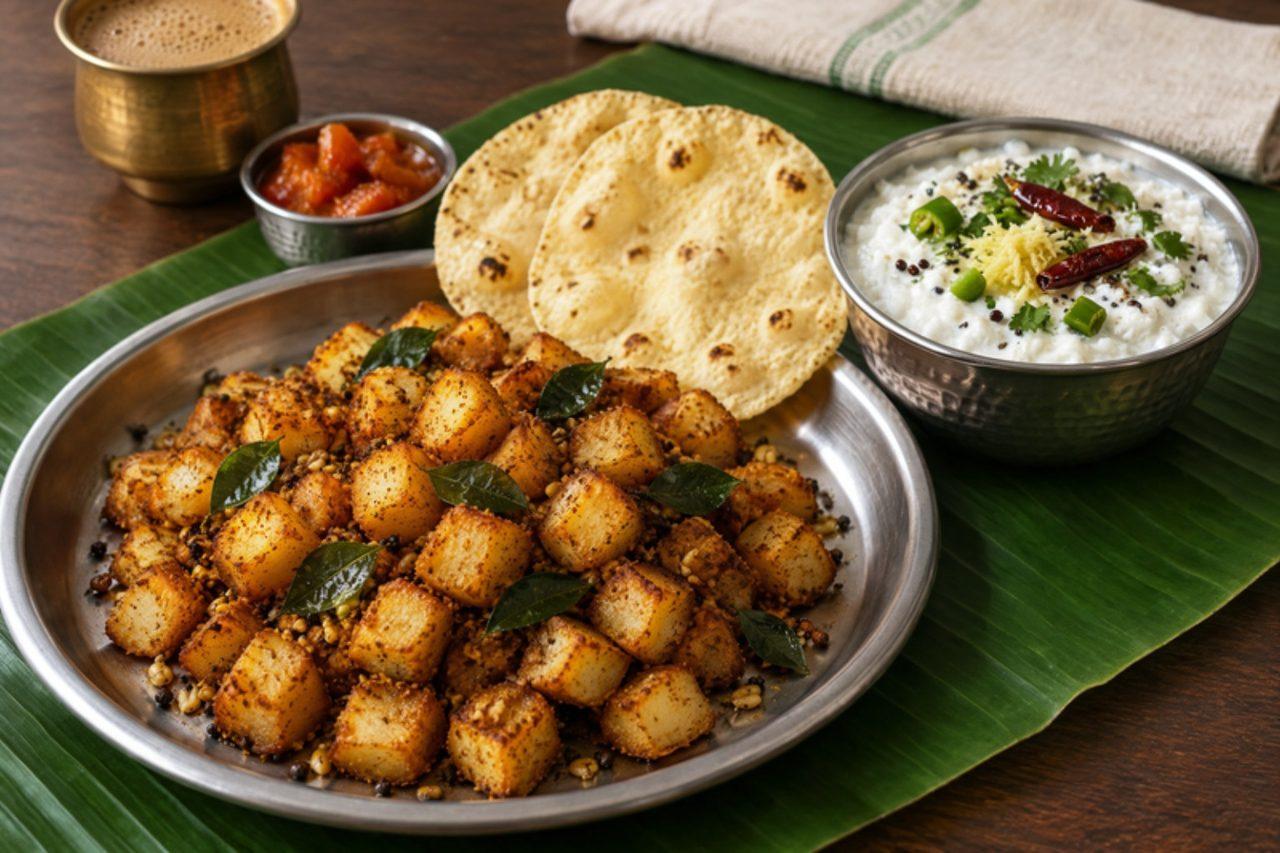
Bhang ki chutneyRoasted hemp seed chutney

In Kumaon every kitchen keeps a jar of hemp seeds, and this tangy chutney is ground fresh to go with rotis, aloo ke gutke and festive pakodas all through the year. It uses hulled, food-grade hemp seeds sold for cooking, which are not psychoactive at all; they simply taste like a cross between sesame and toasted pine nuts. The seeds are dry-roasted, ground with mint, chilli and the juice of the big hill lemon, and loosened with a little water. The usual mistake is roasting the seeds too dark, which turns the chutney bitter and grey. Chef's tip: grind in a mortar or with short pulses and stop while it still has some texture; a perfectly smooth paste loses the pleasant crunch.

by KrazyBadal 0 views
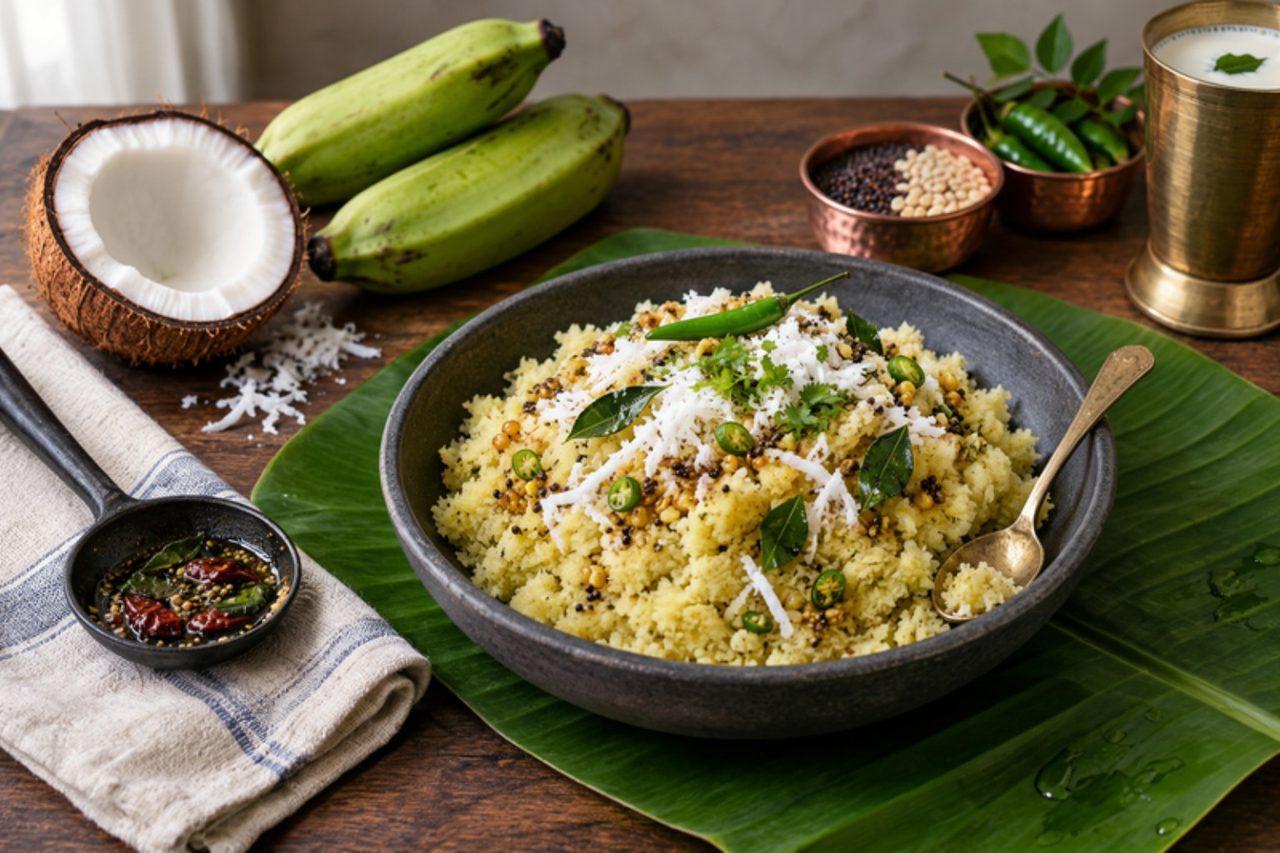
Til ki chutney (Kumaoni)Sesame chutney

This is the everyday sesame chutney of Kumaoni homes, ground on the sil-batta to go with mandua rotis, rice and dal, or the pakodas made for Harela and Ghughutiya. Unlike southern sesame chutneys, it has no coconut or tamarind: just toasted white sesame, green chilli, coriander and plenty of hill-lemon juice, so it tastes bright and nutty at once. It keeps for two days in the fridge. The most common mistake is burning the sesame, which only takes a few seconds too long and makes the chutney bitter. Chef's tip: pull the pan off the heat the moment the first seeds turn golden; they keep cooking in the hot pan.

by KrazyBadal 0 views
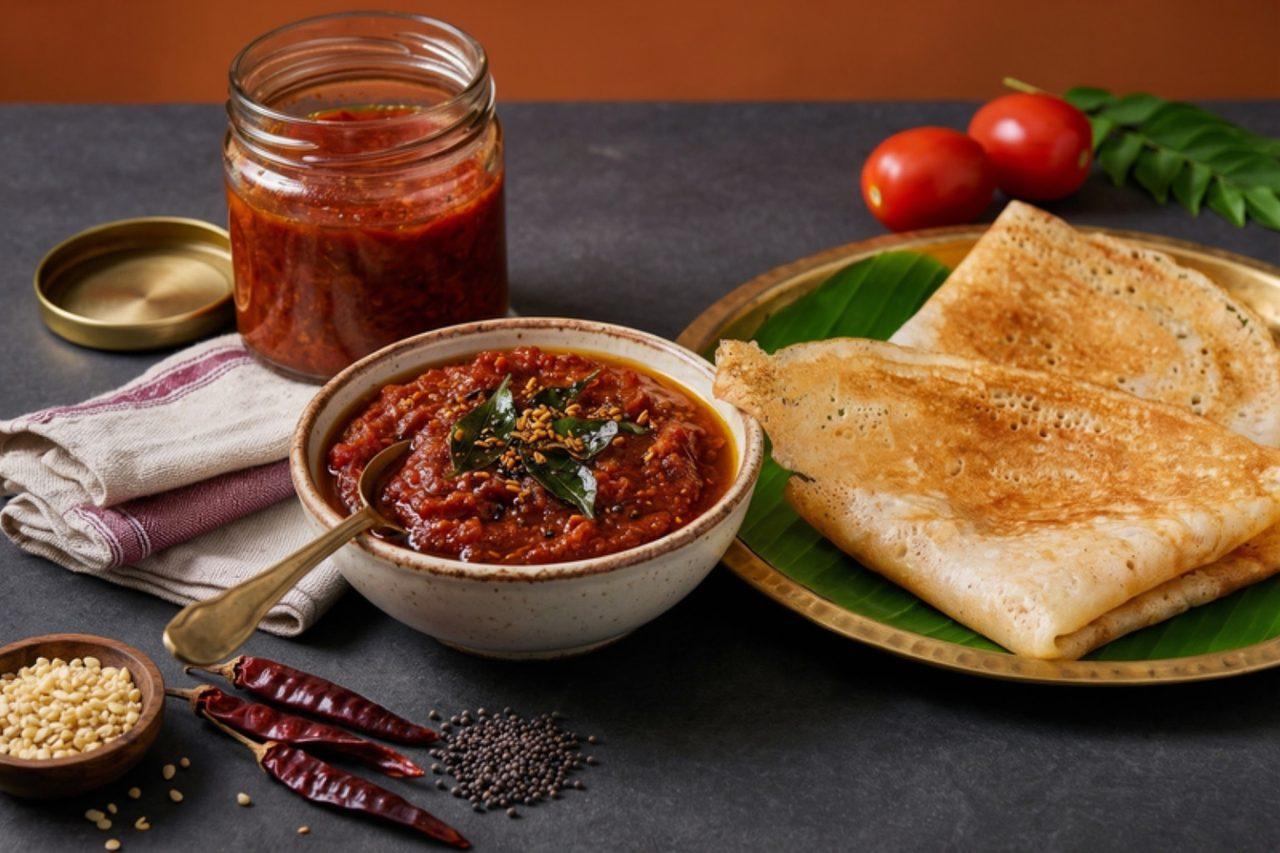
SwaleFried lentil-stuffed breads

In Garhwal, swale are fried in huge batches for weddings, for the bride's send-off parcel and for festivals like Basant Panchami, then eaten warm or cold over the next couple of days. Soaked urad or gahat dal is ground with ginger and spices and sealed inside wholewheat dough, then fried until the breads puff and blister. They travel well and taste good with raita or a hill pickle. The common mistake is overfilling, which tears the dough and makes the oil spit. Chef's tip: roll them gently from the centre outwards with almost no dusting flour, so the edges seal and the swale puffs evenly.

by KrazyBadal 0 views
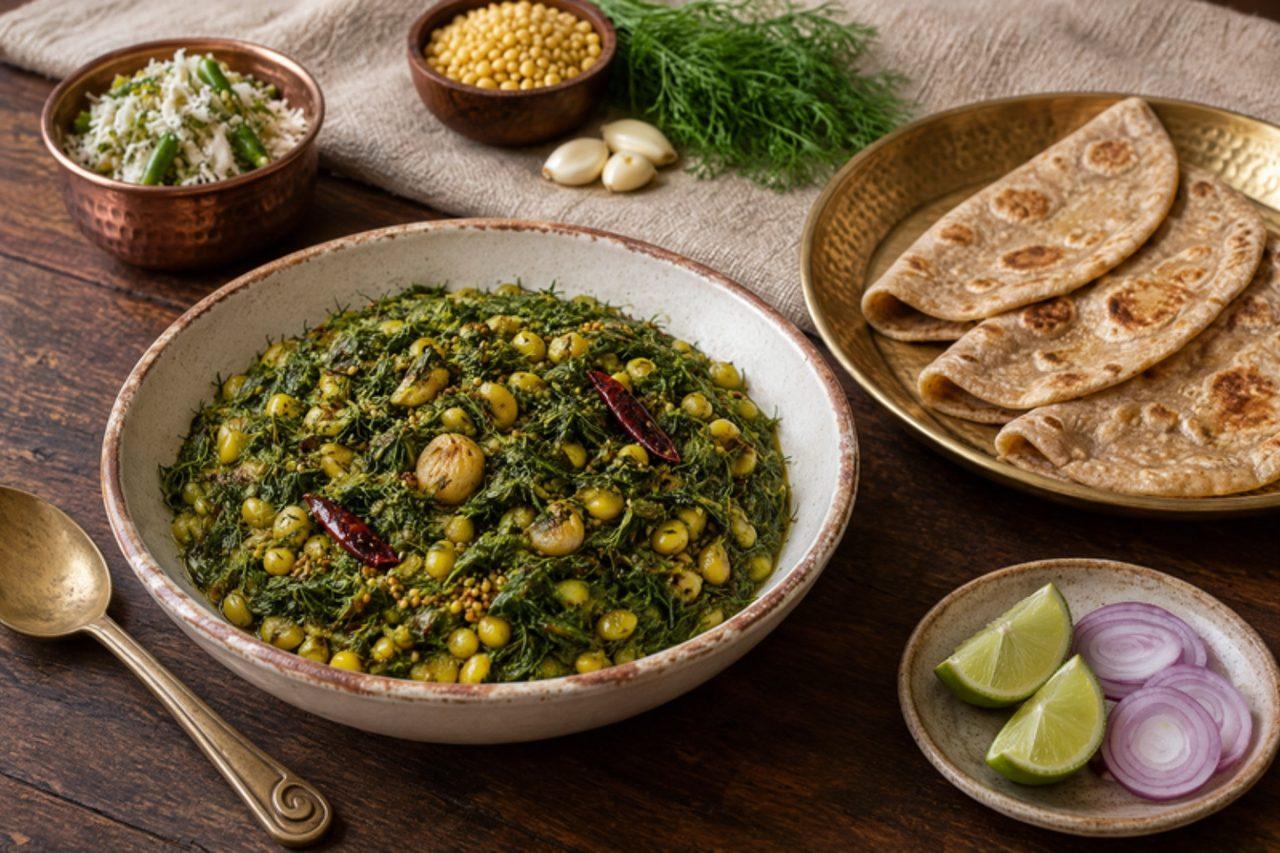
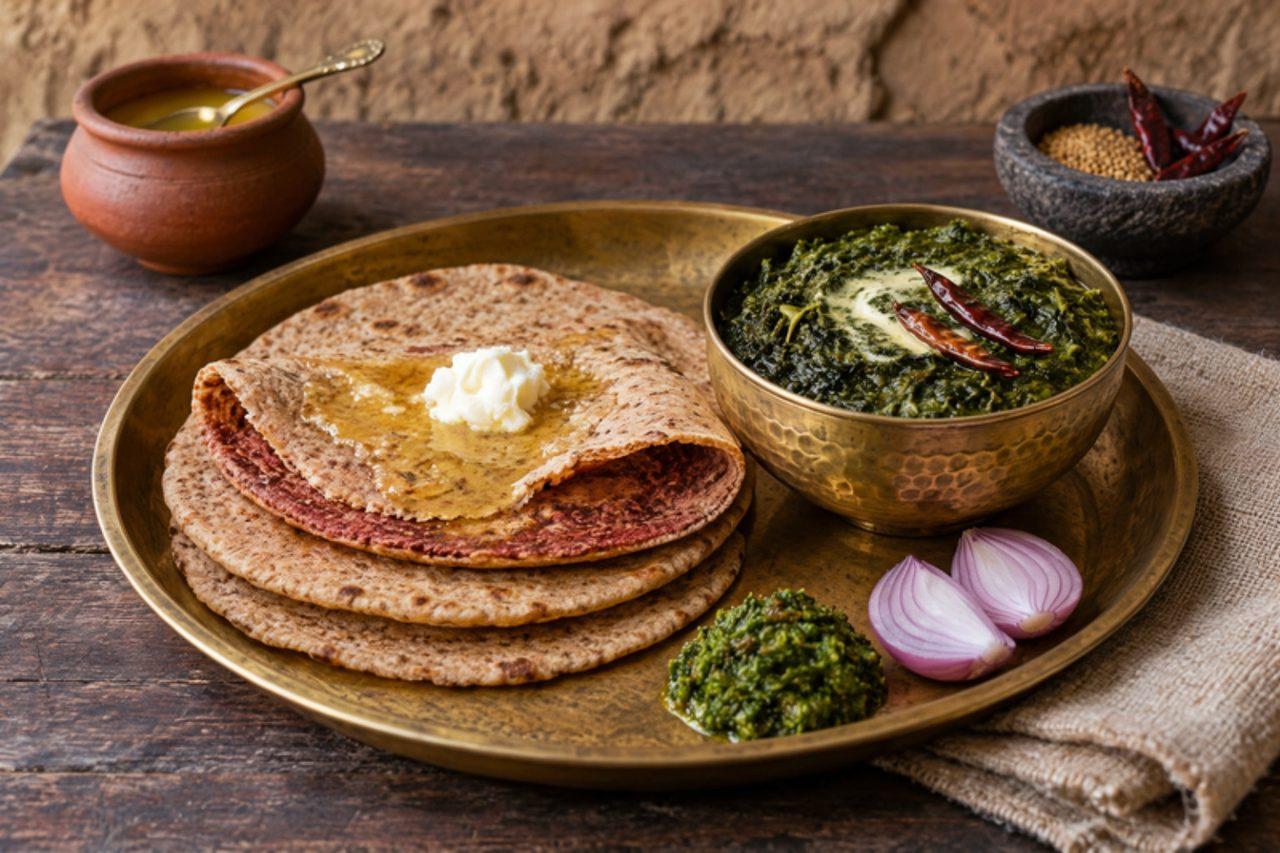
LesuWheat and finger millet roti

Lesu is a clever Garhwali farmhouse roti in which a small ball of mandua (finger-millet) dough is wrapped inside wheat dough and rolled out, so each bite has a soft wheat outside and a dark, earthy layer within. Families eat it for breakfast or dinner in winter with a big dollop of ghee, jaggery or a green saag. The millet adds minerals and a pleasant nutty taste. The common mistake is making the millet dough too dry, which cracks and pokes through the wheat when you roll. Chef's tip: knead the mandua dough with hot water and keep it as soft as the wheat dough, so the two roll out together.

by KrazyBadal 0 views
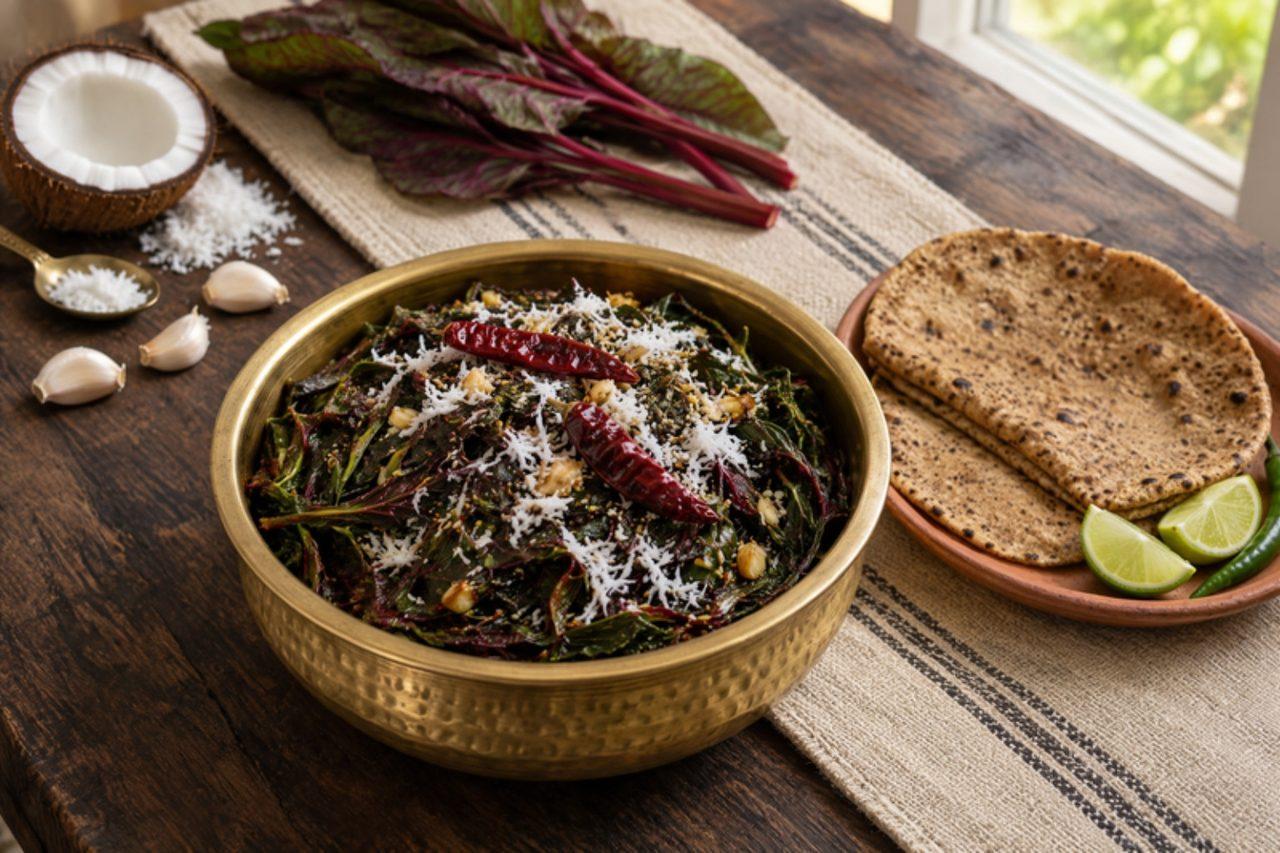
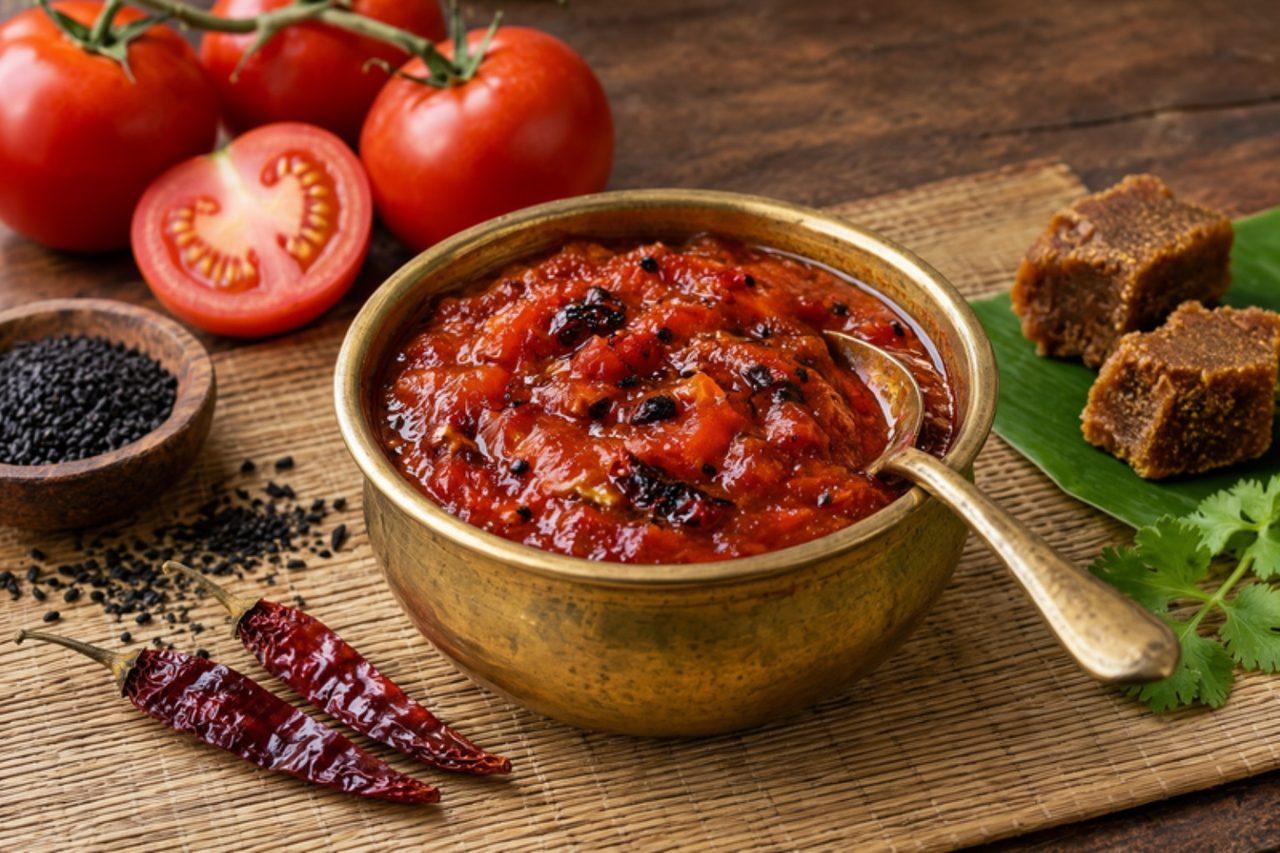
Bilahi chutneySweet-sour tomato chutney

Bilahi is the Assamese word for tomato, and this glossy red chutney, sweet with jaggery and warmed with nigella and dried chilli, closes a festive Assamese meal, especially at weddings and on Bihu, as the sweet-sour last course before curd and sweets. Everyday cooks in Jorhat and Guwahati make a quick batch in winter when tomatoes are cheap. The mistake to avoid is adding the jaggery too early, which scorches before the tomatoes have broken down. Chef's tip: a few dates or raisins added with the jaggery give the chutney a deeper, jammy sweetness.

by KrazyBadal 0 views
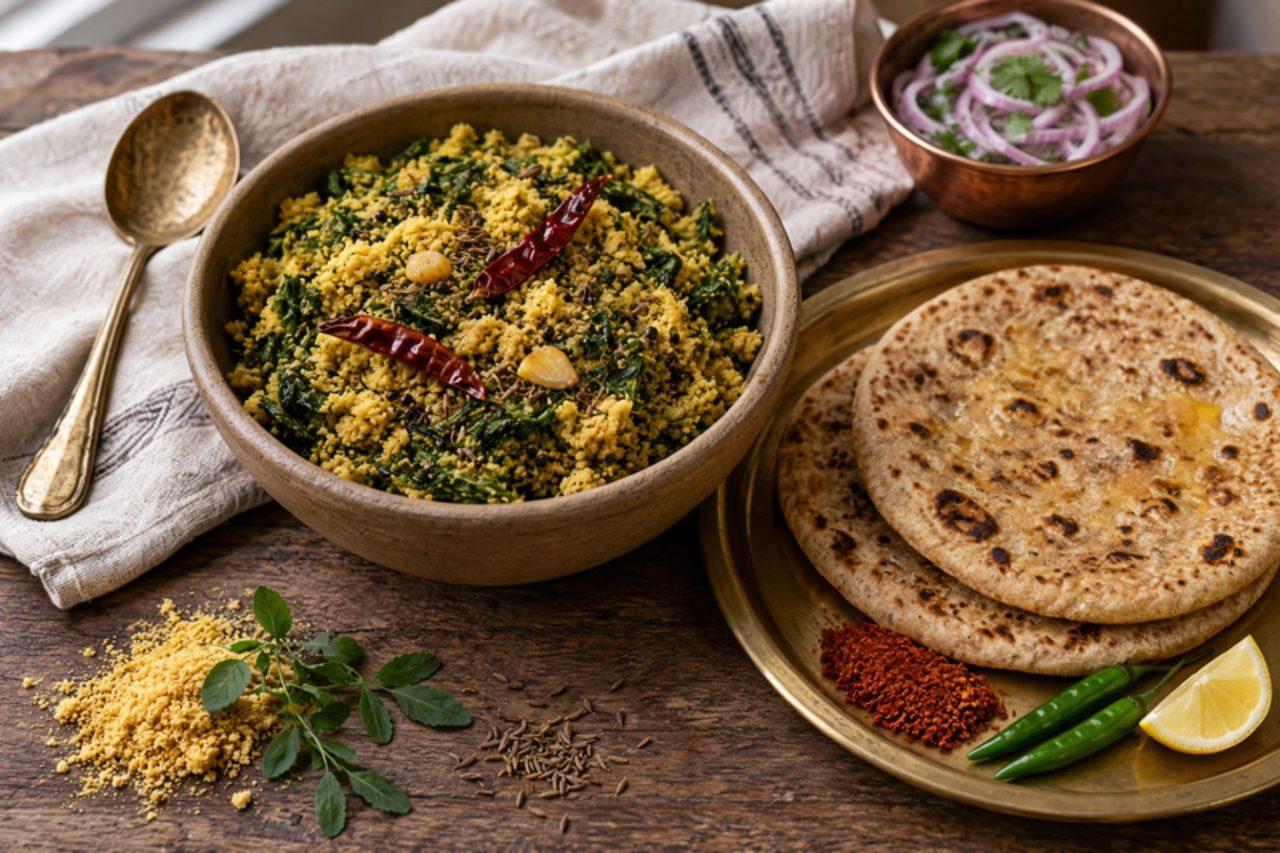
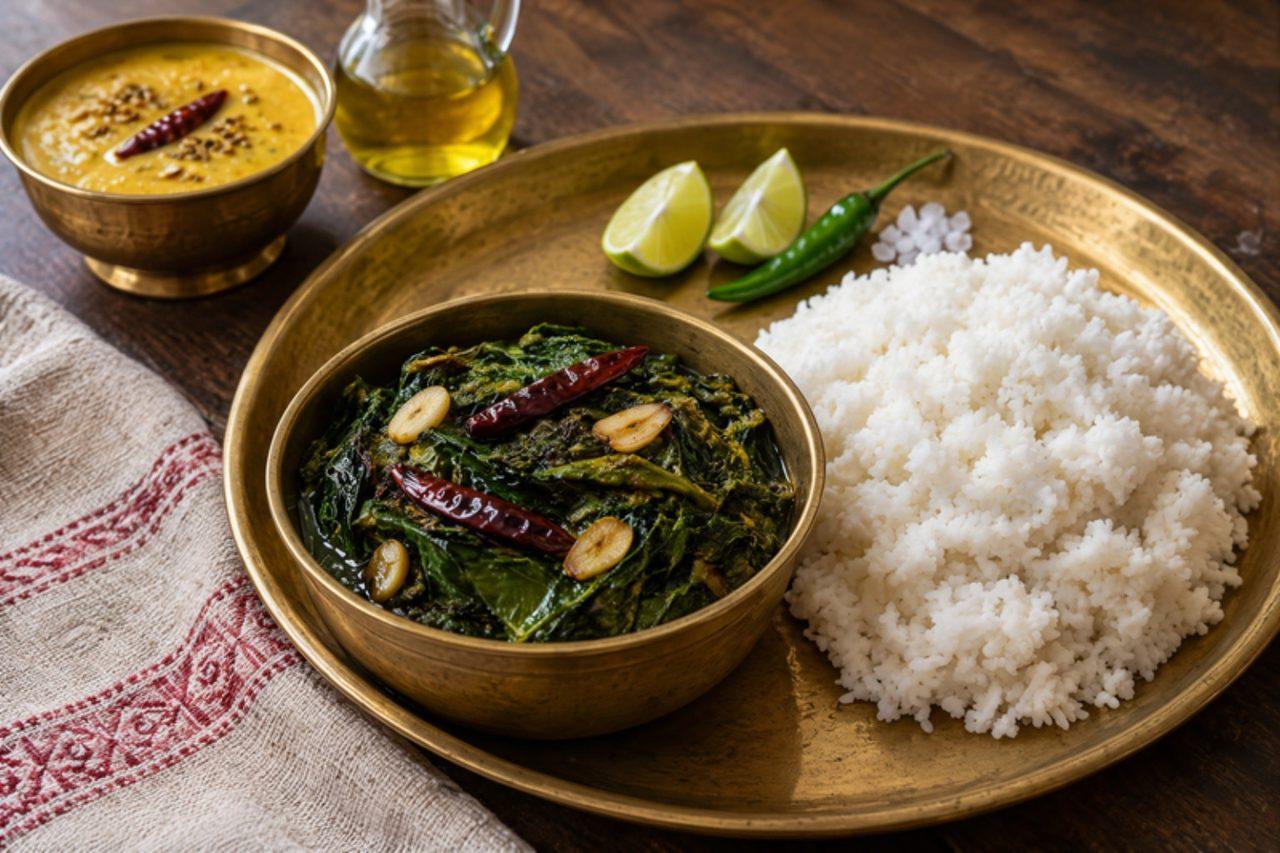
Xaak bhajiStir-fried greens

Xaak bhaji is the simplest dish on an Assamese table and one of the most loved: whatever greens are in season, mustard leaves in winter, red or green amaranth and dhekia fern in the monsoon, wilted in mustard oil with garlic and a dried chilli. It is eaten at the start of the meal with rice in homes from Sivasagar to Guwahati. People often add water and stew the greens; they should cook in their own moisture over brisk heat so they stay bright. Chef's tip: mix two or three greens together, as Assamese cooks do, for a fuller flavour.

by KrazyBadal 0 views
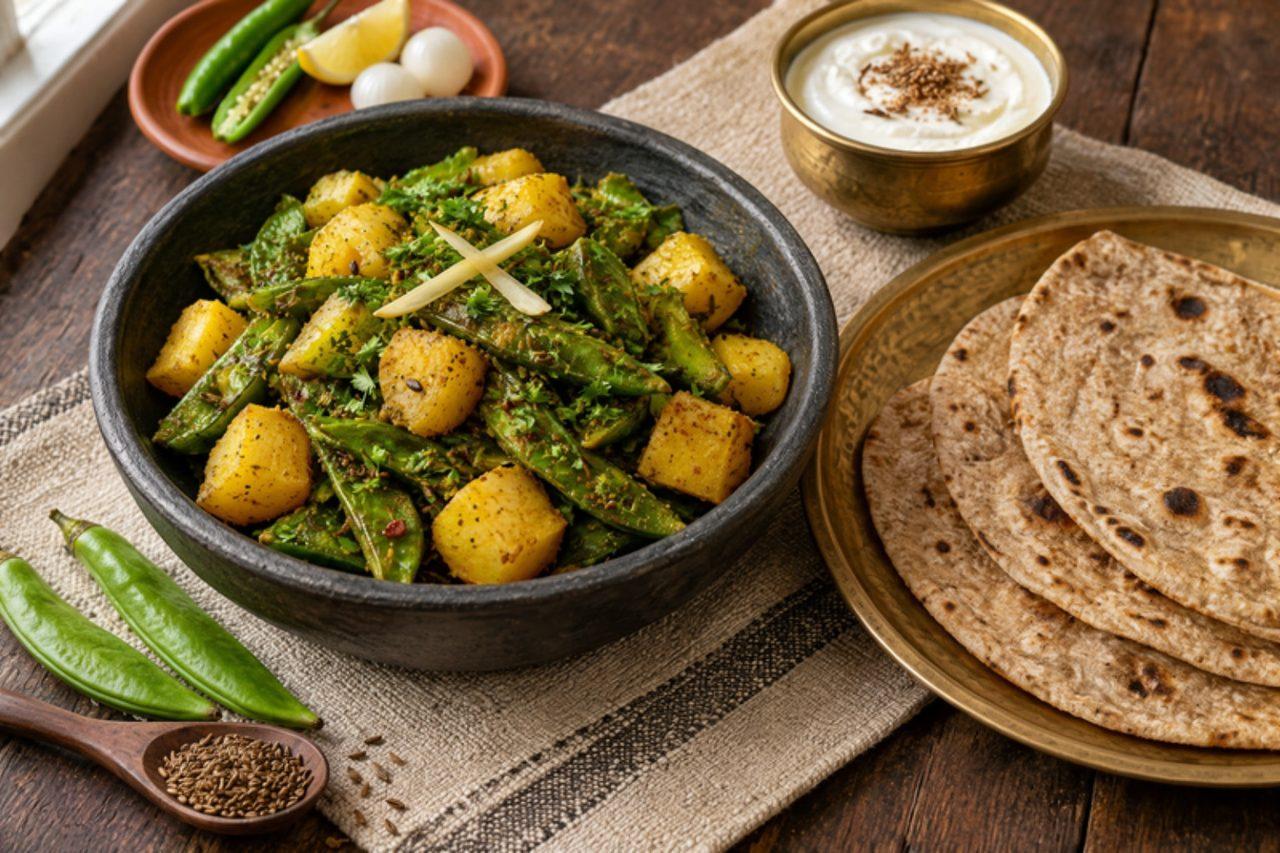
KharoliFermented mustard relish

Kharoli is an old Assamese relish from the villages of upper Assam: ground mustard seed is mixed with khar, the alkaline water filtered from burnt banana peel, packed into a jar and left to ferment until sharp and funky. A small spoon with mustard oil and green chilli is eaten with the first balls of rice, and families make it in the cooler months. The common mistake is using a damp jar or spoon, which lets mould in. Ferment at 20–28 °C for 4–6 days; it is ready when it smells sharply pungent and tangy. Throw it away if you see fuzzy mould, pink or black spots, or it smells rotten or putrid rather than sour. Chef's tip: if you have no banana-ash khar, a quarter teaspoon of bicarbonate of soda in the water gives a similar alkaline bite.

by KrazyBadal 0 views
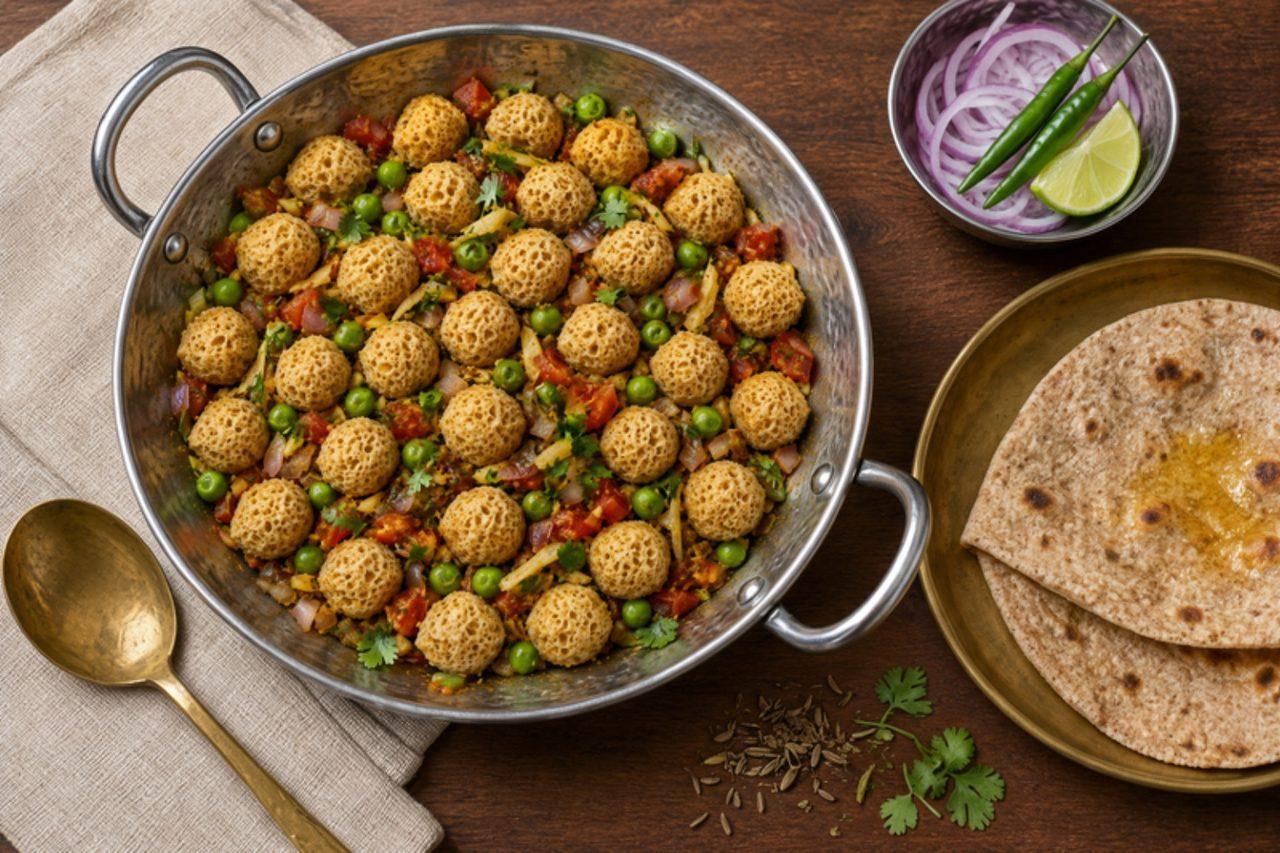
Dubki wale alooHing-scented potato curry

In the lanes of Mathura and Agra, breakfast is bedai or kachori with dubki wale aloo, a thin, peppery potato curry with so much gravy the puri can take a dip, or dubki. Its flavour comes from hing, crushed coriander seed and fennel rather than onion or garlic, which suits the Vaishnav kitchens of Braj and Holi mornings. The common mistake is making the gravy thick; it should run, so add enough water and mash only a few potatoes to give it body. Chef's tip: crush the boiled potatoes by hand into rough pieces rather than cubing them; the jagged edges soak up the spice.

by KrazyBadal 0 views
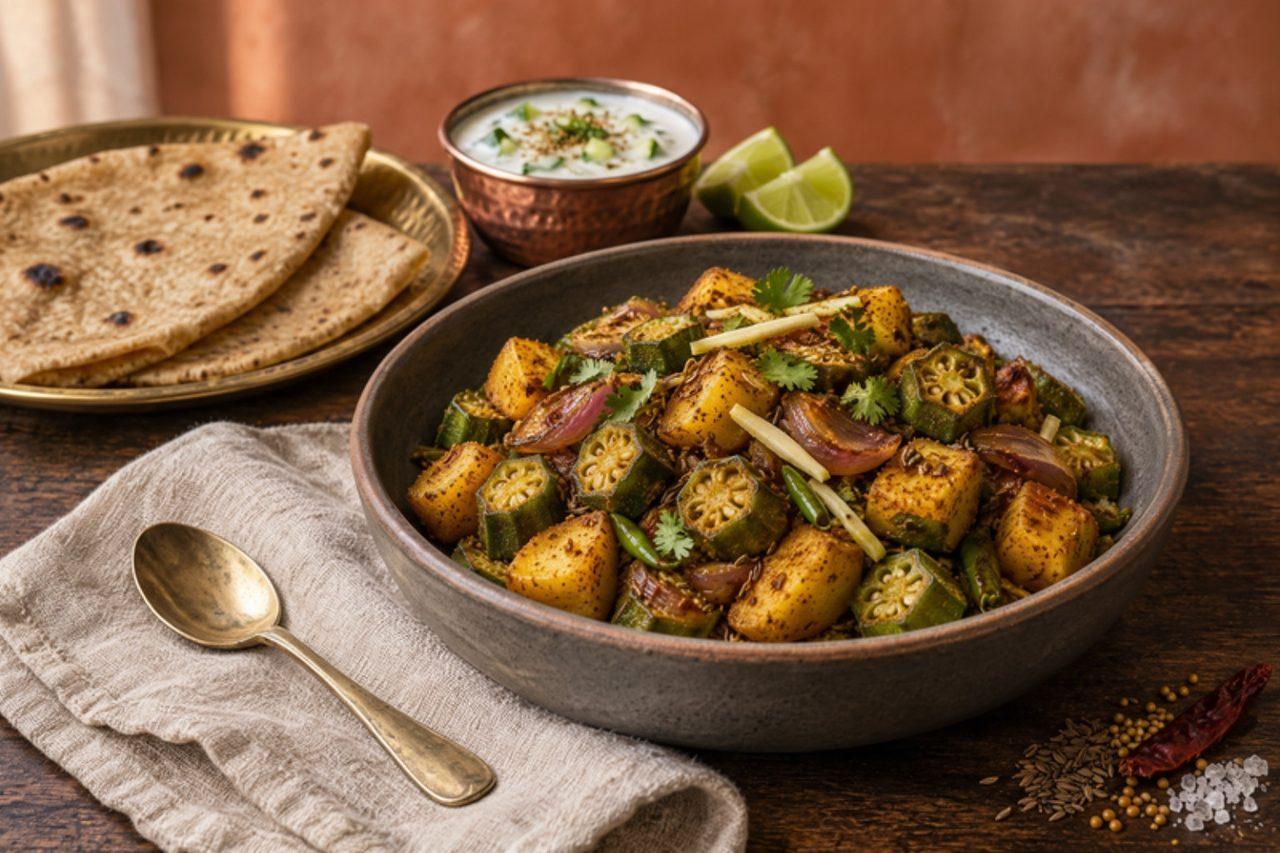
MesuFermented bamboo shoot pickle

Lepcha and Nepali households in Sikkim shred tender bamboo shoots in the monsoon, when they push up fresh, and pack them tightly into glass jars or hollow bamboo to sour for one to two weeks. The finished mesu is eaten as a sharp pickle with rice and dal through the rest of the year. A common mistake is leaving shoots above the brine, which invites mould; press them down hard so the liquid always covers them. Keep the jar at 20–28 °C out of direct sun and taste from day 7: it is ready when pleasantly sour and pale yellow. Discard the batch if you see fuzzy, pink or black mould, if it smells putrid rather than sour, or if the shoots feel slimy. Chef's tip: short of time, buy ready-fermented bamboo shoot from a Northeast or Asian grocer and go straight to the tempering.

by KrazyBadal 0 views

Manipuri boraGram flour fritters

Bora are the crisp fritters that Meitei families fry for evening tea, for guests and for festivals like Cheiraoba, using whatever is in season: onion and herbs, gourd flowers, or tender greens. The batter is gram flour with a little rice flour, so they stay crisp. The common mistake is a thick batter that makes doughy fritters; it should just coat the vegetables. Fill the pan no more than a third deep with oil, test it with a drop of batter (it should rise in 2–3 seconds) and never leave it unattended. Chef's tip: mix the batter just before frying so the vegetables don't weep and make it watery.

by KrazyBadal 0 views
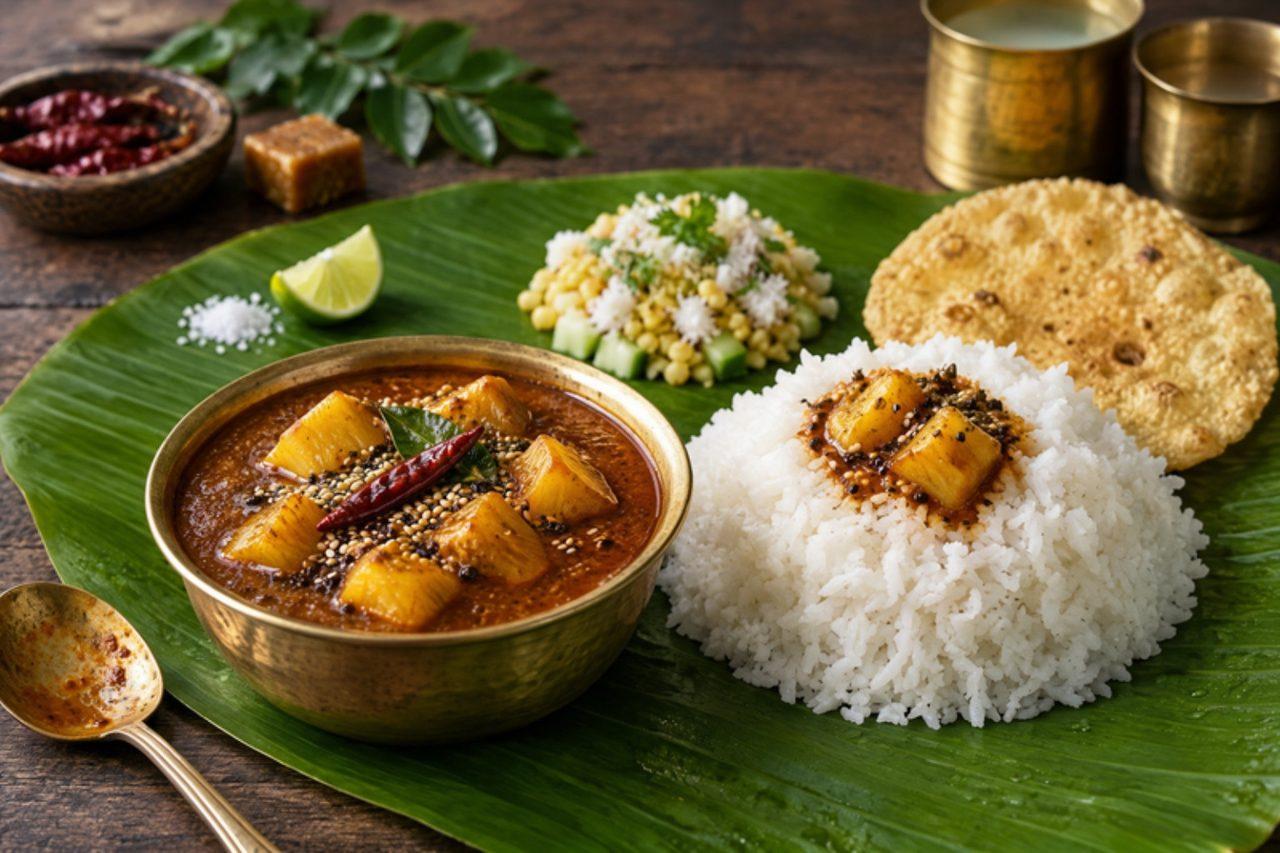
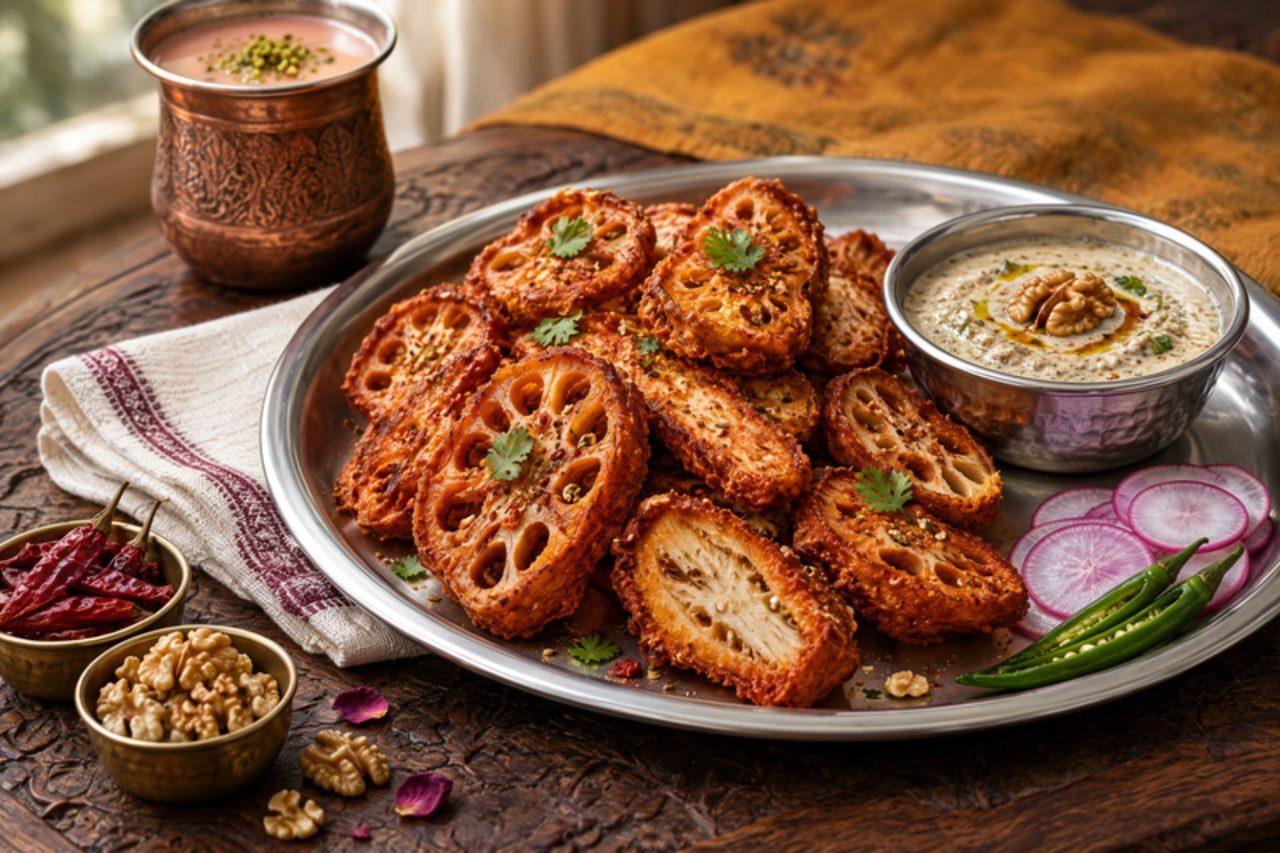
Nadru monjeLotus stem fritters

On cold Srinagar evenings the stalls around Dal Lake and in the old city fry nadru monje, thin slices of lotus stem dipped in a rice-flour batter reddened with Kashmiri chilli and fried until crackling. They are eaten hot from paper with a sharp walnut or radish chutney, and turn up at home with noon chai when guests drop in. The lotus stem stays crunchy inside the crisp batter. The most common mistake is skipping the boiling step; raw lotus stem is woody and can carry mud in its holes, so scrub and part-cook it first. Chef's tip: slice on a slant about 3 mm thick so the batter clings and the lacy holes show.

by KrazyBadal 0 views
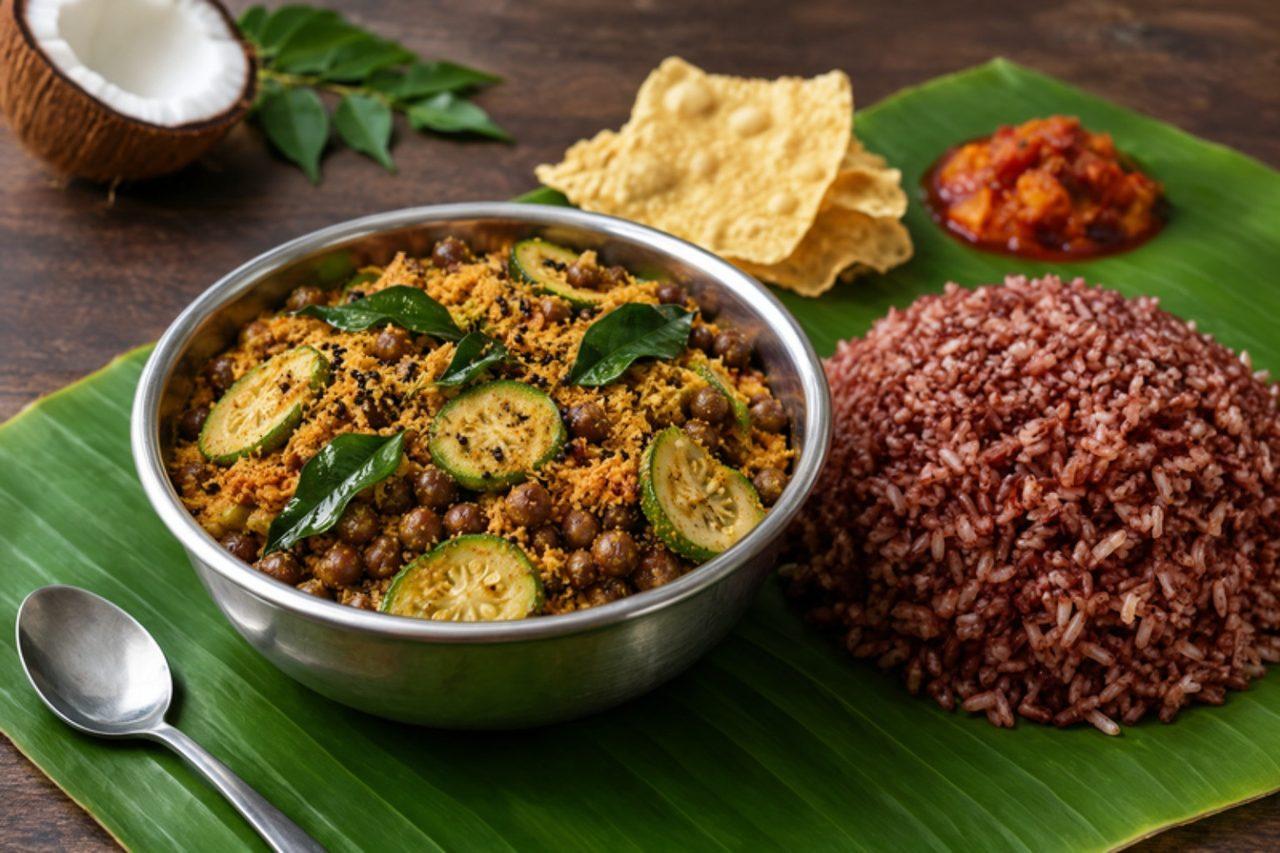
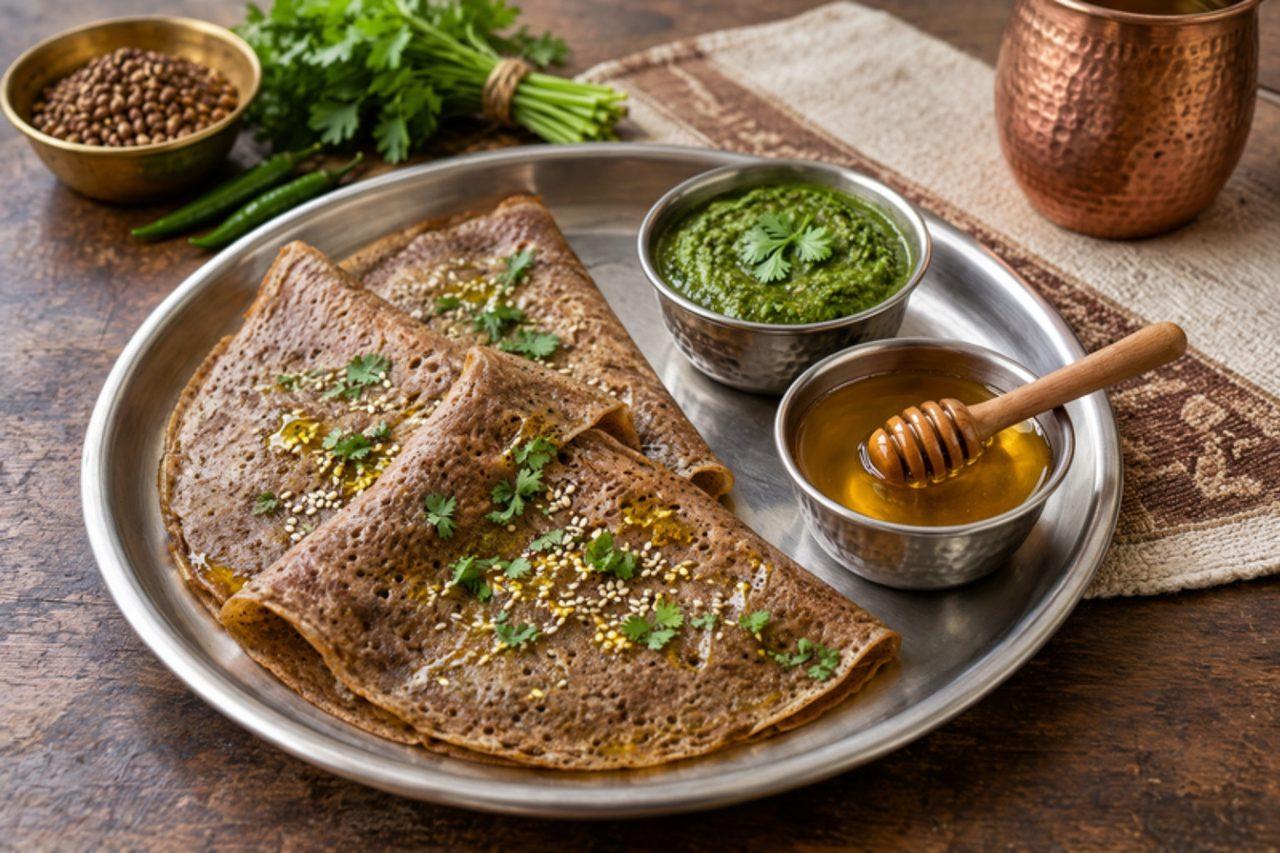
ChilreBuckwheat pancakes

In the upper hills around Shimla and through Kinnaur, buckwheat (kuttu or ogla) grows where wheat struggles, and chilre are its everyday form: thin, lacy pancakes poured on a hot griddle for breakfast or a late-afternoon snack. They are eaten with a sharp mint-and-walnut chutney, or sweet with honey, and are naturally gluten free when made with pure buckwheat. The common mistake is making the batter too thick, so the chilre come out stodgy; it should pour like single cream. Chef's tip: let the batter rest 15 minutes so the buckwheat swells, and wipe the pan with an oiled cloth rather than pouring oil, for even, lacy pancakes.

by KrazyBadal 0 views
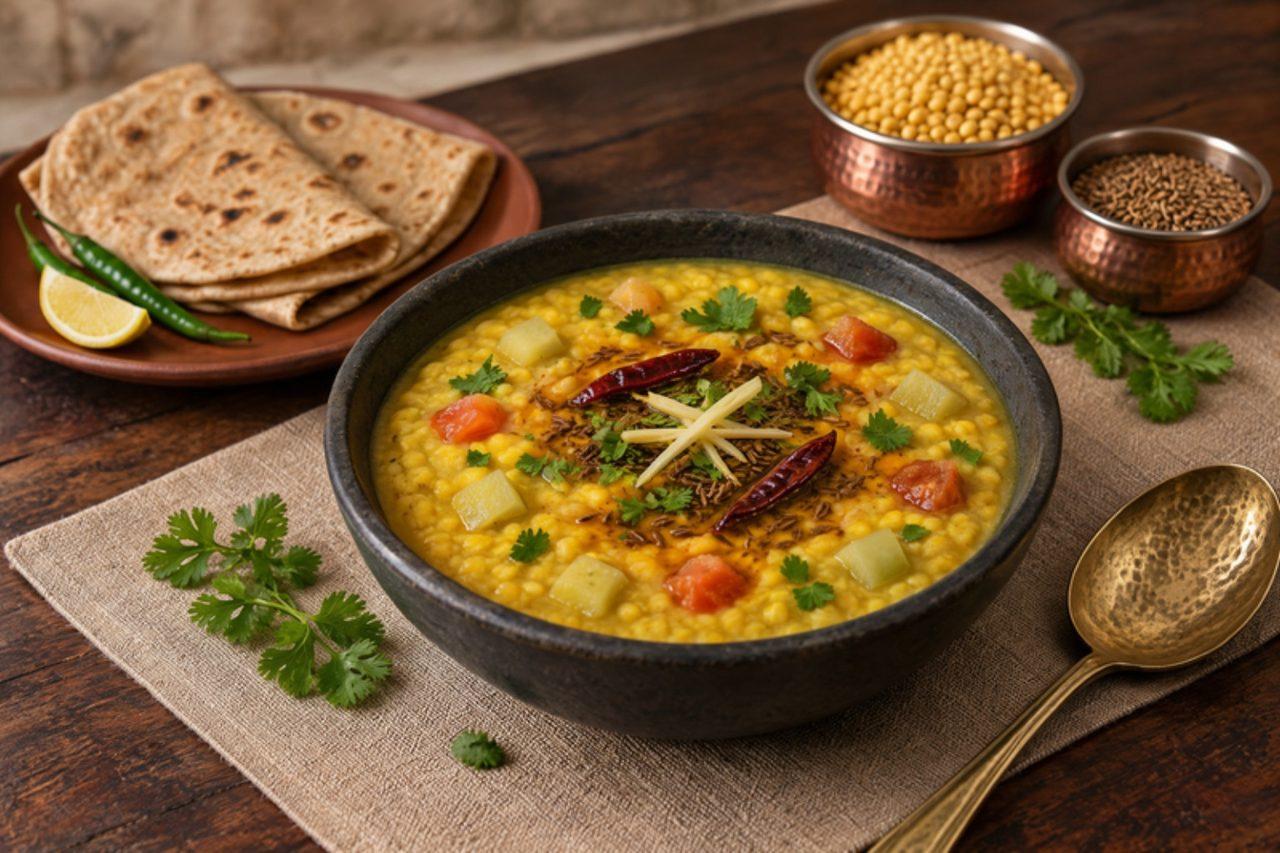
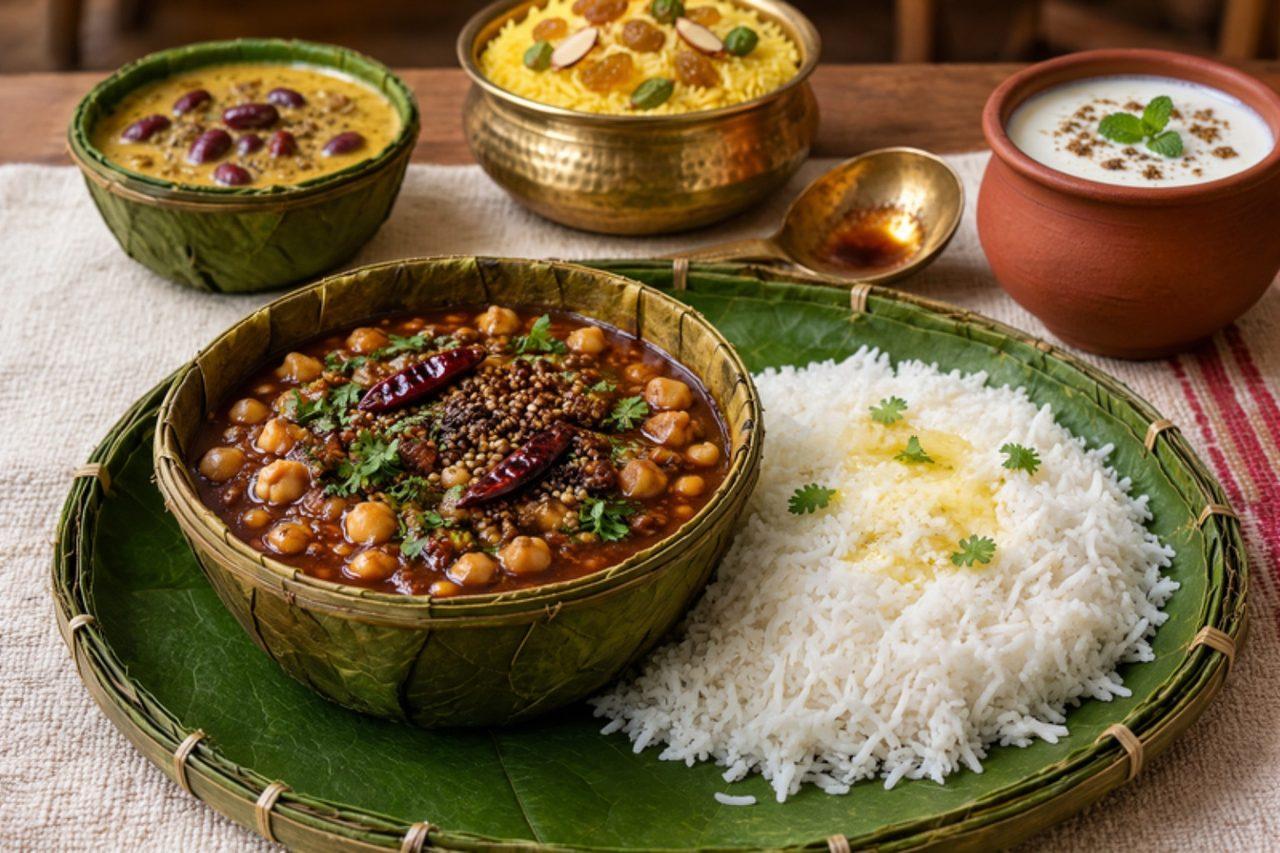
Kangri khattaTangy chickpeas

At a Kangra dham, the leaf-plate feast cooked by botis (Brahmin cooks) for weddings and village festivals, khatta comes towards the end, a dark, sweet-sour dish of chickpeas or pumpkin in a gravy soured with tamarind or dried mango and balanced with jaggery. It is served with rice and has no onion or garlic. The gravy is thin, glossy and almost black from the long-cooked tamarind. The common mistake is adding the tamarind to undercooked chickpeas; the acid stops them softening, so cook them fully first. Chef's tip: a teaspoon of rice flour or gram flour stirred into the gravy gives the dham-style gloss without making it heavy.

by KrazyBadal 0 views
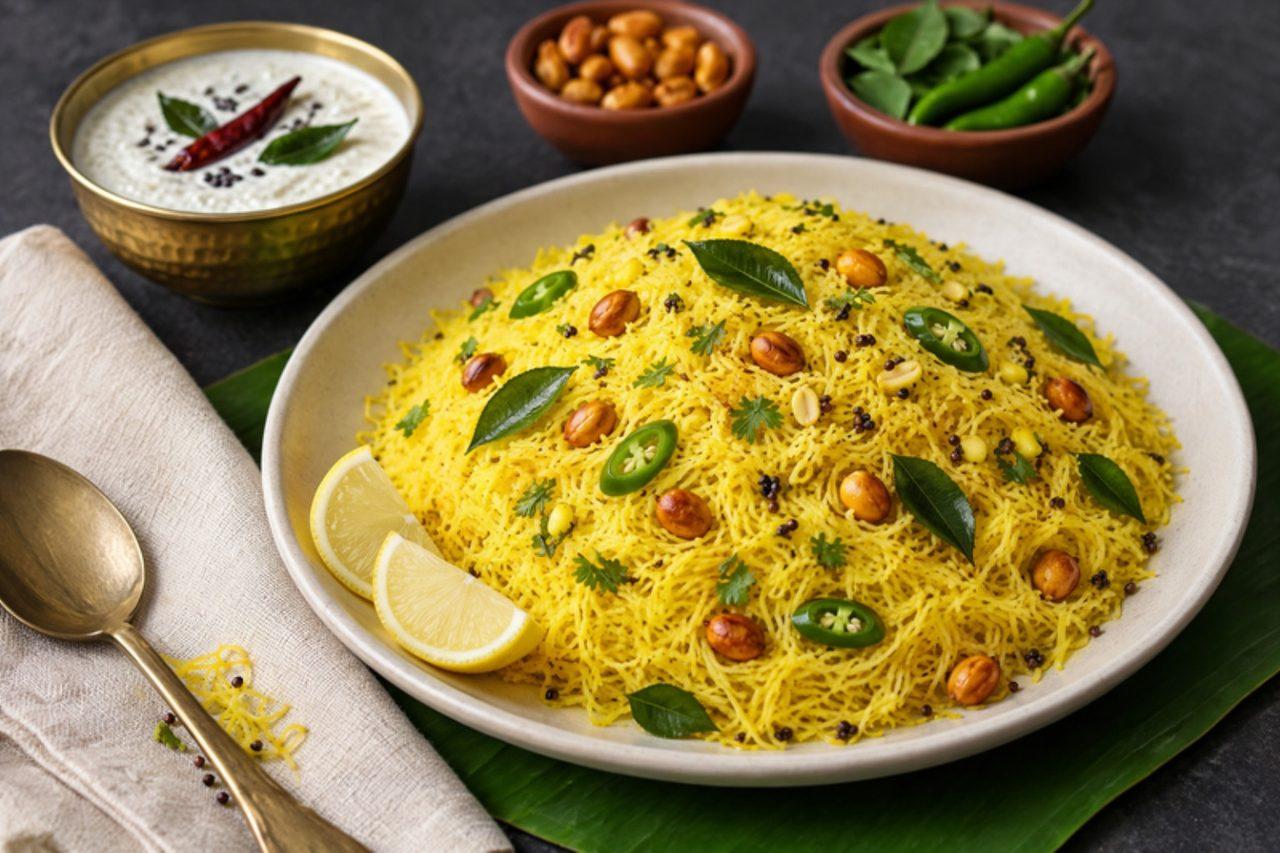
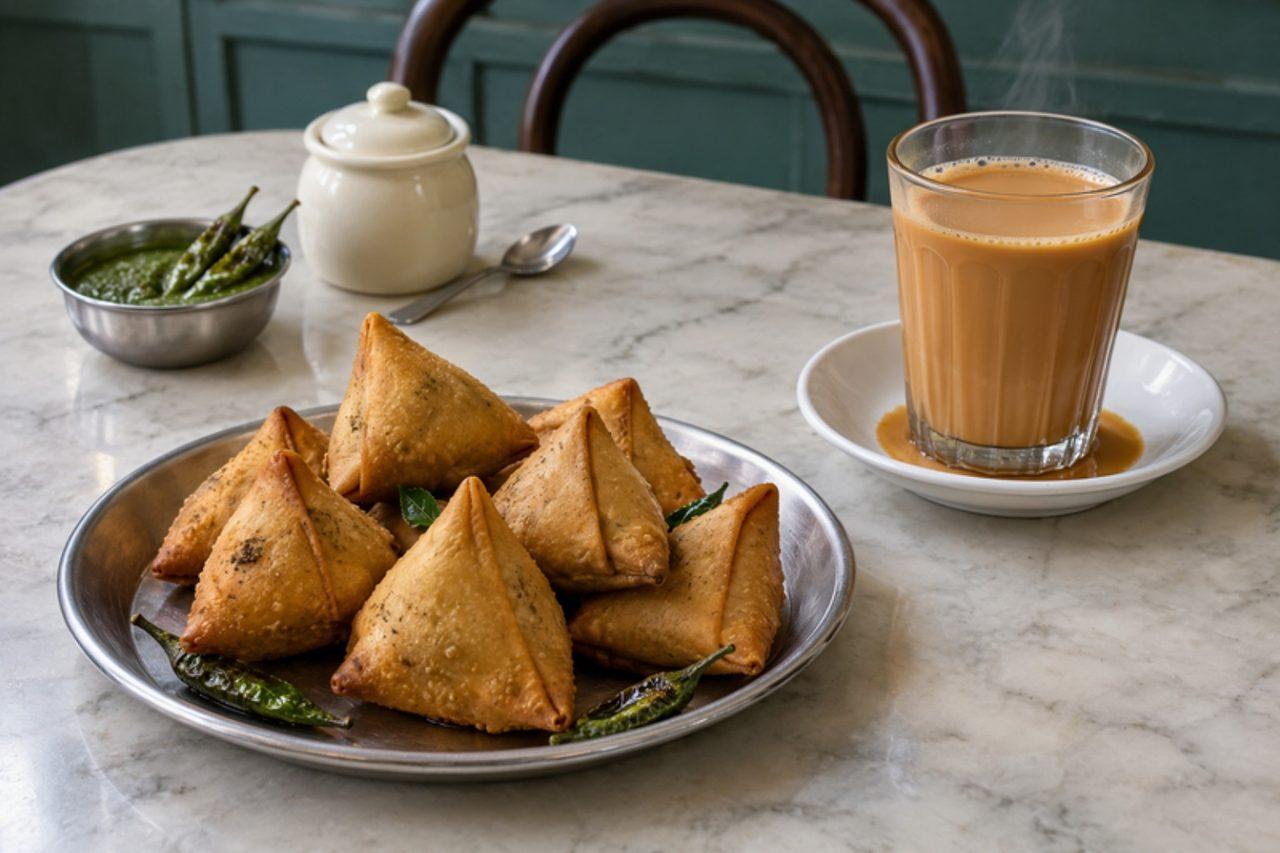
Chennai onion samosa

In Chennai's old tea shops, many started by Irani and Muslim families, a glass of strong tea comes with a plate of small onion samosas: thin, crackly pastry folded around a filling of nothing but slow-cooked onion, green chilli, curry leaves and a little poha to soak up the juices. They are sold by the dozen in the evenings and at bus stands across Tamil Nadu. The pastry is the thin, ready-rolled samosa-patti kind, so they are quick to fold. The common mistake is undercooking the onion, which leaks water and makes the samosas soggy; fry it until soft and sweet, then cool. Chef's tip: seal the folds with a thick paste of flour and water, not plain water, so they do not open in the oil.

by KrazyBadal 0 views
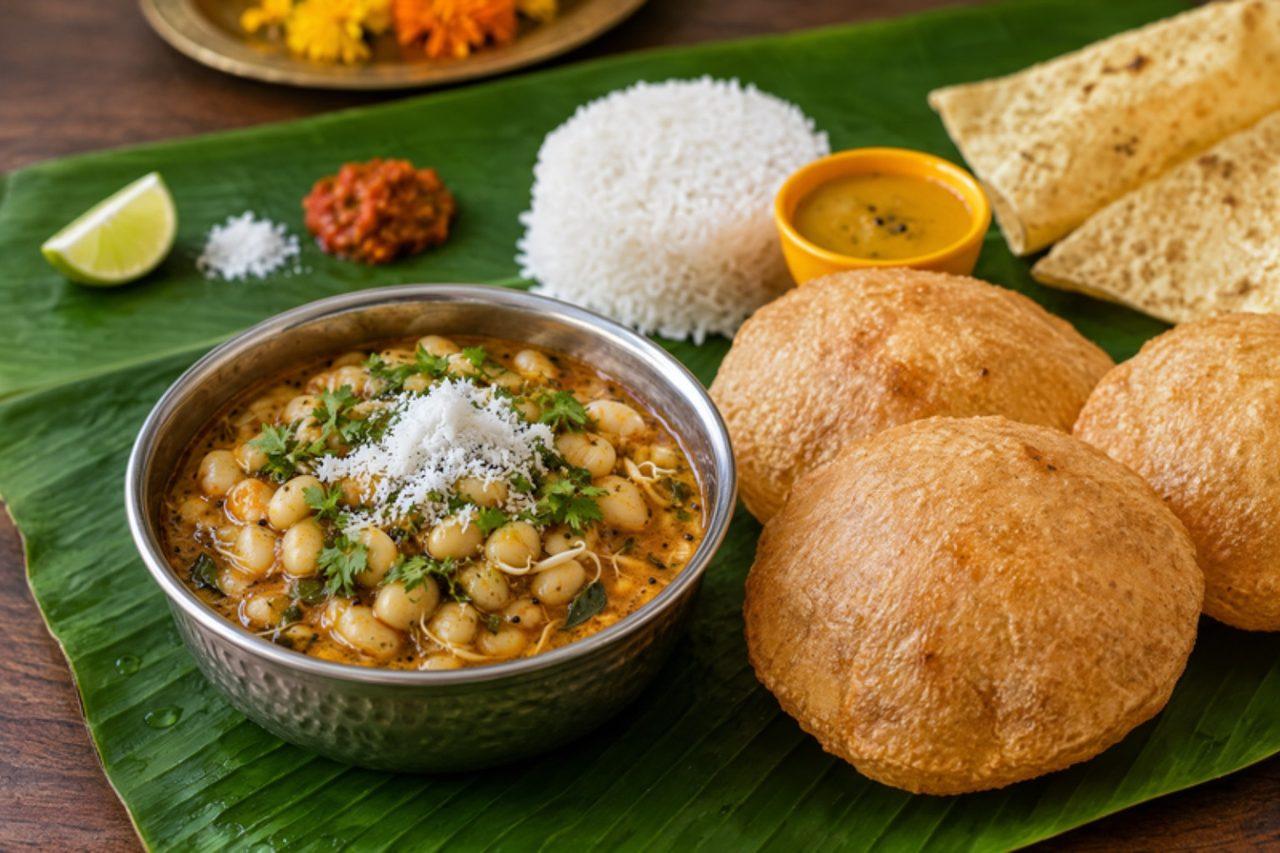
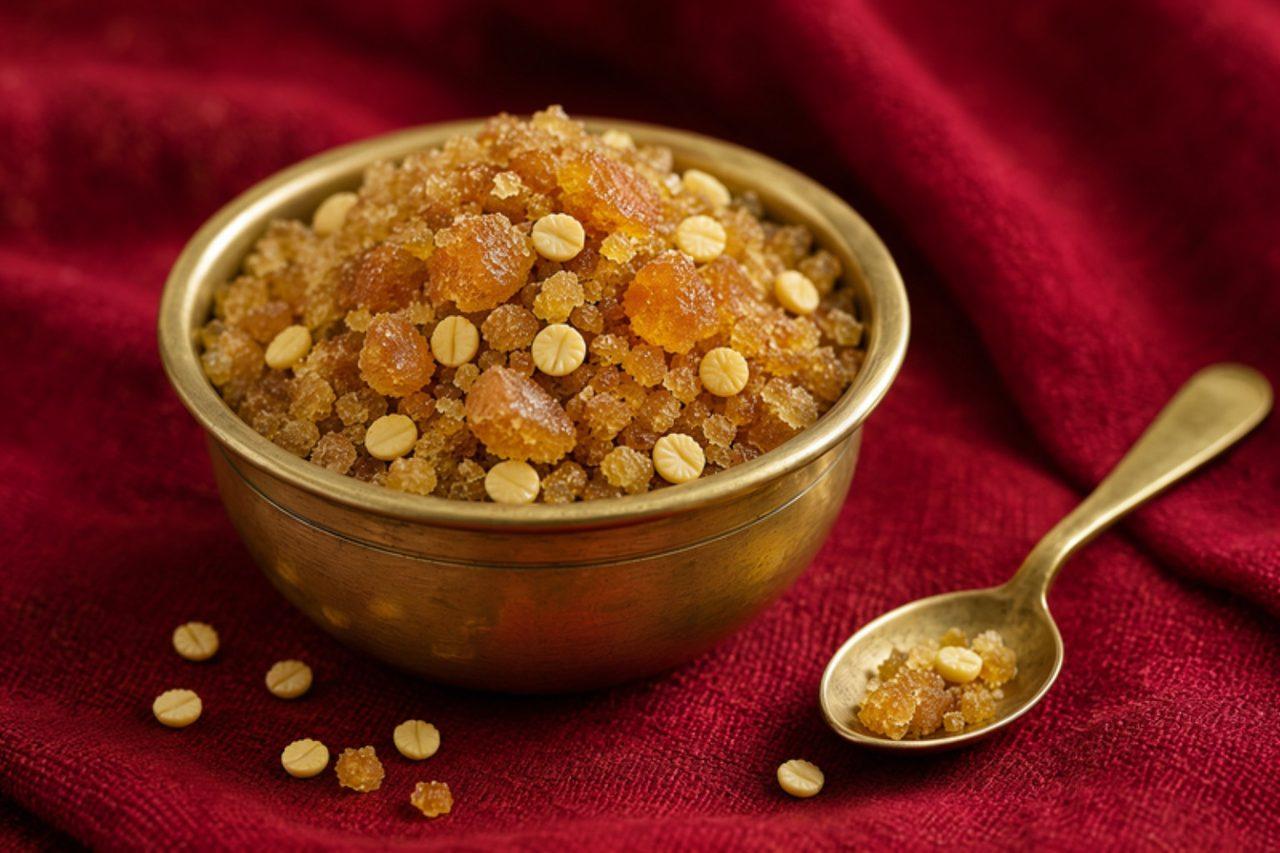
Gol dhanaJaggery and coriander seed sweet

In Gujarat, when two families agree on a match, a plate of gol dhana is passed around before anything else, and the engagement itself is often simply called 'gol dhana'. The same mix appears on auspicious days, at a griha pravesh and at the start of a new venture: soft jaggery rubbed together with dhana dal, the split, lightly roasted coriander seeds sold in every Gujarati grocery. It takes five minutes and needs no cooking. The common mistake is using whole coriander seeds, which are hard and bitter; buy dhana dal, or split and toast the seeds yourself. Chef's tip: choose a soft, golden Kolhapuri-style jaggery that crumbles between your fingers, so it coats the seeds instead of staying in lumps.

by KrazyBadal 0 views
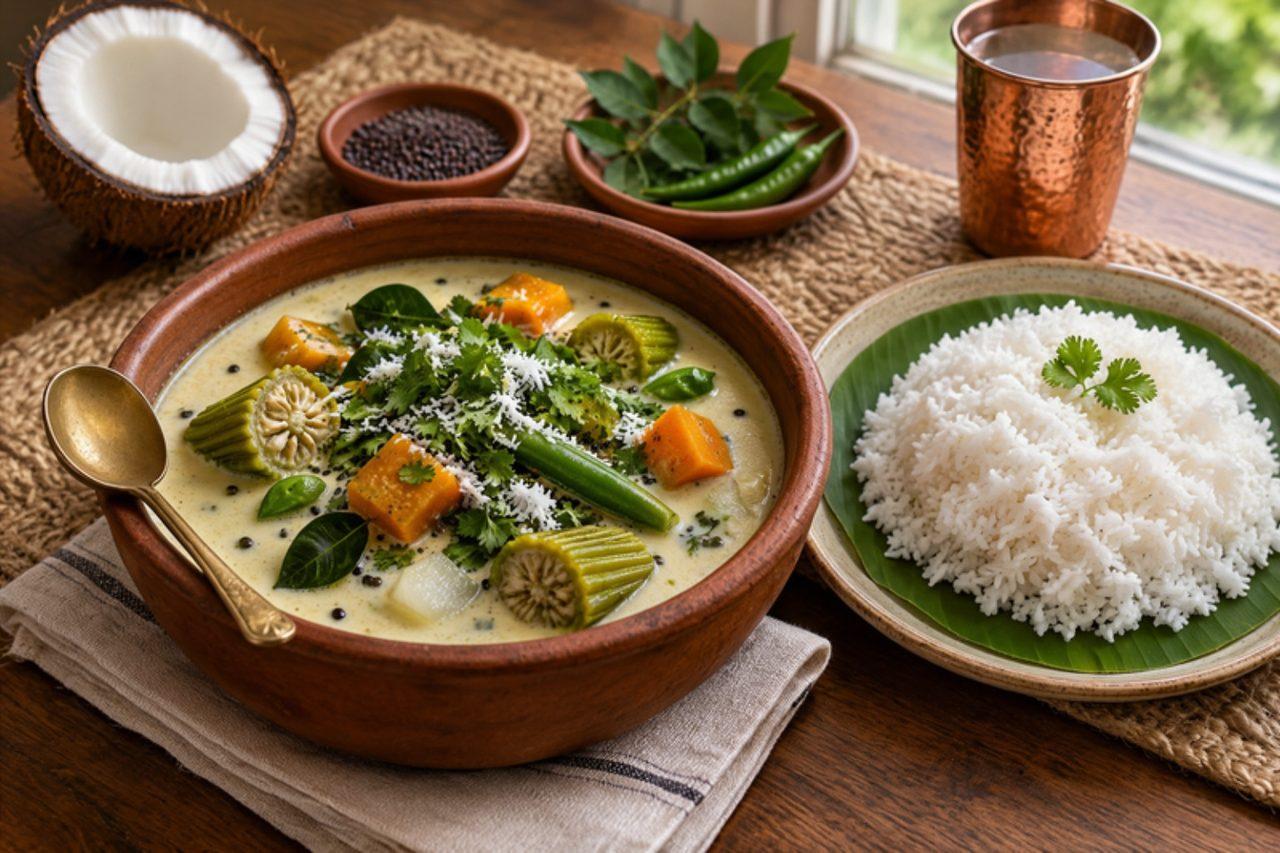
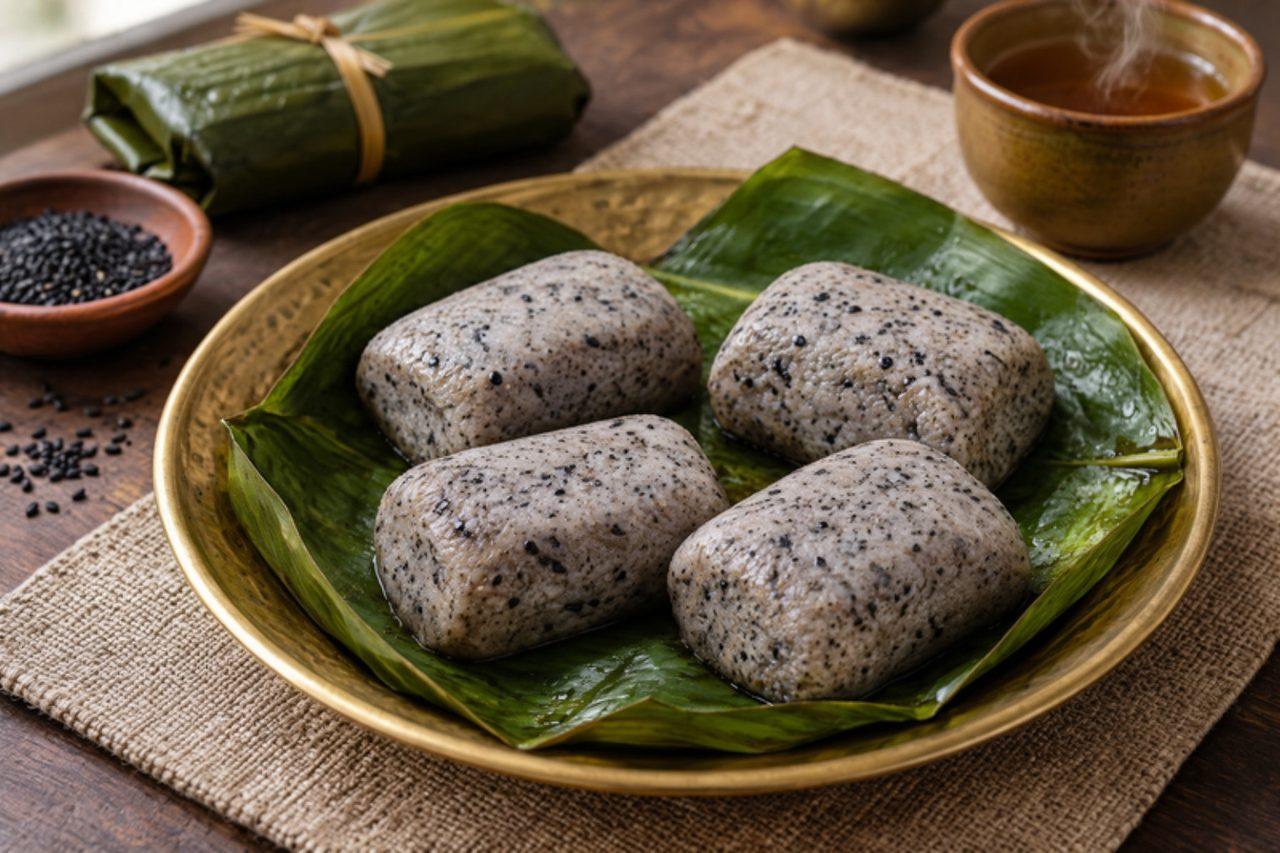
Sakin gataSticky rice and sesame cakes

During Wangala, the Garo harvest festival of drums and dancing each autumn, families steam sakin gata: sticky rice ground with black sesame, sweetened lightly and wrapped in leaves. The cakes are chewy, nutty and grey-black, shared with visitors and offered at the celebrations. The common mistake is grinding the rice too dry, which makes cakes that crack; the dough should feel like soft clay. Chef's tip: toast the sesame until it just starts to pop, no darker, or it turns bitter.

by KrazyBadal 0 views

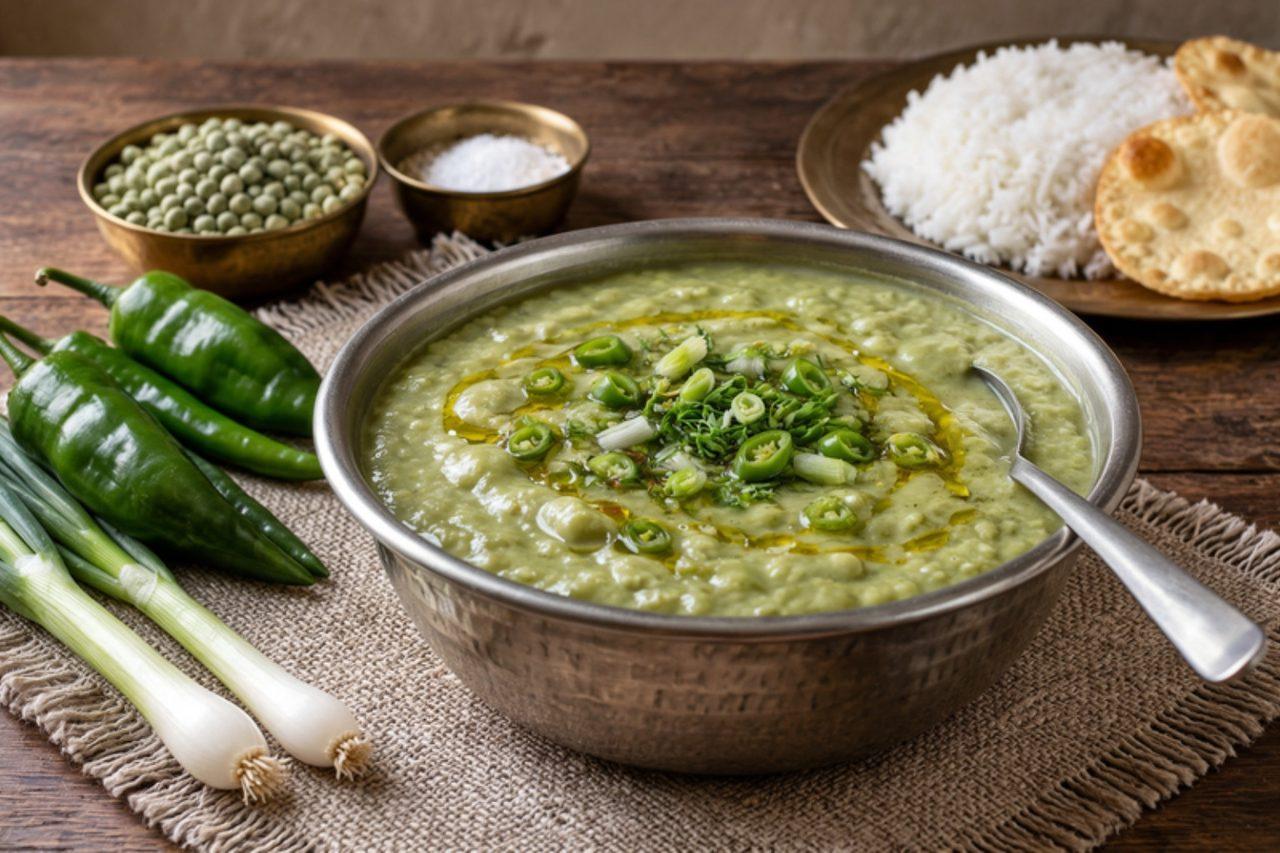
OotiSoft dried pea curry

Ooti is a Meitei comfort dish from Manipur, especially loved in winter and at the community feasts of Ningol Chakouba: dried peas simmered with a pinch of soda until they collapse into a soft, mild stew scented with garlic and spring onion. It goes with rice and a fiery eromba. The mistake is adding too much soda, which tastes soapy; a small pinch is enough. Chef's tip: soak the peas overnight and they will be soft in about 40 minutes.

by KrazyBadal 0 views
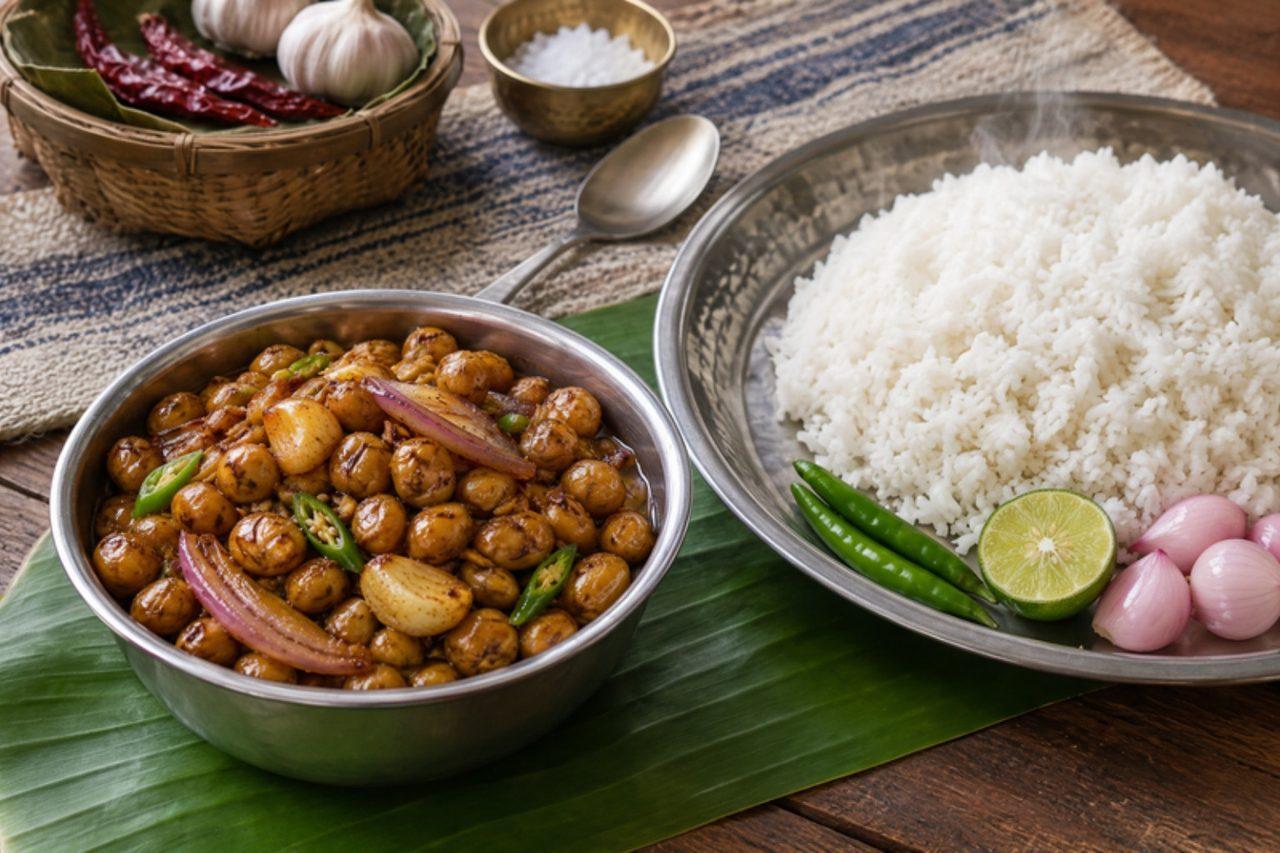
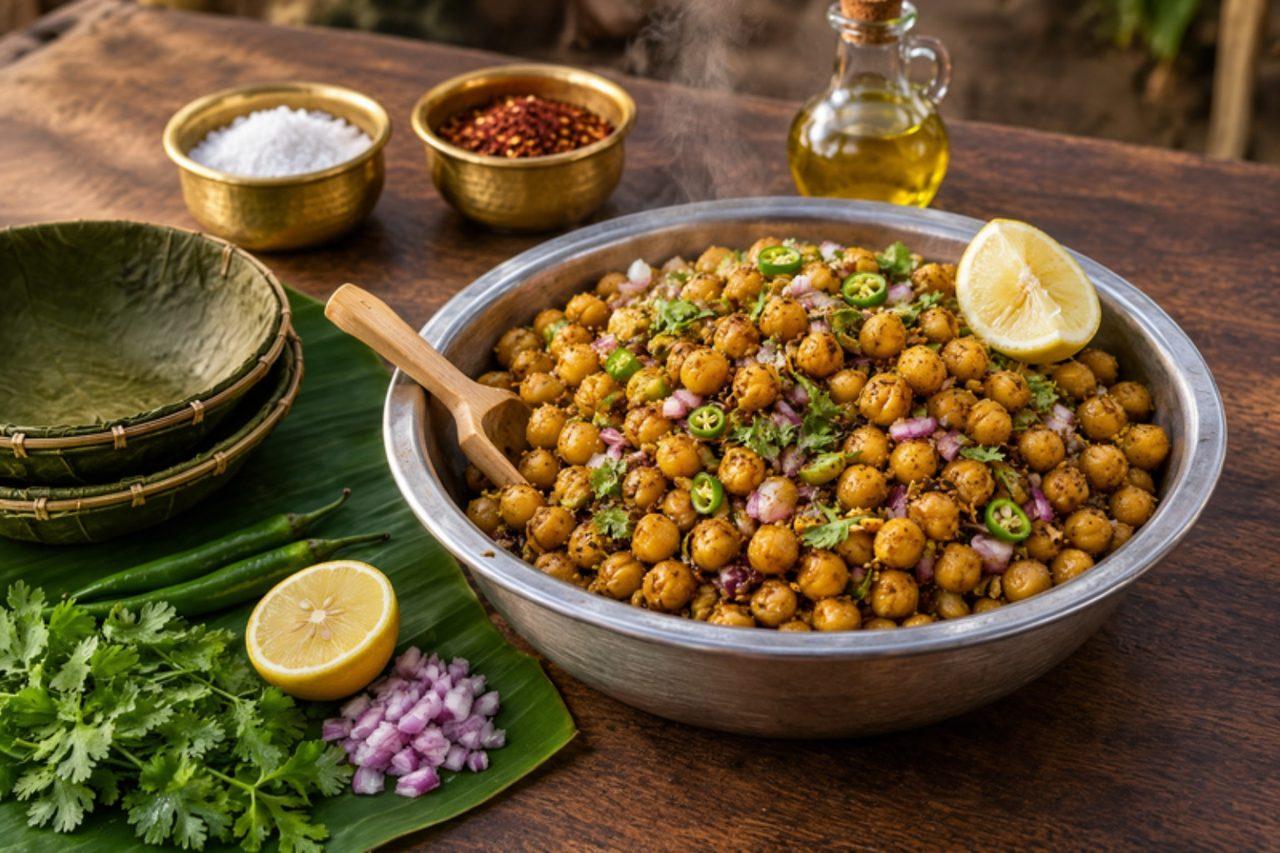
Kelli chanaSpiced chickpea snack

On Imphal evenings, kelli chana is sold from steaming pots at street stalls and outside markets: boiled chickpeas tossed while hot with raw onion, chilli, coriander and lemon, sometimes with a spoon of roasted chilli. It is a cheap, filling snack before dinner. The mistake is using under-cooked chickpeas, which stay hard; they should squash easily between finger and thumb. Chef's tip: toss the chickpeas while still hot so they soak up the lemon and salt.

by KrazyBadal 0 views
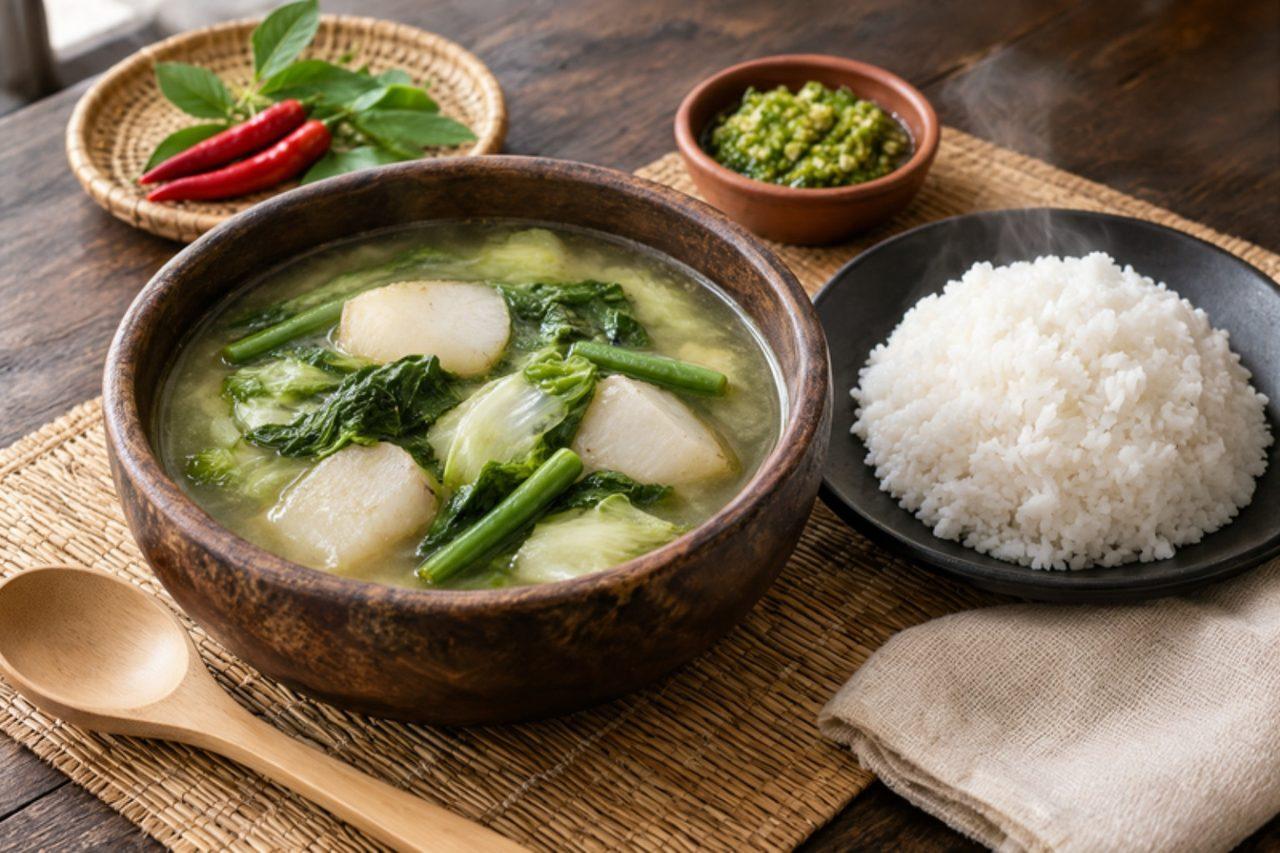
HinkejvuTaro and mustard leaf stew

Hinkejvu is a light Sumi Naga everyday dish from Nagaland's Zunheboto district, where colocasia, cabbage, mustard leaves and beans are simmered together with only ginger, chilli and salt. It is eaten with plain rice and a smoky chutney, often after a heavier meat dish the day before. The common mistake is adding oil or spices, which hides the clean vegetable flavour; Naga home cooking relies on the produce. Chef's tip: cook the colocasia until it starts to break and thicken the broth slightly.

by KrazyBadal 0 views

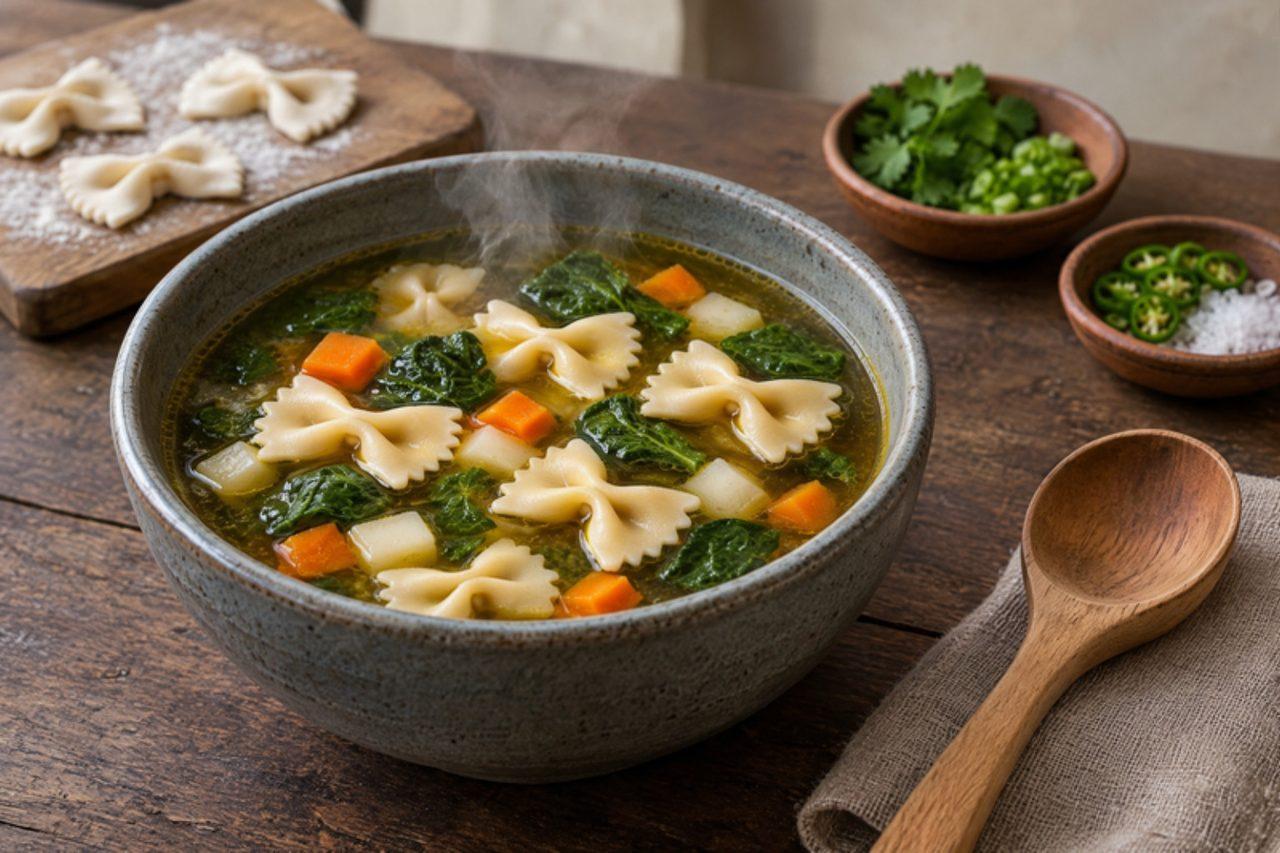
ChutagiWheat pasta in vegetable soup

In Leh and the villages along the Indus, chutagi is the one-pot supper of the long winter: little hand-pinched bow-ties of wheat dough dropped into a broth of turnip, carrot, onion and greens. Families sit around the stove pinching the dough together while the pot comes to the boil, and the soup is eaten piping hot, often with a spoon of chilli paste on the side. The broth is light but the pasta makes it filling. The usual mistake is rolling the dough too thick, which leaves the centres of the bows doughy; roll it about as thin as a coin. Chef's tip: let the shaped bows dry on a floured tray for ten minutes before they go in, so they hold their pinched centre instead of opening up in the pot.

by KrazyBadal 0 views

Tsestalulu (sea-buckthorn juice)

Sea buckthorn grows wild along the river beds of Ladakh, and in Leh the bright orange berries are pressed into tsestalulu, a sharp, tropical-tasting juice sold in summer cafés and made at home after the autumn harvest. It is drunk chilled, sweetened with sugar or honey and thinned with cold water. The berries are very sour and slightly oily, so the juice is always diluted. The common mistake is boiling the pulp, which dulls both the colour and the fresh taste; just blend and strain. Chef's tip: frozen sea-buckthorn berries or plain unsweetened purée from health shops work very well; strain twice through a fine sieve for a silky drink.

by KrazyBadal 0 views

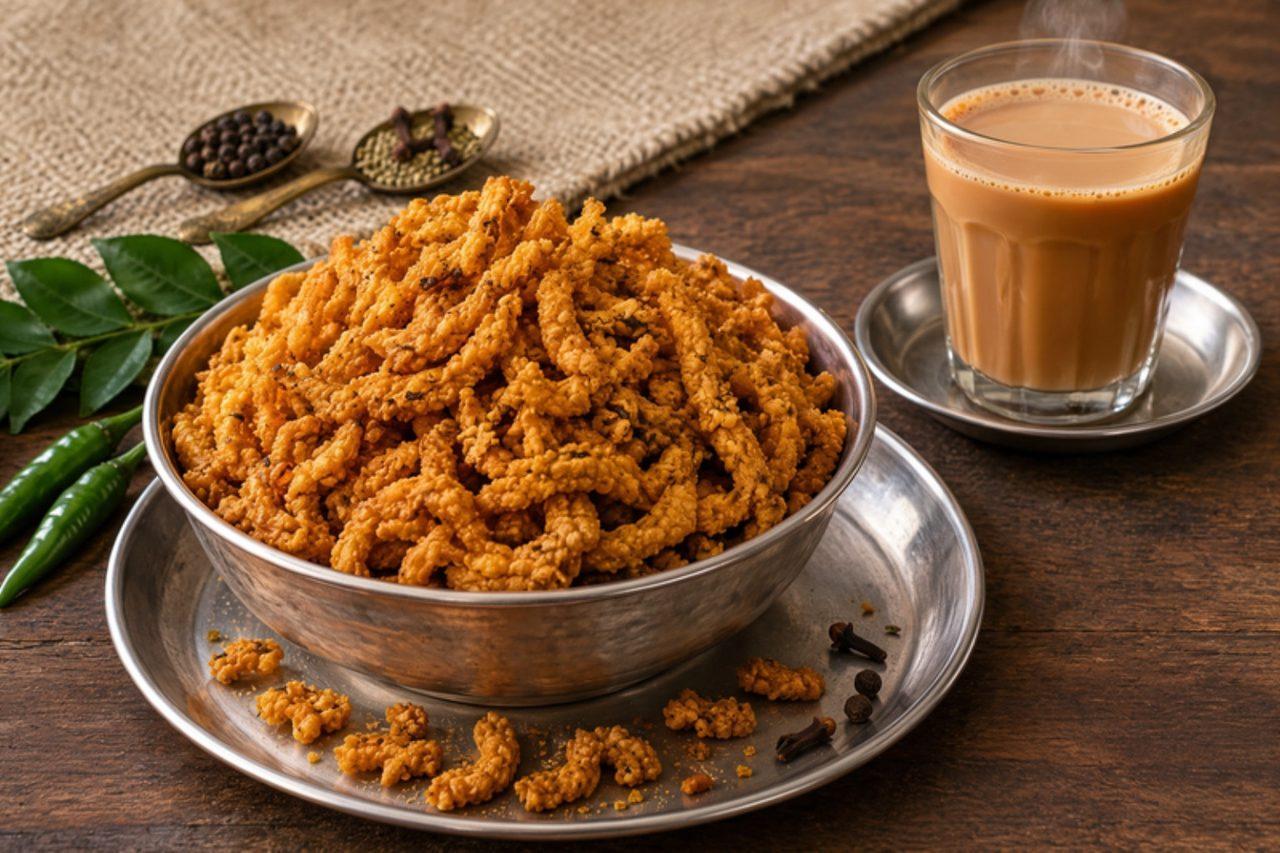
Ratlami sevPeppery gram flour sev

Ratlam in western Madhya Pradesh is so proud of its sev that it carries a GI tag, and every Malwa household keeps a tin for poha, usal and chai-time munching. What makes it different is the spice: ground clove, black pepper and ajwain give a warm heat that builds slowly, and the sev is pressed thick and fried until deep gold. The common mistake is frying in oil that is too hot, which browns the outside while the centre stays soft and soon goes chewy. Chef's tip: cool completely before you store it in an airtight tin; it keeps crisp for three weeks.

by KrazyBadal 0 views

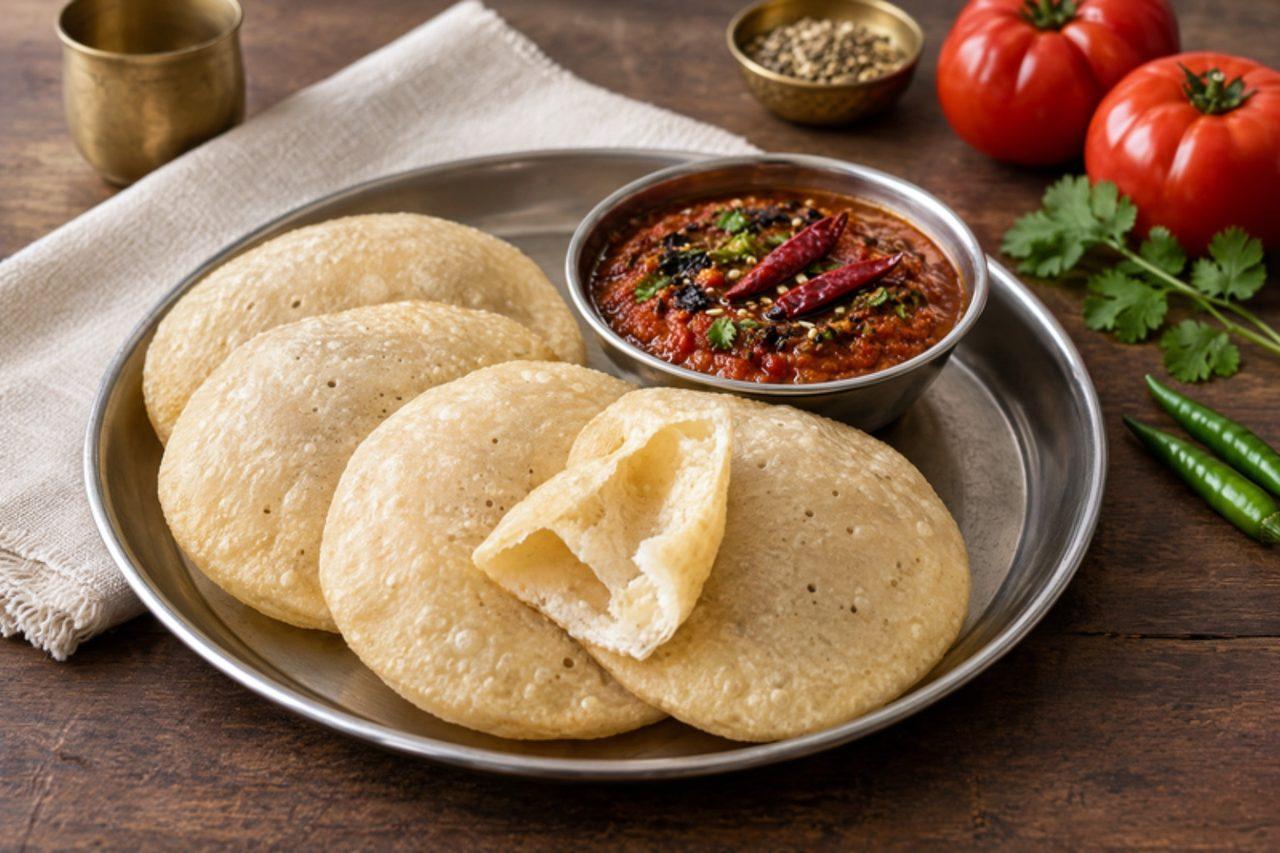
ChauselaRice flour puris

Chausela is the puri of the Chhattisgarh plains, where rice rather than wheat fills the granary, and it turns up at Hareli, Pola and any Sunday breakfast with a sharp tomato chutney or a potato curry. The dough is scalded with boiling water so the rice flour holds together, and the puris fry up pale, soft and lightly crisp at the edges. The usual mistake is mixing the flour with cold water; it cracks as you roll and the puris split in the oil. Chef's tip: knead the dough while it is still warm, using the heel of an oiled palm, and keep it under a damp cloth so the rounds stay supple.

by KrazyBadal 0 views

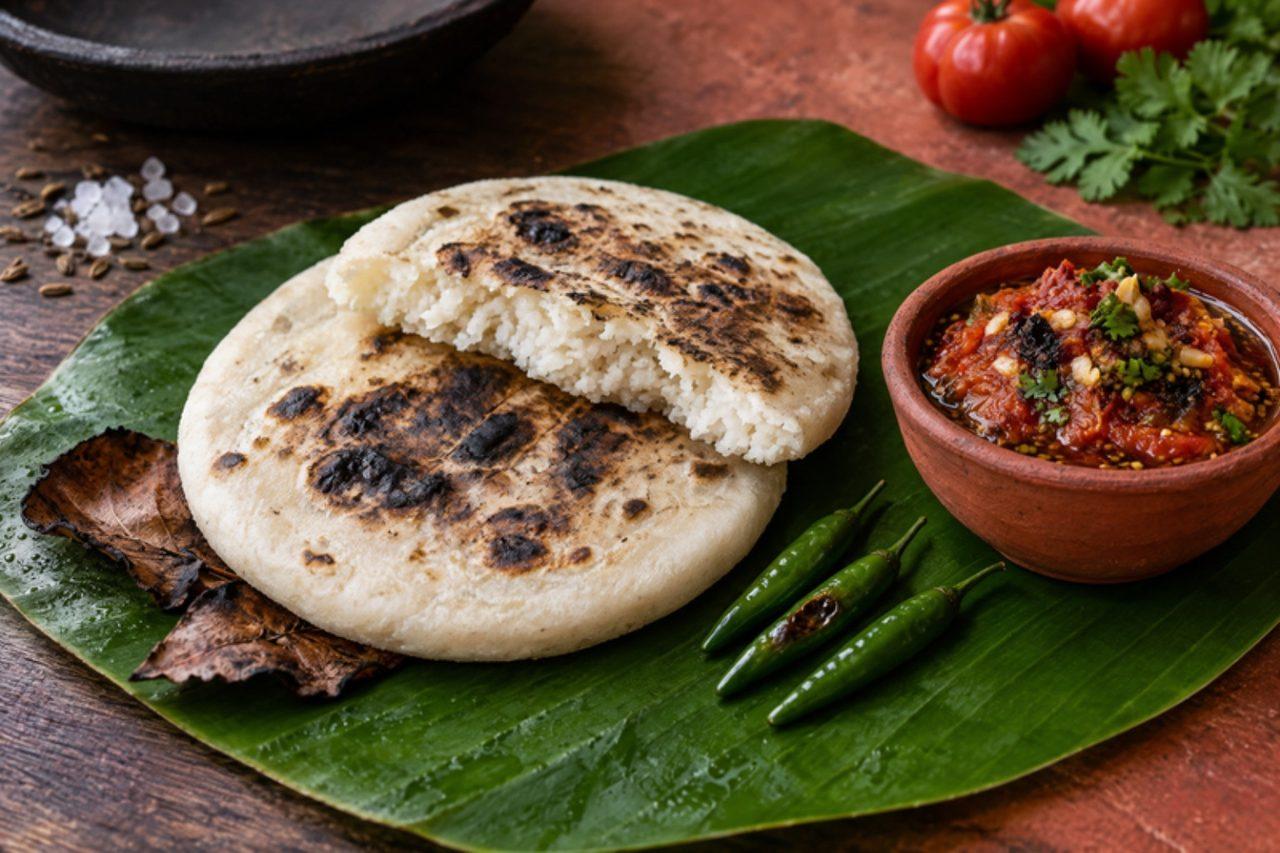
Angakar rotiThick rice flour roti

Angakar roti takes its name from angaar, the glowing coals of a village chulha in Chhattisgarh, where a thick round of rice dough is sandwiched between palash or banana leaves and buried in the embers until smoky and crusted. Farmers carry it to the fields with chutney and a green chilli, and it is still a winter breakfast across Bilaspur and Raipur. At home a heavy tawa and a lid do the job. The common slip is making the dough too wet; it should be soft but hold a fingerprint, or the roti stays gummy in the middle. Chef's tip: mix in a spoon of leftover cooked rice for a softer crumb, just as Chhattisgarhi grandmothers do.

by KrazyBadal 0 views

Chech bhajiJute leaf curry

Chech bhaji is a monsoon green in Chhattisgarh, picked from the jute plants that come up in field edges and village gardens, and cooked almost every week during Sawan. The leaves turn slippery as they soften, a bit like okra, and the cook reins that in with tomato and a little rice water left from washing the rice. It is eaten with plain rice and dal or bore baasi. The mistake to avoid is stirring it endlessly; the leaves go stringy and gluey, so stir only now and then. Chef's tip: frozen or dried molokhia leaves from an Arab grocery are the same plant and work well outside India.

by KrazyBadal 0 views

Gahat ke paratheHorse gram stuffed parathas

Gahat (horse gram) is the warming winter lentil of Uttarakhand, and in Garhwal it is boiled, mashed and stuffed into parathas for cold mornings, served with butter, curd and a hill pickle. The filling is spiked with ginger, garlic, green chilli and coriander, and the parathas keep you full for hours. Gahat is hard, so it needs a long soak and a pressure cooker. The common mistake is leaving the filling wet; moisture steams through the dough and the paratha tears. Chef's tip: dry the mashed gahat in a pan for a few minutes after mashing until it holds together like a soft crumble.

by KrazyBadal 0 views

Kandalee ka saagStinging nettle greens

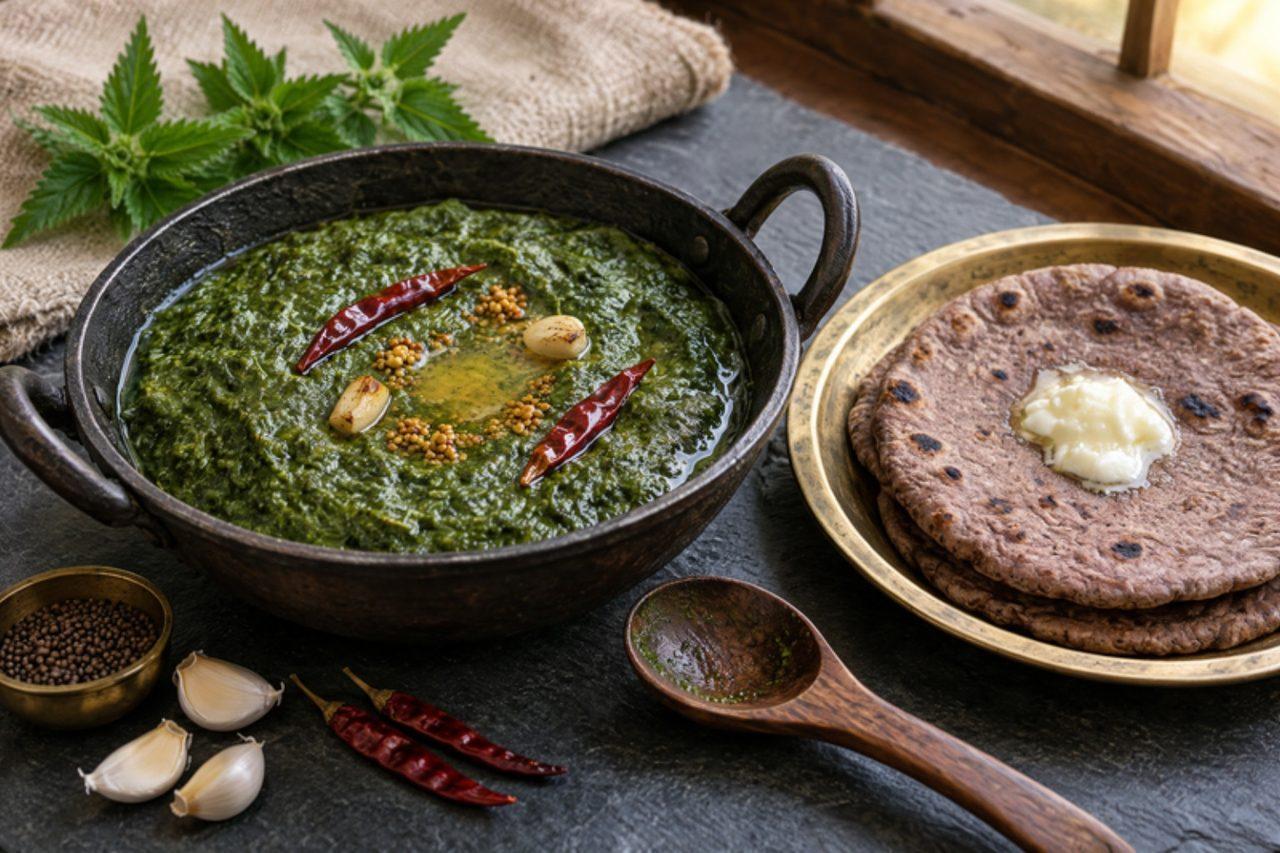
Every spring in Uttarakhand people pick the soft tips of kandalee (bichhu ghas, stinging nettle) from field edges and cook them into a deep green saag with garlic, chilli and a spoon of rice paste, eaten with mandua roti or rice. Nettles taste like a rich, mineral spinach and the sting disappears completely once they are blanched. Always wear gloves or use tongs when picking and washing them. The common mistake is skipping the blanch and going straight to the pan, which leaves stringy stems and some sting. Chef's tip: squeeze the blanched nettles well and chop fine before cooking; this is what gives the smooth, creamy texture hill cooks are proud of.

by KrazyBadal 0 views

GodsheBroken rice and jaggery pudding

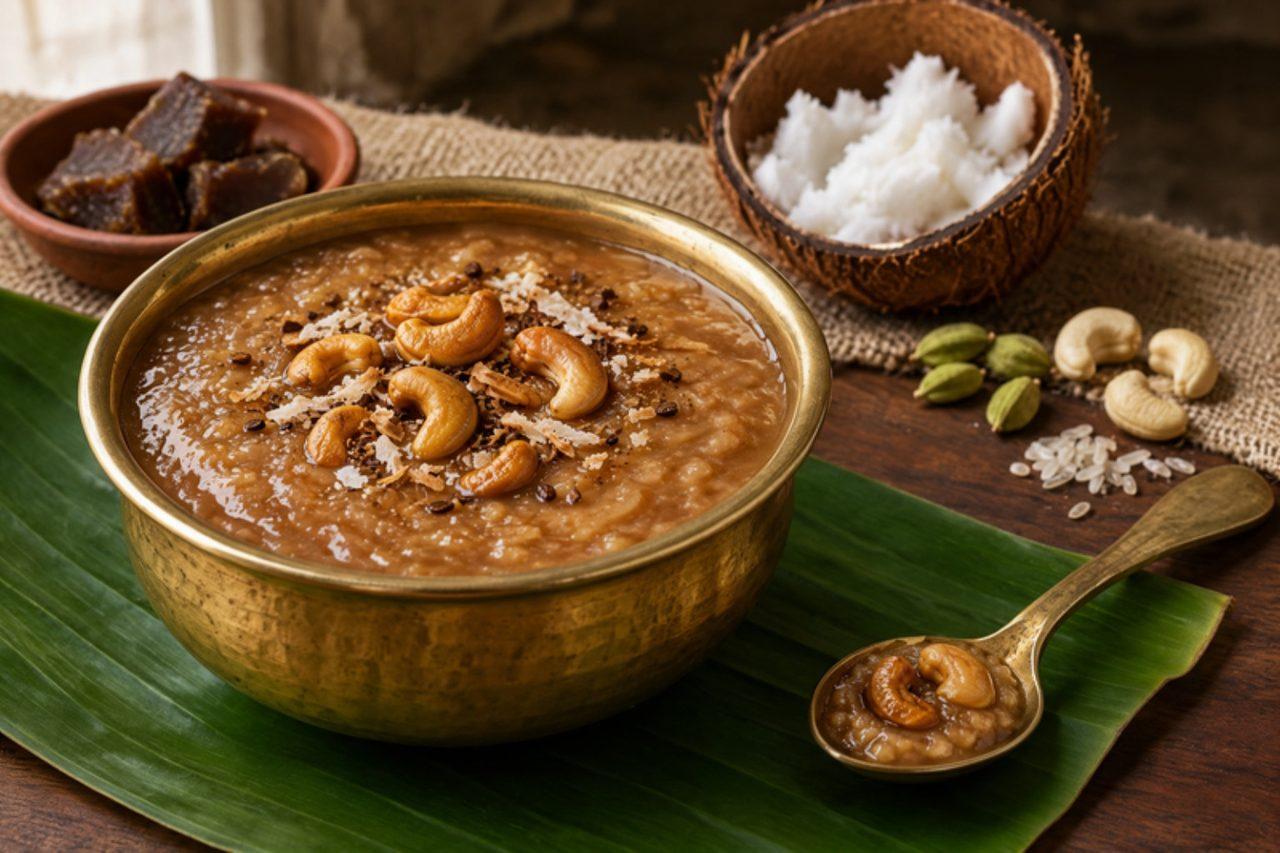
Godshe is the quiet sweet of Goan Saraswat and Gaud Saraswat kitchens, made on festival mornings, for a family puja, or simply when there is fresh coconut and good jaggery in the house. Broken rice is cooked until soft and creamy, then sweetened with dark coconut jaggery and loosened with first-press coconut milk, giving a pudding thicker than payasam and deeply caramel in flavour. Many families make the same dish with chana dal instead of rice. The usual mistake is adding jaggery while the rice is still firm, because the sugar stops the grains from softening any further. Chef's tip: a few slivers of fresh coconut and a pinch of nutmeg on top make it taste like a temple offering.

by KrazyBadal 0 views

Ambadyachi udda methiHog plum coconut gravy

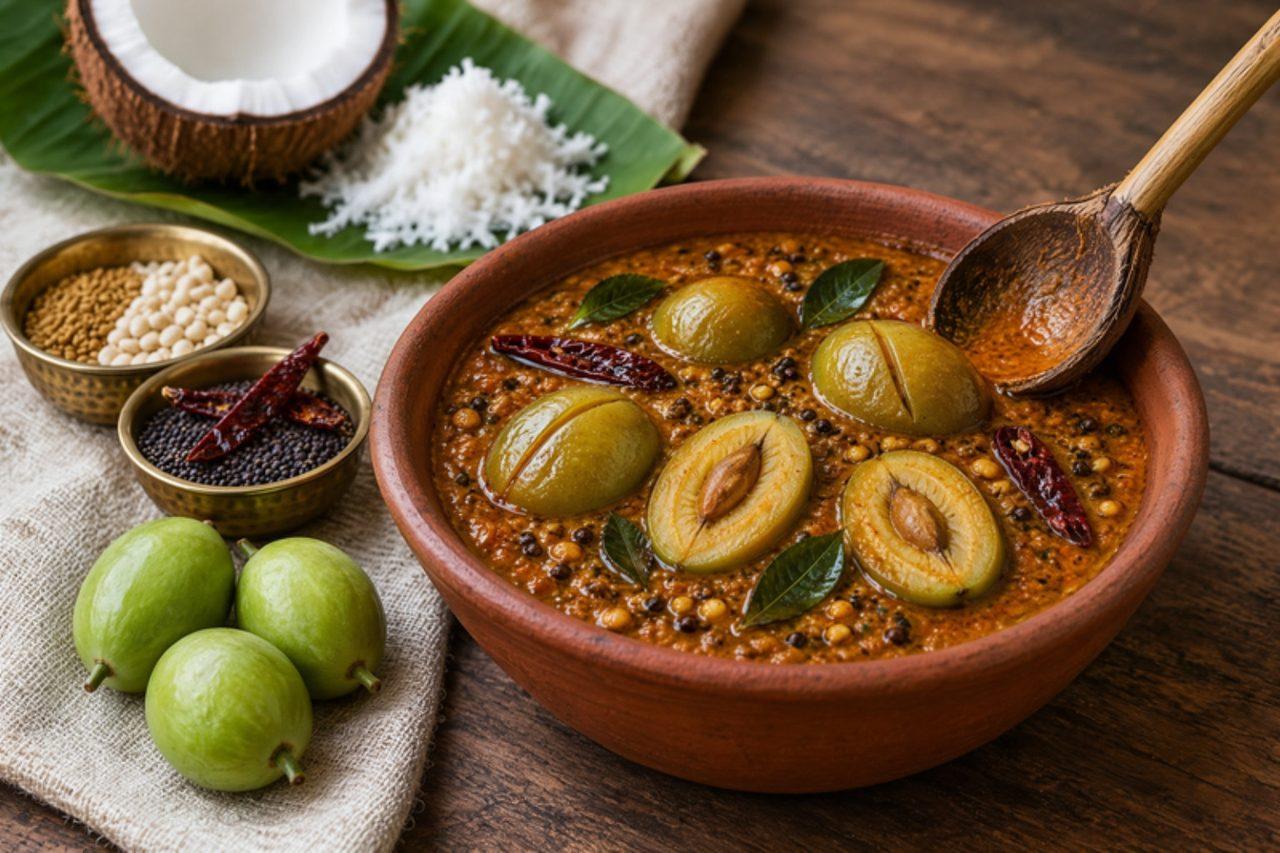
Udda methi is a Goan Saraswat curry named for its two roasted seasonings, urad dal and fenugreek seeds, and in the monsoon months the best version is made with tart green hog plums, ambade. The plums simmer whole in a coconut gravy that is sour, a little bitter, hot and faintly sweet from jaggery, and it is eaten with plain rice on rainy days or at a Shravan meal. The common mistake is burning the fenugreek: it should be roasted only until reddish, because dark seeds make the whole pot bitter. Raw mango works in place of ambade outside the season. Chef's tip: crush each hog plum lightly with a pestle before cooking so the gravy can soak into the flesh around the stone.

by KrazyBadal 0 views

PanchkutaFive desert vegetables with spices

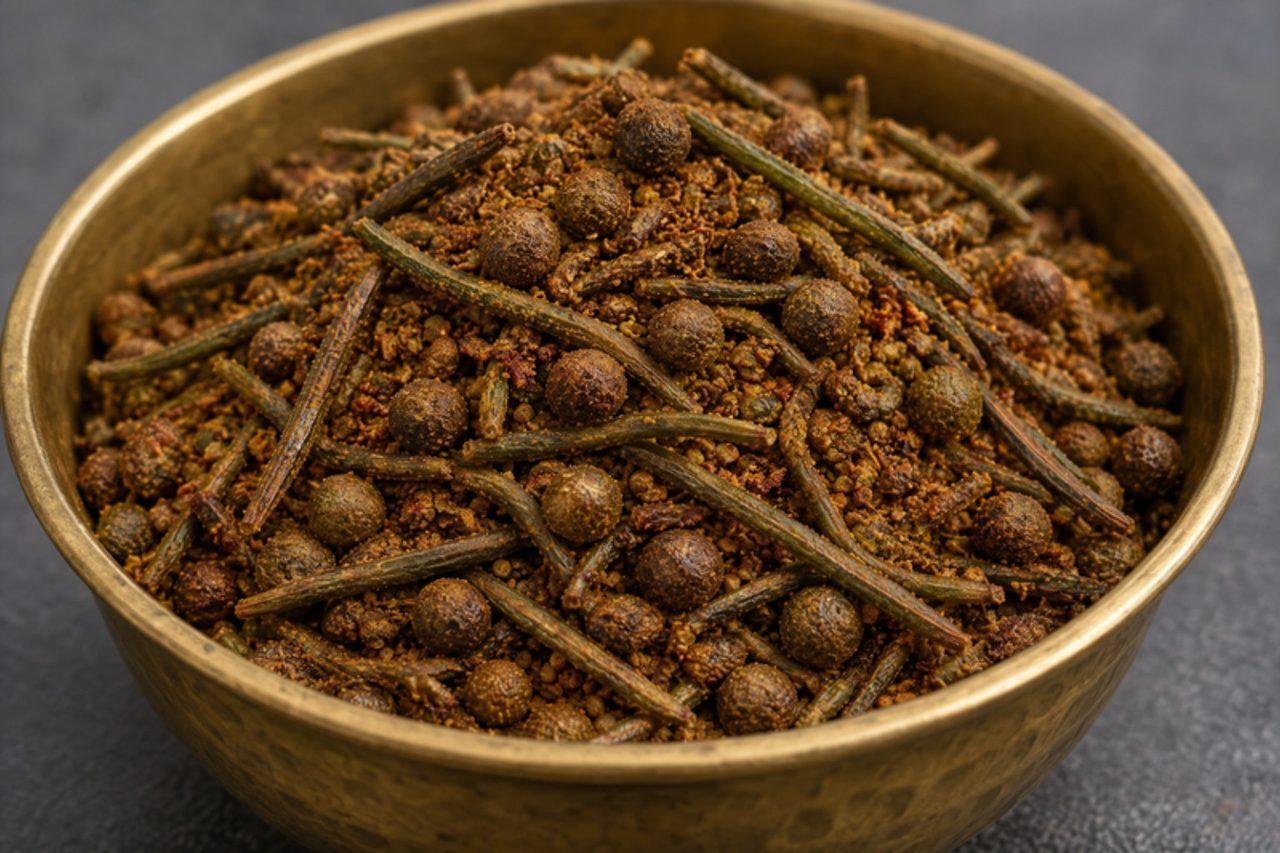
Panchkuta is the Marwari answer to a land where fresh vegetables are scarce: five sun-dried desert foods, ker berries, sangri beans, kumatiya seeds, gunda (lasoda) and amchur, soaked back to life and cooked in mustard oil with red chilli. Jodhpur and Bikaner families keep it for Sheetla Ashtami, when food is cooked a day ahead, and for wedding thalis with bajra roti, because it keeps for days without spoiling. The common mistake is cutting the soaking short; under-soaked ker and sangri stay leathery and bitter. Chef's tip: boil the soaked ker on its own and throw away the first water, which carries most of its bitterness.

by KrazyBadal 0 views

VadouvanDried shallot and spice balls

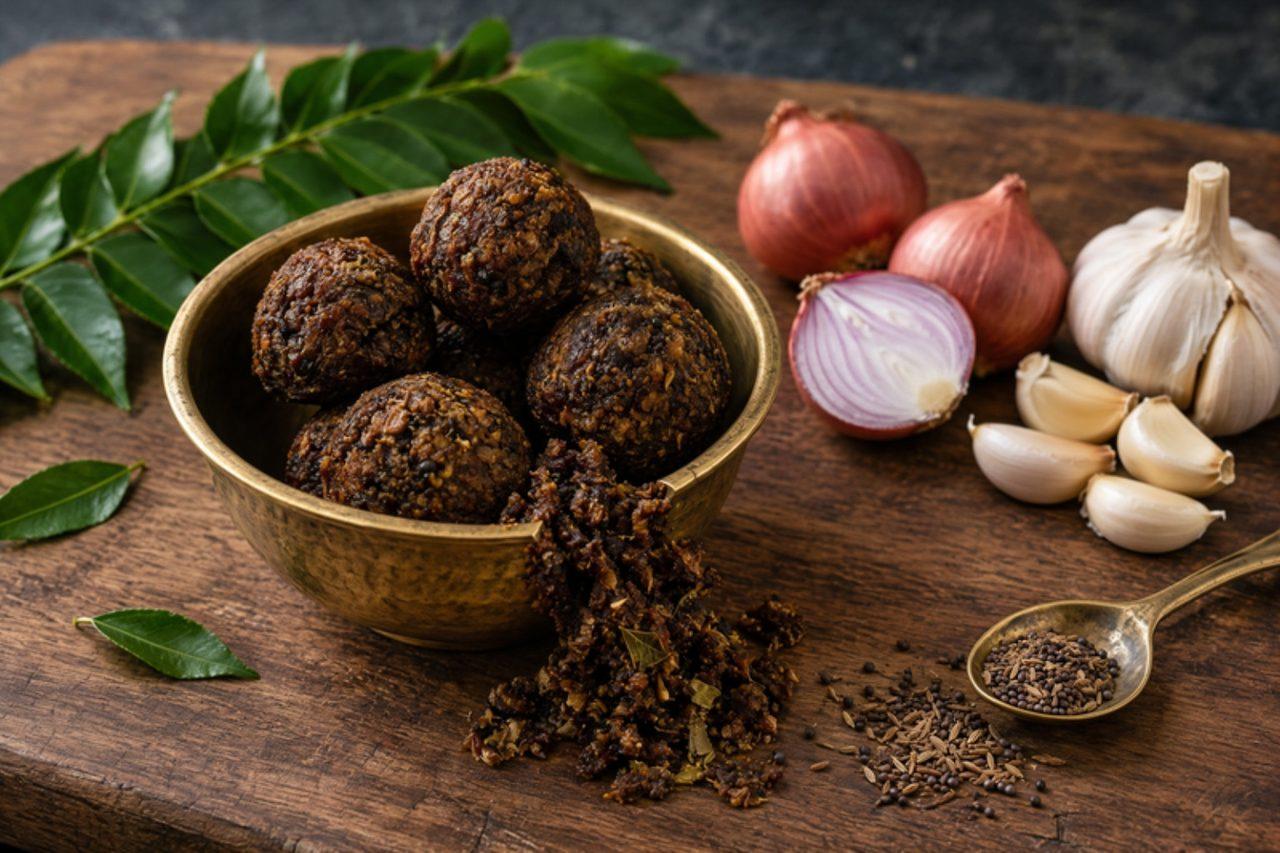
Vadagam, called vadouvan in Puducherry's French-Tamil kitchens, is a seasoning made in the hot months: shallots and garlic are pounded with mustard seeds, cumin, fenugreek, curry leaves and castor or gingelly oil, rolled into balls and dried in the sun for days. A piece crumbled into hot oil at the start of a sambar, a kuzhambu, a poriyal or even buttered vegetables gives a deep, sweet, smoky onion flavour. This version finishes the drying in a low oven, which is safer and quicker in cooler kitchens. The common mistake is storing the balls before they are bone dry; any softness inside can turn mouldy, so break one open to check. Chef's tip: crush a ball and warm it in ghee, then toss with roast carrots for a very Pondicherry side dish.

280 minIndianBasicsVeganGluten free
by KrazyBadal 0 views

Shegaon kachoriDal-stuffed fried pastries

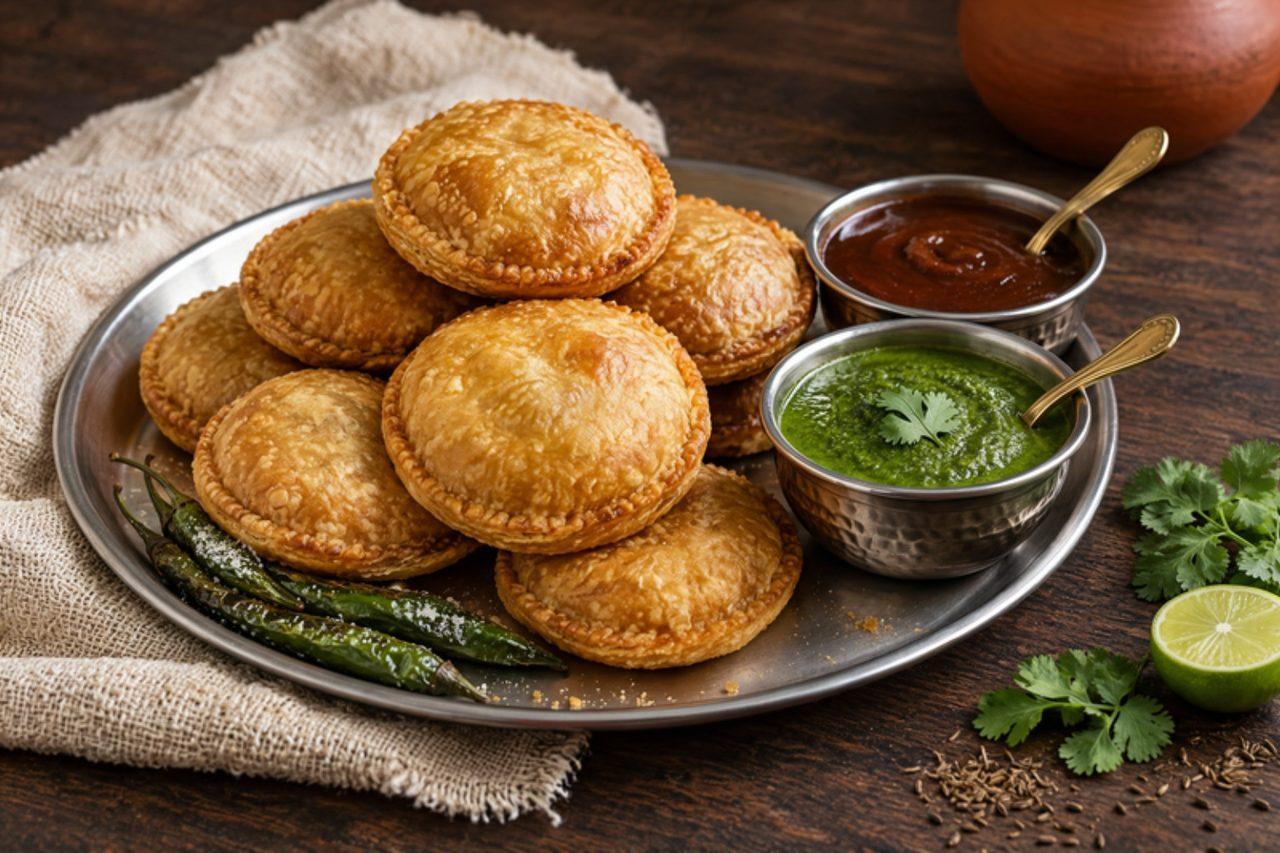
Shegaon, a temple town in Vidarbha, is known across Maharashtra for its small, round, crisp kachoris, sold by the boxful at the railway station and carried home by pilgrims and travellers. The stuffing is dry and spicy, made of roasted gram flour, crushed dal, fennel, coriander and a good pinch of hing, and the pastry is short and flaky. They are eaten with sweet tamarind chutney, or broken into hot kadhi. The common mistake is frying on high heat, which browns the pastry before it turns flaky; these need a slow fry. Chef's tip: the stuffing must be cold and crumbly when you fill the dough; warm stuffing turns pasty and bursts the kachoris.

by KrazyBadal 0 views

Hinger kochuriUrad dal stuffed puffed bread

In Kolkata's sweetshops, Sunday breakfast often means hinger kochuri: soft, white-flour puris stuffed with a smear of urad dal paste perfumed strongly with hing, fried puffy and served with aloo dum or a sweet-sour pumpkin chhokka. They are smaller and softer than North Indian kachoris, closer to a stuffed luchi. The hing must be generous; it is the point of the dish. The common mistake is a wet filling, which steams the dough from inside and stops it puffing; cook the dal paste until it leaves the pan dry. Chef's tip: roll gently from the centre outwards so the thin filling layer stays even and the kochuri puffs all over.

by KrazyBadal 0 views

Kumbakonam kadappaMoong dal and potato gravy

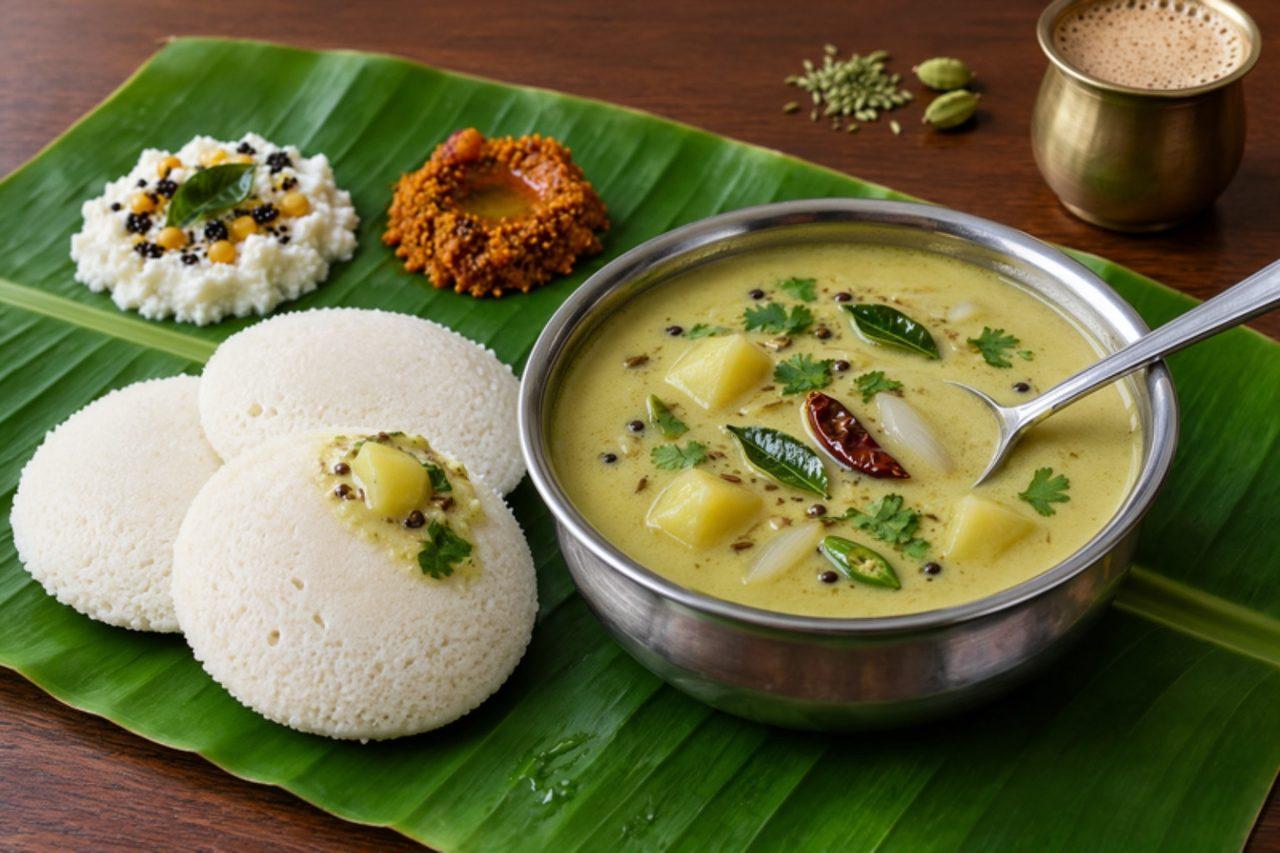
Kadappa belongs to the temple town of Kumbakonam in Thanjavur district, where it is ladled beside idli, dosa and soft poori at breakfast, a mild gravy of moong dal and potato thickened with a paste of coconut, roasted gram, fennel and green chilli. Its gentle, aromatic taste is a world away from sambar. The common mistake is boiling it hard after the coconut goes in; the paste separates and loses its fragrance, so heat it just to a simmer. Chef's tip: a teaspoon of poppy seeds ground into the paste gives the creamy body of the Kumbakonam hotels.

by KrazyBadal 0 views

Shev bhajiGram flour shev in spicy gravy

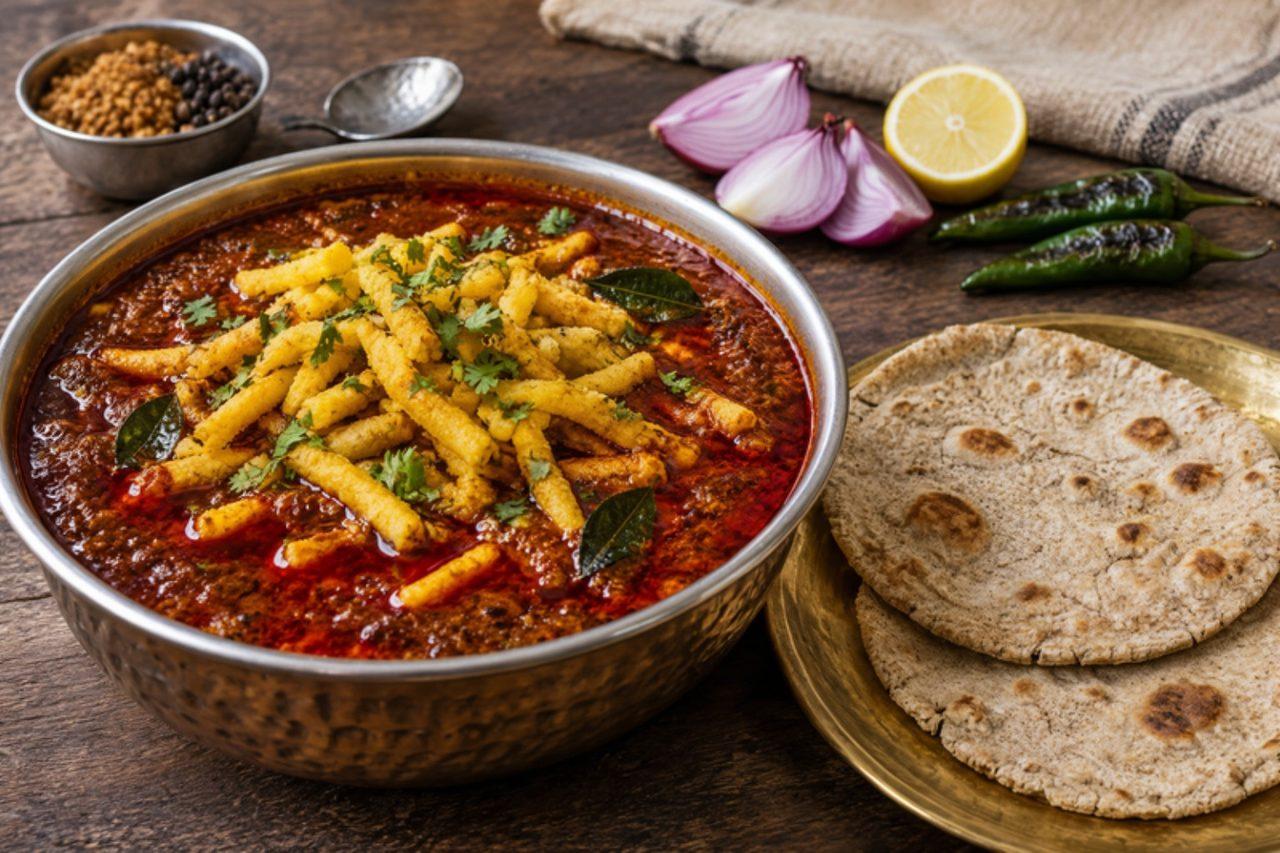
Shev bhaji comes from Khandesh, around Jalgaon and Dhule, where dhabas and homes make a gravy black with roasted onion, dry coconut and a dark Khandeshi masala and drop in thick, crunchy shev just before serving. It is eaten with jowar bhakri or chapati, often at roadside eateries in the winter. The mistake almost everyone makes is adding the shev too early; it swells and turns to paste, so add it at the table. Food note: shop-bought shev can contain wheat or regular hing, so check the packet if you need it gluten free. Chef's tip: roast the onion and coconut until truly dark brown, but not burnt; that is where the colour comes from.

by KrazyBadal 0 views

Mirchi thechaPounded chilli, garlic and peanut relish

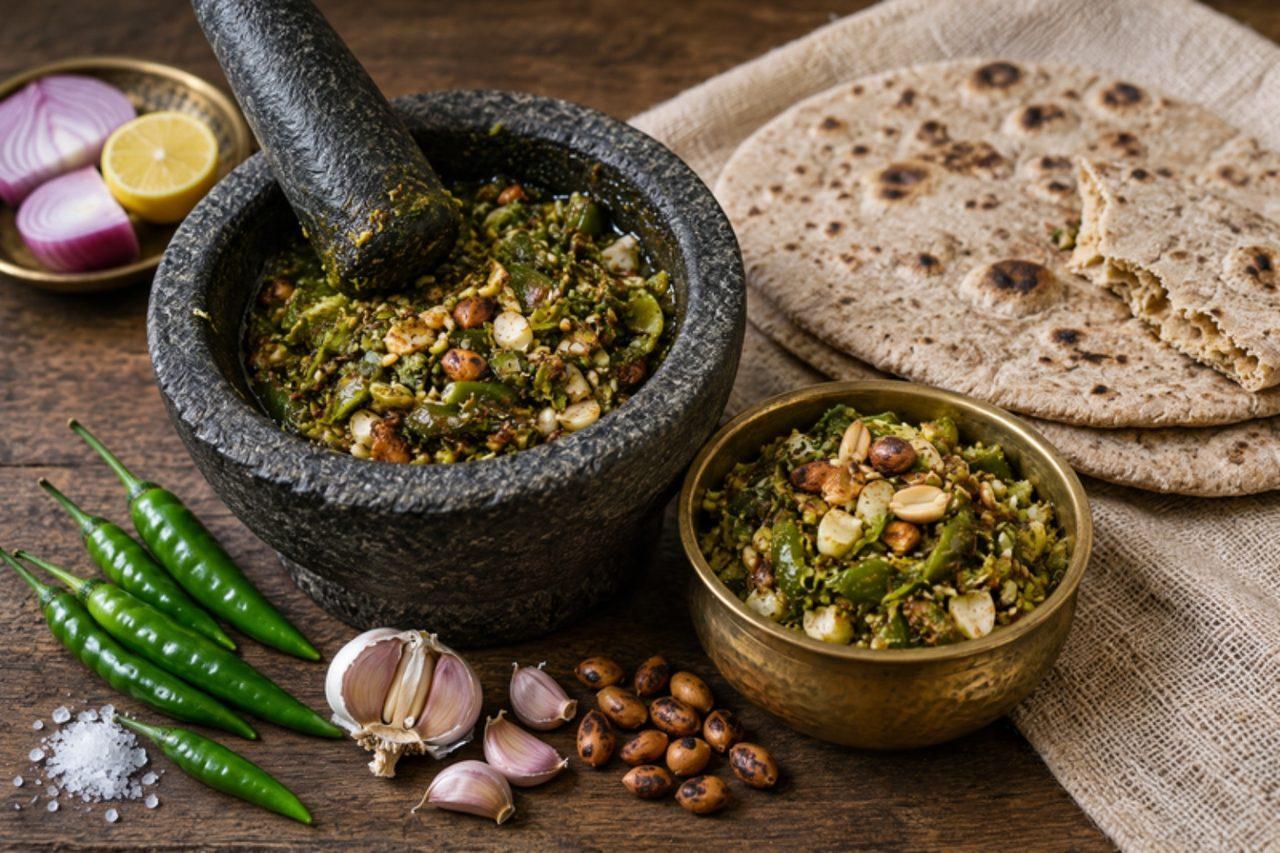
Thecha is the fiery pounded chilli relish of rural Maharashtra, from the Desh villages around Satara and Kolhapur, eaten with jowar bhakri and a raw onion at a farmhand's lunch and now a fixture of Pune's Marathi restaurants. Green chillies and garlic are blistered in a pan, then crushed with peanuts in a stone mortar. The common mistake is blending it smooth in a mixer; thecha should be coarse and rustic, so pound it or pulse briefly. Chef's tip: wear gloves or oil your fingers when handling this many chillies, and wash the pan straight away.

by KrazyBadal 0 views

Ajwaini arbiPan-fried colocasia with carom seeds

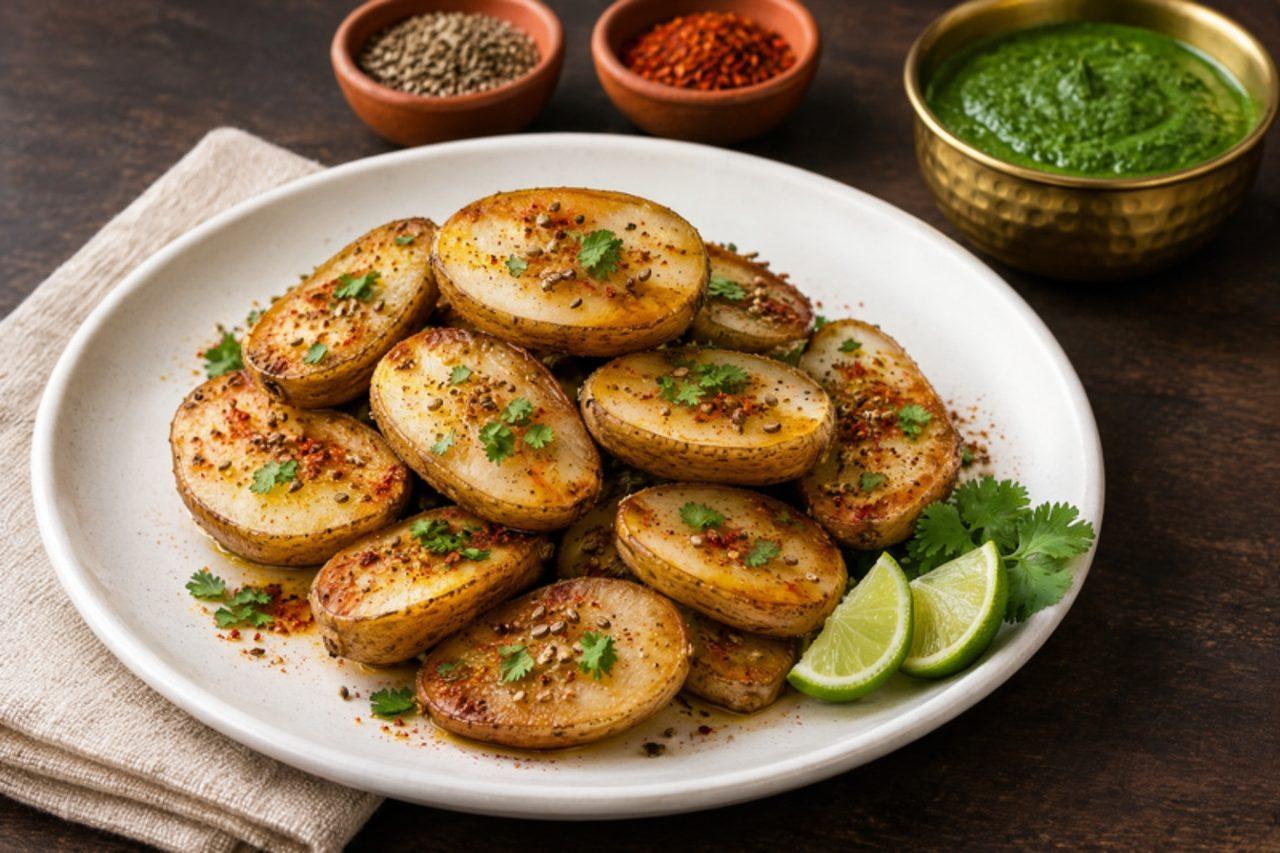
Across Delhi, Punjab and Uttar Pradesh, arbi is the vegetable that goes into a dabba with ajwain rotis or plain phulkas: the small colocasia roots are boiled, flattened slightly and pan-fried with carom seeds, red chilli and dried mango powder until crisp outside and creamy inside. Ajwain is there for its flavour and because it is said to help digest the starchy root. The mistake is boiling the arbi too long: it turns slimy and falls apart in the pan. Cook it until just tender, then cool fully before peeling. Chef's tip: press each piece gently with your palm to crack it before frying; the cracks catch the spices and crisp up.

by KrazyBadal 0 views

Kathirikai gothsuSmoky aubergine tamarind gravy

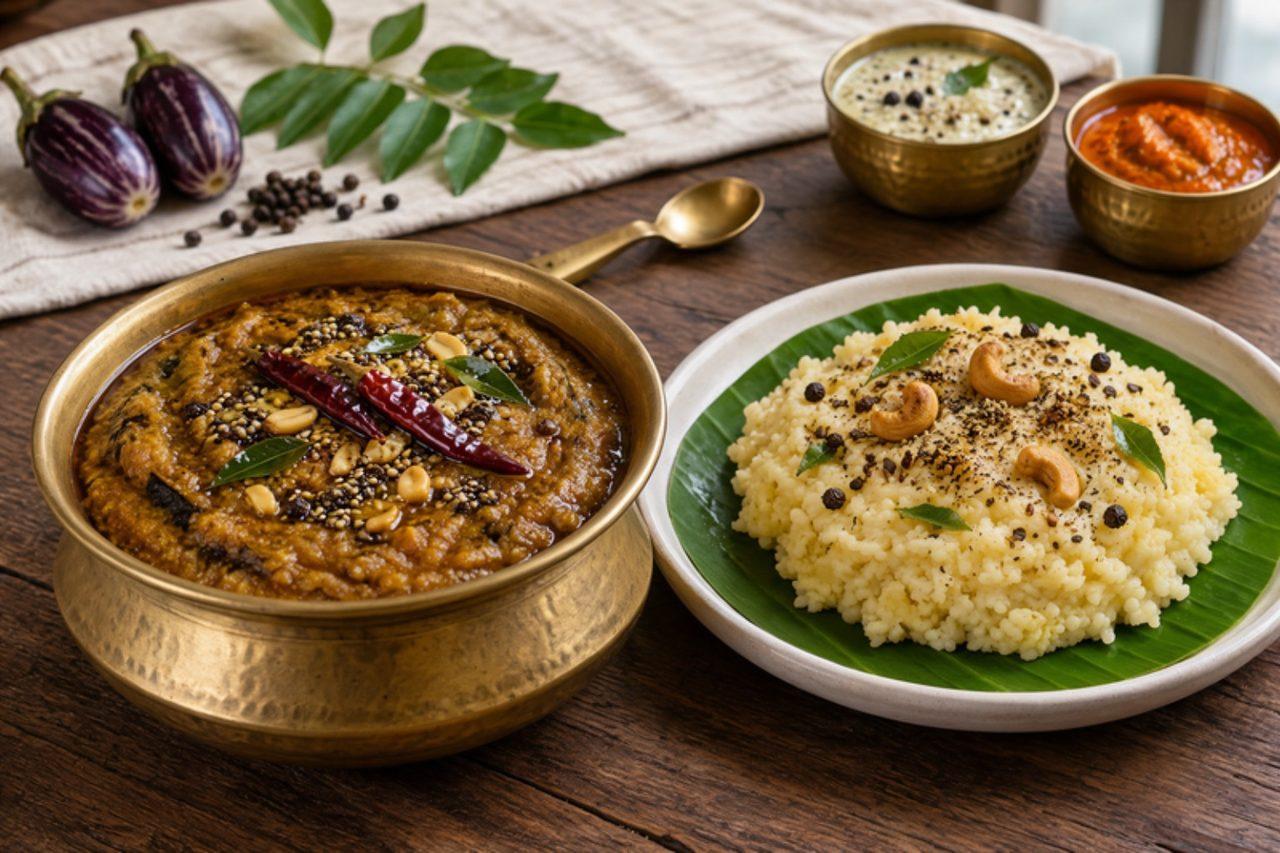
At the Nataraja temple in Chidambaram, ven pongal, the peppery rice and moong porridge, is always served with gothsu, and the pairing has spread to breakfast tables and wedding feasts all over Tamil Nadu. Brinjal is charred over the flame, mashed and simmered with a little moong dal, shallots and tamarind, then seasoned with a freshly roasted powder of coriander, chana dal and chilli. The result is smoky, tangy and spoonable, also good with idli or dosa. The usual mistake is using big, seedy aubergines: choose small, firm, glossy ones, which are sweeter. Chef's tip: char at least one brinjal right over the gas flame until the skin is black all over; that smoky note is what makes Chidambaram gothsu.

by KrazyBadal 0 views

Ghadichi poliLayered chapati

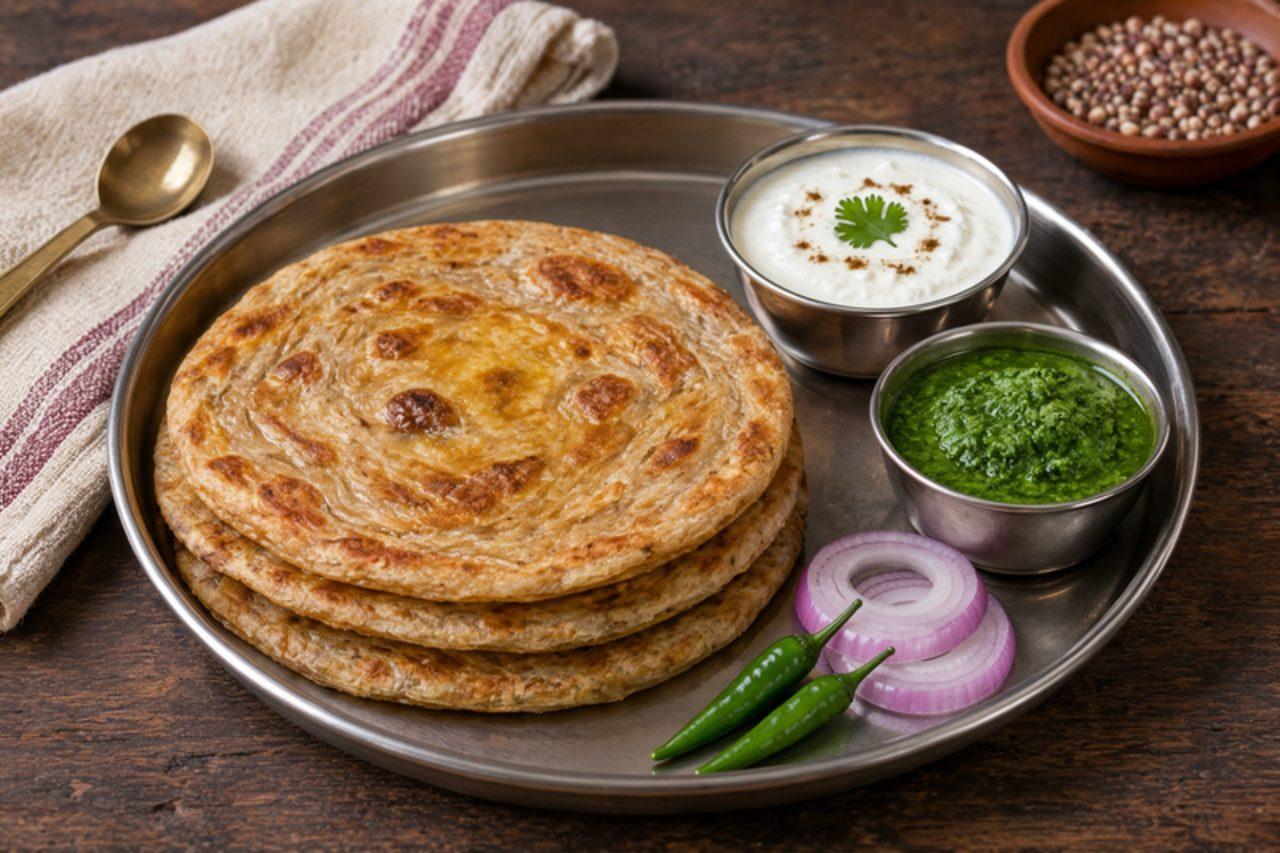
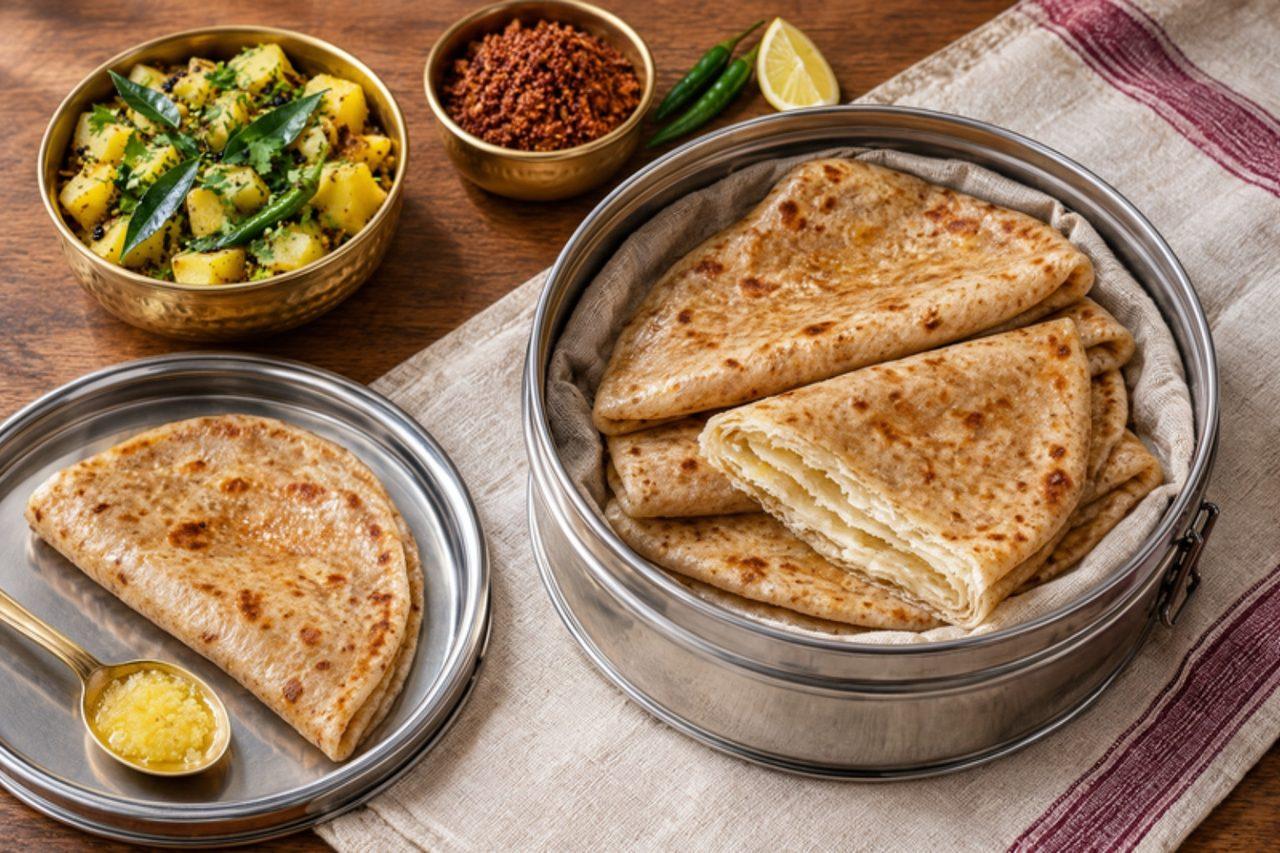
In Maharashtrian homes the everyday poli is not a plain chapati but a ghadichi poli: the dough is oiled, folded into a triangle and rolled again, so it puffs into soft, separate layers that stay tender in a dabba until lunchtime. Mumbai's dabbawalas carry thousands of them every day alongside bhaji and dal. The common mistake is a stiff dough, which makes leathery polis; it should be softer than you think. Chef's tip: as soon as each poli comes off the tawa, clap it between your palms to break open the layers, then stack it in a cloth-lined box.

by KrazyBadal 0 views

Besan chillaGram flour pancakes

Across North India, besan chilla is the answer when the tiffin needs packing in fifteen minutes: a pourable gram flour batter studded with onion, tomato, chilli and coriander, cooked thin on a tawa, then rolled up with chutney or ketchup. It is naturally egg-free and filling. The common mistake is a thick batter, which gives a heavy, raw-tasting pancake; it should flow like single cream. Chef's tip: spread the batter with the back of a ladle in quick circles from the centre outward, and cover the pan for the first minute so the top steams set.

by KrazyBadal 0 views

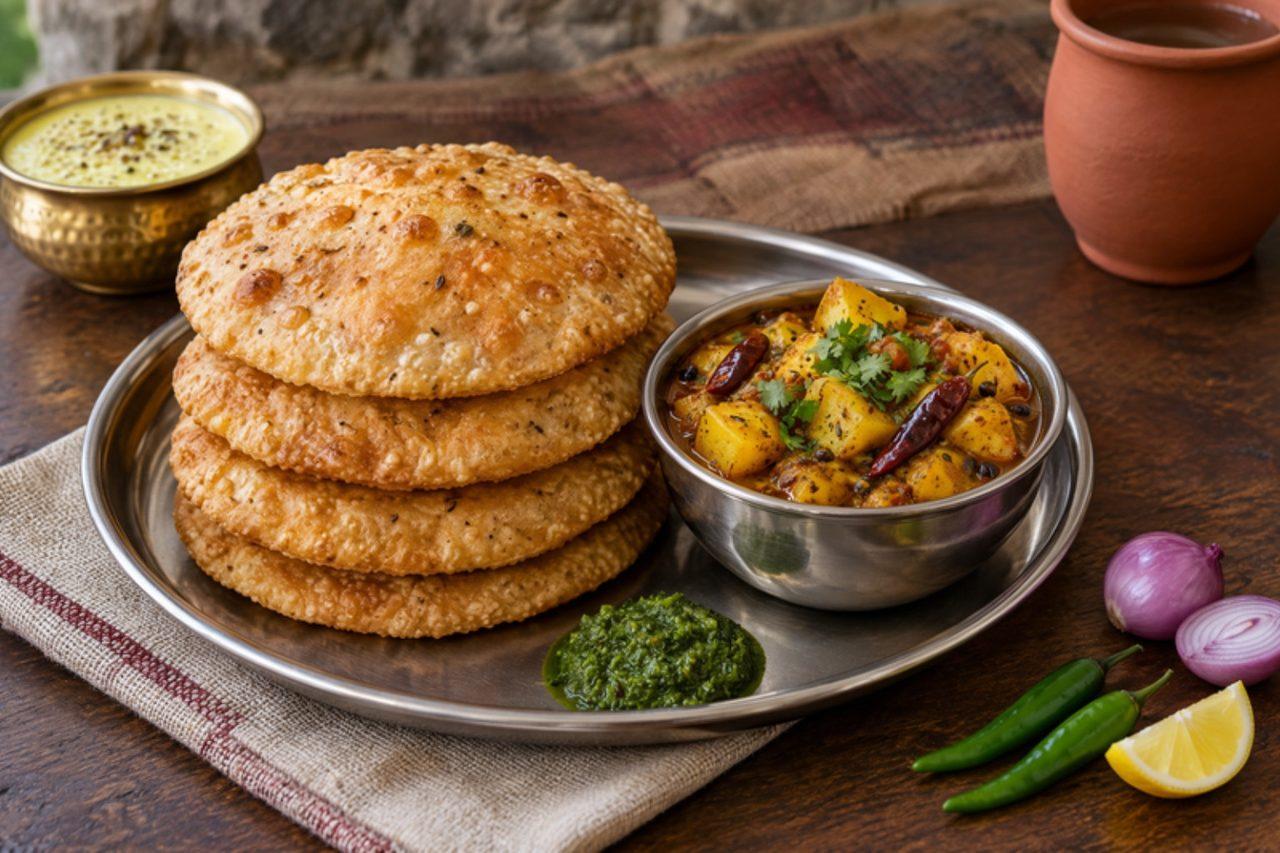
PothichoruRice meal in banana leaf

Before steel tiffin carriers, Kerala's schoolchildren and office workers carried pothichoru, a parcel of hot rice, a dry vegetable thoran, coconut chammanthi and a dab of pickle, folded inside a banana leaf that had been passed over a flame. By lunchtime the leaf's aroma has seeped into the rice; the whole parcel is still sold on trains and at festivals. Fried egg or fish fry are often tucked in; this is the vegetarian version. The common mistake is wrapping the leaf without wilting it first, so it cracks and leaks. Chef's tip: pack the rice warm, not steaming, and eat within four hours, or cool everything and keep the parcel cold until lunch.

by KrazyBadal 0 views

Puri bhajiPuffed bread with potato curry

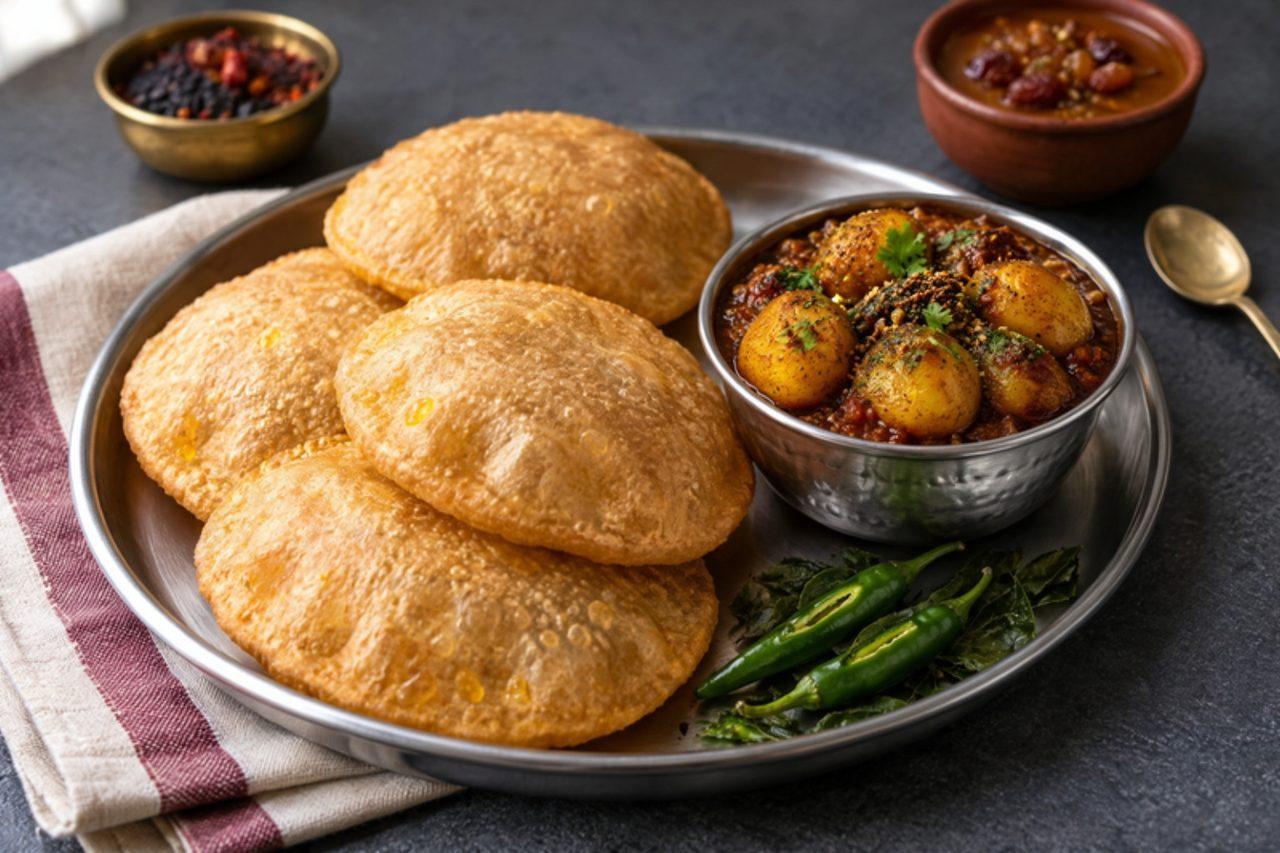
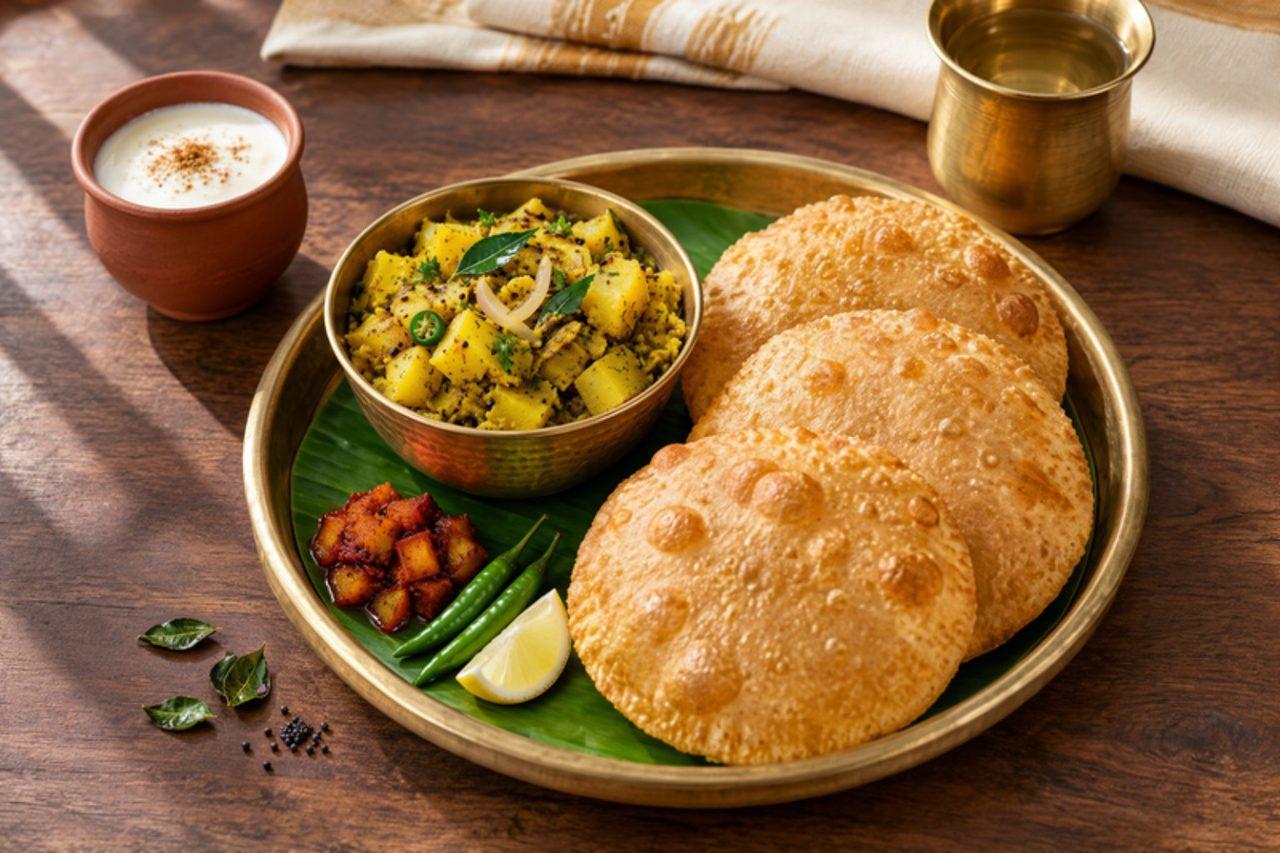
In Mumbai, Pune and across Gujarat, puri bhaji is what goes into the steel dabba on exam days and into the bag for a long train ride: small puffed puris and a dry, sunny-yellow potato bhaji spiked with mustard seeds, green chilli and curry leaves. Because the bhaji is dry, it never soaks the puris, and both taste good at room temperature by lunchtime. The common mistake is a soft dough, which drinks oil and gives flat, greasy puris; knead it stiff, like a firm chapati dough. Chef's tip: mash only a third of the potatoes and leave the rest in rough chunks, so the bhaji clings together in the box without turning to paste.

by KrazyBadal 0 views

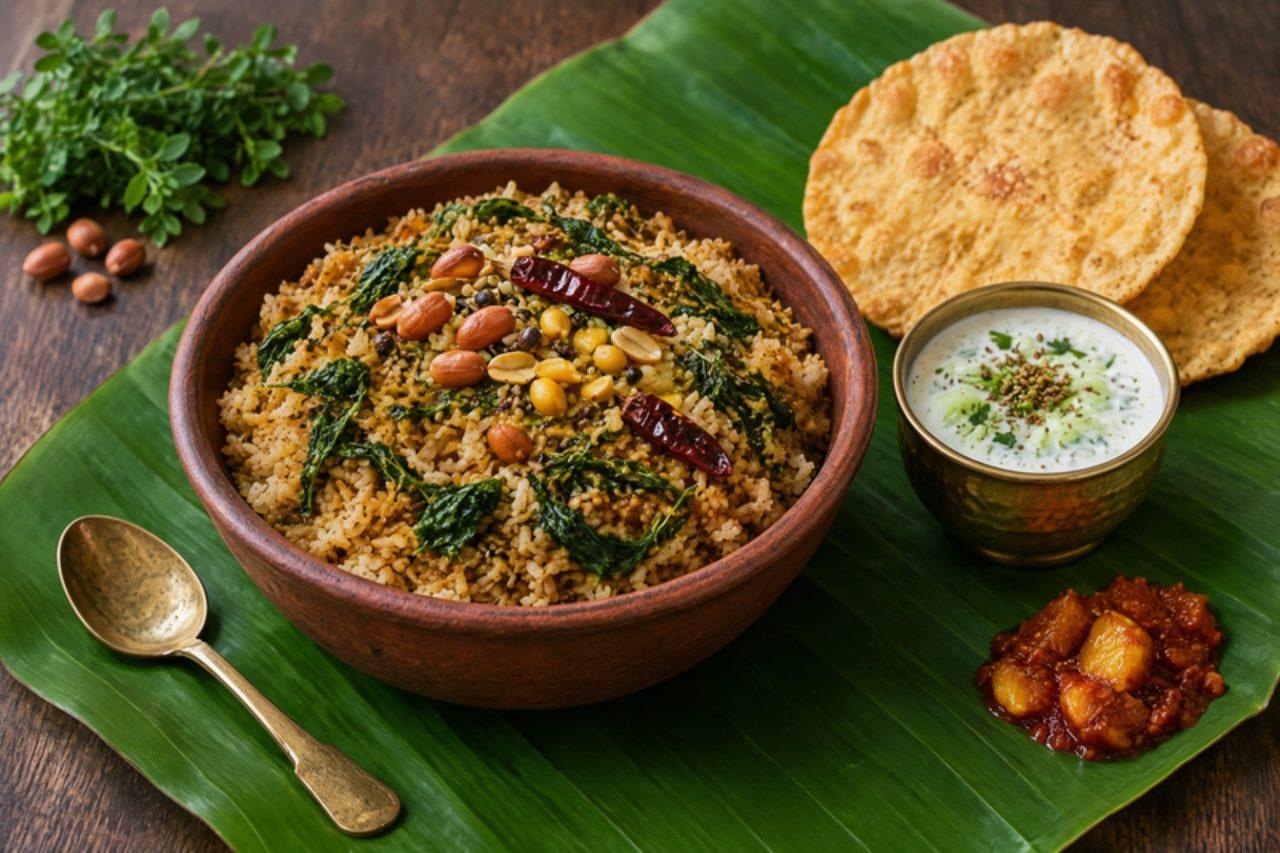
Ellu sadam (sesame rice)

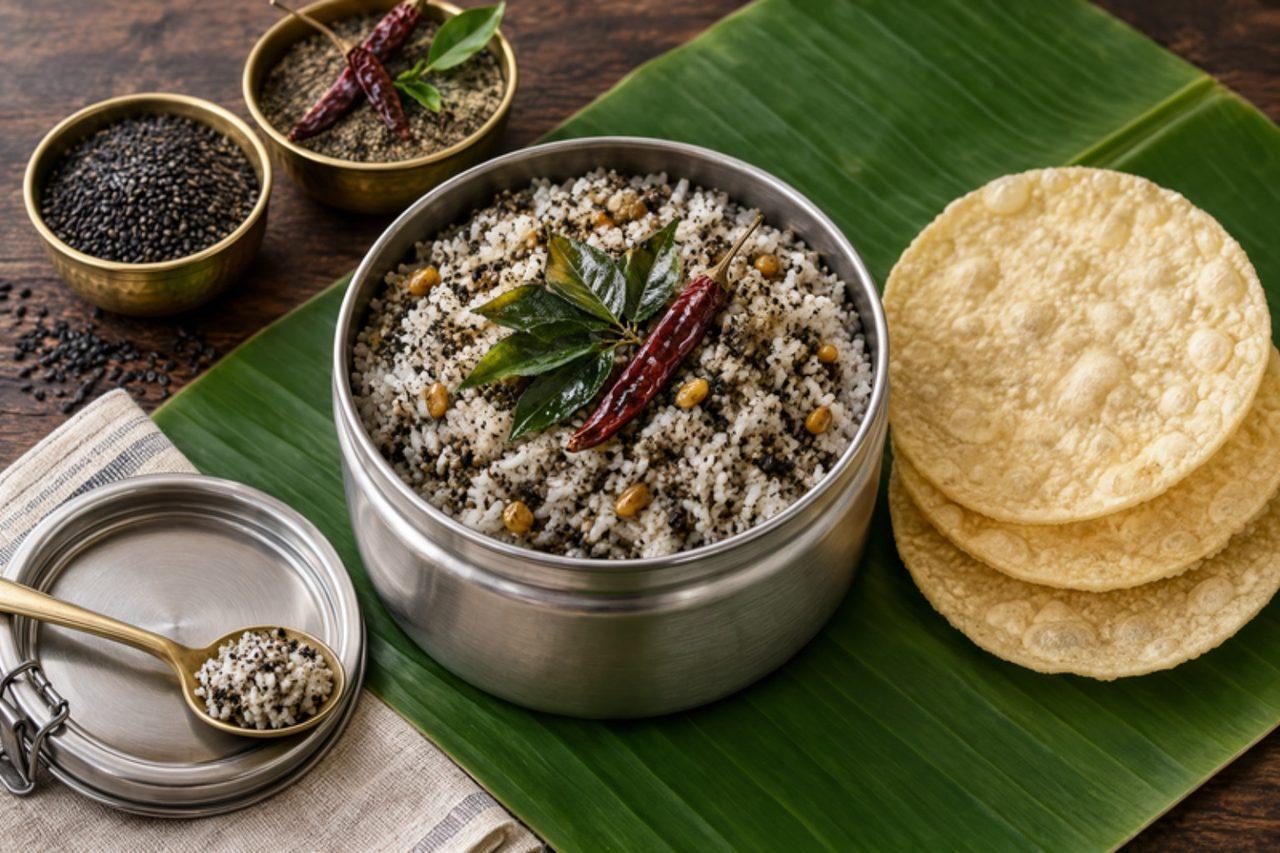
In Tamil homes ellu sadam is cooked on Saturdays and temple days, and it is one of the variety rices that keeps best in a school lunch box, because the dry sesame powder soaks up the oil and does not spoil the way coconut rice can. The powder is roasted from black sesame, urad dal and dried red chillies, ground coarse and tossed through plain rice with a nutty gingelly oil tempering. The usual mistake is roasting the sesame too hard: it turns bitter within seconds, so take it off as soon as it starts to pop and smell toasty. Chef's tip: pound the powder rather than blitzing it to dust, so you keep a little crunch from the dal.

by KrazyBadal 0 views

Kothamalli sadam (coriander rice)

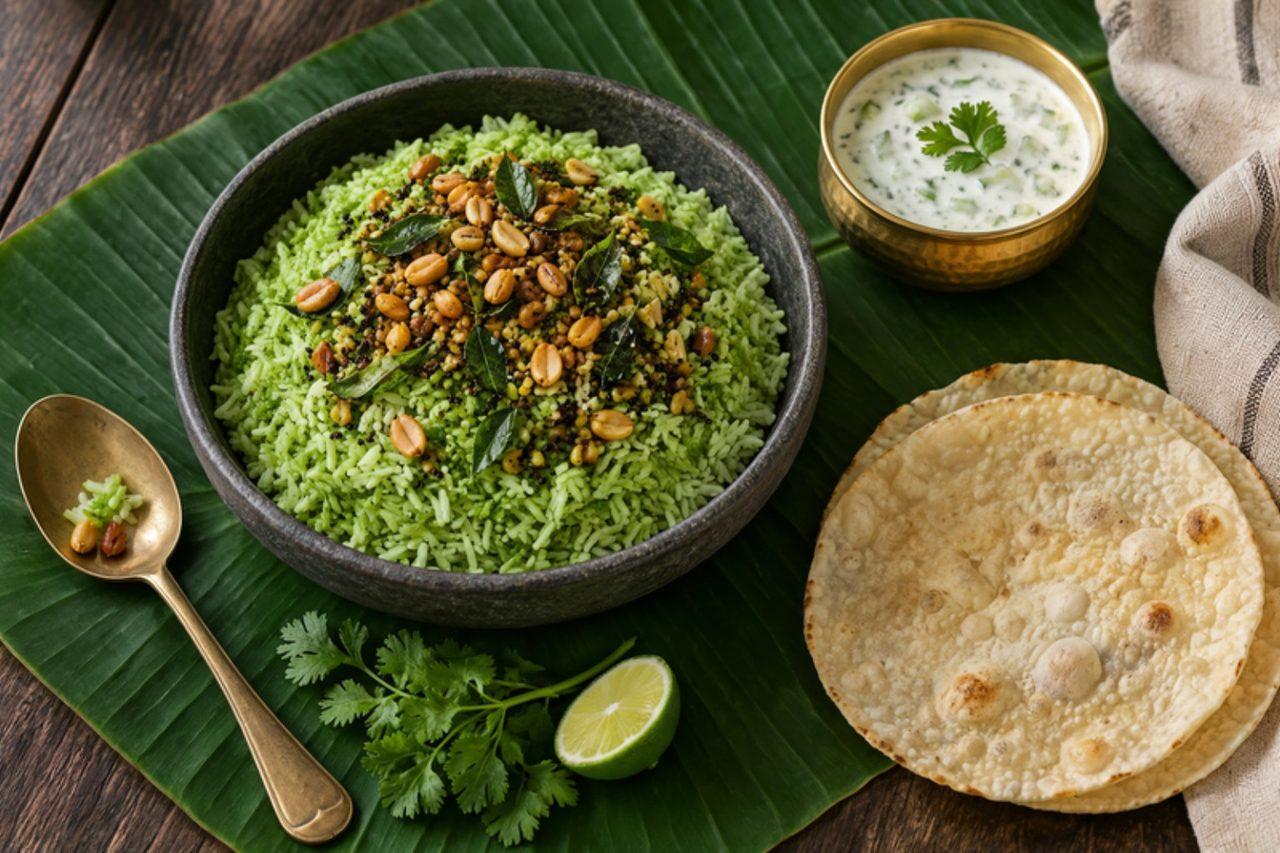
Chennai mothers turn a big bunch of coriander into this bright green rice when they want a lunch box that looks fresh and smells of the market. The leaves and stems are ground with green chilli, coconut, ginger and a little tamarind, then fried in oil until the raw grassy smell goes and the paste turns a deeper green. The mistake is adding the paste and the rice together: the paste stays raw and the rice goes dull and sour. Cook the paste first until it leaves the sides of the pan. Chef's tip: keep the coriander stems; they carry more flavour than the leaves and grind into a smoother paste.

by KrazyBadal 0 views

Karuveppilai sadam (curry leaf rice)

Around Madurai and Tiruchirappalli this dark, peppery rice comes out when there is a big handful of curry leaves and very little else in the kitchen, and it keeps so well that it goes into lunch boxes and onto long bus journeys. The leaves are roasted until crisp with chana and urad dal, black pepper, cumin and red chilli, then ground into a fragrant podi. The common mistake is roasting wet leaves: they steam instead of crisp, and the powder clumps. Dry them well on a towel first. Chef's tip: grind a double batch of the podi and store it airtight; it keeps for two weeks and makes lunch in five minutes.

by KrazyBadal 0 views

Mangai sadam (raw mango rice)

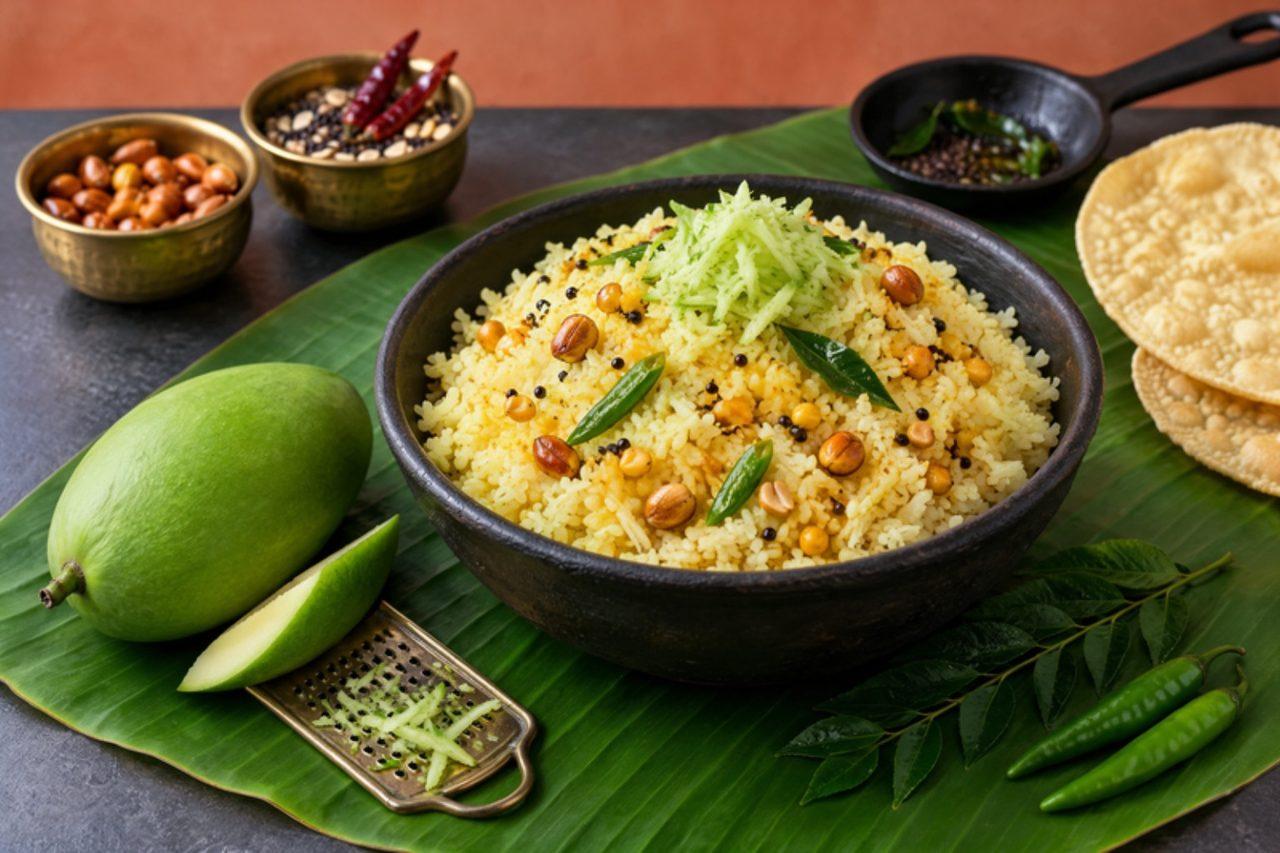
When hard green mangoes pile up at the markets of Tamil Nadu in April and May, school lunch boxes fill with mangai sadam, sour and fresh like lemon rice but with a fruitier bite. Grated raw mango is cooked only briefly in a mustard, chana dal and curry leaf tempering so it softens but keeps its tang. The mistake is overcooking the mango into mush, which makes the rice sticky; two or three minutes is enough. Chef's tip: taste the mango first. A very sour one needs a pinch of sugar, and a half-ripe one needs a squeeze of lemon at the end.

by KrazyBadal 0 views

Verkadalai sadam (peanut rice)

Peanut rice is the filling variety rice that Tamil and Kannada parents send when the school day ends with games: roasted peanuts, dry coconut, sesame and red chillies are ground into a coarse powder and tossed through rice in a curry leaf tempering. It tastes a little like a savoury peanut brittle, and it stays good at room temperature for hours. The mistake is grinding the peanuts too long; they turn into peanut butter and the rice clumps. Pulse in short bursts and stop while it is still sandy. Chef's tip: keep a few whole roasted peanuts aside and add them at the end for crunch.

by KrazyBadal 0 views

Menthya soppu bath (fenugreek leaf rice)

In Bengaluru and Mysuru, a "bath" is a one-pan rice dish seasoned with its own roasted spice powder, and menthya soppu bath is the winter version, made when bunches of fresh fenugreek are cheap. Unlike Tamil variety rices, the rice is cooked right in the masala with the leaves, tamarind and a touch of jaggery, so it comes out soft, tangy and gently bitter. The common mistake is using too much methi stalk, which makes the rice harshly bitter; strip the leaves and use only the softest stems. Chef's tip: a teaspoon of jaggery and a squeeze of tamarind balance the bitterness better than extra salt.

by KrazyBadal 0 views

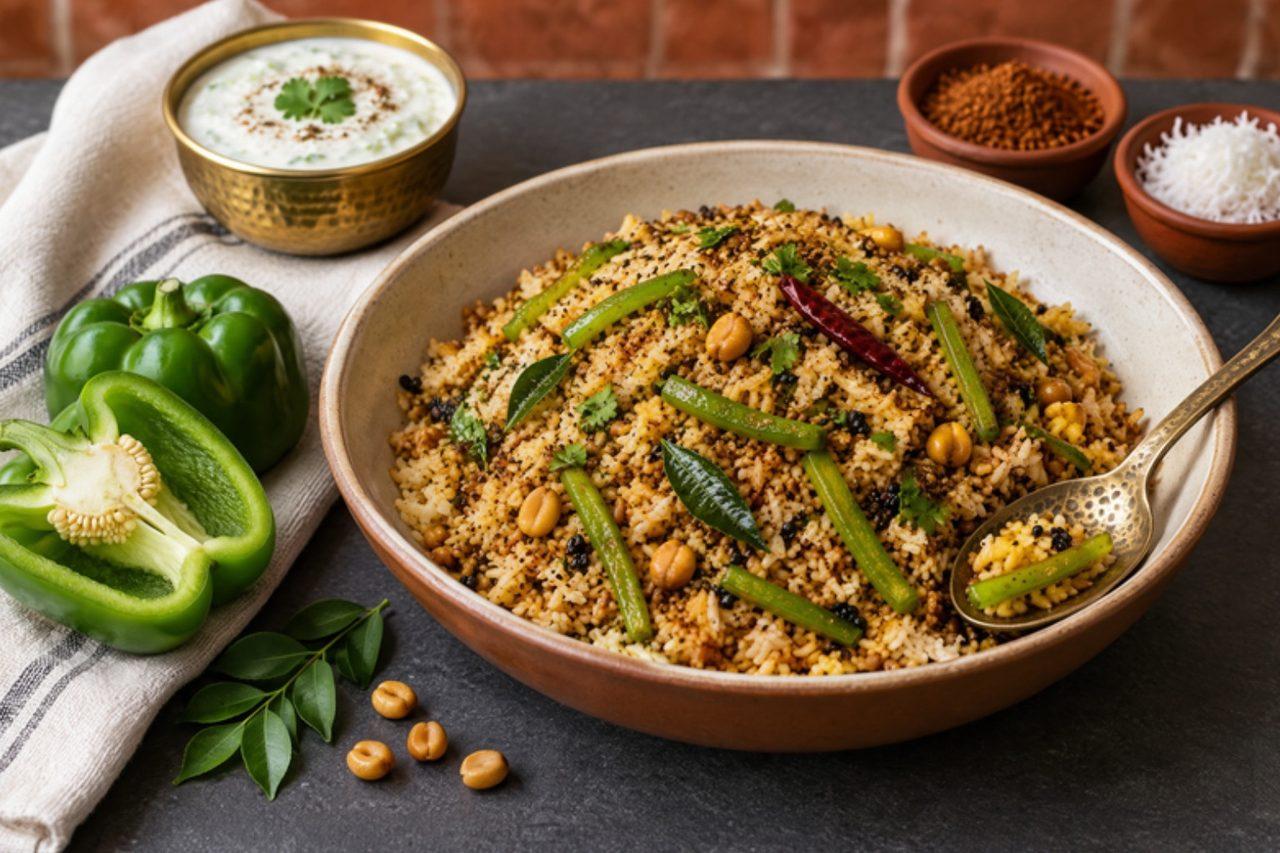
Capsicum rice (capsicum bath)

Every Bengaluru darshini has its own capsicum bath, and at home it is a favourite for office lunch boxes because the peppers stay crunchy until noon. Green peppers are sautéed just until glossy, then tossed with rice and a freshly roasted powder of coriander seeds, chana dal, dry coconut and red chillies. The mistake is cooking the peppers until soft; they release water and the rice turns soggy, so keep them bright and crisp. Chef's tip: add the powder to the hot oil off the heat for a few seconds before the rice goes in; it blooms the spices without burning the coconut.

by KrazyBadal 0 views

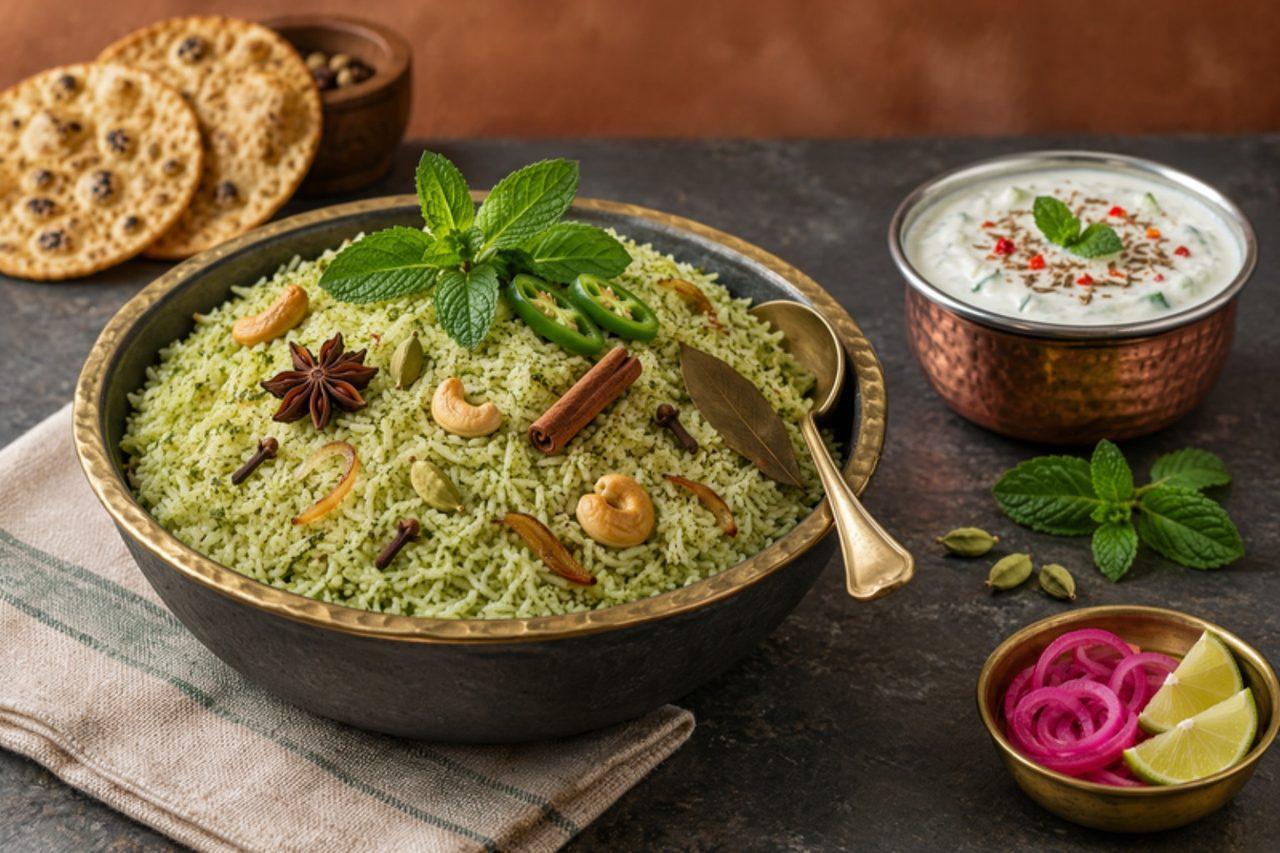
Pudina pulao (mint pulao)

Mint pulao turns up in tiffins from Hyderabad to Delhi in summer, when mint grows like a weed on balconies, and it is a lunch box that still smells fresh at one o'clock. Basmati is fried with whole spices and onion, then cooked in water coloured with a paste of mint, coriander, green chilli and ginger. The mistake is boiling the mint paste for a long time before the rice goes in, which turns it khaki and bitter; add it, stir for a minute, and get the rice in. Chef's tip: a squeeze of lime in the cooking water keeps the green colour brighter.

by KrazyBadal 0 views

Vegetable pulao

This is the plain, comforting pulao that gets packed for small children all over India, from Kolkata to Bengaluru: no chilli heat, just whole spices, a little fried onion and plenty of carrot, beans and peas. It is just as good warm or at room temperature, with a pot of raita or a few potato wedges alongside. The mistake is stirring the rice once the water goes in, which breaks the grains and makes it gluey; cover the pan and leave it alone. Chef's tip: cut the vegetables the size of a pea, so a child's spoon gets rice and vegetables in every bite.

by KrazyBadal 0 views

Urulaikizhangu roast (Tamil potato roast)

In Tamil lunch boxes, curd rice almost always comes with this: small cubes of boiled potato roasted slowly in a cast-iron pan with sambar powder, chilli and curry leaves until they are dark, crusty and chewy at the edges. It is a dry side, so it does not leak into the rice, and it tastes as good cold as hot. The mistake is stirring all the time; the potatoes need to sit undisturbed against the hot pan for a few minutes at a time to build the crust. Chef's tip: a teaspoon of rice flour scattered over in the last few minutes makes the coating even crisper.

by KrazyBadal 0 views

Vazhakkai podimas (raw banana podimas)

Podimas comes from Tamil Brahmin kitchens in Thanjavur and Chennai, where green plantain is boiled whole, grated into soft crumbs and tossed with a tempering of mustard, dal, ginger, green chilli and coconut, then sharpened with lemon. It is light and fluffy, and it sits happily next to sambar rice or rasam rice in a tiffin. The mistake is overboiling the plantain: it turns sticky and will not grate into crumbs. Pull it out as soon as a knife slides in with a little resistance. Chef's tip: grate it on the large holes of a box grater while still warm, then let it cool before tossing, so the shreds stay separate.

by KrazyBadal 0 views

Tomato thokkuSpiced tomato preserve

Thokku is the Tamil answer to a jar of chutney: ripe tomatoes cooked down slowly in plenty of gingelly oil with red chilli, tamarind and roasted fenugreek until thick, dark and glossy. A spoonful turns plain curd rice, idli or chapati into a proper lunch box, and travellers from Madurai carry it for trips because it keeps for weeks. The mistake is stopping too early; it is ready only when the oil floats free around the edges and a spoon dragged across the pan leaves a clean trail. Chef's tip: roast the fenugreek seeds until reddish before grinding; raw fenugreek makes the thokku bitter.

by KrazyBadal 0 views

Shepu bhaji (dill and moong dal)

In Pune and the villages of western Maharashtra, bunches of shepu (dill) come to market in winter, and this dry bhaji of dill and soaked yellow moong dal is packed with bhakri or chapati in the lunch dabba. The dill wilts down to a soft, aromatic tangle, and the moong dal gives it body and a little protein. The mistake is adding water: the leaves release plenty of their own, and extra liquid makes the bhaji stew and lose its fresh, sharp smell. Chef's tip: soak the moong dal for at least 30 minutes beforehand, so it cooks through in the dill's own steam without turning mushy.

by KrazyBadal 0 views

Lal mathachi bhaji (red amaranth stir-fry)

In Mumbai and the Konkan, bunches of red math (amaranth) with their magenta stems come in during the monsoon, and this quick garlicky bhaji turns the dabba's chapatis pink at the edges. It is cooked fast in a hot pan so the leaves stay bright, then finished with a little fresh coconut, the coastal touch that sets it apart from the Bengali way with the same leaf. The mistake is cooking it covered for a long time, which turns it grey and watery. Chef's tip: chop the tender stems finely and cook them for a minute before the leaves go in, so everything is done at the same moment.

by KrazyBadal 0 views

Methi besan bhajiFenugreek and gram flour stir-fry

Farmers in Vidarbha and households in Jodhpur both make a version of this: chopped methi leaves cooked down and then dusted with roasted besan until the whole pan turns into dry, savoury crumbs that cling to a chapati. Because it has almost no moisture, it is one of the best sabzis for a long journey or a hot day's dabba. The mistake is adding raw gram flour straight to the leaves, which leaves a pasty, raw taste. Roast the besan dry until it smells like biscuits first. Chef's tip: sprinkle a few drops of water over the crumbs and cover for a minute at the end, so they soften just enough without turning into a paste.

by KrazyBadal 0 views

Sem ki sabzi (flat beans with potato)

When flat green sem pods fill the sabzi carts in Lucknow and Jaipur in winter, they go into this dry stir-fry with potato and a crackle of ajwain, the classic partner for paratha in an office dabba. The beans stay a little firm and sweet, the potato soaks up the spices, and nothing drips into the roti. The mistake is leaving the stringy edges on the pods; they never soften. Snap the tip and pull the string down each side before chopping. Chef's tip: cook covered for the first half to steam the beans tender, then uncover and turn up the heat so the potatoes catch and brown.

by KrazyBadal 0 views

Soya chunks sabziDry soya chunk curry

Soya chunks, called nutrela or meal maker across India, are a hostel and office-tiffin favourite from Delhi to Hyderabad because they are cheap, keep for months and soak up masala like a sponge. Here they are boiled, squeezed and cooked dry with onion, tomato and garam masala until each chunk is glossy and coated. The mistake is not squeezing hard enough: water left inside dilutes the masala and the chunks taste of nothing. Squeeze them in a fist, twice. Chef's tip: soak them in hot salted water with a pinch of turmeric, so they are seasoned all the way through.

by KrazyBadal 0 views

Aloo bhindiPotato and okra stir-fry

Aloo bhindi is the sabzi that Delhi children are happiest to find in their dabba with soft phulkas: okra fried until its edges crisp, potato cubes browned alongside, and sliced onion cooked sweet, all dusted with amchur and cumin. The single big mistake is washing the okra and cutting it wet, which releases slime that never cooks off. Wash it, dry every pod with a cloth and wait half an hour before slicing. Chef's tip: add the salt only at the very end; salt draws moisture out of the okra and makes it sticky.

by KrazyBadal 0 views

Gobi matar (cauliflower and peas)

In Punjab and Uttar Pradesh, winter means cauliflower and fresh peas, and gobi matar is what fills countless school and office dabbas between November and February. It is cooked dry, so the florets brown a little at the edges, sweetened by the peas and sharpened by plenty of ginger. The mistake is cooking the cauliflower covered with water until it is soft and smells of cabbage; steam it briefly in its own moisture, then fry it uncovered. Chef's tip: cut the florets so they have one flat side; that face sits on the pan and browns while the rest steams tender.

by KrazyBadal 0 views

Pineapple gojjuSweet and sour pineapple gravy

Pineapple gojju turns up on banana leaves at Kannada weddings, housewarmings and Ugadi feasts, where its bright sweet-sour-hot taste cuts through the rice, saaru and payasa. Ripe pineapple is simmered with tamarind and jaggery, then thickened with a roasted paste of sesame, coconut, chilli and lentils until glossy. It is eaten in small spoonfuls with rice or chapati, or as a relish on the side. The usual mistake is adding the jaggery too early and boiling it hard, which makes it sticky and dull; let the pineapple soften first. It keeps for 4 days in the fridge. Chef's tip: toast the sesame seeds separately and add them last, so they stay nutty and you can hear them crackle.

by KrazyBadal 0 views

Kadle manoliBlack chickpea and coconut curry

Kadle manoli is a Konkani dish from Mangaluru and Udupi, cooked for festive meals, Saturday temple days and family gatherings, where it sits beside rice, dalitoy and papad. Black chickpeas and quartered ivy gourd are cooked together, then tossed in a coarse, roasted masala of coconut, byadgi chillies and coriander, a little tamarind and a coconut-oil tempering. It is dry-ish, coating each piece rather than swimming in gravy. The usual mistake is cutting the ivy gourd into rounds; slice it lengthwise into quarters so it stays crunchy-tender. Slow-cooker: cook the soaked chana and gourd with 500 ml water on low for 7 hours, then stir in the masala and heat through. Chef's tip: grind the masala coarse, with very little water, so it clings to the chickpeas and stays fragrant.

by KrazyBadal 0 views

Lauki chana dalBottle gourd and chana dal

In Punjabi and Haryanvi homes lauki chana dal is a weekday staple, and it travels in the dabba's lidded steel bowl beside rotis or rice. Chana dal holds its shape while the bottle gourd melts into it, so the dal is thick enough not to slosh about. The mistake is adding the lauki at the start with the dal: it collapses into strings and turns the dal watery. Add it once the dal is half cooked. Chef's tip: choose a young, pale-green lauki that your nail dents easily; an old one is bitter and seedy, so taste a small piece raw and discard it if it is bitter.

by KrazyBadal 0 views

Lemon sevai (lemon rice noodles)

Sevai is pressed rice-flour vermicelli, and in Tamil Nadu and the Mysuru region the lemon version is a lighter alternative to lemon rice for a school lunch box. Today most homes use dried rice sevai, softened in hot water and steamed, then tossed with a turmeric tempering of mustard, dal, peanuts and green chilli and plenty of lemon. The common mistake is soaking the dry sevai too long, so it breaks into short mushy bits; it should be just pliable before it goes into the steamer. Chef's tip: toss with a fork, not a spoon, and lift rather than stir so the strands stay long.

by KrazyBadal 0 views

Dalimbi usalSprouted field bean curry

In Konkan and Pune homes, dalimbi usal is a festival dish, cooked for Ganesh Chaturthi, weddings and thread ceremonies and served on the thali beside puran poli and rice. Dalimbi are dried field beans (val) that are soaked, sprouted and peeled; the work takes two days but turns them creamy and sweet. They are simmered gently with fresh coconut, goda masala, kokum and a little jaggery, without onion or garlic. Field beans must always be cooked until fully soft; never eat them raw or half-cooked. The usual mistake is boiling them hard, which bursts the soft peeled beans into mash; keep the simmer gentle. Chef's tip: soak the sprouted beans in warm water for 30 minutes before peeling, and the skins slip off with a pinch.

by KrazyBadal 0 views

Val valMixed vegetables in coconut gravy

Val val is a gentle Goan Saraswat stew of mixed vegetables in coconut milk, cooked for festive meals at Ganesh Chaturthi, weddings and temple feasts in Ponda and Margao, where it balances hot curries and fried fish-free starters on the plate. Drumsticks, pumpkin, green beans and potato cook in thin coconut milk with green chilli and cumin, then thick coconut milk is stirred in at the end for a creamy, pale, mildly sweet sauce. Eat it with rice, or with puris for a feast. The usual mistake is boiling it after the thick coconut milk goes in, which splits it into oily curds. Chef's tip: grind the cumin with the green chillies and a spoon of coconut milk; it gives a fresh warmth without colouring the white sauce.

by KrazyBadal 0 views

Sev tameta nu shaakSev and tomato curry

Sev tameta nu shaak is roadside-dhaba and home food from Kathiyawad in Saurashtra, cooked when the vegetable basket is nearly empty but there are tomatoes and a tin of sev. Ripe tomatoes simmer with garlic, red chilli and a little jaggery into a thin, sweet-sour-hot gravy, and a handful of crisp gram-flour sev goes on top at the very last moment, so it is half-crunchy, half-soft when you eat it with bajra rotla, thepla or rotli. The usual mistake is stirring the sev in too early, which turns the curry into a paste. Most sev is made from gram flour, but check the packet if you avoid gluten. Chef's tip: use thick sev (ratlami or bhavnagari), which holds its crunch far longer than nylon sev.

by KrazyBadal 0 views

Neem begunNeem leaves with aubergine

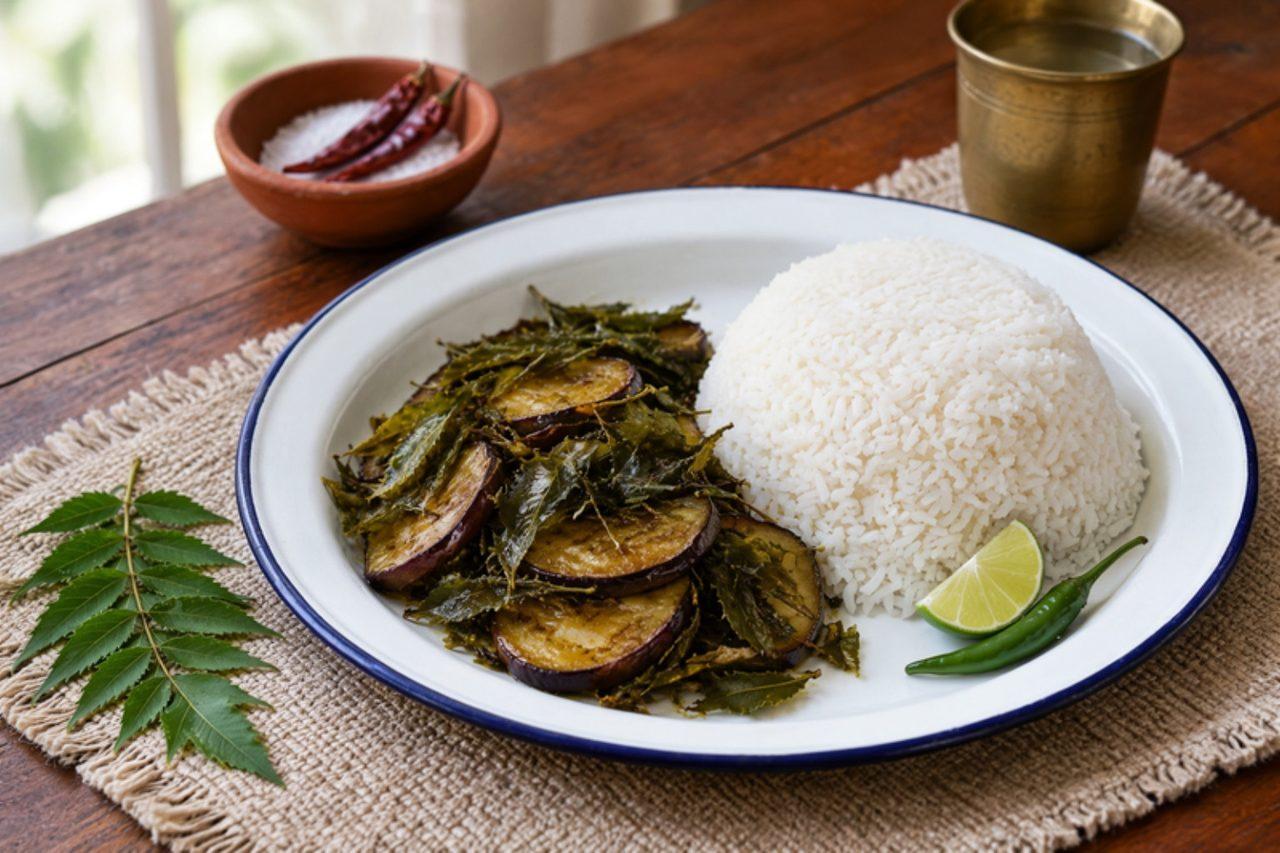
Neem begun opens a traditional Bengali lunch in spring, especially around Poila Baisakh, when the neem trees of West Bengal put out soft new leaves. A few tender leaves are fried crisp in mustard oil, then tossed with small cubes of fried aubergine so the bitterness is softened by the creamy brinjal. Eat a spoonful or two with the first mouthfuls of rice, before the dal. It is suitable as part of a balanced diet and is meant to be eaten in small amounts, as Bengali cooks always have. About 110 kcal and 7 g carbohydrate per portion. The usual mistake is frying the neem too long, which turns it black and acrid; it needs only seconds. Chef's tip: dry the leaves completely on a cloth before they go into the oil, or they spit and steam instead of crisping.

by KrazyBadal 0 views

Jhinge postoRidge gourd with poppy seeds

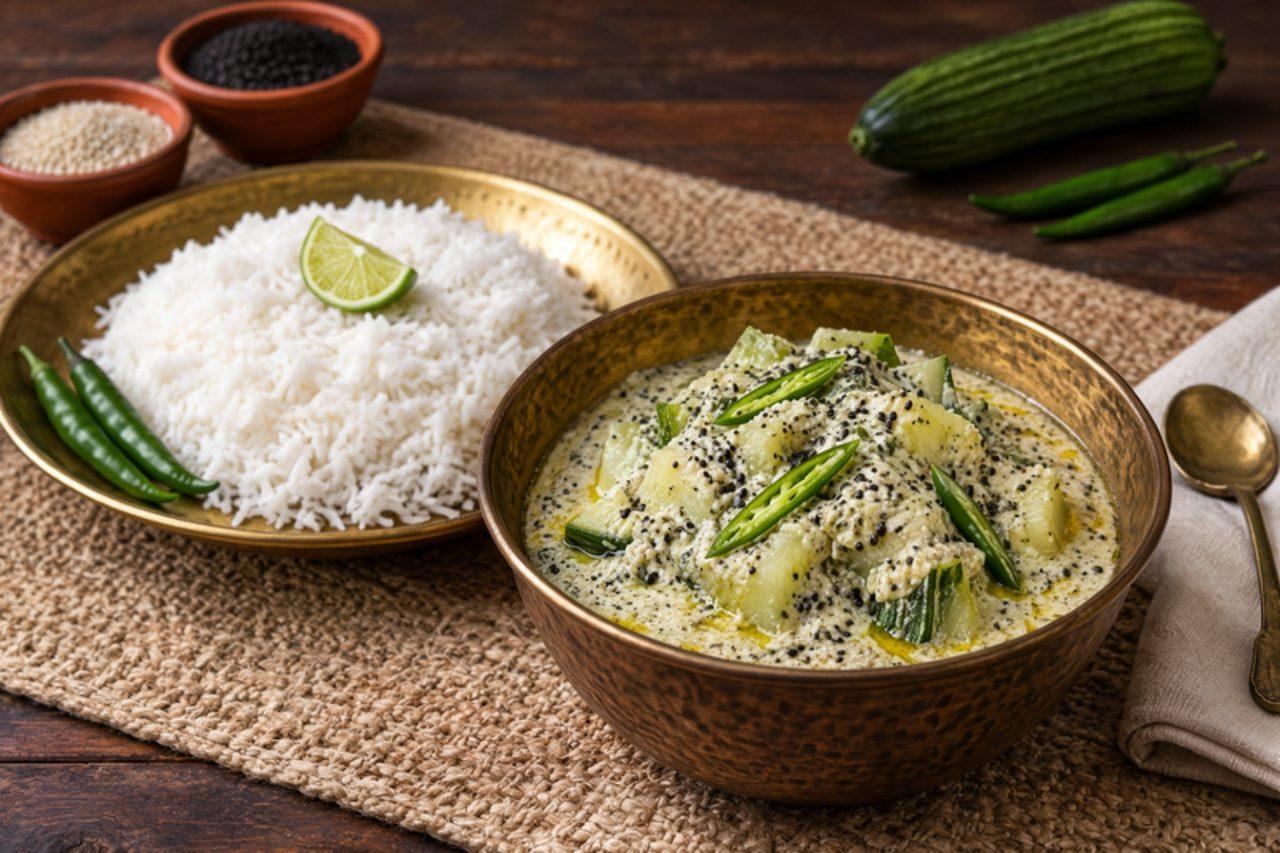
Jhinge posto is a summer staple of West Bengal and especially the Bankura and Birbhum districts, where poppy seed (posto) goes into almost every everyday lunch. Ridge gourd is cooked in its own juices with nigella seeds and green chilli, then coated in a creamy paste of ground white poppy seeds, giving a mild, nutty, slightly sweet dish. Serve it with rice and dal, or with a millet roti for a lower-GI plate. It is suitable as part of a balanced diet. About 150 kcal and 9 g carbohydrate per portion. The usual mistake is adding water: the gourd releases plenty, and extra water makes the posto runny. Chef's tip: soak the poppy seeds in hot water for 20 minutes before grinding so the paste is smooth, not gritty.

by KrazyBadal 0 views

Showing 96 of 681 recipes

Show more recipes

Page 17 of 29

More collections