Skip to content

Vegetarian Chinese recipes

Tofu, noodles, dumplings and stir-fries without meat or fish. (213 recipes)

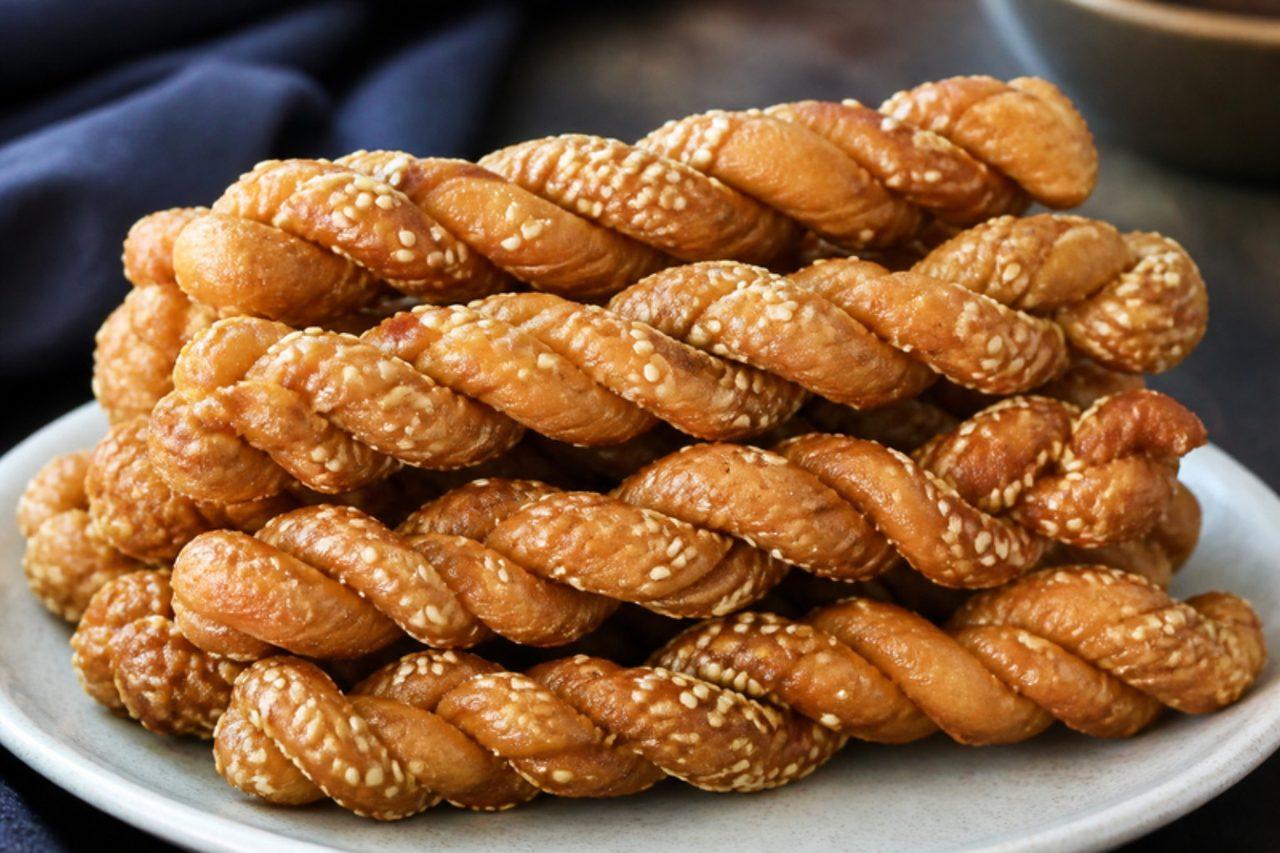
Mahua (crisp fried dough twists)

Tianjin in northern China is famous for mahua, and the shops on Guifaxiang street sell giant ones stuffed with candied fruit; but the everyday kind is a small, hard, golden twist sold in bags in every corner shop and eaten with tea or as a snack on the train. This home version is crisp right through with a little sweetness and toasted sesame. The common mistake is frying too hot: the outside browns while the thick twist stays doughy and raw in the middle. Keep the oil at about 160 °C and give them time. Chef's tip: let the shaped twists rest 10 minutes before frying so the dough relaxes; tight twists spring open in the oil.

by KrazyBadal 0 views
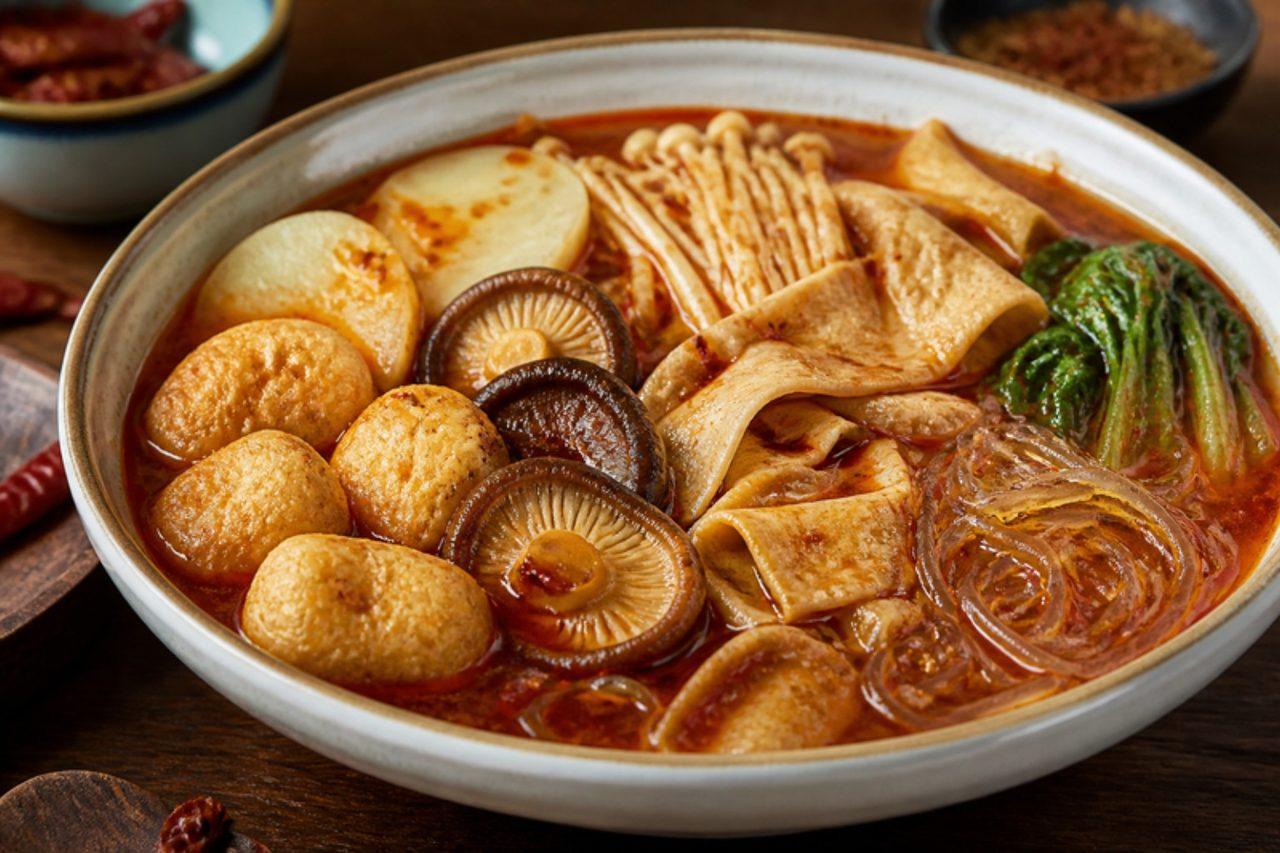
Vegetarian malatangSpicy numbing hot pot

Malatang began on the streets of Leshan and Chengdu as a cheap pot where everything was boiled together, and today it is a lunchtime habit for students and office workers across China: you fill a basket from fridges of skewers and vegetables, and the cook boils it in a numbing, chilli-red broth and hands it back in a big bowl. This home version makes a fully vegan broth from chilli bean paste, dried chillies and Sichuan pepper, with no beef tallow. Choose about six things: tofu puffs, frozen tofu, enoki, wood ear, potato slices, lotus root, greens and sweet potato noodles are classic. The common mistake is to cook everything for the same time; put dense things in first and leafy things last so nothing turns to mush. Chef's tip: a spoonful of sesame paste stirred into each bowl at the end softens the heat and is how many Chengdu shops serve it.

by KrazyBadal 0 views
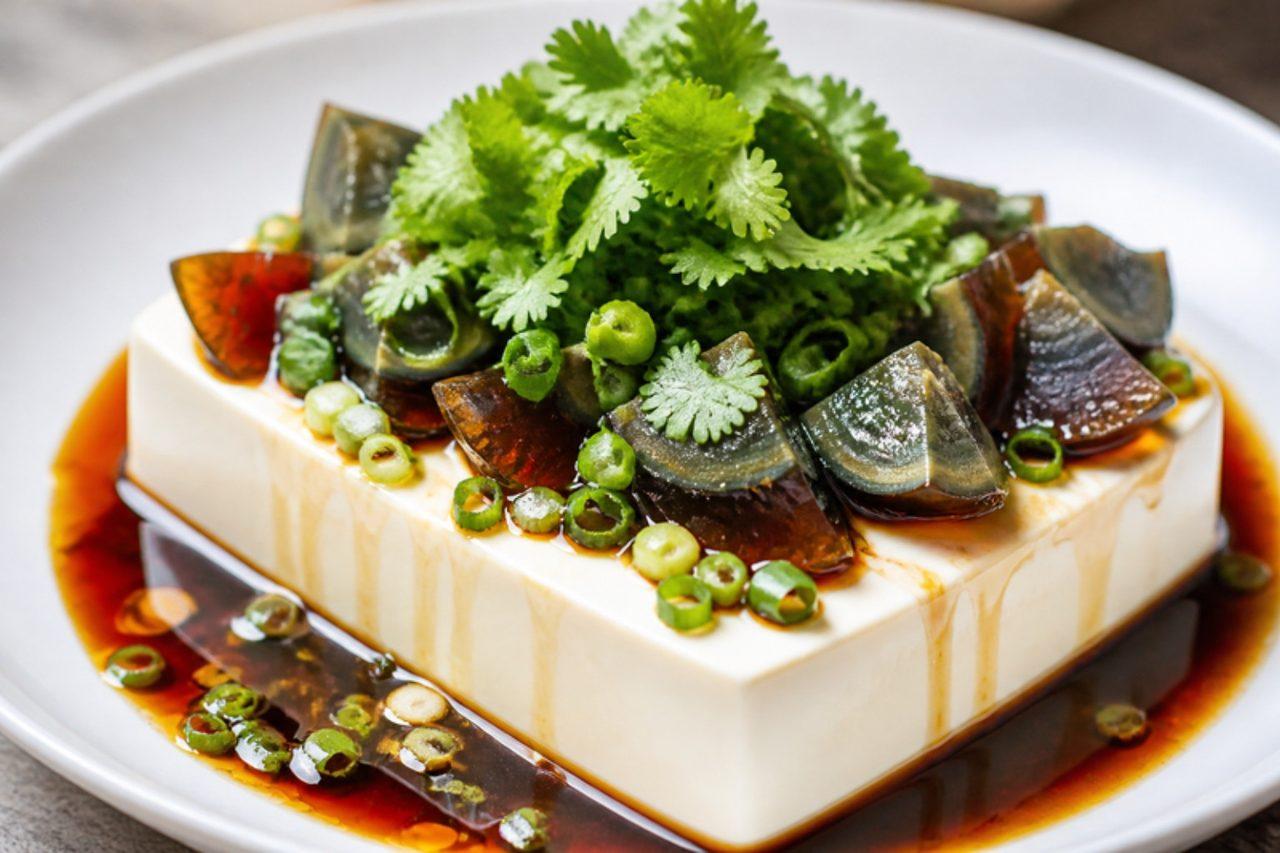
Pidan tofu (century egg tofu)Silken tofu with century egg

This cold plate is a summer standby in homes from Shanghai to Taipei and turns up in nearly every Sichuan and Hunan restaurant as a starter: a block of chilled silken tofu, chopped century egg with its amber white and creamy dark-green yolk, and a sharp dressing of soy, black vinegar and sesame oil. It is cool, silky and deeply savoury, and takes ten minutes. Eat it before a meal or with rice and porridge. Buy century eggs from a shop that sells them labelled lead-free; they are fully preserved and need no cooking. The mistake to avoid is skipping the drain, because water seeping out of the tofu dilutes the dressing into a puddle. Chef's tip: chill the eggs before peeling and cut them with a knife dipped in water, or with thread, so the soft yolk doesn't smear.

by KrazyBadal 0 views
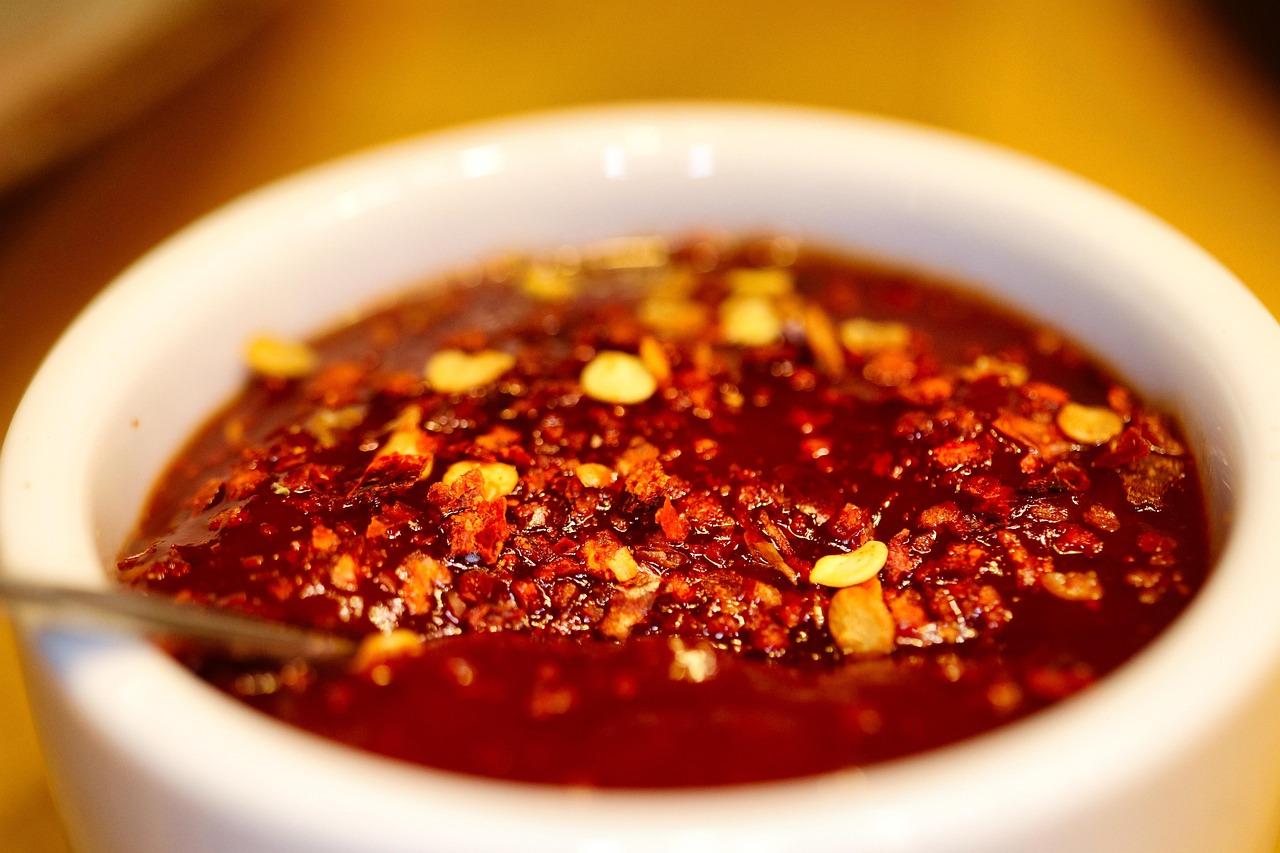
Hong you (Sichuan red chilli oil)

In Chengdu kitchens, a jar of hong you sits next to the stove and goes into almost everything cold: wontons in red oil, cucumber salads, cold noodles and the dressing for liang mian. Good chilli oil is a deep ruby colour, fragrant rather than burnt, with a warm, rounded heat and the tingle of Sichuan pepper. It is poured in two stages, hot then warm, so you get both toasted and bright chilli flavours. The mistake most people make is pouring smoking oil onto the flakes, which turns them black and bitter in a second; check the temperature. Chef's tip: mix coarse and fine chilli flakes, the fine for colour and the coarse for crunch and flavour, and let the oil sit overnight before using.

by KrazyBadal 0 views
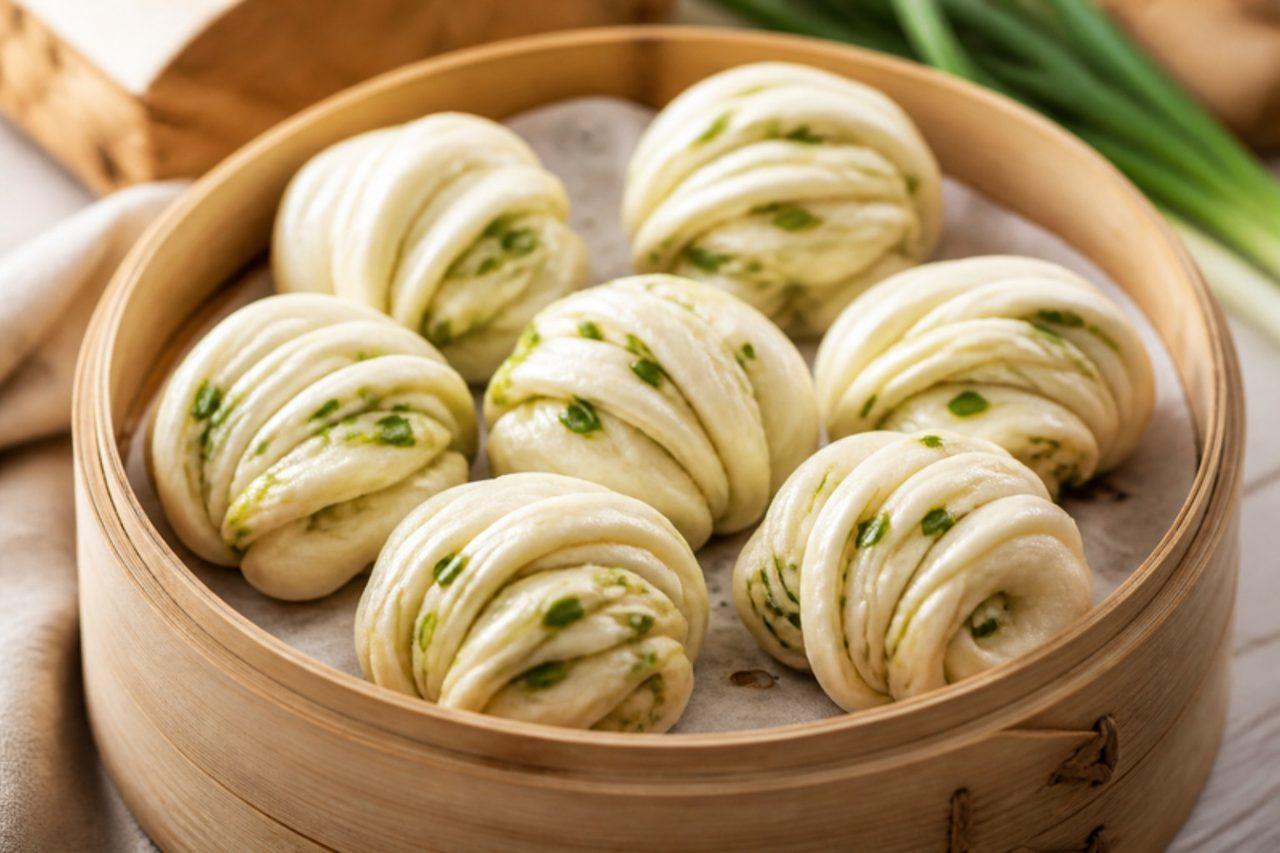
Hua juan (scallion flower rolls)

Hua juan, 'flower rolls', are what a northern Chinese household makes when plain mantou feel too plain: the same dough is rolled out, spread with spring onion, salt and a little oil, then cut and twisted so the layers open into petals as it steams. Families in Hebei, Beijing and Shandong eat them for breakfast with millet porridge or with a stew for supper. The common mistake is spreading the filling to the very edge and pressing too hard while twisting, which squashes the layers together so you lose the flower. Chef's tip: dust the oiled surface with a little flour before rolling it up; it keeps the layers separate so they peel apart after steaming.

by KrazyBadal 0 views
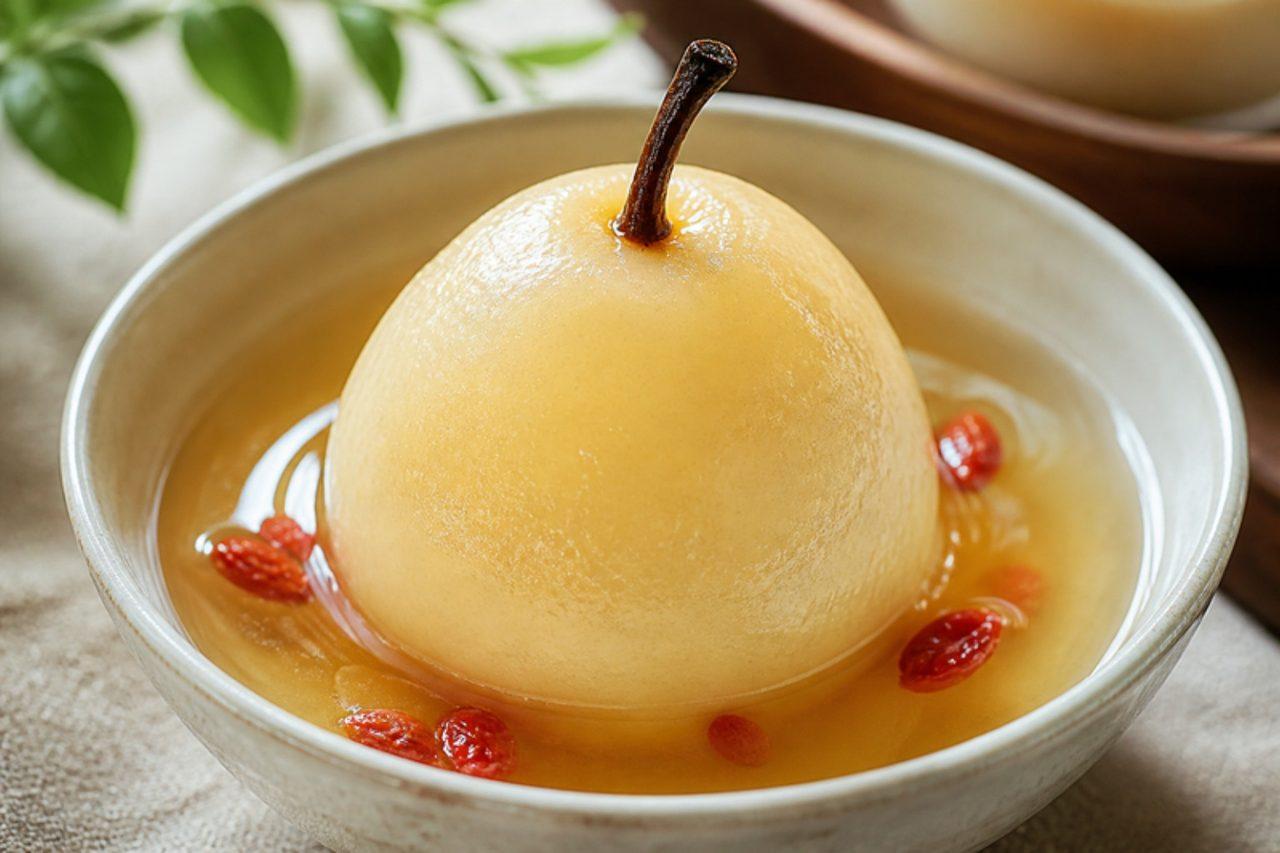
Bingtang xueli (rock sugar stewed pears)

When the dry winds of a northern winter bring on sore throats, grandmothers in Beijing and Shandong set a bowl of pear and rock sugar in the steamer, and it is now served as a soothing dessert all over China. Whole Asian pears, hollowed and filled with rock sugar, are slowly stewed until translucent and swimming in their own light syrup. The common mistake is choosing a Western pear that collapses; crisp Asian (nashi or Ya) pears hold their shape and give plenty of juice. Chef's tip: slice off the top as a lid and stew it with the pear; serving the pear with its lid back on is how it is presented at the table.

by KrazyBadal 0 views
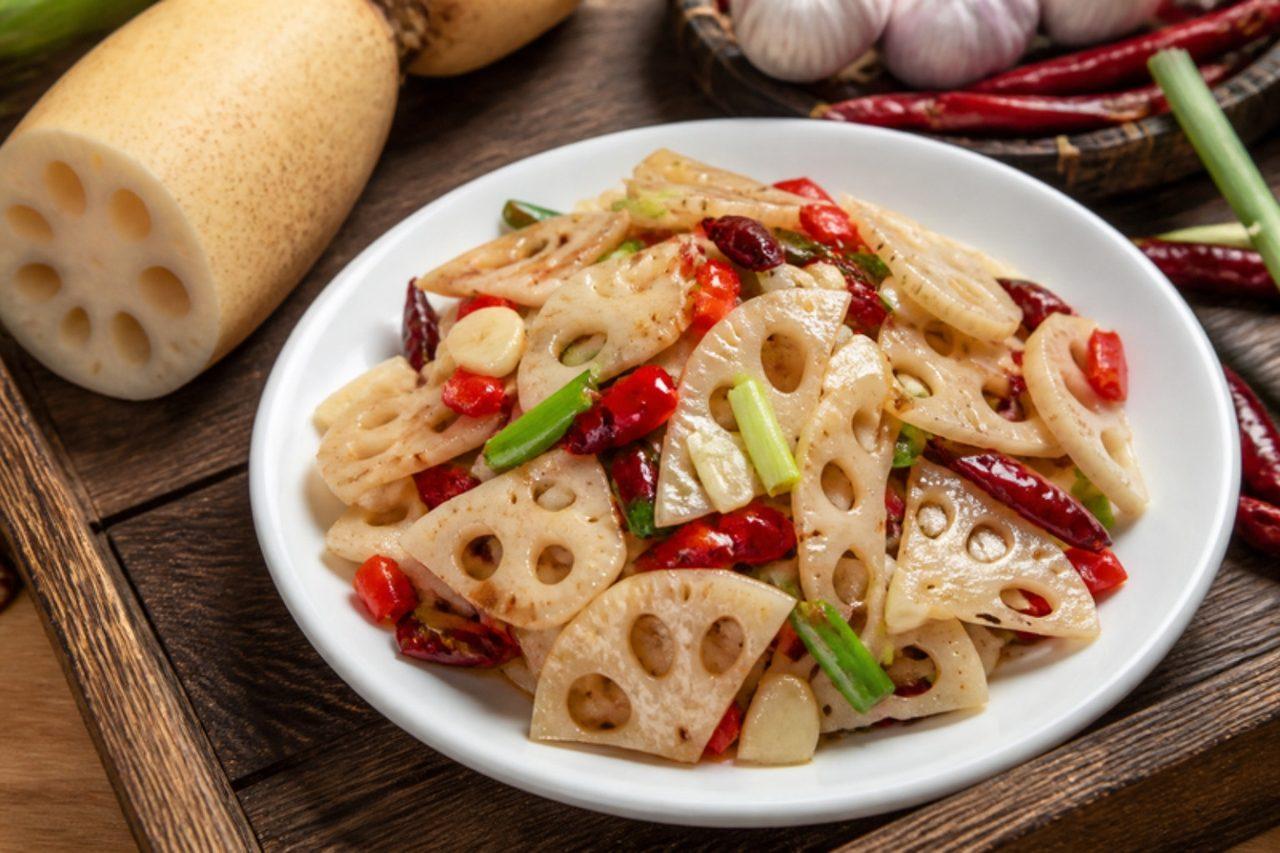
Hot and sour lotus root

Hubei is lotus country, its lakes around Wuhan full of the plant, and Hubei and Sichuan cooks dice the crisp root and flash-fry it with chilli and vinegar for a side dish that crunches like water chestnut. It is sour first, then hot, then garlicky, and it wakes up a table of rich braises in a Wuhan home or a Chengdu fly restaurant. Serve it hot or at room temperature with rice. The common mistake is cooking the lotus too long so it turns starchy and dull; it needs only a few minutes. Chef's tip: drop the cut pieces straight into water with a splash of vinegar, which stops them turning grey and rinses off surface starch so they stay crisp.

by KrazyBadal 0 views
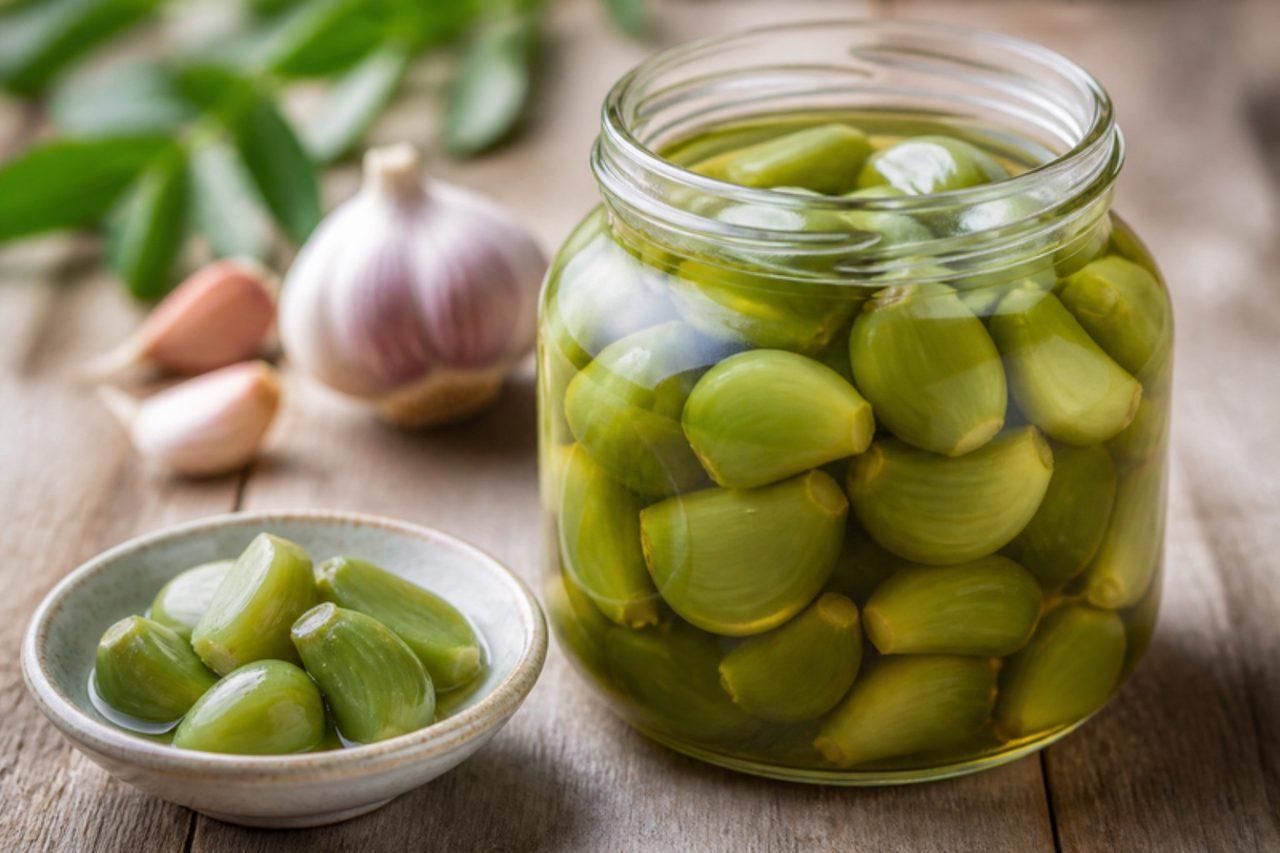
Laba garlic (jade green vinegar garlic)Green vinegar-pickled garlic

On Laba day, the eighth of the twelfth lunar month, Beijing families peel a jar of garlic, cover it with vinegar and leave it in a cold spot until New Year's Eve, when the cloves have turned a startling jade green. They are eaten with the jiaozi on New Year's Eve, a spoonful of the sharp, garlicky vinegar going into every dipping dish. The cloves lose their raw bite and become crunchy, mellow and sweet-sour. The green colour comes from natural compounds in the garlic reacting with the acid in the cold and is perfectly safe. The usual mistake is keeping the jar somewhere warm, where the garlic stays white; it needs to be below about 10 °C. Chef's tip: use firm, purple-skinned garlic, and leave the jar in the fridge door, which is cold but not too cold.

by KrazyBadal 0 views
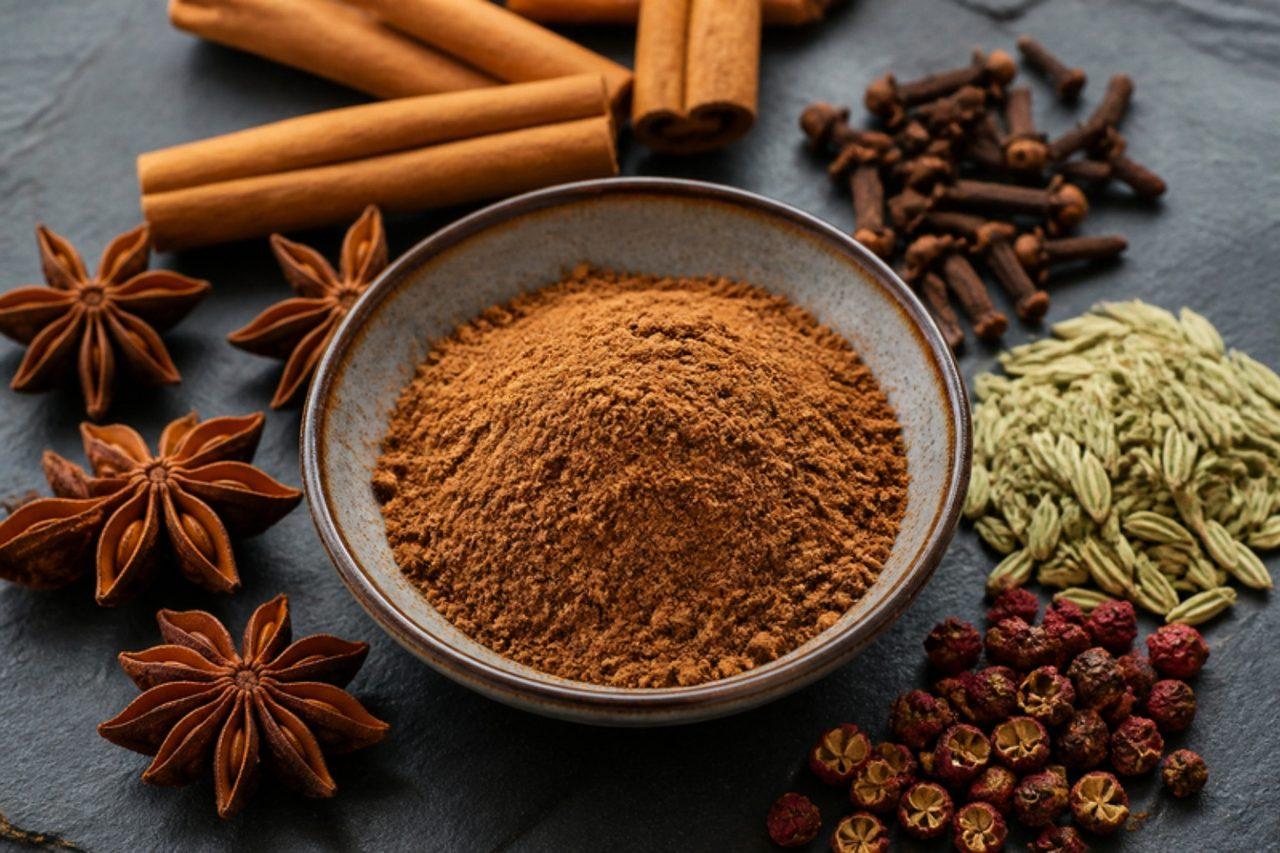
Five-spice powder

Across China, from Cantonese roast meat shops to Sichuan home kitchens, five-spice is the blend that seasons red-braised dishes, tea eggs, roast duck and spiced tofu. Shop-bought powder loses its scent quickly; grinding your own takes ten minutes and gives a sweet, warm aroma with a gentle tingle from the Sichuan pepper. It is used by the pinch, not the spoonful. The classic mistake is grinding the spices raw or toasting them until they smoke; warm them just until fragrant. Chef's tip: pick the black seeds out of the Sichuan peppercorns before toasting, since they are gritty and bitter, and sieve the ground blend so it is silky fine.

by KrazyBadal 0 views
Gau choi gau (chive dumplings)

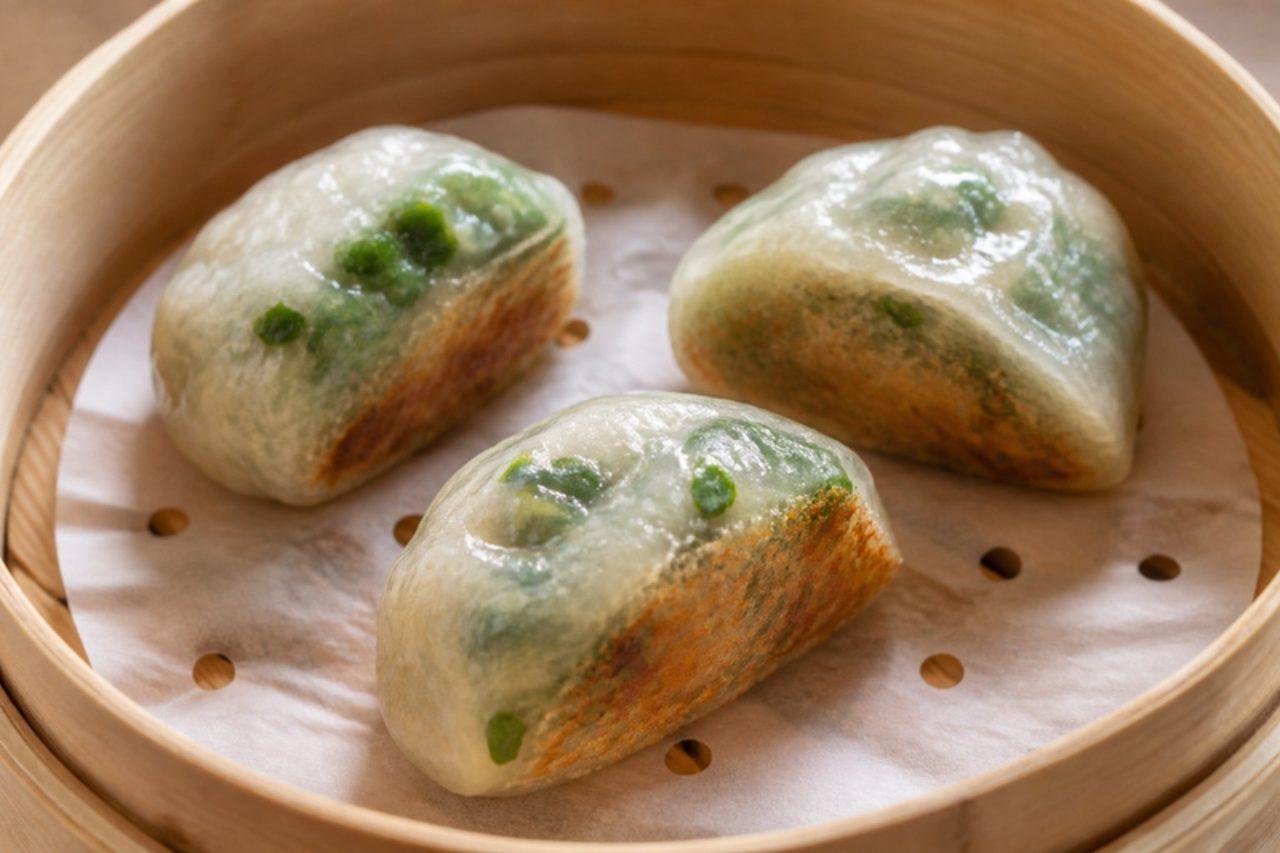
In Guangzhou teahouses these fat, translucent parcels arrive pressed flat and seared on one side, so you see the bright green chives through a skin that is chewy and crisp at once. The dough is wheat starch and tapioca scalded with boiling water, and the filling here is all chives, shiitake and a little firm tofu, which is how many families make it for vegetarian days at New Year. Lukewarm water is the common mistake: the starch only turns into a workable dough if the water is properly boiling. Chef's tip: dry the chives completely after washing, or they weep and make the skins burst.

by KrazyBadal 0 views

Nian gao (brown sugar sticky rice cake)

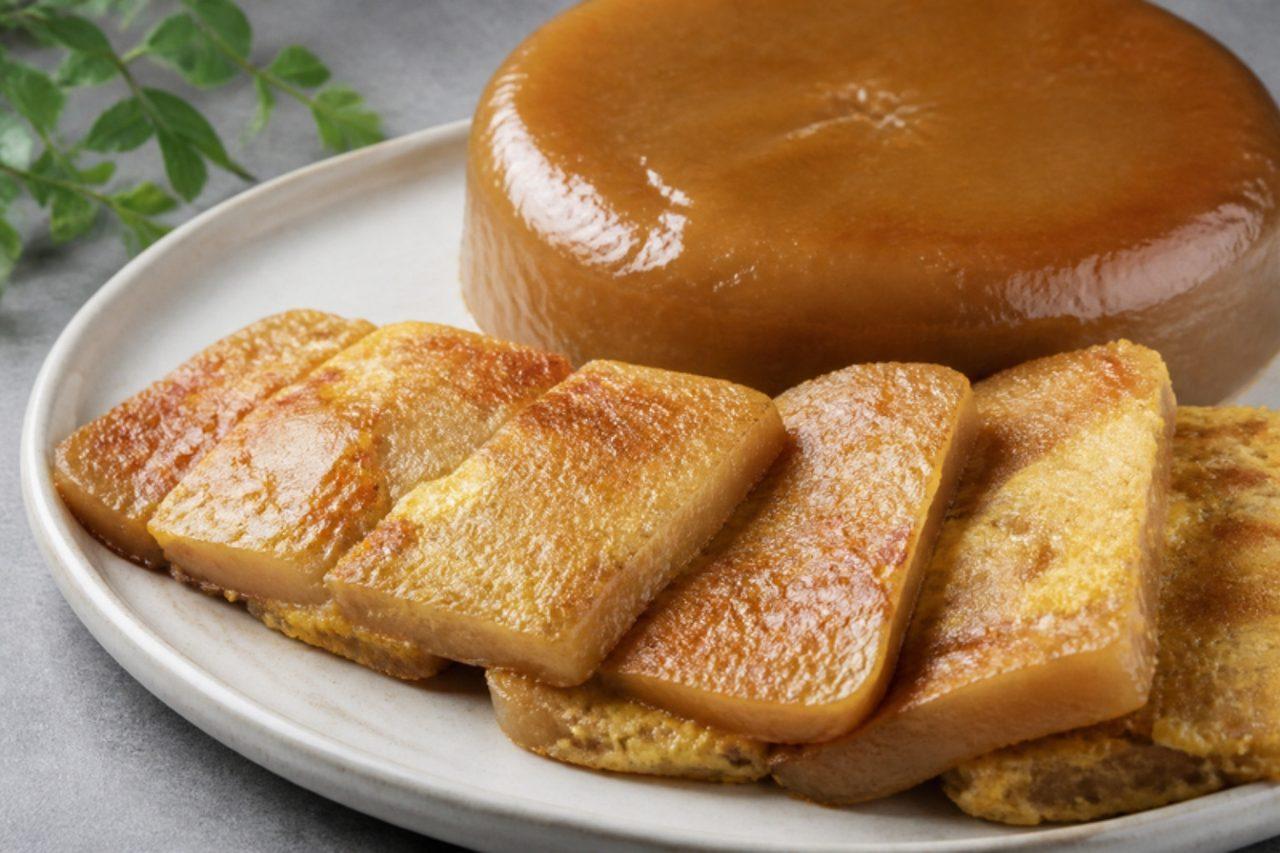
Across Guangdong a tall nian gao, glossy and almost black from slab brown sugar, is steamed before New Year and offered to the Kitchen God; its name sounds like 'higher every year'. Days later, once it has firmed up, the cake is cut into slices, dipped in beaten egg and fried until the outside is lacy and the inside soft and stretchy. The batter is just glutinous rice flour, brown sugar and water, so a plain steamed slice is vegan; the egg is for frying. Cutting it too soon is the mistake: freshly steamed nian gao is a sticky puddle, so wait at least a day. Chef's tip: oil your knife between slices and it glides through cleanly.

by KrazyBadal 0 views

Sachima (honeyed egg-noodle bars)

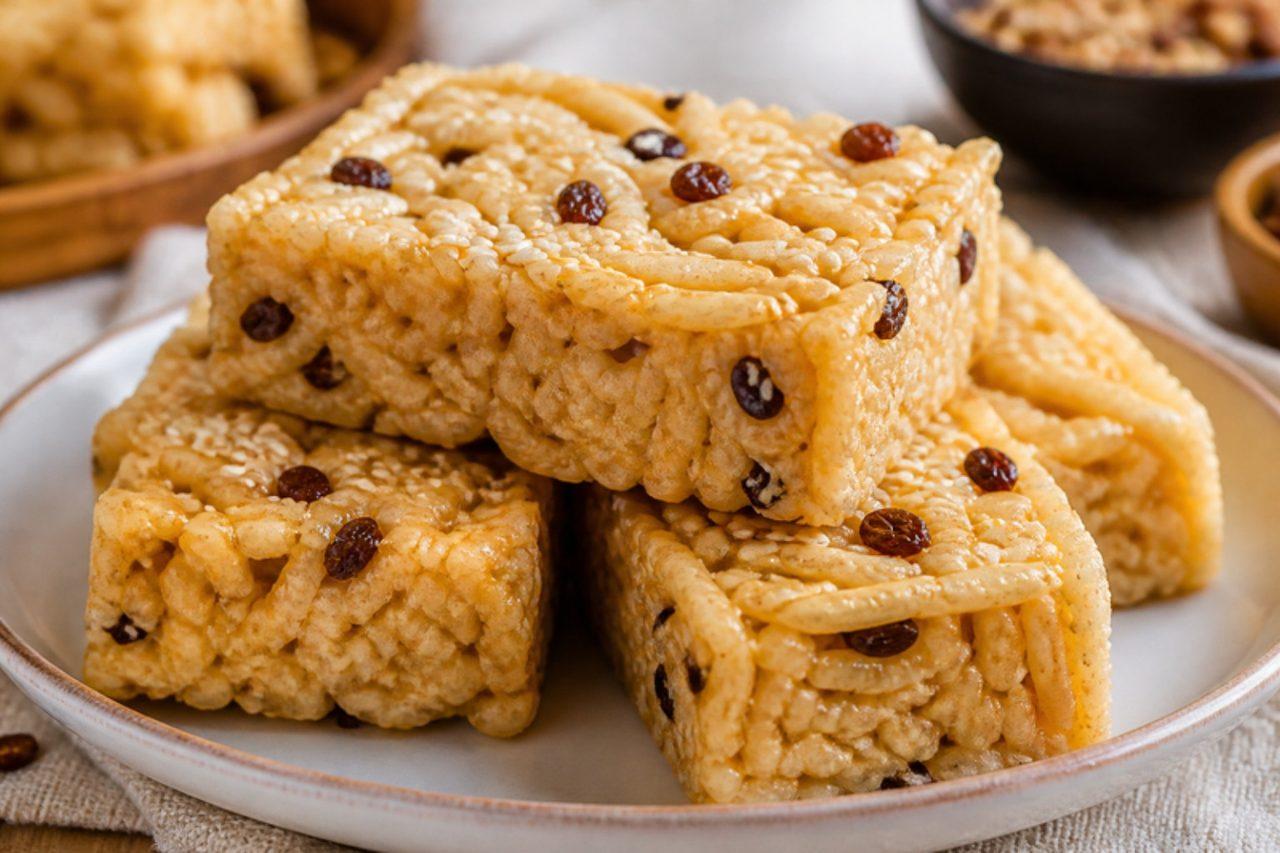
Sachima came to Beijing with the Manchus, and old-fashioned bakeries in the north still sell it in big trays: thin strands of egg dough are fried pale gold, tossed in a sticky syrup, pressed into a block and cut into fluffy, sweet squares. Children in China and in Chinese communities abroad grow up with the wrapped supermarket kind, but homemade is lighter and softer. The common mistake is overcooking the syrup; take it too far and the bars set rock hard instead of chewy. It should only reach the thread stage, about 112 °C. Chef's tip: fry the strands only until pale straw-coloured, not brown; they keep cooking for a moment once lifted from the oil.

by KrazyBadal 0 views

Nangua bing (pumpkin sticky rice cakes)

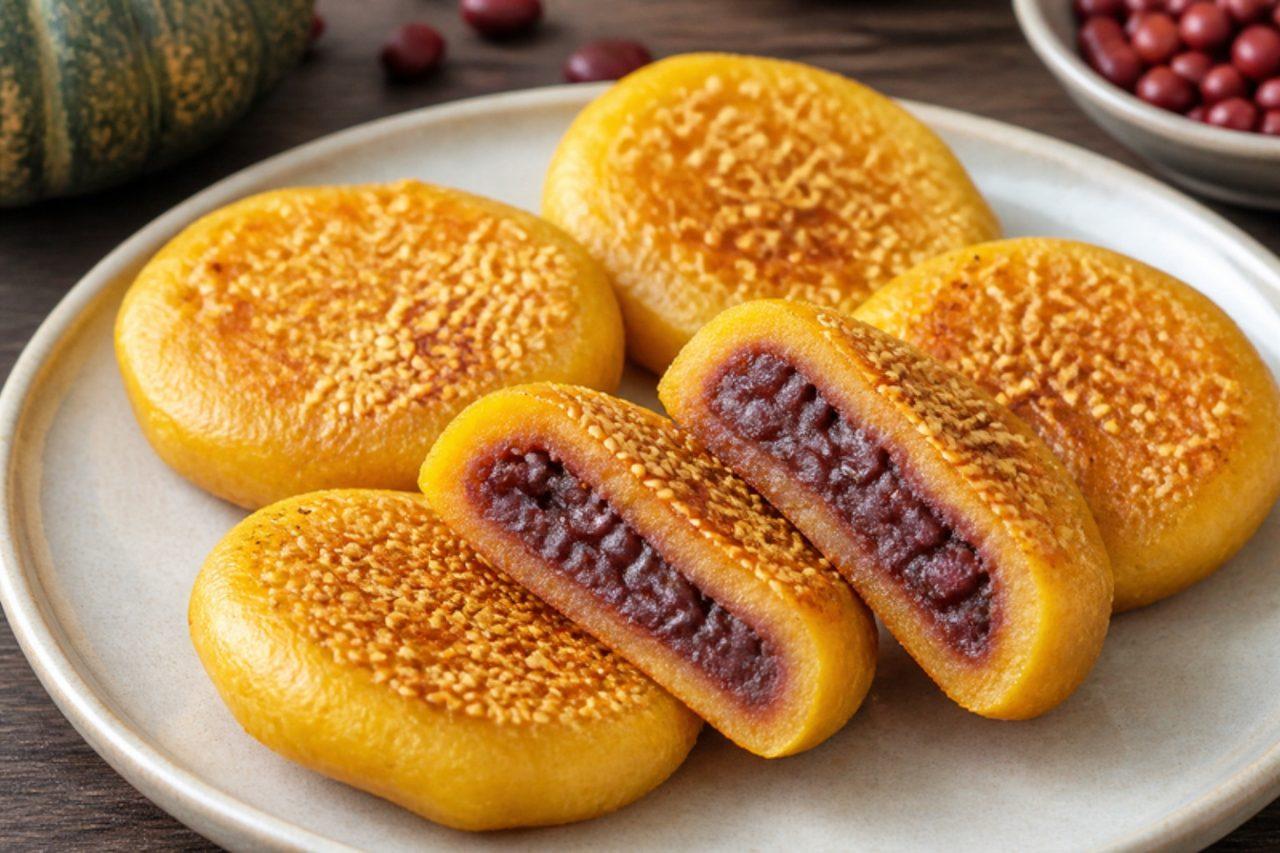
Every family restaurant from Zhejiang to Sichuan has a plate of these little golden pumpkin cakes on the menu, and grandmothers make them at home in autumn when pumpkins pile up at the market: steamed pumpkin is kneaded with glutinous rice flour into a soft orange dough, wrapped round a spoonful of red bean paste, pressed flat and fried until crisp outside and chewy inside. Children love them for dessert or as an afternoon snack. The common mistake is adding all the flour at once; pumpkins vary in moisture, so add it gradually until the dough is soft like earlobes and no longer sticky. Chef's tip: fry them on a medium-low heat with the lid on for the first side, so the centre steams through before the outside darkens.

by KrazyBadal 0 views

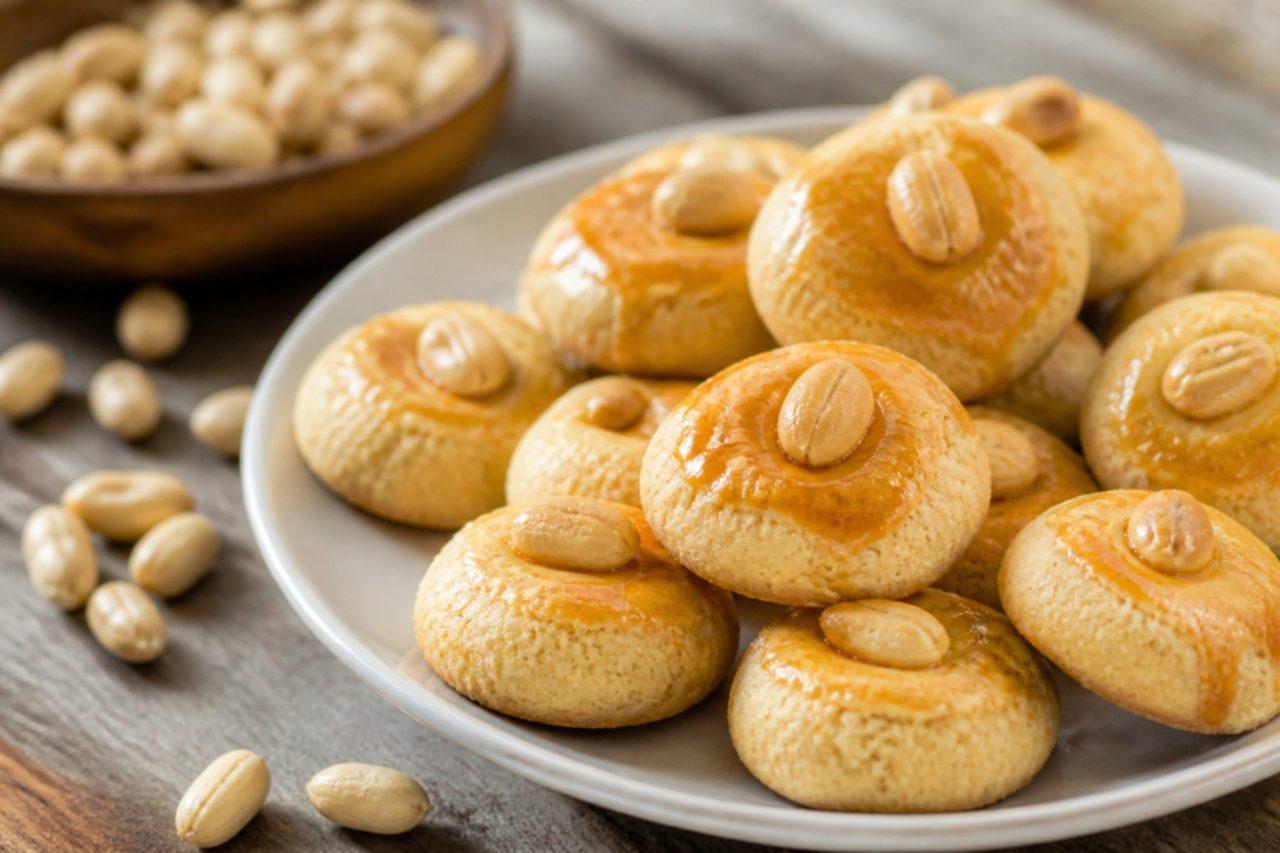
Peanut cookies (hua sheng bing)

Lift the lid on a Chinese New Year snack tray in Guangdong, Penang or Singapore and there will be these pale golden domes, so short they crumble the moment they touch your tongue. They are nothing but roasted peanuts ground fine, flour, icing sugar and oil, and this version skips the usual egg wash, so they are vegan. The mistake is over-grinding the peanuts into a paste, which makes the dough greasy and the cookies flat; stop while it is still a fine powder. Chef's tip: let them cool fully on the tray before moving them, because they are fragile until set.

by KrazyBadal 0 views

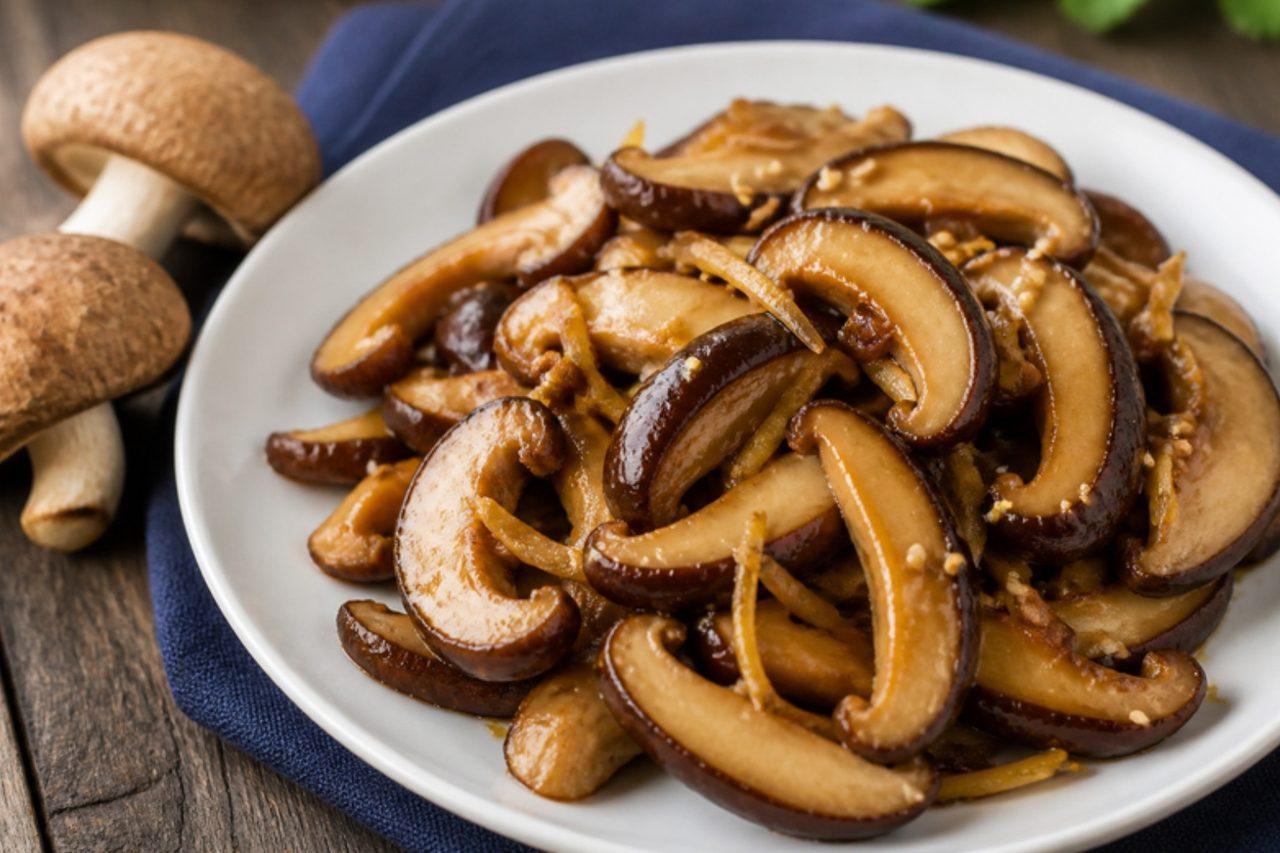
Su shan (crispy shiitake 'eel')Crispy shiitake strips

Shanghai's old vegetarian houses, such as the restaurants beside Jade Buddha Temple, invented su shan to give monks and lay diners the look and taste of the city's famous stir-fried river eel without the eel. Dried shiitake are cut into long strips, coated in starch, fried until crackling and tossed in a dark, sticky sauce sharpened with black vinegar and white pepper. Serve it hot as part of a shared meal with rice and greens; it softens as it sits, so it is not one to make ahead. The common mistake is tossing the strips in sauce that is still thin, which turns the coating soggy at once. Chef's tip: cut the soaked caps in a spiral, round and round towards the centre, to get the long, eel-like ribbons.

by KrazyBadal 0 views

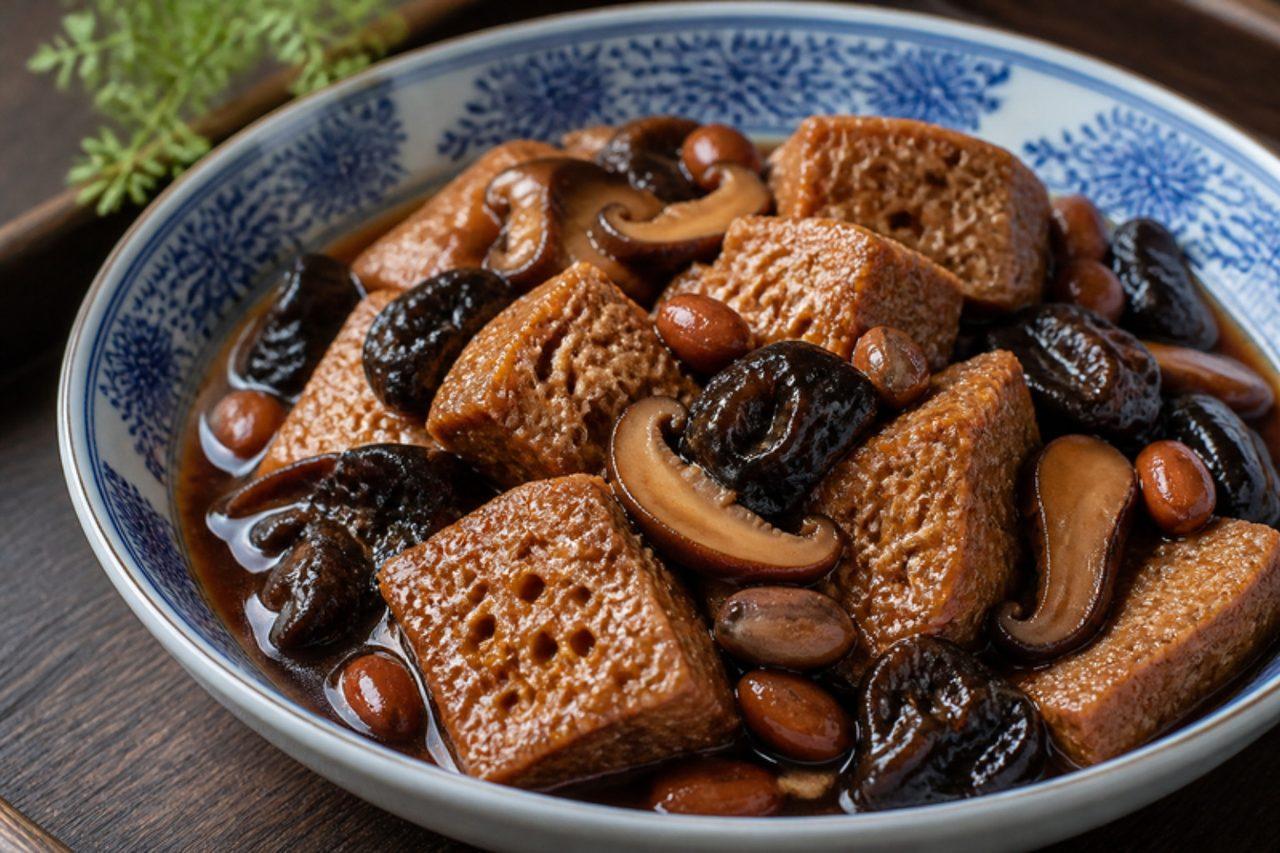
Kao fu (braised wheat gluten)

Every Shanghainese family puts a bowl of kao fu on the table for Chinese New Year, and the city's temple canteens serve it all year as a cold dish. The spongy wheat-gluten cubes drink up a dark, glossy braise of soy and rock sugar, with crunchy wood ear, meaty shiitake and soft peanuts in every mouthful. It tastes better the next day, eaten cold or just above room temperature with rice or congee. Most people get it wrong by cutting the gluten with a knife; tear it by hand so the rough edges soak up more sauce. Chef's tip: squeeze the boiled gluten hard, like a sponge, before frying, or it spits in the oil and stays bland inside.

by KrazyBadal 0 views

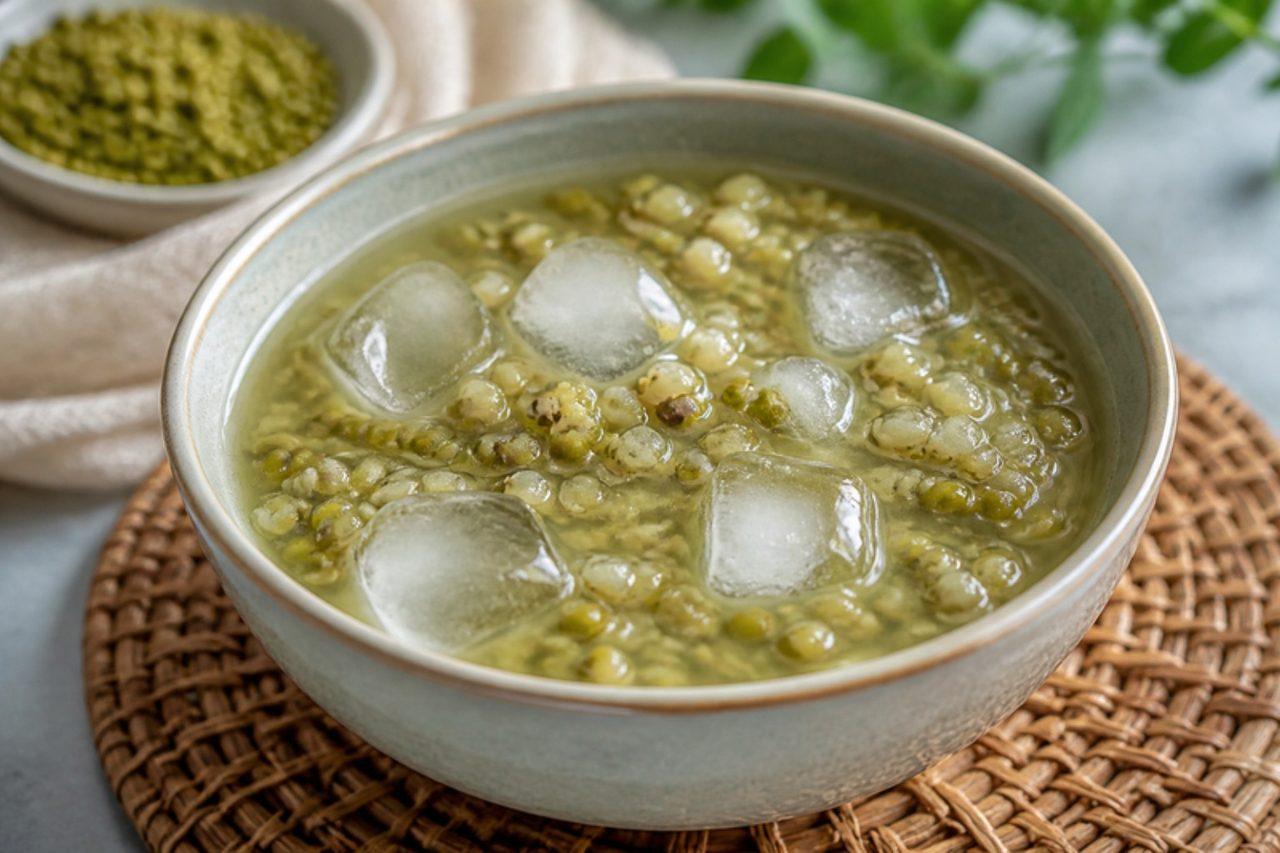
Lü dou tang (chilled mung bean soup)

When the heat settles on Guangzhou, Wuhan or Shanghai in July, families keep a jug of mung bean soup in the fridge, and school canteens and workplaces hand it out by the bowl; traditional medicine calls mung beans 'cooling', a reason to drink it on the hottest days. It is just mung beans simmered with rock sugar until some burst and the liquid turns pale green or soft red, eaten chilled. The common mistake is cooking it in an iron or aluminium pan or leaving it uncovered too long, which turns the soup dark brown-red; a stainless steel pot with the lid on keeps it greener. Chef's tip: for a clear green soup, take a few ladles of the liquid after 10 minutes of boiling, before the beans split, and drink that as a lighter tea.

by KrazyBadal 0 views

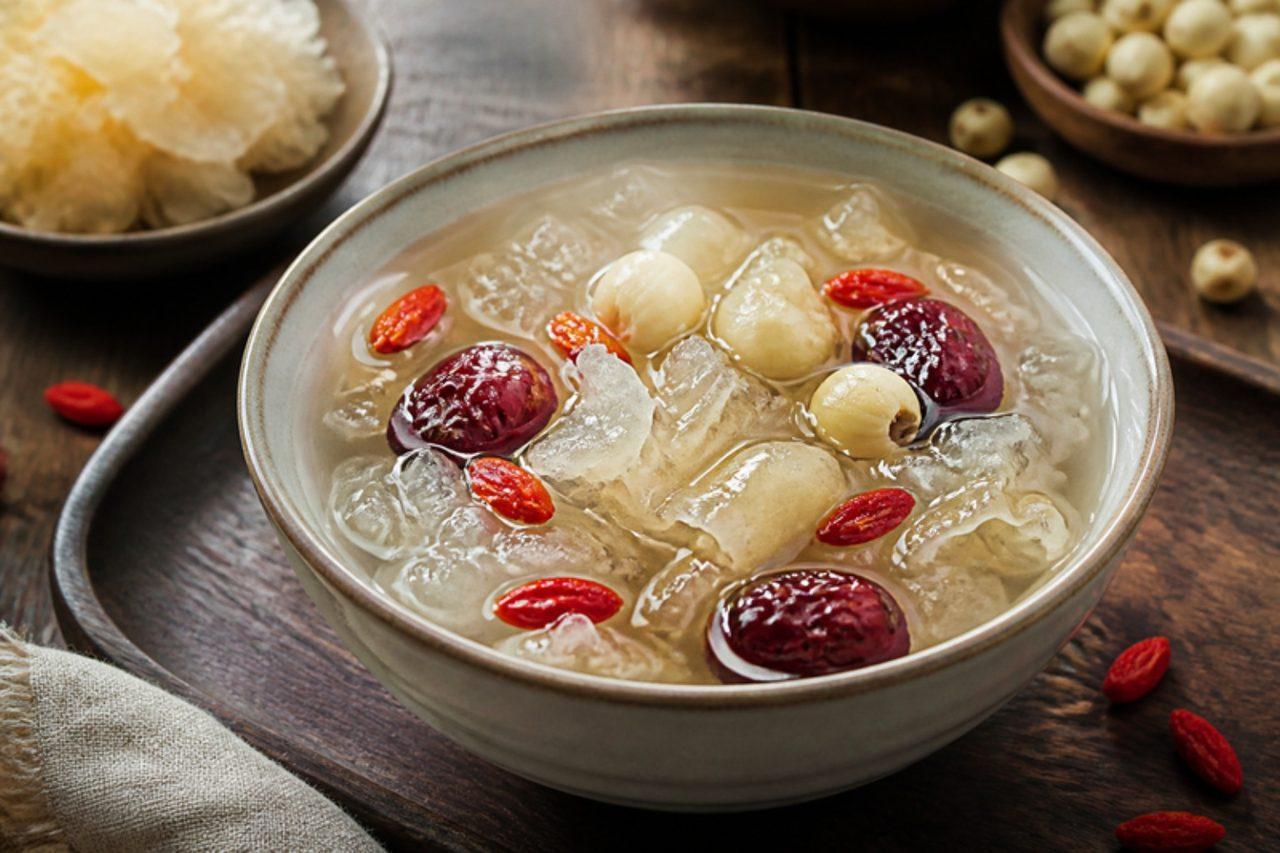
Yin er tang (snow fungus sweet soup)

Gutian county in Fujian grows most of the world's snow fungus, a frilly white dried fungus that softens into a soft, jelly-like tangle when simmered. Mothers across southern China cook it into a lightly sweet soup with red dates, lotus seeds and goji, served warm in winter and chilled in summer, and it is thought good for the skin and for dry autumn coughs. Done well, the liquid turns thick and glossy on its own. The common mistake is not simmering long enough: under an hour the fungus stays crunchy and the soup thin. Chef's tip: tear the soaked fungus into small pieces and cut away the hard yellow base; the smaller the pieces, the more body the soup gets.

by KrazyBadal 0 views

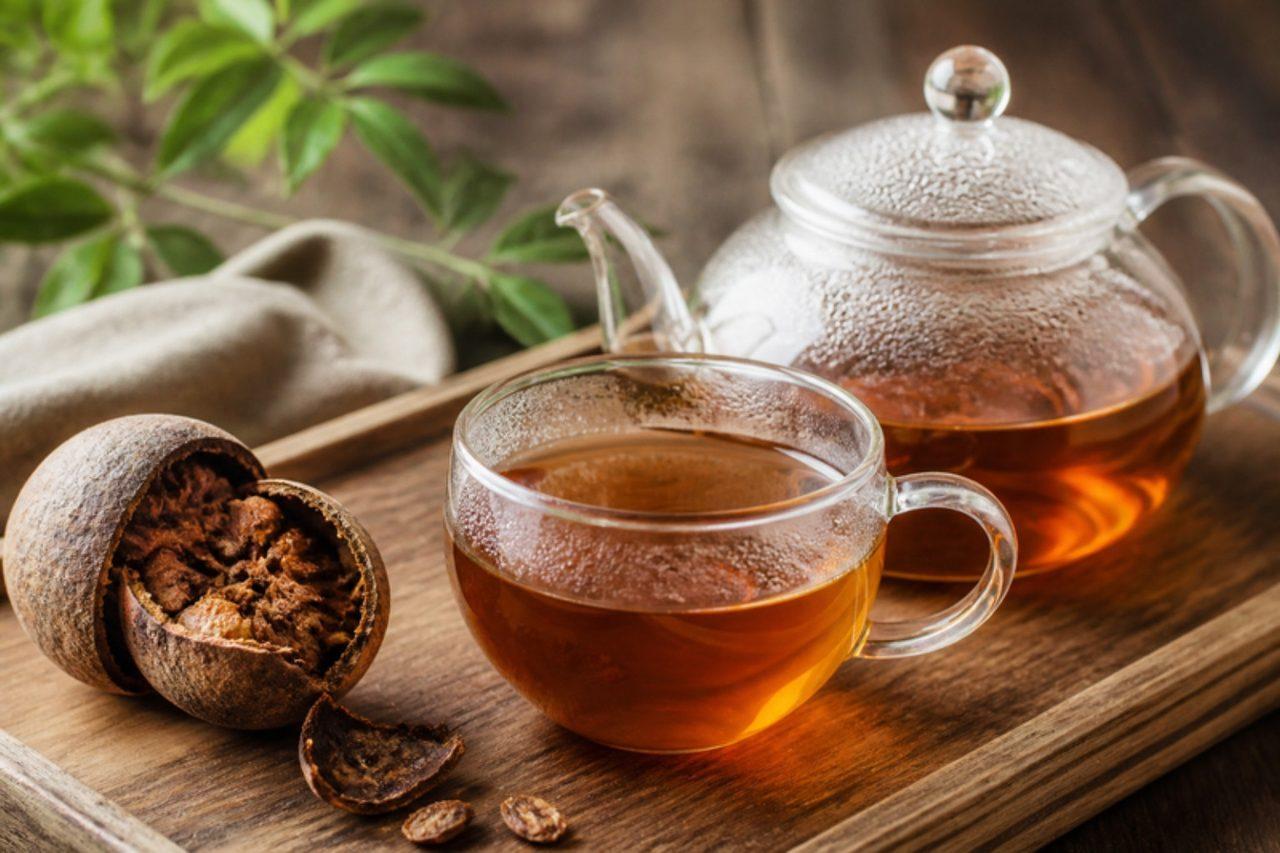
Luo han guo teaMonk fruit tea

The hills around Guilin in Guangxi grow luo han guo, a small round gourd that is dried until its shell turns brown and brittle. Cantonese and Guangxi households simmer one in water when someone has a scratchy throat or a dry cough, or simply in the heat of summer, and the result is a dark amber tea that tastes of caramel and dried fig with no sugar added at all. Drink it hot in winter or chilled in summer. The mistake most people make is using a whole fruit for a single cup, which is cloyingly sweet; one fruit is enough for a large pot. Chef's tip: crack the shell and tear the pulp into pieces, so the flavour comes out in 15 minutes instead of an hour.

by KrazyBadal 0 views

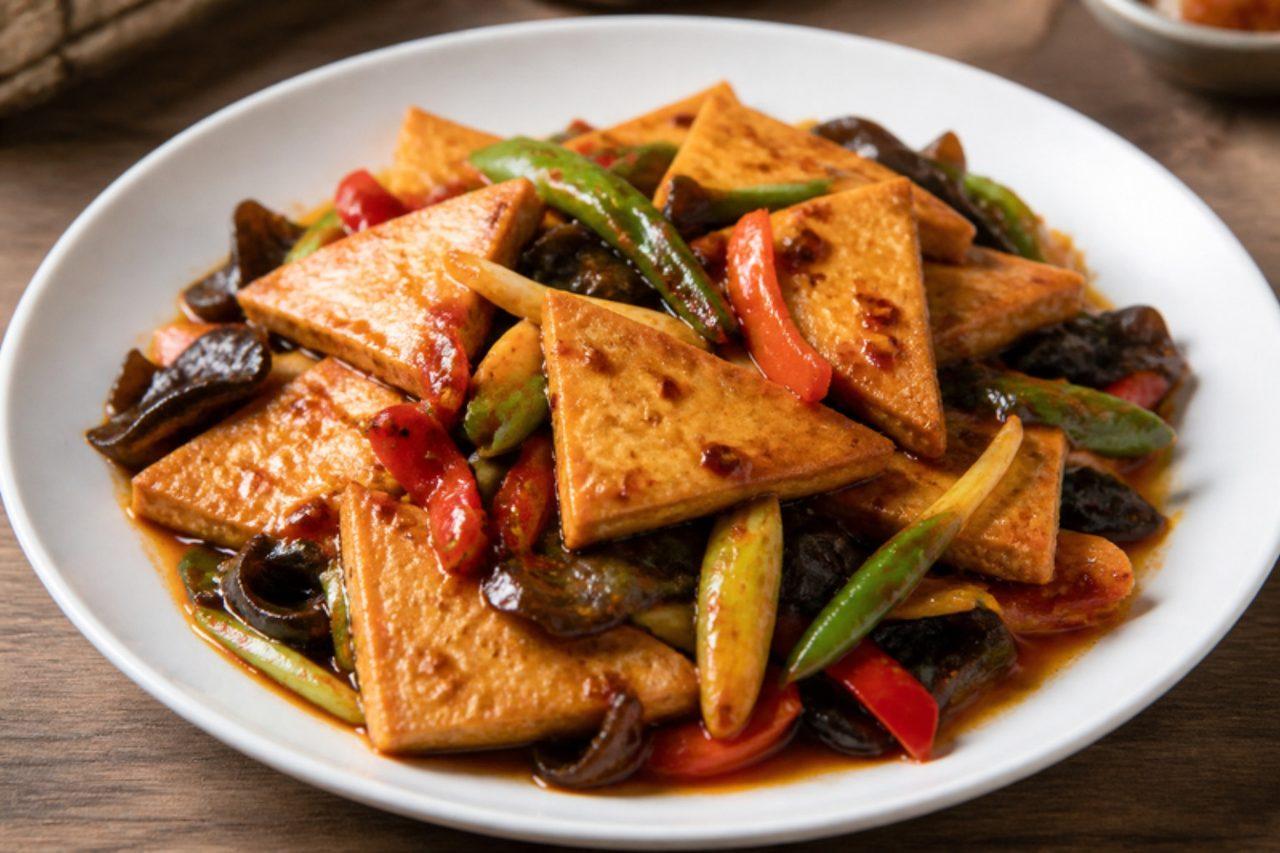
Jiachang doufu (home-style tofu)Home-style braised tofu

Jiachang means 'home-style', and in Chengdu this is the tofu dish every family cook and every small neighbourhood canteen knows by heart: golden fried slices of firm tofu simmered briefly in a red, garlicky sauce of Pixian chilli bean paste with crunchy wood ear and green pepper. Restaurants often add a few slices of pork; this version keeps it fully vegetarian, which is how many Sichuan homes cook it midweek. It is salty, gently hot and made to be eaten with plenty of steamed rice. The usual mistake is moving the tofu around the pan before it has browned, which tears it; leave it alone until it releases. Chef's tip: fry the chilli bean paste slowly in the oil until the oil turns red before adding anything else, as that is where the colour and depth come from.

by KrazyBadal 0 views

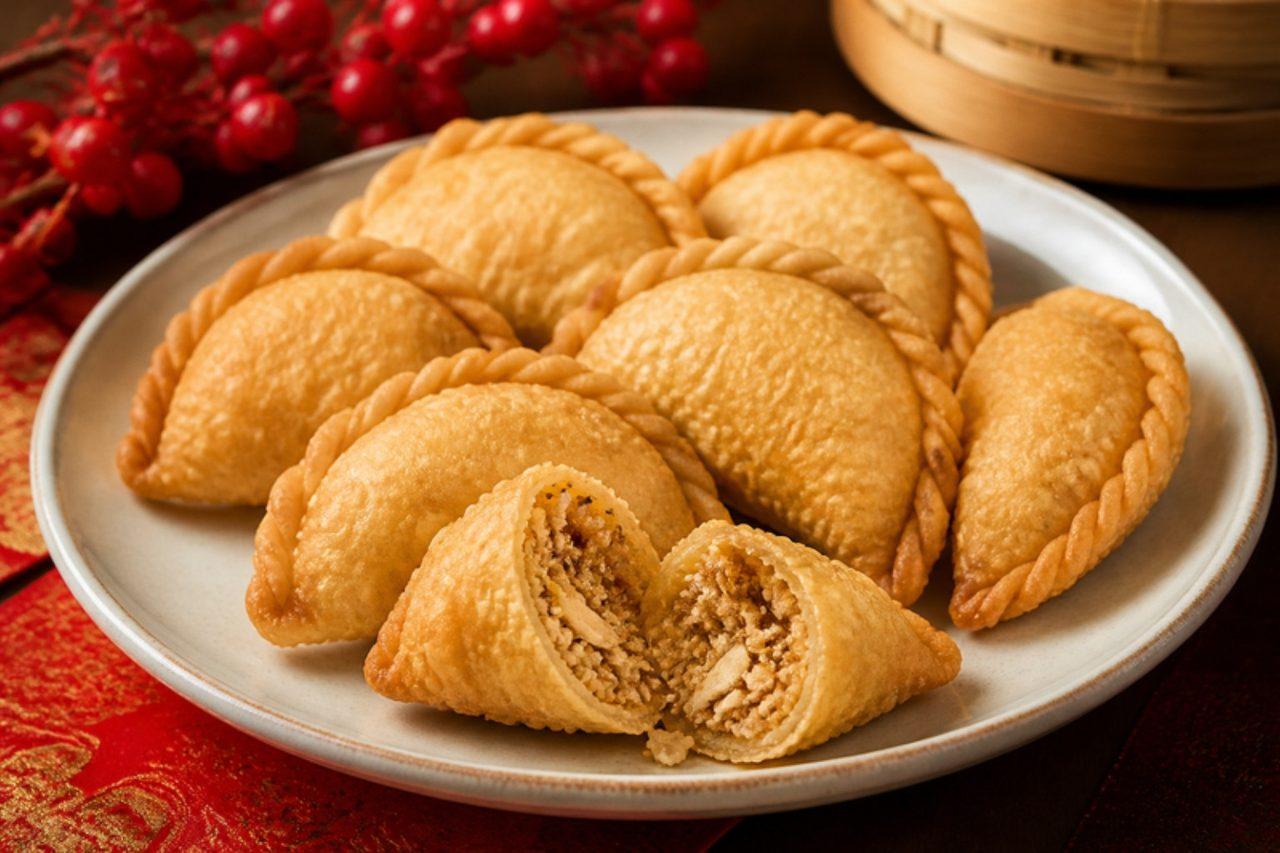
Jau gok (crispy peanut dumplings)

In Hong Kong and Guangdong households, the days before New Year mean a production line at the kitchen table: one person rolls, another fills, a grandparent crimps the rope-like edge, and the finished jau gok go into big tins for visitors. Their purse shape stands for silver ingots, and the filling of roasted peanuts, toasted sesame, coconut and sugar crunches under a flaky, blistered shell. Leaving air pockets inside is the mistake that makes them burst in the oil, so press the filling down before sealing. Chef's tip: fry them at a moderate heat, not high, so the shell cooks through and stays crisp for weeks in an airtight tin.

by KrazyBadal 0 views

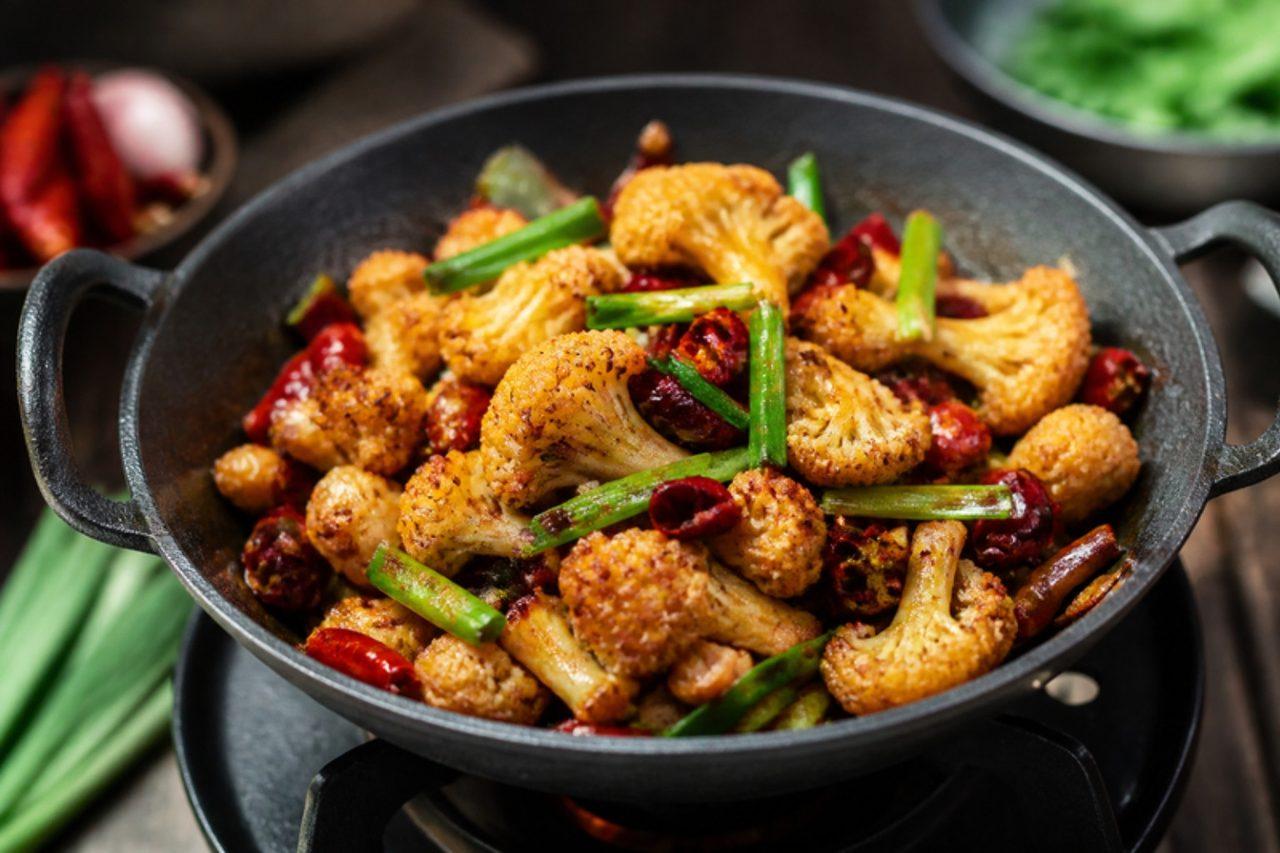
Dry-pot cauliflower

Hunan's dry-pot restaurants bring this to the table in a small wok over a burner, still crackling, and it is one of the most ordered dishes in Changsha. Loose-headed cauliflower is used there because its long, thin stems char quickly; ordinary cauliflower works if you cut it into small, flat florets. Restaurants usually fry it with slices of pork belly, but this version is fully vegetarian, with smoky charred edges, plenty of garlic and a deep chilli heat from dried and fresh peppers. Eat it with rice and a cooling soup. The common mistake is boiling the cauliflower first, which makes it soft and stops it charring; dry-fry it instead. Chef's tip: let the florets sit still in the hot wok for a minute at a time so they blacken in spots, because those scorched patches are the whole point.

by KrazyBadal 0 views

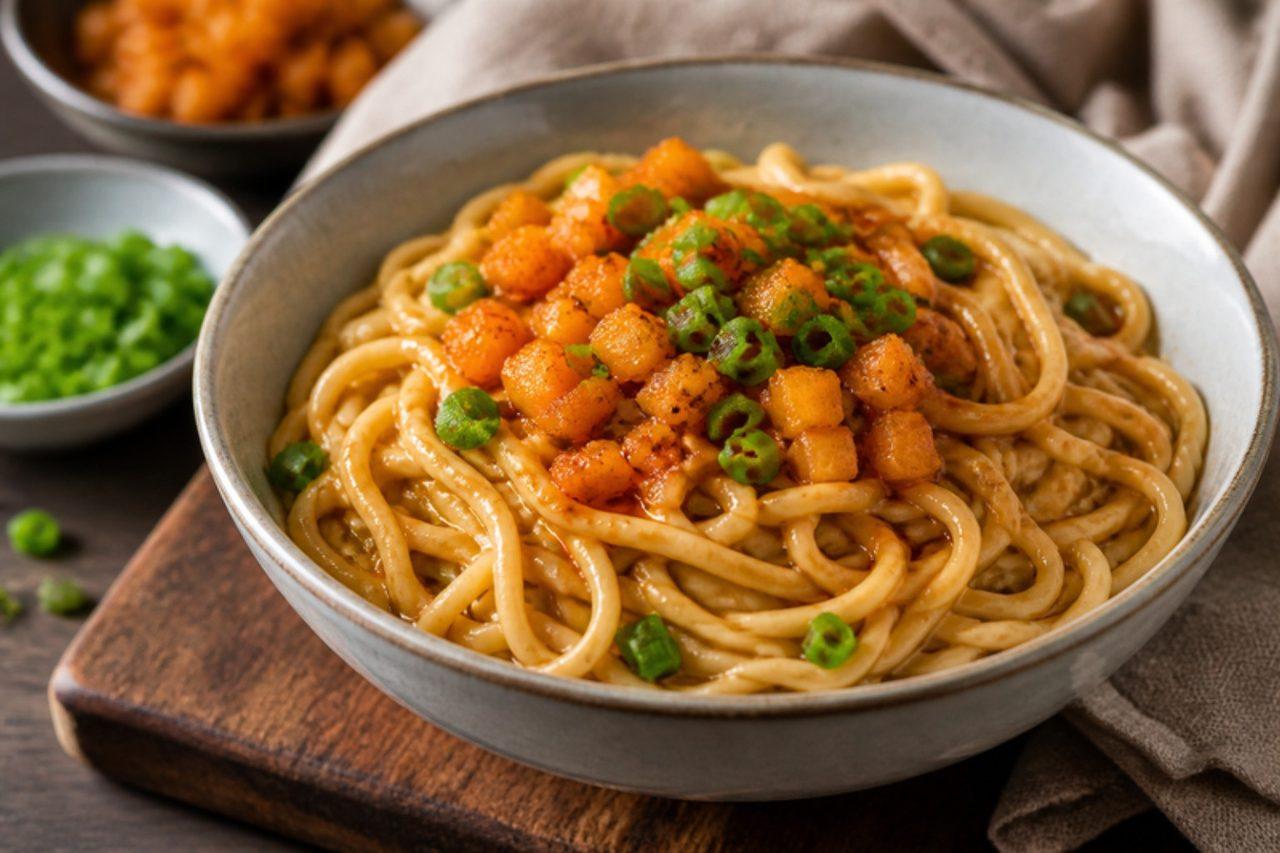
Re gan mian (Wuhan hot dry noodles)

In Wuhan, Hubei, the day starts with re gan mian, 'hot dry noodles', eaten standing up or walking to work: springy alkaline noodles, pre-boiled and oiled the night before, are dunked in boiling water for a few seconds and tossed with a thick sesame paste, soy, pickled radish, spring onion and chilli oil. There is no broth; it is rich, nutty, salty and very satisfying. The common mistake is not loosening the sesame paste enough, so it clumps on the noodles instead of coating them; thin it slowly with sesame oil until it falls from the spoon like a ribbon. This version is vegan, made with pickled mustard tuber instead of the dried shrimp some stalls add. Chef's tip: boiling and oiling the noodles ahead and letting them cool spread out is what gives the chewy, slightly dry texture Wuhan people love.

by KrazyBadal 0 views

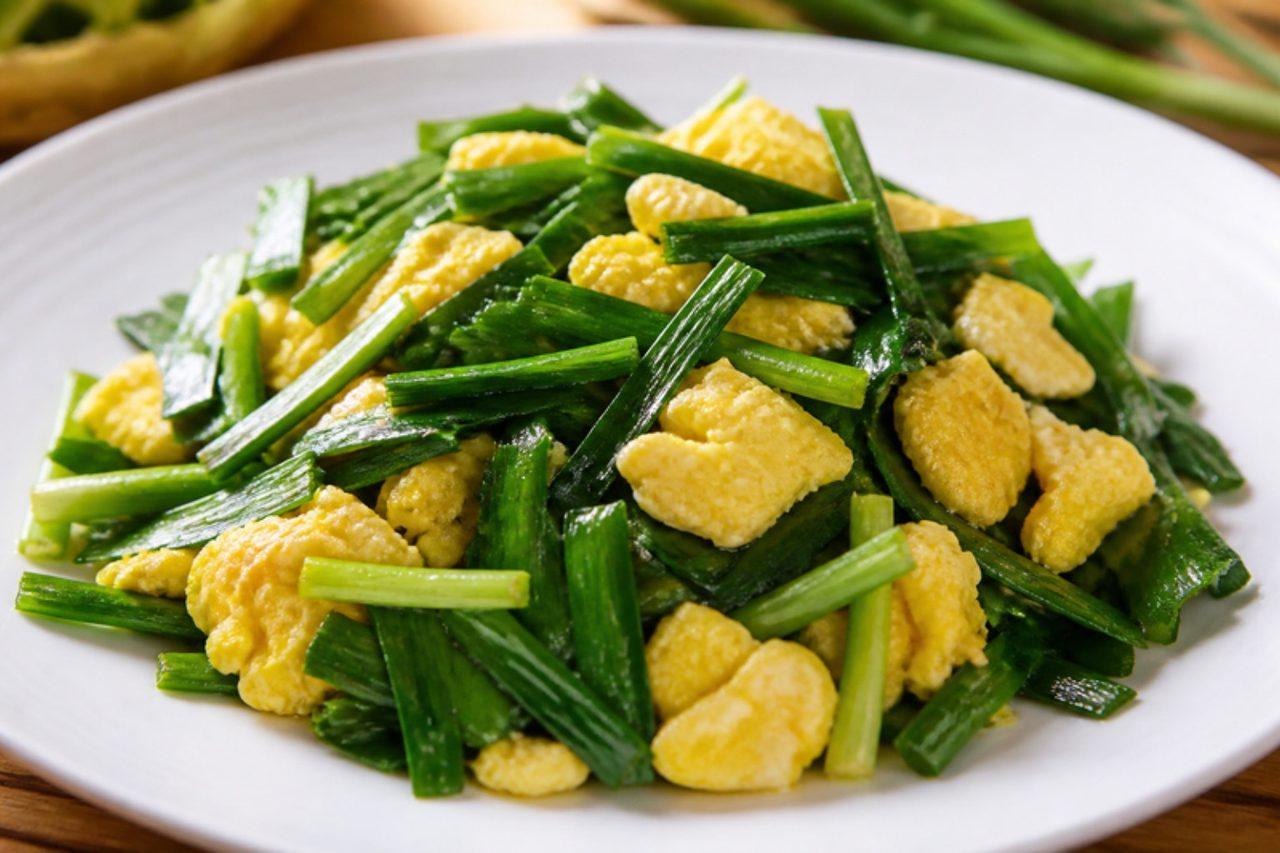
Chive and egg stir-fry

From Shandong farmhouses to student kitchens in Guangzhou, garlic chives fried with egg is one of the first dishes a Chinese child learns to cook and one of the last things a busy parent forgets how to make. The flat chives turn sweet and garlicky in the hot oil and the egg stays in soft, golden curds. It is on the table at ordinary weeknight dinners with rice and a soup, and is also the filling of many chive pockets and dumplings. The most common mistake is cooking the chives and egg together from the start, so the eggs go rubbery while the chives are still raw; cook them separately and bring them together at the end. Chef's tip: dry the chives well after washing, because water in the wok makes them limp and grey.

by KrazyBadal 0 views

Showing 24 of 213 recipes

Show more recipes

Page 4 of 9

More collections