Skip to content

Vegetarian Indian dinners

Dal, sabzi, curries and rice dishes for a meat-free Indian dinner. (880 recipes)

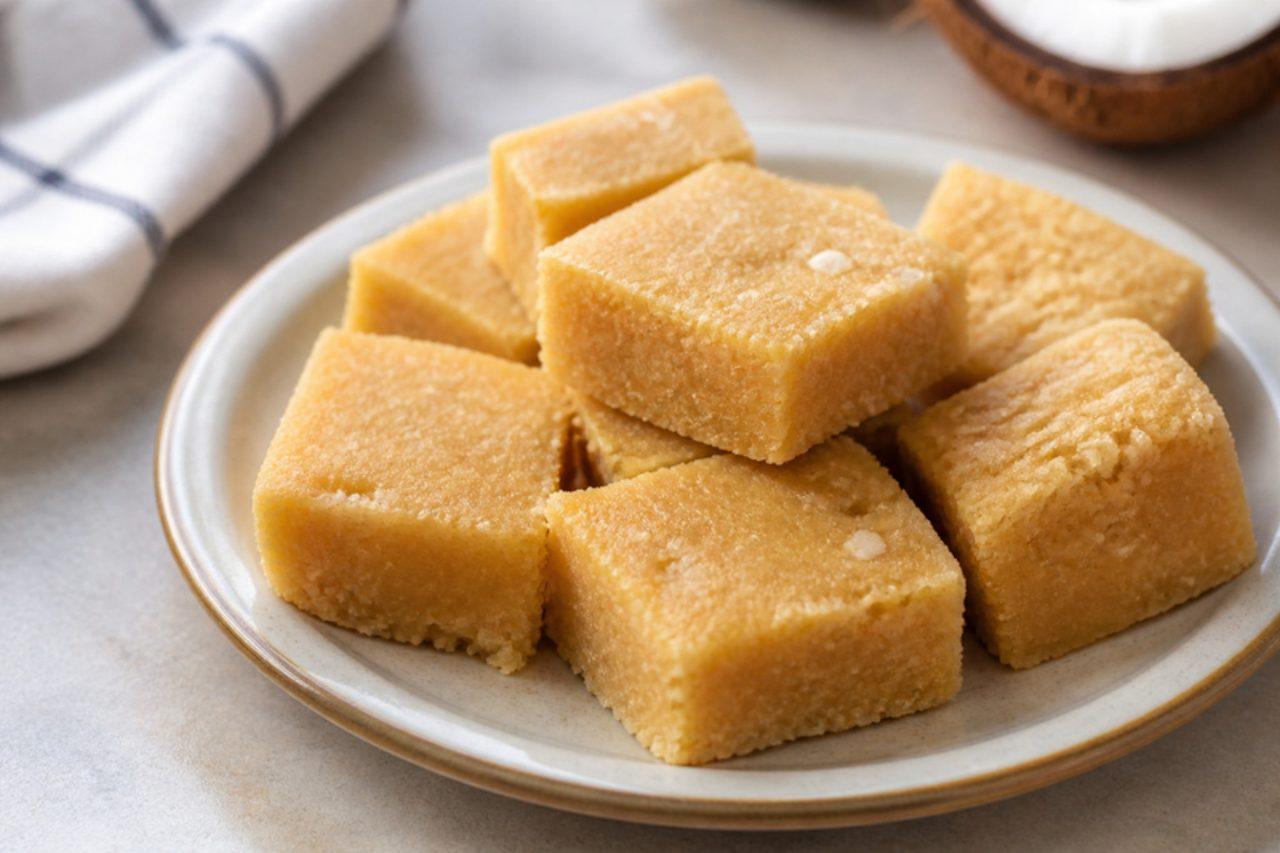
Goan chana dal doceChana dal and coconut fudge

Doce de grão is one of the oldest sweets on the Goan Christmas kuswar platter, made in Catholic homes from Margao to Mapusa in the weeks before Christmas and also for weddings. Chana dal is boiled and ground with fresh coconut, then cooked with sugar in a wide pan, stirred constantly for the best part of an hour, until it turns into a thick, glossy dough that leaves the sides of the pan. Spread on a plate, cut into diamonds or pressed into small moulds, it is dense, fudgy and nutty, with a soft coconut flavour. Some families add a little ghee at the end for shine, and that makes it vegetarian rather than vegan. The usual mistake is taking it off the heat too soon: it stays sticky and never sets. Push a spoon through the middle; it is ready when the line holds and the mixture rolls into a ball. Chef's tip: grind the coconut and dal together while the dal is warm and without water; a wet paste takes twice as long to cook down.

by KrazyBadal 0 views

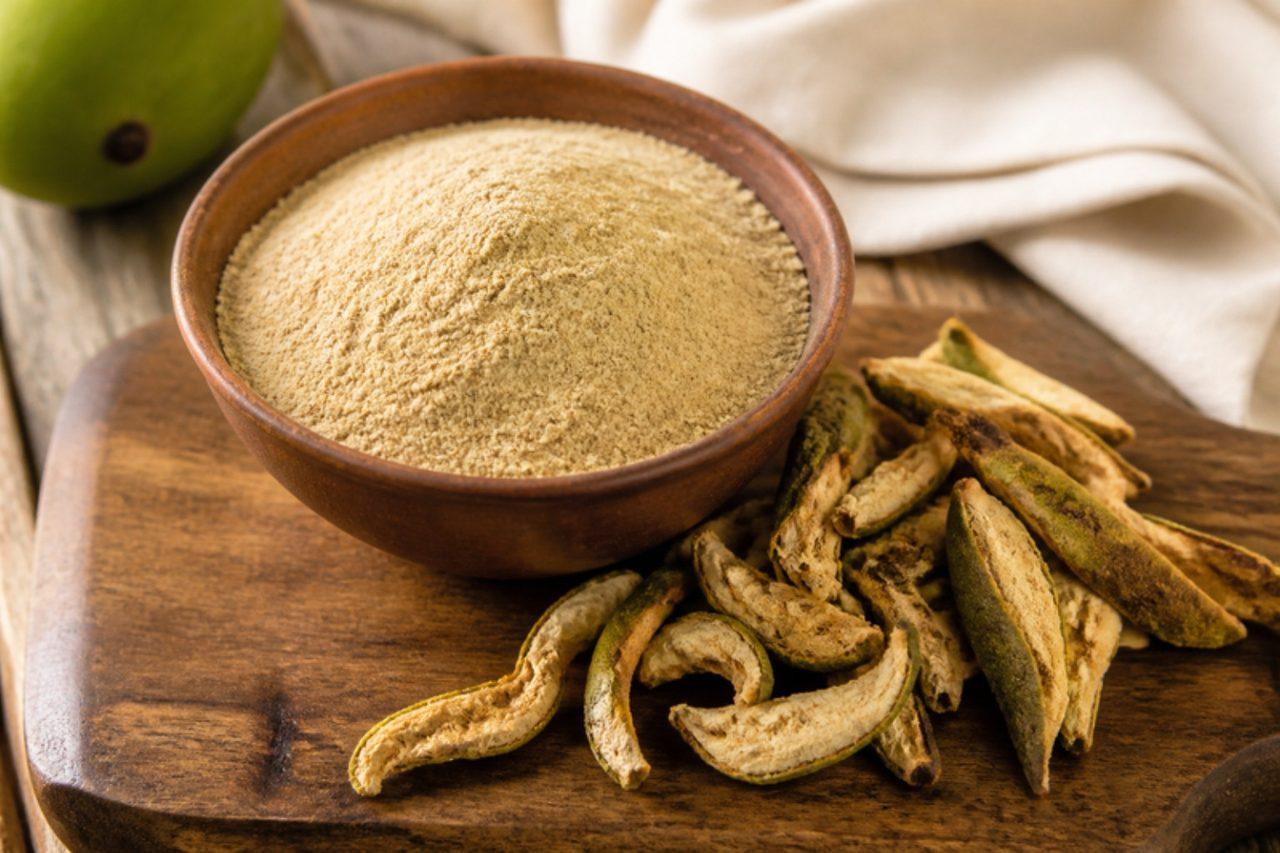
AmchurDry mango powder

Every Punjabi and UP kitchen keeps a jar of amchur next to the jeera and haldi, and the homemade version smells far fresher and sourer than most shop powder. In villages around Saharanpur and Malihabad, the raw mangoes that fall in early-summer storms are peeled, sliced and spread out to dry, and the brittle slices (amchur khatai) are either stored whole or ground. Amchur gives a fruity, mouth-puckering sourness without any liquid, which is why it goes into dry dishes where tomato or tamarind would make things soggy: bhindi masala, stuffed karela, samosa and kachori fillings, chole, chaat masala and pav bhaji masala. A kilo of mangoes gives roughly 100 g of powder. Common mistake: grinding slices that still bend; even slight moisture makes the powder clump into hard lumps in the jar. Chef's tip: choose small, rock-hard, very sour green mangoes with white flesh, not ones starting to turn yellow; riper fruit dries into a brown, sweetish powder.

by KrazyBadal 0 views

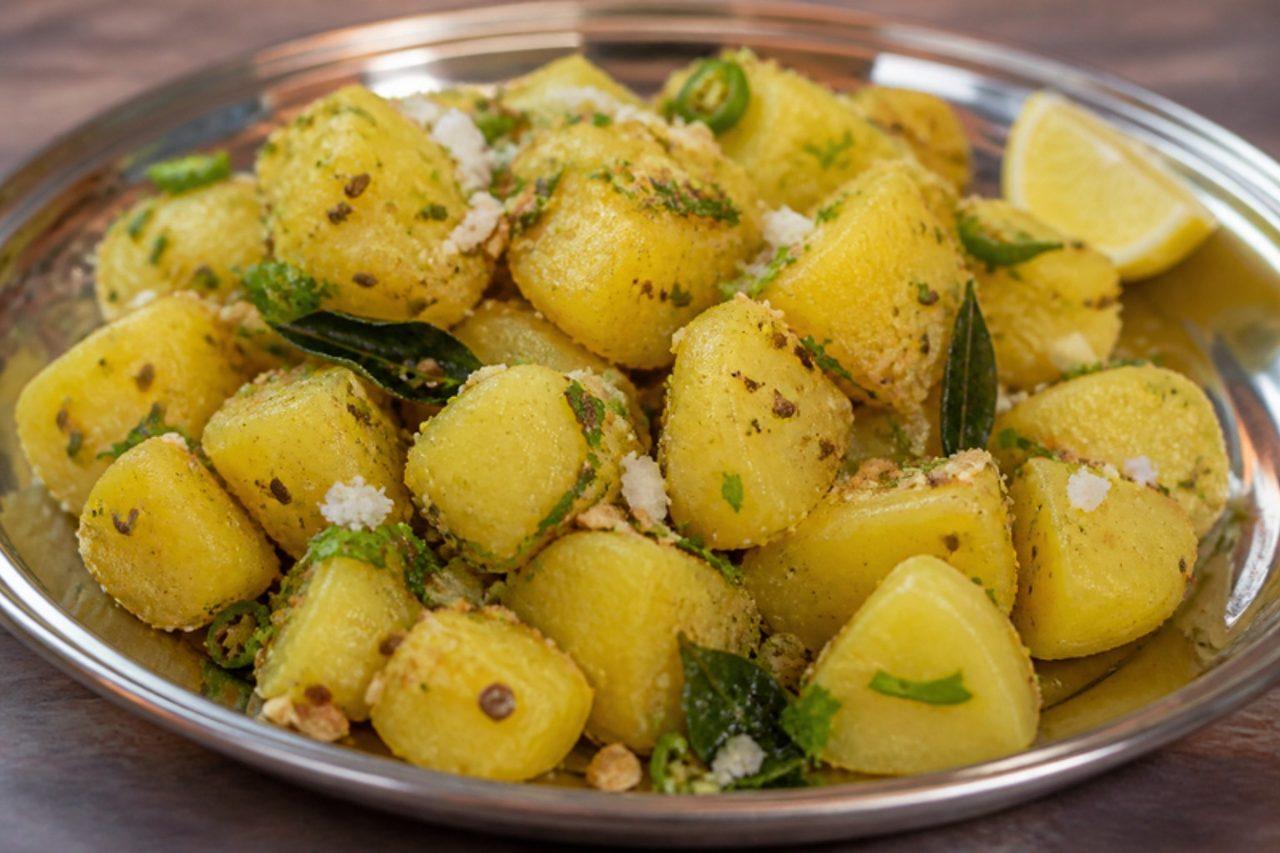
Upvasachi batata bhajiFasting potato stir-fry with peanuts

Ask anyone from Pune or Nashik what they eat on Ekadashi or a Navratri upvas, and this dry potato bhaji will be on the plate, usually next to sabudana khichdi or bhagar and a bowl of danyachi amti. Unlike North Indian vrat ke aloo, there is no tomato and no gravy: cubes of boiled potato are tossed in ghee or oil with cumin and crushed green chilli, then coated in coarsely ground roasted peanuts that cling to every piece. A little sugar and lemon give it the gentle sweet-sour lift that Maharashtrian cooking loves, and coriander and fresh coconut finish it. It is quick, filling and good cold in a tiffin too. Some families add curry leaves; others leave them out on strict fasts. Chef's tip: cool the potatoes completely before cubing; warm potatoes break into mash when you toss them.

by KrazyBadal 0 views

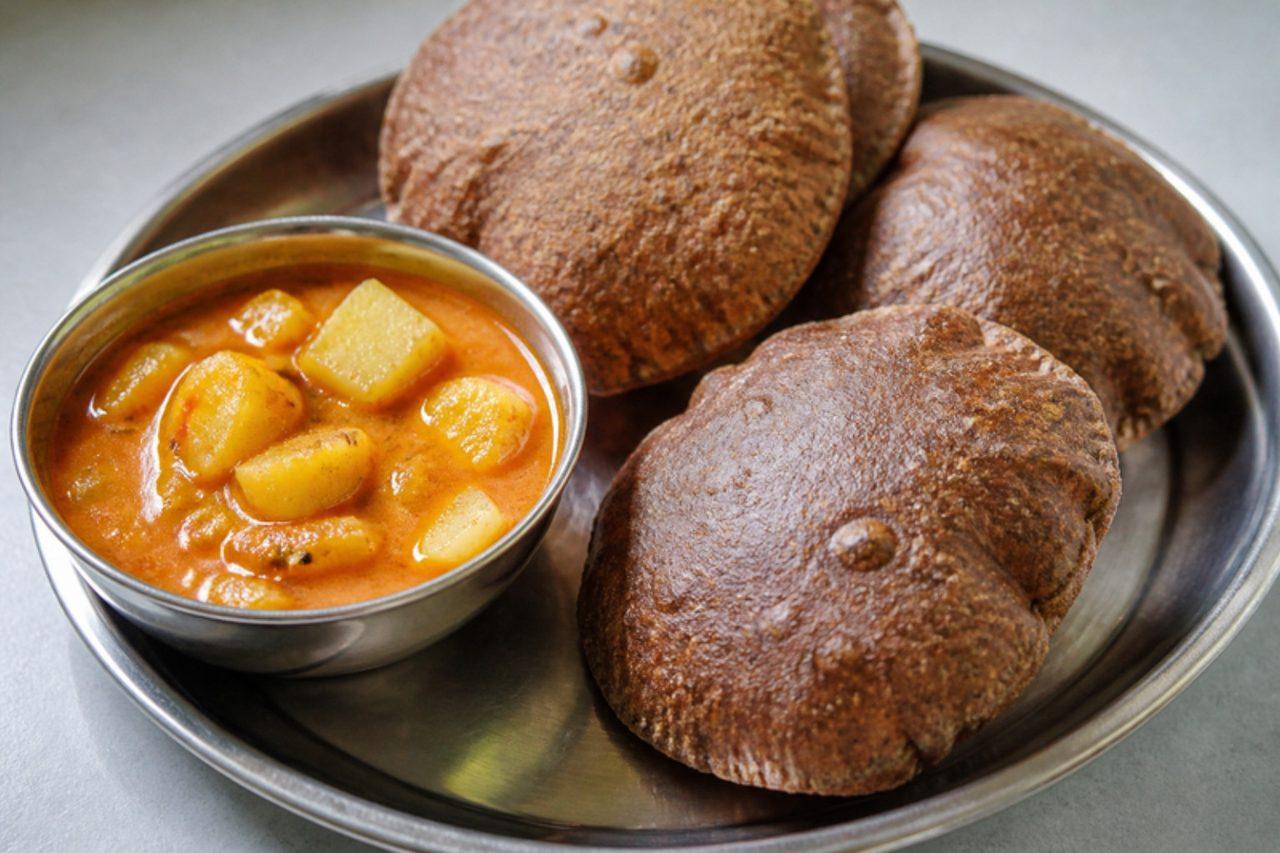
Kuttu ki puriBuckwheat puris

Through the nine days of Navratri, Delhi and Punjabi kitchens switch wheat for kuttu, buckwheat flour, and these dark, earthy puris become the fast-day staple. Kuttu has no gluten, so boiled potato is mashed in to bind the dough and keep the puris soft; they puff less than wheat puris but come out crisp at the edges and tender inside, with a nutty, slightly bitter flavour. Rajgira or singhara flour can be used in exactly the same way. They are eaten with vrat ke aloo, kaddu ki sabzi or a bowl of sweet curd, and on Ashtami many temples serve them with halwa. Only sendha namak goes in, and no regular salt, spices or grains, so they suit strict fasts. Buckwheat is naturally gluten-free, but buy flour labelled gluten-free if that matters to you, as some is milled alongside wheat. Chef's tip: make the dough just before frying; kuttu dough goes sticky and wet if it sits.

by KrazyBadal 0 views

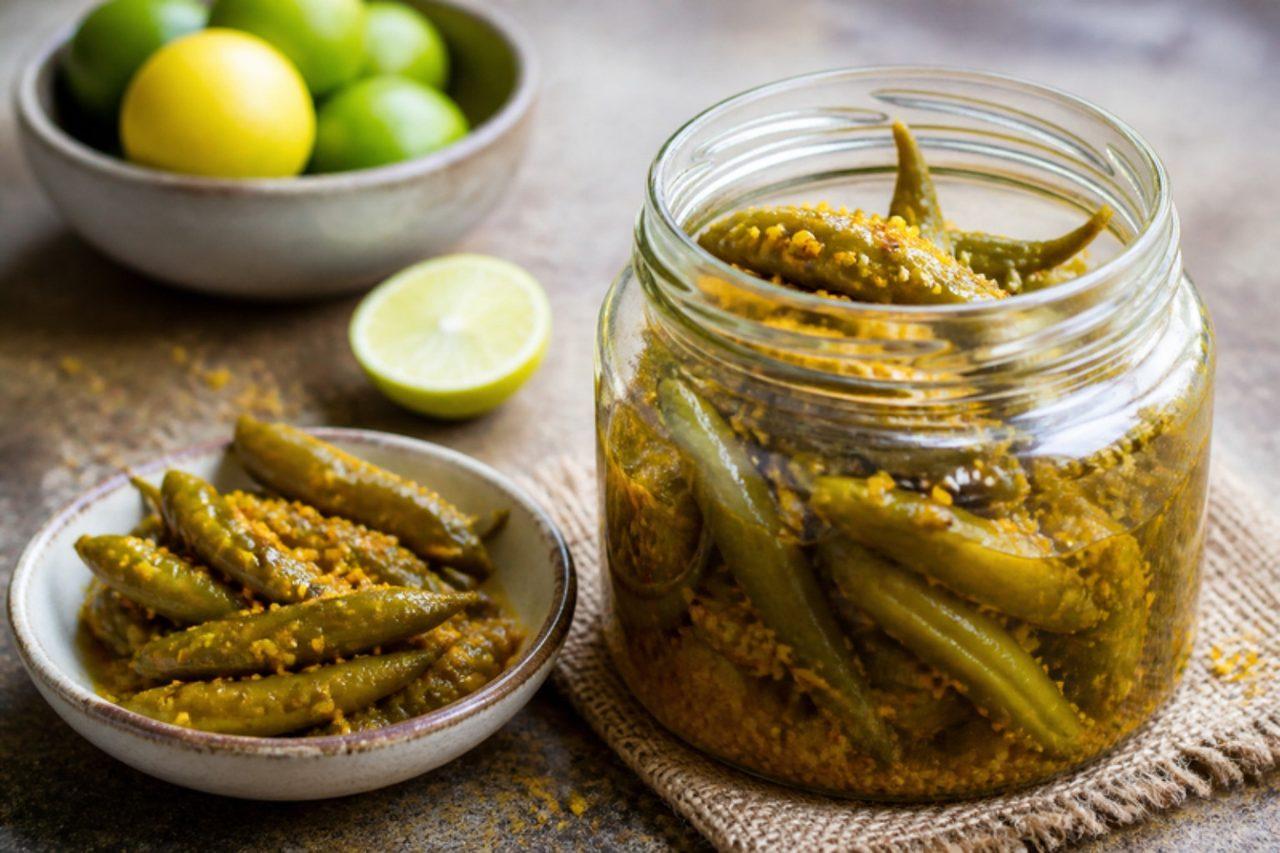
Athela marchaQuick pickled green chillies

On a Gujarati table there is nearly always a small steel bowl of athela marcha beside the thali, the quick daily pickle that makes plain khichdi, dal-bhaat, thepla or a plate of fafda taste complete. Thick, mild chillies (Bhavnagri or the pale green ones sold for bhajia) are slit, tossed with rai kuria (split mustard), salt, turmeric and hing, and soused with lemon juice. Within a few hours the mustard blooms and turns pleasantly pungent, the lemon softens the chillies and the colour turns olive green. They stay crunchy for about a week in the fridge, so most homes make a small batch every few days. Use thin, hot chillies if your family likes the heat. Common mistake: washing the chillies and using them damp, which waters down the masala and turns the pickle slimy; dry them completely before slitting. Always serve with a clean, dry spoon and throw the jar out if it turns cloudy, mouldy or smells off. Chef's tip: a pinch of methi kuria and half a teaspoon of sugar round out the sharpness if the lemons are very sour.

by KrazyBadal 0 views

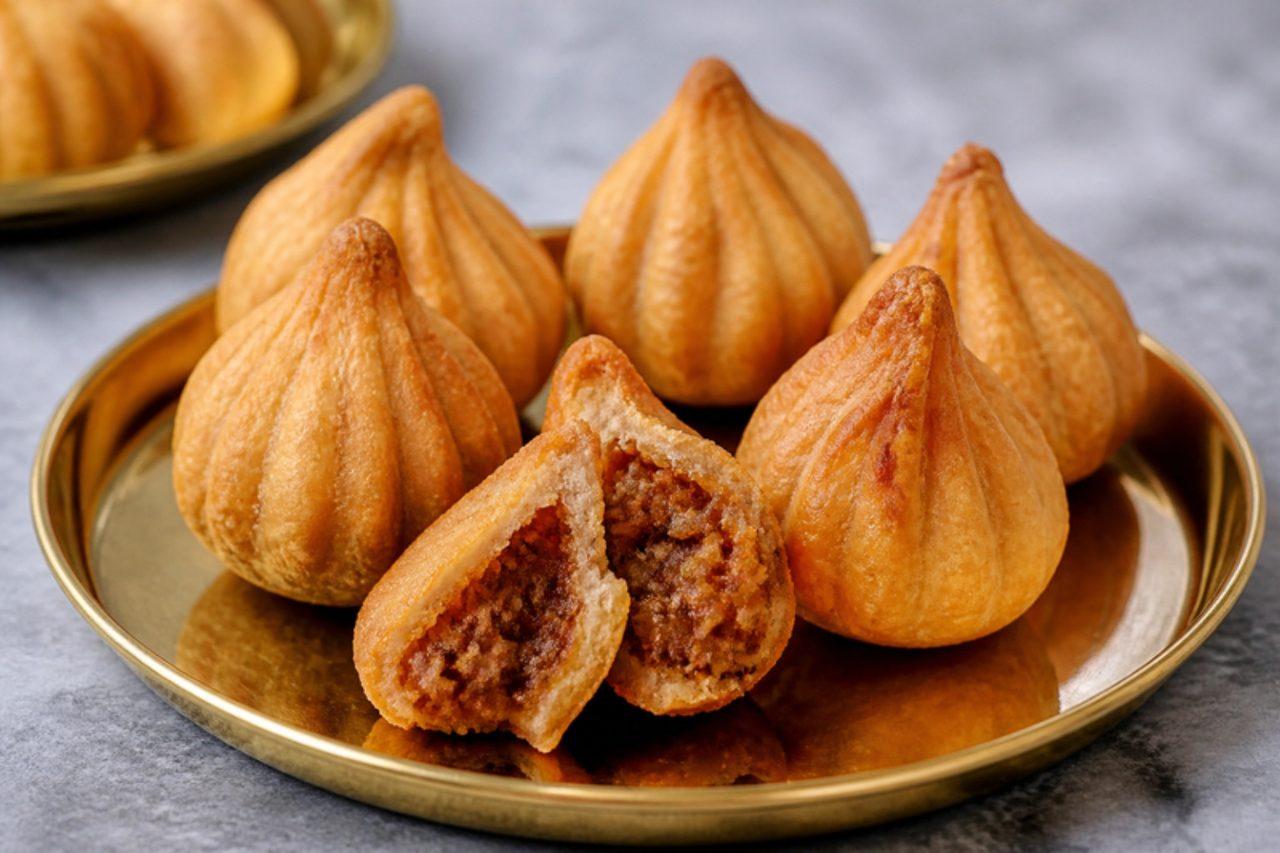
Talniche modakFried coconut jaggery dumplings

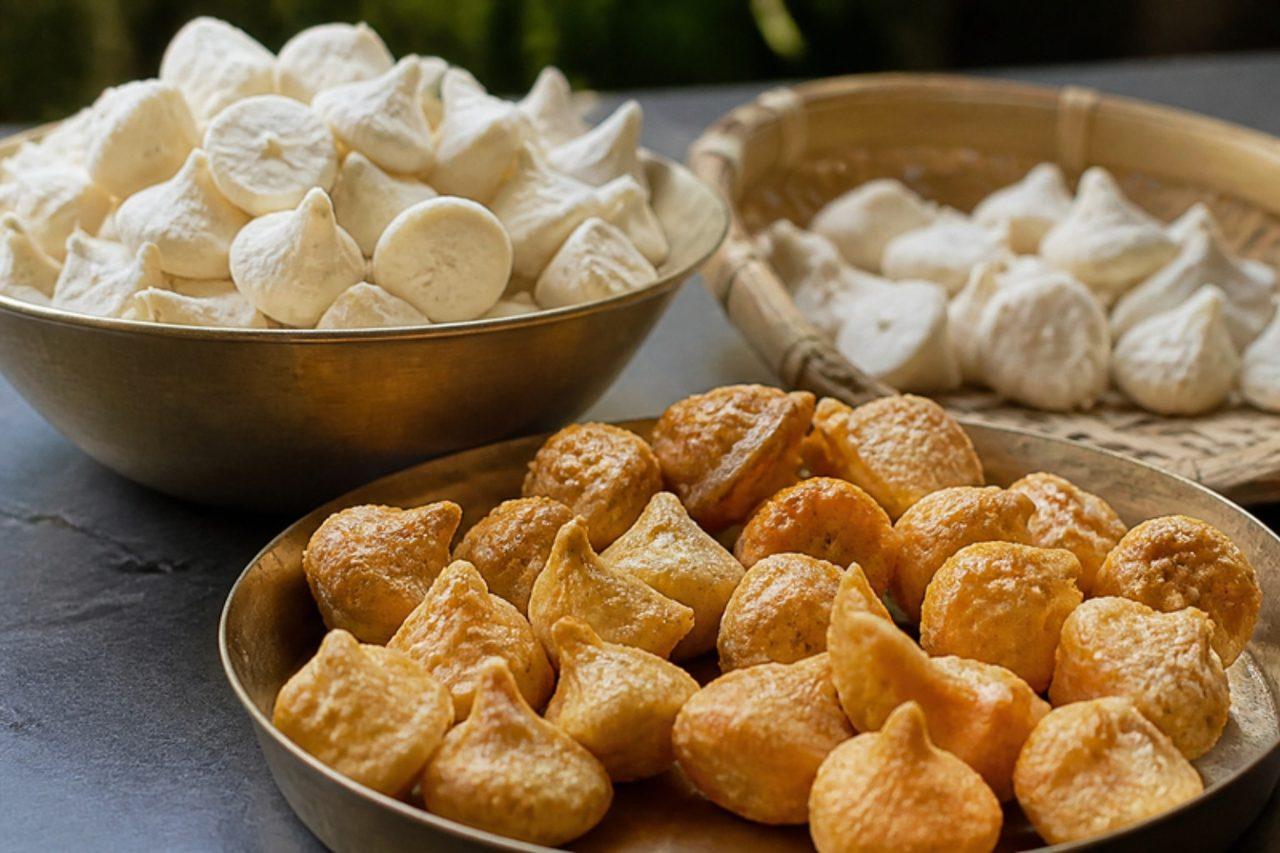
Steamed ukadiche modak may be the star of Ganesh Chaturthi in Konkan homes, but across Pune, Nashik and Vidarbha the plate of twenty-one for Bappa is just as often fried. Talniche modak use a short dough of wheat flour and fine semolina, pleated by hand around the same coconut, jaggery and poppy-seed saran, then fried slowly until they turn pale gold and shatter when bitten. Because they are dry and crisp they travel well: they go into the steel dabba for relatives and last through all ten days of the festival. The filling is sticky and fragrant with cardamom and nutmeg, the shell flaky like a karanji. Serve them at room temperature with a cup of tea or as part of the naivedya thali. The usual mistake is frying in oil that is too hot, which browns the outside in a minute and leaves the inner pleats raw and doughy. Chef's tip: rub the ghee into the flour until it holds in a clump when pressed; that moyan is what makes the shell blister and flake rather than turn hard like a puri.

by KrazyBadal 0 views

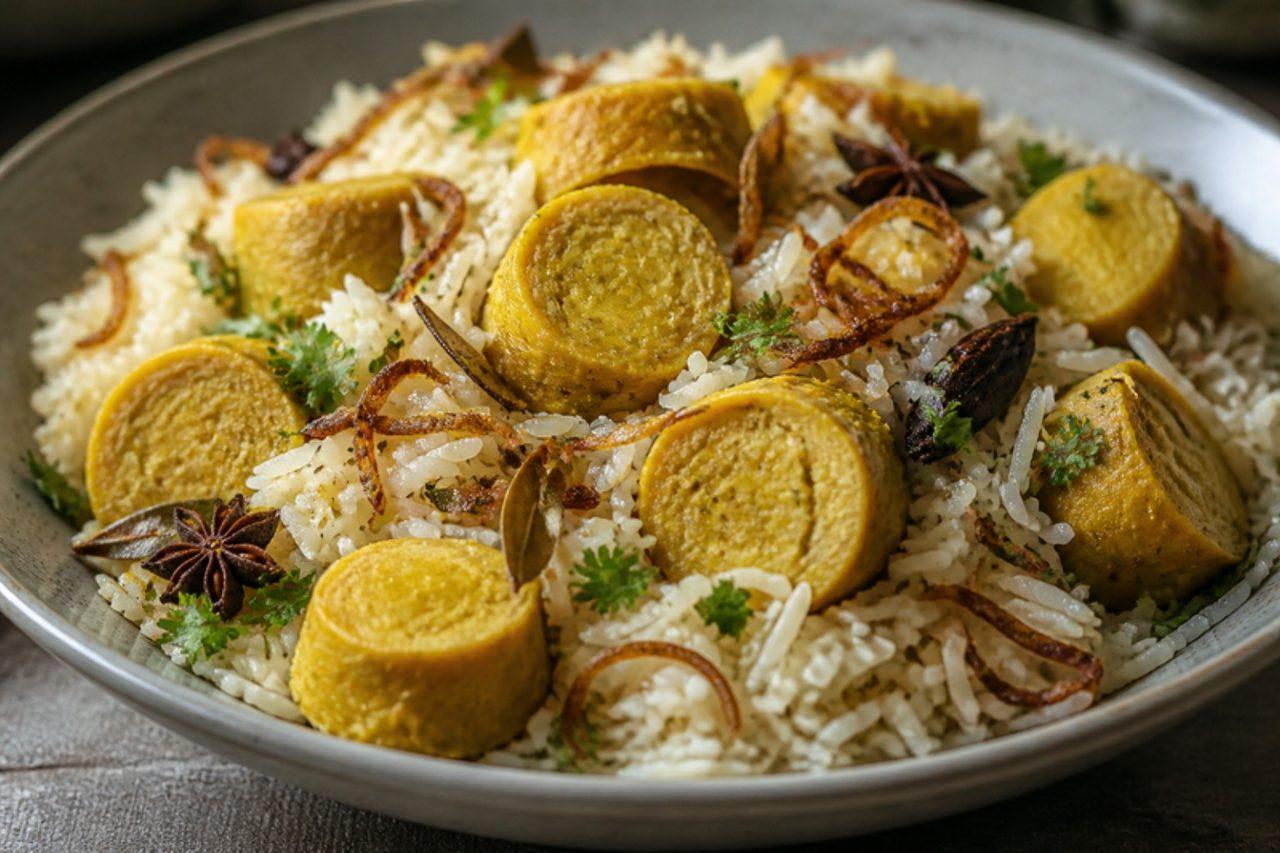
Gatte ka pulaoPulao with gram flour dumplings

Marwari kitchens in Jodhpur, Bikaner and Jaipur were built around ingredients that keep in the desert, and gram flour gatte are the clever result: a spiced besan dough rolled into logs, boiled, sliced and fried, standing in for vegetables that were hard to find. Folded through basmati with ghee and whole spices, they make gatte ka pulao, a festive one-dish meal served at Marwari weddings and on Gangaur or Teej. The rice is fragrant and separate, and the gatte are golden outside and soft, almost spongy, inside, with the warmth of ajwain and chilli. Many Jain and Maheshwari homes make it without onion; leave it out and add a little more ginger if you do. Serve it with kadhi, plain dahi or boondi raita and papad. Common mistake: a soft gatte dough, which splits in the boiling water; it should be firm, like a stiff roti dough. Chef's tip: cook the rice in the water the gatte were boiled in; it carries the besan and spice flavour into every grain.

by KrazyBadal 0 views

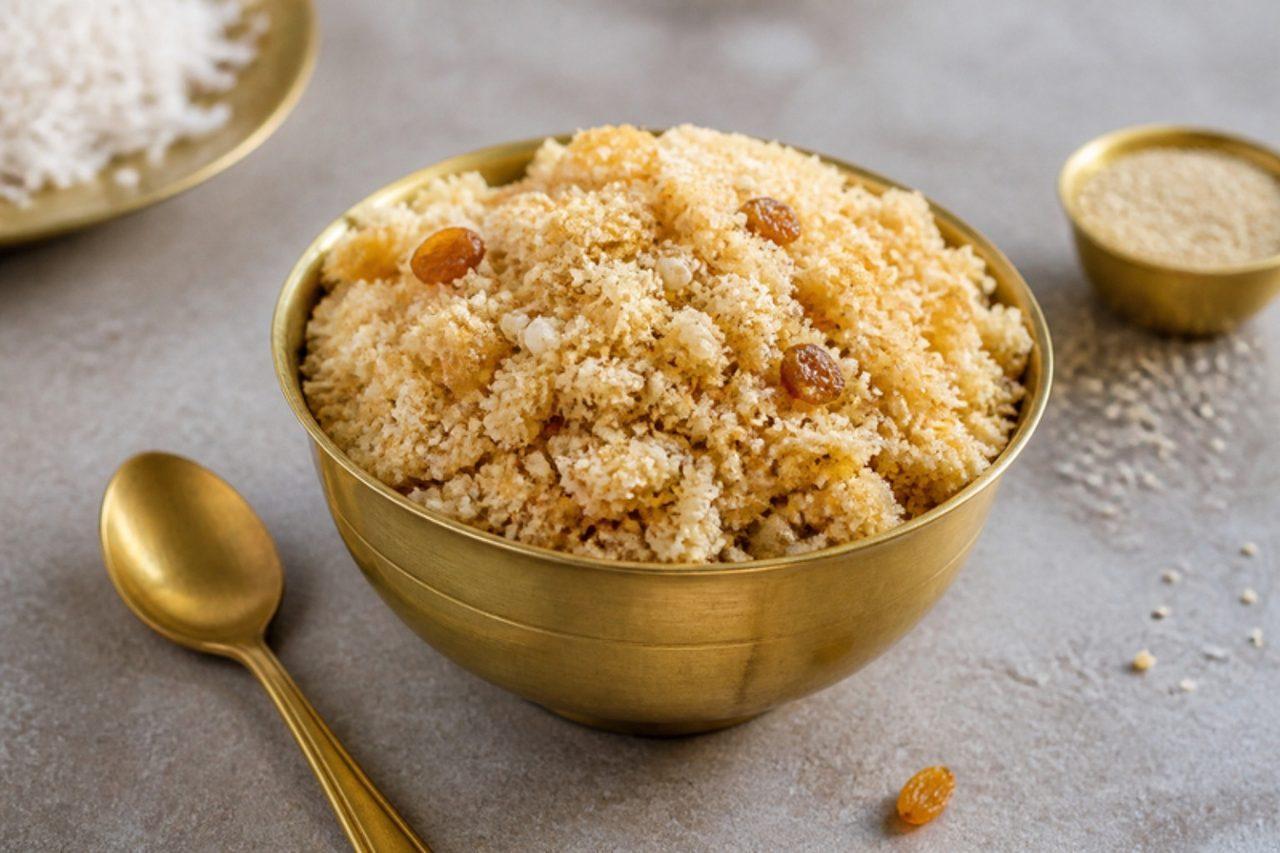
PanchakhadyaCoconut, jaggery and poppy seed offering

Walk into a Maharashtrian home during the ten days of Ganeshotsav and the evening aarti ends with a spoonful of panchakhadya pressed into your palm. Pancha means five and khadya means things to eat: dry coconut (khobra), jaggery, poppy seeds, dry dates (kharik) and dry ginger (sunth) powder, all toasted and pounded together into a loose, sweet crumble. Some families add a few raisins or almonds, but the five are the heart of it. It is warming, chewy and gently spicy from the sunth, and it keeps for weeks, which is why it is made in a big tin at the start of the festival. Eat it by the spoon, or sprinkle over hot milk. The common mistake is grinding everything together into a sticky paste; the jaggery should be grated and stirred in at the end so the mixture stays crumbly. Chef's tip: dry kharik are rock hard; soak them for 10 minutes in hot water, then pat dry and chop, or buy ready kharik powder.

by KrazyBadal 0 views

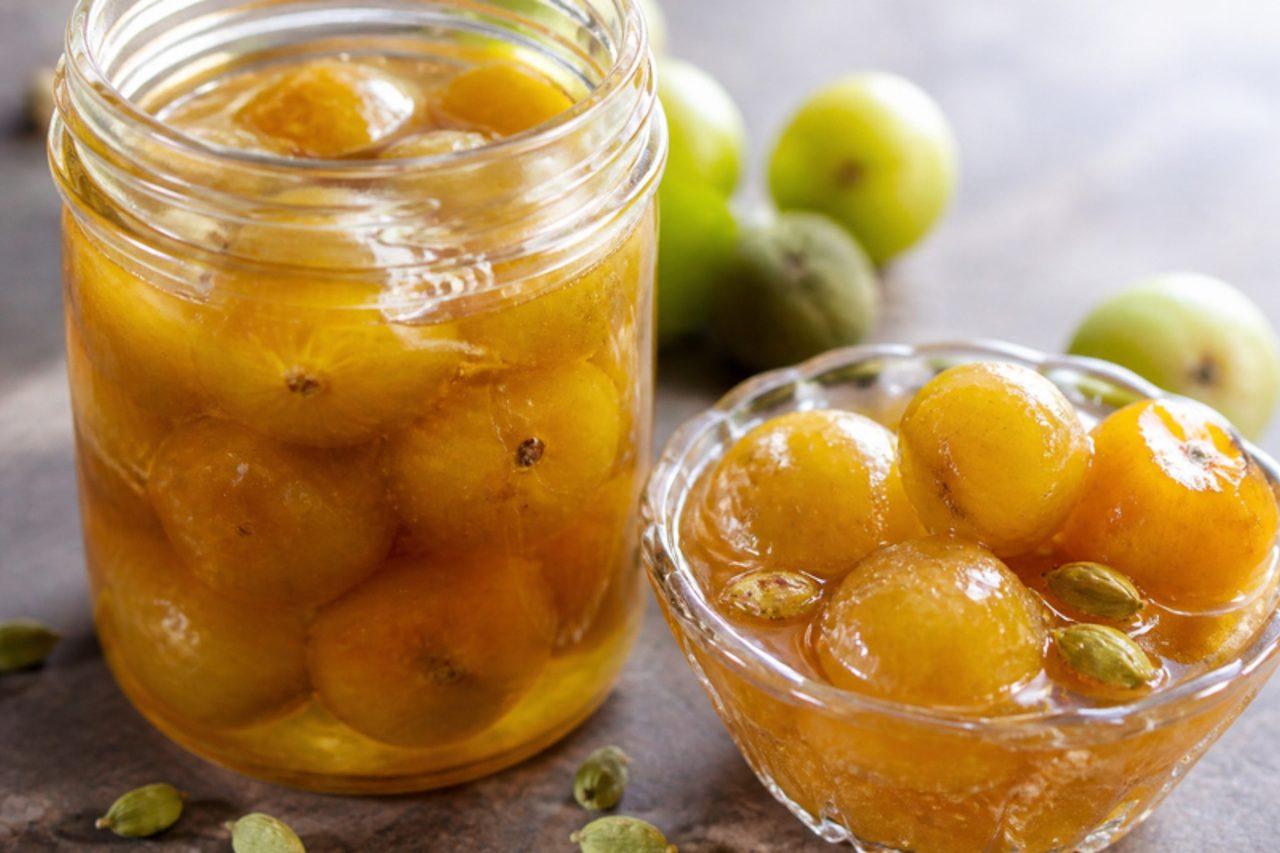
Amla murabbaGooseberry preserve

Murabba is the old North Indian way of keeping amla through the year, and a single gooseberry in syrup each morning is still the winter habit of many grandparents in Uttar Pradesh, Punjab and Rajasthan, who swear by it for digestion and colds. Fresh amla are sour and astringent; pricked, briefly steamed and simmered in sugar syrup, then left to steep overnight, they turn golden, translucent and soft, sweet with a sour heart and a gentle bitterness at the end. Cardamom, black pepper and saffron perfume the syrup. Eat one on its own, chopped into yogurt, or with a paratha. Choose large, firm, unblemished amla in November–February, when they are in season. Common mistake: steaming them too long; they split into segments and fall apart in the syrup. Steam only until they turn pale and the lines on the skin show clearly. Store in a dry, sterilised jar with the amla under the syrup, use a clean dry spoon, and discard if mould or fermentation bubbles appear. Chef's tip: the overnight rest is what lets the syrup soak right to the centre; reboil the syrup the next day so it thickens again.

by KrazyBadal 0 views

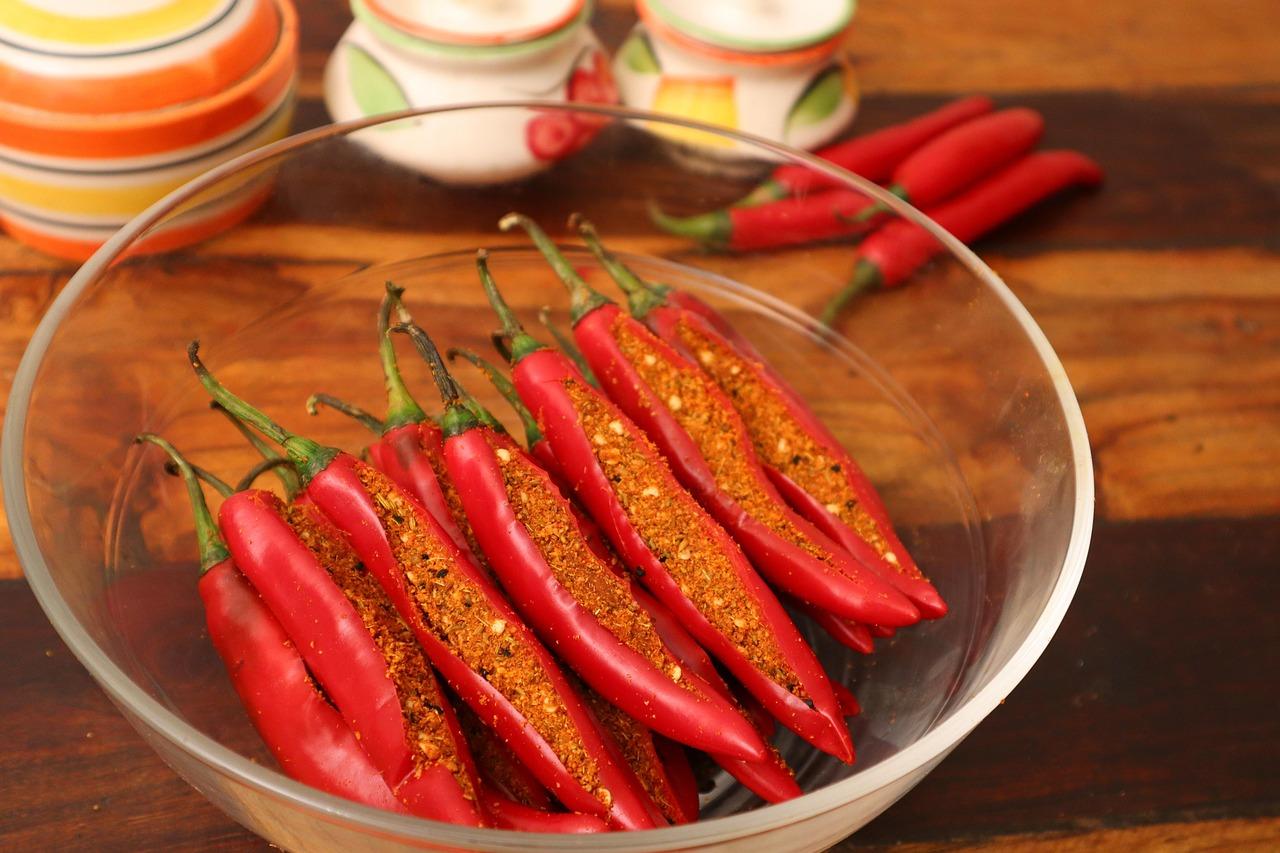
Bharwa lal mirch ka acharStuffed red chilli pickle

In winter, when the fat, fleshy red chillies of Banaras and Rajasthan come to market, families in Varanasi, Lucknow and Jaipur set aside a day to make bharwa lal mirch. The chillies are large and only mildly hot, more like a long pepper, so they are emptied, packed with a sharp masala of coarse yellow mustard, fennel, fenugreek, nigella and amchur (dried mango powder), and cured under smoked mustard oil in the sun. After a week the skins soften and the filling turns tangy and pungent, almost a meal in itself; one chilli sliced beside dal-chawal, puri-sabzi or a plain paratha is plenty. Wear gloves for the cutting, and make sure the chillies are fresh, glossy and firm. Common mistake: stuffing chillies that are still damp inside after washing; dry them for a few hours, cut side down, or the jar will spoil. Keep them under oil, use only a dry spoon or tongs and discard if mould appears. Chef's tip: a spoon of lemon juice in the filling helps it cling and gives a brighter tang.

by KrazyBadal 0 views

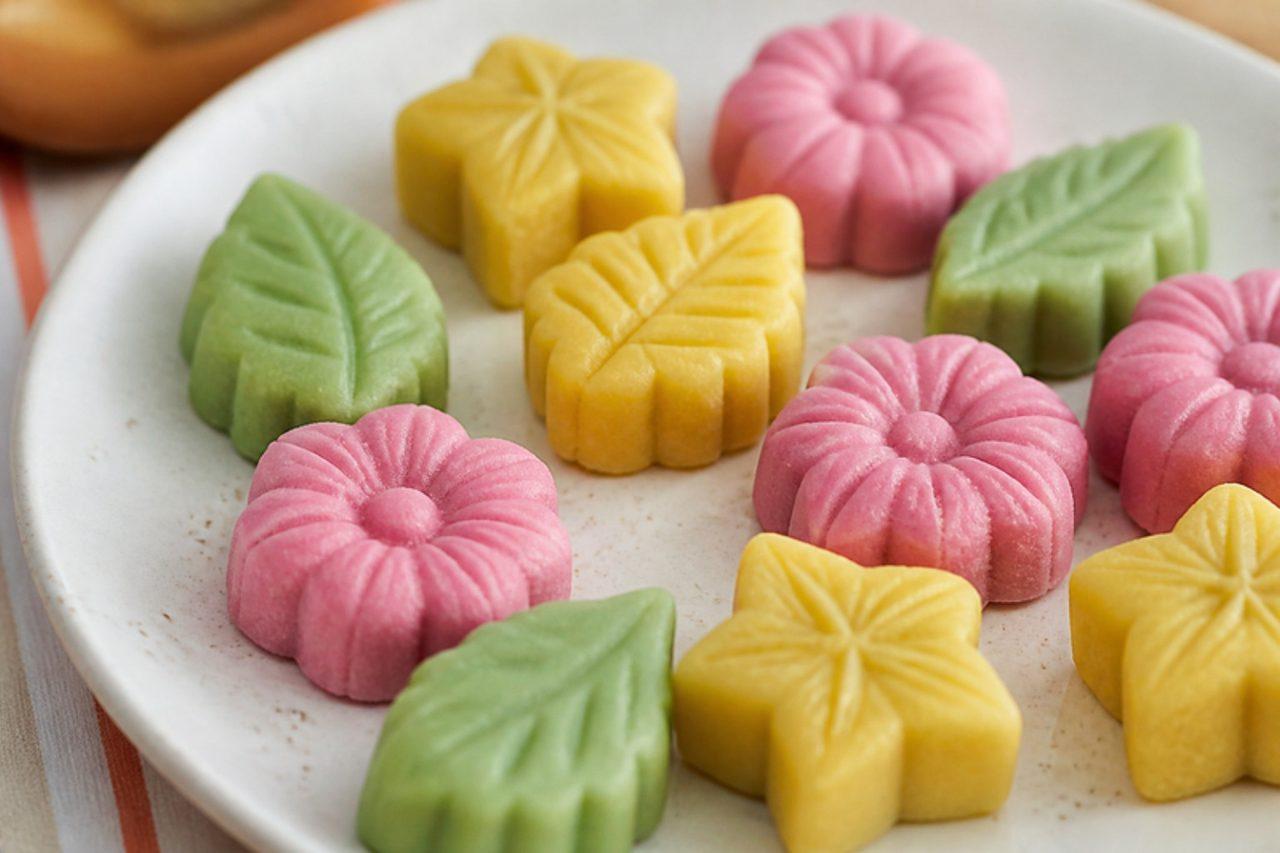
Goan cashew marzipan

Where Europe makes marzipan from almonds, Goa uses its own crop: cashews. Maçapão is a Portuguese legacy that Goan Catholic families make every December, pressing the cashew paste into rubber or plastic moulds of stars, flowers, fish and bells, tinted pink, green and yellow, for the Christmas kuswar tray. Ground cashews are cooked with sugar syrup and a little egg white (which gives it its smooth, pliable texture) until it leaves the pan, then kneaded, coloured and shaped. It tastes rich, sweet and buttery, softer and creamier than almond marzipan. Because of the egg white, it is vegetarian with egg rather than vegan. The common mistake is grinding the cashews too long, which releases their oil and gives a greasy, sticky paste; pulse them in short bursts. Chef's tip: when the mixture is ready, a small piece rolled between your fingers should feel like soft play dough and not stick; if it does, cook it a few minutes longer.

by KrazyBadal 0 views

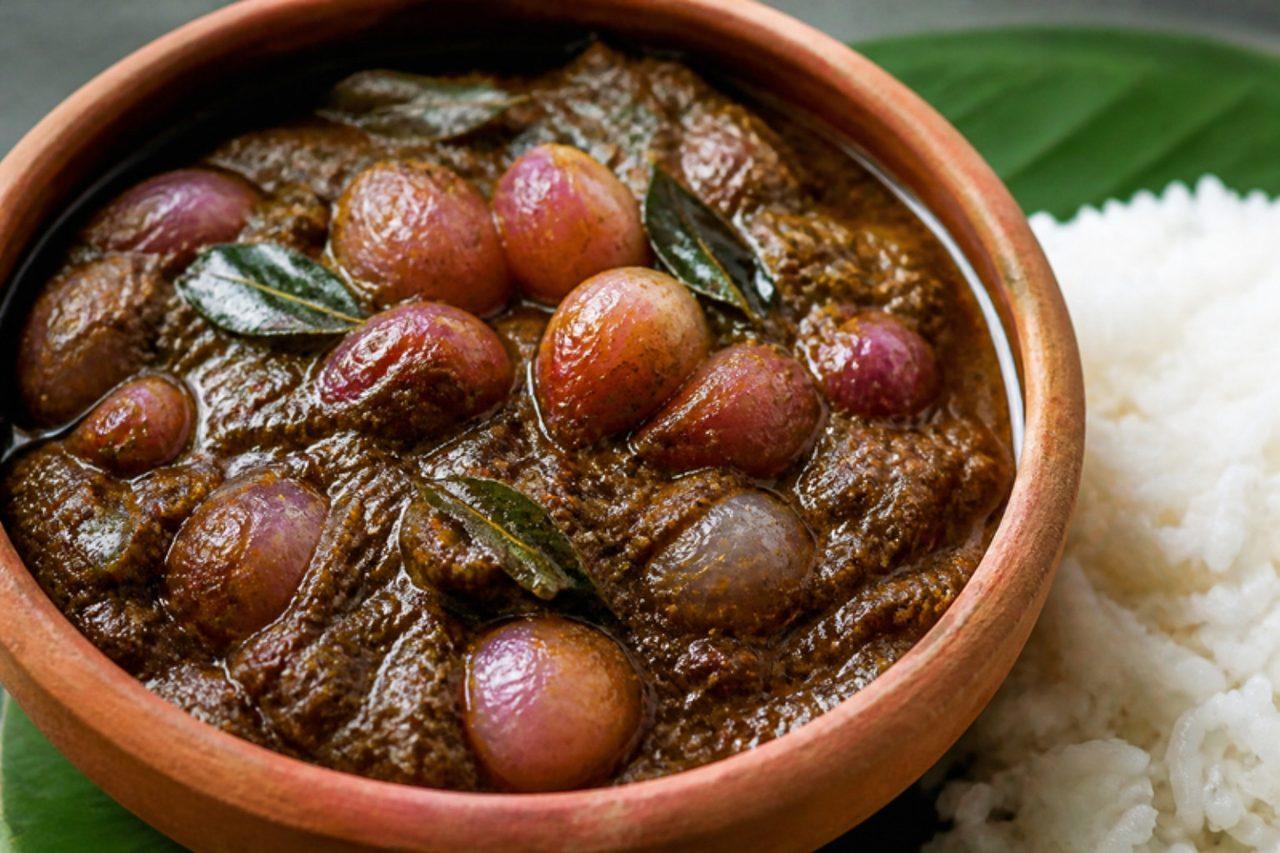
Ulli theeyalShallots in roasted coconut gravy

Theeyal comes from the word for burnt, and the colour gives it away: grated coconut and coriander seeds are roasted together in a dry pan until deep brown, then ground into a paste that turns a sour tamarind gravy almost black. Ulli (shallot) theeyal is the version most Malayali grandmothers make for Onam and for ordinary weekday lunches in Palakkad and Thrissur, with dozens of whole small onions softened in coconut oil until sweet. It tastes smoky, sour and slightly sweet all at once, and it is thick enough to cling to rice. Serve with hot matta rice, a thoran and papadam. The mistake everyone makes once is burning the coconut: it must be roasted on a low flame and taken off when it is the colour of strong coffee, never black. Gluten-free with gluten-free asafoetida. Chef's tip: grind the roasted coconut while it is still warm, so the oil releases and the paste turns smooth and glossy.

by KrazyBadal 0 views

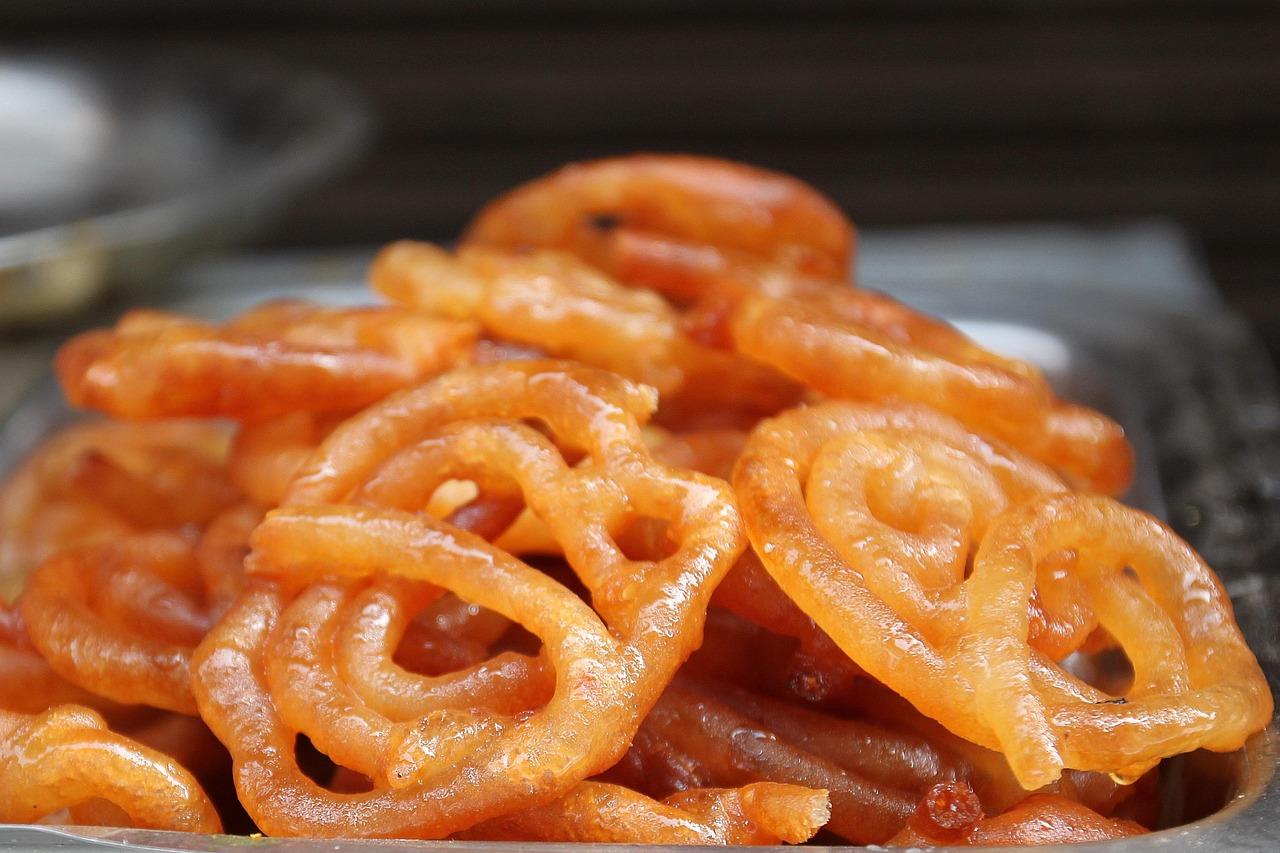
Jalebi

On Uttarayan morning in Ahmedabad and Surat, queues form outside every farsan shop for two things: undhiyu and hot jalebi, sold by the kilo for the terrace party. This is the plain fermented jalebi, not the mawa or instant kind: a batter of maida, a little gram flour and curd left overnight until it smells sour and bubbly, piped in tight double coils into ghee, fried until crisp and dropped into warm saffron syrup. Good ones crackle when bitten, then flood the mouth with syrup, with a gentle tang from the ferment. Eat them hot with undhiyu, with fafda on Dussehra, or with rabri. The common mistake is syrup that is too thick or too cold; it then sits on the surface and the jalebi stays dry inside. Keep the syrup warm and at just one string. Chef's tip: if the batter spreads in the ghee, it is too thin; whisk in a spoon of maida. If the coils break, it is too thick; add a spoon of water.

by KrazyBadal 0 views

Makhana kheerFox nut milk pudding

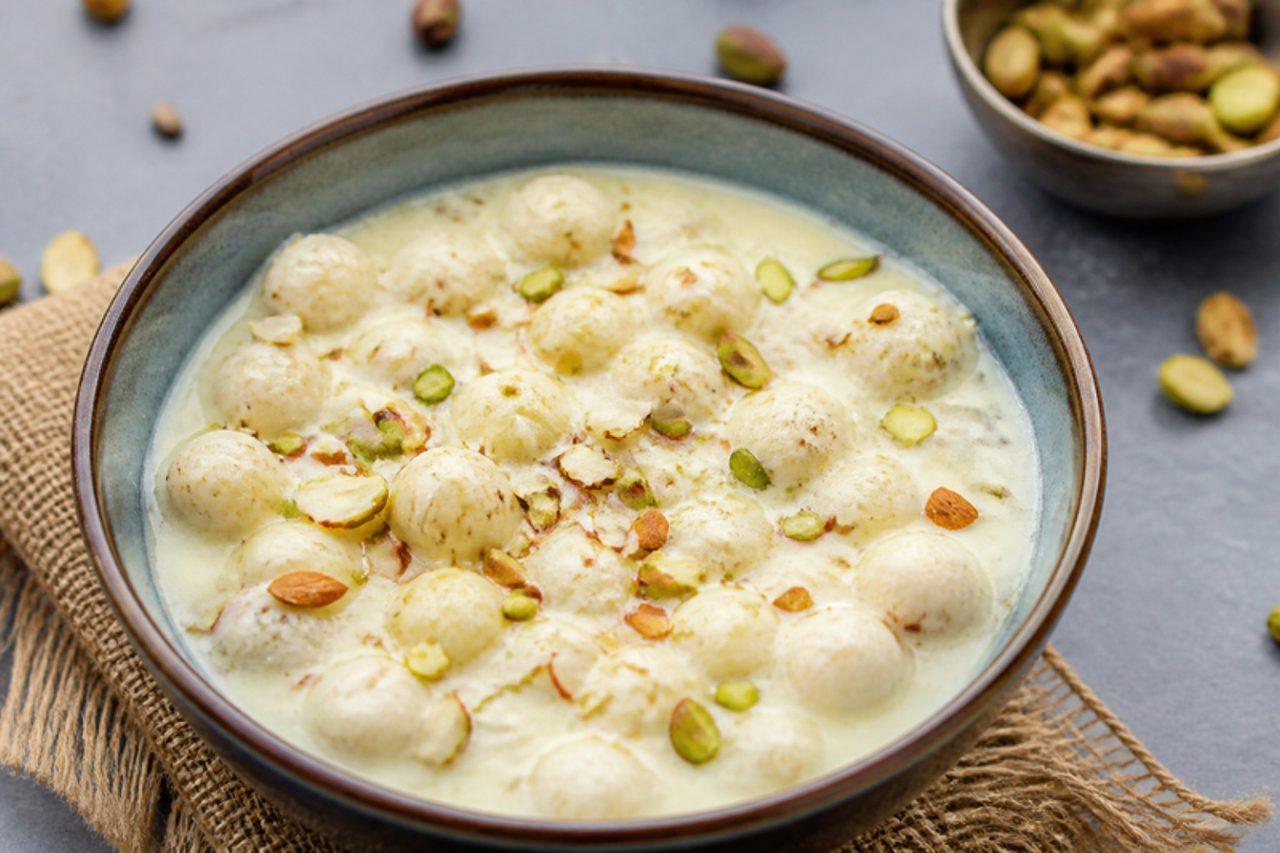
Most of India's makhana comes from the ponds of Mithila in north Bihar, where the lotus-like seeds are harvested by hand, roasted and popped into the airy white puffs sold everywhere. For fasts across North India, from Navratri to Janmashtami and Mahashivratri, makhana kheer is the sweet of choice because it needs no grain at all. The fox nuts are roasted in ghee until crisp, half crushed, then simmered in reducing milk, where they soften into a creamy, slightly chewy texture with a gentle nuttiness. Cardamom and a few nuts finish it. Serve it warm after a fasting meal, or chilled on hot evenings. It thickens as it cools, so loosen it with a splash of milk if needed. Chef's tip: roast the makhana until one crushes easily between your fingers; under-roasted puffs stay spongy and taste raw in the kheer.

by KrazyBadal 0 views

Bagara khanaSpiced tempered rice

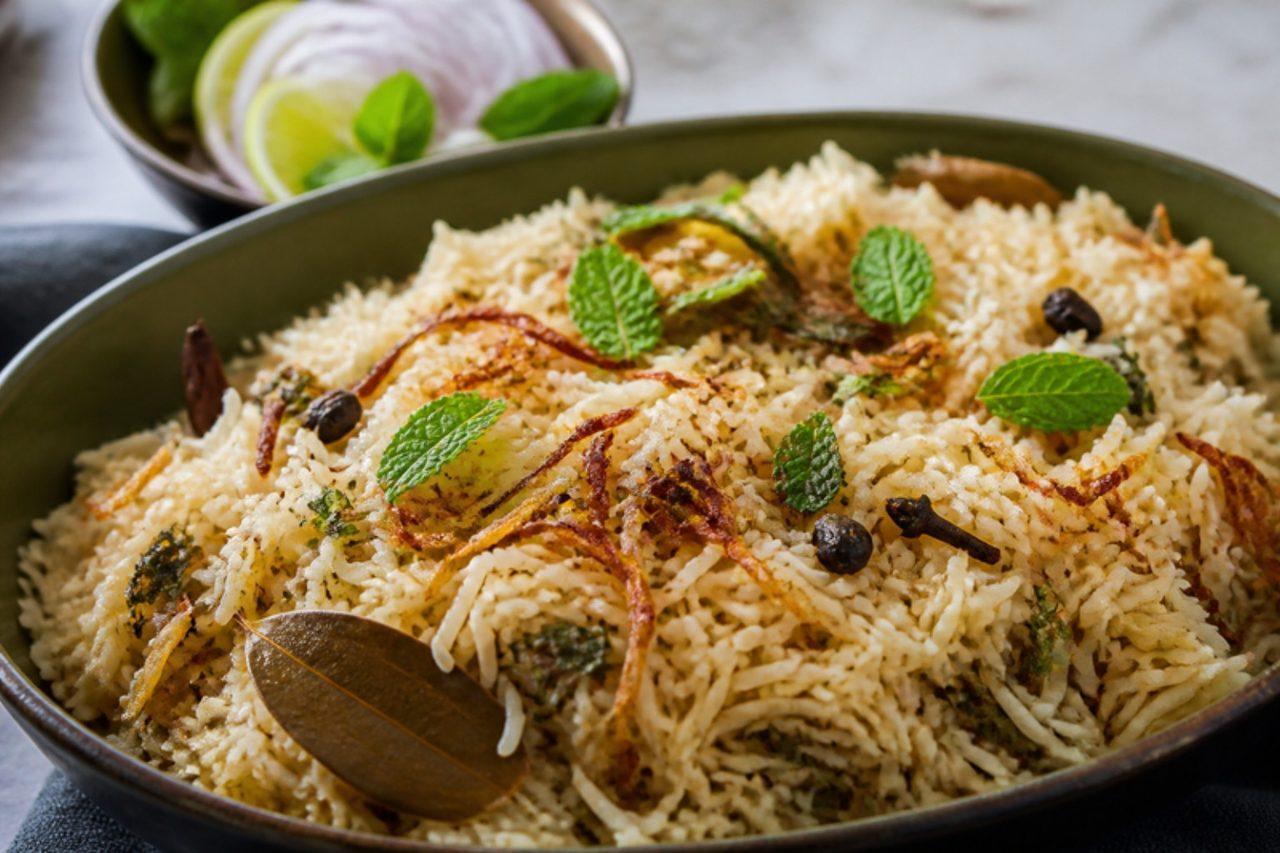
Ask for rice at a Hyderabadi wedding or Eid dawat and, if it is not biryani, it will be bagara khana: long-grain basmati cooked in a bagar (tempering) of ghee, shahi jeera, cinnamon, cloves, cardamom and bay leaf, with sliced onion, ginger-garlic, green chillies, mint and coriander. It has no vegetables or meat in it at all; it is the plain partner for rich, sour gravies like dalcha (lentils with bottle gourd), mirchi ka salan and bagara baingan, and every Old City household eats it on Sunday. Each grain should be long, separate and fragrant, glossy with ghee and flecked with green. The common mistake is too much water, which makes it mushy; measure 1¾ cups of water for each cup of soaked rice and finish on dum. Chef's tip: add a squeeze of lemon to the boiling water; it keeps the basmati white and stops the grains breaking.

by KrazyBadal 0 views

KansarWheat and sugar sweet

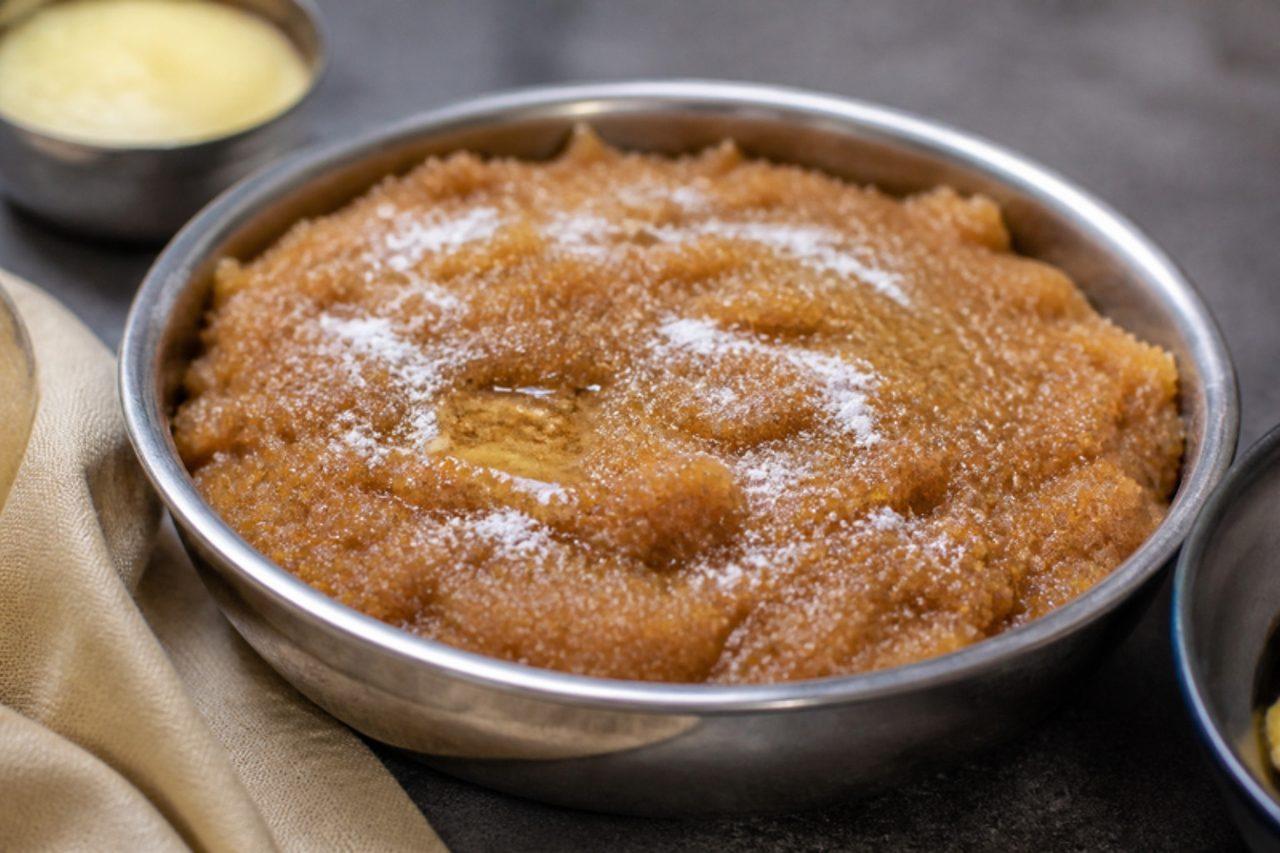
At a Gujarati wedding the first mouthful the new couple share is kansar: the bride's mother sets a thali in front of them and each feeds the other a pinch, a ritual called kansar jamadvo. The same sweet turns up for a griha pravesh, a new job or any shubh occasion at home. It is made from jada ghau no lot (coarse, almost gritty wheat flour), roasted in ghee and steamed in sugared water until every grain swells and stays separate, so it is crumbly and loose rather than a set halwa. It is never sweet enough on its own: at the table everyone pours over a spoon of hot melted ghee and sprinkles bura (powdered sugar) to taste. Serve it warm, with dal, bhaat, a shaak and kadhi for a festive lunch. Common mistake: stirring it like sheera once the water goes in. Kansar has to be left covered on a low flame to steam, and only fluffed with a fork; beating it turns it into paste. Chef's tip: if you cannot find kansar flour, use 150 g coarse rava (sooji) mixed with 50 g ordinary atta, which gives the same loose, grainy texture.

by KrazyBadal 0 views

Bengali boriSun-dried lentil dumplings

Winter mornings in rural Bengal used to mean bori-making: the household gathered on the roof with a big bowl of freshly ground, hand-whipped urad dal and dropped little peaked dollops onto cloth in neat rows. In Medinipur the women even pipe them into lace-like gohona bori, a folk art of its own. The everyday kind is simpler, a cone the size of a marble, sun-dried until rock hard. Fried in mustard oil, a bori turns crisp and golden outside and slightly spongy inside, and it soaks up gravy beautifully. A handful goes into shukto, into a maacher jhol with potatoes, into lau ghonto (bottle gourd) or into a simple vegetable chorchori. Common mistake: grinding the dal with too much water; the paste then spreads flat on the cloth instead of holding a peak. Chef's tip: check the whipped paste by dropping a little into a bowl of water. If it floats, it has enough air and the bori will be light; if it sinks, keep beating.

by KrazyBadal 0 views

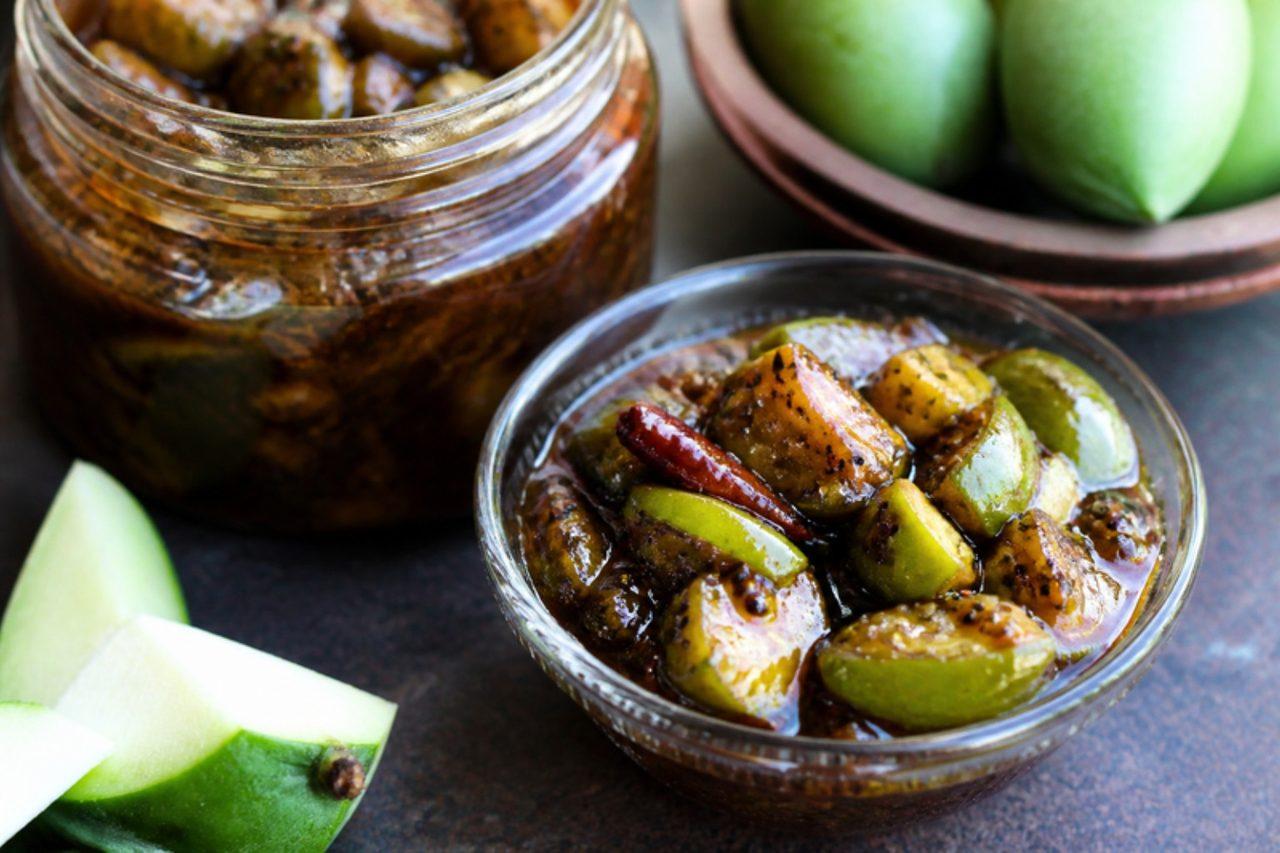
Gor keriSweet mango pickle

Gor keri is the sweet sister of methia keri, and in most Gujarati homes both jars are filled in the same week of May. The mango is salted and dried in the same way, but the masala is milder, with methi kuria, a little rai kuria, hing and Kashmiri chilli for colour, and the star is desi gor (jaggery). Over 4–6 days the jaggery melts in the mango's own juices into a dark, glossy syrup that covers the pieces and keeps them, so it needs only a little oil. It tastes sweet, sour and gently warm, and children who refuse spicy pickle eat it by the spoonful. Serve it with thepla, puri, khichdi, or dal-bhaat on a hot afternoon. Choose soft, dark, fresh jaggery that breaks easily; hard, pale blocks never fully melt. Common mistake: wet mango, which thins the syrup and invites mould. If the syrup still looks thin after a week, warm the pickle gently on the stove for 5 minutes and cool before jarring again. Use only a clean dry spoon, and throw it out if you see mould. Chef's tip: a teaspoon of lightly crushed fennel (variyali) adds a lovely fragrance, as many Kathiyawadi families do.

by KrazyBadal 0 views

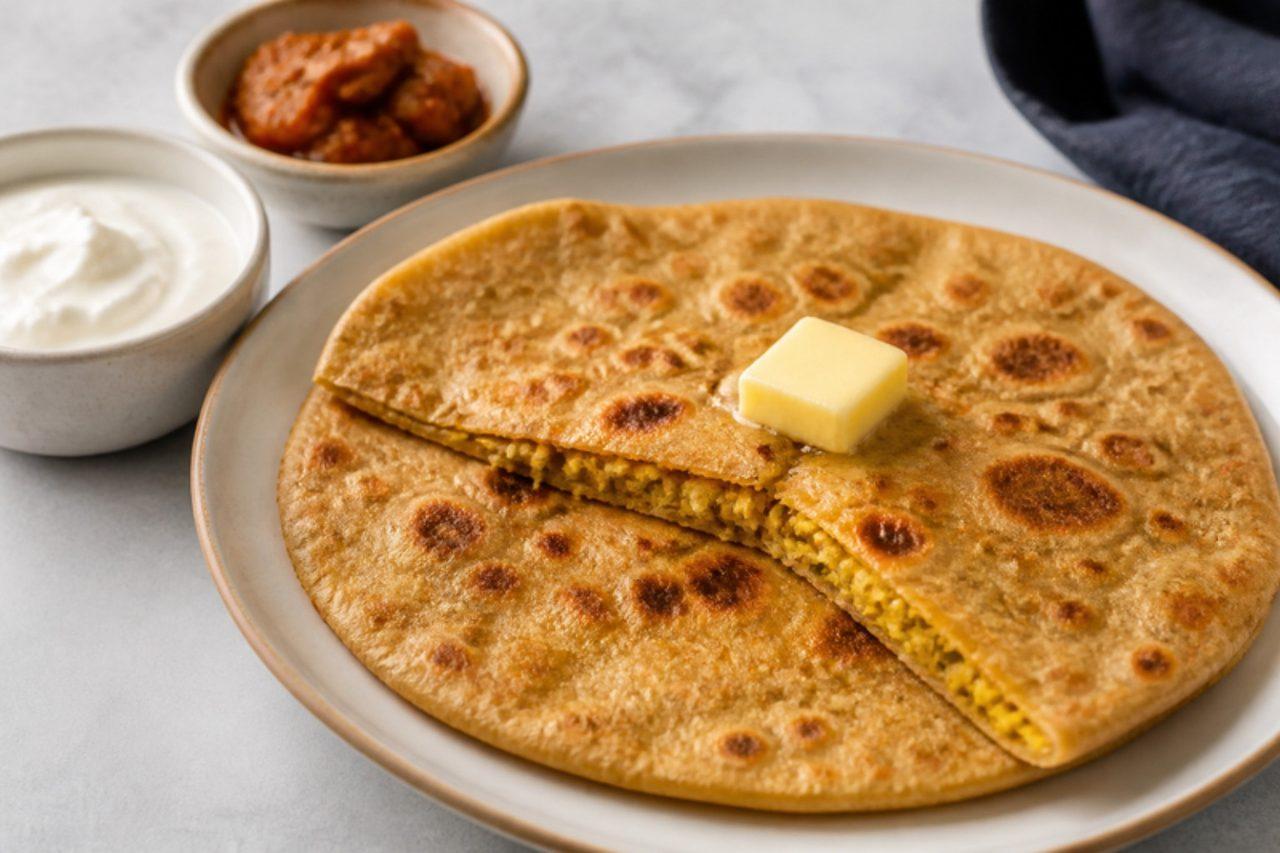
Gobi parathaCauliflower-stuffed flatbread

When the first tight, white cauliflowers come into the Ludhiana and Jalandhar mandis in November, gobi paratha becomes the Sunday breakfast of choice. Finely grated cauliflower is mixed with ginger, green chilli, coriander, ajwain and a pinch of amchur, sealed inside atta dough and rolled out, then cooked on a tawa with ghee until brown and blistered. The filling stays juicy and slightly sweet against the crisp, flaky outside. Serve with a cube of white butter melting on top, a bowl of thick dahi, and some mixed achar or green chutney, with a glass of lassi or a cup of chai. Common mistake: salting the filling and then leaving it to sit. Salt pulls the water out of the cauliflower and the parathas burst while rolling. Chef's tip: keep the gobi unsalted, squeeze it gently in a cloth, and season it with salt only a few minutes before you start stuffing.

by KrazyBadal 0 views

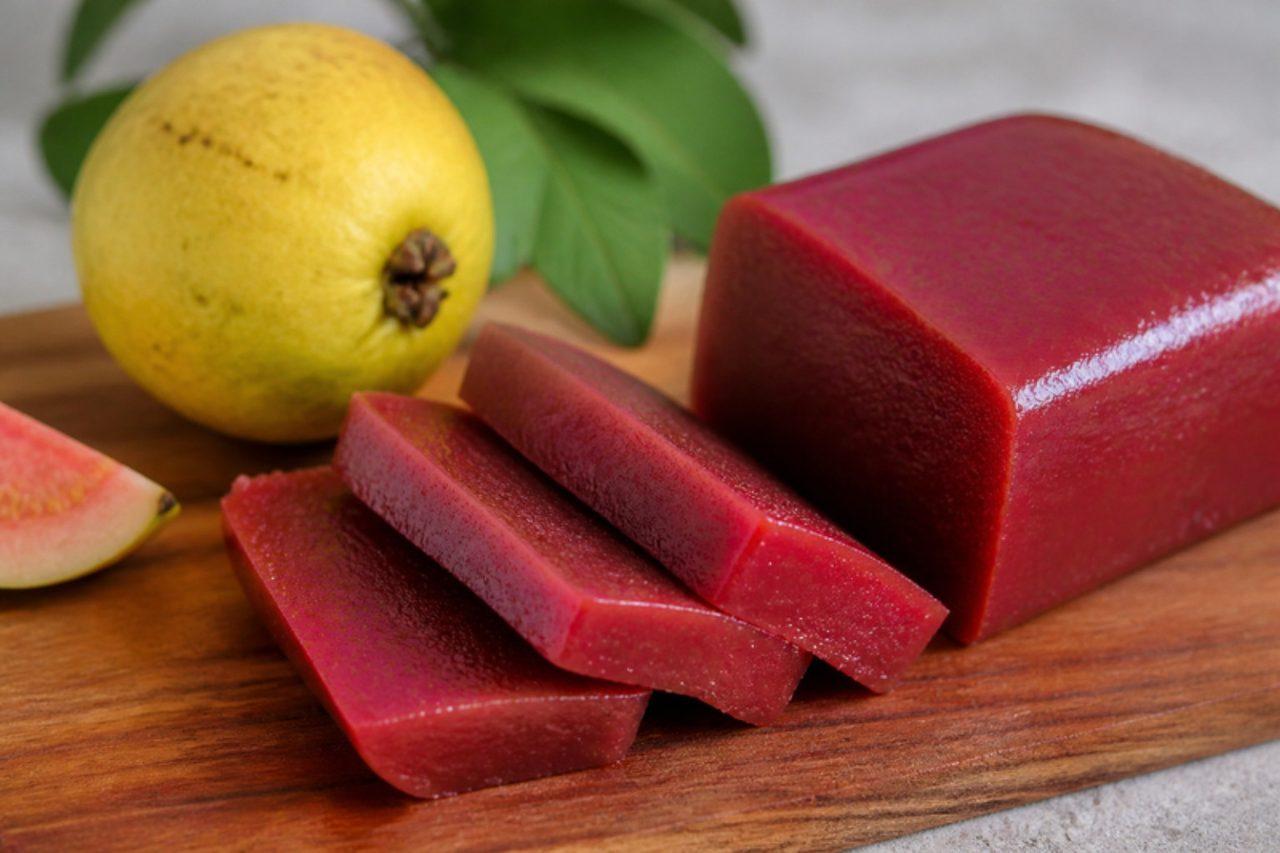
PeradGuava cheese

Goan grandmothers make perad when the guava trees are full in winter, and it sits in a tin on the dresser all through Christmas, cut into dark pink squares for the kuswar plate. The name and the method come from the Portuguese goiabada: ripe guavas are cooked, sieved, then boiled down with sugar and lime juice for the best part of an hour until the paste is thick, glossy and comes away from the pan in one mass. Set in a tray, it slices cleanly and tastes intensely of guava, sweet and slightly tart, with a chewy, jelly-like bite. Eat it on its own, with a piece of cheese, or on bread. The common mistake is stopping too early: it looks thick in the pan but stays soft and sticky once cool. Test a little on a cold plate; it should hold its shape and peel off cleanly. Chef's tip: choose fragrant pink-fleshed guavas and add a couple of slightly under-ripe ones; they carry more pectin and help it set.

by KrazyBadal 0 views

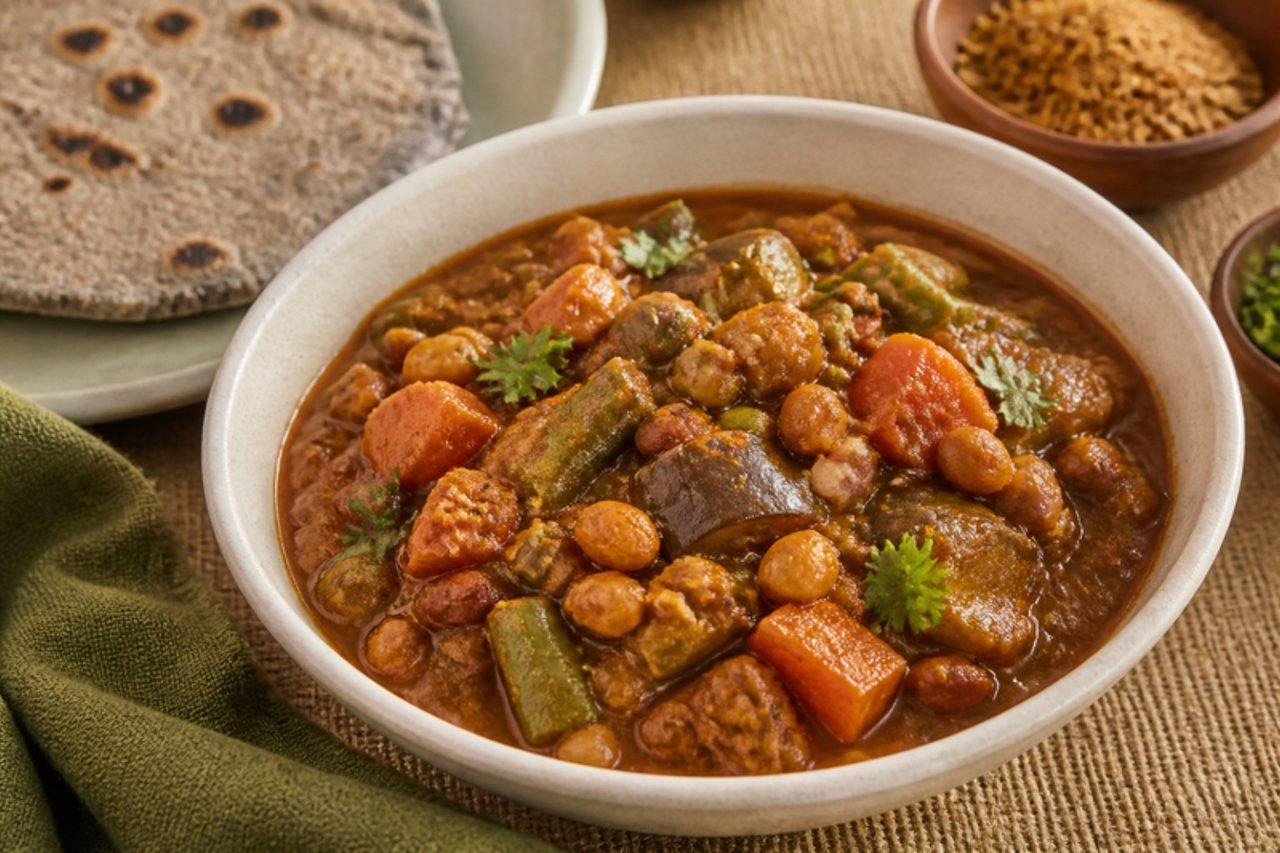
Bhogichi bhajiWinter vegetable and peanut stew

Bhogi, the day before Makar Sankranti, is a day of plenty in Maharashtra, and the lunch to match is this thick mixed bhaji made from everything the winter market offers: green chickpeas (harbhara), fresh field beans (pavta and ghevda), carrots, small brinjals, green peas, ber and sugarcane pieces in some homes. Peanuts and sesame are crushed into it for richness, and the spice is goda masala, the sweet-smoky Maharashtrian blend. It is served with bajra bhakri spread with white butter or sesame, a lump of jaggery and a piece of radish. The taste is earthy, slightly sweet and warming. The mistake is using too much water: it should be a thick, almost dry curry that coats the vegetables. Gluten-free if your goda masala has no wheat-cut asafoetida in it; check the label. Chef's tip: add a spoon of jaggery and a little tamarind at the end; that sweet-sour finish is what makes it taste like Bhogi.

by KrazyBadal 0 views

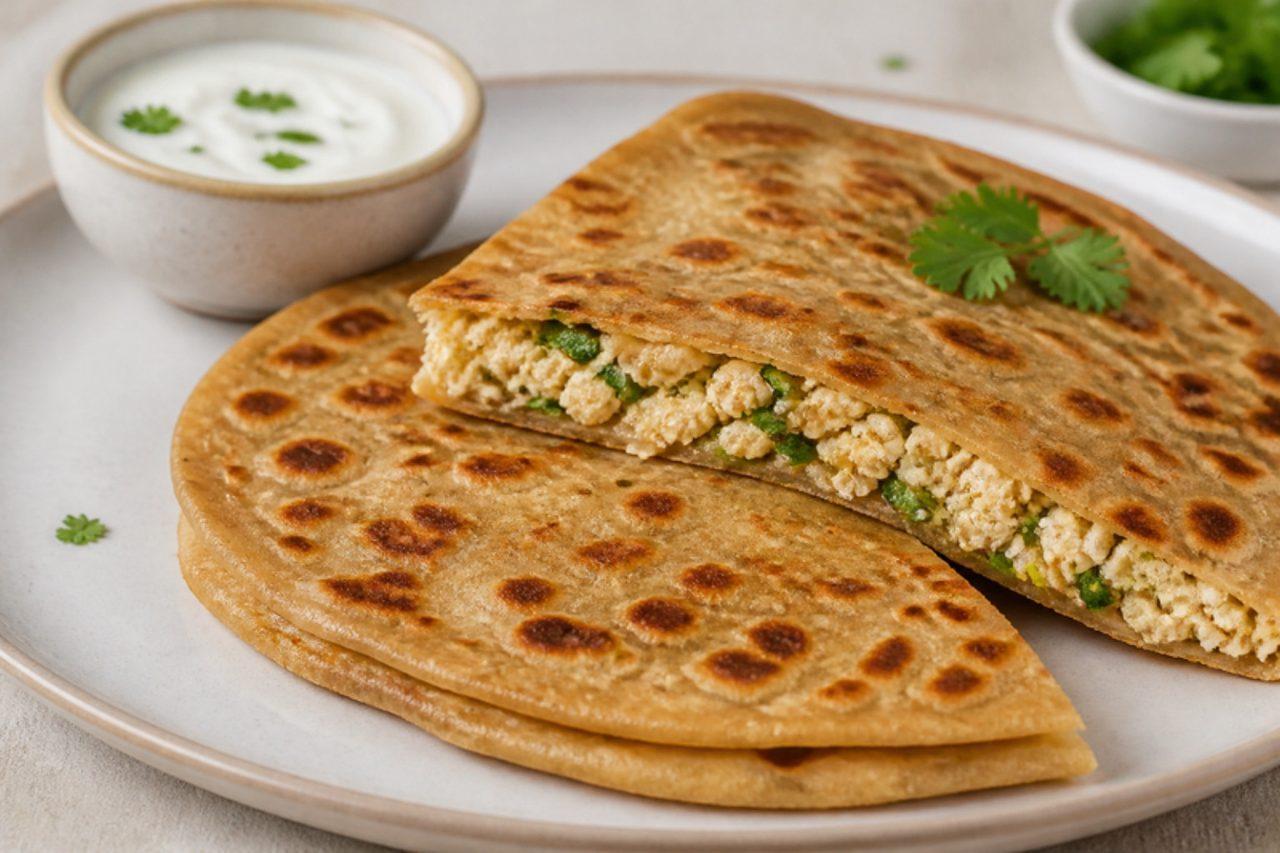
Paneer parathaPaneer-stuffed flatbread

Dhaba breakfasts on the Grand Trunk Road out of Amritsar always have paneer paratha on the board, and it's a lunchbox favourite in Delhi homes because it stays soft and filling until the afternoon. The filling is fresh paneer grated fine, mixed with green chilli, lots of coriander, ajwain, a little onion and a pinch of amchur. Rolled inside atta dough and cooked with ghee, it becomes a mild, milky, protein-rich paratha with crisp brown patches. Serve with dahi, mint chutney or mango achar, and a cup of adrak chai. Use homemade or shop paneer; both are made with lemon or vinegar, not rennet. Common mistake: crumbling the paneer roughly; big lumps poke through the dough and tear it. Grate it finely or mash it with the heel of your hand. Chef's tip: if your paneer is very fresh and moist, add a tablespoon of atta to the filling to bind it, and roll these slightly thicker than a gobi paratha.

by KrazyBadal 0 views

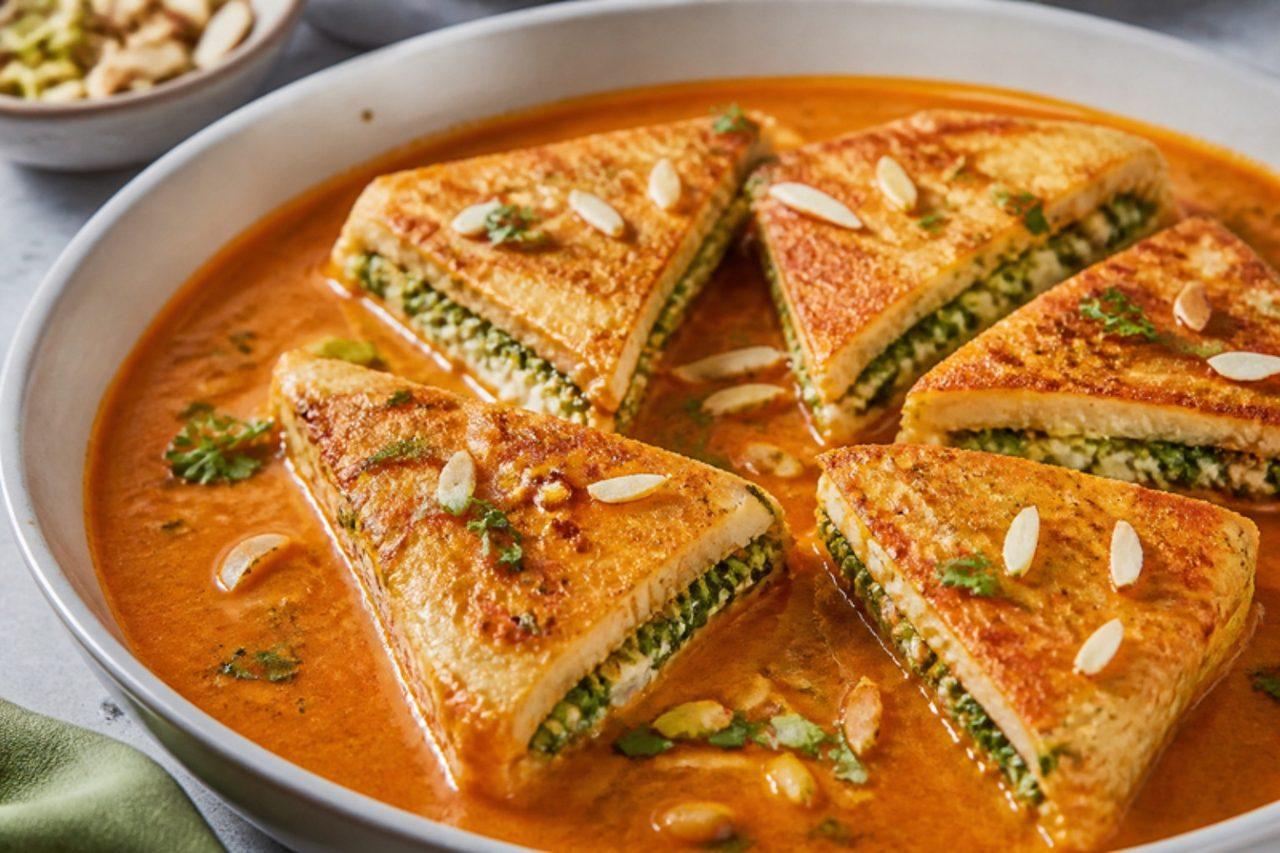
Paneer pasandaStuffed paneer in cashew gravy

Pasanda once meant flattened slices of the best meat, cooked for the Mughal court; the vegetarian version swaps the meat for paneer, cut into thin squares and sandwiched with a filling of grated paneer, cashews, pistachios, raisins and coriander. The sandwiches are dipped in a light batter and shallow-fried until crisp, then served on a smooth, gently spiced tomato and cashew gravy that is orange-red from Kashmiri chilli rather than hot. Across Delhi, Punjab and Uttar Pradesh it is a wedding and anniversary dish, the one that makes a vegetarian menu look special, and it goes best with butter naan, kulcha or saffron pulao. The paneer is made with lemon or vinegar, so it is fine for vegetarians. Common mistake: simmering the stuffed paneer in the gravy; the batter turns soggy and the sandwiches open up. Pour the gravy onto the plate and set the pasanda on top just before serving. Chef's tip: chill the block of paneer for an hour before cutting, so the thin slices do not crack.

by KrazyBadal 0 views

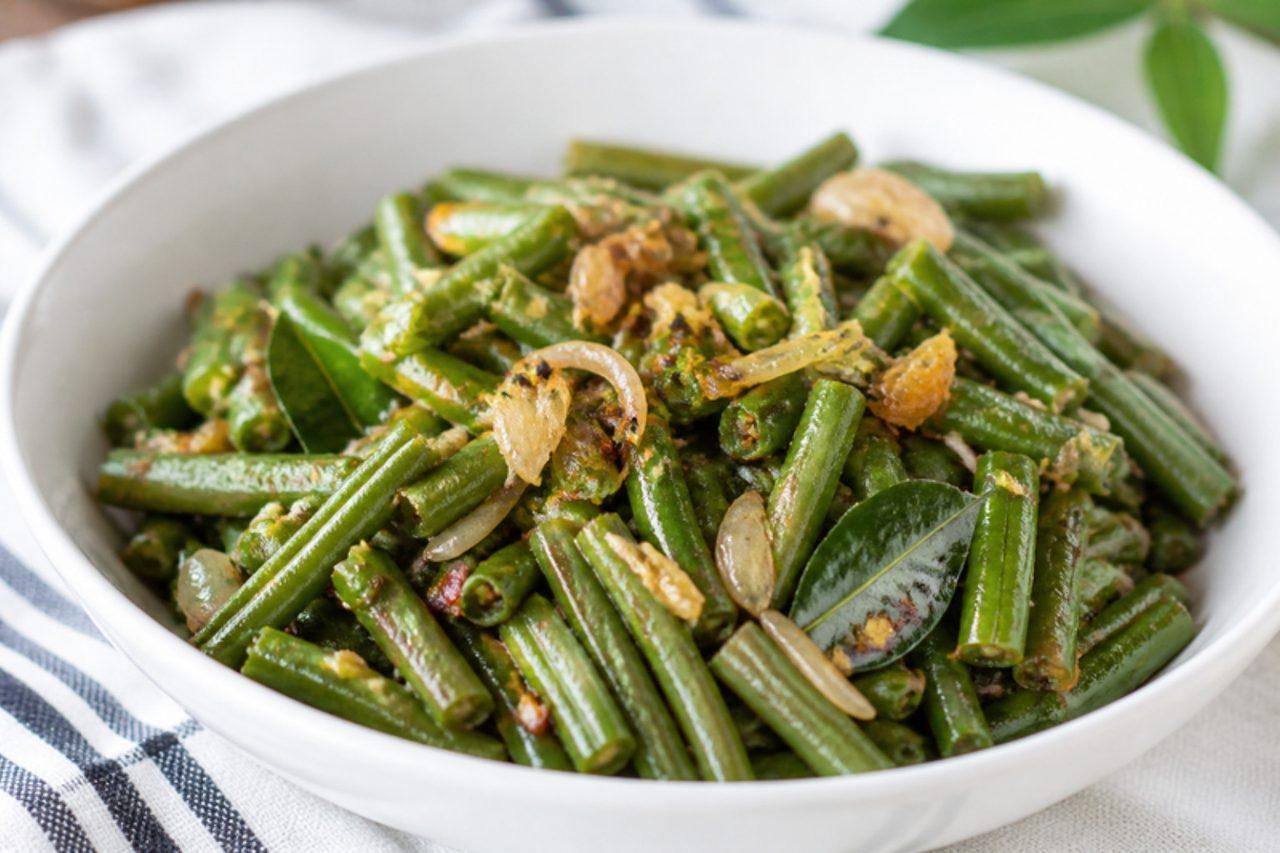
Payar mezhukkupurattiStir-fried long beans

The name says it all: mezhukku means oil and puratti means smeared, so this is a dry stir-fry that leaves every bean slick and shiny with coconut oil. Vanpayar, the yard-long beans that climb over every Kerala garden fence, are cut short and cooked with crushed shallots, garlic and dried chilli flakes until tender and blistered in places. It is weekday food in Kottayam and Alappuzha homes, packed into tiffin with rice and moru curry, and it turns up on festive spreads too. The taste is simple, smoky and savoury, with crunch from the shallots. Serve with matta rice and a thin curry. The common mistake is covering the pan for too long, which steams the beans grey and soft; cover briefly, then finish uncovered so they roast. Chef's tip: crush the shallots, garlic and chilli together in a mortar rather than slicing them; the rough paste clings to the beans much better.

by KrazyBadal 0 views

Showing 24 of 880 recipes

Show more recipes

Page 11 of 37

More collections