Skip to content
WhatToEat.Today

Vegetarian Indian dinners

Dal, sabzi, curries and rice dishes for a meat-free Indian dinner. (880 recipes)

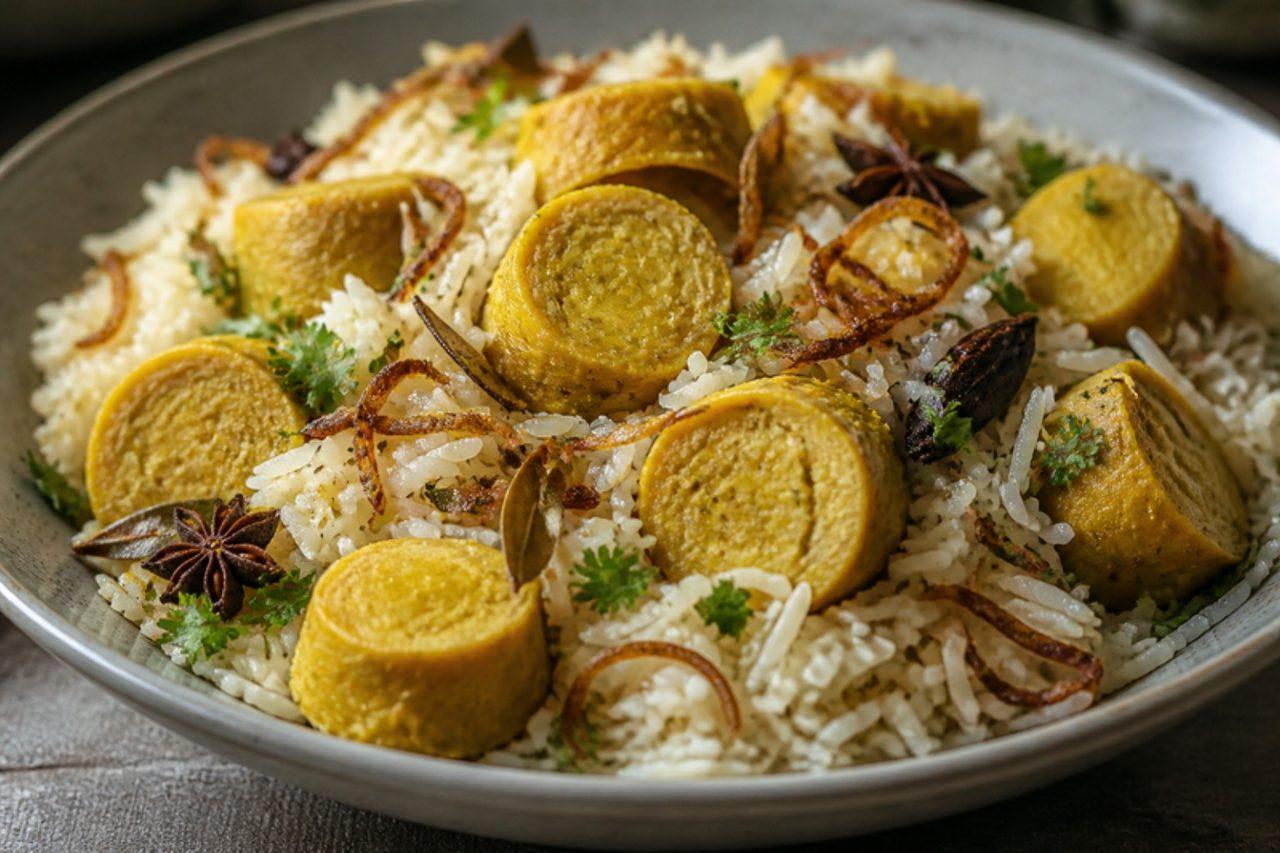
Gatte ka pulaoPulao with gram flour dumplings

Marwari kitchens in Jodhpur, Bikaner and Jaipur were built around ingredients that keep in the desert, and gram flour gatte are the clever result: a spiced besan dough rolled into logs, boiled, sliced and fried, standing in for vegetables that were hard to find. Folded through basmati with ghee and whole spices, they make gatte ka pulao, a festive one-dish meal served at Marwari weddings and on Gangaur or Teej. The rice is fragrant and separate, and the gatte are golden outside and soft, almost spongy, inside, with the warmth of ajwain and chilli. Many Jain and Maheshwari homes make it without onion; leave it out and add a little more ginger if you do. Serve it with kadhi, plain dahi or boondi raita and papad. Common mistake: a soft gatte dough, which splits in the boiling water; it should be firm, like a stiff roti dough. Chef's tip: cook the rice in the water the gatte were boiled in; it carries the besan and spice flavour into every grain.

by KrazyBadal 0 views

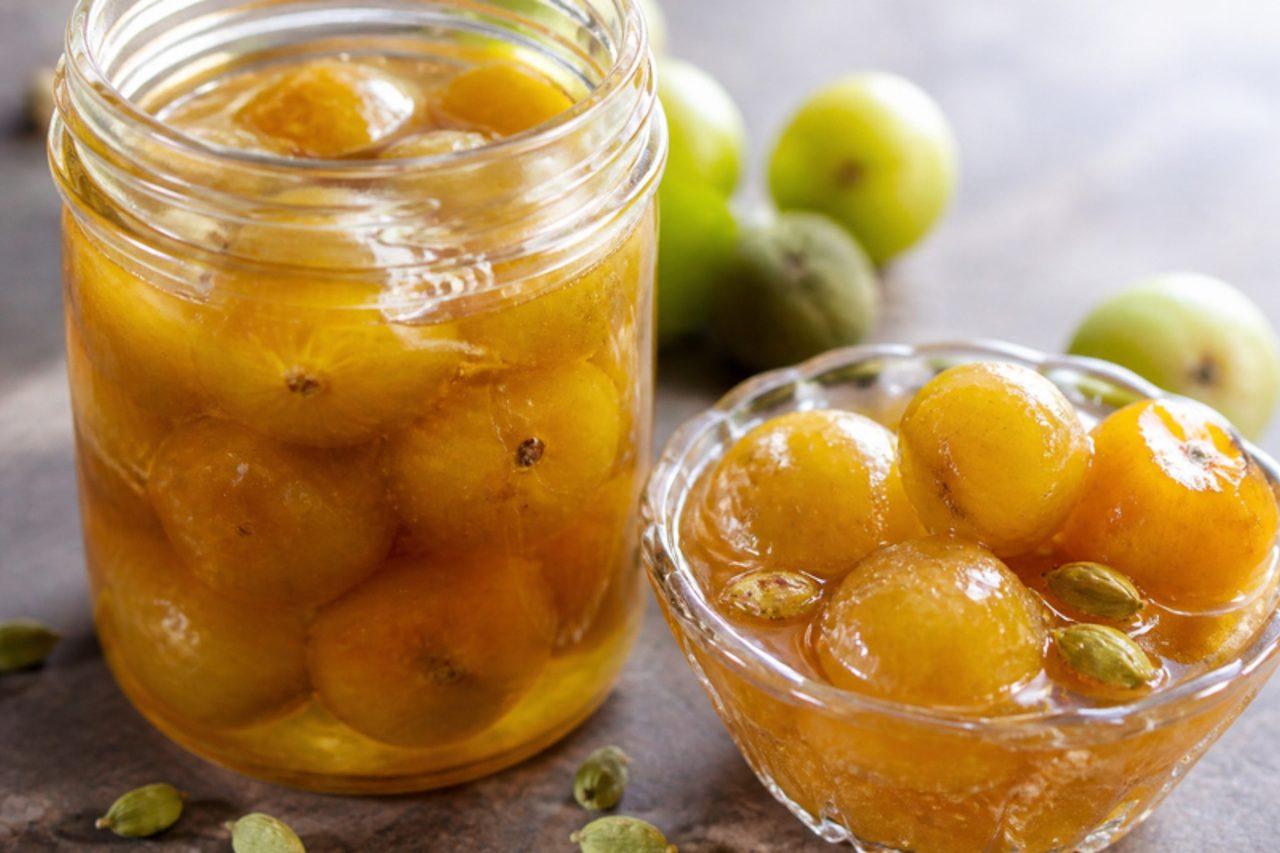
Amla murabbaGooseberry preserve

Murabba is the old North Indian way of keeping amla through the year, and a single gooseberry in syrup each morning is still the winter habit of many grandparents in Uttar Pradesh, Punjab and Rajasthan, who swear by it for digestion and colds. Fresh amla are sour and astringent; pricked, briefly steamed and simmered in sugar syrup, then left to steep overnight, they turn golden, translucent and soft, sweet with a sour heart and a gentle bitterness at the end. Cardamom, black pepper and saffron perfume the syrup. Eat one on its own, chopped into yogurt, or with a paratha. Choose large, firm, unblemished amla in November–February, when they are in season. Common mistake: steaming them too long; they split into segments and fall apart in the syrup. Steam only until they turn pale and the lines on the skin show clearly. Store in a dry, sterilised jar with the amla under the syrup, use a clean dry spoon, and discard if mould or fermentation bubbles appear. Chef's tip: the overnight rest is what lets the syrup soak right to the centre; reboil the syrup the next day so it thickens again.
by KrazyBadal 0 views

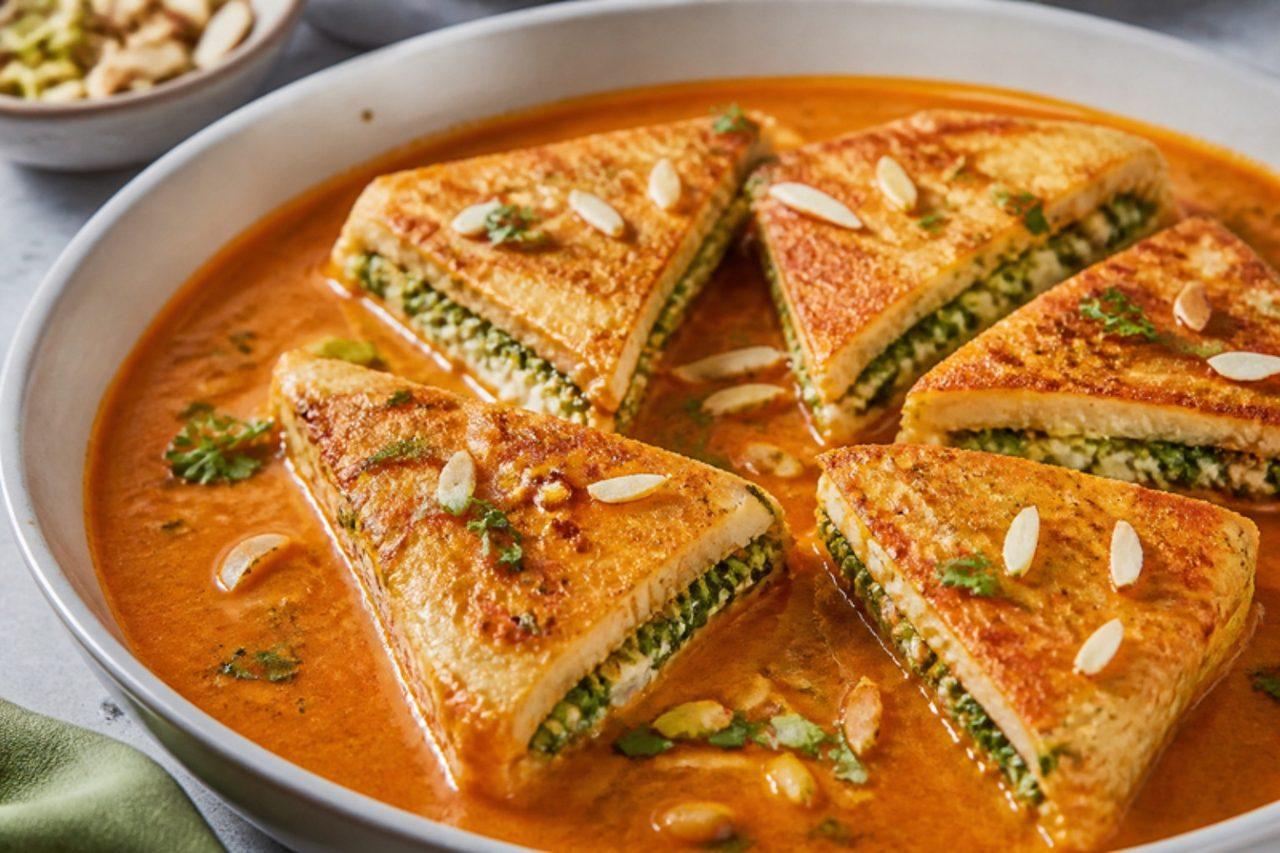
Paneer pasandaStuffed paneer in cashew gravy

Pasanda once meant flattened slices of the best meat, cooked for the Mughal court; the vegetarian version swaps the meat for paneer, cut into thin squares and sandwiched with a filling of grated paneer, cashews, pistachios, raisins and coriander. The sandwiches are dipped in a light batter and shallow-fried until crisp, then served on a smooth, gently spiced tomato and cashew gravy that is orange-red from Kashmiri chilli rather than hot. Across Delhi, Punjab and Uttar Pradesh it is a wedding and anniversary dish, the one that makes a vegetarian menu look special, and it goes best with butter naan, kulcha or saffron pulao. The paneer is made with lemon or vinegar, so it is fine for vegetarians. Common mistake: simmering the stuffed paneer in the gravy; the batter turns soggy and the sandwiches open up. Pour the gravy onto the plate and set the pasanda on top just before serving. Chef's tip: chill the block of paneer for an hour before cutting, so the thin slices do not crack.

by KrazyBadal 0 views

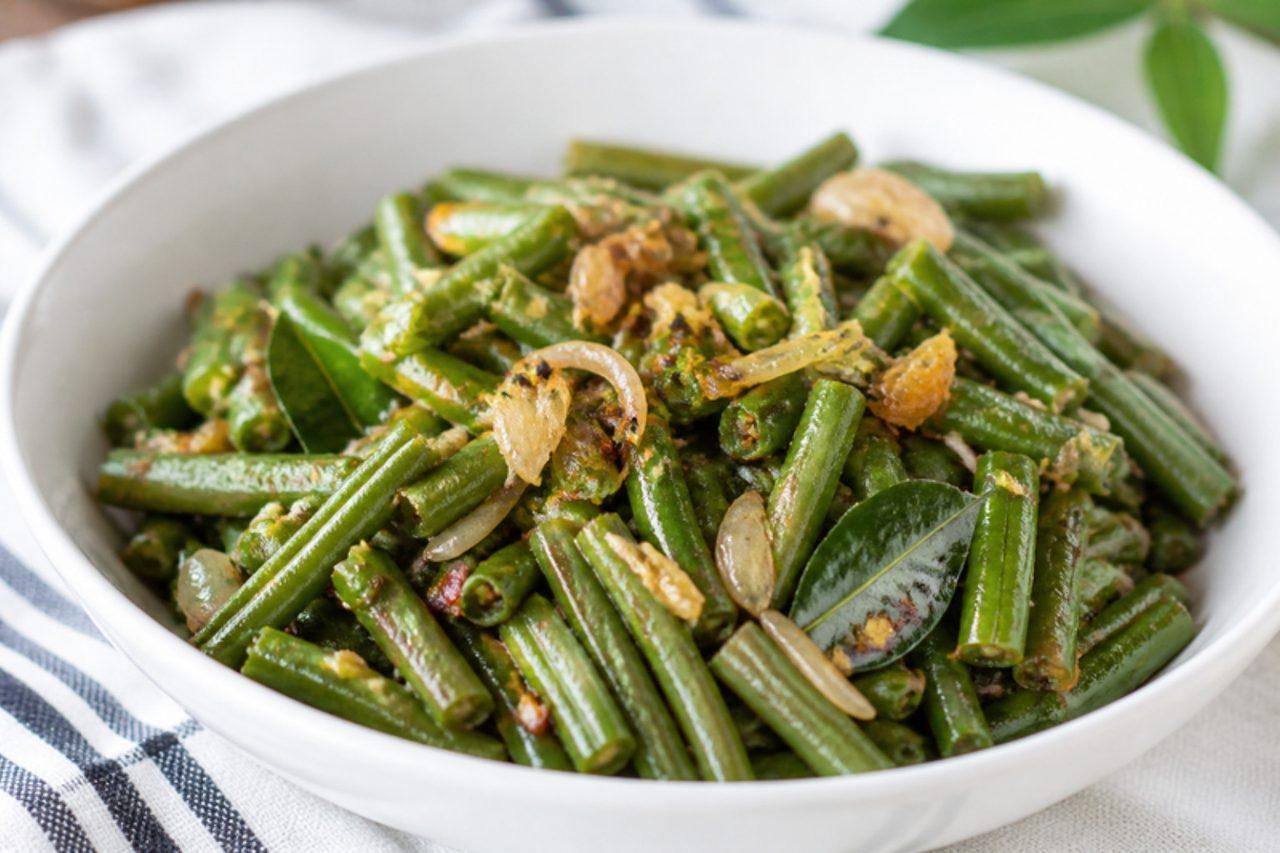
Payar mezhukkupurattiStir-fried long beans

The name says it all: mezhukku means oil and puratti means smeared, so this is a dry stir-fry that leaves every bean slick and shiny with coconut oil. Vanpayar, the yard-long beans that climb over every Kerala garden fence, are cut short and cooked with crushed shallots, garlic and dried chilli flakes until tender and blistered in places. It is weekday food in Kottayam and Alappuzha homes, packed into tiffin with rice and moru curry, and it turns up on festive spreads too. The taste is simple, smoky and savoury, with crunch from the shallots. Serve with matta rice and a thin curry. The common mistake is covering the pan for too long, which steams the beans grey and soft; cover briefly, then finish uncovered so they roast. Chef's tip: crush the shallots, garlic and chilli together in a mortar rather than slicing them; the rough paste clings to the beans much better.

by KrazyBadal 0 views

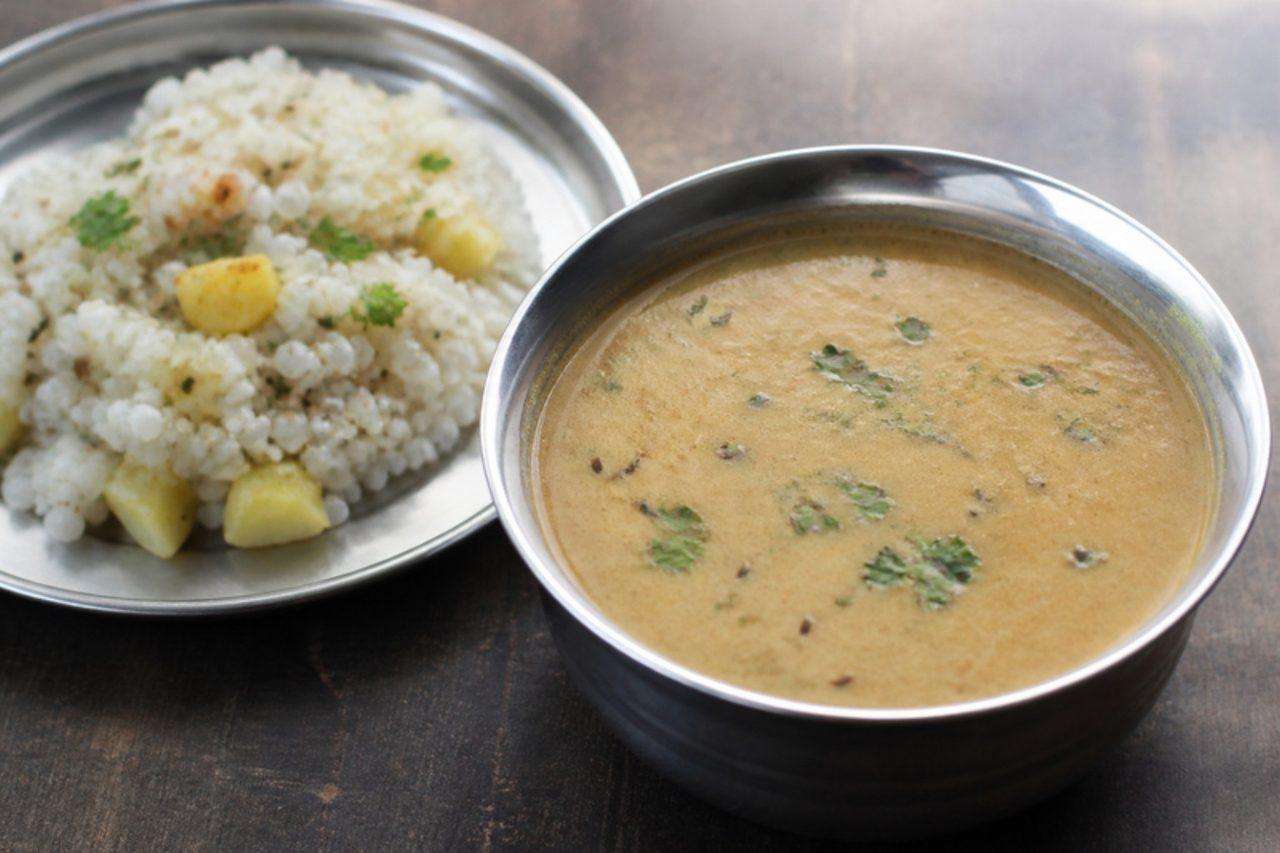
Danyachi amtiPeanut curry

On fast days in Maharashtra, when dal is off the menu, danyachi amti takes its place. Roasted peanuts are ground smooth with green chilli, then simmered with water, a cumin tadka, kokum and a little jaggery into a pale, creamy curry with a sour, slightly sweet and spicy taste. It is ladled over sabudana khichdi or vari tandul (barnyard millet) bhagar, loosening them and adding protein to a fasting meal, and it goes well with upvasachi batata bhaji on the side. Use sendha namak so it suits the fast; ghee is the usual fat in many homes, oil keeps it vegan. It thickens a lot as it stands, so thin it with hot water before serving. Chef's tip: grind the peanut paste really smooth and whisk it into the water before heating; a coarse grind leaves the amti gritty and it splits as it boils.

by KrazyBadal 0 views

Bharwa lal mirch ka acharStuffed red chilli pickle

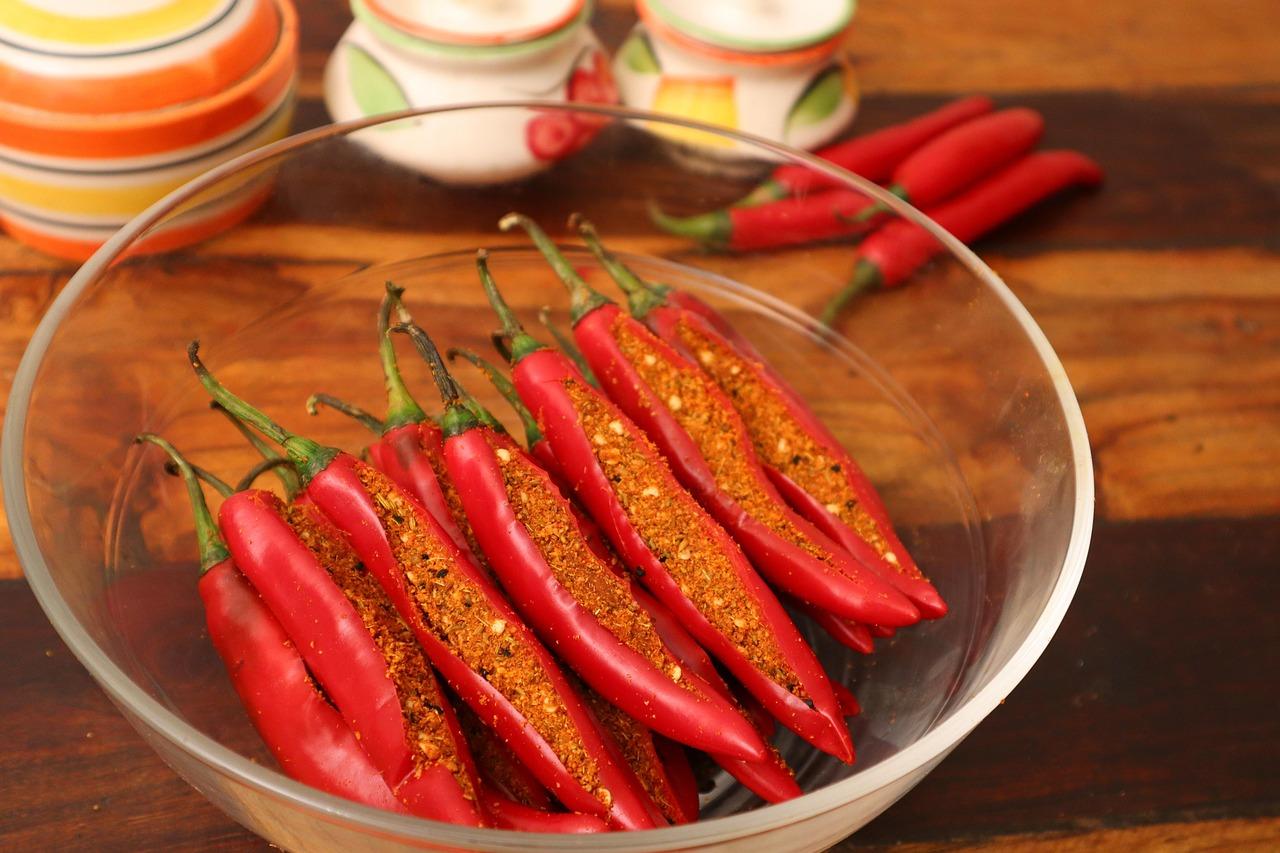
In winter, when the fat, fleshy red chillies of Banaras and Rajasthan come to market, families in Varanasi, Lucknow and Jaipur set aside a day to make bharwa lal mirch. The chillies are large and only mildly hot, more like a long pepper, so they are emptied, packed with a sharp masala of coarse yellow mustard, fennel, fenugreek, nigella and amchur (dried mango powder), and cured under smoked mustard oil in the sun. After a week the skins soften and the filling turns tangy and pungent, almost a meal in itself; one chilli sliced beside dal-chawal, puri-sabzi or a plain paratha is plenty. Wear gloves for the cutting, and make sure the chillies are fresh, glossy and firm. Common mistake: stuffing chillies that are still damp inside after washing; dry them for a few hours, cut side down, or the jar will spoil. Keep them under oil, use only a dry spoon or tongs and discard if mould appears. Chef's tip: a spoon of lemon juice in the filling helps it cling and gives a brighter tang.

by KrazyBadal 0 views

Makar chaulaRaw rice, banana and jaggery offering

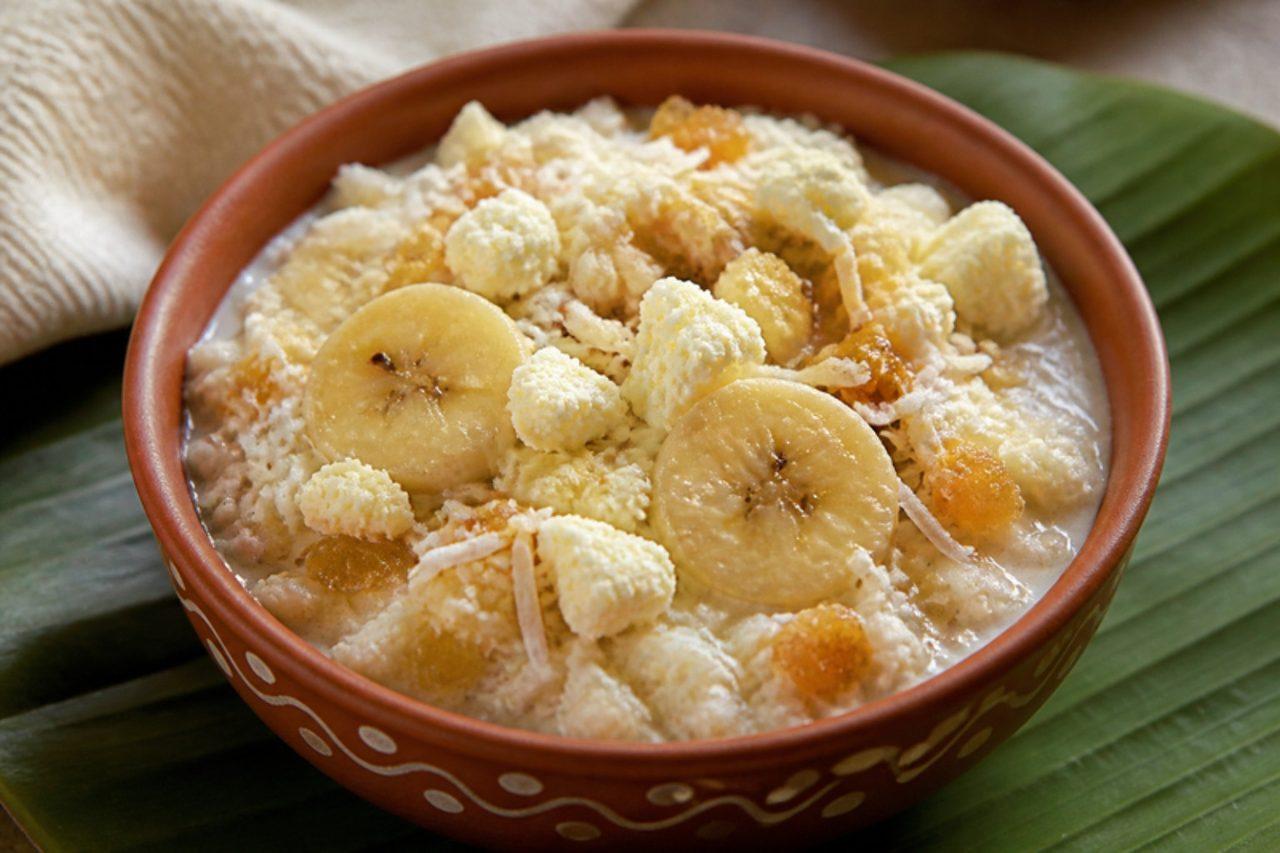
On Makar Sankranti in Odisha, the first rice of the winter harvest goes to the sun god before anyone else tastes it. Makar chaula is that offering: freshly harvested rice soaked and coarsely pounded, then mixed raw with grated coconut, ripe banana, chhena (fresh cheese), jaggery or sugarcane juice, milk, black pepper and a little ginger. Temples such as Puri and Konark offer huge quantities, and every home in Cuttack and Bhubaneswar makes its own bowl after the morning bath. It is not cooked at all, so it tastes fresh, milky and gently spiced, with a soft chew from the rice. Eat it in the morning as prasad, with sugarcane pieces and til ladoo. The common mistake is grinding the rice to a powder; it should stay coarse, like broken grains, or the mix turns gluey. Chef's tip: use the newest, softest short-grain rice you can find; old rice stays hard even after soaking.

by KrazyBadal 0 views

Ghila pithaFried rice and jaggery cakes

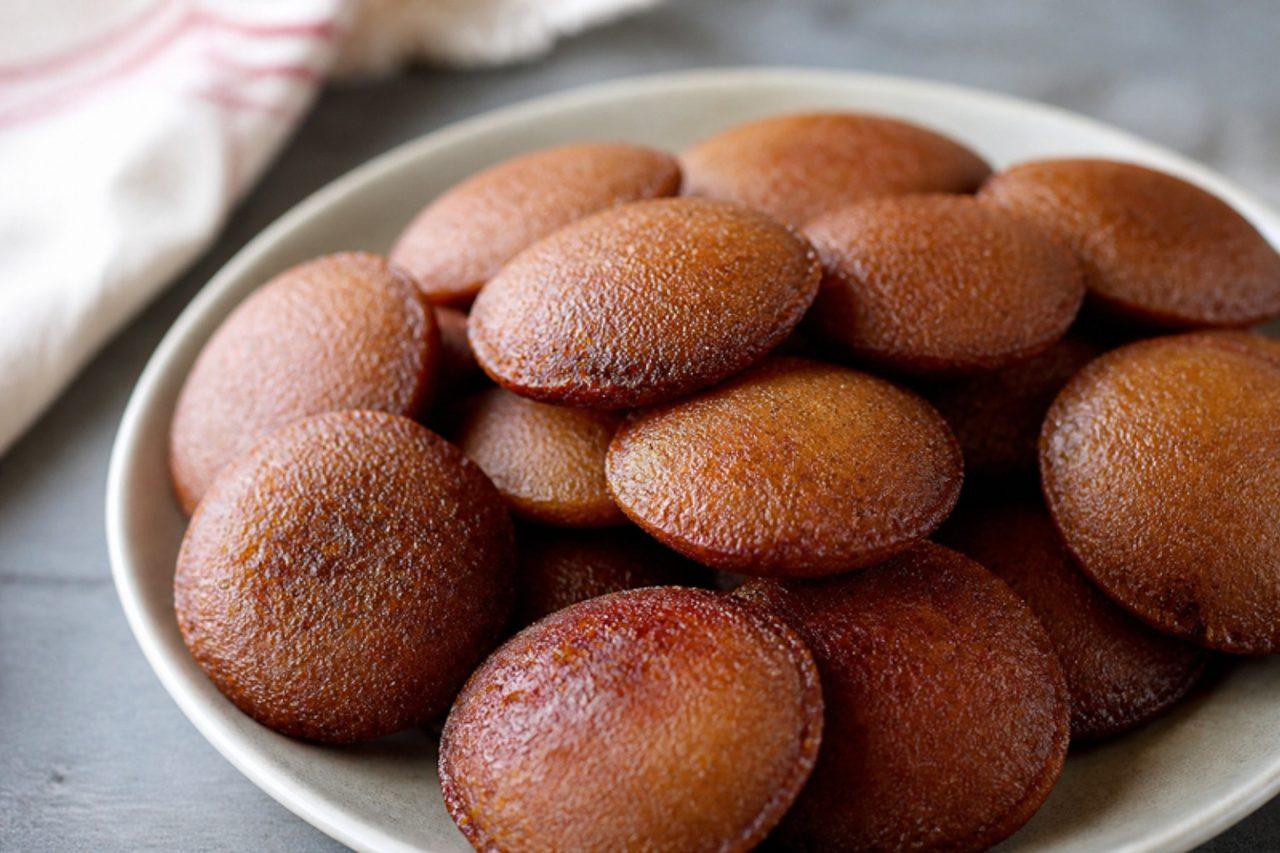
Magh Bihu in January closes the harvest in Assam with bonfires, feasts and plates full of pitha. Ghila pitha takes its name from ghila, the kneecap, because the little cakes are pressed into rounded discs that puff in the middle as they fry. Sticky bora or plain rice is soaked, dried and ground to a damp flour, then kneaded with melted jaggery and fried in mustard or vegetable oil. Outside they are dark brown and crisp; inside chewy and soft like a doughnut, with the deep flavour of jaggery. They keep a few days, so they are stacked in steel tins for visitors and eaten with black tea or with doi and jolpan. Some cooks add a pinch of fennel or sesame. The common mistake is oil that is too hot: jaggery darkens and burns long before the inside is cooked, so fry slowly. Chef's tip: let the dough rest for 30 minutes after kneading; the rice flour drinks up the syrup and the cakes hold together.

by KrazyBadal 0 views

Kimami seviyanDry saffron vermicelli

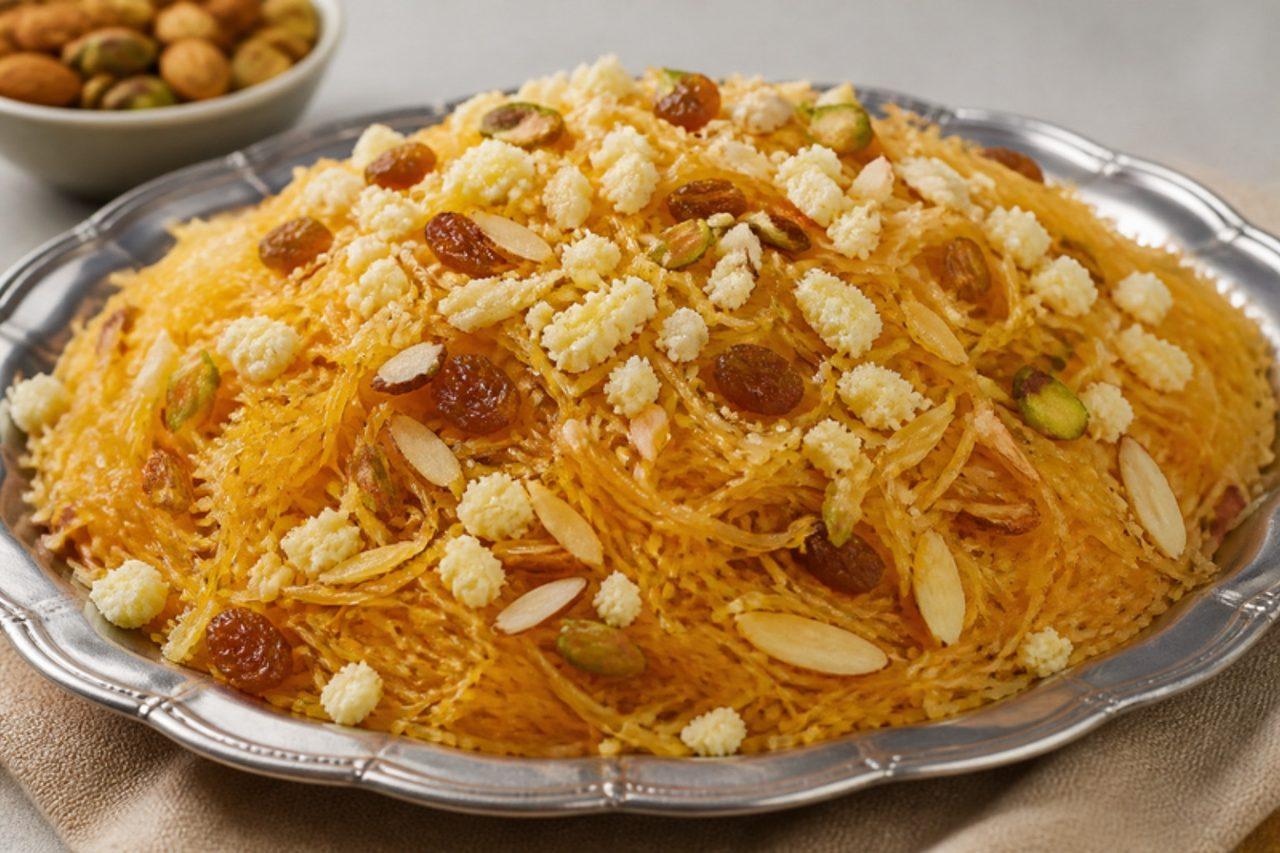
On Eid ul-Fitr morning in Lucknow, after namaz, every Awadhi household sets out kimami seviyan, the dry, glossy cousin of the milky sheer khurma. Hair-thin vermicelli is roasted in ghee until deep golden, then cooked in a kimam (sugar syrup) scented with saffron, cardamom and kewra until each strand is separate, shiny and just tender. It is finished with crumbled khoya, fried dry coconut, almonds, pistachios, chironji and raisins, and often topped with silver leaf. The texture is chewy and buttery rather than soupy, more like a sweet pulao of noodles. Serve it warm in small plates to guests, with sheer khurma or a cup of tea. The common mistake is adding too much syrup or water, which turns the seviyan soft and lumpy; it should look dry with every strand coated. Chef's tip: use the finest unroasted seviyan from a Muslim bazaar if you can and roast them yourself in ghee; ready-roasted ones give a flatter taste.

by KrazyBadal 0 views

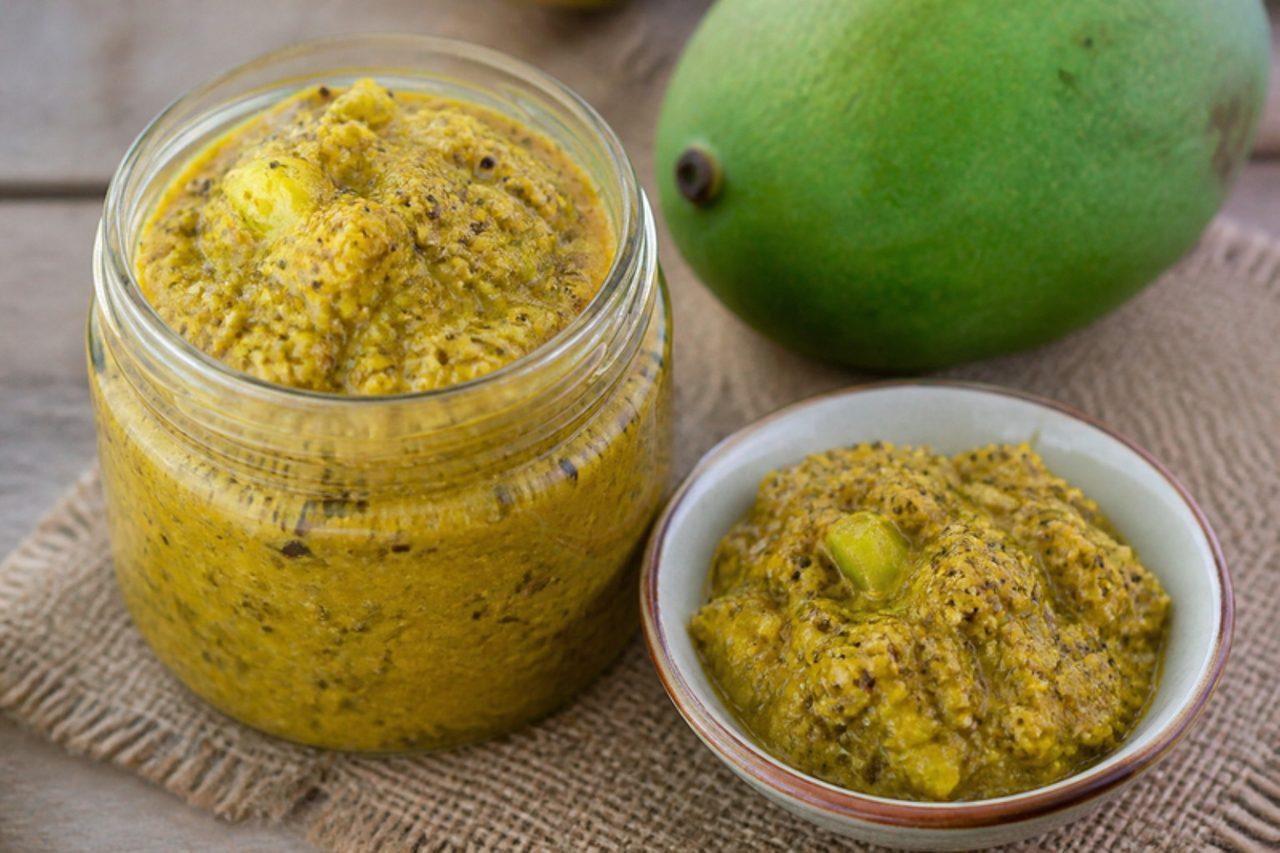
Aam kasundiMango mustard relish

Kasundi was once made in Bengali homes only by women of the household on a particular day in spring, with elaborate rules; today most families make this quicker aam (mango) version and keep it in the fridge through summer. Soaked black and yellow mustard seeds are ground with sour raw mango, green chilli, turmeric and salt, then loosened with mustard oil and left in the sun for a few days so the flavours mellow and sharpen at the same time. It is nose-tingling, sour, salty and a little bitter, the dip for beguni, alur chop, fish fry, mochar chop and the snack plates of a Kolkata evening, and a spoon in jhalmuri lifts it straight away. Common mistake: grinding the mustard too long or in a hot blender jar, which makes it bitter; grind in short bursts with cold water and something sour. Keep the jar under a thin film of mustard oil, use a clean dry spoon and discard if mould appears. Chef's tip: soak the mustard in water with a pinch of salt and turmeric; it tames the bitterness and gives a brighter yellow.

by KrazyBadal 0 views

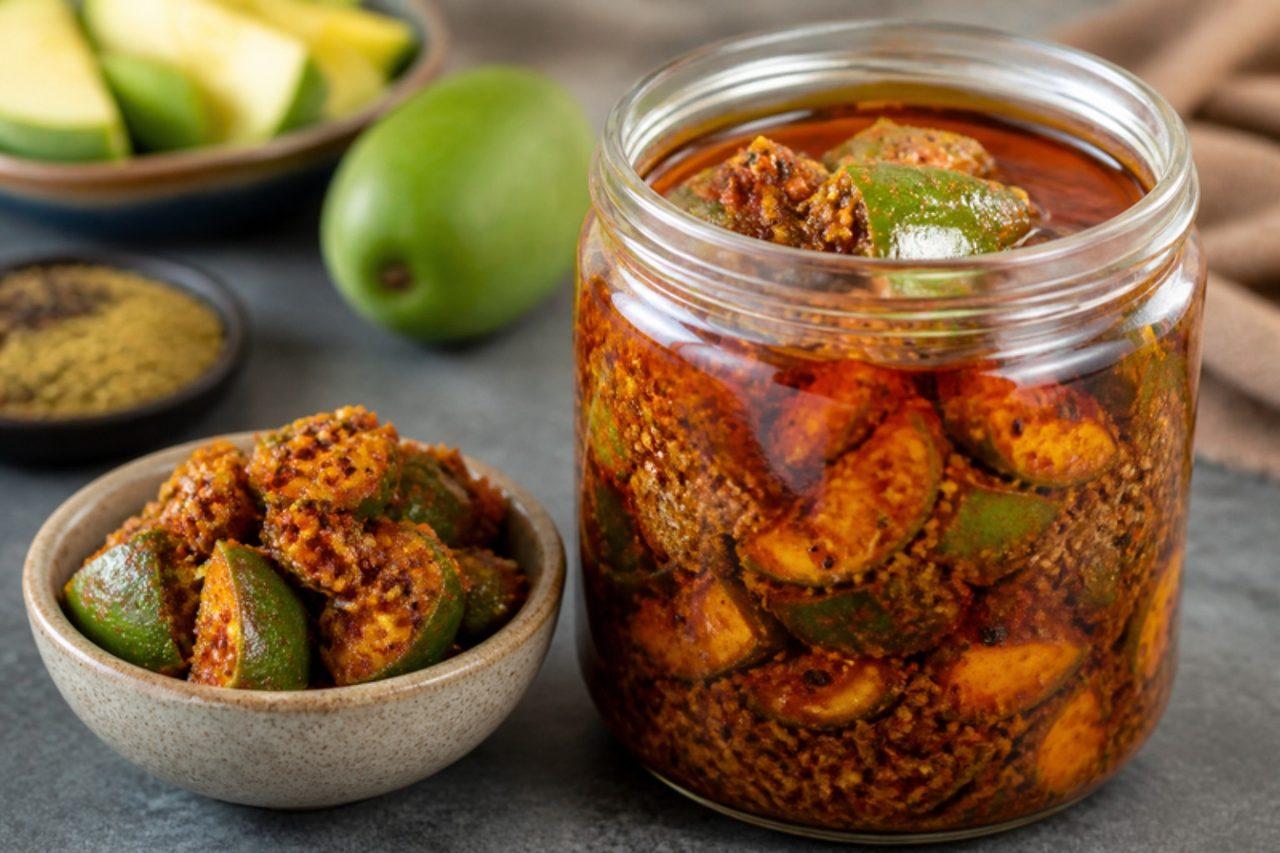
Punjabi aam ka acharRaw mango pickle

Drive through Punjab in June and you will see rooftops lined with glass barnis of mango pickle warming in the sun. The Punjabi style is bold and oily: firm raw mango is chopped with its stone, dried until leathery at the edges, then tossed with coarse saunf (fennel), kalonji (nigella), methi dana, yellow mustard, turmeric and red chilli, all bound by mustard oil heated until it smokes. A week of sun mellows the oil's bite and softens the mango, giving a pungent, fennel-sweet pickle with a strong mustard-oil kick, quite different from the sesame-oil avakaya of Andhra or a Gujarati methia keri. It is the pickle for aloo paratha with white butter, dal-chawal and rajma. Common mistake: using mustard oil straight from the bottle; it must be heated to smoking and cooled, or the pickle tastes harsh. Keep all the pieces under oil, use a dry spoon and discard the jar if mould forms. Chef's tip: cut the mango with a heavy cleaver so each piece keeps a sliver of the soft stone; families fight over those bits.

by KrazyBadal 0 views

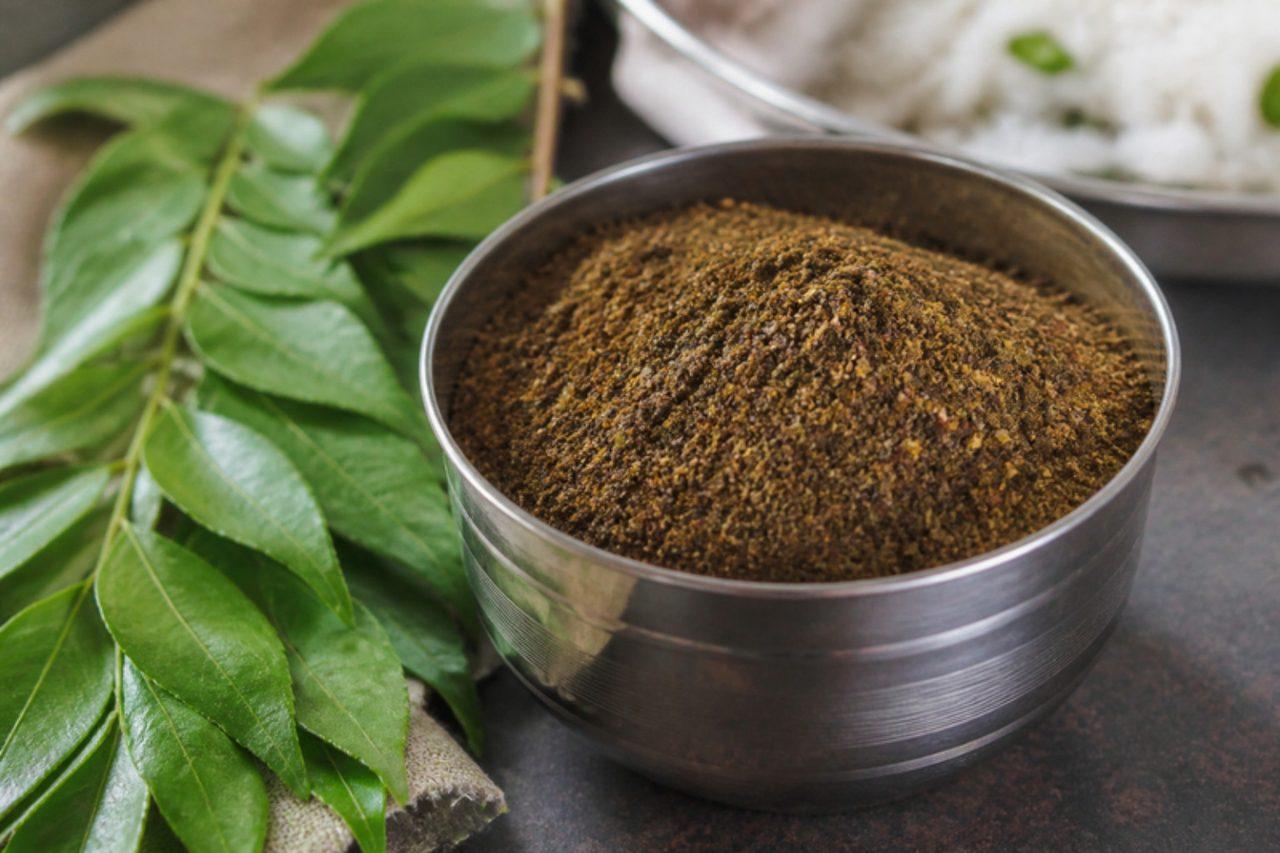
Karuveppilai podiCurry leaf powder

Grandmothers in Tamil Nadu make karuveppilai podi as much for health as for taste; curry leaves are said to be good for the hair and the blood, and this is the most delicious way to eat a whole bunch at once. Big handfuls of leaves are roasted until crisp and crumbly, then ground with roasted urad and chana dal, red chillies, a little tamarind for sourness and pepper. The powder is dark, fragrant, savoury and slightly tart. Mix it into hot rice with sesame oil or ghee for a quick lunch with a vegetable poriyal, or sprinkle it over idli and dosa. Common mistake: using leaves that are still damp after washing. The podi then traps moisture, loses its colour and can turn mouldy in the jar. Chef's tip: wash the leaves a few hours ahead and spread them on a cloth to air-dry until they feel papery, then roast them on the lowest heat until they crack between your fingers.

by KrazyBadal 0 views

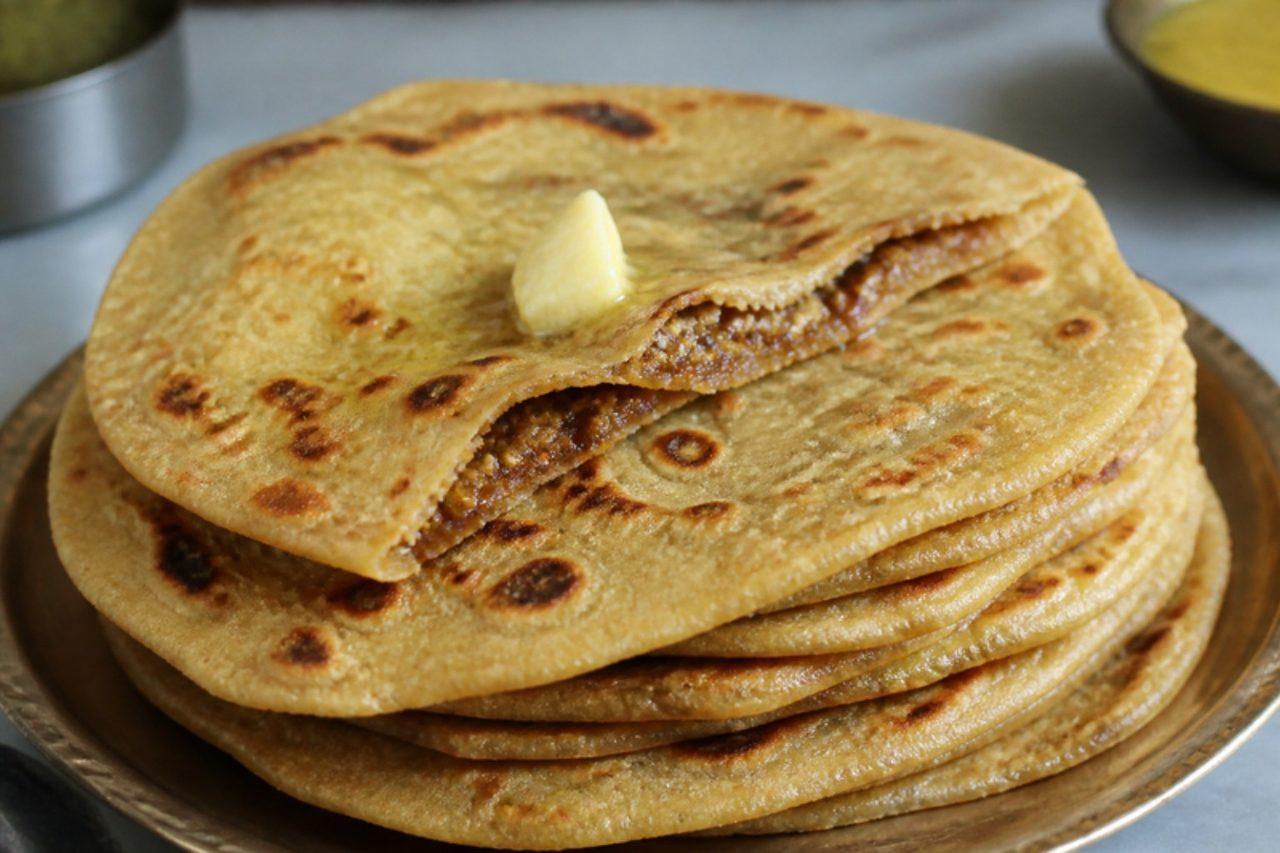
Gul poliJaggery-stuffed flatbread

Puran poli belongs to Holi and Gudi Padwa, but Makar Sankranti in Maharashtra is the day of gul poli. The filling here is not chana dal at all: it is grated jaggery mixed with roasted sesame, roasted gram flour, poppy seeds and dry coconut, which melts inside the dough as the poli cooks and then sets slightly as it cools. A good one is thin, with crisp brown spots, and does not leak. It keeps for a week, so many Pune households make a stack on Bhogi and eat them through the festival, warm with a spoon of ghee or cold with milk. The mistake most beginners make is using sticky, wet jaggery, which melts into a puddle and bursts the poli; choose dry, crumbly jaggery and grate it fine. Chef's tip: roll on a sheet of plastic or rice flour and cook on a low to medium heat; jaggery burns fast and leaks if the tawa is too hot.

by KrazyBadal 0 views

KulkulsSugar-glazed dough curls

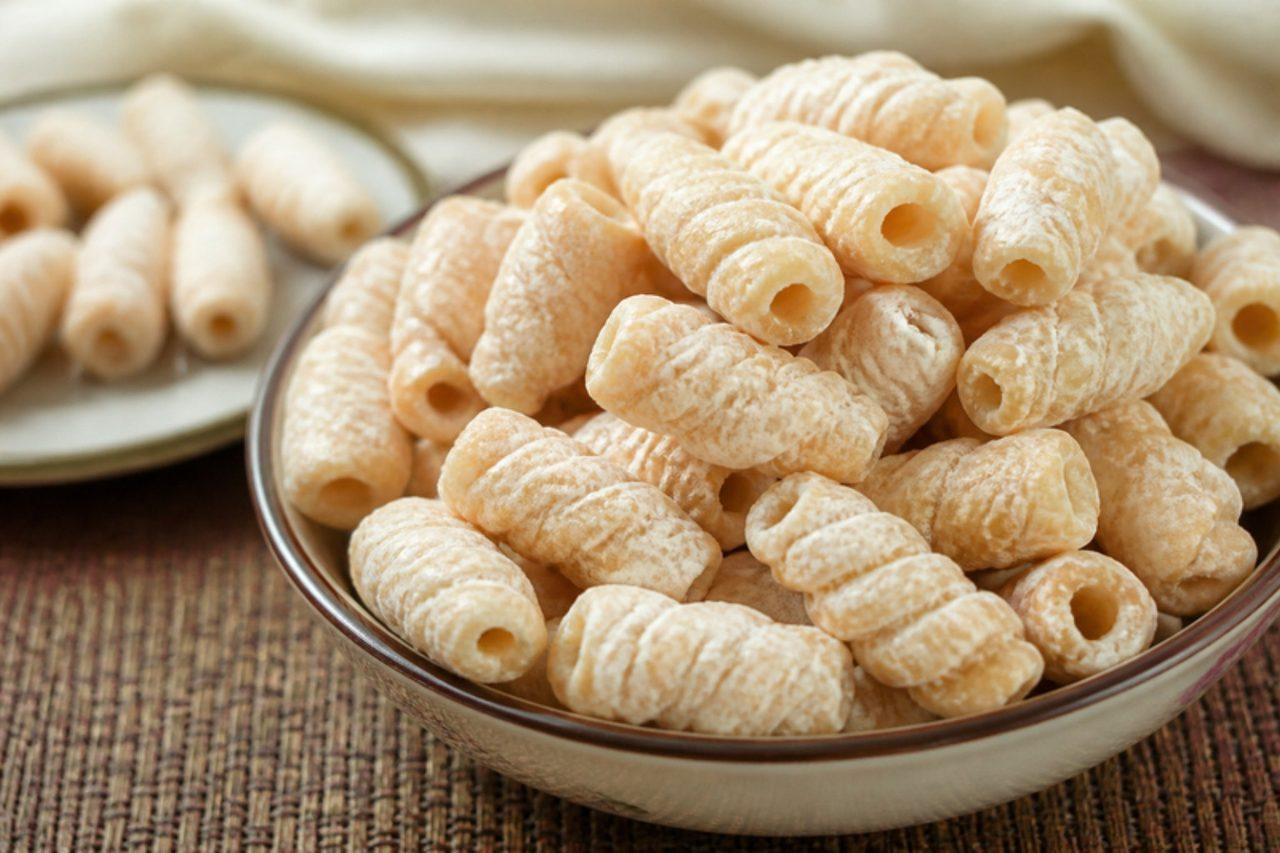
No Goan or Mangalorean Catholic Christmas kuswar (sweet platter) is complete without kulkuls, the tiny ridged shells that families sit round the table rolling for hours in the week before 25 December. A soft dough of flour, coconut milk, egg and butter is pinched into small balls, pressed and rolled over the back of a fork (or a clean comb) so each curls into a ribbed shell, then fried until crisp and tossed in a white sugar glaze. They are crunchy, lightly sweet and moreish, and they keep for weeks in a tin, which is why the kuswar is shared round the neighbourhood. These contain egg: vegetarian, not vegan. The mistake everyone makes once is rolling the dough too thick, which leaves them hard and doughy inside; each should be no thicker than a coin. Chef's tip: fry on a medium-low flame until just golden; kulkuls darken a little more once out of the oil and the glaze is meant to stay white.

by KrazyBadal 0 views

Khatta meetha kadduSweet-sour pumpkin

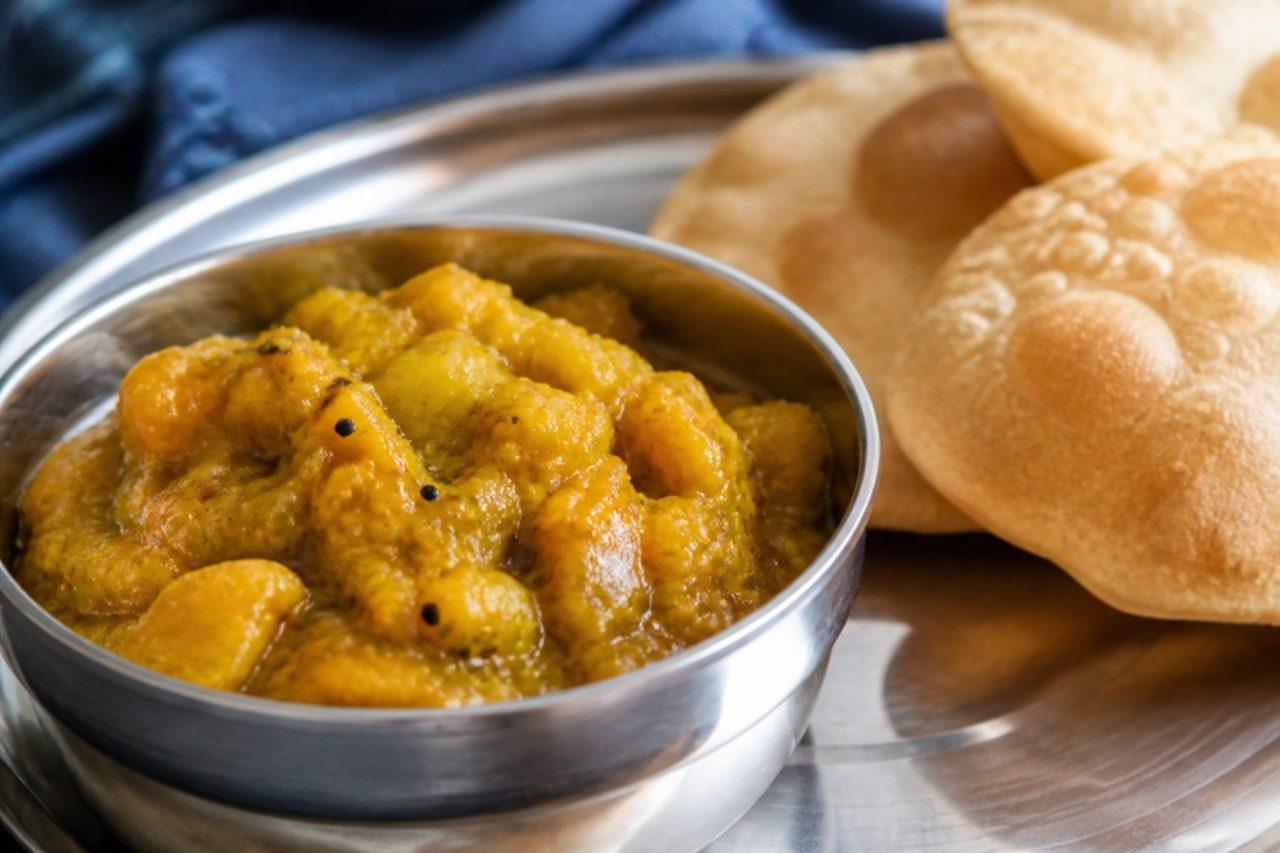
Kaddu ki sabzi with puri is the meal served at countless bhandaras, the free community feasts outside temples in Uttar Pradesh and Punjab, and at home it is a fasting favourite for Navratri. Chunks of yellow pumpkin are cooked until soft with sizzling fenugreek seeds and cumin, then half-mashed and finished with jaggery and dry mango powder, so the dish swings between sweet and sour with gentle heat from ginger and chilli. The fenugreek gives it a faintly bitter, maple-like depth. This fasting version uses rock salt and leaves out the turmeric, asafoetida and fennel that bhandara cooks add. Serve with kuttu puri or regular puri, and a bowl of raita. Chef's tip: keep the skin on part of the pumpkin; it holds the pieces together while the peeled pieces melt into the sauce, giving a better texture.

by KrazyBadal 0 views

KalakandMilk cake

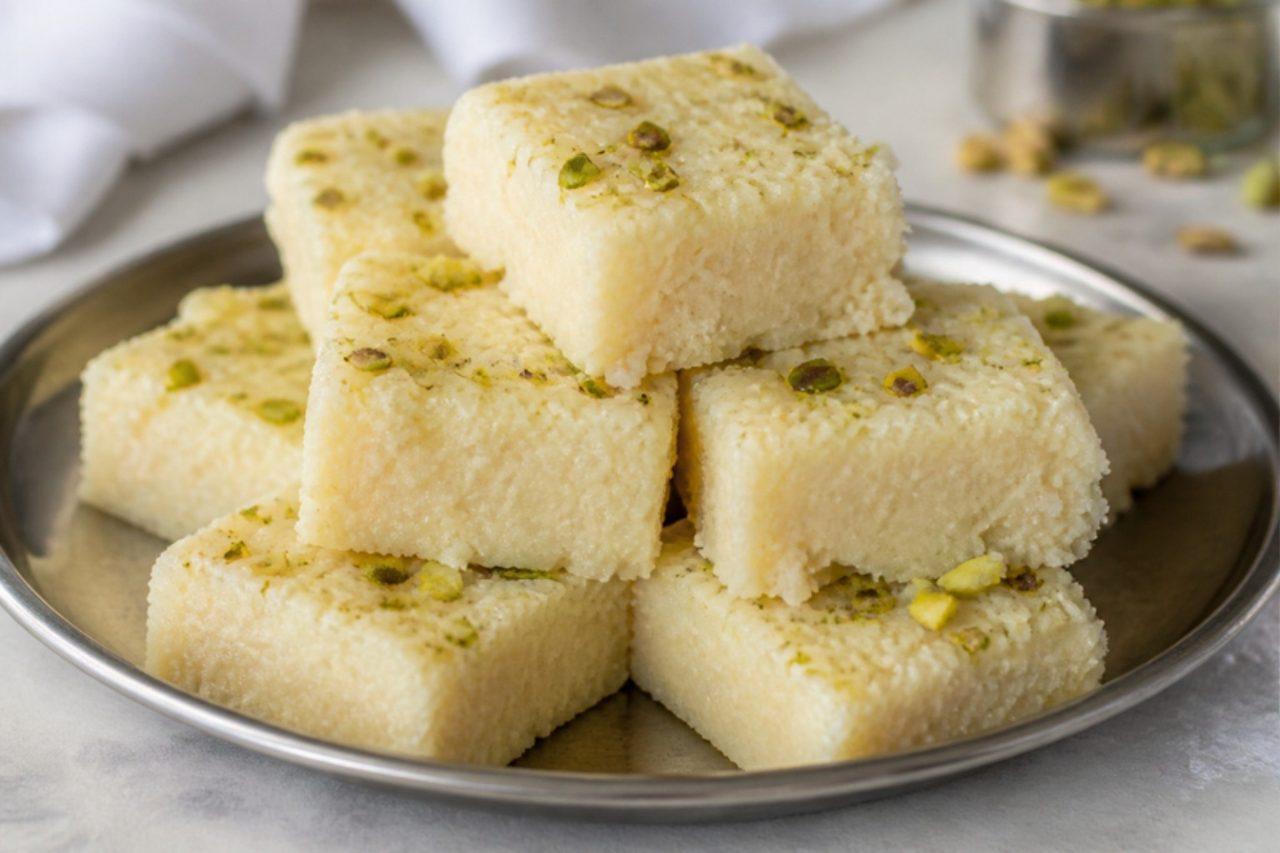
Alwar in Rajasthan built its reputation on kalakand, and the town's sweet shops still sell it by the slab, moist and crumbly, somewhere between fudge and fresh cheese. The texture comes from two dairy elements cooked together: fresh chhena, curdled with lemon so it stays in fine, soft crumbs, and full-fat milk reduced to a thick cream. Sugar loosens it, then it is cooked down until it just holds together and spread to set. It tastes of sweet milk and cardamom, with tiny grains that melt as you chew. It is a favourite for Diwali, Raksha Bandhan and any good news. Serve it at room temperature, cut into squares. Chef's tip: stop cooking while it still looks a little moist; kalakand firms up a lot as it cools, and overcooking turns it dry and chewy.

by KrazyBadal 0 views

Tilgul ladooSesame and jaggery balls

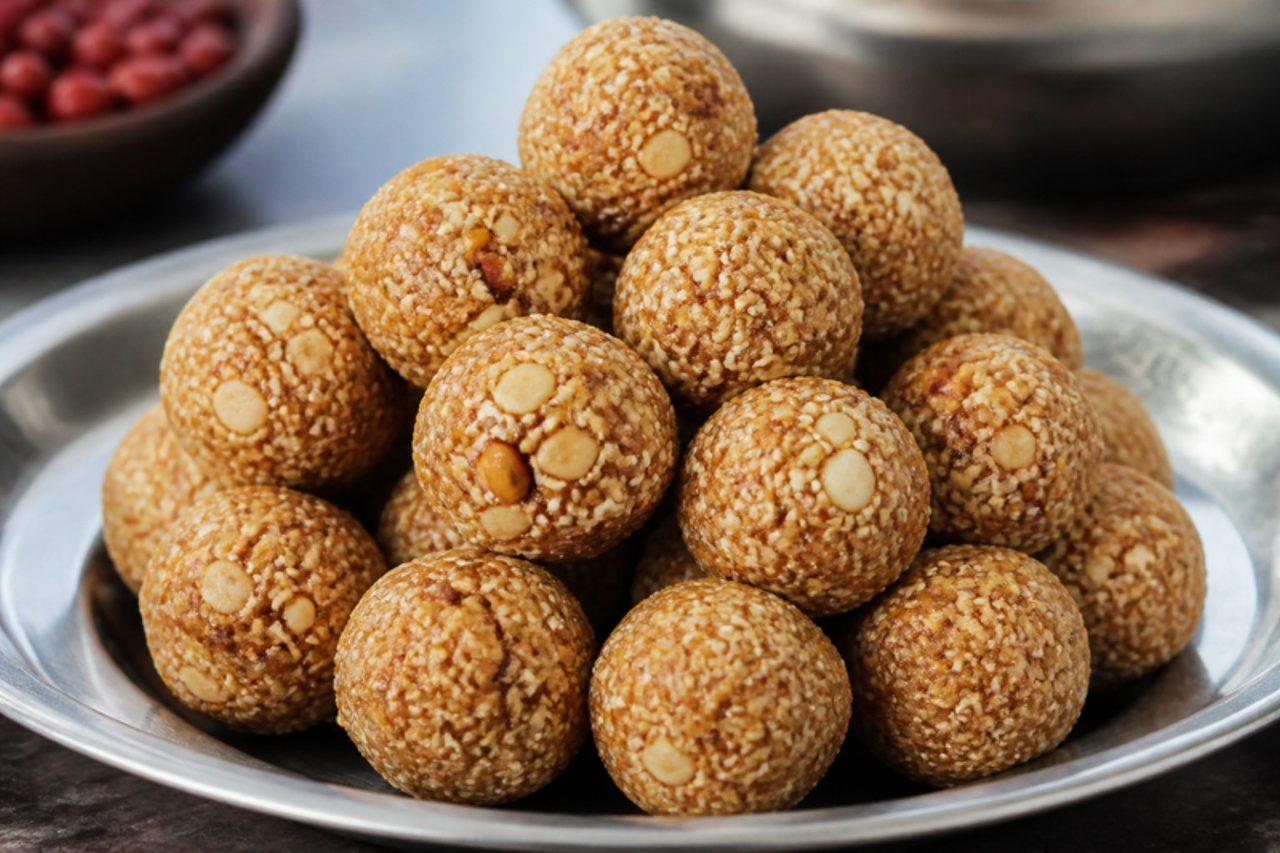
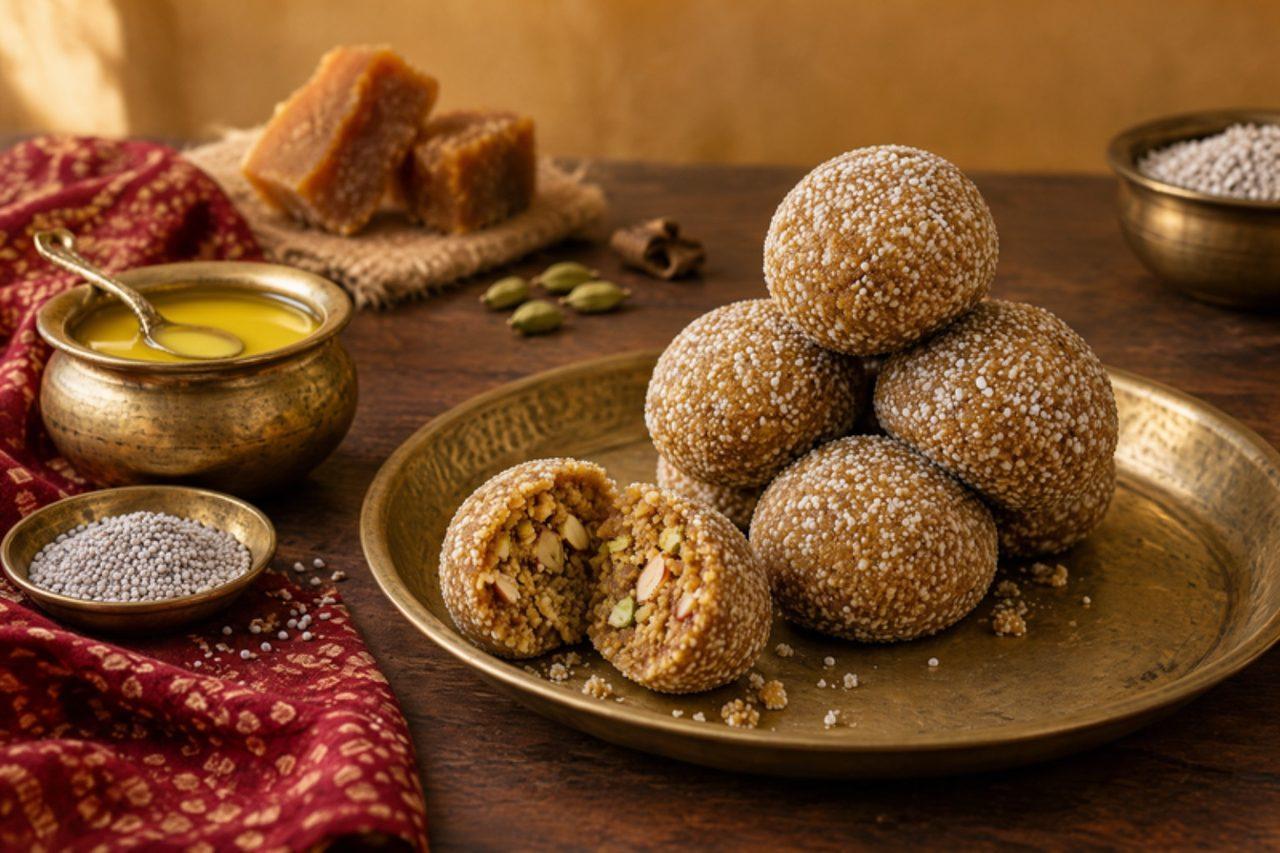
On Makar Sankranti in Maharashtra, neighbours, colleagues and old rivals swap tilgul and say 'tilgul ghya, goad goad bola': take this sesame and jaggery, and speak sweetly. Sesame and jaggery both warm the body in the coldest weeks of January, which is why the ladoo appears in every Pune and Mumbai home, often next to halwa sugar beads. These are the softer, chewy kind: sesame and peanuts are roasted separately, then bound with jaggery cooked just to the soft-ball stage and rolled quickly while warm. They taste nutty and toffee-like with a hint of cardamom. Hand them out in small bags or eat one after lunch. The common mistake is overcooking the jaggery: it sets rock hard and the ladoos can crack a tooth. Grease your hands with a little oil rather than ghee to keep them vegan. Chef's tip: test the jaggery by dropping a little into cold water; it should gather into a soft ball you can squash between your fingers.

by KrazyBadal 0 views

SuvaliSweet milk and sesame puris

Open any Gujarati steel dabba in Diwali week and suvali will be near the top, stacked between chorafali and mathiya. Families fry them on the days around Dhanteras and Kali Chaudas, then hand them to every guest who drops by on Bestu Varas, the Gujarati New Year, with a cup of masala tea. The dough is short with ghee and sweetened by sugar dissolved in milk, so the puris snap cleanly and melt into a gentle sweetness rather than tasting like a biscuit. Sesame gives a nutty crunch, cardamom the festive smell. They should stay ivory with only the faintest blush of colour. Eat them with tea, or the way many grandparents do, with a spoonful of chhundo or sweet mango pickle. Chef's tip: roll every suvali before you start frying and keep them under a damp cloth, so you can give the pan your full attention and keep the heat low and steady.

by KrazyBadal 0 views

Navratan kormaNine-jewel vegetable korma

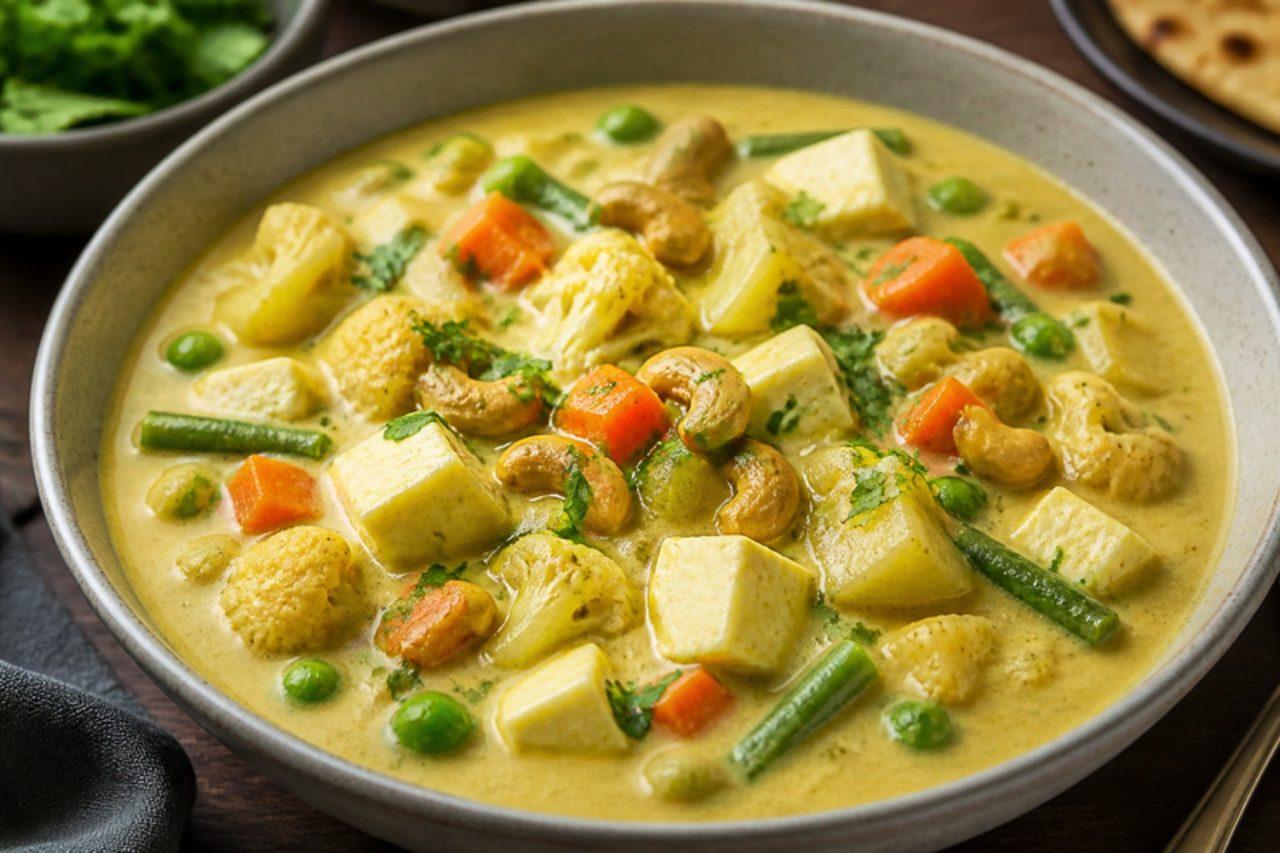
Legend ties the name to the nine gems (navratna) of Akbar's court, and the dish lives up to it: nine kinds of vegetables, paneer, fruit and nuts in an ivory gravy that is mild, rich and a little sweet. It is a fixture of North Indian wedding buffets and restaurant menus, often the one curry children and spice-shy guests head straight for. The gravy is a Mughlai white base, made from onions boiled (not browned) and ground with cashews, cooked gently in ghee with whole spices, yogurt and cream. Each vegetable is cooked separately so it stays bright and holds its shape, and pineapple and raisins go in at the end for little bursts of sweetness. Serve it with jeera rice, naan or laccha paratha and a sharp onion salad on the side. Common mistake: browning the onions; they colour the gravy beige and make it taste like any other curry. Keep the heat gentle once the yogurt is in, so it does not split. Chef's tip: a pinch of white pepper and a drop of kewra water at the end give the restaurant flavour without adding chilli heat.
by KrazyBadal 0 views

Choddo shaakFourteen leafy greens stir-fry

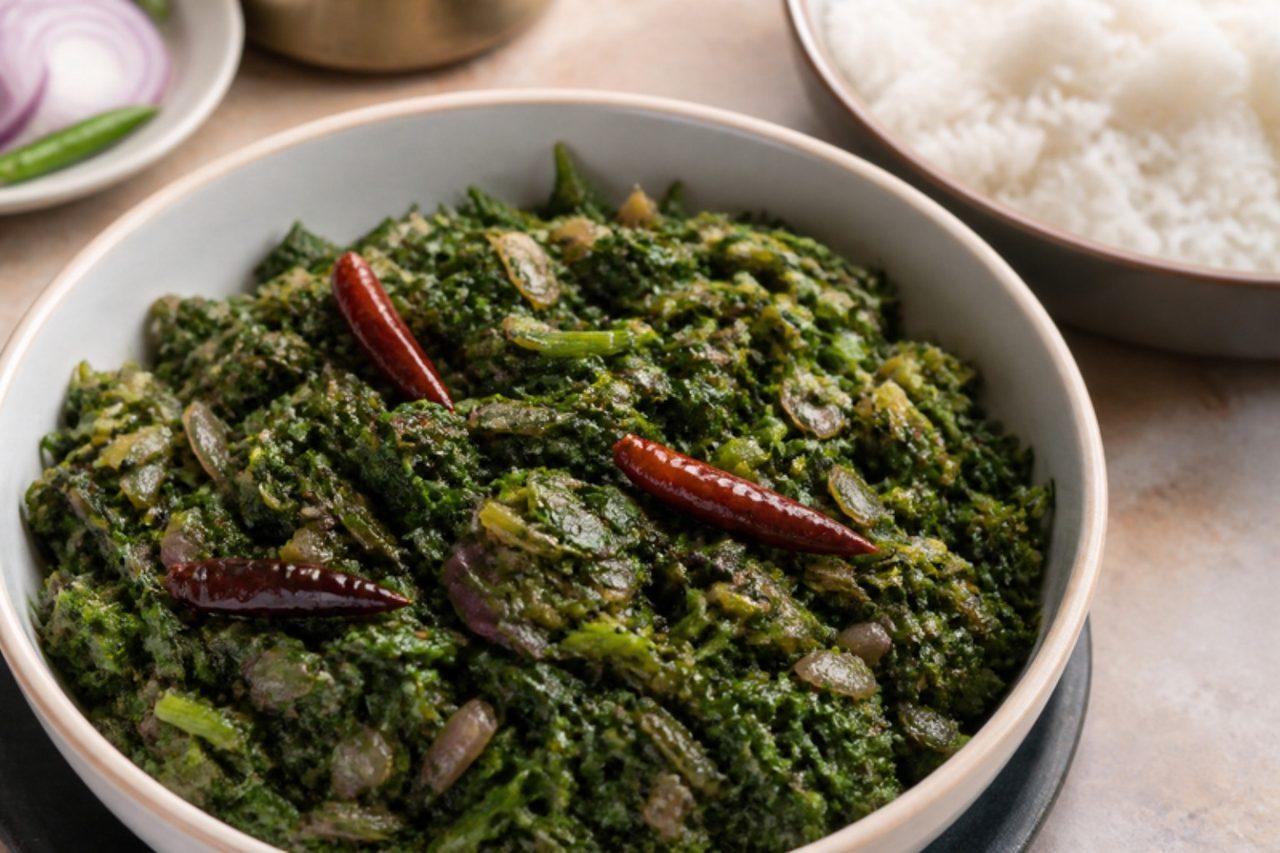
On Bhoot Chaturdashi, the night before Kali Puja and Diwali, Bengali homes light fourteen lamps for their ancestors and eat a dish of fourteen greens at lunch to keep illness and restless spirits away. Markets in Kolkata sell bundles already mixed for the day: spinach, red and green amaranth, Malabar spinach, water spinach, fenugreek, mustard and radish greens, bathua, jute leaves, pumpkin leaves, helencha and a few neem leaves for bitterness. Fried briefly in mustard oil with nigella and dried chilli, they cook down to an earthy, slightly bitter, faintly sweet tangle. It is eaten as the first course with hot rice and a drizzle of ghee for those who want it. If you can't find all fourteen, use what your grocer has; the mix matters more than the exact list. Chef's tip: cook it uncovered after the first wilt so the water evaporates; choddo shaak should be dry and glossy, not stewed.

by KrazyBadal 0 views

Gunda nu athanuGum berry pickle

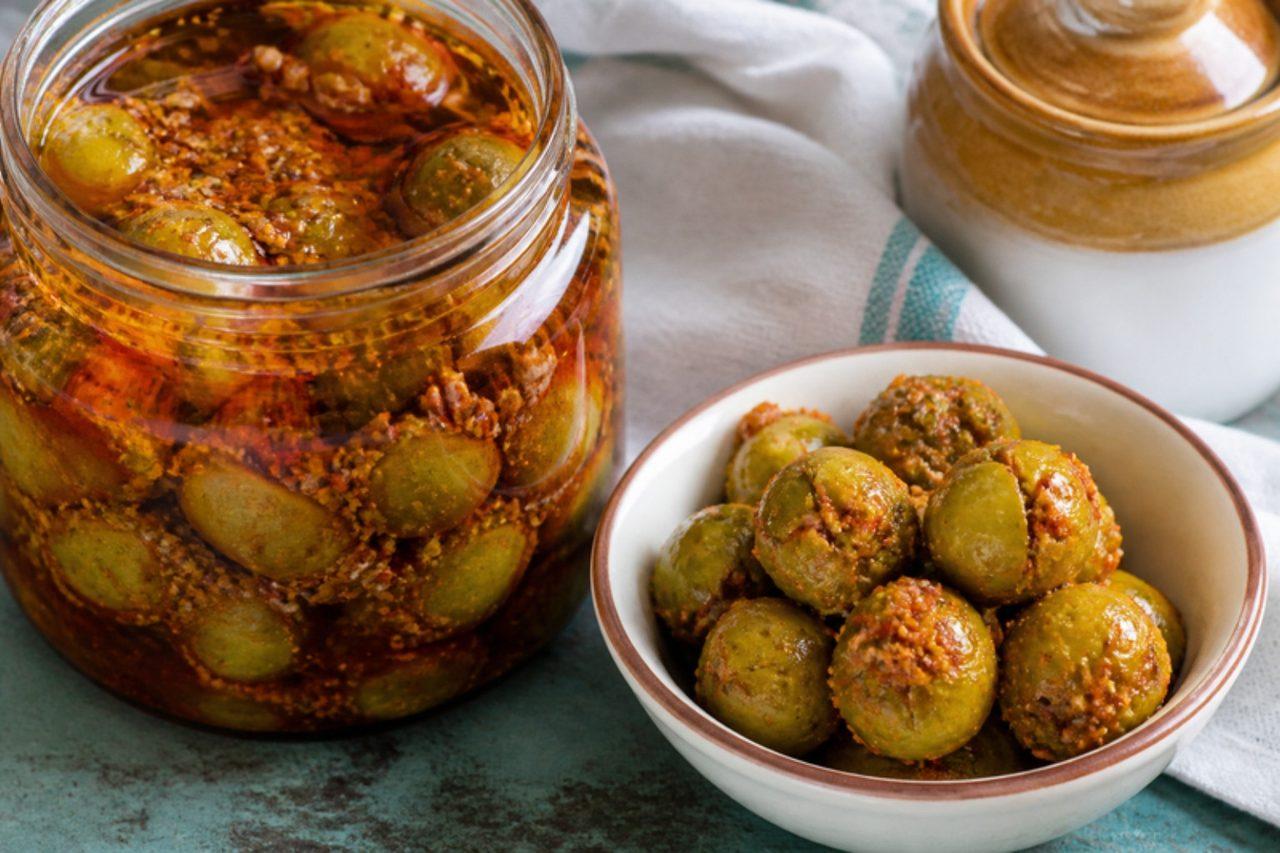
Gunda (lasoda or Indian cherry, Cordia myxa) appear in Gujarati markets for only a few weeks in early summer, and a jar of gunda nu athanu is the reward for catching them. Each green berry is slit and its sticky seed pulled out, then stuffed with the same kuria-based masala used for methia keri, along with small pieces of raw mango for sourness. Under groundnut oil the berries soften in a few days into a tender, slightly chewy pickle with a mild sweetness of their own and plenty of chilli heat. It is loved alongside bhakhri, thepla, khichdi and kadhi, and many families make it as keri-gunda, half mango, half berries. Getting the seed out is the only tricky part, because the flesh is gluey: dip your knife and fingertips in salt and the seed slips out cleanly. Pick firm, fully green berries with no brown patches. Common mistake: washing and stuffing straight away; any water left inside the berry will spoil the jar, so dry them completely first. Keep everything submerged under oil, always use a dry spoon, and discard if you see mould. Chef's tip: gunda soften faster than mango, so make a smaller jar and eat it within three months.
by KrazyBadal 0 views

Vrat ke alooFasting potato curry

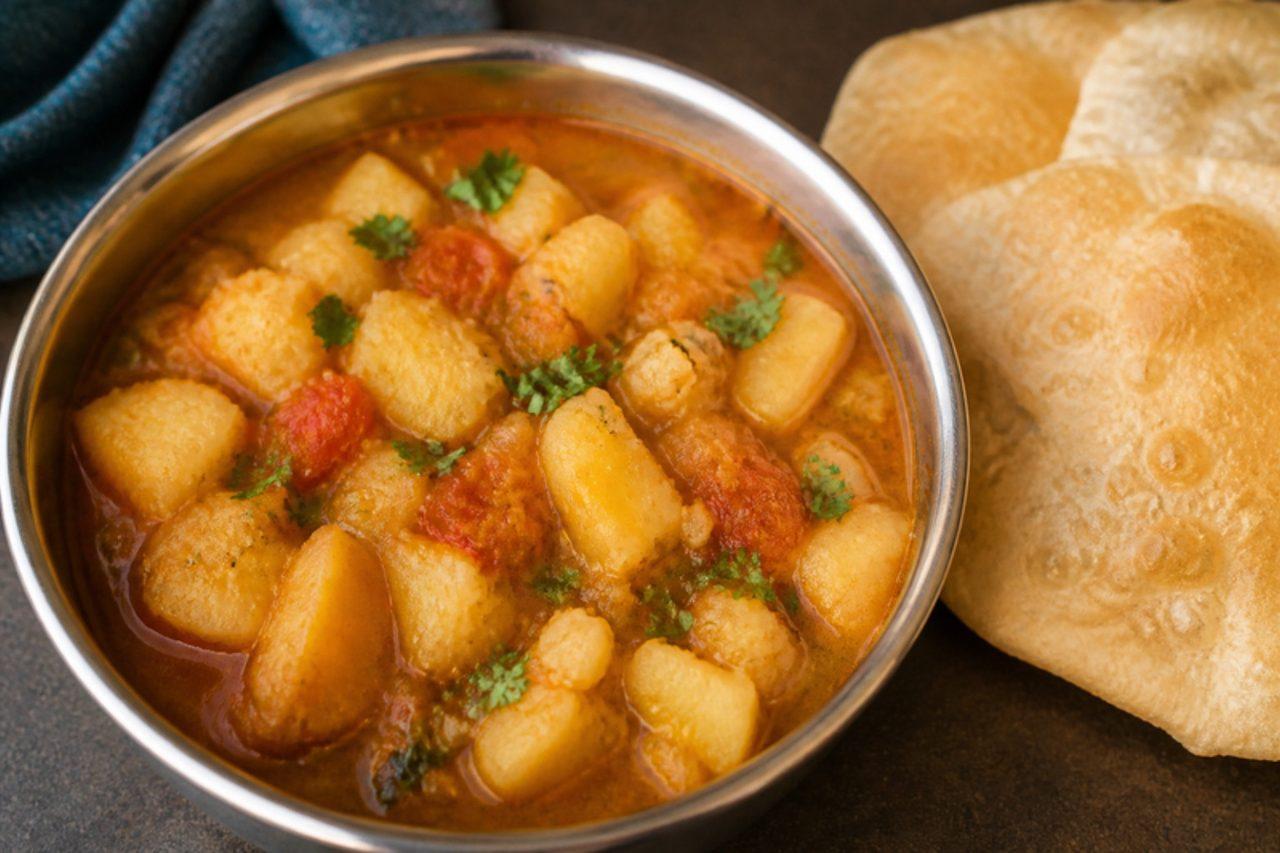
On Navratri mornings in Delhi, Lucknow and Punjabi homes everywhere, this is what fills the kadhai next to the kuttu puri. Boiled potatoes are broken by hand, not cut, so their rough edges melt into a loose, brothy gravy of tomato, cumin, fresh ginger and green chilli, seasoned only with sendha namak and a little pepper. It is soupy enough to dunk puri into, tangy from the tomato and gently hot, and comforting after a morning of fasting. Very strict homes skip red chilli powder and coriander as well as turmeric and asafoetida; this recipe uses neither turmeric nor hing. Ghee is traditional; oil keeps it vegan. Chef's tip: mash two or three pieces of potato into the gravy as it simmers; the starch thickens it naturally, since no flour or onion is allowed.

by KrazyBadal 0 views

Thabdi pendaCaramelised milk pendas

Rajkot's sweet shops are famous across Gujarat for thabdi, a crumbly, toffee-brown penda that starts as plain milk and sugar and ends, two hours later, as something close to caramel fudge. The milk is boiled down in a wide iron kadai, a spoon of curd splits it slightly to give the trademark grainy texture, and the sugar browns slowly with it until the whole mass is the colour of milky tea. The usual mistake is rushing on high heat: the milk catches and tastes burnt rather than caramelised. Chef's tip: use a wide, heavy pan and a flat wooden spatula, and keep scraping the bottom and sides every minute once the milk is half reduced.

by KrazyBadal 0 views

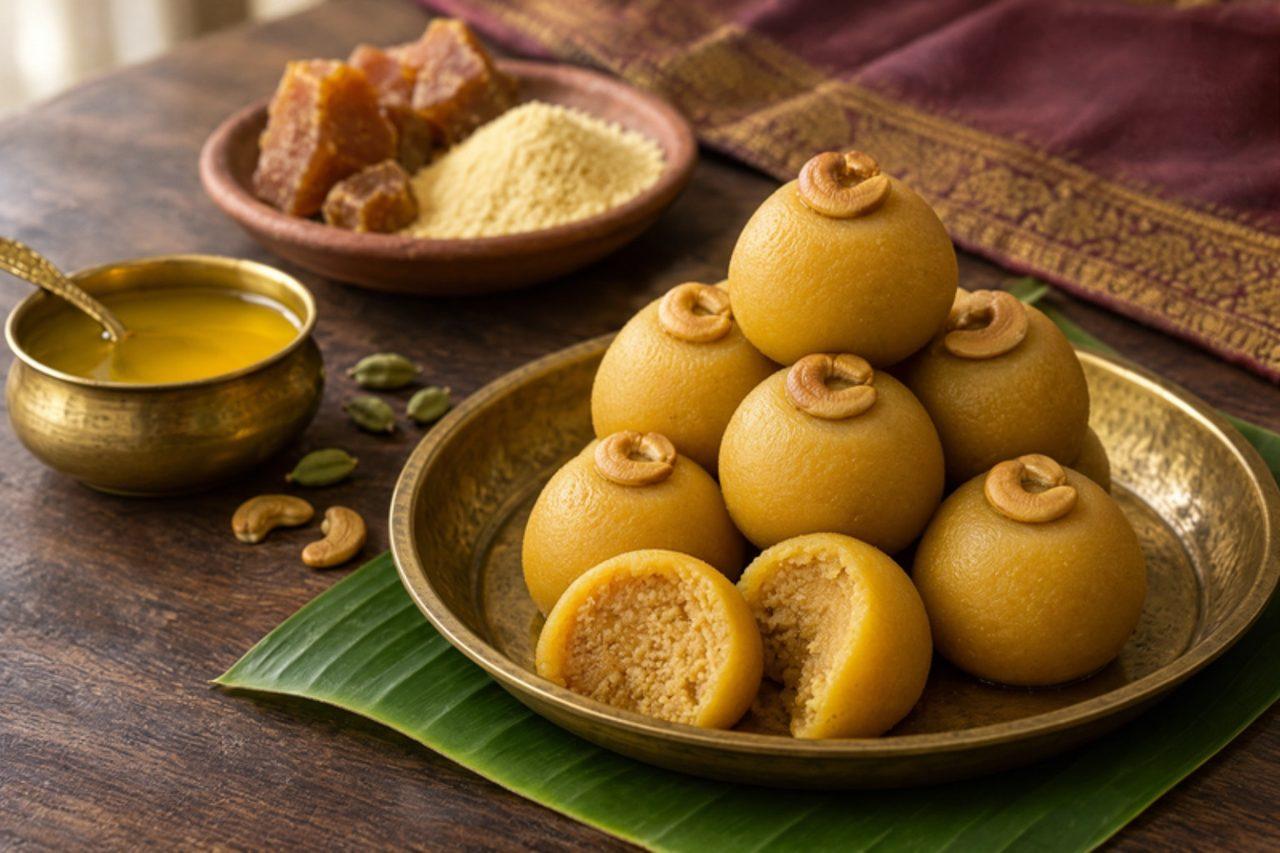
Churma na ladvaWheat crumb and jaggery balls

Churma na ladva are the laddus that sit beside Ganesh at Chaturthi in Kathiawad and fill the sweet course at Gujarati weddings, big rough-edged balls with a sandy crumb and a coat of white poppy seeds. Coarse wholewheat dough is shaped into fist-pressed muthiya, fried slowly in ghee until crisp right through, ground to crumbs and bound with jaggery melted in ghee, nutmeg and cardamom. The mistake that ruins them is frying the muthiya too fast: the outside browns while the inside stays doughy and the crumbs turn gummy. Chef's tip: break one muthiya open before you take the batch out; it should be dry and biscuit-like right to the centre.

by KrazyBadal 0 views

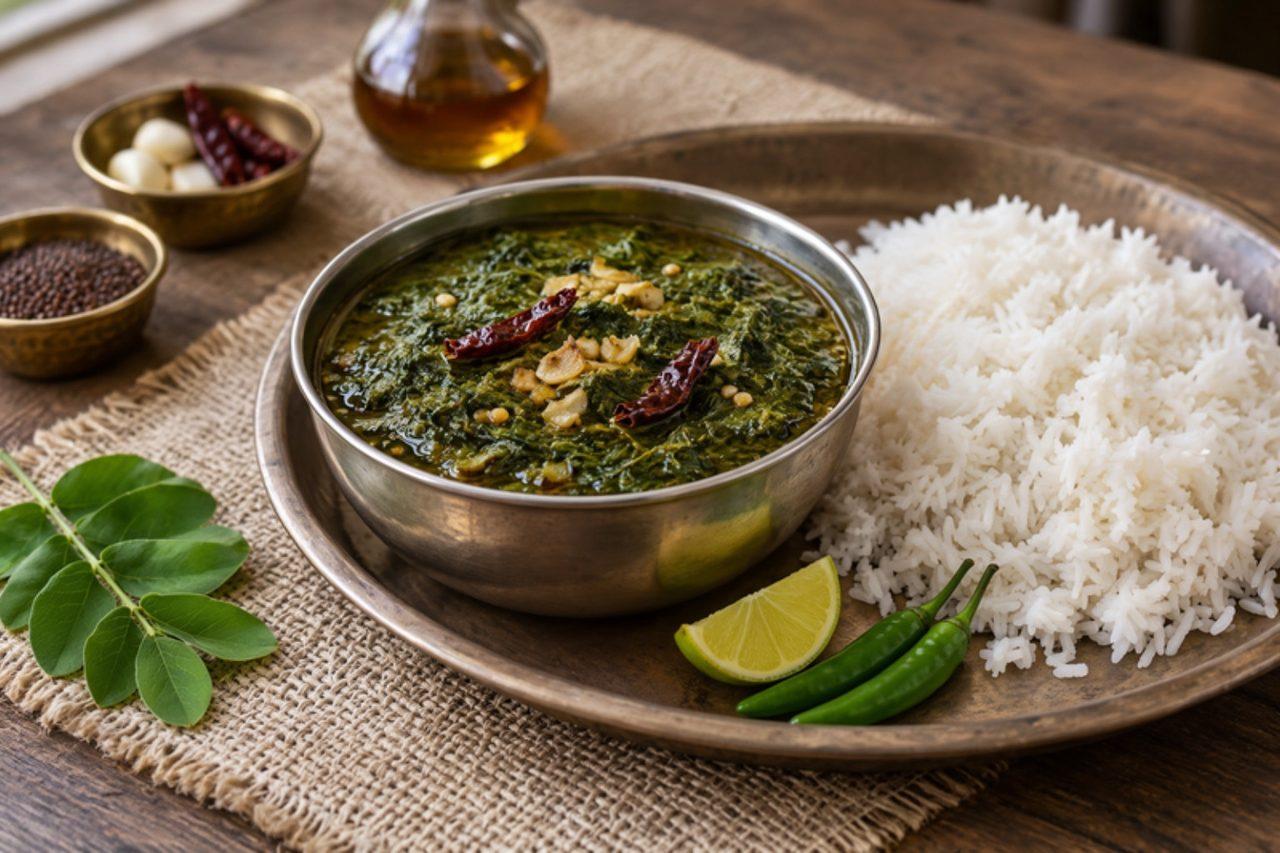
Bachali kura pappuDal with Malabar spinach

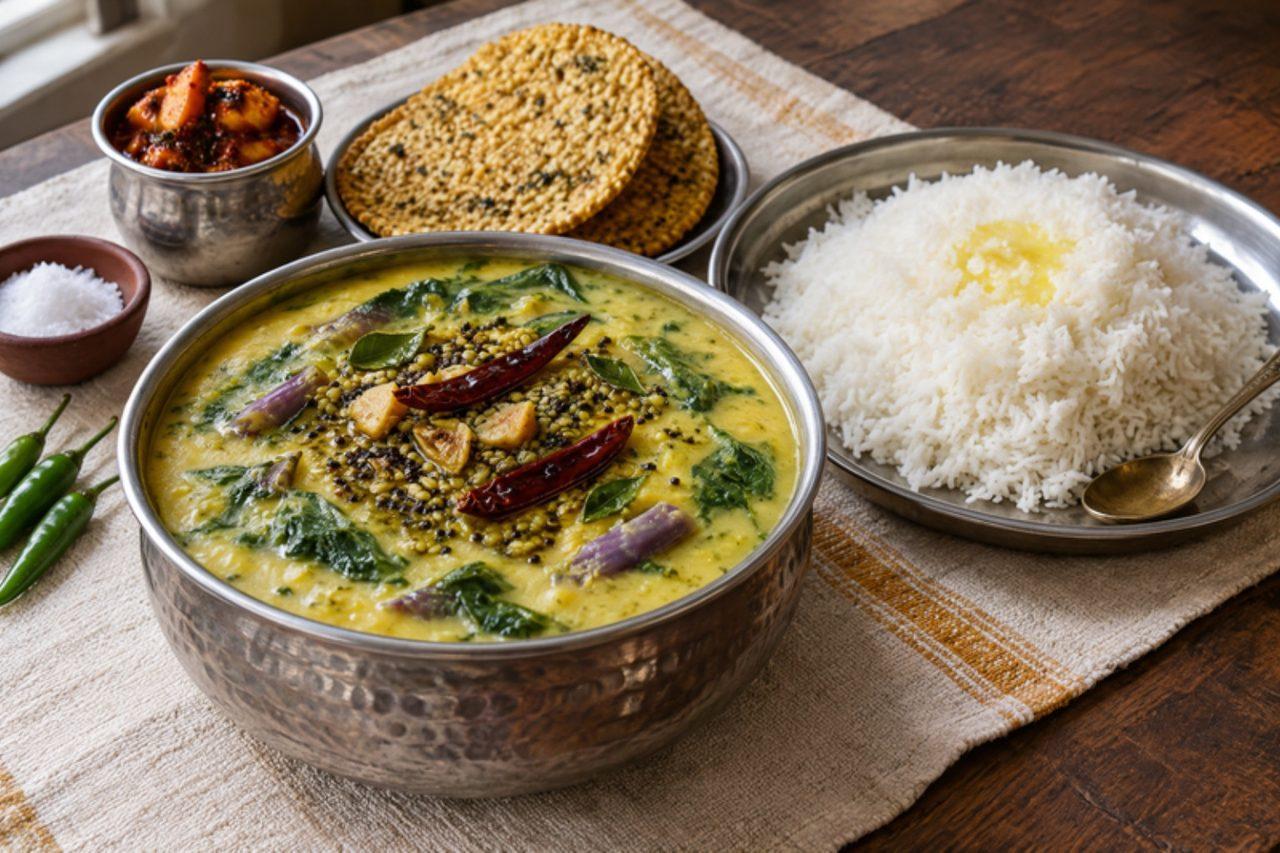
Bachali, or Malabar spinach, climbs over back walls all across Telangana and Andhra, and its thick, glossy leaves go into this everyday pappu that turns up at lunch several times a month with rice, ghee and a pickle. The leaves give the dal a silky body and a faint lemony note. People often overcook it until the greens turn khaki; add them after the dal is soft and cook just long enough to wilt. Chef's tip: use the tender stems too, chopped small; they add a pleasant crunch.

by KrazyBadal 0 views

Tamatar kutTangy tomato curry

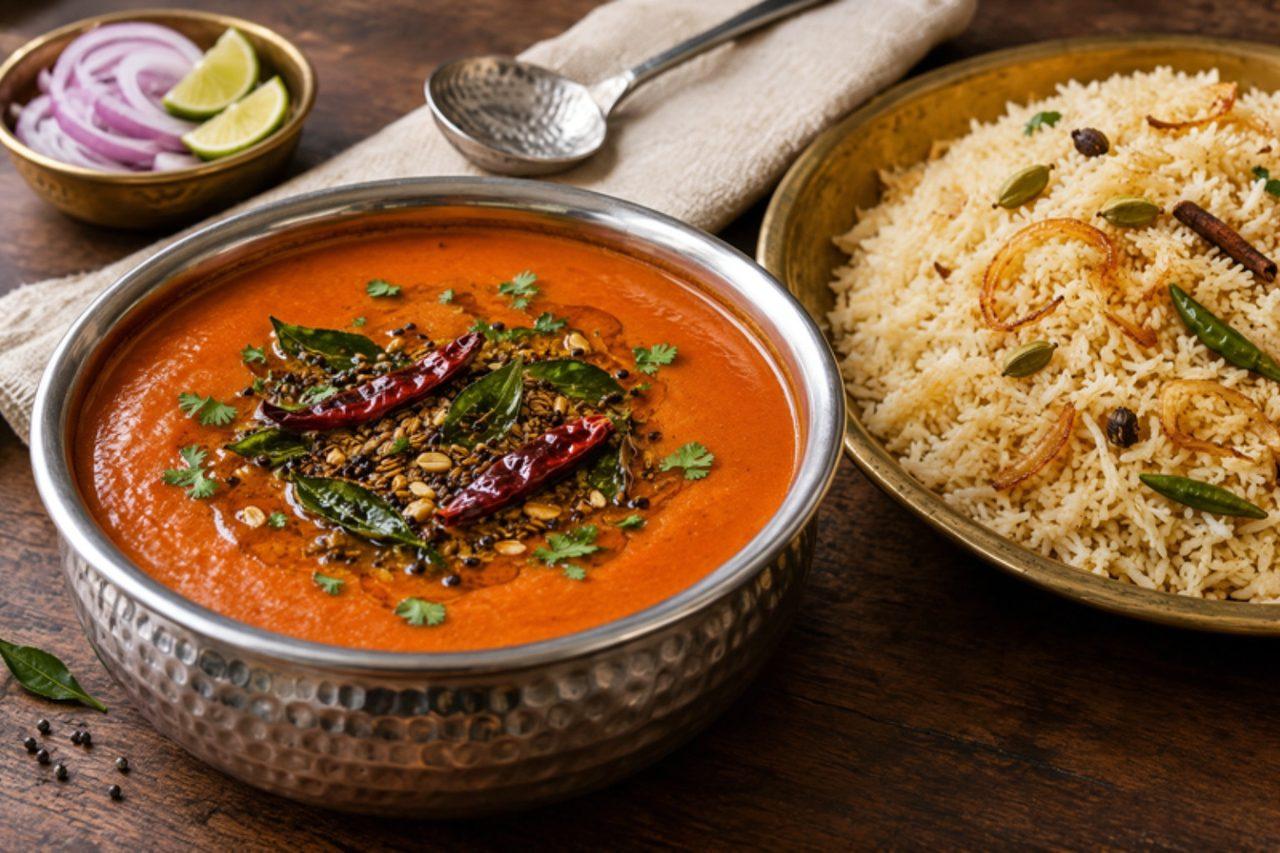
Tamatar ka kut is a Deccani dish from Hyderabad's old Muslim and Kayastha kitchens: tomatoes cooked down, sieved smooth and thickened with roasted sesame and gram flour, then finished with a sizzling bagaar of curry leaves, garlic and dried chillies, with halved boiled eggs often slipped in. It is served with khichdi or plain rice, particularly on a Sunday. The common mistake is skipping the sieve; seeds and skins make it coarse, and the kut should be velvety. Chef's tip: roast the gram flour until it smells like biscuits before it goes in, so there is no raw taste.

by KrazyBadal 0 views

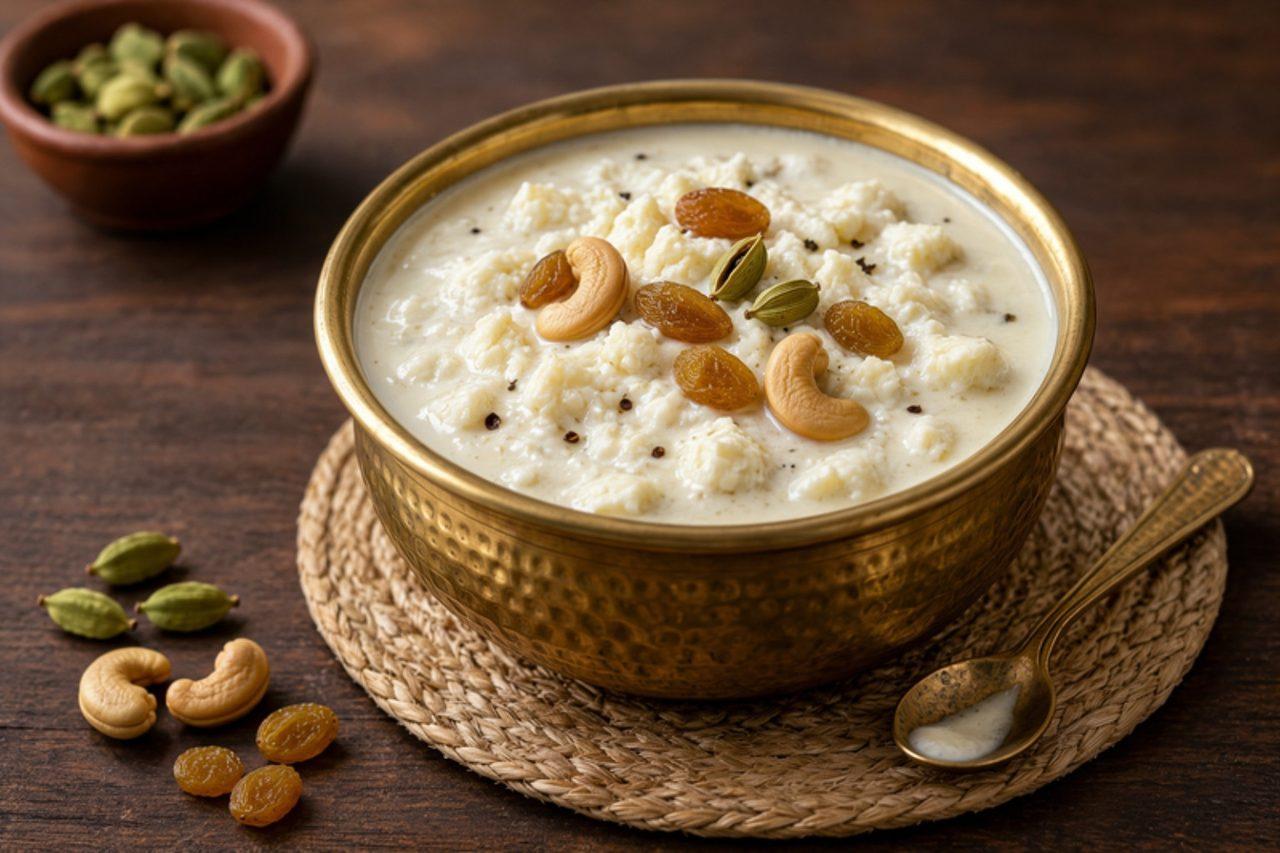
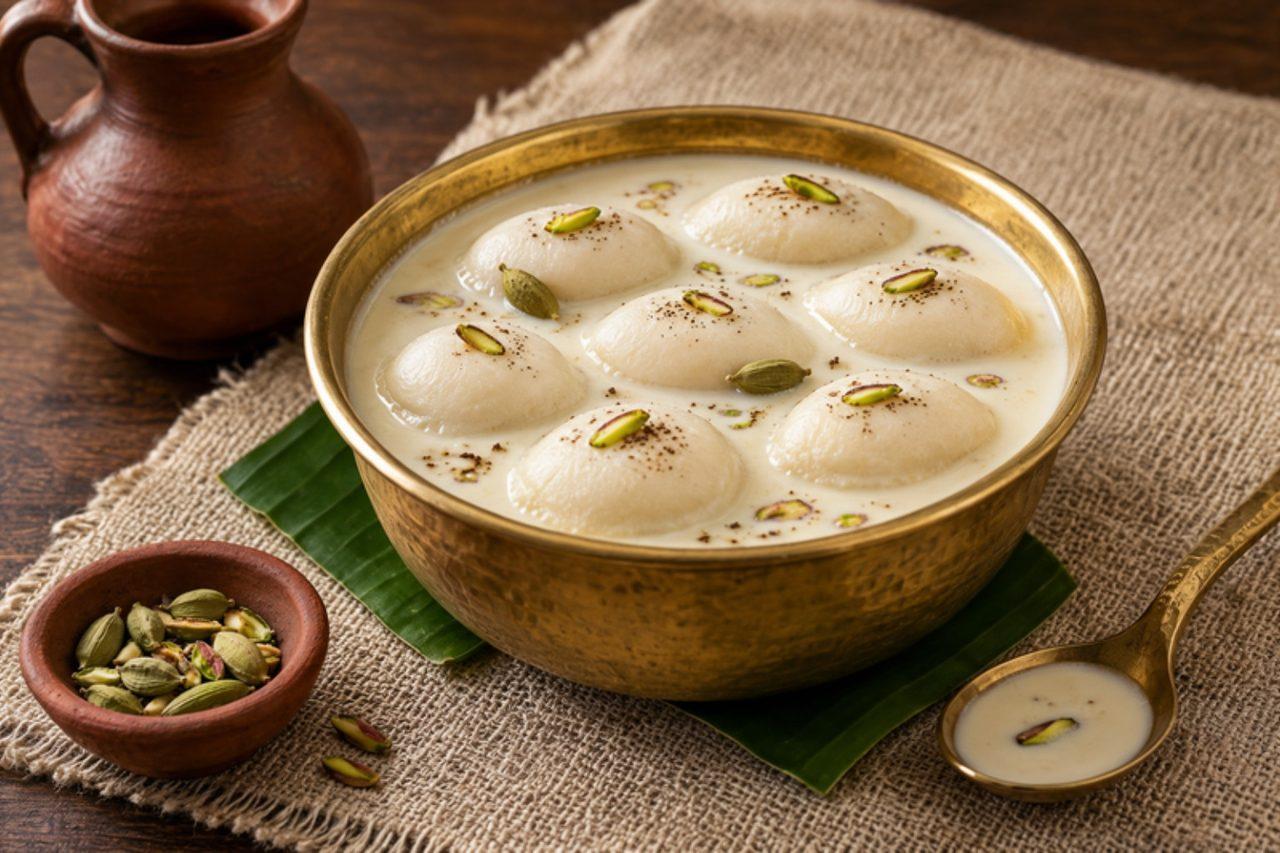
Chhena kheeriFresh cheese in sweet milk

Chhena kheeri is one of the dishes of the Jagannath temple's chhappan bhog in Puri, and Odia households make it for festivals, birthdays and the evening Rath Yatra meal. Soft, freshly made chhena is crumbled into milk that has been simmered down until creamy and sweet, then scented with cardamom and a little camphor in temple style, or simply nutmeg at home. The common mistake is adding the chhena too early and boiling it hard, which makes it rubbery; it should go in at the end and simmer only briefly. Chef's tip: crumble the chhena by hand into pieces the size of rice grains, so every spoonful has some.

by KrazyBadal 0 views

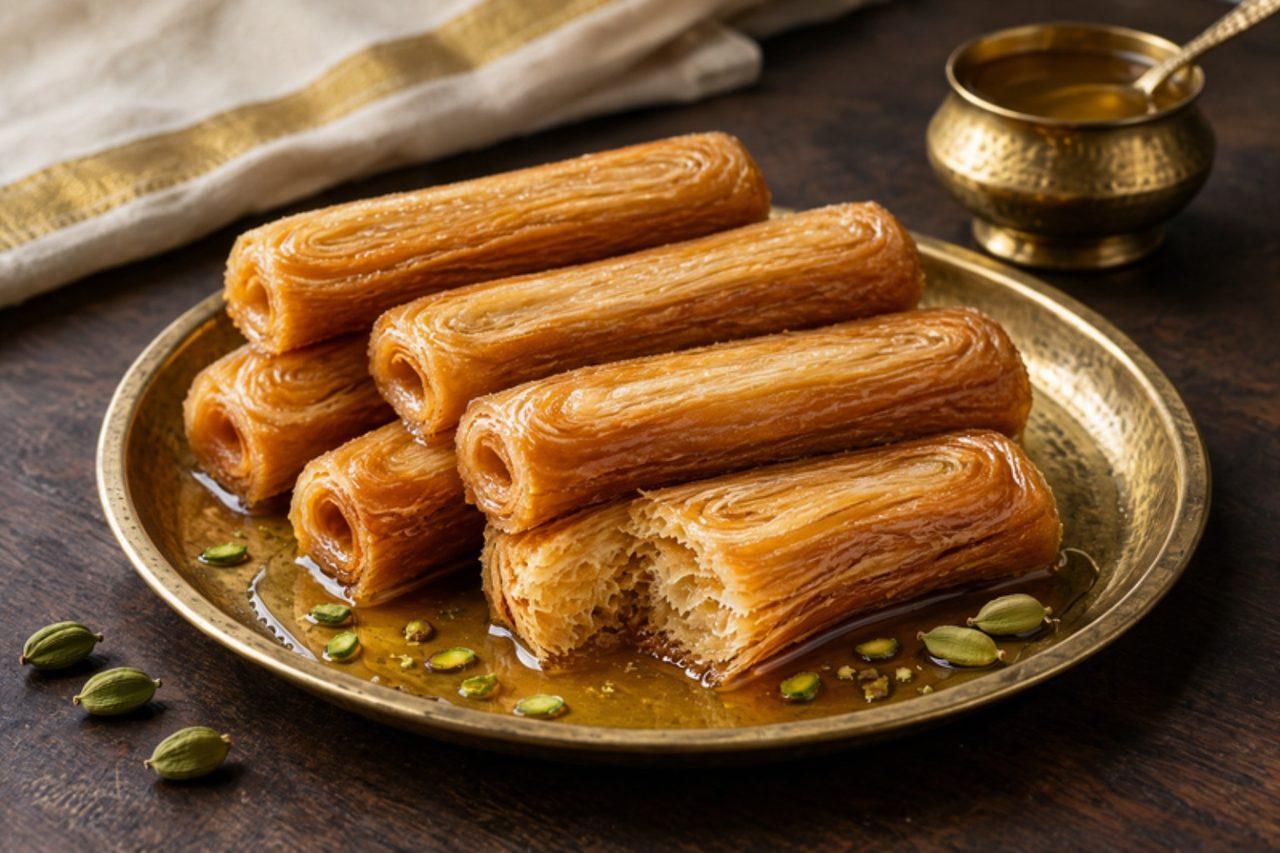
Kakinada kajaSyrup-soaked layered pastries

Kakinada kaja is the famous sweet of Kakinada in Andhra's East Godavari, a long, golden pastry made of layered dough that is fried and soaked in syrup until the hollow centre fills with sweetness and bursts when bitten. Telugu families buy it for weddings, Sankranti and housewarmings. The common mistake is syrup that is too thick: Kakinada kaja is soaked in a thin, just-sticky syrup so it seeps inside, while the outside stays crisp. Fry slowly so the layers open. Chef's tip: roll the dough sheet tightly into a log after spreading the ghee paste, and seal the ends, so each piece puffs into distinct layers.

by KrazyBadal 0 views

Bellam paramannamRice and moong dal jaggery pudding

Bellam paramannam is the naivedyam of Telangana and Andhra homes, cooked for Sankranti, Ugadi, Varalakshmi Vratam and almost any puja, a soft rice-and-moong pudding sweetened with jaggery and glossed with ghee. Its colour is a warm caramel and its taste deeper than a sugar kheer. The classic mistake is adding jaggery to milk that is still on a high boil, which can split it; take the pot off the heat, let it stop bubbling, then stir the jaggery in. Chef's tip: roast the moong dal in a spoon of ghee until it smells toasty before cooking; it gives the paramannam its homely flavour.

by KrazyBadal 0 views

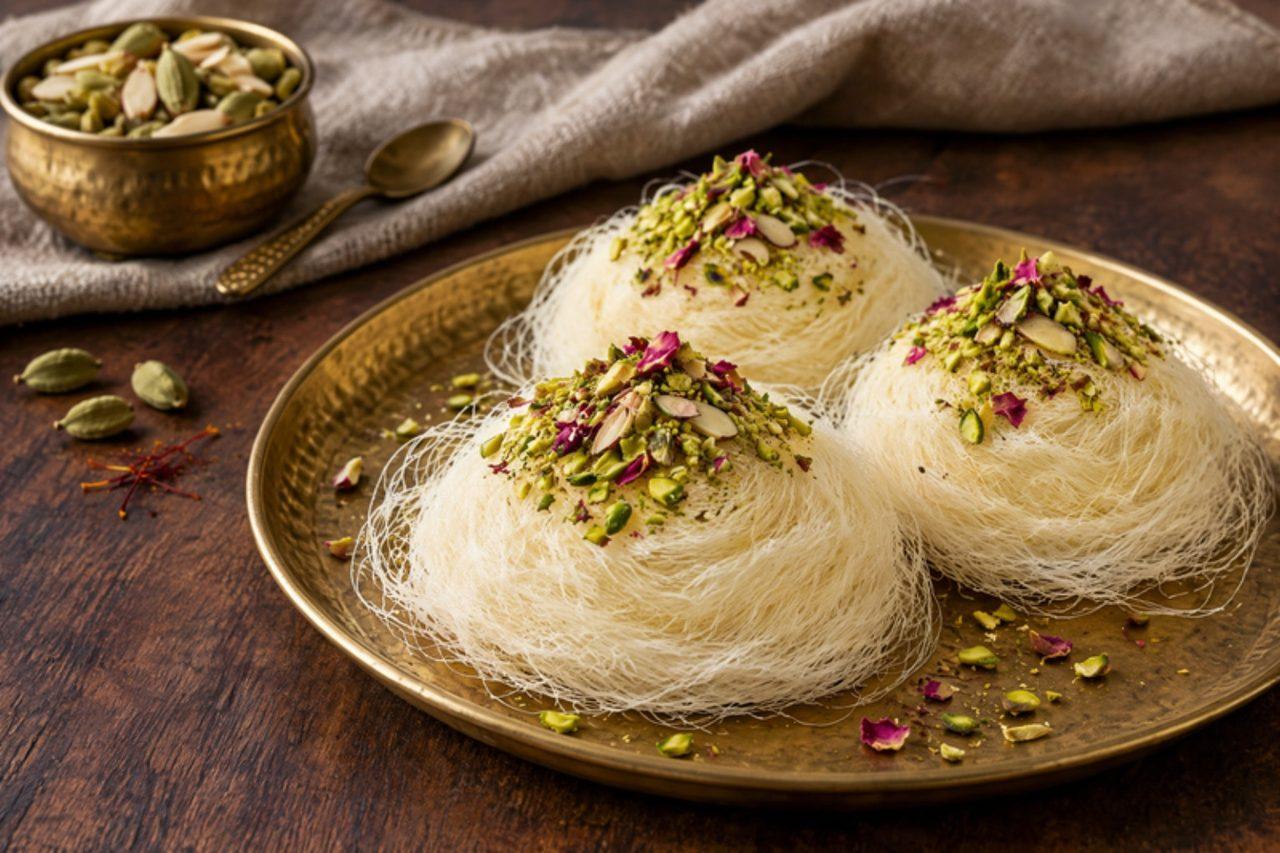
SutarfeniSpun sugar thread sweet

Sutarfeni, cotton-thread sweet, is made by Khambhat and Ahmedabad halwais for Diwali: a hot sugar caramel is pulled into a ring, dragged again and again through ghee-roasted flour until it separates into hundreds of silky threads, then loosely nested with pistachio and cardamom. It is a two-person job at home and needs patience, but the melt-in-the-mouth result is worth one afternoon a year. The usual mistake is letting the sugar cool too far before pulling, so it snaps into brittle shards instead of stretching. Chef's tip: wear clean, well-greased food-safe gloves, work in a warm kitchen, and keep a tray in a barely warm oven to soften the sugar again if it stiffens.

by KrazyBadal 0 views

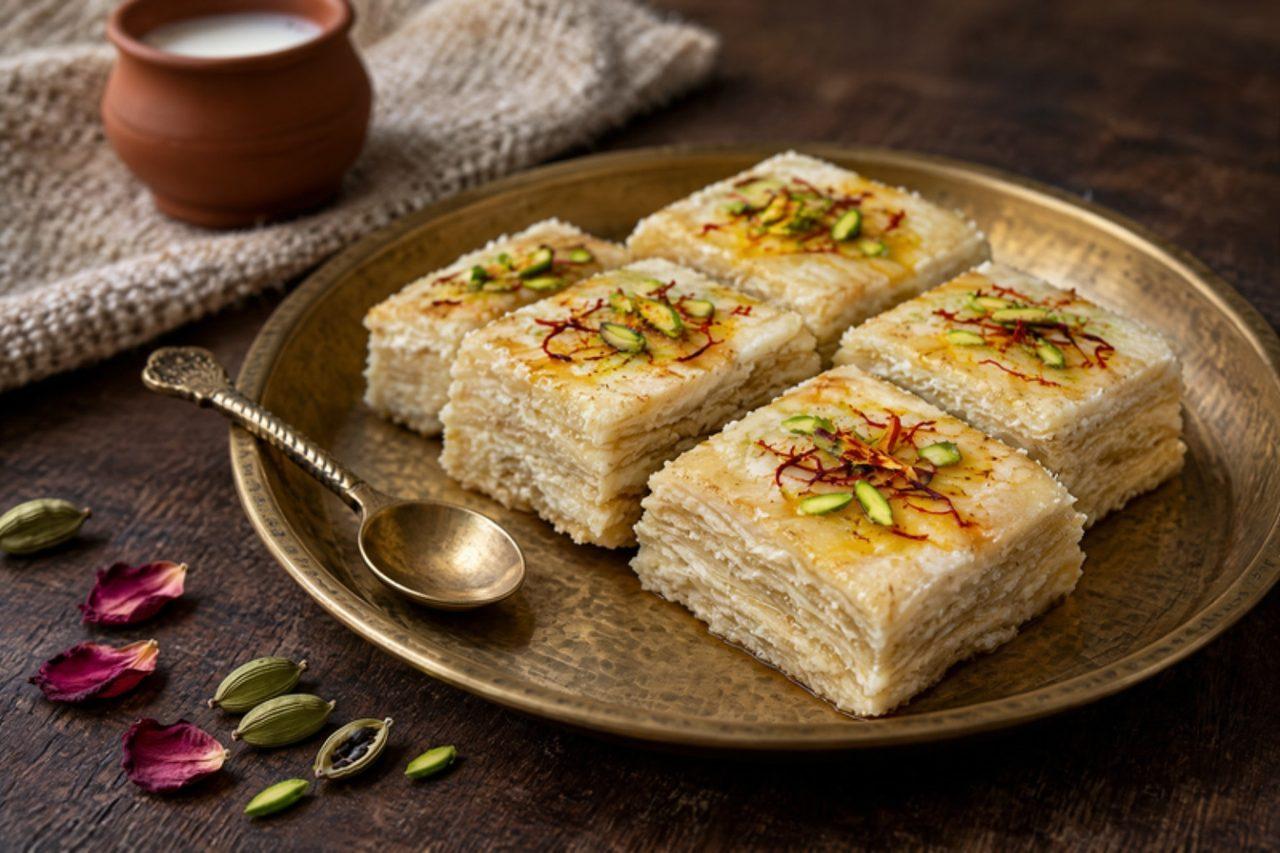
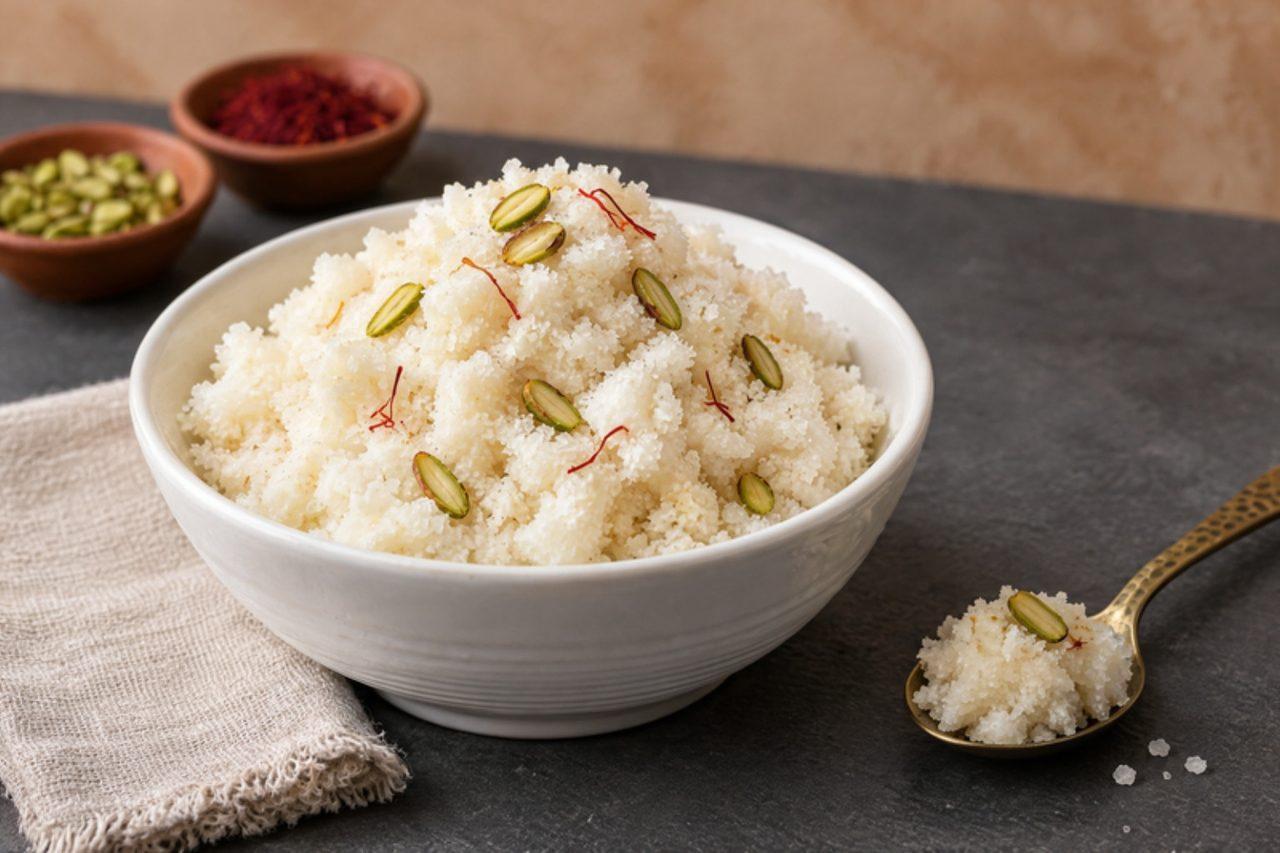
Mishri mawaSweet milk flakes

Mishri mawa is the pride of Jaipur's old sweet shops near Johari Bazaar: full-fat milk boiled down slowly with sugar and a little alum until it splits into tiny, sparkling grains, then set loosely so it breaks into soft flakes that melt on the tongue. It is bought for Diwali, weddings and when guests arrive from far away. Unlike kalakand, it is very white and only lightly set, with saffron and cardamom. The common mistake is letting the milk catch at the bottom; even a little scorching turns it beige and smoky. Chef's tip: use a wide, heavy pan and scrape the base and sides with a flat spatula every minute once the milk has halved.

by KrazyBadal 0 views

Koinar saagKachnar leaf greens

In Jharkhand's spring, as the kachnar (Bauhinia) trees put out pale tender leaves, Santhal, Munda and Oraon families gather them for koinar saag, a slightly tangy, earthy green cooked with lots of garlic in mustard oil and eaten with rice and dal or with madua roti. Some households dry the leaves to use through the summer. The usual mistake is using older, darker leaves, which stay tough and fibrous however long you cook them. Chef's tip: blanch the leaves first and squeeze them hard; it softens the faint astringency and the saag absorbs the garlic oil better.

by KrazyBadal 0 views

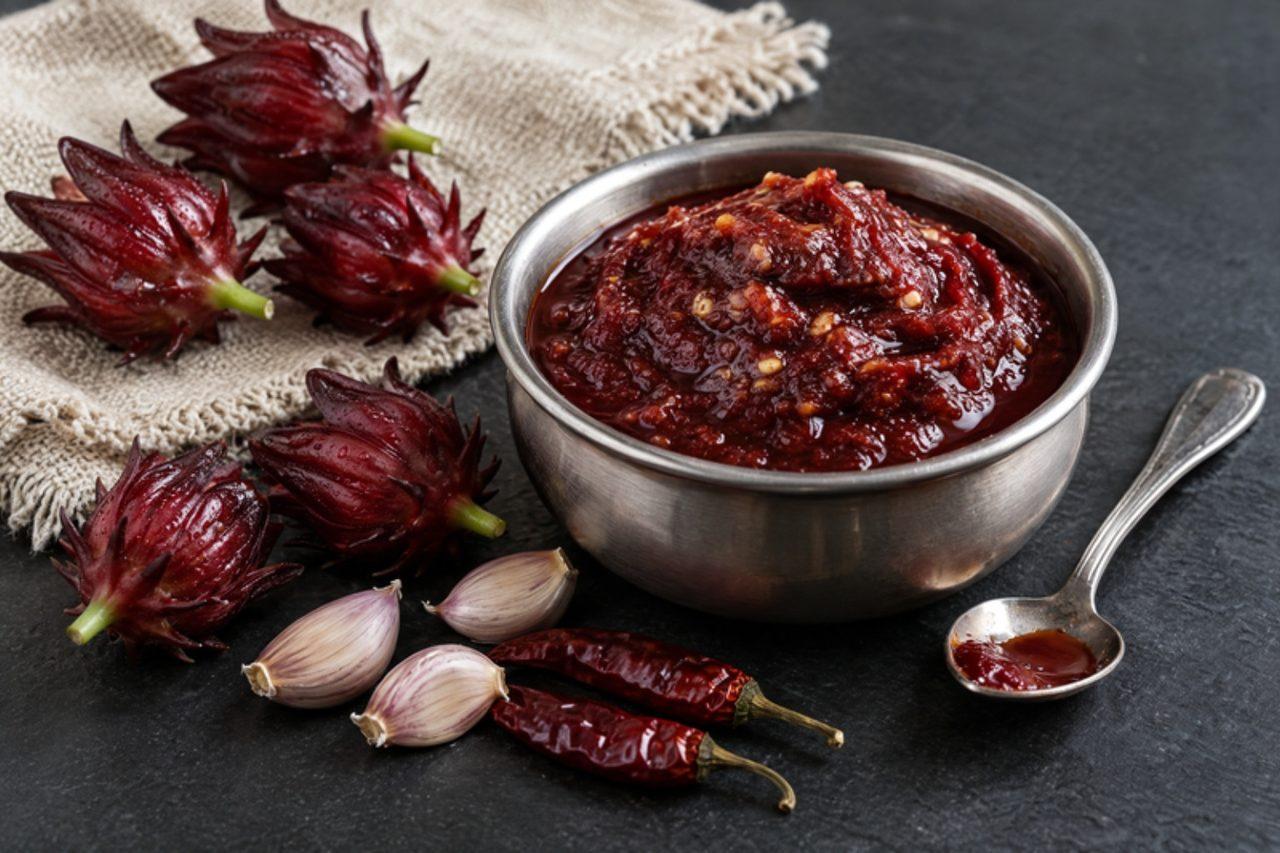
Kudrum chutneyRoselle chutney

Kudrum is roselle, the red-calyxed hibiscus that tribal households in Jharkhand grow round their homes, and in the post-monsoon months its sour fleshy calyces and leaves are cooked into this bright red chutney. It is eaten with plain rice, dhuska or pitha, and a spoonful wakes up a simple meal of dal and saag. A frequent mistake is leaving the hard green seed pod inside each calyx, which makes the chutney woody; split each one and pop the pod out. Chef's tip: dried hibiscus flowers sold for tea make a good stand-in; soak them 20 minutes in hot water first.

by KrazyBadal 0 views

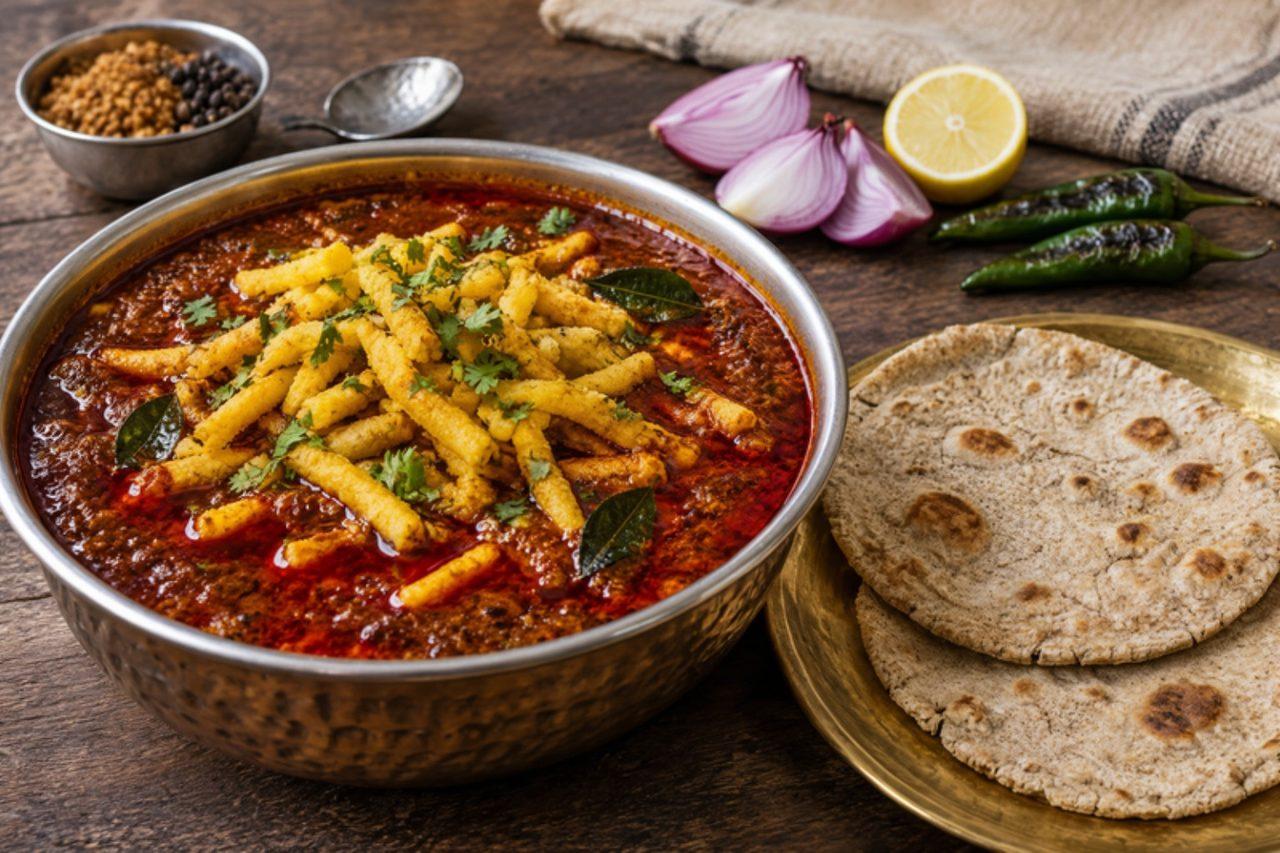
Shev bhajiGram flour shev in spicy gravy

Shev bhaji comes from Khandesh, around Jalgaon and Dhule, where dhabas and homes make a gravy black with roasted onion, dry coconut and a dark Khandeshi masala and drop in thick, crunchy shev just before serving. It is eaten with jowar bhakri or chapati, often at roadside eateries in the winter. The mistake almost everyone makes is adding the shev too early; it swells and turns to paste, so add it at the table. Food note: shop-bought shev can contain wheat or regular hing, so check the packet if you need it gluten free. Chef's tip: roast the onion and coconut until truly dark brown, but not burnt; that is where the colour comes from.

by KrazyBadal 0 views

PappchiFried wheat and rice biscuits

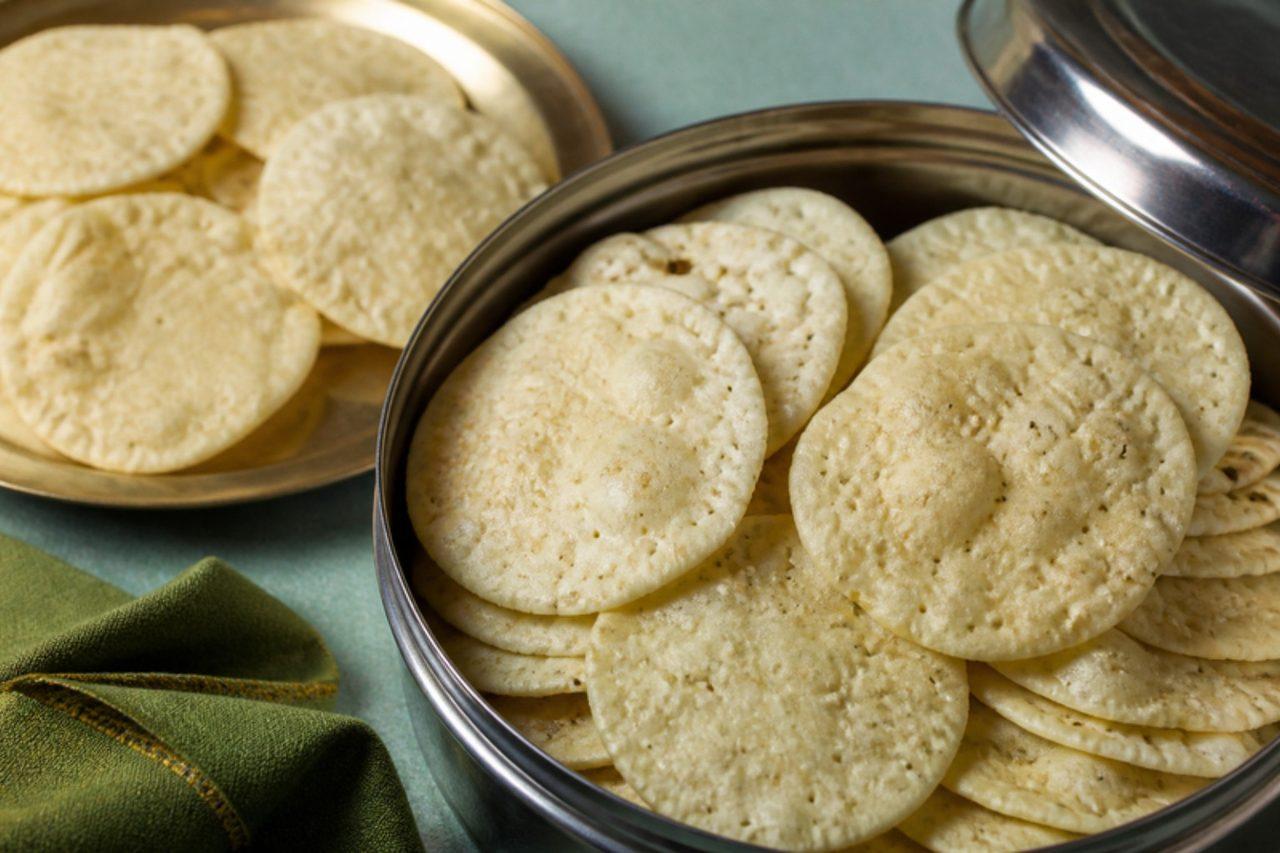
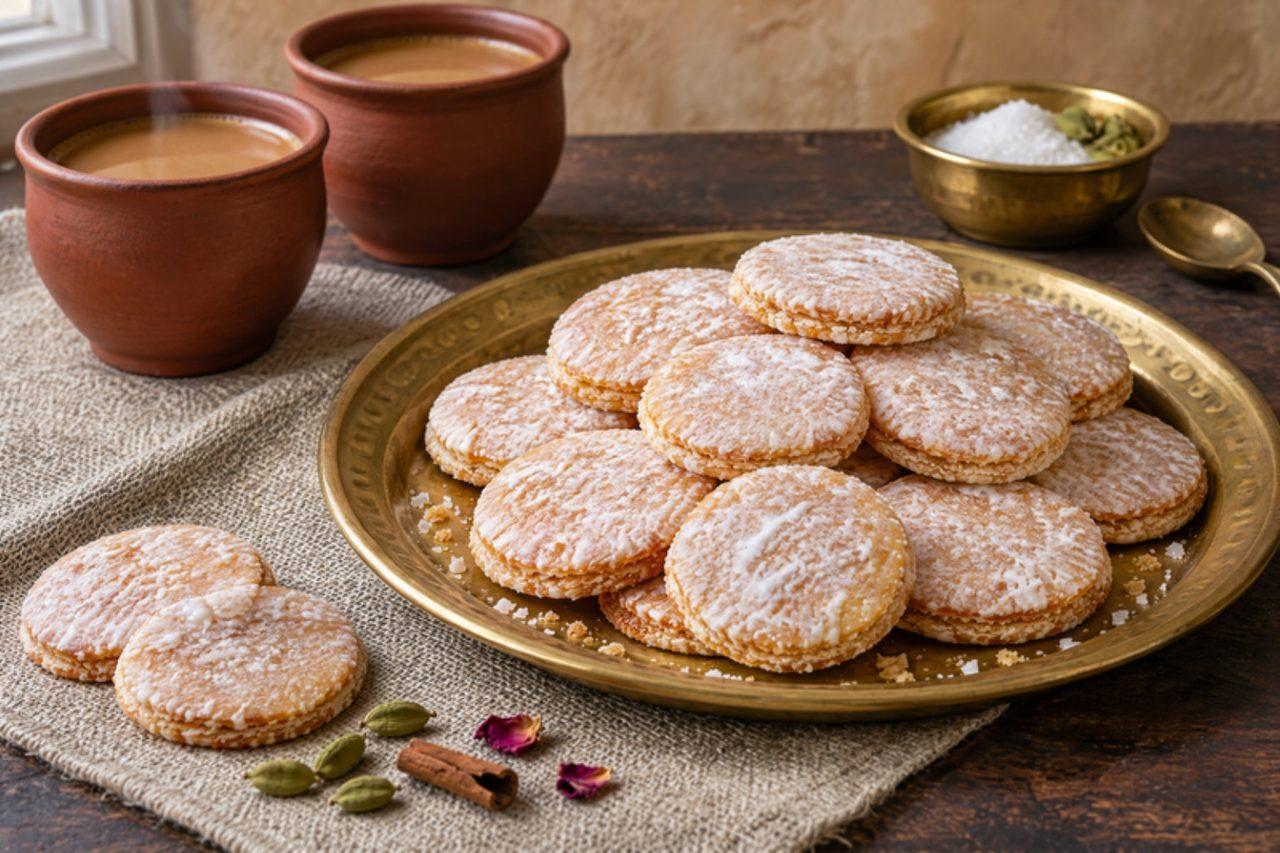
Pappchi are little scalloped discs that Chhattisgarhi families fry in large batches for Teeja, Diwali and weddings, made from wheat flour and rice flour, fried slowly and then turned in sticky sugar syrup until they wear a thin white glaze. They snap cleanly and keep for weeks in a steel tin. A common mistake is taking the syrup too far, so it crystallises into lumps; you want a one-string syrup that dries to a matt coat as it cools. Chef's tip: press the edge of each disc with a thimble or bottle cap to make the frilled pattern, which also helps them fry crisp.

by KrazyBadal 0 views

Dudh pithaRice dumplings in milk

Dudh pitha is made in Jharkhand and Bihar for Makar Sankranti, Sohrai and winter evenings, when the new rice is milled: small rice-flour dumplings are stuffed with coconut and jaggery (some families use spiced chana dal instead) and simmered in milk until it thickens around them. It is eaten warm from a bowl with a spoon. The common mistake is adding jaggery straight to boiling milk, which can curdle it; sweeten the milk with sugar and keep the jaggery inside the dumplings. Chef's tip: shape the dumplings while the dough is warm and keep your palms greased, so the edges seal without cracking.

by KrazyBadal 0 views

Mirchi thechaPounded chilli, garlic and peanut relish

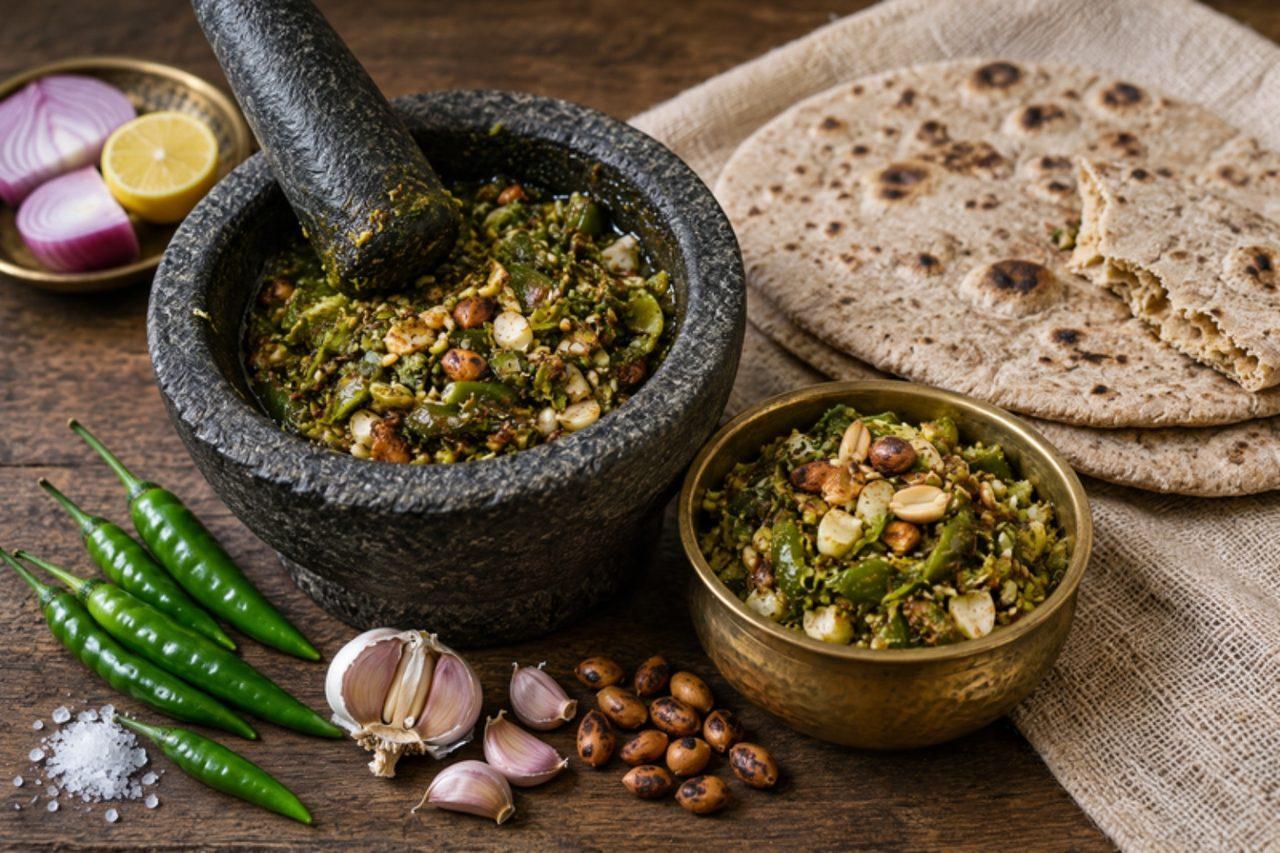
Thecha is the fiery pounded chilli relish of rural Maharashtra, from the Desh villages around Satara and Kolhapur, eaten with jowar bhakri and a raw onion at a farmhand's lunch and now a fixture of Pune's Marathi restaurants. Green chillies and garlic are blistered in a pan, then crushed with peanuts in a stone mortar. The common mistake is blending it smooth in a mixer; thecha should be coarse and rustic, so pound it or pulse briefly. Chef's tip: wear gloves or oil your fingers when handling this many chillies, and wash the pan straight away.

by KrazyBadal 0 views

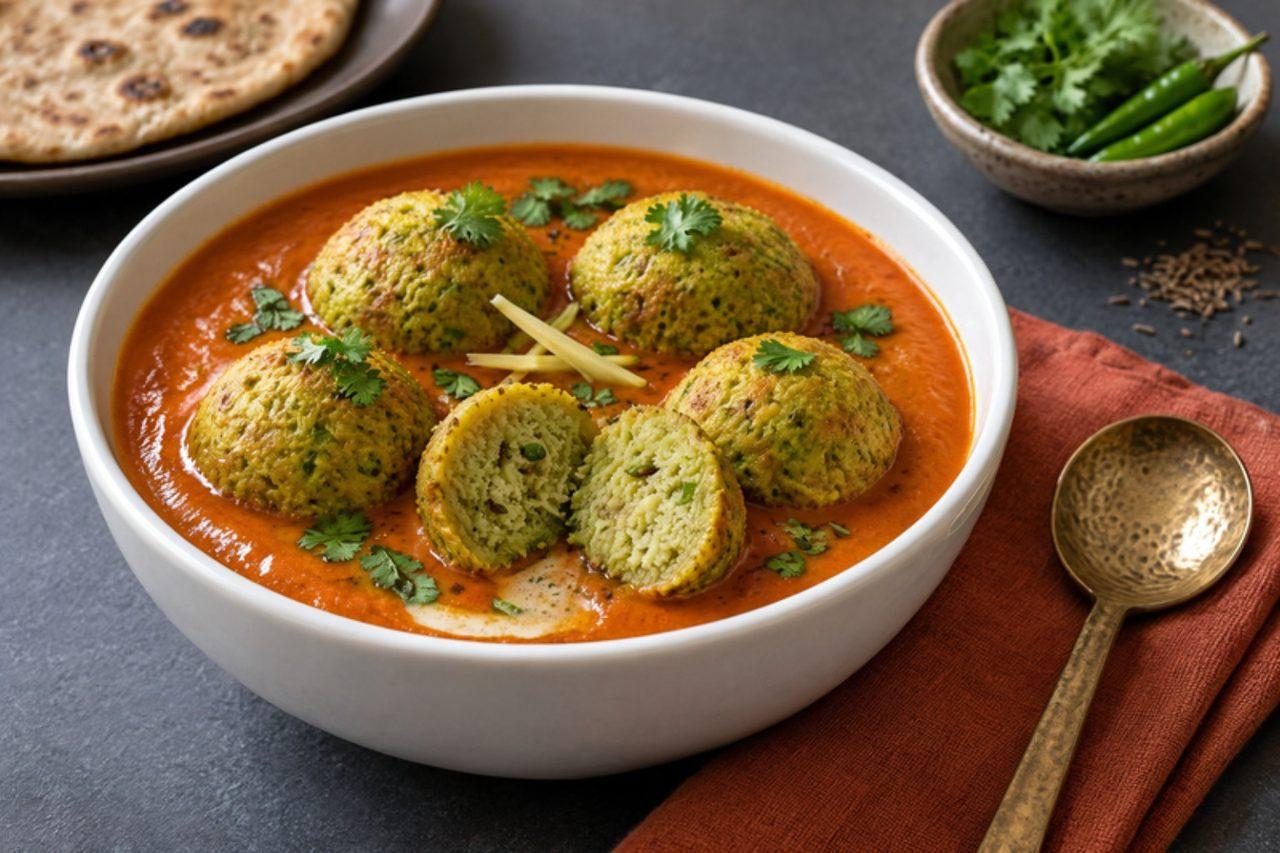
Lauki koftaBottle gourd balls in gravy

Lauki kofta is how North Indian mothers in Punjab and Uttar Pradesh smuggle the humble bottle gourd onto a party table: the gourd is grated and squeezed, bound with gram flour, fried into soft balls and slipped into an onion-tomato gravy. It is a Sunday-lunch and dinner-party curry with phulka, jeera rice or laccha paratha. The classic mistake is not squeezing the lauki hard enough; wet mixture splutters in the oil and the koftas fall apart. Chef's tip: save the squeezed lauki juice and use it in place of water in the gravy, so none of its flavour is wasted.
by KrazyBadal 0 views

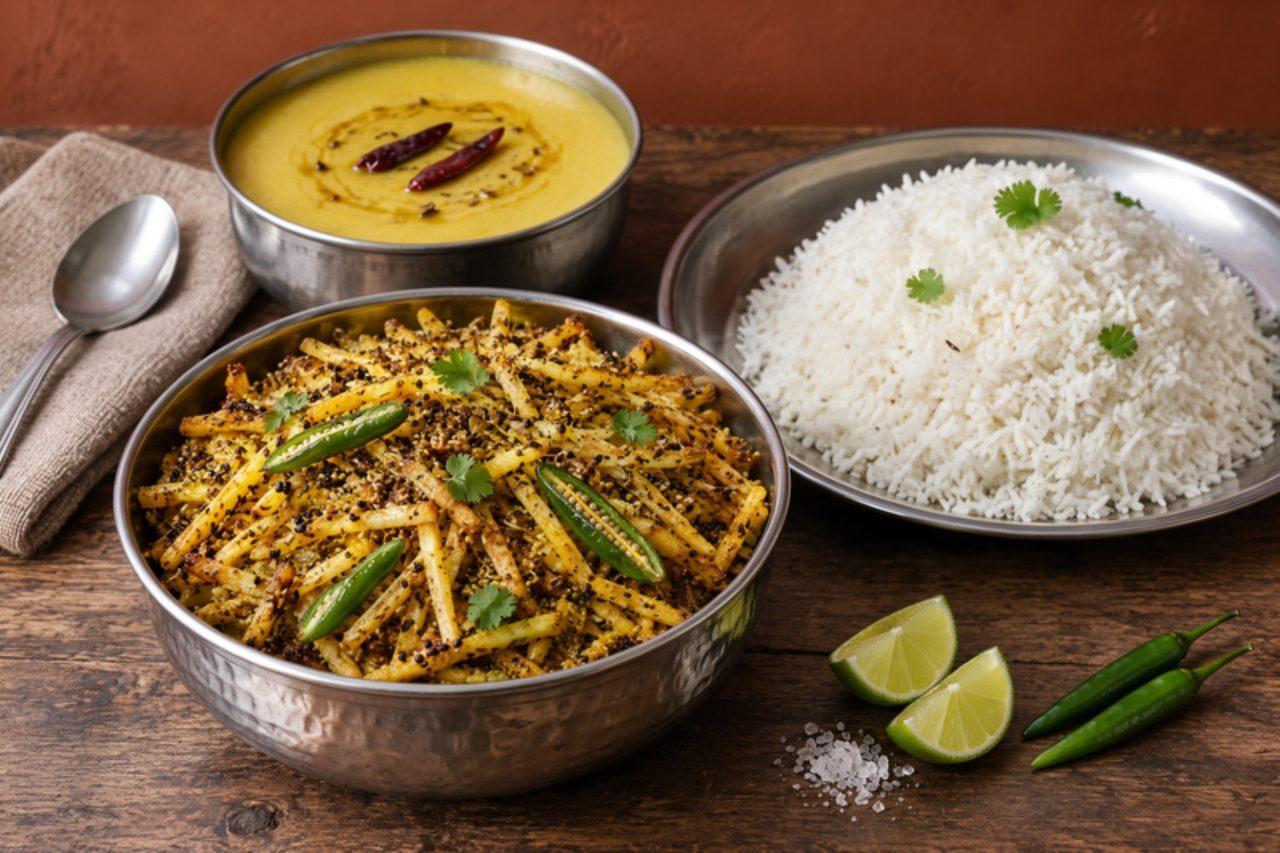
Bihari aloo bhujiaFried potato sticks

In Bihar, aloo bhujia is not the packaged snack but the everyday matchstick-potato fry that sits beside dal, bhaat and chokha on the lunch plate, cooked in mustard oil with panch phoron and a slit green chilli. Patna households make it most days of the week because it takes twenty minutes and pleases everyone. The common slip is crowding the pan and stirring too much, which turns the sticks to mash; give them room and toss gently. Chef's tip: soak the cut potatoes in cold water for 10 minutes and dry them well; washing off surface starch keeps the sticks separate and lightly crisp.

by KrazyBadal 0 views

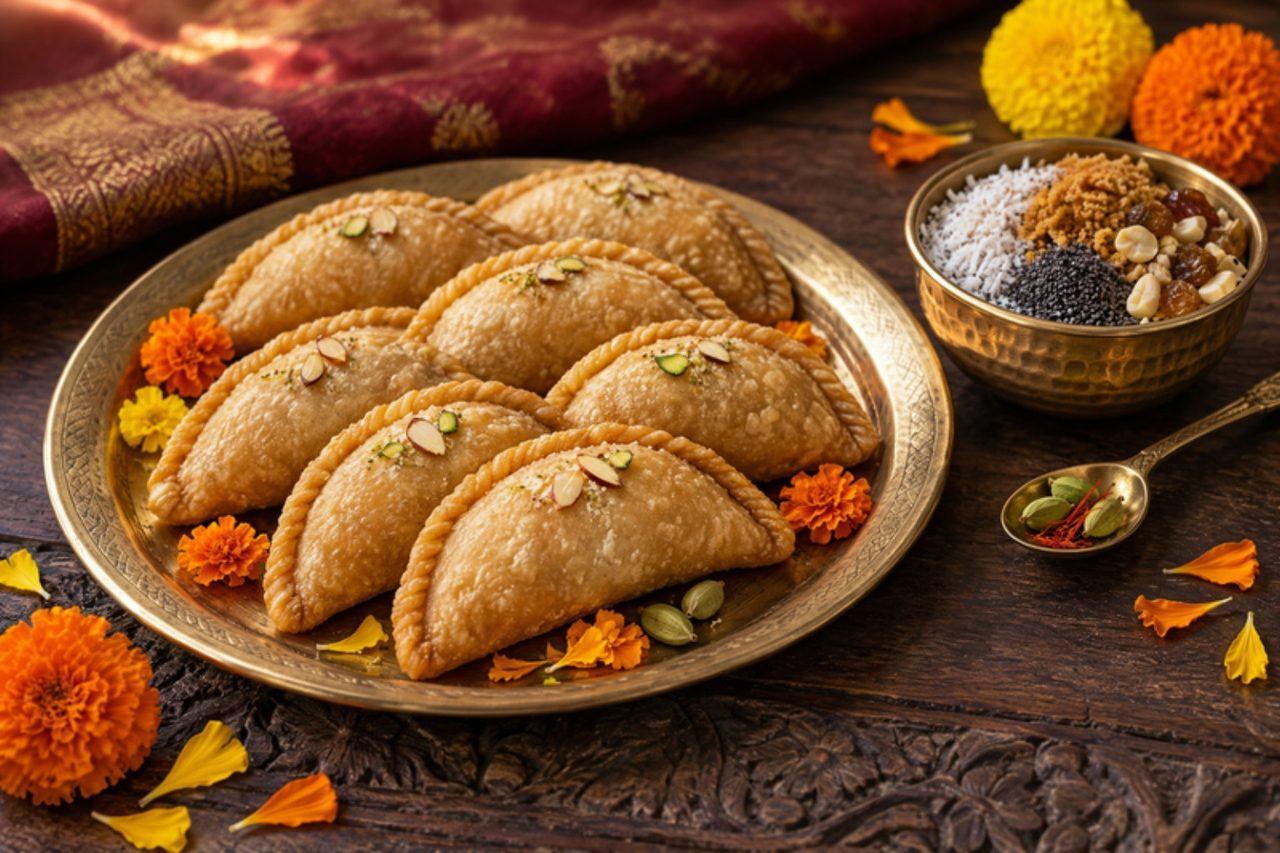
KusliSemolina-filled Diwali pastries

Kusli are the crimped half-moon pastries that fill tins in Chhattisgarhi homes before Diwali and Chhath, close cousins of the gujiya and karanji but filled with semolina roasted in ghee, dry coconut and sugar rather than mawa. They keep for a fortnight and are handed to visitors with thethri and khurmi. The common mistake is frying them in very hot oil; they blister and brown outside while the pastry stays raw within. Chef's tip: seal the edges with a dab of milk and a firm pinch-and-fold twist so not a crumb of filling leaks into the oil.

by KrazyBadal 0 views

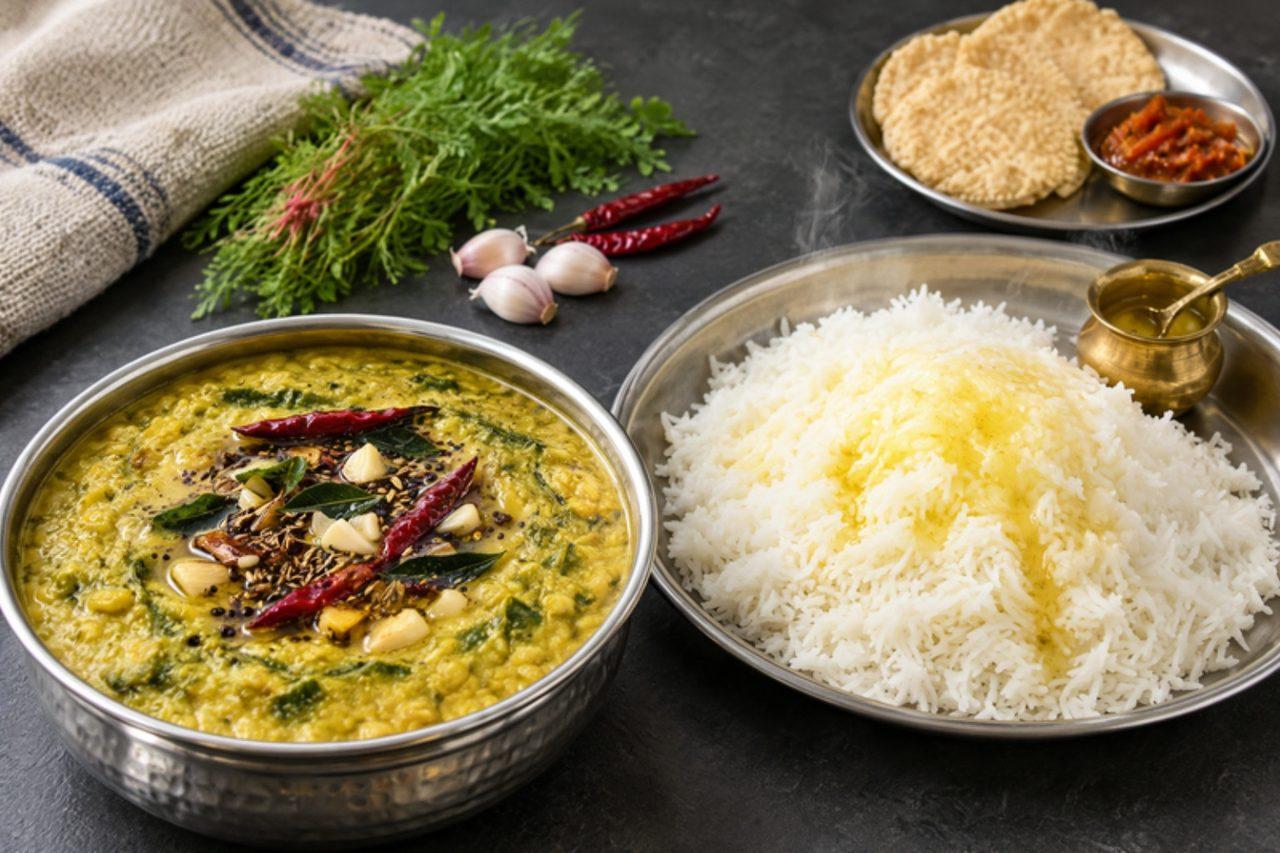
Chintha chiguru pappuDal with young tamarind leaves

Every spring the tamarind trees of Telangana put out soft, coppery new leaves, chintha chiguru, and housewives in Hyderabad and the districts strip them by the handful for a few weeks of this pleasantly sour dal. The leaves give the tang that tamarind pulp gives the rest of the year, and the pappu is eaten with hot rice, ghee and a crisp papad. The common mistake is adding all the leaves at the start; they lose their fresh sourness, so stir half in near the end. Chef's tip: if tamarind shoots are out of reach, use a mix of sorrel and a teaspoon of tamarind paste.

by KrazyBadal 0 views

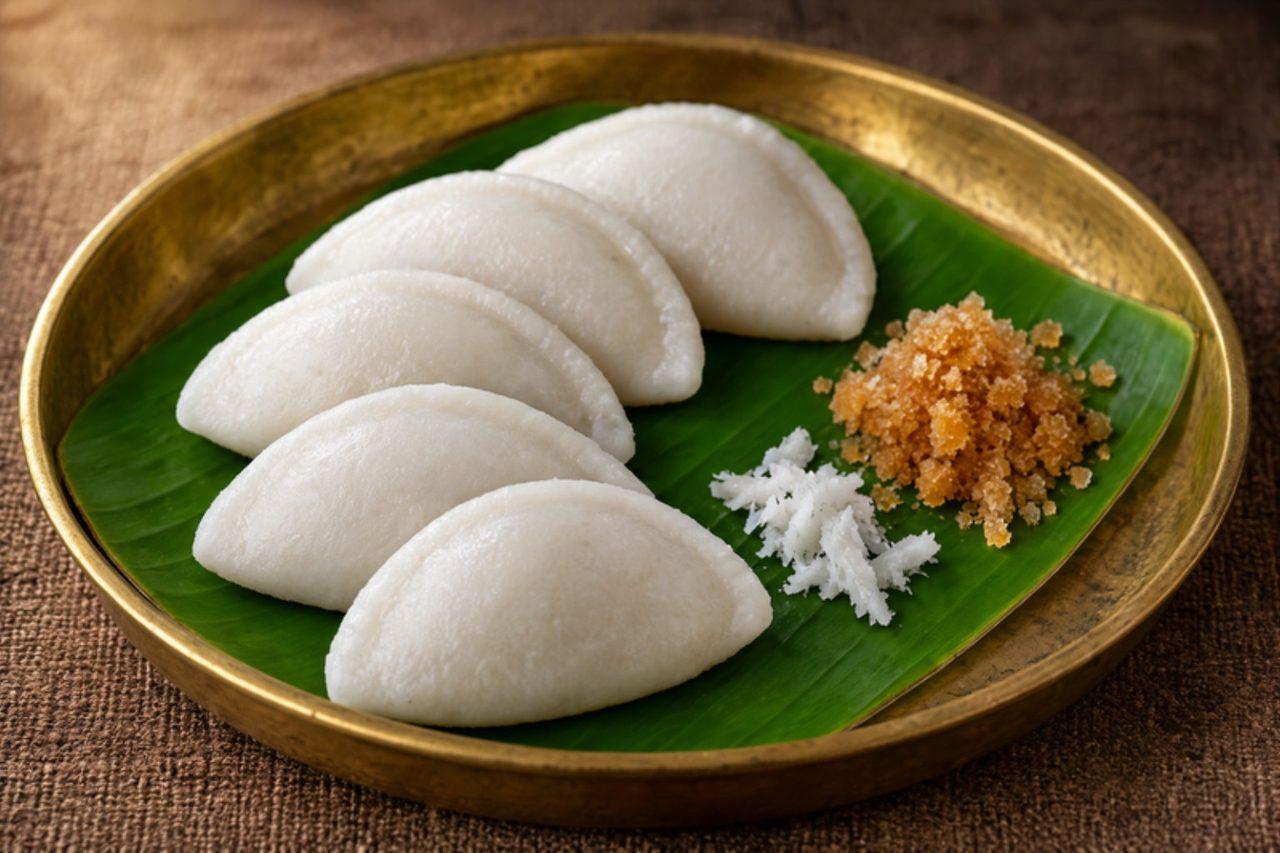
Manda pithaSteamed rice dumplings with coconut

Manda pitha is the soft white dumpling of Odisha's Raja festival in mid-June, when girls swing on rope swings, wear new clothes and eat pitha for three days; it is also made for Prathamastami and other family feasts. A smooth dough of rice flour cooked in water is wrapped around a filling of coconut, jaggery, chhena, black pepper and cardamom, then steamed. The common mistake is mixing raw rice flour with cold water: the dough must be cooked with boiling water and kneaded hot, or it cracks when shaped. Chef's tip: grease your palms with a drop of ghee while shaping so the dough stays silky and the edges seal cleanly.

by KrazyBadal 0 views

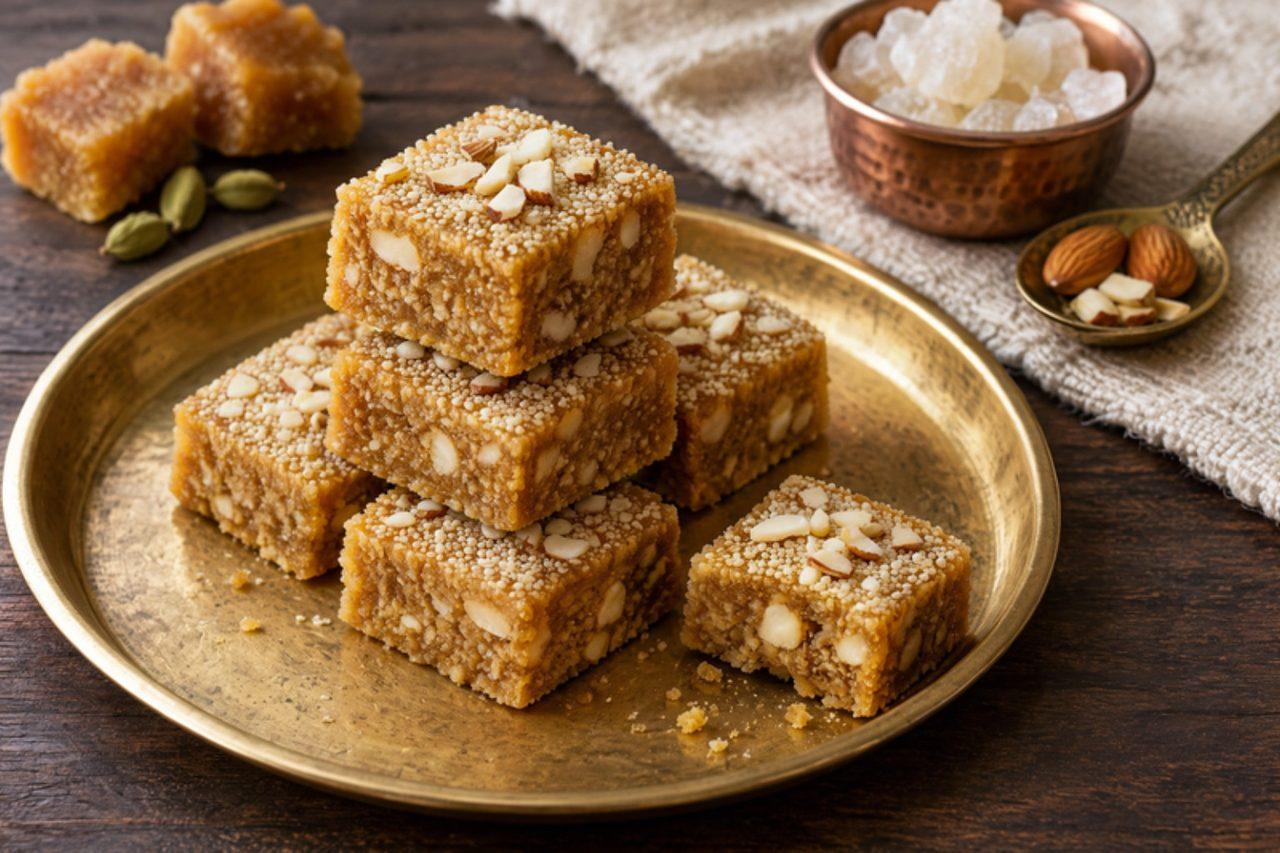
Gundar pakEdible gum and wheat fudge

When the first cold mornings reach Rajkot and Junagadh, Kathiawadi kitchens fry a big batch of gundar, the edible acacia gum, in ghee and set it into this dense, crunchy pak, eaten one square a day with tea through December and January. Here the gum is the star: it puffs into crisp white popcorn-like pieces that give the fudge its crackle, while wheat flour, jaggery, dry ginger and coconut hold it together. The common mistake is frying the gum in ghee that is too cool, so it stays hard and glassy and sticks to your teeth; it must puff fully within seconds. Chef's tip: crush the puffed gum only lightly with a rolling pin so you still bite into small crunchy nuggets.

by KrazyBadal 0 views

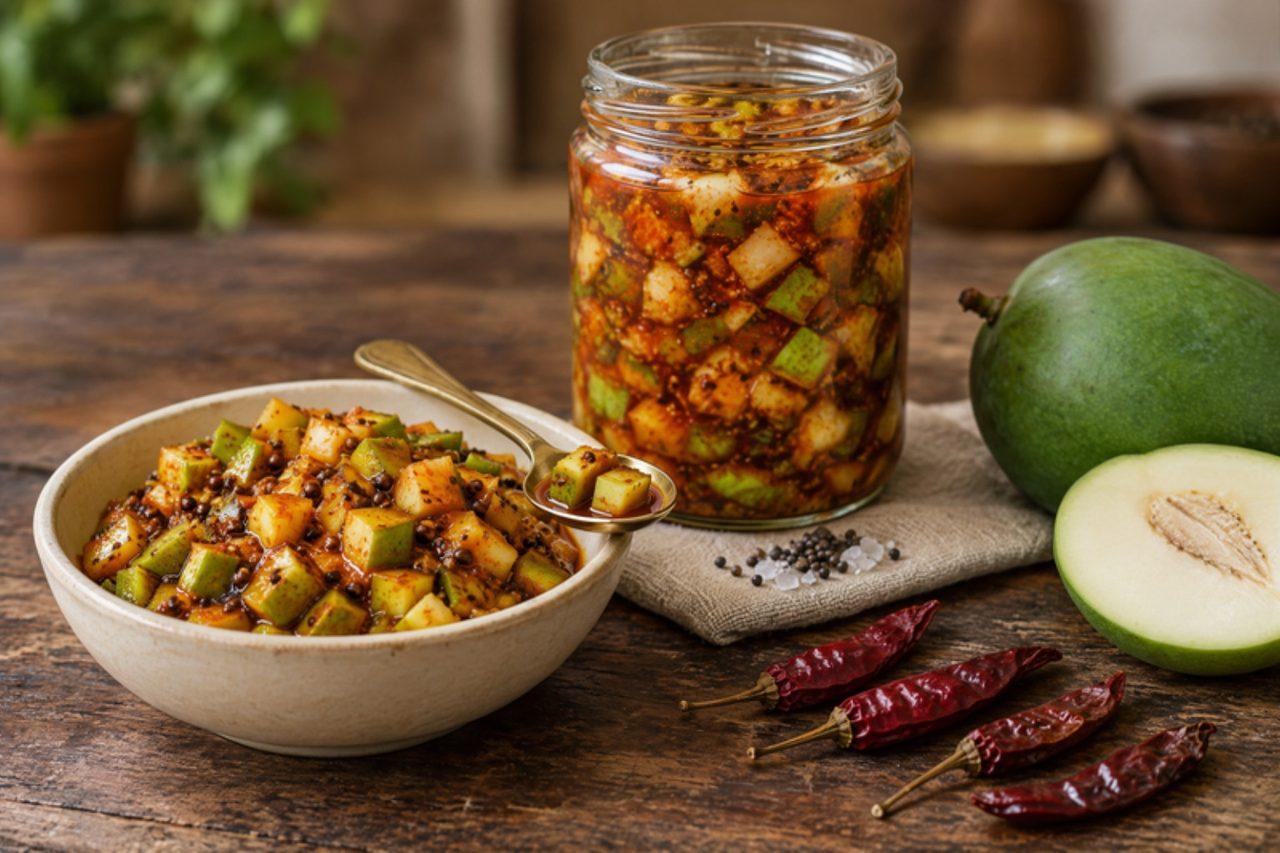
MiscutRaw mango pickle

Before the monsoon breaks over Goa in late May, the first small, tender mangoes are knocked from the trees in Salcete and Bardez villages and cut for miscut, the pickle Goan Catholic families keep for the rainy months when fishing stops and the table relies on rice, curry and preserves. Unlike Gujarati pickles, miscut leans on toddy or cane vinegar: the mango is salted overnight, then folded into a paste of Kashmiri chilli, mustard, fenugreek, turmeric, garlic and ginger ground in vinegar, and finished with oil. It is sour, hot and garlicky, the mango still crisp, and a spoonful brightens a plate of red rice and dried-fish curry or a simple pez (rice gruel). Common mistake: grinding the masala in water; it must be vinegar only, or the pickle spoils. It is ready after 4–5 days, when the vinegar has soaked into the mango and the raw-garlic bite has gone. Because it contains fresh garlic and ginger, keep it in the fridge for up to 3 months, always covered by liquid, dry spoon each time; discard if you see mould, fizzing, sliminess or smell anything off. Chef's tip: use mangoes whose stones have not yet hardened so you can slice straight through.

by KrazyBadal 0 views

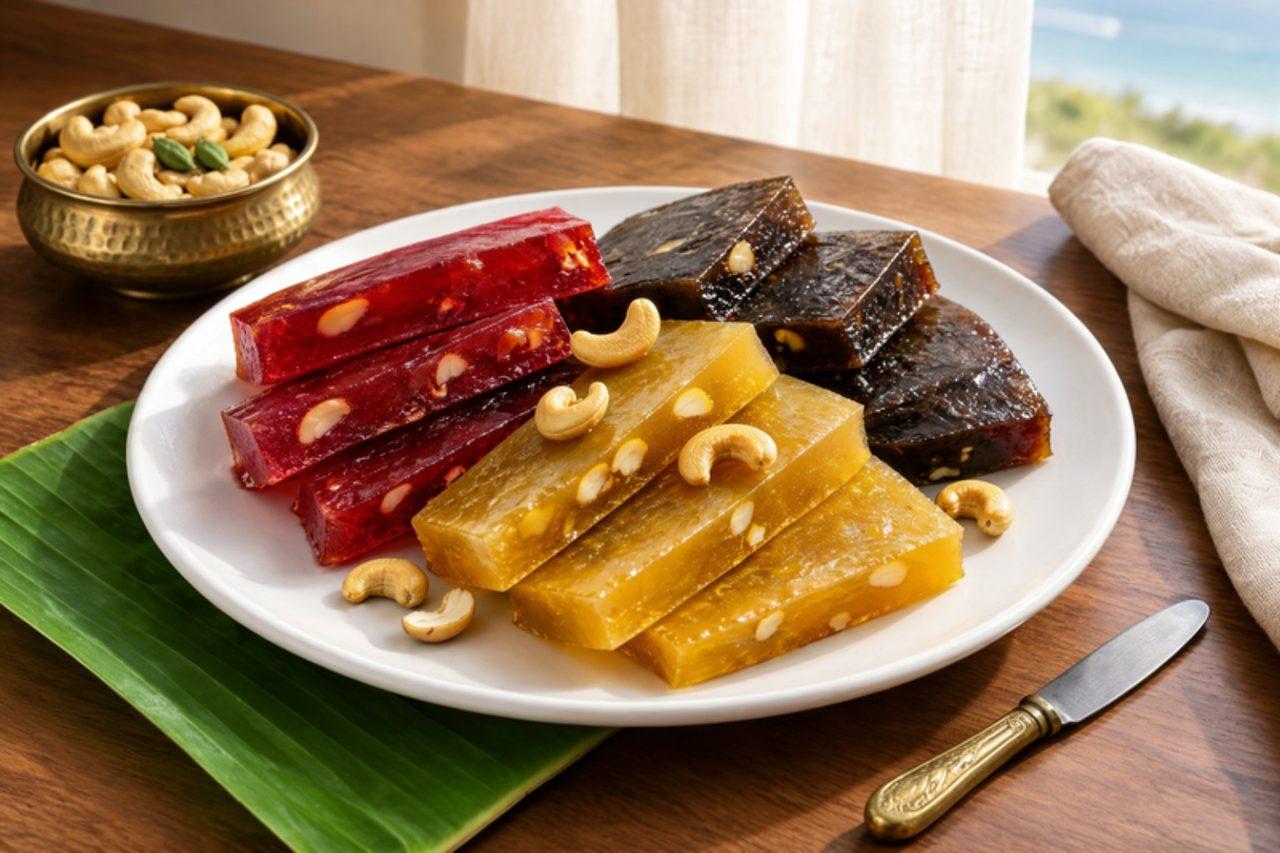
Kozhikode halwaCoconut oil halwa with cashews

Walk down SM Street, 'Mittai Theruvu', in Kozhikode and you pass shop after shop stacked with jewel-coloured slabs of halwa, which Malabar families have bought for Eid, weddings and visits since the Arab trading days. The classic is made from wheat-flour milk (or plain flour) cooked for a long time with sugar and coconut oil or ghee until glossy, chewy and translucent, studded with cashews. The common mistake is rushing the cooking: the halwa must be stirred until it stops sticking, turns transparent and the fat seeps out at the edges, or it sets soft and cloudy. Chef's tip: add the oil a spoonful at a time only after the mixture thickens, so it is absorbed rather than floating.

by KrazyBadal 0 views

Bandar ladduGram flour and jaggery balls

Bandar laddu is named after Bandar, the old name of Machilipatnam on the Andhra coast, and it is the sweet families carry home after a trip there, offer at Sankranti and give at weddings. Gram-flour pearls are fried, then pounded with jaggery syrup and ghee until the mixture turns dense, smooth and fudgy, unlike the grainy besan laddu of the north. The common mistake is not cooking the jaggery syrup far enough: it needs to reach the soft-ball stage, or the laddus slump and turn sticky. Chef's tip: pound the mix while it is still warm, in batches, in a heavy mortar or food processor, until it clumps when pressed.

by KrazyBadal 0 views

KhurchanScraped milk skin sweet

Khurchan means 'scrapings', and in Mathura and the sweet lanes of Old Delhi it is made by simmering milk in a wide iron kadhai and lifting off the skin that forms, layer after layer, then stacking the sheets with a sprinkle of sugar and cardamom. It is a winter sweet, sold in small squares, and offered at Janmashtami in Krishna's town. It takes patience, not skill. The common mistake is letting the milk boil, which breaks the skin; keep it just steaming, never bubbling. Chef's tip: fan the surface of the milk gently with a paper plate between layers; the cooler air makes the skin form faster and thicker.

by KrazyBadal 0 views

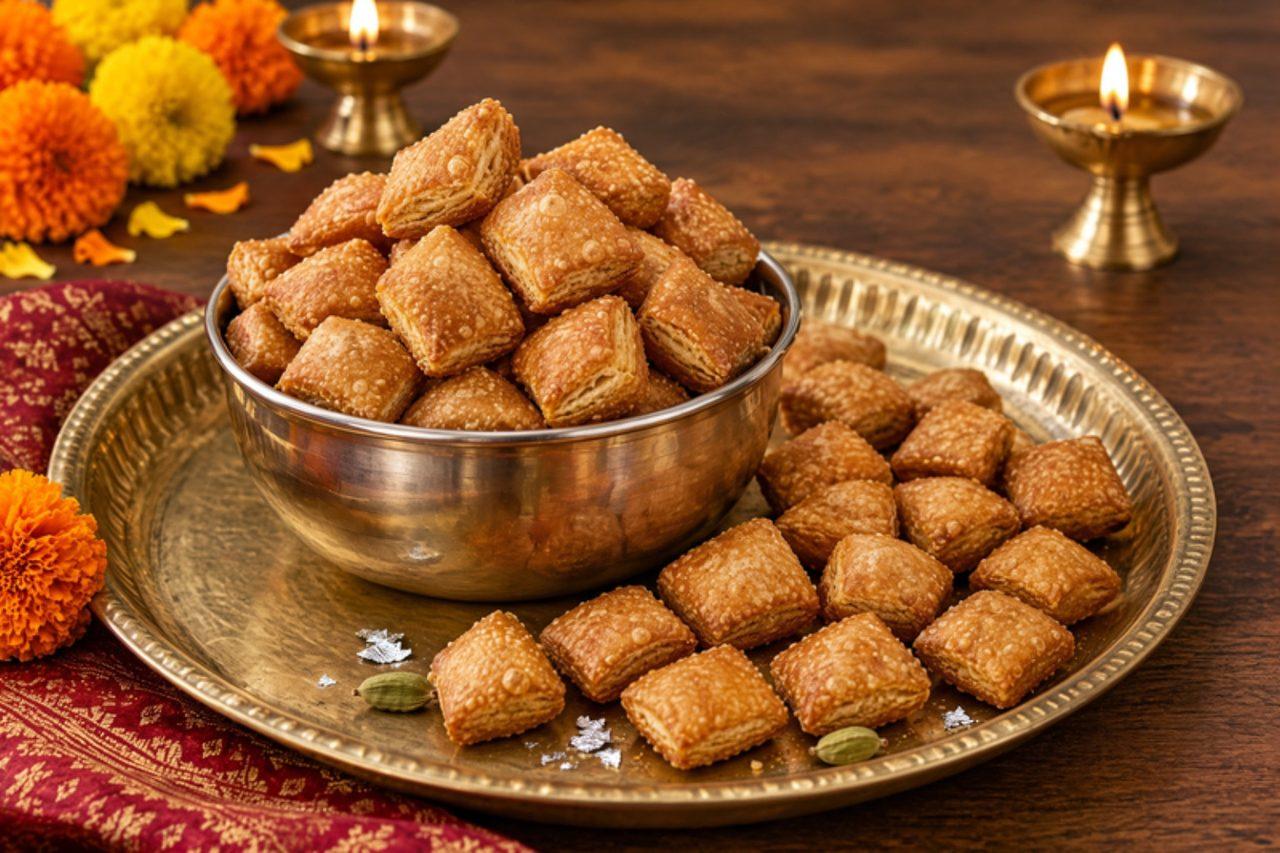
ShankarpaliFried sweet diamond biscuits

Every Maharashtrian Diwali faral box has a pile of shankarpali: small diamond-shaped biscuits, flaky and crisp, sweet with sugar dissolved in warm milk and ghee. Families make large batches in the week before Diwali alongside chakli and karanji, and the tin is raided until Tulsi Vivah. The common mistake is frying too hot, which browns them outside before the layers crisp, so they soften within a day; fry slowly until pale golden. Chef's tip: dissolve the sugar fully in the warm milk and ghee before adding flour, or sugar crystals burn in the oil as dark specks.
by KrazyBadal 0 views

Showing 48 of 880 recipes

Show more recipes

Page 15 of 37

More collections