Skip to content

Vegetarian Italian recipes

Pasta, risotto, pizza and bakes without meat or fish. (357 recipes)

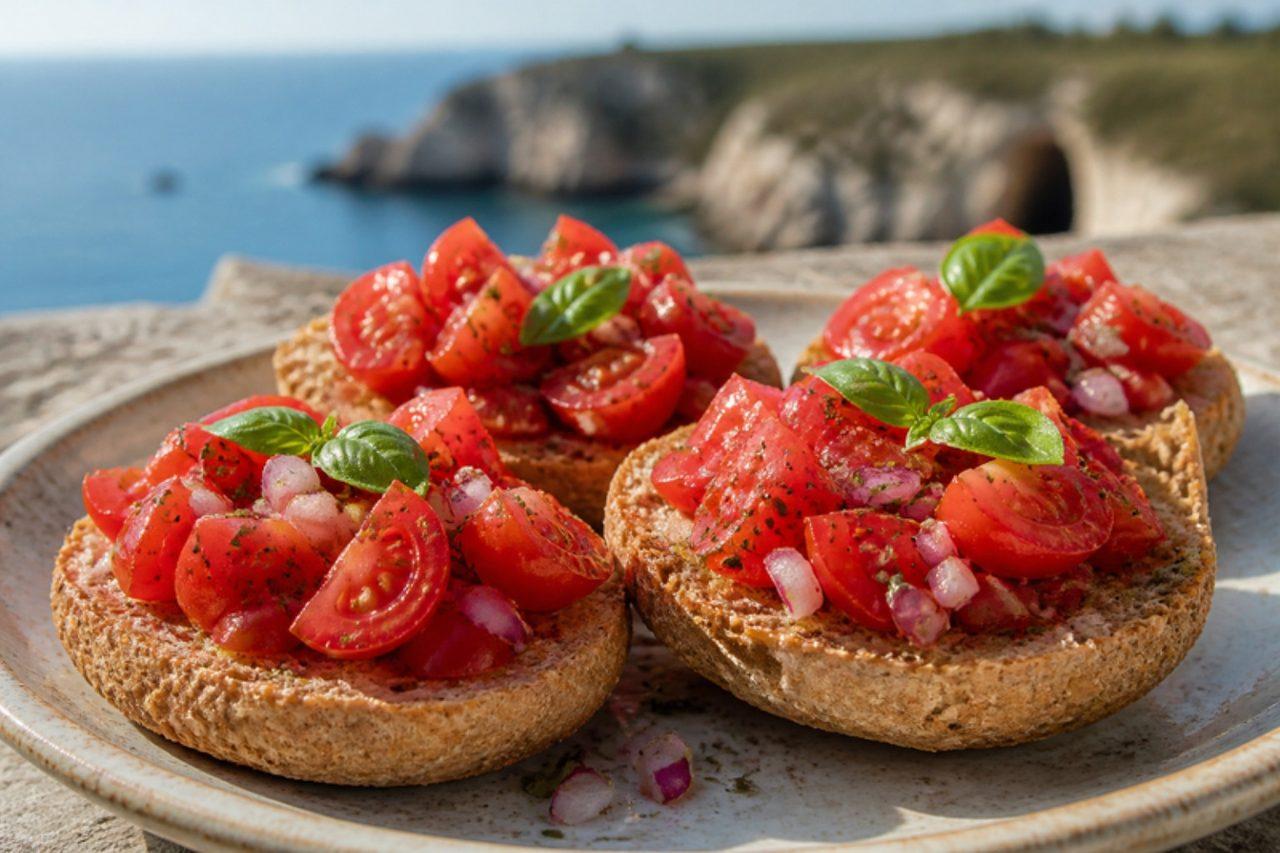
FriselleTwice-baked bread with tomato

Friselle are rings of bread split in half and baked a second time until rock hard, so they kept for months on fishing boats and in farmhouses across the Salento. To eat them you dip them briefly in cold water, then pile on crushed ripe tomatoes, oregano and plenty of olive oil; the bread softens just enough while keeping a crunch in the middle. On August evenings in Lecce and along the coast they are the easiest supper there is. Every Puglian bakery sells them and Italian delis stock them, so this recipe uses bought friselle, made from wheat or the darker, nuttier barley. Chef's tip: dip, don't soak; a few seconds is enough, and the tomato juice finishes the job.

by KrazyBadal 0 views
Pane frattauFlatbread with tomato and egg

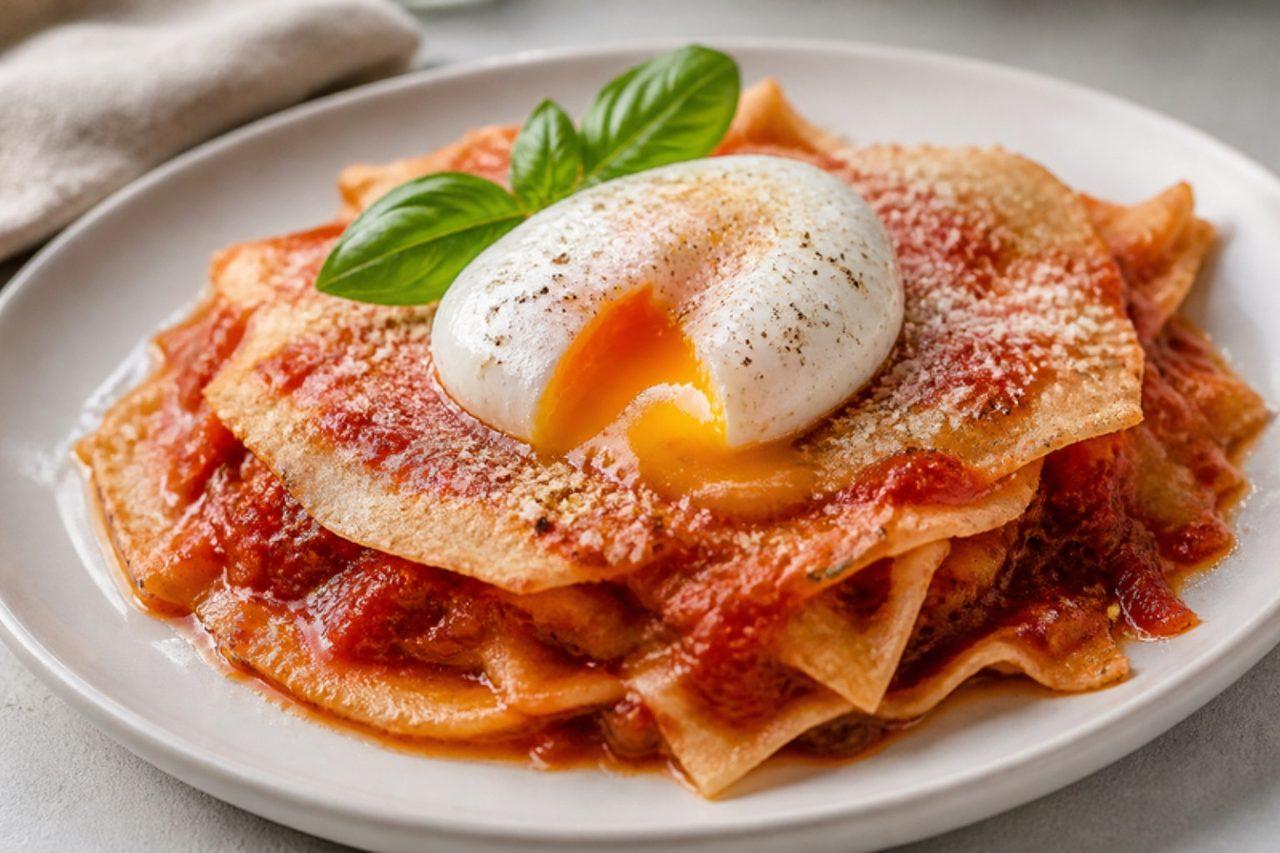
Pane frattau turns dry pane carasau into a hearty plate in twenty minutes: sheets of the crisp bread are dipped in hot broth until just supple, layered with tomato sauce and grated pecorino, and topped with a poached egg whose yolk runs into everything. It is said to have been first served in Orgosolo or Nuoro for a royal visit, and it is now a staple of Barbagia agriturismi and family suppers. Traditionally the broth is made from mutton or meat; this version uses vegetable stock, which works beautifully. Chef's tip: dip each sheet for no more than 2–3 seconds; it keeps softening on the plate.

by KrazyBadal 0 views
CulurgionesPotato and pecorino dumplings

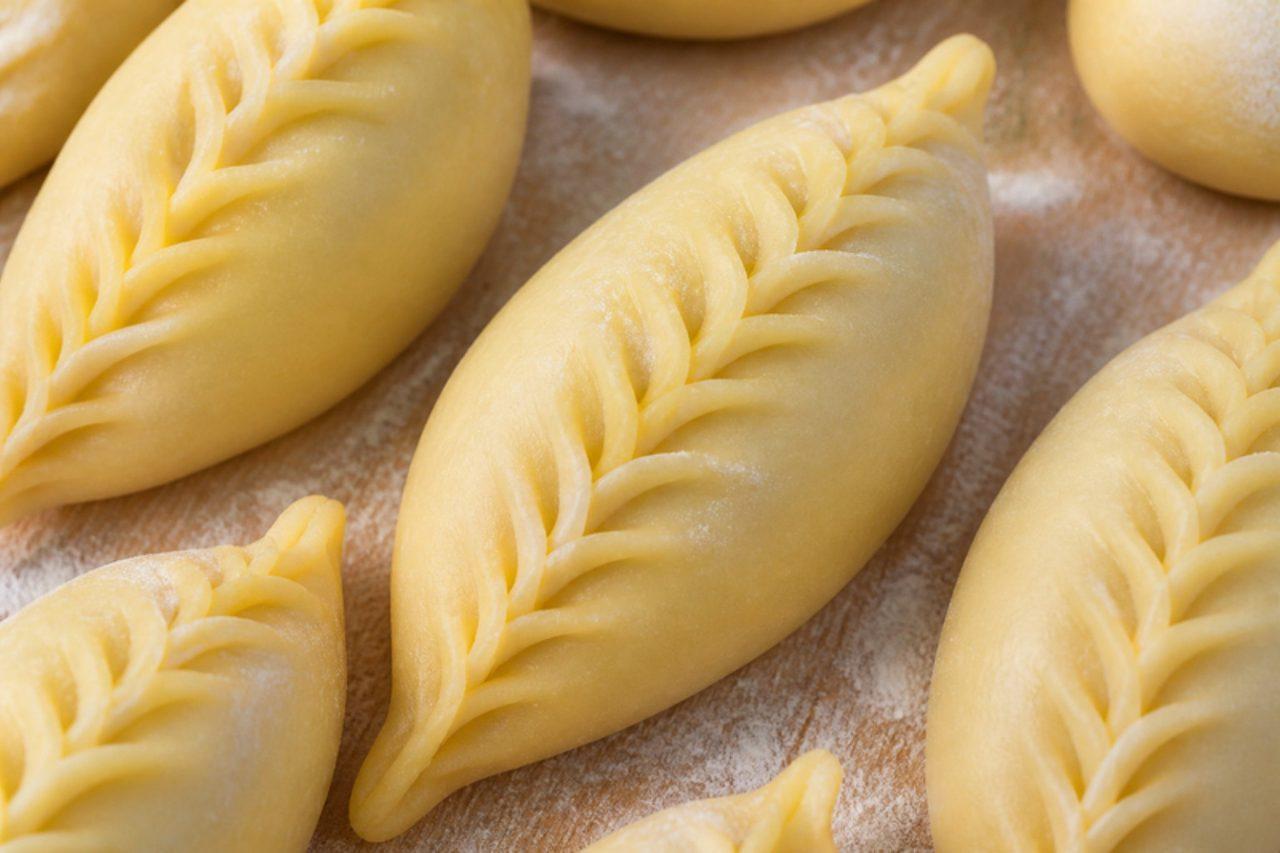
Culurgiones come from Ogliastra, on Sardinia's rugged eastern coast, where women seal each dumpling with a row of tiny pinches that look like an ear of wheat. Inside is a soft, warm filling of potato, aged pecorino, garlic and fresh mint. In villages such as Ulassai and Lanusei they are made for the end of the harvest and for 2 November, All Souls' Day, as a token of good luck and protection. Some families work a little lard into the dough; here it is olive oil. Chef's tip: chill the filling; firm, cold filling is far easier to pleat and won't tear the thin dough.

by KrazyBadal 0 views
SeadasFried cheese pastries with honey

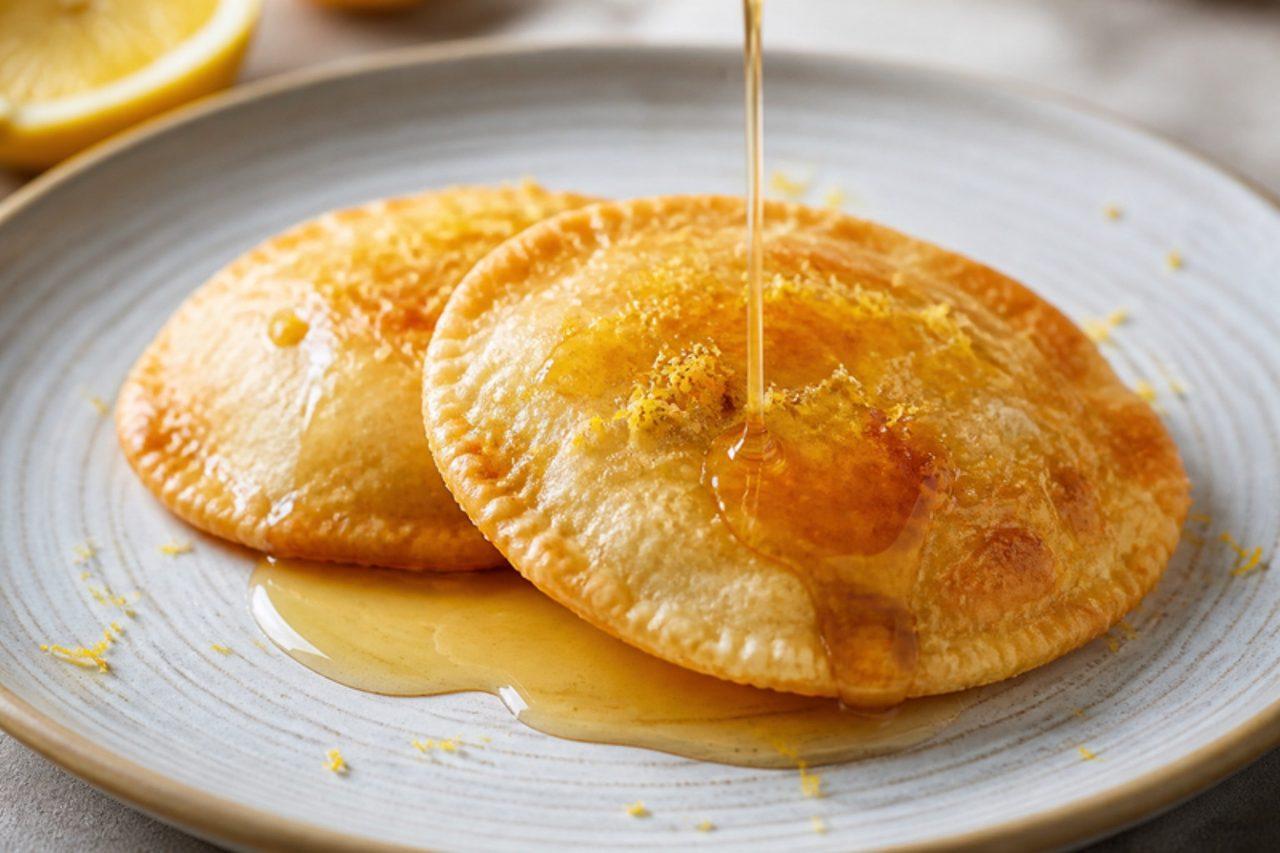
Seadas (or sebadas) are Sardinia's festive dessert: large discs of thin pastry wrapped around fresh, tangy cheese and lemon zest, fried until blistered and golden, then drizzled with warm honey, ideally the bitter strawberry-tree honey of the island's hills. The cheese melts into soft, stretchy strings, so they are a sweet-salty, crisp-gooey surprise. Shepherd families once made them at the end of a festa or for Carnival; today every Sardinian restaurant offers them. The pastry is traditionally made with lard, and here it is butter. Chef's tip: melt the cheese into discs first, so it sets flat and is easy to seal inside the pastry.

by KrazyBadal 0 views
Pane carasauThin crisp flatbread

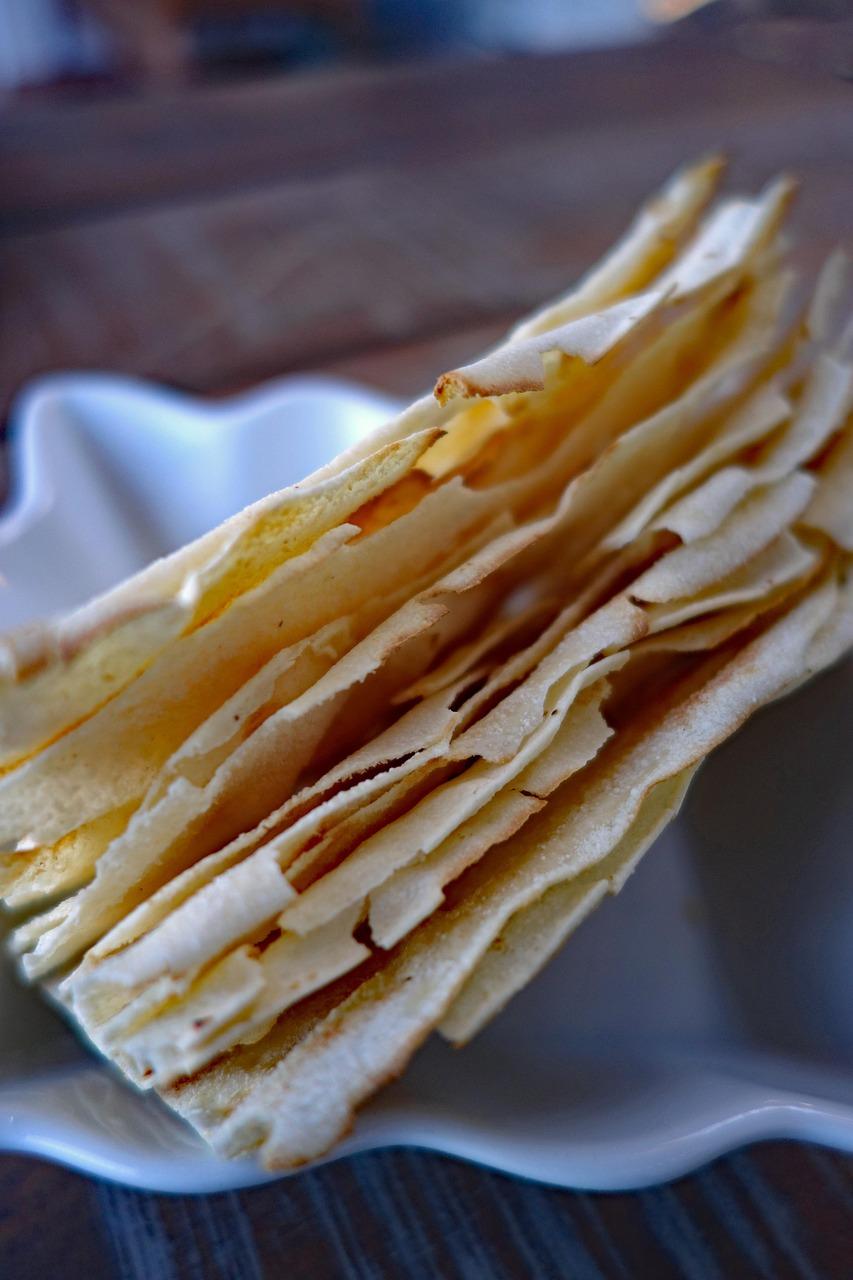
Shepherds in Barbagia, the mountainous heart of Sardinia, took stacks of pane carasau with them for weeks on the high pastures, because this dry, glass-thin flatbread never goes stale. Each disc is baked until it balloons, split in two while hot, then baked again until crisp and golden; Italians call it carta da musica, music paper, for how thin and crackly it is. Sardinians eat it with olive oil and salt as a snack, break it into soups and layer it into pane frattau. Making it at home takes patience and a very hot oven. Chef's tip: split each puffed disc the moment it comes out of the oven; once it cools, the two layers fuse together.

by KrazyBadal 0 views
Brioche col tuppoTopknot brioche

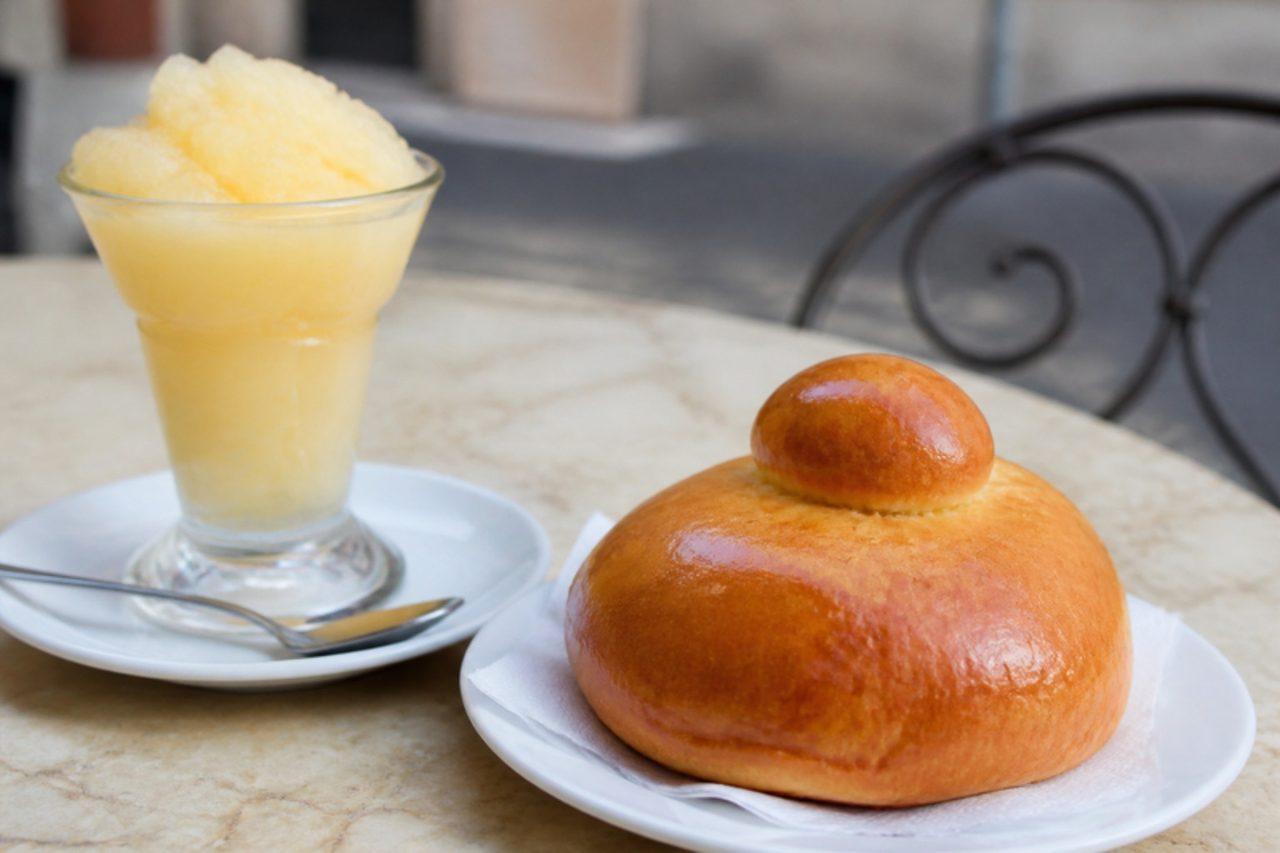
On summer mornings in Catania, breakfast is a glass of granita, almond, coffee, lemon or black mulberry, with a warm brioscia col tuppo beside it. The brioche is a soft, sweet, orange-scented bun with a little ball of dough on top, the tuppo, named after the bun women once wore their hair in. You tear off the tuppo first, dip it in the granita, then work through the rest. Bakeries in eastern Sicily sometimes enrich the dough with lard; this version uses butter. Chef's tip: give the dough a long, slow rise; it is what makes the crumb so light and stringy. Serve it with granita al limone.

by KrazyBadal 0 views
Friarielli con provolaBroccoli rabe with smoked provola

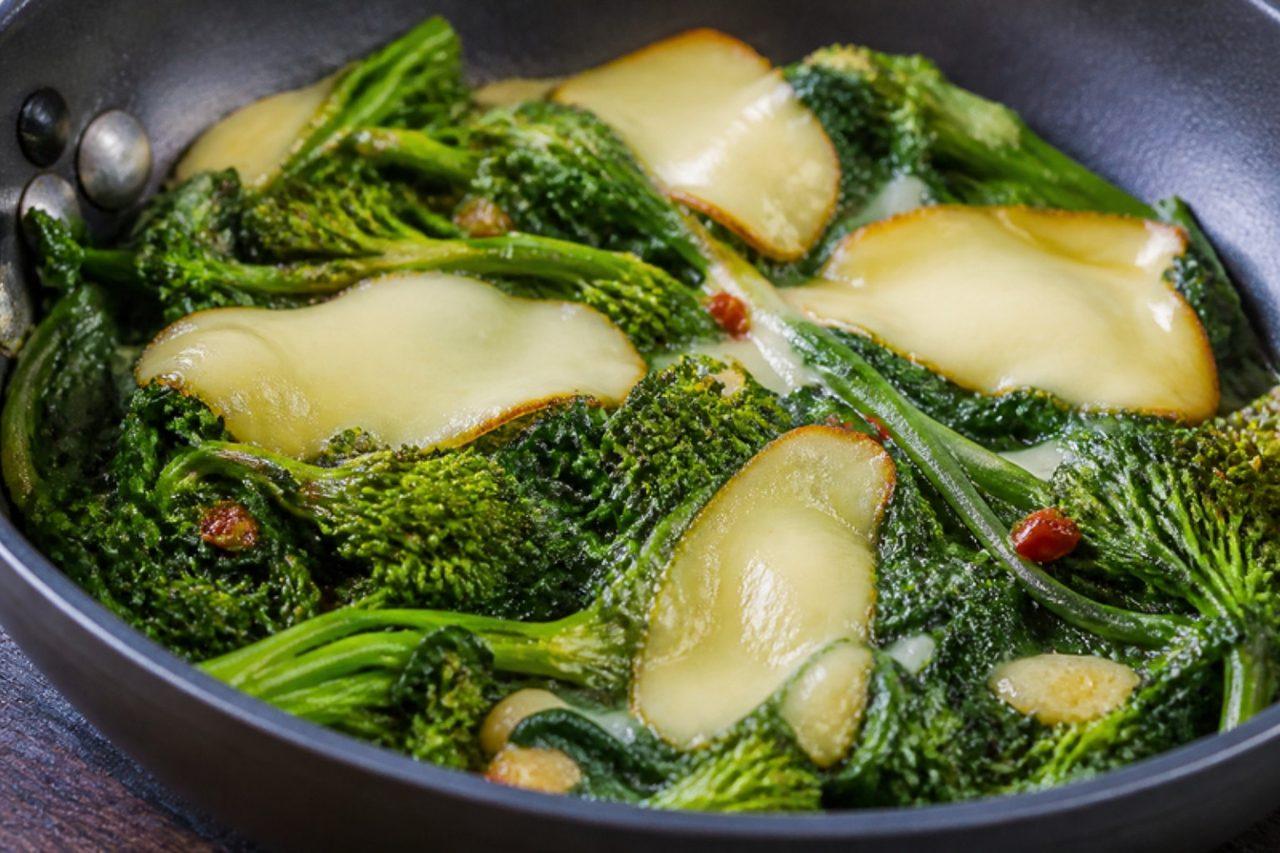
Friarielli are the Neapolitan name for the tender leafy tops of broccoli rabe, piled high on market stalls in Naples from late autumn to early spring. Sautéed with garlic and chilli in olive oil, they turn soft, dark green and pleasantly bitter, and in Naples they are a side dish, a pizza topping and, above all, the filling of a crusty panino. Here slices of smoked provola melt over the hot greens, so they work as a side or straight into a roll. Chef's tip: do not blanch them; Neapolitans cook friarielli raw in the pan with the lid on so they keep their bite and flavour.

by KrazyBadal 0 views
Frittata di maccheroniPasta frittata

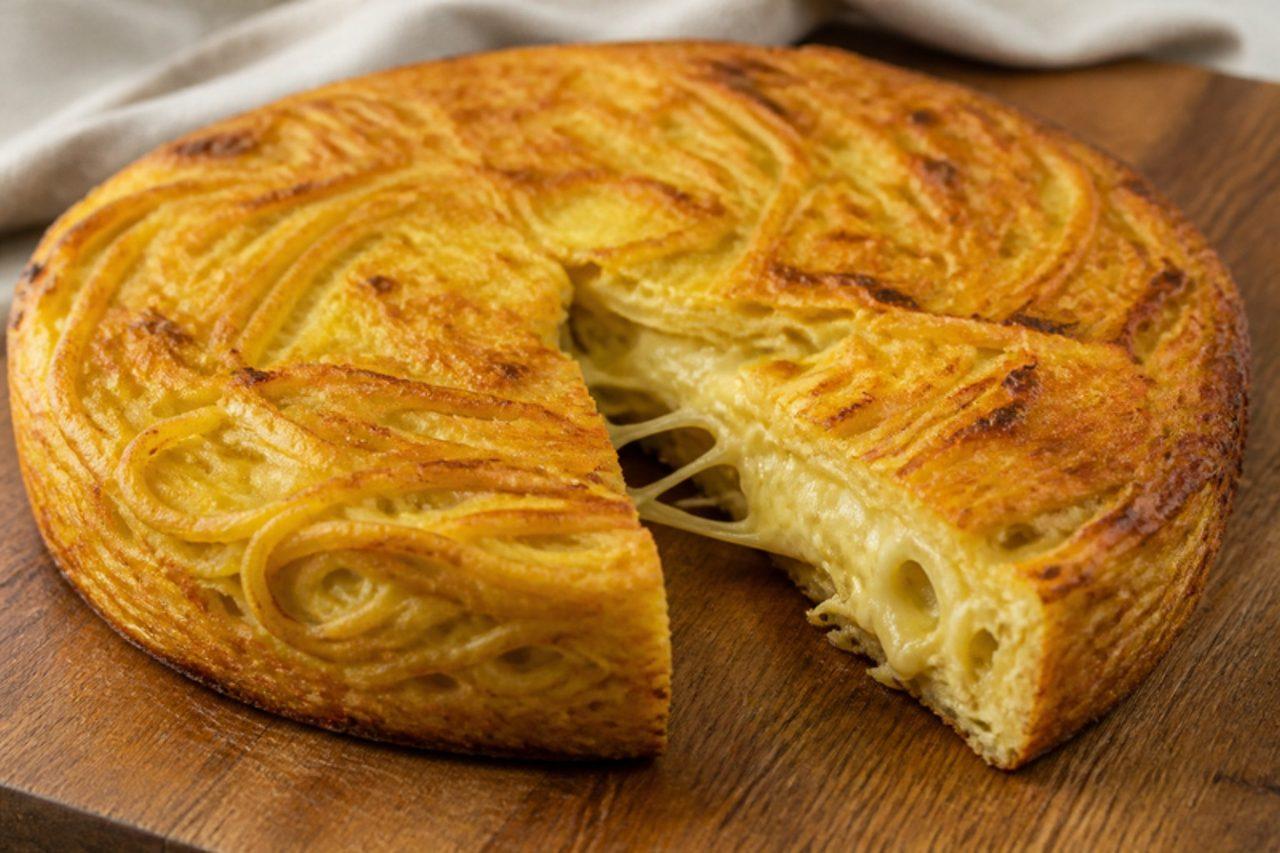
Neapolitans turn yesterday's spaghetti into frittata di maccheroni, a thick, golden pasta cake bound with egg and lots of grated cheese, with pockets of melting provola inside. It travels everywhere: cut into wedges for the beach at Mergellina, packed for the Easter Monday picnic (Pasquetta) or eaten cold from the fridge. The outside is crisp, the middle soft and cheesy. Most families add cubes of salami; this version leaves them out and uses smoked provola for a savoury depth. Chef's tip: use a plate the size of the pan to flip it, and slide it back in confidently in one move.

by KrazyBadal 0 views
Insalata capreseTomato and mozzarella salad

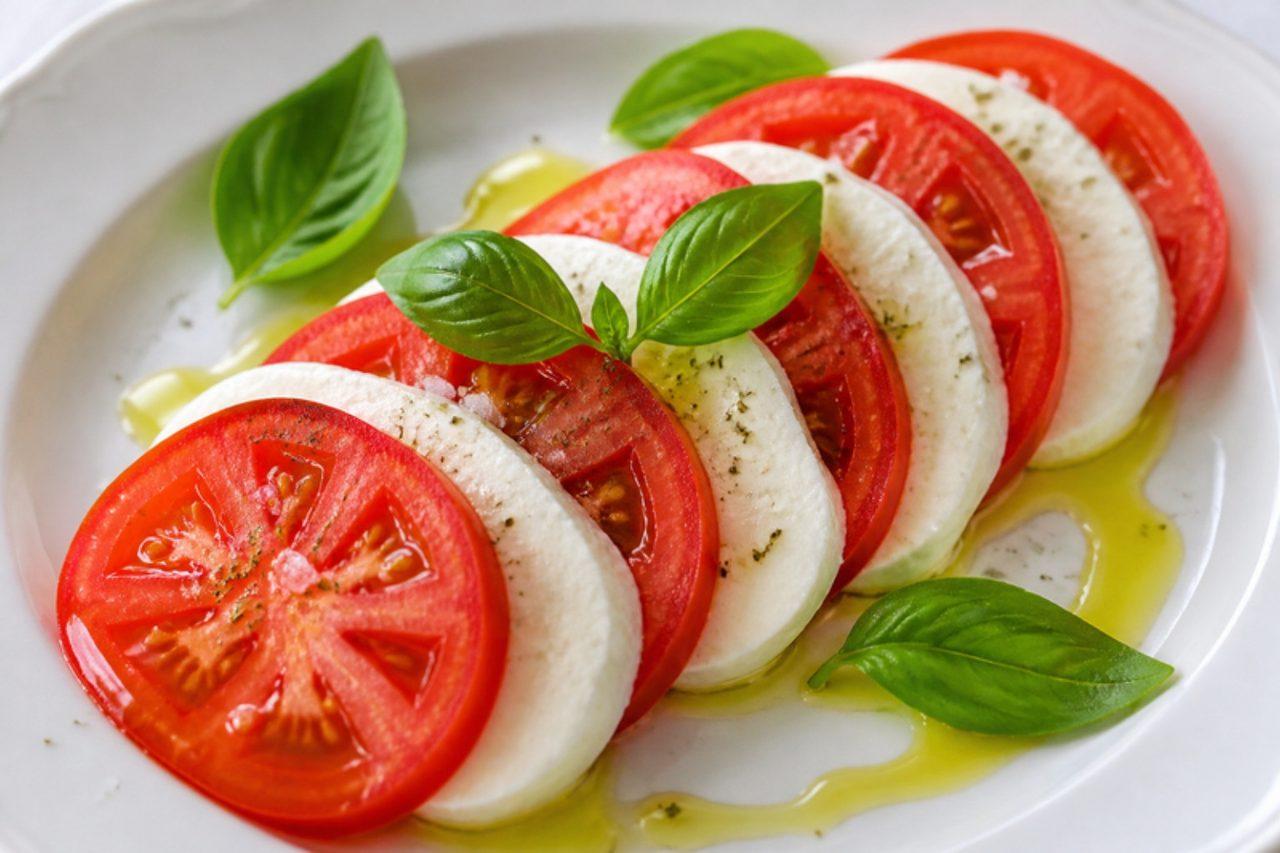
On the island of Capri this simple plate of red tomatoes, white buffalo mozzarella and green basil is the lunch of hot afternoons, served in beach clubs and piazza cafés. With so few ingredients, everything rests on quality: tomatoes ripe enough to smell sweet, mozzarella made that day so it weeps milk when cut, and fruity olive oil. It needs no vinegar; a pinch of salt and oregano is enough. Chef's tip: take the mozzarella out of the fridge 30 minutes ahead; cold mozzarella tastes of very little and feels rubbery.

by KrazyBadal 0 views
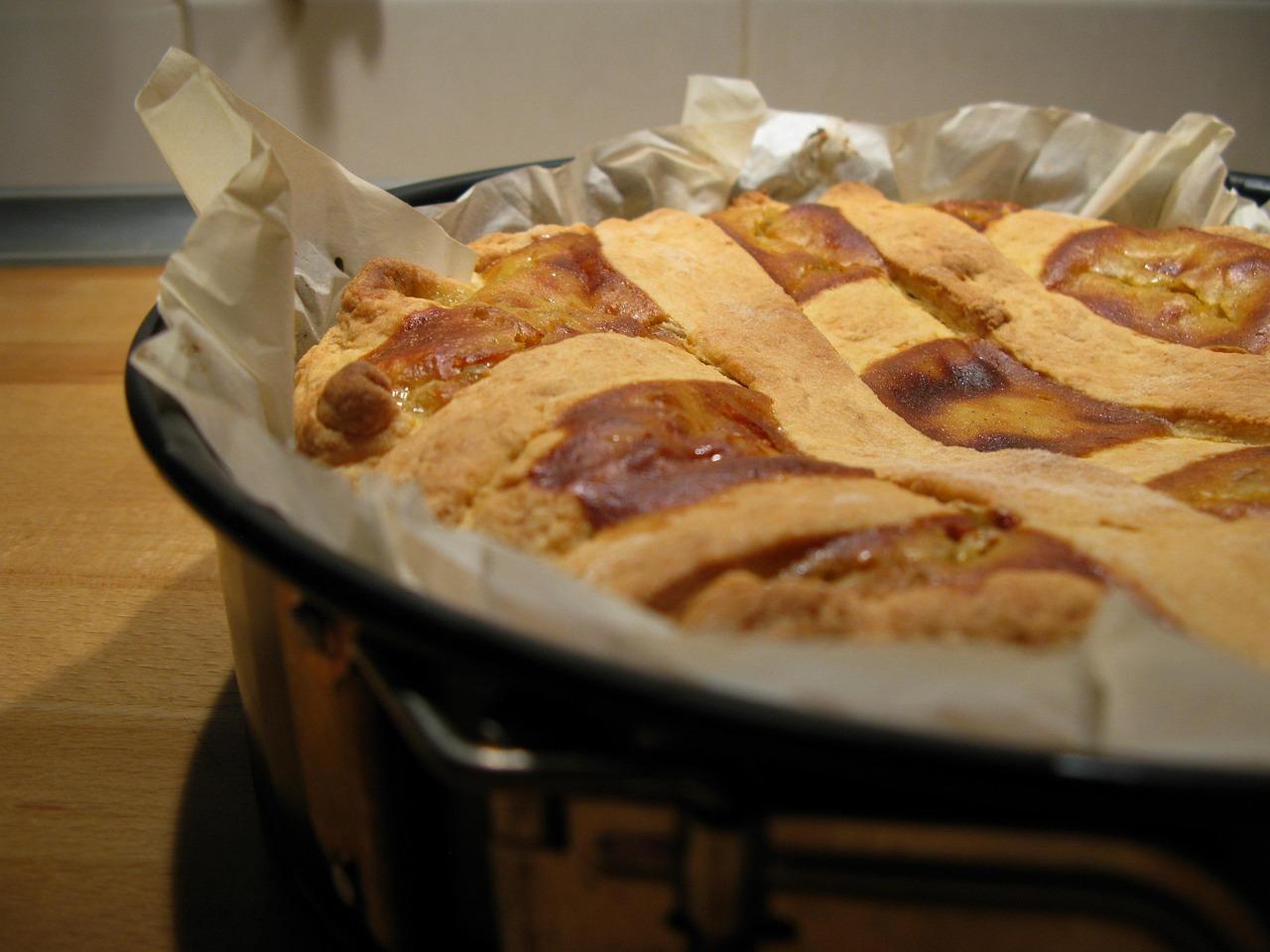
Pastiera napoletanaWheat berry and ricotta tart

Every Neapolitan kitchen fills with the scent of orange blossom water in Holy Week, when families bake the pastiera on Maundy Thursday or Good Friday so it can rest until Easter Sunday. Inside a lattice-topped shortcrust case is a creamy, slightly grainy filling of ricotta, cooked wheat berries, eggs, candied citrus and cinnamon, and the flavour improves for two or three days. Traditional pastry is made with lard; this one uses butter. Chef's tip: bake it a day or two ahead and keep it covered at cool room temperature; a freshly baked pastiera tastes flat by comparison.

by KrazyBadal 0 views

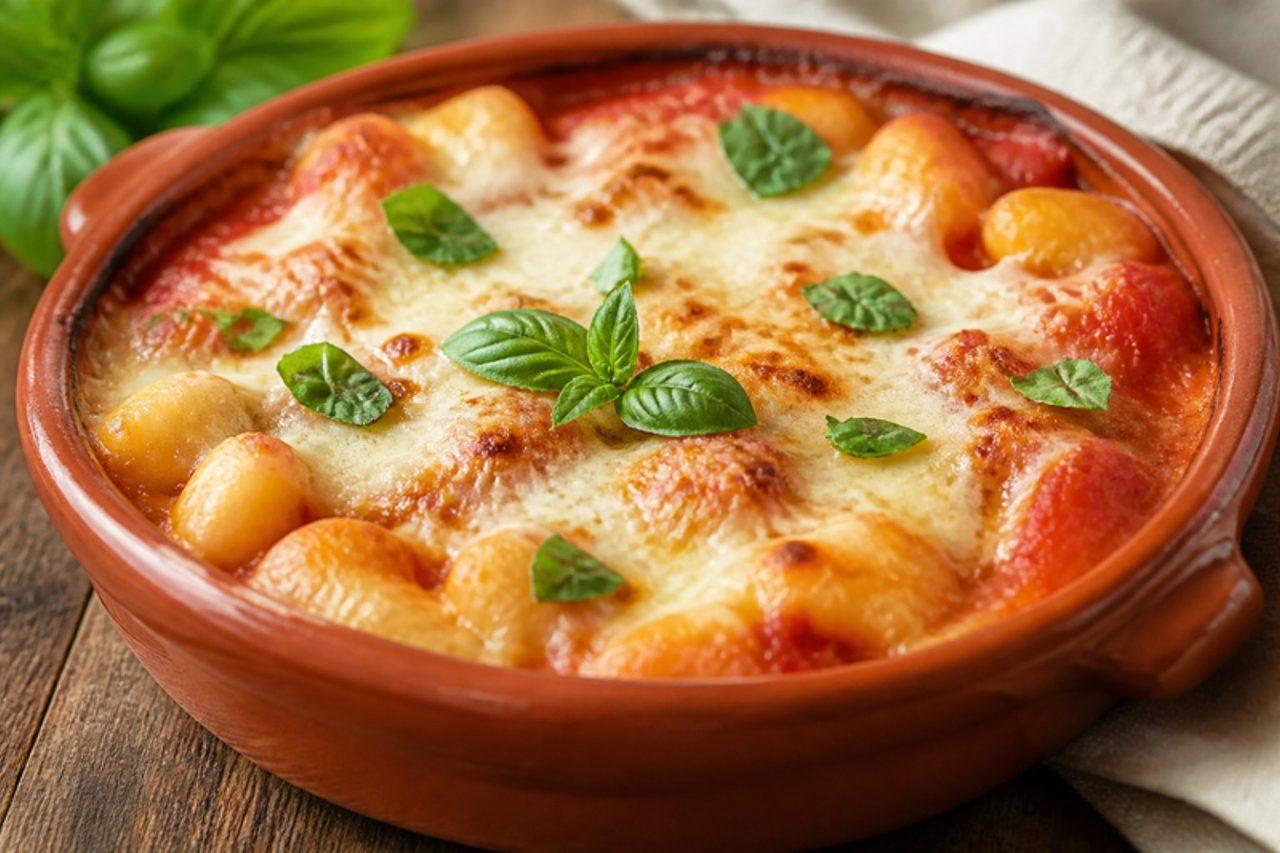
Gnocchi alla sorrentinaGnocchi baked with tomato and mozzarella

Sorrento families make gnocchi alla sorrentina for Sunday lunch: soft potato gnocchi folded into a basil-scented tomato sauce, layered with cubes of fior di latte mozzarella and baked in individual terracotta dishes until the cheese bubbles and stretches. It is comfort food, pillowy and creamy with a golden, slightly crisp top, and children love pulling the strings of cheese. This recipe takes you from the potatoes to the oven. Chef's tip: bake the potatoes in their skins rather than boiling them; drier potatoes need less flour and make lighter gnocchi.

by KrazyBadal 0 views

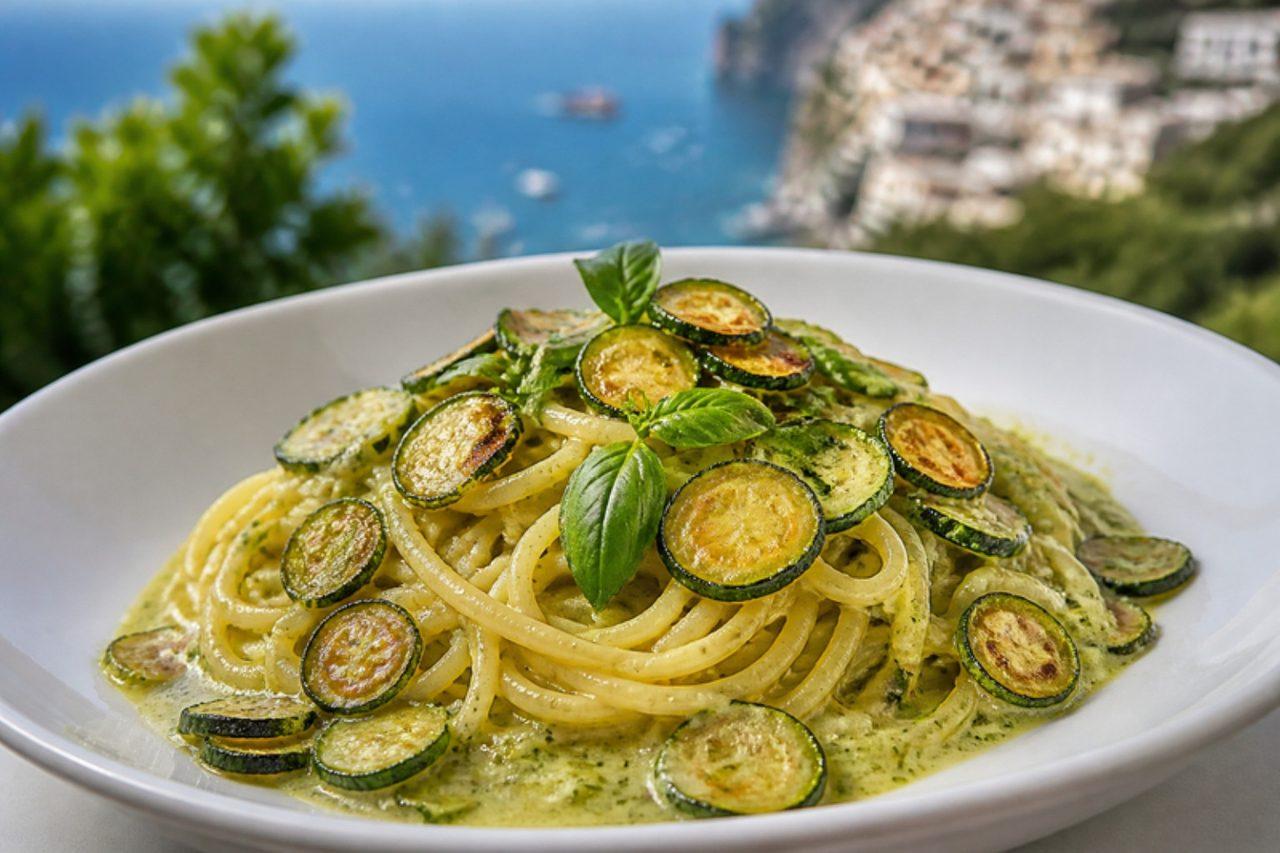
Spaghetti alla NeranoSpaghetti with courgettes and provolone

Nerano is a tiny fishing bay on the Sorrento peninsula, and its seaside trattorias have served this pasta since the 1950s to summer visitors arriving by boat. Courgette rounds are fried slowly in olive oil until golden and soft, then tossed with spaghetti, basil and grated provolone del Monaco, a semi-hard cow's milk cheese from the hills above, until everything melts into a creamy, sweet and savoury sauce. It is a dish for July and August, when courgettes are cheap and full of flavour. Chef's tip: fry the courgettes ahead and let them sit for an hour if you can; they soften further and give the sauce a deeper flavour.

by KrazyBadal 0 views

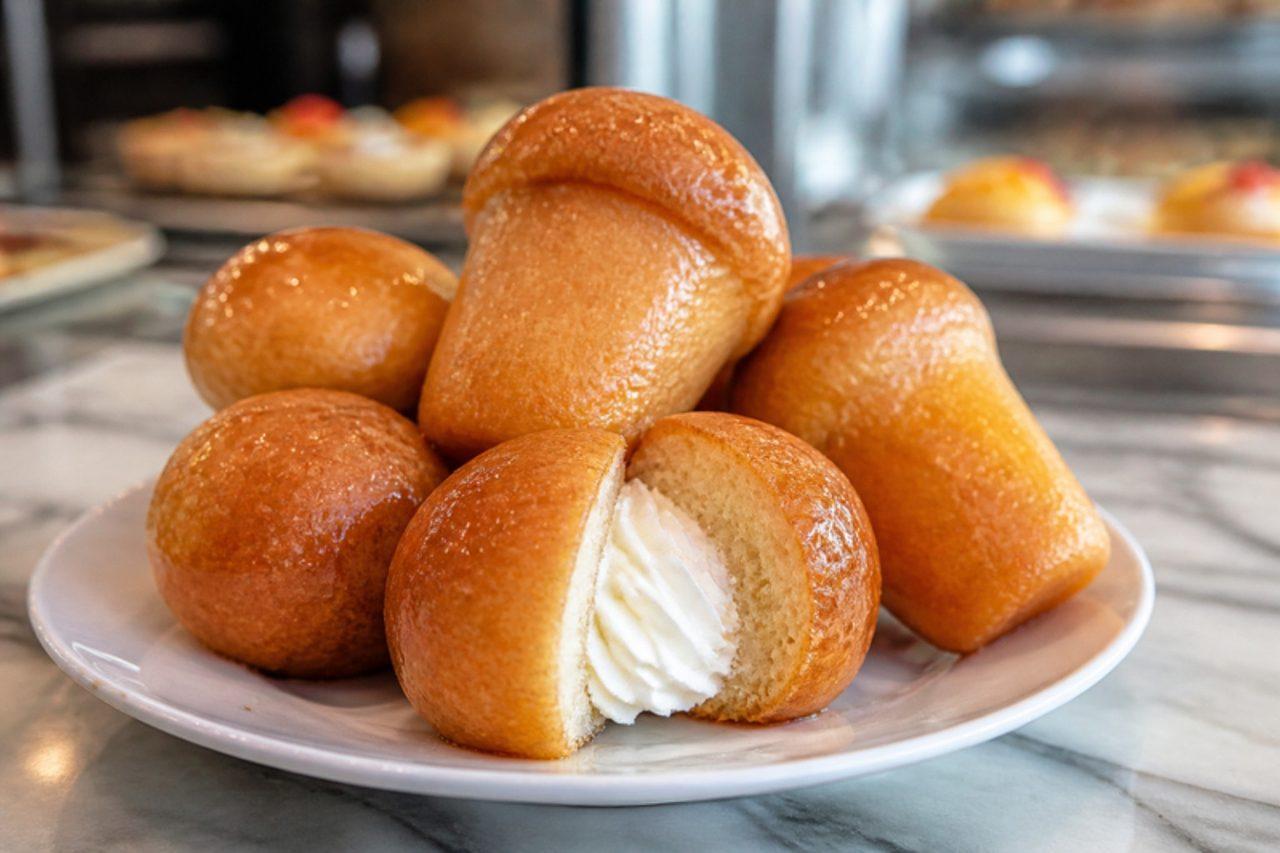
Babà al rumRum-soaked yeast cakes

Naples took the babà from French and Polish pastry cooks in the nineteenth century and made it its own: small mushroom-shaped yeast cakes so light and airy that they drink up a warm, rum-laced syrup and still hold their shape. Neapolitans pick them up from the pastry counter after Sunday mass, and they are often served with whipped cream or custard. The traditional syrup contains rum; for an alcohol-free version, use the orange and vanilla syrup given in the ingredient notes, which is just as soaking and fragrant. Chef's tip: let the baked babà dry out for a few hours, or overnight; a slightly stale cake soaks up syrup evenly without collapsing.

by KrazyBadal 0 views

Bocconotti abruzzesiChocolate almond tartlets

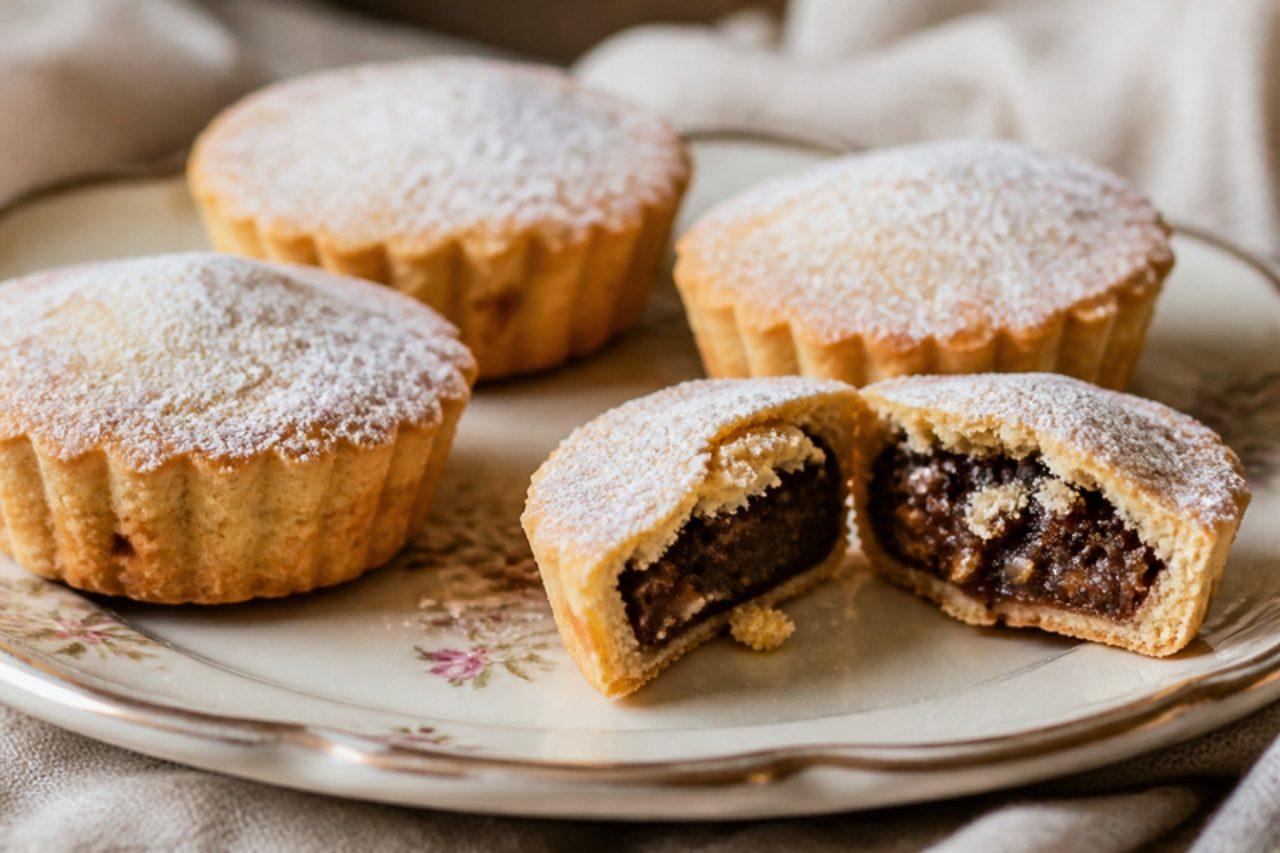
Bocconotti are the small, domed pastries that Abruzzo bakers pile up for Christmas, weddings and christenings, especially along the coast around Chieti and Lanciano. Crumbly lemon-scented shortcrust hides a dense, fudgy filling of toasted almonds, dark chocolate and cinnamon, and the tops are dusted thick with icing sugar. Many families stir a spoonful of sweet liqueur into the filling; it is optional here, with orange juice as the alcohol-free swap. They keep for days in a tin and taste even better on the second. Chef's tip: chill the dough before rolling; warm shortcrust tears in the small moulds and shrinks in the oven.

by KrazyBadal 0 views

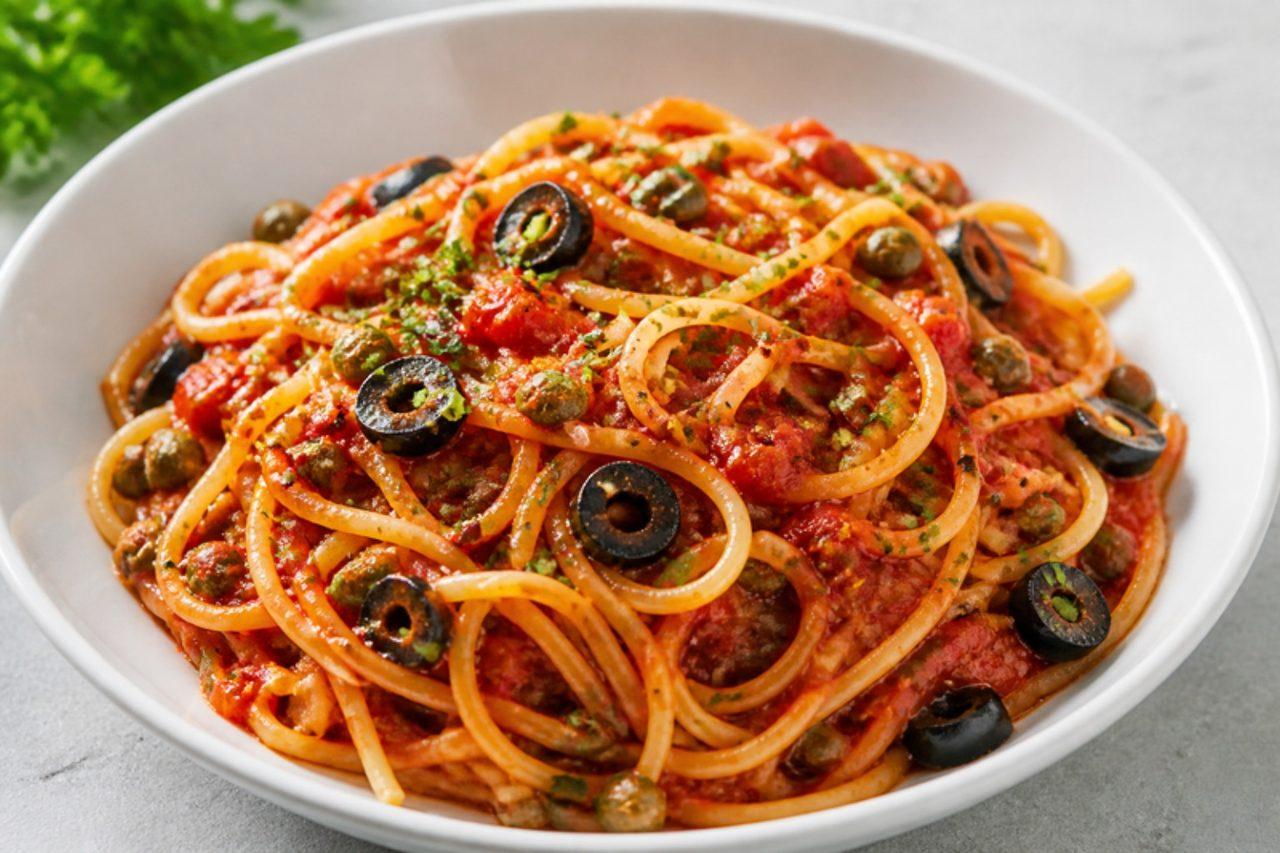
Spaghetti alla puttanesca

Few pastas come together so fast from a cupboard: tomatoes, black olives, capers, garlic and chilli simmered for ten minutes into a sauce that is briny, sharp and a little fiery. Naples claims the olive-and-caper version, often made with Gaeta olives, while in Rome cooks melt a few anchovy fillets into the oil first; this recipe follows the Neapolitan line and leaves the fish out, so it is fully vegan. Romans and Neapolitans alike treat it as a late-night or end-of-the-week plate, made when the fridge is bare. Chef's tip: rinse the capers well and add the olives only at the end, so the sauce stays bright and salty rather than bitter.

by KrazyBadal 0 views

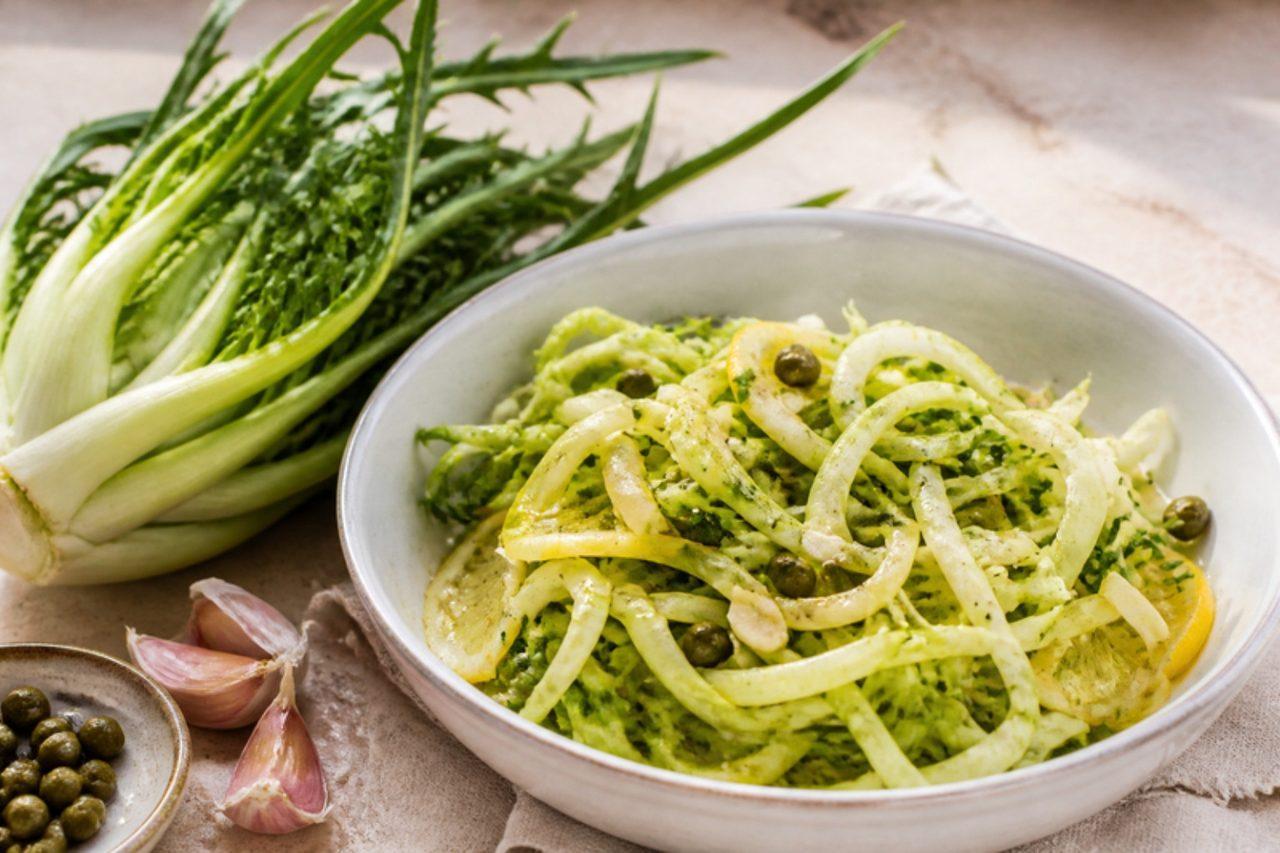
Puntarelle alla romanaChicory shoots with garlic dressing

From November to February, Rome's markets at Campo de' Fiori and Testaccio sell puntarelle: the pale, hollow shoots from the heart of a Catalogna chicory, sold already split into curls by the stallholders. Soaked in iced water, they turn crunchy and curl up, and they are dressed with crushed garlic, oil and something sharp. The Roman dressing is pounded with anchovy; this vegetarian version uses capers and lemon for the same salty, tangy punch. Serve it as a side next to cacio e pepe or a plate of artichokes. Chef's tip: slice the shoots as thinly as you can, lengthways; thin strips curl tighter in the ice water and hold the dressing better.

by KrazyBadal 0 views

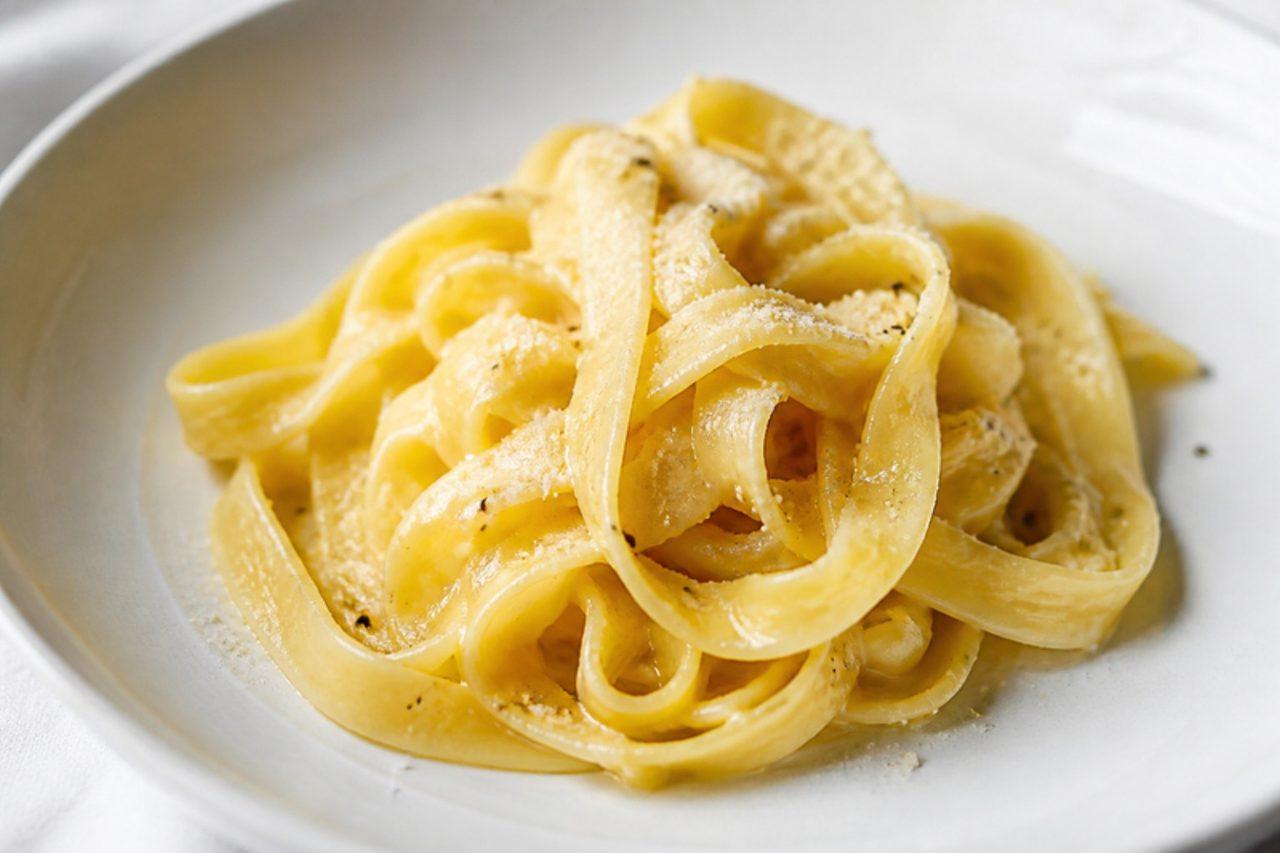
Fettuccine al burro (original Alfredo)Fettuccine with butter and Parmesan

Long before cream-heavy versions spread abroad, Roman cooks made fettuccine al burro with nothing but fresh egg ribbons, sweet butter and young Parmigiano, beaten together into a soft, pale sauce. A restaurateur on Via della Scrofa made it famous in the early twentieth century by tossing it at the table for visitors, and in Roman homes it is still the dish for a child home from school or anyone feeling under the weather. The result is mild, silky and nutty with cheese. Chef's tip: soften the butter to room temperature and grate the cheese like snow; cold butter and coarse cheese will not melt into a cream in the short tossing time.

by KrazyBadal 0 views

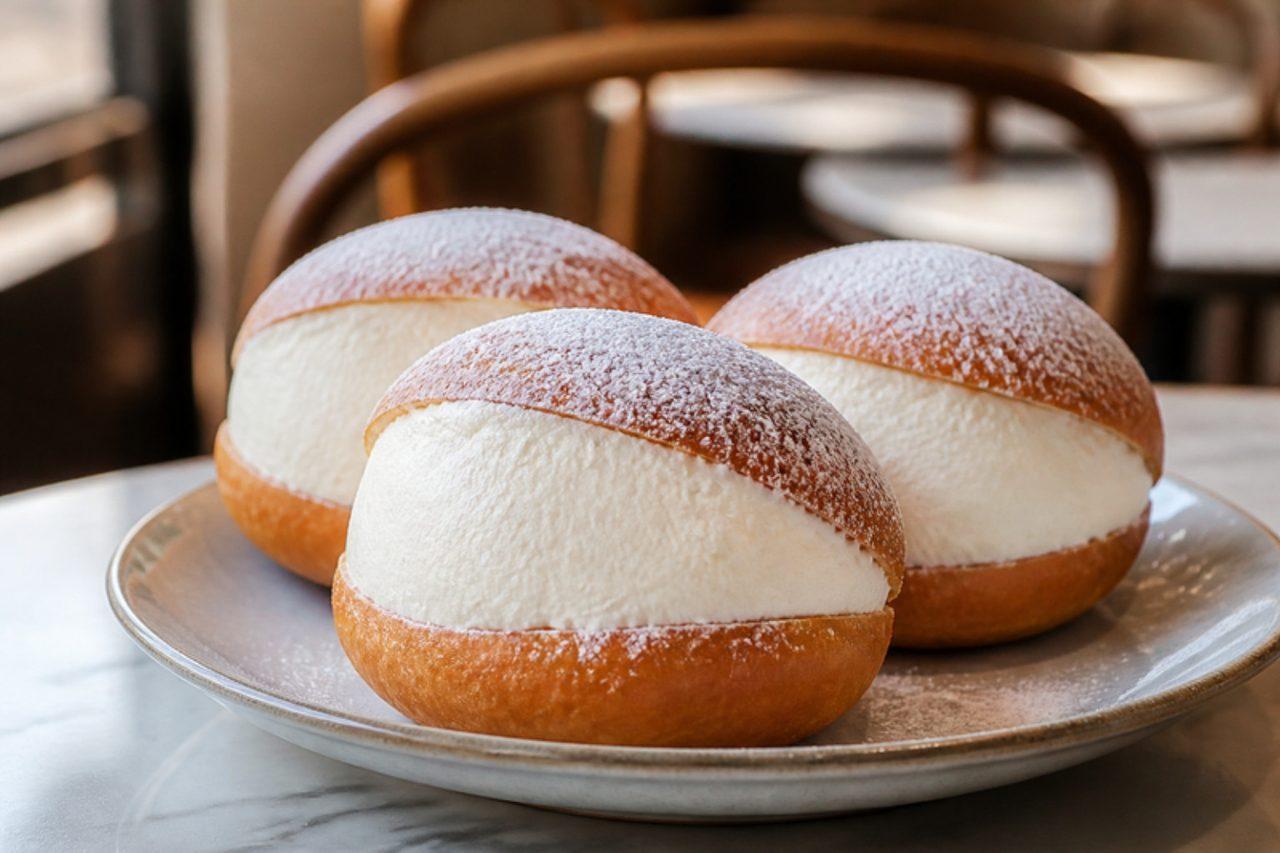
Maritozzi con la pannaCream-filled sweet buns

In Roman bars the maritozzo is breakfast: a glossy, oval brioche bun scented with orange zest, slit open and packed with so much lightly sweetened whipped cream that it bulges past the crust. Once a Lenten treat that young men gave to their future wives (the name comes from marito, husband), it is now eaten all year with a cappuccino, especially on Sunday mornings. The bun is feathery and light, the cream cold and barely sweet. Chef's tip: give the shaped buns their full second rise until they look puffy and wobble when you nudge the tray; underproved buns bake tight and dense.

by KrazyBadal 0 views

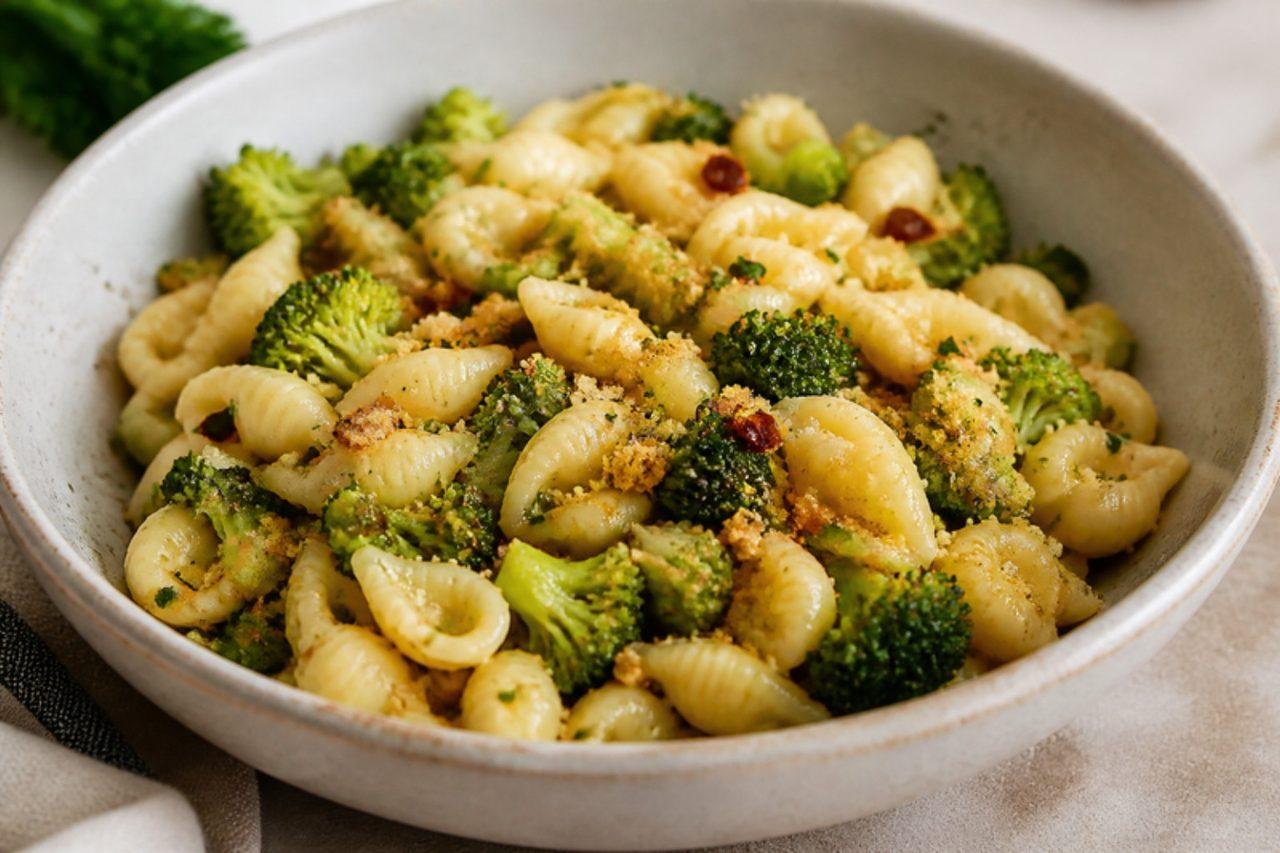
Cavatelli molisani con broccoliCavatelli with broccoli

In the hill villages around Campobasso, cavatelli are still made by hand on Sunday mornings: a plain dough of durum wheat semolina and water, cut into little nuggets and dragged under two fingers so each one curls into a hollow shell. In winter they are cooked in the same pot as broccoli until the florets collapse into a green, garlicky sauce flecked with chilli; in summer the same pasta gets a simple tomato sauce. The pasta is chewy and rustic, the sauce soft and peppery. Chef's tip: keep the dough firm and a touch dry, so the cavatelli curl neatly instead of sticking to the board.

by KrazyBadal 0 views

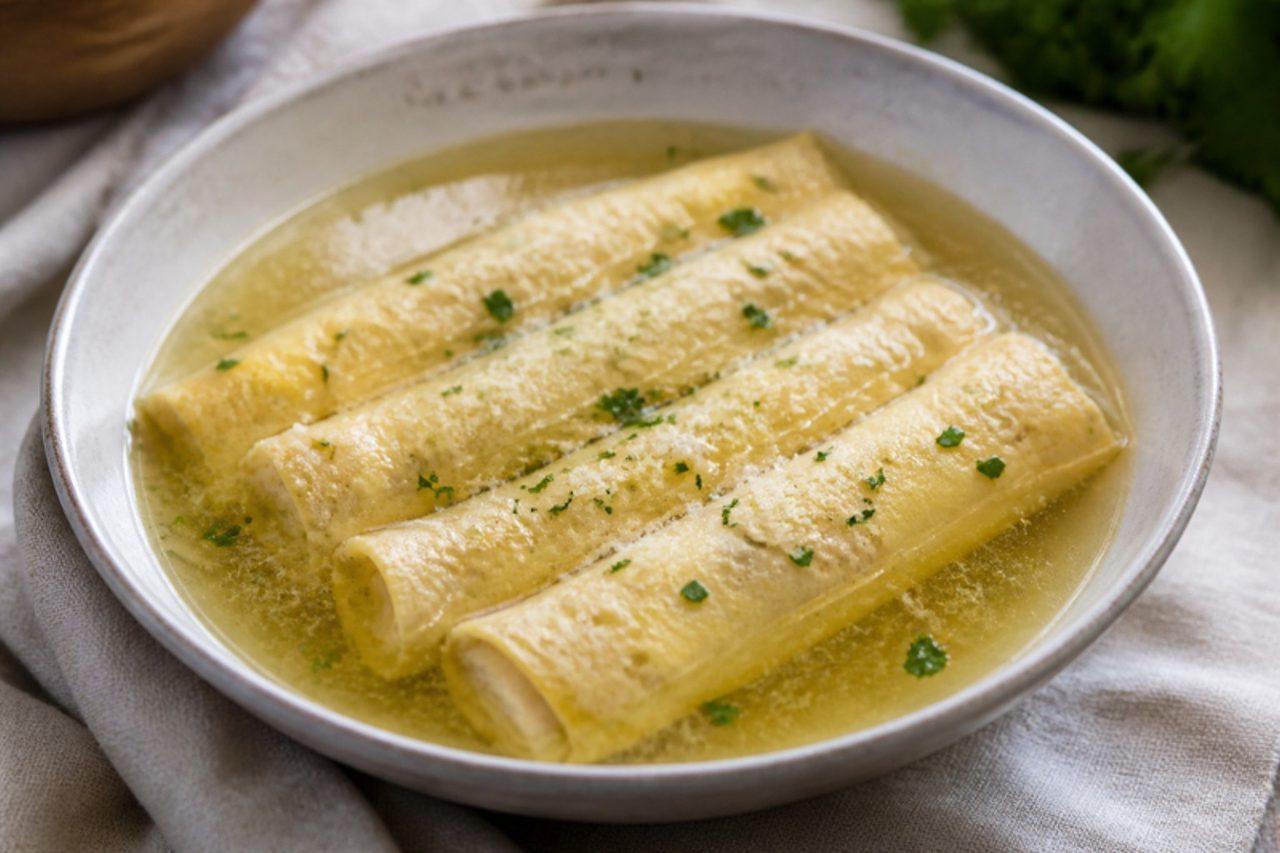
Scrippelle 'mbussePecorino crêpes in broth

In Teramo, in northern Abruzzo, scrippelle 'mbusse ("wet crêpes") open the meal on cold winter evenings and at Christmas. Thin, eggy crêpes are sprinkled with grated pecorino and parmesan, rolled into tight cigars and drowned in boiling broth at the table, so they soften into silky, cheesy spirals. Families normally pour over a clear chicken or capon broth; this recipe uses a well-flavoured vegetable stock instead. Chef's tip: let the batter rest for half an hour before cooking, so the crêpes come out thin and supple enough to roll without cracking.

by KrazyBadal 0 views

Pallotte cace e oveCheese and egg tomato balls

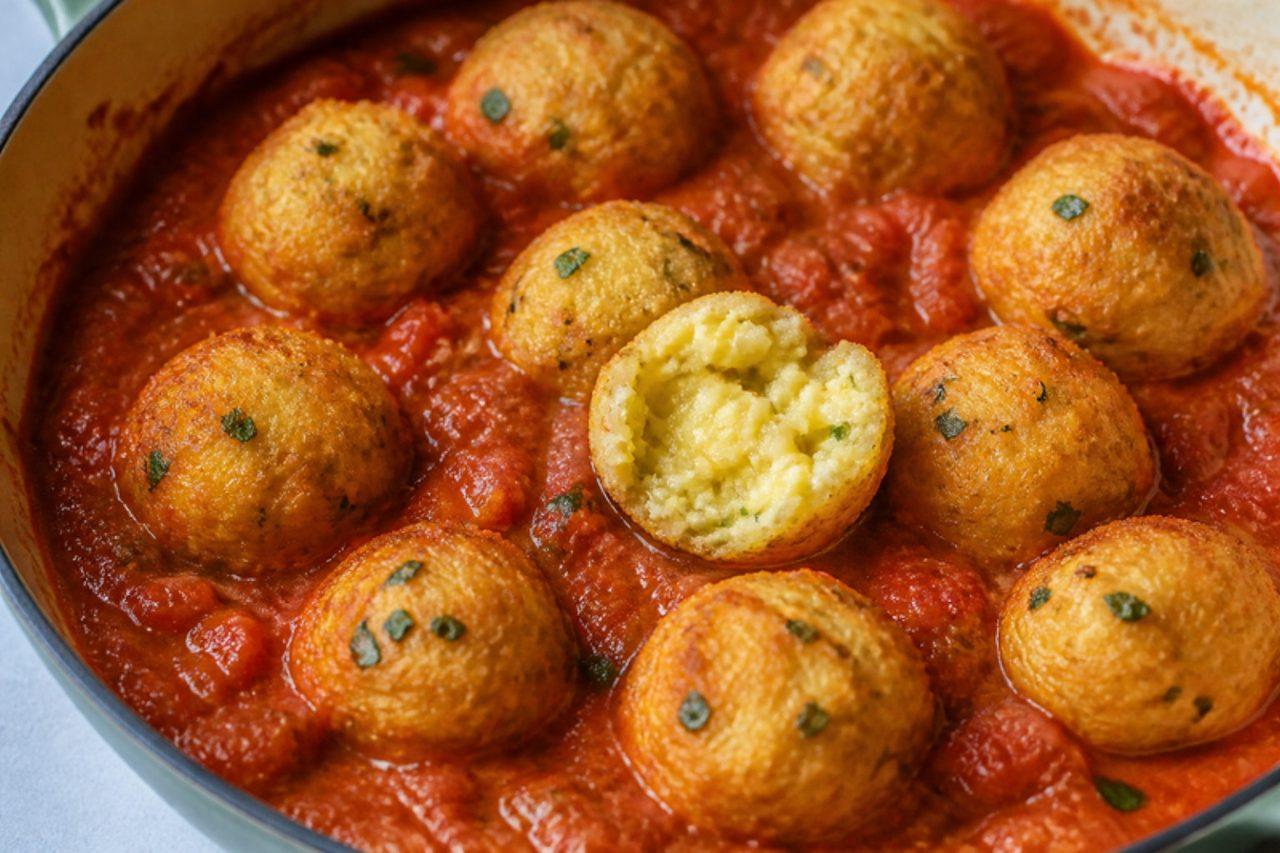
Abruzzo's shepherds and farm families invented pallotte cace e ove as "meatballs" with no meat: stale bread, eggs and plenty of sharp local cheese, shaped into balls, fried golden and then simmered in tomato sauce until soft and fluffy inside. They turn up at village festivals (sagre) in the mountains around L'Aquila and Chieti, and at home as a Friday or Sunday second course with crusty bread to mop the sauce. Chef's tip: wet your hands before shaping; the mixture is soft and the balls stay round and smooth without extra breadcrumbs.

by KrazyBadal 0 views

CastagnaccioChestnut flour cake

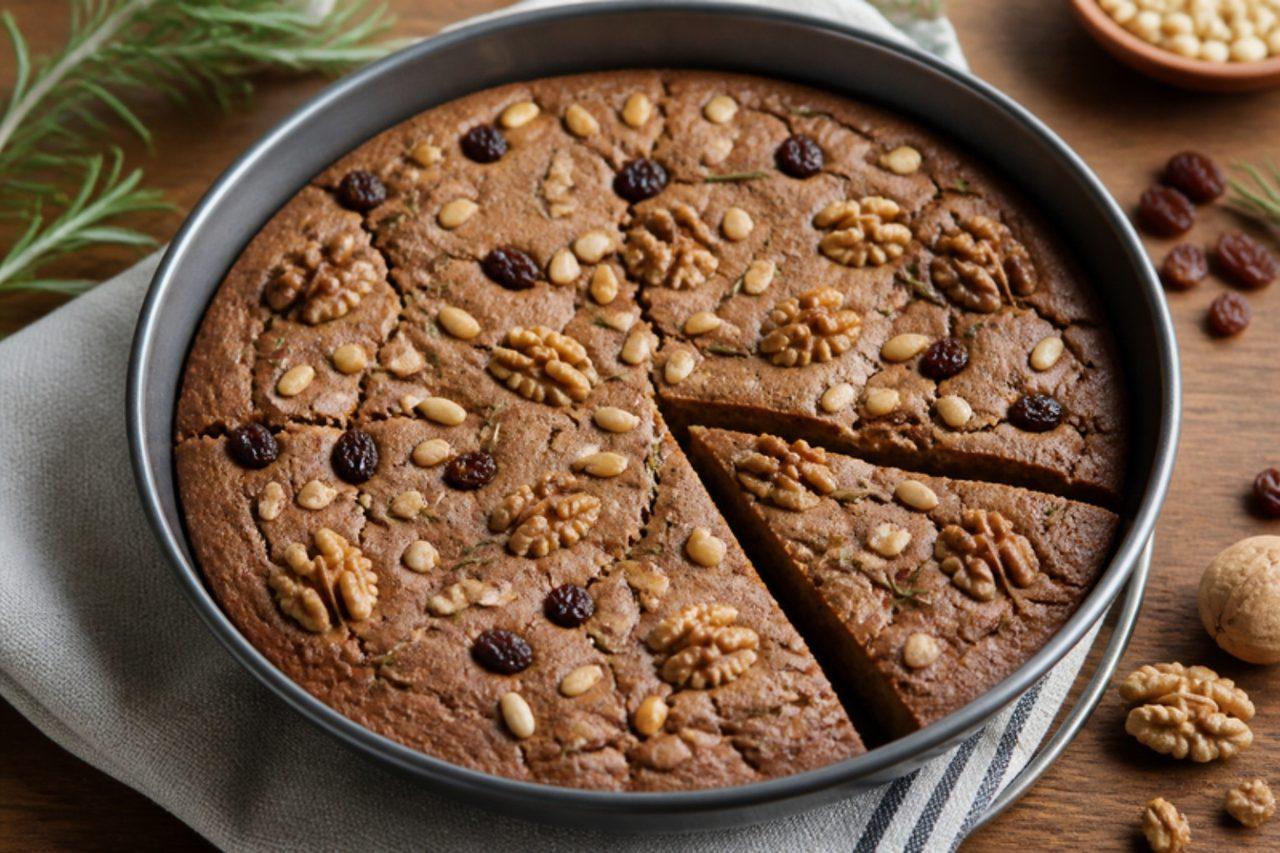
When the new season's chestnut flour comes down from the Garfagnana, the Casentino and Monte Amiata in late October, Tuscan kitchens bake castagnaccio. It is a thin, dense, unleavened cake with no eggs, butter or sugar: just sweet chestnut flour, water and olive oil, studded with raisins, pine nuts and walnuts and scented with rosemary needles. The top cracks as it bakes, the middle stays moist and fudgy, and the flavour is earthy and gently sweet. Older Tuscans eat it with a glass of something; a spoon of ricotta alongside is lovely too. Chef's tip: sift the chestnut flour; it clumps easily, and lumps stay floury after baking.

by KrazyBadal 0 views

Fagioli all'uccellettoCannellini beans with sage and tomato

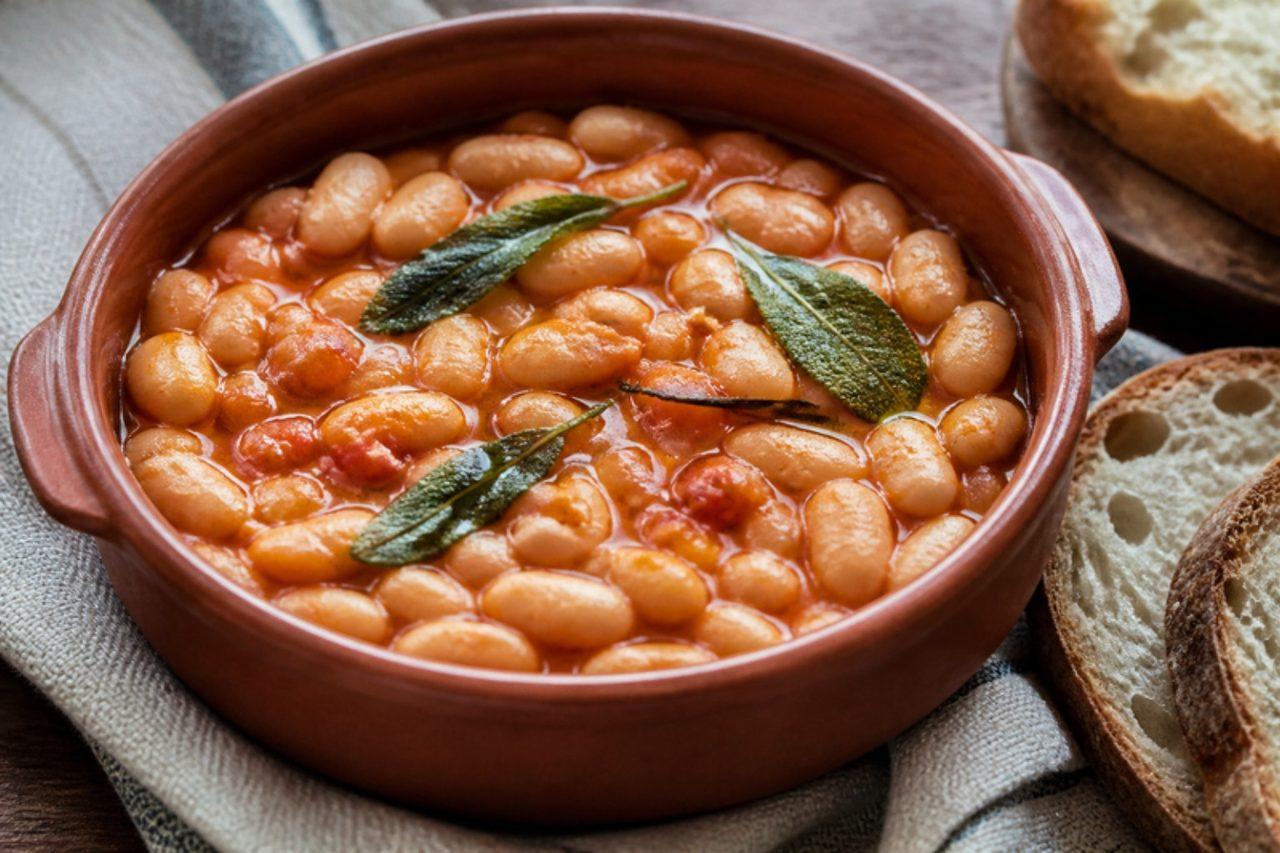
Florentines are nicknamed mangiafagioli, bean-eaters, and this is the dish that earned it: creamy cannellini simmered in olive oil with whole sage leaves, crushed garlic and a little tomato. The name, 'little-bird style', comes from the sage and garlic once used to cook small game birds, though there has never been a bird in the pot. In trattorie it sits next to grilled meat as a side; served with crusty bread and greens it makes a full vegetarian supper. The beans should be soft and glossy in a thick, rust-coloured sauce. Chef's tip: let the sage and garlic sizzle gently in the oil before the tomato goes in; that scented oil is the whole flavour of the dish.

by KrazyBadal 0 views

Acquacotta maremmanaVegetable soup with poached egg

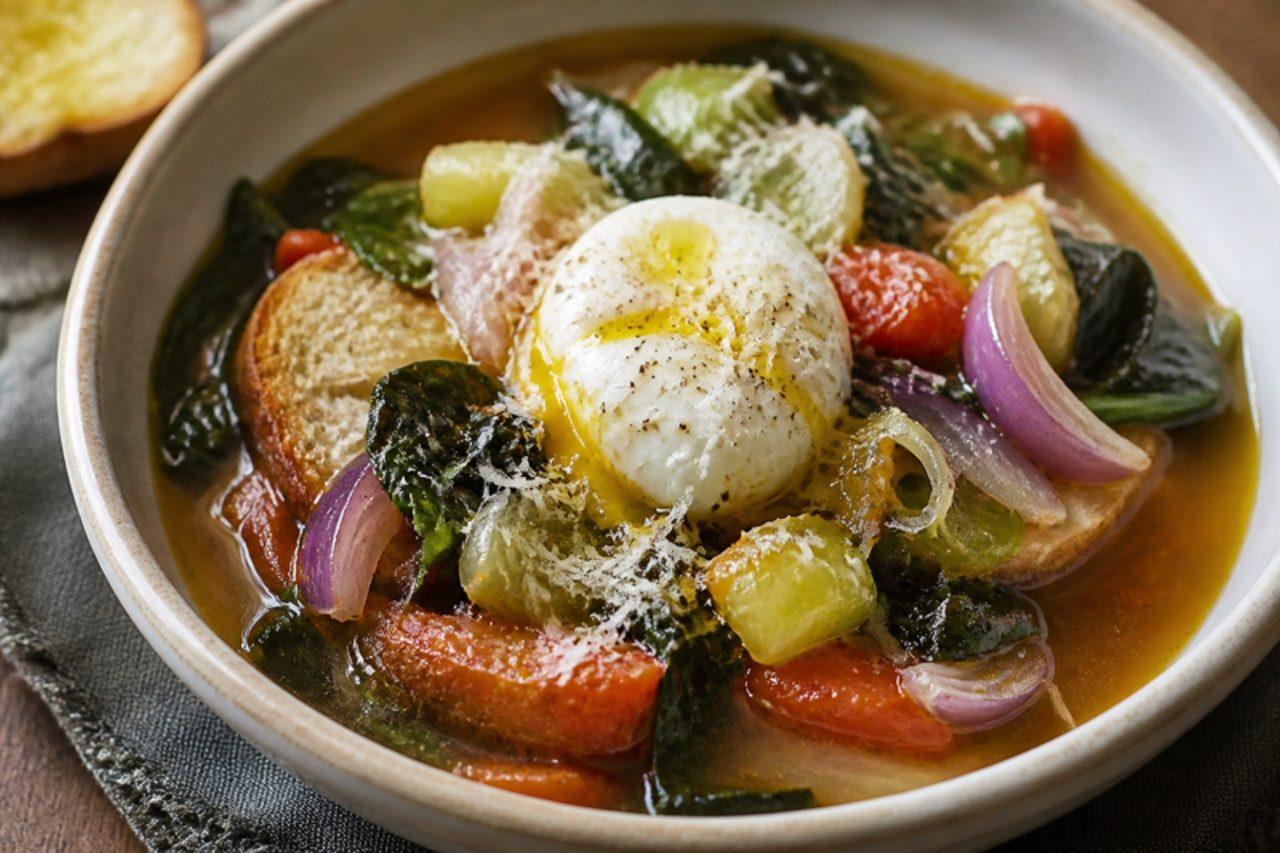
Acquacotta, literally 'cooked water', is what the butteri, the cattle herders of the Tuscan Maremma, and charcoal burners made from whatever they carried: onions, a few vegetables, stale bread and, on a good day, an egg. Around Grosseto and the hills of Monte Amiata it is still a family supper in autumn and spring, ladled over toasted bread with an egg poached right in the soup. Slow-cooked onion makes it sweet and deep, the egg yolk runs into the broth and the bread turns soft and spoonable. Chef's tip: give the onions a full 20 minutes; the soup is only as good as their sweetness.

by KrazyBadal 0 views

Showing 24 of 357 recipes

Show more recipes

Page 11 of 15

More collections