Skip to content

Vegetarian Italian recipes

Pasta, risotto, pizza and bakes without meat or fish. (352 recipes)

Crescia sfogliata di UrbinoLayered spiral flatbread

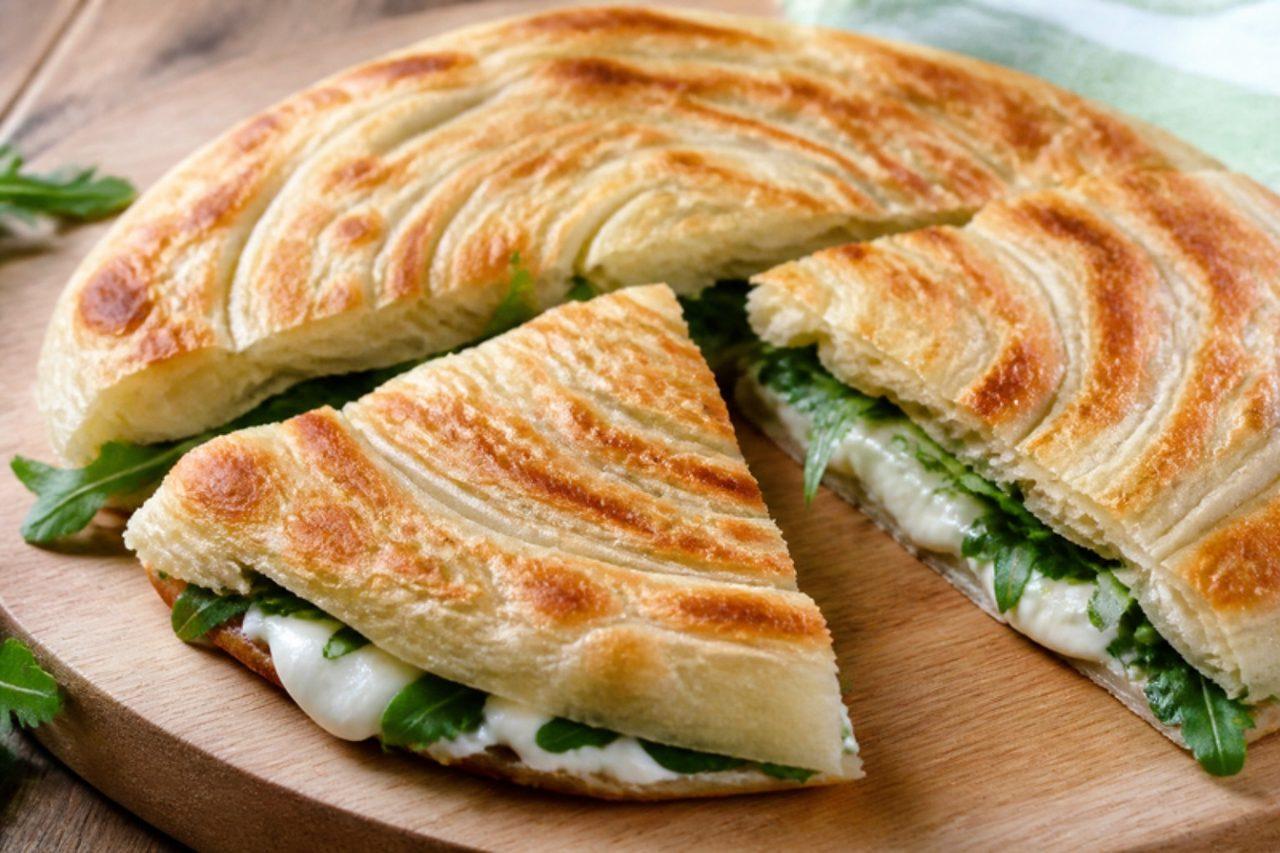
In Urbino and the hills of the Montefeltro, crescia sfogliata is the street food sold from small kiosks and served in every trattoria, folded round fillings like a sandwich. What sets it apart from Romagna's piadina is the lamination: an egg and pepper dough is rolled paper-thin, spread with fat, rolled up into a cord and coiled into a snail, then flattened again, so it cooks into crisp, buttery, flaking layers. Lard is traditional; this version uses butter. Fill it with rocket and soft cheese, sautéed greens or grilled vegetables. Chef's tip: rest the coiled snails for 20 minutes before the final rolling; relaxed dough rolls out without the layers fusing.

by KrazyBadal 0 views
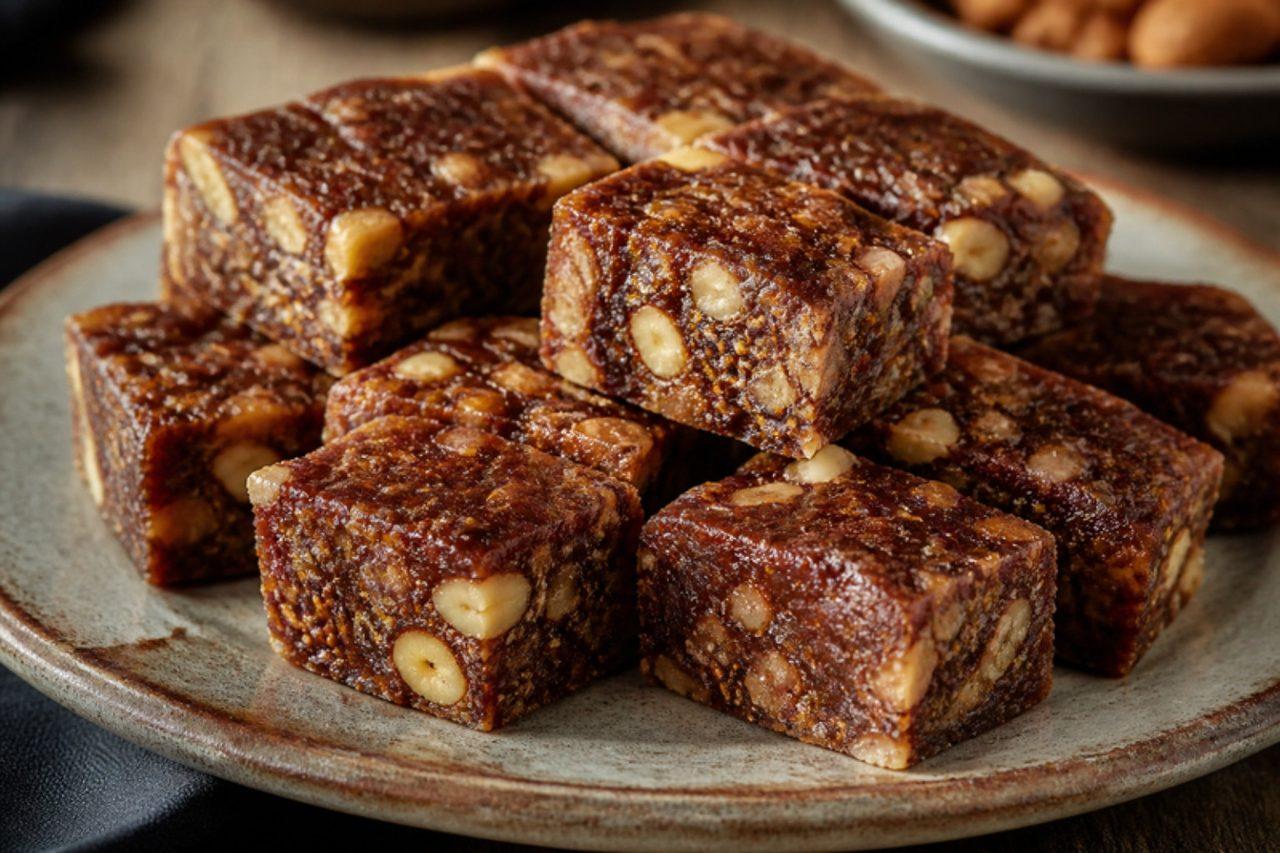
FrustingoFig, nut and cocoa cake

In the Marche, from Ancona down to Ascoli Piceno, frustingo is the dark, dense Christmas cake every family makes its own way, born as a thrifty sweet of dried figs, nuts and stale bread. Chopped figs are soaked and simmered, then mixed with walnuts, almonds, raisins, candied peel, cocoa and coffee, and bound with sapa, the thick cooked grape must of the region. Many recipes also add mistrà, a local aniseed liqueur; this one uses ground anise seed for an alcohol-free cake. It bakes into a fudgy, almost black slab, rich with spice and not too sweet. Chef's tip: let it mature for two days in foil before cutting; it slices cleanly and the flavours come together.

by KrazyBadal 0 views
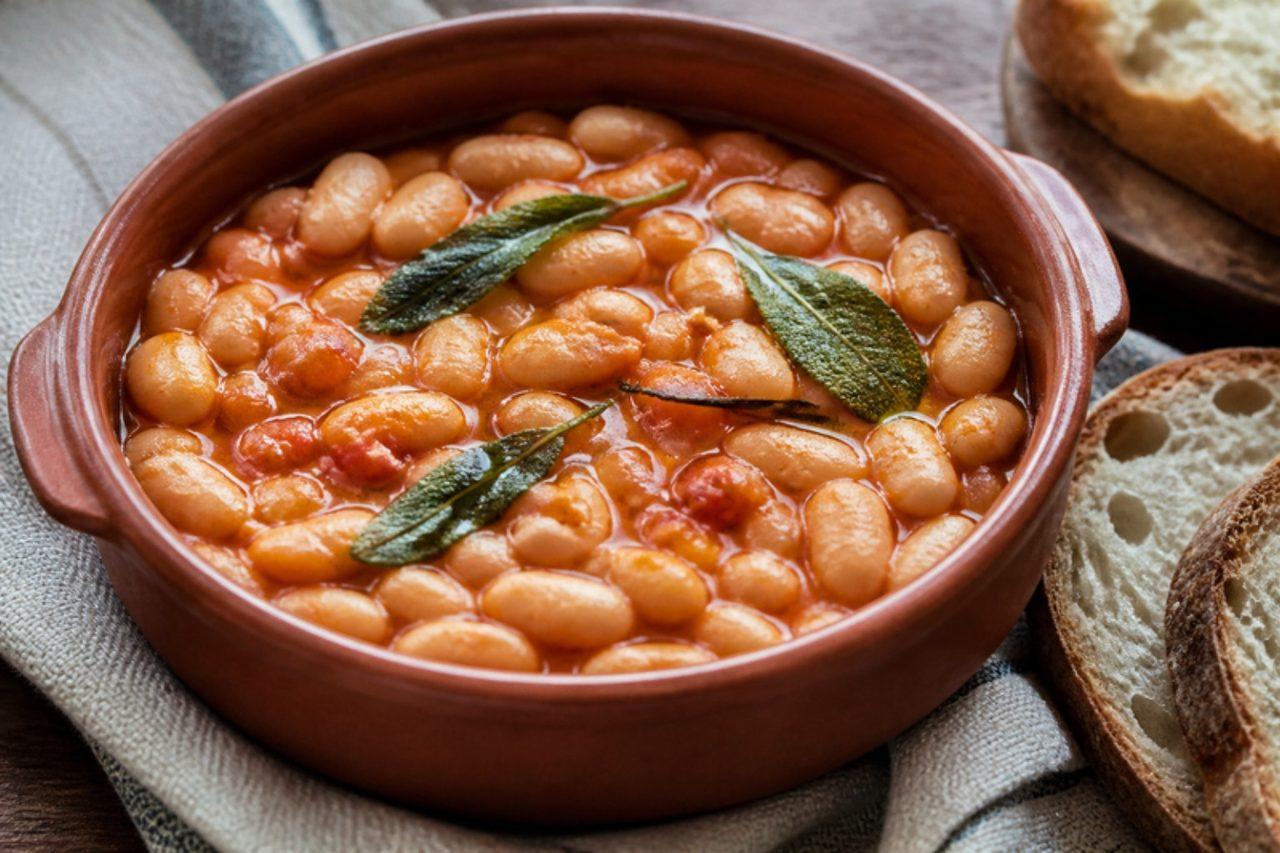
Fagioli all'uccellettoCannellini beans with sage and tomato

Florentines are nicknamed mangiafagioli, bean-eaters, and this is the dish that earned it: creamy cannellini simmered in olive oil with whole sage leaves, crushed garlic and a little tomato. The name, 'little-bird style', comes from the sage and garlic once used to cook small game birds, though there has never been a bird in the pot. In trattorie it sits next to grilled meat as a side; served with crusty bread and greens it makes a full vegetarian supper. The beans should be soft and glossy in a thick, rust-coloured sauce. Chef's tip: let the sage and garlic sizzle gently in the oil before the tomato goes in; that scented oil is the whole flavour of the dish.

by KrazyBadal 0 views
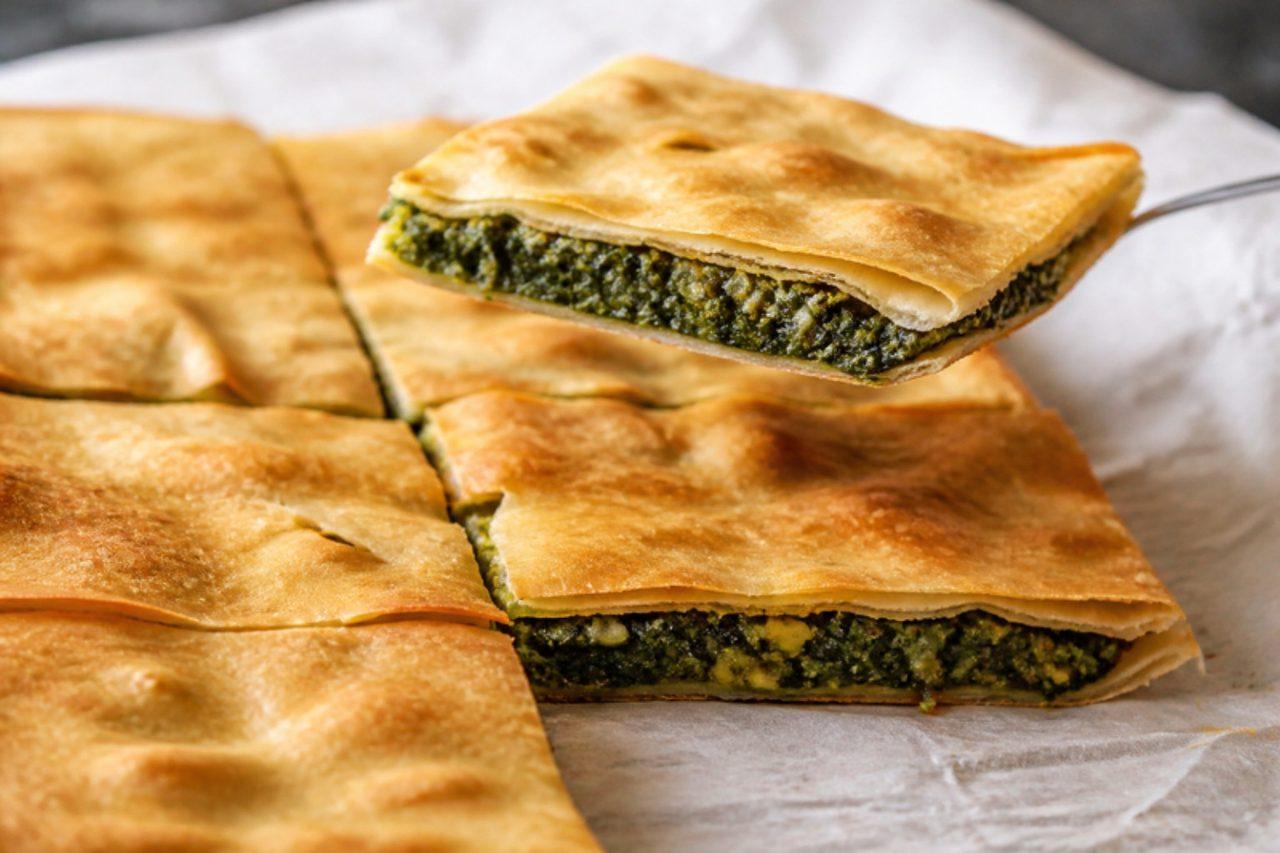
Erbazzone reggianoChard and Parmesan pie

Bakeries in Reggio Emilia sell erbazzone in squares from big trays, and people eat it standing at the counter mid-morning or wrapped in paper for the walk home. It is a farmhouse pie of chard and spinach, sharp with spring onion and garlic and generous with Parmigiano, sealed in a very thin, crackly crust. The classic recipe uses lard in the pastry and often pancetta in the filling; both are left out here, and butter and olive oil make the crust. Serve it warm or at room temperature. Chef's tip: dry the greens thoroughly in the pan after blanching; erbazzone should be dense and green, never wet.

by KrazyBadal 0 views
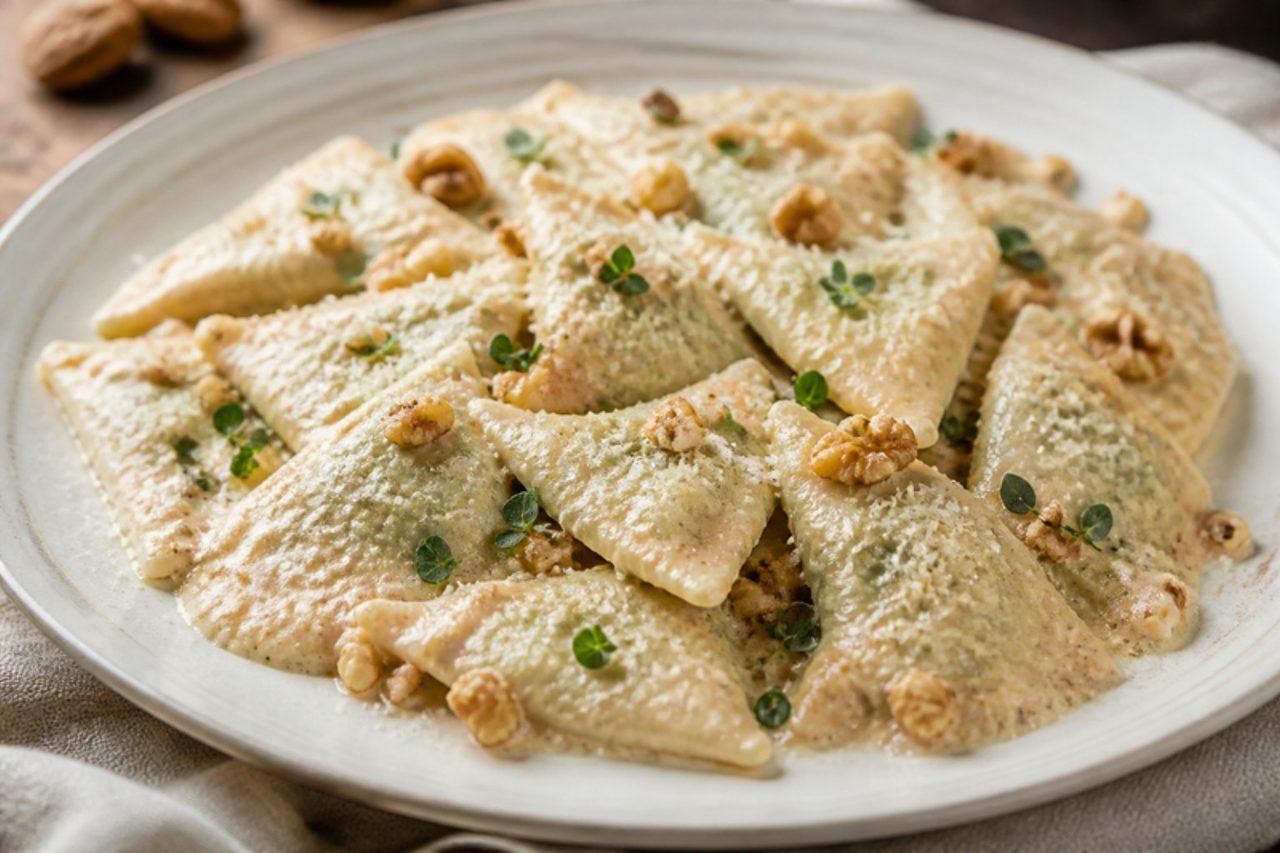
Pansoti con salsa di nociHerb ravioli in walnut sauce

In Genoa and the hills behind it, pansoti are the pasta of the spring greens: plump triangles stuffed with a bundle of wild and garden leaves the Ligurians call preboggion, bound with soft cheese. Instead of pesto they wear salsa di noci, a pale, nutty sauce pounded from walnuts, garlic and milk-soaked bread. The dough is lean, just flour and water, often with a splash of white wine; this version gives a water-only option for an alcohol-free plate. Expect a soft bite, a grassy filling and a sauce that tastes of autumn. Chef's tip: blanch the walnuts for a minute and rub off the papery skins; the sauce turns sweeter and stays cream-coloured instead of grey.

by KrazyBadal 0 views
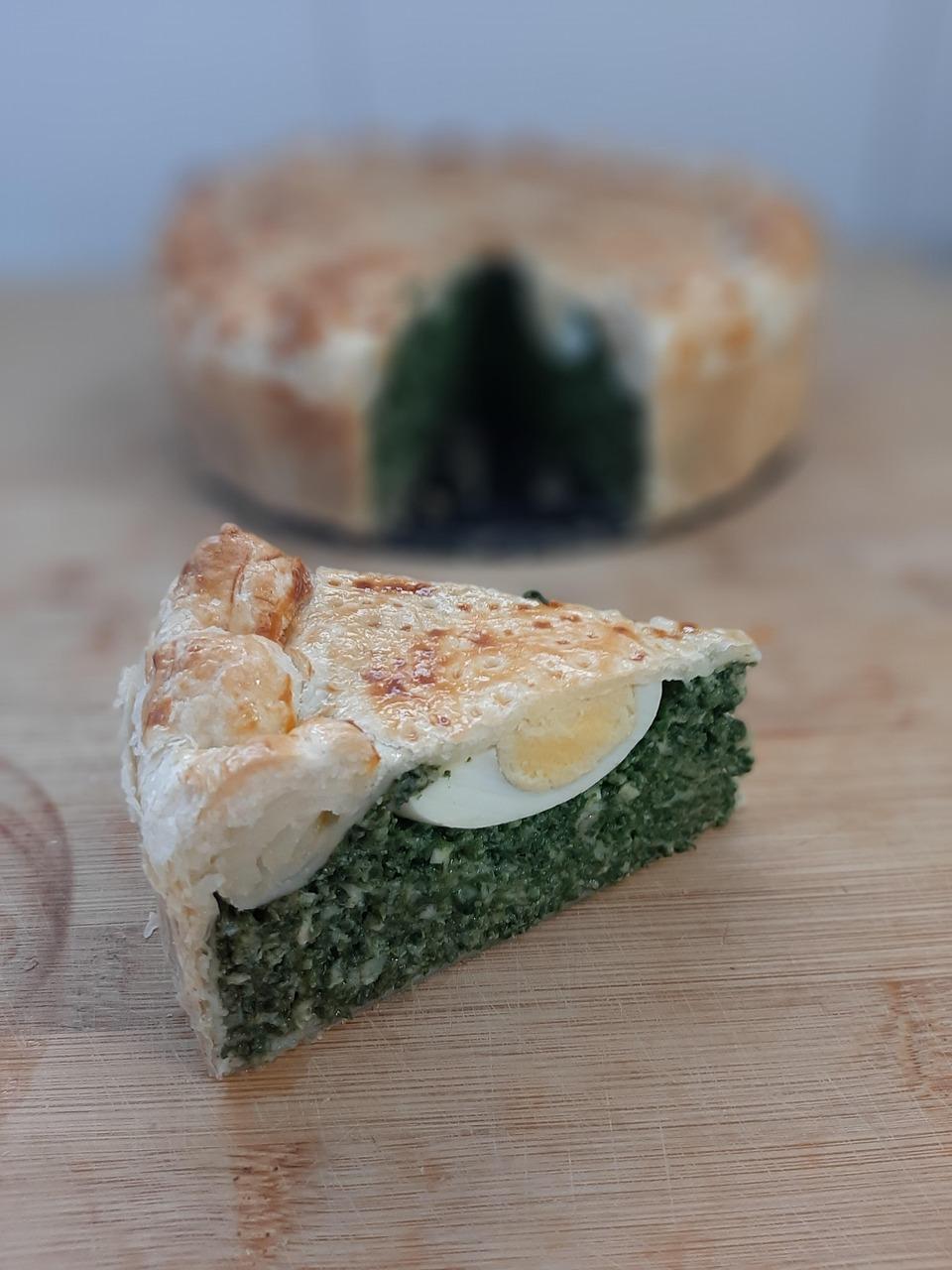
Torta pasqualinaChard and ricotta egg pie

Genoese families bake torta pasqualina for Easter Monday picnics, and it is just as good cold the next day as warm from the oven. Paper-thin sheets of olive-oil pastry enclose a deep layer of chard and ricotta, and whole eggs are cracked into hollows in the filling so that every slice shows a neat yellow and white circle. Old recipes boasted 33 pastry layers, one for each year of Christ's life; four sheets top and bottom give a crisp, flaky crust at home. The taste is mild and green, lifted with marjoram and hard cheese. Chef's tip: stretch the dough on the backs of your hands like strudel rather than only rolling it, and brush every sheet with oil, so the layers separate in the oven.

by KrazyBadal 0 views
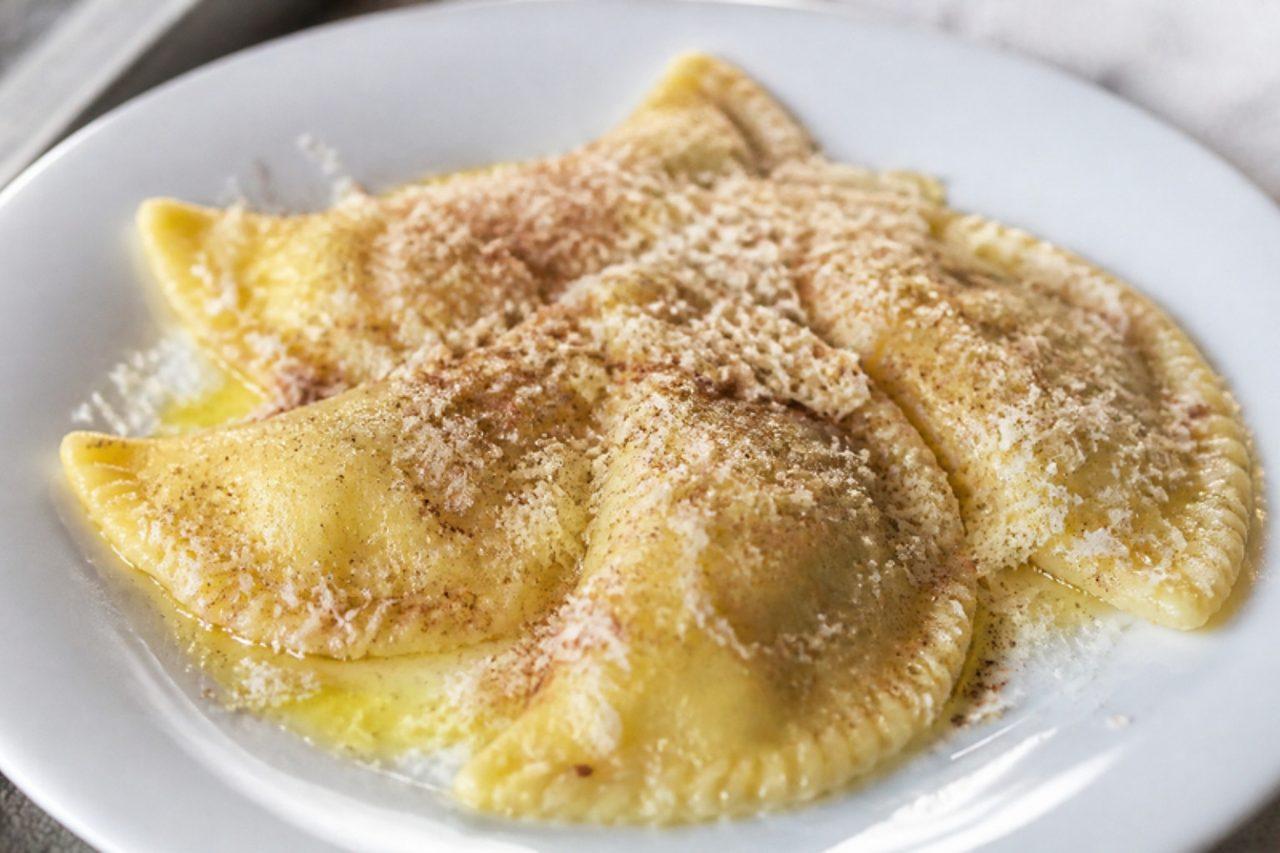
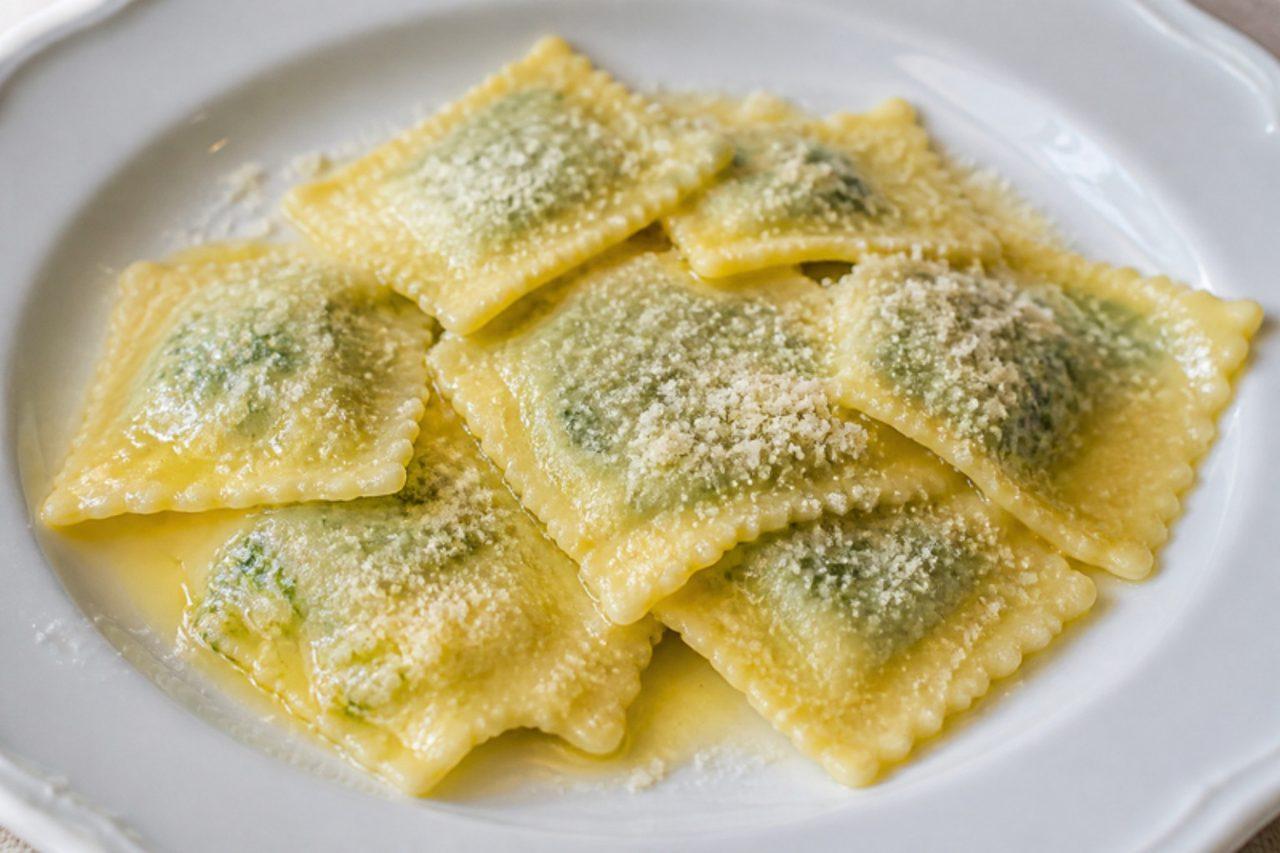
Tortelli di erbettaRicotta and chard tortelli

On the night of 23 June, the feast of San Giovanni, Parma eats tortelli d'erbetta outdoors, at long tables in courtyards and on terraces, and the custom says the evening dew blesses the meal. The filling is the young chard the city calls erbetta, mixed with ricotta and a lot of Parmigiano; the pasta is egg-rich and thin, and the only sauce is melted butter and more cheese. Each one is soft, creamy and gently green. Chef's tip: cut the tortelli as large rectangles, about 6 × 8 cm, as they do in Parma; bigger parcels hold more filling and cook evenly.

by KrazyBadal 0 views
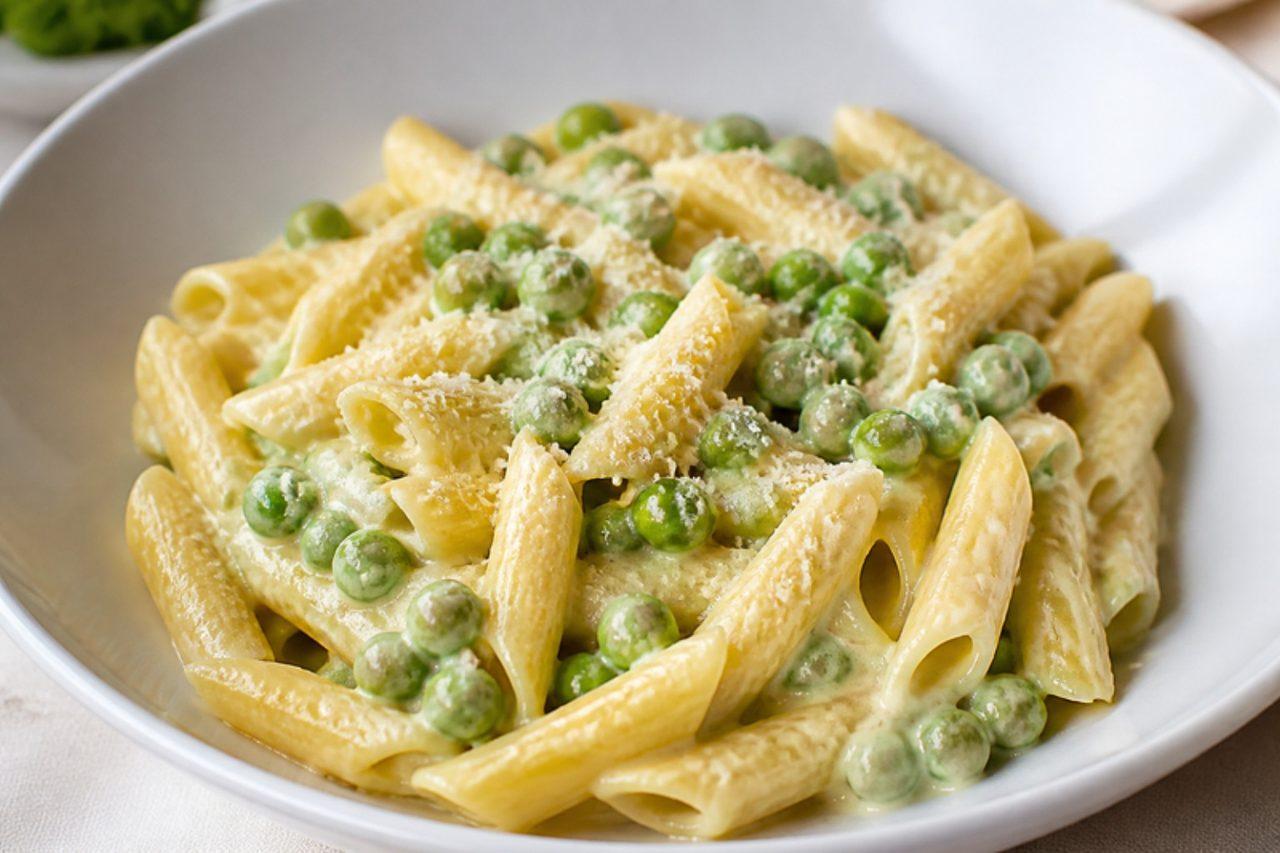
Garganelli con piselli e pannaEgg pasta with peas and cream

Garganelli come from the farmhouses between Imola and Lugo in Romagna, where egg-pasta squares are rolled around a thin stick on a little comb called a pettine, leaving ridged quills with a seam down one side. Their ridges grip sauce well, and the classic spring dressing is sweet peas in cream; the trattoria version adds prosciutto, which this one leaves out, with a little shallot and Parmigiano instead. The dish is silky and mild, a Sunday-lunch first course. Chef's tip: a clean gnocchi board and a pencil-thin wooden dowel make perfectly good garganelli if you don't own a pettine.

by KrazyBadal 0 views
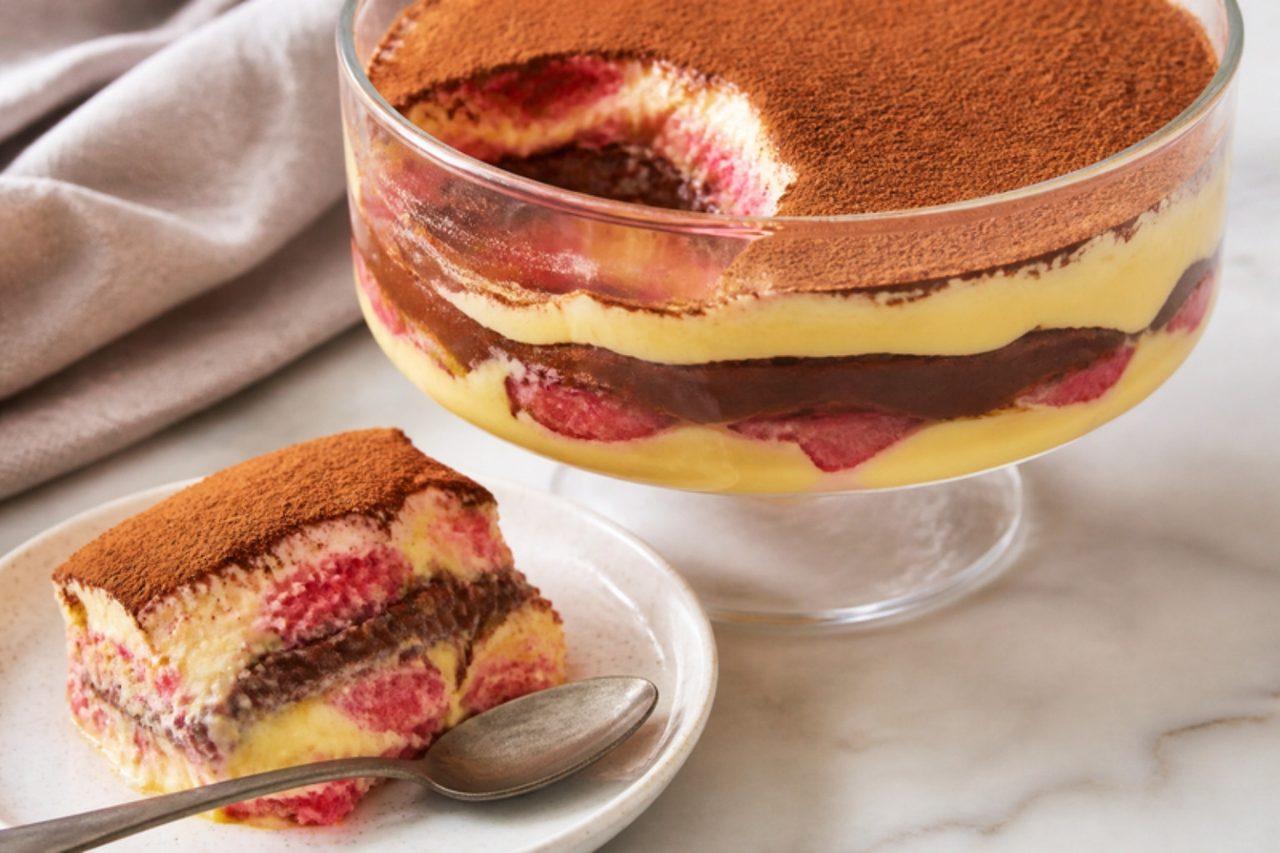
Zuppa ingleseCustard and sponge trifle

Zuppa inglese is a spoon dessert from Emilia, served at Sunday lunches and family parties in Bologna, Modena and Ferrara: sponge fingers dipped in a crimson liqueur, layered with yellow lemon custard and dark chocolate custard. Despite the name, no soup and nothing English; one story links it to the trifles brought home by Italian diplomats. The red comes from alchermes, a spiced liqueur that is alcoholic and coloured with cochineal, an insect dye, so this version soaks the biscuits in a vegetarian, alcohol-free hibiscus and spice syrup that keeps the colour and the clove-cinnamon perfume. It sets into soft, creamy, striped slices. Chef's tip: dip the biscuits for a second only; they keep softening in the custard overnight.

by KrazyBadal 0 views

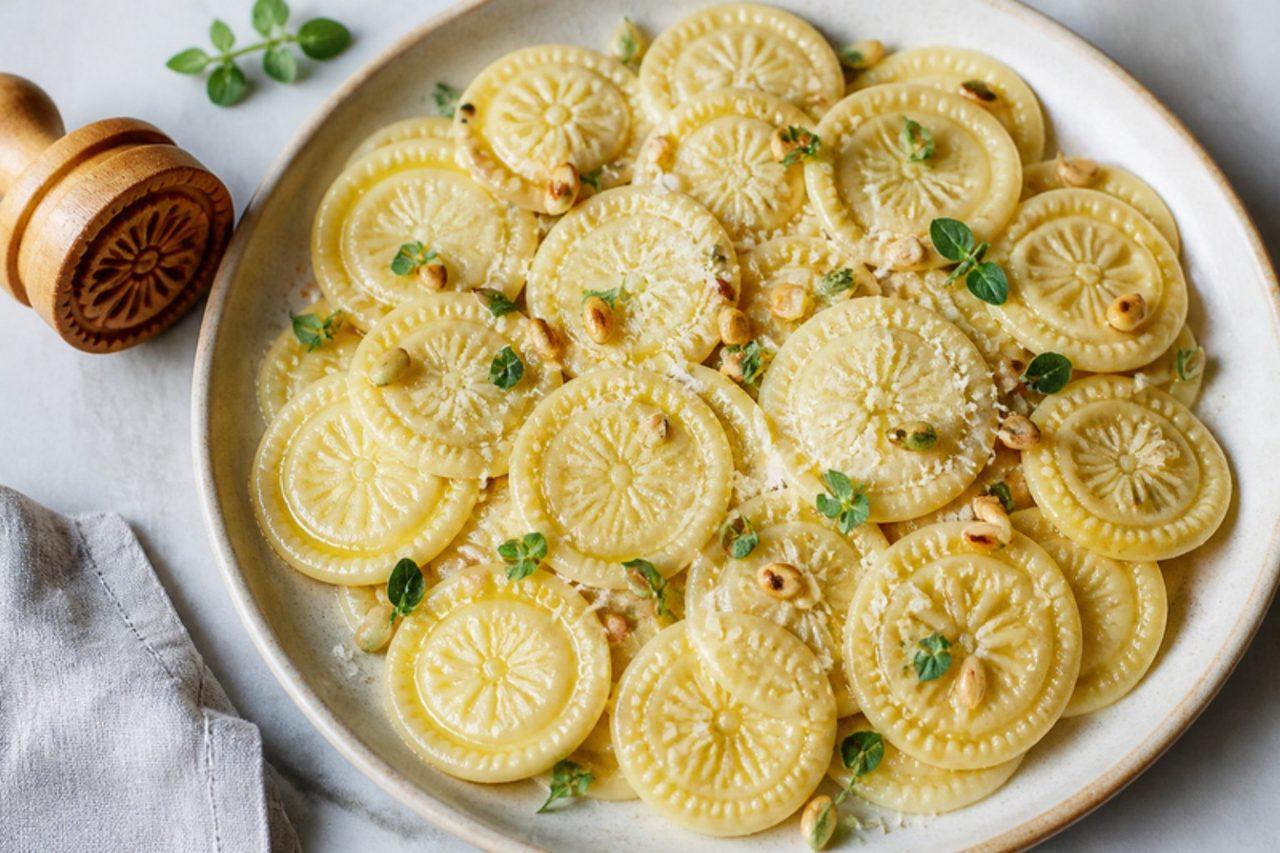
Corzetti con maggiorana e pinoliStamped pasta with marjoram

On the Riviera di Levante, from the Fontanabuona valley down towards Chiavari, corzetti are pressed between two carved wooden stamps, so each thin disc carries a pattern on both faces: a family crest, a flower, a ship. Noble families once had their arms carved into them for festive tables. The ridges are there to hold a light sauce, and the simplest is melted butter with toasted pine nuts and fresh marjoram, the herb Ligurians reach for before basil. They have a firm, slightly chewy bite. Chef's tip: no stamp? Cut the discs with a 6 cm glass and press each with the bottom of a patterned glass or a carved wooden butter mould; any relief gives the sauce something to cling to.

by KrazyBadal 0 views

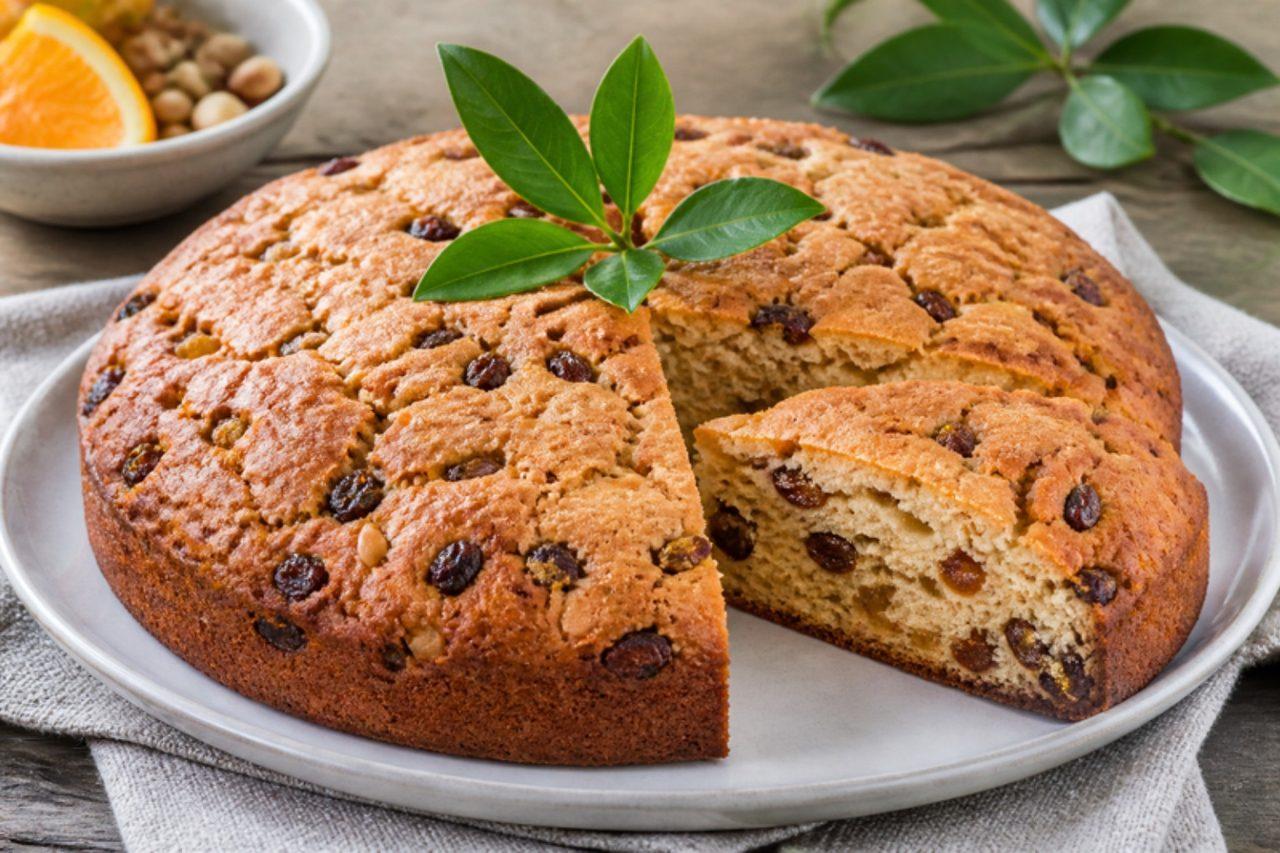
Pandolce genoveseRaisin and pine nut cake

No Genoese Christmas table is complete without a round, domed pandolce, traditionally topped with a sprig of bay and cut by the youngest at the table while the eldest serves. The low, quick version made here, pandolce basso, is raised with baking powder rather than days of yeast, so it bakes into a crumbly, buttery cake between shortbread and fruit loaf. Raisins, pine nuts, candied orange and a scattering of fennel seed give each bite a sweet, faintly aniseed taste, and orange flower water perfumes it. Chef's tip: keep it wrapped for two days before cutting; the crumb softens and the fennel and orange flavours deepen.

by KrazyBadal 0 views

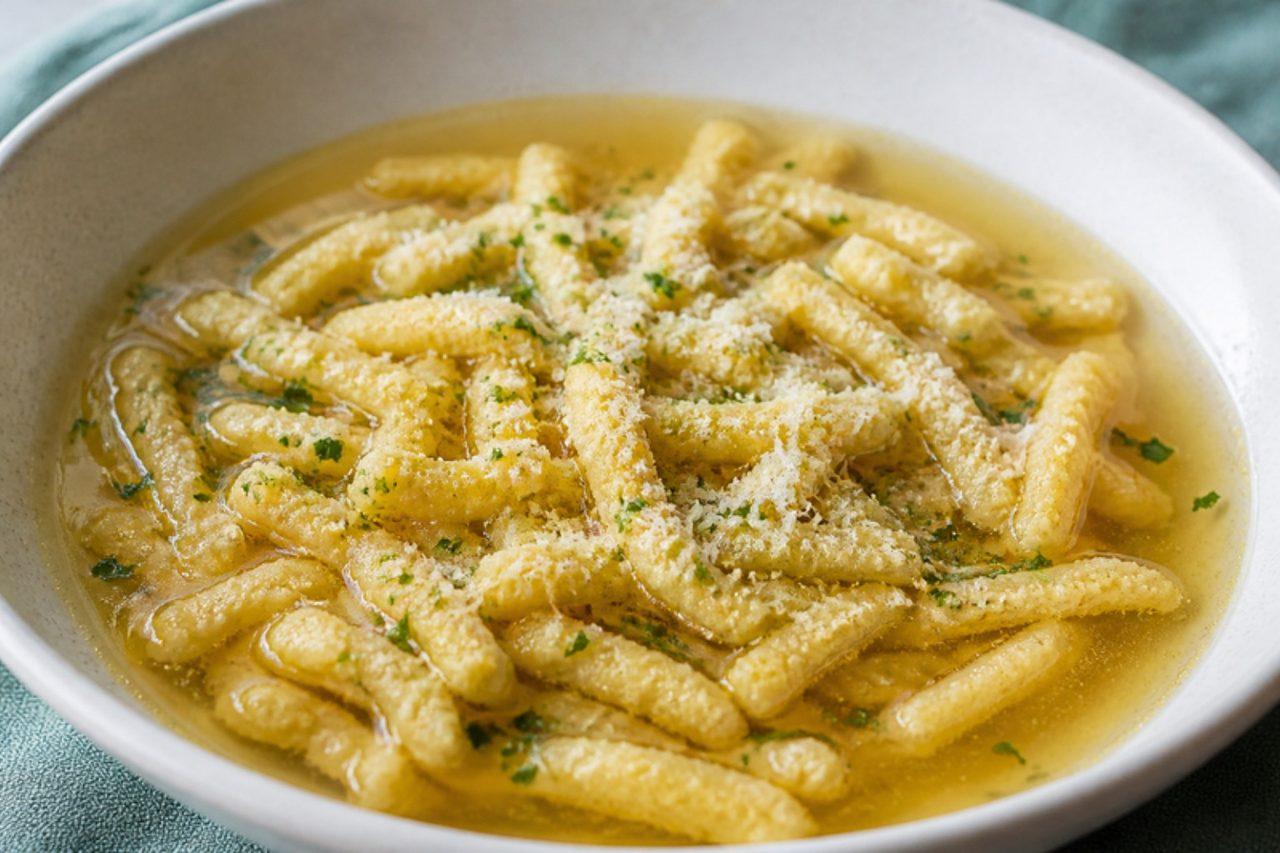
Passatelli in brodoBreadcrumb and cheese strands in broth

Passatelli were born in Romagna kitchens as a way to turn stale bread into a feast: breadcrumbs, eggs and plenty of hard cheese, scented with lemon and nutmeg, pressed through a special perforated iron straight into simmering broth. Around Rimini, Cesena and Forlì they are Christmas and Sunday food, served steaming in deep plates. The strands are soft, slightly rough and full of cheese flavour. Traditionally the broth is made with capon or beef; here a rich vegetable broth keeps it vegetarian. Chef's tip: no passatelli iron? A potato ricer with large holes does the job; just cut the strands to 4 cm with a knife as they come out.

by KrazyBadal 0 views

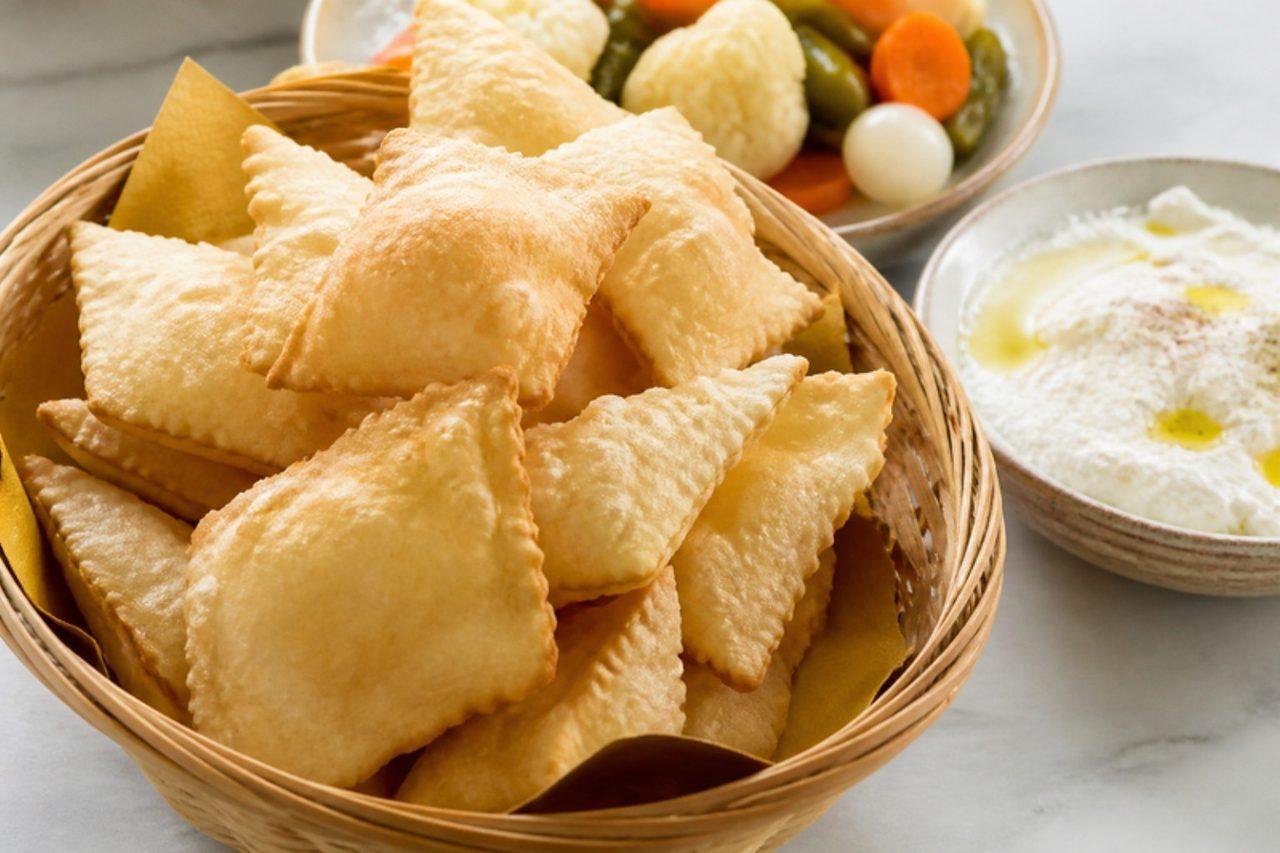
Gnocco frittoPuffed fried dough

Walk into a trattoria around Modena or Reggio Emilia and a basket of gnocco fritto lands on the table before you have ordered: diamonds of dough that balloon in hot fat into hollow, blistered pillows. They are torn open and filled with whatever comes with them, traditionally cured meats; here they go with soft cheeses, Parmigiano shards, grilled vegetables and pickles. The dough was always made with lard; this version uses butter, which keeps the crust tender and golden. Children adore them for breakfast dipped in milky coffee too. Chef's tip: roll the dough really thin, about 3 mm; thick gnocco stays bready and won't puff.

by KrazyBadal 0 views

TigelleSmall griddle breads

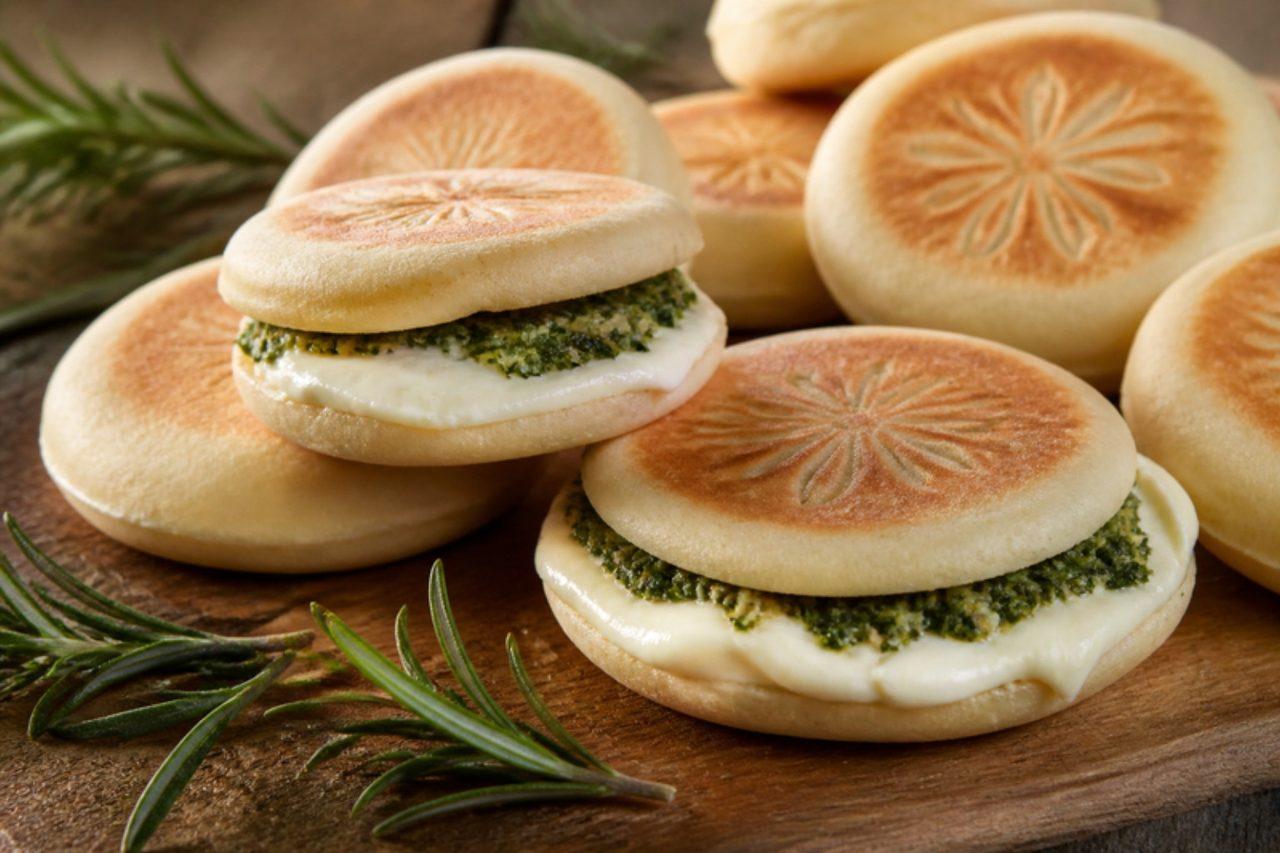
In the Apennine hills above Modena these small, round breads were once baked between hot terracotta discs called tigelle, which gave them their common name; locals often insist the bread itself is the crescentina. Today a cast-iron tigelliera or a heavy frying pan does the work, giving each one a toasted, speckled face and a soft, steamy inside. They are split while hot and filled at the table, a lively Saturday-night supper with friends. The filling was classically lard pounded with rosemary and garlic; this vegetarian spread uses butter, rosemary and Parmigiano, alongside soft cheeses and grilled vegetables. Chef's tip: cut them with a 7 cm cutter and keep them 1 cm thick; any thinner and there's nothing to split.

by KrazyBadal 0 views

Panissa ligureFried chickpea polenta sticks

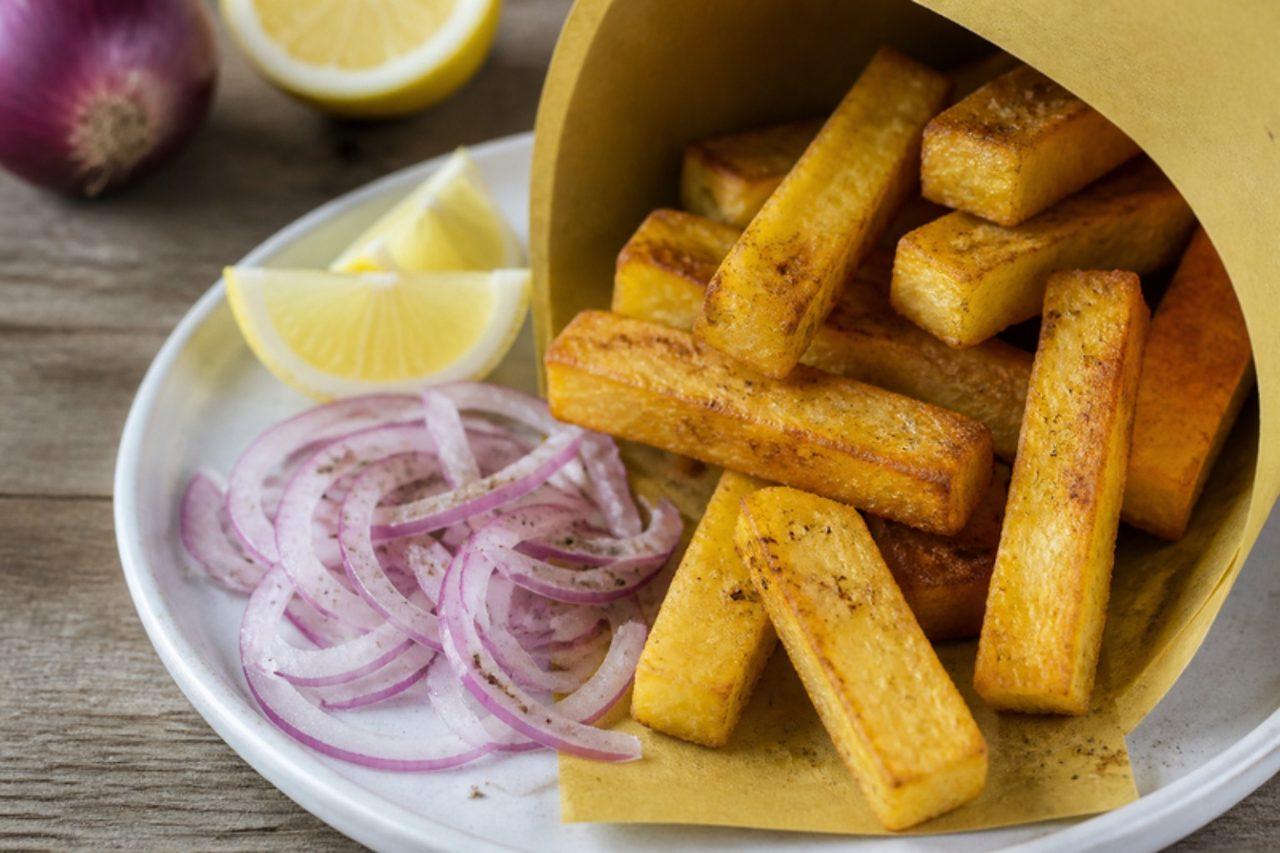
Panissa is farinata's quieter sister: the same chickpea flour and water, but stirred on the stove into a thick polenta, poured into a tray and left to set firm. In Genoa and along the Savona coast it turns up at friggitorie, the frying shops by the harbour, as golden sticks in a paper cone with salt and pepper; at home it is just as often cubed cold and dressed with raw onion, olive oil and lemon. Fried, it is crisp outside and creamy within, with a sweet, nutty taste. Chef's tip: make it the day before and chill it overnight; a well-set panissa cuts cleanly and doesn't spit in the oil.

by KrazyBadal 0 views

Jota triestinaBean and sauerkraut soup

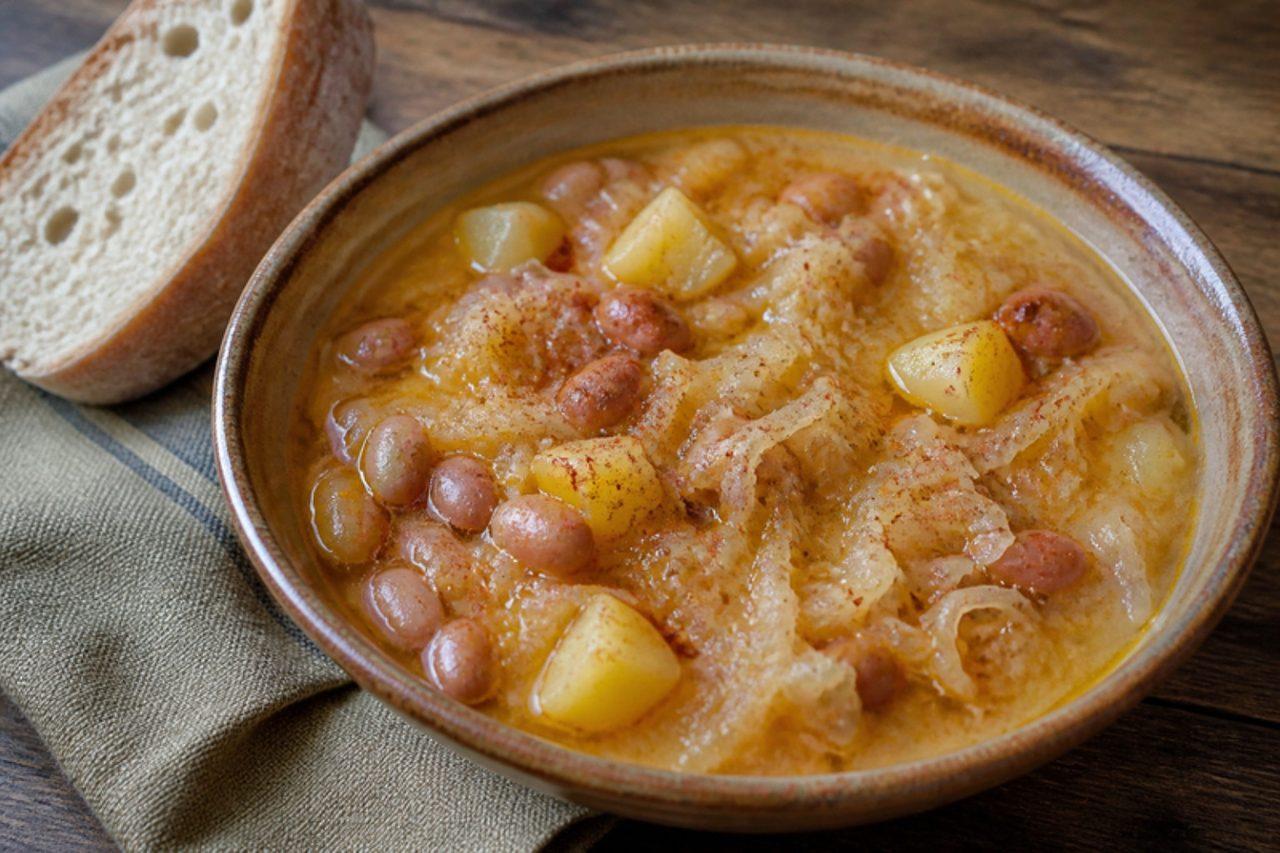
Jota is the soup of Trieste, the port city where Italian, Slovenian and Austrian cooking meet, and it is ladled out all winter in the city's old buffet restaurants and in the Karst villages behind it. Borlotti beans, potatoes and sour sauerkraut cook down into a thick, tangy soup that warms you through when the bora wind blows. The traditional version is cooked with pork ribs or rind; here smoked paprika, caraway and garlic give the smoky depth, so it is fully vegan. Chef's tip: make it a day ahead; like most bean soups, jota tastes better reheated.

120 minItalianSoupsVeganGluten free
by KrazyBadal 0 views

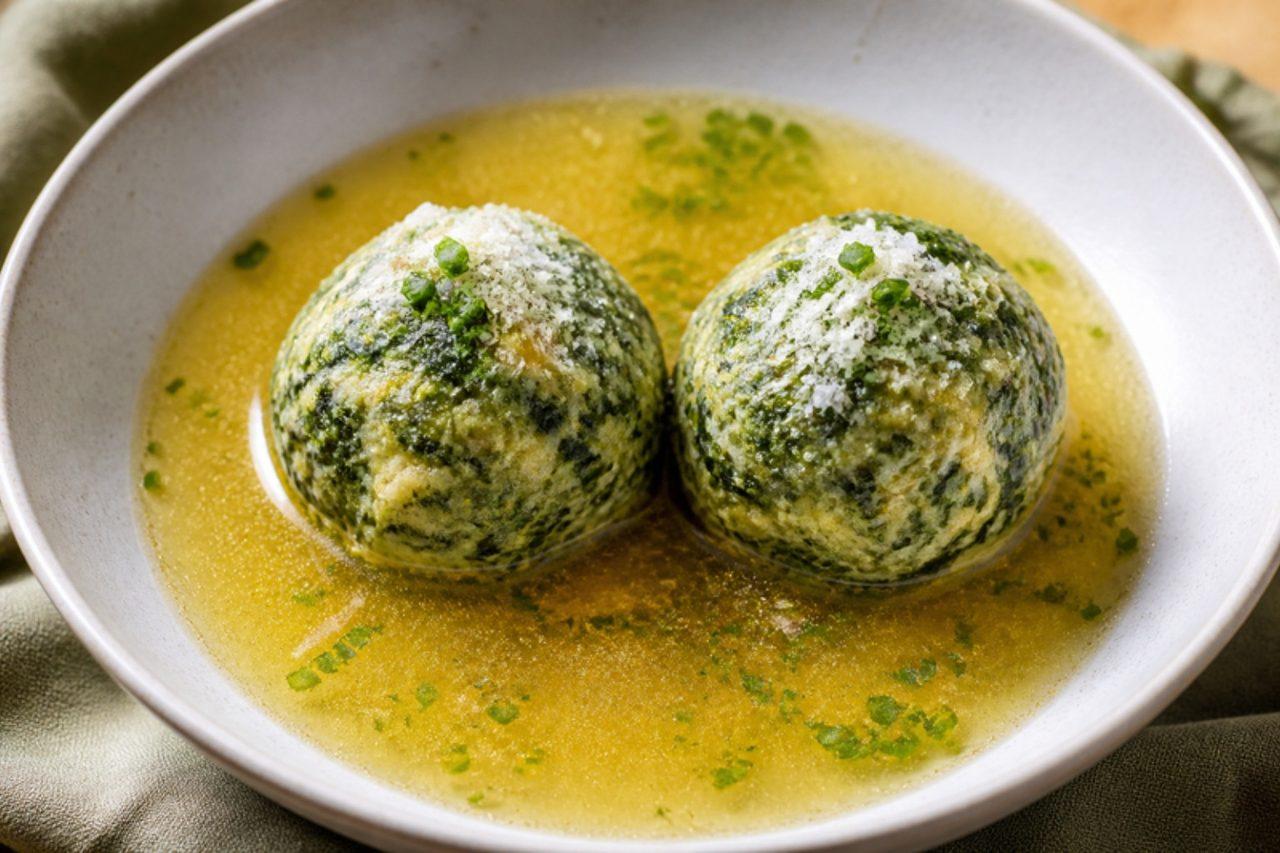
Canederli agli spinaciSpinach bread dumplings

Green canederli, Spinatknödel in German, are a fixture of the mountain huts and village inns of Trentino and South Tyrol, from the Val di Fiemme to the streets of Bolzano. Day-old bread is soaked in milk and bound with egg, chopped spinach and mountain cheese, then rolled into fist-sized balls and poached until light but firm. They arrive two to a bowl in steaming broth, or drained and dressed with melted butter and grated cheese. The best-known canederli are made with speck; this is the spinach and cheese version, served in vegetable stock. Chef's tip: poach one test dumpling first; if it starts to break up, work a spoonful more flour into the mix.

by KrazyBadal 0 views

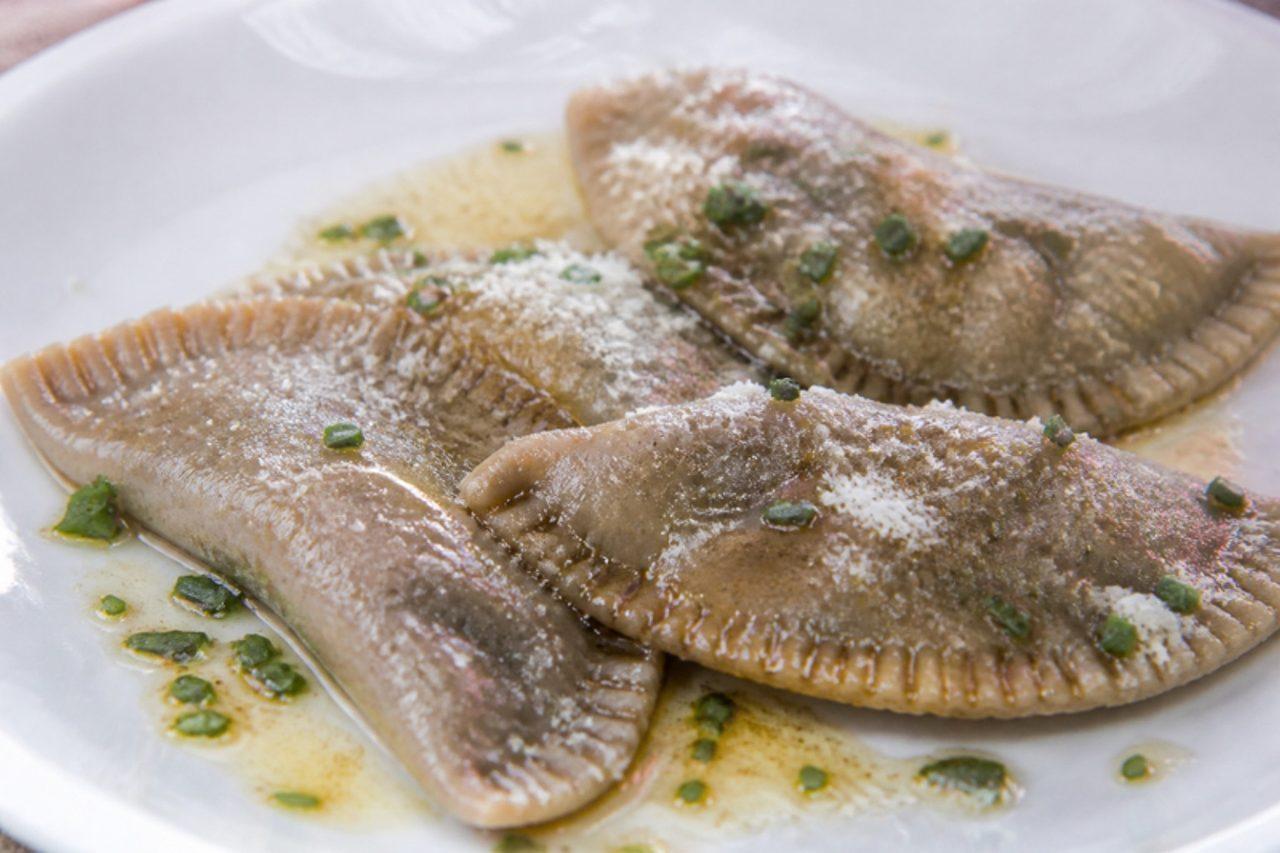
SchlutzkrapfenSpinach and quark half-moon pasta

Schlutzkrapfen come from the farmhouse kitchens of South Tyrol, around Bressanone and the Val Pusteria, and are a fixture of autumn menus once the first snow dusts the Dolomites. A firm dough of rye and wheat flour wraps a soft filling of spinach and fresh quark, folded into half-moons and served in foaming brown butter with chives and cheese. The rye gives them an earthy, slightly sour bite that sets them apart from Italian ravioli further south. Chef's tip: roll the dough thinner than you think and keep the unused part covered, as rye dough dries out quickly.

by KrazyBadal 0 views

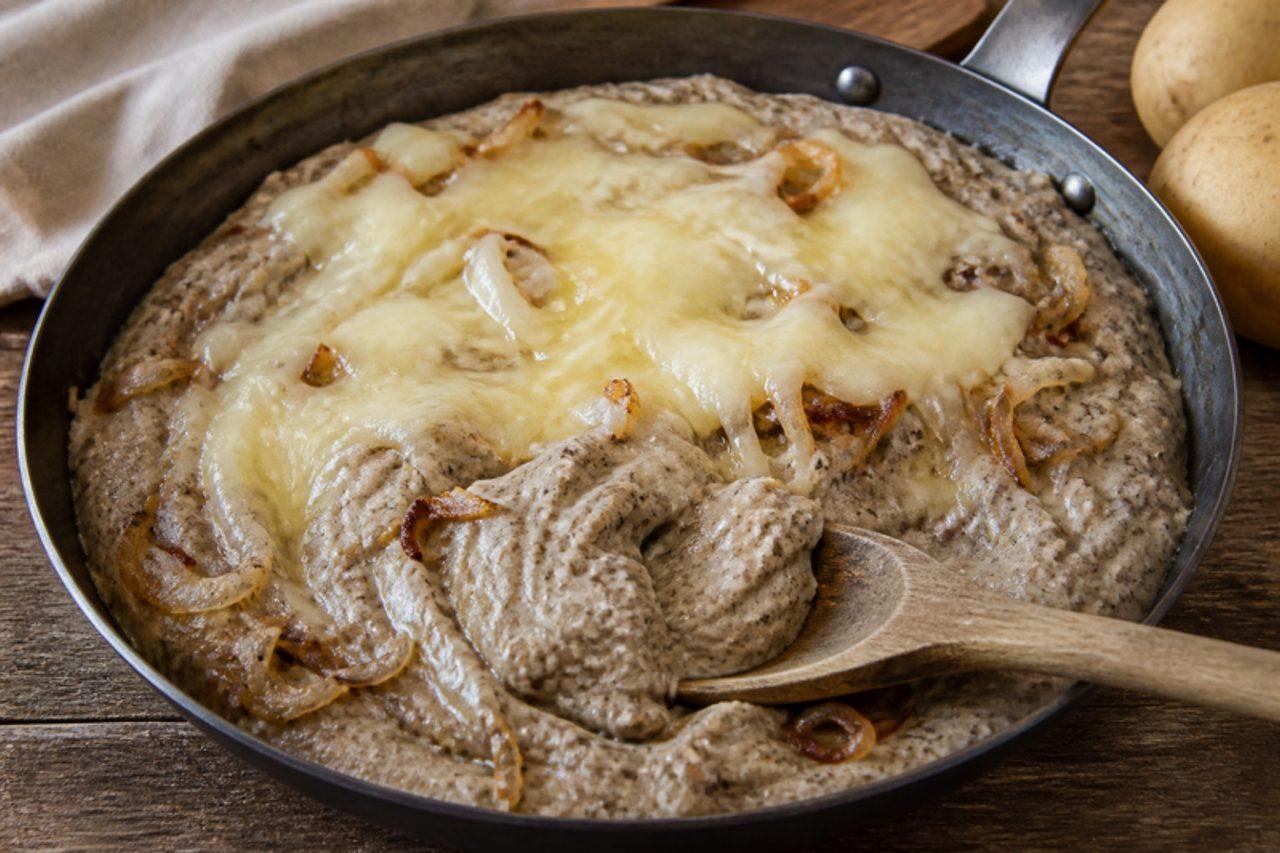
Polenta di patatePotato and buckwheat polenta

Up in the valleys of Trentino, where maize was scarce and potatoes grew well, cooks stretched their buckwheat by cooking it with mashed potato into a soft, grey-gold polenta. It is a cold-weather dish of the Val di Non and Val di Sole, stirred in a heavy pot and finished with buttery onions and cubes of local cheese that melt into pockets. Earthy from the buckwheat and smooth from the potato, it is often served alongside mushrooms or a salad of bitter leaves. Chef's tip: use floury potatoes and mash them right in the pot, in their cooking water, to keep the polenta light.

by KrazyBadal 0 views

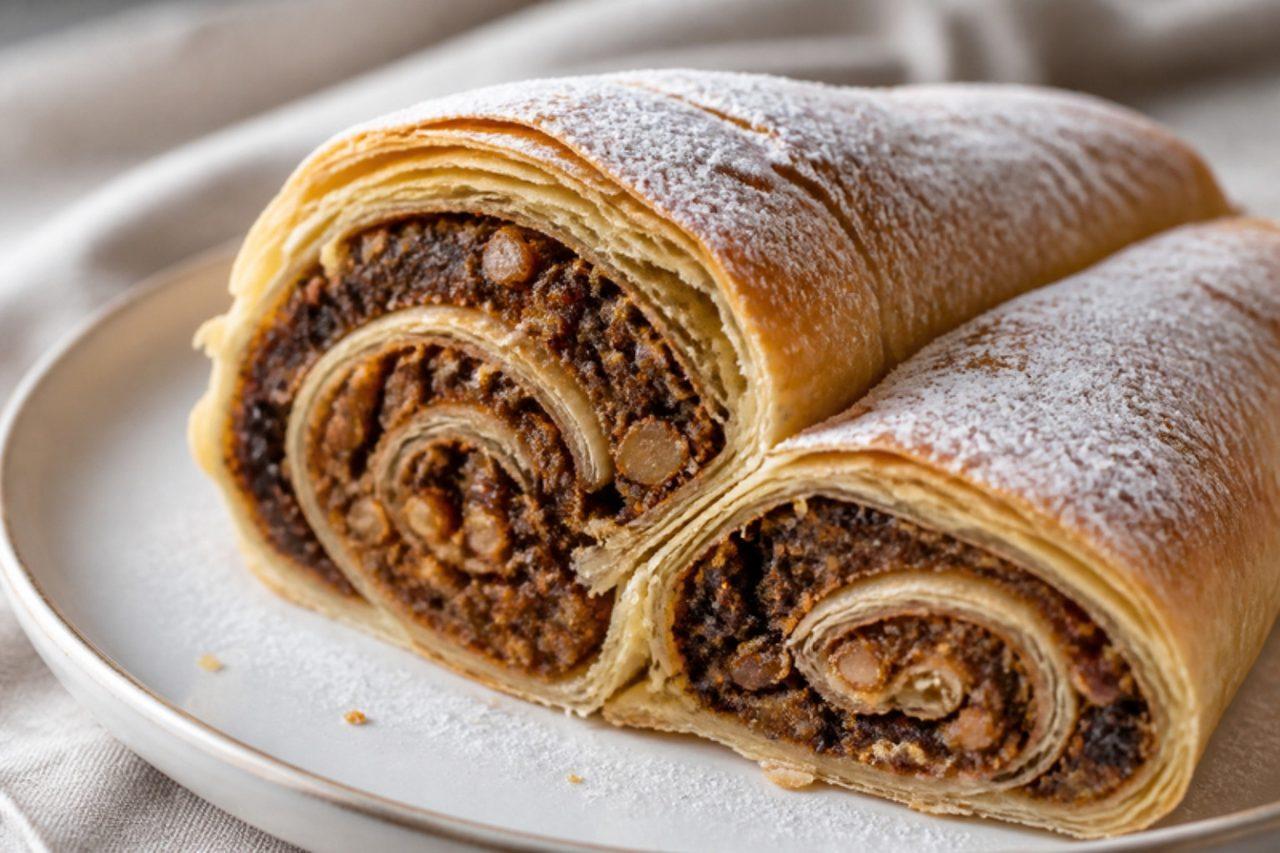
Presnitz triestinoSpiced fruit puff pastry spiral

Trieste's pastry shops, many of them founded in the Habsburg years, sell presnitz all year but above all at Easter, when it sits on the table next to the sweet Easter breads. Unlike the yeasted gubana from inland Friuli, it is made from flaky puff pastry rolled thin around a long rope of nuts, dried fruit, chocolate and spice, then coiled into a flat spiral and baked crisp. Slices shatter into buttery flakes around a dense, aromatic centre. The filling is traditionally soaked in rum; orange juice is a good alcohol-free swap. Chef's tip: use all-butter puff pastry and check the label, since some brands use non-vegetarian fats.

by KrazyBadal 0 views

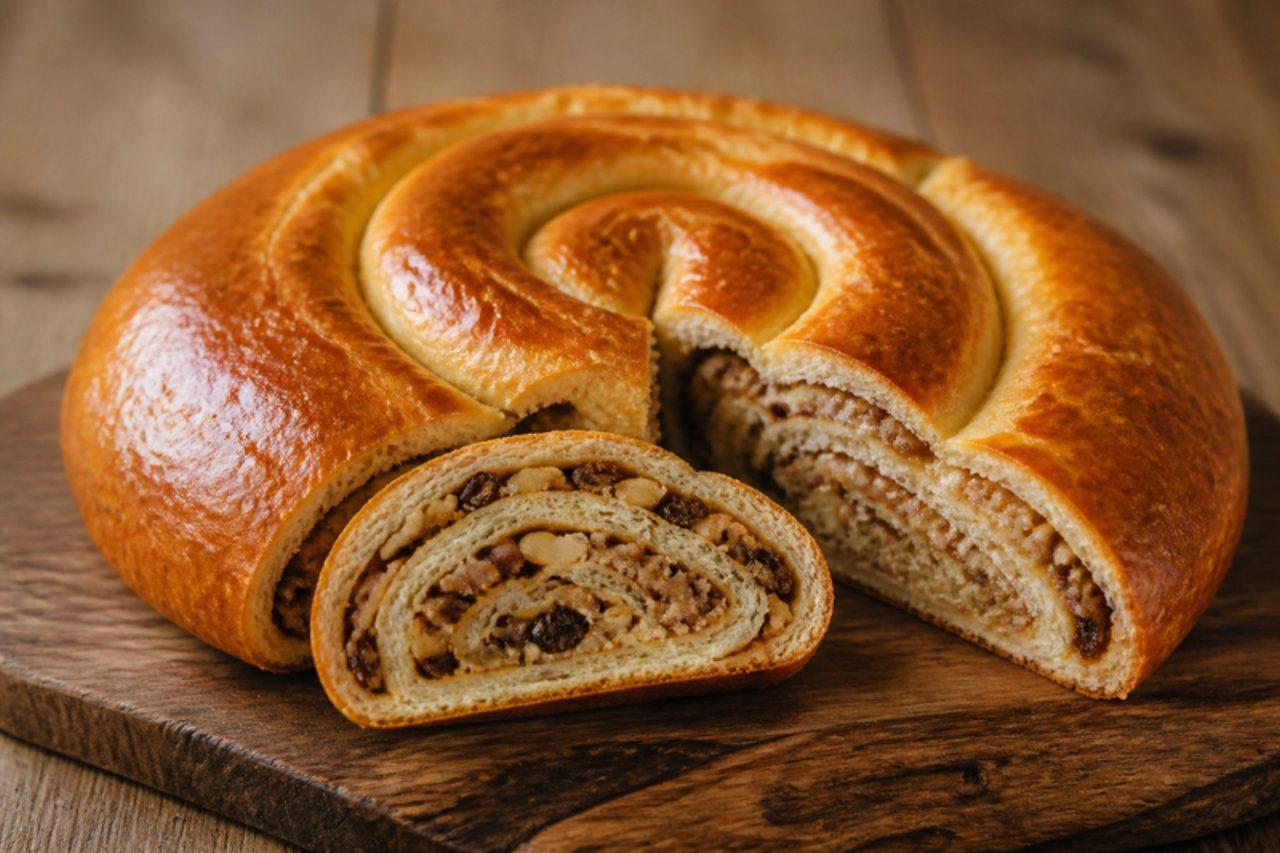
Gubana friulanaNut and raisin pastry spiral

Gubana comes from Cividale del Friuli and the Natisone valleys on the Slovenian border, where it is baked for Easter, weddings and christenings and shared in slices from a coiled round loaf. A soft, sweet yeast dough is rolled around a dark filling of walnuts, raisins, pine nuts and candied peel, then curled up like a snail shell so each slice shows a spiral. Locals often splash a little grappa or plum brandy over each slice and the filling is usually laced with it too; orange juice works in its place for an alcohol-free gubana. Chef's tip: bake it a day ahead, wrapped well, as the filling grows moister and spicier overnight.

by KrazyBadal 0 views

Cjarsons della CarniaSweet and savoury filled pasta

Each village in the Carnia mountains of Friuli keeps its own recipe for cjarsons, and families argue happily about whether chocolate, cinnamon or lemon balm belongs inside. The old story ties them to the cramârs, pedlars who walked over the Alps selling spices and brought exotic flavours home. Served at weddings, feast days and Sunday lunch, these half-moons hold a potato filling sweet with raisins and fragrant with mint and parsley, finished with brown butter, cinnamon sugar and grated smoked ricotta. The mix of salty, sweet and smoky is unlike any other pasta in Italy. Chef's tip: pinch the edges into a twisted rope; it seals well and looks the part.

by KrazyBadal 0 views

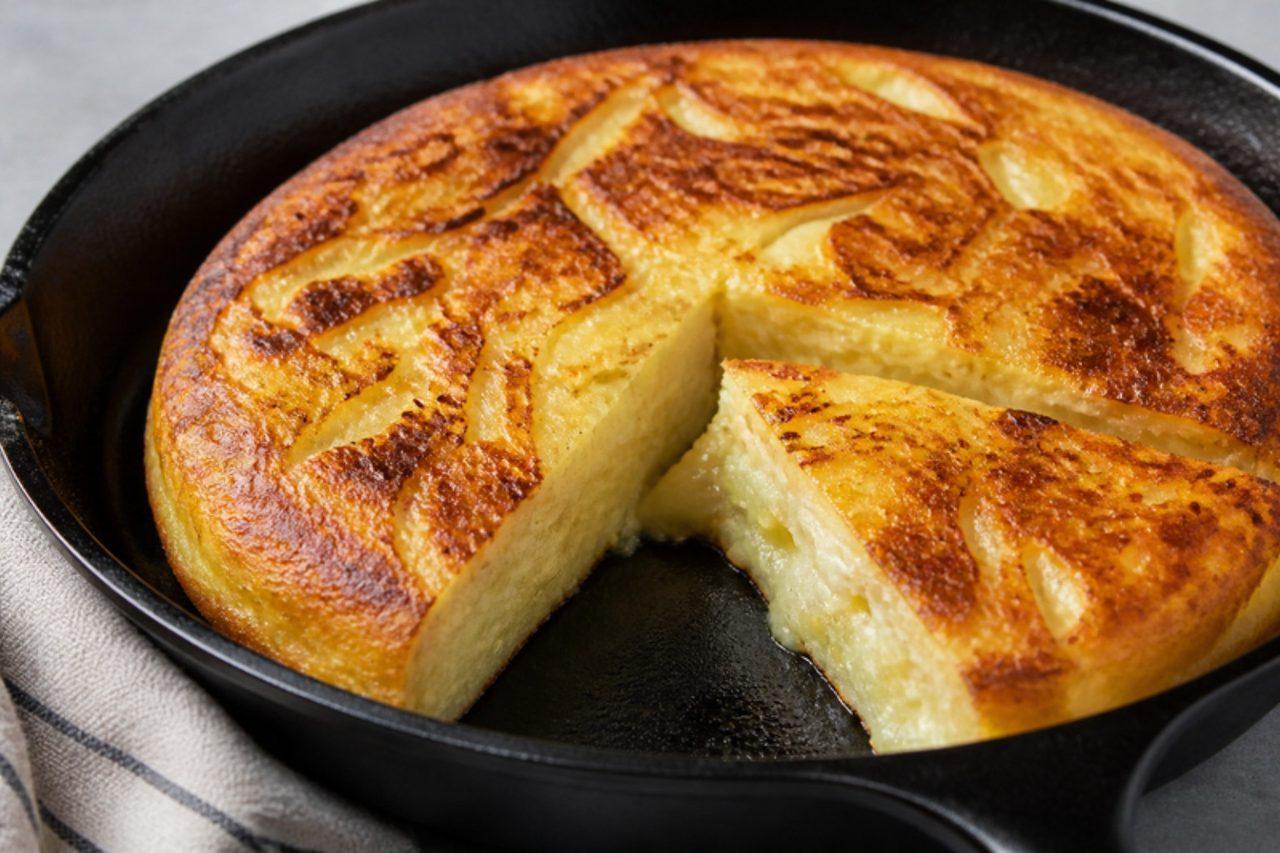
Frico con patatePotato and cheese skillet cake

Frico was born in the mountain pastures of Carnia, in the north of Friuli-Venezia Giulia, where herders cooked cheese ends and potatoes together in an iron pan over the fire. Today it is the region's signature dish, served in Udine's osterie and at village festivals in wedges beside soft polenta. The outside sets into a crisp, brown cheese crust while the inside stays soft, stringy and rich with sweet onion. Chef's tip: mix a young Montasio, which melts, with a more aged one, which gives the crust its flavour and crunch.

by KrazyBadal 0 views

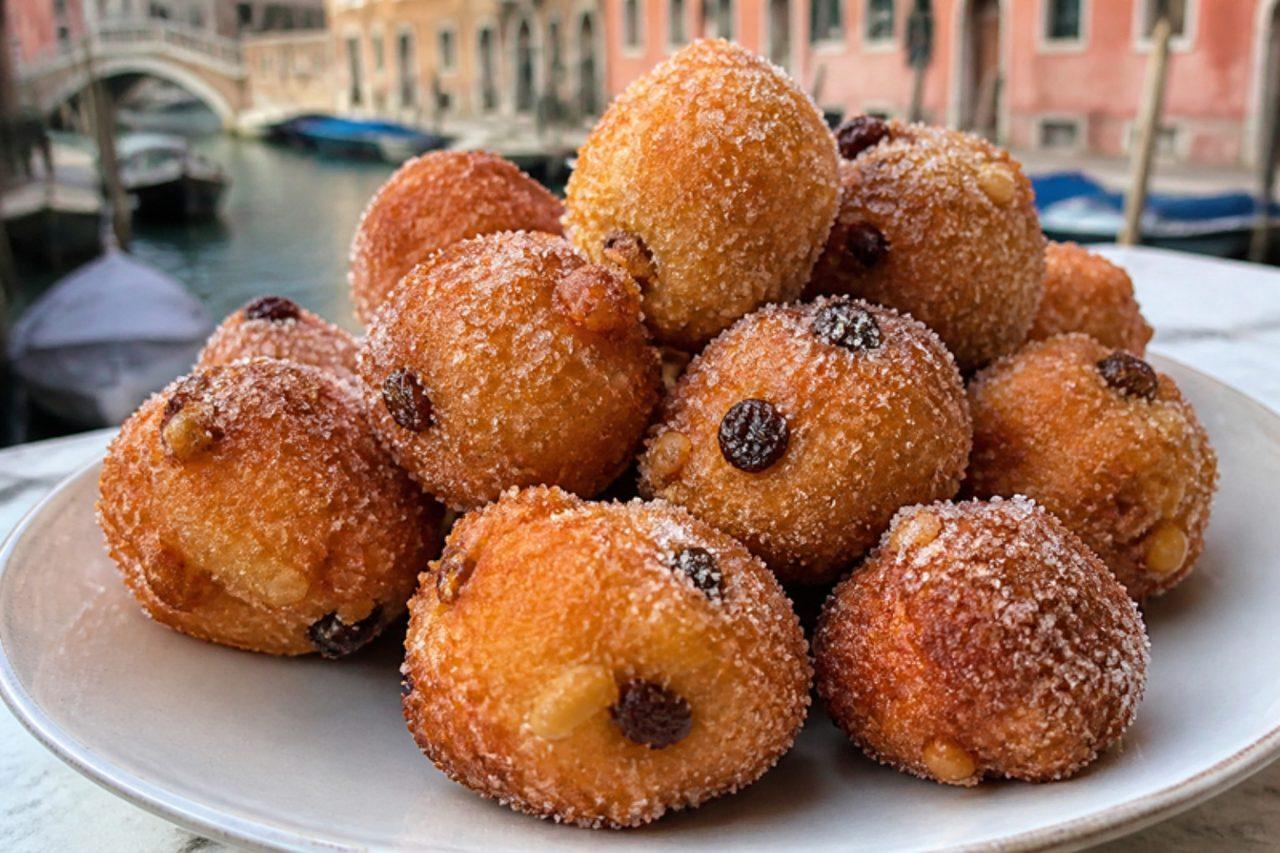
Frittelle venezianeRaisin and pine nut fritters

For the weeks before Lent, every pastry shop in Venice is piled with fritole, golden balls of fried yeast dough studded with raisins and pine nuts, and masked visitors eat them from paper bags as they wander between the campi. They were once sold from street stalls by a guild of fritter-makers and are still the true taste of the Venetian Carnival: crisp and sugary outside, light and bready within. The traditional batter has a spoon of grappa or rum; here orange juice takes its place, which suits children too. Chef's tip: fry a single fritter first to check the oil heat and timing.

by KrazyBadal 0 views

Showing 24 of 352 recipes

Show more recipes

Page 12 of 15

More collections