Skip to content
WhatToEat.Today

Vegetarian Italian recipes

Pasta, risotto, pizza and bakes without meat or fish. (357 recipes)

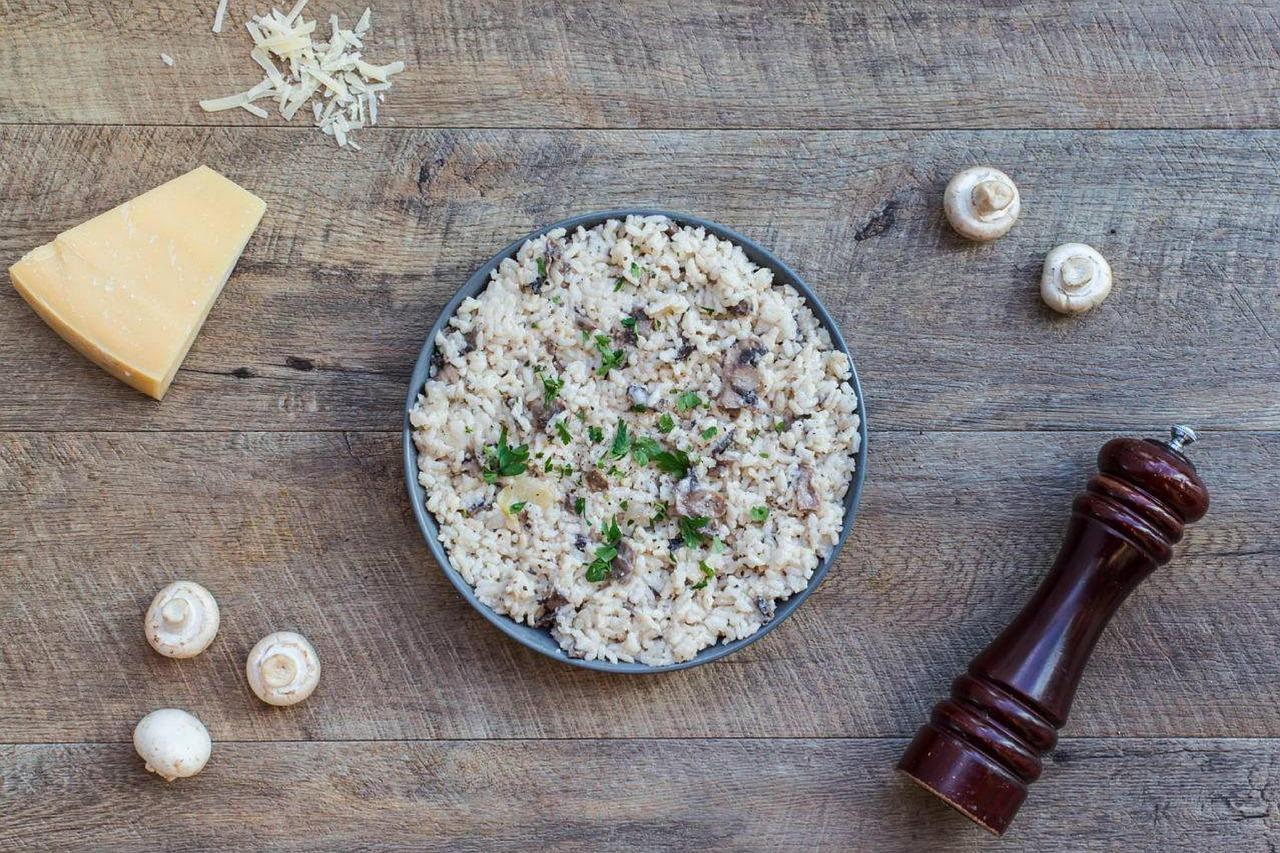
Risotto alla parmigianaParmesan risotto

Around Parma and Reggio Emilia, where Parmigiano Reggiano is made, the plainest risotto of all is the one families make when someone is tired or unwell: rice, good broth, butter and a generous amount of the local cheese, and nothing else. It is also the base that cooks learn on before moving to fancier versions. Traditional Parmigiano uses animal rennet; for a vegetarian dish use a vegetarian hard cheese and vegetable broth. Chef's tip: keep the broth at a gentle simmer in a pan next to the rice; cold broth stops the cooking each time you add it and the risotto turns gluey.

by KrazyBadal 0 views

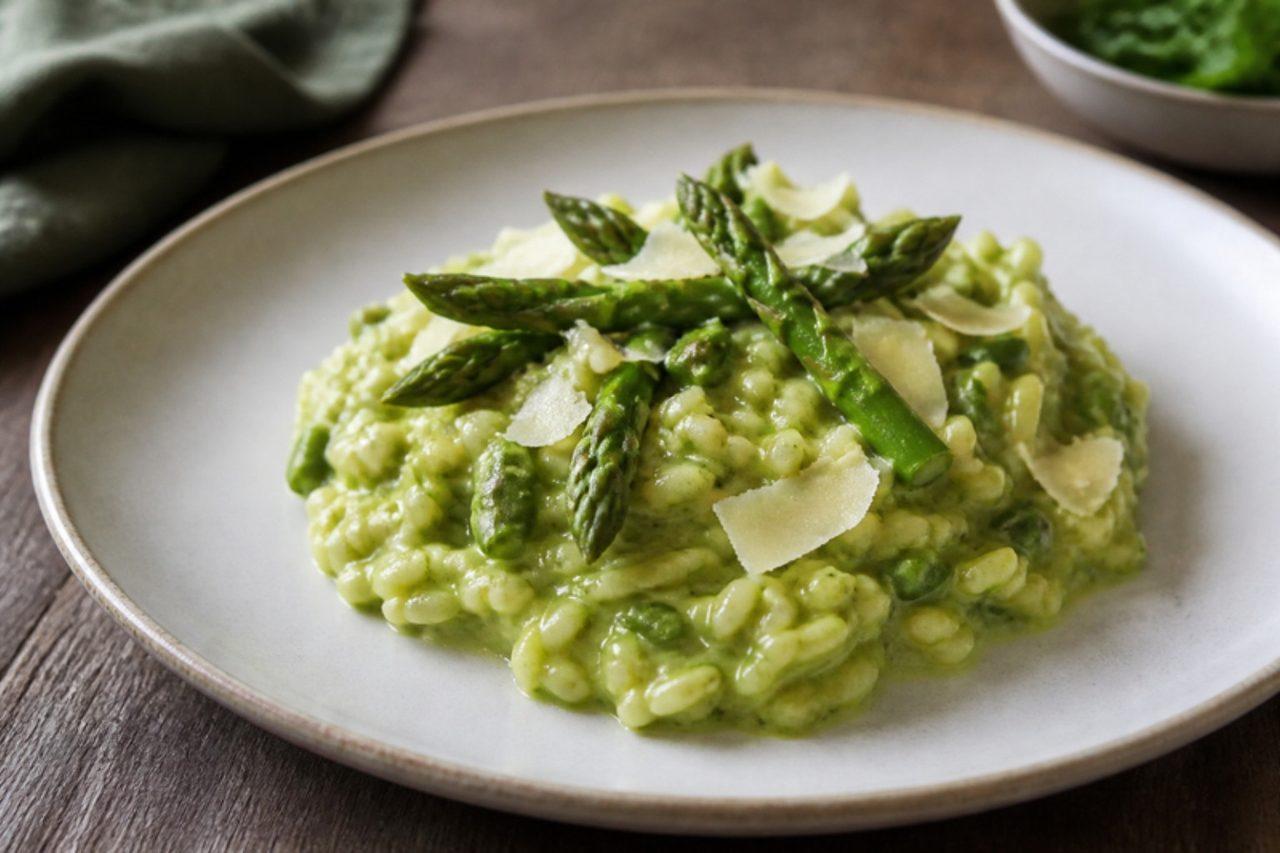
Risotto agli asparagiAsparagus risotto

In April and May the town of Bassano del Grappa celebrates its white asparagus, and all over the Veneto green and white spears turn up in risotto. The stalks are cooked into the rice so their flavour runs through every grain, and the tender tips are added at the end so they stay bright and crisp. It is a light spring Sunday lunch, often followed by grilled fish. Parmigiano is made with animal rennet; choose a vegetarian hard cheese if you need to. Alcohol is used here: white wine, which you can replace with broth and a squeeze of lemon. Chef's tip: simmer the woody ends in the broth for 15 minutes before you start; they add a lot of asparagus flavour for free.

by KrazyBadal 0 views

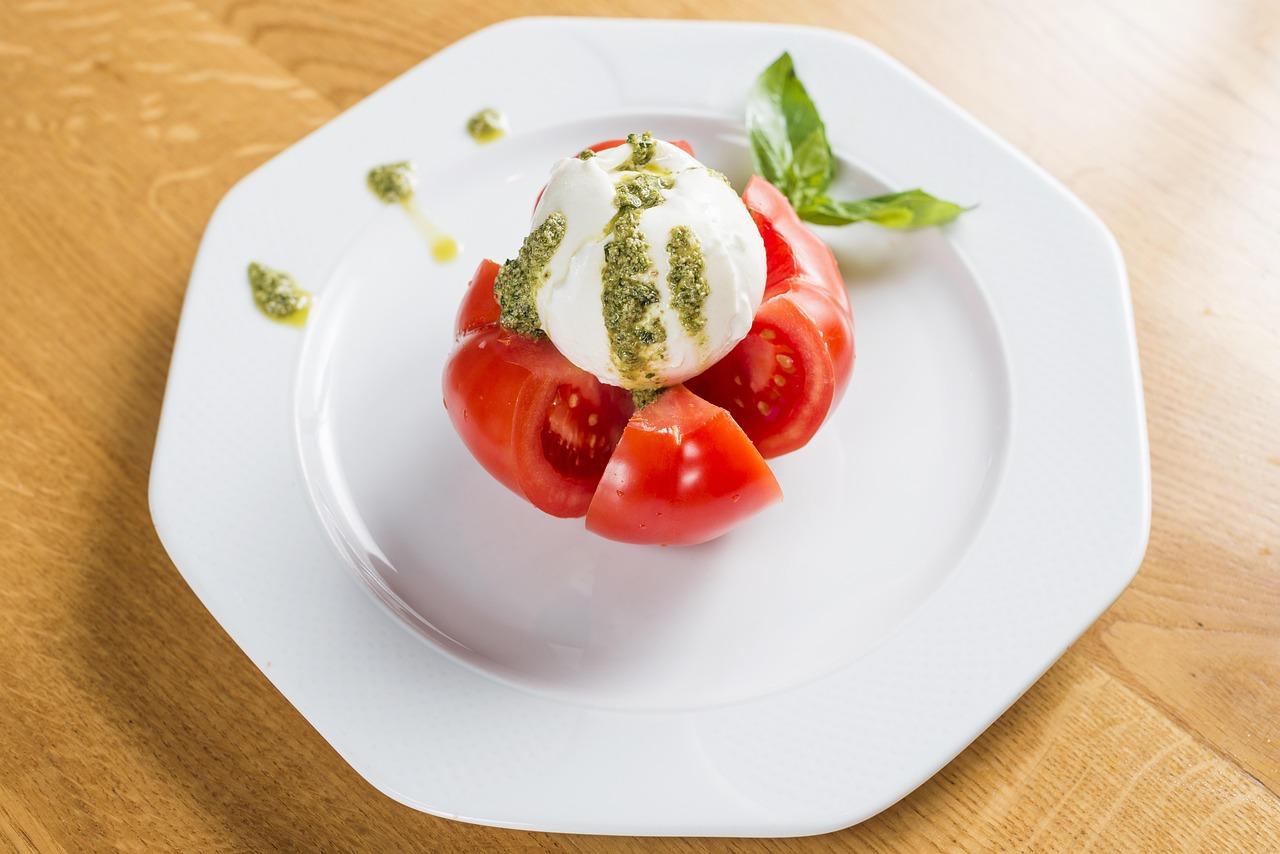
Burrata con pomodoriniBurrata with cherry tomatoes

Burrata was born in the dairies around Andria in northern Puglia as a way to use the scraps of mozzarella curd, wrapped in a pouch of stretched curd and filled with cream. In Bari and the towns of the Murge it is eaten the day it is made, often as the first thing on the table at Sunday lunch, torn open over the sweetest summer tomatoes. The outside is soft and springy; the inside, called stracciatella, spills out like thick cream. Mozzarella and burrata are usually made with calf rennet, so look for a vegetarian-rennet burrata if that matters to you. Chef's tip: take the burrata out of the fridge 30 minutes before serving; straight from the cold it tastes of very little.

by KrazyBadal 0 views

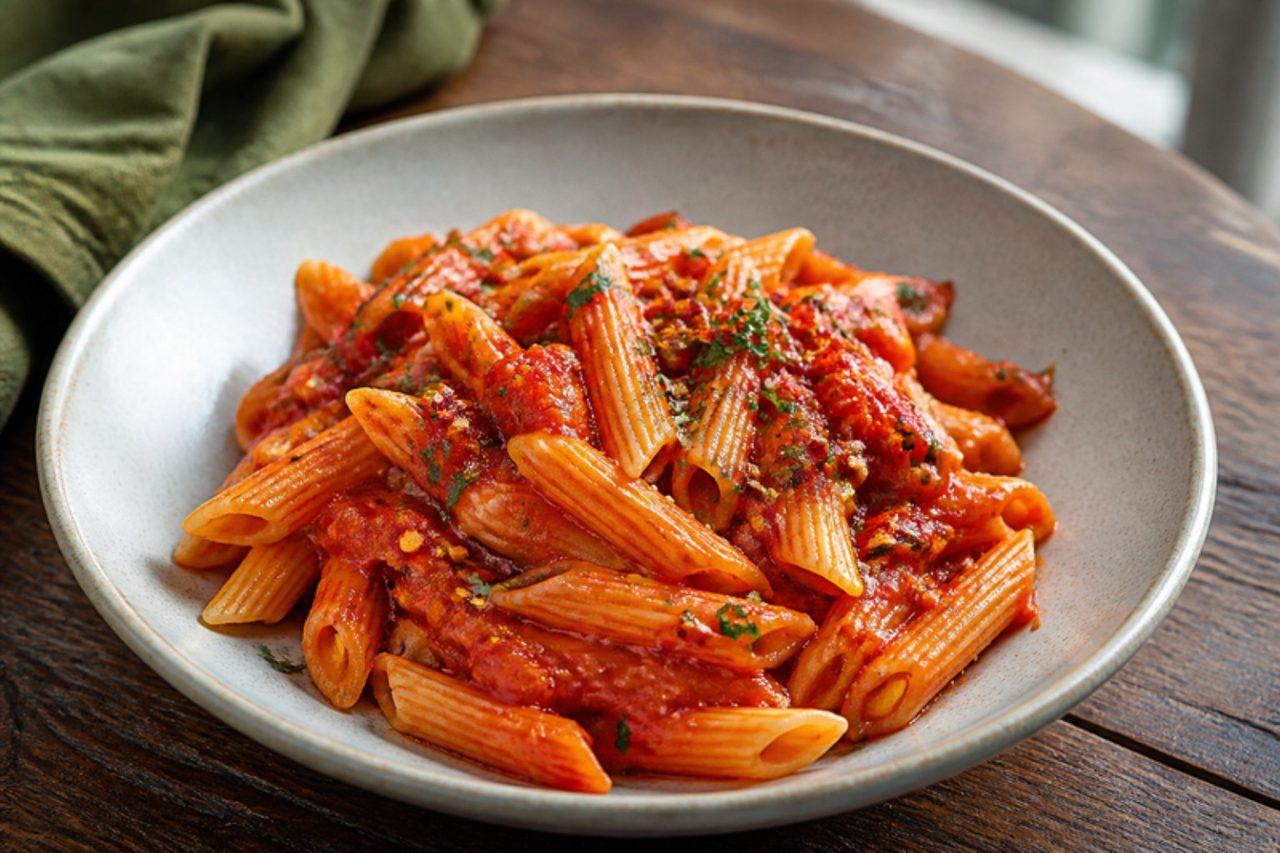
Penne all'arrabbiataPenne in spicy tomato sauce

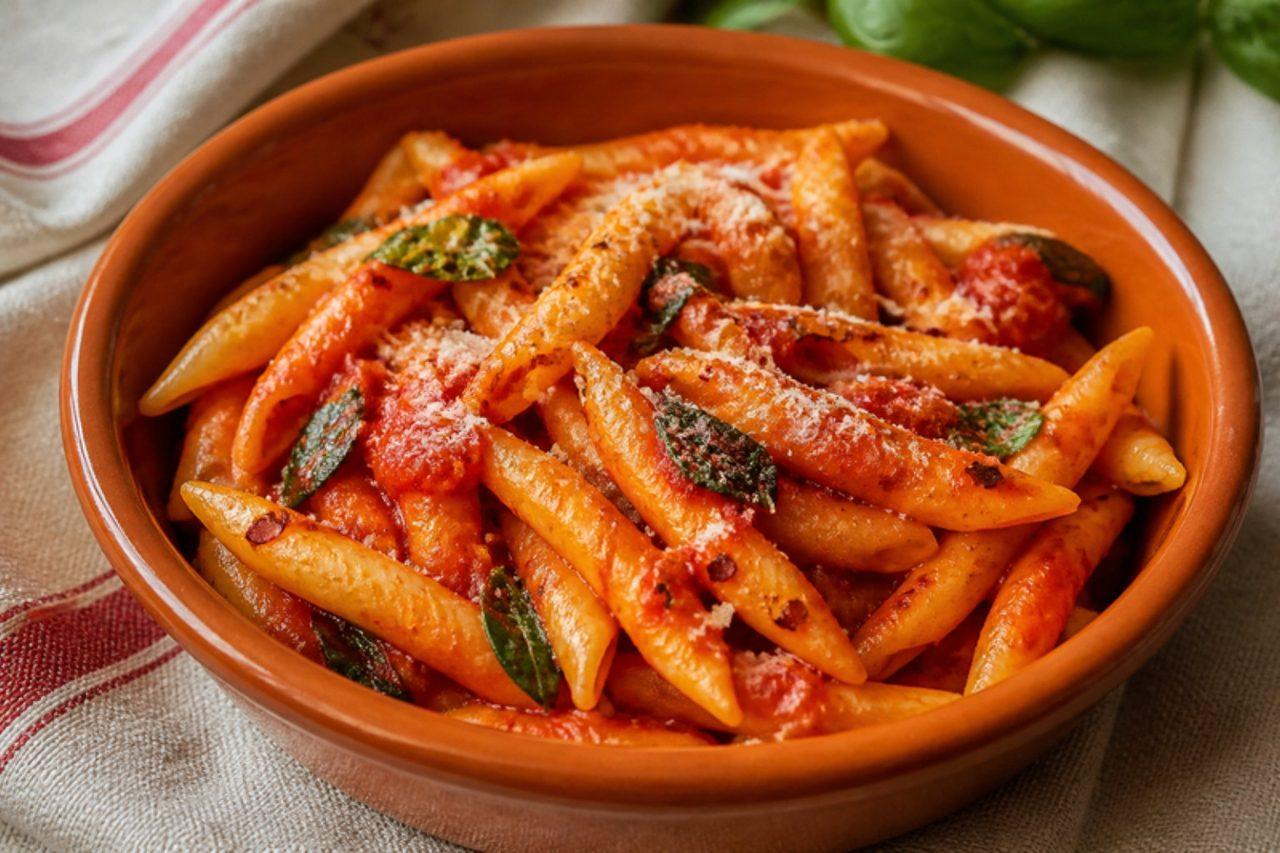
Arrabbiata means "angry", and Romans say the name comes from the red face you get after a plateful. It is the late-night pasta of Roman trattorie and student flats: penne in a tomato sauce made fierce with dried peperoncino and plenty of garlic, ready in the time the water takes to boil. There is no cheese in the classic Roman version, just parsley and the heat. Chef's tip: warm the chilli and garlic gently in the oil before the tomatoes go in; the oil carries the heat through the whole sauce, so it tastes hot all the way through rather than in random bites.

by KrazyBadal 0 views

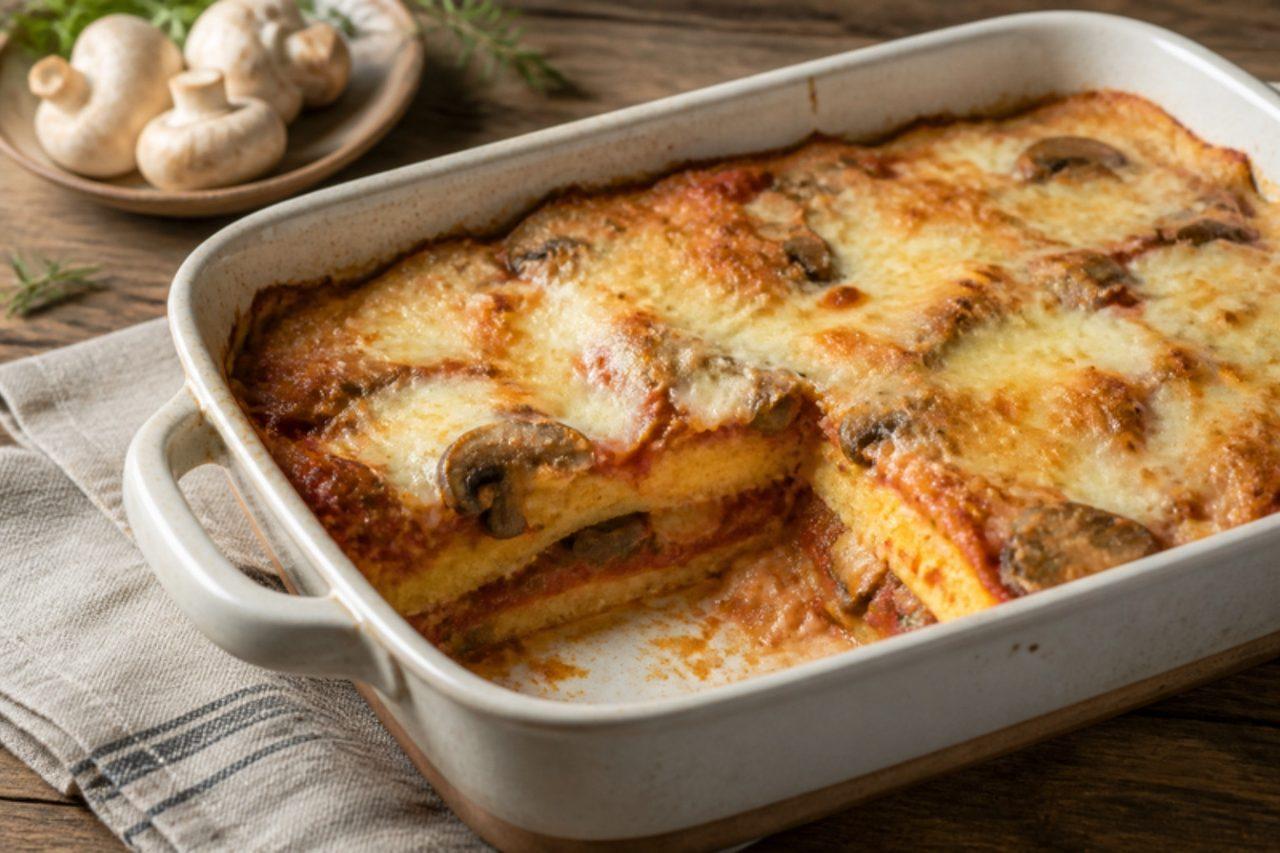
Polenta pasticciataBaked polenta with mushroom sauce

Across the Veneto and Lombardy, yesterday's polenta becomes today's polenta pasticciata: slices of set polenta layered like lasagne with a sauce of tomato and mushrooms, mozzarella and grated cheese, then baked until bubbling. It is the dish families make for Sunday in winter, often prepared on Saturday. Parmigiano is made with animal rennet, and mozzarella usually uses calf rennet; vegetarian versions work well. Chef's tip: set the polenta in a thin layer the day before; firm, cold polenta slices cleanly and holds its layers in the oven.

by KrazyBadal 0 views

Scarcella puglieseEaster egg biscuit bread

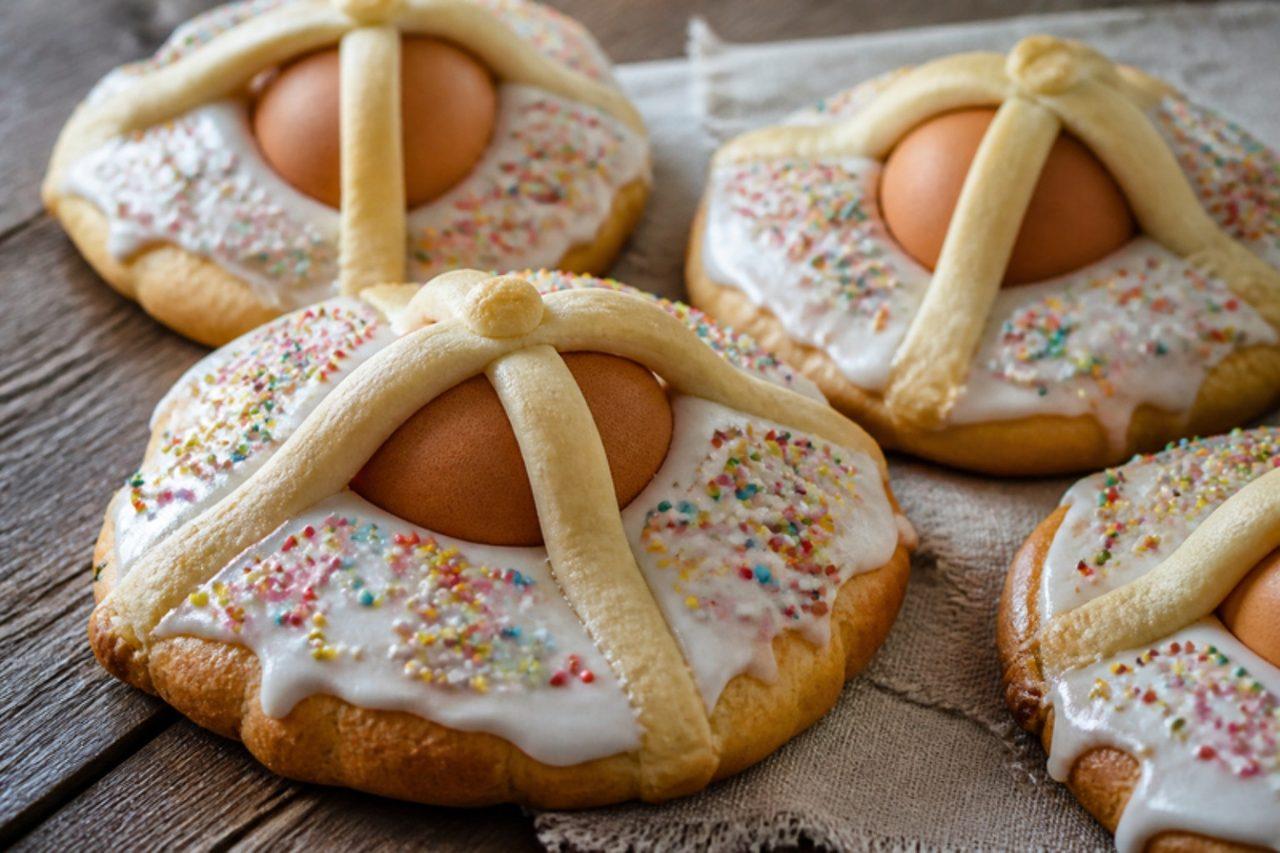
In Bari, Foggia and the Salento, scarcelle are baked in the days before Easter, often by children with their grandmothers: a soft, lemony shortbread-like dough shaped into baskets, doves, hearts or dolls, each holding a whole egg in its shell held down by strips of dough, then iced and covered in sprinkles. They are given as gifts on Easter morning and to children as a sign of new life. Chef's tip: use raw eggs in their shells and wash them first; they cook in the oven while the biscuit bakes. They are decorative, so wash and dry them well.

by KrazyBadal 0 views

Gelato alla nocciolaHazelnut gelato

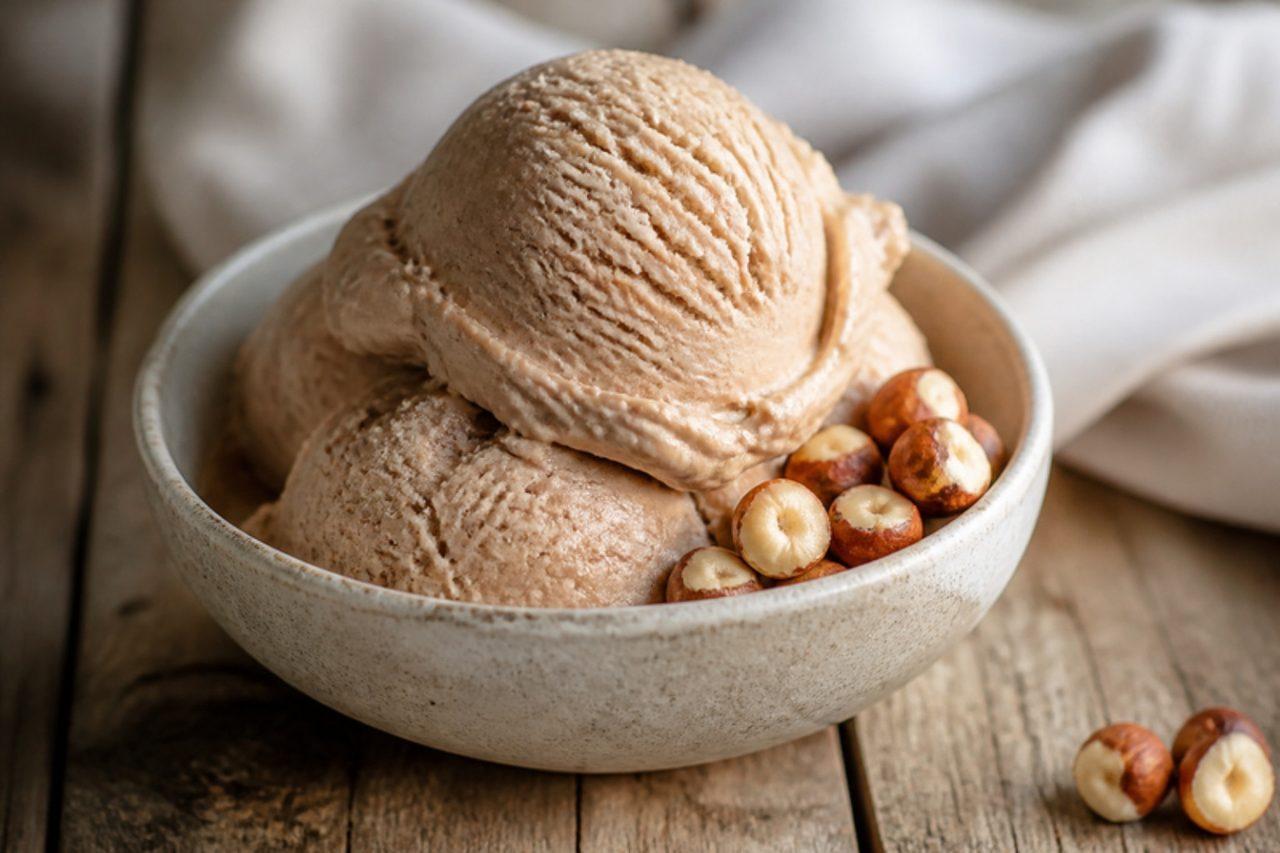
Piedmont's Langhe hills grow the Tonda Gentile hazelnut, prized for its sweet, toasty flavour, and the region's gelaterie turn it into a deep, nutty, caramel-coloured gelato that many Italians consider the king of flavours. Turin is also where hazelnut and chocolate were first combined, in gianduja. In winter the same paste goes into cakes and biscuits. Contains nuts. Chef's tip: toast the hazelnuts until dark golden right through; under-toasted nuts give a flat, green flavour.

by KrazyBadal 0 views

Gelo di melloneWatermelon jelly pudding

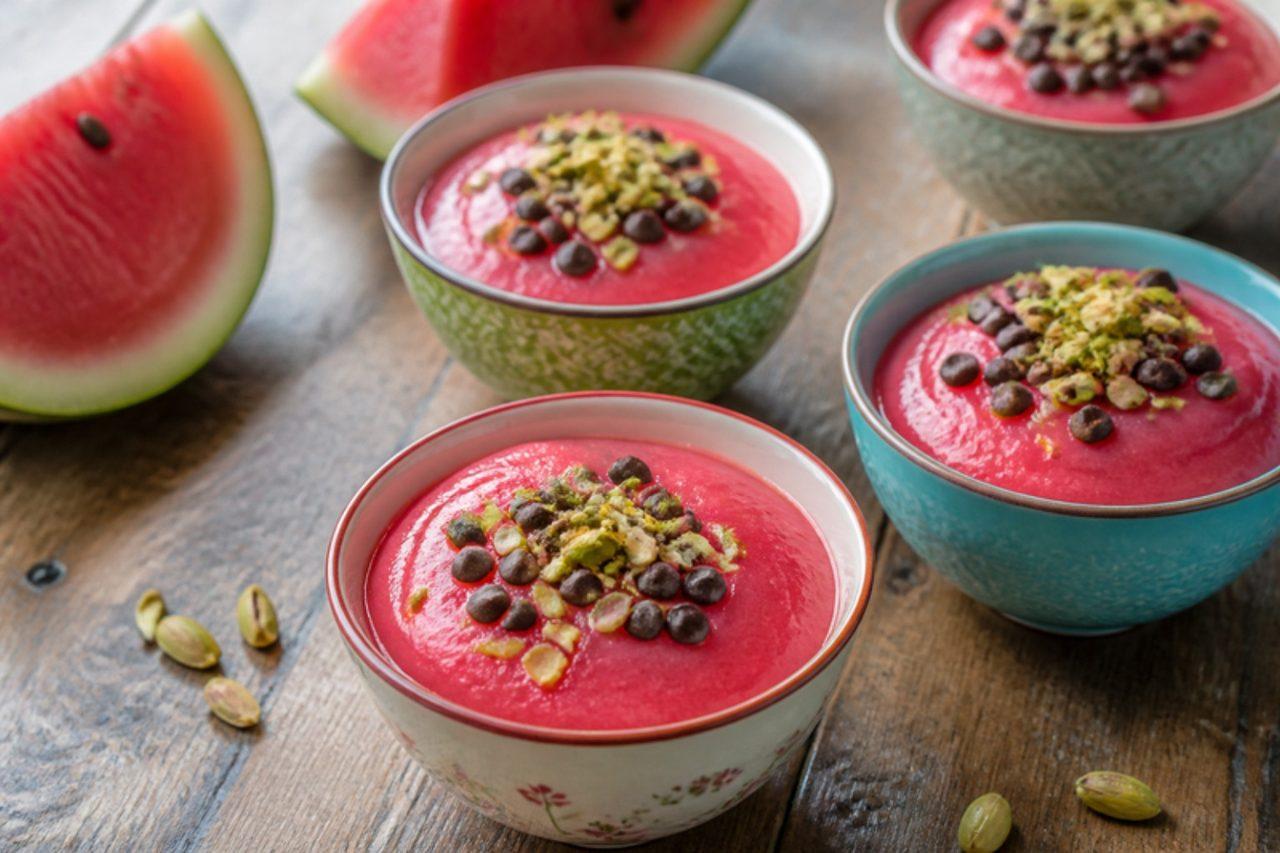
Gelo di mellone is the summer dessert of Palermo, eaten above all on 15 July for the feast of Santa Rosalia, the city's patron saint. Fresh watermelon juice is set with starch into a soft, wobbly pink pudding, scented with cinnamon and sometimes jasmine flowers, and topped with chocolate chips and chopped pistachios that look like watermelon seeds. It is served chilled in small bowls or as a tart filling. Contains nuts in the topping. Chef's tip: strain the watermelon juice through a fine sieve; any pulp clouds the jelly and stops it from setting smoothly.

by KrazyBadal 0 views

Tartufo di PizzoChocolate hazelnut gelato ball

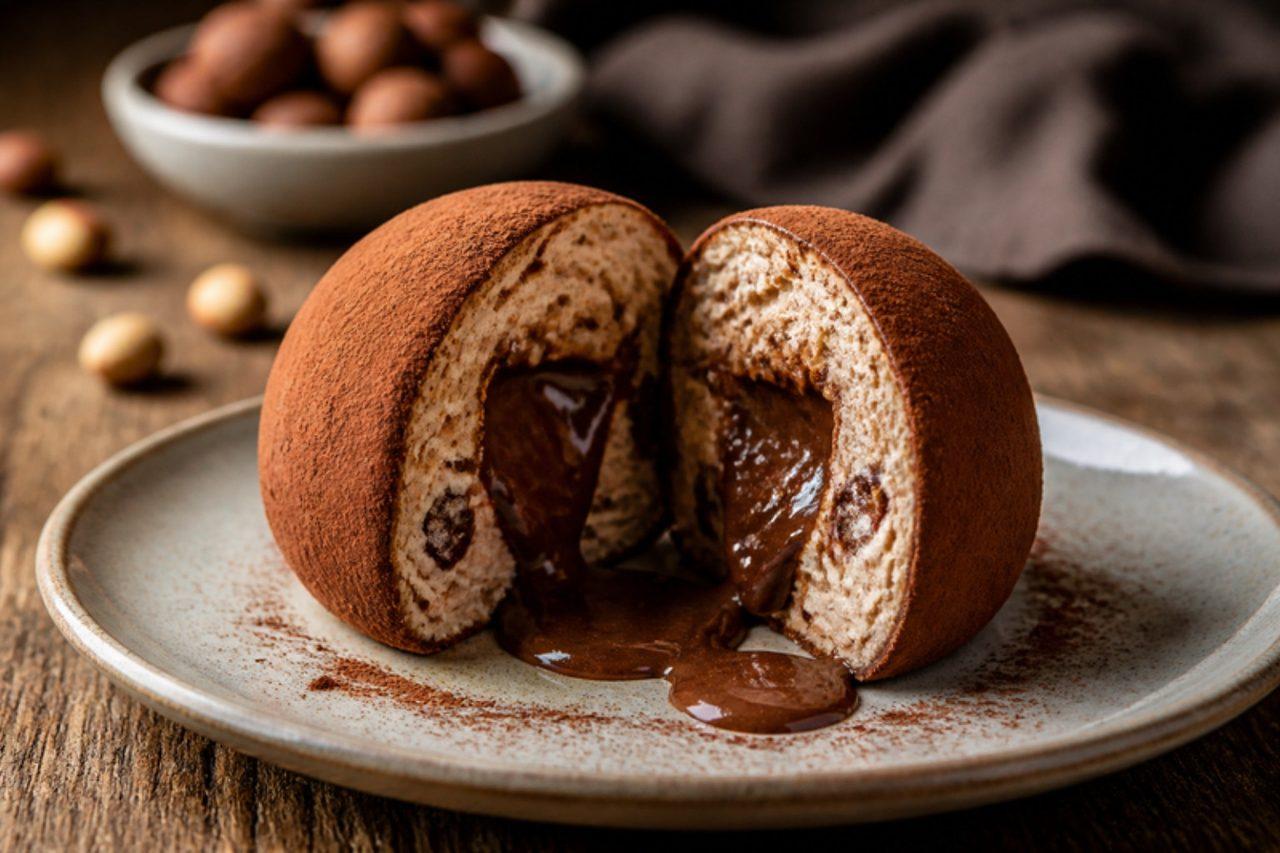
In 1952, in the seaside town of Pizzo in Calabria, a gelato maker ran out of moulds for a wedding banquet and shaped gelato by hand in his palm, around a centre of molten chocolate, then rolled it in cocoa. The tartufo, named for its resemblance to a truffle, is now protected as a local speciality, and the cafés on Pizzo's main piazza serve it in summer to crowds of visitors. Contains nuts. Chef's tip: work in a cold kitchen with chilled cling film and refreeze between each step; the gelato must stay firm enough to hold its ball shape.

by KrazyBadal 0 views

Gnocchi di zuccaPumpkin gnocchi

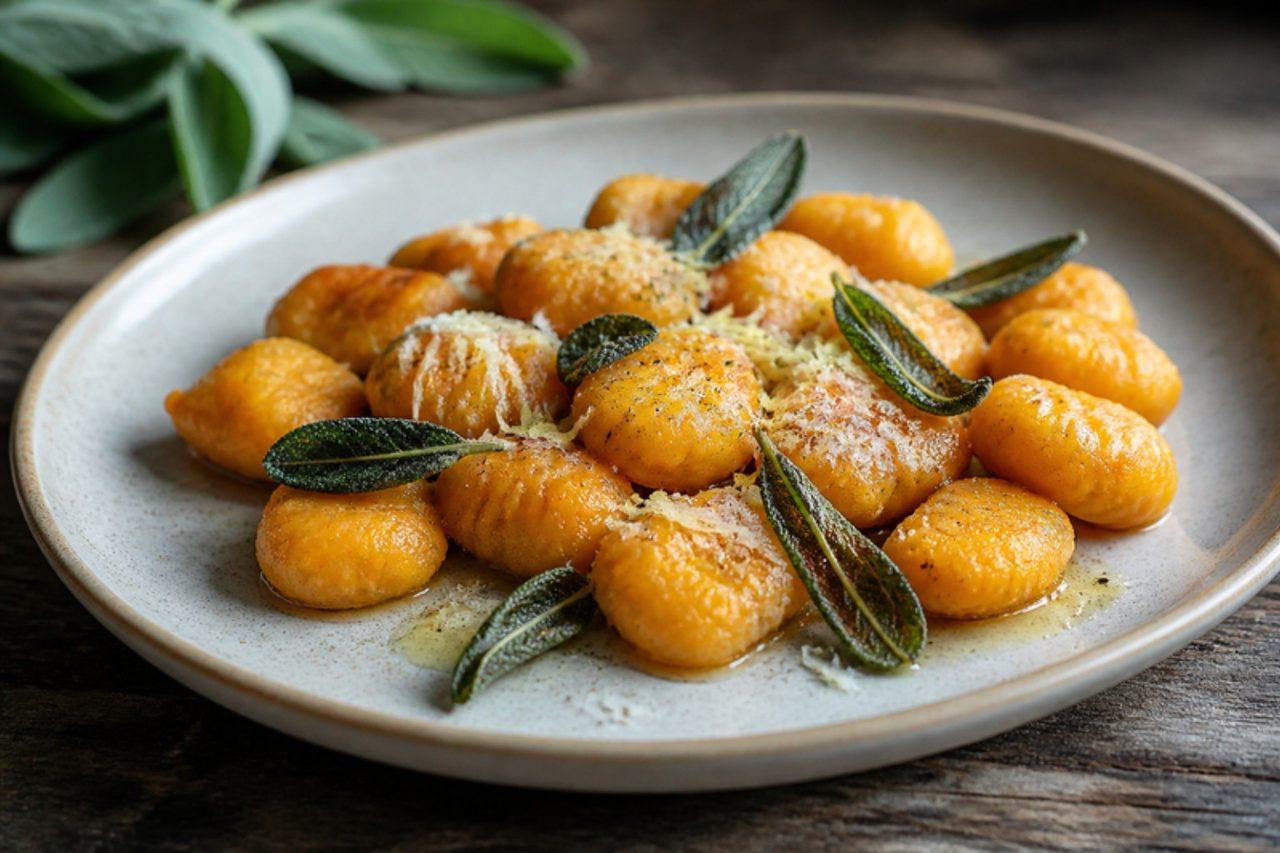
When the dense, sweet pumpkins come in from the fields around Mantua and Chioggia in October, families turn them into soft orange gnocchi, served with brown butter, sage and a heap of grated cheese. They are rustic and irregular, often shaped with two spoons rather than rolled on a board. Roasting the pumpkin instead of boiling it keeps it dry and full of flavour. Parmigiano is made with animal rennet; a vegetarian hard cheese works well. Chef's tip: add flour a little at a time and stop when the dough just holds; too much makes gnocchi that taste of flour and bounce like rubber.

by KrazyBadal 0 views

Radicchio trevigiano ai ferriGrilled radicchio

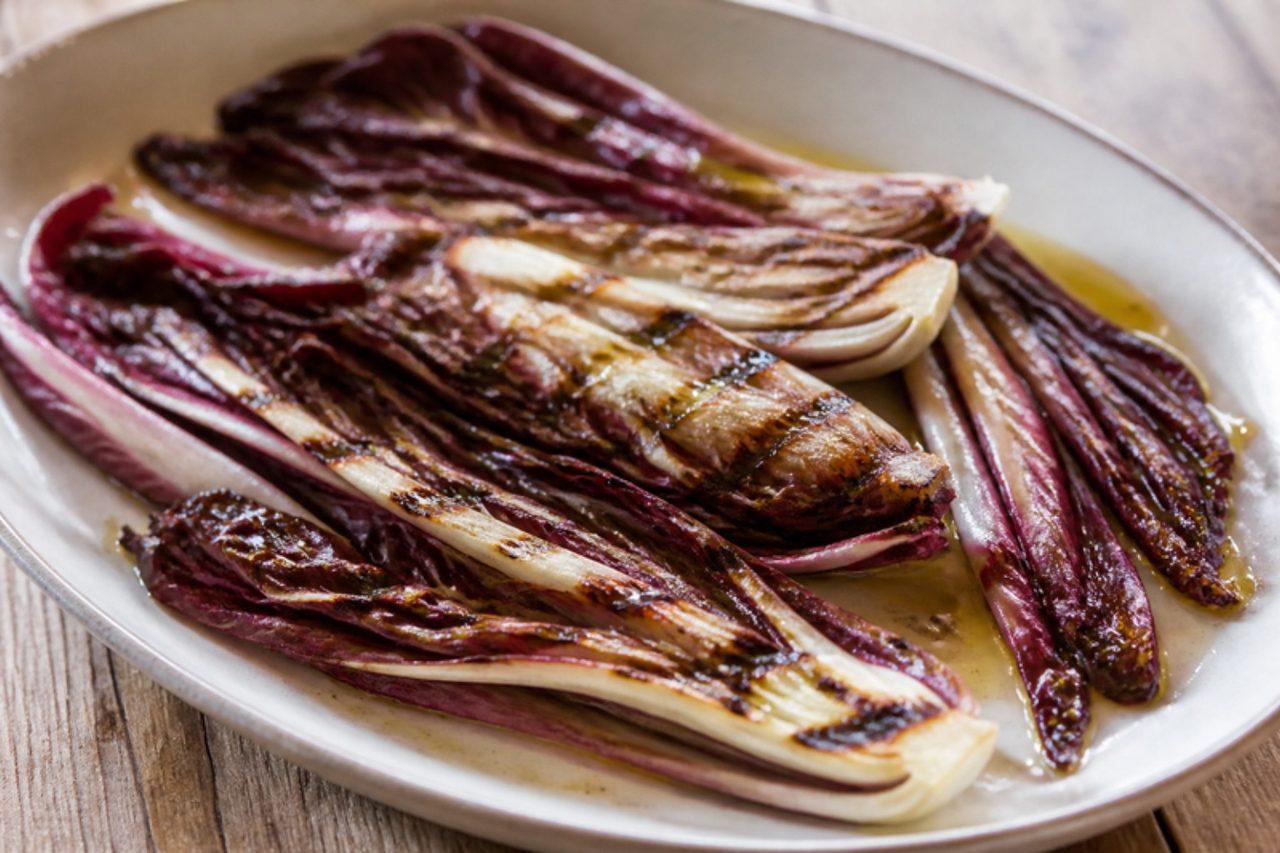
Treviso, north of Venice, is famous for its radicchio tardivo, long crimson leaves with white ribs that are harvested in December and forced in cold spring water until they are crisp and only gently bitter. In the Veneto it is often grilled on a griddle over the fire, dressed with olive oil, salt and a few drops of vinegar, and served next to grilled meat or polenta. The heat softens the bitterness and adds a smoky sweetness. Chef's tip: cut the heads lengthways through the root so the leaves stay joined and don't fall through the grill.

by KrazyBadal 0 views

Pomodori secchi sott'olioSun-dried tomatoes in oil

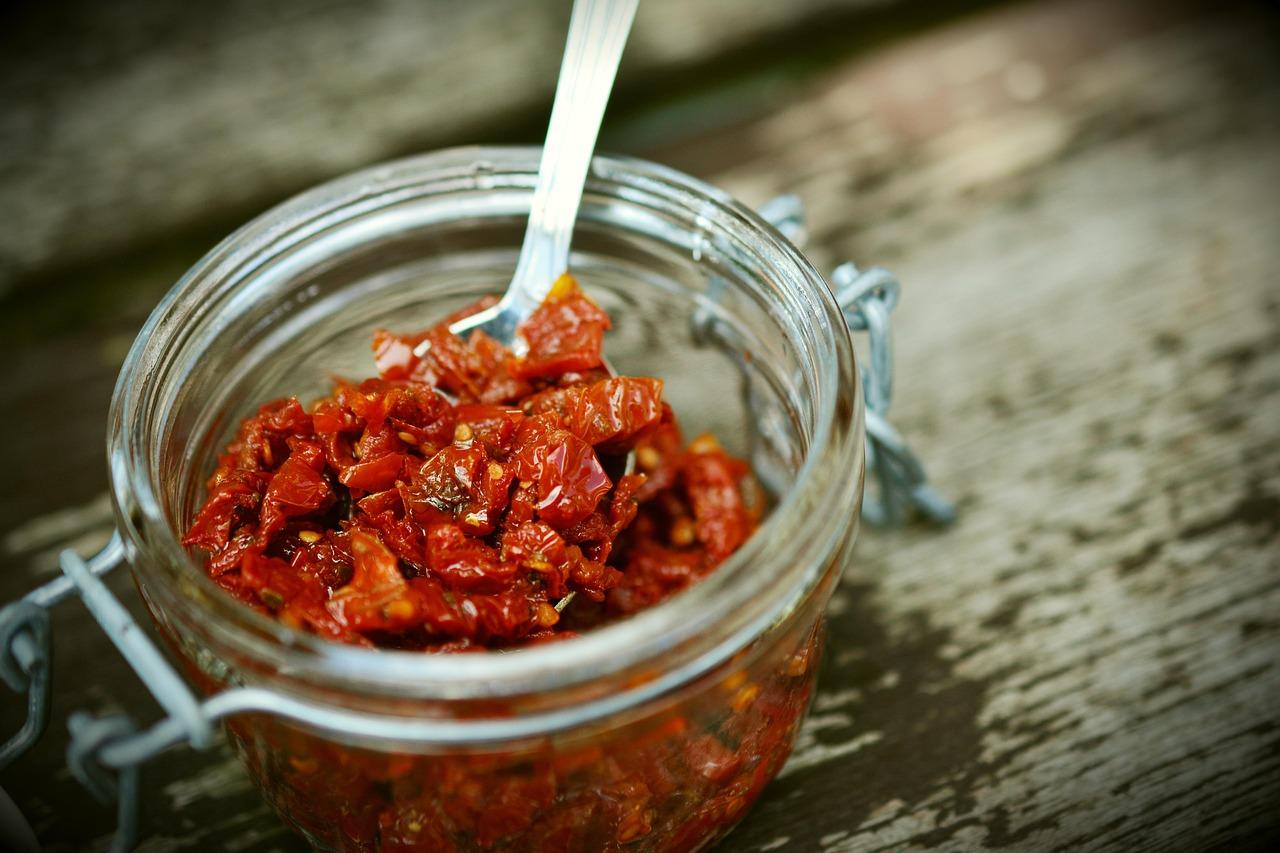
In August, in Puglia and Sicily, halved tomatoes are laid salted on wooden boards and dried in the sun on rooftops for days, then softened in vinegar and packed in oil with garlic, oregano and capers. They are eaten through the winter on bread, in pasta or in salads. This recipe starts from shop-bought dried tomatoes. Chef's tip: dip the tomatoes in hot vinegar and water before packing; it softens them, adds a tang and makes them safer to keep in oil.

by KrazyBadal 0 views

Giardiniera piemontesePickled mixed vegetables

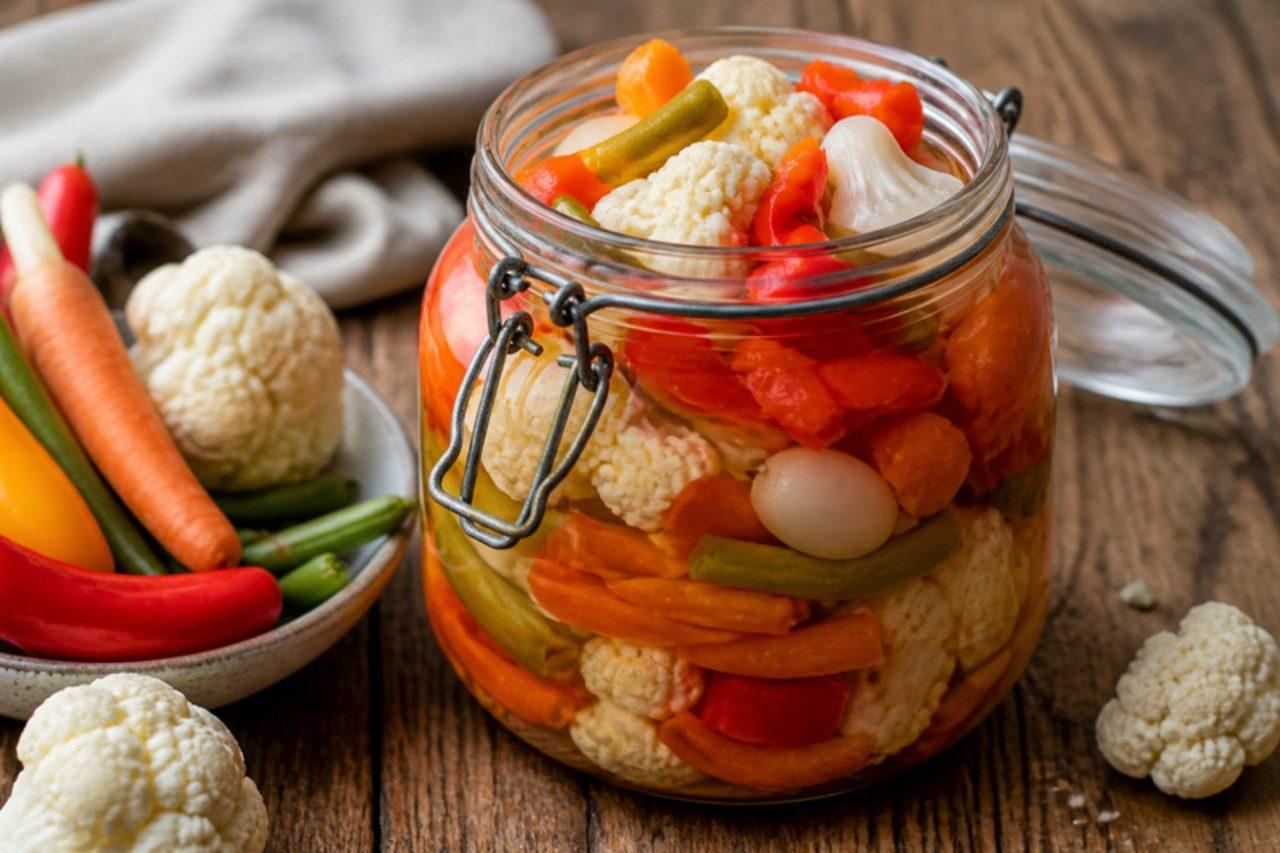
Giardiniera means "from the garden", and in Piedmont and the north of Italy it is the colourful jar of mixed pickled vegetables served with boiled meats (bollito misto), cold cuts or tuna. Unlike the spicy Chicago-style relish, Italian giardiniera is cut into larger pieces and cooked briefly in a sweet-sour mixture of vinegar, sugar, tomato and a little oil. Families make it in late summer when the garden is full. Chef's tip: add the vegetables to the pan in order of hardness, carrots first and cauliflower and peppers later, so each one stays crunchy.

by KrazyBadal 0 views

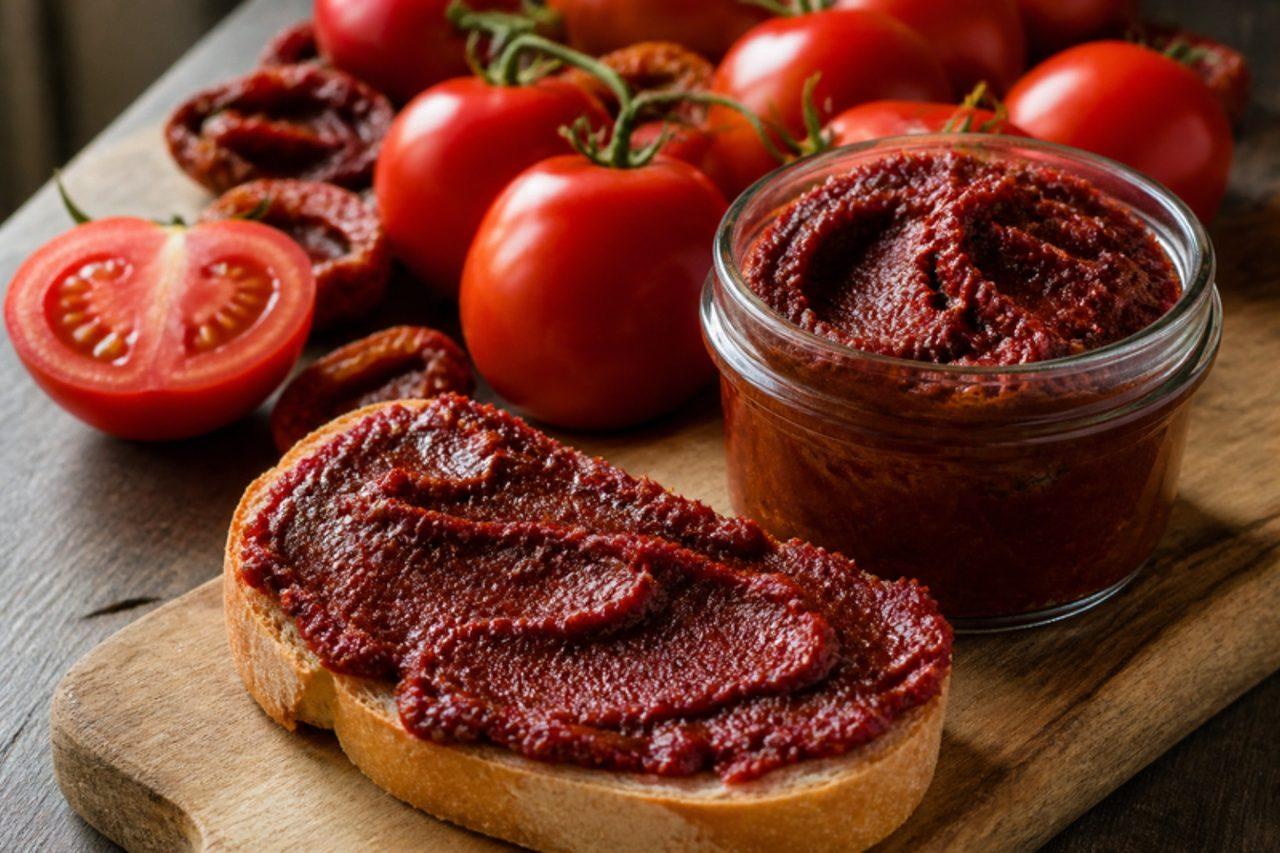
StrattuSun-dried tomato paste

In late August in western Sicily, around Trapani and Palermo, tomato purée is spread on large wooden boards and left in the hot sun for several days, stirred by hand until it turns into a thick, dark-red paste that smells of sun and sweet tomatoes. Strattu, short for "estratto", is used a spoonful at a time to give depth to sauces and stews. This home version dries the passata slowly in a low oven over a day. Chef's tip: spread the purée thin, no more than 1 cm, and stir it every hour; thick layers dry on top and stay wet underneath.

by KrazyBadal 0 views

Pici all'aglioneHand-rolled pasta in garlic tomato sauce

Pici are fat, uneven strands of pasta rolled by hand on the board, the everyday pasta of southern Tuscany around Siena, Montepulciano and the Val di Chiana. There they are served all'aglione, in a tomato sauce slowly cooked with aglione, a giant local garlic with a mild, almost sweet taste. Ordinary garlic is much stronger, so this recipe blanches it first to tame it. It is Sunday food at village sagre in summer, when tables are set up in the piazza. Chef's tip: roll the pici on a wooden board, not a smooth worktop; a little friction stretches them into long strands instead of sliding.

by KrazyBadal 0 views

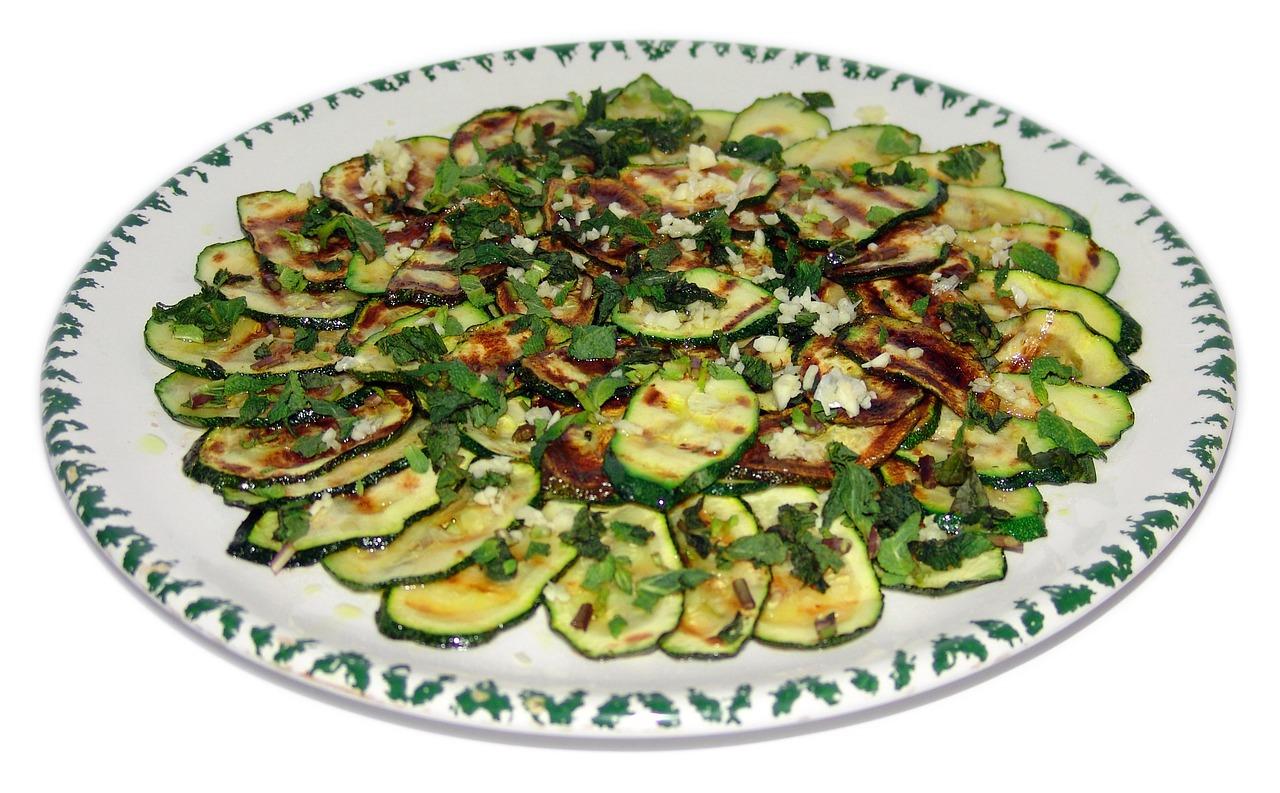
Zucchine alla scapeceMarinated fried courgettes

Scapece is an old way of preserving fried food with vinegar, brought to Naples from Spain (escabeche). In Neapolitan homes, courgette slices are fried until golden, then layered with garlic, fresh mint and a splash of wine vinegar and left for a few hours. The dish is a summer classic, served at room temperature as part of a Sunday antipasto spread or alongside grilled meat, and it gets better the next day. Chef's tip: dry the courgette slices in the sun or on a rack for an hour before frying, as Neapolitan grandmothers do; dry slices fry crisp and golden instead of steaming.

by KrazyBadal 0 views

Tortelli di CarnevaleFried choux puffs

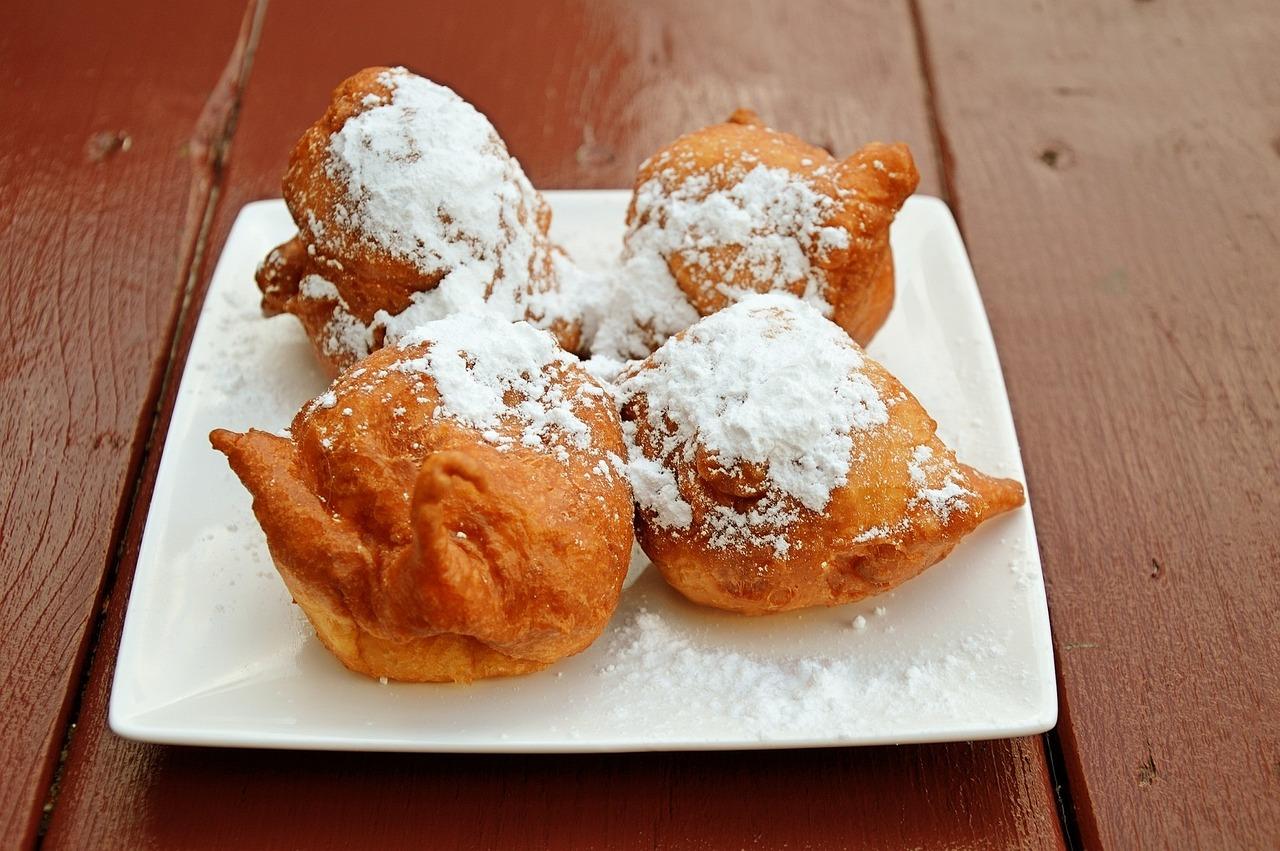
In Milan, Carnival lasts a few days longer than everywhere else, following the old Ambrosian calendar, and the bakeries fill with tortelli: little balls of choux pastry fried until they puff up hollow, light and golden, then rolled in sugar. Milanese children eat them warm from paper bags, and bakeries sell them plain or filled with custard, chocolate cream or zabaglione. Chef's tip: drop spoonfuls of dough into oil that is not too hot and let them turn themselves over; when they puff and roll on their own, they are hollow and cooked inside.

by KrazyBadal 0 views

Frittelle di risoRice fritters

In Florence and across Tuscany, frittelle di riso are fried on 19 March for the feast of San Giuseppe (Father's Day in Italy), and also through Carnival. Rice is cooked slowly in milk until soft and creamy, then left overnight, mixed with egg, flour and lots of lemon and orange zest, and fried by the spoonful into golden fritters, rolled in sugar. Stalls in Florence's piazzas sell them in paper bags. Chef's tip: cook the rice the day before and chill it; cold, set rice holds its shape in the oil.

by KrazyBadal 0 views

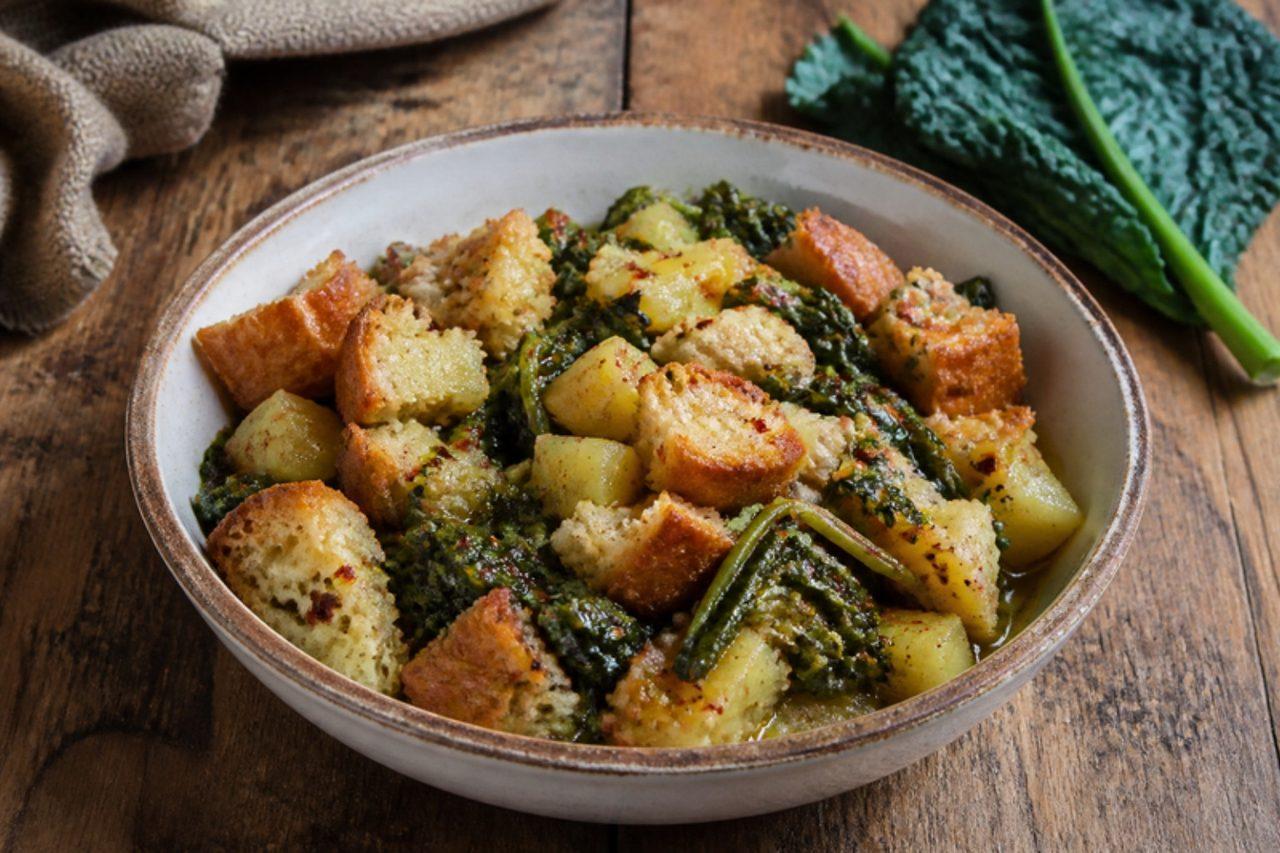
Pancotto puglieseBread and greens soup

Pancotto, "cooked bread", is the purest cucina povera of Puglia, from the farms of the Tavoliere plain around Foggia to the villages of the Gargano: stale bread, potatoes and whatever greens are growing, such as turnip tops, chicory or rocket, simmered together in salted water and dressed generously with raw olive oil and chilli. It was a farmworker's supper and is still the comfort dish families make in winter. Chef's tip: use a dense, day-old country loaf with a thick crust; soft sliced bread turns into a slimy mush.

by KrazyBadal 0 views

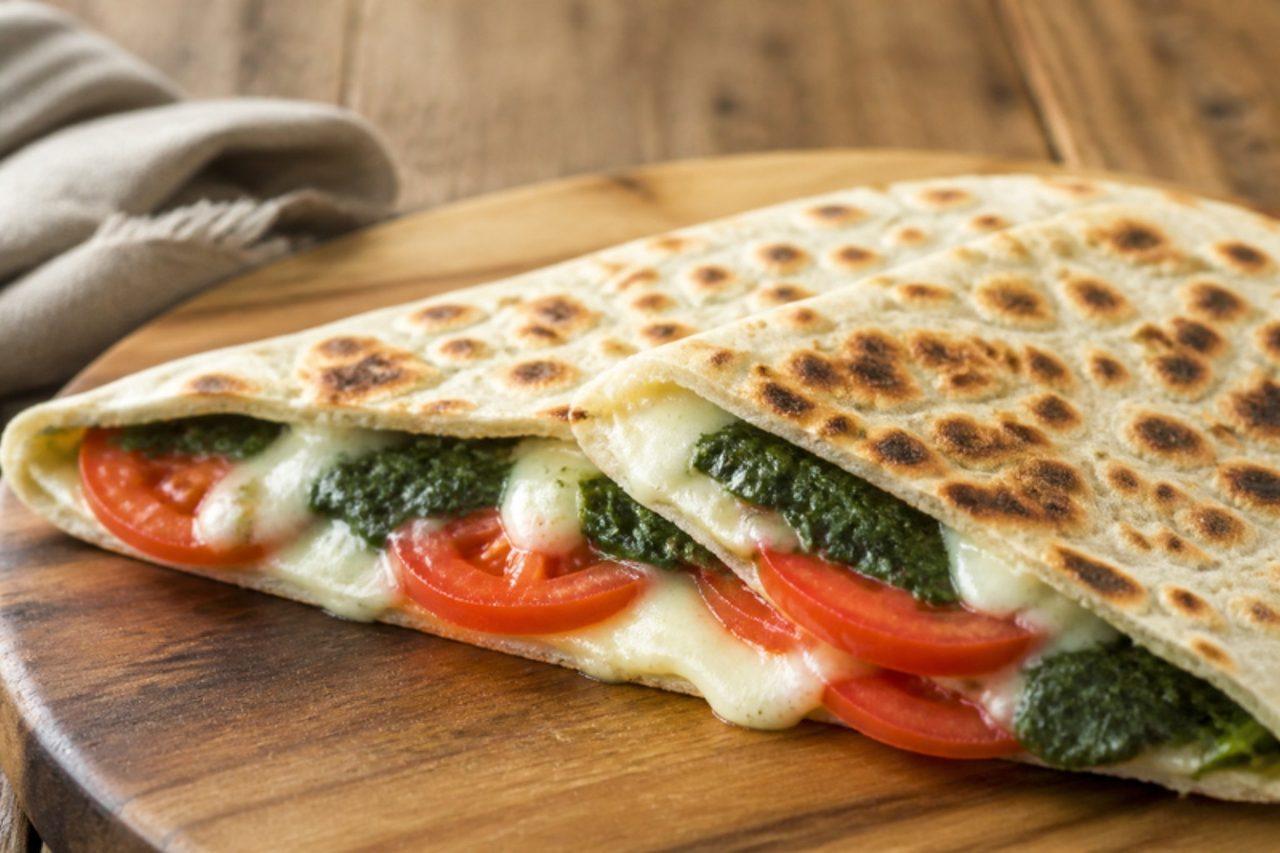
CrescioneFolded filled flatbread

Along the Romagna coast, in Rimini, Cesena and Riccione, every piadina kiosk also sells crescioni (called cassoni in some towns): a thin disc of piadina dough folded in half over a filling and sealed into a half-moon, then cooked on a hot griddle. The classic fillings are tomato and mozzarella, or wild greens and potato, eaten as a beach lunch or a late snack. Piadina dough is traditionally made with pork lard; this vegetarian version uses olive oil. Mozzarella is usually made with calf rennet; vegetarian versions are easy to find. Chef's tip: seal the edges with a fork and cook on a medium heat, not high; the dough needs time to cook through before it burns.

by KrazyBadal 0 views

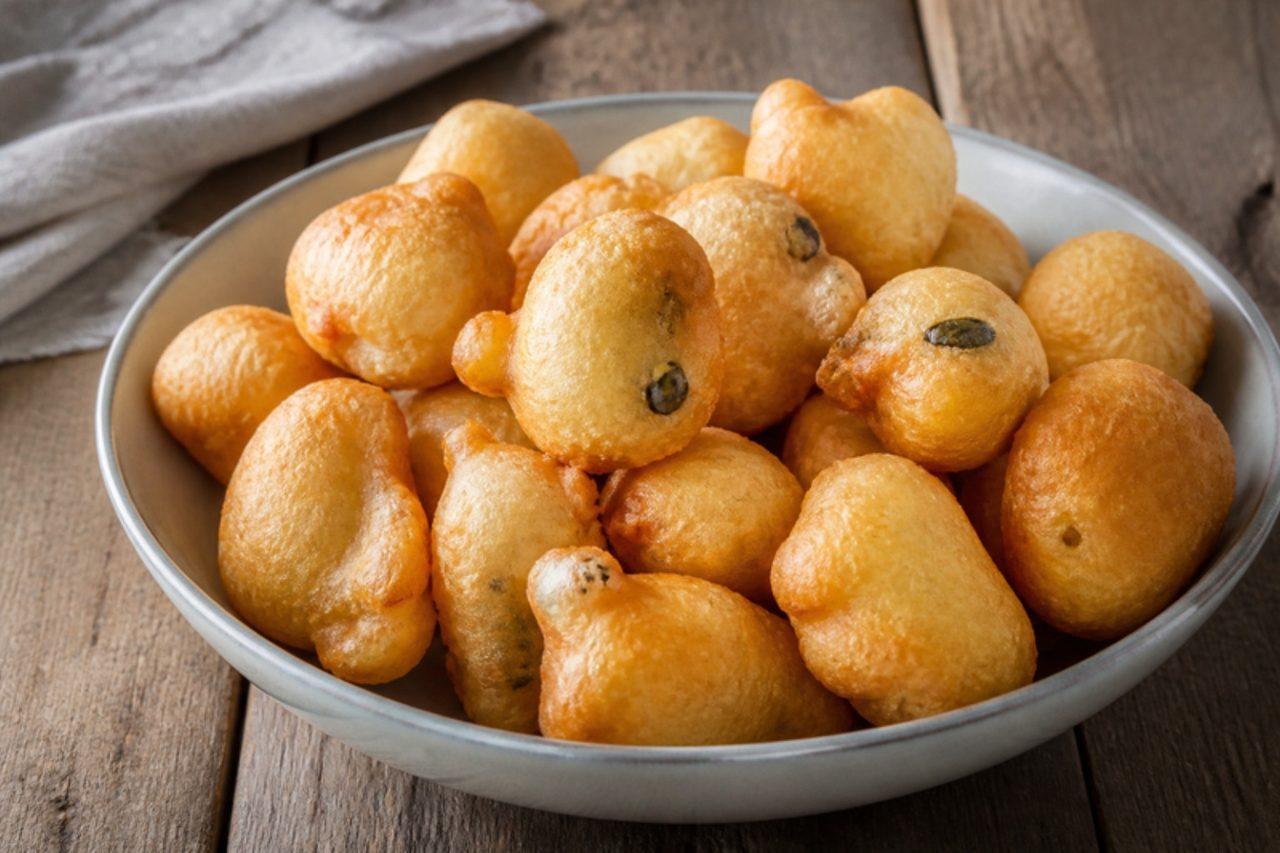
PittuleFried dough balls

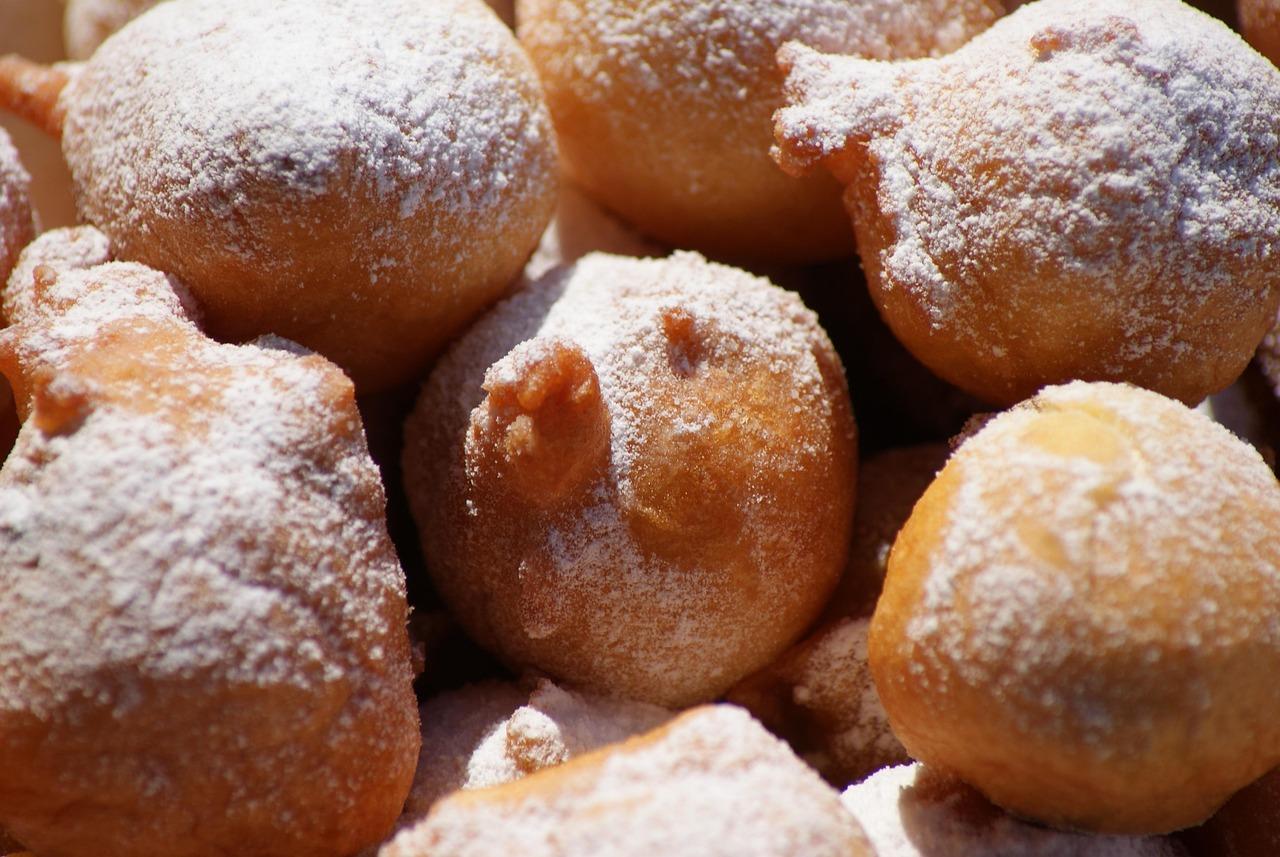
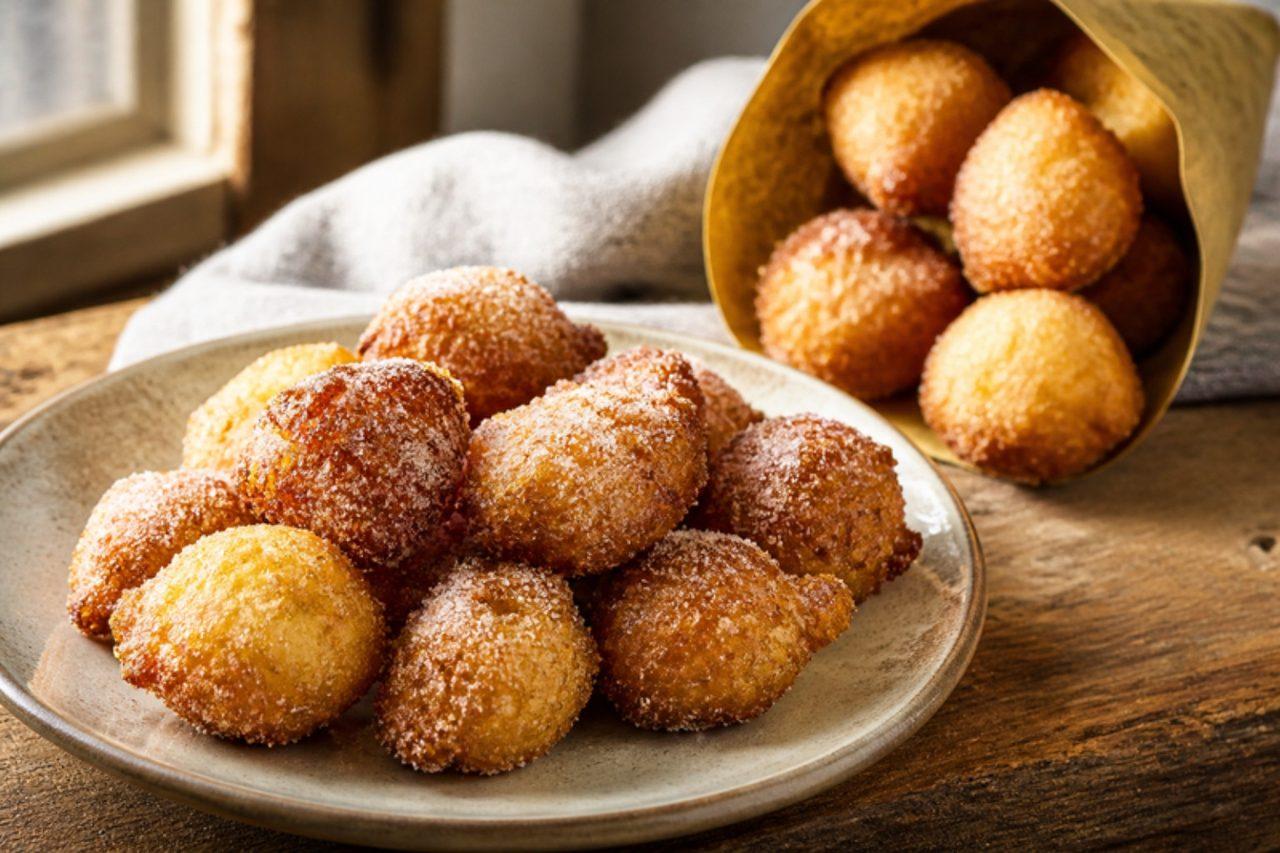
In the Salento, the heel of Puglia, pittule are fried on the night of 7 December, the eve of the Immaculate Conception, to open the Christmas season, and again on St Martin's Day in November when the new wine is tasted. The dough is so wet it can't be shaped; it is dropped from a spoon or a wet hand into hot olive oil, puffing into soft, irregular golden balls. Plain ones are dusted with sugar; savoury ones hide olives, capers or cherry tomatoes. Chef's tip: dip your hand or spoon in water before each scoop so the sticky dough slides off into the oil.

by KrazyBadal 0 views

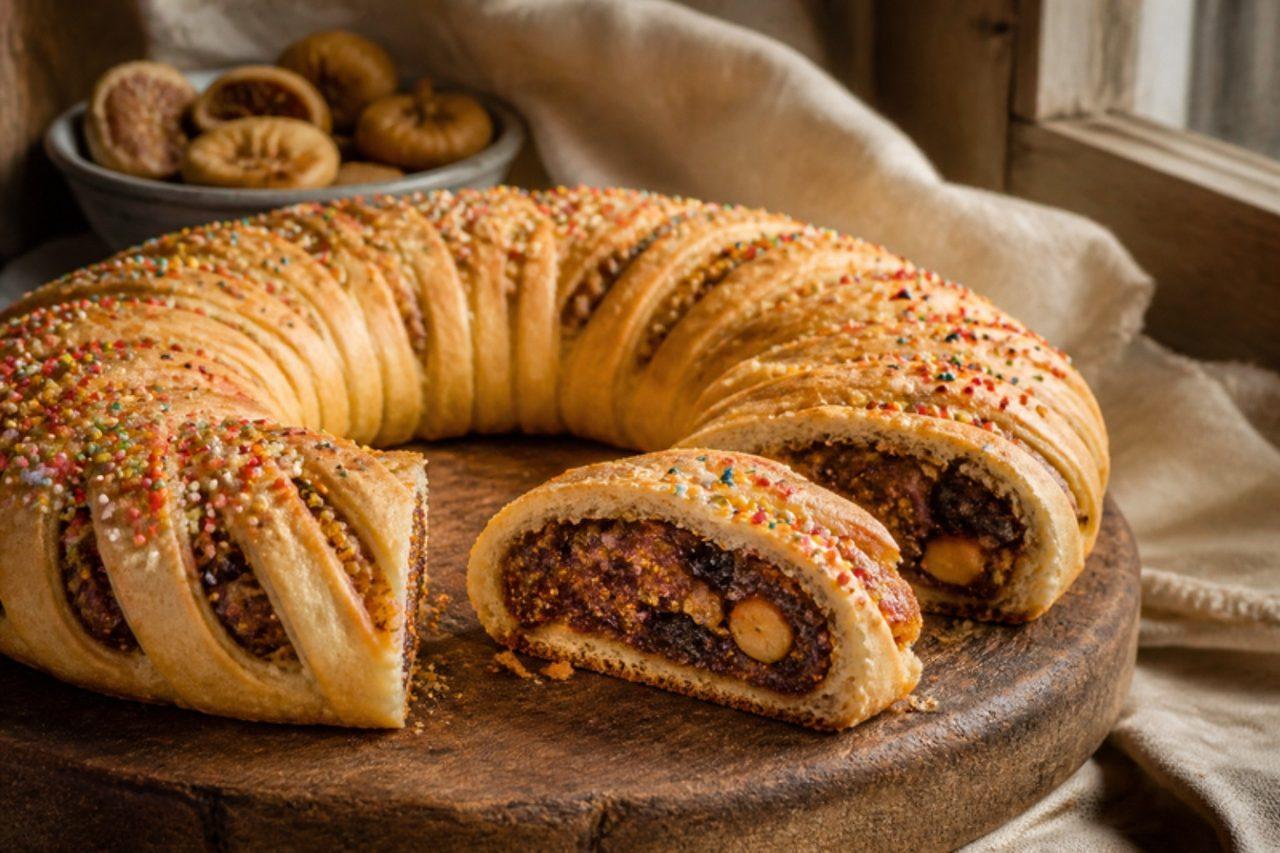
Buccellato sicilianoFig and nut pastry ring

In Palermo and western Sicily, buccellato is the great Christmas ring: a crumbly shortcrust wrapped around a dark, sticky filling of dried figs, raisins, almonds, walnuts, orange peel, chocolate and spices, often decorated with cuts along the top and coloured sprinkles. Families start the filling days ahead and bake several rings to give away. The filling traditionally includes a splash of Marsala; use orange juice for an alcohol-free version. Chef's tip: cut slits along the top of the ring before baking; they let steam out and show off the dark filling.

by KrazyBadal 0 views

Canestrelli liguriFlower shortbread biscuits

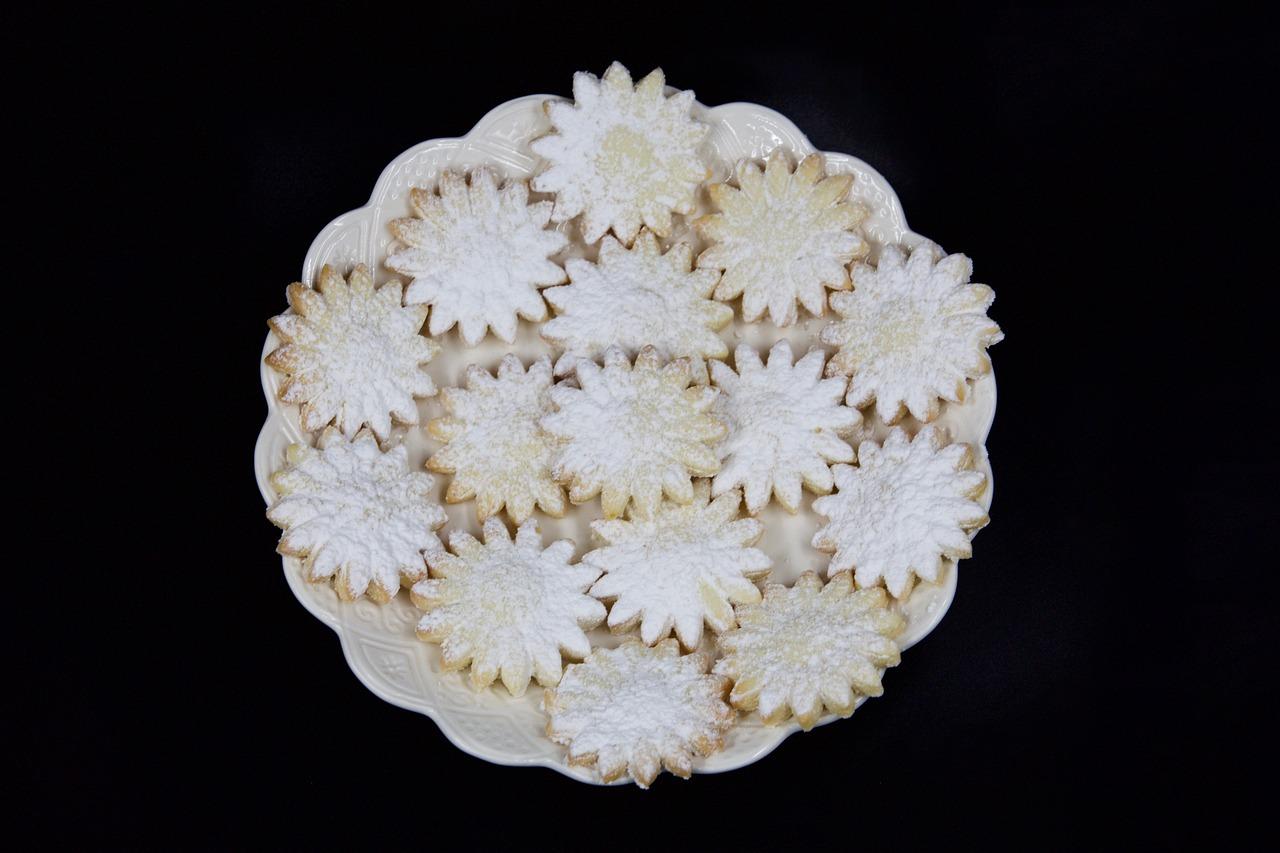
Canestrelli are the most delicate biscuits in Liguria: daisy-shaped shortbread with a hole in the middle, so fragile they melt in the mouth. The secret is hard-boiled egg yolks pushed through a sieve into the dough, with potato starch, which makes them crumbly and sandy. They are sold in Genoa and the hill town of Torriglia, piled in paper and covered with snowy icing sugar. Chef's tip: work the dough as little as possible and keep it cold; warm dough becomes too soft to cut into neat flowers.

by KrazyBadal 0 views

KrumiriCornmeal butter biscuits

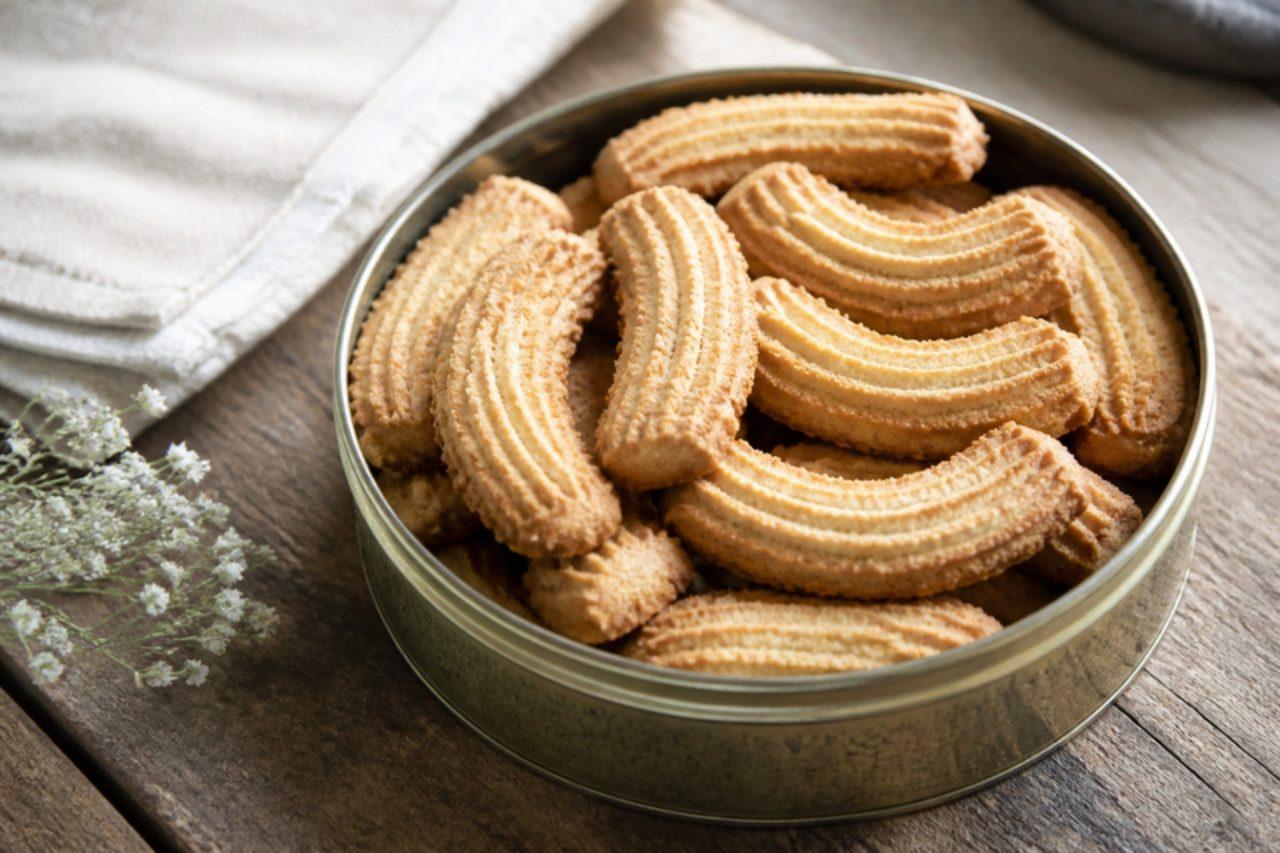
Krumiri were created in 1878 in Casale Monferrato in Piedmont, and they are said to be shaped like the curled moustache of King Vittorio Emanuele II, who had just died. They are sandy, buttery biscuits made with flour and fine cornmeal, piped through a star nozzle into a curved line, and still sold in their red tins in the town's old shops. Piedmontese eat them dunked in a glass of sweet wine or with a cup of hot chocolate. Chef's tip: use fine cornmeal, not coarse polenta; coarse grains make the biscuits gritty and stop them piping.

by KrazyBadal 0 views

Gelato al fiordilatteMilk gelato

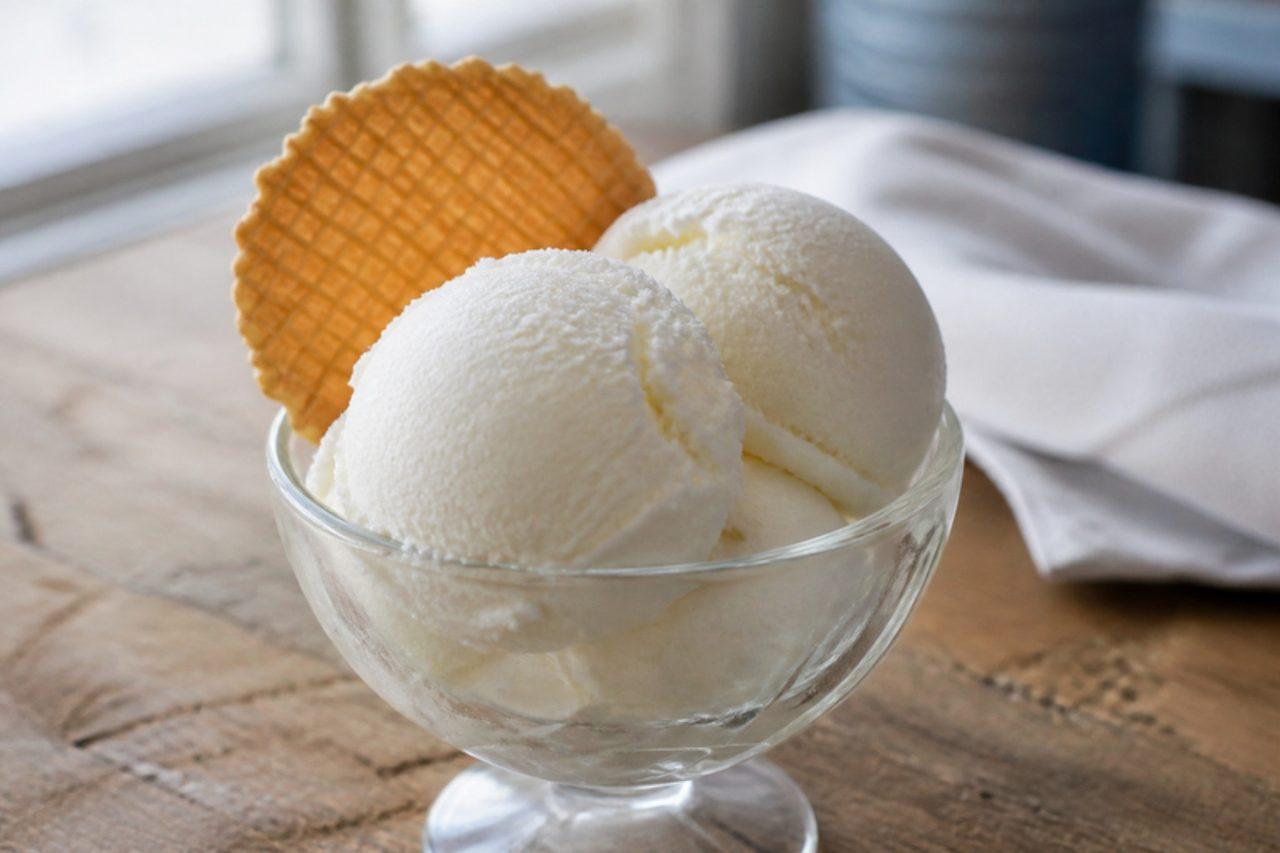
In every gelateria from Turin to Palermo, fior di latte ("flower of milk") is the plainest flavour in the case and the one gelato makers judge each other by: just fresh milk, cream and sugar, with no eggs and no vanilla, so it tastes clean and milky. It is the base for stracciatella and the perfect partner for fruit sorbets in a cone. Italian children often choose it on summer evenings during the passeggiata. Chef's tip: chill the base overnight before churning; a fully cold base freezes faster into smaller ice crystals, which makes it smoother.

by KrazyBadal 0 views

Spumone napoletanoLayered gelato dessert

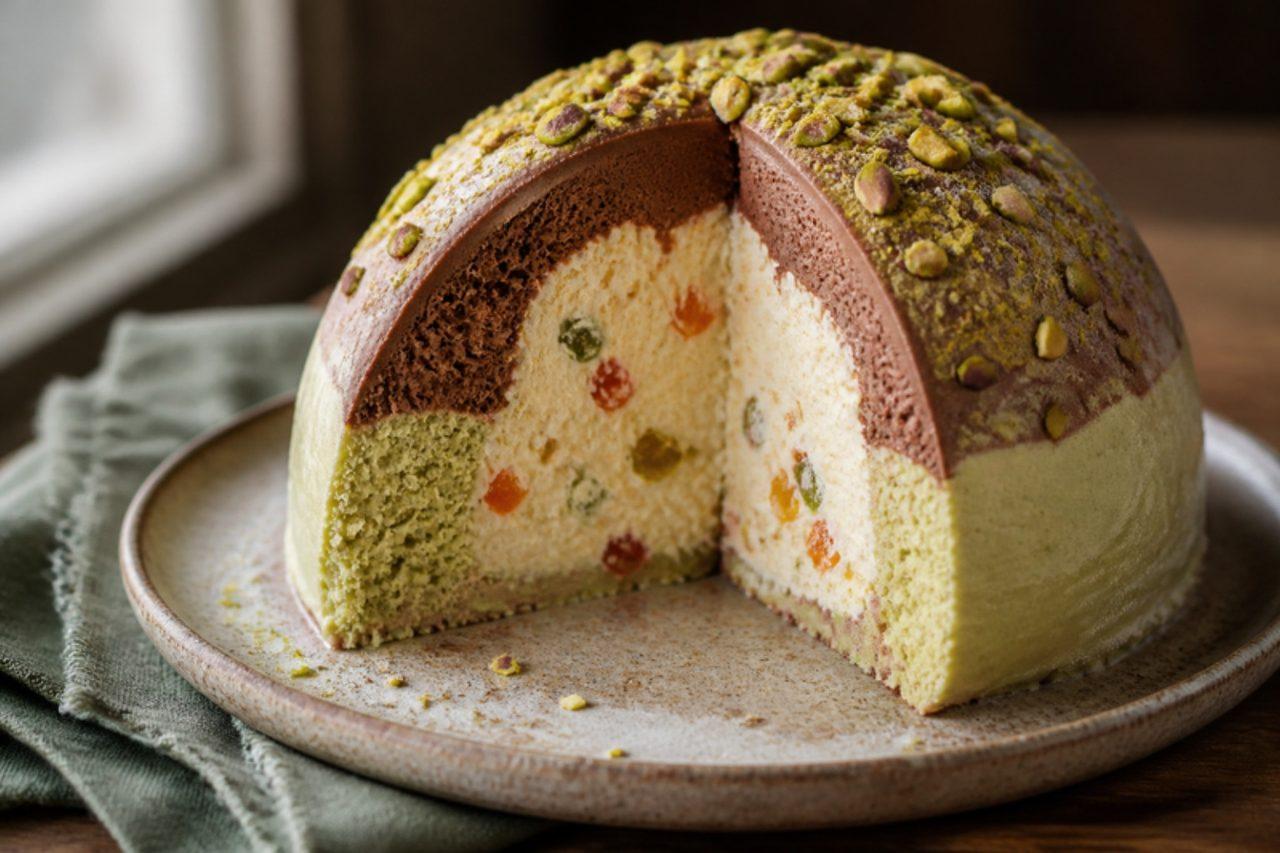
Spumone was the grand dessert of Neapolitan cafés in the 1800s, later carried to America by emigrants: a dome or brick of layered frozen desserts, usually chocolate and pistachio gelato around a soft centre of semifreddo with candied fruit and nuts. In Naples it is served at weddings and Christmas, cut into slices that show all the colours. The traditional semifreddo is flavoured with rum; this version uses orange zest and vanilla so it is alcohol free. Contains nuts. Chef's tip: freeze each layer until firm before adding the next; soft layers melt into each other and lose their stripes.

by KrazyBadal 0 views

Fiori di zucca ripieni frittiFried stuffed courgette flowers

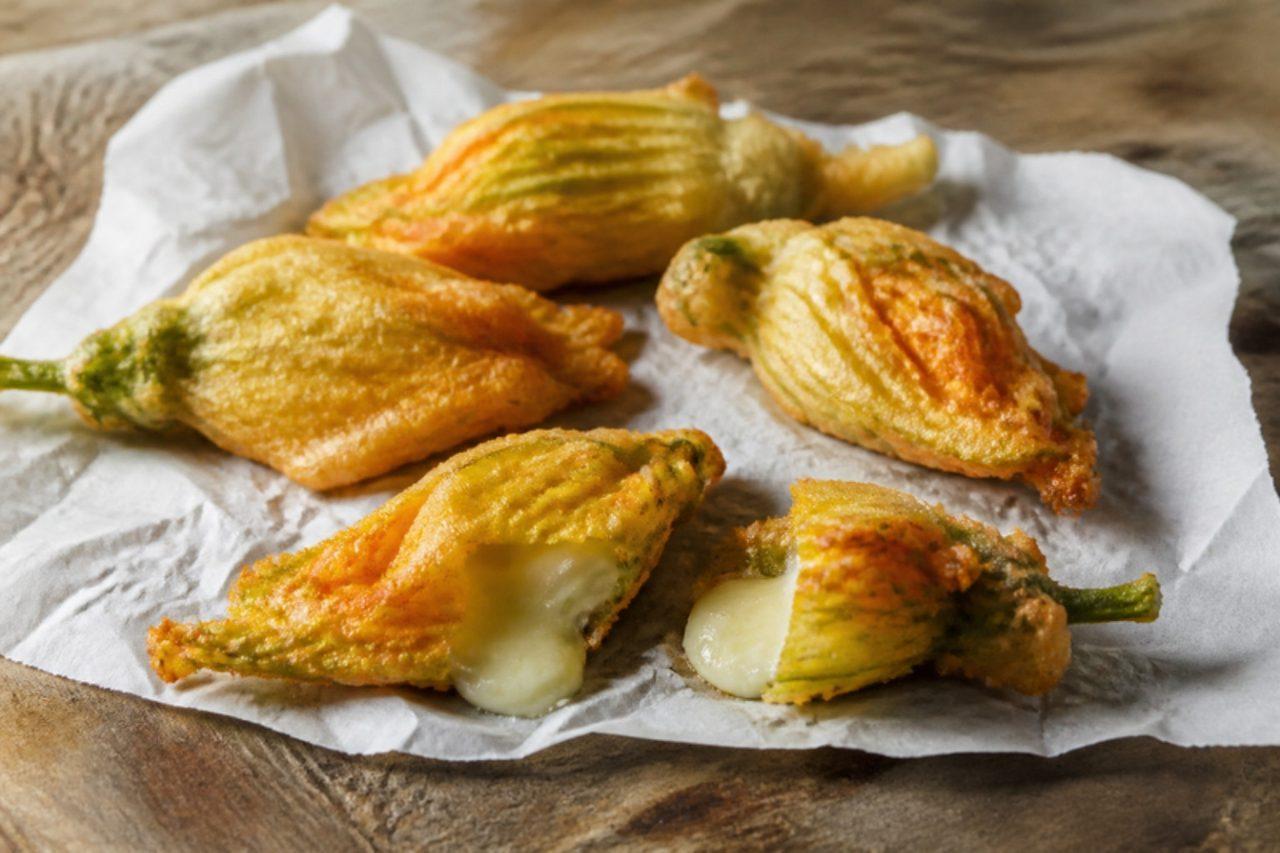
Every Roman pizzeria a taglio and friggitoria has a tray of fiori di zucca in summer: courgette flowers stuffed with a stick of mozzarella, dipped in a thin cold batter and fried until they shatter. Romans usually tuck in an anchovy fillet, but this vegetarian version swaps it for a little lemon zest and a caper, which gives the same salty spark. They are eaten as an antipasto before pizza or as a snack standing at the counter. Mozzarella is usually made with calf rennet; vegetarian versions are easy to find. Chef's tip: make the batter with ice-cold sparkling water and leave a few lumps; a smooth, warm batter fries heavy and soft.

by KrazyBadal 0 views

Pizza di scarolaEscarole pie

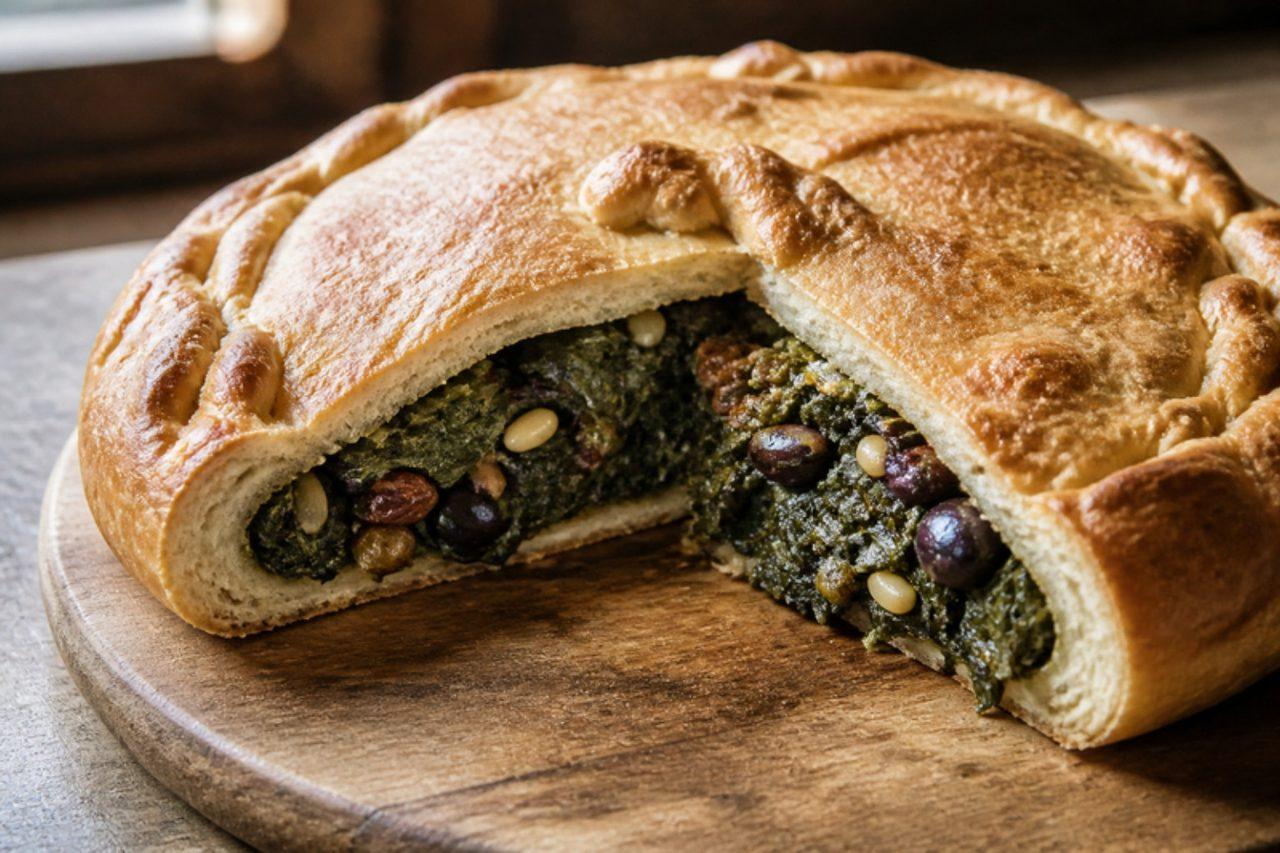
Pizza di scarola is a Neapolitan Christmas Eve tradition, when families avoid meat: a covered pie of bread dough filled with sautéed escarole (a bitter salad green), black Gaeta olives, capers, pine nuts and raisins. Many families add anchovies, but this version keeps it vegan and gets its salty depth from the capers and olives instead. It is eaten warm or cold, cut into wedges, on the night before Christmas and in the days after. Chef's tip: squeeze the cooked escarole well before filling; wet greens make the bottom crust soggy.

by KrazyBadal 0 views

Gelato alla stracciatellaChocolate chip gelato

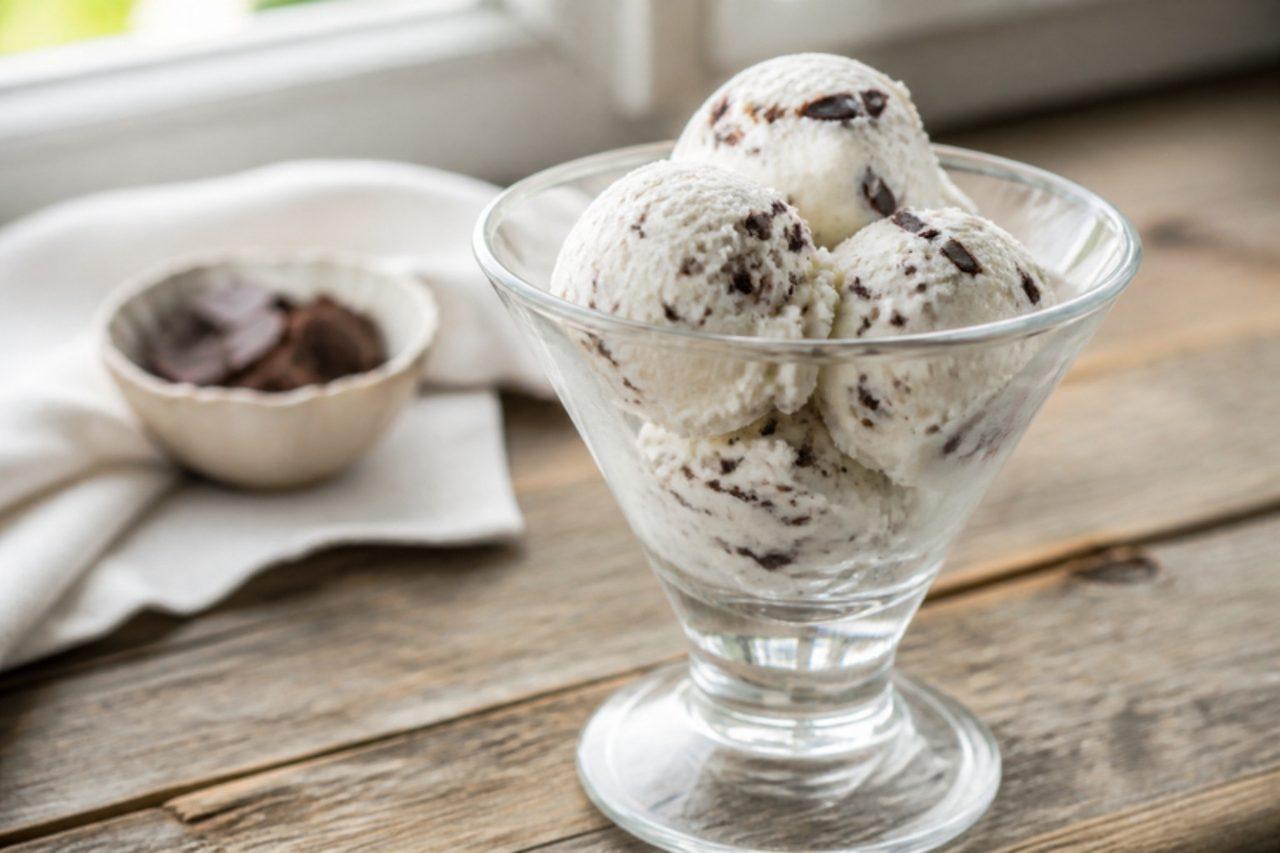
Stracciatella was invented in 1961 at the Gelateria La Marianna in Bergamo's upper town, inspired by stracciatella soup, where egg is stirred into broth in little rags (stracci). The gelato maker drizzled melted dark chocolate into churning fior di latte, where it froze instantly into thin, crisp shards. It became one of the best-loved flavours in Italy, a favourite with children. Chef's tip: drizzle the chocolate in a thin stream right at the end of churning; it must hit the cold gelato and set at once, or it forms hard lumps.

by KrazyBadal 0 views

Granita di mandorlaAlmond granita

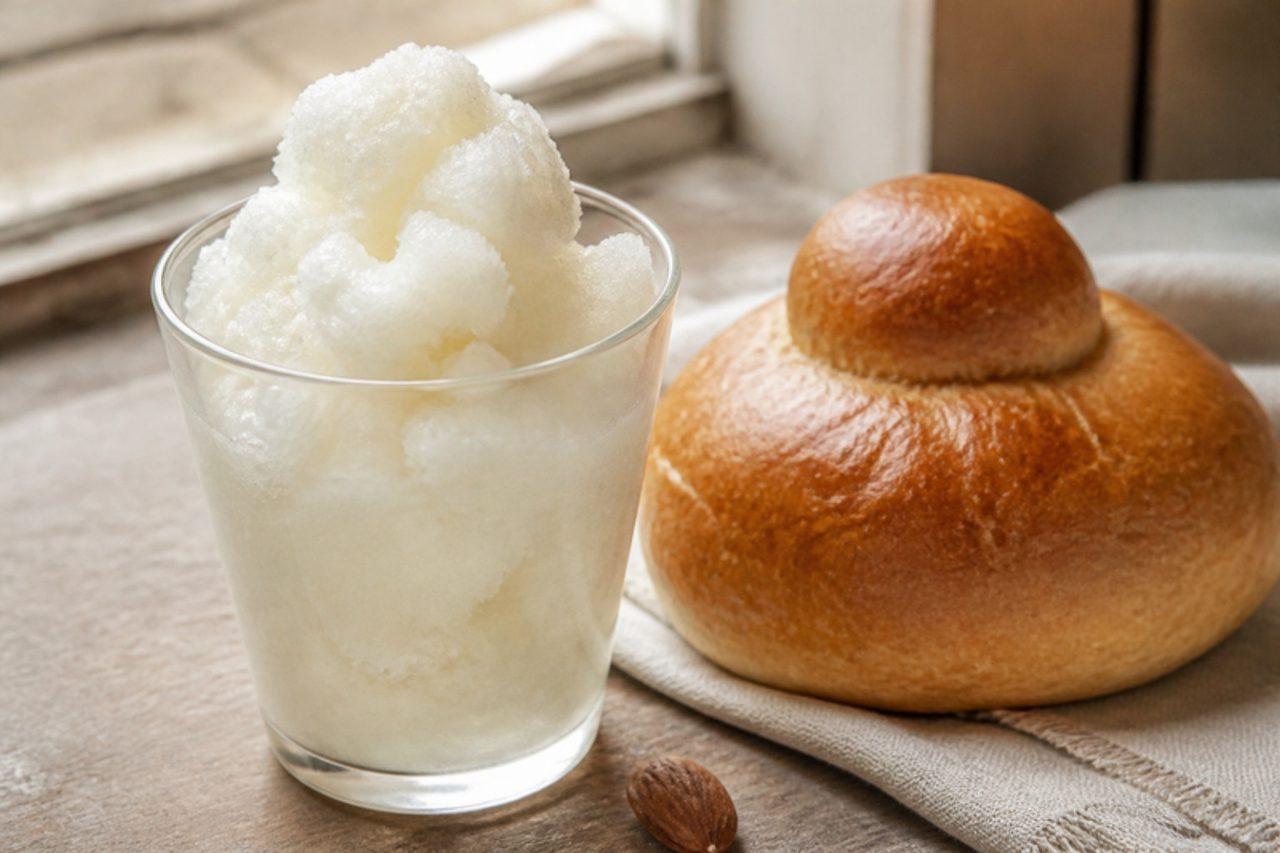
On summer mornings in Catania, Messina and the towns around Mount Etna, Sicilians have granita for breakfast: a glass of soft, flaky ice made from almond milk and sugar, eaten with a warm brioche col tuppo (with a little bun on top) for dunking. The almond granita is the most traditional flavour, white, sweet and fragrant. It is made without a machine, just scraped with a fork as it freezes. Contains nuts. Chef's tip: stir the granita every 30 minutes without fail; that's what gives it the soft, creamy flakes instead of a solid block.

by KrazyBadal 0 views

Granita al caffè con pannaCoffee granita with cream

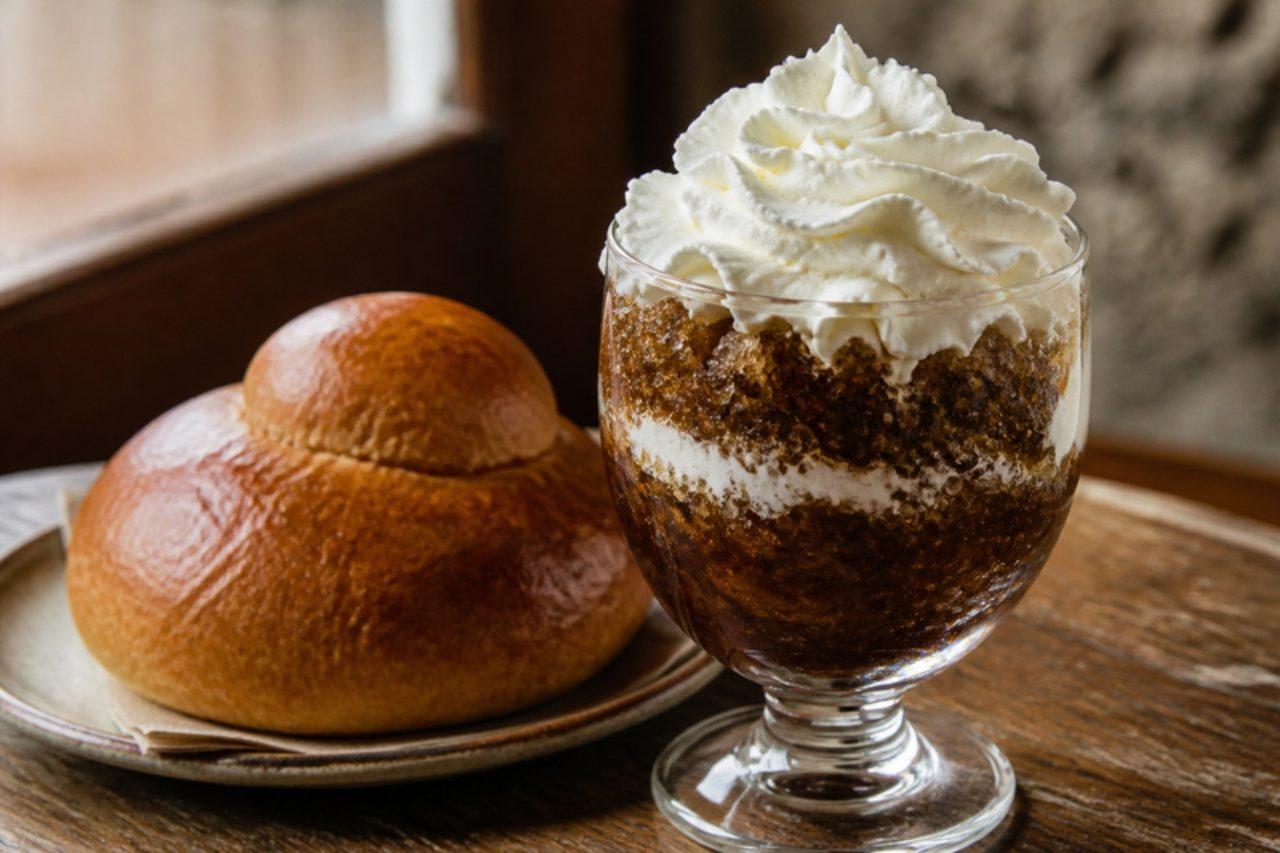
In Sicily, and in Rome at the famous Tazza d'Oro café near the Pantheon, coffee granita is served in a glass layered with unsweetened whipped cream: cream at the bottom, coffee ice in the middle and more cream on top. It is a summer breakfast or afternoon pick-me-up, eaten with a long spoon or a brioche. It contains caffeine, so it isn't for children. Chef's tip: make the coffee strong and sweet; flavours fade when frozen, so it should taste almost too sweet before it goes in the freezer.

by KrazyBadal 0 views

Granita di gelsi neriBlack mulberry granita

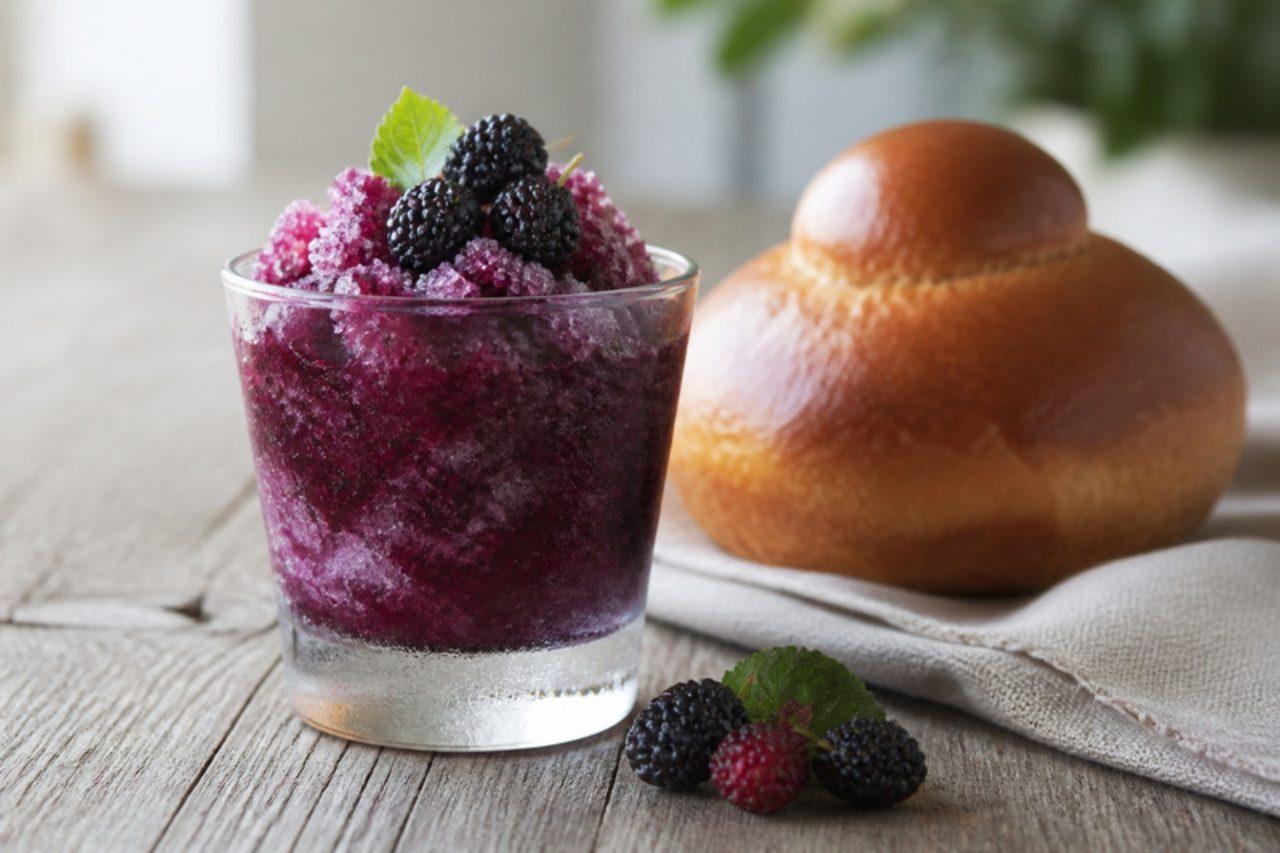
In late June and July the black mulberry trees of Sicily, especially around Messina and Acireale, drop their dark, juicy fruit, and the bars turn them into a granita the colour of ink, sweet and tangy, served in a glass with a warm brioche. Mulberries stain everything, so locals eat it carefully. If you can't find black mulberries, blackberries make a very similar granita. Chef's tip: add a squeeze of lemon; it brightens the berry flavour and keeps the colour vivid.

by KrazyBadal 0 views

Carciofi alla giudiaCrisp fried artichokes

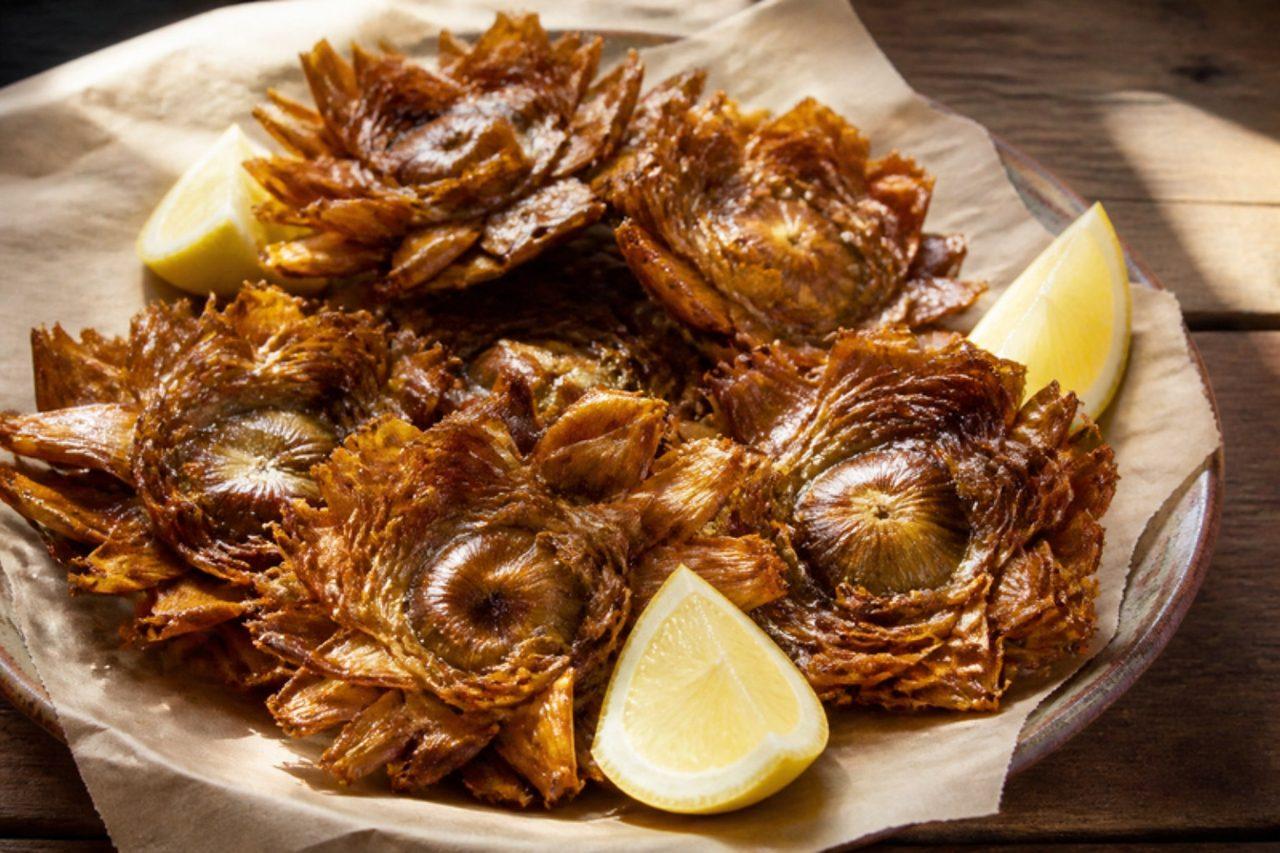
Carciofi alla giudia come from Rome's old Jewish Ghetto, where for centuries the restaurants along Via del Portico d'Ottavia have fried them from February to April, when the round Roman romanesco artichokes are in season. The artichokes are trimmed, fried once slowly until tender, then opened like flowers and fried again in hotter oil until the leaves are bronze and crunchy like crisps, while the heart stays soft. Chef's tip: before the second fry, flick a few drops of cold water into the oil from your fingers, standing well back; Roman cooks say the spatter is what makes the leaves extra crisp. Do this carefully.

by KrazyBadal 0 views

Pizza di Pasqua al formaggioEaster cheese bread

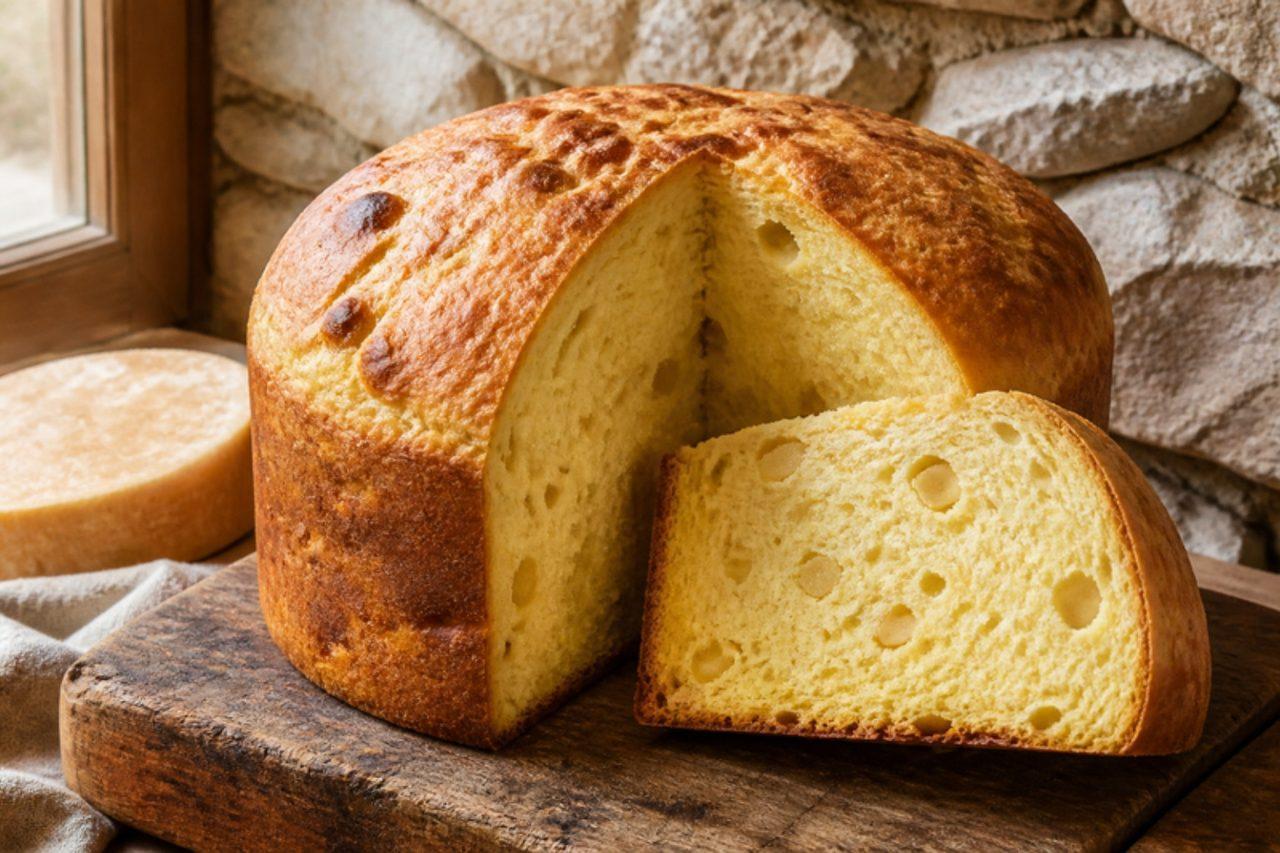
On Easter morning in Perugia, Ancona and the villages of Umbria and the Marche, families sit down to a breakfast that comes after Lent: a tall, golden cheese bread, rich with eggs, pecorino and Parmigiano, sliced and eaten with hard-boiled eggs and salami that has been blessed in church. The bread rises high like a panettone and has a soft yellow crumb dotted with cubes of cheese. Pecorino and Parmigiano are usually made with animal rennet; vegetarian hard cheeses work. Chef's tip: bake it in a tall, straight-sided tin or a clean coffee can lined with paper; the high sides help it rise up rather than spread.

by KrazyBadal 0 views

Graffe napoletanePotato doughnuts

Graffe are the Neapolitan doughnut, sold warm at bars and pastry shops all year round but especially at Carnival: soft, fluffy rings made with mashed potato in the dough, which keeps them light and moist, fried and rolled in sugar. Neapolitans eat them for breakfast with an espresso, or as a children's snack after school. The name probably comes from the Austrian krapfen, brought to the city in the 1700s. Chef's tip: let the shaped rings rise on small squares of baking paper; you can lower them into the oil on the paper without knocking out the air, then pull the paper away.

by KrazyBadal 0 views

Savoiardi

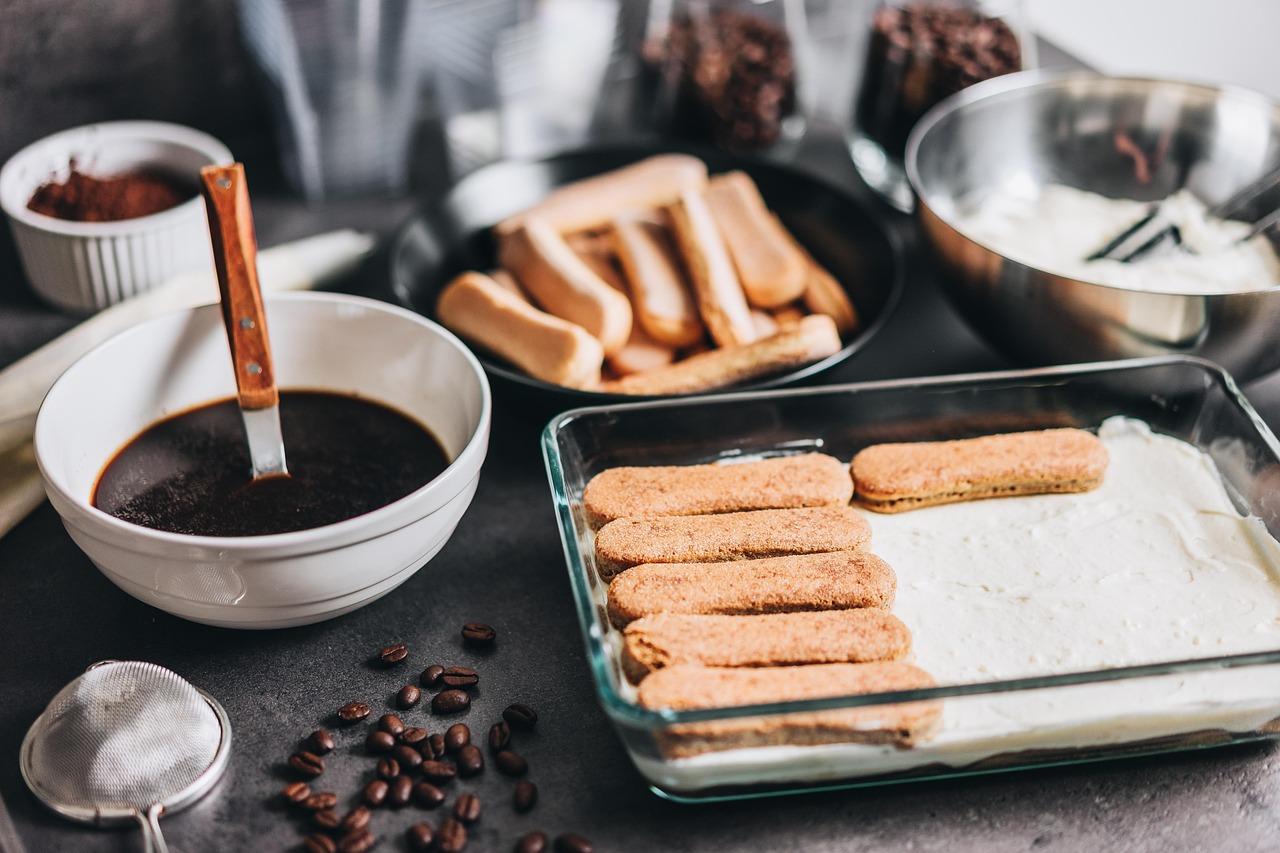
Savoiardi were created in the 1300s at the court of the House of Savoy in Piedmont, for a visit by the King of France. They are long, light finger biscuits of whipped eggs, sugar and flour, with a crisp sugary crust and a dry, spongy inside, made to be soaked: in coffee for tiramisù, in liqueur for zuppa inglese, or in milk for children's breakfast. Chef's tip: dust the piped fingers twice with icing sugar, 5 minutes apart; this forms the pearly crust that keeps them crisp outside.

by KrazyBadal 0 views

Polenta taragnaBuckwheat polenta with cheese

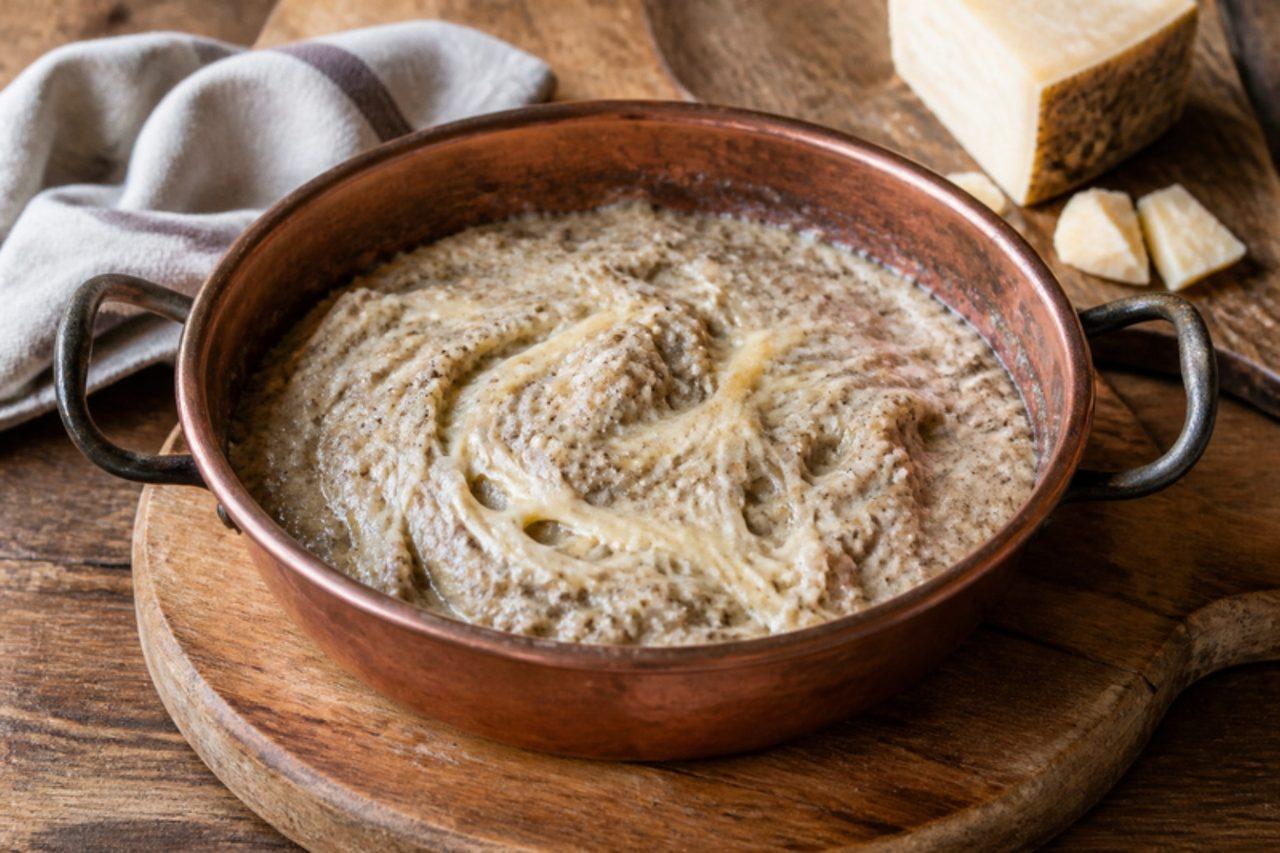
High in the Valtellina valley near Sondrio, where wheat struggles but buckwheat grows well, polenta is made grey-brown and nutty with a mix of buckwheat and cornmeal. Taragna gets its name from the tarell, the long wooden stick used to stir it in a copper pot over the fire. At the end, butter and cubes of the local Valtellina Casera or Bitto cheese are stirred in until they melt into strings. It is winter food for cold mountain evenings, eaten with mushrooms or sausages on the side. Local cheeses are usually made with animal rennet; a vegetarian melting cheese works. Chef's tip: stir the flour into the boiling water in a slow rain with a whisk; once it is all in, switch to a wooden spoon and keep stirring.

by KrazyBadal 0 views

Migliaccio napoletanoSemolina and ricotta cake

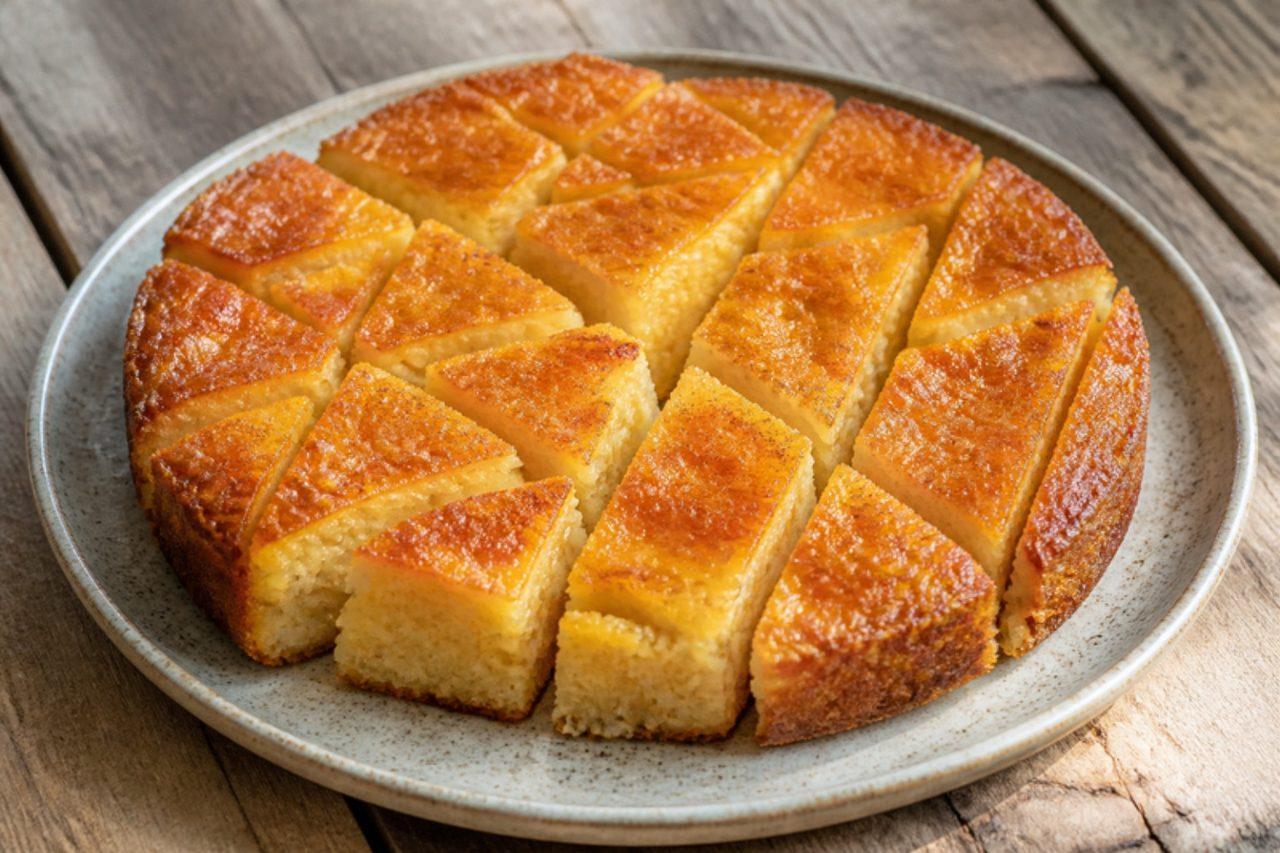
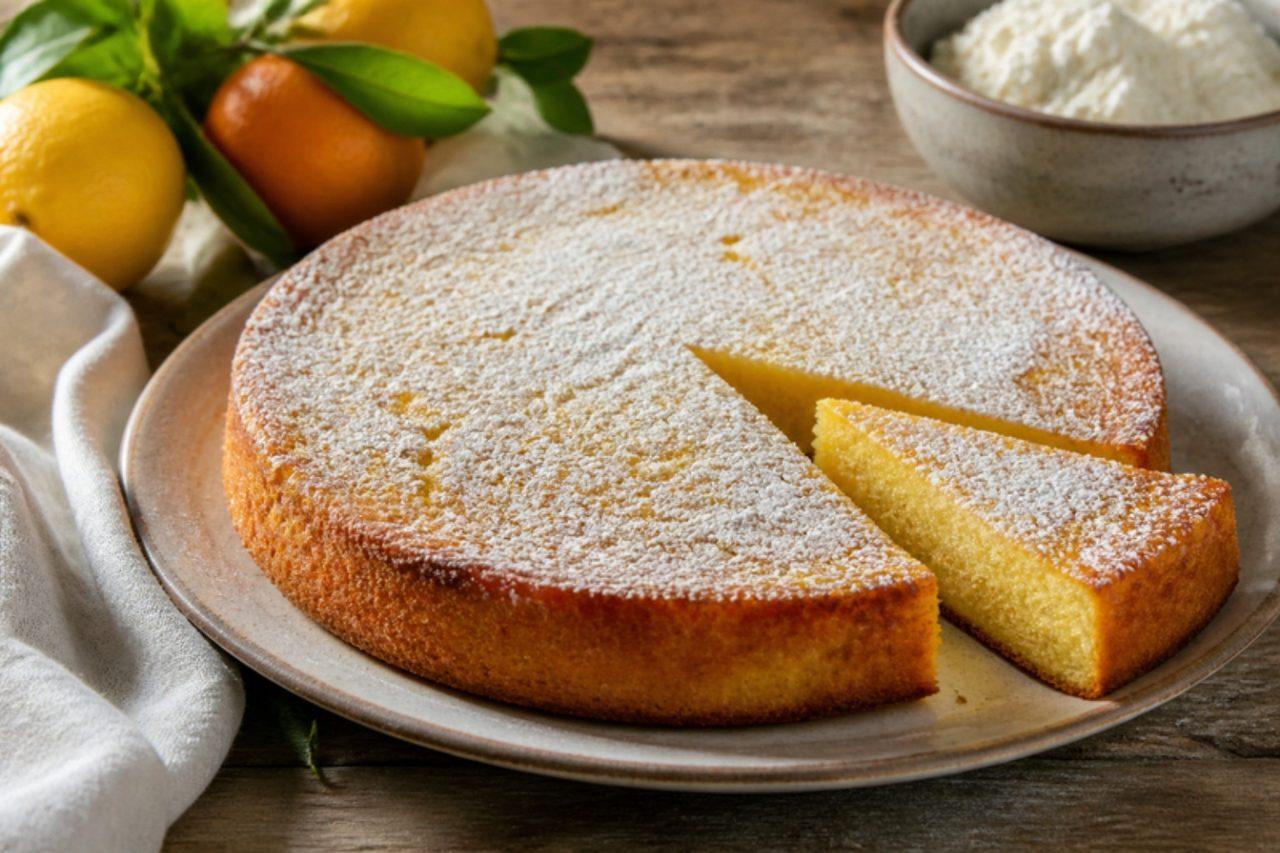
Migliaccio is the cake Neapolitan grandmothers bake on Fat Tuesday, the last day of Carnival before Lent. Its name comes from miglio, millet, which was used before semolina: today semolina is cooked in milk with butter, then mixed with ricotta, eggs, sugar and plenty of orange and lemon zest, and baked into a soft, dense, custardy cake. It is a close cousin of the Easter pastiera, without the pastry. Chef's tip: let the cooked semolina cool before beating in the eggs and ricotta; hot semolina scrambles the eggs and the cake turns grainy.

by KrazyBadal 0 views

Passata di pomodoroBottled tomato purée

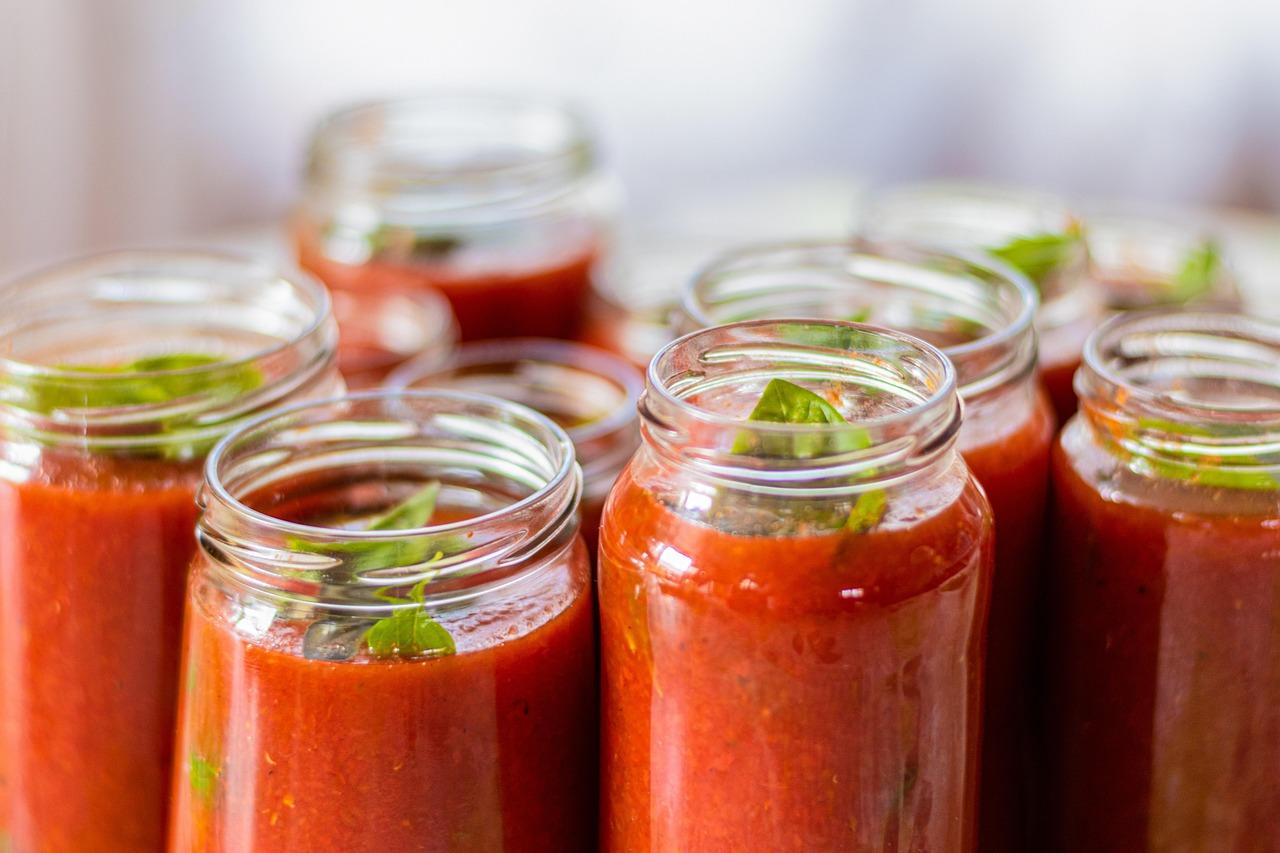
At the end of August, all over southern and central Italy, families gather for the "giornata della salsa", the day of the sauce: crates of ripe plum tomatoes are washed, cooked, passed through a hand-cranked mill and bottled in hundreds, with a basil leaf in each bottle. The passata lasts until the next summer and is used for every ragù and pizza. For home bottling, add lemon juice to each jar and process in a water bath, as tomatoes alone are not acidic enough to be safe at room temperature. Chef's tip: use only fully ripe, deep red plum tomatoes; underripe tomatoes give a pale, sour passata.

by KrazyBadal 0 views

Pomodori col risoRice-stuffed tomatoes

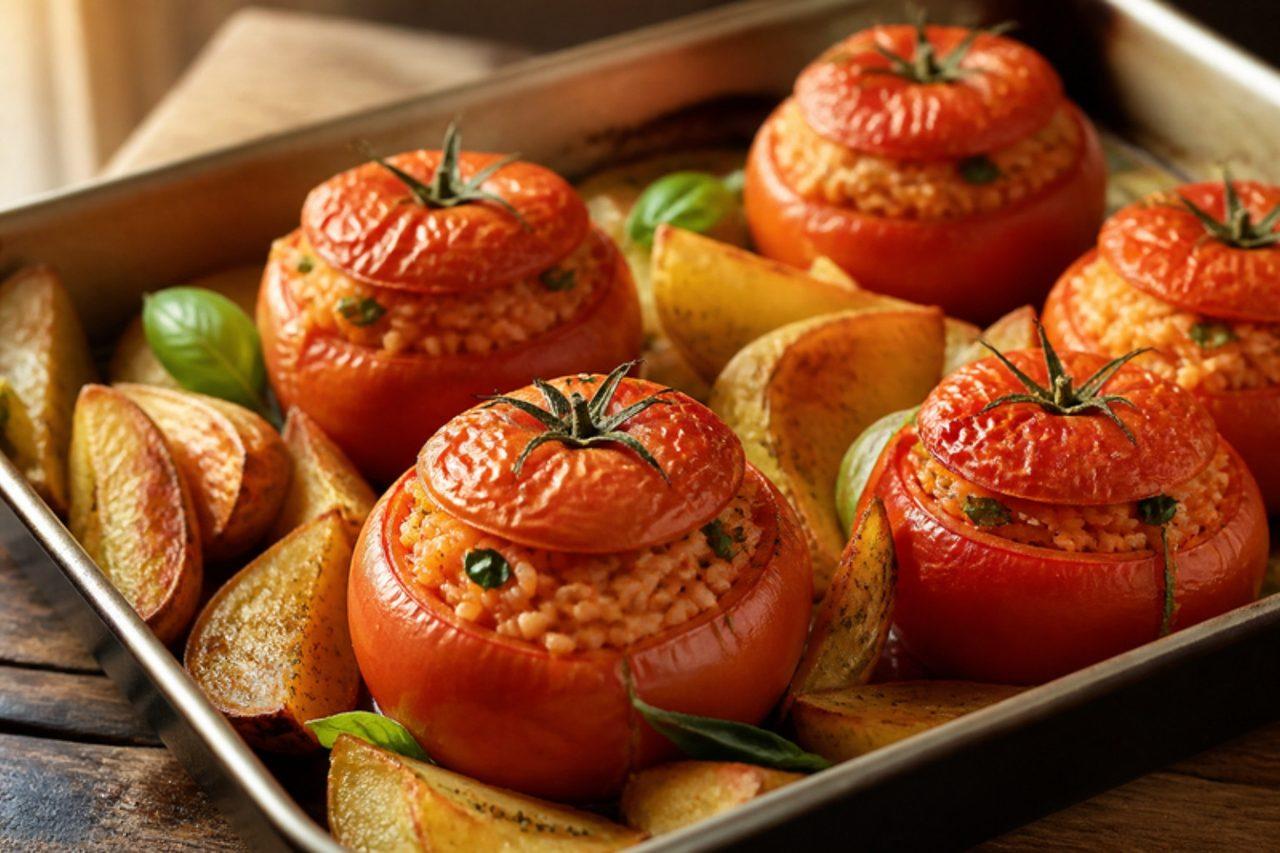
Every Roman bakery and rosticceria has a tray of pomodori col riso in summer: big round tomatoes, hollowed out and filled with raw rice soaked in their own pulp with garlic, basil and olive oil, then baked with wedges of potato that soak up the juices. Romans eat them warm or at room temperature for lunch on hot days, often on Ferragosto (15 August). Chef's tip: let the rice soak in the tomato pulp for at least an hour before filling; it softens and then cooks evenly inside the tomatoes.

by KrazyBadal 0 views

Mozzarella in carrozzaFried mozzarella sandwich

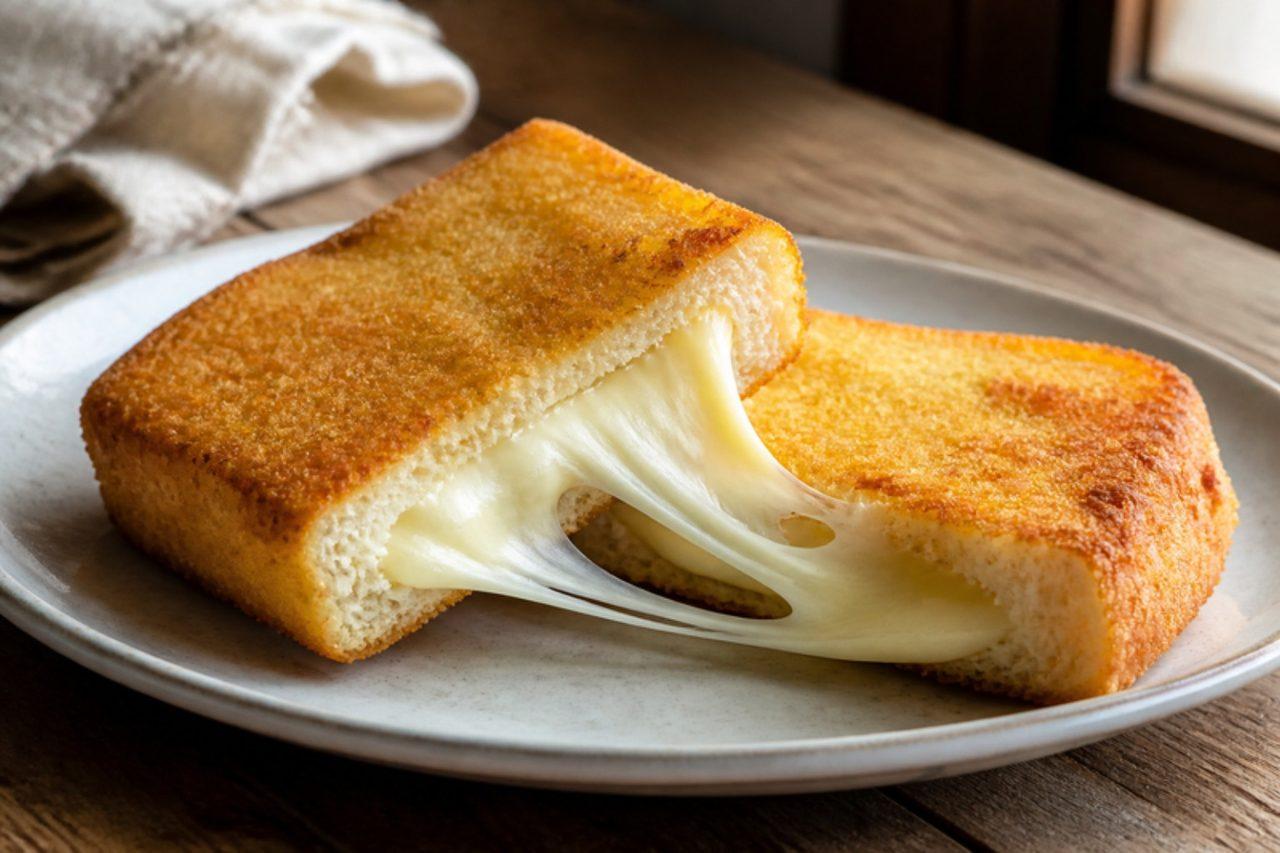
"Mozzarella in a carriage" is how Neapolitan families used up mozzarella that was a day or two old: slices of cheese sandwiched in white bread, dipped in flour, egg and milk, and fried until the bread is golden and the cheese stretches in long strings. It is sold in Naples friggitorie and eaten at home as a quick lunch or a snack after school. Mozzarella is usually made with calf rennet; vegetarian versions are easy to find. Chef's tip: press the sandwich edges firmly together after dipping in flour; a good seal keeps the melted cheese inside the carriage.

by KrazyBadal 0 views

Colomba pasqualeEaster dove bread

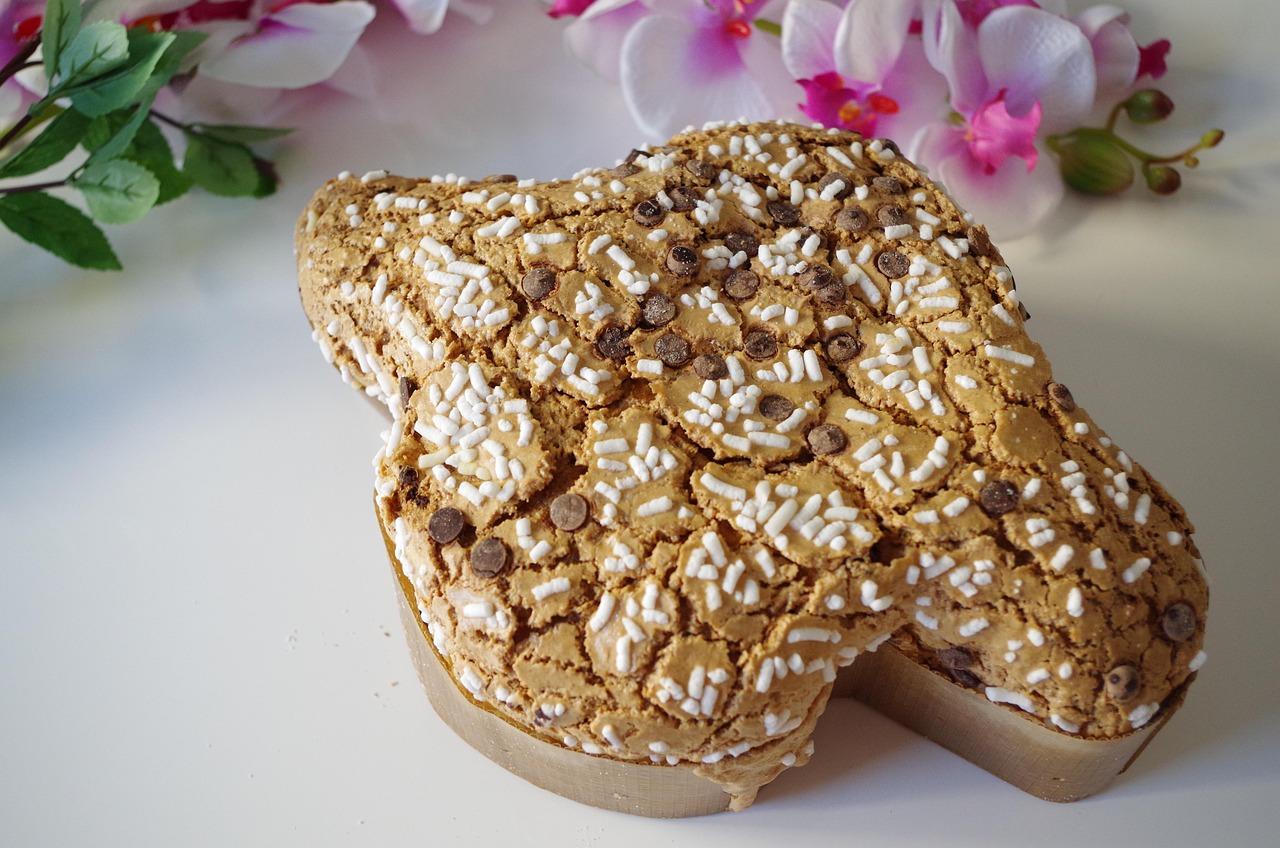
The colomba, the "dove" of peace, is Milan's Easter answer to Christmas panettone: a rich, buttery yeasted bread full of candied orange, baked in a dove-shaped paper mould and topped with a crunchy almond and sugar glaze. Italian families buy or bake one for Easter Sunday and eat it for breakfast through Easter Monday. Bakers use a sourdough starter and three days; this home version uses yeast and an overnight rise in the fridge, so it fits a weekend. Chef's tip: let the dough rise until it really reaches the top of the mould before baking; under-risen colomba bakes dense and heavy.

by KrazyBadal 0 views

CicerchiataHoney fried dough ring

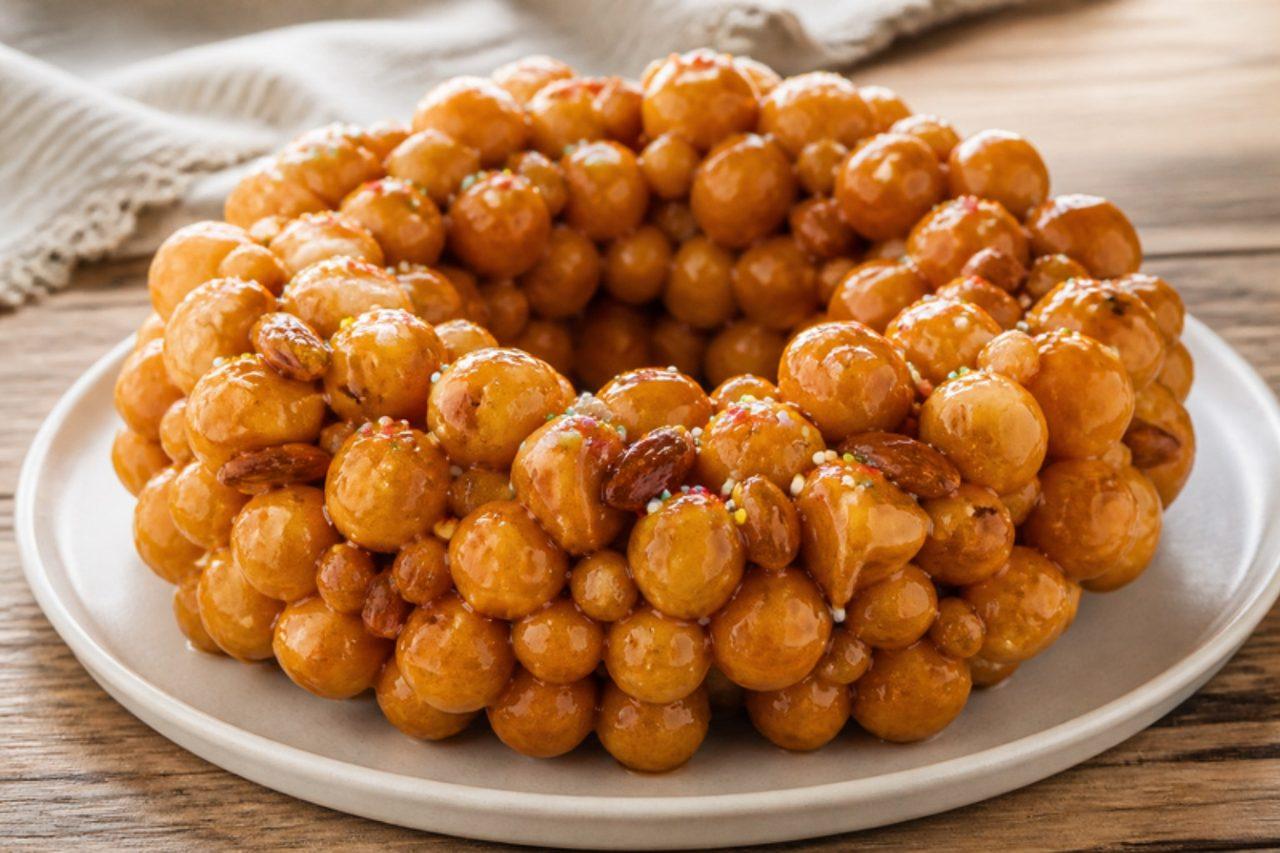
Cicerchiata takes its name from the cicerchia, a small dried legume, because its tiny balls of fried dough look just like them. In Abruzzo, Umbria and the Marche it is the Carnival sweet: the fried balls are stirred into hot honey with almonds and candied peel, then shaped into a ring or mound and decorated with sprinkles. It is broken apart with fingers at the end of Carnival meals. Not for babies under 1 because of the honey. Chef's tip: work quickly once the balls are in the honey and wet your hands with cold water to shape the ring; the honey sets fast as it cools.

by KrazyBadal 0 views

Pignolata messineseGlazed fried dough mound

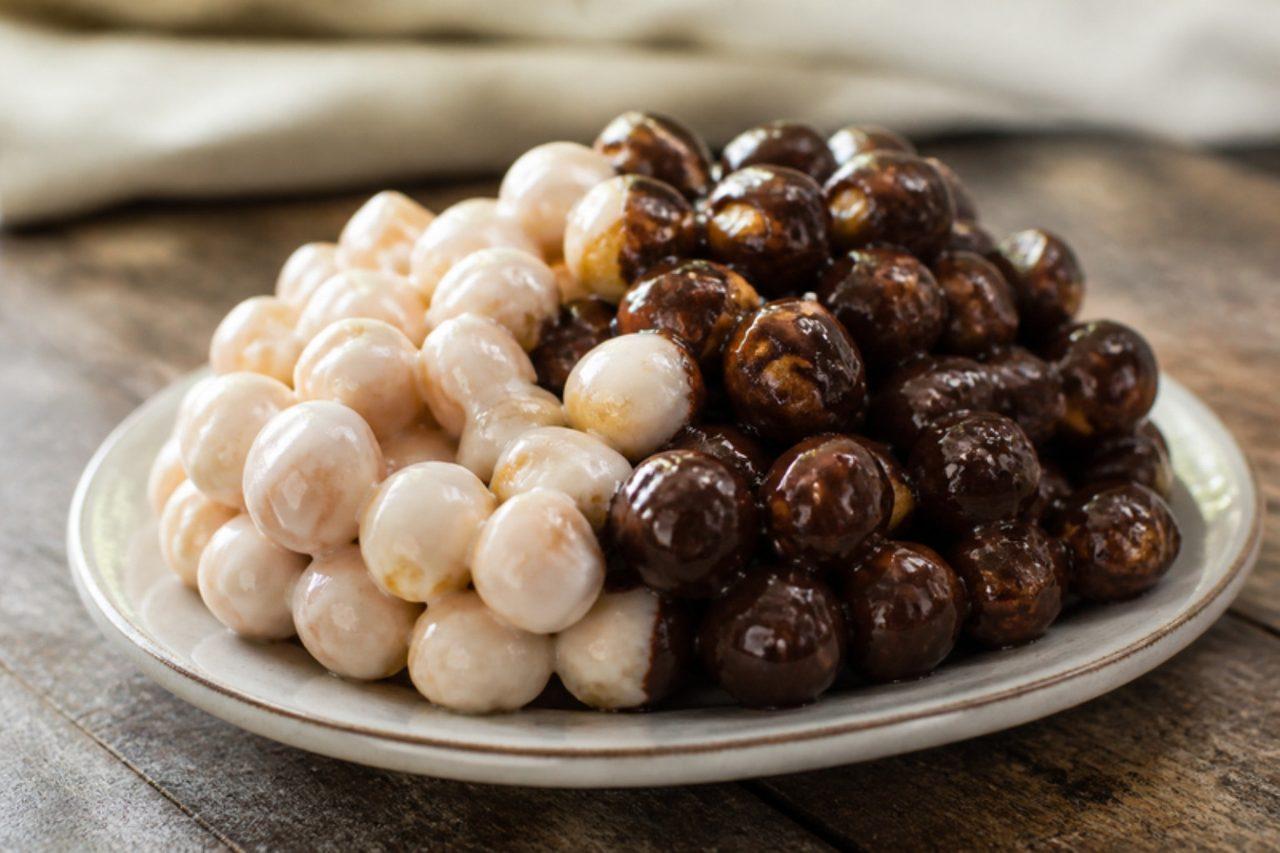
In Messina, at the north-east tip of Sicily, Carnival means pignolata: a mound of small fried dough pieces, glazed half with a white lemon icing and half with a dark chocolate one, like a little mountain with a snowy side and a dark side. It is said to have been created by Messina's aristocratic families as a grand version of the humble honey pignolata eaten by the poor. It is served in slices with coffee. Chef's tip: let the first glaze set completely before adding the second; if both are soft at once, the colours run into each other.

by KrazyBadal 0 views

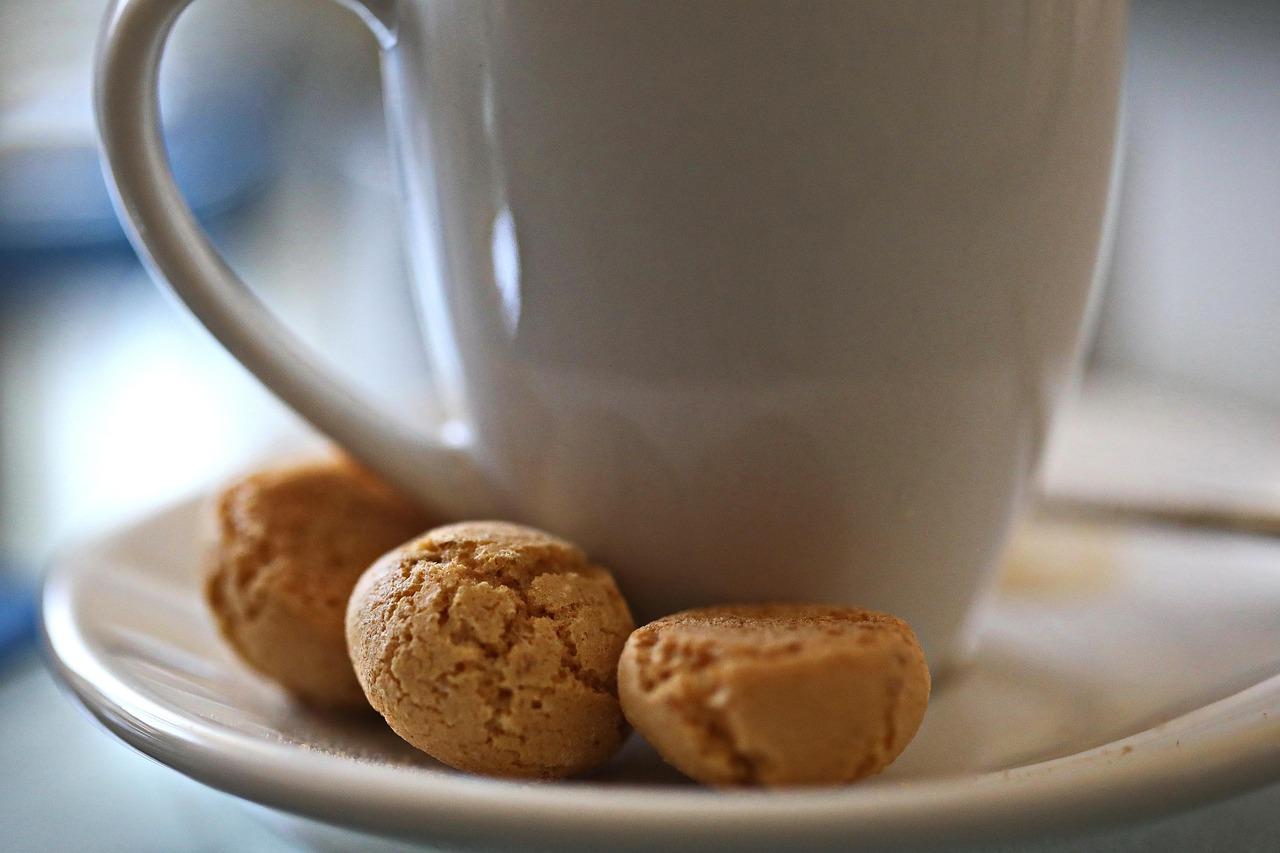
Amaretti

Amaretti, "little bitter ones", are named after the bitter almonds that give them their sharp, marzipan flavour. In Saronno, near Milan, they are crisp and light, wrapped in paper; in Mombaruzzo and Sassello in Piedmont and Liguria they are soft and chewy. Both are eaten with coffee, crumbled over ice cream or baked peaches, and used in the filling for Mantua's pumpkin tortelli. This soft version is naturally gluten free. Chef's tip: use a few drops of almond extract rather than bitter almonds, which are toxic raw in quantity; a little goes a long way.

by KrazyBadal 0 views

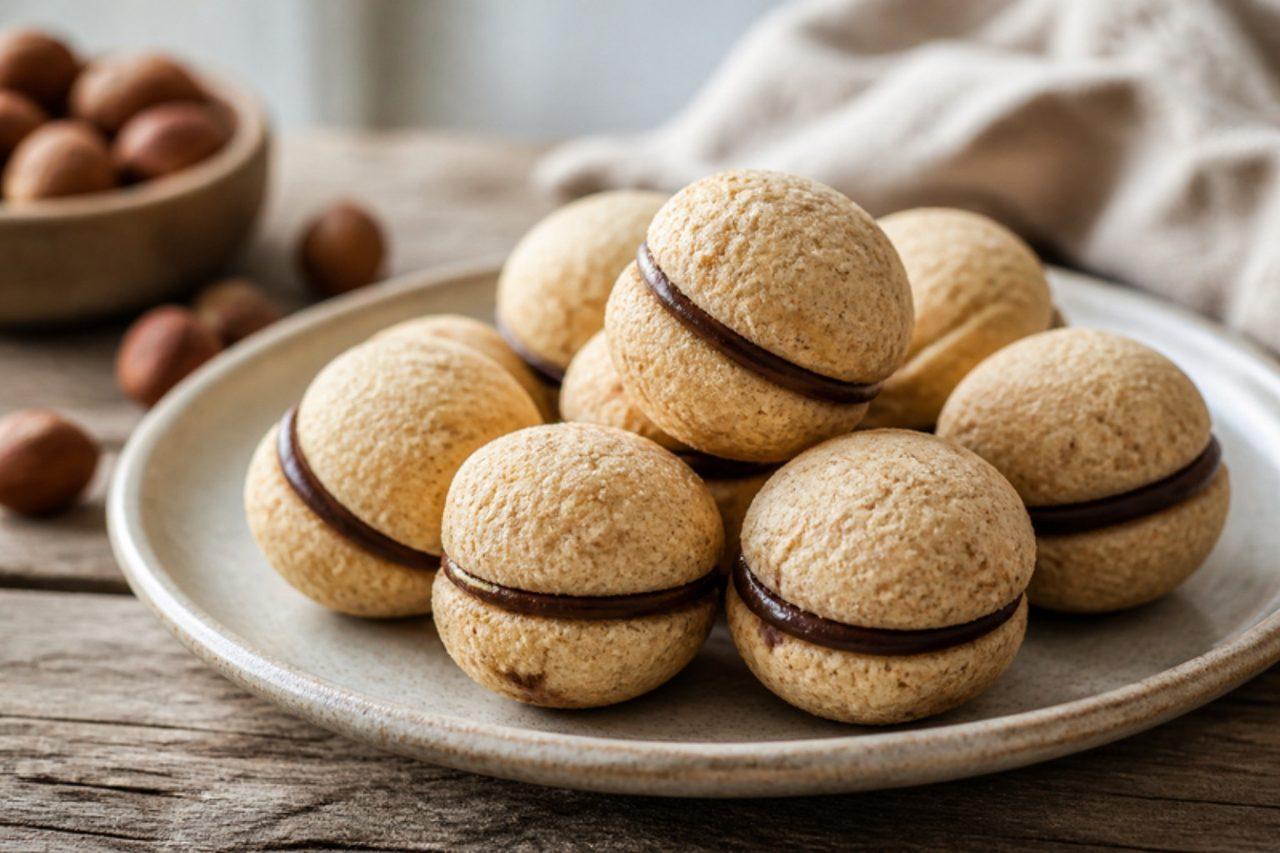
Baci di damaHazelnut shortbread sandwiches

Baci di dama, "lady's kisses", were born in Tortona in Piedmont in the 1800s: two small domes of buttery hazelnut shortbread pressed together with dark chocolate, like two lips meeting in a kiss. They are sold in every pastry shop in Piedmont and eaten with coffee or as a gift at Christmas. The local Piedmont hazelnuts are some of the best in the world. Contains nuts. Chef's tip: weigh each ball of dough so they're all the same size; matching domes make neat kisses.

by KrazyBadal 0 views

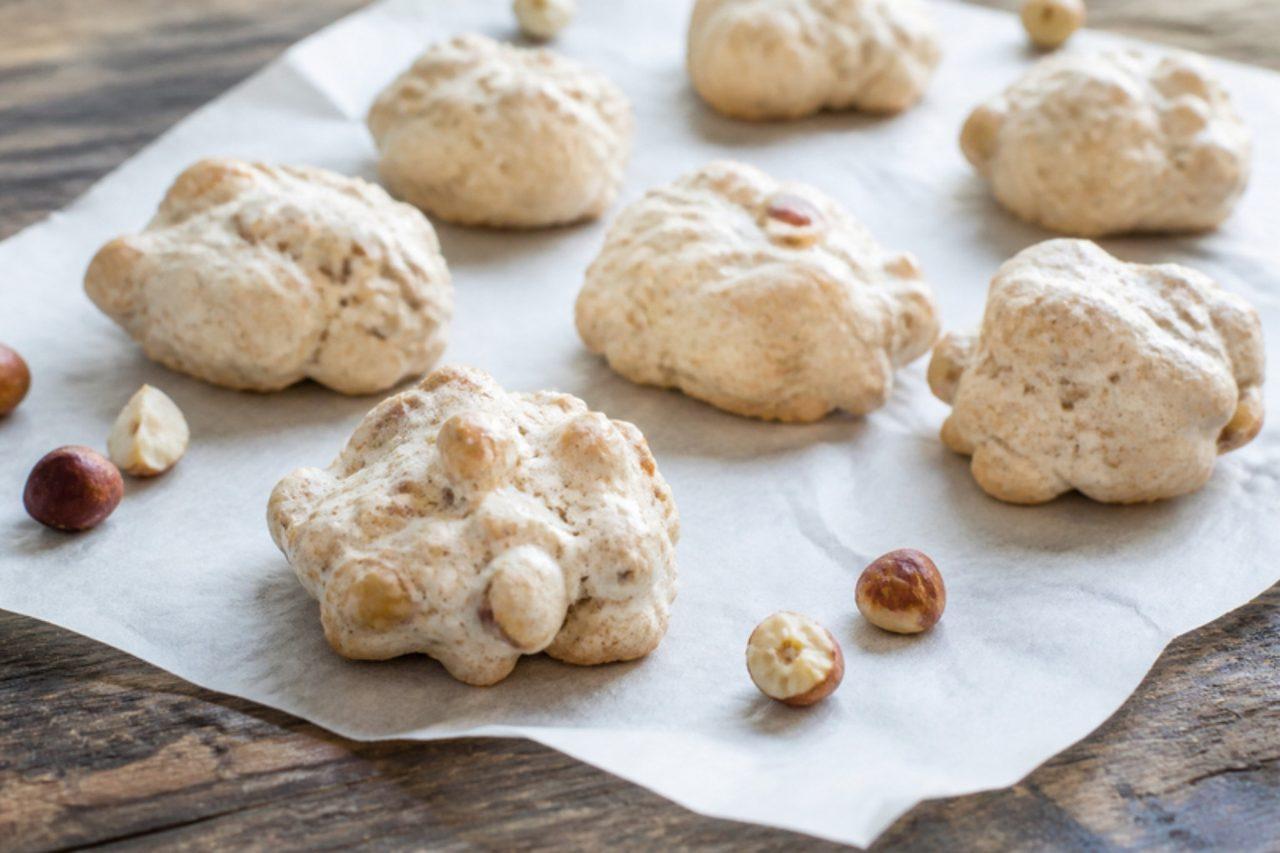
Brutti ma buoniHazelnut meringue biscuits

"Ugly but good": the name says it all. These lumpy, irregular biscuits from Borgomanero in Piedmont and Prato in Tuscany are made by cooking whipped egg whites, sugar and toasted hazelnuts in a pan before baking, which gives them a crisp shell and a chewy centre. They are sold in paper bags at pastry shops, and Italian grandmothers make them to use up egg whites left over from custards. They are naturally gluten free. Contains nuts. Chef's tip: toast the hazelnuts until they smell deeply nutty and the skins crack; that's what gives the biscuits their flavour.

by KrazyBadal 0 views

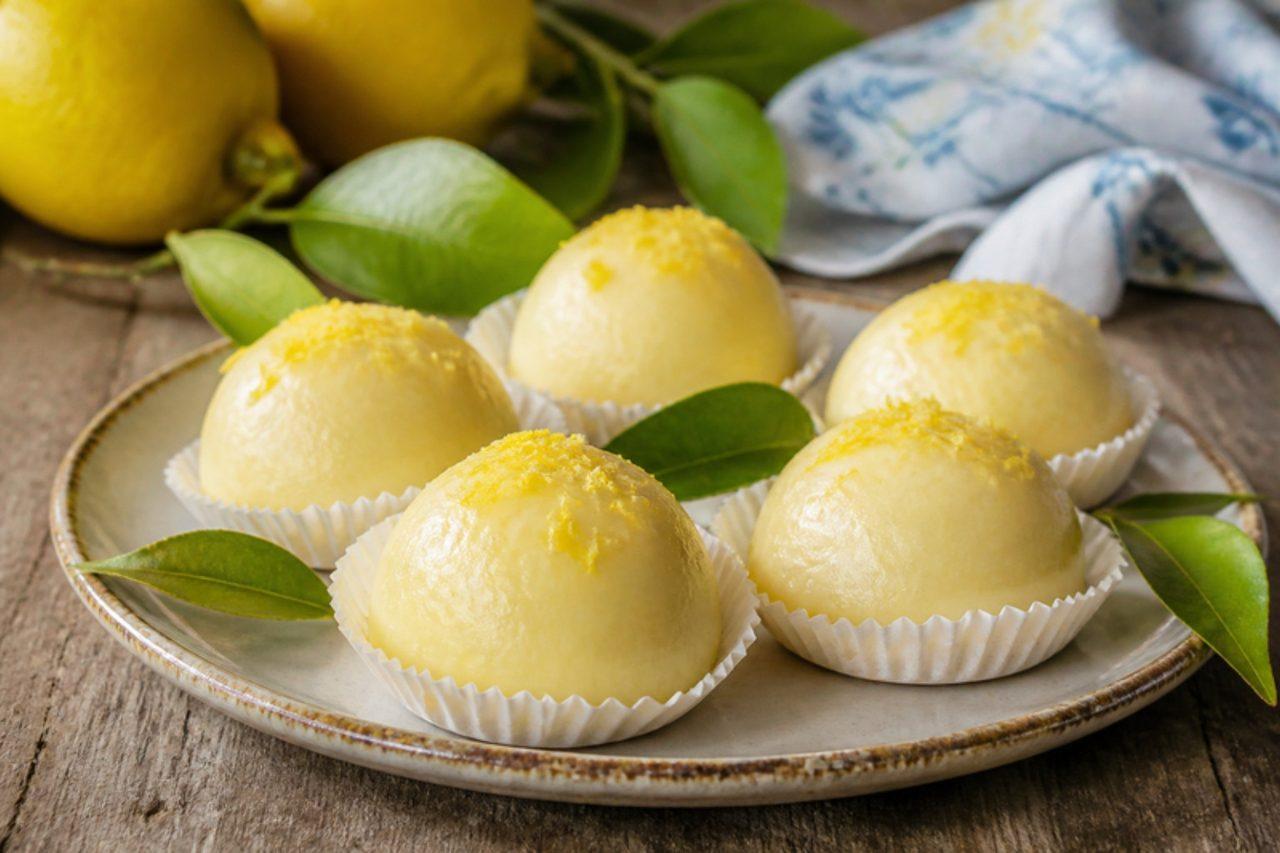
Delizia al limoneLemon cream sponge domes

Delizia al limone was created in 1978 by a pastry chef in Sorrento and became the signature dessert of the Amalfi Coast: small domes of light sponge, filled and soaked with syrup made from the coast's huge, fragrant sfusato lemons, then covered in a lemon custard lightened with whipped cream. Traditionally the syrup includes limoncello; this version uses a lemon syrup so it is alcohol free. Chef's tip: soak the sponges generously but slowly with a spoon; they should be moist through without falling apart.

by KrazyBadal 0 views

Torta di riso bologneseRice and almond cake

In Bologna this rice cake is called torta degli addobbi, after the decorations (addobbi) hung on the houses every ten years for each parish's big religious festival, when it was made and given to visitors. It is a dense, moist cake of rice cooked slowly in milk with lemon, mixed with eggs, sugar and almonds and baked until golden, then cut into diamonds. Traditionally it is soaked with almond liqueur; this version leaves it out, so it is alcohol free. It is gluten free. Contains nuts. Chef's tip: let the cake rest a full day before slicing; it firms up and the flavours deepen.

by KrazyBadal 0 views

Insalata di arance e finocchiOrange and fennel salad

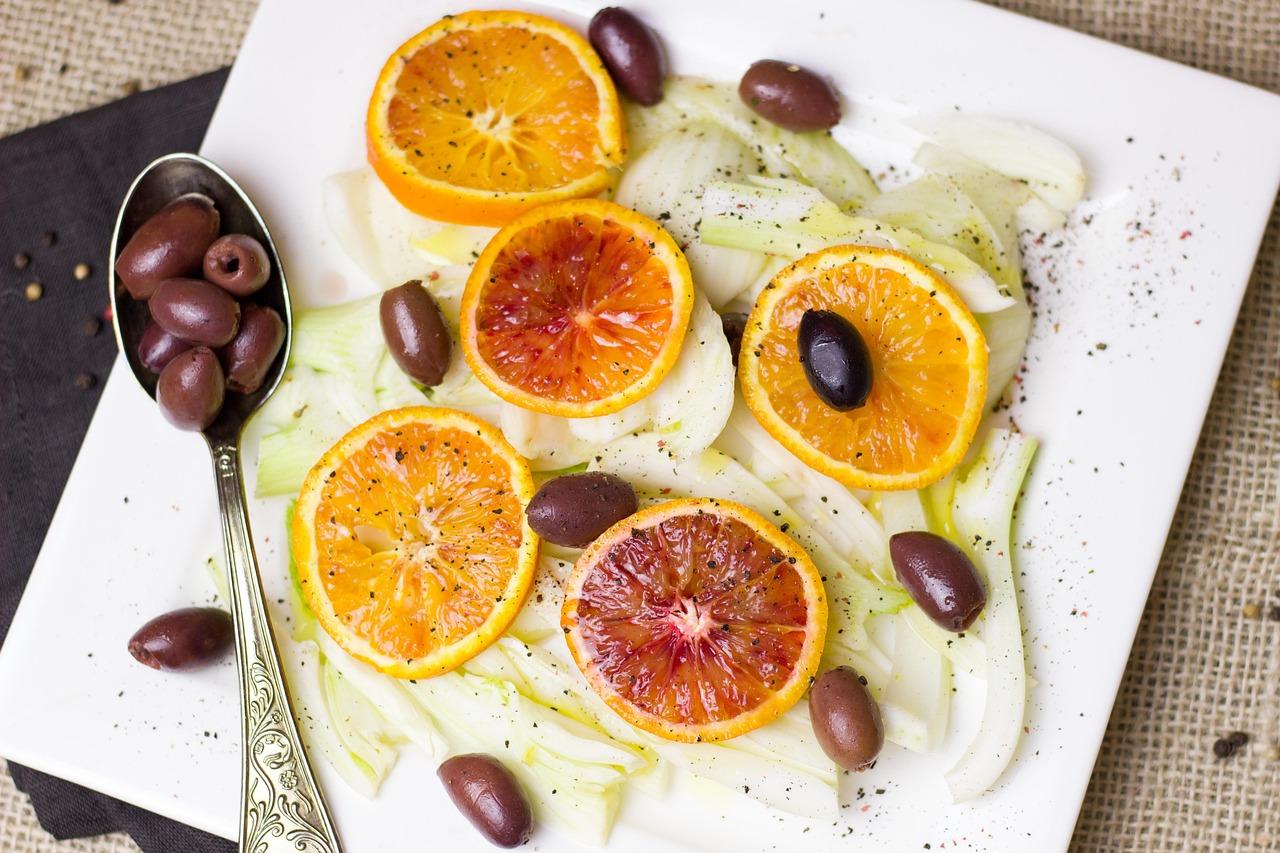
In Sicily the orange harvest peaks in January, just as wild fennel and the big fennel bulbs come in, and this bright salad is on the table across the island at Christmas and through the winter, often to clean the palate after a rich main dish. Juicy oranges, ideally blood oranges from the slopes of Etna, are sliced with shaved fennel, red onion, black olives and good olive oil. Chef's tip: cut the peel and all the white pith away with a knife, then slice the oranges into rounds; pith is bitter and makes the salad chewy.

by KrazyBadal 0 views

CastagnoleCarnival fried dough balls

In February, from Bologna and Rimini down to Rome, pastry shop windows fill with castagnole, small fried balls of sweet dough the size of a chestnut (castagna), rolled in sugar while still warm. Children eat them by the bagful at Carnival parades, often in costume, and some bakeries fill them with custard or ricotta. Families in Romagna add a splash of anise liqueur or rum; this version flavours them with lemon and vanilla instead, so they are alcohol free. Chef's tip: fry them in oil that isn't too hot, about 165 °C; castagnole need time to puff and cook through to the centre.

by KrazyBadal 0 views

PizzelleAnise waffle biscuits

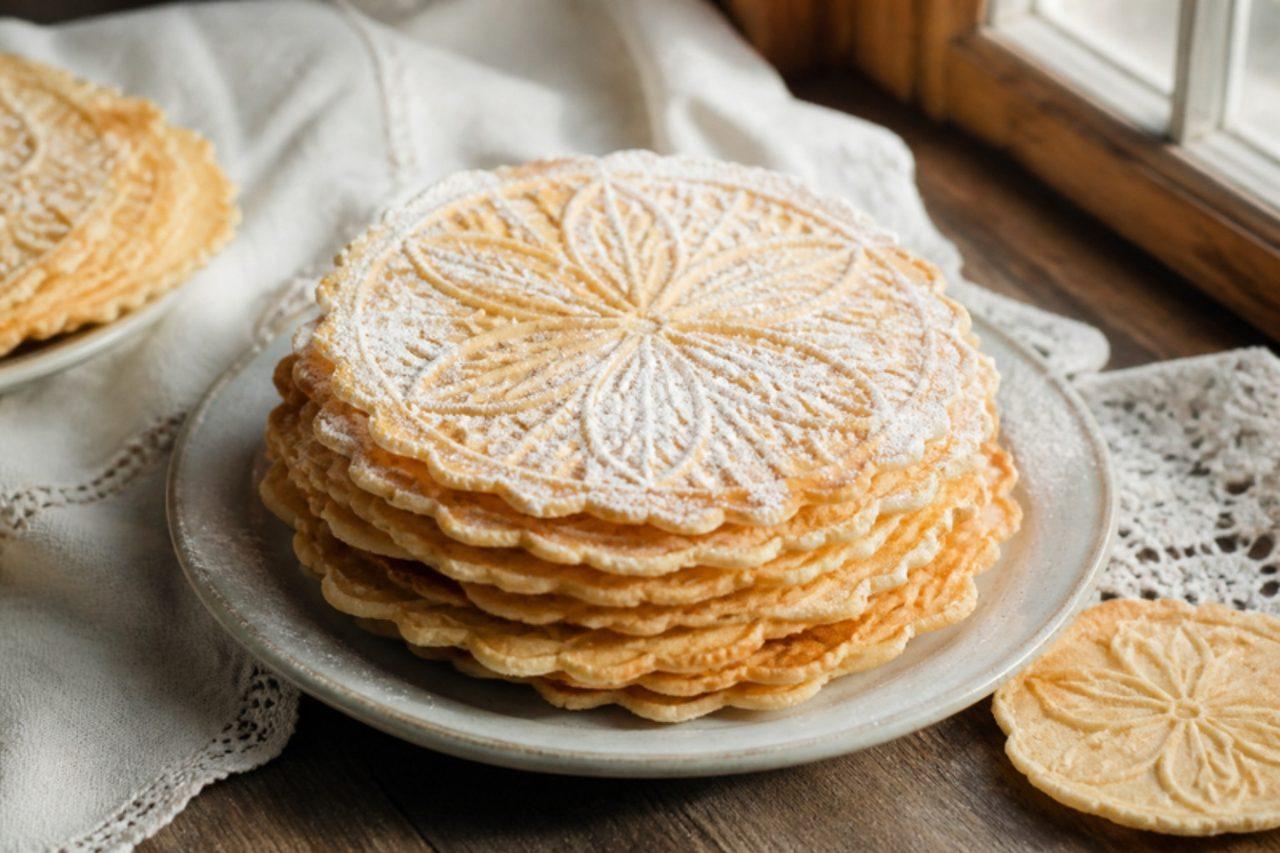
In Abruzzo, every family has its own pizzelle iron, often a wedding present engraved with the family's initials or a pattern of flowers. The thin, crisp waffles are baked for weddings, Christmas and Easter, and for the feast of San Domenico in Cocullo, flavoured with anise or lemon. Warm, they can be rolled into cones or tubes and filled. You need a pizzelle iron or a thin waffle maker. Chef's tip: lightly oil the iron only for the first pizzella; after that the batter's oil keeps them from sticking.

by KrazyBadal 0 views

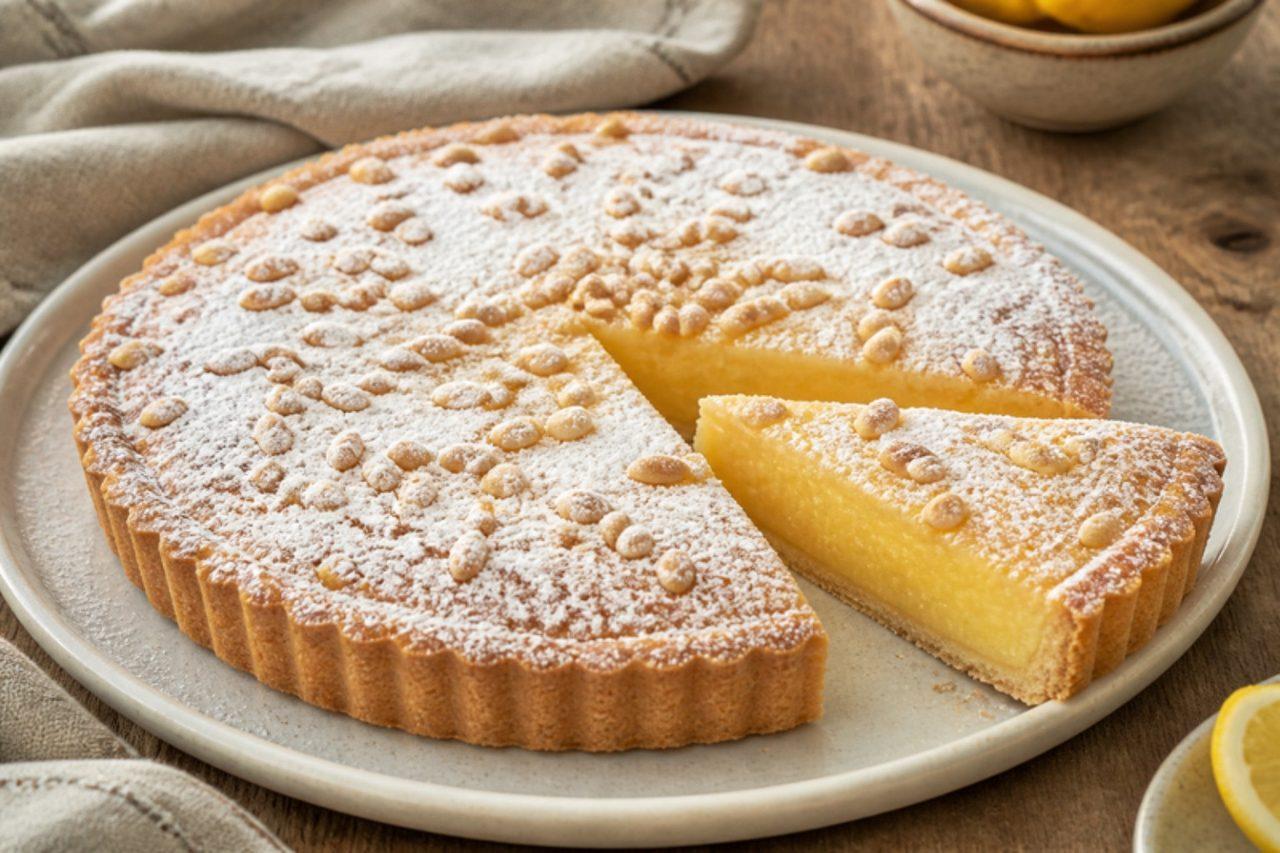
Torta della nonnaLemon custard pine nut tart

Torta della nonna, "grandmother's tart", is on the dessert menu of almost every trattoria in Florence and across Tuscany: a shortcrust case filled with thick lemon-scented custard, covered with a second layer of pastry and scattered with pine nuts and icing sugar. Despite the name it was probably invented by a Florentine restaurant cook in the 1900s, but it tastes of family Sunday lunches. Contains pine nuts. Chef's tip: let the custard cool completely before filling the tart; warm custard melts the butter in the pastry and makes the base soggy.

by KrazyBadal 0 views

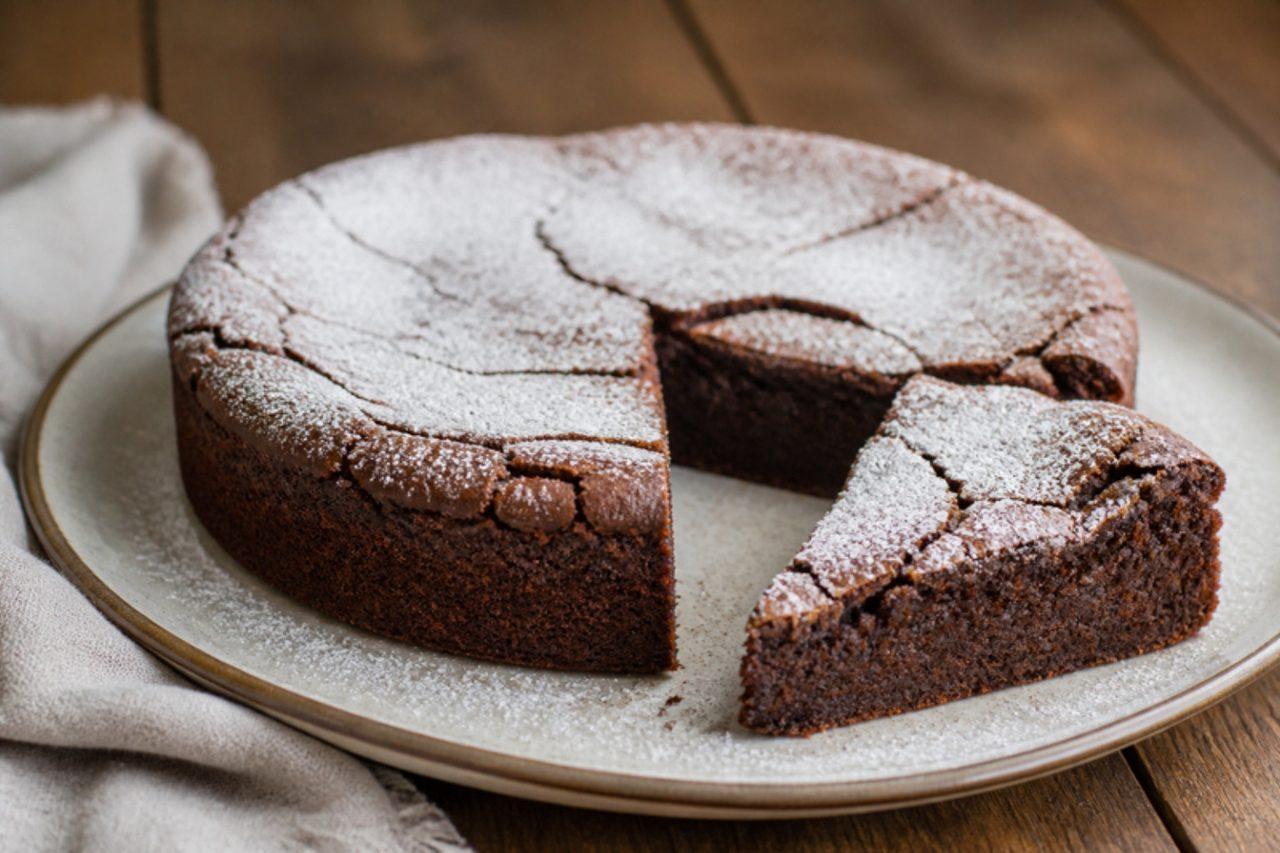
Torta capreseFlourless chocolate almond cake

Torta caprese was born on the island of Capri in the 1920s, the story goes, when a baker forgot to add flour to a chocolate almond cake and created a classic by accident. It is now the cake of the Amalfi Coast: dense, moist and fudgy in the middle, with a thin crackled crust and a dusting of icing sugar. Restaurants in Capri and Sorrento serve it with a spoonful of cream or lemon sorbet. It is naturally gluten free. Contains nuts. Chef's tip: take it out while the middle is still slightly soft; it firms up as it cools and stays moist for days.

by KrazyBadal 0 views

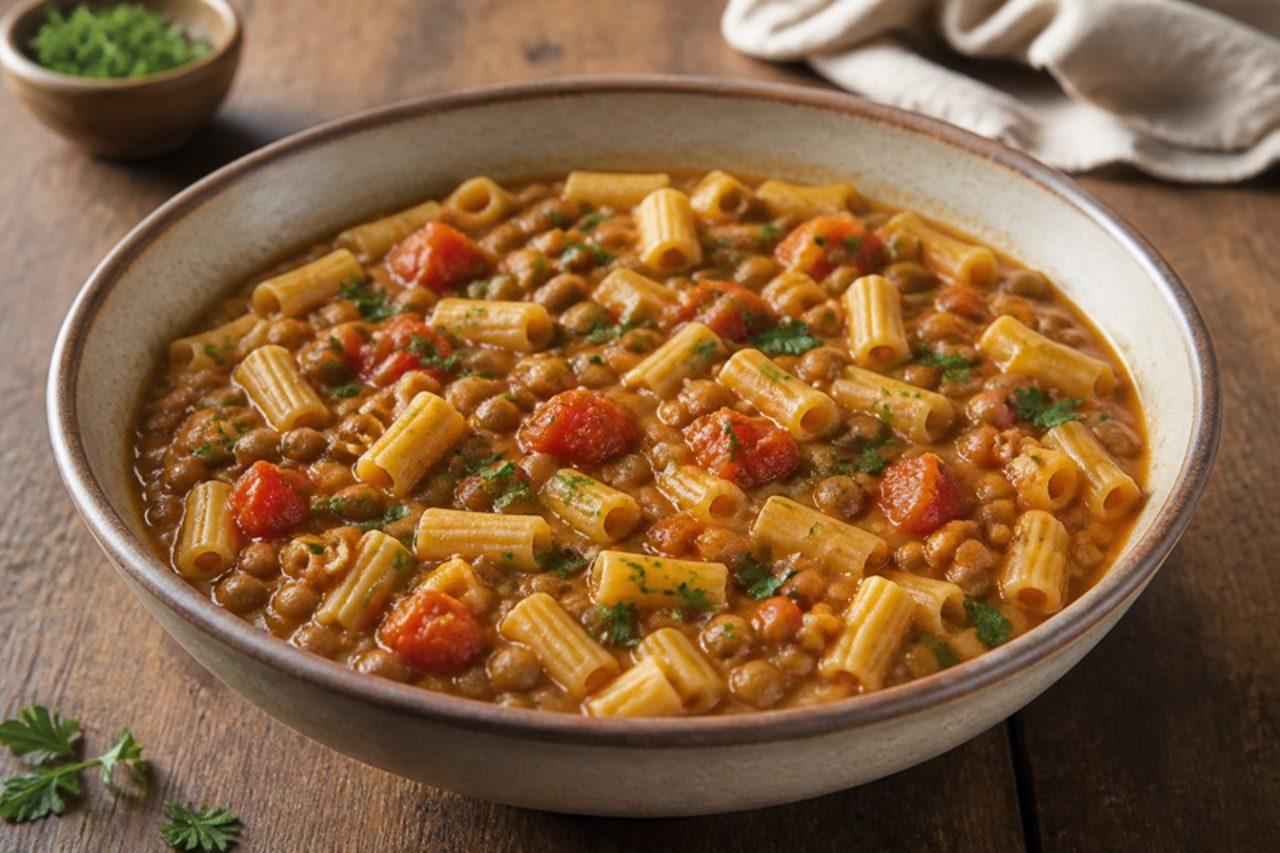
Pasta e lenticchiePasta and lentil stew

In Naples, pasta with legumes is weekday food, and pasta e lenticchie is the one every family makes in winter: small lentils cooked with garlic, celery and a little tomato until soft, then mixed short pasta (pasta mista, the broken ends of different shapes) is cooked right in the pot until thick and creamy. Lentils also bring luck for the New Year, so many families make it on 1 January. Chef's tip: cook the pasta in the lentils with only just enough water, adding it a ladle at a time; the starch from the pasta makes the stew creamy without any cheese.

by KrazyBadal 0 views

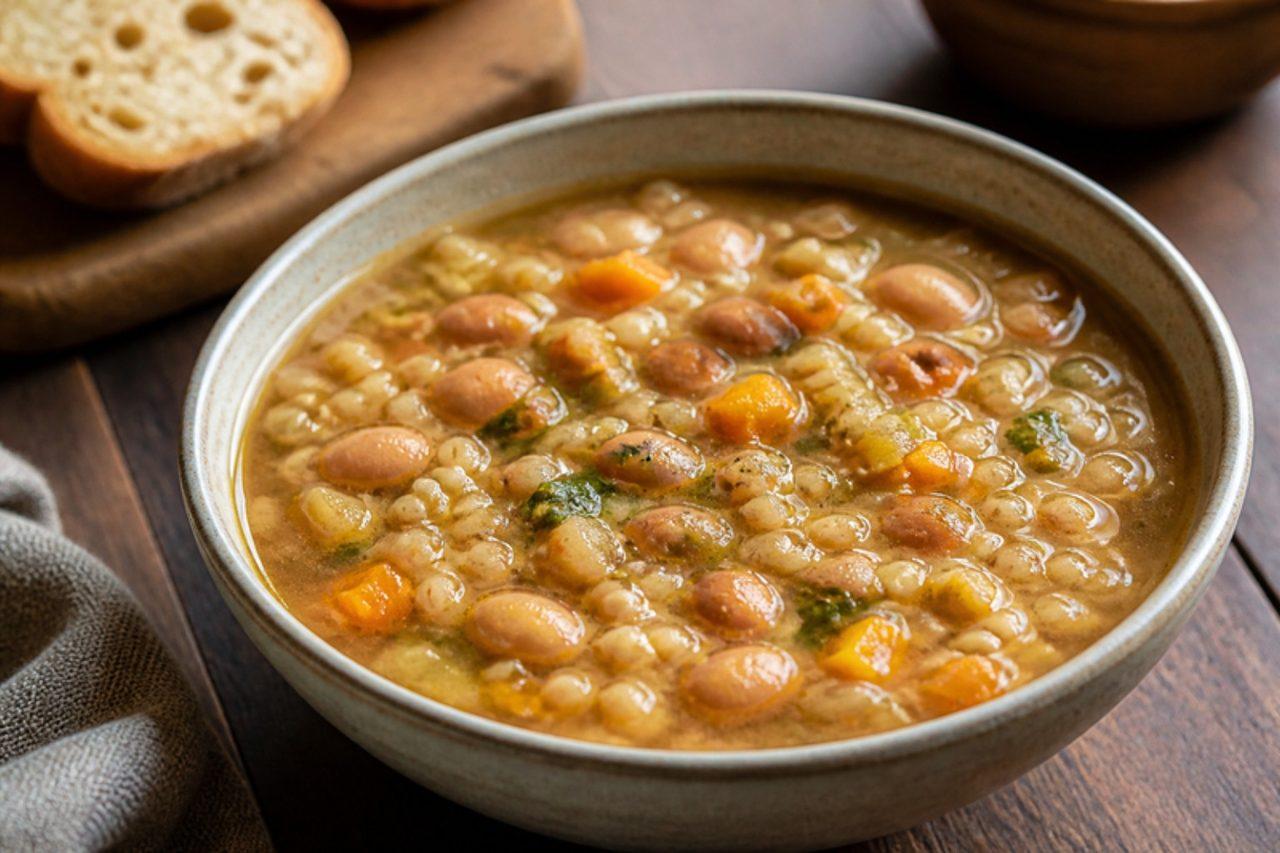
Zuppa di farro della GarfagnanaEmmer and bean soup

In the Garfagnana, the wooded mountain valley north of Lucca in Tuscany, farro (emmer wheat) has been grown for 2,000 years and has its own protected status. The classic local dish is a thick, warming soup of farro and borlotti beans, half of them puréed, with onion, carrot, celery, tomato and herbs, served in winter with a thread of new olive oil. Chef's tip: blend half of the cooked beans before adding the farro; it gives the soup a creamy body.

110 minItalianSoupsVegan
by KrazyBadal 0 views
Pasta cresciutaPuffy yeast fritters

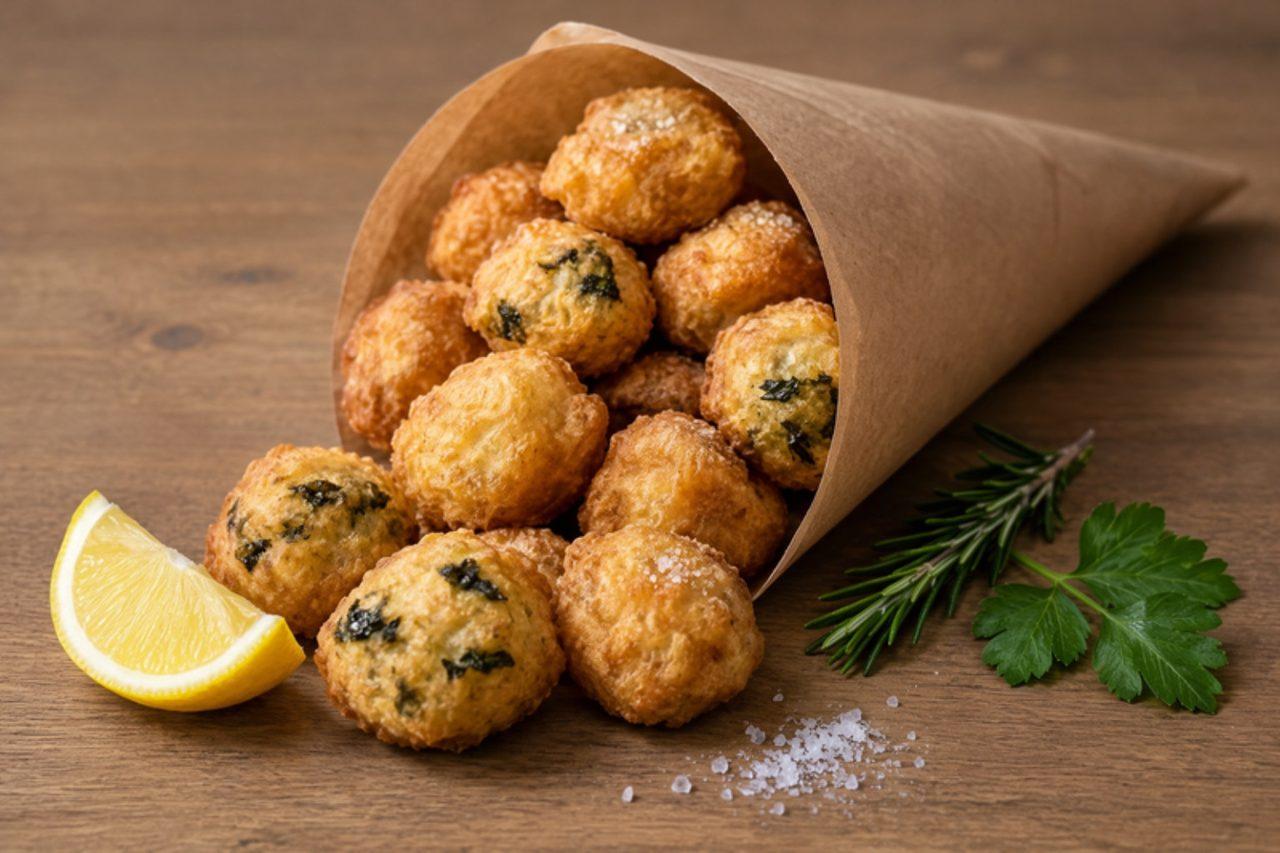
Pasta cresciuta means "risen dough", and that is all it is: a loose, sticky yeast batter dropped by the spoonful into hot oil, where it swells into airy, irregular puffs. In Naples the friggitorie around Piazza Mercato and the Quartieri Spagnoli sell them by the paper cone, plain or with a little seaweed (alghe) folded in, and at Christmas they appear as zeppoline on every table. They are best eaten within minutes, while crisp outside and chewy-soft within. Chef's tip: wet your spoon in a glass of water between each blob, so the sticky batter slides off cleanly into the oil.

by KrazyBadal 0 views

ScagliuozziFried polenta triangles

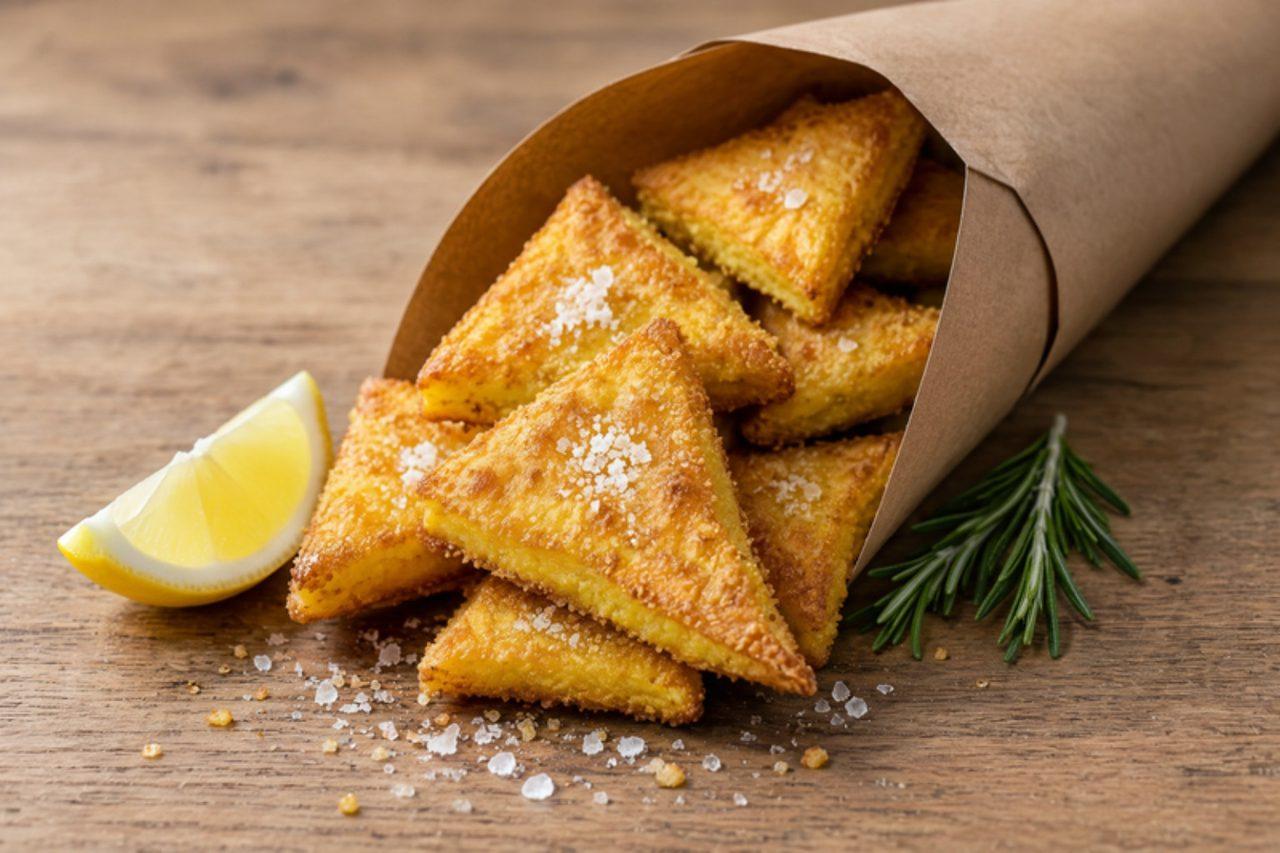
Scagliuozzi are triangles of firm polenta fried until blistered and golden, and in Naples they are rarely eaten alone: the friggitorie of Via dei Tribunali and the Pignasecca market tuck them into a cuoppo, a cone of brown paper, with zeppoline and potato croquettes. People buy them mid-morning or on the evening passeggiata and eat them walking, still too hot to hold. The outside shatters, the inside stays soft and sweet with corn. Make the polenta the day before so it sets firm. Chef's tip: cook the polenta thick enough that a spoon stands up in it; soft polenta spits and falls apart in the oil.

by KrazyBadal 0 views

Insalata di pastaCold pasta salad

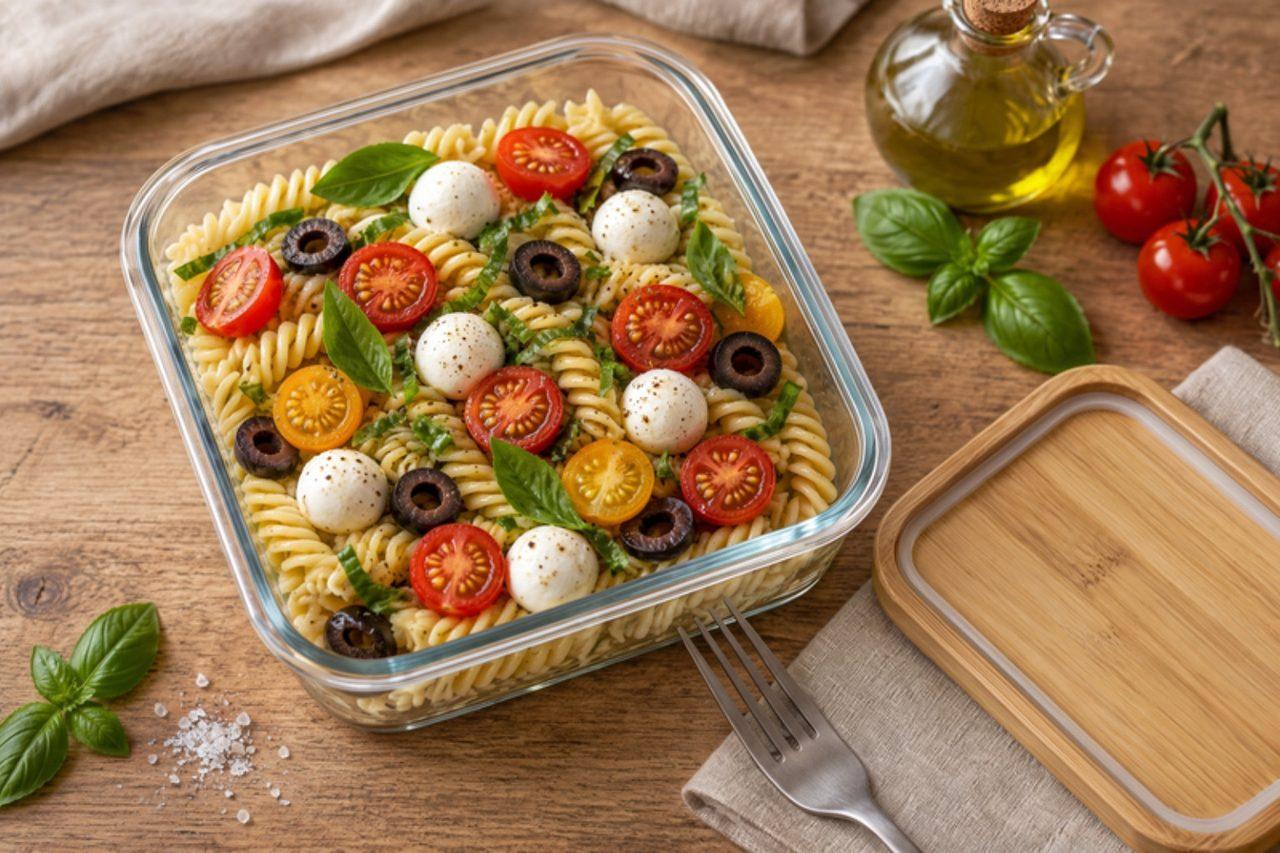
When Milan's offices empty onto park benches in July, the schiscetta (the Milanese word for a packed lunch tin) usually holds pasta fredda: short pasta dressed with olive oil, sweet cherry tomatoes, little mozzarella balls, black olives and torn basil. It is made the night before and tastes best at cool room temperature, never fridge-cold. The common mistake is rinsing the cooked pasta under the tap until it is icy and then dressing it: the starch closes up, the oil slides off and the salad tastes flat. Many mozzarellas are made with animal rennet, so look for one labelled vegetarian, or use cubes of a vegetarian cheese. Pack it with an ice pack and take it out of the bag 20 minutes before eating. Chef's tip: toss the drained, still-warm pasta with half the oil and the salted tomatoes straight away so it drinks up their juice.

by KrazyBadal 0 views

Polpette di zucchineCourgette and cheese balls

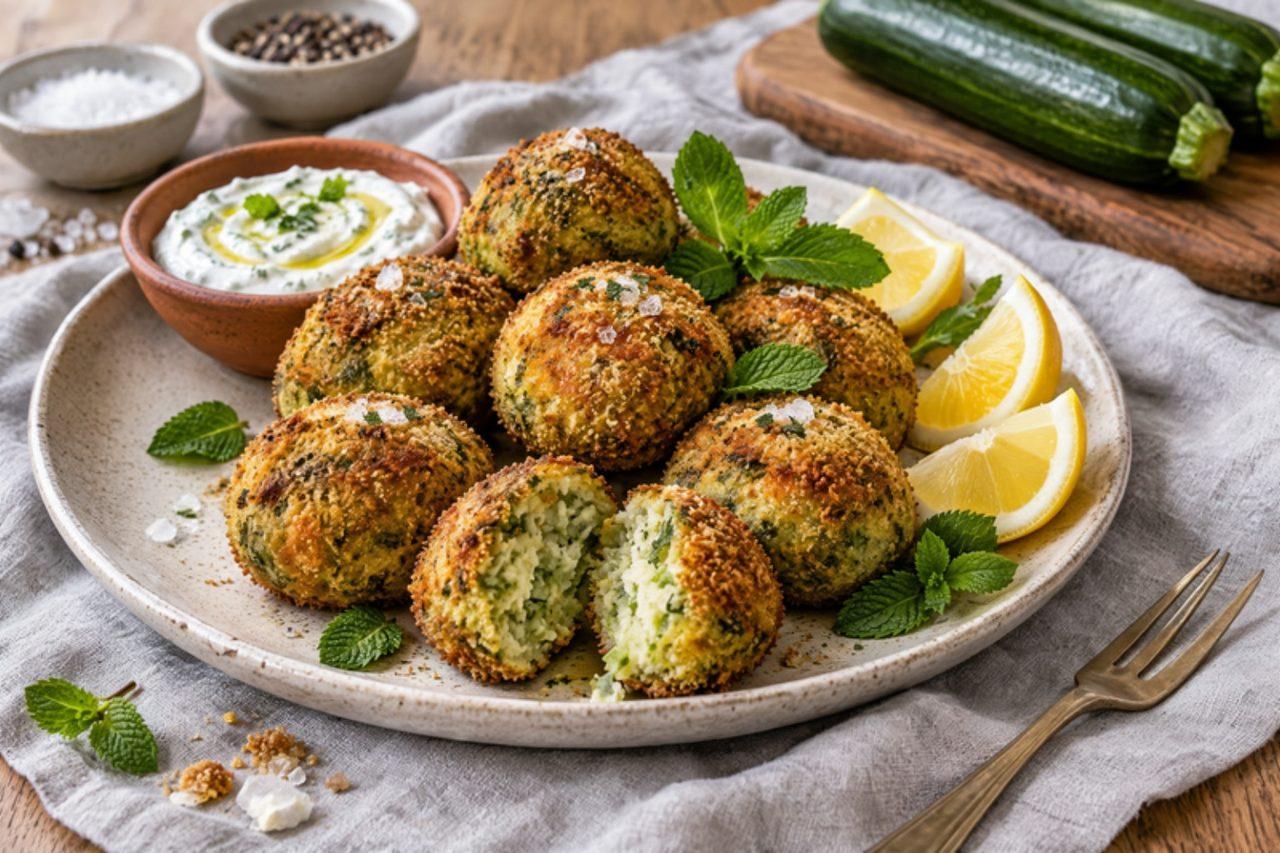
Across Puglia, Campania and Sicily, summer gardens overflow with courgettes, and the glut ends up grated into polpette that are fried for supper and packed cold the next day for school and work. They are crisp outside and soft and herby inside. The common mistake is skipping the squeeze: courgette is mostly water, and if you don't wring it out the mix stays sloppy and the balls fall apart in the pan. Traditional recipes use Parmigiano or pecorino, which are always made with animal rennet, so this version uses a vegetarian Italian-style hard cheese. Chef's tip: let the shaped balls rest in the fridge for 15 minutes so the breadcrumbs swell and they hold their shape.

by KrazyBadal 0 views

Limonata a cosce aperteFizzy lemonade

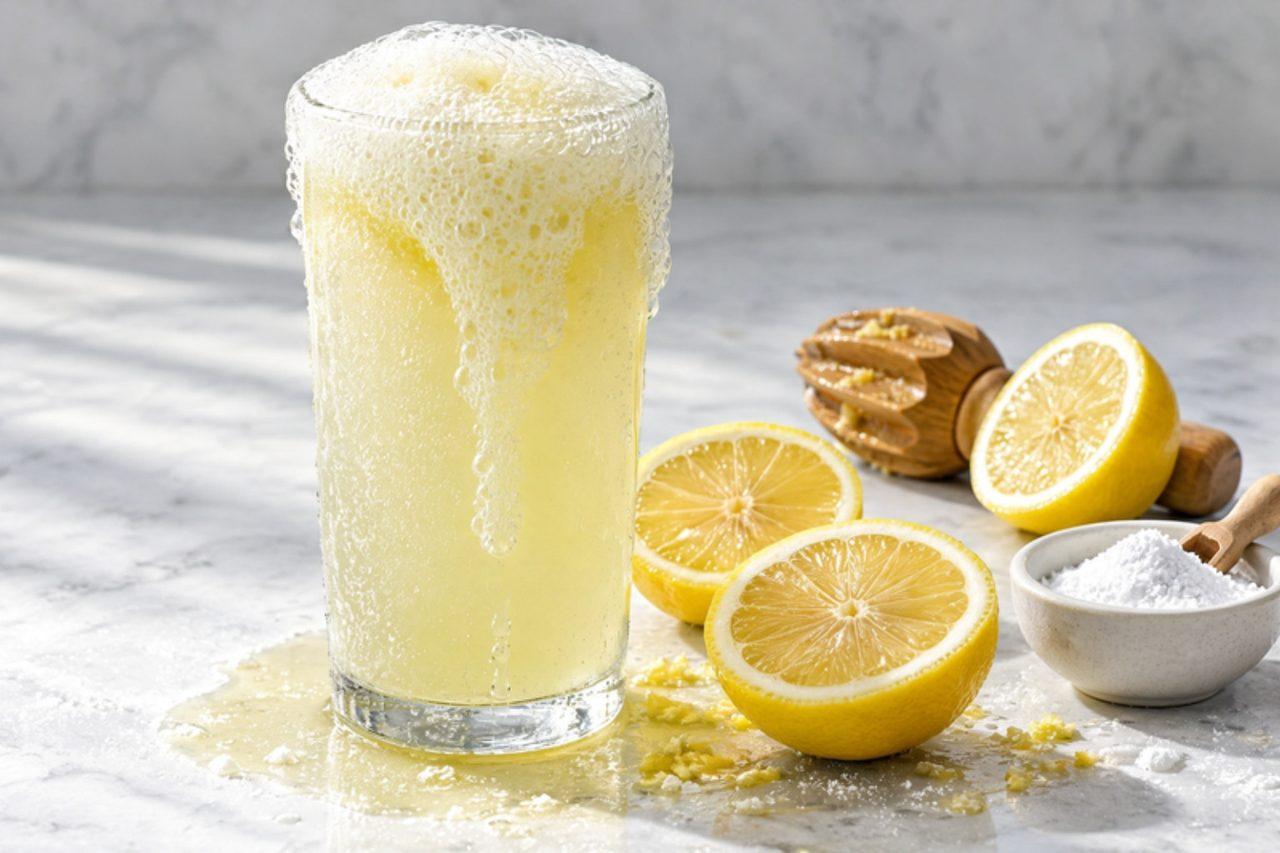
On hot afternoons along the Lungomare and in Piazza Sannazaro, the old acquafrescai kiosks squeeze half a lemon into a glass of sparkling water, then add a pinch of bicarbonate of soda. The drink foams up and over the rim, so you have to lean forward with your legs apart to drink it without soaking your shoes, which is where the cheeky name comes from. It tastes sharp, salty-fresh and very fizzy, and Neapolitans swear by it after a heavy lunch. Chef's tip: have the glass at your lips before you stir in the bicarbonate; the foam rises in seconds.

by KrazyBadal 0 views

Mela grattugiata (grated apple)

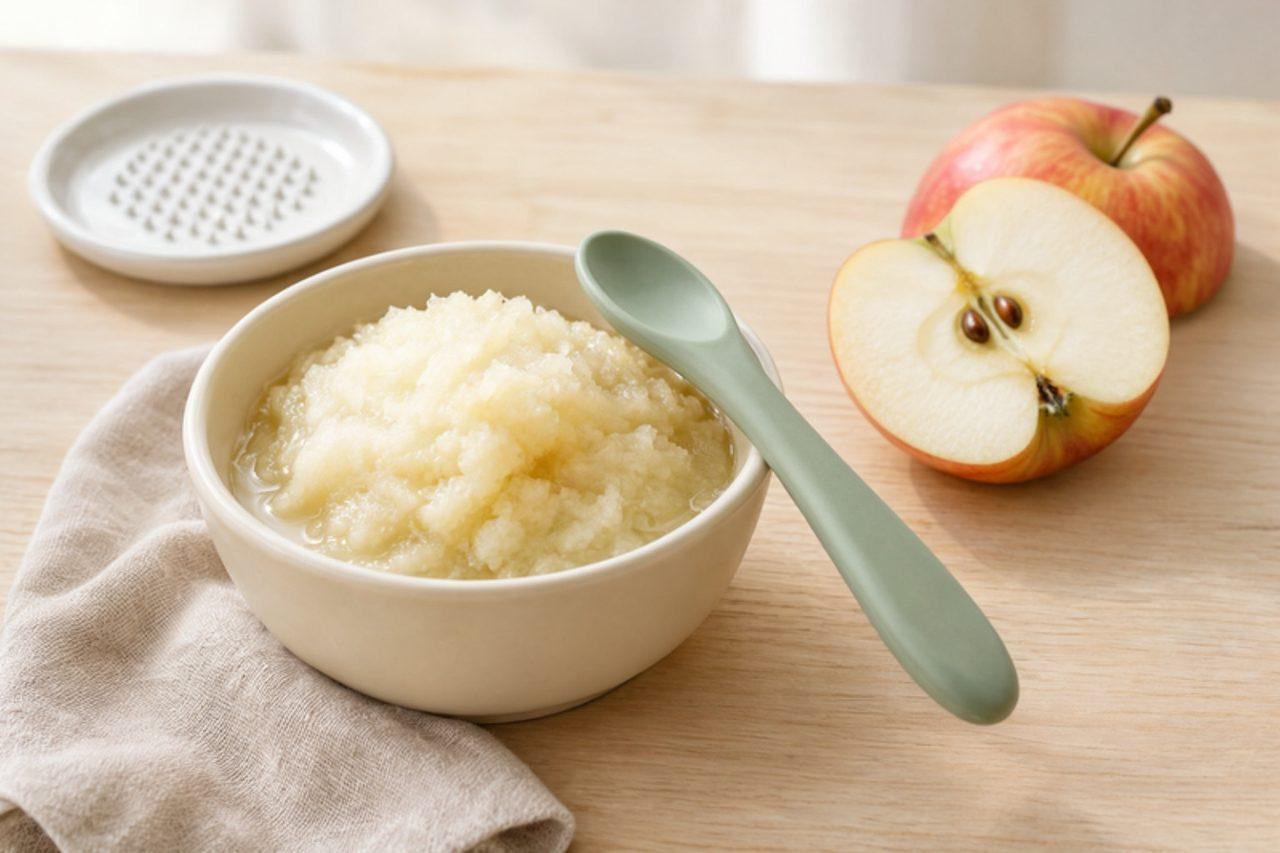
Ask any Italian nonna what a baby has for merenda, the mid-afternoon snack, and she will mime grating an apple: in homes from Turin to Bari, a sweet apple is grated very finely on the small holes of a grater and spooned up at once, before it turns brown. Paediatricians in Italy suggest it from six months, and for the first few times many parents steam the apple briefly so it is softer still. It tastes fresh and naturally sweet; the old habit of crumbling in a biscuit or a spoon of sugar is not for babies under one, and honey never. It is free of the major allergens. Chef's tip: a squeeze of lemon is often added to stop browning, but for babies simply grate it right before serving.

by KrazyBadal 0 views

LampascioniWild hyacinth bulbs

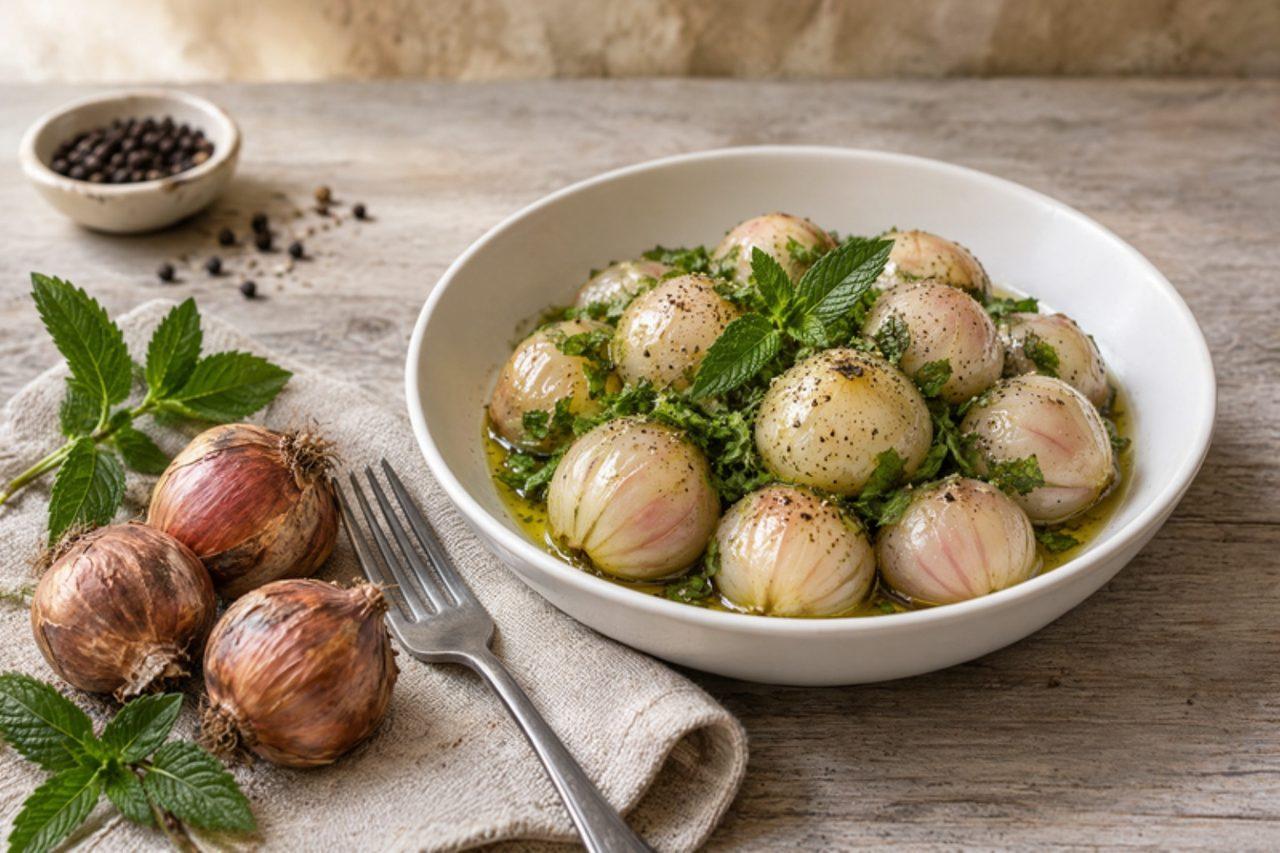
Lampascioni, the bulbs of the wild tassel hyacinth, are dug in winter and spring in the fields of Puglia and Basilicata and sold in nets in Bari and Matera markets. They look like small red onions and have a pleasantly bitter, earthy bite that the people of Salento love as an antipasto or side to grilled meat, beans or eggs. Suitable as part of a balanced diet, they are high in fibre: about 120 kcal and 12 g carbohydrate per portion. The usual mistake is not soaking them long enough; unsoaked lampascioni are very bitter, so change the water several times. Jarred lampascioni in brine, rinsed well, are a quick alternative. Chef's tip: cut a small cross in the root end of each bulb so the bitterness leaches out and they cook evenly.

by KrazyBadal 0 views

Ceci in ziminoChickpeas stewed with chard

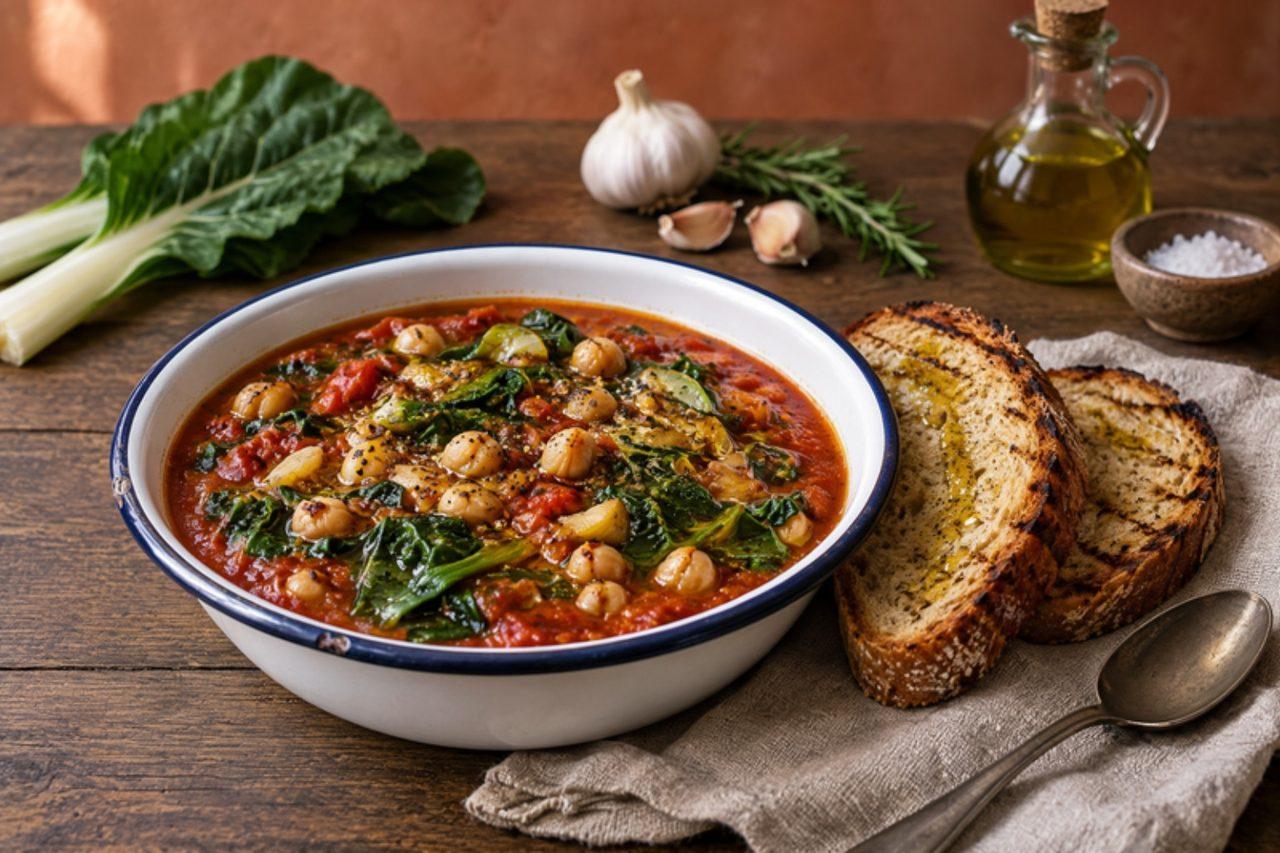
In Genoa and along the Tuscan coast, ceci in zimino is the dish of Lenten Fridays and the first cold days of All Souls in November, when the household cooks a big pot of chickpeas and stews them with chard and a little tomato. The chickpeas turn creamy, the chard gives a gently bitter green sauce, and a spoon of good oil on top makes it taste of the Riviera. Serve it as a main dish with toasted wholegrain bread. Suitable as part of a balanced diet, it is high in fibre and plant protein: about 300 kcal and 32 g carbohydrate per portion. The usual mistake is adding the chard leaves too early so they turn brown; keep them for the last 10 minutes. Chef's tip: mash a ladleful of chickpeas with a fork and stir them back in to thicken the zimino naturally.

by KrazyBadal 0 views

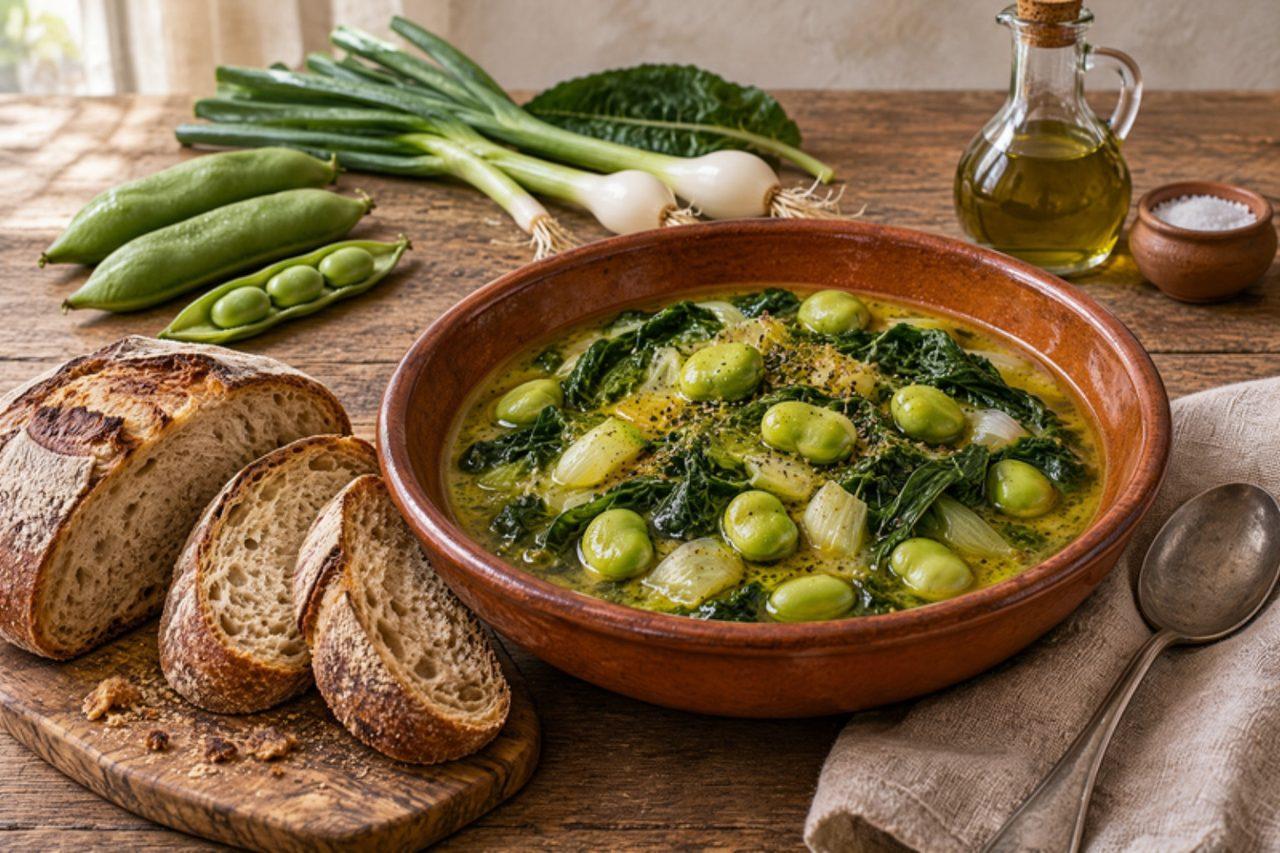
ScafataBroad bean and chard stew

Scafata comes from the hill towns of Umbria, around Spoleto and Foligno, where it is cooked in late April and May when the first fresh broad beans, chard and spring onions arrive together. The beans are stewed slowly in olive oil and tomato until they are soft and creamy, with the chard melting into a green, fragrant sauce scented with wild fennel or mint. Eat it warm with a slice of wholegrain bread. Suitable as part of a balanced diet, it is rich in fibre and plant protein: about 240 kcal and 22 g carbohydrate per portion. The usual mistake is boiling it fast, which toughens the beans; it needs a lazy simmer. Chef's tip: double-pod only the large, older beans; young ones can be cooked in their pale skins.

by KrazyBadal 0 views

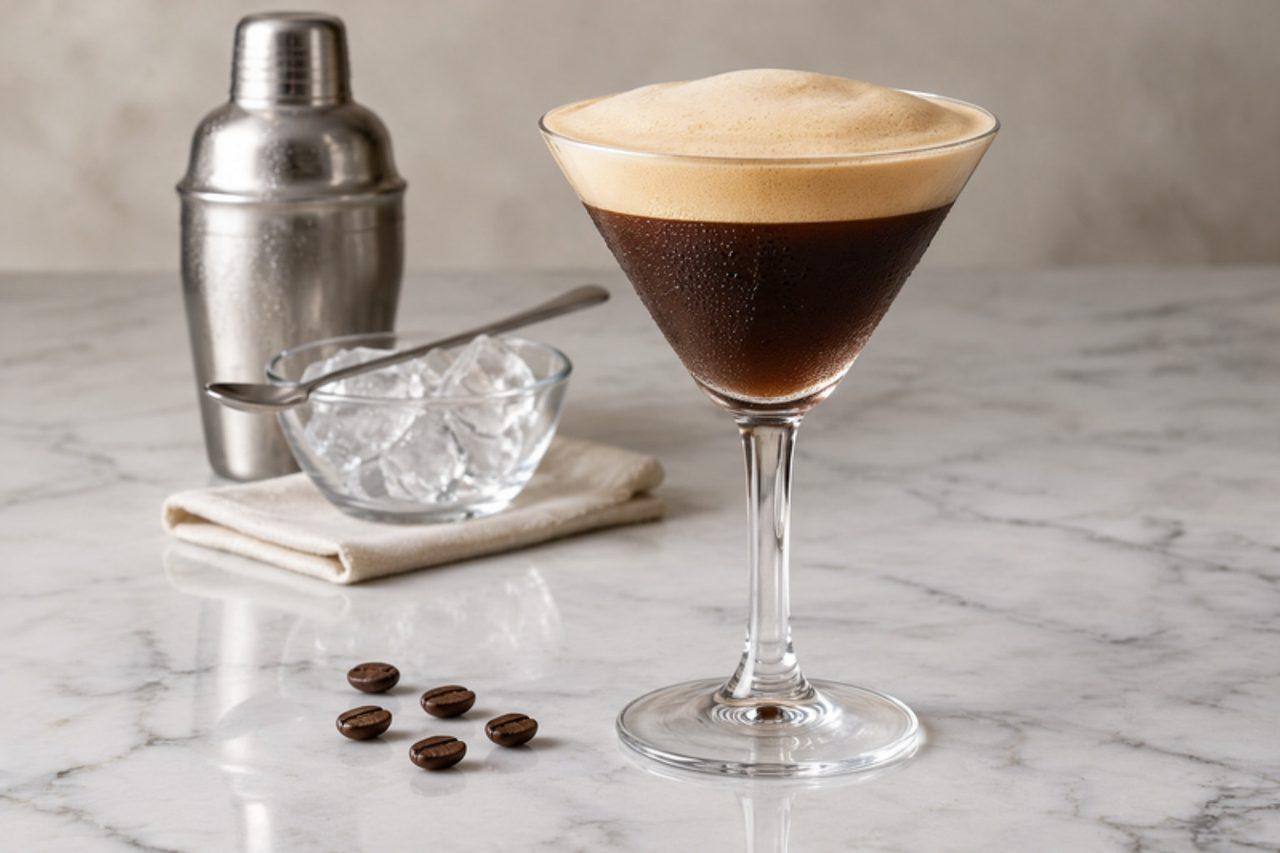
Caffè shakeratoShaken iced espresso

When July heat settles over Italian piazzas, bar regulars from Rome to Bologna switch their morning or after-lunch espresso for a shakerato. The barista pulls a fresh shot, tips it into a cocktail shaker with ice and sugar, shakes hard for fifteen seconds and strains it into a chilled martini or wine glass, where it settles into a dark body under a thick, beige, mousse-like crema. It tastes intense and bittersweet, colder and smoother than iced coffee, with a texture almost like a light cream. The common mistake is using too little ice or shaking half-heartedly: the coffee stays warm and the foam collapses within seconds. Fill the shaker at least half full with ice and shake until the metal is too cold to hold comfortably. It is ready when you hear the ice rattle softly and the shaker frosts over, and the pour has a thick foam on top. One shaker holds one double espresso, so it is fairly strong in caffeine. Chef's tip: dissolve the sugar in the hot espresso before adding ice; granulated sugar barely melts once the coffee is cold.

by KrazyBadal 0 views

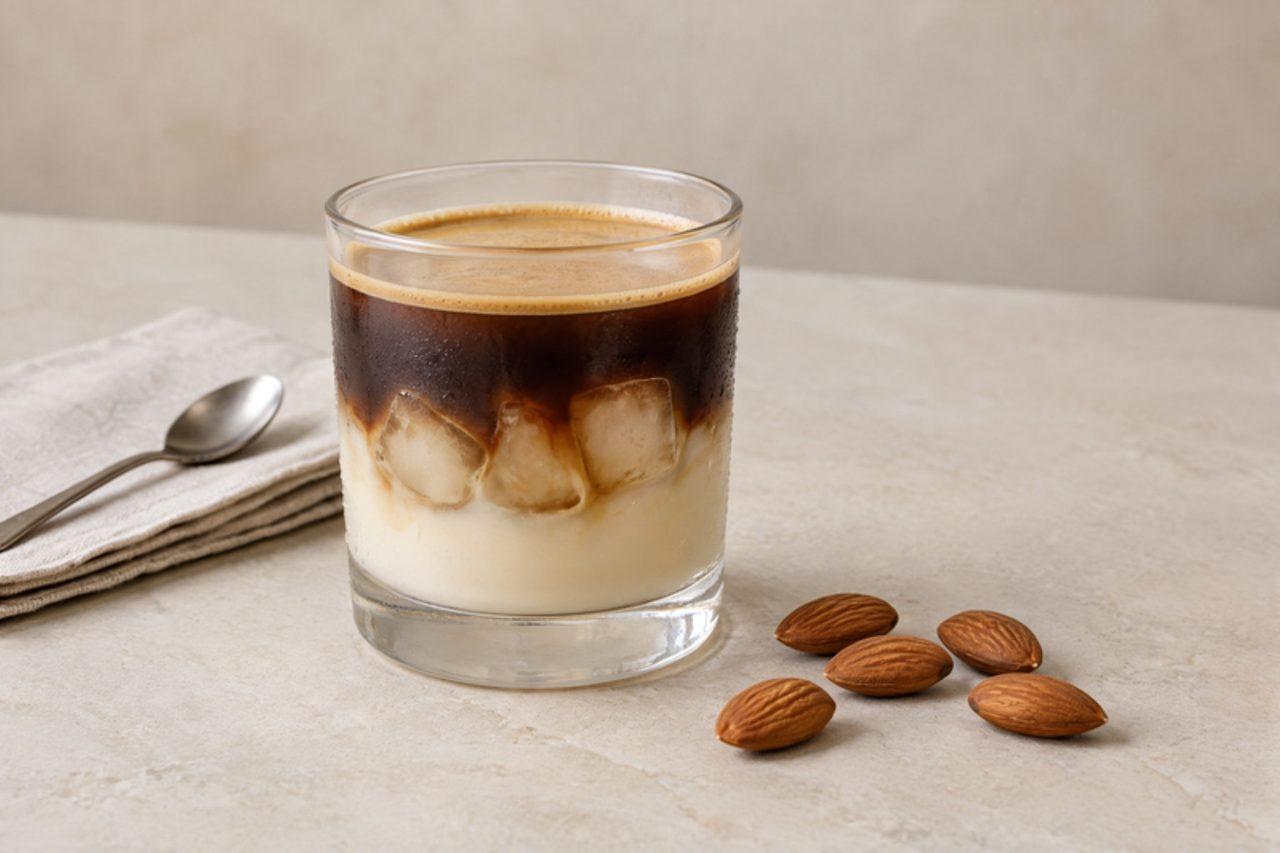
Caffè lecceseEspresso with almond milk over ice

In Lecce and the towns of Salento, summer mornings start at the bar with a caffè in ghiaccio, and the local version, a fairly recent invention now poured everywhere from Otranto to Gallipoli, adds a pour of latte di mandorla: the sweet almond-milk syrup Puglian bakers have made for generations from local almonds. A short glass is filled with ice, the almond syrup goes in, and a hot espresso is poured straight over so it cracks the ice and blends into a pale, cold, nutty coffee. It is sweet without being sticky, with a marzipan aroma and a clean bitter finish. The common mistake is letting the espresso cool before pouring: it no longer melts and mixes with the dense syrup, which then sits at the bottom. Pull the shot and pour it at once, then stir. It is ready when the drink is evenly caramel-coloured and the glass feels icy. Lecce bars serve it from about May to late September, often with a pasticciotto. Espresso means a fair hit of caffeine. Chef's tip: if you can only find unsweetened almond drink, stir 1 tsp of sugar into it first, but real Puglian almond syrup gives the true taste.

by KrazyBadal 0 views

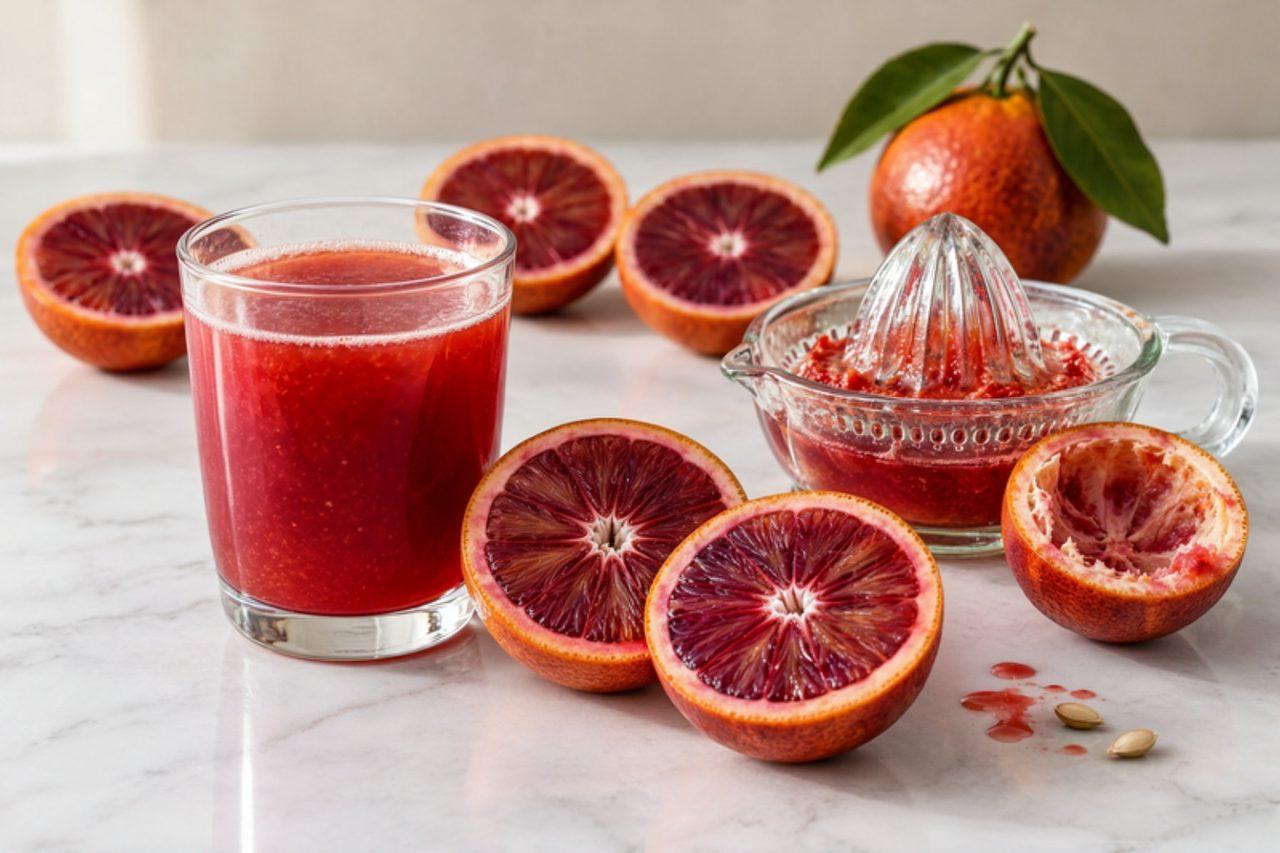
Spremuta di arance rosseFresh blood orange juice

From December to April the orchards on the plain below Etna, around Catania, Lentini and Paternò, are heavy with Tarocco, Moro and Sanguinello blood oranges. The cold Etna nights turn their flesh red, and in Catania bars the barista squeezes them to order on a lever press, serving the spremuta beside a cornetto or a granita at breakfast. It is sweet, juicy and tart, tasting of orange with hints of raspberry and cherry, and the colour runs from streaky pink to deep garnet depending on the variety. The common mistake is squeezing the oranges hours ahead or pressing the white pith too hard: the juice turns bitter and the colour goes brown. Squeeze just before drinking, press gently and stop before you grind into the skin. It is ready when the juice is bright and frothy on top and tastes balanced, with no bitter aftertaste. Moro oranges give the darkest juice; Tarocco is sweetest. Outside Sicily, any blood orange works, or mix half ordinary oranges with half blood oranges. Chef's tip: roll each orange firmly on the counter before cutting; it softens the segments so you get more juice with less pressing.

by KrazyBadal 0 views

Pane toscanoUnsalted Tuscan bread

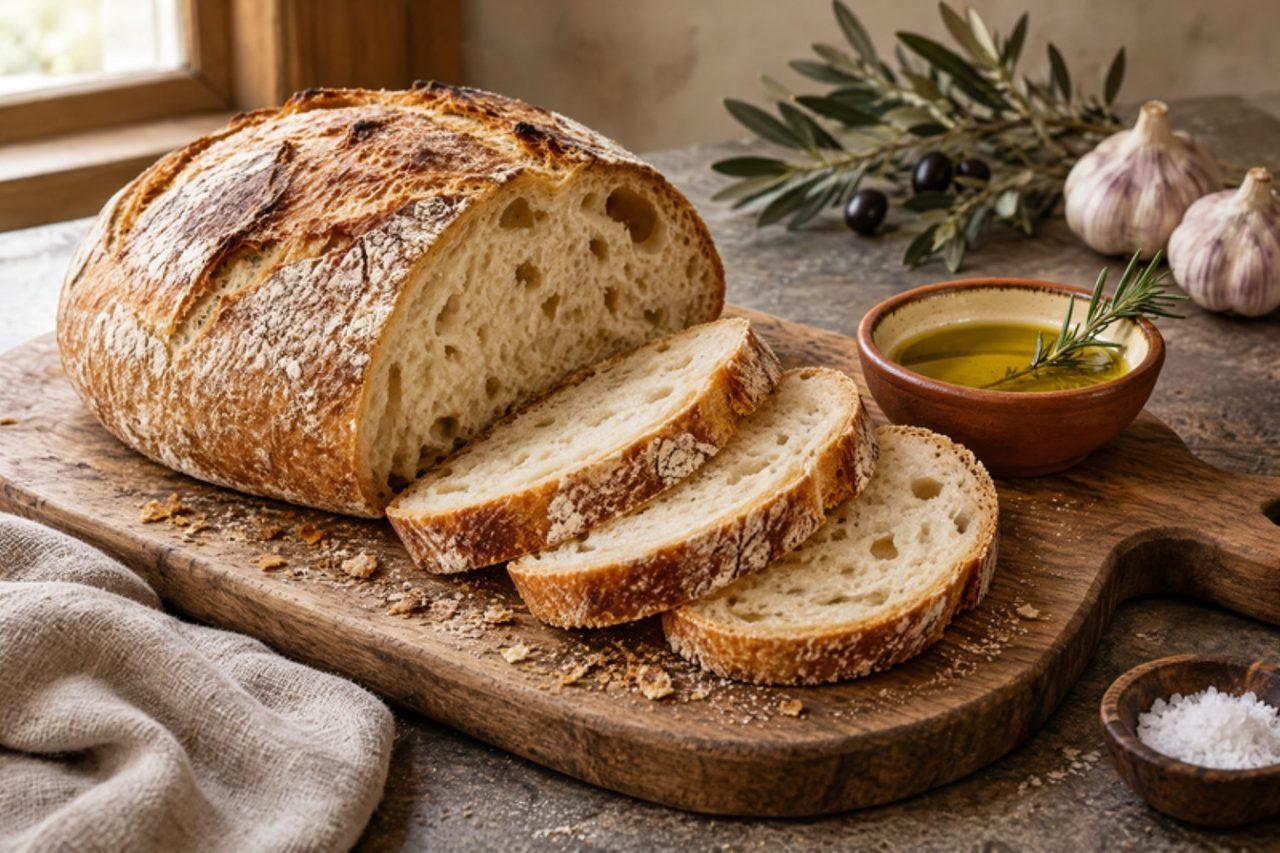
Pane toscano, called pane sciocco ('foolish' or 'bland' bread) in Florence and Siena, is the saltless loaf that Tuscans have eaten for centuries; legend blames a medieval salt tax. It has a thick, crackly crust and an open, chewy crumb, and it is made to be eaten with salty prosciutto, pecorino and ribollita, or soaked in panzanella and pappa al pomodoro. There is no salt in the dough: about 0.0 g salt per slice. The usual mistake is under-proving: without salt the dough rises fast, and with too little rest it tastes floury; a starter and a slow rise give it flavour. Chef's tip: bake with steam (a tray of boiling water in the oven) for the first 15 minutes, which is what gives the crust its proper Tuscan crunch.

by KrazyBadal 0 views

Gremolata

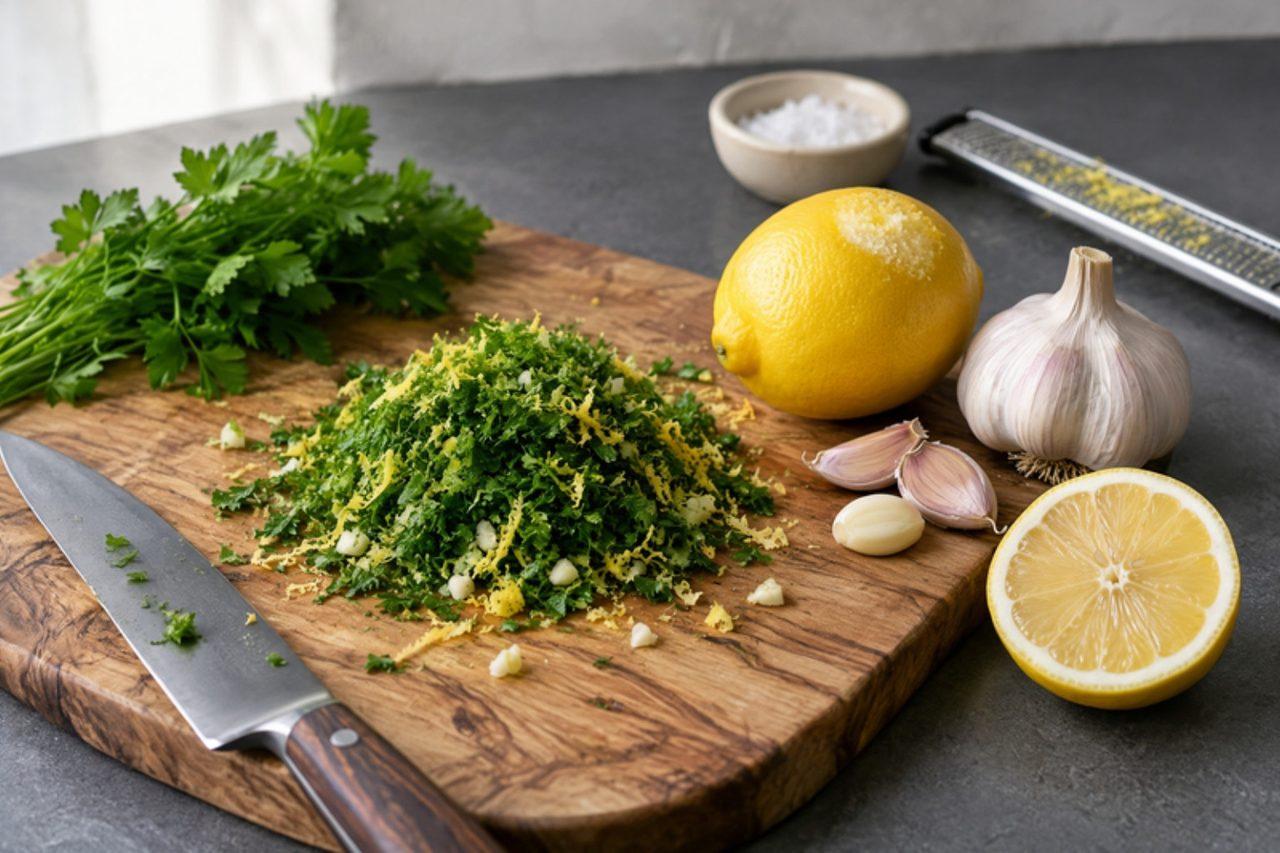
Gremolata is the Milanese finishing touch spooned over ossobuco on Sunday tables across Lombardy, and it brightens any slow-cooked stew, roast vegetables, beans or grilled fish. Flat-leaf parsley, lemon zest and raw garlic are chopped together so finely that they become a fragrant green confetti; the fresh, sharp flavour wakes up a dish so much that you need far less salt. About 0.0 g salt per portion. The usual mistake is grating the white pith with the zest, which makes it bitter; take only the yellow skin. Make it no more than an hour ahead, as the garlic gets harsh and the parsley darkens. Chef's tip: chop the garlic first with a few parsley leaves, so the juice soaks into the herbs instead of sticking to the knife.

by KrazyBadal 0 views

SalmoriglioLemon, oregano and oil sauce

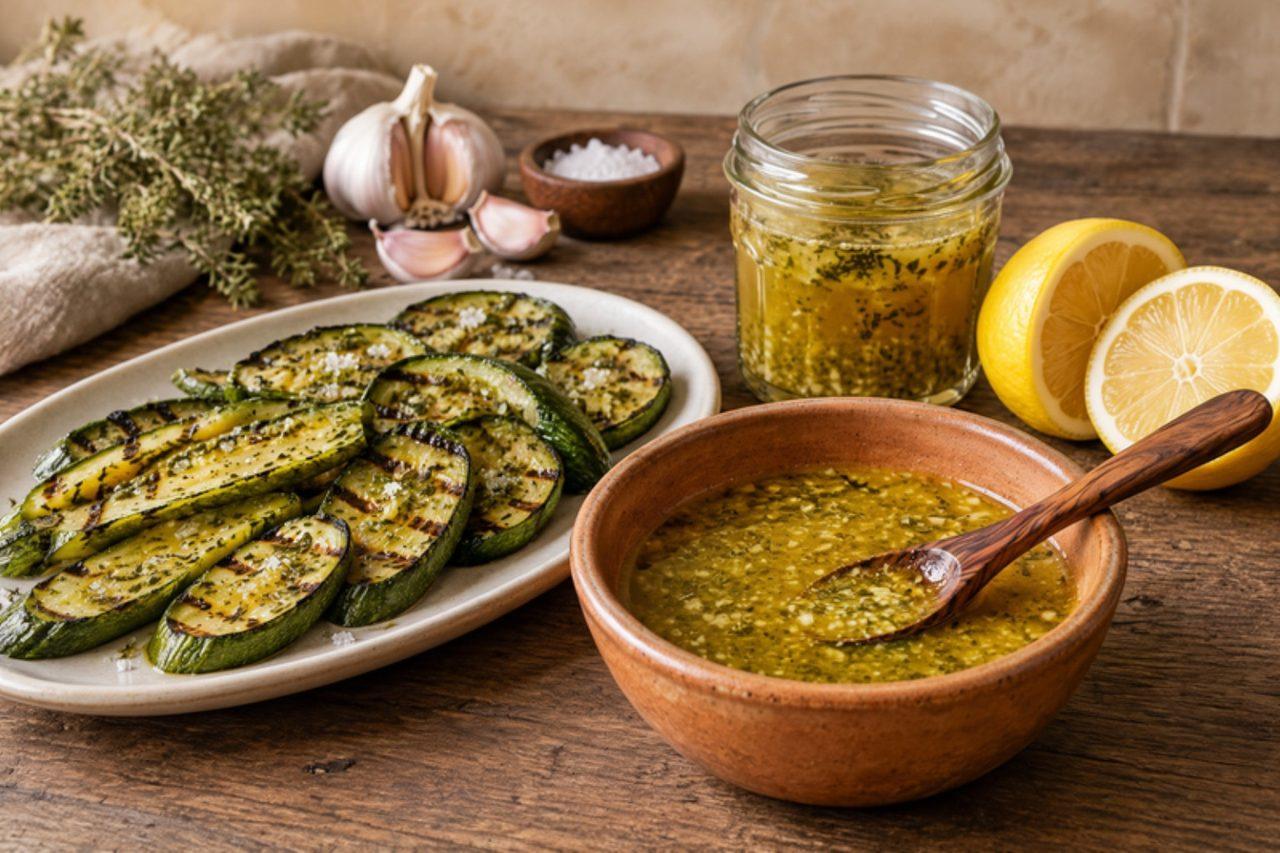
Salmoriglio is the sauce of Sicily and Calabria's summer grills, brushed over swordfish in Messina and over grilled aubergine and peppers in every courtyard from Palermo to Reggio. Olive oil is whisked with lemon juice, a little warm water, dried oregano and garlic until it turns pale and creamy, and the herbs and citrus do the seasoning that salt usually does. This version uses no salt: about 0.0 g salt per portion. The usual mistake is pouring it over cold food; brush it onto food straight off the grill so the heat releases the oregano's perfume. Use Sicilian oregano on the stem if you can find it. Chef's tip: whisk the oil in slowly over a bowl set on warm water, the old way, and the sauce emulsifies and stays creamy.

by KrazyBadal 0 views

Caffè alla nocciolaEspresso with hazelnut cream

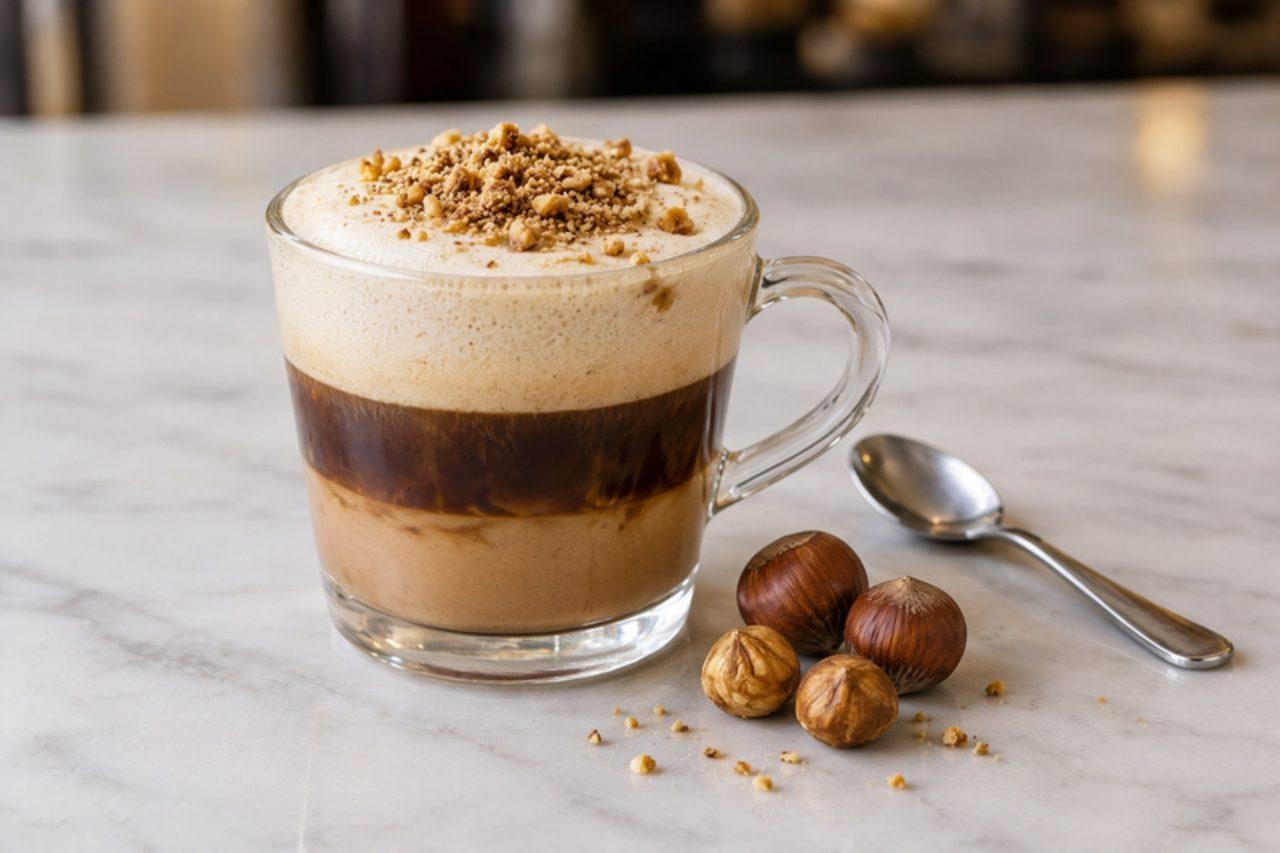
Naples takes its espresso seriously, and its bars along Via Toledo and the Lungomare also serve this richer cousin: a small glass cup smeared with hazelnut cream, a hot ristretto poured in, and a cap of cremina, the pale foam Neapolitans make by beating the first drops of coffee with sugar. It is drunk standing at the counter at mid-morning or after lunch as a little treat, and in summer the same flavours come as a cold crema al caffè. It tastes of roasted hazelnut and dark coffee, sweet and nutty, with a soft, airy foam that melts into the cup. The common mistake is whisking the cremina with too much coffee: it stays liquid and never turns pale. Use just a teaspoon of the first, thick drops and beat hard. It is ready when the foam is light beige, thick and falls from the spoon in ribbons. Espresso means a fair amount of caffeine, so keep this one for grown-ups. Chef's tip: warm the glass under hot water first and swirl the hazelnut cream up the sides; the hot coffee melts it into stripes as it goes in.

by KrazyBadal 0 views

Negroni

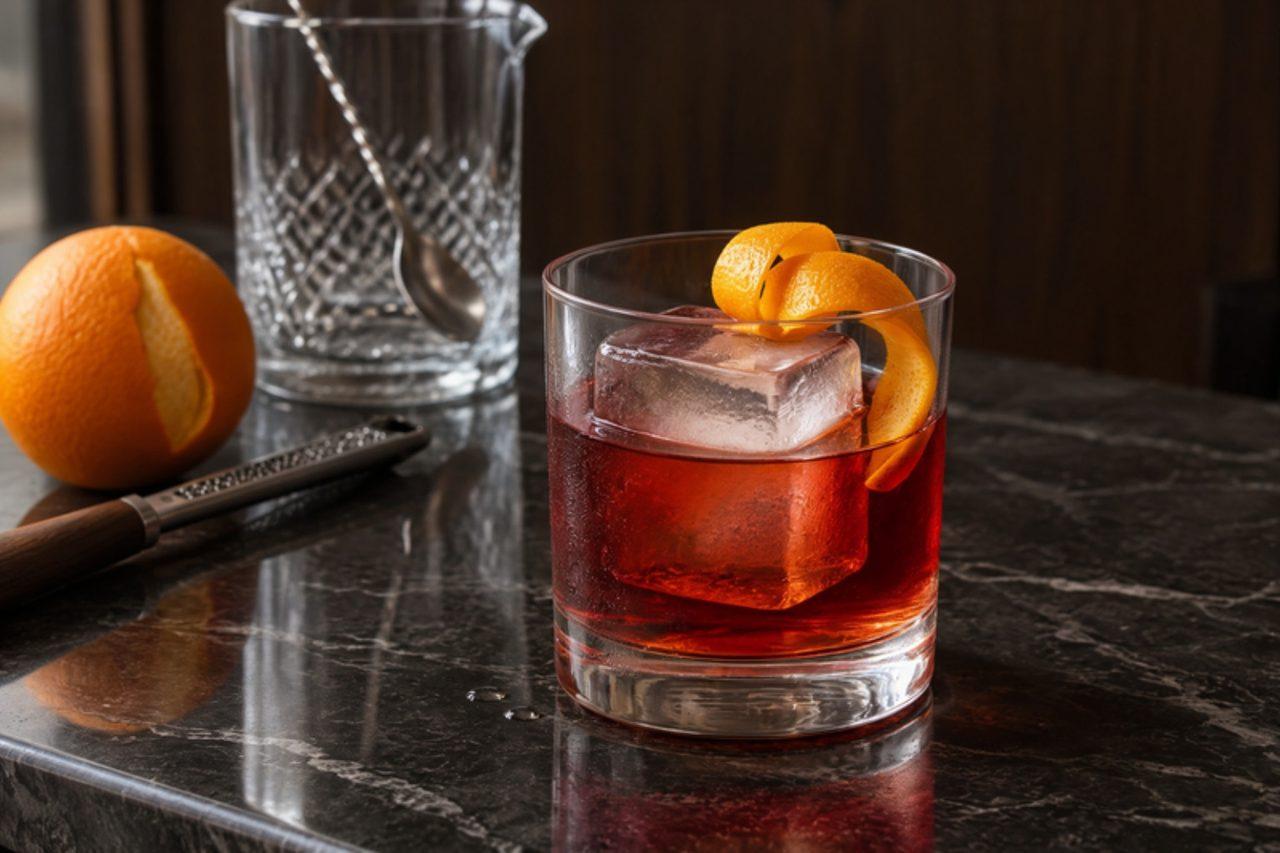
The story goes that around 1919, in a café on Florence's Via de' Tornabuoni, Count Camillo Negroni asked for his usual Americano with gin in place of the soda water. A century later the Negroni is the backbone of Italian aperitivo: drunk between six and eight in the evening, with olives, salted crisps or little crostini, before dinner rather than with it. It is a drink for adults only and a strong one, so one is plenty; drink responsibly. Taste it and you get bitterness first, then dark herbal sweetness from the vermouth and a dry juniper finish, all lifted by the smell of fresh orange oil. The texture should be silky and weighty. The common mistake is shaking it: shaken, a Negroni turns cloudy, foamy and watery. Stir it over ice instead for 20–30 seconds. It is ready when the outside of the mixing glass is frosted, the drink has softened slightly in colour and it pours like glossy syrup. Choose a bitter aperitivo coloured without carmine, and check the vermouth label if vegan matters. Chef's tip: serve it over one large clear ice cube; it melts slowly and keeps the last sip as good as the first.

by KrazyBadal 0 views

Bellini

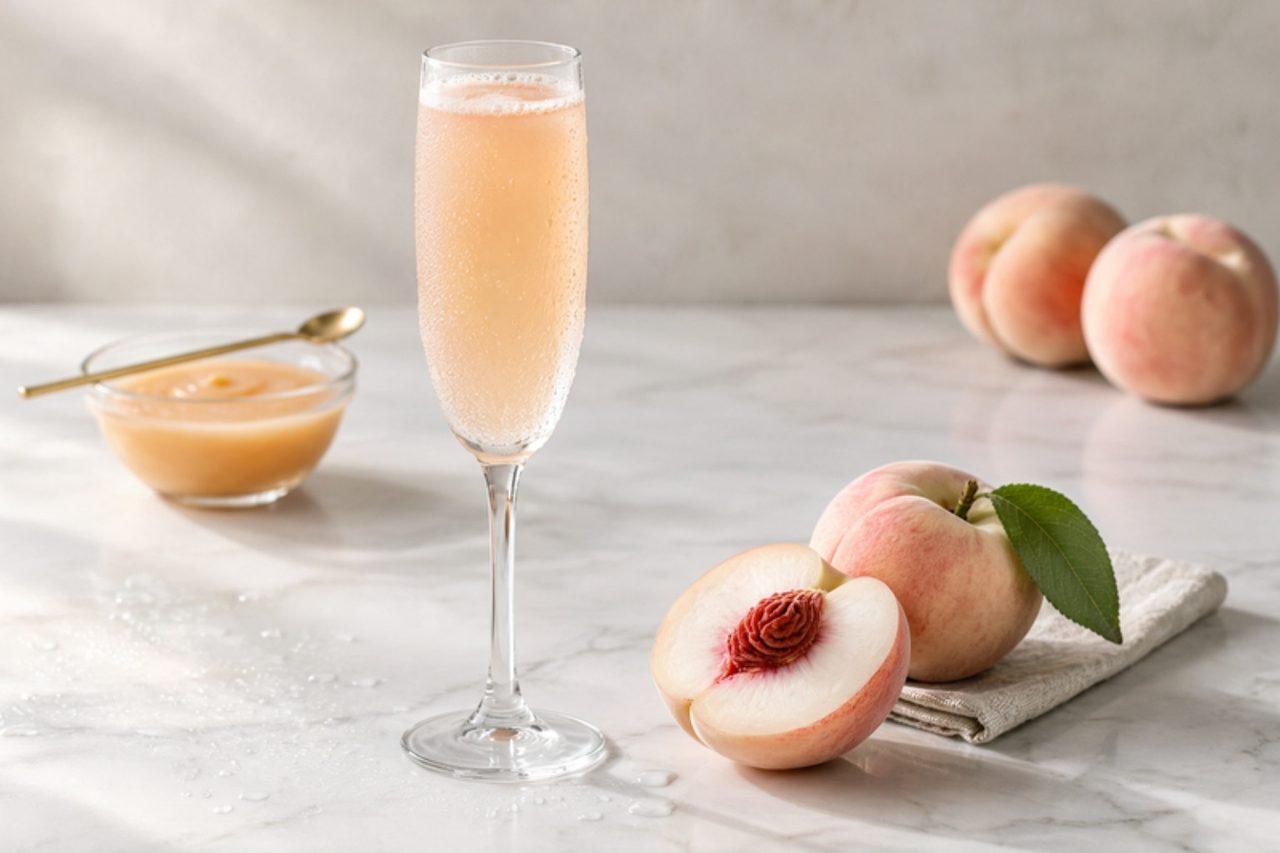
Venice invented the Bellini in the late 1940s, when a bar owner near San Marco mixed puréed white peaches with Prosecco and named the pale pink result after the Renaissance painter Giovanni Bellini. It is still a seasonal pleasure, best from July to September when white peaches are ripe and scented, and drunk late in the morning, at weddings or before lunch on the lagoon. This is a drink for adults only, though a gentle one. It should taste of fresh peach first, soft and perfumed, with the Prosecco adding light fizz and dryness, and the texture should be smooth and lightly velvety, never pulpy. The usual mistake is pouring the Prosecco fast onto the purée: it foams over and the peach stays sunk at the bottom. Tilt the glass, pour slowly in two goes and give a single gentle stir. It is ready when the drink is an even blush pink from top to bottom with a fine, slow bead. Enjoy it with food and drink responsibly. Out of season, use frozen white peach purée or ripe yellow peaches with a little more lemon. Chef's tip: a single raspberry blended into the purée gives the classic pink colour without changing the taste.

by KrazyBadal 0 views

Spritz venezianoProsecco spritz

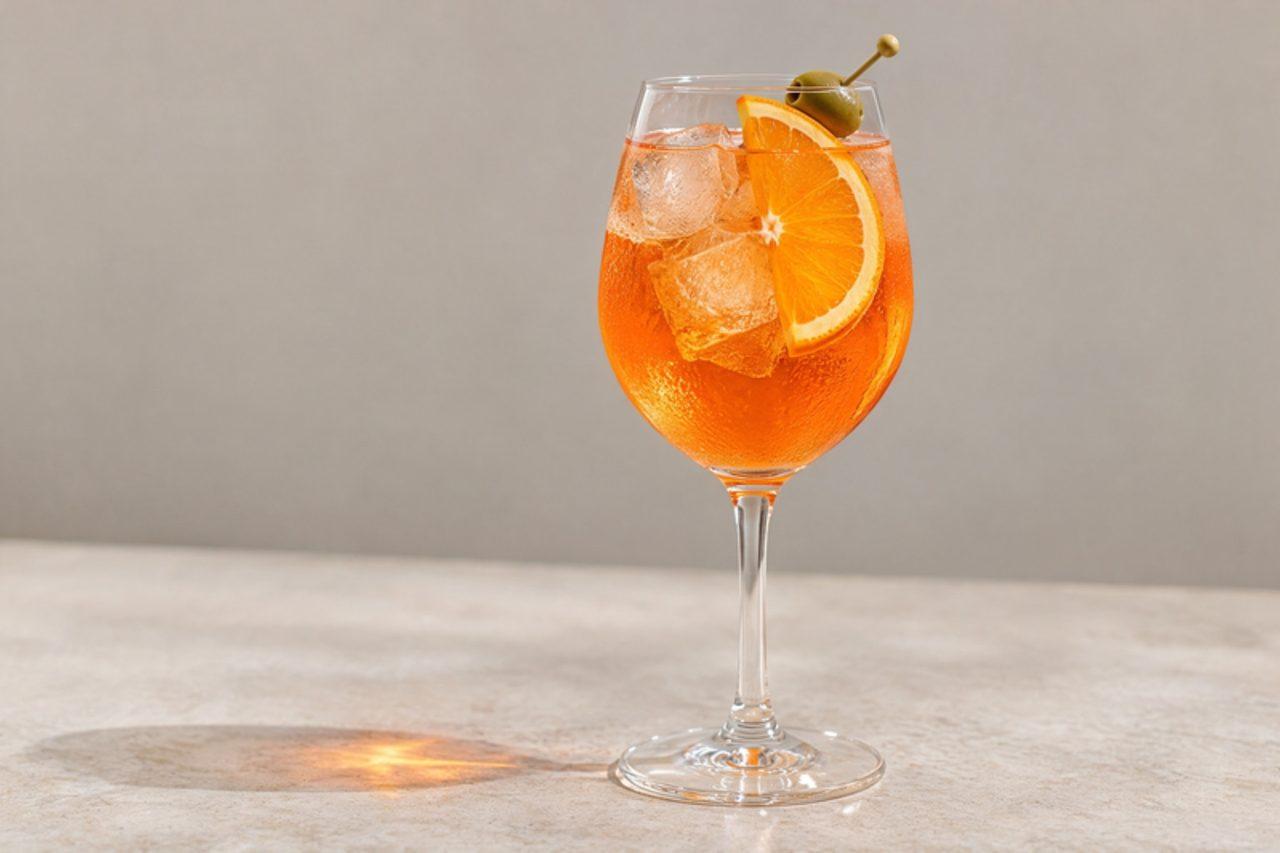
In Venice the spritz is not a trend but a timetable. From late afternoon the bàcari around Rialto fill up, and people stand at the counter with a glowing orange glass in one hand and a cicchetto of baccalà or a meatball in the other. The drink goes back to the Austrian soldiers who 'spritzed' Veneto wine with water; the bitter aperitivo came later. It is for adults only, light and long: bitter orange and rhubarb notes, dry bubbles from the Prosecco, a briny note from the olive, and a clean, cold finish that makes you hungry. The common mistake is pouring the aperitivo in first, so it sinks to the bottom and the first sips are just wine. Follow the Venetian 3-2-1: Prosecco first, aperitivo next, a splash of soda last, then one stir. It is ready when the colour is even, the glass is beaded and the bubbles are still lively. Have one or two with food and drink responsibly. Choose a Prosecco labelled vegan if that matters. Chef's tip: in Venice you will be asked which bitter you want; a sharper, more bitter red aperitivo makes a drier spritz than the sweeter orange one.

by KrazyBadal 0 views

Pasta e zuccaPasta with pumpkin

When the long Neapolitan pumpkins appear in autumn markets, pasta e zucca becomes the weekday lunch in Naples and around the Bay. The pumpkin is cooked down in olive oil with garlic and rosemary until it turns into a soft orange sauce, then short pasta is cooked in the same pot with a little water so it comes out velvety, sweet and peppery. Children love it, and it needs nothing more than grated cheese. The usual mistake is using a watery pumpkin, which never thickens; choose a dense, deep-orange squash such as butternut or delica. Chef's tip: save a few small cubes of pumpkin and add them later, so you get both a creamy sauce and soft pieces to bite into.

by KrazyBadal 0 views

Pasta e cavolfiorePasta with cauliflower

Pasta e cavolfiore belongs to the family of thick Neapolitan 'pasta e…' dishes eaten at home on Fridays and cold weekdays, when a single cauliflower and a handful of mixed pasta ends have to feed the family. The cauliflower is softened with garlic, a little tomato and chilli, then the pasta is cooked right in it with small additions of hot water until the whole pot is creamy and the cauliflower has partly melted into the sauce. Finish with pecorino and black pepper. The usual mistake is cooking the cauliflower in big florets, which never break down; cut it small so some of it becomes the sauce. Chef's tip: let it rest for two minutes off the heat after the cheese goes in; it thickens into the proper 'azzeccata' texture that holds a fork upright.

by KrazyBadal 0 views

Riso e verzeRice and cabbage soup

Riso e verze is a Lombard and Venetian farmhouse supper for the coldest months, when Savoy cabbage has been sweetened by the frost. Shredded cabbage is stewed slowly in butter and onion until it melts, then rice and stock go into the same pot and simmer into a thick, spoon-standing soup finished with grated cheese. Serve it in deep bowls with black pepper and crusty bread. The usual mistake is boiling the cabbage straight in stock, which makes it taste of sulphur; stew it in butter first until it is soft and sweet. Chef's tip: make it a little loose, because the rice keeps drinking the broth as it stands.

by KrazyBadal 0 views

FarrottoFarro cooked like risotto

In the hills of the Garfagnana and around Spoleto, where farro has been grown since Roman times, cooks make farrotto in autumn and winter as a heartier cousin of risotto. Semi-pearled farro is toasted in olive oil with onion and celery, then cooked slowly with hot vegetable stock, ladle by ladle, until the grains are tender but still bouncy and wrapped in a light, creamy sauce. Finish with pecorino and serve as a main with a green salad. The usual mistake is stirring as constantly as for risotto; farro releases less starch, so stir every few minutes and beat in the cheese at the end for creaminess. Chef's tip: toast the dry grains until they smell like popcorn before adding any liquid; it deepens the nutty flavour.

by KrazyBadal 0 views

Pasta e broccoliPasta with broccoli

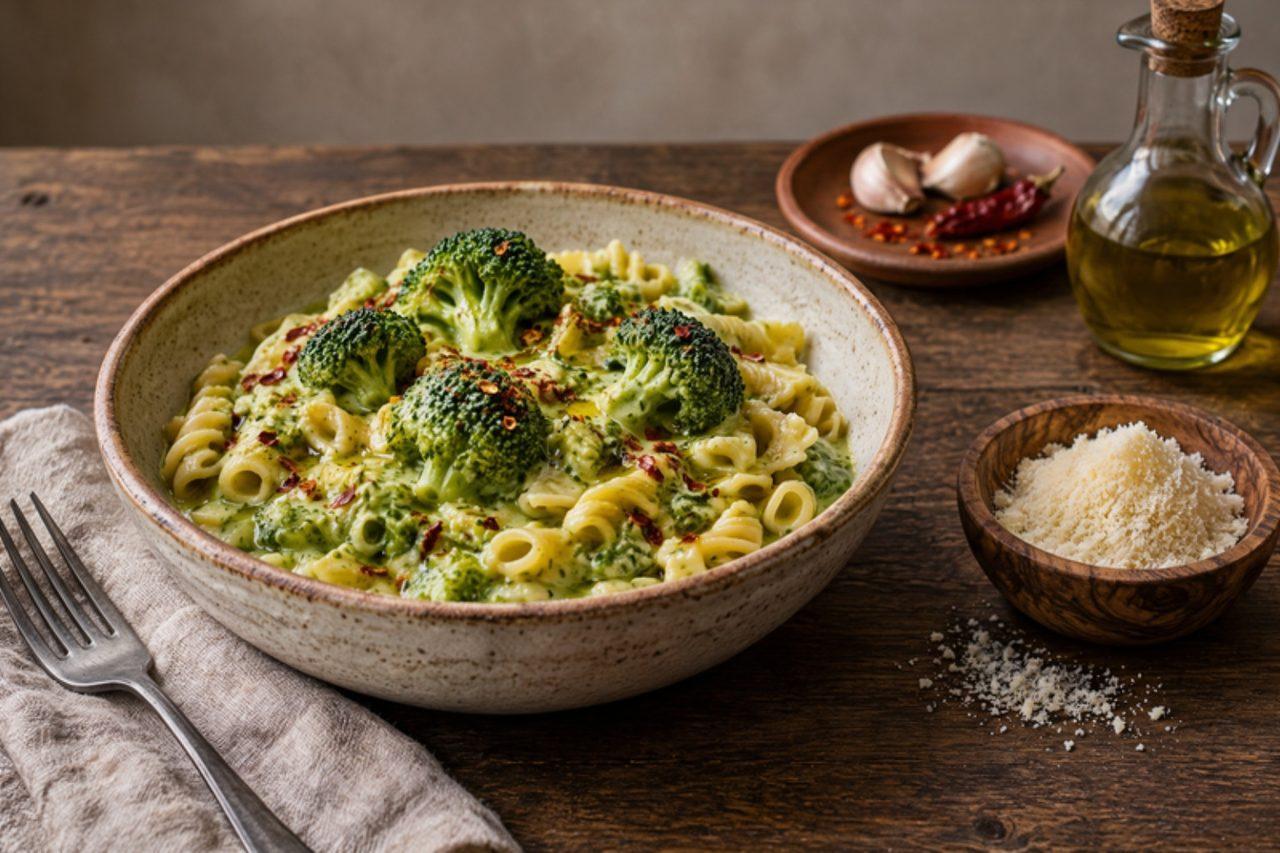
In Neapolitan homes pasta e broccoli is a midweek winter lunch, the sort of 'pasta e…' dish where vegetables and pasta are cooked in the same pot until they turn creamy without any cream. Broccoli is simmered with garlic, chilli and olive oil until it falls apart, then broken short pasta goes straight in with a little hot water and is stirred like a risotto, so the starch binds it all into a thick, green sauce. Finish with grated cheese and a thread of good oil. The usual mistake is adding too much water at once, which turns it into soup; add a ladle at a time. Chef's tip: chop the broccoli stalks finely and start them first, because they give the sauce most of its body.

by KrazyBadal 0 views

Agretti all'agroSaltwort with lemon

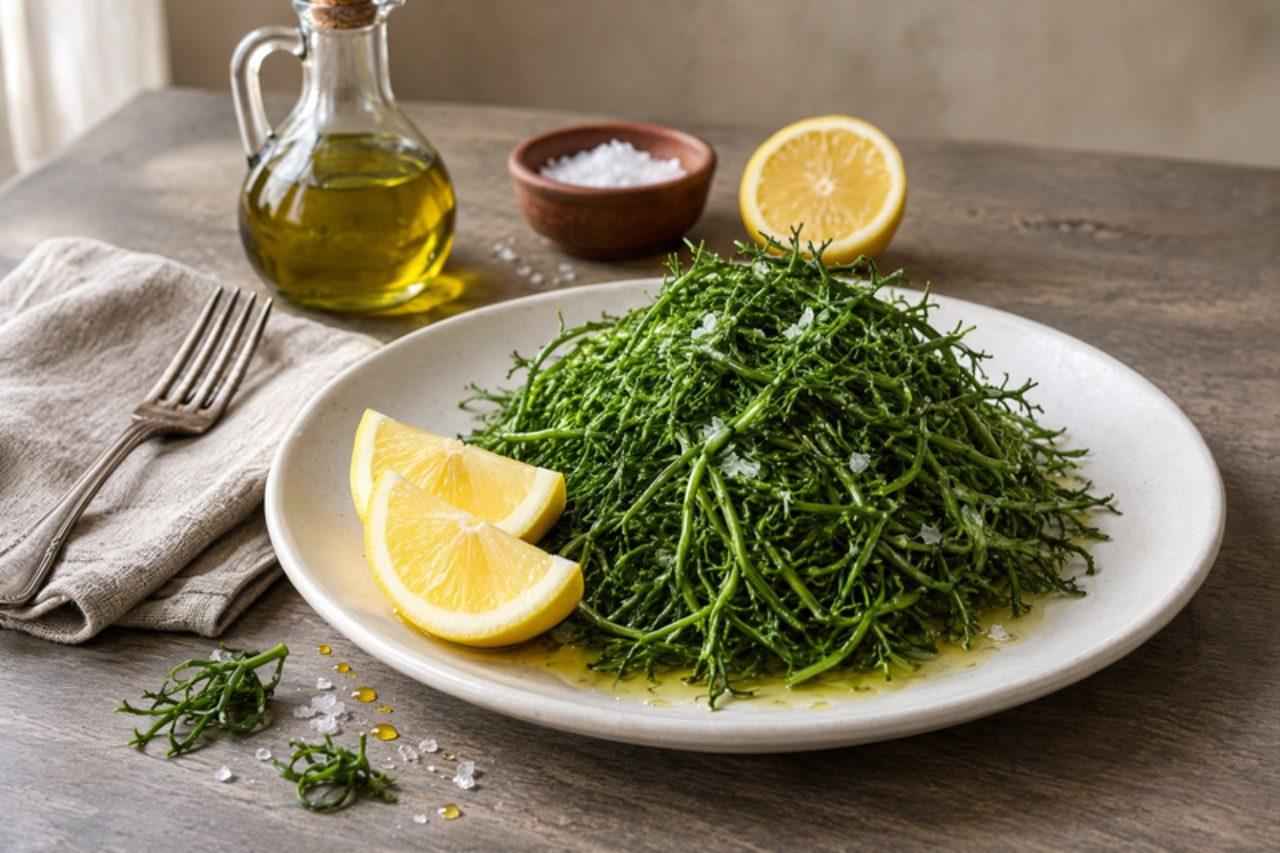
Agretti, also called barba di frate or 'monk's beard', appear in Roman and Tuscan markets for a short season in March and April, tied in bunches that look like thick chives. Blanched for a minute and dressed all'agro, with lemon and good olive oil, they are a juicy, slightly salty spring side for an egg dish, grilled fish or beans. Suitable as part of a balanced diet, they are almost free of starch: about 80 kcal and 3 g carbohydrate per portion. The usual mistake is overcooking them into limp threads; they should keep a crisp, spinach-like snap. Chef's tip: agretti are naturally salty, so taste before adding any salt at all.

by KrazyBadal 0 views

Calia e simenzaRoasted chickpeas and pumpkin seeds

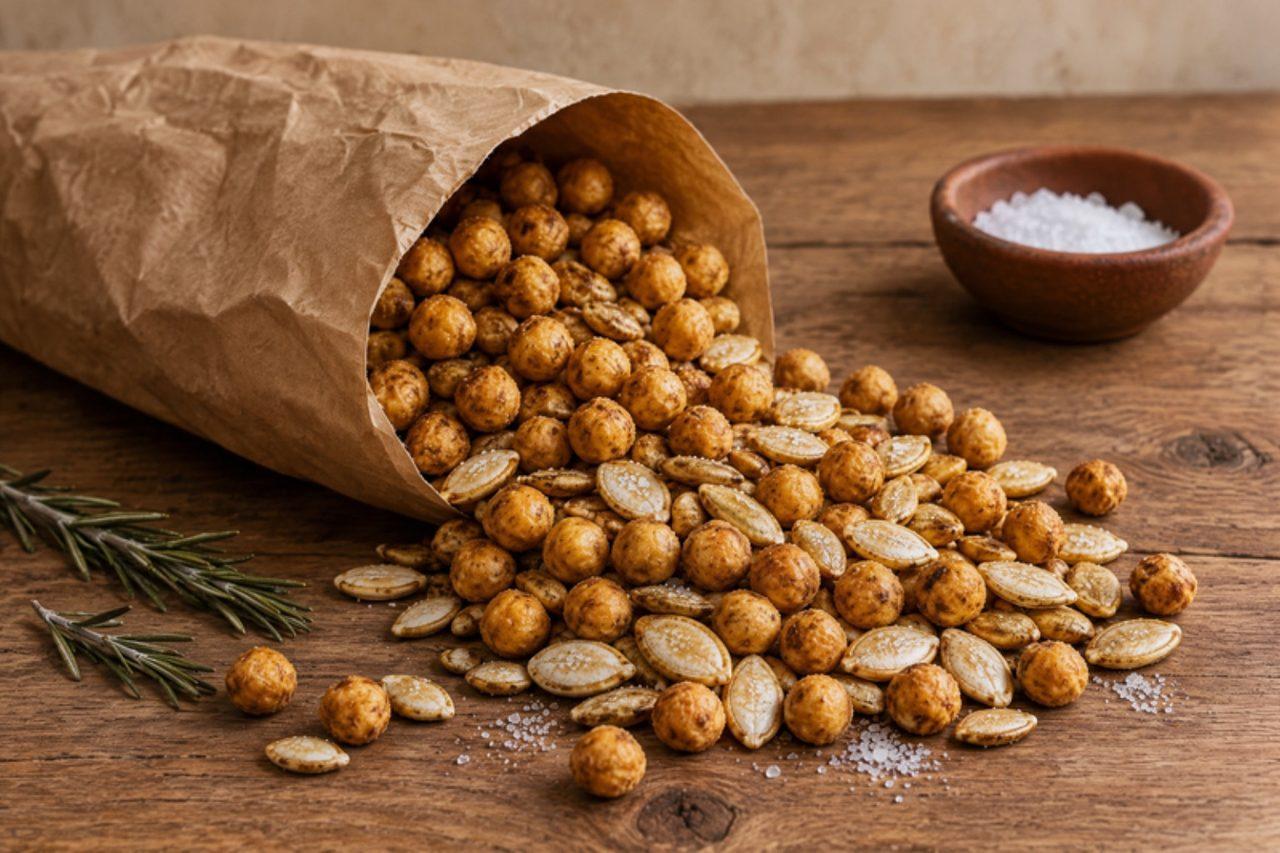
Calia (toasted chickpeas) and simenza (salted pumpkin seeds) are sold together in twisted paper bags by the old caliari of Palermo, at the Festino of Santa Rosalia in July, along the Foro Italico seafront and outside the Teatro Massimo after a show. You crack the seeds with your teeth and chase them with the crunchy, nutty chickpeas, a habit that can last a whole evening. This home version roasts soaked dried chickpeas and salted seeds in the oven. Chef's tip: dry the soaked chickpeas really well; any surface water steams them instead of making them crunchy.

by KrazyBadal 0 views

Pitta 'mpigliataHoney and walnut pastry spiral

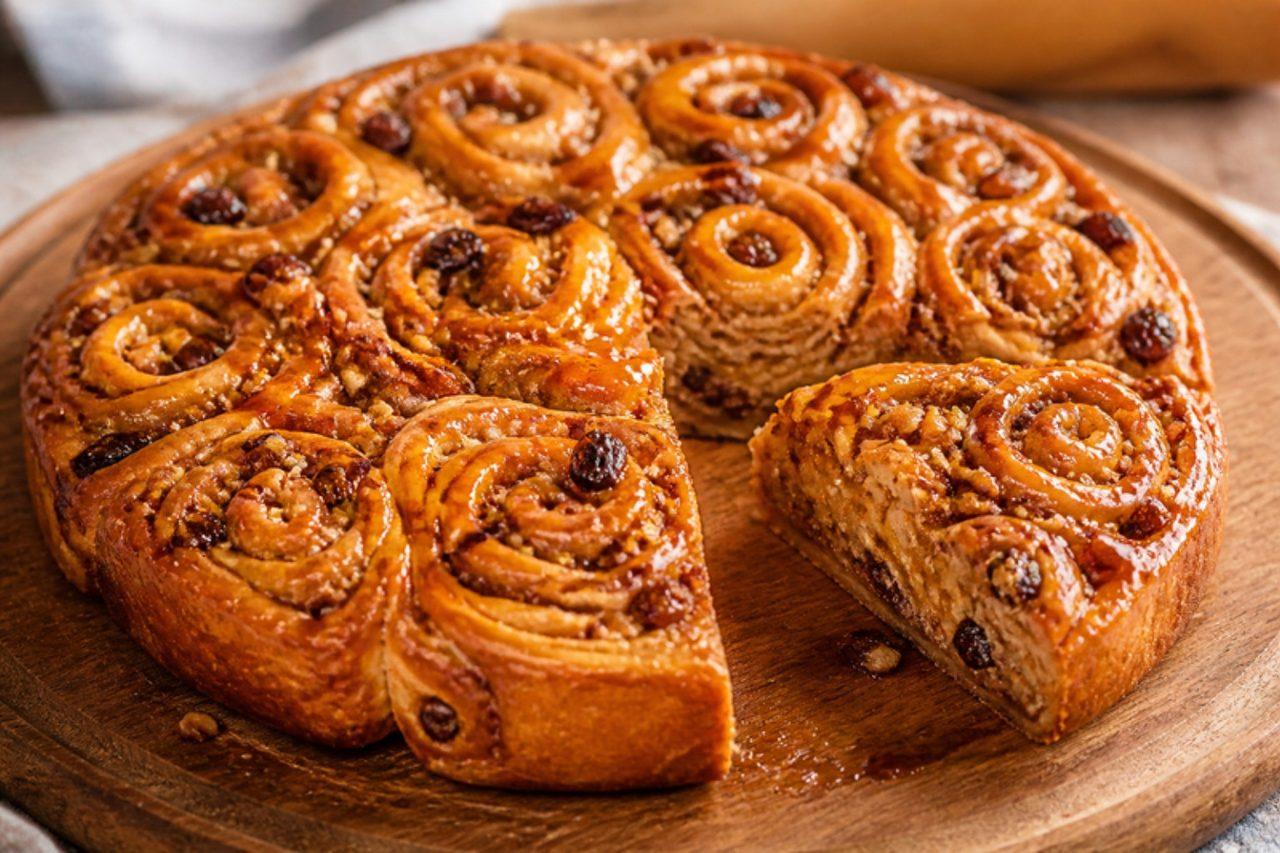
High in the Sila mountains, the town of San Giovanni in Fiore bakes pitta 'mpigliata for Christmas and for weddings: ribbons of thin pastry rolled up with walnuts, raisins, cinnamon and cloves into little rosettes, packed side by side in a round tin and soaked in warm honey once baked. The name means something like 'wrapped-up cake', and it looks like a dish of flowers. It keeps for days, growing stickier and more fragrant. The dough is traditionally made with white wine and a splash of anise liqueur; this version uses orange juice and ground anise, with no alcohol. Chef's tip: roll the pastry as thin as you can; thick ribbons bake doughy in the middle.

by KrazyBadal 0 views

FriselleTwice-baked bread with tomato

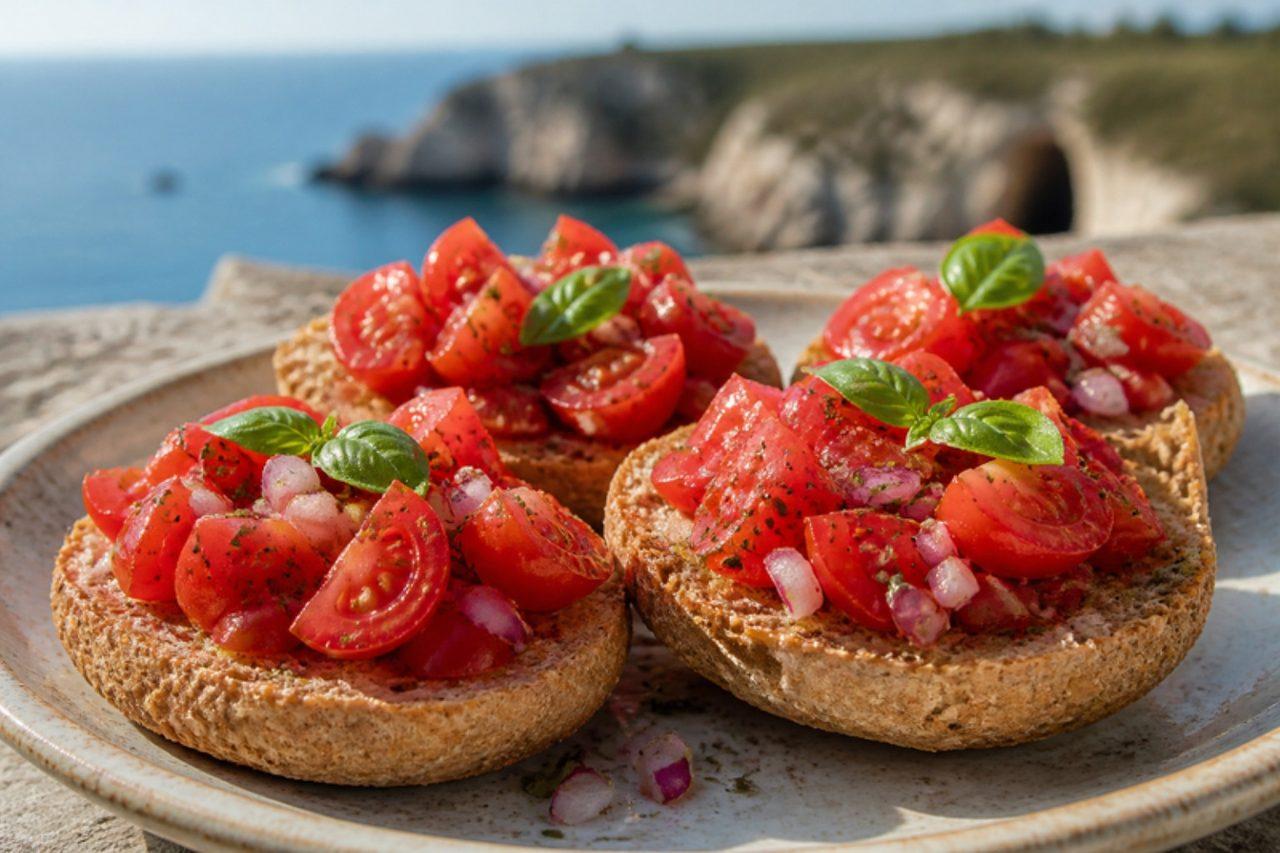
Friselle are rings of bread split in half and baked a second time until rock hard, so they kept for months on fishing boats and in farmhouses across the Salento. To eat them you dip them briefly in cold water, then pile on crushed ripe tomatoes, oregano and plenty of olive oil; the bread softens just enough while keeping a crunch in the middle. On August evenings in Lecce and along the coast they are the easiest supper there is. Every Puglian bakery sells them and Italian delis stock them, so this recipe uses bought friselle, made from wheat or the darker, nuttier barley. Chef's tip: dip, don't soak; a few seconds is enough, and the tomato juice finishes the job.

by KrazyBadal 0 views

Peperoni cruschiCrisp fried dried peppers

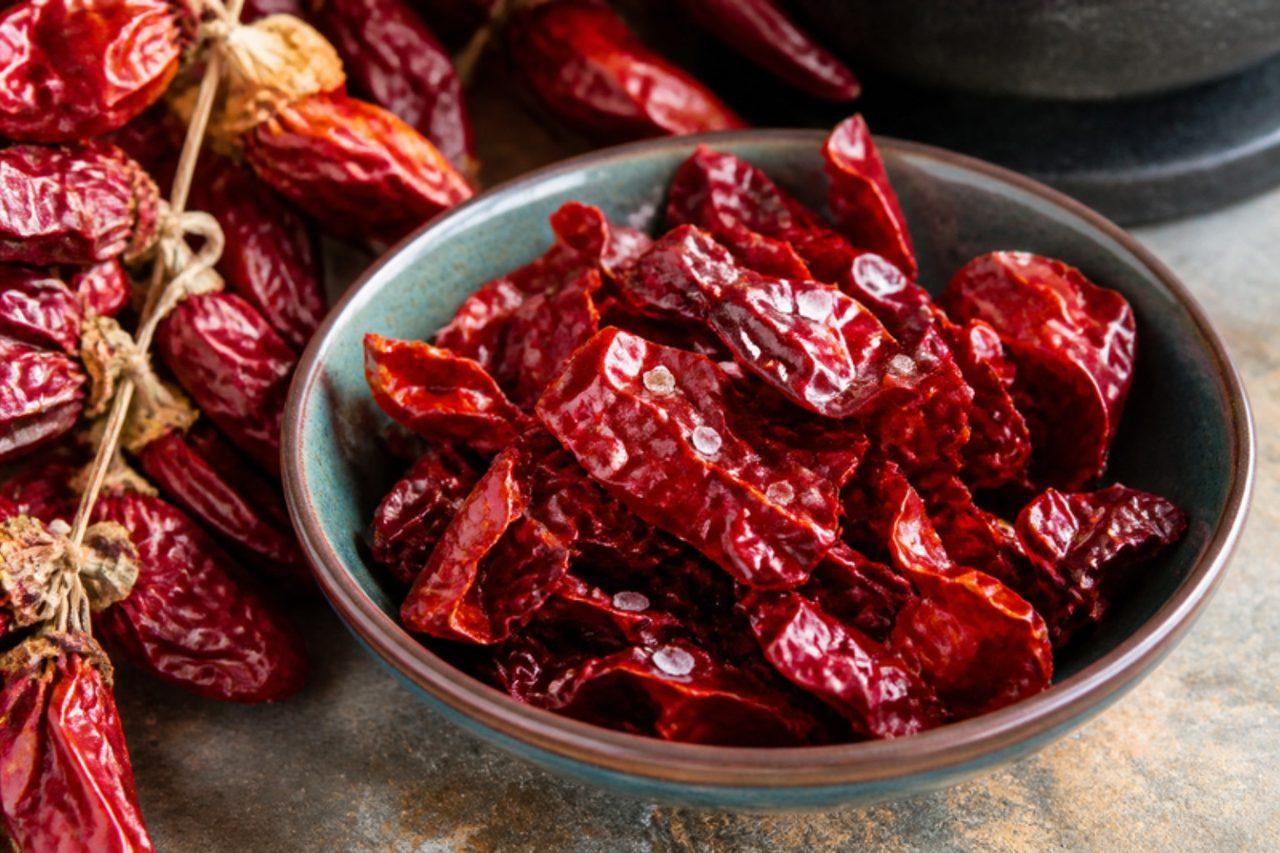
In late summer the villages around Senise, in southern Basilicata, hang long garlands of thin red peppers from balconies to dry in the sun. Once dried, a few seconds in hot oil turns them into peperoni cruschi: glassy, brittle and sweet with a faint smoky note, eaten like crisps or crumbled over pasta, beans, fried eggs and mashed potatoes. Lucanians call them their red gold and keep a jar of them on the table all winter. Chef's tip: get the oil hot but not smoking and count to five; the colour should stay bright red.

by KrazyBadal 0 views

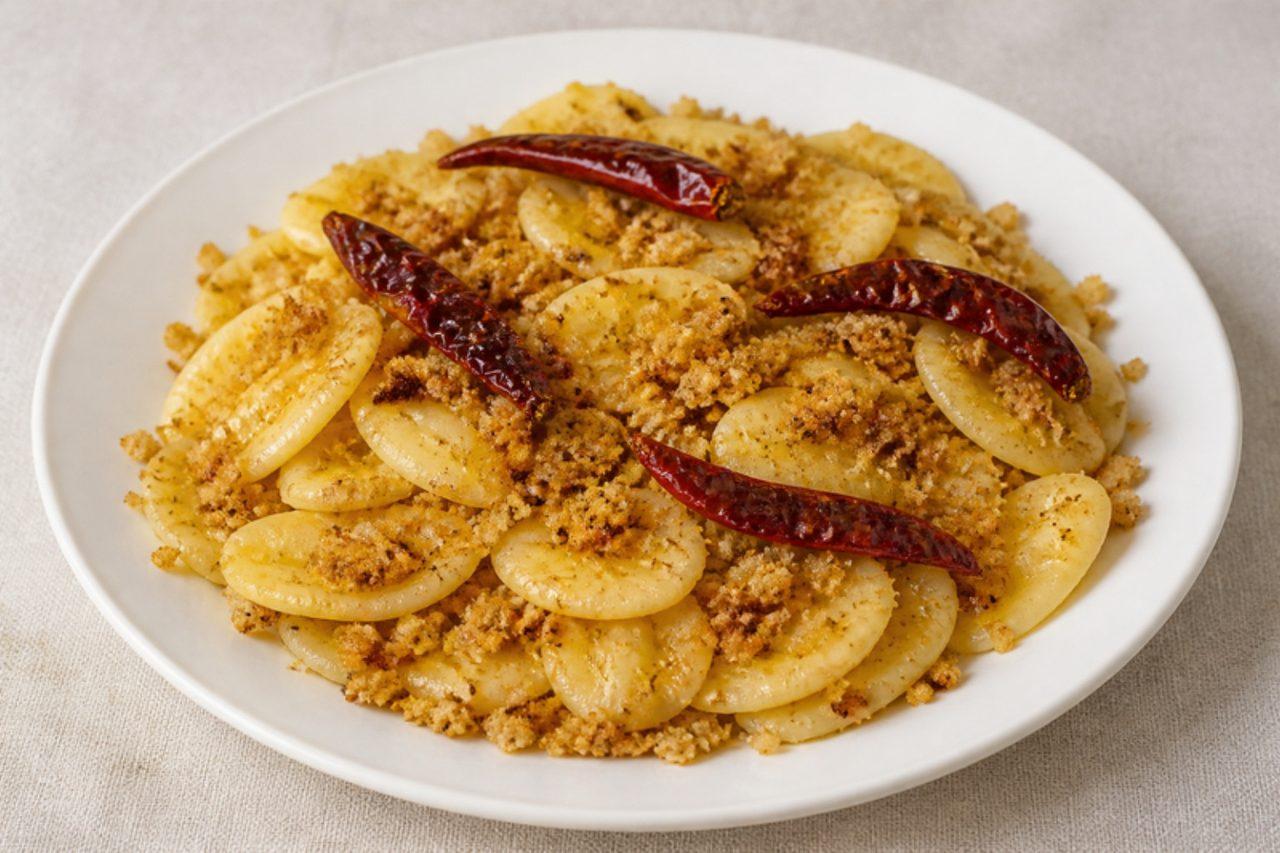
Strascinati con mollica e peperoni cruschiPasta with breadcrumbs and crisp peppers

Strascinati get their name from the way they are made: a piece of semolina dough is dragged (strascinato) across a wooden board under two or three fingers, so it curls into a wide, ridged shell. In the hill towns of Basilicata they are rolled on Sunday mornings and tossed with the simplest dressing of the poor kitchen, olive oil, garlic, breadcrumbs fried until crunchy and crushed peperoni cruschi, the sweet dried peppers of Senise. The crumbs stand in for cheese, which once was a luxury. Chef's tip: fry the breadcrumbs separately and add them at the table, so they are still crackling when you eat.

by KrazyBadal 0 views

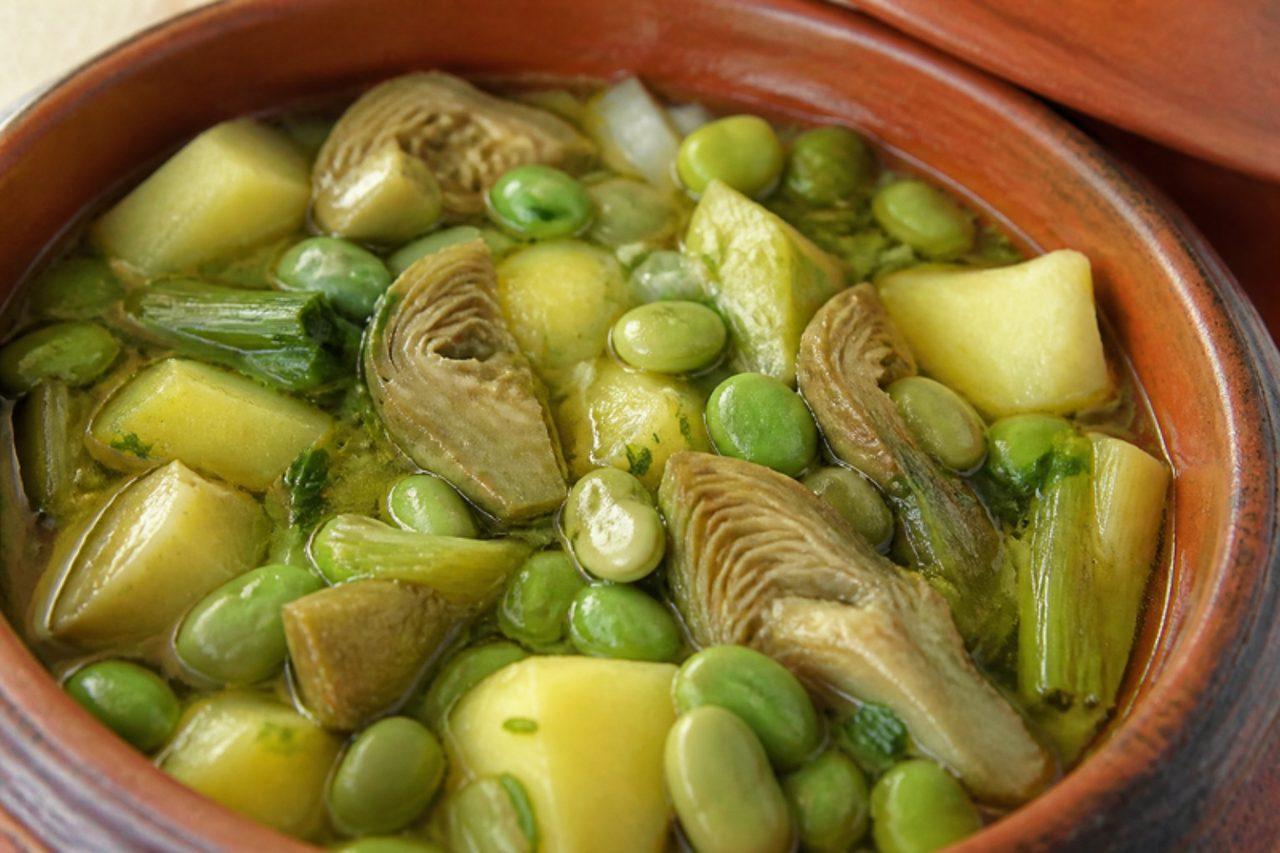
CiaudeddaArtichoke, broad bean and potato stew

When the first artichokes and broad beans arrive in April and May, Lucanian kitchens make ciaudedda: a gentle one-pot stew of artichoke wedges, sweet young beans, potatoes and spring onions, cooked slowly in olive oil and a little water until everything is soft and glossy. Around Potenza and in the Vulture hills it is served as a main course with bread, or as a side at Easter lunch. Many cooks start it with diced pancetta; this version leaves it out and lets the vegetables do the work. Chef's tip: let it rest for 10 minutes off the heat before serving, as the flavours deepen once it stops bubbling.

by KrazyBadal 0 views

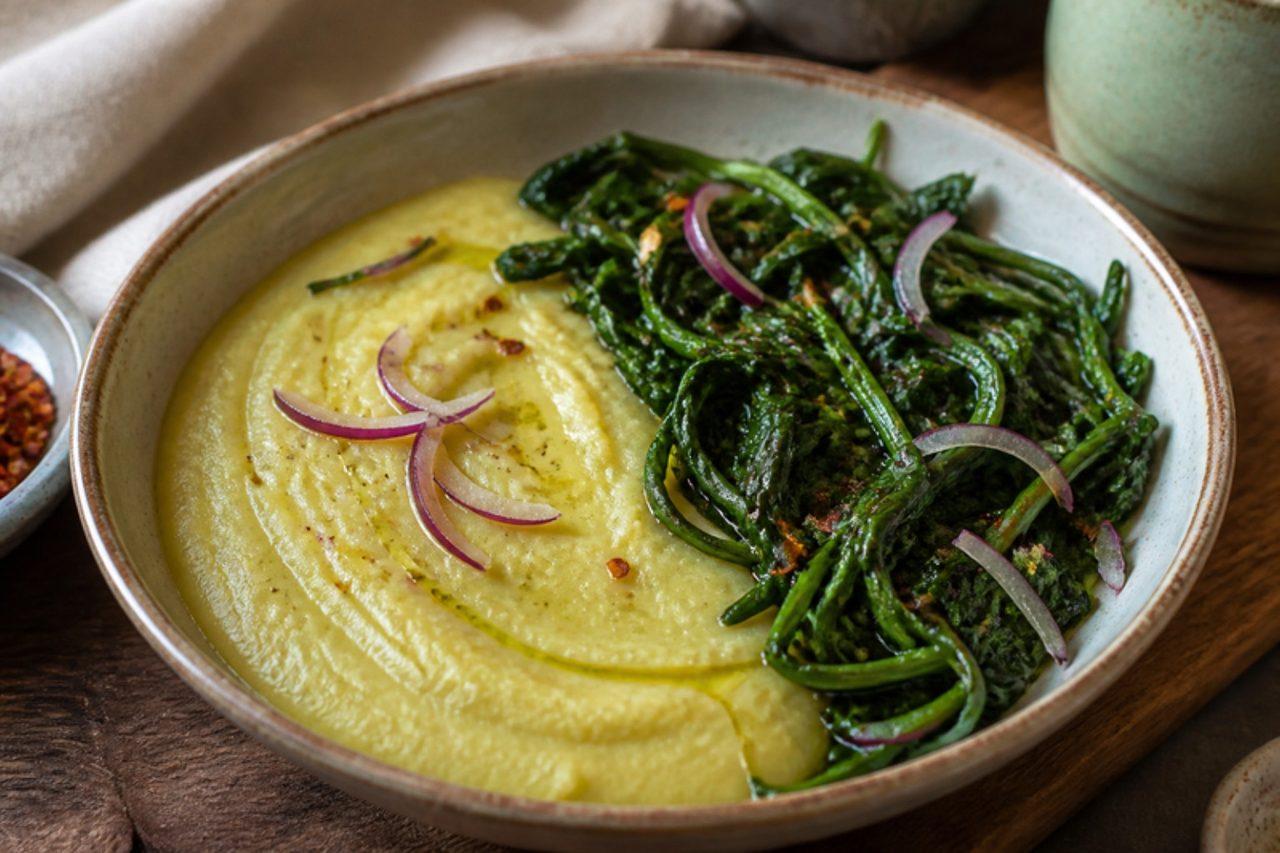
Fave e cicorieBroad bean purée with chicory

Few plates say Puglia as plainly as this one: a pale, velvety purée of dried broad beans beside a tangle of boiled wild chicory, the two joined by a stream of green olive oil. Families from the Murgia to the Salento cook it on winter weekdays and through Lent, and Bari trattorias still put it on the menu as the true taste of cucina povera. The beans are sweet and earthy, the greens bitter, and every forkful should carry a little of both. Chef's tip: buy dried broad beans that are already skinned and split; they cook to a cream on their own, with no sieving.

by KrazyBadal 0 views

PanzerottiFried tomato and mozzarella pockets

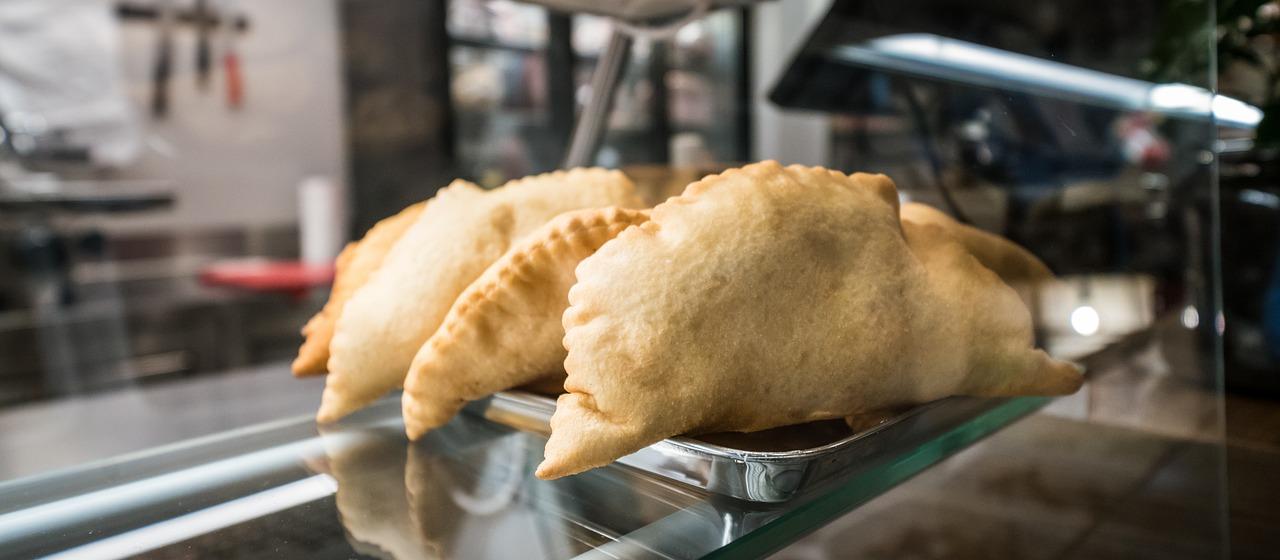
Walk through old Bari in the early evening and you will smell panzerotti before you see them: palm-sized half-moons of soft yeast dough, sealed around tomato and mozzarella and fried until blistered and golden. They are smaller and plumper than a Neapolitan pizza fritta and nothing like a baked calzone; you eat them standing up, straight from a paper bag, blowing on the first bite because the filling is molten. Puglian families make a big batch for Saturday nights and children's parties. Chef's tip: dice and drain the mozzarella for an hour beforehand, because a wet filling is what makes them burst in the oil.

by KrazyBadal 0 views

Focaccia baresePotato focaccia with tomatoes

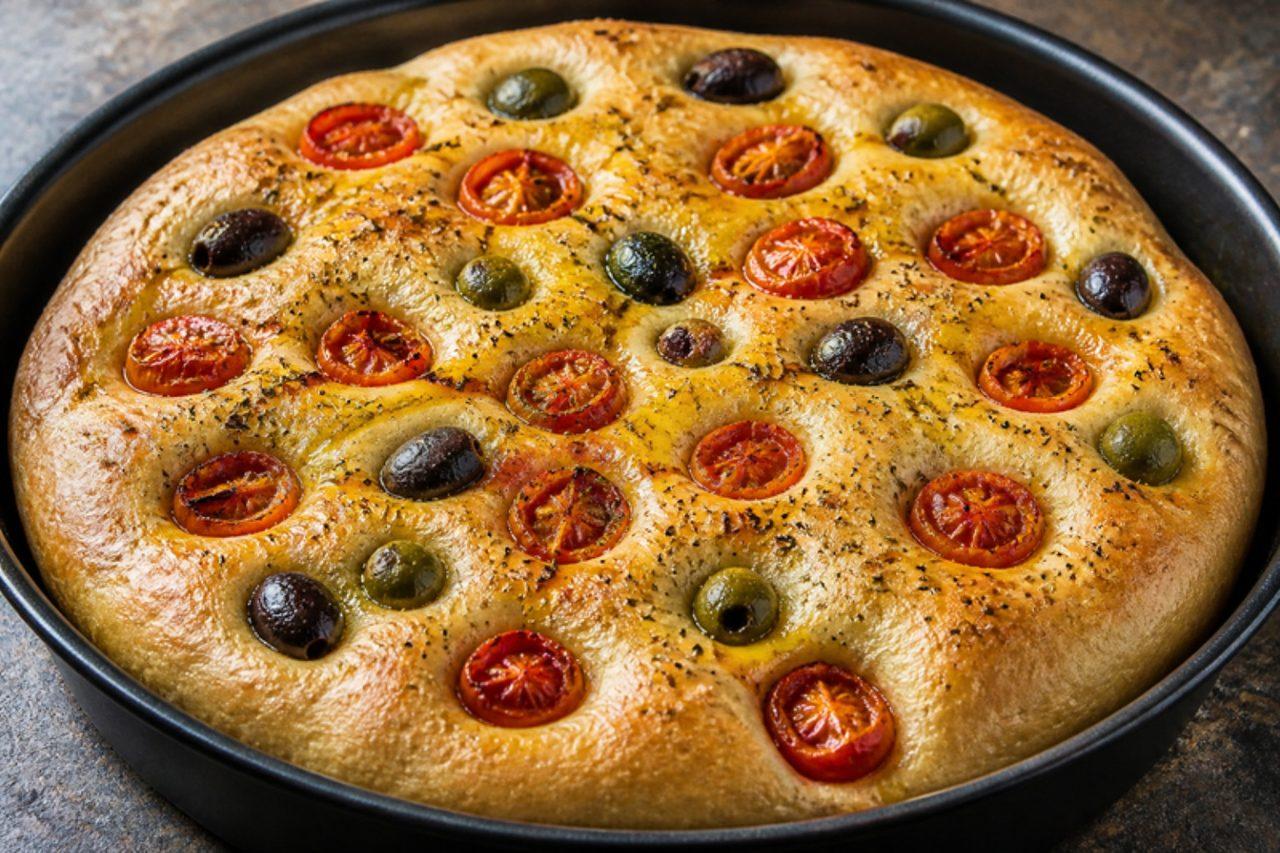
Bari's focaccia is made with boiled potato and durum semolina in the dough, which gives it a tender, almost creamy crumb under a base that fries in olive oil until crisp. It is baked in round iron pans, studded with squashed cherry tomatoes and olives, and sold by the slice at every bakery in the city from mid-morning, warm, folded in paper. On the beach in summer it goes round in squares with a cold drink. This is the Bari version, quite different from a plain herb focaccia or the cheese-filled focaccia of Recco. Chef's tip: be generous with oil in the pan; that layer is what turns the underside golden and crunchy.

by KrazyBadal 0 views

Spaghetti all'assassinaCharred spicy spaghetti

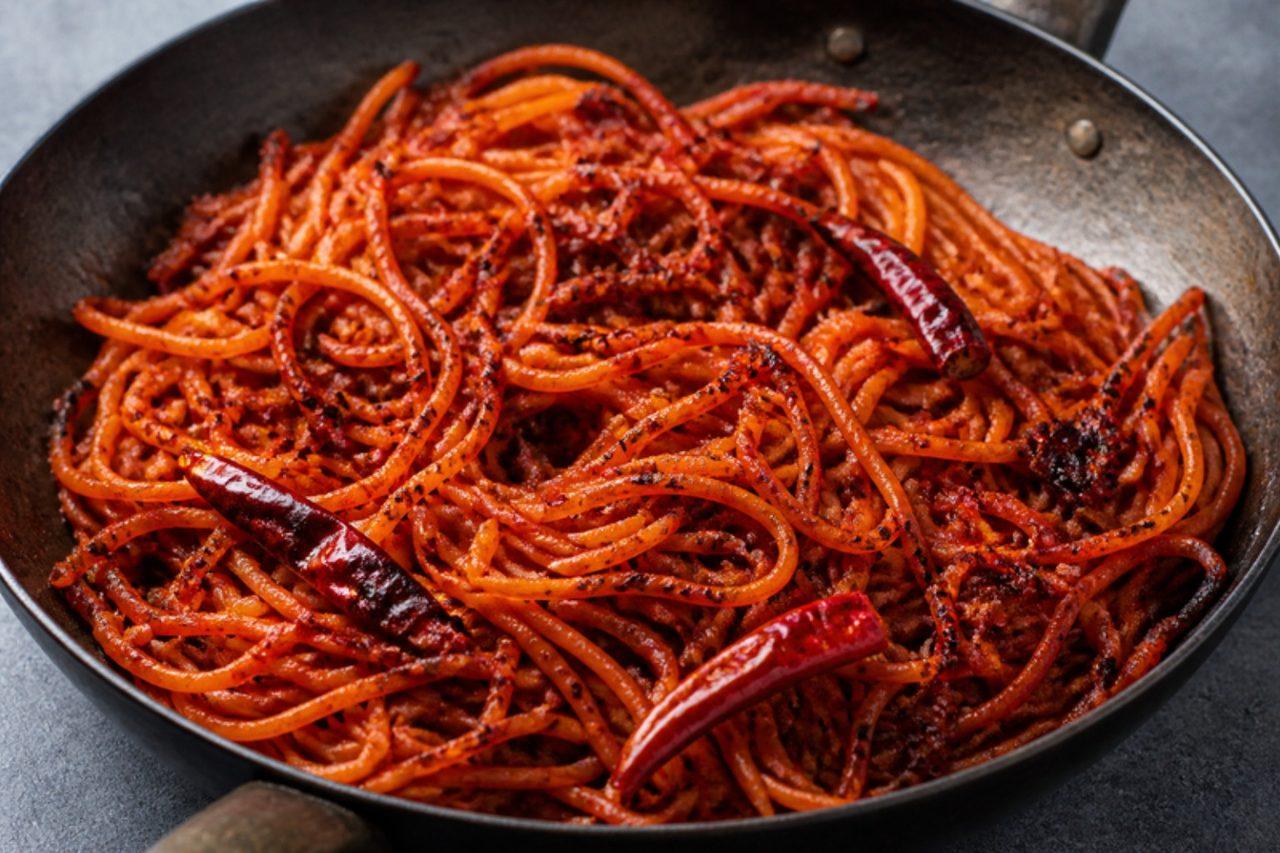
Spaghetti all'assassina was born in a Bari restaurant in the late 1960s and has become the city's cult late-night pasta. The raw spaghetti go straight into a hot iron pan with garlic, chilli and tomato, and are cooked like a risotto, a ladle of tomato broth at a time, until some strands blacken and turn crunchy while others stay chewy. It is smoky, sweet and properly hot, and Baresi argue about how burnt it should be. Chef's tip: use a wide iron or steel frying pan, never non-stick; you want the pasta to stick a little and scorch.

by KrazyBadal 0 views

PasticciottoCustard-filled shortcrust pastries

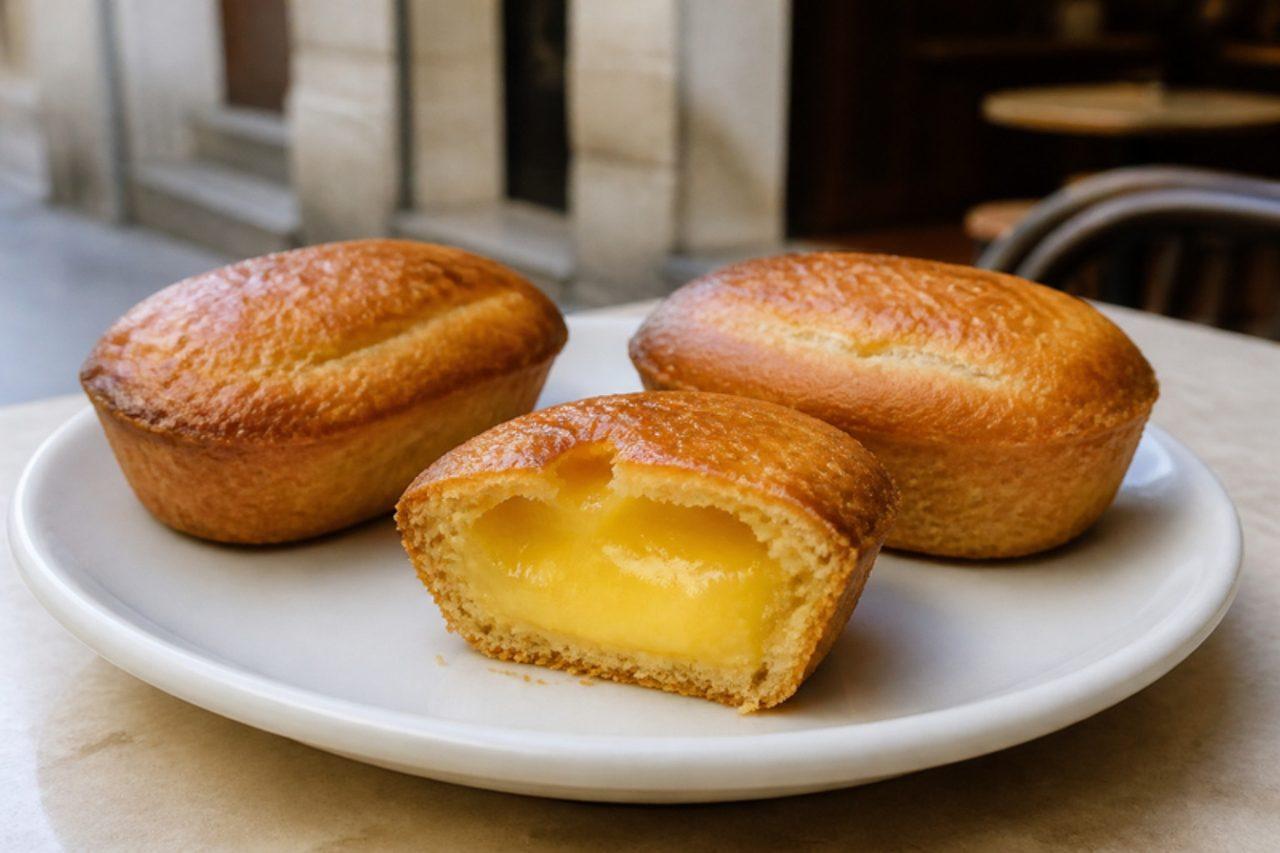
In Lecce the day starts at the bar with a pasticciotto still warm from the oven: a little oval of crumbly, golden shortcrust split open to reveal thick lemon-scented custard. It is said to come from a pastry shop in nearby Galatina in the 1700s, and the whole Salento eats it at breakfast, after Sunday Mass and with a caffè in ghiaccio in summer. The traditional pastry is made with lard; this version uses butter, which keeps it short and crisp. Chef's tip: make the custard first and chill it well; cold, thick custard stays put inside the pastry while it bakes.

by KrazyBadal 0 views

Pane di MateraDurum wheat sourdough bread

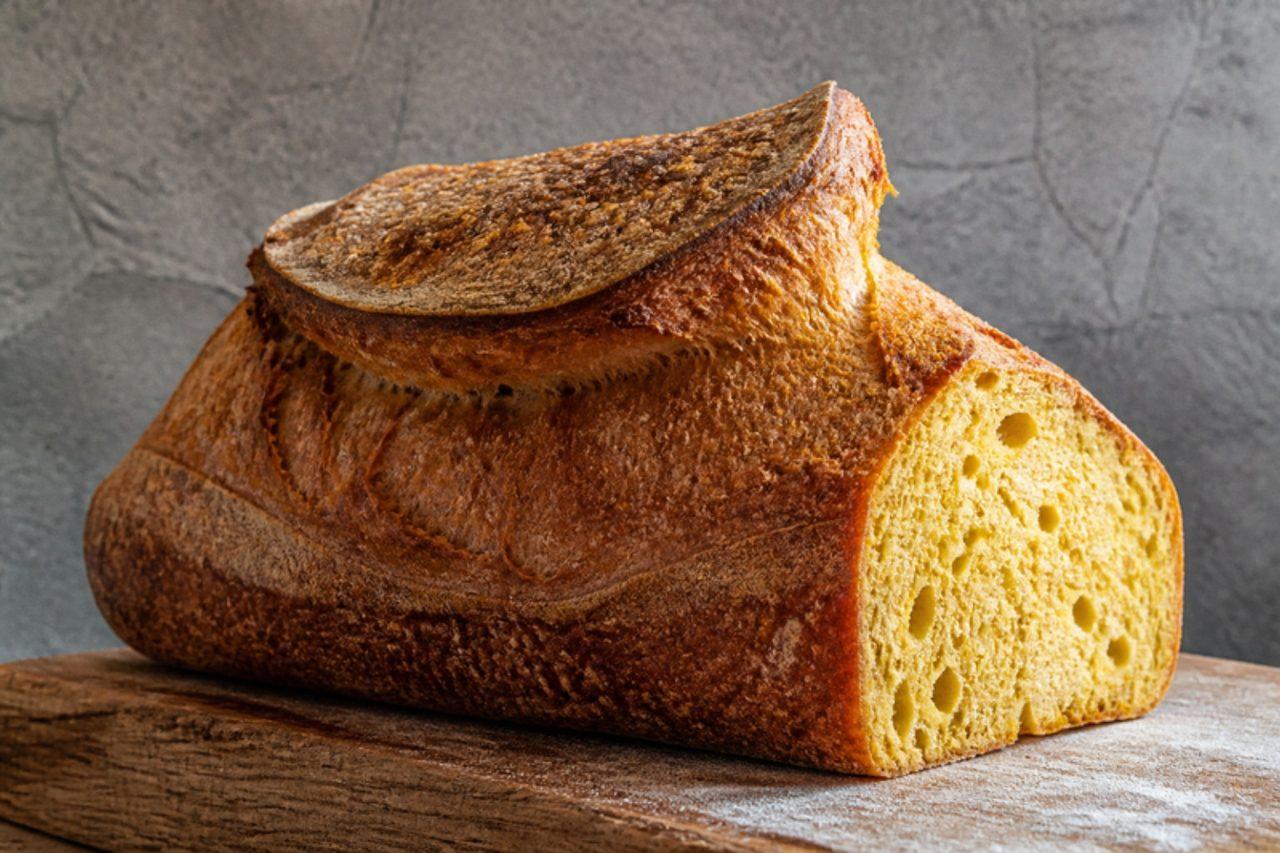
Matera's bread is a big golden loaf of durum-wheat semolina and sourdough, with a thick crackling crust and a crumb the colour of straw that stays moist for a week. It is shaped into a horned cornetto or a high-backed loaf, and until the 1950s families in the Sassi took their dough to the communal oven, each loaf marked with a carved wooden stamp so it came back to the right house. It is still eaten every day in the city, sliced thickly with olive oil and tomato or soaked in soups. Plan over two days, with a cold rise overnight. Chef's tip: feed your starter with semolina the day before, so its flavour matches the dough.

1440 minItalianBakingVegan
by KrazyBadal 0 views
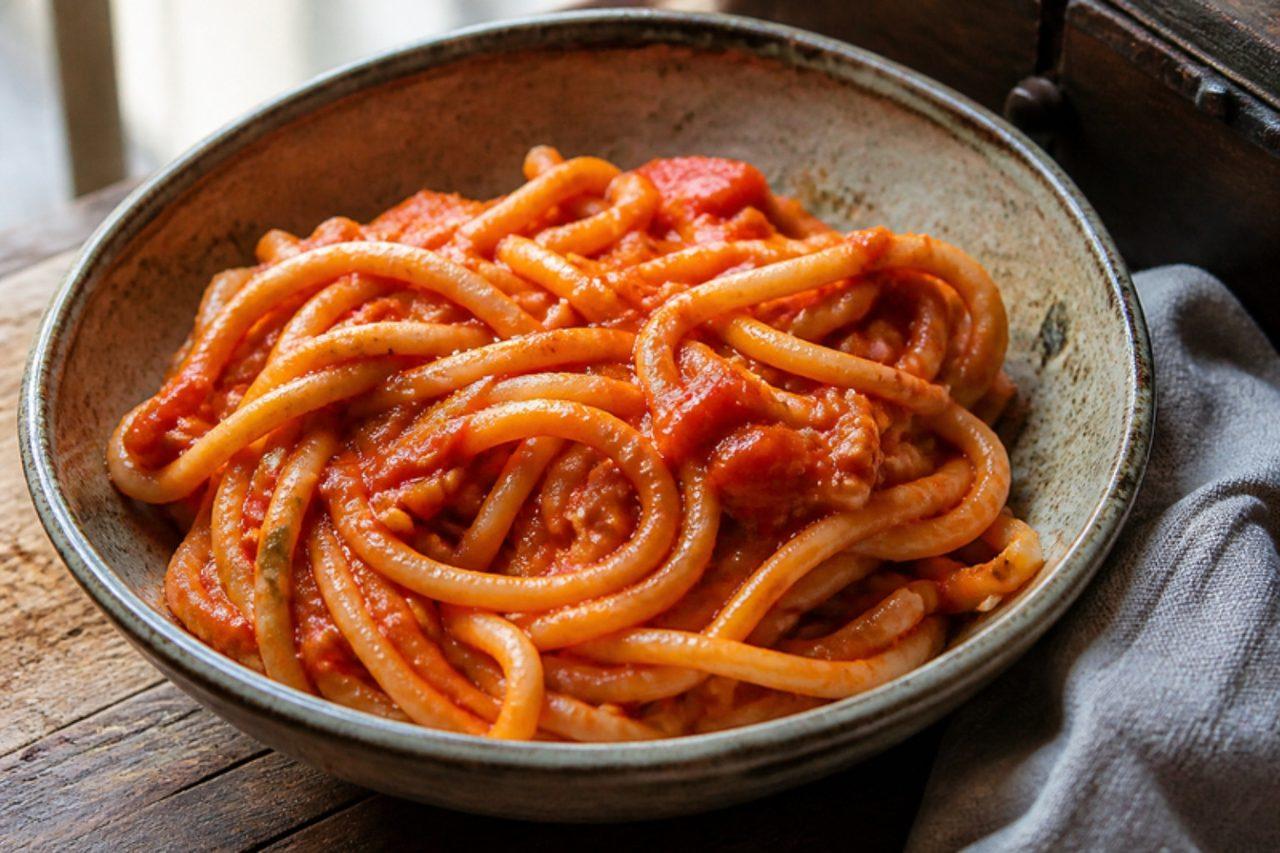
Fileja al pomodoro piccanteTwisted pasta in spicy tomato sauce

Around Vibo Valentia, on Calabria's Tyrrhenian side, fileja are still rolled by hand around a thin iron rod or knitting needle, which leaves a long, hollow twist that traps sauce inside and out. Nonne make trays of them for Sunday lunch and village sagre, and the classic dressing is a slow tomato sauce sharpened with Calabrian chilli and sweet red onion from nearby Tropea. Many local cooks melt a spoonful of 'nduja into the pan; this version keeps it vegetarian and lets the chilli carry the heat. Chef's tip: dust the needle with semolina, not flour, and twirl with the flat of your palm so each piece slides off cleanly.

by KrazyBadal 0 views
Mulinciani chiniStuffed aubergines

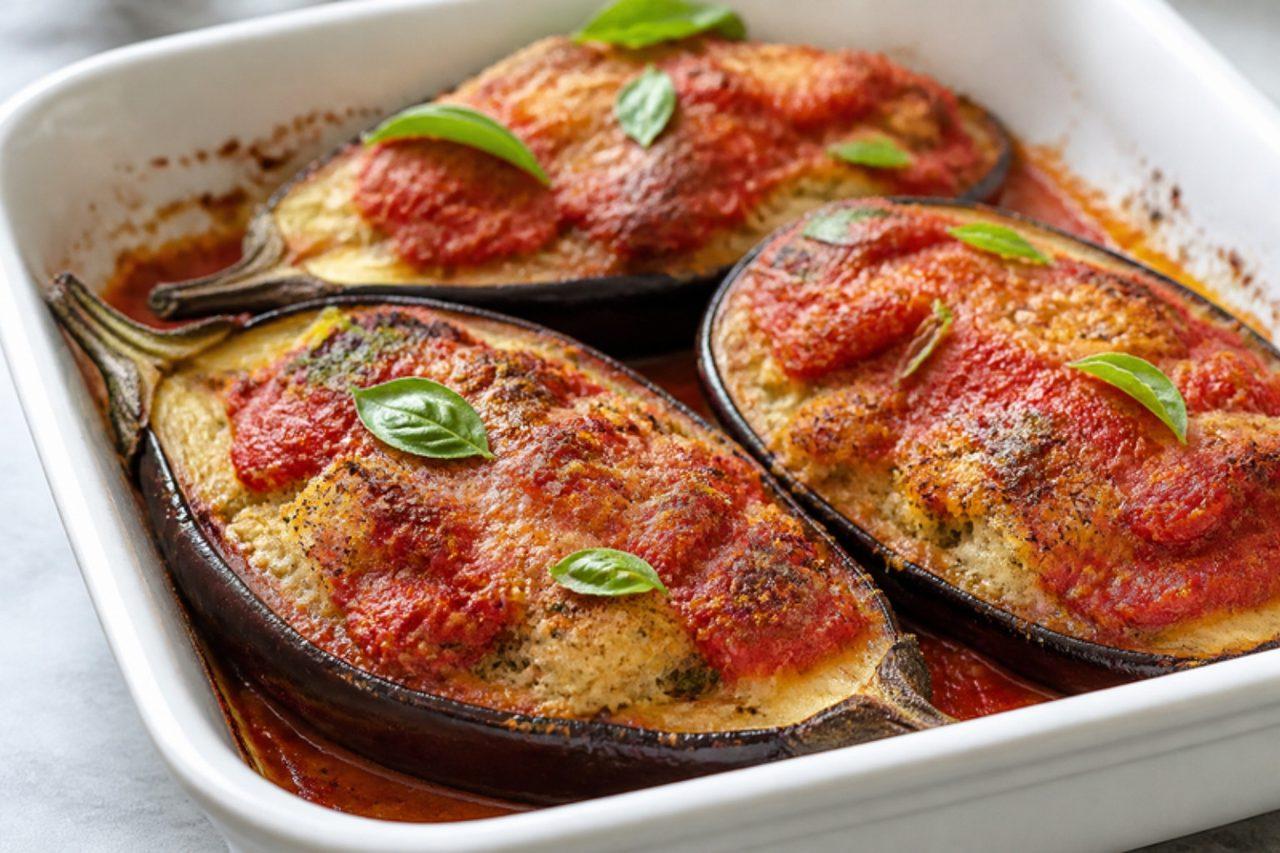
Mulinciani chini, 'full aubergines' in Calabrian dialect, are what summer gardens across Calabria turn into in August: halved aubergines hollowed out, their pulp fried and mixed with soaked bread, pecorino, egg, garlic and basil, then piled back into the shells and baked in a light tomato sauce. They are made in big trays for family lunches and taken cold to the beach the next day. The filling turns soft and savoury, the shells silky. Chef's tip: they taste best after resting for an hour, so they are perfect to make ahead.

by KrazyBadal 0 views
Cipolle di Tropea in agrodolceSweet-sour red onions

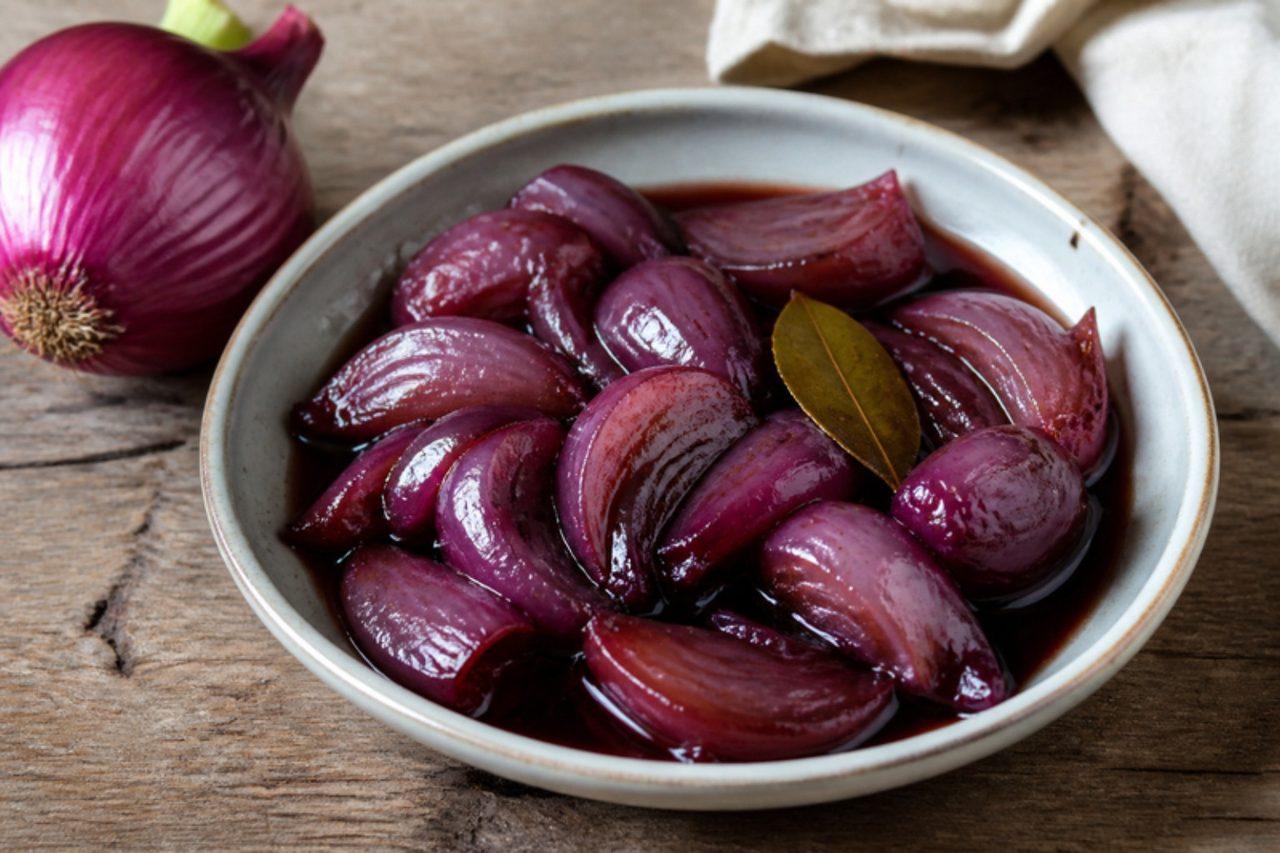
The red onions grown in the sandy fields along the coast near Tropea are so sweet that Calabrians eat them raw like fruit, and cooked slowly in agrodolce they become soft, jammy and glossy, sharp from the vinegar and mellow from the sugar. They sit on every Calabrian antipasto table, beside cheese and bread, and they are a fine side for grilled vegetables or a frittata. There is no wine in it, only wine vinegar. A jar keeps all week in the fridge. Chef's tip: cut the onions into thick wedges through the root so they hold together while they soften.

by KrazyBadal 0 views
Showing 96 of 357 recipes
Show more recipes

Page 10 of 15

More collections