Skip to content

Vegetarian Japanese recipes

Noodles, rice bowls, tofu and vegetable dishes without meat or fish. (189 recipes)

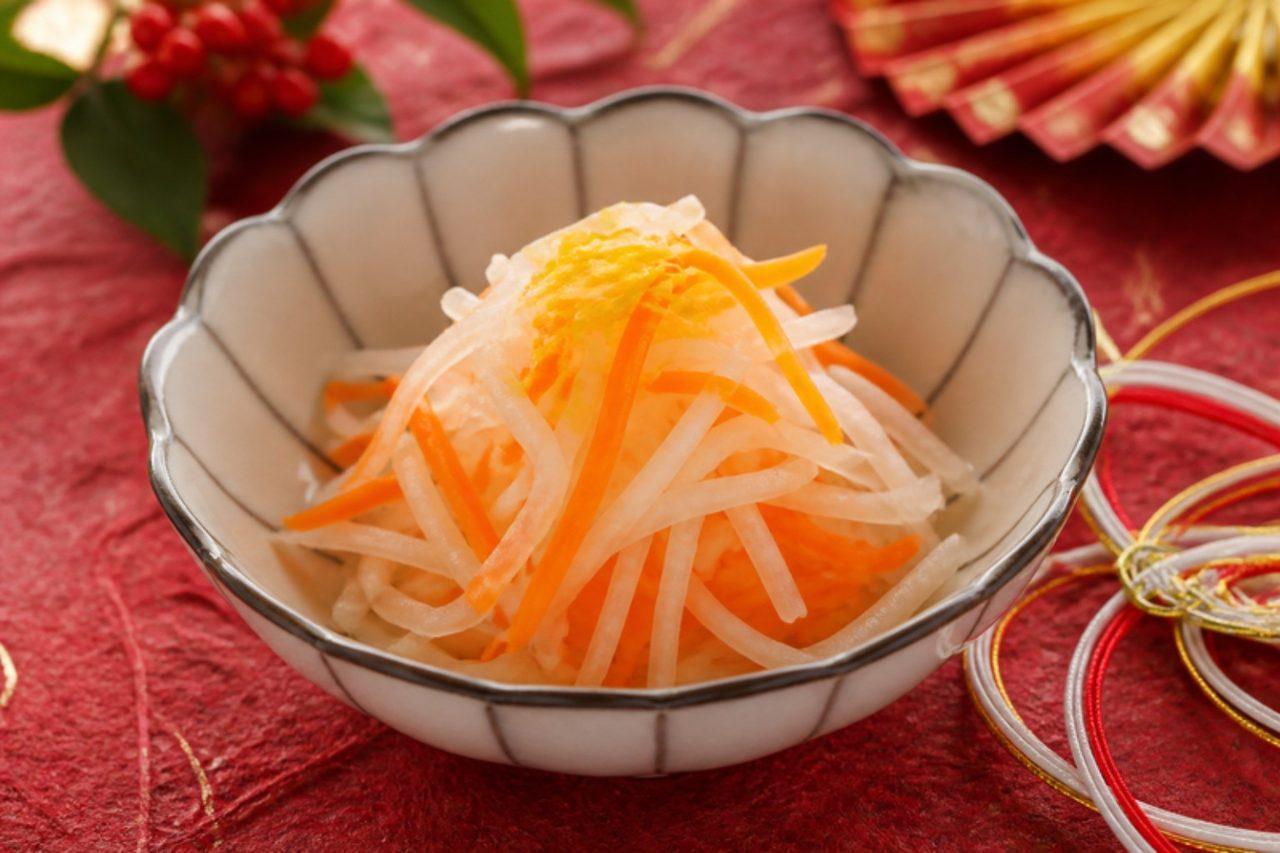
Kohaku namasuPickled daikon and carrot salad

Red and white are Japan's colours of celebration, and this crisp, sweet-sour salad of fine daikon and carrot shreds is the cleanser of the New Year osechi box, eaten between richer dishes from 1 to 3 January. Salting the vegetables first softens them into pliable threads that still crunch, before they soak in rice vinegar, sugar and a little yuzu. The common mistake is skipping the squeeze after salting, which leaves the salad watery and bland. Chef's tip: cut the daikon along the length of the root, not across it, so the shreds stay crisp instead of going limp.

by KrazyBadal 0 views
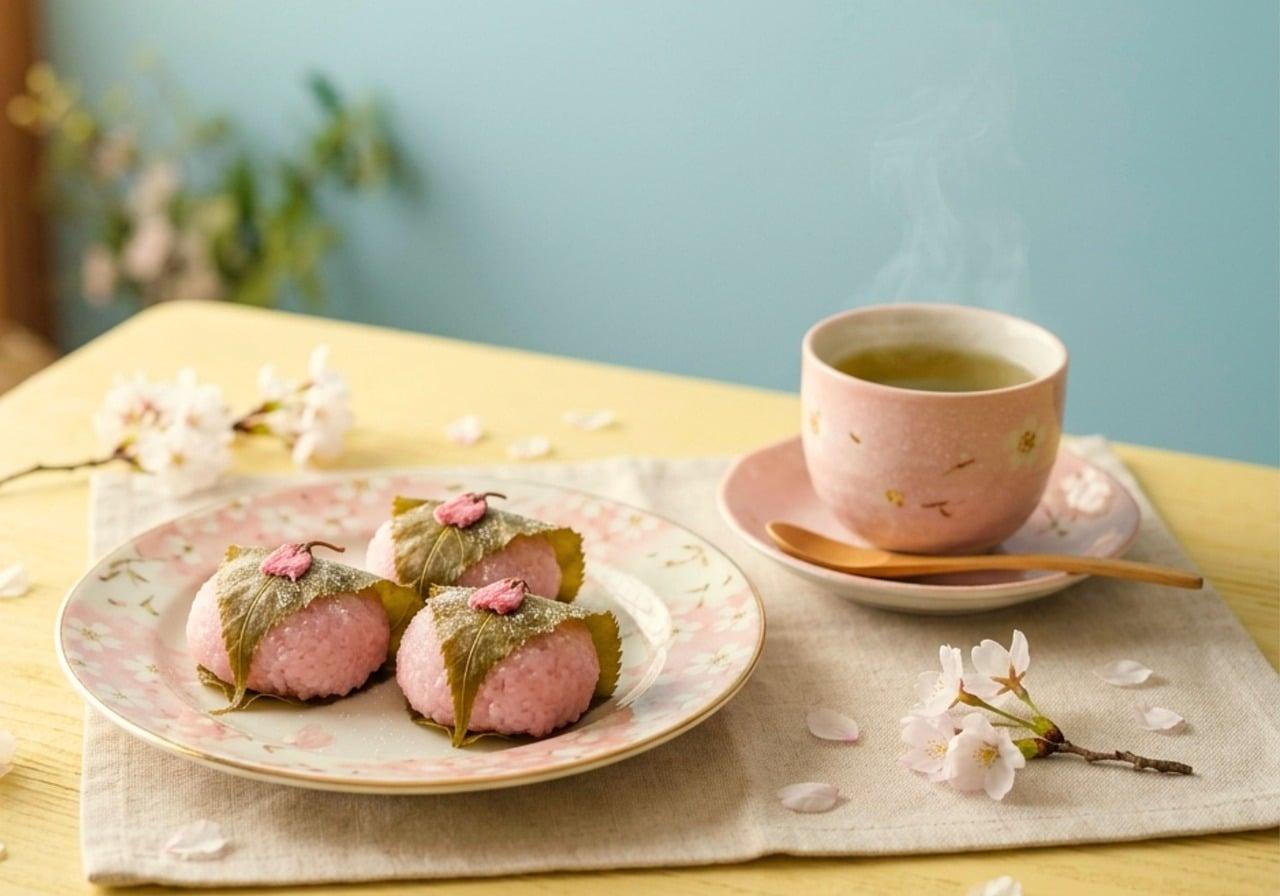
Sakura mochiCherry leaf rice cakes

When the cherry trees bloom in late March, every wagashi shop in Japan fills its window with sakura mochi. In the Kansai region around Osaka and Kyoto they are made from coarse dōmyōji-ko, steamed and crushed glutinous rice, tinted soft pink and wrapped around bean paste, then tucked into a salted cherry leaf that perfumes it with an almond-like, floral scent; Tokyo's version is a thin pink crêpe instead. Mochi is very sticky: cut it into small pieces for young children and older people, and make sure they chew well and eat sitting down. The common mistake is not soaking the salted leaves, so the mochi tastes too salty; rinse and soak them for 15 minutes. Chef's tip: the leaf is edible, and eating it with the mochi gives the sweet-salty balance the dish is famous for.

by KrazyBadal 0 views
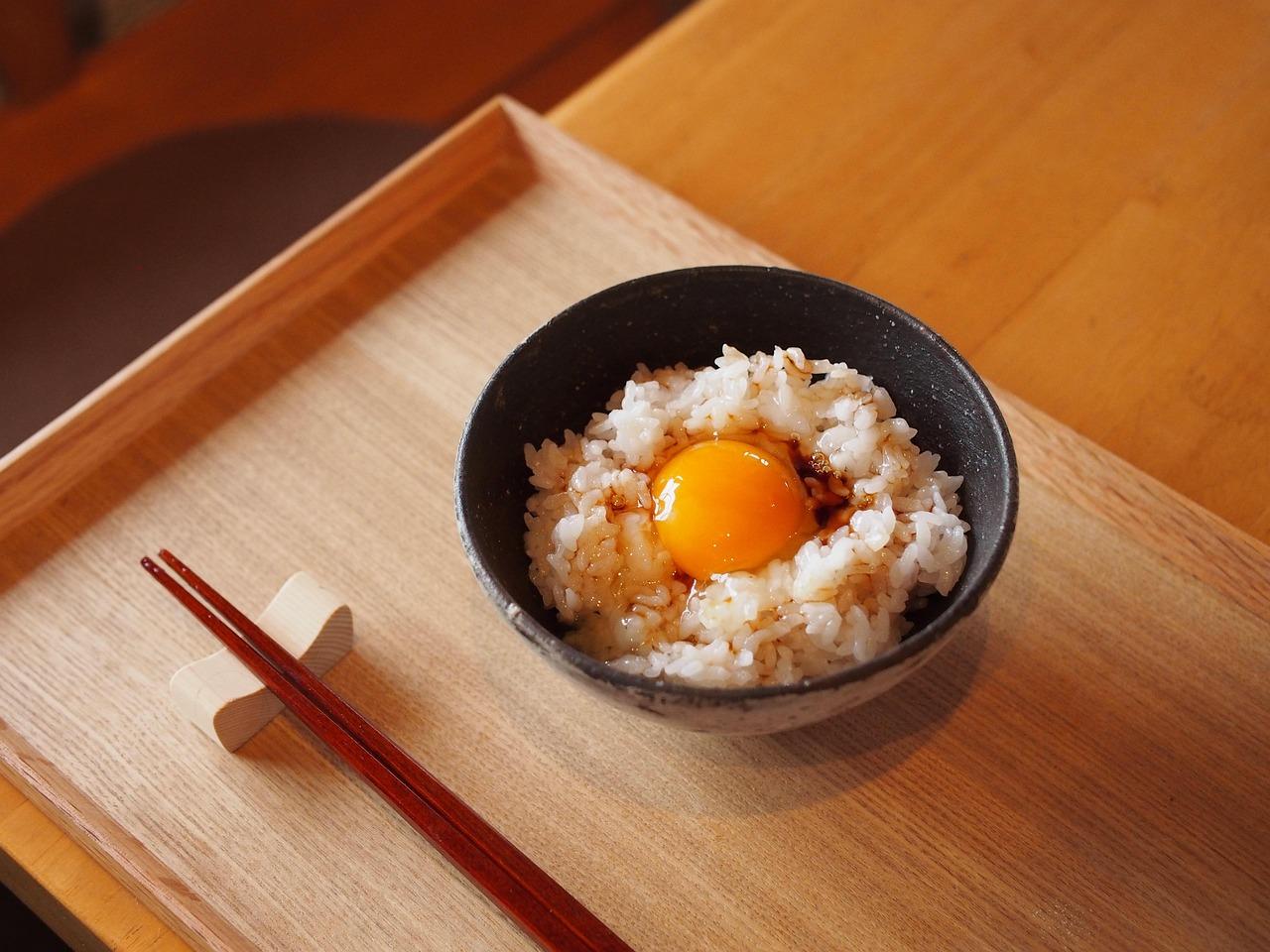
Tamago kake gohan (raw egg on rice)

Students, salarymen and farmers across Japan eat tamago kake gohan, TKG for short, as a two-minute breakfast, and the egg-farm towns of Okayama and Shimane even hold festivals for it. A raw egg is beaten into piping-hot rice with soy sauce until it turns glossy and almost custardy, like a soft risotto. In Japan eggs are graded for eating raw; elsewhere, use only pasteurised eggs or eggs with a recognised safety stamp, very fresh and kept cold. This dish is not for pregnant women, young children or anyone with a weakened immune system. The common mistake is using lukewarm rice, which leaves the egg slippery and raw-tasting; the rice must be steaming hot. Chef's tip: mix the white into the rice first until fluffy, then drop the yolk on top and break it at the table.

by KrazyBadal 0 views

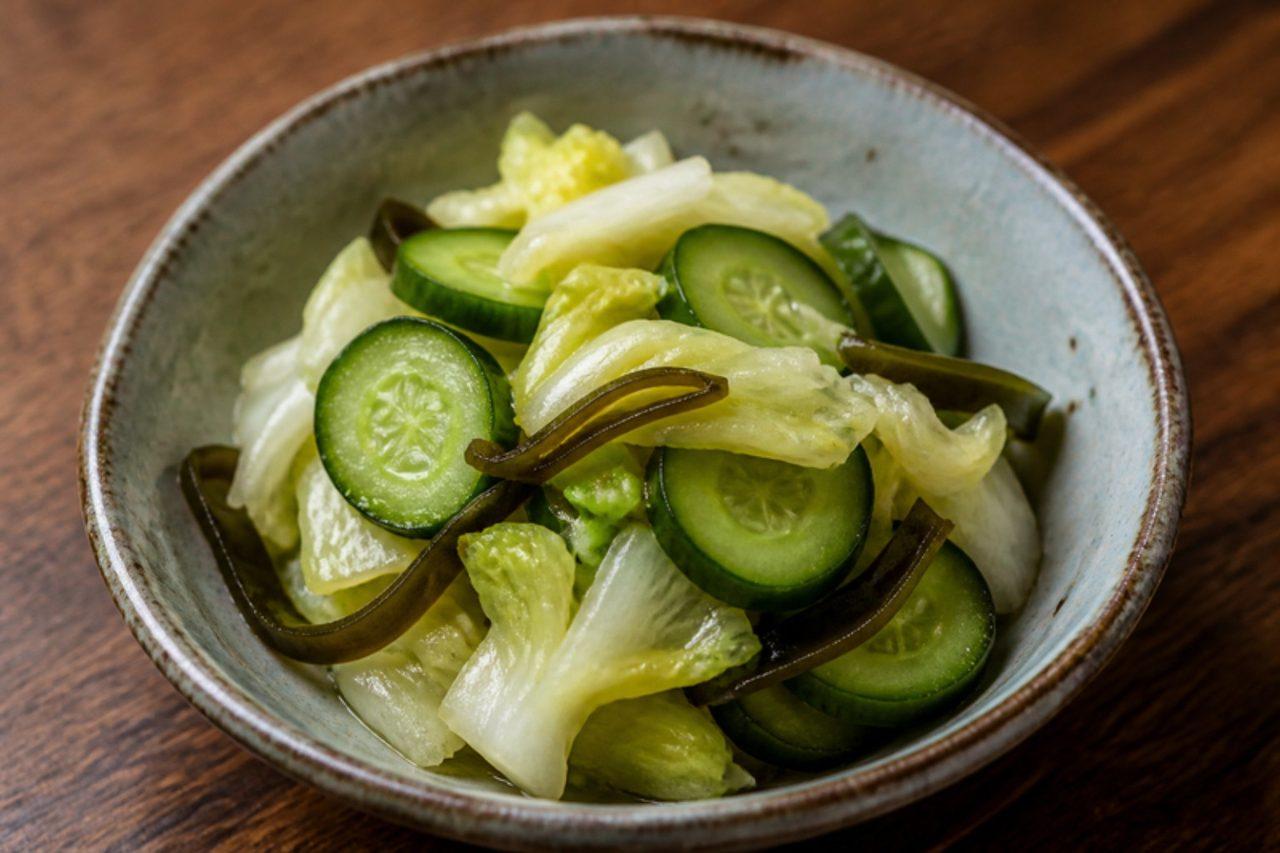
Asazuke (overnight cucumber and cabbage pickle)Quick cucumber and cabbage pickle

Asazuke means shallow pickle, and it is the quick, fresh pickle that Japanese home cooks make the night before, tucked in a plastic bag in the fridge door and served with breakfast rice and miso soup. Cucumber and cabbage are rubbed with salt and pressed with kombu, a few slivers of chilli and yuzu or lemon peel, so they stay crunchy, juicy and only gently seasoned. It takes 15 minutes to make. The common mistake is not squeezing out the liquid before serving, which leaves the pickle watery and salty. Chef's tip: rub the salt in firmly with your hands for a full minute; bruising the vegetables a little is what lets them season through in a few hours.

by KrazyBadal 0 views
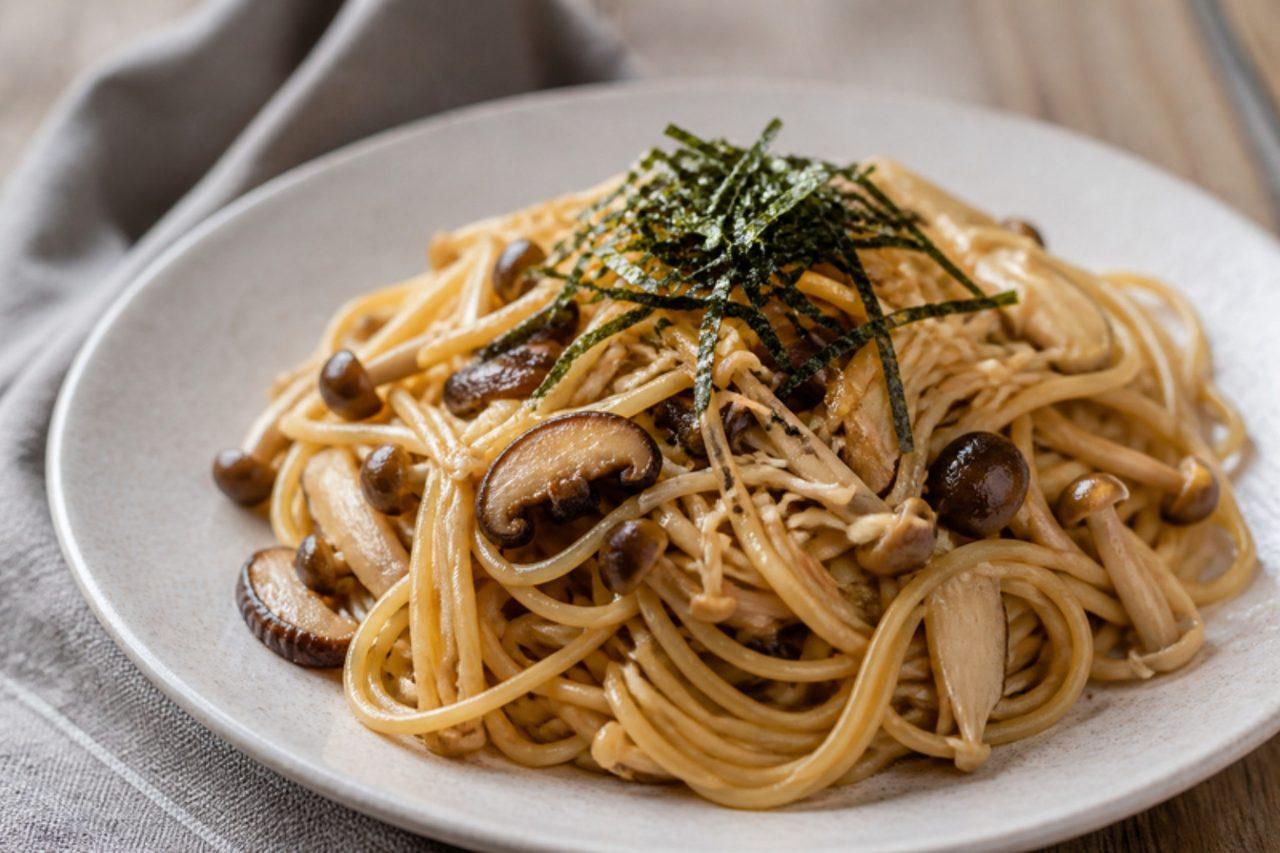
Wafu kinoko pasta (Japanese mushroom spaghetti)

Wafu means Japanese-style, and this buttery soy-sauce spaghetti grew up in Tokyo's small pasta cafés in the post-war years, when cooks began dressing Italian noodles with the flavours of home. Today it is a weeknight standard in flats all over Japan: shimeji, shiitake and enoki browned in butter with garlic, glossed with soy sauce and a splash of pasta water, then showered with shredded nori. It is meat-free and ready in about 20 minutes. The mistake to avoid is crowding wet mushrooms into a cool pan; they stew grey instead of browning, so get the pan hot and leave them alone. Chef's tip: add the soy sauce around the edge of the hot pan rather than onto the pasta so it sizzles and turns nutty before you toss.

by KrazyBadal 0 views

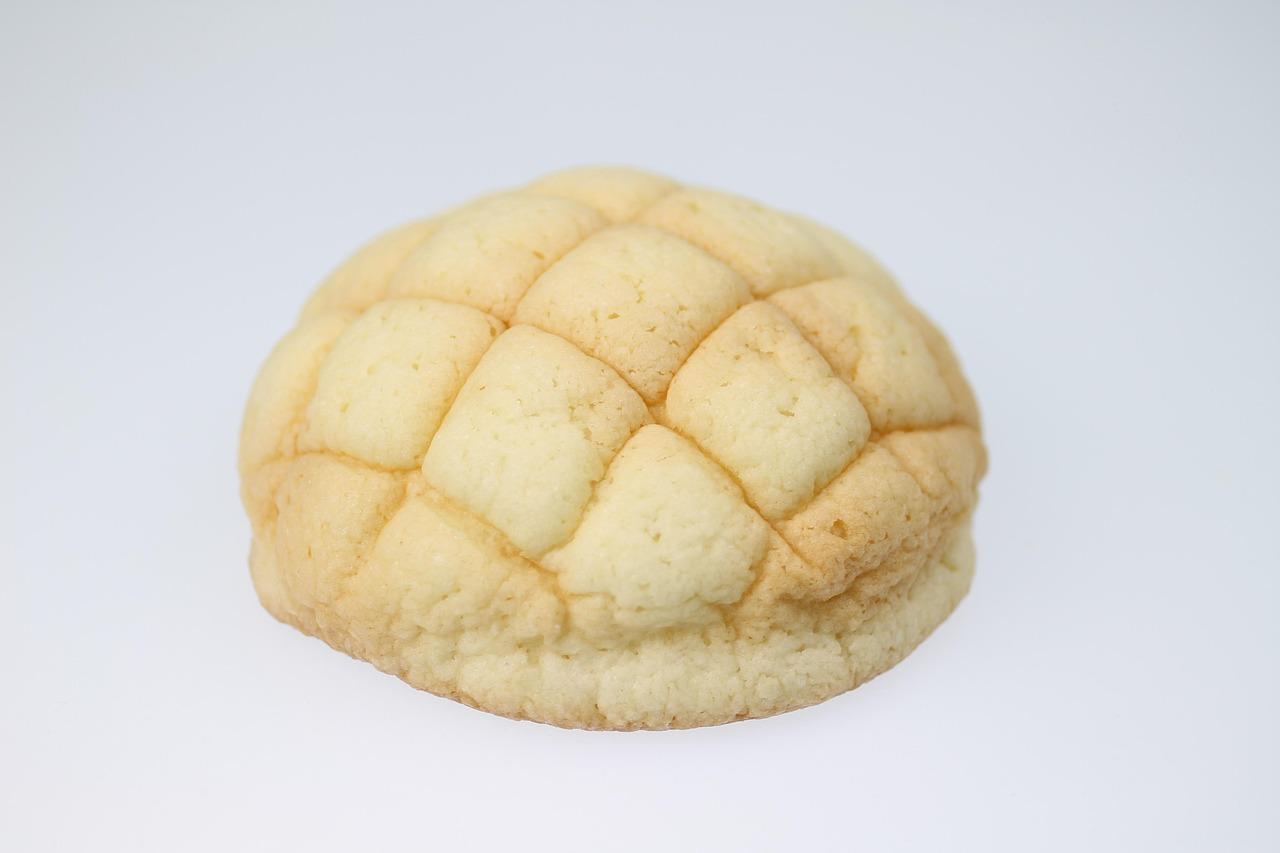
Melon panCookie-crust sweet bun

Melon pan takes its name from its looks, not its taste: a soft sweet bun baked under a sugary cookie crust scored into a criss-cross pattern like a cantaloupe rind. Japanese bakeries and school canteens sell it everywhere, and around Kobe and Hiroshima the same bun is often called sunrise. It is best on the day it is baked, when the crust still crackles against the fluffy inside. The common mistake is warm, soft cookie dough, which sticks to your hands and slides off the bun in the oven; keep it well chilled and work quickly. Chef's tip: roll the cookie dough between two sheets of baking paper so you can lift it neatly onto each bun.

by KrazyBadal 0 views
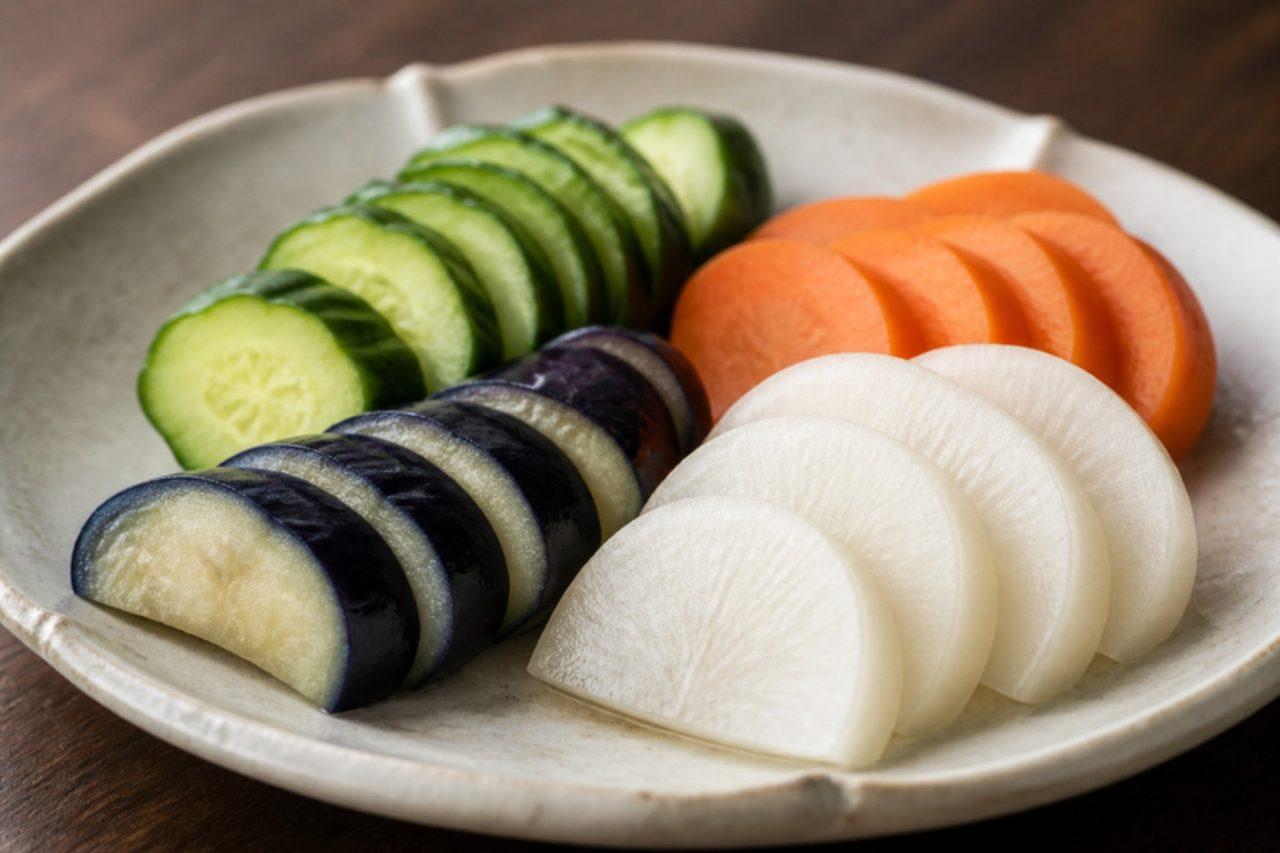
Nukazuke (rice-bran pickles)

Before refrigerators, almost every Japanese kitchen kept a nukadoko, a crock of salted, fermenting rice bran that someone stirred by hand every morning, and families in Kyoto and Kyushu still pass theirs down for decades. Cucumbers, carrots, daikon or aubergine buried overnight come out crisp, sour and deeply savoury, a little like a gentle sauerkraut. Starting a bed takes about an hour of work and a week of 'feeding' with scraps before it pickles well. The most common mistake is forgetting to stir: left alone, the surface grows yeast and the bed starts to smell sharp and off. Chef's tip: stir from the bottom up once a day with clean hands, and if the bed gets watery, soak up the liquid with a clean cloth rather than pouring it away.

by KrazyBadal 0 views
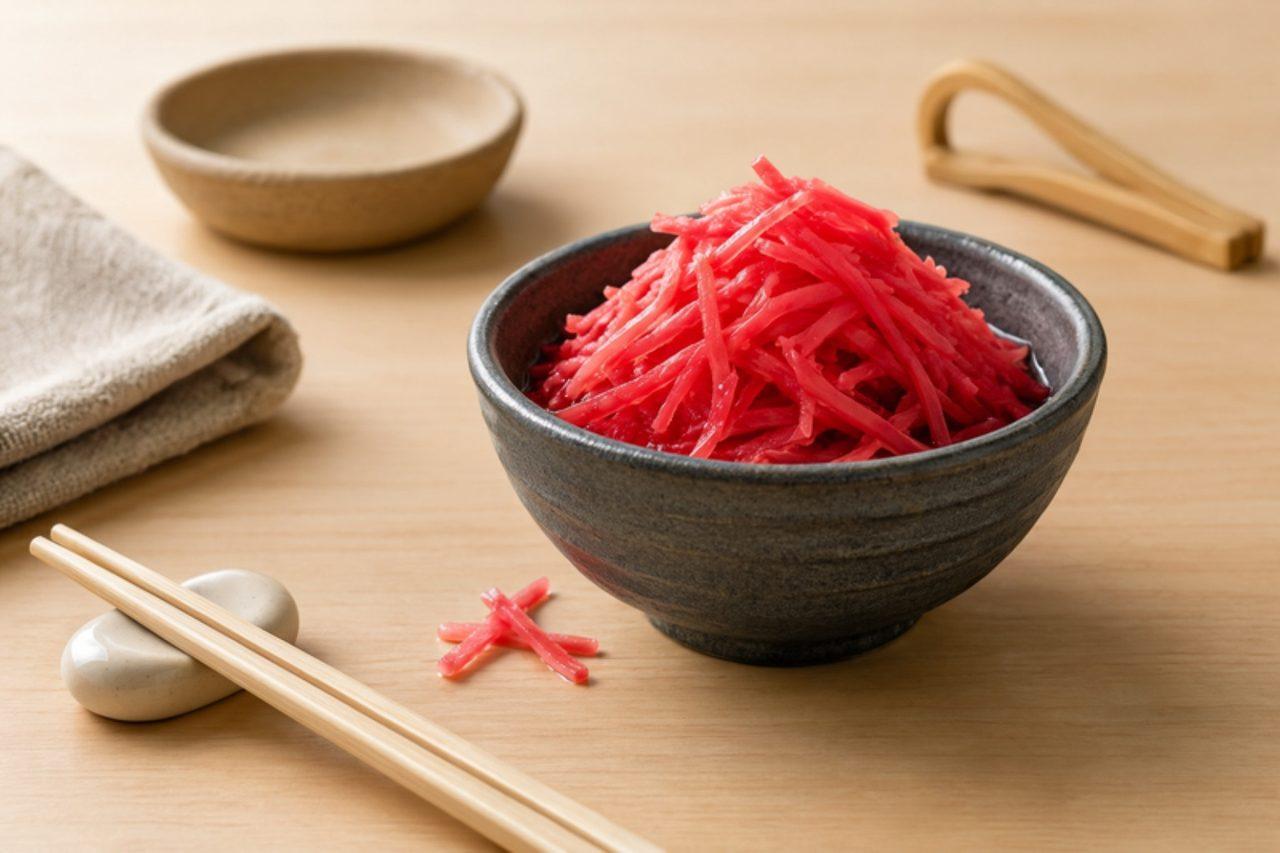
Beni shogaRed pickled ginger

Beni shoga is the bright pink tangle you see on Osaka street food: piled beside yakisoba, scattered on okonomiyaki, folded into takoyaki batter and heaped on a bowl of gyudon at lunchtime. Kansai cooks make it in early summer, when umeboshi plums finish salting and leave behind red umezu, the salty, sour, shiso-coloured plum vinegar that both cures and dyes the ginger. The result is crunchy, sharp and salty, with a clean ginger heat and none of the sweetness of sushi gari. Young summer ginger gives the most tender threads; mature ginger works but is hotter and more fibrous, so cut it thinner. If you cannot find red umezu, use rice vinegar with salt and a slice of raw beetroot for colour (see the note). The common mistake is skipping the salting and drying: wet ginger dilutes the umezu and turns soft and dull. Squeeze it and let it dry so it drinks up the vinegar. It is ready when the threads are evenly rosy right through and taste salty-sour rather than raw. Chef's tip: save the pink vinegar left in the jar; a spoonful in potato salad or rice for onigiri is excellent.

by KrazyBadal 0 views
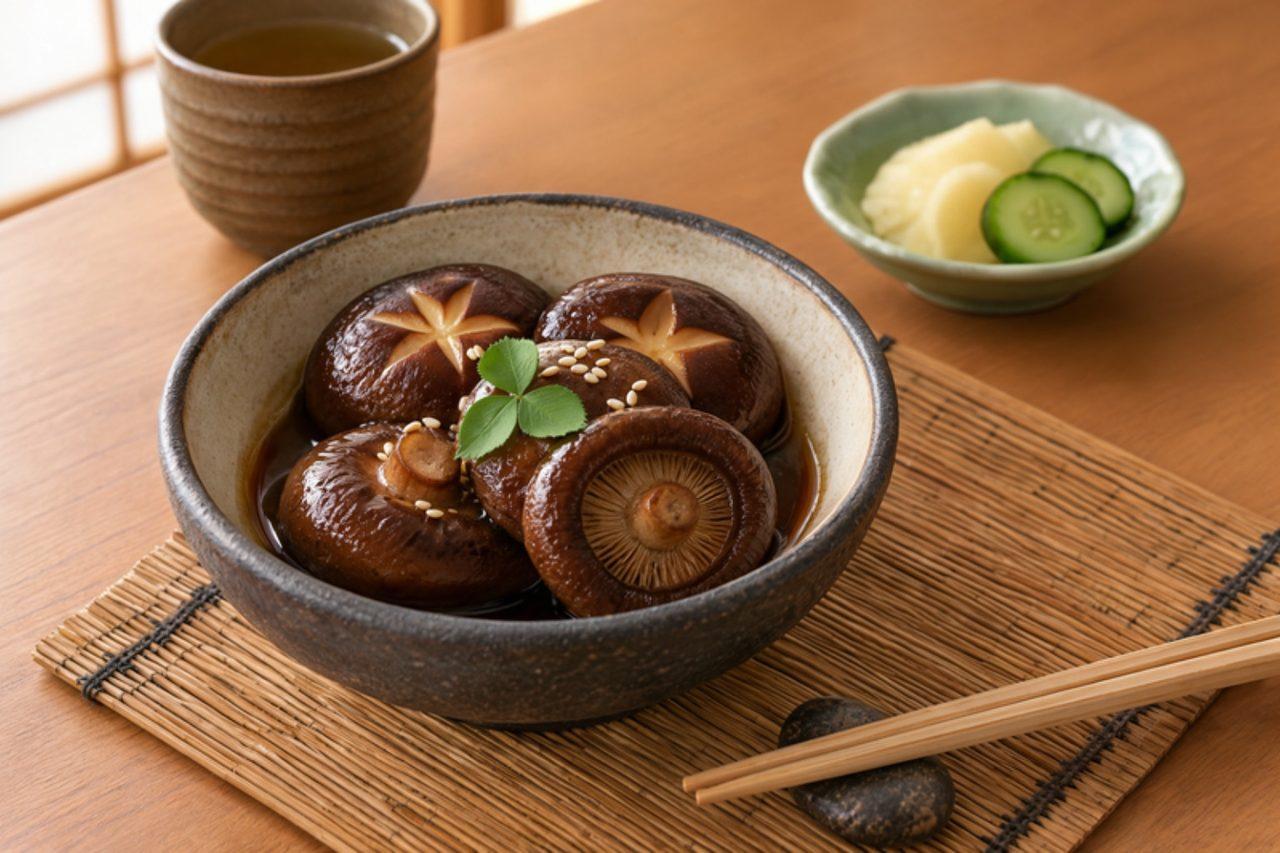
Shiitake no umaniSimmered shiitake mushrooms

These sweet-savoury simmered mushrooms are a fixture of Japanese bento and of osechi New Year boxes, and they are sliced into chirashi sushi and inari as well. The caps are rehydrated, then cooked in their own deep-flavoured soaking water with soy and sugar until the liquid becomes a sticky glaze. The common mistake is throwing away the soaking water, which holds most of the flavour. Chef's tip: soak the mushrooms in the fridge overnight if you can; a slow, cold soak gives a far meatier texture than a quick hot one.

by KrazyBadal 0 views

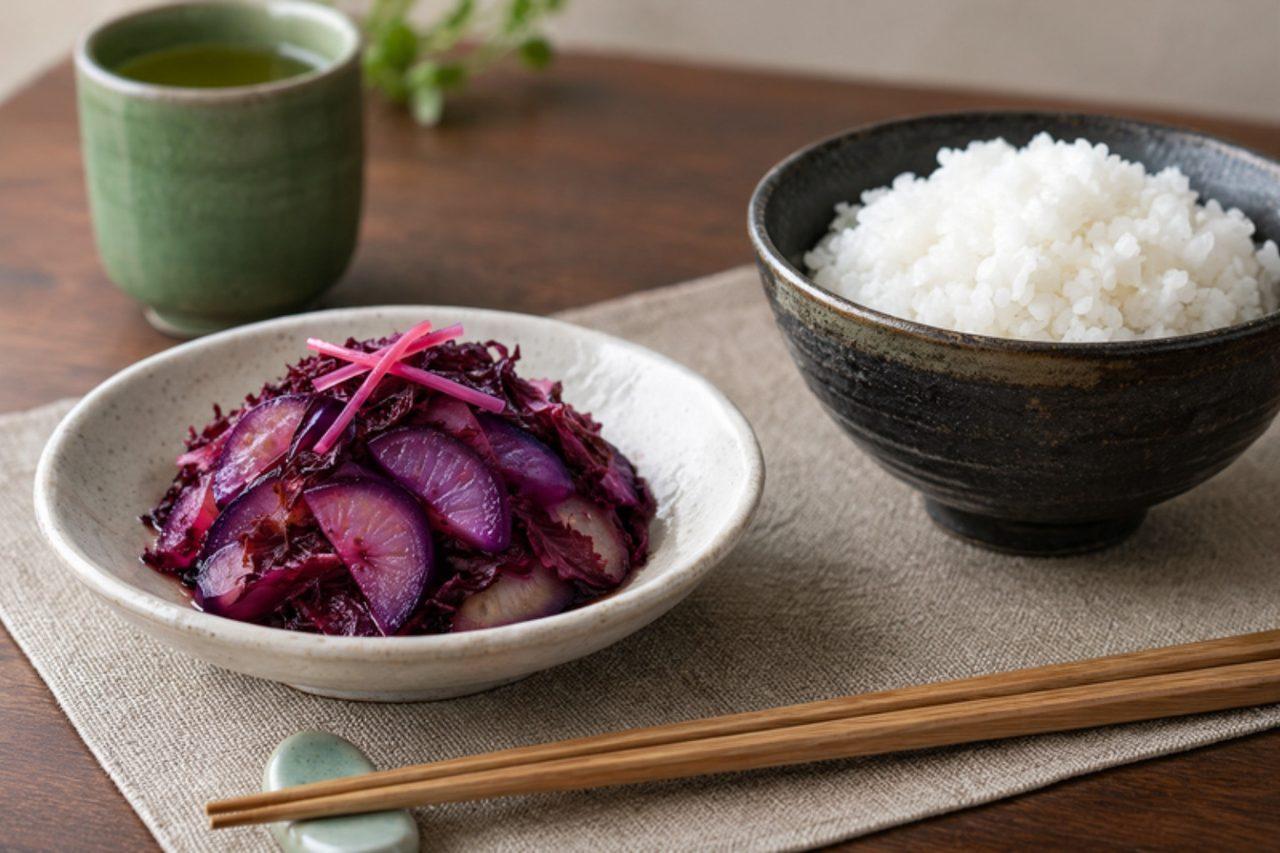
ShibazukeRed shiso aubergine pickle

Shibazuke comes from Ohara, in the hills north of Kyoto, where summer aubergines, cucumbers and myoga ginger are pressed with salt and red shiso leaves until everything turns a vivid purple and pleasantly sour. A few slivers sit beside the rice in Kyoto bento boxes. This home version is lightly fermented for a day under a weight. The common mistake is too little weight: the vegetables must sit under their own brine or they spoil instead of souring. Chef's tip: rub the shiso with salt and squeeze out its first dark, bitter juice before it ever touches the vegetables.

by KrazyBadal 0 views

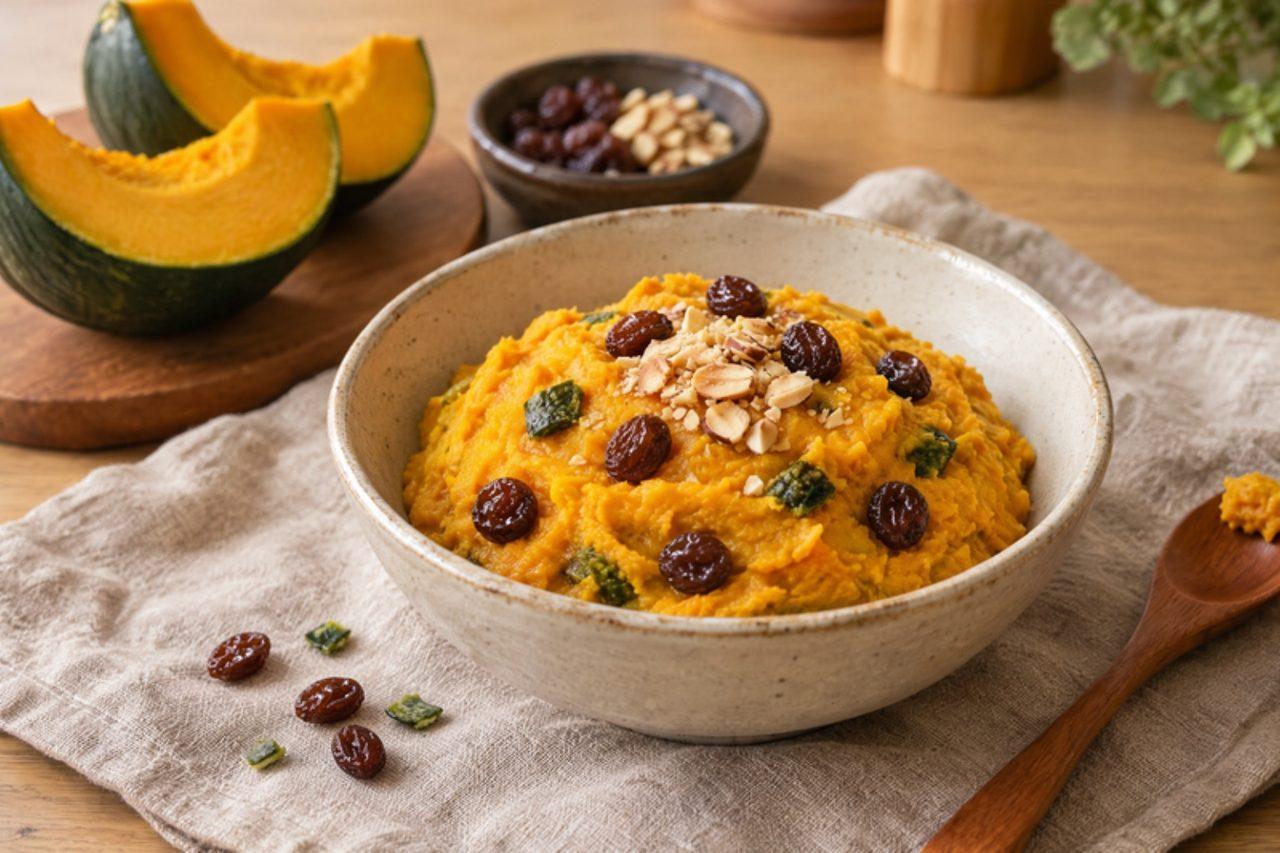
Kabocha saladPumpkin salad

Children across Japan know this golden, chunky salad from their bento boxes and school lunches: steamed kabocha squash crushed with mayonnaise, a few plump raisins and a touch of pepper, sweet enough to pass for dessert. It holds its shape cold, so it fills a bento cup neatly. The common mistake is mashing the squash while it is wet, which gives a watery salad; dry it off in the pan first. Leave some skin on for colour. The mayonnaise contains egg. Chef's tip: dress the squash while it is still warm with the salt and pepper, but add the mayonnaise only once it has cooled, so it stays creamy instead of turning oily.

by KrazyBadal 0 views

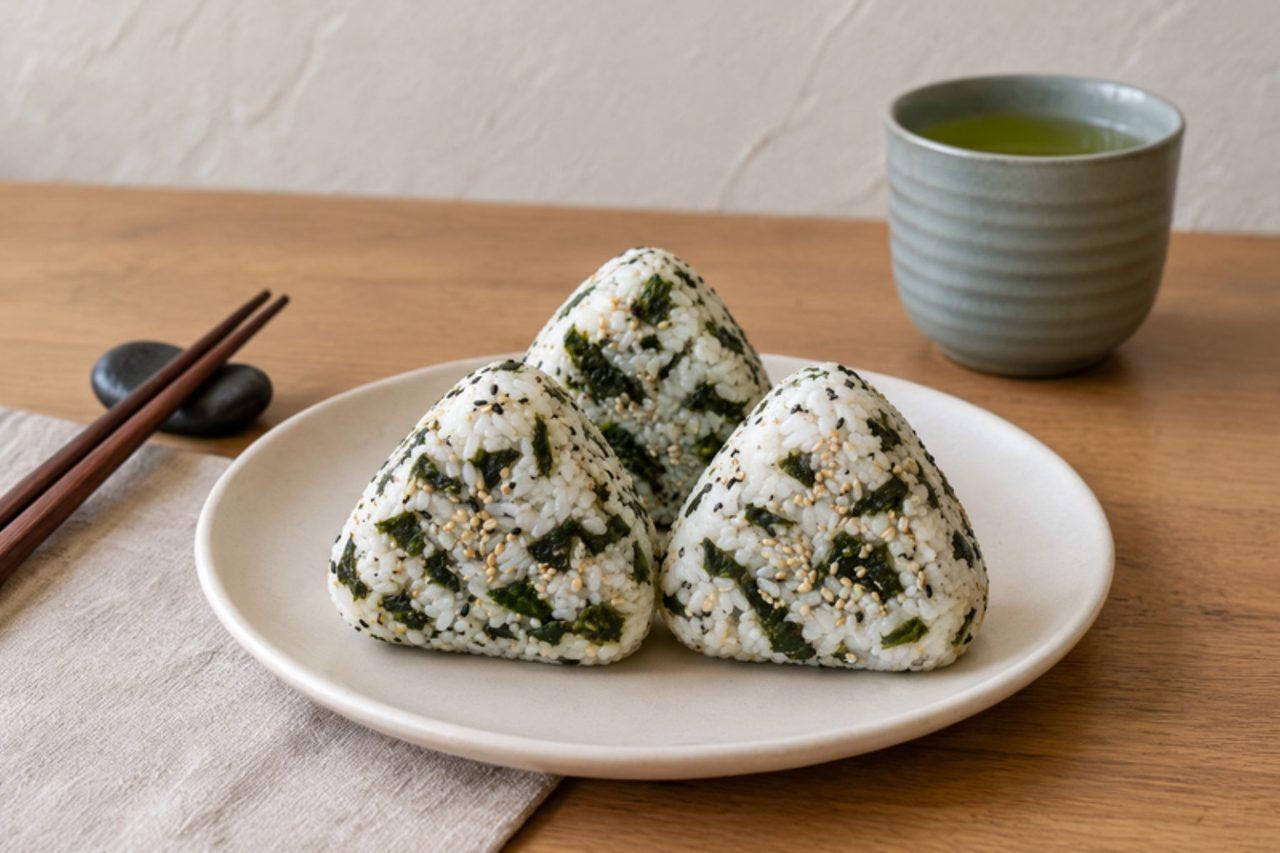
Wakame gohanWakame rice

Wakame gohan is the green-flecked rice that turns up in Japanese school lunches and convenience-store onigiri: plain rice mixed with salted, toasted wakame flakes and sesame. At home you make your own seasoning in five minutes from a pack of dried cut wakame. The common mistake is soaking the wakame first, which gives slimy rice; it should go in dry and crisp so it softens only with the rice's steam. Chef's tip: shape onigiri with wet, salted hands while the rice is hot, then cool them fast on a plate before wrapping for the lunchbox.

by KrazyBadal 0 views

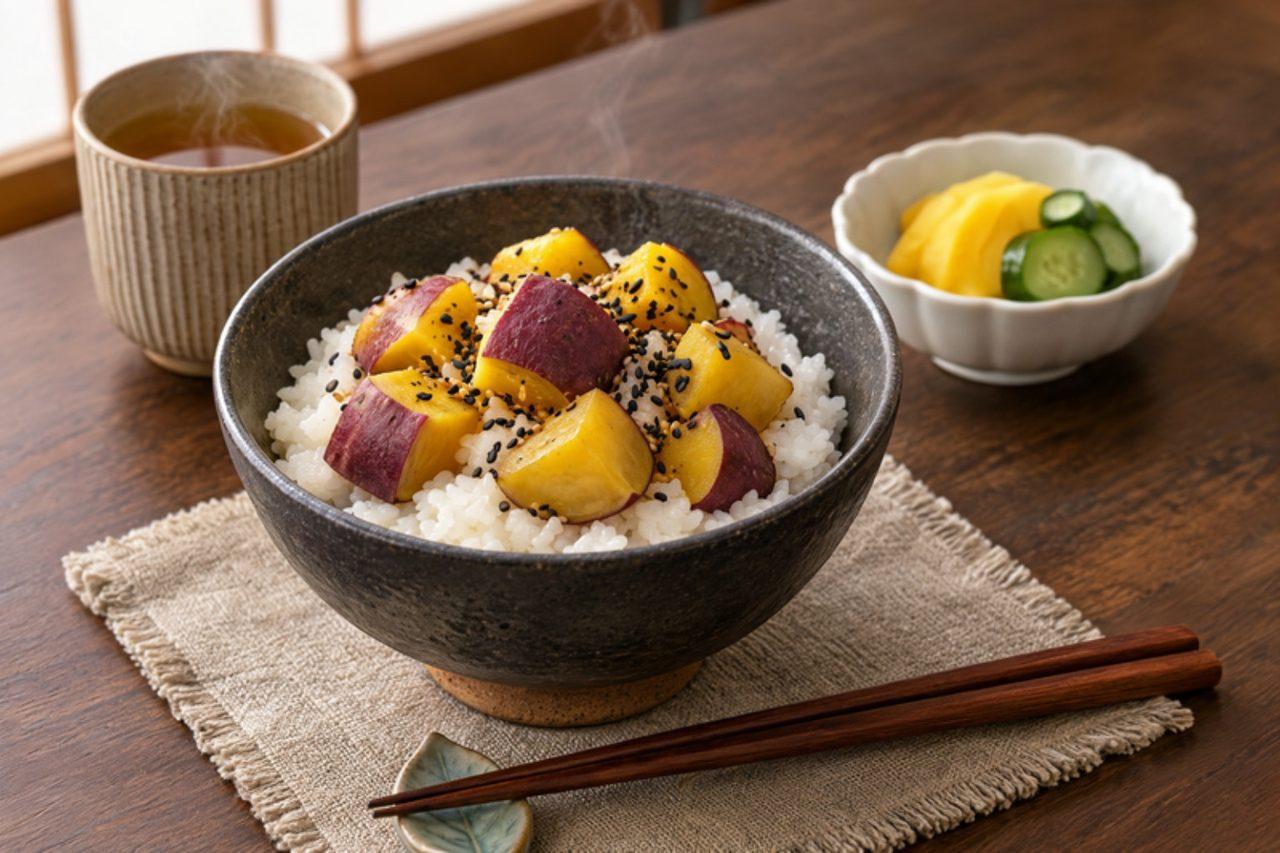
Satsumaimo gohanSweet potato rice

When the first purple-skinned satsumaimo arrive in Japanese shops in October, families cook them right into the rice pot: the cubes turn soft and honeyed, and a sprinkle of black sesame and salt makes it taste like autumn. It is a favourite in children's bento boxes and needs nothing but a pickle on the side. The common mistake is skipping the soak for the sweet potato, so it bleeds starch and turns the rice grey and gummy. Chef's tip: leave the skin on; it holds each cube together and gives the rice its purple-and-gold look.

by KrazyBadal 0 views

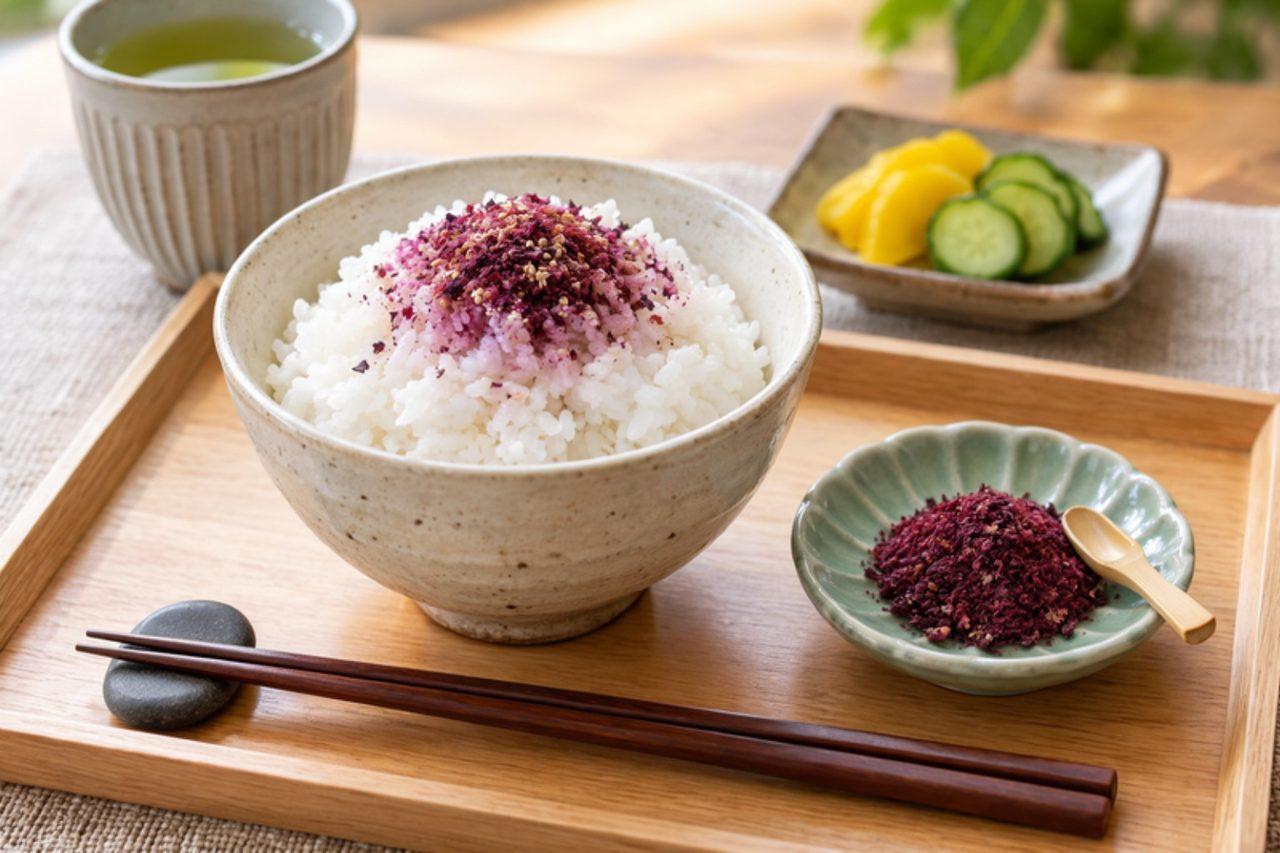
Yukari shiso saltRed shiso rice seasoning

Yukari is the bright purple, salty-sour shaker that Japanese parents sprinkle over plain rice so that a bento looks cheerful and tastes of something even when it has gone cold. Traditionally it is made from the red shiso leaves left after pickling umeboshi plums; this home version gets the same flavour by salting and souring fresh red shiso in early summer. The common mistake is drying the leaves too hot, which turns them brown and bitter. Chef's tip: keep the oven no hotter than 80 °C and leave the door ajar, and the colour stays a jewel-like magenta.

by KrazyBadal 0 views

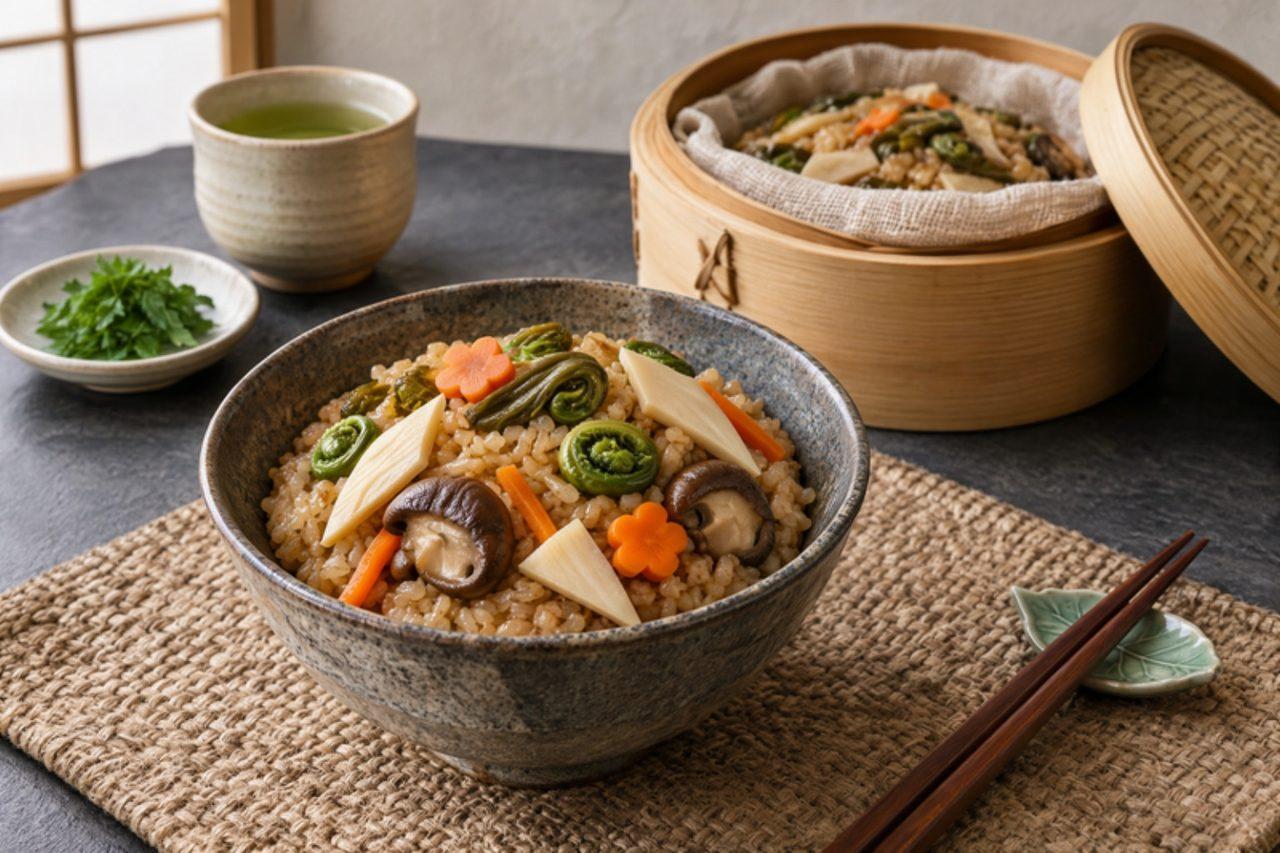
Sansai okowaSticky rice with mountain vegetables

In the snowy valleys of Yamagata, Niigata and Nagano, sansai okowa is what families cook in late spring when bracken, royal fern and bamboo shoots come down from the hills, and it turns up again in autumn rice-ball lunchboxes and at temple festivals. Soaked glutinous rice soaks up a soy and shiitake broth and cooks to a chewy, glossy, gently savoury pile studded with crunchy, slightly bitter greens. Eat it warm or at room temperature with miso soup and pickles, or shape it into onigiri. The usual mistake is giving sticky rice as much water as ordinary rice: it turns into paste, so use much less and let the soaking do the work. Chef's tip: buy the boiled, vacuum-packed mixed sansai sold in Japanese shops, and rinse it well, as it is often stored in brine.

by KrazyBadal 0 views

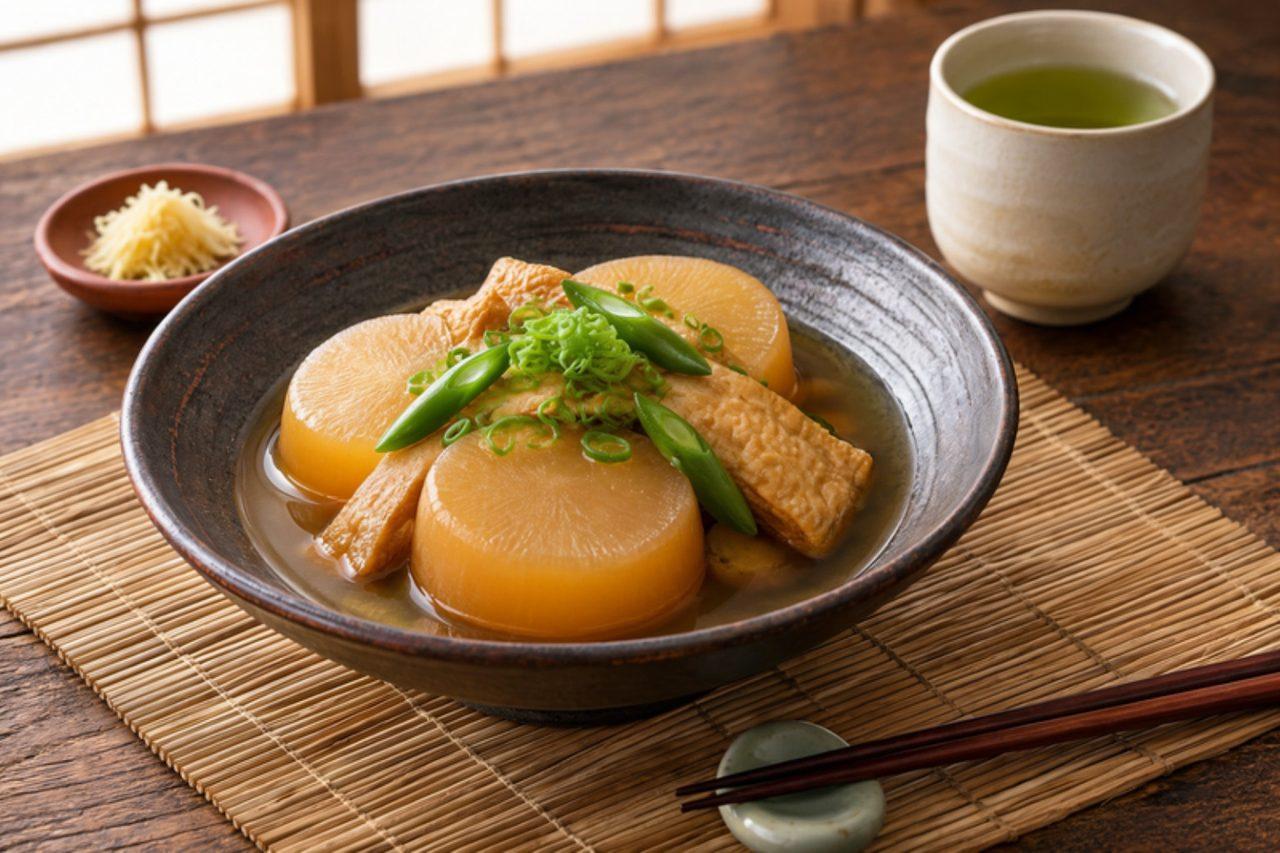
Daikon to aburaage no nimonoSimmered daikon and fried tofu

When winter daikon is fat, sweet and cheap in every Japanese market, home cooks from Hokkaido to Kyushu simmer it with strips of aburaage, the thin fried tofu pouches, as an everyday side for rice and grilled food. The radish turns soft and see-through and drinks up a light soy broth, while the tofu soaks up the rest like a sponge. This version uses a kelp and shiitake dashi instead of bonito, so the whole pot is vegan, and it tastes even better reheated the next day. The usual mistake is boiling it hard: the daikon edges crumble and the broth goes cloudy, so keep it at a lazy simmer under a drop lid. Chef's tip: pour boiling water over the aburaage before cutting it, which rinses off the stale frying oil and lets the broth soak in.

by KrazyBadal 0 views

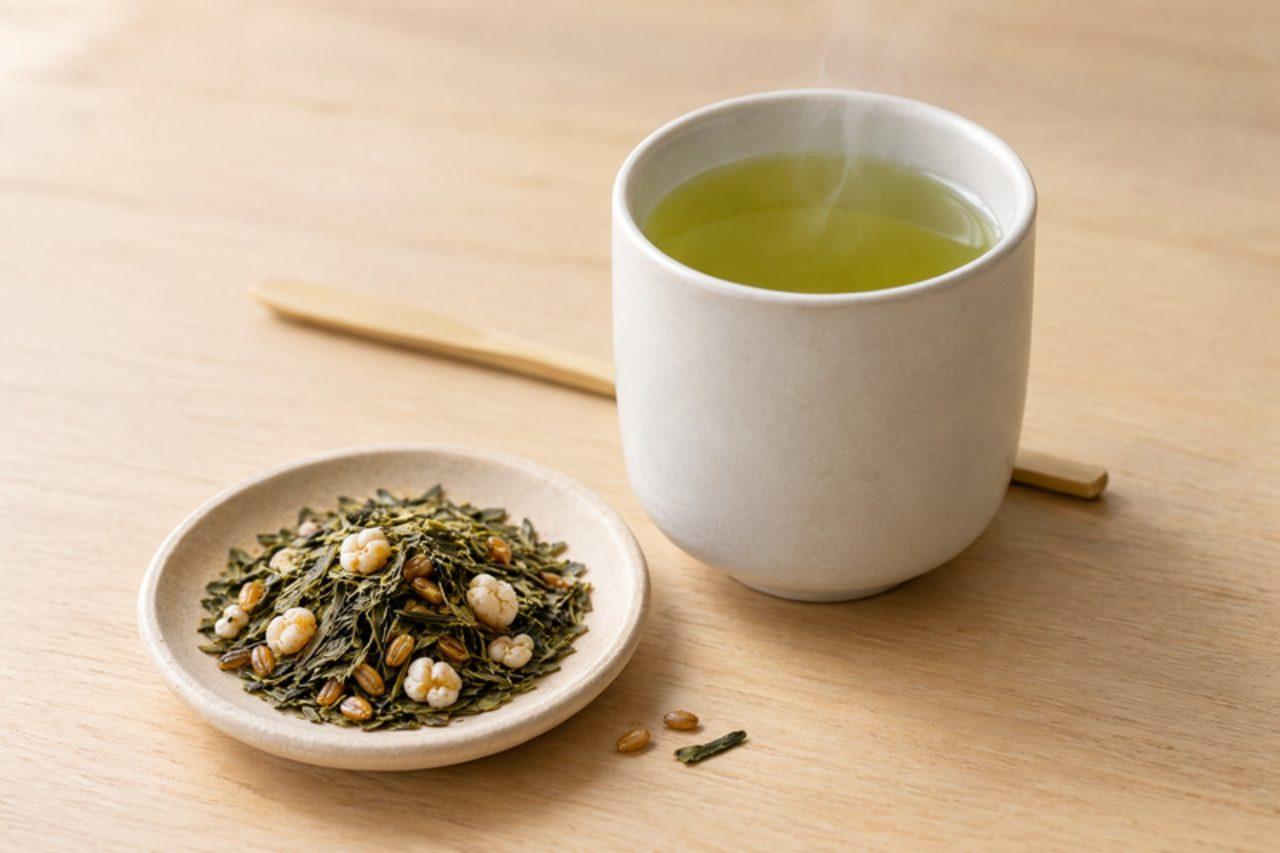
GenmaichaGreen tea with toasted rice

Genmaicha started as a thrifty Japanese blend: toasted rice stretched expensive tea leaves and made the pot go further. It is now loved for itself and turns up everywhere, from office kettles in Tokyo to the free tea at sushi counters and ramen shops, poured all through the meal because its gentle, roasted flavour does not fight with soy or fish. The rice gives a nutty, savoury, almost buttery taste; the green tea adds a light grassy edge. It has about half the caffeine of plain sencha, so many people drink it in the afternoon. The usual mistake is pouring boiling water straight onto it: the green leaves scald and the cup turns bitter while the rice flavour gets lost. Let the kettle sit for a minute or two so the water is around 80–85 °C, and steep for no more than a minute. It is ready when the liquor is pale yellow-green and clear, and the steam smells of popcorn and cut grass. Chef's tip: matcha-iri genmaicha, with powdered matcha dusted over the blend, gives a greener, fuller cup; use it the same way but stir the pot once before pouring.

by KrazyBadal 0 views

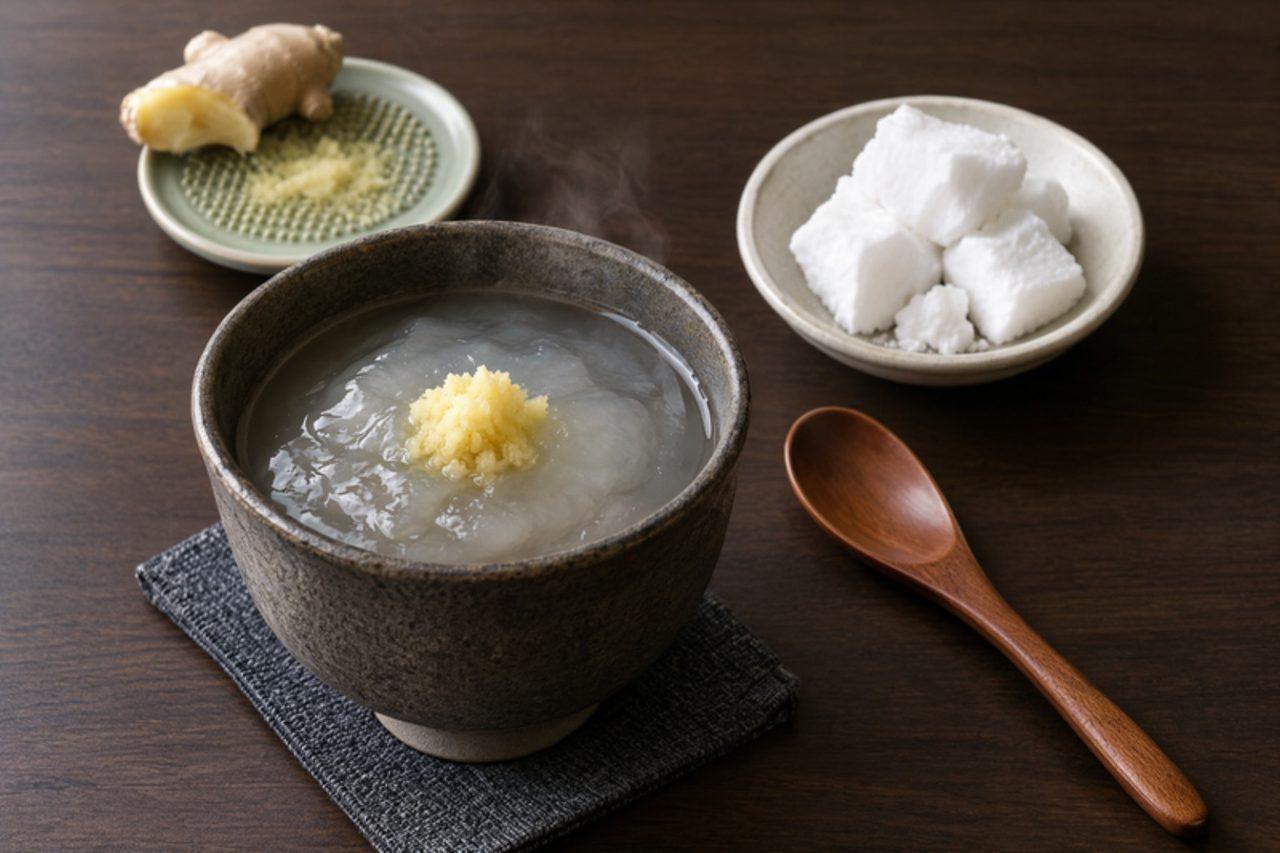
Kuzuyu (hot kudzu drink)

Kuzuyu is what Japanese mothers make when someone has a chill or an upset stomach, and what many people sip on a frosty winter evening, especially in Nara, whose Yoshino mountains have produced the finest hon-kuzu starch for centuries. Kudzu root starch is stirred into water with a little sugar and cooked until the milky liquid suddenly turns clear, glossy and gently thick, somewhere between a hot drink and a soft pudding you drink from the cup. Grated ginger warms it; some families add a spoon of matcha or a squeeze of yuzu. It tastes clean, mildly sweet and comforting, and it is traditionally given to people recovering from colds. The mistake almost everyone makes once is sprinkling kudzu into hot water, where it forms rubbery lumps at once. Always crush it and dissolve it completely in cold water first, then heat it while stirring without stopping. It is ready when there are no white streaks left, the drink is translucent and it coats the back of a spoon. Chef's tip: real hon-kuzu comes in chalky lumps; crush them with the back of a spoon in the cold water and they dissolve in seconds.

by KrazyBadal 0 views

Mugicha (roasted barley tea)

From the rainy season in June until the cicadas fall quiet in September, almost every Japanese household keeps a tall jug of mugicha in the fridge. It is poured for children coming in from summer club practice, for grandparents after an afternoon nap, and alongside cold sōmen at lunch, because it carries no caffeine and can be drunk all day. Whole barley grains roasted until deep brown give a cup that tastes of toast, a little of coffee and a little of popcorn, with a clean, dry finish and no sweetness at all. Supermarkets sell it in tea bags, but loose roasted grains simmered in a pan make a rounder, darker brew. The usual mistake is leaving the grains in the jug or letting the hot tea sit out on the counter for hours: it turns bitter and, being a grain infusion, it sours quickly in summer heat. Strain it, cool it fast in a sink of cold water, and drink it within two days. It is ready when the liquid is a clear amber-brown and smells like freshly toasted bread. Chef's tip: dry-toast the grains for two minutes before brewing to wake up a bag that has been open a while.

by KrazyBadal 0 views

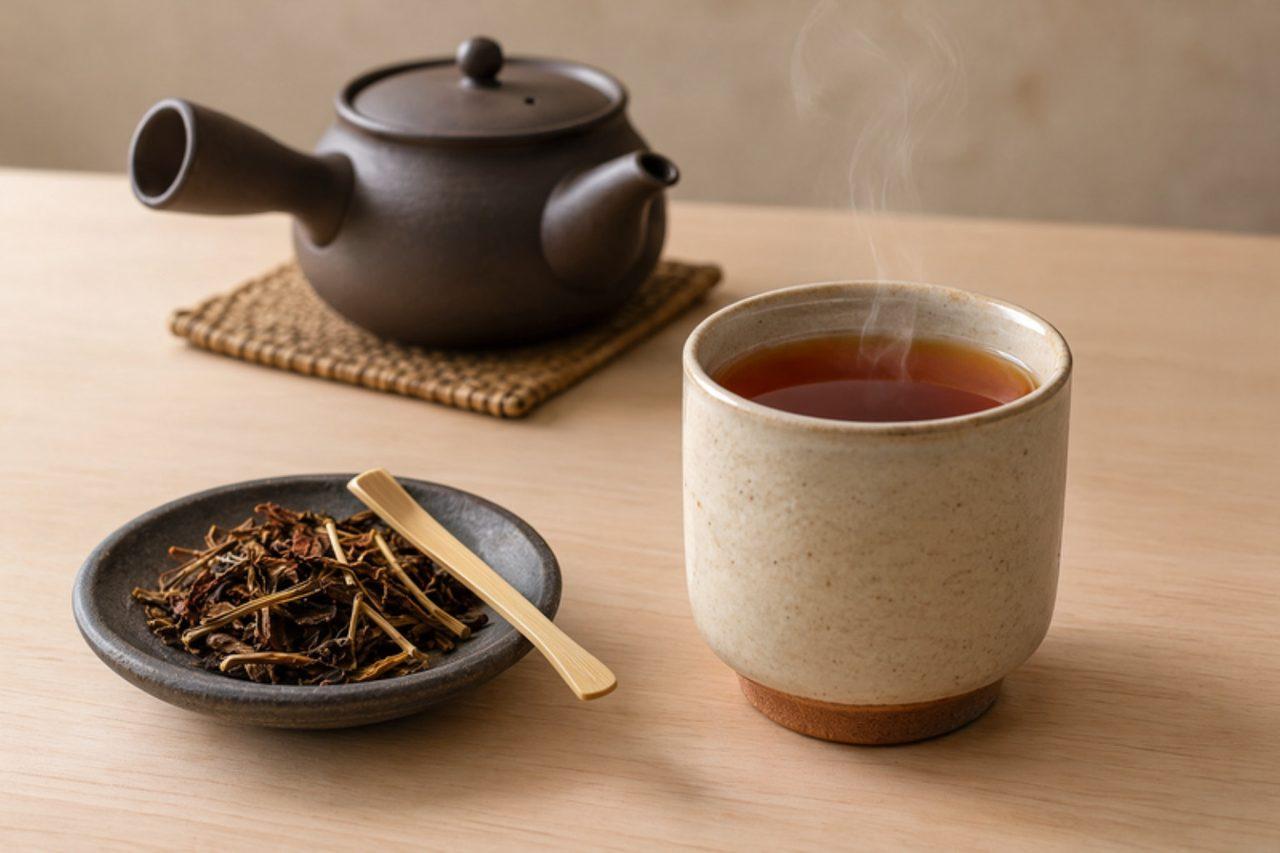
HojichaRoasted green tea

Hojicha was born in Kyoto in the 1920s, when tea merchants started roasting the coarse late-season bancha leaves and stems over charcoal to sell what would not keep. Today the smell of tea roasting in a shop doorway is part of walking down Teramachi or past the Nishiki market. Roasting drives off much of the caffeine and all the grassy bitterness, so hojicha is the pot that comes out after an evening meal, with rice crackers, or for children and older relatives who avoid stronger tea. The cup is reddish brown, smells of caramel and roasted nuts, and tastes soft and slightly sweet with almost no astringency. Unlike sencha, it likes really hot water and a very short steep. The common mistake is treating it like black tea and leaving the leaves in for several minutes, which makes it flat and woody; 30 seconds is enough for the first pour, and the leaves give a good second pot. It is ready when the liquor is clear russet and the steam smells of toasted sugar. Chef's tip: if your packet has lost its perfume, warm the leaves in a dry pan for 30 seconds until they smoke very faintly before brewing.

by KrazyBadal 0 views

Akajiso juice (red shiso cordial)

Bunches of red shiso fill Japanese greengrocers for a few weeks in June and July, mostly bought to colour umeboshi. Gardeners from Kyoto's Ohara valley to Kantō boil the surplus into this cordial and keep it in the fridge for hot afternoons. Simmering pulls a murky purple-brown liquid from the leaves; the magic is the moment the vinegar goes in and the whole pan flushes a brilliant clear magenta. Diluted with ice water or soda water it tastes sweet-sour and herbal, like a cross between blackcurrant, mint and cinnamon. The most common mistake is simmering the leaves too long or with the stems: it turns grassy and bitter. Strip the leaves, boil them for five minutes only, until they have turned green and limp, then lift them out. The cordial is ready when it is jewel-bright and clear. Bottle it in a clean, sterilised bottle and keep it in the fridge for up to three weeks; discard if it fizzes, clouds or grows mould. No fresh red shiso nearby? Japanese and Korean shops sometimes sell it in summer, and it grows easily from seed. Chef's tip: freeze some as ice cubes to drop into sparkling water.

by KrazyBadal 0 views

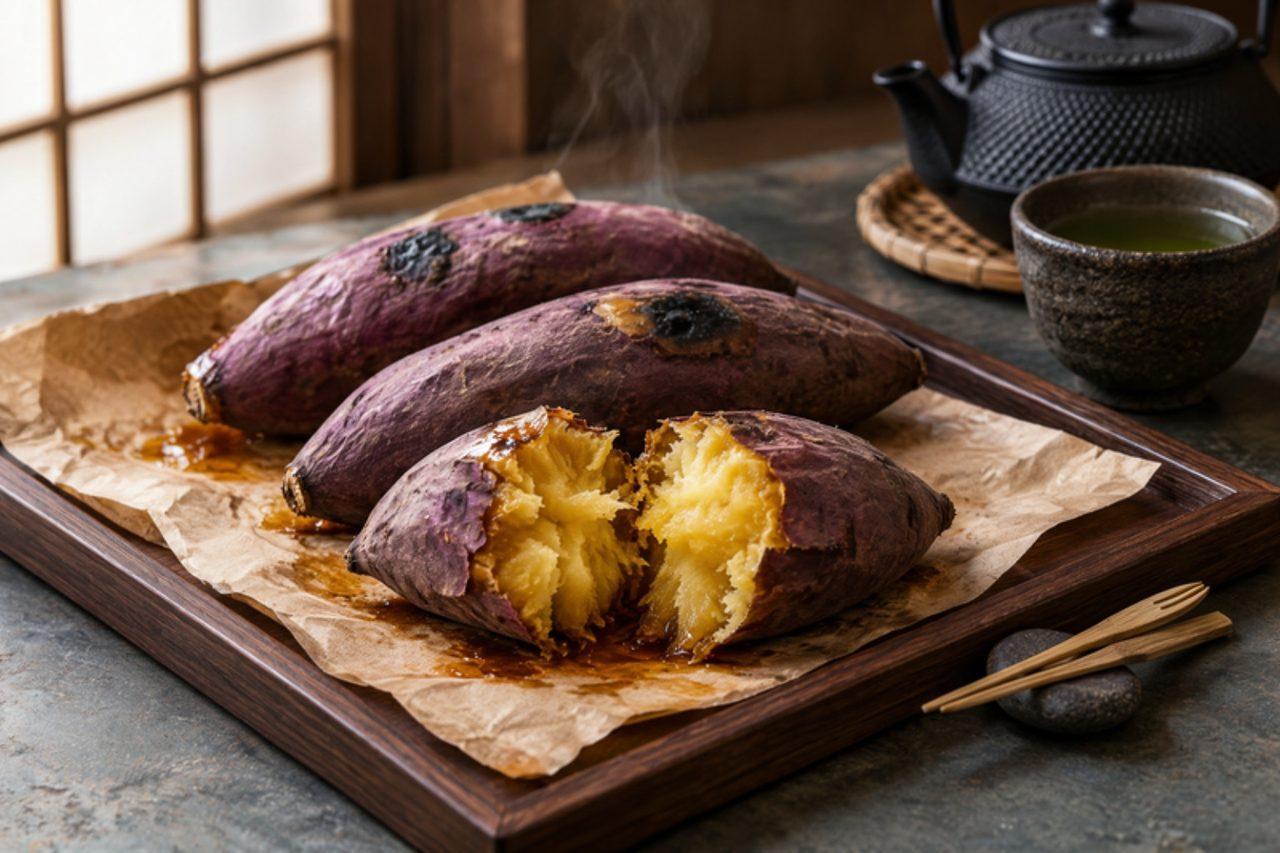
Yaki imoRoasted sweet potato

Yaki imo is the winter street snack of Japan: from November the yaki-imo trucks crawl through Tokyo and Osaka neighbourhoods singing 'ishi-yaki imo' through a loudspeaker, selling Japanese sweet potatoes roasted slowly on hot stones. At home the oven does the job. Long, low heat turns the starch into natural sugars, so the flesh becomes golden, fudgy and almost syrupy, and nothing at all needs adding: no butter, no sugar, no salt. About 0.1 g salt per portion, all of it naturally in the potato. Eat them hot from paper as an afternoon snack or alongside miso soup. The usual mistake is roasting too hot and fast, which cooks the potato but never sweetens it. Chef's tip: the potato is ready when sticky syrup bubbles out of the skin and the whole thing slumps when squeezed with an oven glove.

by KrazyBadal 0 views

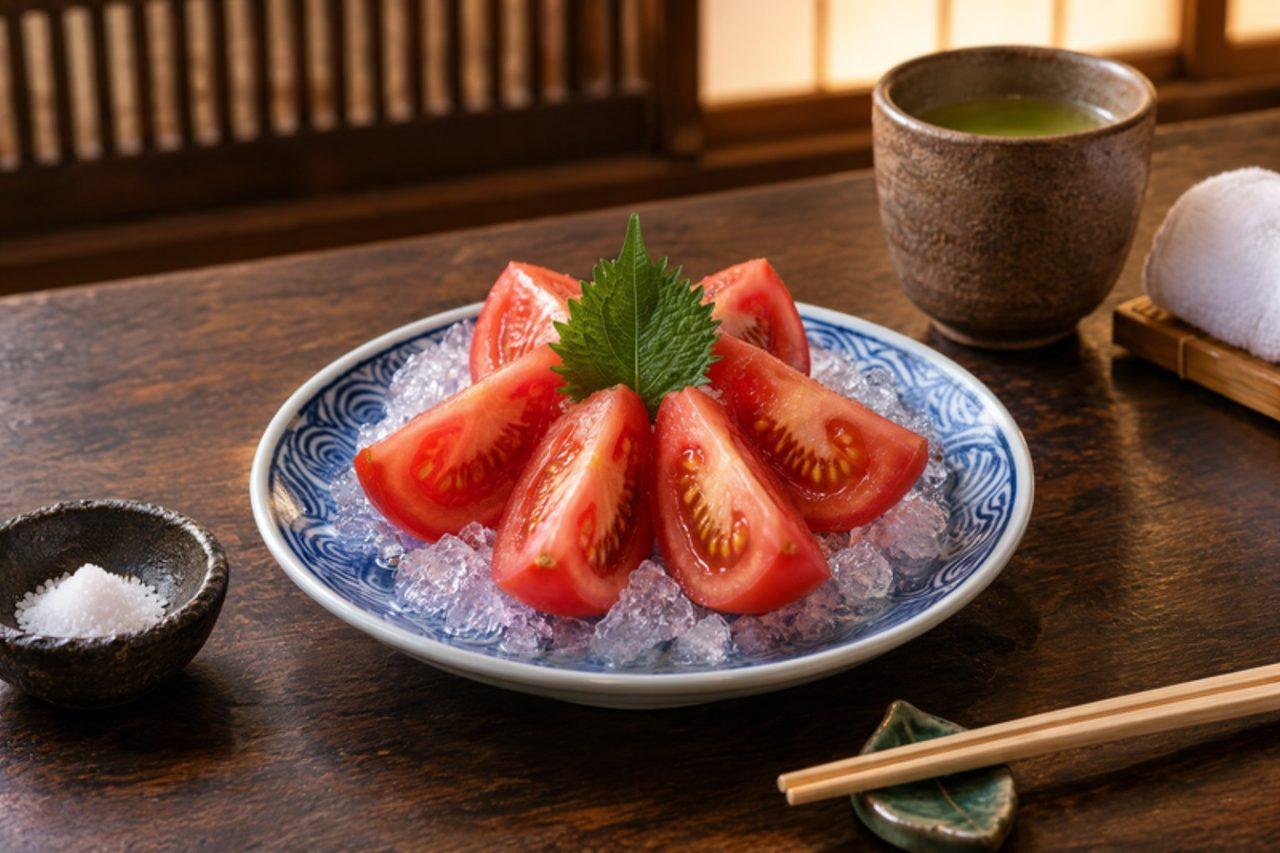
Hiyashi tomatoChilled tomato

Hiyashi tomato is the simplest thing on any Japanese izakaya menu in July and August: ripe tomatoes, chilled until icy, cut into wedges and served on a small plate, sometimes on crushed ice, to cool down a hot evening in Tokyo or Osaka. Many bars sprinkle salt; this home version leaves it out and offers a few drops of rice vinegar and toasted sesame oil instead, so the tomato's own sweetness and acidity do the work. About 0.0 g added salt; roughly 0.03 g per portion occurs naturally in the tomato. The usual mistake is using hard, pale supermarket tomatoes: this dish is only as good as the fruit, so buy deep red ones that smell of tomato at the stalk. Chef's tip: chill the plate as well as the tomatoes, so the wedges stay cold to the last bite.

by KrazyBadal 0 views

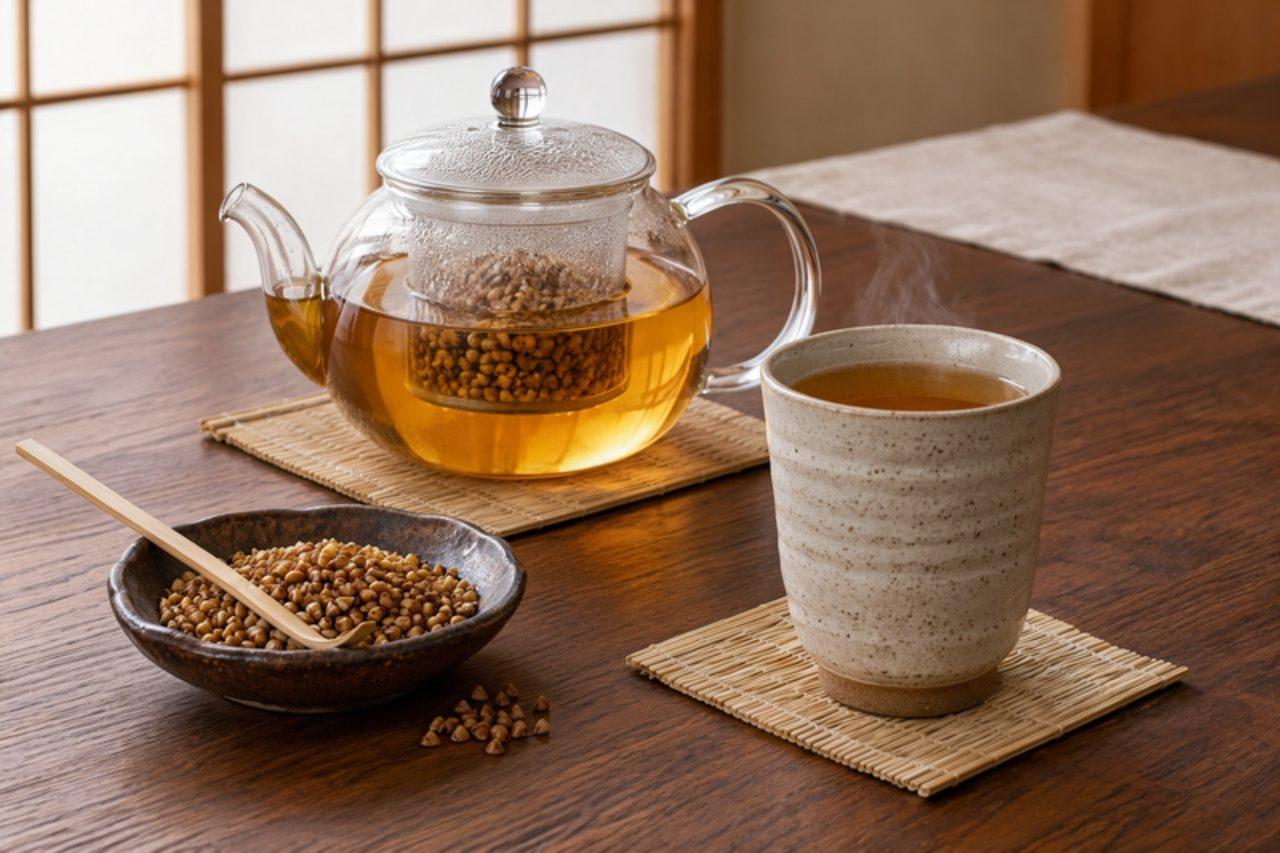
SobachaRoasted buckwheat tea

Sobacha is roasted buckwheat tea, drunk all over Japan and especially in the soba country of Nagano and Hokkaido, where it is poured free in noodle shops and kept in jugs in the fridge through summer. Toasted buckwheat groats are steeped in hot water to make a golden, caffeine-free tea with a nutty, almost popcorn aroma, and the softened groats can be eaten too, stirred into rice or salads. Nothing is added: no salt, no sugar, so about 0.0 g salt per cup. The usual mistake is burning the groats when roasting your own; keep the heat at medium and keep the pan moving. Use Tartary buckwheat (dattan soba) for a deeper yellow tea. Anyone with a buckwheat allergy should avoid it, as reactions can be serious. Chef's tip: steep a second time with slightly hotter water; the second cup is often the sweetest.

by KrazyBadal 0 views

Showing 24 of 189 recipes

Show more recipes

Page 5 of 8

More collections