Skip to content
Seasons

Summer recipes: cool drinks, kulfi and light food

Sharbats, lassi, kulfi, aam ras, raita, cold salads and soups to keep you cool in the heat. (202 recipes)

Limau asam boi (lime with sour plum)

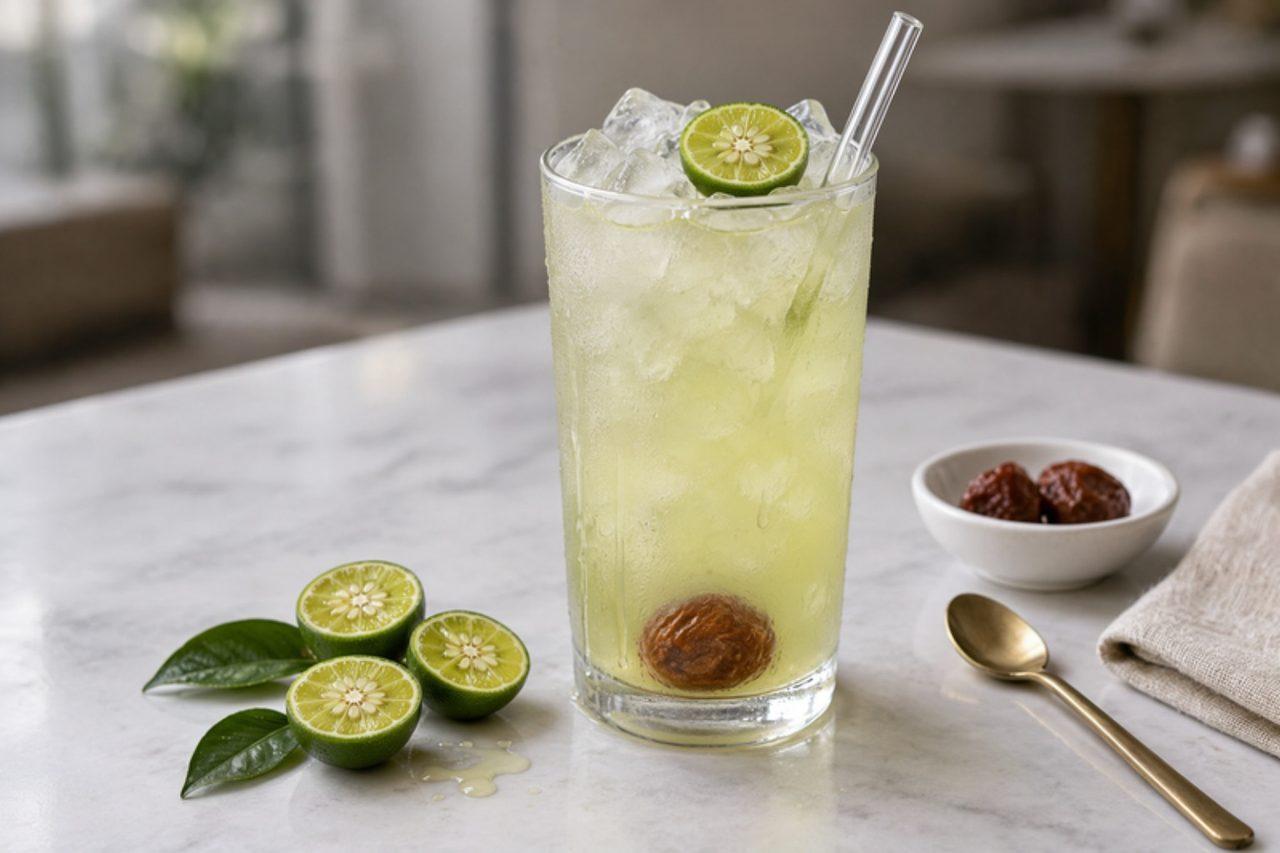
Order 'limau ais asam boi' at a kopitiam in Penang or a hawker centre in Kuala Lumpur at the hottest part of the afternoon and it arrives in a tall, sweating glass: freshly squeezed calamansi or small green limes, a little syrup, ice and one wrinkled, salted dried plum. The plum slowly leaches salt and fruity sourness into the drink, so every sip changes, starting bright and sweet and ending salty and tangy; you squash the plum with your straw halfway through for a stronger hit. It goes with char kway teow, nasi lemak or anything fried. The usual mistake is using bottled lime juice, which tastes flat and bitter against the plum. Squeeze fresh limes, and add the syrup gradually because asam boi is already salty-sweet. It is ready when the glass is frosted and the plum has started to plump up. Asam boi is sold in jars in Chinese and Southeast Asian groceries; Japanese umeboshi is saltier but works if you halve the amount. Chef's tip: make the lime-syrup base ahead and keep it cold, then pour over fresh ice only when you serve.

by KrazyBadal 0 views

Hiyashi tomatoChilled tomato

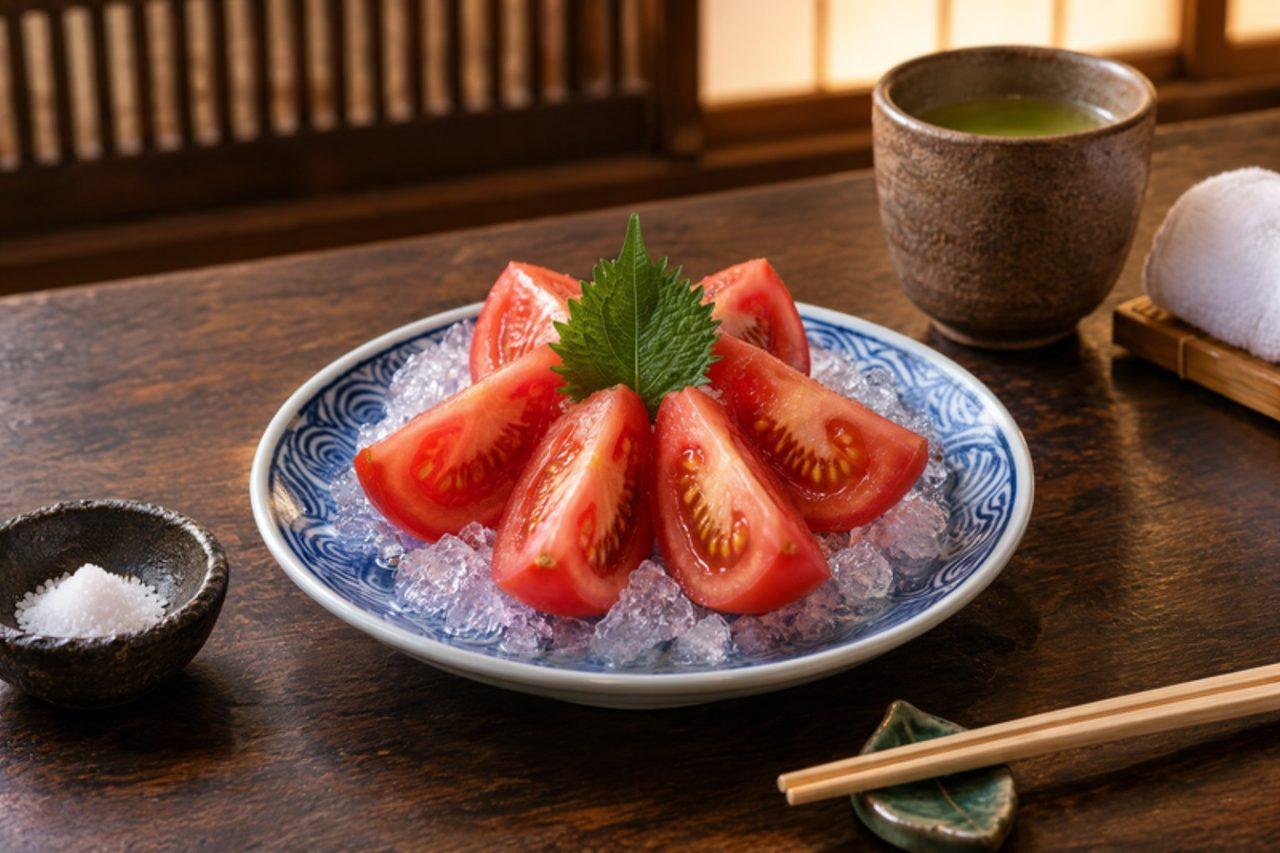
Hiyashi tomato is the simplest thing on any Japanese izakaya menu in July and August: ripe tomatoes, chilled until icy, cut into wedges and served on a small plate, sometimes on crushed ice, to cool down a hot evening in Tokyo or Osaka. Many bars sprinkle salt; this home version leaves it out and offers a few drops of rice vinegar and toasted sesame oil instead, so the tomato's own sweetness and acidity do the work. About 0.0 g added salt; roughly 0.03 g per portion occurs naturally in the tomato. The usual mistake is using hard, pale supermarket tomatoes: this dish is only as good as the fruit, so buy deep red ones that smell of tomato at the stalk. Chef's tip: chill the plate as well as the tomatoes, so the wedges stay cold to the last bite.

by KrazyBadal 0 views

Melon juice (cantaloupe drink)

Afternoon merienda across the Philippines means something cold from a plastic cooler at the school gate, a jeepney stop or a carinderia: sago't gulaman, buko juice or this melon drink, with ribbons of orange cantaloupe suspended in sweet water. Vendors scrape the melon with a special spiral shredder, a kayod ng melon, so you get thin strands to chew through a fat straw. It tastes fresh, sweet and gently musky, more refreshing than a smoothie because the water stays clear and light; some stalls add evaporated milk, but the plain version is the classic. The common mistake is using a melon that is not fully ripe, which gives pale, crunchy strands and a flat drink; choose one that smells sweet at the stem end and gives slightly when pressed there. Shred straight into the jug so the juice from the melon is not lost. It is ready when the strands are soft and floating, the water has turned faintly orange and it tastes of melon rather than plain syrup. Chef's tip: a box grater's coarse side or a fork scraped along the flesh both work if you don't own a melon shredder.

by KrazyBadal 0 views

Paneer soda (rose soda)

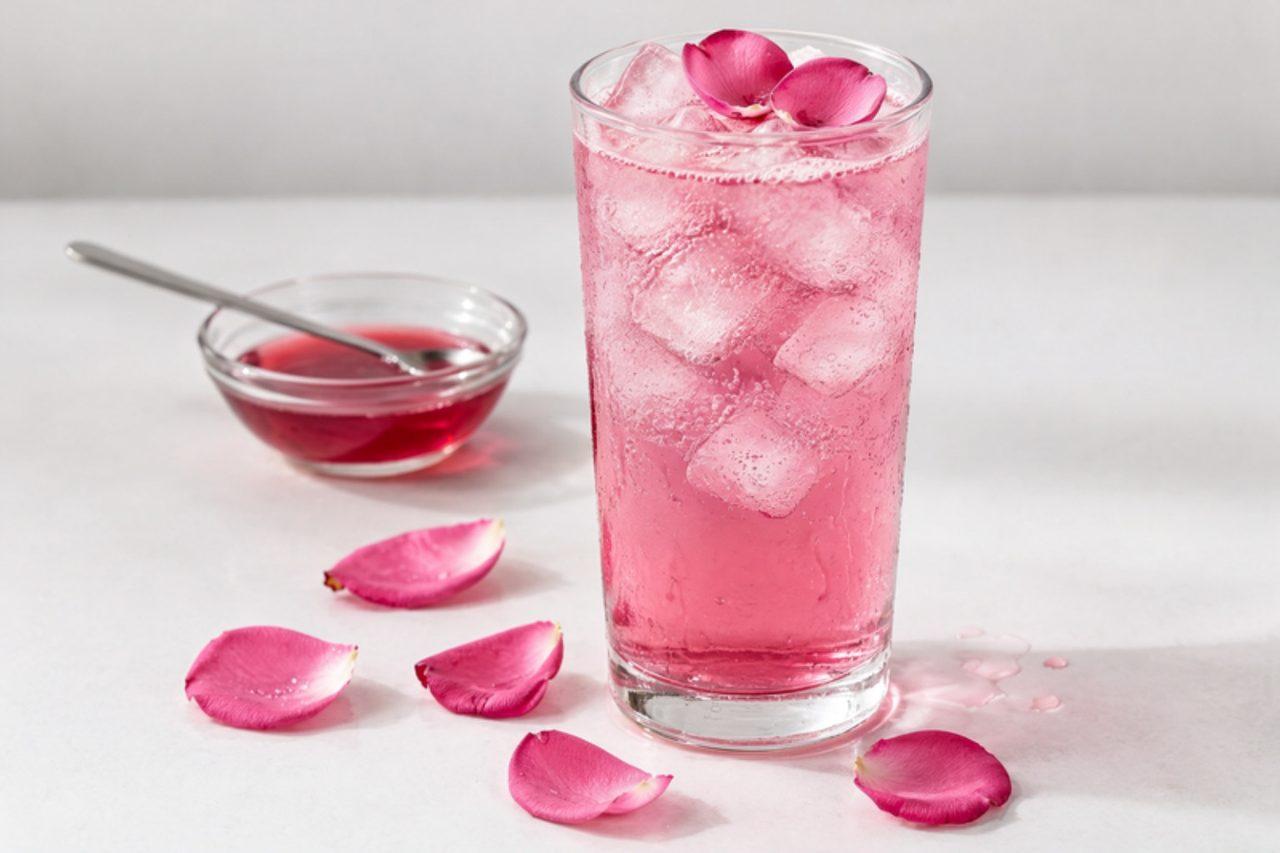
Every Tamil town once had a soda shop with crates of Codd-neck bottles sealed by a glass marble, and the pop of the marble being pushed down was the sound of a hot afternoon. Paneer here means rose water, not cheese, and paneer soda is rose syrup topped with that sharp local fizz, sold in Madurai, Tiruchi and Coimbatore by the bus stand and at temple festival stalls in Chithirai and Vaikasi, the hottest months. It is sweet and floral at first, then the bubbles and a touch of lime cut through and leave the mouth clean. The mistake most people make is boiling the rose water with the sugar: the scent cooks away and you are left with plain syrup. Make the syrup first, let it cool, and only then stir in the rose water. The syrup is ready when it is clear and slightly thickened, like thin honey, and the finished drink should be rosy pink and still foaming as you hand it over. Chef's tip: chill the syrup, the soda and the glasses well; warm soda loses its fizz the moment it meets the syrup.

by KrazyBadal 0 views

Bajre ki raabdiFermented pearl millet buttermilk porridge

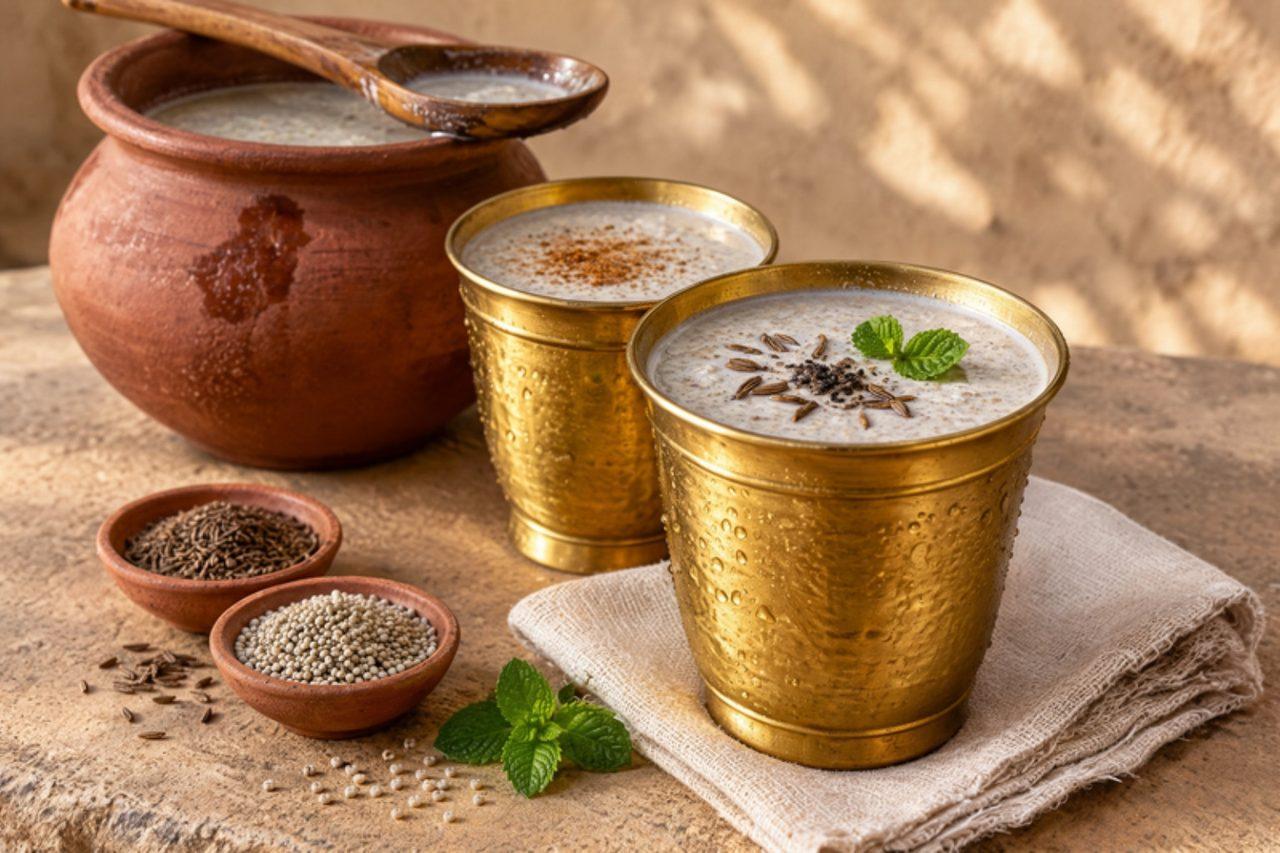
In the villages of Haryana and the Rajasthan border, raabdi is drunk at midday in May and June to keep cool in the fields. Pearl-millet flour is stirred into buttermilk and left to ferment for a few hours, then cooked slowly until thick, cooled in a clay pot and thinned with more buttermilk and salt. It tastes tangy and earthy, a little like a savoury porridge you can drink. Ferment at warm room temperature (25–32 °C) for 4–6 hours: it should smell pleasantly sour with a few bubbles. Throw it away if you see pink, black or furry mould or it smells rotten or of nail varnish. The common mistake is cooking on high heat, which scorches the millet and leaves raw lumps. Chef's tip: keep the cooked raabdi in the fridge and drink it within 2 days, thinning each glass to taste.

by KrazyBadal 0 views

Limonata a cosce aperteFizzy lemonade

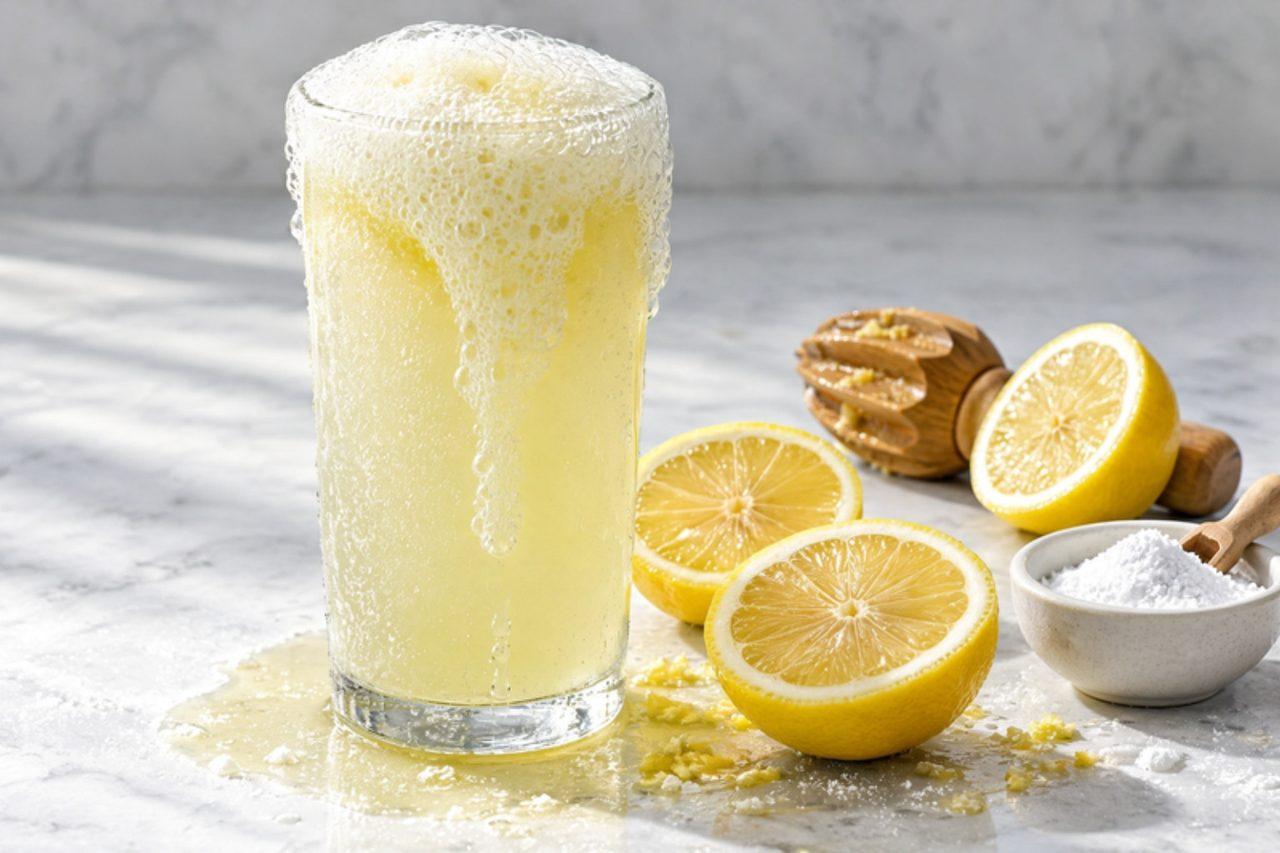
On hot afternoons along the Lungomare and in Piazza Sannazaro, the old acquafrescai kiosks squeeze half a lemon into a glass of sparkling water, then add a pinch of bicarbonate of soda. The drink foams up and over the rim, so you have to lean forward with your legs apart to drink it without soaking your shoes, which is where the cheeky name comes from. It tastes sharp, salty-fresh and very fizzy, and Neapolitans swear by it after a heavy lunch. Chef's tip: have the glass at your lips before you stir in the bicarbonate; the foam rises in seconds.

by KrazyBadal 0 views

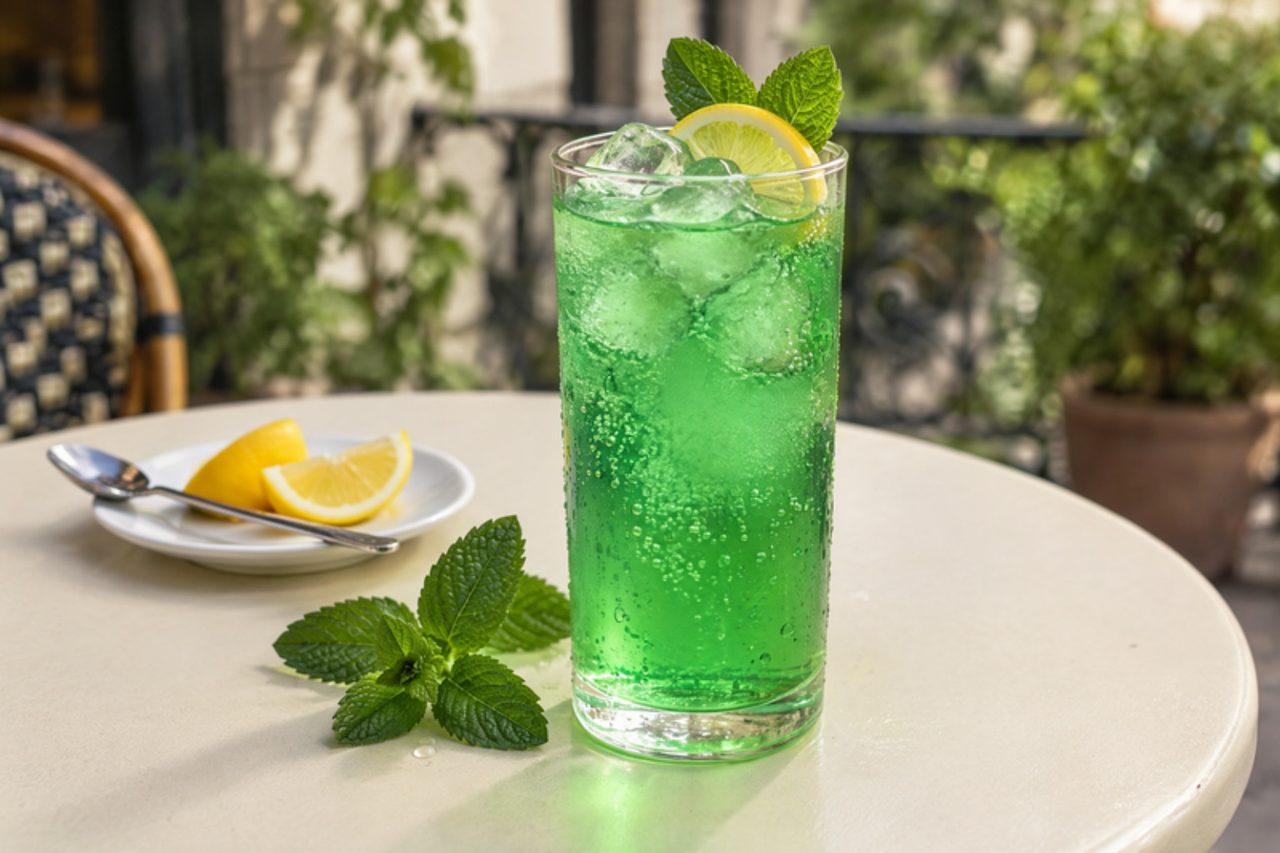
Diabolo mentheMint syrup and lemonade

Ask anyone who grew up in France about diabolo menthe and they will remember sitting on a café terrace after school, or on holiday in Brittany or the Vendée, with a tall glass of startling green fizz and a straw. It is simply sirop de menthe, the sweet mint syrup sold in every French supermarket, topped up with limonade, which in France means a clear, lightly sweet, lemony fizzy drink. Grenadine makes a diabolo grenadine, lemon syrup a diabolo citron. It tastes cool, minty and sweet, like a liquid mint sweet, with a sharp sparkle. The common mistake is pouring the syrup on top of the lemonade: it sinks in a dense layer and you drink plain fizz followed by pure syrup. Put the syrup in the glass first and pour the lemonade down the side so it mixes as it rises. It is ready when the glass is an even mint-green from bottom to top and still fizzing hard. Café ratio is about one part syrup to seven parts lemonade. Chef's tip: for a homemade syrup, steep a big handful of fresh mint in hot sugar syrup for 30 minutes and strain; it will be pale gold-green rather than emerald, and tastes fresher.

by KrazyBadal 0 views

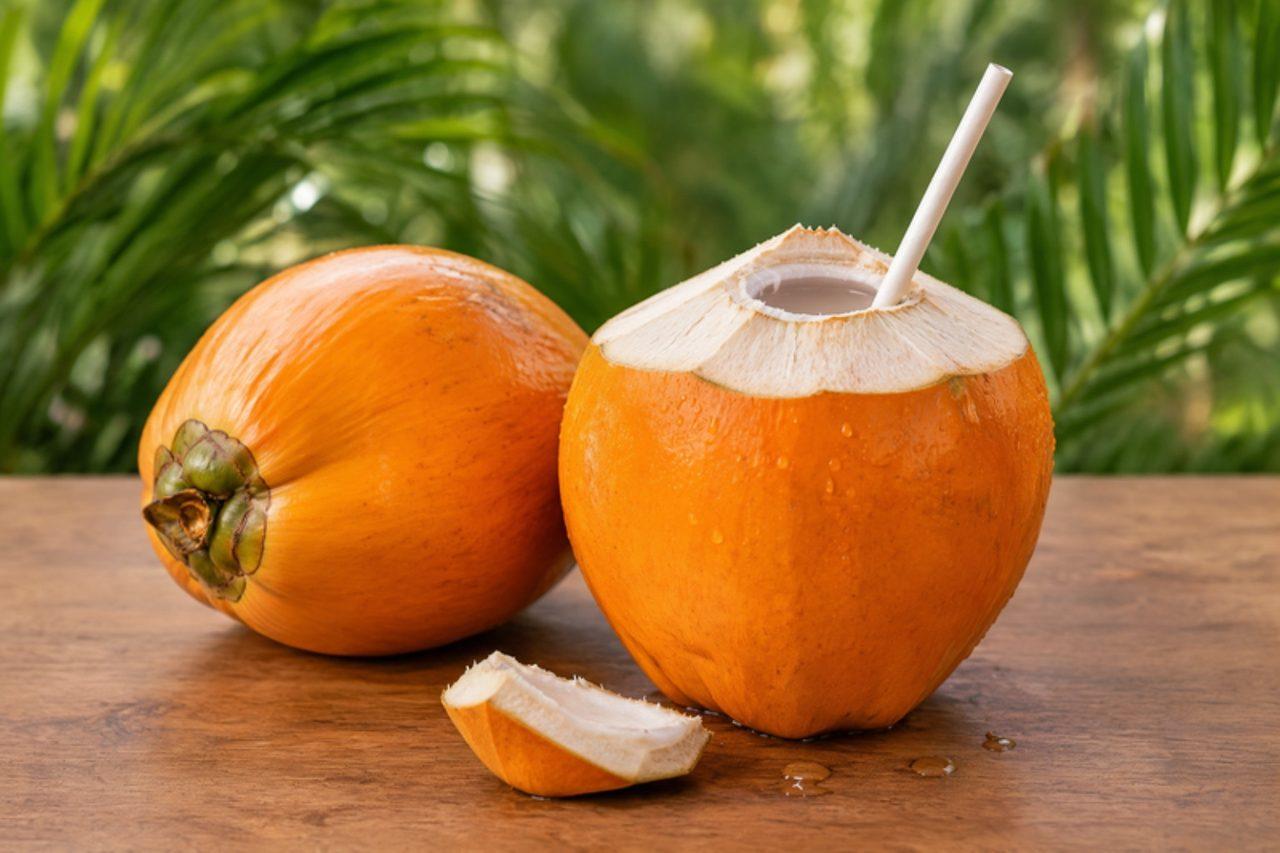
Thambili (king coconut water)

All along Sri Lanka's roads, from Galle Road in Colombo to the highways into Kandy and the beaches of the south coast, vendors stack bright orange king coconuts in pyramids under umbrellas. The thambili is a variety grown on the island for drinking: smaller than a green coconut and sweeter, with a faint saltiness that makes it more refreshing than any bottled drink. It is drunk any time of day in the heat, after a long bus ride, after a cricket match, and given to people recovering from a fever because it is gentle on the stomach. The water is clear, lightly sweet and nutty, and the soft jelly inside is eaten with a spoon made from a slice of the husk. The common mistake is hacking at the side of the nut; the blade glances off and the water spills. Trim the pointed top with downward strokes until a pale circle shows, then pierce it. It is ready to drink when a small hole opens straight into the water without husk fibres. Outside Sri Lanka, young green or Thai coconuts are the nearest substitute. Chef's tip: chill the coconuts for a few hours before opening; the water tastes sweeter cold, and use a heavy knife and a towel, keeping fingers well clear.

by KrazyBadal 0 views

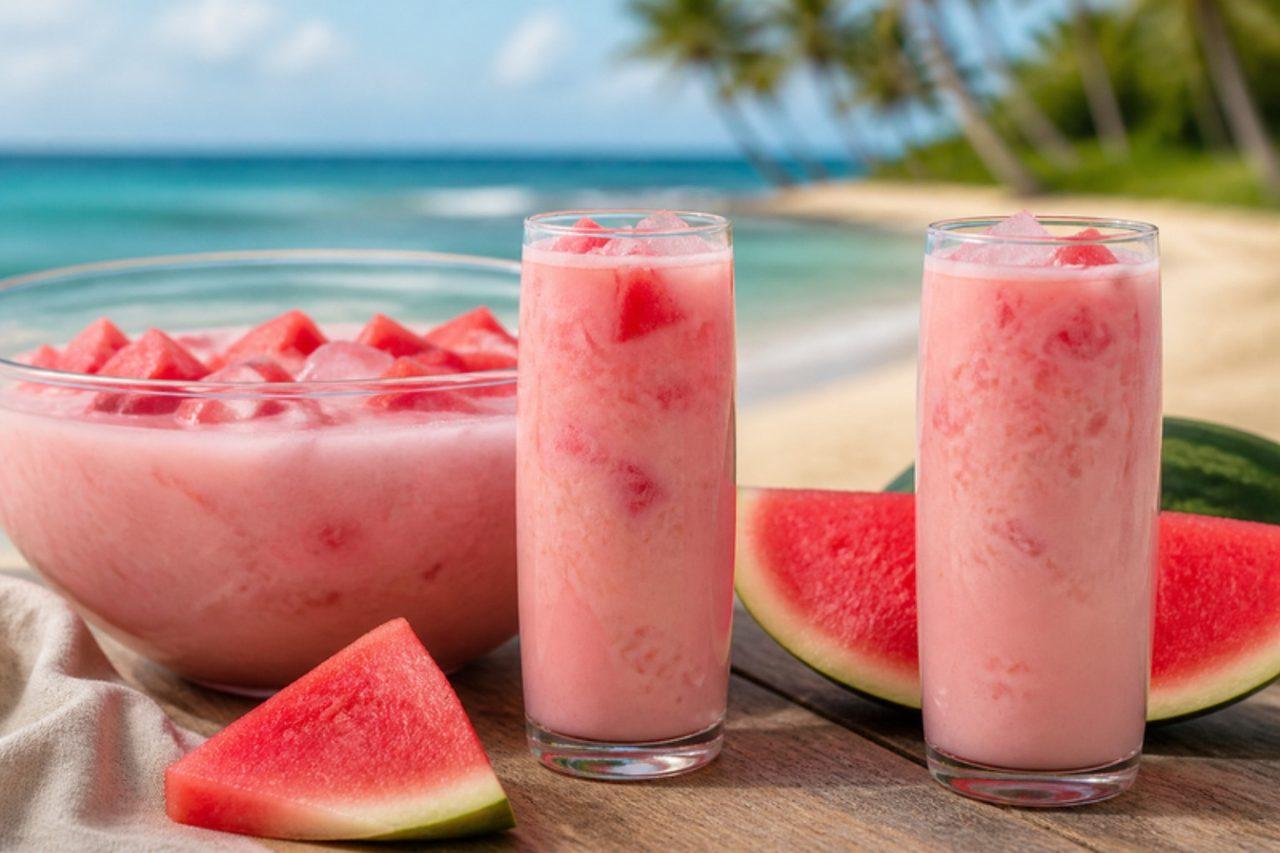
'OtaiWatermelon and coconut drink

'Otai is the drink of the Tongan summer, ladled from big bowls at church feasts, weddings and beach picnics around Tongatapu. Watermelon is grated or mashed into chunky pulp and mixed with coconut milk, a little sugar and lots of ice; some families add grated mango or pineapple. It is drunk and eaten at the same time, with pieces of fruit in every glass. A common mistake is blending it smooth; it should be pulpy. Chef's tip: grate the melon on the coarse side of a box grater straight into the bowl to catch all the juice.

by KrazyBadal 0 views

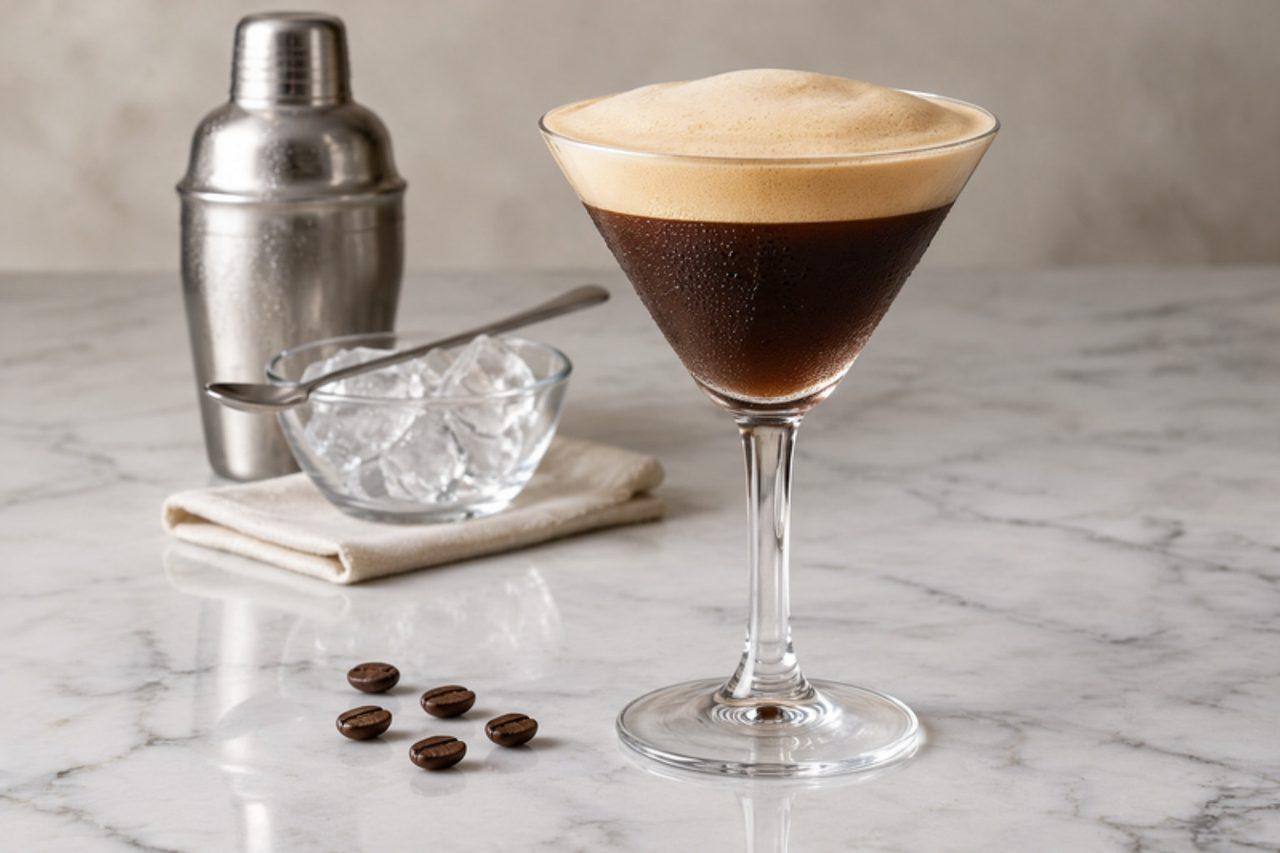
Caffè shakeratoShaken iced espresso

When July heat settles over Italian piazzas, bar regulars from Rome to Bologna switch their morning or after-lunch espresso for a shakerato. The barista pulls a fresh shot, tips it into a cocktail shaker with ice and sugar, shakes hard for fifteen seconds and strains it into a chilled martini or wine glass, where it settles into a dark body under a thick, beige, mousse-like crema. It tastes intense and bittersweet, colder and smoother than iced coffee, with a texture almost like a light cream. The common mistake is using too little ice or shaking half-heartedly: the coffee stays warm and the foam collapses within seconds. Fill the shaker at least half full with ice and shake until the metal is too cold to hold comfortably. It is ready when you hear the ice rattle softly and the shaker frosts over, and the pour has a thick foam on top. One shaker holds one double espresso, so it is fairly strong in caffeine. Chef's tip: dissolve the sugar in the hot espresso before adding ice; granulated sugar barely melts once the coffee is cold.

by KrazyBadal 0 views

Trà chanhIced lime tea

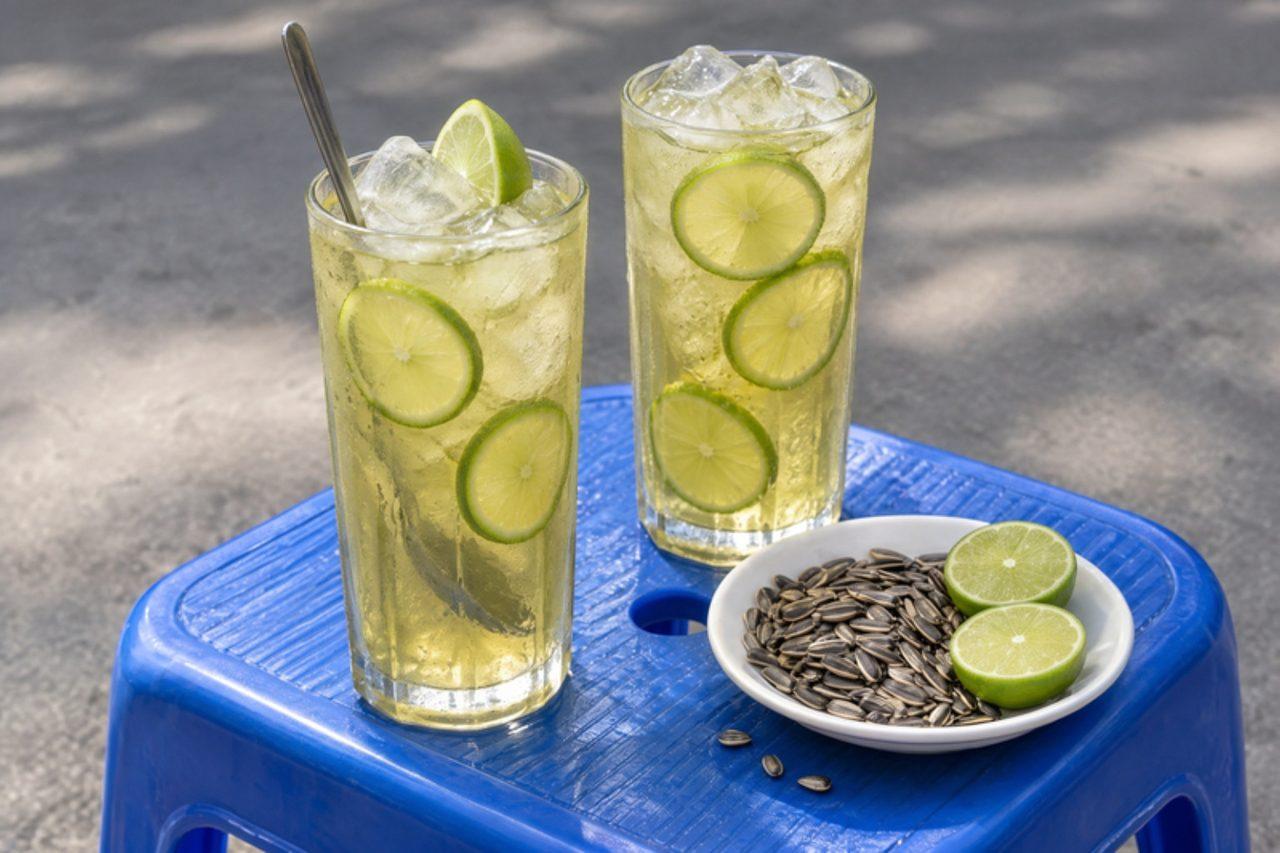
On warm evenings the pavement beside St Joseph's Cathedral in Hanoi fills with rows of tiny plastic stools, and nearly everyone is holding a tall glass of trà chanh, cheap green tea poured over ice with a squeeze of lime and plenty of sugar, sipped with a saucer of sunflower seeds while the city's scooters roar past. It is sharp, sweet and very refreshing. Chef's tip: brew the tea in water just off the boil, around 80 °C; boiling water makes green tea bitter.

by KrazyBadal 0 views

Sharbat-e bidmeshk (willow blossom sherbet)

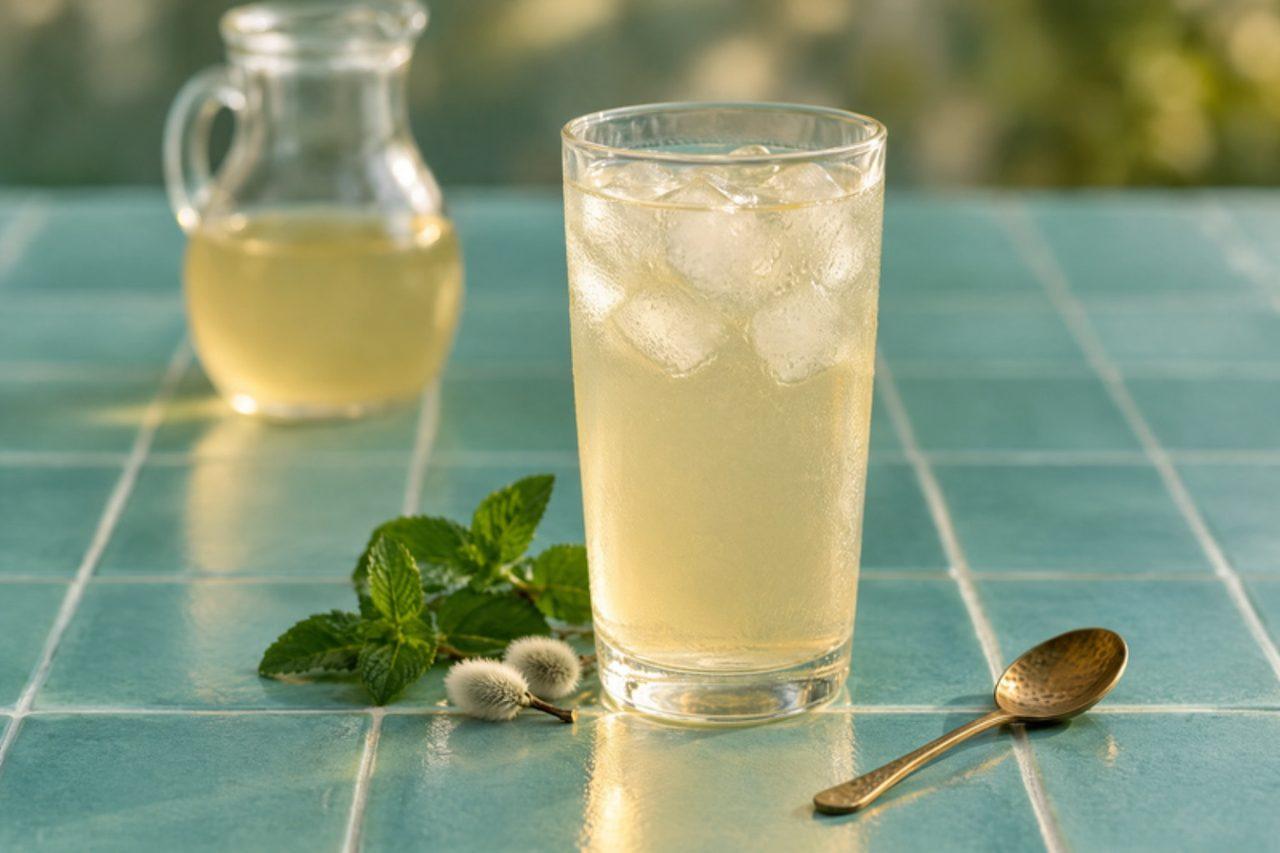
Kashan and the villages of Qamsar and Niasar are famous for distilling flowers in spring: rose water in May, and before that araq-e bidmeshk, the distillate of the fuzzy catkins of the musk willow. In summer, when the desert heat settles over the old houses, the same bottles go into sharbat-e bidmeshk, a pale syrup diluted with icy water and served to guests in tall glasses, sometimes with swollen basil seeds. It is traditionally drunk to calm the nerves and cool the body. The taste is delicate, sweet and haunting, somewhere between honeysuckle, musk and fresh hay. The common mistake is adding the distillate to hot syrup; the heat drives the scent away within minutes, so cool the syrup completely first. The syrup is ready when it is clear and pours like thin honey, and the finished sherbet should smell floral the moment you lift the glass. Look for the distillate in Iranian shops; there is no true substitute, though rose water with a few drops of orange-blossom water makes a pleasant but different drink. Chef's tip: a squeeze of lemon in the syrup stops it crystallising in the fridge, where it keeps for a month.

by KrazyBadal 0 views

Durofrío de mangoFrozen mango milk pops

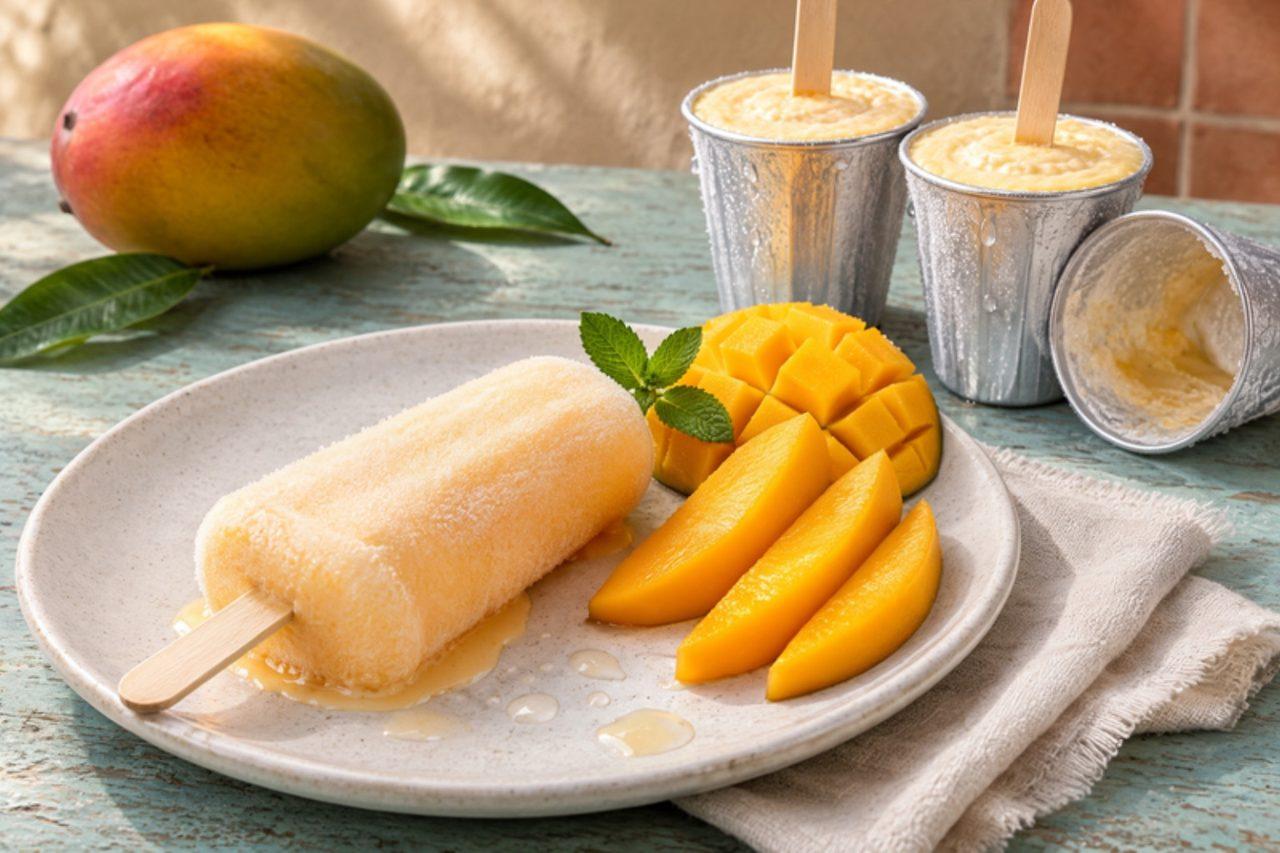
In the hot streets of Centro Habana, durofríos are sold straight from the front windows of family homes: a few pesos buys a frozen cup of fruit juice or fruit and milk, popped out and eaten on a stick or straight from its paper cup. Children queue for them after school in the long summer afternoons, when the sea breeze has dropped. This version blends ripe mango with milk and lime into a creamy, fruity ice that is firm, as the name says ("hard-cold"), rather than soft like ice cream. Swap the milk for water or guava juice for a dairy-free fruit ice. It contains milk. Chef's tip: make the mix taste a little too sweet before freezing; cold dulls sweetness.

by KrazyBadal 0 views

EiskaffeeIced coffee with ice cream

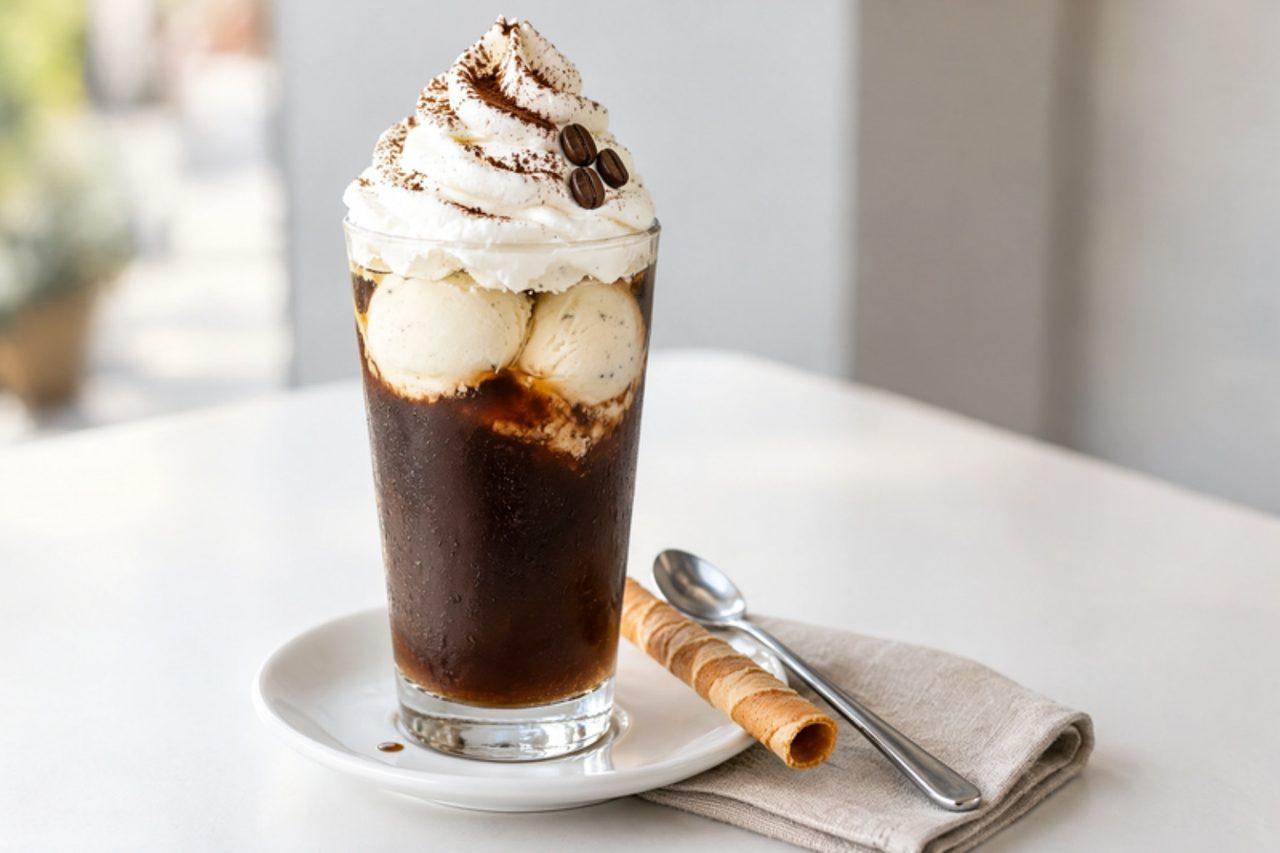
On a hot July afternoon in any German or Austrian Eiscafé, from a Hamburg promenade to a Viennese Gastgarten, the tall glass with the long spoon is Eiskaffee. It is not iced coffee in the American sense: strong coffee, chilled, is poured over two scoops of vanilla ice cream and crowned with sweetened whipped cream, sometimes a wafer and a dusting of cocoa or grated chocolate. You drink the cold coffee through a straw while the ice cream slowly melts into it, then spoon up the creamy, half-frozen rest, so it is part drink, part dessert, eaten at the café in the afternoon rather than with a meal. The usual mistake is pouring hot or even warm coffee straight onto the ice cream: it melts at once into a thin, lukewarm, milky soup. Brew it earlier and chill it properly. It is ready when the coffee is fridge-cold, the scoops sit just proud of the surface and the cream holds soft peaks on top. It is moderately caffeinated, so keep it for adults and older teens. Chef's tip: freeze leftover coffee in ice-cube trays and add a couple to the glass so nothing gets diluted with water.

by KrazyBadal 0 views

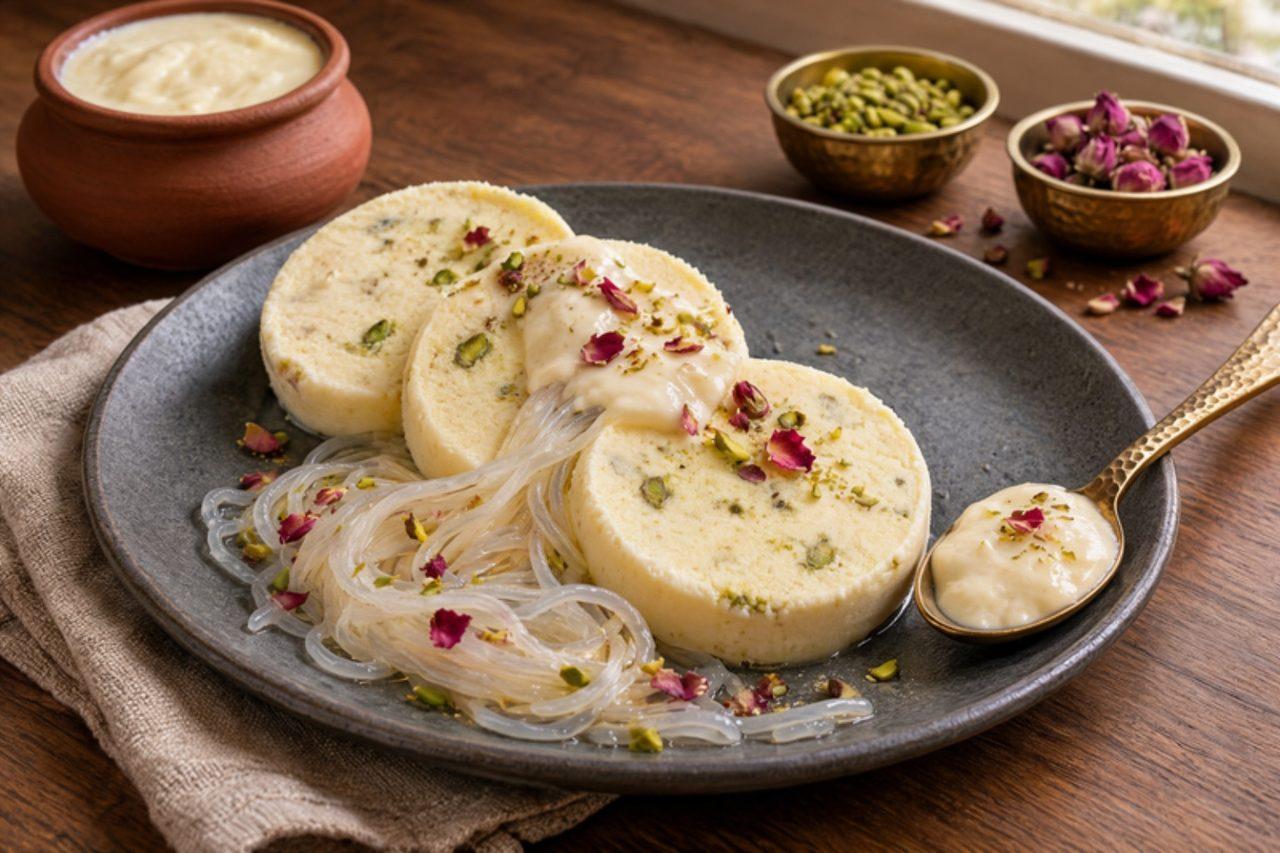
Lahori kulfaKulfi with falooda

On hot Lahore nights, families stroll to Gawalmandi food street and the old shops near Anarkali for kulfa: a whole cone of dense, cardamom-scented kulfi is sliced into fat discs, laid over soft falooda noodles and spooned over with rabri, the thick sweetened milk. It is cold, chewy and creamy in every mouthful. Contains milk and tree nuts (pistachio and almond); the falooda noodles may contain wheat. Chef's tip: scrape the bottom and sides of the pan constantly as the milk reduces; one scorched patch flavours the whole batch.

by KrazyBadal 0 views

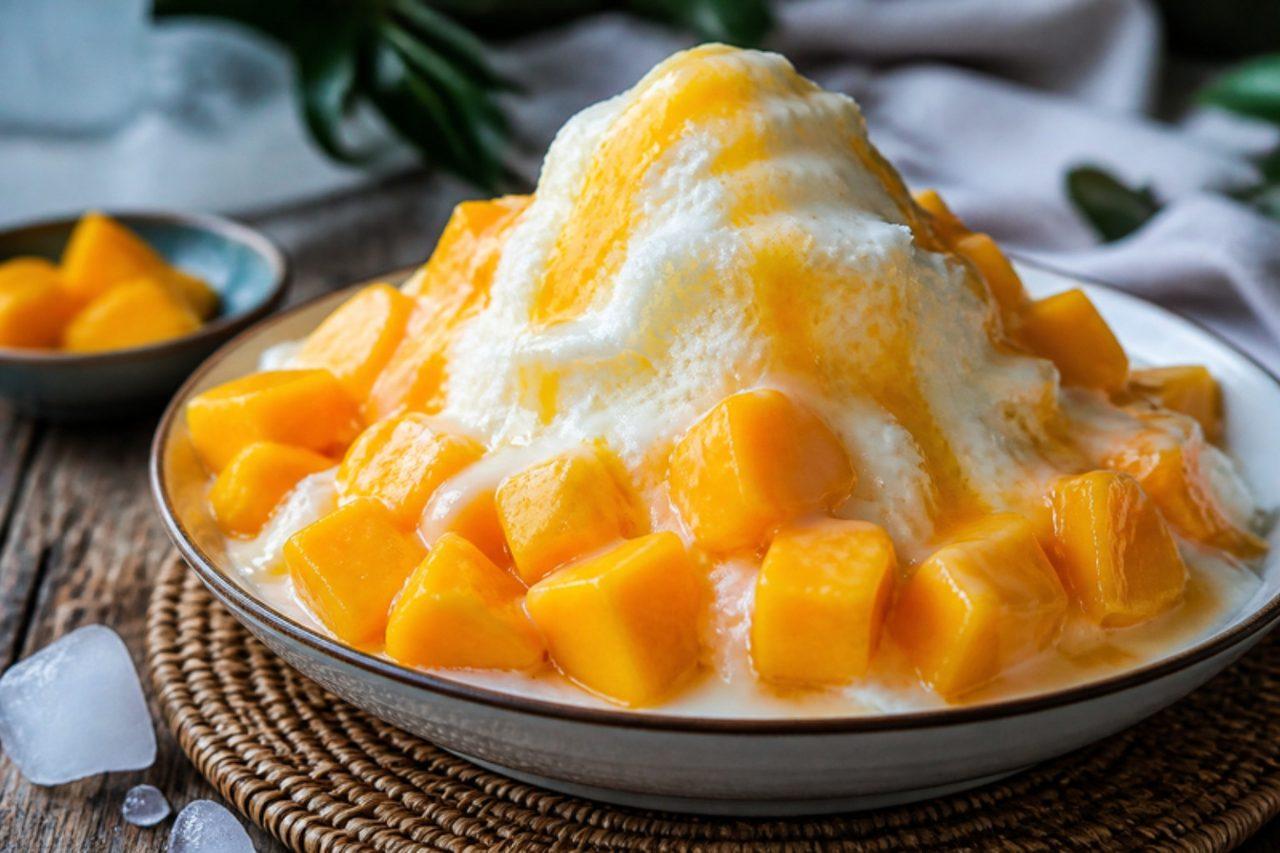
Mango shaved ice

Every summer, from late May to September, the dessert shops of Taipei's Yongkang Street have queues that stretch round the corner for one thing: a mountain of feathery milk ice buried under cubes of ripe Aiwen mango. The ice is frozen milk shaved so thinly it melts on the tongue like snow, and it's drenched in mango syrup and sweetened condensed milk, often with a scoop of mango sorbet on top. At home, freeze the milk base the night before; the active work then takes about 15 minutes. Shaving the block straight from the freezer is a common mistake, as it splinters into icy shards; let it soften for 5 minutes so it curls into ribbons. Chef's tip: chill the serving bowls in the freezer too, so the snow holds its height while you add the toppings.

by KrazyBadal 0 views

Morir soñandoOrange and milk drink

Its name means "to die dreaming", and on a hot afternoon in Santo Domingo a tall glass of it from a colmado or juice stand feels exactly like that: fresh orange juice and ice-cold evaporated milk, sweetened and stirred over lots of ice into something like a creamsicle. Many Dominican families make it with dinner on Sundays. The common mistake is pouring the milk into the juice, or using warm ingredients, which curdles it; the juice goes slowly into very cold milk. Chef's tip: squeeze sweet, low-acid oranges and chill the juice and milk for an hour first, and it will stay smooth.

by KrazyBadal 0 views

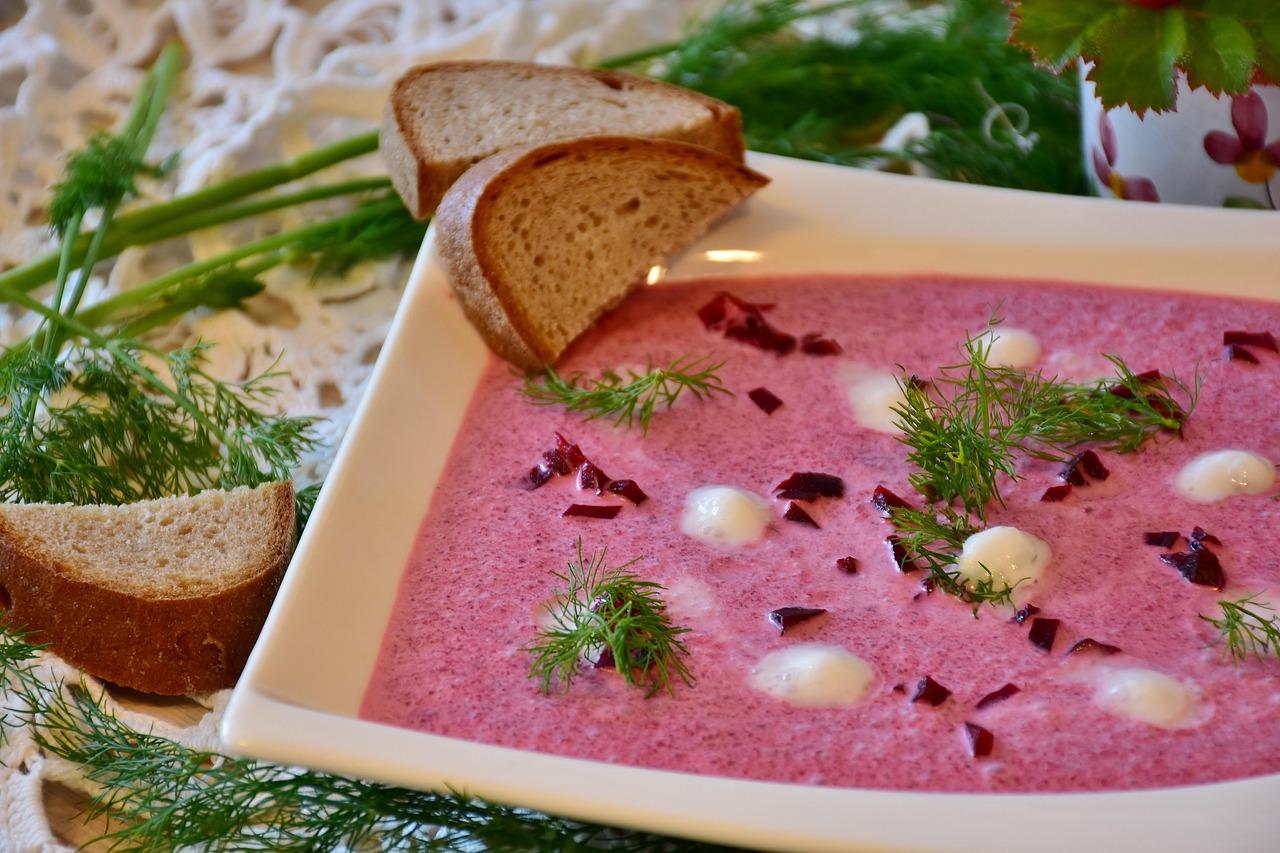
ŠaltibarščiaiCold beetroot soup

Šaltibarščiai is the shocking-pink soup of Lithuanian summers, so loved that Vilnius holds a pink soup festival every June: cooked or pickled beetroot grated into cold kefir with cucumber, dill, spring onion and boiled egg, served with a plate of hot boiled potatoes on the side. The contrast of icy soup and steaming potatoes is the point. A common mistake is using warm beetroot, which dulls the colour and warms the soup. Chef's tip: grate chilled beetroot into ice-cold kefir and let it stand for 10 minutes; the colour deepens to vivid fuchsia.

by KrazyBadal 0 views

Hong Kong iced lemon tea

Ask for 'ling cha, dung' at any Hong Kong cha chaan teng and a tall glass arrives crammed with ice, a heap of thin lemon slices and a long spoon for pounding them, the default thirst-quencher with set lunches all year round. The tea is brewed almost bitter, so it holds its own against the ice, and the sharp lemon and simple syrup turn it bright, tangy and refreshing. It is drunk with everything from macaroni soup breakfasts to afternoon pineapple buns. The common slip is brewing tea at normal strength, which tastes thin and watery once the ice melts; double the tea. Chef's tip: press the lemon slices with the back of the spoon only a few times to release juice and oil from the zest; grinding them to a pulp brings out bitterness from the pith.

by KrazyBadal 0 views

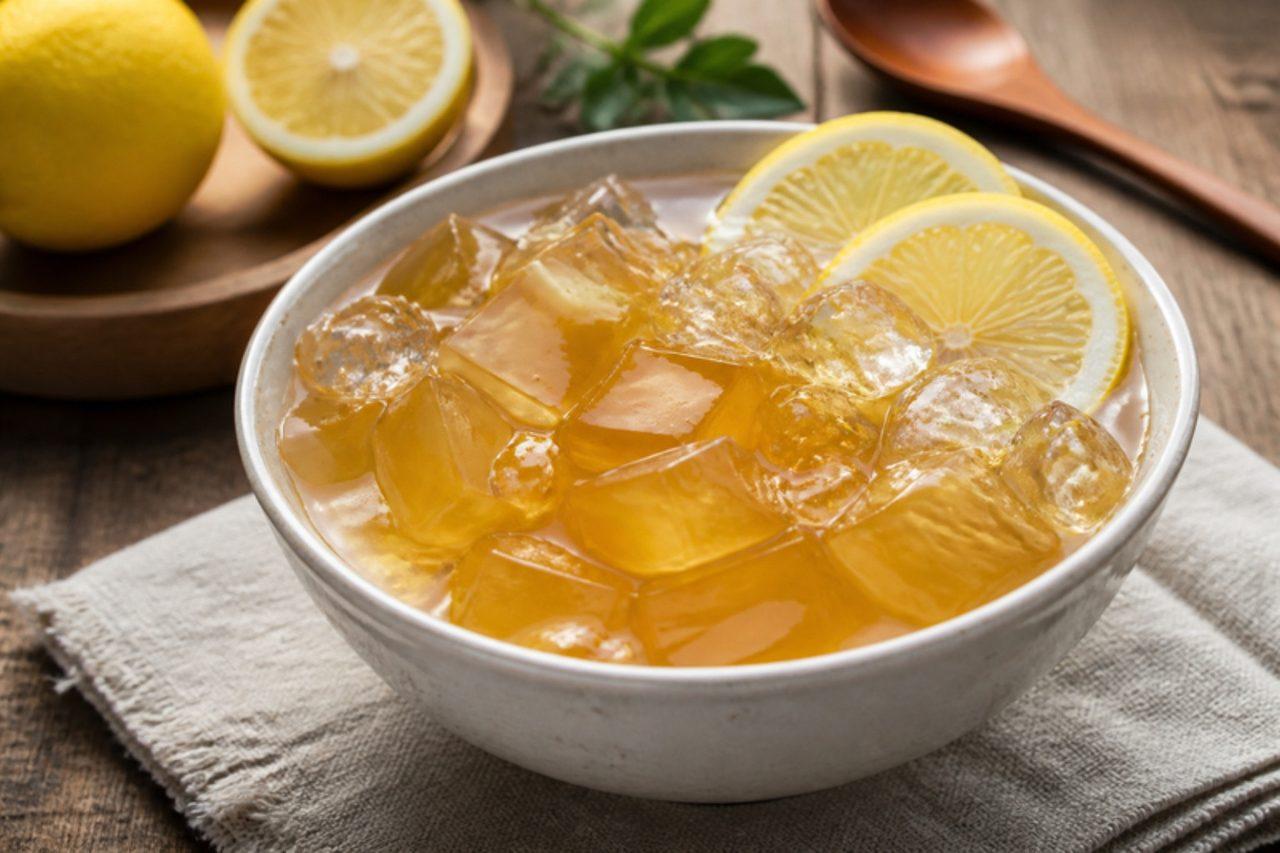
Aiyu jelly with lemonAiyu fig jelly with lemon

Squeezing a little cloth bag of seeds in a bowl of water until it turns into jelly sounds like a magic trick, yet that's how aiyu has been made for well over a century in Chiayi, at the foot of the Alishan hills where the climbing fig grows wild. The pectin in the dried seeds sets the water into a soft, glassy, pale-gold jelly with almost no taste of its own, so it's cut into cubes and served icy cold with tart lemon juice and honey syrup, the most refreshing thing on a sticky Taipei summer afternoon. The classic failure is a bowl that won't set, usually because the bowl was oily or the water was distilled or very soft; it needs ordinary tap or mineral water. Chef's tip: rub the bag steadily for 8–10 minutes and stop as soon as it feels slippery and nothing more comes out, or the jelly turns cloudy and bitter.

by KrazyBadal 0 views

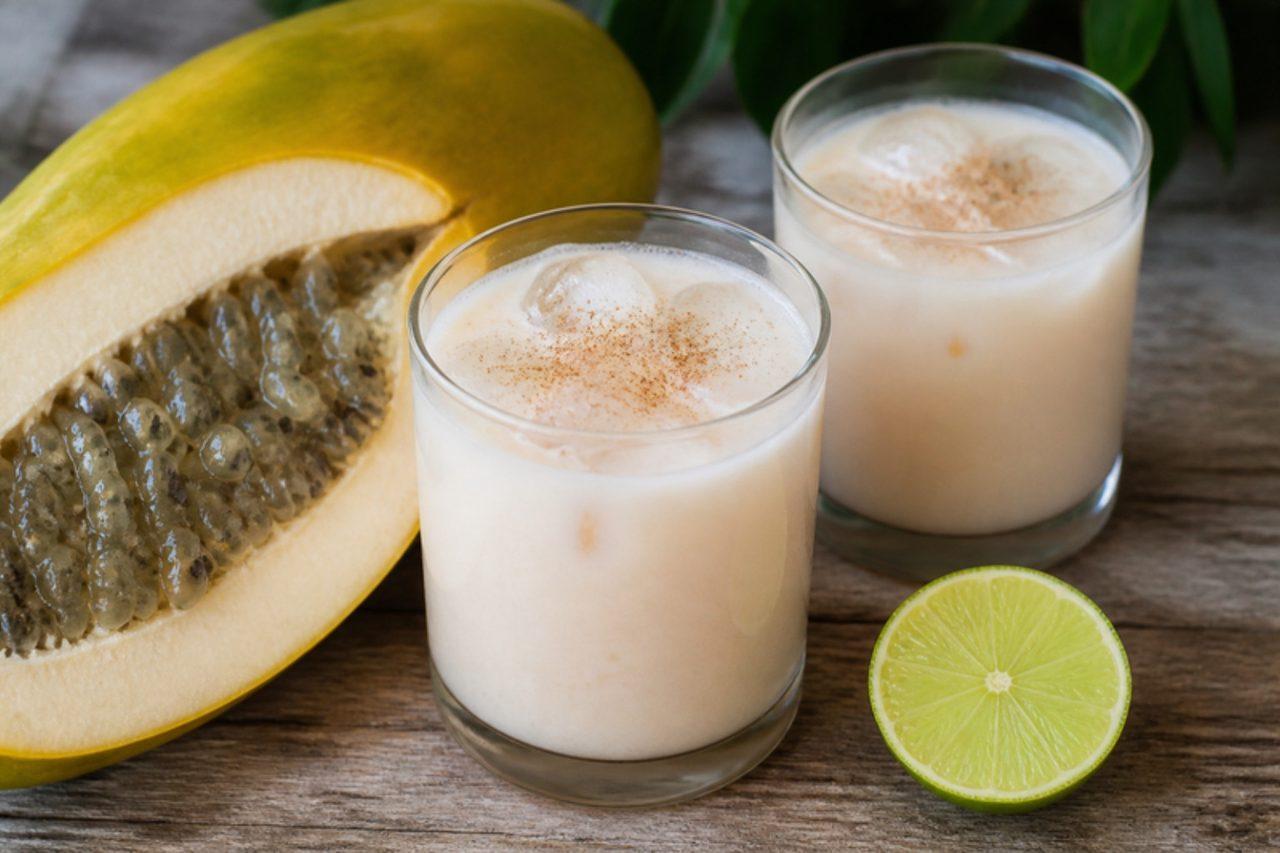
Barbadine punchGranadilla milk drink

Barbadine, the giant granadilla, grows on vines over backyard fences across Trinidad and turns up at Sunday lunch blended into a pale, creamy punch. The fruit's soft white flesh and the perfumed seed pulp inside are both used, giving a gentle passion-fruit flavour that milk, nutmeg and a little sugar round out. It is alcohol-free and made for the whole family. A frequent mistake is blending the seeds hard, which cracks them and turns the drink gritty and bitter: pulse the pulp briefly and strain it. Chef's tip: if you can't find barbadine, use the pulp of 6 passion fruit plus 200 g peeled honeydew melon for a similar taste.

by KrazyBadal 0 views

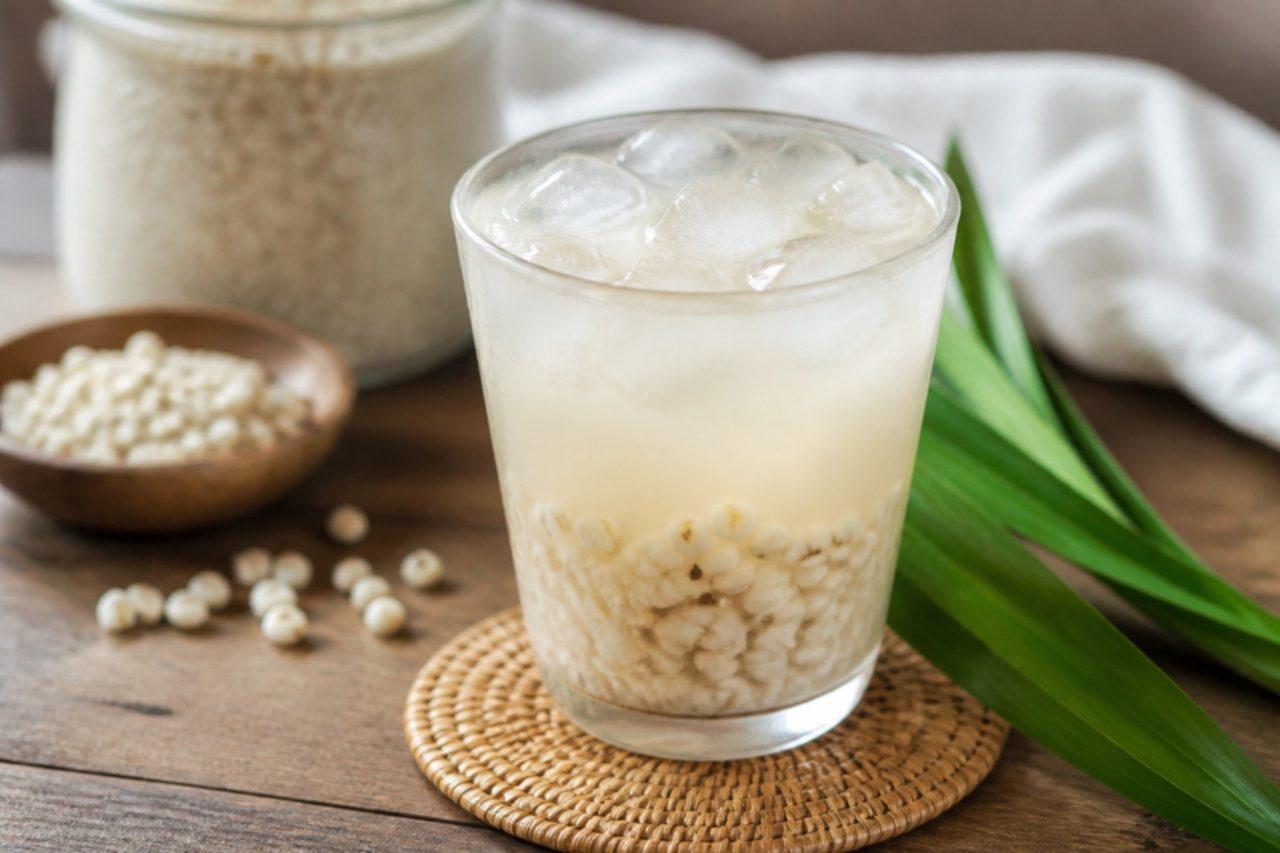
Barley water

Ask for 'barley' at any drinks stall in a Singapore kopitiam and you get a tall glass of cloudy, faintly sweet barley water, the drink older relatives swear by on the hottest afternoons because it is said to cool the body. Home cooks simmer pearl barley for an hour with knotted pandan leaves, and in Teochew and Cantonese households chunks of winter melon go in as well for a gentle, cucumber-like sweetness. The result is light and clean, ideal beside a plate of chicken rice, char kway teow or anything greasy and salty. The usual mistake is boiling it hard, which turns the liquid starchy and slimy instead of smooth and pale; keep it at a gentle simmer. Chef's tip: don't throw away the softened barley grains; spoon some into each glass, as the stalls do, or eat them warm with a little rock sugar as a light dessert.

by KrazyBadal 0 views

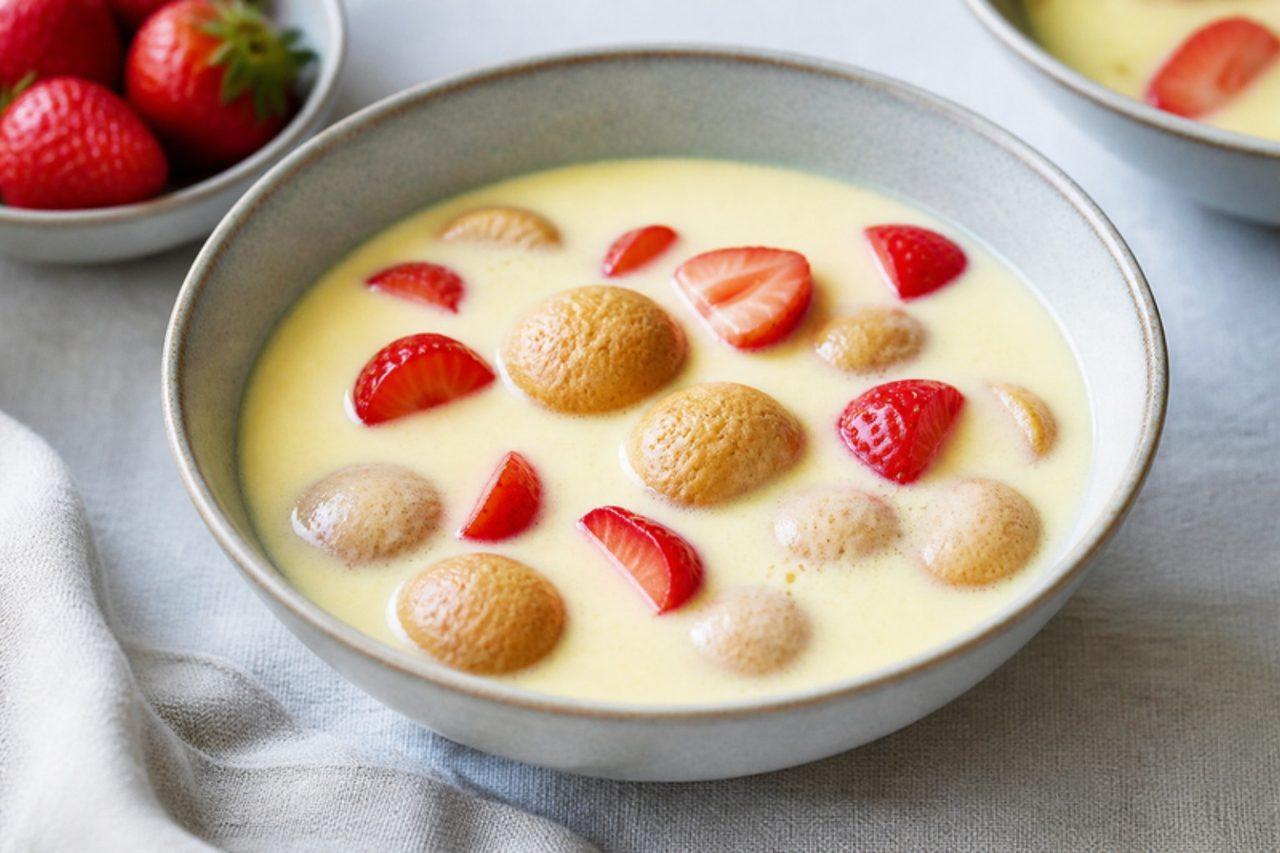
KoldskålCold buttermilk soup

On the first warm day of summer, Danes buy cartons of koldskål and packets of kammerjunker, small crunchy rusks, and the season has begun: koldskål is a cold, sweet, tangy buttermilk 'soup' with lemon and vanilla, eaten from bowls as a dessert or a light supper, sometimes with strawberries. Homemade, it is whisked with egg yolks for richness. Raw egg yolk is not suitable for pregnant women, young children or anyone with a weakened immune system, so this recipe uses pasteurised egg yolks. A common mistake is serving it at room temperature; it must be very cold. Chef's tip: whisk the yolks and sugar until thick and pale before the buttermilk goes in, which gives a silky, foamy soup.

by KrazyBadal 0 views

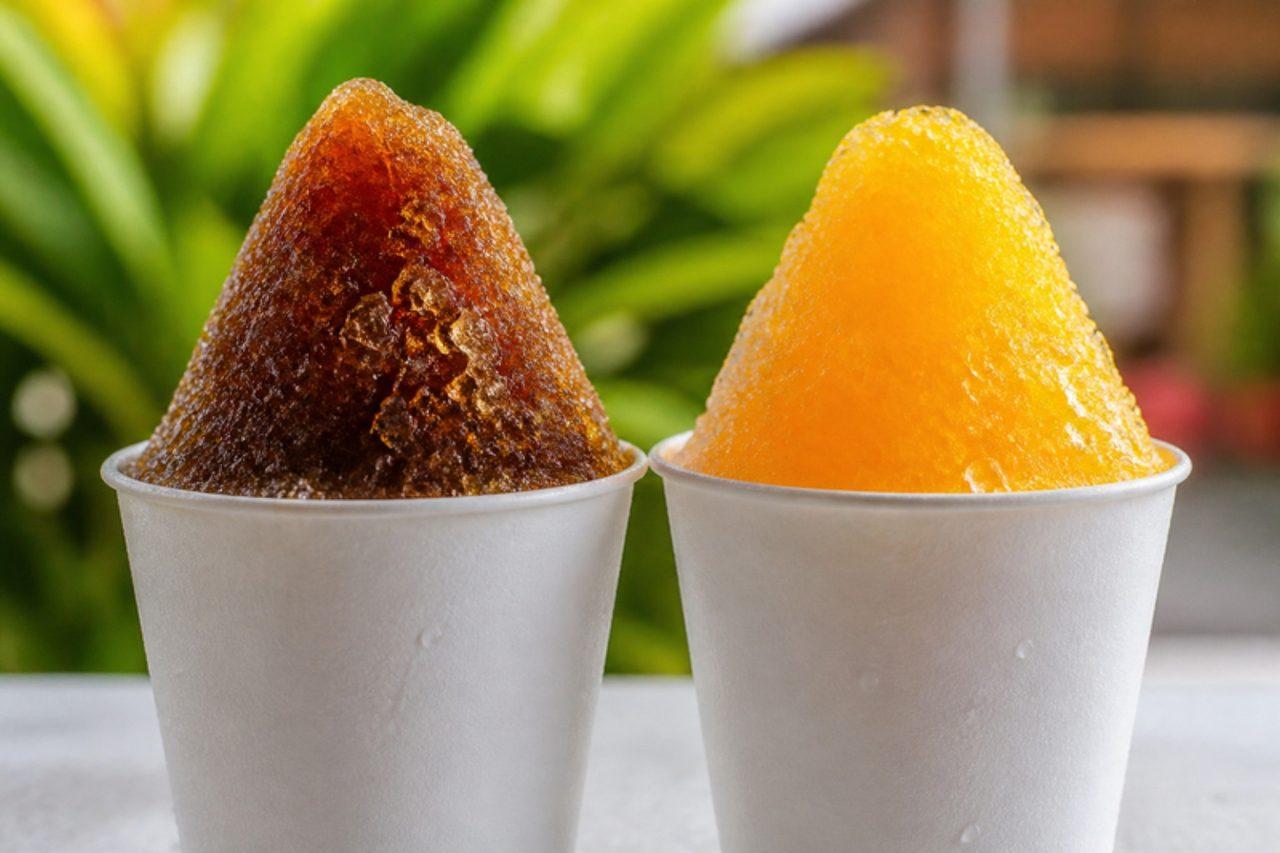
PiraguasShaved ice with fruit syrup

Push-cart piragüeros park by the plazas of Old San Juan and along the beaches on hot afternoons, scraping a block of ice by hand, packing it into a paper cone shaped like a little pyramid and soaking it in bright syrups: tamarindo, parcha (passion fruit), coco or frambuesa. At home, two quick fruit syrups and a blender or ice shaver do the job. The common mistake is using coarsely crushed ice, which lets the syrup run straight through; the ice needs to be fluffy like snow to hold it. Chef's tip: pour a little syrup in the bottom of the cup, pack in ice, then add more syrup, so the last bite is as sweet as the first.

by KrazyBadal 0 views

Showing 24 of 202 recipes

Show more recipes

Page 3 of 9

More occasions