Skip to content
Seasons

Summer recipes: cool drinks, kulfi and light food

Sharbats, lassi, kulfi, aam ras, raita, cold salads and soups to keep you cool in the heat. (202 recipes)

Mango shaved ice

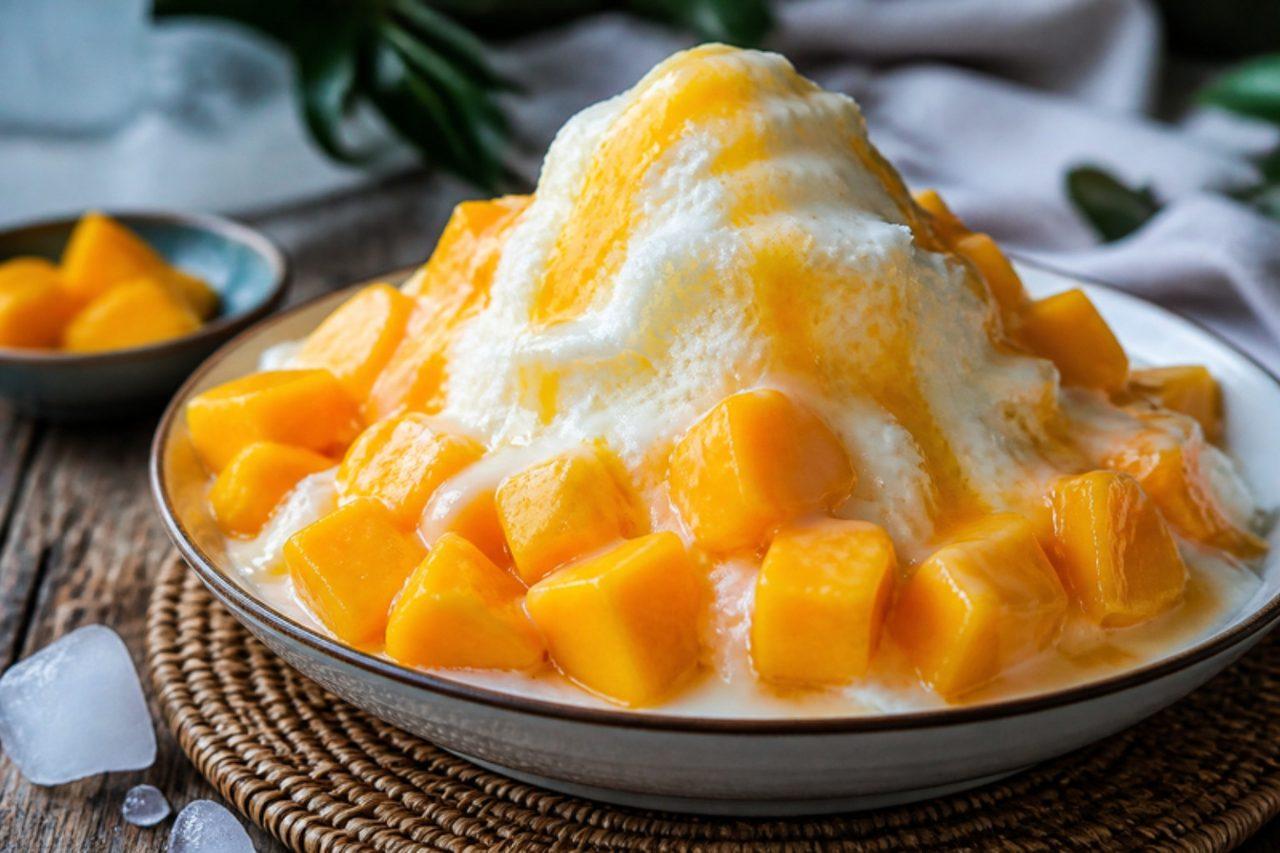
Every summer, from late May to September, the dessert shops of Taipei's Yongkang Street have queues that stretch round the corner for one thing: a mountain of feathery milk ice buried under cubes of ripe Aiwen mango. The ice is frozen milk shaved so thinly it melts on the tongue like snow, and it's drenched in mango syrup and sweetened condensed milk, often with a scoop of mango sorbet on top. At home, freeze the milk base the night before; the active work then takes about 15 minutes. Shaving the block straight from the freezer is a common mistake, as it splinters into icy shards; let it soften for 5 minutes so it curls into ribbons. Chef's tip: chill the serving bowls in the freezer too, so the snow holds its height while you add the toppings.

by KrazyBadal 0 views

ŠaltibarščiaiCold beetroot soup

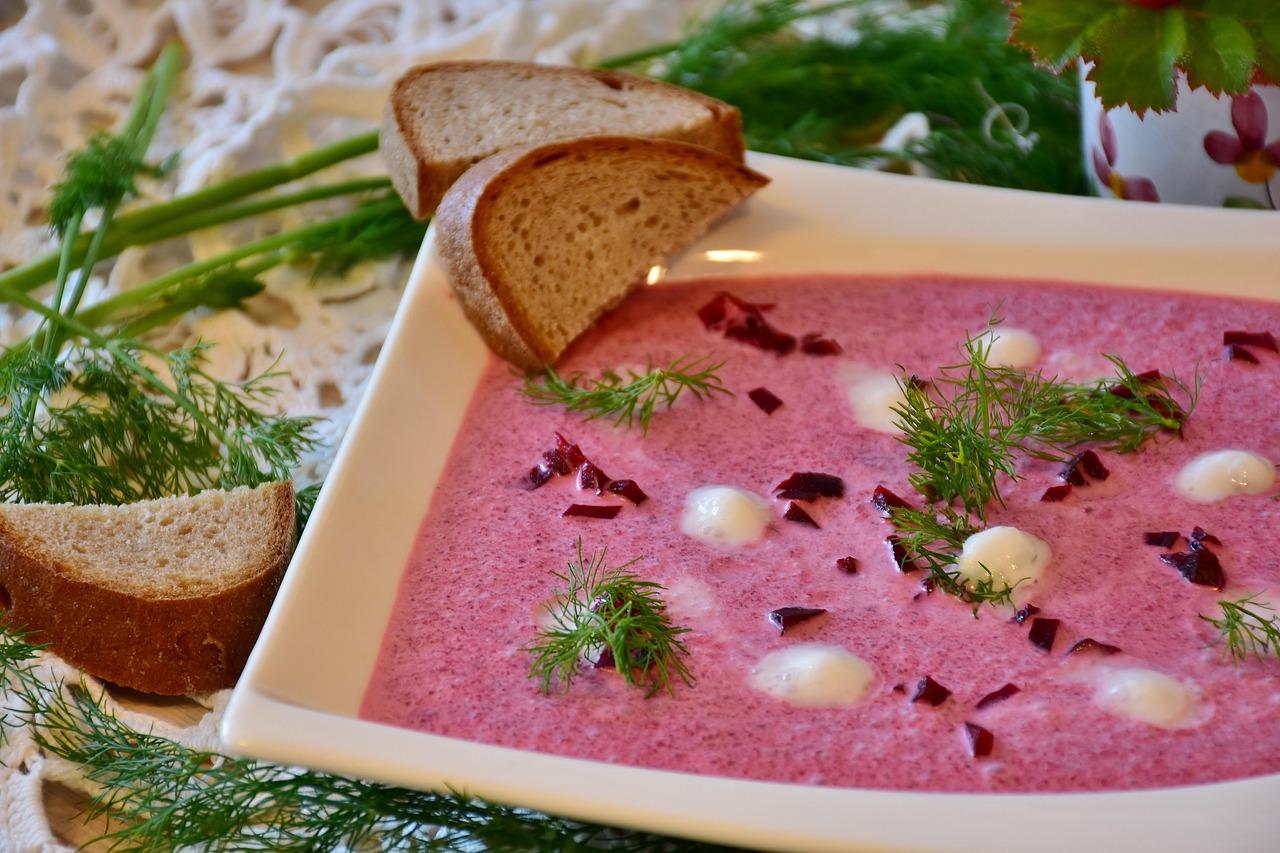
Šaltibarščiai is the shocking-pink soup of Lithuanian summers, so loved that Vilnius holds a pink soup festival every June: cooked or pickled beetroot grated into cold kefir with cucumber, dill, spring onion and boiled egg, served with a plate of hot boiled potatoes on the side. The contrast of icy soup and steaming potatoes is the point. A common mistake is using warm beetroot, which dulls the colour and warms the soup. Chef's tip: grate chilled beetroot into ice-cold kefir and let it stand for 10 minutes; the colour deepens to vivid fuchsia.

by KrazyBadal 0 views

Morir soñandoOrange and milk drink

Its name means "to die dreaming", and on a hot afternoon in Santo Domingo a tall glass of it from a colmado or juice stand feels exactly like that: fresh orange juice and ice-cold evaporated milk, sweetened and stirred over lots of ice into something like a creamsicle. Many Dominican families make it with dinner on Sundays. The common mistake is pouring the milk into the juice, or using warm ingredients, which curdles it; the juice goes slowly into very cold milk. Chef's tip: squeeze sweet, low-acid oranges and chill the juice and milk for an hour first, and it will stay smooth.

by KrazyBadal 0 views

Grenadian nutmeg ice cream

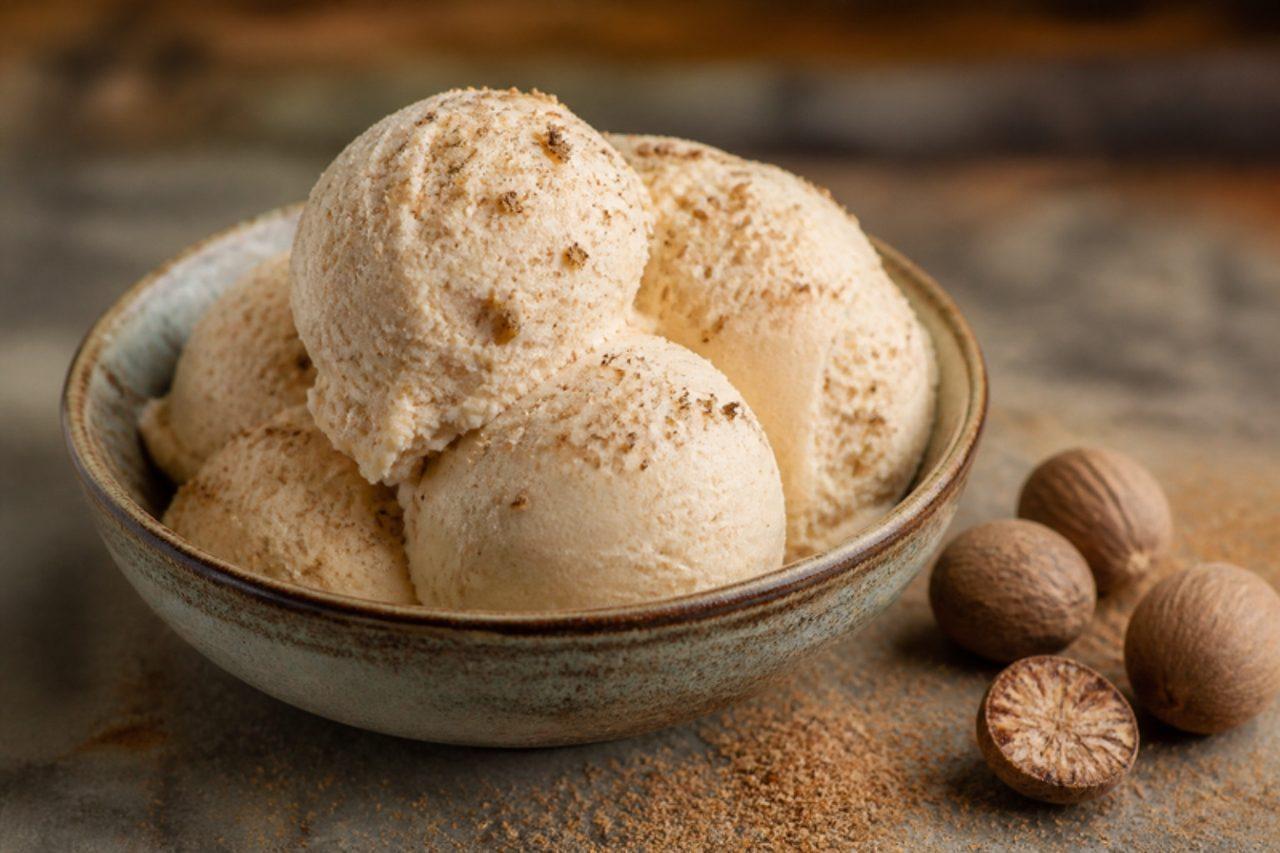
Grenada, the Spice Isle, grows much of the world's nutmeg, and in St George's ice cream parlours the local favourite is a rich egg-custard ice cream scented with freshly grated nutmeg. The flavour is warm and almost floral, nothing like the dusty jar spice, and it is lovely with fried plantain or a slice of black cake. The common mistake is overheating the custard so the eggs scramble; take it off the heat as soon as it coats a spoon. Chef's tip: grate the nutmeg straight into the hot milk and let it steep for 20 minutes before making the custard, so the flavour runs all the way through.

by KrazyBadal 0 views

Barbadine punchGranadilla milk drink

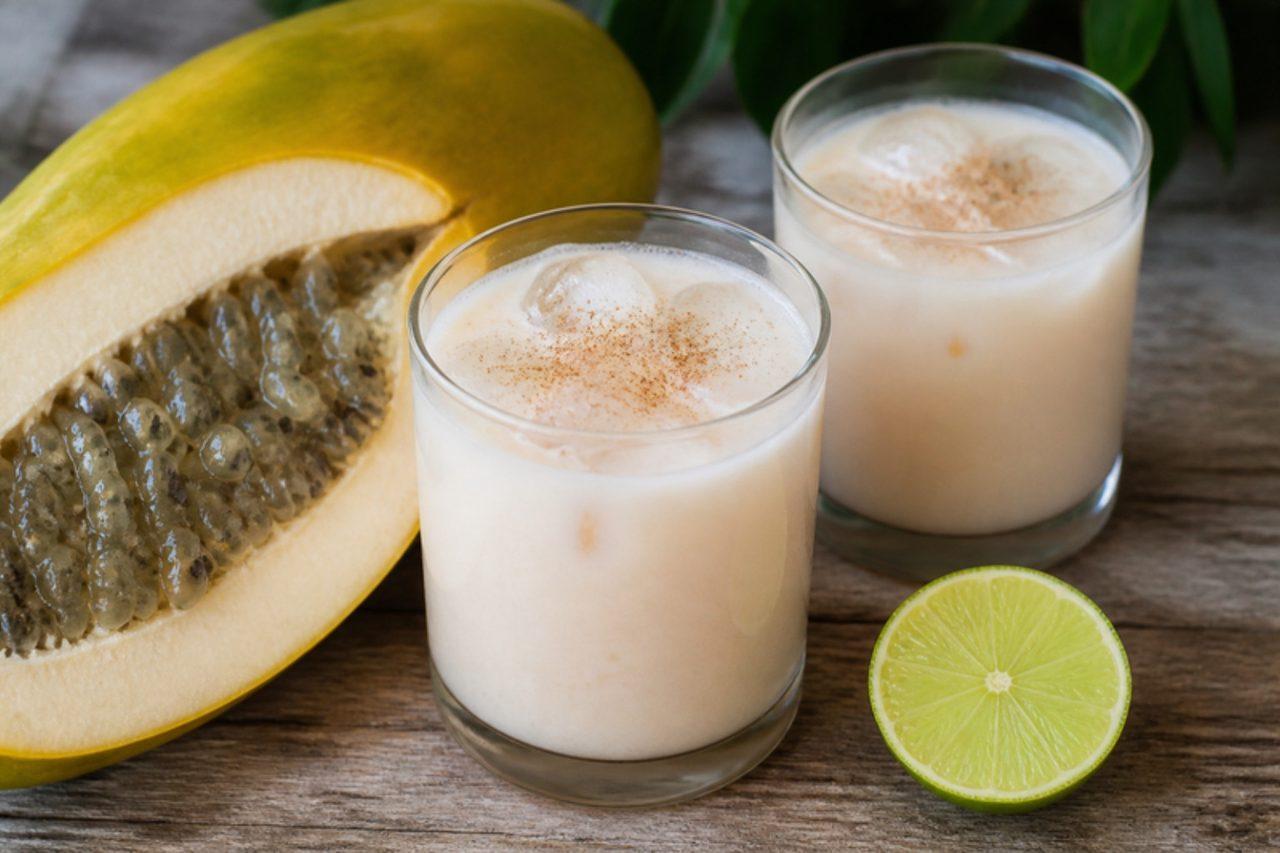
Barbadine, the giant granadilla, grows on vines over backyard fences across Trinidad and turns up at Sunday lunch blended into a pale, creamy punch. The fruit's soft white flesh and the perfumed seed pulp inside are both used, giving a gentle passion-fruit flavour that milk, nutmeg and a little sugar round out. It is alcohol-free and made for the whole family. A frequent mistake is blending the seeds hard, which cracks them and turns the drink gritty and bitter: pulse the pulp briefly and strain it. Chef's tip: if you can't find barbadine, use the pulp of 6 passion fruit plus 200 g peeled honeydew melon for a similar taste.

by KrazyBadal 0 views

Barley water

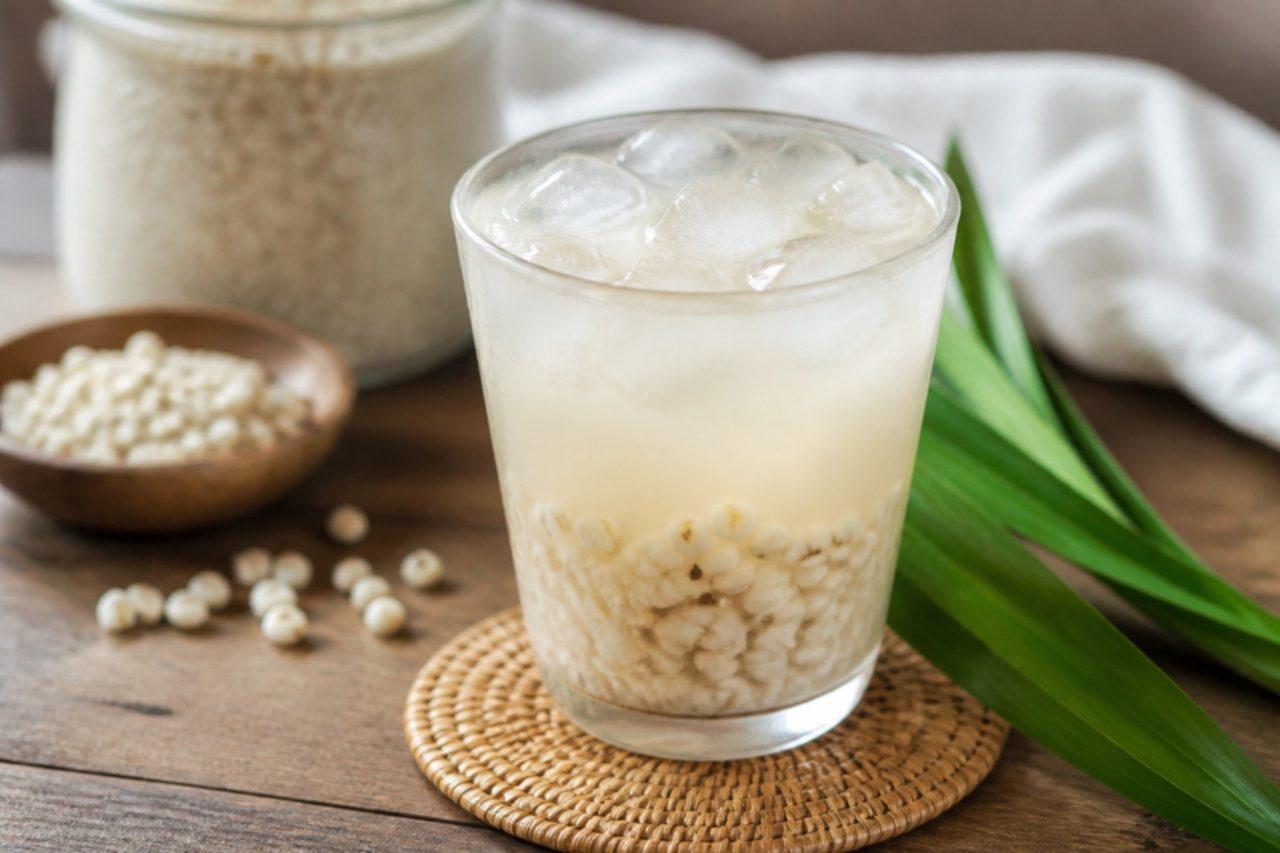
Ask for 'barley' at any drinks stall in a Singapore kopitiam and you get a tall glass of cloudy, faintly sweet barley water, the drink older relatives swear by on the hottest afternoons because it is said to cool the body. Home cooks simmer pearl barley for an hour with knotted pandan leaves, and in Teochew and Cantonese households chunks of winter melon go in as well for a gentle, cucumber-like sweetness. The result is light and clean, ideal beside a plate of chicken rice, char kway teow or anything greasy and salty. The usual mistake is boiling it hard, which turns the liquid starchy and slimy instead of smooth and pale; keep it at a gentle simmer. Chef's tip: don't throw away the softened barley grains; spoon some into each glass, as the stalls do, or eat them warm with a little rock sugar as a light dessert.

by KrazyBadal 0 views

PiraguasShaved ice with fruit syrup

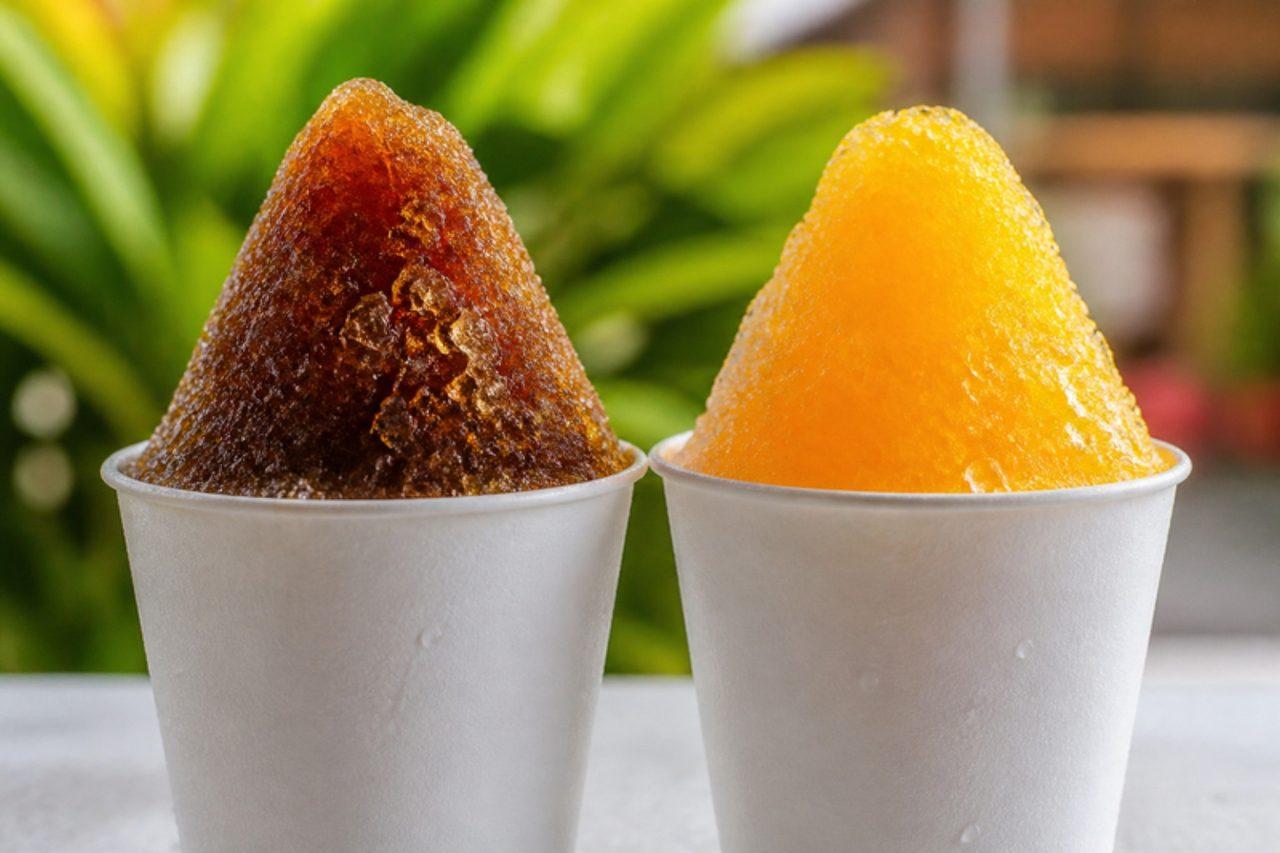
Push-cart piragüeros park by the plazas of Old San Juan and along the beaches on hot afternoons, scraping a block of ice by hand, packing it into a paper cone shaped like a little pyramid and soaking it in bright syrups: tamarindo, parcha (passion fruit), coco or frambuesa. At home, two quick fruit syrups and a blender or ice shaver do the job. The common mistake is using coarsely crushed ice, which lets the syrup run straight through; the ice needs to be fluffy like snow to hold it. Chef's tip: pour a little syrup in the bottom of the cup, pack in ice, then add more syrup, so the last bite is as sweet as the first.

by KrazyBadal 0 views

KoldskålCold buttermilk soup

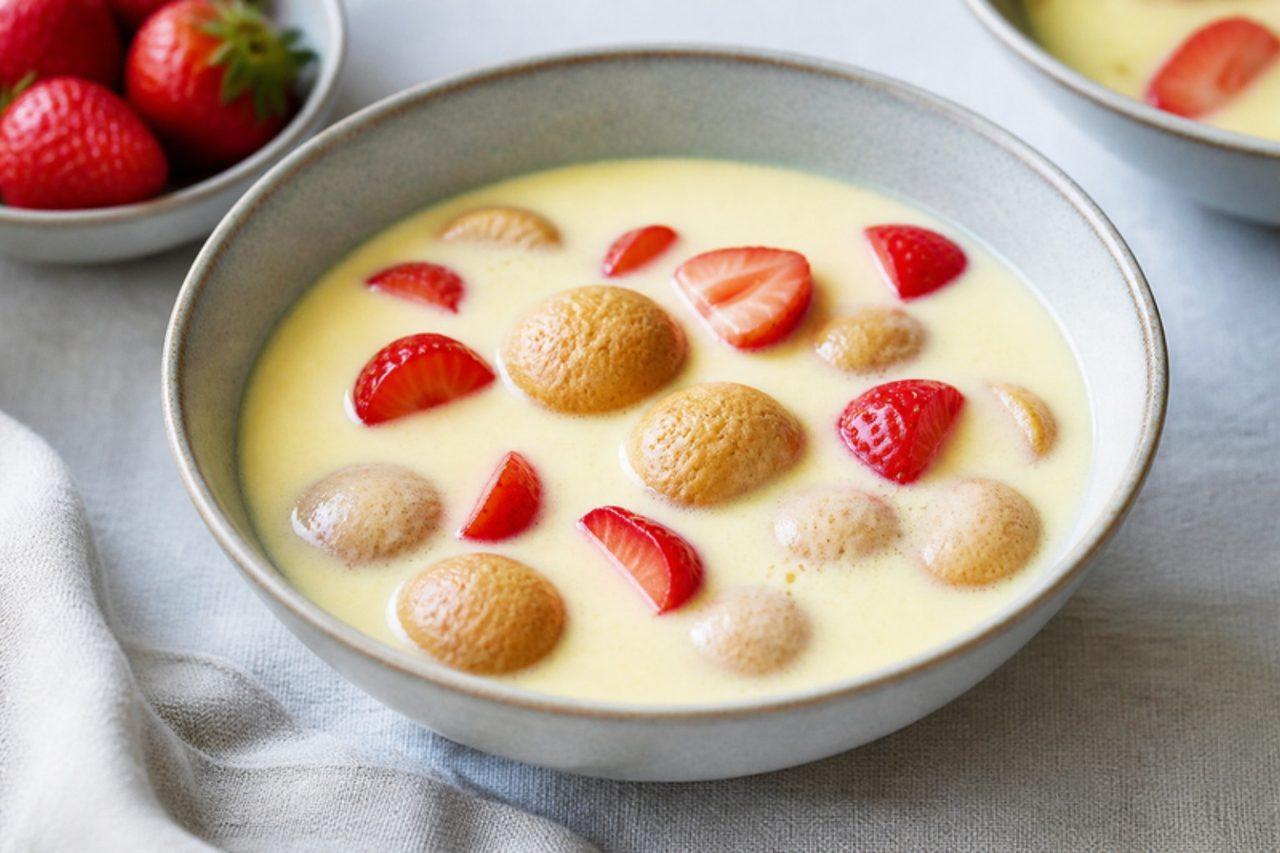
On the first warm day of summer, Danes buy cartons of koldskål and packets of kammerjunker, small crunchy rusks, and the season has begun: koldskål is a cold, sweet, tangy buttermilk 'soup' with lemon and vanilla, eaten from bowls as a dessert or a light supper, sometimes with strawberries. Homemade, it is whisked with egg yolks for richness. Raw egg yolk is not suitable for pregnant women, young children or anyone with a weakened immune system, so this recipe uses pasteurised egg yolks. A common mistake is serving it at room temperature; it must be very cold. Chef's tip: whisk the yolks and sugar until thick and pale before the buttermilk goes in, which gives a silky, foamy soup.

by KrazyBadal 0 views

Aiyu jelly with lemonAiyu fig jelly with lemon

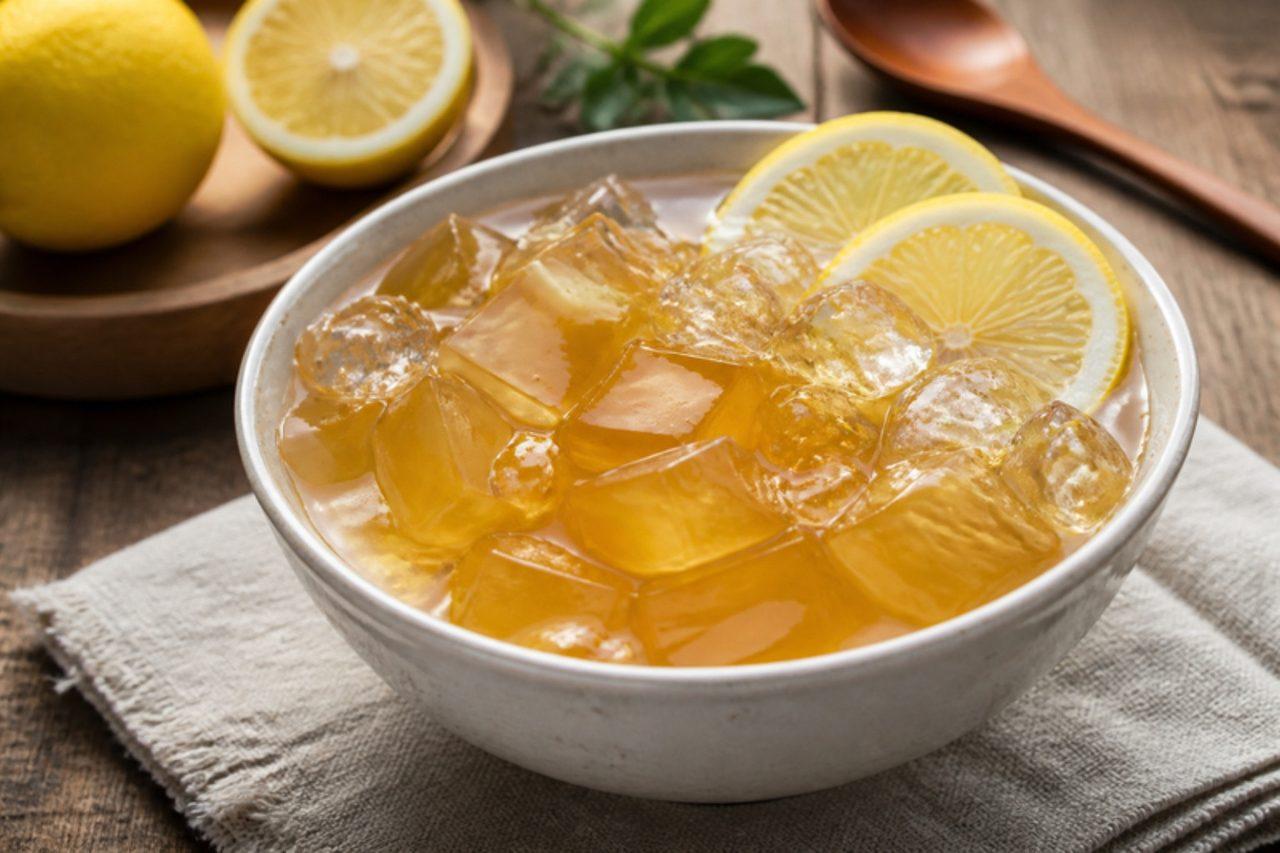
Squeezing a little cloth bag of seeds in a bowl of water until it turns into jelly sounds like a magic trick, yet that's how aiyu has been made for well over a century in Chiayi, at the foot of the Alishan hills where the climbing fig grows wild. The pectin in the dried seeds sets the water into a soft, glassy, pale-gold jelly with almost no taste of its own, so it's cut into cubes and served icy cold with tart lemon juice and honey syrup, the most refreshing thing on a sticky Taipei summer afternoon. The classic failure is a bowl that won't set, usually because the bowl was oily or the water was distilled or very soft; it needs ordinary tap or mineral water. Chef's tip: rub the bag steadily for 8–10 minutes and stop as soon as it feels slippery and nothing more comes out, or the jelly turns cloudy and bitter.

by KrazyBadal 0 views

Hong Kong iced lemon tea

Ask for 'ling cha, dung' at any Hong Kong cha chaan teng and a tall glass arrives crammed with ice, a heap of thin lemon slices and a long spoon for pounding them, the default thirst-quencher with set lunches all year round. The tea is brewed almost bitter, so it holds its own against the ice, and the sharp lemon and simple syrup turn it bright, tangy and refreshing. It is drunk with everything from macaroni soup breakfasts to afternoon pineapple buns. The common slip is brewing tea at normal strength, which tastes thin and watery once the ice melts; double the tea. Chef's tip: press the lemon slices with the back of the spoon only a few times to release juice and oil from the zest; grinding them to a pulp brings out bitterness from the pith.

by KrazyBadal 0 views

June plum juice

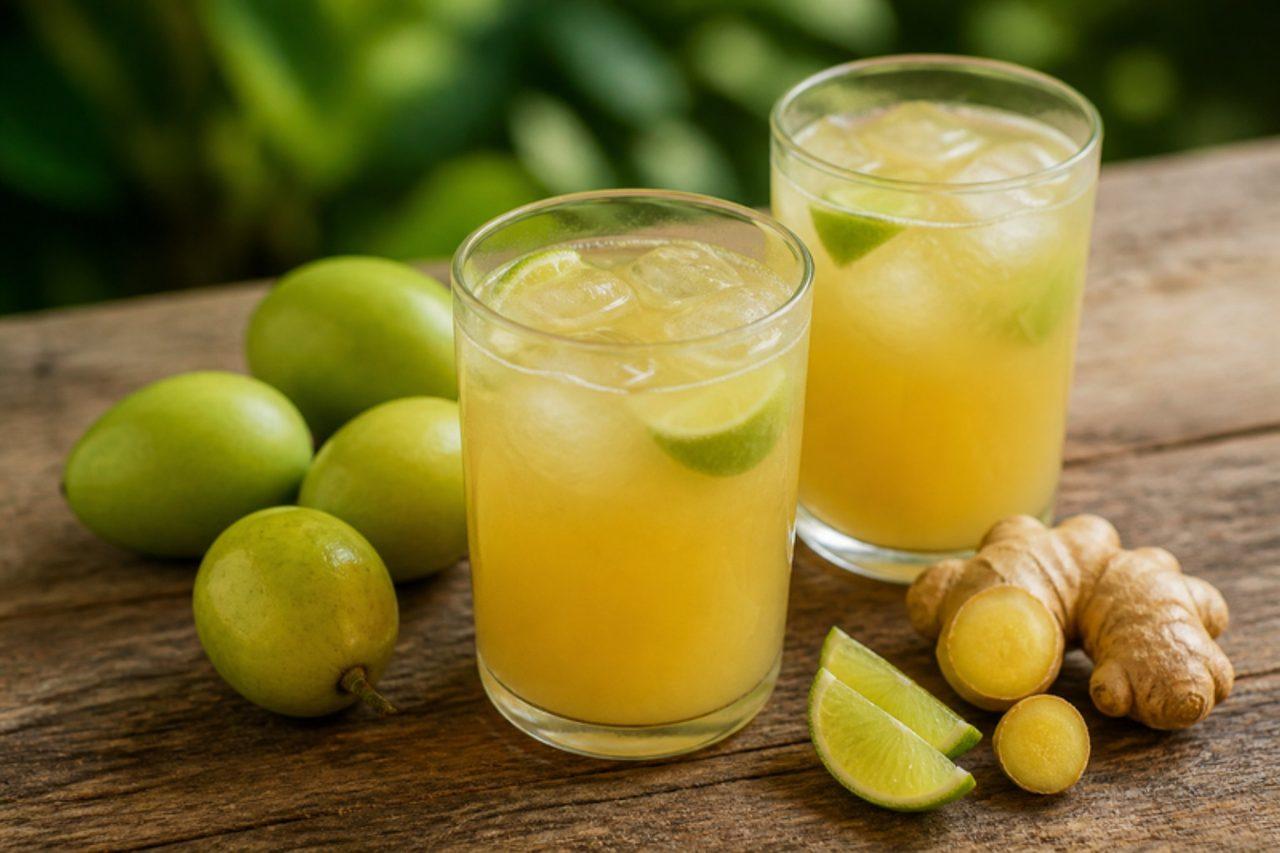
When June plums (ambarella) fall from backyard trees across Jamaica, families blend the sour green-gold fruit into a sharp, refreshing juice with fresh ginger and lime. It is tangy like green apple, with a faintly mango-like perfume, and is drunk ice-cold with Sunday lunch. The big mistake is blending the spiny stone in with the flesh; cut the flesh away first or the juice turns bitter and fibrous. Chef's tip: use slightly underripe, firm plums for the brightest, sharpest flavour.

by KrazyBadal 0 views

SobiaRice and coconut milk drink

Before the sunset call to prayer in Ramadan, juice shops in Cairo's old quarters fill plastic bags and jugs with sobia for families to carry home, and it is one of the classic drinks for breaking the fast. It is milky white, sweet and smooth, with a gentle coconut flavour and a light body from the rice that makes it filling after a long day without food. This version simmers the rice-coconut milk briefly so it is safe to keep for a day or two in the fridge. Allow an hour for soaking the rice. The common mistake is not straining well, which leaves the drink gritty; push it through muslin. Chef's tip: chill it for at least 3 hours, because sobia tastes flat unless it is ice-cold.

by KrazyBadal 0 views

MathaSalted buttermilk

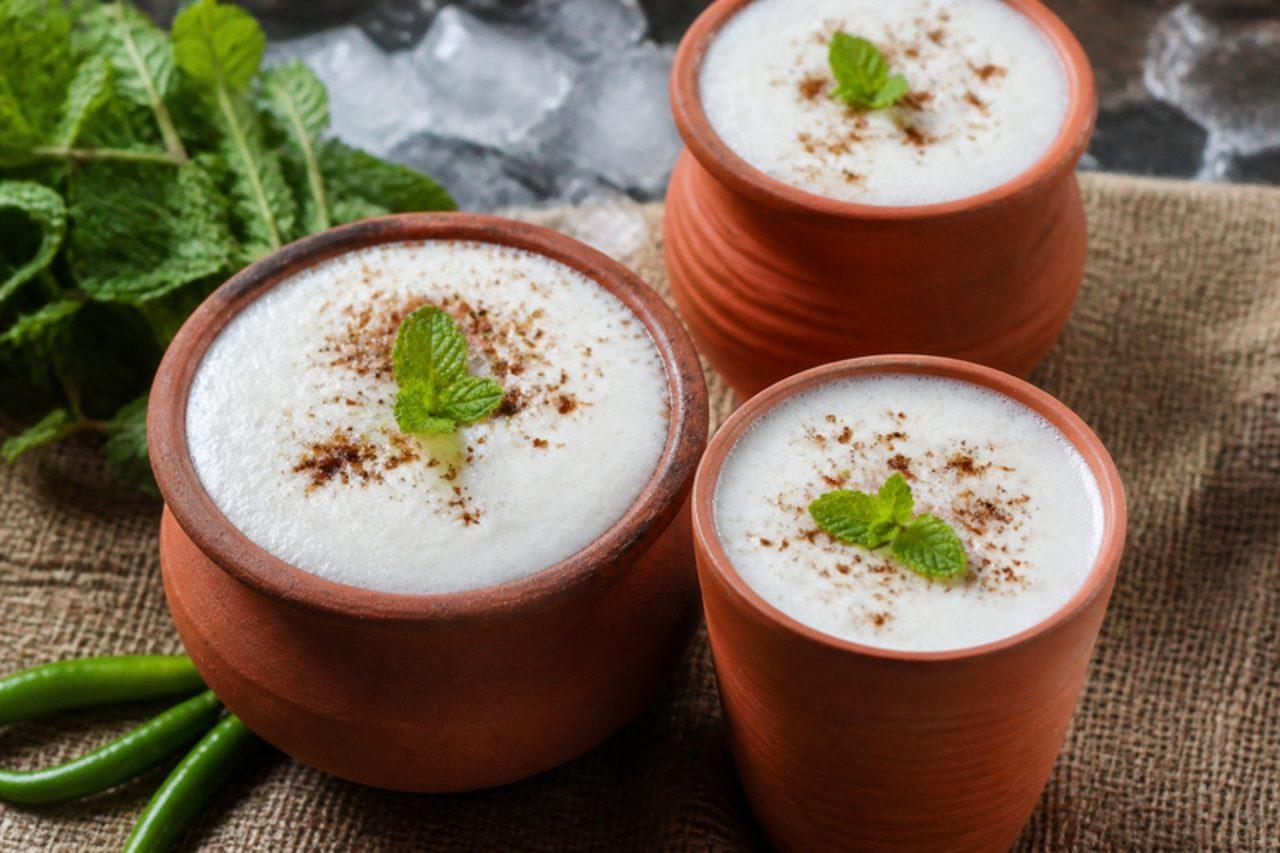
Thinner than lassi and salty rather than sweet, matha is what Old Dhaka drinks after a plate of kacchi biryani or a heavy afternoon of tehari and rezala. Vendors around Nazimuddin Road and Bangshal carry it in tall clay pots, churned so long that tiny flecks of butter float on top, and pour it into glasses with a pinch of roasted cumin and black salt. It tastes tangy, cool and faintly smoky, and it cuts through rich, oily food like nothing else. People often make it with thick Greek-style yoghurt and no extra water, which gives a heavy drink that sits in the stomach; matha should be pourable and light. Chef's tip: churn with plenty of ice in the jug so the butter firms into flecks you can skim off or leave floating, as the street sellers do.

by KrazyBadal 0 views

SardaiAlmond and fennel milk drink

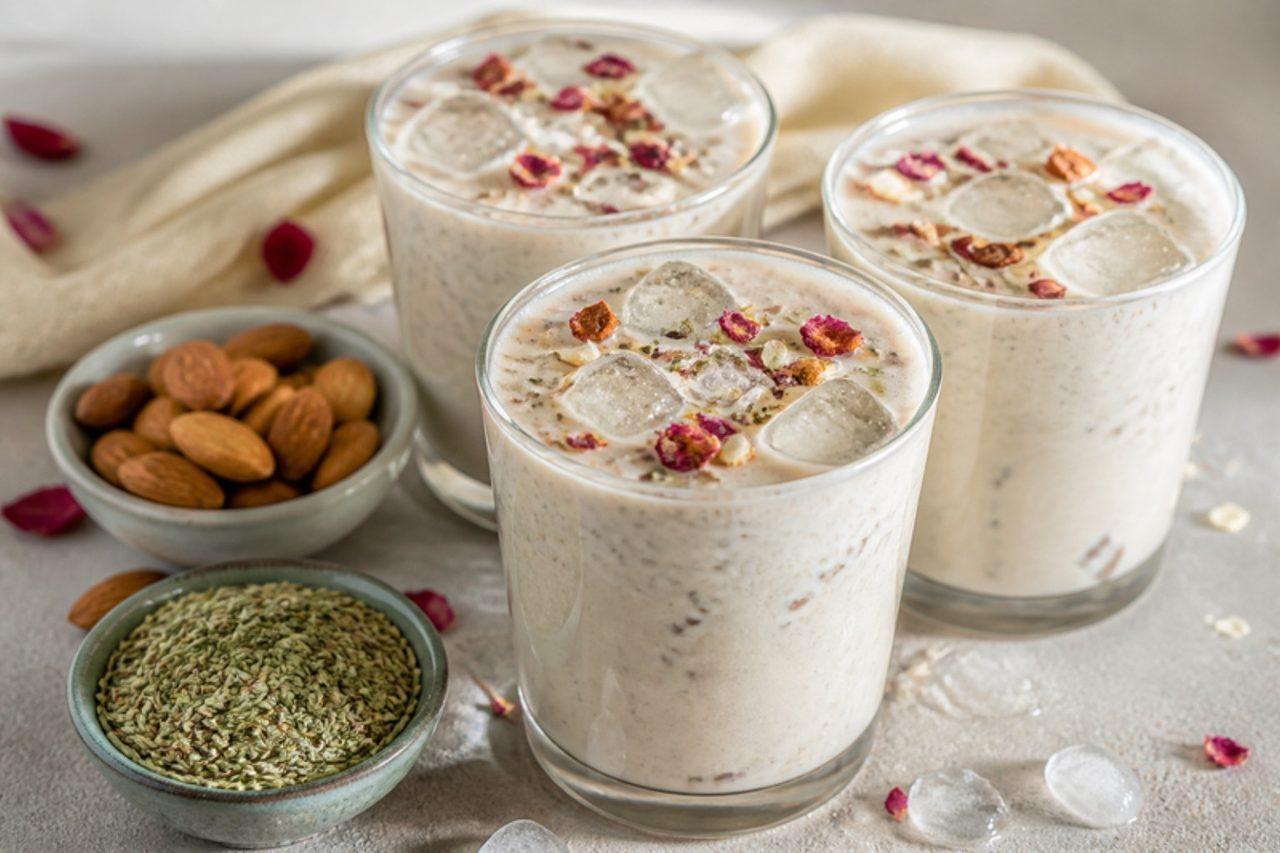
Old Lahoris remember the sardai-wala in the lanes of the Walled City, sitting cross-legged with a huge stone mortar and a wooden pestle, grinding soaked almonds, melon seeds, fennel, poppy seeds and black pepper into a pale paste and whisking it into chilled sweet milk. It is creamy, nutty and floral, with the gentle aniseed cool of fennel and a little warmth from pepper, and it was drunk through the hot months as protection against heat. Today it is easier to make with a blender, but the principle is the same: soak, grind fine, strain, chill. Many people forget to soak the seeds long enough, and the drink ends up gritty with a chalky aftertaste. Chef's tip: soak everything for at least 2 hours, or overnight, and strain through a muslin cloth, squeezing hard, so the sardai is silky and full of flavour.

by KrazyBadal 0 views

Imli aloo bukhara sharbatTamarind and plum cooler

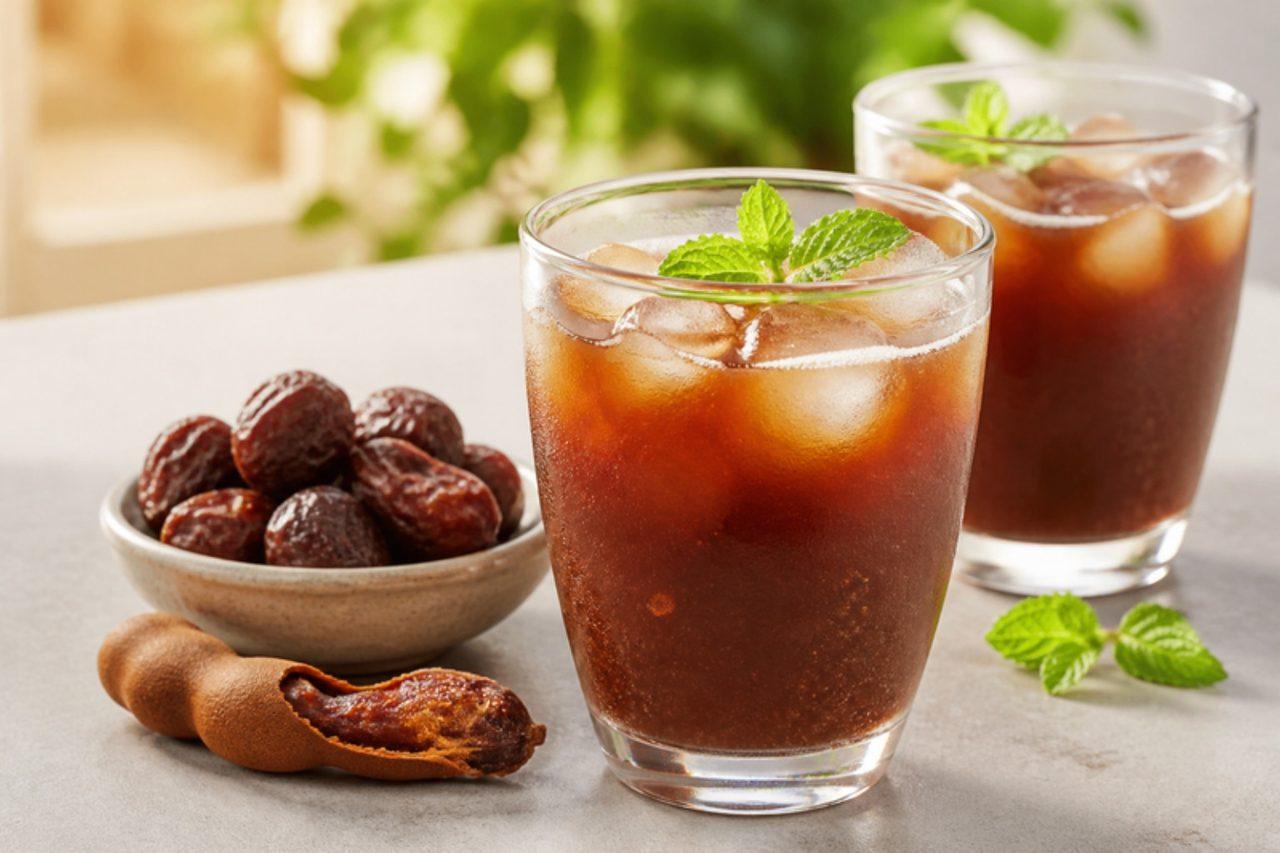
Pakistani grandmothers prescribe this deep brown drink for heatstroke, an upset stomach and the sluggish days of Ramadan fasting in June, and it is sold in tall glasses at sehri and iftar stalls in Karachi, Hyderabad and Lahore. Tamarind and dried aloo bukhara plums are soaked, simmered, mashed and strained into a concentrate, which is then sweetened, seasoned with black salt and roasted cumin and served poured over ice. The flavour is fruity, tart and slightly smoky from the plums, with the savoury lift of the salt. The concentrate keeps for a week in the fridge, so a big batch lasts through a heatwave. The usual problem is skipping the straining step and serving it thick with fibres and seeds, which makes it more like a chutney than a drink. Chef's tip: let the plums soak in the hot liquid for an hour after simmering, so they give up all their sourness and colour before you strain them.

by KrazyBadal 0 views

Gola gandaShaved ice with syrups

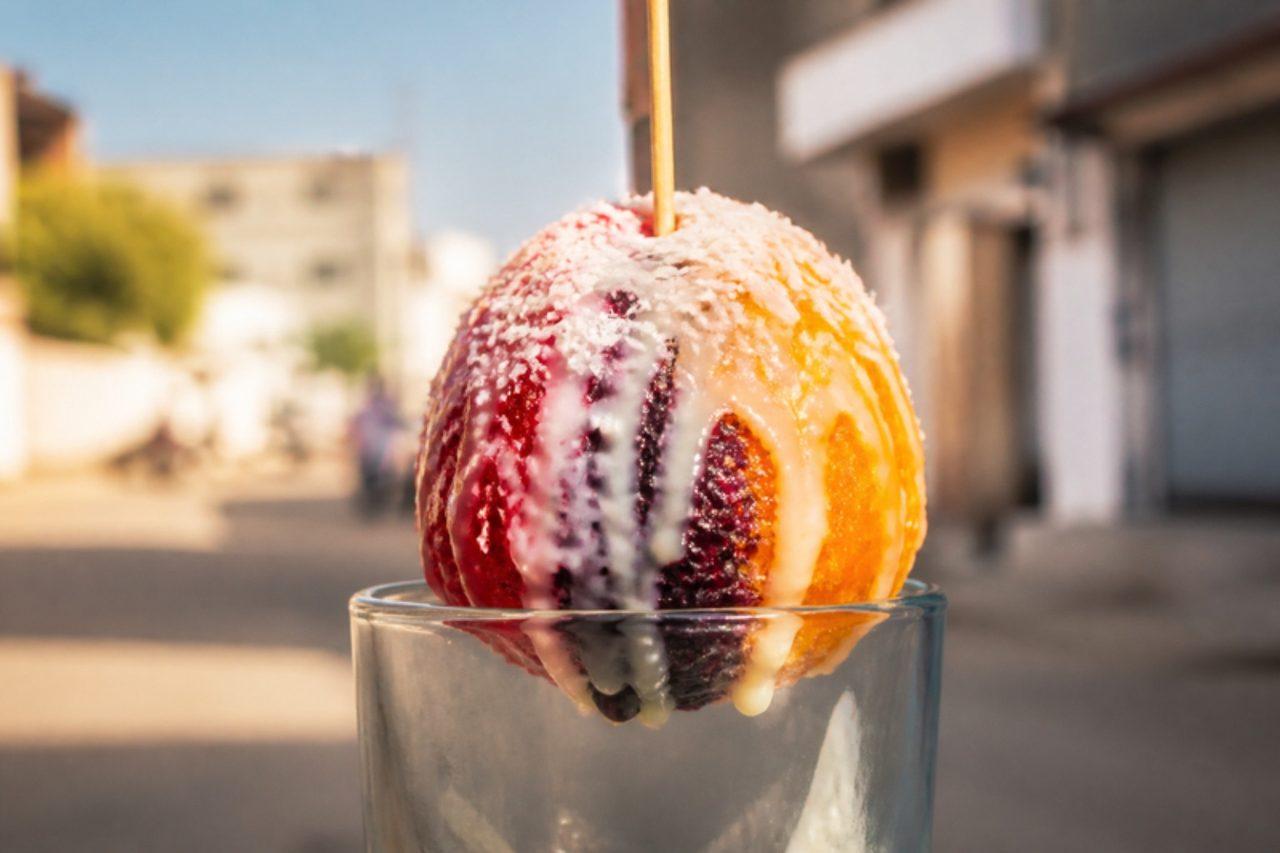
Nothing says summer evening at Clifton beach or Burns Road quite like the clatter of a gola ganda cart, where a block of ice is shaved on a hand plane, packed round a stick into a fist-sized ball and doused in rose-pink, mango-orange and purple kala khatta syrups. It melts fast in the Karachi heat, so children lick it from the bottom as it drips, and the fancier stalls serve it in a plate with condensed milk, desiccated coconut and a pinch of chaat-style salt on the sour syrup. At home a hand ice shaver or a powerful blender makes snow fine enough to press into balls. The most common disappointment is ice crushed too coarsely, which will not hold together and lets the syrup run straight through. Chef's tip: freeze the ice from boiled and cooled drinking water in a shallow tray, and put the glasses or plates in the freezer too, so the gola keeps its shape for longer.

by KrazyBadal 0 views

Falsa sherbetFalsa berry drink

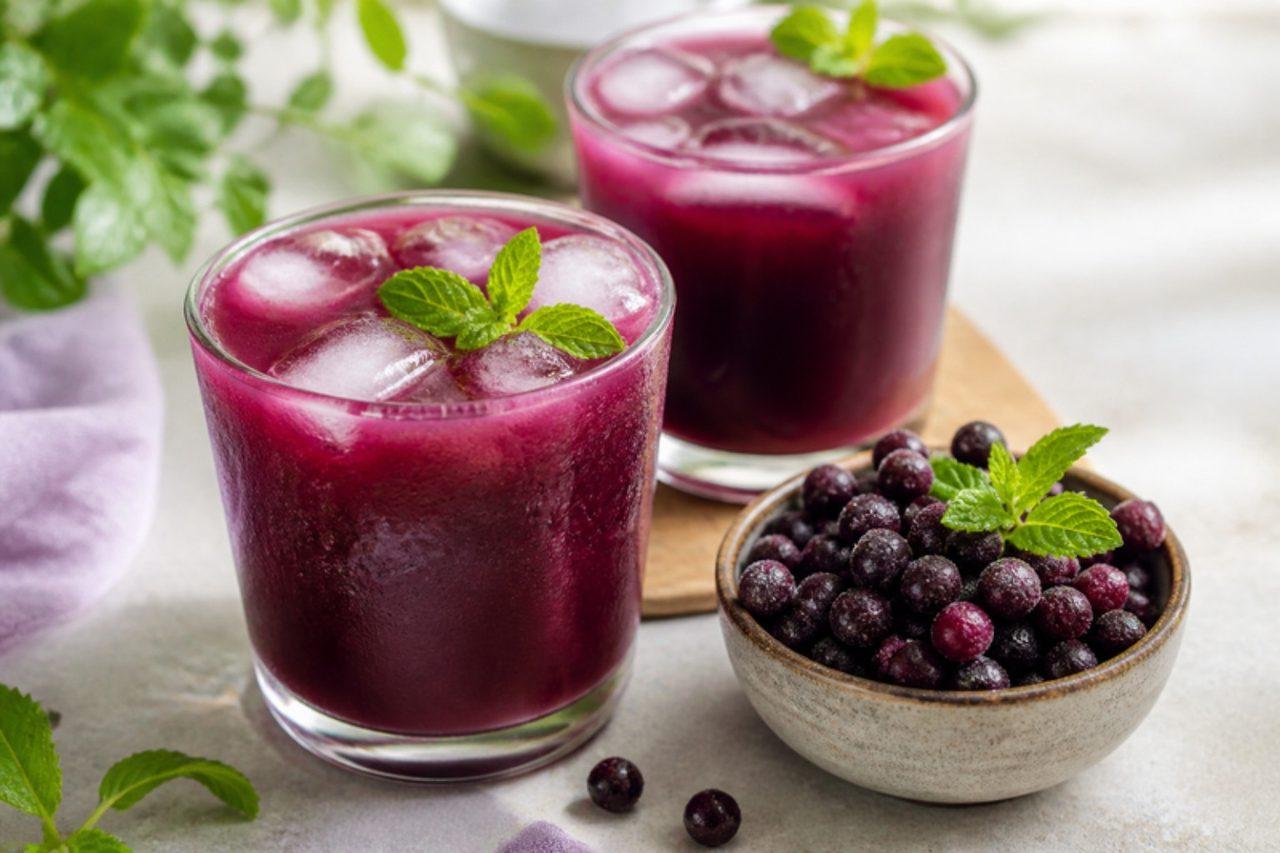
For a few short weeks in May and June, Punjabi fruit sellers from Multan to Lahore pile their carts with falsa, tiny purple-black berries with a big seed and a sweet-sour, grape-like flavour, and roadside stalls crush them in big jugs of iced water with sugar and a pinch of black salt. The sherbet is a striking magenta, tart and salty-sweet, and people swear by it as a cooler against the loo, the scorching summer wind; it is also a favourite at iftar when Ramadan falls in summer. Outside Pakistan look for frozen falsa in South Asian grocers, or use blackcurrants, which give a similar colour and sharpness. A common slip is blending the berries hard, which cracks the seeds and turns the drink bitter. Chef's tip: just rub the berries with the sugar and a little water by hand or pulse very briefly, then strain, so you get all the juice and colour and none of the bitterness.

by KrazyBadal 0 views

Sugarcane juice

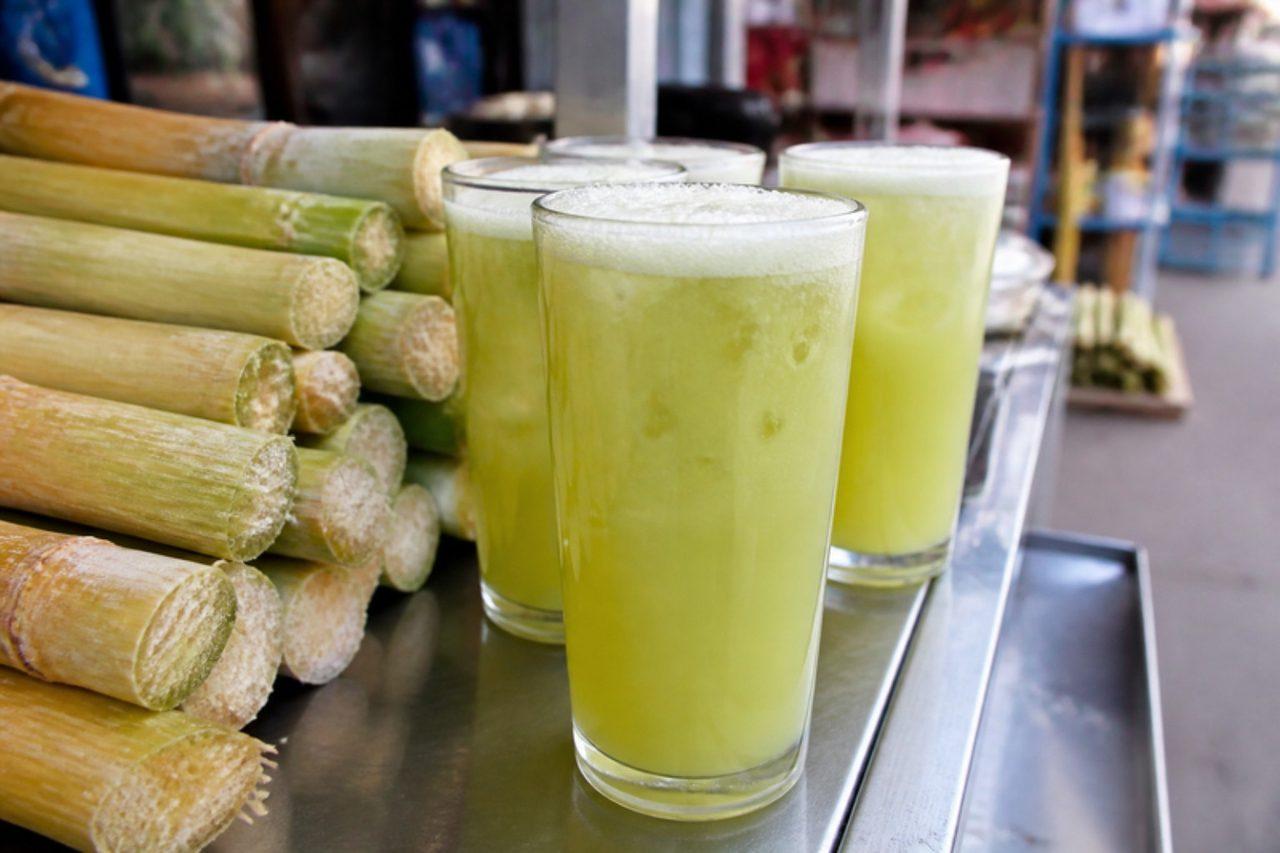
Juice shops all over Cairo and the towns of Upper Egypt crush sugarcane through clattering steel rollers and serve the pale green juice ice-cold for a few pounds a glass, a favourite in the summer heat and after Ramadan fasting. It is sweet, grassy and refreshing, with a faint lemony edge, and it tastes best within minutes of pressing. Without a press, peeled cane chopped small and blended with a little water gives a very close result at home. Chef's tip: peel the cane completely, because the hard green rind makes the juice bitter and dark.

by KrazyBadal 0 views

Ensalada murcianaTomato, onion, olive and egg salad

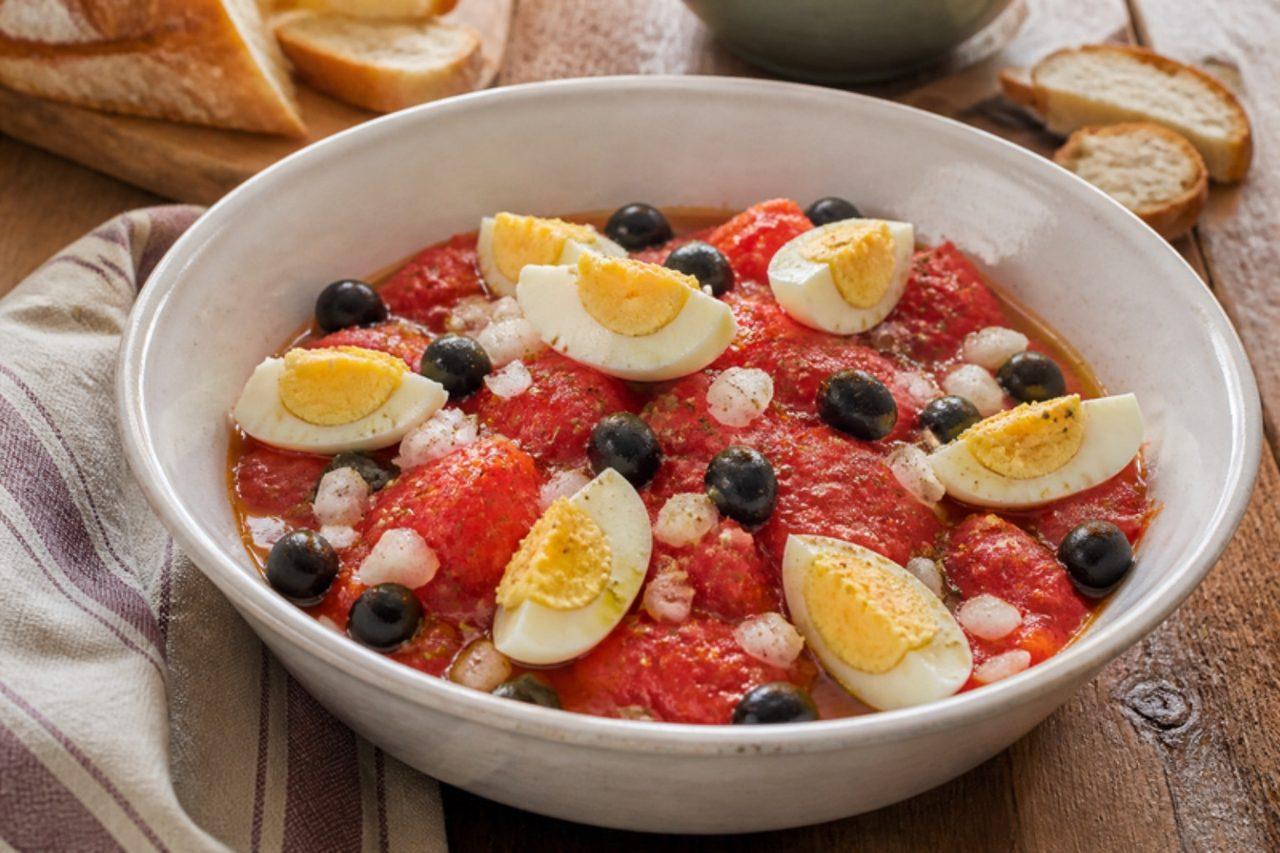
This is Murcia's summer salad, and it surprises visitors because it is built on tinned peeled tomatoes rather than fresh ones. Murcia has long been a canning region, and the sweet, soft preserved tomatoes give a juicy base that is mopped up with bread in bars and on terraces from the city to the Mar Menor. Black olives, onion and hard-boiled egg go on top; bars very often add tinned tuna, which this vegetarian version leaves out. Chef's tip: dress it at least 20 minutes before serving so the onion softens in the tomato juice.

by KrazyBadal 0 views

Agua de fresa cremosaCreamy strawberry drink

In Hidalgo, the pulque country north of Mexico City, the pulquerías serve curados: pulque blended with fruit, and the strawberry one is pink, thick and creamy. Home cooks and taquerías make this alcohol-free cousin for the whole family, a strawberry agua fresca blended with evaporated milk, so it is like a light milkshake that you drink with tacos on a hot afternoon. It contains no pulque or alcohol. Chef's tip: use the ripest, darkest strawberries you can find; pale ones give a thin, sour drink.

by KrazyBadal 0 views

AguajinaAguaje palm fruit drink

Aguaje is the scaly, chestnut-red fruit of the moriche palm that grows in the flooded forests around Iquitos, and its orange flesh ends up in ice lollies, ice cream and, above all, aguajina, the cold drink sold in plastic cups at every corner and in Belén market. The taste is unusual and loved locally: tangy, a little like apricot and carrot, with a rich, slightly oily body. Fresh aguaje must be softened in warm water for an hour before its thin layer of pulp can be scraped off; outside Peru, frozen aguaje pulp from Latin American shops is the realistic choice and gives a good result. A common slip is adding all the sugar before tasting: the pulp's sourness varies from pack to pack, so sweeten at the end. Serve very cold with lunch or on a hot afternoon. Chef's tip: blend the pulp with only part of the water first, so it breaks down fully, then stir in the rest.

by KrazyBadal 0 views

Suco de acerolaAcerola cherry juice

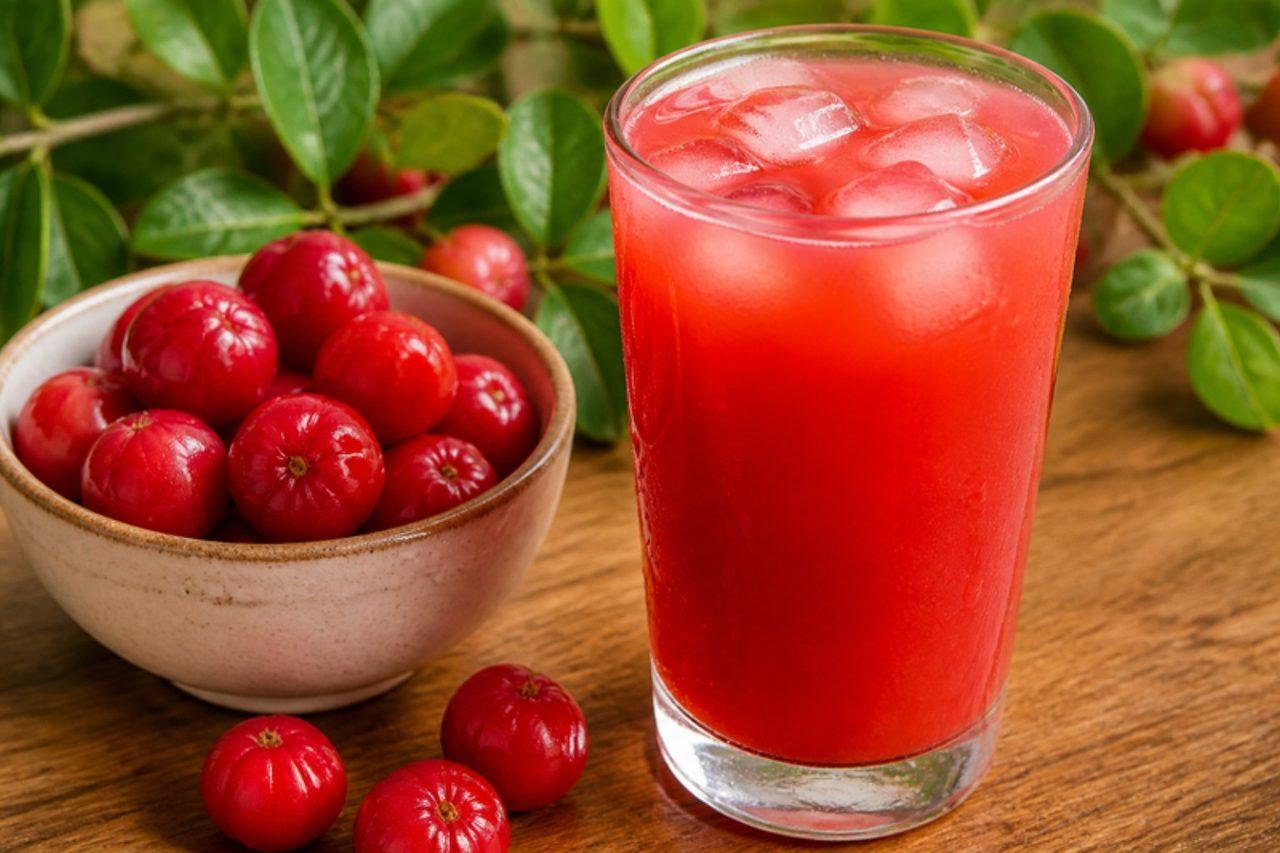
Backyard acerola bushes are everywhere in Pernambuco, Paraíba and the rest of the Northeast, and the small, glossy red cherries fruit several times a year. Blended with water and a little sugar, they make a vivid orange-red juice, tart and cherry-like with a slightly floral finish, famously one of the richest natural sources of vitamin C. Lanchonetes often mix it with orange juice; at home it is the drink kids are handed when they have a cold. Fresh acerolas spoil within days, so outside Brazil use frozen acerola pulp. Letting it stand is the common mistake, since the vitamin C and colour fade quickly once blended. Chef's tip: blend it just before serving, and add the sugar sparingly, about a tablespoon per two glasses, to keep it light.

by KrazyBadal 0 views

Helado de lúcumaLúcuma ice cream

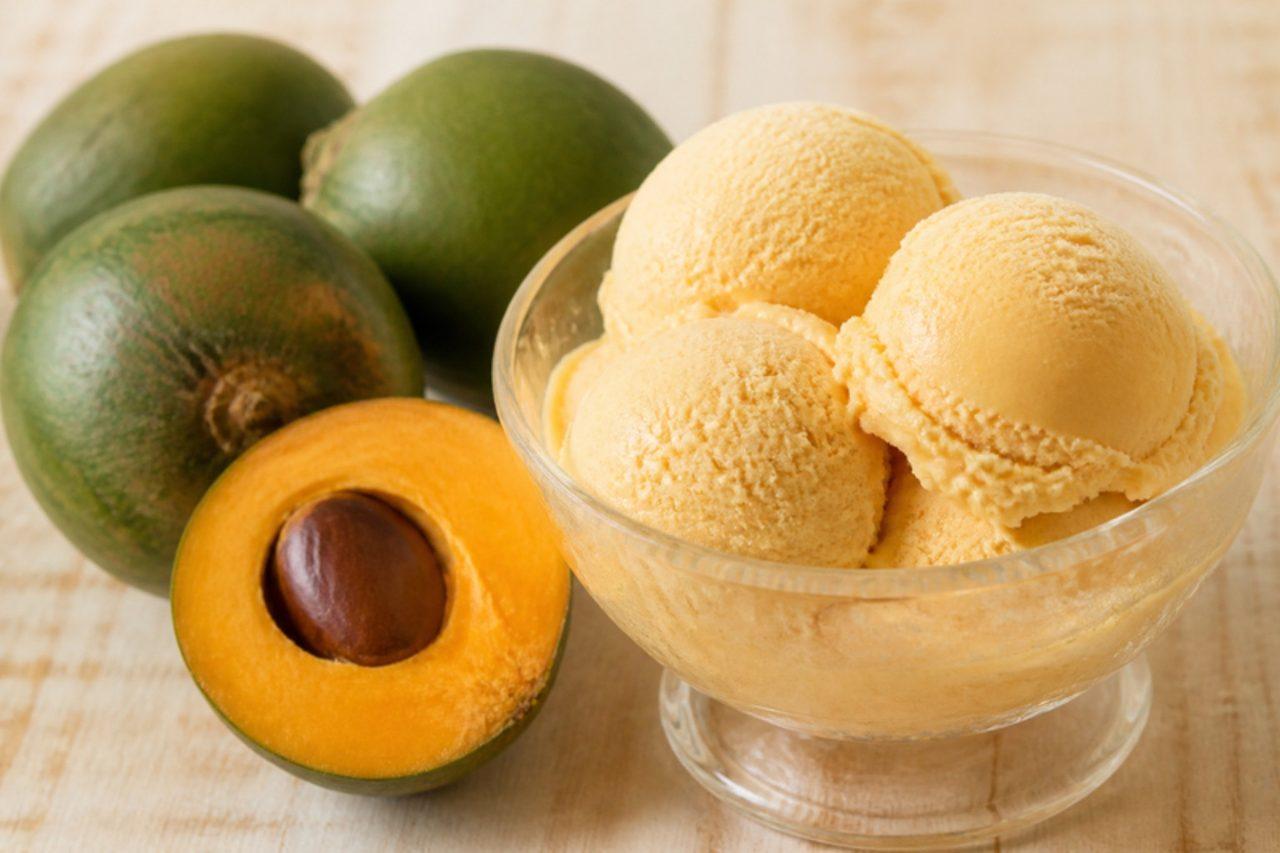
Ask anyone in Lima, Cusco or Trujillo for the national ice-cream flavour and they will say lúcuma, the green-skinned Andean fruit with dry, golden-orange flesh that tastes of butterscotch, maple and sweet potato. Every ice-cream parlour, supermarket freezer and street cart sells it, and it's also folded into cakes and milkshakes. This no-churn version needs no machine: frozen lúcuma pulp (or lúcuma powder, both in Latin shops and health-food stores) is whisked into condensed milk, then folded into whipped cream and frozen. It comes out smooth, rich and naturally caramel-coloured. The mistake is over-whipping the cream to stiff peaks, which makes the ice cream grainy and buttery; stop at soft peaks. It needs at least 6 hours in the freezer, so make it the day before. Serve with a slice of chocolate cake or on its own. Chef's tip: a pinch of salt and a few drops of lime sharpen lúcuma's mellow flavour so it doesn't taste flat when frozen.

by KrazyBadal 0 views

CajuínaClarified cashew apple juice

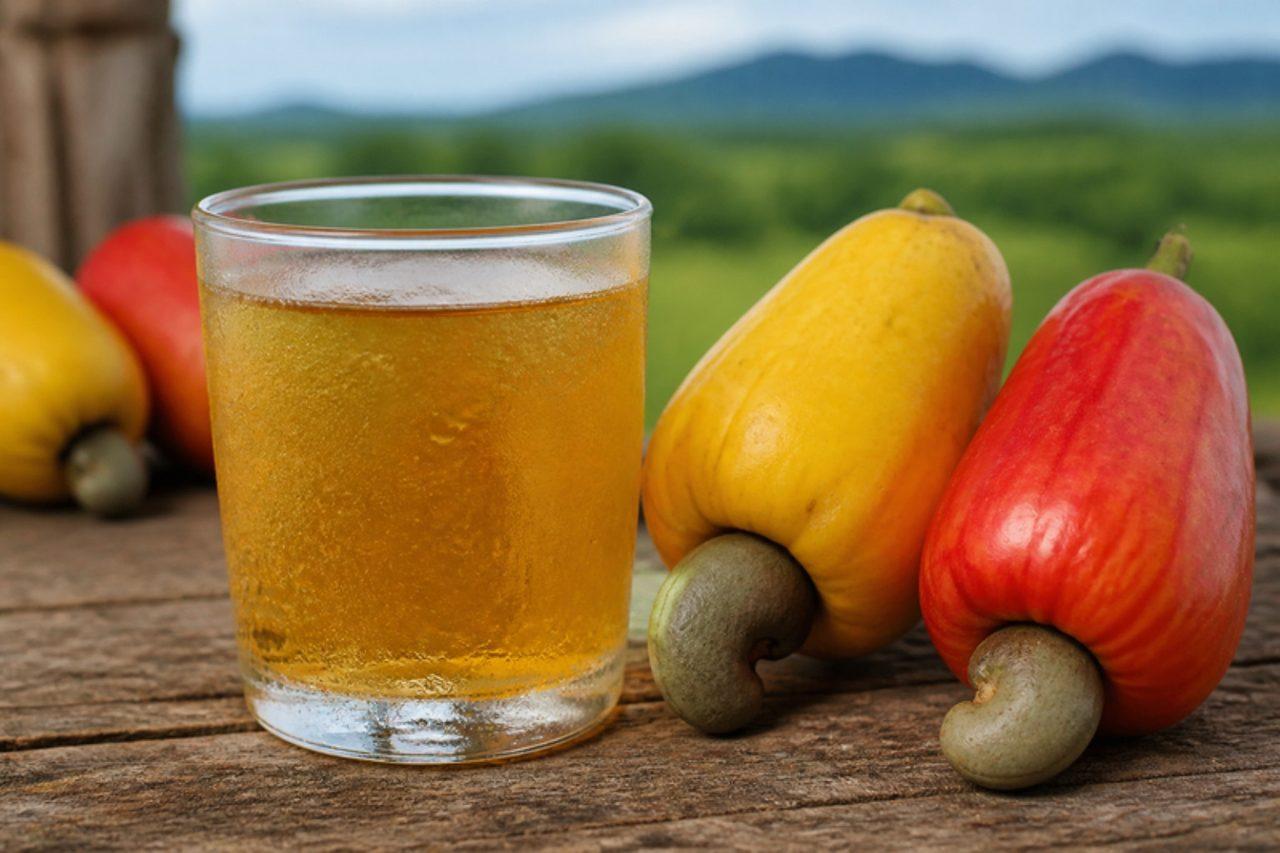
Teresina, the capital of Piauí, treats cajuína as a matter of local pride, and the drink's traditional craft is officially recognised as part of Brazilian cultural heritage. It is cashew-apple juice that has been clarified until crystal clear, bottled and cooked in a water bath until the natural fruit sugars caramelise and turn it amber-gold. No sugar is added. Served ice-cold, it tastes of baked apple and honey with a hint of cashew, smooth and non-alcoholic. Small producers clarify the juice with gelatin or cashew-tree resin; this vegan home version clears it by settling and filtering instead, which takes patience. Real cajuína is shelf-stable thanks to commercial sterilising; this home batch must be kept in the fridge and drunk within a week. Skipping the slow filtering is the usual error, and cloudy juice turns murky brown instead of gold. Chef's tip: let the juice settle in the fridge overnight before filtering and pour off the clear top, leaving the sediment behind.

by KrazyBadal 0 views

Showing 24 of 202 recipes

Show more recipes

Page 4 of 9

More occasions