Skip to content

Recipes with shallot

384 recipes that use shallot, with photos, step-by-step instructions and cook times. The quickest, Sambal kecap, takes 5 minutes. It is most often cooked with garlic, sugar and turmeric.

Run out of shallot? Half an onion per 2 shallots.

Got a few things in the fridge? Search by everything you have

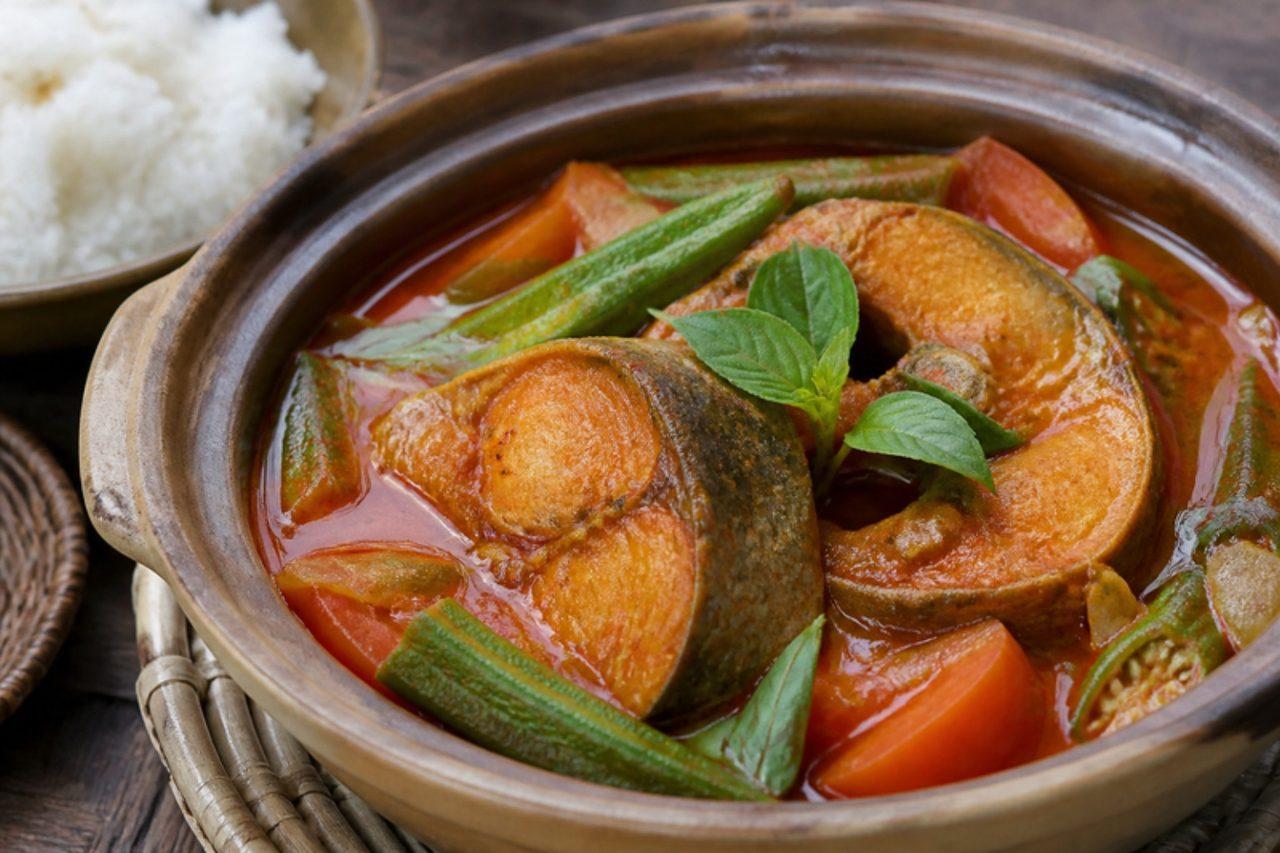
Asam pedas ikanSour spicy tamarind fish

Asam pedas, "sour and spicy", is the pride of Malay kitchens in Melaka and Johor, cooked for everyday lunches and sold at rice stalls with a dozen other dishes. Fish steaks simmer in a thin, brick-red gravy of dried chilli, shallot and belacan soured with tamarind, with okra and tomato soaking up the sauce and Vietnamese mint scenting it. It is fiery, tangy and light, with about 29 g of protein a portion from the fish; eat it with plenty of plain rice. The common mistake is rushing the chilli paste: if it isn't fried until the oil separates, the gravy tastes raw and harsh. Chef's tip: use oily, firm fish such as Spanish mackerel or stingray, which stand up to the sour broth.

by KrazyBadal 0 views

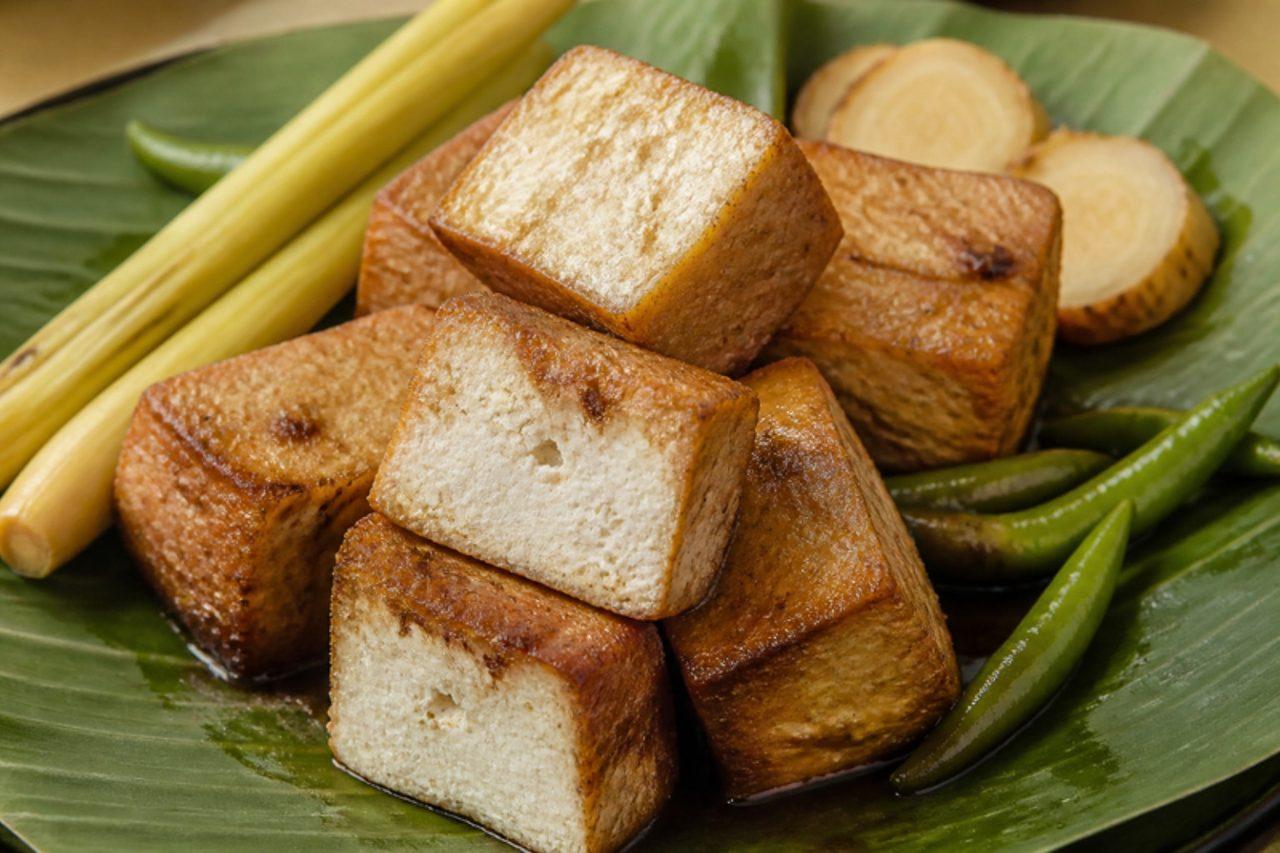
Tahu bacemSweet braised tofu

Tahu bacem is tempe bacem's softer sister, sold side by side on the gudeg stalls of Yogyakarta and Klaten and cooked at home on Sundays to see the family through the week. Firm tofu soaks up a braise of coconut water, palm sugar, coriander and galangal until it turns the colour of caramel all the way through, and a quick sear gives it a thin, chewy skin. A portion of about 200 g of tofu gives roughly 26 g of protein, from the soybeans in the tofu. The usual mistake is using silken or soft tofu, which breaks apart during the long simmer; buy firm or extra-firm. Chef's tip: press the tofu for 15 minutes before braising; the drier it is, the more of the sweet, spiced liquid it drinks in.

by KrazyBadal 0 views

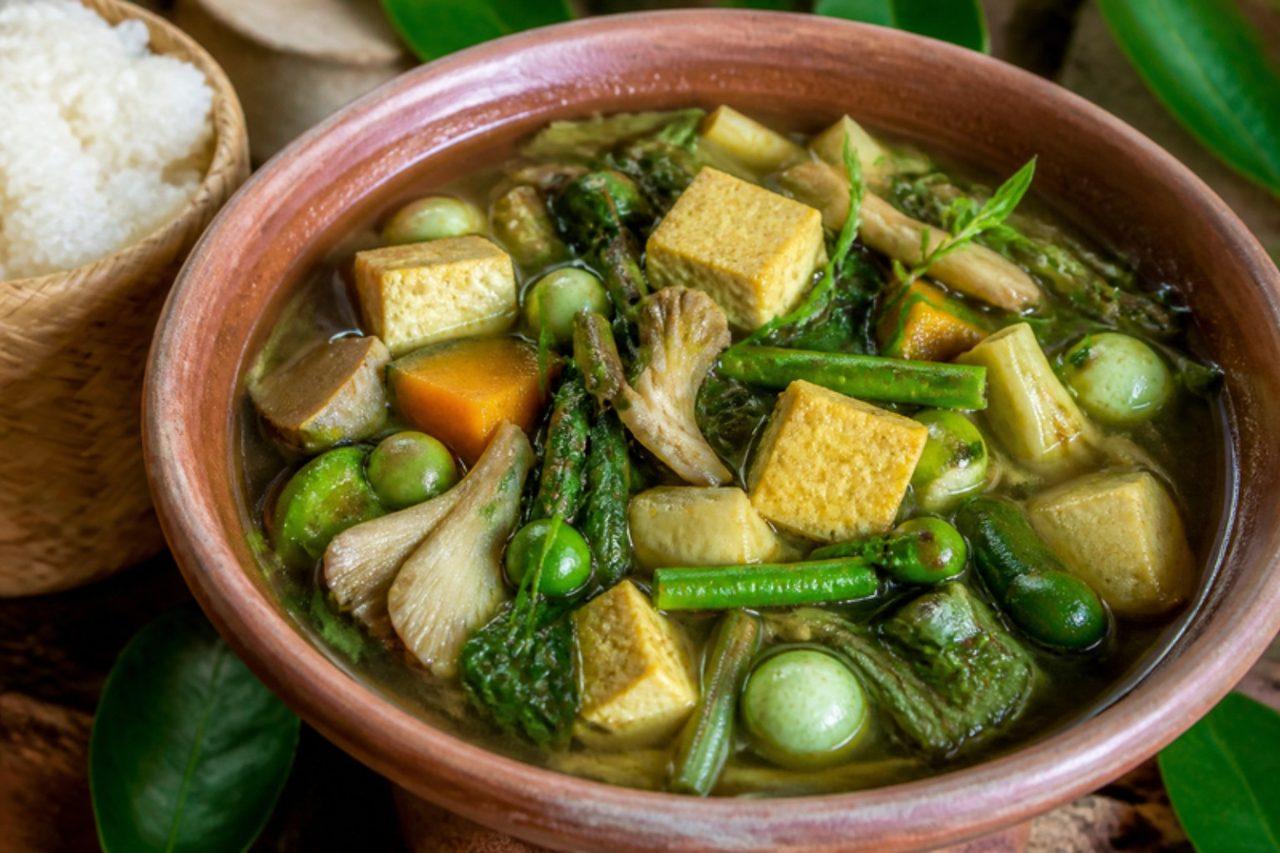
Kaeng khae with tofu and mushroomsHerb curry with tofu and mushrooms

Kaeng khae comes from the hills around Chiang Mai and Lampang, where it is cooked through the rainy season with whatever the garden and forest give: pea aubergines, long beans, pumpkin tips, acacia shoots and handfuls of leaves, in a brothy, coconut-free curry scented with lemongrass and the peppery prickly ash called makhwaen. In northern homes it is a lunch dish eaten with sticky rice. It is normally cooked with chicken, frog or fish and seasoned with fermented fish; this vegetarian version uses firm tofu, oyster mushrooms, soy sauce and a little salted soybean paste. With the tofu a portion has about 11 g of protein, so it is light rather than high protein. The common mistake is adding all the vegetables at once: the leaves are done in a minute while the beans and aubergines need five. Chef's tip: dry-fry the curry paste in a spoon of oil until it smells toasty before adding water; it gives the broth its depth without any fish.

by KrazyBadal 0 views

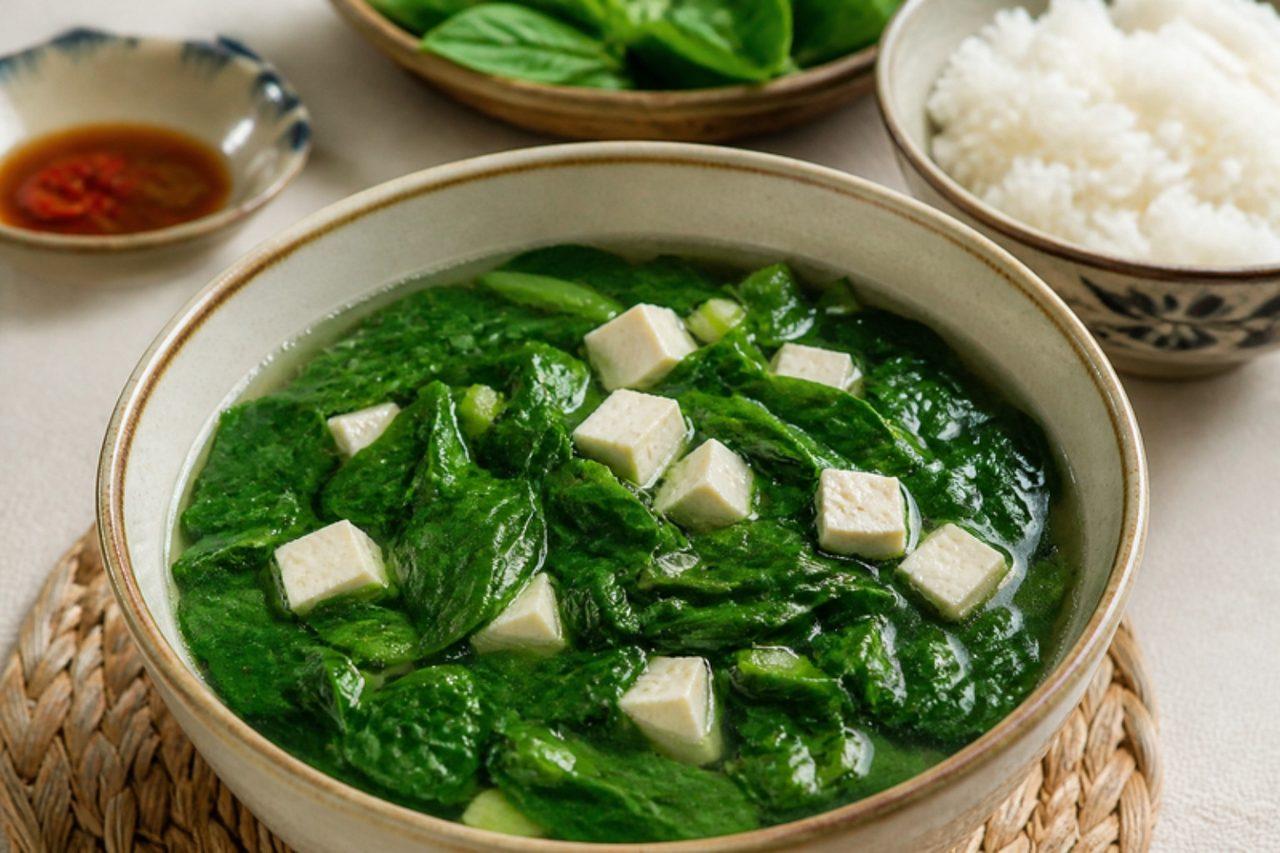
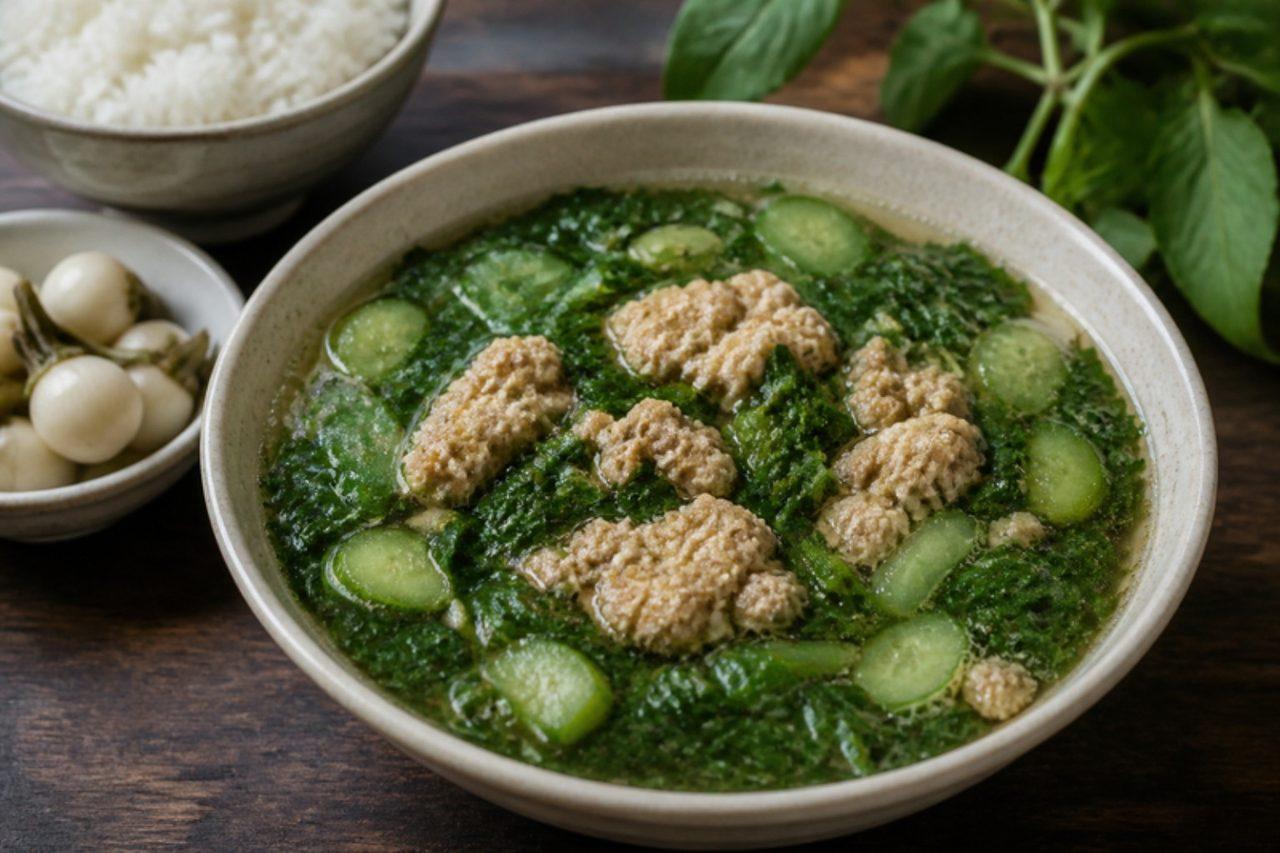
Canh rau ngot with tofuKatuk leaf and tofu soup

Canh rau ngot is one of the plainest and most loved soups on a Vietnamese family table, served at dinner in Hanoi and the Mekong Delta alike, in a shared bowl beside rice, a braised dish and a dipping sauce. The leaves of the katuk shrub are bruised and simmered briefly until soft and sweet. It is usually made with minced pork or dried shrimp; this vegetarian version uses cubes of tofu and a little fried shallot for savouriness. Each bowl has about 110 kcal and roughly 10 g of protein, from the tofu, so it is a light side soup. Katuk can be found frozen in Asian shops; young spinach is the nearest stand-in. The common mistake is overcooking the leaves, which turn khaki and slimy. Chef's tip: rub the leaves between your palms before cooking; bruising them lets them release their sweetness in just a few minutes.

by KrazyBadal 0 views

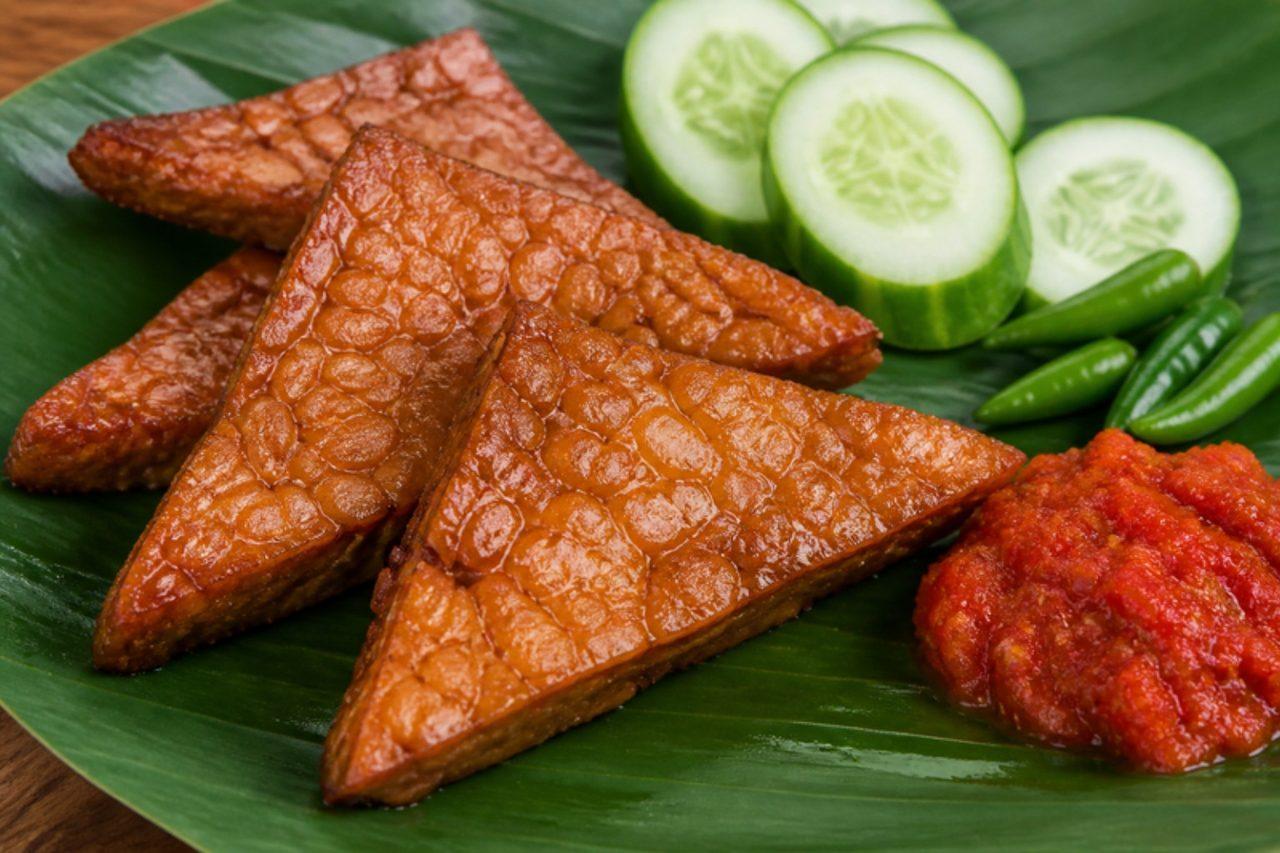
Tempe bacemSweet braised tempeh

Every warung in Yogyakarta and Solo has a tray of tempe bacem on the counter, dark, sticky and sweet, eaten at lunch with rice, sambal and a few raw cucumber slices, or packed for journeys because it keeps so well. The tempeh is simmered slowly in coconut water with palm sugar, galangal, coriander seed and bay leaf until the liquid has gone and every slab is glazed, then seared briefly so the edges caramelise. A portion of about 150 g of tempeh gives roughly 28 g of protein, nearly all from the fermented soybeans. The common mistake is turning the heat up to hurry the braise: the sugar catches and turns bitter before the tempeh has soaked anything up. Chef's tip: make it a day ahead; bacem tastes deeper after a night in the fridge and sears better cold.

by KrazyBadal 0 views

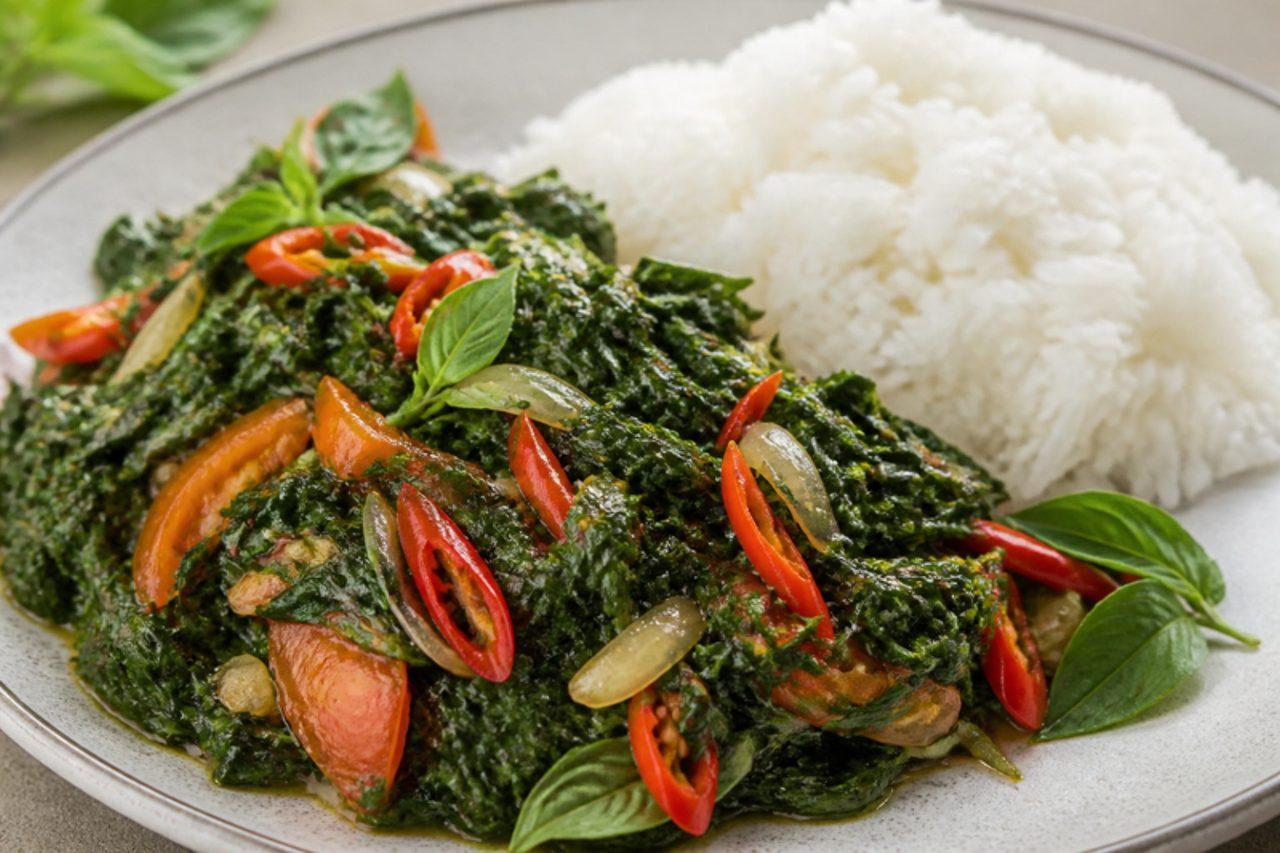
Tumis daun pepayaStir-fried papaya leaves

In Manado and across North Sulawesi and Maluku, a plate of tumis daun pepaya sits beside rice, grilled corn and sambal at everyday lunches and at big family gatherings, where its clean bitterness cuts through rich coconut dishes. The leaves are boiled first to tame them, then stir-fried hot with shallot, garlic, chilli and lemon basil until glossy. Many cooks add a little dried anchovy or fish; this version is vegetarian and gets its savouriness from a spoon of soy sauce and the fried aromatics. It is a light side with about 4 g of protein per portion, from the leaves themselves, so serve it with tofu, tempeh or beans if you want a full meal. The common mistake is skipping the pre-boil: raw papaya leaves are harshly bitter. Chef's tip: squeeze the boiled leaves hard and fry them in a hot, dry-ish pan so they take on a little colour rather than stewing.

by KrazyBadal 0 views

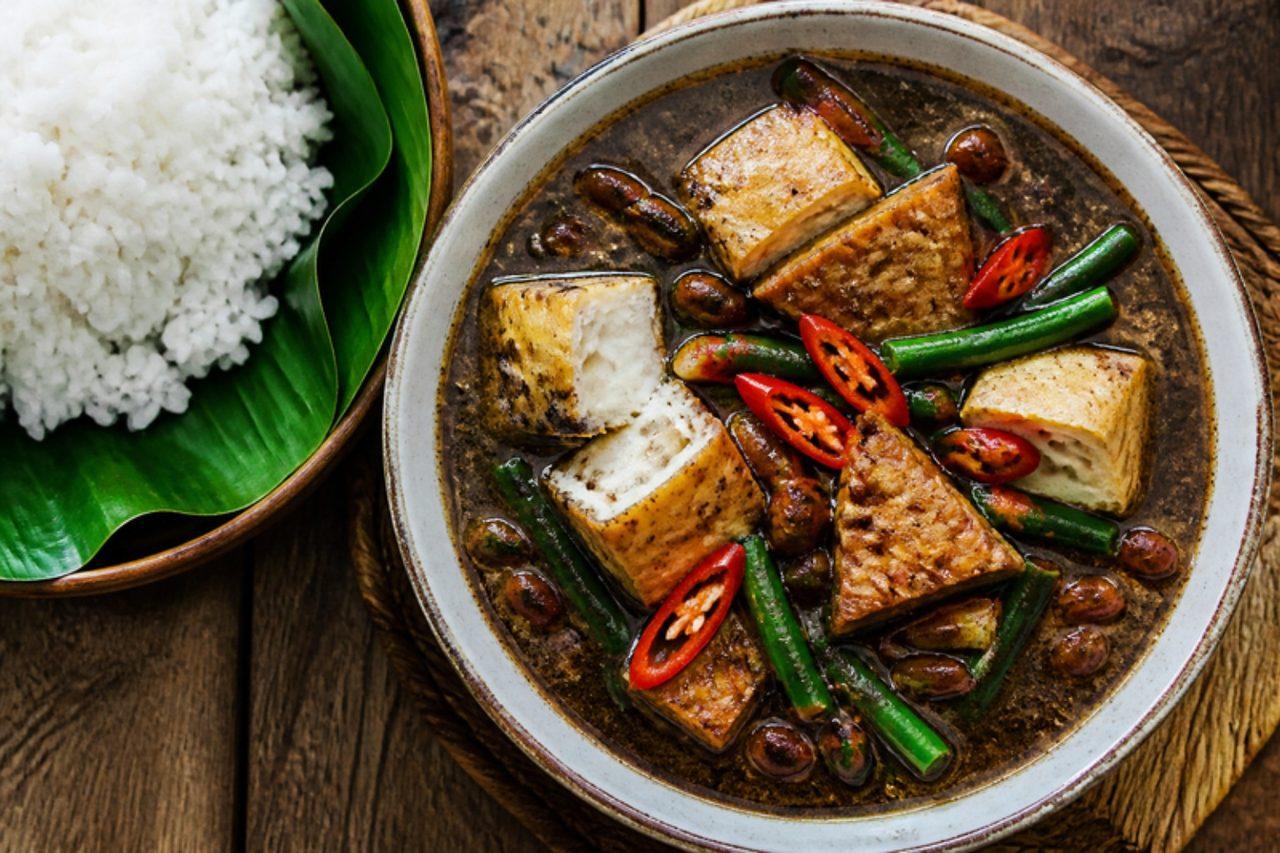
Brongkos with tofu and tempehTofu and tempeh black nut stew

Brongkos is one of Yogyakarta's old royal-kitchen dishes, a near-black stew of keluak nut paste and coconut milk eaten at lunch with rice, often alongside gudeg. The classic pot holds beef with tofu and cowpeas; this is a vegetarian version, using tofu, tempeh and red cowpeas only, which many Jogja families also cook. The keluak gives a deep, earthy, almost chocolatey flavour, softened by coconut milk and a little palm sugar. A portion gives about 29 g of protein, from the tofu, tempeh and cowpeas. The dried cowpeas need soaking for 8 hours or overnight first, which is not counted in the times. The common mistake is using keluak that has gone bad: crack each nut and smell it; the flesh should be dark and smell earthy, never sour or mouldy. Chef's tip: brongkos is better the next day, when the beans and tofu have soaked up the sauce.

by KrazyBadal 0 views

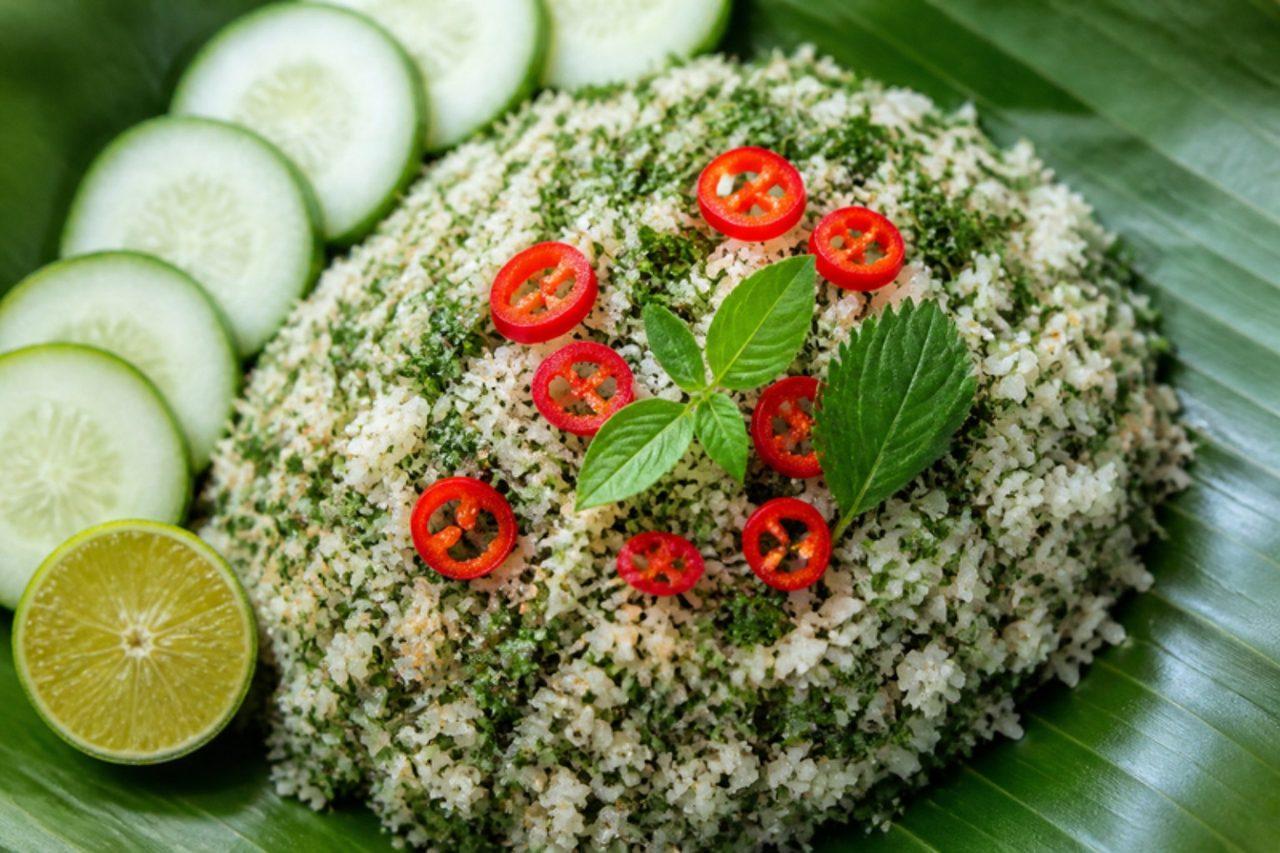
Nasi ulamHerb rice

In Kelantan and Terengganu on Malaysia's east coast, nasi ulam is the cool, fragrant rice eaten at lunch in the heat: day-old rice tossed with a heap of hair-thin raw herbs (ulam), lemongrass, lime leaf, shallots and dry-toasted coconut. It is traditionally mixed with flaked salted or dried fish; this is a vegetarian version that leaves the fish out and leans on the toasted coconut and a squeeze of lime for depth. It is a light meal of about 340 kcal, with around 7 g of protein, so it is not high in protein; serve it with fried tofu or tempeh. The common mistake is using hot rice, which wilts the herbs into a dark mush; the rice must be cold. Chef's tip: stack the leaves, roll them into a tight cigar and slice across as thinly as you can; the finer the herbs, the more perfume.

by KrazyBadal 0 views

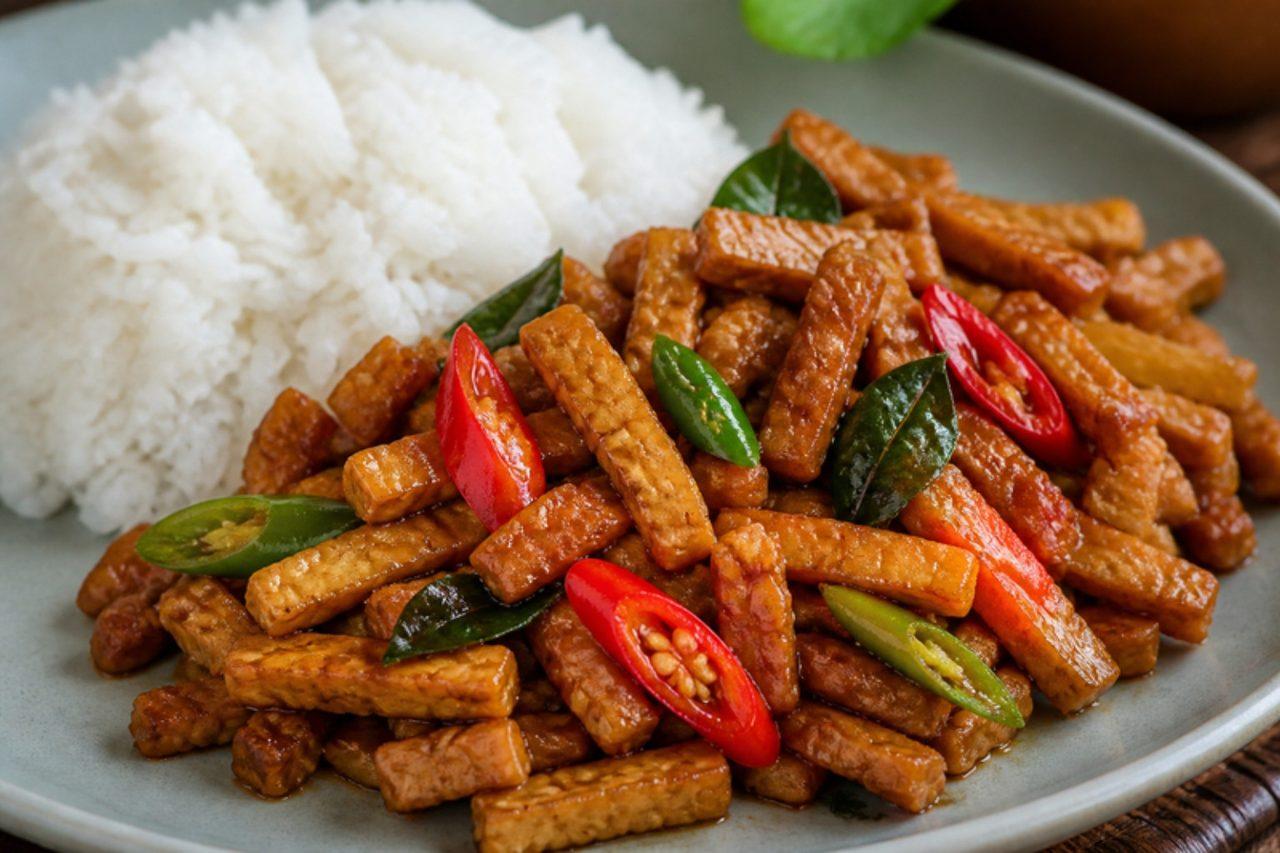
Oseng tempeStir-fried tempeh with chilli

Oseng tempe is the quick fix of Javanese home cooking, made in Semarang, Surabaya and every student boarding house in between for weekday lunch or dinner with plain rice. Thin matchsticks of tempeh are fried until crisp-edged, then tossed with shallot, garlic, sliced chilli, galangal and bay leaf in sweet soy sauce until sticky, sweet, salty and hot. A portion with about 125 g of tempeh gives roughly 24 g of protein, almost all from the tempeh. The common mistake is adding the sweet soy too early, before the tempeh has browned: it soaks in, burns and turns the strips soft. Chef's tip: fry the tempeh separately first, then build the sauce and return it at the end, so every strip stays a little crunchy.

by KrazyBadal 0 views

Botok tempeTempeh and coconut in banana leaf

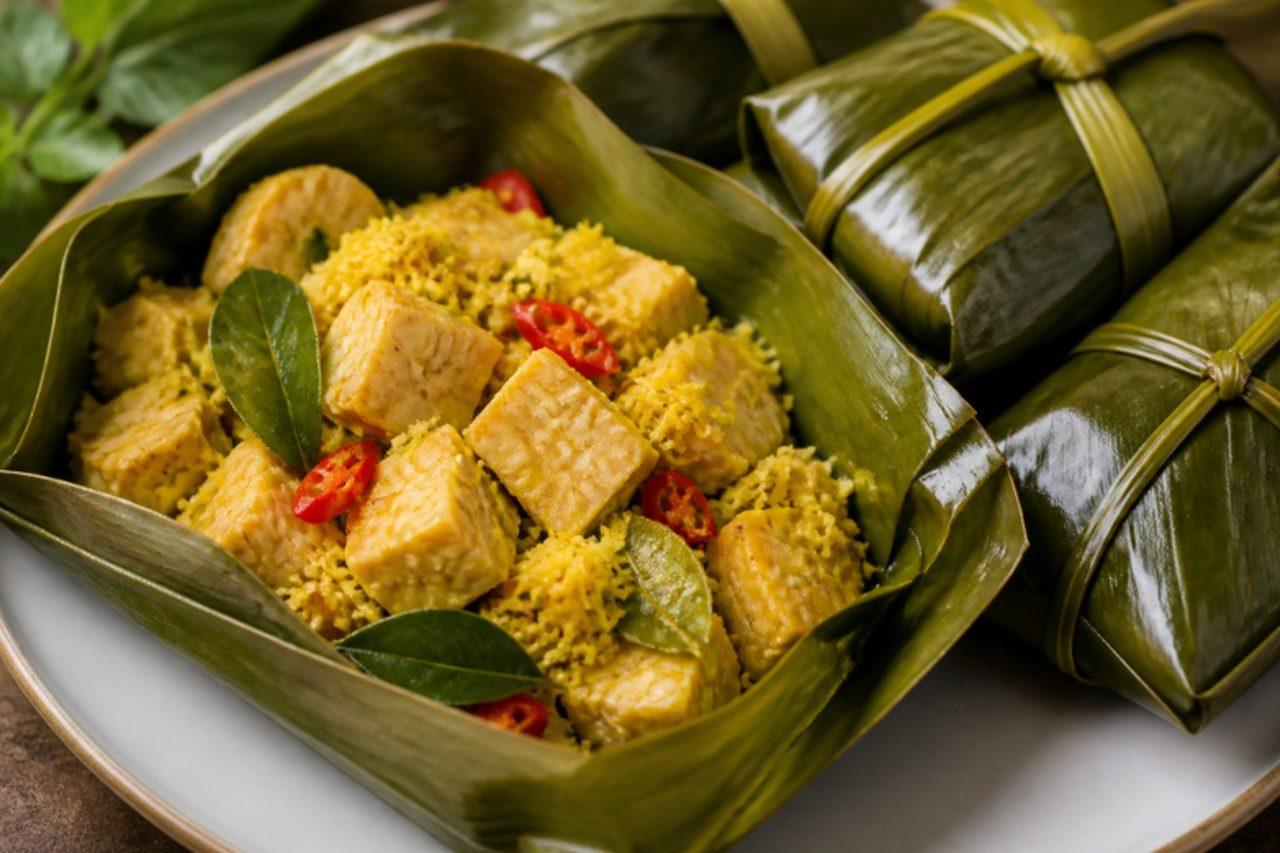
In village kitchens of Central and East Java, from Klaten to Kediri, botok is a weekday parcel dish: crumbled tempeh mixed with freshly grated coconut, chilli, galangal and a little palm sugar, wrapped in banana leaf with a bay leaf and steamed until set. It comes to the table at lunch, unwrapped beside rice, and tastes of toasted coconut and bay, moist and crumbly rather than saucy. Each portion has about 125 g of tempeh plus coconut, giving roughly 24 g of protein, mainly from the tempeh. The common mistake is wrapping the parcels loosely, so steam gets in and the filling turns wet; fold them snugly and pin them shut. Chef's tip: squeeze a little of the coconut through your fingers before mixing; if it feels dry, add a spoon or two of water so the botok binds when it steams.

by KrazyBadal 0 views

Garang asemChicken and starfruit in banana leaf

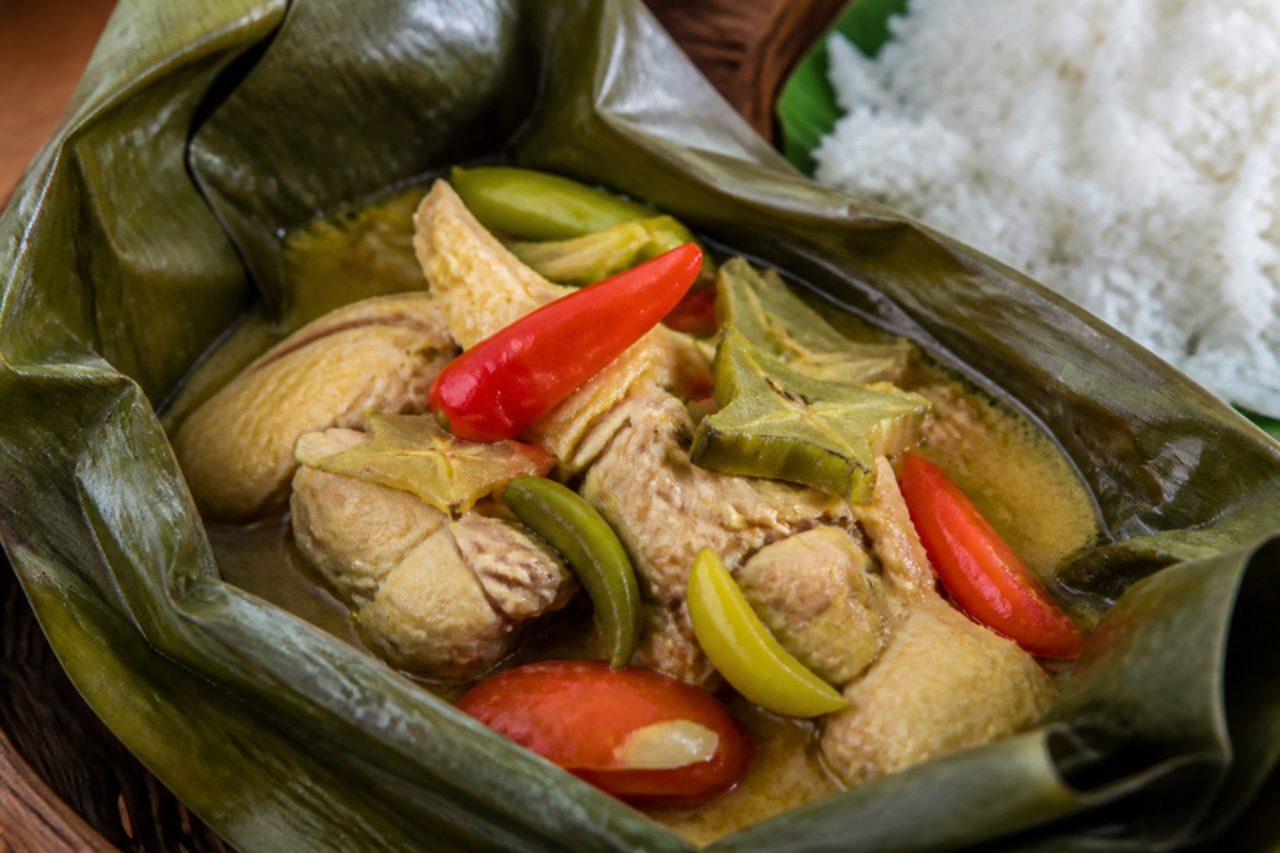
Garang asem is a dish from Kudus and Demak on the north coast of Central Java, where it is cooked for family lunches and sold at warungs by midday. Bone-in chicken is packed into banana-leaf parcels with sour starfruit, tomato, whole chillies and a little thin coconut milk, then steamed until the juices turn into a light, tangy, peppery broth. It is clean-tasting rather than rich, and a portion has about 32 g of protein from the chicken; serve it with steamed rice. The common mistake is wrapping the parcels loosely so the broth runs out; fold the leaves in two layers and pin them tight. Chef's tip: if you can't find belimbing wuluh (sour starfruit), use green tomatoes and a spoon of tamarind water for the same sharpness.

by KrazyBadal 0 views

Lalapan with sambal tomatRaw vegetables with tomato sambal

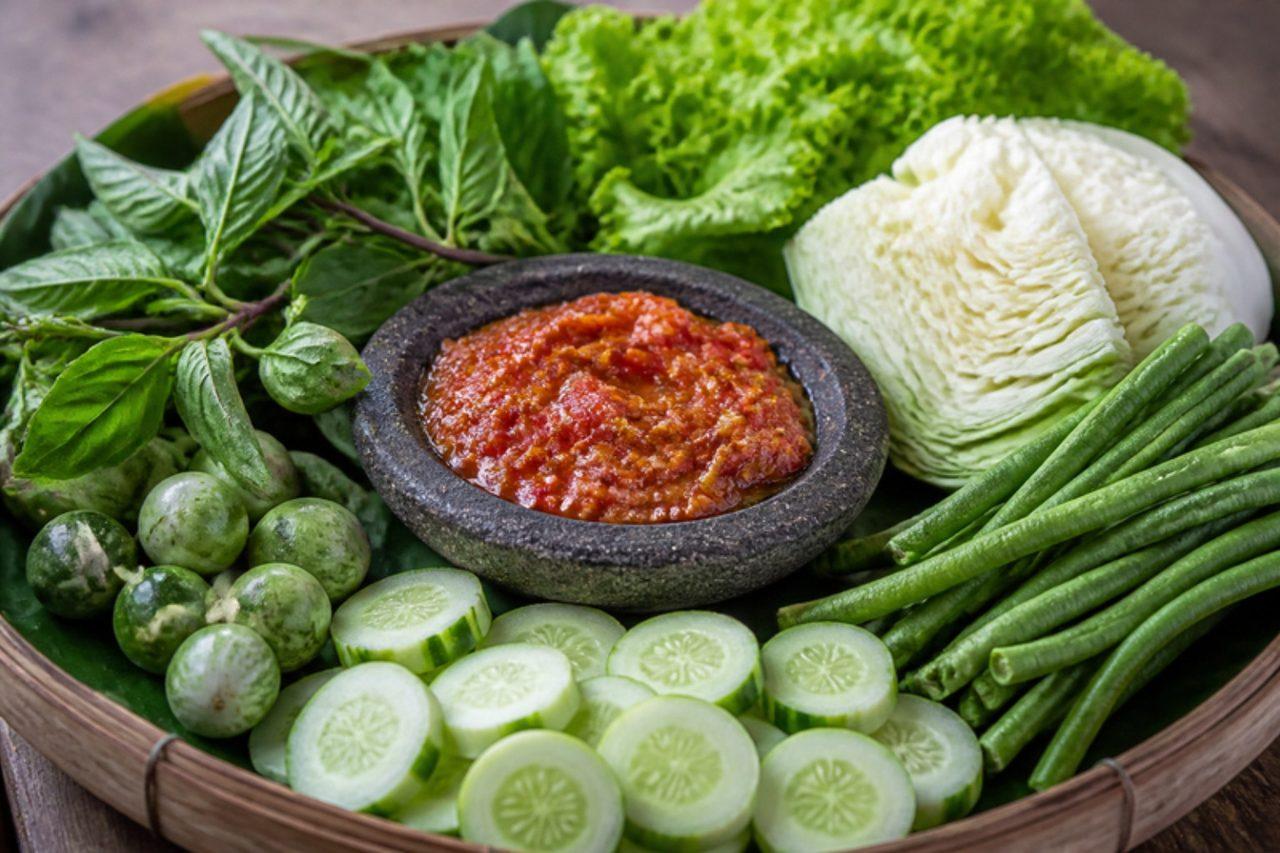
In Sundanese homes and warung across West Java, from Bandung to Bogor, lalapan sits on the table at nearly every rice meal: a plate of raw cucumber, cabbage, long beans, Thai basil, lettuce and sometimes small green aubergines, dipped one by one into fiery sambal. It is about freshness and crunch more than cooking. The usual sambal terasi uses shrimp paste, so here it is a vegetarian sambal tomat of fried chilli, shallot, garlic and tomato, ground with palm sugar and lime. A portion gives only about 3 g of protein, so pair it with fried tofu or tempeh and rice for a full meal. The most common mistake is serving limp vegetables: wash them, then crisp them in iced water and dry them well. Chef's tip: fry the sambal ingredients until the tomato skins split and the shallots catch at the edges; that charring gives the depth shrimp paste usually brings.

by KrazyBadal 0 views

KantarelltoastChanterelle toast

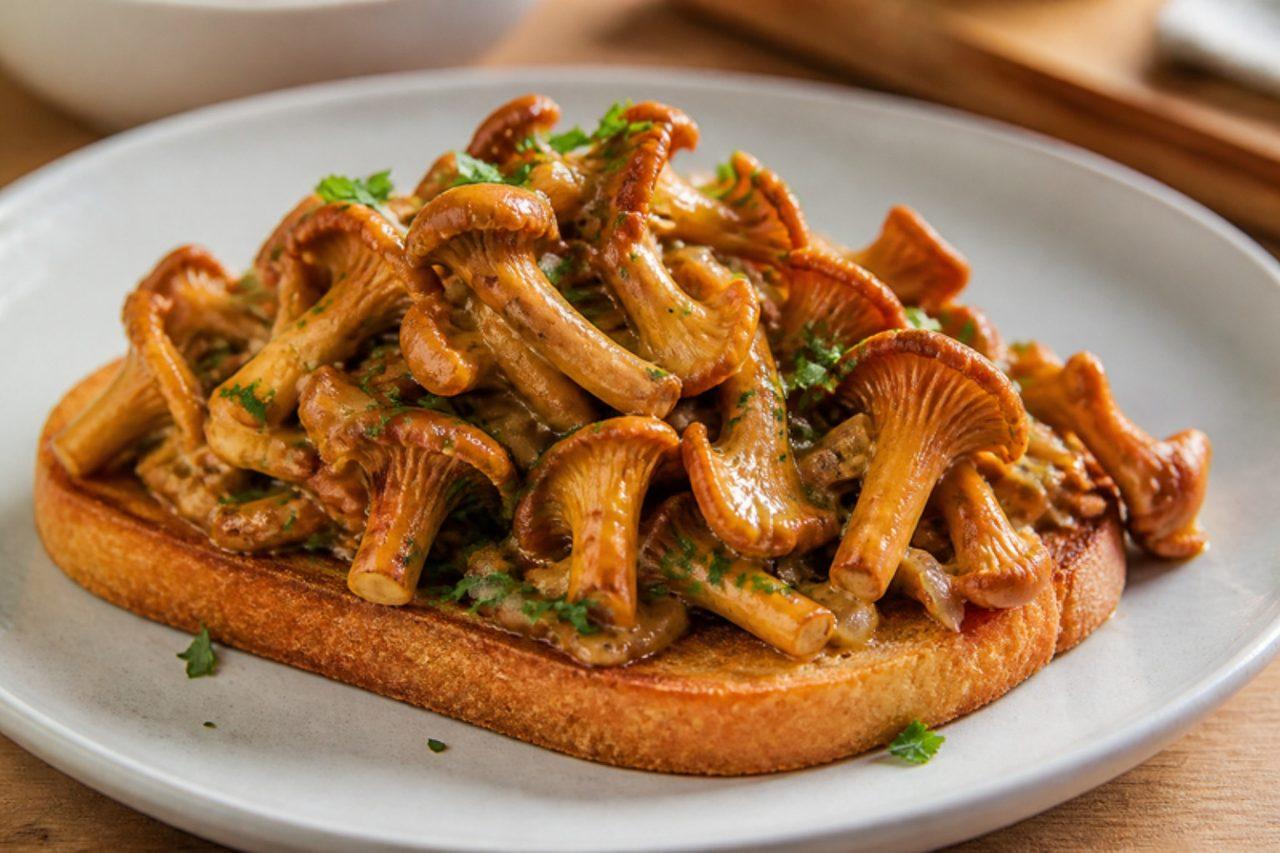
Kantarelltoast is the dish Swedes wait all year for: in August and September, after a day picking golden chanterelles in the forests from Småland to Norrland, they fry them in butter with shallot, add a splash of cream and pile them on toast for a quick supper or starter. The mushrooms are peppery and almost apricot-scented, and the cream turns them silky. If you forage, only eat mushrooms you are certain of; shop-bought chanterelles are safest. The most common mistake is washing chanterelles under the tap, which makes them soggy; brush them clean and dry-fry them first to drive off their water. Chef's tip: a little grated Västerbotten-style hard cheese on top is classic, but check it is made with vegetarian rennet.

by KrazyBadal 0 views

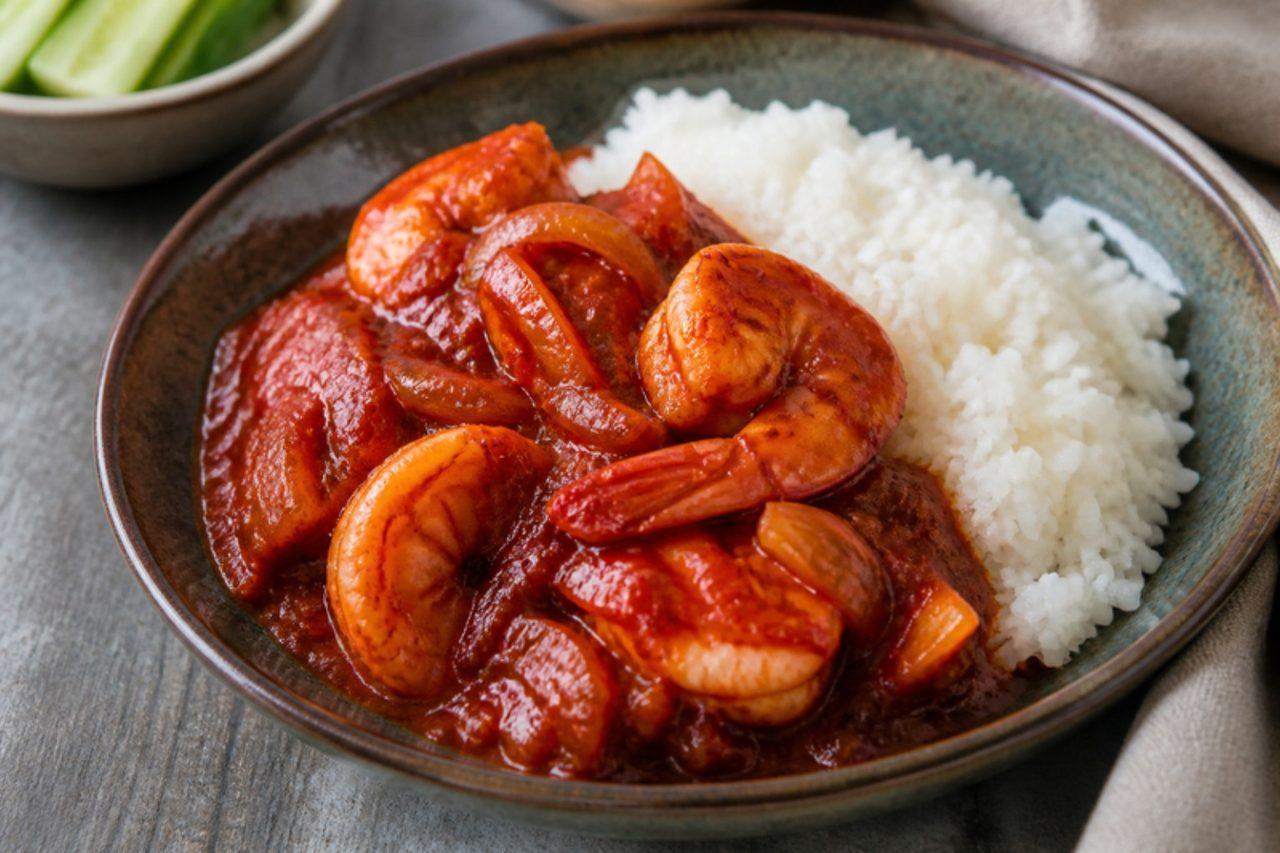
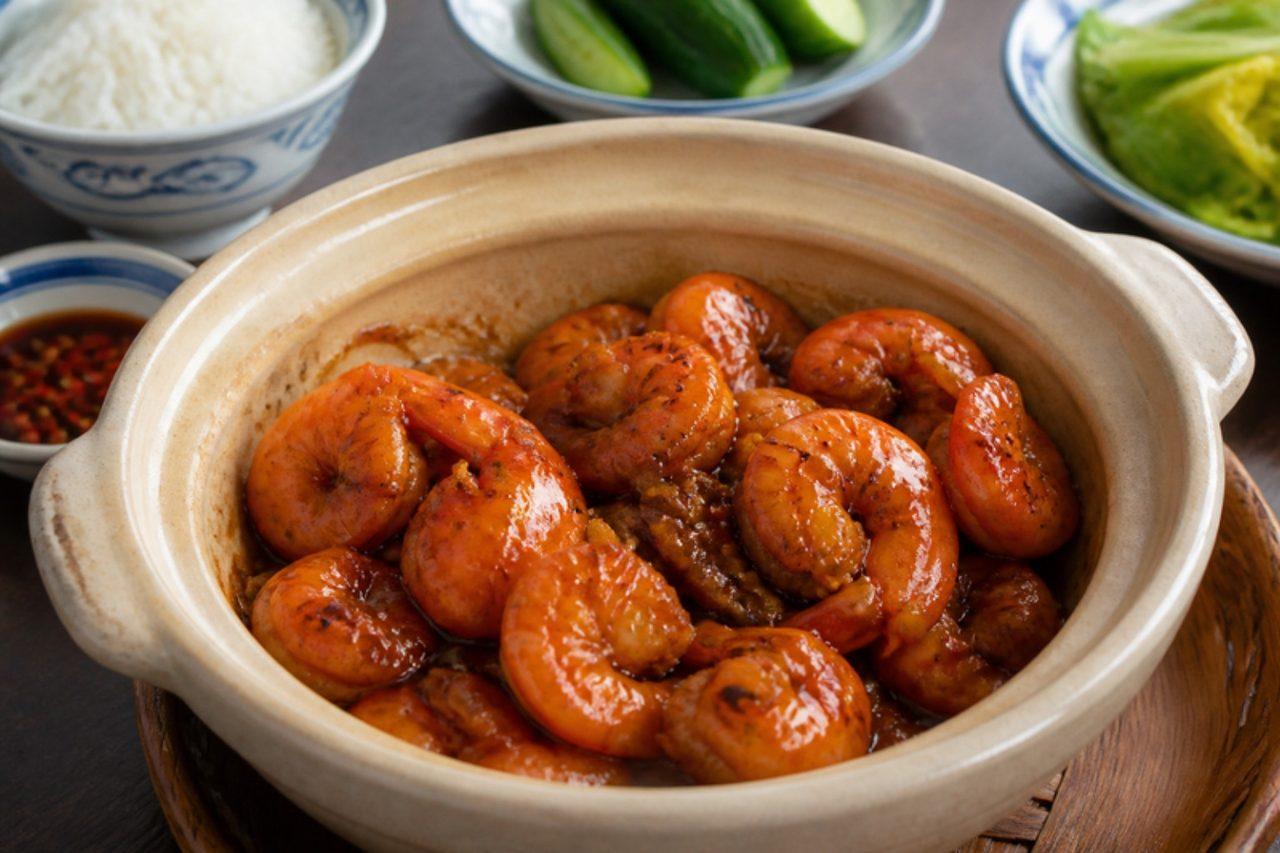
Sambal udang (prawns in chilli sambal)

Sambal udang is a Malay home dish cooked for everyday rice meals and dished up at nasi lemak stalls from Kuala Lumpur to Penang: prawns cooked in a deep red paste of dried chilli, shallot and garlic, soured with tamarind and sweetened with a little sugar. This version leaves out belacan (shrimp paste) as optional. The mistake is not frying the chilli paste for long enough; it needs to cook until the oil separates and turns red, or it tastes raw and harsh. Chef's tip: soak the dried chillies in just-boiled water while you peel the prawns and the paste blends silky smooth.

by KrazyBadal 0 views

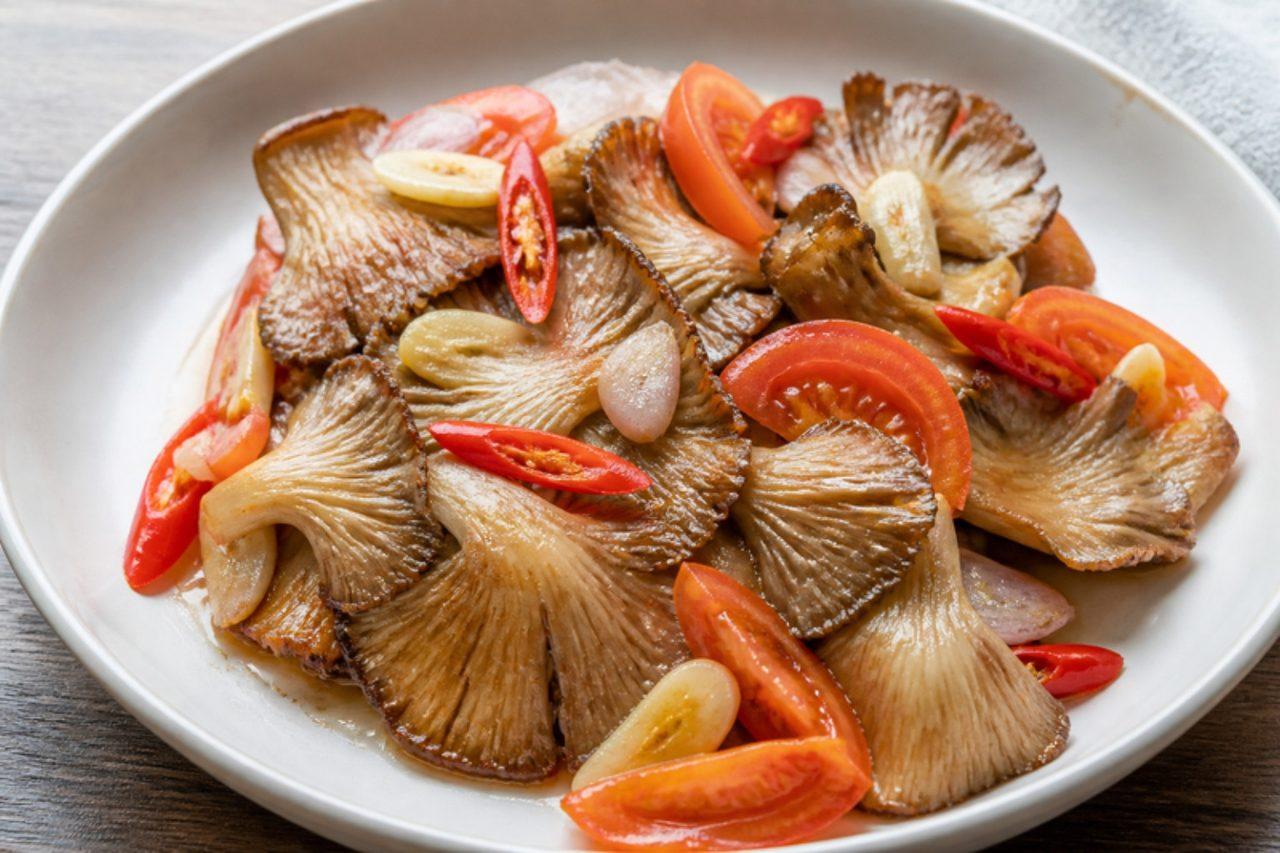
Tumis jamur (Indonesian stir-fried oyster mushrooms)

Tumis jamur tiram is a favourite in Javanese homes and cheap warung kitchens across Indonesia, where grey oyster mushrooms are grown locally and sold by the bag every morning. Cooked fast in a hot wok, the mushrooms turn meaty and juicy, picking up garlic, shallot, a little chilli and the sweetness of kecap manis and tomato. It is eaten with rice as part of an everyday dinner, often next to tempeh or tofu. The usual mistake is crowding the pan, which makes the mushrooms release water and stew instead of browning. Chef's tip: tear the mushrooms by hand along their natural lines rather than slicing them; the ragged edges catch the sauce.

by KrazyBadal 0 views

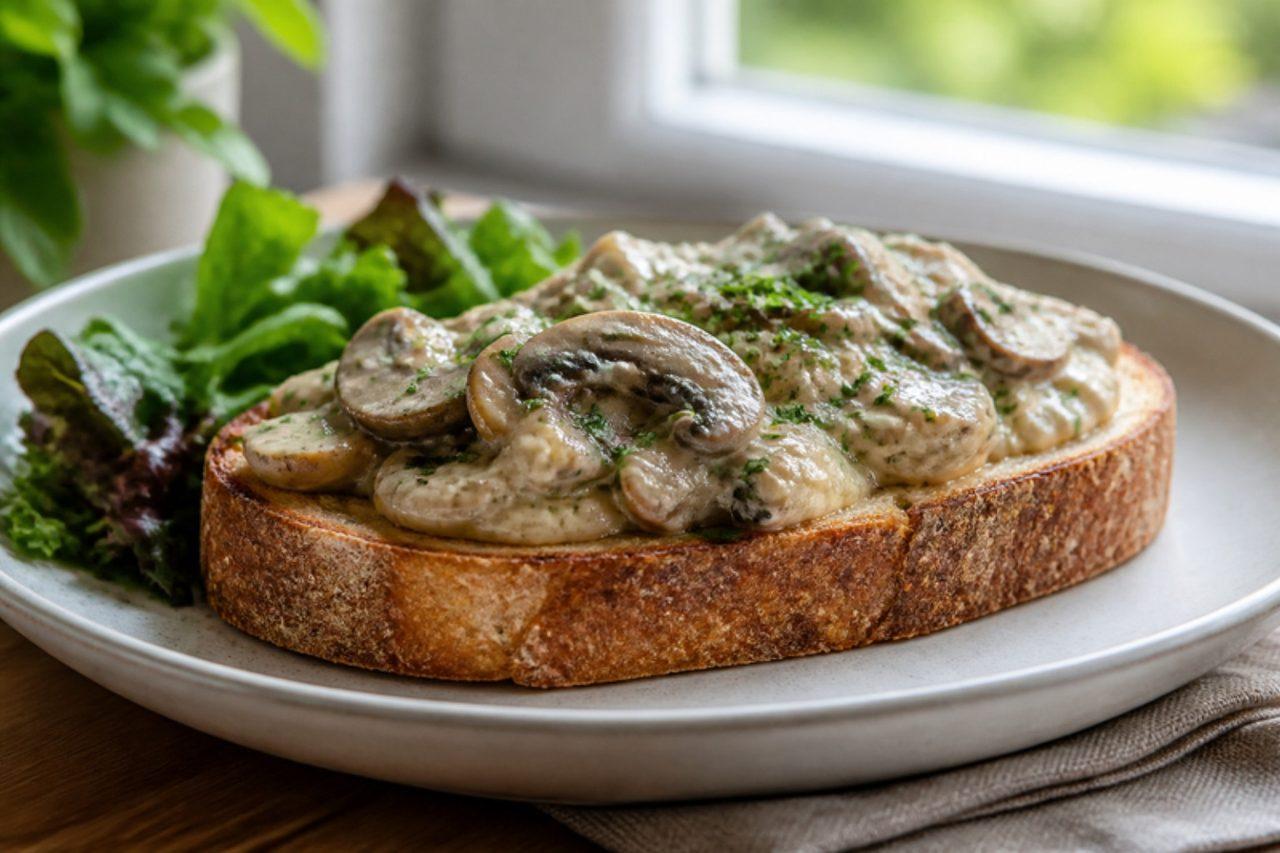
Croûte aux champignonsCreamy mushrooms on toast

In the mountain villages of Savoie and the Jura, croûte aux champignons is a quick supper in autumn and through ski season: thick toasted bread topped with mushrooms cooked down in butter, a splash of dry white wine and cream, sometimes with a little melted local cheese on top. It is rich and earthy, and a green salad alongside is all it needs. The recipe uses white wine, which mostly cooks off but not entirely; for an alcohol-free version use vegetable stock with a squeeze of lemon. The most common mistake is pouring in the cream before the mushrooms have browned and the wine has reduced, which gives a thin, grey sauce. Chef's tip: rub the hot toast with a cut garlic clove so every bite is fragrant.

by KrazyBadal 0 views

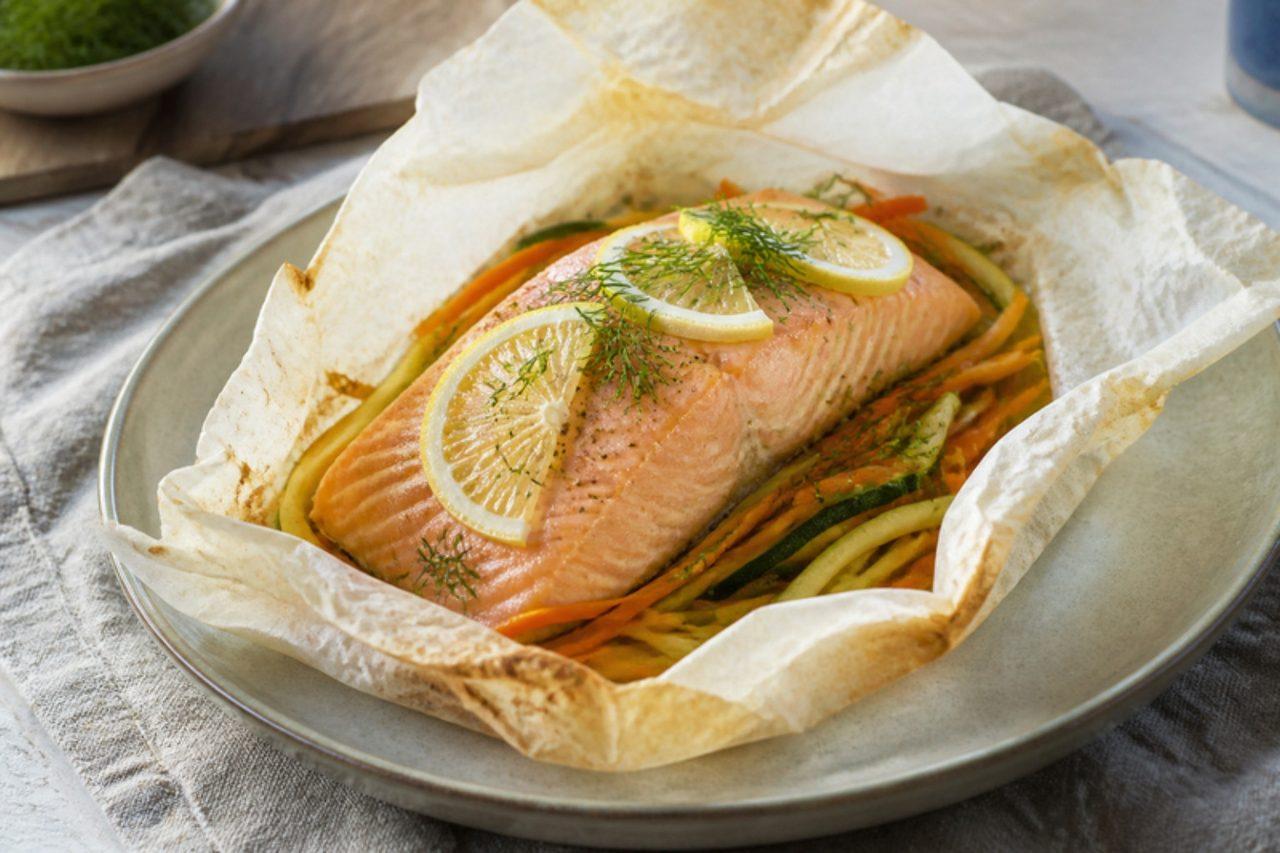
Saumon en papilloteSalmon baked in paper parcel

Saumon en papillote is everyday French home cooking at its lightest: a fillet of salmon sealed in baking paper with ribbons of courgette and carrot, lemon and dill, so it steams in its own juices in the oven. Across France it is a favourite midweek dinner because there is almost no washing-up, and each person opens their own fragrant parcel at the table, ideally with boiled new potatoes or rice. The usual mistake is cutting the vegetables too thick, so the fish overcooks while they stay raw; slice them very thin. Chef's tip: fold and crimp the paper edges tightly all the way round, or the steam escapes and the salmon dries out.

25 minFrenchFishGluten free
by KrazyBadal 0 views

Tôm rim (caramelised prawns)

Tôm rim is a homely dish cooked in kitchens from Hanoi to the Mekong Delta and eaten at the family rice tray with boiled greens and a clear soup: prawns simmered down in fish sauce, sugar and shallot until the liquid turns to a sticky, salty-sweet glaze. The mistake is walking away in the last few minutes, when the sauce goes from glaze to burnt very quickly. Chef's tip: leave the shells on if your prawns are small, as many Vietnamese cooks do; they turn crisp and caramelised and add flavour.

by KrazyBadal 0 views

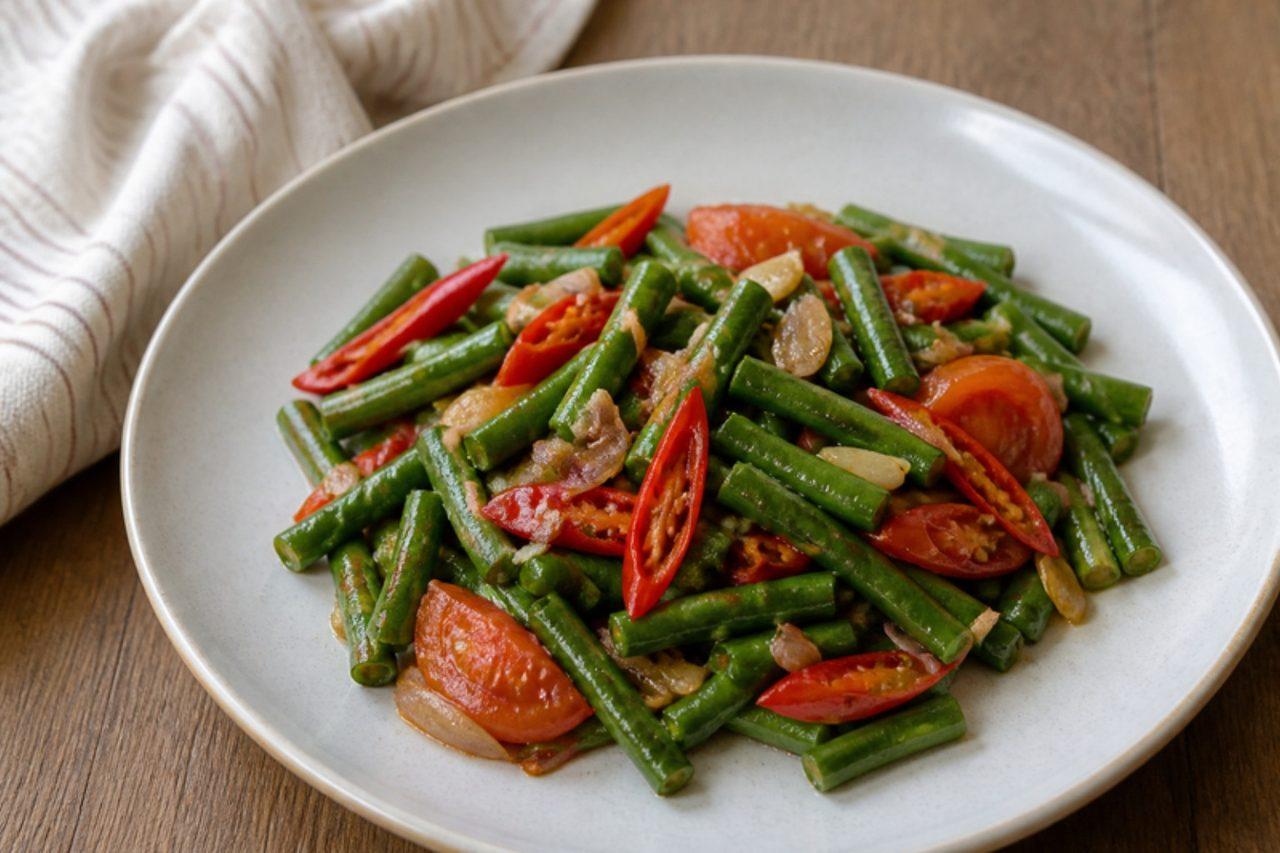
Tumis kacang panjang (Indonesian stir-fried long beans)

In Javanese homes and warungs, tumis kacang panjang is one of the quickest vegetable dishes on the table, cooked in minutes at dinner time and eaten with rice, fried tempeh and sambal. The beans keep a little bite, the tomato breaks down into a light, savoury gloss, and the chilli gives gentle heat. Plenty of cooks stir in a little terasi (shrimp paste); here it is left out to keep the dish vegan, with a pinch of sugar for balance. The common mistake is adding a lot of water and covering the pan, which boils the beans grey; a splash and a hot pan are enough. Chef's tip: cut the beans on a slant so more surface touches the pan and they cook faster.

by KrazyBadal 0 views

Heong pengSesame maltose biscuits

Ipoh, the old tin-mining city in Perak, is famous for heong peng ('fragrant biscuits'), and visitors buy them by the bag along with white coffee. They are flat, round pastries with a crisp, flaky shell coated in sesame seeds, filled with a sticky, chewy layer of maltose mixed with shallot oil and fried shallots: sweet, savoury and deeply aromatic at once. Locals eat them with a cup of kopi in the morning or as a snack on the road. The pastry is traditionally made with lard; this recipe uses vegetable shortening and keeps the shallot oil, so it is vegan. Chef's tip: warm the maltose jar in hot water before measuring, then chill the finished filling until firm, because maltose softens fast and a runny filling leaks out and burns on the tray.

by KrazyBadal 0 views

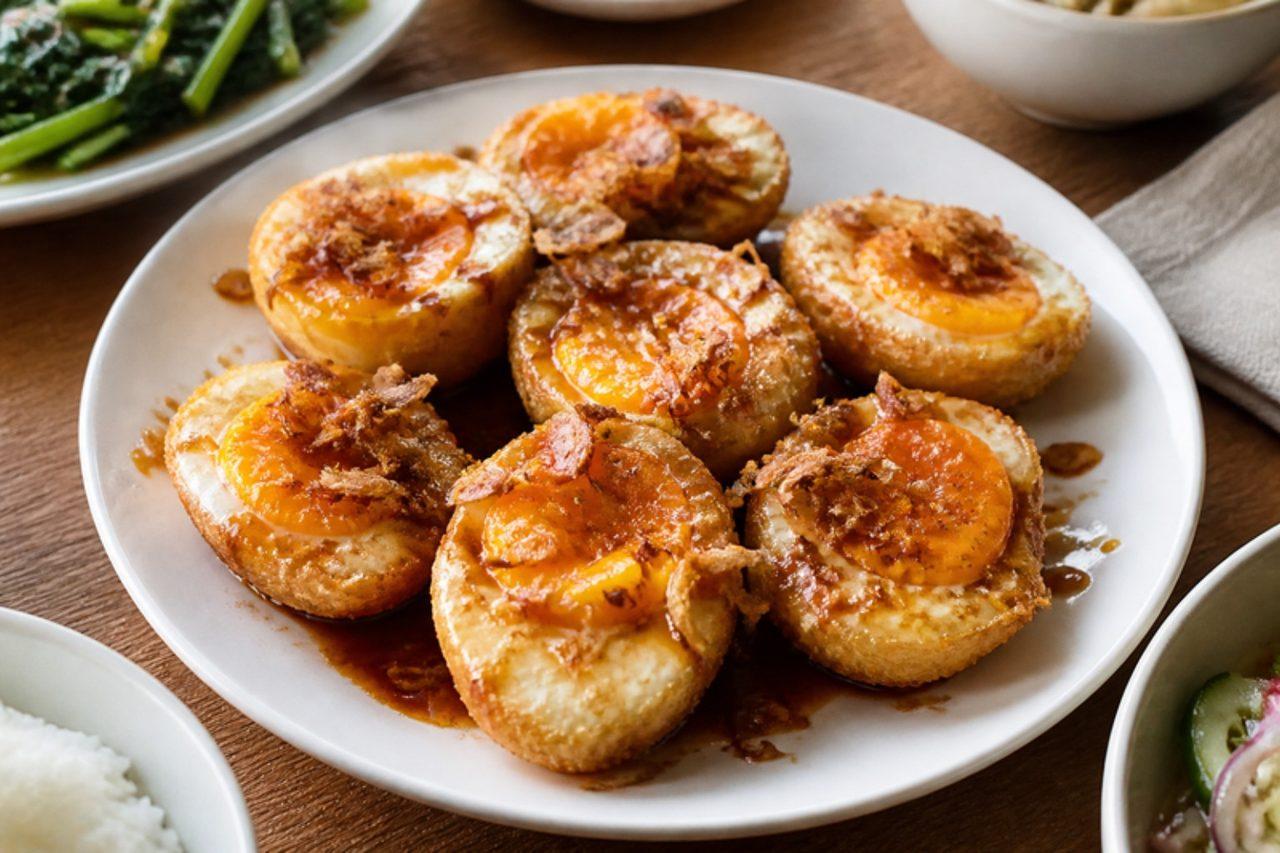
Khai luk khoei (son-in-law eggs)

Khai luk khoei, son-in-law eggs, is a central Thai dish made for family meals and temple fairs, and a favourite way to turn a few eggs into dinner: boiled eggs fried until blistered and golden, halved and spooned over with a sticky tamarind, palm sugar and fish sauce sauce, then finished with crisp shallots and chilli. It contains fish sauce, so it is not vegetarian. The mistake is frying wet eggs in oil that isn't hot enough; dry them well and the skin puffs and crisps instead of spitting. Chef's tip: boil the eggs for 7 minutes for a jammy centre; give 10 minutes and fully set yolks for anyone pregnant, very young, older or vulnerable.

by KrazyBadal 0 views

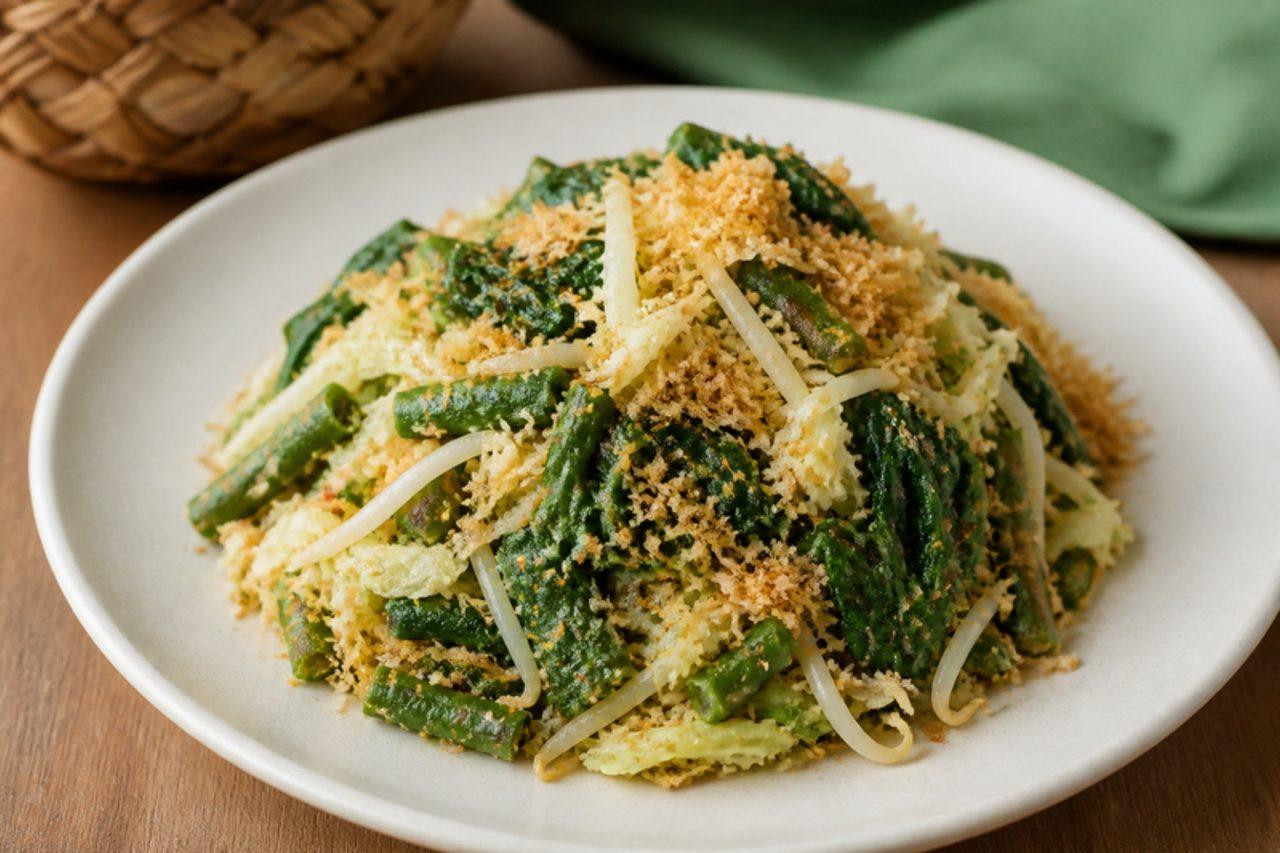
Urap (Javanese vegetables with spiced coconut)

Urap is a Javanese and Balinese side dish served at everyday meals and at slametan gatherings, and it is just as common heaped next to rice and tempeh on a weeknight. Freshly blanched long beans, spinach, cabbage and bean sprouts are tossed with grated coconut that has been steamed with shallot, garlic, chilli and lime leaf, so the vegetables taste bright and the coconut sweet, warm and fragrant. Many cooks add terasi (shrimp paste) to the coconut; this version leaves it out so it stays vegan. The common mistake is mixing the coconut into the vegetables hours ahead, when it turns sour and soggy; toss just before eating. Chef's tip: plunge the vegetables into cold water straight after blanching and squeeze the greens dry, or the dressing will be watery.

by KrazyBadal 0 views

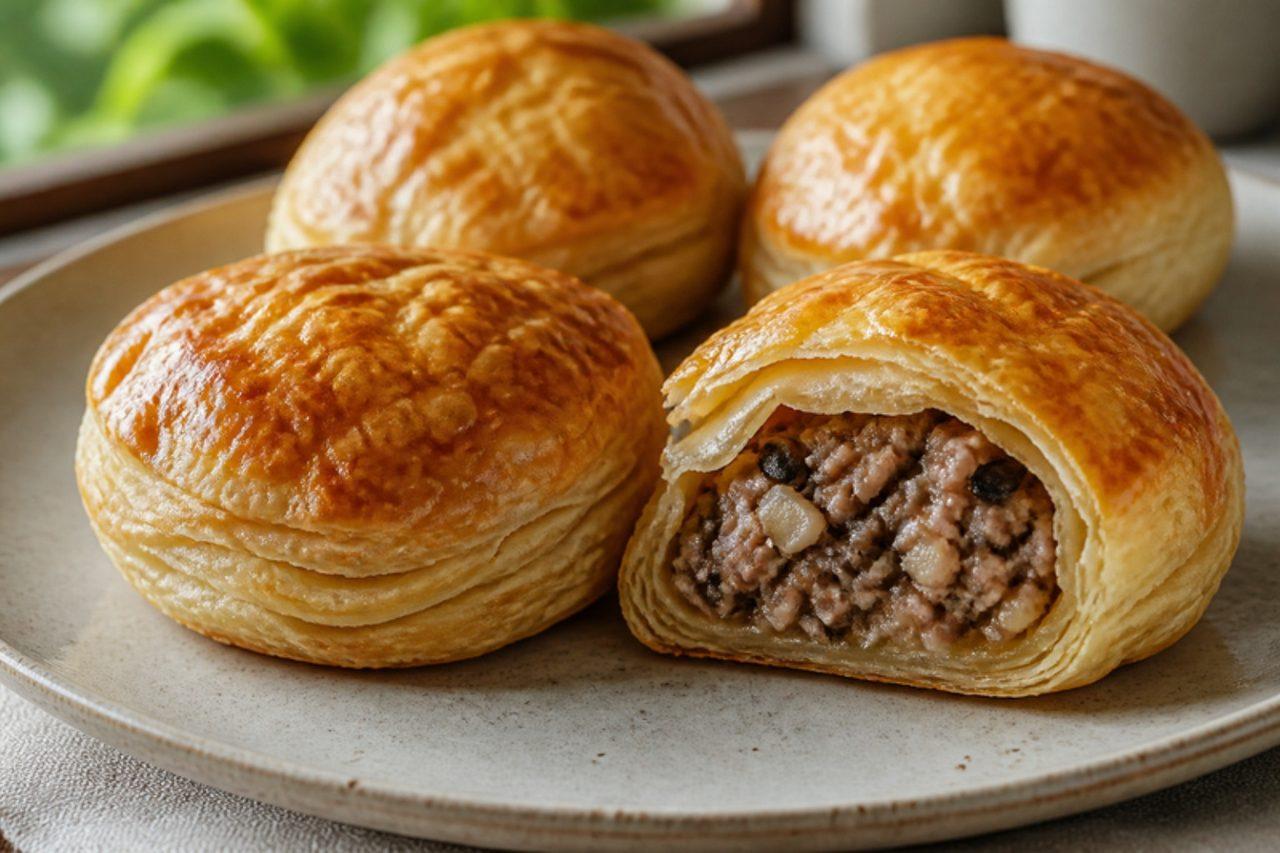
Bánh patê sôPork puff pastries

Bánh patê sô (from the French pâté chaud) are what Hanoi and Saigon bakeries pull out of the oven at dawn: round, flaky puff pastries with a juicy filling of seasoned pork mince, shallot, garlic, wood ear mushroom and plenty of black pepper. People eat them warm on the way to work with a glass of iced coffee, and boxes of them go to the family at Tết. The pastry shatters, the pork inside is savoury, slightly sweet and peppery. For a vegetarian version, swap the pork for crumbled firm tofu and chopped shiitake, seasoned with soy sauce instead of fish sauce. Warm pastry is the common mistake: it won't rise into layers, so keep the circles cold until they go in. Chef's tip: shape the filling into flattened balls a little smaller than you think, leaving a clear 1.5 cm rim to seal.

by KrazyBadal 0 views

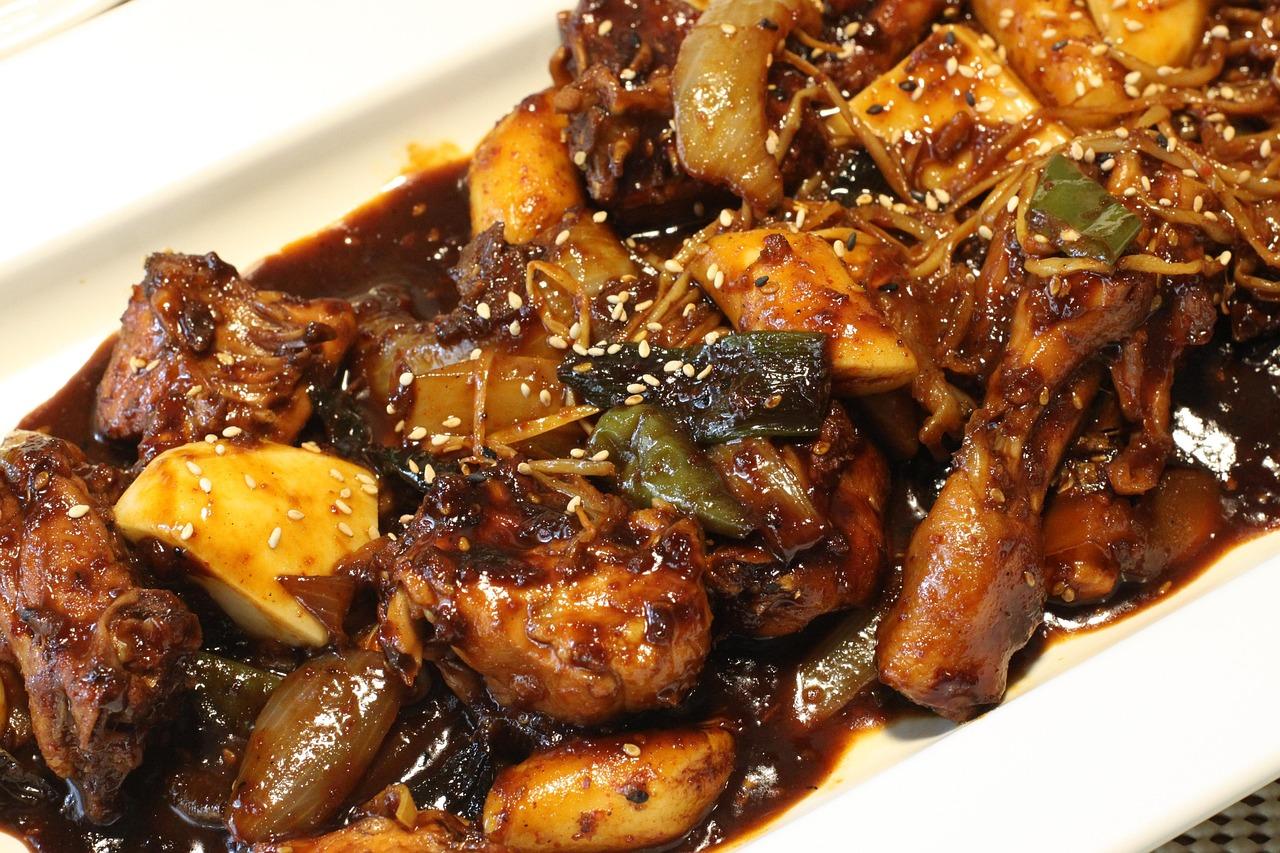
Ayam kecap (sweet soy chicken)

Ayam kecap is everyday Indonesian home cooking, made from Jakarta to Surabaya for family dinners and lunchboxes: bite-size chicken pieces browned, then simmered in kecap manis, the thick palm-sugar soy sauce, with garlic, shallot, ginger and tomato until glossy and sticky. The mistake is adding the kecap manis too early on a high heat; its sugar burns before the chicken is cooked, so add it once the chicken is browned and turn the heat down. Chef's tip: use boneless thighs, which stay juicy and cook in the time the rice takes.

by KrazyBadal 0 views

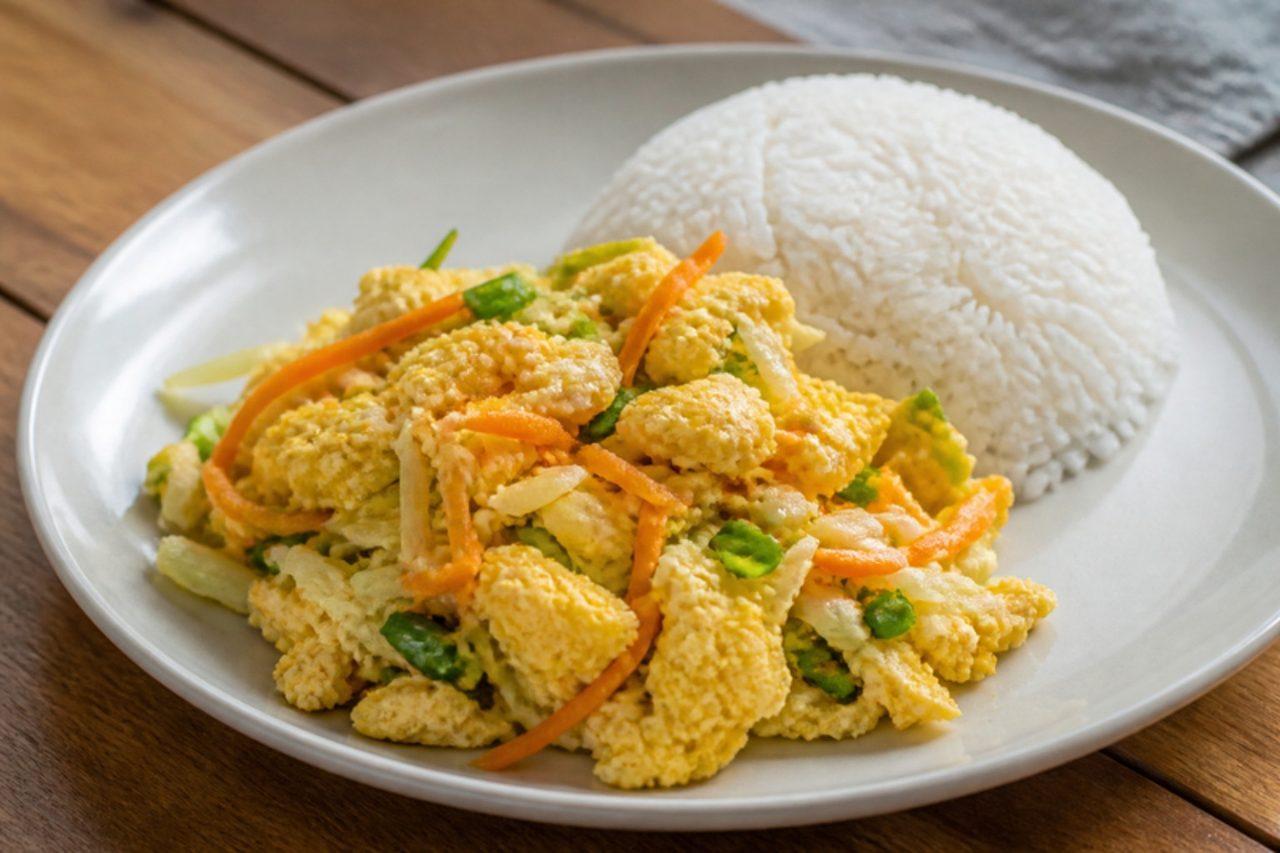
Orak-arik telur (Indonesian scrambled eggs with vegetables)

Orak-arik means roughly 'scrambled up', and this Javanese home dish is what students in Yogyakarta and families everywhere in Java make when the fridge is nearly empty: a cheap, filling plate of cabbage, carrot and egg to eat with rice at dinner or pack into a lunchbox. The vegetables stay sweet and slightly crunchy while the egg sets into soft, savoury curds around them. The common mistake is adding the eggs while the vegetables are still wet and watery, which gives a pale, soggy mess; cook the vegetables until the pan is dry first. Chef's tip: let the egg set for 20 seconds before you start stirring, so you get large curds rather than crumbs.

by KrazyBadal 0 views

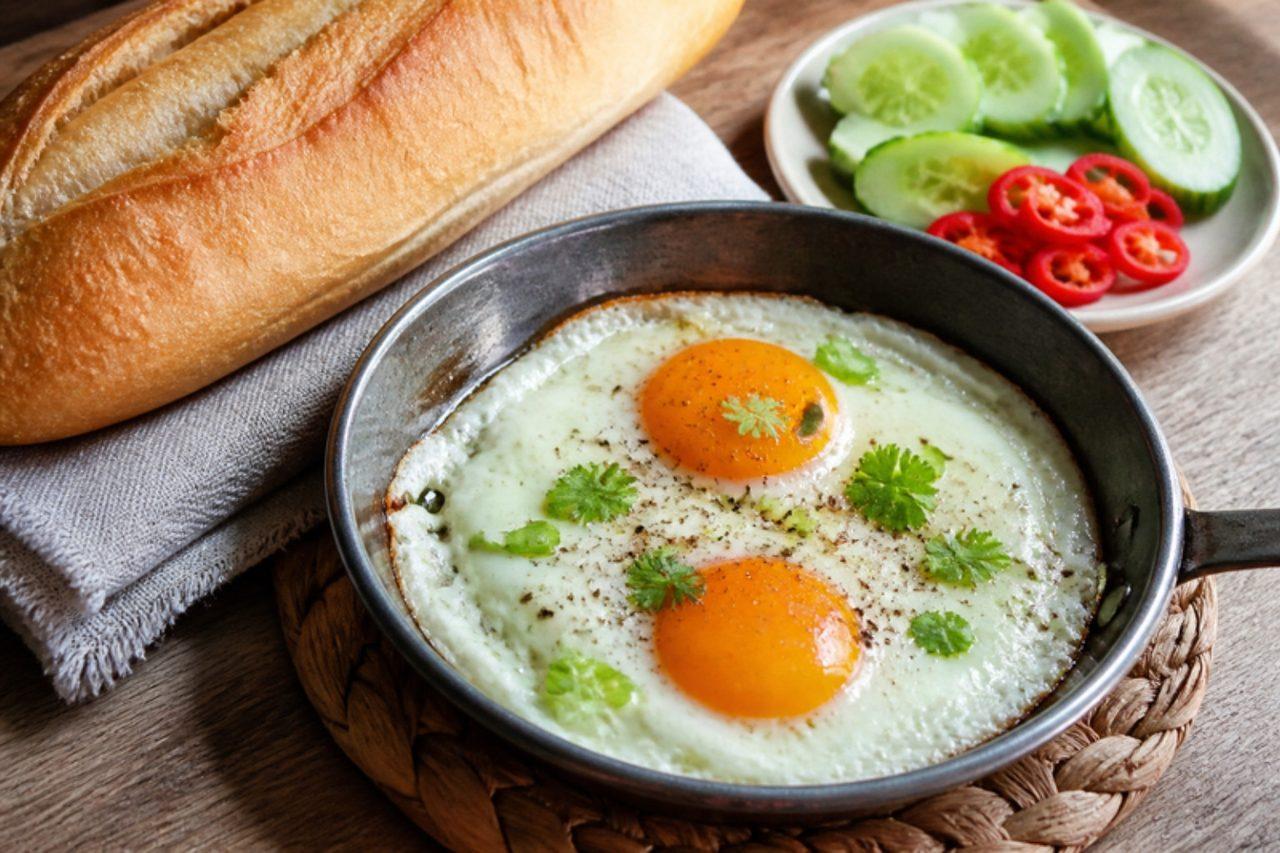
Bánh mì ốp la (Vietnamese fried eggs with baguette)

All over Saigon and Hanoi, street stalls serve bánh mì ốp la for breakfast: two or three eggs fried in a little iron pan, brought to the table sizzling, with a split baguette for scooping and a splash of dark seasoning sauce on top. The whites go lacy and crisp at the edges while the yolks stay soft, and the cucumber and chilli on the side keep it fresh. The usual mistake is frying the eggs on a fierce heat until the bottoms burn before the whites on top have set; a medium heat and a lid fix that. For pregnant people, young children, older or vulnerable people, cook the yolks until fully set. Chef's tip: warm the baguette in a hot oven for 3 minutes first so the crust shatters the way it does at the stall.

by KrazyBadal 0 views

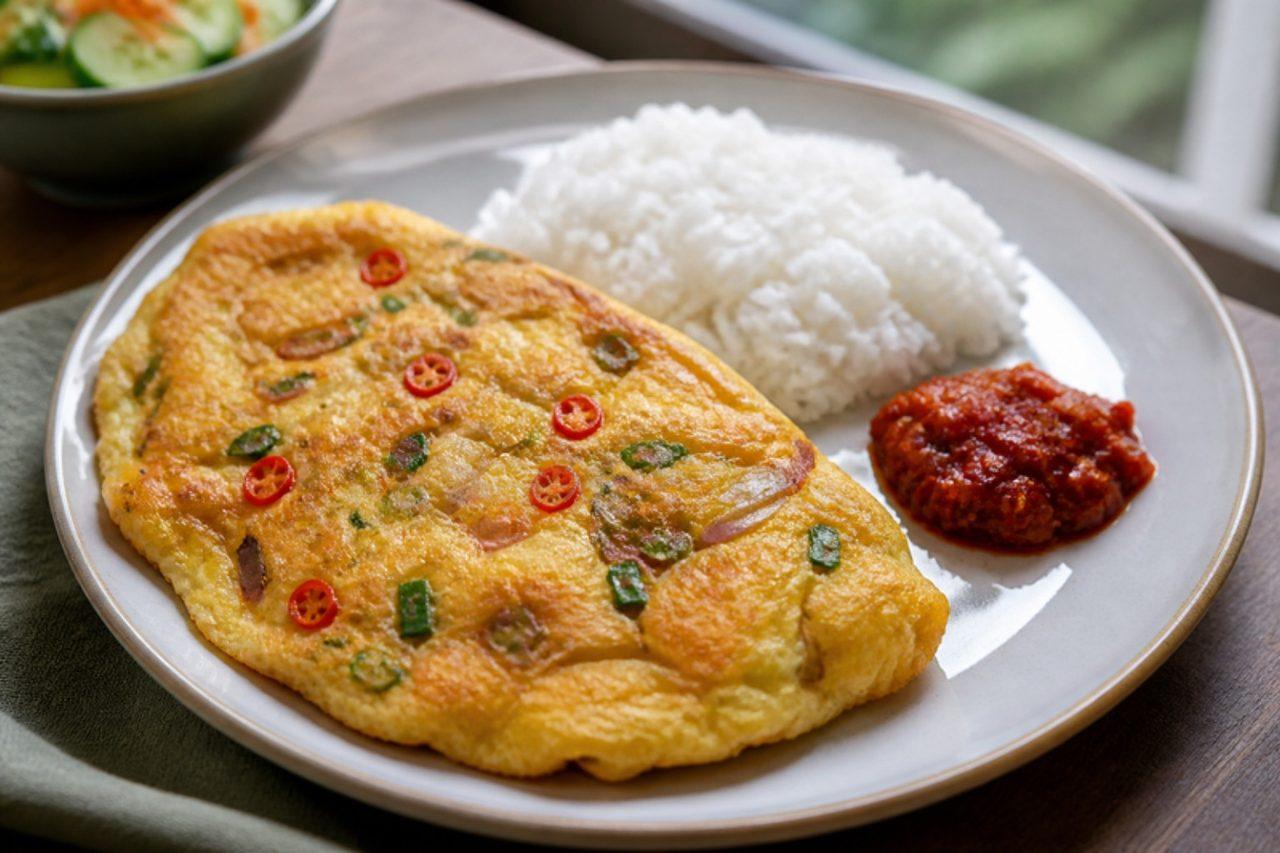
Telur dadar (Malaysian fluffy omelette)

Telur dadar turns up on Malaysian tables from Penang to Johor at almost any meal: next to nasi lemak for breakfast, in a nasi campur spread at lunch, or with plain rice, soy sauce and sambal on a night when there is no time to cook. It is thicker and puffier than a French omelette, with crisp brown edges and pockets of soft onion and chilli. The common mistake is pouring the eggs into oil that isn't hot enough, so they spread thin and turn rubbery instead of puffing up. Chef's tip: beat the eggs hard with a fork until frothy just before they go in, and use a small pan so the omelette stays thick.

by KrazyBadal 0 views

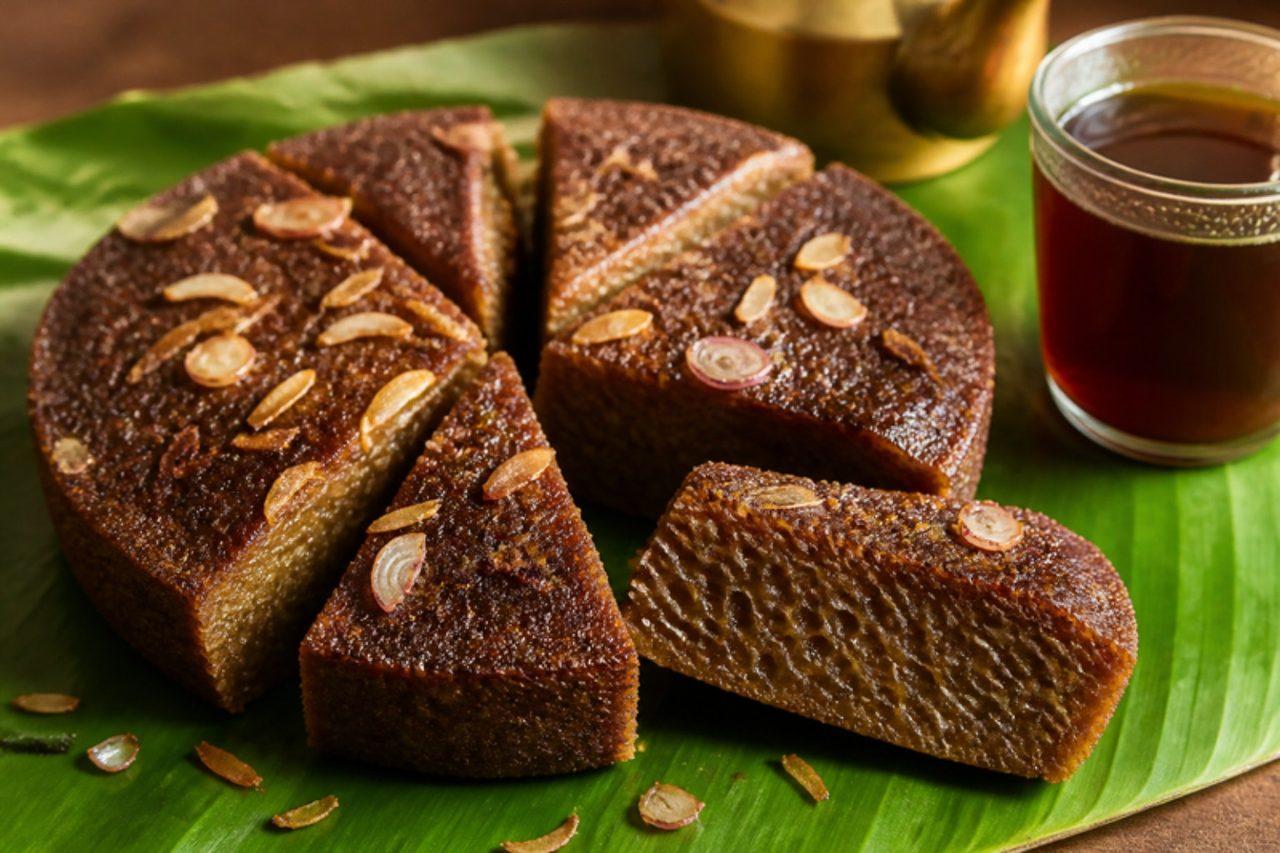
KalathappamRice and jaggery cake

Kalathappam takes its name from the kalam, the heavy clay or metal pot it was once cooked in over a wood fire with embers heaped on the lid. In Malabar homes from Kozhikode to Kannur it appears at tea after the Ramadan fast and for family visits, cut into wedges and eaten warm with black tea. Soaked rice is ground with a little cooked rice and jaggery syrup, so the cake is naturally eggless and gluten free; ghee-fried coconut slivers and sliced shallots give it a crisp, savoury top and a sweet, chewy, gently bubbled middle. Grind the batter as smooth as you can: a gritty batter is the usual reason it turns out dense and sandy. Here it starts on the hob and finishes in the oven, which gives the heat from above that the embers once did. Chef's tip: let the shallots go only to light gold in the ghee; they keep cooking in the oven and turn bitter if they are already brown.

250 minIndianBakingGluten free
by KrazyBadal 0 views

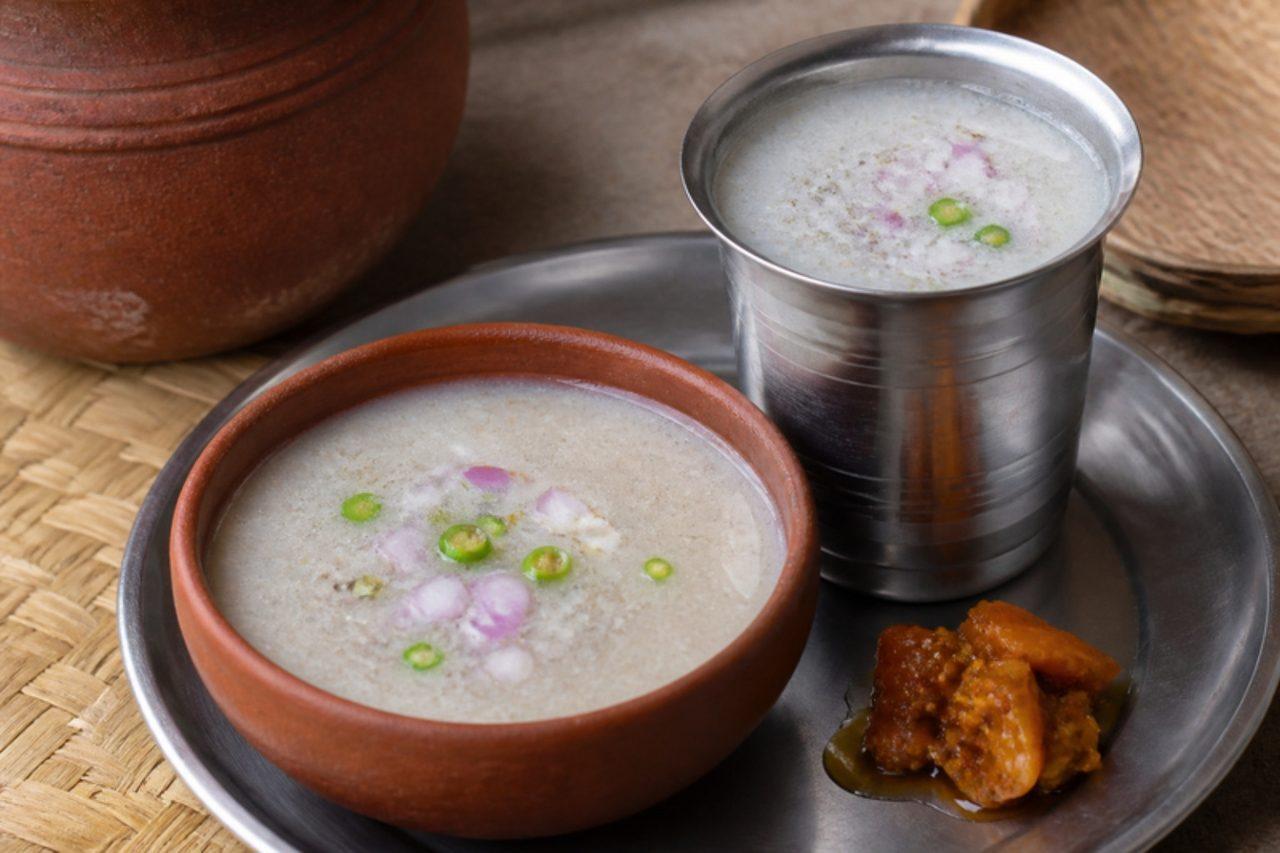
Kambu koozhPearl millet porridge

In the hot months in rural Tamil Nadu, and at the Aadi festival of the village goddesses, big clay pots of kambu koozh are made the evening before and ladled out cold at midday to farm workers and pilgrims. Pearl-millet flour is cooked into a thick porridge, left overnight to sour lightly, then thinned with buttermilk and salt and eaten with chopped raw shallots, green chilli and a bite of pickle. It is sour, filling and surprisingly refreshing. A glass is about 165 kcal. Allow 8–12 hours of fermenting, not counted in the times. The usual mistake is adding the buttermilk to warm porridge, which makes it grainy; it must be completely cold first. Chef's tip: cook the porridge in a clay or steel pot rather than non-stick; it ferments more evenly and gets that clean, tangy taste.

by KrazyBadal 0 views

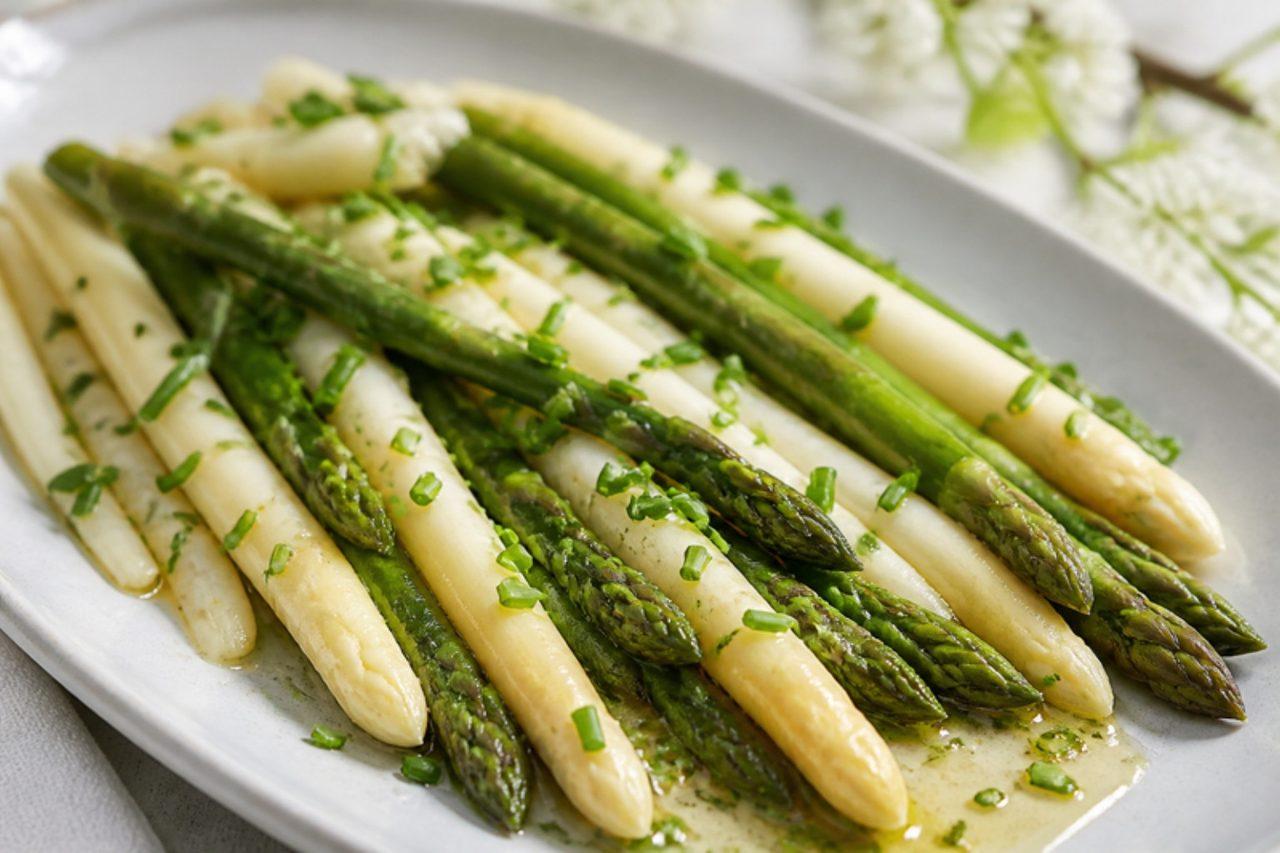
SpargelsalatWarm asparagus salad

Asparagus farms along the Baden Spargelstraße and in the Lüneburg Heath sell their spears straight from roadside huts in May, and this lukewarm salad is how many households there eat the first bundle. White and green spears are cooked just tender, cut into lengths and dressed while warm in a sharp vinaigrette of white wine vinegar, mustard, shallot and plenty of chives, so they soak up the flavour. It goes with new potatoes, or as a light lunch with bread. A frequent mistake is overcooking white asparagus until it is limp and stringy. Chef's tip: dress the spears while still warm and leave them for 15 minutes; cold asparagus barely absorbs the dressing.

by KrazyBadal 0 views

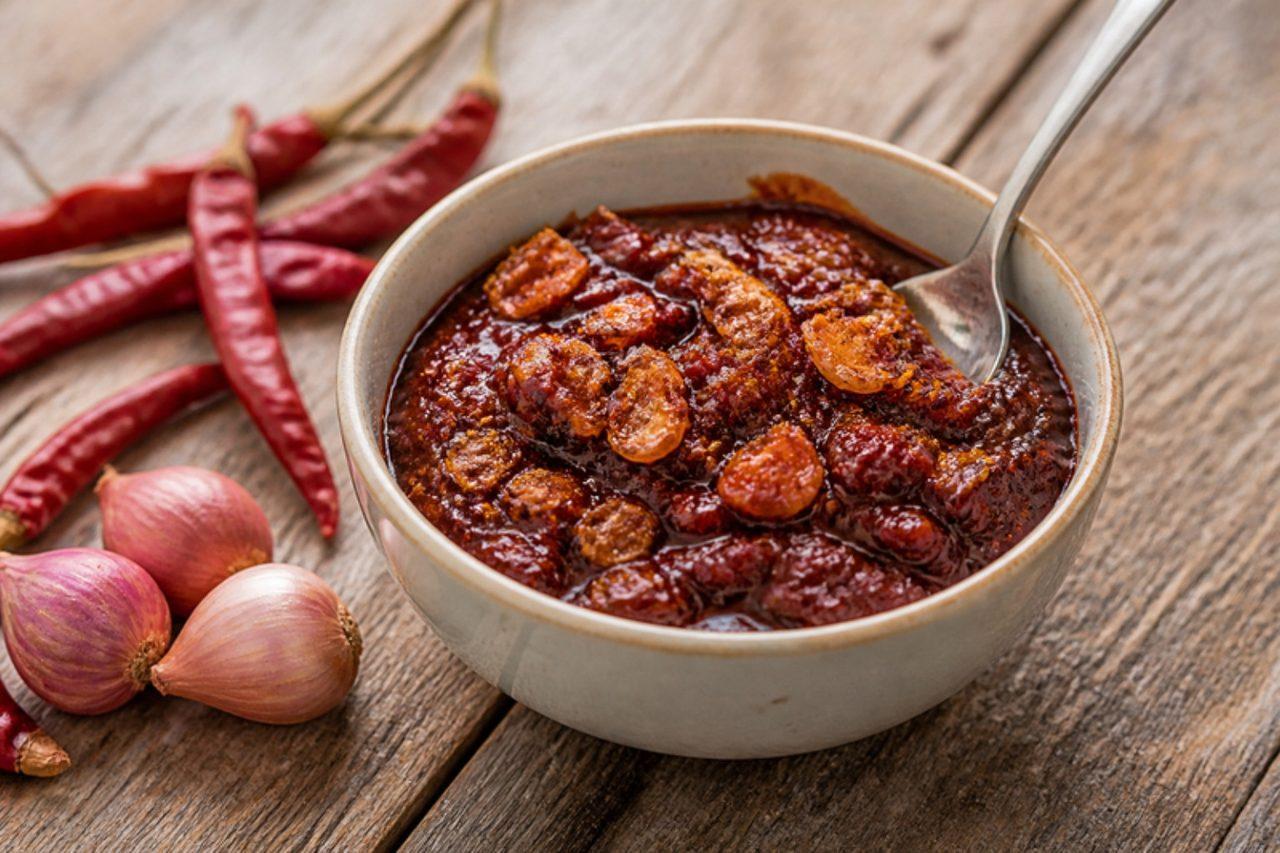
Sambal bajakCooked chilli sambal

In Solo and Yogyakarta warung kitchens a jar of sambal bajak sits beside the rice pot, ready for fried tempeh, boiled greens or a plain omelette at any meal of the day. Red chillies, shallots and candlenuts are blitzed and then fried slowly in plenty of oil with palm sugar and tamarind until the paste turns brick-red, glossy and jammy, mellow rather than raw-hot. This version is vegan: a spoon of salted fermented soybean paste brings the savoury depth that Javanese cooks usually get from toasted terasi (shrimp paste); swap 1 tsp of terasi back in if you eat it. Kept under its layer of oil, it lasts two weeks in the fridge. Chef's tip: the common mistake is stopping too soon; a pale, watery bajak tastes harsh and spoils quickly, so keep frying until the oil splits clear away from the paste.

by KrazyBadal 0 views

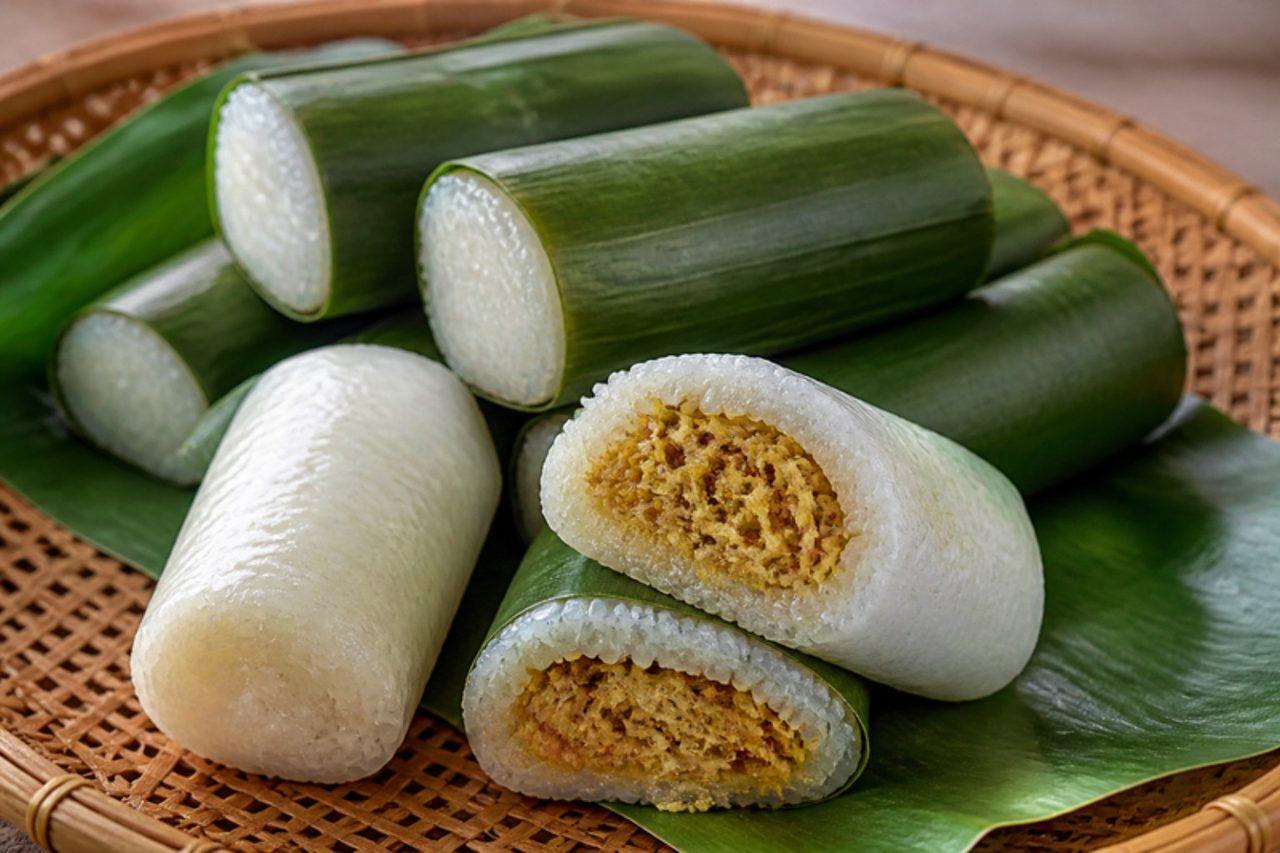
Lemper ayamSticky rice rolls with chicken

Lemper turns up in every Javanese snack box, from office meetings to selamatan prayers: a log of savoury coconut sticky rice wrapped round chicken shredded and cooked down with coriander, lemongrass and coconut milk, then rolled tight in banana leaf. Some are grilled afterwards for a smoky leaf flavour. They make a filling mid-morning snack and travel well. Chef's tip: cook the chicken filling until it is quite dry; a saucy filling soaks into the rice and the rolls fall apart when unwrapped.

by KrazyBadal 0 views

Lumpia SemarangBamboo shoot spring rolls

Semarang's lumpia carts trace their recipe back to a 19th-century Chinese-Javanese couple, and today the city's Gang Lombok and Pemuda Street sellers still roll them to order. The filling is young bamboo shoot stir-fried with prawns, egg and garlic, giving a juicy, faintly sweet crunch inside a crisp wrapper. They are eaten as a snack or light lunch with a thick garlic-palm sugar sauce, pickled cucumber, spring onion and chillies. Chicken can replace the prawns. Chef's tip: canned bamboo shoots must be boiled and drained first; skipping this leaves a sour, tinny smell through the whole roll.

by KrazyBadal 0 views

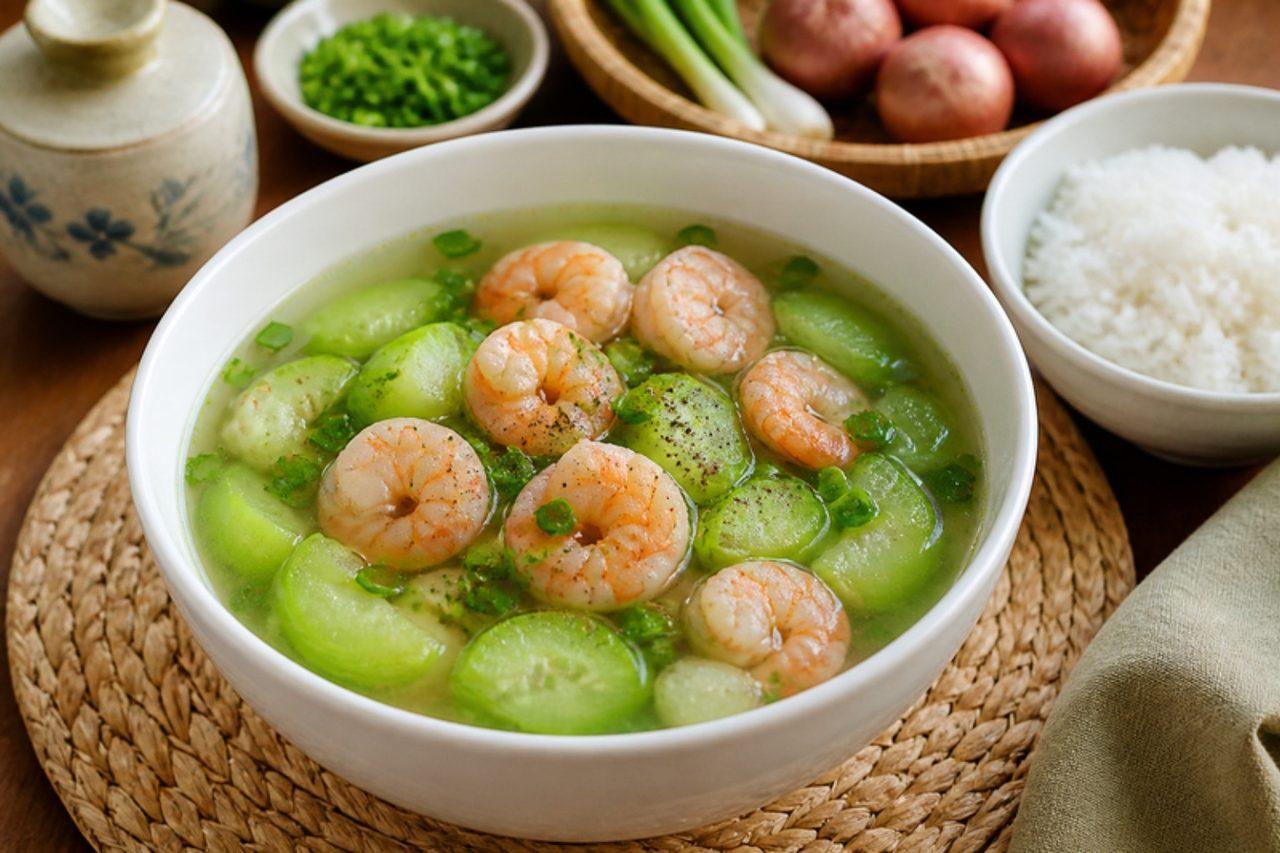
Canh mướp tômLuffa and prawn soup

In summer the trellises of Vietnamese gardens hang heavy with luffa, and canh mướp is what goes on the table most evenings from Hanoi to Huế: a clear, barely salted broth with soft, sweet gourd and a little chopped prawn, ladled over rice through the meal. It takes 20 minutes and very little oil, which is why mothers make it for anyone feeling the heat. Chef's tip: add the luffa last and pull the pot off as soon as it turns translucent; overcooked luffa goes slimy and the soup turns grey.

by KrazyBadal 0 views

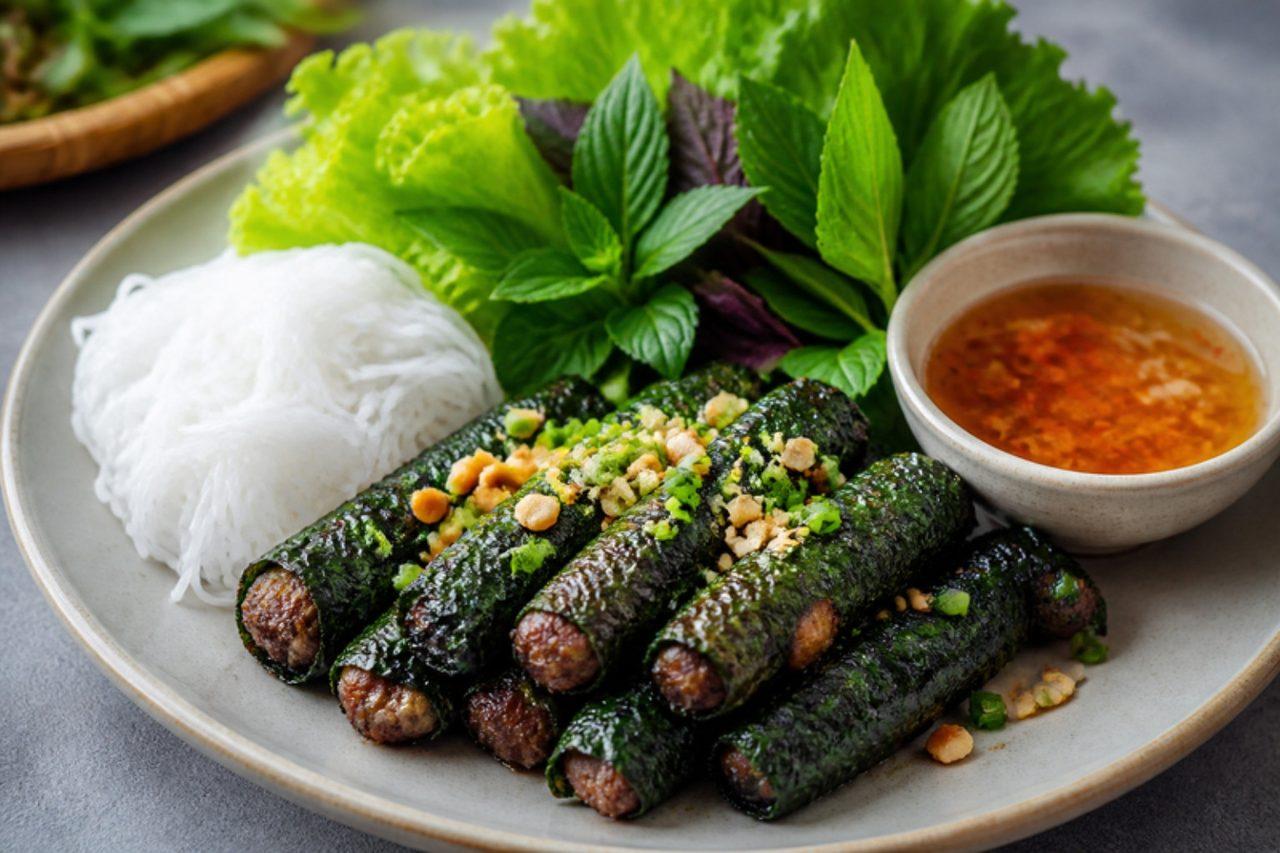
Bò lá lốtBeef in betel leaves

Saigon's evening grill stalls fan charcoal under racks of bò lá lốt, little cigars of garlicky, lemongrass-scented minced beef wrapped in wild betel leaves that char and turn smoky, almost tea-like. They are eaten rolled in rice paper or lettuce with vermicelli and herbs, dipped in nước chấm or the funkier mắm nêm anchovy sauce. Look for lá lốt (Piper sarmentosum) in Vietnamese and Thai grocers; it is not the same as the betel leaf chewed with areca nut. Chef's tip: wrap with the shiny side of the leaf outward and keep the rolls snug; loose rolls unravel on the grill and the filling dries out.

by KrazyBadal 0 views

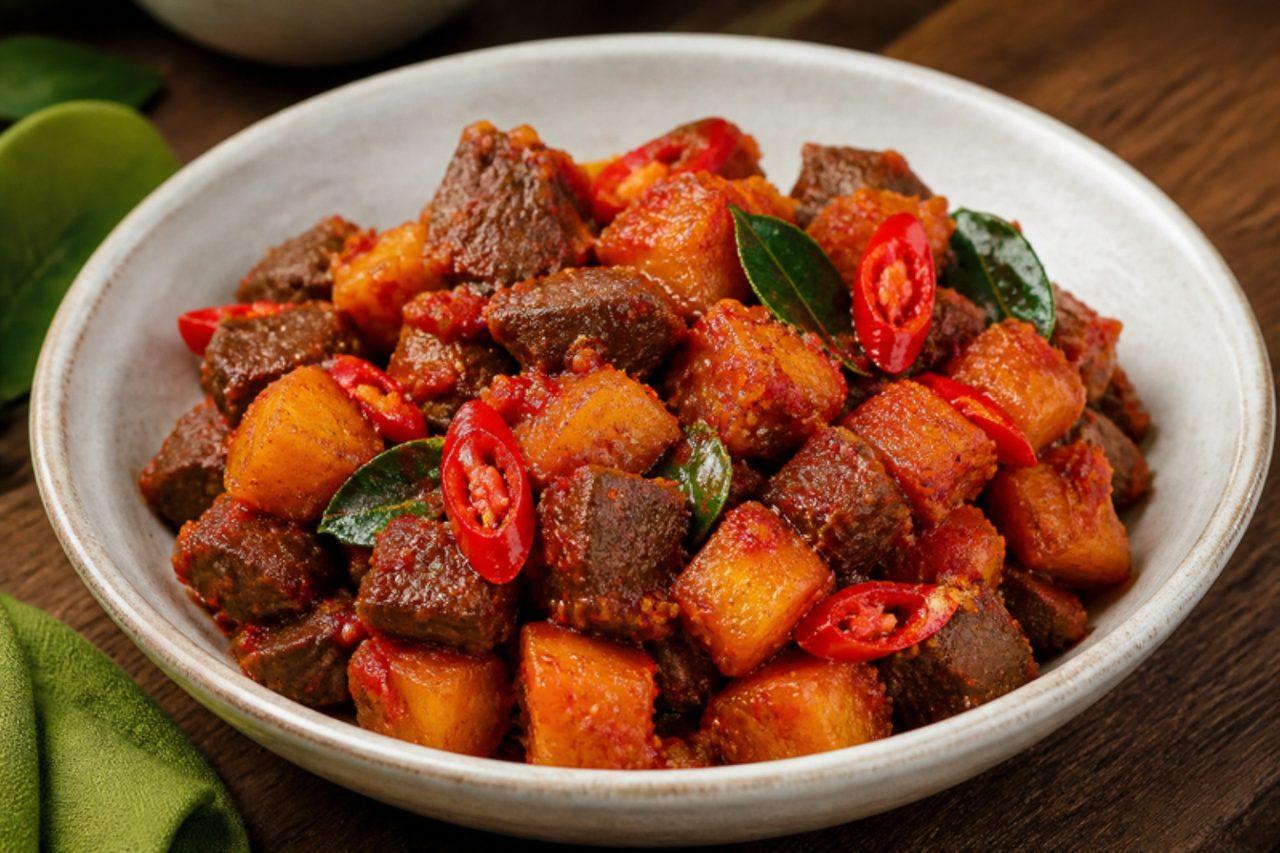
Sambal goreng atiBeef liver in chilli coconut sauce

Next to opor ayam on the Lebaran table in Java sits a bowl of sambal goreng ati: cubes of beef liver and fried potato cooked in a sweet-hot red chilli sauce loosened with coconut milk and scented with galangal and lime leaf. It is rich, a little sticky and meant to be eaten in small spoonfuls with ketupat. Some cooks add fried quail eggs or petai beans. Chef's tip: blanch the liver in boiling water first and cook it right through in the sauce; underdone liver is unsafe, and boiling it too long beforehand makes it dry and grainy.

by KrazyBadal 0 views

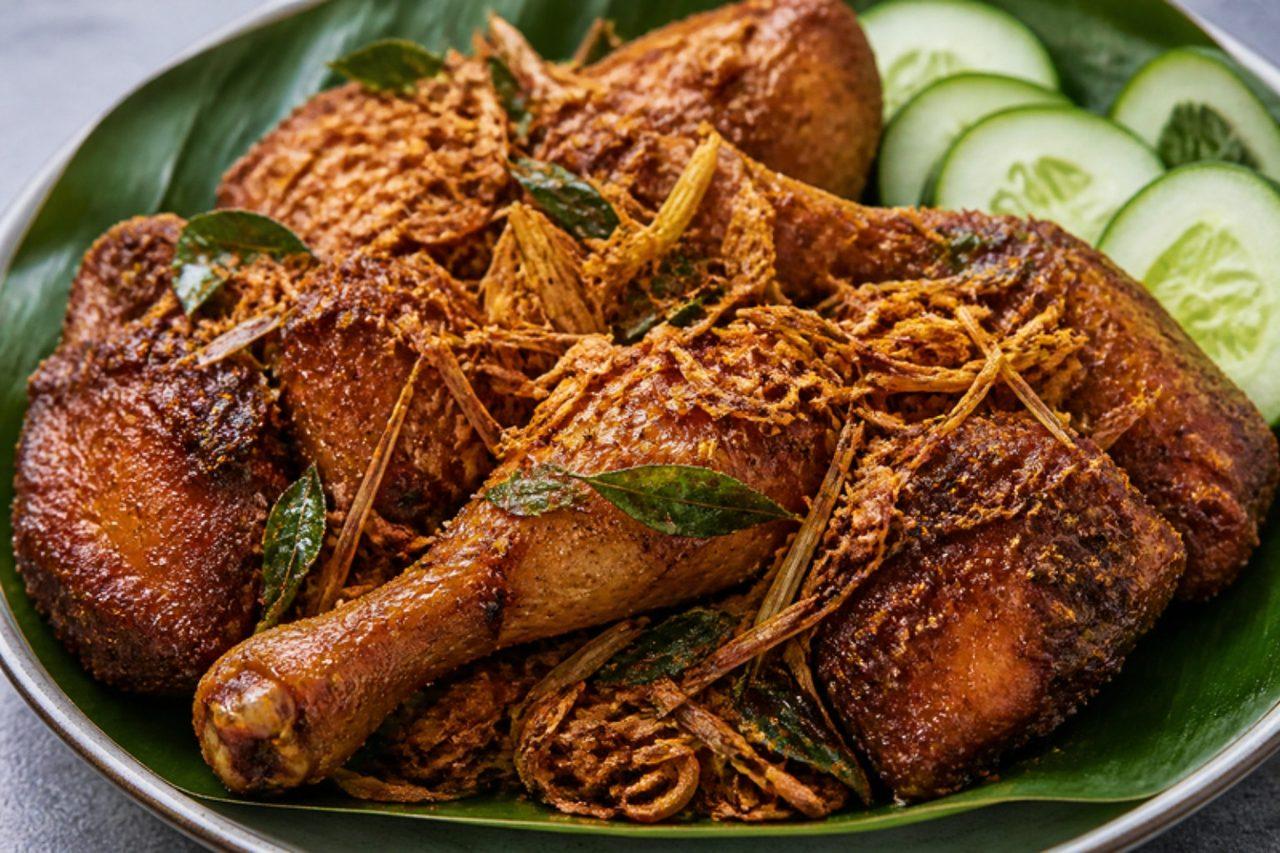
Ayam goreng berempahSpiced fried chicken

Ayam goreng berempah is what Malaysians pile beside nasi lemak at breakfast stalls in Kampung Baru and buy by the piece at Ramadan bazaars: chicken marinated in turmeric, lemongrass, galangal and ginger, fried until the skin is deep mahogany, then showered with the crunchy fried spice paste and curry leaves from the wok. Chef's tip: frying on too high a heat burns the spice coating before the meat near the bone is cooked; keep the oil at a steady 165 °C and check the thickest piece with a thermometer.

by KrazyBadal 0 views

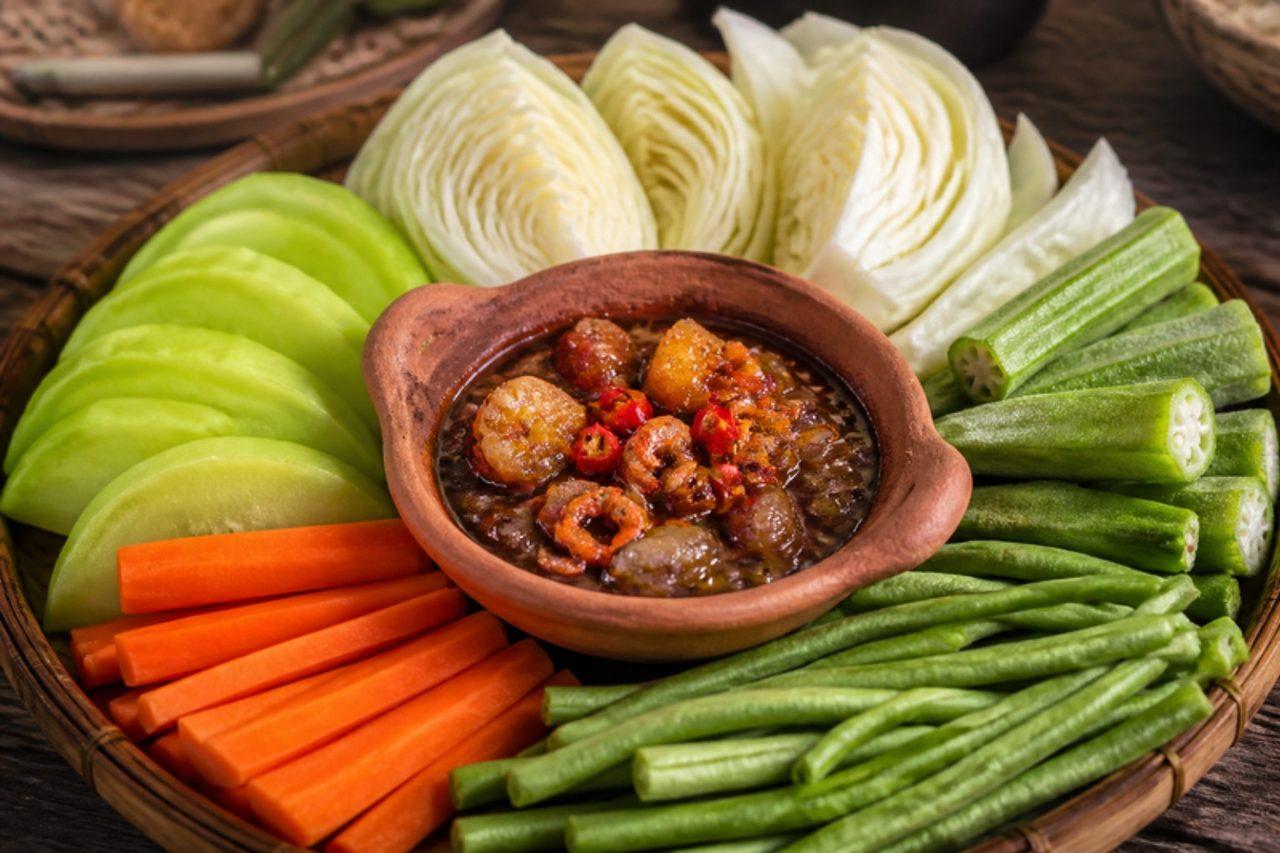
Rau luộc chấm kho quẹtBoiled vegetables with dipping sauce

Farm families in the Mekong Delta, in Đồng Tháp and Cần Thơ, used to stretch a few spoonfuls of salty kho quẹt across a whole basket of boiled garden vegetables, and it is now a nostalgic favourite in Saigon restaurants. The dip is pork fat rendered into crisp cracklings, then fish sauce, sugar, shallot, dried shrimp and black pepper bubbled down until thick and sticky enough to 'scrape' (quẹt) with a vegetable. The vegetables do most of the work, so the plate stays light. Chef's tip: take the dip off the heat while it still looks a little loose; it sets as it cools and, cooked too far, it burns bitter and turns rock-hard.

by KrazyBadal 0 views

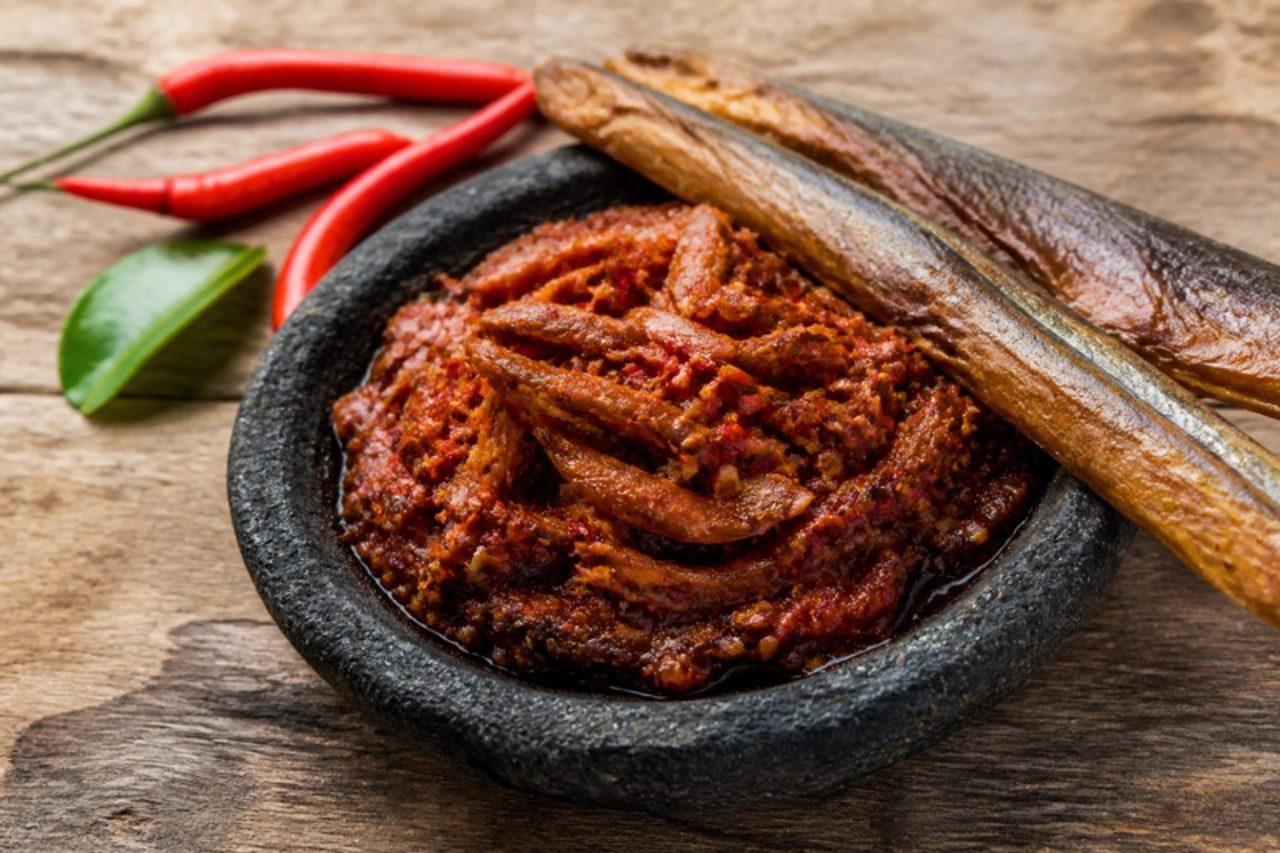
Sambal roaSmoked fish sambal

Manado families in North Sulawesi keep sambal roa in the cupboard the way others keep jam, and visitors leave with jars of it as a souvenir. Ikan roa, a garfish split and smoked on bamboo racks until dry, is flaked and fried with a mountain of chillies, shallots and lemongrass into a deep, smoky relish that turns plain rice or tinutuan porridge into a meal. Outside Indonesia, smoked mackerel gives a similar result. Chef's tip: pick through the fish carefully for fine bones before frying; once it is mixed into the sambal they are almost impossible to find.

by KrazyBadal 0 views

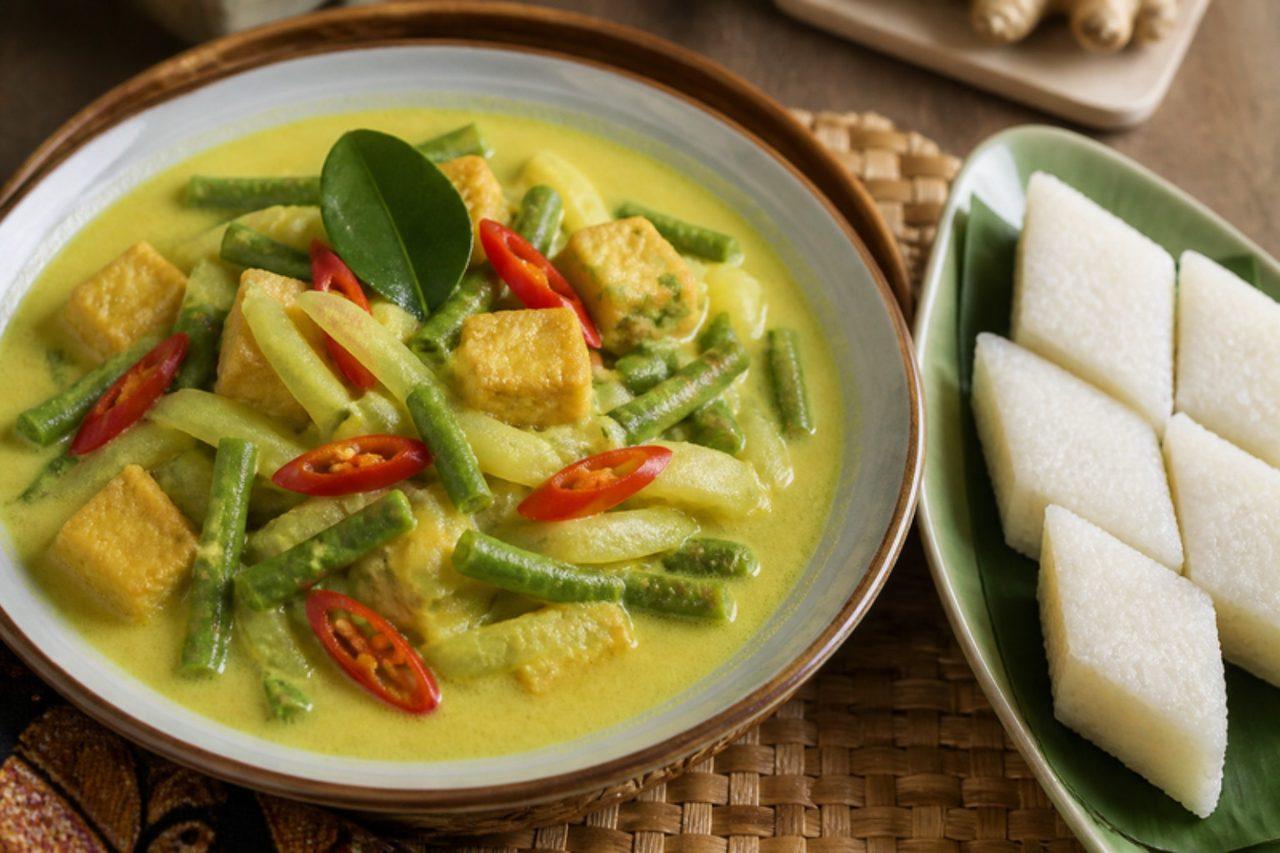
Sayur labu siamChayote and tofu coconut curry

On Lebaran morning in Java and Jakarta, sayur labu siam is the mild, soupy vegetable ladled over cut ketupat beside the richer opor and sambal goreng. Crisp-tender chayote, long beans and fried tofu simmer in a thin, pale-gold coconut broth fragrant with turmeric, galangal and salam leaf; it also makes an easy weeknight lontong sayur. This version is vegan, while many home cooks add a little terasi and dried shrimp to the spice paste. Chef's tip: let the broth simmer gently after the coconut milk goes in; a hard boil splits it into oily curds.

by KrazyBadal 0 views

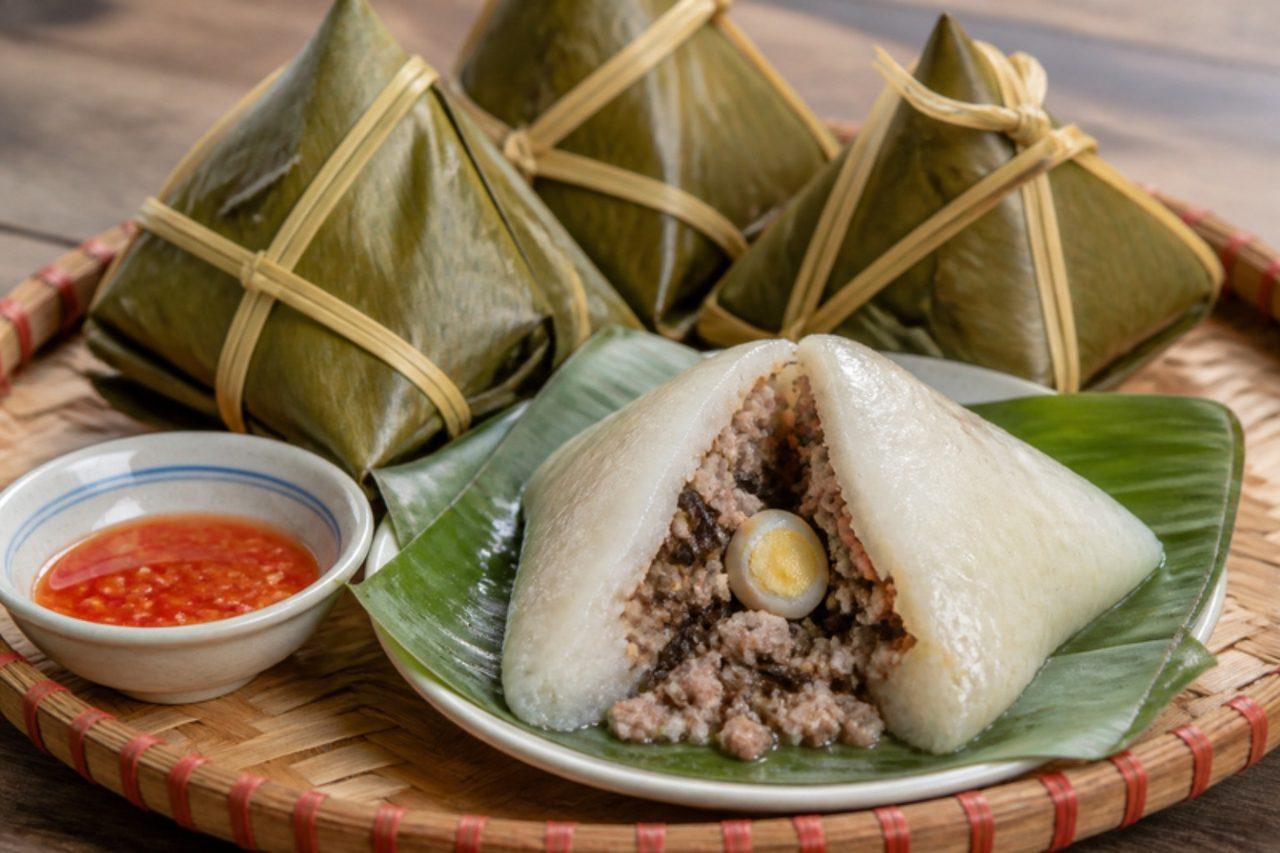
Bánh giòPork rice dumplings

On cold Hanoi mornings vendors cycle round the old quarter with a steaming basket of bánh giò, banana-leaf pyramids of soft, almost pudding-like rice dough around a filling of minced pork, wood ear mushroom and a quail egg. They are breakfast, a late-night bite after the bars, and something to grab at the station. The batter is cooked on the stove first so it can be spooned into the leaves, and the pork filling is fried through before the parcels are steamed. Chef's tip: stir the batter until it is as thick as soft mashed potato before wrapping; if it is still runny it leaks out of the cones and the dumplings collapse.

by KrazyBadal 0 views

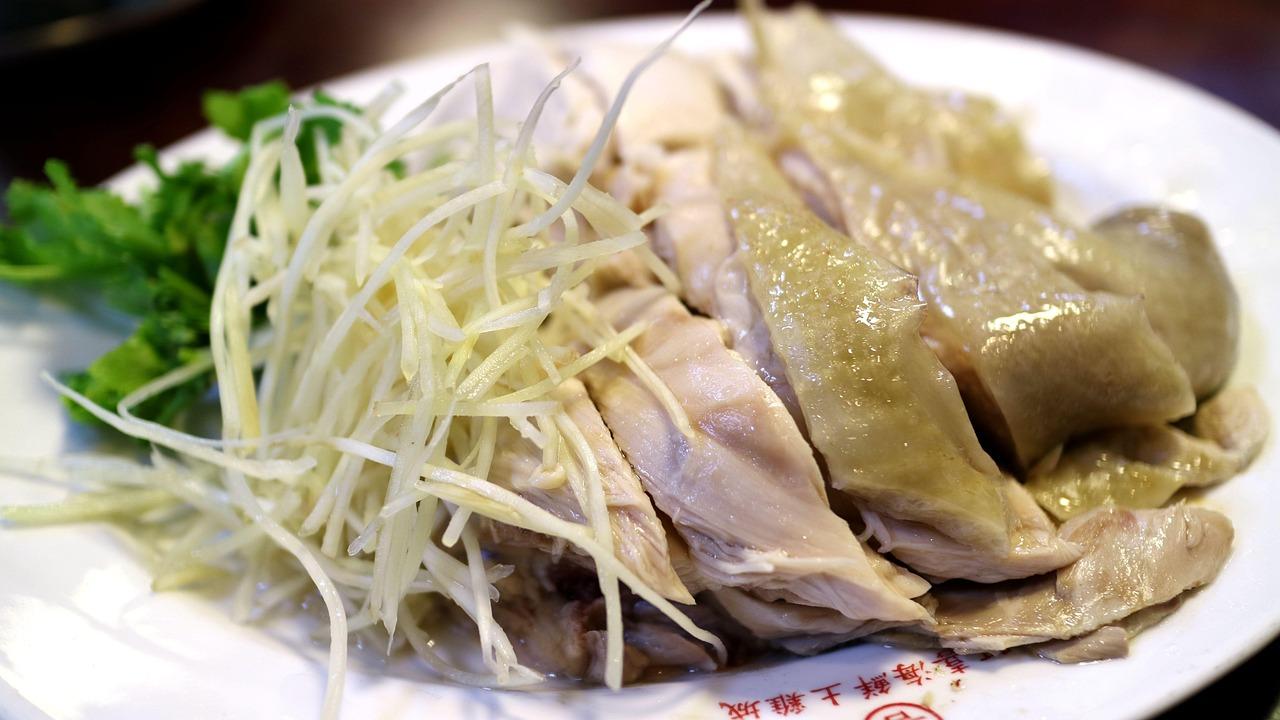
Gà luộc lá chanhPoached chicken with lime leaves

No northern Vietnamese ancestor altar at Tết or on a death anniversary is complete without a whole golden poached chicken, and once it comes down from the altar it is chopped and eaten with hair-thin shreds of lime leaf and a dip of salt, pepper and lime. The skin is taut and yellow, the meat juicy, and the broth goes on to make miến or cháo. Buy a chicken without its head and feet. Chef's tip: plunge the bird into iced water as soon as it is cooked; skip the ice bath and the skin wrinkles, loosens and loses its shine.

by KrazyBadal 0 views

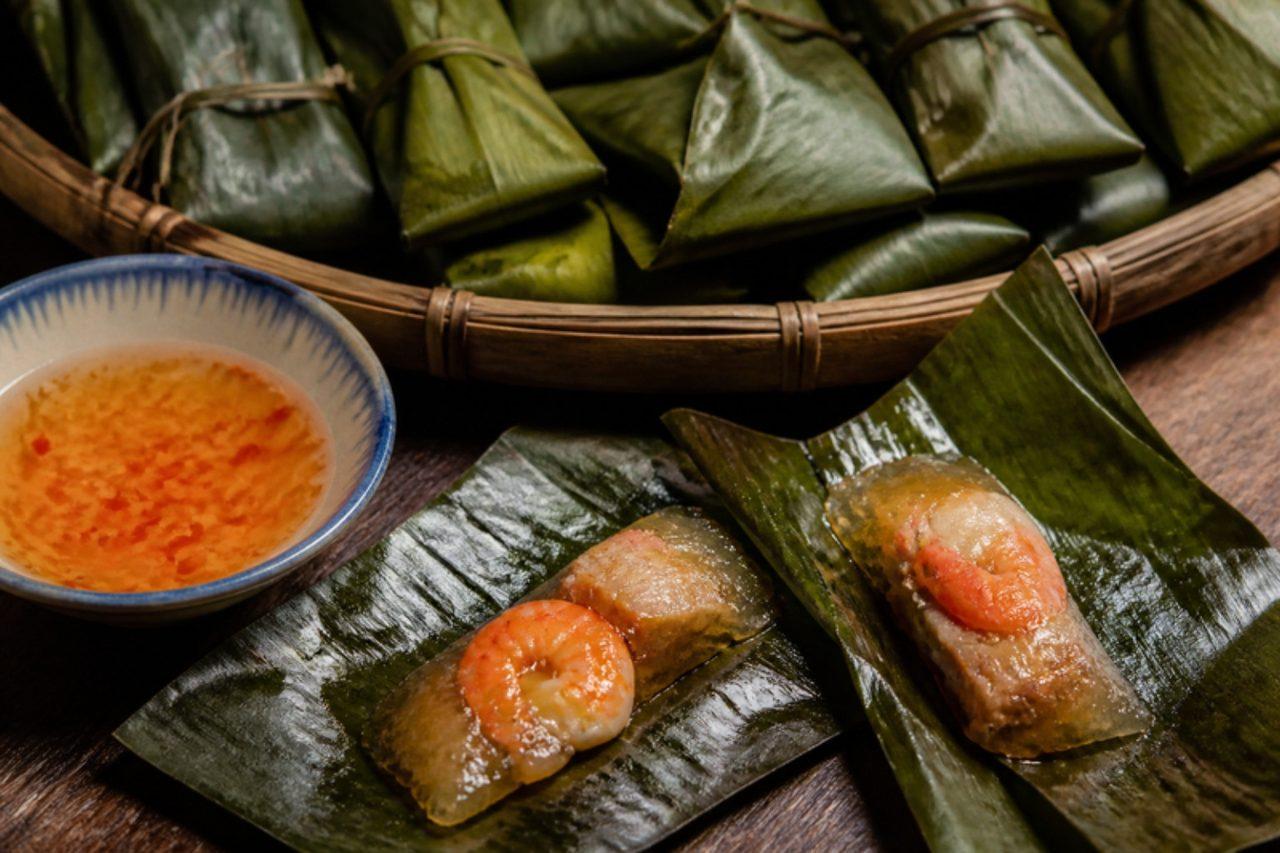
Bánh bột lọcTapioca dumplings with prawn and pork

Huế's market stalls pile up flat banana-leaf packets of bánh bột lọc for an afternoon snack, unwrapped at the table and dipped in sweet, chilli-hot fish sauce. Inside each is a chewy, see-through tapioca dough with a single prawn and a nugget of pork belly cooked down with fish sauce and annatto, so you can see the orange filling glowing through. The prawn and pork are cooked before wrapping, then steamed again. Chef's tip: mix the tapioca starch with boiling water, not warm; with water that is not hot enough the dough stays crumbly and splits around the filling.

by KrazyBadal 0 views

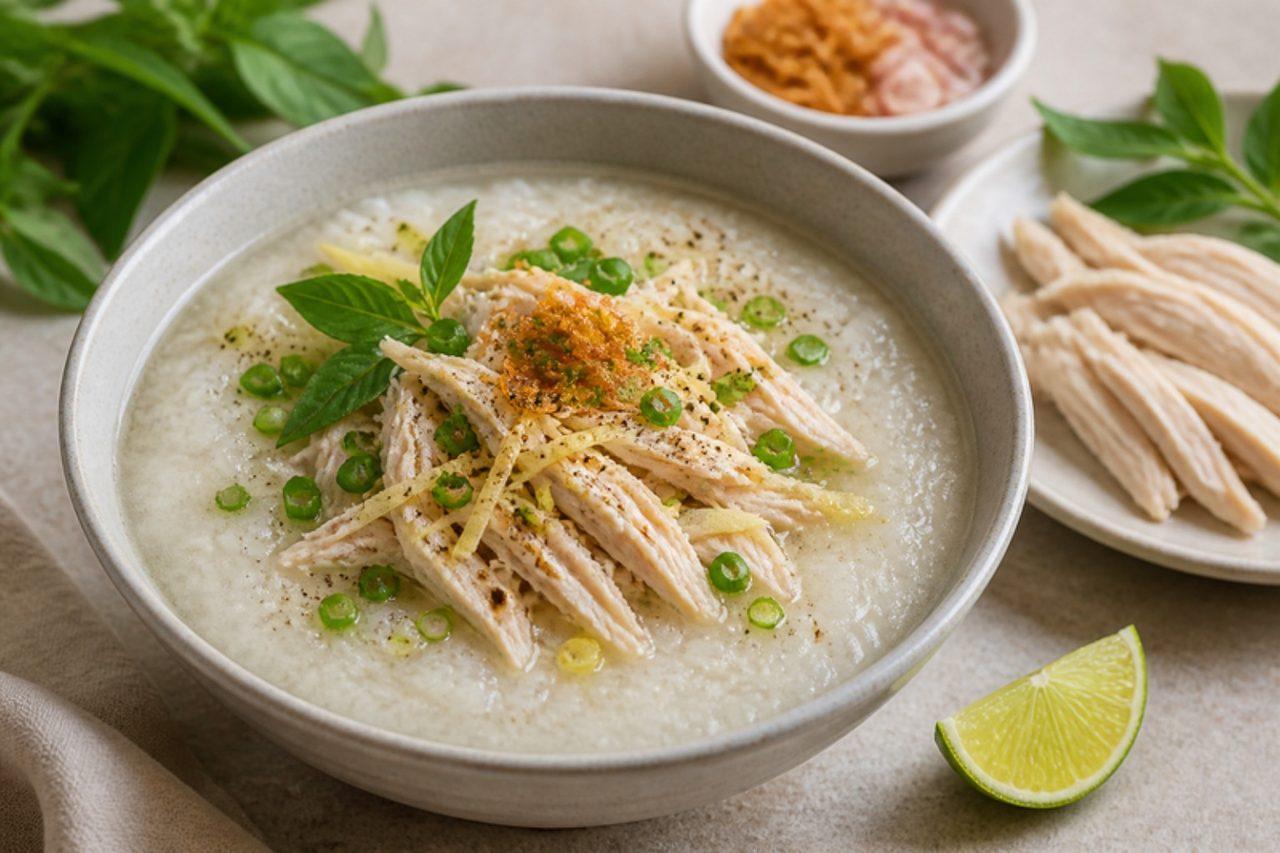
Cháo gàChicken rice porridge

Cháo gà is what Vietnamese mothers cook for anyone with a cold, and what late-night stalls in Hanoi and Saigon ladle out after midnight to people heading home. Toasted rice is simmered in chicken broth until it breaks into a loose, silky porridge, then topped with shredded chicken, lots of ginger and black pepper, spring onion and rau răm, with a side of gỏi gà if you are feeding a crowd. Chef's tip: toast the raw rice in a dry pan before simmering; untoasted rice gives a gluey, bland porridge instead of a nutty, loose one.

by KrazyBadal 0 views

Canh cua rau đayCrab and jute leaf soup

Through the sticky Hanoi summer, the cheapest and most loved soup is canh cua: tiny rice-field crabs pounded and strained so the sweet crab 'curds' float to the top of a broth of slippery jute leaves (rau đay) and luffa, eaten with rice and crunchy pickled aubergines. Away from the paddies, fresh crab meat gives the same soft curds; if you buy live crabs, cook only lively ones and discard any that are dead. Chef's tip: stir the broth only until it comes to a simmer, then leave it; keep stirring and the crab curds break into a cloudy mush.

by KrazyBadal 0 views

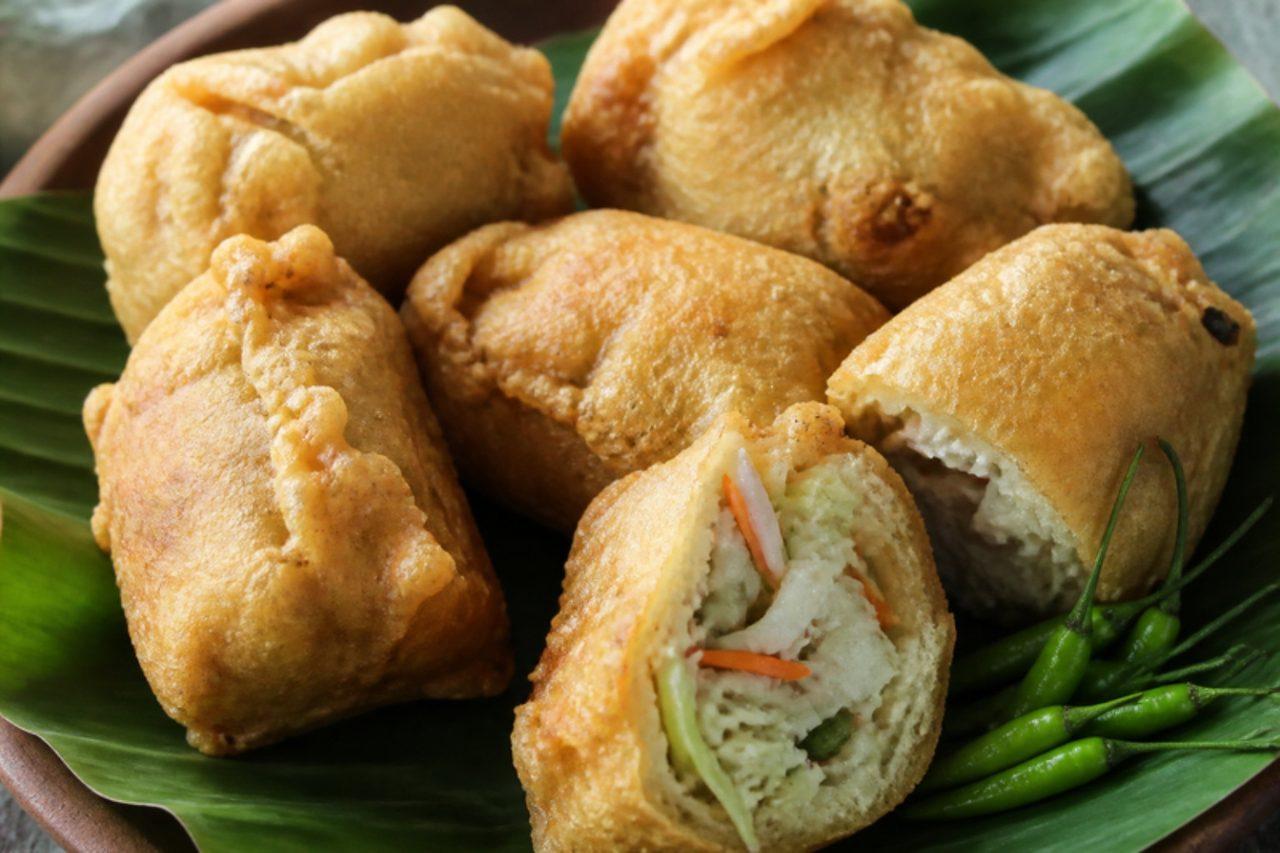
Tahu isiStuffed fried tofu

Bandung commuters and Jakarta schoolchildren grab tahu isi from roadside gorengan stalls on the way home, biting into the crisp batter and the soft, peppery vegetable filling with a fresh green chilli. Squares of fried tofu are slit open, packed with stir-fried cabbage, carrot and bean sprouts, then dipped in a light garlic batter and fried again. They are just as good at room temperature for an afternoon snack. Chef's tip: let the filling cool and squeeze out its juice before stuffing; a wet filling steams inside the tofu and makes the batter slide off in the oil.

by KrazyBadal 0 views

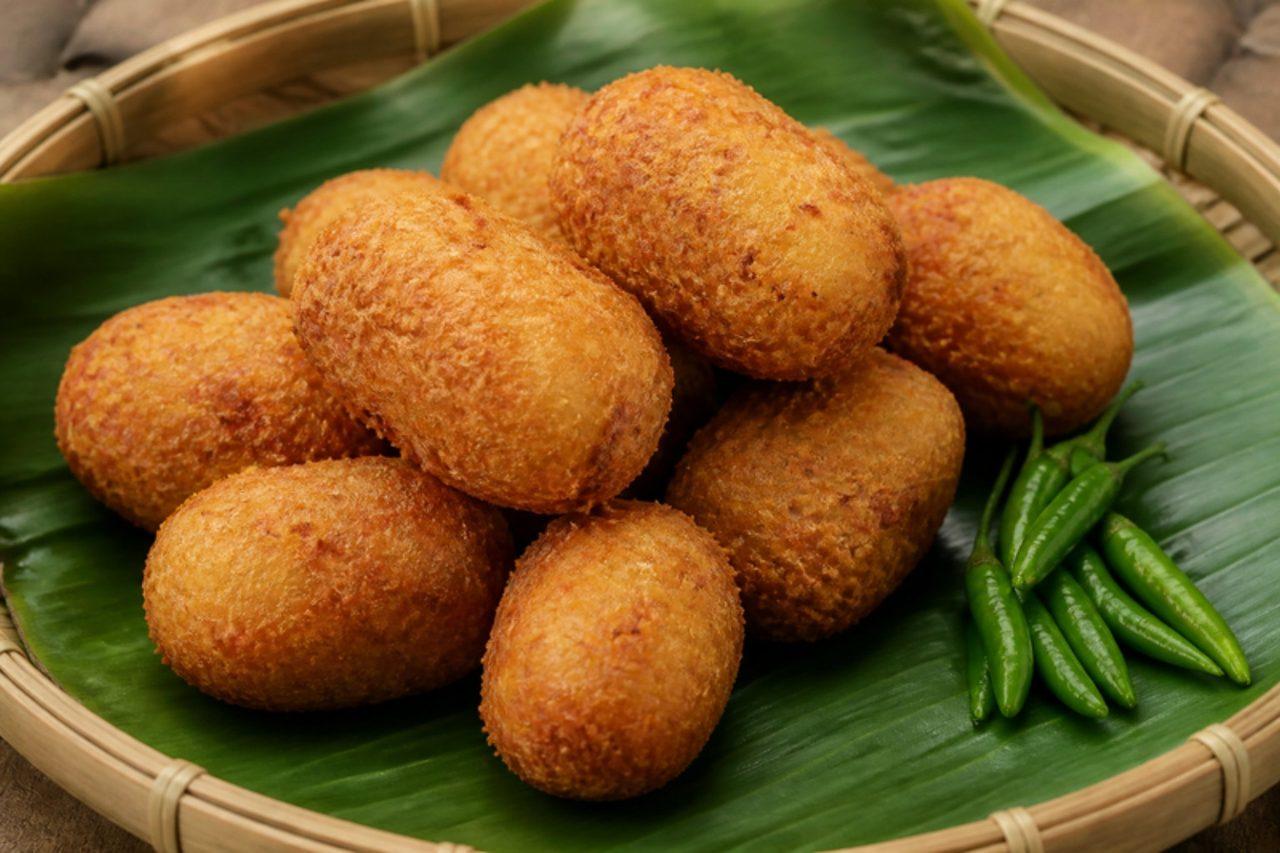
CombroCassava balls with spicy filling

Combro comes from the Sundanese 'oncom di jero', oncom inside, and that hidden centre is the point: crumbled fermented oncom fried with chilli, shallot and a little palm sugar, wrapped in grated cassava and fried until golden. Families in Garut and Bogor eat them warm with sweet tea in the late afternoon, and they appear at village arisan gatherings by the tray. Oncom is hard to find outside Indonesia; crumbled tempeh gives a similar nutty, savoury filling. Chef's tip: squeeze the grated cassava hard in a cloth; if it stays wet, the balls split open in the oil and the filling leaks out.

by KrazyBadal 0 views

Ayam percikGrilled chicken in coconut sauce

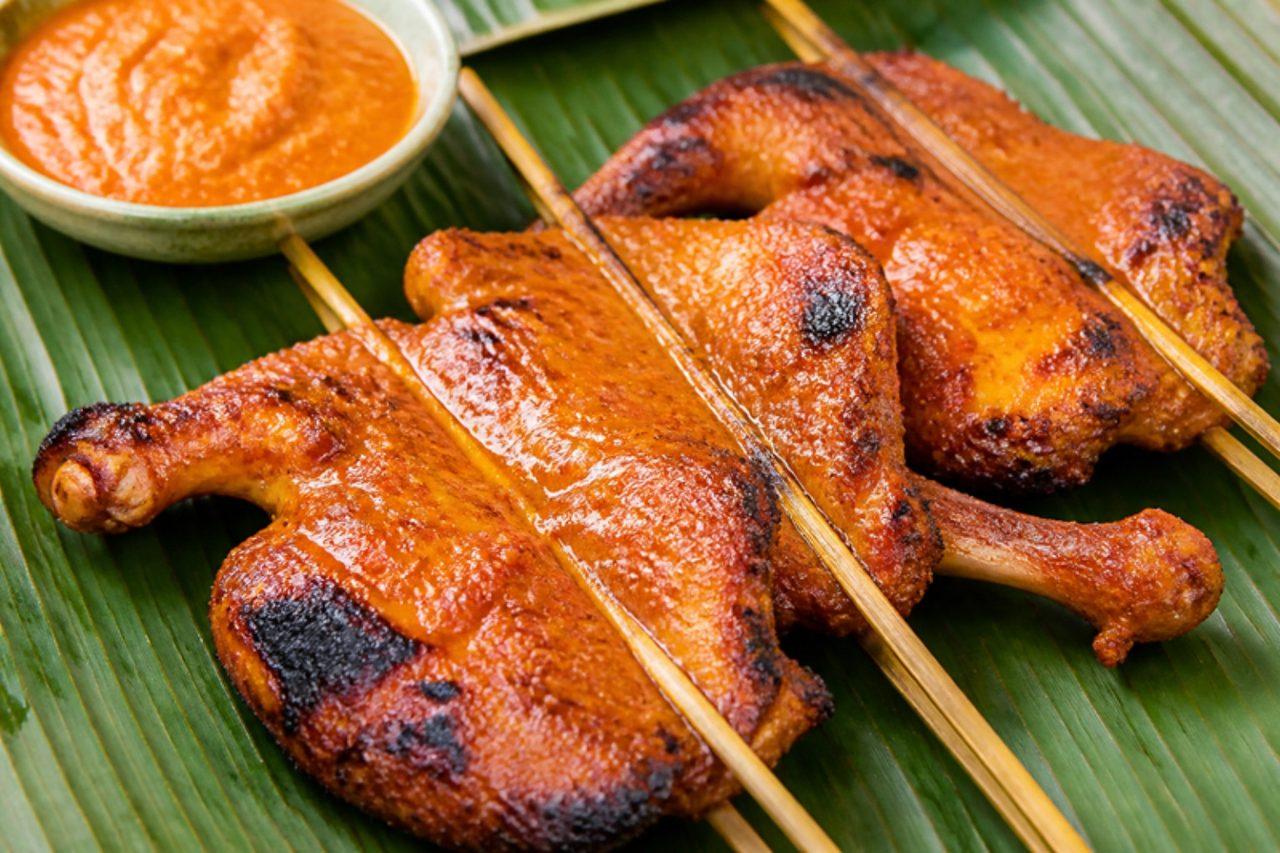
Along the roads into Kota Bharu, and at every Kelantan Ramadan bazaar, chicken legs flattened between bamboo sticks sizzle over long charcoal troughs while the cook splashes them again and again with a red-gold coconut sauce. 'Percik' means splashed, and that basting builds a sticky, slightly charred, sweet-spicy crust over juicy meat. At home a hot grill, barbecue or griddle pan does it. Chef's tip: basting from the start burns the coconut sauce black before the chicken is cooked; grill until almost done, then baste in the last 10 minutes.

by KrazyBadal 0 views

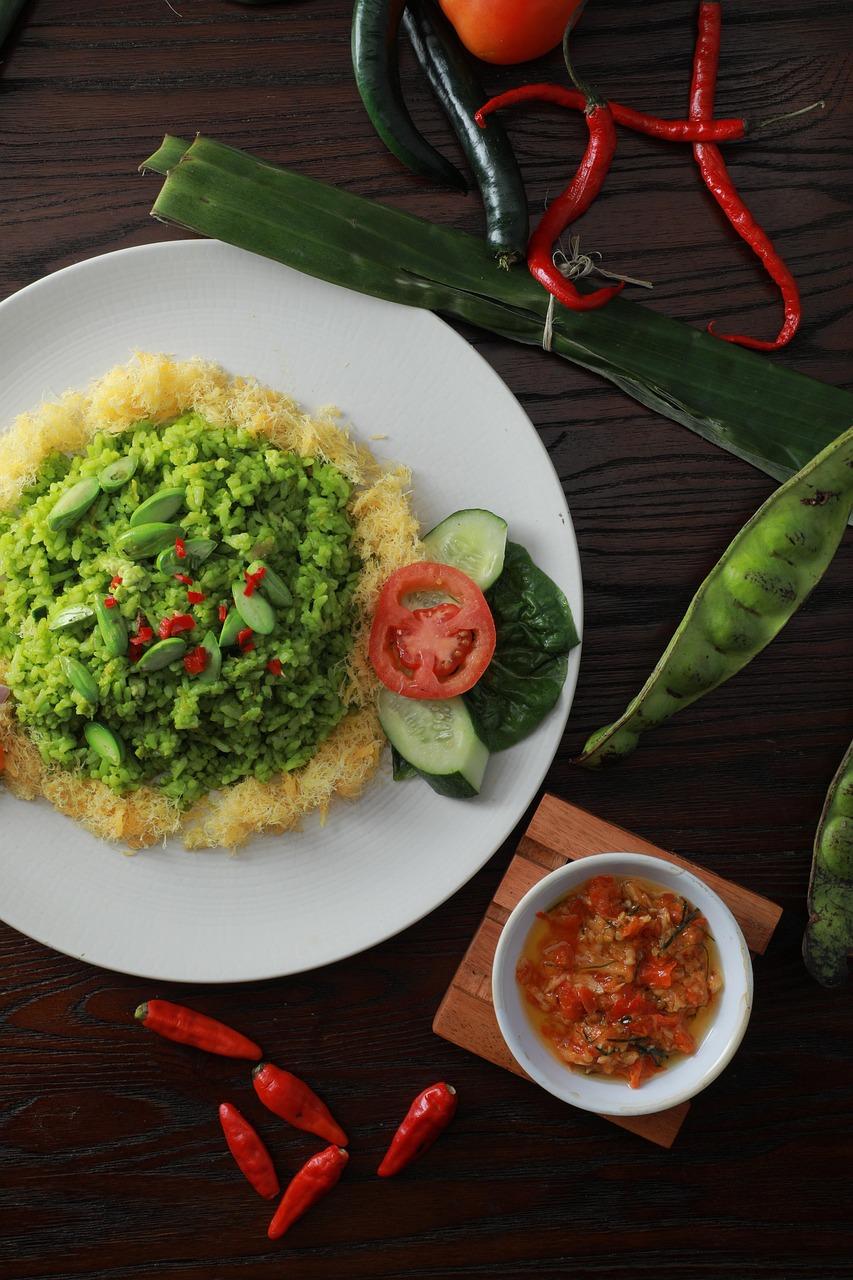
Nasi goreng kampungVillage fried rice

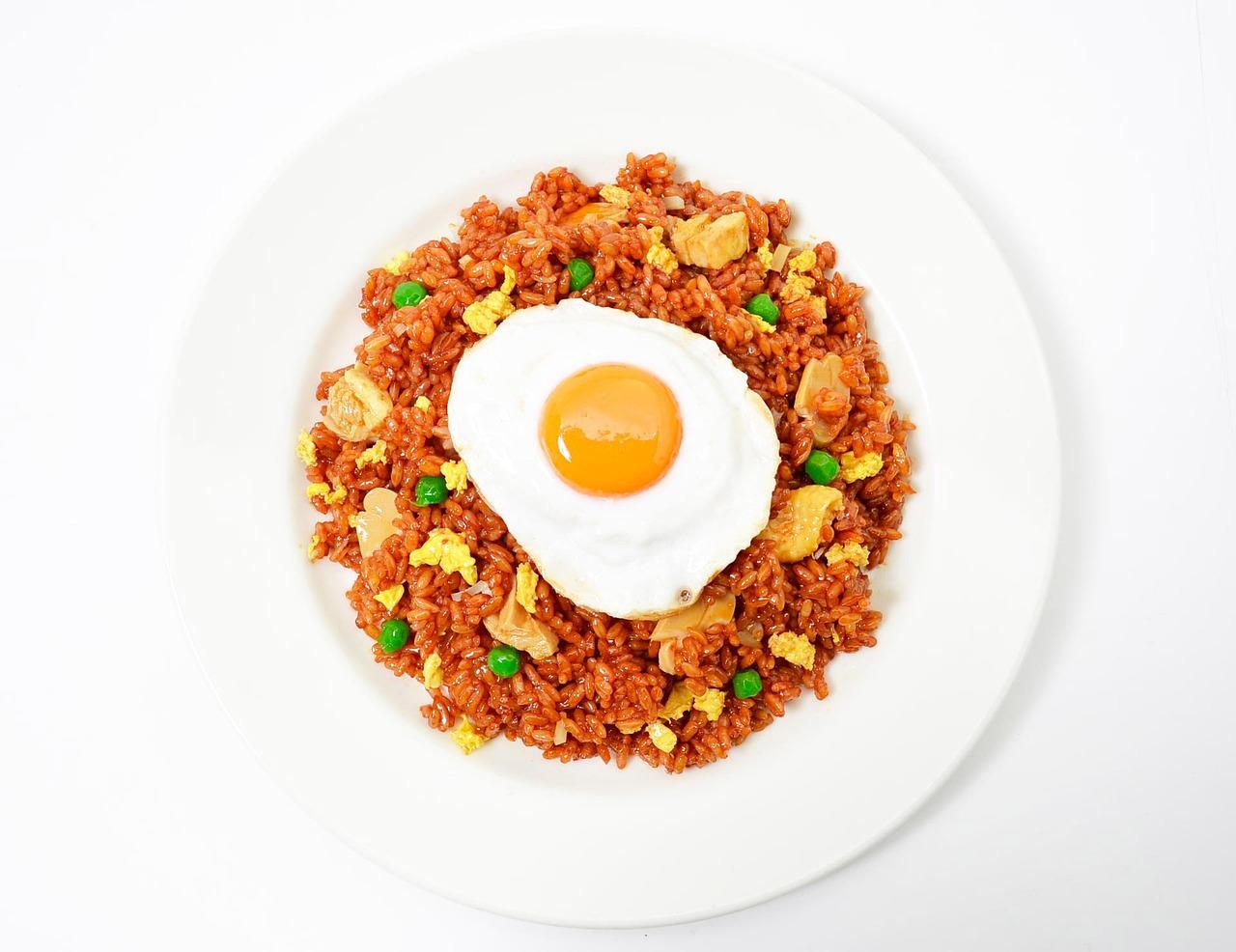
Kampung means village, and this is the fried rice of Malay countryside kitchens and roadside warung: hot with pounded bird's-eye chillies, savoury from toasted belacan shrimp paste and crisp ikan bilis (dried anchovies), and green with water spinach. It is cooked fast and eaten for lunch with a runny fried egg on top. Chef's tip: adding the anchovies with the rice makes them soggy; fry them crisp first, take half out and scatter them on at the end.

by KrazyBadal 0 views

Bubur lambukSpiced beef rice porridge

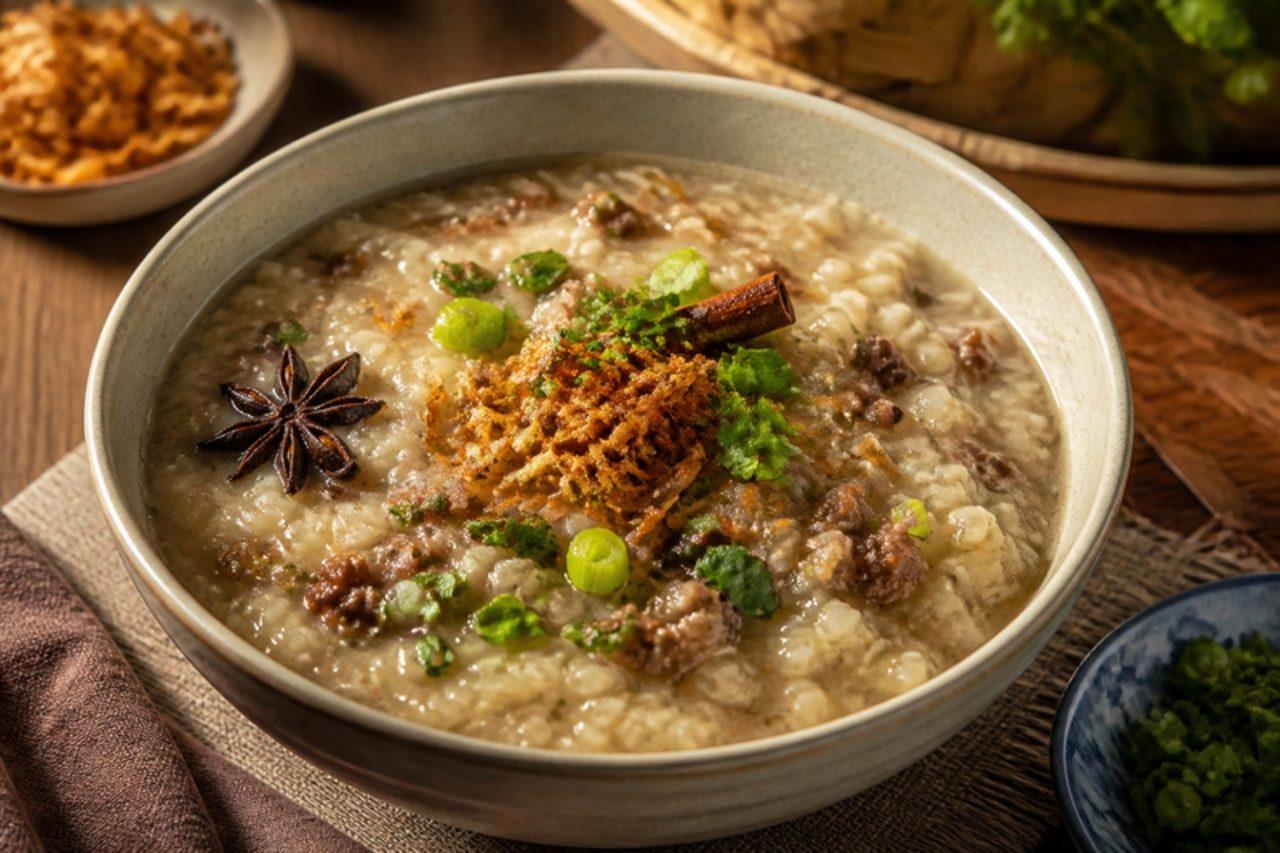
Every afternoon in Ramadan, volunteers at Masjid Kampung Baru in Kuala Lumpur stir bubur lambuk in cauldrons the size of bathtubs and hand out thousands of packets to whoever queues before iftar. The porridge is fragrant with star anise, cinnamon and cloves, made rich with minced beef and a splash of coconut milk, and finished with fried shallots and herbs. At home it makes a gentle, warming one-pot meal. A vegetable and sweet-potato version works well for vegetarians. Chef's tip: walking away from the pot is the usual mistake; porridge catches on the bottom, so stir often and keep the heat low once it thickens.

by KrazyBadal 0 views

Sambal andalimanAndaliman pepper sambal

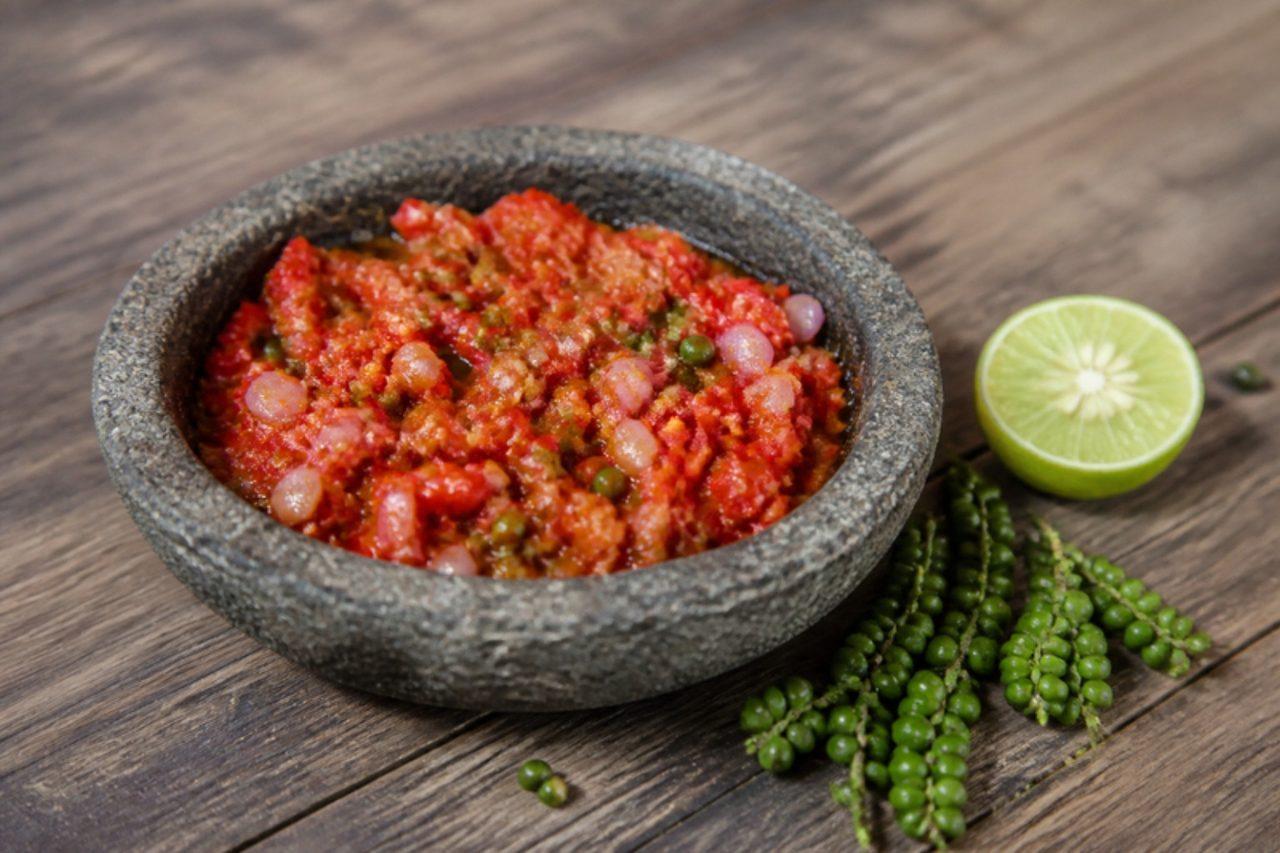
Around Lake Toba the Batak table nearly always holds a bowl of sambal andaliman, pounded fresh before lunch to go with grilled fish, arsik and boiled vegetables. Its signature is andaliman, a citrusy berry related to Sichuan pepper that makes the lips tingle and numb while the chillies bring the heat. It is raw, bright and lemony, best made the day you eat it. Dried andaliman is sold online and in Indonesian shops; Sichuan pepper is the nearest substitute. Chef's tip: toast the andaliman only briefly and pound it first; skipping that step leaves gritty husks and a dull, woody taste.

by KrazyBadal 0 views

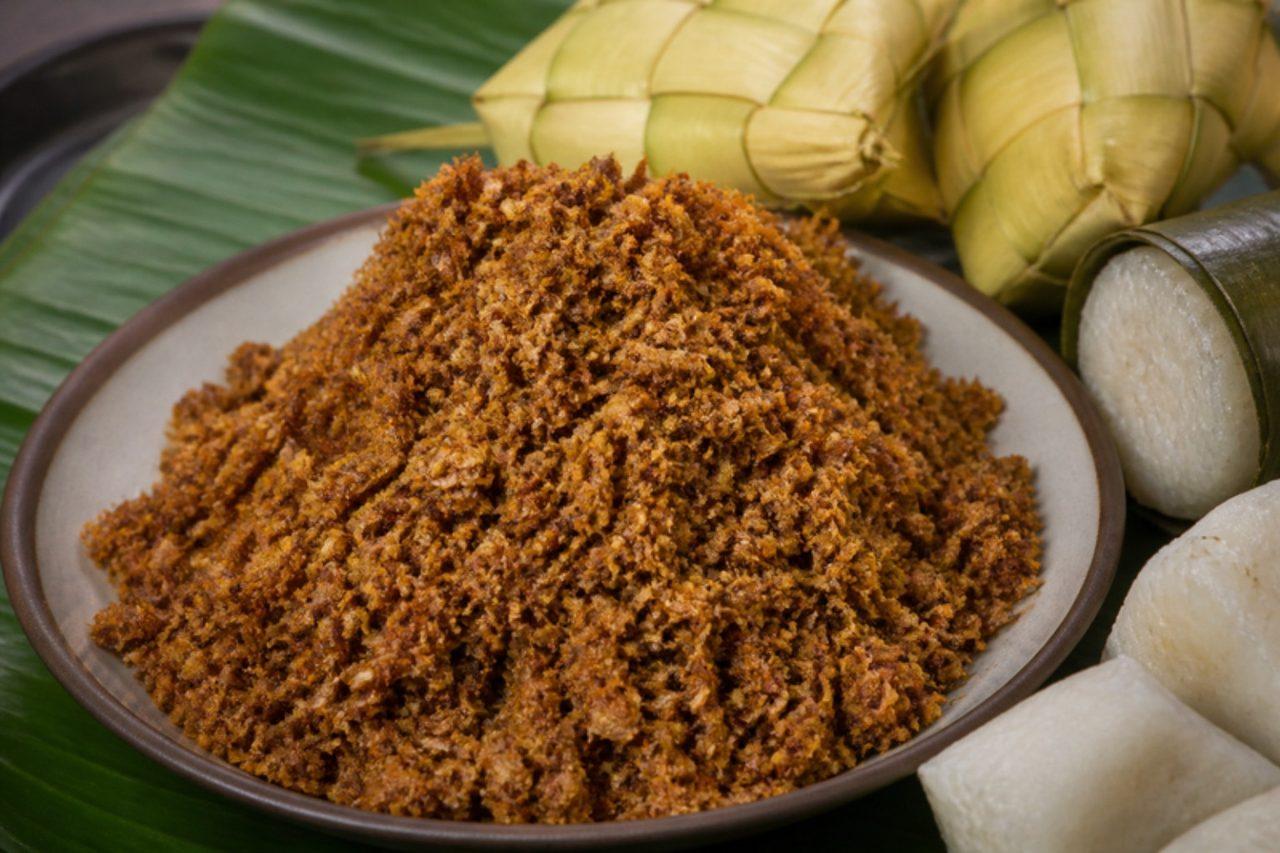
Serunding dagingSpiced beef coconut floss

On the first morning of Hari Raya, Malay families across the peninsula set out serunding daging beside lemang (rice cooked in bamboo) and ketupat, and jars of it are sent to relatives who couldn't come home. Beef is simmered tender, shredded into fine threads and slowly dry-fried with a lemongrass and chilli paste and grated coconut until it is fluffy, dark and almost crisp. It keeps for weeks and is wonderful sprinkled over plain rice. Chef's tip: turning up the heat to speed things up scorches the coconut and makes it bitter; it needs low heat and constant stirring for the full hour.

by KrazyBadal 0 views

Nasi goreng pattayaFried rice in omelette

Despite the Thai beach in its name, nasi goreng pattaya is a Malaysian mamak and warung favourite, ordered at midnight in Kuala Lumpur or for a Sunday lunch in Johor: chilli-red chicken fried rice parcelled in a thin, golden omelette, then zigzagged with ketchup and chilli sauce. Children love cutting into it to find the rice. The rice can be made with mixed vegetables instead of chicken. Chef's tip: freshly cooked rice turns to mush in the wok; use rice cooked the day before and kept in the fridge.

by KrazyBadal 0 views

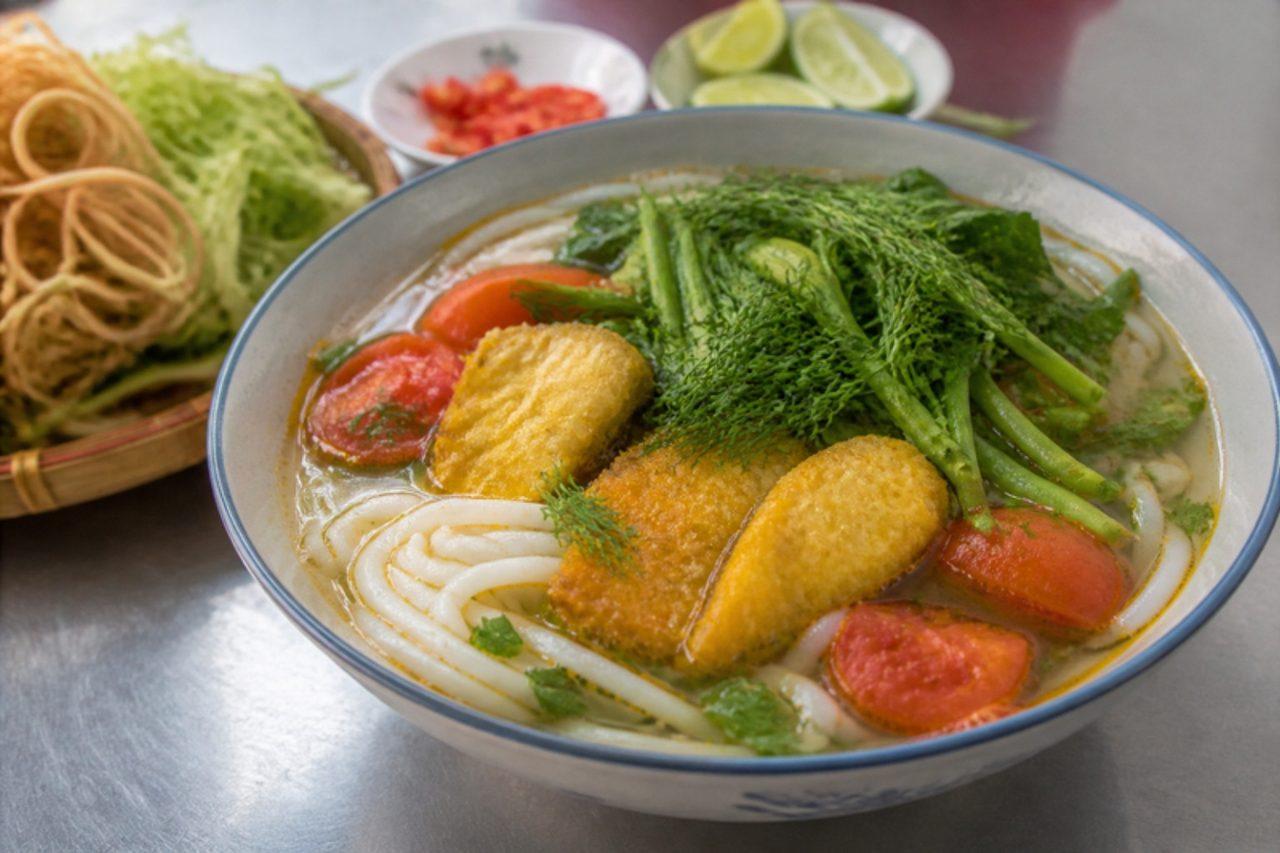
Bún cá Hải PhòngFish noodle soup

The port city of Hải Phòng starts the day with bún cá: a tomato-tinted broth, fried pieces of turmeric-marinated fish and soft fish cake, round rice noodles, fistfuls of dill and celery and a slick of chilli, eaten at tiny plastic tables by the docks. Snakehead is traditional, but any firm white fish works. Chef's tip: fry the fish and add it to each bowl at the end; simmered in the broth, it breaks up and turns the soup cloudy and muddy-tasting.

by KrazyBadal 0 views

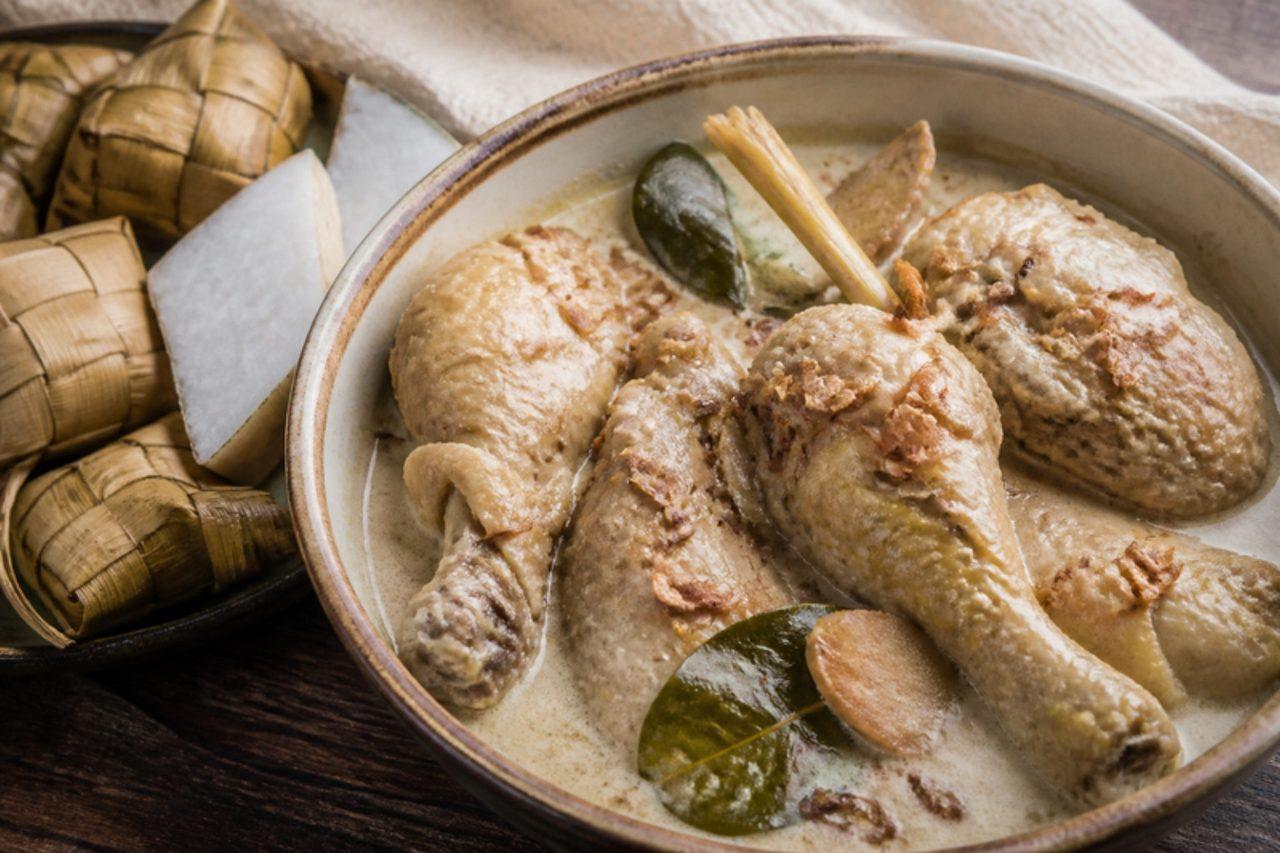
Opor ayamChicken in coconut milk

Ask anyone in Java what they eat on the first morning of Lebaran and the answer is opor ayam with ketupat: chicken simmered slowly in a creamy, ivory coconut sauce perfumed with coriander, lemongrass, galangal and salam leaf, rich but not at all fiery. Families cook a big pot the night before so the flavours deepen, then serve it with sambal goreng ati and crackers. For a vegetarian version, use fried tofu and hard-boiled eggs. Chef's tip: toast the candlenuts and coriander before grinding; raw, they make the sauce taste flat and slightly bitter.

by KrazyBadal 0 views

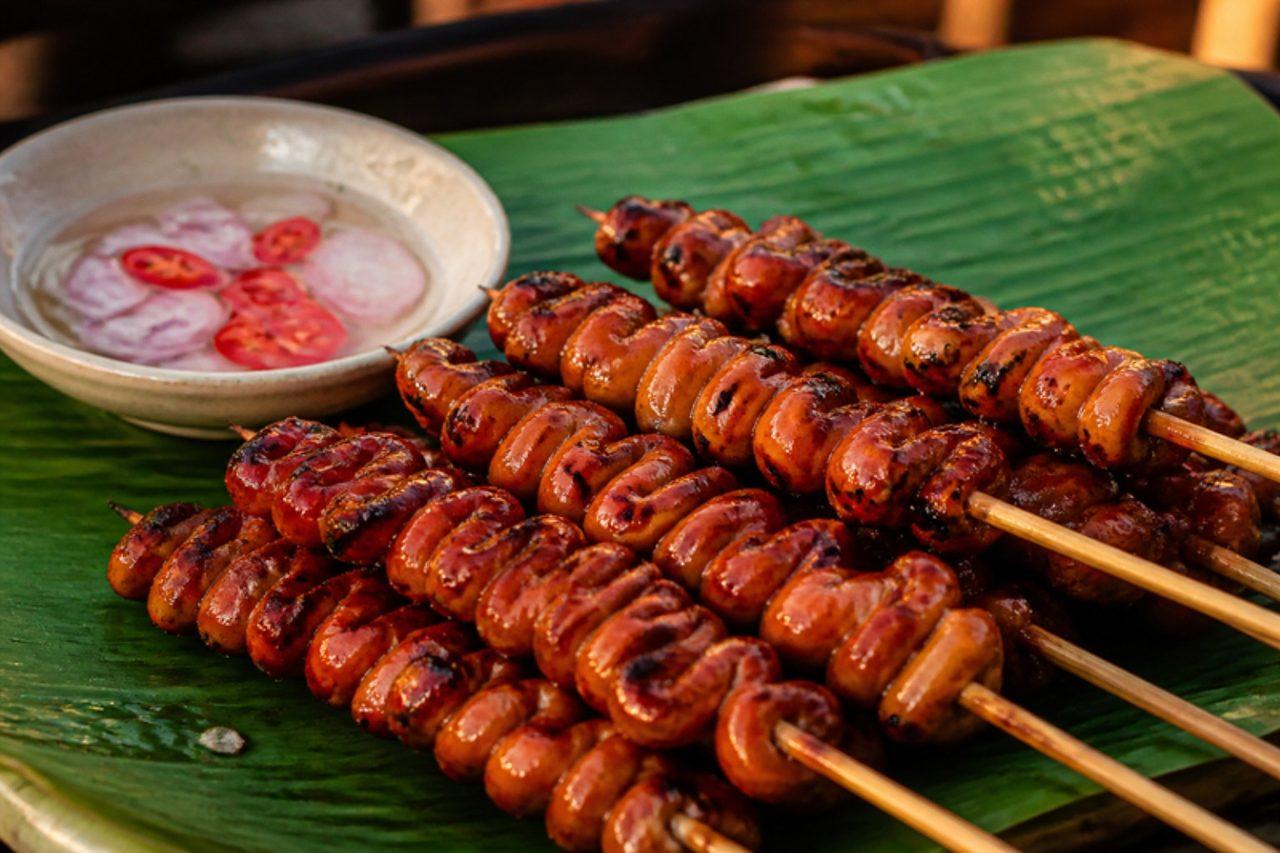
IsawGrilled chicken intestines

Around the University of the Philippines campus in Diliman and in night markets across Manila, isaw is the street-grill snack people queue for: chicken intestines threaded in coils on sticks, grilled over charcoal until crisp and smoky, and dipped in sour, chilli-spiked vinegar. At home the key is hygiene: the intestines are slit open, scrubbed with salt and vinegar, then simmered before grilling, so they are clean and cooked through to 74 °C. Chef's tip: never skip the simmering step; grilled-from-raw intestines char outside long before the inside is safe.

by KrazyBadal 0 views

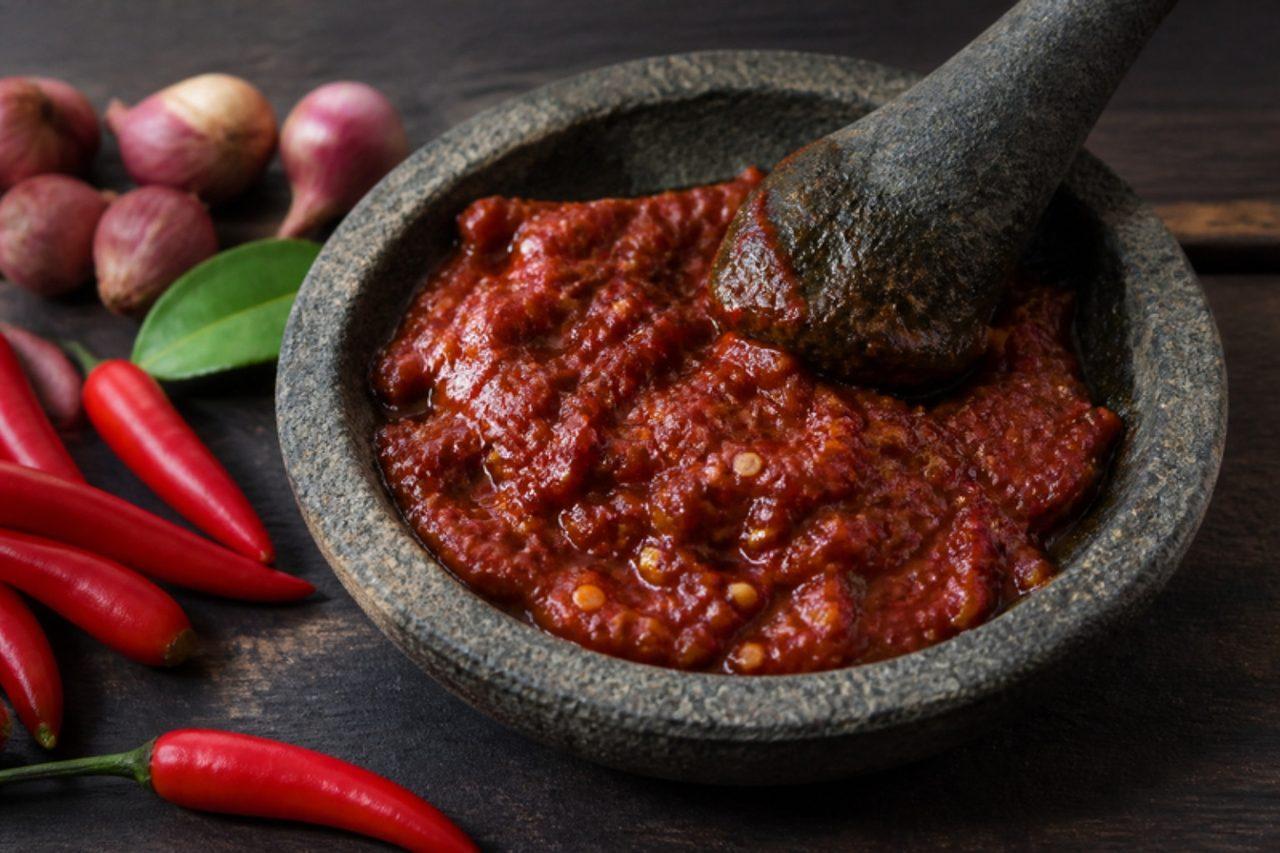
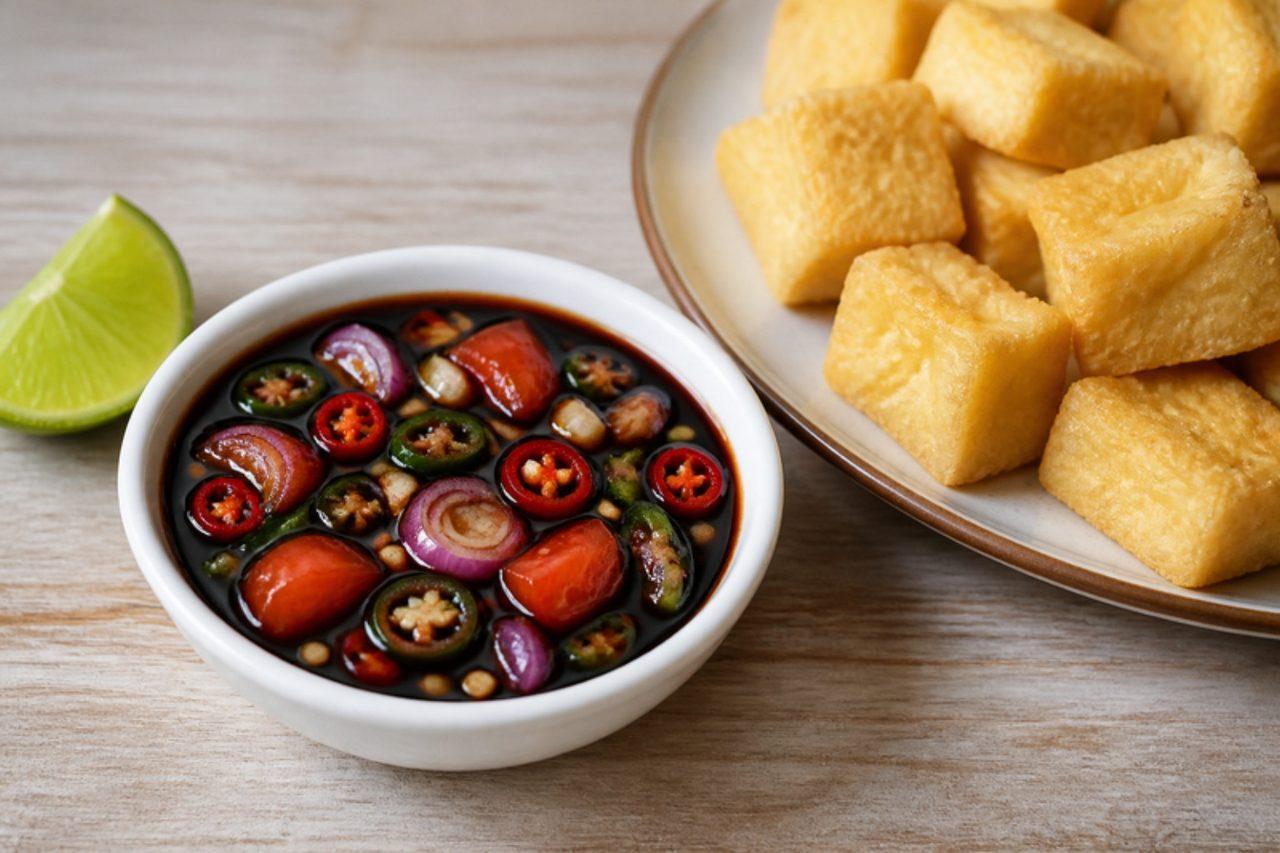
Sambal kecapChilli and shallot soy sambal

Satay sellers in Jakarta and Madura hand out sambal kecap in little saucers, and at home in Java it gets spooned over fried tofu, grilled corn or a bowl of soto when there's no time to pound a proper sambal. It takes five minutes: raw bird's-eye chillies, shallot and tomato are sliced into glossy, treacle-sweet kecap manis with a squeeze of lime. The result is sticky, sweet, sharp and very hot all at once. Chef's tip: don't make it hours ahead; the shallots wilt and the lime turns bitter, so slice everything just before the food comes off the grill.

by KrazyBadal 0 views

Sambal ijoGreen chilli sambal

Walk into any nasi Padang restaurant in Bukittinggi or Jakarta and the green sambal arrives among the stacked plates, a sharp, grassy partner to rendang, fried chicken and boiled cassava leaves. Green chillies, unripe tomatoes and shallots are steamed until soft, pounded roughly and then fried briefly in oil so they keep their pale jade colour and gentle heat. Minang cooks serve it at lunch and dinner, often scooped onto rice before anything else. Chef's tip: don't blend it smooth or fry it long; the charm is in its chunky texture and fresh green colour, which turns khaki if it cooks too hard.

by KrazyBadal 0 views

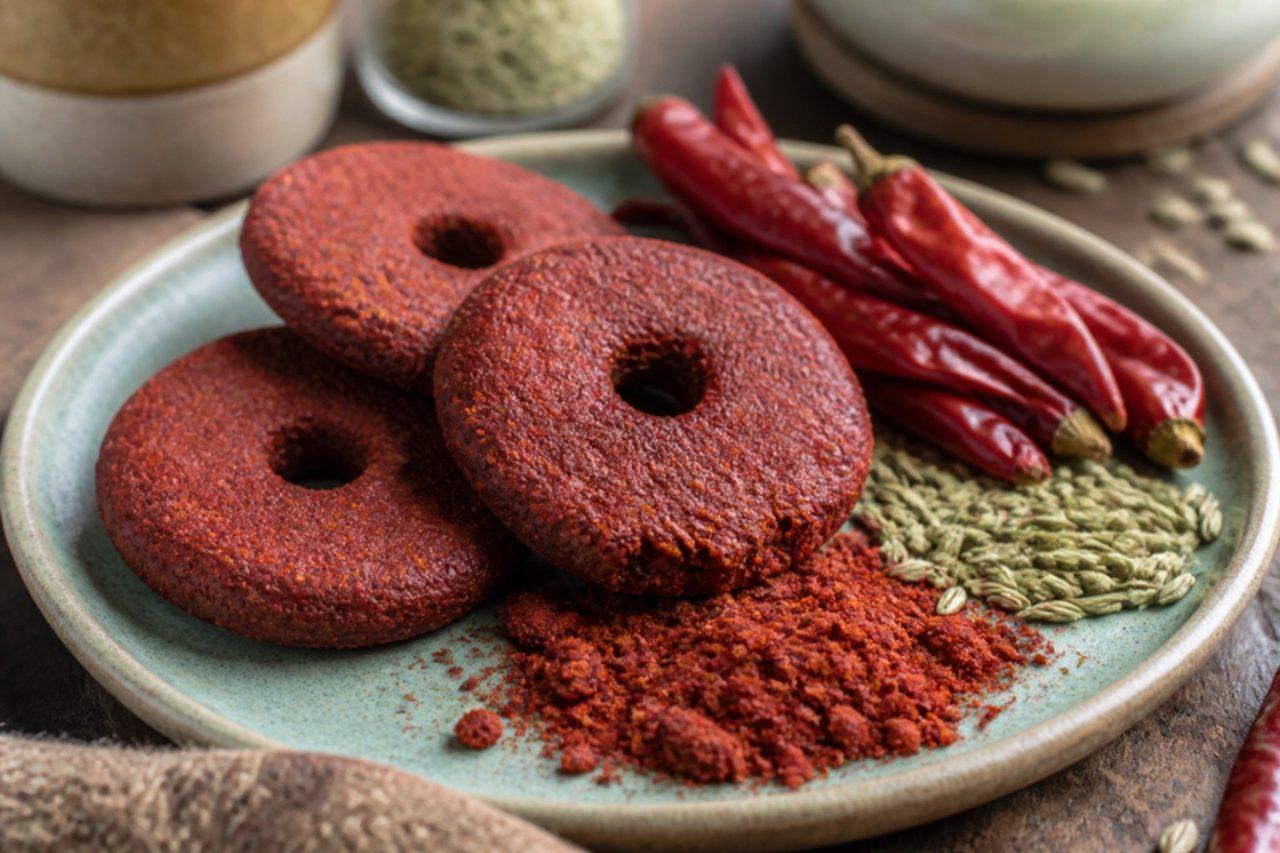
Kashmiri ver masalaKashmiri spice cakes

In Srinagar's old city, ver is still made at the end of summer and strung up to dry in kitchens: flat, ring-shaped cakes of ground spices bound with shallot paste and pungent mustard oil, dark red and rock hard. It was a way to store flavour for the long winter, when fresh ingredients were scarce. A piece grated into the pot gives Kashmiri food its typical deep red colour and its warm, sweet-hot fennel and dry ginger flavour, without tomatoes or onions: think dum aloo, nadru yakhni (lotus stem), haak (collard greens), chaman (paneer) and rogan josh. Kashmiri Muslim kitchens often add garlic; Pandit homes may leave the shallots out altogether. Common mistake: drying the cakes in a damp or closed spot; they stay soft inside and grow mould. Chef's tip: heat the mustard oil until it smokes and then cool it before mixing, to take away its raw, sharp bite.

by KrazyBadal 0 views

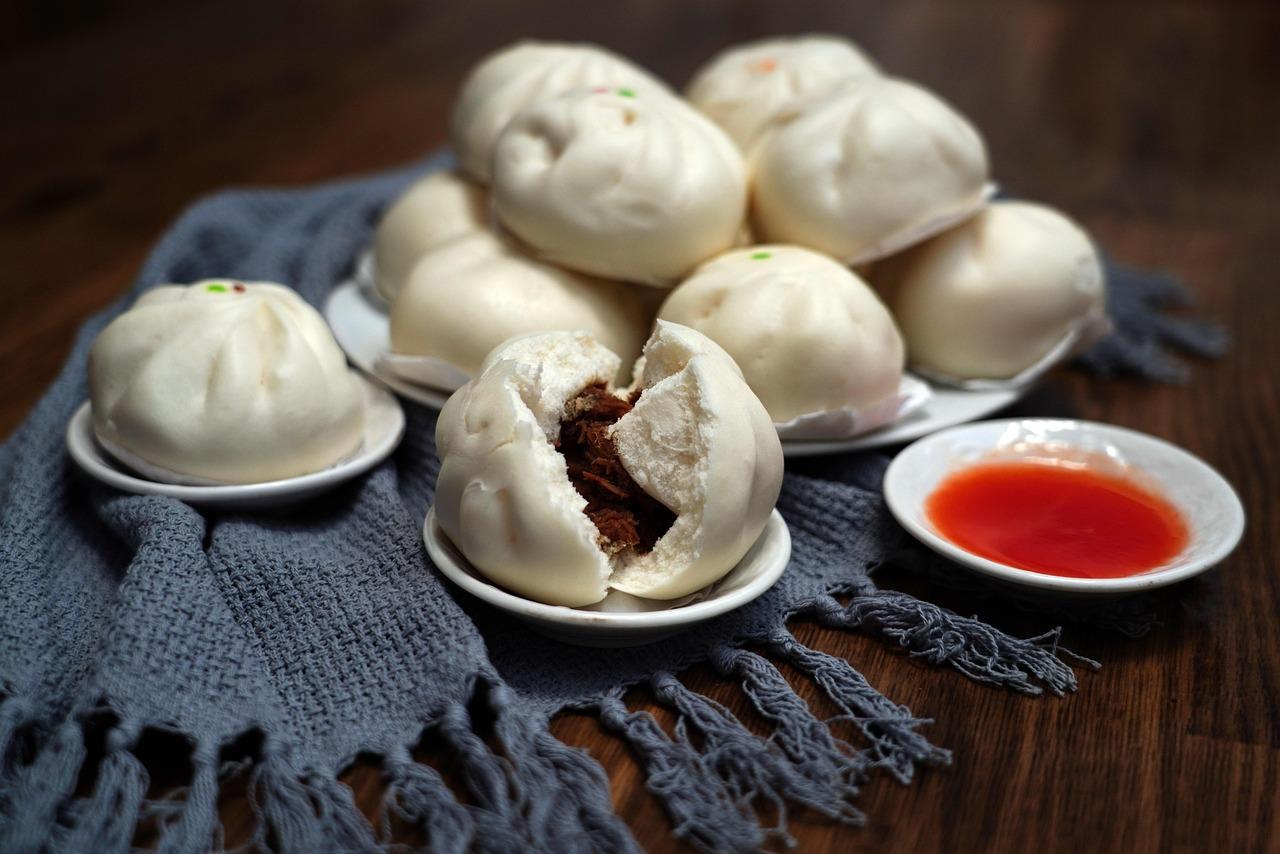
Char siu bao (barbecued pork buns)

Order dim sum anywhere from Guangzhou to San Francisco and a basket of three snowy char siu bao will arrive, each one split open at the top to show a glossy filling of sweet, smoky barbecued pork. This recipe makes the char siu too: pork shoulder marinated overnight in the fridge with hoisin, honey and five-spice, roasted to at least 63 °C and rested, then diced into a thick oyster-sauce gravy. The dough uses both yeast and baking powder, which is what makes the buns burst. The mistake is a wet, runny filling: it must be thick enough to hold its shape when cold. Chef's tip: steam on the highest heat and never lift the lid early, or the buns will stay closed.

120 minChineseMeat
by KrazyBadal 0 views

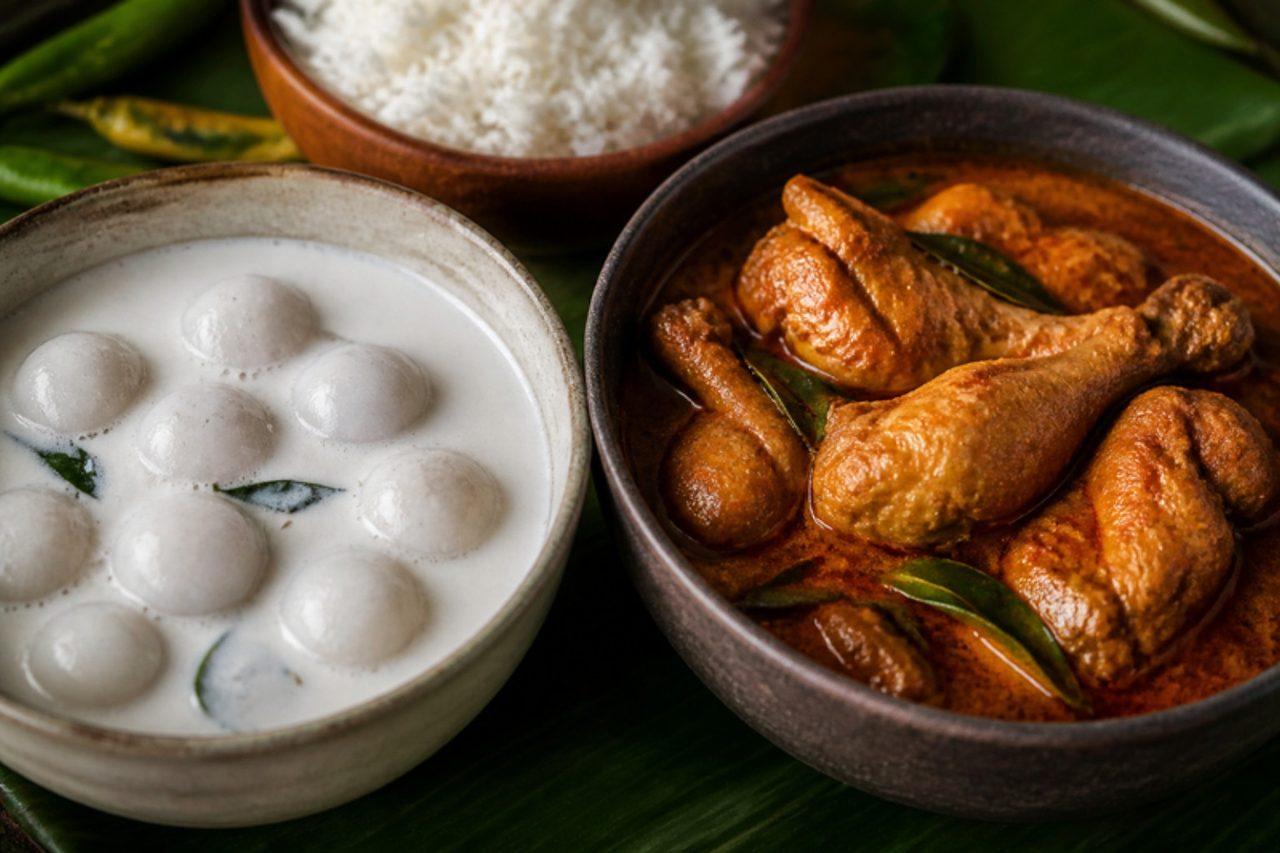
Pidiyum kozhiyumRice dumplings with chicken curry

Central Kerala's Syrian Christian families, from Kottayam to Thrissur, make this for Christmas and Easter mornings and for the gatherings that follow a wedding. The pidi are marble-sized balls of roasted rice flour and coconut, poached in water and then simmered in thick coconut milk with garlic, cumin and shallots until they sit in a creamy, gently savoury sauce. Alongside goes a fiery kozhi curry (chicken curry) of bone-in chicken in a coconut-oil masala of onion, ginger, chilli and fennel-scented garam masala, cooked until the chicken reaches 74 °C at the thickest part. Each plate gets a ladle of soft, mild pidi and a ladle of red curry, and the two run together. It takes a little time, so families often roll the pidi together while the curry simmers. Common mistake: mixing the rice flour with cold or lukewarm water; the dough cracks and the pidi fall apart in the pot. Chef's tip: use boiling water and knead while it is still hot, wrapped in a cloth.

by KrazyBadal 0 views

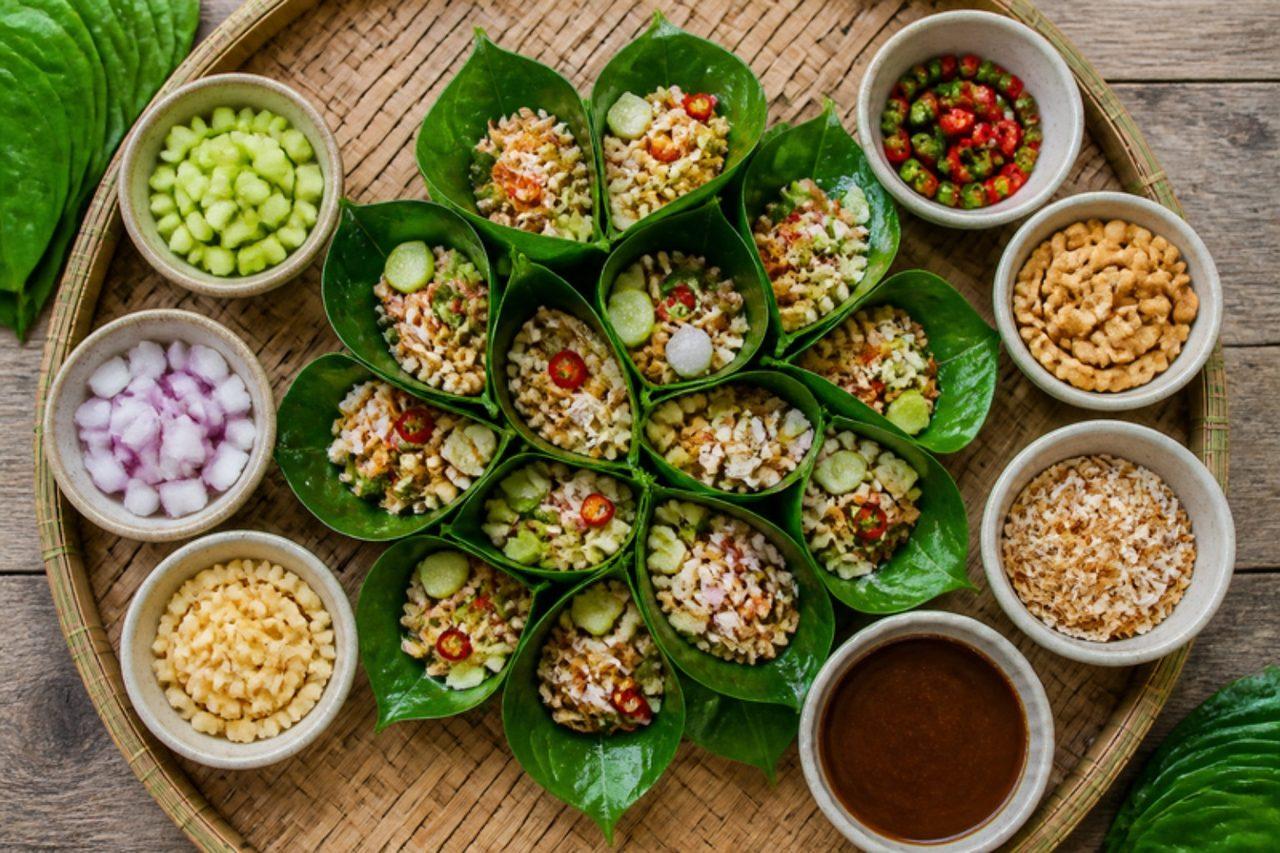
Miang kham (leaf-wrapped bites)Leaf-wrapped snack bites

'One bite wrapped' is how the name translates, and central Thai families set out trays of the little piles of ingredients for guests to fold for themselves, in leaves of wild betel (cha plu). Each mouthful bursts with sour lime peel, hot chilli, sharp ginger and shallot, toasty coconut and peanut, all held by a dark, sticky palm-sugar sauce. The usual dried shrimp and shrimp paste are left out; tamari keeps the salty depth, so it stays vegan. Chef's tip: dicing the lime too big is a common mistake; cut it into 5 mm pieces, skin and all, so it adds tang without bitterness.

by KrazyBadal 0 views

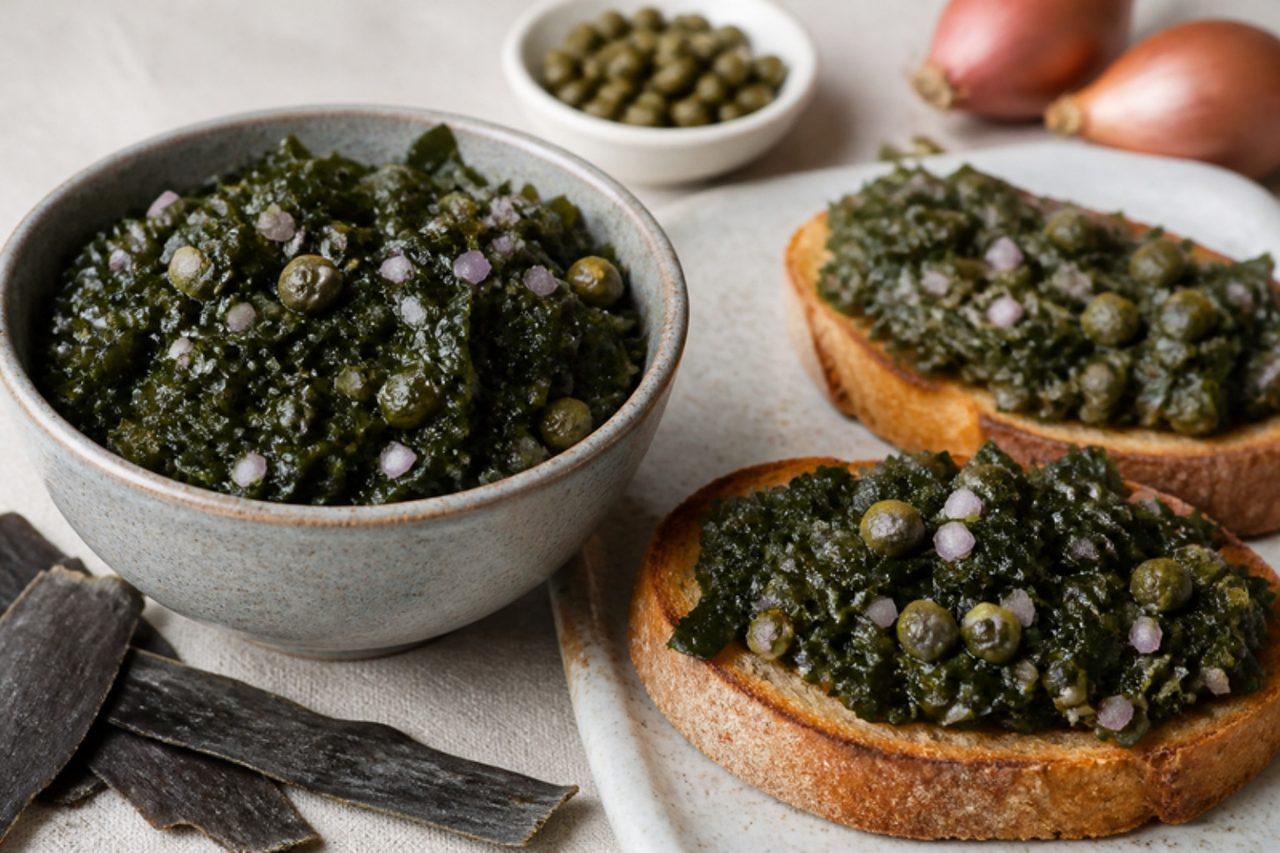
Tartare d'alguesSeaweed tartare

Tartare d'algues is a modern Breton classic, a dark green, salty spread of chopped seaweed with capers, shallots, gherkins and lemon, sold in jars at markets in Roscoff and Saint-Malo and spread on toast or blinis at the apéro. Brittany harvests more seaweed than anywhere else in Europe. The common mistake is not rinsing salted seaweed well enough, so it is far too salty. Chef's tip: rinse the seaweed in two changes of cold water, then taste a piece before chopping.

by KrazyBadal 0 views

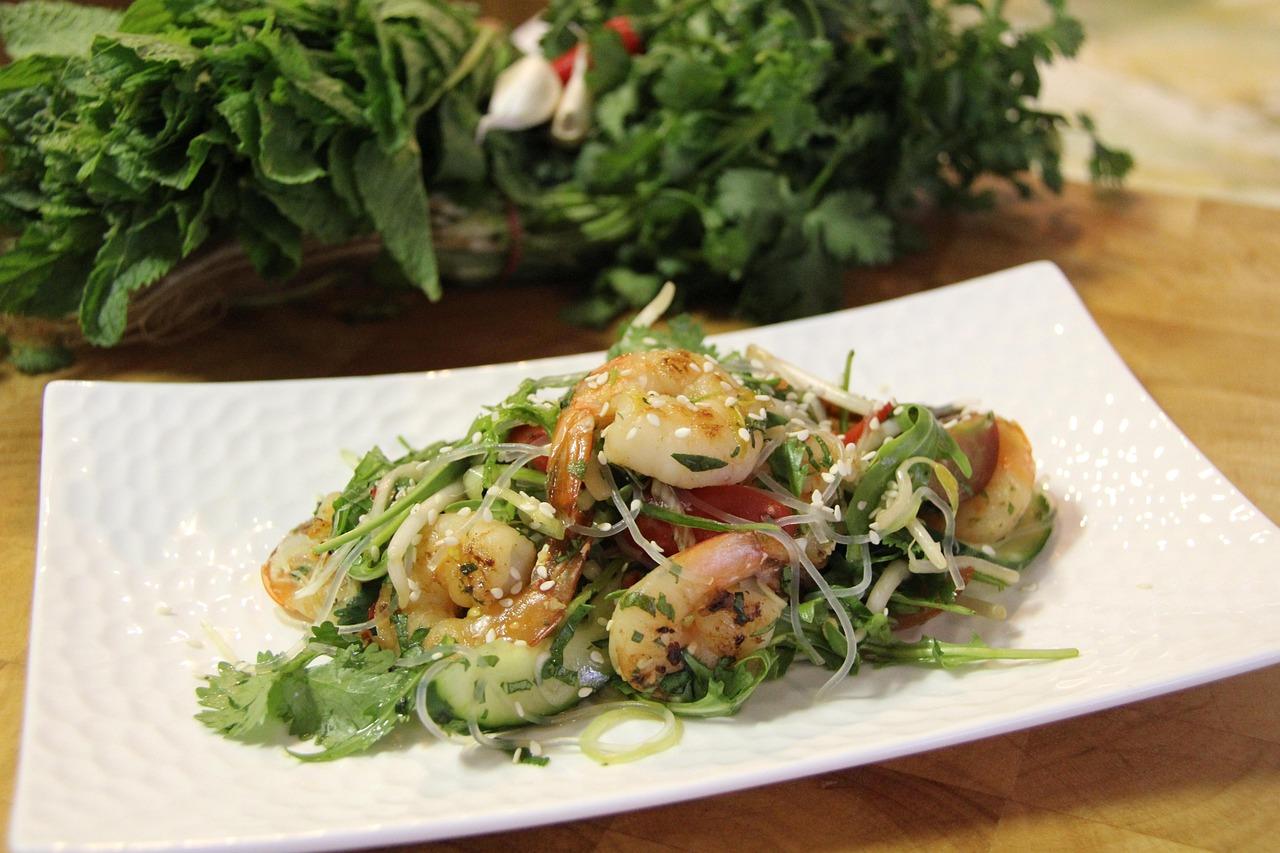
Plah goong (prawn salad with lemongrass)

Plah is the old Thai word for a salad of barely cooked seafood or meat, and plah goong is a favourite at restaurants along the Gulf coast in Phetchaburi and Hua Hin, where the prawns come in that morning. The dressing of lime and nam prik pao is sweet, sour and smoky, and thin slices of raw lemongrass and kaffir lime leaf make it fragrant and crunchy. Traditionally the prawns are only seared or even served barely 'cooked' by the lime; this recipe cooks them through, which is safer. Chef's tip: dress the prawns while they are still warm, not straight from the fridge; cold prawns won't soak up any of the dressing.

20 minThaiSaladsGluten freeSpicy
by KrazyBadal 0 views

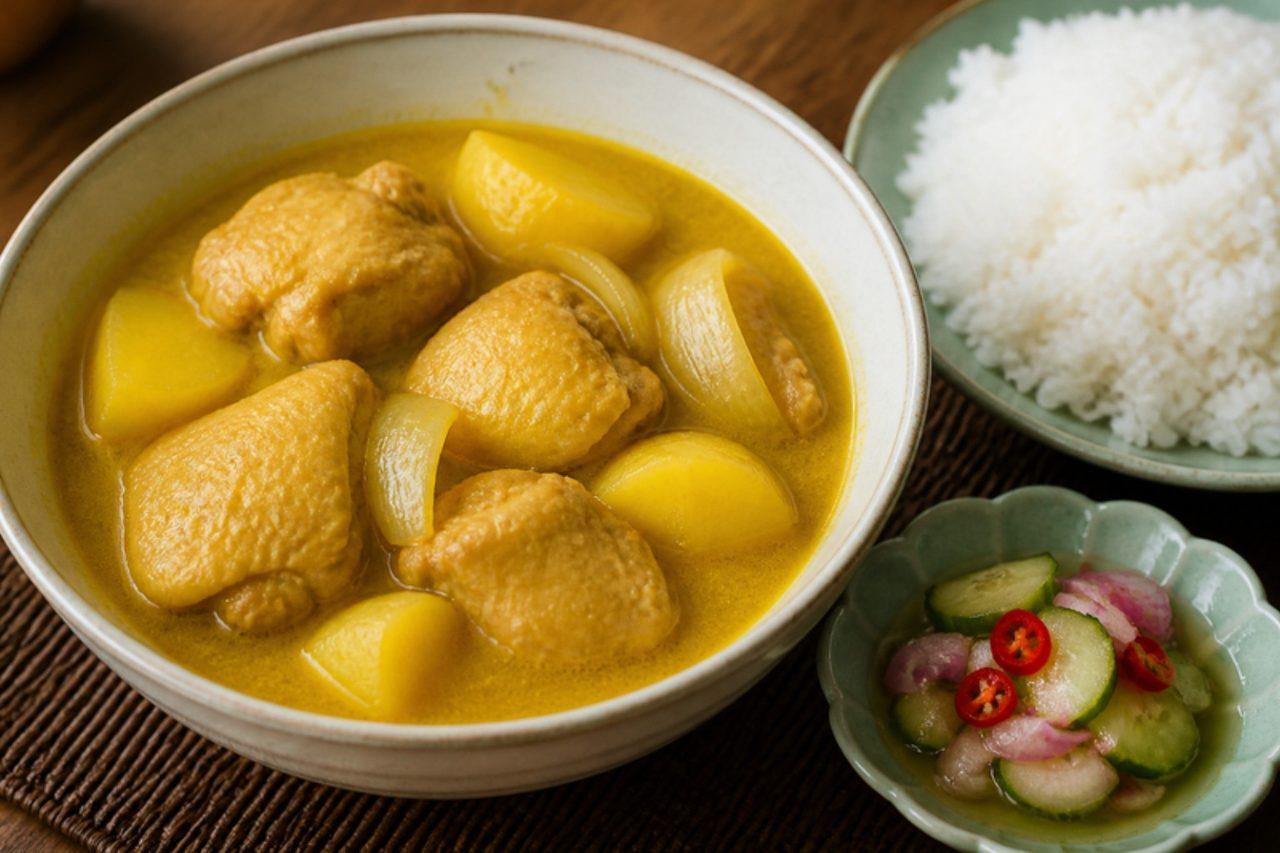
Gaeng kari gai (Thai yellow chicken curry)

Thai yellow curry came to Bangkok through Muslim and Indian traders, and you still find it at curry-over-rice shops near the old mosques of Bang Rak, ladled out with a sharp cucumber relish called ajad. It is the gentlest of the Thai curries: turmeric and curry powder in coconut milk, with chicken, waxy potatoes and onion that soak up the sauce, and children usually like it. For a vegetarian version, use 400 g fried tofu and extra potato, a shrimp-free paste and light soy sauce instead of fish sauce. Chef's tip: fry the paste in the thick coconut cream until the oil separates before adding anything else; skipping this is why many home yellow curries taste raw and powdery.

by KrazyBadal 0 views

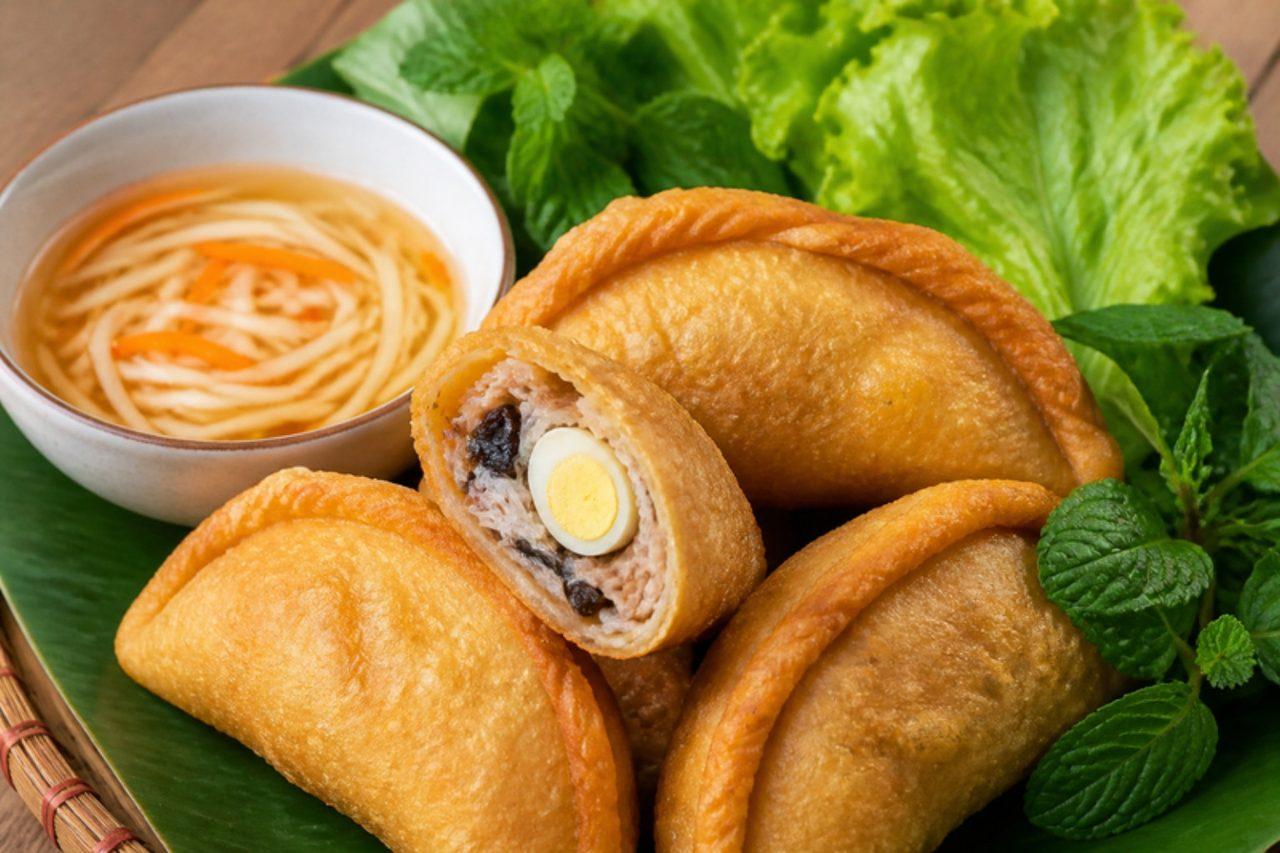
Bánh gối (pillow pastries)Fried pork pastries

Along Lý Quốc Sư street in Hanoi's Old Quarter, bánh gối come out of the fryer puffed and blistered, piled on trays beside spring rolls, and are eaten with a sweet-sour dip full of pickled green papaya and carrot. Each 'pillow' is a thin wheat pastry folded around minced pork, mung bean vermicelli, wood ear mushroom and half a quail egg. They are an afternoon snack in the cold months, eaten while the pastry is still shatteringly crisp. Chef's tip: seal the edges with a little water and press out the air; trapped air makes the pastries burst open in the oil.

by KrazyBadal 0 views

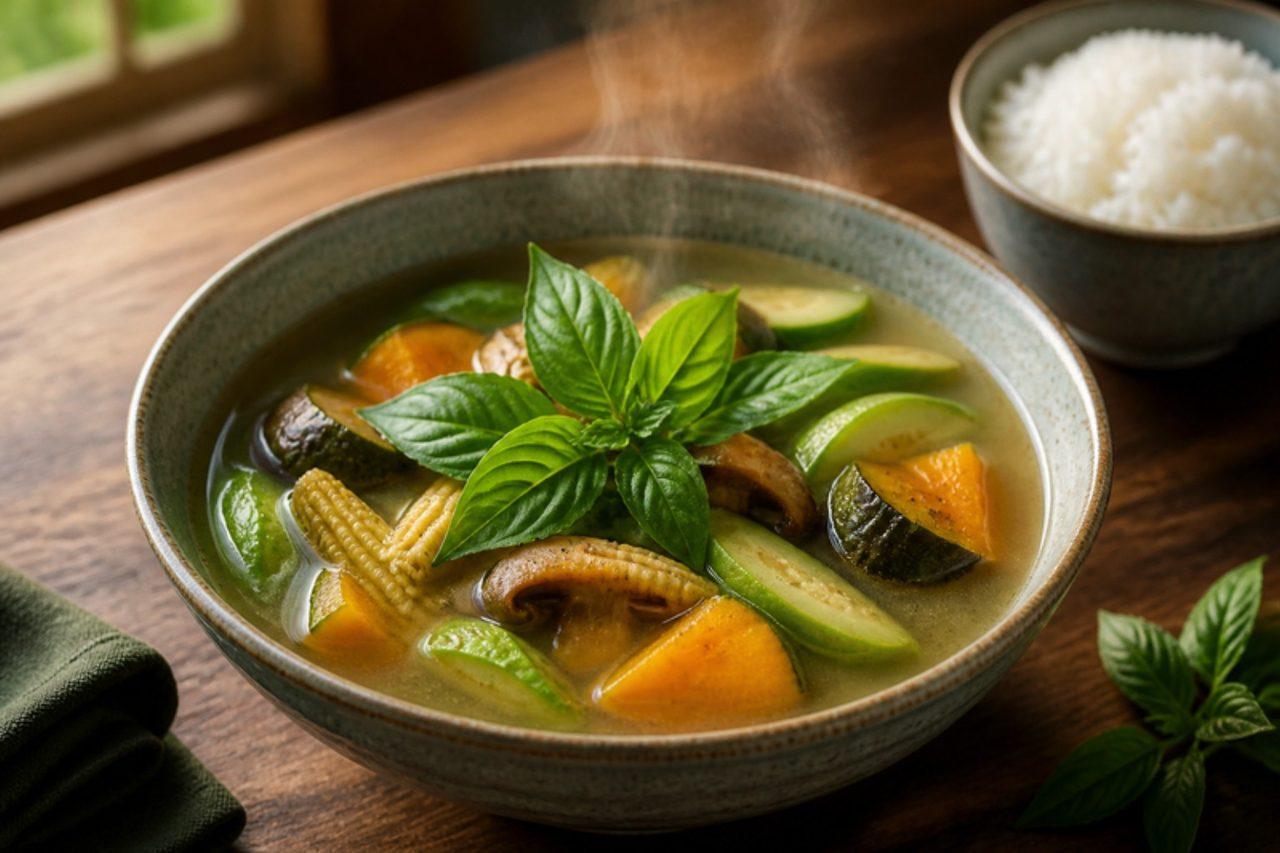
Gaeng liang (peppery pumpkin and lemon basil soup)

Older cooks in Ayutthaya and the central plains make this soup for new mothers and anyone feeling run down: a cloudy broth of pounded shallot, white pepper and krachai (fingerroot), packed with pumpkin, baby corn, sponge gourd and handfuls of lemon basil. It is eaten as one of several dishes with rice at a home meal, never as a creamy starter. The everyday version pounds dried shrimp and shrimp paste into the base and seasons with fish sauce; here dried shiitake and tamari give the savouriness, so it is vegan. Chef's tip: add the lemon basil off the heat at the very end; boiled basil turns black and loses the peppery perfume the soup is named for.

30 minThaiSoupsVeganGluten free
by KrazyBadal 0 views

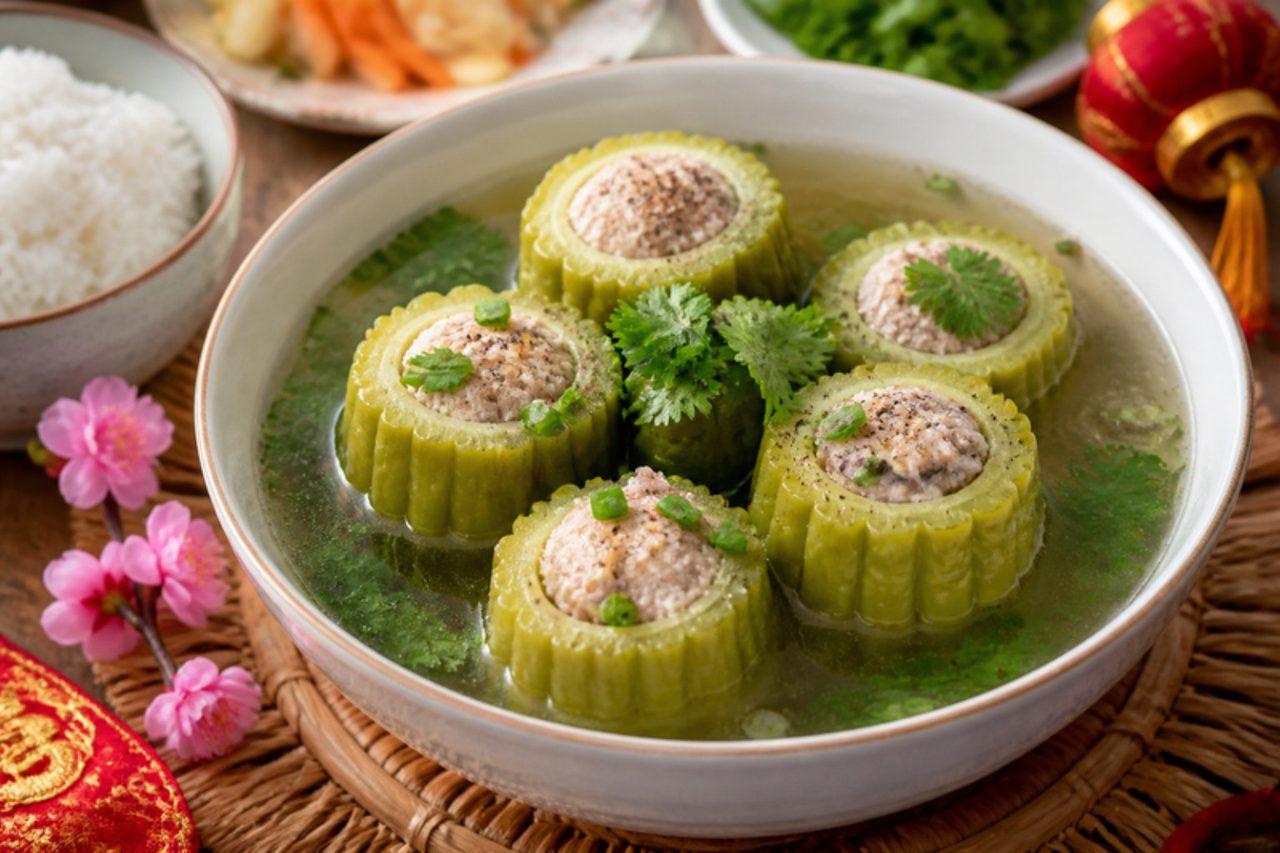
Canh khổ qua nhồi thịt (stuffed bitter melon soup)

Southern families serve this soup on the first days of Tết because khổ qua sounds like 'the hardship has passed'. Short lengths of bitter melon are hollowed out, packed with seasoned minced pork, wood ear mushroom and mung bean vermicelli, and simmered until the green skins turn soft and the pork is juicy. The broth is clear and gently bitter, a welcome counterpoint to sweet braised dishes. A vegetarian stuffing of crumbled tofu and mushrooms works the same way. Chef's tip: scrape out all the white pith along with the seeds and blanch the melon briefly; leaving the pith in is what makes the soup aggressively bitter.

by KrazyBadal 0 views

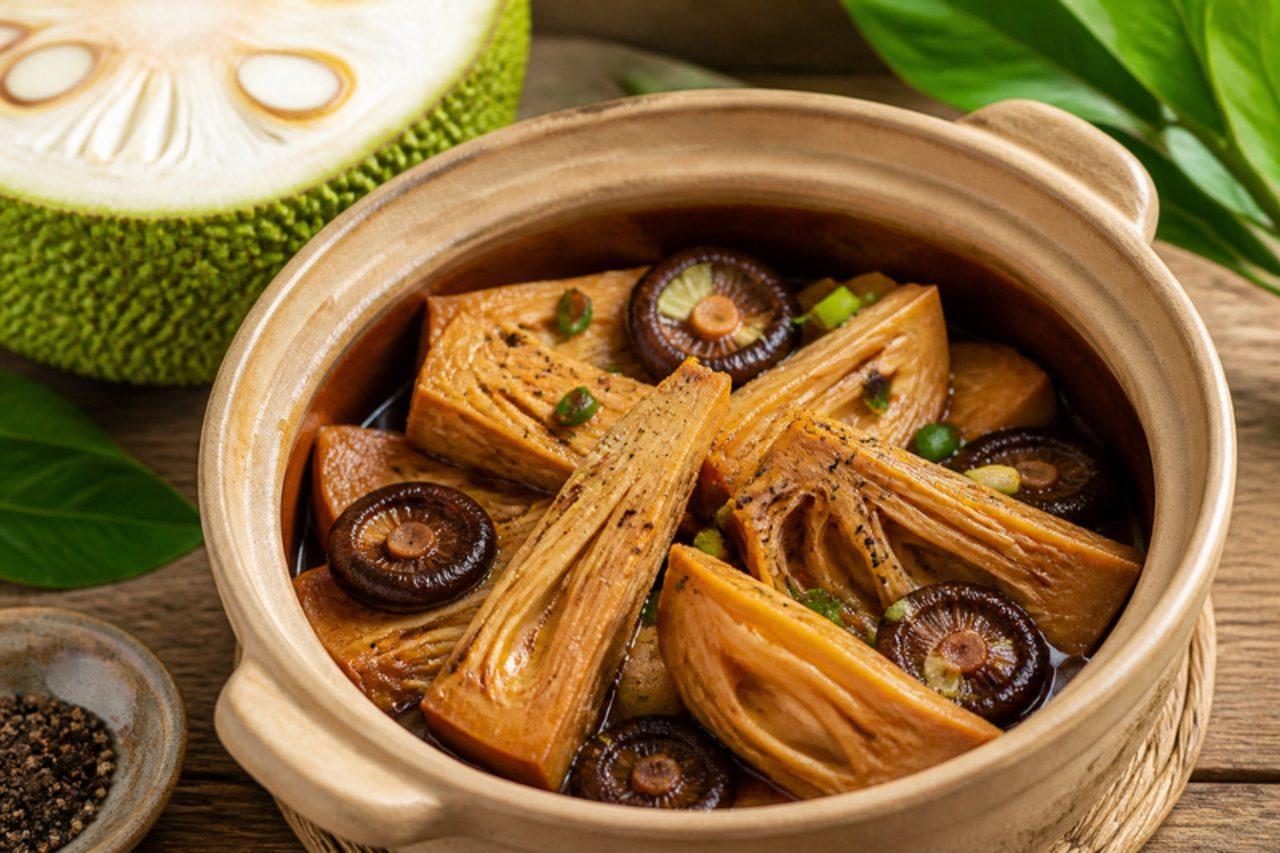
Mít non kho (braised young jackfruit)

In Quảng Nam and Huế, where jackfruit trees shade nearly every garden, cooks pick the fruit while it is still green and hard and braise it like pork. The flesh soaks up a dark caramel and coconut-water sauce and turns tender and stringy, with a mild, savoury, almost meaty chew. Pagoda kitchens serve it during the Vu Lan month and on fasting days, alongside rice and a plate of boiled greens. Ordinary homes often add pork belly or fish sauce; this temple-style pot keeps it plant-based. Chef's tip: oil your hands and knife before cutting fresh jackfruit, or use tinned young jackfruit in brine; the sap is sticky like glue and is the usual reason people give up.

by KrazyBadal 0 views

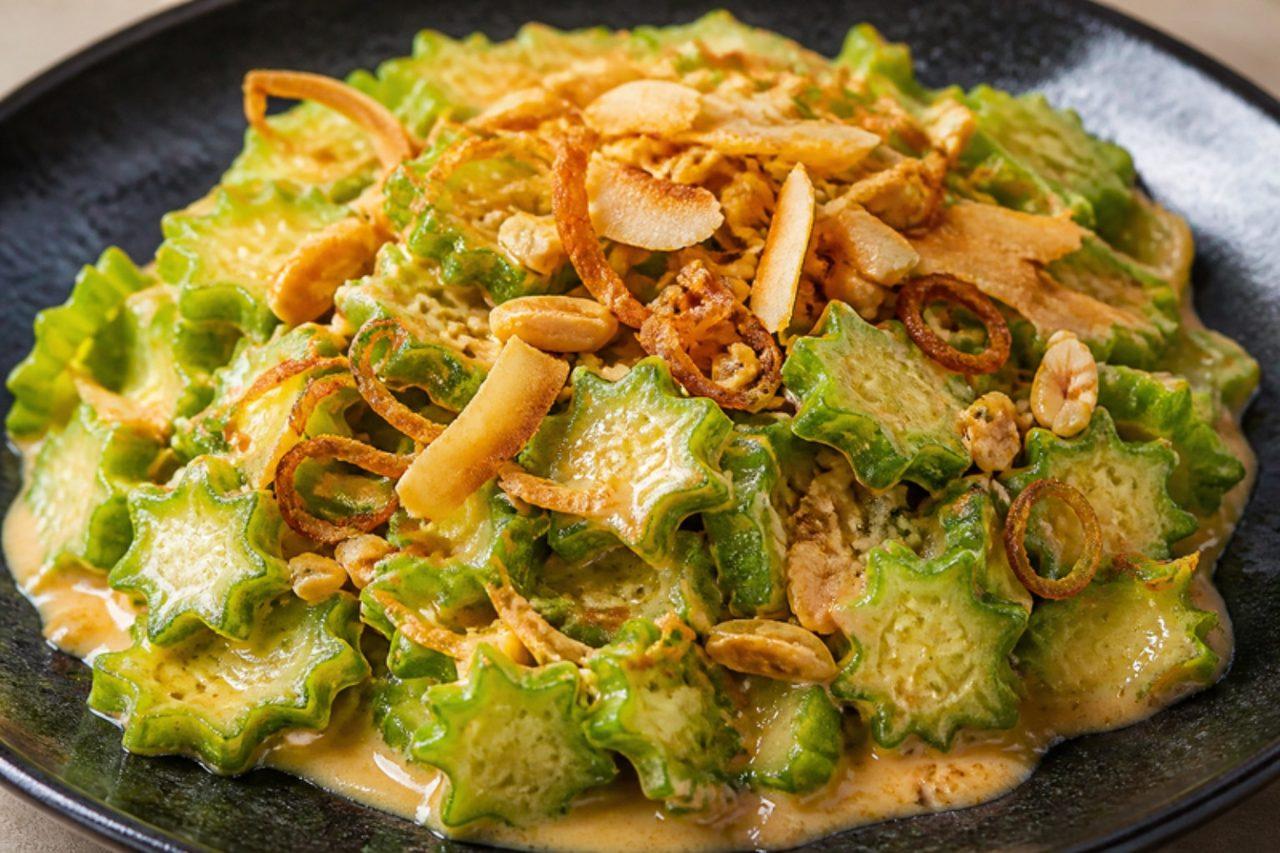
Yam tua plu (wing bean salad)

Wing beans grow on fences in back gardens all over central Thailand, and their frilly, four-edged slices make one of the most loved yam on a family table, eaten alongside a curry and rice at dinner. The beans are blanched for seconds so they stay crunchy and grassy, then coated in coconut cream sharpened with lime and nam prik pao, with peanuts and crisp shallots on top. The usual restaurant version adds poached prawns or minced pork and seasons with fish sauce; this one uses tamari, so it is vegan. Look for wing beans in Asian grocers; fine green beans work too. Chef's tip: the common mistake is overcooking the beans; blanch them for 30 seconds only and plunge into iced water, or they turn olive-grey and limp.

20 minThaiSaladsVeganGluten free
by KrazyBadal 0 views

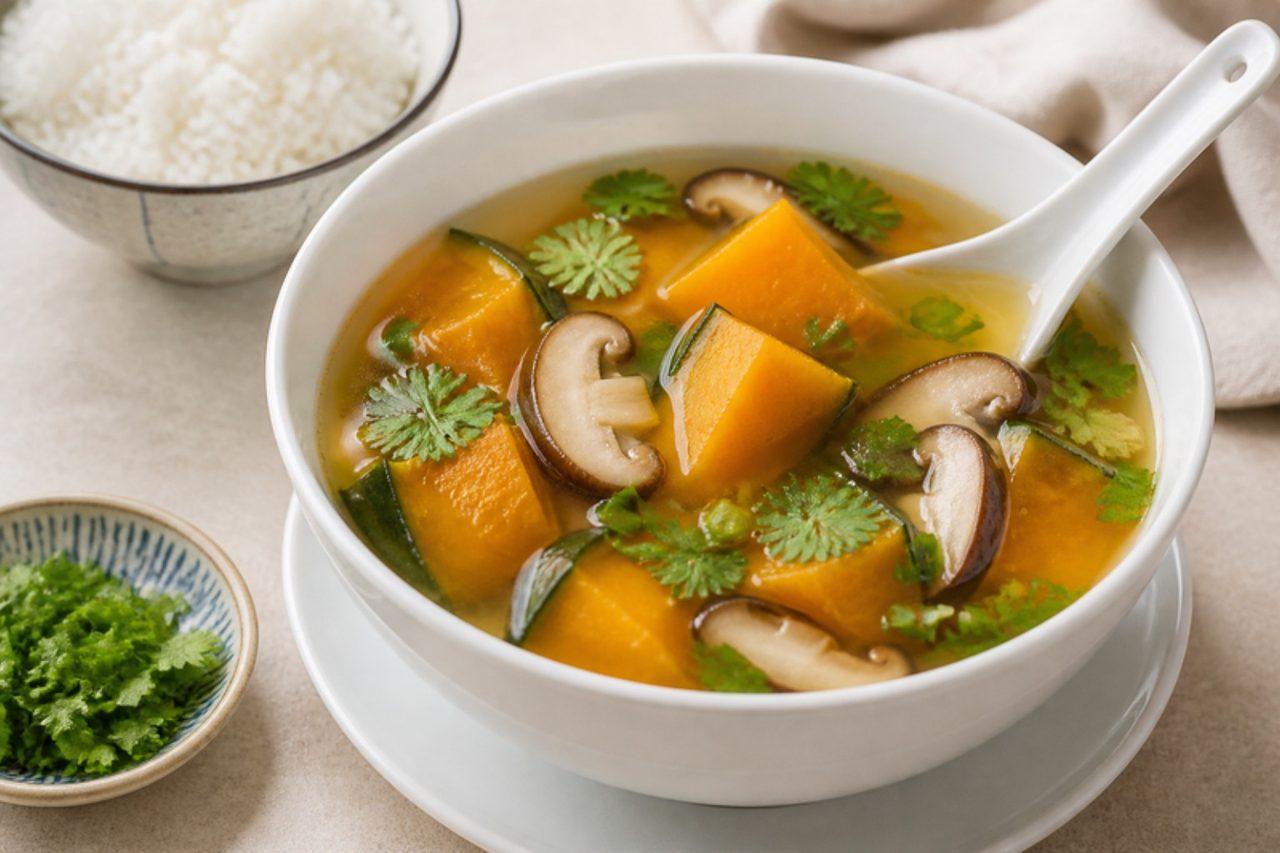
Canh bí đỏ chay (clear pumpkin soup)

Every Vietnamese family meal has a canh, a light soup to sip between mouthfuls of rice, and in autumn in the north the pot is often full of orange pumpkin. Unlike a blended Western pumpkin soup this one stays clear and brothy, with soft, sweet chunks you break with a spoon. Most kitchens add minced pork or dried prawns; this vegetarian version gets its depth from shiitake and a little soy. It is a good soup for children and for anyone recovering from a cold. Chef's tip: cut the pumpkin into even 3 cm chunks and stop cooking as soon as they are tender; overcooked pumpkin falls apart and turns the broth cloudy and porridge-like.

by KrazyBadal 0 views

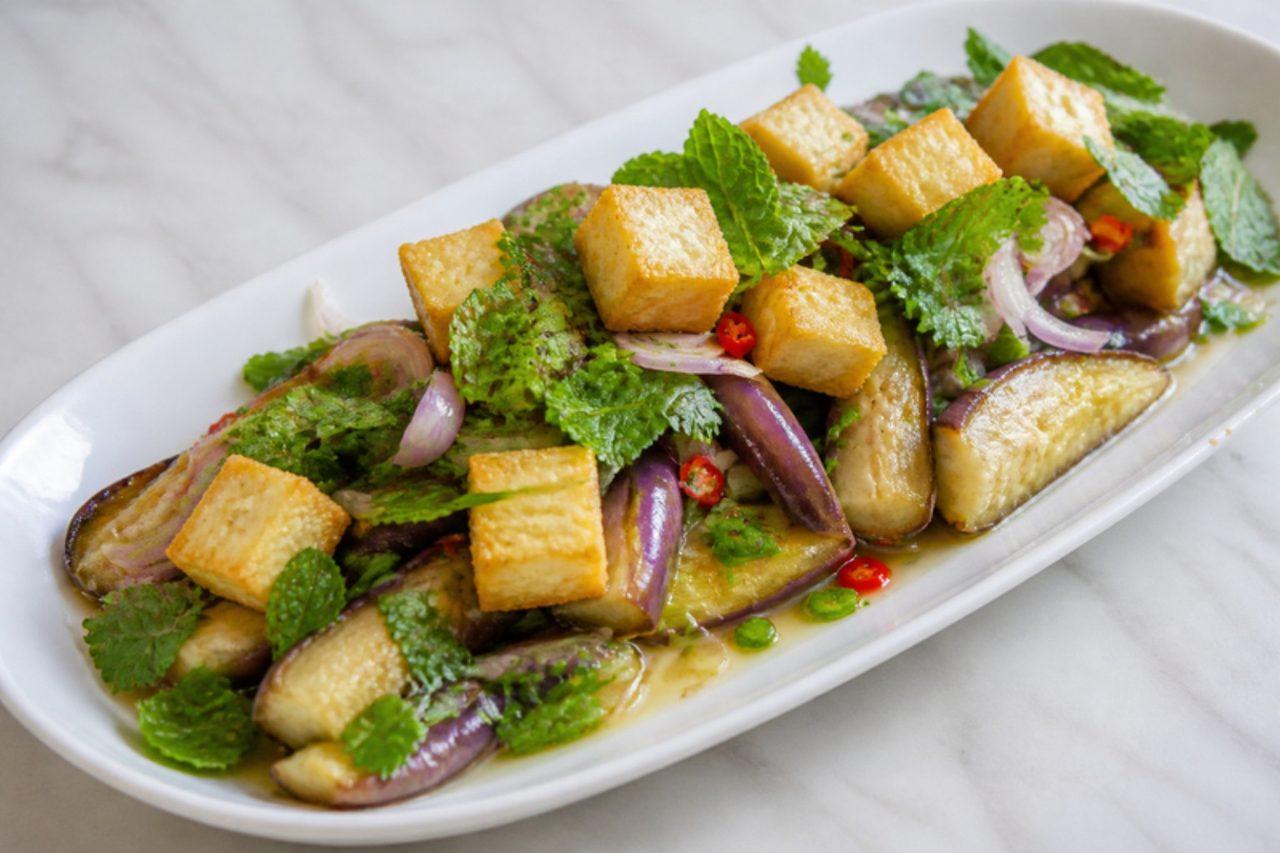
Yam makheua yao (grilled aubergine salad)

In Bangkok's evening markets, cooks blister long green aubergines straight over charcoal until the skins blacken, then peel them and dress the soft, smoky flesh with lime, chilli, shallot and plenty of herbs. It is a cooling side for grilled meats and sticky rice, or a light lunch on its own. Stalls usually top it with minced pork or dried shrimp and season with fish sauce; here crisp fried tofu and tamari make it vegan. Chef's tip: char the aubergines until they collapse completely and the skin is papery; pulling them off too soon leaves spongy, bitter centres.

30 minThaiSaladsVeganGluten free
by KrazyBadal 0 views

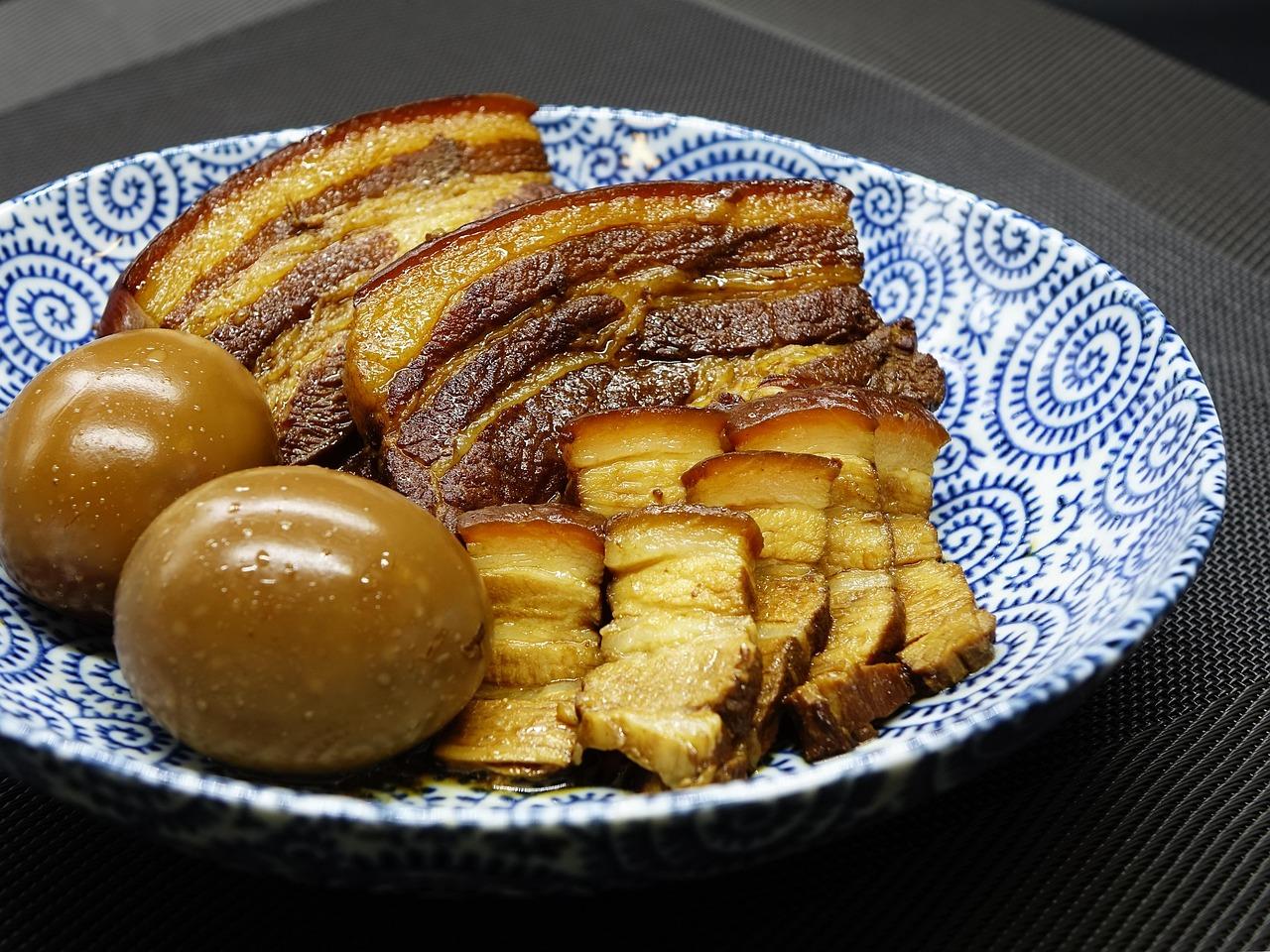
Thịt kho trứng (caramelised pork belly and eggs)

In southern Vietnam the New Year does not feel like Tết without a big pot of thịt kho trứng on the stove: chunks of pork belly and peeled boiled eggs simmered slowly in coconut water, fish sauce and a dark caramel until the fat is jelly-soft and the eggs are stained mahogany. Families cook it a day or two ahead and reheat it throughout the holiday, when its flavour only deepens. It is eaten with plain rice, pickled dưa món or củ kiệu, and bitter melon soup. For a vegetarian table, firm tofu and eggs can be braised in the same way with soy sauce. Chef's tip: blanch the pork first and keep the simmer lazy; a hard boil makes cloudy, greasy sauce and dry, tough meat.

by KrazyBadal 0 views

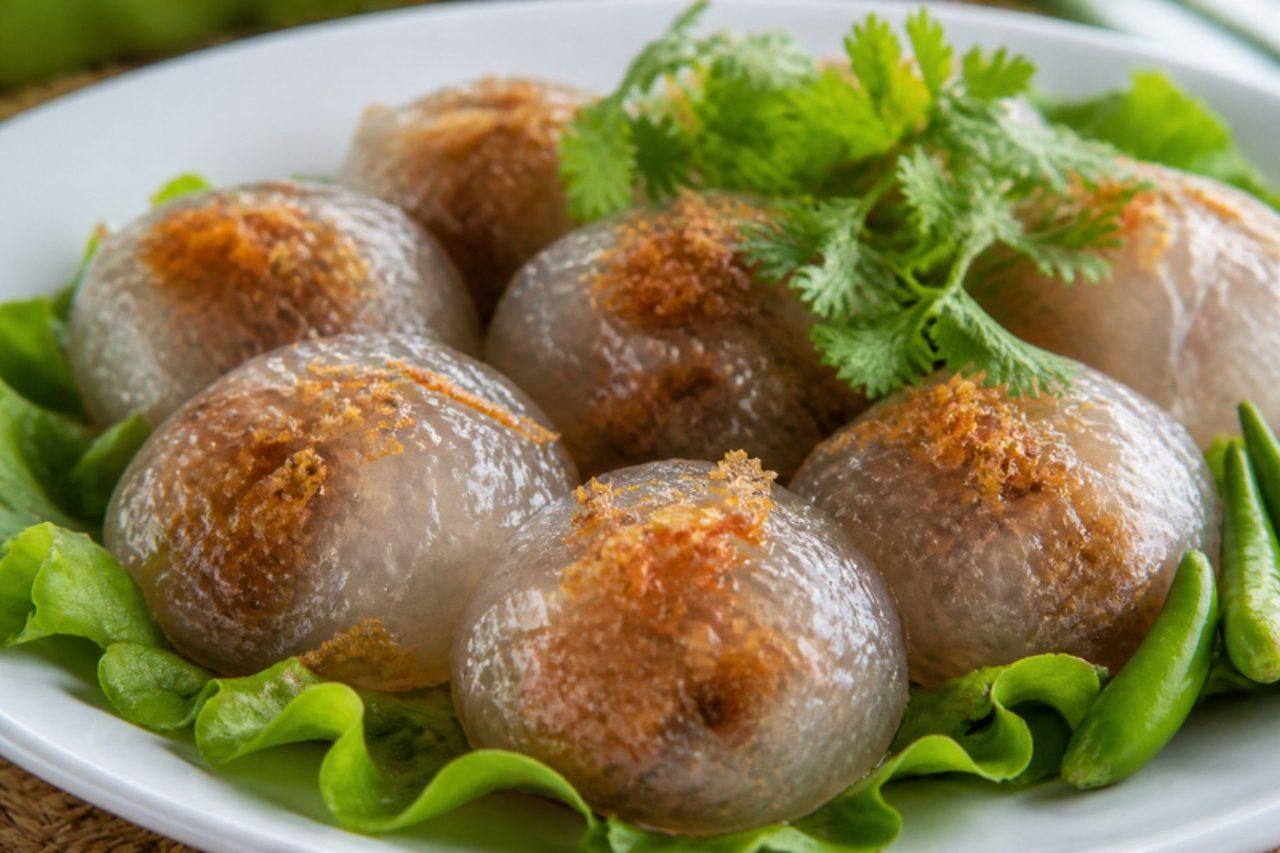
Sakoo sai moo (tapioca pork dumplings)

Market dessert-and-snack sellers across central Thailand, from Bangkok's Or Tor Kor to Ratchaburi's floating market, line these glassy dumplings up on banana leaves beside khao kriap pak mo. The tapioca skin is chewy and translucent, showing a sweet-salty filling of minced pork cooked with preserved radish, peanuts and palm sugar. They are eaten warm, wrapped in a lettuce leaf with coriander and a bird's-eye chilli, and dressed with garlic oil. Chef's tip: soaking the tapioca too long is the mistake; it needs only enough water to become a damp, mouldable dough, or it turns soupy.

by KrazyBadal 0 views

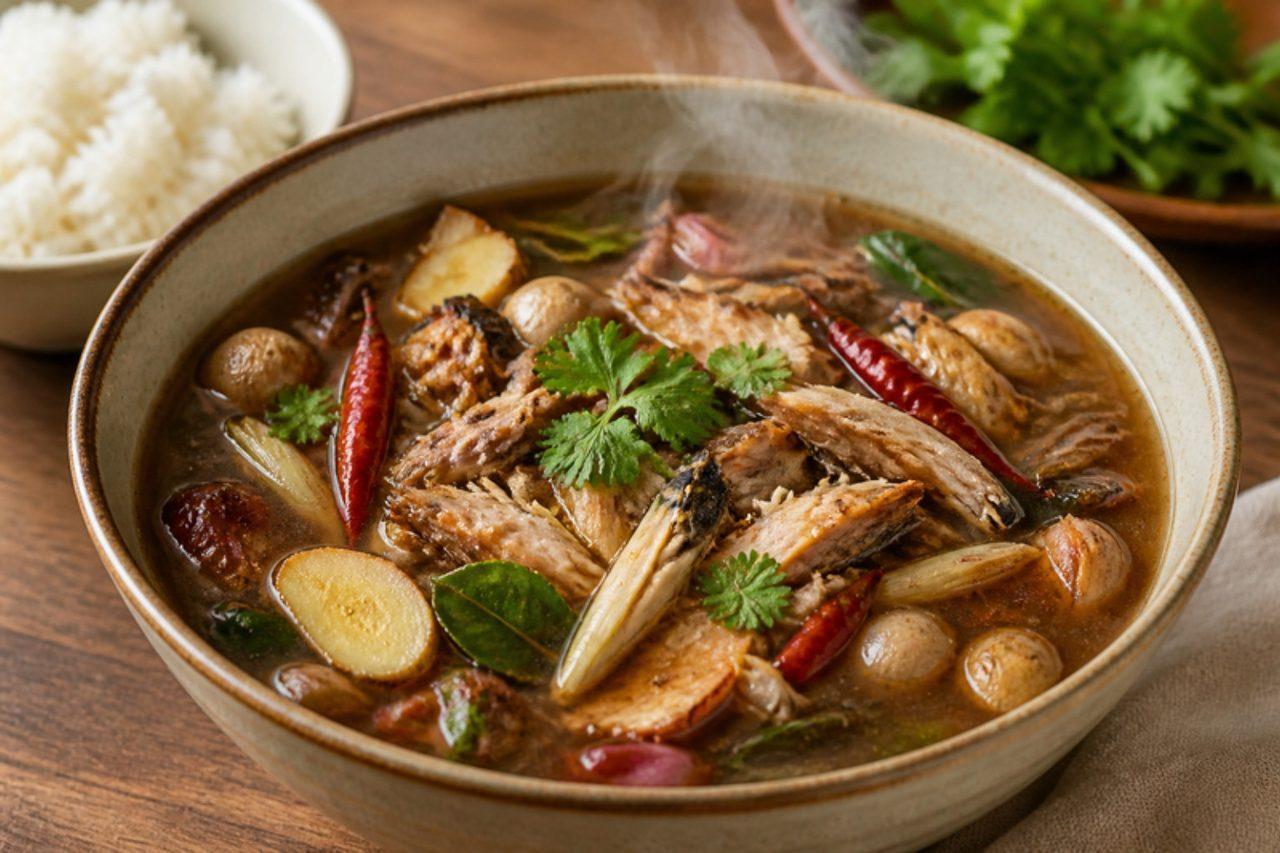
Tom klong (smoky sour dried-fish soup)

Tom klong is the older, rustic cousin of tom yum, cooked in central Thai homes along the rivers of Suphan Buri and Ang Thong, where fish was dried and smoked to keep through the rains. Shallots, garlic and dried chillies are charred first, then simmered with tamarind, lemongrass and galangal, and smoked dried fish turns the clear broth deep and savoury. It is sour, smoky and hot, eaten with rice and a plain omelette. Look for dried smoked fish (pla krob or pla salid) in Asian grocers, or use smoked mackerel. Chef's tip: grill the aromatics until blackened in patches; pale, raw shallots give a thin soup without the smoke that defines it.

35 minThaiSoupsGluten freeSpicy
by KrazyBadal 0 views

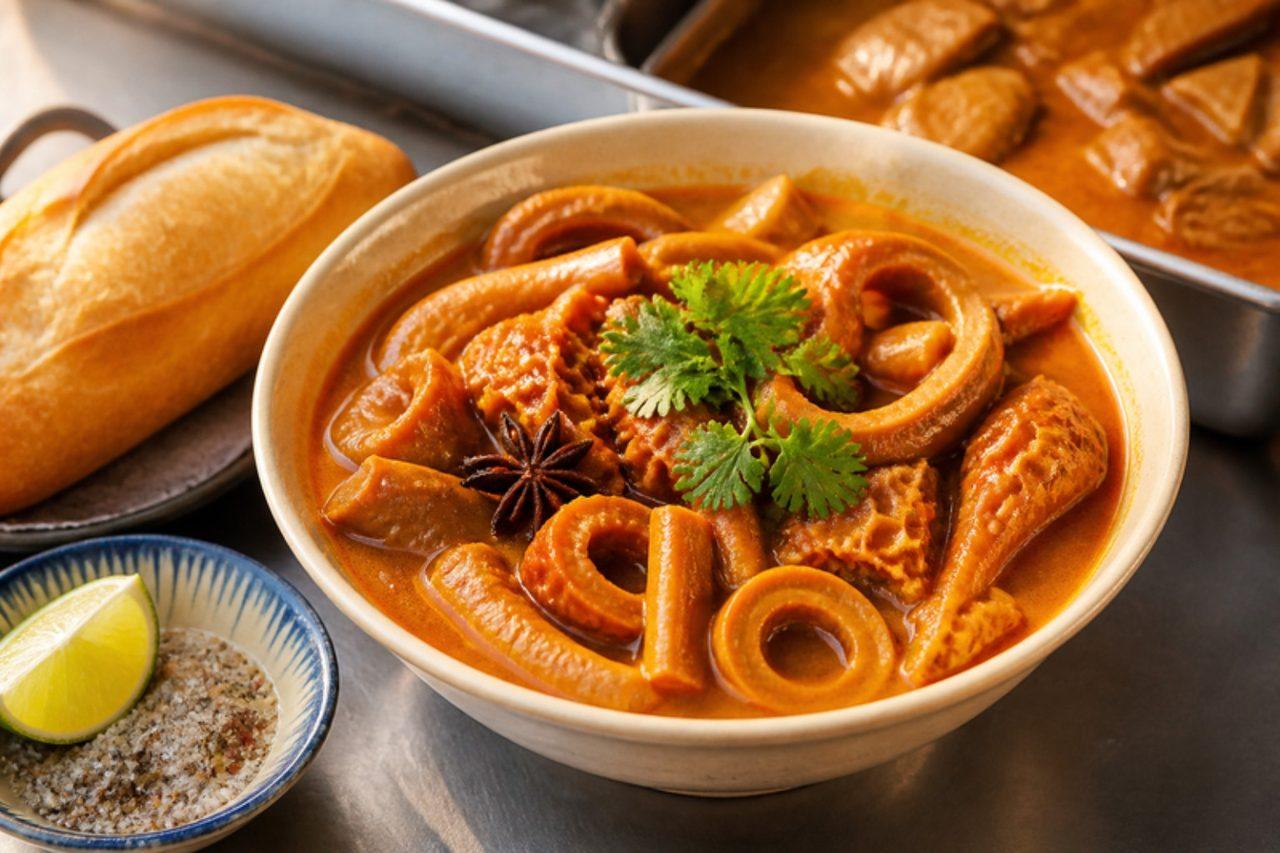
Phá lấu (five-spice braised pork offal)

In District 4 and Chợ Lớn, Saigon's Chinese quarter, phá lấu carts park outside schools and alleys every afternoon, ladling pork offal from a bubbling five-spice broth into bowls to eat with crusty bread and a dip of lime, salt and pepper. Teochew immigrants brought the braise; the Vietnamese version adds coconut water and a splash of coconut milk, which makes the broth rich, sweet and orange-red with annatto. Chef's tip: scrub and blanch the offal twice with salt and vinegar; skipping the cleaning leaves a strong smell that no amount of spice will hide.
by KrazyBadal 0 views

Nam prik pao (Thai chilli jam)

Every Thai kitchen keeps a jar of this dark, glossy chilli jam: it goes into tom yum and yam salads, onto plain rice and omelettes, and Bangkok office workers spread it on toast. The chillies, shallots and garlic are fried until deeply golden, then cooked down with tamarind and palm sugar, so it tastes sweet, sour and smoky rather than just hot. Most shop jars contain dried shrimp and fish sauce; this one uses tamari and a little extra shallot for depth, so it is vegan. For the traditional version, fry 2 tbsp dried shrimp with the garlic and swap the tamari for fish sauce. Chef's tip: take the garlic out as soon as it turns pale gold; burnt garlic is the most common reason chilli jam tastes bitter.

by KrazyBadal 0 views

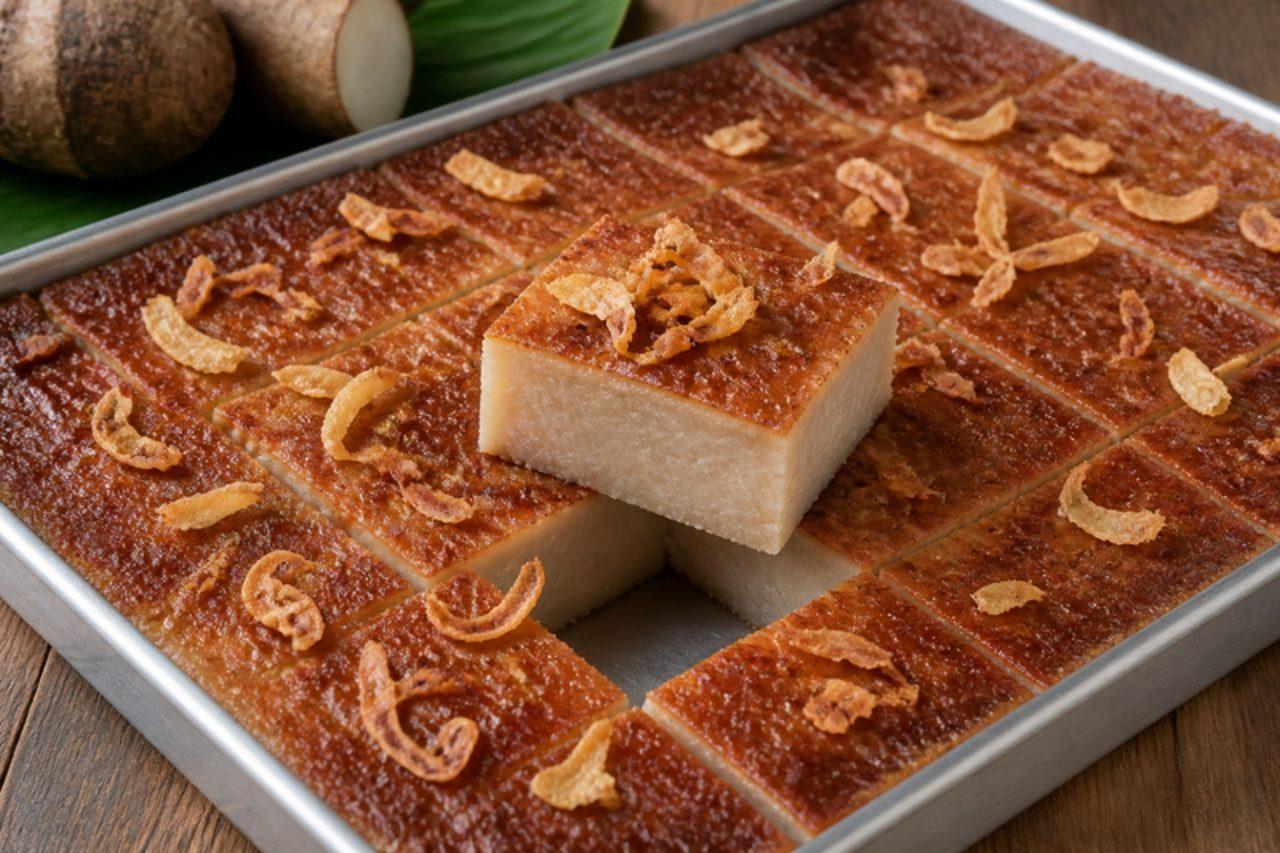
Khanom mo kaeng (Thai coconut custard cake)

Drive south from Bangkok and every roadside shop in Phetchaburi sells this dense custard in foil trays, because the province's sugar palms give it the palm sugar that defines it. Duck eggs, coconut cream and mashed taro bake into a firm, fudgy slab with a browned top, then a scattering of crisp fried shallots adds a savoury, sweet-onion crunch. Cut it in squares for an afternoon snack. Chef's tip: the common mistake is baking it too hot, which makes it puff and crack; bake low until just set, then brown the top under the grill.

by KrazyBadal 0 views

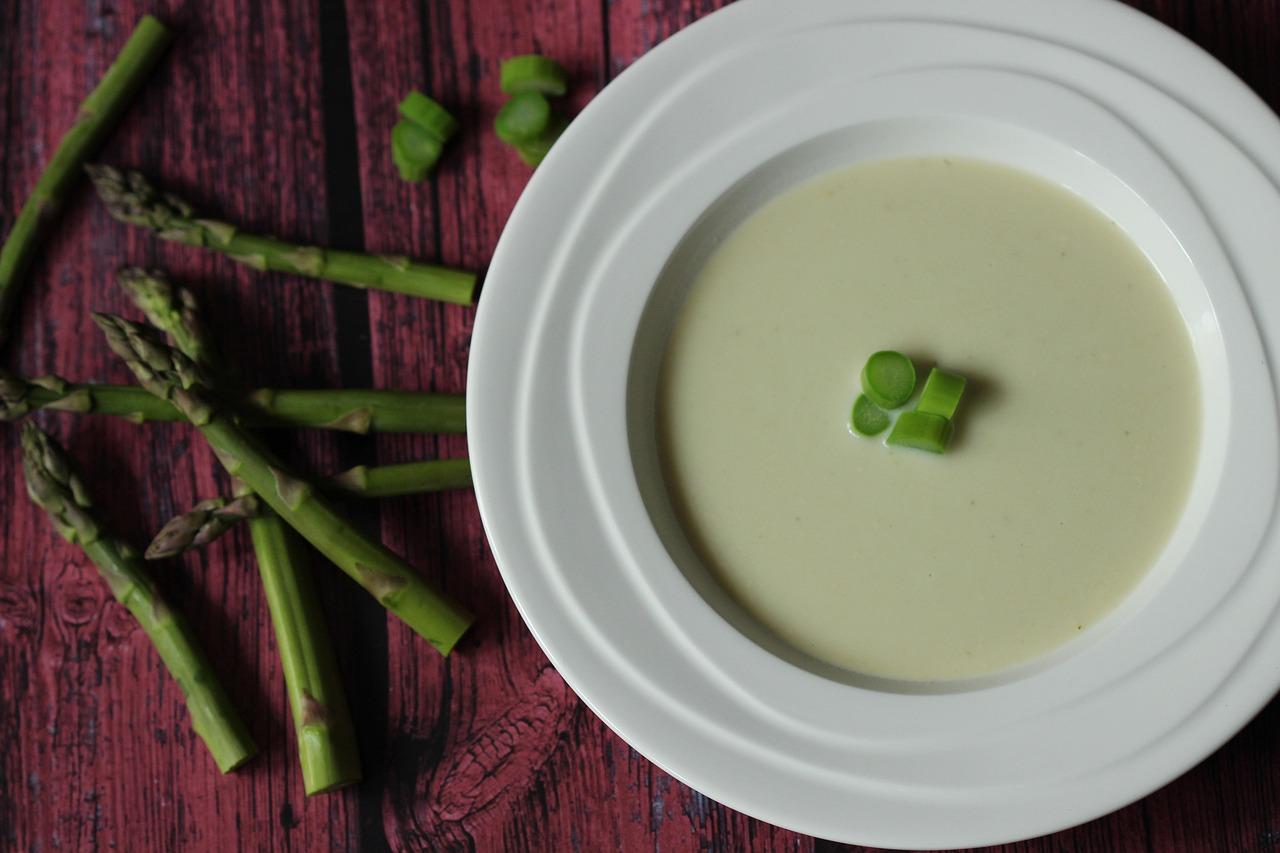
Velouté d'aspergesAsparagus soup

Velouté d'asperges is a spring soup from the Loire valley and Alsace, the two great asparagus regions of France, made in April and May when white and green asparagus are sold in bundles at every market. The woody ends and peelings are simmered into a quick stock, the stalks are cooked in it and blended with cream, and the tender tips are kept whole to float on top. The common mistake is throwing the peelings away, when they carry most of the flavour. Chef's tip: strain the soup through a fine sieve after blending; asparagus fibres can make it stringy.

by KrazyBadal 0 views

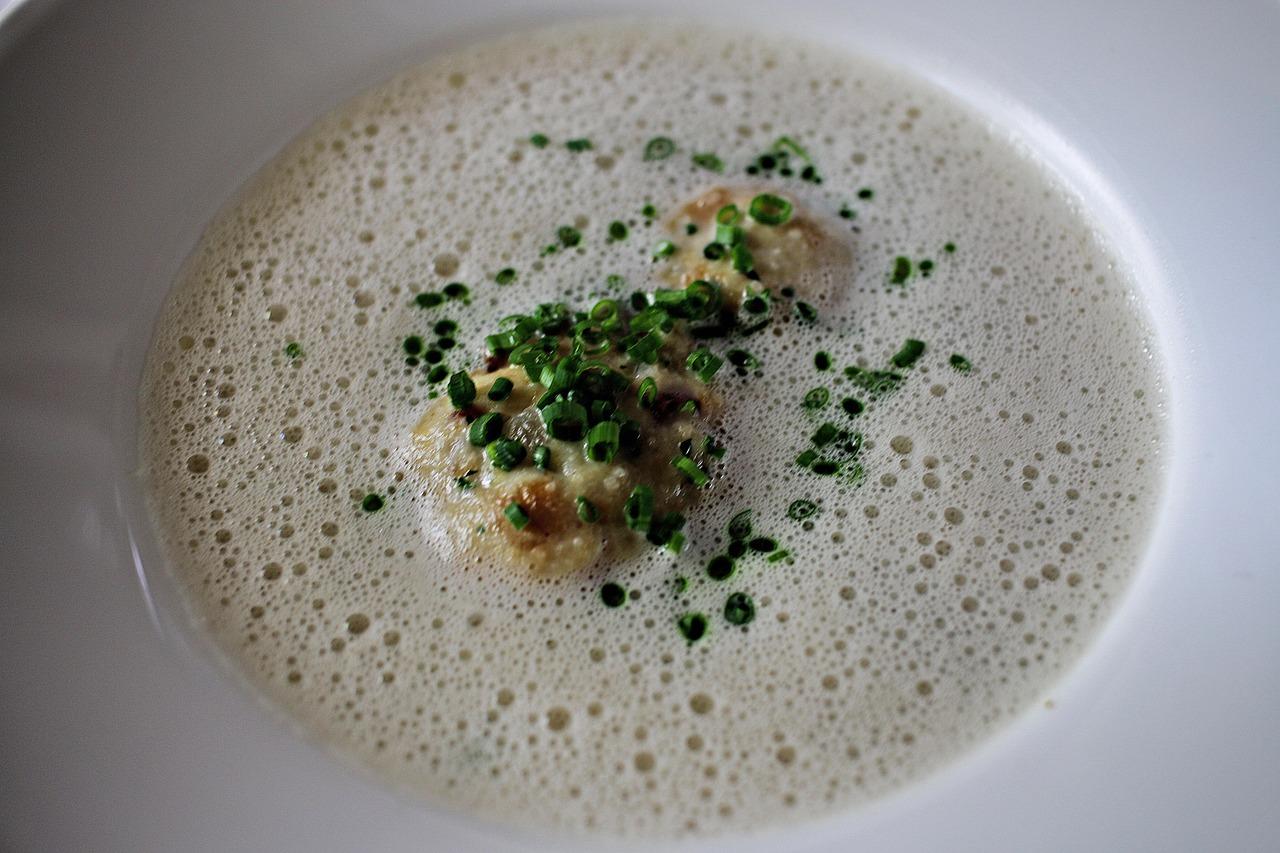
Velouté de champignonsCreamy mushroom soup

Velouté de champignons is the cosy autumn soup of French homes and village restaurants, made when the woods are full of mushrooms in October and November, although ordinary button mushrooms make a very good version all year. The mushrooms are browned well with shallots and thyme, simmered in stock and blended with cream into a smooth, earthy soup. The common mistake is stewing the mushrooms instead of browning them, which gives a grey, flat-tasting soup. Chef's tip: keep back a few sliced mushrooms, fry them crisp in butter and scatter them on top.

by KrazyBadal 0 views

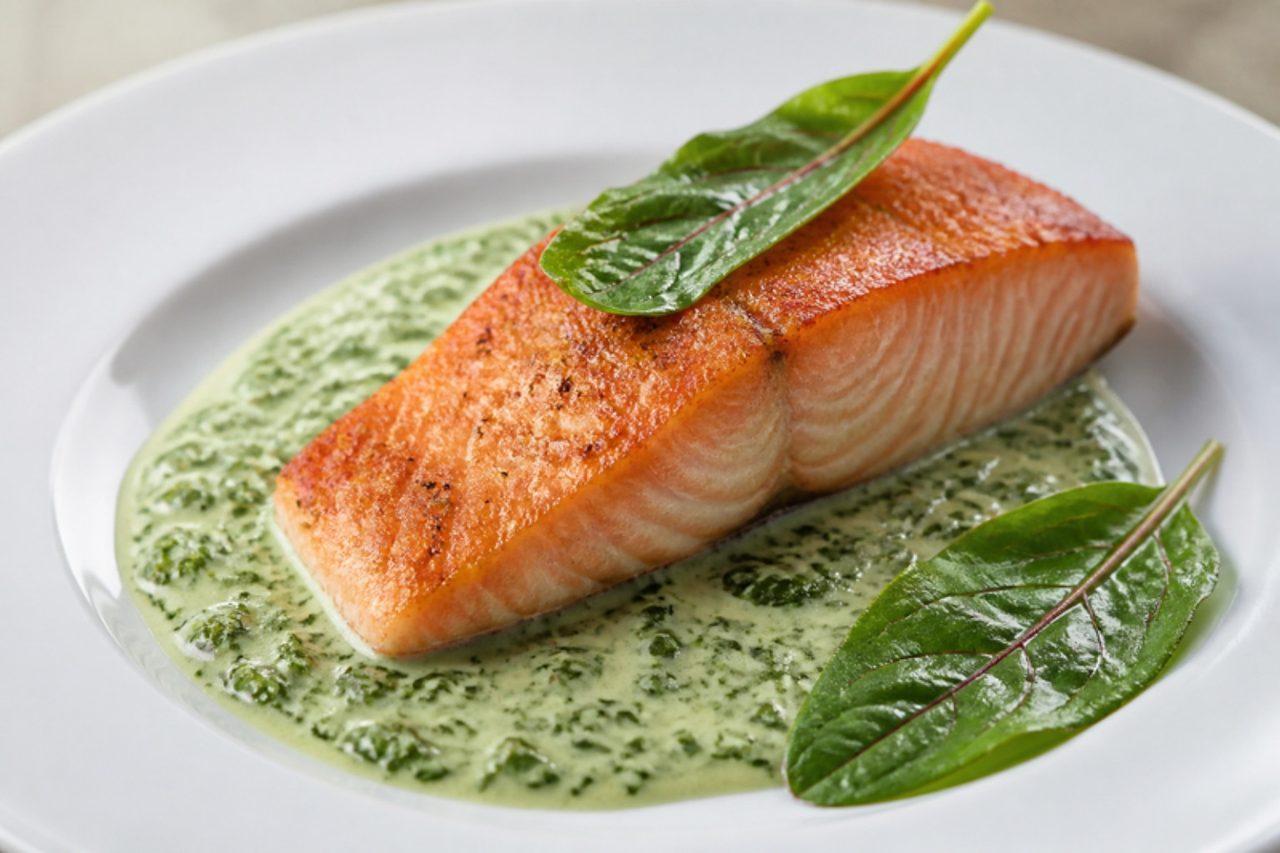
Saumon à l'oseilleSalmon with sorrel sauce

Saumon à l'oseille was created in the 1960s at the Troisgros brothers' famous restaurant in Roanne, north of Lyon, and it soon became a dinner-party classic in French homes. Thin escalopes of salmon are cooked for barely a minute and laid on a pale green cream sauce sharpened with sorrel, whose lemony bite cuts the richness of the fish. This home version uses a quick fish stock and no wine, so it is alcohol-free. The common mistake is overcooking the salmon; the thin escalopes are done the moment they turn pale. Chef's tip: add the sorrel at the very end and take it off the heat at once; it collapses in seconds and turns khaki if boiled.

25 minFrenchFishGluten free
by KrazyBadal 0 views

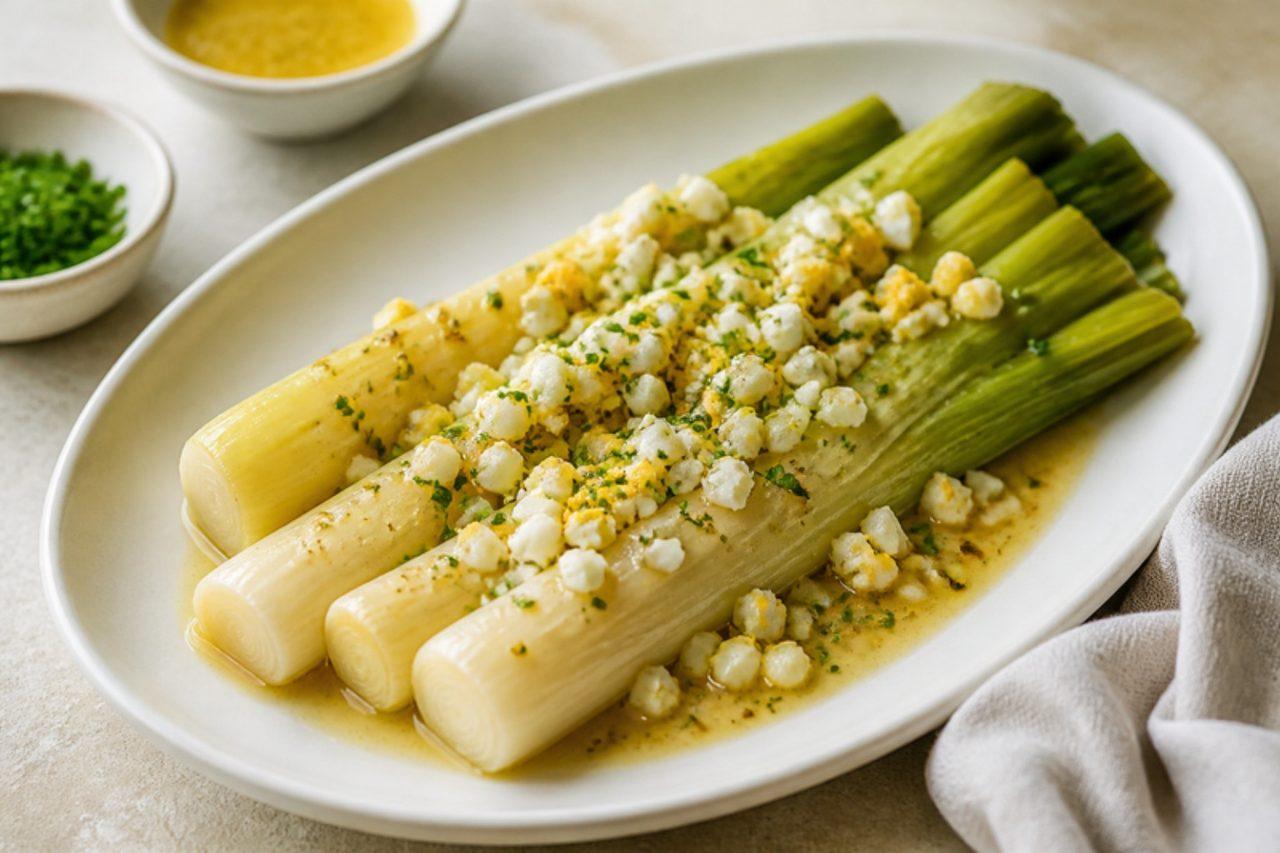
Poireaux vinaigretteLeeks in vinaigrette

Poireaux vinaigrette is the humble leek starter of Parisian bistros, served lukewarm on long plates from autumn to early spring, when leeks are cheap and sweet. Whole young leeks are poached until silky, drained well and dressed while still warm with a punchy mustard vinaigrette, so they drink it in. Some bistros finish them with chopped egg; this version keeps it vegan with shallots and chives. The common mistake is not washing the leeks well, which leaves grit between the layers. Chef's tip: tie the leeks in a bundle before poaching so they stay whole and easy to lift out.

by KrazyBadal 0 views

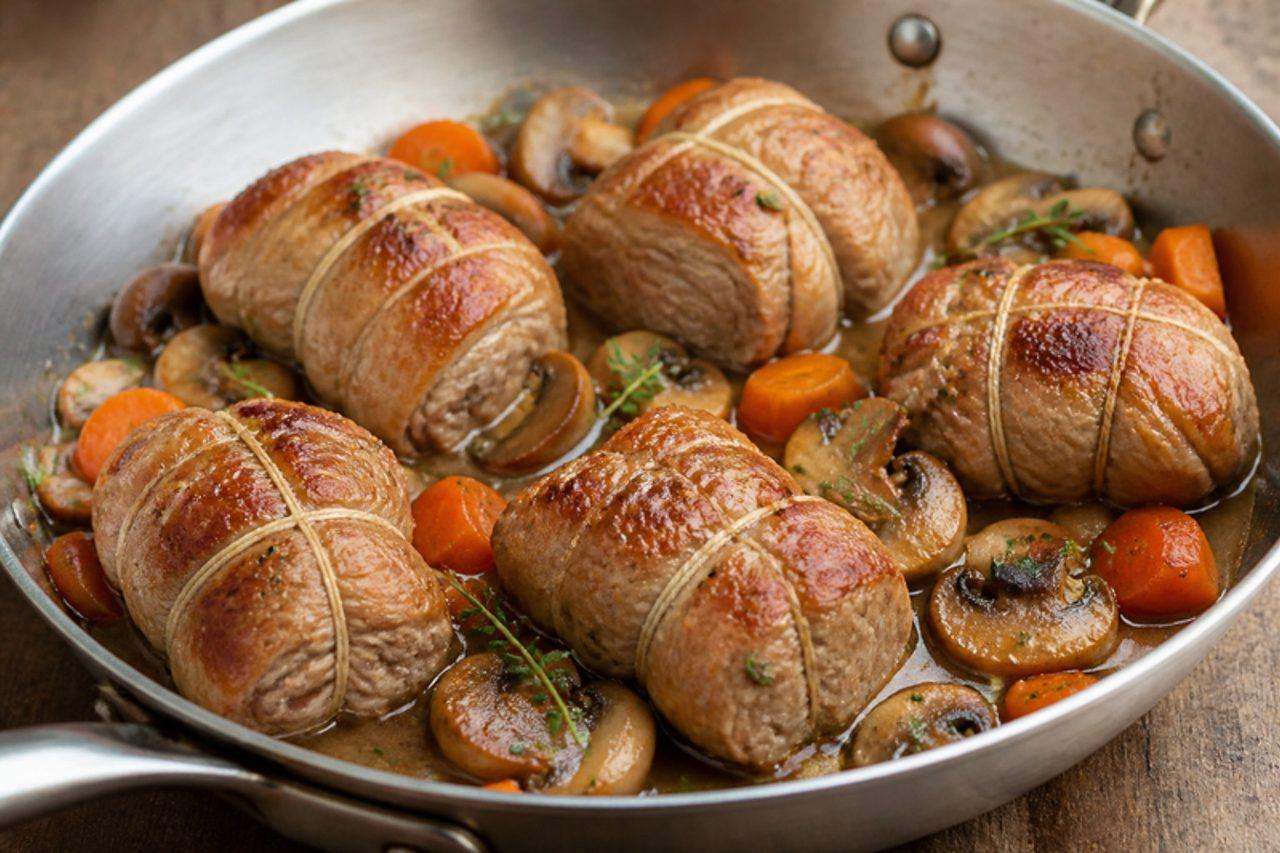
Paupiettes de veauStuffed veal rolls

Paupiettes de veau are the little tied bundles every French butcher sells ready-made for family dinners, especially in autumn and winter, but they are simple to make at home. Thin veal escalopes are rolled around a seasoned stuffing of pork sausage meat and herbs, tied with string, browned and braised in a light tomato and white wine sauce with mushrooms. This recipe contains pork. The wine simmers for 45 minutes, which drives off most of the alcohol but not all; for an alcohol-free version use more stock with 1 tsp white wine vinegar. The common mistake is undercooking the stuffing: it must reach 71 °C in the centre. Chef's tip: pound the escalopes very thin between sheets of cling film; they roll tightly and cook evenly.

80 minFrenchMeat
by KrazyBadal 0 views

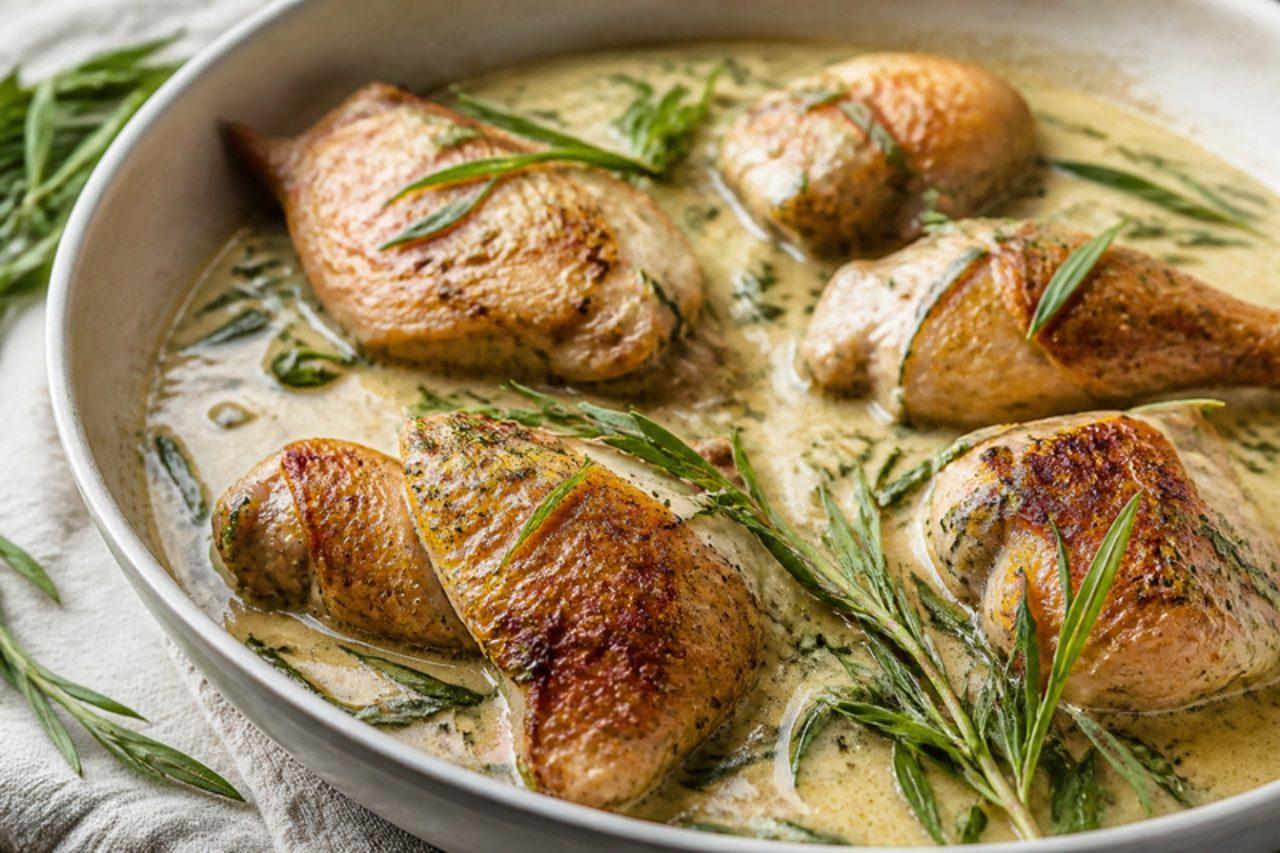
Poulet à l'estragonTarragon cream chicken

Poulet à l'estragon is a family favourite all over France, a quick weeknight braise or Sunday lunch served with rice or boiled potatoes, especially in early summer when tarragon is at its best. Chicken pieces are browned in butter, simmered in white wine and stock, then bathed in a cream sauce full of fresh tarragon, whose aniseed flavour is the whole point of the dish. The wine simmers for 30 minutes, which drives off most of the alcohol but not all; for an alcohol-free version use extra stock with 1 tsp white wine vinegar. The common mistake is adding the tarragon too early, which cooks away its fragrance. Chef's tip: add half the tarragon with the stock and the rest just before serving, for depth and freshness.

by KrazyBadal 0 views

Lapin à la moutardeRabbit in mustard cream

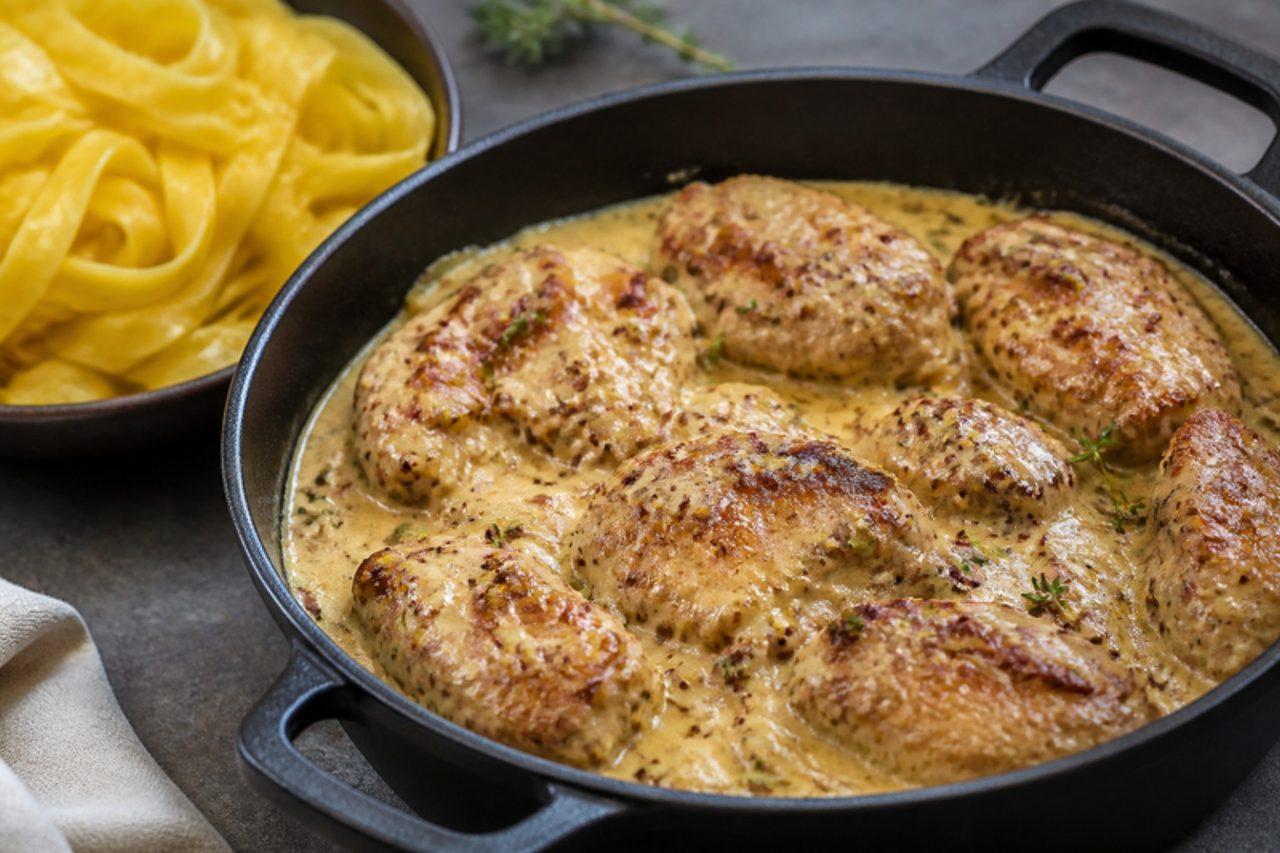
Lapin à la moutarde is a farmhouse dish of Burgundy and Champagne, cooked for family lunches in autumn and winter, where rabbit is as common as chicken and Dijon mustard is the local pride. The rabbit pieces are brushed thickly with mustard, browned, then braised in white wine with shallots and thyme and finished with cream into a pale, tangy sauce. The wine simmers for an hour, which drives off most of the alcohol but not all; for an alcohol-free version use chicken stock with 1 tbsp cider vinegar. The common mistake is a hard boil, which dries out the lean rabbit. Chef's tip: stir a spoonful of fresh mustard into the sauce at the very end; cooked mustard loses its bite, and this brings it back.

75 minFrenchMeatGluten free
by KrazyBadal 0 views

Sauce béarnaiseTarragon butter sauce

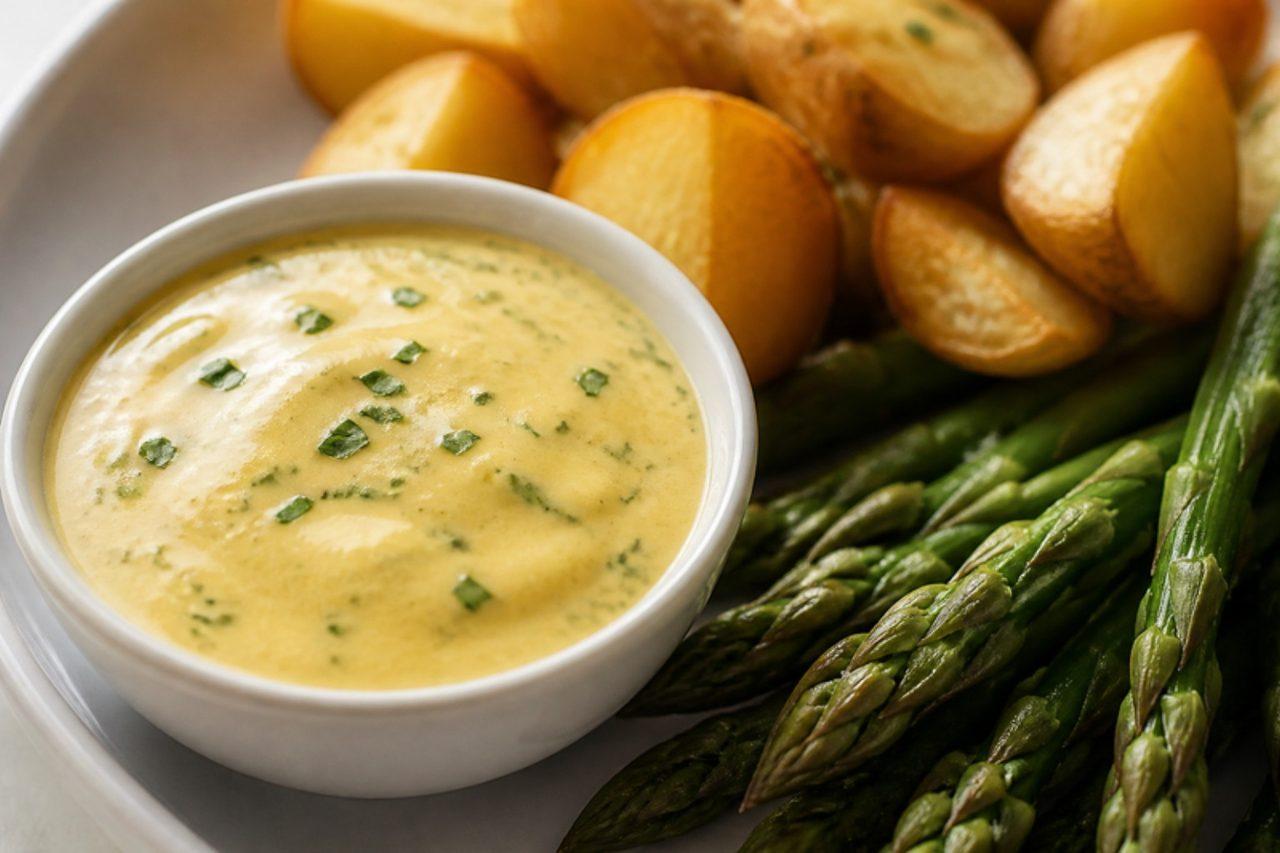
Sauce béarnaise was created in the 1830s at a restaurant in Saint-Germain-en-Laye near Paris and named after the Béarn region, home of King Henri IV, and it is still the sauce French families serve with steak and frites on special evenings. Egg yolks are whisked over gentle heat with a sharp reduction of vinegar, shallot and tarragon, then thickened with warm butter into a glossy, tangy sauce. The yolks are only lightly cooked, so use pasteurised egg yolks if serving anyone pregnant, very young, elderly or with a weakened immune system. The common mistake is too much heat, which scrambles the yolks. Chef's tip: if the sauce starts to look grainy, whisk in a teaspoon of cold water off the heat at once.

by KrazyBadal 0 views

Sauce ravigoteHerb and caper vinaigrette

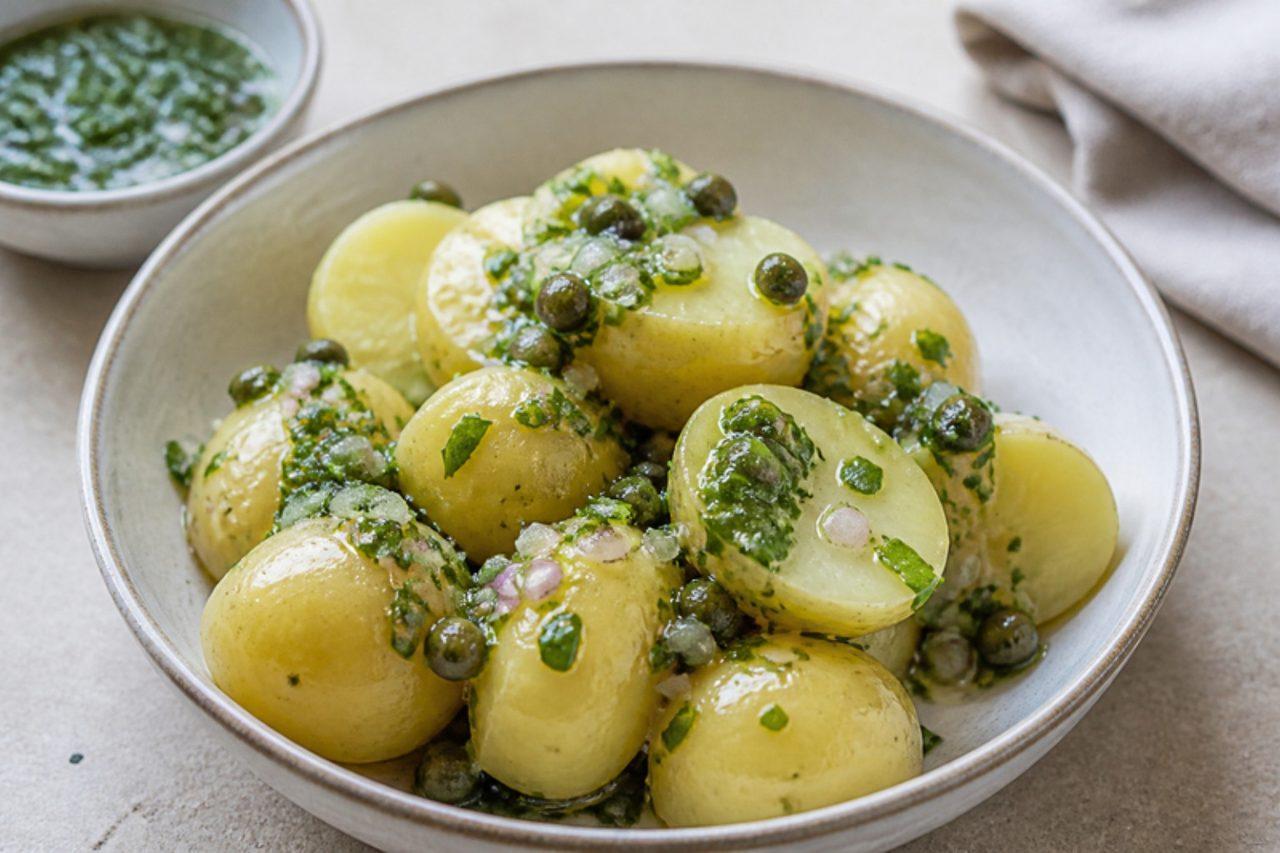
Ravigote, from the French for "to revive", is a sharp, herby vinaigrette from the old Paris bistro kitchen, spooned over warm potatoes, poached leeks, beans and boiled meats to wake them up. Shallots, capers, gherkins and a whole handful of chopped herbs are stirred into a mustard vinaigrette until it is more herb than oil. The common mistake is chopping the herbs too early, so they bruise and darken. Chef's tip: let the chopped shallot sit in the vinegar for 10 minutes first; it softens its raw bite.

by KrazyBadal 0 views

Bavette à l'échaloteFlank steak with shallots

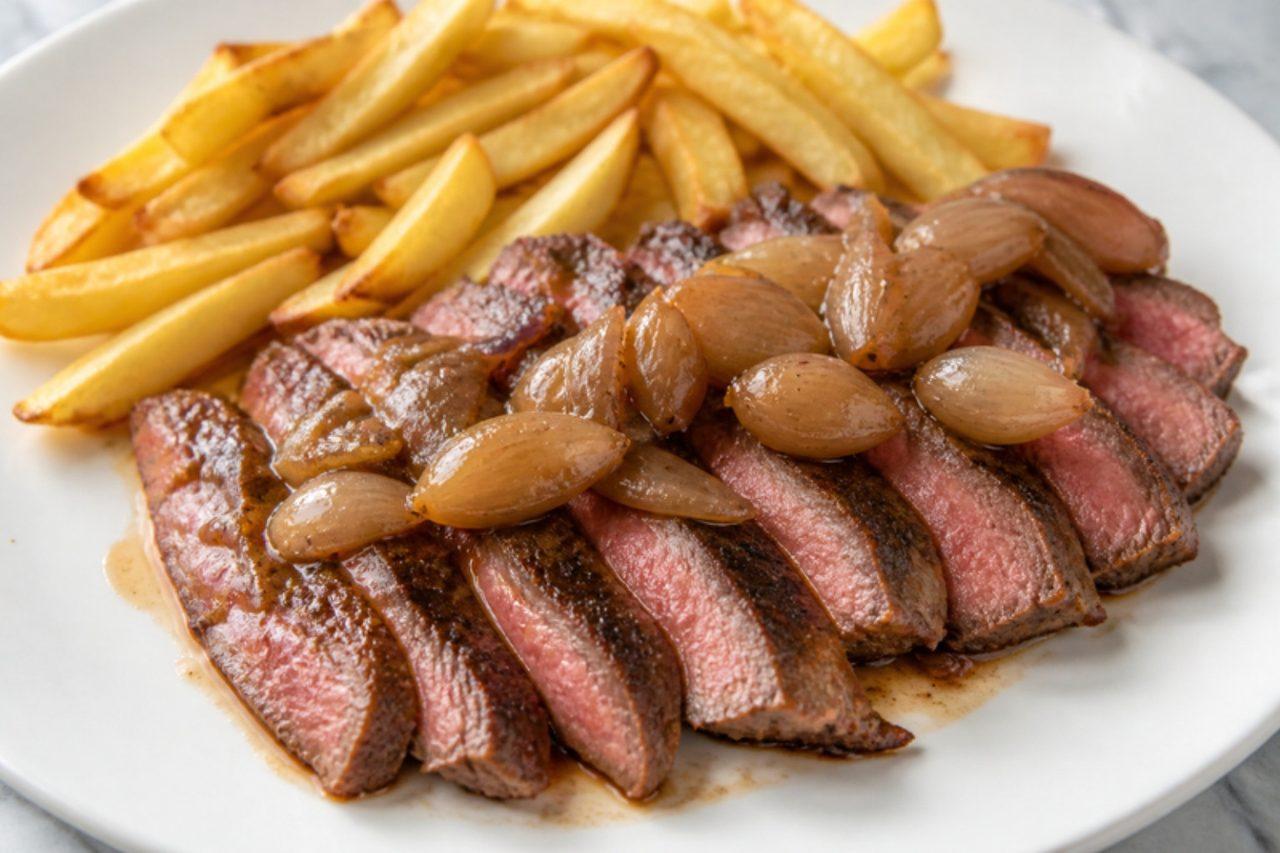
Bavette à l'échalote is the everyday steak of Paris bistros and workers' cafés, cheaper than entrecôte and full of beefy flavour, served at lunch with frites. The flank steak is seared fast and served rare to medium, then the pan is used to soften a heap of shallots in butter with a splash of red wine into a sweet, sharp sauce. The wine is boiled down hard, which drives off most of the alcohol but not all; for an alcohol-free sauce use 100 ml beef stock and 1 tbsp red wine vinegar. The common mistake is cooking bavette past medium or slicing it along the grain, which makes it chewy. Chef's tip: slice it thinly across the grain after resting; every slice will be tender.

25 minFrenchMeatGluten free
by KrazyBadal 0 views

Champignons farcisStuffed mushrooms

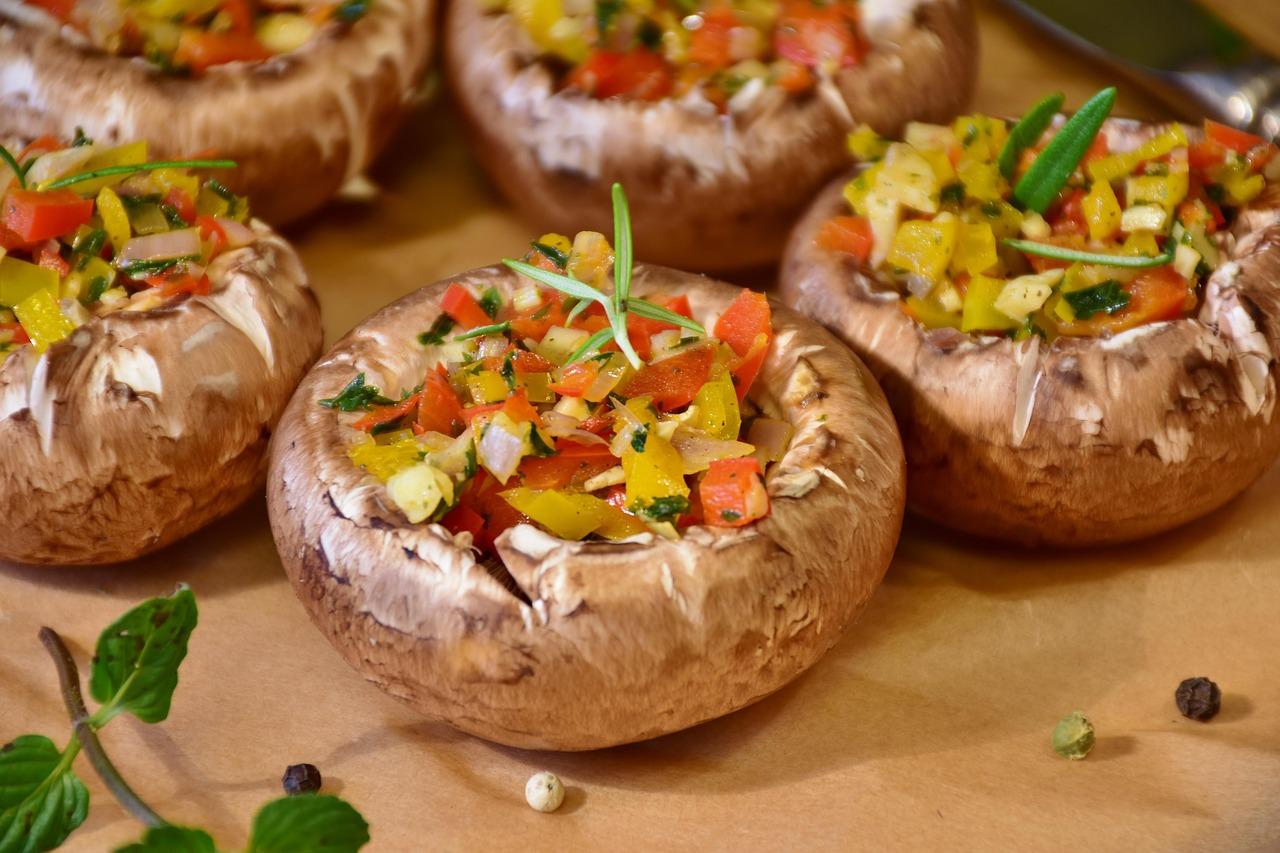
Champignons farcis are a favourite of French apéros and family starters, button or chestnut mushroom caps filled with a duxelles of the chopped stalks, shallot, garlic and parsley, topped with breadcrumbs and cheese and baked until bubbling. This version is vegetarian. Gruyère is usually made with animal rennet; use a vegetarian melting cheese if needed. The common mistake is not cooking the filling dry enough, so the mushrooms sit in water. Chef's tip: cook the chopped stalks until all the liquid has gone and they start to sizzle.

by KrazyBadal 0 views

Pâté lorrainPork and veal pastry pie

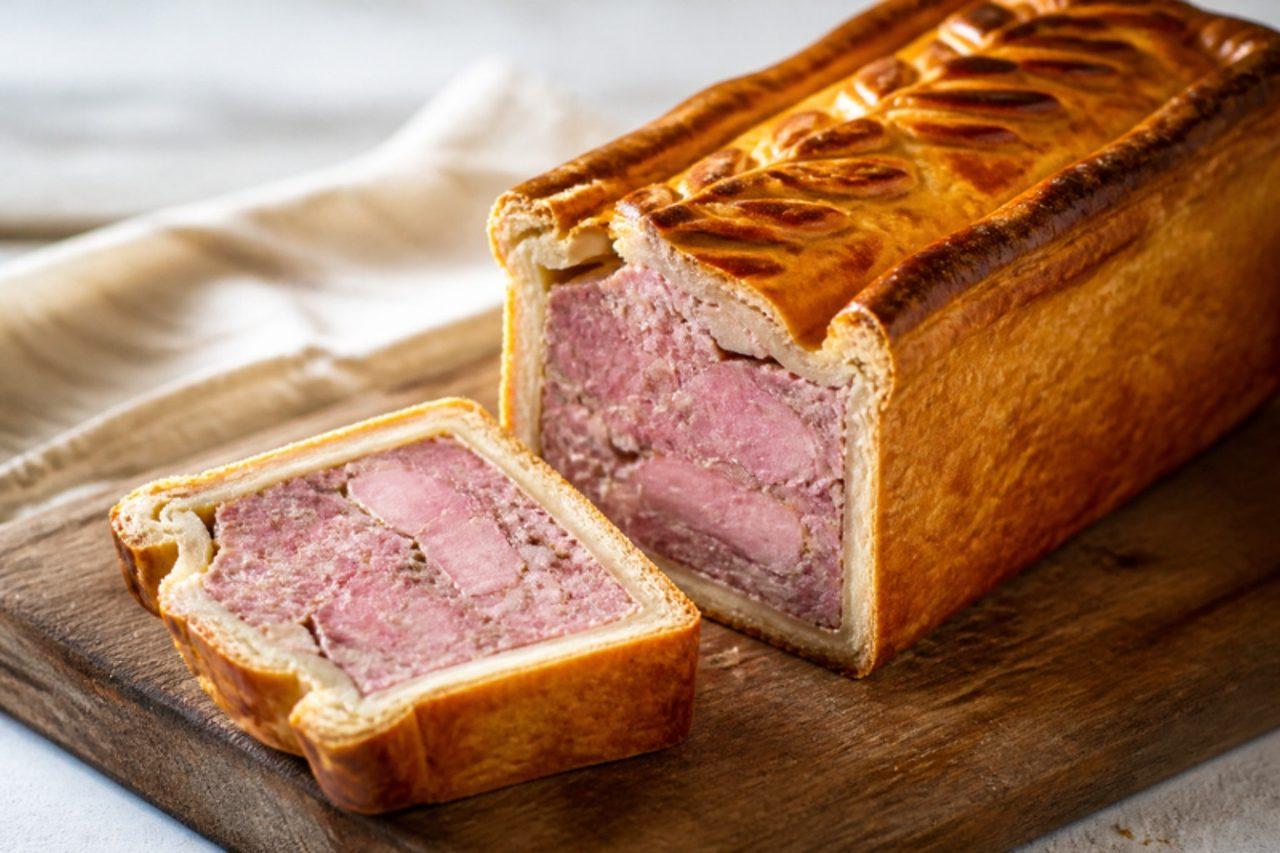
Pâté lorrain is the pride of Lorraine in north-east France, a long puff pastry loaf filled with pork and veal marinated overnight in white wine, shallots and herbs, served hot as a starter for Sunday lunch or village feasts with a green salad. It contains pork. The meat marinates raw in wine in the fridge and then bakes for an hour, which cooks off most of the alcohol but not all; for an alcohol-free version marinate in 150 ml chicken stock with 1 tbsp white wine vinegar. The common mistake is underbaking: the filling must reach 71 °C in the centre. Chef's tip: cut the meat into thin strips, not cubes; it cooks evenly and slices neatly.

90 minFrenchMeat
by KrazyBadal 0 views

Sauce viergeRaw tomato and olive oil sauce

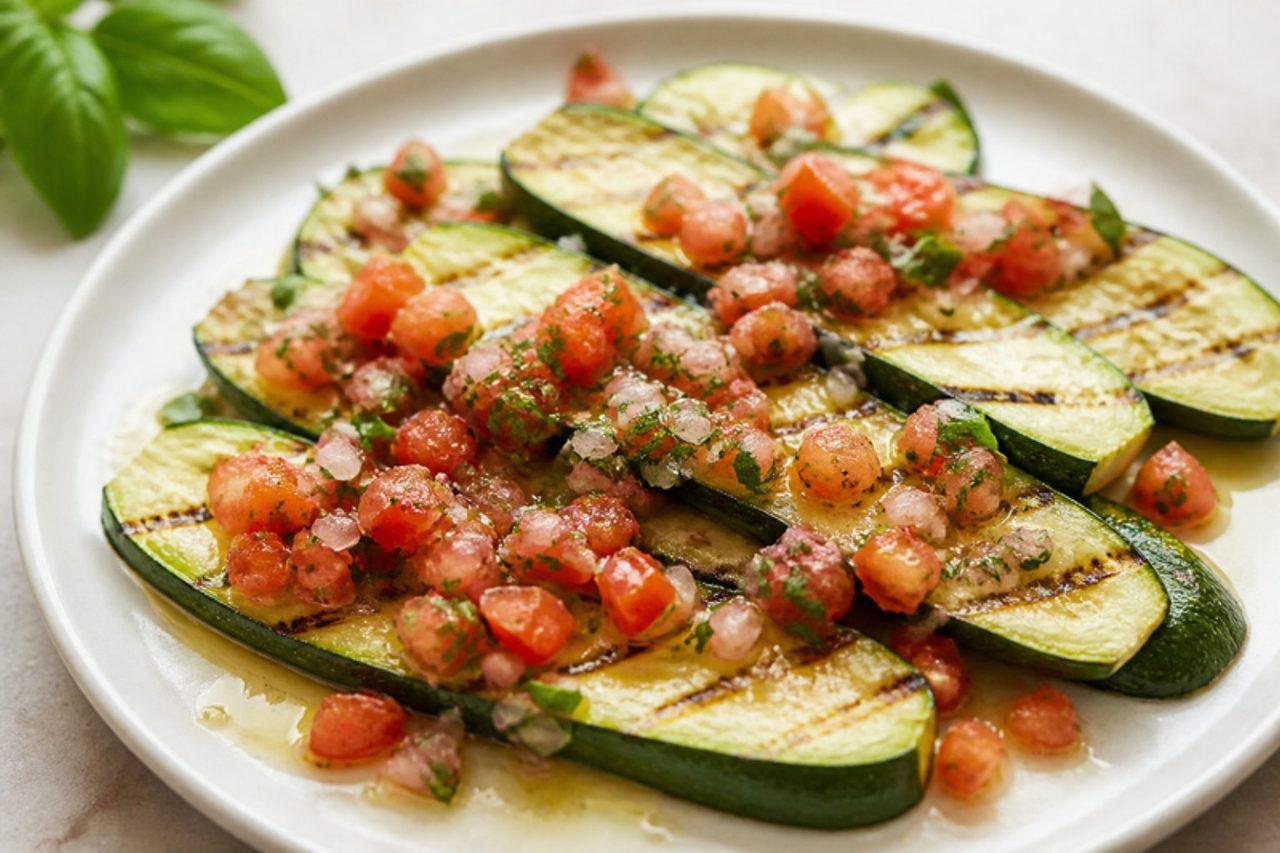
Sauce vierge is the fresh summer sauce of Provence, made popular by chefs on the Côte d'Azur in the 1980s and now spooned over grilled fish, vegetables and pasta in homes from July to September. Diced ripe tomato, shallot and basil are gently warmed in good olive oil with lemon and coriander seed, just enough to release the flavours without cooking them. The common mistake is heating it too much, which turns it into a cooked tomato sauce. Chef's tip: use the ripest tomatoes you can find and leave the sauce to infuse for 20 minutes before serving.

by KrazyBadal 0 views

Dinde aux marronsRoast turkey with chestnuts

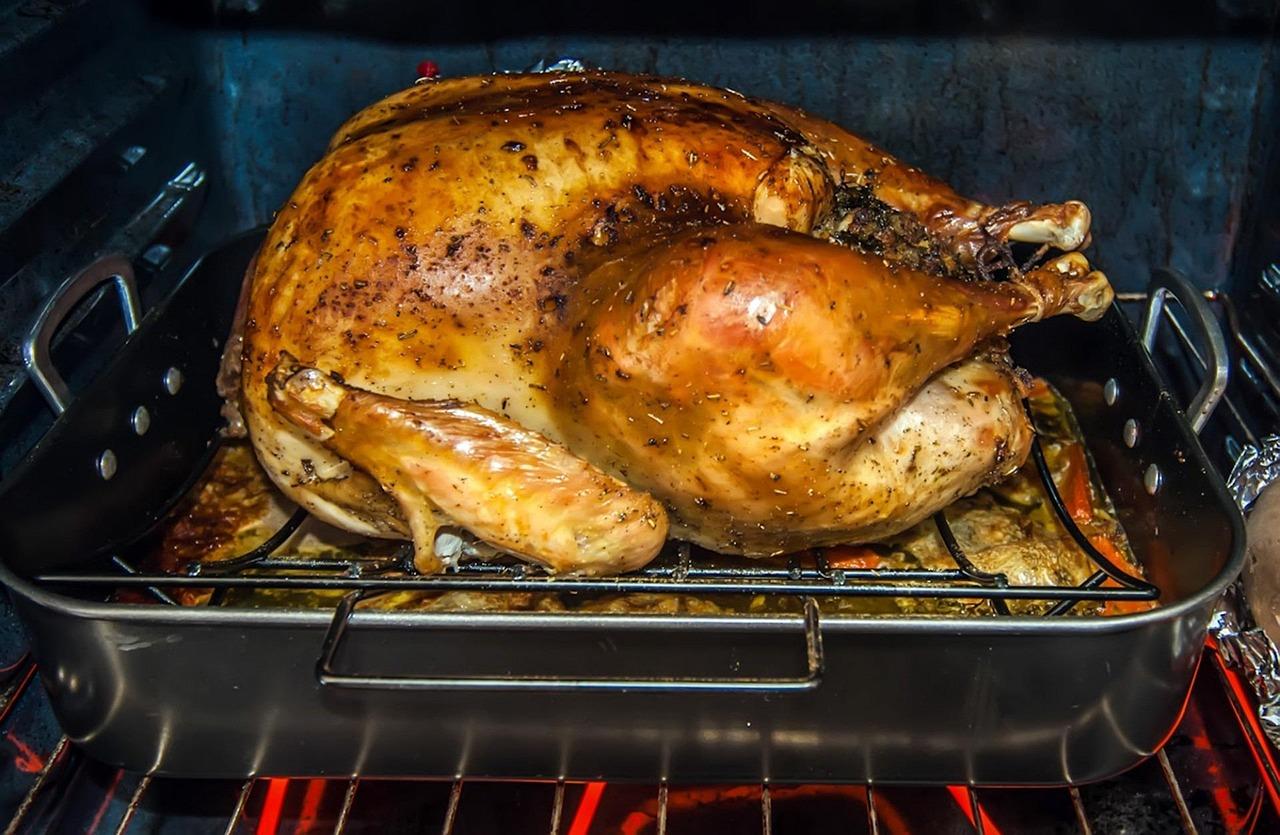
Dinde aux marrons, roast turkey with chestnuts, is the Christmas Day dish of much of France, carried to the table at lunch on 25 December, often after oysters and smoked salmon. The bird is rubbed with butter, roasted with a gentle chestnut and onion garnish, and served with its pan juices. The stuffing is cooked separately here, which keeps it safe and the bird evenly cooked. The common mistake is roasting too long, which dries the breast. Chef's tip: the turkey is ready when the thickest part of the thigh reads 74 °C; rest it for 45 minutes under foil before carving.

by KrazyBadal 0 views

Vinaigrette à la moutardeMustard vinaigrette

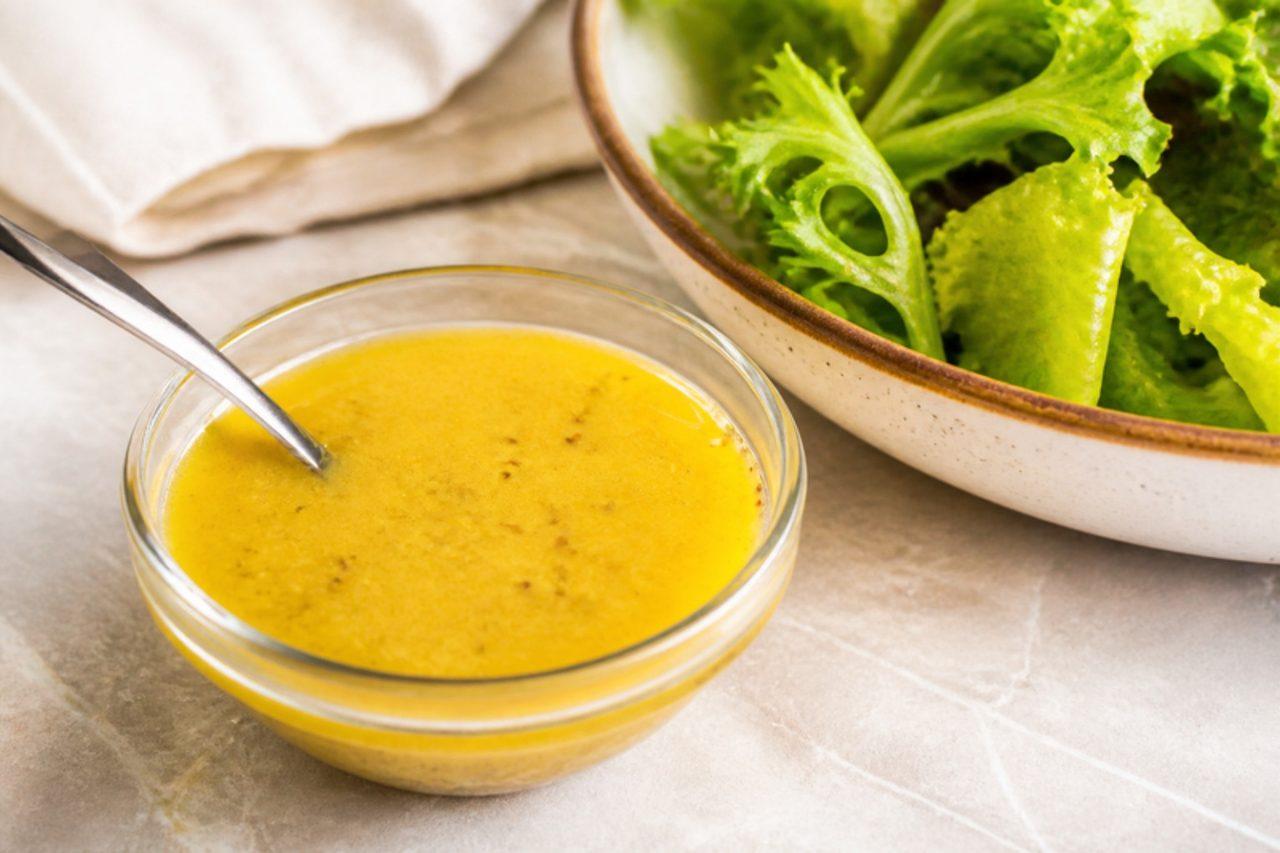
The mustard vinaigrette is made fresh in every French kitchen before dinner, often right in the bottom of the salad bowl, and spooned over butter lettuce served after the main course and before the cheese. The classic ratio is one part vinegar to three of oil, with a spoonful of Dijon mustard to hold it together into a thick emulsion. The common mistake is dissolving the salt in the oil, where it stays gritty; it must go in the vinegar first. Chef's tip: dress the leaves just before serving and toss with your hands, so every leaf is coated but not soggy.

by KrazyBadal 0 views

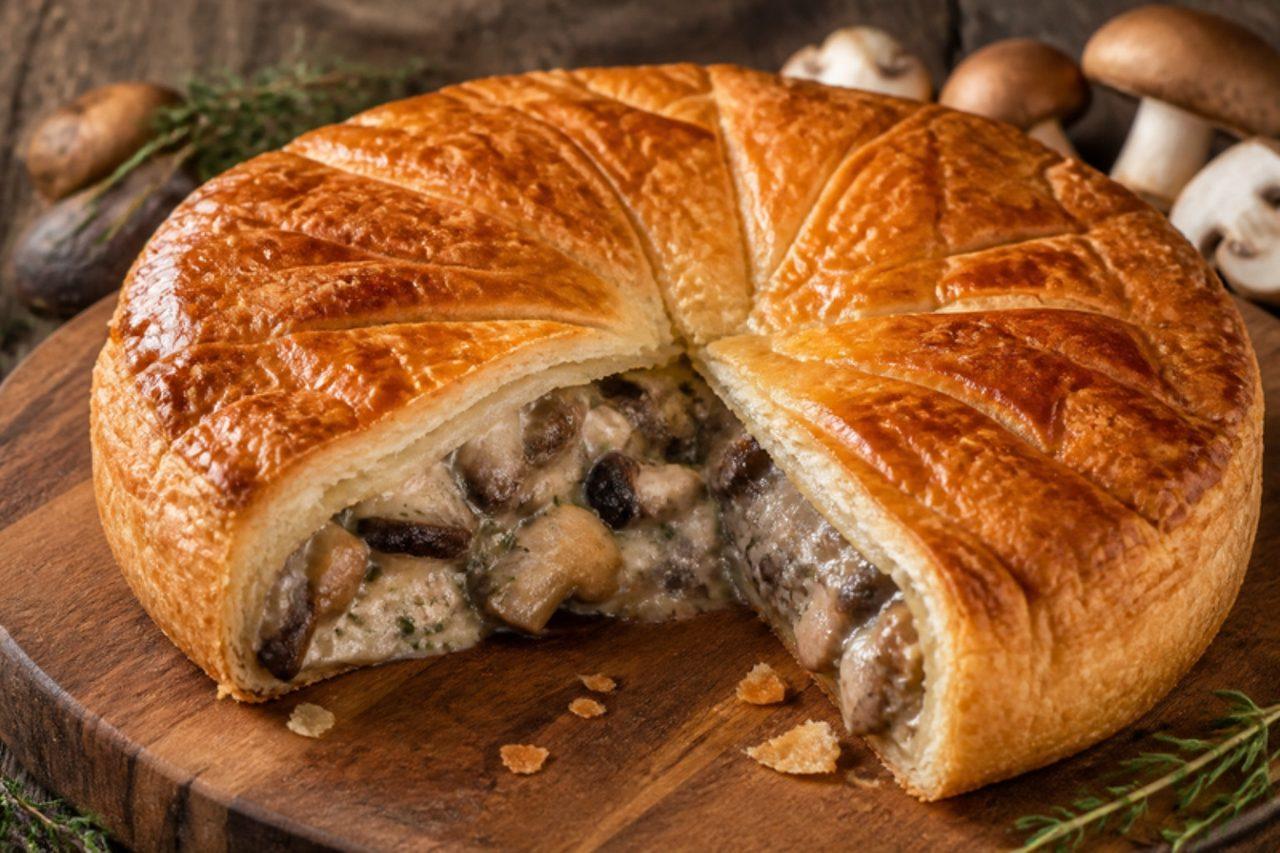
Tourte aux champignonsMushroom pie

Tourte aux champignons is a family pie from rural France, baked in autumn when mushrooms are plentiful and served as a main course with a green salad for Sunday supper or as the vegetarian centrepiece of a festive meal. Two layers of puff pastry enclose a filling of browned mushrooms, shallots and herbs bound with crème fraîche. The common mistake is putting in a wet filling, which turns the bottom crust soggy; cook the mushrooms until all their liquid has gone. Chef's tip: cut a small hole in the lid and set a rolled card chimney in it so steam escapes and the pastry stays crisp.

by KrazyBadal 0 views

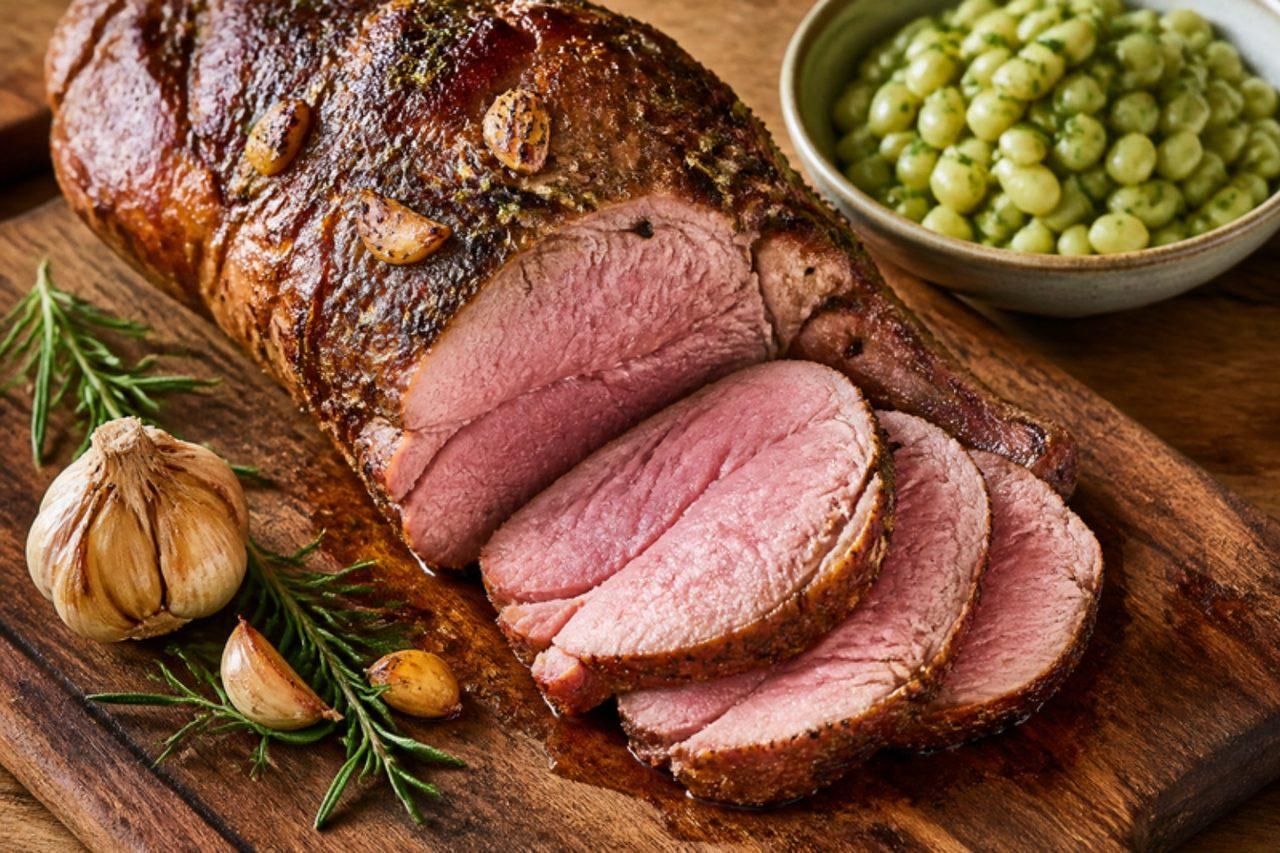
Gigot d'agneau pascalRoast leg of lamb with beans

Roast leg of lamb, studded with garlic and rosemary and served pink with flageolet beans, is the traditional Easter Sunday lunch across France, especially in the south and in the salt-meadow country of the Mont-Saint-Michel bay. The lamb is roasted on a bed of onions, rested and carved at the table. The common mistake is carving straight from the oven, so the juices run out. Chef's tip: roast to 57 °C in the thickest part for pink, then rest 20 minutes; it rises to about 63 °C. Cook to 70 °C or more for well done.

100 minFrenchMeatGluten free
by KrazyBadal 0 views

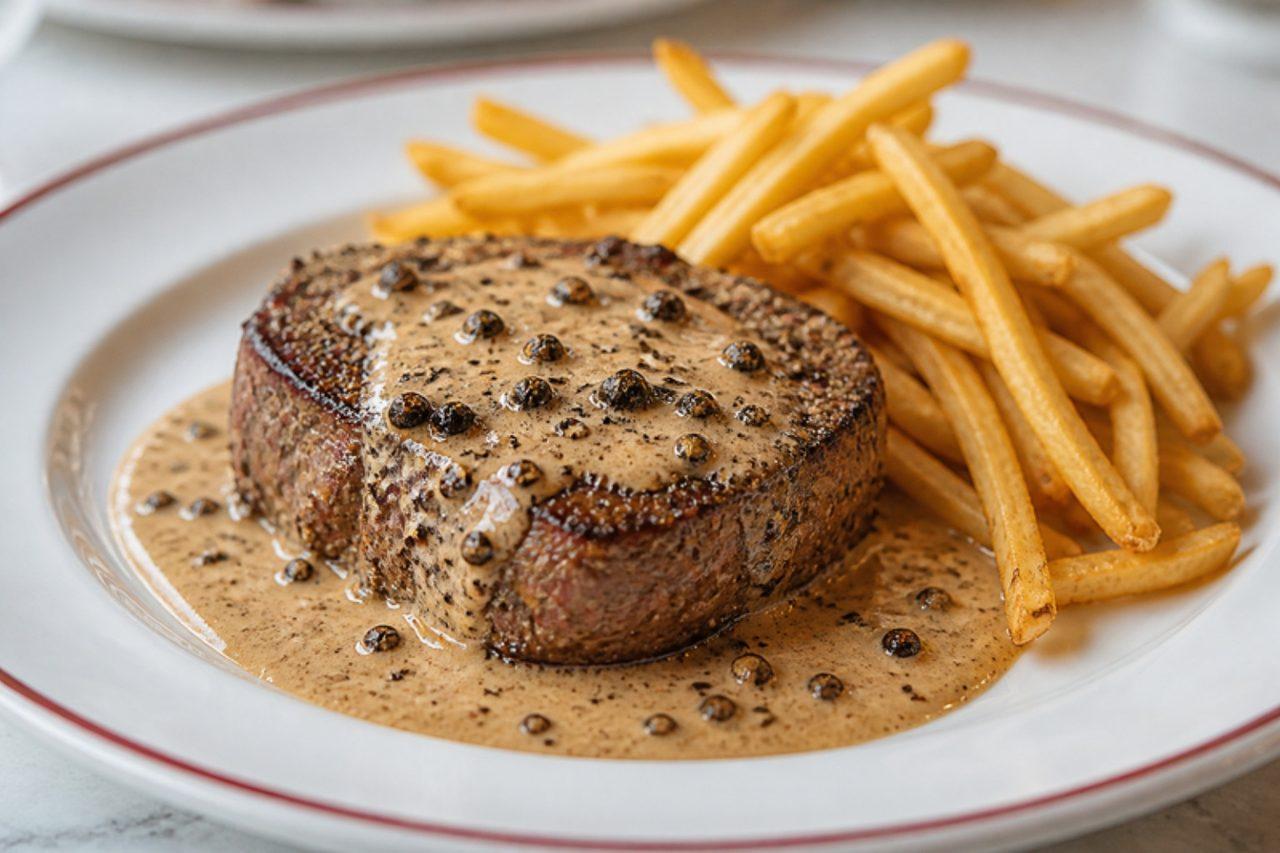
Steak au poivrePepper steak

Steak au poivre is the great Paris bistro main course, ordered with a mountain of frites at lunchtime brasseries from the Left Bank to Montmartre. Thick steaks are pressed into coarsely cracked black peppercorns, seared hard, then the pan is deglazed with cognac and finished with cream into a peppery, glossy sauce. The cognac is flamed and boiled, which drives off most of the alcohol but not all; for an alcohol-free sauce use 60 ml beef stock with 1 tsp red wine vinegar instead. The common mistake is grinding the pepper too fine, which makes the crust bitter and fiercely hot. Chef's tip: crush the peppercorns under a heavy pan so they stay in coarse pieces, and sieve off the fine dust.

30 minFrenchMeatGluten free
by KrazyBadal 0 views

Showing 96 of 384 recipes

Show more recipes

Page 5 of 16

Goes well with shallot