Skip to content
Recipes

All recipes

Vegetarian, or something you can't eat? Set your diet once and we'll hide recipes that don't fit.

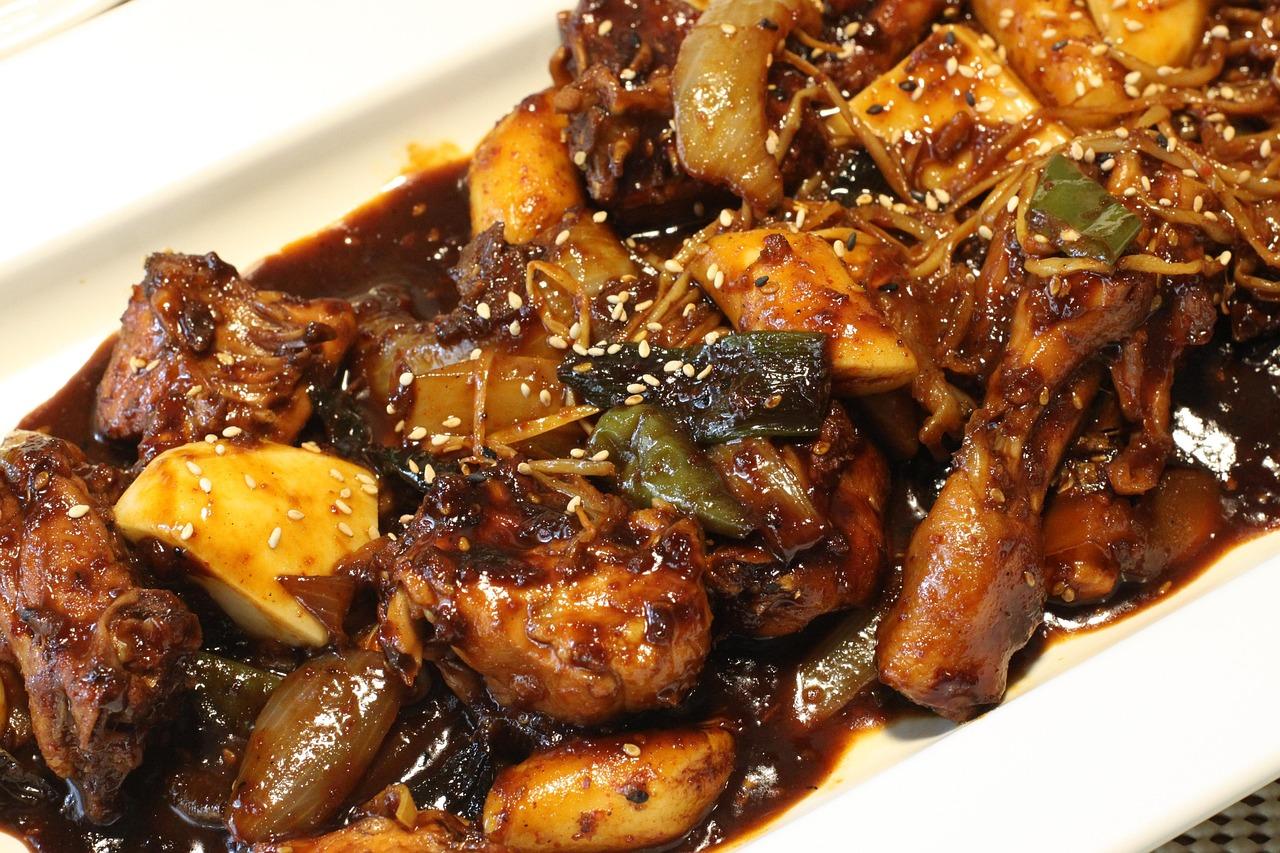
Ayam kecap (sweet soy chicken)

Ayam kecap is everyday Indonesian home cooking, made from Jakarta to Surabaya for family dinners and lunchboxes: bite-size chicken pieces browned, then simmered in kecap manis, the thick palm-sugar soy sauce, with garlic, shallot, ginger and tomato until glossy and sticky. The mistake is adding the kecap manis too early on a high heat; its sugar burns before the chicken is cooked, so add it once the chicken is browned and turn the heat down. Chef's tip: use boneless thighs, which stay juicy and cook in the time the rice takes.

by KrazyBadal 0 views

Camarones a la diablaPrawns in fiery chile sauce

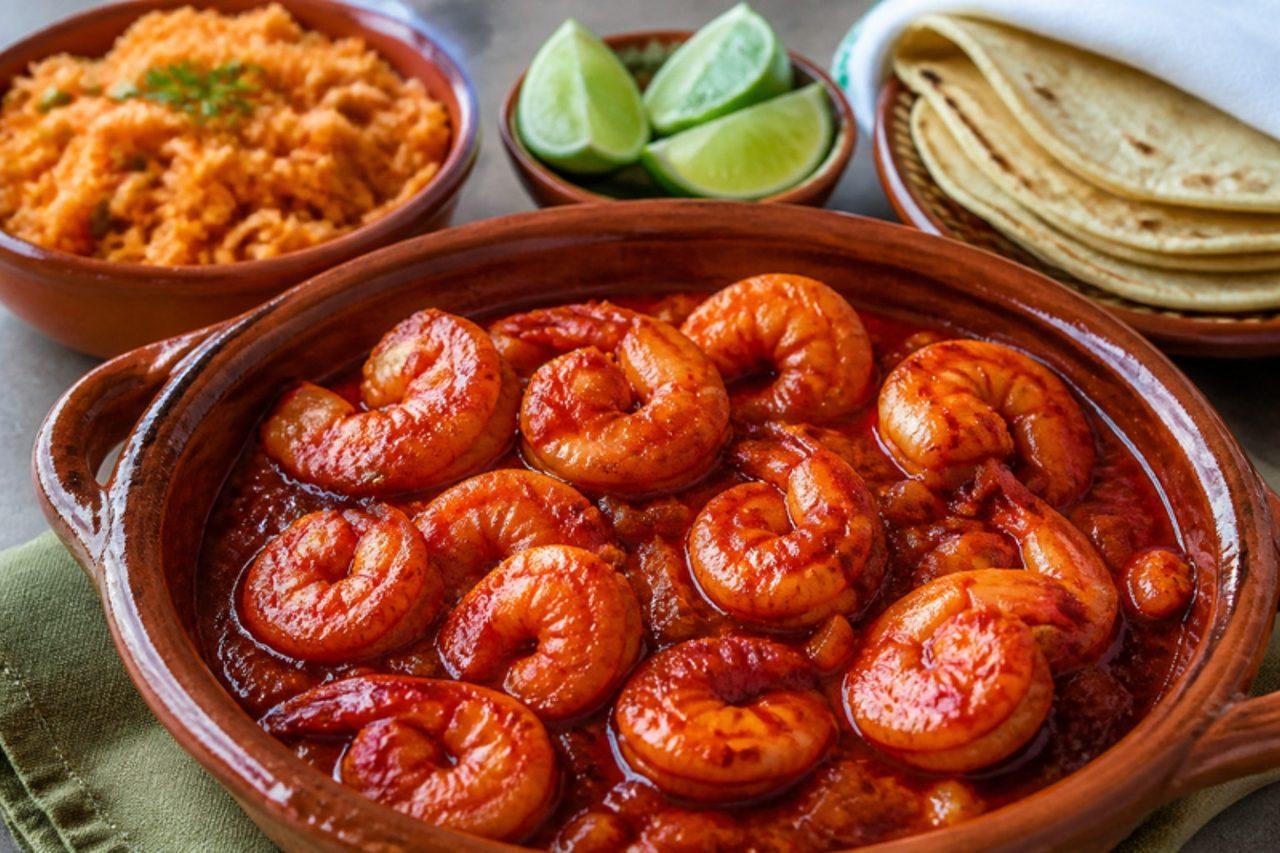
Camarones a la diabla, 'devil's prawns', come from the seafood shacks of Mexico's Pacific coast, from Mazatlán down to Acapulco, where they are eaten at lunch with cold drinks, white rice and lime. The sauce is a quick blend of toasted guajillo and chile de árbol with tomato and garlic, fried until it darkens and clings, and the prawns go in only for the last few minutes. It is properly hot; use fewer árbol chiles for a milder pan. The common mistake is burning the dried chiles when toasting them: a few seconds a side is enough, and blackened chiles make the whole sauce bitter. Chef's tip: fry the blended sauce in the oil until it turns a shade darker and thick enough to leave a trail; that is where the deep, rounded flavour comes from.

by KrazyBadal 0 views

Pejerrey arrebozadoBattered fish fillets with onion salsa

Pejerrey arrebozado is a Lima classic from the cevicherías and home kitchens of the coast, eaten at lunch on a plate with white rice, a heap of sharp salsa criolla and sometimes boiled potato. The pejerrey, a small silverside, is opened into butterflied fillets, dipped in a light egg-and-flour batter and fried golden. Outside Peru, use small fillets of whiting, sole, haddock or tilapia. The batter here uses sparkling water, not beer, so it is alcohol free. The common mistake is frying in oil that isn't hot enough: the batter drinks the oil and turns greasy, so test with a drop of batter first. Chef's tip: make the salsa criolla first and let the onion sit in lime for ten minutes; it softens its bite and turns a pretty pink.

by KrazyBadal 0 views

Ikan goreng kunyit (turmeric fried fish)

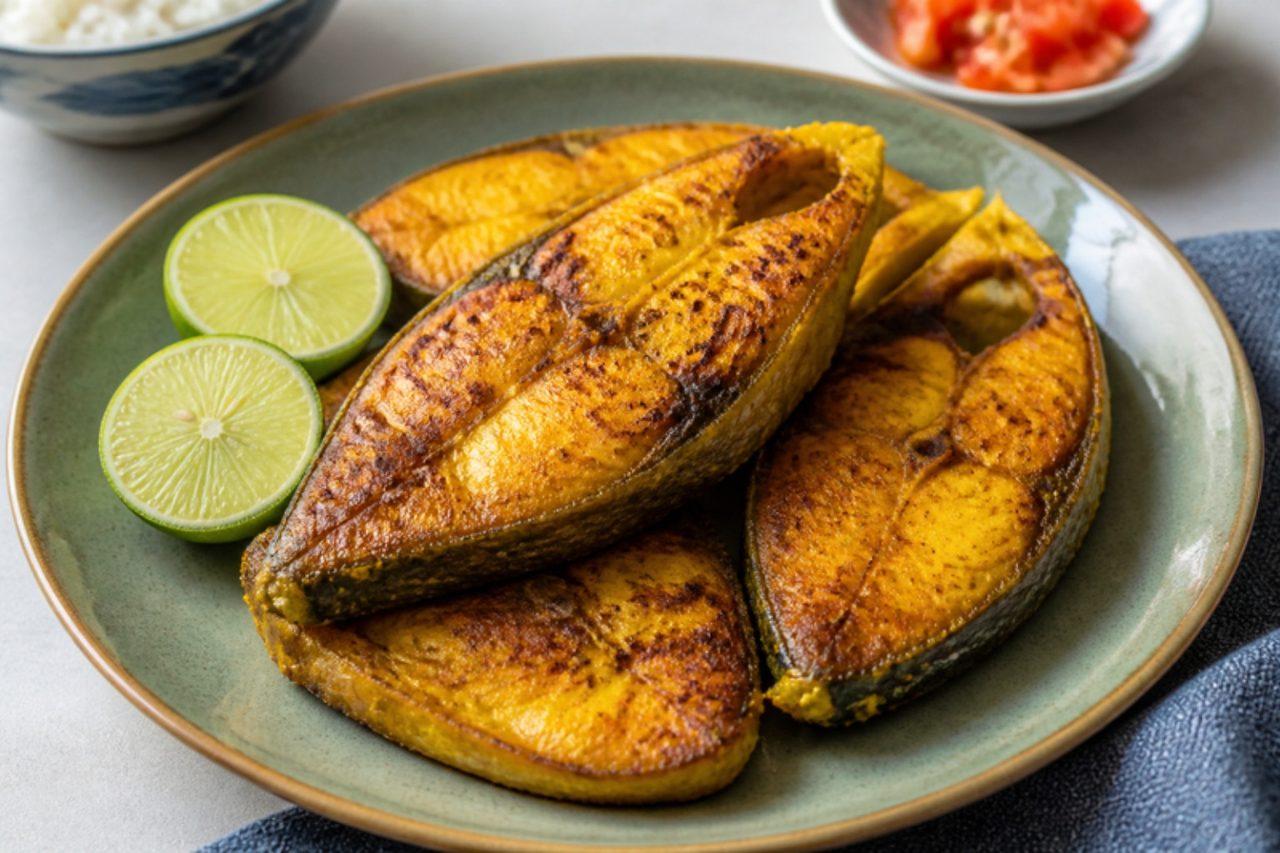
Ikan goreng kunyit is cooked in Malay kampung kitchens and city flats alike for a simple lunch or dinner with rice, sambal and vegetables: small whole fish or thick steaks rubbed with turmeric, salt and a little chilli, then fried until golden and crisp at the edges. The mistake is moving the fish too soon; leave it until it releases from the pan on its own, or the crust tears and sticks. Chef's tip: score the fish to the bone so the turmeric seasons the flesh and it cooks evenly.

by KrazyBadal 0 views

Saumon en papilloteSalmon baked in paper parcel

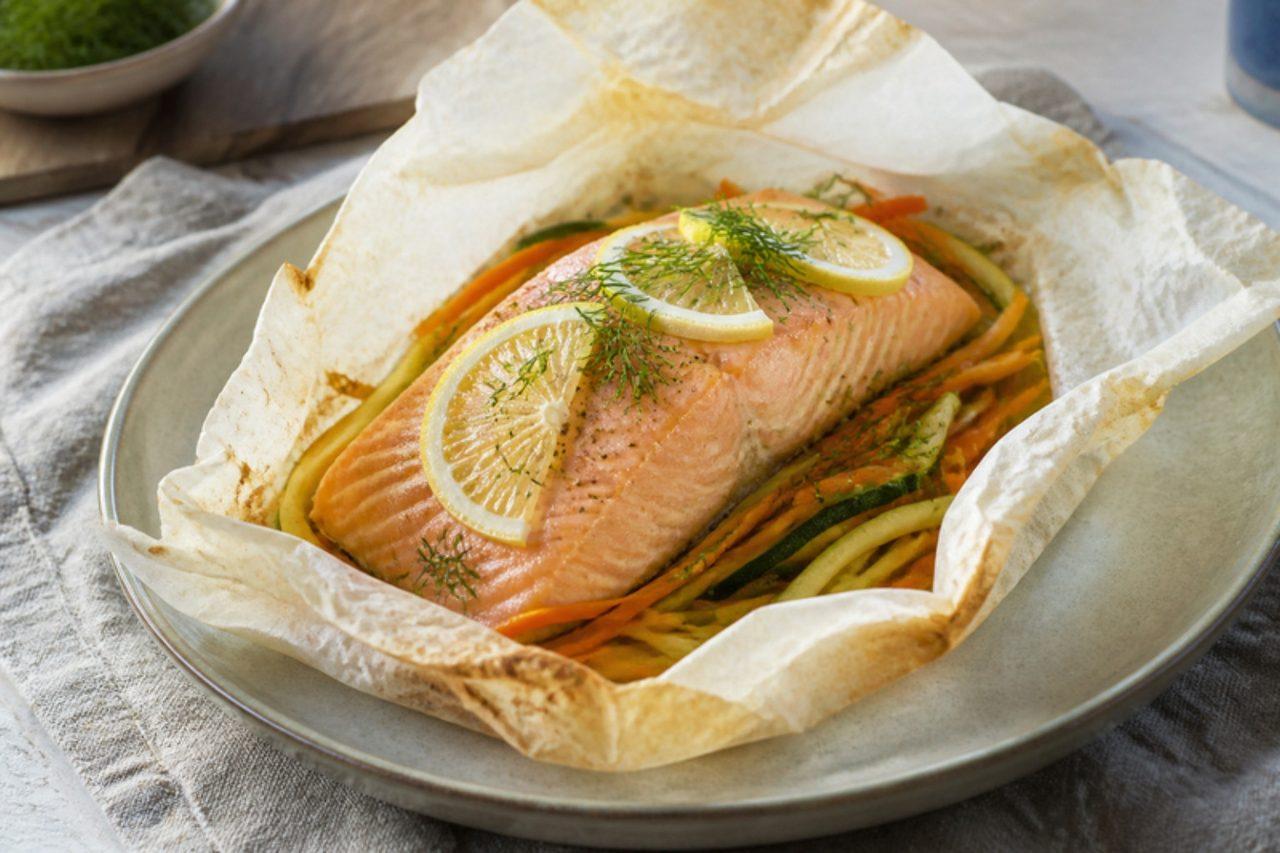
Saumon en papillote is everyday French home cooking at its lightest: a fillet of salmon sealed in baking paper with ribbons of courgette and carrot, lemon and dill, so it steams in its own juices in the oven. Across France it is a favourite midweek dinner because there is almost no washing-up, and each person opens their own fragrant parcel at the table, ideally with boiled new potatoes or rice. The usual mistake is cutting the vegetables too thick, so the fish overcooks while they stay raw; slice them very thin. Chef's tip: fold and crimp the paper edges tightly all the way round, or the steam escapes and the salmon dries out.

25 minFrenchFishGluten free
by KrazyBadal 0 views

Sambal udang (prawns in chilli sambal)

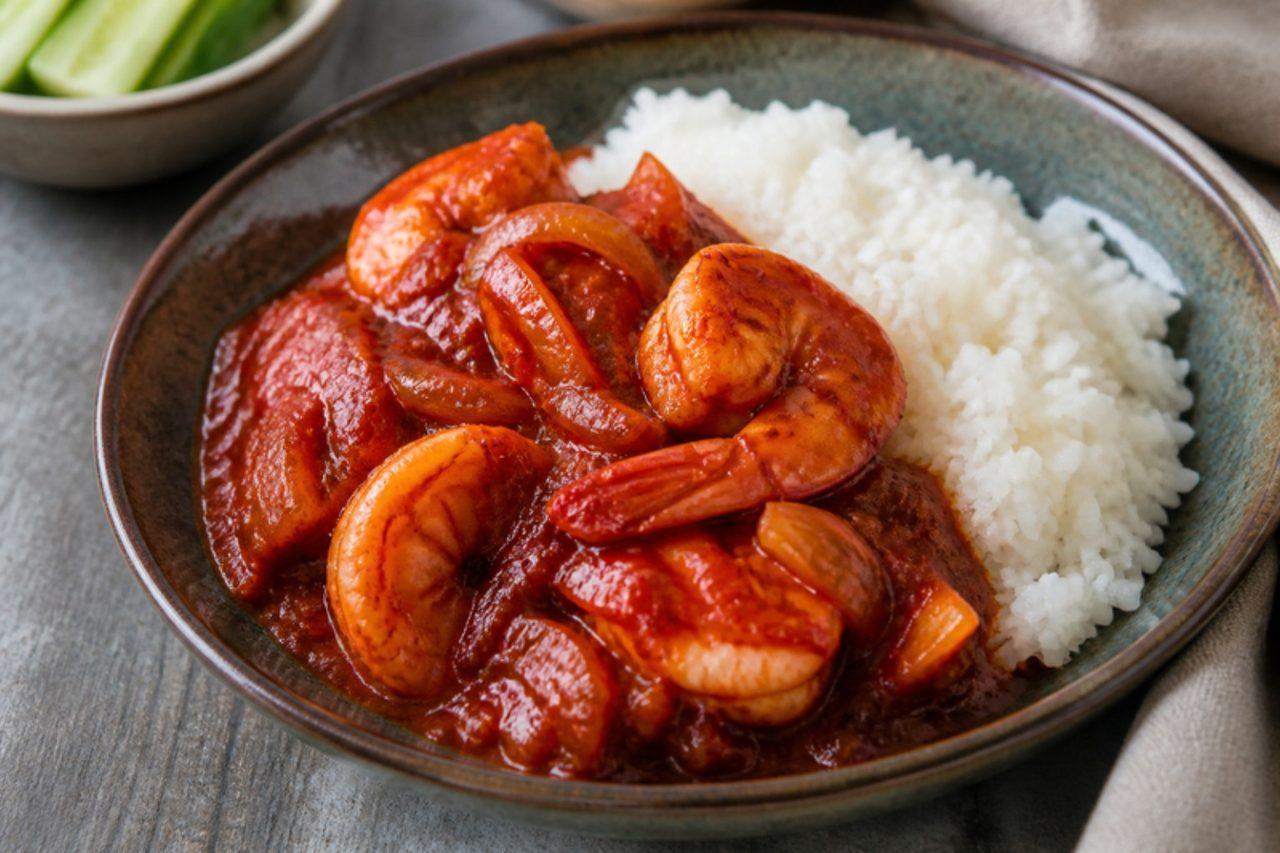
Sambal udang is a Malay home dish cooked for everyday rice meals and dished up at nasi lemak stalls from Kuala Lumpur to Penang: prawns cooked in a deep red paste of dried chilli, shallot and garlic, soured with tamarind and sweetened with a little sugar. This version leaves out belacan (shrimp paste) as optional. The mistake is not frying the chilli paste for long enough; it needs to cook until the oil separates and turns red, or it tastes raw and harsh. Chef's tip: soak the dried chillies in just-boiled water while you peel the prawns and the paste blends silky smooth.

by KrazyBadal 0 views

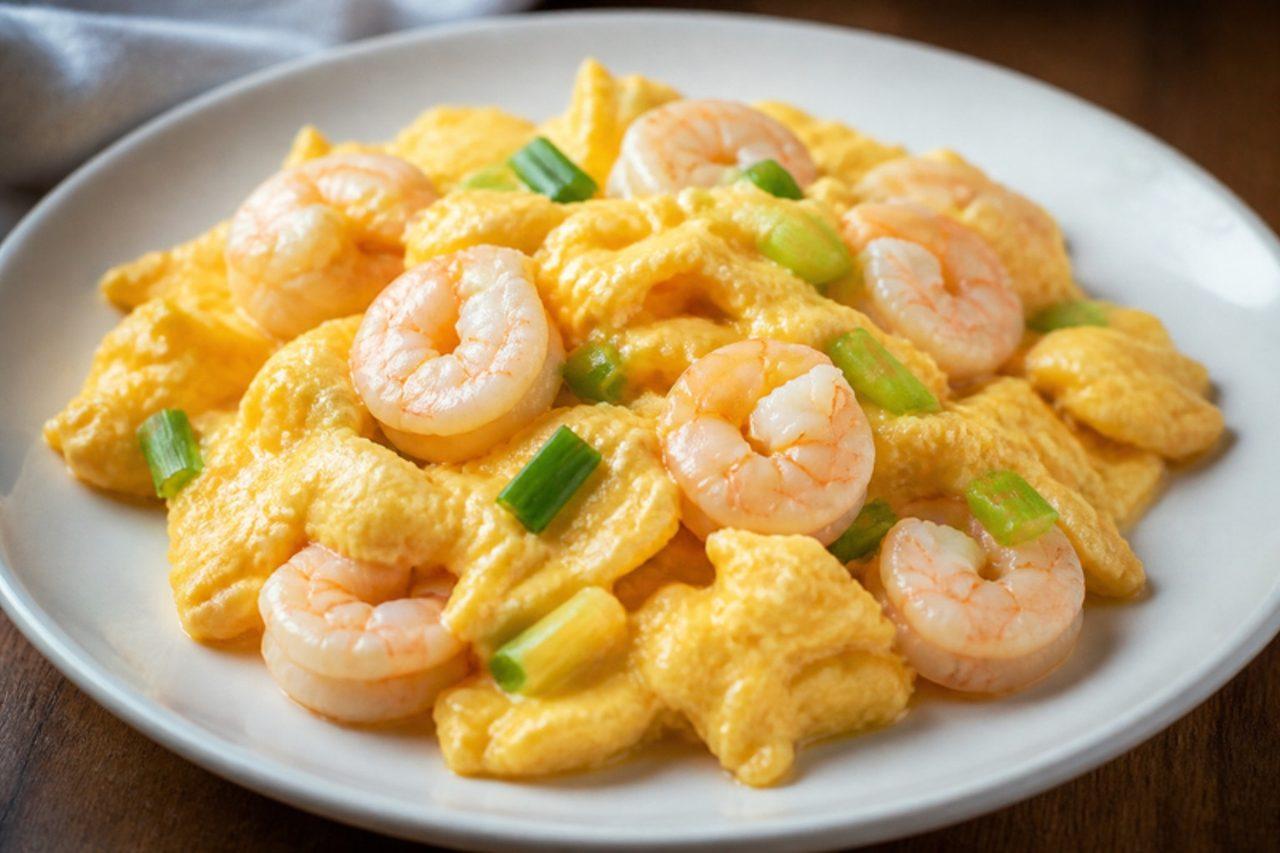
Hua dan xia ren (shrimp with silky scrambled egg)

Hua dan xia ren comes from Guangdong and the Hong Kong cha chaan teng, where it is spooned over rice for a quick lunch or set in the middle of a family dinner: prawns folded into eggs that are barely set, glossy and soft as custard. The classic error is stirring the eggs like a breakfast scramble over a high flame, which gives you dry little curds. Because the eggs are only just set, cook them a little longer for anyone pregnant, very young, older or vulnerable. Chef's tip: a spoon of cornflour slurry and a little oil in the beaten eggs keeps them silky even if you overshoot by a few seconds.

by KrazyBadal 0 views

Chicharrón de pescadoCrisp fried fish chunks

Up and down the Peruvian coast, from Chorrillos in Lima to the beaches of Piura, chicharrón de pescado is the crunchy plate ordered alongside ceviche at a long seafood lunch: bite-size chunks of firm white fish marinated briefly in garlic and lime, dusted in flour and fried, then served with fried cassava, salsa criolla and tartar or rocoto sauce. Using frozen peeled cassava keeps it to half an hour. The common mistake is leaving the fish in the lime too long: after about ten minutes the acid starts to 'cook' the outside and the coating slips off. Chef's tip: toss the floured pieces in a sieve to shake off every bit of loose flour; a thin coat fries crisp, a thick one turns pasty.

by KrazyBadal 0 views

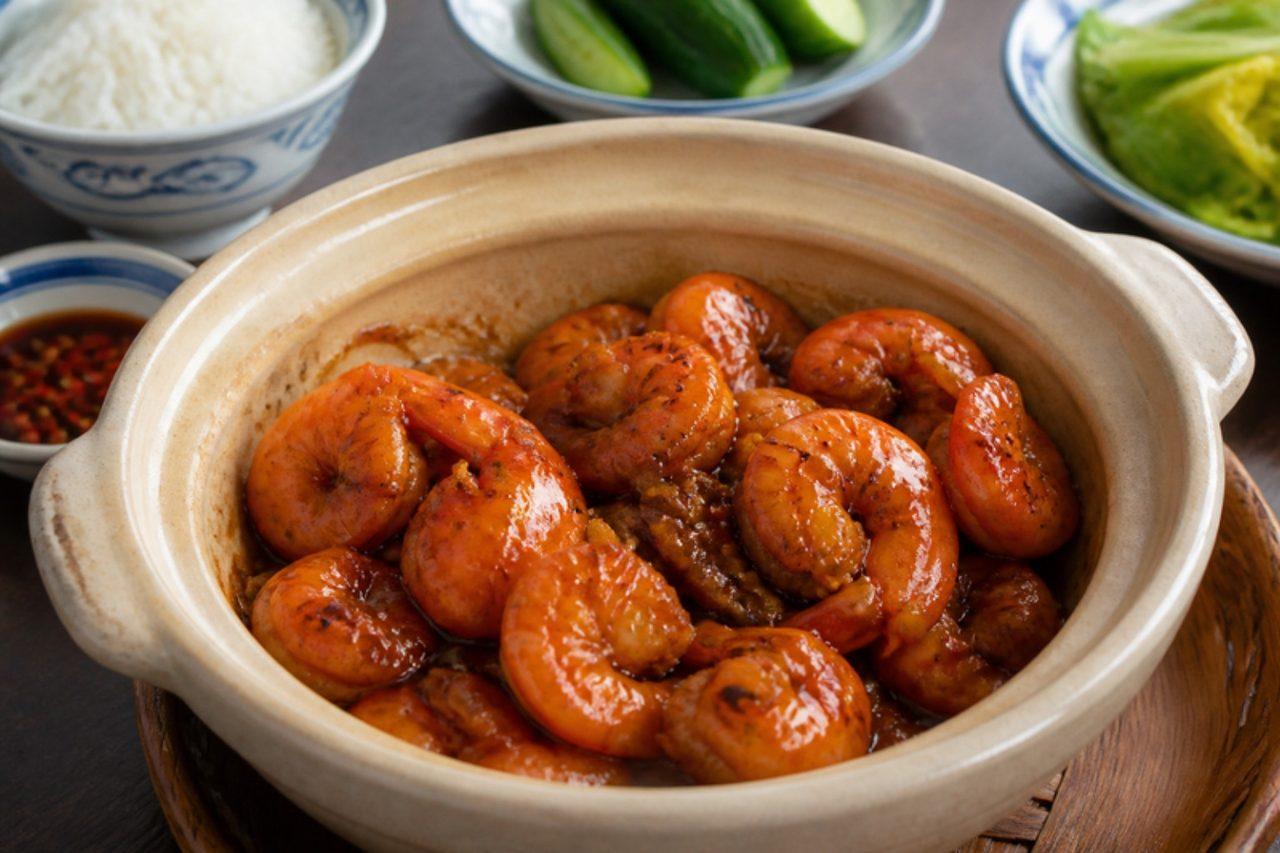
Tôm rim (caramelised prawns)

Tôm rim is a homely dish cooked in kitchens from Hanoi to the Mekong Delta and eaten at the family rice tray with boiled greens and a clear soup: prawns simmered down in fish sauce, sugar and shallot until the liquid turns to a sticky, salty-sweet glaze. The mistake is walking away in the last few minutes, when the sauce goes from glaze to burnt very quickly. Chef's tip: leave the shells on if your prawns are small, as many Vietnamese cooks do; they turn crisp and caramelised and add flavour.

by KrazyBadal 0 views

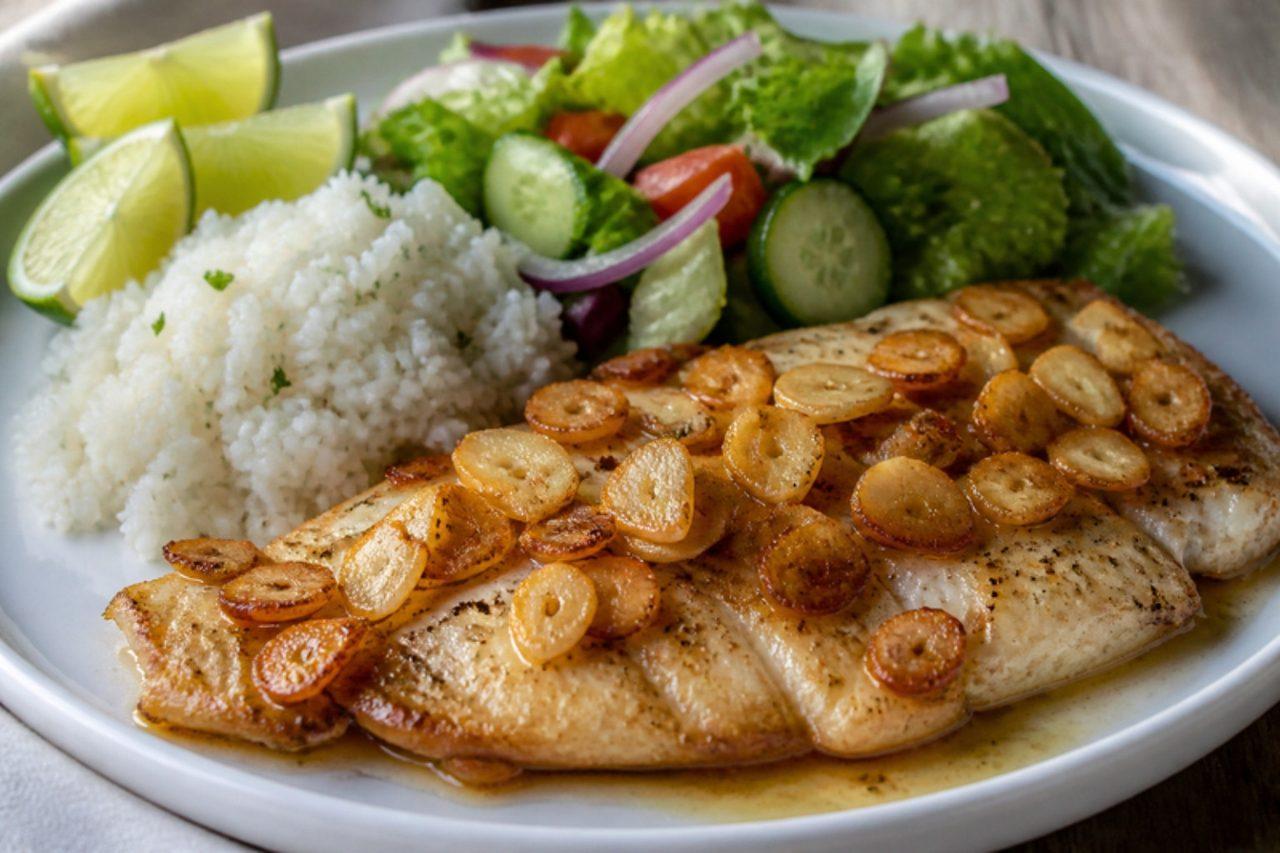
Pescado al mojo de ajoGarlic butter fried fish

Along the Gulf coast, from the port of Veracruz to the beach restaurants of Boca del Río, pescado al mojo de ajo is the everyday fish order: firm white fillets fried and spooned over with a butter-and-oil sauce full of slowly golden garlic, a squeeze of lime and a little chile. It is served at lunchtime with white rice, a green salad and warm tortillas to mop the plate. The mistake that ruins it is rushing the garlic over a high heat: it should turn pale gold slowly, because burnt garlic is bitter and cannot be saved. Chef's tip: cook the garlic first and keep it aside, then fry the fish in the same flavoured fat, so the slices stay sweet and crisp instead of scorching while the fish cooks.

by KrazyBadal 0 views

Godeungeo guiGrilled mackerel

Andong, far inland, is oddly famous for its mackerel: the fish was salted on the coast and carried over the mountains, arriving perfectly seasoned, and Andong gangodeungeo is still sold that way. Across Korea, a salted mackerel fillet pan-grilled until the skin crackles is a staple of home dinners and set-meal restaurants, served with rice, doenjang soup and kimchi. Mackerel is an oily fish, so this is filling rather than low calorie: about 340 kcal a portion. The most common mistake is moving the fish too soon; leave it skin side down until the skin releases on its own, or it tears and sticks. Chef's tip: dust the skin very lightly with flour or starch before grilling, or simply pat it bone-dry; you'll get a crisp, glassy skin.

22 minKoreanFishGluten free
by KrazyBadal 0 views

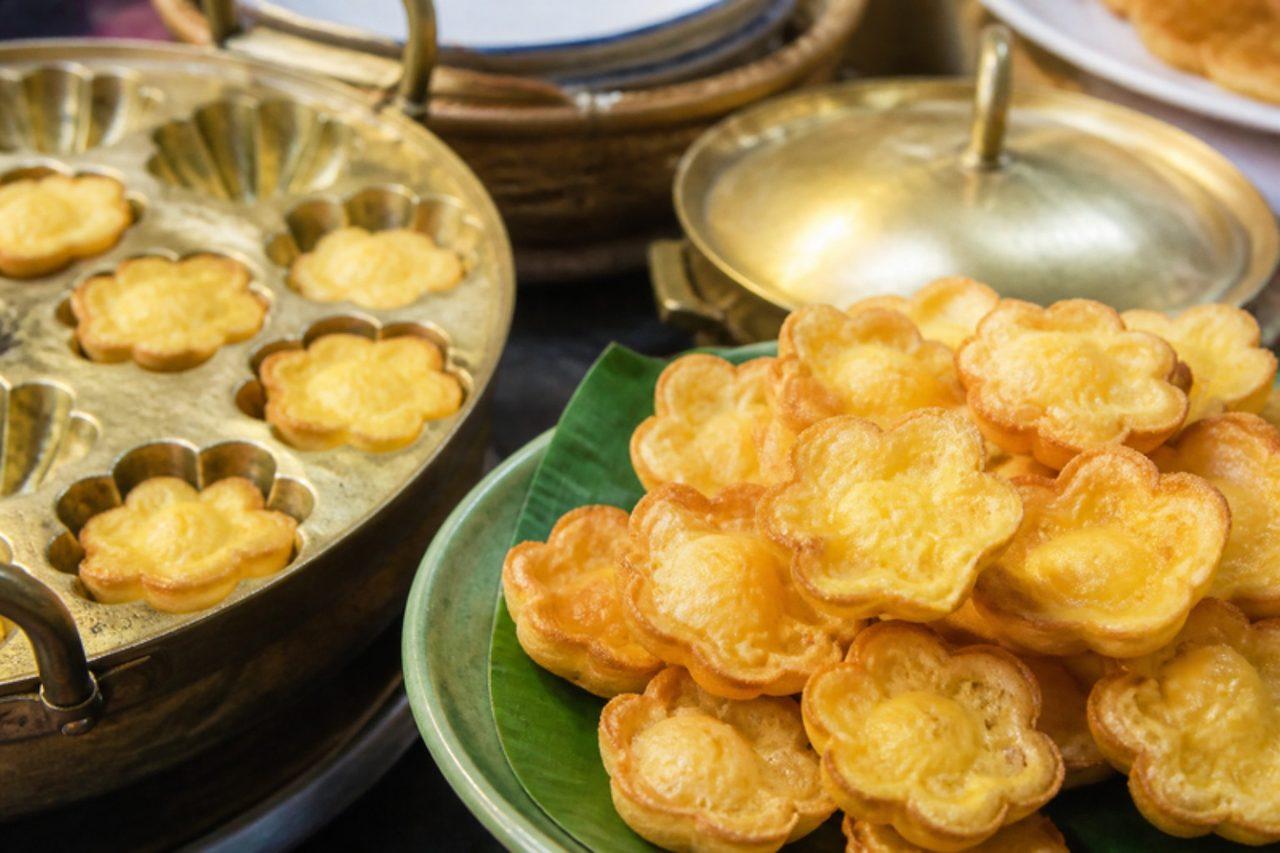
Khanom khai (Thai egg cakes)

Khanom khai are the tiny golden sponge cakes that Thai market vendors bake in heavy brass moulds, filling the air with a sweet, eggy smell, and Bangkok children buy a paper bag of them after school. They are light and spongy inside with crisp, caramelised edges, and taste of egg and vanilla. They're made with oil rather than butter. They contain egg and gluten. Without a traditional mould, a mini-muffin or madeleine tin works well. Chef's tip: beat the eggs and sugar until really thick and pale; all the lift comes from that air.

30 minThaiBaking
by KrazyBadal 0 views

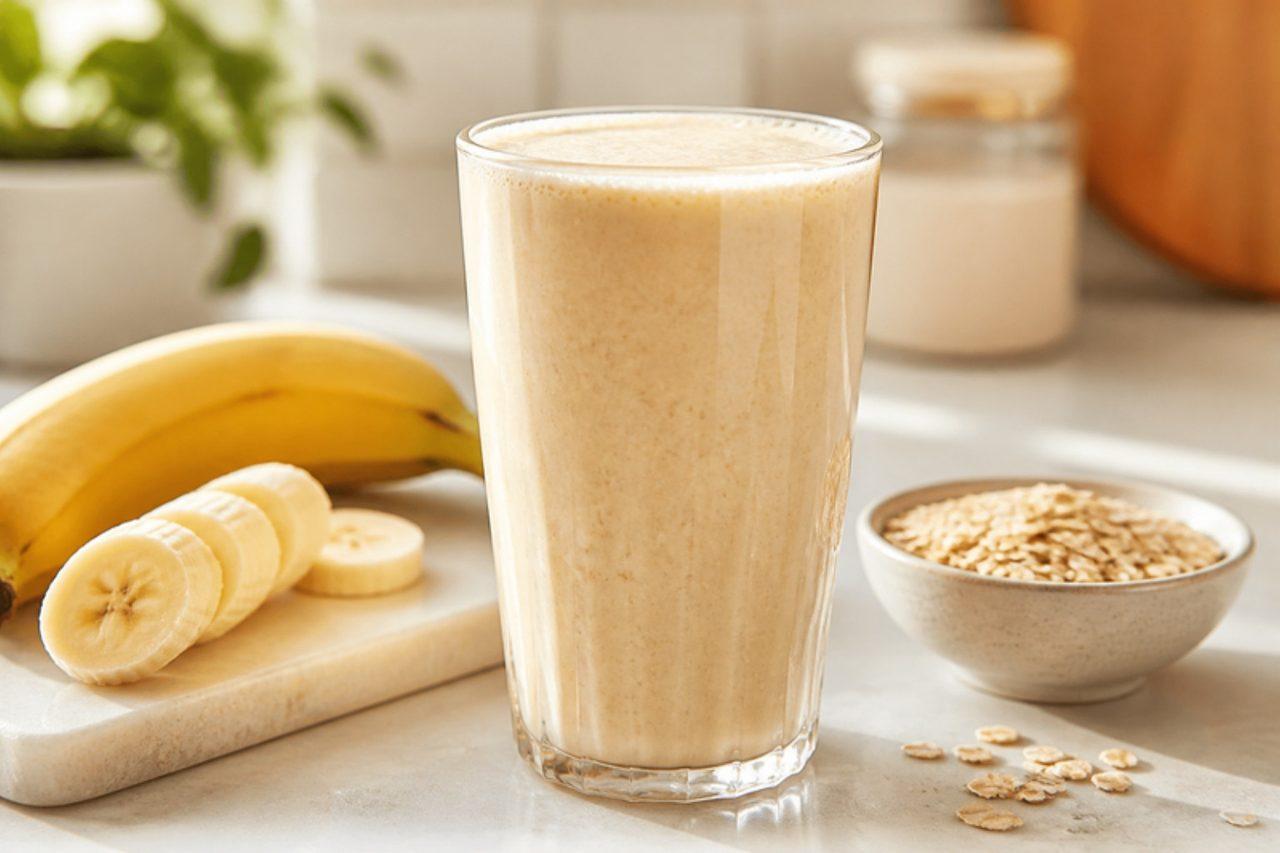
Vitamina de banana (Brazilian banana smoothie)

In Brazil a smoothie is a vitamina, and vitamina de banana is what parents from São Paulo to Recife whizz up for breakfast or when children get home from school hungry. Ripe banana, cold milk and a spoonful of oats make a thick, naturally sweet drink that fills a gap until dinner, so no sugar is needed. It contains milk and gluten (oats, unless labelled gluten free). Chef's tip: use bananas with brown freckles on the skin; they are sweeter and blend creamier than green-tipped ones.

by KrazyBadal 0 views

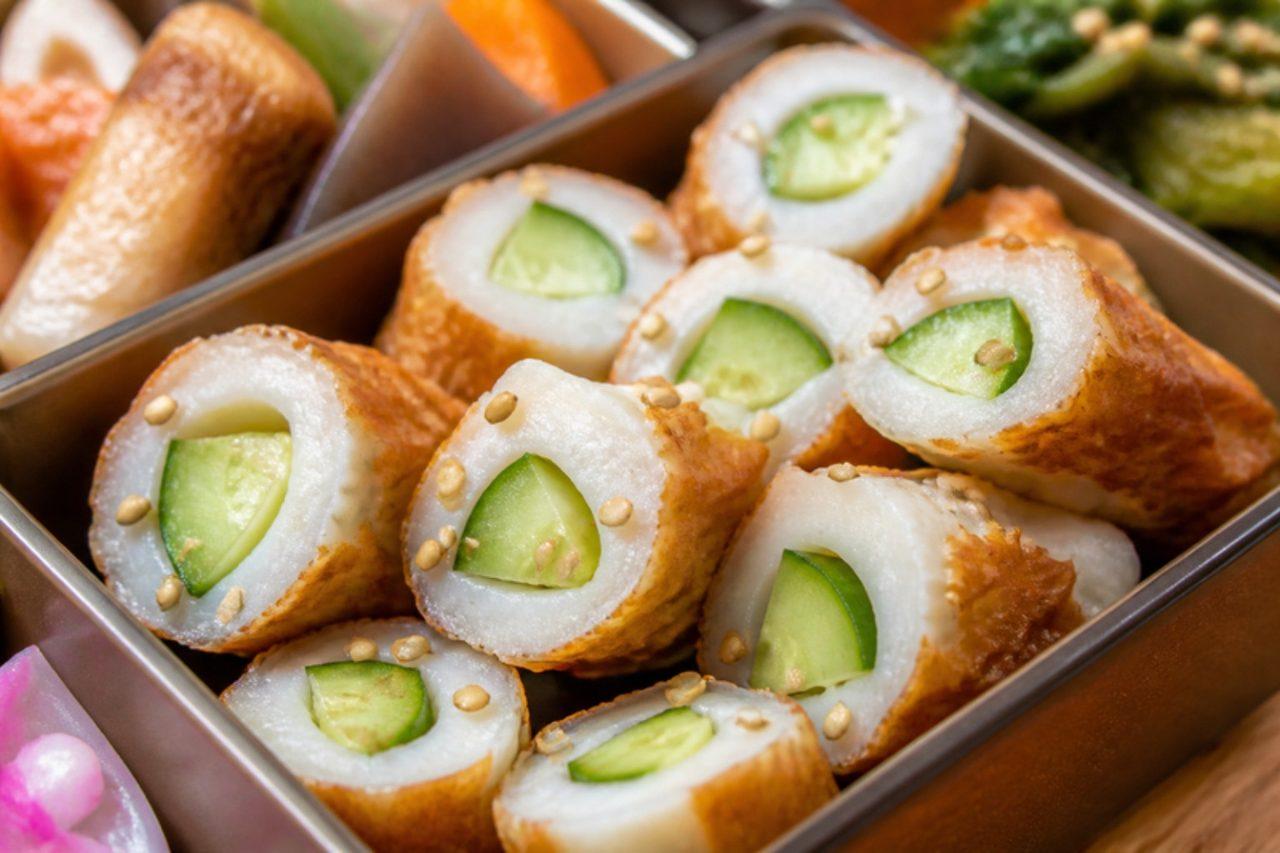
Cucumber-stuffed chikuwa (chikuwa kyuri)

Chikuwa, the tube-shaped grilled fish cake sold in every Japanese supermarket, gets the simplest treatment of all in children's bento: a stick of crisp cucumber pushed through the hole and the tube sliced into rounds, so each piece looks like a little green-eyed wheel. It is cold, crunchy and gently savoury, ready in five minutes on a busy morning, and good as an after-school nibble too. Chikuwa is ready to eat; it contains fish and usually wheat and egg white, so check the label. Chef's tip: trim the cucumber stick to fit snugly; too fat and the chikuwa splits.

by KrazyBadal 0 views

Rice atole for babies (atole de arroz)

Atole is the warm, thick drink Mexicans have sipped since before the conquest, and in many homes the first version a baby tastes is atole de arroz, ground rice cooked with a stick of true cinnamon. For grown-ups it is sweetened with piloncillo and drunk at breakfast or on cold evenings around Día de Muertos; for babies the sugar stays out and it is thickened enough to eat from a spoon. It contains milk; there is no egg, gluten, nuts, soya, sesame or fish. Chef's tip: grind the rice yourself in a spice grinder; shop-bought rice flour works, but freshly ground rice tastes sweeter.

by KrazyBadal 0 views

Välling (Swedish oat and milk drink)

Välling, a thin gruel of cereal and milk, has been the Swedish child's bedtime drink for generations, and many families still make their own for toddlers once they move on to cow's milk at around a year old. It is smooth, warm and lightly oaty, with no added sugar or honey. It contains milk and gluten (oats are often processed with wheat; use certified gluten-free oats if needed); there is no egg, nuts, soya, sesame or fish. Chef's tip: blend the oats to a fine flour first, so the drink is silky and flows easily from a beaker.

by KrazyBadal 0 views

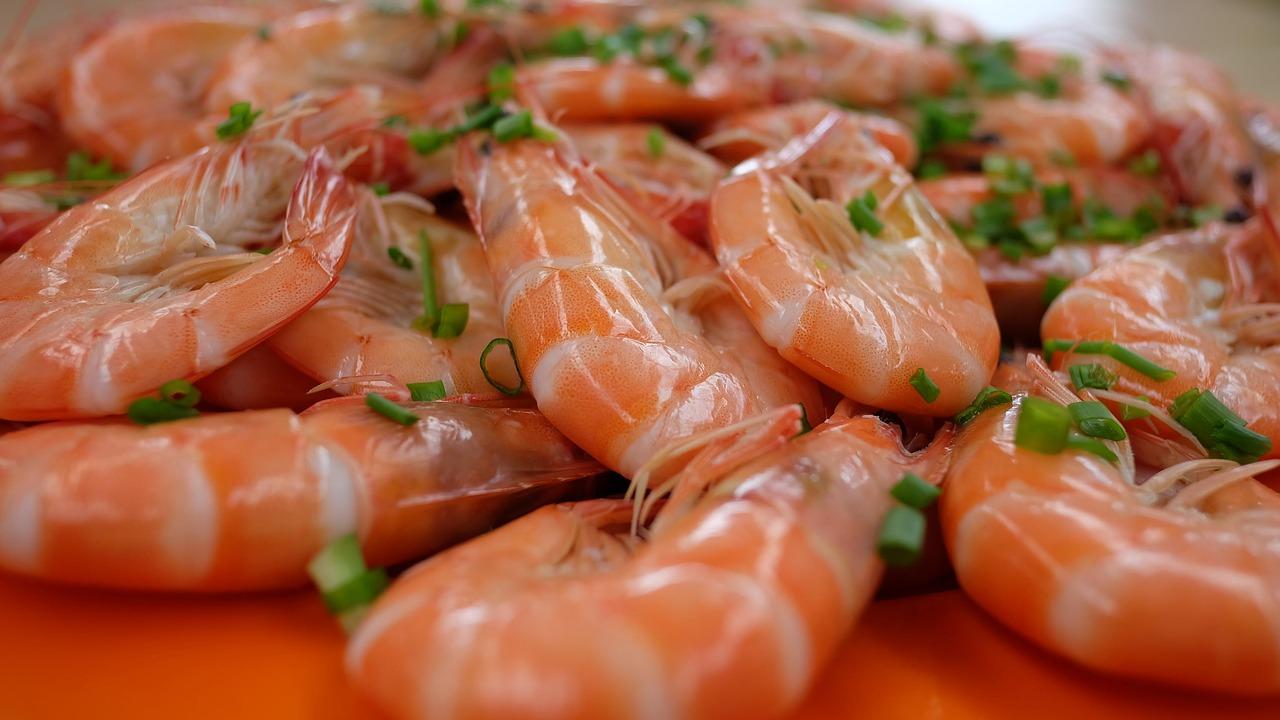
Bai zhuo xiaPoached prawns

Bai zhuo, "plain poaching", is how Cantonese cooks treat seafood they think is too good to sauce, and a plate of whole poached prawns is on the table at almost every family dinner and wedding banquet in Guangzhou and Shunde. The prawns are dropped into boiling water with ginger and spring onion for barely two minutes, then peeled at the table and dipped in a sizzling sauce of soy, chilli and spring onion. They are sweet, springy and very light. A portion is about 130 kcal. In Guangdong the prawns are often bought live; this recipe uses fresh or thawed raw shell-on prawns. Discard any that smell of ammonia, have black heads or slimy, soft shells. The common mistake is overcooking, which makes them rubbery and hard to peel; take them out the moment they curl and turn pink. Chef's tip: plunge the cooked prawns into iced water for 30 seconds; the flesh firms up and shrinks slightly from the shell, so they peel easily.

by KrazyBadal 0 views

Am (Filipino rice-water first porridge)

Filipino lolas remember giving babies am, the thick, cloudy liquid that rises to the top as rice boils, ladled off and cooled before the rest of the pot is cooked for the family's lunch. Today it is offered as a thin, smooth first porridge, a few spoonfuls alongside other first foods such as mashed squash or banana, rather than on its own. It tastes mild and slightly sweet. It contains none of the common allergens (milk, egg, gluten, peanut, tree nuts, soya, sesame, fish). Chef's tip: use more water than usual and keep the lid off, so the liquid thickens into a creamy am instead of evaporating away.

by KrazyBadal 0 views

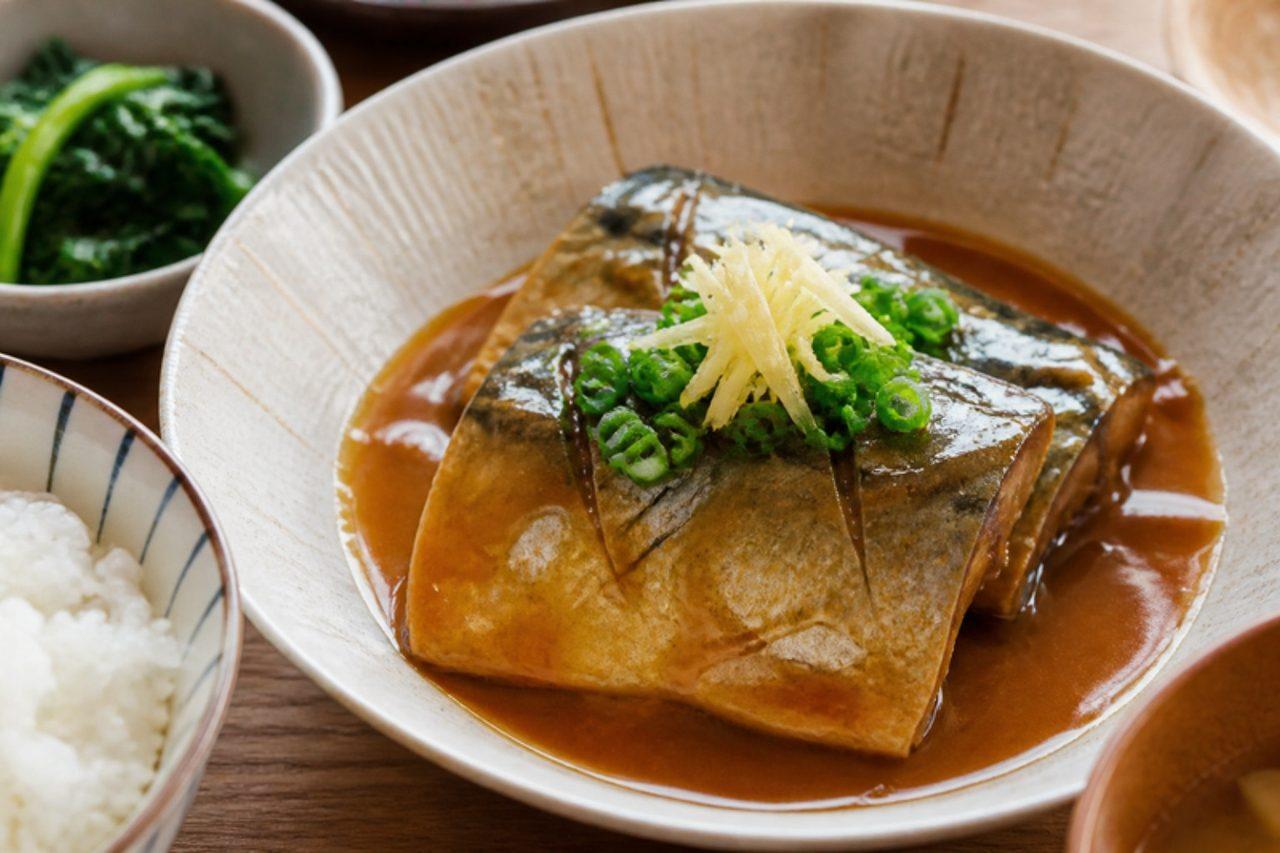
Saba no misoniMackerel simmered in miso

Saba no misoni is a fixture of the set lunches in Tokyo's office districts and a weeknight dinner in homes across Japan: mackerel fillets simmered in a sweet, thick sauce of miso, sake, sugar and plenty of ginger, which mellows the rich, oily fish. It is served with rice, miso soup and a green vegetable. Mackerel is high in omega-3 fats, so it is filling rather than light. A portion is about 330 kcal. Sake contains alcohol but it is simmered off; the note gives an alcohol-free swap. The most common mistake is adding the miso at the start and boiling it hard, which makes it grainy and dull; dissolve it in once the fish is nearly cooked. Chef's tip: pour boiling water over the fillets before simmering (shimofuri); it firms the skin and removes the fishy smell.

by KrazyBadal 0 views

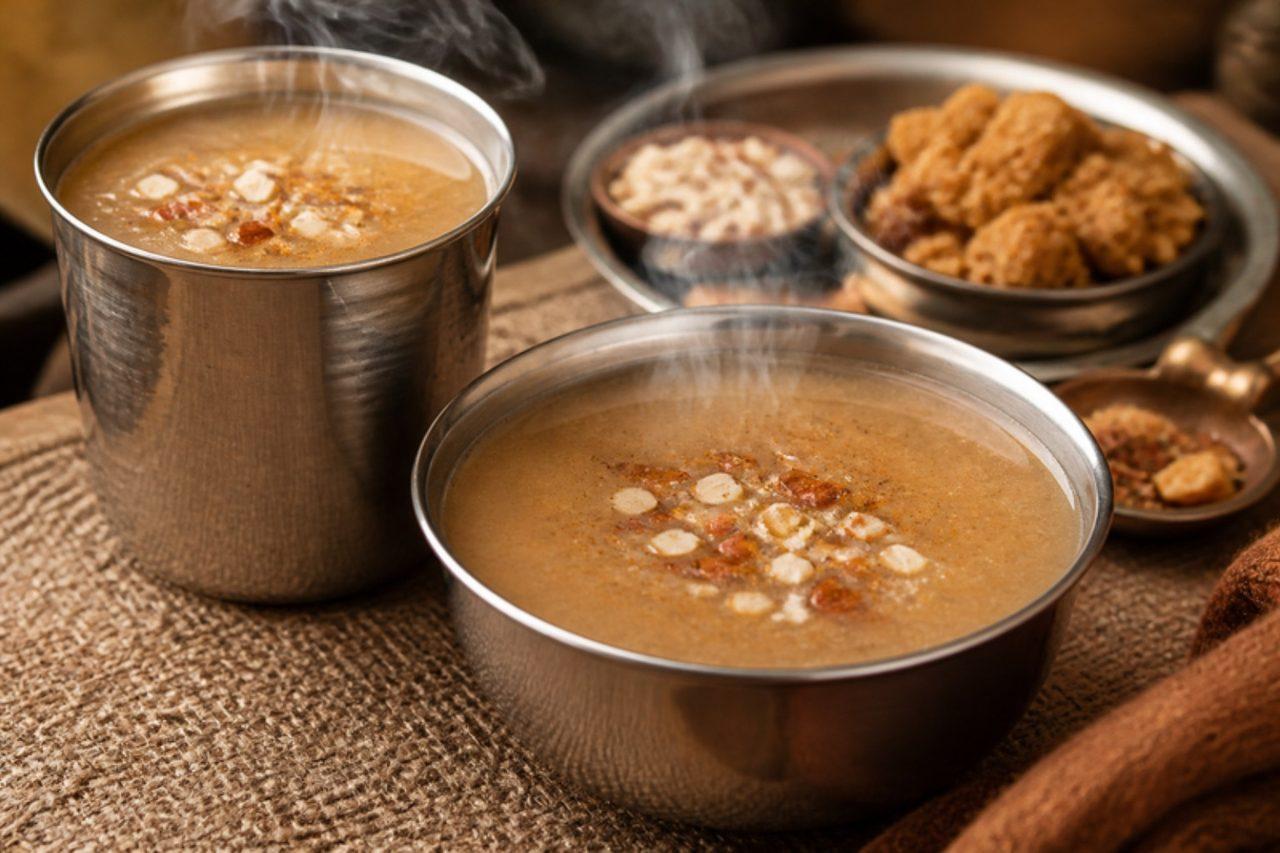
Bajri ni raabPearl millet jaggery drink

In Gujarati homes from Ahmedabad to the villages of Saurashtra, raab is what is made on a cold January evening, for a cough, or for a new mother regaining her strength: a spoon of bajri flour roasted in ghee with ajwain and dry ginger, then cooked with water and jaggery into a thin, sippable porridge. It is drunk hot from a steel tumbler and tastes of toasted grain, caramel and warm spice. A tumbler is about 220 kcal. The most common mistake is adding jaggery to boiling raab with the flame high, which can make it split; turn the heat down first and stir it in until it melts. Chef's tip: roast the flour on a low flame until it smells like toasted biscuit and darkens just slightly; underroasted bajri tastes raw and bitter.

by KrazyBadal 0 views

ApfelschorleApple juice spritzer

At any German beer garden, from Munich's Chinese Tower to the cider taverns of Frankfurt, the drink for children, drivers and anyone on a hot afternoon is Apfelschorle: cloudy apple juice topped up with sparkling mineral water. Germans drink it at family lunches, after sport and at school summer parties, and it is far less sweet than juice alone. The usual mix is half and half, but many people go lighter on the juice. The common mistake is pouring the water first, which knocks out the bubbles. Chef's tip: use naturally cloudy apple juice and very cold, strongly sparkling water, and pour the water in slowly down the side of the glass.

by KrazyBadal 0 views

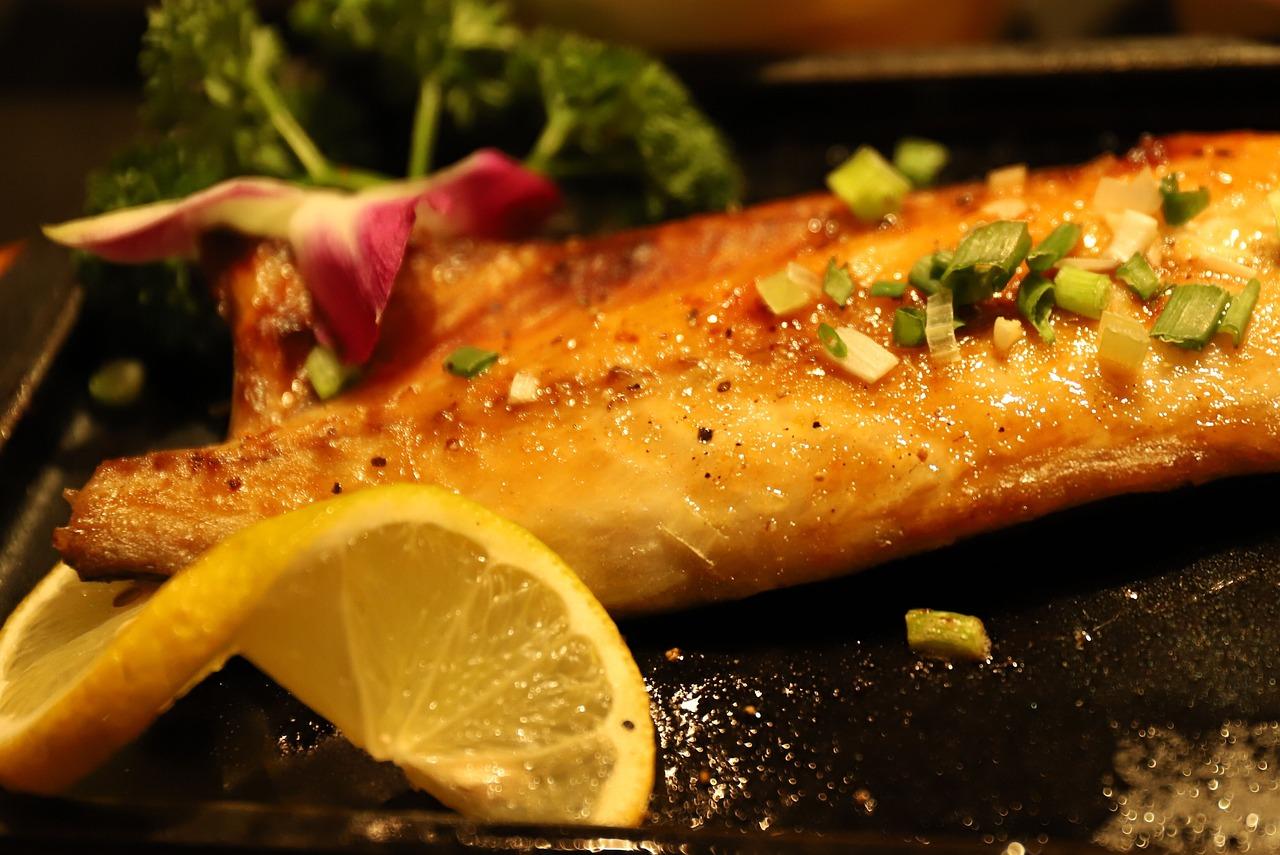
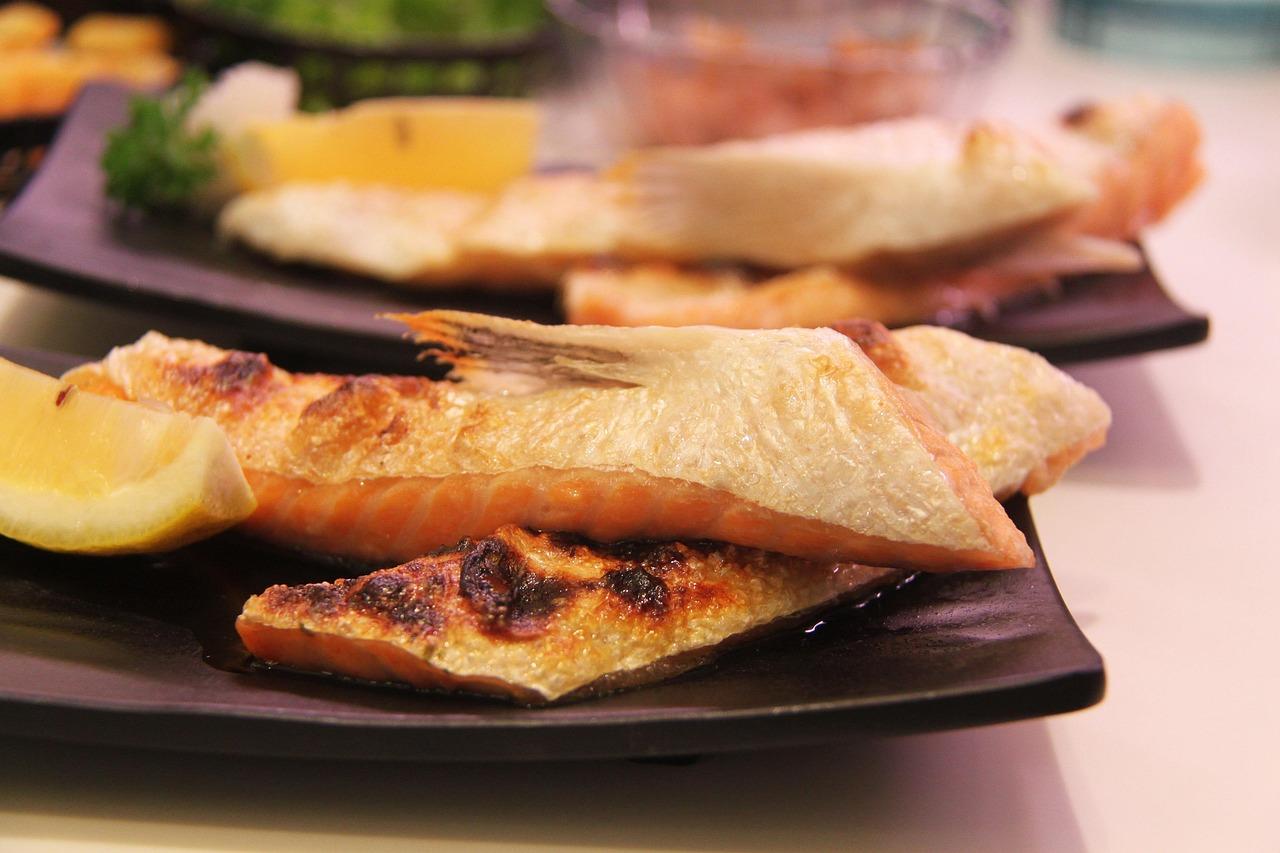
Sake no shioyakiSalt-grilled salmon

A piece of salt-grilled salmon with crisp, blistered skin is the heart of the traditional Japanese breakfast in ryokan from Hokkaido to Kyushu, set beside rice, miso soup and pickles, and in homes it is the plainest weeknight dinner of all. Salting the fish 10–15 minutes ahead in the fridge firms the flesh, draws out moisture and seasons it right through. Serve with grated daikon and a wedge of lemon. A portion is about 260 kcal. The common mistake is grilling straight from wet; pat the fillets very dry after salting, or the skin steams instead of crisping. Chef's tip: grill skin side up first under the grill, or skin side down first in a pan; the skin should get the most heat.

by KrazyBadal 0 views

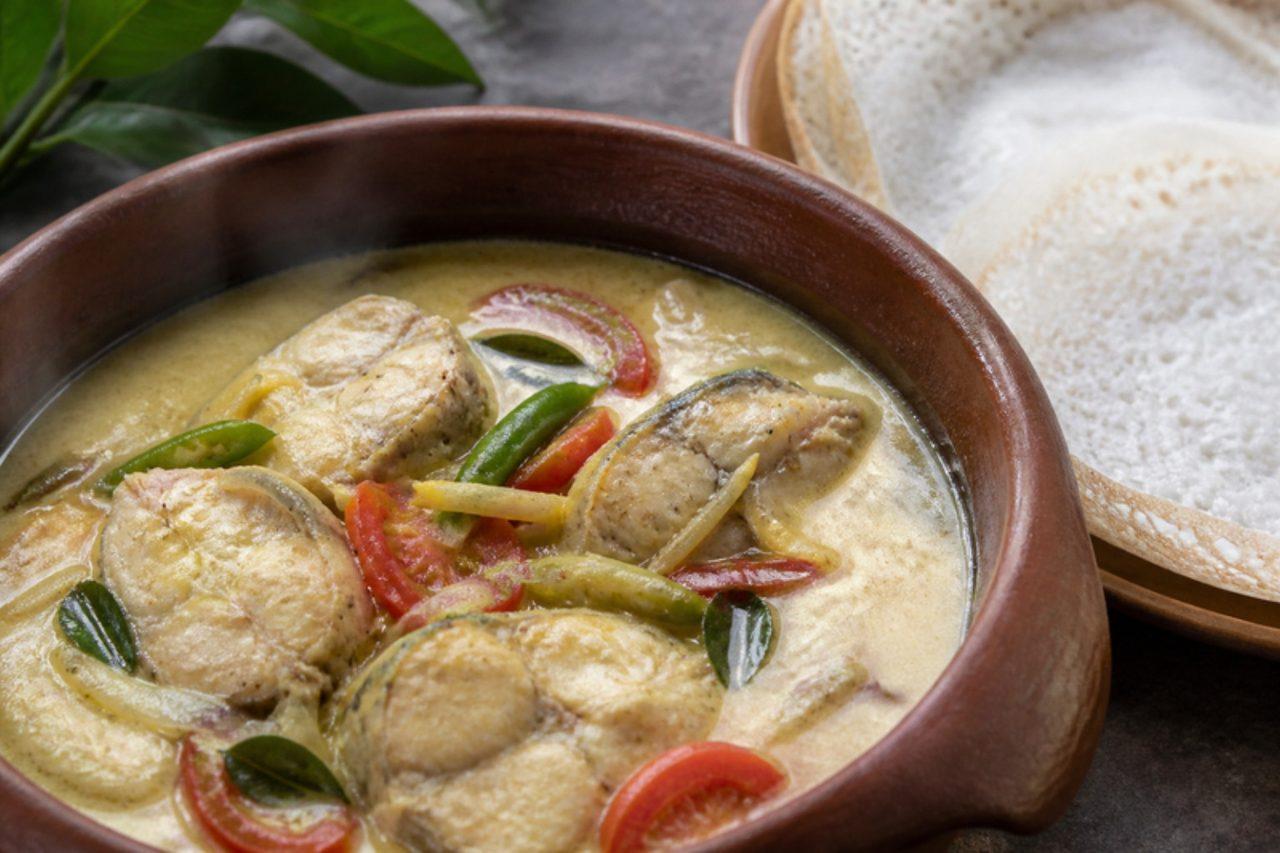
Fish moileeFish in coconut milk curry

Meen molee comes from the Syrian Christian and Anglo-Indian kitchens of Kochi and Kottayam, and it is the gentle, pale-yellow fish curry served for Sunday lunch and at Christmas with appam or rice. Seer fish or pearl spot steaks are lightly marinated in turmeric and pepper, then simmered briefly in coconut milk with sliced onion, ginger, green chillies and curry leaves, with a squeeze of lime at the end. It has warmth but very little chilli heat. A portion is about 330 kcal. The most common mistake is boiling the thick coconut milk, which splits it into oily curds; add it last and only bring it to a gentle simmer. Chef's tip: use thin coconut milk to cook the fish and stir in the thick milk only for the final minute; the sauce stays silky and white.

30 minIndianFishGluten free
by KrazyBadal 0 views

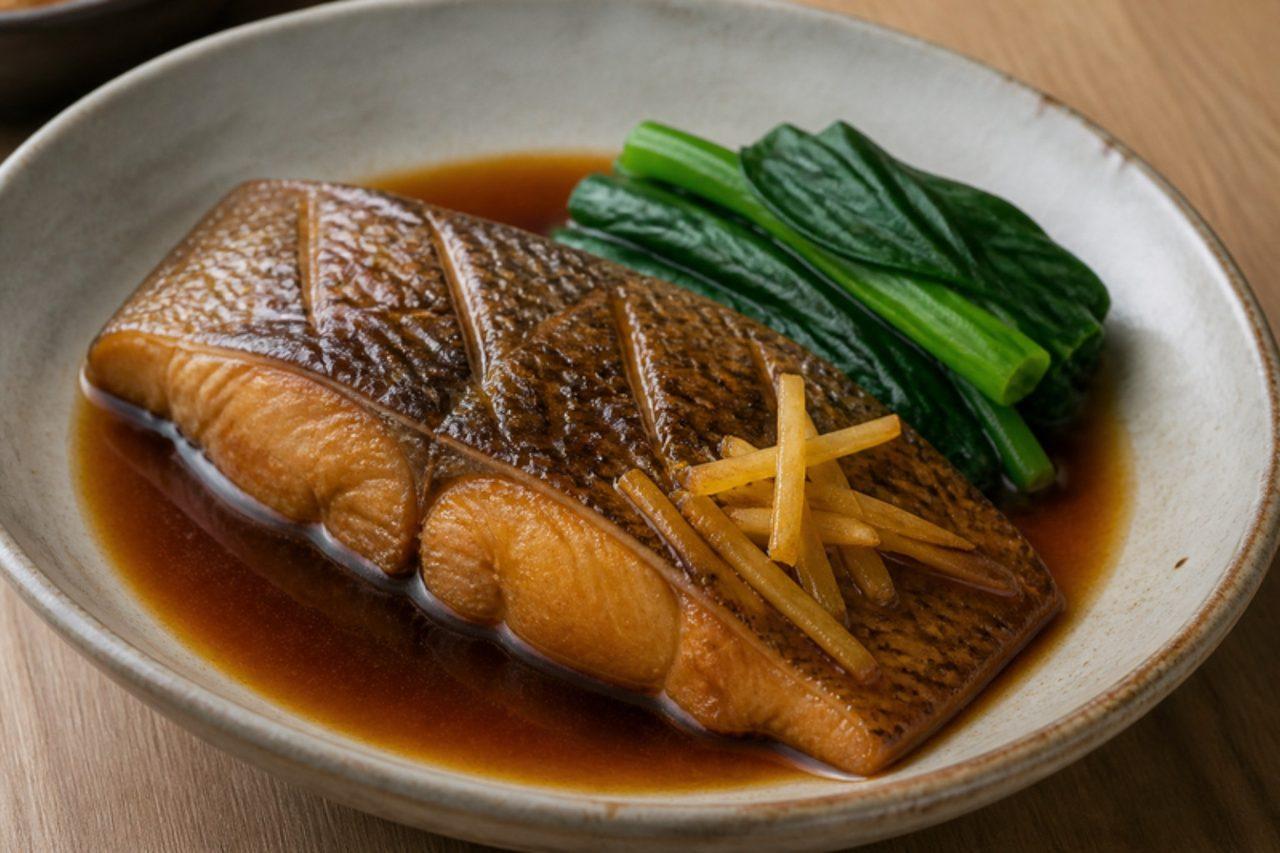
Karei no nitsukeFlounder in sweet soy

Nitsuke is the quick, glossy way Japanese home cooks simmer white fish, and flounder (karei) is the classic, especially in Hokkaido and along the Sea of Japan coast, where it is bought whole and cut into steaks at the fishmonger's. The fish cooks in only 10 minutes in a small amount of soy, sake, mirin and sugar with ginger, spooned over until it glistens; the flesh stays soft and sweet. Serve with rice and a green vegetable, and the broth to spoon over the rice. A portion is about 210 kcal. Sake and mirin contain alcohol, boiled off before the fish goes in; the notes give swaps. The most common mistake is putting fish into cold liquid; it must go into boiling broth so the surface sets at once and the flesh doesn't go mushy. Chef's tip: use a pan just big enough for the fish in one layer, so the small amount of broth reaches all of it.

by KrazyBadal 0 views

Showing 24 of 702 recipes

Show more recipes

Page 1 of 30