Skip to content
WhatToEat.Today

Baby and toddler food

Soft, mild first foods and family meals for babies and toddlers. (109 recipes)

Rice cereal paste (mǐ hú)

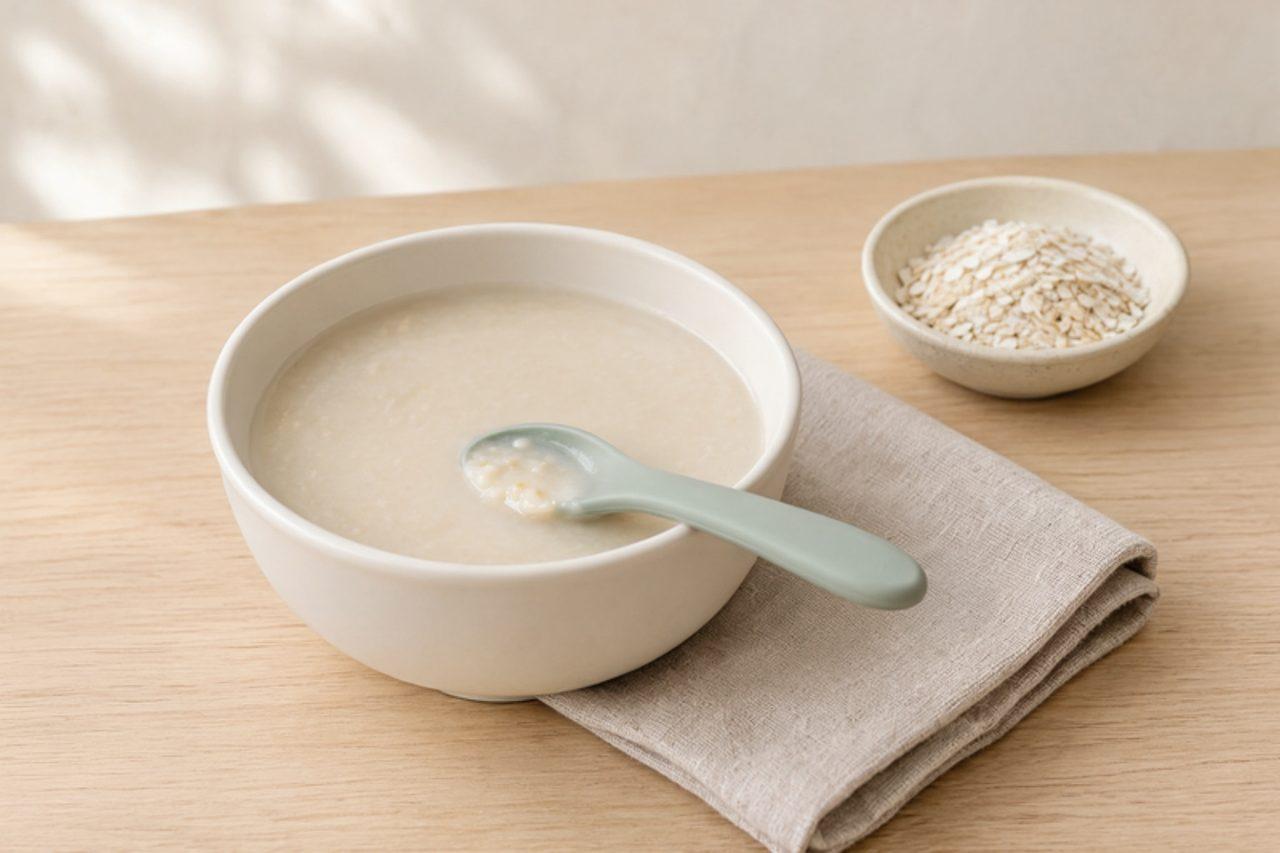
Long before boxed cereals, Chinese mothers made mǐ hú, rice paste, by dry-toasting rice in a wok, grinding it fine and cooking it with water. It is still a favourite first food all over China, often served as the baby's breakfast while the family eats congee. Toasting gives it a gentle, biscuity flavour and makes it cook in minutes. There is no salt or sugar, and none of the common allergens (milk, egg, gluten, peanut, tree nuts, soya, sesame, fish). Chef's tip: toast and grind a larger batch, sieve it, and keep the powder in a clean, dry jar for up to two weeks.

by KrazyBadal 0 views

Semolina in broth (semolino in brodo)

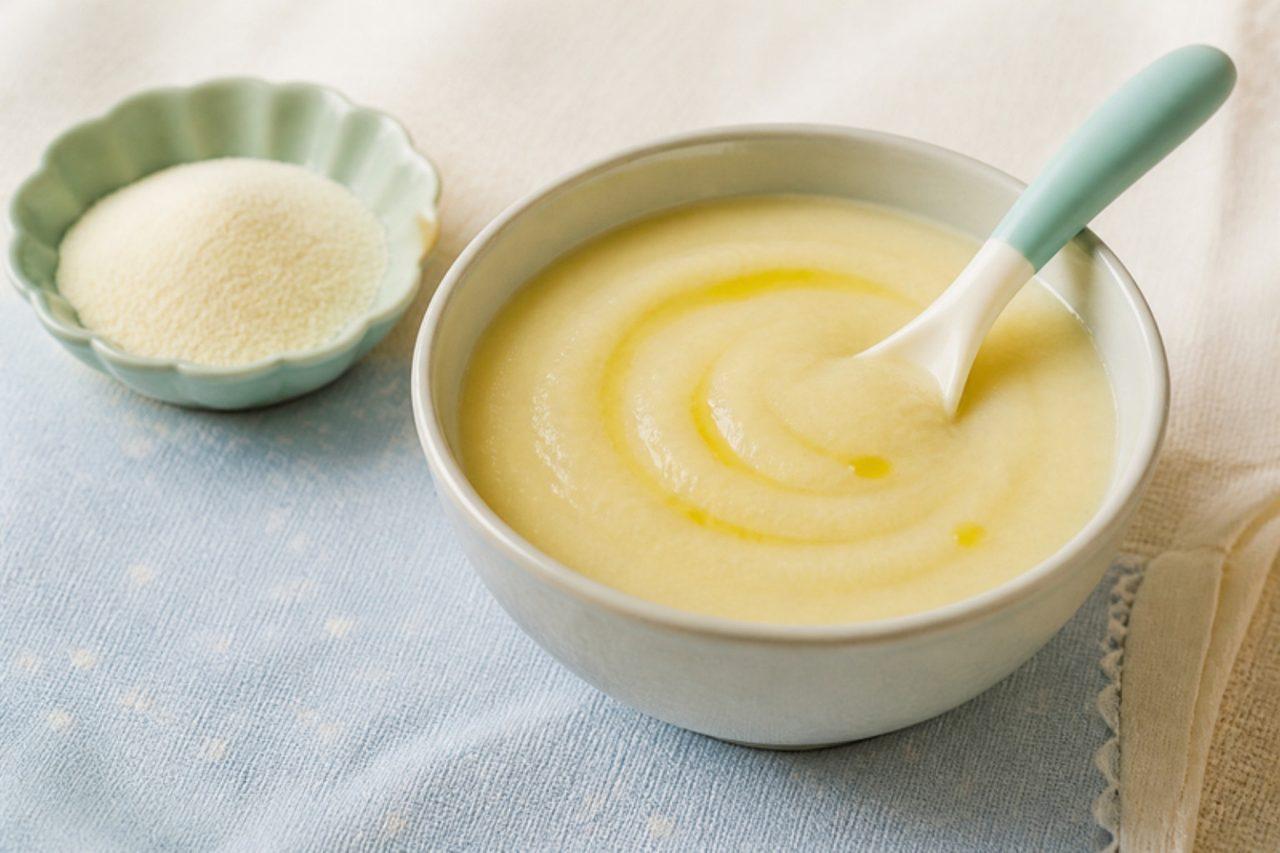
Semolino in brodo is the dish Italian nonne cook for anyone who needs something gentle: babies at the start of weaning and older children with a cold. Fine durum-wheat semolina is rained into hot vegetable broth and stirred into a soft, silky porridge, usually served at supper. For babies the broth is home-made without salt, and the grated parmesan that adults add stays out or is kept to the tiniest pinch, because it is salty. It contains gluten (wheat), and milk if you add parmesan; there is no egg, nuts, soya, sesame or fish. Chef's tip: rain the semolina in from a height while whisking, and you will never get lumps.

by KrazyBadal 0 views

Am (Filipino rice-water first porridge)

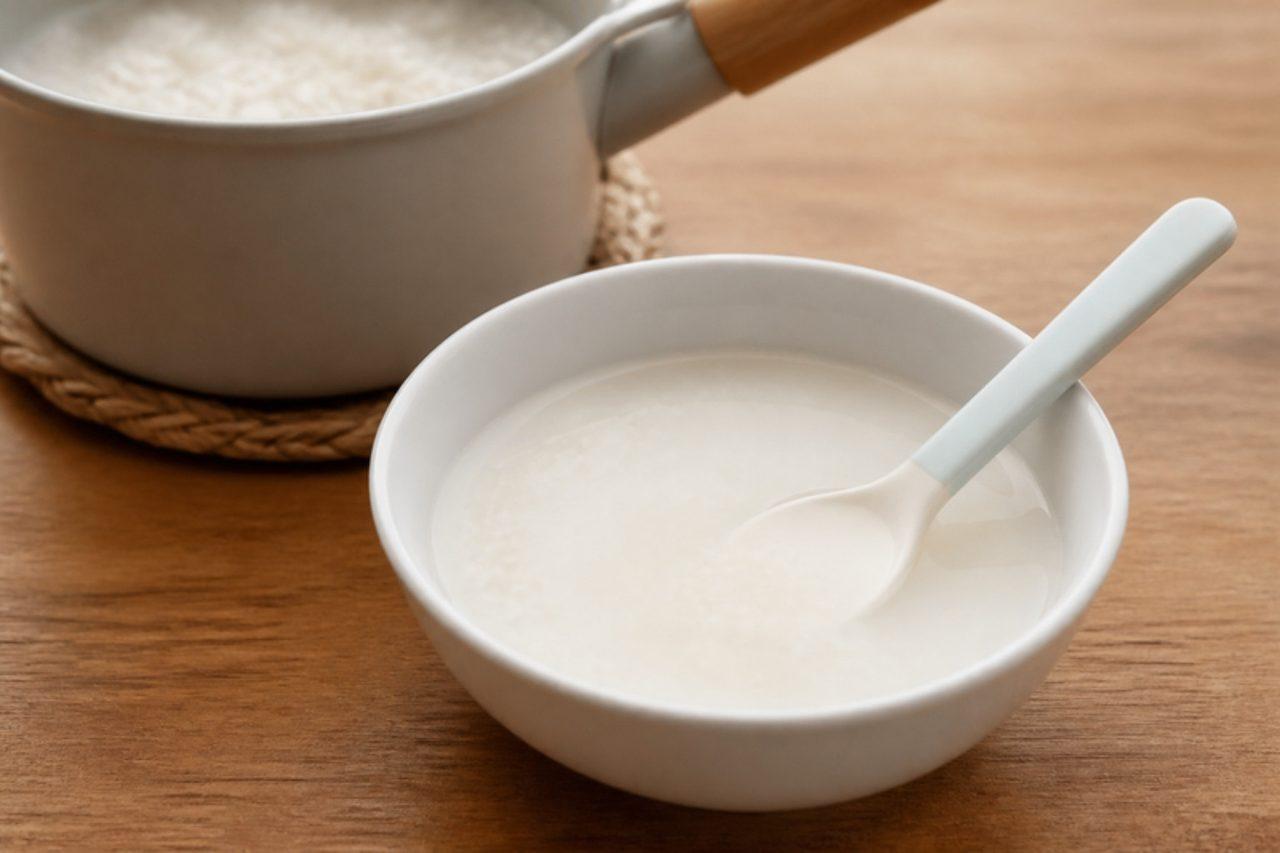
Filipino lolas remember giving babies am, the thick, cloudy liquid that rises to the top as rice boils, ladled off and cooled before the rest of the pot is cooked for the family's lunch. Today it is offered as a thin, smooth first porridge, a few spoonfuls alongside other first foods such as mashed squash or banana, rather than on its own. It tastes mild and slightly sweet. It contains none of the common allergens (milk, egg, gluten, peanut, tree nuts, soya, sesame, fish). Chef's tip: use more water than usual and keep the lid off, so the liquid thickens into a creamy am instead of evaporating away.

by KrazyBadal 0 views

Shirasu-gayu (whitebait rice porridge)

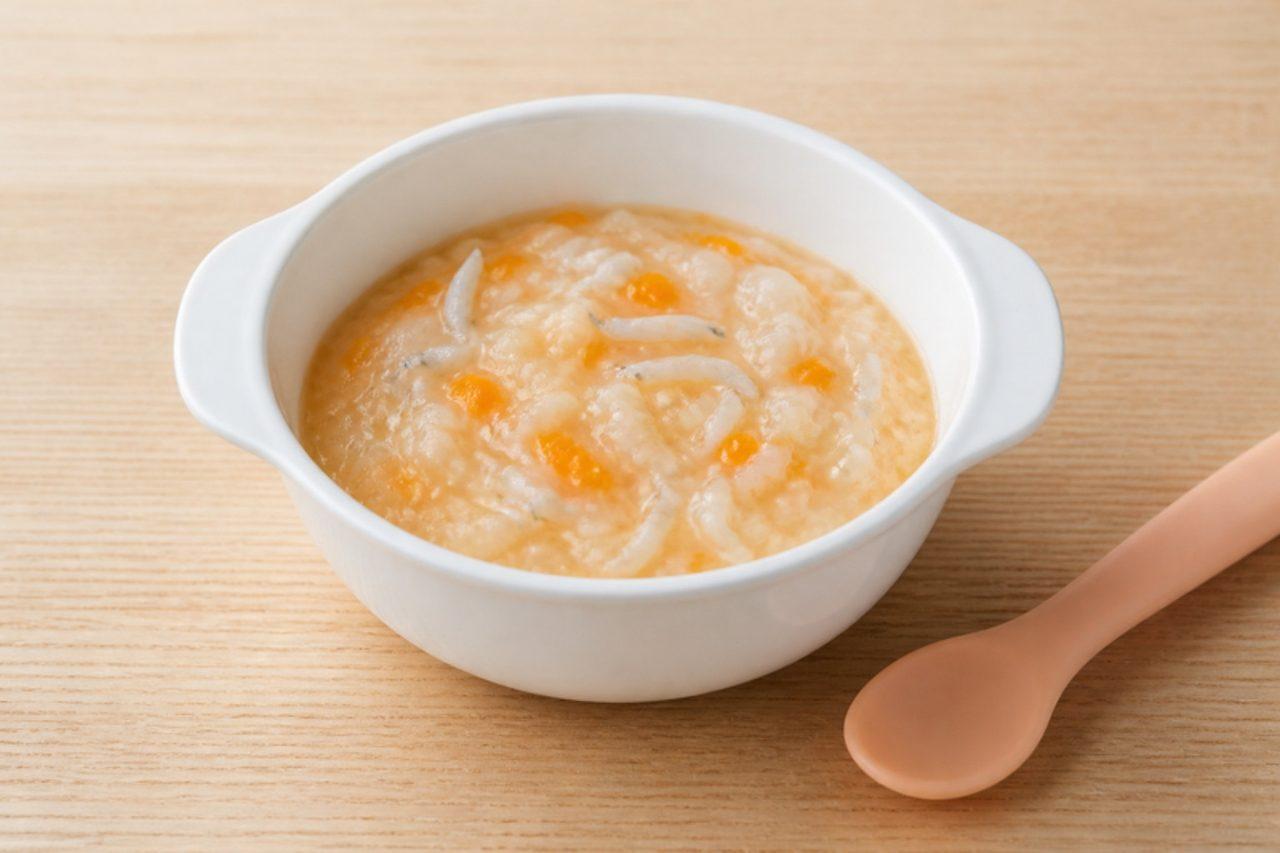
Shirasu, the tiny, tender young sardines and anchovies sold boiled in Japanese supermarkets, are one of the first fish many Japanese babies try, stirred into soft rice porridge from around seven to nine months. Because shop shirasu are cooked in salted water, parents always pour boiling water over them first to wash the salt out. The porridge is mild and creamy with a faint taste of the sea and sweet carrot. It contains fish; there is no milk, egg, gluten, nuts, soya or sesame. Chef's tip: use only the smallest shirasu, under 3 cm, whose bones are soft as the flesh; pick out any larger fish.

by KrazyBadal 0 views

Nasi tim ayam for toddlersSteamed chicken and mushroom rice

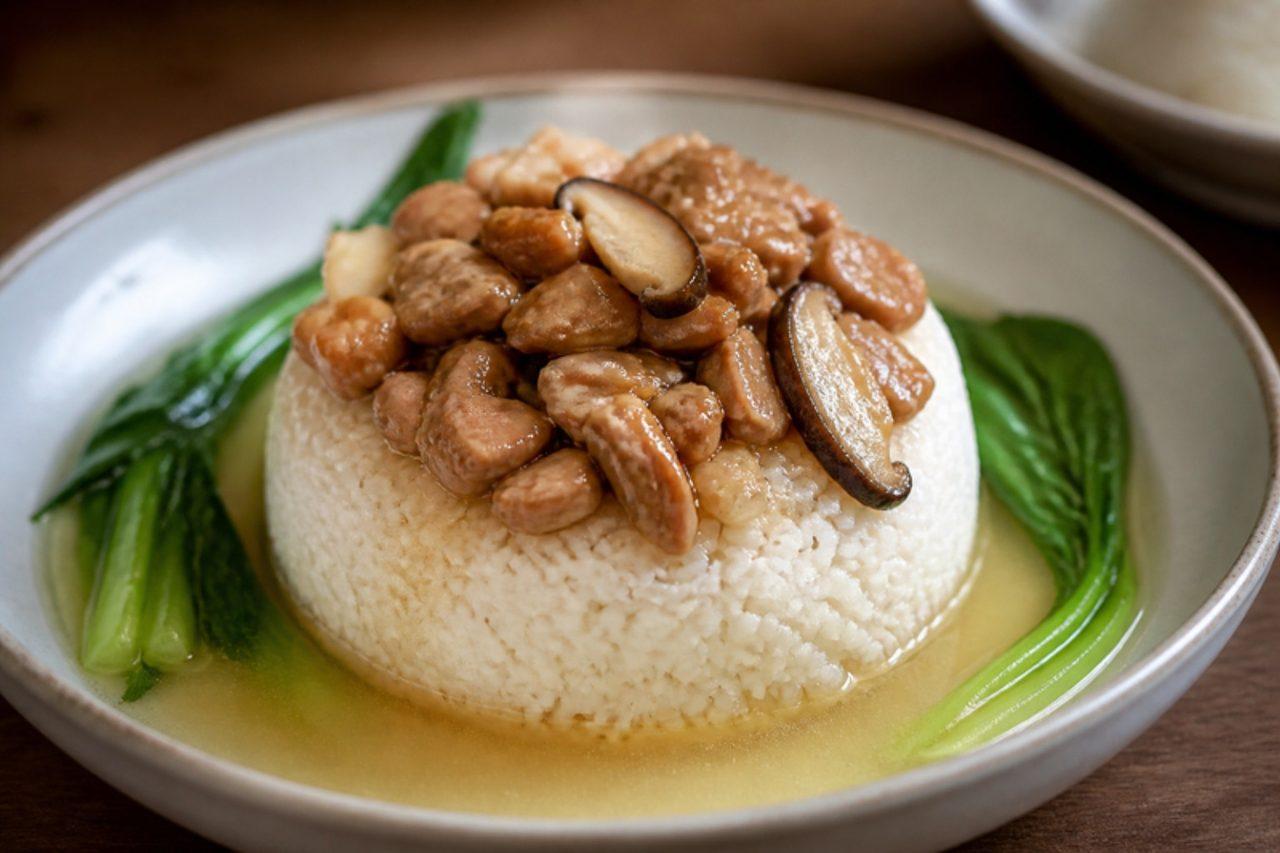
Nasi tim ayam comes from the Chinese-Indonesian kitchens of Java, and is the meal many Indonesian children eat when they first move on from porridge: rice steamed slowly in a bowl over diced chicken and mushrooms until very soft, then turned out like a little dome. For toddlers the seasoning is just garlic, ginger, a few drops of sesame oil and a little low-salt soy sauce. It contains soya and gluten (soy sauce) and sesame. Chef's tip: use no-salt stock in the rice; it soaks up the flavour of the chicken as it steams.

by KrazyBadal 0 views

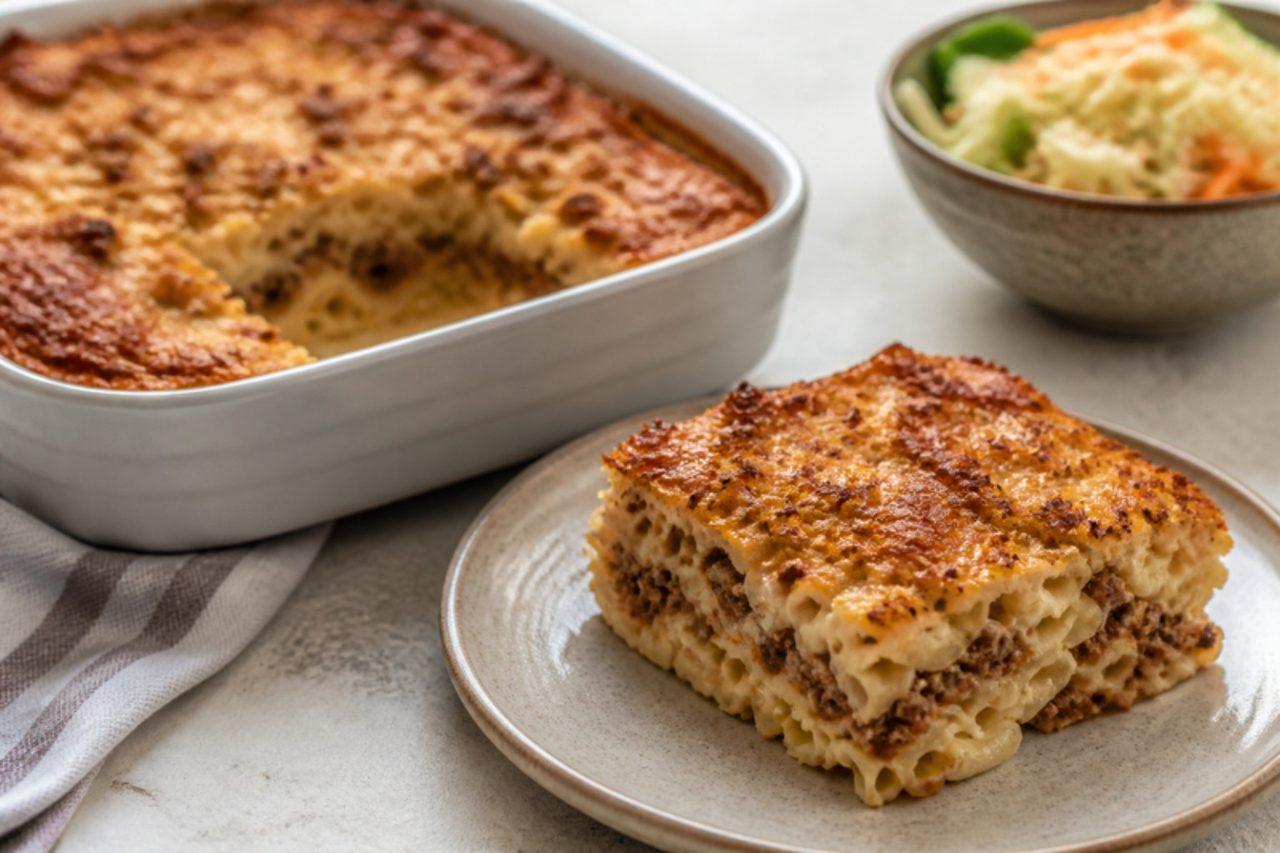
Makaronilaatikko (Finnish macaroni and beef bake)

Makaronilaatikko, macaroni and minced beef baked in an egg-and-milk custard, is the dish Finnish children vote for again and again, at home and in school canteens, often eaten with a dab of ketchup. It bakes until the top is golden and slightly crunchy and the inside soft and custardy, ideal for toddlers from a year old. This version adds no salt, only white pepper, so adults can season at the table. It contains gluten (wheat pasta), egg and milk. Chef's tip: bake it until a knife in the middle comes out clean; a wobbly centre means the custard isn't set.

by KrazyBadal 0 views

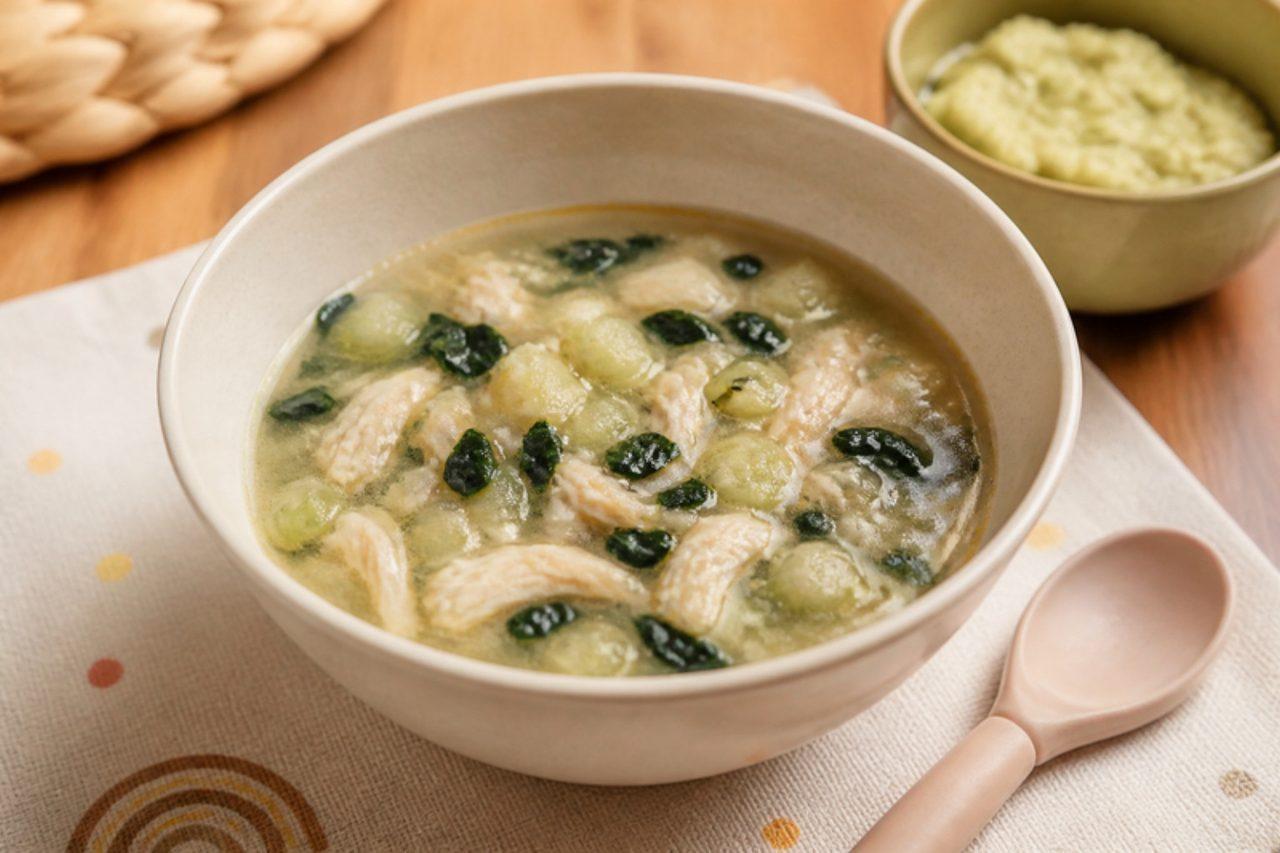
Tinolang manok for babies and toddlersGinger chicken soup for little ones

Tinolang manok, chicken simmered in a clear ginger broth with green papaya or chayote and malunggay (moringa) leaves, is the soup Filipino families make on rainy days and for anyone who needs looking after, and babies get their first taste of it from about nine months. Their portion is taken out before the patis (fish sauce) goes in, with the chicken shredded and the vegetables mashed. The baby's portion has none of the common allergens (milk, egg, gluten, peanut, tree nuts, soya, sesame, fish); the family's patis adds fish. Chef's tip: fry the ginger until it smells sweet before adding the chicken; that is the backbone of the broth.

by KrazyBadal 0 views

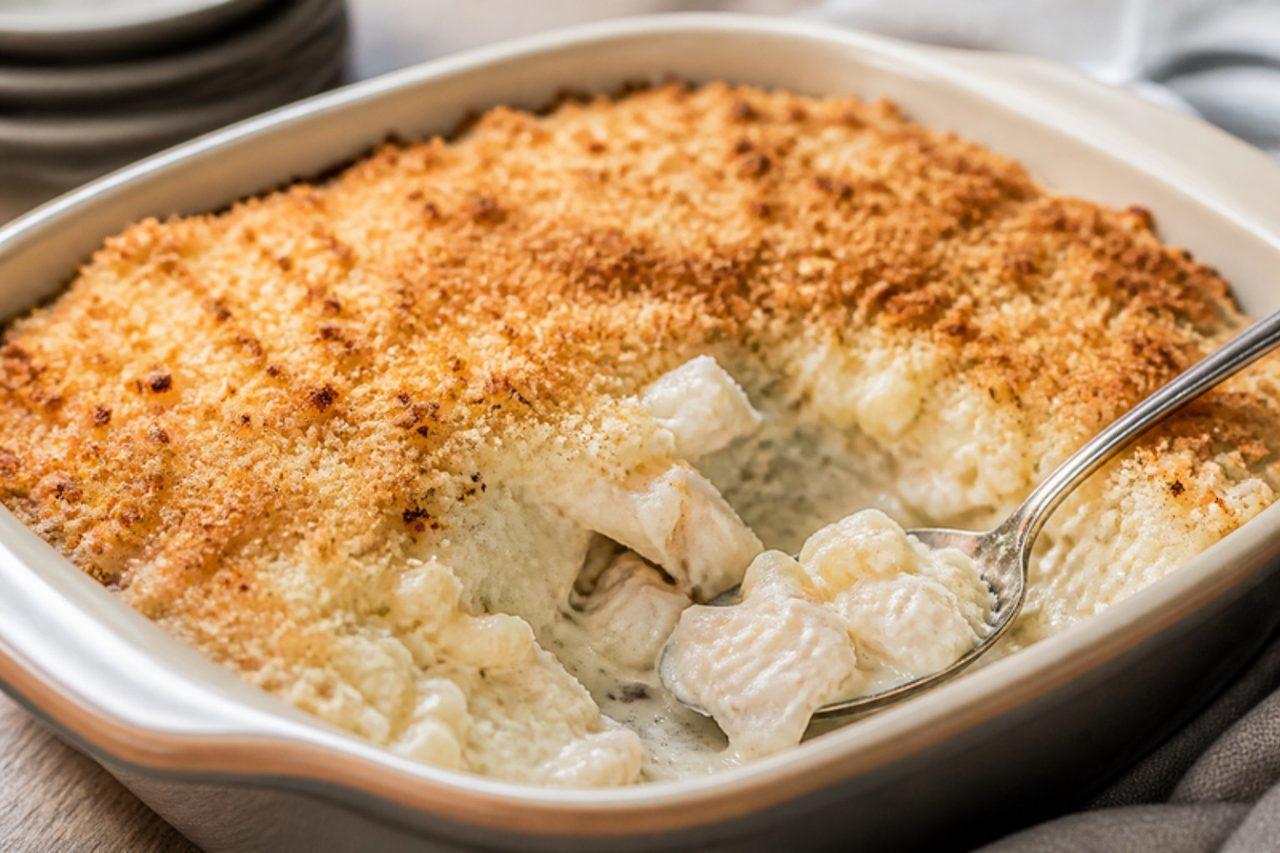
Fiskegrateng (Norwegian fish and macaroni gratin)

Fiskegrateng, a baked gratin of flaked white fish and macaroni in a thick nutmeg-scented white sauce, is classic Norwegian family food and a favourite way to get children to eat fish, served with grated raw carrot on the side. It is soft, creamy and mild, with a crisp crumb on top, and this version uses no added salt for toddlers from a year old. It contains fish, milk, egg and gluten (pasta, flour and breadcrumbs). Chef's tip: let the white sauce cool a little before whisking in the egg yolks, so they thicken it smoothly instead of scrambling.

by KrazyBadal 0 views

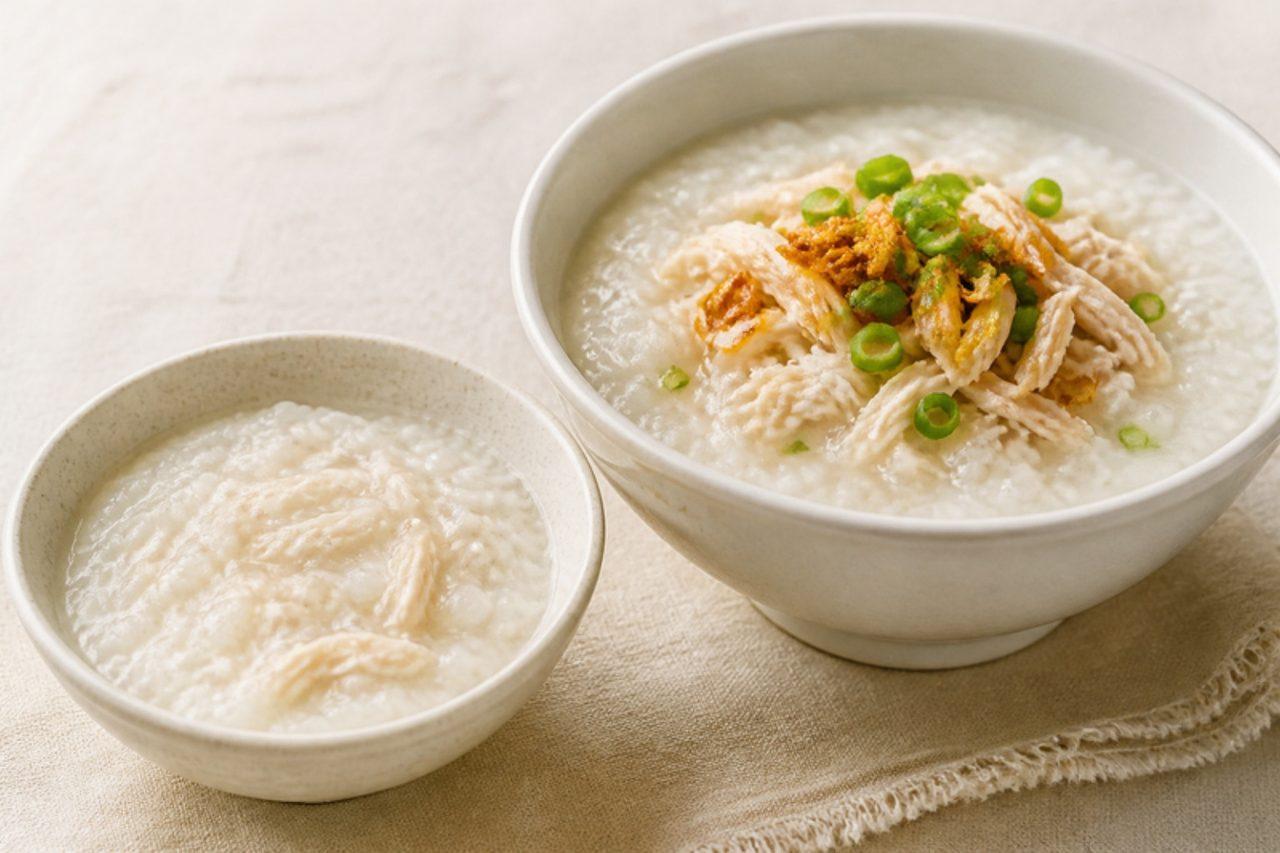
Bubur ayam for little onesChicken rice porridge for babies

Bubur ayam is breakfast from street carts all over West Java and the rest of Indonesia: soft rice porridge topped with shredded chicken, fried shallots, crackers and sweet soy. At home, families cook one plain pot fragrant with ginger and salam leaf, take out the baby's bowl first, unsalted, with the chicken finely shredded, and add the toppings for everyone else. The baby's portion has none of the common allergens (milk, egg, gluten, peanut, tree nuts, soya, sesame, fish); the family toppings add soya and gluten. Chef's tip: cooking the rice in the chicken poaching liquid gives the baby's bowl plenty of flavour without salt.

by KrazyBadal 0 views

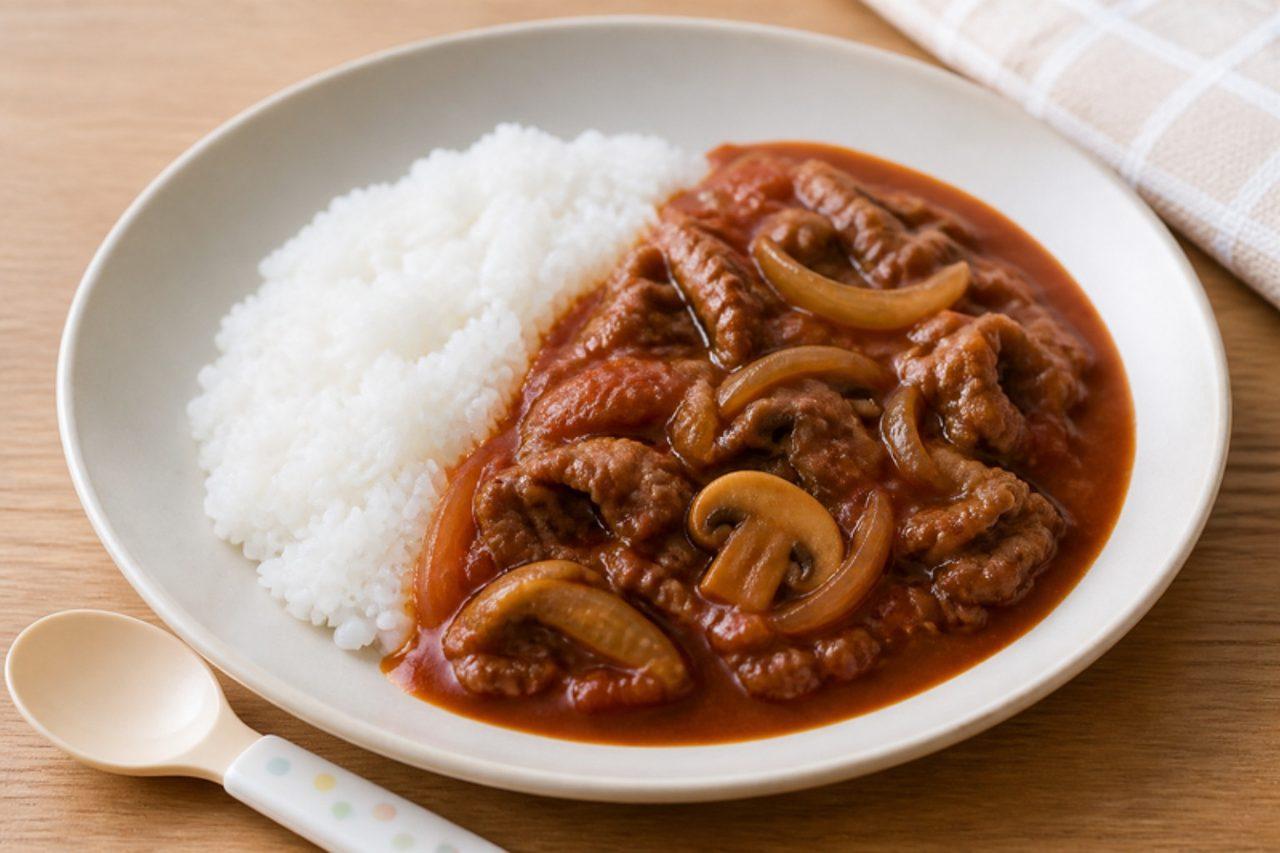
Hayashi rice for toddlersBeef and onion sauce on rice

Hayashi rice, thin slices of beef and sweet onion in a glossy tomato and brown-roux sauce over rice, is a Japanese home and school-lunch favourite that children often love even more than curry. Shop roux blocks are salty, so this version builds the sauce from scratch with butter, flour, tomato and no-salt stock, mild enough for toddlers from a year old, with no wine. It contains milk (butter) and gluten (wheat flour). Chef's tip: cook the onions slowly until deep golden; their sweetness replaces the sugar and salt of a packet roux.

by KrazyBadal 0 views

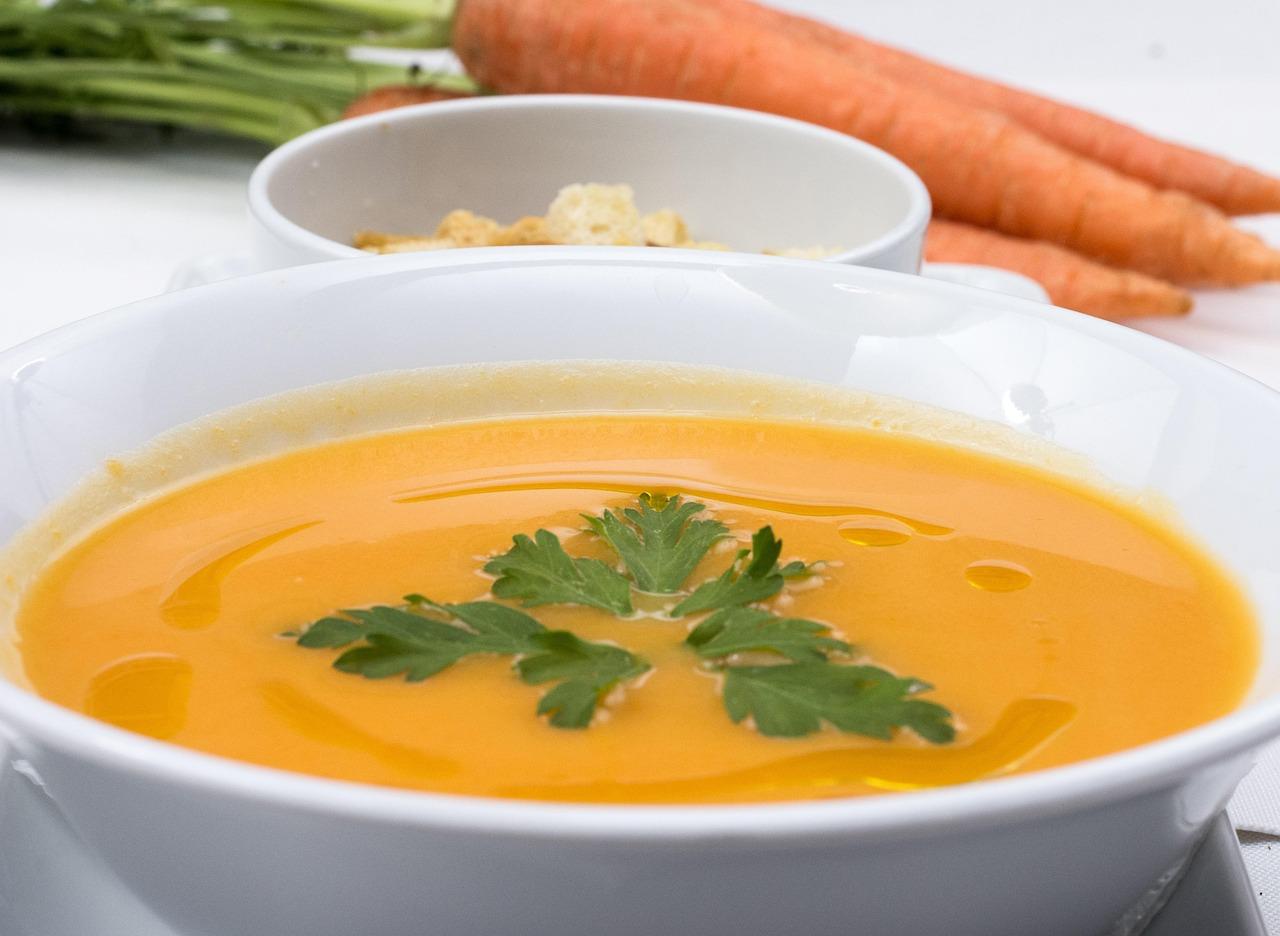
Passato di verdureSmooth vegetable soup

Passato di verdure is the soup Italian children grow up on: a pot of mixed vegetables, simmered in water until soft and blended until velvety, with a thread of olive oil on top. It is the first food many Italian babies are given at around six months, without salt, and it stays the family's light supper for years. For babies from 6 months, the purée here is made with no salt and no stock; older children and adults season their bowls at the table. Chef's tip: take out the baby's portion before you add any salt, and blend it extra smooth.

by KrazyBadal 0 views

Locro de zapallo for toddlersPumpkin stew for toddlers

Locro de zapallo is the golden pumpkin stew of Lima's home kitchens and menú lunch spots, eaten on weekdays with white rice and, for adults, a fried egg and ají on the side. For toddlers from 12 months it is cooked without any ají, the pumpkin is simmered until it melts into a sauce, and just a little crumbled fresh cheese is stirred in, so it is sweet, creamy and easy to mash. It contains milk; there is no gluten, egg, nuts or soya. Queso fresco is often made with animal rennet, so for a vegetarian bowl choose one labelled vegetarian, or use a little paneer, and always a pasteurised cheese. Chef's tip: cut half the pumpkin small so it dissolves into the sauce and the rest larger so it keeps some shape.

by KrazyBadal 0 views

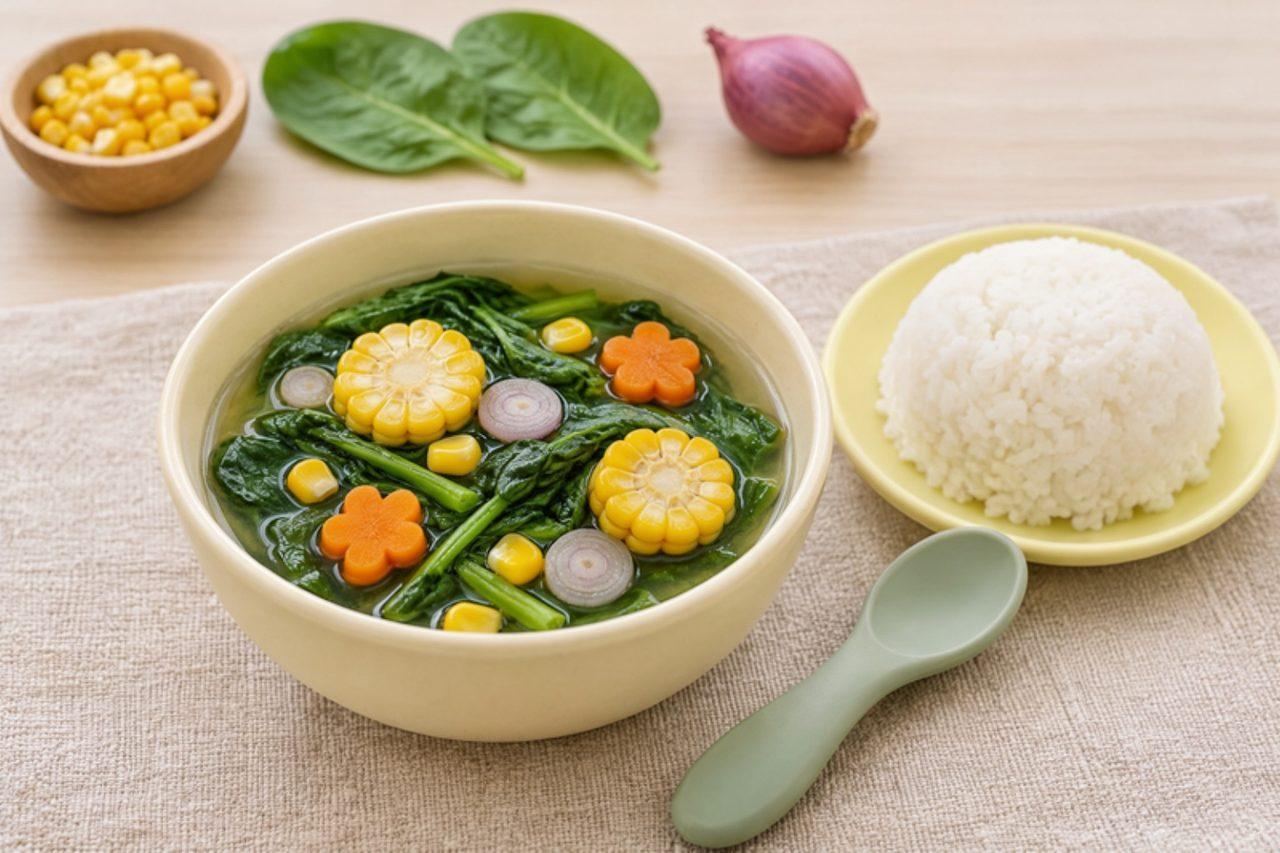
Sayur bening bayam for toddlersSpinach and corn soup for toddlers

Sayur bening, 'clear vegetables', is the light soup that turns up at nearly every Javanese family lunch in Yogyakarta and Solo, and it is one of the first family dishes Indonesian children share. Spinach and sweet corn are simmered for just a few minutes in water scented with shallot and temu kunci (fingerroot), giving a sweet, fresh broth to spoon over rice. For toddlers from 12 months it is made with no salt or sugar, and the corn is chopped. It is vegan and free of the major allergens. Chef's tip: add the spinach at the very end; overcooked bayam turns grey and bitter.

by KrazyBadal 0 views

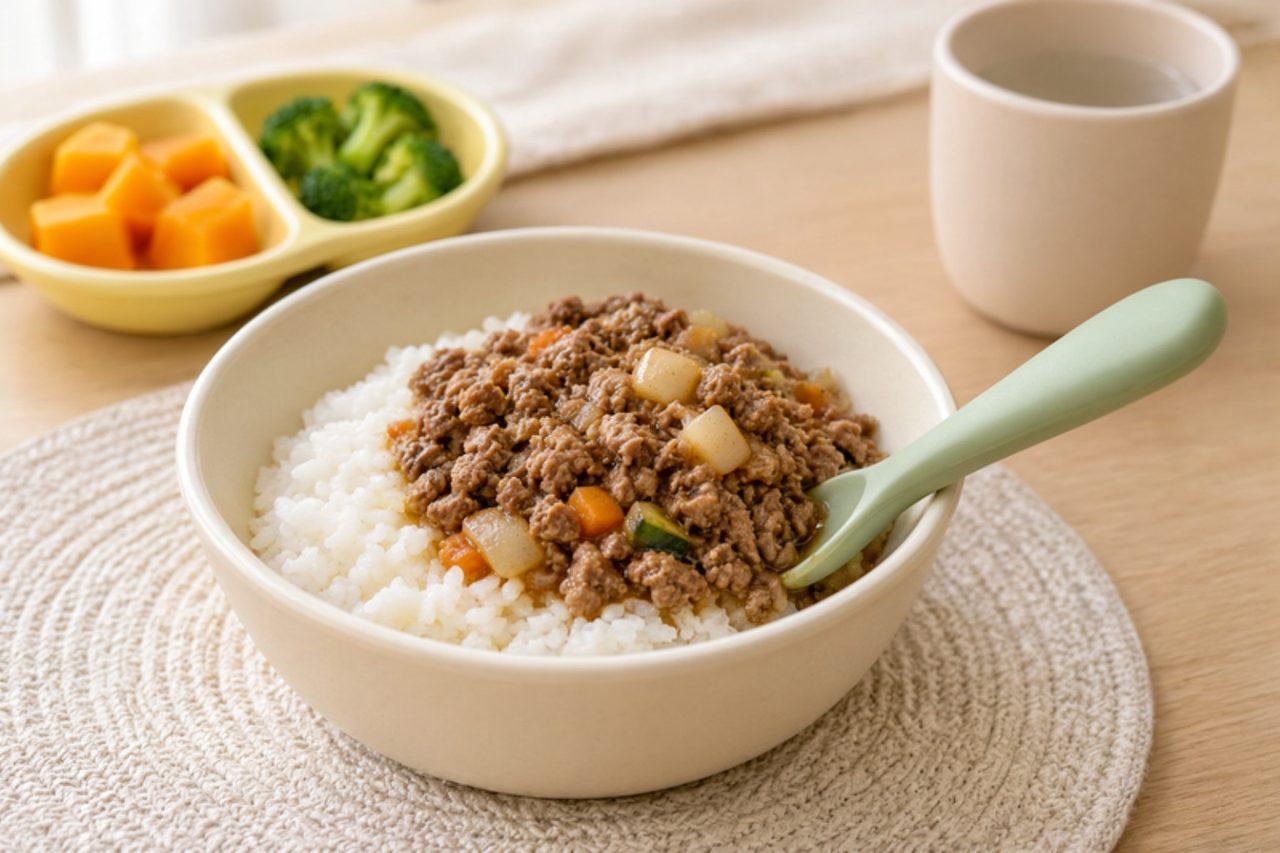
Agi bulgogi (toddler bulgogi)

Agi bulgogi, 'baby bulgogi', is the dish Korean parents in Seoul's apartment blocks make once the iyusik stage ends and children start yuaosik, eating soft versions of family food at around 12 months. Grated Korean pear and onion tenderise the beef and sweeten it, so it needs only a drop of soy sauce rather than the sugary grown-up marinade. It is soft, juicy and easy to chew, served with soft rice and courgette. It contains soya and wheat (in soy sauce), and sesame if you use the oil; there is no milk, egg or nuts. Chef's tip: grate the pear finely and squeeze nothing out; the juice is what keeps the meat tender.

30 minKoreanMeat
by KrazyBadal 0 views

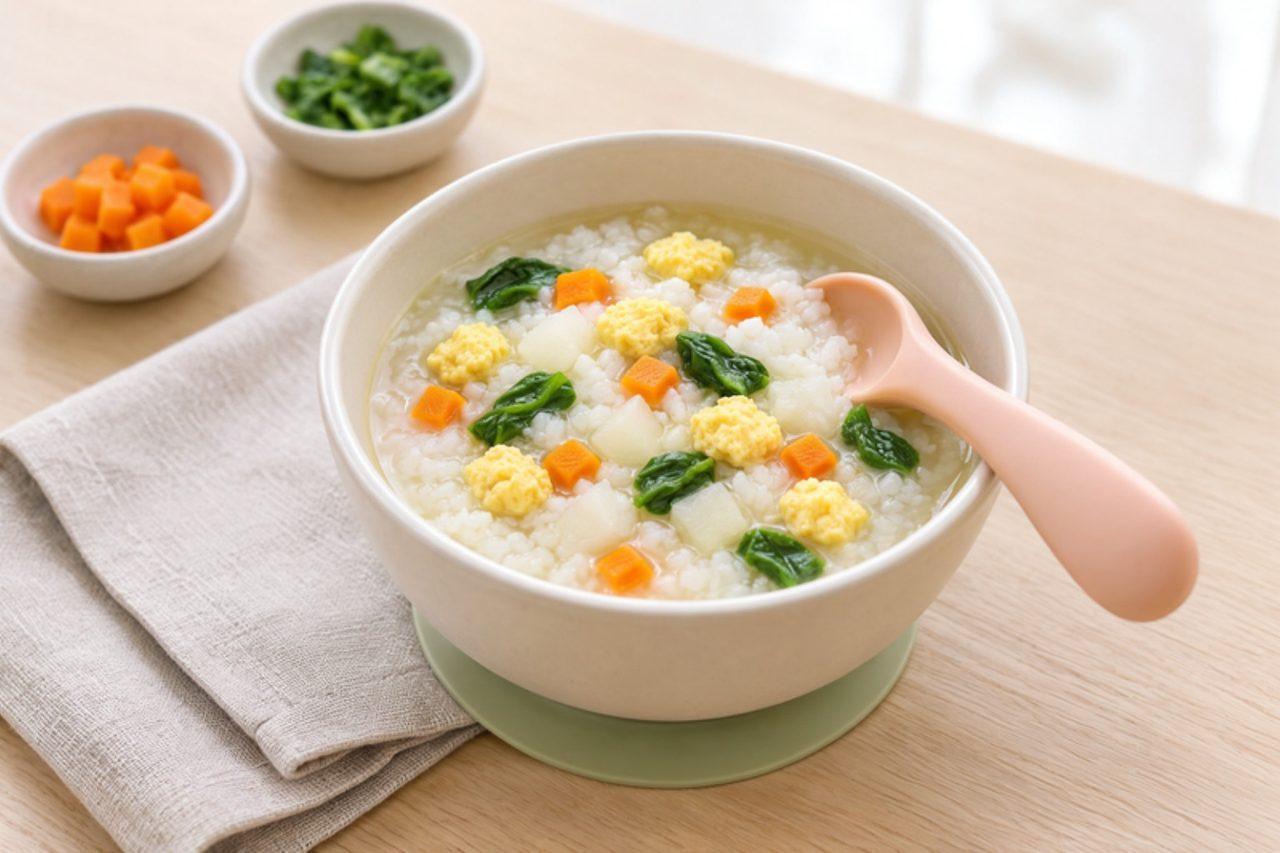
Ojiya for babiesRice and vegetable porridge for babies

Ojiya, cooked rice simmered into a soft porridge with broth and vegetables, is what Japanese families eat on chilly evenings or after a cold, and it is a staple of the kamikami-ki, the stage around nine months when babies start mashing soft lumps with their gums. Instead of soy sauce or salted dashi, it is made with plain home-made kombu stock, so the flavour comes from the sweetness of the carrot and daikon. For babies, the beaten egg is cooked until completely set. It contains egg and is free of milk, gluten, nuts, soya, sesame and fish. Chef's tip: chop the vegetables to the size of a grain of rice; that is just right for the kamikami stage.

by KrazyBadal 0 views

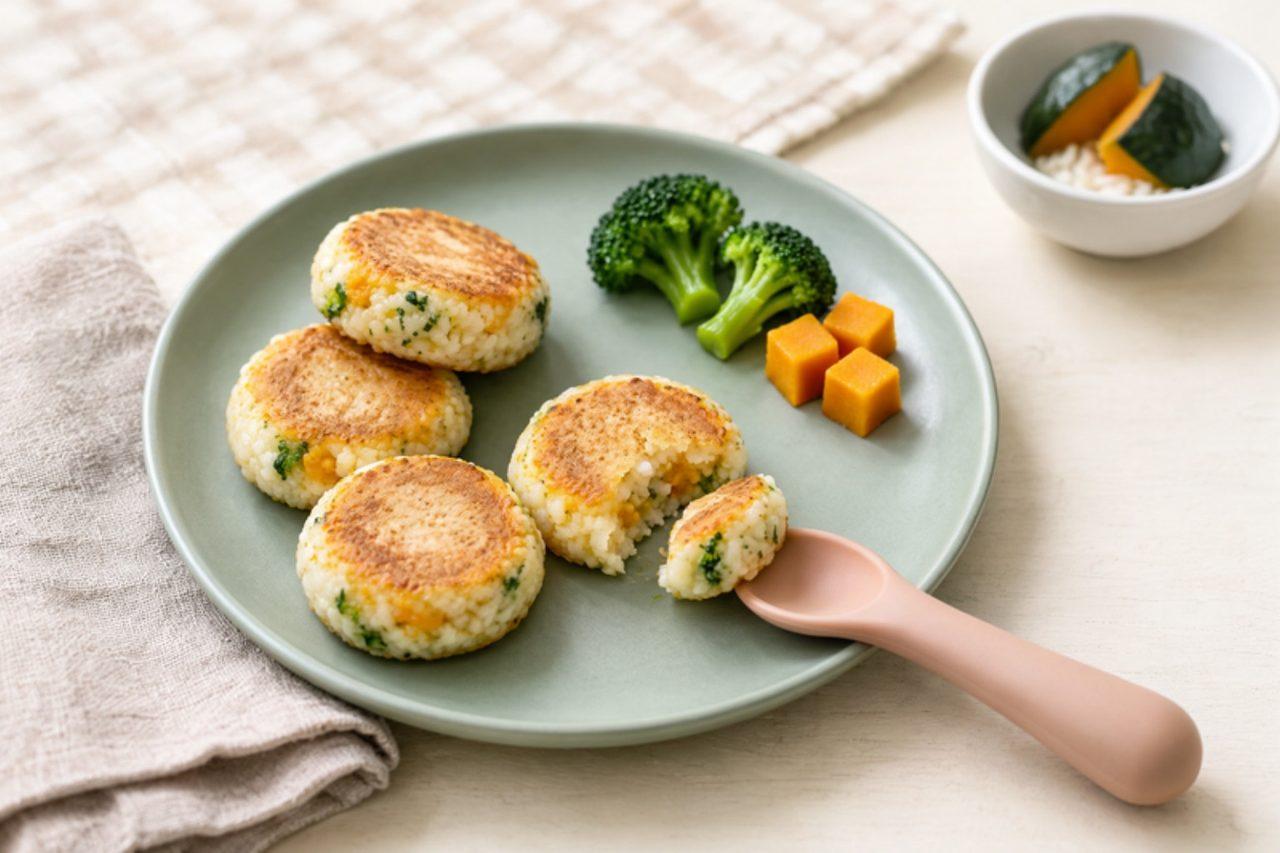
Gohan oyaki (rice finger patties)

Oyaki means a little pan-cooked cake, and Japanese parents make gohan oyaki from leftover rice when babies around nine months start wanting to feed themselves. Mashed rice is mixed with steamed kabocha squash (or grated carrot) and a spoon of potato starch, shaped into finger-sized patties and cooked gently until lightly golden. They are soft and sweet inside, hold together in a small fist and squash easily against the gums. They are free of the major allergens: no milk, egg, gluten, nuts, soya, sesame or fish. Chef's tip: mash the rice while it is warm; cold rice will not stick together and the patties crumble.

by KrazyBadal 0 views

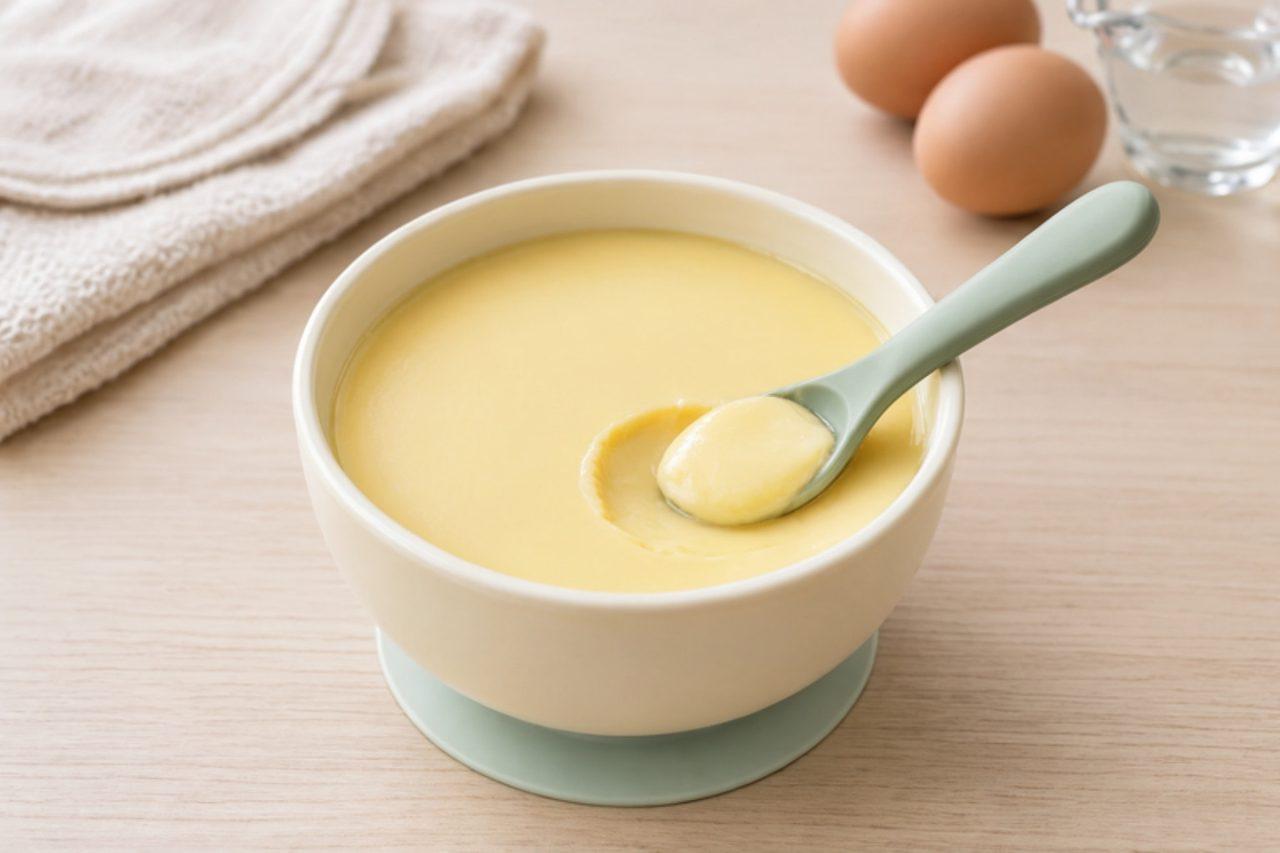
Jīdàn gēng for babies (steamed egg custard)

Jīdàn gēng, egg steamed with water into a quivering custard, is the dish Chinese grandparents everywhere from Shanghai to Guangzhou make for small children, and it is often the way a baby first meets whole egg at around nine months. The family version is finished with soy sauce, sesame oil and spring onion; this one is plain, so it tastes clean and gently eggy. Steamed slowly, it is smooth as silk and fully set. It contains egg and is free of milk, gluten, nuts, soya, sesame and fish. Chef's tip: cover the bowl with a plate while it steams; dripping condensation is what pockmarks the surface.

by KrazyBadal 0 views

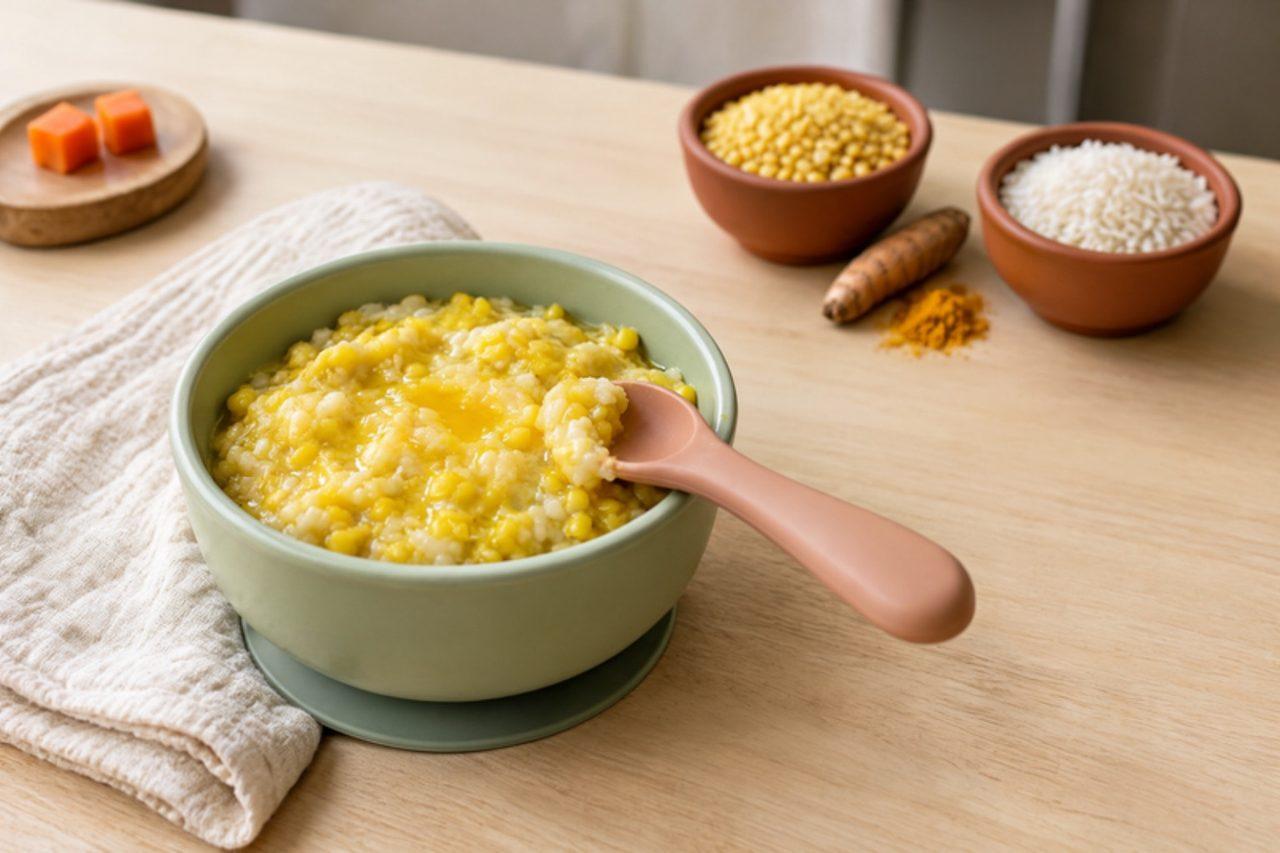
Mag ni dal ni khichdi for babiesMoong dal khichdi for babies

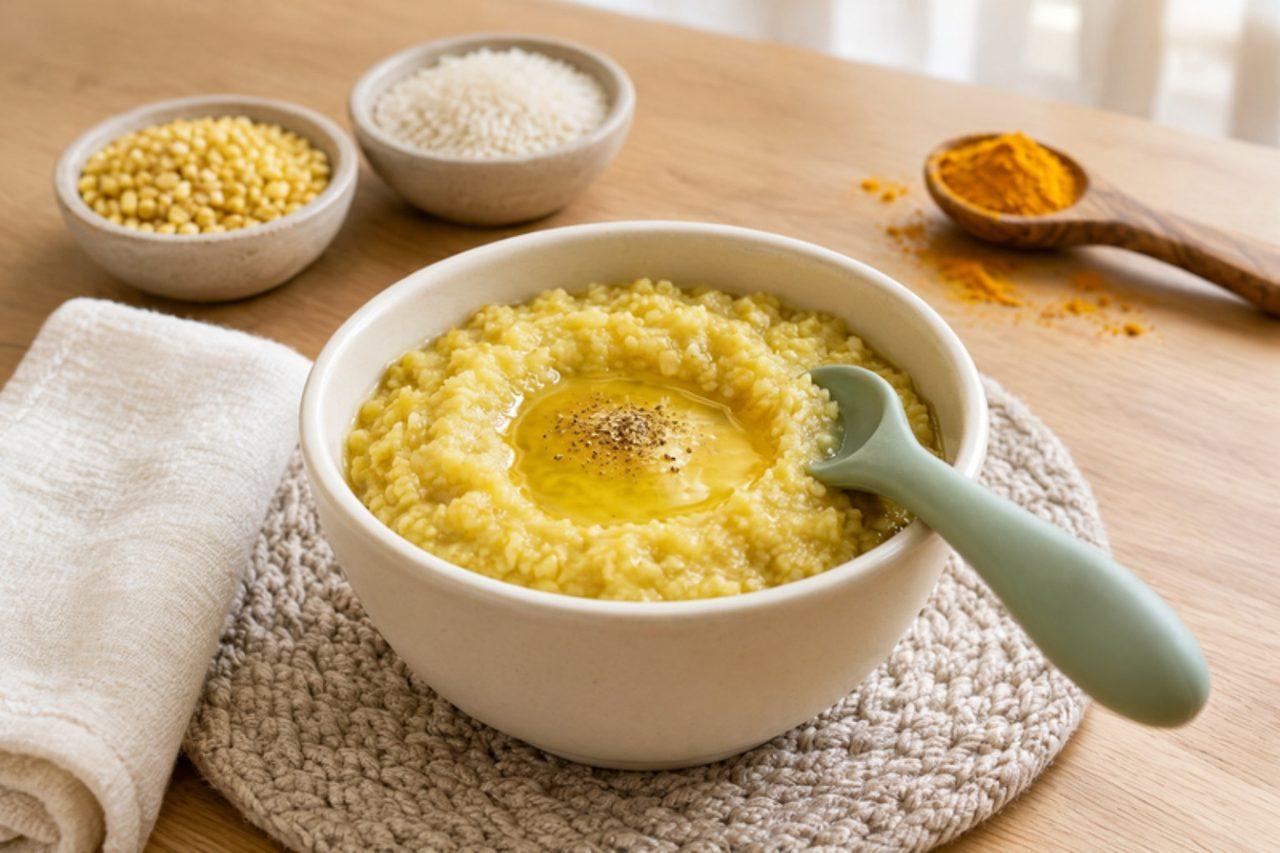
In Gujarati homes from Ahmedabad to Surat, the first real family meal a baby shares is a pot of mag ni dal ni khichdi, the same yellow moong and rice that grown-ups eat with kadhi on a quiet weeknight, just cooked softer and left unseasoned. From around nine months it is mashed to soft lumps instead of blended, so babies learn to move food around their mouths and chew with their gums. It tastes mild, creamy and faintly earthy from the turmeric. It contains milk (ghee); swap in a neutral oil to make it dairy free. It has no gluten, egg, nuts, soya or sesame. Chef's tip: soak the washed dal and rice for 20 minutes before cooking; they collapse into a creamier khichdi in less time.

by KrazyBadal 0 views

Cháo cá hồi bí đỏ (salmon and pumpkin congee)

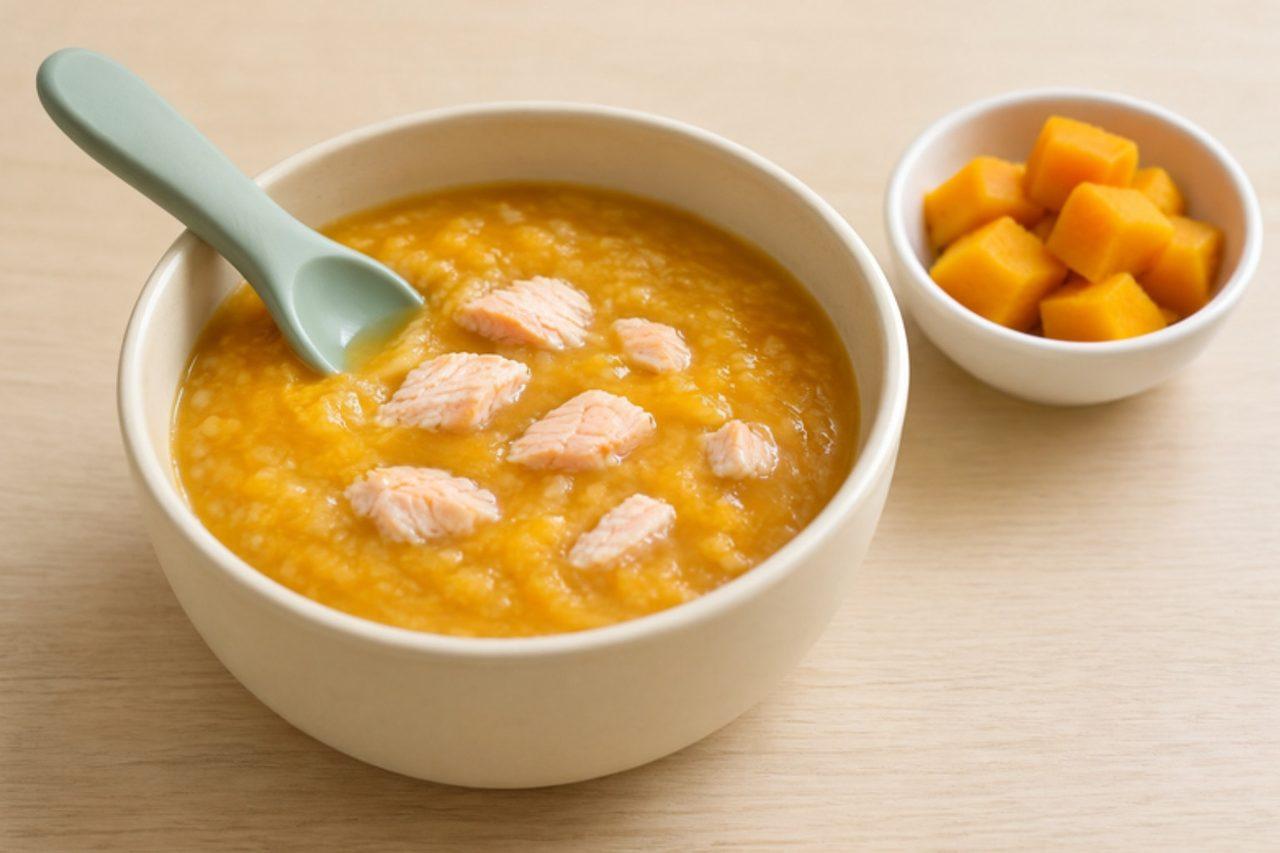
Cháo cá hồi bí đỏ, salmon and pumpkin congee, is one of the most-shared ăn dặm (weaning) recipes among young parents in Hanoi and Ho Chi Minh City, a sunny orange bowl full of omega-3 fats. Rice simmers soft with diced pumpkin, then fresh salmon is poached in the pot at the end, so it stays moist. There is no fish sauce, salt or sugar, just the natural sweetness of the pumpkin. It contains fish and is free of milk, egg, gluten, nuts, soya and sesame. Chef's tip: run your fingers along the salmon fillet before cooking and pull out the pin bones with tweezers; they are much easier to find raw.

by KrazyBadal 0 views

Merluzzo e patate for babiesCod and potato mash for babies

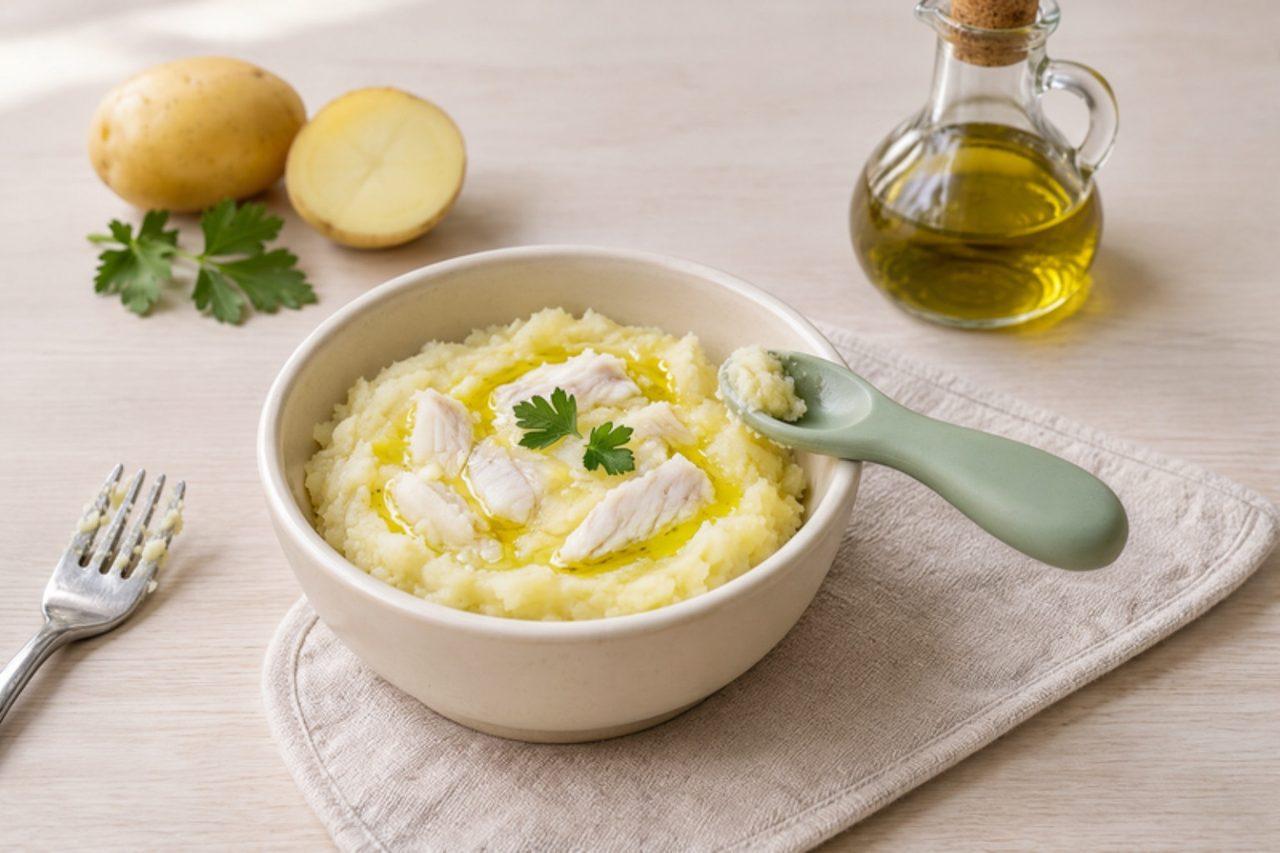
In Italy, fish is part of the svezzamento (weaning) plan from early on, and merluzzo con patate schiacciate, steamed white fish with crushed potato, is the lunch many Italian grandmothers make for babies from Milan to Palermo once they move on to soft lumps at around nine months. A spoon of good extra virgin olive oil replaces butter and salt, and the result is soft, mild and comforting. It contains fish and is free of milk, egg, gluten, nuts, soya and sesame. Chef's tip: steam the fish on top of the potatoes in the same basket for the last few minutes; one pan, and the fish never dries out.

by KrazyBadal 0 views

Vary sosoa for babiesSoft rice with greens for babies

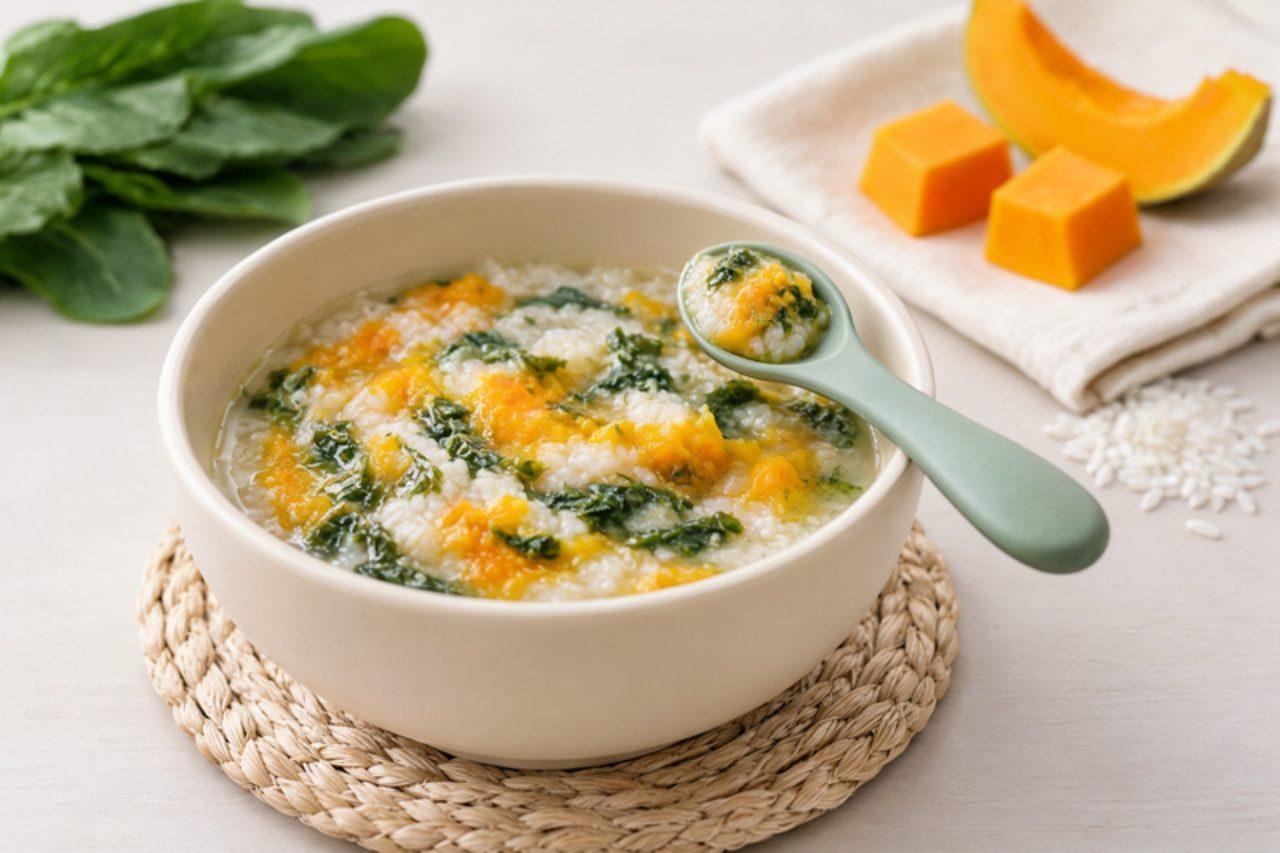
Vary sosoa, rice cooked with lots of water until soft and soupy, is the classic Malagasy breakfast, eaten in Antananarivo and the highland villages before the day's work starts, and the food given to the sick and the very young. For babies from about nine months it is cooked with diced pumpkin and finished with a handful of mild greens, then mashed. It is gentle, sweet and creamy. Skip brède mafane (paracress), the tingling green used for grown-ups' romazava, as it numbs the mouth; spinach or sweet potato leaves are kinder. It is free of the major allergens: no milk, egg, gluten, nuts, soya, sesame or fish. Chef's tip: use a short, starchy rice such as vary gasy or any broken rice; it releases more starch and makes the creamiest sosoa.

by KrazyBadal 0 views

Koova kurukku (arrowroot porridge)

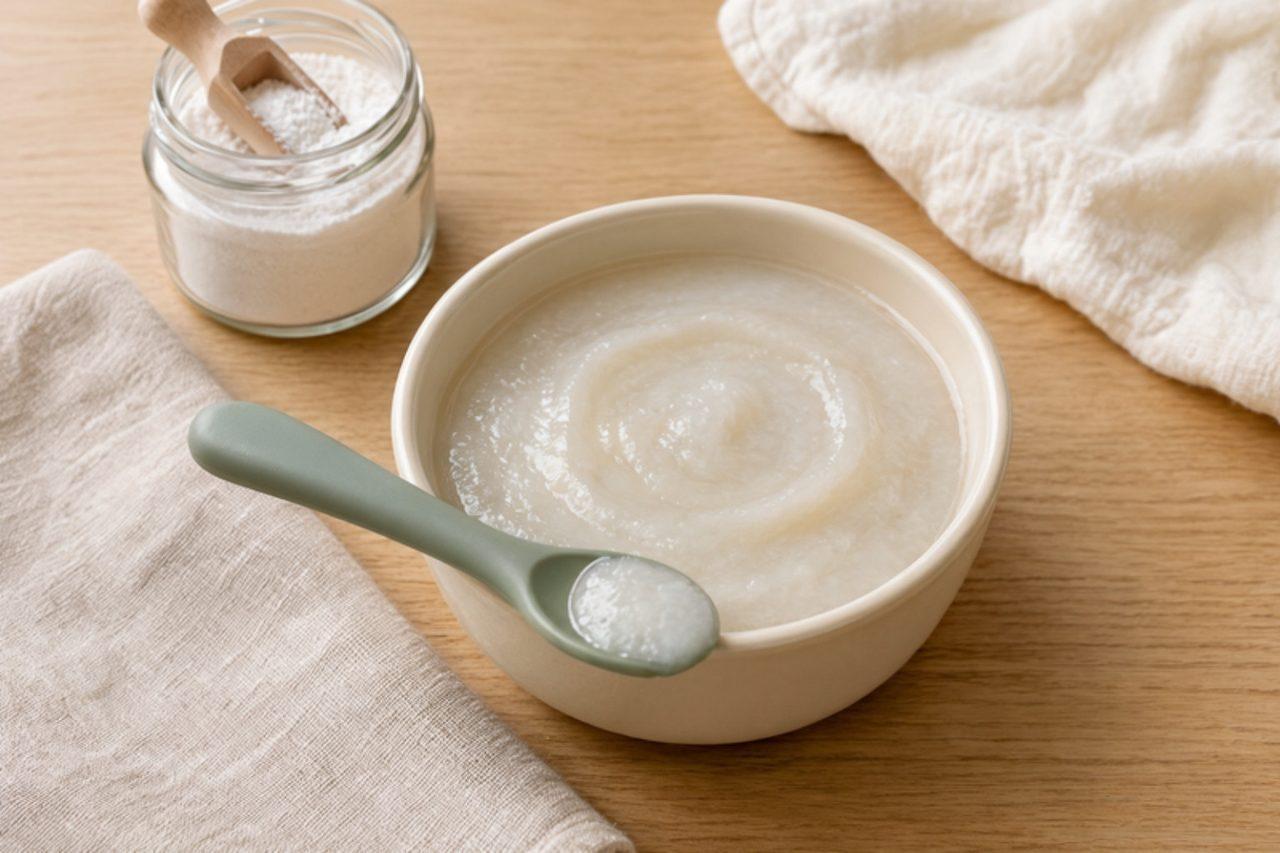
Koova, the arrowroot that grows in Kerala's backyards, is dug, washed, grated and dried into a snow-white powder that many families in Thrissur and Kottayam still make themselves. Stirred with water over a low flame, it turns from chalky to clear and glossy in a few minutes, and this kurukku is a classic first spoonful at six months, often given in the hot months because it is thought to be cooling. It is very mild and smooth. No salt, sugar, jaggery or honey goes in for babies. It is free of the major allergens. Chef's tip: buy pure koova or arrowroot powder, not a cornflour blend, and stop cooking the moment the whole pan turns translucent.

by KrazyBadal 0 views

Pan-gayu (bread porridge)

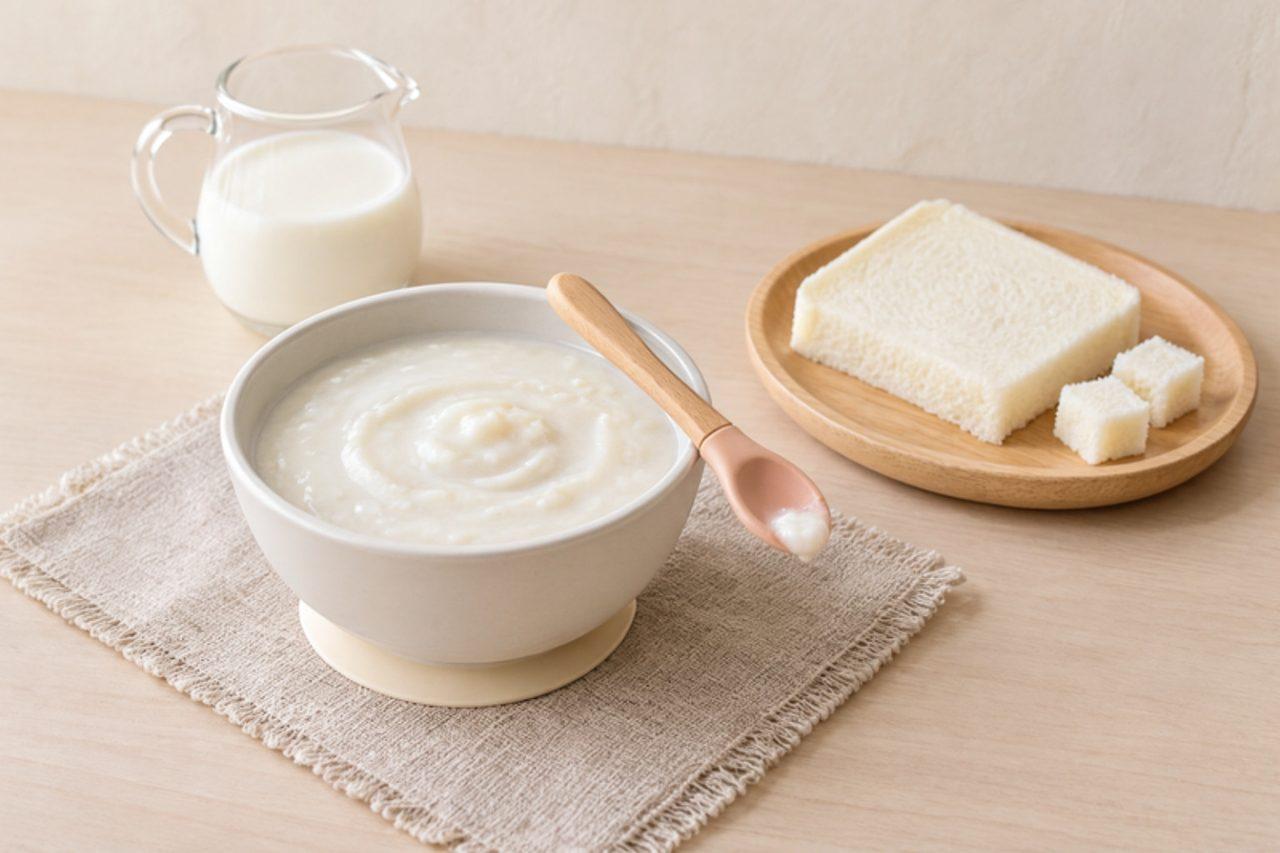
Pan-gayu is a staple of the early rinyushoku (weaning) stage in Japan, the second grain after rice porridge, and it fills the 'first foods' pages of every baby magazine sold in Tokyo convenience stores. Crustless white bread is torn into a pan of water, breast milk or formula and simmered until it collapses, then mashed smooth for a soft, milky, faintly sweet porridge. Bread already contains a little salt, so this is an occasional porridge rather than an everyday one, and no extra salt, sugar or honey goes in. It contains wheat (gluten) and milk if made with milk. Chef's tip: choose the softest, plainest white sandwich loaf with the lowest salt on the label, and cut away every bit of crust.

by KrazyBadal 0 views

Kombu dashi for babiesKelp broth for babies

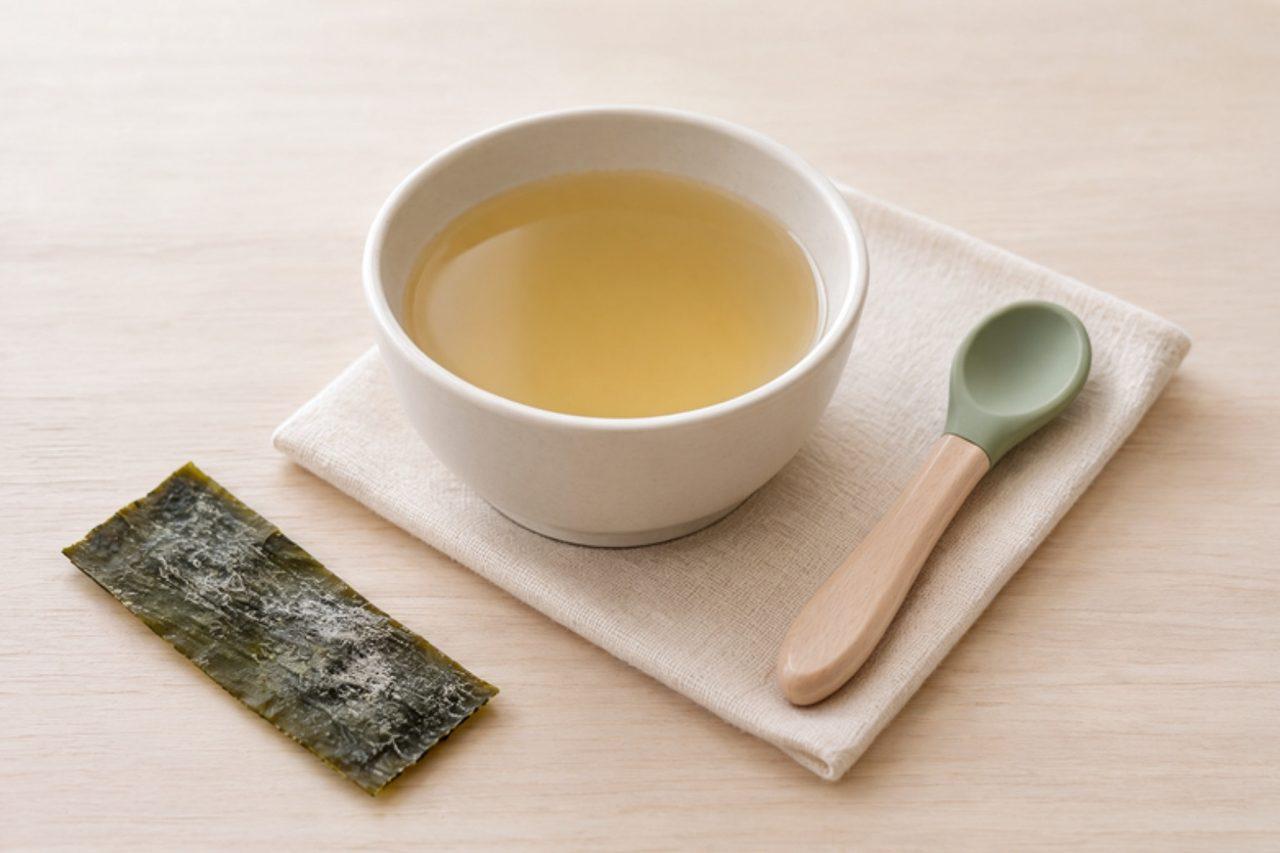
Kombu dashi is where Japanese weaning starts: the gentle, savoury water that thins jūbai-gayu (rice porridge) and vegetable purées, so babies learn umami instead of salt. Japanese parents make a jug every few days, and baby-food counters in Osaka department stores sell frozen cubes of it. Kombu is very high in iodine, so this broth is used a spoonful or two at a time to flavour a meal, a few times a week, never as a drink. Nothing else goes in: no salt, soy sauce, bonito or stock powder. It is free of the major allergens. Chef's tip: lift the kombu out just before the water simmers; boiled kombu turns slimy and gives a bitter, sea-weedy taste.

by KrazyBadal 0 views

Shānyào ní (Chinese yam purée)

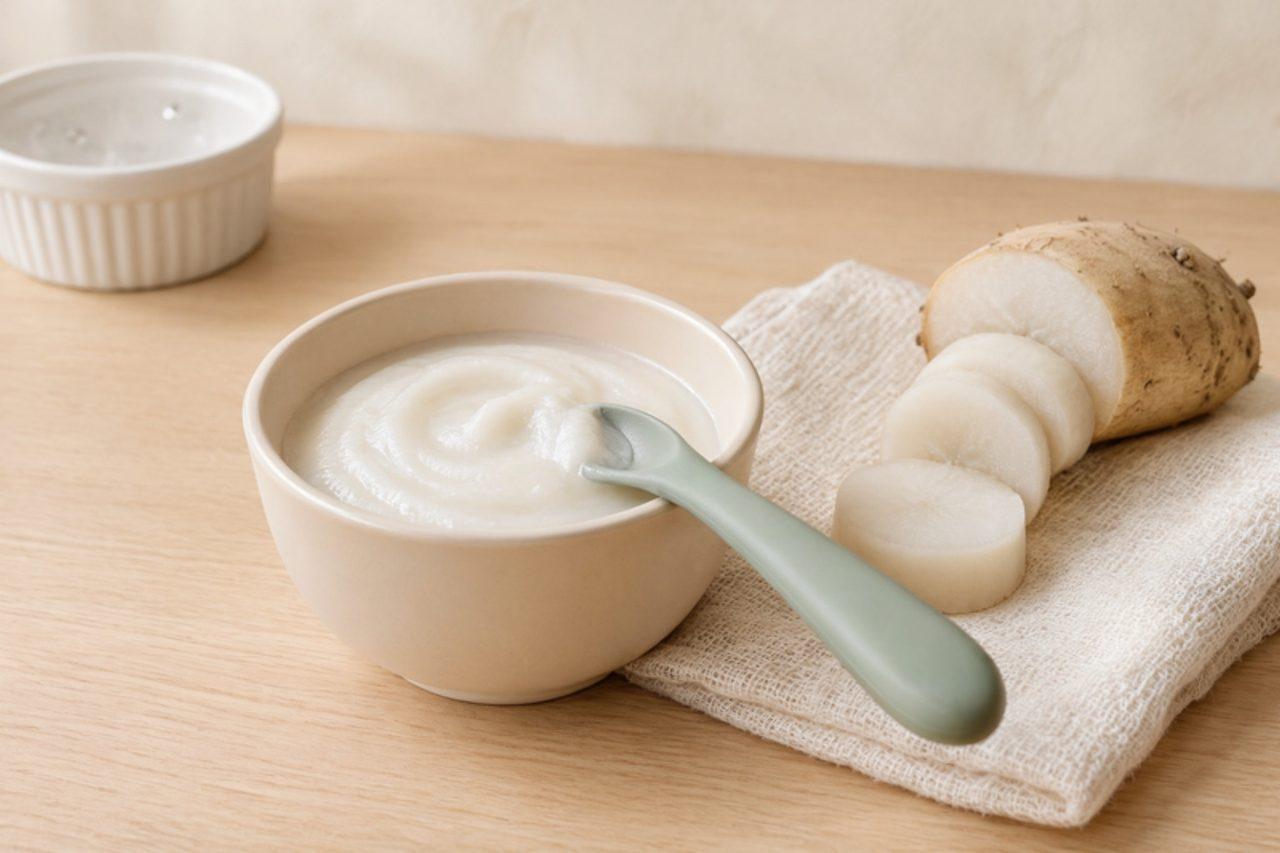
Chinese yam (shānyào, the long, hairy-skinned root sold in bundles in markets from Beijing to Guangzhou) is valued in Chinese homes as easy on the tummy, and steamed shānyào ní is one of the classic first purées offered at six months. Once steamed, the crisp, slippery flesh turns floury and pale, and pressed through a sieve it gives a smooth, slightly sweet, potato-like purée. Nothing else is added: no salt, sugar or honey for babies. It is free of the major allergens. Chef's tip: wear gloves or oil your hands before peeling; the raw sap makes skin itch, but cooking destroys it completely.

by KrazyBadal 0 views

Detsadovsky omlet (kindergarten oven omelette)

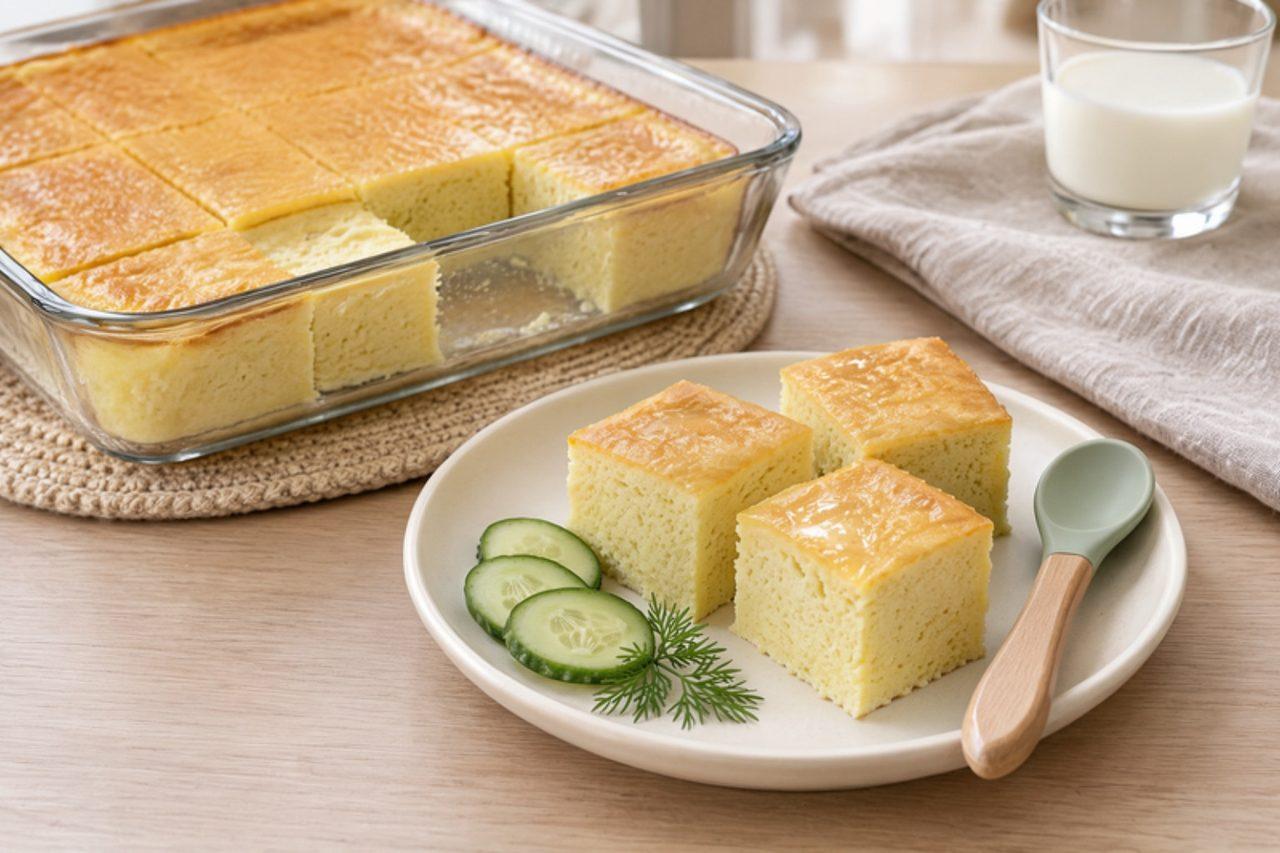
Anyone who went to a detsky sad, a kindergarten, in Moscow, Kyiv or Minsk remembers this omelette: tall, pale and soft as a sponge, baked in big trays and served in squares with a slice of bread and butter. The secret is lots of milk and a deep dish, so the eggs steam-bake into a quivering, custardy block rather than a flat frittata. It makes a protein-rich breakfast or supper for toddlers from 12 months, made here without salt. It contains egg and milk; there is no gluten, nuts or soya. Chef's tip: stir the eggs and milk, don't whisk them into a foam, or the omelette rises and then collapses.

by KrazyBadal 0 views

Hachis parmentier for toddlersBeef and mash bake for toddlers

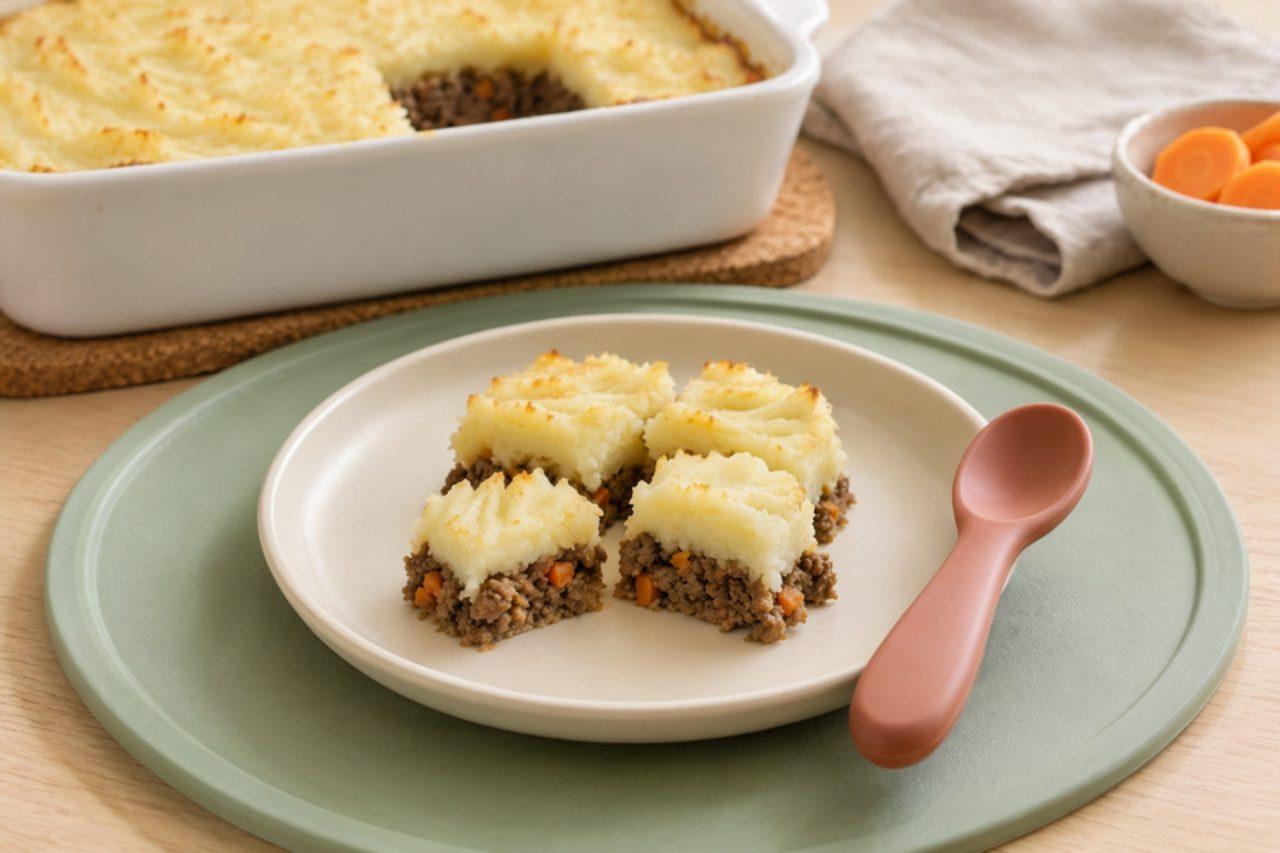
Hachis parmentier, France's answer to cottage pie, is a fixture of school canteens and Wednesday family lunches from Lyon to Paris, named after Antoine Parmentier, who championed the potato. This toddler version for children from 12 months uses lean minced beef cooked soft with plenty of carrot and onion, topped with a buttery milk mash and baked until just golden, then cut into soft squares. It is cooked without stock cubes and with no added salt. It contains milk; there is no gluten, egg, nuts or soya. Chef's tip: simmer the meat with a splash of water until it's tender and saucy before topping; dry mince makes a crumbly pie that toddlers struggle with.

60 minFrenchMeatGluten free
by KrazyBadal 0 views

Parovye kotlety for toddlers (steamed cutlets)

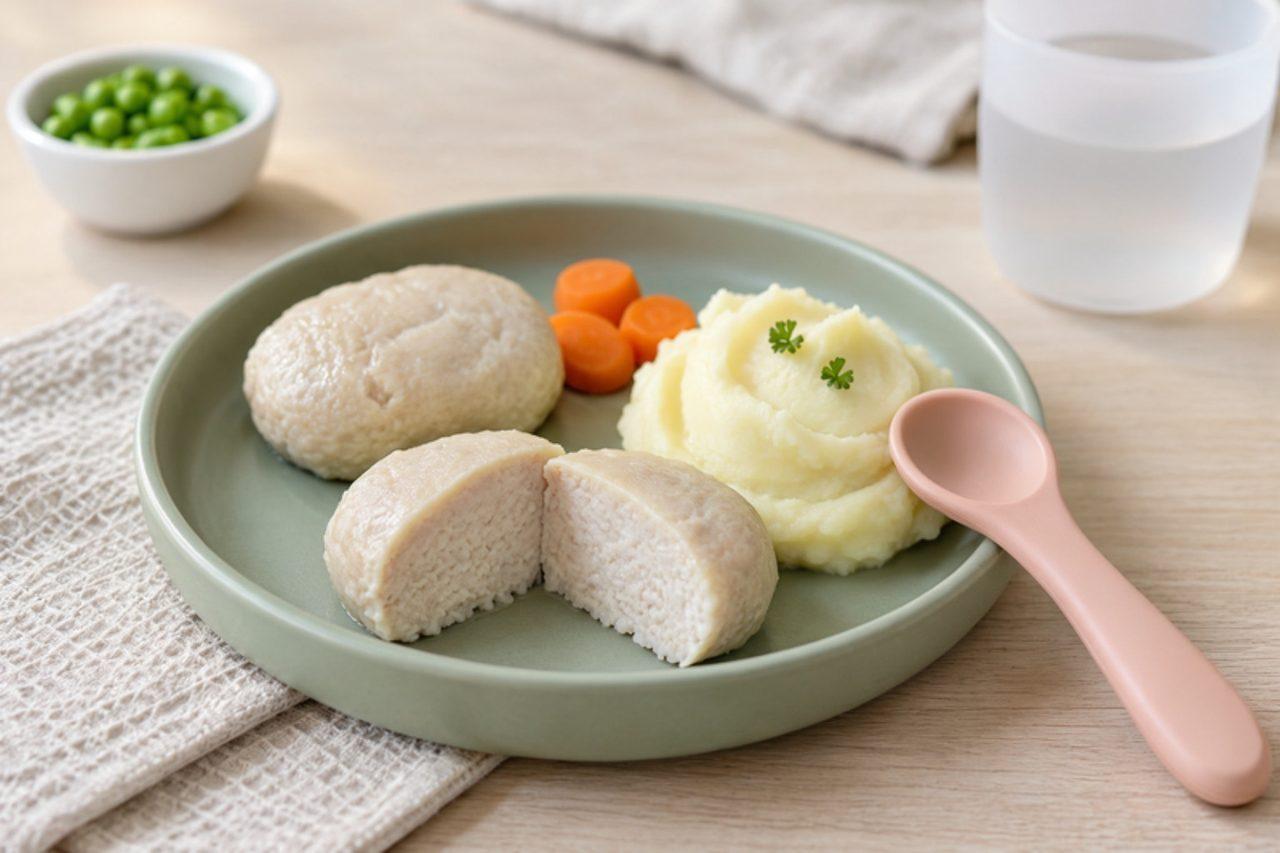
Parovye kotlety, steamed cutlets, are the nursery and kindergarten classic of Russian homes from St Petersburg to Novosibirsk, served with mashed potato or buckwheat at lunch. Minced chicken or turkey is mixed with bread soaked in water and grated onion, shaped into small patties and steamed until soft and juicy, so there is no crust for small gums to struggle with. This version for toddlers from 12 months has no added salt and no egg. It contains wheat (gluten, in the bread); there is no milk, egg, nuts or soya. Chef's tip: beat the mince against the side of the bowl for a minute; it makes the cutlets hold together without egg.

by KrazyBadal 0 views

Boller i karry for toddlersMeatballs in mild curry for toddlers

Boller i karry, meatballs in curry, is one of Denmark's best-loved dinners, voted a national favourite and cooked on weeknights from Copenhagen's Nørrebro to farmhouses in Jutland. The meatballs are pork, poached gently rather than fried, and the sauce is mild and creamy, made from the poaching liquid with apple and leek and just a pinch of curry powder. For toddlers from 12 months there is no stock cube and very little salt, and the meatballs are cut small. It contains wheat (gluten), milk and egg; there are no nuts or soya. Chef's tip: keep the poaching water at a bare shiver; boiling makes the meatballs tough and crumbly.

by KrazyBadal 0 views

Aval kanji for babiesRice flake porridge for babies

In Tamil homes from Madurai to Chennai, aval (flattened rice, the same poha sold in every kirana shop) is one of the first grains a grandmother reaches for when a baby turns six months. The flakes are dry-roasted until they smell like puffed rice, ground to a fine powder and simmered with water into a thin, pale porridge with a gentle toasted flavour, usually given as a mid-morning feed. For babies it is made with no salt, sugar, jaggery or honey. It is free of the major allergens: no milk, egg, gluten, nuts, soya, sesame or fish. Chef's tip: roast a whole cup of aval at once, grind it and keep the powder in a dry jar for up to two weeks, so each feed takes five minutes.

by KrazyBadal 0 views

Jaulo for babiesRice porridge for babies

Jaulo is the soft rice and lentil porridge Nepali families in Kathmandu and the hills turn to for anyone small, tired or getting over a cold. After a baby's pasni, the rice-feeding ceremony held at five or six months, it soon becomes a regular lunch, and from about nine months it is mashed lumpy rather than smooth. This version keeps the ghee, cumin and turmeric for gentle flavour but leaves out the usual salt, garlic and ginger. It is warm, buttery and comforting. It contains milk (ghee) and is free of gluten, egg, nuts, soya and sesame. Chef's tip: fry the cumin only until it smells toasty and is a shade darker; burnt cumin turns the whole pot bitter.

by KrazyBadal 0 views

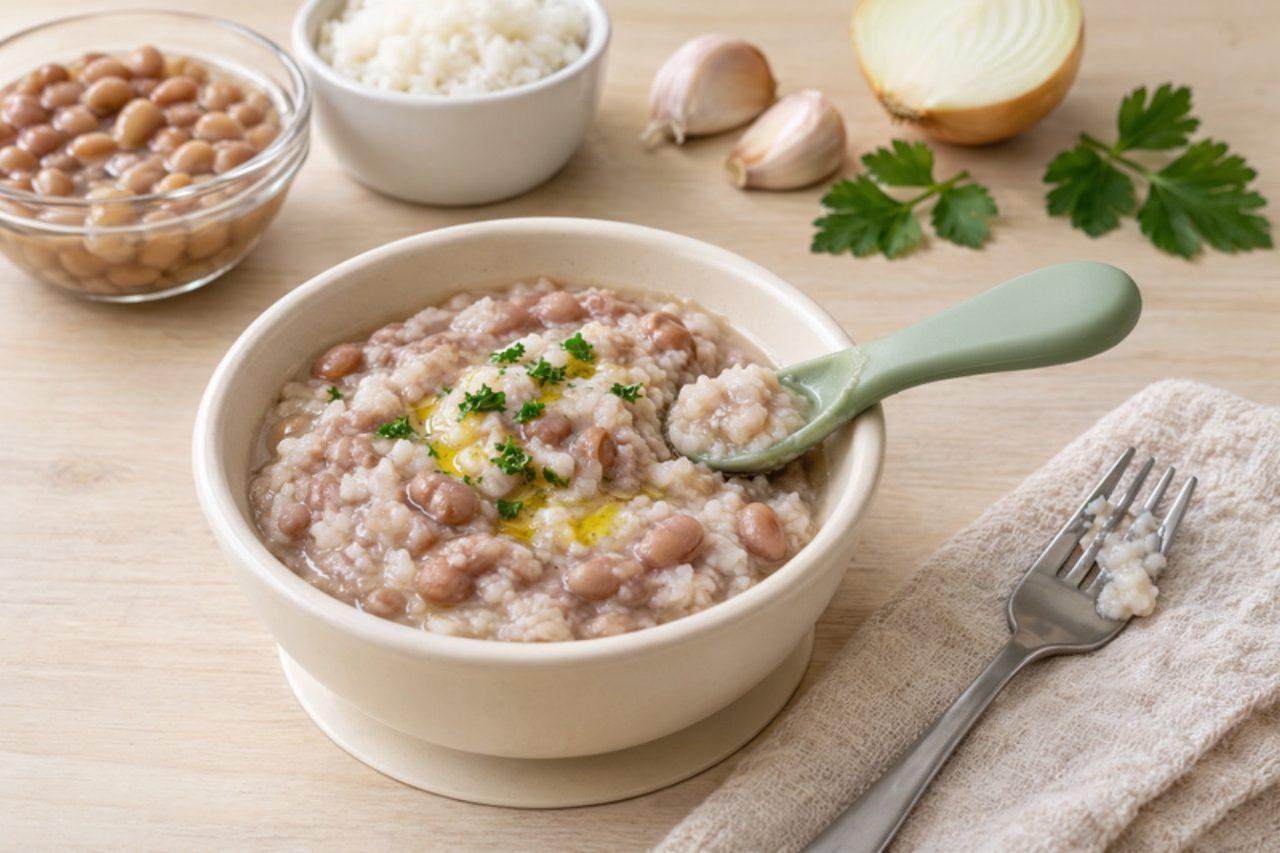
Arroz e feijão amassadinho for babiesMashed rice and beans for babies

Rice and beans are on almost every lunch plate in Brazil, from São Paulo office canteens to family tables in Minas Gerais, and babies join in from about eight or nine months with an amassadinho, a soft fork-mashed version. The beans are simmered with a little onion, garlic and bay leaf for flavour instead of salt, bacon or stock cubes, then mashed into soft rice with their thick broth. It is creamy, earthy and filling. It is free of the major allergens: no milk, egg, gluten, nuts, soya, sesame or fish. Chef's tip: mash the beans well and press them through a sieve the first few times; the skins are the part babies find hardest.

by KrazyBadal 0 views

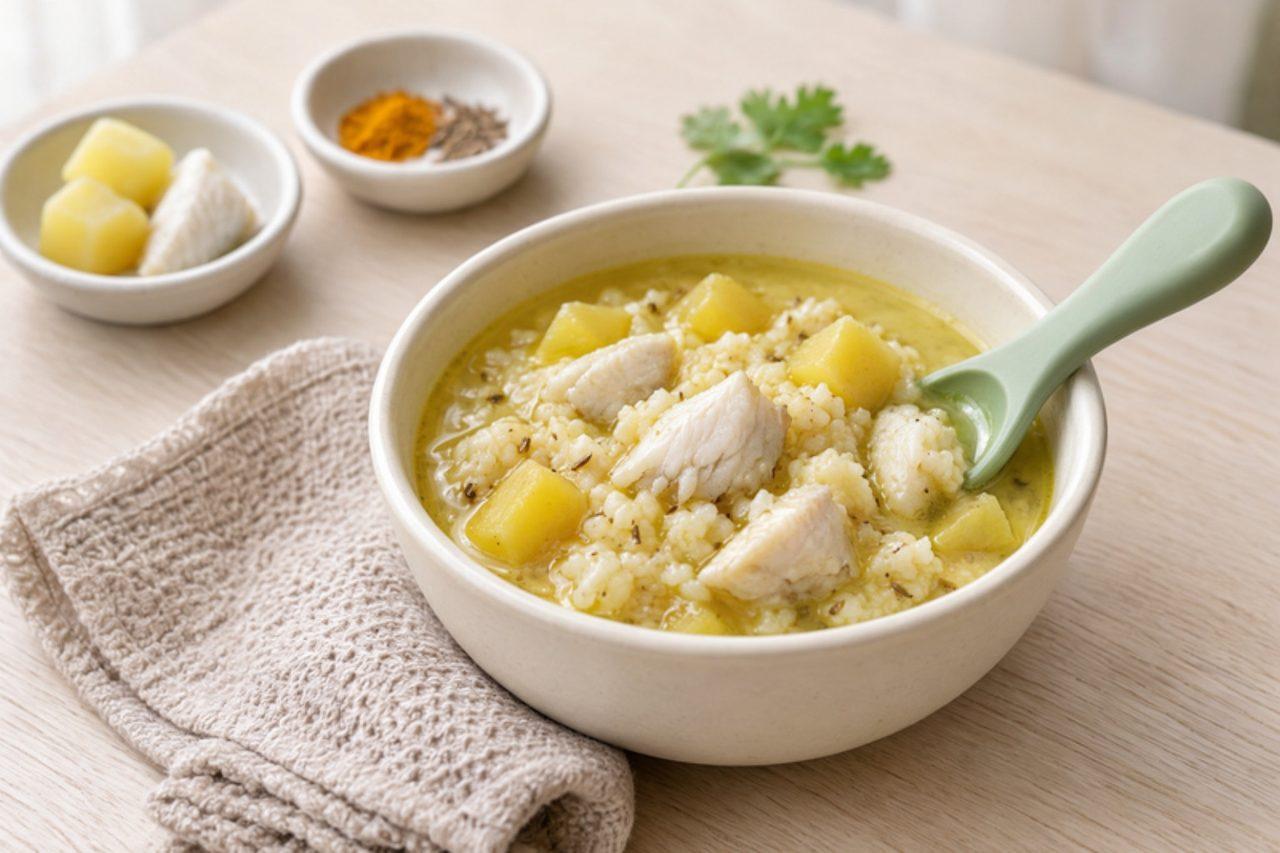
Macher jhol bhaat for babiesFish stew and rice for babies

For Bengali families in Kolkata, macher jhol bhaat, rice with a thin fish and potato stew, is the taste of an ordinary weekday lunch, and fish is so central that many babies first try it at their mukhe bhaat, the rice ceremony. From about nine months, the jhol is made with only a pinch of turmeric, no chilli, mustard or salt, and boneless bhetki (barramundi) instead of the bony rohu. It is light, soothing and gently sweet from the potato. It contains fish and is free of milk, egg, gluten, nuts, soya and sesame. Chef's tip: if you use rohu, choose a piece from the belly, which has far fewer of the fine forked bones.

35 minIndianFishGluten free
by KrazyBadal 0 views

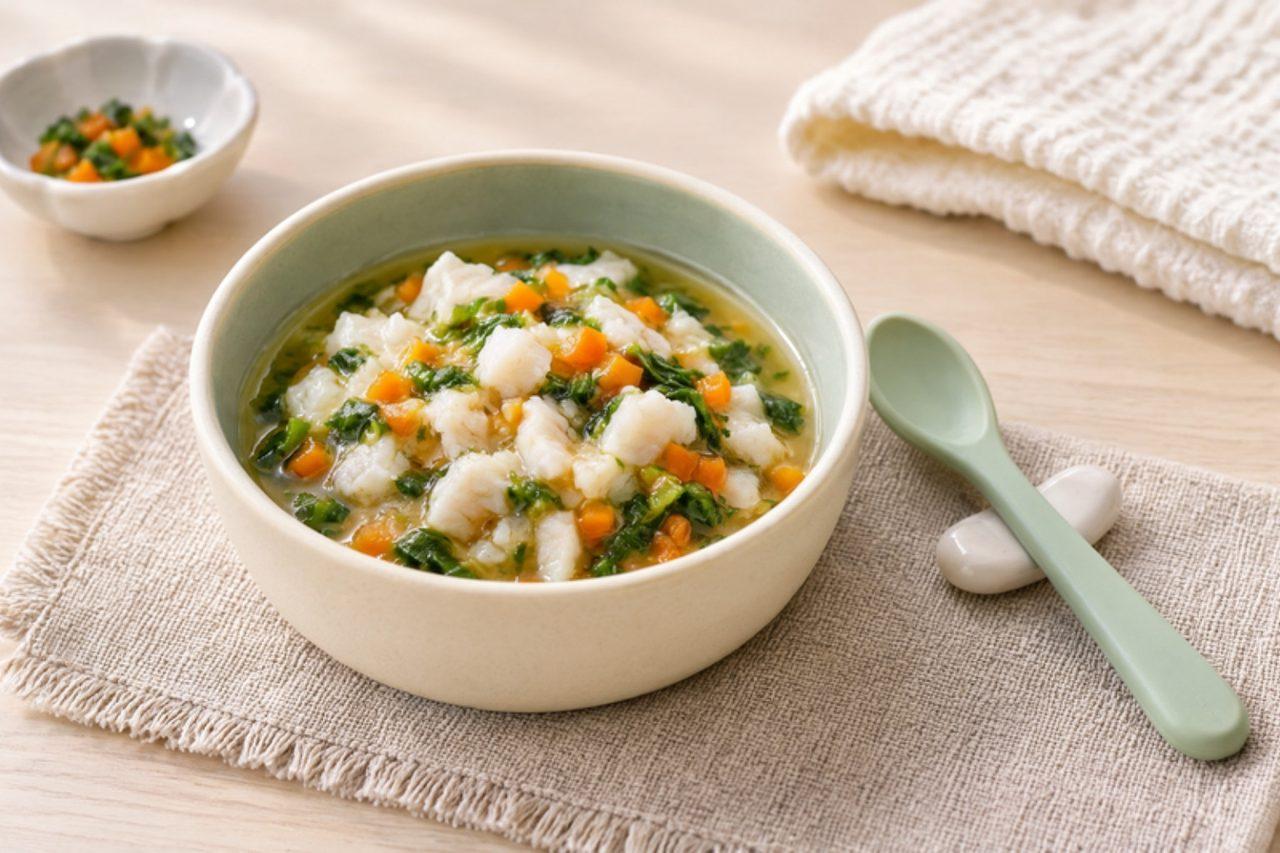
Tara no ankake for babiesCod in vegetable sauce for babies

Ankake is the glossy, starch-thickened sauce that Japanese cooks spoon over tofu, rice and fish, and baby-food cookbooks in Japan use it for the kamikami stage around nine months, because it binds flakes of fish and soft vegetables into something babies can swallow easily. Fresh cod (nama-dara) is mild, white and soft, and here it is poached in unsalted kombu dashi with carrot, daikon and spinach. It contains fish and is free of milk, egg, gluten, nuts, soya and sesame. Chef's tip: mix the potato starch with cold water and stir it in off the boil; it thickens smoothly with no lumps.

by KrazyBadal 0 views

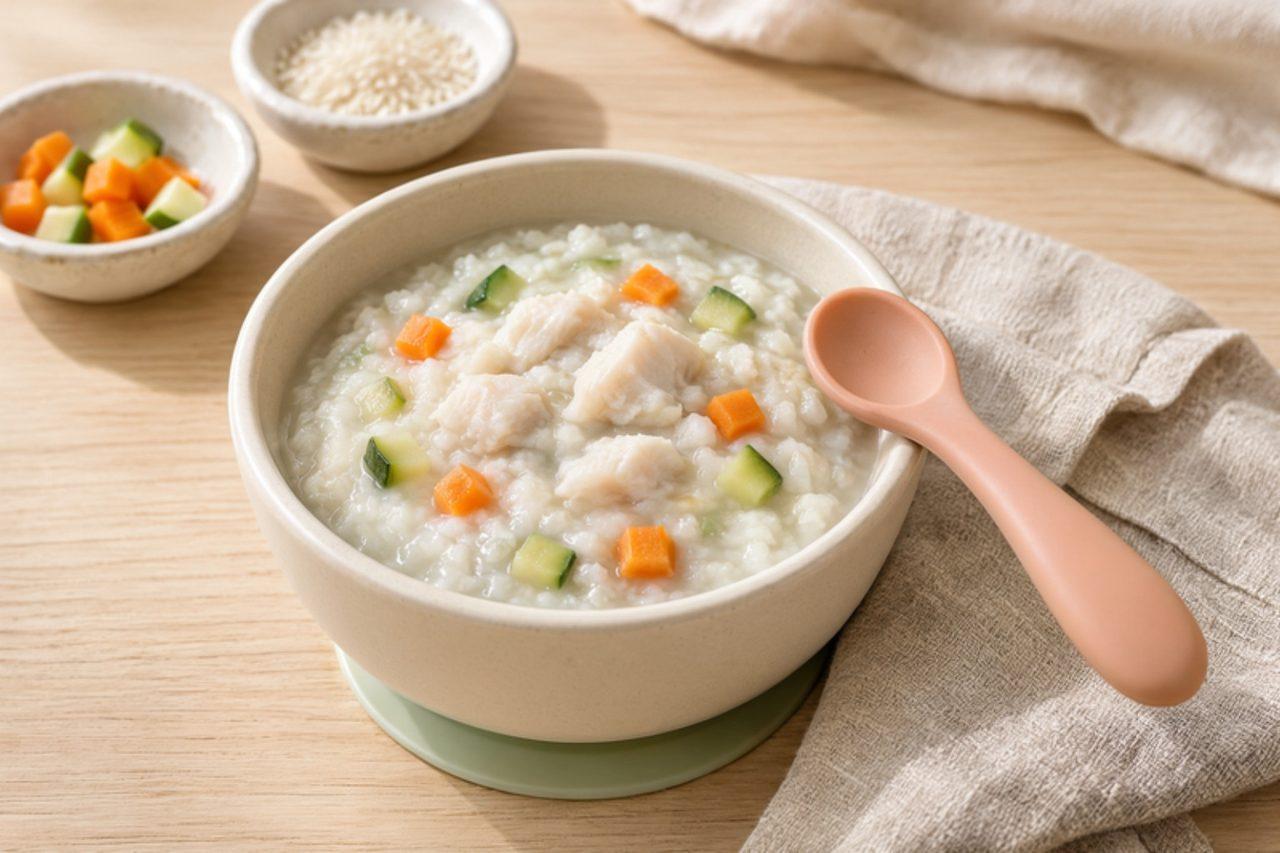
Daegu-sal juk (cod and vegetable baby porridge)

In Korea, homemade baby food (iyusik) follows clear stages, and by the late stage around nine months, Seoul parents are making juk with roughly crushed rice and small pieces of fish and vegetables. Daegu-sal juk uses mild, flaky cod with sweet courgette (aehobak) and carrot, and no soy sauce, salt or sesame oil. It is creamy, delicate and soft enough to mash between the gums. It contains fish and is free of milk, egg, gluten, nuts, soya and sesame. Chef's tip: crush the soaked rice lightly with a rolling pin or a couple of pulses in a blender; broken grains thicken the juk faster and give exactly the soft lumps this stage needs.

by KrazyBadal 0 views

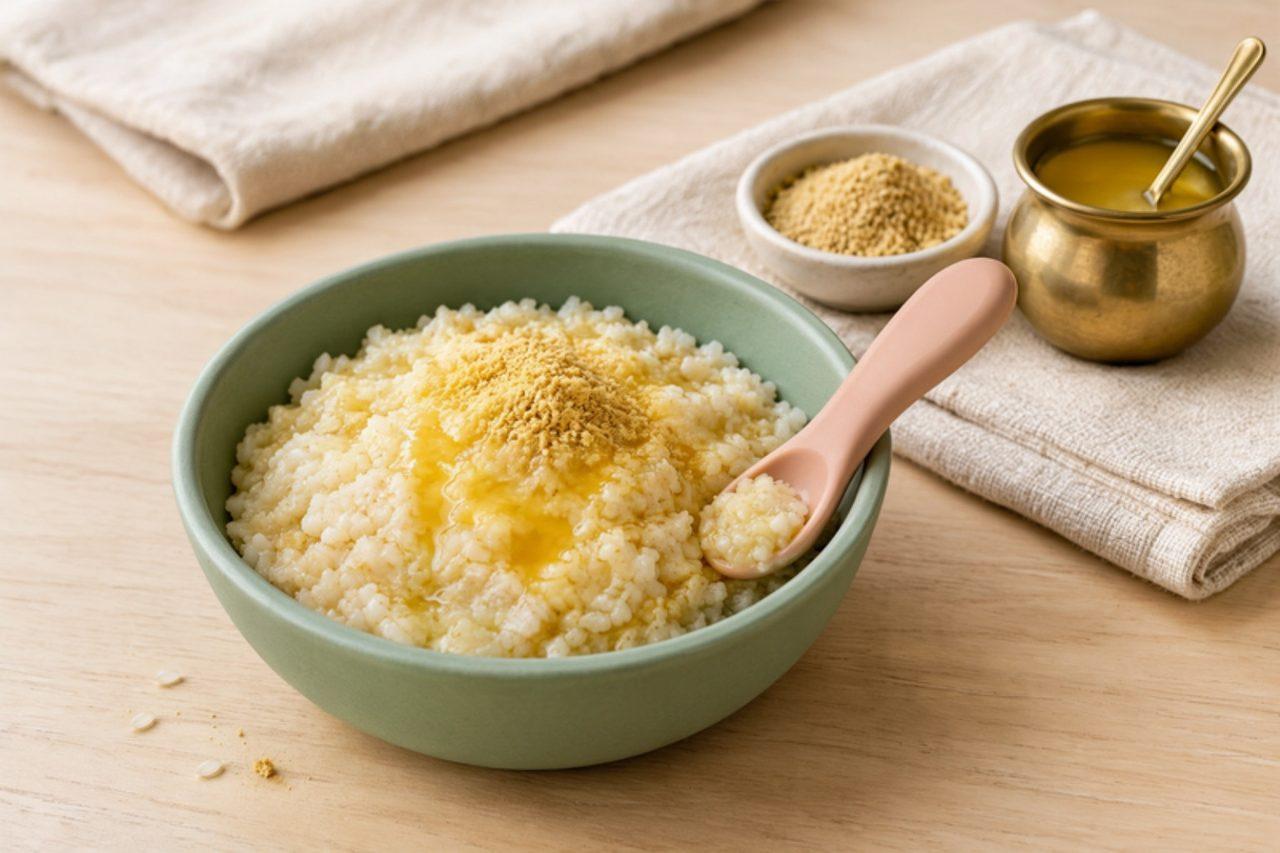
Metkut bhaatRice with lentil powder and ghee

Ask anyone who grew up in Pune or Mumbai's Dadar about their first proper meal and many will say metkut bhaat: soft hot rice, a spoon of melted ghee and a sprinkle of metkut, a roasted powder of chana dal, urad dal and rice with turmeric and cumin. It is the bowl grandmothers make on lazy evenings and for toddlers from 12 months, nutty, savoury and gentle without any chilli. Shop metkut usually contains salt and asafoetida (which often has wheat), so this recipe roasts a small salt-free batch at home. It contains milk (ghee); the home-made powder has no gluten, egg, nuts or soya. Chef's tip: roast the dals slowly until they smell like popcorn; pale dal gives a raw, floury powder.

by KrazyBadal 0 views

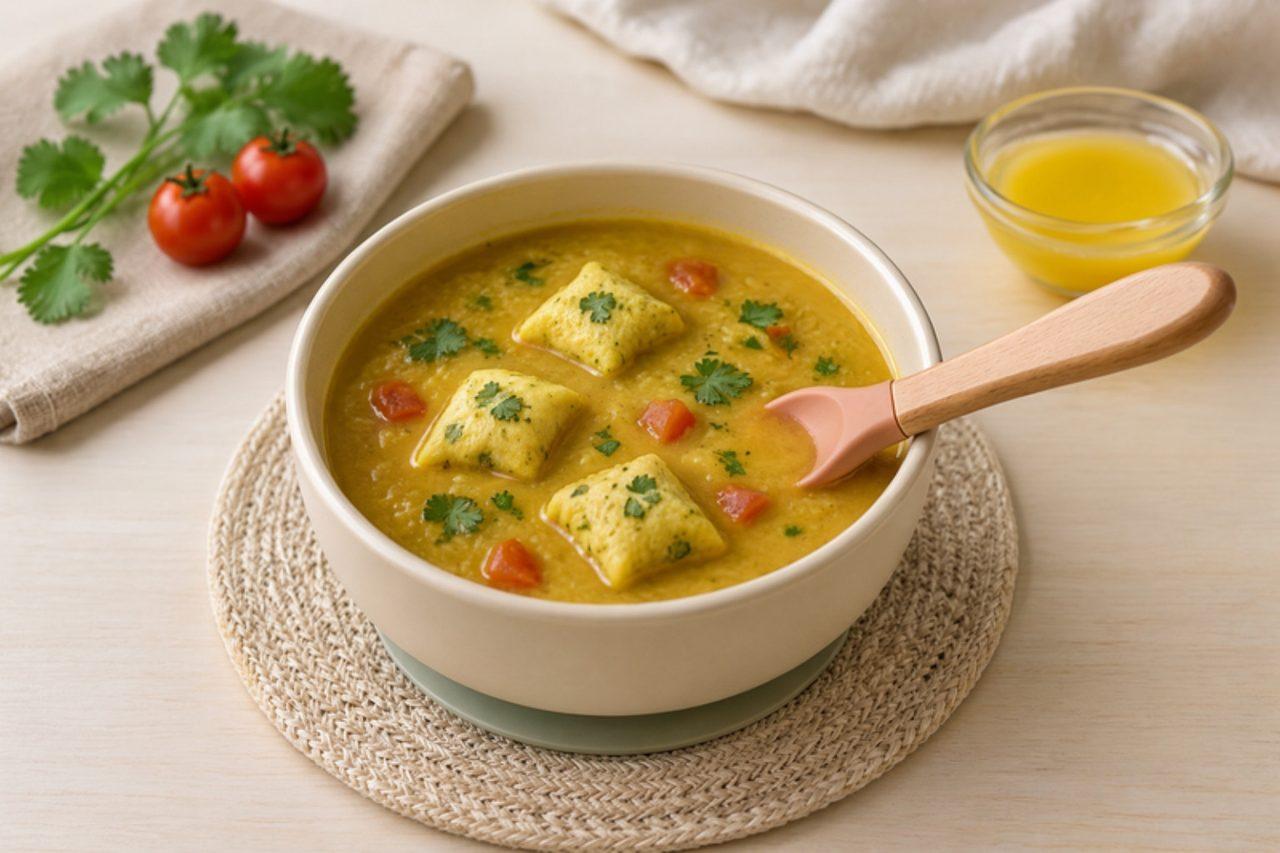
Dal dhokli for toddlersWheat dumplings in dal for toddlers

In Ahmedabad pols and Surat kitchens dal dhokli is the Sunday one-pot lunch: diamonds of spiced wheat dough cooked straight in tangy toor dal. This toddler version, for children from 12 months, keeps the soft pasta-like pieces small, leaves out the chilli, peanuts and cloves, and uses only a pinch of jaggery so the dal stays sweet-sour the way Gujarati families like it. It is cooked in oil, so it is dairy free and vegan. It contains wheat (gluten); there is no milk, egg, nuts or soya. Chef's tip: roll the dough thin, about 2 mm; thick dhokli stay chewy in the middle.

by KrazyBadal 0 views

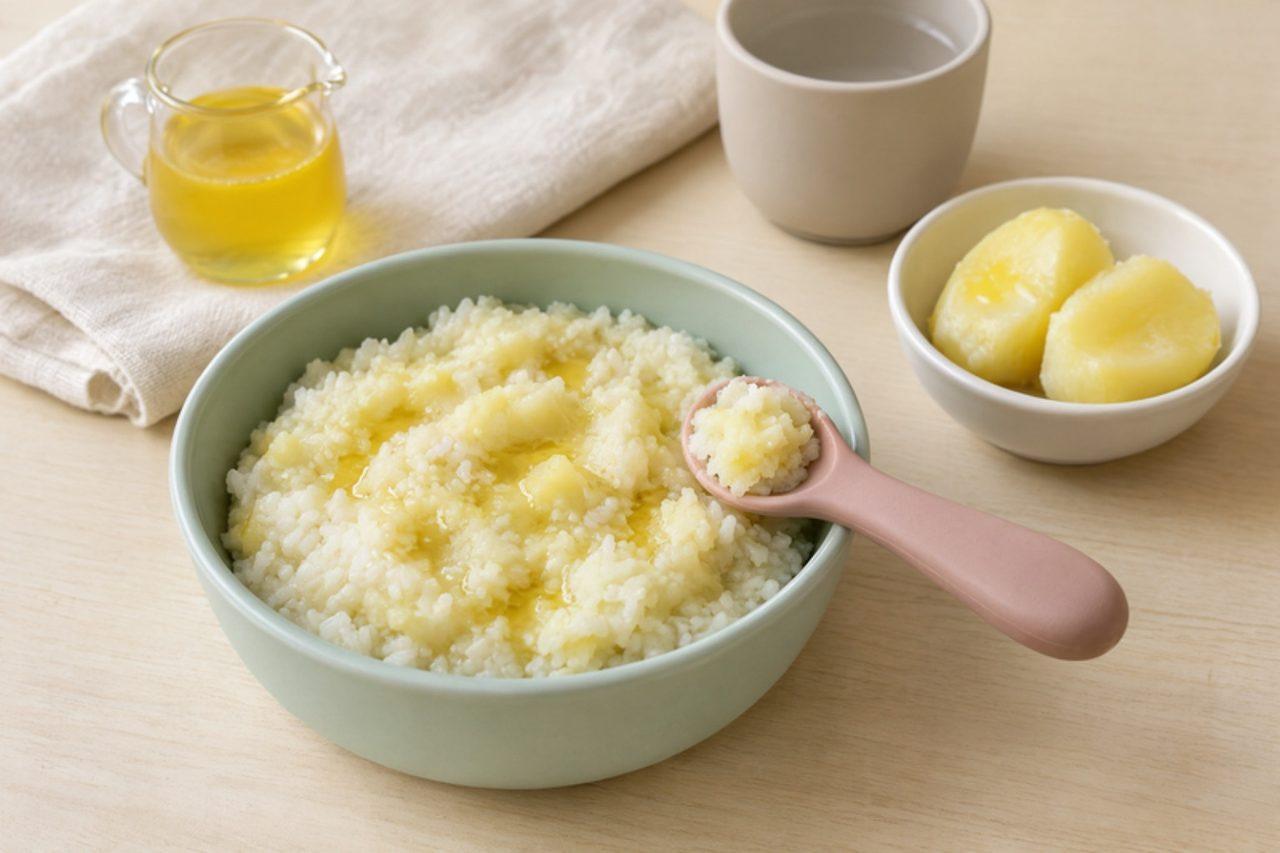
Aloo seddho bhaat for toddlersRice and potato mash for toddlers

In Kolkata homes, from north Kolkata's old paras to the flats of Salt Lake, aloo seddho bhaat is what you cook when someone is tired, ill or very small: a potato boiled right in the rice pot, mashed with hot rice. Grown-ups add raw mustard oil, green chilli and onion; for toddlers from 12 months it is mashed instead with a spoon of ghee, so it's soft, buttery and mild. Gobindobhog rice gives it a lovely fragrance. It contains milk (ghee); there is no gluten, egg, nuts or soya. Chef's tip: mash the potato and rice with a fork or your fingers, never a blender, or it turns gluey.

by KrazyBadal 0 views

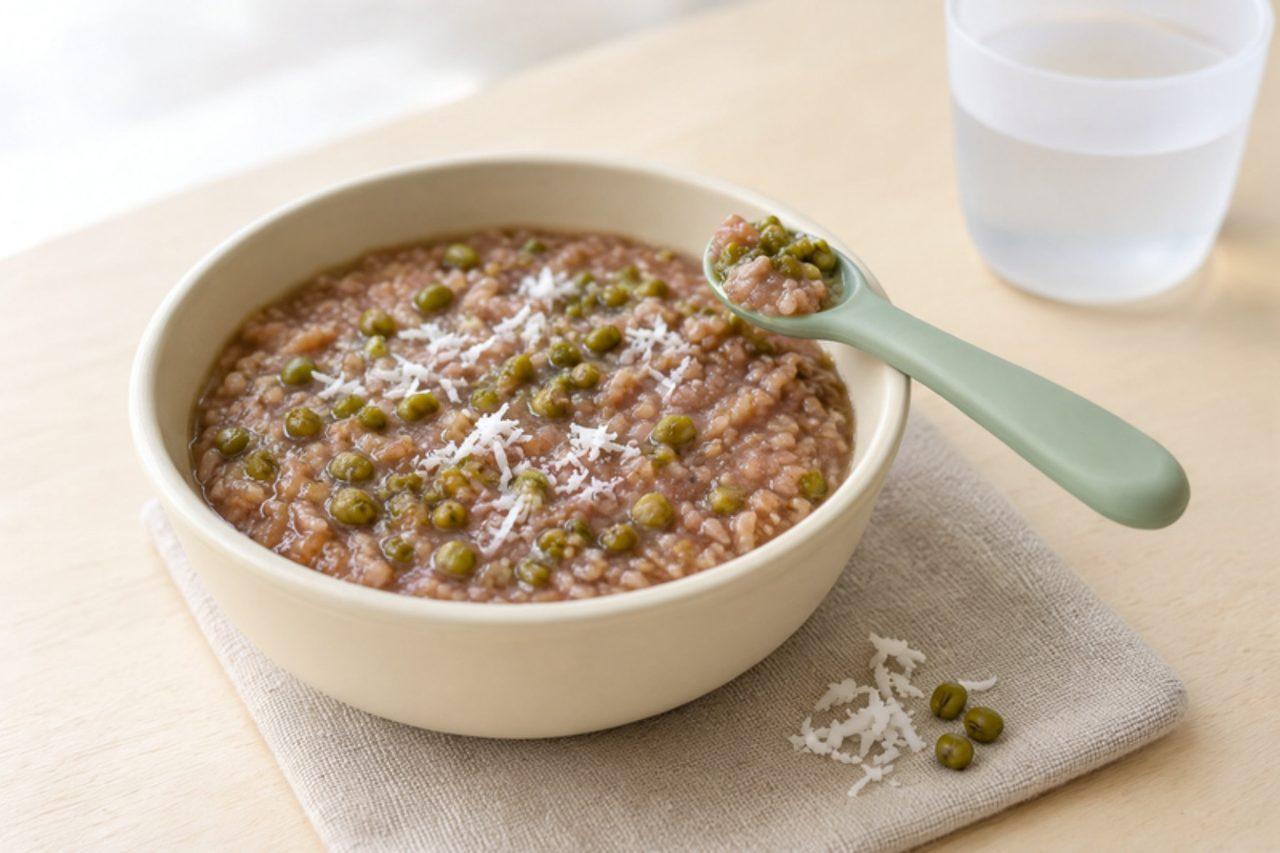
Kanji payar for toddlersRed rice gruel for toddlers

Kanji and payar, rice gruel with a dry dish of green gram, is Kerala's oldest comfort meal, eaten for dinner in homes across Kottayam and Palakkad and at simple roadside kanji kadas on rainy monsoon evenings. For toddlers from 12 months the matta rice is cooked until it bursts into a creamy porridge, and the cherupayar is steamed soft and finished with a little coconut and cumin instead of chilli, then the two are mashed together. Skip the usual pickle and pappadam. It contains coconut; there is no milk, gluten, egg, nuts or soya, and it is vegan. Chef's tip: soak both the rice and the gram overnight; it halves the cooking time and makes them far softer.

by KrazyBadal 0 views

Gē da tāng (flour-knot soup with tomato and egg)

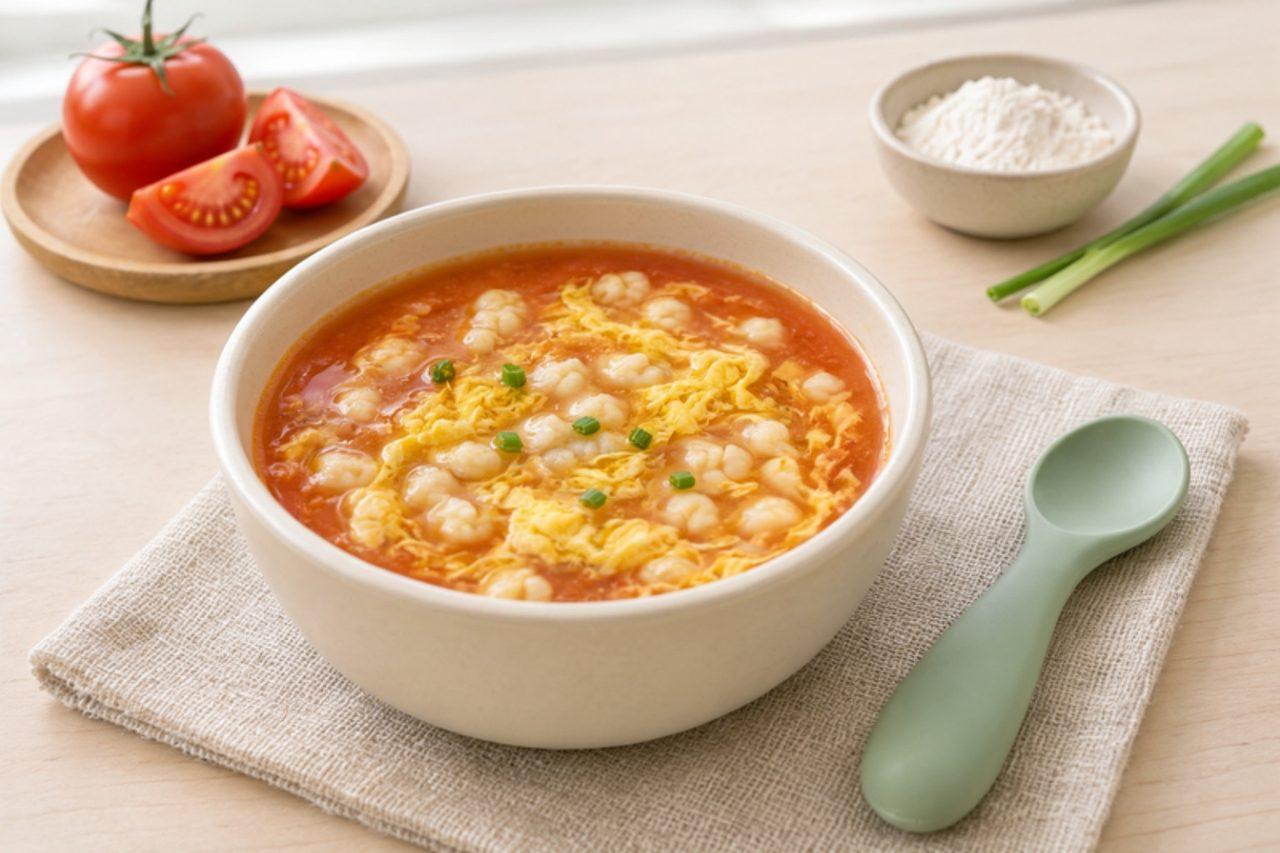
Gē da tāng is the soup of northern Chinese homes, from Beijing hutongs to the kitchens of Hebei and Shandong, made on cold evenings or when someone is under the weather. Water is dripped onto flour until it forms little knots, which are rained into a broth of soft tomatoes and finished with egg, so the bowl is part soup, part tiny dumpling. For toddlers from 12 months it is cooked without salt or soy sauce, and the egg is simmered until fully set. It contains wheat (gluten) and egg, and sesame if you add the oil; there is no milk, nuts or soya. Chef's tip: drip the water in a thin trickle while stirring with chopsticks, so you get rice-sized knots, not a paste.

by KrazyBadal 0 views

Steamed Nendran banana mash

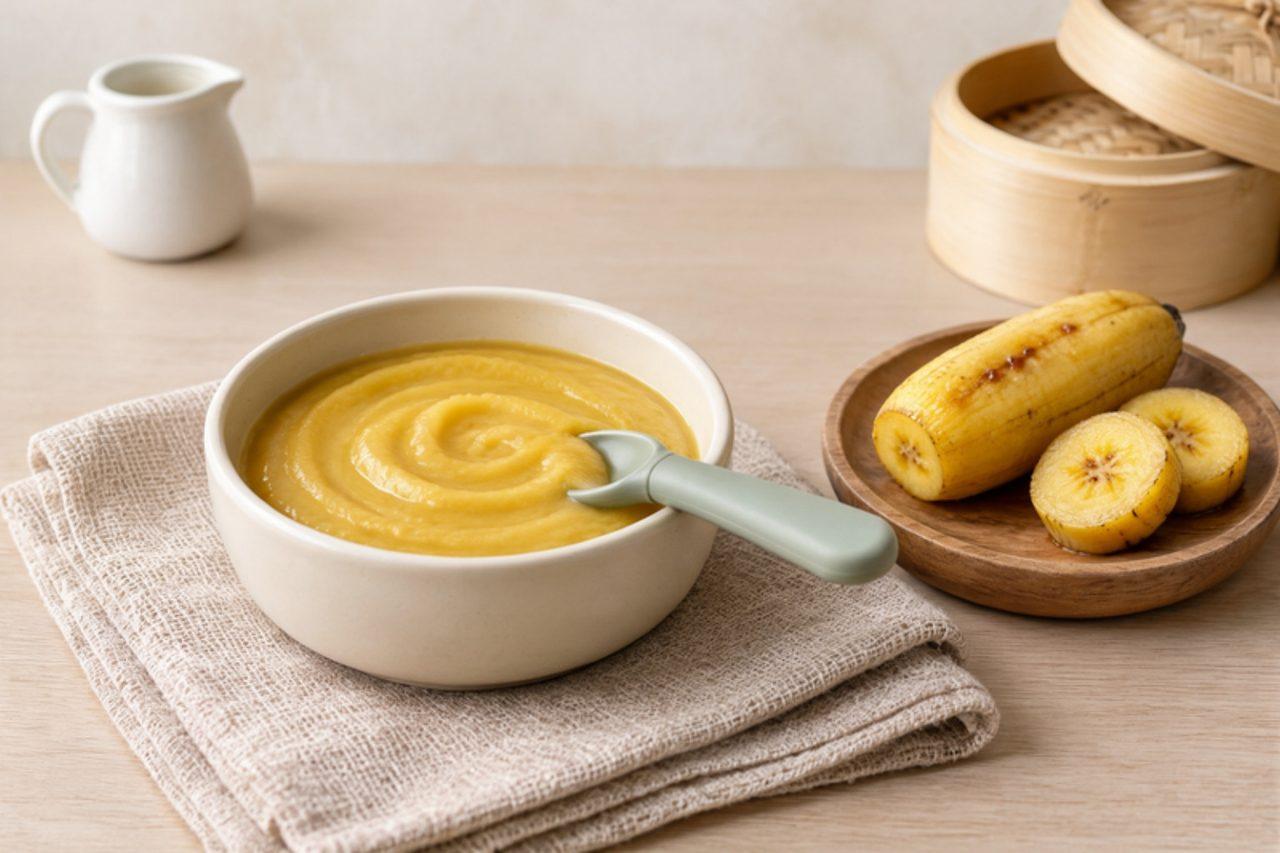
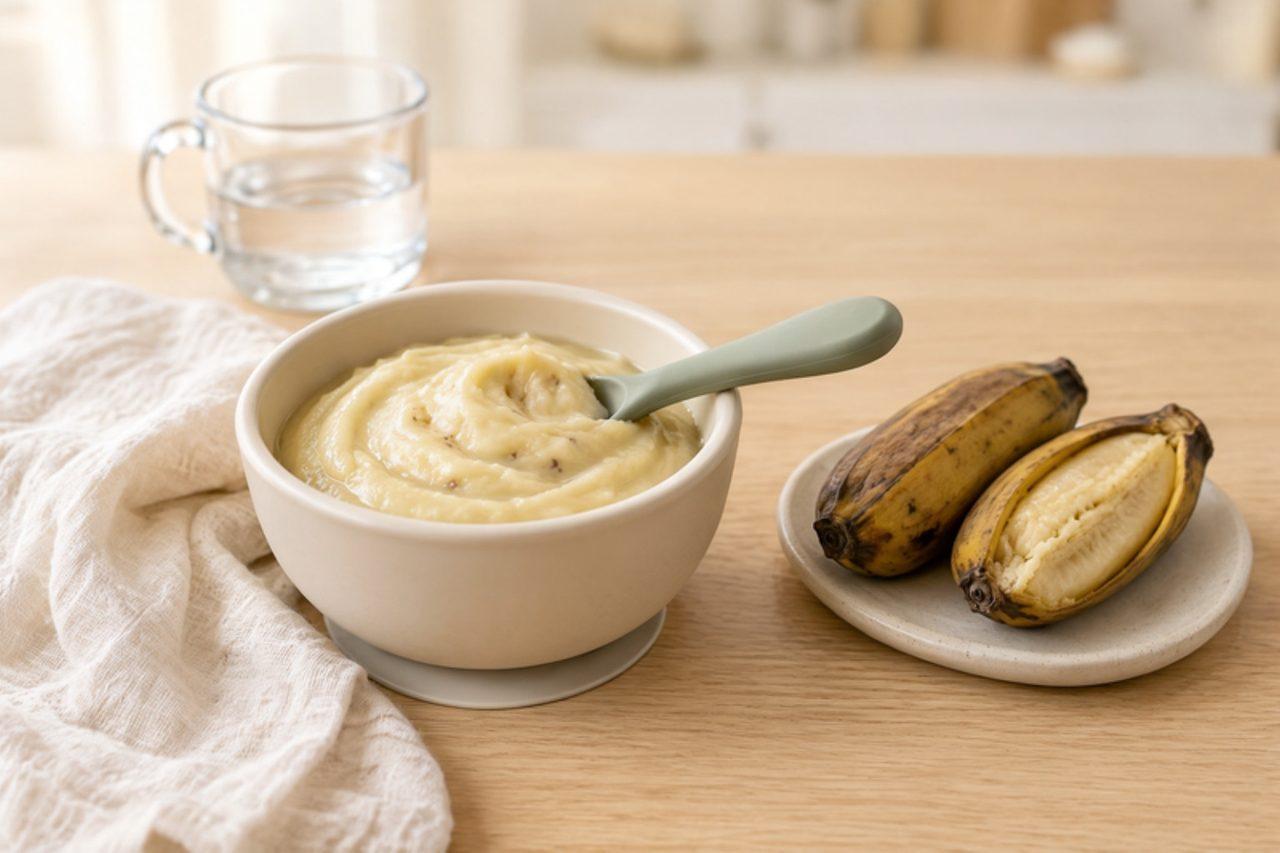
Nendran is the long, golden plantain of Kerala, sold in hands at every market from Palakkad to Thiruvananthapuram, and a steamed ripe Nendran is one of the first fruits a Malayali baby tastes. Raw, it is too firm and starchy for a six-month-old, so it is steamed in its skin until the flesh turns soft and orange-gold, the dark string of seeds in the centre is pulled out, and the rest is mashed smooth. It is naturally sweet, so nothing is added: no sugar, jaggery, honey or salt. It is free of the major allergens. Chef's tip: wait until the skin is fully yellow with black freckles; a green Nendran stays chalky however long you steam it.

by KrazyBadal 0 views

Sabudana kanji for babiesSago porridge for babies

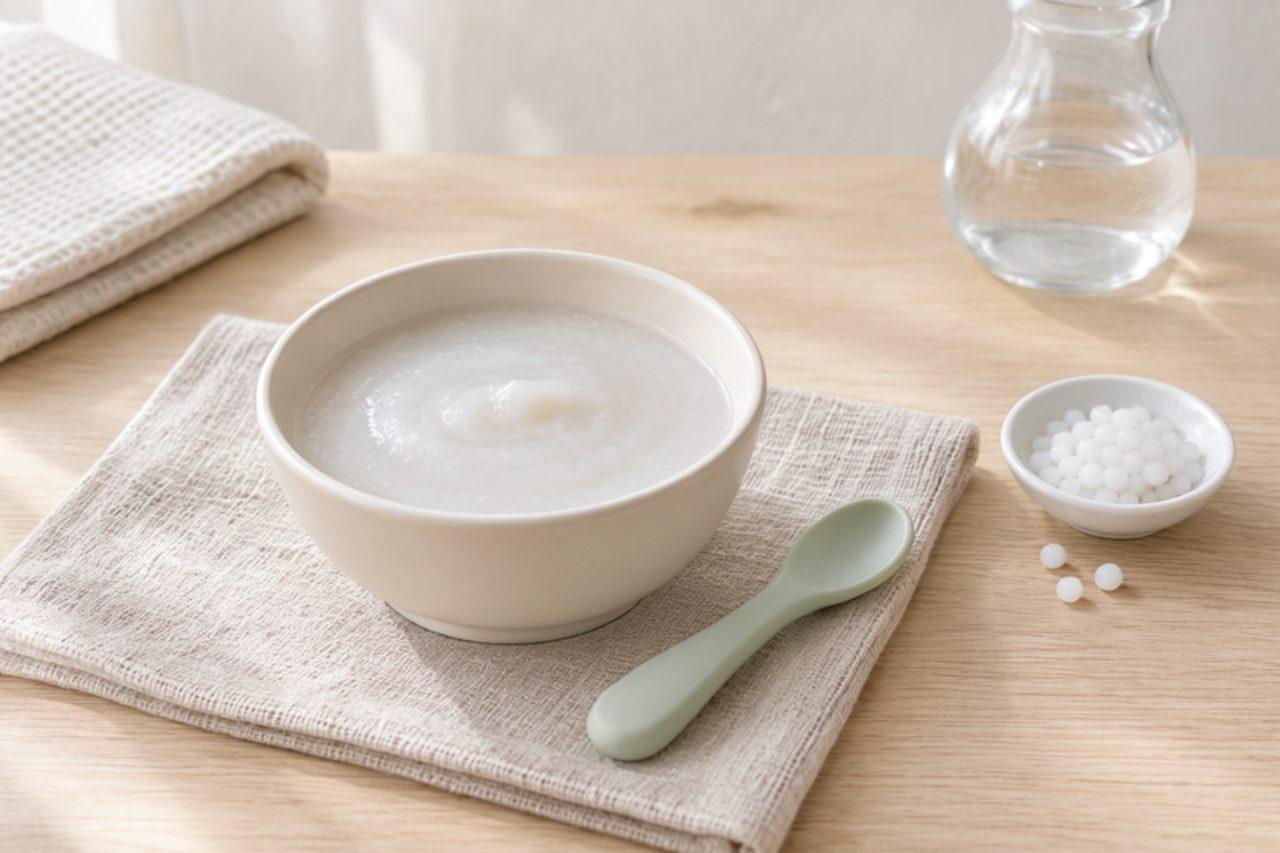
Sabudana (sago) is pantry food in Pune and Ahmedabad homes, best known for fasting khichdi, but mothers in Maharashtra and Gujarat also cook the pearls into a thin, soothing kanji for babies, especially in the hot weeks before the monsoon. The pearls are soaked, simmered until every one is glassy and clear, then blended so there is nothing for a baby to choke on. It tastes very mild and is mostly energy, so offer it alongside iron-rich foods rather than instead of them. No salt, sugar, jaggery or honey for babies; it is free of the major allergens. Chef's tip: a white dot in the middle of a pearl means it is still raw; simmer until none are left.

by KrazyBadal 0 views

Lito (sarbottam pitho porridge)

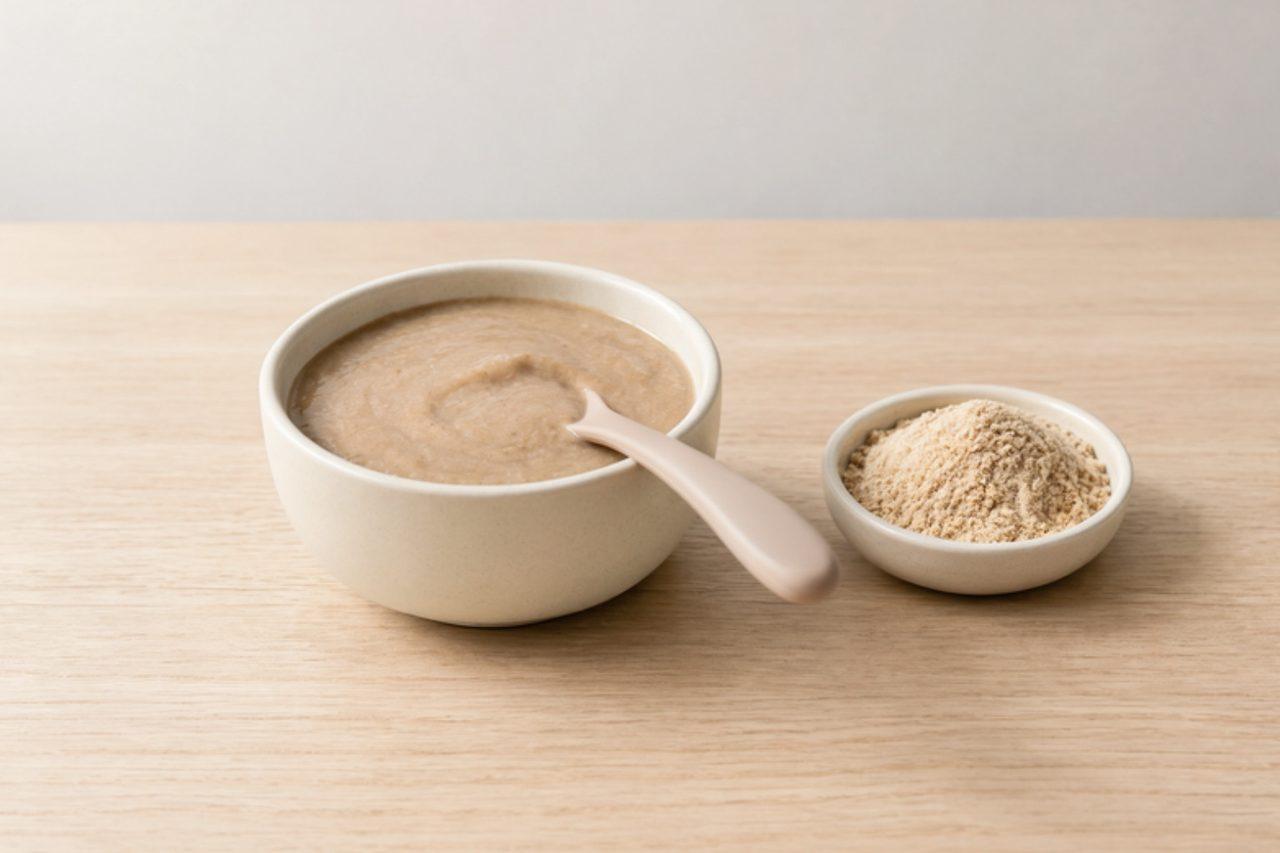
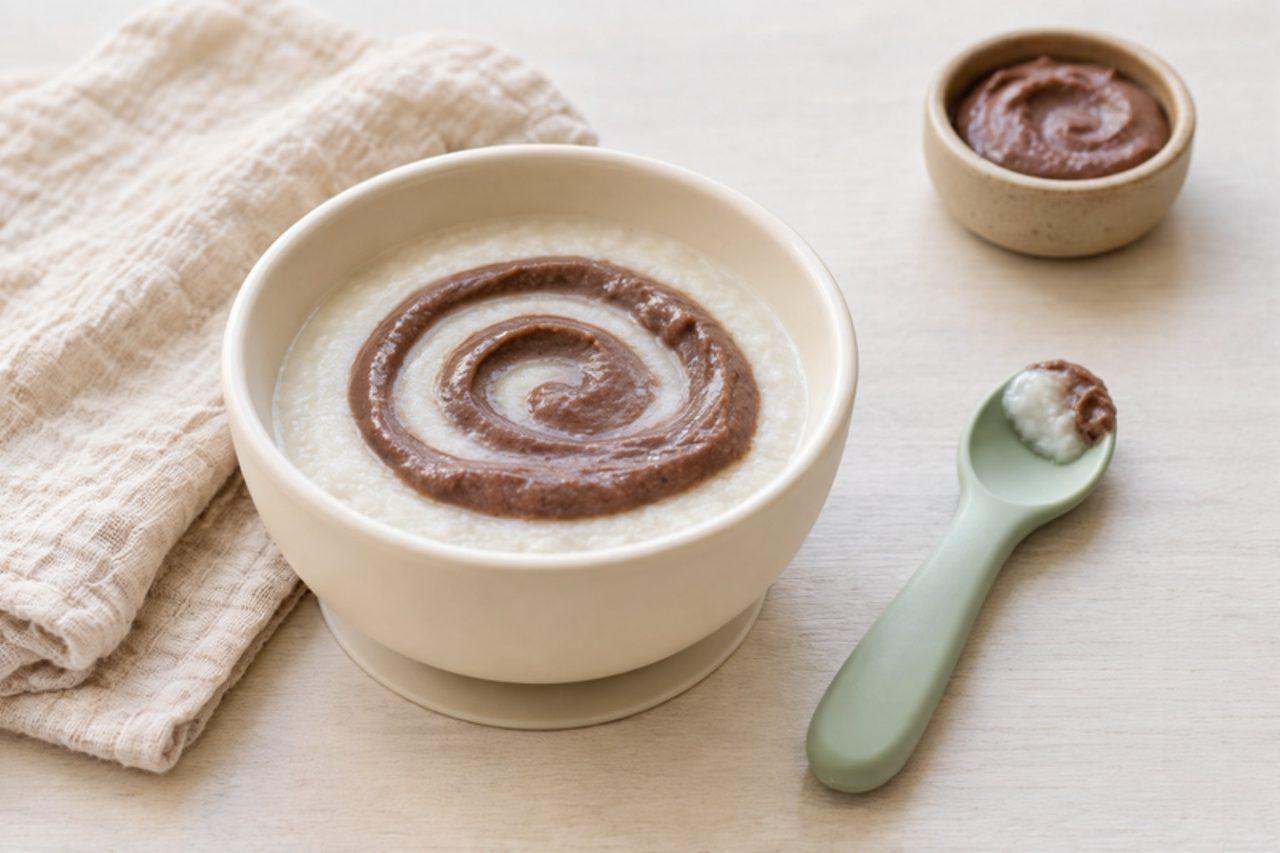
Ask a mother in Kathmandu, Pokhara or a hill village what her baby eats after the pasni rice-feeding ceremony, and the answer is often lito: porridge made from sarbottam pitho, a 'super flour' that families roast and grind themselves from two parts soybean to one part each of maize and wheat. Cooked with water it becomes a smooth, nutty, toast-coloured porridge with more protein than plain rice. For babies there is no salt, sugar, jaggery, honey or ghee needed. It contains soya and wheat (gluten). Chef's tip: roast the grains separately, each until it smells nutty and cracks between your teeth, then grind and sieve; the beans need longest.

by KrazyBadal 0 views

Mashed matooke for babiesMashed green banana for babies

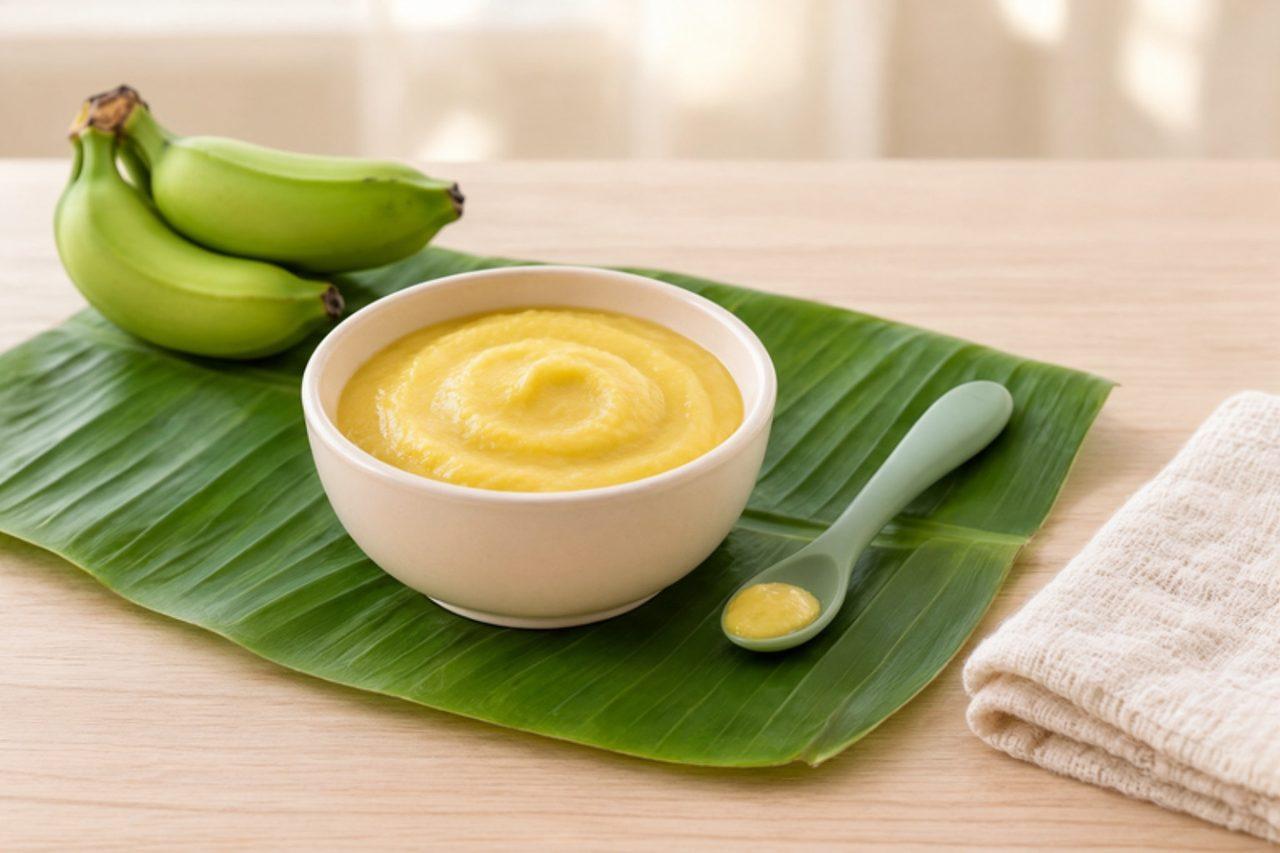
Matooke, the green cooking banana trucked into Kampala's Owino and Nakasero markets in great bunches, is Uganda's everyday staple, and the first food most Ugandan babies eat. The fingers are peeled, wrapped in banana leaves and steamed until they turn soft and golden, then mashed with a little of the steaming water into a smooth, mild, slightly earthy purée. Families feed it at the midday meal, on its own at first and later with groundnut sauce. Nothing is added for babies: no salt, sugar or honey. It is free of the major allergens. Chef's tip: oil your hands and knife before peeling; green matooke oozes a sticky sap that stains skin and boards.

by KrazyBadal 0 views

Papilla de quinua for babiesQuinoa and pumpkin puree for babies

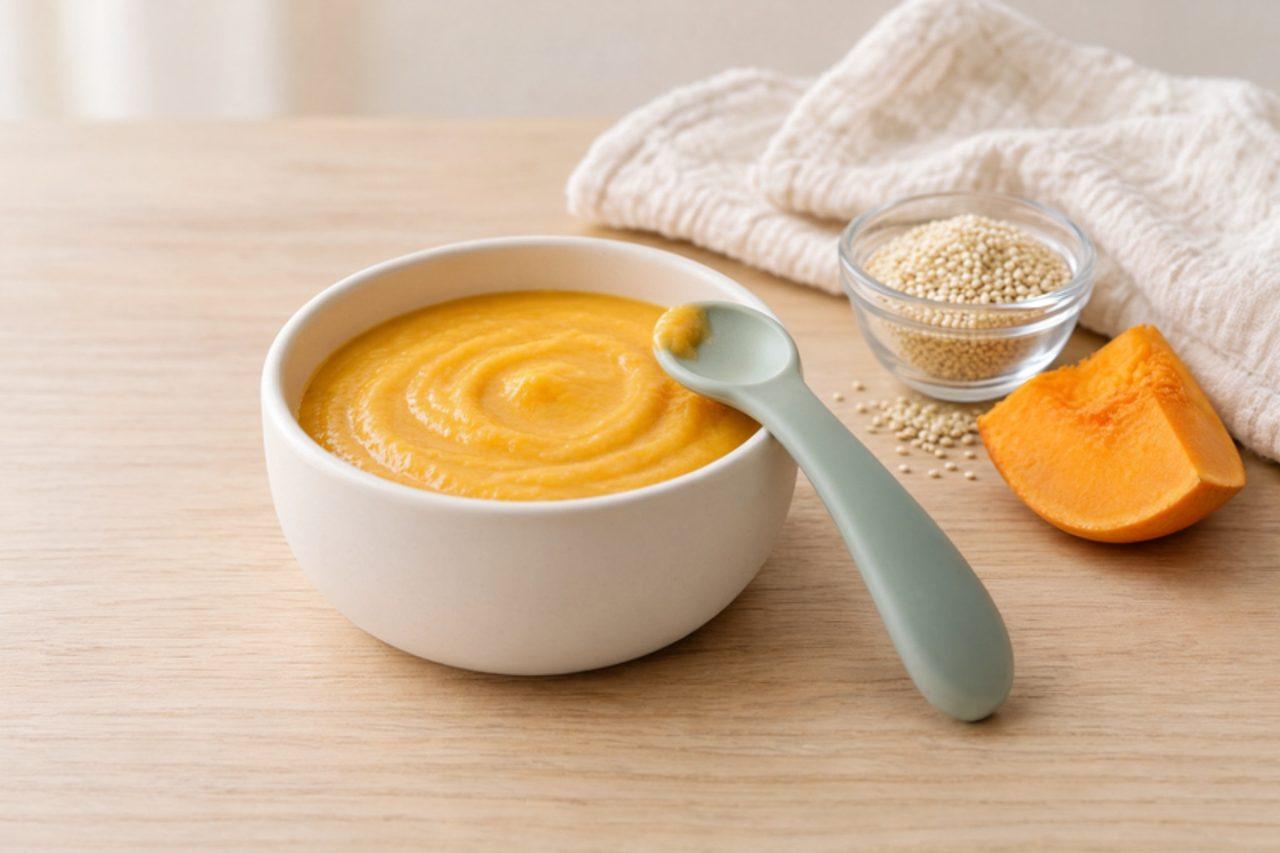
In the high Andes around Cusco, Puno and La Paz, quinoa is the grain families have fed babies for centuries, and papilla de quinua is the first porridge many Andean mothers make at six months. The seeds are washed hard to remove their bitter saponin coating, simmered until they burst and show a little white tail, then blended with sweet zapallo (pumpkin) or apple into a smooth, nutty porridge. It is rich in protein and iron for a plant food. For babies there is no salt, sugar, panela or honey. It is free of the major allergens. Chef's tip: rub the quinoa between your palms under running water until the water no longer foams; that foam is what tastes bitter.

by KrazyBadal 0 views

Hawaiian poi for babiesTaro paste for babies

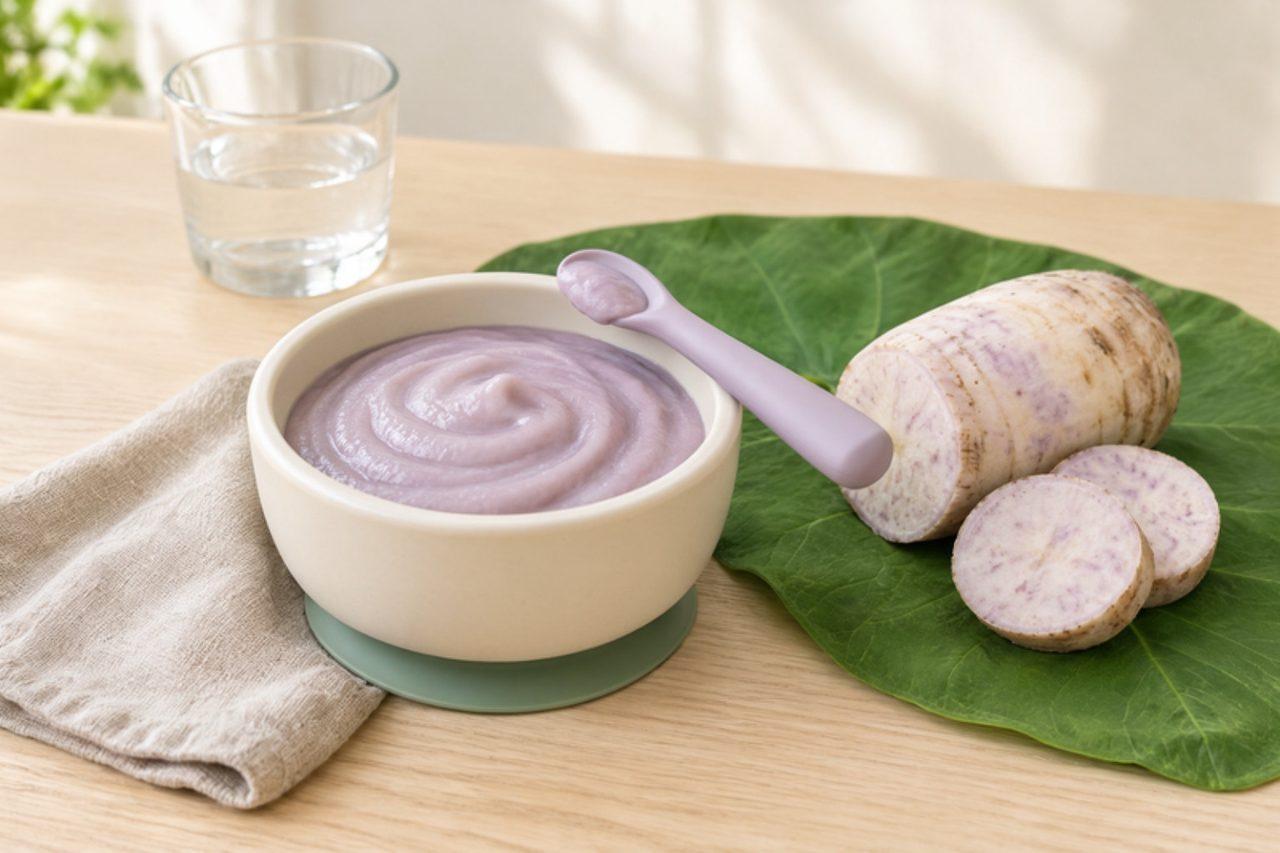
Poi, cooked taro (kalo) pounded with water, is the oldest staple of Hawaiʻi, and it was traditionally among the first foods given to babies across the islands; you can still buy it fresh by the bag at markets in Honolulu and on Kauaʻi. Fresh poi is mild, smooth and gently sweet, with a lilac-grey colour; left a few days it ferments and turns sour, which adults love but a baby is better without. Taro must be cooked right through, because raw taro contains crystals that irritate the mouth. Nothing else is added: no salt, sugar or honey. It is free of the major allergens. Chef's tip: wear gloves to peel raw taro, and cook a test piece; if it tingles on your tongue, it needs longer.

by KrazyBadal 0 views

Zhū gān ní (pork liver purée)

Zhū gān ní, a smooth purée of pork liver, is the iron food Chinese grandmothers swear by, and wet markets from Chengdu to Shanghai sell small pieces of very fresh pork liver for exactly this. The liver is soaked to draw out the blood, steamed with a slice of ginger until cooked right through, then blended and stirred into rice porridge, where it gives a mild, savoury, slightly sweet taste. Liver is very rich in vitamin A, so babies should have it only in small amounts, no more than once a week. No salt, soy sauce, sugar or honey for babies. It is free of the major allergens. Chef's tip: buy the freshest liver you can find, glossy and deep red-brown, and freeze the purée in cubes so one portion is always ready.

by KrazyBadal 0 views

Puttu and banana for toddlersRice cake and banana for toddlers

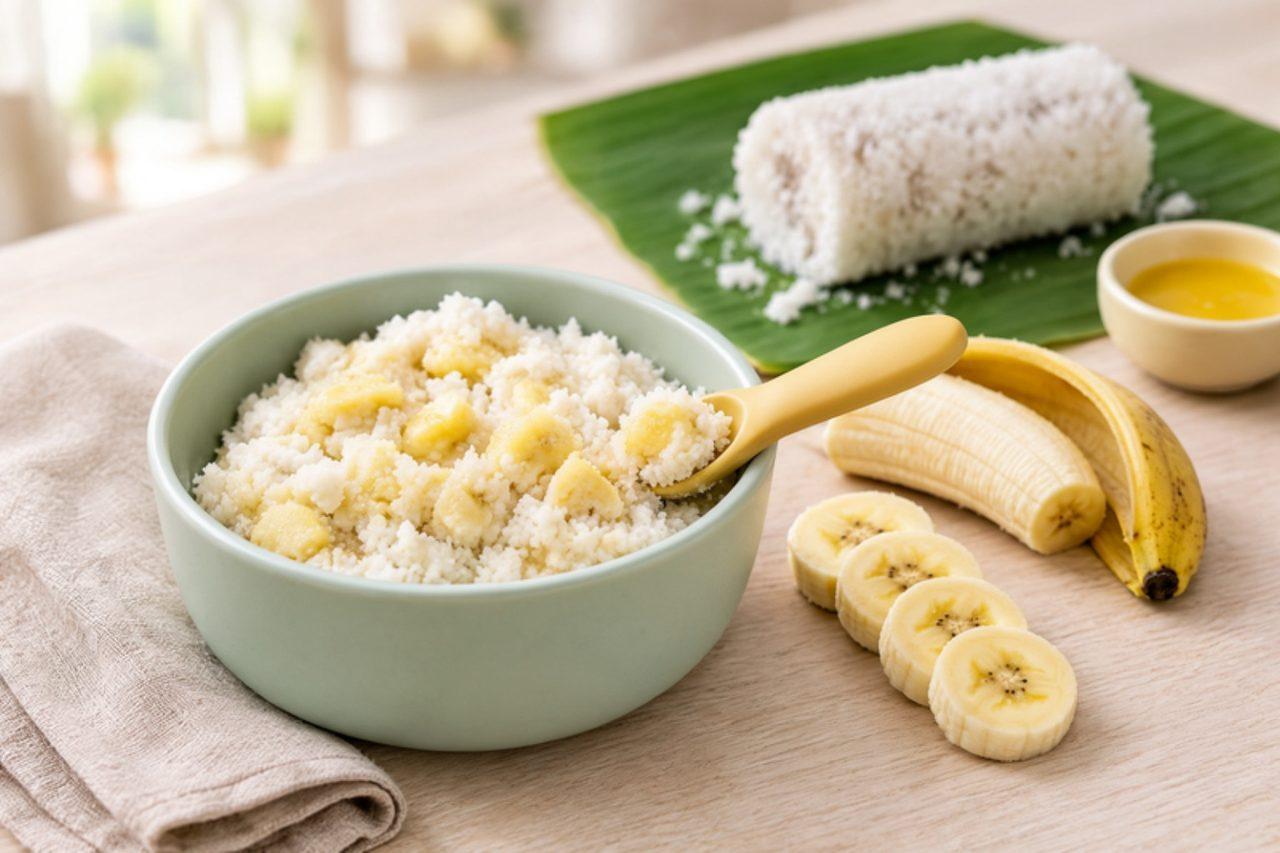
In Kerala homes from Thrissur to Thiruvananthapuram, breakfast often arrives as a steaming log of puttu pushed out of its tall metal mould, and the little ones get theirs crumbled into a bowl and mashed with a sweet, ripe poovan banana. The rice flour and fresh coconut steam into soft, fluffy crumbs that soak up the banana, and a splash of warm milk makes it spoonable for toddlers from 12 months. There is no added salt or sugar: the banana does the sweetening. It contains coconut, and milk if you add it; there is no gluten, egg, nuts or soya. Chef's tip: dampen the flour until a squeezed handful just holds its shape, then crumbles when you poke it.

by KrazyBadal 0 views

Nilagang saba mash for babiesBoiled banana mash for babies

Saba, the short, square-edged cooking banana piled in every palengke from Quezon City to Davao, is boiled in its skin for nilagang saging, a merienda (afternoon snack) eaten with a cup of coffee. For babies, the same boiled saba is peeled and mashed into a soft, peachy, honey-sweet purée, and it is one of the most common first foods in Filipino homes. Saba is firmer and starchier than an eating banana, which is why it is always cooked. Nothing is added: no salt, sugar or condensed milk under one. It is free of the major allergens. Chef's tip: pick saba whose skins are yellow with black spots; green ones are too starchy and can upset small tummies.

by KrazyBadal 0 views

Omogeneizzato di carne fatto in casaHomemade meat puree for babies

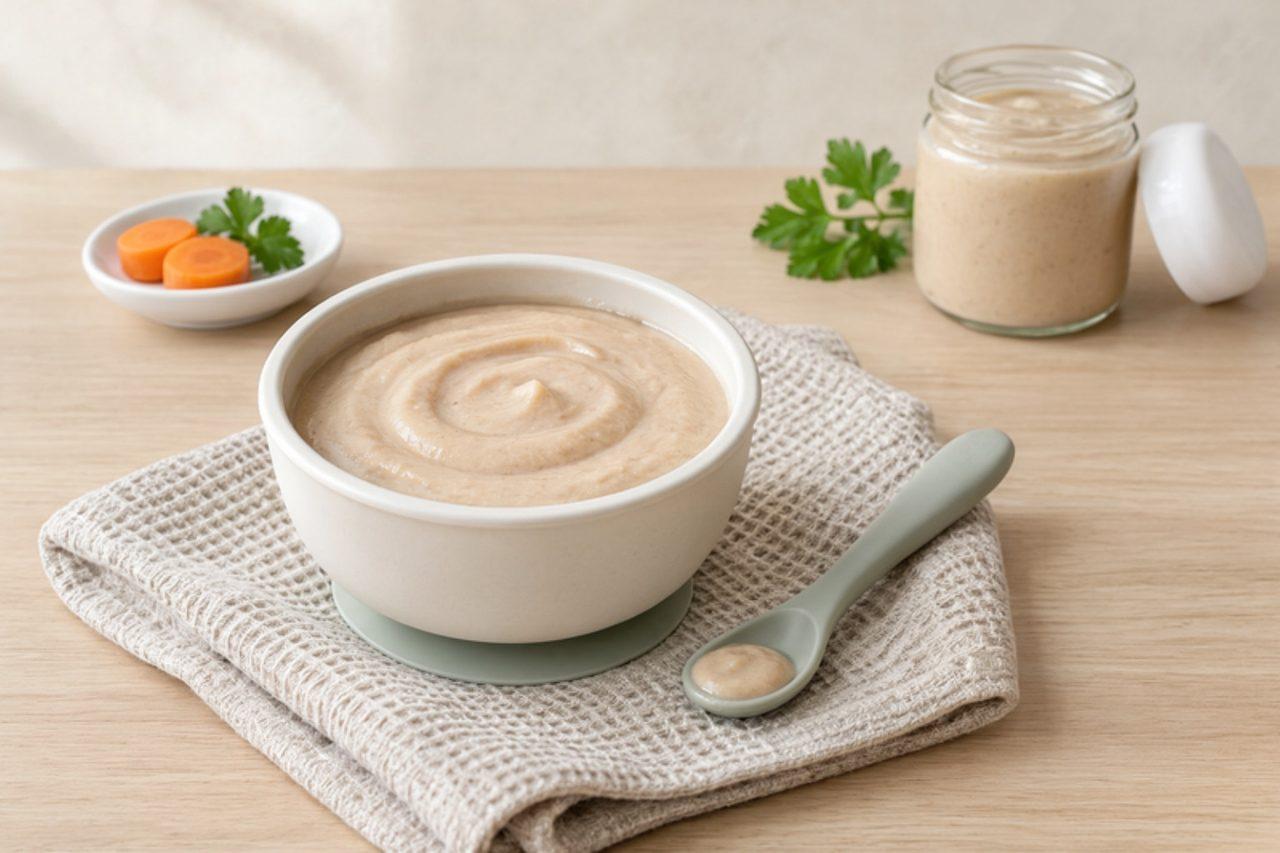
In Italy, little jars of omogeneizzato di carne line every supermarket shelf, but plenty of mothers in Milan, Bologna and Naples make their own: a lean piece of turkey breast, chicken or veal cooked with a carrot and blended with its own broth into a very smooth cream. A teaspoon or two is stirred into the baby's midday pappa of crema di riso in brodo vegetale from about six months, giving iron and protein. For babies there is no salt, stock cube, sugar or honey. It is free of the major allergens. Chef's tip: blend the meat while it is still hot with plenty of its broth, then sieve; cold meat goes grainy and never turns properly creamy.

by KrazyBadal 0 views

Rasam sadam for babiesRasam rice for babies

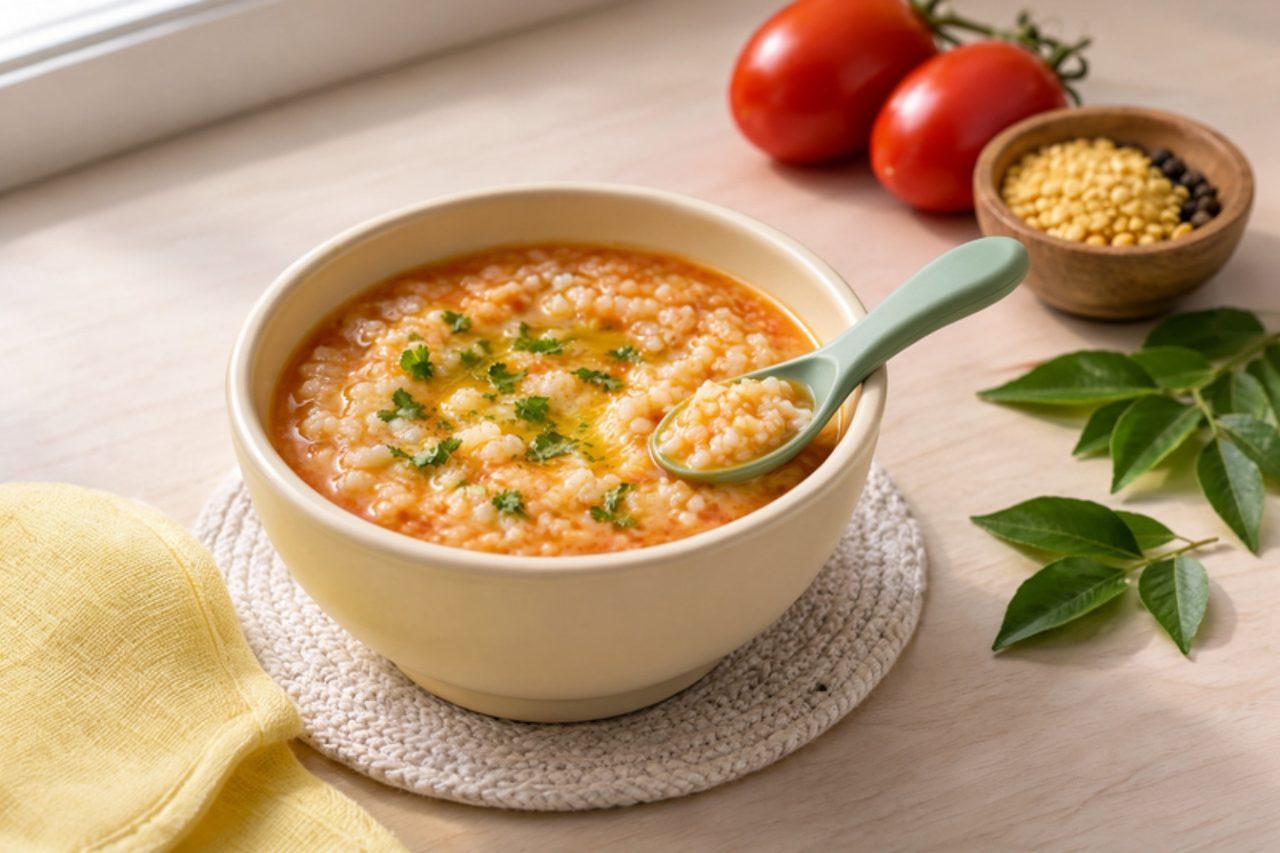
Rasam sadam, hot rice with a thin, tangy tomato and lentil broth, is everyday lunch in Tamil homes from Chennai to Madurai. When a baby joins the meal at around nine months, many mothers ladle off a mild rasam for the little one before the pepper, chilli and salt go into the family pot. Mashed into soft rice with a spoon of ghee, it is tangy, warm and gently fragrant with cumin and coriander leaf. It contains milk (ghee). We leave out asafoetida, which is often cut with wheat flour, so it is gluten free, and it has no egg, nuts, soya or sesame. Chef's tip: use the ripest, reddest tomato you can find; its natural sweetness replaces the tamarind and jaggery of the grown-up rasam.

by KrazyBadal 0 views

Moong dal cheela fingers for babiesMoong dal pancake fingers for babies

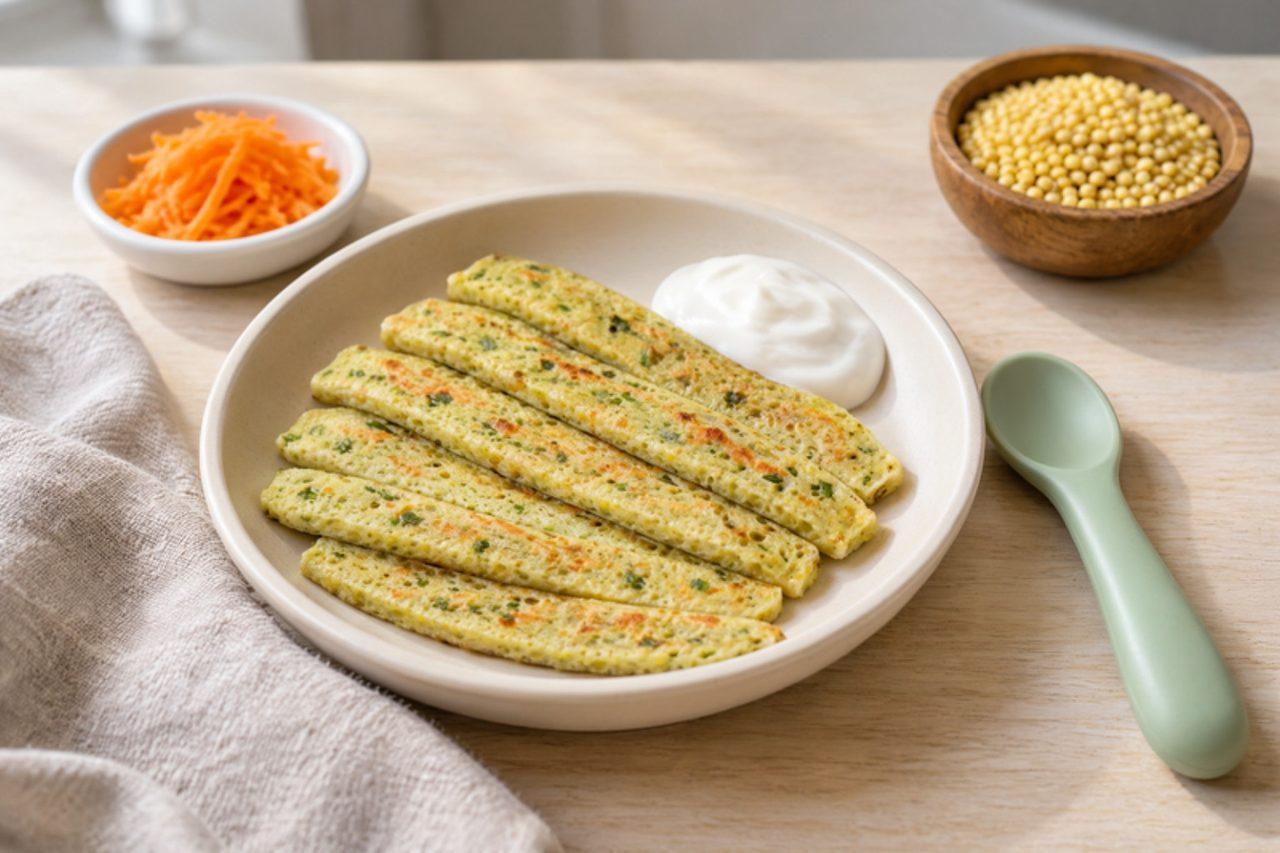
Across Punjab and north India, moong dal cheela is a weekday breakfast griddled to order, usually with green chilli, ginger and a pinch of ajwain. For babies from nine months the batter is just soaked yellow moong and grated carrot, cooked thin and soft and cut into strips that are easy to grab, ideal for baby-led eating alongside spoon food. They are tender, mildly sweet from the carrot and packed with plant protein. They are free of the major allergens: no milk, egg, gluten, nuts, soya, sesame or fish. Chef's tip: grind the batter to the thickness of double cream; thinner batter tears, thicker batter stays raw in the middle.

by KrazyBadal 0 views

Soft idli for babies

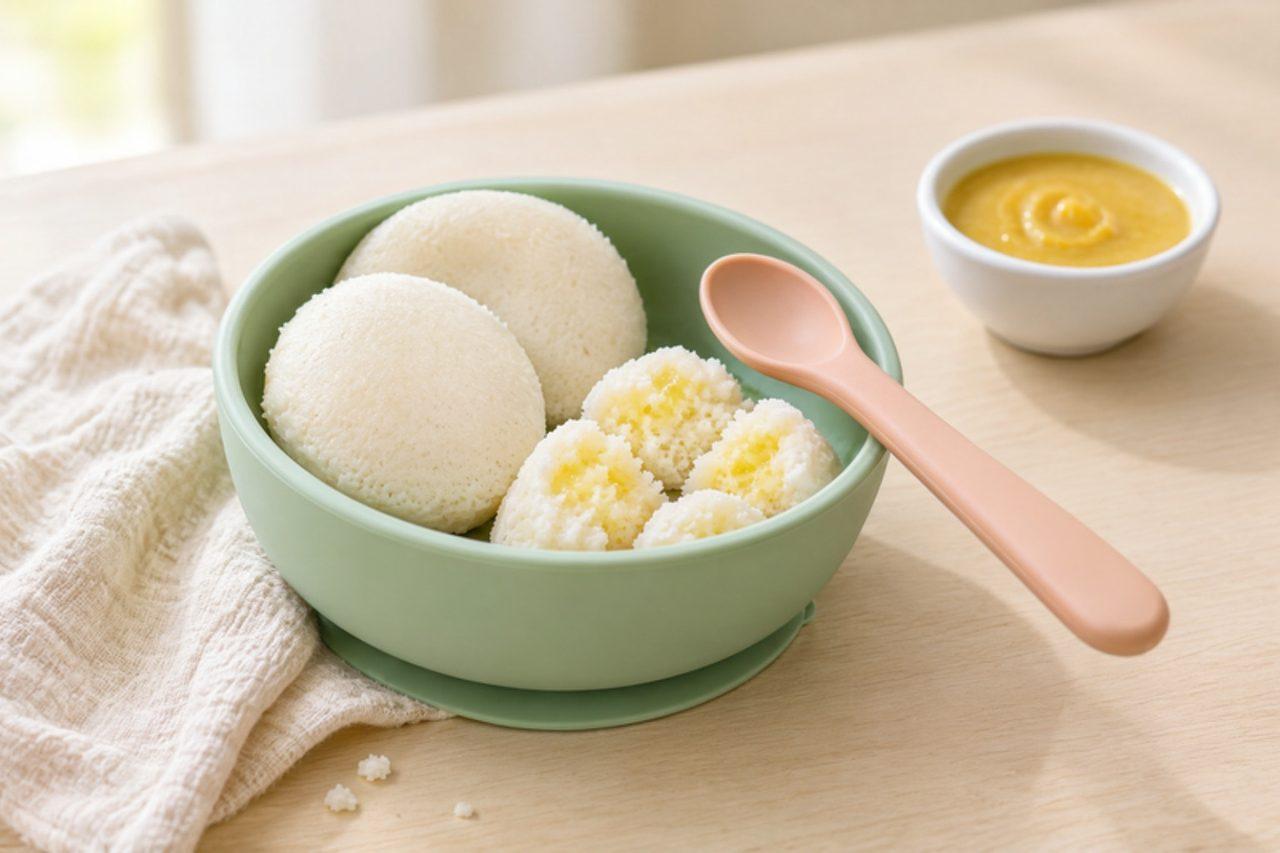
Idli is breakfast across Tamil Nadu, from Chennai's Mylapore tiffin rooms to village kitchens, and a fluffy, plain idli is one of the first finger foods many South Indian babies hold. Since family batter is salted, parents make a separate salt-free batch for babies under one, or steam a few from it before the salt goes in. The cakes are pillowy, faintly sour and melt under the gums, torn into pieces or mashed with ghee or thin dal. They contain no gluten, egg, nuts, soya or sesame; they contain milk only if served with ghee. Chef's tip: grind the urad dal with ice-cold water until it is light and foamy; air in the batter, not salt, is what makes idli soft.

by KrazyBadal 0 views

Mela grattugiata (grated apple)

Ask any Italian nonna what a baby has for merenda, the mid-afternoon snack, and she will mime grating an apple: in homes from Turin to Bari, a sweet apple is grated very finely on the small holes of a grater and spooned up at once, before it turns brown. Paediatricians in Italy suggest it from six months, and for the first few times many parents steam the apple briefly so it is softer still. It tastes fresh and naturally sweet; the old habit of crumbling in a biscuit or a spoon of sugar is not for babies under one, and honey never. It is free of the major allergens. Chef's tip: a squeeze of lemon is often added to stop browning, but for babies simply grate it right before serving.

by KrazyBadal 0 views

Baked sweet potato

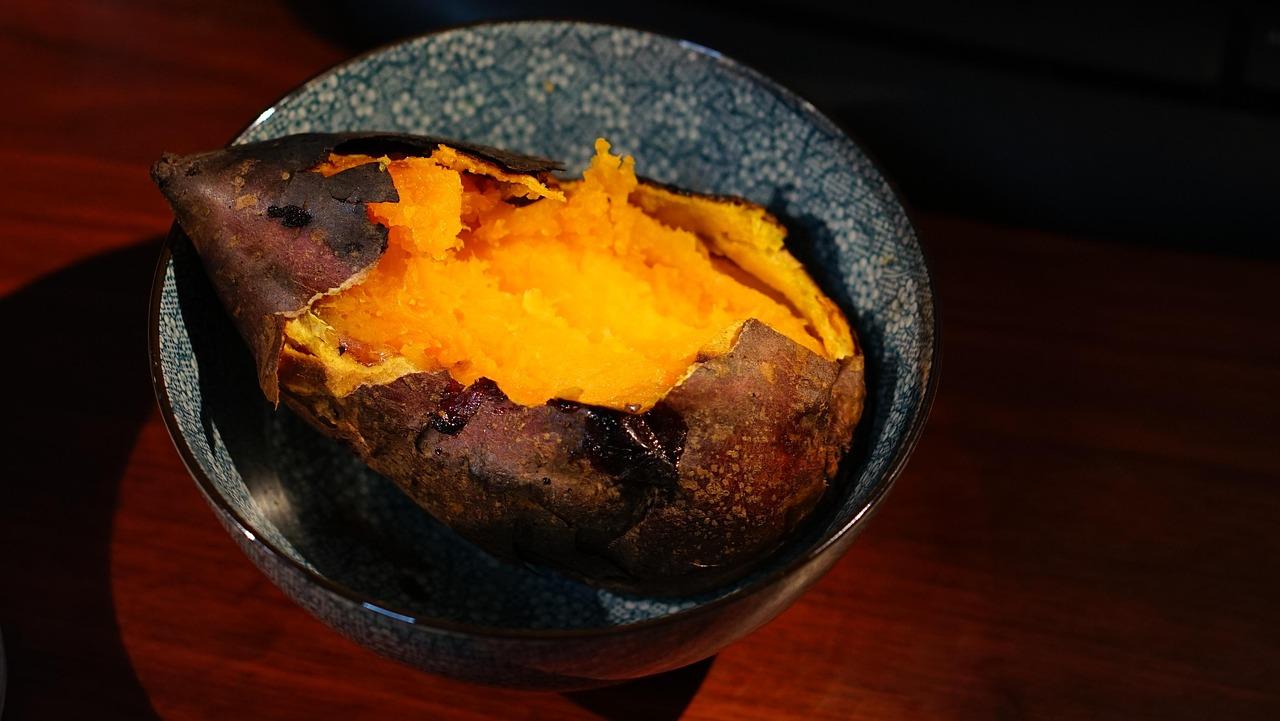
Sweet potato baked whole until soft and caramelised, then mashed with milk and a pinch of ground coriander. Naturally sweet and smooth, it's a favourite first food for babies of 4–8 months. One sweet potato makes more than a baby can eat, so freeze the rest in small portions.

55 minSidesGluten free
by KrazyBadal 0 views

Cheesy topped tomatoes

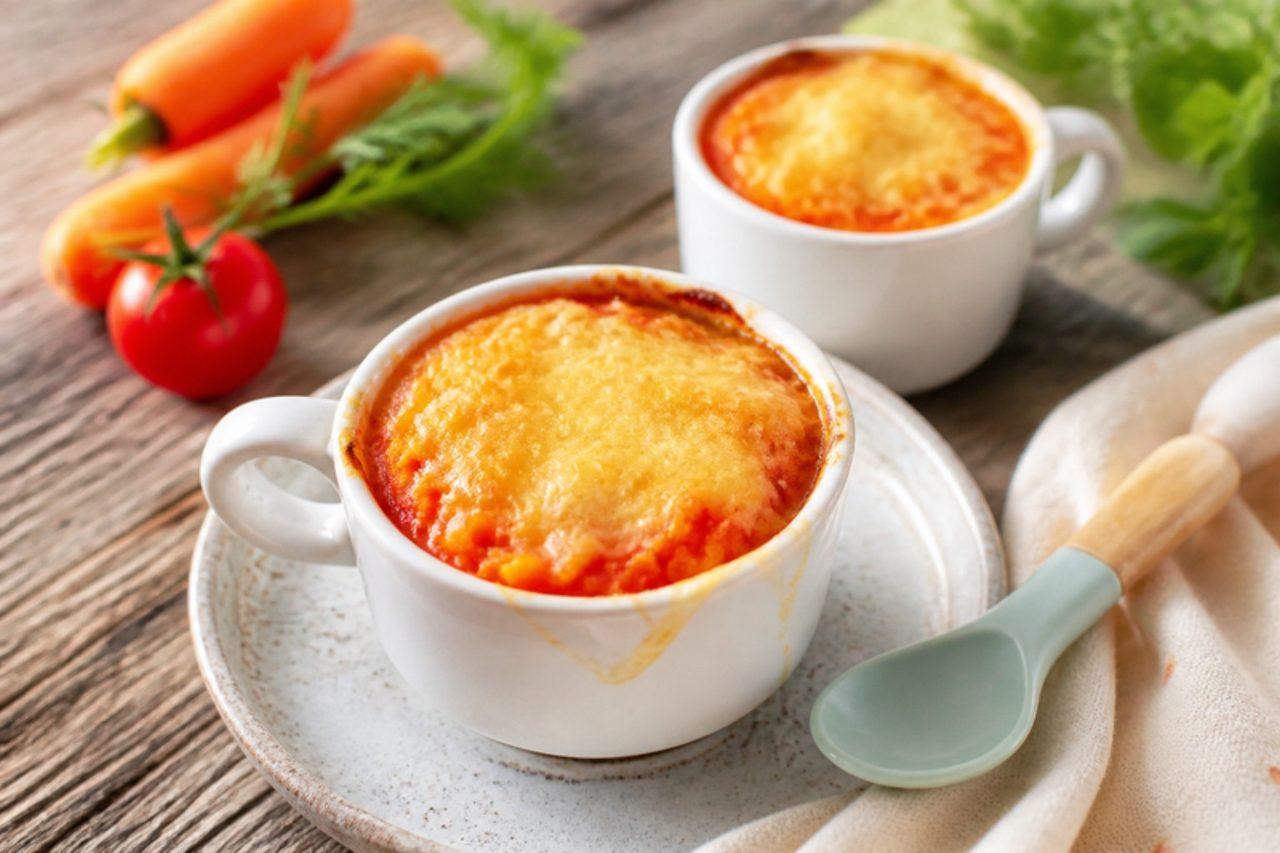
Soft tomatoes and carrot blended with cheddar, ground almonds and milk, then baked in teacups under a golden cheese topping. A gentle, savoury dish for babies of 8–18 months, with plenty of flavour. Serve it just warm, on its own or with soft toast fingers.

40 minVegetarian
by KrazyBadal 0 views

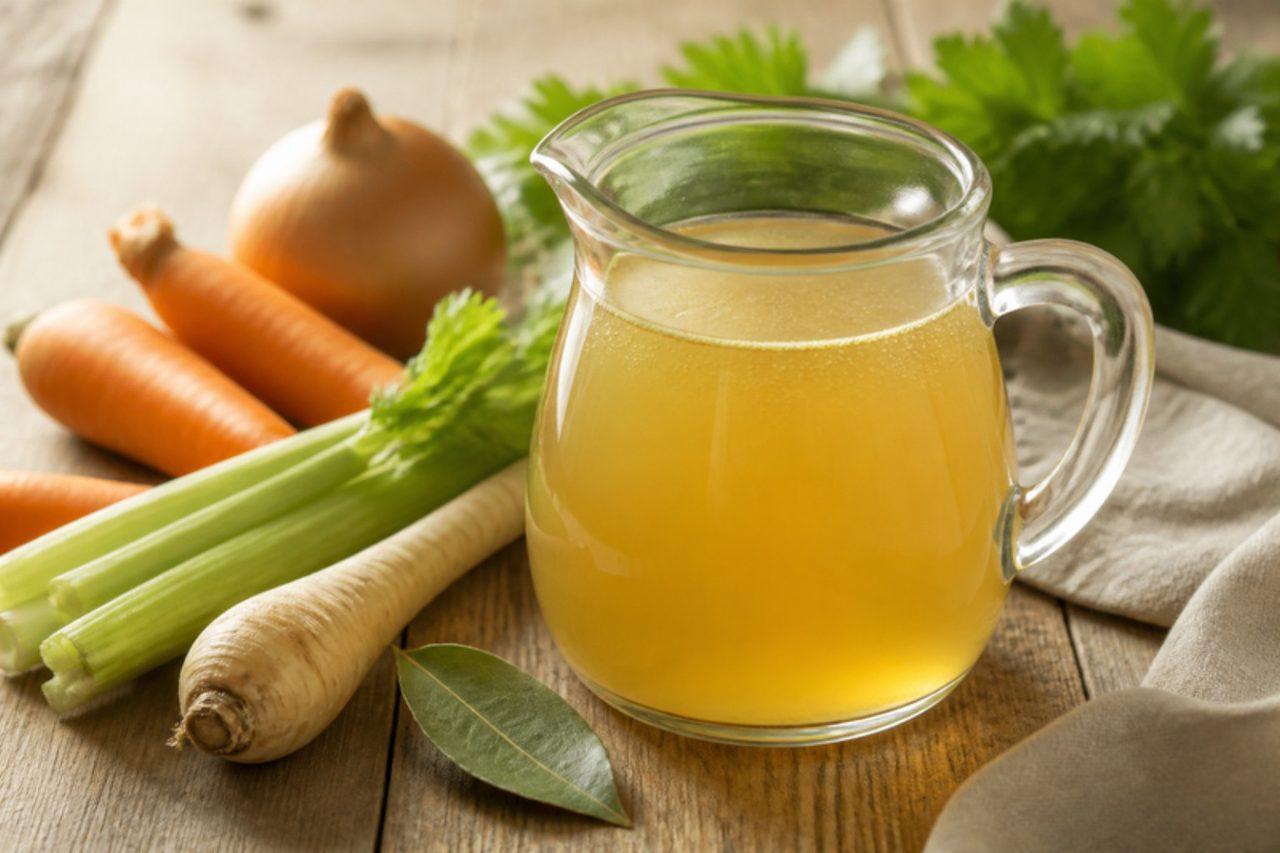
Babies' vegetable stock

A gentle, salt-free vegetable stock for cooking baby food, for babies of 8–18 months. Root vegetables, ginger and a few herbs simmer slowly for two hours, giving a light, sweet stock. Use it for the purees, hash and pasta in this section, and freeze small portions in an ice-cube tray for quick meals.

140 minBasicsVeganGluten free
by KrazyBadal 0 views

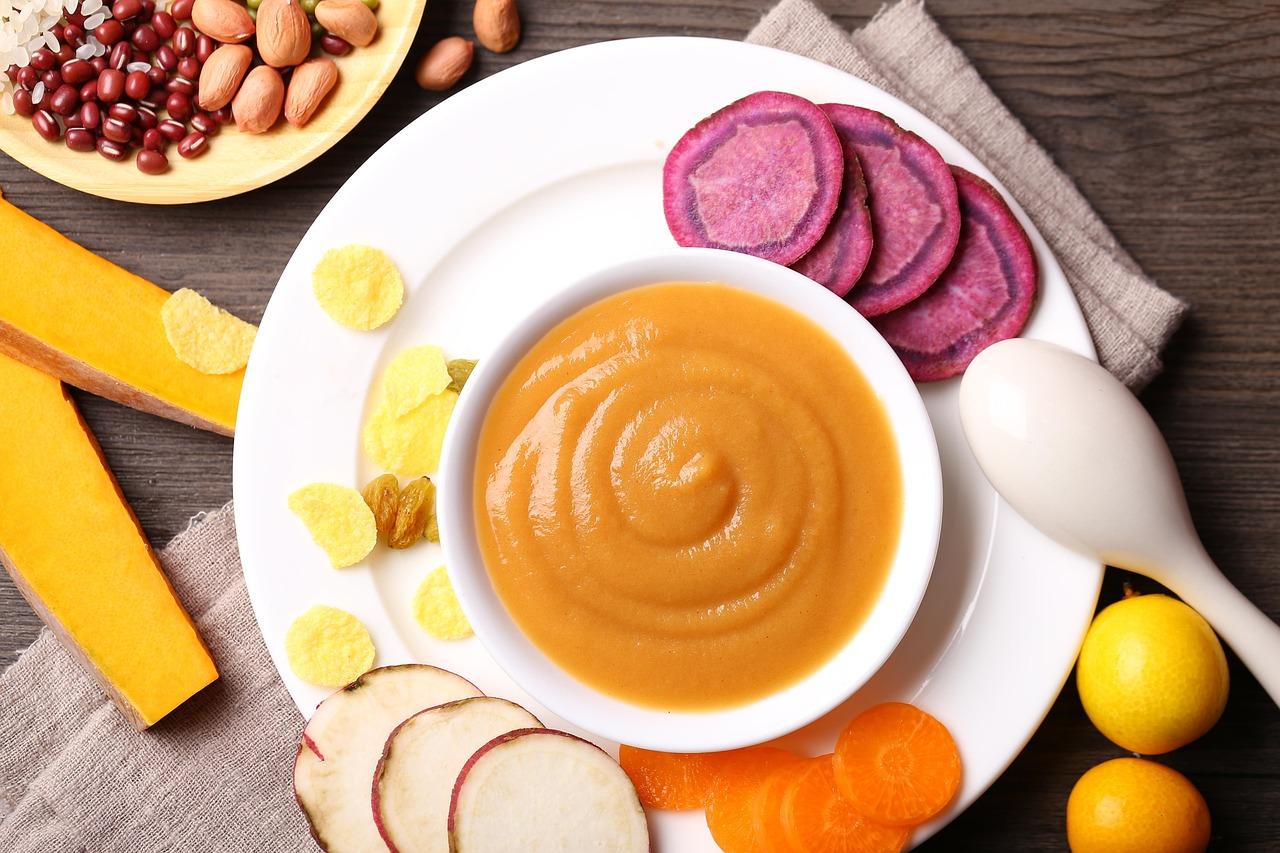
Mixed root vegetable puree

A smooth, naturally sweet puree of three root vegetables: choose from carrots, potatoes, sweet potato and pumpkin. Changing the mix is an easy way to give babies of 4–8 months new flavours. Serve lukewarm.

20 minSidesVeganGluten free
by KrazyBadal 0 views

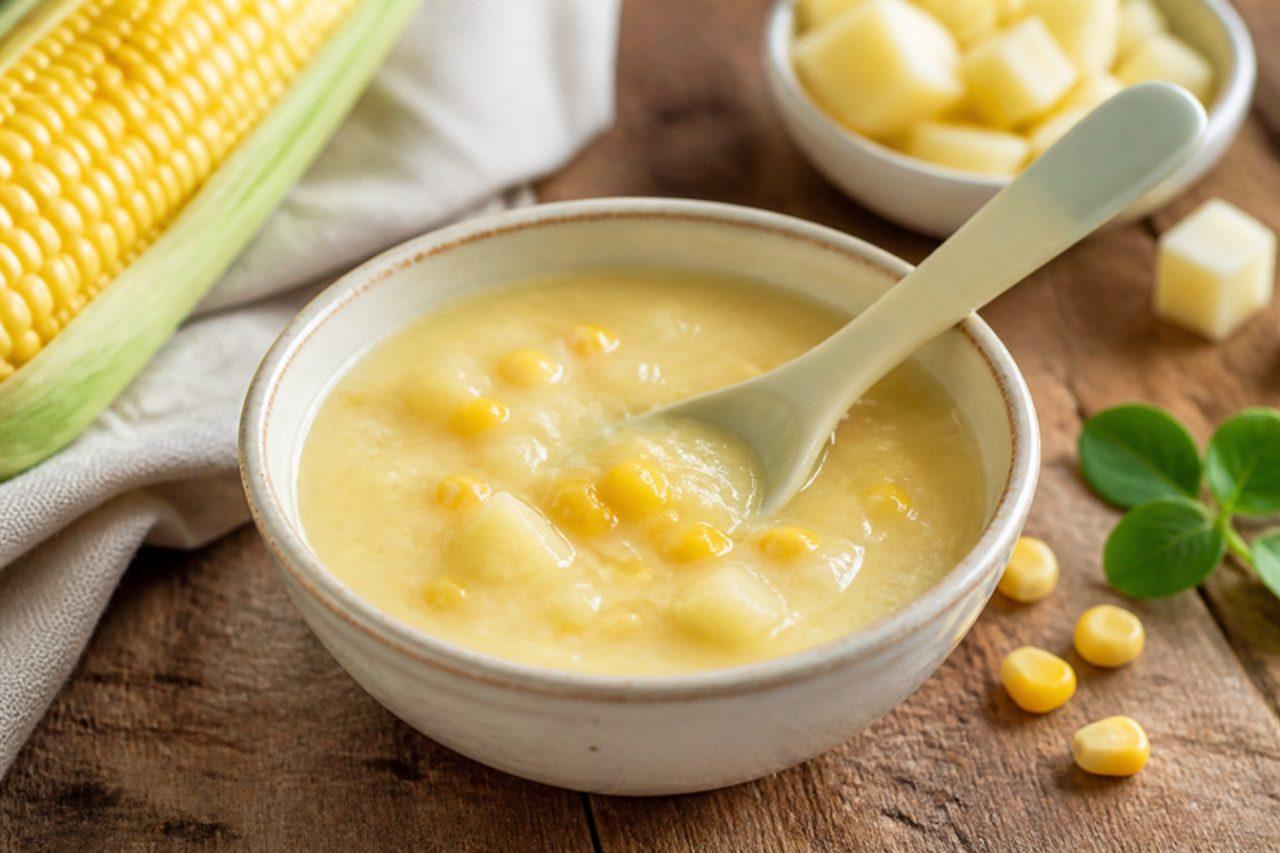
Corn chowder for babies

A sweet, creamy chowder of sweetcorn, potato, leek and red pepper simmered in milk, then blended and sieved until silky. It suits babies of 8–18 months, and older children enjoy it unsieved. Serve warm.

28 minSoupsGluten free
by KrazyBadal 0 views

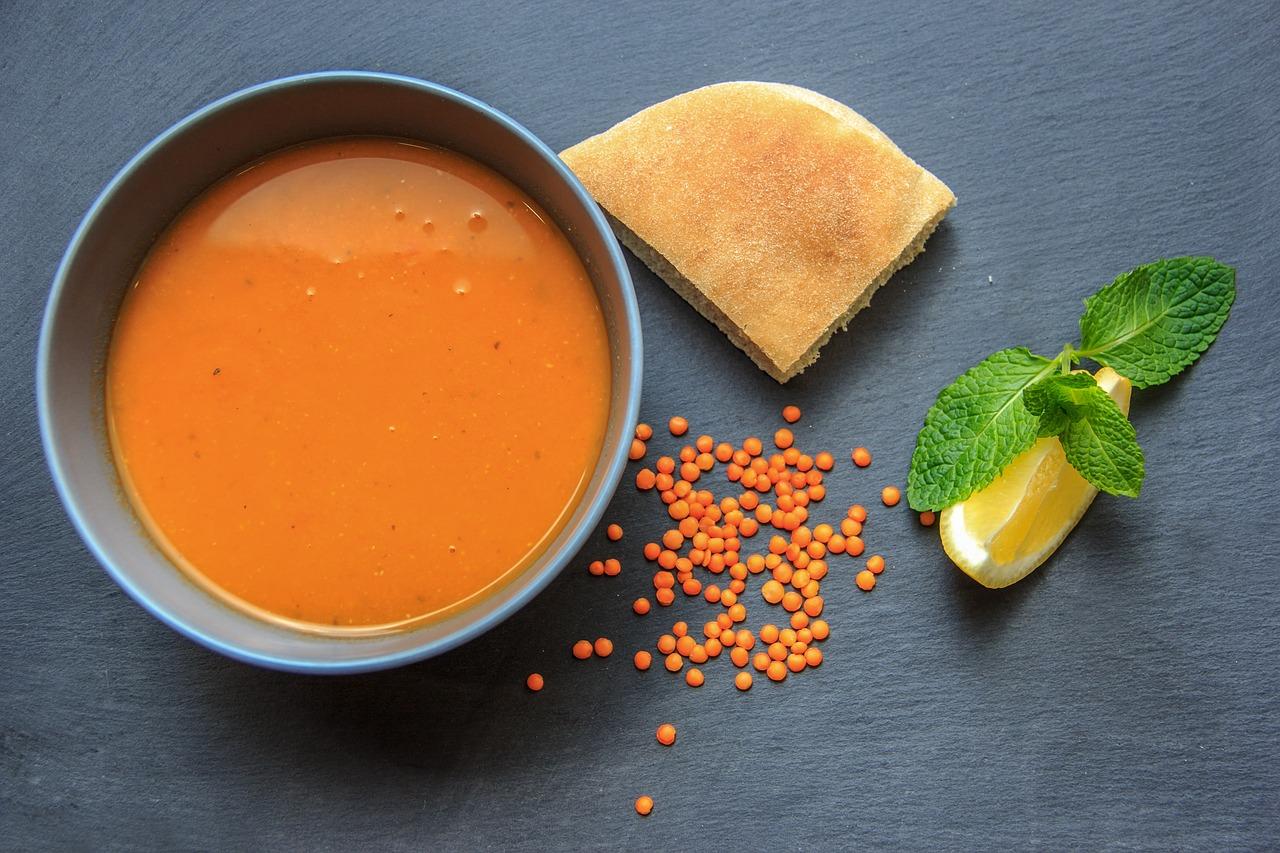
Lentil & tomato medley

Lentils simmered with fresh tomatoes and tomato juice, then pureed and sieved into a smooth, tangy first dal for babies of 4–8 months. Use any lentils: split red lentils cook fastest. Serve warm.

40 minSidesVeganGluten free
by KrazyBadal 0 views

Cream of carrot & cauliflower

Steamed carrots and cauliflower pureed and stirred into creamy baby rice for a smooth, mild meal for babies of 4–8 months. Steaming keeps the vegetables' colour and goodness. Serve lukewarm.

23 minSidesGluten free
by KrazyBadal 0 views

Showing 61 of 109 recipes

Page 5 of 5

More collections