Skip to content

High-protein vegetarian meals

Meat-free meals with plenty of protein from paneer, dal, beans, tofu and eggs. (443 recipes)

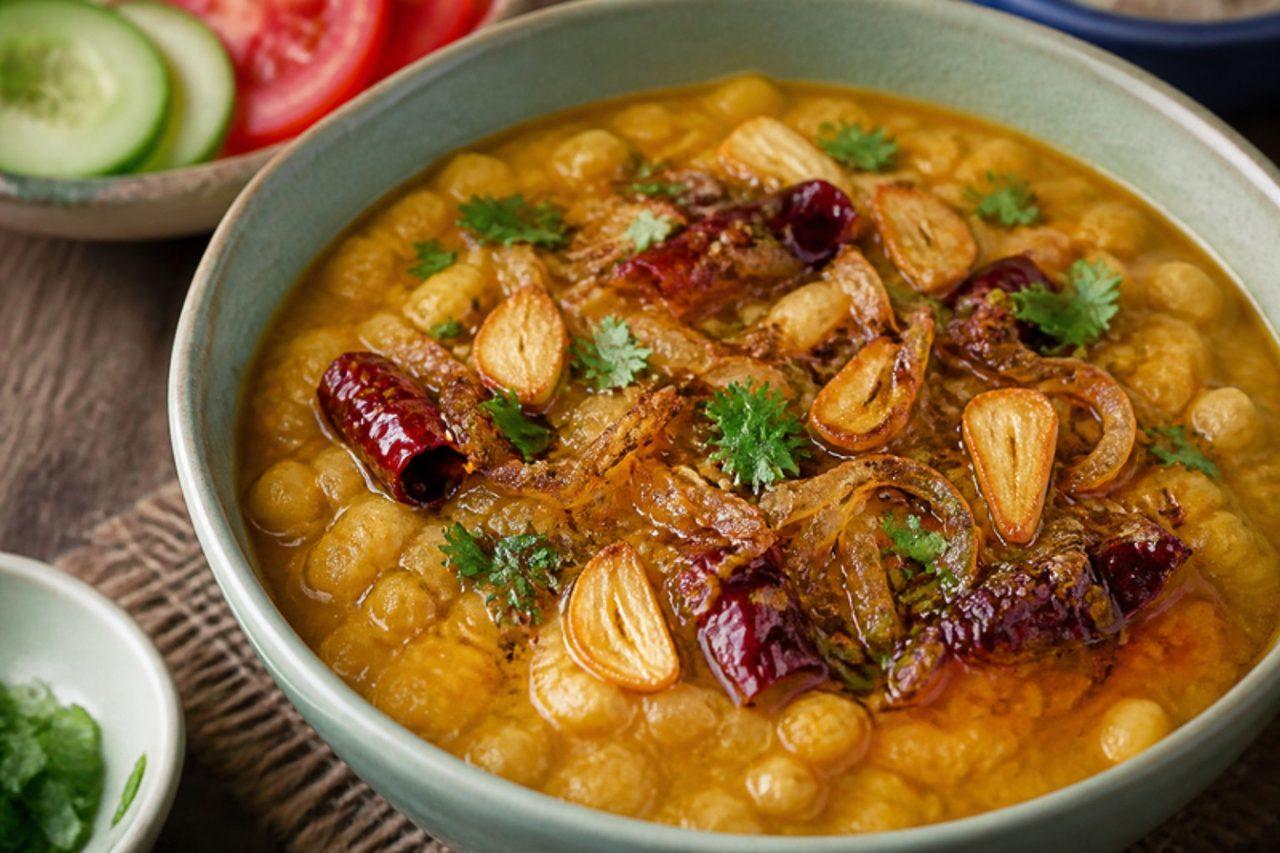
Daal chanaChickpea dal

A bowl of daal chana with a fiery tarka poured over at the table is one of the most ordered plates at dhabas from Multan to Rawalpindi, and in many homes it is the Thursday dinner, eaten with roti, raw onion and pickle. The split chickpeas cook until soft but still hold their shape in a thick, yellow, gently spiced base, and then the tarka of fried onion, garlic, cumin and whole red chilli in ghee crackles over the top. The mistake is serving it before the dal is truly soft; chana dal takes longer than you think, so test a grain by squeezing it. Contains milk (ghee); use oil for a vegan version. Chef's tip: pour the tarka over at the very last moment so it hisses, and cover the pot for a minute to trap the smoky aroma.

by KrazyBadal 0 views

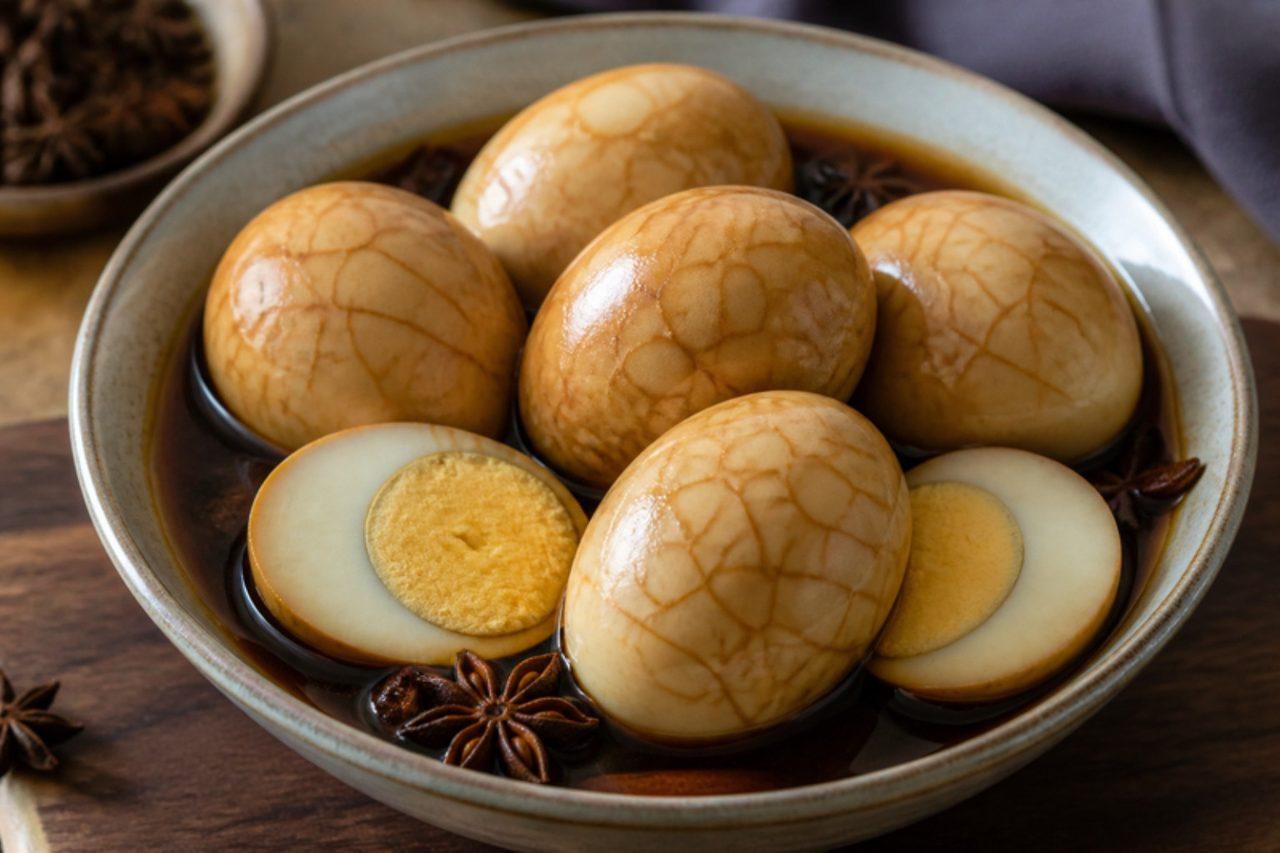
Chaye dan (marbled tea eggs)

Tea eggs bubble in pots of dark broth beside the tills of convenience stores, at railway stations and on breakfast carts all over China; in Zhejiang and Jiangsu families make a big batch for spring outings and for New Year. The eggs are hard-boiled, their shells tapped all over, then simmered and soaked in black tea, soy sauce, star anise and cinnamon, so the whites come out mottled brown like old porcelain and taste gently of spice. The common mistake is to skip the long soak: an hour in the pot only colours the shell, while a night in the fridge gives the pattern and flavour. Chef's tip: crack the shells gently with the back of a spoon so they craze all over but stay on; if pieces fall off you'll get dark patches instead of fine lines.

by KrazyBadal 0 views

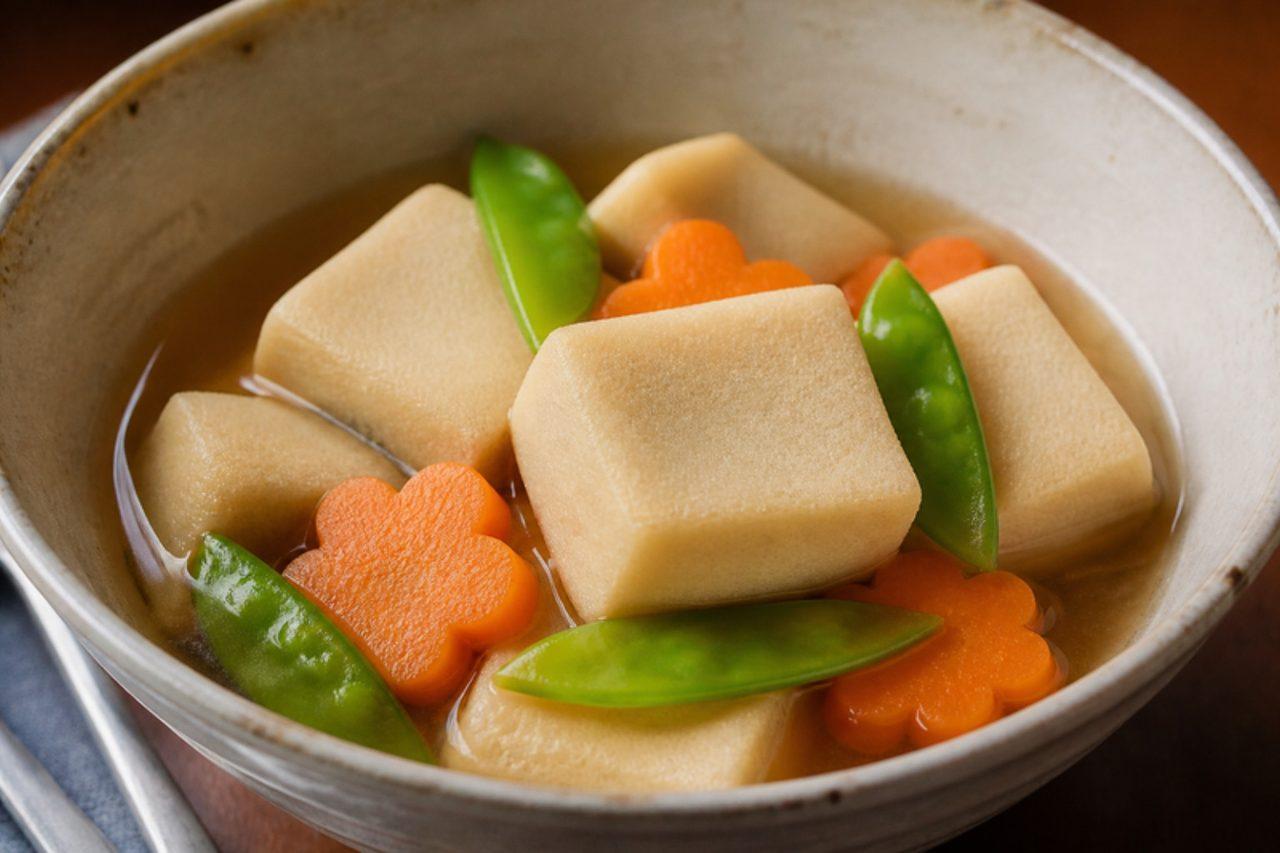
Koya dofu no nimonoSimmered freeze-dried tofu

Kōya-dōfu takes its name from Mount Kōya, where monks discovered that tofu left out in the winter frost dried into light, spongy blocks that would keep for months. Rehydrated and simmered in sweet dashi, it soaks up broth like a sponge, so every bite releases a mouthful of savoury-sweet liquid. It is a regular in bento boxes, osechi and temple meals across Japan. Mirin contains alcohol but simmers away; see the note for an alcohol-free swap. The common mistake is boiling it hard, which makes it crumble; keep the pan at a lazy simmer. Chef's tip: after soaking, press each block between your palms in fresh water until the water runs clear, or it tastes faintly of the packet.

by KrazyBadal 0 views

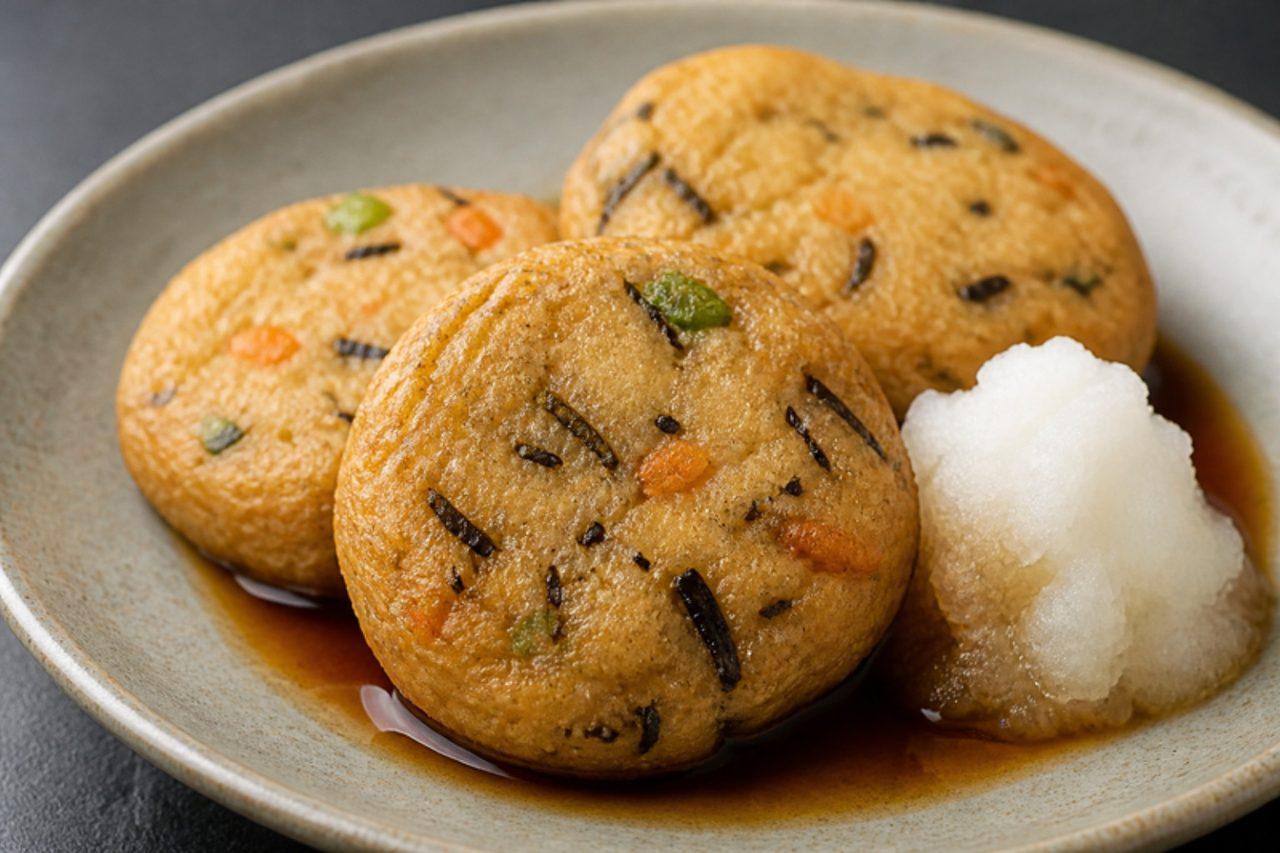
GanmodokiTofu and vegetable fritters

The name means 'mock goose', a hint that these fritters were invented by Buddhist monks who wanted something rich and satisfying without meat; in Kyoto they are called hiryōzu. Firm tofu is pressed, mashed with grated yam, carrot, hijiki and sesame, then fried into golden discs that are crisp outside and soft and springy within. Eat them hot with ginger and soy, or simmer them in oden or sweet dashi on cold days. The common mistake is not pressing the tofu enough; wet tofu makes fritters that split and spit in the oil. Chef's tip: a little grated Japanese mountain yam (nagaimo) binds the mix without egg and makes it fluffier; potato starch alone gives a denser fritter.

by KrazyBadal 0 views

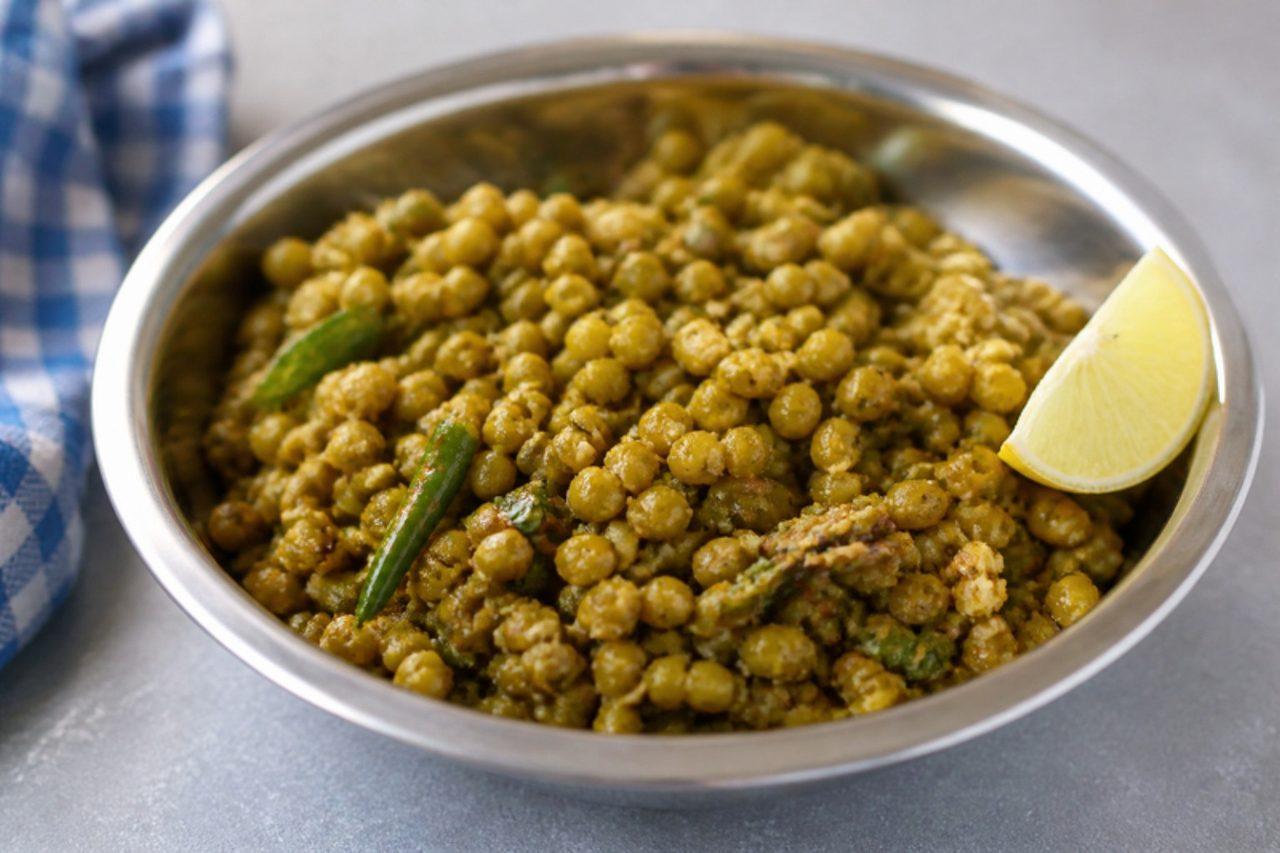
Mag nu shaakDry whole green moong

Wednesday is mag day in many Gujarati homes, and in Jain families this is how it is cooked: whole green moong soaked overnight, pressure-cooked until just soft, then tossed in a vaghar of mustard seed, ajwain and hing with green chilli and dry ginger powder instead of fresh ginger, and no onion or garlic at all. A pinch of jaggery and a squeeze of lemon give it the gentle sweet-sour taste Gujaratis expect. It's a dry shaak, each bean whole and coated, eaten with rotli, or with kadhi-bhaat for a light, very satisfying meal. A common mistake is overcooking the moong until it bursts and turns to mush; two whistles is enough, and the beans should still hold their shape. Chef's tip: save the cooking water; a few spoons loosen the shaak if it looks too dry, and the rest makes a lovely mag nu osaman with a little lemon and vaghar.

by KrazyBadal 0 views

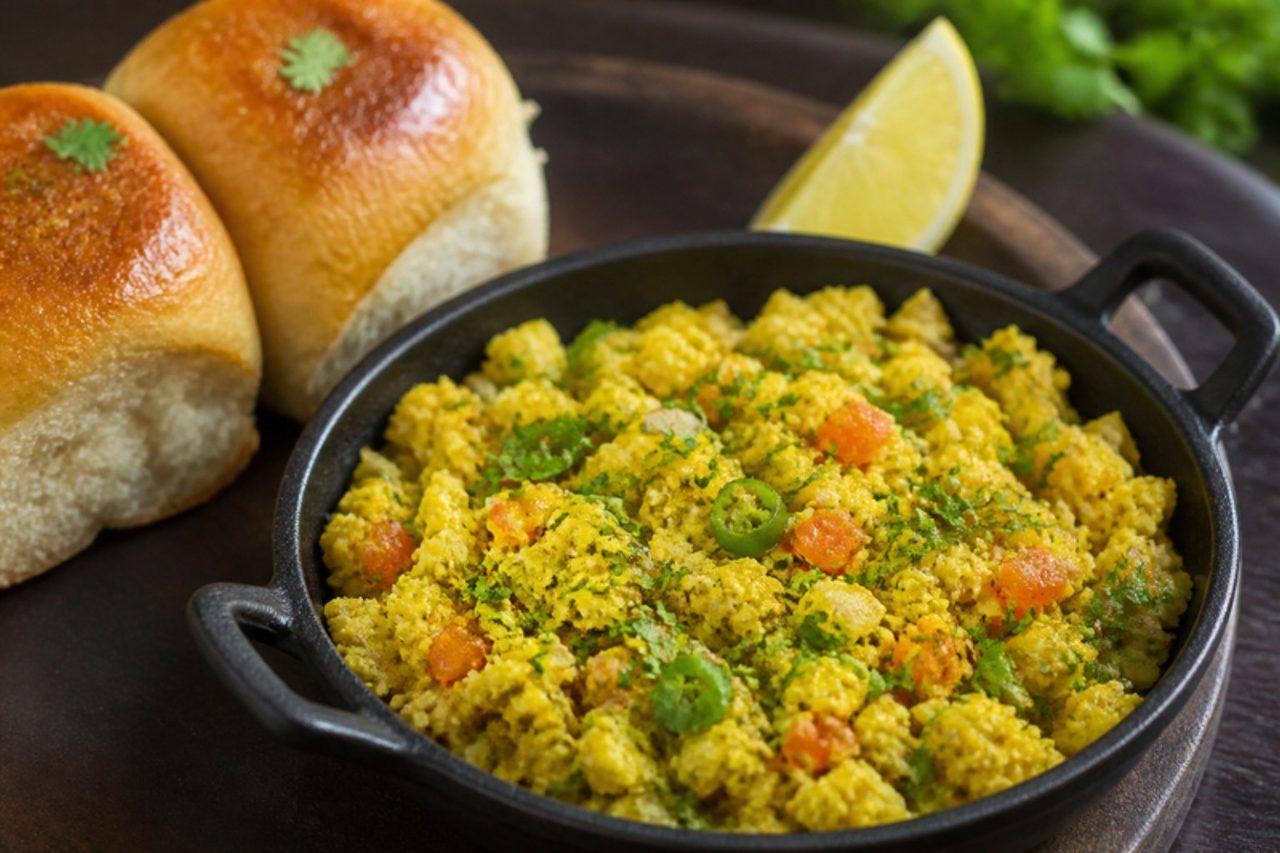
Paneer bhurjiScrambled paneer

Dhabas on the Delhi-Chandigarh highway and Punjabi homes everywhere make paneer bhurji when an egg bhurji won't do: for vegetarian guests, for a fast lunchbox, or when there's a block of paneer waiting in the fridge. The paneer is crumbled and folded into an onion-tomato masala with green chilli, a little garam masala and kasuri methi, and a splash of milk keeps it soft and moist. It goes with butter roti, a buttered pav from the Mumbai stalls, or rolled into a paratha for a tiffin. The common mistake is cooking the paneer too long; it toughens and dries out in minutes. Add it last and heat it through for no more than two or three minutes. Chef's tip: homemade or very fresh paneer crumbles best; grate a firm shop block instead of crumbling it.

by KrazyBadal 0 views

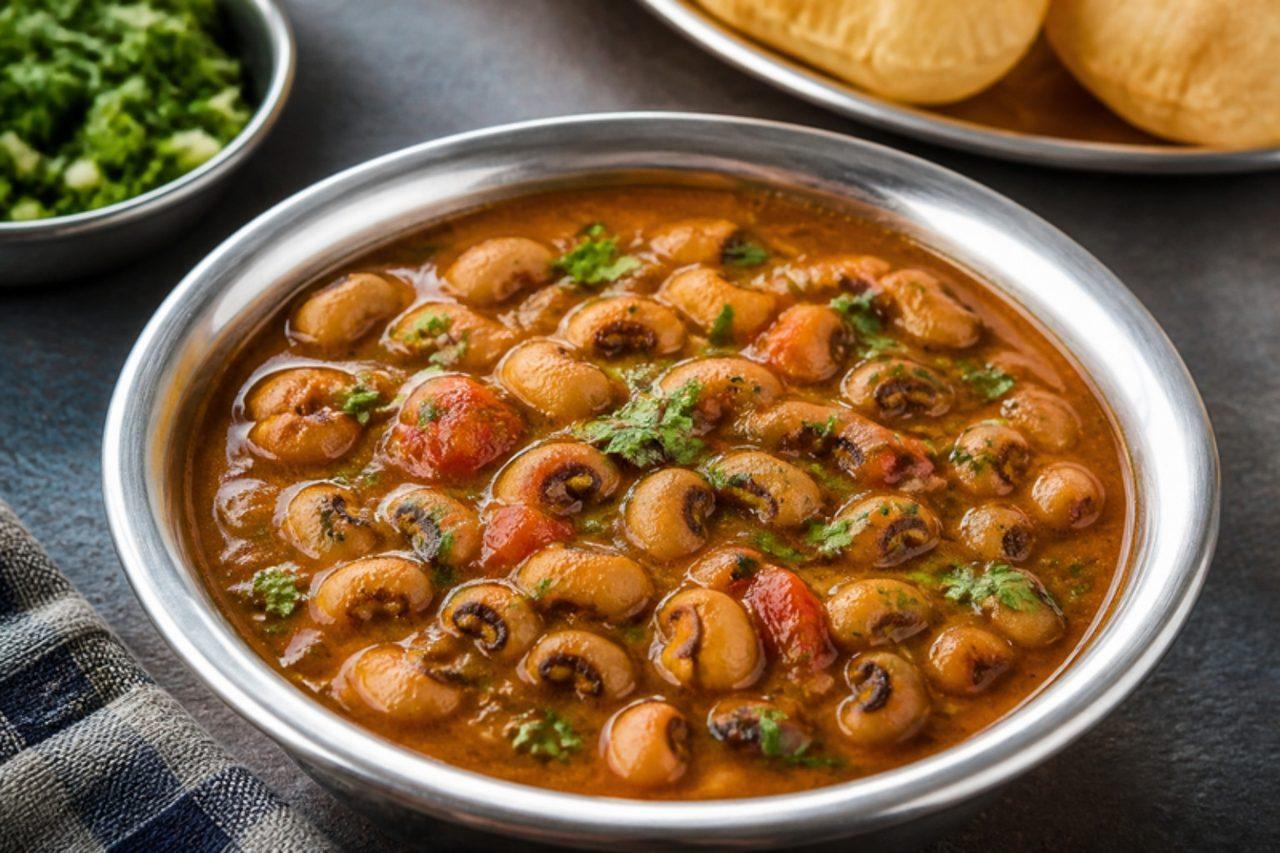
Chora nu shaakBlack-eyed pea curry

Chora nu shaak is a Sunday favourite in Surat and Baroda homes and one of the pulse shaaks that rotate through a Jain kitchen in place of onion-based gravies. Black-eyed peas are cooked soft, then simmered in a thin tomato gravy built on a vaghar of mustard seed, cumin, hing, cloves and dry red chilli, sweetened with jaggery and sharpened with lemon in true Gujarati style. Dry ginger powder replaces fresh ginger, and there is no onion or garlic. The gravy should be loose enough to soak into rotli or rice, with a few beans mashed to give it body. A common mistake is adding tomato and jaggery before the beans are fully soft; acid and sugar keep them hard however long you cook them. Chef's tip: let the shaak rest for 10 minutes before serving; the chora drink up the gravy and the flavours round out.

by KrazyBadal 0 views

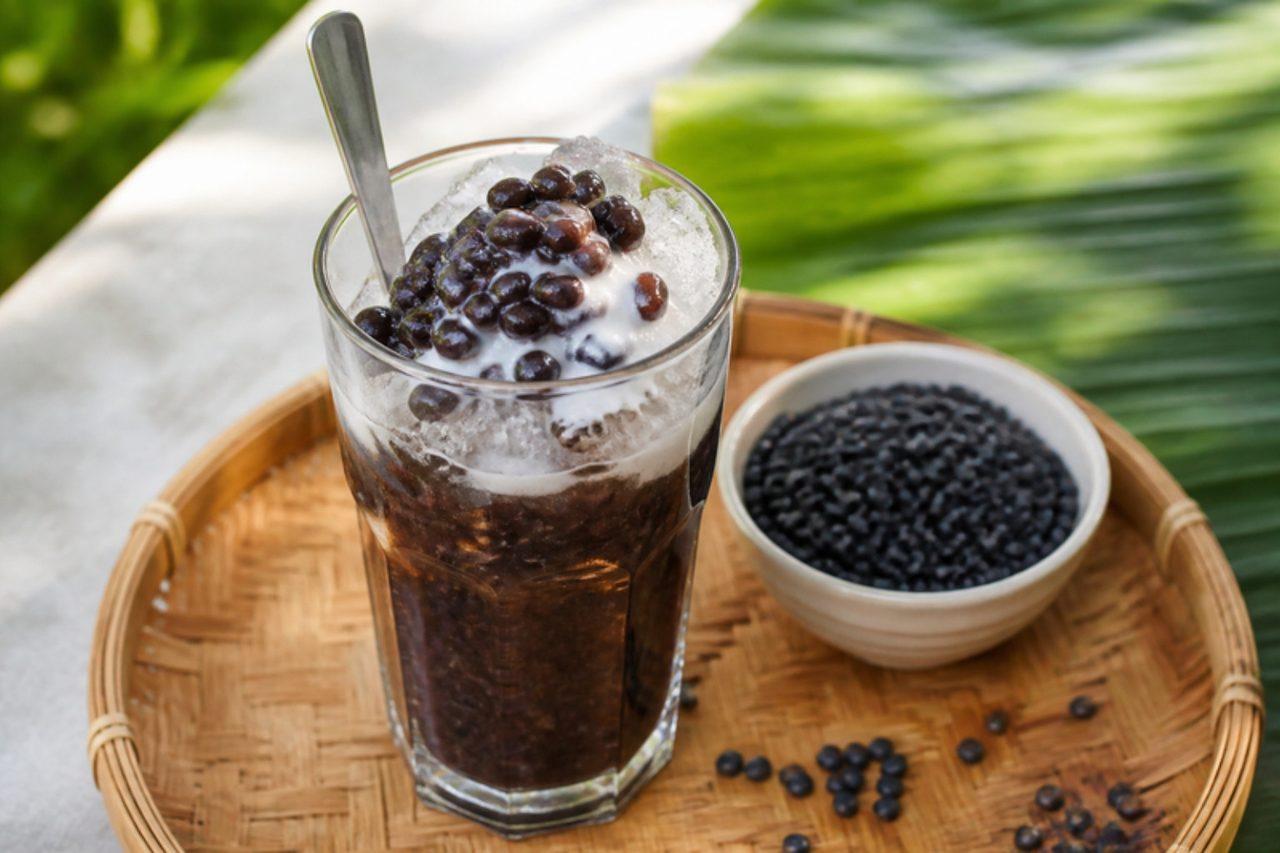
Chè đậu đen (black bean sweet soup)

In Hanoi summers, glass after glass of chè đậu đen is poured over crushed ice at pavement stalls, and many families keep a pot in the fridge because the beans are thought to cool the body. The beans are cooked whole until creamy inside but unbroken, then steeped in syrup until they turn dark and glossy; southern versions finish with a little coconut milk. Chef's tip: add the sugar only once the beans are completely tender; sugar too early toughens the skins and the beans never soften.

by KrazyBadal 0 views

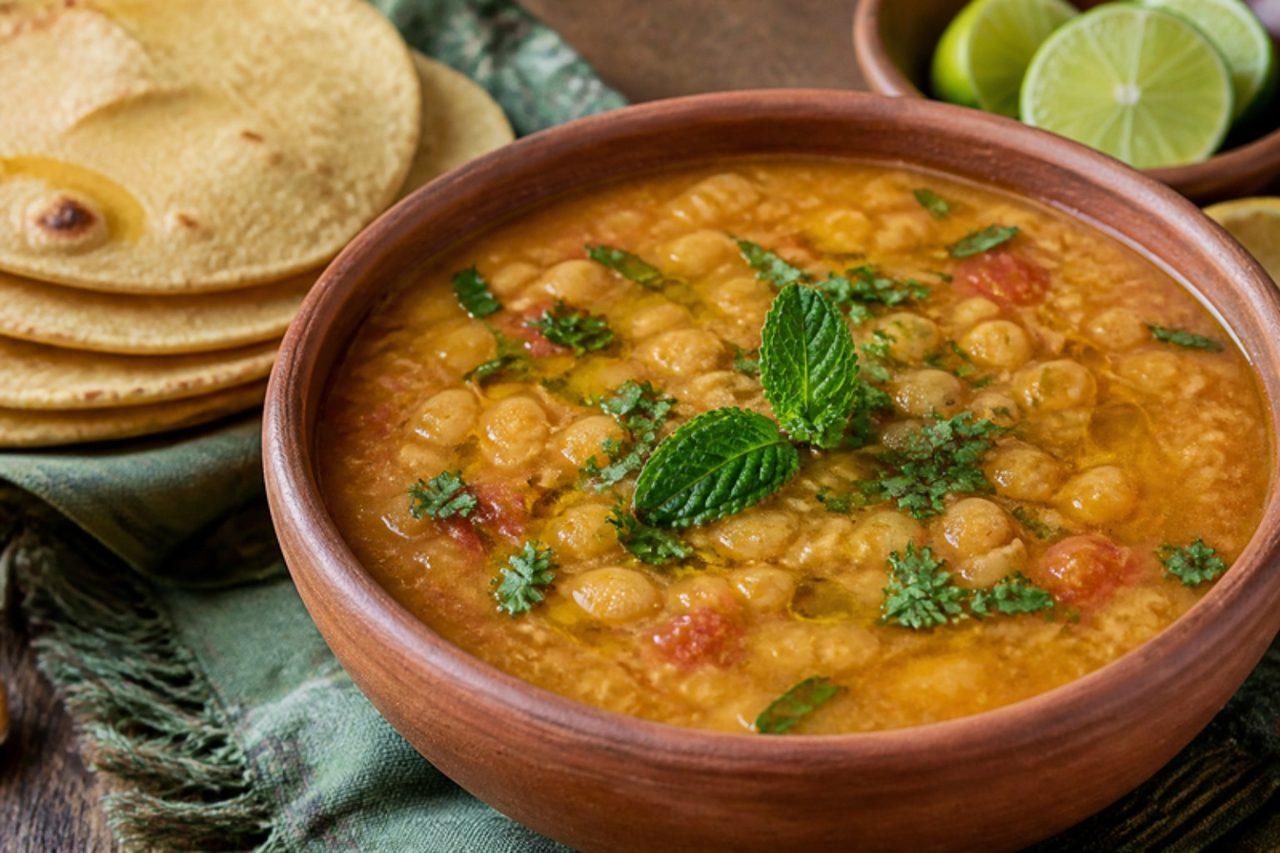
Caldo de habasDried fava bean soup

Few dishes say Good Friday in Mexico City, Hidalgo and Tlaxcala like a bowl of thick, golden caldo de habas, made from peeled dried fava beans cooked down until they almost dissolve. Tomato, onion and garlic give it body, cumin warmth and a handful of fresh mint lifts it, with lime and a pinch of chilli flakes at the table. Cheap, filling and protein-rich, it suits any cold weekday. Look for yellow, peeled split favas at Latin or Middle Eastern shops. Chef's tip: add the mint only at the very end, or it turns grey and loses its scent.

by KrazyBadal 0 views

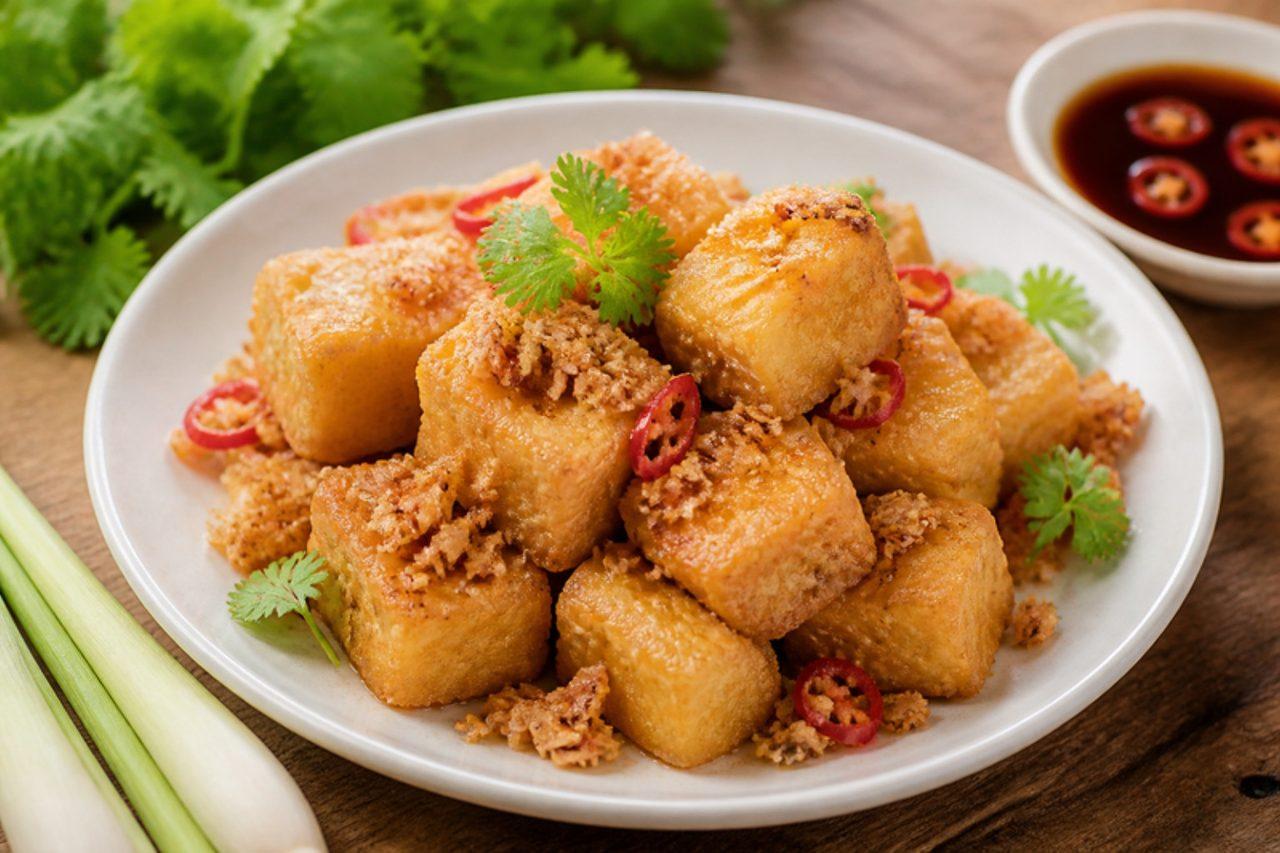
Đậu hũ chiên sả ớt (lemongrass chilli tofu)

Saigon's chay restaurants, the ones tucked beside pagodas that fill up on the 1st and 15th of each lunar month, nearly always have a plate of this on the table: golden tofu cubes buried under a crunchy, fragrant rubble of fried lemongrass and red chilli. The tofu stays soft inside, the lemongrass turns nutty and crisp, and a splash of tamari with a little sugar glazes everything. Eat it with steamed jasmine rice, sliced cucumber and a bowl of clear vegetable soup. Many chay cooks skip garlic and shallot, so this version leaves them out. Chef's tip: mince the lemongrass really finely and fry it on its own until golden; coarse chunks or lemongrass added with the tofu stay woody and chewy.

by KrazyBadal 0 views

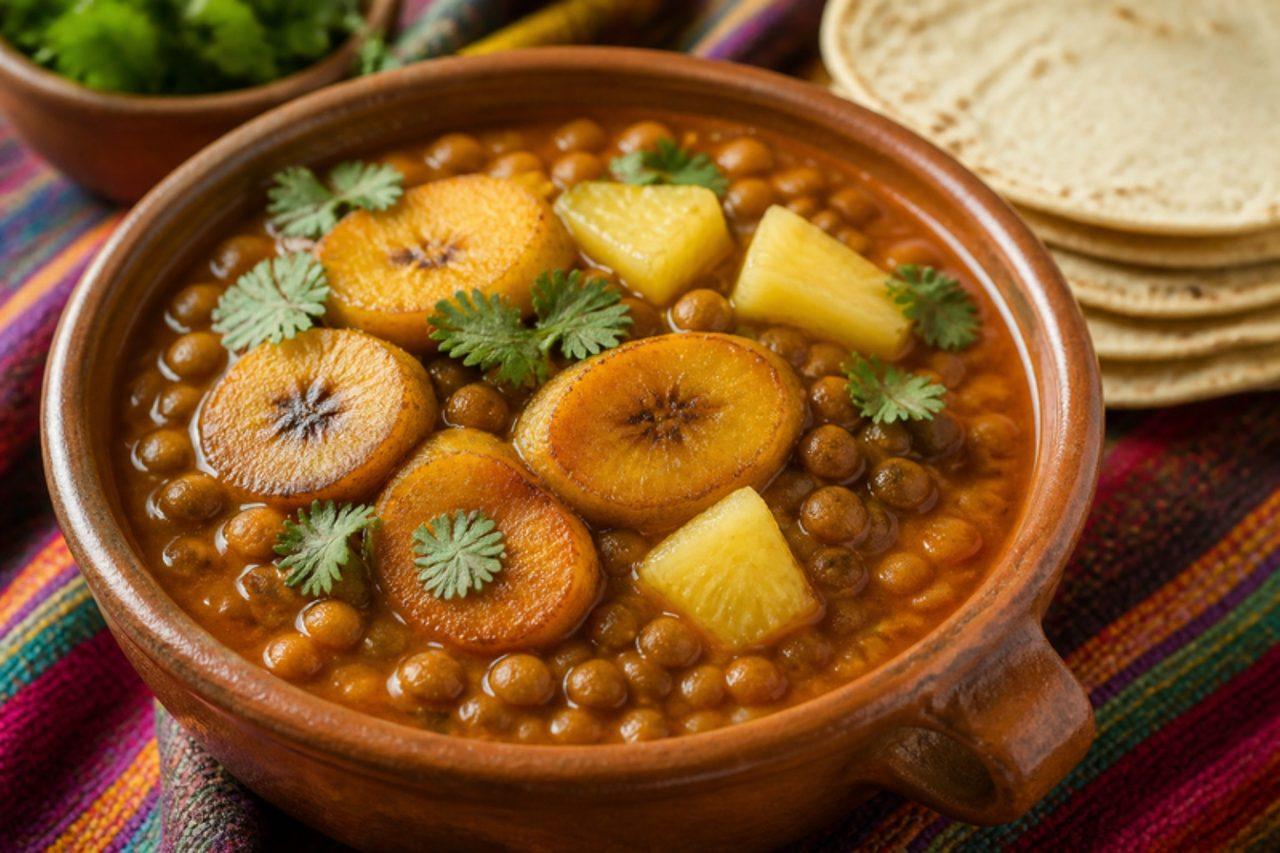
Lentejas con piña y plátanoLentils with pineapple and plantain

Sweet and savoury share a pot in this Lent favourite from Puebla and Mexico City kitchens: brown lentils simmered in a tomato and garlic broth, finished with chunks of pineapple and slices of fried ripe plantain. It sounds unusual but tastes balanced and comforting, and many families eat it on the Fridays before Easter with white rice and tortillas. Chef's tip: use a plantain with a black-speckled skin; green ones stay starchy and never sweeten.

by KrazyBadal 0 views

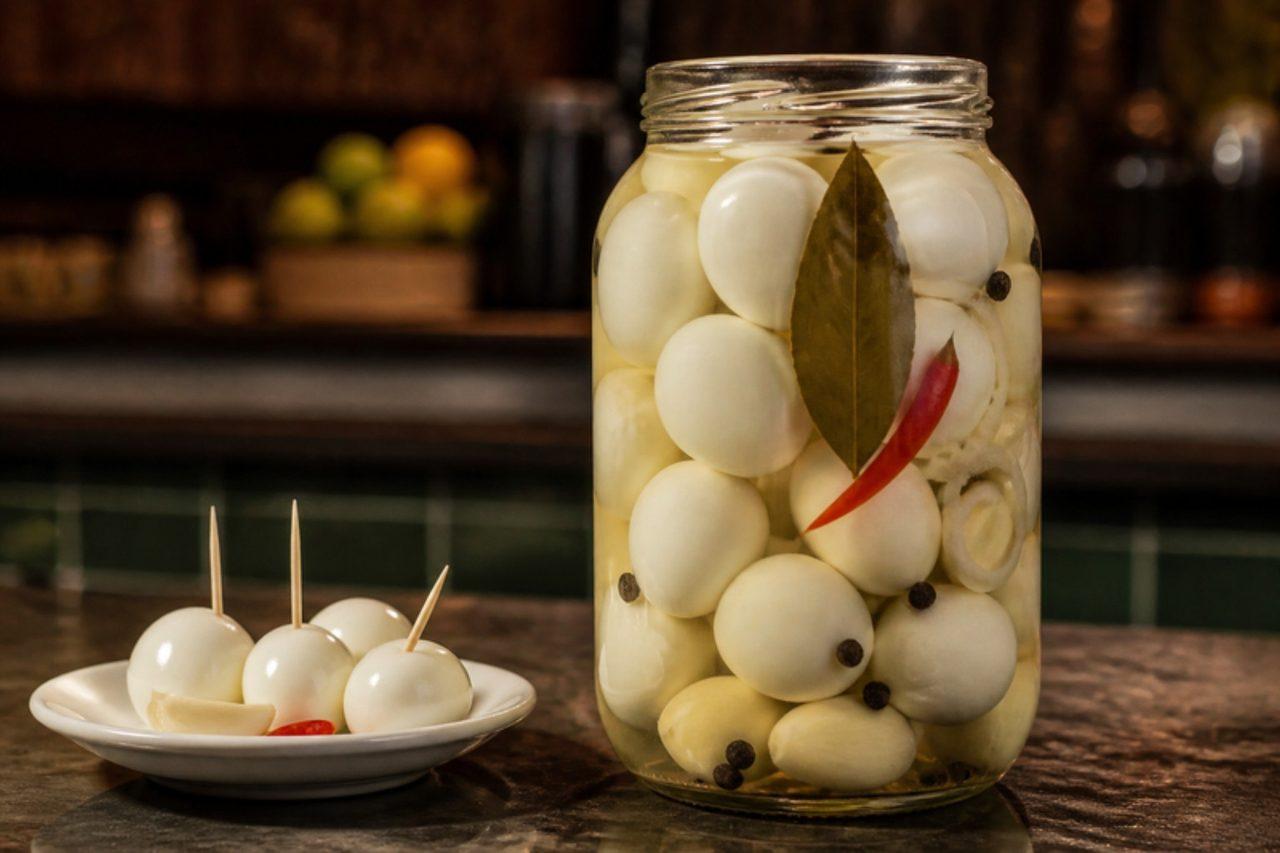
Ovos de codorna em conservaPickled quail eggs

A big glass jar of pickled quail eggs sits on the counter of countless botecos in Rio and São Paulo, and a few speared on toothpicks are the classic thing to nibble with a cold chopp. At home they keep for two weeks in the fridge and make an easy snack for parties or a picnic. The tiny eggs are boiled, peeled and covered in a hot, garlicky vinegar brine with bay and black pepper, which seasons them right through after a couple of days. Chef's tip: peel the eggs under a trickle of cold water, starting at the wide end where the air pocket sits.

by KrazyBadal 0 views

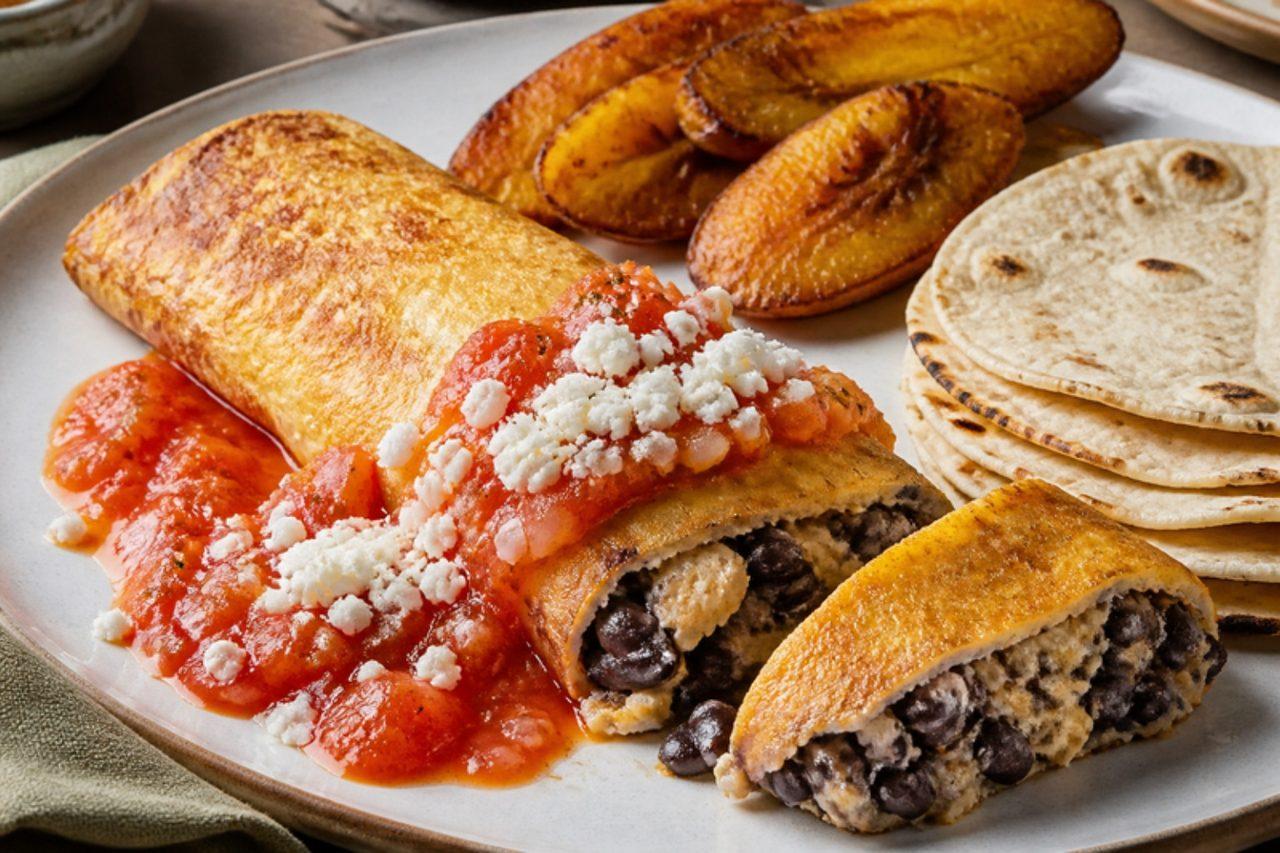
Huevos tiradosEggs with black beans

In the port of Veracruz and the coffee towns around Xalapa, morning cafés roll out a dark, savoury omelette that looks plain and tastes rich: eggs are 'thrown' into a pan of black refried beans and stirred, then rolled into a log and served with tortillas, fresh cheese and salsa. It keeps workers going till lunch. Chef's tip: the beans should be thick and fairly dry, like mashed potato, or the roll won't hold.

by KrazyBadal 0 views

Lentilha de Ano NovoNew Year lentil stew

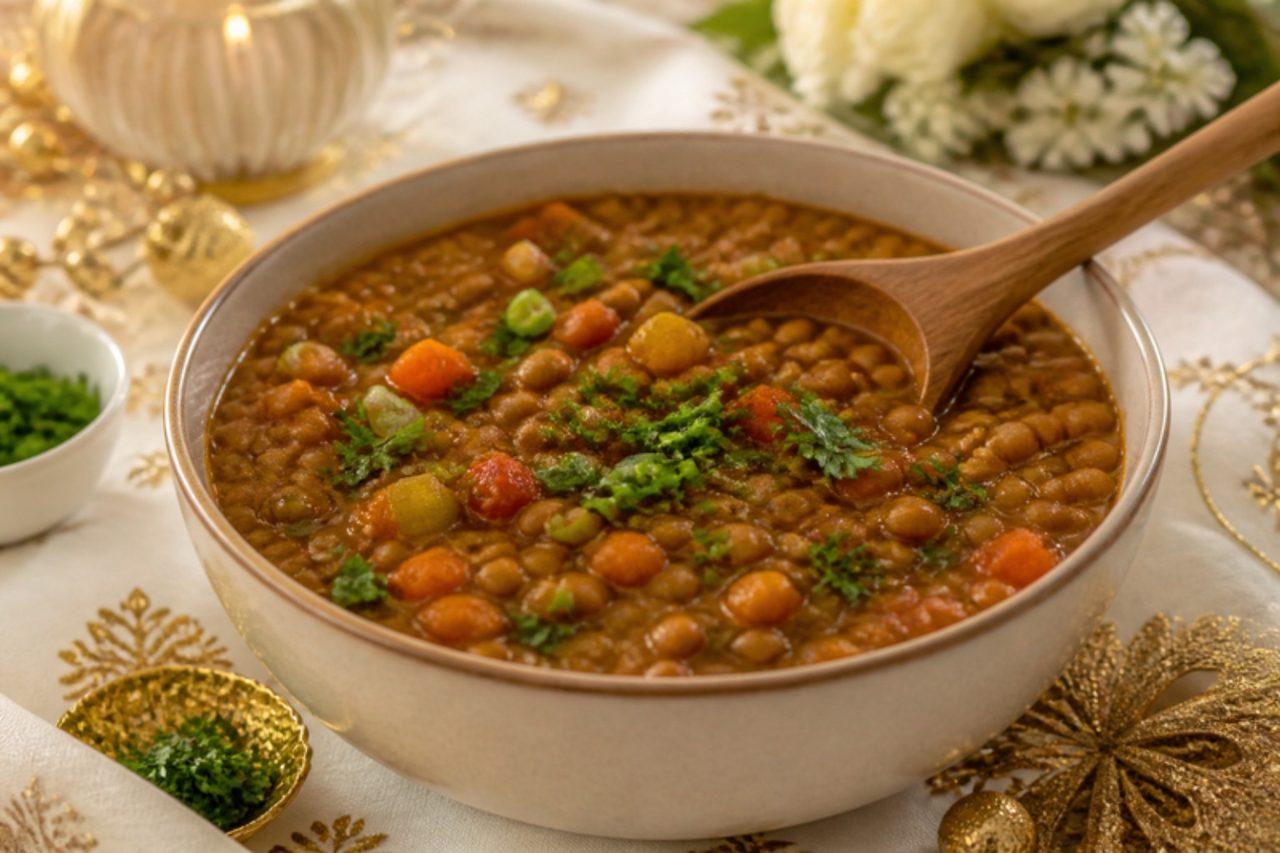
Just after the fireworks at midnight on 31 December, Brazilians from Copacabana to small towns in the interior eat a spoonful of lentils, because the little coin-shaped seeds are said to bring money in the year ahead. Many families keep a pot of this warm stew of lentils, tomato, carrot and smoked paprika on the stove all through the Réveillon party. It also makes a good weekday supper with rice. Chef's tip: keep it at a gentle simmer so the lentils hold their shape, as they are meant to look like little coins.

by KrazyBadal 0 views

Bánh hỏi with lemongrass tofuRice vermicelli with lemongrass tofu

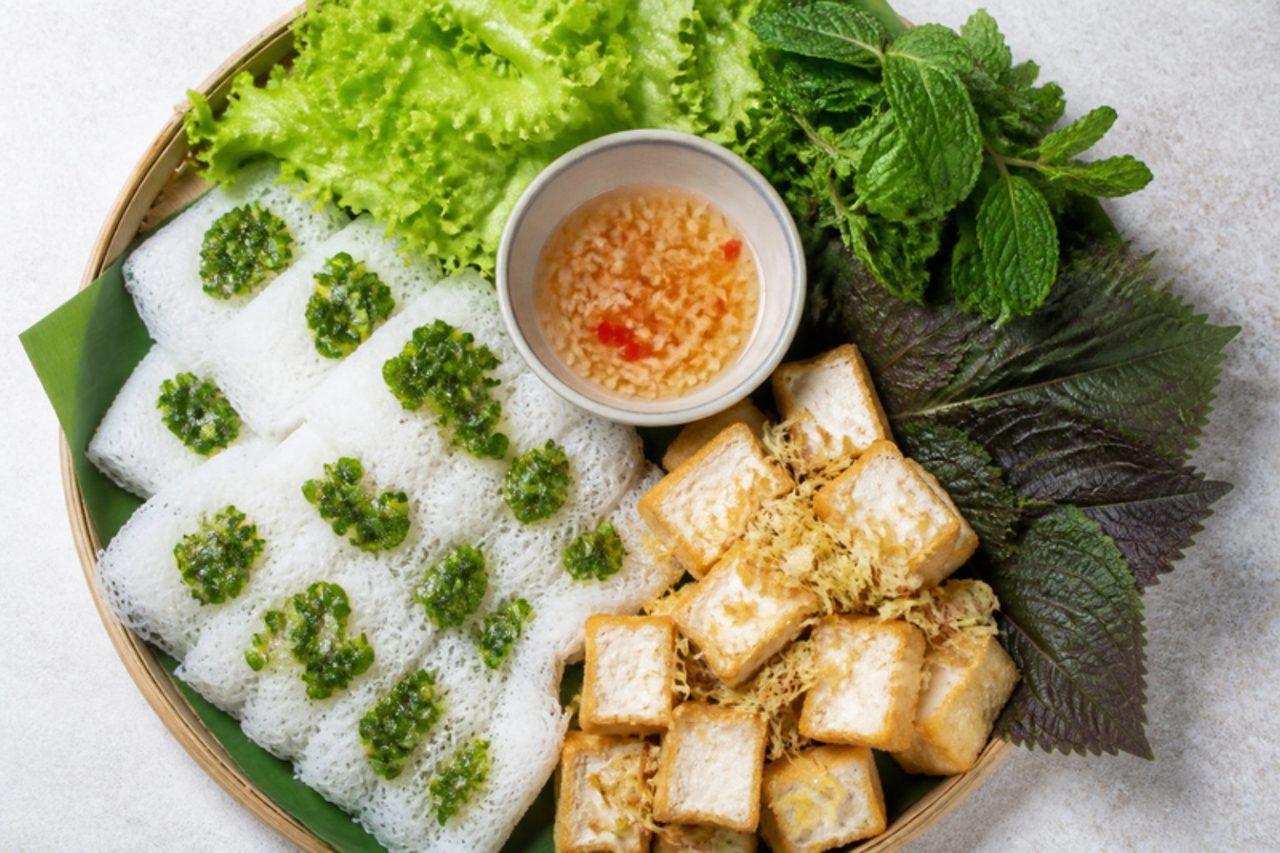
In Quy Nhơn and across Bình Định, breakfast stalls sell bánh hỏi by the tray: mats of hair-fine rice vermicelli brushed with scallion oil and eaten rolled in lettuce with roast pork, grilled meat or, at temple stalls, tofu. Making the woven mats from scratch needs a press, so cooks everywhere now buy dried bánh hỏi sheets or very fine vermicelli and steam them into mats, which is what this version does. The lemongrass tofu and a soy-lime dipping sauce keep the whole plate vegan; the usual partner is nước mắm chấm with grilled pork. Chef's tip: steam the vermicelli rather than boiling it; boiled strands go soft and clump, and the mats will not hold together.

by KrazyBadal 0 views

Ciceri e triaChickpeas with pasta

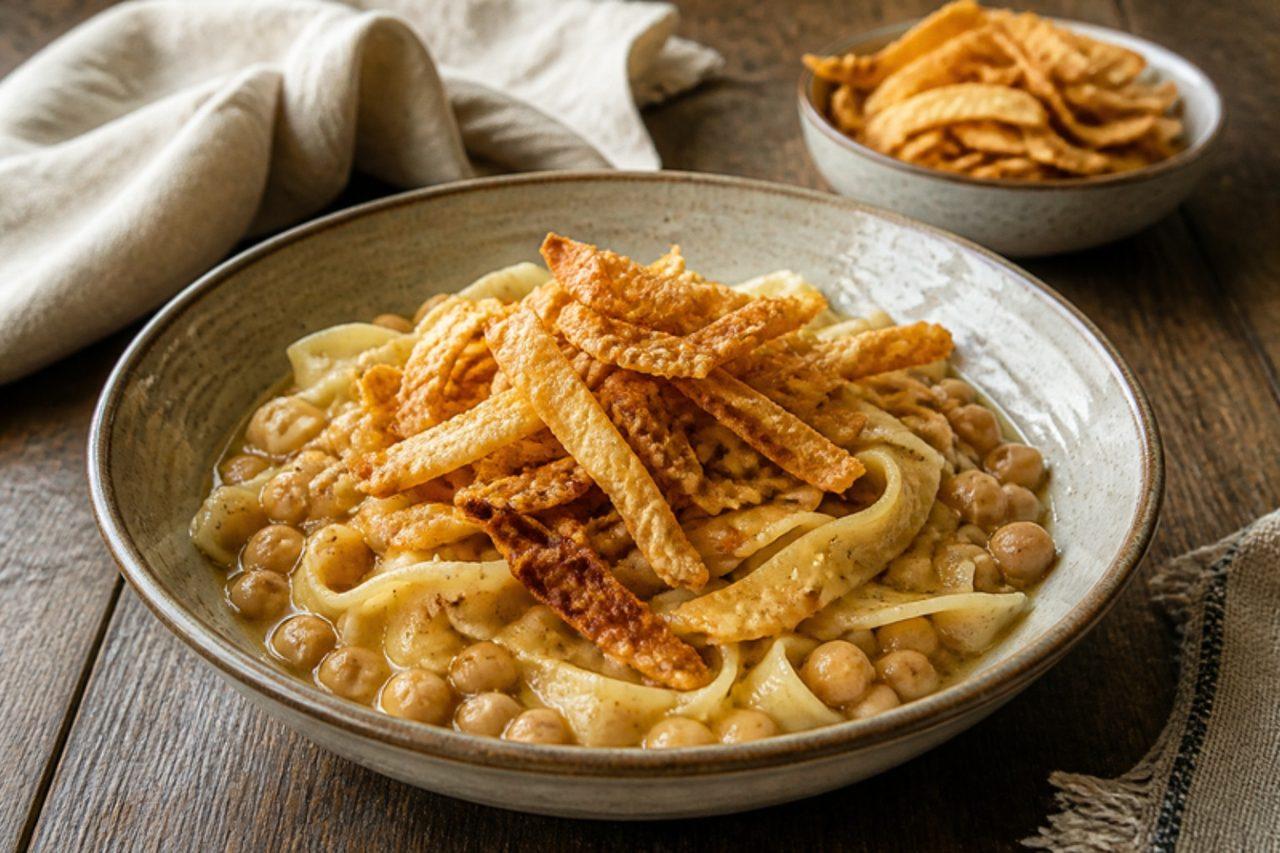
In the Salento, at the heel of Puglia, ciceri e tria is an ancient dish, its name from the Arabic "itriya" for dried pasta: creamy chickpeas cooked with bay and garlic, tossed with homemade ribbons of flour-and-water pasta, a third of which are fried in olive oil until crisp and scattered on top. It is made for the feast of San Giuseppe on 19 March, and in the trattorie of Lecce all year round. Chef's tip: the contrast is the whole point; fry the pasta strips until golden and crunchy and add them only at the very last moment, so they stay crisp.

by KrazyBadal 0 views

Omelette aux fines herbesHerb omelette

Every French home cook learns the omelette aux fines herbes, the quick lunch or late supper served all over the country with a green salad and a glass of water or cider, and the test dish of every cookery school from Paris to Lyon. The eggs are stirred over a gentle heat so they set into soft, creamy curds, then rolled into a pale, smooth cigar with no brown colour at all. The four fines herbes, chives, parsley, chervil and tarragon, go in raw at the last minute so they stay bright. The usual mistake is a pan that is too hot, which browns and toughens the outside before the middle sets. Chef's tip: take the omelette off the heat while the centre still looks a little runny; it finishes cooking on the plate.

by KrazyBadal 0 views

Frittata di zucchineCourgette frittata

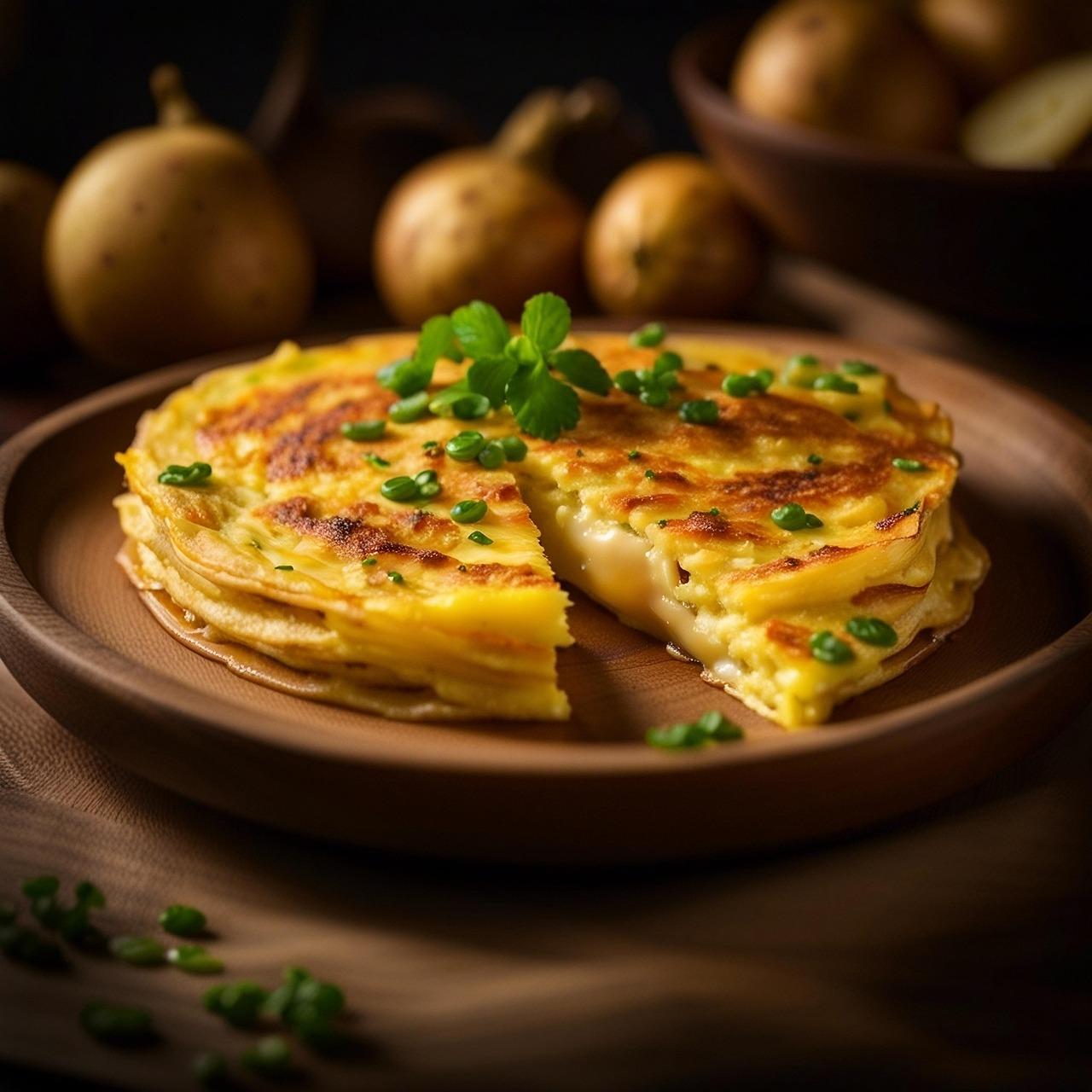
Frittata is Italy's everyday dish for a quick supper or a packed lunch: a thick, flat omelette cooked slowly in a pan, then flipped over a plate. Courgette frittata, with soft, golden slices of courgette and Parmigiano, is the summer favourite, taken to the beach in a panino or cut into squares for children. It is just as good cold the next day. Parmigiano is made with animal rennet; choose a vegetarian hard cheese if you need to. Chef's tip: cook the courgettes until golden before adding the eggs; raw courgettes make the frittata watery.

by KrazyBadal 0 views

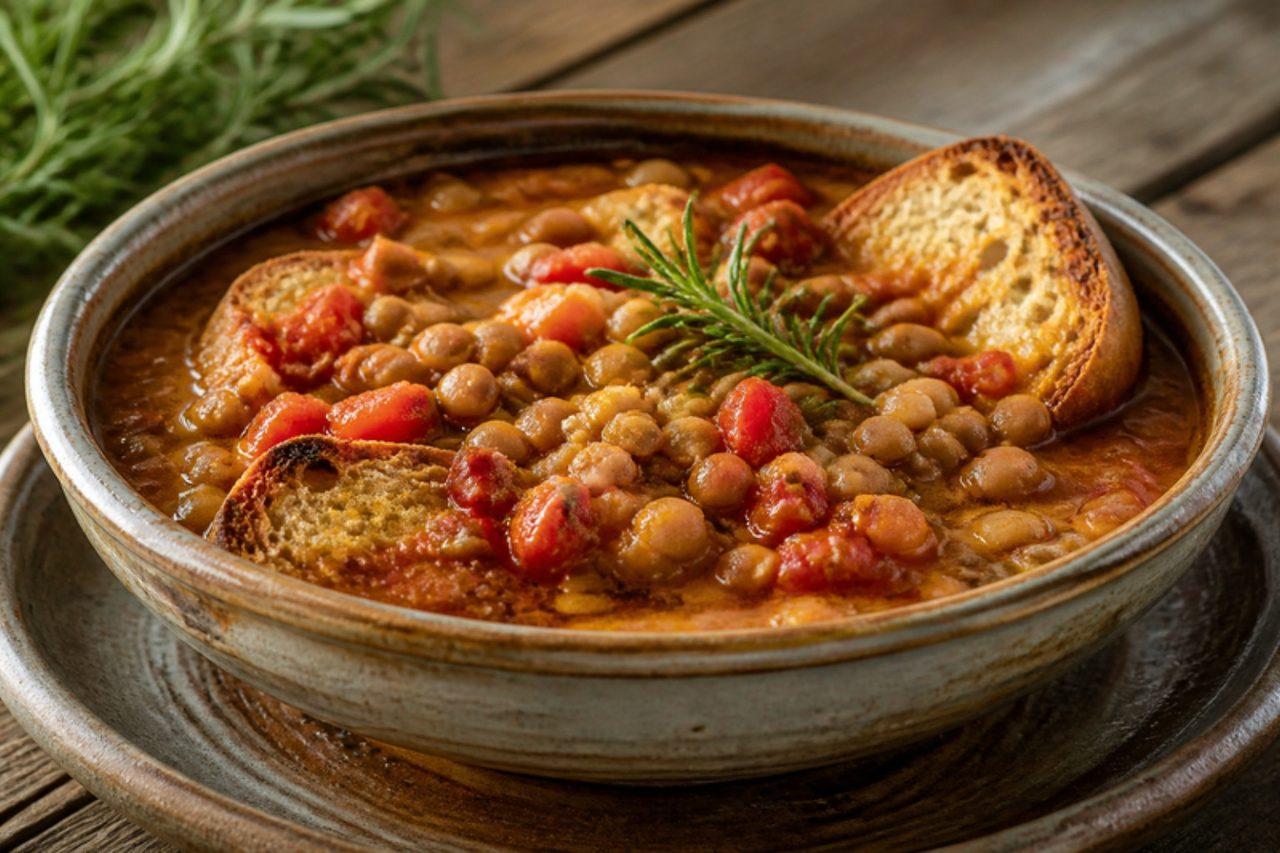
Zuppa di cicerchieGrass pea soup

Cicerchie (grass peas) are an ancient legume that looks like a small, squared-off chickpea, grown on the hills of the Marche and Umbria around Serra de' Conti and Gubbio. They make a thick, nutty, rustic winter soup cooked with garlic, tomato and rosemary, served over toasted bread with a thread of new olive oil. Grass peas contain a natural toxin when eaten in large amounts, so always soak them for at least 24 hours, changing the water a few times, and enjoy them as an occasional dish. Chef's tip: change the soaking water at least three times; it removes most of the toxin and makes the peas easier to digest.

105 minItalianSoupsVeganGluten free
by KrazyBadal 0 views

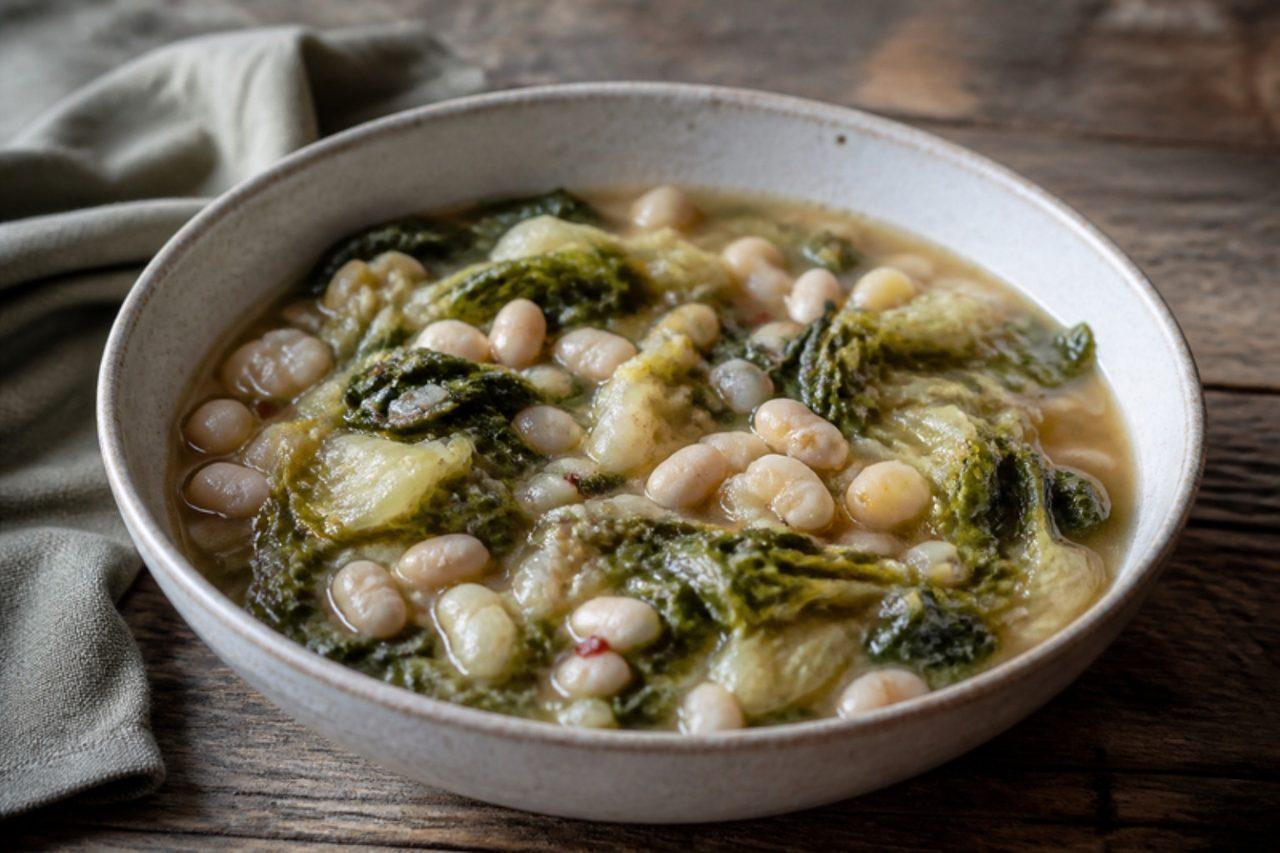
Scarola e fagioliEscarole and bean soup

Scarola e fagioli is one of the oldest dishes of Neapolitan home cooking: tender escarole, a slightly bitter winter salad green, simmered with creamy cannellini beans, garlic, chilli and olive oil into a thick soup, sometimes with broken pasta stirred in. In Naples it is a cold-weather supper, eaten with toasted bread rubbed with garlic. Chef's tip: mash a ladle of the beans into the broth; it thickens the soup and makes it creamy without any cream.

by KrazyBadal 0 views

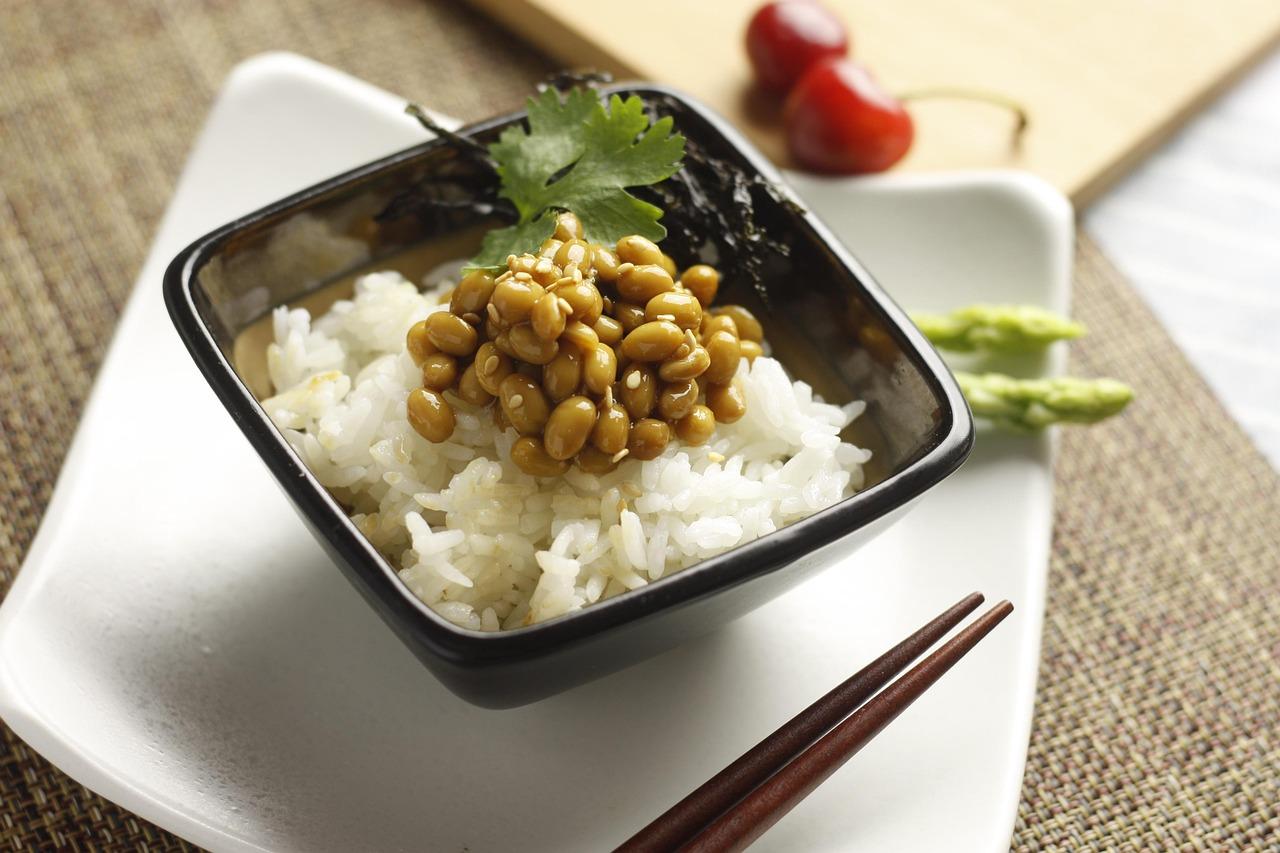
Natto gohan (natto on rice)

Mito, the capital of Ibaraki Prefecture, is Japan's natto town, but this sticky, pungent breakfast is eaten in homes all over eastern Japan, usually before work with miso soup and a pickle. The fermented soybeans are beaten until they form long silky strings, seasoned, and spooned over steaming rice; they are packed with plant protein. Most packs come with a little sauce sachet that contains bonito fish stock, so for a vegan bowl leave it out and season with soy sauce as here. The common mistake is pouring in the sauce before you stir: whip the beans first, or they never get properly frothy. Chef's tip: stir about 50 times until the strings turn white and fluffy, then season and stir 10 more.

by KrazyBadal 0 views

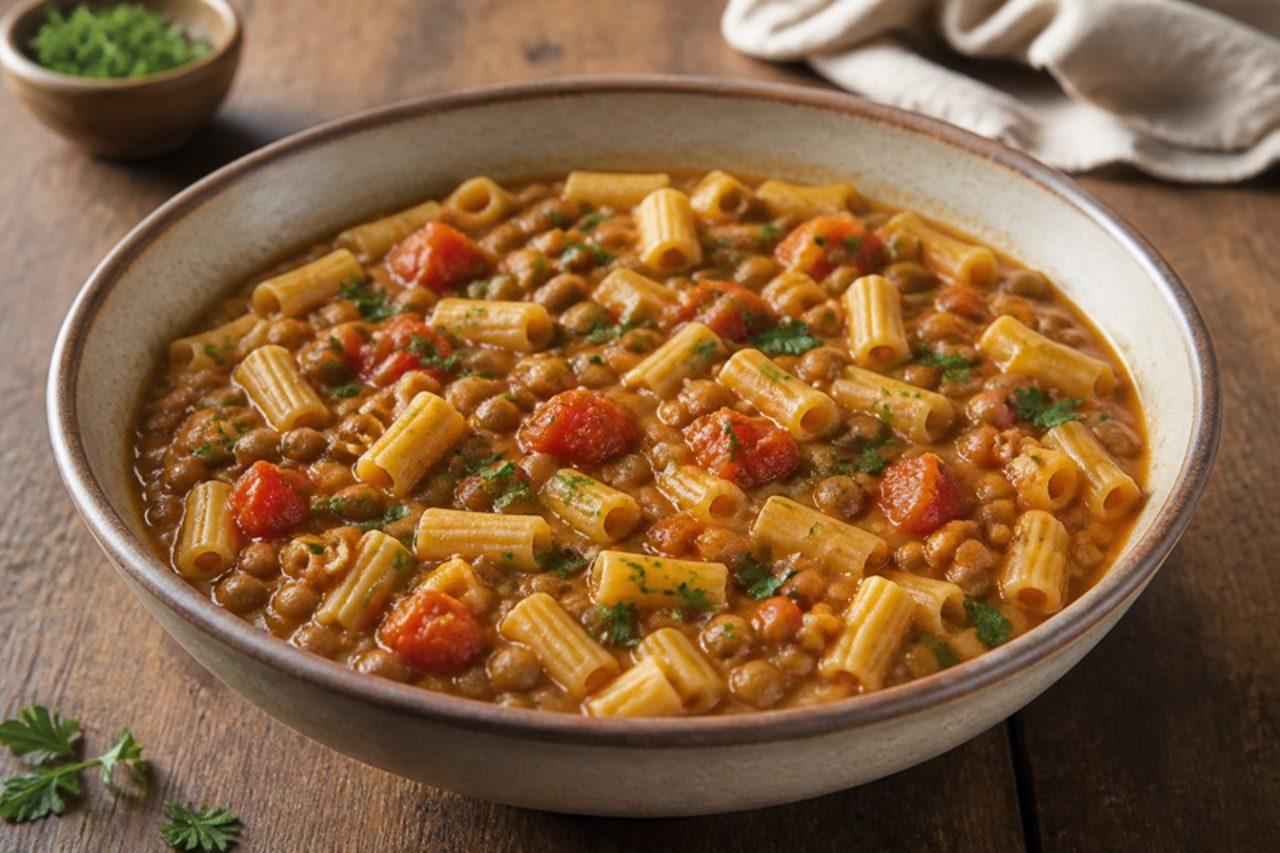
Pasta e lenticchiePasta and lentil stew

In Naples, pasta with legumes is weekday food, and pasta e lenticchie is the one every family makes in winter: small lentils cooked with garlic, celery and a little tomato until soft, then mixed short pasta (pasta mista, the broken ends of different shapes) is cooked right in the pot until thick and creamy. Lentils also bring luck for the New Year, so many families make it on 1 January. Chef's tip: cook the pasta in the lentils with only just enough water, adding it a ladle at a time; the starch from the pasta makes the stew creamy without any cheese.

by KrazyBadal 0 views

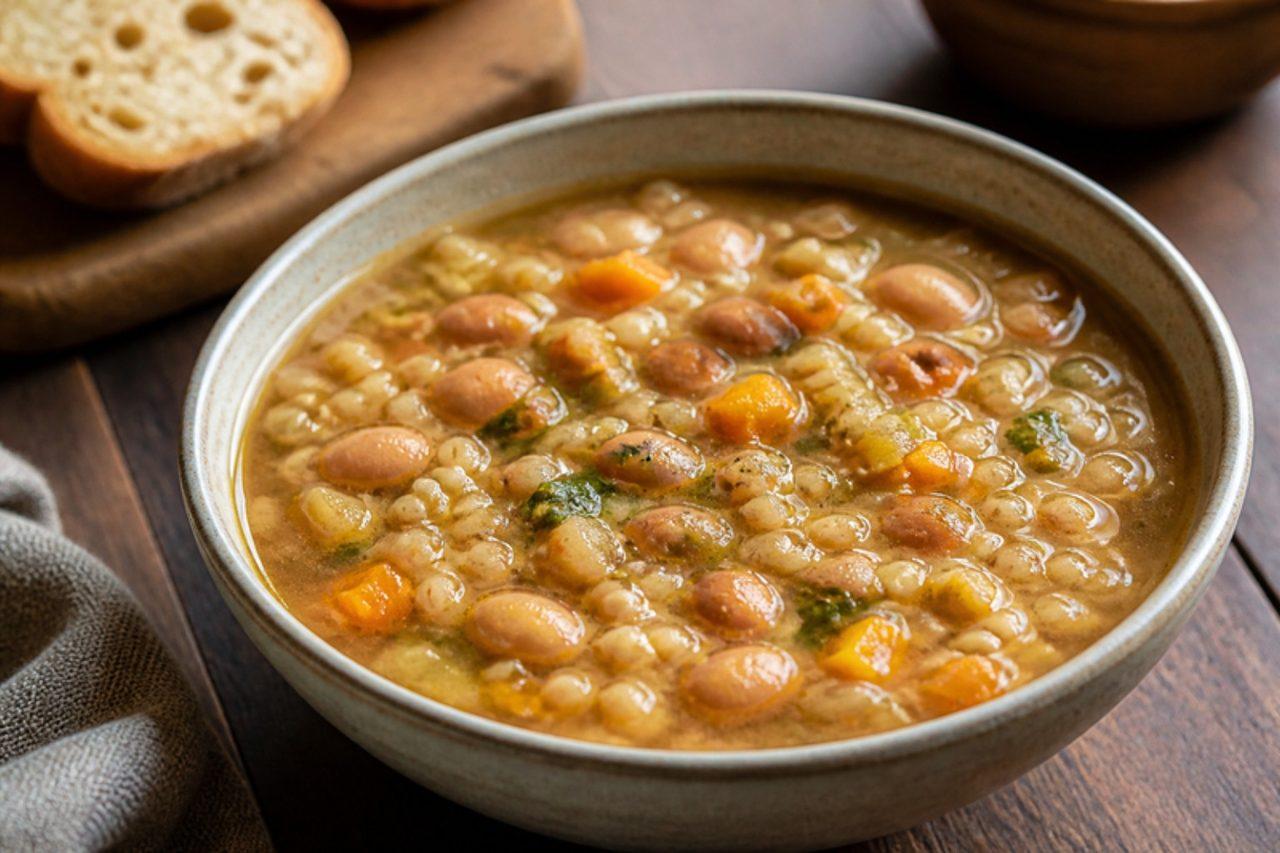
Zuppa di farro della GarfagnanaEmmer and bean soup

In the Garfagnana, the wooded mountain valley north of Lucca in Tuscany, farro (emmer wheat) has been grown for 2,000 years and has its own protected status. The classic local dish is a thick, warming soup of farro and borlotti beans, half of them puréed, with onion, carrot, celery, tomato and herbs, served in winter with a thread of new olive oil. Chef's tip: blend half of the cooked beans before adding the farro; it gives the soup a creamy body.

110 minItalianSoupsVegan
by KrazyBadal 0 views

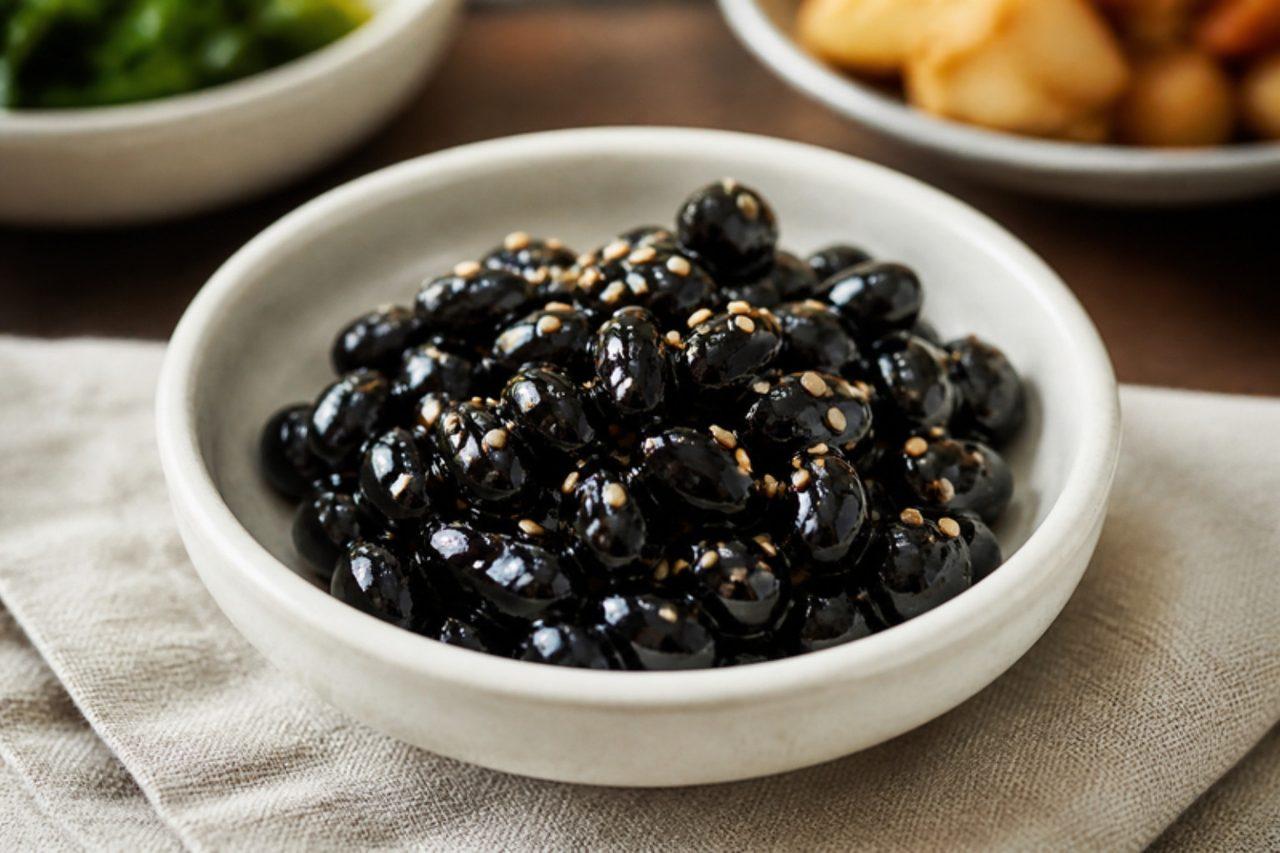
KongjabanSoy-braised black soybeans

Kongjaban is the shiny black bean banchan that sits in a small dish on Korean tables from Gwangju to Seoul and fills countless lunchboxes, because one batch keeps for a week. Dried black soybeans are soaked, simmered in soy and sugar and finished with rice syrup until each bean is chewy, sweet-salty and gleaming. It is a good source of plant protein and children usually love it. The common mistake is adding the syrup too early: it scorches before the beans are tender and makes them hard. Chef's tip: keep the lid off while the beans cook; the steam escaping helps the skins stay intact and wrinkled rather than bursting.

by KrazyBadal 0 views

Showing 24 of 443 recipes

Show more recipes

Page 3 of 19

More collections