Skip to content

High-protein vegetarian meals

Meat-free meals with plenty of protein from paneer, dal, beans, tofu and eggs. (513 recipes)

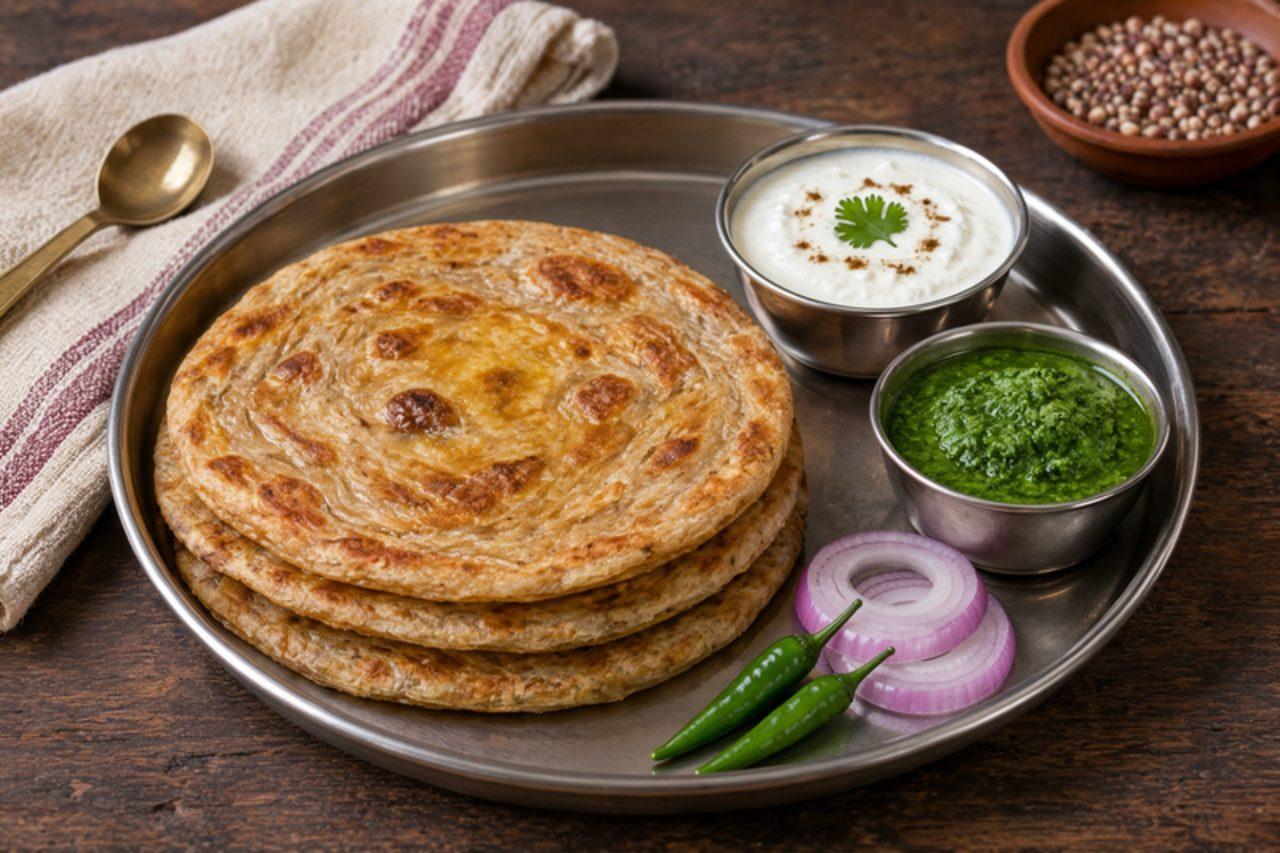
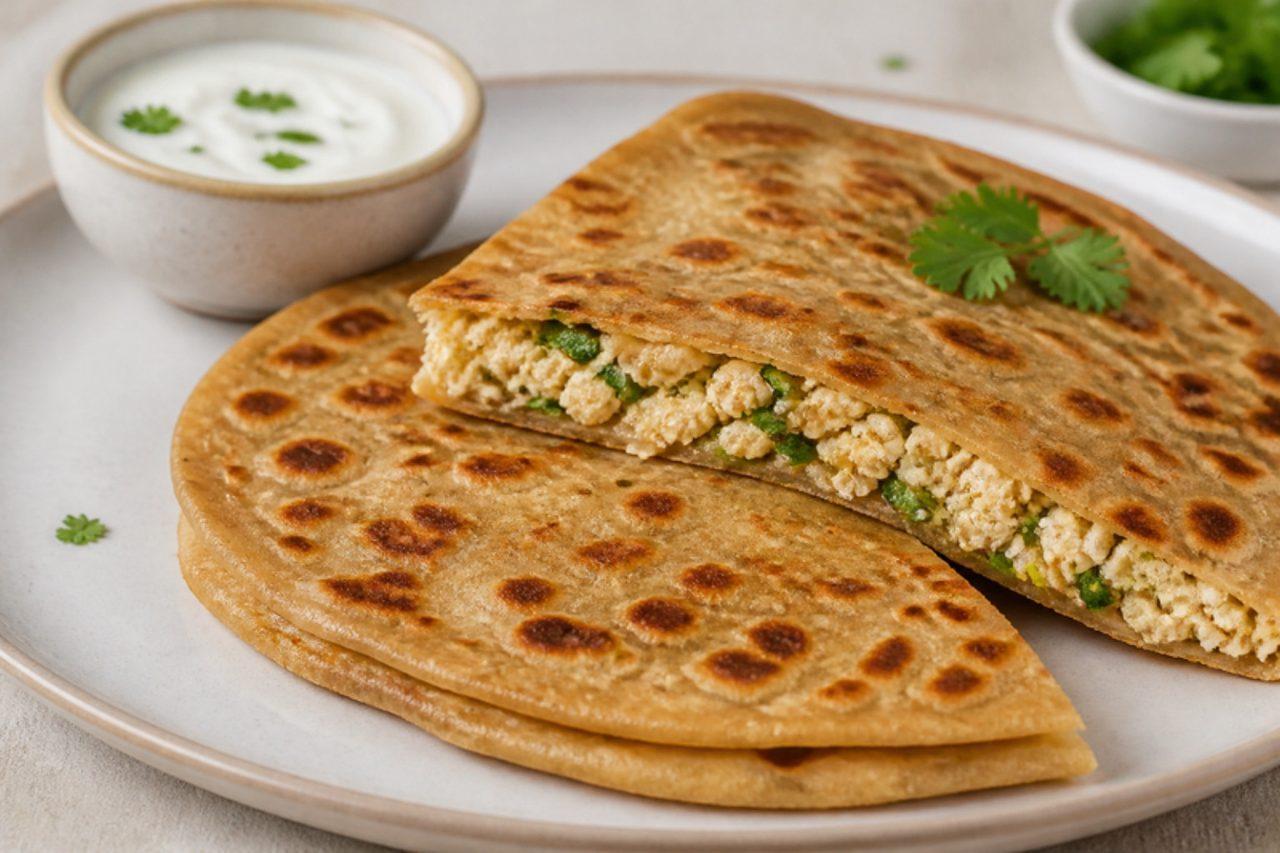
Paneer parathaPaneer-stuffed flatbread

Dhaba breakfasts on the Grand Trunk Road out of Amritsar always have paneer paratha on the board, and it's a lunchbox favourite in Delhi homes because it stays soft and filling until the afternoon. The filling is fresh paneer grated fine, mixed with green chilli, lots of coriander, ajwain, a little onion and a pinch of amchur. Rolled inside atta dough and cooked with ghee, it becomes a mild, milky, protein-rich paratha with crisp brown patches. Serve with dahi, mint chutney or mango achar, and a cup of adrak chai. Use homemade or shop paneer; both are made with lemon or vinegar, not rennet. Common mistake: crumbling the paneer roughly; big lumps poke through the dough and tear it. Grate it finely or mash it with the heel of your hand. Chef's tip: if your paneer is very fresh and moist, add a tablespoon of atta to the filling to bind it, and roll these slightly thicker than a gobi paratha.

by KrazyBadal 0 views

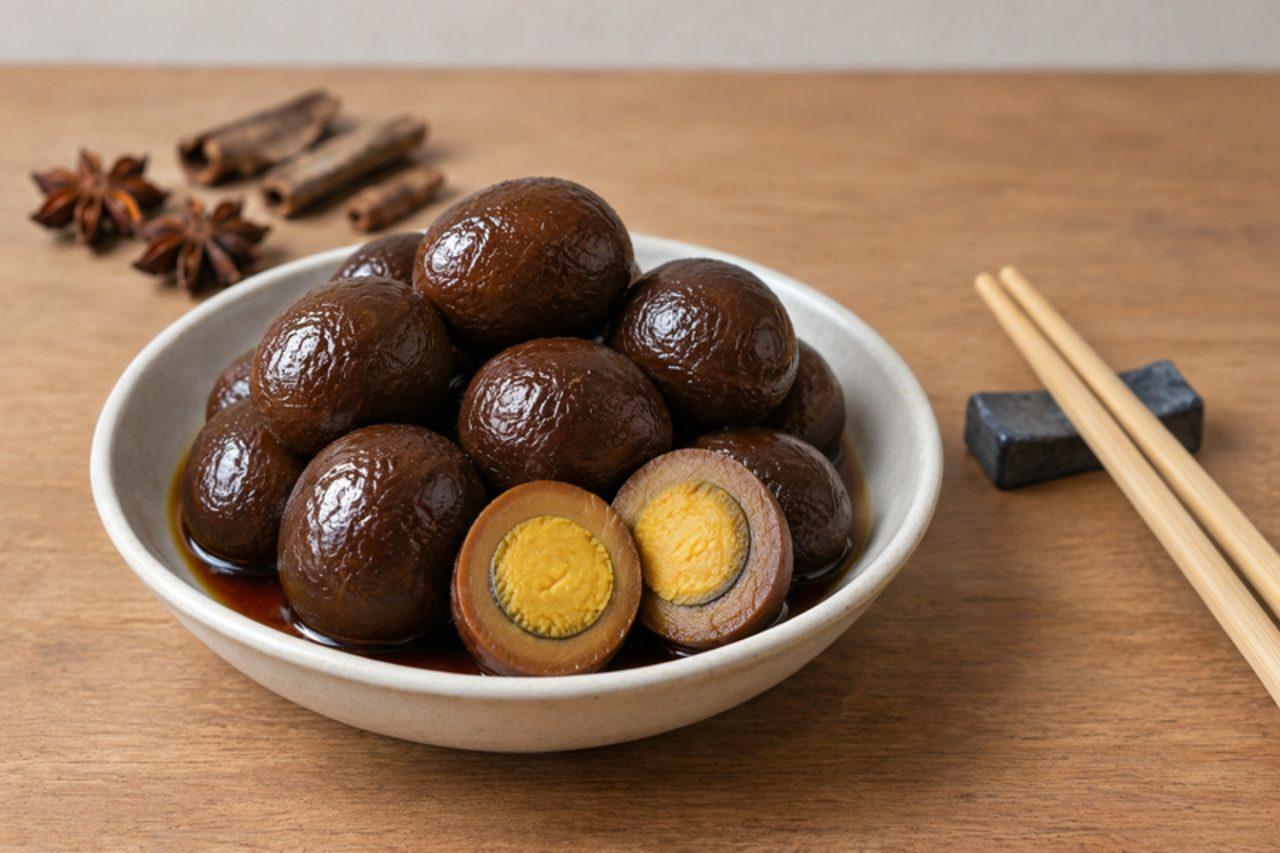
Iron eggsBraised dried quail eggs

Iron eggs were invented in the 1970s at a noodle stall by the river in Tamsui, at the end of Taipei's red MRT line, when a cook kept re-braising unsold eggs until they shrank, darkened and turned chewy. Now every shop along Tamsui Old Street sells them in vacuum packs: tiny quail eggs and small hen's eggs, black as liquorice, with a firm, springy bite and a deep soy, five-spice and caramel flavour. Taiwanese families buy them as a snack for the train home. The process takes most of a day but very little work. Contains egg and soya. Chef's tip: dry the eggs under a fan between braises; the dried surface absorbs the sauce each time and builds the 'iron' skin.

by KrazyBadal 0 views

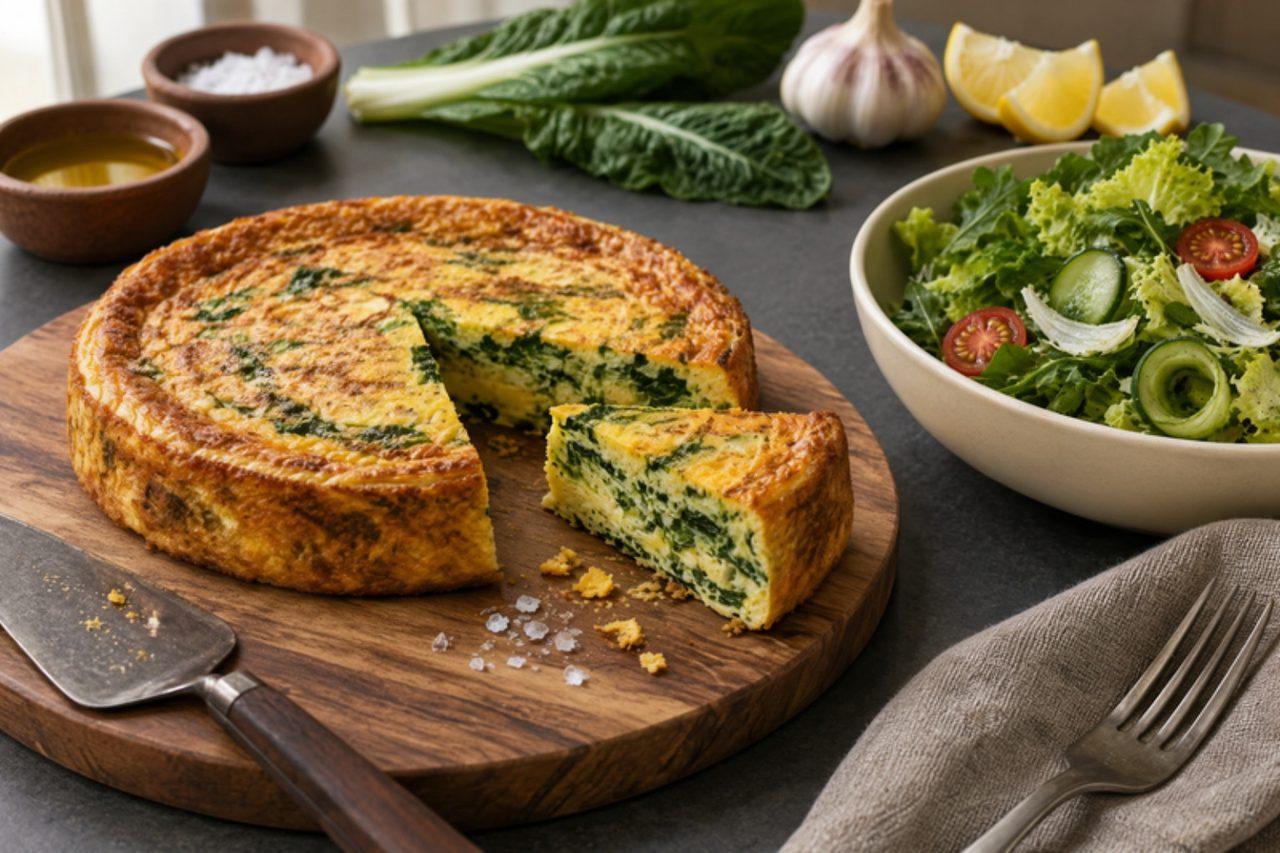
Tortilla de acelgaSwiss chard omelette

In Montevideo and Buenos Aires, tortilla de acelga is a homely supper or picnic dish, cut into wedges for a weekday dinner or packed for a Sunday at the beach, hot or cold. Plenty of chard is cooked down with onion and garlic, then bound with eggs into a thick, green, juicy omelette that is flipped in the pan like a Spanish tortilla. Serve it with a tomato salad. Suitable as part of a balanced diet. About 190 kcal and 7 g carbohydrate per portion. The usual mistake is leaving the chard wet: squeeze it well, or the tortilla weeps and won't set. If you're cooking for anyone pregnant, a young child or anyone with a weakened immune system, cook it until fully set in the middle. Chef's tip: cook it on a low heat with a lid on for the first side; it sets through without burning the base.

by KrazyBadal 0 views

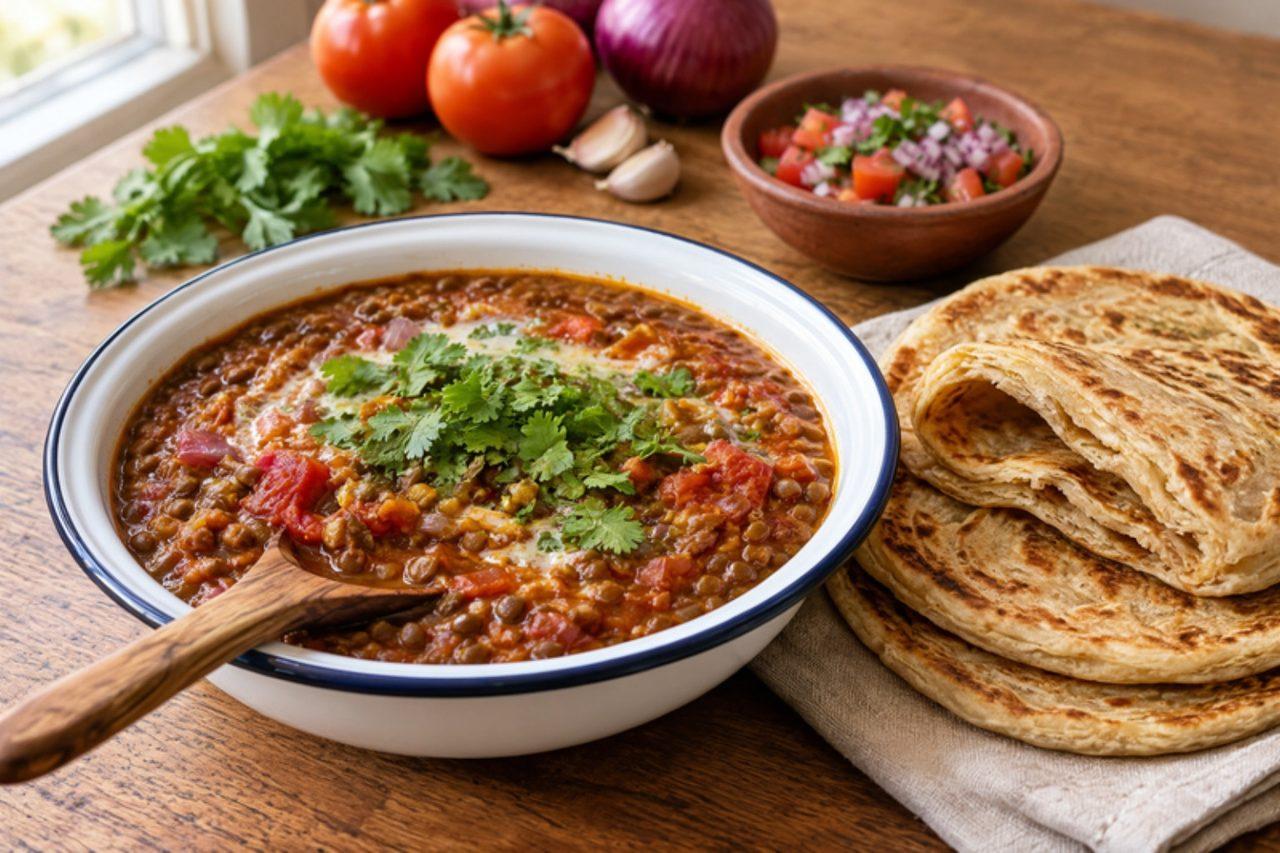
KamandeBrown lentil stew

Kamande is a weekday staple in Nairobi homes and small hotelis (cafés), served at lunch or supper with chapati, rice or ugali and a side of sukuma wiki greens. Brown lentils are simmered until tender, then cooked into a thick, savoury stew of onion, tomato, garlic, ginger and a touch of curry powder, finished with fresh coriander. Suitable as part of a balanced diet. About 300 kcal and 38 g carbohydrate per portion; brown rice or extra greens on the side suit a lighter plate. The usual mistake is boiling the lentils to mush before adding the tomato base; they should still hold their shape. Chef's tip: cook the onions low and slow until soft and golden before the tomatoes go in, which gives the stew its natural sweetness.

by KrazyBadal 0 views

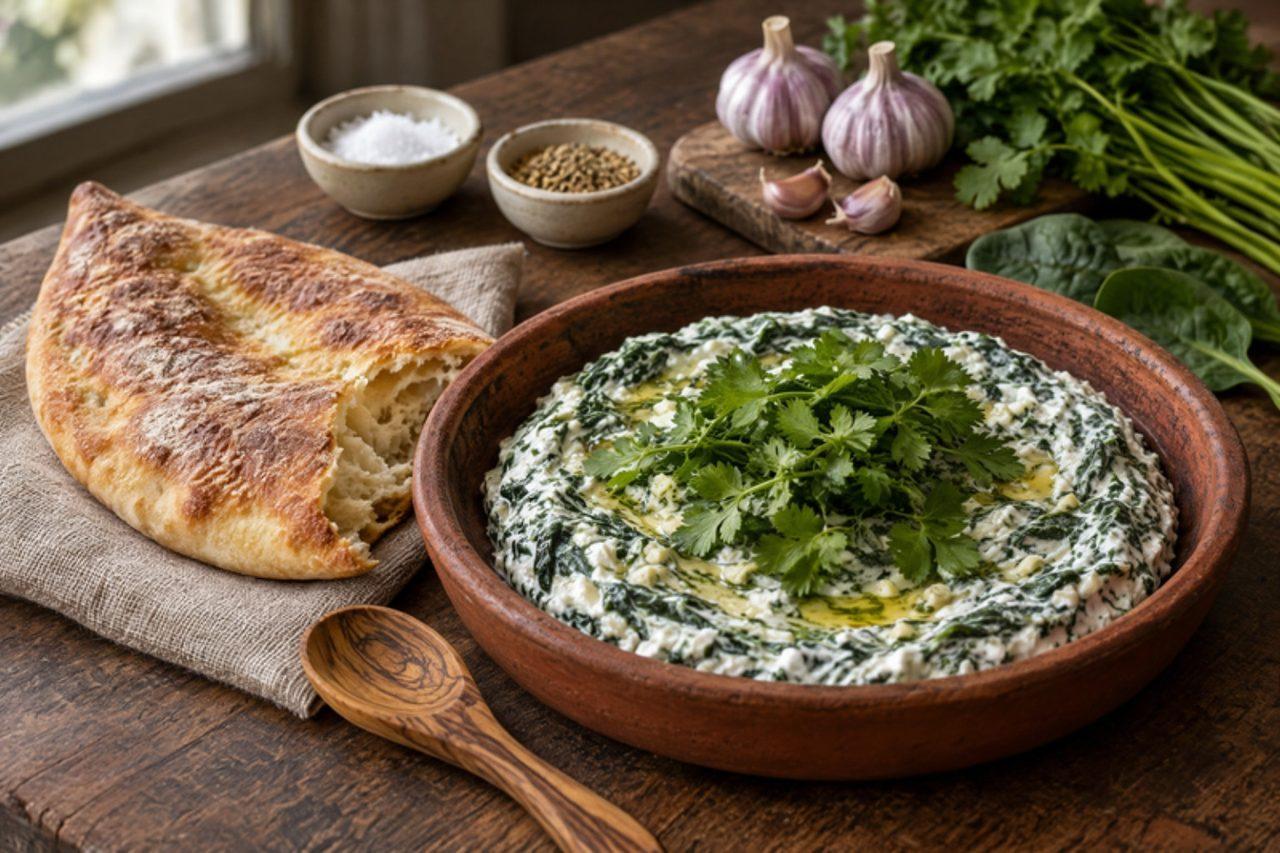
Ispanakhi matsvnitSpinach with yogurt

In Georgian homes from Tbilisi to Kakheti, ispanakhi matsvnit is one of the quick dishes on a supra table and a weekday side all spring, when spinach is young and sweet. The spinach is wilted, squeezed and chopped, then folded into thick matsoni (Georgian set yoghurt) with crushed garlic, coriander and a little blue fenugreek, and served cool with bread, beans or grilled vegetables. Suitable as part of a balanced diet. About 110 kcal and 8 g carbohydrate per portion. The usual mistake is not squeezing the spinach hard enough, so water seeps into the yoghurt and makes it thin. Chef's tip: crush the garlic with a pinch of salt to a smooth paste so it spreads evenly through the yoghurt rather than hitting you in raw lumps.

by KrazyBadal 0 views

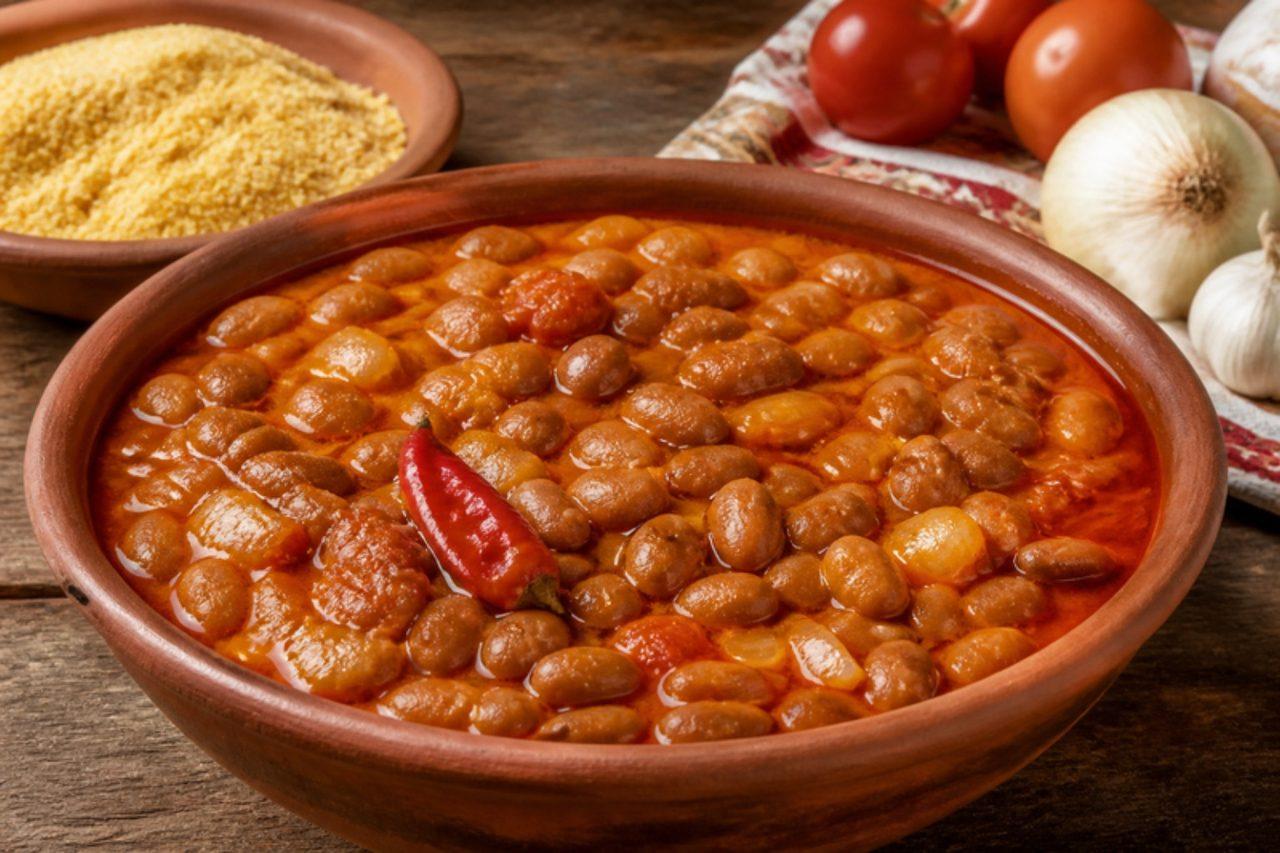
Feijão de óleo de palmaPalm oil beans

No Saturday table in Luanda feels complete without a pot of these beans next to the funge, and the deep orange colour of the dende oil tells you they are ready. Soft, creamy beans are simmered with onion, garlic, tomato and a generous pour of red palm oil until the broth thickens and every bean is coated, earthy, faintly smoky and rich. Serve them with funge de bombó (cassava) or funge de milho, with fried plantain, or with rice and greens. Buy unrefined red palm oil from an African grocer, ideally certified sustainable; it is not the same as the pale refined kind. Chef's tip: hold back the salt and tomato until the beans are truly soft, because both firm up the skins and are the usual reason a bean pot never gets creamy.

by KrazyBadal 0 views

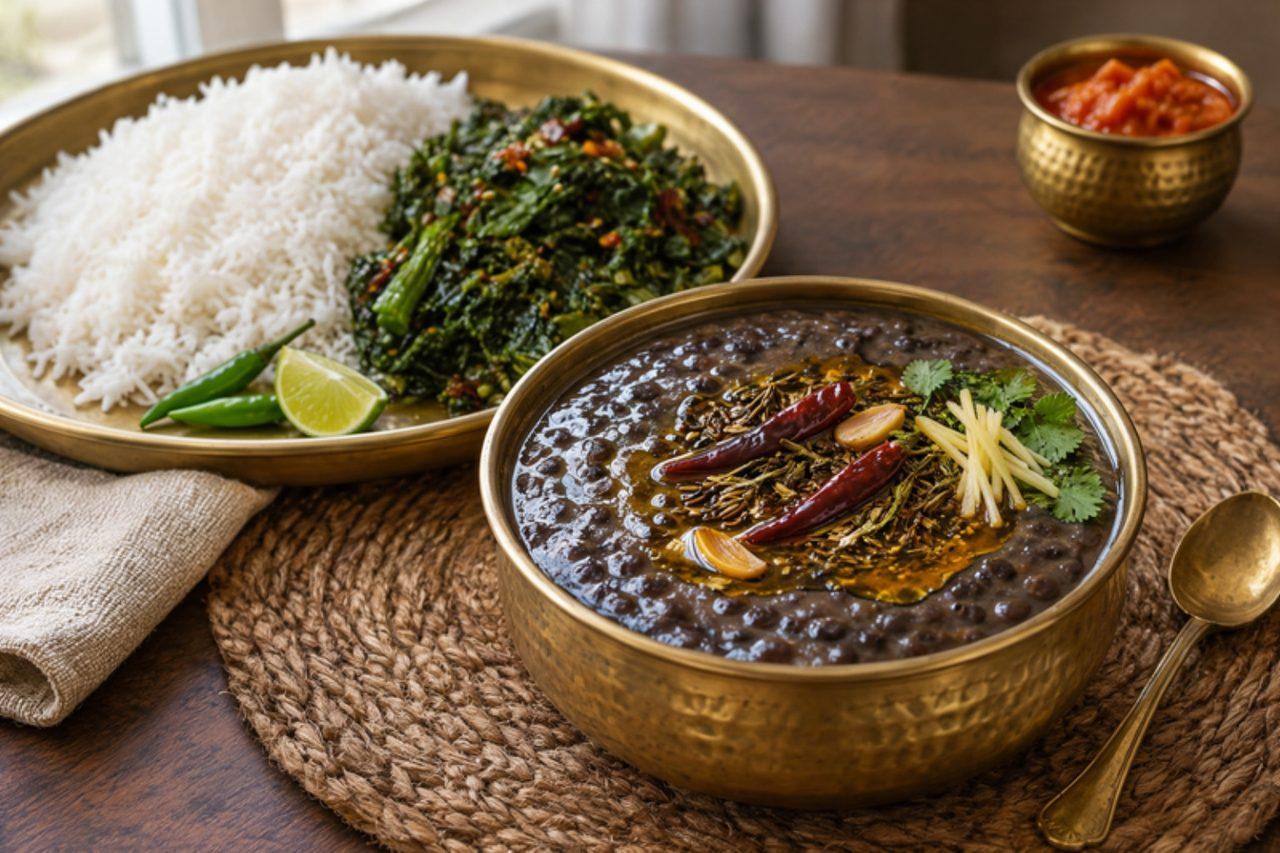
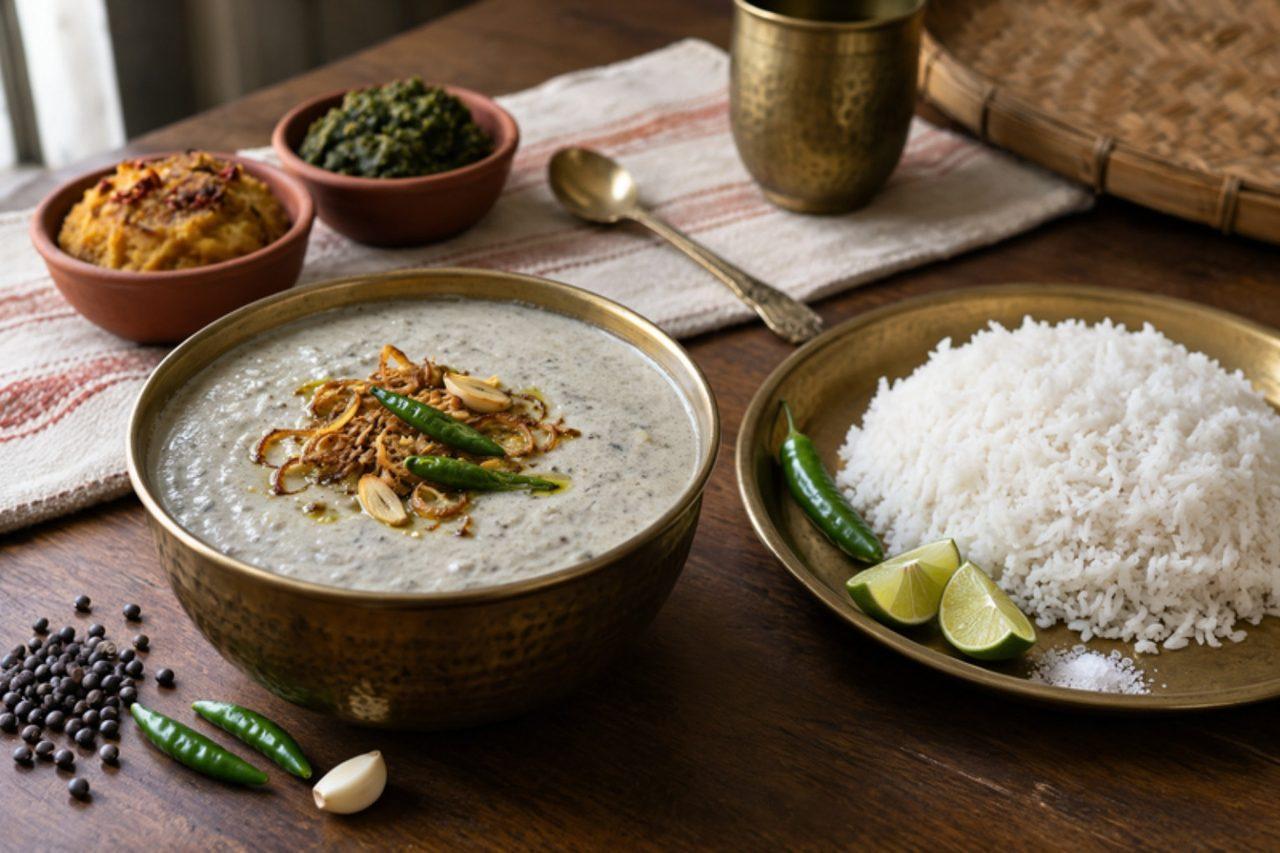
Mas ko dalBlack lentil dal

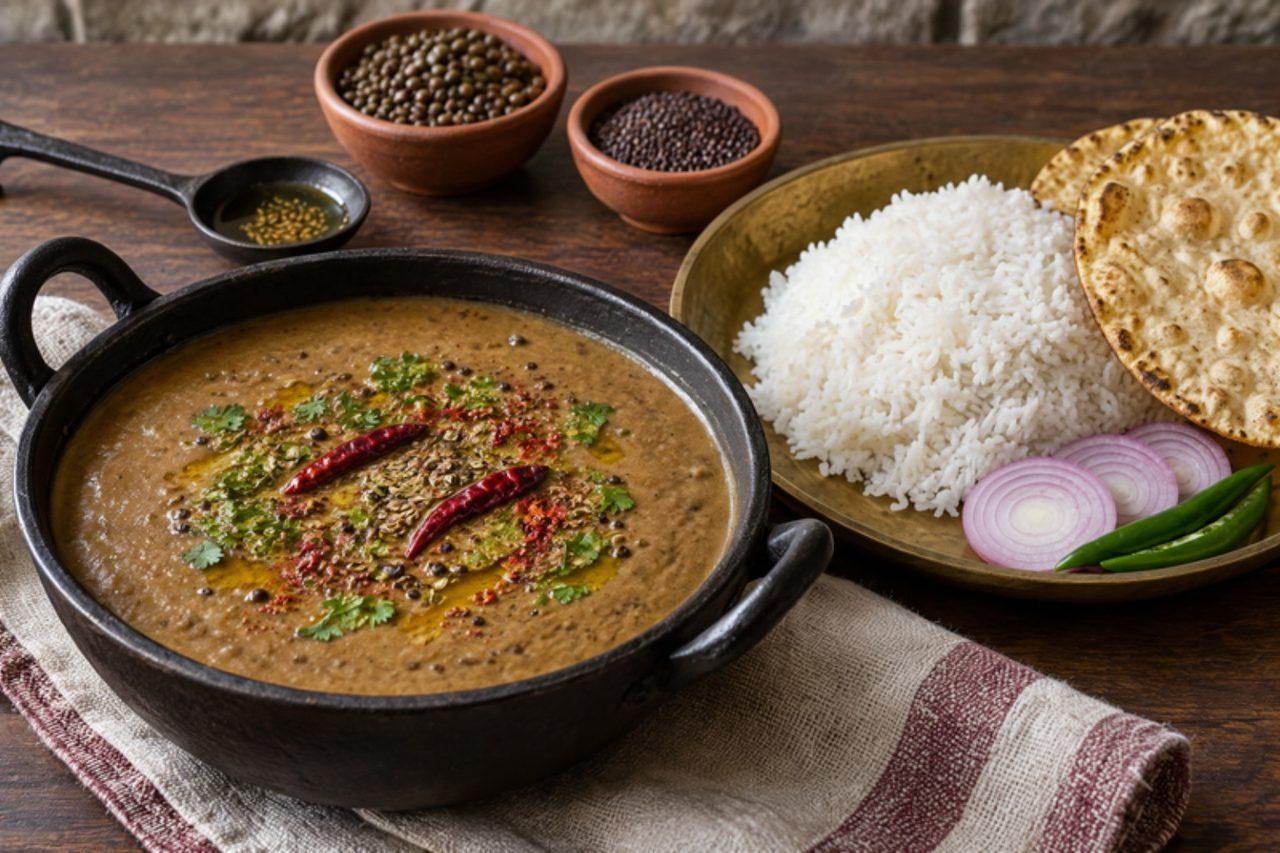
Mas ko dal, made from whole black urad, is the thick, dark dal of the Nepali hills, cooked in heavy pots in Kathmandu, Gorkha and the Newar towns, especially on cold days and for festival meals. Slow cooking makes it creamy and earthy, and the tempering of jimbu, garlic and cumin in hot mustard oil gives it the scent of the Himalaya. Eat with rice, roti or dhido. Suitable as part of a balanced diet, it is high in protein and fibre: about 250 kcal and 30 g carbohydrate per portion; brown rice or millet dhido suits it well. The usual mistake is not soaking the lentils, which leaves them hard and the dal thin; soak them overnight. Chef's tip: simmer the dal with a few ginger slices and mash it lightly with a wooden spoon at the end for the classic thick texture.

by KrazyBadal 0 views

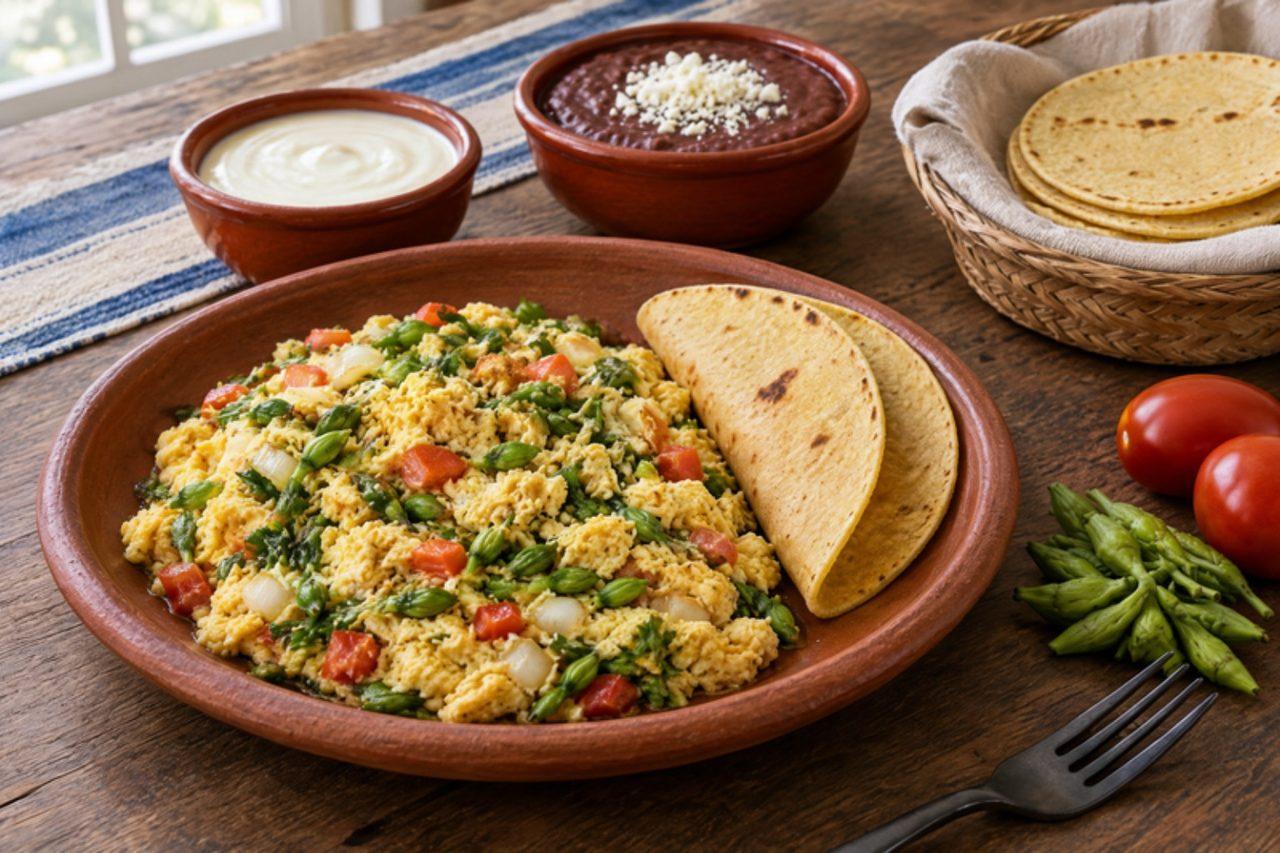
Loroco con huevoScrambled eggs with loroco

Loroco is a climbing vine whose fragrant flower buds Salvadorans love, best known inside pupusas, and in San Salvador and the countryside it is also scrambled with eggs for breakfast during the rainy season, from June to October, when the buds are in season. The buds taste green, floral and a little like asparagus and artichoke, softened with onion and tomato and set into soft eggs. Serve with corn tortillas and a spoon of refried beans or avocado. Suitable as part of a balanced diet. About 210 kcal and 6 g carbohydrate per portion without tortillas. The usual mistake is cooking the eggs on high heat, which makes them dry and rubbery. Frozen or jarred loroco works well; rinse jarred loroco first. If you're cooking for anyone pregnant, a young child or anyone with a weakened immune system, cook the eggs until fully set. Chef's tip: soften the loroco with the onion first so its flavour spreads through the eggs.

by KrazyBadal 0 views

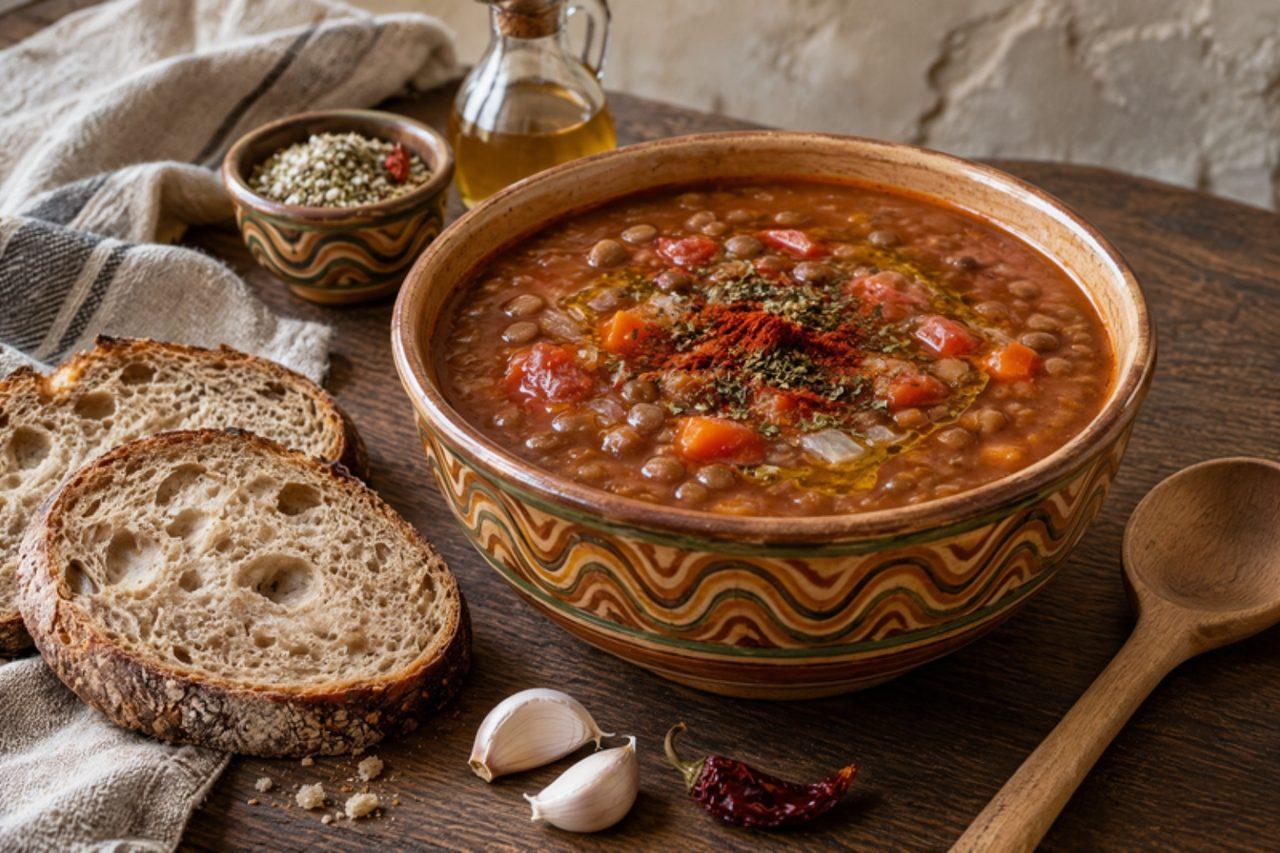
Leshta chorbaLentil soup

Leshta chorba is cooked in Bulgarian homes all winter, and it is the soup of choice on fasting days before Christmas and Easter, when families eat no meat or dairy. Brown lentils simmer with onion, carrot and tomato, coloured with sweet paprika and scented with chubritsa (summer savory), the herb that makes Bulgarian cooking taste like itself. It is eaten with a slice of wholemeal bread and a few pickles. Suitable as part of a balanced diet. About 280 kcal and 34 g carbohydrate per portion. The usual mistake is frying the paprika in very hot oil: it burns and turns bitter in a few seconds, so take the pan off the heat first. Chef's tip: a splash of vinegar stirred into each bowl at the table brightens the earthy lentils.

by KrazyBadal 0 views

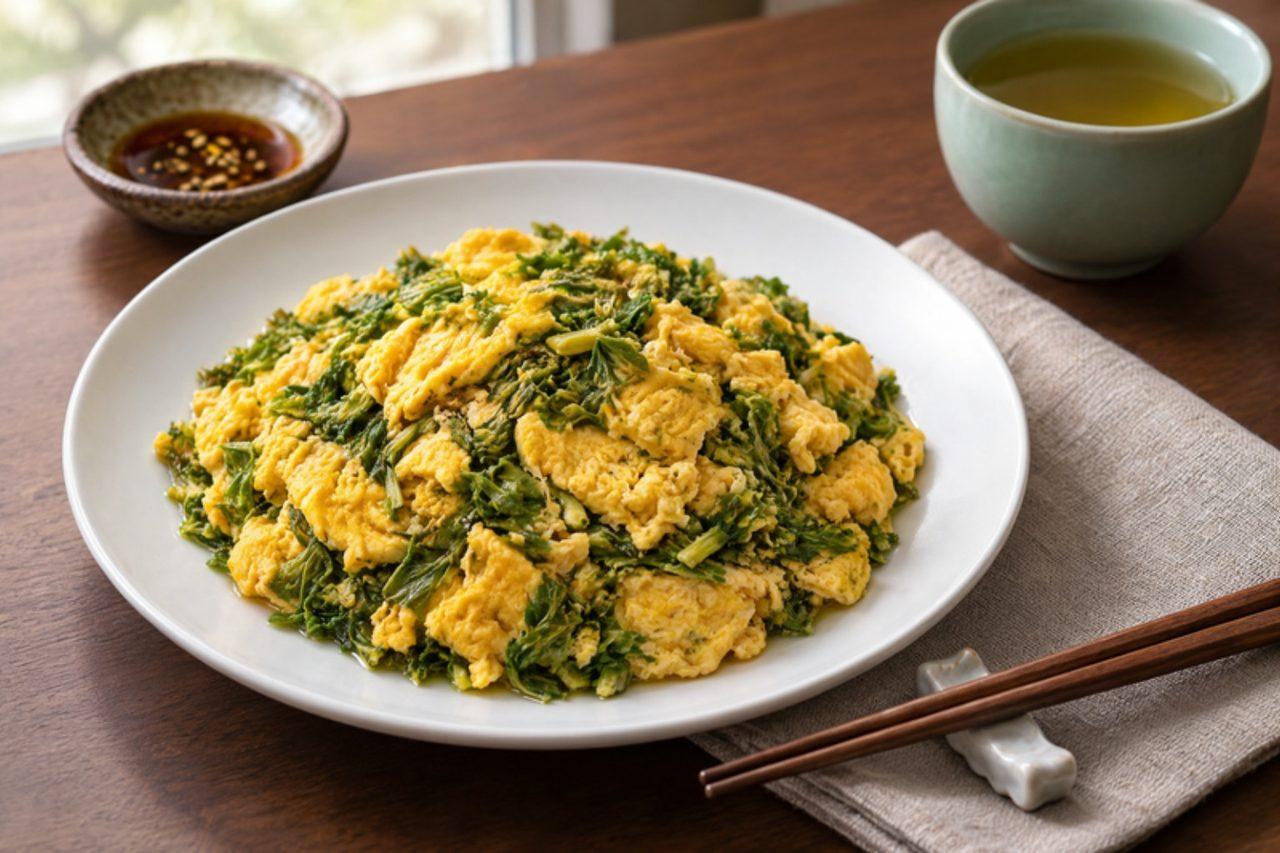
Xiangchun chao jidanChinese toon scrambled eggs

For a few weeks each April in Shandong, Henan and Beijing, the red-tipped young shoots of the Chinese toon tree are sold in bundles at every market, and the first thing families make is this quick scramble for lunch or supper. The toon has a strong, garlicky, almost oniony perfume that turns sweet and nutty once cooked with egg. It is eaten with rice, congee or steamed buns. Suitable as part of a balanced diet, it is high in protein and very low in starch: about 190 kcal and 3 g carbohydrate per portion. The usual mistake is skipping the blanch: raw toon tastes harsh and is always scalded first. Chef's tip: chop the toon very finely and beat it into the egg before cooking, so every mouthful carries the scent.

by KrazyBadal 0 views

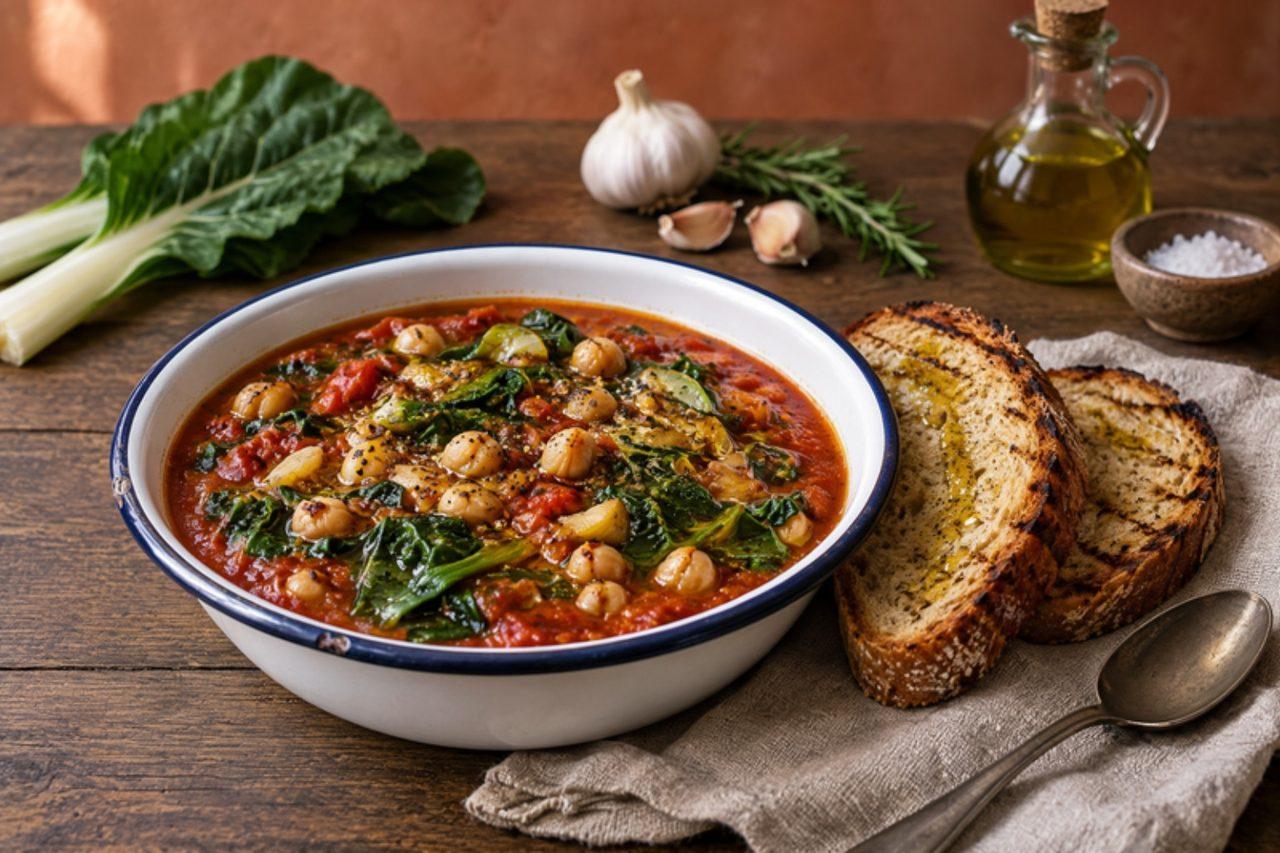
Ceci in ziminoChickpeas stewed with chard

In Genoa and along the Tuscan coast, ceci in zimino is the dish of Lenten Fridays and the first cold days of All Souls in November, when the household cooks a big pot of chickpeas and stews them with chard and a little tomato. The chickpeas turn creamy, the chard gives a gently bitter green sauce, and a spoon of good oil on top makes it taste of the Riviera. Serve it as a main dish with toasted wholegrain bread. Suitable as part of a balanced diet, it is high in fibre and plant protein: about 300 kcal and 32 g carbohydrate per portion. The usual mistake is adding the chard leaves too early so they turn brown; keep them for the last 10 minutes. Chef's tip: mash a ladleful of chickpeas with a fork and stir them back in to thicken the zimino naturally.

by KrazyBadal 0 views

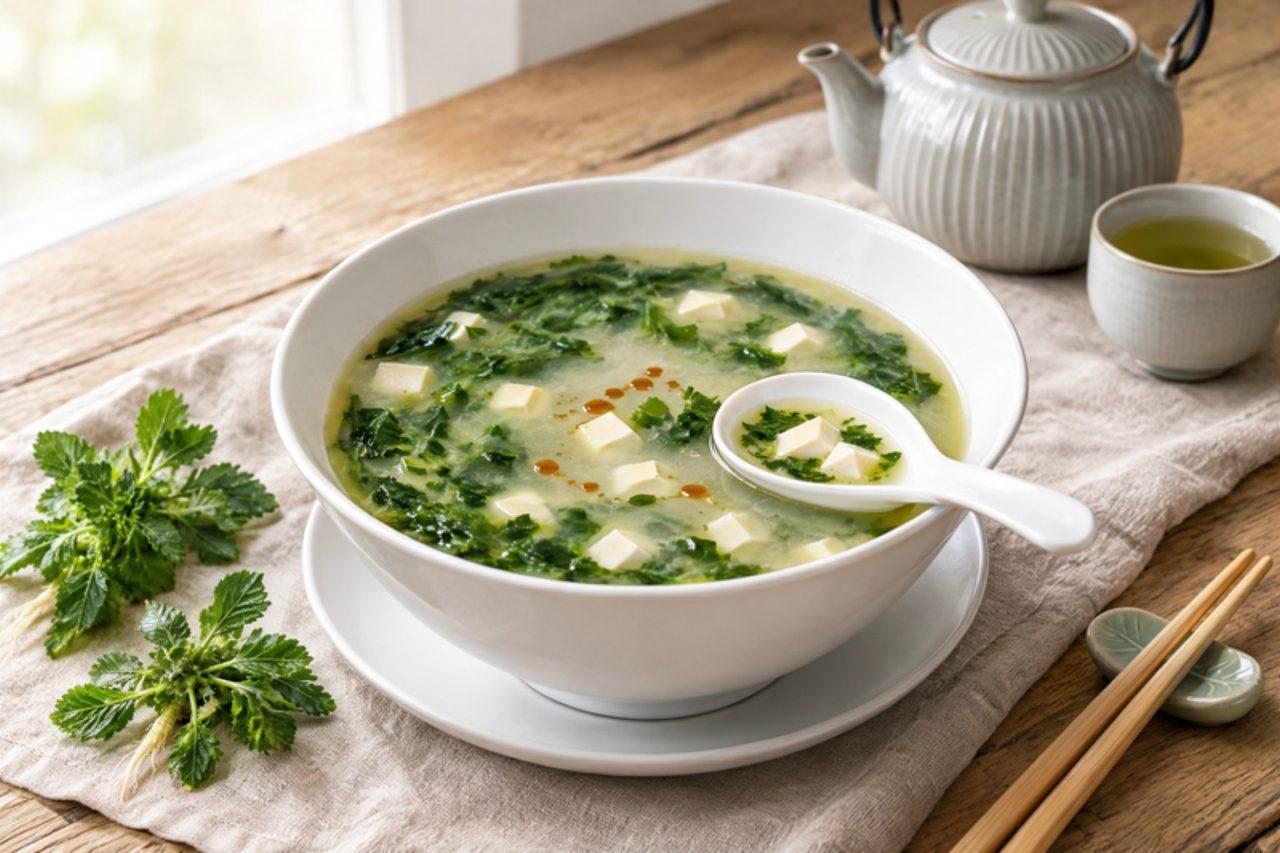
Jicai doufu gengShepherd's purse and tofu soup

In Shanghai and Jiangsu, shepherd's purse (jicai) is picked from field edges in early spring, and this gentle, lightly thickened soup is one of the first dishes of the season at home and in Shanghainese restaurants. Finely chopped greens and small cubes of soft tofu are simmered in vegetable stock with a few shiitake, then thickened just enough to coat a spoon, giving a soothing, savoury soup with a fresh, grassy taste. Serve it as a starter or with a small bowl of rice. It is suitable as part of a balanced diet. About 110 kcal and 7 g carbohydrate per portion. The usual mistake is adding too much starch, which makes it gluey; it should flow off the spoon. Spinach works if you can't find jicai. Chef's tip: blanch and squeeze the greens before chopping, which keeps the soup bright green instead of murky.

by KrazyBadal 0 views

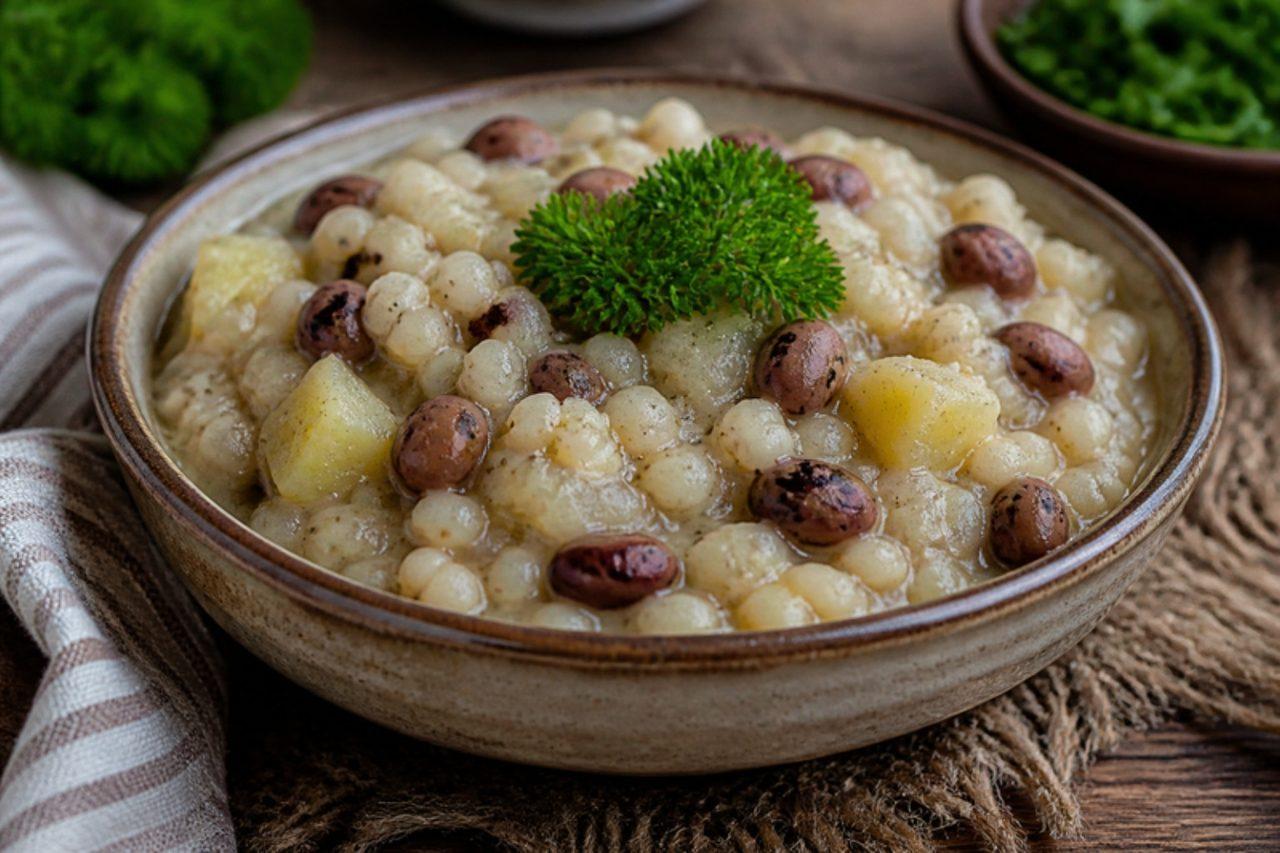
UmngqushoSamp and sugar beans

Xhosa households from Mthatha to Qunu put a pot of umngqusho on the fire on Sunday morning and let it murmur for hours while the rest of lunch comes together; Nelson Mandela famously named it his favourite meal. Crushed maize kernels and speckled sugar beans cook down together into something halfway between a risotto and a bean stew, chewy and creamy at once, sweet with slowly softened onion and thickened by potato that collapses into the pot. Eat it as it is with a spoon of chakalaka, or next to cabbage and a tomato relish. The usual mistake is skipping the overnight soak: unsoaked samp stays chalky in the centre no matter how long you cook it. Chef's tip: hold back the salt until the samp is soft, then season generously, because this dish swallows salt.

by KrazyBadal 0 views

IbiharageFried beans with onion

Beans are eaten almost every day in Rwanda and Burundi, and ibiharage is the version that feels like a treat: beans boiled until creamy, drained, then fried with plenty of onion and garlic in oil, traditionally red palm oil, until they are glossy and lightly crisp at the edges. Palm oil gives an orange colour and a deep, almost savoury-floral flavour; vegetable oil gives a cleaner taste. A Kigali lunch canteen will put it next to fried plantain, rice and a cabbage salad. People often fry the beans too wet, so they steam instead of taking colour; drain them well first. Chef's tip: save a ladle of the bean cooking water and add a splash at the end to make the beans silky without washing off the fried onion.

by KrazyBadal 0 views

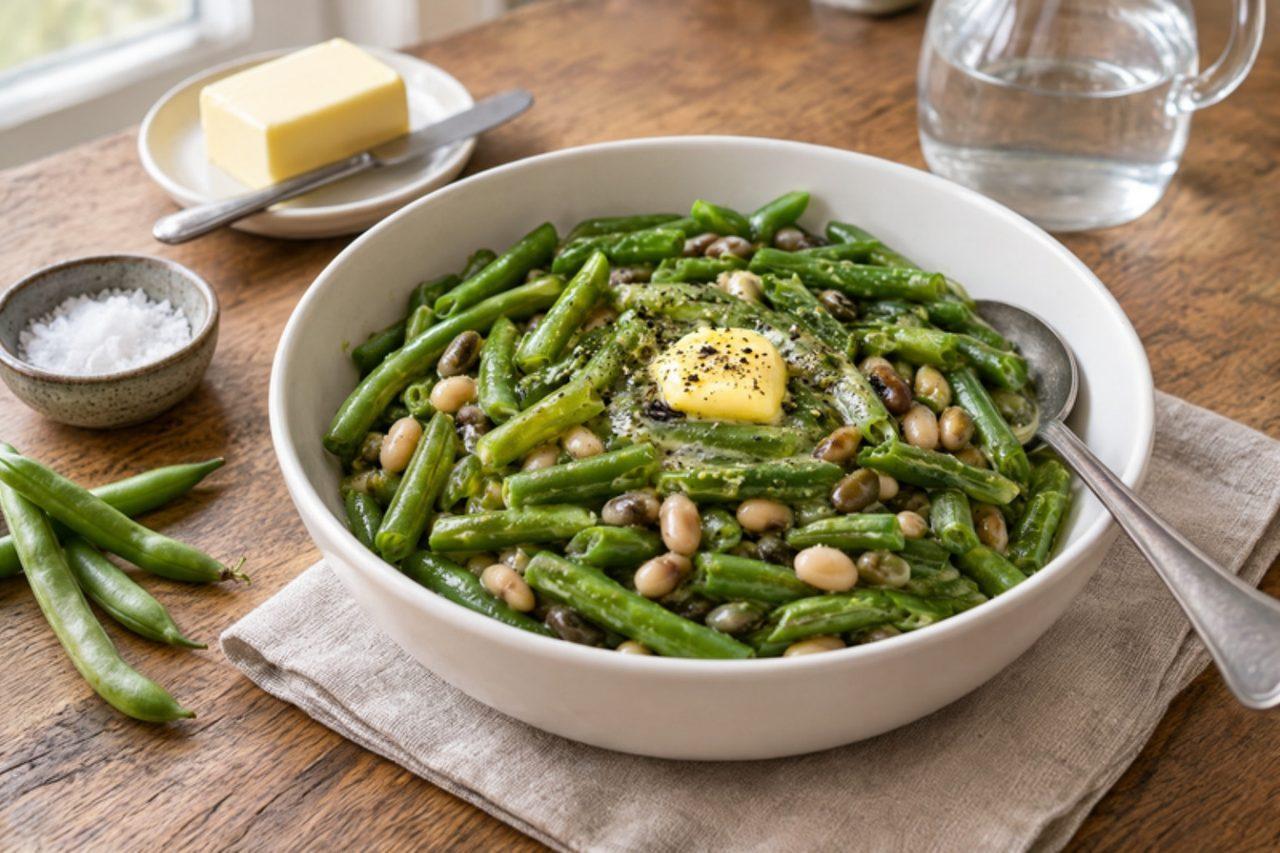
Blote billetjes in het grasWhite and green beans with butter

Dutch grandmothers named this dish 'bare bottoms in the grass' for the pale white beans peeping out between the green ones, and it is a summer weekday supper all over the Netherlands, when runner and French beans are cheap. Green beans and cooked white beans are simmered together, then stirred with butter, a little stock and plenty of pepper, often with boiled potatoes on the side. Many families add bacon or a smoked sausage; this version keeps it vegetarian, so serve it with a fried egg or a vegetarian sausage if you want more. The usual mistake is boiling the green beans until grey: they should stay bright with a slight bite. Chef's tip: a splash of the bean-cooking liquid stirred in with the butter makes a glossy little sauce that clings to everything.

by KrazyBadal 0 views

PhaanuGround mixed lentil stew

Phaanu is everyday food in Garhwal's hill villages, from Pauri to Tehri, made on cold days and in large pots for family gatherings. Mixed lentils are soaked overnight, ground to a coarse paste and simmered slowly in an iron pot until the paste turns into a thick, earthy stew, with spinach or other greens and a mustard-oil and jakhya tempering. It is eaten with steamed rice and a little ghee. The usual mistake is adding the paste to the pot and walking away; for the first 10 minutes it must be stirred constantly or it forms lumps and sticks to the bottom. Chef's tip: whisk the lentil paste into cold water before it goes on the heat; it thickens smoothly and never catches.

by KrazyBadal 0 views

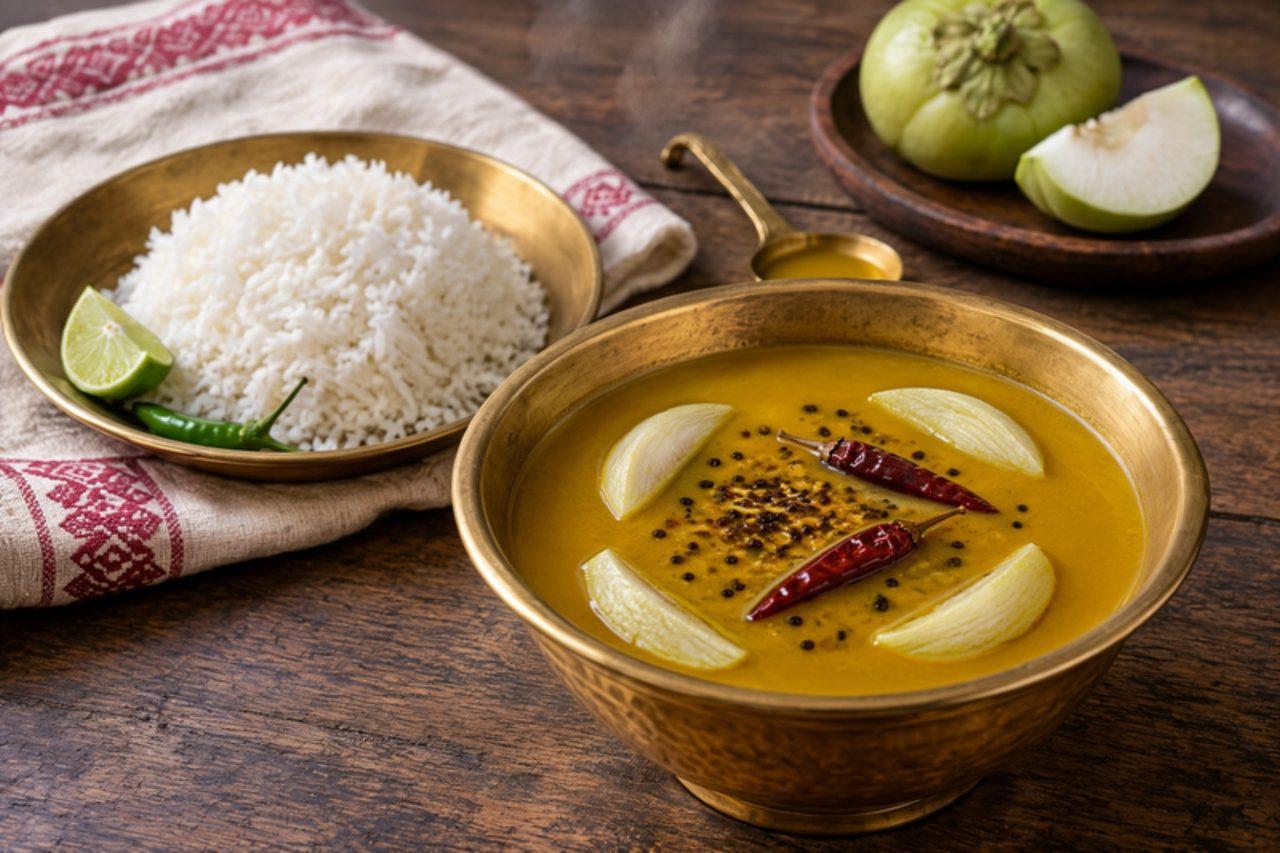
Ou tenga dalMasoor dal with elephant apple

Assamese cooks love a sour note, and ou tenga dal is the everyday lentil dish of Upper Assam's homes in the monsoon and autumn, when elephant apples (ou tenga) fall from the trees. Split masoor is boiled thin with turmeric and slices of the hard, tart fruit, then tempered with mustard oil, panch phoron and garlic, so it tastes bright, fruity and comforting. Serve with rice, or with a millet roti and a green vegetable for a lower-GI plate. It is suitable as part of a balanced diet. About 190 kcal and 26 g carbohydrate per portion. The usual mistake is adding the fruit too late, so its sourness never comes out; it must cook with the lentils from the start. If you can't find it, use a slice of green mango or 1 tsp tamarind. Chef's tip: bruise the ou tenga slices with a pestle so they release their juice.

by KrazyBadal 0 views

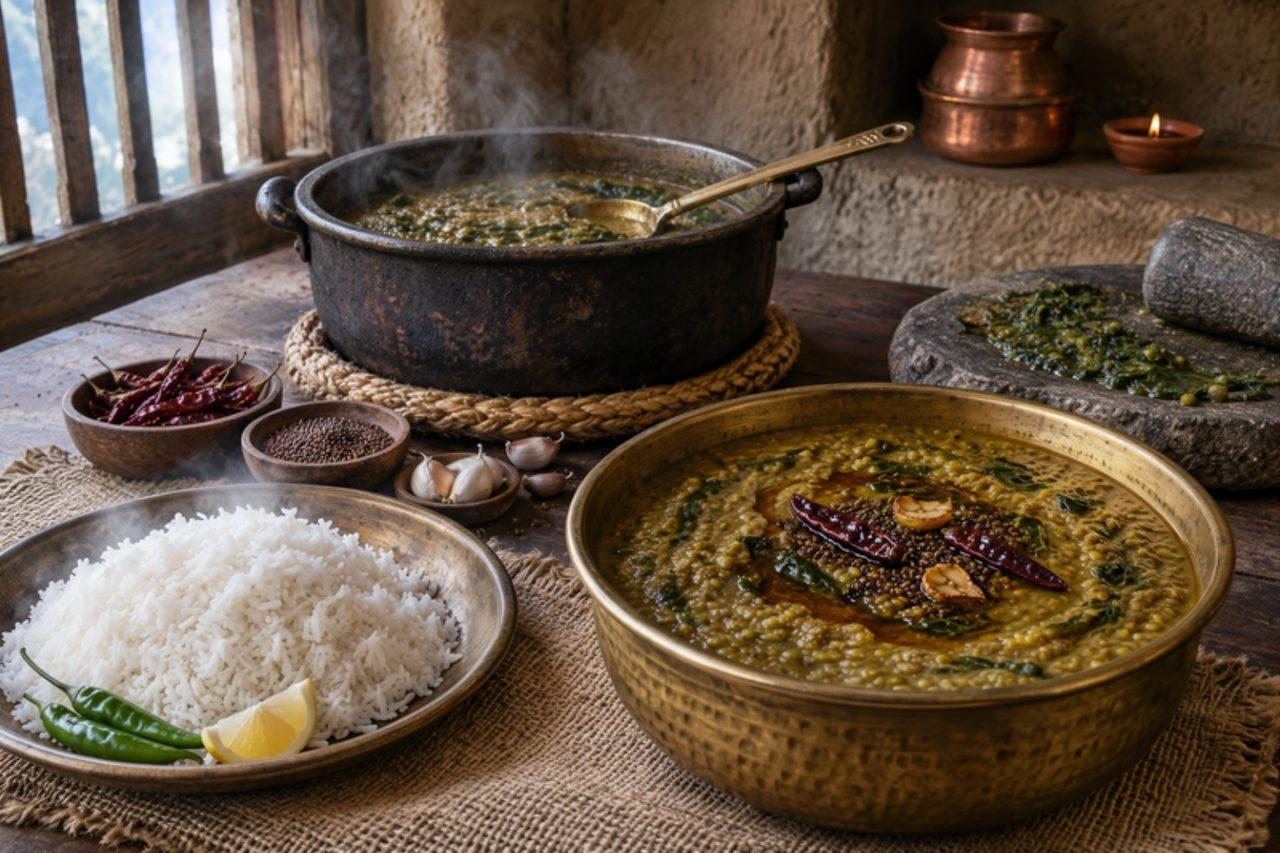
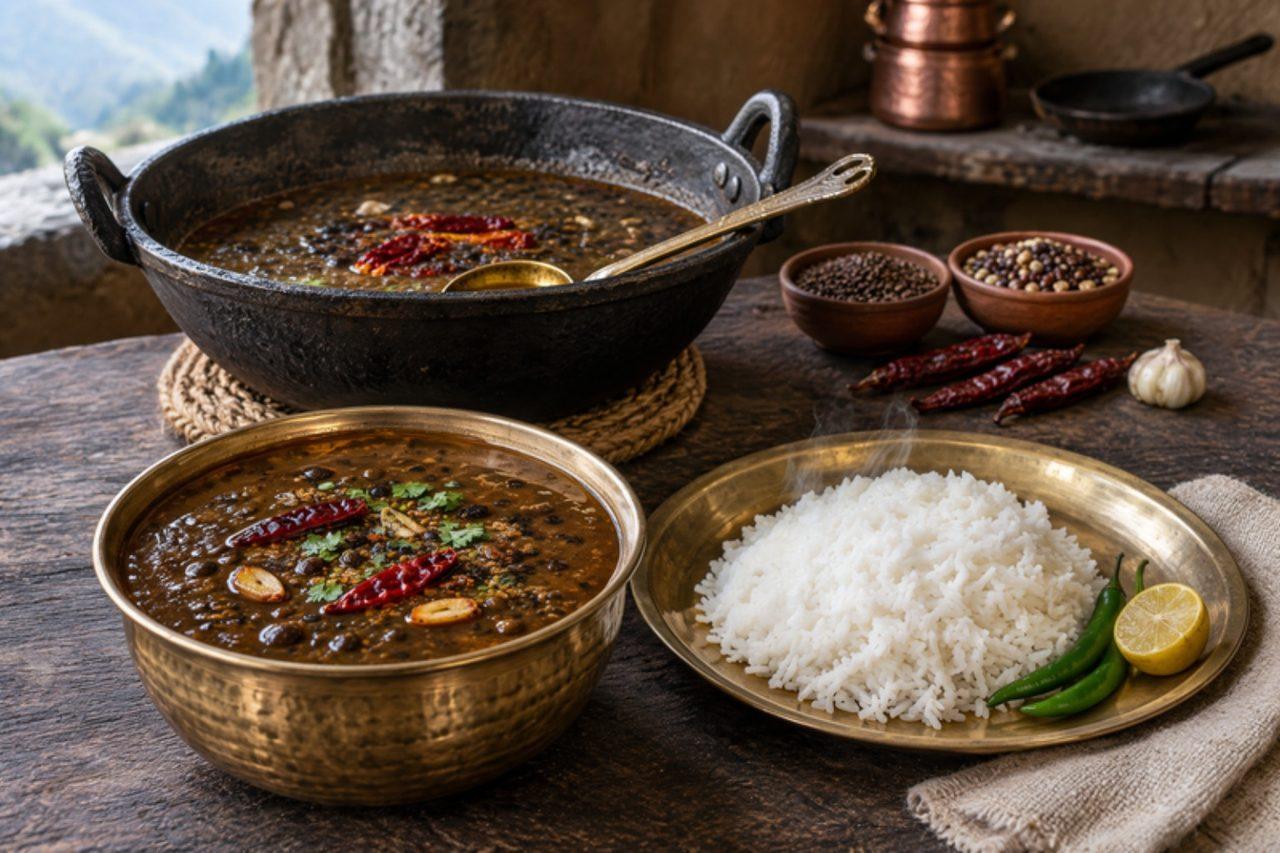
Kumaoni rasMixed dal broth

In the hill villages of Kumaon in Uttarakhand, ras is cooked through the cold months in a heavy iron kadhai that sits on the fire for hours; the iron turns the broth dark and earthy, and families drink it with rice or mandua (finger millet) roti. Several whole dals, here horse gram (gahat), black soybeans (bhatt), black urad and green moong, are simmered until their liquid becomes a rich, brown, silky broth, lightly thickened with ground rice and finished with a crackling mustard-oil tempering of jakhya seeds. The cooked dal solids are eaten too, as a dry side. The usual mistake is hurrying: the broth needs long, slow simmering to turn silky and full-flavoured. Chef's tip: jakhya (wild mustard seed) is sold in Uttarakhand shops; cumin is a fair stand-in.

by KrazyBadal 0 views

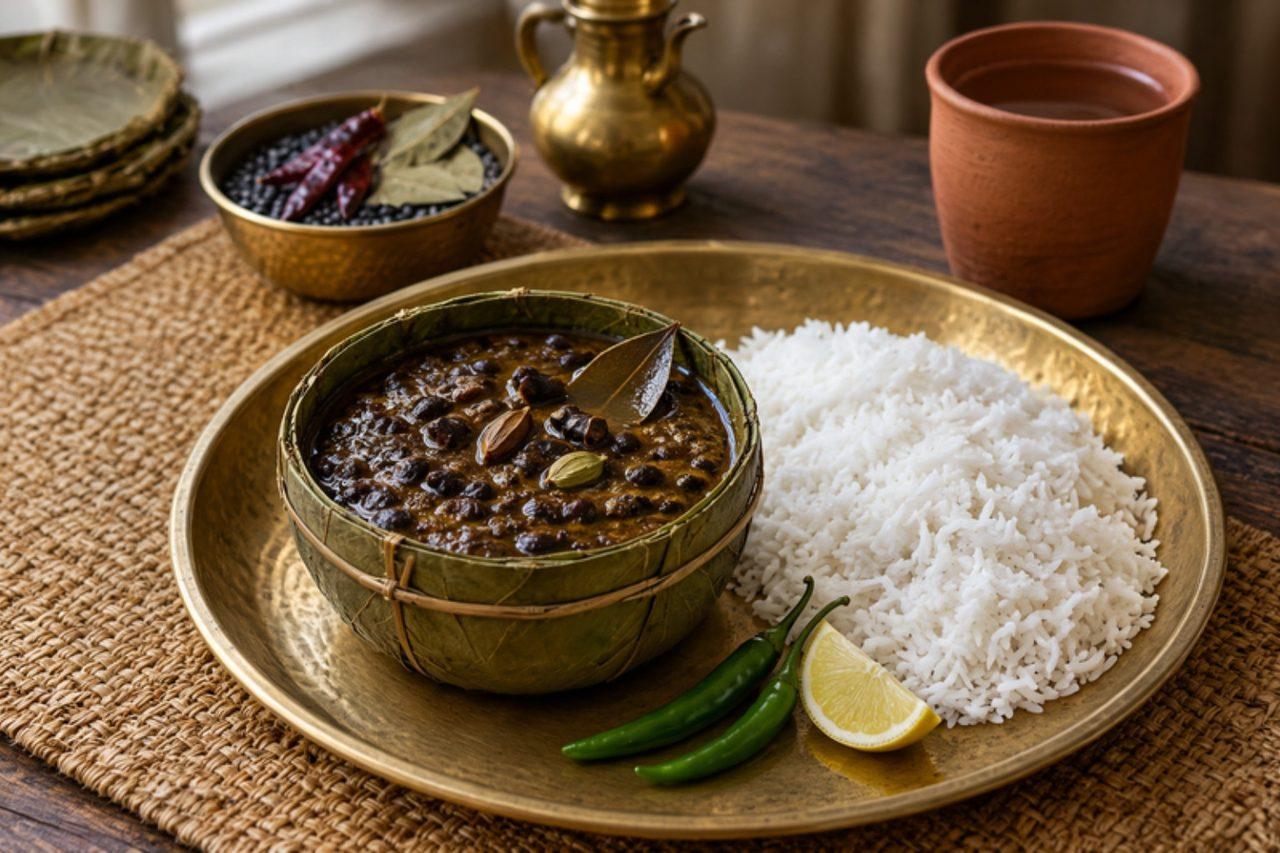
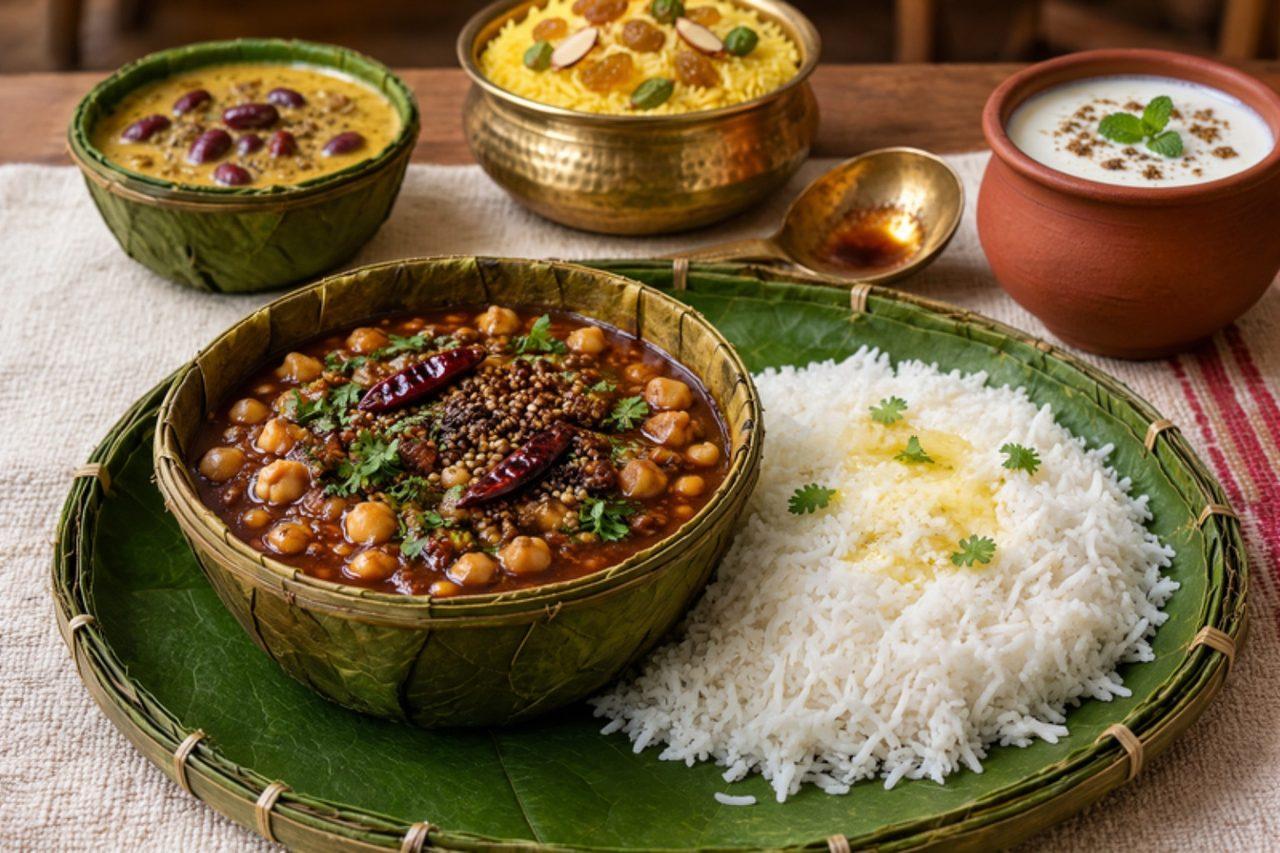
Teliya maahBlack lentils in mustard oil

Teliya maah is one of the dishes of the Himachali dham, the feast cooked by hereditary cooks (botis) in big brass pots for weddings and temple fairs in Mandi, Kangra and Chamba, and served on leaf plates with rice. Whole black urad is cooked slowly with plenty of mustard oil, whole spices, ginger and fennel until each bean is soft but whole and glossy with oil; like most dham dishes, it uses no onion or garlic. Serve with rice and a sour madra or khatta. The usual mistake is stirring hard once the urad is soft, which turns it into a mushy dal instead of separate, oily beans. Slow-cooker option: put the soaked urad, spices and water on low for 8 hours, then finish uncovered on the hob. Chef's tip: heat the mustard oil until it smokes, then let it cool for a minute, which takes away its raw bite before the spices go in.

by KrazyBadal 0 views

Chhena tarkariFried cheese cube curry

In Odia homes, from Cuttack to Puri, chhena tarkari is the special curry for a Sunday lunch, a guest or a festival day when the household eats no onion or garlic. Fresh chhena, the soft cheese Odisha also turns into rasagola, is pressed, cut into cubes and fried golden, then simmered with potato in a thin gravy of tomato, ginger and roasted cumin. The cubes stay soft and soak up the sauce, and the dish is eaten with rice, puri or paratha. Chhena is made by curdling milk with lemon juice, so it contains no rennet. The usual mistake is boiling the gravy hard after the chhena goes in, which breaks the cubes into crumbs. Chef's tip: fry the chhena cubes until golden on two sides only, then rest them in warm water for five minutes; they swell and turn spongy, just like an Odia grandmother's.

by KrazyBadal 0 views

LapenaPigeon peas in sesame paste

Lapena comes out for Christmas, weddings and the days when relatives arrive in Gulu from Kampala: dried pigeon peas boiled until soft, then cooked slowly in roasted sesame paste until thick, earthy and nutty, with a faint bitterness from the sesame that balances the sweetness of the peas. Some families mash it smooth, others keep the peas whole; both are eaten with kwon millet bread, rice or boiled cassava. Dried pigeon peas are sold as toor or arhar (whole, not split) in Indian grocers. The common mistake is adding salt before the peas are tender, which keeps the skins tough. Chef's tip: if you can only find light tahini, toast it in a dry pan for a minute or two until it darkens to get closer to Acholi sesame paste.

by KrazyBadal 0 views

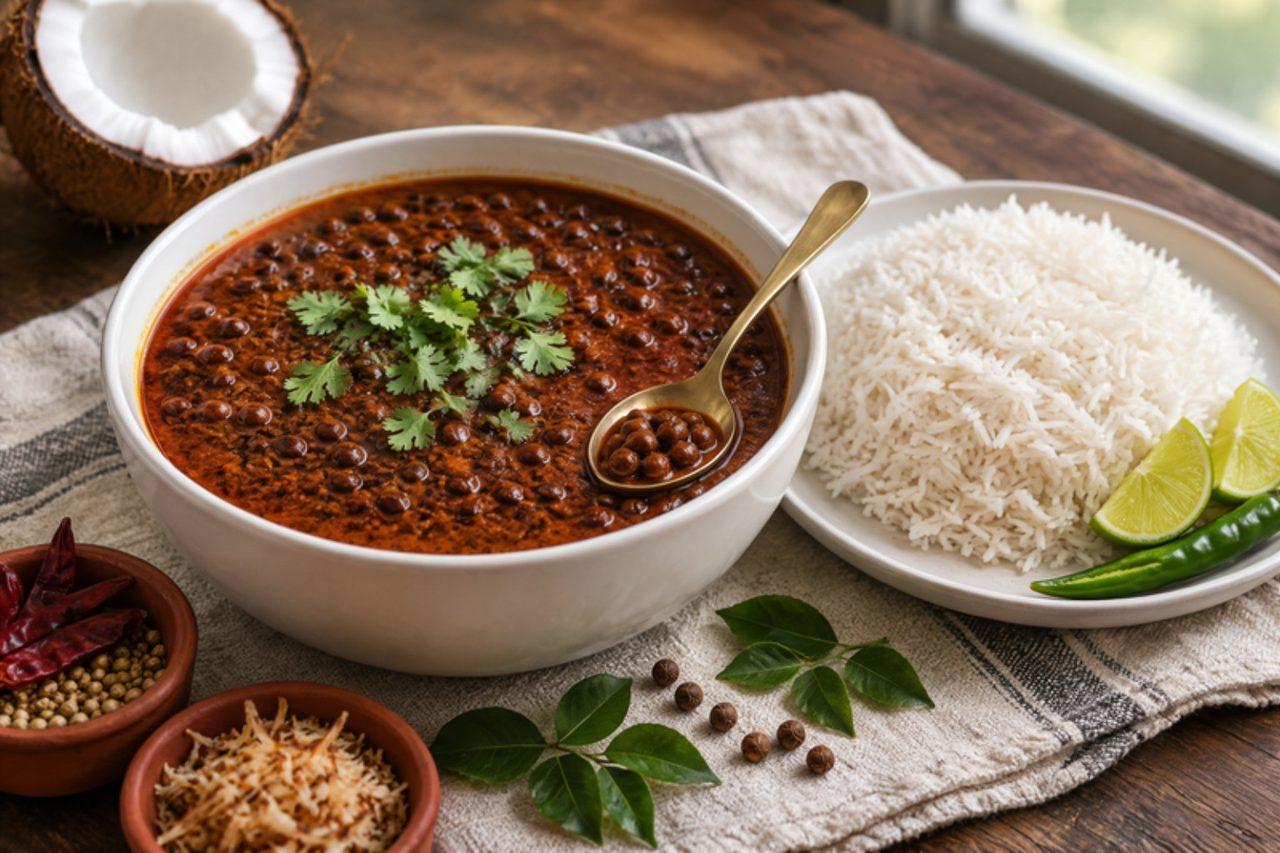
Kala vatana amtiBlack pea curry

On the Konkan coast around Malvan and Sindhudurg, kala vatana amti is cooked for Sunday lunch and festive meals, and it is the vegetarian partner to fluffy fried vade made from rice and pulse flour. Small dried black peas simmer until creamy in a dark, aromatic gravy of onion and dried coconut roasted until brown, ground with Malvani masala, then soured with kokum. Serve with vade, rice or jowar bhakri. The usual mistake is not soaking the peas long enough, so they stay hard however long they cook; soak them for at least 8 hours. Slow-cooker option: cook the soaked peas with the water on low for 7 hours, then stir in the masala and simmer 15 minutes. Chef's tip: roast the coconut and onion slowly on a medium heat until deep brown but never black, as that colour gives the gravy its depth.

by KrazyBadal 0 views

Mashkalai dalSplit black gram dal

In Rajshahi and Chapainawabganj, in the far west of Bangladesh, mashkalai dal is eaten with thick kalai ruti flatbreads and a fiery bhorta, especially on winter mornings and evenings. Split black gram is cooked until creamy and slightly sticky, flavoured with ginger, then crowned with onion and garlic fried crisp in mustard oil. It is filling and earthy with a gentle heat. The usual mistake is boiling it too hard: mashkalai foams over and catches, so keep the lid ajar and the heat low. Chef's tip: fry the onion and garlic separately and add them just before serving, so they stay crisp on top of the dal.

by KrazyBadal 0 views

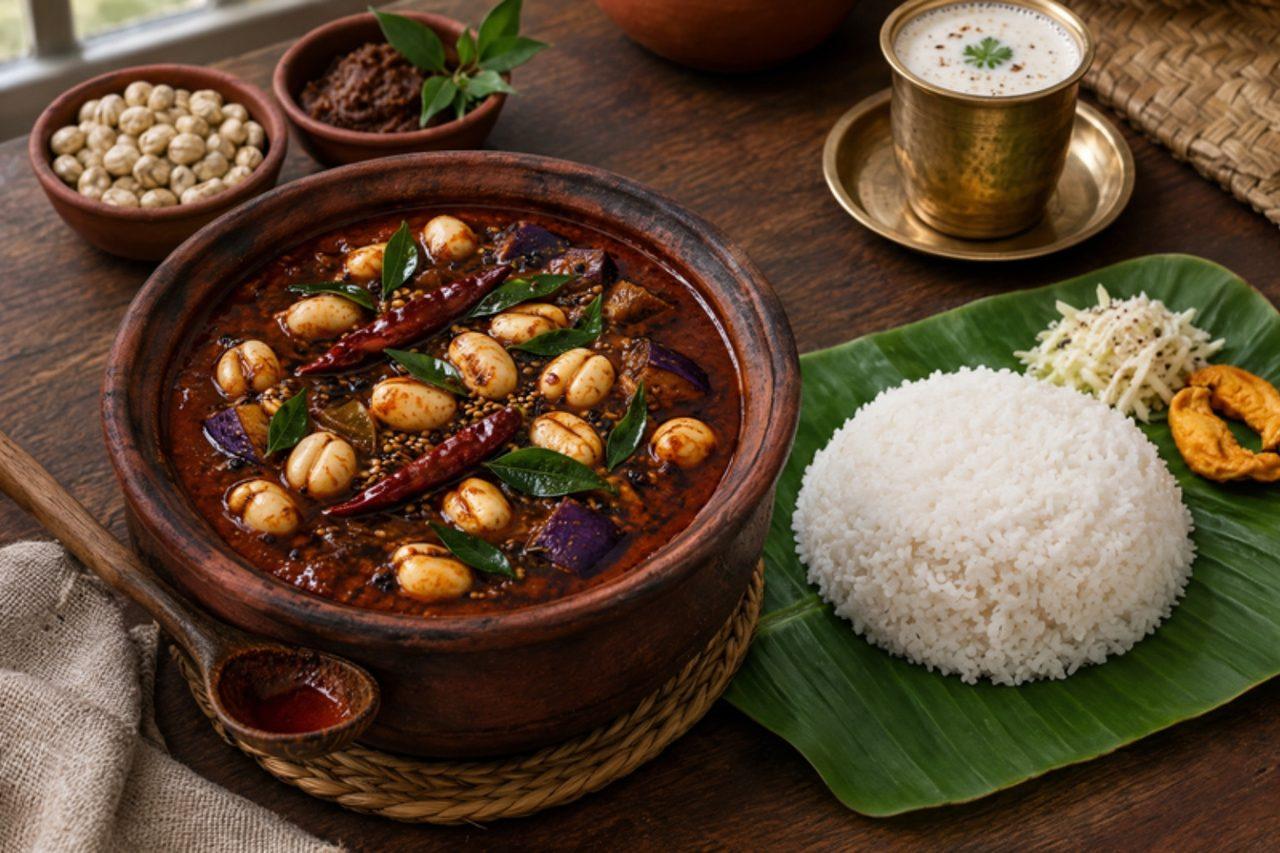
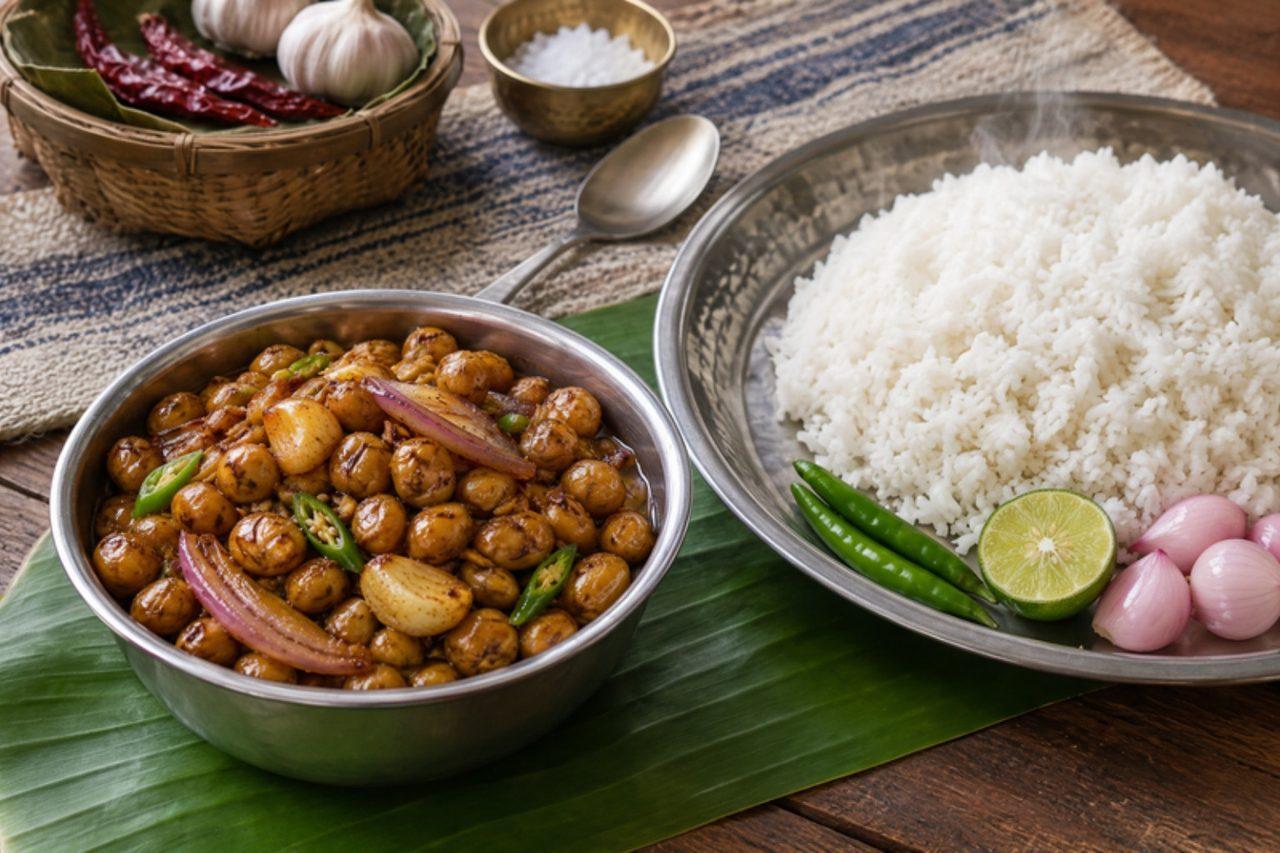
Mochai kottai kuzhambuField bean gravy

Across Tamil Nadu, from Madurai to Tirunelveli, mochai kottai kuzhambu is a winter and weekend curry: dried field beans and small brinjals stewed in a thick tamarind and sambar-powder gravy with shallots and garlic. It is cooked in a big batch, because everyone agrees it tastes better the next day, and eaten with rice, a spoon of sesame oil and appalam or a simple keerai. The beans turn creamy and the brinjal melts into the sauce. Dried field beans must be soaked and boiled until completely soft; never eat them undercooked. The usual mistake is adding the tamarind before the beans are tender, because acid stops them softening. Slow-cooker: boil the soaked beans hard on the hob for 10 minutes first, then cook everything on low for 6 hours. Chef's tip: fry the brinjal in the oil before the gravy goes in, so it holds its shape instead of dissolving.

by KrazyBadal 0 views

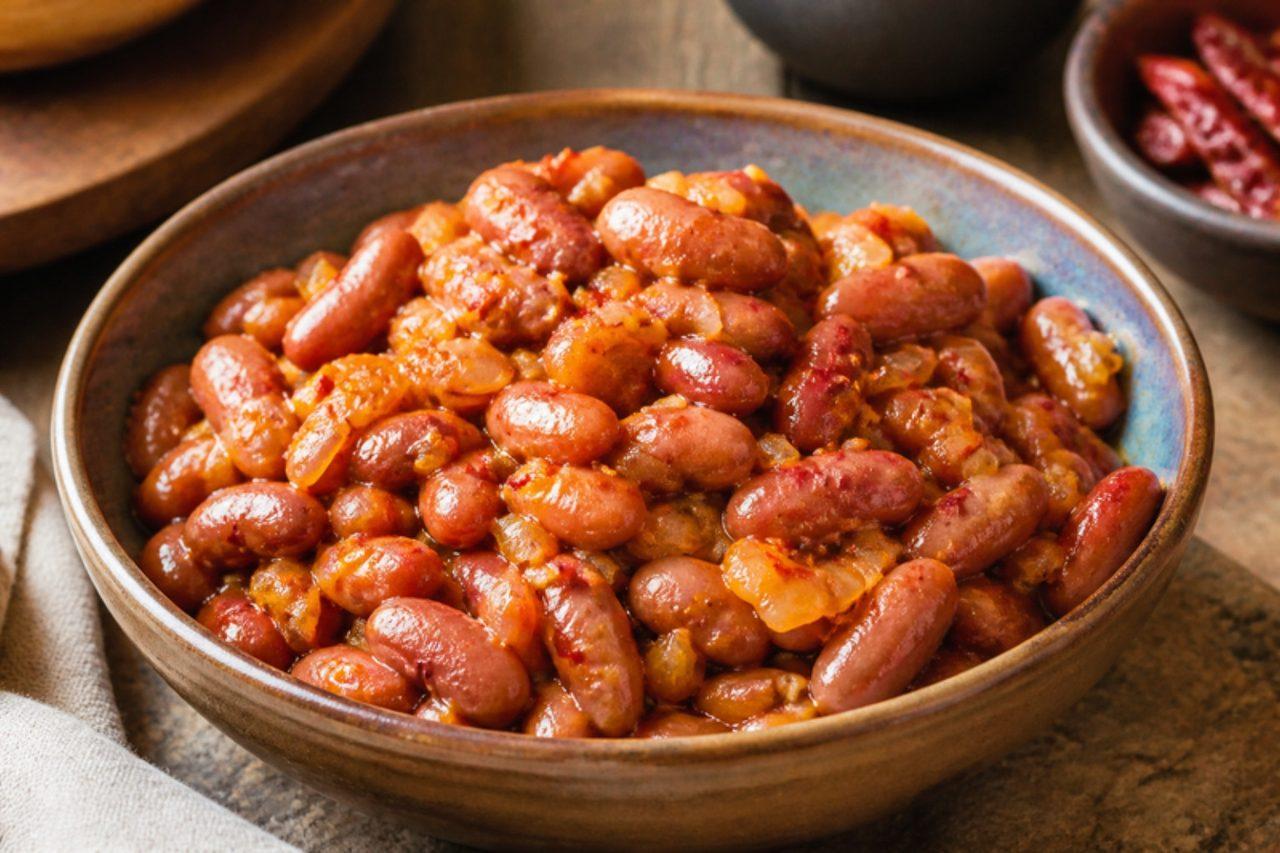
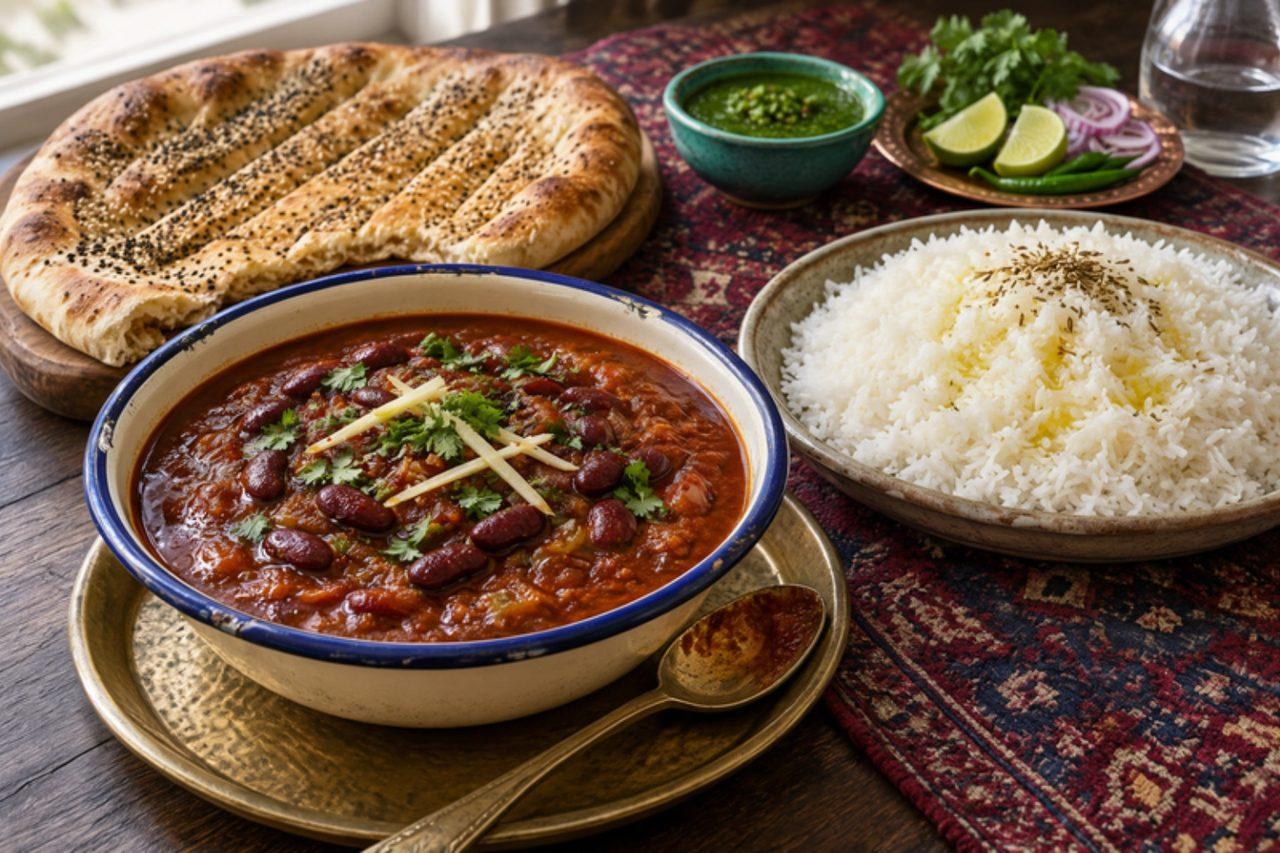
Qorma-e-lubiaRed kidney bean stew

Qorma-e-lubia is everyday Afghan home cooking, made in Kabul and Herat kitchens for weekday lunches and sold from big pots at roadside eating houses with fresh naan. Red kidney beans simmer slowly in a sauce built on deeply browned onion, tomato, garlic and ground coriander until it turns rich and brick-red. Eat it with naan, or with plain challow rice and a salad of tomato and onion. The usual mistake is putting dried kidney beans straight into a slow cooker: they must be boiled hard for 10 minutes first, or they can make you ill. Slow-cooker option: after browning and the hard boil, cook on low for 8 hours. Chef's tip: brown the onions until properly dark, about 15 minutes; that colour is where the stew's depth comes from.

by KrazyBadal 0 views

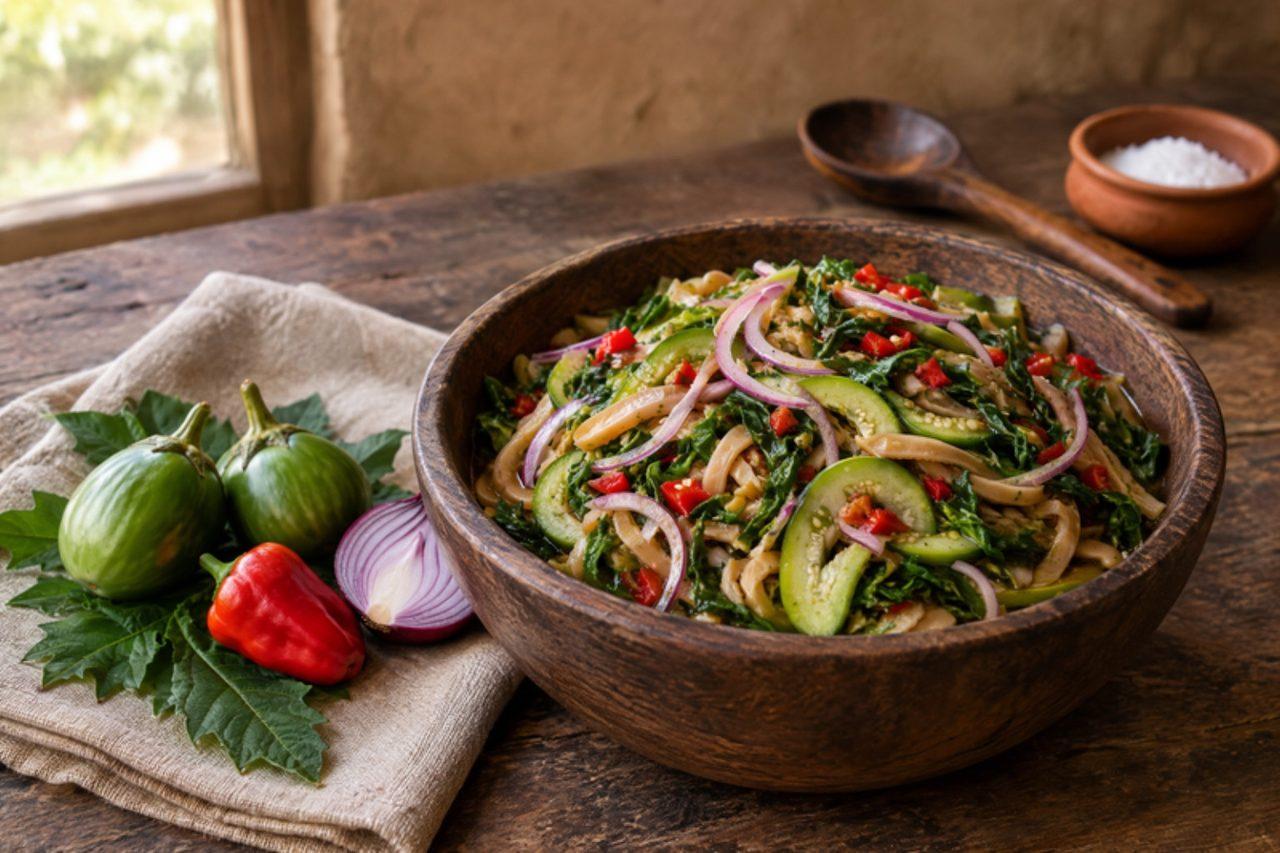
Ugba saladFermented oil bean salad

Ugba, the long, thin slices of fermented African oil bean, are a favourite of Igboland in south-east Nigeria, eaten at village meetings, weddings and as an evening snack with cold drinks in Enugu and Owerri. The slices have a nutty, savoury, slightly funky flavour, and here they are tossed with diced garden eggs, shredded garden-egg leaves, onion, fresh pepper and a little red palm oil. Many cooks add ground crayfish and stockfish; this version is vegan. Suitable as part of a balanced diet, it is high in fibre and plant protein: about 220 kcal and 10 g carbohydrate per portion. The usual mistake is not rinsing shop-bought ugba, which can taste too sharp and fermented; rinse it in warm water first. Chef's tip: warm the palm oil just enough to make it runny, never hot, so it coats every slice.

by KrazyBadal 0 views

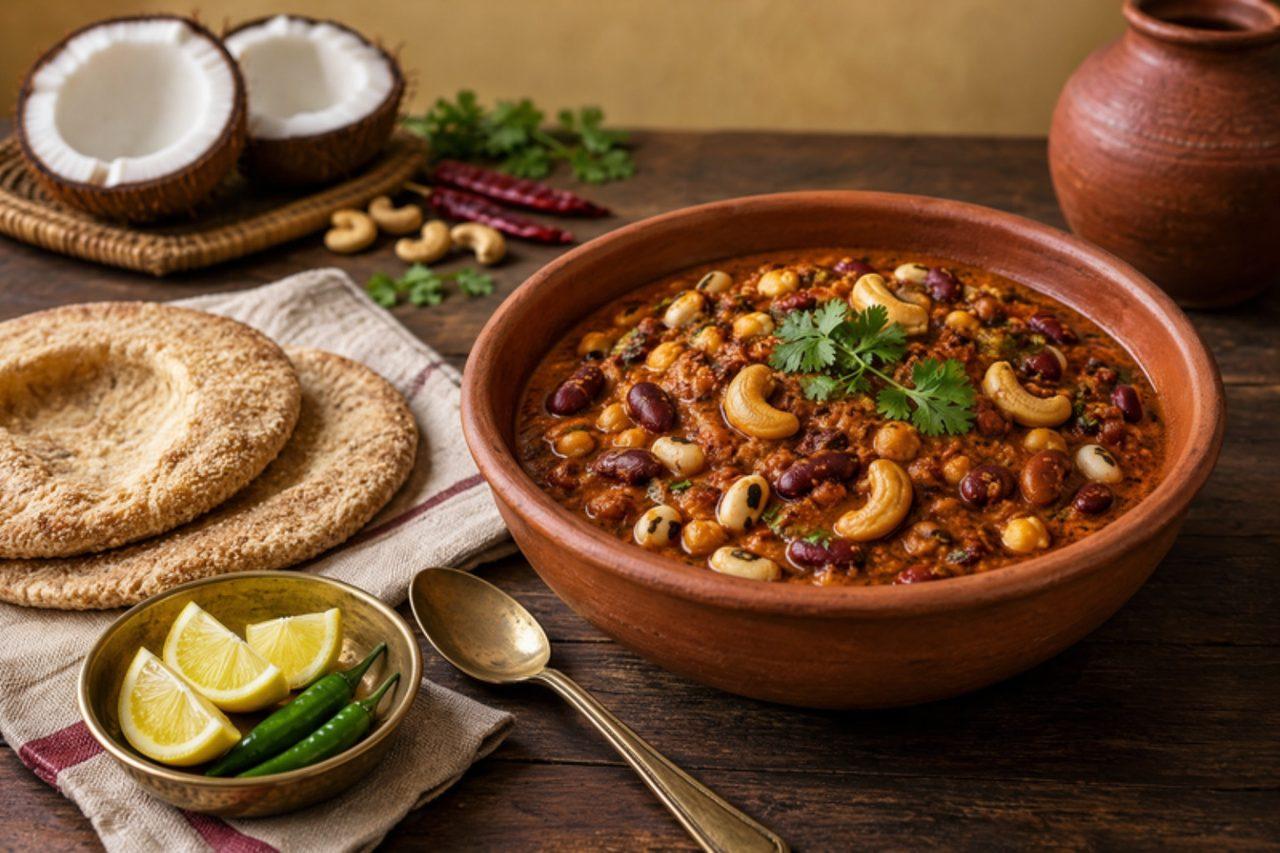
TondakMixed beans and cashew gravy

Tondak is a Goan Saraswat dish cooked in homes around Ponda and Margao for festivals, weddings and Sunday lunches: mixed beans and plump cashews in a gravy of roasted coconut, red chillies and coriander seeds. The beans soften into the reddish-brown sauce while the cashews stay buttery, making it filling and rich in protein. Serve it with a little rice or a millet bhakri and a vegetable side. It is suitable as part of a balanced diet. About 380 kcal and 34 g carbohydrate per portion. The usual mistake is grinding raw coconut; it must be roasted to a deep golden brown first or the gravy tastes flat. Chef's tip: dried kidney beans must be soaked overnight and boiled hard for 10 minutes before they simmer, so do this even if you then use a slow cooker or pressure cooker.

by KrazyBadal 0 views

MutakuraBeans, cowpeas and maize

Mutakura is old Zimbabwean country food, cooked in rural Mashonaland after harvest from the store of dried beans, cowpeas, groundnuts and maize kernels, and eaten as a filling lunch or snack, often at gatherings and ceremonies. Everything is soaked, boiled for hours until tender, then simply seasoned with salt, so the beans are creamy, the maize chewy and the groundnuts soft and rich. Suitable as part of a balanced diet. About 340 kcal and 45 g carbohydrate per portion. The usual mistake is cooking everything together from the start: the maize needs a long head start, and the dried red beans must be boiled hard for 10 minutes to be safe. A pressure cooker cuts the maize time to about 40 minutes. Chef's tip: soak everything overnight in separate bowls; the maize and groundnuts need it most.

by KrazyBadal 0 views

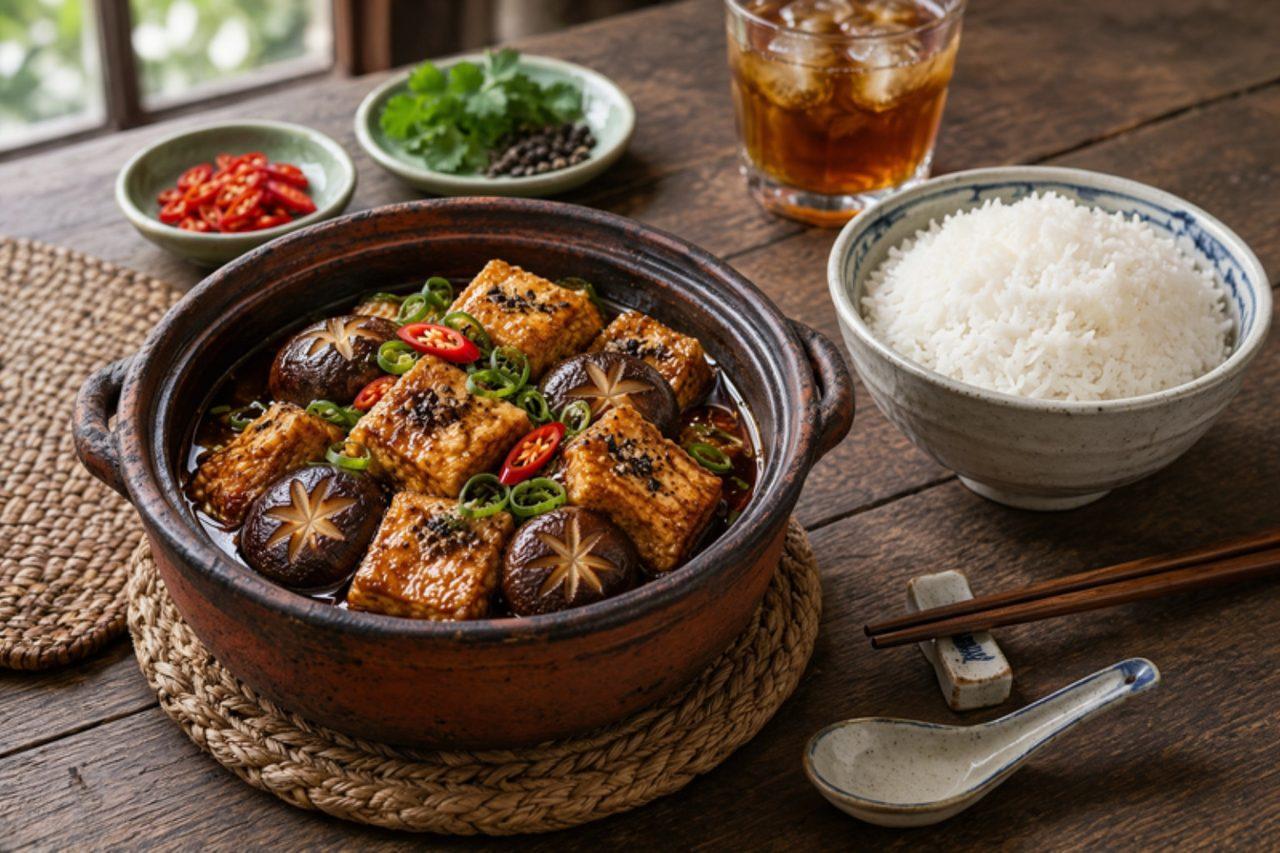
Đậu hũ khoBraised tofu with shiitake

Đậu hũ kho is the vegetarian cousin of the caramel braises (kho) cooked in clay pots all over Vietnam, and in the south it is a standard of Buddhist fasting days and a good companion for a pot of rice through the week. Golden fried tofu and chewy shiitake are braised in a dark caramel, soy sauce and coconut water until the sauce turns sticky, salty-sweet and peppery. Serve with steamed rice, a plate of fresh cucumber and a light soup. The usual mistake is letting the caramel go too dark, which makes the whole dish bitter; stop when it is the colour of strong tea. Chef's tip: coconut water gives a rounder sweetness than plain water, and the braise keeps for 3 days in the fridge.

by KrazyBadal 0 views

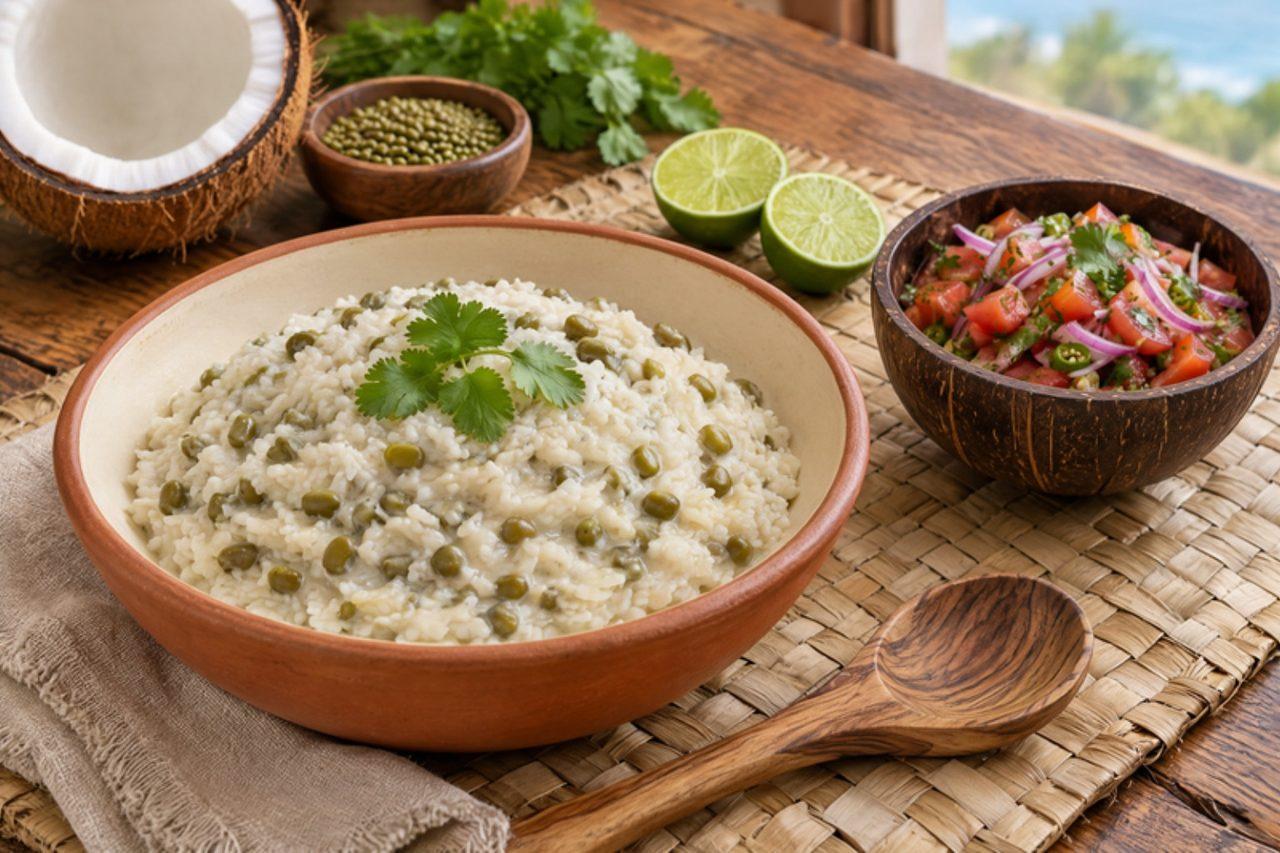
MsetoRice and green grams

Mseto, meaning 'mixture', is a staple of the Swahili coast from Mombasa to Lamu and Zanzibar, often eaten at lunch or for breaking the fast in Ramadan. Rice and green grams (whole mung beans) cook together in coconut milk with onion and a little turmeric until soft, fluffy and gently creamy. It is served beside a vegetable or bean curry, a kachumbari salad and a squeeze of lime. The usual mistake is adding the rice before the green grams are tender, so the rice turns mushy while the beans stay hard. Chef's tip: once the rice is in, cover the pot tightly and leave it on the lowest heat without lifting the lid, so the rice steams evenly.

by KrazyBadal 0 views

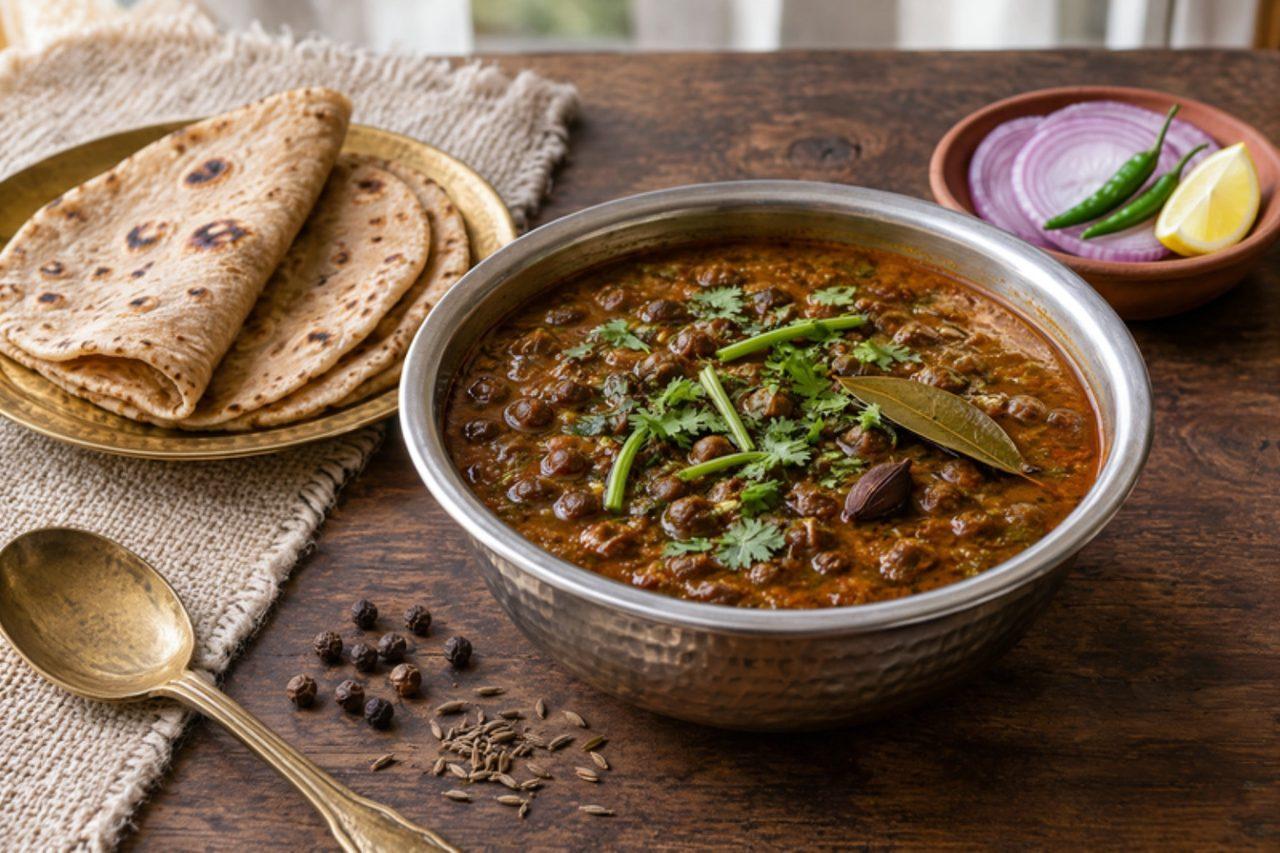
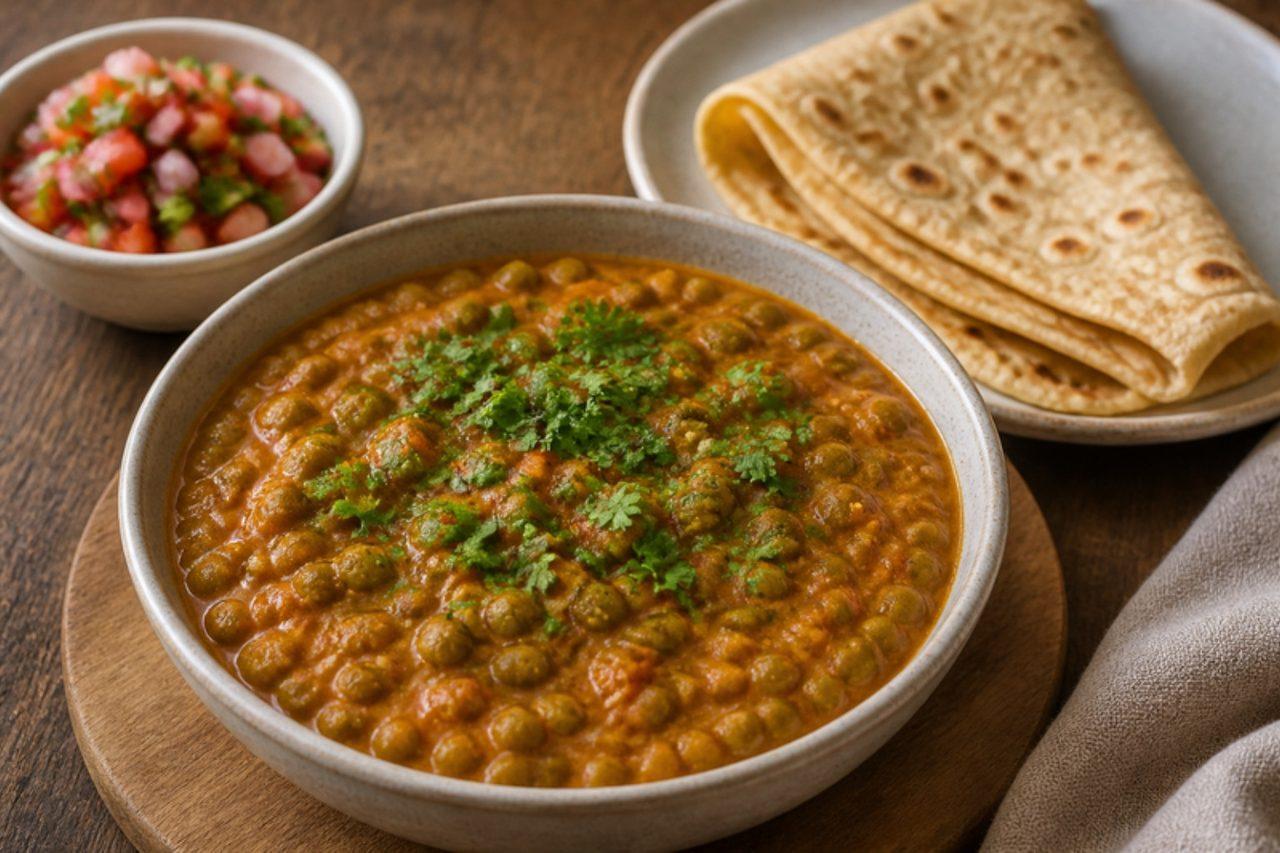
Kale chane ka salanBlack chickpea curry

Across Pakistani Punjab, from Faisalabad homes to roadside tandoors near Gujranwala, black chickpeas in a thin, peppery gravy are winter food and a Friday staple, eaten with fresh roti or rice. The small brown chana keep their bite and give a nutty, earthy broth flavoured with cinnamon, black cardamom, cloves and bay. It is cooked in one pot, on the stove or in a slow cooker, and tastes even better the next day. The usual mistake is skipping the overnight soak: unsoaked black chana stay hard however long you cook them. Chef's tip: mash a ladleful of the cooked chana against the side of the pot at the end; it thickens the gravy without any flour.

by KrazyBadal 0 views

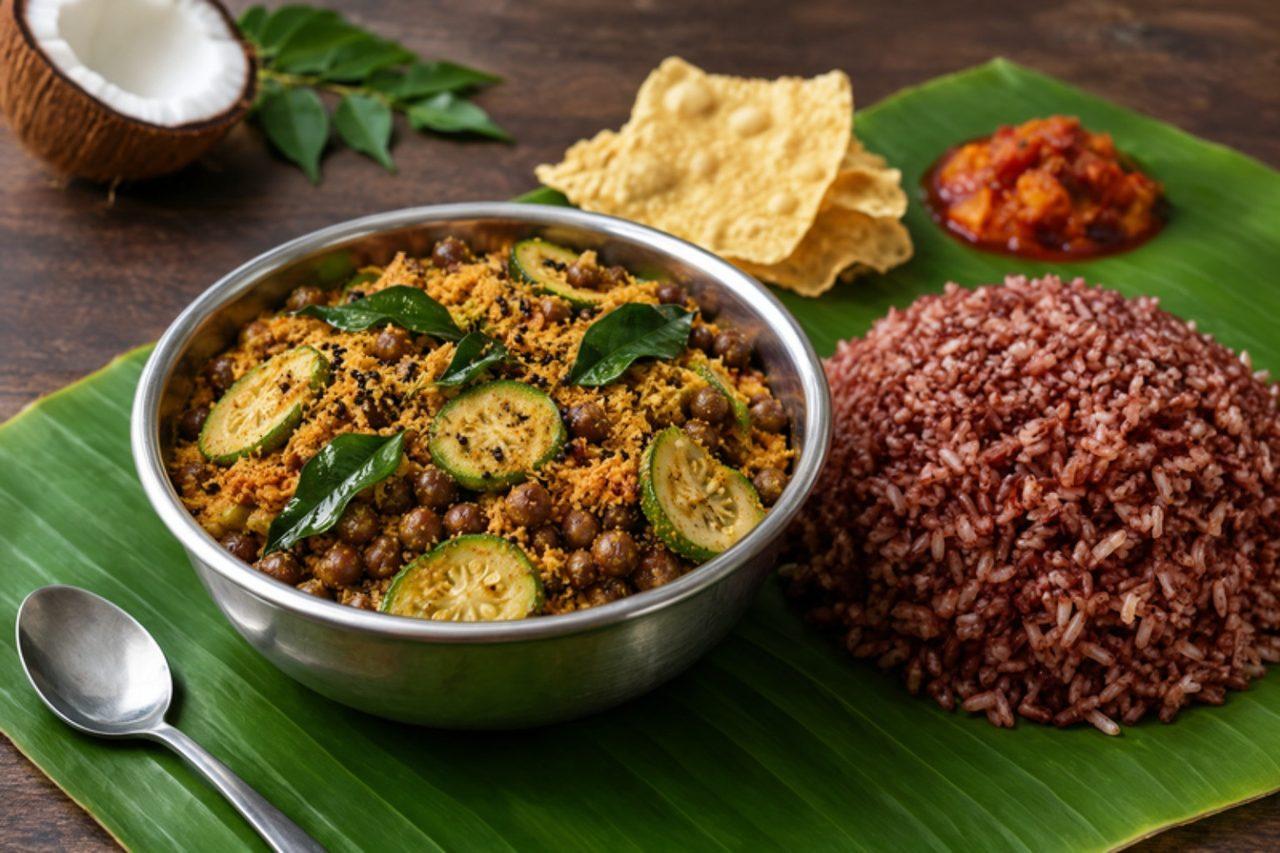
Kadle manoliBlack chickpea and coconut curry

Kadle manoli is a Konkani dish from Mangaluru and Udupi, cooked for festive meals, Saturday temple days and family gatherings, where it sits beside rice, dalitoy and papad. Black chickpeas and quartered ivy gourd are cooked together, then tossed in a coarse, roasted masala of coconut, byadgi chillies and coriander, a little tamarind and a coconut-oil tempering. It is dry-ish, coating each piece rather than swimming in gravy. The usual mistake is cutting the ivy gourd into rounds; slice it lengthwise into quarters so it stays crunchy-tender. Slow-cooker: cook the soaked chana and gourd with 500 ml water on low for 7 hours, then stir in the masala and heat through. Chef's tip: grind the masala coarse, with very little water, so it clings to the chickpeas and stays fragrant.

by KrazyBadal 0 views

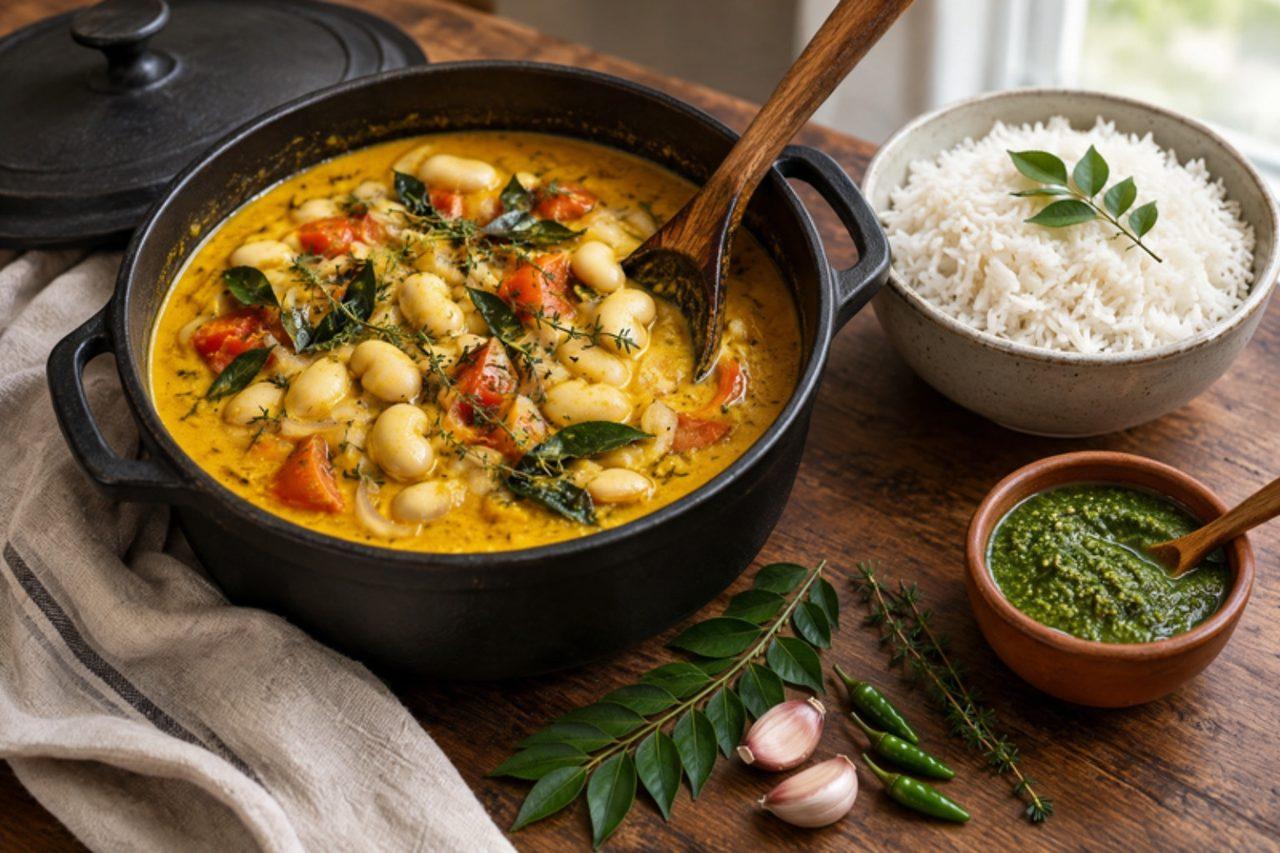
Kari gros poisButter bean curry

In Mauritius, gros pois (butter beans) are a pantry staple, and kari gros pois is cooked in Creole and Indo-Mauritian homes alike for weekday lunches and Friday meat-free meals. The beans simmer in a curry of onion, tomato, garlic and ginger, flavoured with curry powder, fresh thyme and curry leaves, so it tastes of both India and the island's French side. It is served with rice, farata flatbreads and a tomato or chilli chutney. The usual mistake is frying the curry powder on high heat; it scorches in seconds and turns bitter. Pressure cooker option: cook the soaked beans for 15 minutes at pressure. Chef's tip: crush a few beans into the sauce at the end, which thickens it without any flour.

by KrazyBadal 0 views

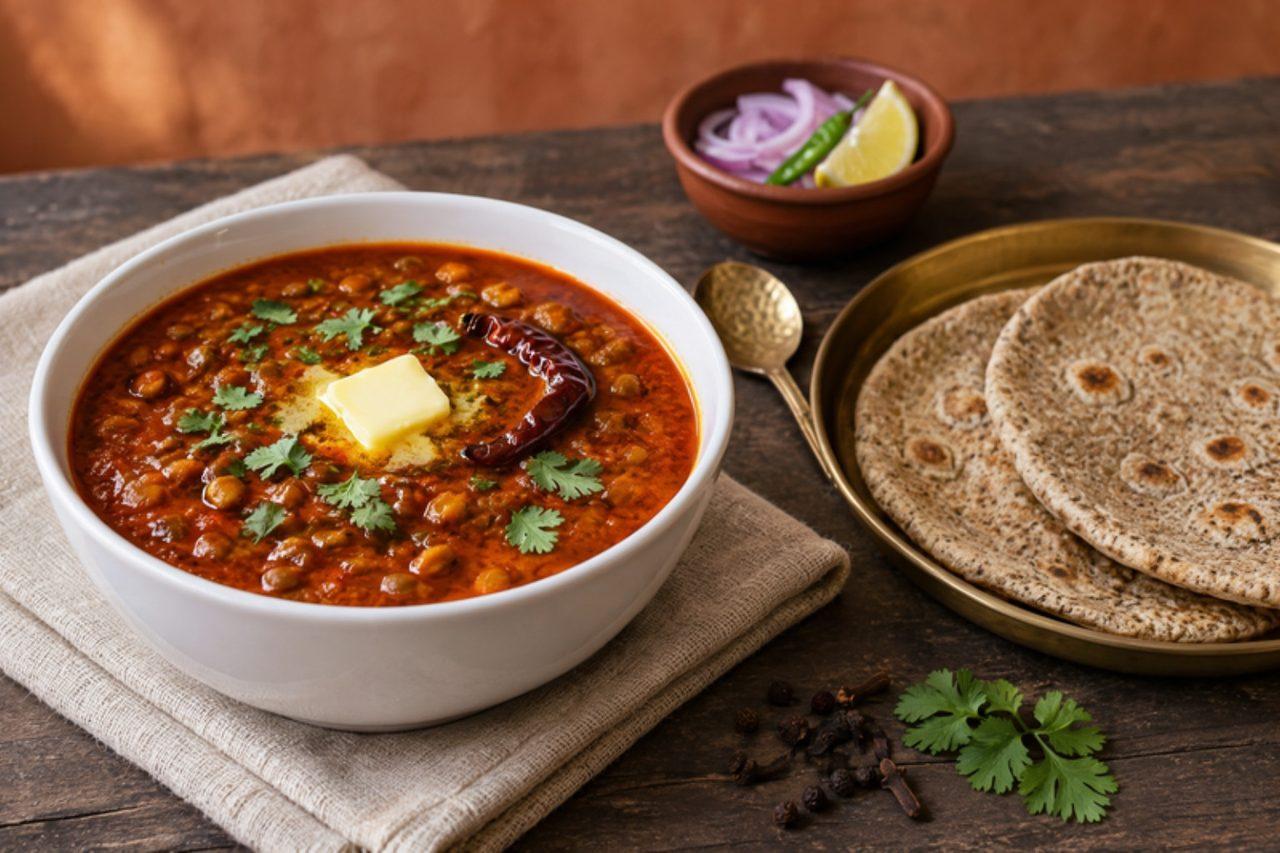
Akkha masoorWhole brown lentil curry

Akkha masoor is the dish that made the dhabas on the Kolhapur–Pune highway famous: whole brown lentils cooked into a rich, fiery onion, tomato and Kolhapuri-masala gravy, finished with a big knob of butter and eaten with jowar bhakri, tandoori roti or jeera rice. At home it is a weeknight dinner and a favourite on cold evenings. The lentils keep their shape while the roasted dry coconut and red chilli give a deep, nutty heat. The usual mistake is undercooking the onions; they must turn deep brown before the tomatoes go in, or the gravy tastes thin. Slow-cooker: cook everything except the butter on low for 6 hours, then stir the butter in at the end. Chef's tip: toast the dry coconut until it is the colour of a biscuit; it is the secret of the dhaba flavour.

by KrazyBadal 0 views

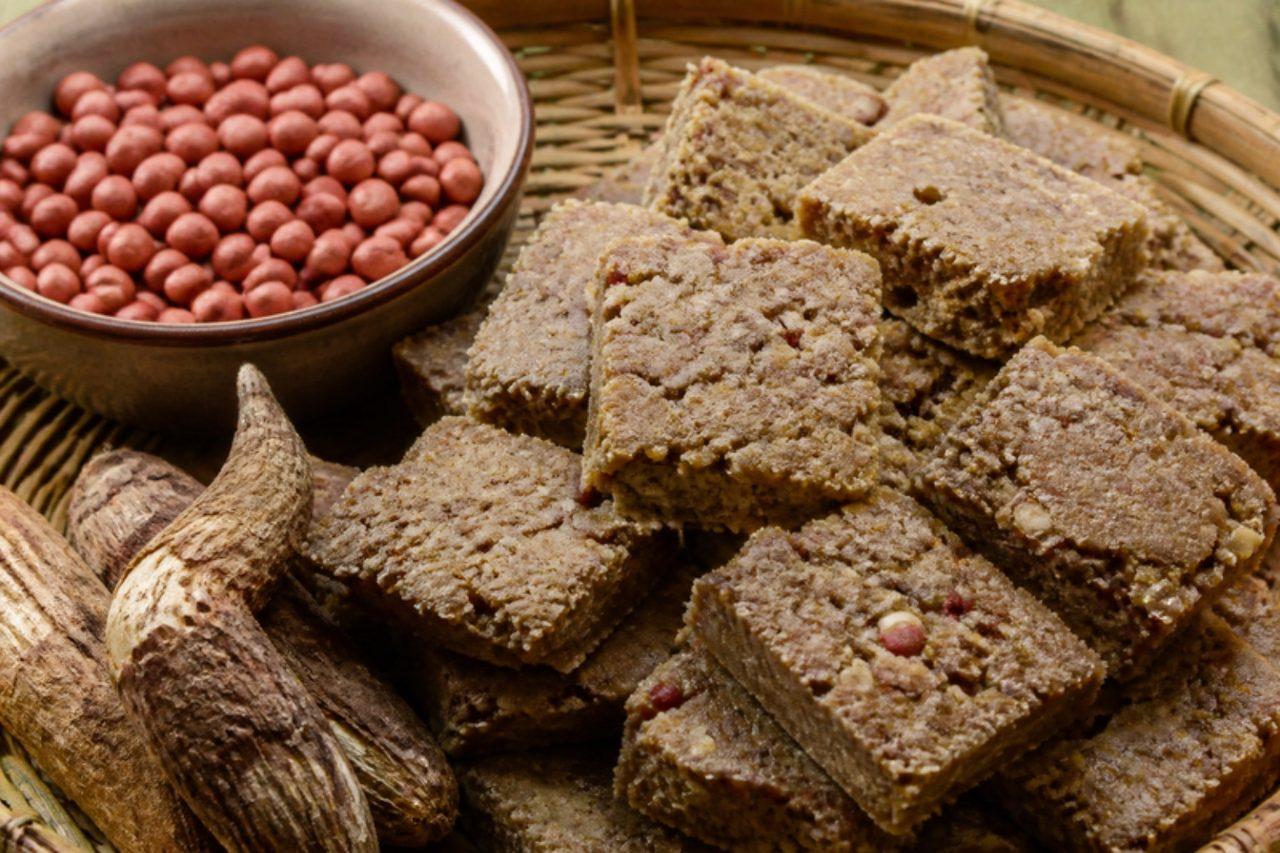
ChikandaOrchid tuber and peanut loaf

In Kasama and across the Bemba country of northern Zambia, chikanda is cooked for weddings, funerals and family gatherings, then sliced and sold on Lusaka street corners as 'African polony' because it looks like a pale sausage. It is made from the dried, pounded tubers of ground orchids mixed with groundnut flour, chilli and a little bicarbonate of soda, stirred over the fire until thick and then baked until firm. The texture is dense and springy, a little like a savoury jelly, with a nutty, earthy flavour and a gentle heat. Use bought dried chikanda powder from Zambian or Southern African grocers; wild orchids are badly over-harvested, so buy only from a trusted supplier. Too little stirring is the usual mistake, and it leaves raw lumps of powder through the loaf. Chef's tip: let the slices cool completely before frying or eating, as the loaf firms up a lot as it sets.

by KrazyBadal 0 views

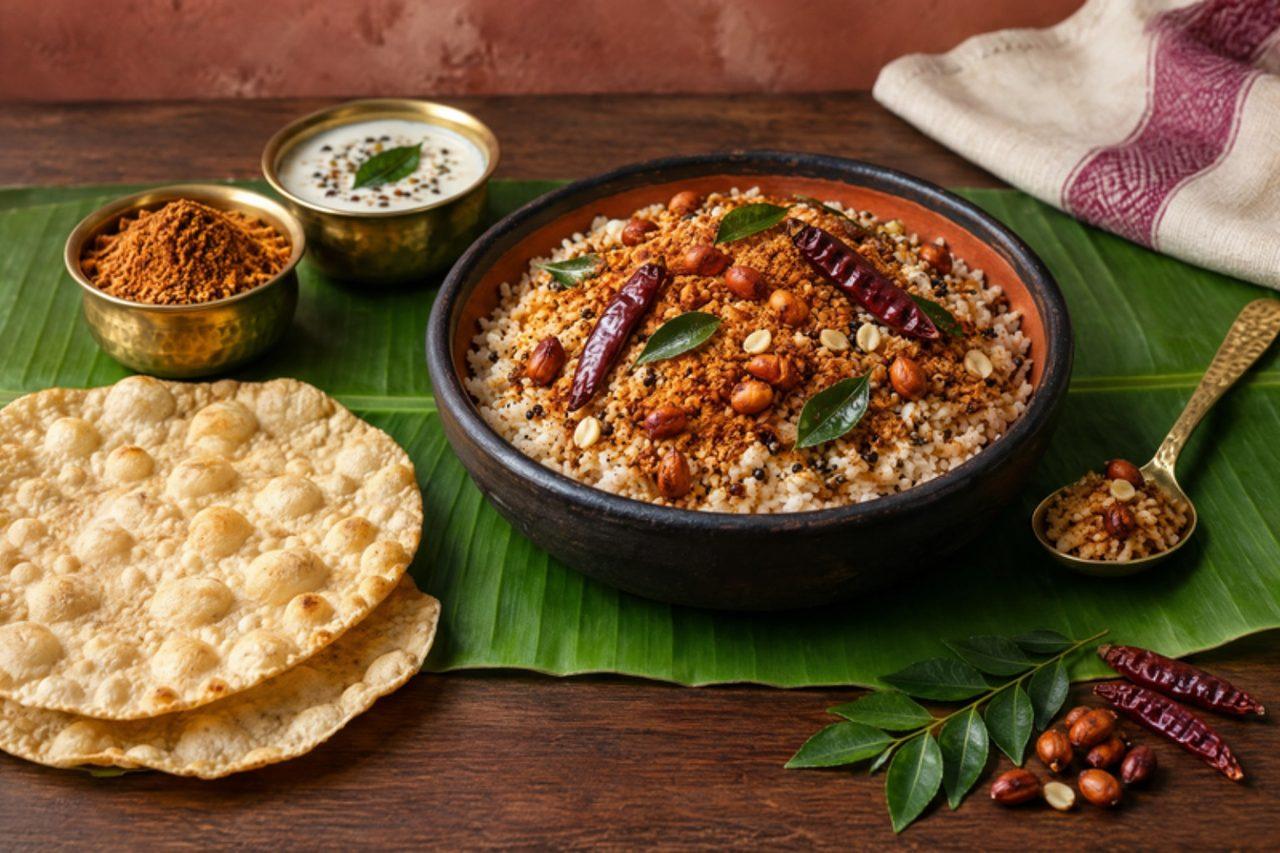
Verkadalai sadam (peanut rice)

Peanut rice is the filling variety rice that Tamil and Kannada parents send when the school day ends with games: roasted peanuts, dry coconut, sesame and red chillies are ground into a coarse powder and tossed through rice in a curry leaf tempering. It tastes a little like a savoury peanut brittle, and it stays good at room temperature for hours. The mistake is grinding the peanuts too long; they turn into peanut butter and the rice clumps. Pulse in short bursts and stop while it is still sandy. Chef's tip: keep a few whole roasted peanuts aside and add them at the end for crunch.

by KrazyBadal 0 views

Lauki chana dalBottle gourd and chana dal

In Punjabi and Haryanvi homes lauki chana dal is a weekday staple, and it travels in the dabba's lidded steel bowl beside rotis or rice. Chana dal holds its shape while the bottle gourd melts into it, so the dal is thick enough not to slosh about. The mistake is adding the lauki at the start with the dal: it collapses into strings and turns the dal watery. Add it once the dal is half cooked. Chef's tip: choose a young, pale-green lauki that your nail dents easily; an old one is bitter and seedy, so taste a small piece raw and discard it if it is bitter.

by KrazyBadal 0 views

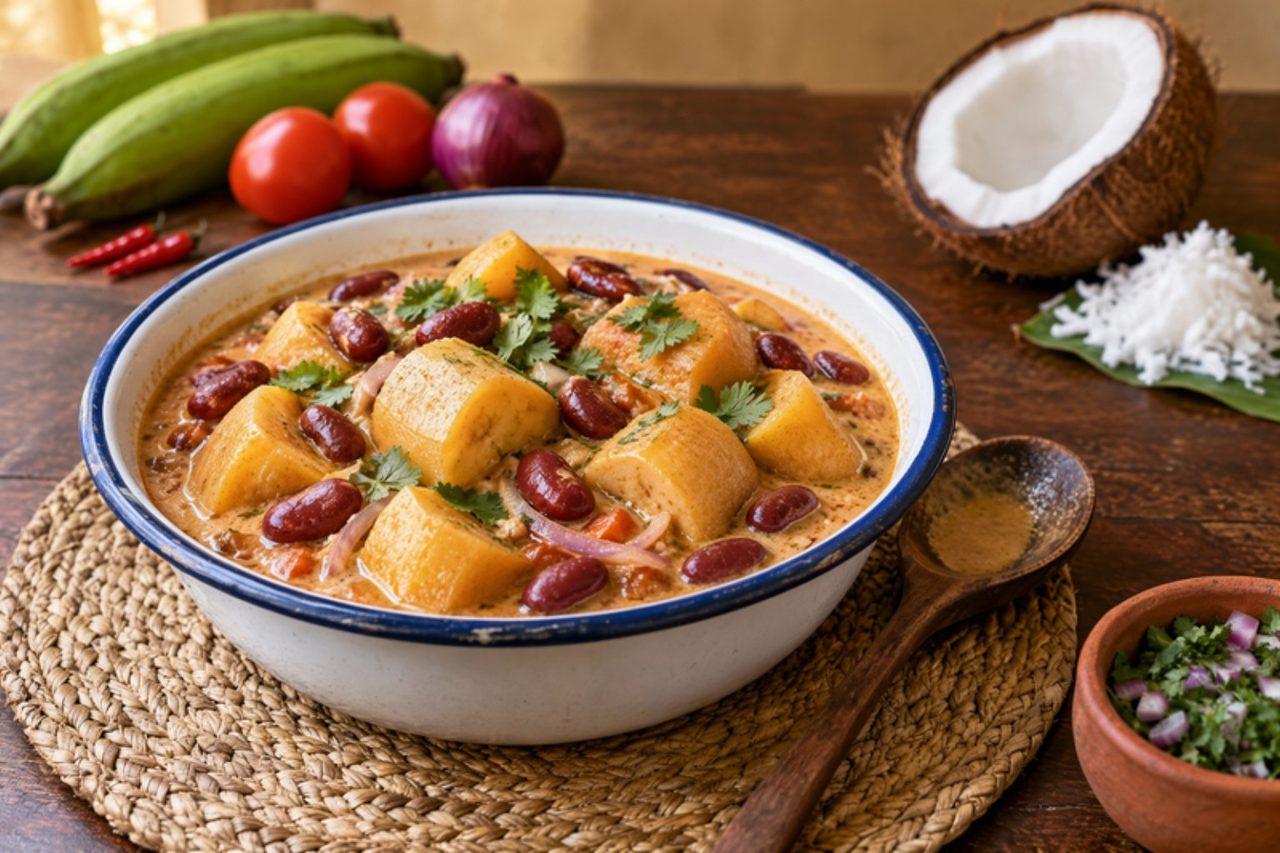
Ndizi na maharageGreen bananas and red beans

Across Tanzania, from Dar es Salaam to the banana farms around Kilimanjaro, ndizi na maharage is a filling weekday lunch: green cooking bananas and red beans simmered in one pot with tomato, onion and coconut milk until the bananas are soft and the sauce creamy. It needs nothing more than a few slices of avocado or a fresh kachumbari salad on the side. The usual mistake is cooking dried red kidney beans gently from the start: they must boil hard for 10 minutes first to be safe. Peel green bananas with oiled hands, as the sap stains and sticks. Chef's tip: add the bananas only once the beans are tender, then let them simmer until they just break at the edges and thicken the sauce.

by KrazyBadal 0 views

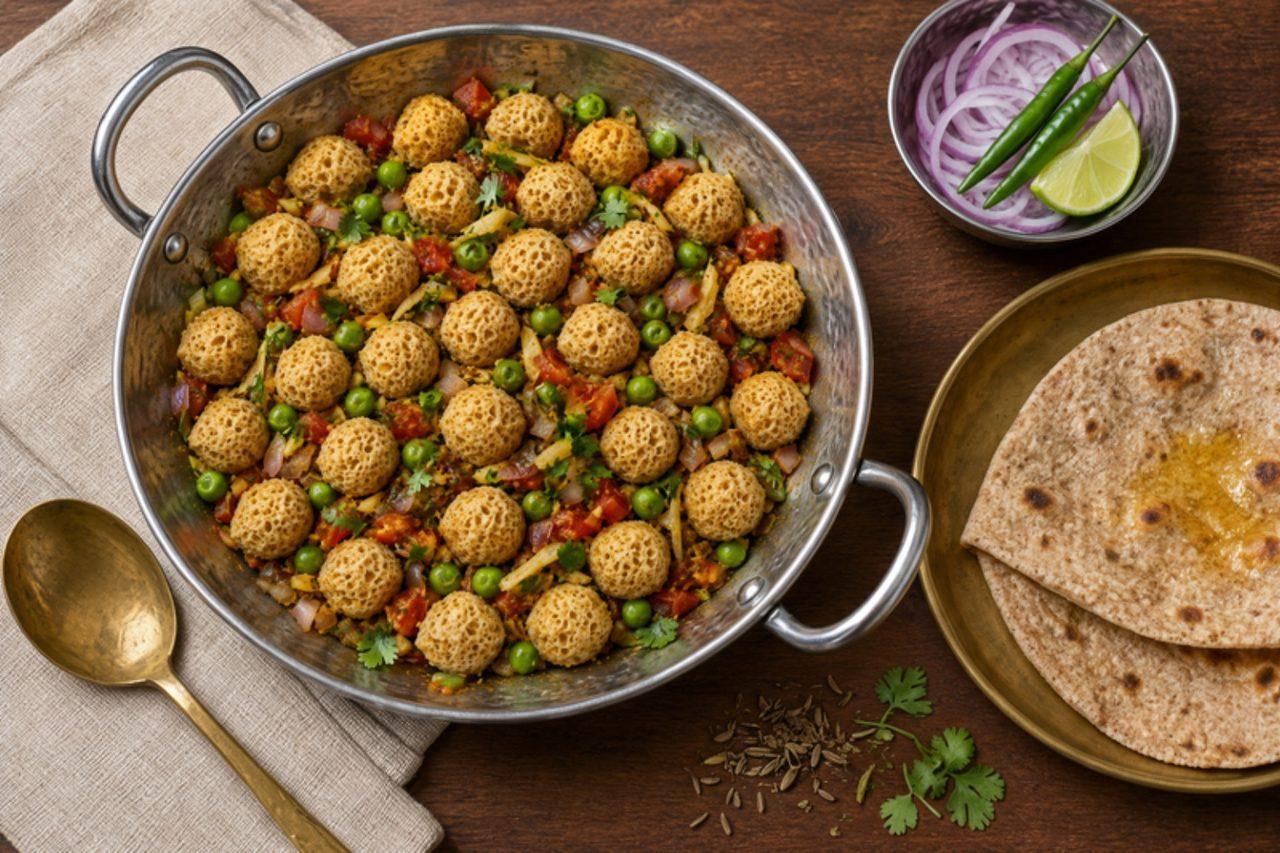
Soya chunks sabziDry soya chunk curry

Soya chunks, called nutrela or meal maker across India, are a hostel and office-tiffin favourite from Delhi to Hyderabad because they are cheap, keep for months and soak up masala like a sponge. Here they are boiled, squeezed and cooked dry with onion, tomato and garam masala until each chunk is glossy and coated. The mistake is not squeezing hard enough: water left inside dilutes the masala and the chunks taste of nothing. Squeeze them in a fist, twice. Chef's tip: soak them in hot salted water with a pinch of turmeric, so they are seasoned all the way through.

by KrazyBadal 0 views

Khatta magGreen moong in sour yogurt

Khatta mag is weekday comfort across Gujarat, from Ahmedabad flats to Saurashtra farmhouses: whole green moong cooked soft and simmered in a tangy, kadhi-like gravy of yoghurt and gram flour with ginger, green chilli and a clove-and-cinnamon tempering. It is ladled over rice or eaten with bajra rotla, and many families cook it on Wednesdays, the day for moong. A little jaggery is optional. The usual mistake is pouring cold yoghurt into the hot pot without whisking it with gram flour first, which makes it split into curds. Slow-cooker: cook the soaked moong with 600 ml water on low for 5 hours, then stir in the yoghurt mix and cook on high for 30 minutes. Chef's tip: slightly sour, day-old yoghurt gives the best khatta flavour.

by KrazyBadal 0 views

Tuver tothaGreen pigeon peas in garlic gravy

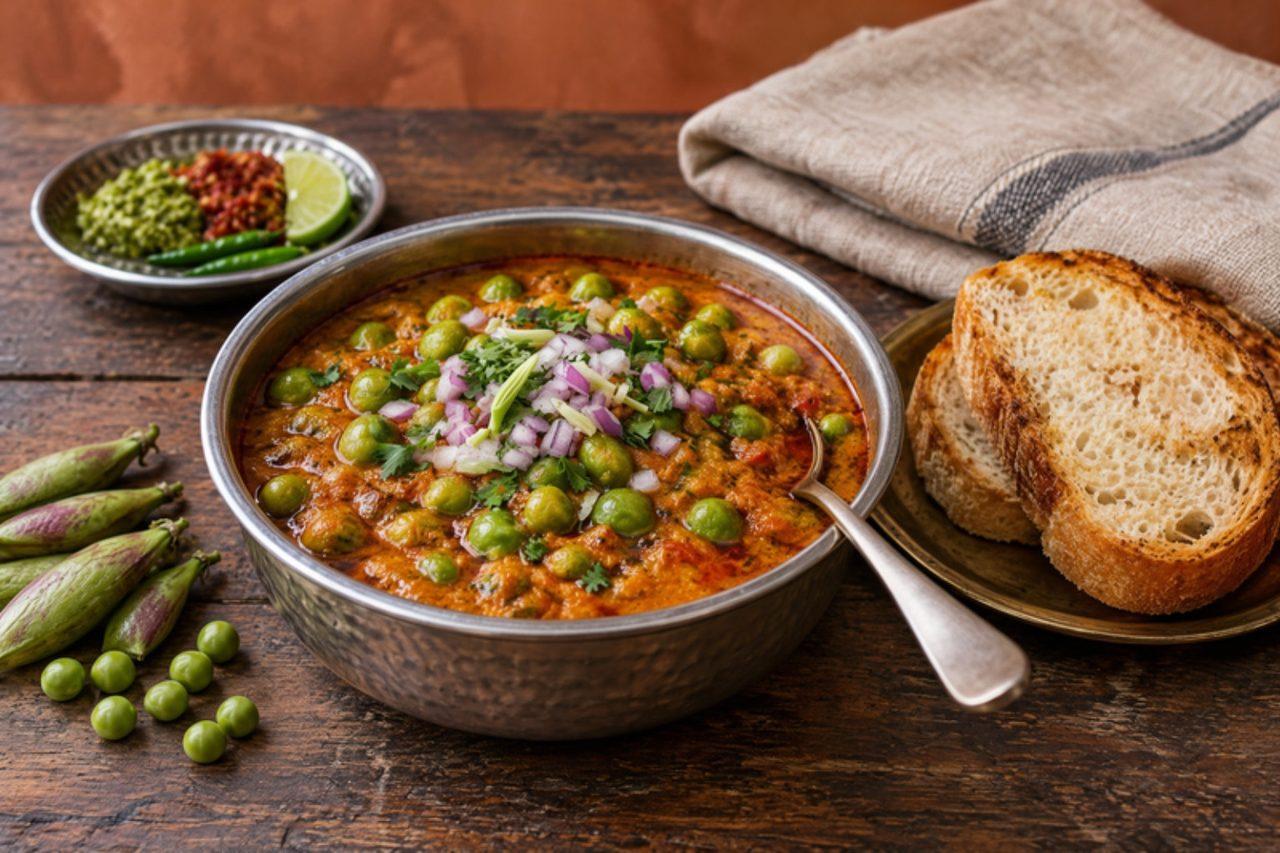
Tuver totha is a winter street-stall and wedding favourite from Mehsana and the villages of North Gujarat, eaten hot on cold evenings when fresh green tuver is in season. The peas are boiled soft, then simmered in a fiery, garlicky gravy of onion, tomato and green chilli and finished with chopped onion, coriander and lemon. In Gujarat it is mopped up with bread; for a lower-GI plate serve it with a bajra rotla or a small bowl of brown rice. It is suitable as part of a balanced diet. About 260 kcal and 30 g carbohydrate per portion. The usual mistake is undercooking the peas, which then stay chalky in the gravy. Out of season, use frozen green pigeon peas, or dried green tuver soaked overnight and pressure-cooked. Chef's tip: mash a ladle of the cooked peas and stir them back in so the gravy thickens without any flour.

by KrazyBadal 0 views

Gogji razmaKidney beans with turnips

In the Kashmir valley, gogji razma is a winter comfort dish, made in heavy pots when turnips are sweet after the first snow and dried beans from Bhaderwah fill the store. Red kidney beans and turnip chunks simmer in a thin, red gravy flavoured with mustard oil, ground fennel, dried ginger and Kashmiri chilli, without any onion or tomato. Serve with a modest bowl of rice or a millet roti and a green salad. It is suitable as part of a balanced diet. About 300 kcal and 38 g carbohydrate per portion. The usual mistake is slow-cooking dried kidney beans without boiling them hard first; raw kidney beans are unsafe, so soak them overnight and boil hard for 10 minutes before simmering. Chef's tip: add the turnips only when the beans are almost soft, so they keep their shape and sweetness.

by KrazyBadal 0 views

Dalimbi usalSprouted field bean curry

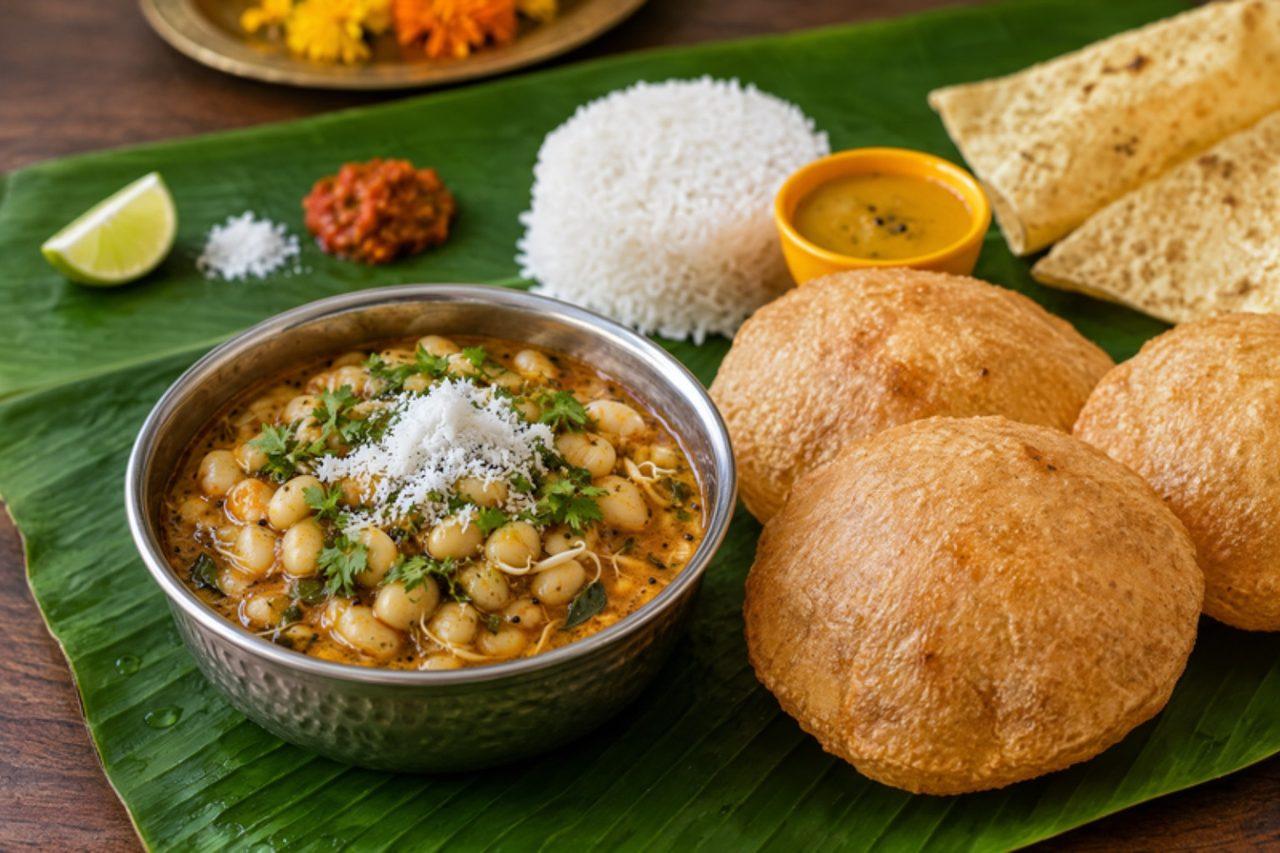
In Konkan and Pune homes, dalimbi usal is a festival dish, cooked for Ganesh Chaturthi, weddings and thread ceremonies and served on the thali beside puran poli and rice. Dalimbi are dried field beans (val) that are soaked, sprouted and peeled; the work takes two days but turns them creamy and sweet. They are simmered gently with fresh coconut, goda masala, kokum and a little jaggery, without onion or garlic. Field beans must always be cooked until fully soft; never eat them raw or half-cooked. The usual mistake is boiling them hard, which bursts the soft peeled beans into mash; keep the simmer gentle. Chef's tip: soak the sprouted beans in warm water for 30 minutes before peeling, and the skins slip off with a pinch.

by KrazyBadal 0 views

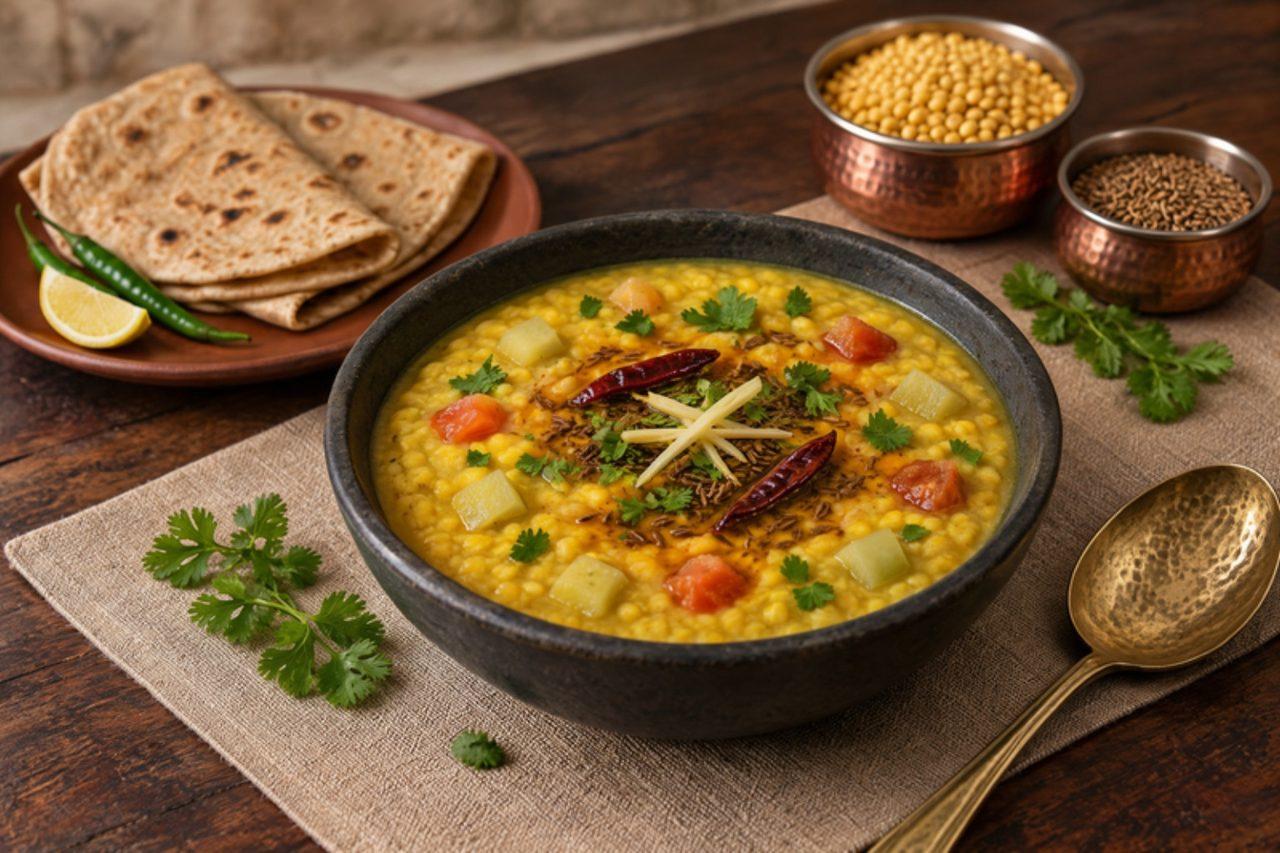
TovveToor dal with green chilli

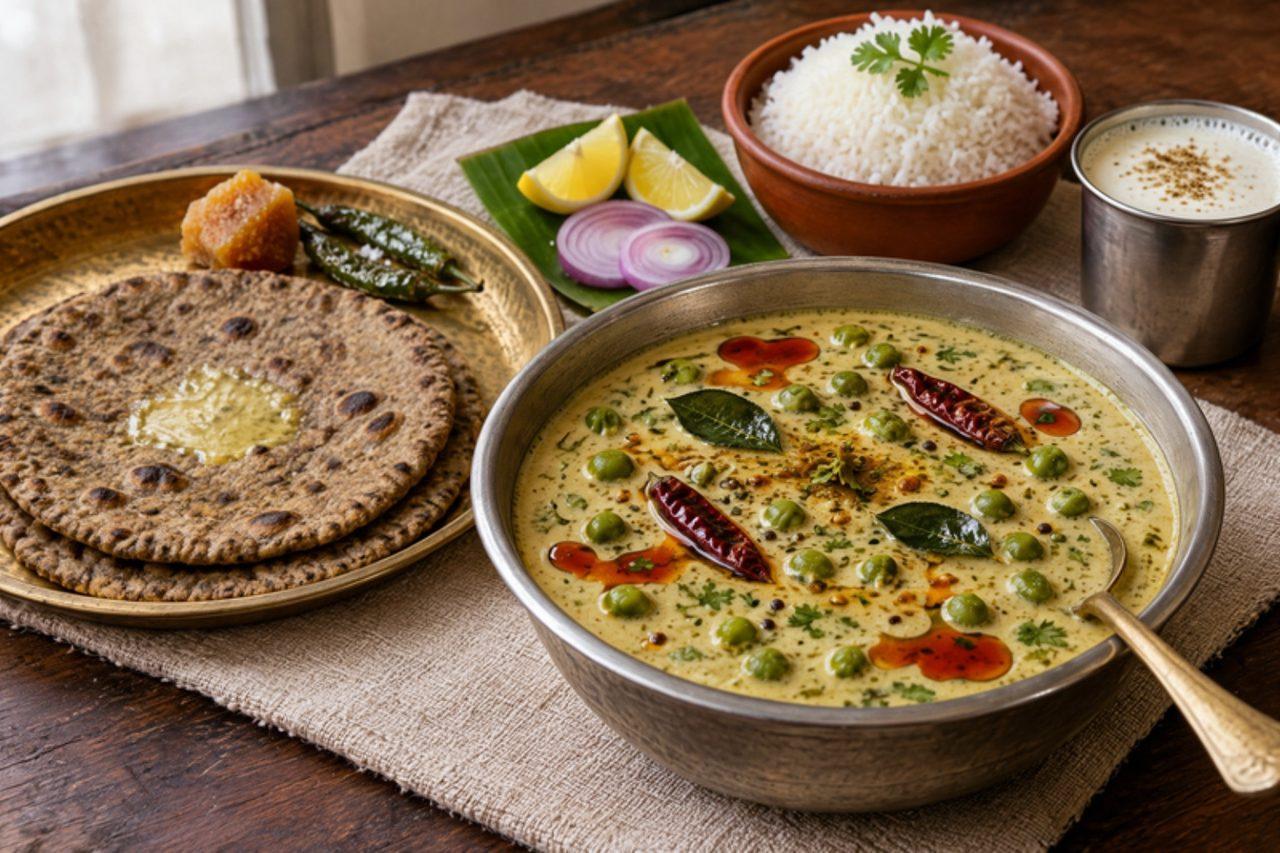
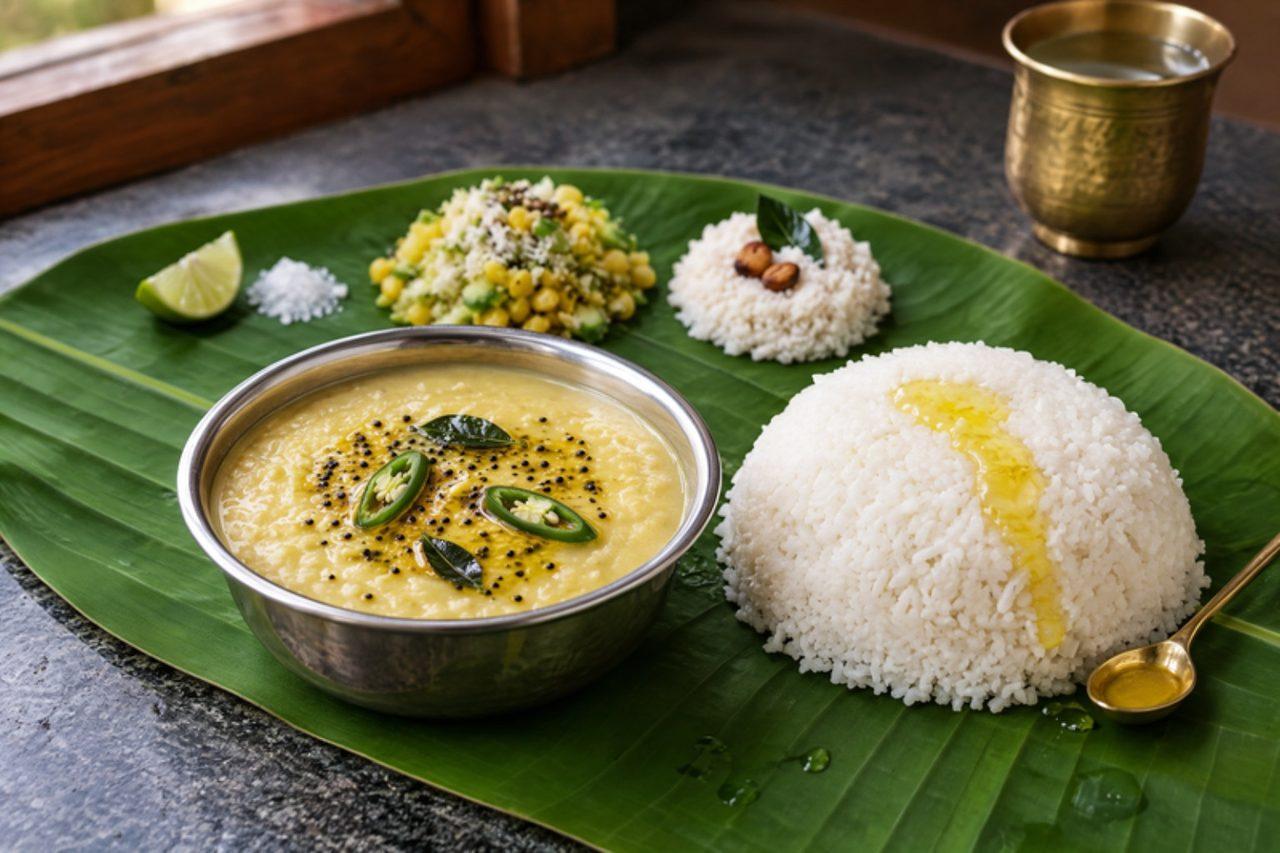
Tovve is the plainest dal of the Udupi temple kitchens and of Kannada homes along the coast: toor or moong cooked soft, seasoned with green chilli and ginger and finished with a sizzling ghee tempering. There is no tomato, no onion and no masala, so it is the first dal children eat and what families cook for a light dinner or after a fast, with rice, a spoon of ghee and a lemon pickle. Its flavour depends on a well-cooked dal, so it must be soft enough to fall apart when stirred. The usual mistake is adding salt before the dal is tender, which keeps it grainy. Chef's tip: whisk the cooked dal hard for 30 seconds before tempering; the smooth, creamy texture is what makes tovve taste of more than its few ingredients.

by KrazyBadal 0 views

Paruppu urundai kuzhambuLentil dumpling gravy

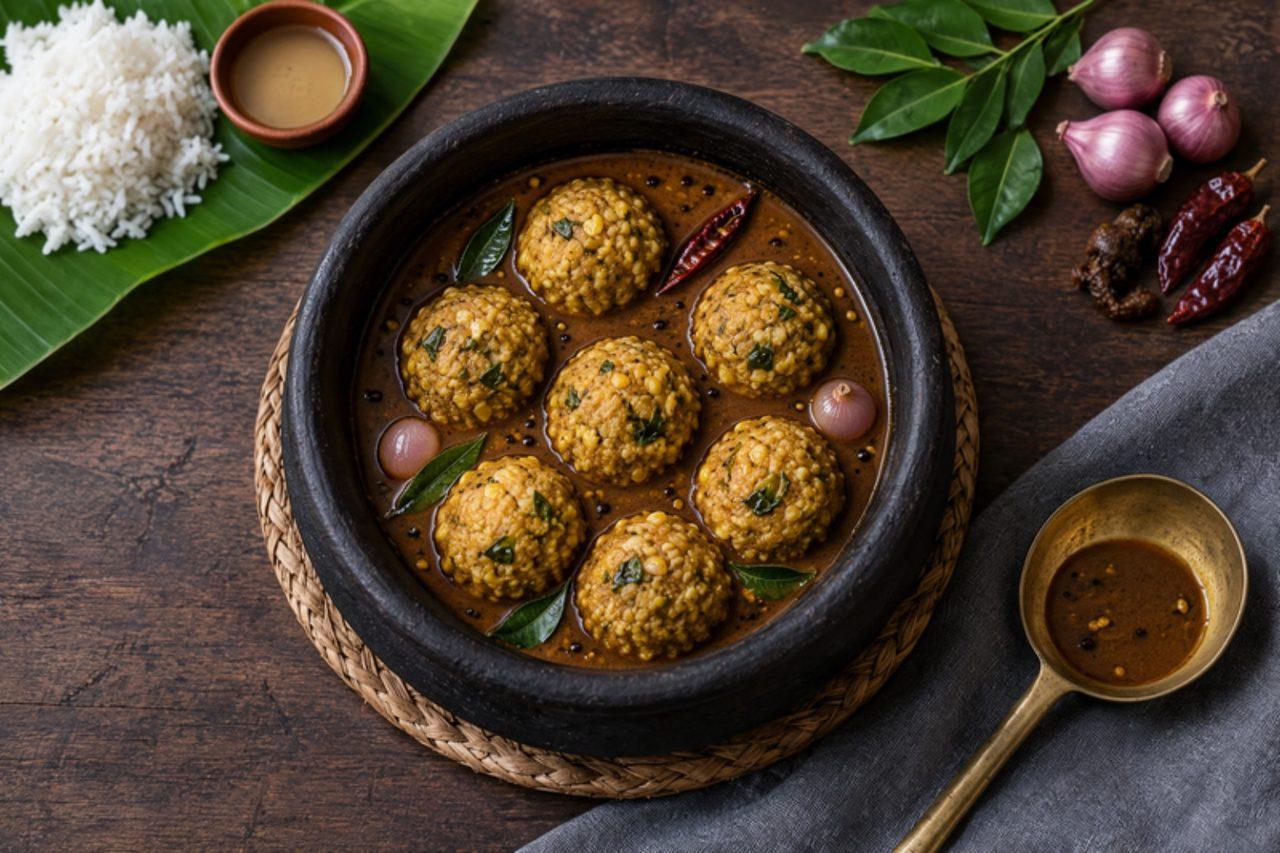
Paruppu urundai kuzhambu is a Sunday-lunch treat in Tamil homes from Chennai to Coimbatore: coarse balls of soaked chana and toor dal, spiked with fennel, chilli and shallot, dropped raw into a bubbling tamarind gravy where they steam and firm up. The dumplings come out soft inside and soak up the sour, spicy sauce, and the crumbs that escape thicken the gravy. Serve it with plain rice, a spoon of sesame oil and a vegetable poriyal. The usual mistake is stirring as soon as the balls go in, which breaks them; leave them alone until they float and feel firm. Chef's tip: drop one test ball in first; if it cracks, knead a spoon of rice flour into the mixture before shaping the rest.

by KrazyBadal 0 views

Ash-e dooghYogurt soup with rice and chickpeas

Ash-e doogh is the summer and autumn soup of Ardabil and the Azeri north-west of Iran, cooked in big pots for family gatherings and sold in bowls in the bazaars. Rice and chickpeas are simmered in tangy yoghurt with handfuls of dill, coriander, spinach and mint, and the soup is topped with crisp fried onion and dried mint. It is creamy and sour, never heavy. The usual mistake is stopping stirring: the yoghurt splits into grains if left to boil alone, so stir in one direction without stopping until it comes to the boil. Chef's tip: beat a spoonful of rice flour into the yoghurt before heating; it stabilises it and keeps the soup silky.

by KrazyBadal 0 views

Frijoles maneadosPinto beans with chile and cheese

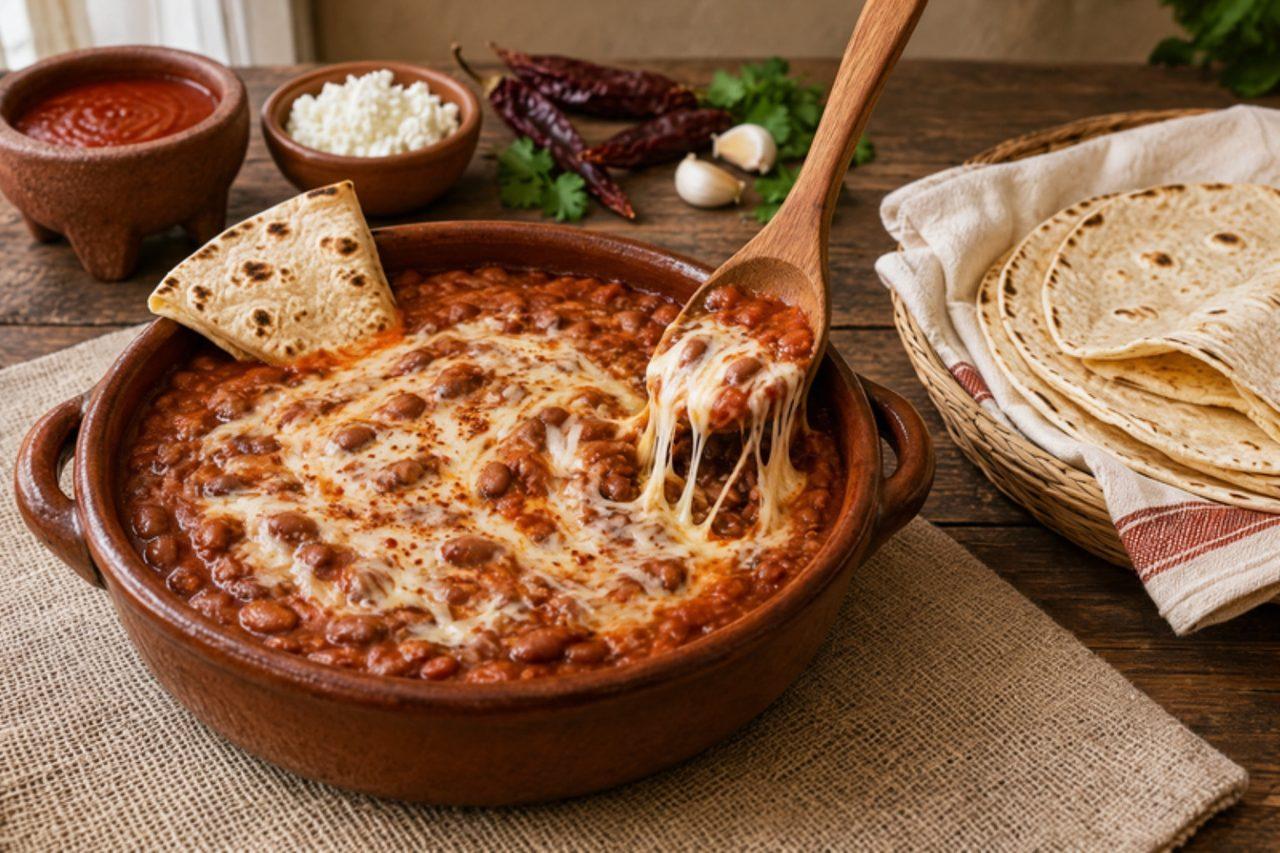
Frijoles maneados are the rich party beans of Sonora in northern Mexico, cooked for carne asada gatherings, weddings and Sunday lunch, and spooned onto flour tortillas. Soft pinto beans are mashed and beaten (maneados means stirred or worked) with dried red chile colorado, milk and so much melting cheese that the pot pulls into strings. Serve them with flour tortillas, grilled vegetables and a sharp salsa. The usual mistake is adding the cheese while the pot is boiling hard, which makes it go rubbery and oily; take the heat right down first. Chef's tip: Sonoran queso regional or Chihuahua cheese is often made with animal rennet, so for a vegetarian pot choose a vegetarian Monterey Jack-style or mild Cheddar cheese labelled suitable for vegetarians.

by KrazyBadal 0 views

Kos ata curryJackfruit seed curry

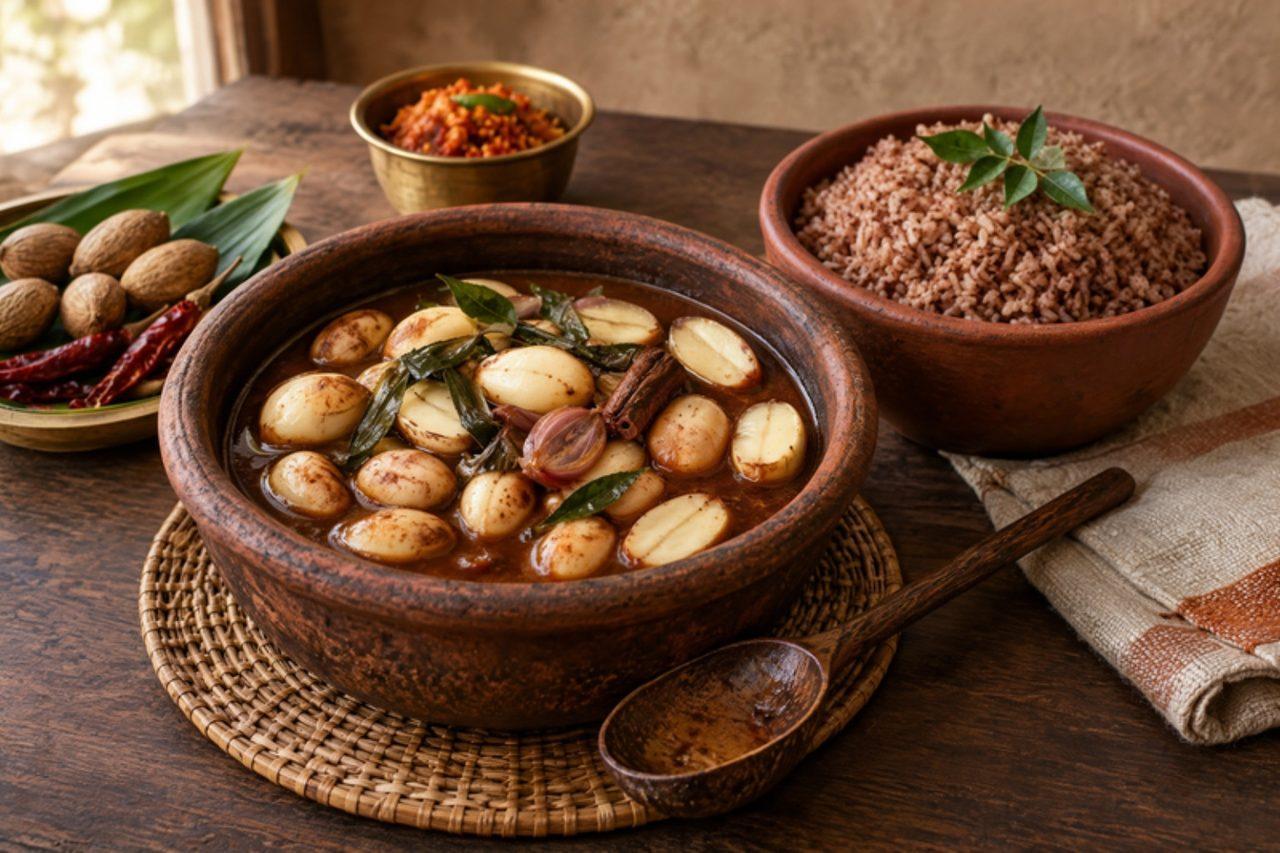
During the jackfruit season, roughly April to July, Sri Lankan households save every seed, and kos ata curry is how they become a hearty weekday dish served with rice and greens. The seeds are boiled tender, peeled of their papery skin, then simmered in a dark roasted curry powder and coconut milk gravy until they taste like chestnuts in a spicy sauce. Serve with red rice and a sambol. The usual mistake is undercooking the seeds; they must be boiled until a fork goes in easily, or they stay hard and are hard to digest. A pressure cooker saves time: boil the seeds for 10 minutes on high. Chef's tip: crack each seed lightly with the flat of a knife before simmering so it soaks up the gravy.

by KrazyBadal 0 views

Lynyvi varenykyLazy curd dumplings

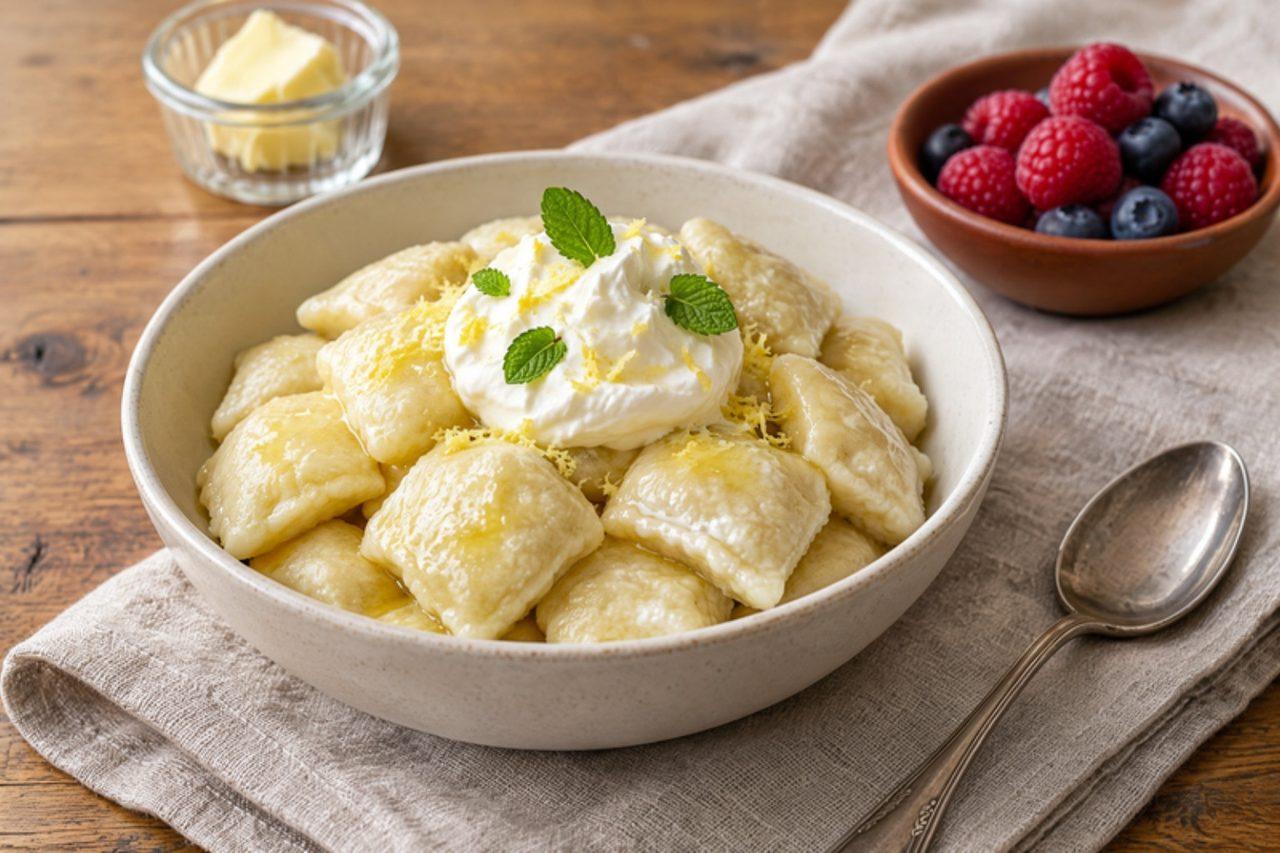
Lynyvi varenyky, 'lazy dumplings', are the Ukrainian weekday breakfast for families who love varenyky but have no time to fill them: the curd cheese goes into the dough itself, which is rolled into a log, sliced and boiled for a few minutes. They come out soft, tender and lightly sweet, finished with melted butter and a spoon of sour cream, sometimes with jam. The mistake is adding too much flour to make the dough easier to handle, which makes the dumplings heavy; the dough should stay soft and a little sticky. Chef's tip: dust your hands and board rather than the dough, and boil one test dumpling first; if it falls apart, add just one more tablespoon of flour.

by KrazyBadal 0 views

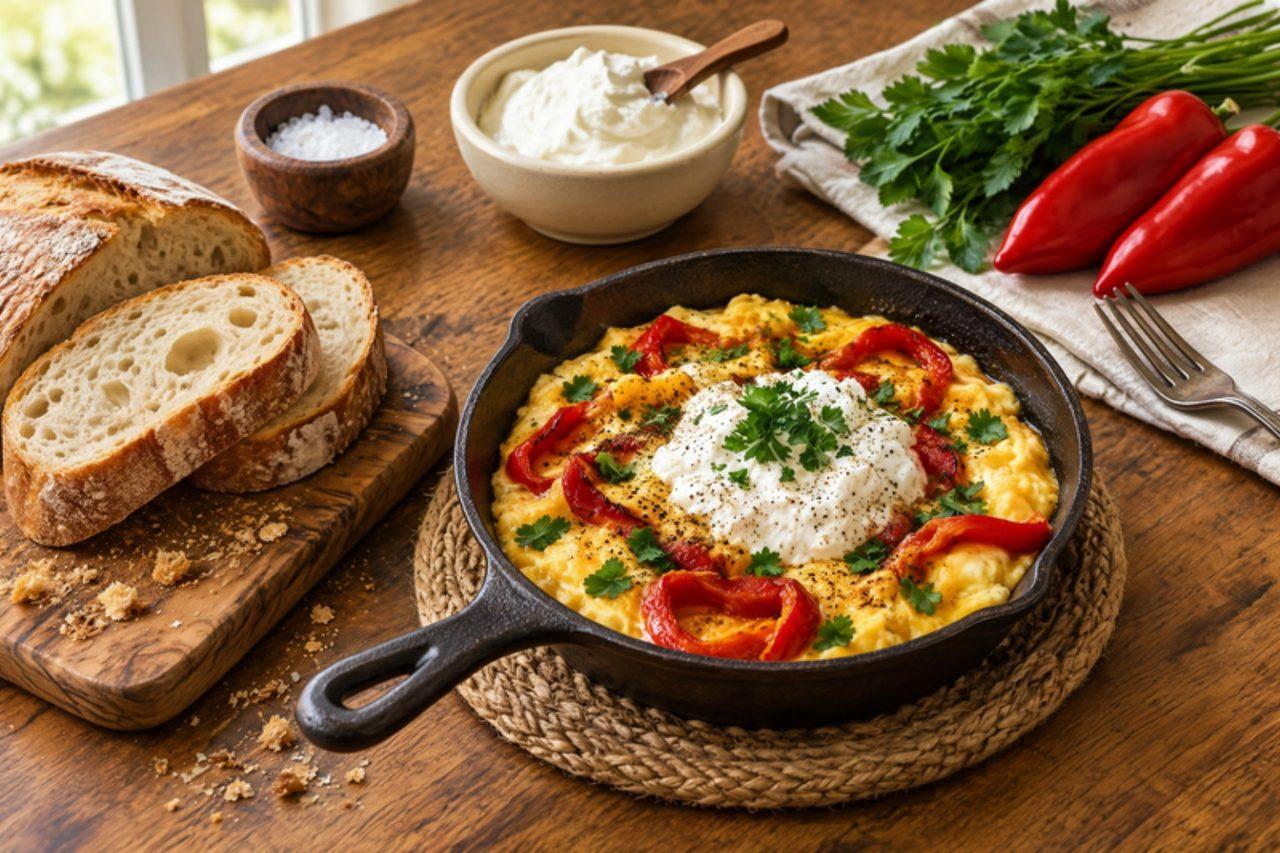
KajganaScrambled eggs with peppers

Kajgana is the everyday breakfast of Serbia and Montenegro, cooked in every home and kafana: eggs scrambled softly in a little fat, often with sweet peppers or onion, and finished with a spoon of kajmak, the rich clotted cream of the Balkans, or crumbled white cheese. It is eaten straight from the pan with warm bread. The mistake is high heat: the eggs seize into dry, rubbery lumps; a medium-low flame and constant gentle stirring give soft, creamy curds. Chef's tip: take the pan off the heat while the eggs still look slightly underdone, because they keep cooking in the hot pan for another minute.

by KrazyBadal 0 views

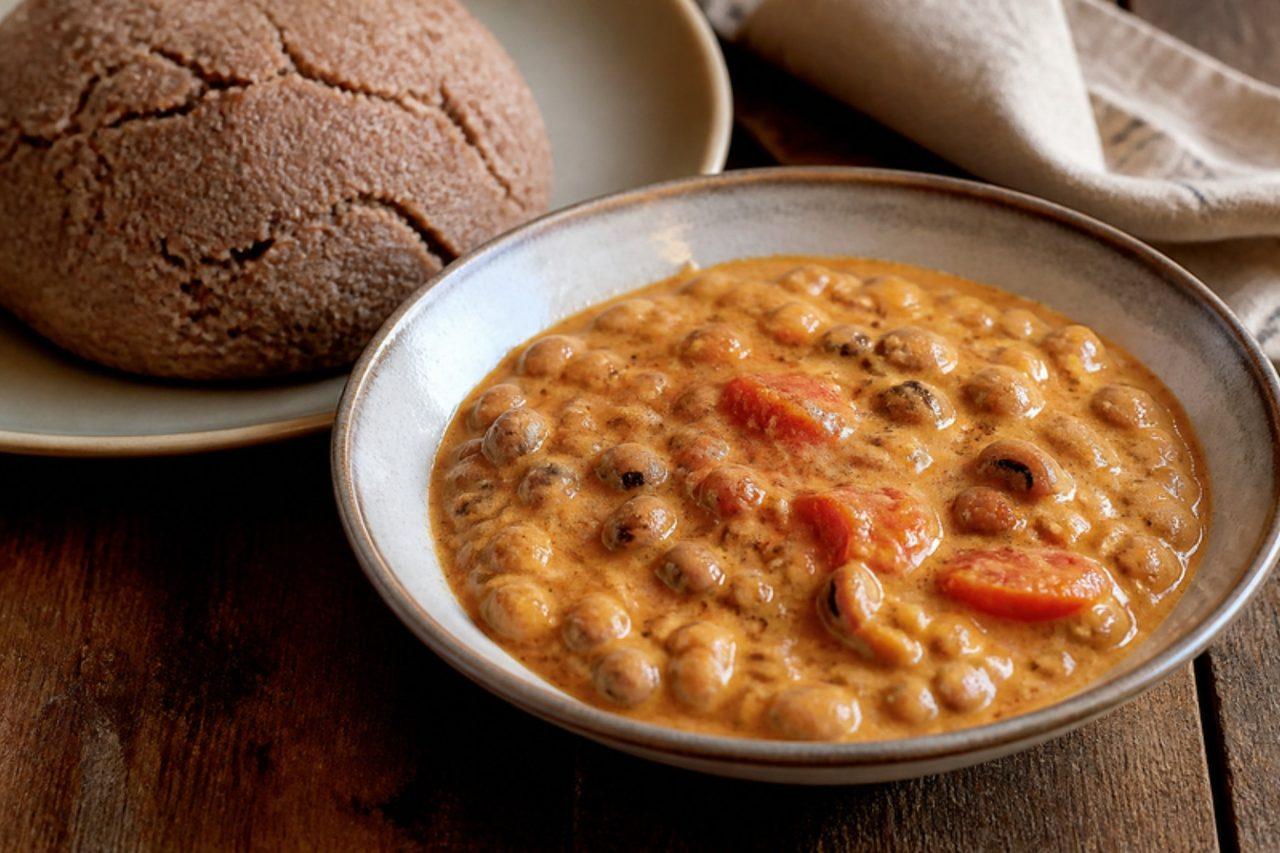
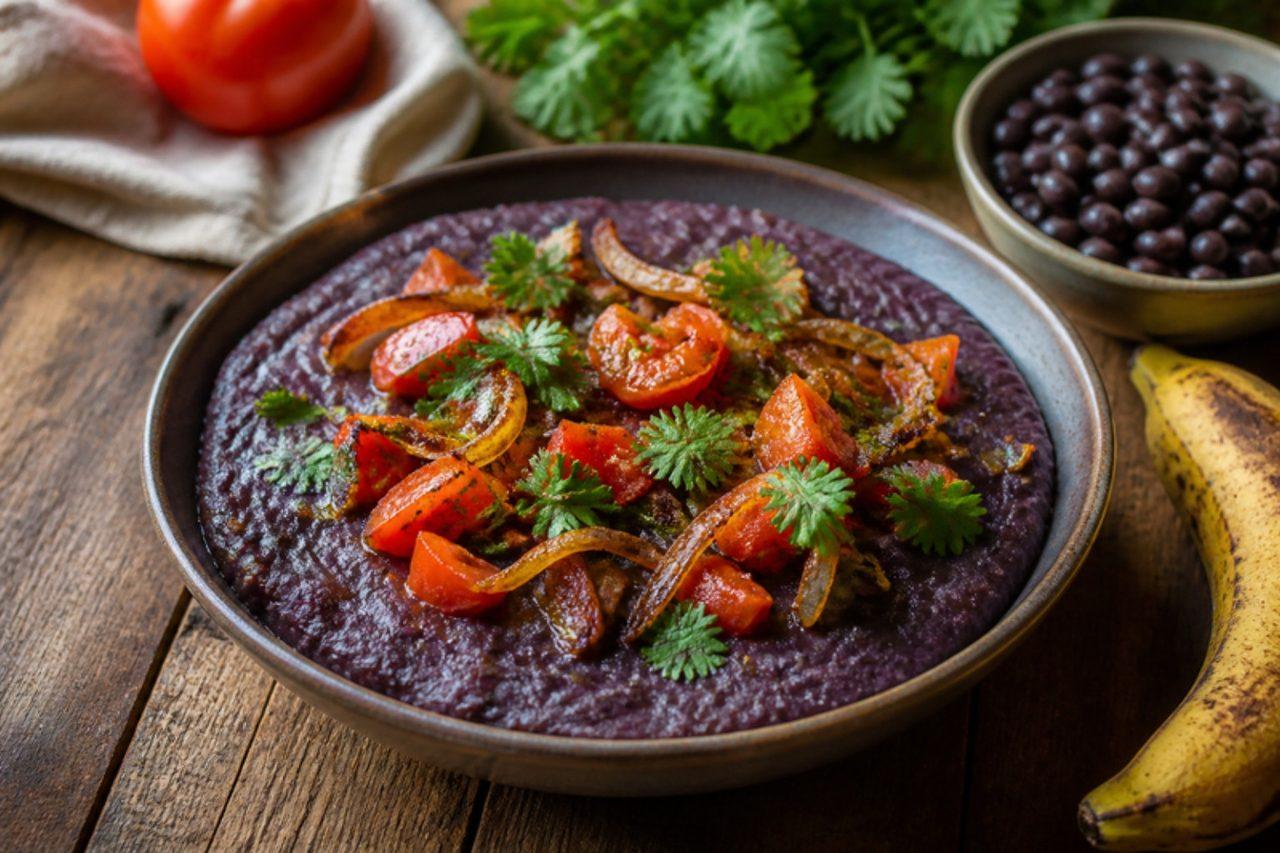
NjahiBlack beans mashed with banana

Kikuyu families in Kiambu, Murang'a and Nyeri cook a big pot of njahi for a woman who has just given birth, and visitors bring the beans as a gift; the dish is said to build strength and milk. The beans are small, glossy black lablab beans, simmered for a long time until creamy, then mashed with ripe bananas so the result is dark, soft and gently sweet against the savoury onion and tomato. Look for dried njahi at African grocers (sometimes labelled black dolichos or black lablab beans); black turtle beans are the closest swap and cook a little faster, but skipping the overnight soak is the classic error with either: unsoaked beans stay chalky even after hours. Eat it warm with a cup of tea, or as a main with greens. Chef's tip: choose bananas with brown freckles but still firm; overripe black ones make the mash taste like dessert.

by KrazyBadal 0 views

FarrottoFarro cooked like risotto

In the hills of the Garfagnana and around Spoleto, where farro has been grown since Roman times, cooks make farrotto in autumn and winter as a heartier cousin of risotto. Semi-pearled farro is toasted in olive oil with onion and celery, then cooked slowly with hot vegetable stock, ladle by ladle, until the grains are tender but still bouncy and wrapped in a light, creamy sauce. Finish with pecorino and serve as a main with a green salad. The usual mistake is stirring as constantly as for risotto; farro releases less starch, so stir every few minutes and beat in the cheese at the end for creaminess. Chef's tip: toast the dry grains until they smell like popcorn before adding any liquid; it deepens the nutty flavour.

by KrazyBadal 0 views

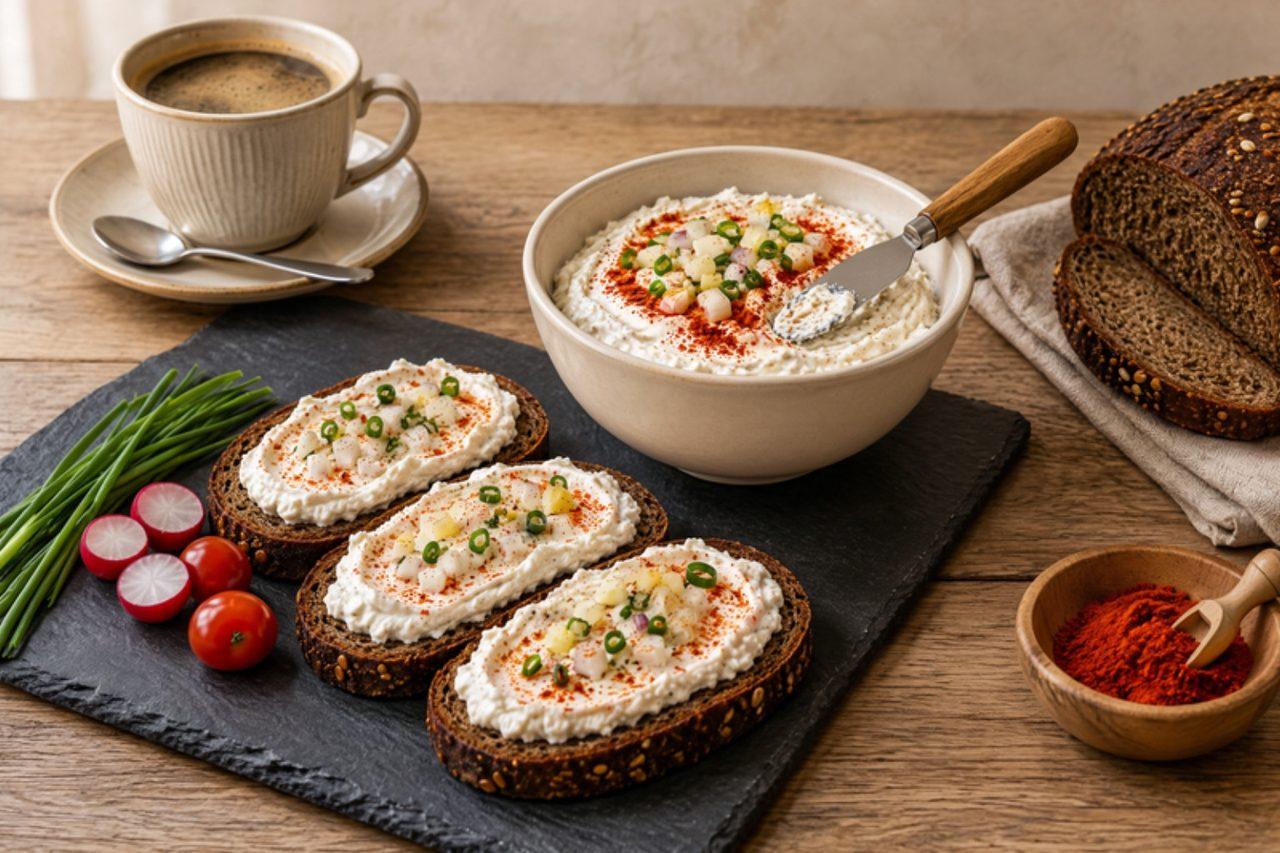
Tvarohová pomazánkaQuark spread

Tvarohová pomazánka is the savoury quark spread made in Czech and Slovak kitchens for breakfast, snacks and the evening bread plate: tvaroh beaten with a little butter, finely chopped onion, sweet paprika and chives, then spread on dark rye bread. It is fresh, tangy and pale orange. The mistake is using raw onion cut too coarsely, which overpowers the mild quark and makes the spread watery; chop it very finely or grate it. Chef's tip: make it 30 minutes ahead and chill it, so the paprika colours the spread and the onion mellows.

by KrazyBadal 0 views

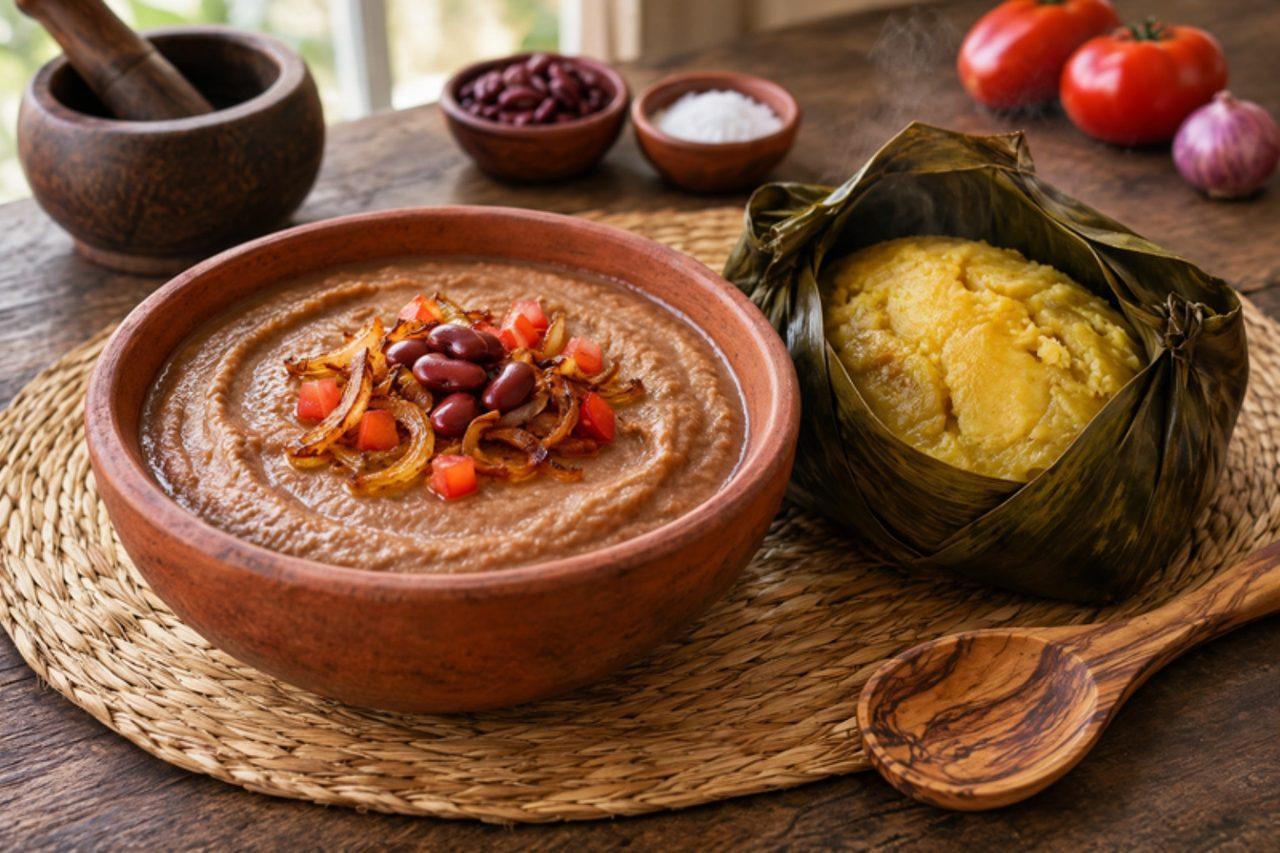
FirindaMashed bean stew

Firinda comes from Ankole and Kigezi in western Uganda, where beans are the backbone of daily meals, eaten at lunch with matooke, millet bread or sweet potatoes. Red beans are boiled until completely soft, then mashed and cooked down with fried onion and tomato into a thick, smooth stew that hugs whatever is beside it. The usual mistake is skimping on the cooking: firinda only gets its creamy texture when the beans are really soft, and dried red beans must be boiled hard for 10 minutes before the long simmer. Pressure cooker option: after the hard boil, cook for 25 minutes at pressure. Chef's tip: mash only two-thirds of the beans and leave the rest whole, for a stew that is creamy but still has some bite.

by KrazyBadal 0 views

Pasta jajecznaEgg spread

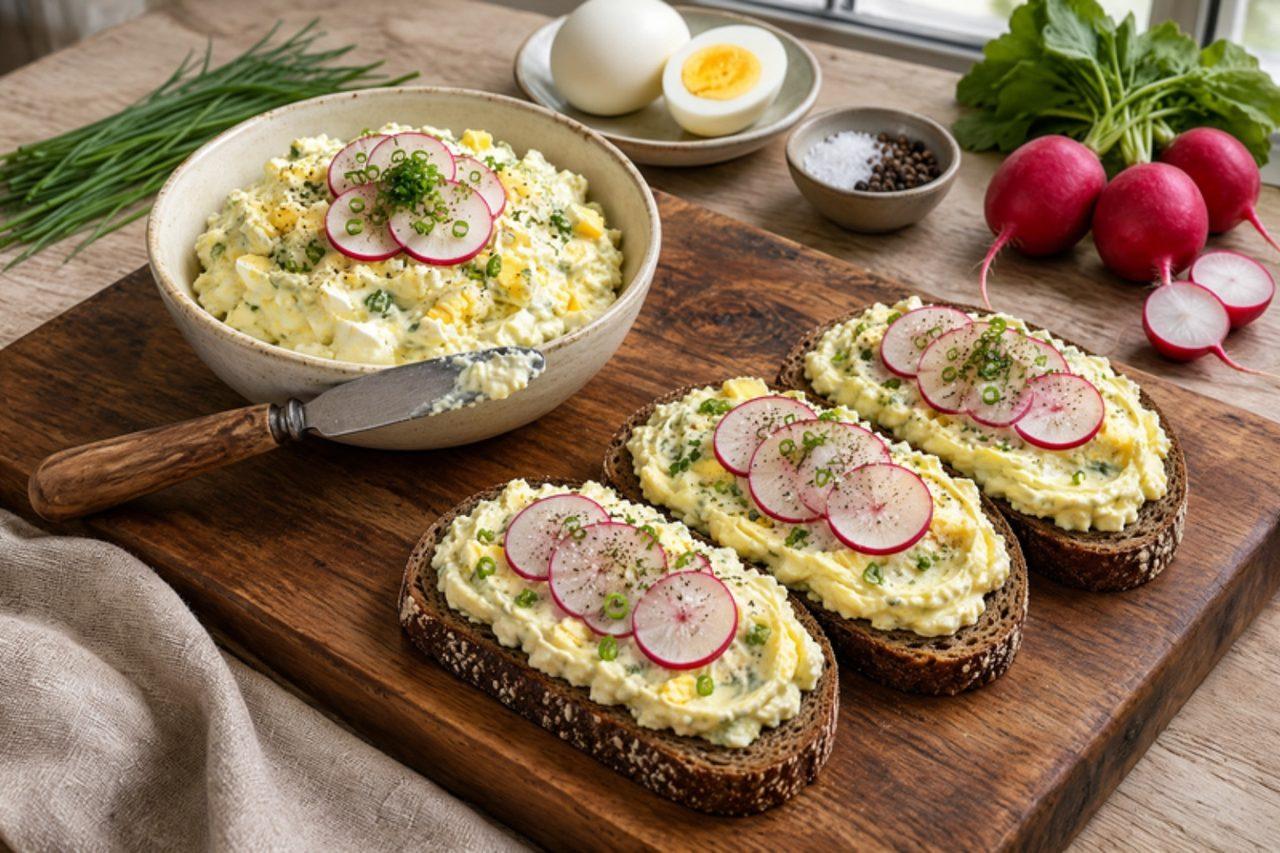
In Poland pasta jajeczna is the everyday breakfast and kanapki spread, piled thickly on rye bread or a crusty roll and topped with radish slices, and it is always on the table at Easter breakfast. Hard-boiled eggs are chopped finely or mashed with mayonnaise, a little mustard and a lot of chives into a creamy, savoury spread. The common mistake is boiling the eggs too long: overcooked yolks turn grey-green and taste sulphurous, so stop at 10 minutes and chill them at once. Chef's tip: grate the eggs on the coarse side of a box grater instead of chopping; you get a fluffy, even spread in seconds without mashing it to paste.

by KrazyBadal 0 views

MucapataCoconut rice and cowpeas

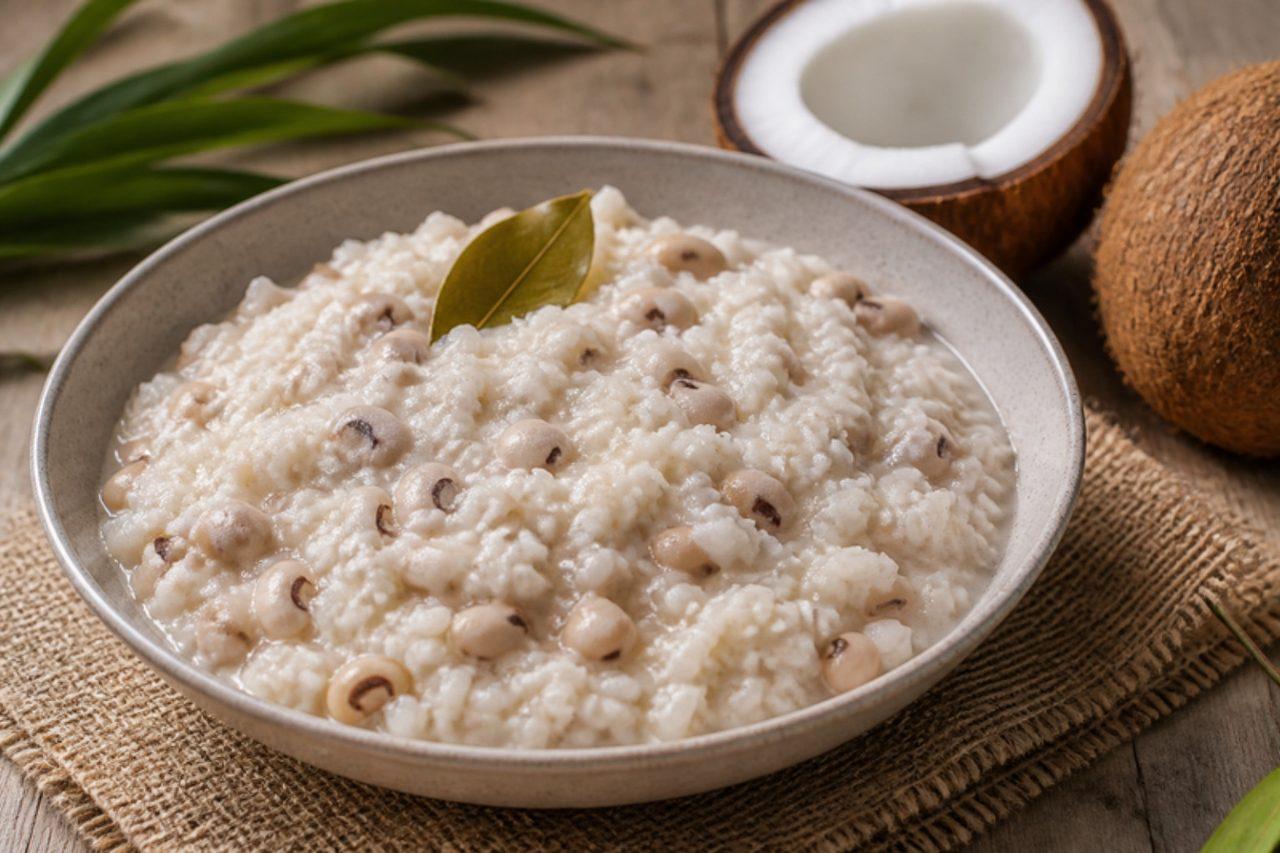
Quelimane cooks have a gift for making rice taste rich without a scrap of meat, and mucapata proves it: rice and boiled cowpeas are cooked down in coconut milk until the grains swell, burst at the edges and bind into a soft, spoonable mass. It sits somewhere between a pilaf and a porridge, mild and faintly sweet from the coconut, with the beans giving it body and an earthy note. Families along the Zambezi delta serve it at lunch beside a tomato and onion sauce, greens cooked with peanuts, or a fiery dab of piri-piri. The usual mistake is adding the rice before the beans are properly soft; they never catch up once the coconut milk goes in. Chef's tip: stir it only now and then once the rice is in and keep the heat very low, so the bottom turns lightly golden rather than scorched.

by KrazyBadal 0 views

Paneer tikka

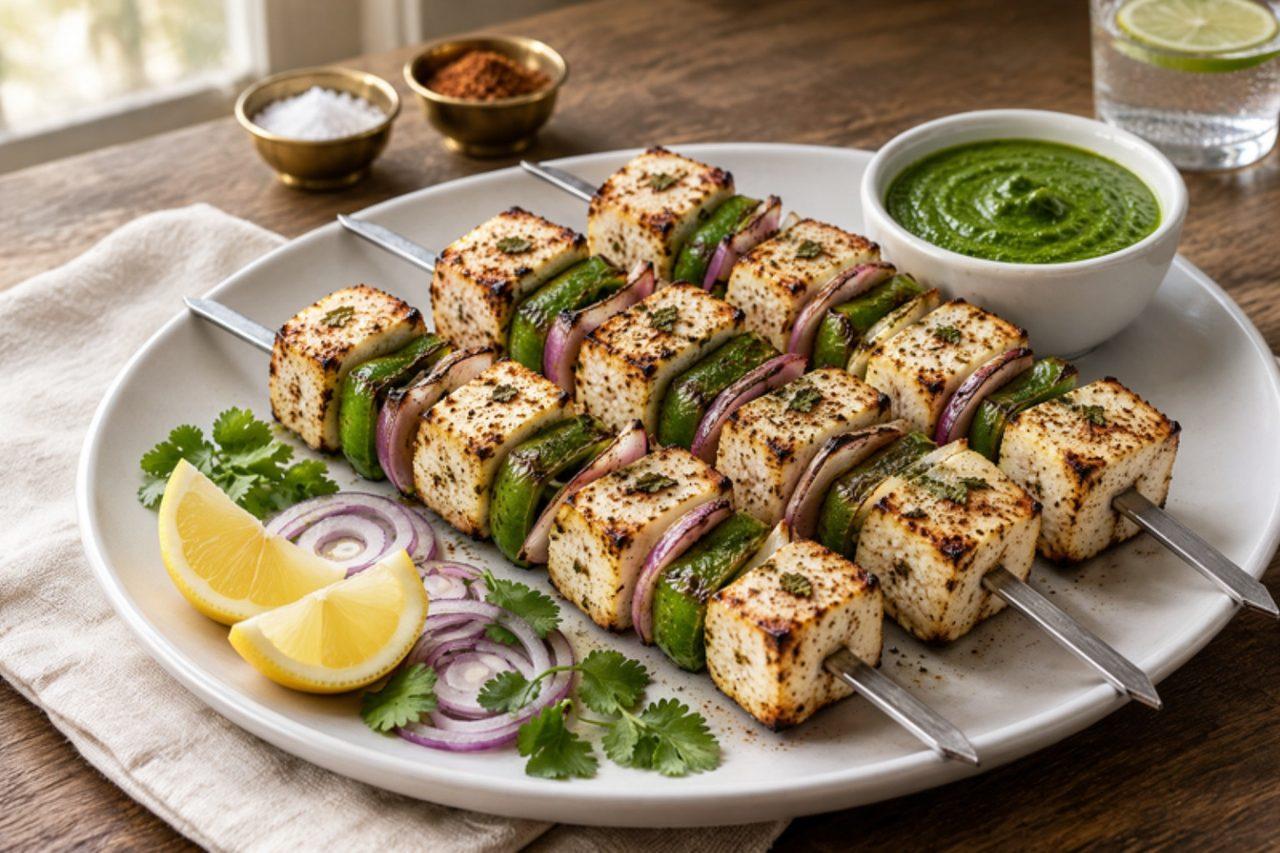
Paneer tikka is the vegetarian star of Punjabi dhabas and Delhi wedding buffets, and at home it is a weekend starter cooked under the grill or in a hot oven. Thick cubes of paneer, pepper and onion are coated in hung yogurt with ginger, garlic, chaat masala and roasted gram flour, then charred at high heat so the edges blister while the centre stays soft. Paneer set at home with lemon juice or vinegar uses no rennet; if you buy it, check the label. Serve with mint chutney and a big salad instead of naan. It is suitable as part of a balanced diet. About 330 kcal and 10 g carbohydrate per portion. The usual mistake is a runny marinade, which slides off; hang the yogurt for 20 minutes first. Chef's tip: marinate in the fridge for at least 30 minutes, and don't skip a final blast of high heat for the charred spots.

by KrazyBadal 0 views

Xiaocong ban doufuCold tofu with spring onion

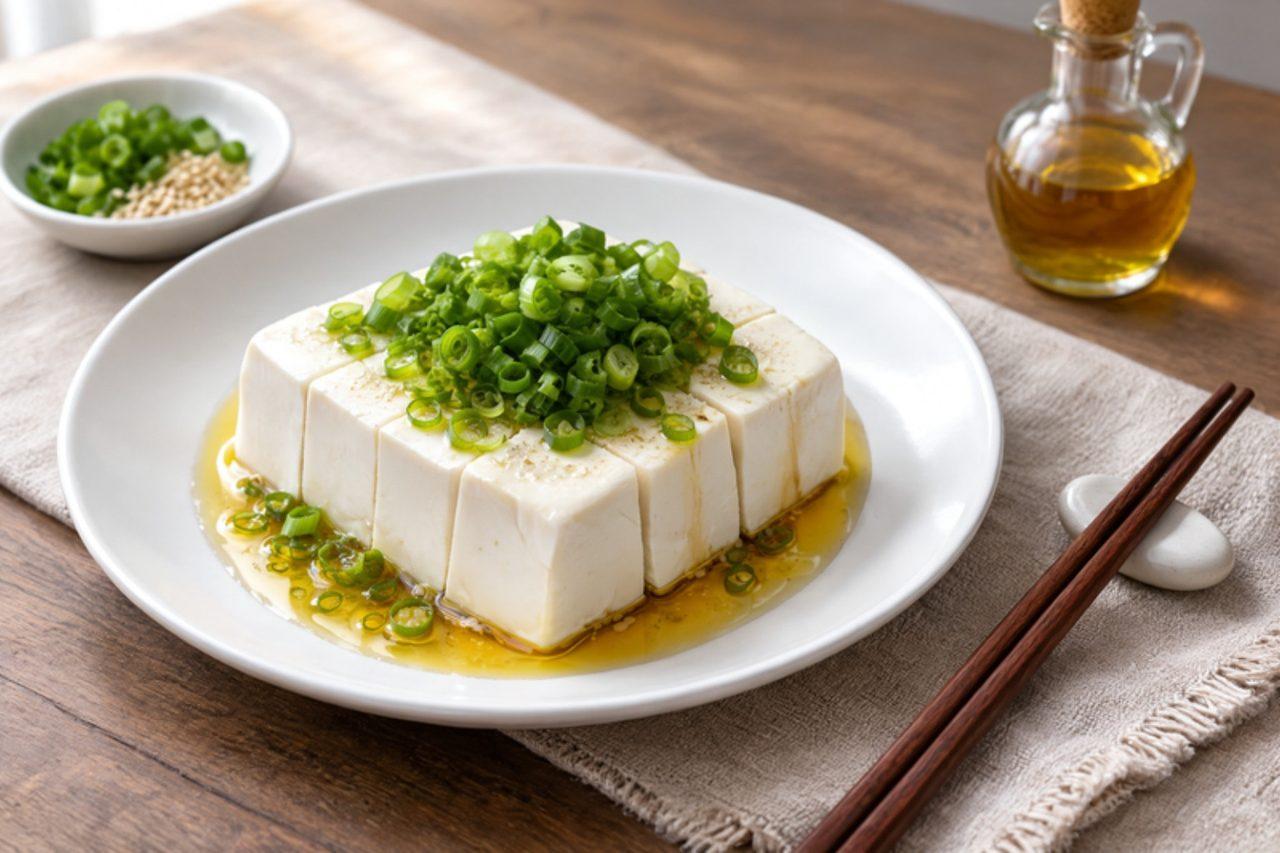
Xiaocong ban doufu is a northern Chinese home dish, especially popular in Beijing and Shandong on hot summer evenings, so simple that it has given Chinese a proverb about being clear as 'green onion and white tofu'. Soft tofu is blanched, cooled, cut into cubes and tossed with a heap of chopped spring onion, sesame oil and a little salt, so it is cool, silky and fresh. Serve it beside stir-fried vegetables and a little rice or a wholewheat bun. It is suitable as part of a balanced diet. About 120 kcal and 3 g carbohydrate per portion. The usual mistake is stirring hard so the tofu breaks into crumbs; fold it gently with a spoon. Chef's tip: blanch the tofu in salted water for a minute, which firms it up and takes away the raw beany taste.

by KrazyBadal 0 views

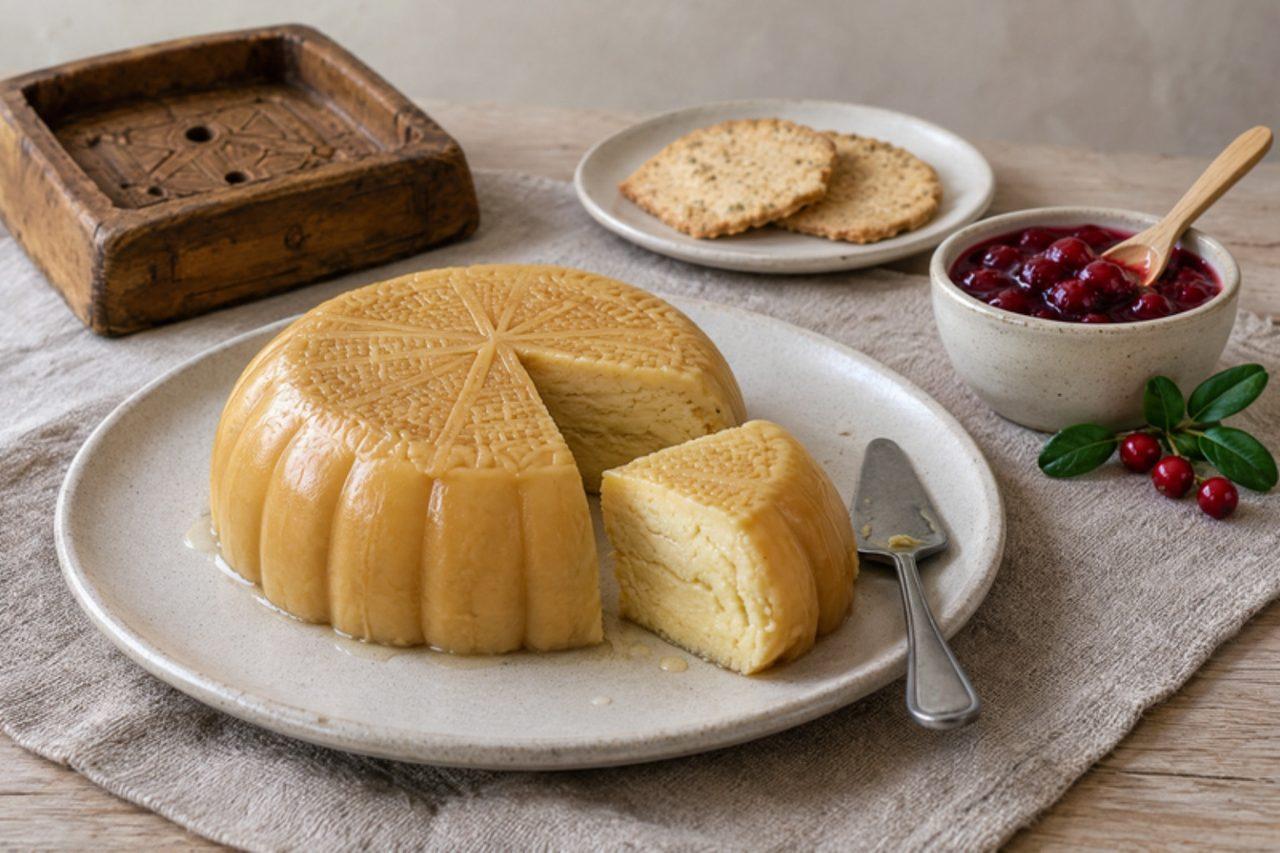
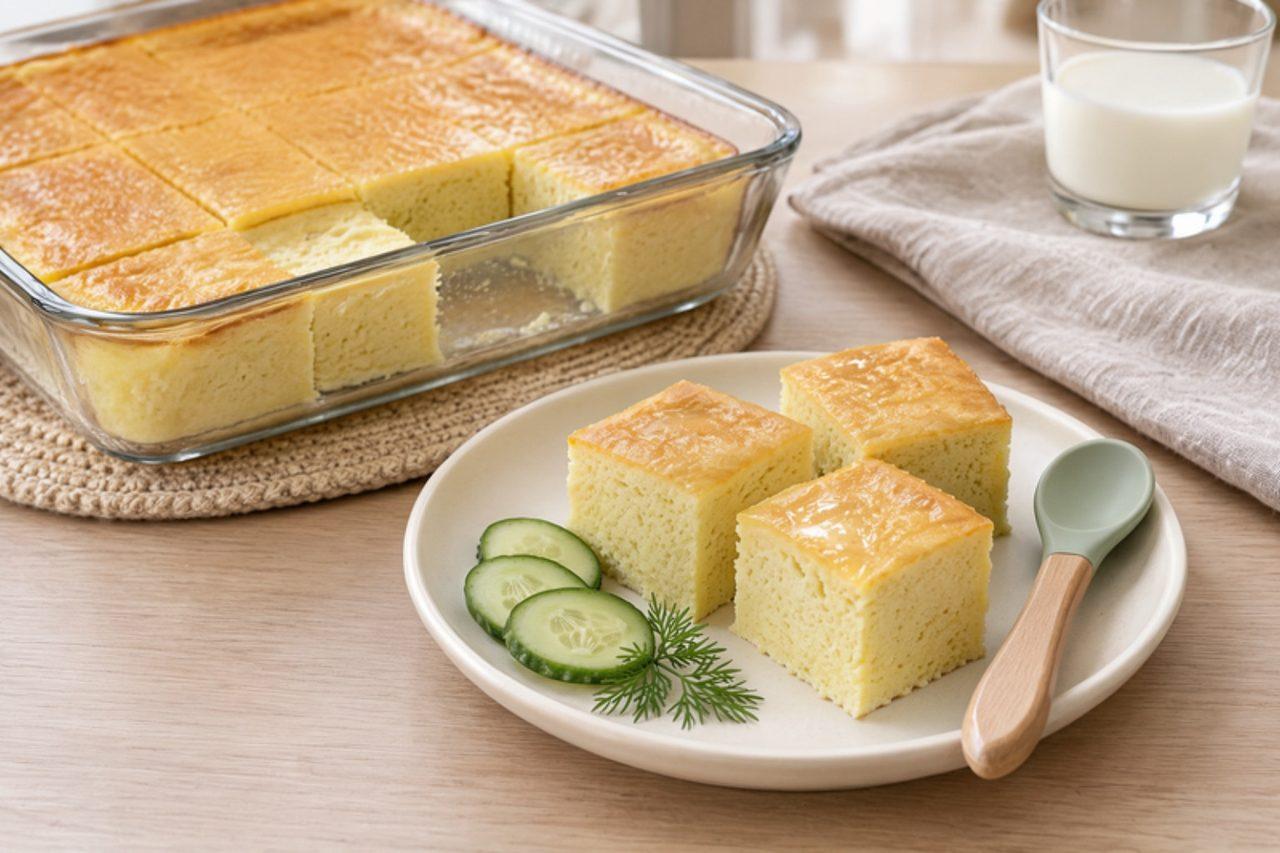
ÄggostEgg cheese

Äggost, egg cheese, belongs to the farm kitchens of Västergötland and Halland in west Sweden, where it is made for Christmas, Easter and midsummer tables and the leftovers become breakfast with cloudberry or lingonberry jam. Eggs and milk are heated until soft, sweet curds form, which are drained in a holed mould so they keep its pattern. It is creamy, mild and slightly sweet. The common mistake is rushing the heat: boiling the milk too hard makes rubbery curds, so keep it at a gentle simmer. Chef's tip: this version sets the curds with buttermilk, not rennet, so it is suitable for vegetarians; drain it overnight in the fridge for the firmest slice.

by KrazyBadal 0 views

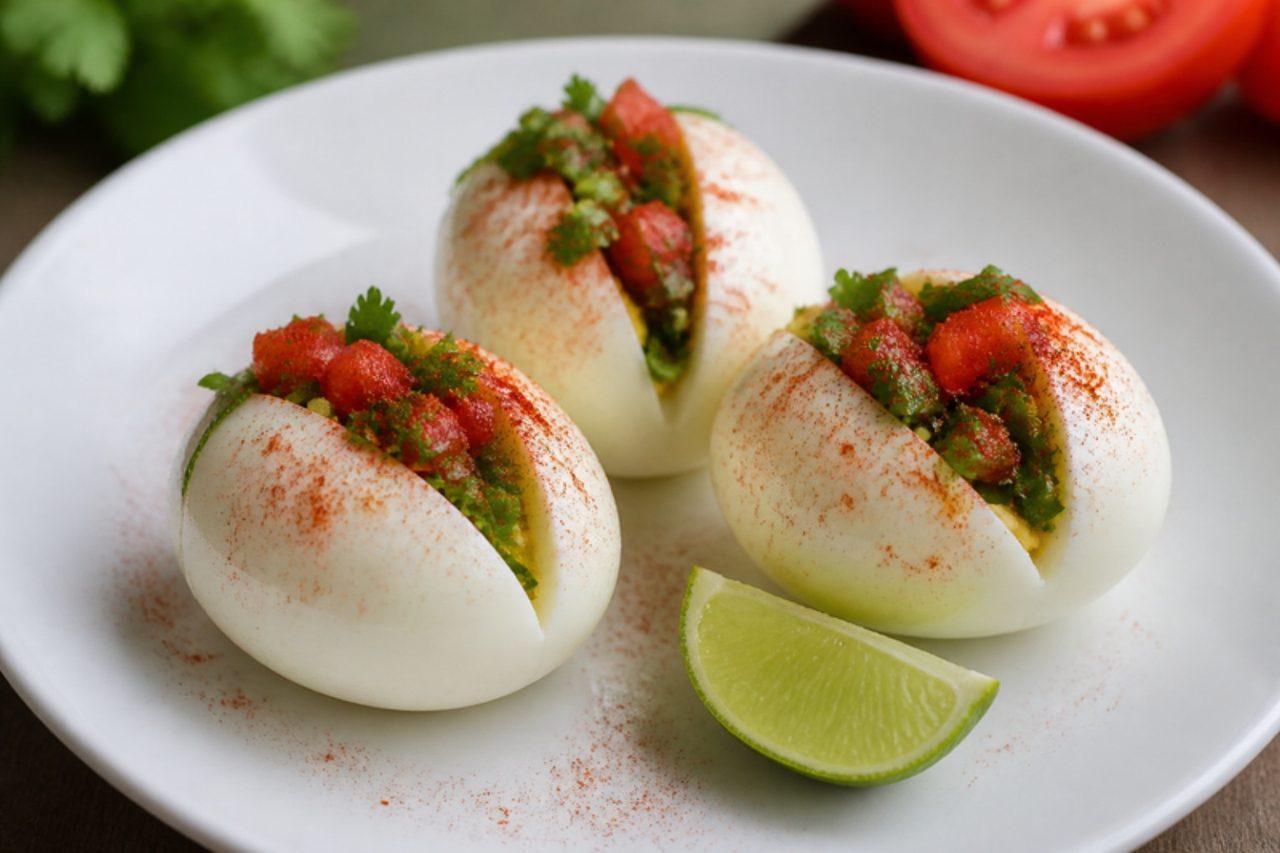
Mayai pasuaSplit eggs with kachumbari

Glass-boxed carts outside Nairobi's bars and matatu stages sell mayai pasua into the evening: a vendor splits a hard-boiled egg with a knife, packs the gap with fresh kachumbari and shakes over salt and chilli. It is a quick, protein-heavy snack that tastes cool and sharp from the onion, tomato and lime against the soft yolk. Make a plateful for a party or a packed lunch, and serve with a dash of chilli sauce. The mistake to avoid is a soft or jammy yolk; for street style the eggs must be fully hard-boiled so they split cleanly. Chef's tip: salt the chopped onion with the lime juice for 5 minutes before adding the tomato; it softens the raw bite the way the vendors' pre-mixed kachumbari does.

by KrazyBadal 0 views

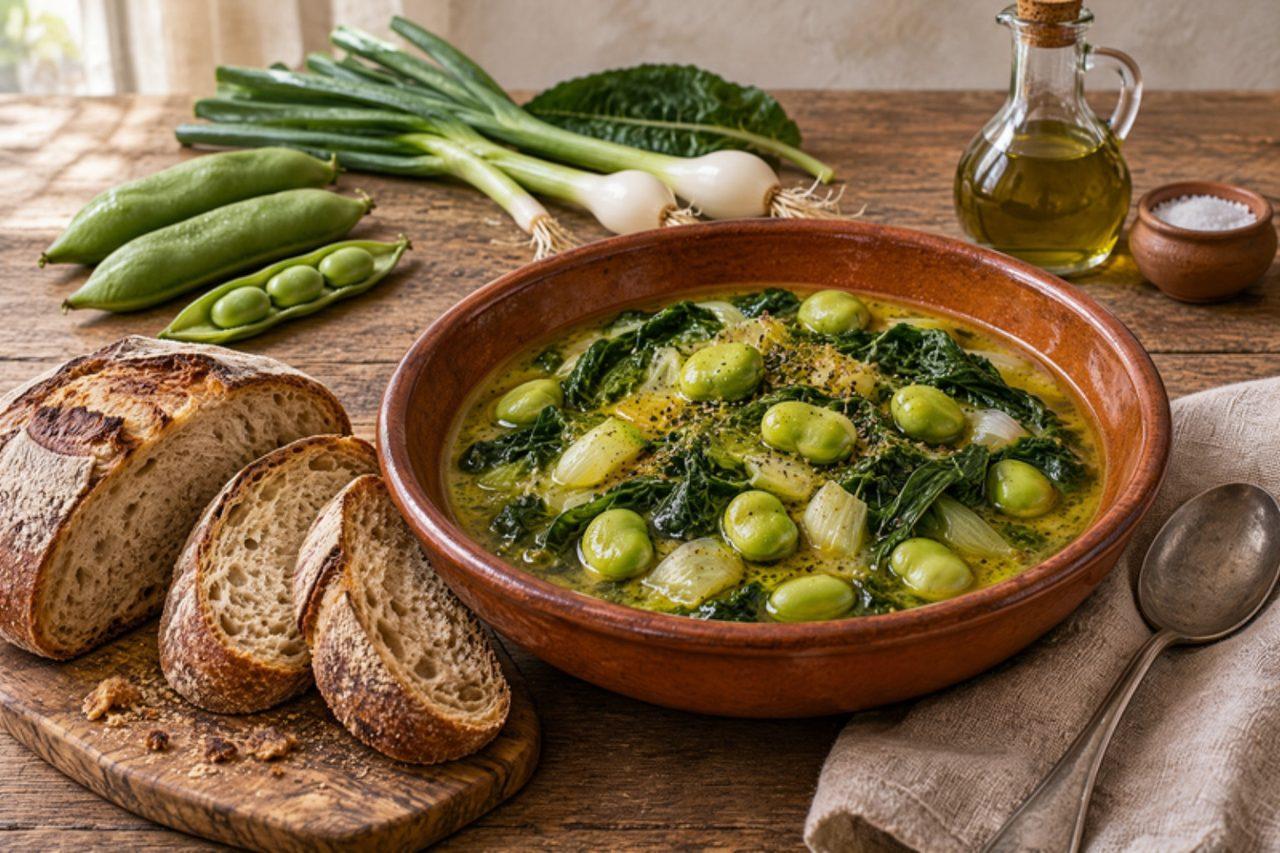
ScafataBroad bean and chard stew

Scafata comes from the hill towns of Umbria, around Spoleto and Foligno, where it is cooked in late April and May when the first fresh broad beans, chard and spring onions arrive together. The beans are stewed slowly in olive oil and tomato until they are soft and creamy, with the chard melting into a green, fragrant sauce scented with wild fennel or mint. Eat it warm with a slice of wholegrain bread. Suitable as part of a balanced diet, it is rich in fibre and plant protein: about 240 kcal and 22 g carbohydrate per portion. The usual mistake is boiling it fast, which toughens the beans; it needs a lazy simmer. Chef's tip: double-pod only the large, older beans; young ones can be cooked in their pale skins.

by KrazyBadal 0 views

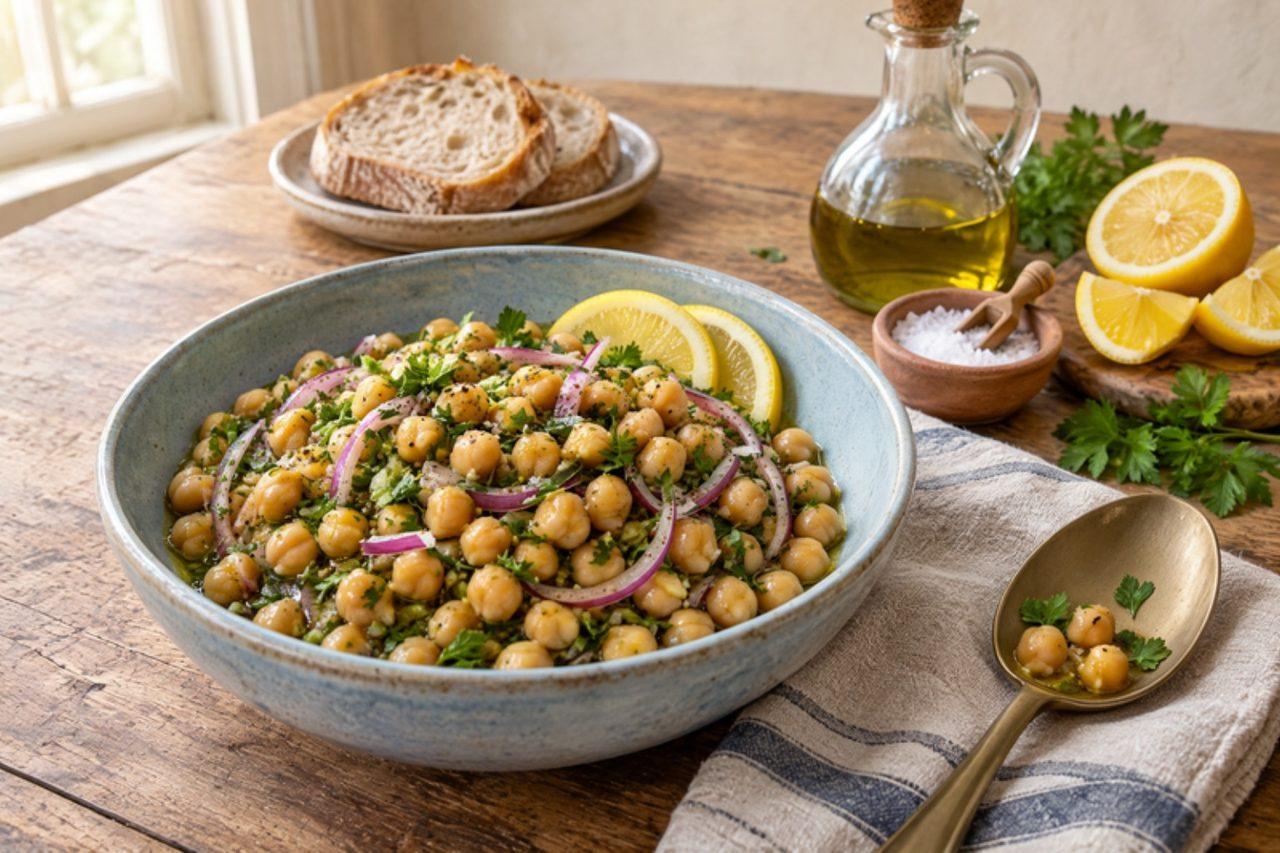
Salade de pois chichesChickpea salad

In Nice and around the old port of Marseille, chickpeas are the grain of the poor and the stuff of socca, and on hot summer days families toss them into this simple salad to eat at lunch or carry to the beach. Creamy chickpeas, sharp red onion, parsley and lemon are bound with fruity olive oil, with a few black olives and cumin in some homes. It works as a starter, a side to grilled fish or a light main. Suitable as part of a balanced diet, it is high in fibre and plant protein: about 270 kcal and 26 g carbohydrate per portion. The usual mistake is dressing cold, straight-from-the-tin chickpeas; warm them for a minute first so they drink up the dressing. Chef's tip: soak the sliced red onion in the lemon juice for 10 minutes to soften its bite.

by KrazyBadal 0 views

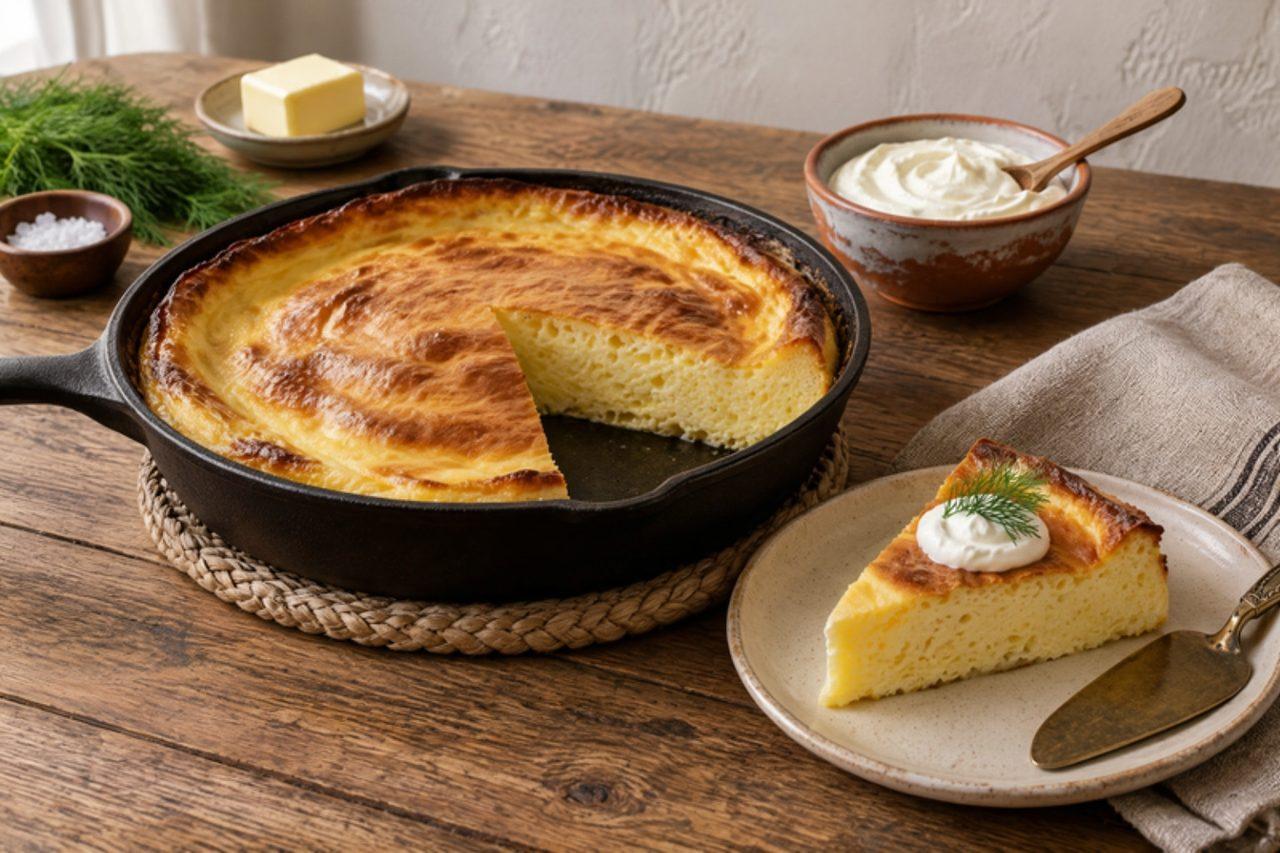
DrachenaBaked egg and milk custard

Drachena belongs to the old peasant cooking of northern Russia, from Arkhangelsk to Vologda, where it was baked in the cooling Russian stove on Sunday mornings. Eggs are whisked with milk, a little sour cream and flour, poured into a hot buttered pan and baked until puffed, golden and wobbly, somewhere between an omelette and a soufflé. It is eaten warm, plain or with sour cream. The common mistake is opening the oven early; the drachena collapses if it gets a draught before it is set. Chef's tip: heat the buttered dish in the oven before pouring in the batter, so it starts to set and rise from the bottom at once.

by KrazyBadal 0 views

NdenguGreen gram stew

Lunchtime kibandas around Nairobi's Industrial Area ladle ndengu over rice or tear chapati into it, and office workers queue for it because it is cheap, filling and ready fast. Whole green grams (mung beans) are boiled until soft, then folded into an onion and tomato base with garlic, a little cumin and a splash of coconut milk, so the gravy is earthy, mellow and just thick enough to coat a spoon. Serve it with chapati, plain rice or ugali and a heap of kachumbari. The usual mistake is adding the tomatoes and salt before the grams are tender; acid and salt keep the skins tough, so cook the grams first. Chef's tip: mash a ladleful of the cooked grams against the pot before you add the coconut milk; it thickens the gravy without any flour.

by KrazyBadal 0 views

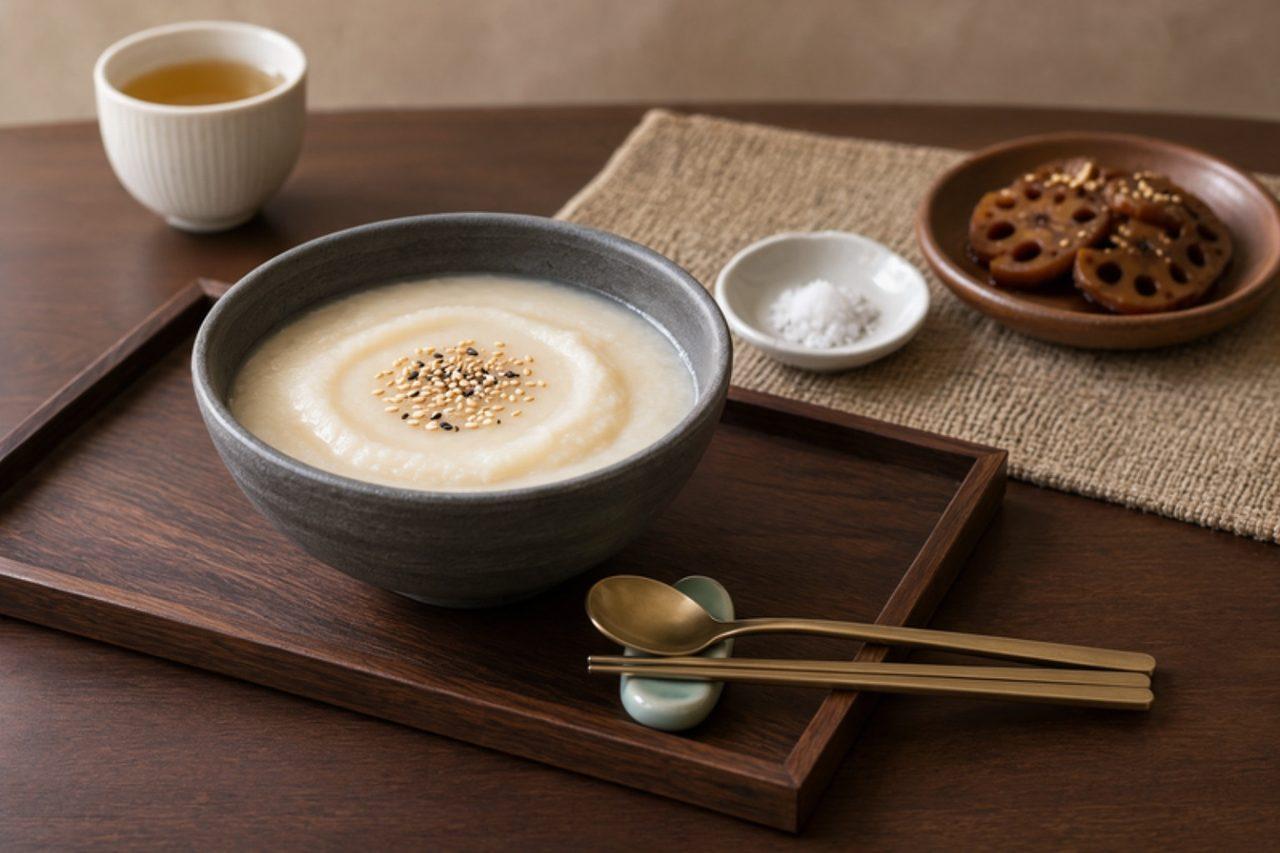
KongjukSoybean and rice porridge

Kongjuk is the porridge Korean families make when they want something filling but plain: soaked soybeans ground into a milk with rice and cooked until it is thick, pale and creamy. It is a breakfast and a summer staple in the countryside, eaten with a little salt and some kimchi or radish on the side. The mistake to avoid is under-blending the beans: gritty bean skins make the porridge grainy, so blend long and fine, or sieve it. Stir often too, because soy milk catches on the bottom quickly. Chef's tip: skim off the loose skins after soaking by rubbing the beans between your palms under water; the porridge comes out silkier and whiter.

by KrazyBadal 0 views

Guyanese egg ballsFried cassava-coated eggs

Egg balls are the snack you buy in a paper bag at a Georgetown cake shop or from a tray at a cricket match at Bourda, with a generous spoon of mango sour over the top. A whole hard-boiled egg is wrapped in a layer of mashed cassava seasoned with garlic, hot pepper and herbs, then fried until crisp and golden. The usual problem is cassava that is too wet or too thin a layer, so the balls crack in the oil; mash it dry and keep the coat about 1 cm thick. Eggs are the main allergen here. Chef's tip: chill the wrapped balls for 20 minutes before frying so they hold their shape.

by KrazyBadal 0 views

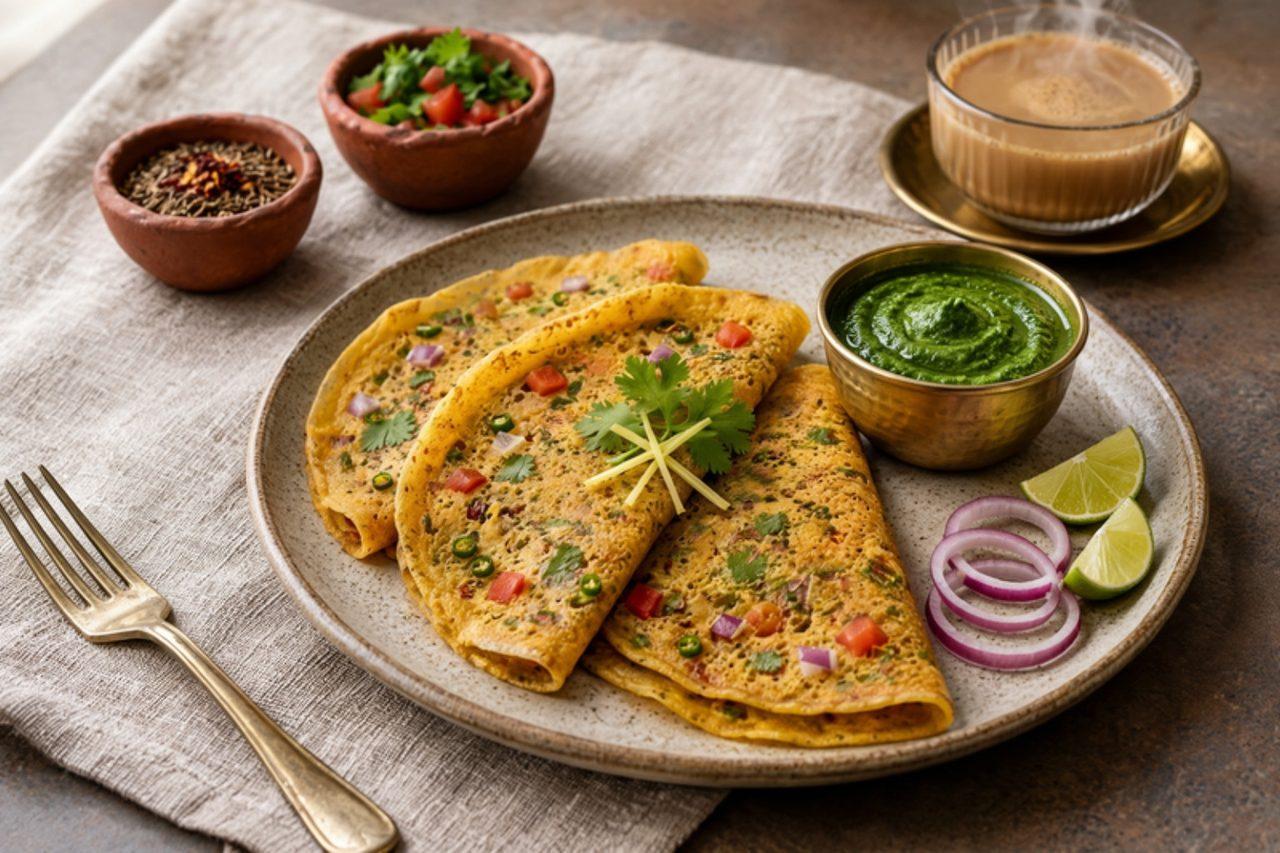
Besan chillaGram flour pancakes

Across North India, besan chilla is the answer when the tiffin needs packing in fifteen minutes: a pourable gram flour batter studded with onion, tomato, chilli and coriander, cooked thin on a tawa, then rolled up with chutney or ketchup. It is naturally egg-free and filling. The common mistake is a thick batter, which gives a heavy, raw-tasting pancake; it should flow like single cream. Chef's tip: spread the batter with the back of a ladle in quick circles from the centre outward, and cover the pan for the first minute so the top steams set.

by KrazyBadal 0 views

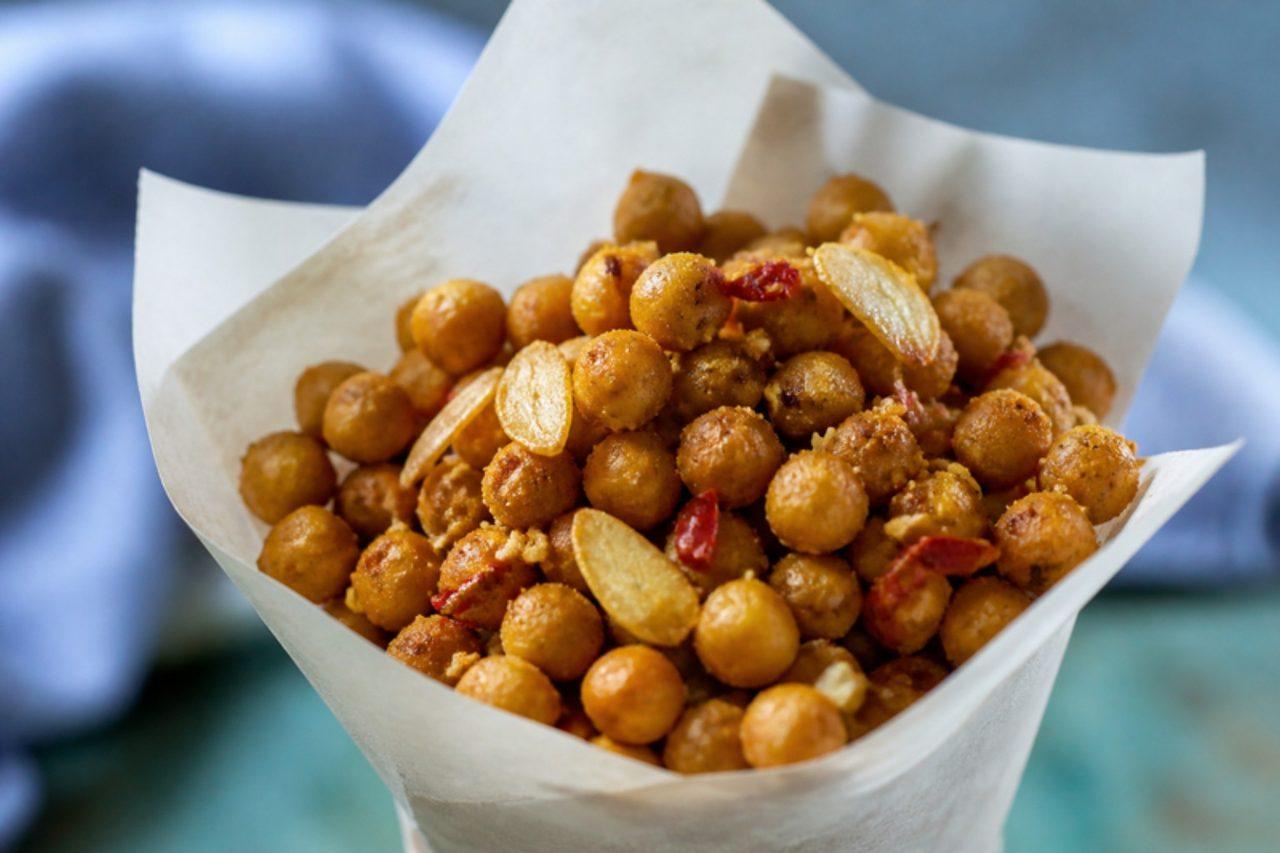
Guyanese boiled and fried channaFried garlicky chickpeas

Outside schools, cinemas and the Stabroek Market in Georgetown, vendors scoop warm fried channa into paper cones, and at Diwali and Phagwah (Holi) gatherings it comes out by the bowlful with a drink. Dried chickpeas are boiled until just tender, then fried hard with garlic, onion and hot pepper until the skins crackle and the outsides turn golden. Frying wet chickpeas is the mistake that ruins it: they spit, steam and stay soft, so dry them very well first. Chef's tip: let the boiled channa sit spread on a tea towel for 20 minutes; the drier they are, the crunchier the edges.

by KrazyBadal 0 views

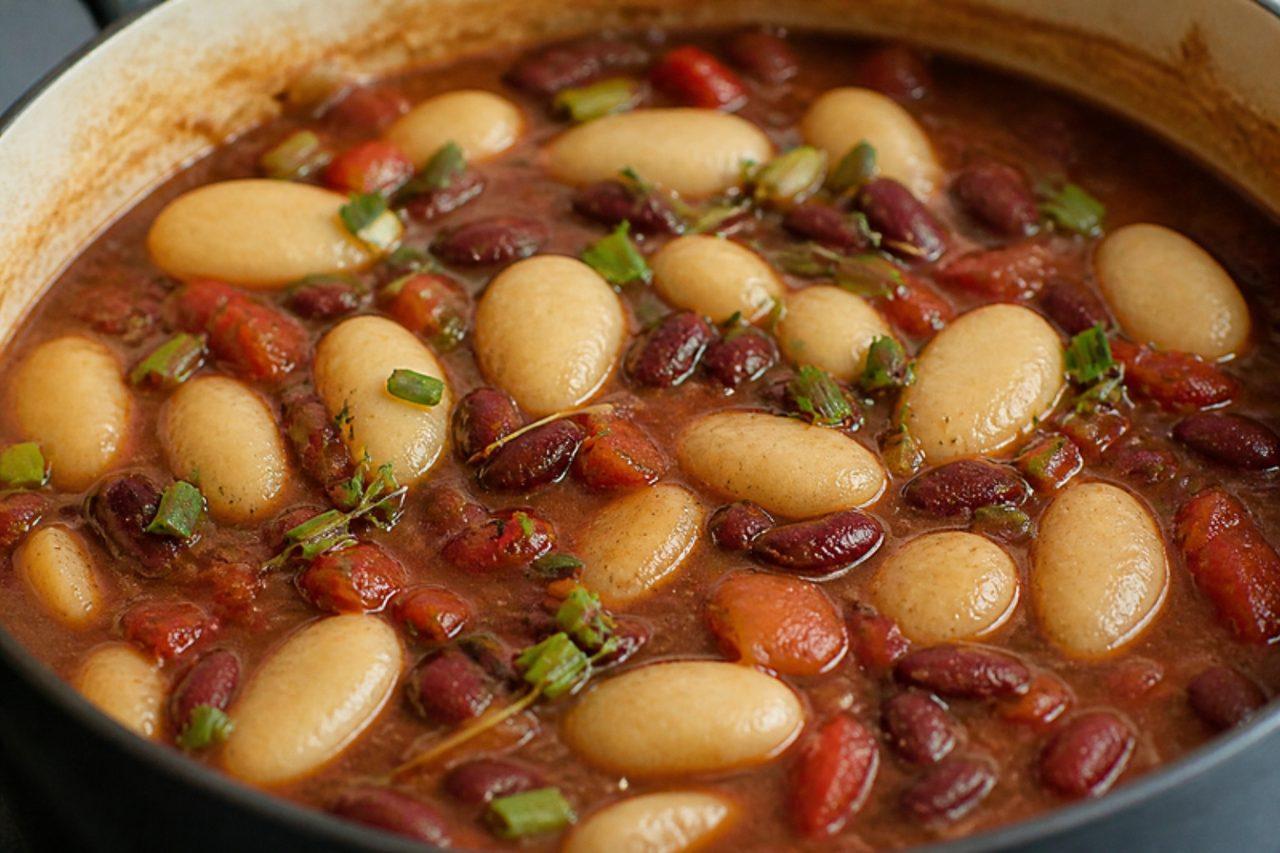
Dombrés aux haricots rougesFlour dumplings in red beans

Dombrés are the small rolled flour dumplings that Guianese Creole cooks in Cayenne and Saint-Laurent-du-Maroni drop into a pot of red kidney beans, so they swell and soak up the herb-scented sauce. In French Guiana and the Antilles the beans are often cooked with salted pork tail or smoked meat; this version leaves out the meat and uses smoked paprika, onion, chives, thyme and cloves for depth, making a hearty vegan dinner with rice. Dried kidney beans must be boiled hard for 10 minutes before simmering to destroy a natural toxin, so don't skip that step or cook them in a slow cooker from raw. Dumplings that fall apart are the usual problem: keep the dough firm and the pot at a gentle simmer once they go in. Chef's tip: roll each dombré between your palms into a small torpedo; that shape cooks evenly and holds together.

by KrazyBadal 0 views

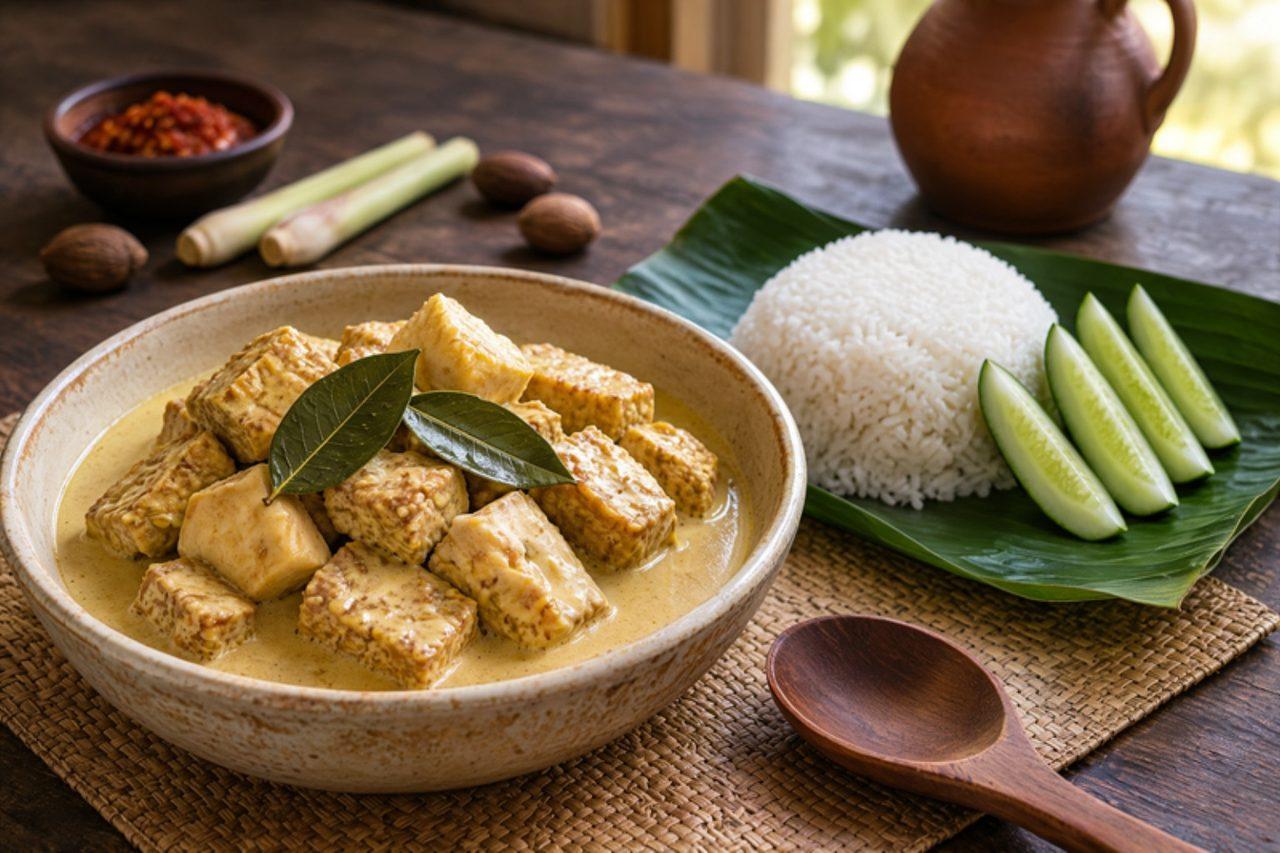
Terik tahu tempeTofu and tempeh in coconut milk

Terik is a Central Javanese way of cooking in coconut milk until almost all of it has gone, and around Solo and Yogyakarta terik tahu tempe is a staple of home lunches, Lebaran spreads and the warung nasi where you point at dishes to go on your rice. Tofu and tempeh soak up a sauce of shallots, candlenuts, coriander seed, galangal and palm sugar that reduces to a thick, oily, sweet-savoury coating. Serve with rice, sambal and something green. The usual mistake is stirring too vigorously as it reduces, which breaks the tofu into crumbs, so shake the pan or turn the pieces with a spatula. Chef's tip: steam the tempeh for 10 minutes before cutting it, which removes any bitterness and helps it absorb the sauce.

by KrazyBadal 0 views

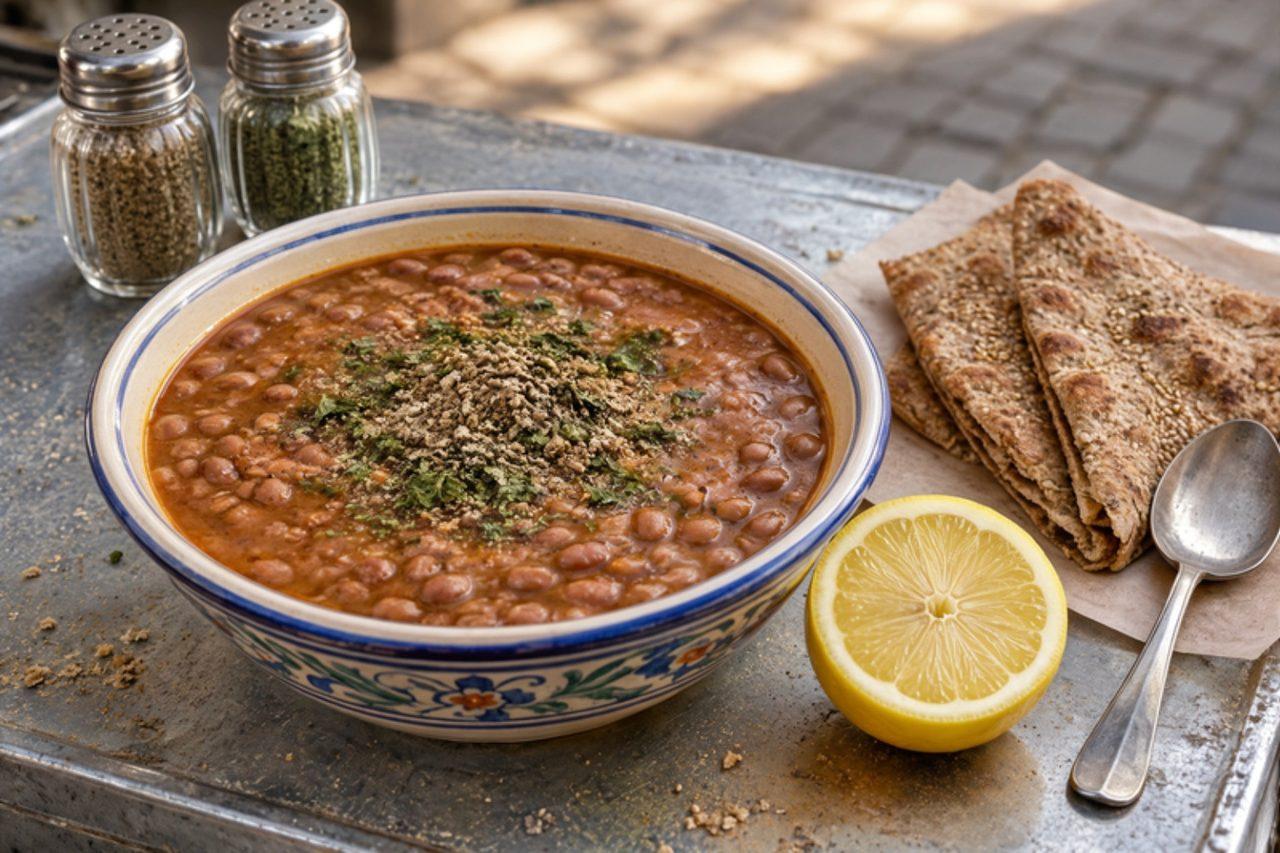
Lubia pokhteSpiced pinto beans

On cold winter mornings in Tehran, steam rises from street carts selling lubia pokhte: pinto beans simmered with a pinch of salt until soft as butter, ladled into a cup with some of their cooking liquid and sprinkled with golpar, the citrusy ground seed of Persian hogweed, plus a squeeze of lemon. It is cheap, warming and filling. The mistake is salting the water at the start; add salt once the beans are tender or the skins stay tough. Chef's tip: skim the foam in the first 10 minutes and keep the beans at a lazy simmer, never a rolling boil, so they stay whole but creamy inside.

by KrazyBadal 0 views

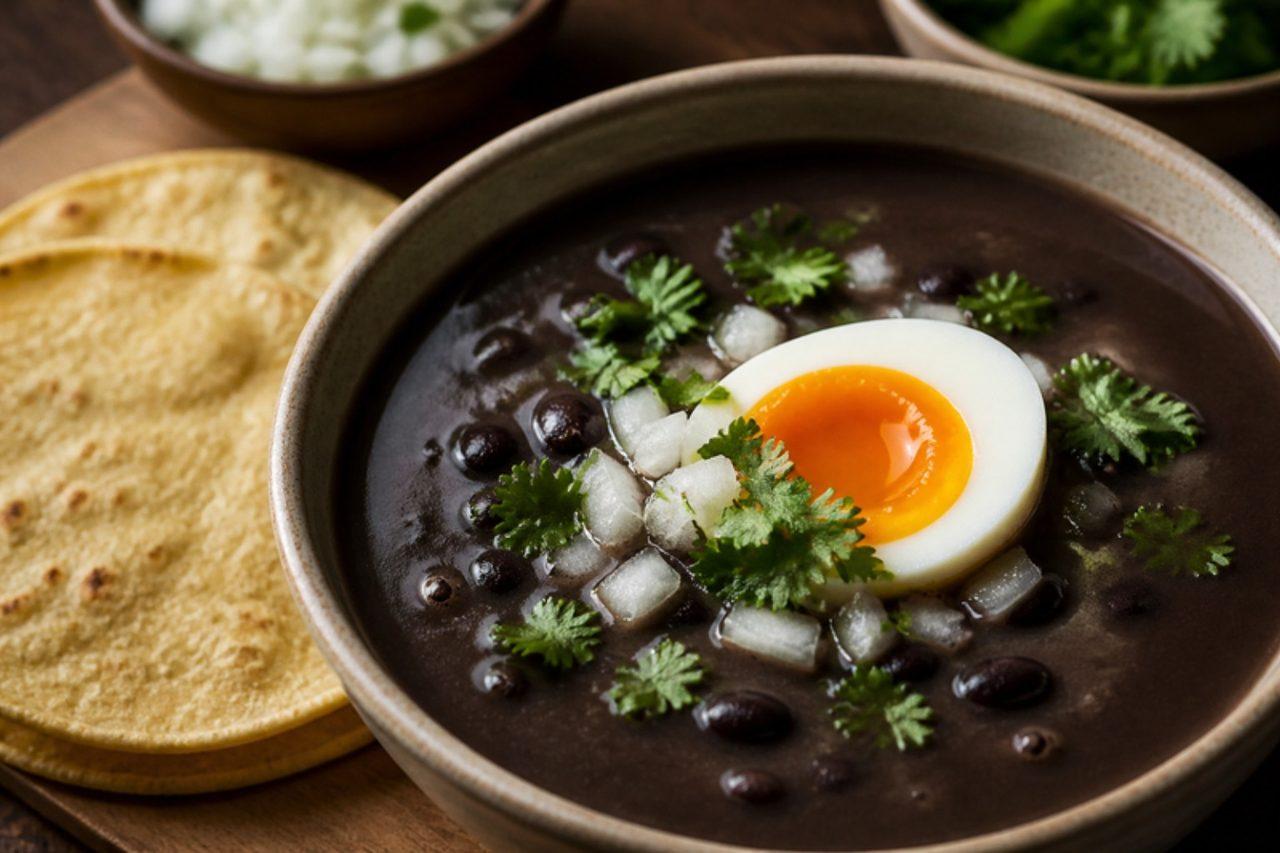
Sopa negraBlack bean soup with egg

Costa Rican grandmothers make sopa negra with the broth from the week's pot of black beans, and in San José sodas it comes to the table steaming, with a soft-boiled egg halved into the bowl and rice or tortillas alongside. The broth is thin rather than creamy, savoury with sofrito of onion, sweet pepper, celery and culantro, and half the beans are blended to give it body. It is rainy-season comfort food. Blending all the beans is the common mistake: you lose the whole beans that make it a soup rather than a purée. Chef's tip: cook the eggs for exactly 6½ minutes so the yolks stay jammy and melt into the hot broth.

by KrazyBadal 0 views

Gahat ke paratheHorse gram stuffed parathas

Gahat (horse gram) is the warming winter lentil of Uttarakhand, and in Garhwal it is boiled, mashed and stuffed into parathas for cold mornings, served with butter, curd and a hill pickle. The filling is spiked with ginger, garlic, green chilli and coriander, and the parathas keep you full for hours. Gahat is hard, so it needs a long soak and a pressure cooker. The common mistake is leaving the filling wet; moisture steams through the dough and the paratha tears. Chef's tip: dry the mashed gahat in a pan for a few minutes after mashing until it holds together like a soft crumble.

by KrazyBadal 0 views

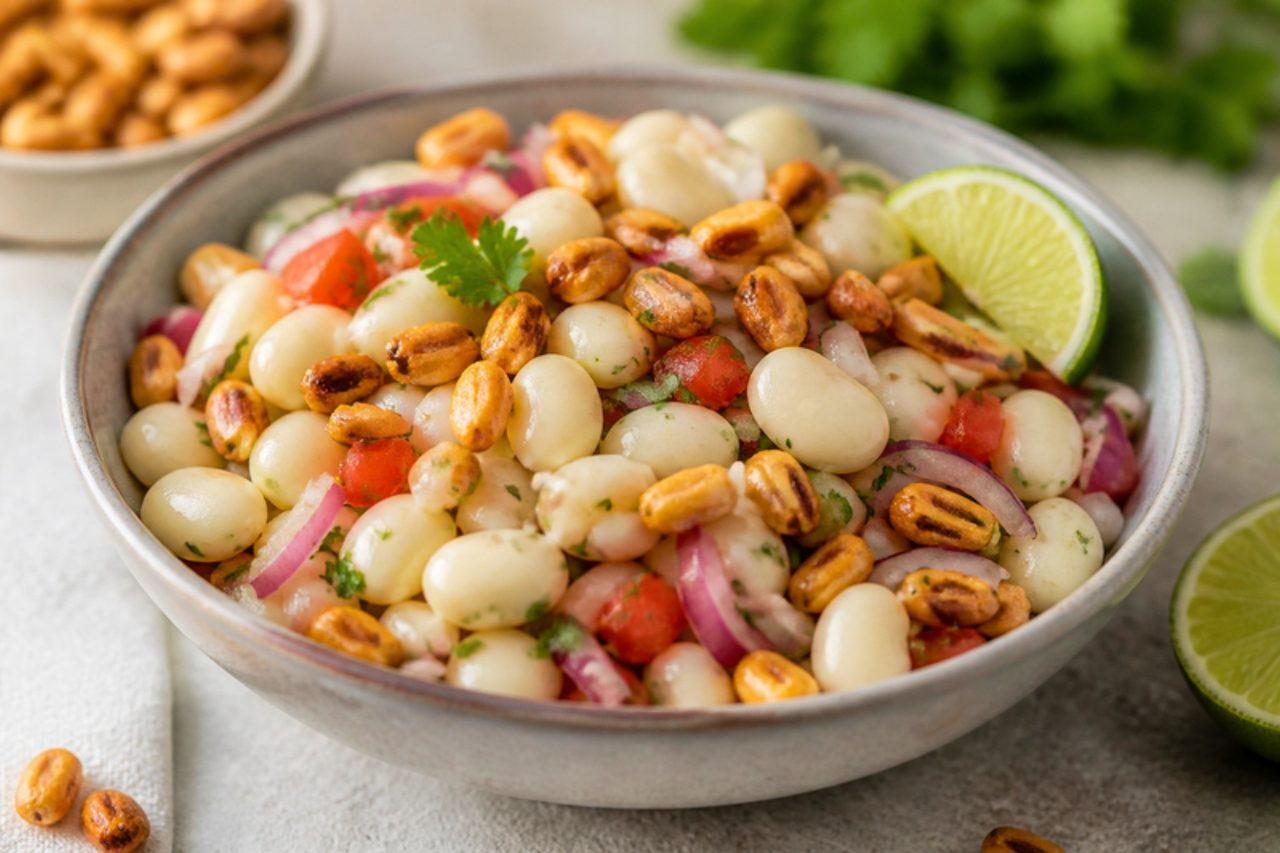
Chochos con tostadoLupin bean and toasted corn salad

On street corners in Quito and Latacunga vendors pile paper cups with chochos, the pale Andean lupin beans, tossed with lime-soaked red onion and tomato and showered with crunchy toasted corn. It is a cheap, filling mid-morning snack, sour and salty with a nutty crunch, and it doubles as a light lunch with a fried plantain on the side. Buy chochos ready debittered, sold cooked in jars or vacuum packs: raw lupins are bitter and contain toxic alkaloids until they have been soaked and boiled for several days, so never use dried ones without that long treatment. Lupin is also a declared allergen and can affect people with peanut allergy. The common mistake is skipping the rinse, which leaves the beans tasting of brine. Chef's tip: salt the onion with the lime juice 10 minutes ahead so it softens and turns pink.

by KrazyBadal 0 views

Kangri khattaTangy chickpeas

At a Kangra dham, the leaf-plate feast cooked by botis (Brahmin cooks) for weddings and village festivals, khatta comes towards the end, a dark, sweet-sour dish of chickpeas or pumpkin in a gravy soured with tamarind or dried mango and balanced with jaggery. It is served with rice and has no onion or garlic. The gravy is thin, glossy and almost black from the long-cooked tamarind. The common mistake is adding the tamarind to undercooked chickpeas; the acid stops them softening, so cook them fully first. Chef's tip: a teaspoon of rice flour or gram flour stirred into the gravy gives the dham-style gloss without making it heavy.

by KrazyBadal 0 views

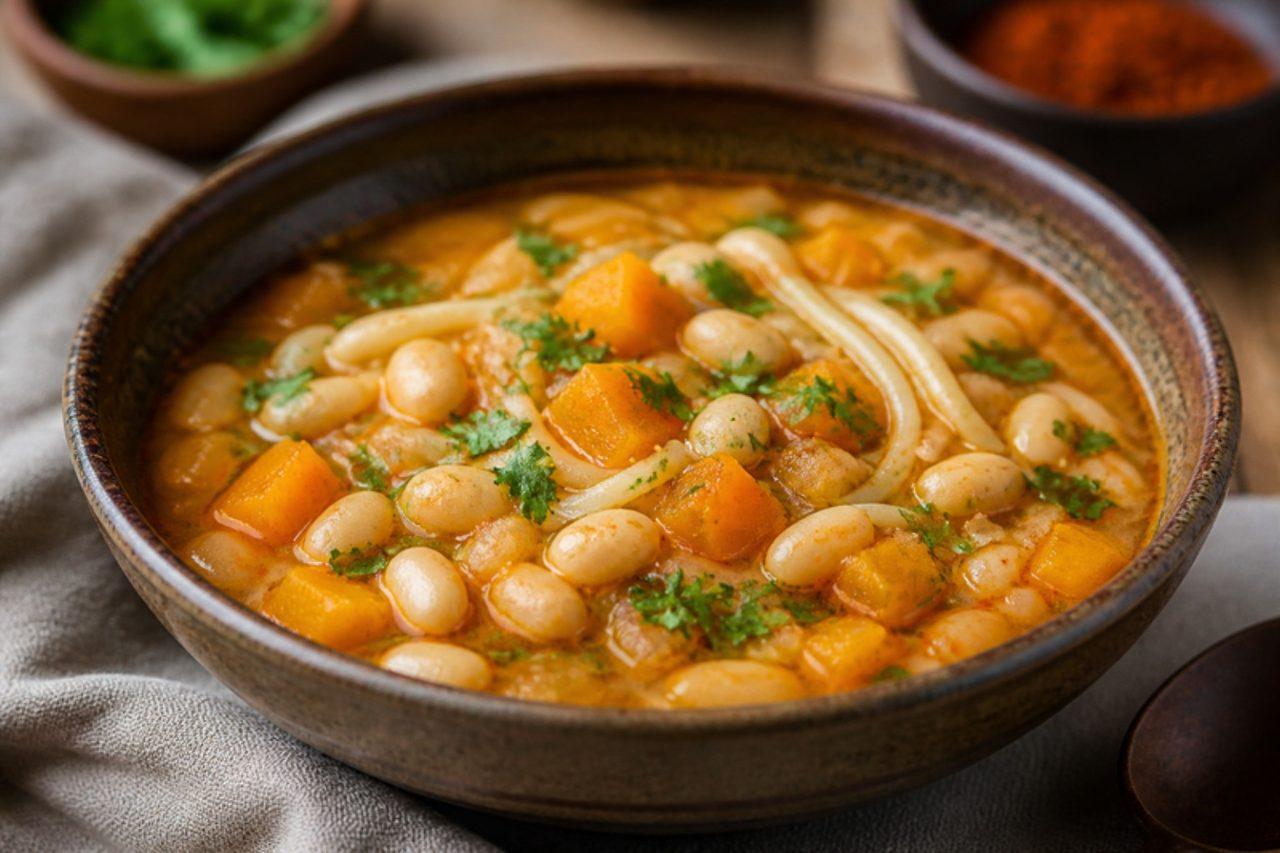
Porotos con riendasBean and squash stew with spaghetti

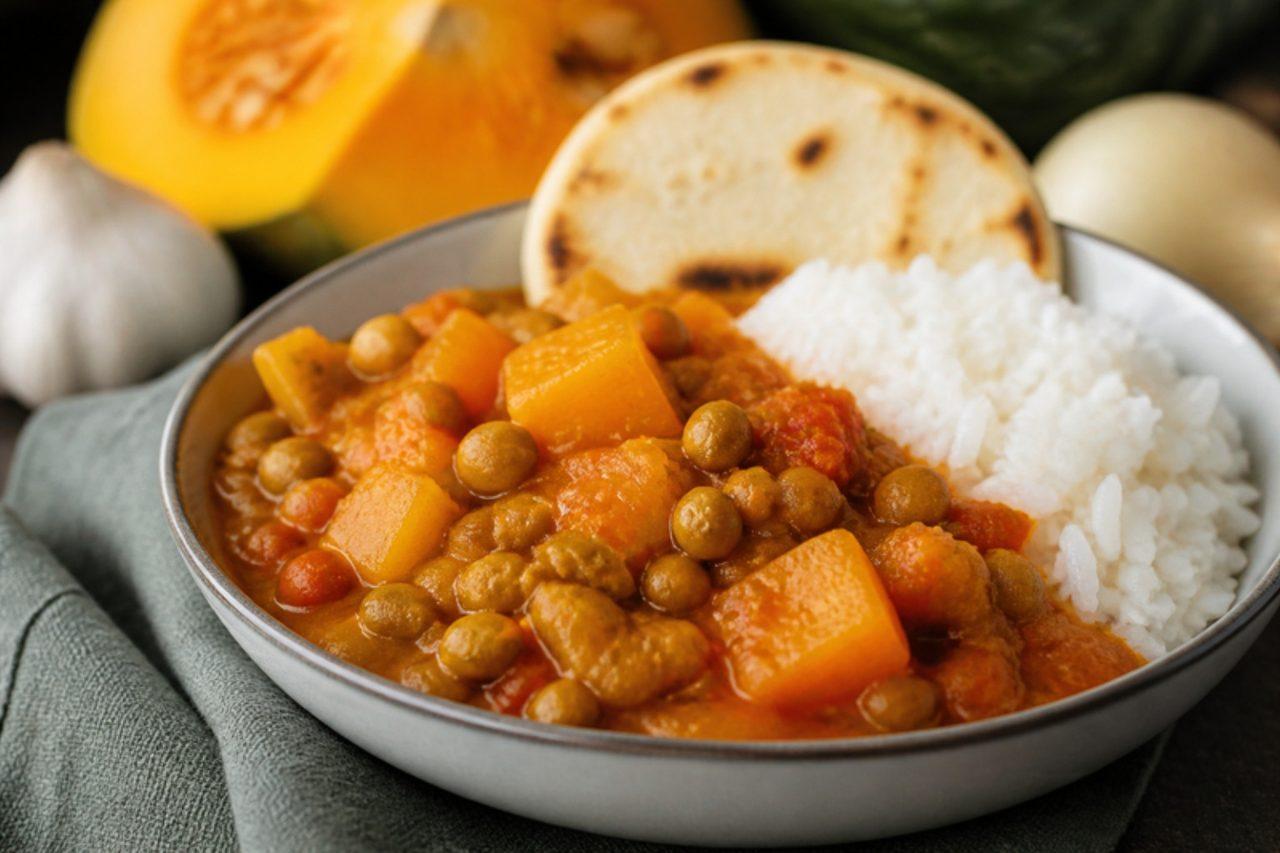
When the Andes turn white above Santiago, lunch counters in the Mercado Central and home kitchens all over the Central Valley put on a pot of porotos con riendas, dried beans stewed with squash until thick and orange, with broken spaghetti, the 'reins', stirred through at the end. It is served in deep plates with a spoonful of pebre or a tomato salad alongside. Many cooks add longaniza sausage; this version keeps it meat-free and relies on smoky paprika and slow-cooked onion. Adding the pasta too early is the common mistake: it swells, goes soft and drinks all the liquid. Chef's tip: grate a third of the squash so it melts into the beans and thickens the stew, and dice the rest so you still get chunks.

by KrazyBadal 0 views

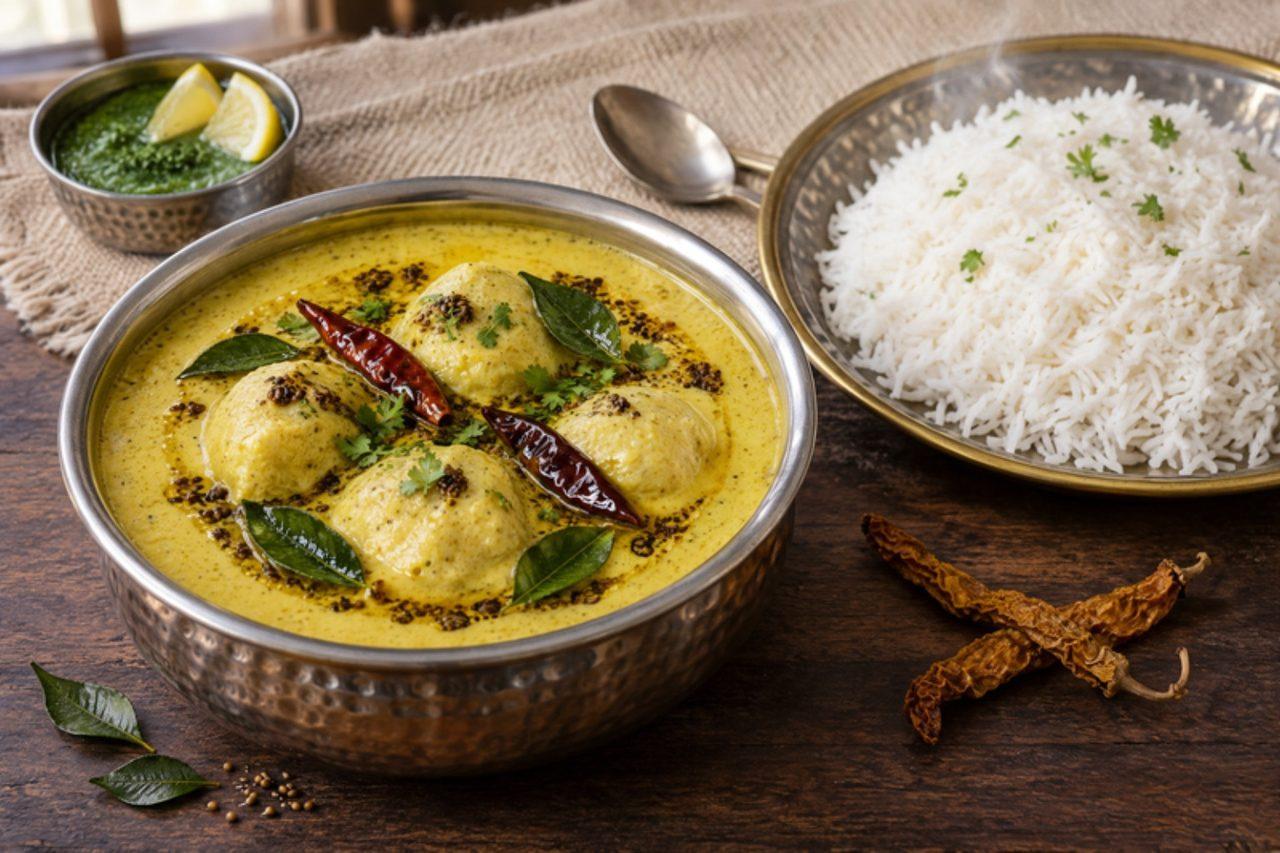
Dubki kadhiUrad dal dumplings in curd curry

Dubki means a dip, and in this Chhattisgarhi kadhi the spiced urad dal batter is dropped raw straight into the simmering curd so the dumplings cook in the pot rather than in hot oil. It is the lighter, everyday cousin of pakora kadhi, served with rice at lunch across Durg and Raipur and at village feasts. The common mistake is dropping the batter into kadhi that is barely warm; the dumplings fall apart, so the kadhi must be at a lively simmer. Chef's tip: whisk the batter by hand for a full 3 minutes until a spoonful floats in water, and the dumplings will be airy, not dense.

by KrazyBadal 0 views

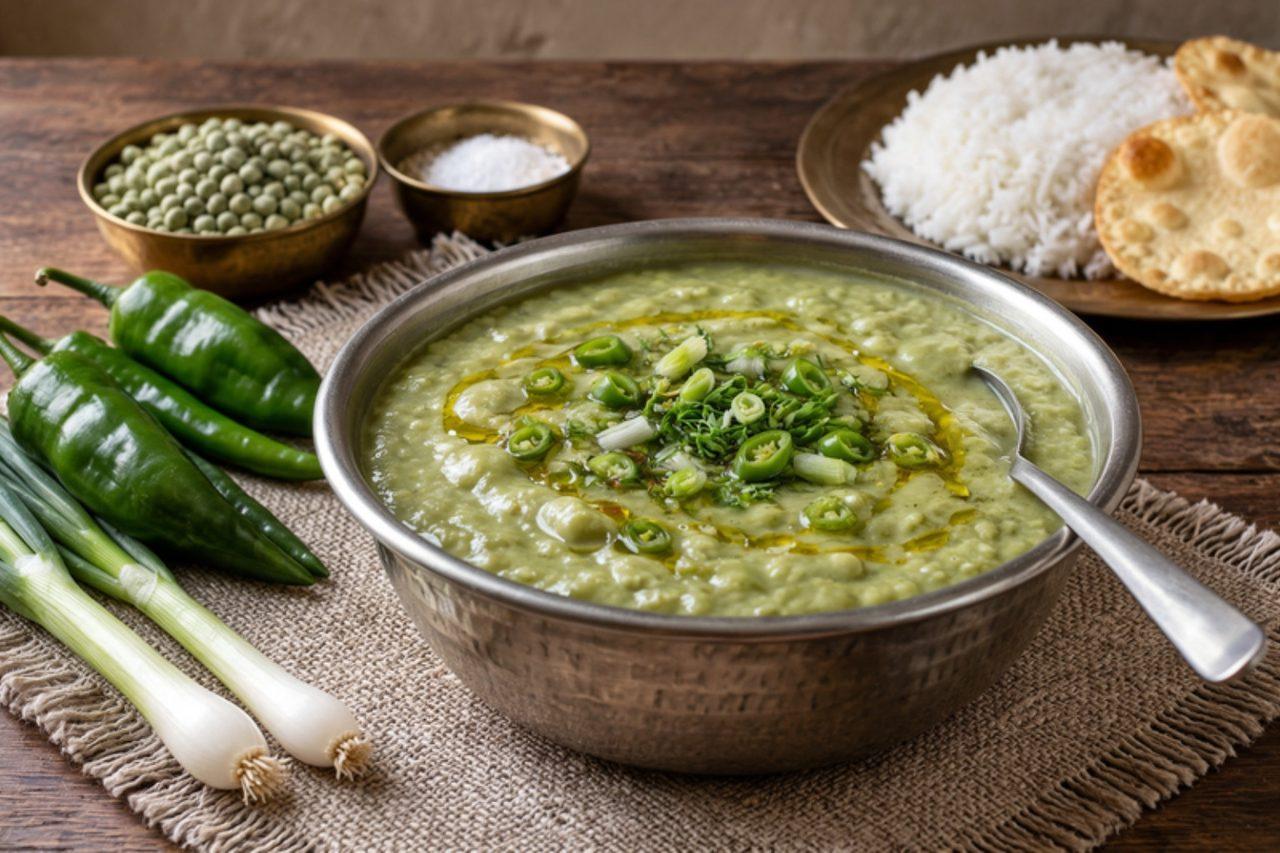
OotiSoft dried pea curry

Ooti is a Meitei comfort dish from Manipur, especially loved in winter and at the community feasts of Ningol Chakouba: dried peas simmered with a pinch of soda until they collapse into a soft, mild stew scented with garlic and spring onion. It goes with rice and a fiery eromba. The mistake is adding too much soda, which tastes soapy; a small pinch is enough. Chef's tip: soak the peas overnight and they will be soft in about 40 minutes.

by KrazyBadal 0 views

BekangFried fermented soybeans

Bekang is the Mizo name for soybeans boiled and left to ferment in leaves until sticky and strongly savoury, and fried bekang is one of the most loved sides on the Aizawl table, spooned over plain rice. To ferment your own, keep the wrapped, drained beans at 30–40 °C for 2–3 days: they are ready when coated in sticky white threads and smell of ammonia and nuts. Throw them out if you see black, green or pink mould or they smell rotten. The common mistake is frying on high heat until the beans scorch and turn bitter. Chef's tip: bought kinema, axone or natto work in place of homemade bekang.

by KrazyBadal 0 views

Quinchoncho guisadoStewed pigeon peas with pumpkin

In Lara and across eastern Venezuela, quinchonchos (pigeon peas) are cooked during Holy Week and on ordinary weekdays alike, stewed with a sofrito of onion, sweet ají dulce and garlic and thickened with pumpkin that melts into the broth. It's eaten with white rice, arepas or a wedge of fried plantain, and many homes add pork; this version keeps it meat-free. The common mistake is adding the pumpkin too early so it disappears. Chef's tip: put the pumpkin in for the last 20 minutes, then mash a few pieces against the pot to thicken the stew.

by KrazyBadal 0 views

DubukThick lentil curry

Dubuk is a Kumaoni winter staple from the hill villages around Almora and Pithoragarh, where soaked bhatt (black soybean) or gahat is ground on a stone and simmered slowly in an iron kadhai until it turns thick and dark. It is eaten with plain rice on cold evenings, and the iron pot gives it its slightly earthy colour and taste. Toor dal or a mix of toor and urad works well if you cannot find pahadi lentils. The common mistake is grinding the lentils to a fine paste and boiling hard, which makes dubuk gluey; grind coarse and keep the simmer gentle. Chef's tip: stir in a spoon of the rice paste only at the end, and only if the gravy needs body, because the lentils thicken a lot as they stand.

by KrazyBadal 0 views

Kelli chanaSpiced chickpea snack

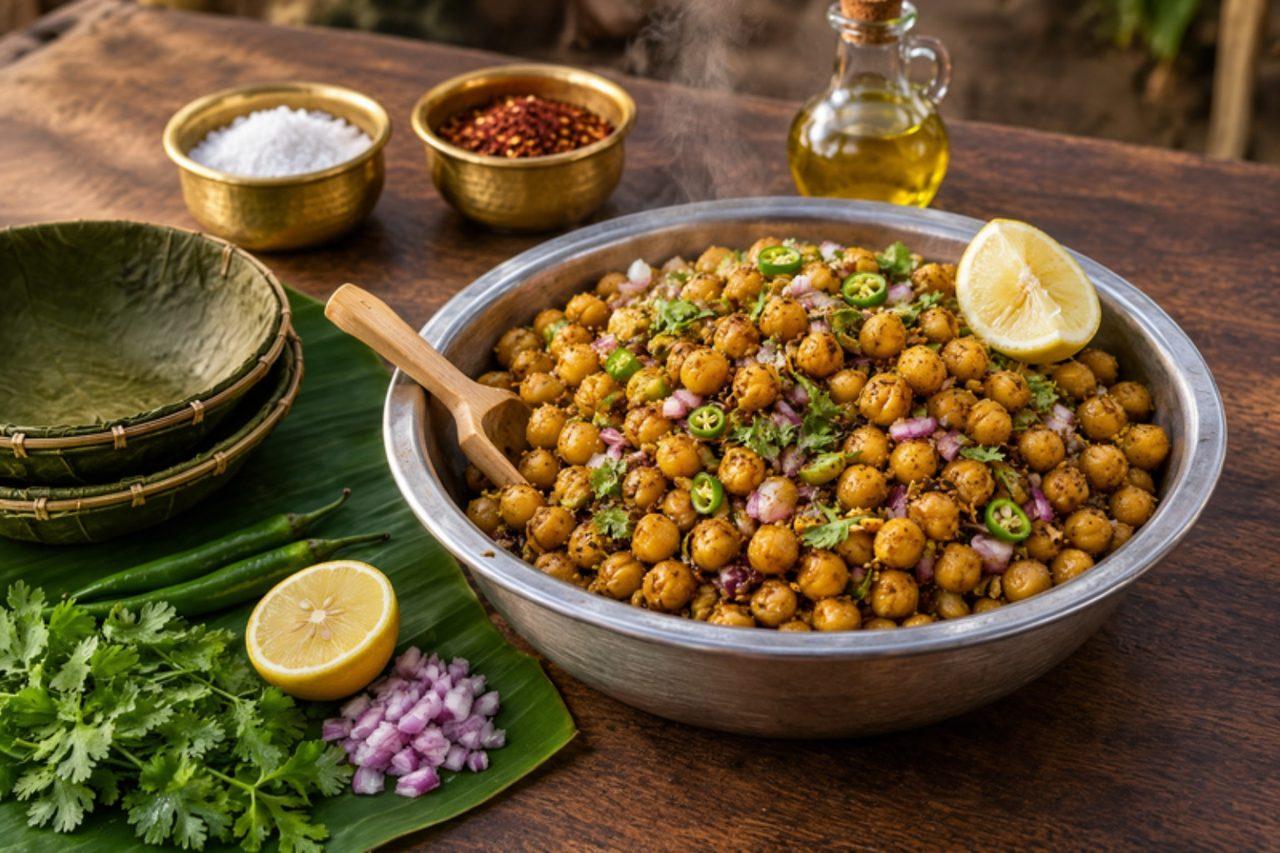
On Imphal evenings, kelli chana is sold from steaming pots at street stalls and outside markets: boiled chickpeas tossed while hot with raw onion, chilli, coriander and lemon, sometimes with a spoon of roasted chilli. It is a cheap, filling snack before dinner. The mistake is using under-cooked chickpeas, which stay hard; they should squash easily between finger and thumb. Chef's tip: toss the chickpeas while still hot so they soak up the lemon and salt.

by KrazyBadal 0 views

Agra dalmothFried lentil snack mix

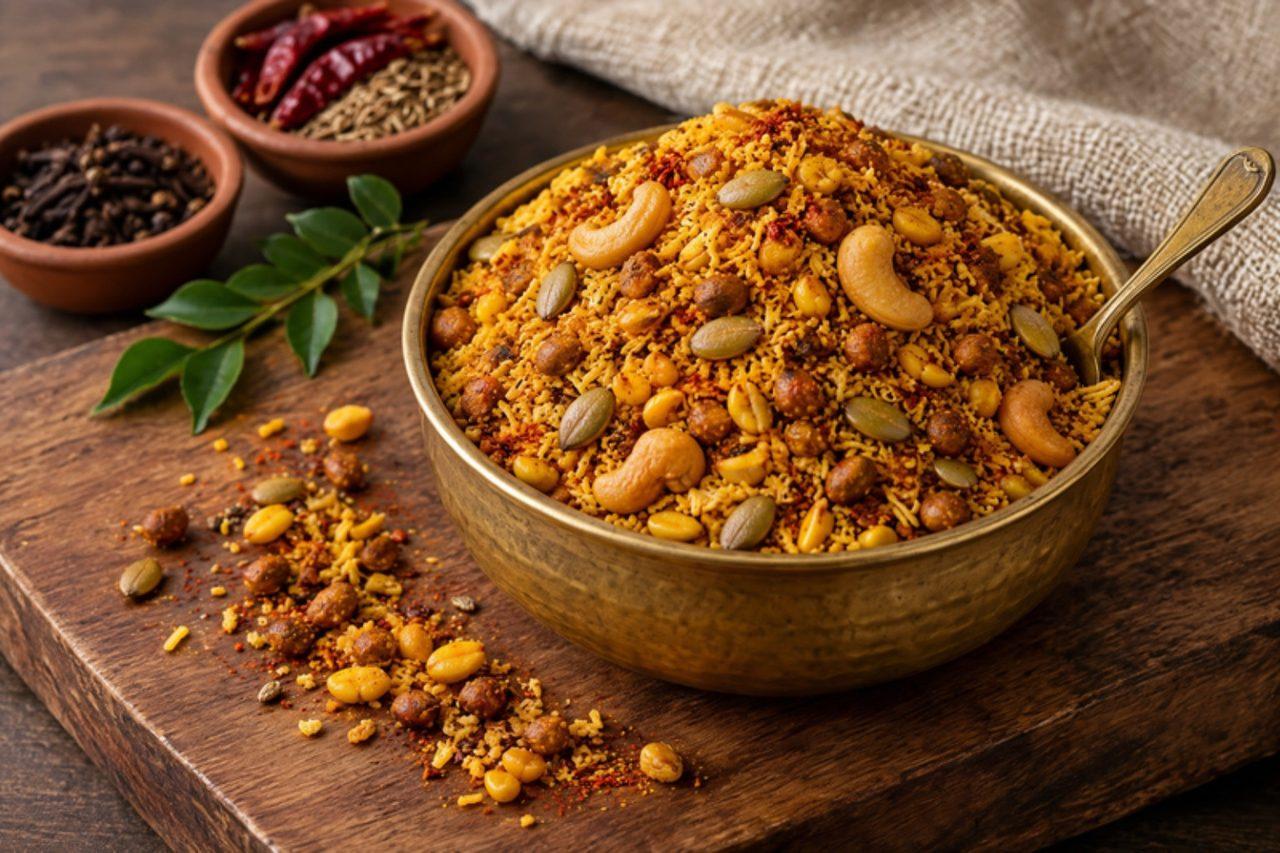
Agra is famous for two sweets and one namkeen, and dalmoth is the namkeen: soaked masoor and chana dal fried until crunchy and tossed with chilli, black salt, dry mango and a little sugar, sold in big tins near the Taj and packed for every train journey. It is eaten with tea in the afternoon and handed round to guests at Diwali. The dal is fried dry, without any batter coating. The common mistake is frying the dal straight from soaking water; any moisture makes the oil spit dangerously and the dal chewy, so dry it on a cloth for at least an hour. Chef's tip: fry the masoor and chana separately, as they need different times to turn crisp.

by KrazyBadal 0 views

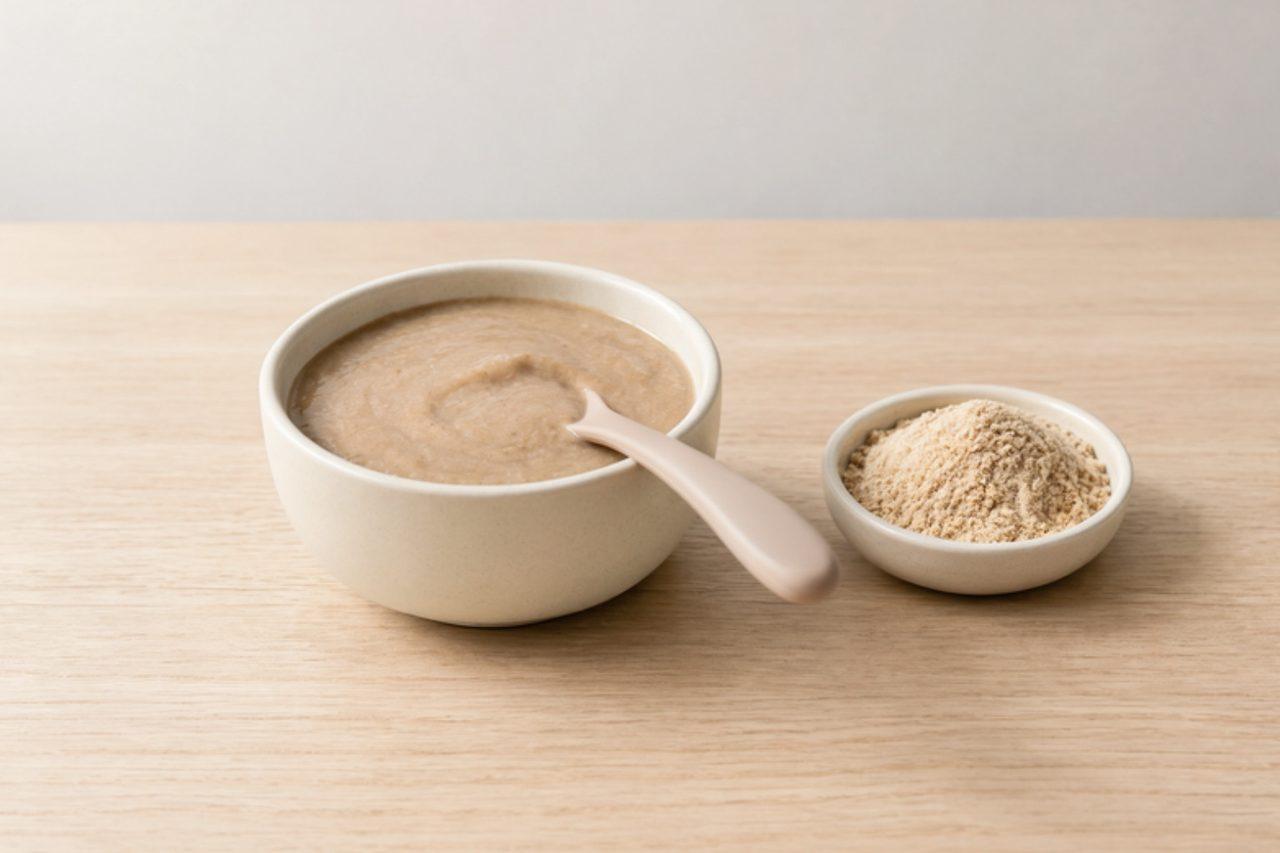
Lito (sarbottam pitho porridge)

Ask a mother in Kathmandu, Pokhara or a hill village what her baby eats after the pasni rice-feeding ceremony, and the answer is often lito: porridge made from sarbottam pitho, a 'super flour' that families roast and grind themselves from two parts soybean to one part each of maize and wheat. Cooked with water it becomes a smooth, nutty, toast-coloured porridge with more protein than plain rice. For babies there is no salt, sugar, jaggery, honey or ghee needed. It contains soya and wheat (gluten). Chef's tip: roast the grains separately, each until it smells nutty and cracks between your teeth, then grind and sieve; the beans need longest.

by KrazyBadal 0 views

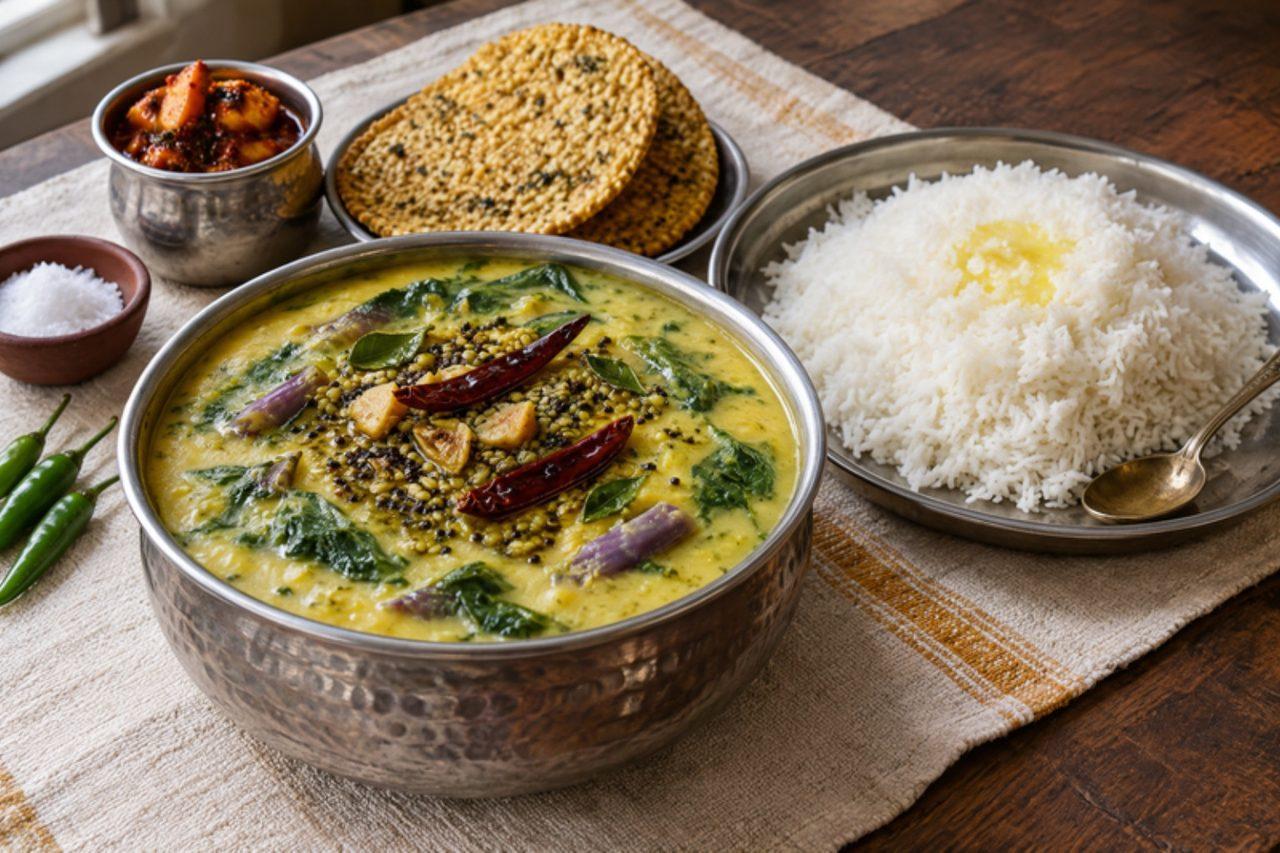
Bachali kura pappuDal with Malabar spinach

Bachali, or Malabar spinach, climbs over back walls all across Telangana and Andhra, and its thick, glossy leaves go into this everyday pappu that turns up at lunch several times a month with rice, ghee and a pickle. The leaves give the dal a silky body and a faint lemony note. People often overcook it until the greens turn khaki; add them after the dal is soft and cook just long enough to wilt. Chef's tip: use the tender stems too, chopped small; they add a pleasant crunch.

by KrazyBadal 0 views

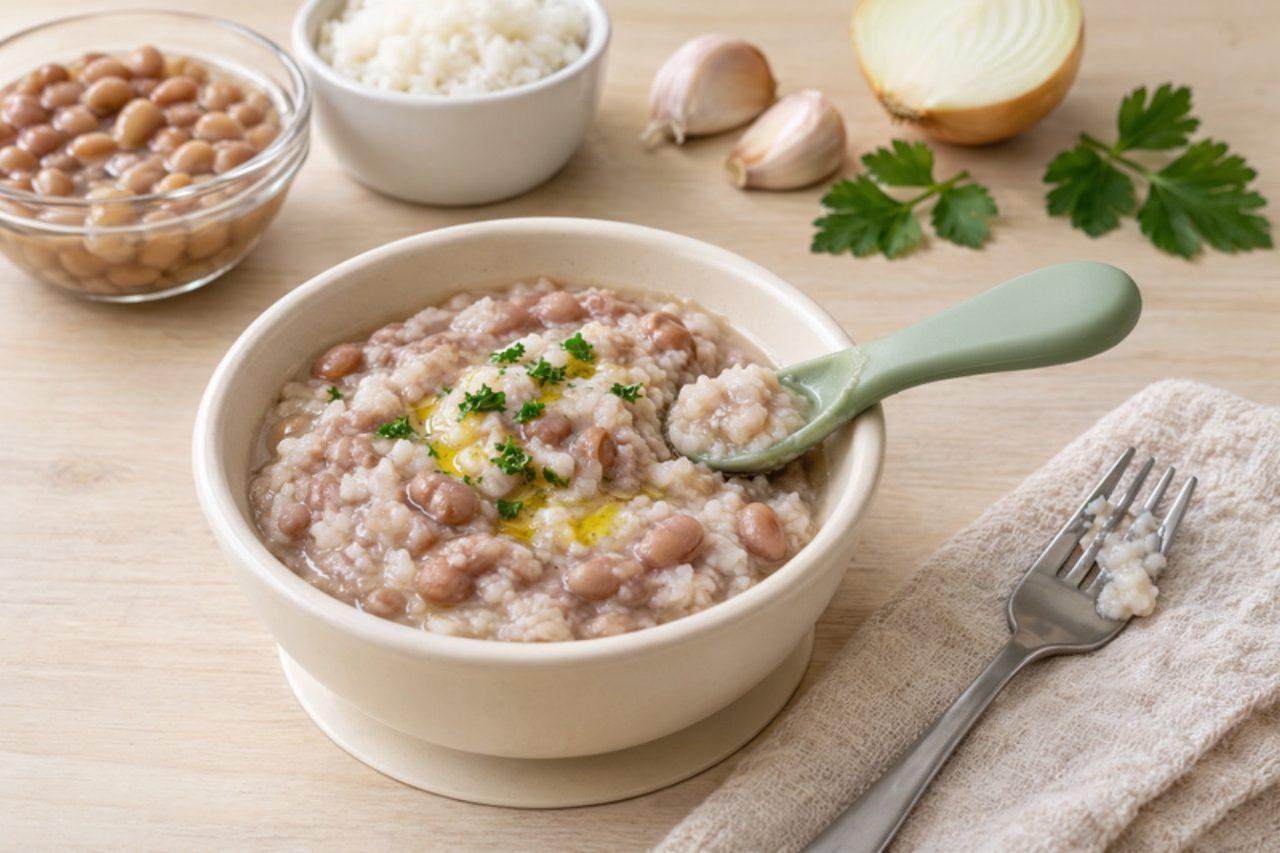
Arroz e feijão amassadinho for babiesMashed rice and beans for babies

Rice and beans are on almost every lunch plate in Brazil, from São Paulo office canteens to family tables in Minas Gerais, and babies join in from about eight or nine months with an amassadinho, a soft fork-mashed version. The beans are simmered with a little onion, garlic and bay leaf for flavour instead of salt, bacon or stock cubes, then mashed into soft rice with their thick broth. It is creamy, earthy and filling. It is free of the major allergens: no milk, egg, gluten, nuts, soya, sesame or fish. Chef's tip: mash the beans well and press them through a sieve the first few times; the skins are the part babies find hardest.

by KrazyBadal 0 views

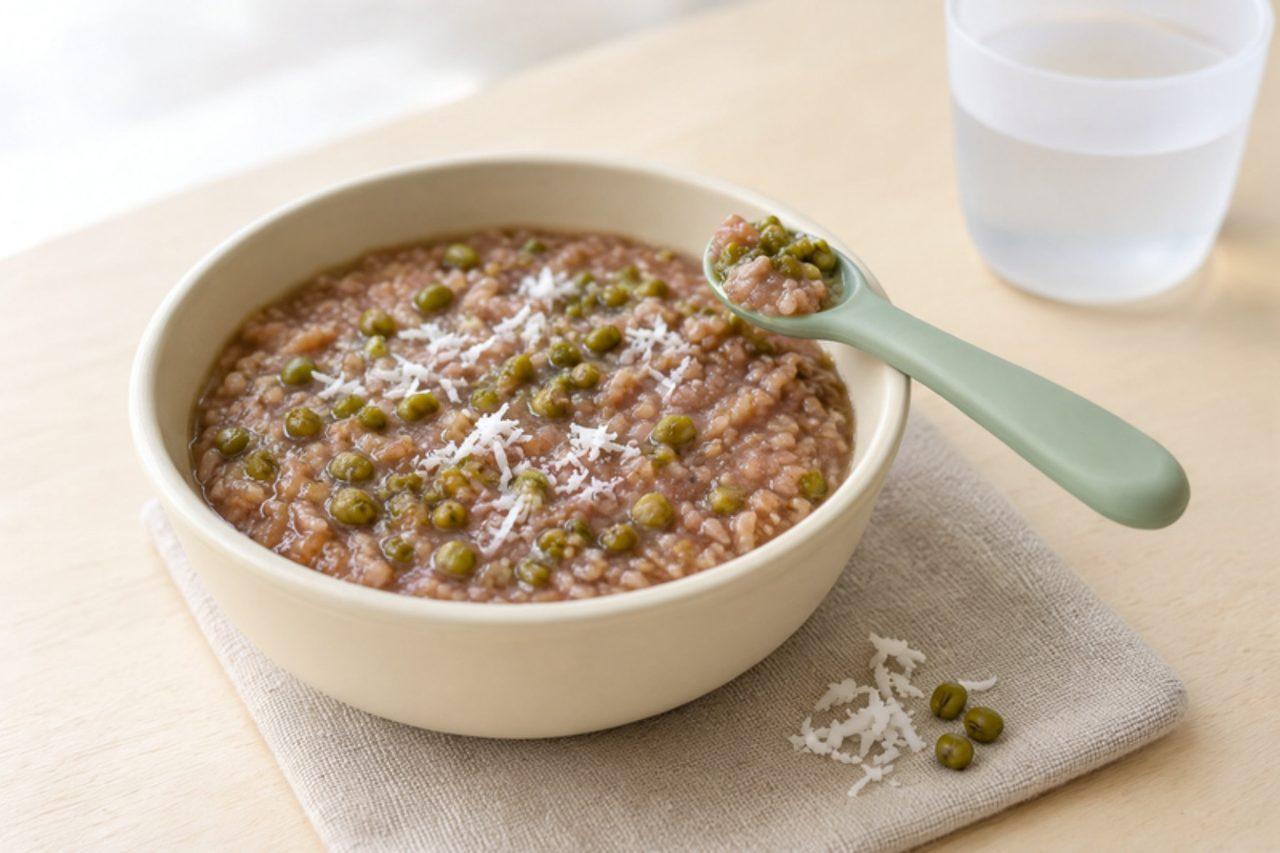
Kanji payar for toddlersRed rice gruel for toddlers

Kanji and payar, rice gruel with a dry dish of green gram, is Kerala's oldest comfort meal, eaten for dinner in homes across Kottayam and Palakkad and at simple roadside kanji kadas on rainy monsoon evenings. For toddlers from 12 months the matta rice is cooked until it bursts into a creamy porridge, and the cherupayar is steamed soft and finished with a little coconut and cumin instead of chilli, then the two are mashed together. Skip the usual pickle and pappadam. It contains coconut; there is no milk, gluten, egg, nuts or soya, and it is vegan. Chef's tip: soak both the rice and the gram overnight; it halves the cooking time and makes them far softer.

by KrazyBadal 0 views

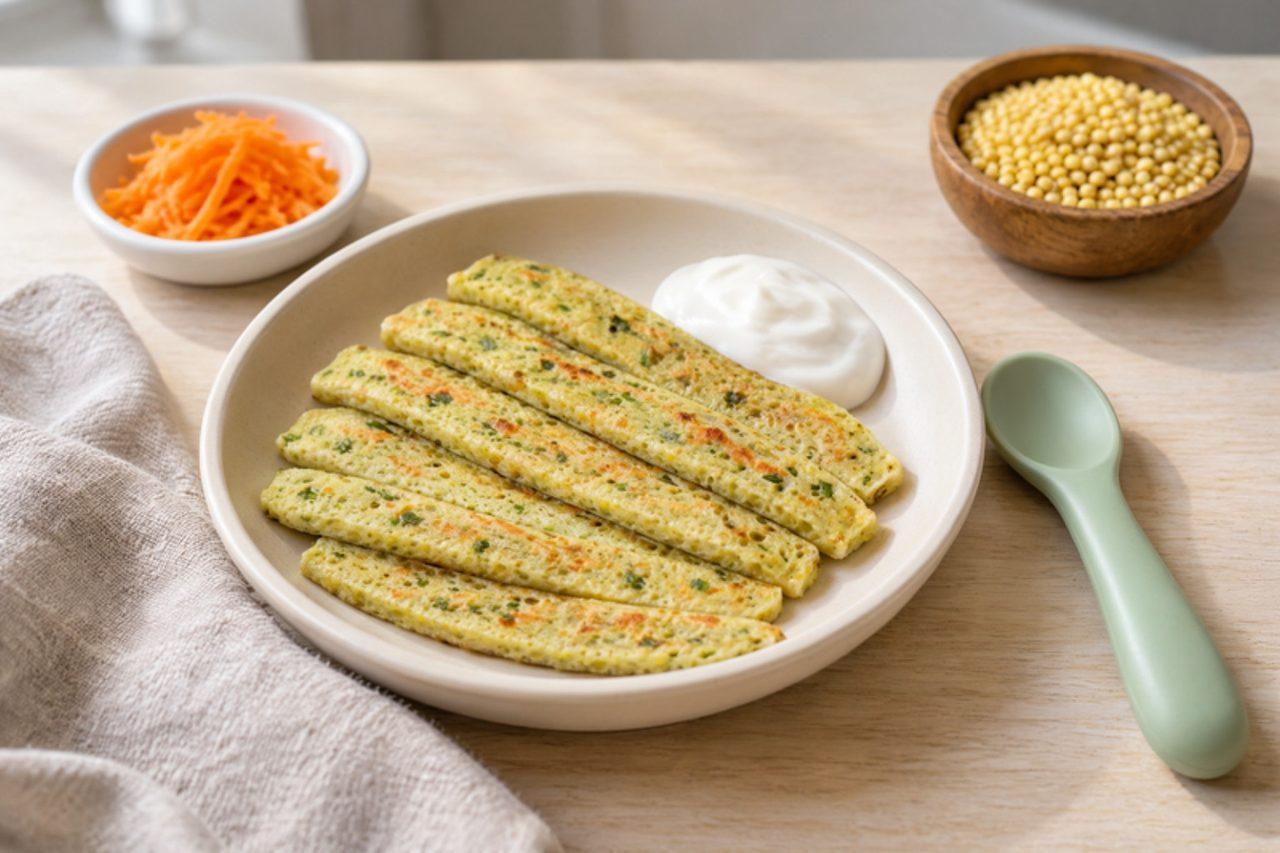
Moong dal cheela fingers for babiesMoong dal pancake fingers for babies

Across Punjab and north India, moong dal cheela is a weekday breakfast griddled to order, usually with green chilli, ginger and a pinch of ajwain. For babies from nine months the batter is just soaked yellow moong and grated carrot, cooked thin and soft and cut into strips that are easy to grab, ideal for baby-led eating alongside spoon food. They are tender, mildly sweet from the carrot and packed with plant protein. They are free of the major allergens: no milk, egg, gluten, nuts, soya, sesame or fish. Chef's tip: grind the batter to the thickness of double cream; thinner batter tears, thicker batter stays raw in the middle.

by KrazyBadal 0 views

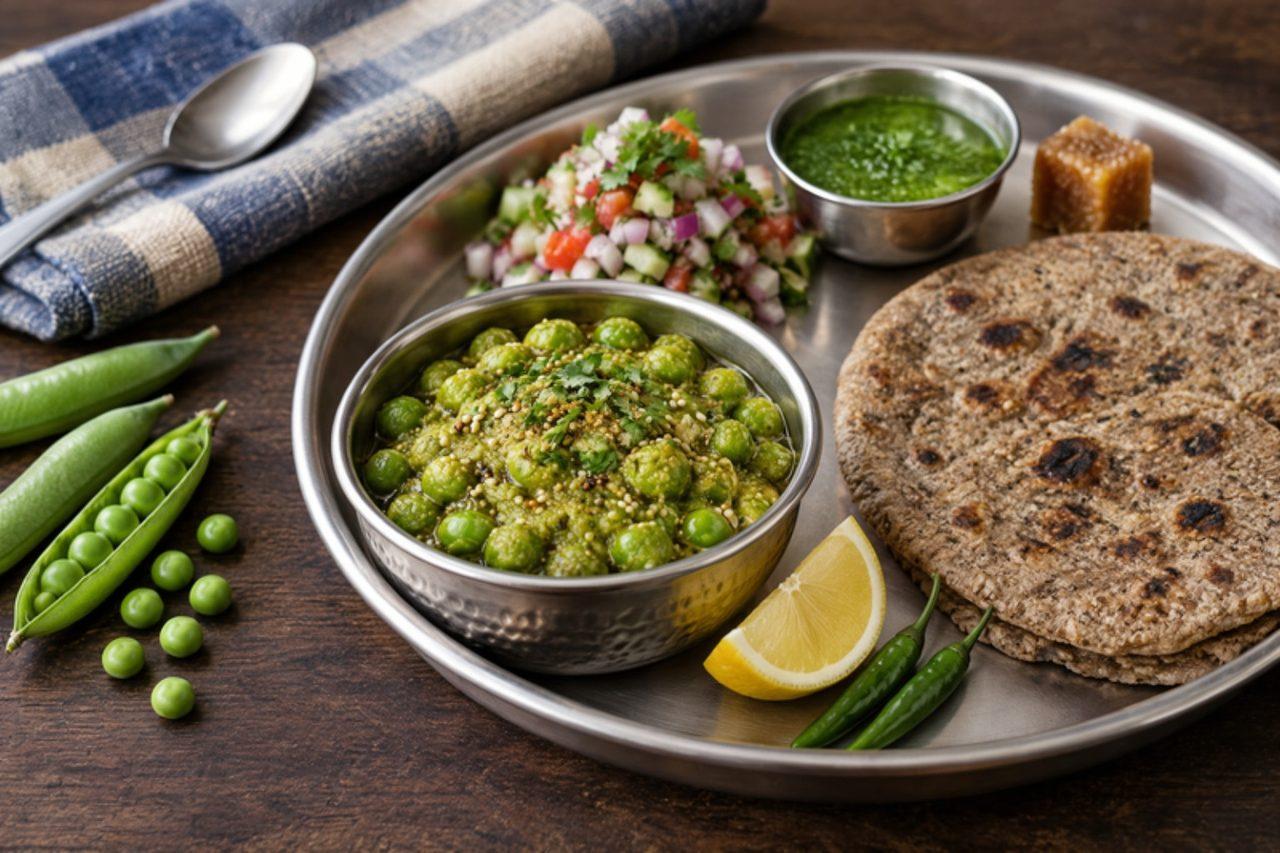
Lilva tuvar nu shaakGreen pigeon pea curry

From December to February, Gujarati markets fill with fresh tuvar pods, and families in Surat, Vadodara and Ahmedabad spend evenings shelling them for lilva dishes. This simple shaak cooks the sweet, nutty green pigeon peas with ginger, green chilli, ajwain and a fistful of coriander, with a squeeze of lemon and a pinch of sugar for the classic Gujarati balance. Eat it with bajra rotla, rotli or khichdi. The usual mistake is cooking the peas too long, which turns them grey and floury; they should stay green and tender. Chef's tip: frozen lilva from Indian grocers work well outside the season; add them straight from frozen and shorten the cooking time.

by KrazyBadal 0 views

Rántott sajtFried breaded cheese

Rántott sajt is the Hungarian answer to a hungry evening: thick slabs of mild trappista or Edam, breaded twice and fried until the crumb is golden and the inside just begins to ooze. In Budapest it is sold at the büfé stands of the Nagyvásárcsarnok (the Great Market Hall), at the Lehel market and at lángos counters by Lake Balaton, almost always with chips and a dollop of tartar sauce. Traditional trappista and Edam are often made with animal rennet, so choose a cheese labelled vegetarian (made with microbial rennet) if that matters to you. Chef's tip: freeze the breaded slices for 10 minutes before frying, so the crust sets before the cheese melts.

by KrazyBadal 0 views

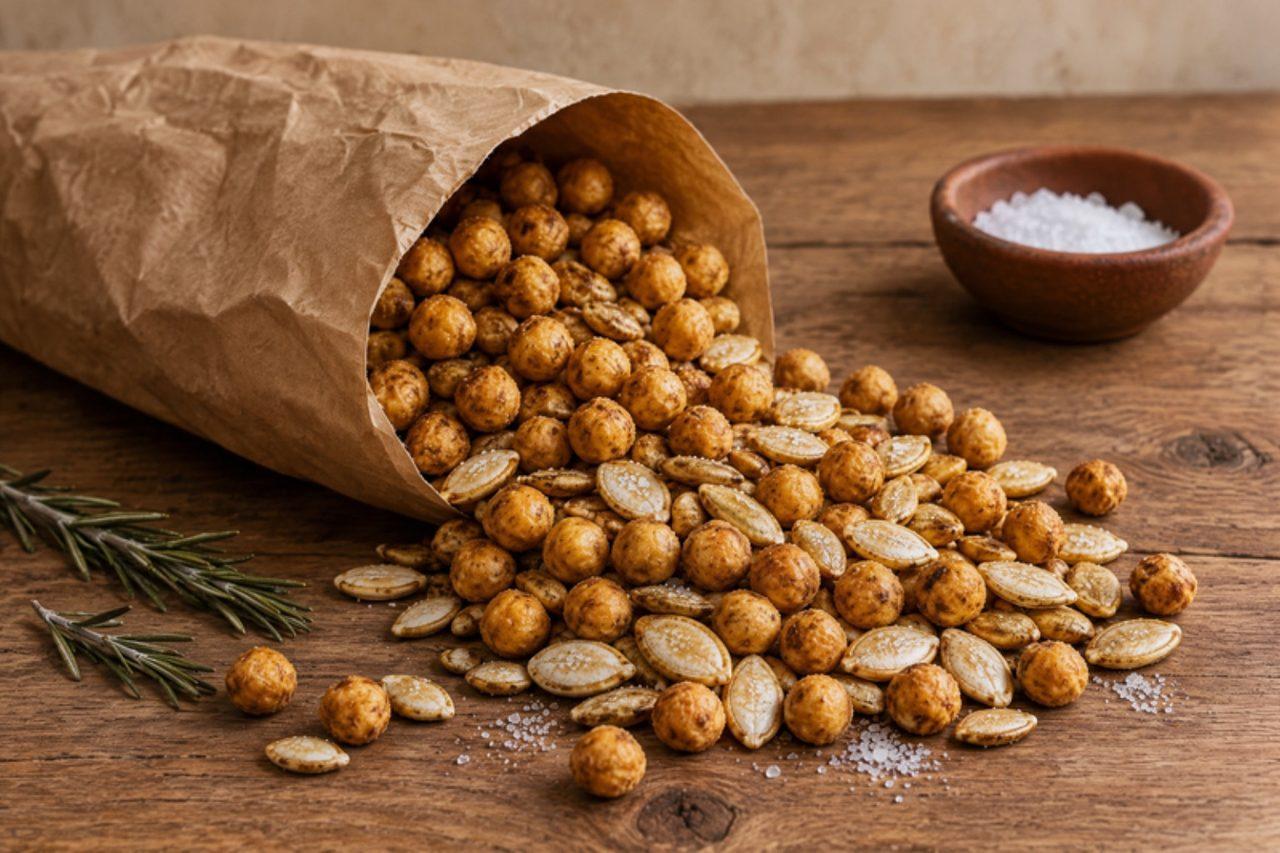
Calia e simenzaRoasted chickpeas and pumpkin seeds

Calia (toasted chickpeas) and simenza (salted pumpkin seeds) are sold together in twisted paper bags by the old caliari of Palermo, at the Festino of Santa Rosalia in July, along the Foro Italico seafront and outside the Teatro Massimo after a show. You crack the seeds with your teeth and chase them with the crunchy, nutty chickpeas, a habit that can last a whole evening. This home version roasts soaked dried chickpeas and salted seeds in the oven. Chef's tip: dry the soaked chickpeas really well; any surface water steams them instead of making them crunchy.

by KrazyBadal 0 views

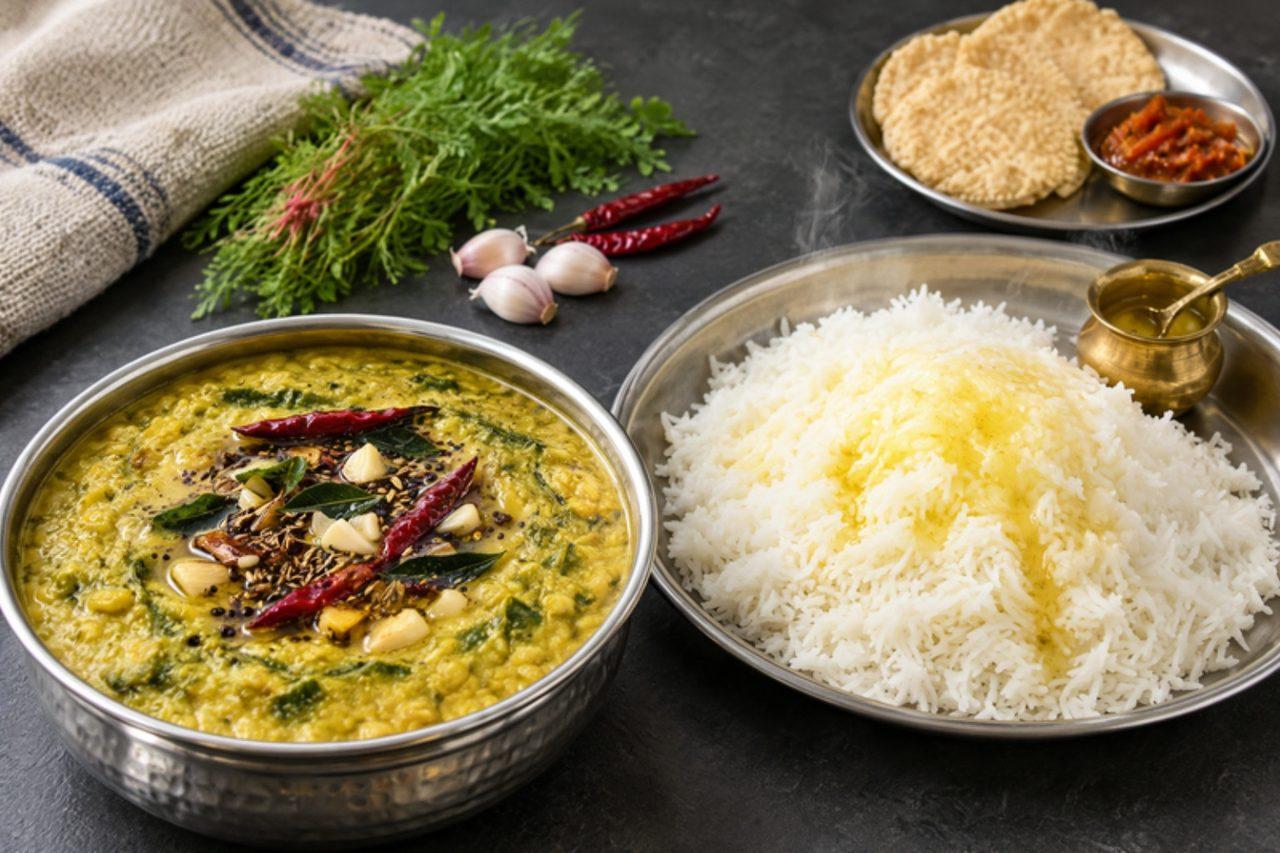
Chintha chiguru pappuDal with young tamarind leaves

Every spring the tamarind trees of Telangana put out soft, coppery new leaves, chintha chiguru, and housewives in Hyderabad and the districts strip them by the handful for a few weeks of this pleasantly sour dal. The leaves give the tang that tamarind pulp gives the rest of the year, and the pappu is eaten with hot rice, ghee and a crisp papad. The common mistake is adding all the leaves at the start; they lose their fresh sourness, so stir half in near the end. Chef's tip: if tamarind shoots are out of reach, use a mix of sorrel and a teaspoon of tamarind paste.

by KrazyBadal 0 views

Jīdàn gēng for babies (steamed egg custard)

Jīdàn gēng, egg steamed with water into a quivering custard, is the dish Chinese grandparents everywhere from Shanghai to Guangzhou make for small children, and it is often the way a baby first meets whole egg at around nine months. The family version is finished with soy sauce, sesame oil and spring onion; this one is plain, so it tastes clean and gently eggy. Steamed slowly, it is smooth as silk and fully set. It contains egg and is free of milk, gluten, nuts, soya, sesame and fish. Chef's tip: cover the bowl with a plate while it steams; dripping condensation is what pockmarks the surface.

by KrazyBadal 0 views

Detsadovsky omlet (kindergarten oven omelette)

Anyone who went to a detsky sad, a kindergarten, in Moscow, Kyiv or Minsk remembers this omelette: tall, pale and soft as a sponge, baked in big trays and served in squares with a slice of bread and butter. The secret is lots of milk and a deep dish, so the eggs steam-bake into a quivering, custardy block rather than a flat frittata. It makes a protein-rich breakfast or supper for toddlers from 12 months, made here without salt. It contains egg and milk; there is no gluten, nuts or soya. Chef's tip: stir the eggs and milk, don't whisk them into a foam, or the omelette rises and then collapses.

by KrazyBadal 0 views

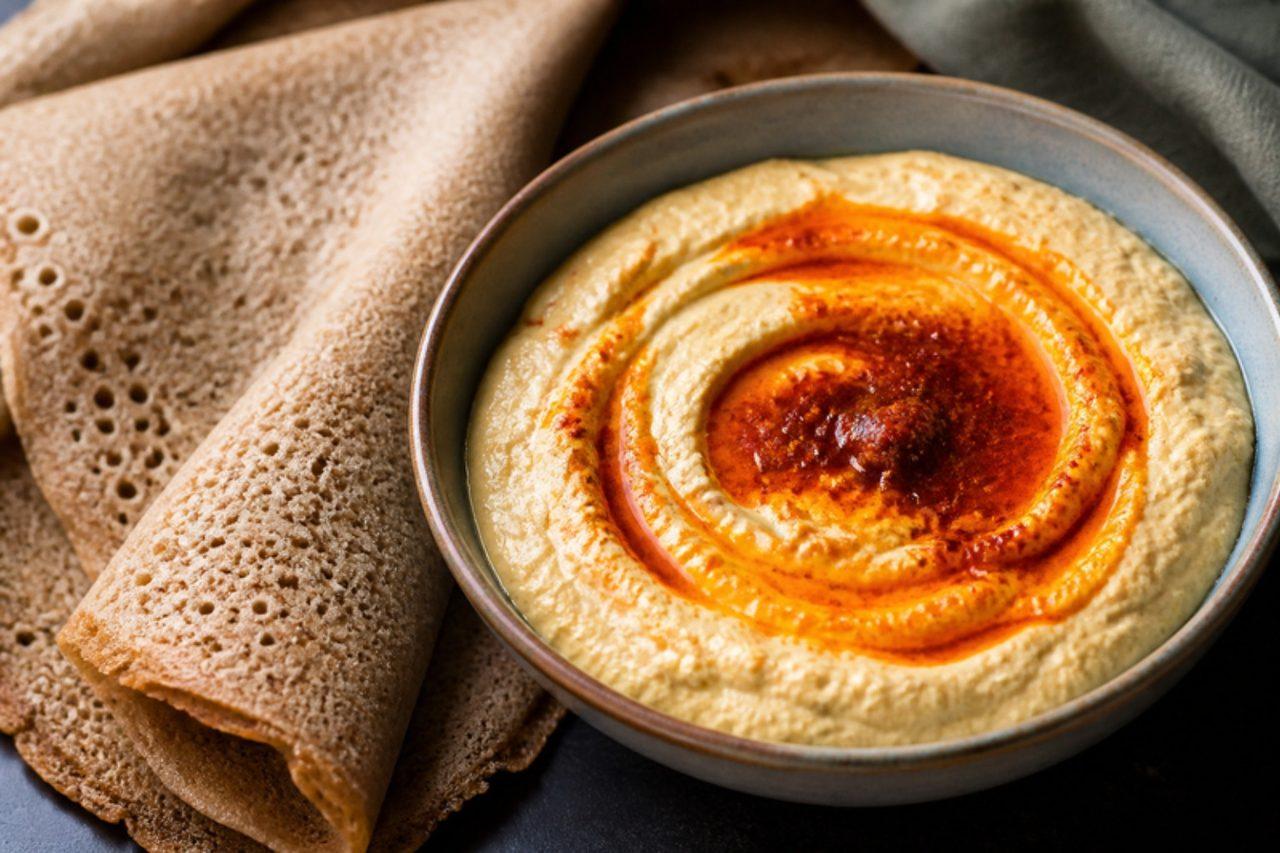
HilbetLentil and fenugreek paste

Hilbet is one of the dishes that tells you you are in Eritrea rather than Ethiopia. Asmara households make it in big bowls for Lent and the other fasting days and serve it cold, swirled with a ribbon of red berbere oil, as part of a spread on injera. Fenugreek soaked and beaten with water turns pale and foamy, much like whipped egg white, and folding it into puréed lentils or broad-bean flour gives a dip that is fluffy, faintly bitter, garlicky and creamy. Market stalls sell a ready-mixed hilbet flour; this home version uses red lentils, which are easy to find. Chef's tip: beat the soaked fenugreek with an electric whisk for a full 5 minutes; that long whipping is what makes hilbet light instead of dense.

by KrazyBadal 0 views

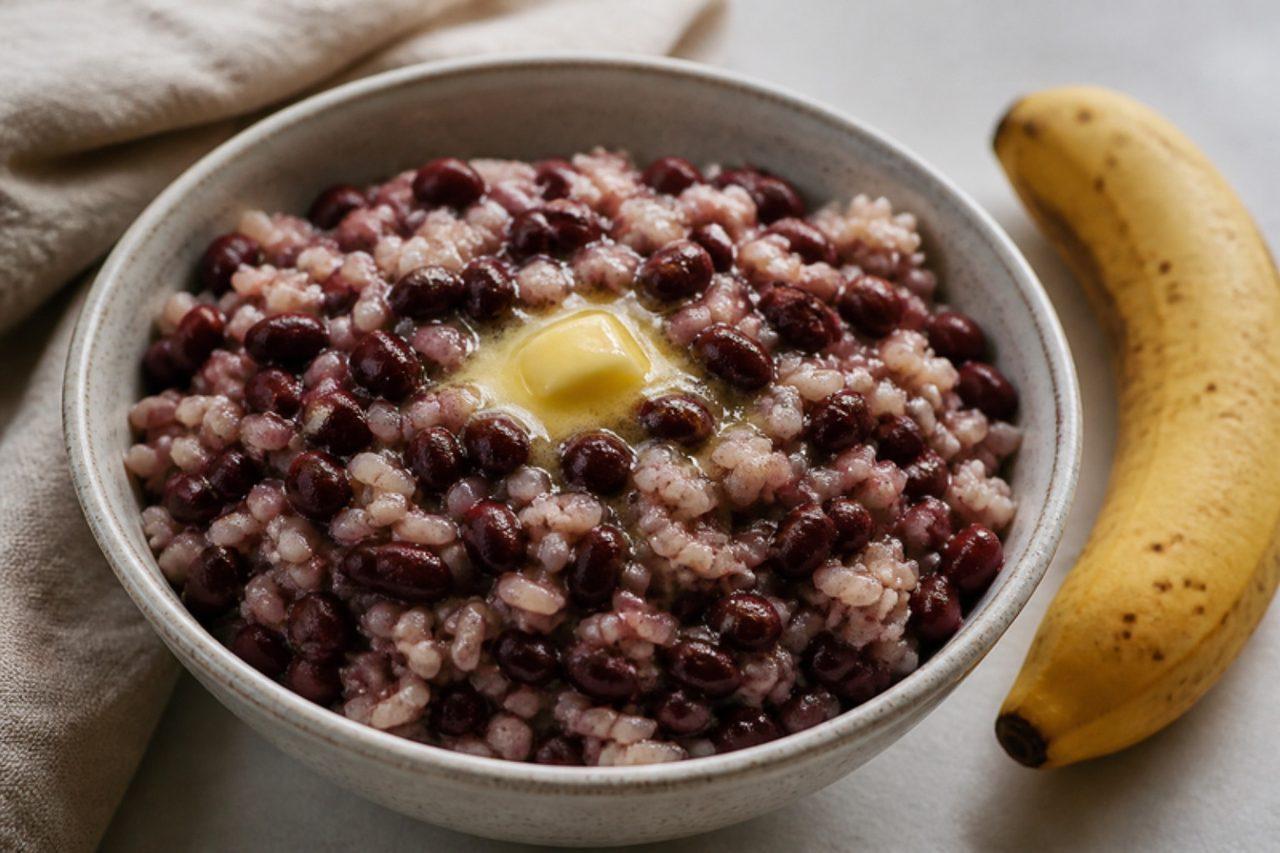
Cambuulo (Somali adzuki beans with butter and sugar)

Small red adzuki beans, cooked slowly until they almost collapse, are the heart of cambuulo, a dish Mogadishu households make for a cheap, filling evening meal. Once the beans are soft they are glossed with butter, a spoonful of sugar and a pinch of salt, so the flavour lands somewhere between savoury and gently sweet. Many families stir the beans into plain rice or serve the two side by side, with a drizzle of sesame oil and a banana on the plate. The texture should be creamy, with some beans still whole. The usual mistake is pulling the pot off too early: firm beans never turn creamy, so keep simmering until one crushes easily against the side of the pan. Chef's tip: soak the beans overnight and change the water before cooking; they cook more evenly and are easier to digest.

by KrazyBadal 0 views

Showing 96 of 513 recipes

Show more recipes

Page 10 of 22

More collections