Skip to content

Low-calorie recipes

Lighter recipes that are still filling and full of flavour. (770 recipes)

Sabanekh (Egyptian spinach stew)

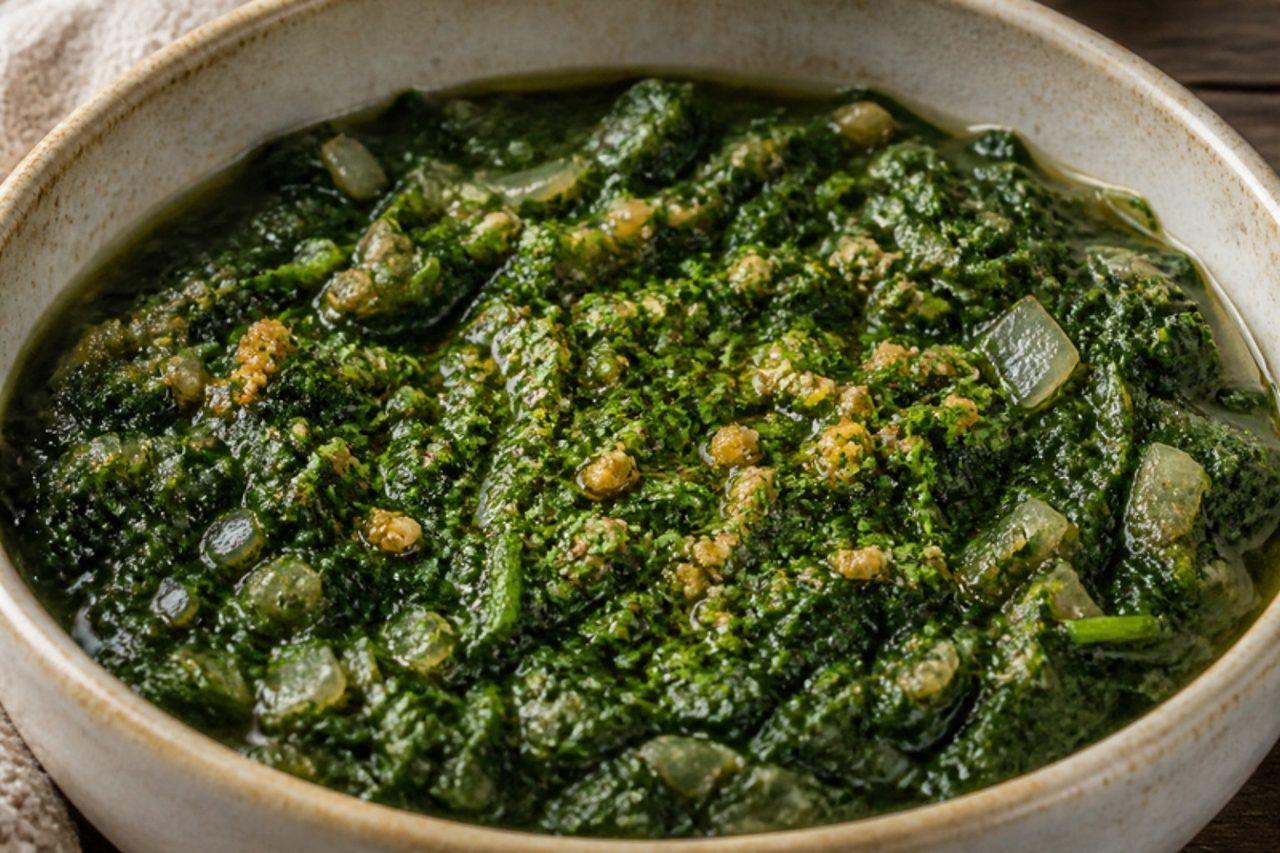
When the winter spinach comes in, Egyptian cooks from Giza to the Delta stew it down with onion and finish it with ta'leya, the sizzling fry of garlic and ground coriander that defines so much home cooking. The result is soft, dark green and savoury, a little like a looser saag, and it's eaten with vermicelli rice and a squeeze of lemon. This vegan version adds a handful of chickpeas for body. The mistake to avoid is skipping the squeeze-out: wet spinach makes a watery stew. Chef's tip: the ta'leya should sizzle loudly as it hits the pot — Egyptian cooks call it the "shahka", the gasp, and it carries the aroma through the dish.

by KrazyBadal 0 views

Shlada batata (Moroccan cumin potato salad)

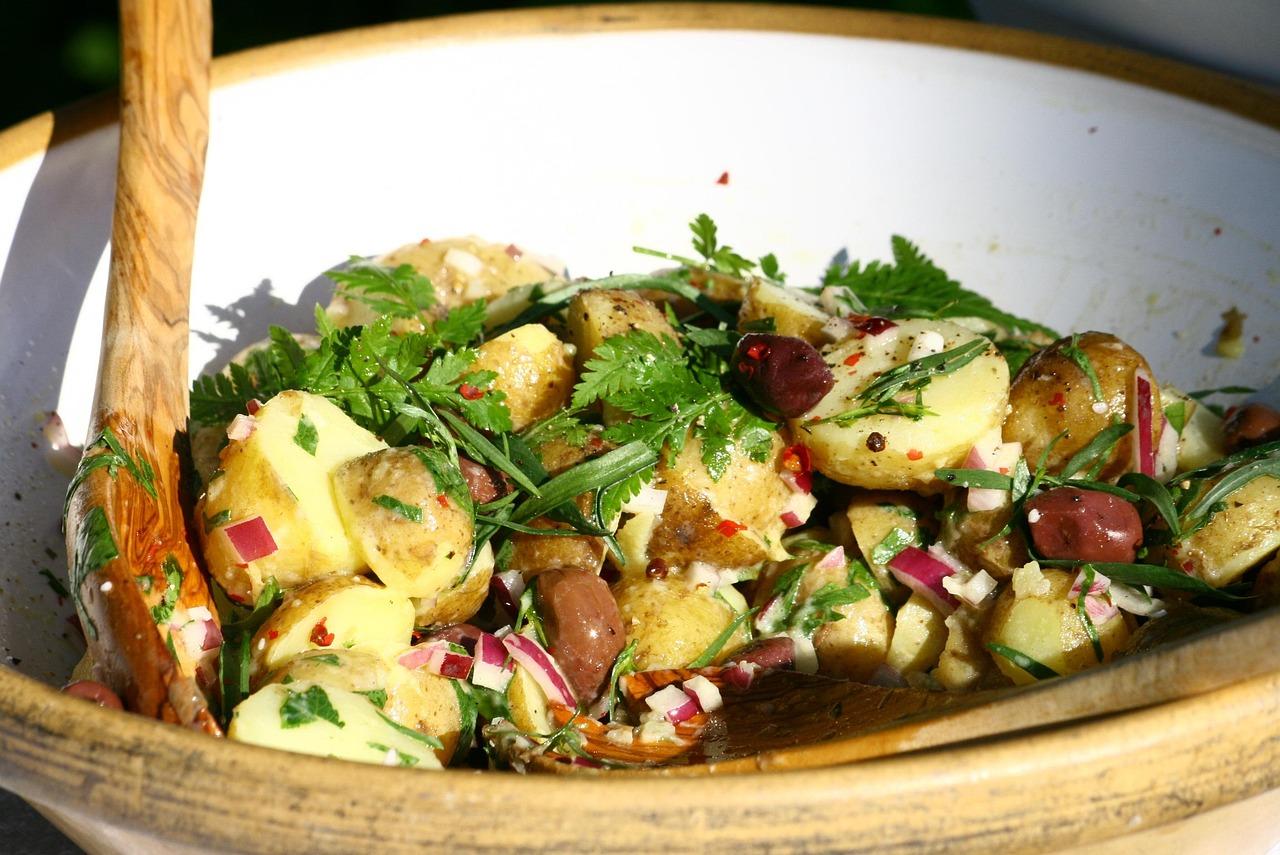
Shlada batata is one of the cooked salads that line up on a Moroccan table before Friday couscous, in Rabat as much as in the Rif: boiled potato chunks dressed while warm with olive oil, lemon, cumin, paprika, garlic and plenty of parsley, with no mayonnaise at all. It's eaten at room temperature with bread, or with grilled sardines. Dressing cold potatoes is the common mistake; they don't absorb the flavours, so toss them while they're still steaming. Chef's tip: a few slivers of preserved lemon peel make it unmistakably Moroccan.

by KrazyBadal 0 views

Ye-qey sir selataBeetroot and potato salad

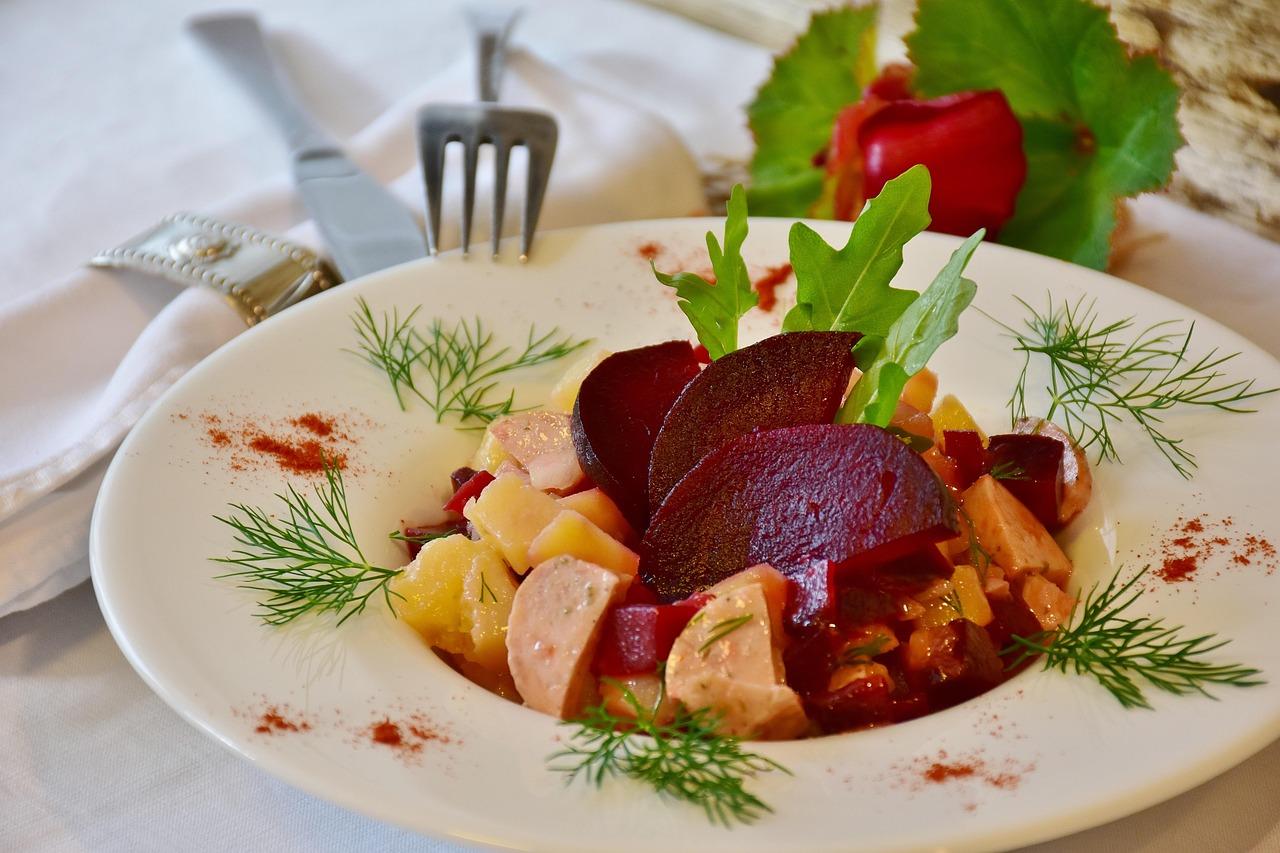
Fasting-day platters at Addis Ababa restaurants and church feasts often carry a bright magenta heap of this cold salad beside the hot wats: boiled beetroot, potato and carrot tossed with lemon juice, thin red onion, green chilli and a little oil. It is sharp, sweet and cooling, a palate-cleanser between spoonfuls of berbere-red lentils. It differs from key sir alicha, the warm beetroot stew, in that everything is boiled whole, cooled and dressed raw. The usual slip is dressing the vegetables while hot, which turns the potatoes pink and mushy; let them cool first. Chef's tip: dress the onion and chilli in the lemon juice and salt ten minutes ahead so they soften and lose their sharp bite.

by KrazyBadal 0 views

Shlada beldia (Moroccan tomato and cucumber salad)

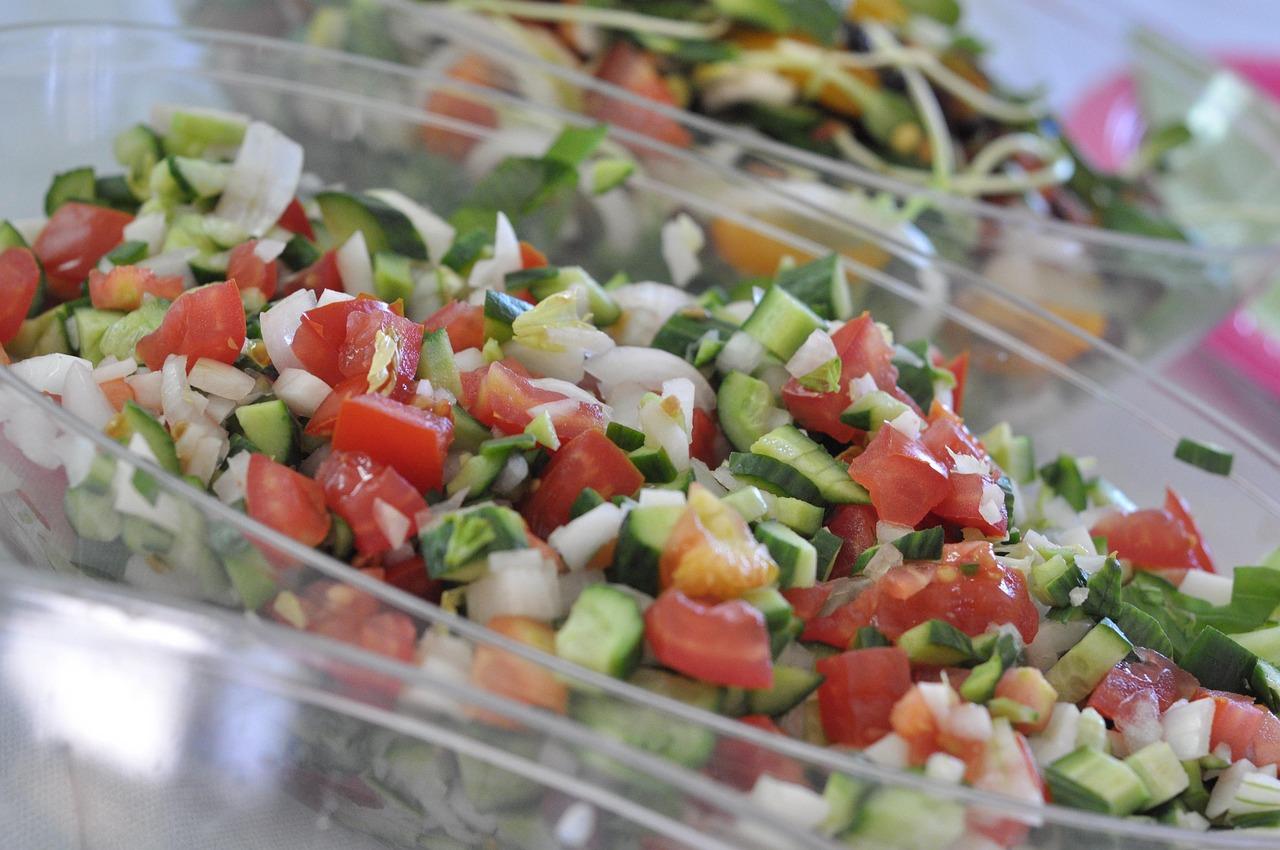
Shlada beldia, "country salad", sits next to the bread on almost every Moroccan table, from Marrakech grill stalls to a Tuesday family lunch in Oujda. Tomato, cucumber, onion and green pepper are diced as small as lentils, then dressed with lemon, olive oil, parsley and a pinch of cumin, so it eats like a fresh relish with grilled meat, tagines or eggs. The common mistake is dressing it too early: the tomatoes weep and it turns to soup, so salt it just before serving. Chef's tip: dice everything to the same tiny size; that's what makes it taste Moroccan rather than like a chopped salad.

by KrazyBadal 0 views

Trà atisôArtichoke tea

Artichokes arrived in the cool Đà Lạt highlands with French planters, and today the town's markets sell dried artichoke leaves, stems and flower buds for tea along with fresh heads for soup. Local cafés serve it hot on misty mornings and iced in the afternoon, slightly sweet, earthy and pleasantly bitter, and many Vietnamese drink it as a gentle tonic after rich meals. This version brews fresh globe artichokes with their stems; a 30 g bag of dried trà atisô works the same way. Chef's tip: skip the aluminium pan; artichokes react with it and the tea turns grey and metallic.

by KrazyBadal 0 views

Miến gàChicken glass noodle soup

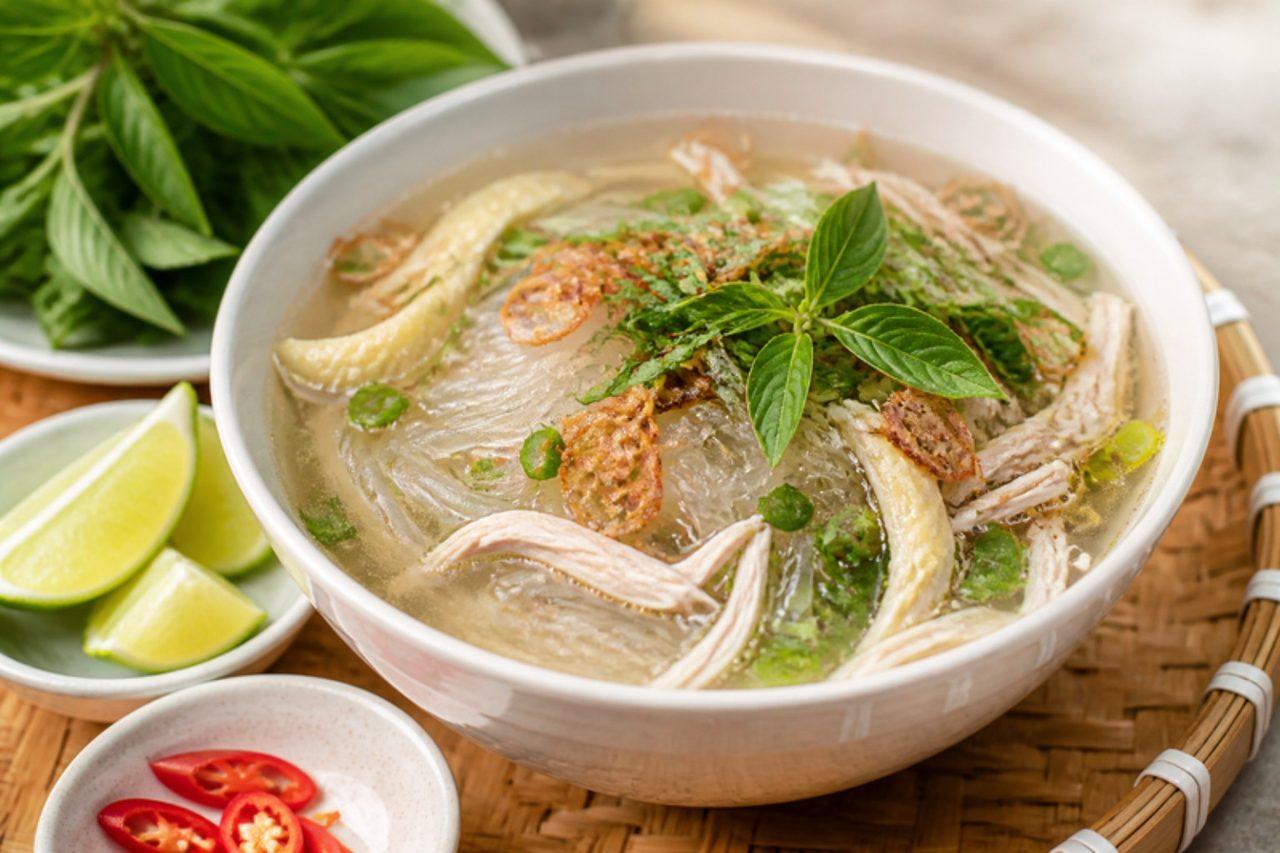
Hanoi eats miến gà on chilly winter mornings and the day after Tết, when every kitchen has chicken broth left from the altar bird. The chewy, translucent mung bean noodles soak up a clean, gingery broth, topped with shredded chicken, spring onion, rau răm and fried shallots; a squeeze of lime and a few slices of chilli finish it at the table. It is light enough for breakfast and gluten free. Chef's tip: soak the noodles and blanch them separately just before serving; cooked in the broth, they drink it all and swell into a soggy tangle.

by KrazyBadal 0 views

Chorba khodra (light Moroccan vegetable soup)

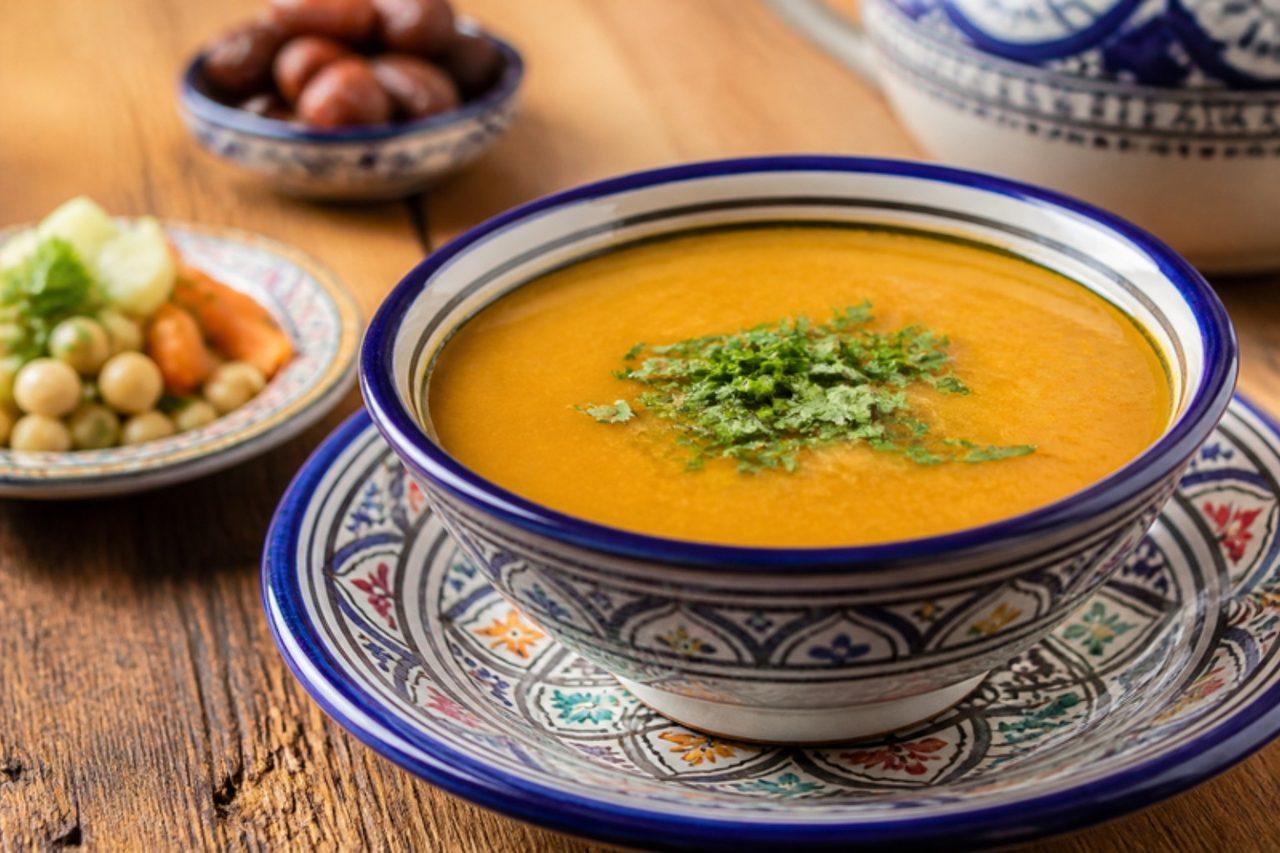
Chorba khodra is the everyday soup of Moroccan homes from Tangier to Agadir, served for supper on cold evenings and to anyone feeling unwell. Carrots, courgettes, potato, turnip and celery simmer with onion, tomato, coriander, parsley, ginger and a little turmeric, then get blended into a smooth, light orange soup thickened with a spoon of fine vermicelli or semolina. Serve with bread and a lemon wedge. Most people boil it too long so the herbs turn dull; add the fresh herbs in the last 10 minutes. Chef's tip: a teaspoon of smen or olive oil stirred in right before serving gives it the roundness of the restaurant version. Contains wheat (vermicelli).

by KrazyBadal 0 views

Shlada khiar (grated cucumber salad with oregano)

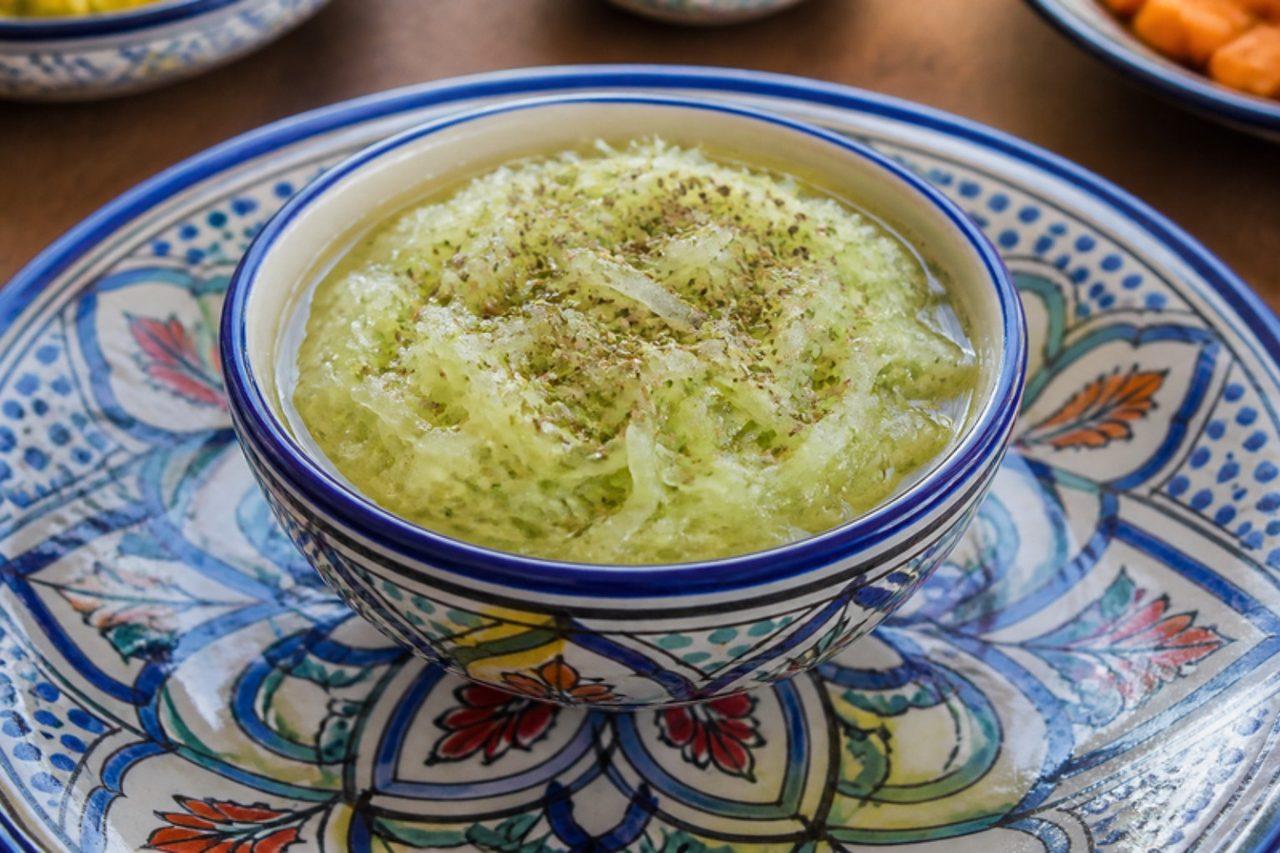
In the heat of a Fes or Marrakech summer, this ice-cold grated cucumber salad is served in bowls with spoons, half salad, half drink, alongside rich tagines or a plate of fried fish. Cucumber is grated and loosened with water, vinegar and a little sugar, then perfumed with crushed dried oregano or zaatar. Grating ahead and leaving it to sit in salt is the usual slip; the cucumber goes limp and bitter. Chef's tip: rub the oregano between your palms over the bowl to wake its oils.

by KrazyBadal 0 views

ShiraaeVegetables in tofu dressing

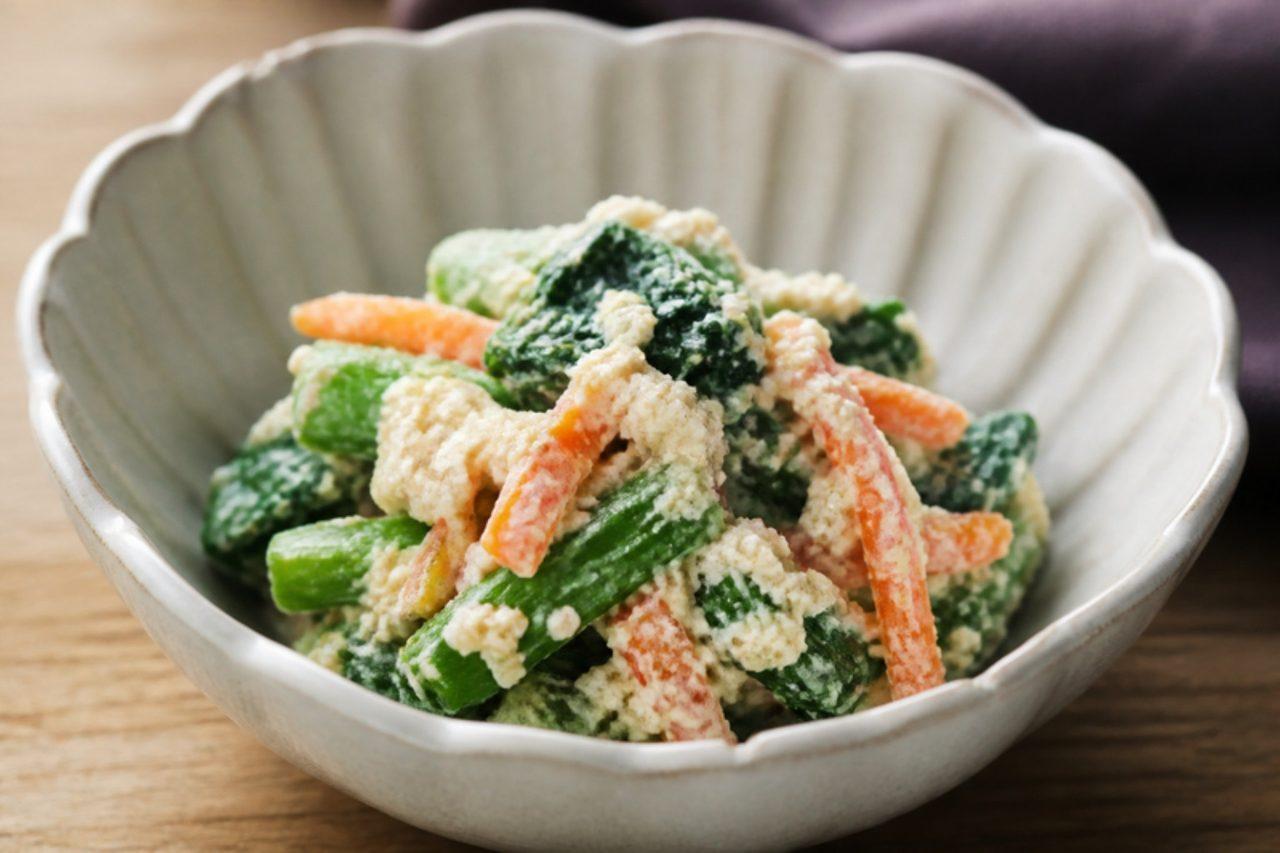
Shiraae, 'white dressing', is one of the oldest dishes of Japanese temple cooking and still a gentle home side today, especially in the Kyoto area: blanched spinach, carrot and konnyaku folded into a creamy paste of tofu, ground sesame and a touch of white miso. It tastes mild, nutty and lightly sweet, rather like a Japanese answer to a dip-dressed salad. The common mistake is leaving the vegetables wet, which turns the dressing grey and runny; squeeze them well and dress just before serving. Chef's tip: for the silkiest dressing, grind the toasted sesame in a suribachi (or mortar) until it starts to turn oily, then mash the tofu straight into it.

by KrazyBadal 0 views

Luo han guo teaMonk fruit tea

The hills around Guilin in Guangxi grow luo han guo, a small round gourd that is dried until its shell turns brown and brittle. Cantonese and Guangxi households simmer one in water when someone has a scratchy throat or a dry cough, or simply in the heat of summer, and the result is a dark amber tea that tastes of caramel and dried fig with no sugar added at all. Drink it hot in winter or chilled in summer. The mistake most people make is using a whole fruit for a single cup, which is cloyingly sweet; one fruit is enough for a large pot. Chef's tip: crack the shell and tear the pulp into pieces, so the flavour comes out in 15 minutes instead of an hour.

by KrazyBadal 0 views

Cu liu baicai (vinegar cabbage)Vinegar-fried cabbage

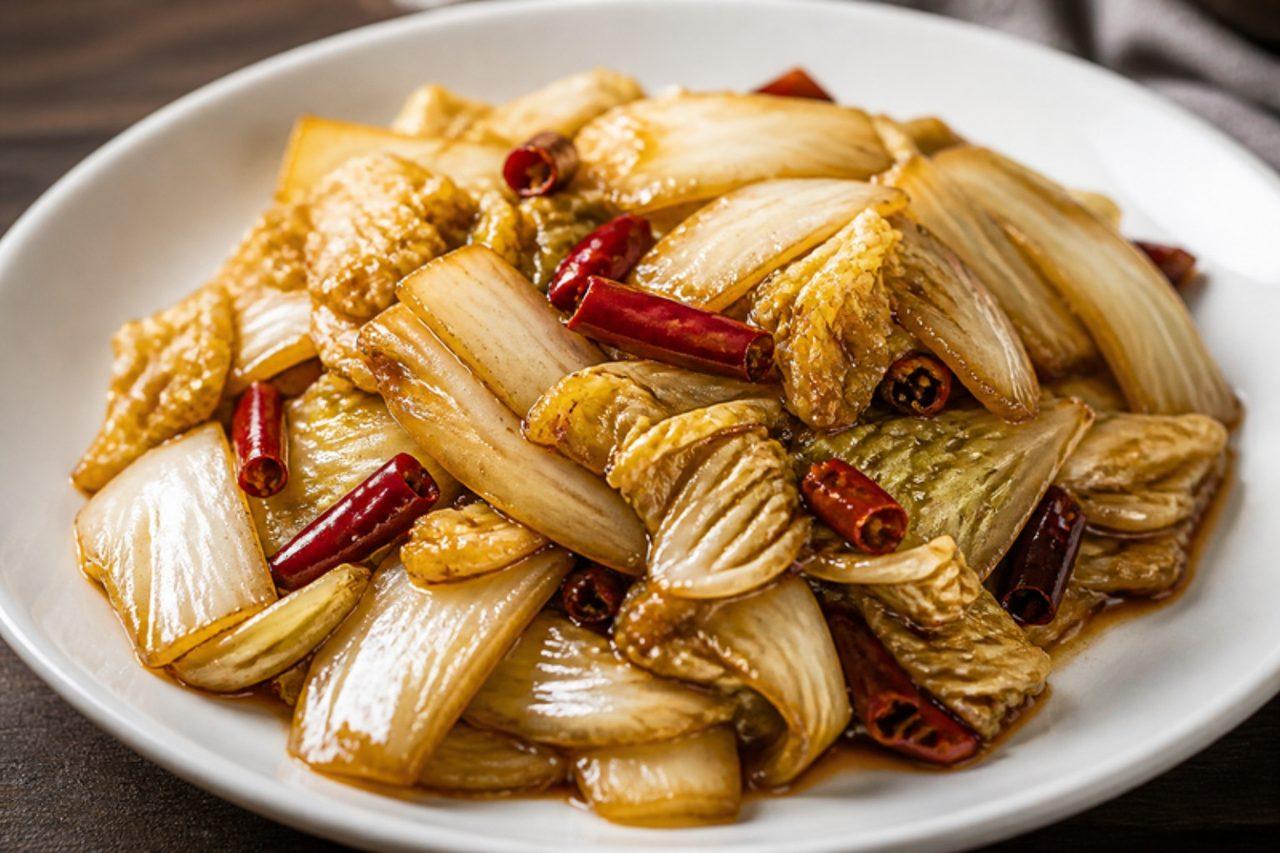
Through the long winters of Shandong, Hebei and Beijing, napa cabbage was the vegetable stored in every courtyard, and cu liu baicai is how northern homes turn it into a bright, quick dish in ten minutes. The thick white stalks are sliced thin and seared hard in a smoking wok, then splashed with black vinegar so they stay crunchy, juicy and sharp, with a little sweetness and the warmth of dried chilli. It goes with rice, steamed buns or dumplings. The classic mistake is crowding a cool wok, which stews the cabbage in its own water; cook in two batches if your pan is small. Chef's tip: add half the vinegar around the hot edge of the wok so it sizzles and turns fragrant, and the rest at the end for fresh tang.

by KrazyBadal 0 views

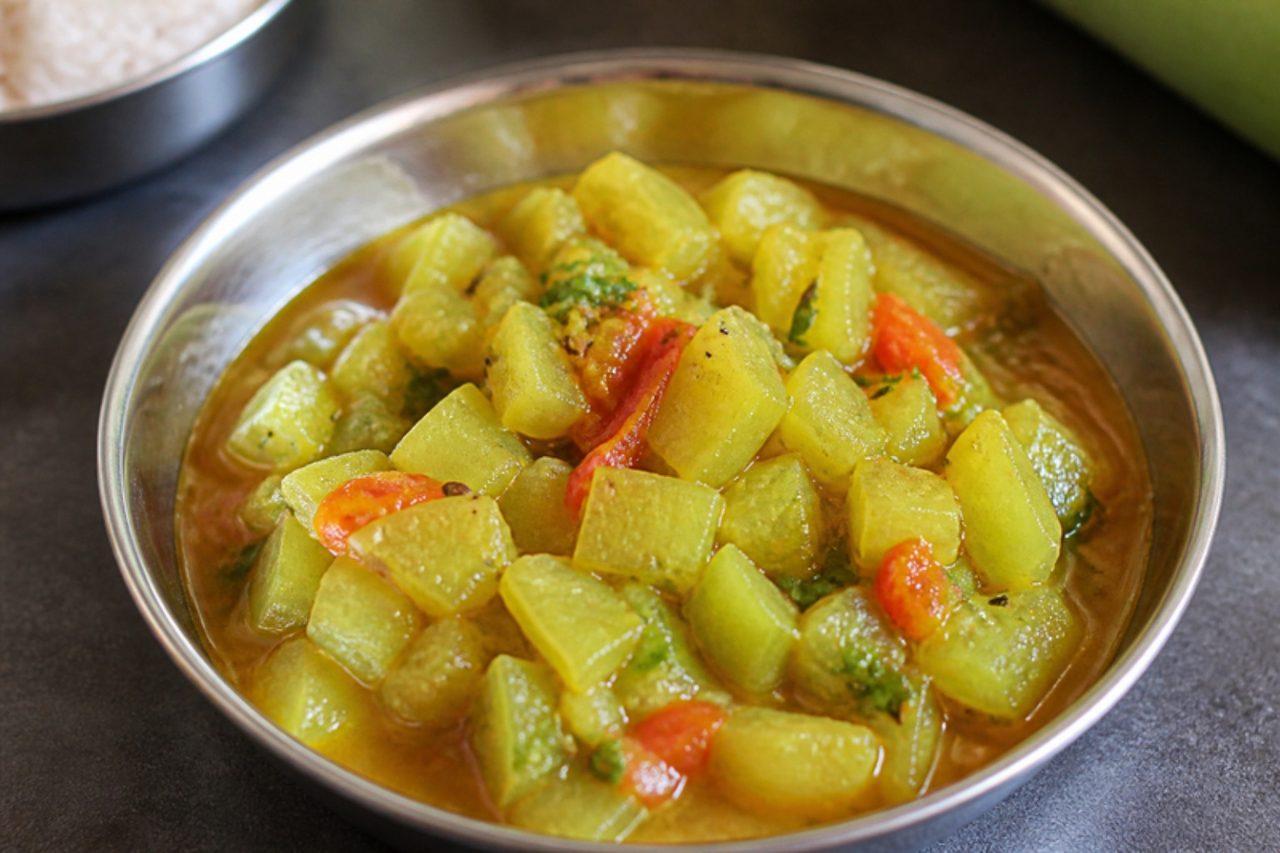
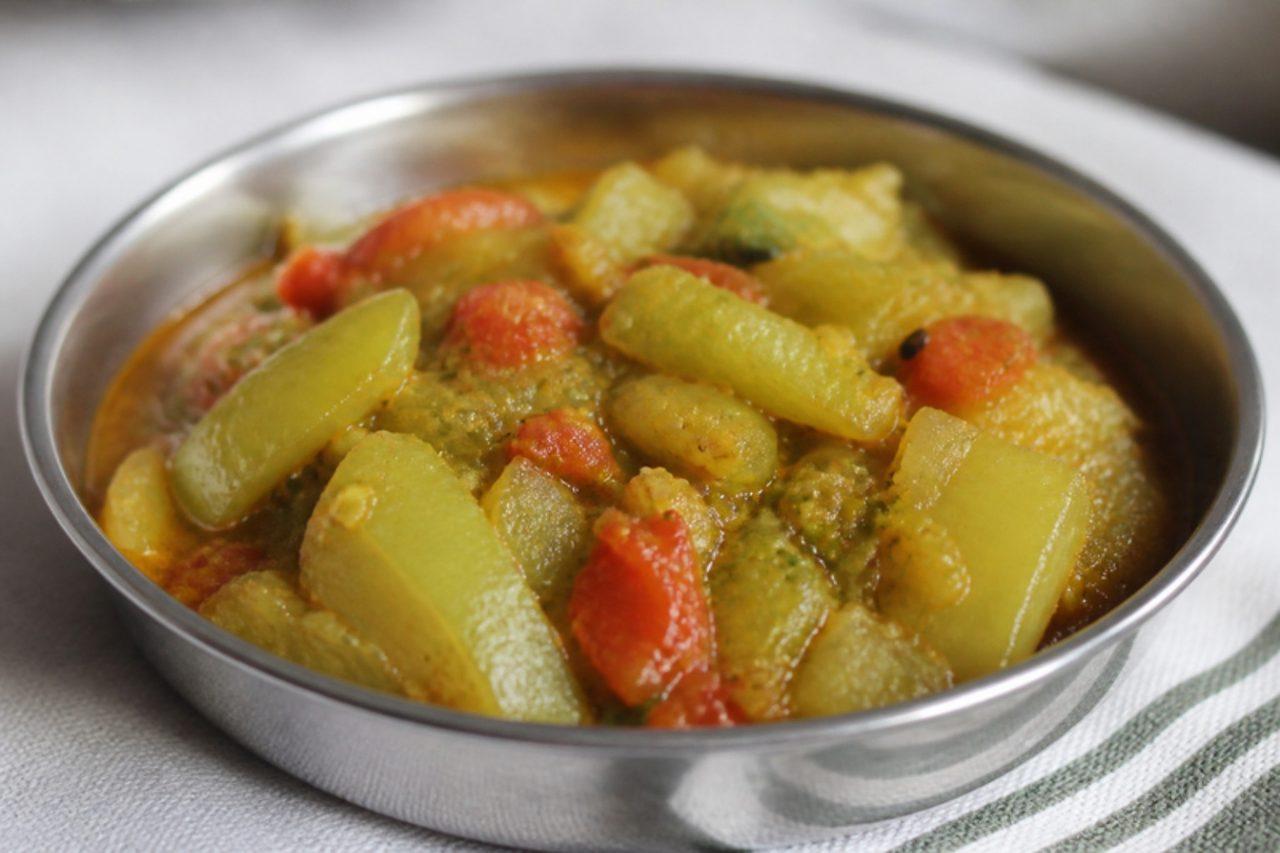
Dudhi nu shaakBottle gourd curry

When someone in a Gujarati house is unwell, or it's simply too hot to eat anything heavy, this is the shaak that appears with khichdi or thin rotli. Pale green bottle gourd cubes are cooked in a vaghar of cumin, mustard seed and hing with green chilli, a little tomato and a pinch of jaggery, and they release so much juice that almost no water is needed. With no onion, garlic or fresh ginger, it's everyday Jain food too. It ends up soft, light and gently sweet-sour, with a little thin gravy to soak into rice. The common mistake is adding water; dudhi is mostly water itself, and the shaak goes soupy and bland. Cover and let it stew in its own juice. Chef's tip: always taste a tiny raw piece first; a bottle gourd that tastes bitter can make you ill and must be thrown away.

by KrazyBadal 0 views

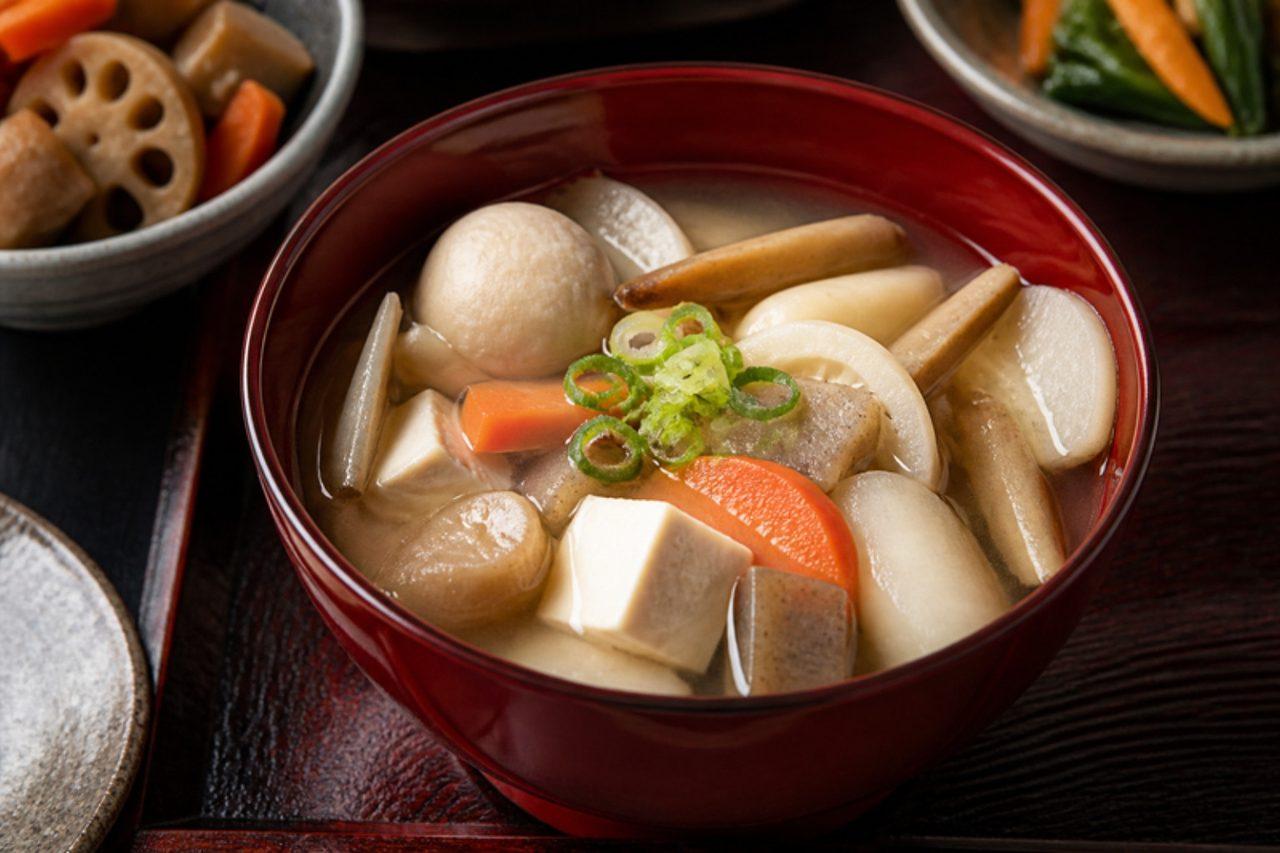
Kenchin jiruRoot vegetable and tofu soup

This hearty, clear soup is said to have been created at Kenchō-ji, the great Zen temple in Kamakura, where monks fried scraps of root vegetables and crumbled tofu in sesame oil before simmering them, so nothing was wasted. Today it is a winter staple in Kanto homes, especially in Ibaraki and Kanagawa: soft daikon, carrot, burdock, taro and konnyaku in a soy-seasoned kombu broth, nutty with sesame. A spoon of sake goes in at the end and simmers off; the note gives an alcohol-free swap. The common mistake is skipping the frying stage; it is the sesame oil that gives kenchin its richness. Chef's tip: tear the konnyaku and tofu with your hands instead of cutting, so the rough surfaces catch more broth.

by KrazyBadal 0 views

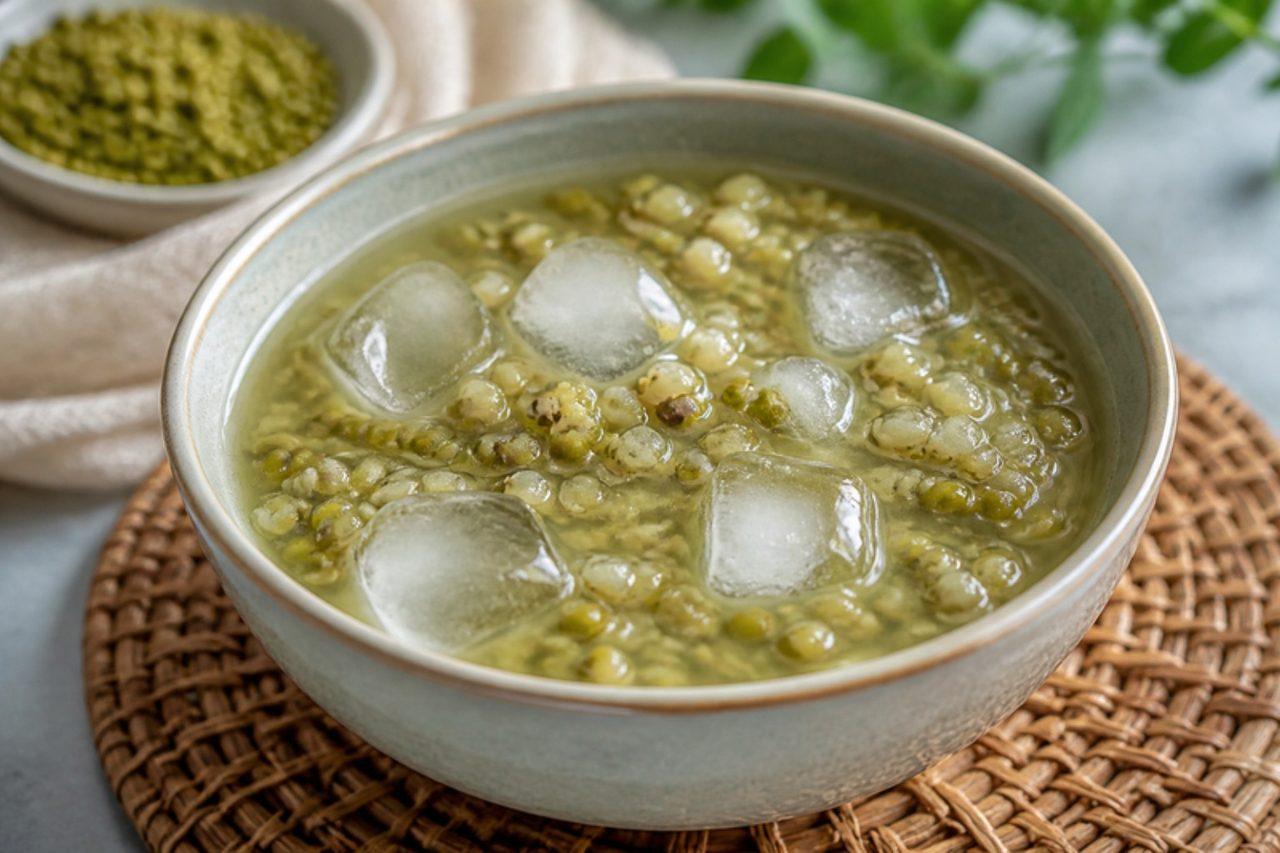
Lü dou tang (chilled mung bean soup)

When the heat settles on Guangzhou, Wuhan or Shanghai in July, families keep a jug of mung bean soup in the fridge, and school canteens and workplaces hand it out by the bowl; traditional medicine calls mung beans 'cooling', a reason to drink it on the hottest days. It is just mung beans simmered with rock sugar until some burst and the liquid turns pale green or soft red, eaten chilled. The common mistake is cooking it in an iron or aluminium pan or leaving it uncovered too long, which turns the soup dark brown-red; a stainless steel pot with the lid on keeps it greener. Chef's tip: for a clear green soup, take a few ladles of the liquid after 10 minutes of boiling, before the beans split, and drink that as a lighter tea.

by KrazyBadal 0 views

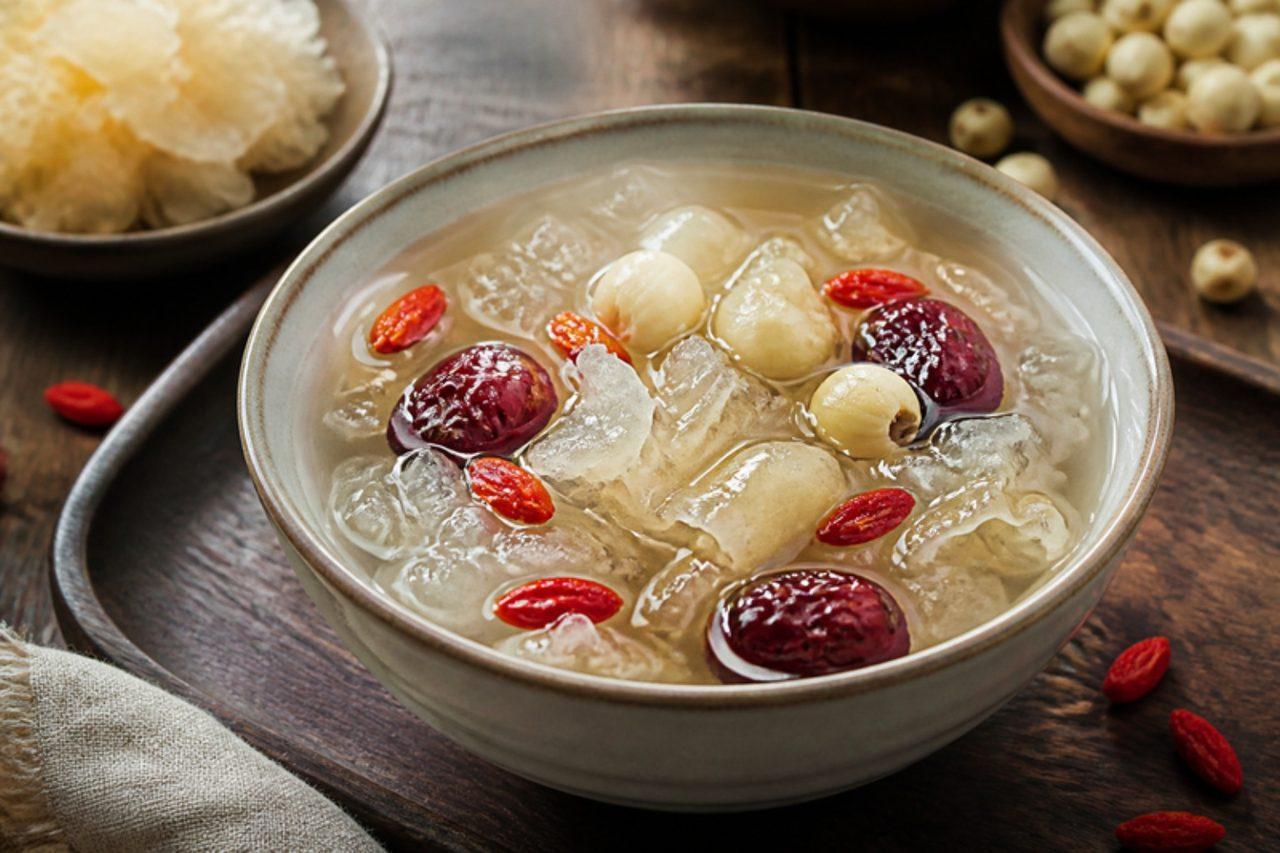
Yin er tang (snow fungus sweet soup)

Gutian county in Fujian grows most of the world's snow fungus, a frilly white dried fungus that softens into a soft, jelly-like tangle when simmered. Mothers across southern China cook it into a lightly sweet soup with red dates, lotus seeds and goji, served warm in winter and chilled in summer, and it is thought good for the skin and for dry autumn coughs. Done well, the liquid turns thick and glossy on its own. The common mistake is not simmering long enough: under an hour the fungus stays crunchy and the soup thin. Chef's tip: tear the soaked fungus into small pieces and cut away the hard yellow base; the smaller the pieces, the more body the soup gets.

by KrazyBadal 0 views

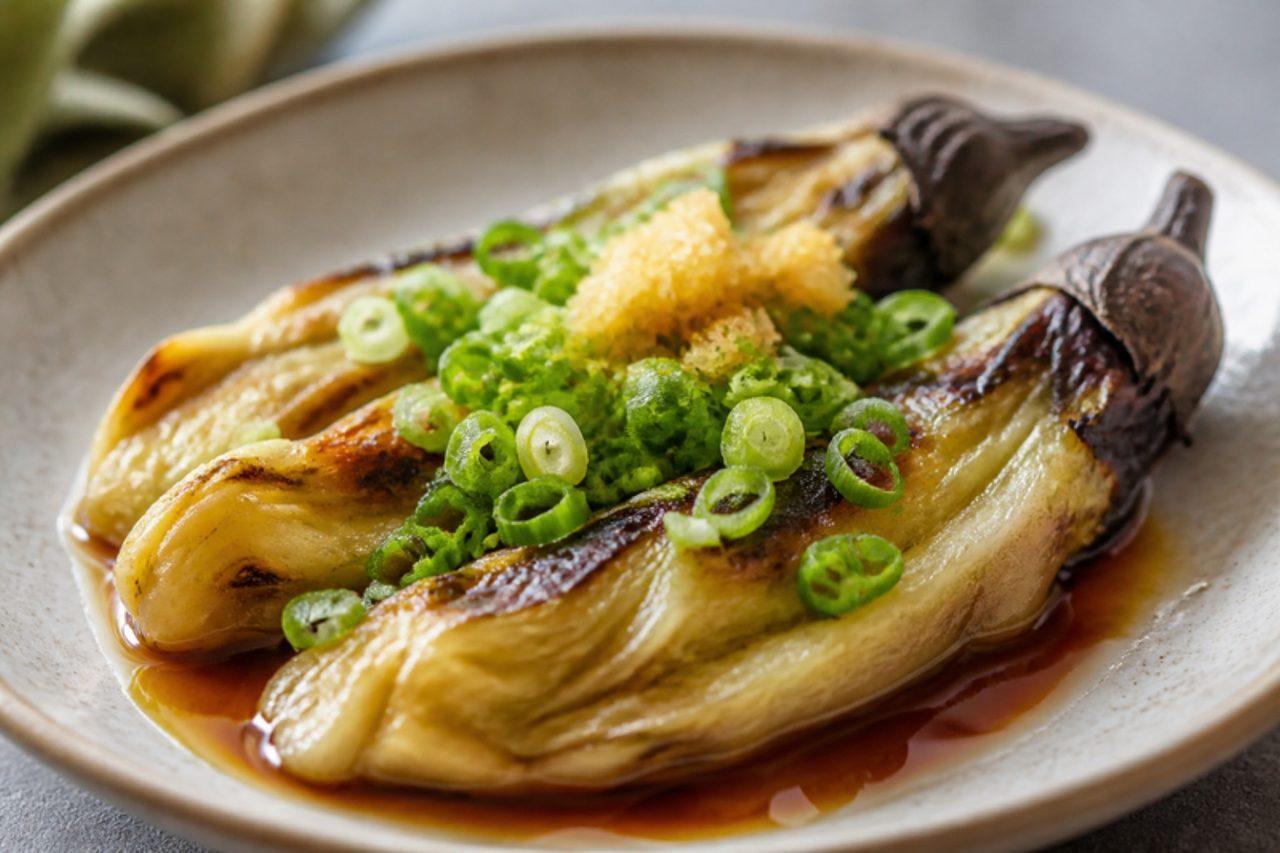
Yaki nasuGrilled aubergine

Summer evenings in Japanese homes and izakaya often bring a plate of yaki nasu: whole aubergines blackened over a flame until the skin is burnt and the inside collapses into smoky, silky strands. Peeled while hot, they are served chilled or warm with grated ginger, soy and spring onion. The classic topping is bonito flakes; this vegetarian version uses toasted sesame and a kombu–shiitake dashi in the dressing instead. The common mistake is pulling the aubergine off the flame too early, leaving a firm, bitter centre; it should feel completely floppy. Chef's tip: plunge the charred aubergines into iced water for a few seconds only, which makes them easy to peel without washing away the smoky flavour.

by KrazyBadal 0 views

Masala chaasSpiced buttermilk

No Gujarati lunch is finished until the steel glass of chaas comes round. From Ahmedabad pols to Kathiyawadi farmhouses, homemade dahi is thinned right down, churned with a wooden ravai or a blender, and seasoned with roasted cumin, black salt, a little ginger and green chilli, then poured ice-cold after dal-bhaat-shaak-rotli. It should be thin enough to drink in one go, salty, gently hot and full of coriander; that is what settles a heavy meal in May. Kerala's sambaram, with shallot and curry leaf, is a close cousin. A common mistake is churning thick, very cold full-fat dahi for too long: the fat clumps into flecks of butter and the chaas turns thin and greasy. Blend the dahi with only part of the water for a few seconds, then stir in the rest. Chef's tip: dahi that is a day old and slightly sour makes the best chaas; very fresh, sweet dahi tastes flat however much masala you add.

by KrazyBadal 0 views

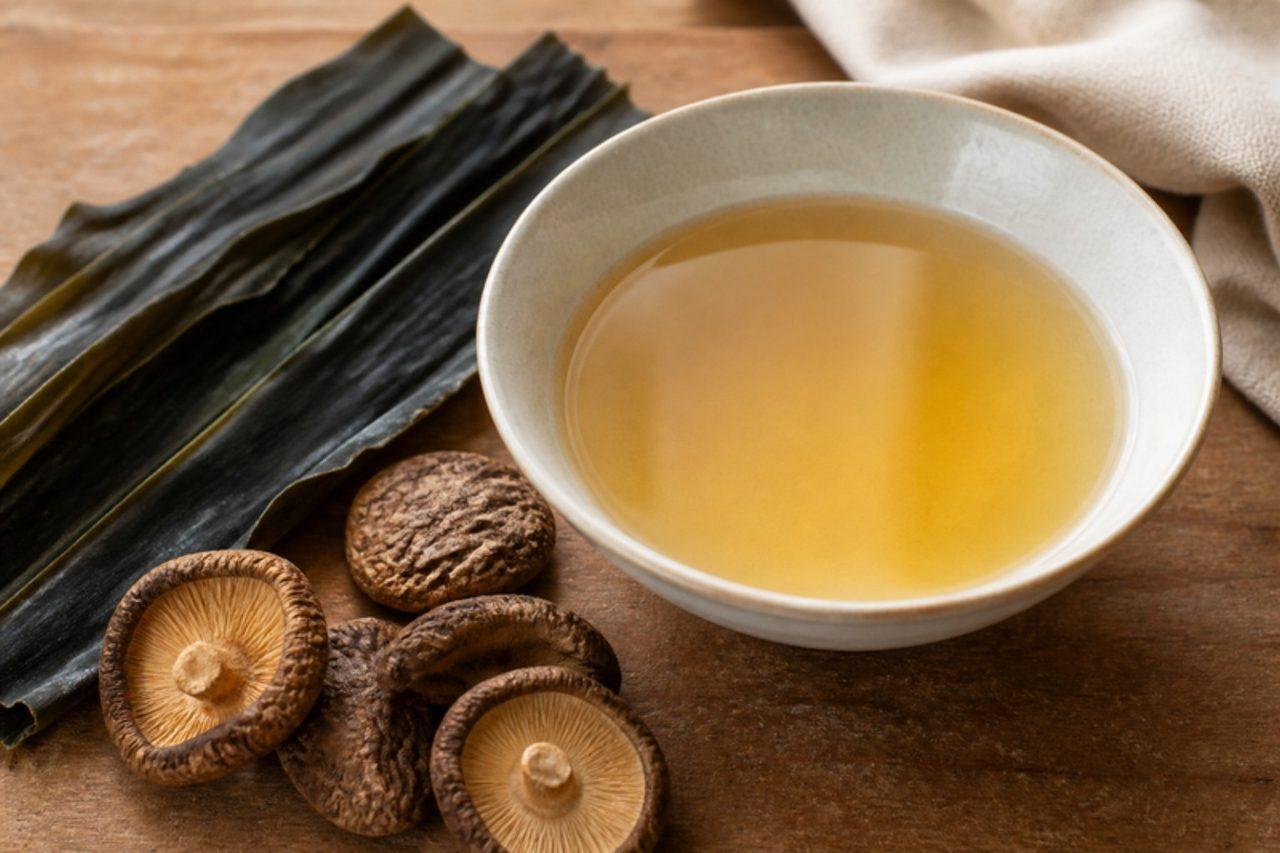
Shojin dashiKombu and shiitake stock

Zen temples in Kyoto and Kamakura build their whole cuisine on this stock: kombu kelp and dried shiitake soaked in cold water until the liquid turns golden and deeply savoury, with no bonito at all. It is the vegan dashi for miso soup, simmered vegetables, noodle broths and dipping sauces, and every vegetarian Japanese recipe on this site can use it. The common mistake is boiling the kombu, which releases slime and bitterness; it should never go beyond a gentle simmer, and taking it out just before boiling gives the cleanest flavour. Chef's tip: soak overnight in the fridge (mizudashi) for the best, roundest flavour with no effort, then keep the softened shiitake for a simmered dish.

by KrazyBadal 0 views

Turiya nu shaakRidge gourd curry

Turiya arrives in Gujarat's markets with the monsoon, and this quick, juicy shaak is a weekday staple from Rajkot to Navsari, eaten with rotli and a dollop of ghee, or with khichdi and kadhi. It is cooked the Jain way, in a vaghar of mustard seed, ajwain and hing with green chilli and dry ginger powder instead of fresh ginger, plus tomato and a pinch of sugar. The gourd turns silky and almost melts, leaving a light, sweetish gravy. A common mistake is overcooking: ridge gourd softens in about eight minutes and turns to mush soon after. Take it off the heat as soon as the pieces are translucent but still hold their shape. Chef's tip: scrape off only the hard ridges and leave the green skin between them; it keeps the pieces together and adds flavour.

by KrazyBadal 0 views

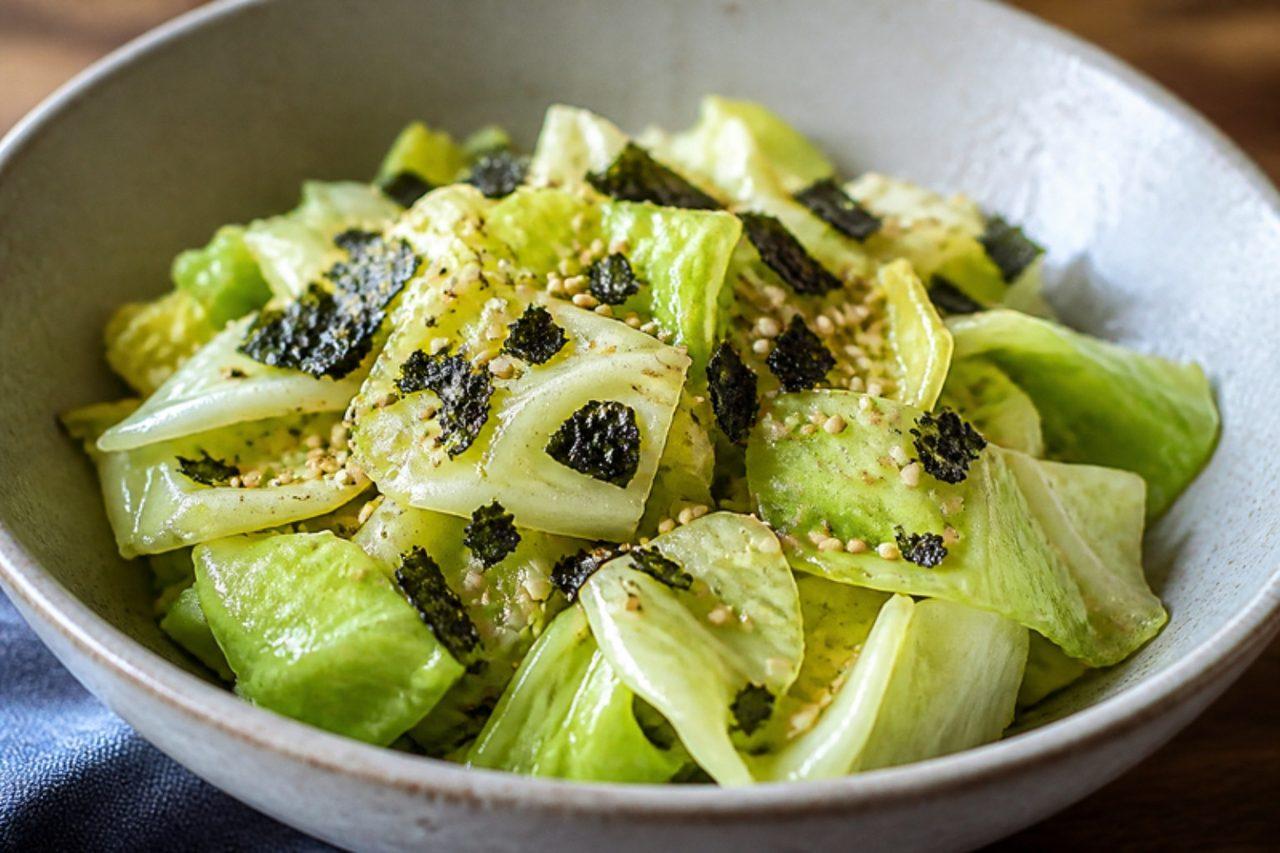
Yamitsuki cabbageSesame cabbage salad

Yamitsuki means 'addictive', and this bowl of raw cabbage is what many Tokyo yakitori bars put down free the moment you sit, to nibble while the grill heats up. The leaves are torn rather than cut, tossed with sesame oil, garlic, salt and a little stock powder or soy, and finished with crumbled nori and sesame: crunchy, salty and hard to stop eating. The common mistake is dressing it too early; after ten minutes the salt draws out water and it goes limp. Chef's tip: tear the cabbage with your hands into bite-size pieces, because the ragged edges hold far more dressing than a knife-cut slice.

by KrazyBadal 0 views

Xiaomi zhou (golden millet porridge)

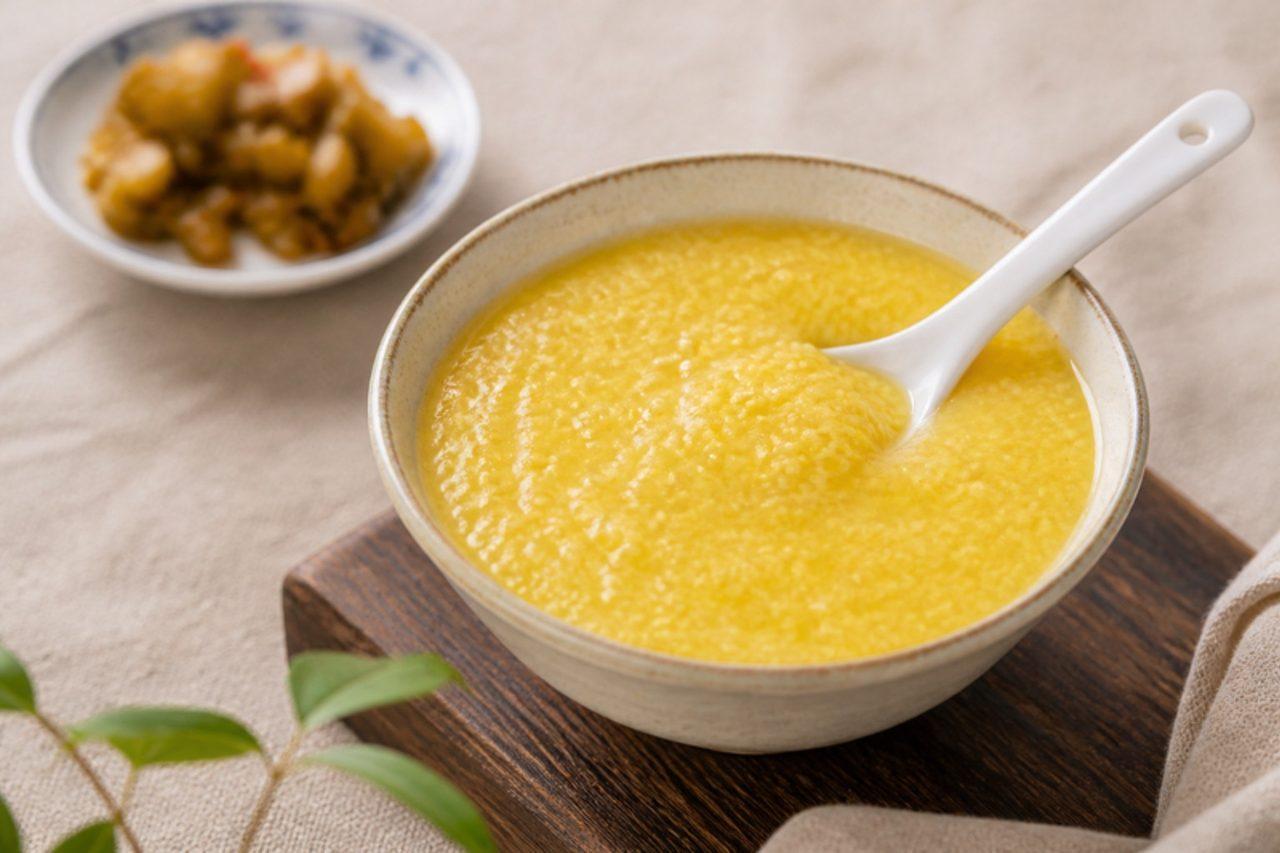
In Shanxi, Hebei and the rest of the north, where rice was once a luxury, a pot of golden foxtail millet porridge is breakfast with steamed buns and pickles, a light supper, and the first food given to new mothers and anyone who is unwell. It needs just millet and water, cooked until a thin, silky layer called mi you, 'rice oil', forms on top. The common mistake is to stir it constantly or add the millet to cold water; start with boiling water and let it simmer gently and it turns creamy without catching. Serve it plain, or with a few red dates or cubes of pumpkin simmered in. Chef's tip: toast the rinsed millet in a dry pan for a minute before boiling for a deeper, nutty flavour.

by KrazyBadal 0 views

Osmanthus jelly (gui hua gao)

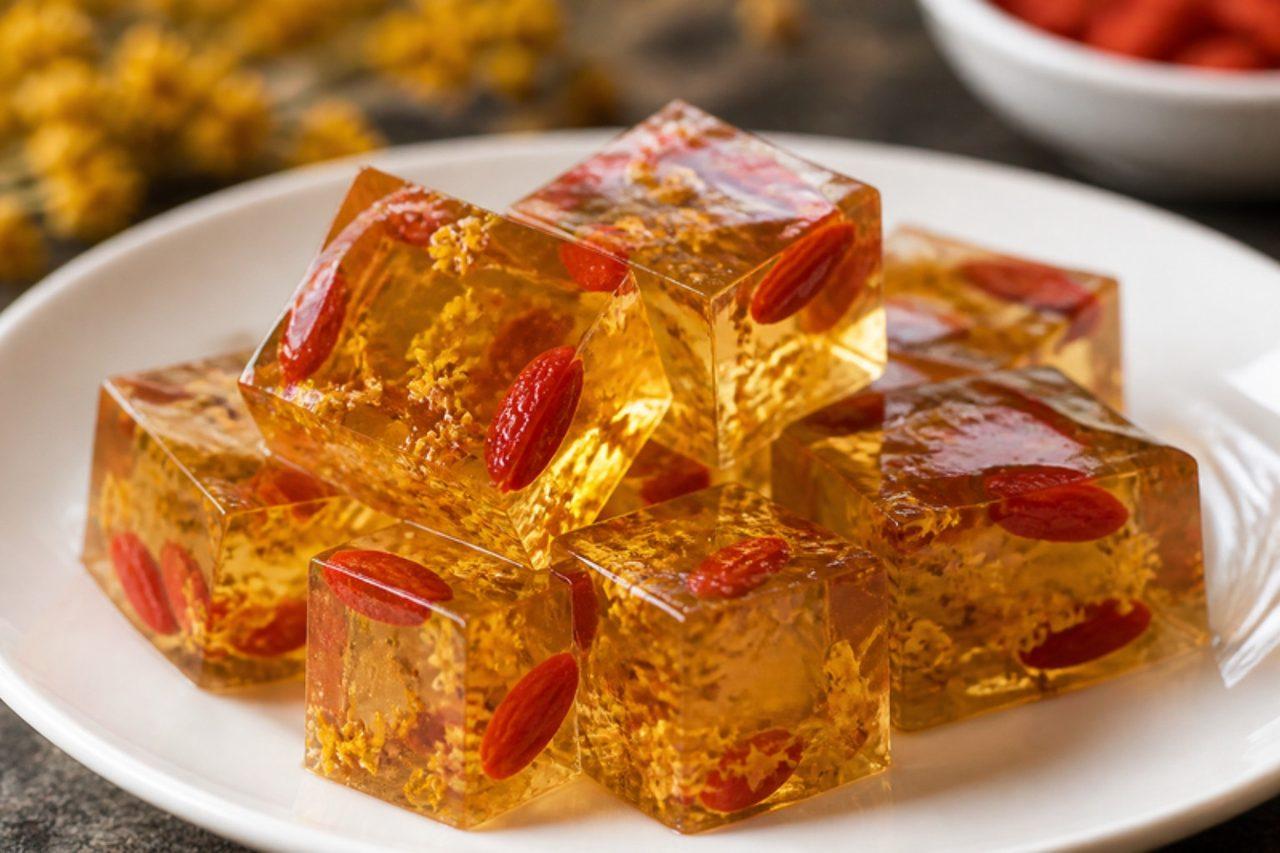
In Hangzhou and Guilin the sweet osmanthus trees flower around Mid-Autumn, and their tiny golden blossoms are dried to scent teas, wine and this crystal-clear jelly, a light dessert after a mooncake-heavy festival meal. Set with agar instead of gelatine, it is vegan, firm enough to cut into neat squares, and studded with flowers and red goji berries. The mistake is adding all the flowers to hot liquid at once: they float to the top in a crowd, so stir them in once the mix starts to thicken. Chef's tip: a mould with layers of flowers suspended all through looks far prettier than one with all the petals at the top.

by KrazyBadal 0 views

Bingtang xueli (rock sugar stewed pears)

When the dry winds of a northern winter bring on sore throats, grandmothers in Beijing and Shandong set a bowl of pear and rock sugar in the steamer, and it is now served as a soothing dessert all over China. Whole Asian pears, hollowed and filled with rock sugar, are slowly stewed until translucent and swimming in their own light syrup. The common mistake is choosing a Western pear that collapses; crisp Asian (nashi or Ya) pears hold their shape and give plenty of juice. Chef's tip: slice off the top as a lid and stew it with the pear; serving the pear with its lid back on is how it is presented at the table.

by KrazyBadal 0 views

Hijiki no nimonoSimmered hijiki seaweed

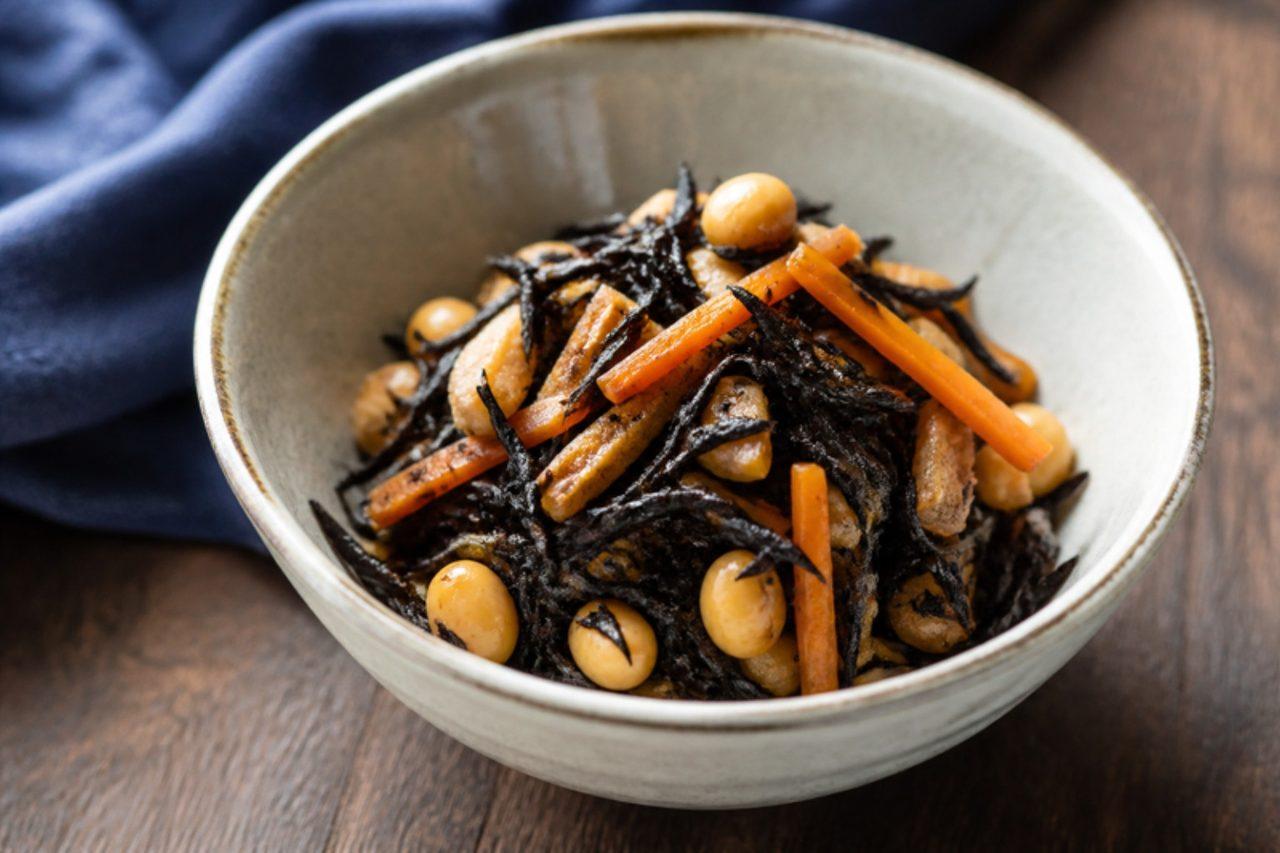
This is the quiet, dark heap of seaweed that turns up next to rice in set lunches all over Japan, and it is a staple of home bento boxes because it tastes just as good cold. Tiny black hijiki strands are simmered with carrot, thin fried tofu (aburaage) and soybeans in a sweet soy broth until the liquid is nearly gone. It is savoury, faintly of the sea and rich in fibre. Mirin contains alcohol; the note gives an alcohol-free swap, and this version uses fish-free kombu–shiitake dashi. A common mistake is skipping the rinse after soaking: dried hijiki carries sand, so swish it in fresh water twice. Because hijiki can hold inorganic arsenic, soak it well, discard the soaking water and eat it as a small side rather than daily in large amounts. Chef's tip: pour boiling water over the aburaage first to remove excess frying oil, so it soaks up the broth.

by KrazyBadal 0 views

Gaeng liang (peppery pumpkin and lemon basil soup)

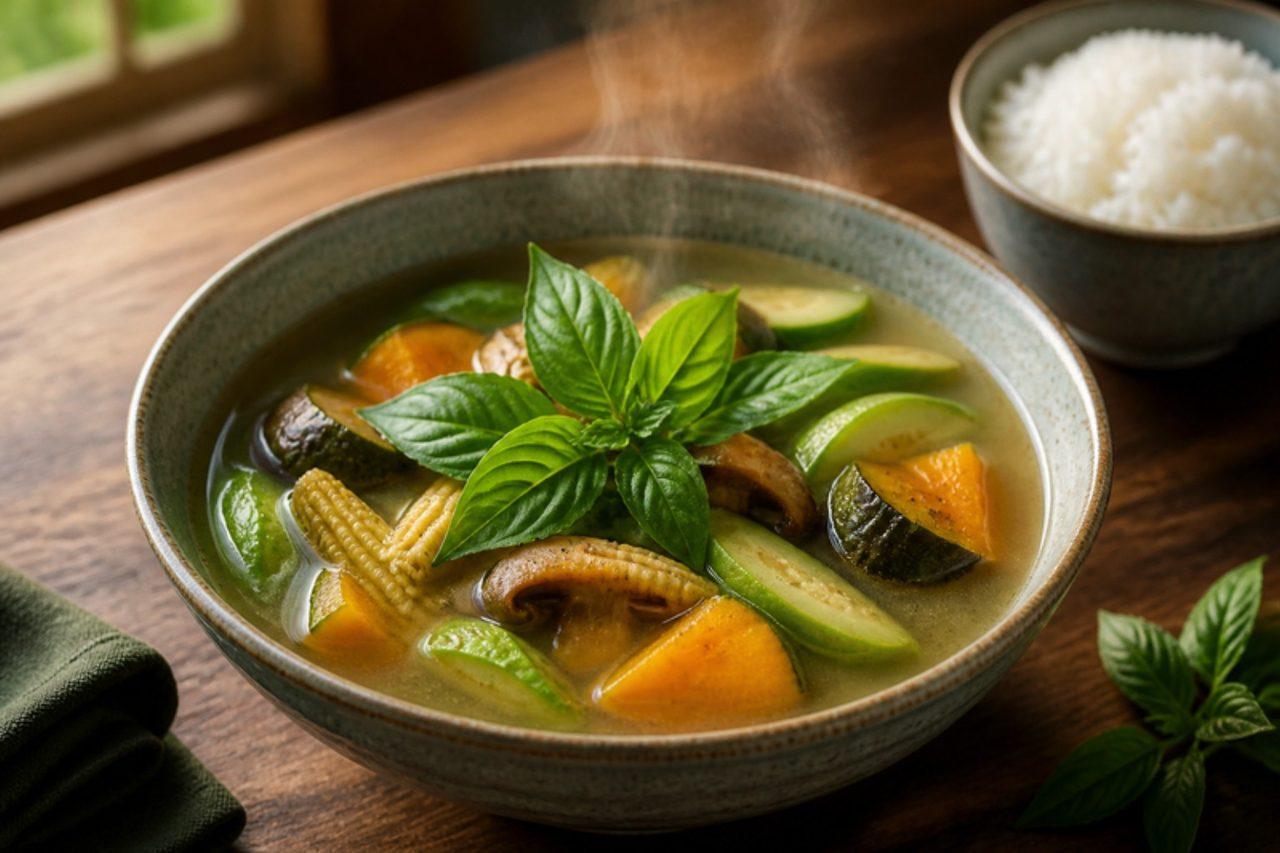
Older cooks in Ayutthaya and the central plains make this soup for new mothers and anyone feeling run down: a cloudy broth of pounded shallot, white pepper and krachai (fingerroot), packed with pumpkin, baby corn, sponge gourd and handfuls of lemon basil. It is eaten as one of several dishes with rice at a home meal, never as a creamy starter. The everyday version pounds dried shrimp and shrimp paste into the base and seasons with fish sauce; here dried shiitake and tamari give the savouriness, so it is vegan. Chef's tip: add the lemon basil off the heat at the very end; boiled basil turns black and loses the peppery perfume the soup is named for.

30 minThaiSoupsVeganGluten free
by KrazyBadal 0 views

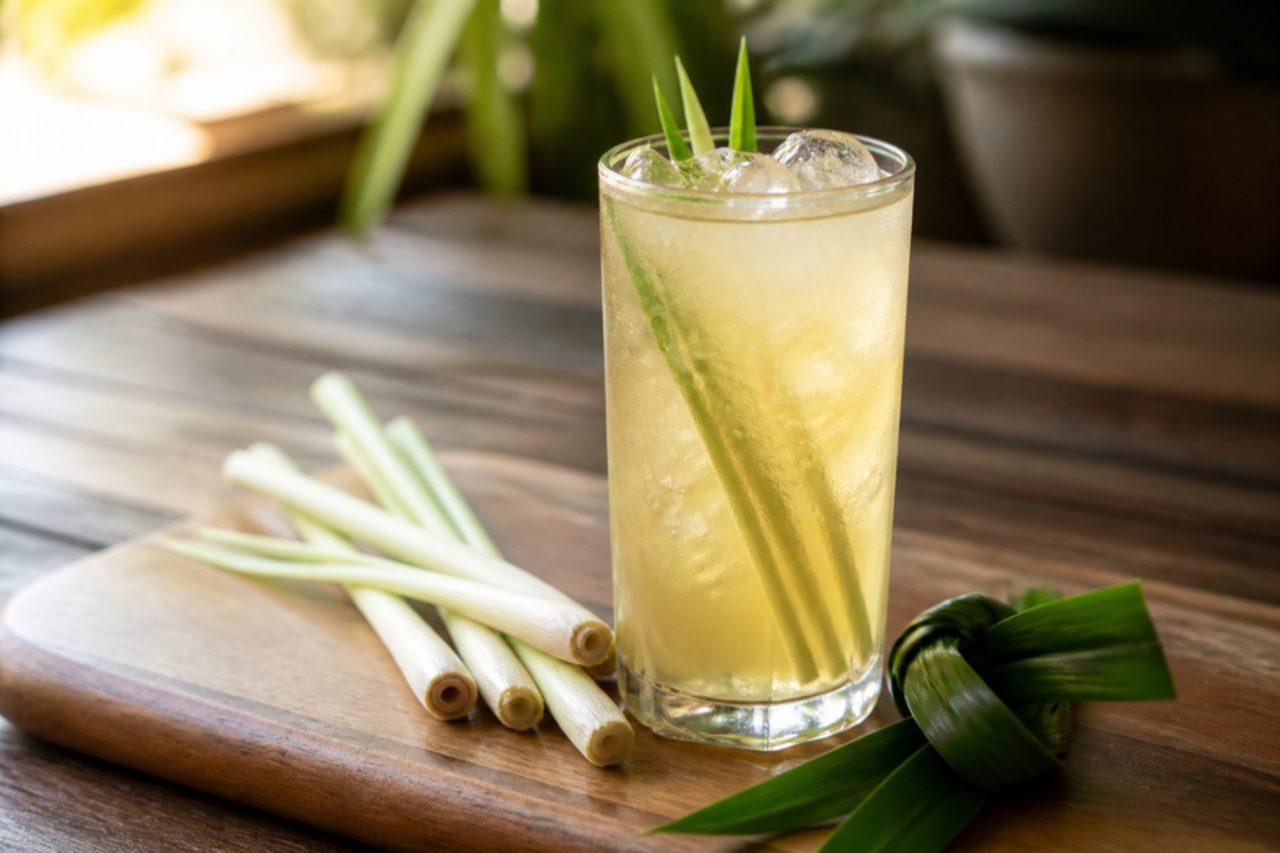
Nam takrai (lemongrass drink)

Thai spa receptions and roadside rice shops both pour this from big glass jars, and in Chiang Mai and Bangkok homes a pot is often simmering on hot afternoons. Bruised lemongrass gives a clean, lemony, slightly grassy taste and pandan a soft vanilla note; lightly sweetened, it is refreshing over ice and soothing warm on a rainy-season evening. Chef's tip: the usual mistake is chopping the lemongrass fine and boiling it hard, which makes it bitter; bash the stalks and simmer gently.

20 minThaiDrinksVeganGluten free
by KrazyBadal 0 views

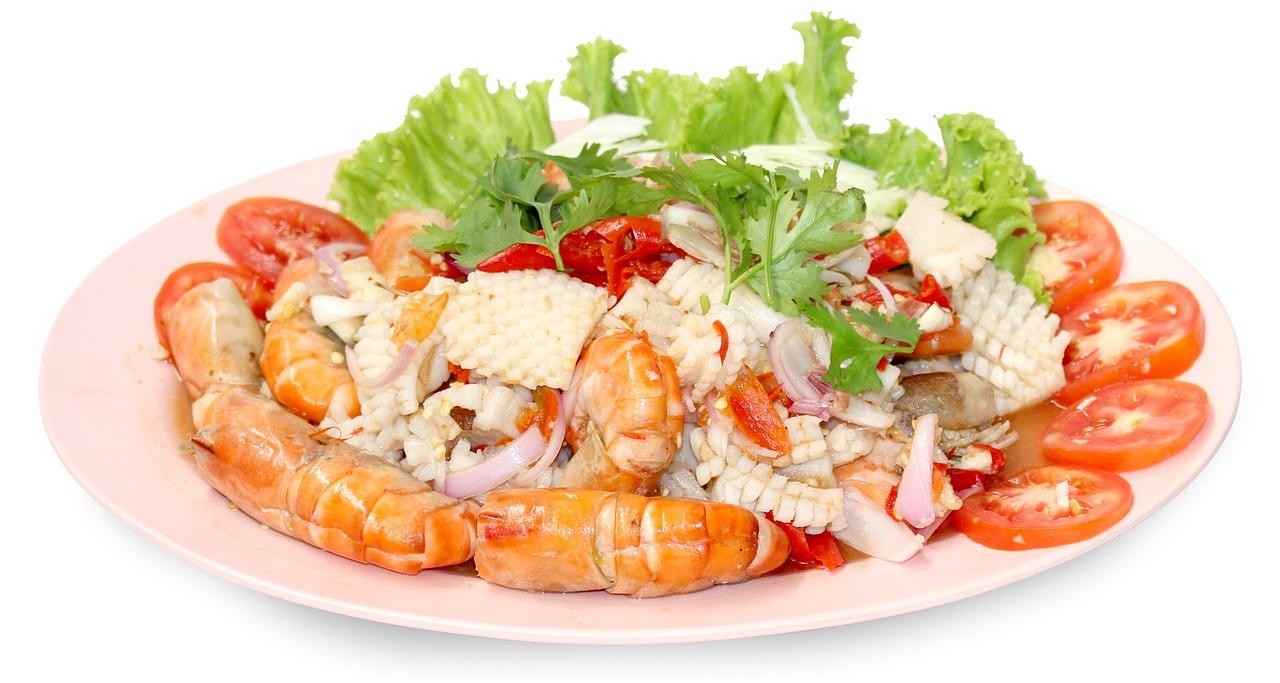
Yam talay (Thai seafood salad)

Beach shacks on Koh Samet and along the Pattaya coast bring yam talay out in a heap, the seafood still warm, glistening with lime and fish sauce, and scattered with Chinese celery and onion. It is light and very sour, eaten with ice-cold drinks before the grilled fish arrives, or with rice for lunch. Use whatever is freshest; the mix below is easy to find. Chef's tip: poach each type of seafood separately and briefly; tipping everything in together overcooks the squid into rubber bands before the mussels open.

25 minThaiFishGluten freeSpicy
by KrazyBadal 0 views

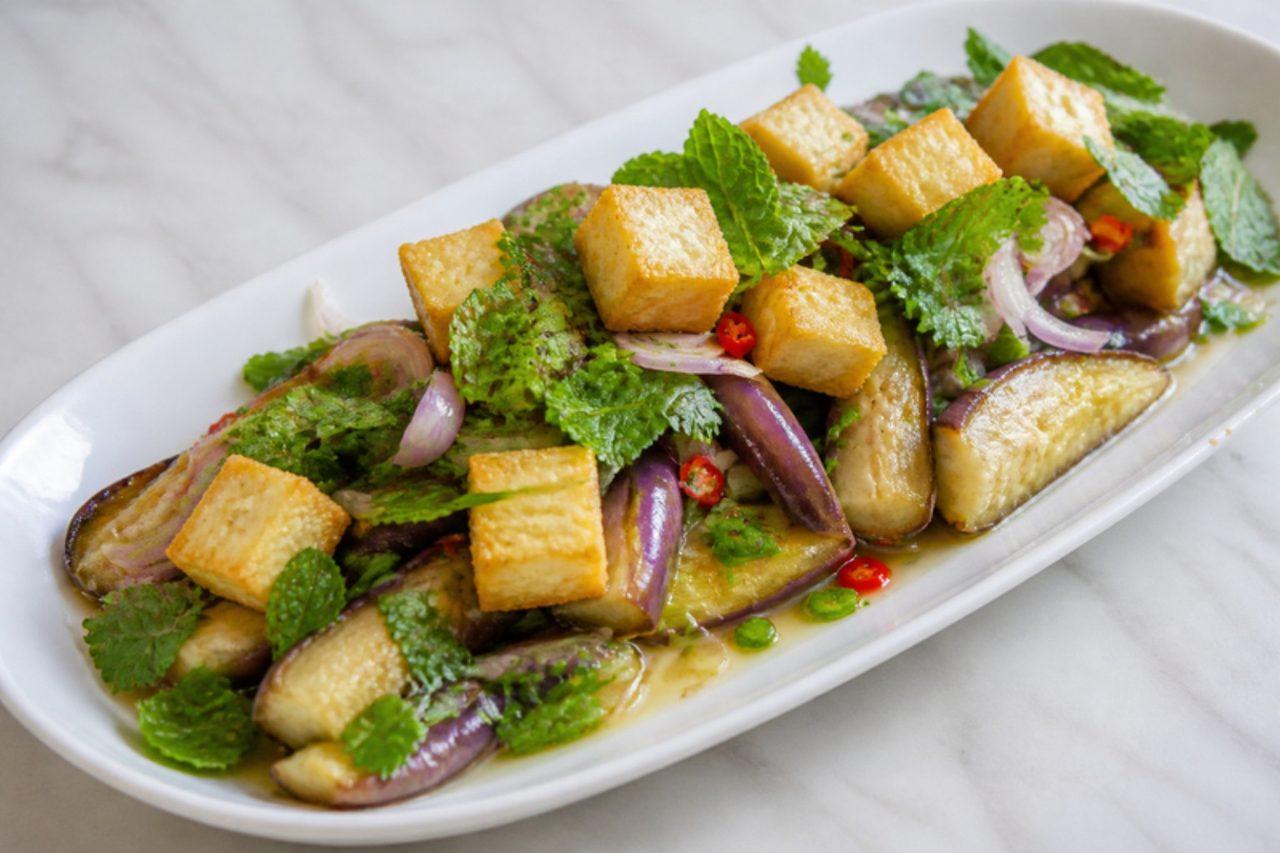
Yam makheua yao (grilled aubergine salad)

In Bangkok's evening markets, cooks blister long green aubergines straight over charcoal until the skins blacken, then peel them and dress the soft, smoky flesh with lime, chilli, shallot and plenty of herbs. It is a cooling side for grilled meats and sticky rice, or a light lunch on its own. Stalls usually top it with minced pork or dried shrimp and season with fish sauce; here crisp fried tofu and tamari make it vegan. Chef's tip: char the aubergines until they collapse completely and the skin is papery; pulling them off too soon leaves spongy, bitter centres.

30 minThaiSaladsVeganGluten free
by KrazyBadal 0 views

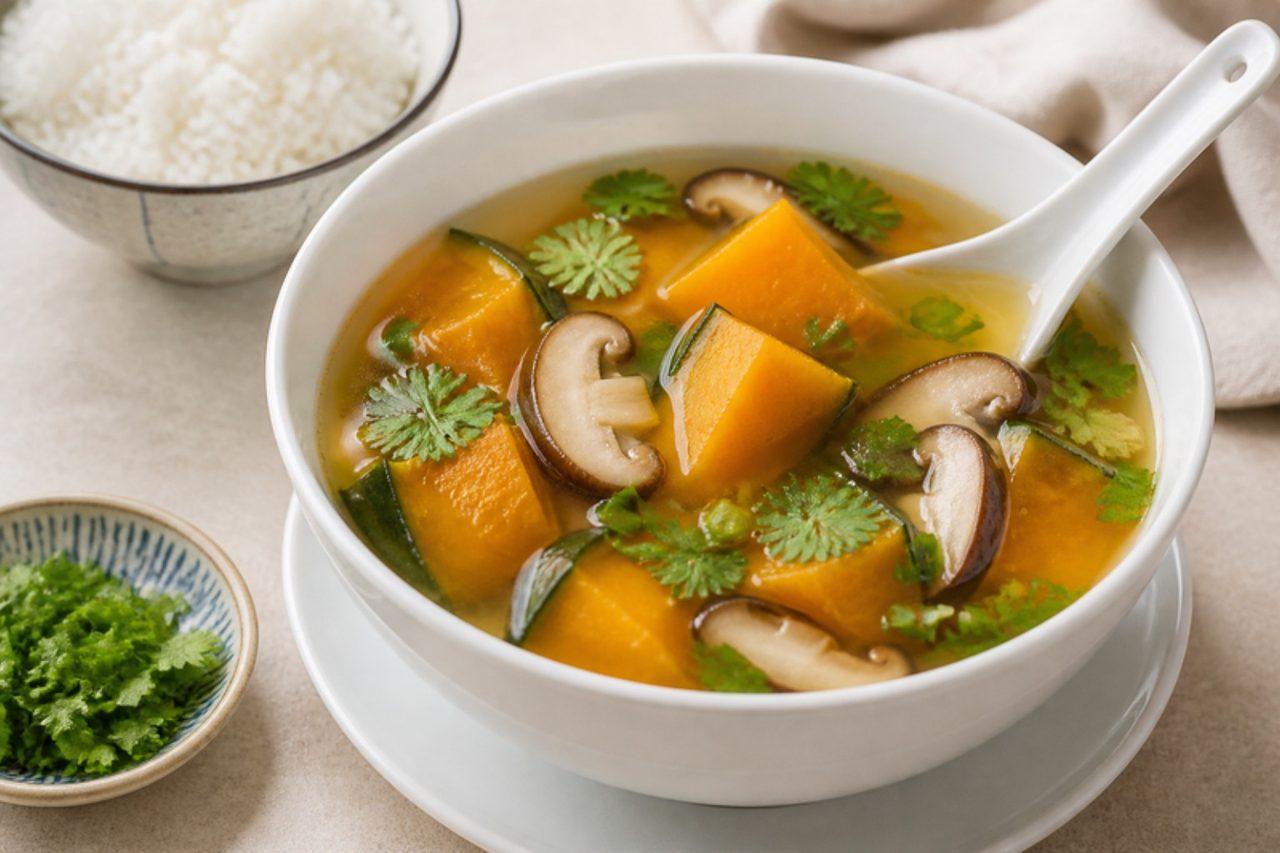
Canh bí đỏ chay (clear pumpkin soup)

Every Vietnamese family meal has a canh, a light soup to sip between mouthfuls of rice, and in autumn in the north the pot is often full of orange pumpkin. Unlike a blended Western pumpkin soup this one stays clear and brothy, with soft, sweet chunks you break with a spoon. Most kitchens add minced pork or dried prawns; this vegetarian version gets its depth from shiitake and a little soy. It is a good soup for children and for anyone recovering from a cold. Chef's tip: cut the pumpkin into even 3 cm chunks and stop cooking as soon as they are tender; overcooked pumpkin falls apart and turns the broth cloudy and porridge-like.

by KrazyBadal 0 views

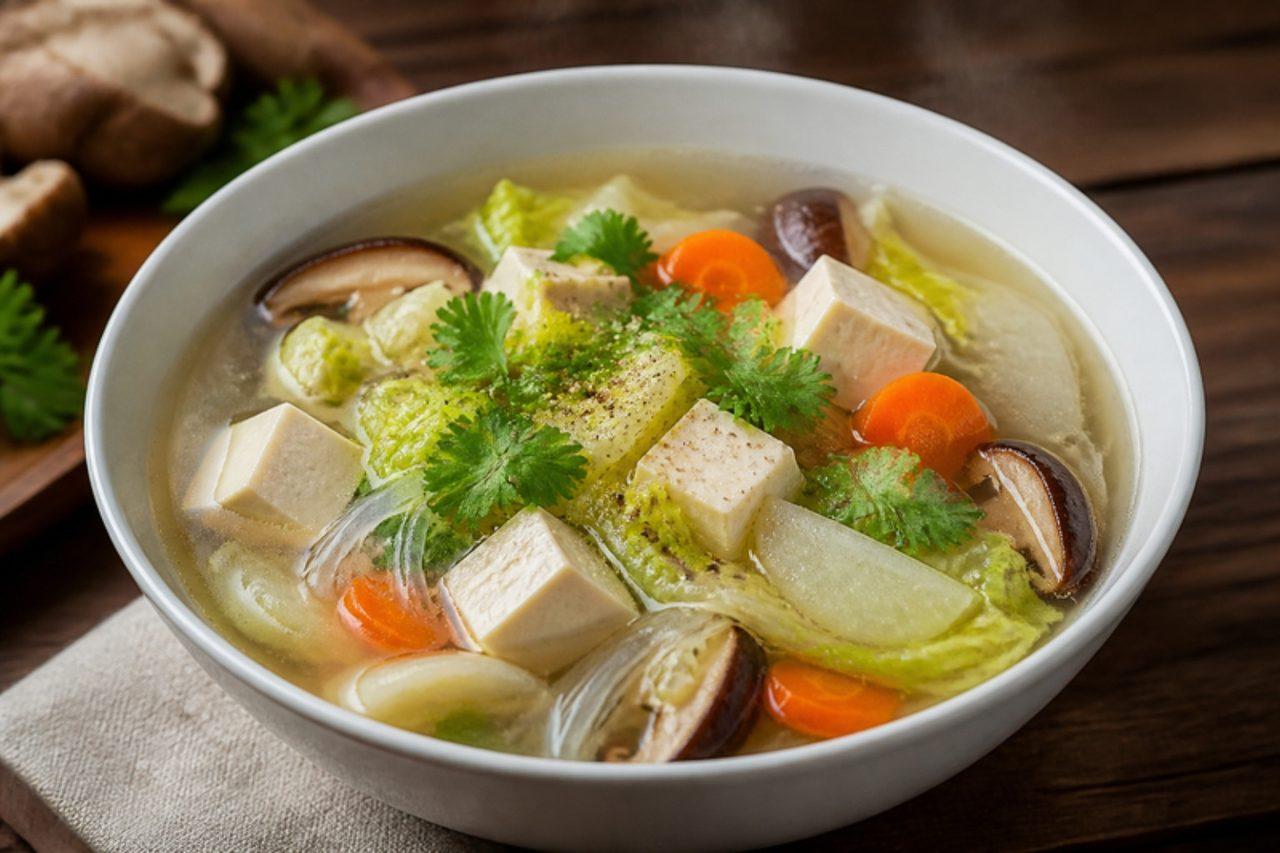
Gaeng jued tao hoo (clear tofu soup, jay style)

During the nine days of the Vegetarian Festival in Phuket Town and Bangkok's Chinatown, yellow flags mark the stalls selling food that is jay: no meat, no dairy and none of the pungent alliums. This gentle soup is what people drink alongside their stir-fries, a clear broth of daikon and dried shiitake sharpened with crushed white pepper and coriander root, holding soft silken tofu and slippery mung bean vermicelli. Out of festival season, cooks add garlic oil and minced pork. Chef's tip: don't boil after the tofu goes in; silken tofu breaks into crumbs, so let it warm through at a bare simmer.

30 minThaiSoupsVeganGluten free
by KrazyBadal 0 views

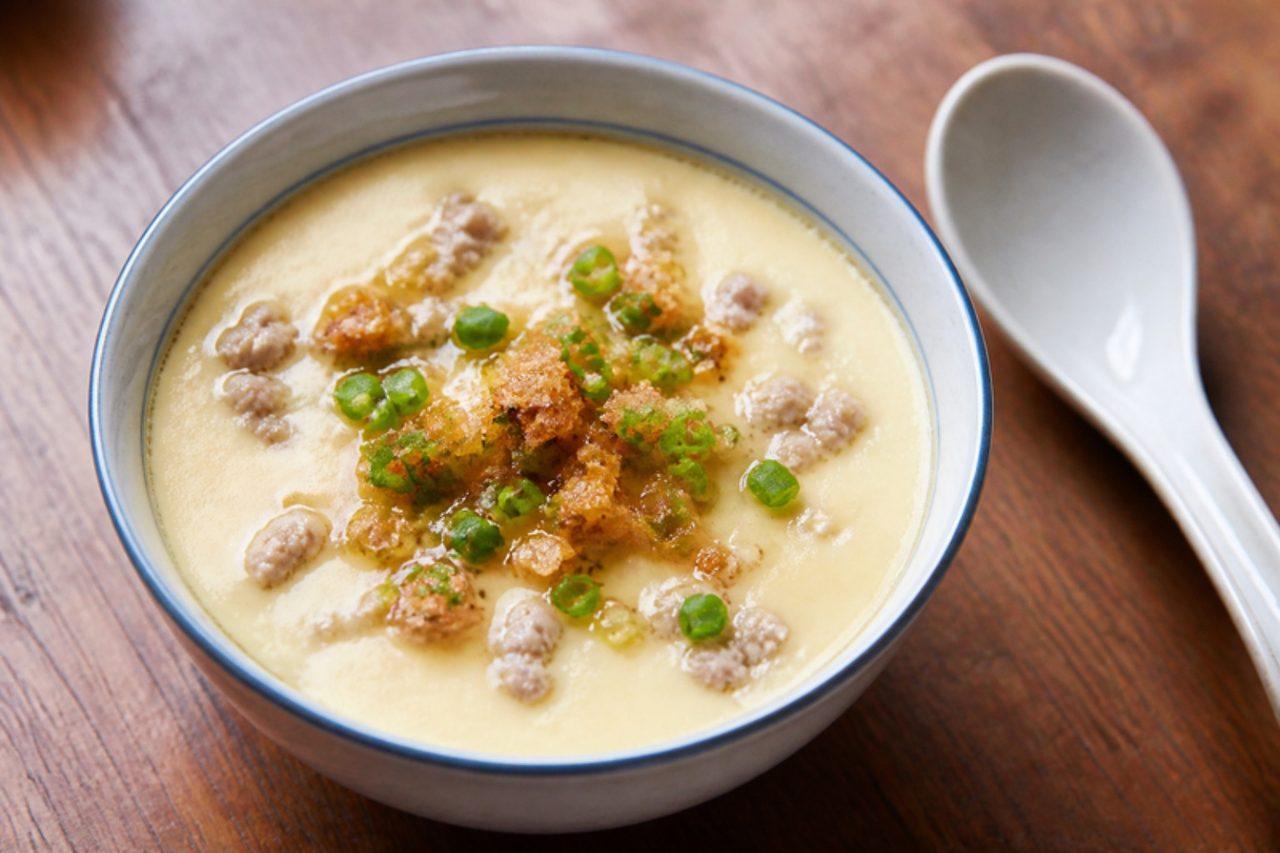
Khai toon (Thai steamed egg with pork)

Thai parents across the country make khai toon when a child is off their food or someone is unwell: eggs beaten with stock, a little minced pork and spring onion, steamed in a bowl until just set and wobbling. It goes on the table with rice and a stir-fry for supper and costs almost nothing. This version uses pork mince; for a vegetarian bowl, use chopped shiitake instead and season with salt or light soy sauce. It contains egg and fish sauce. Chef's tip: steam over a gentle simmer, not a rolling boil; high heat pocks the custard with holes and turns it spongy.

20 minThaiSidesGluten free
by KrazyBadal 0 views

Tacos de nopales asadosGrilled cactus tacos

At weekend markets in Milpa Alta, the cactus-growing district on Mexico City's southern edge, whole nopal paddles are grilled until tender and folded into tortillas with charred spring onions and salsa verde. Grilling dries the natural slime the cactus is known for and leaves a lemony, green-bean flavour. It is a light, naturally vegan taco. Buy paddles with the spines already removed, or scrape them carefully with a knife. Chef's tip: score the paddles in a criss-cross before grilling so they cook evenly and stay flat.

by KrazyBadal 0 views

Agua de melónCantaloupe drink

Mexican market juice stalls make agua de melón with the ripest, most fragrant cantaloupes, and many cooks blend in the seeds and the soft pulp around them, which adds a creamy body and a nutty flavour. It's served in tall glasses on hot afternoons from Guanajuato to Veracruz and is a favourite with kids. Chef's tip: smell the stalk end of the melon before you buy it; if it smells sweet, the drink will too.

by KrazyBadal 0 views

Agua de pepino con limónCucumber lime drink

Pale green and very refreshing, agua de pepino is the cooler sold from market juice stands in Mexico City and Oaxaca when the afternoon heat builds, and families blend a jug for comida on hot days. Cucumber, lime and a few mint leaves give a clean, light taste with very little sugar. Chef's tip: leave some of the peel on the cucumber for colour, but strain the drink so it stays silky.

by KrazyBadal 0 views

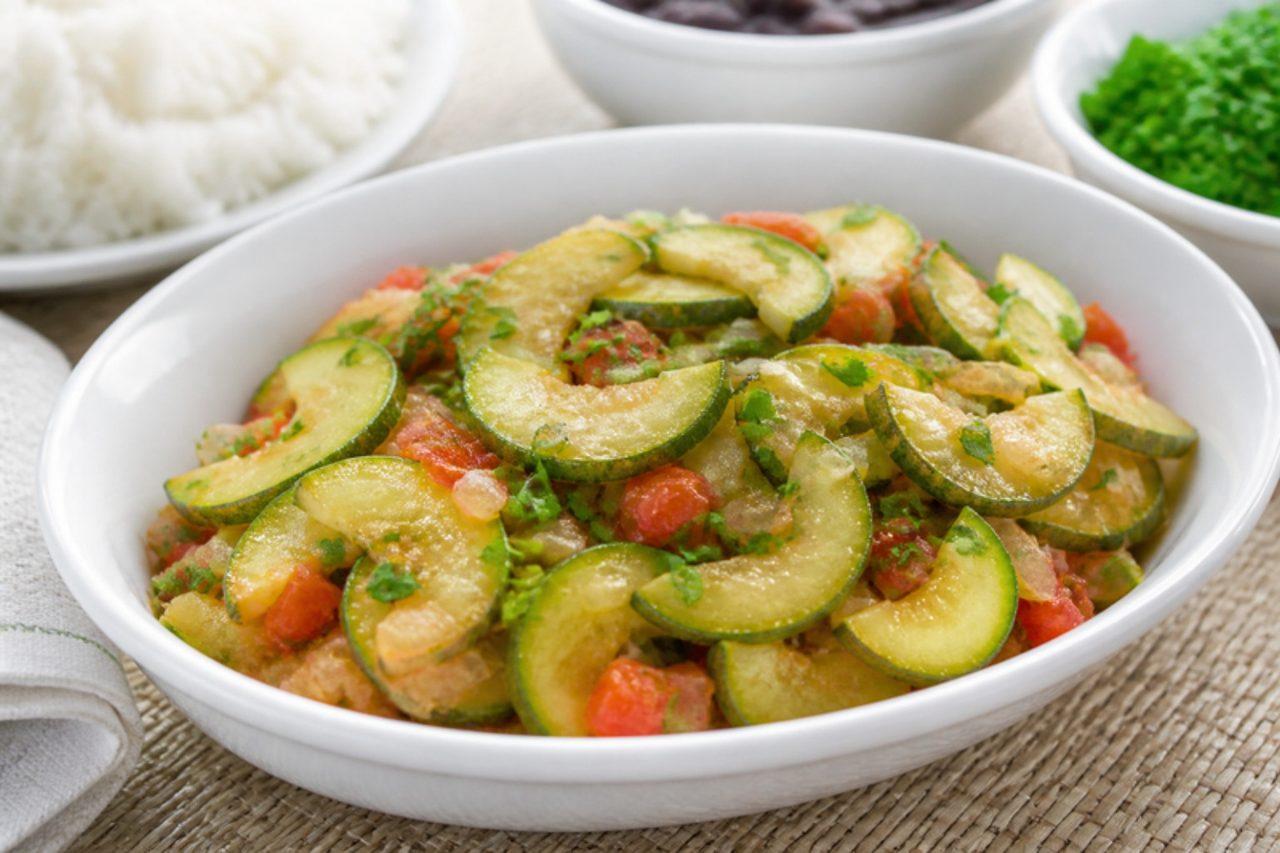
Abobrinha refogadaSautéed courgette

Refogado, the base of onion and garlic softened in oil, is how Brazilian home cooks start almost every dish. Courgette cooked this way is a staple vegetable on the prato feito, the everyday lunch plate of rice, beans, a meat and a salad, all over the country. The courgette should be tender but still hold its shape, glossy with tomato and full of herbs. Chef's tip: use small, firm courgettes; big ones are watery and full of seeds.

by KrazyBadal 0 views

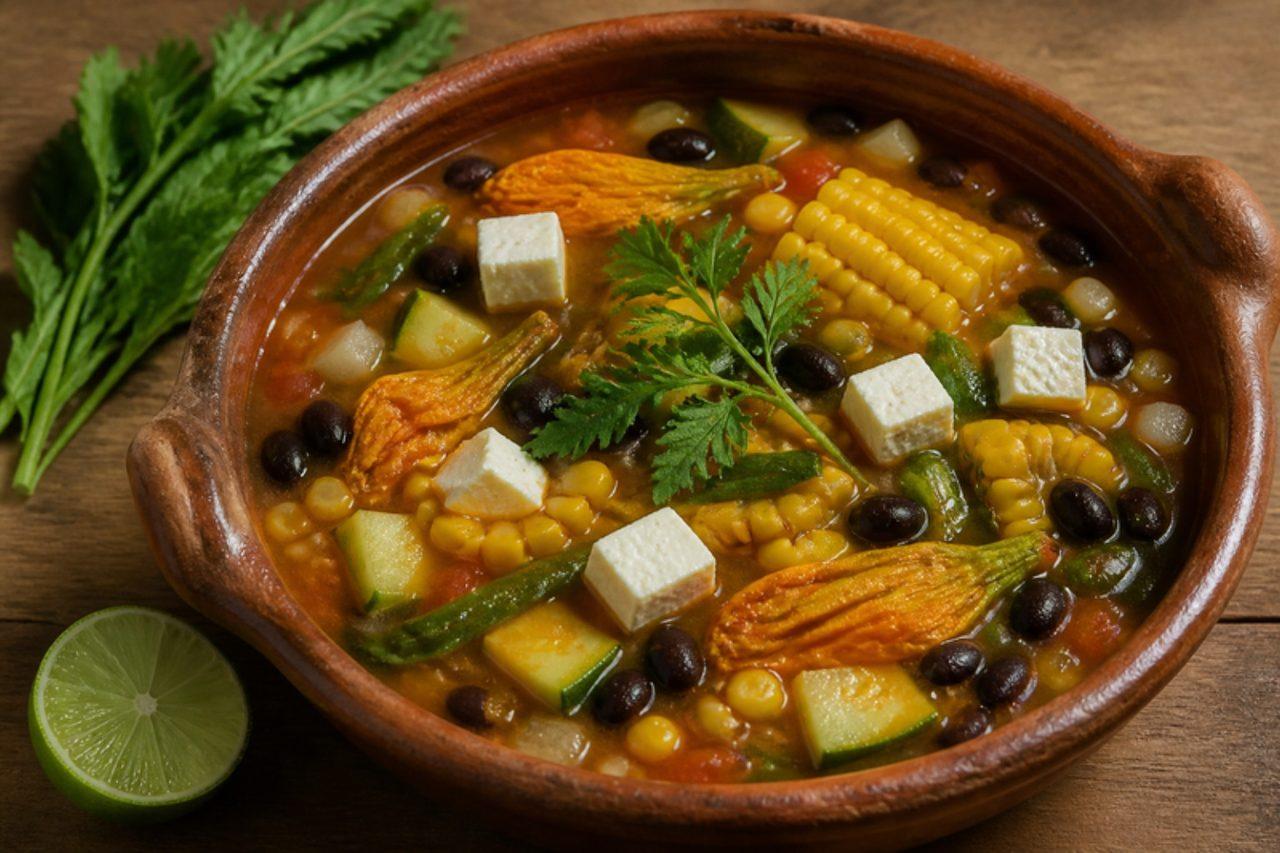
Sopa de milpaCorn and squash soup

A milpa is the traditional Mexican field where corn, beans and squash grow side by side, and this soup puts the summer harvest from that field into one pot. A light tomato broth carries chunks of corn, courgette, roasted poblano strips, a handful of black beans and squash blossoms, with epazote for its earthy, herbal note. In Central Mexico it's a healthy everyday lunch in the rainy season. Top it with cubes of panela cheese, which is usually made with animal rennet; choose a vegetarian one. Chef's tip: cut the corn into rounds rather than taking off the kernels, so everyone gets a sweet piece to gnaw.

by KrazyBadal 0 views

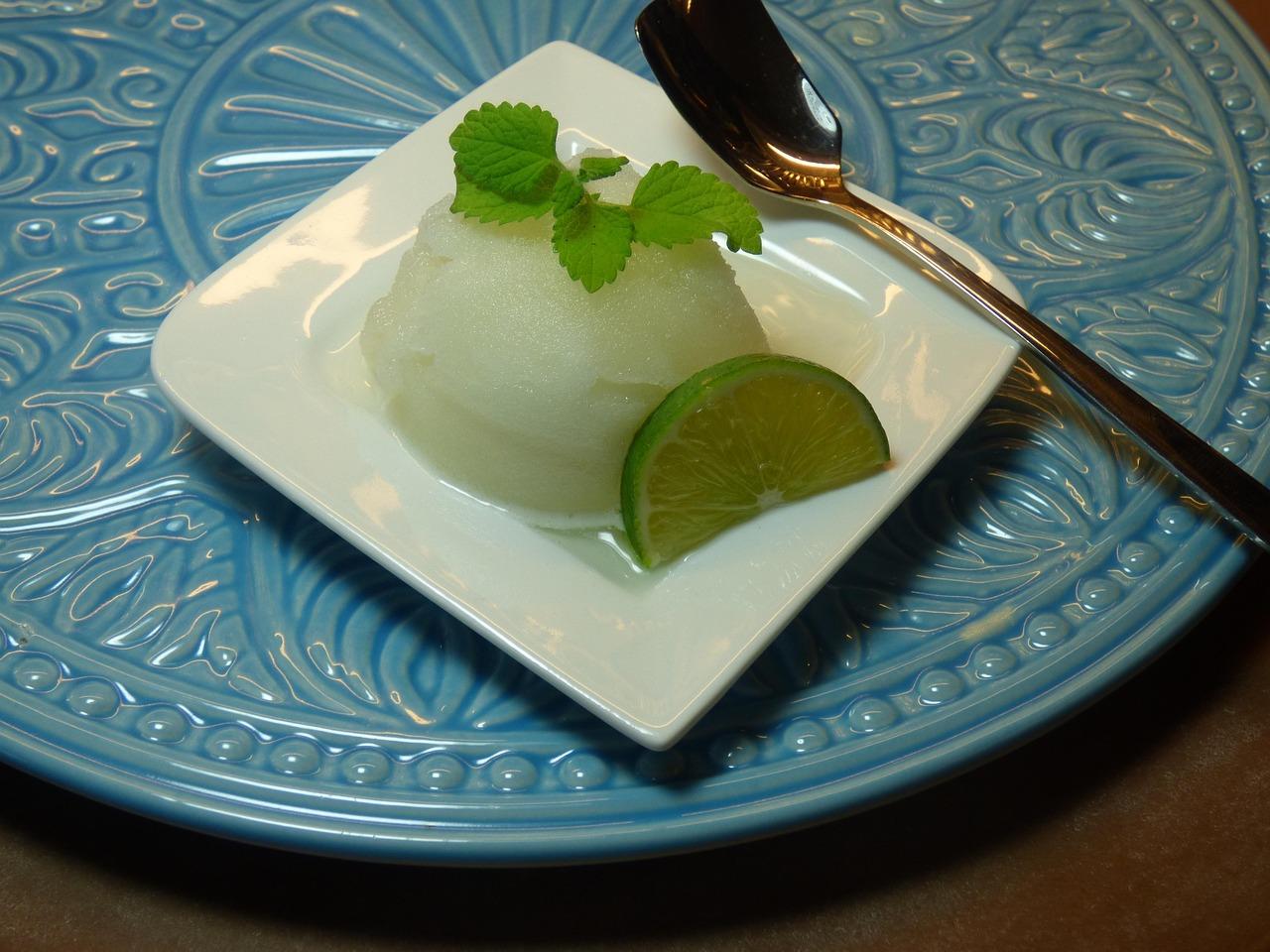
Nieve de garrafa de limónLime water ice

In town plazas from Oaxaca to Guadalajara, neveros still churn nieve de garrafa by spinning a tall metal can in a wooden barrel of ice and rock salt, scraping the frozen walls with a long paddle. Lime nieve is the sharpest and most refreshing, pale green from the zest, and it is eaten in small cups after a hot walk through the market. At home a metal bowl set in ice and salt works the same way. Chef's tip: add the zest at the start but strain it out; that way you get its oils without the bitterness.

by KrazyBadal 0 views

Agua de sandíaWatermelon drink

When watermelons are piled high in the markets of Jalisco and Sonora in summer, almost every taquería has a jar of bright pink agua de sandía next to the horchata. It needs only ripe watermelon, water, a squeeze of lime and a touch of sugar, and children love it. Chef's tip: a very ripe melon may need no sugar at all, so taste before you sweeten.

by KrazyBadal 0 views

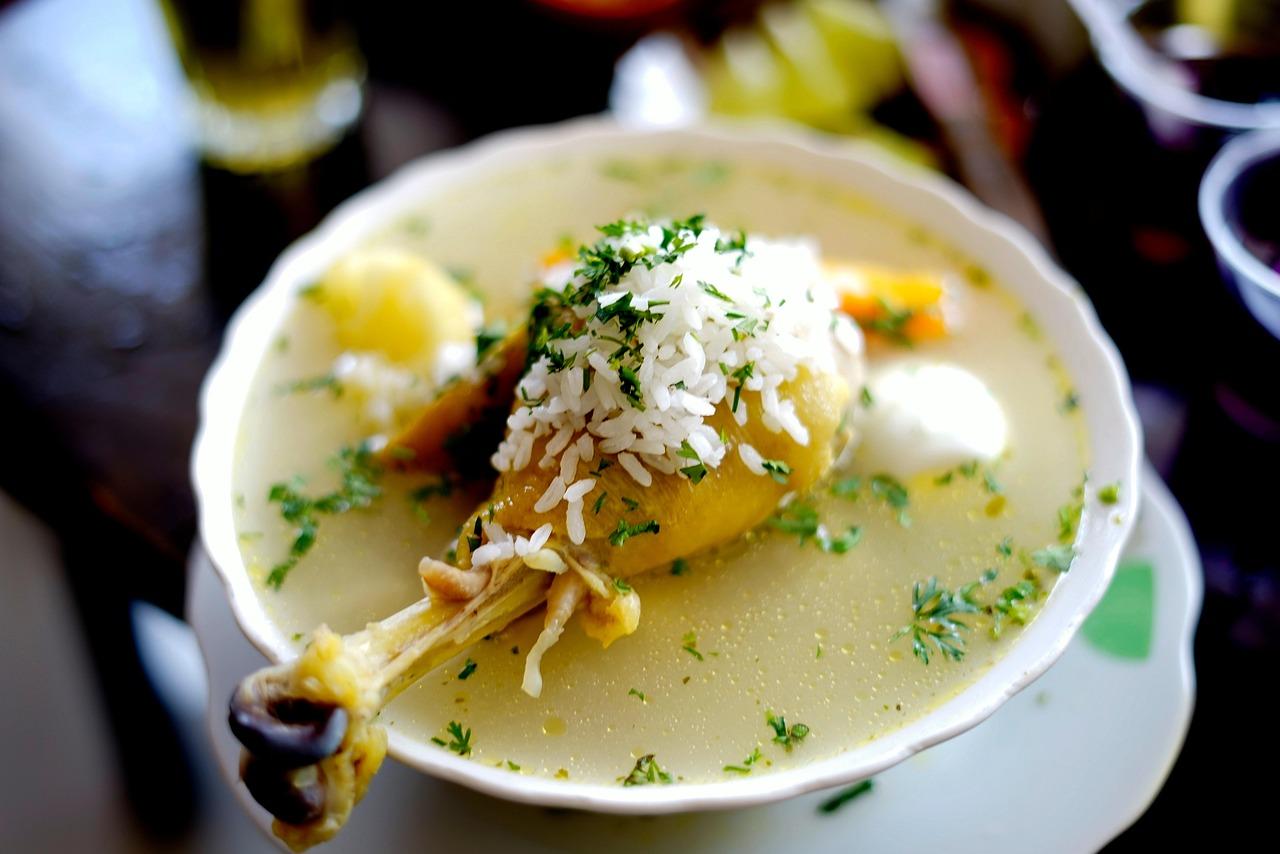
Canja de galinhaChicken and rice soup

Canja came to Brazil from Portugal and became the soup every Brazilian mother makes when someone is ill, the traditional food for new mothers during the resguardo after childbirth and, oddly, a favourite at the end of long parties. Chicken is simmered with onion and garlic, then shredded back into the broth with rice, carrot and potato, and finished with parsley and spring onion. It's gentle and filling. Chef's tip: cook the rice in the broth only until just tender; it keeps swelling in the bowl.

by KrazyBadal 0 views

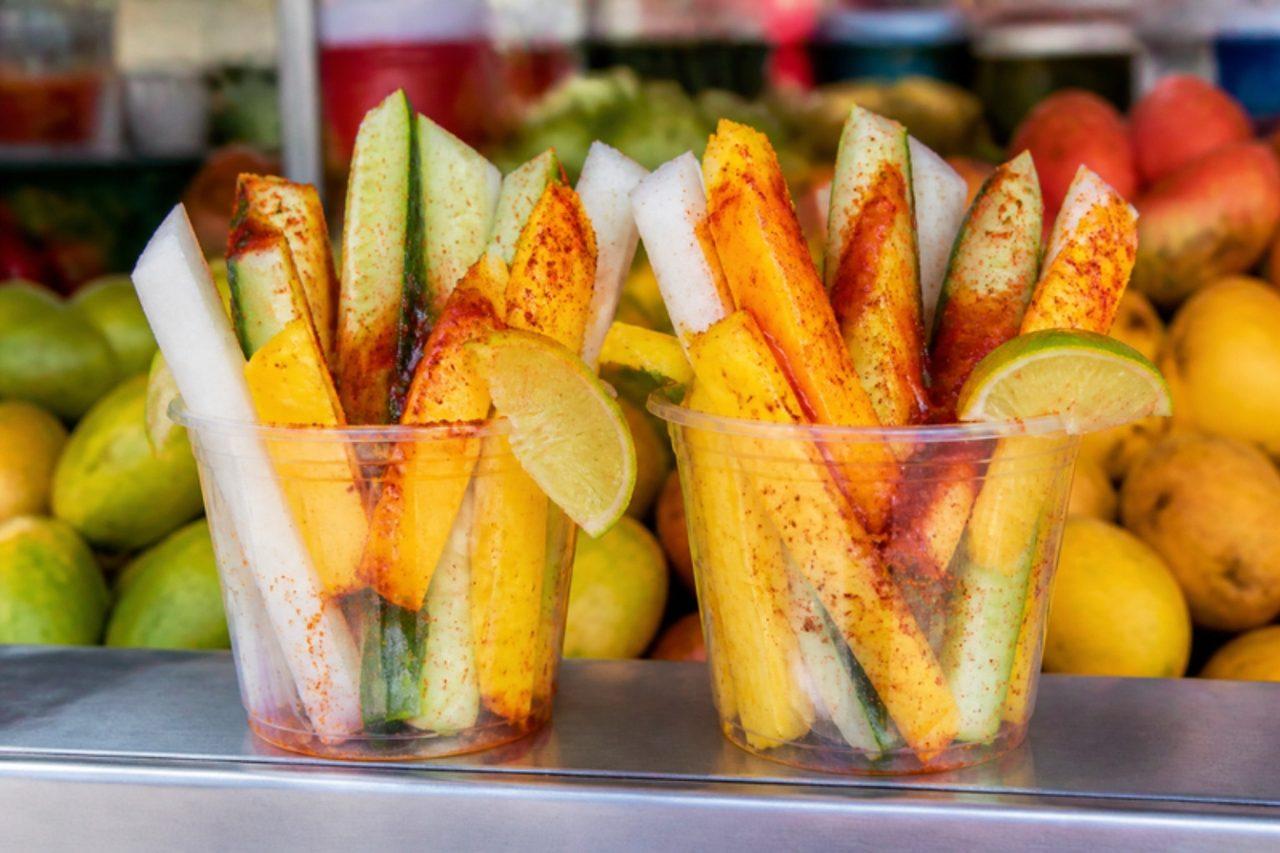
Fruta con chileFruit with chile and lime

Every plaza in Mexico City seems to have a fruit cart with a glass case of jícama, cucumber, mango and pineapple, cut to order into tall sticks and packed into a cup. The vendor squeezes over lime and shakes on chile-lime salt, and you eat it with a toothpick on a hot afternoon. It's juicy, crunchy, sour and only a little hot. Chef's tip: chill the fruit well first; cold fruit and sharp chile make the contrast.

by KrazyBadal 0 views

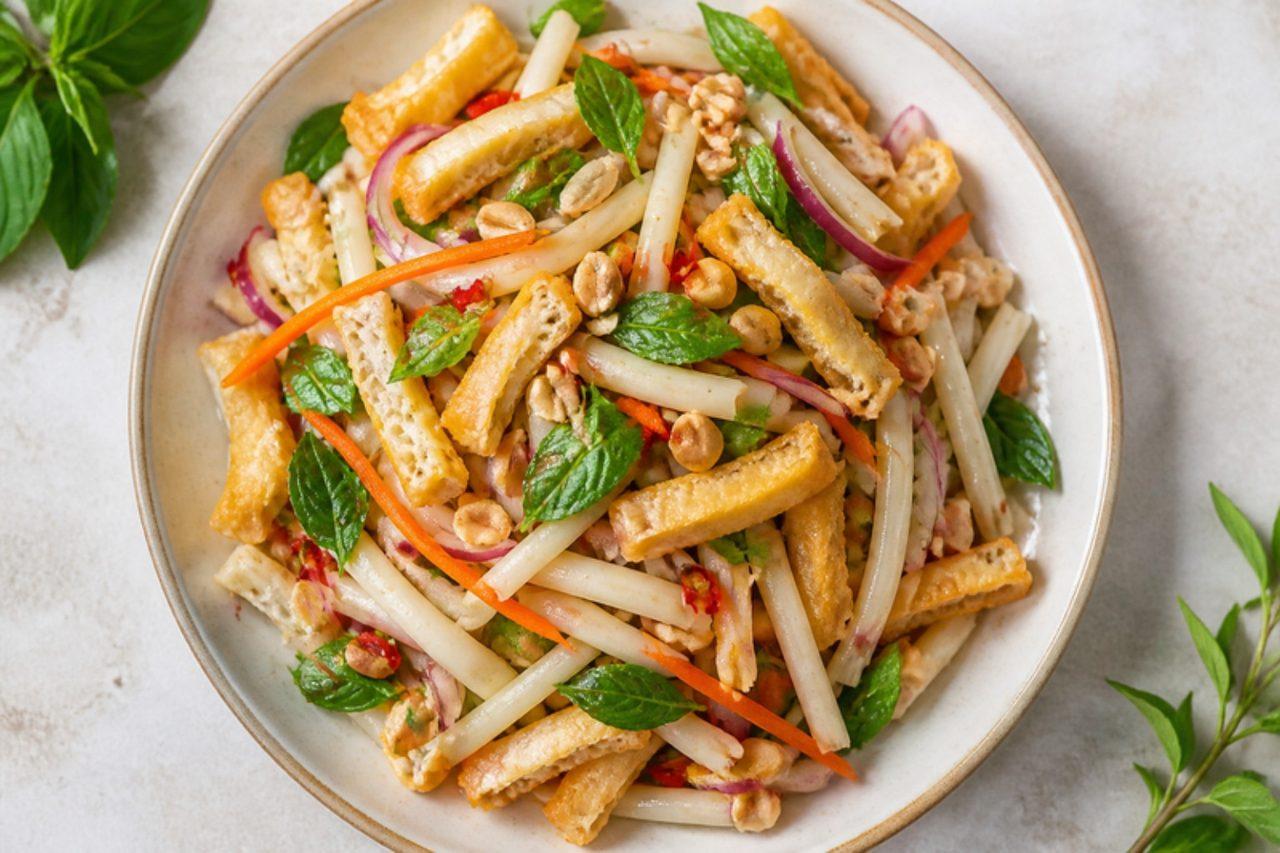
Gỏi ngó sen chay (lotus stem salad)

Wedding banquets and đám giỗ (death-anniversary) feasts across the south open with a platter of gỏi ngó sen, usually heaped with prawns and boiled pork belly. In vegetarian households and temple kitchens the shellfish and pork give way to strips of fried tofu, and the fish-sauce dressing becomes lime, sugar and soy. The pickled lotus stems are what matter: pale, crisp and juicy, like a mild bamboo shoot. Pile it onto prawn-free rice crackers or eat it beside rice. Chef's tip: rinse and squeeze the jarred lotus stems well; skipping this leaves the salad tasting of brine instead of lime.

by KrazyBadal 0 views

Yam som o (pomelo salad)

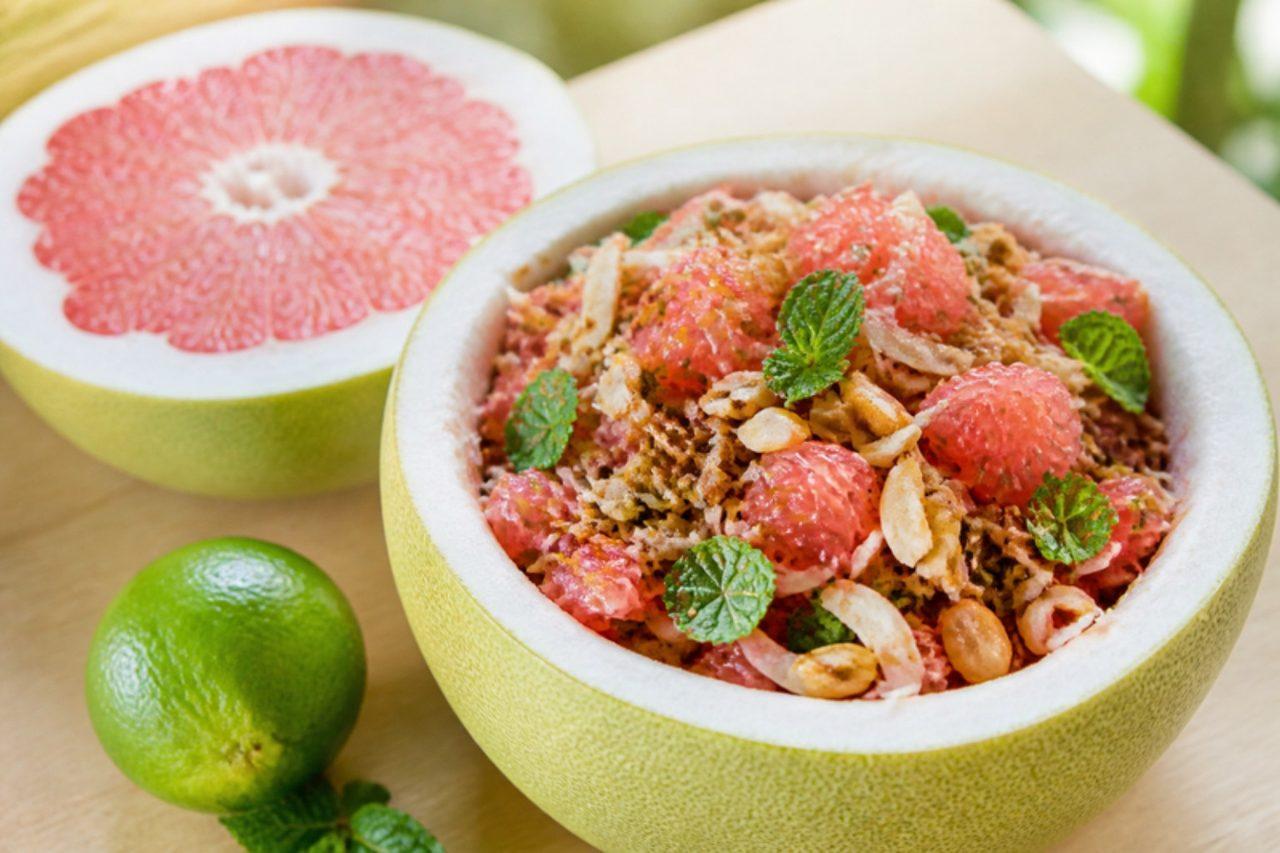
Pomelos from Nakhon Chai Si, west of Bangkok, are prized for their dry, juicy segments, and when they come into season in late summer this salad appears on restaurant menus across the central plains. The segments are broken into bursting sacs and tossed with toasted coconut, crisp shallots and peanuts in a dressing of lime, palm sugar and nam prik pao, so it eats sweet, sour, nutty and only mildly hot. Restaurants usually add poached prawns, fish sauce and a chilli jam made with dried shrimp; this version uses tamari and a vegan nam prik pao so it suits everyone. Chef's tip: dress the pomelo just before serving and toss with your fingertips; stirring hard with a spoon bursts the sacs and leaves a watery bowl.

25 minThaiSaladsVeganGluten free
by KrazyBadal 0 views

Repolho refogadoSautéed cabbage

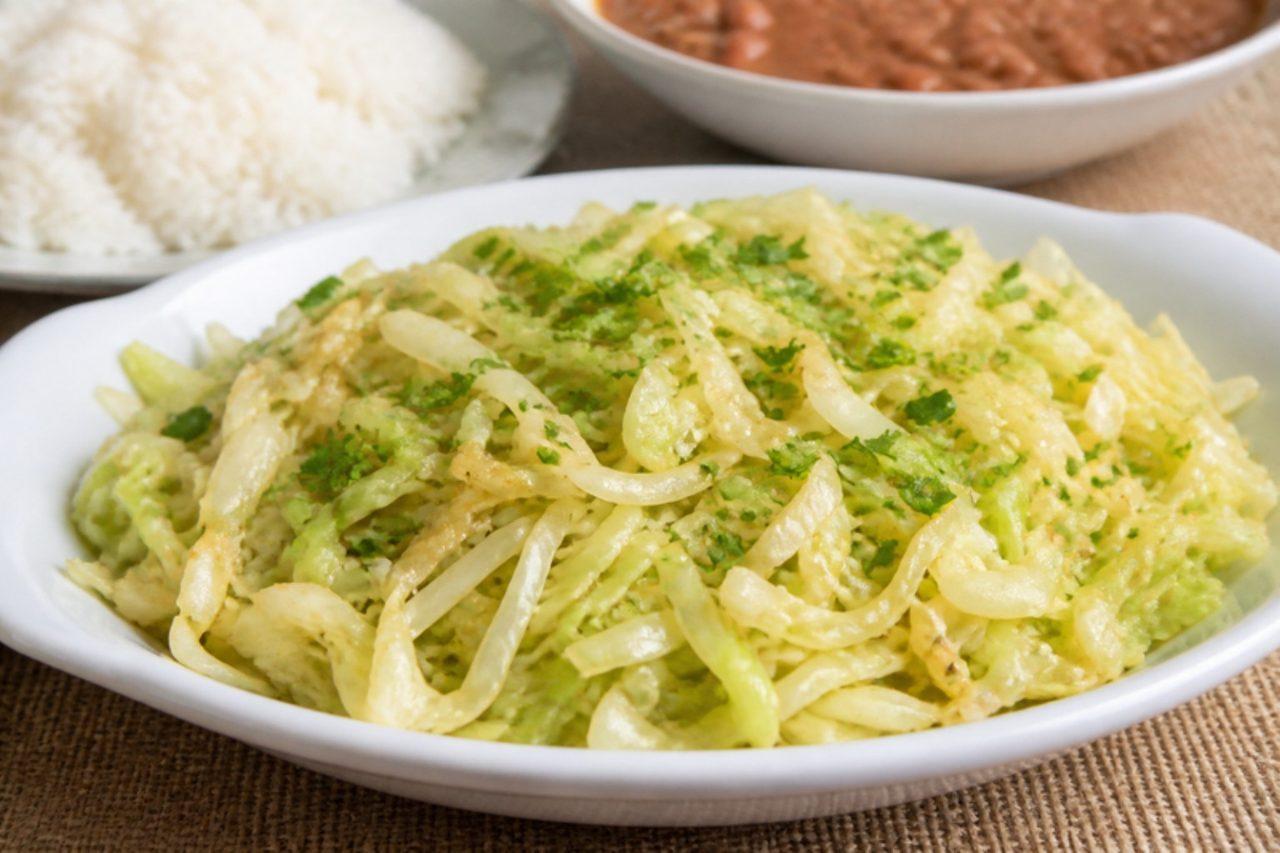
Cheap, quick and good with everything, this pan of fine-shredded cabbage is a weekday staple in Brazilian homes and the self-service lunch spots of São Paulo and Rio. It's fried with garlic and onion just long enough to turn sweet and glossy while keeping a little crunch, then brightened with a splash of vinegar. Many families add bacon; this version is vegan. Chef's tip: shred the cabbage as finely as you can; thin ribbons cook evenly in minutes.

by KrazyBadal 0 views

Pla neung manao (steamed fish in lime and chilli)Steamed fish with lime and chilli

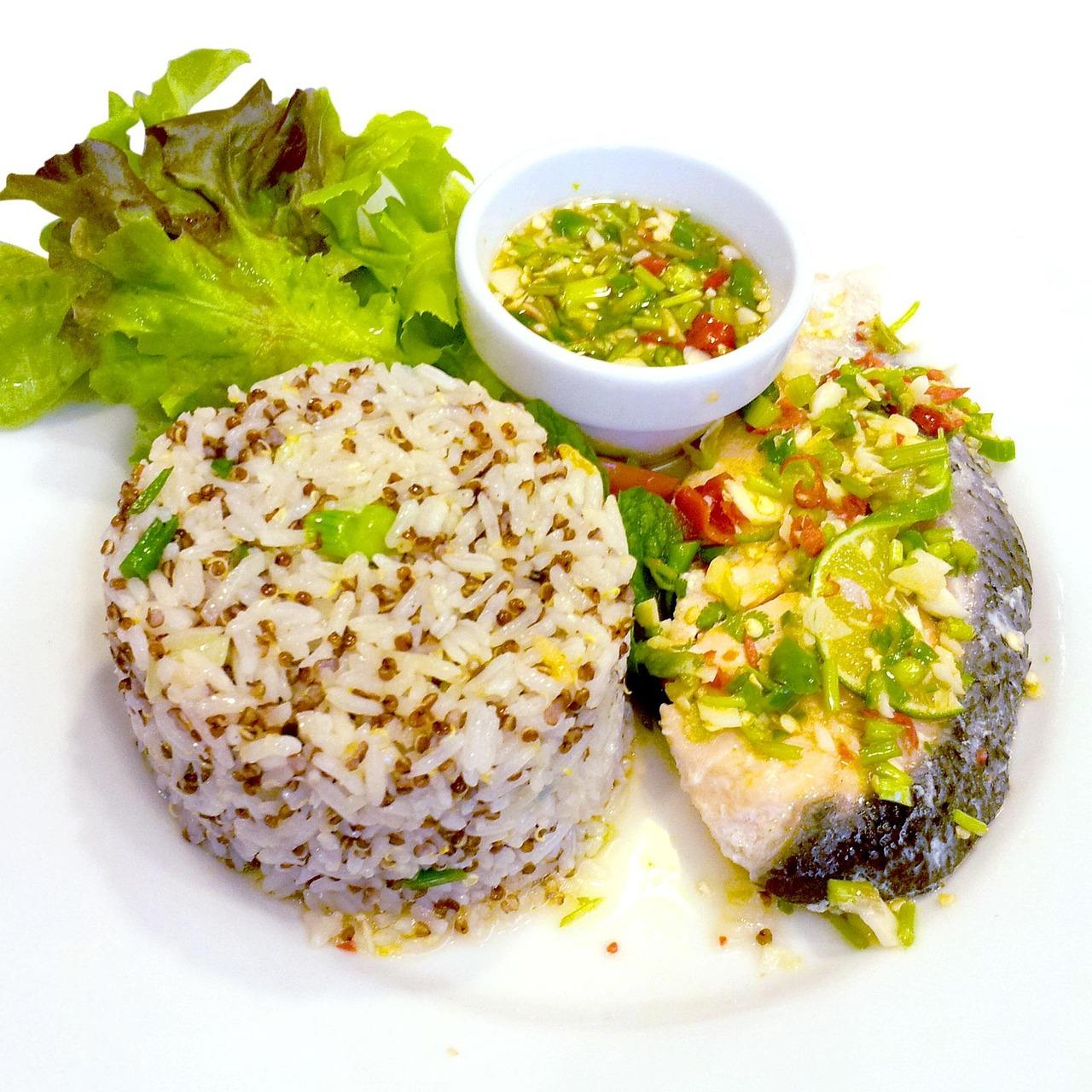
Restaurants all over Bangkok bring this dish to the table in a fish-shaped steamer with a flame underneath, the fish swimming in a broth of garlic, chilli, lime and fish sauce that keeps bubbling as you eat. Sea bass (pla kapong) is the usual choice. It is clean, sour and very garlicky, ideal for a light dinner with rice and a plate of greens. A whole fish is traditional; two thick fillets work just as well and steam faster. Chef's tip: pour the sauce over at the end, not before steaming; lime cooked for 15 minutes loses its freshness and turns bitter.

35 minThaiFishGluten freeSpicy
by KrazyBadal 0 views

Lẩu nấm chay (vegetarian mushroom hotpot)Mushroom hot pot

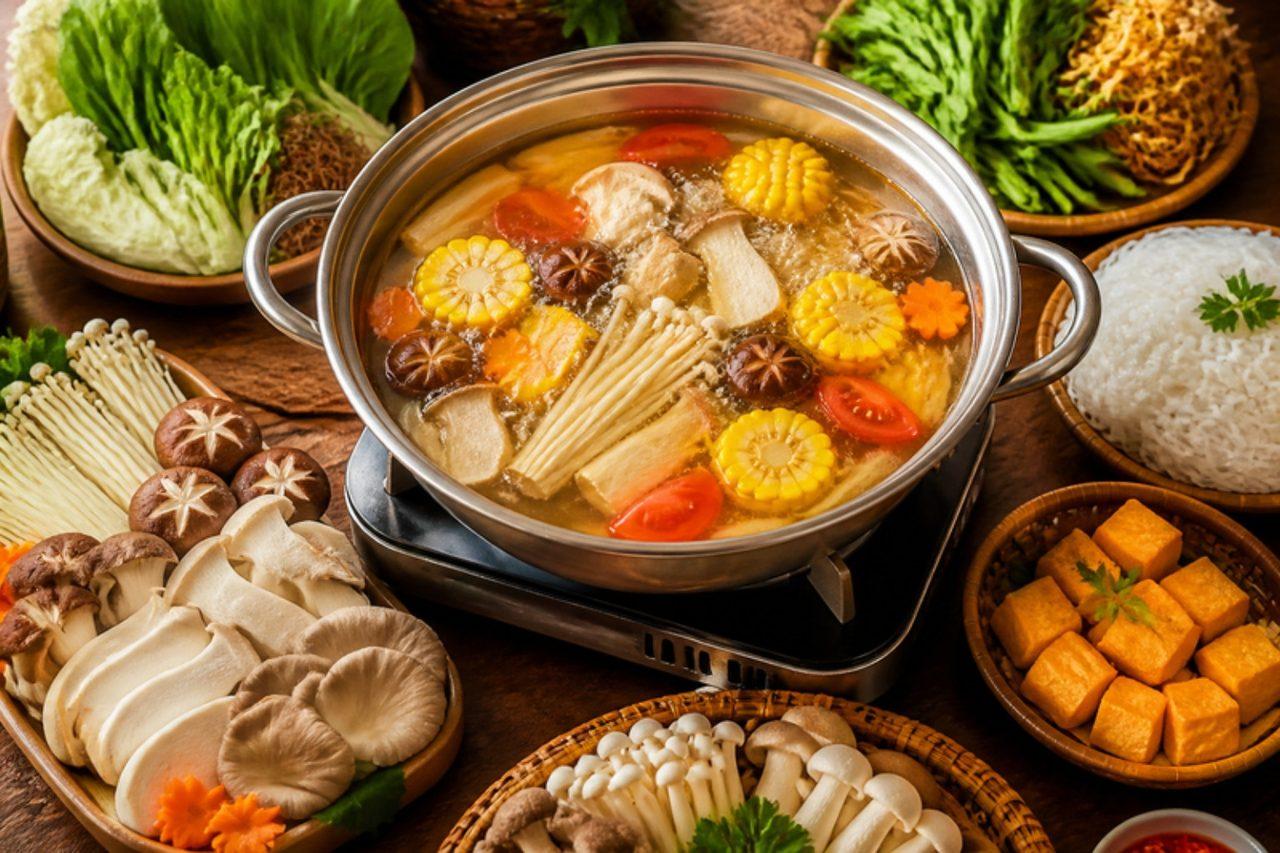
Đà Lạt, cool and misty, made the mushroom hotpot famous, and vegetarian lẩu restaurants in Hanoi and Saigon now fill up with groups on cold or rainy evenings. A clear broth sweetened with daikon, corn cobs, carrot and apple sits on a burner in the middle of the table; everyone drops in mushrooms, tofu and greens, fishes them out a minute later and spoons them over rice noodles. Expect to top up the pot and keep eating for an hour. Chef's tip: simmer the broth vegetables gently and never boil hard; a rolling boil clouds the broth and dulls its natural sweetness.

by KrazyBadal 0 views

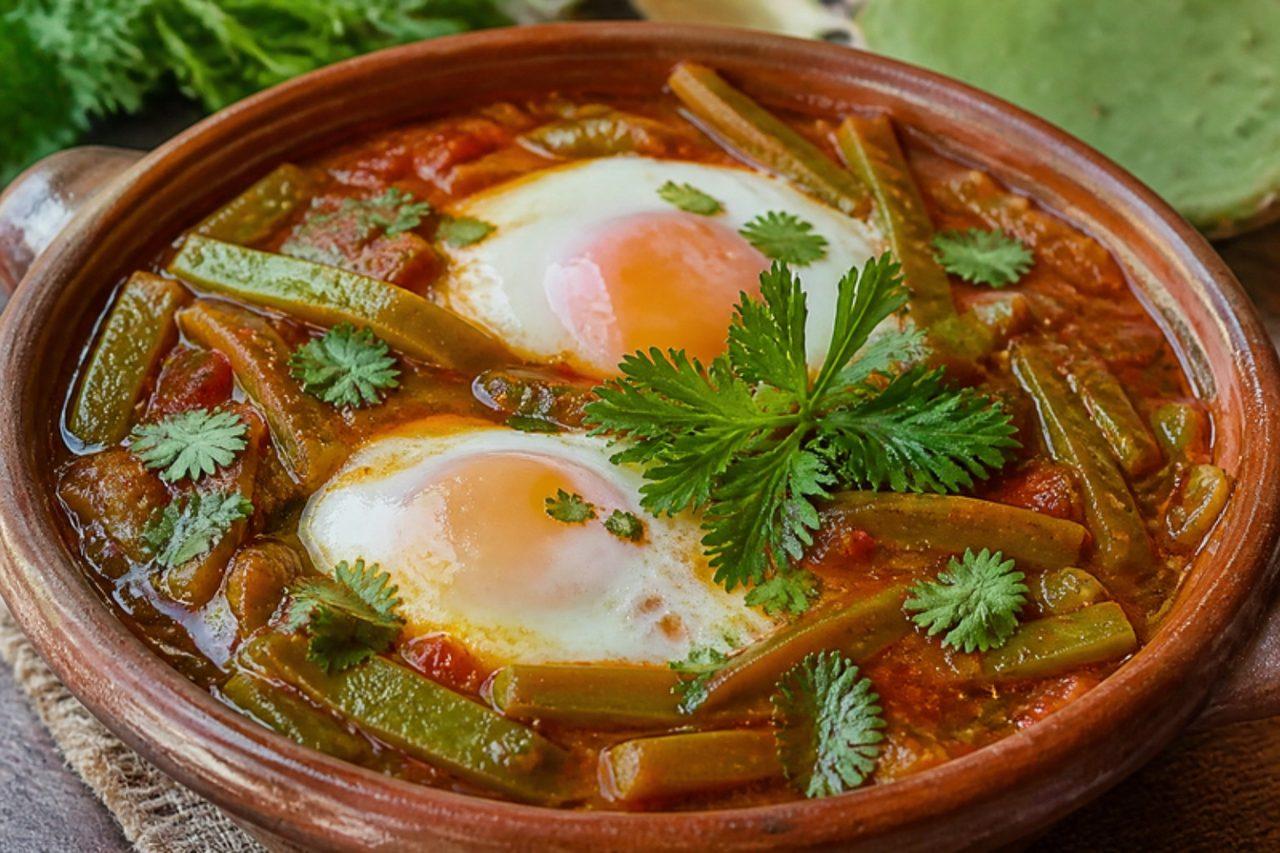
Nopales navegantesCactus in chilli broth with eggs

The name means 'sailing cactus', for the strips of nopal floating in a light red broth, and the dish is a standby of Lent in Hidalgo and the State of Mexico, when cooks want something warming and meatless. Eggs are cracked straight into the simmering caldo to poach, and the bowl is finished with fresh cheese, coriander and lime. It is light, cheap and ready in about forty minutes. Use a vegetarian cheese if you avoid animal rennet. Chef's tip: boil the nopales separately first and rinse well, so their slippery juice doesn't thicken the broth.

by KrazyBadal 0 views

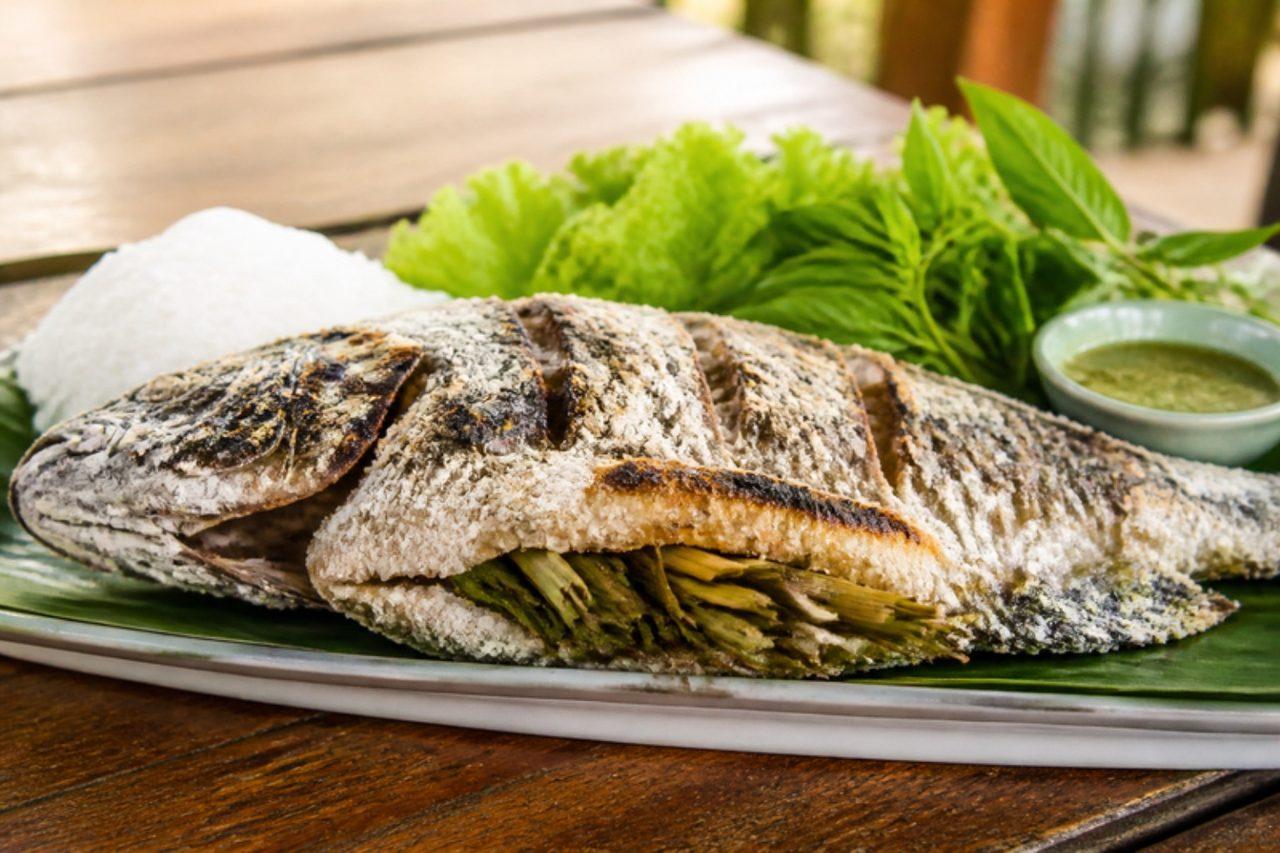
Pla pao (salt-crusted grilled fish)

Walk through any night market from Chiang Mai to Hat Yai and you will see rows of whole fish, white with crusted salt, grilling slowly over charcoal with lemongrass stalks poking out of their bellies. The salt shell keeps the flesh steaming in its own juice, so it comes out moist, clean-tasting and scented with lemongrass and pandan. People peel back the skin and eat the fish wrapped in lettuce with rice noodles, herbs and a fierce lime and chilli dip. Chef's tip: pat the fish completely dry before salting; a wet fish lets the crust slide off in the first five minutes.

55 minThaiFishGluten free
by KrazyBadal 0 views

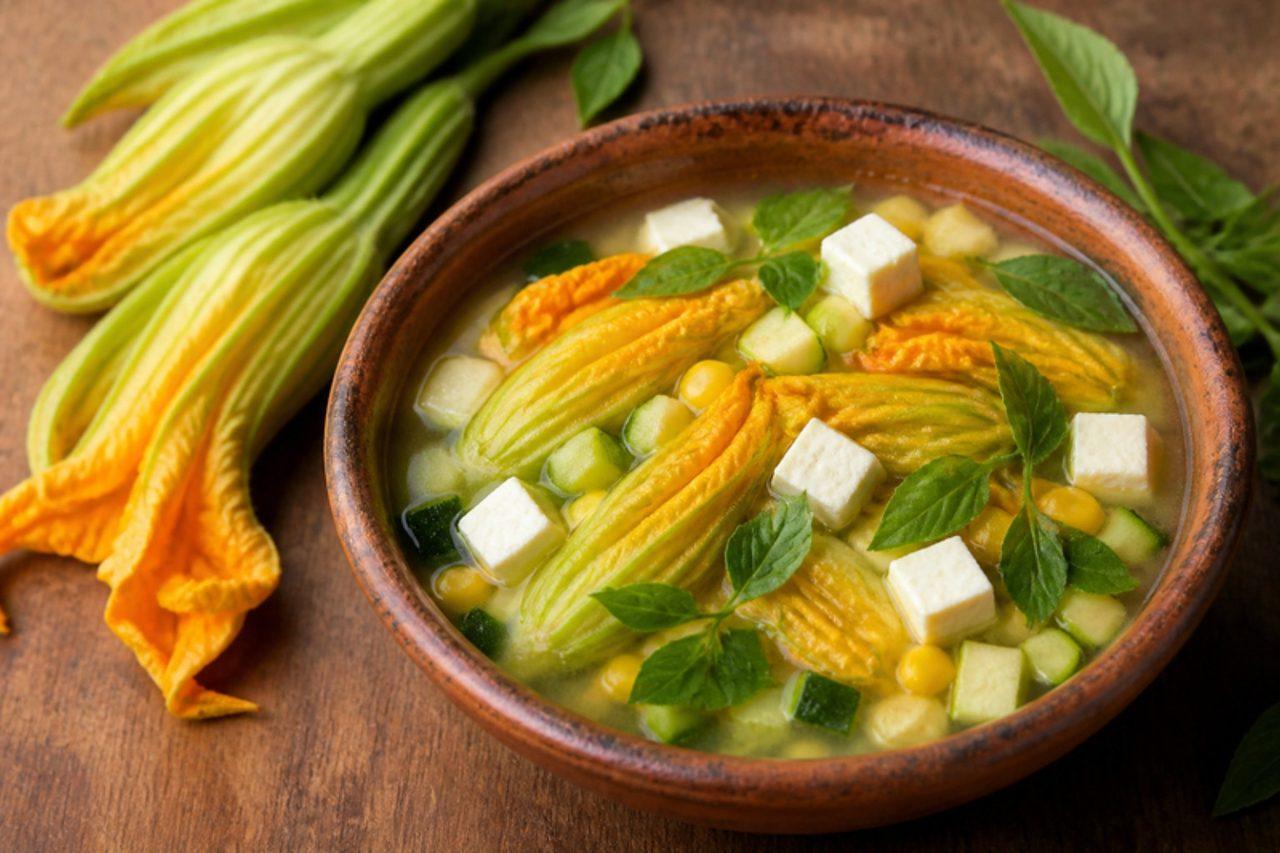
Sopa de flor de calabazaSquash blossom soup

From July to September, when the summer rains fill Mexico City's markets with armfuls of orange squash blossoms, home cooks turn them into this light, golden soup. Half the blossoms are blended with onion into the base and the rest go in whole at the end, with diced courgette, sweetcorn and a sprig of epazote. The result is delicate and floral, a good first course before something rich. Serve with crumbled queso fresco; it is usually made with animal rennet, so look for a vegetarian one. Chef's tip: buy blossoms in the morning and use them the same day, as they wilt within hours.

by KrazyBadal 0 views

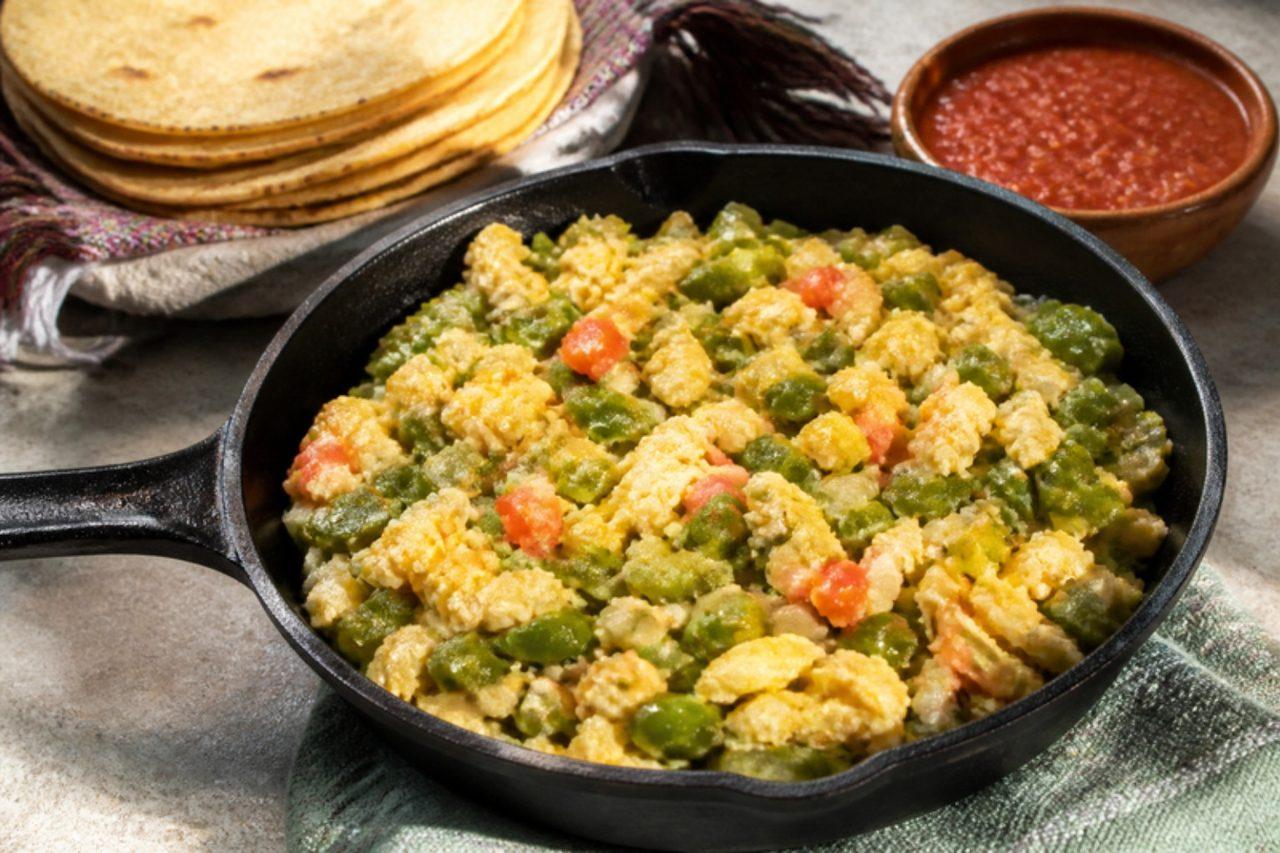
Nopales con huevoCactus and scrambled eggs

Tender cactus paddles are sold cleaned and diced in bags at every market in Mexico City and Michoacán, and the quickest breakfast they make is this: nopales fried with onion, tomato and green chile until their sticky juice cooks off, then folded through softly scrambled eggs. It is light, green and tangy, and wrapped in a warm tortilla it becomes a taco to eat on the way out. Chef's tip: cook the nopales uncovered until the slime has gone completely before the eggs go in.

by KrazyBadal 0 views

Jícama con chile y limónJícama with chile and lime

Few snacks are as simple or as refreshing as this one, sold in bags from street carts and made at home all over Mexico as an after-school or pre-lunch nibble. Jícama tastes like a cross between apple and water chestnut: crisp, juicy and barely sweet. Lime, salt and chile powder are all it needs. Chef's tip: a short soak in iced water makes the sticks extra crisp.

by KrazyBadal 0 views

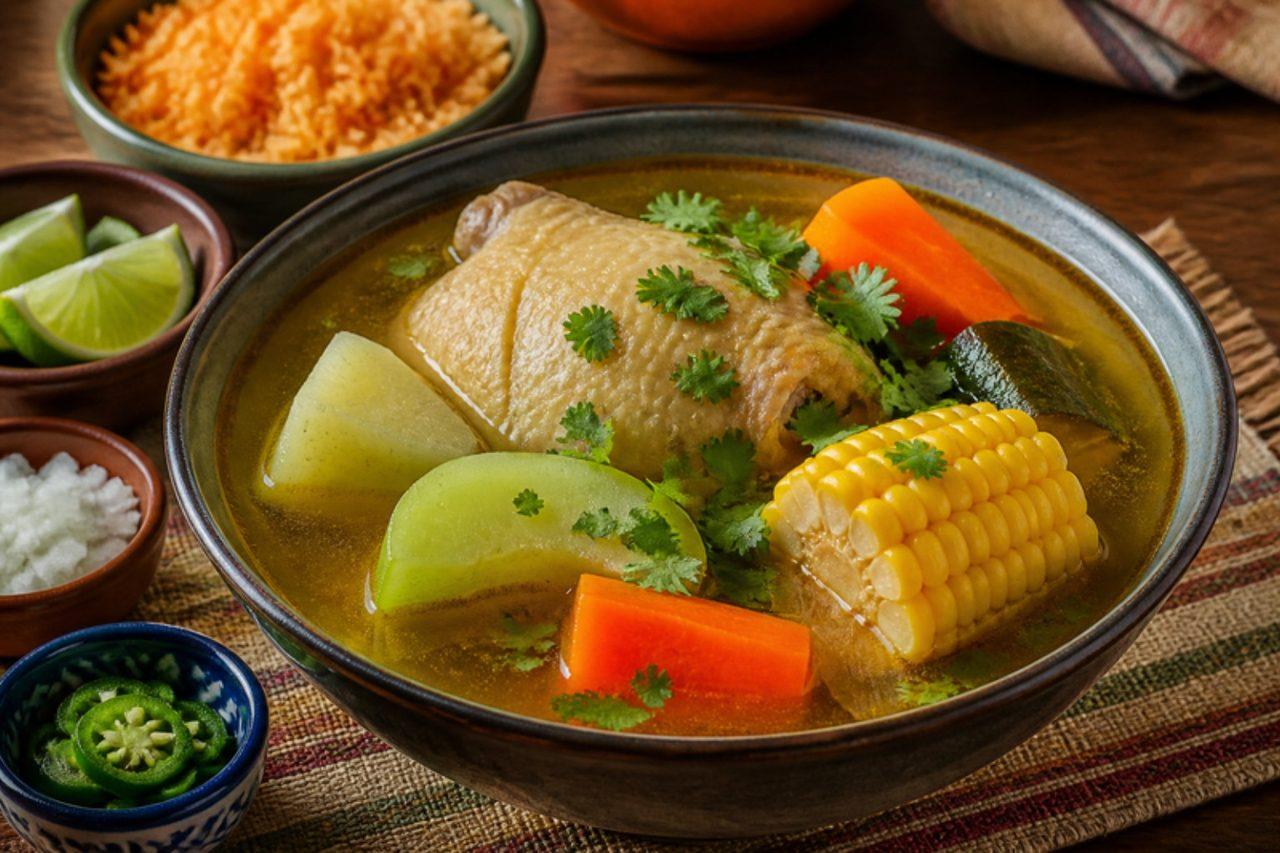
Caldo de pollo mexicanoChicken vegetable broth

Mexican mothers make caldo de pollo for colds, hangovers and rainy Sundays, and every market has a stall serving it in huge bowls. Chicken is simmered with onion and garlic, then chunks of carrot, potato, chayote, courgette and corn cook in the clear broth. At the table each person adds a spoonful of red rice, chopped onion, coriander, fresh chile and a good squeeze of lime. Chef's tip: add the vegetables in stages, from hardest to softest, so nothing turns to mush.

by KrazyBadal 0 views

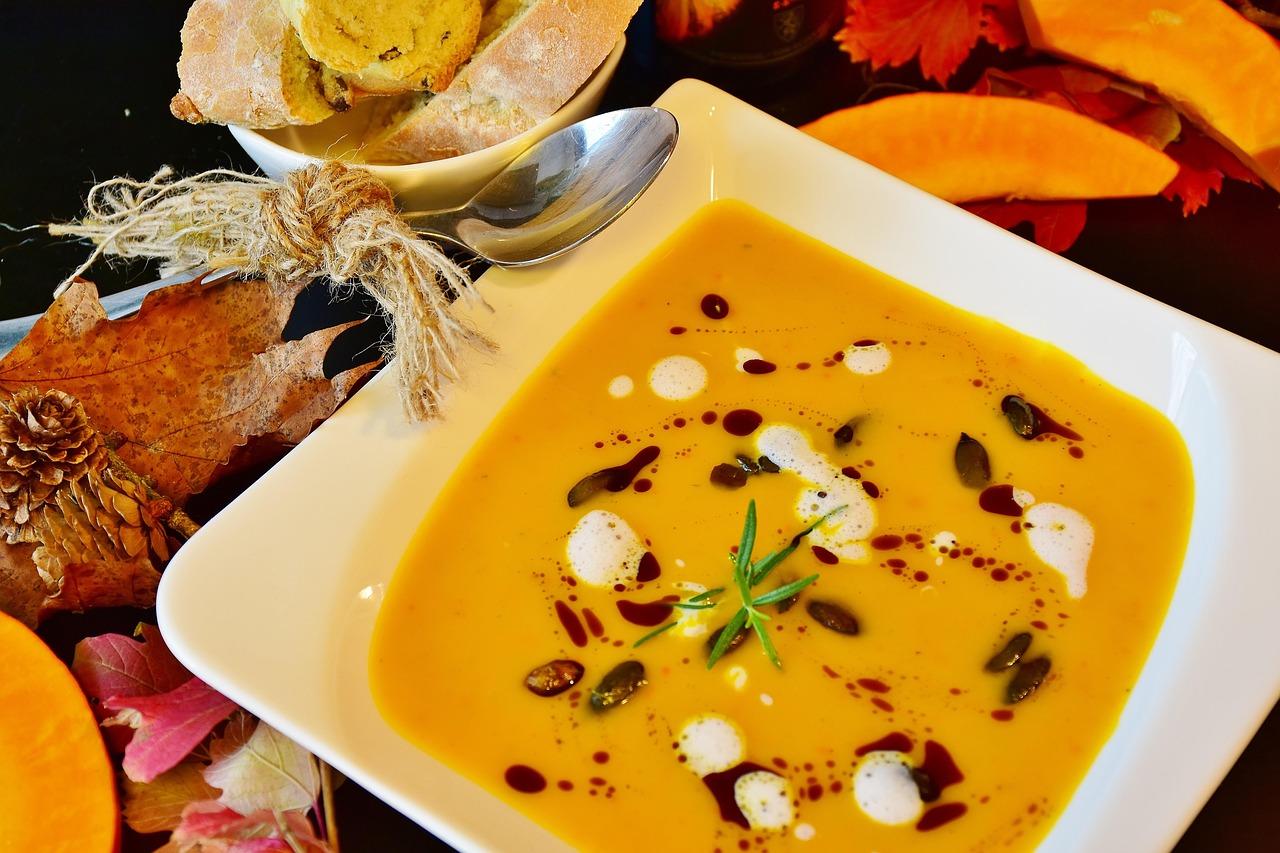
Velouté de potironCreamy pumpkin soup

Velouté de potiron is the soup French families make all autumn, from the October markets piled with orange pumpkins right through to Christmas, often served as a starter for Sunday lunch or a simple supper with bread and cheese. The pumpkin is simmered with onion and potato in vegetable stock, then blended until velvety and finished with a spoonful of crème fraîche. The common mistake is too much stock, which makes it thin and bland; you can always add more after blending. Chef's tip: a small potato gives body without masking the sweet pumpkin flavour.

by KrazyBadal 0 views

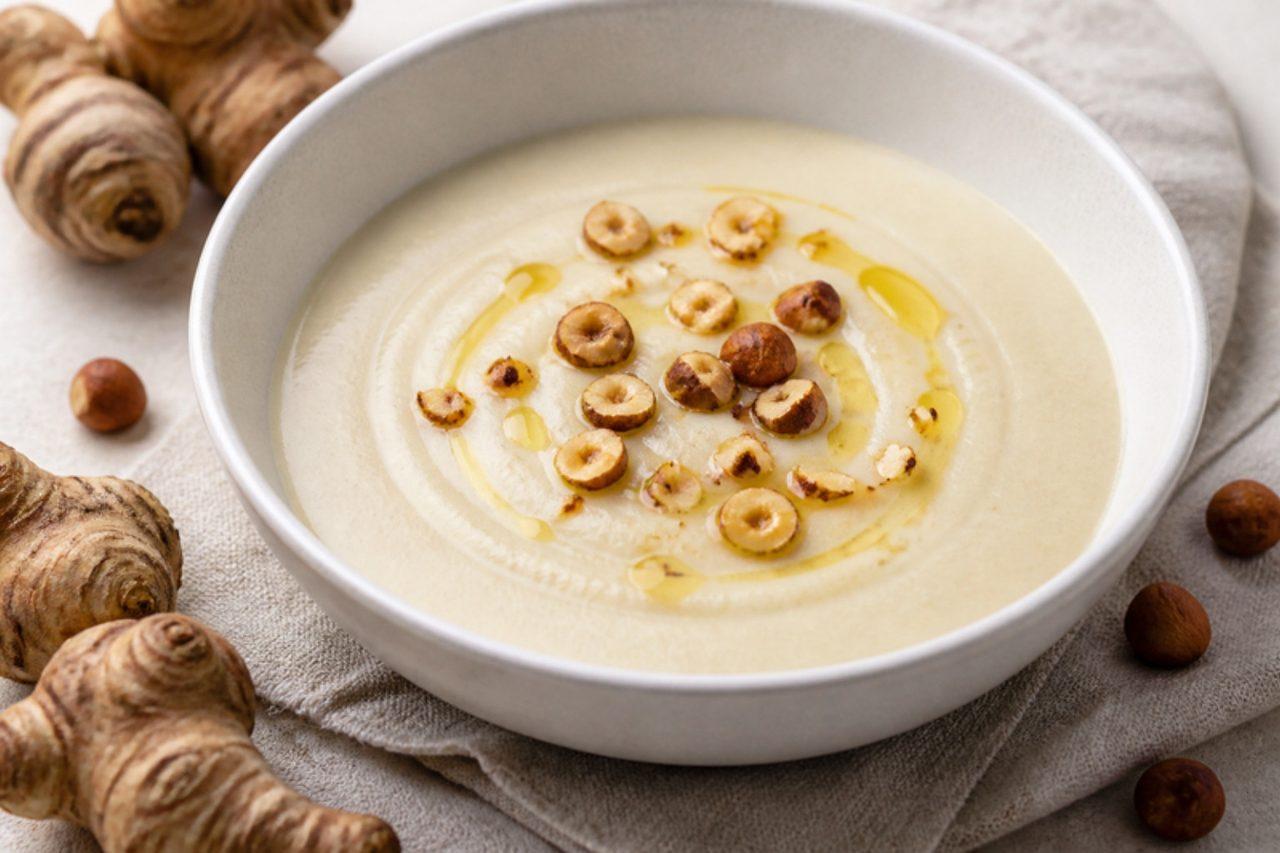
Velouté de topinamboursJerusalem artichoke soup

Velouté de topinambours is a winter soup French cooks rediscovered in the last twenty years; the knobbly Jerusalem artichoke was wartime food for older generations and is now a favourite at markets and bistros from November to March. Simmered with leek and potato and blended smooth, it has a sweet, nutty flavour close to artichoke and hazelnut. The common mistake is leaving the peeled roots in the air, where they turn grey; drop them straight into lemon water. Chef's tip: finish each bowl with a few drops of hazelnut or walnut oil to bring out the nutty taste.

by KrazyBadal 0 views

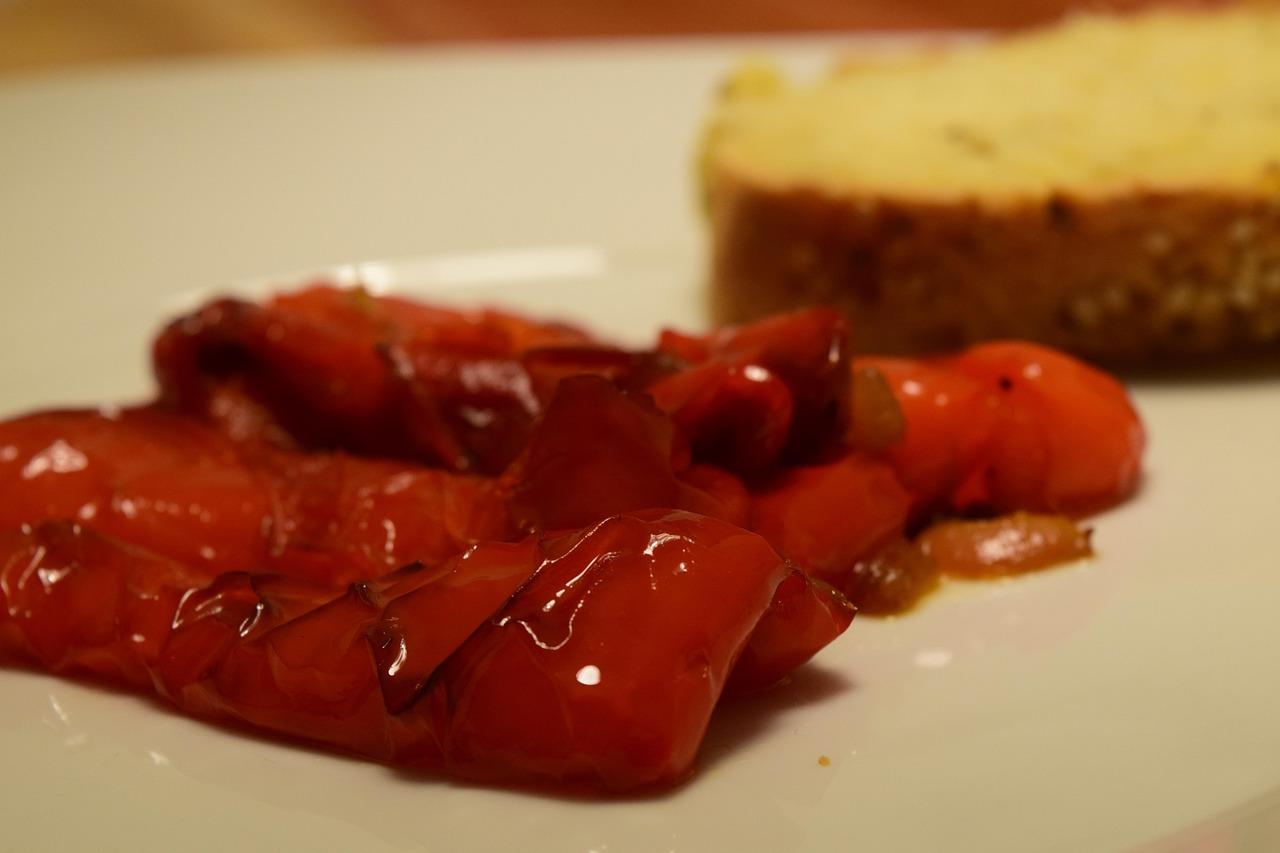
PeperonataStewed peppers and onions

Peperonata is the summer side dish of the south, made from Naples to Palermo when red and yellow peppers are at their sweetest: strips of pepper and onion stewed slowly in olive oil with a little tomato until soft, glossy and sweet, sometimes with a splash of vinegar. Families serve it with grilled meat, sausages or a frittata, or pile it on bread, and it tastes even better the next day. Chef's tip: cook it slowly with the lid on for the first 15 minutes; the peppers steam in their own juice and turn silky instead of frying hard.

by KrazyBadal 0 views

VignarolaArtichoke, broad bean and pea stew

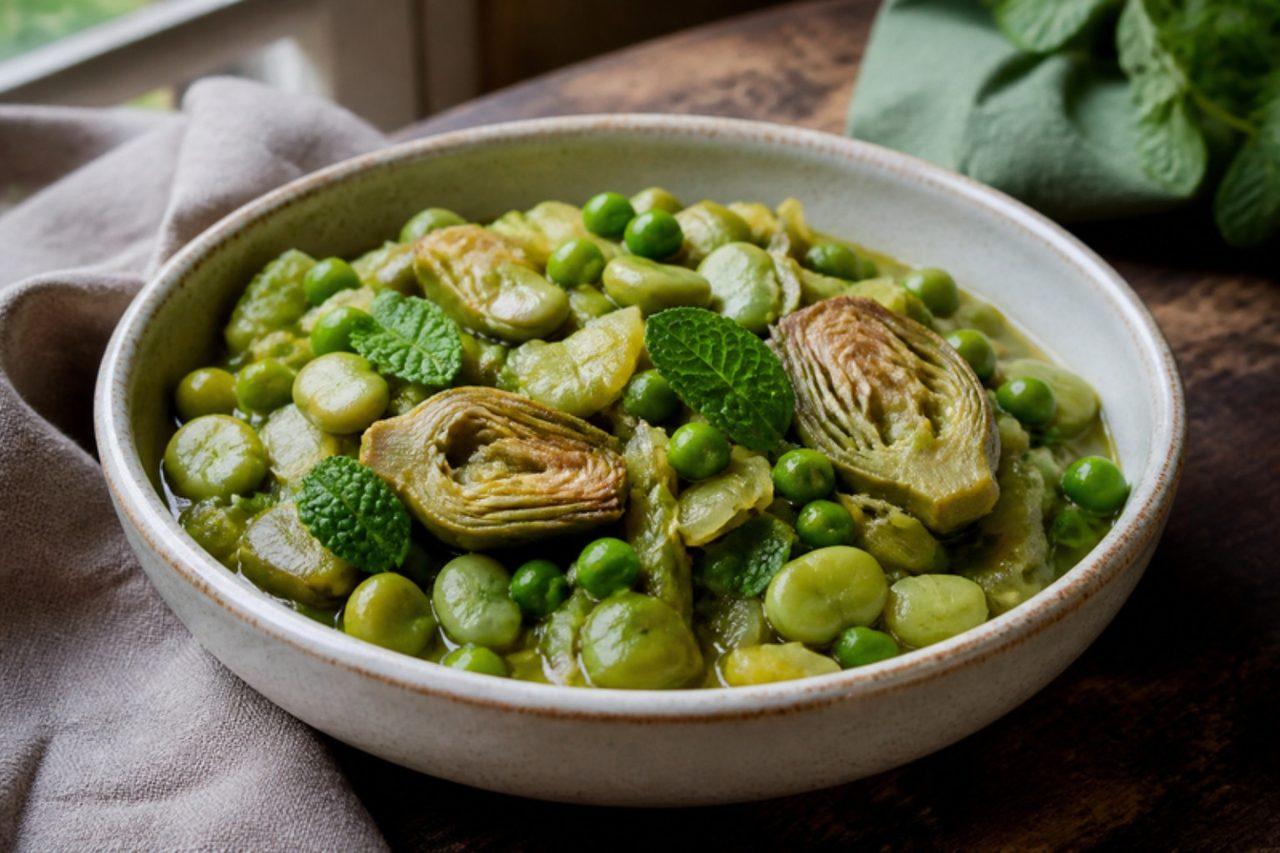
Vignarola is the dish Romans wait for all year: for a few weeks in April and May, when the first artichokes, broad beans and peas all arrive at once at the markets of Campo de' Fiori and Testaccio, they are stewed together gently with spring onion, lettuce and mint. It is eaten as a side or a light main with bread. Romans usually add a little guanciale (cured pork cheek); this version leaves it out and is fully vegan. Chef's tip: add the peas and broad beans only for the last few minutes; they should stay bright green and sweet.

by KrazyBadal 0 views

Potage cressonnièreWatercress and potato soup

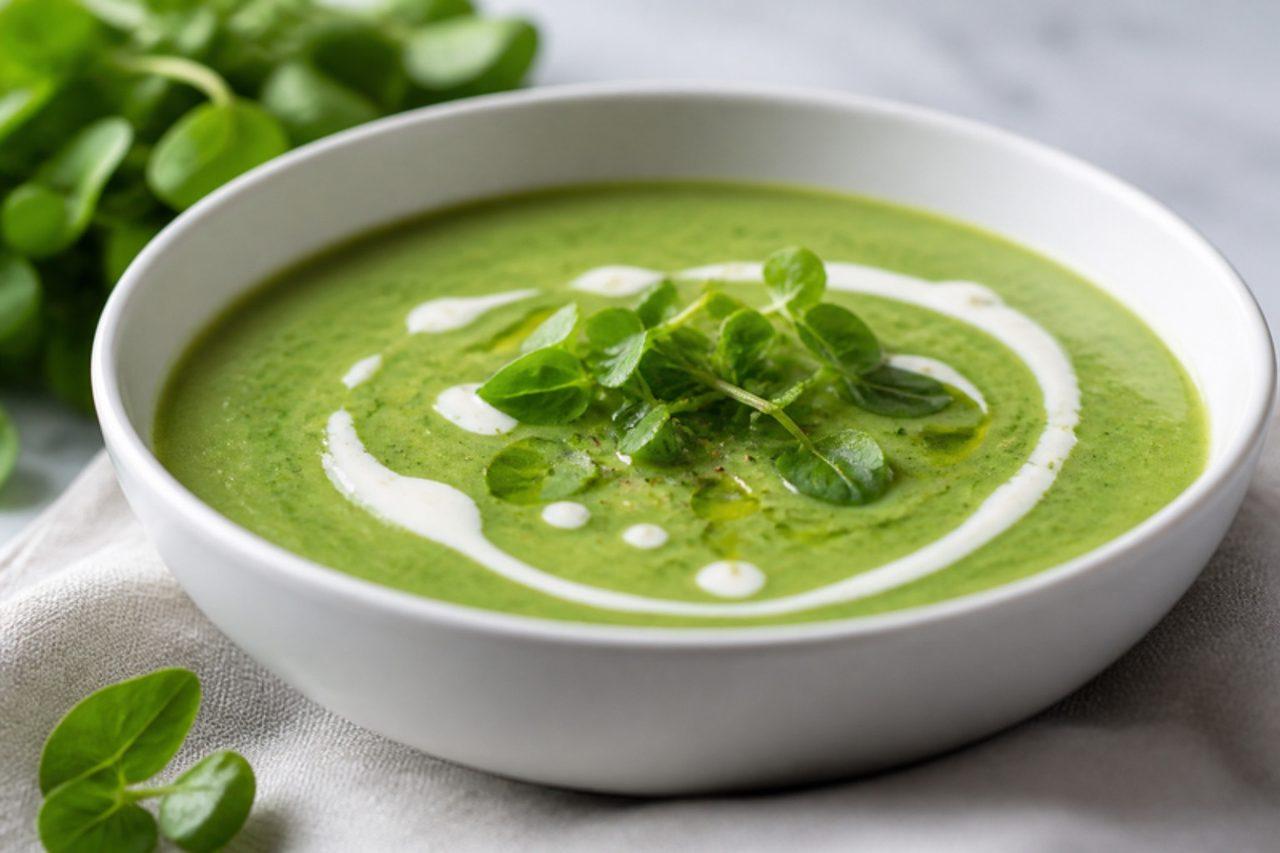
Potage cressonnière comes from the Île-de-France, where watercress has been grown in the clear spring-fed beds of the Essonne valley for centuries and sold in Paris markets. It is a light, peppery soup of watercress and potato, eaten at supper through autumn and spring, often with a little cream stirred in. The common mistake is boiling the watercress leaves, which drains their colour and bite; add them only at the end. Chef's tip: cook the stalks with the potatoes for flavour and keep the tender leaves for the last 2 minutes.

by KrazyBadal 0 views

Passato di verdureSmooth vegetable soup

Passato di verdure is the soup Italian children grow up on: a pot of mixed vegetables, simmered in water until soft and blended until velvety, with a thread of olive oil on top. It is the first food many Italian babies are given at around six months, without salt, and it stays the family's light supper for years. For babies from 6 months, the purée here is made with no salt and no stock; older children and adults season their bowls at the table. Chef's tip: take out the baby's portion before you add any salt, and blend it extra smooth.

by KrazyBadal 0 views

Scarola alla napoletanaSautéed escarole with olives and raisins

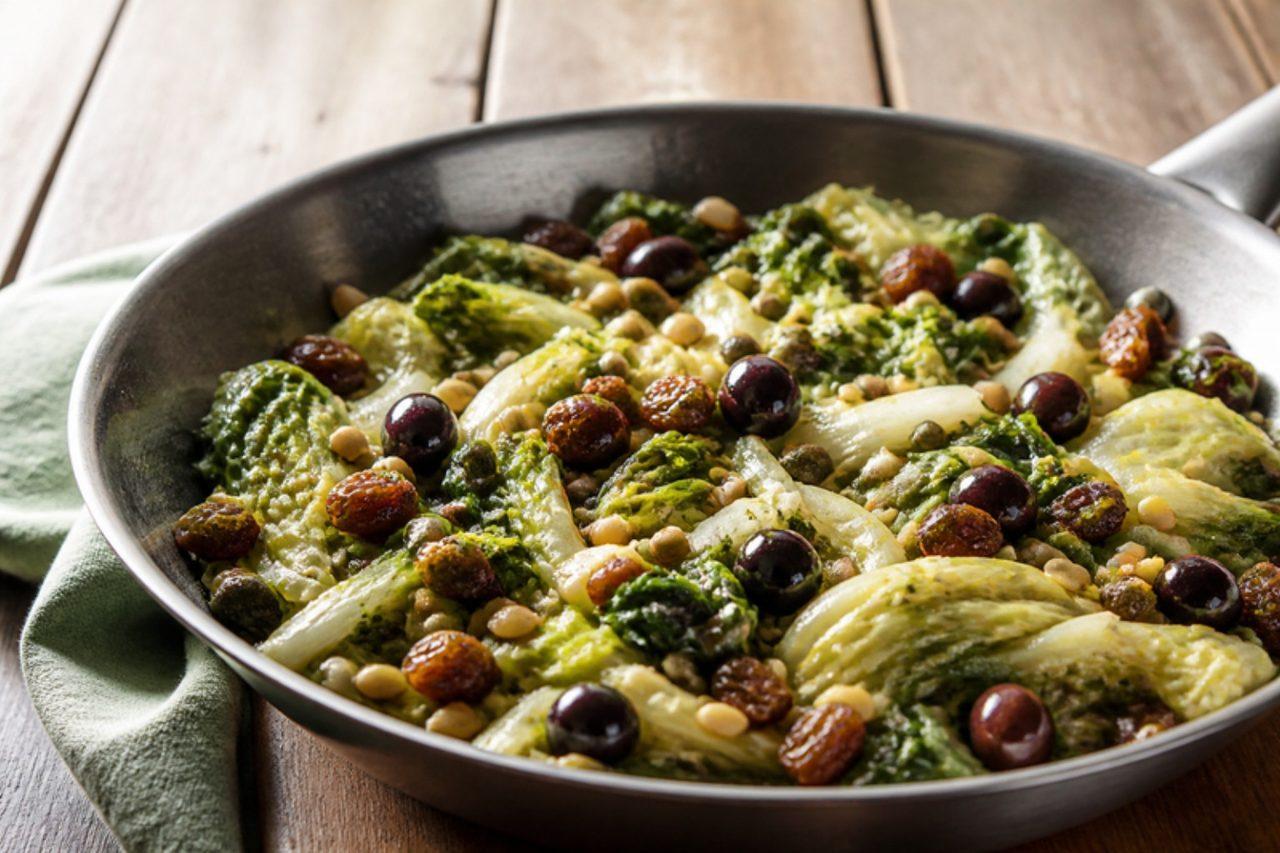
Scarola alla napoletana is a Neapolitan Christmas Eve side dish, also cooked all winter: tender escarole sautéed with garlic, black Gaeta olives, capers, pine nuts and raisins, a balance of bitter, salty and sweet that reflects the Arab influence on southern Italian cooking. It is the same filling used in the Christmas pizza di scarola, and families often serve it with fried fish. Contains pine nuts. Chef's tip: dry the washed escarole well before it goes in the pan; wet leaves splash and steam rather than sauté.

by KrazyBadal 0 views

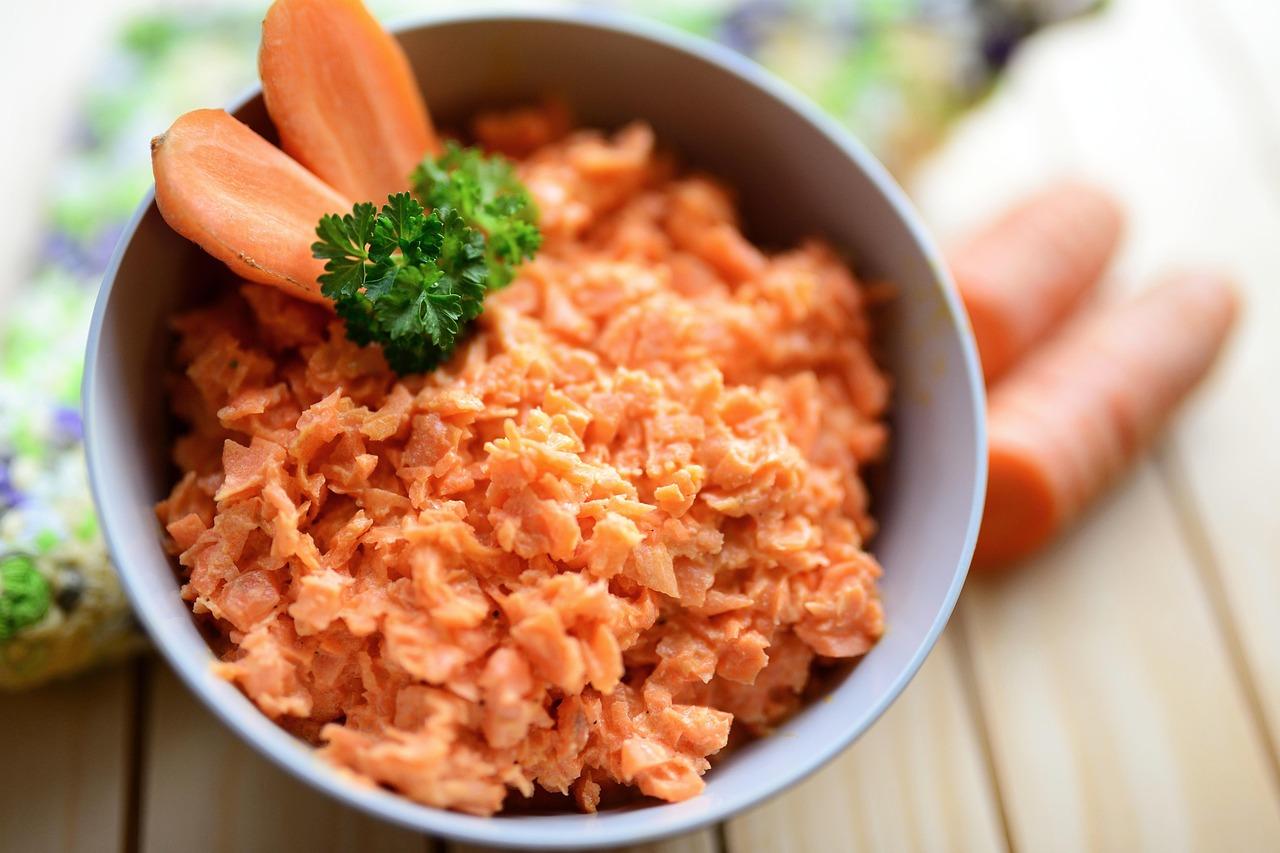
Carottes râpéesGrated carrot salad

Carottes râpées is the everyday starter of French school canteens, bistro crudité plates and family lunches all over the country, a heap of finely grated carrots in a bright lemon dressing that wakes up any meal. It is sweet, juicy and crunchy, and takes ten minutes. The secret is grating the carrots on the fine side of the grater, so they release some juice into the dressing. The common mistake is using the coarse holes, which gives dry, chewy strands that do not take the dressing. Chef's tip: dress the carrots 20 minutes before serving and toss again just before the table; they soften slightly and taste much sweeter.

by KrazyBadal 0 views

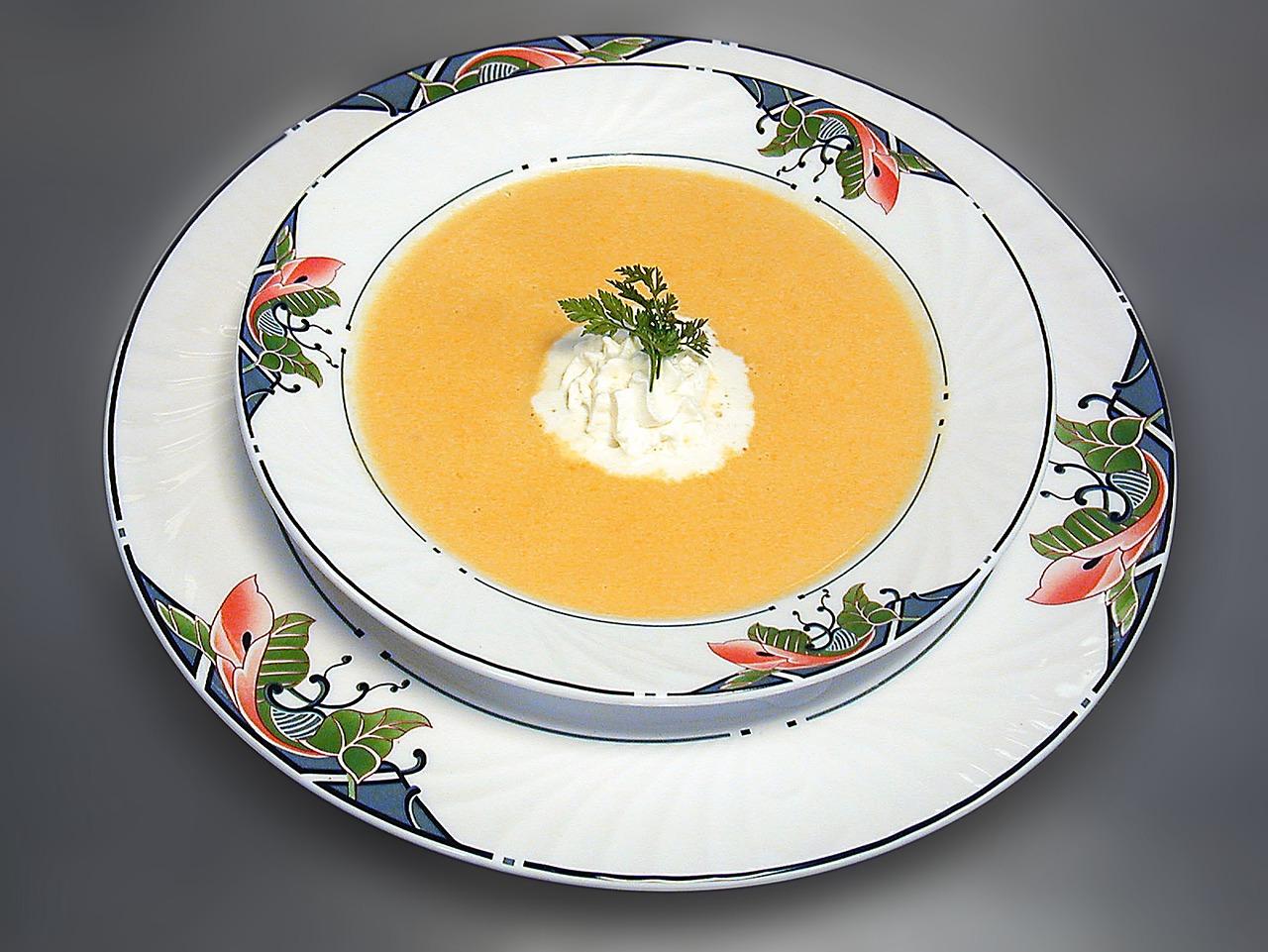
Potage CrécyCarrot soup

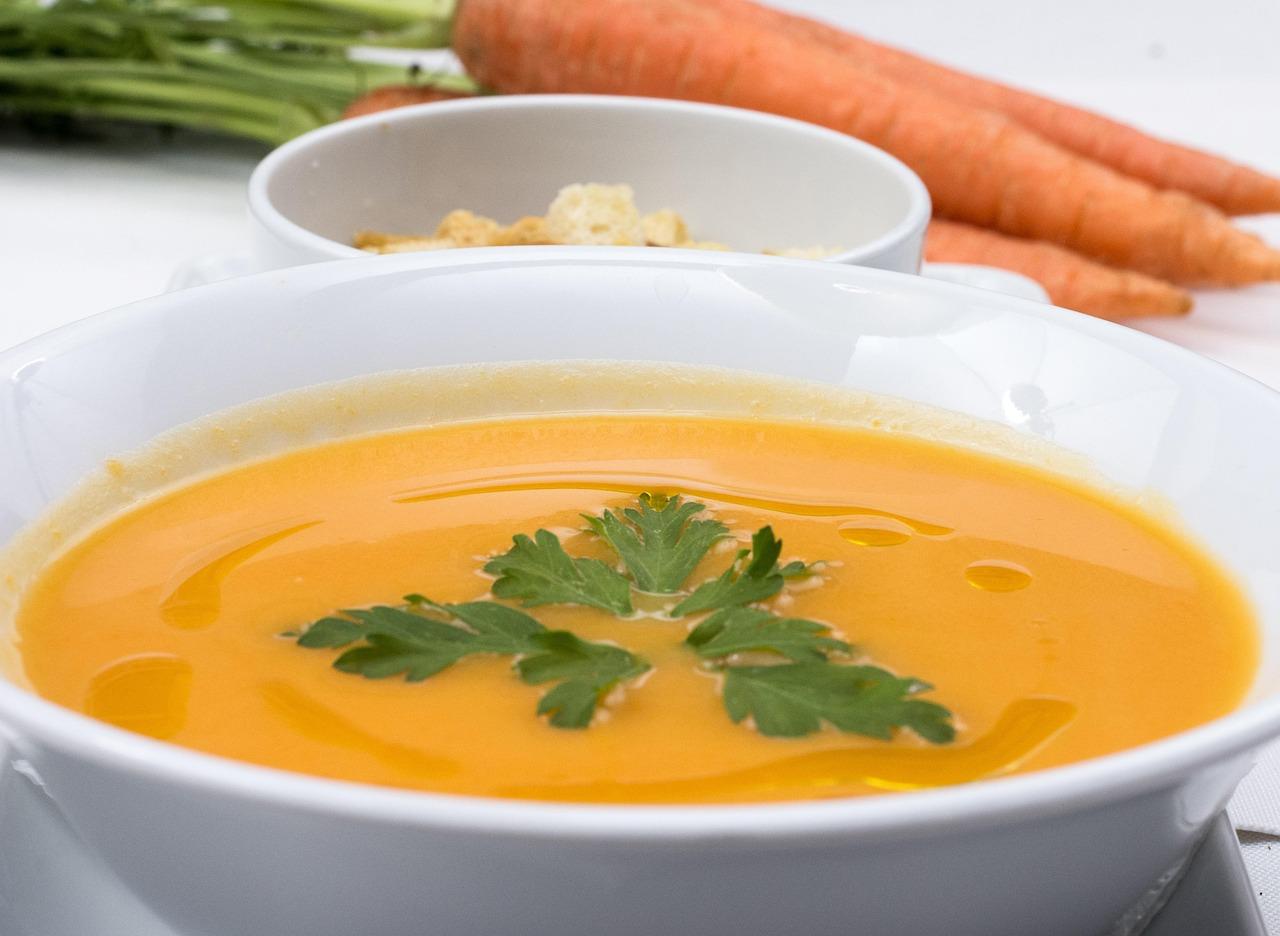
Potage Crécy is named after Crécy-la-Chapelle, east of Paris, once famous for its sweet carrots, and any French dish "à la Crécy" contains carrots. It is a gentle family soup served at supper all year round, loved by children for its colour and sweetness. The carrots are sweated in butter, then simmered with a spoonful of rice, which gives the soup a velvety body once blended. The common mistake is browning the carrots, which makes the soup taste bitter rather than sweet. Chef's tip: a pinch of sugar and a few croutons fried in butter turn it into a proper Parisian potage.

by KrazyBadal 0 views

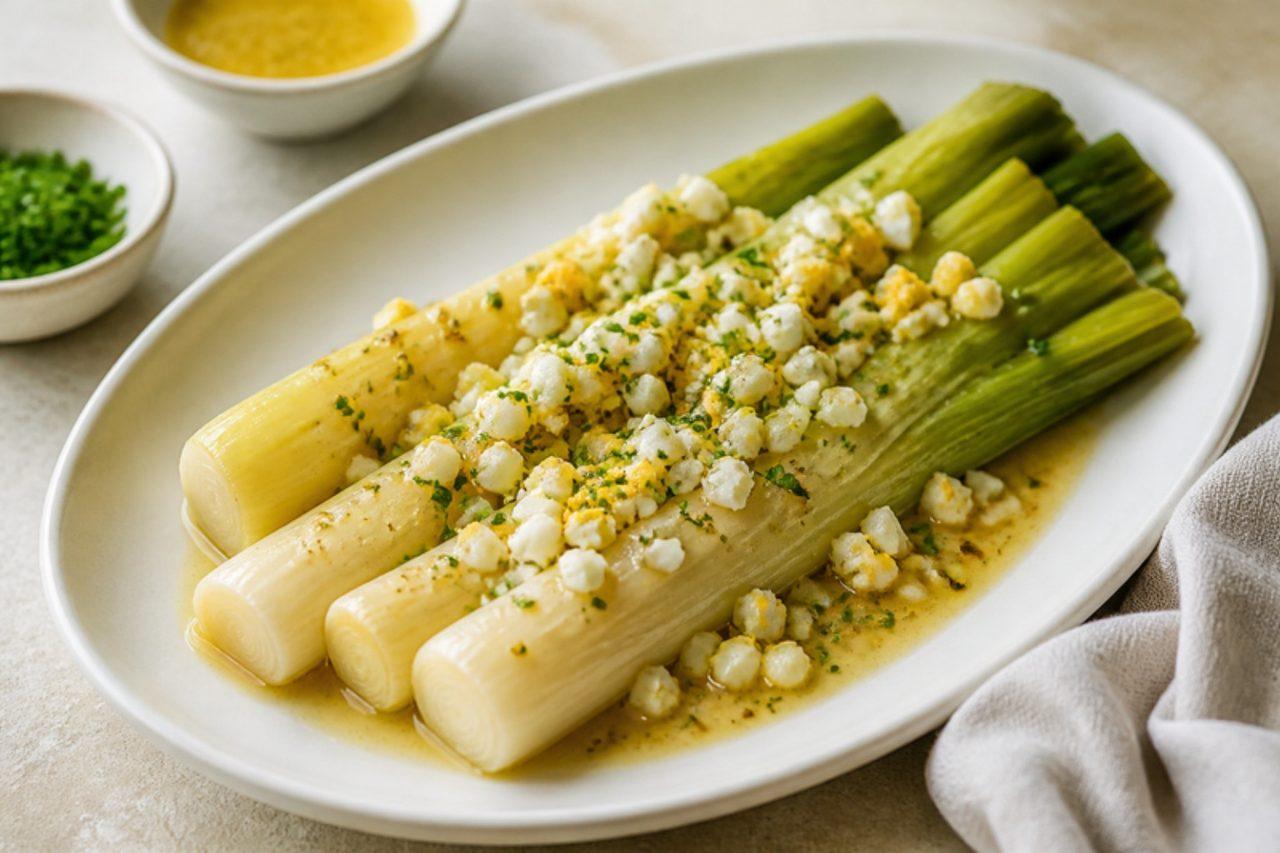
Poireaux vinaigretteLeeks in vinaigrette

Poireaux vinaigrette is the humble leek starter of Parisian bistros, served lukewarm on long plates from autumn to early spring, when leeks are cheap and sweet. Whole young leeks are poached until silky, drained well and dressed while still warm with a punchy mustard vinaigrette, so they drink it in. Some bistros finish them with chopped egg; this version keeps it vegan with shallots and chives. The common mistake is not washing the leeks well, which leaves grit between the layers. Chef's tip: tie the leeks in a bundle before poaching so they stay whole and easy to lift out.

by KrazyBadal 0 views

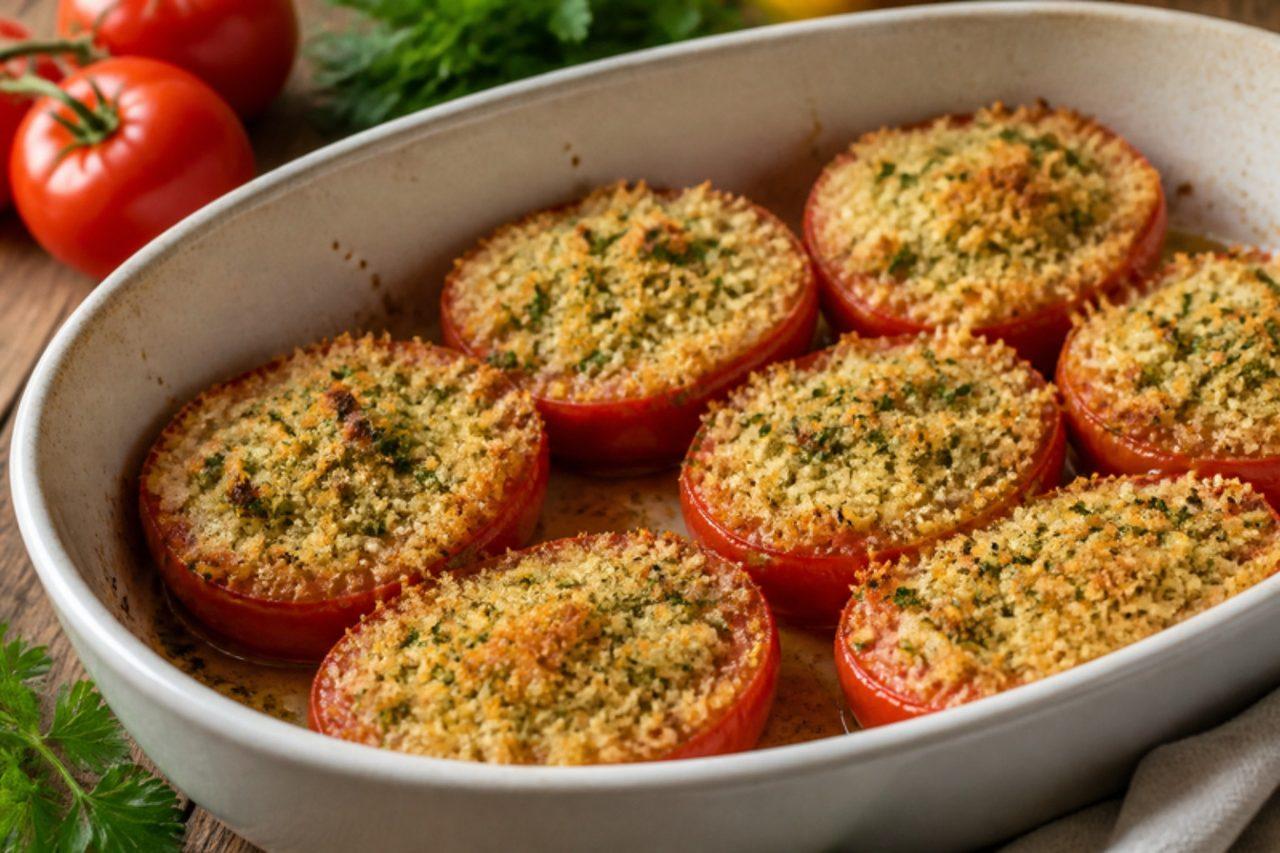
Tomates à la provençaleBaked garlic breadcrumb tomatoes

Tomates à la provençale are the summer side dish of every Provençal kitchen, set out at lunch from June to September beside grilled fish, lamb or an omelette. Ripe tomato halves are baked slowly, cut side up, under a heap of garlic, parsley and olive-oil breadcrumbs until the tomatoes slump and caramelise and the topping crisps. The common mistake is using under-ripe tomatoes, which stay sour and firm. Chef's tip: salt the cut tomatoes and turn them upside down for 15 minutes before topping; they lose excess juice and the crumbs stay crisp.

by KrazyBadal 0 views

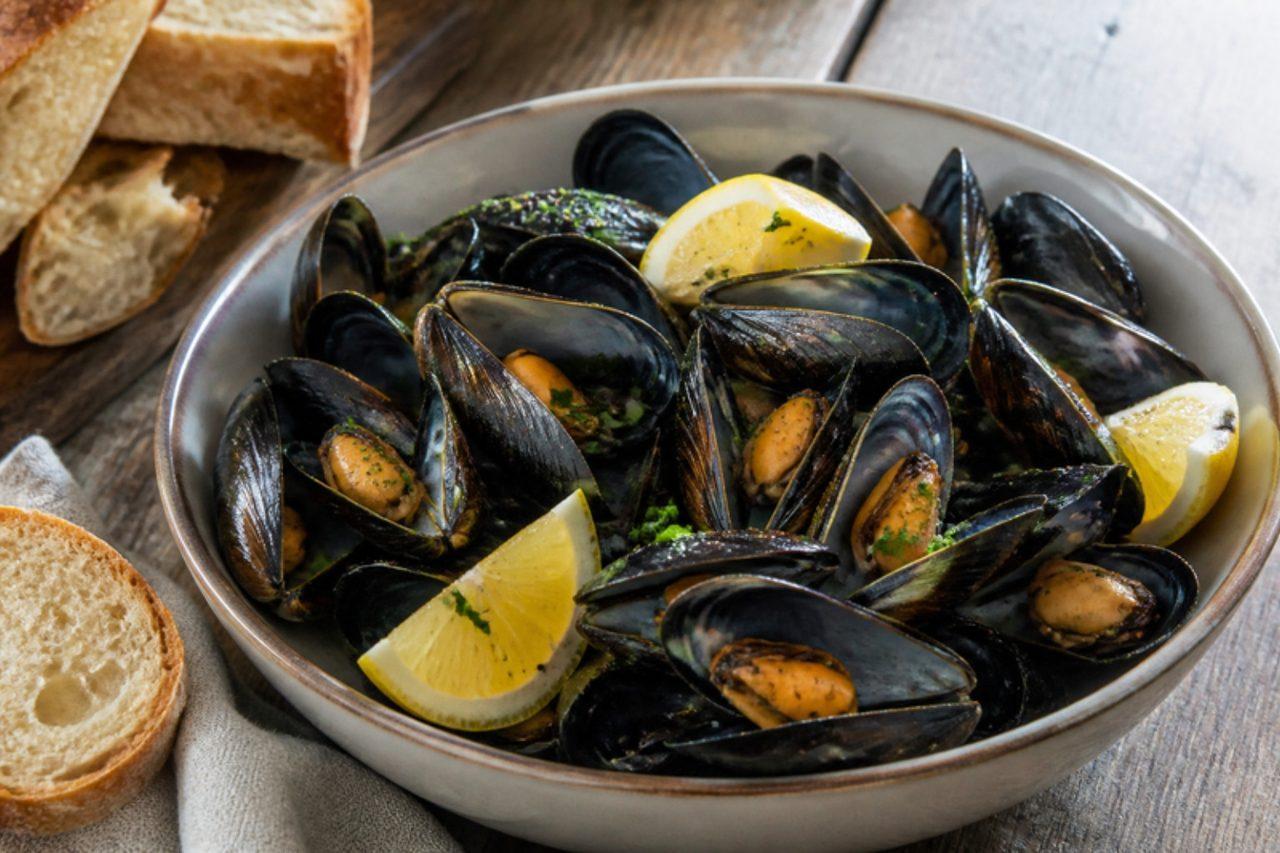
Impepata di cozzePeppered mussels

Impepata, "peppered", is the simplest and most loved mussel dish in Naples, especially on Holy Thursday before Easter, when it is traditional: live mussels steamed open in a hot pan with a little garlic and olive oil and a huge amount of freshly ground black pepper, finished with parsley and lemon and eaten with bread to soak up the juices. Chef's tip: grind the pepper coarsely and fresh, right over the pan; pre-ground pepper tastes dusty and flat.

by KrazyBadal 0 views

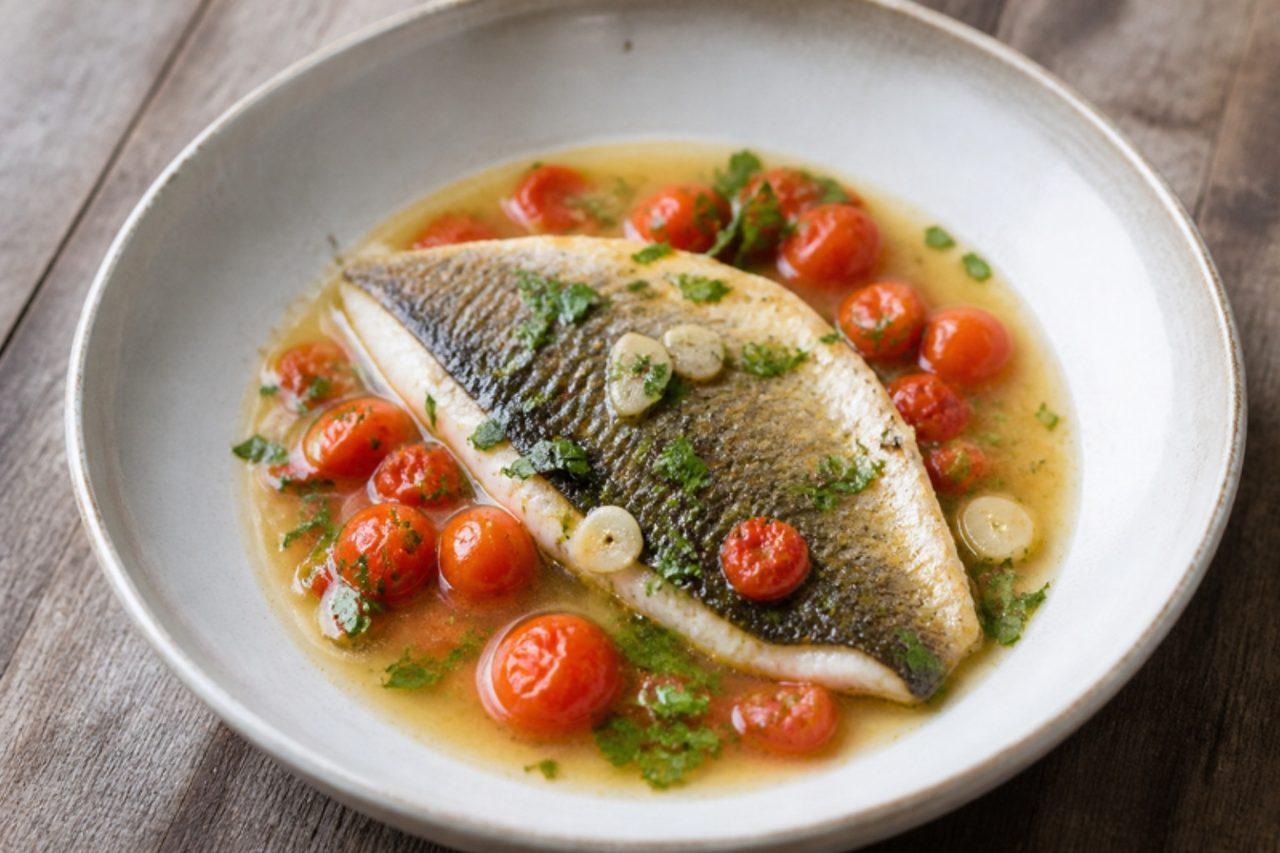
Pesce all'acqua pazzaFish in tomato broth

Acqua pazza, "crazy water", was once the dish fishermen of Naples, Ischia and the Amalfi Coast cooked on their boats with the fish they couldn't sell, in sea water with a few tomatoes and garlic. Today it's a light summer favourite in seaside restaurants: white fish, such as sea bream or sea bass, gently poached in a quick broth of cherry tomatoes, garlic, chilli and parsley, served with bread for the broth. Chef's tip: keep the broth at a gentle simmer, never boiling; the fish should poach softly and stay moist.

by KrazyBadal 0 views

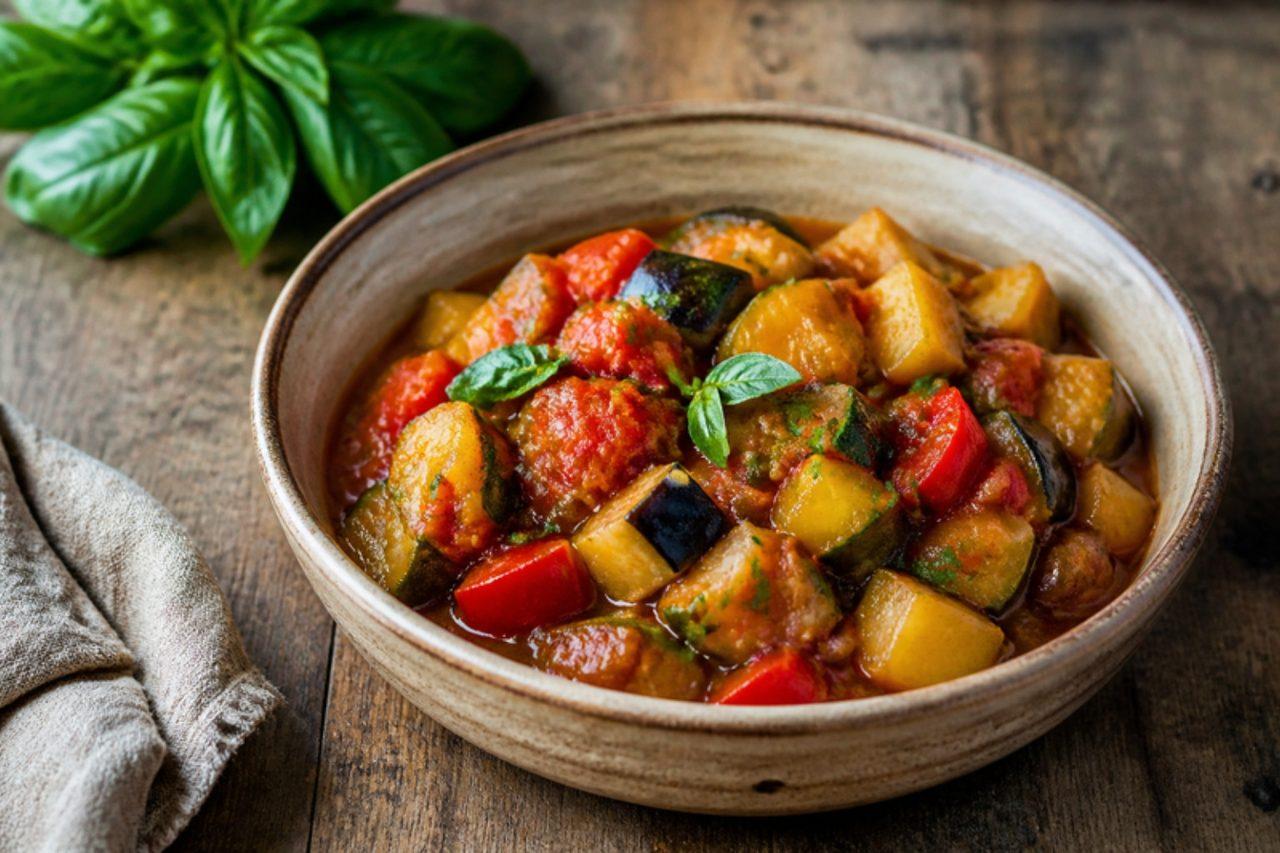
CiambottaSummer vegetable stew

In August, when the vegetable gardens of Basilicata and the Cilento are overflowing, families make ciambotta: peppers, aubergines, potatoes, courgettes, onion and tomato stewed slowly together in olive oil until soft and sweet. Farmworkers once ate it in the fields with bread; today it's a summer supper, eaten warm or at room temperature, sometimes with an egg cracked on top. Chef's tip: add the vegetables in stages, potatoes first and courgettes last; that way they all finish tender at the same time without any turning to mush.

by KrazyBadal 0 views

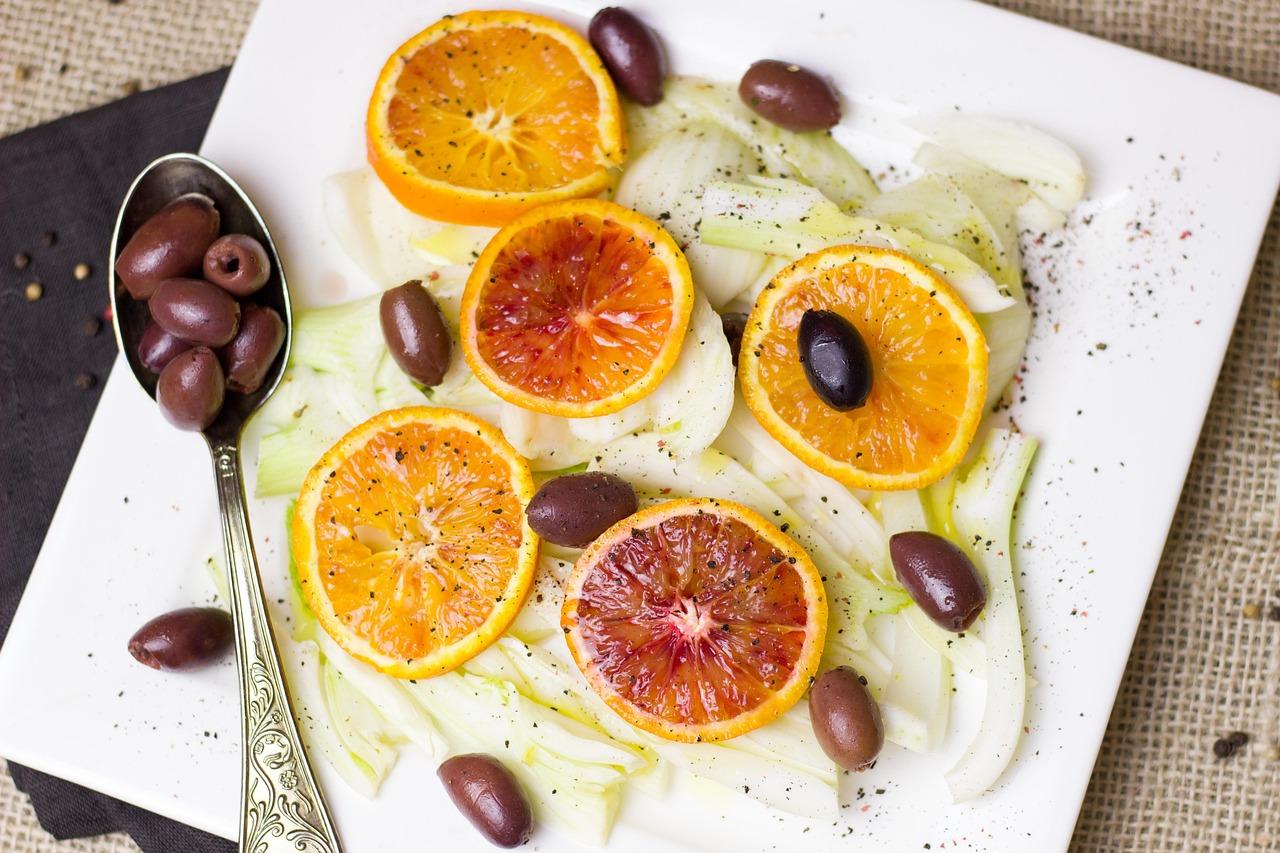
Insalata di arance e finocchiOrange and fennel salad

In Sicily the orange harvest peaks in January, just as wild fennel and the big fennel bulbs come in, and this bright salad is on the table across the island at Christmas and through the winter, often to clean the palate after a rich main dish. Juicy oranges, ideally blood oranges from the slopes of Etna, are sliced with shaved fennel, red onion, black olives and good olive oil. Chef's tip: cut the peel and all the white pith away with a knife, then slice the oranges into rounds; pith is bitter and makes the salad chewy.

by KrazyBadal 0 views

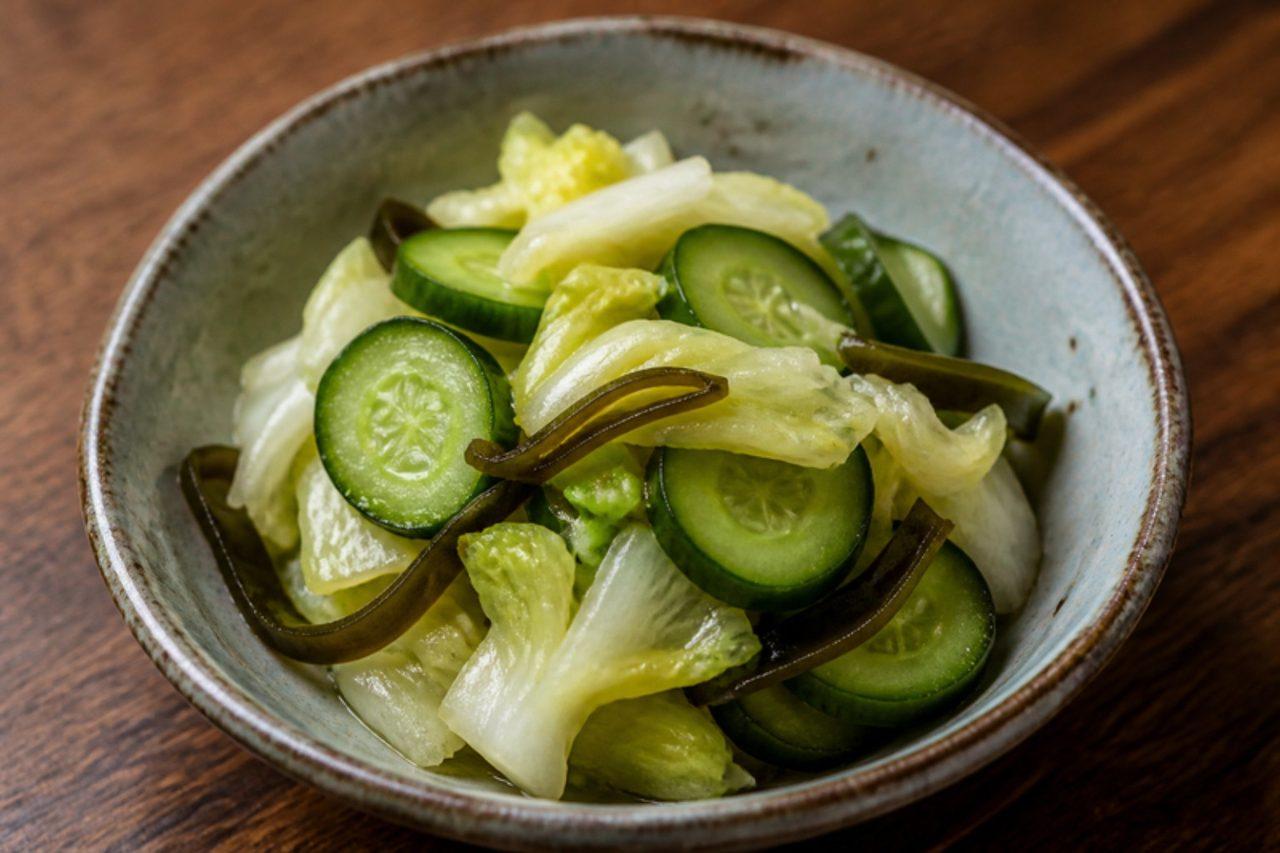
Asazuke (overnight cucumber and cabbage pickle)Quick cucumber and cabbage pickle

Asazuke means shallow pickle, and it is the quick, fresh pickle that Japanese home cooks make the night before, tucked in a plastic bag in the fridge door and served with breakfast rice and miso soup. Cucumber and cabbage are rubbed with salt and pressed with kombu, a few slivers of chilli and yuzu or lemon peel, so they stay crunchy, juicy and only gently seasoned. It takes 15 minutes to make. The common mistake is not squeezing out the liquid before serving, which leaves the pickle watery and salty. Chef's tip: rub the salt in firmly with your hands for a full minute; bruising the vegetables a little is what lets them season through in a few hours.

by KrazyBadal 0 views

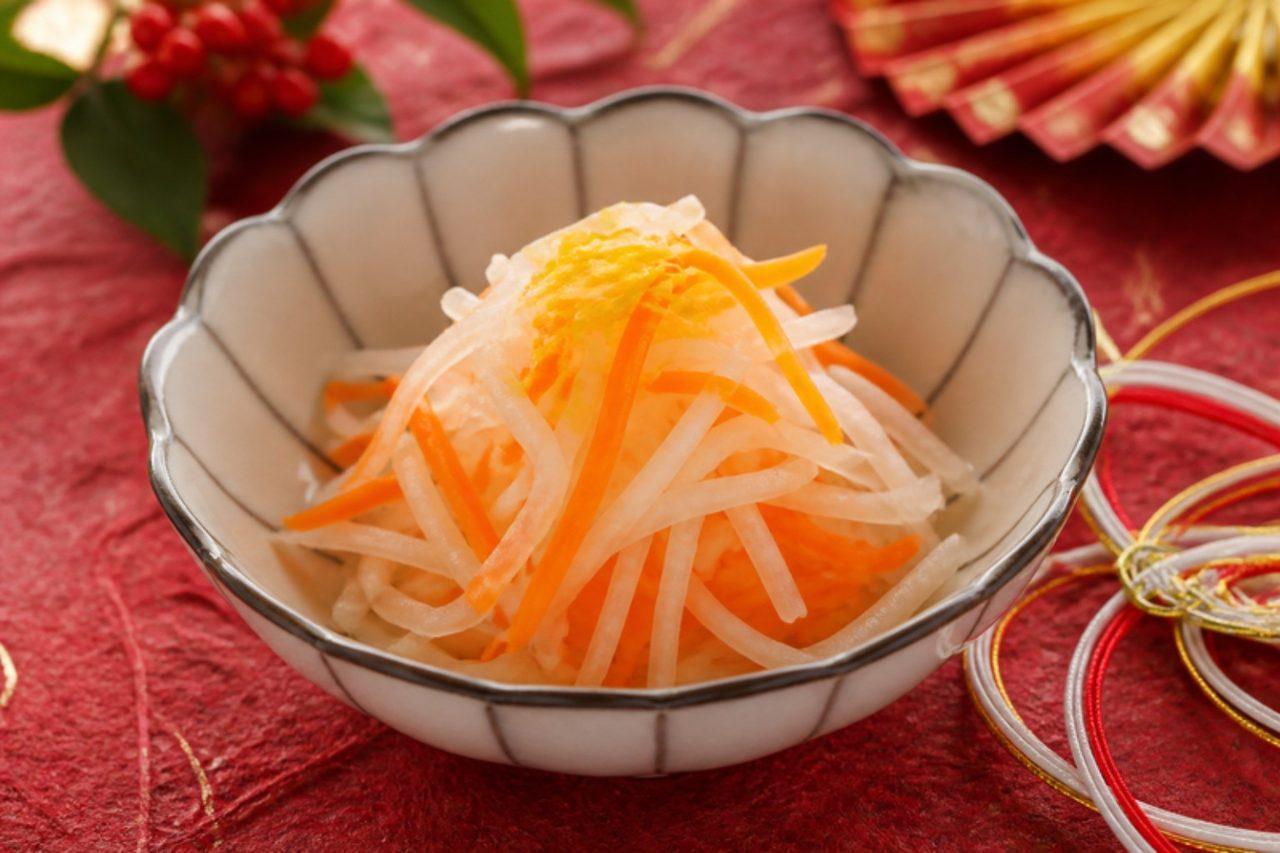
Kohaku namasuPickled daikon and carrot salad

Red and white are Japan's colours of celebration, and this crisp, sweet-sour salad of fine daikon and carrot shreds is the cleanser of the New Year osechi box, eaten between richer dishes from 1 to 3 January. Salting the vegetables first softens them into pliable threads that still crunch, before they soak in rice vinegar, sugar and a little yuzu. The common mistake is skipping the squeeze after salting, which leaves the salad watery and bland. Chef's tip: cut the daikon along the length of the root, not across it, so the shreds stay crisp instead of going limp.

by KrazyBadal 0 views

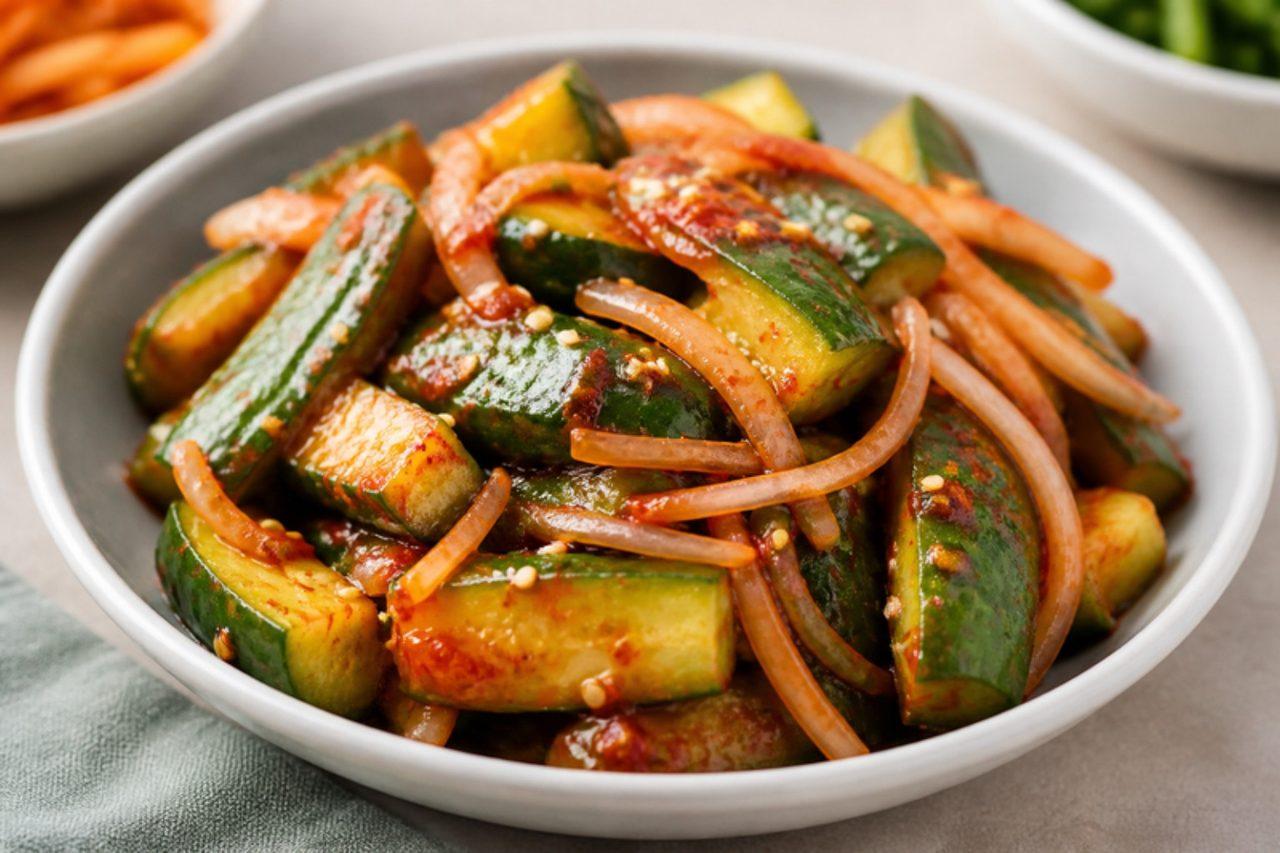
Oi muchimSpicy cucumber salad

When Korean summers turn sticky, from Daegu's heat to Seoul's monsoon, oi muchim is the ten-minute side dish families make to cool down a hot bowl of rice or a plate of grilled meat. Thin cucumber coins are salted briefly, then tossed with chilli flakes, vinegar, a touch of sugar and sesame, so they stay snappy and bright. It is best made just before eating. The common mistake is skipping the quick salting: unsalted cucumber leaks water into the dressing within minutes and the bowl turns soupy. Chef's tip: a few slivers of onion soaked in cold water for five minutes add sweetness and crunch without any harsh bite.

by KrazyBadal 0 views

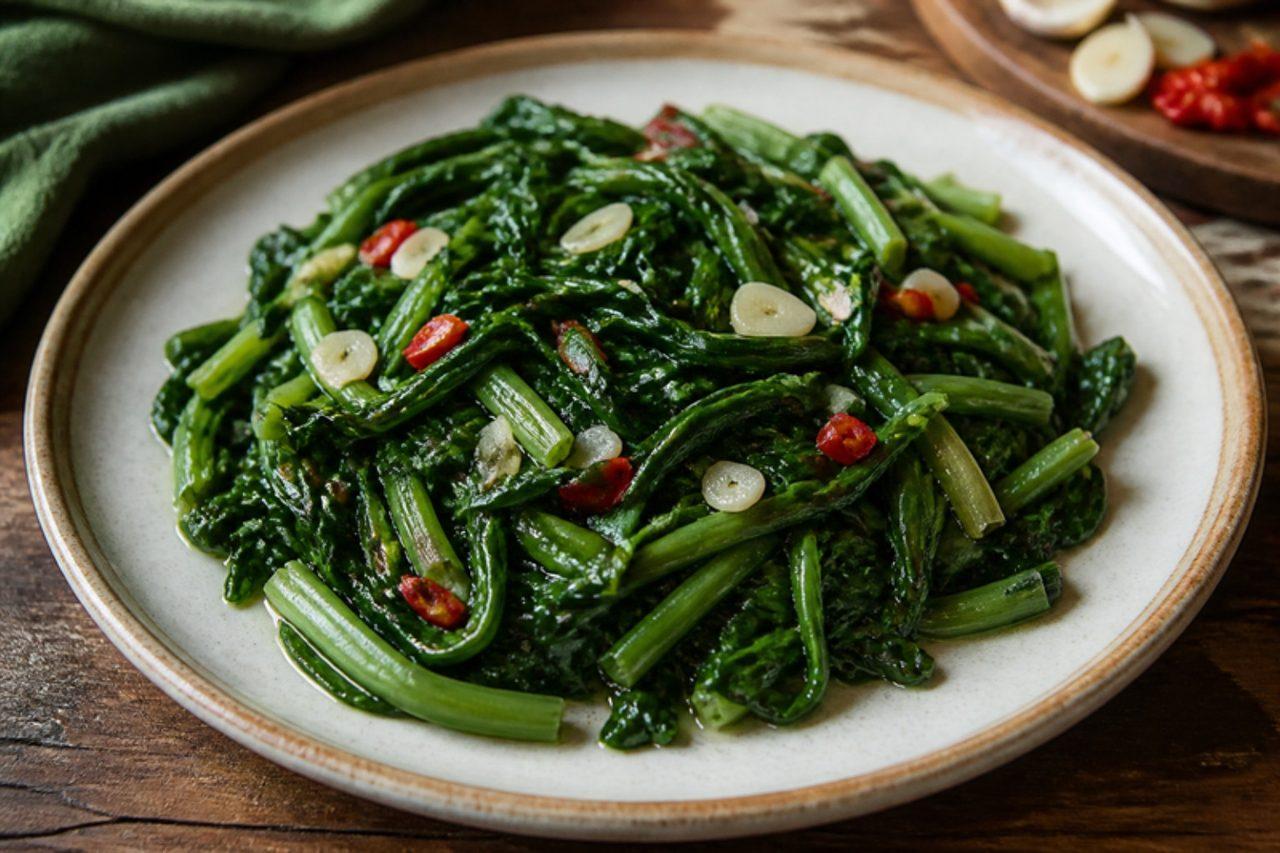
Cicoria ripassataSautéed bitter chicory

In Rome and across Puglia, cicoria is the bitter green that arrives at every market from autumn to spring, often gathered wild in the fields. It is boiled first to soften its bitterness, then "ripassata", passed through the pan again with garlic, chilli and olive oil. Roman trattorie serve it next to roast lamb or saltimbocca, and in Puglia it is the classic partner for fava bean purée. Chef's tip: boil the chicory in plenty of well-salted water and then squeeze it hard; most of the harsh bitterness goes down the drain with the water.

by KrazyBadal 0 views

Su-renkonPickled lotus root

Lotus root is full of holes you can see straight through, so in Japan it stands for a clear view of the year ahead, and these crunchy, snow-white slices of sweet-vinegared lotus are a fixture of osechi boxes on New Year's Day. Often cut into flower shapes, they taste bright and lightly sweet with a satisfying crispness. The common mistake is boiling the slices for too long: more than 2 minutes and they turn starchy instead of crunchy. Chef's tip: add a splash of vinegar to the boiling water as well as to the pickle, which keeps the lotus root brilliantly white.

by KrazyBadal 0 views

DongchimiRadish water kimchi

Dongchimi is the winter water kimchi of Korea's north and Gangwon province, traditionally made just before the first frost in a big onggi crock buried in the yard. Whole radishes sit in a clear, salty brine with pear, garlic, ginger and green chillies, and after a few weeks the brine turns tangy, cold and lightly fizzy. It is served with roasted sweet potatoes, rice-cake soup, and is famous as the broth for cold naengmyeon noodles. The common mistake is eating it too early: the brine needs at least two weeks of slow, cold fermentation to lose its raw saltiness. Use a clean glass or ceramic jar or kimchi box scalded with boiling water, and keep the vegetables pressed below the brine; anything sticking out can grow mould. Chef's tip: roll the radishes in salt and leave them overnight before adding the brine; they stay crunchy all winter.

by KrazyBadal 0 views

Showing 72 of 770 recipes

Show more recipes

Page 12 of 33

More collections