Skip to content

Low-calorie recipes

Lighter recipes that are still filling and full of flavour. (499 recipes)

Kachumar saladTomato, onion and cucumber salad

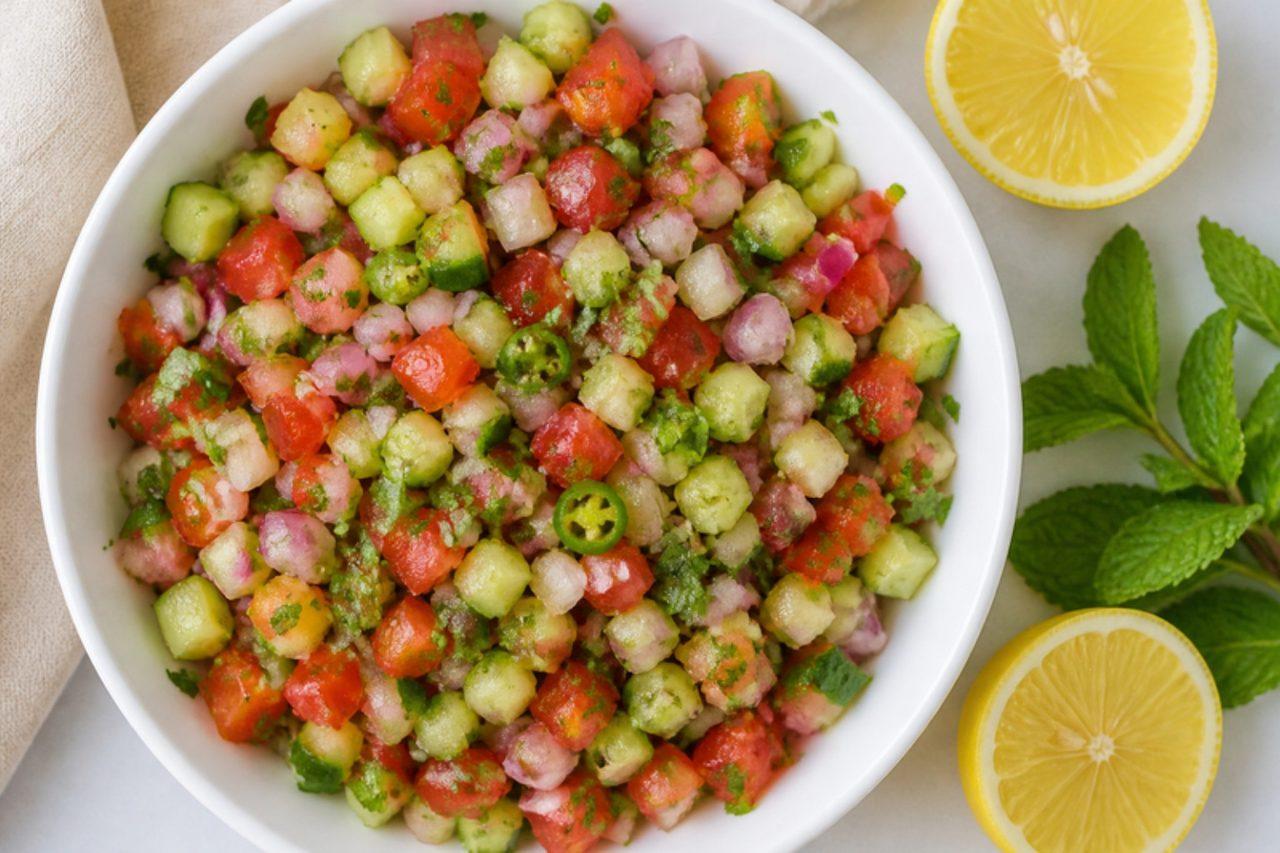
No Pakistani dastarkhwan feels complete without a little bowl of kachumar, whether it sits beside a biryani at a Karachi wedding, a karahi at a highway truck stop or plain dal at home on a Tuesday. It is nothing more than tomato, onion and cucumber cut into very small, even dice, dressed at the last moment with lemon, salt, green chilli and coriander, yet the crunch and sharpness are what make rich food feel lighter. Some families add a pinch of roasted cumin or a few mint leaves; in Punjab it is often spooned straight onto the side of the plate rather than served apart. Dressing it too early is the main trap, because the salt pulls water from the tomatoes and leaves a soggy puddle. Chef's tip: seed the tomatoes and cucumber before dicing so the salad stays crisp for the whole meal.

by KrazyBadal 0 views

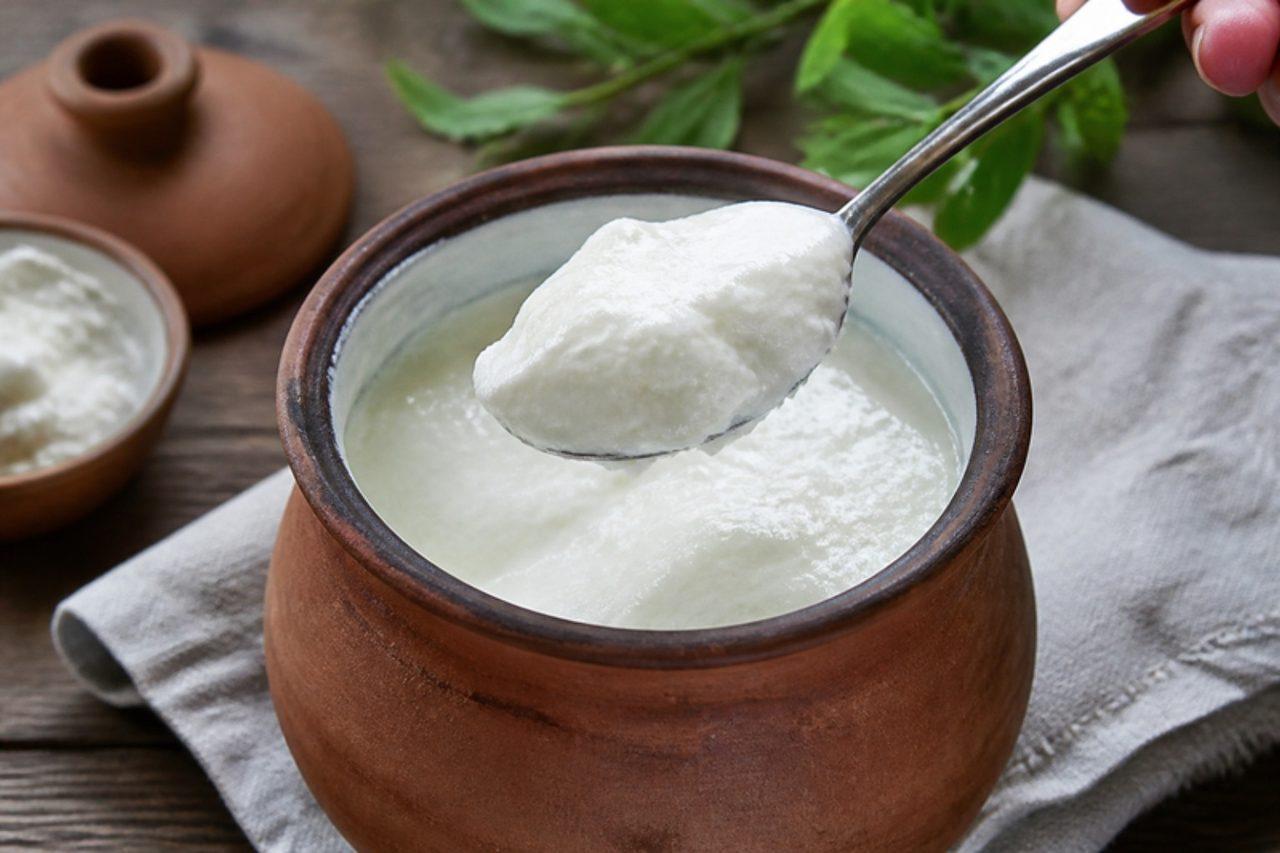
MatsoniGeorgian yogurt

In Kakheti, matsoni is set every evening in clay pots and eaten the next morning with honey, folded into soups, or stirred with water and herbs on a hot afternoon; it is thicker and sharper than most shop yogurt, with a skin of cream on top. To start, you need a spoonful of matsoni or any live plain yogurt, and after that each batch seeds the next. A common mistake is to add the starter while the milk is still hot; above about 45 °C the cultures die and the milk never sets. Chef's tip: wrap the pot in a blanket and leave it somewhere warm and still, like an oven with just the light on, so it sets evenly without separating.

by KrazyBadal 0 views

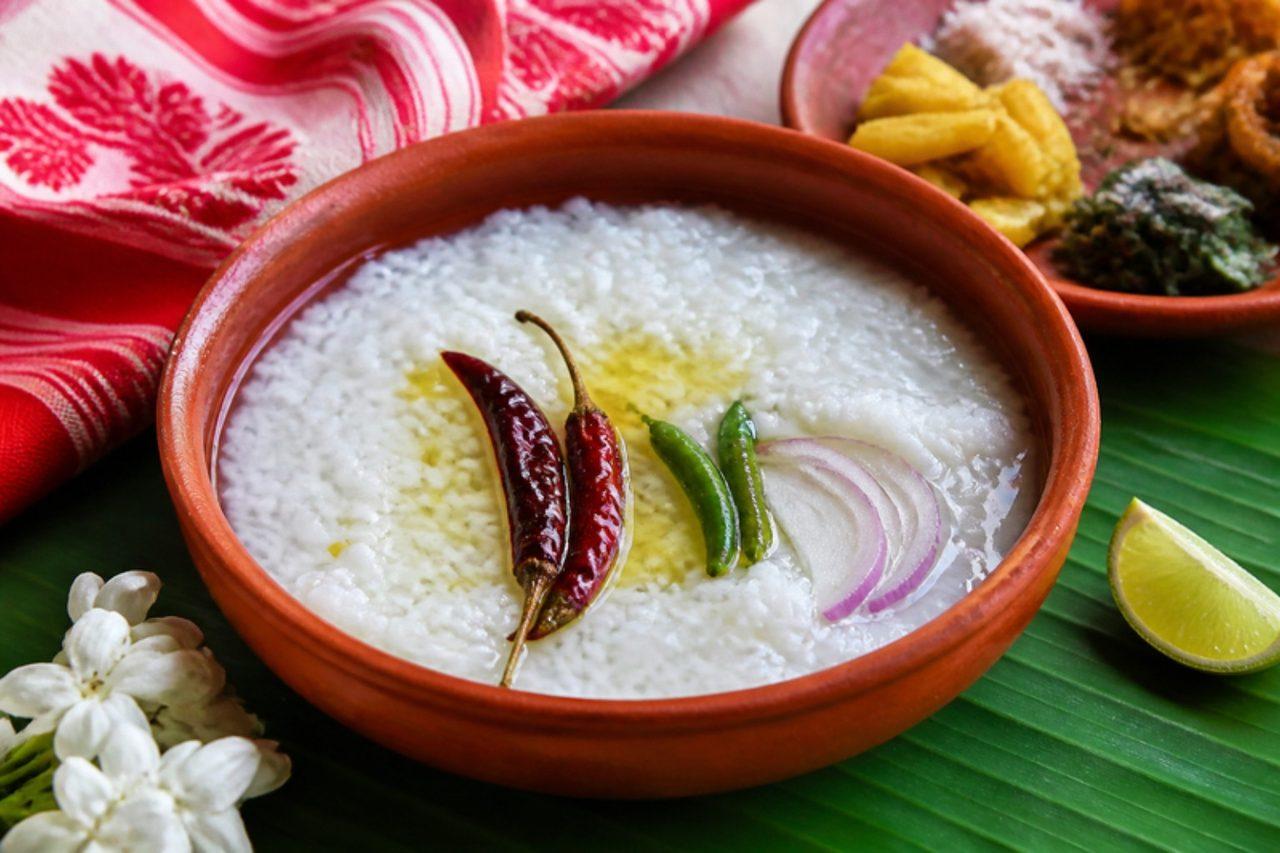
Panta bhatSoaked rice with onion and chilli

For farming families across Bangladesh, panta bhat was simply what you ate in the morning: last night's rice, left covered in water, now cool and slightly tangy, eaten with a fistful of salt, a raw green chilli and a bite of onion before going out to the fields. Today it is also the ritual breakfast of Pohela Boishakh, the Bengali New Year in mid-April, when Dhaka families gather near Ramna Batamul in red and white and eat panta from clay bowls, usually beside fried hilsa, which many households now skip, and a few bhortas. The grains are soft and cold, the soaking water is drunk too, and mustard oil and charred dried chilli give it bite. The real pitfall is food safety: cooked rice left warm on the counter overnight can grow harmful bacteria, so cool it quickly and soak it in the fridge. Chef's tip: use cold boiled water for soaking and eat it within 12 hours, while it tastes fresh and only faintly sour.

by KrazyBadal 0 views

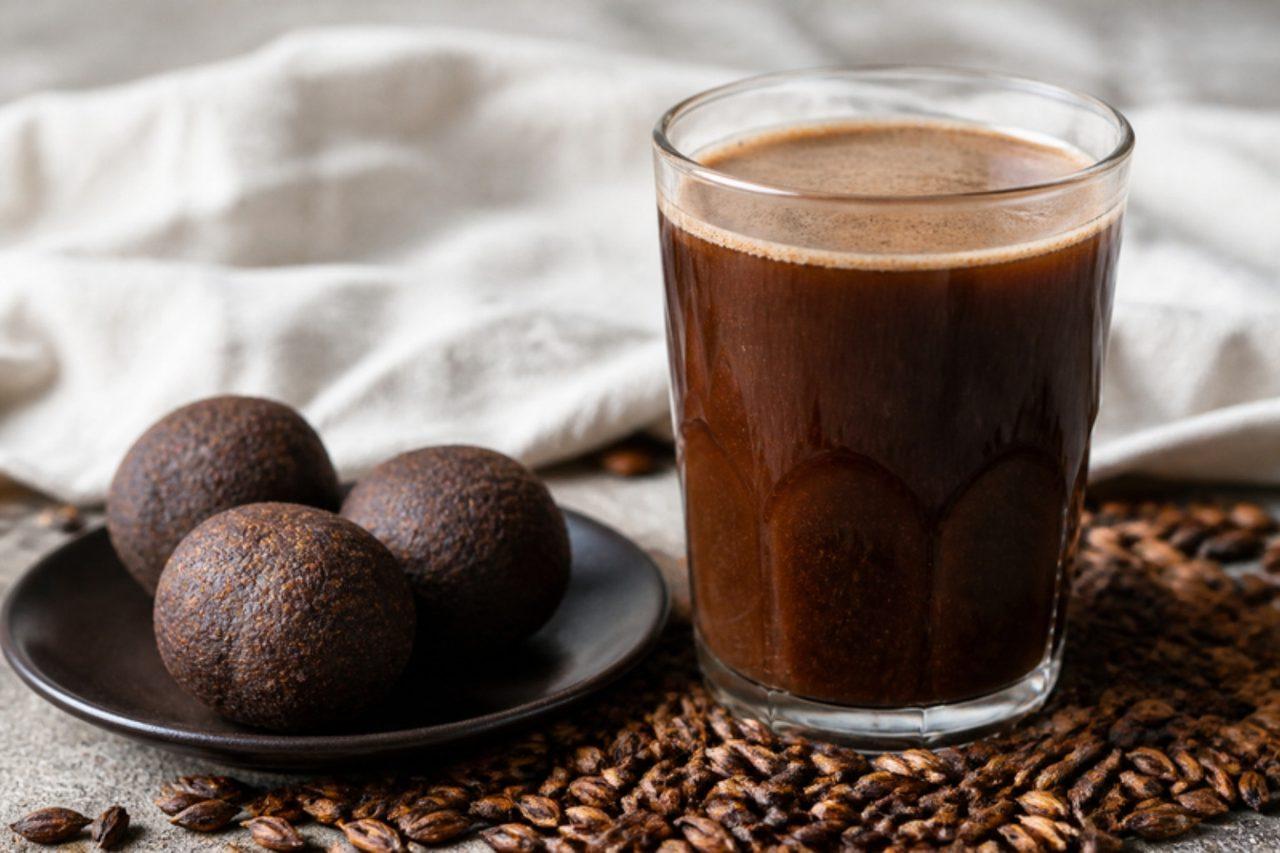
Besso (roasted barley flour drink and balls)

Farmers and travellers in Gojjam and Wollo have long carried a pouch of besso on journeys, because a handful of this roasted barley flour turns a cup of water into a filling meal. The barley is roasted until deep brown, ground fine and stored for weeks; stirred into cold water with a little sugar it makes a smooth, malty, slightly toasty drink, and kneaded with oil it becomes chewy little balls called chibto. It is eaten on fasting days, in the fields and by students before exams. Many families sweeten it with honey; sugar keeps this version vegan. The usual mistake is adding the barley flour to water all at once, which leaves dry clumps; whisk it in gradually. Chef's tip: roast the barley until it is the colour of milk chocolate and smells like toast; pale grains give a raw, floury taste, while black ones taste burnt.

by KrazyBadal 0 views

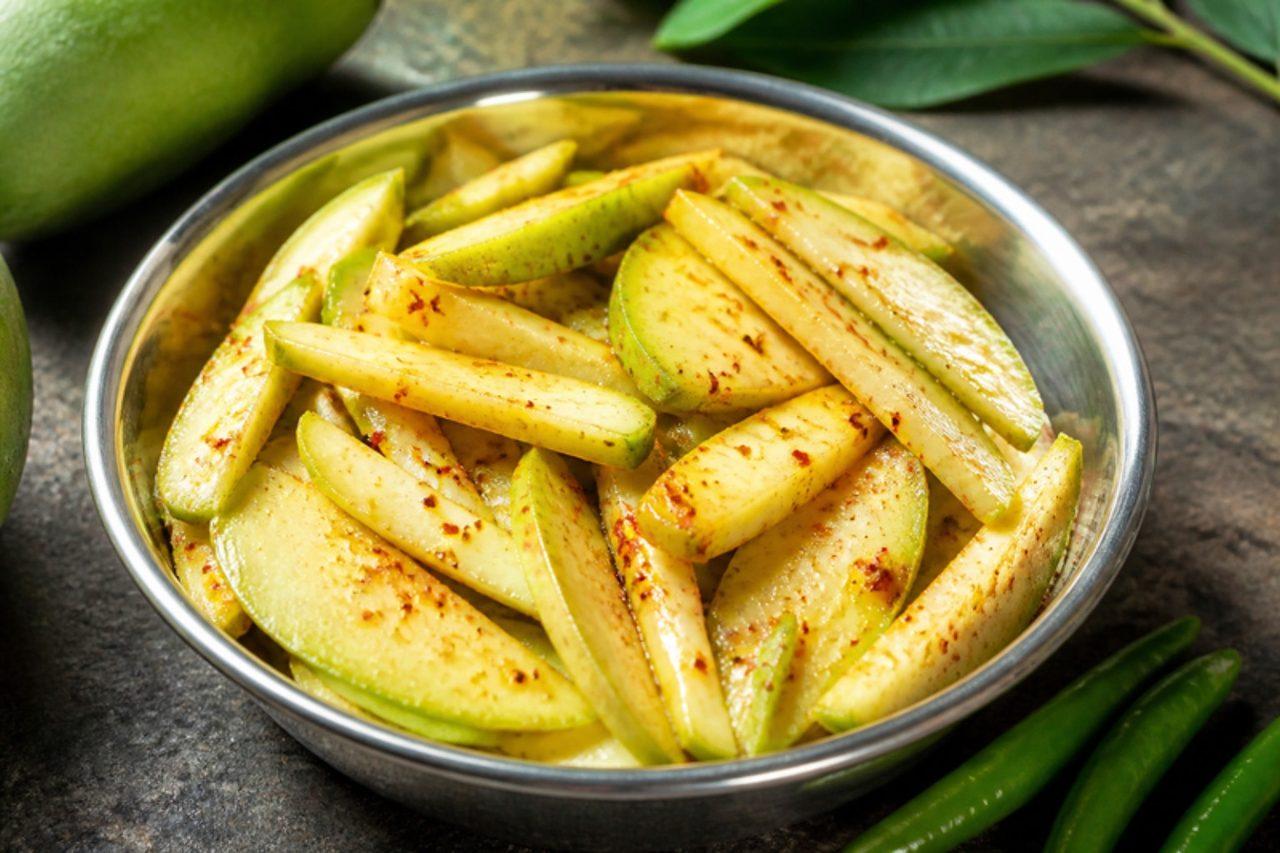
Kancha aam makhaSpiced green mango

Outside every school gate in Bangladesh during the hot months, a vendor with a glass box on his cart sells green mango makha: unripe mango sliced paper-thin and squeezed by hand with salt, sugar, chilli and a splash of mustard oil, handed over in a cone of newspaper with a toothpick. Makha means mixed by hand, and the hand matters, as the squeezing bruises the mango so it softens and drinks in the seasoning. It tastes sour, sweet, salty and hot all at once, with the sharp nose-burn of raw mustard oil, and it is eaten as an afternoon snack in April and May, especially around Pohela Boishakh. Slicing the mango too thick is the error that leaves it hard and bland in the middle. Chef's tip: stir in a spoon of kasundi, Bengali mustard relish, for the version the street sellers call kasundi makha.

by KrazyBadal 0 views

Atmit (warm barley gruel with spiced butter and honey)

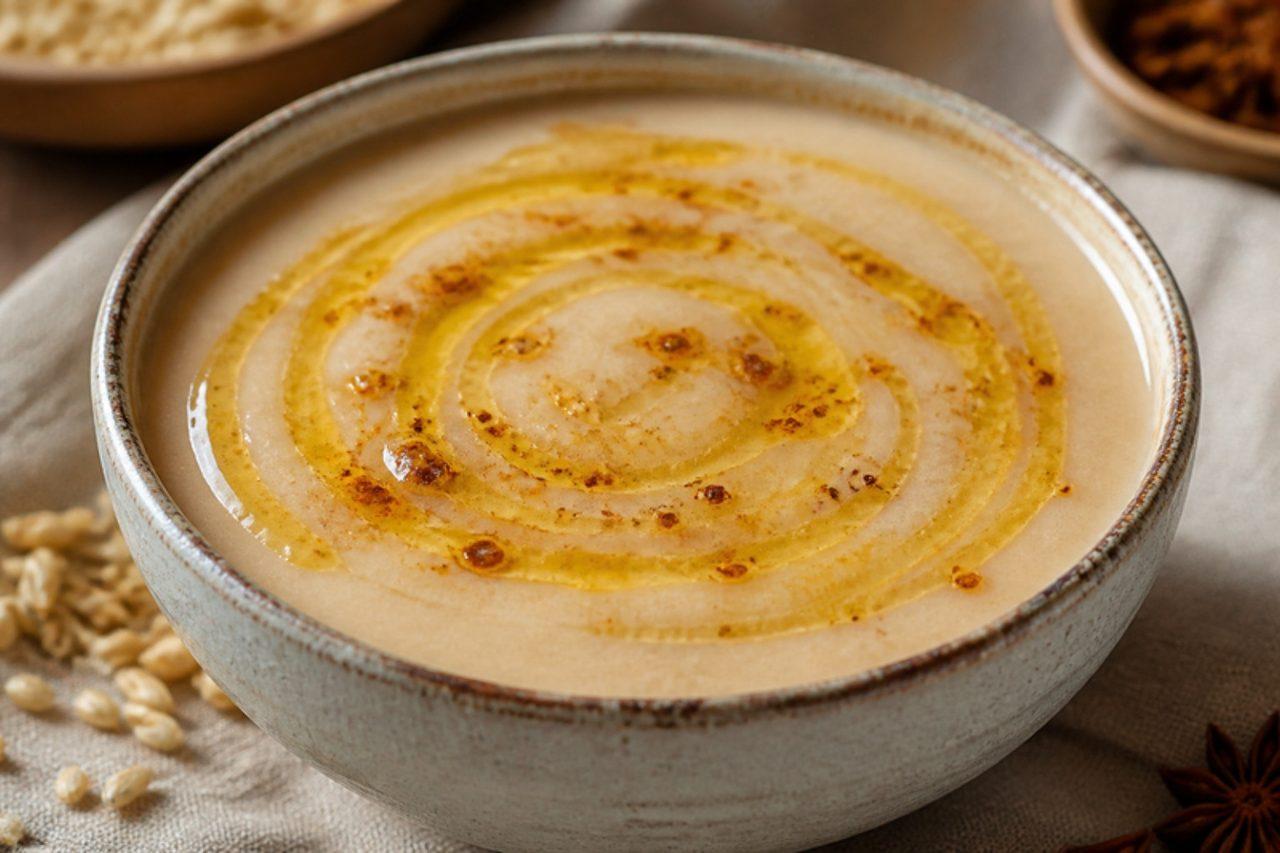
When a baby is born in an Amhara household, visiting women bring or cook atmit for the new mother, and the same soft, sippable gruel is made for anyone recovering from illness. Roasted barley flour (or oat flour) is whisked into water and simmered until it thickens to the texture of a thin custard, then enriched with a spoon of niter kibbeh, honey and a pinch of korerima. It tastes nutty, sweet and buttery, and is drunk warm from a cup rather than eaten with a spoon. Some homes add a little milk for extra richness. A common mistake is tipping the flour straight into hot water, which makes lumps; slake it in cold water first. Chef's tip: keep it thinner than you think; atmit thickens as it cools, and it should still pour easily from the cup.

by KrazyBadal 0 views

Tinday masalaRound gourd curry

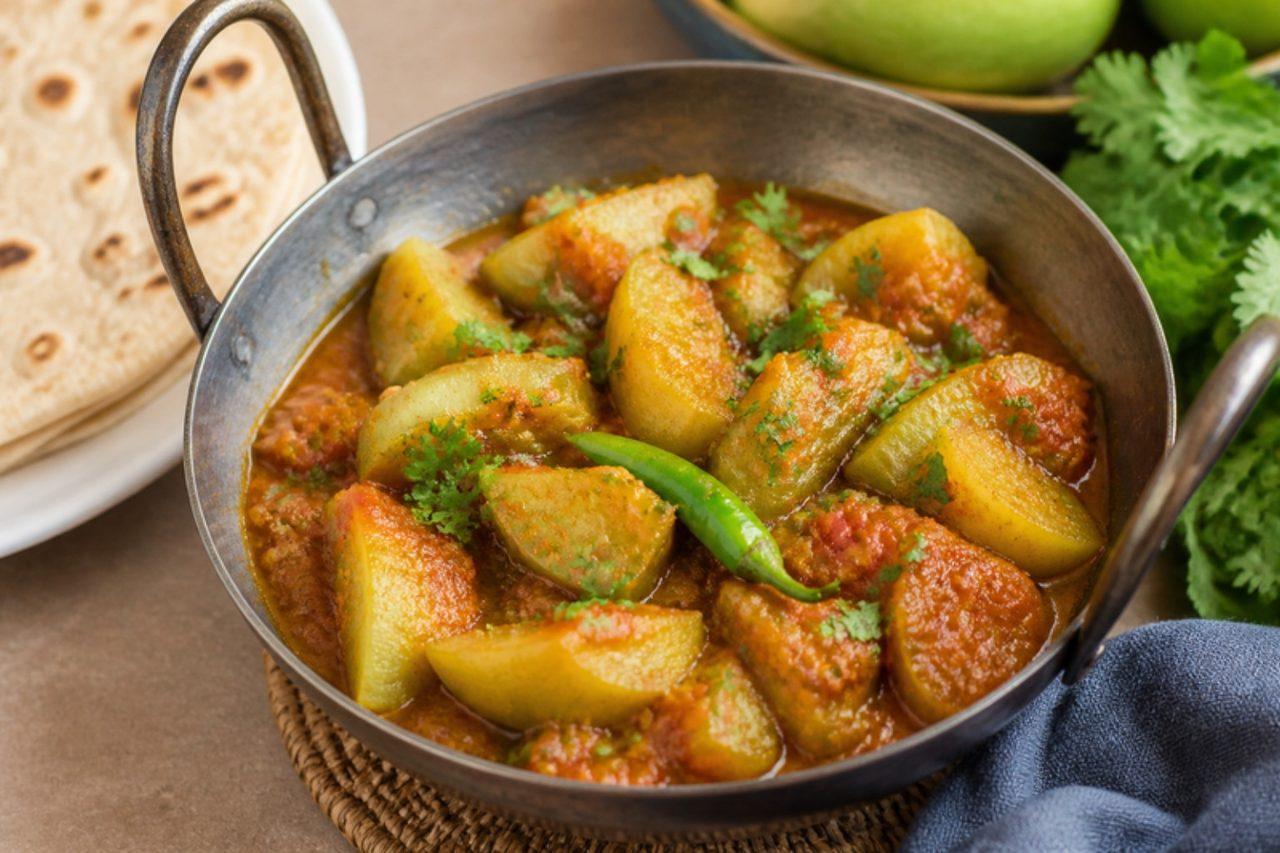
Small, pale-green tinday arrive on Punjab's sabzi carts with the summer heat, and in Lahore and Faisalabad homes they are cooked through June and July, when nobody wants a heavy pot of meat. Cooked slowly with onion, tomato and a handful of green chillies, the little gourds turn tender and almost silky, soaking up the masala like a sponge while keeping a faint freshness that is a little like courgette. Expect to see it with hot chapati, a bowl of yogurt and a plate of kachumar for a light lunch. Many cooks drown tinday in water, and they end up soggy and grey; they release plenty of their own liquid and need only a splash. Chef's tip: choose small, firm tinday with soft fuzz on the skin, since large ones have hard seeds and a woody core.

by KrazyBadal 0 views

Al yakhniBottle gourd in yogurt gravy

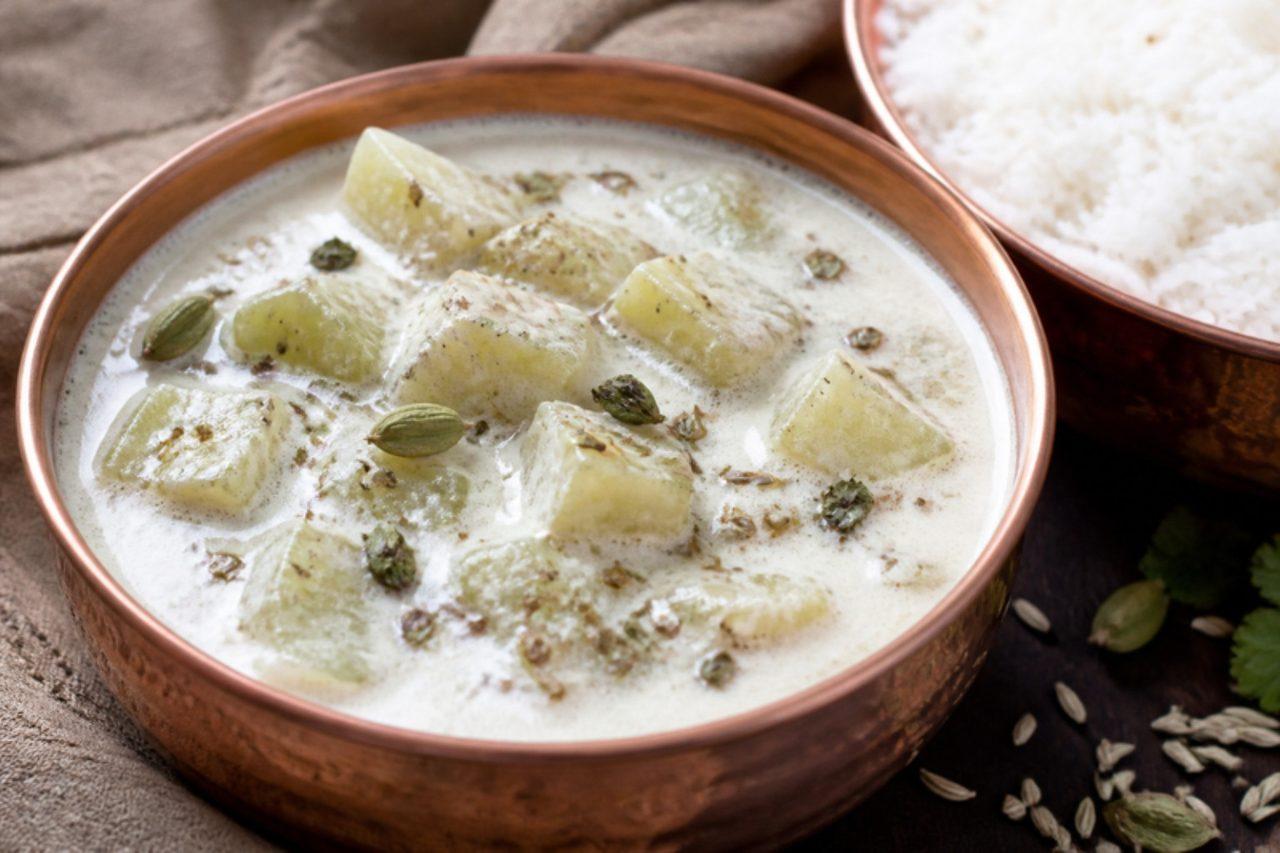
Yakhni in Kashmir means a gravy built on yogurt rather than tomato, and al yakhni, made with bottle gourd, is the version cooked in Muzaffarabad and the Neelum valley when the vines are heavy in late summer. The pale, delicately sour sauce is flavoured with ground fennel, dry ginger, cloves and cardamom, never chilli powder, and finished with a crumble of dried mint, so it tastes cool and aromatic rather than hot. It is eaten with a mound of plain rice, often alongside a red, chilli-hot dish so the two balance each other. Yogurt that splits into grainy curds is the trap: it happens when cold yogurt meets hot oil or when the pot is left alone before it boils. Chef's tip: whisk the yogurt with the spices and keep stirring in one direction over a medium heat until it comes to a full boil; after that it will not curdle.

by KrazyBadal 0 views

Lau khosha bhajiFried bottle gourd peel

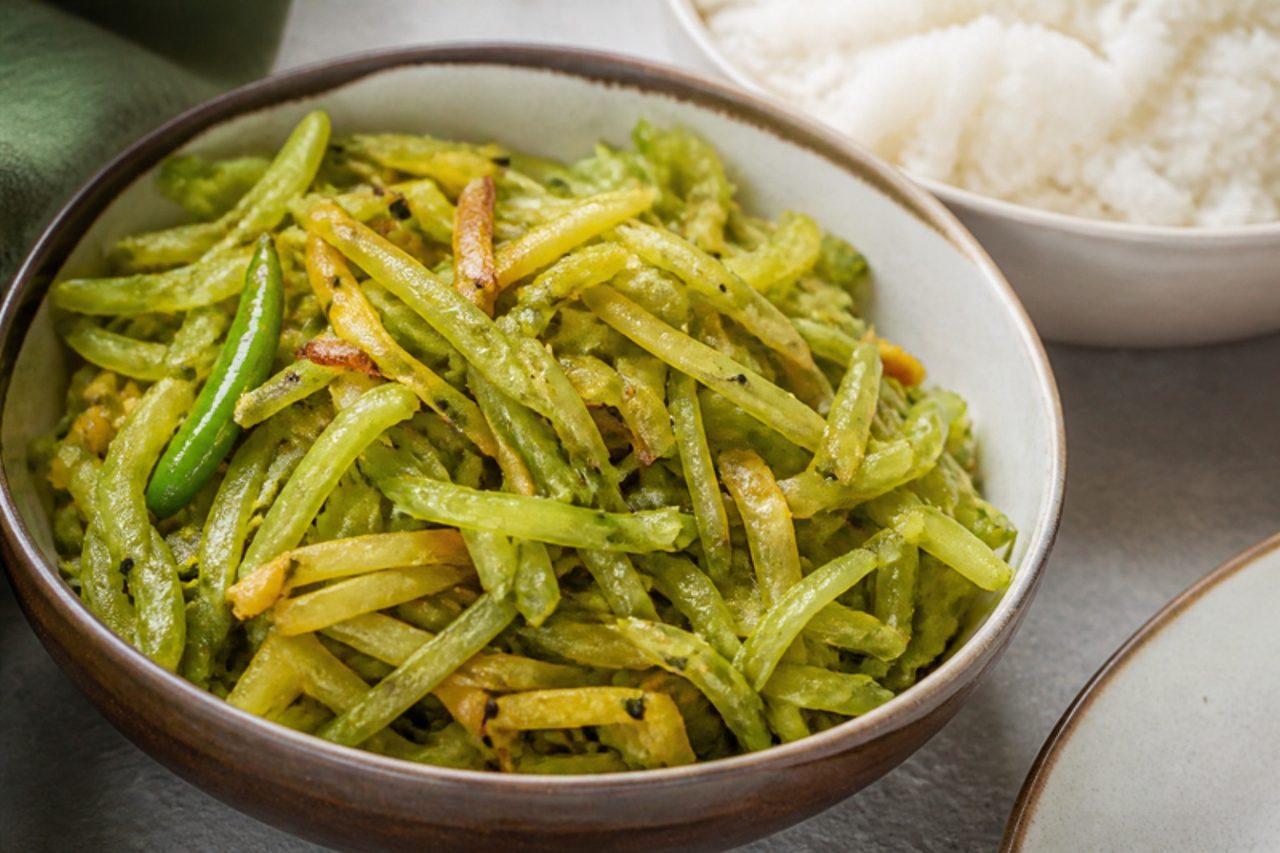
Thrifty Bangladeshi cooks never throw away the green skin of a bottle gourd: once the flesh has gone into a curry or a milky lau ghonto, the peel is cut into fine strips and fried with nigella seeds and green chilli into a small, crunchy, slightly bitter bhaji. It is a classic of home kitchens rather than restaurants, made in winter when lau is cheap and young, and eaten with rice and dal as a little extra on the side. The strips stay pleasantly crisp at the edges and soft inside, with the earthy taste of the gourd. Skin from an old, hard gourd is tough and woody, which is the usual reason this fails, so use only young, pale-green gourds with a tender peel. Chef's tip: a few matchsticks of potato fried in with the peel help it brown evenly.

by KrazyBadal 0 views

Lal shak bhajiStir-fried red amaranth

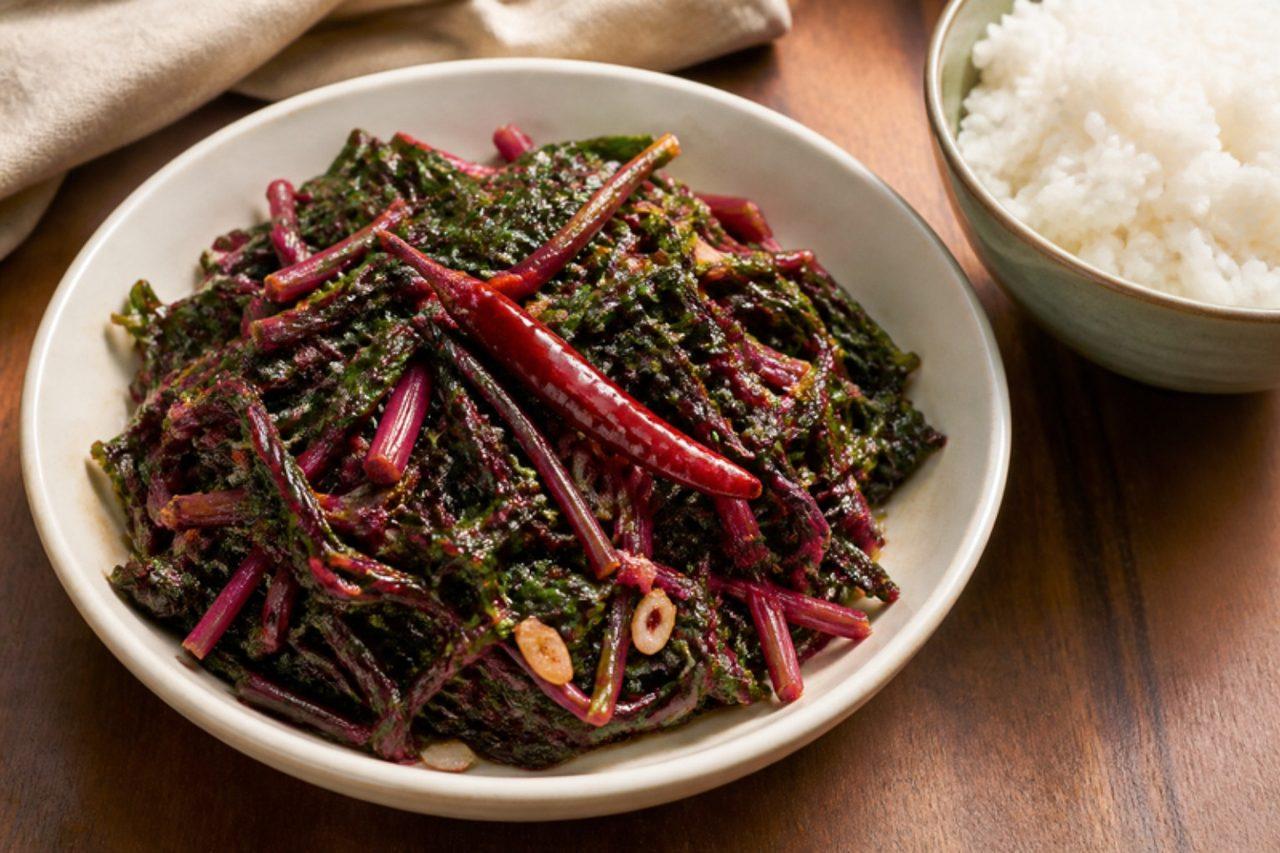
Bunches of lal shak, red amaranth with leaves streaked in crimson, are one of the cheapest and most common greens in any Bangladeshi bazar, and almost every lunch table has a bowl of it, cooked quickly with garlic and a dried chilli. The leaves wilt into a soft, slightly earthy tangle and bleed a beautiful magenta juice that turns the rice pink, which children love. It is served with plain rice and dal as the first course of a meal, before any fish or meat, the way Bengali meals traditionally start with something bitter or green. Adding water is unnecessary and the common slip; the leaves release plenty of their own and simply need to cook down uncovered. Chef's tip: wash the leaves well in several changes of water, as amaranth holds a lot of grit near the roots.

by KrazyBadal 0 views

Shor nakhodChickpea and potato salad

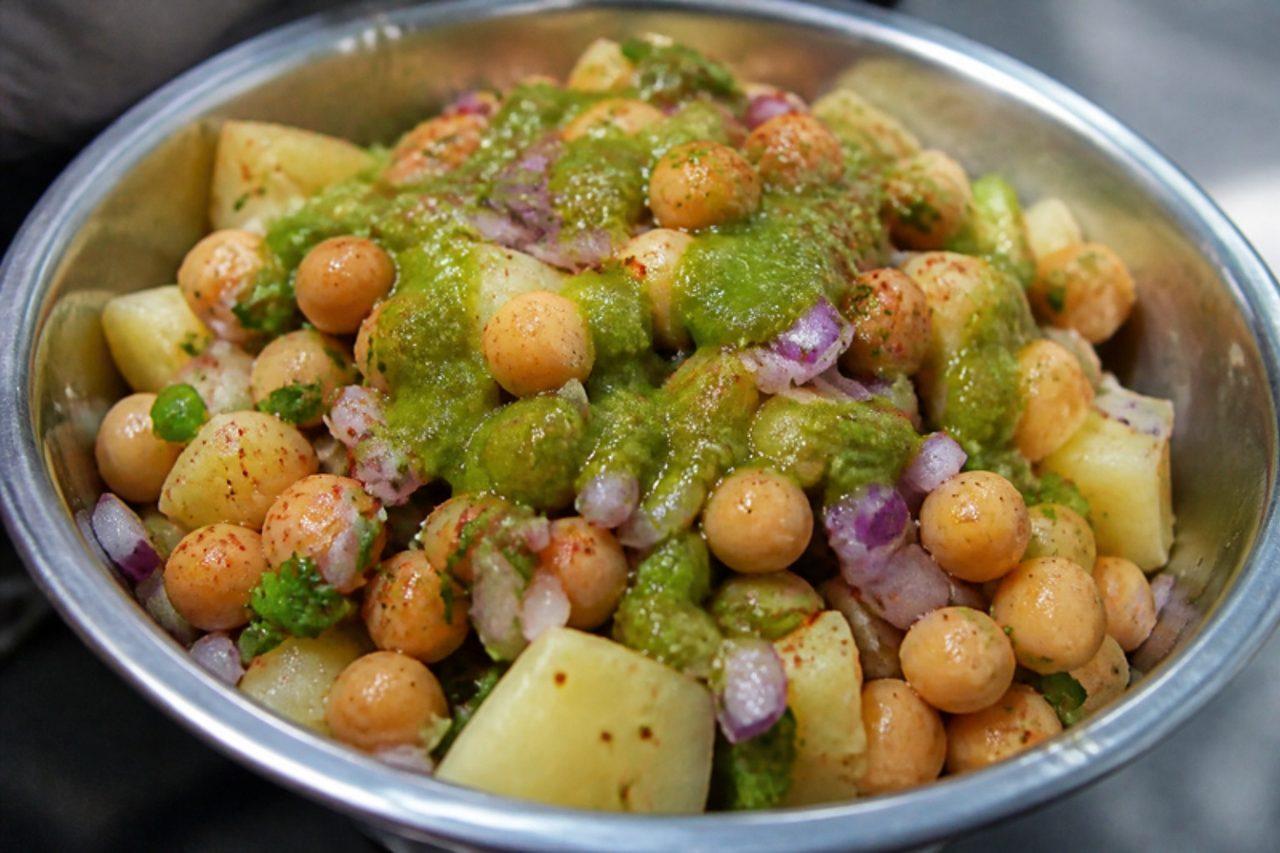
Push a wooden cart through the lanes around Kabul's Mandawi bazaar and you will find vendors ladling shor nakhod into small bowls for schoolchildren and shoppers, a snack that is half salad, half sour little soup. Soft chickpeas and cubes of boiled potato sit in a pool of vinegar sharpened with raw onion, green chilli and a fistful of coriander, so every spoonful is salty, tart and fresh at once. It is eaten on its own with a spoon, or beside naan, and it turns up at iftar during Ramadan because it is light after a day of fasting. Most home versions disappoint because the potatoes are dressed cold and the vinegar just slides off them, so toss them while they are still warm. Chef's tip: keep a spoonful of the chickpea cooking liquid or tin water in the dressing, which gives it the slightly cloudy body of the street version.

by KrazyBadal 0 views

Shim bhortaFlat bean mash

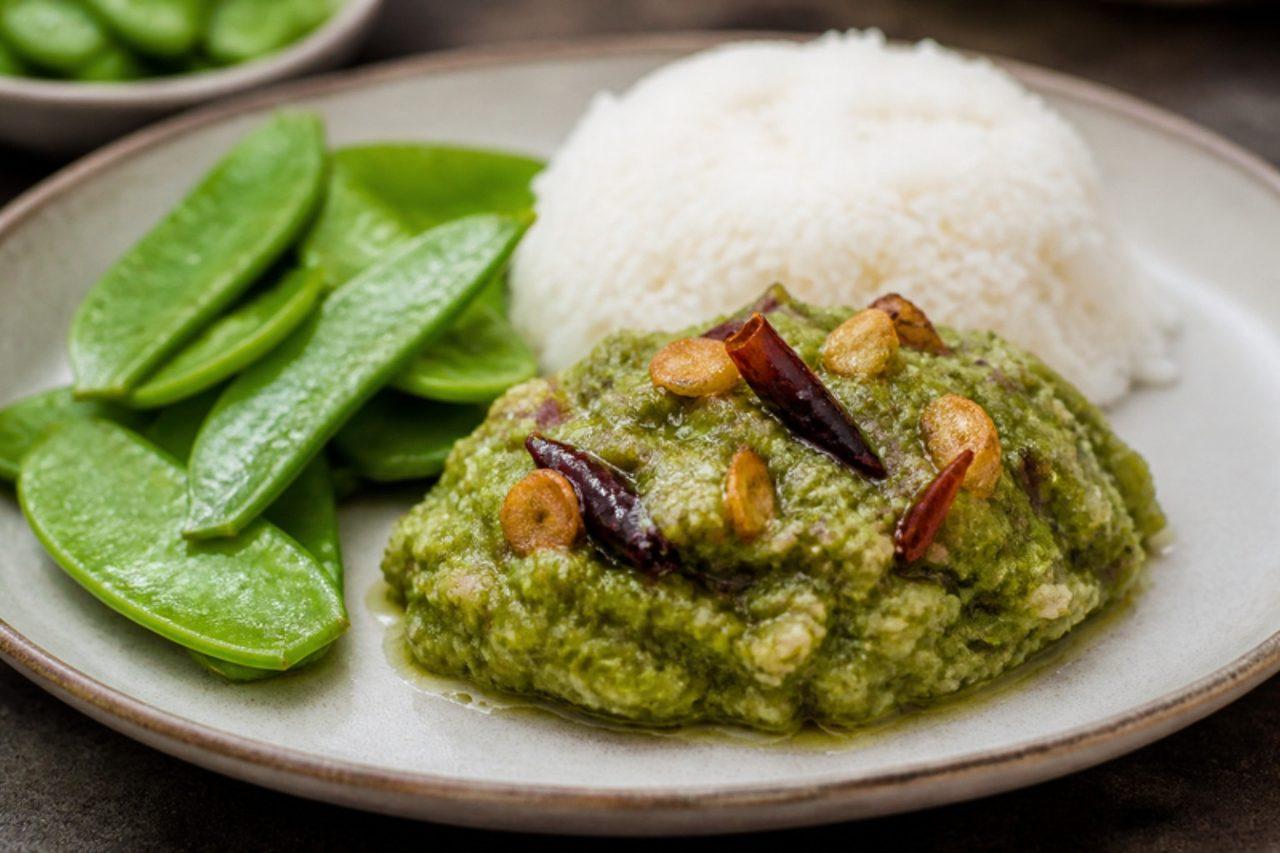
From November the bamboo trellises in courtyards across rural Bangladesh hang heavy with shim, the broad, flat hyacinth beans with purple or green edges, and they end up in curries, bhajis and, best of all, a smoky green bhorta. The beans are boiled until tender, then crushed with garlic fried golden in mustard oil, crisp dried chilli and raw onion into a coarse, nutty paste. It is one of the stars of a winter bhorta spread, served with hot rice, dal and a fried egg or fish for those who eat it. Leaving the strings on is the common slip; they stay tough and fibrous in the mash, so pull them off both edges first. Chef's tip: if the beans are mature with fat seeds inside, pop the seeds out, dry-roast them for a few minutes and pound them in for extra crunch.

by KrazyBadal 0 views

Kancha aamer tok dalGreen mango lentil dal

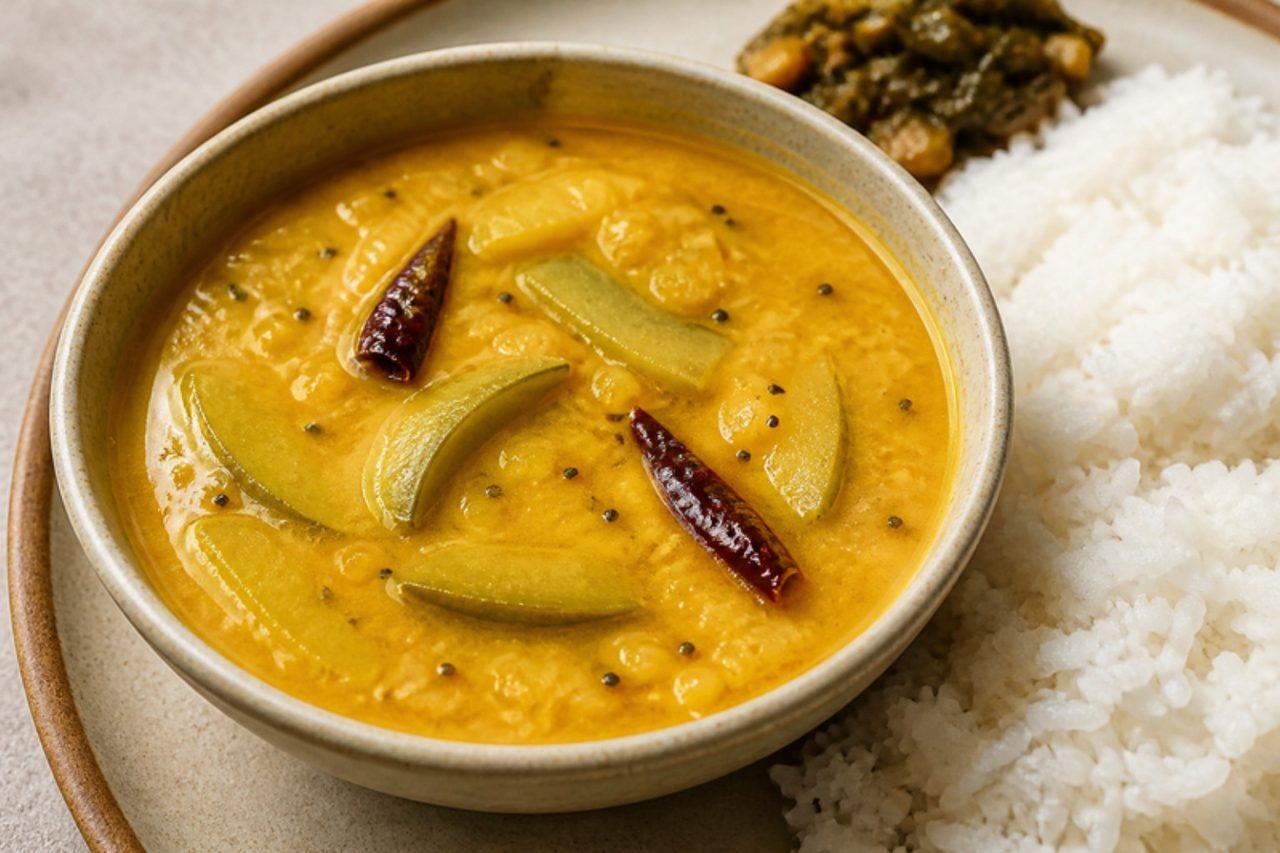
When the first hard, green mangoes fall from the trees around Rajshahi in April and May, cooks slice them into the dal pot, and the result is the most refreshing bowl of the hot season. Tok dal is deliberately thin, almost like a soup, with soft red lentils and slices of green mango that turn tender and tangy, finished with mustard seed and dried chilli crackling in mustard oil. It is eaten poured over plain rice, often as the last thing before a light fish or vegetable curry, because the sourness is meant to cool the body in the heat. Adding the mango at the start leaves it mushy and the dal overly sour, so it goes in once the lentils are soft. Chef's tip: taste the mango first; very sour fruit may need a pinch more sugar to balance it.

by KrazyBadal 0 views

Shalgam ki sabziSpiced turnip curry

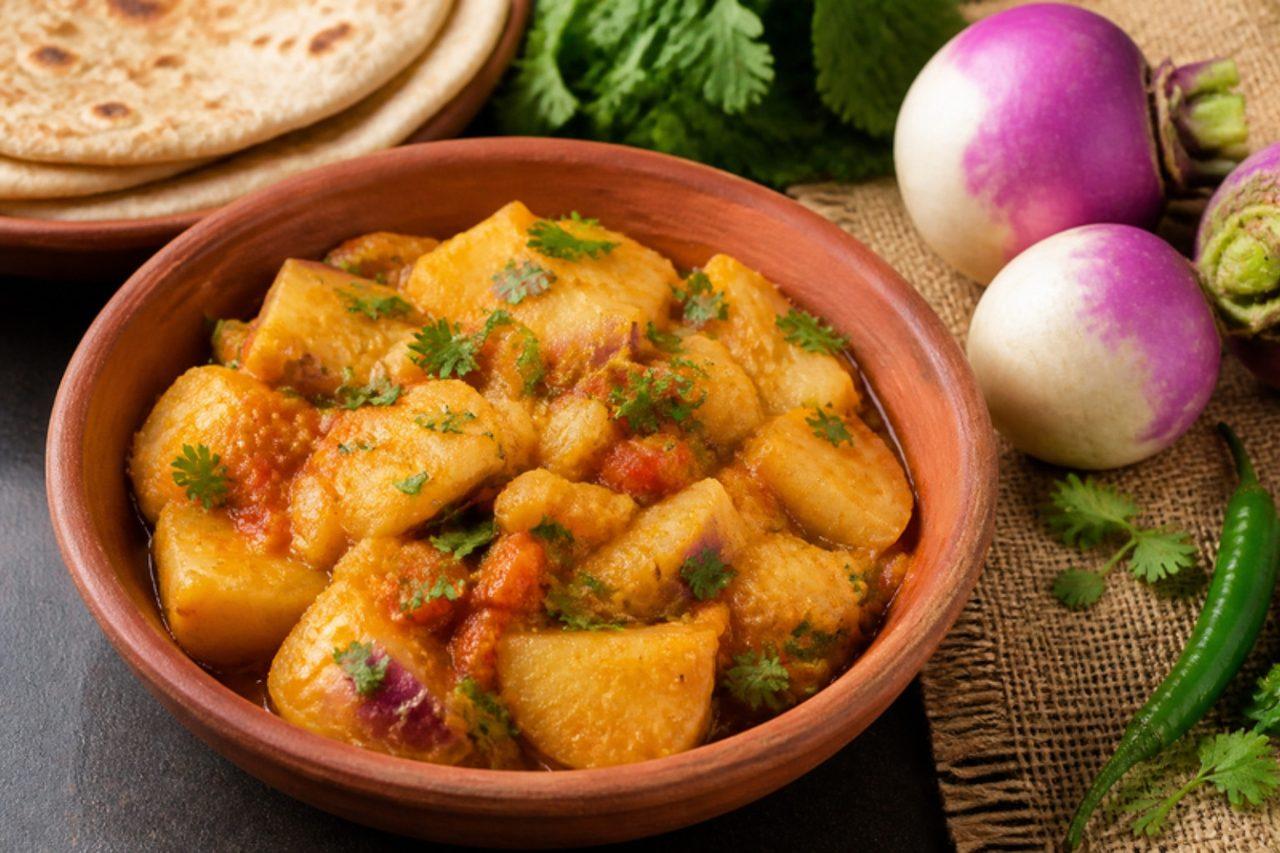
December fog over central Punjab means turnip season: purple-topped turnips pile up at every mandi, and village kitchens from Sheikhupura to Okara cook them down into this soft, sweet-savoury mash. Covered and steamed in their own juices with onion and tomato, the turnips lose their peppery bite, then a little jaggery and a final hard stir-fry turn them glossy and jammy. It is winter food through and through, eaten with makki di roti or wholewheat chapati, a dab of white butter for those who want it and a glass of lassi. Skipping the final bhuno, the open-pan frying at the end, is the classic error: it leaves the dish watery and flat instead of rich. Chef's tip: mash only half the turnips, leaving the rest in small pieces, so the sabzi has some texture.

by KrazyBadal 0 views

Sinki ko jholFermented radish soup

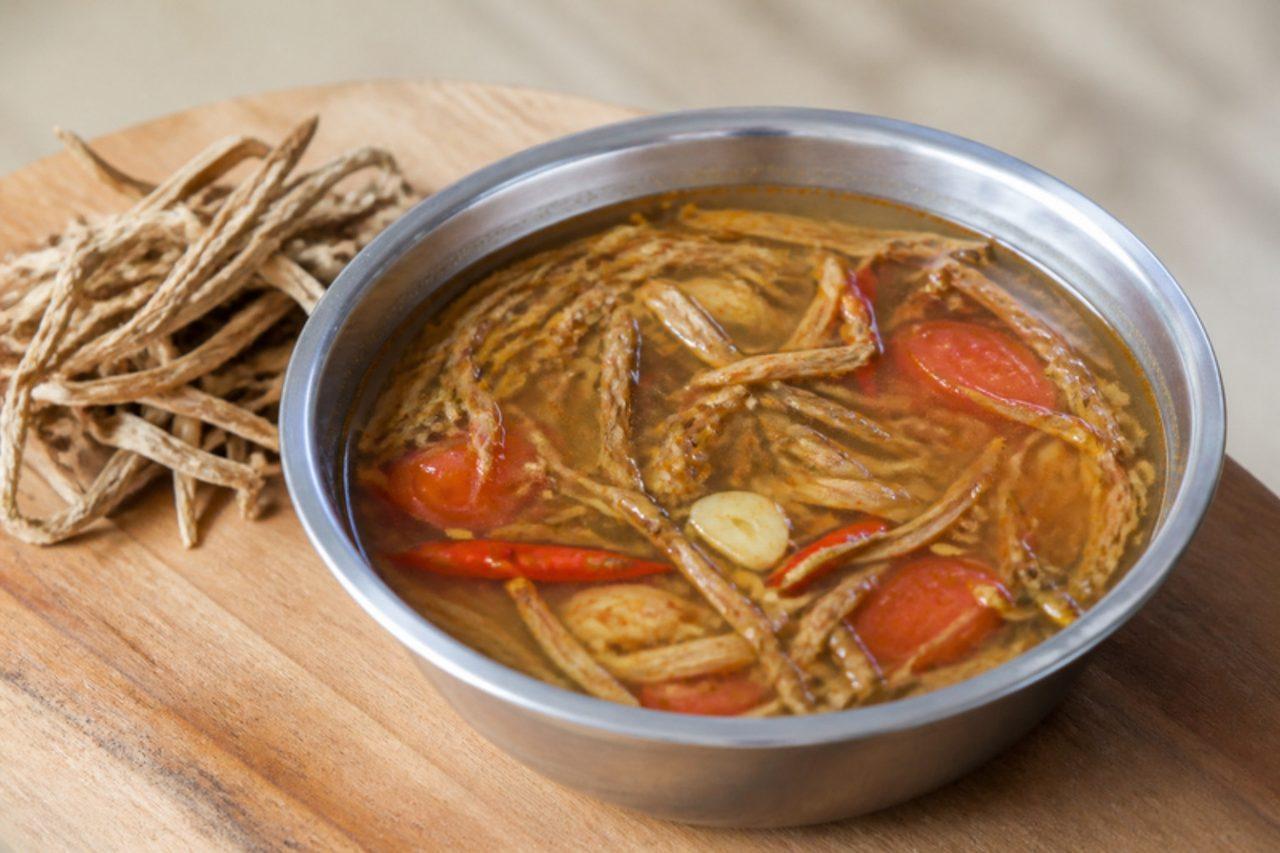
Sinki is the radish answer to gundruk: in late autumn, families in Ilam, Dhankuta and Terhathum pack chunks of radish root into pits lined with straw or into airtight jars, let them ferment for a few weeks, then cut and sun-dry the pieces into chewy, pungent strips that last all year. In winter and through the monsoon, a handful turns a pot of water, tomato, garlic and chilli into a thin, tangy, warming soup that is poured over rice or drunk from a bowl alongside dal bhat. It is light, sharp and savoury, and many people in the hills swear by it for a cold or a heavy stomach. It goes wrong if the sinki is not rinsed and soaked, so the soup tastes musty and gritty. Chef's tip: soak the strips in warm water for 10 minutes, squeeze them dry and fry them briefly in the oil before the water goes in, which mellows the funk and brings out a pleasant smokiness.

by KrazyBadal 0 views

MathaSalted buttermilk

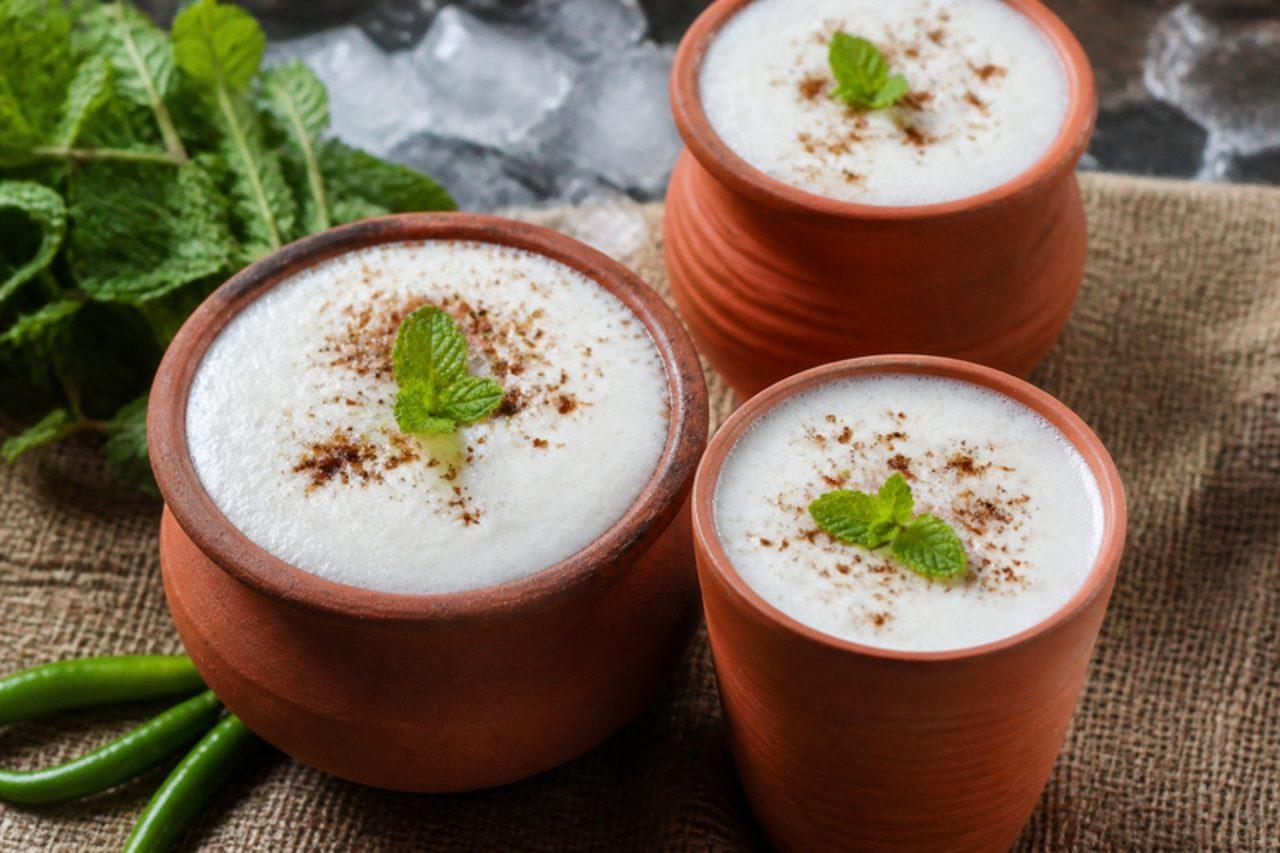
Thinner than lassi and salty rather than sweet, matha is what Old Dhaka drinks after a plate of kacchi biryani or a heavy afternoon of tehari and rezala. Vendors around Nazimuddin Road and Bangshal carry it in tall clay pots, churned so long that tiny flecks of butter float on top, and pour it into glasses with a pinch of roasted cumin and black salt. It tastes tangy, cool and faintly smoky, and it cuts through rich, oily food like nothing else. People often make it with thick Greek-style yoghurt and no extra water, which gives a heavy drink that sits in the stomach; matha should be pourable and light. Chef's tip: churn with plenty of ice in the jug so the butter firms into flecks you can skim off or leave floating, as the street sellers do.

by KrazyBadal 0 views

Pellkartoffeln mit Quark und LeinölJacket potatoes with herb quark

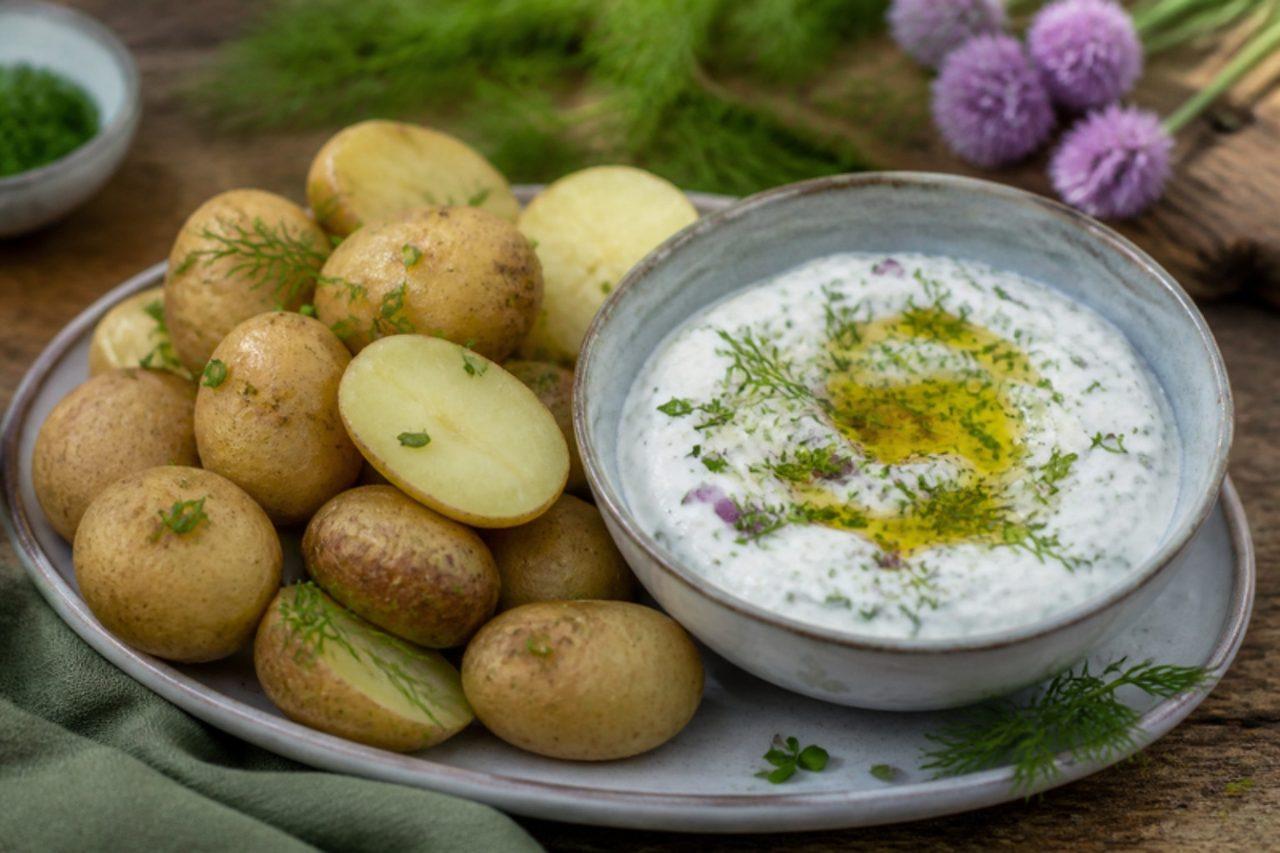
Ask anyone from the Spreewald, the river-and-forest country south-east of Berlin, for the taste of home and many will name this: small potatoes boiled in their skins, a bowl of cold herb quark and a thread of golden, nutty linseed oil poured over the top. It is a weekday supper in Brandenburg and Berlin, cheap, quick and surprisingly filling, often with a Spreewald gherkin on the side. Fresh linseed oil tastes of hay and walnuts; old oil turns bitter and fishy, so buy a small bottle and keep it in the fridge. A common mistake is peeling the potatoes before boiling; cooking them in their skins keeps them firm and flavourful. Chef's tip: beat a splash of milk or sparkling water into the quark, which makes it light and creamy instead of stodgy.

by KrazyBadal 0 views

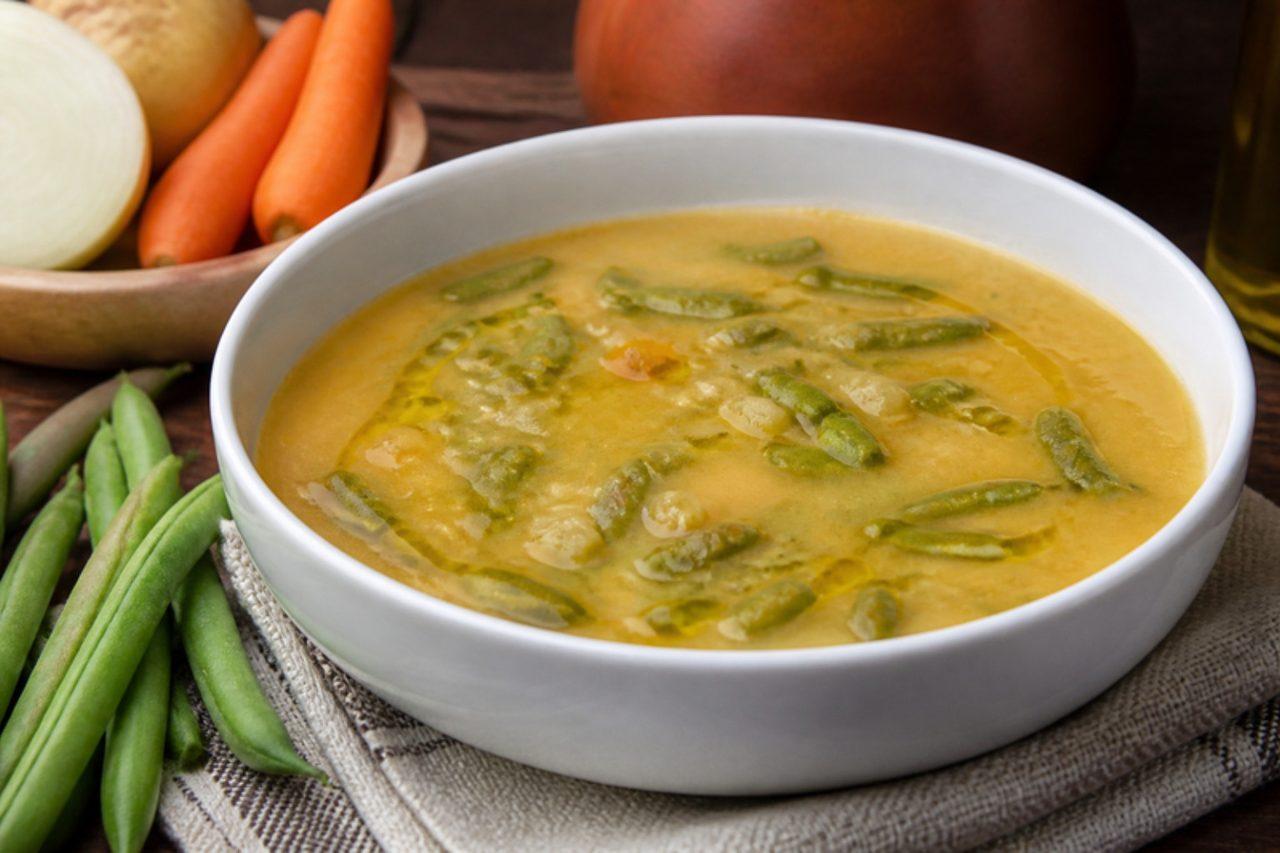
Sopa de feijão verdeGreen bean and potato soup

From June to September, Minho kitchen gardens are heavy with runner and flat beans, and this soup is what most families make with them, served as the first course of an ordinary weekday lunch. A smooth base of potato, onion and carrot is puréed, then the beans, cut into thin diagonal slivers, are simmered in it until just tender. It is thick, mild and comforting, finished with a thread of olive oil. A common mistake is adding the green beans with the potatoes; they turn grey and soft, so add them only for the last few minutes. Chef's tip: slice the beans very thinly on a slant, as Minho cooks do, so they cook evenly and every spoonful gets some.

by KrazyBadal 0 views

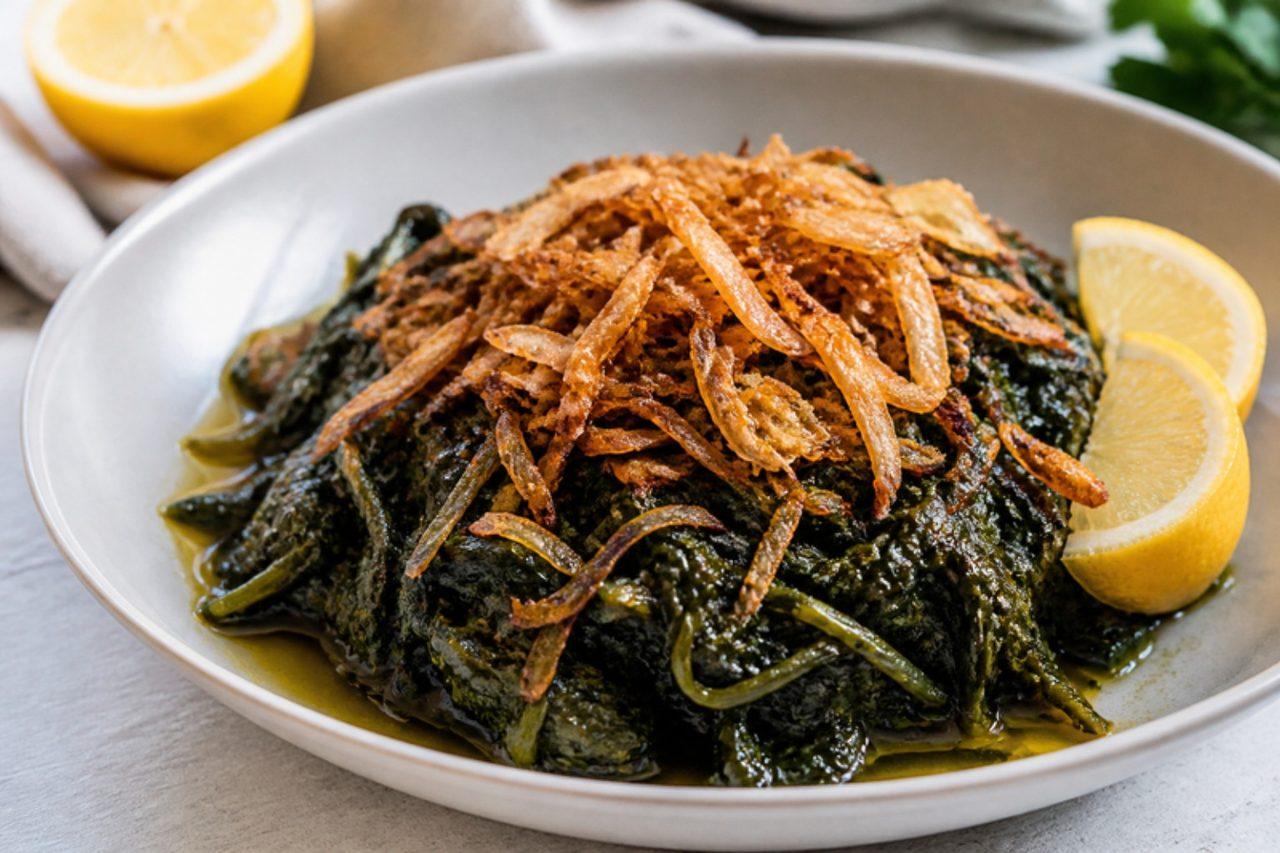
HindbehDandelion greens with fried onions

Each spring, people in the Lebanese hills go out with a knife and a bag to gather wild chicory and dandelion for hindbeh, a Lenten favourite in Christian homes and a regular on mezze tables all year. The bitter greens are blanched, squeezed and fried with garlic in olive oil, then piled with a tangle of deeply browned, crisp onions and served with lemon wedges. The bitterness, the sweetness of the onions and the sharp lemon balance each other, and it is eaten at room temperature with bread. Cultivated dandelion or curly endive from a greengrocer works well. Common mistake: not squeezing the greens dry; water stops them frying and dilutes the oil. Chef's tip: fry the onions slowly and pull them out a shade lighter than you want — they keep darkening on the paper.

by KrazyBadal 0 views

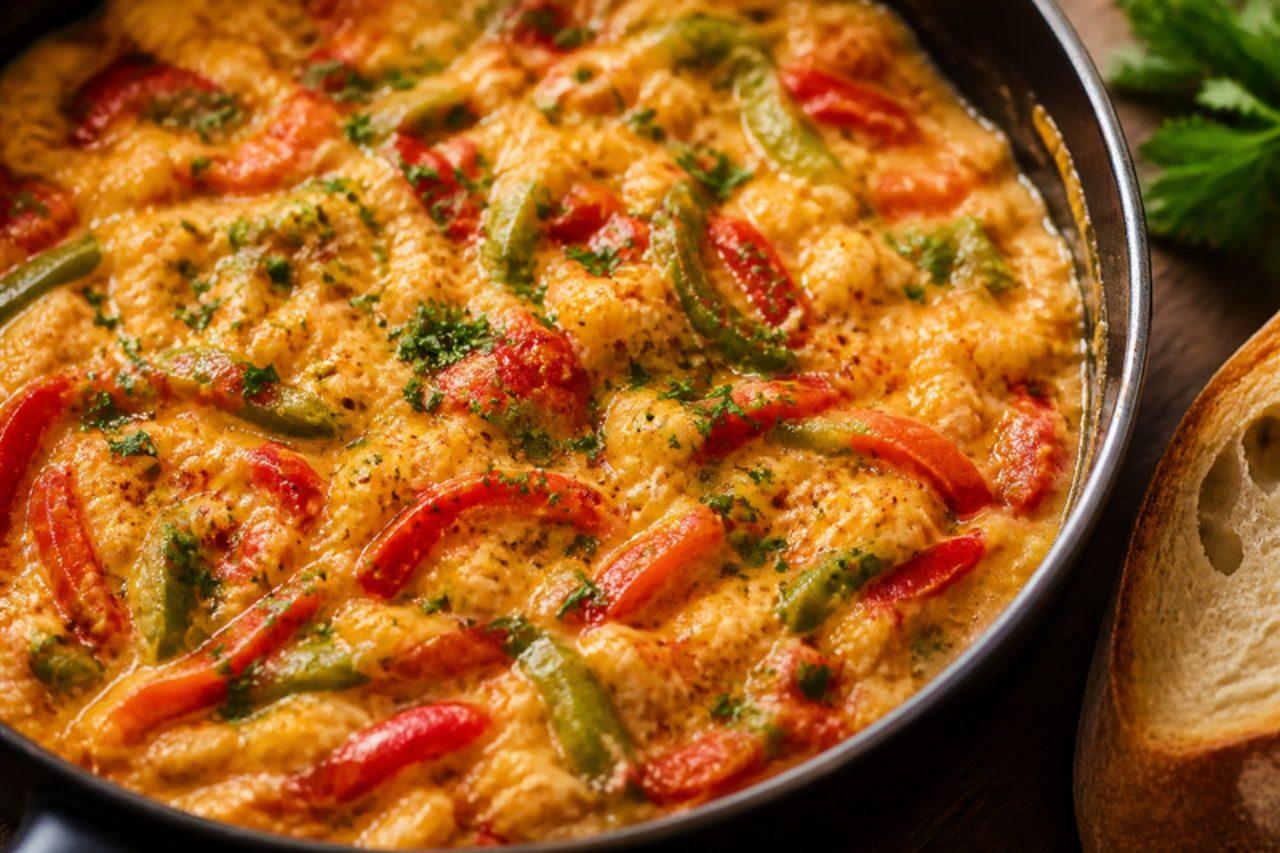
PiperadePepper and tomato stew

Red, white and green, the colours of the Basque flag, sit in one pan in piperade, the summer dish of Bayonne, Espelette and the villages of the French Basque Country. Green peppers, onions and ripe tomatoes are stewed in olive oil until soft and sweet, then warmed with the region's mild, fruity Espelette pepper. Basque families eat it at lunch with crusty bread, spooned beside rice, or with eggs softly scrambled into it; restaurants often add a slice of Bayonne ham, which this version leaves out. Chef's tip: cook it slowly and let the liquid reduce; a good piperade is jammy, not watery.

by KrazyBadal 0 views

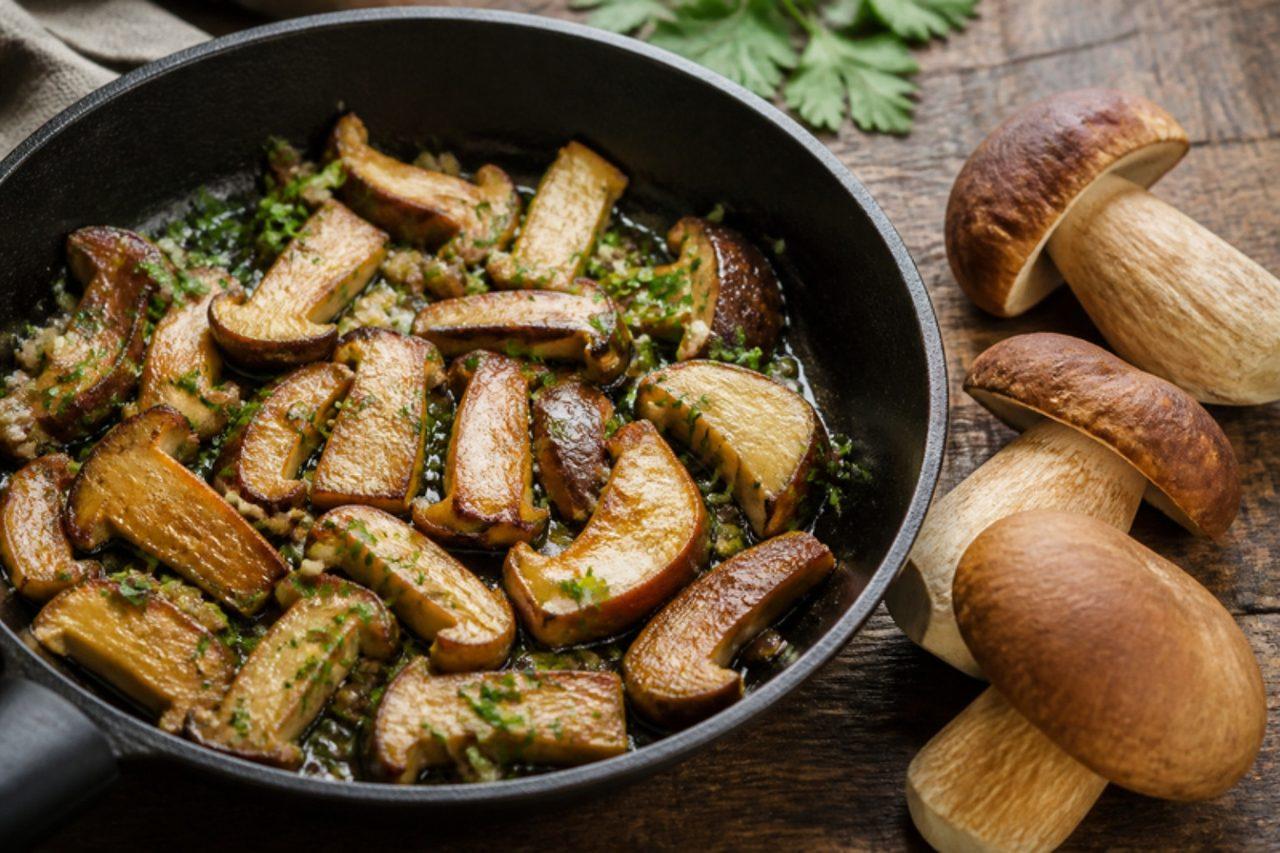
Cèpes à la bordelaisePorcini with garlic and parsley

In autumn, when cèpes push up through the pine forests of the Landes and the oak woods of the Gironde, Bordeaux families fry them the local way: thick slices browned hard in a hot pan, then tossed with shallot, garlic and plenty of parsley. They come to the table as a side for Sunday lunch, piled on toast for a starter, or beside an omelette for supper. Many cooks use duck fat; this version uses olive oil, so it is vegan. Out of season, use chestnut mushrooms with a few soaked dried porcini for flavour. Chef's tip: wipe the cèpes with a damp cloth instead of washing them; wet mushrooms steam instead of browning.

by KrazyBadal 0 views

Dorada a la salSalt-baked sea bream

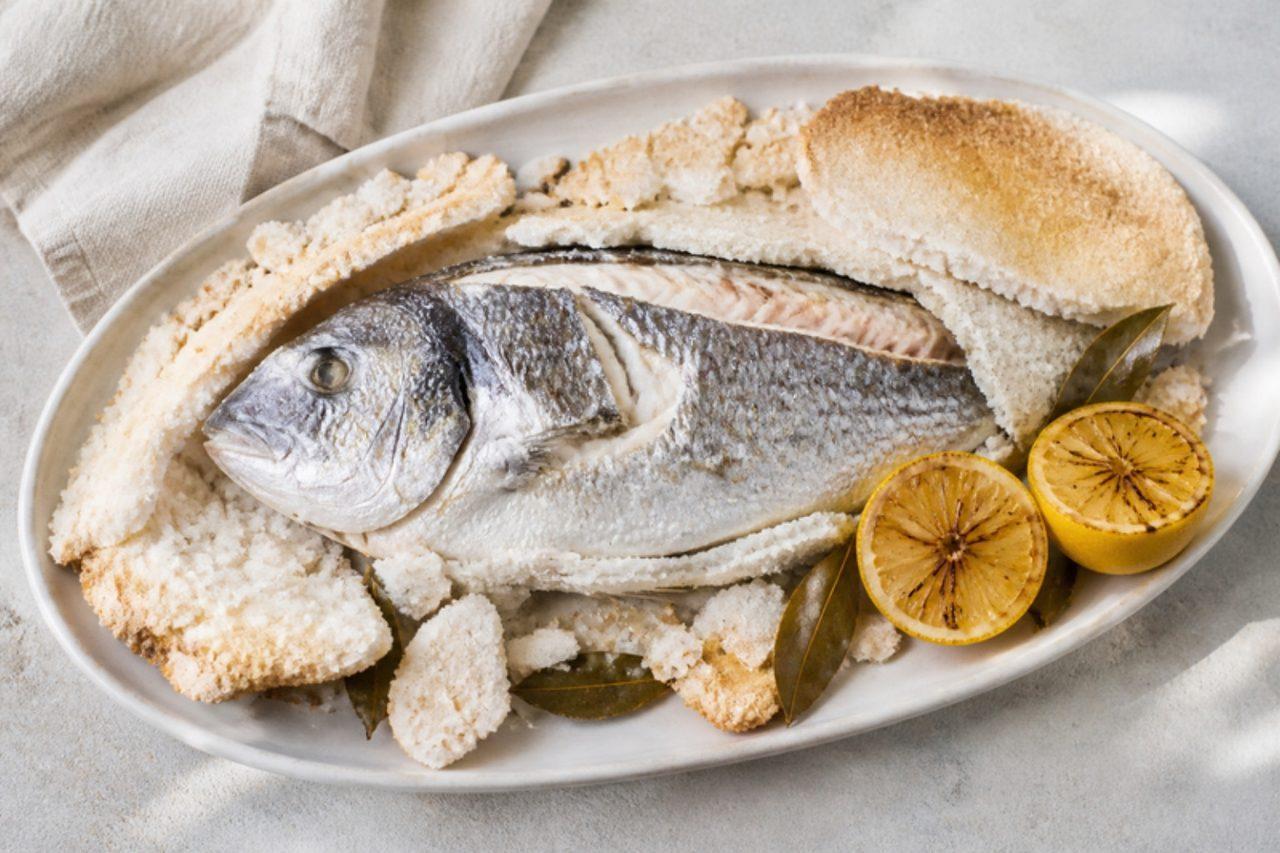
Around the salt flats of San Pedro del Pinatar, at the northern tip of the Mar Menor, baking fish under a crust of coarse salt is the obvious way to cook a fresh bream, and lagoon-side restaurants crack the crust open at the table for long summer lunches. The salt hardens into a shell that steams the fish in its own juices, so the flesh is moist and lightly seasoned rather than salty. Serve it with a drizzle of good olive oil, boiled potatoes or allioli. Chef's tip: leave the scales on; they stop the salt from reaching the flesh and make the skin peel away cleanly.

by KrazyBadal 0 views

Ensalada de nopalesCactus salad

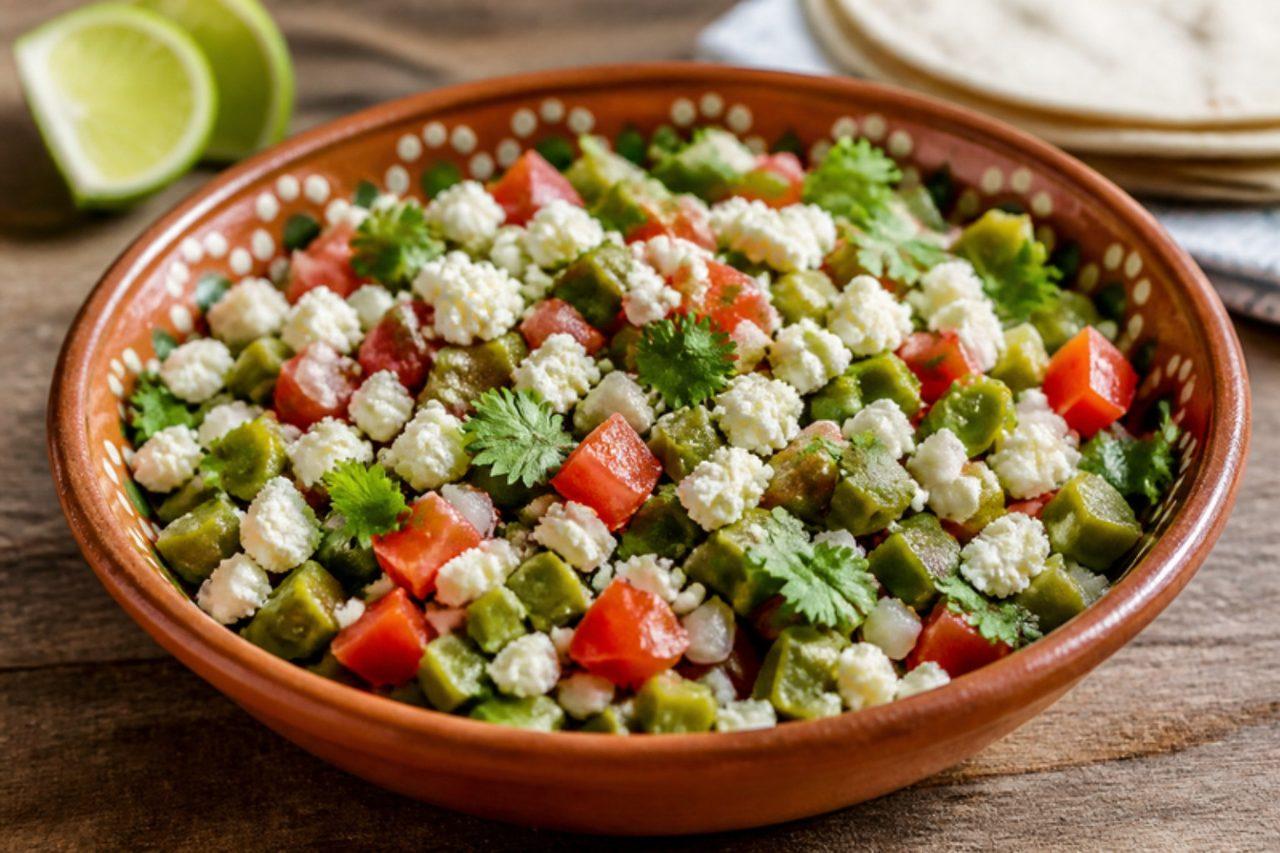
In the markets of Milpa Alta, south of Mexico City, the nopal growers sell paddles already scraped of their thorns, stacked in towers, and the salad they become is on the side of every comida corrida in the region. Cooked cactus tastes a little like green beans with a lemony edge; dressed with tomato, white onion, chilli, coriander and lime, it is cool and crisp, and the crumbled cheese softens the sharpness. Serve it with rice and beans, inside tacos, or on a tostada. Chef's tip: cook the nopales with a few onion slices and a pinch of bicarbonate of soda; they keep their bright colour and the slime washes away faster.

by KrazyBadal 0 views

Deniz börülcesi salatasıSamphire salad with garlic and lemon

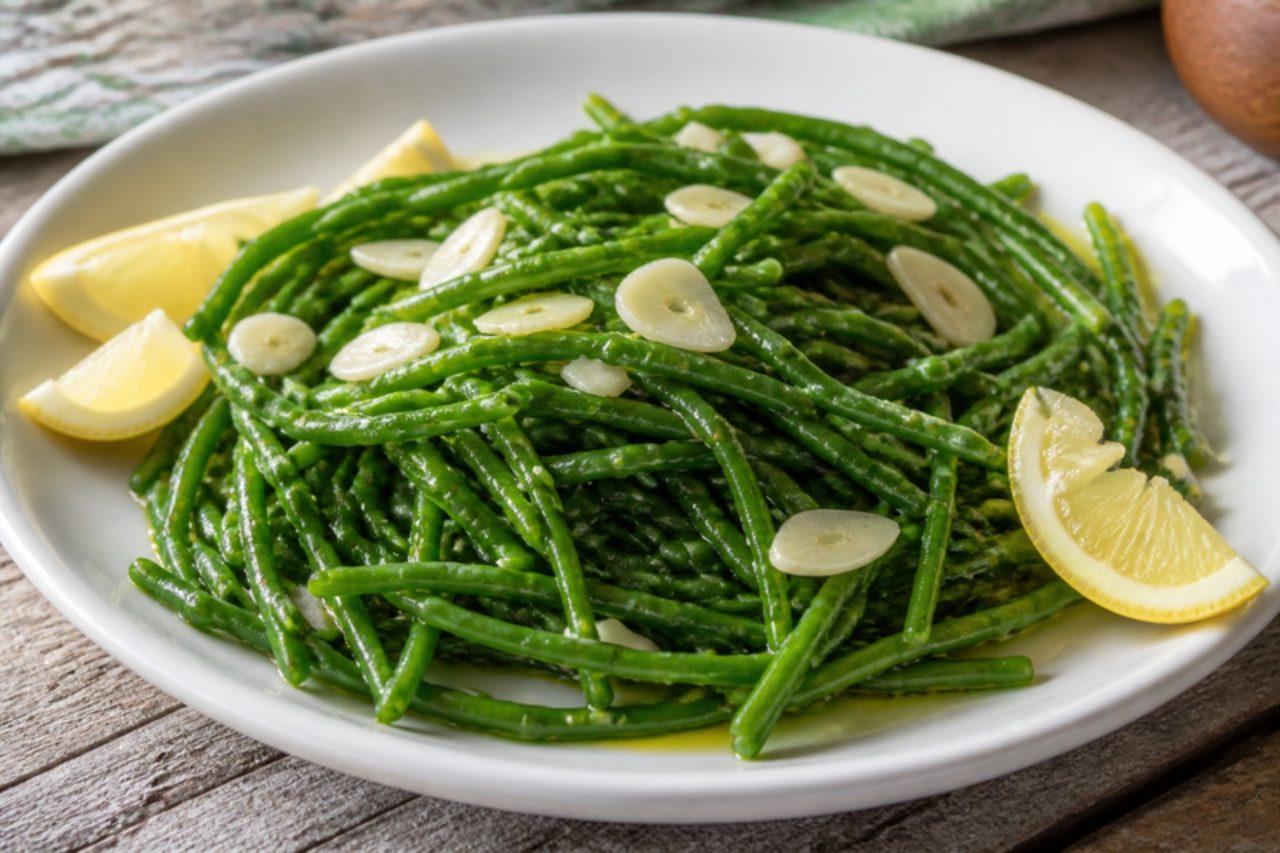
Along the Aegean coast from Ayvalık down to Bodrum, every meze tray in early summer carries a tangle of deniz börülcesi, the salty, crunchy samphire gathered from the marshes. It is blanched, pulled off its woody cores, then dressed with plenty of garlic, lemon and olive oil and served cold beside grilled fish. It tastes of the sea in the best way. Chef's tip: don't salt the cooking water or the dressing; samphire carries all the salt it needs.

by KrazyBadal 0 views

Showing 24 of 499 recipes

Show more recipes

Page 11 of 21

More collections