Skip to content

Low-calorie recipes

Lighter recipes that are still filling and full of flavour. (770 recipes)

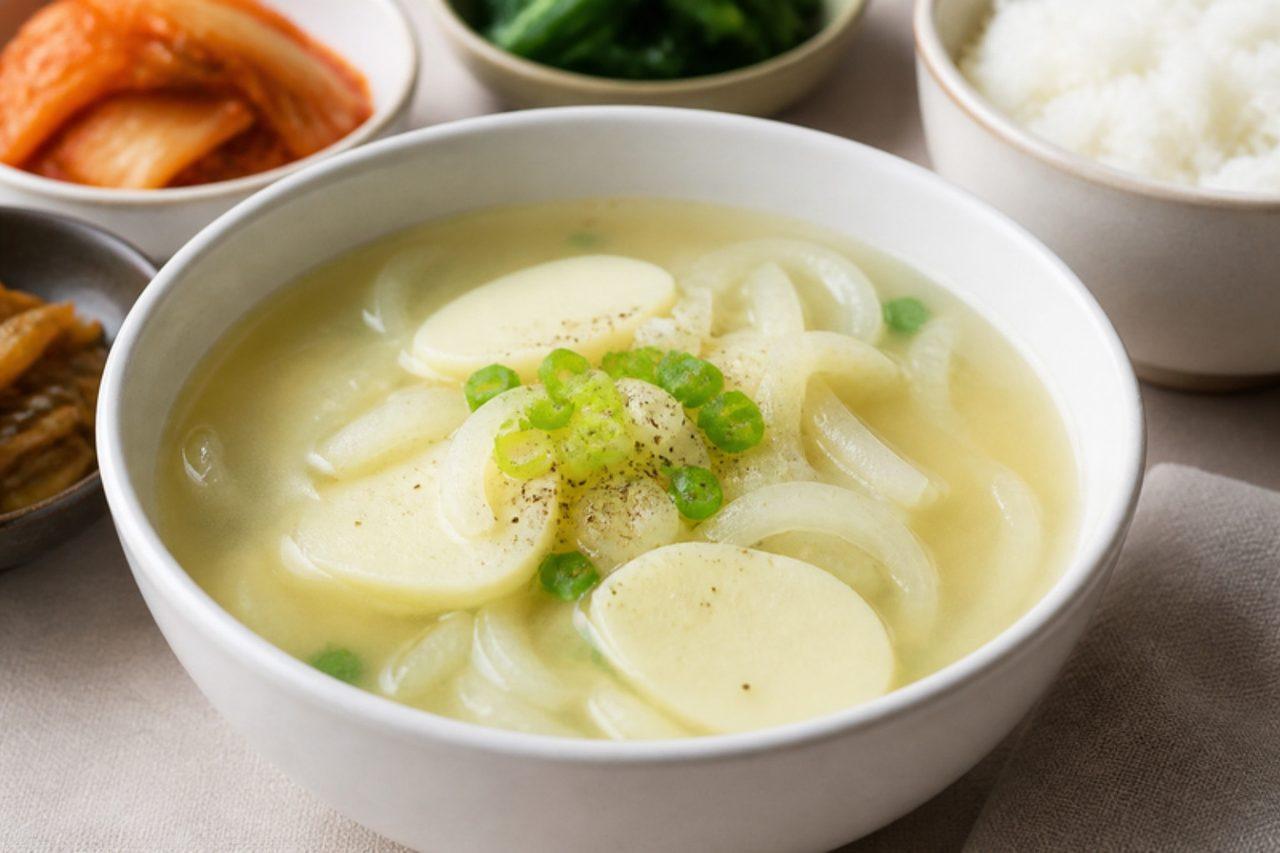
Gamja gukPotato and onion soup

Gamja guk is the plain, comforting potato soup that Korean mothers make on busy mornings and quiet evenings all year round, served with rice and kimchi. Thin slices of potato and onion simmer in a clear broth until soft, finished with spring onion and a little garlic. Most homes use an anchovy and kelp stock; this is the vegetarian version, with kelp and dried shiitake. It is mild and soothing, with about 4 g of protein per bowl; crack an egg into the pot at the end, or serve tofu alongside, for more. The common mistake is cutting the potatoes too thick, so the outside crumbles before the middle is cooked; slice them evenly, about 5 mm. Chef's tip: soak the sliced potato in cold water for 5 minutes to rinse away surface starch and keep the broth clear.

by KrazyBadal 0 views

Utan bisayaClear lemongrass vegetable soup

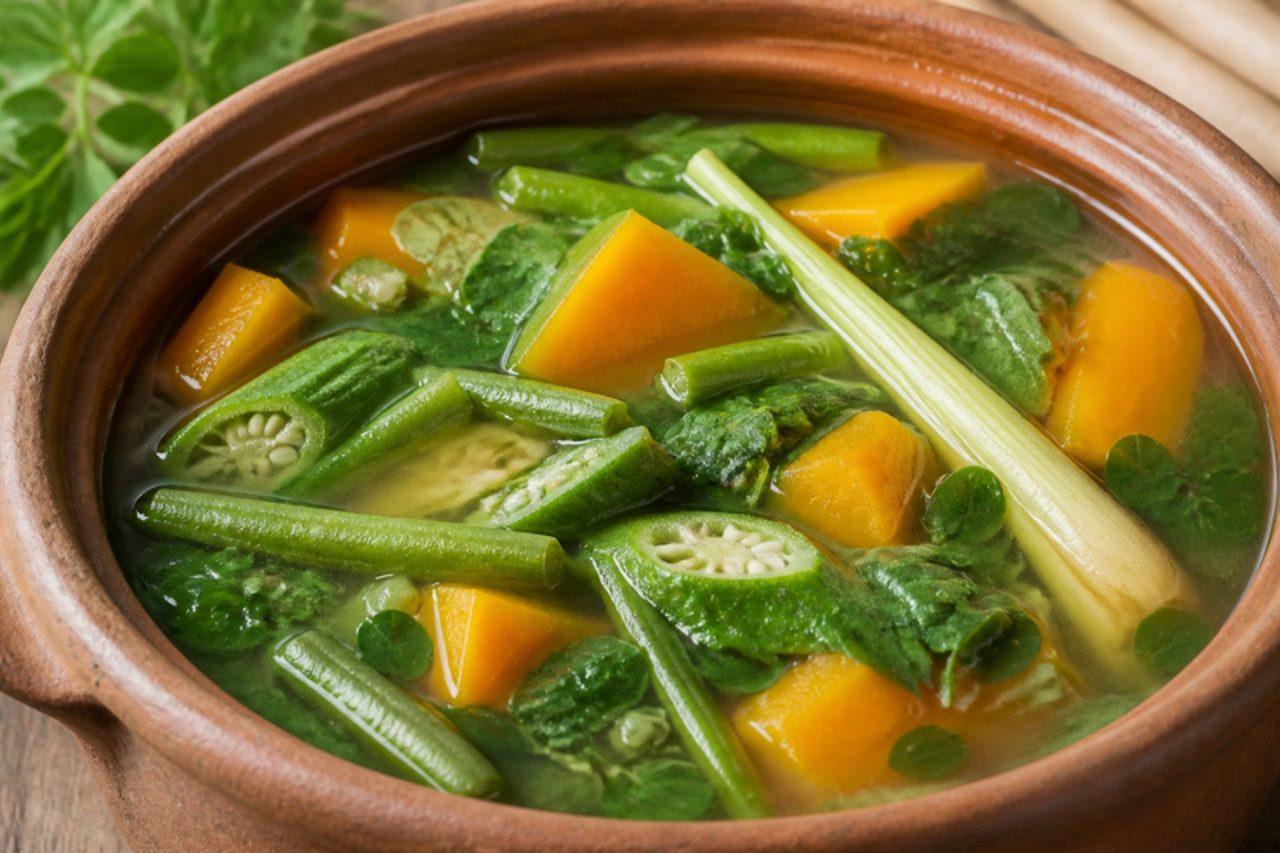
Utan bisaya is the everyday vegetable soup of Cebu and the Visayas, cooked at home for lunch and eaten with rice and something fried or grilled on the side. Lemongrass, ginger and tomato flavour a clear broth full of squash, string beans, okra and malunggay (moringa) leaves. Visayan cooks often add dried fish or a little fish sauce; this is the vegetarian version, so the lemongrass and a pinch of pepper do the work. It is fresh and fragrant, with about 3 g of protein per bowl, much of it from the moringa leaves. The common mistake is adding the malunggay too early: the small leaves need only a minute, or they darken and lose their flavour. Chef's tip: bruise the lemongrass well with the back of a knife and tie it in a knot so it is easy to fish out.

by KrazyBadal 0 views

Mâncare de mazăreStewed green peas

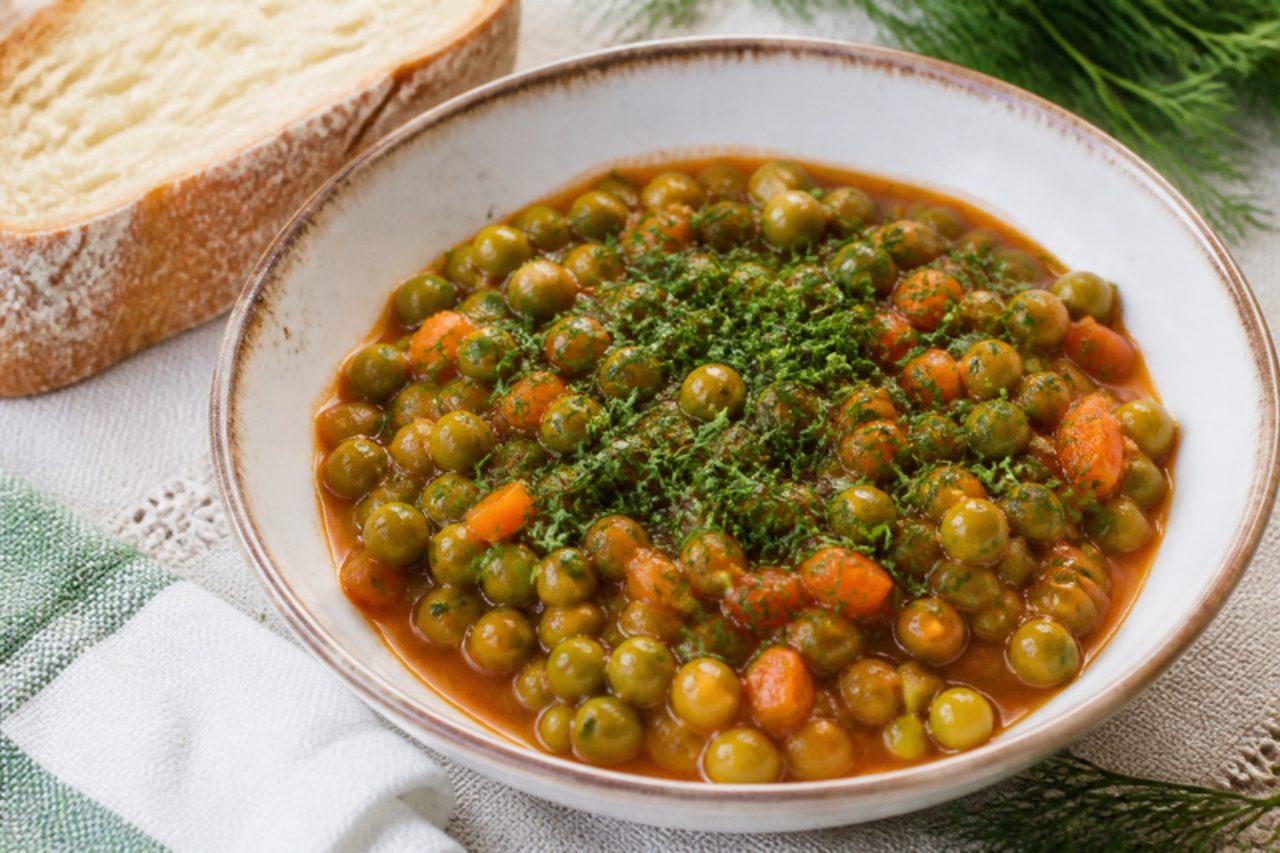
In Romanian homes from Bucharest to the villages of Moldavia, mâncare de mazăre is a weekday lunch all year and a mainstay of the Orthodox fasting days, when the table is meat-free; it is eaten with mămăligă (polenta) or bread and a pickle or two. Peas simmer gently with soft onion and carrot in a light tomato sauce, and a handful of dill goes in at the end. A portion gives about 14 g of protein from the peas, so it isn't a high-protein dish on its own; serve it with polenta and a chunk of bread, or a fried egg on top if you eat eggs. The most common mistake is boiling the peas for too long, which turns them khaki and mushy. Chef's tip: thicken the sauce with a teaspoon of flour fried in the oil before the tomato goes in, as Romanian cooks do, or leave it out to keep the dish gluten free.

by KrazyBadal 0 views

Lau ghontoBottle gourd with moong dal

Lau ghonto is a gentle summer dish from Dhaka and Kolkata kitchens, served in the first courses of a Bengali lunch with plain rice, when the bottle gourds are young and sweet. The gourd is grated, cooked down in its own juice with a handful of roasted moong dal, ginger and a little cumin until soft and almost creamy, and seasoned with a pinch of sugar. It is light, about 190 kcal a portion, and gives about 8 g of protein from the moong dal, so it is a vegetable side rather than a protein dish and is not tagged High protein. The most common mistake is adding water: bottle gourd releases plenty of its own, and extra water turns the ghonto into a soup. Chef's tip: choose a gourd that feels heavy, with pale, fuzzy skin you can dent with a fingernail; older gourds have hard seeds and turn bitter.

by KrazyBadal 0 views

Grüner BohnensalatGreen bean salad

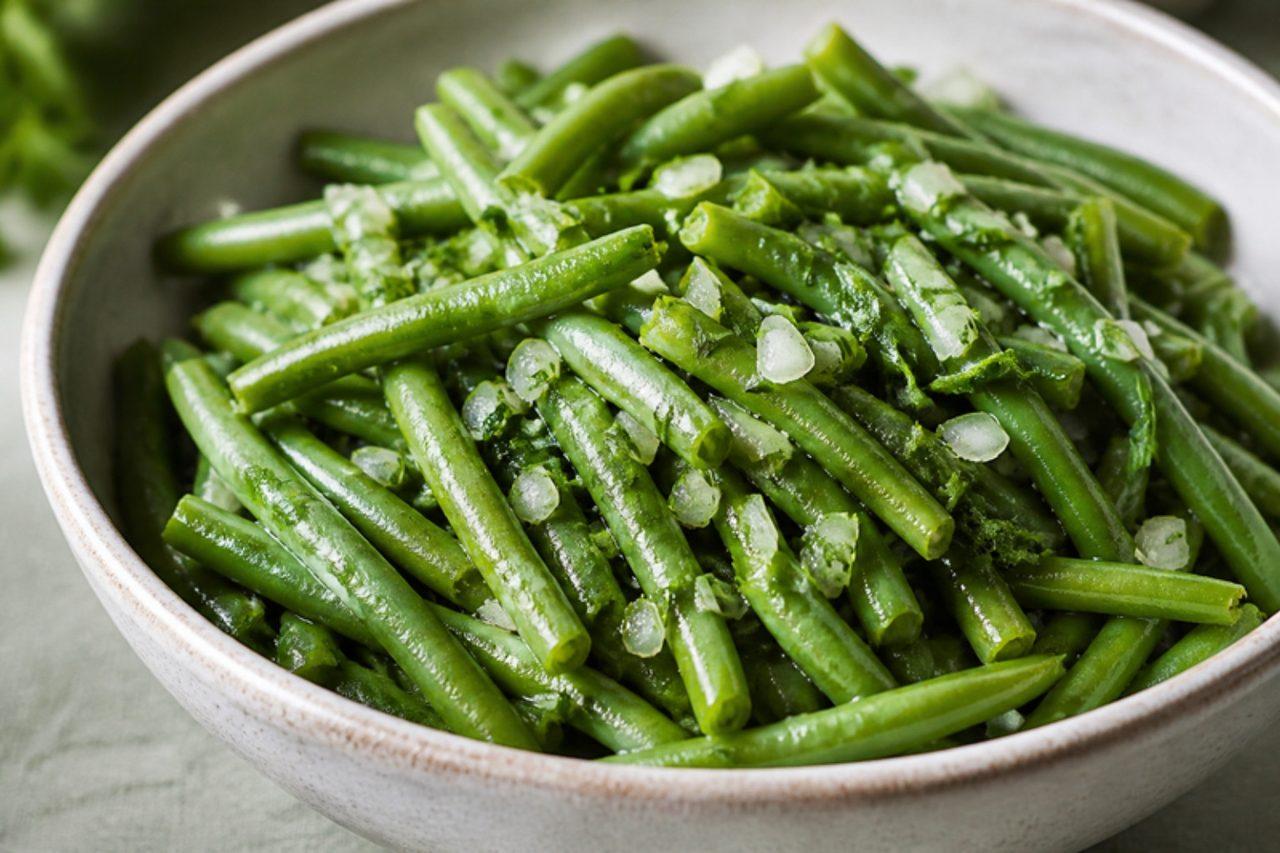
In German kitchens from Swabia to Westphalia, green bean salad comes out in high summer when beans are cheap and plentiful, as a side to fried eggs, potato salad or grilled food, and it travels well to picnics. The beans are cooked until just tender, then dressed warm with vinegar, oil, onion and Bohnenkraut (summer savory), the peppery herb Germans always pair with beans. Many cooks add bacon; this version is vegan. A portion gives about 3 g of protein, so it is a side; add a handful of white beans to make it more filling. The most common mistake is undercooking the beans so they squeak: German bean salad is meant to be tender, not crisp, so cook until a bean bends without snapping. Chef's tip: dress the beans while they are still warm and let them sit for 30 minutes; they absorb the vinegar and taste far better than freshly dressed.

by KrazyBadal 0 views

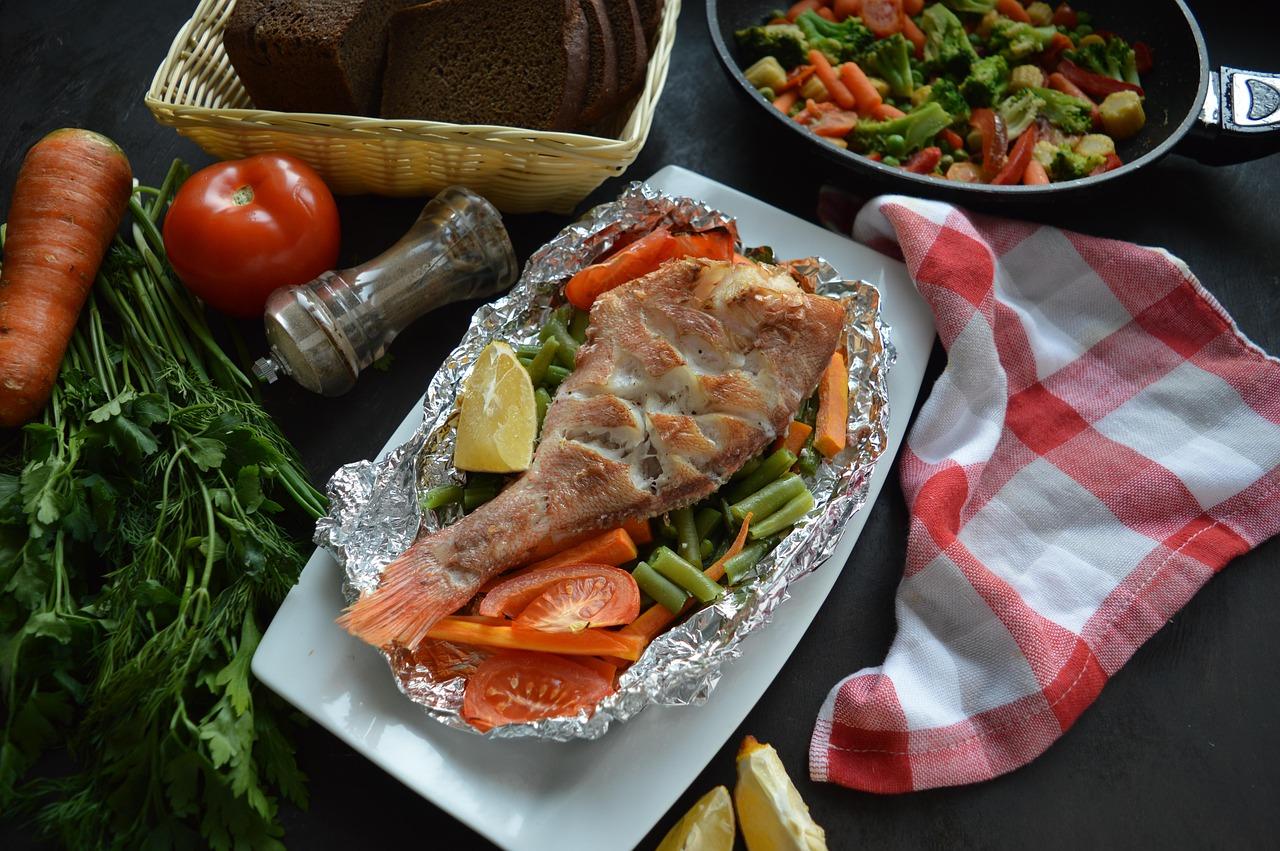
Pescado empapeladoFish baked in paper parcel

Along the Gulf coast of Veracruz, pescado empapelado is a weekday lunch and a Lenten Friday favourite: a fillet of snapper or other white fish is sealed in paper or foil with tomato, onion, peppers, olives, capers and herbs, then baked so it steams in its own juices. Each person opens their own fragrant parcel at the table. A portion gives about 32 g of protein, from the fish, for around 250 kcal. The common mistake is a loose parcel: if the edges aren't crimped tightly the steam escapes and the fish bakes dry, so fold and pinch the edges all the way round. The fish is done when it is opaque and flakes easily at the thickest point (63 °C). Chef's tip: slice the vegetables thinly and lay them under the fish as well as on top; they cook in the same 15 minutes and keep the fillet off the hot paper.

by KrazyBadal 0 views

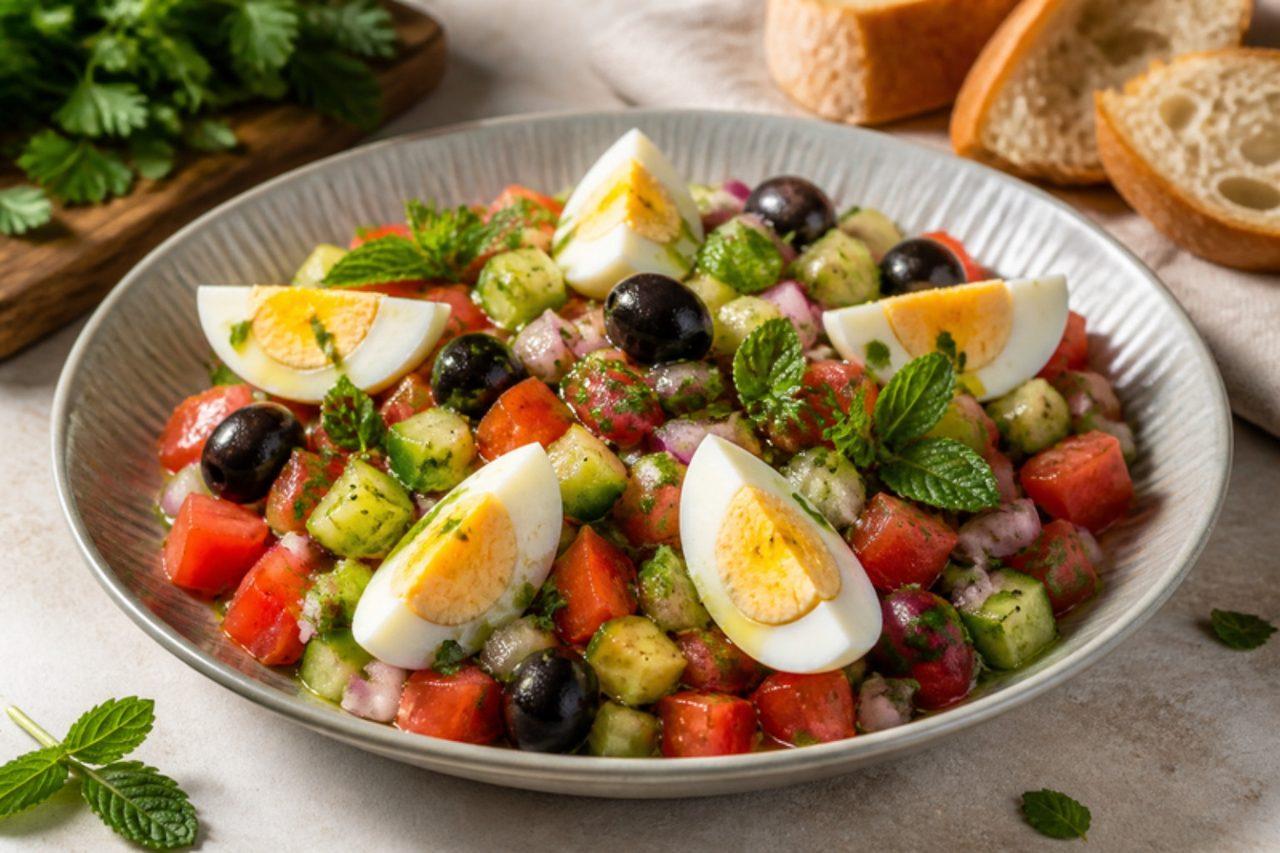
Salade tunisienneDiced tomato and cucumber salad

Every Tunisian table, from Tunis to Sfax, has a plate of slata tounsia on it, especially at lunch in summer and at iftar in Ramadan: tomato, cucumber, green pepper and onion cut into tiny, even dice and dressed with lemon, olive oil and dried mint. It is usually crowned with tuna and hard-boiled egg; this vegetarian version leaves out the tuna and uses a little more egg, plus olives and capers for the salty kick. A portion gives about 8 g of protein, so it is a side salad rather than a high-protein dish. The usual mistake is dressing it too early: the salt draws the juice out of the tomato and the salad swims, so dress it just before serving. Chef's tip: take the time to dice everything to the size of a chickpea; that fine, even cut is what makes it taste like Tunisia rather than a chopped salad.

by KrazyBadal 0 views

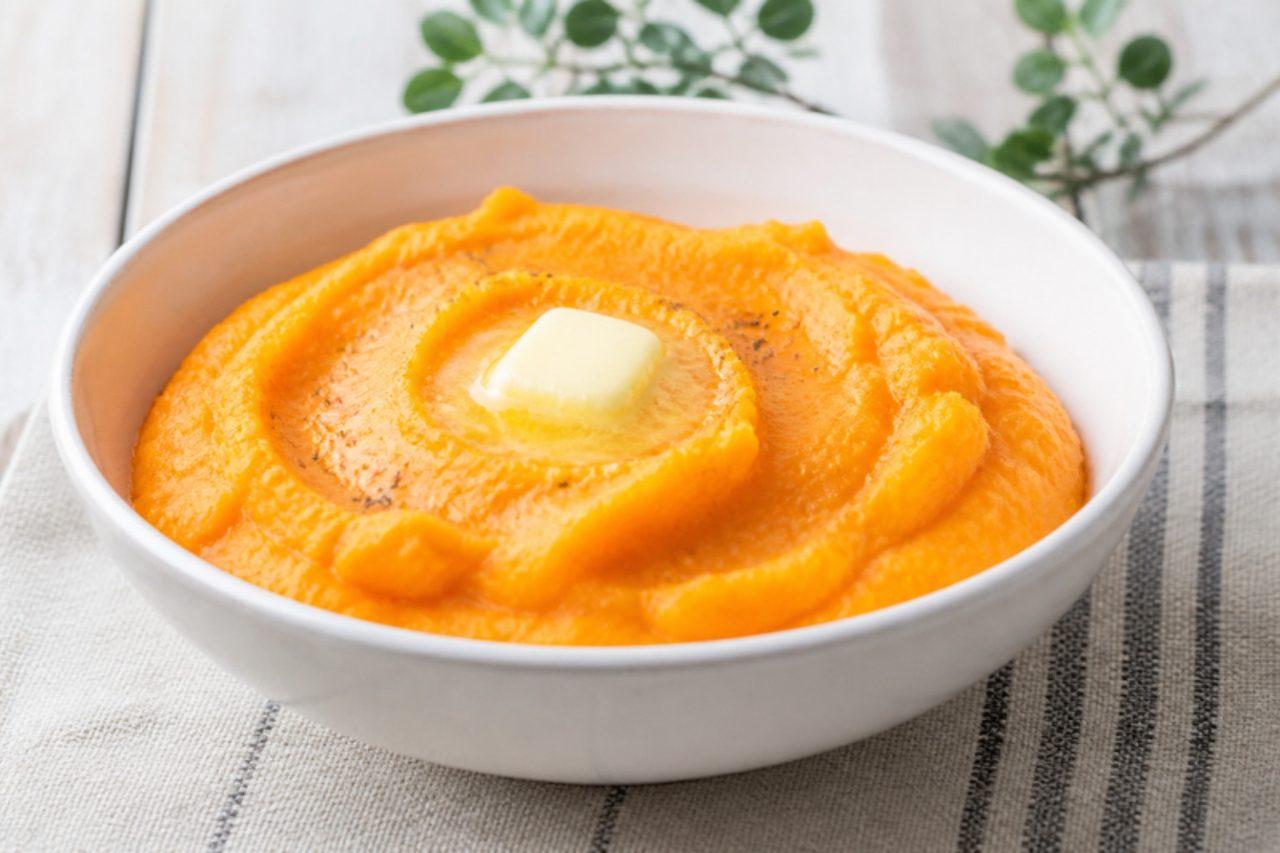
RotmosMashed swede and carrot

Rotmos, literally 'root mash', is a Swedish winter staple, cooked from Skåne to Norrland when the cellars are full of swede, and served beside sausages or boiled pork at home dinners, and on Thursdays with pea soup. Swede gives the mash its golden colour and gently peppery sweetness, potato makes it smooth, and a little butter and allspice round it out. It is a vegetarian side with about 3 g of protein per portion; try it with fried halloumi or a bean stew. The common mistake is mashing it straight from the pan: watery roots give a sloppy mash, so steam-dry them first. Chef's tip: leave the mash a little coarse; Swedes like to see flecks of swede and carrot rather than a smooth purée.

by KrazyBadal 0 views

Chilcano de pescadoClear fish broth

In the fishermen's terminals of Chorrillos and Callao, chilcano is what you drink on a Sunday morning after a long night: a clear, gingery broth made from the heads and bones left over from cleaning fish for ceviche, with chunks of fish, red onion, chilli and a squeeze of lime in the bowl. It is light and warming, around 160 kcal a bowl, and still gives about 24 g of protein from the fish fillet and the broth. The common mistake is squeezing the lime into the pot while it boils, which turns it bitter; add it to each bowl at the table. Don't boil the bones for more than 30 minutes either, or the broth turns cloudy and harsh. Chef's tip: ask the fishmonger for heads and frames from mild white fish like sea bass or cod, and leave out oily fish such as mackerel, which makes the broth strong and fishy.

by KrazyBadal 0 views

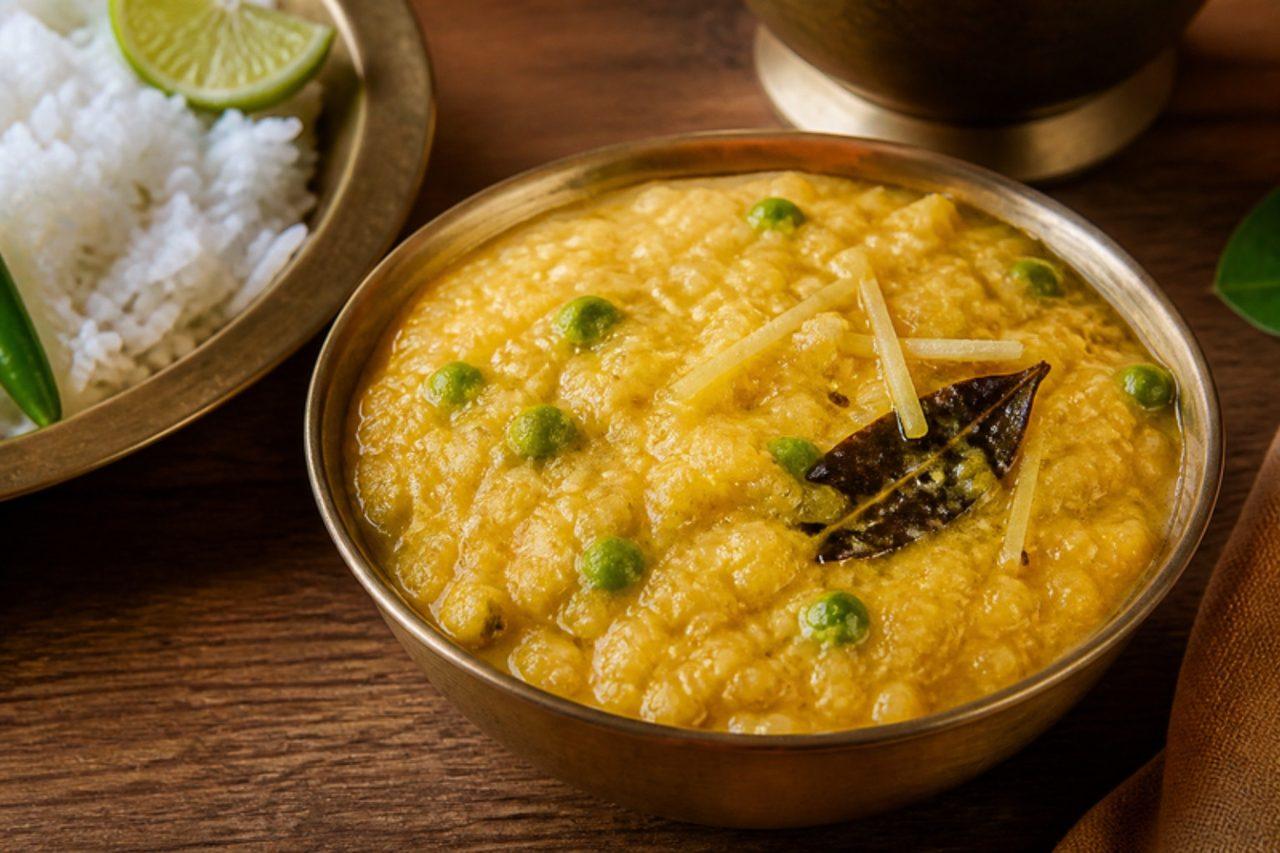
Bhaja muger dalRoasted moong dal with ginger

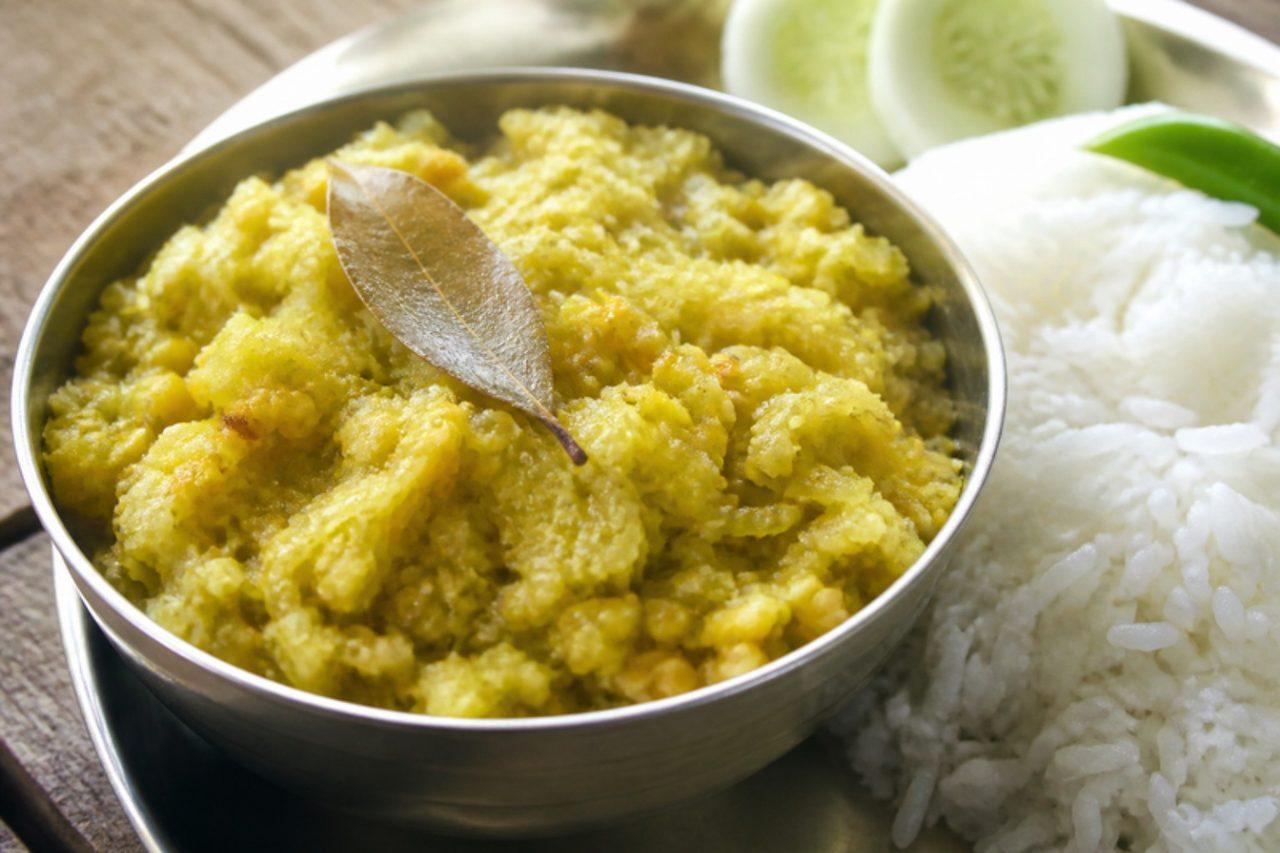
Bengali households in Kolkata make bhaja muger dal on winter weekdays, and it is a fixture of the vegetarian bhog served at Durga Puja and Saraswati Puja. The moong is dry-roasted in a heavy pan until it smells nutty, then cooked soft with ginger and green peas and finished with ghee, bay leaf and a whisper of sugar. The roasting gives it a toasty, almost sweet depth that plain moong dal never has. A portion gives about 21 g of protein from the moong and peas, for about 360 kcal. Serve it with rice and a fried vegetable such as begun bhaja. The most common mistake is roasting over too high a heat: the outside browns while the inside stays raw, and the dal tastes burnt and never softens evenly. Chef's tip: roast only until the dal is a couple of shades darker, pale gold, and you can smell it from the next room; stop the moment you see the first brown spots.

by KrazyBadal 0 views

KålsoppaCabbage and root vegetable soup

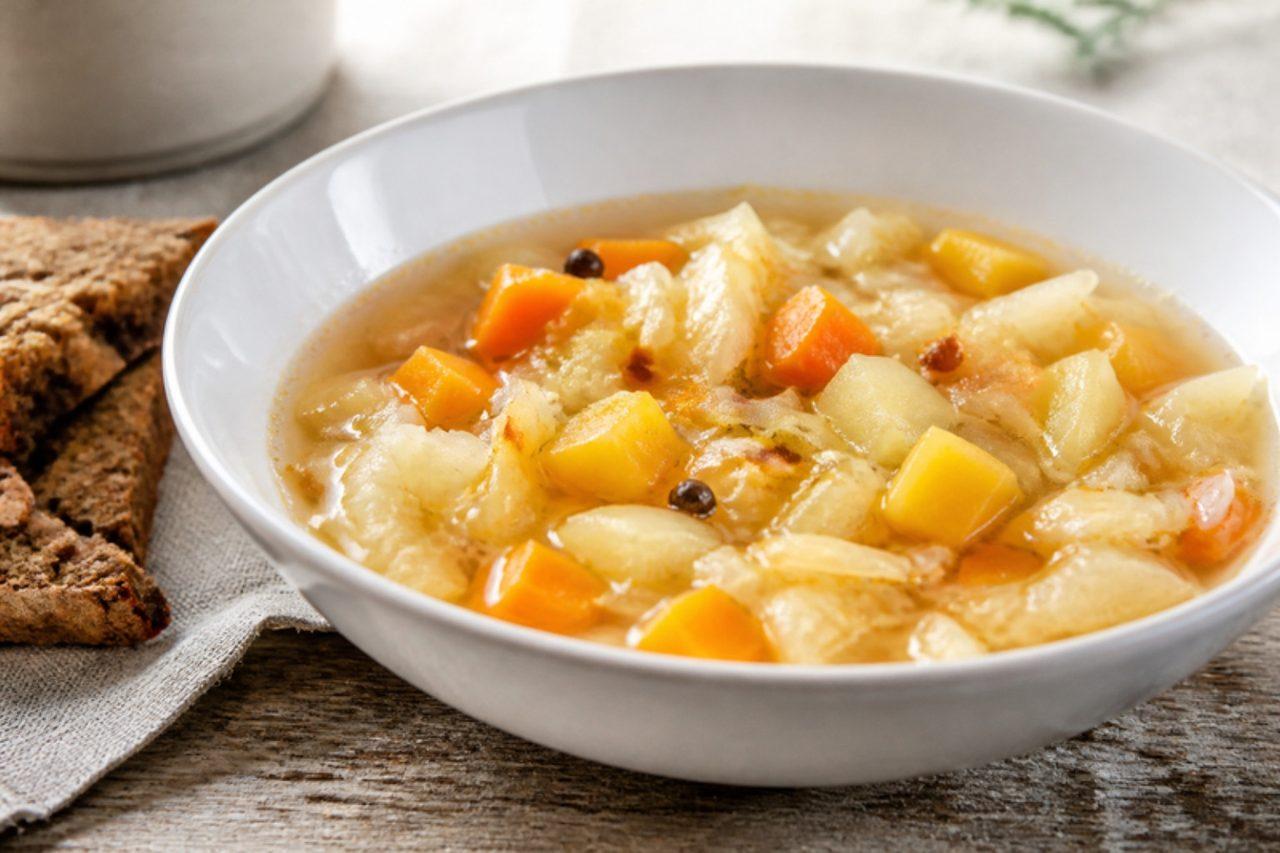
Kålsoppa is old-fashioned Swedish home cooking, the soup of cold autumn and winter evenings in Skåne and the countryside, when white cabbage and root vegetables fill the cellar. The cabbage is first browned in a little oil with a pinch of syrup, which gives the broth its gentle sweetness and golden colour, then simmered with carrot, swede and potato and seasoned with whole allspice. Many families float small meatballs in it; this is the vegetarian version without them. It has about 4 g of protein per bowl; serve with crispbread and a hard cheese, or add white beans, for more. The common mistake is rushing the browning: the cabbage needs a good 10 minutes of slow frying to caramelise. Chef's tip: crush the allspice berries lightly before adding them, so their warm, clove-like scent fills the soup.

by KrazyBadal 0 views

Feldsalat mit warmem KartoffeldressingLamb's lettuce with warm potato dressing

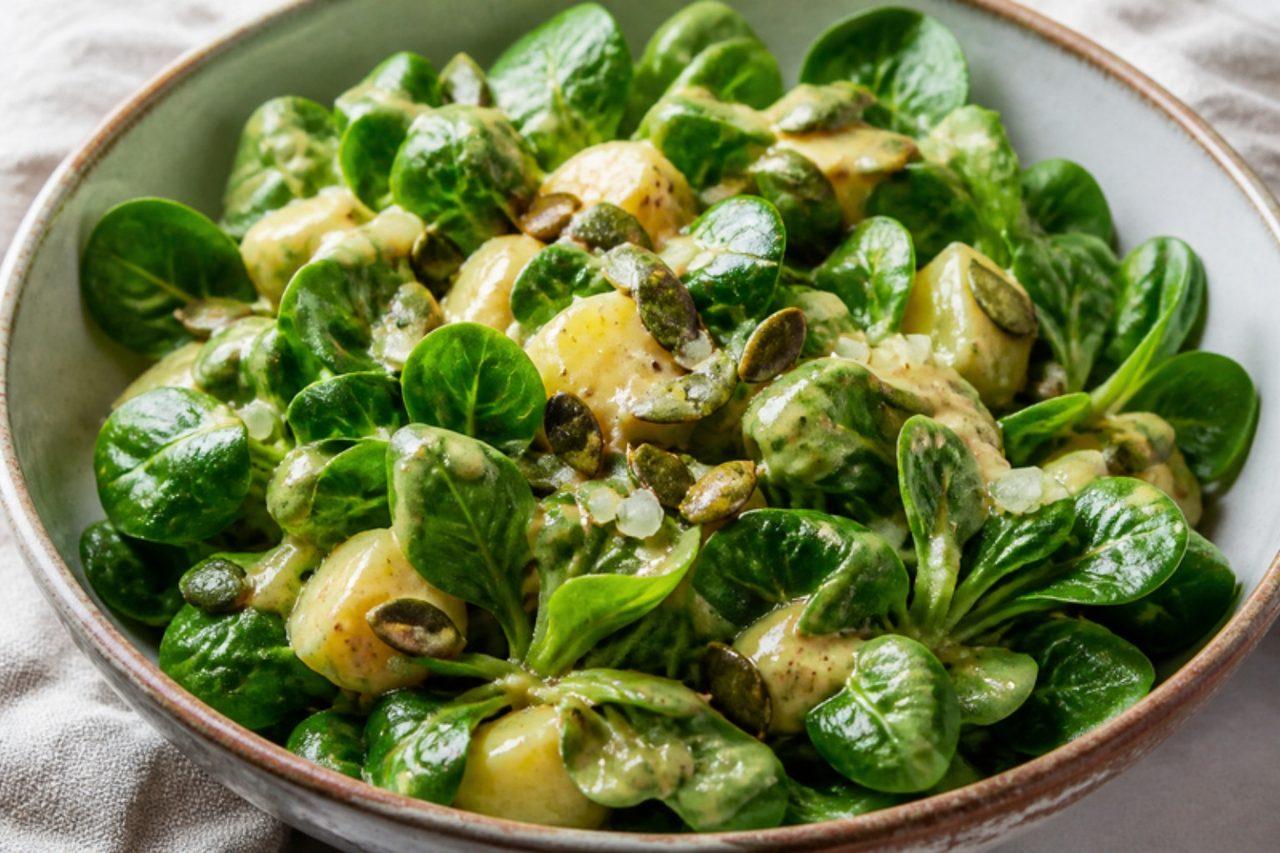
In Baden-Württemberg and Bavaria, Feldsalat (lamb's lettuce, also called Ackersalat or Nüsslisalat) is the winter salad, eaten from October to March as a starter or beside Spätzle and egg dishes. The small, tender rosettes are dressed in a warm, creamy Swabian dressing made from a boiled potato mashed with stock, mustard, vinegar and oil, which coats the leaves without weighing them down. Traditional versions use meat stock and bacon; this one uses vegetable stock and crisp fried onions, so it is vegan. It gives about 3 g of protein a portion, so it is a side; add toasted pumpkin seeds for more. The most common mistake is not washing the leaves well: grit hides deep inside the rosettes, so wash in two or three changes of water. Chef's tip: dress the leaves only at the table; the warm dressing wilts them within minutes.

by KrazyBadal 0 views

NässelsoppaNettle soup

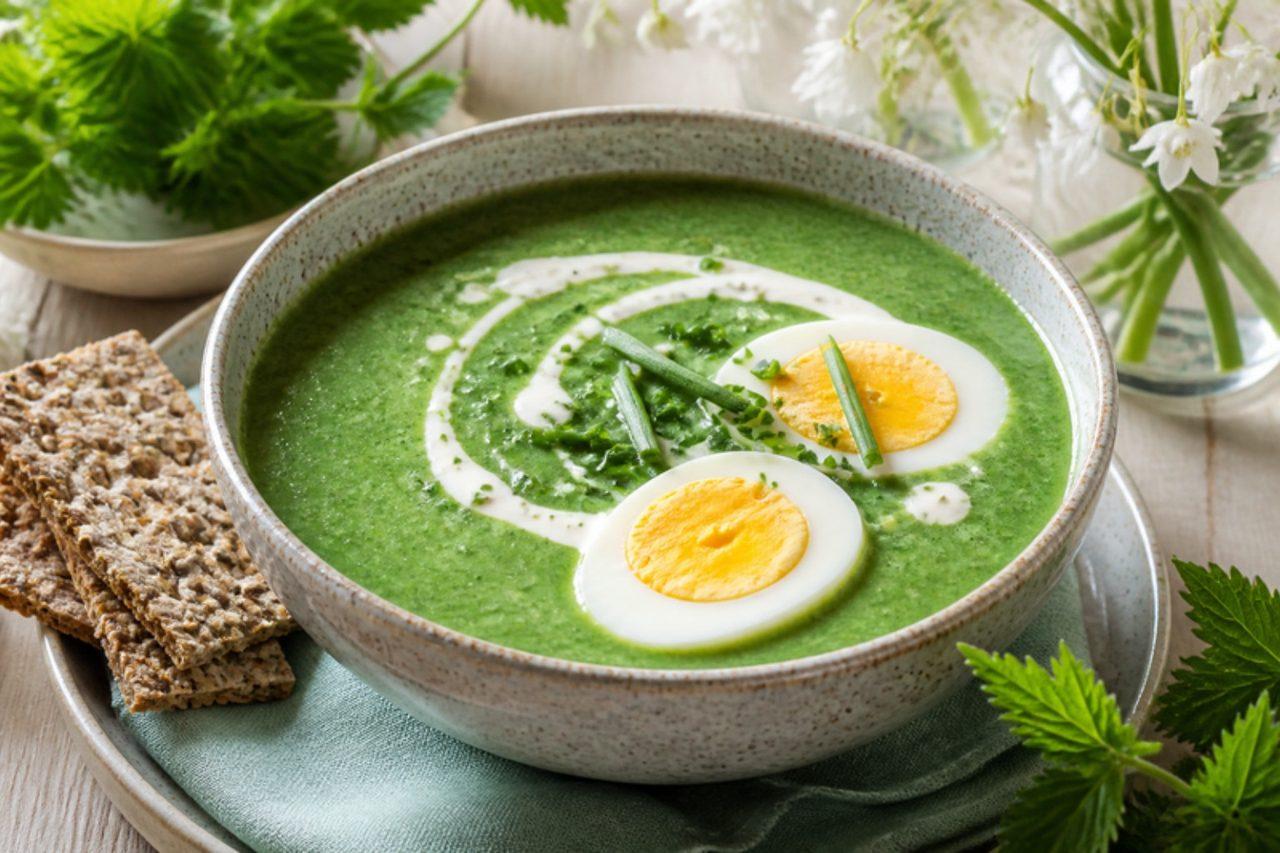
In Sweden the first young nettles of April and May go straight into nässelsoppa, a smooth, grassy green soup often served at Easter or on Walpurgis Night with halved boiled eggs. It tastes a little like spinach with a mineral edge, and is eaten with crispbread and butter. A bowl with one egg gives about 10 g of protein, so it is a light soup, not a high-protein meal; add a second egg each if you want it more filling. Wear gloves to pick and wash nettles: blanching removes the sting completely. The most common mistake is cooking the nettles too long, which turns the soup khaki and dull; add them at the end and blend straight away. Chef's tip: pick only the top four to six leaves of young plants before they flower; older leaves are tough and gritty.

by KrazyBadal 0 views

KyopolouRoasted aubergine and pepper spread

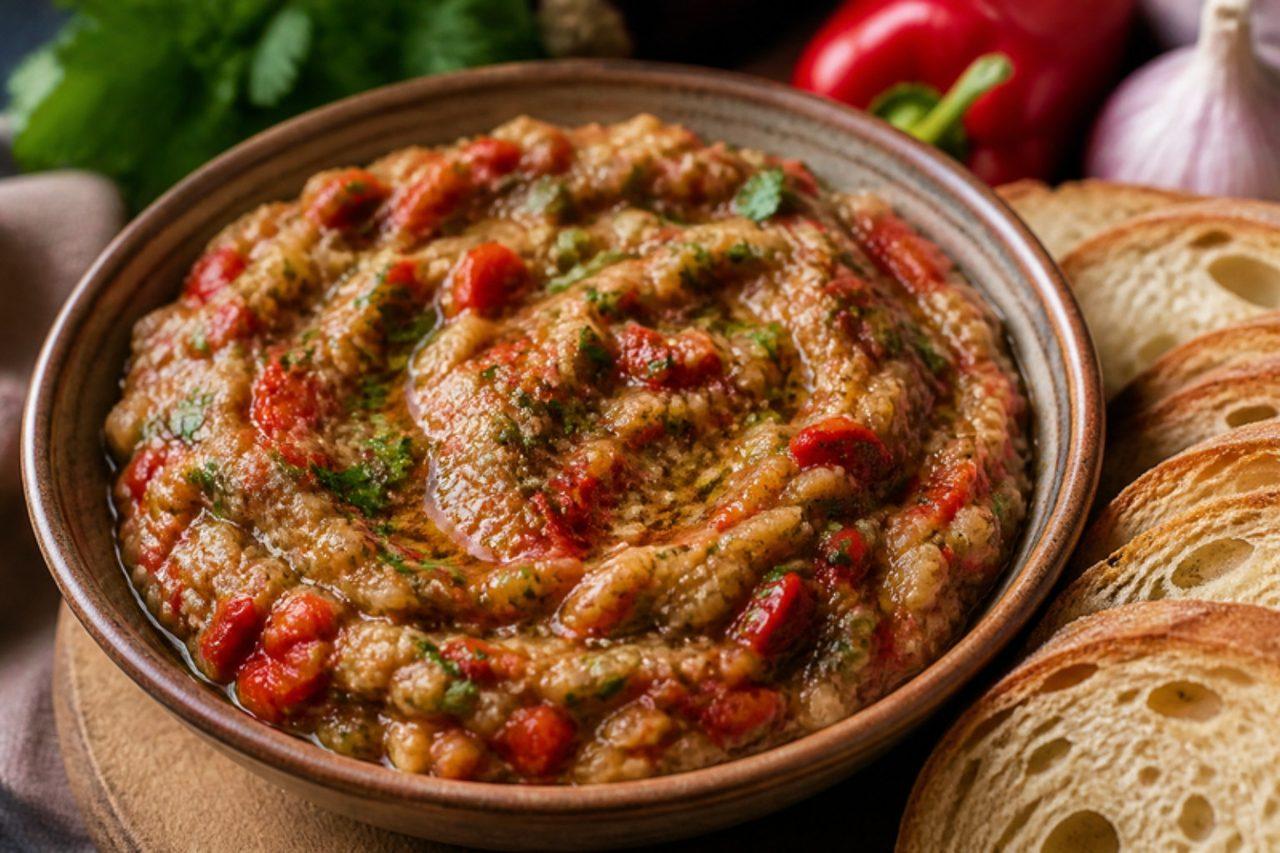
Every Bulgarian family makes kyopolou in late summer and autumn, when aubergines and red peppers flood the markets from Plovdiv to Sofia, and it is served as a starter with bread and a shopska salad, or spread on toast for a light supper. The vegetables are roasted until blackened, peeled, and chopped by hand with garlic, parsley, vinegar and sunflower oil into a chunky, smoky, slightly sweet relish. A portion gives about 2 g of protein, so it is a dip; spread it on bread with white cheese or serve with beans for a fuller meal. The most common mistake is blending it smooth: kyopolou should be chopped, with visible pieces of pepper. Chef's tip: let the roasted vegetables steam in a covered bowl for 10 minutes; the skins then slip off in seconds and you keep all the smoky juice.

by KrazyBadal 0 views

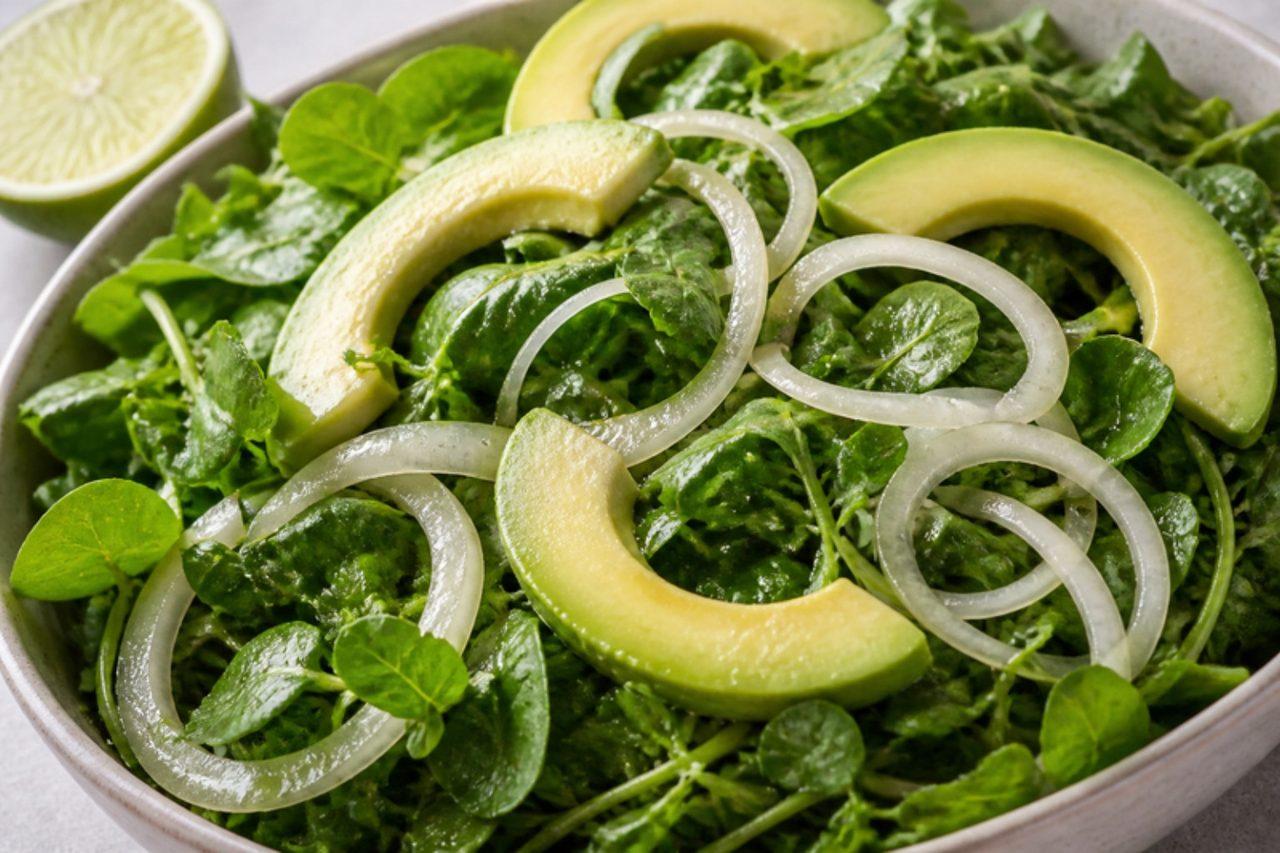
Ensalada de berroWatercress salad

In Cuban homes from Havana to Santiago, a plate of peppery watercress with thin rings of onion and a squeeze of lime sits beside the rice, beans and fried plantain at almost every weekday lunch. The dressing is simply lime or sour orange, olive oil and salt, so the cress stays crisp and bright and cuts through richer dishes. It is very light, with about 2 g of protein a portion, so it is purely a side; pair it with black beans and rice for a full meal. The most common mistake is dressing it in advance: watercress wilts in minutes once salted. Chef's tip: keep the thick lower stems out and use only the tender tops and leaves; the salad will be crisp, not stringy.

by KrazyBadal 0 views

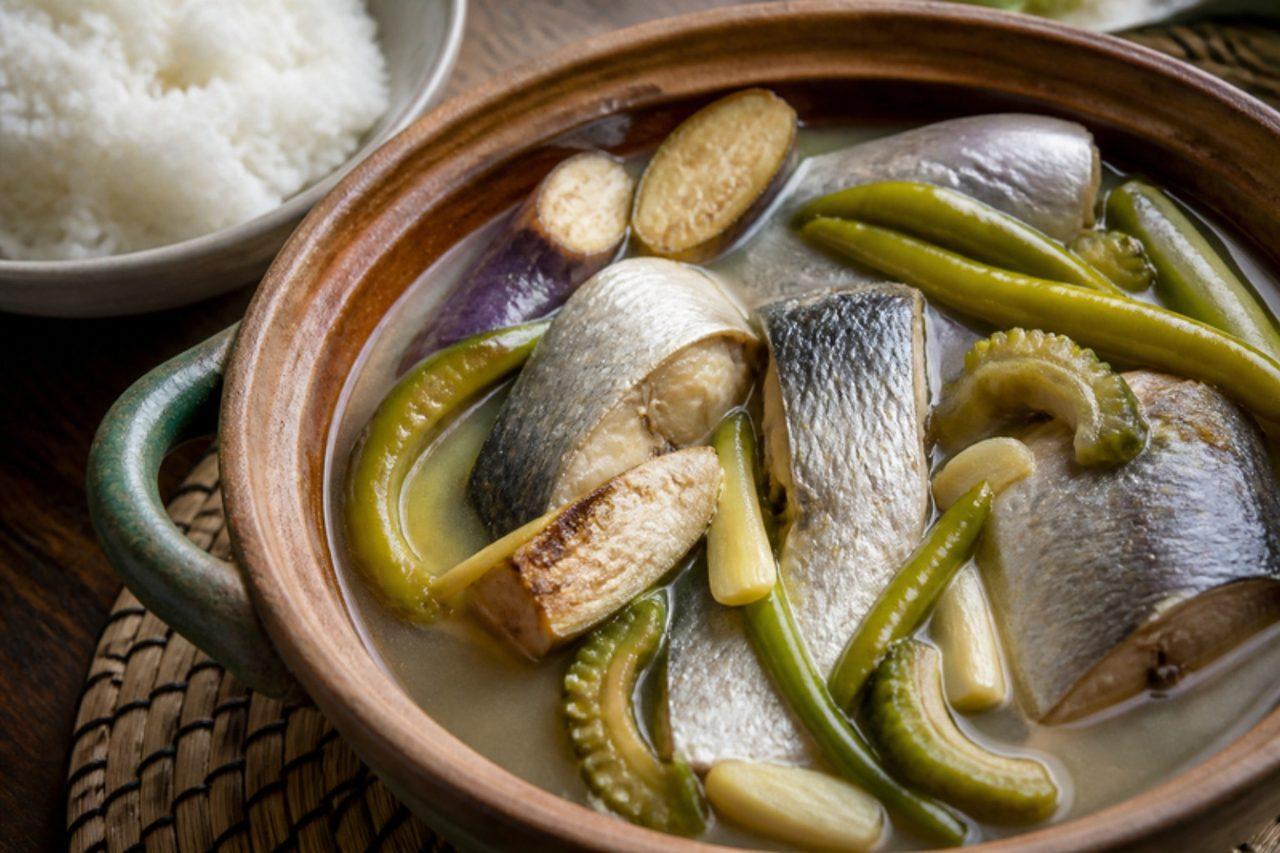
Paksiw na isdaFish simmered in vinegar

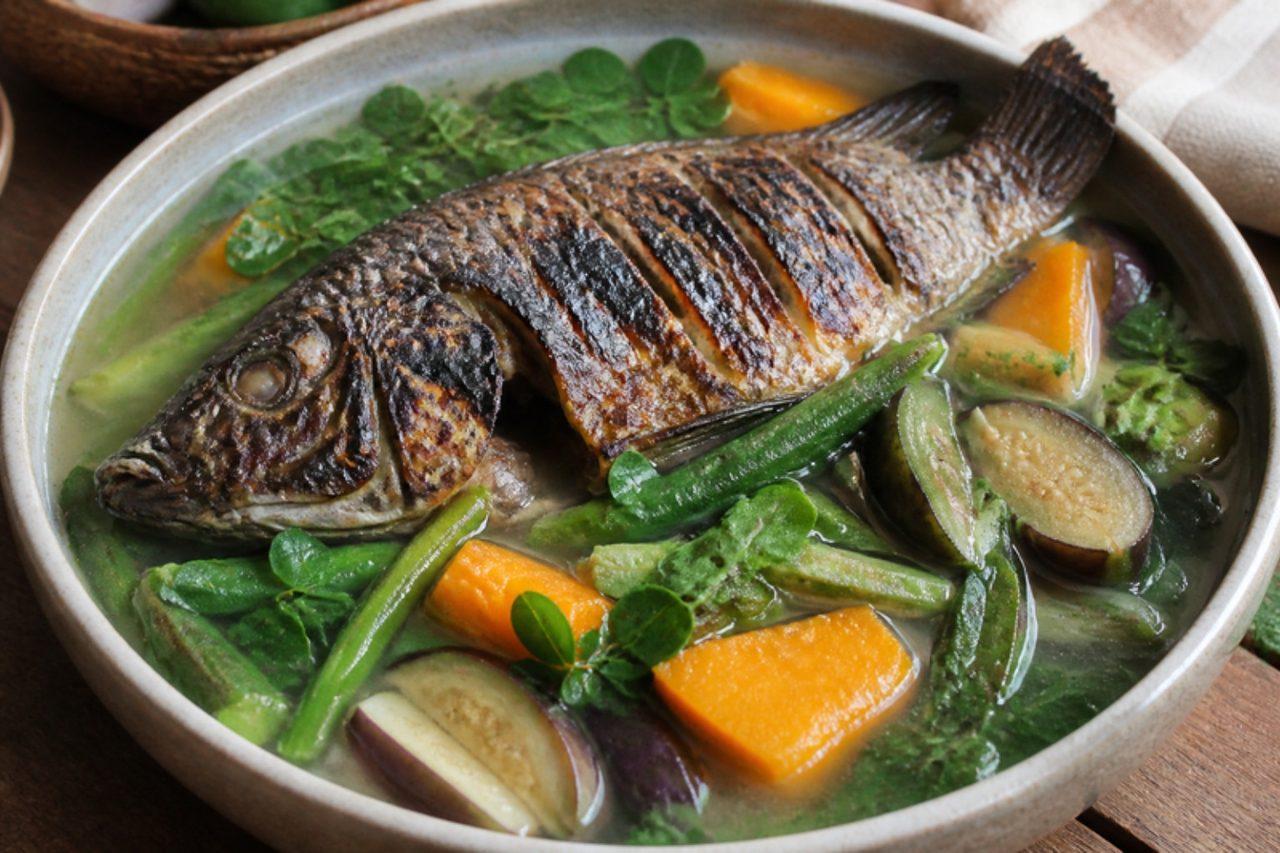
Paksiw na isda is cooked in homes all over the Philippines, from Manila to the Visayas, as an everyday lunch with rice; the vinegar keeps it for a day or two, and many people think it tastes better the next morning. Fish simmers in vinegar and a little water with ginger, garlic, peppercorns and long chillies, with aubergine and bitter melon, until the sauce is sharp, savoury and slightly reduced. A portion has about 26 g of protein from the fish. The classic mistake is stirring the pot before the vinegar has boiled: it leaves a raw, harsh taste, so let it come to the boil uncovered and untouched first. Chef's tip: use cane or coconut vinegar if you can find it; it is gentler than distilled white vinegar.

by KrazyBadal 0 views

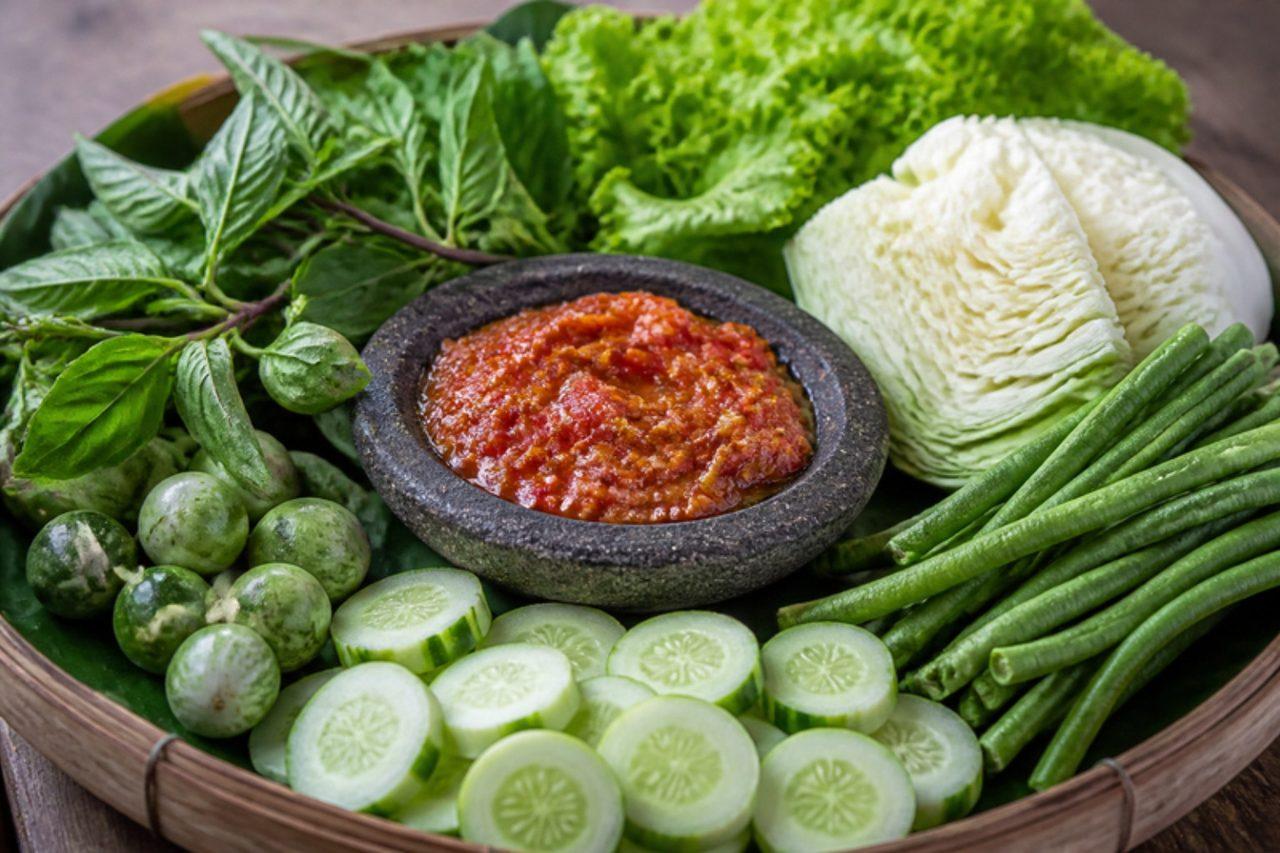
Lalapan with sambal tomatRaw vegetables with tomato sambal

In Sundanese homes and warung across West Java, from Bandung to Bogor, lalapan sits on the table at nearly every rice meal: a plate of raw cucumber, cabbage, long beans, Thai basil, lettuce and sometimes small green aubergines, dipped one by one into fiery sambal. It is about freshness and crunch more than cooking. The usual sambal terasi uses shrimp paste, so here it is a vegetarian sambal tomat of fried chilli, shallot, garlic and tomato, ground with palm sugar and lime. A portion gives only about 3 g of protein, so pair it with fried tofu or tempeh and rice for a full meal. The most common mistake is serving limp vegetables: wash them, then crisp them in iced water and dry them well. Chef's tip: fry the sambal ingredients until the tomato skins split and the shallots catch at the edges; that charring gives the depth shrimp paste usually brings.

by KrazyBadal 0 views

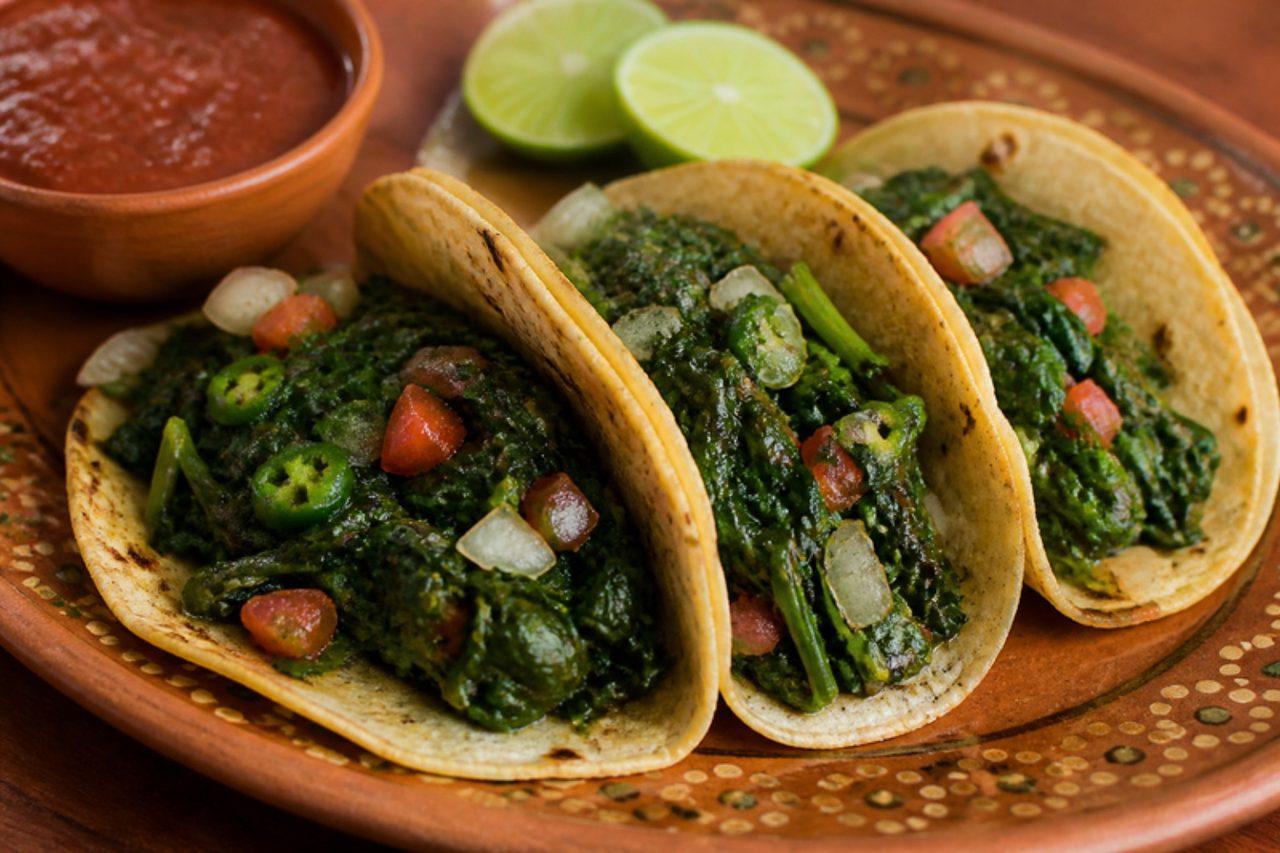
Quelites guisadosSautéed wild greens

Quelites is the Nahuatl-rooted word for the edible wild greens of central Mexico, such as quintoniles (amaranth), verdolagas (purslane) and huauzontle, and in the markets of Mexico City, Puebla and Tlaxcala they are sold by the bunch in the rainy season and cooked this way for everyday lunches. The greens are blanched, then sautéed with onion, garlic, tomato and serrano chilli until soft and savoury, and piled into hot corn tortillas with salsa and, if you like, crumbled fresh cheese. Without cheese it is vegan, with about 6 g of protein per portion including two tortillas. The common mistake is leaving the greens wet: they steam and turn watery instead of frying. Spinach, chard or amaranth leaves work if you can't find quelites. Chef's tip: cut the serrano in half lengthways and fry it with the onion; it flavours the oil gently and you can lift it out if it's too hot.

by KrazyBadal 0 views

Miyeok julgi bokkeumStir-fried seaweed stems

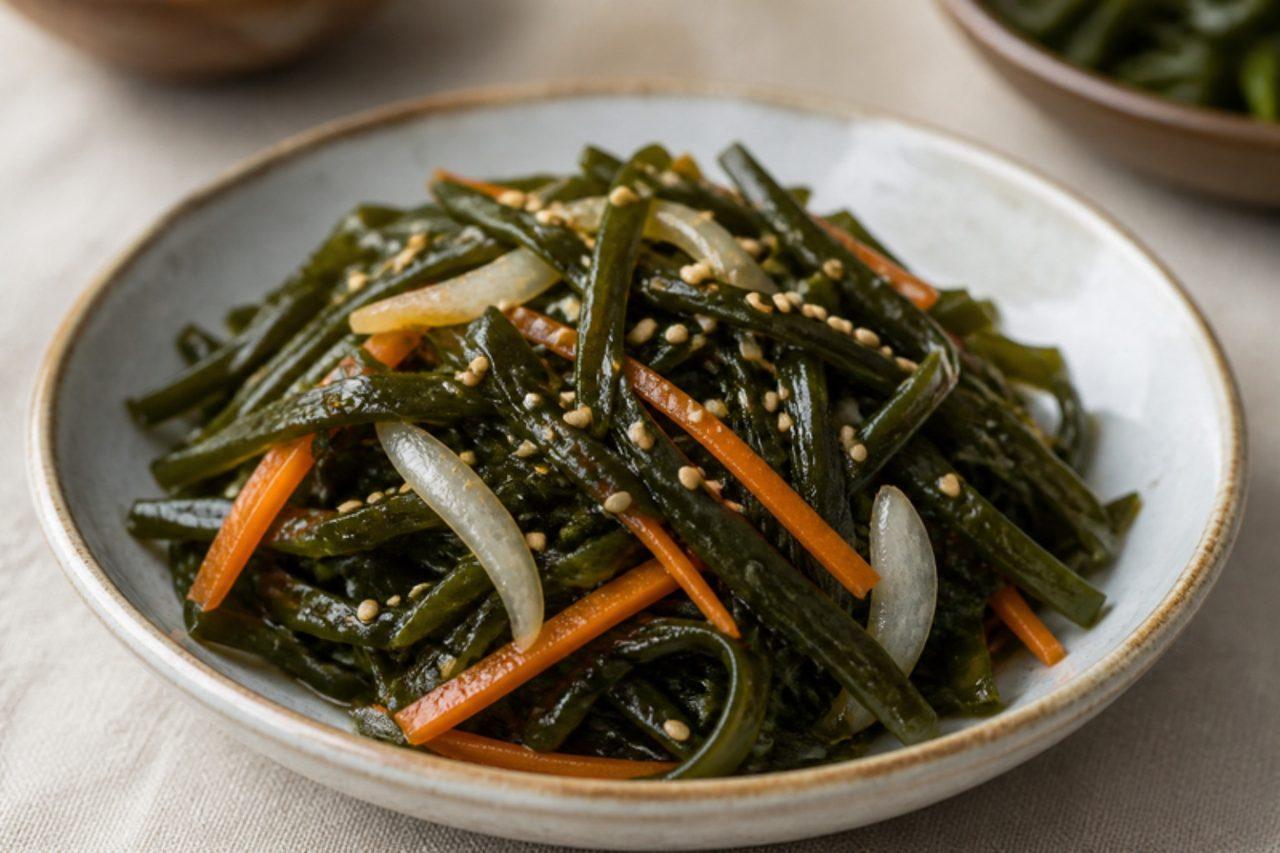
Seaweed stems, sold salted in Korean grocers, are the crunchy, green-black banchan you find in school canteens and lunchboxes everywhere in Korea, eaten cold with rice. The stems are soaked to draw out the salt, then stir-fried quickly with garlic, onion and a few drops of soy, and finished with sesame. It is vegan and light, with about 2 g of protein per portion. The common mistake is under-soaking: too little and the dish is painfully salty, so taste a piece before you cook. Chef's tip: blanch the stems for 10 seconds after soaking; it sets their bright green colour and removes any fishy-sea smell.

by KrazyBadal 0 views

Sült tök (Hungarian roasted sweet pumpkin)

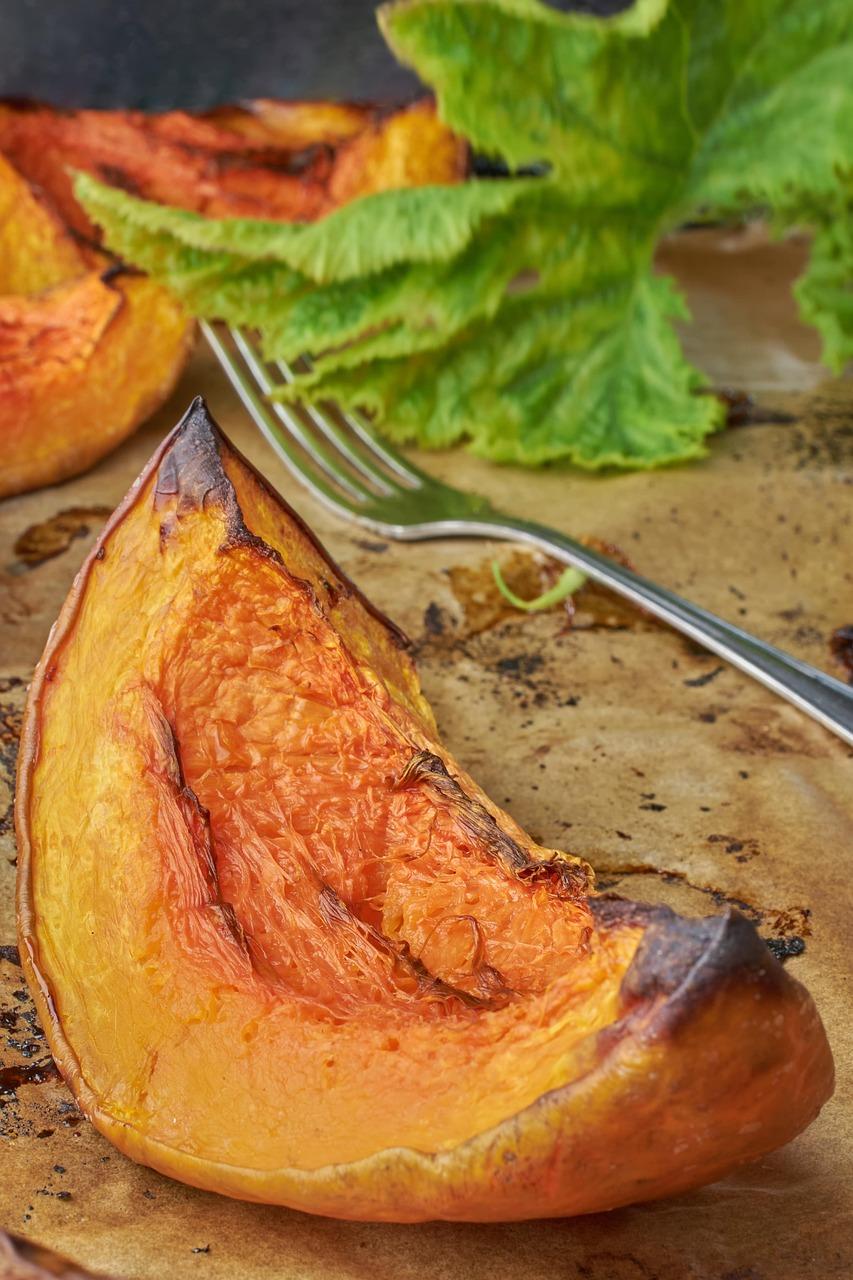
When the first cold sets in, Hungarian street vendors and market stalls set up their ovens and sell sült tök: thick wedges of sweet pumpkin roasted until the flesh is soft as jam and the edges are caramelised and almost sticky. It is bought hot and eaten on the spot through autumn and winter, often from the same stands that sell roasted chestnuts, and at home it is a simple afternoon treat for children. The flavour is deep and honeyed with a slightly smoky edge from the browned skin; a dusting of cinnamon sugar is optional. Eat it with a spoon straight from the skin, alongside a cup of hot tea or warm apple juice. It is naturally egg-free and needs no binding at all: the pumpkin's own sugars concentrate and caramelise in the oven's dry heat. Chef's tip: pick a dense, dry, deep-orange pumpkin such as a Hungarian sweet pumpkin, kabocha or butternut; the common mistake is using a watery carving pumpkin, which steams instead of caramelising.

by KrazyBadal 0 views

DinengdengVegetables in fish sauce broth

Dinengdeng is the everyday soup of the Ilocos region in the northern Philippines, made from whatever the backyard gives that day: squash and its flowers, string beans, okra, aubergine and moringa leaves, simmered briefly in water seasoned with bagoong (fermented fish sauce) and crowned with a piece of grilled fish. It is thin, savoury and green-tasting, and meant to be eaten with rice. A bowl has about 15 g of protein from the fish and vegetables, so it is a light meal rather than a high-protein one. The common mistake is putting all the vegetables in at once: add them hardest first so the leaves stay bright. Chef's tip: strain the bagoong into the pot through a sieve, so you get its flavour without the bones and grit.

by KrazyBadal 0 views

Garang asemChicken and starfruit in banana leaf

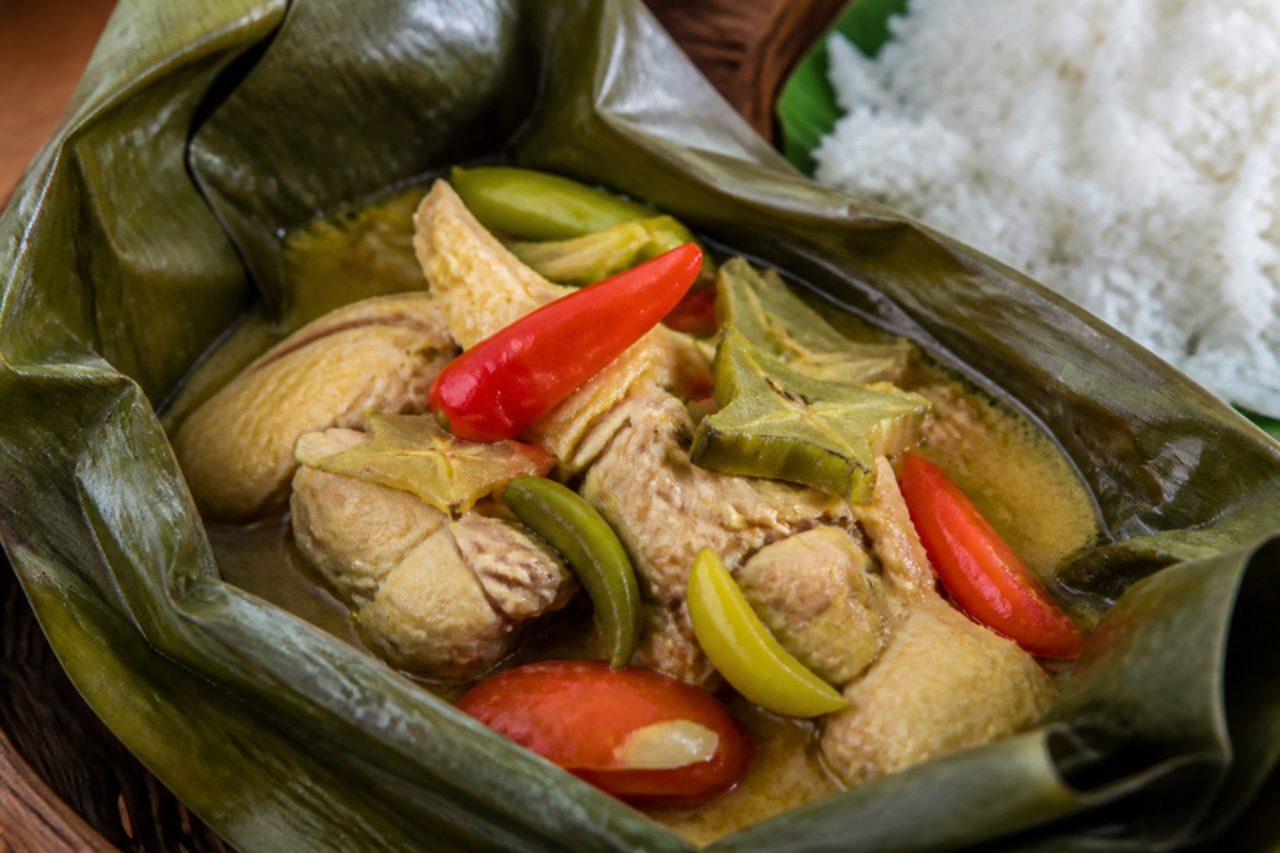
Garang asem is a dish from Kudus and Demak on the north coast of Central Java, where it is cooked for family lunches and sold at warungs by midday. Bone-in chicken is packed into banana-leaf parcels with sour starfruit, tomato, whole chillies and a little thin coconut milk, then steamed until the juices turn into a light, tangy, peppery broth. It is clean-tasting rather than rich, and a portion has about 32 g of protein from the chicken; serve it with steamed rice. The common mistake is wrapping the parcels loosely so the broth runs out; fold the leaves in two layers and pin them tight. Chef's tip: if you can't find belimbing wuluh (sour starfruit), use green tomatoes and a spoon of tamarind water for the same sharpness.

by KrazyBadal 0 views

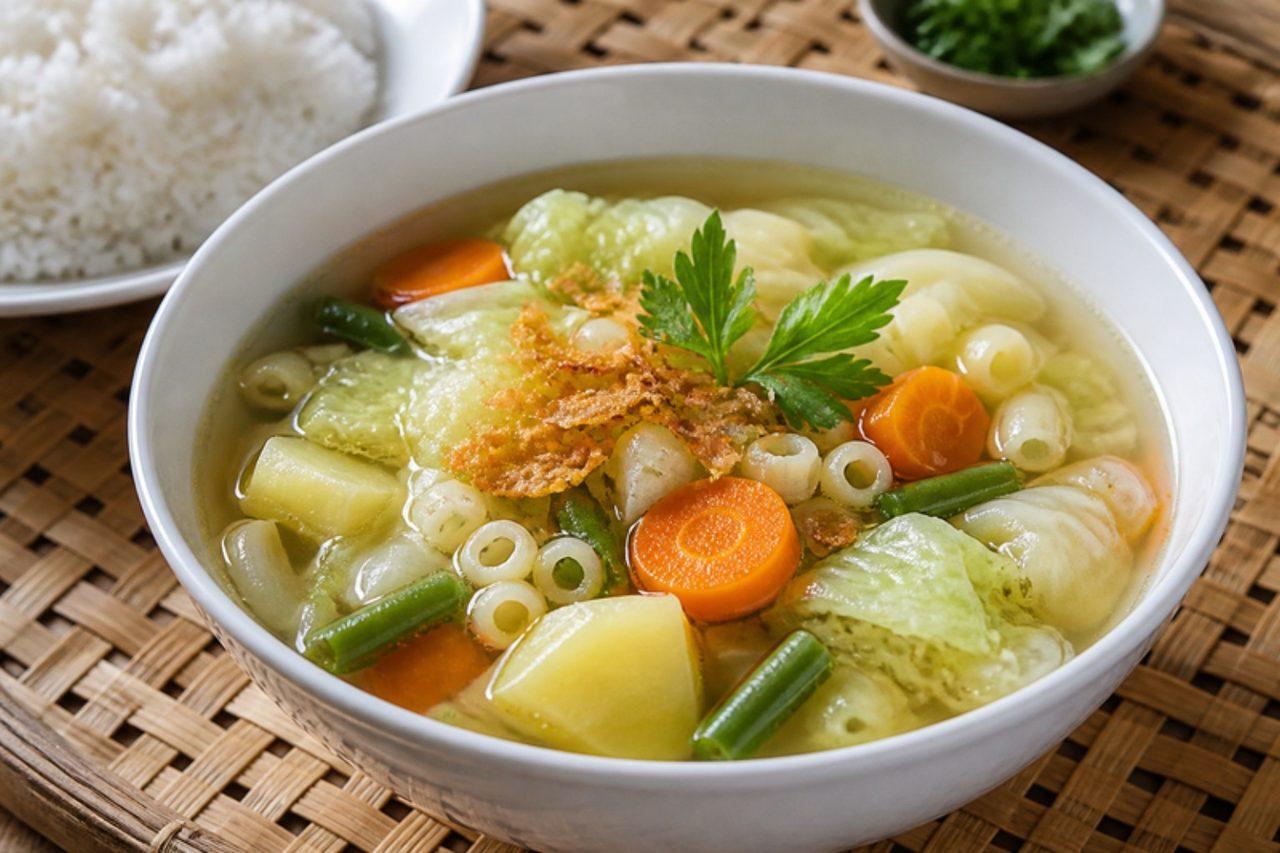
Sayur sopClear vegetable soup

Sayur sop is the clear vegetable soup cooked in homes all over Indonesia, from Medan to Surabaya, on any ordinary weeknight and whenever a child is poorly; it is spooned over rice beside fried tofu or tempeh. Most families make it with chicken stock, so this is the vegetarian version, built on vegetable stock with fried shallots and celery leaf for depth. It is gentle, savoury and fragrant with nutmeg and white pepper, and children love it. It has about 4 g of protein per portion, from the vegetables and macaroni; add cubes of firm tofu for more. The common mistake is boiling it hard, which clouds the broth and breaks the potato; keep it at a lazy simmer. Chef's tip: fry the garlic and shallot in a little oil before they go in, rather than adding them raw, for a broth that tastes much richer than it is.

by KrazyBadal 0 views

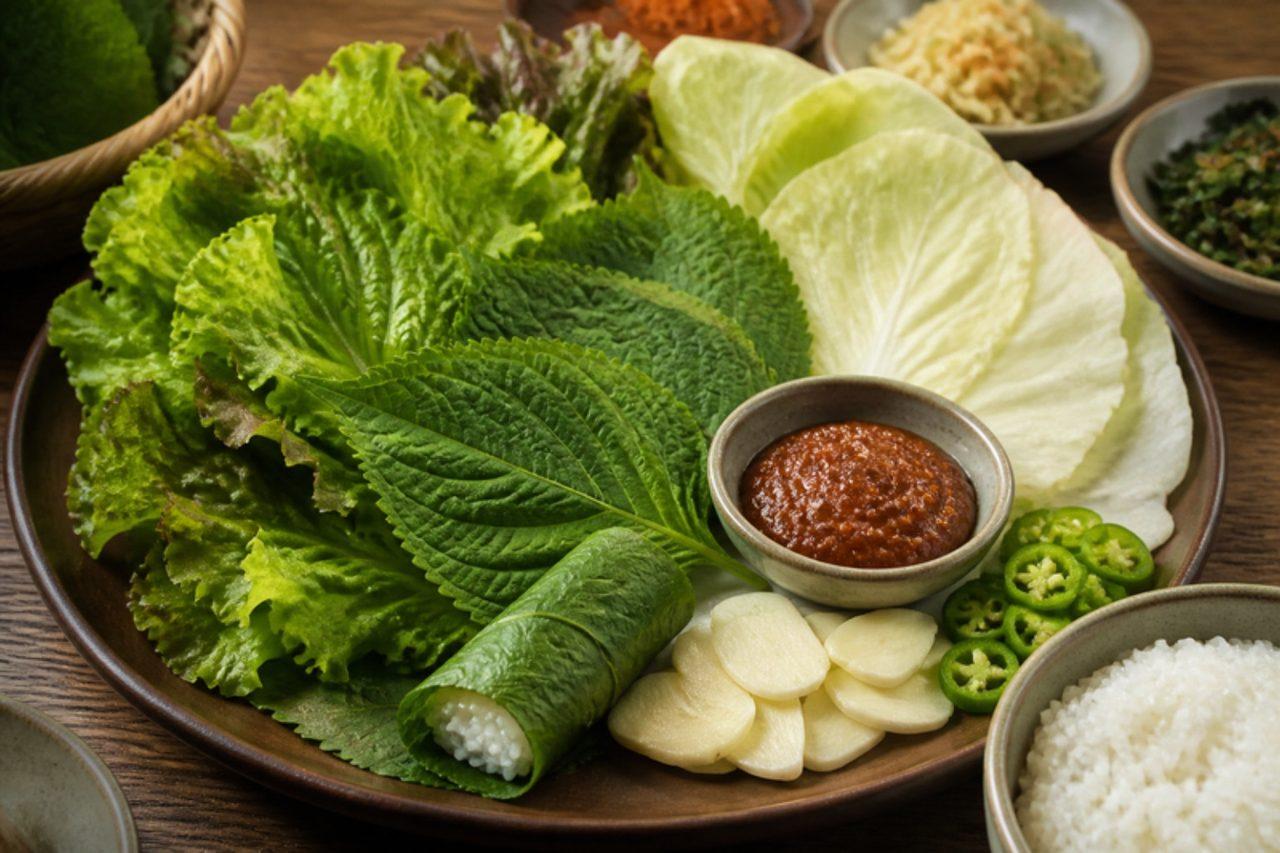
SsambapRice wrapped in leaves

Ssambap means wrapped rice, and in Korean homes it is the lazy, happy dinner of high summer, when the garden is full of lettuce and perilla: a basket of leaves, a bowl of rice and a pot of thick ssamjang go on the table and everyone builds little parcels. Steamed cabbage leaves are added in winter. It is a light meal of about 360 kcal, with roughly 10 g of protein a portion from the rice, doenjang and walnuts, so it is not a high-protein dish. The usual mistake is overfilling the leaf; a parcel should be one bite, so use a small spoon of rice. Most gochujang contains wheat, so it isn't gluten free. Chef's tip: lay a perilla leaf on top of the lettuce before adding rice; its minty, anise flavour lifts every mouthful.

by KrazyBadal 0 views

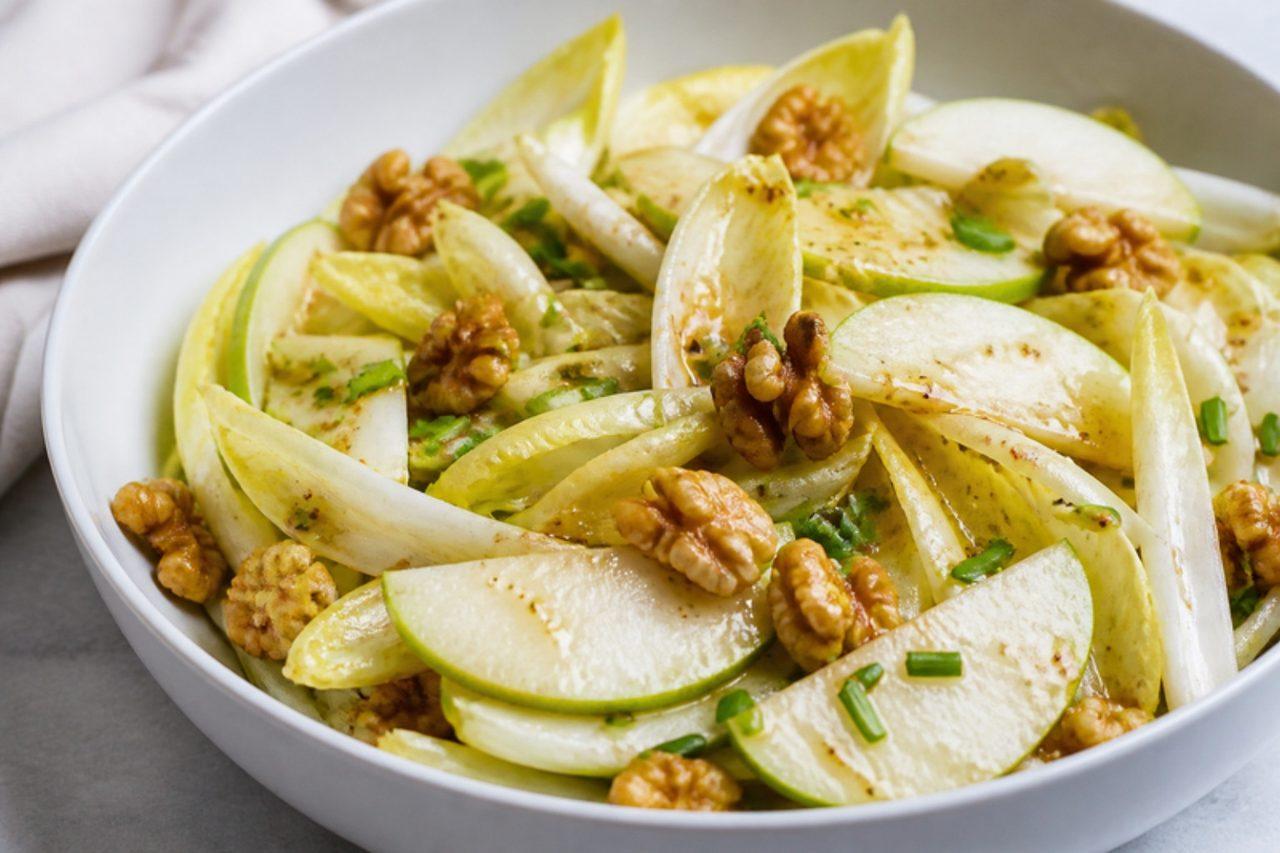
Salade d'endives aux noixChicory, walnut and apple salad

Across Picardy and the Nord, and over the border in Belgium, Belgian endive (chicory) is the winter salad, and this one appears after the main course at Sunday lunch or as a light supper from November to March. The pale, crisp leaves are cut into rings and tossed with sweet apple, toasted walnuts and a sharp mustard vinaigrette, so you get bitter, sweet and nutty in every mouthful. Many bistros add Roquefort; this version is vegan, and if you add cheese, note that Roquefort is made with animal rennet. A portion gives about 4 g of protein from the walnuts, so it is a side or starter. The most common mistake is slicing the endive too early: it browns at the cut edges, so dress it within 10 minutes of cutting. Chef's tip: cut out the small cone of core at the base of each endive; it holds most of the bitterness.

by KrazyBadal 0 views

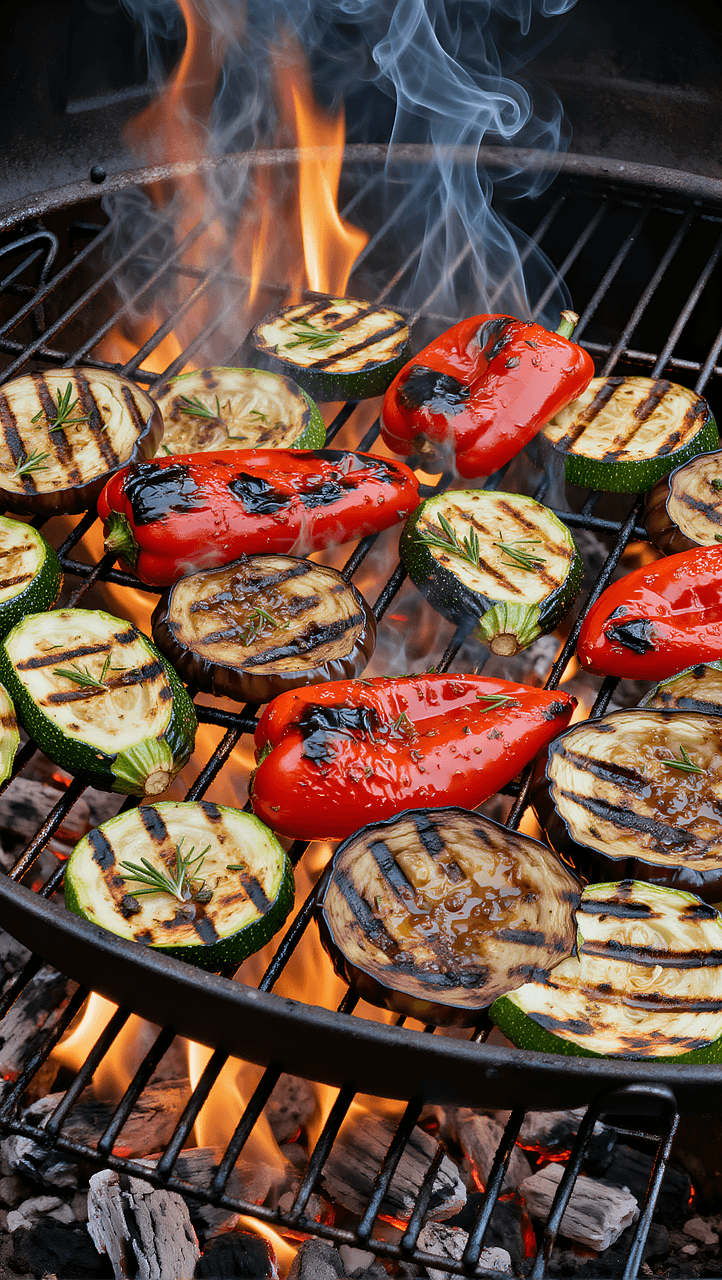
Verdure grigliateGrilled vegetables

Every Italian region has its plate of verdure grigliate, laid out on summer lunch tables from Puglia to Liguria as part of the antipasti, or eaten as a side to bread and cheese. Slices of aubergine, courgette and pepper are grilled dry until striped and soft, then dressed afterwards in good olive oil, garlic, parsley and a little vinegar so they soak it up as they cool. It is vegan and light, with about 3 g of protein per portion; add a ball of mozzarella or a can of white beans to make it a meal. The common mistake is oiling the vegetables before grilling: they smoke, burn and turn greasy. Chef's tip: make it a few hours ahead; the dressing works its way in and it tastes better at room temperature than hot.

by KrazyBadal 0 views

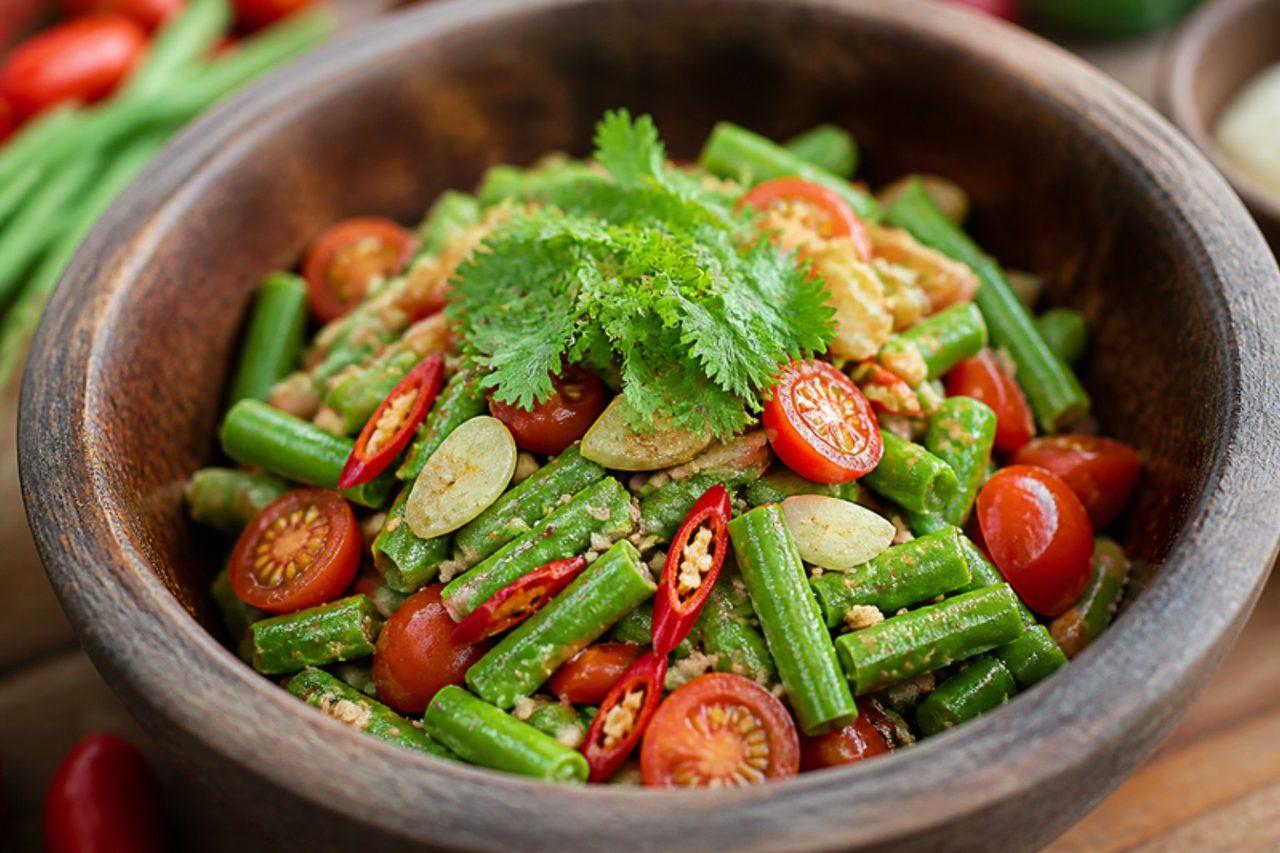
Tam mak thuaPounded long bean salad

In Vientiane and Luang Prabang, tam mak thua is the everyday alternative to green papaya salad, pounded to order at market stalls and at home for lunch with sticky rice and grilled food. Raw long beans are bruised in a clay mortar with garlic, chilli, tomato and lime until they soak up the juices, giving a crunchy, sour-hot salad with a grassy sweetness. Lao cooks season it with fish sauce and padaek (fermented fish); this vegetarian version uses tamari (gluten-free soy sauce) and a few crushed peanuts for savouriness. It gives about 5 g of protein a portion, so serve it as a side to tofu or eggs and sticky rice. The most common mistake is cutting the beans too long or pounding too hard: bruise short pieces until they split, but don't mash them to pulp. Chef's tip: pound the garlic and chilli first, then the beans, and only add the tomato and lime at the end so the salad stays crisp.

15 minLaoSaladsVeganGluten freeSpicy
by KrazyBadal 0 views

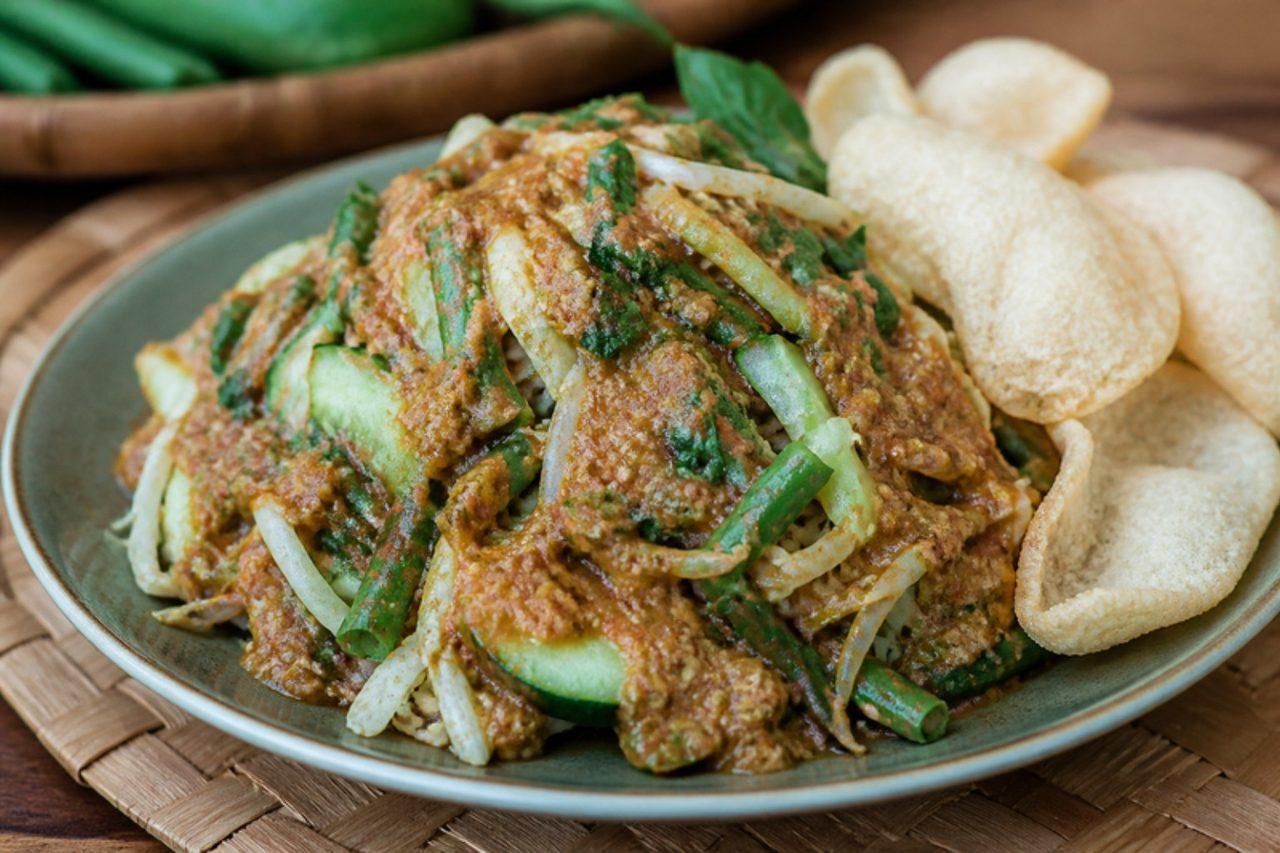
KaredokRaw vegetable salad with peanut sauce

Karedok is the raw cousin of gado-gado, sold from roadside stalls in Bandung and across West Java as a cooling lunch with rice, prawn-free crackers or rice cakes. Nothing is cooked: long beans, cucumber, cabbage, bean sprouts and Thai basil are cut small and coated in a thick peanut sauce pounded with kencur (aromatic ginger), garlic, chilli and palm sugar, so every bite is crisp, nutty and gently sweet-hot. Stall versions often add terasi (shrimp paste); this vegetarian version leaves it out and makes up the depth with a little extra kencur and lime. A portion gives about 10 g of protein, mostly from the peanuts, so it is a light side rather than a high-protein main; serve it with tempeh or tofu if you want more. The most common mistake is dressing it too early: the salt pulls water out of the cucumber and the sauce turns thin and watery. Chef's tip: grind the peanuts coarse rather than to a paste, so the sauce keeps a little crunch to match the vegetables.

by KrazyBadal 0 views

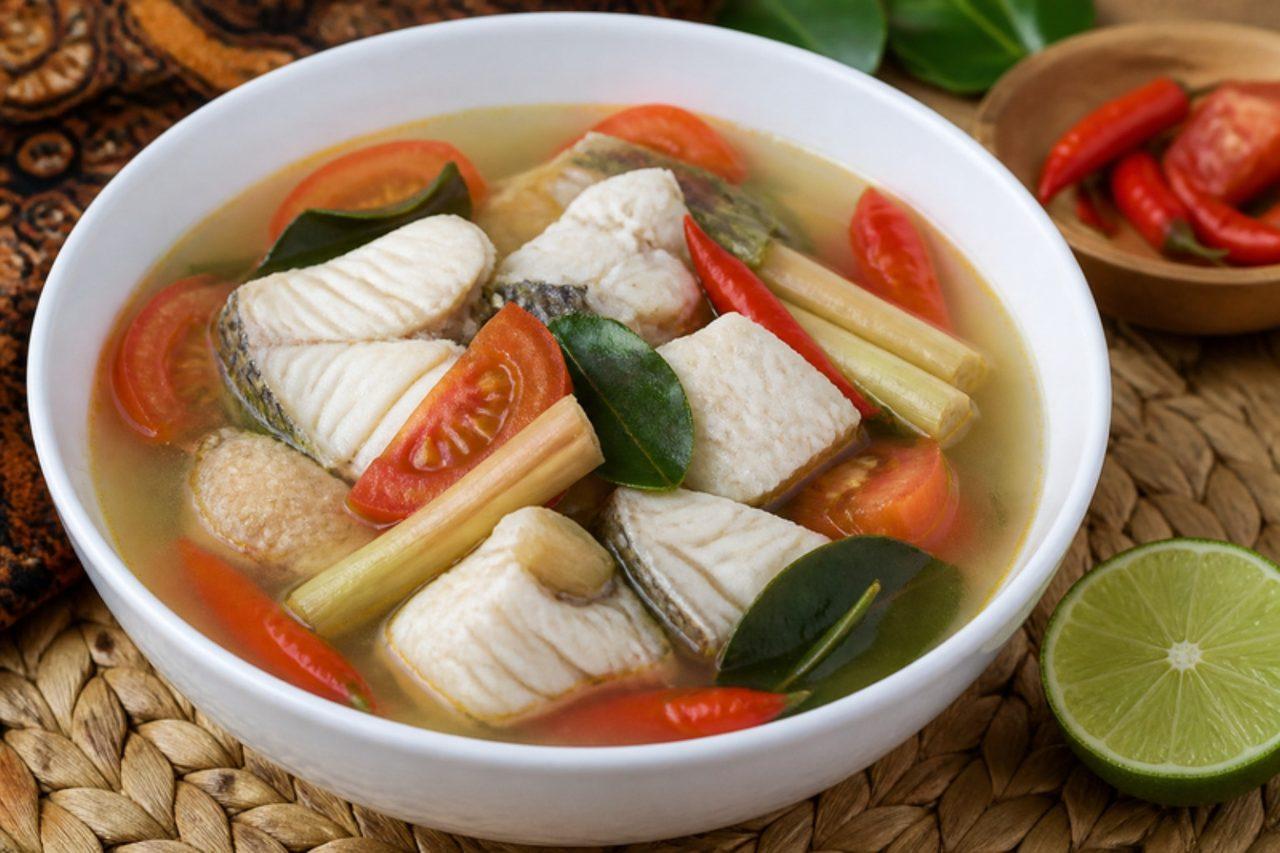
Ikan kuah asamFish in clear sour broth

Across Ambon in Maluku and the coasts of North Sulawesi, ikan kuah asam is the soup families eat almost daily with papeda or rice, made from whatever fish came in that morning. The broth is thin and clear, bright with lime and tomato, warm with chilli and lemongrass, with chunks of fish poached just until they flake. It is light but filling, with about 28 g of protein a portion from the fish. The common mistake is adding the lime juice too early and boiling it: it turns bitter, so squeeze it in at the end. Chef's tip: use a firm, meaty fish such as tuna, mackerel or snapper, cut into large chunks, so it holds together in the broth.

by KrazyBadal 0 views

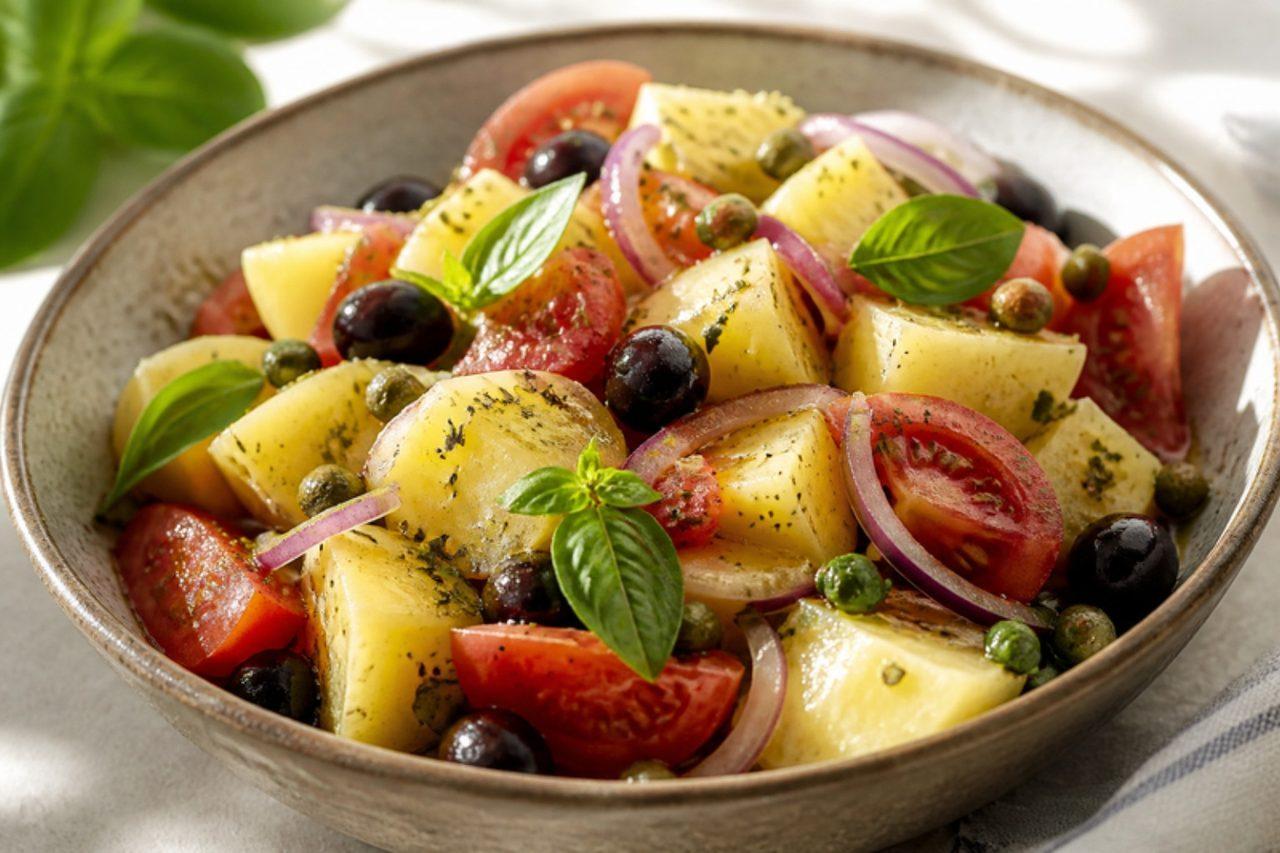
Insalata pantescaPotato, tomato and caper salad

Insalata pantesca comes from Pantelleria, the volcanic island between Sicily and Tunisia famous for its capers, and is eaten all over Sicily on hot summer days, at lunch or as a side to a frittata. Waxy potatoes are boiled and dressed while warm with ripe tomatoes, sliced red onion, the island's capers, black olives, oregano and plenty of olive oil, so the potatoes soak up all the juices. Island cooks sometimes add tuna; this version stays vegan. It gives about 5 g of protein a portion, so for a fuller meal serve it with hard-boiled eggs or a bean dish. The most common mistake is using floury potatoes, which crumble into mash; choose a waxy variety and cut it after cooking. Chef's tip: rinse salted capers well and soak the sliced onion in cold water for 10 minutes; both lose their harshness and the salad tastes sweeter.

by KrazyBadal 0 views

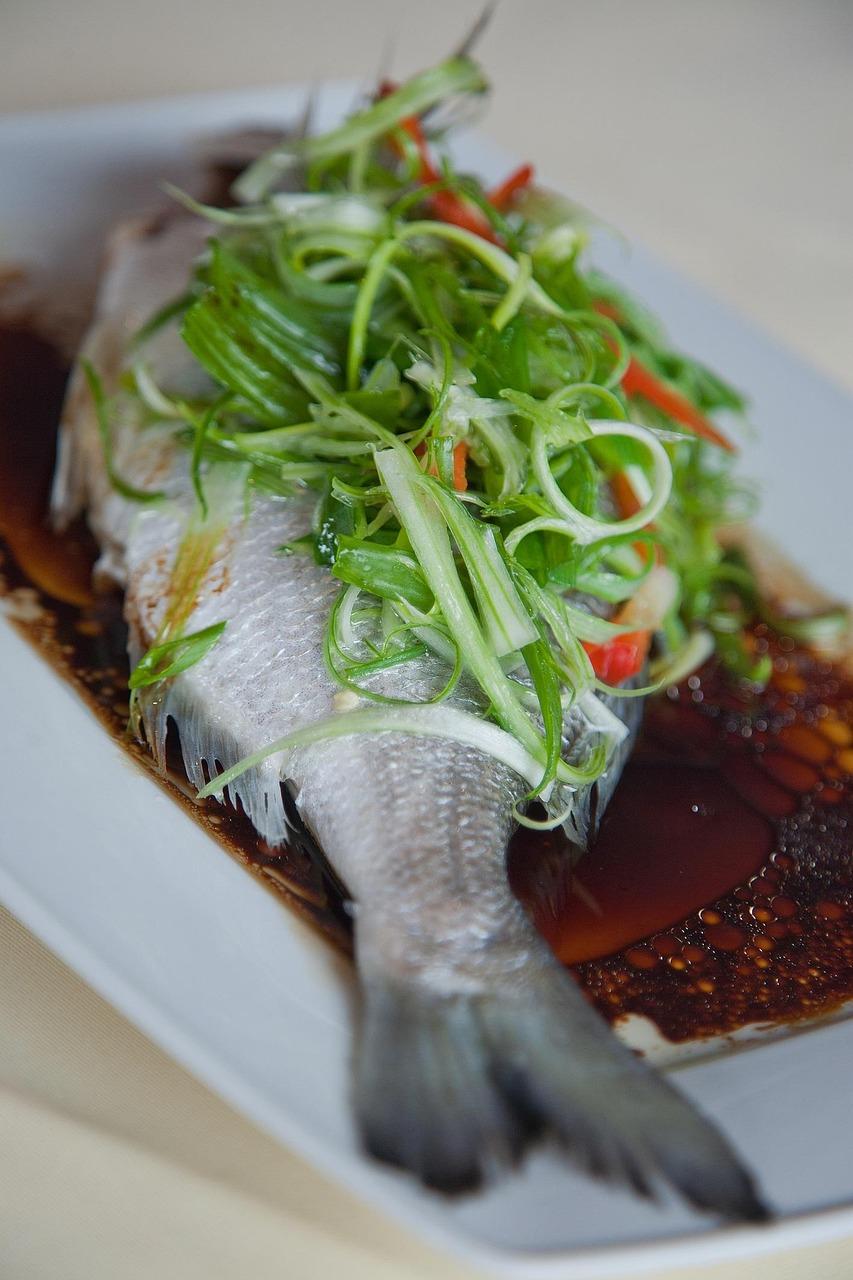
Cá hấp gừngGinger steamed whole fish

Cá hấp gừng is a family dish across Vietnam, from Hanoi to the Mekong Delta, put in the middle of the table for a weekend lunch or a Tết dinner and shared with rice and greens. A whole fish is steamed over ginger, then heaped with ginger and spring onion shreds and dressed with sizzling oil and a light soy and fish sauce. The flesh comes out silky and delicate. A portion has about 25 g of protein from the fish. The common mistake is oversteaming: thin parts go dry and woolly. Take it off as soon as the flesh at the thickest point pulls cleanly from the bone. Chef's tip: score the fish to the bone on both sides so it cooks evenly and the sauce gets in.

by KrazyBadal 0 views

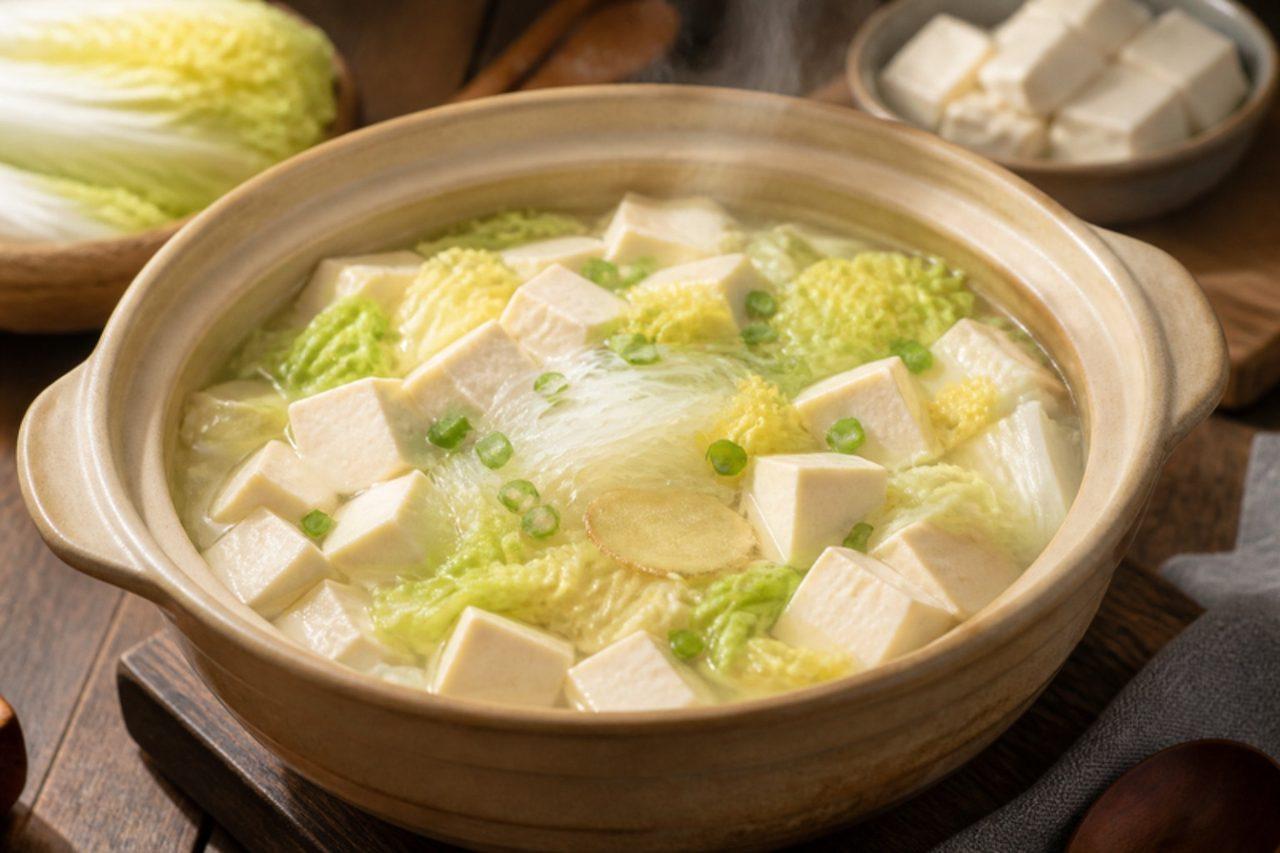
Baicai dun doufuCabbage and tofu stew

In Beijing, Shenyang and Harbin, napa cabbage is stored by the hundredweight for winter, and this gentle stew of cabbage and tofu is what many families eat on a cold evening with steamed buns or rice. The cabbage softens and sweetens into the broth, while the tofu turns silky and swells with flavour; ginger and white pepper give it warmth. Salt is the only seasoning, so it stays gluten free. Each portion has about 230 kcal and roughly 21 g of protein, from 150 g of firm tofu. The common mistake is adding all the cabbage at once: the leaves overcook while the thick stems stay crunchy. Chef's tip: fry the cabbage stems in the oil until their edges brown before adding water; it gives the broth a sweet, toasty depth.

by KrazyBadal 0 views

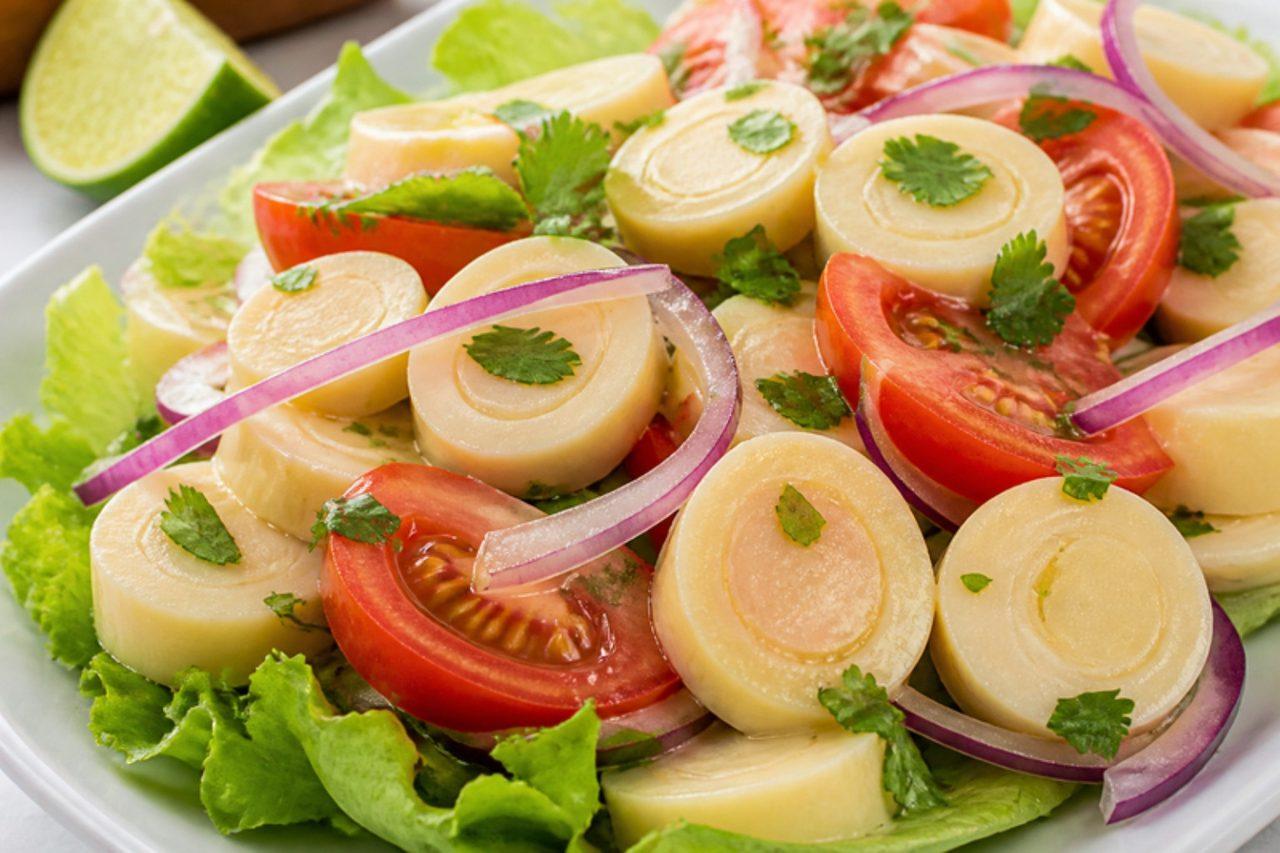
Salada de palmitoHearts of palm salad

Salada de palmito is a fixture of Brazilian lunch buffets, Christmas tables and churrasco sides from São Paulo to Goiás, prized because hearts of palm feel festive. The tender, slightly lemony palm hearts are cut into rounds and tossed with tomato, red onion, coriander or parsley and a quick lime and olive oil dressing; it is cool, soft and crunchy at once. A portion gives about 3 g of protein, so it is a side; serve it with rice and black beans for a full meal. The most common mistake is not draining and rinsing the palm hearts: the brine from the jar makes the salad taste tinny and too salty. Chef's tip: soak the sliced onion in iced water with a pinch of salt for 10 minutes; it stays crisp but loses its bite.

by KrazyBadal 0 views

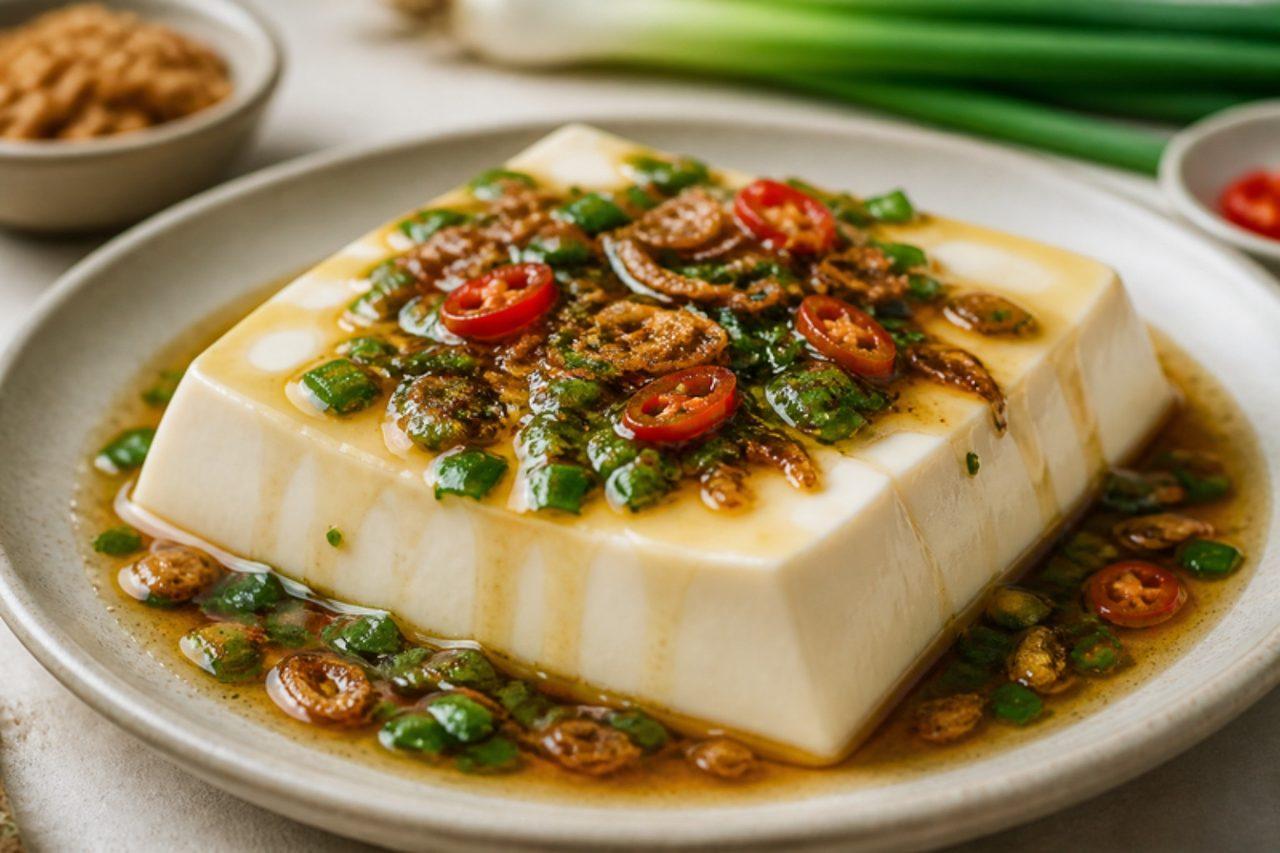
Dau hu non hapSteamed silken tofu

Steamed silken tofu is a fast, gentle dish cooked in homes from Hanoi to Saigon, especially on vegetarian days at the start and middle of the lunar month, when many families eat chay. A whole block of silken tofu is steamed until wobbling and hot, then topped with sizzling spring onion oil, a light soy dressing, chilli and crisp fried shallots. It is soft and savoury, and goes with rice and a stir-fried green. Each portion has about 150 kcal and roughly 10 g of protein, from the silken tofu, so it is a light dish rather than a high-protein one. The common mistake is turning the block out roughly so it cracks; slide it gently onto the plate. Chef's tip: pour off the water that gathers on the plate after steaming, or it thins the sauce.

by KrazyBadal 0 views

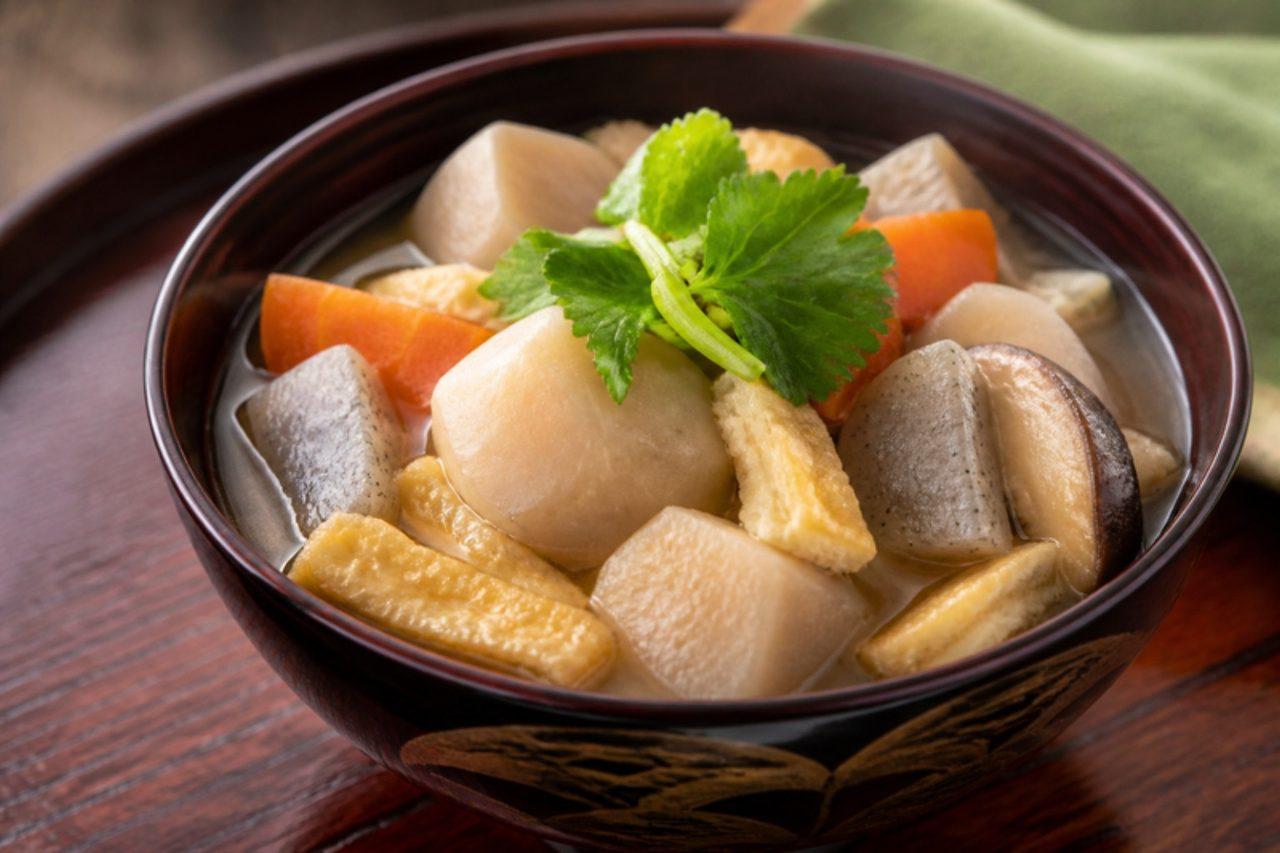
Noppe-jiruTaro and vegetable soup

Noppe-jiru is the everyday and festive soup of Niigata, cooked in big pots for New Year, the Obon holidays and winter family gatherings, and served hot or even cold the next day. Taro, carrot, konnyaku, shiitake and fried tofu are simmered in a soy-seasoned dashi, and the taro's own starch, helped by a little potato starch, gives it a soft, gentle thickness. Many homes use bonito or chicken; this is the vegetarian version with kombu-shiitake dashi. It is warming and earthy, with about 5 g of protein per portion from the fried tofu and shiitake. The usual mistake is skipping the salt rub on the taro, which leaves the broth sticky and gluey rather than silky. Chef's tip: cut all the vegetables to the same small size so every spoonful has a bit of everything.

by KrazyBadal 0 views

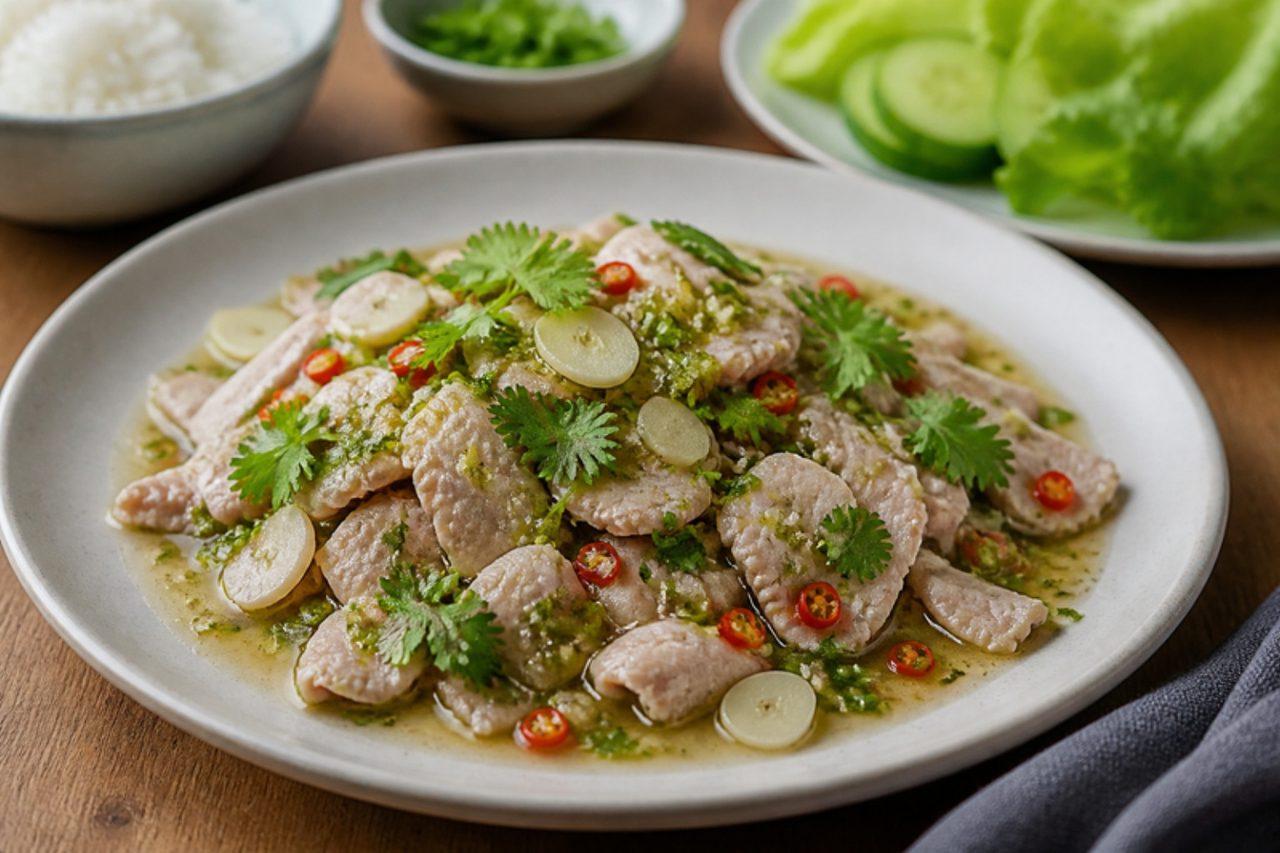
Moo manao (pork in lime and chilli dressing)

Moo manao is a drinking snack and dinner side from central Thailand, served in Bangkok bars and at home with sticky rice: thin slices of pork, blanched until just cooked, laid on ice-cold cabbage or lettuce and drowned in a fierce dressing of lime, raw garlic, bird's eye chilli and fish sauce. This is a pork dish. The mistake is boiling the pork for too long, which makes the thin slices tough and dry; poach them only until they turn white all through. Chef's tip: plunge the cooked slices into iced water for a few seconds, so they stay tender and take the dressing well.

17 minThaiMeatGluten freeSpicy
by KrazyBadal 0 views

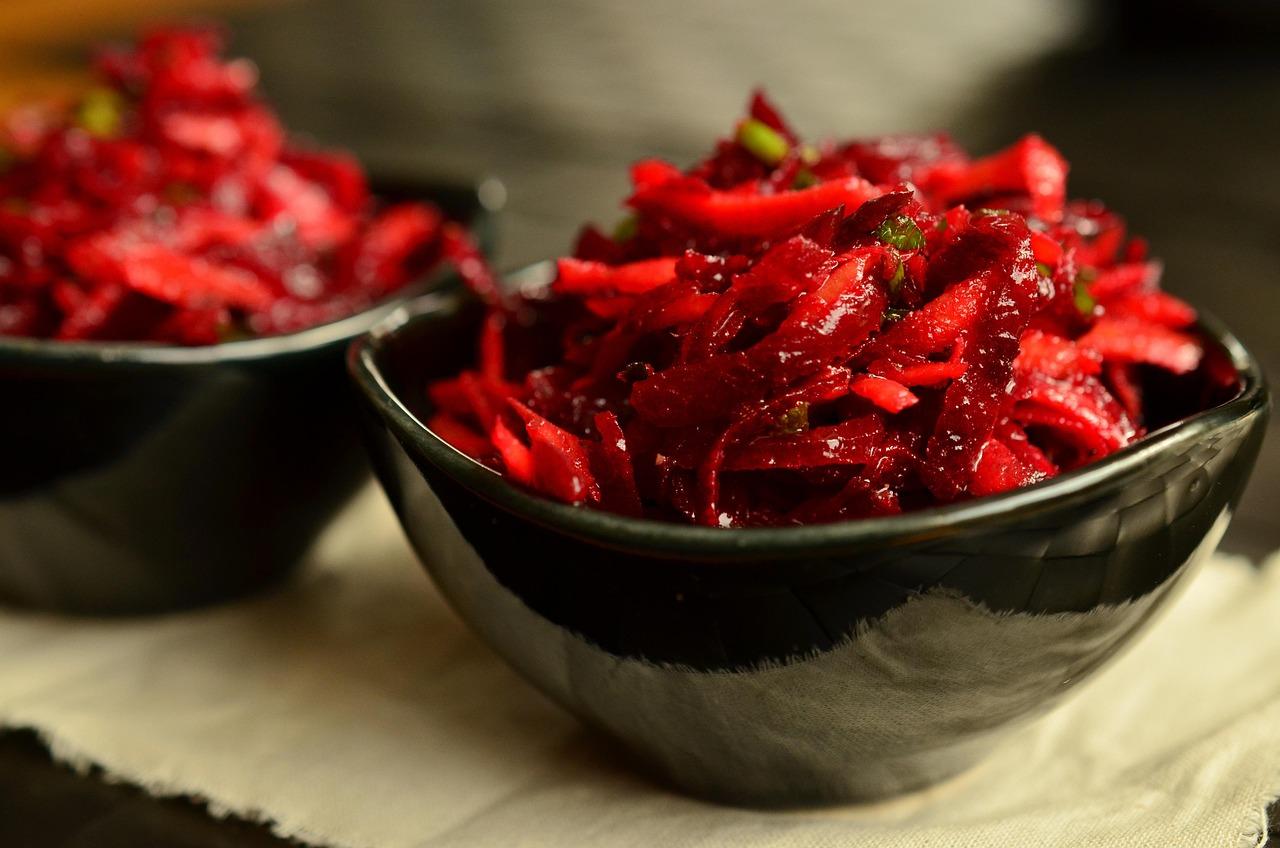
Rote-Bete-SalatBeetroot salad

Rote-Bete-Salat is on the table in German homes through autumn and winter, beside potato pancakes, fried eggs or simply bread and butter. Cooked beetroot is cut into slices or batons and dressed with onion, vinegar, oil and a little caraway or grated horseradish, so it is sweet, earthy and sharp at once. It is vegan, gluten free and keeps for days in the fridge. The most common mistake is serving it straight after dressing: give it at least 10 minutes, or better an hour, so the beetroot soaks up the flavour. Chef's tip: wear gloves or rub your hands with lemon juice afterwards, as beetroot stains everything it touches.

by KrazyBadal 0 views

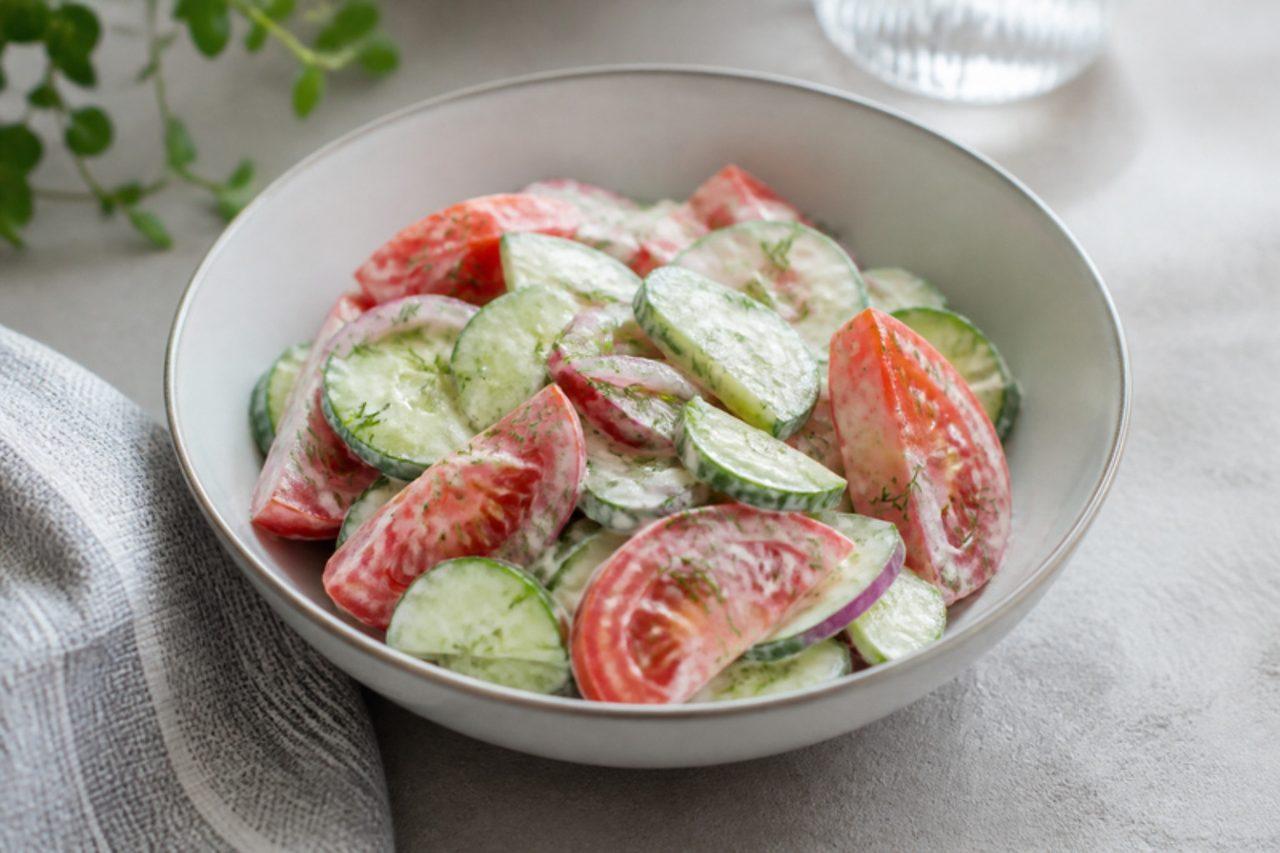
Salat iz ogurtsov i pomidorov (Russian cucumber and tomato salad)

From Moscow dachas to Siberian kitchens, this is the salad that sits on almost every summer table: cucumber, ripe tomato and onion chopped together with dill, dressed either with smetana for a creamy version or with unrefined sunflower oil, whose nutty taste is the flavour of the Russian countryside. It is eaten beside boiled potatoes, kasha or grilled food, and it is made minutes before the meal. The usual mistake is salting it early: the tomatoes and cucumbers release their juice and the salad turns into a watery soup. Chef's tip: if you can find it, use unrefined, cold-pressed sunflower oil; it tastes of toasted seeds and makes the plainest salad sing.

by KrazyBadal 0 views

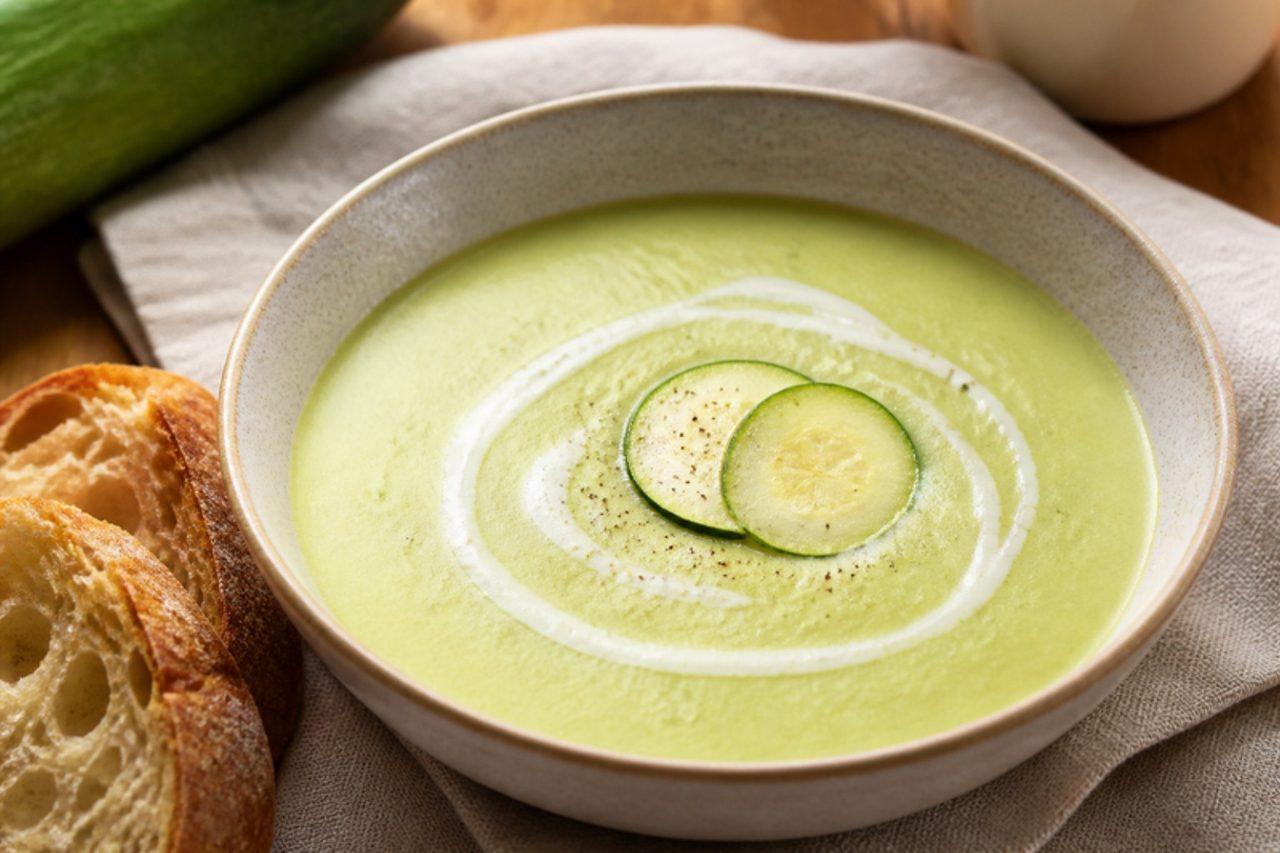
Velouté de courgettesSmooth courgette soup

French families make velouté de courgettes on summer and early-autumn evenings, when courgettes are cheap and plentiful, often blending in a few wedges of soft triangle cheese or a spoon of cream so children drink it happily. It is pale green, silky and mild, and ready in under half an hour; serve it with crusty bread and a piece of cheese. Some soft cheeses are made with animal rennet, so check the label or use a vegetarian cream cheese. The most common mistake is boiling the courgettes too long, which turns the soup a dull khaki; simmer only until just tender. Chef's tip: leave some of the green skin on but peel in stripes, so the colour stays bright without any bitterness.

by KrazyBadal 0 views

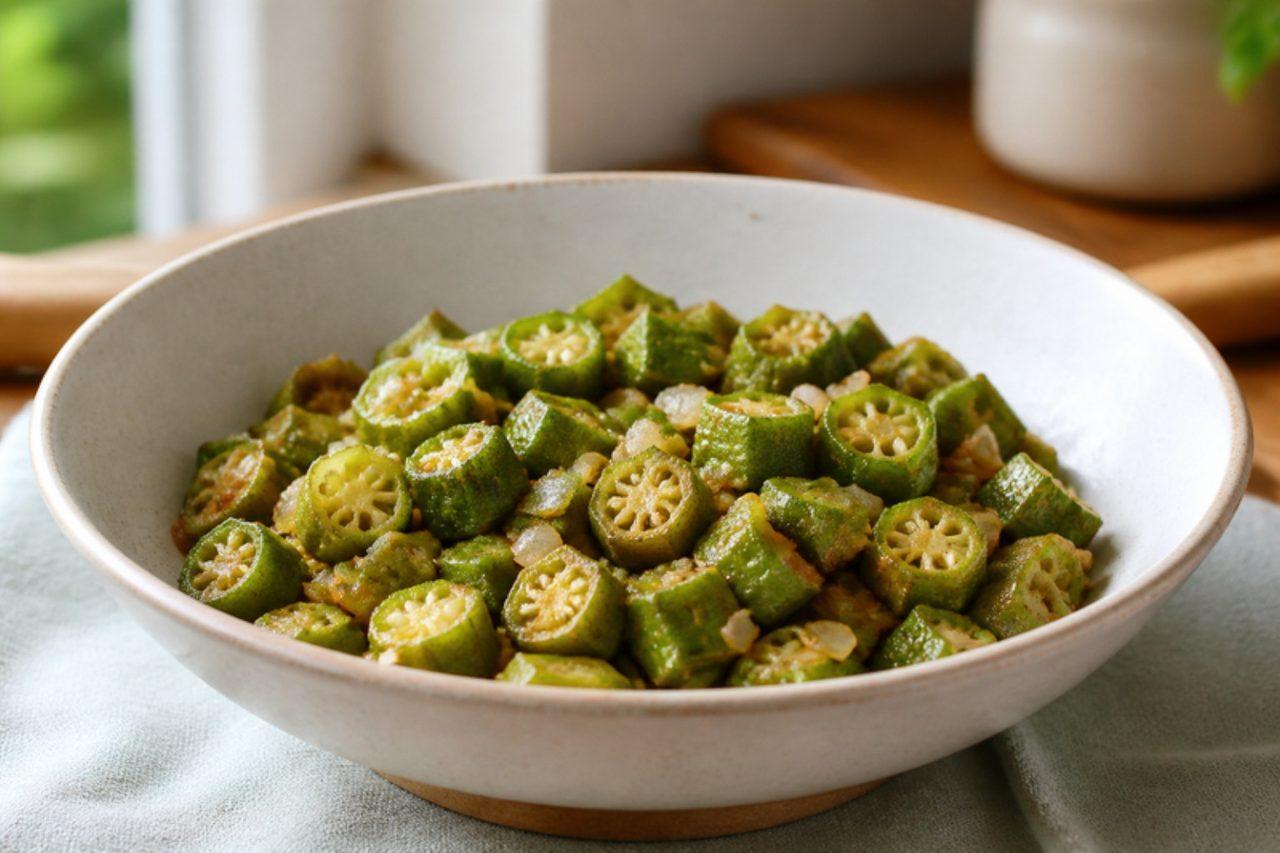
Quiabo refogadoSautéed okra with garlic

In Minas Gerais, quiabo refogado is the green side that sits next to rice, beans and angu on weekday lunch and supper plates, and the cook's pride is okra that is tender but never slimy. The pods are sliced into rounds and sautéed in a wide pan with onion and plenty of garlic until the sticky threads cook away and the edges turn lightly golden. The most common mistake is washing the okra after slicing it: wet cut okra turns gluey, so wash and dry the whole pods first. Serve it with rice and beans, a fried egg or crisp fried tofu. Chef's tip: stir only every couple of minutes and add a few drops of lime at the end; both keep the slices separate.

by KrazyBadal 0 views

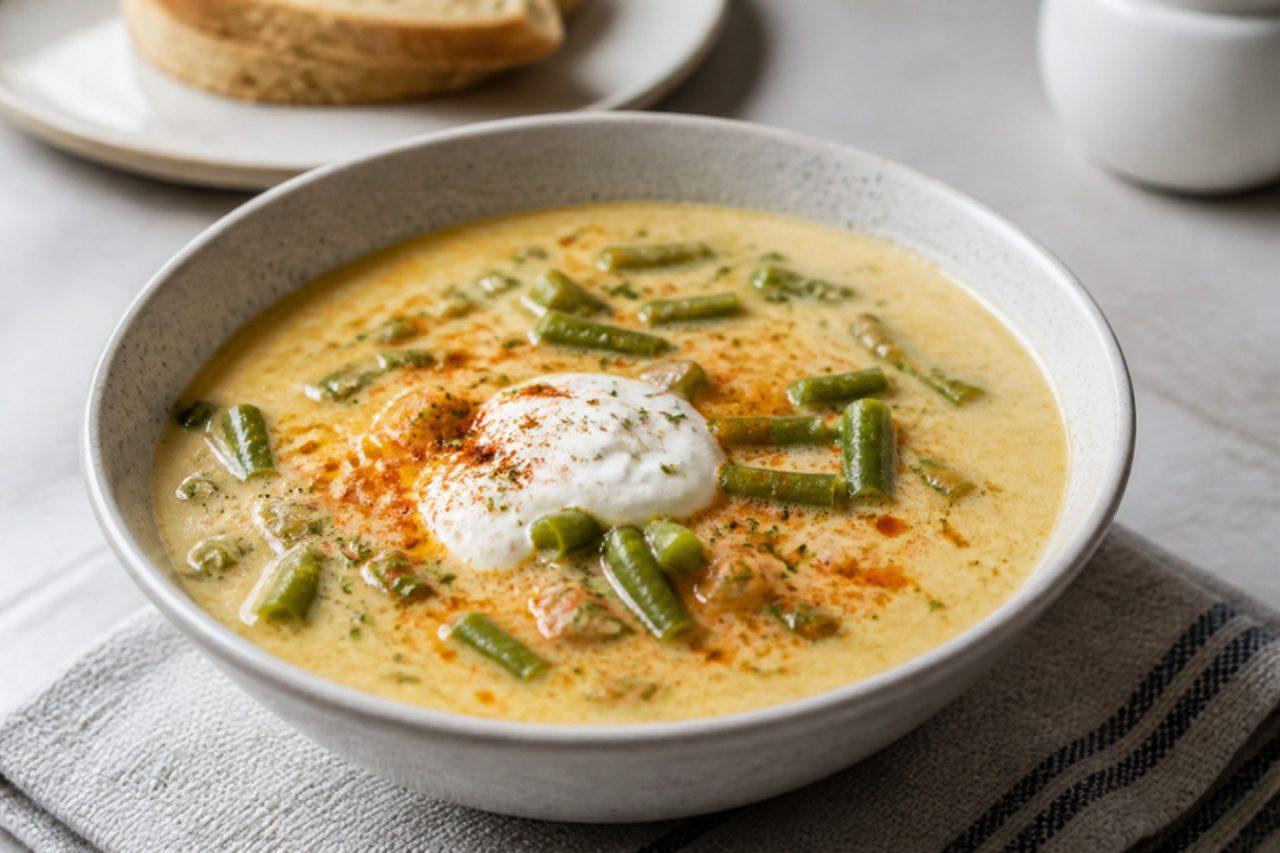
Zöldbableves (Hungarian green bean soup)

Zöldbableves is a summer soup from Hungarian home kitchens, made when green beans are cheap at every market: tender beans in a light broth, soured with a little vinegar and thickened with a paprika roux and sour cream, so it is creamy, gently tart and bright red-orange. It is served as the first course of a weekday lunch or as a light supper with bread. The classic mistake is pouring cold sour cream straight into the hot soup, where it splits into flecks; temper it first. Chef's tip: let the roux turn just golden before adding the paprika off the heat, because paprika burns in seconds and turns bitter.

by KrazyBadal 0 views

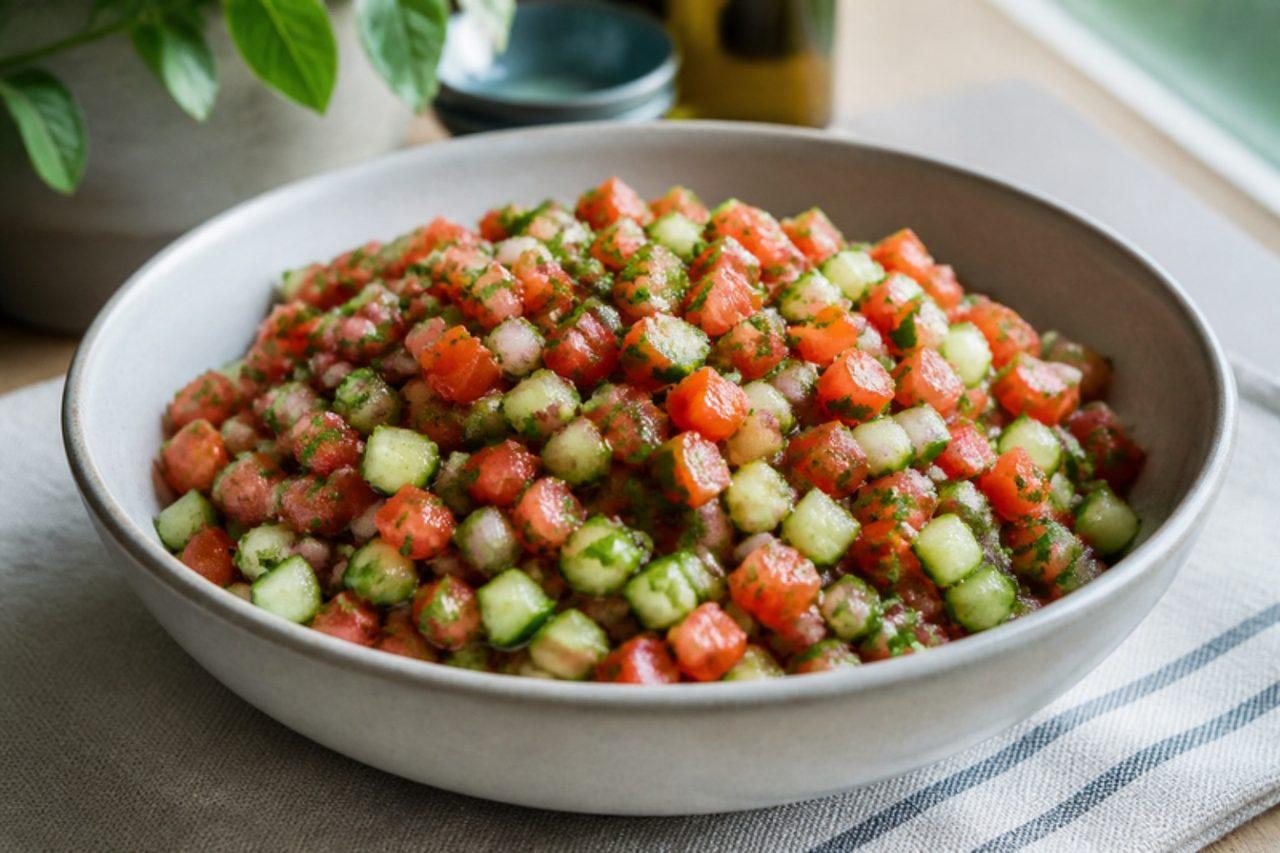
Israeli salad

Israeli salad, a very finely chopped mix of cucumber, tomato, onion and parsley dressed with lemon and olive oil, shares its roots with the Arab chopped salads of the region and appears at almost every meal in Israel: with eggs and labneh at a kibbutz breakfast, stuffed into a pitta at a Tel Aviv falafel stand, or beside schnitzel on a weeknight. The skill is in the knife work, small, even dice of about 5 mm, so each spoonful holds a bit of everything. The common mistake is salting and dressing it too early, which draws the juices out and leaves it swimming; dress it just before serving. Chef's tip: use small, firm cucumbers and scoop out very watery tomato seeds if the tomatoes are soft.

by KrazyBadal 0 views

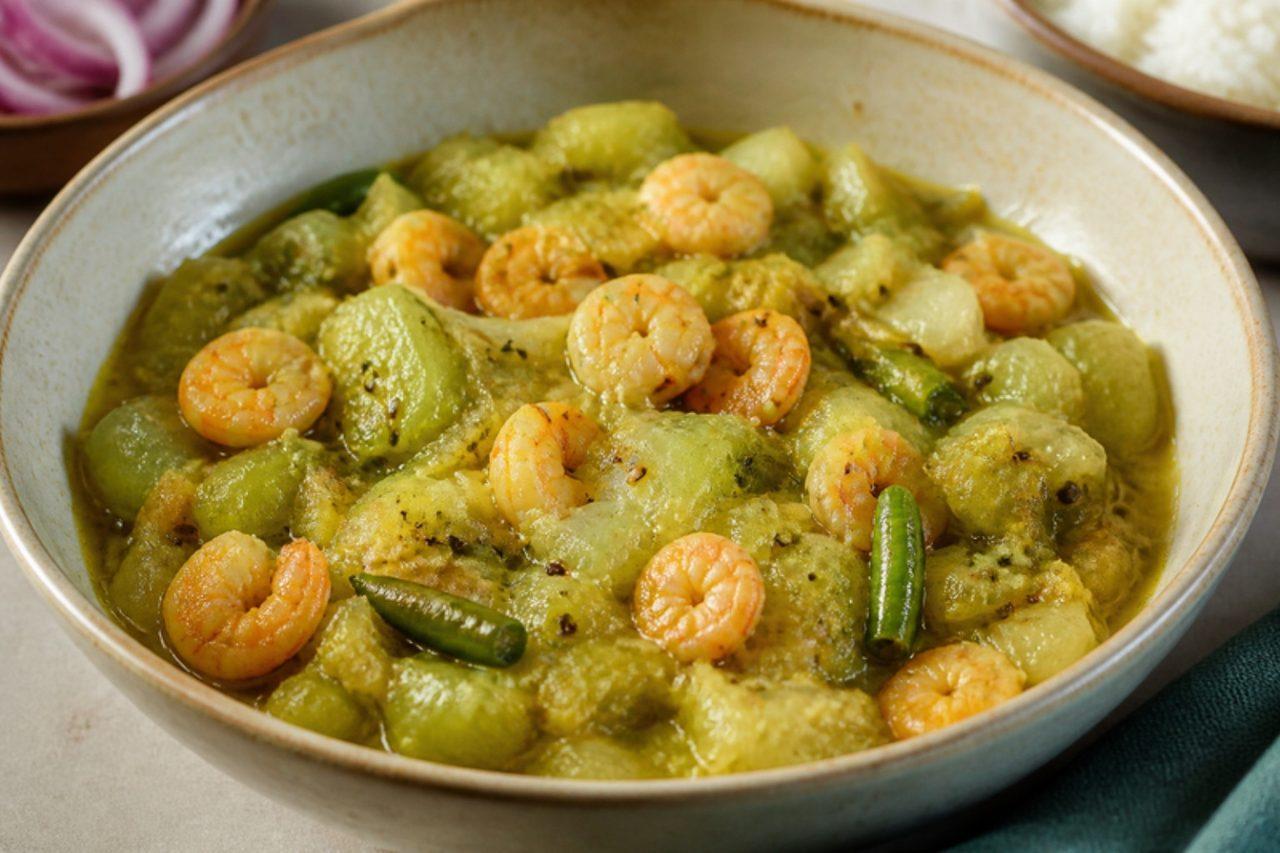
Lau chingriBottle gourd with prawns

Lau chingri is everyday lunch and dinner food in Dhaka homes and over the border in Kolkata: pale bottle gourd cooked slowly in its own juice with small prawns, cumin and green chilli until it turns soft and sweet. It is mild and light, eaten with plain rice and a spoon of dal. The common mistake is adding water; lau is mostly water already, and extra liquid turns it into a thin soup. Chef's tip: fry the prawns first and lift them out, then return them at the end so they stay plump instead of rubbery.

by KrazyBadal 0 views

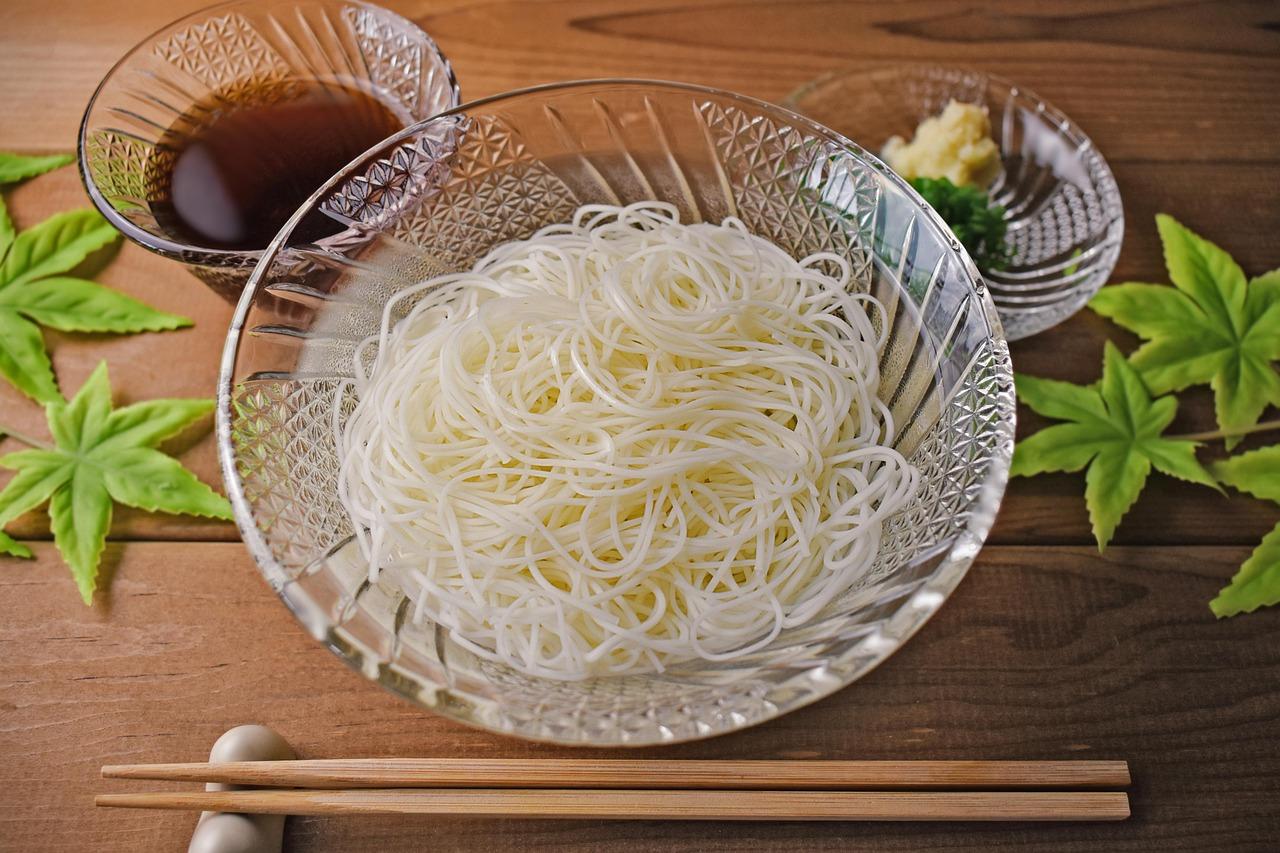
Hiyashi somenChilled thin noodles

All over Japan, hiyashi somen is what families eat on the hottest evenings of July and August: hair-thin wheat noodles chilled in iced water and dipped, a mouthful at a time, into cold mentsuyu with grated ginger and spring onion. The dipping sauce is made with bonito dashi and mirin, which contains alcohol; it is boiled briefly, and an alcohol-free swap is given. The classic mistake is not rinsing the cooked noodles hard under cold water, which leaves them starchy and stuck together. Chef's tip: tie the bundles with a little thread before cooking, or keep their paper band on, so they stay in neat skeins.

by KrazyBadal 0 views

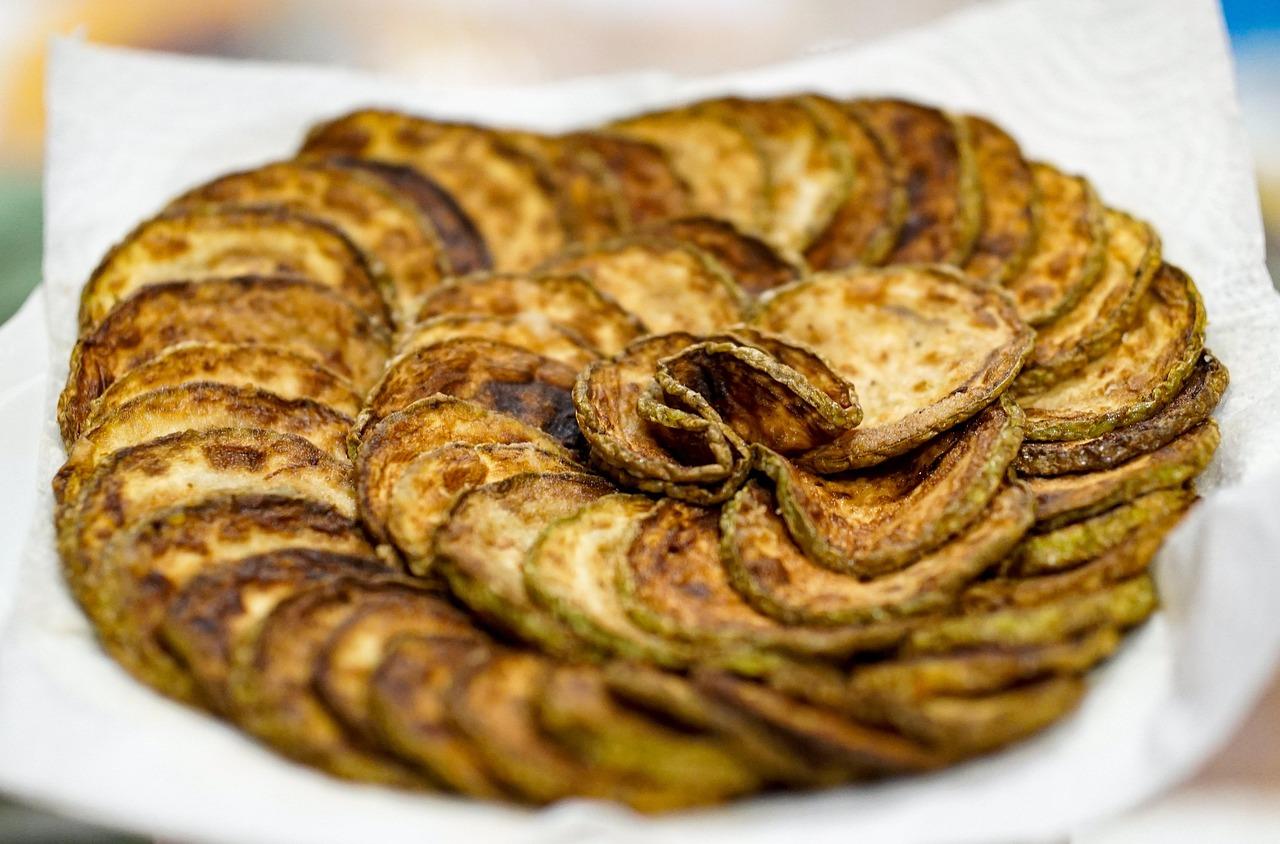
Zucchine trifolateGarlic parsley courgettes

Zucchine trifolate is a contorno cooked all over Italy through the summer glut, when every market stall is piled with courgettes: thin slices sautéed in olive oil with garlic and finished with chopped parsley, the same way Italians cook mushrooms 'trifolati'. They come out golden at the edges and tender in the middle, and go beside eggs, cheese or a plate of beans and bread. It is vegan, gluten free and light. The most common mistake is crowding the pan, which steams the courgettes into a watery mush; cook them in a wide pan or in two batches. Chef's tip: salt only at the end, because salt draws out water and stops the slices browning.

by KrazyBadal 0 views

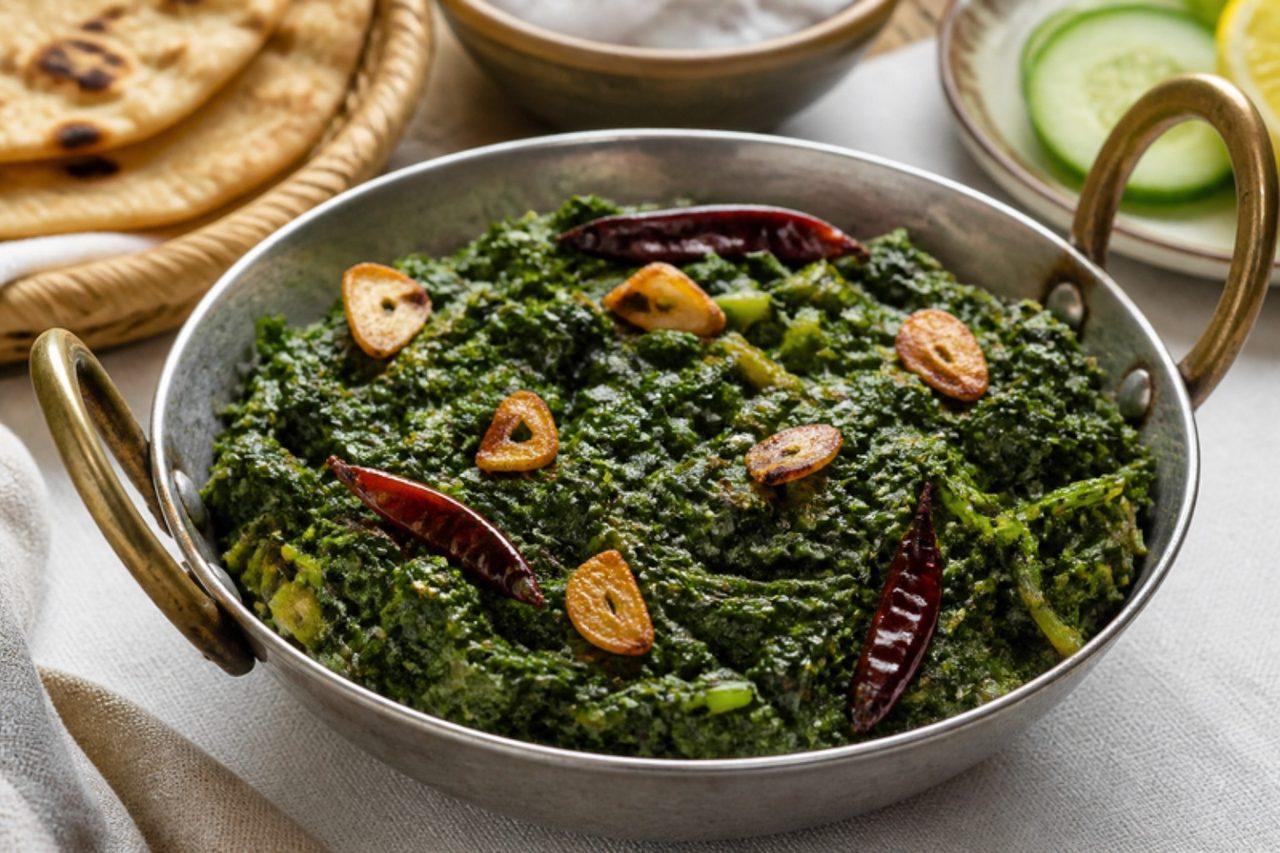
Lehsuni palakGarlic spinach

In Punjabi homes from Amritsar to Ludhiana, lehsuni palak is the green dish that lands on the table in winter when spinach is cheap and sweet, eaten with hot phulkas and a bowl of dal. It is not a purée like palak paneer: the leaves are chopped and wilted so they keep some body, then a second round of garlic fried golden in oil is poured over at the end, nutty and fragrant. The usual mistake is burning the garlic; dark brown garlic turns bitter and spoils the whole pan, so pull it off the heat when it is the colour of light toast. Chef's tip: squeeze the washed spinach lightly before it goes in, or the pan floods and the leaves stew instead of sautéing.

by KrazyBadal 0 views

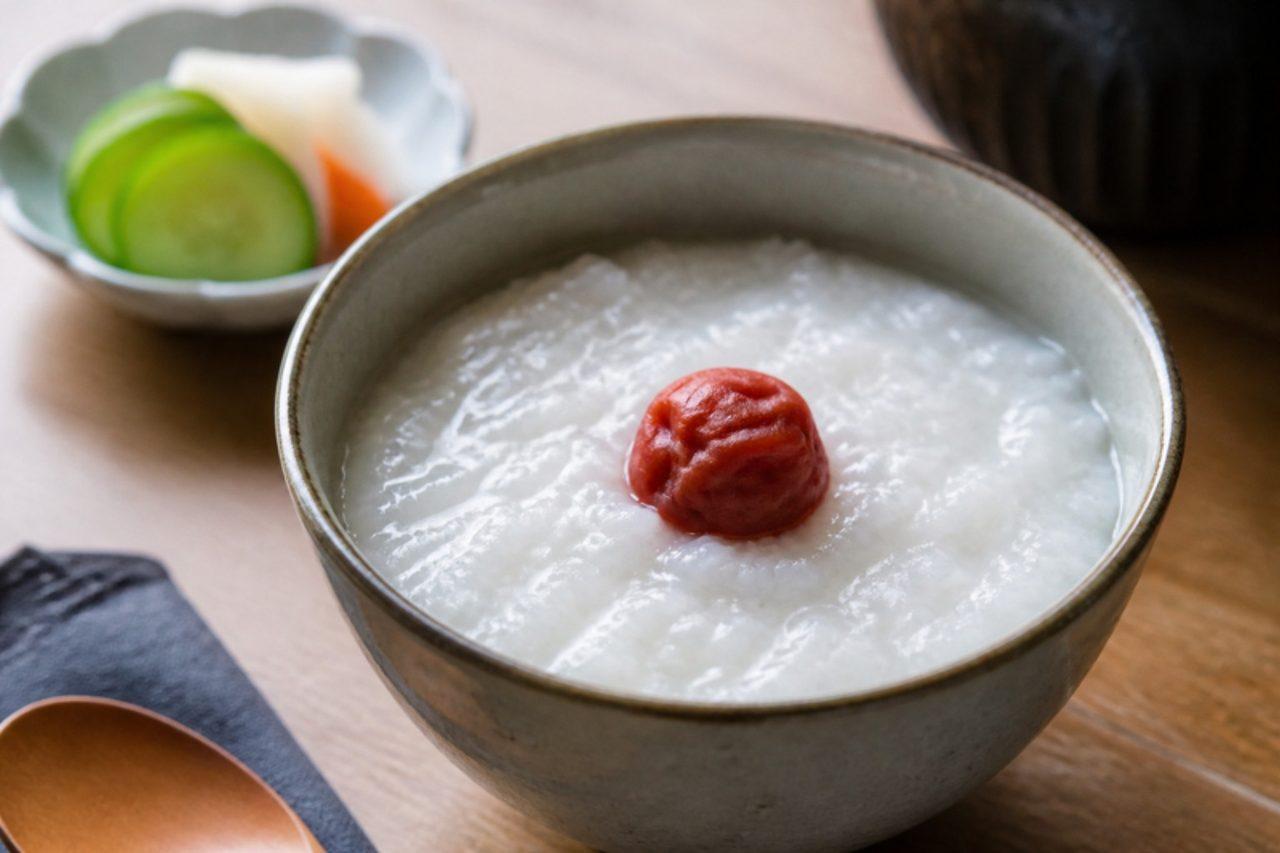
OkayuPlain rice porridge with pickled plum

Okayu is the porridge Japanese mothers make when someone is ill, tired or simply needs something gentle, and it is also eaten on 7 January as part of the new year with seven spring herbs. This weeknight version starts from cooked rice, simmered in water with a little salt until soft, white and spoonable, then served with a sour-salty umeboshi plum to stir in. The mistake is stirring it constantly, which breaks the grains and turns it gluey; stir only now and then. Chef's tip: for the full, silkier version, start with 100 g raw rice and 1 litre of water and simmer, lid ajar, for 40 minutes.

by KrazyBadal 0 views

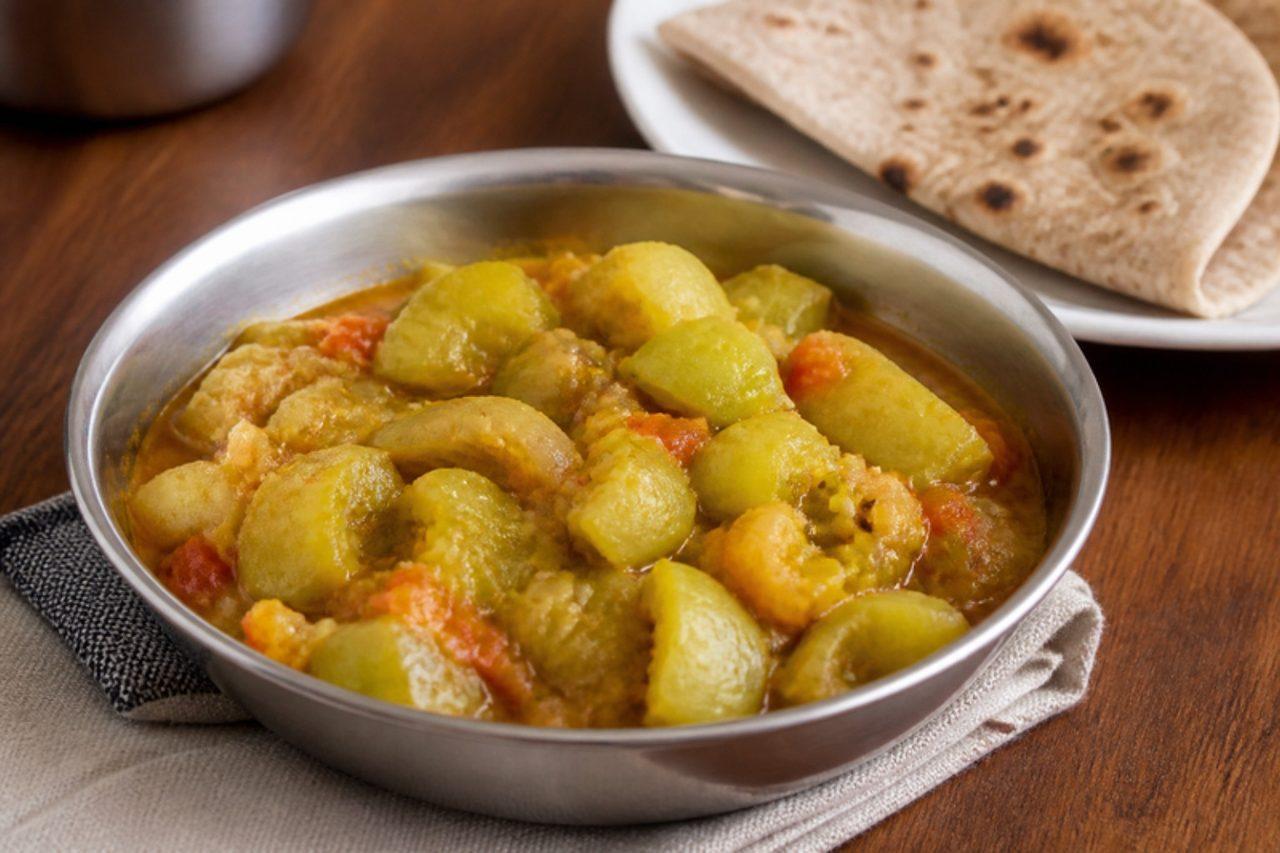
Turai ki sabziRidge gourd with tomato

In Uttar Pradesh, Bihar and across the North Indian plains, turai (ridge gourd) is the light monsoon vegetable that mothers cook for upset stomachs, hot evenings and anyone who wants a gentle dinner with roti and dal. Peeled and chopped, it releases its own water as it cooks, and with a little tomato and cumin it forms a soft, sweet, barely spicy gravy. The common mistake is adding water: the gourd is full of it, and extra water gives a bland, thin soup, so cover the pan and let it make its own. Chef's tip: taste a slice of raw gourd before cooking; very occasionally one is bitter, and a bitter gourd will spoil the whole pot.

by KrazyBadal 0 views

Showing 48 of 770 recipes

Show more recipes

Page 5 of 33

More collections