Skip to content

Lunchbox ideas

Make-ahead food that packs well for school and office lunchboxes. (220 recipes)

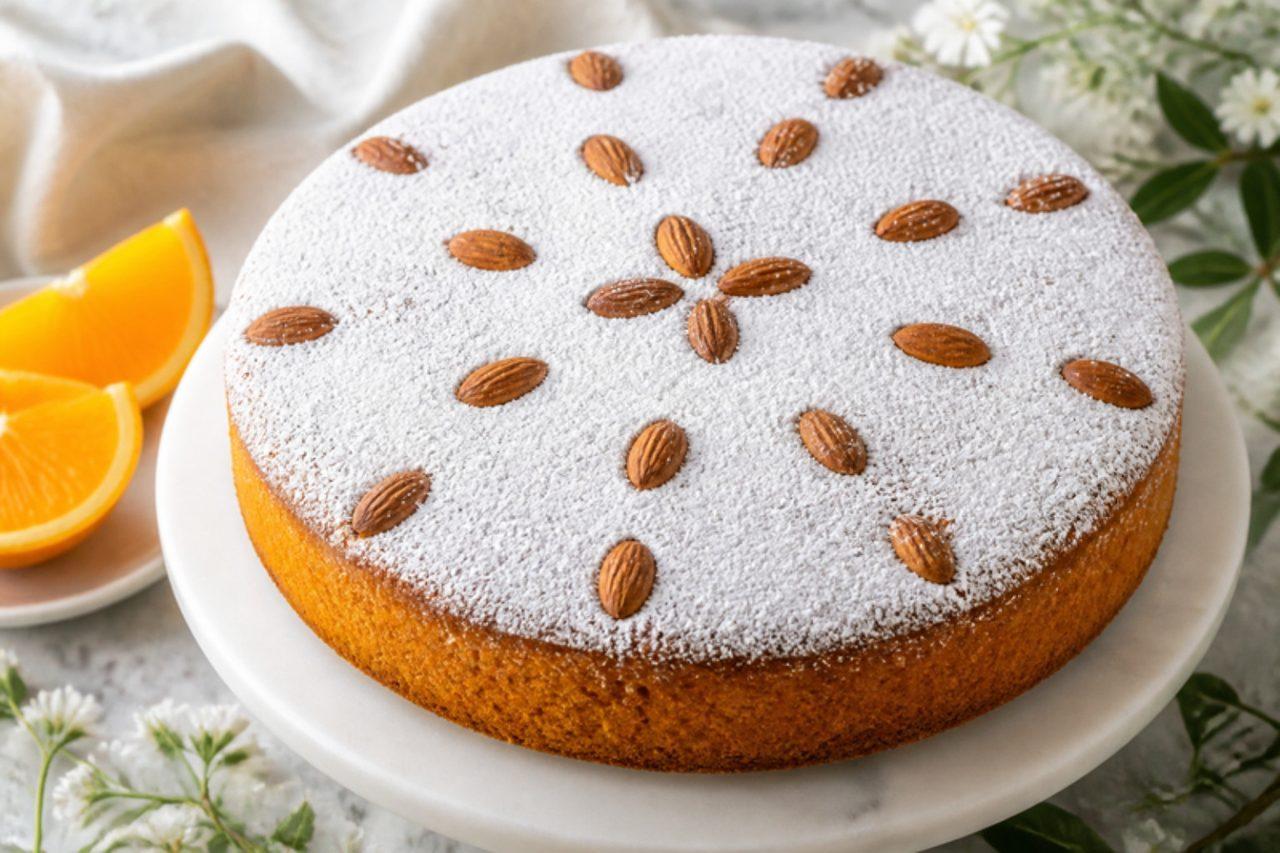
Vasilopita

Just after midnight on New Year's Eve, or at lunch on 1 January, the head of a Greek household crosses the vasilopita with a knife and cuts slices in strict order: for Christ, for the house, then for each person from oldest to youngest. Whoever finds the foil-wrapped coin has luck for the year. This Athenian-style version is a tall, fluffy orange cake, dusted with icing sugar with the new year's numbers stencilled on top. Common mistake: slicing it warm, which makes the crumb gummy and drags the coin around. Chef's tip: beat the butter and sugar until almost white and fold the whipped whites in by hand; that is where the light, cottony crumb comes from.

by KrazyBadal 0 views

Nebraska runzas

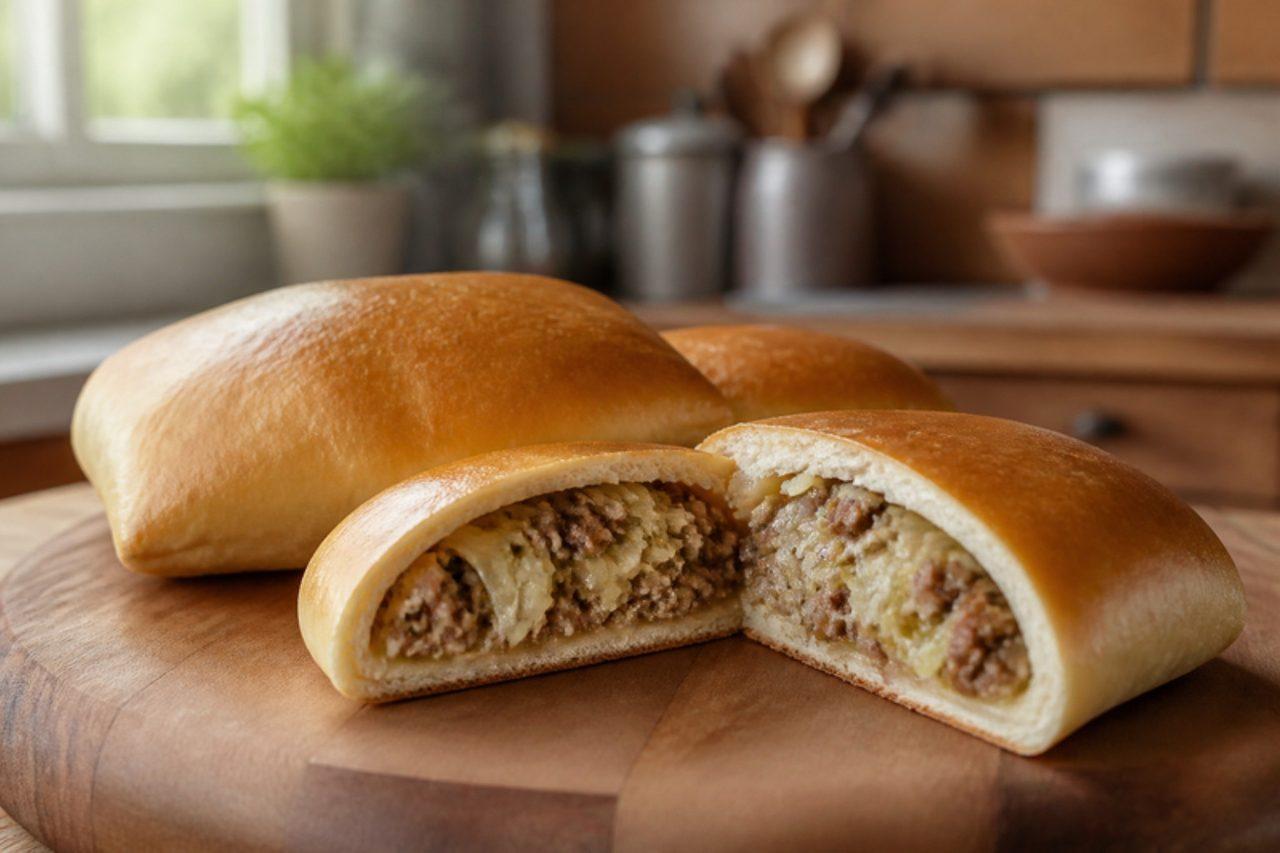
Runzas came to Nebraska with Volga German settlers, who called them bierocks, and today they are the state's fast food, packed for Cornhusker football games and long drives across the plains. A soft, slightly sweet bread dough is wrapped around a peppery filling of beef mince, onion and cabbage and baked into a rectangular pocket. Chef's tip: let the filling cool and drain it in a sieve before filling; hot, wet filling makes the dough soggy and tear.

by KrazyBadal 0 views

Ka'ak bi ajwa

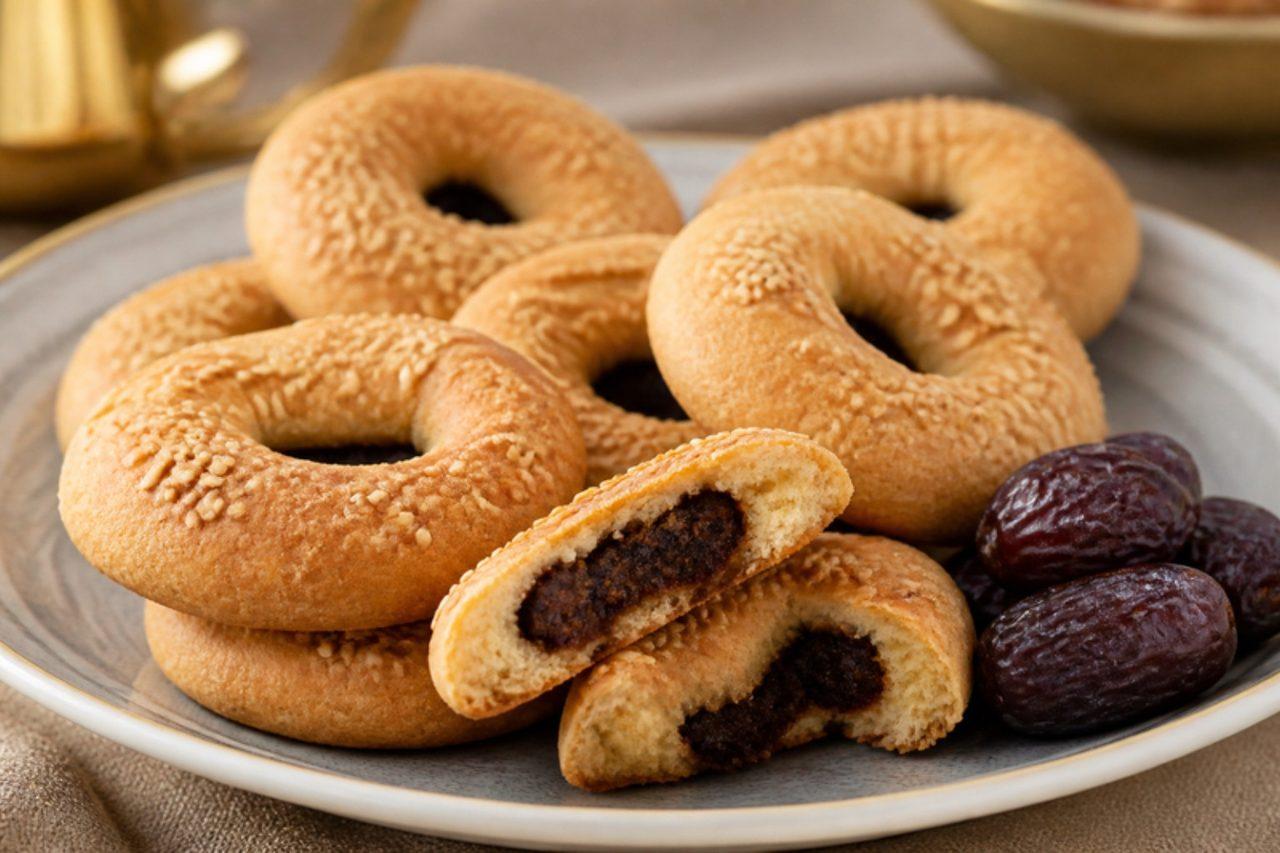
In the last nights of Ramadan, Jordanian kitchens turn into small bakeries, and trays of ka'ak bi ajwa go into neighbourhood ovens ready for Eid morning. A crumbly semolina pastry scented with anise and mahlab is wrapped round a rope of date paste, closed into rings and baked pale gold, then offered to every visitor with bitter Arabic coffee. Children usually do the rolling. The common mistake is overworking the dough after the butter goes in, which makes the cookies hard rather than sandy. Chef's tip: rest the semolina and butter mixture overnight before adding the liquid; the grains drink the fat and the ka'ak melt in the mouth.

by KrazyBadal 0 views

Ka'ak bi haleeb

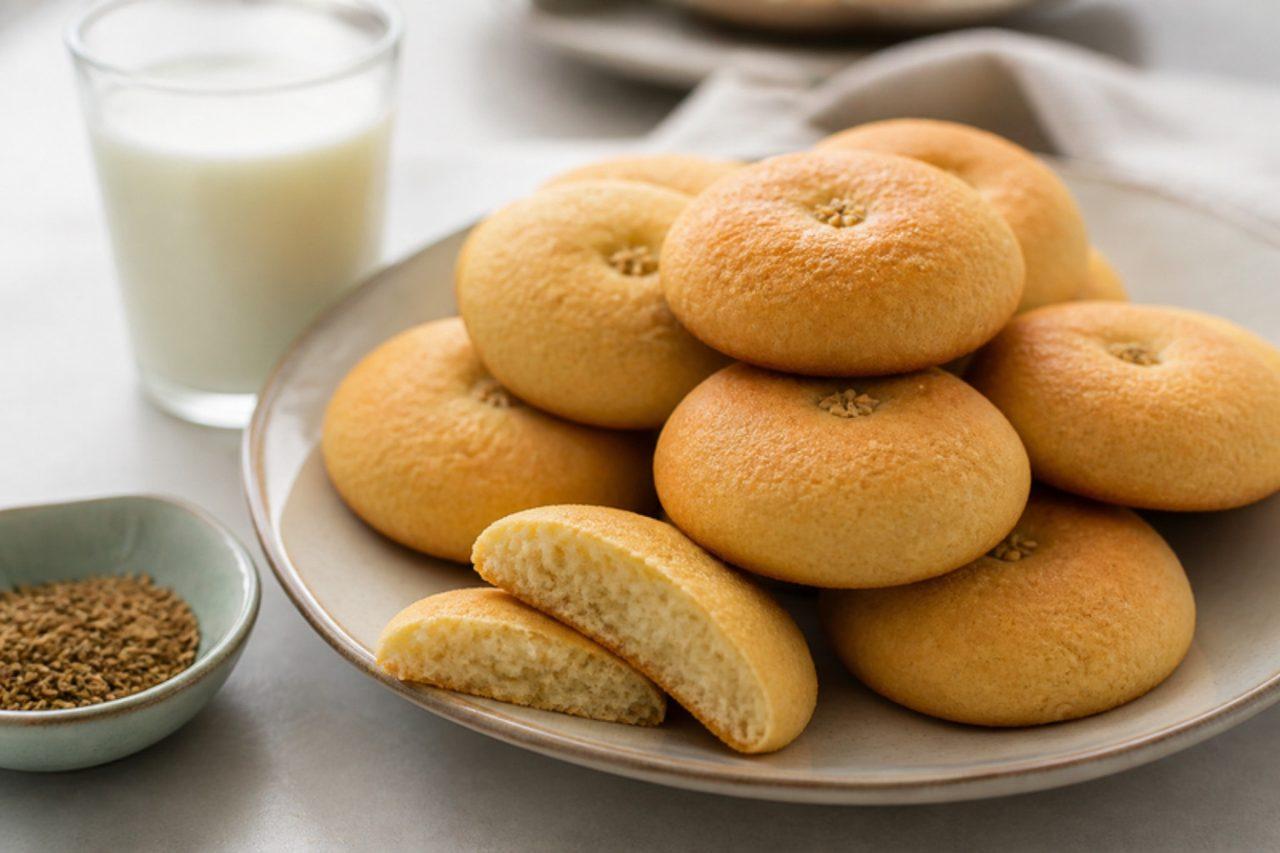
Lebanese families bake ka'ak bi haleeb by the tray before Eid and Easter alike, stamping each round with a carved wooden mould so it comes out patterned like a little rosette. They are soft rather than crisp, gently sweet, perfumed with mahlab (ground cherry kernels), anise and orange blossom water, and dusted with sesame or left plain. Children dunk them in milk, grown-ups in tea. The common mistake is adding too much flour to make the dough easier to handle, which gives dry, bready cookies. Chef's tip: let the shaped cookies rise for 30 minutes before baking; the yeast makes them pillowy and keeps the stamped pattern sharp.

by KrazyBadal 0 views

Ohio buckeyes

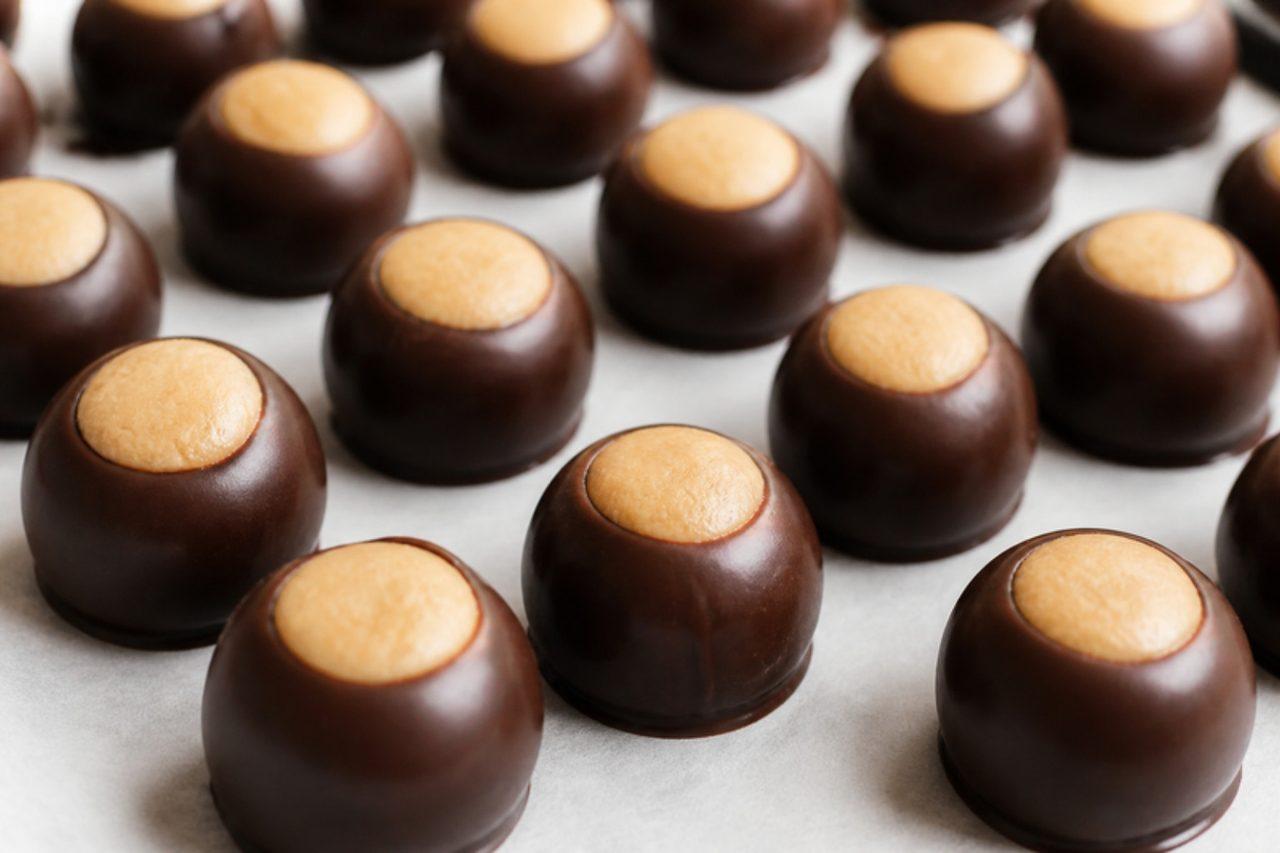
Buckeyes are the sweet of Ohio, made by the tray for Christmas cookie swaps and for Ohio State football parties, because they look like the glossy brown nuts of the state's buckeye tree. A firm, sweet peanut butter fondant is rolled into balls and dipped in chocolate, leaving a pale circle on top. Chef's tip: freeze the balls for 20 minutes before dipping; warm ones slide off the stick and muddy the chocolate.

by KrazyBadal 0 views

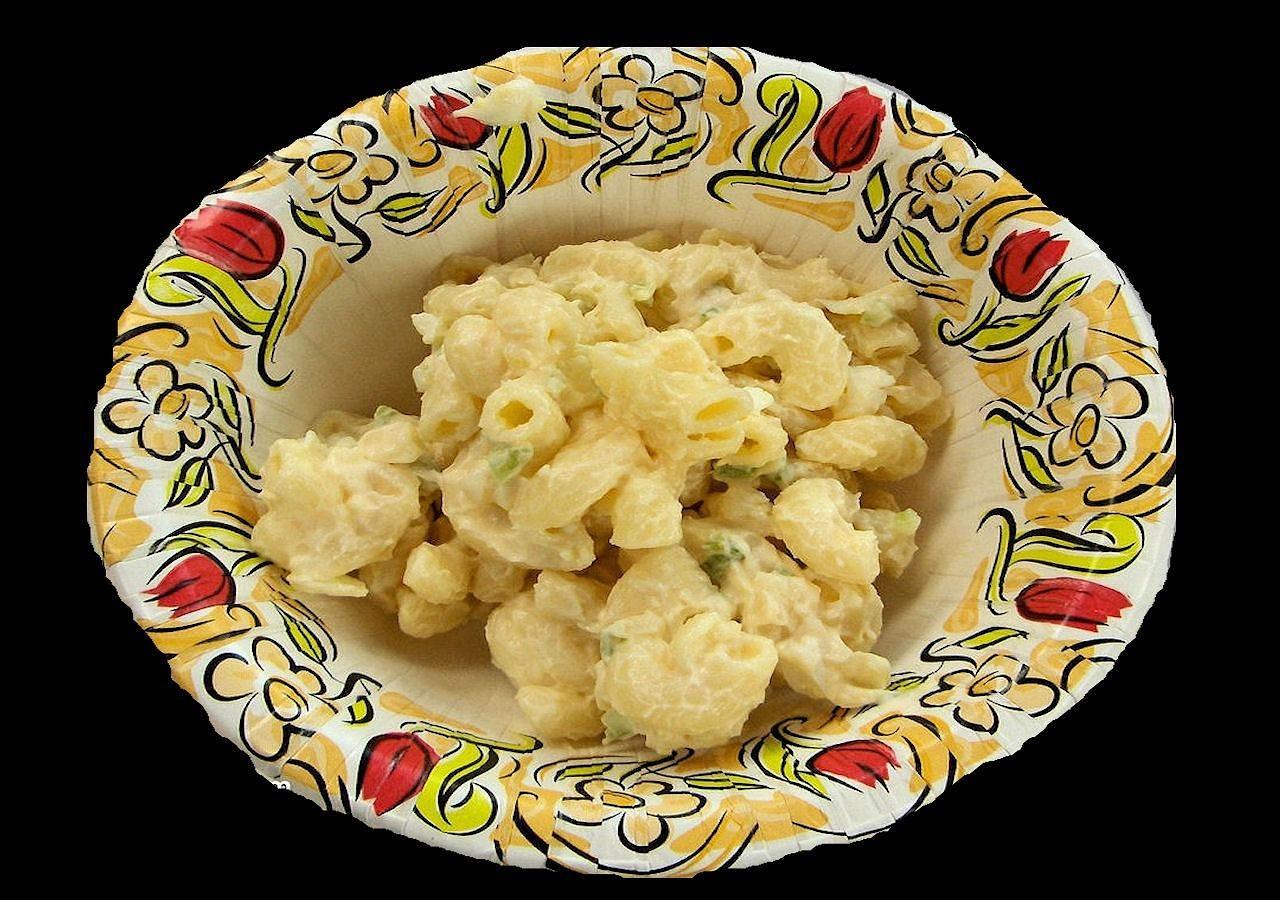
Hawaiian macaroni salad

Every Hawaiian plate lunch, from drive-ins in Hilo to the lunch wagons of Honolulu, comes with two scoops of rice and one of this soft, creamy macaroni salad. It is simpler than American pasta salads: overcooked elbow macaroni soaked in vinegar while hot, then folded with lots of mayonnaise, a little milk and grated carrot. Chef's tip: cook the pasta past al dente, a few minutes longer than the packet says; plate-lunch mac is meant to be soft so it soaks up the dressing.

by KrazyBadal 0 views

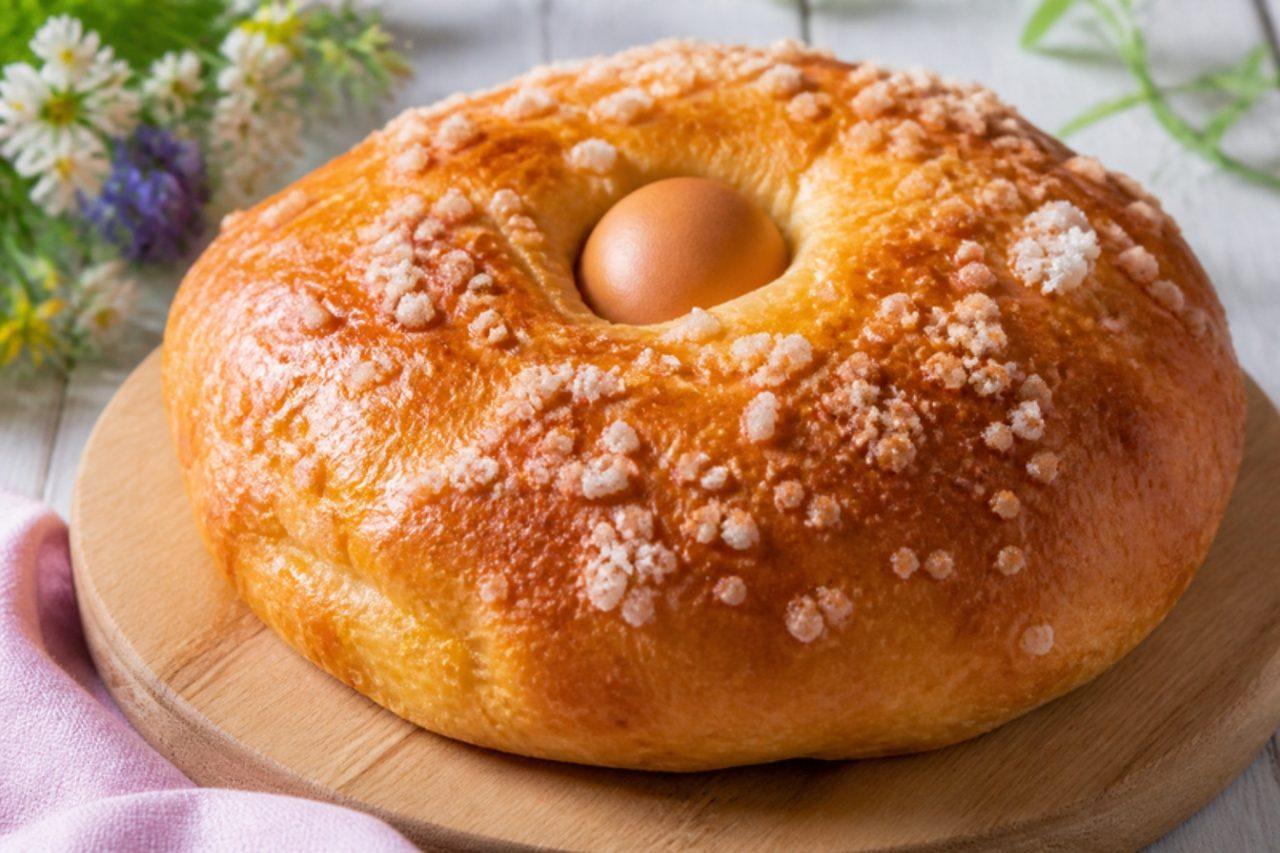
Mona de Pascua

On Easter Monday, families across the Valencian Community head out to the countryside or the beach to "menjar-se la mona": they eat an orange-scented sweet brioche, often with a whole egg baked on top, and children crack the egg on a friend's forehead. The bun is soft and fluffy, glazed and sprinkled with sugar or coloured aniseed sprinkles. Here the eggs are hard-boiled first, so they are cooked through whatever the size of your bun. A common mistake is adding all the flour at once to a sticky dough; it softens as you knead, so hold back the last 50 g until you've kneaded for a few minutes. Chef's tip: make the starter the evening before and the dough on the day; the slow start gives a lighter crumb that stays soft for two days.

by KrazyBadal 0 views

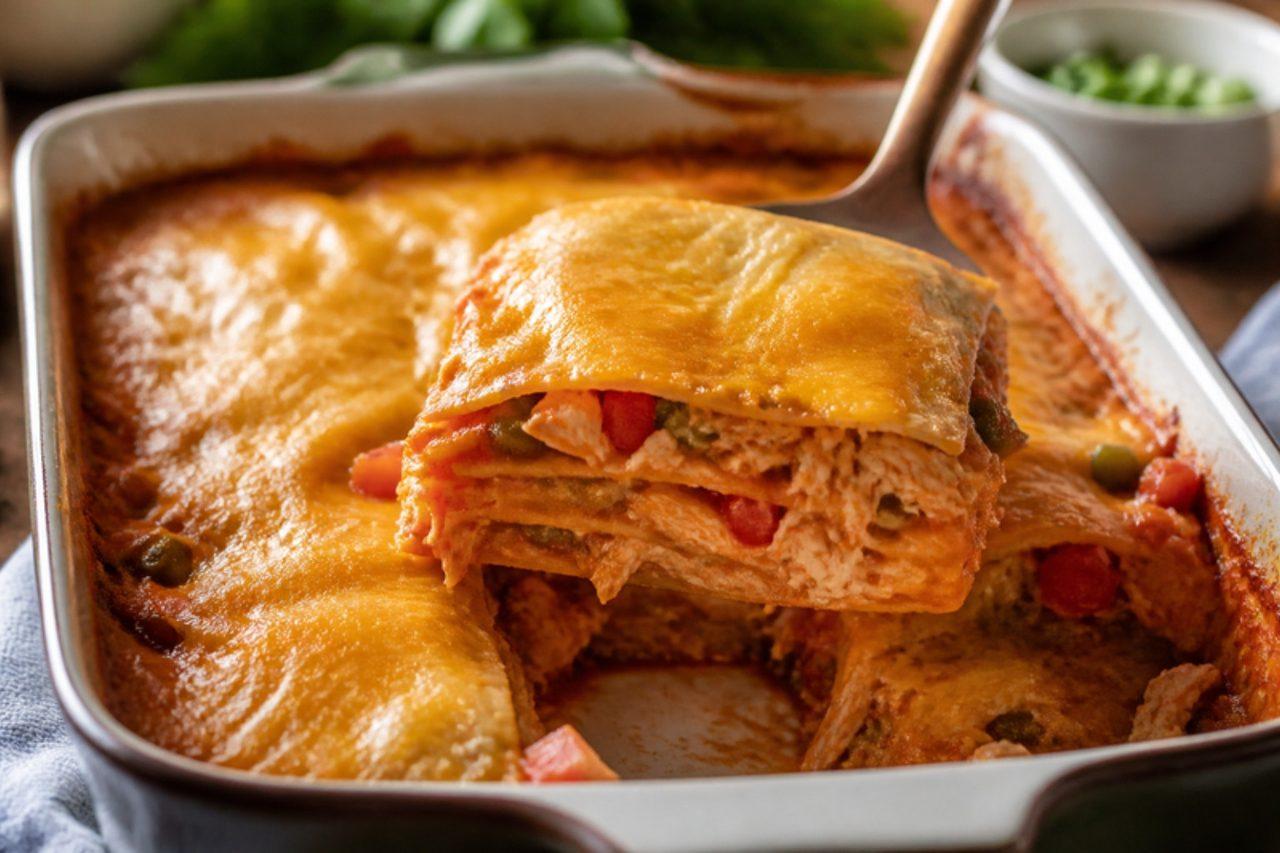
King Ranch chicken

King Ranch chicken is the layered casserole every Texan has eaten at a potluck, baby shower or after a funeral, named, without any proof, after the famous ranch in South Texas. Corn tortillas are layered like lasagne with shredded chicken, peppers, tinned tomatoes with green chiles, a creamy sauce and lots of cheese. This version makes the sauce from scratch instead of tinned soup. Chef's tip: lightly fry or toast the tortillas first so the layers hold up instead of turning to mush.

by KrazyBadal 0 views

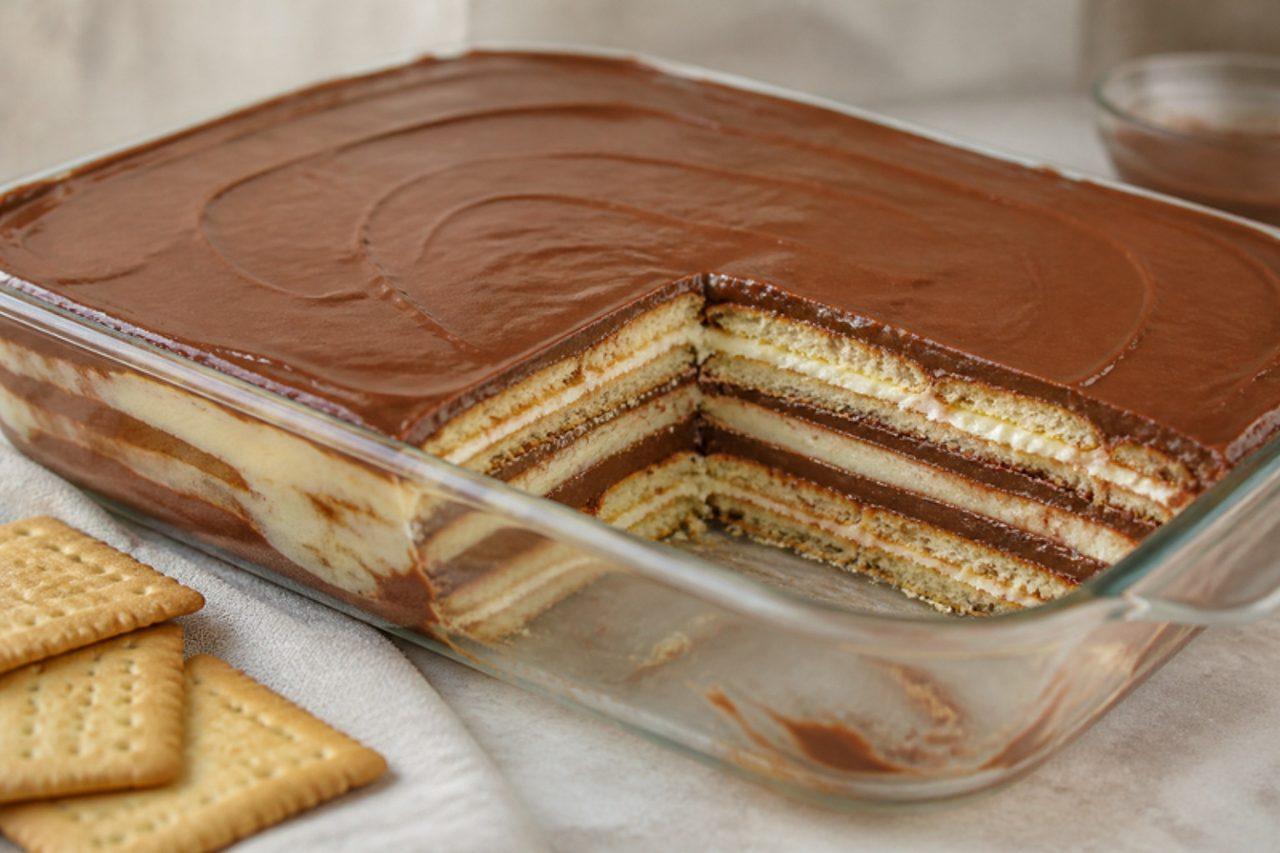
Torta de bolacha

Gaúcho birthday tables almost always carry a torta de bolacha, the fridge cake that grandmothers in Porto Alegre and the Serra Gaúcha towns put together the night before. Plain Maria biscuits are dipped in sweet milk and stacked with two stovetop creams, one pale vanilla custard and one chocolate, until the biscuits soften into something close to sponge. It is cool, soft and very sweet, and slices best after a night in the fridge; serve it with coffee or as the birthday cake itself, with candles on top. It contains egg yolks and wheat biscuits. Most failures come from soaking the biscuits too long: they should be dipped for a second, not left to swim, or the layers collapse into mush. Chef's tip: let both creams cool until just warm before layering, so they stay thick enough to hold the next row of biscuits.

by KrazyBadal 0 views

Toot

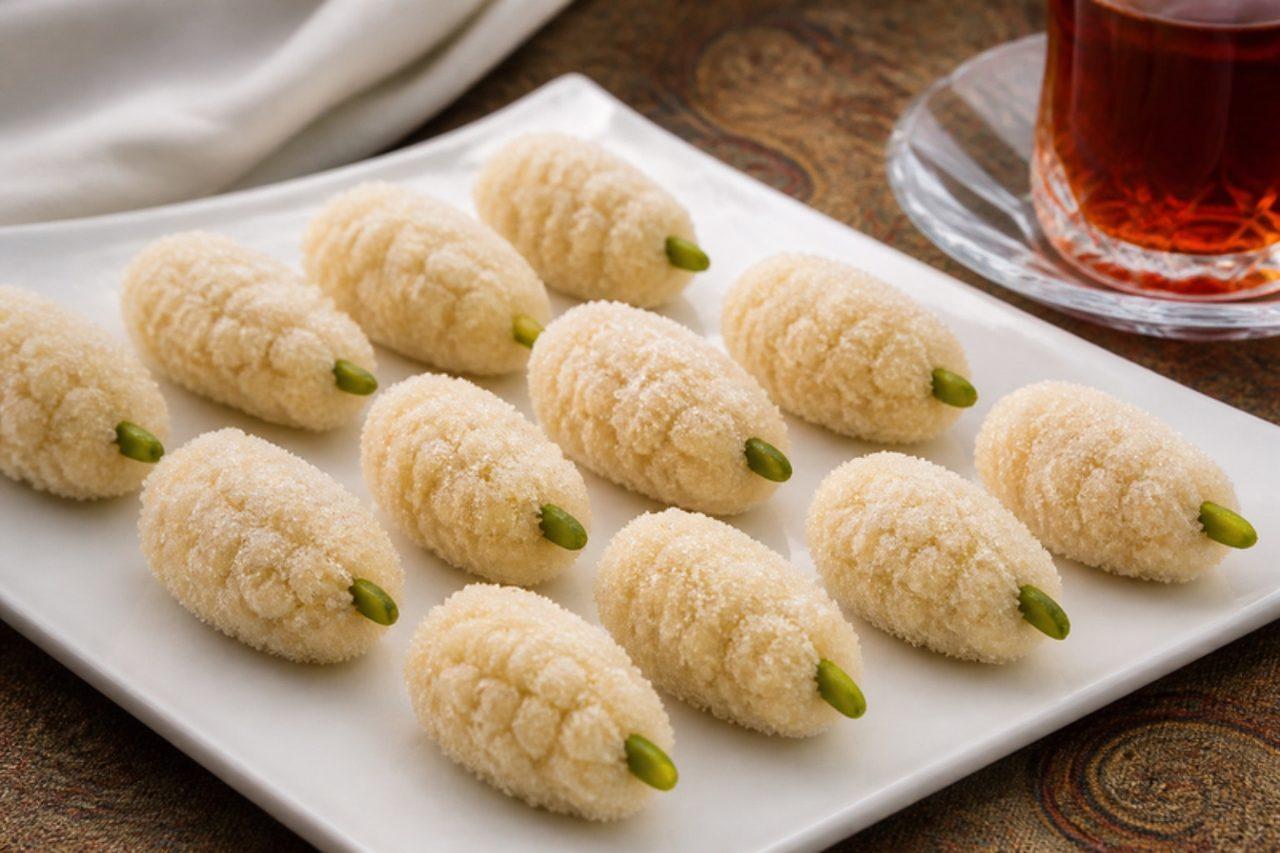
Little white toot sit on silver dishes at Nowruz and at weddings in Tehran and Isfahan, shaped and named after the pale mulberries that grow all over Iran. They are a soft, fragrant almond paste bound with rosewater, rolled in sugar and finished with a sliver of pistachio for the stalk. No cooking is needed, so children can help shape them. Chef's tip: add the rosewater a spoonful at a time; the paste should just hold when squeezed, and a wet paste won't keep its mulberry bumps.

by KrazyBadal 0 views

Punschkrapfen

Punschkrapfen are the bright pink cubes that glow from every Viennese Konditorei counter, especially in winter. Traditionally the filling of sponge crumbs, jam and chocolate is soaked in rum punch, which gives the cake its name, so the classic version contains alcohol. This recipe makes the alcohol-free version with orange juice and strong black tea, which keeps the fruity, warming flavour that children can eat too; to make the traditional one, swap 40 ml of the orange juice for dark rum. The sponge is moist and dense, the icing sweet and crackly. A common mistake is skipping the overnight press; the cubes fall apart when cut. Many pink colourings use carmine, made from insects, so choose a plant-based one such as beetroot red. Chef's tip: cut with a knife dipped in hot water and wiped between each cut for clean edges.

by KrazyBadal 0 views

Viennese Gugelhupf

In Vienna the Gugelhupf is the Sunday cake of home bakers, set out on the table for afternoon Jause with coffee, and every family has its own fluted copper or ceramic mould. Unlike the yeasted ring cakes of Alsace and southern Germany, the everyday Viennese one is a Rührgugelhupf, a buttery sponge lifted with whisked egg whites, scented with lemon and studded with plump raisins. It is tender, light and keeps moist for several days under a cake dome. A common mistake is a badly greased mould; every ridge needs butter and flour or the cake tears as it comes out. Chef's tip: soak the raisins in hot water for 15 minutes, dry them and toss them in a spoon of flour so they don't sink.

by KrazyBadal 0 views

Marmorkuchen

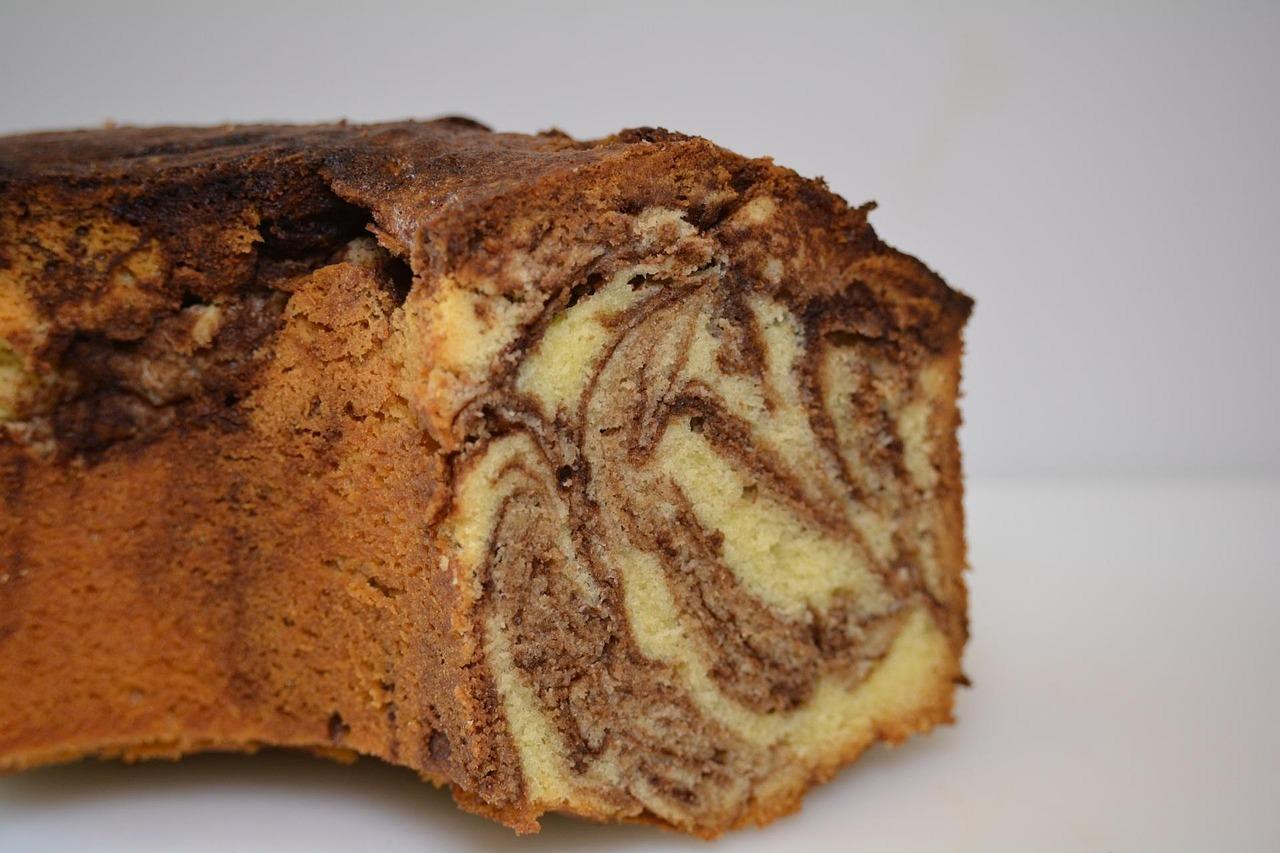
Marmorkuchen is the cake German children grow up with: a tall, buttery ring of vanilla sponge swirled with chocolate, baked for birthdays and kindergarten parties and kept under a glass dome for afternoon coffee all week. It needs nothing but a dusting of icing sugar, though many families pour over a thin chocolate glaze. A common mistake is over-stirring the two batters together, which turns the cake a muddy brown instead of showing clear marbling. Chef's tip: layer the batters in the tin, then pull a fork through just once in a spiral; less is more.

by KrazyBadal 0 views

Kalter Hund

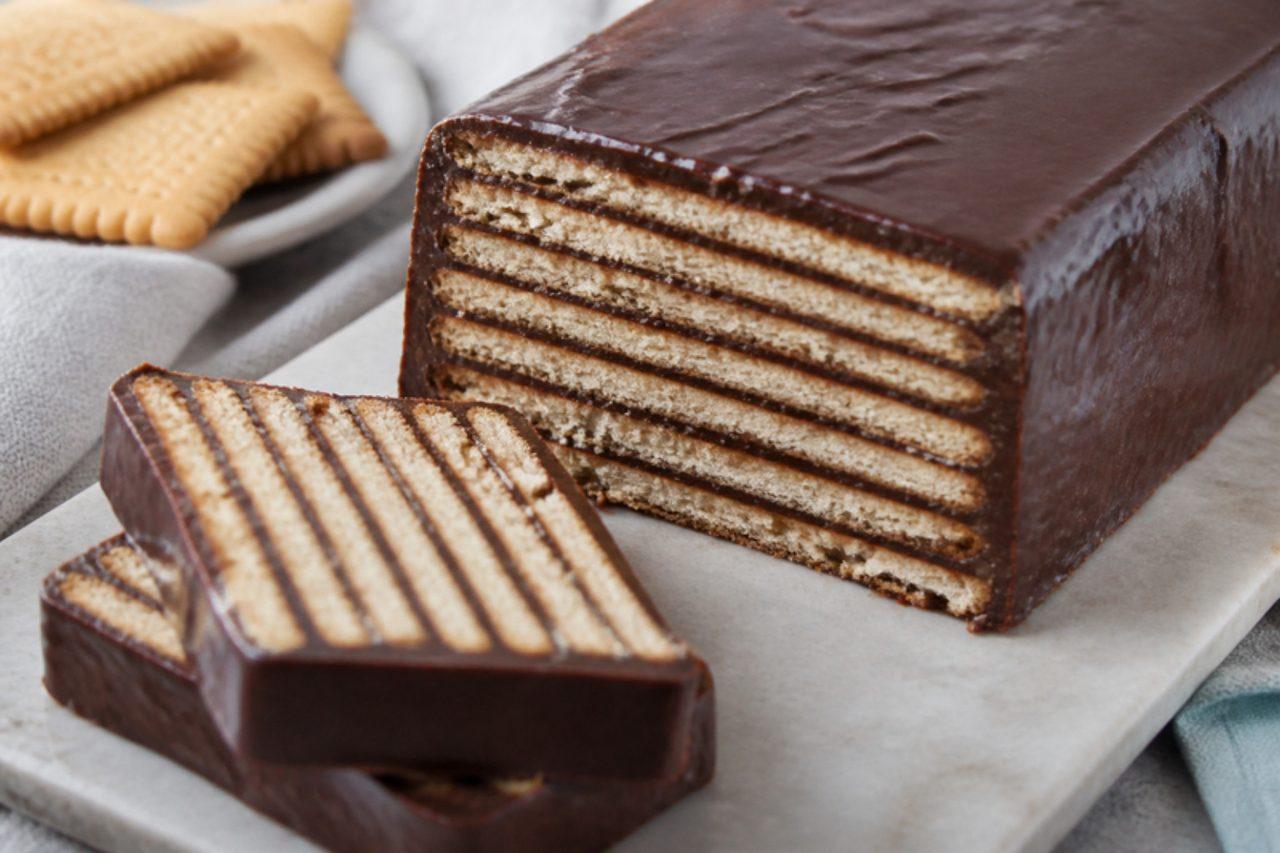
Kalter Hund, the 'cold dog', is the no-bake party cake of West German childhoods, set in a loaf tin in the fridge and sliced into stripes of crisp biscuit and dark chocolate at every 1970s birthday. Recipes from Hamburg to Bavaria differ only in the details; old ones used coconut fat and raw egg, while this version uses dark chocolate, cream and a little coconut oil, so there is nothing raw in it. A common mistake is pouring the chocolate too hot, which softens the biscuits into mush; it should be just warm. Chef's tip: line the tin with cling film overhanging the sides, then you can lift the whole loaf out and slice it with a hot knife.

by KrazyBadal 0 views

Canistrelli

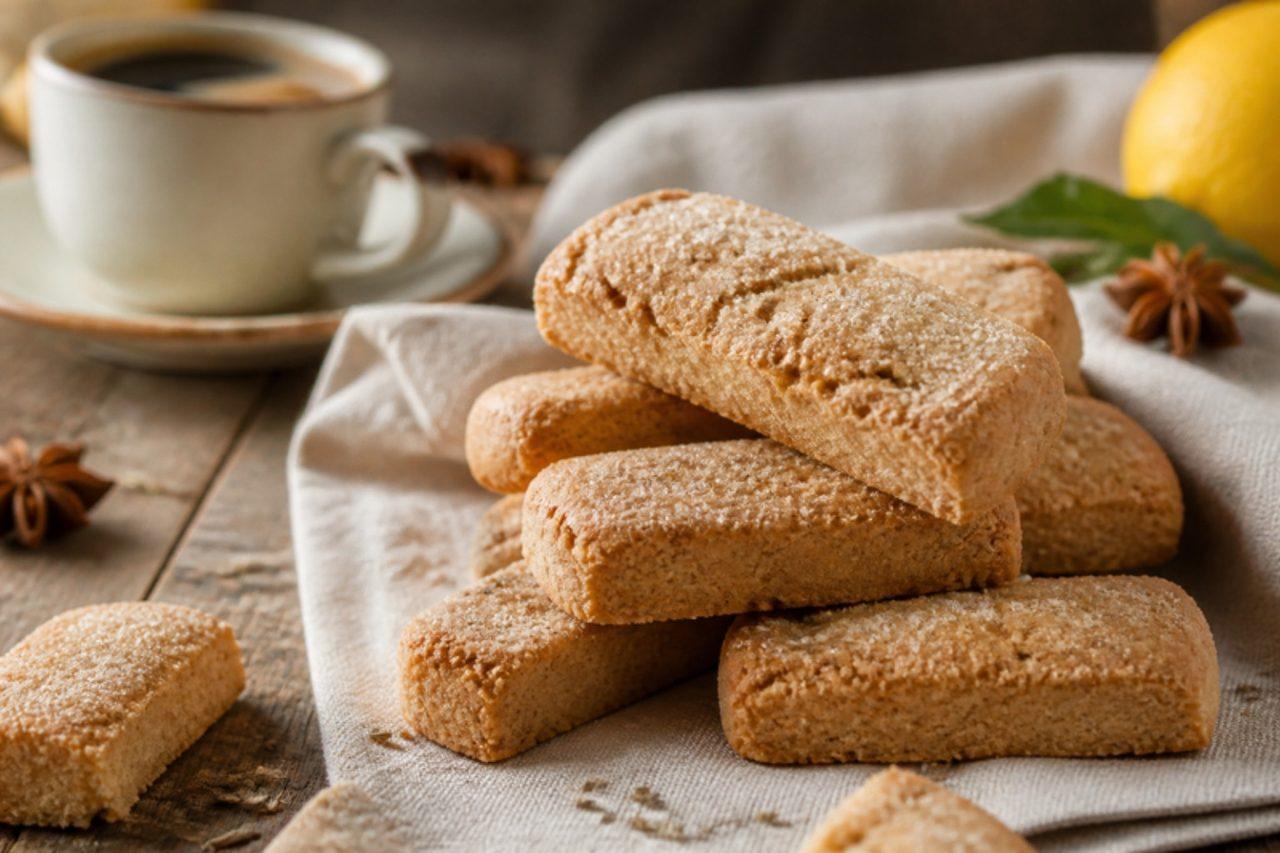
Every Corsican bakery, from Bastia to Bonifacio, stacks bags of canistrelli: thick, square-cut biscuits that are dry and crunchy outside and crumbly inside, made to be dipped in morning coffee. They come in many flavours, such as lemon, chestnut and almond, but anise seed is the classic. Traditionally the dough is mixed with dry white wine; most of the alcohol bakes off, but if you prefer none at all use apple juice with a squeeze of lemon, as the ingredient list says. With olive or sunflower oil instead of butter, they are vegan. Chef's tip: stop mixing as soon as the dough comes together; kneading makes them hard rather than crumbly.

by KrazyBadal 0 views

Chocotorta

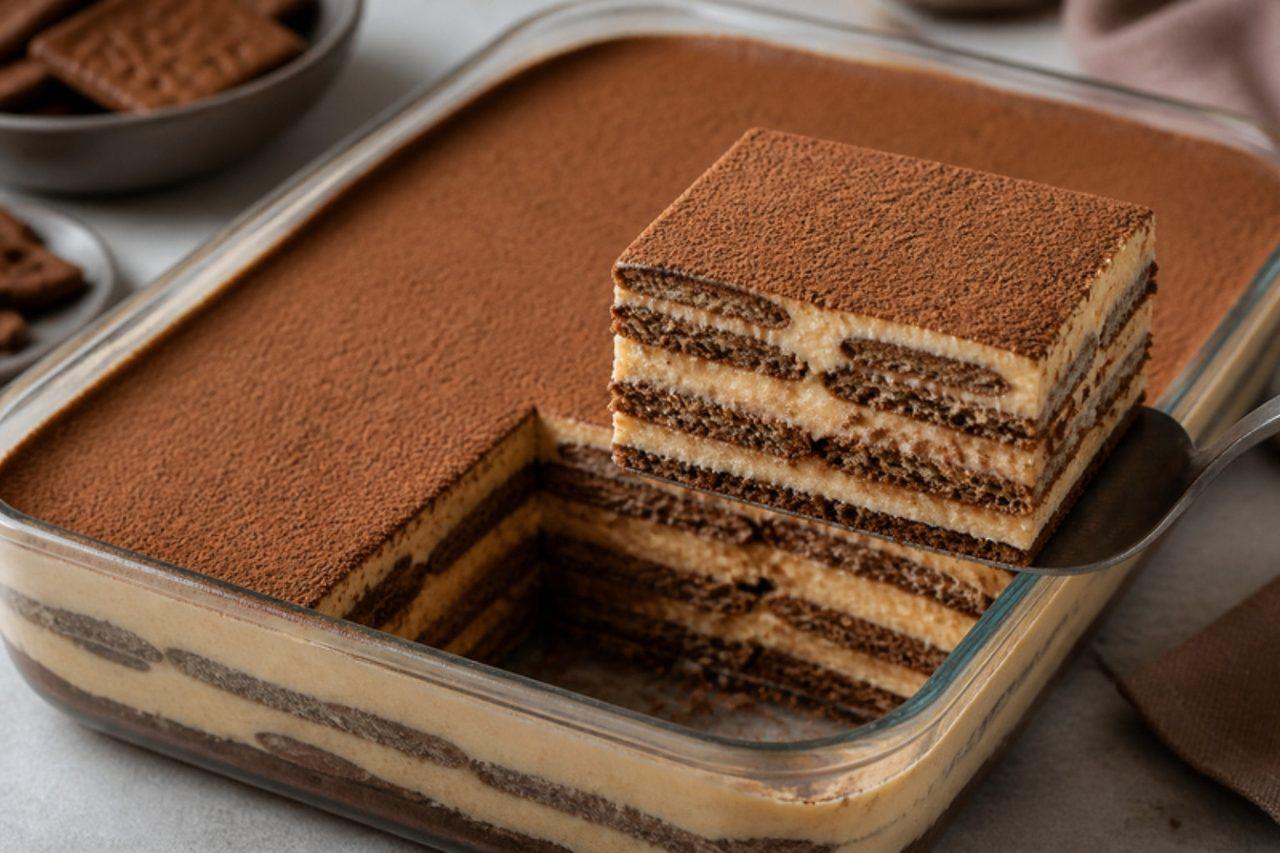
Born in 1980s Buenos Aires as an advertising idea and adopted by the whole country, chocotorta is the cake children ask for at every birthday and the easiest dessert in the Argentine repertoire. Chocolate biscuits are dipped briefly in milk (adults often use coffee), layered with a cream of dulce de leche beaten with cream cheese, and left overnight until the biscuits turn soft and cake-like. It is rich, sweet and a little tangy, and slices cleanly straight from the fridge. Any plain crisp chocolate biscuit works; rectangular ones make the neatest layers. The mistake to avoid is soaking the biscuits too long: a one-second dip is plenty, or they collapse into mush before you can lay them down. Chef's tip: assemble it a day ahead in a loaf tin lined with cling film; overnight chilling is what turns it from biscuits and cream into cake.

by KrazyBadal 0 views

Frittata di maccheroni

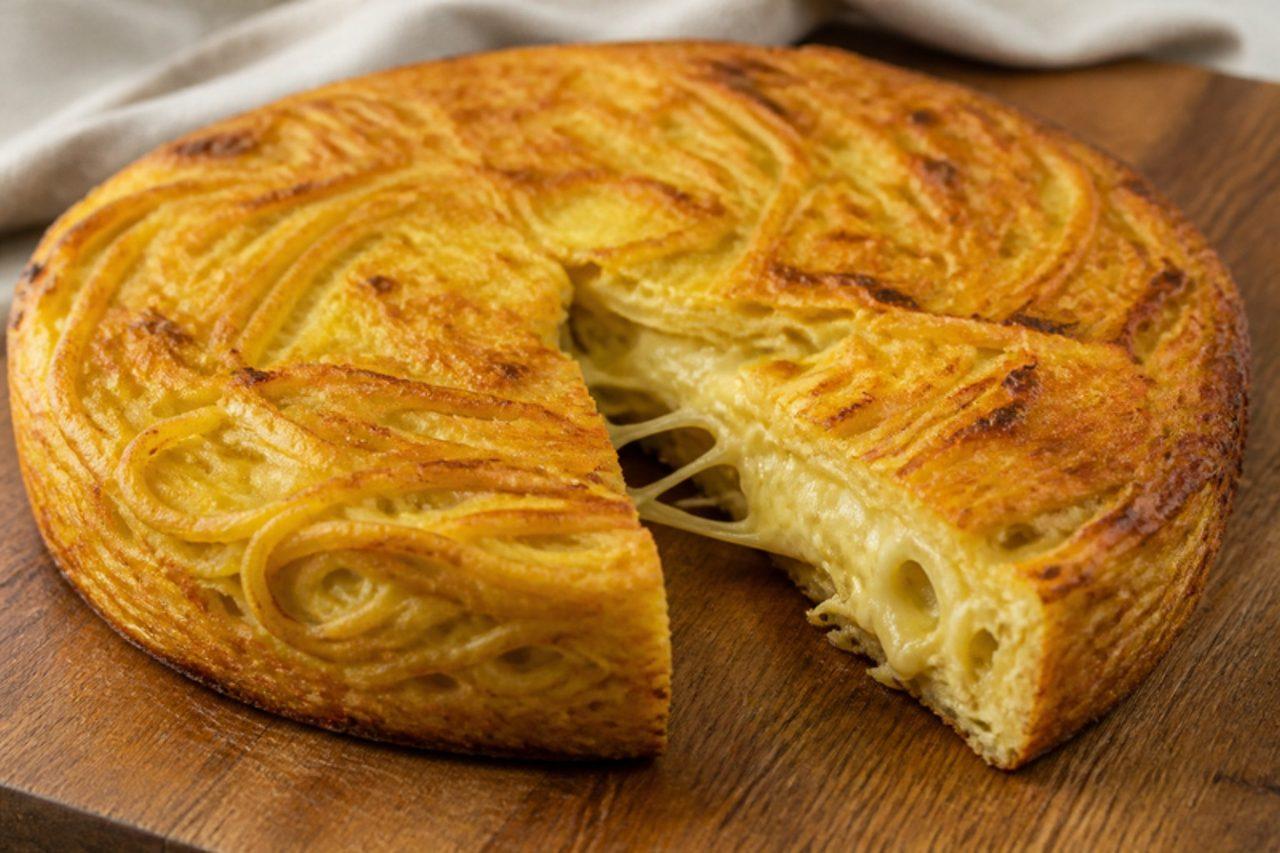
Neapolitans turn yesterday's spaghetti into frittata di maccheroni, a thick, golden pasta cake bound with egg and lots of grated cheese, with pockets of melting provola inside. It travels everywhere: cut into wedges for the beach at Mergellina, packed for the Easter Monday picnic (Pasquetta) or eaten cold from the fridge. The outside is crisp, the middle soft and cheesy. Most families add cubes of salami; this version leaves them out and uses smoked provola for a savoury depth. Chef's tip: use a plate the size of the pan to flip it, and slide it back in confidently in one move.

by KrazyBadal 0 views

Milanesa de carne

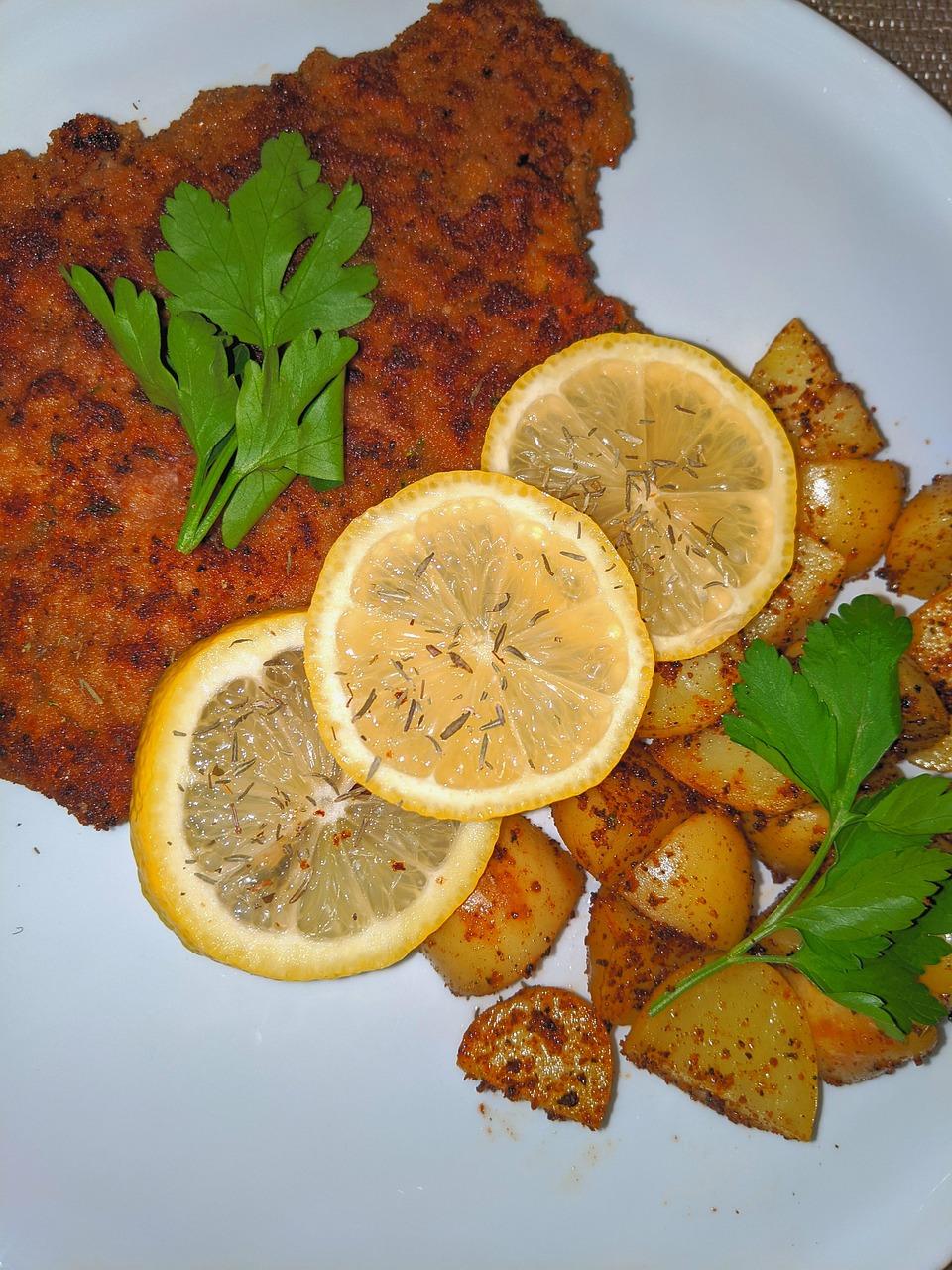
If there is one dinner every Argentine child grows up on, it is milanesa: beef pounded very thin, dipped in garlicky egg, coated in breadcrumbs and fried until golden. It came with Italian immigrants to Buenos Aires and Rosario, and today it is eaten on weekday nights with mashed potato or chips, cold in sandwiches the next day (milanesa al pan), and on long car trips. Lemon wedges are a must. The mistake most people make is leaving the beef too thick; it should be about 5 mm, so it cooks through by the time the crumb is golden. Chef's tip: bread the milanesas, lay them on a tray and chill them for 30 minutes before frying, so the coating sticks firmly and doesn't fall off in the pan.

by KrazyBadal 0 views

Tibetan tingmo

Tingmo are the everyday bread of Tibet: plain steamed buns made by stretching and twisting oiled strips of dough into a knot, so they open into soft, pull-apart layers. Families in Lhasa and Tibetan communities in Nepal and India eat them with spicy vegetable stews, dal and chilli sauce, tearing off pieces to mop up the sauce. The dough is simple; the twist takes a little practice. Chef's tip: once the steaming time is up, turn off the heat and wait 3 minutes before lifting the lid, so the buns don't collapse.

by KrazyBadal 0 views

Chin chin

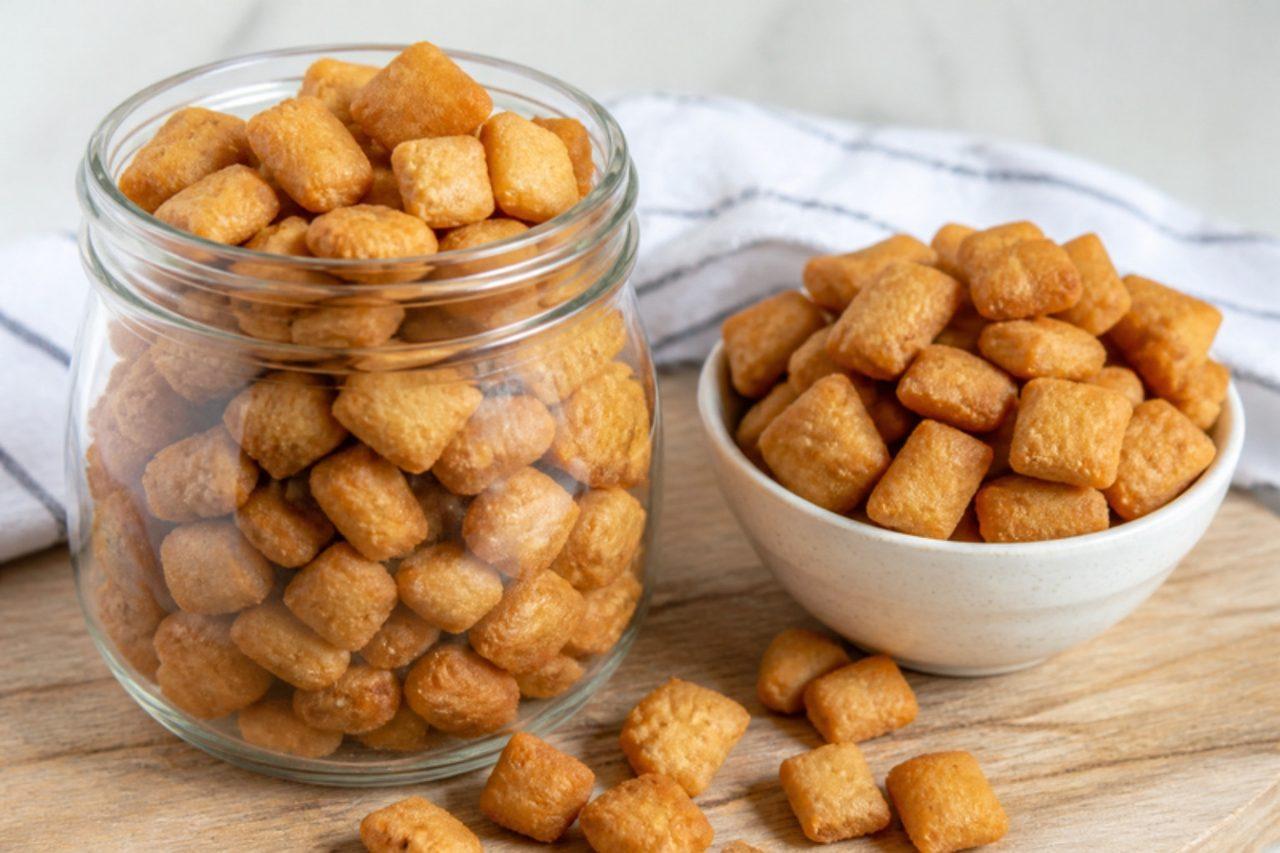
Every December, Nigerian kitchens turn into small factories of chin chin, crunchy little cubes of sweet fried dough packed into big plastic tubs for Christmas visitors, weddings and the long drive back to the village. The dough is enriched with butter, egg and evaporated milk and scented with nutmeg; cut small and fried, it shatters with a satisfying crunch. It keeps for weeks, so families make kilos at a time. Chef's tip: roll the dough evenly thin, about 5 mm, so every piece fries through to a crisp centre at the same time.

by KrazyBadal 0 views

Thiakry

Thiakry, called dégué in Mali and Burkina Faso, is the creamy dessert of Senegalese weddings, naming ceremonies and Tabaski: pellets of steamed millet stirred into sweetened yoghurt and soft fromage frais, scented with vanilla and nutmeg and served cold. Ready-made millet granules (arraw or sankhal) are sold in African grocers, which makes it a 15-minute job. Raisins and a little coconut are common in Dakar. Chef's tip: steam or soak the millet fully before it meets the yoghurt; undercooked grains stay hard and gritty in the cold.

by KrazyBadal 0 views

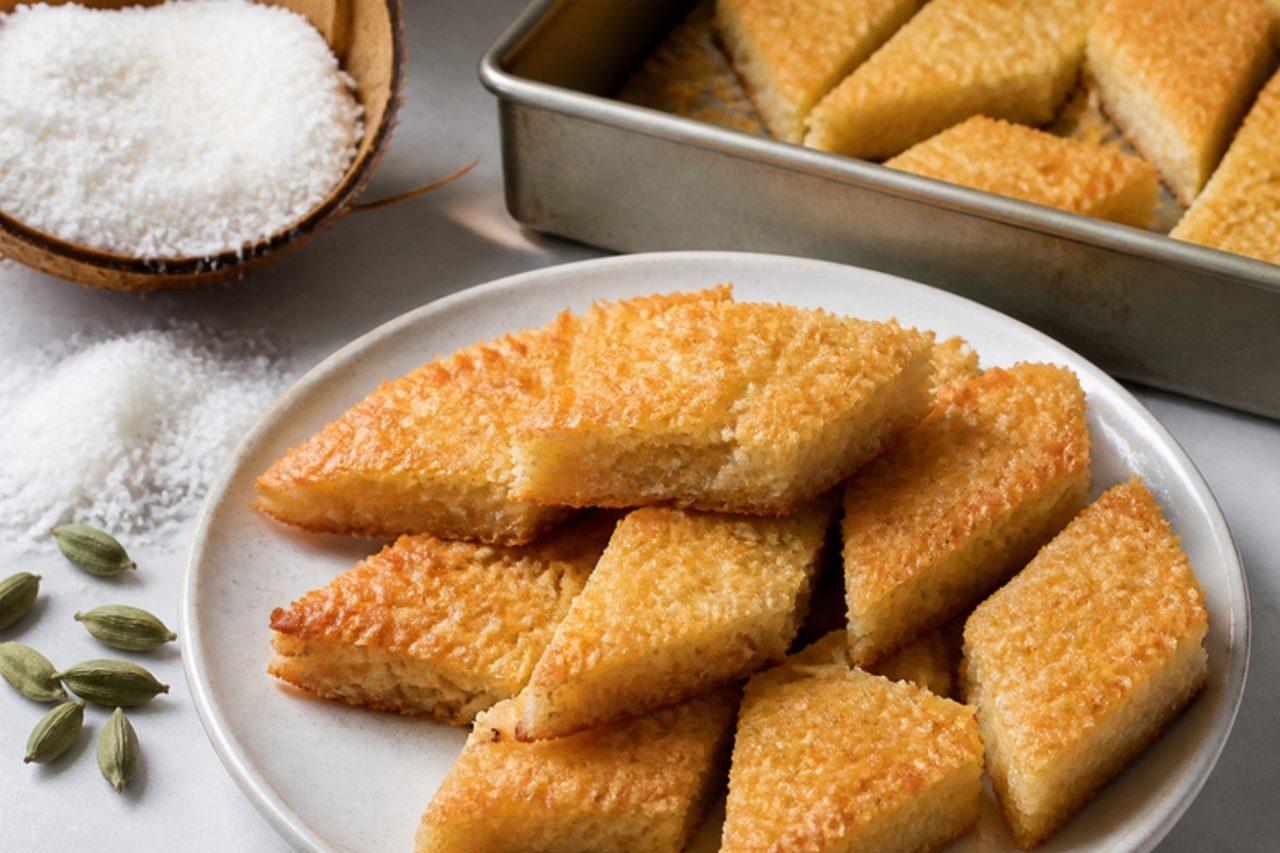
Coconut sweet (kashata ya nazi)

Kashata ya nazi is a simple Swahili sweet of desiccated coconut cooked with milk, sugar, evaporated milk and cardamom until thick, then pressed into a dish and cut into diamonds. It's chewy and sweet, and it keeps well. Store in an airtight container.

by KrazyBadal 0 views

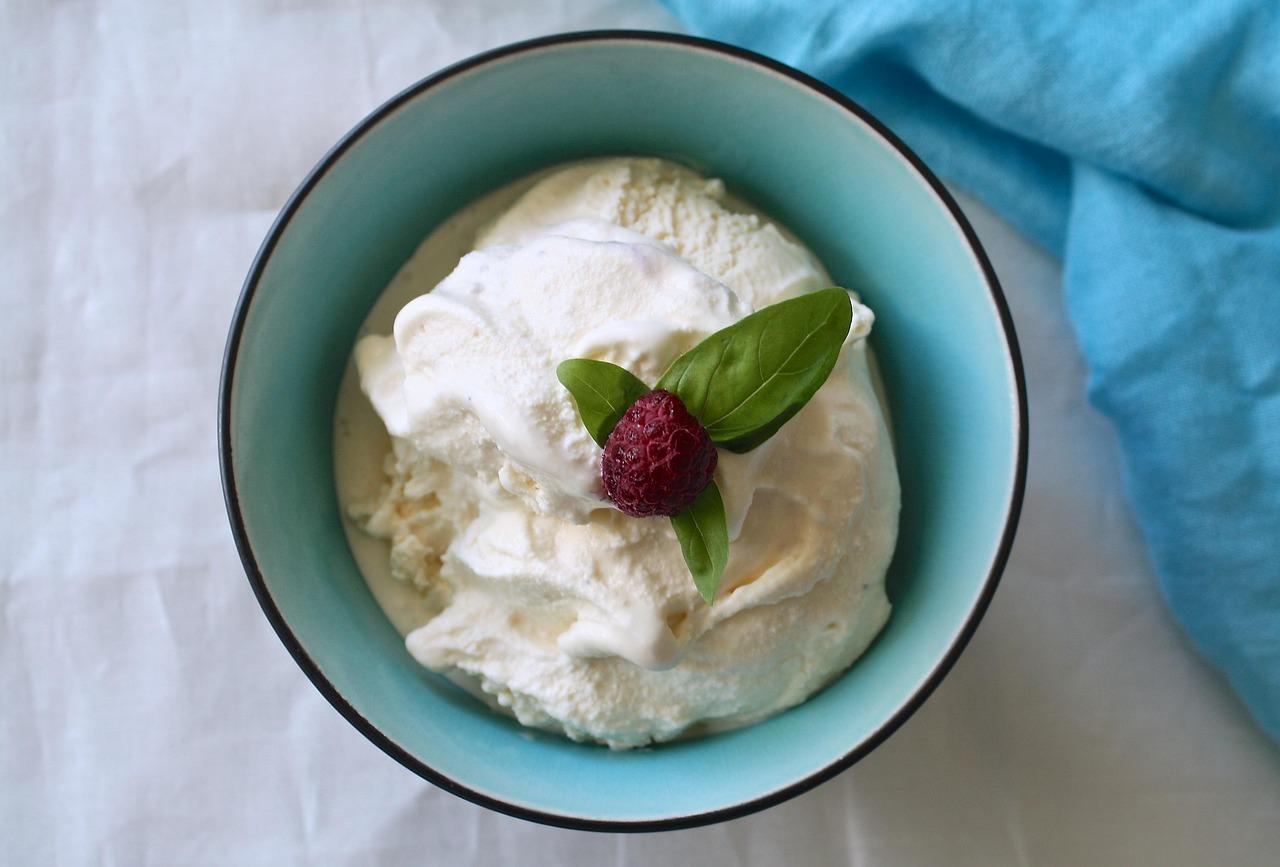
Coconut ice cream (ice-cream ya nazi)

An easy no-churn ice cream of coconut milk, sweetened condensed milk and evaporated milk, scented with nutmeg or cardamom and a little rose. Whisking it once while it freezes keeps it smooth and fluffy. Garnish with shredded coconut and a sprig of mint.

by KrazyBadal 0 views

Arroz con leche

Arroz con leche is Mexico's comfort pudding, sold in little cups at markets and made in every grandmother's kitchen: rice cooked first in water with a cinnamon stick (canela) and lime peel, then slowly in milk until it turns thick and creamy. Mexicans often add sweetened condensed milk for a richer, caramel-tinged finish, and raisins for those who like them. It is eaten warm in winter and cold from the fridge in summer, dusted with ground cinnamon. Chef's tip: use soft Ceylon cinnamon (canela) if you can find it; its gentle, floral flavour is what makes it taste Mexican rather than like a spiced pudding.

by KrazyBadal 0 views

Showing 24 of 220 recipes

Show more recipes

Page 5 of 10

More collections