Skip to content

Quick desserts

Desserts and sweets ready in 30 minutes or less. (201 recipes)

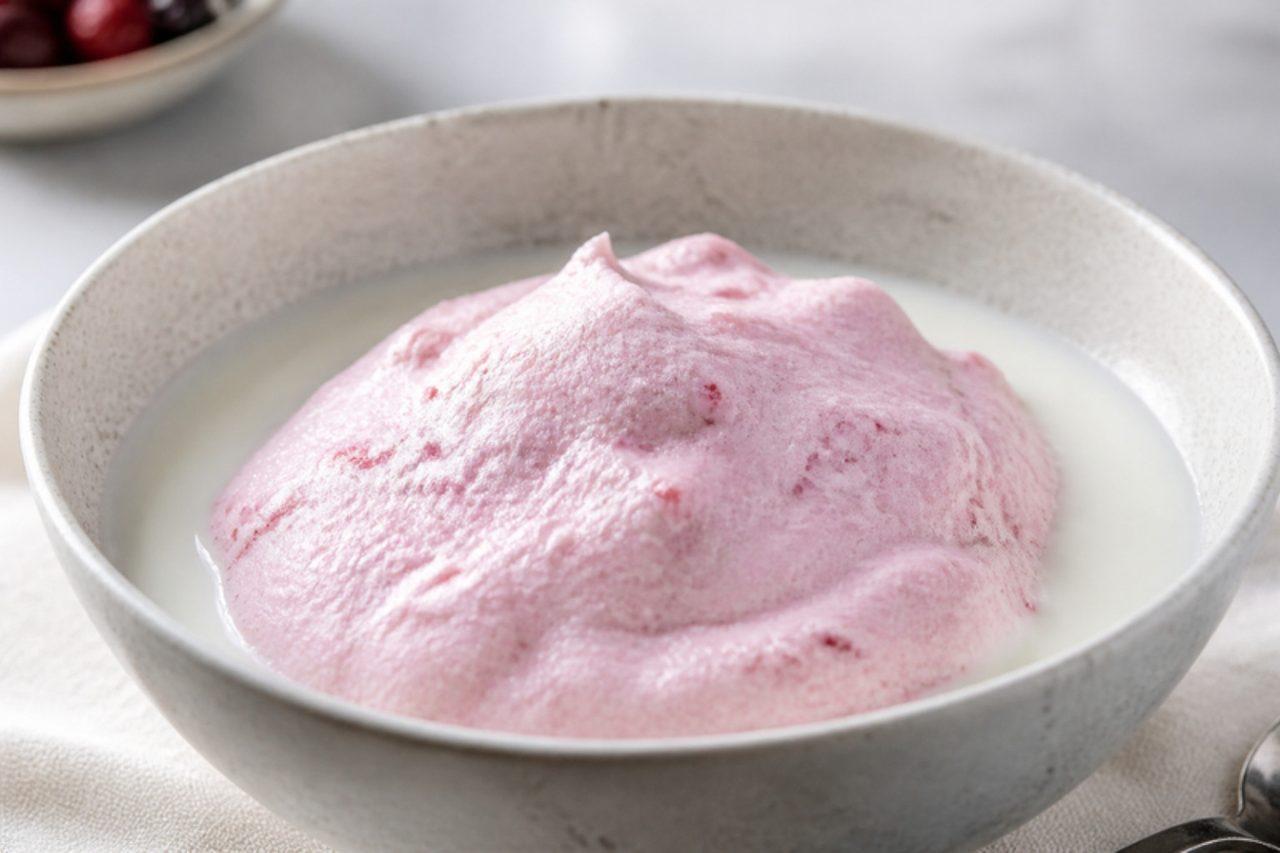
Vispipuuro

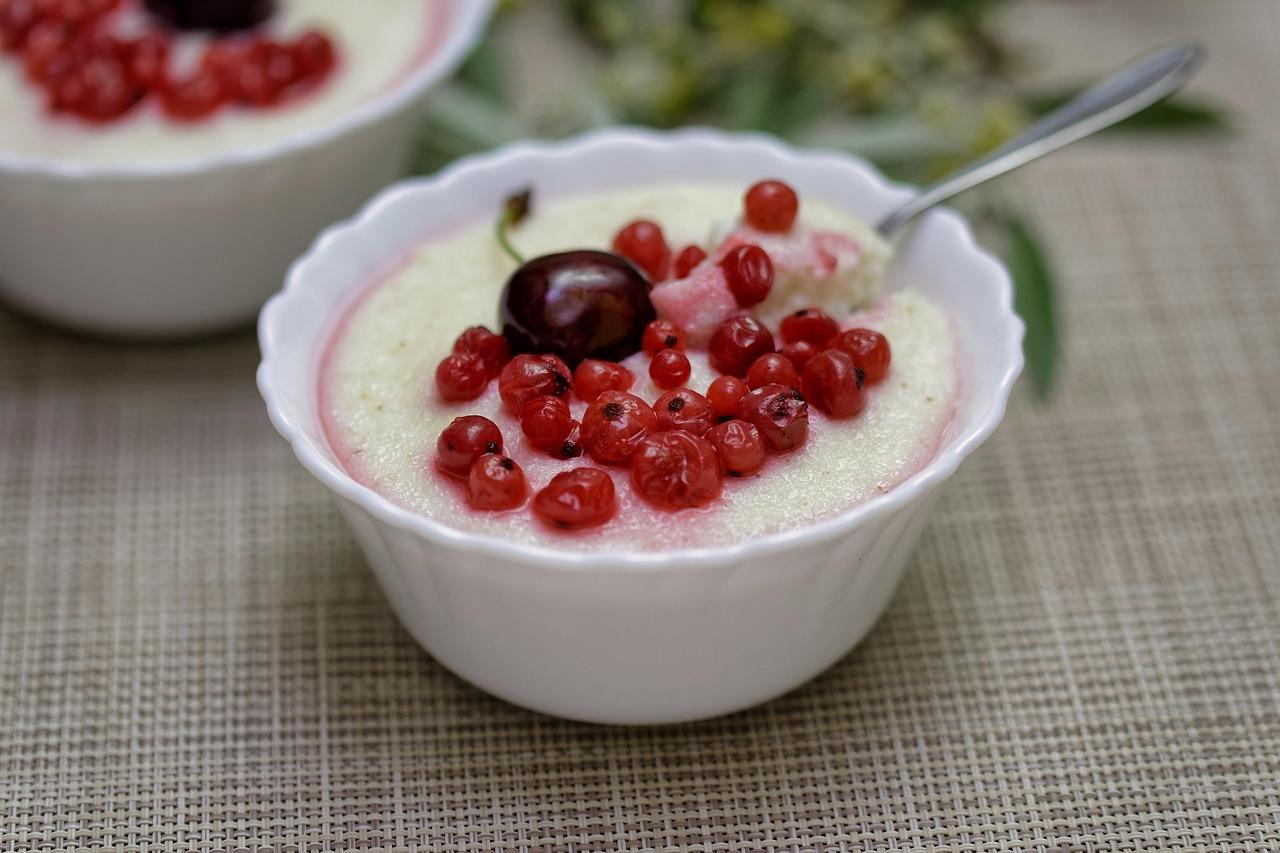
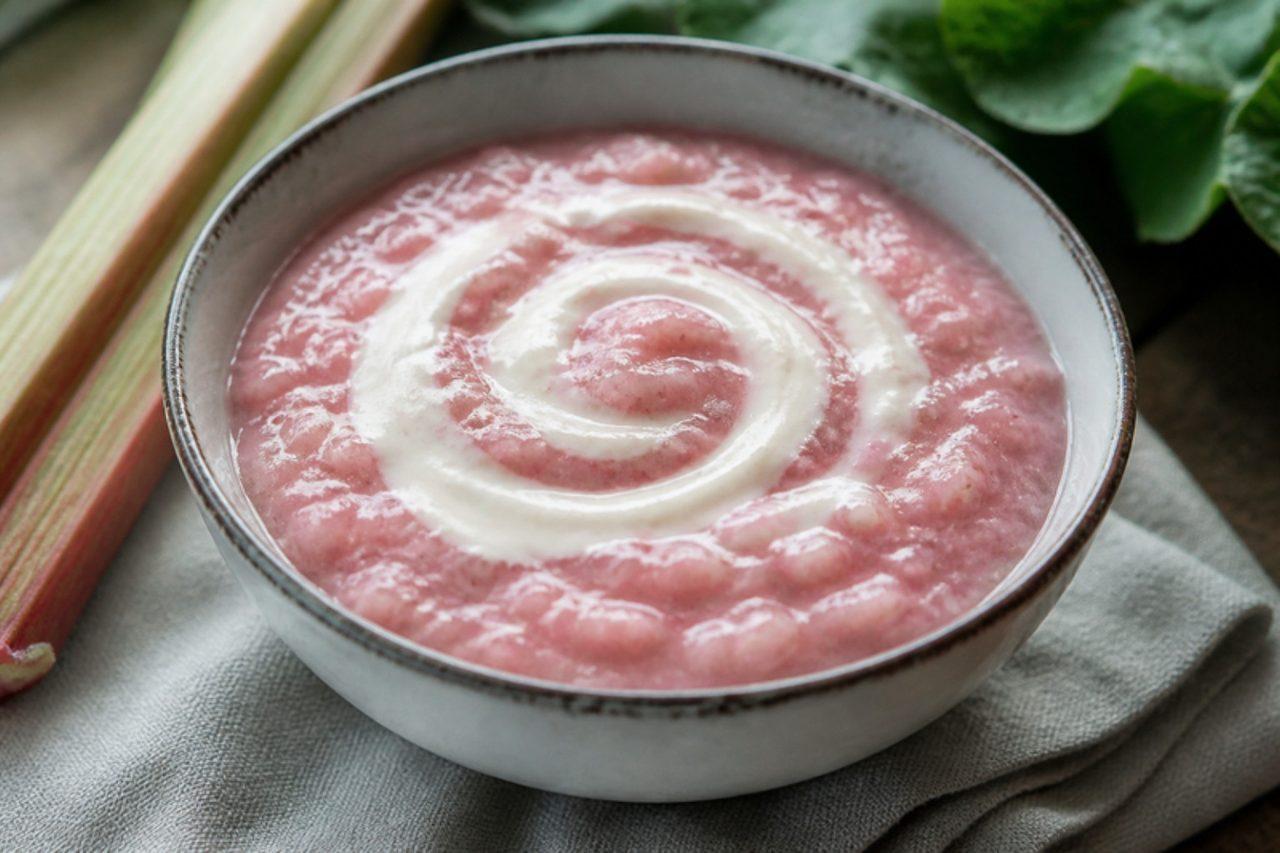
Vispipuuro, 'whisked porridge', is a Finnish childhood favourite: semolina cooked in lingonberry juice and water with sugar, then cooled and whisked hard until it turns pale pink, light and fluffy like a mousse. It is eaten for breakfast, as a dessert at school, or as a snack, with cold milk poured around it. Cranberries or redcurrants work too. A common mistake is whisking it while still hot, which never lightens it. Chef's tip: cool the porridge in a sink of cold water, then whisk with an electric mixer for 10 minutes; it will double in volume. Serve with oat milk to keep it vegan.

by KrazyBadal 0 views
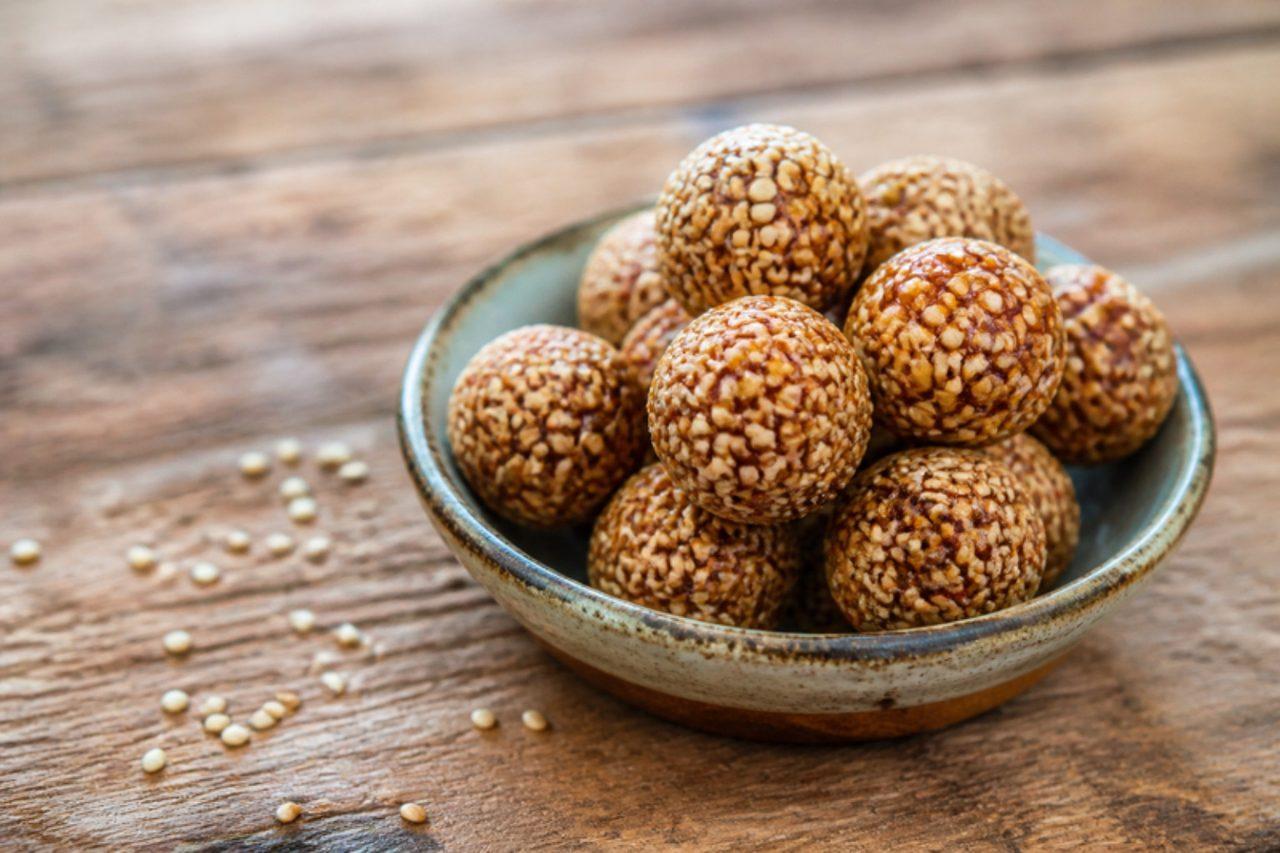

Tobago benne balls

Benne is the West African word for sesame that survived in Tobago, and benne balls are the little brown, crunchy candies sold in paper bags at Scarborough market and by vendors on the beach roads. Toasted seeds are stirred into molasses and sugar boiled to the hard stage, then rolled while warm into marble-sized balls. The common mistake is under-boiling the syrup, which gives soft, sticky balls that never set; test it in cold water. Work quickly and carefully, as the syrup is very hot. Chef's tip: toast the seeds only to pale gold; they keep darkening in the hot syrup and turn bitter if they start dark.

by KrazyBadal 0 views

Khoshaf

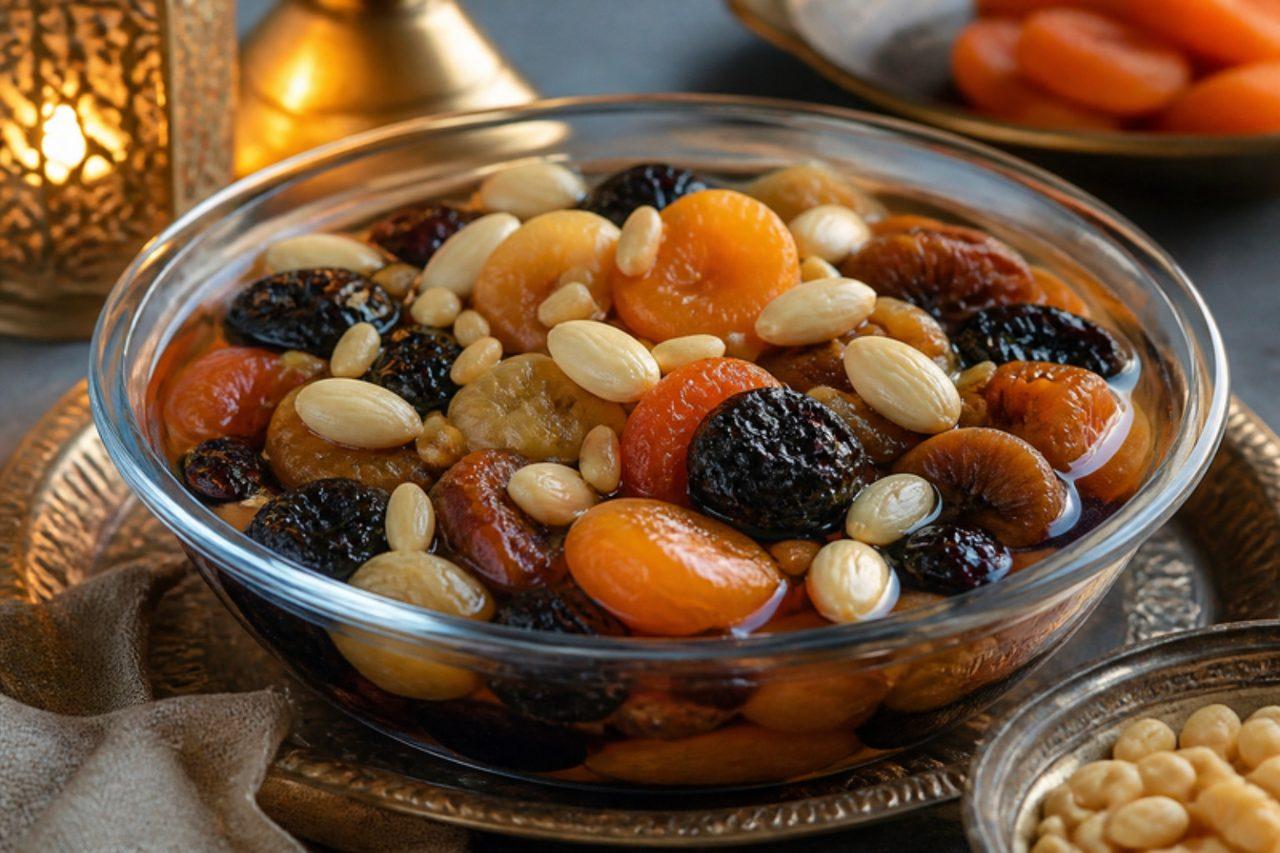
Bowls of khoshaf sit on the iftar table all through Ramadan in Egyptian homes, and many people break their fast with a few dates and a glass of it before anything else. Dried apricots, prunes, figs and raisins soak overnight in lightly sweetened water until they swell, and the liquid turns into a fruity, amber syrup; toasted almonds and pistachios go on top for crunch. It is cool, gentle on an empty stomach and full of natural sugars. Soaking it on the counter in warm weather is the usual mistake, as it can start to ferment, so always soak it in the fridge. Chef's tip: add a teaspoon of orange blossom water just before serving rather than at the start; it fades overnight.

by KrazyBadal 0 views

Gesztenyepüré

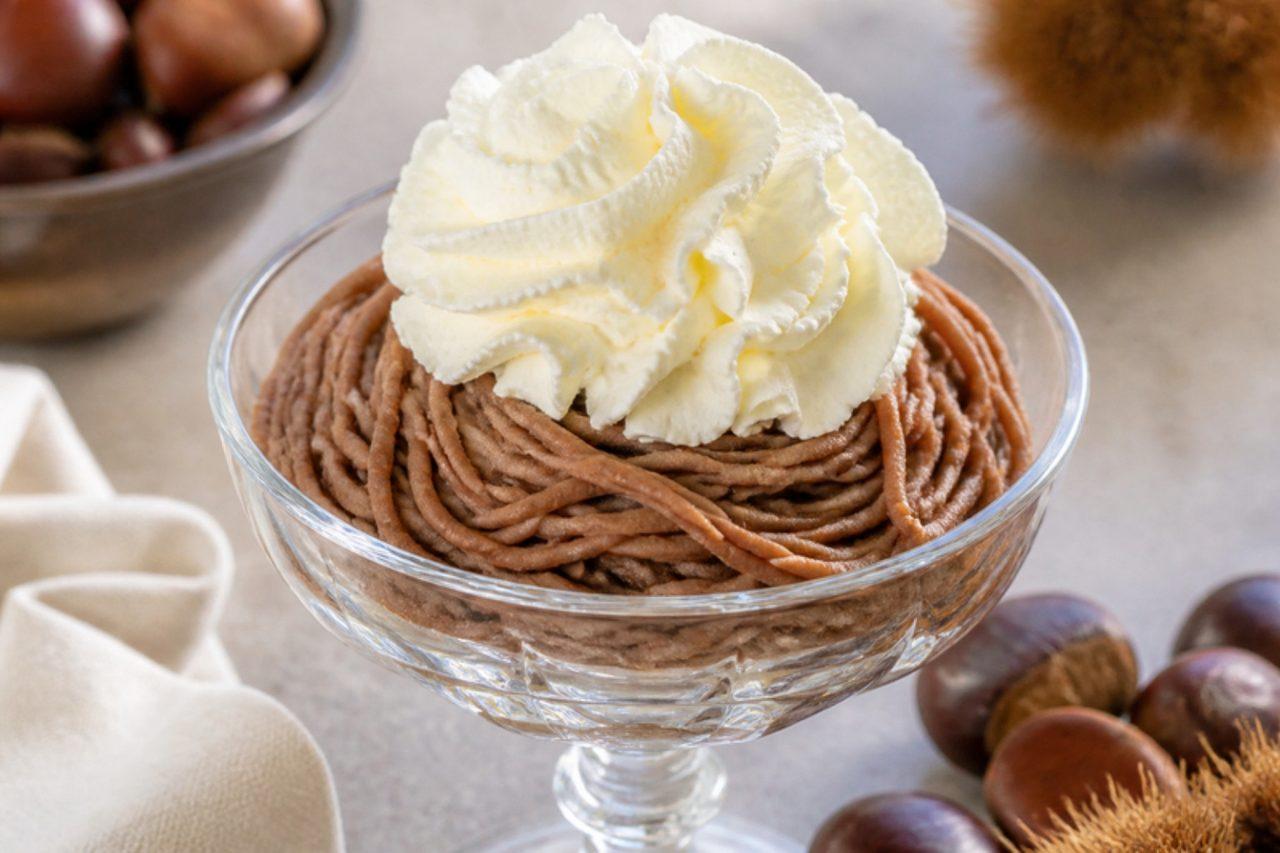
No Budapest cukrászda menu in autumn is complete without a glass of gesztenyepüré: sweet chestnut purée pushed through a potato ricer so it falls in loose brown strands, crowned with a cloud of whipped cream and often a glacé cherry. It is soft, nutty and creamy rather than sugary, and it came to Hungary from Viennese kitchens in the days of the empire. Classic café versions add a splash of rum to the chestnuts; this one leaves it out and uses vanilla and a little cocoa, so it is alcohol-free. A common mistake is pressing the purée into the glass with a spoon, which turns it into a dense paste; let the strands fall loosely straight from the ricer. Chef's tip: chill the purée well before ricing, because cold purée holds its strands and the cream stays on top.

by KrazyBadal 0 views

Chokladbollar

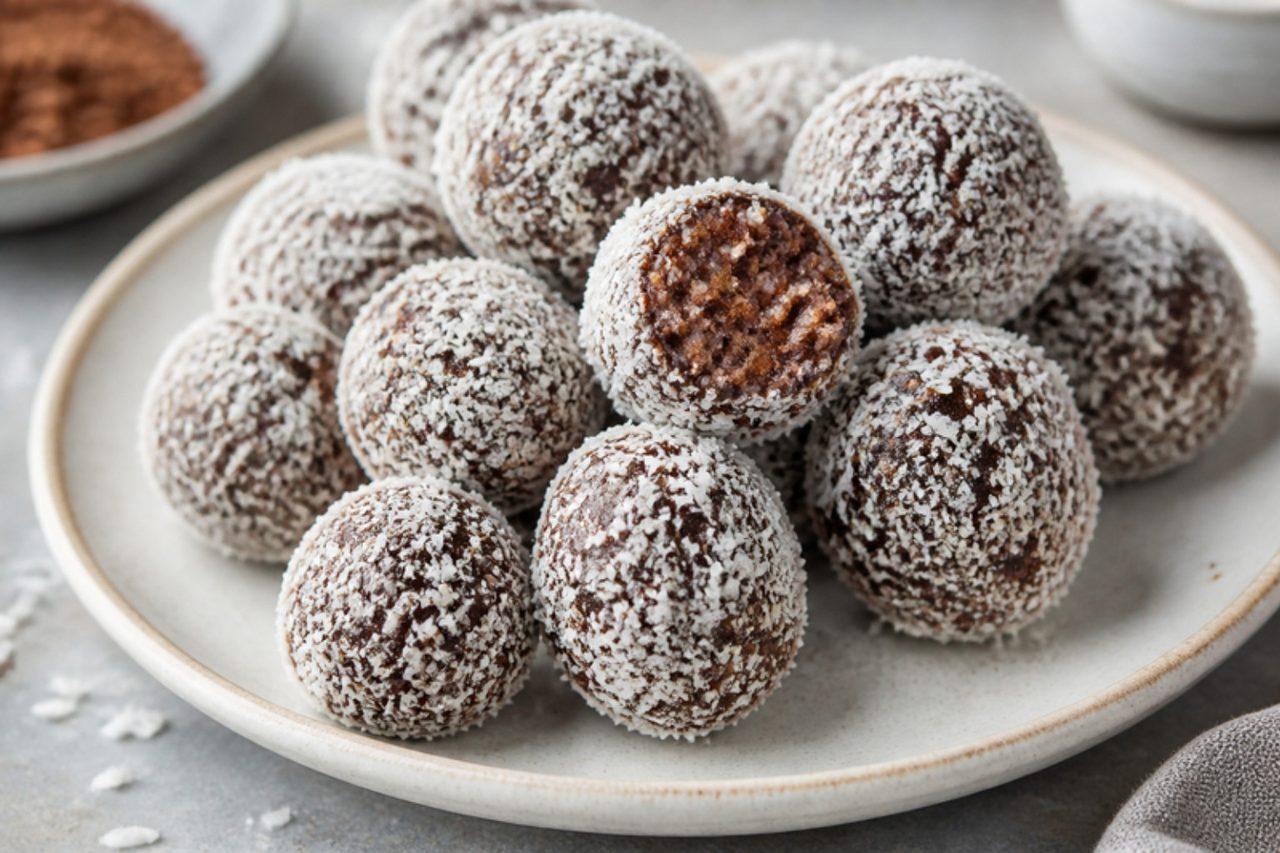
Chokladbollar are the first thing Swedish children learn to make: oats, butter, sugar and cocoa mashed together by hand, rolled into balls and coated in desiccated coconut or pearl sugar, then chilled. They sit in every café cabinet in Sweden for fika, and grown-ups add a spoon of strong coffee to the mix. This version uses milk, with coffee as an option for adults. A common mistake is using soft, melted butter, which makes a greasy mix that won't roll. Chef's tip: use butter at cool room temperature and chill the mix for 20 minutes before rolling.

by KrazyBadal 0 views

Tejbegríz

Ask Hungarians what they ate in the nursery or at the school canteen and tejbegríz comes up again and again: semolina cooked slowly in sweet milk until it is thick, smooth and comforting, then dusted with cocoa sugar or cinnamon sugar while it is still steaming. It is a supper for small children, a quick breakfast on a cold morning and the thing grown-ups make when they feel unwell. Some families add a spoon of jam or a knob of butter on top. Where most people go wrong is tipping the semolina in all at once, which makes lumps; rain it in slowly while you whisk. Chef's tip: take it off the heat when it is still slightly looser than you want, because it keeps thickening as it cools in the bowl.

by KrazyBadal 0 views

Kanya

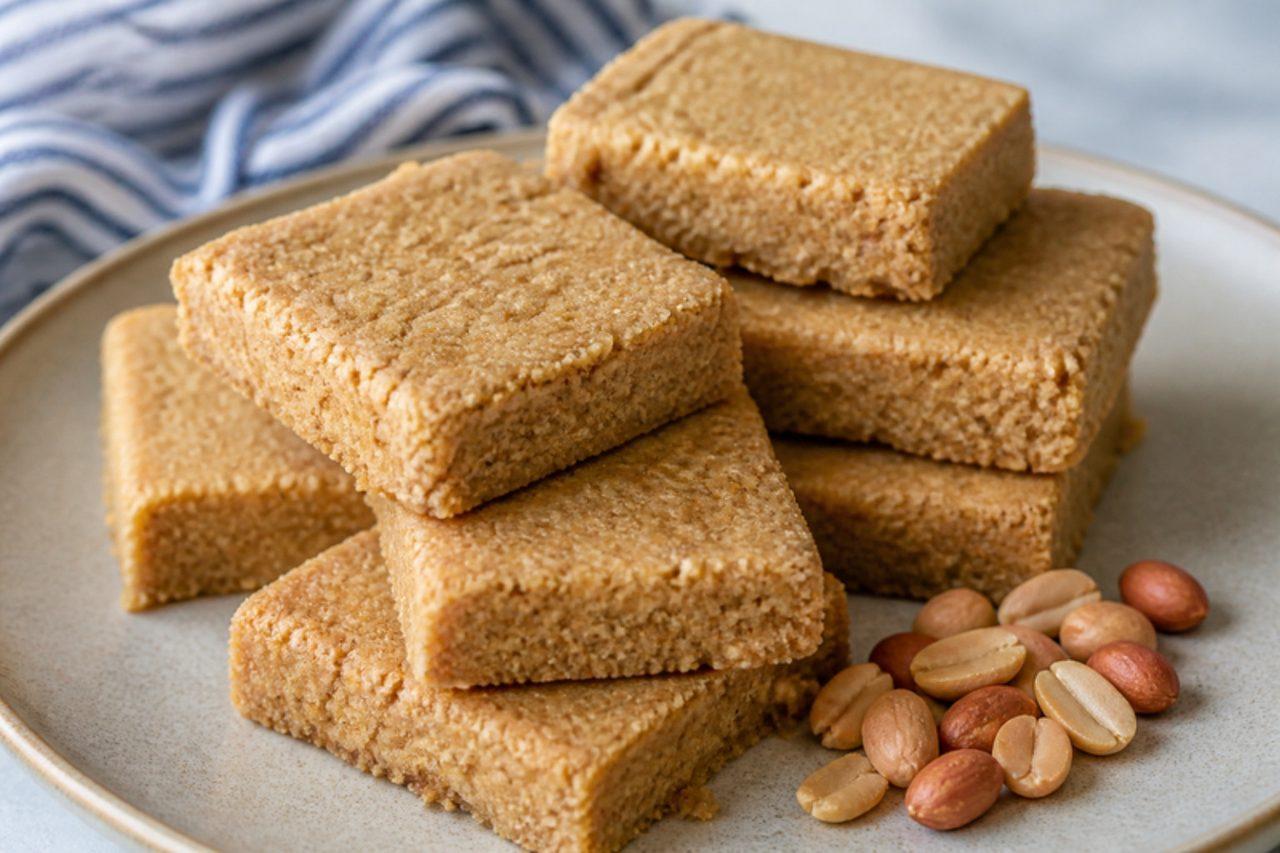
Children in Freetown buy kanya from school-gate sellers and market trays, wrapped in paper, and Sierra Leoneans abroad pack it in suitcases to share. It is a pressed sweet of roasted groundnuts pounded with sugar and toasted rice flour, crumbly yet firm, a little like a rustic peanut fudge. Traditionally everything is pounded in a mortar; a food processor does the job in a minute. Store the bars in an airtight tin for up to a week. Chef's tip: stop blending the moment the crumbs clump when squeezed; a few seconds more and the peanuts release their oil and the mixture turns greasy.

by KrazyBadal 0 views

Kogel-mogel

Ask anyone who grew up in a Warsaw block of flats about kogel-mogel and they will remember standing in the kitchen beating yolks and sugar in a mug with a teaspoon, waiting for it to turn pale. It is the simplest Polish treat: thick, mousse-like and very sweet, sometimes with cocoa, eaten from a glass with a spoon or dolloped on fruit. Because the yolks are raw, use pasteurised eggs, which most supermarkets sell as cartons of yolks or as pasteurised whole eggs. Even so, raw eggs are not for pregnant women, young children or anyone with a weakened immune system. The common mistake is stopping too soon; it needs a good 5 minutes of whisking until it doubles and almost all the sugar has dissolved. Chef's tip: use caster sugar, which disappears faster and gives a silkier result.

by KrazyBadal 0 views

Tamina (roasted semolina with honey)

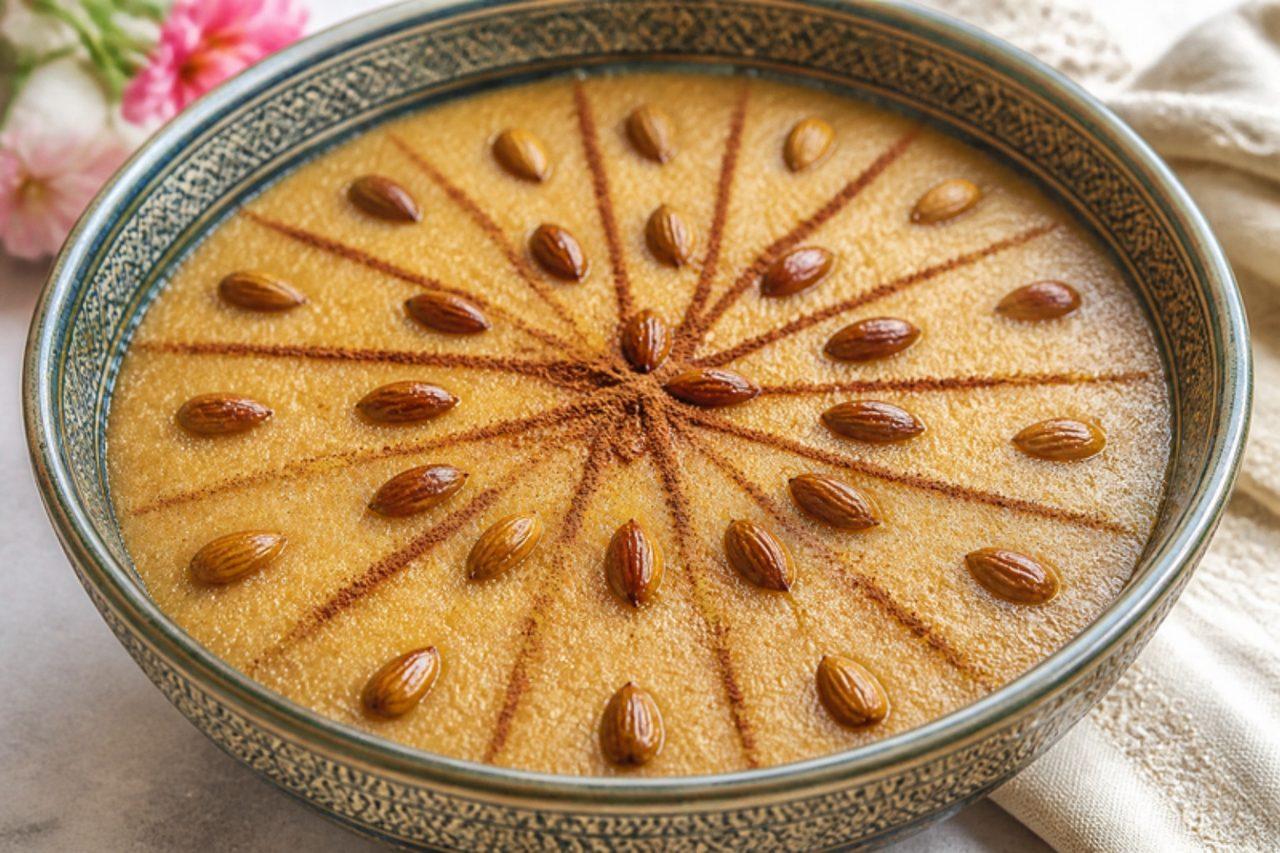
Word of a birth in an Algiers household brings a steady flow of visitors, and each is offered a small dish of tamina with coffee: semolina roasted in a dry pan until it smells like toasted hazelnuts, then bound with melted butter and honey and dusted with cinnamon. It is soft, crumbly and sweet, a little like a spoonable halva, and is said to give strength to the new mother. Tamina is also made for Mawlid and served with tea, with the cinnamon often sifted over in a lattice pattern. Chef's tip: toast the semolina slowly over a medium-low heat and stir without stopping; burnt dark specks make the whole batch bitter and cannot be picked out.

by KrazyBadal 0 views

Thala guli

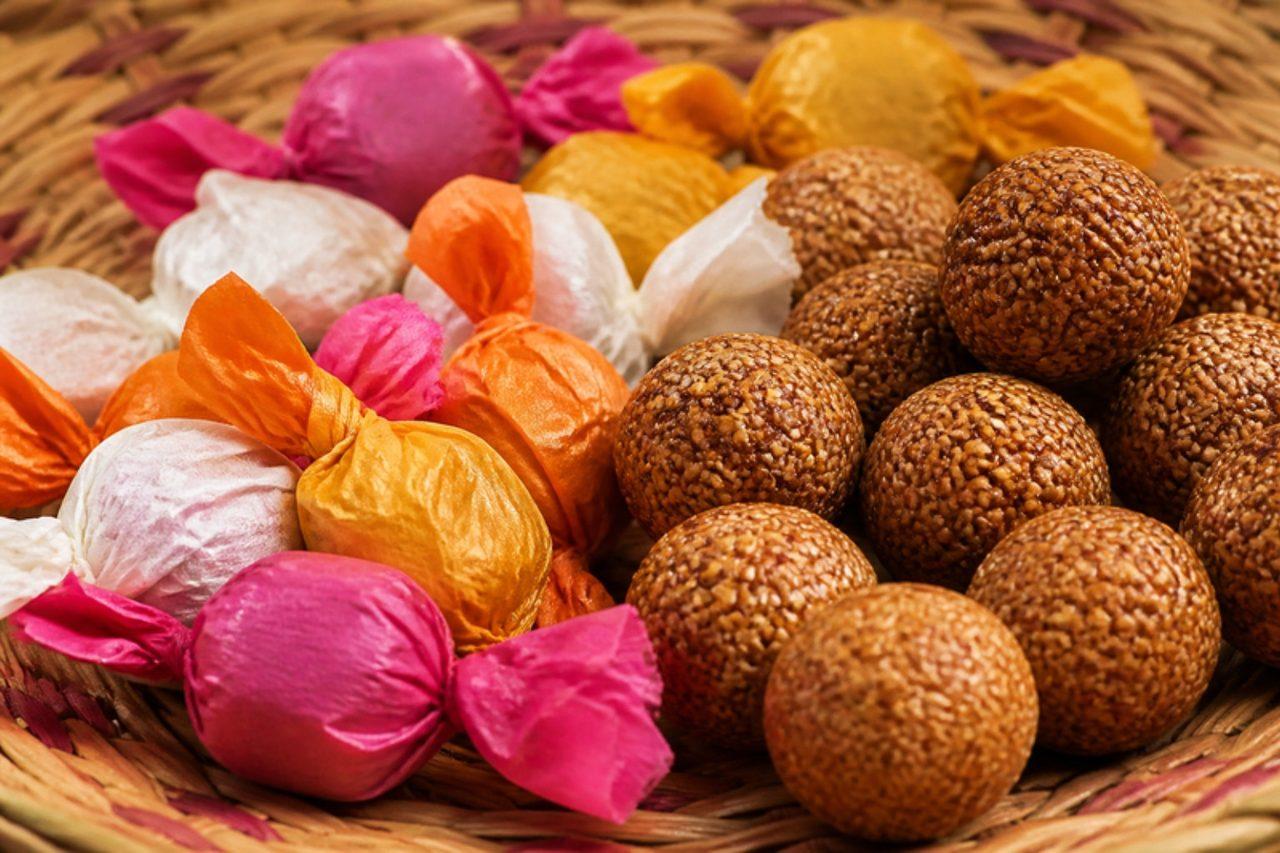
Small boutique shops all over Sri Lanka hang strings of thala guli by the till, each ball wrapped in a twist of coloured paper, and children spend their coins on them on the way home from school. They also have a place on the Avurudu table and at almsgivings, as sesame is considered an auspicious, strengthening food. Toasted sesame seeds are pounded with jaggery and a pinch of salt until the oil comes out and the mixture holds together, then rolled into little balls that are rich, nutty, slightly bitter and sweet. No cooking beyond toasting is needed, so they take barely twenty minutes. Under-toasting the seeds is the trap: pale seeds taste raw and will not release enough oil to bind, so roast until they pop and turn evenly golden. Chef's tip: pound while the seeds are still warm, when they give up their oil easily; a food processor in short pulses works too.

by KrazyBadal 0 views

Nigerian coconut candy

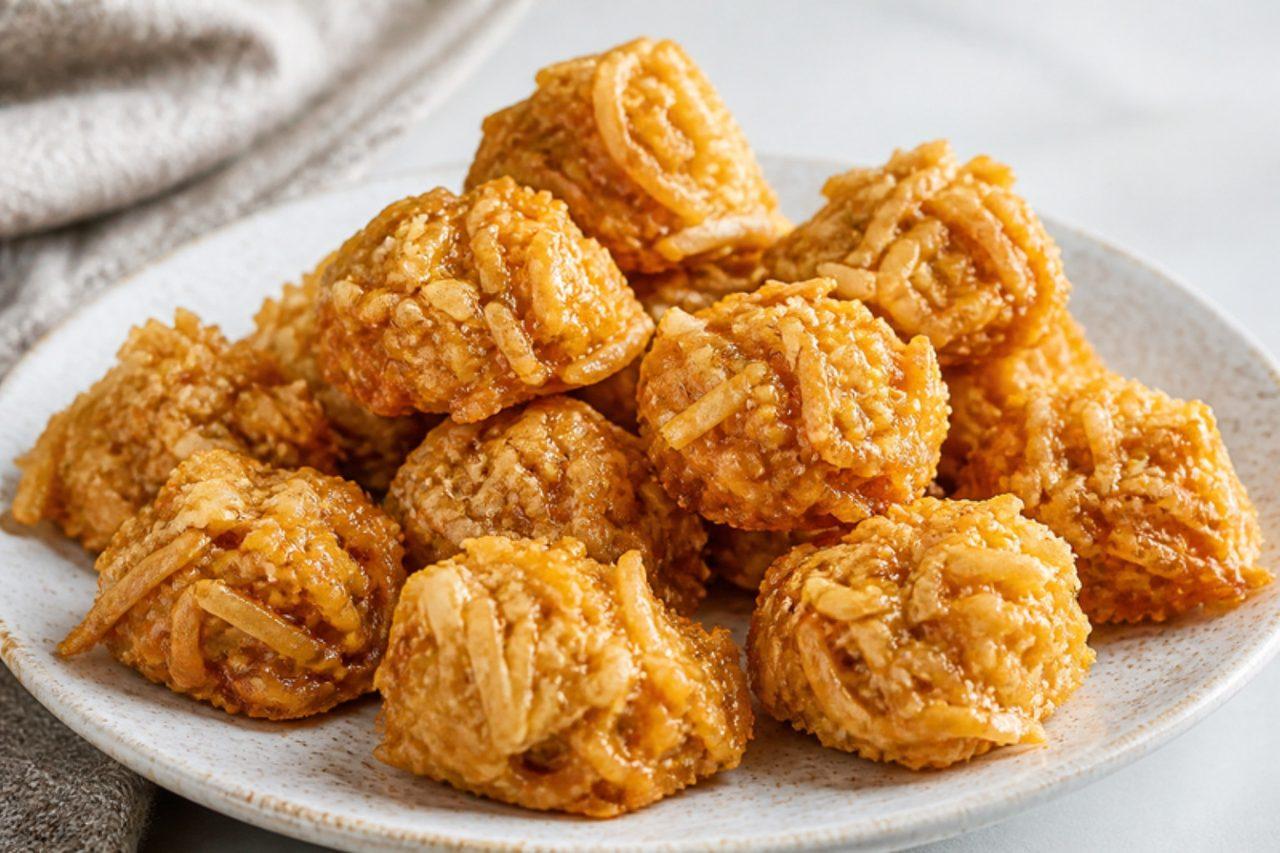
Children across Nigeria spend their pocket money on coconut candy, little clusters of fresh coconut set in amber caramel, sold in small bags by school gates and at market stalls. Made at home it takes about half an hour, with a chewy-crunchy bite and a toffee flavour against the clean taste of fresh coconut. Taking the caramel too far is the common mistake, since dark caramel tastes bitter, so stop at a deep golden colour. Children can help shape the cooled candy, but keep them away from the hot sugar. Chef's tip: use freshly grated coconut, not desiccated; its moisture keeps the clusters chewy in the centre.

by KrazyBadal 0 views

Meni-meniyong (Malian sesame honey sticks)

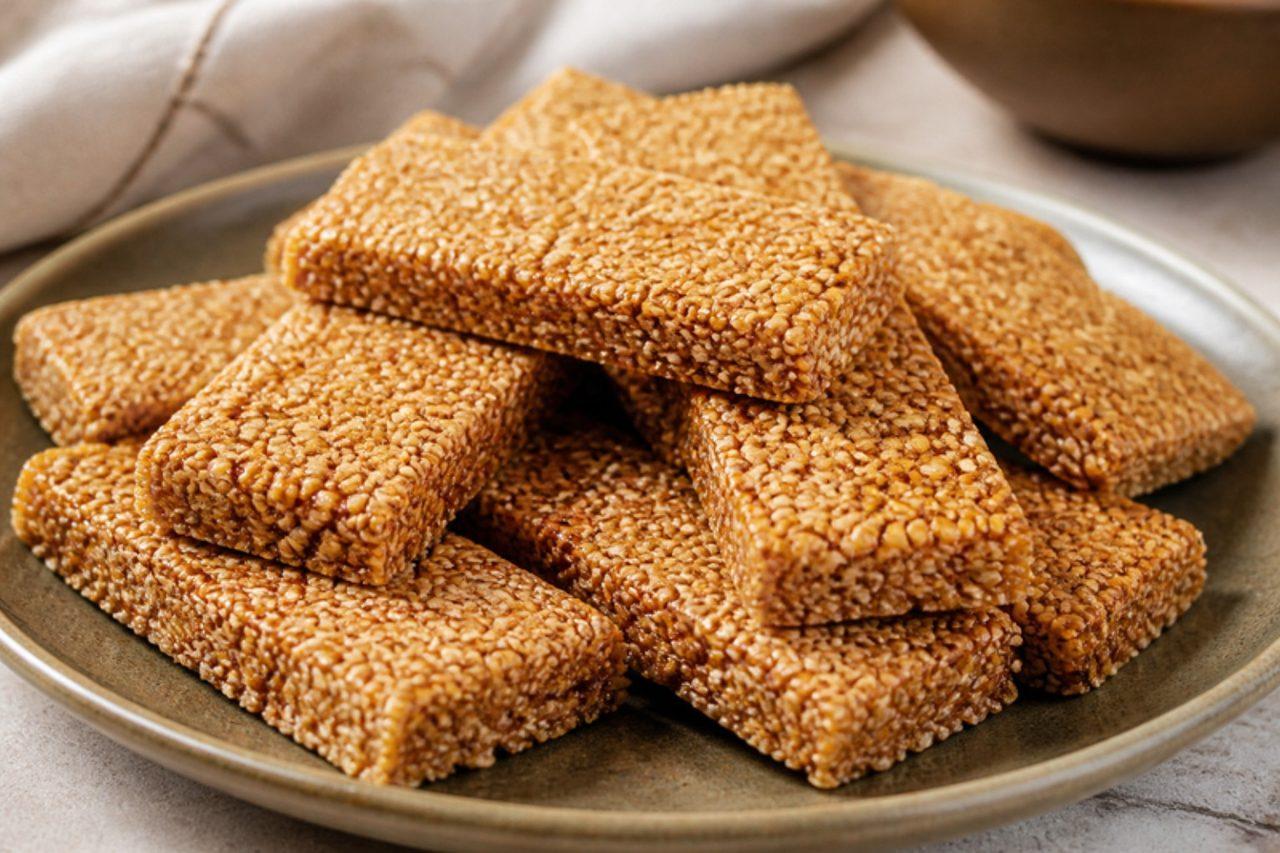
Toasted sesame seeds bound with hot honey and a knob of butter, then pulled into sticks before they harden: meni-meniyong is a little Malian sweet sold at markets and made at home for guests and festive days. The sticks are crisp at the edges, chewy in the middle, and taste deeply of toasted seeds and dark honey. They need only three ingredients but reward careful heat. Children love them, and they keep well in a tin. Chef's tip: cook the honey until a drop in cold water forms a firm ball; pulling it off too early is the usual mistake, and the sticks stay soft and sticky instead of setting.

by KrazyBadal 0 views

Nkate cake

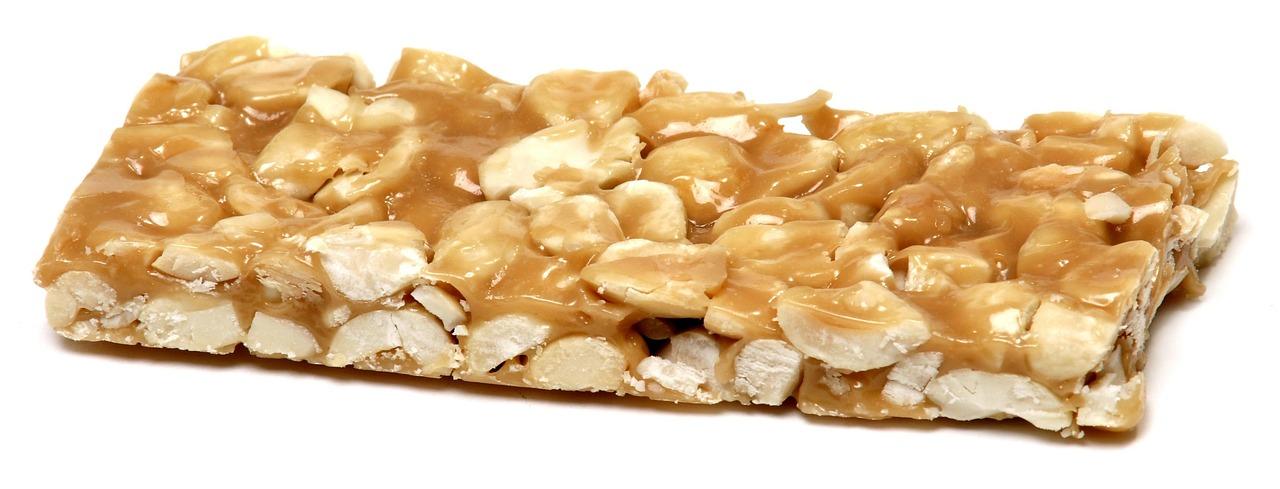
Despite the name, nkate cake is not a cake at all but a brittle: roasted groundnuts bound in golden caramel, rolled thin and cut into squares, then sold wrapped in paper by hawkers in Kumasi lorry stations and at school gates across Ghana. It is crunchy, sweet and nutty, with a hint of bitterness from the caramel, and it keeps well in a tin. Children love it, but hot sugar is dangerous, so keep them away from the pan. Chef's tip: mark and cut the squares while the slab is still warm and pliable; waiting until it is cold is the usual mistake, and it then shatters into shards.

by KrazyBadal 0 views

Mbourake (peanut and date bread crumble)

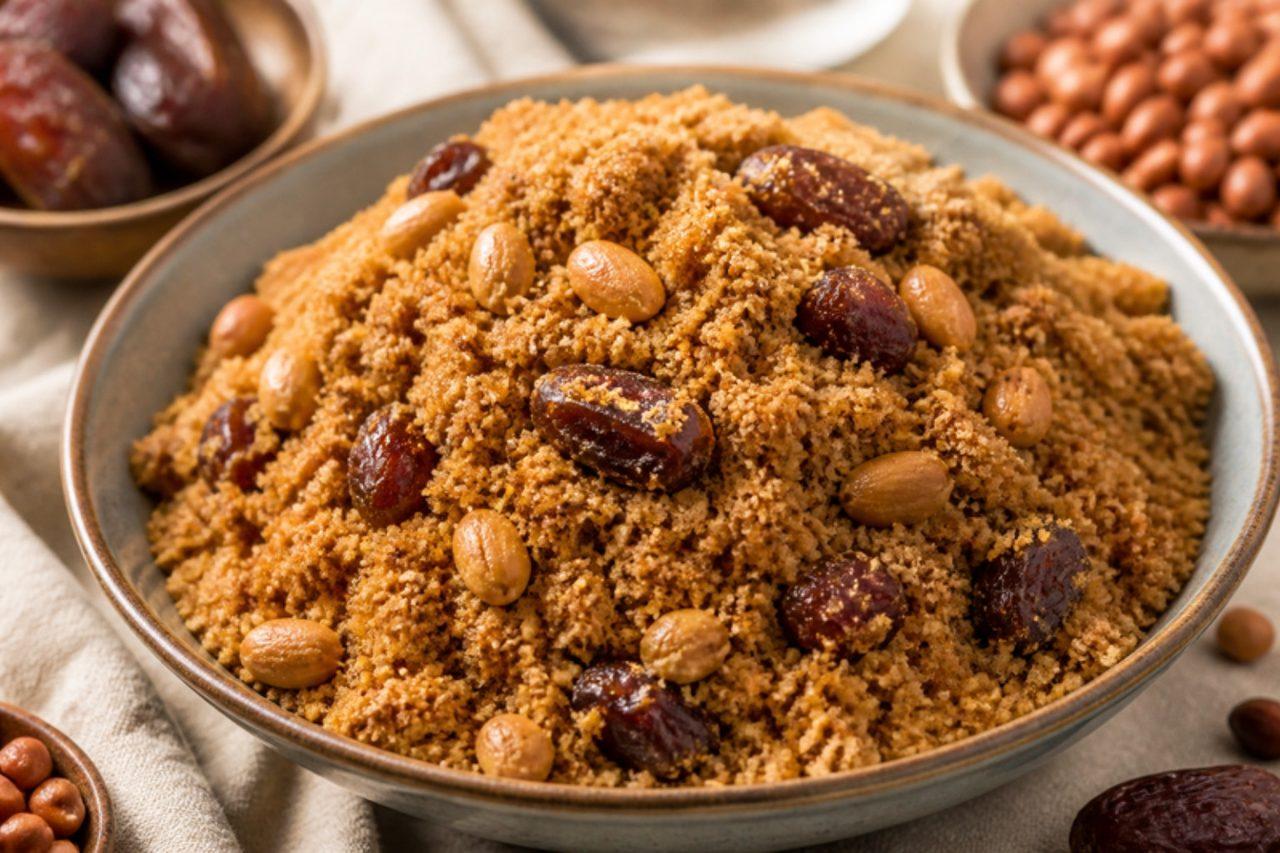
Yesterday's baguette never goes to waste in a Senegalese kitchen during Ramadan. Mbourake turns it into a rich, crumbly sweet: the bread is dried, rubbed to crumbs and pounded with roasted peanut paste and sugar until it clumps, then mixed with chopped dates and pressed into balls or served loose in a bowl at the ndogu, the evening meal that breaks the fast. Some families use steamed millet instead of bread. It tastes like a cross between peanut cookie dough and a date bar, sweet, nutty and filling, and it is good with a glass of café Touba or milk. Chef's tip: dry the bread fully until it snaps; soft bread gives a gummy paste instead of a light crumble.

by KrazyBadal 0 views

Haft mewa

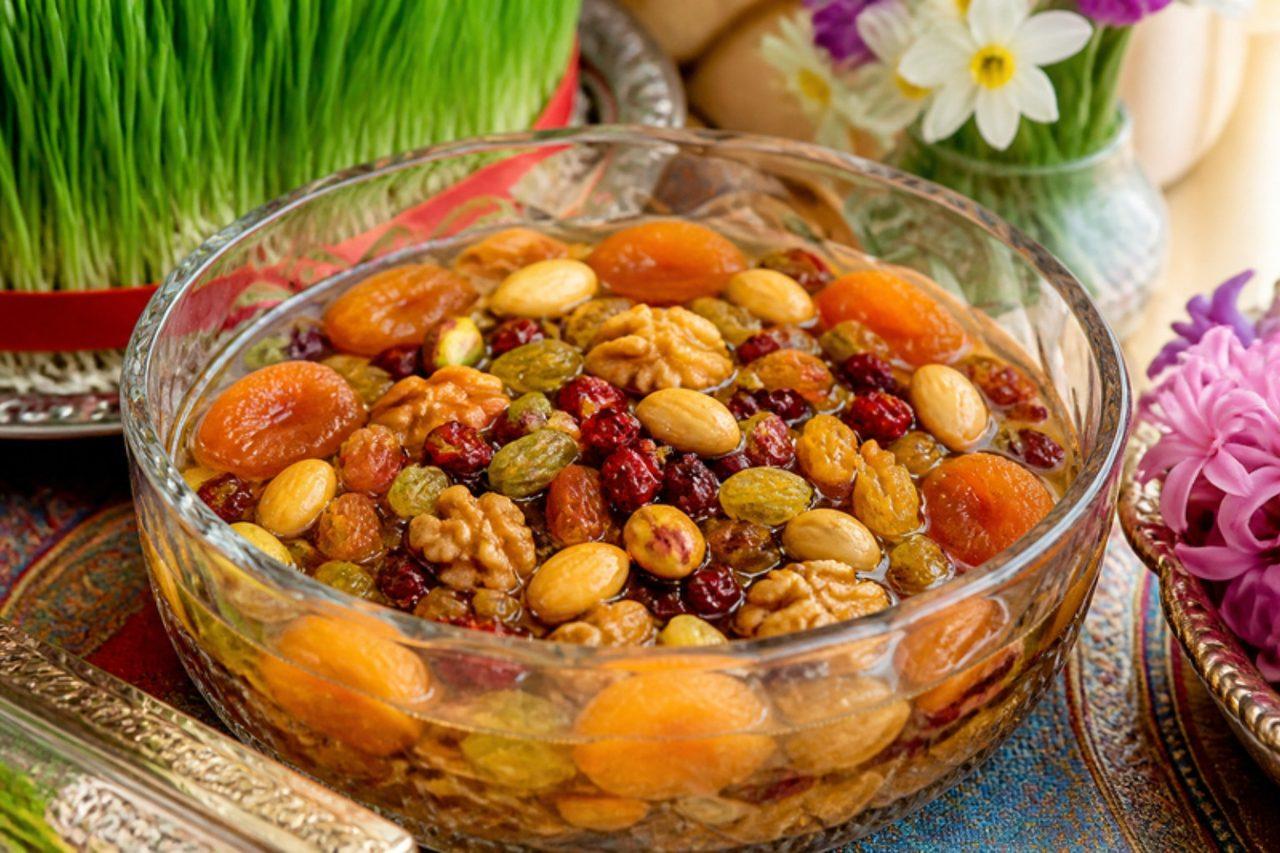
Haft mewa is the first thing many Afghan families offer visitors on Nowruz, the spring new year on 21 March, and in Mazar-i-Sharif and Kabul it sits in a big glass bowl on every table set for the holiday. Seven kinds of dried fruit and nuts, typically green and red raisins, apricots, walnuts, almonds, pistachios and senjed (dried oleaster berries), are steeped in water for two days until the fruit swells and releases its sugar into a pale amber syrup, while the nuts soften to a fresh, milky crunch. It is ladled into small bowls with plenty of liquid and eaten with a spoon. Skipping the peeling of the almonds is the most common shortcut, and it leaves bitter, papery skins floating in the syrup. Chef's tip: use cooled boiled water for the soak and keep the bowl in the fridge, which keeps the syrup clear and sweet.

by KrazyBadal 0 views

Balkaimak

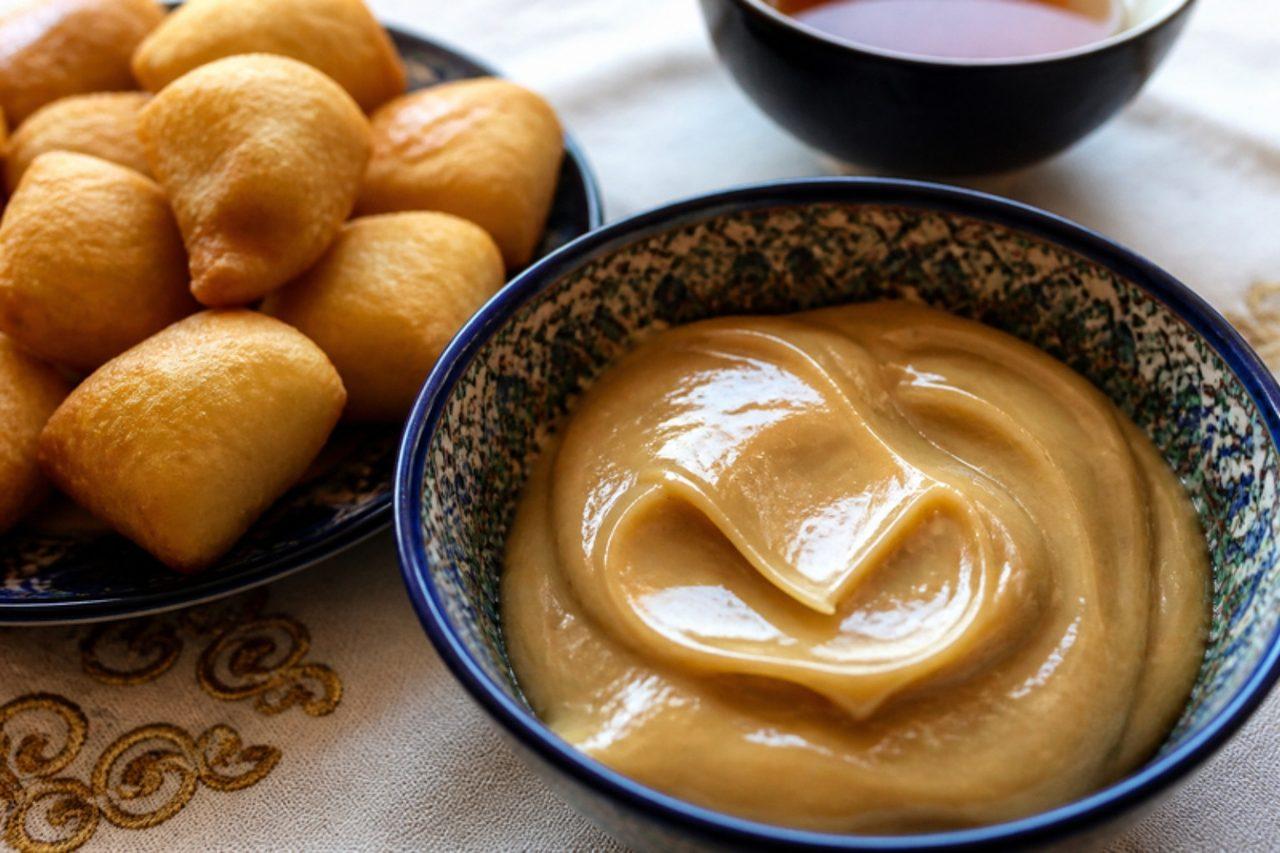
Balkaimak, 'honey cream', is the dessert Kazakh hosts put out for guests with a mountain of baursak dough puffs: thick cream simmered with honey and a little sugar until it turns into a glossy, caramel-flavoured sauce that sets as it cools. It belongs to celebrations like Nauryz and weddings across Kazakhstan, from Almaty to Shymkent. A common mistake is boiling it too hard, which makes the cream split and turn greasy. Chef's tip: thicken it with a teaspoon of flour or cornflour only if your cream is thin; good double cream thickens by itself.

by KrazyBadal 0 views

Guilinggao

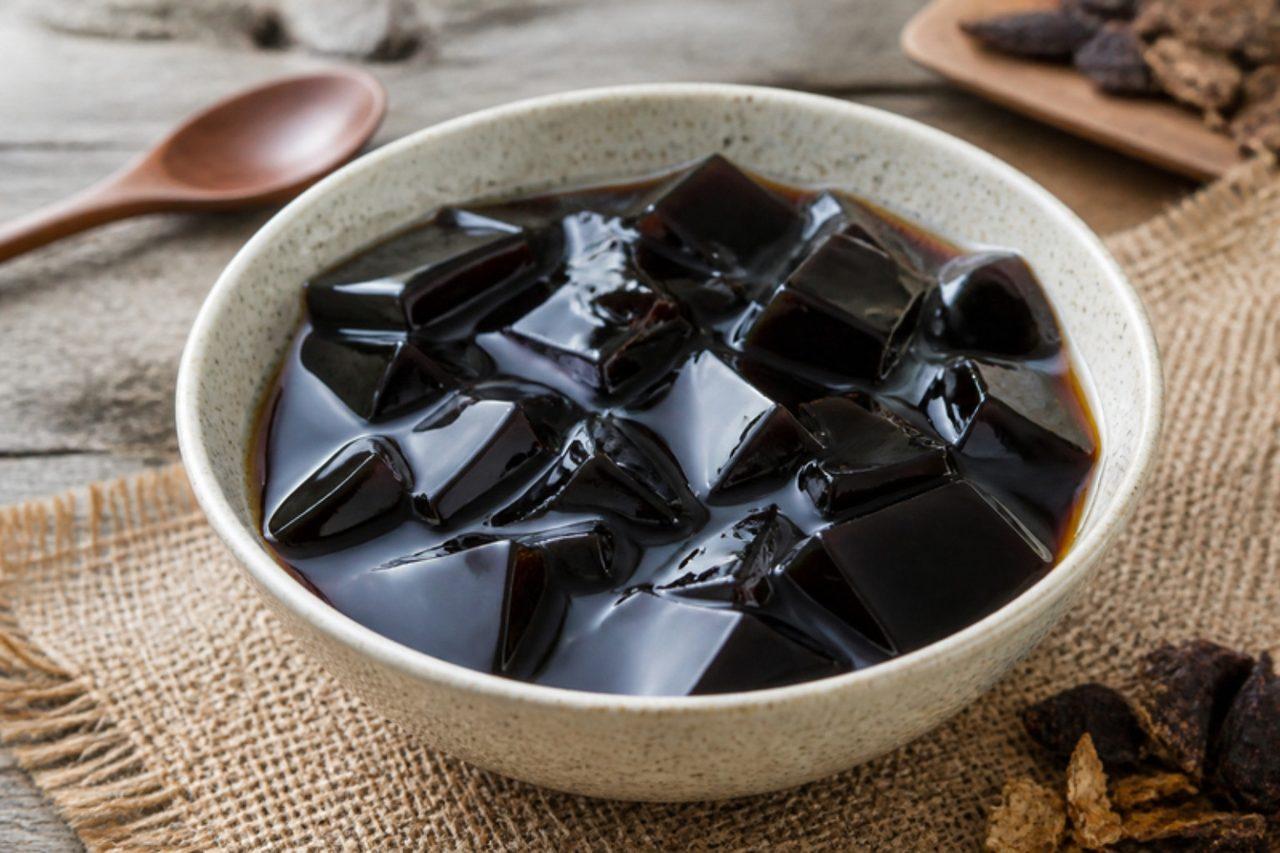
Herbal tea shops along Hong Kong's busy streets sell black, glossy bowls of guilinggao as a cooling tonic in the humid months, and families keep a few cups in the fridge to eat as an afternoon snack. The jelly is firm yet smooth, deep and woody, and properly bitter, so it's eaten with a generous pour of syrup, or honey for those who aren't vegan, and sometimes a splash of coconut milk. The original is made by boiling turtle plastron with herbs for hours; the commercially sold herbal jelly powder used here is plant-based, so this is the vegetarian version. Lumps are the usual setback, which happen when the powder is added straight to hot water. Chef's tip: whisk the powder into cold water first, then pour it into the boiling water and keep stirring until it turns glossy.

by KrazyBadal 0 views

Rabarbugrautur

Rhubarb is one of the few fruits that thrive in the windswept Faroe Islands, and rabarbugrautur, 'rhubarb porridge', is the summer pudding of Tórshavn and village kitchens alike: rhubarb stewed with sugar and thickened with potato starch into a glossy, tart, ruby-coloured pudding, served warm or chilled with cold cream or milk. A common mistake is boiling it after the starch goes in, which makes it thin and stringy. Chef's tip: take the pan off the heat before stirring in the starch slurry, then return it just until the first bubble, and stop.

by KrazyBadal 0 views

Talkhan

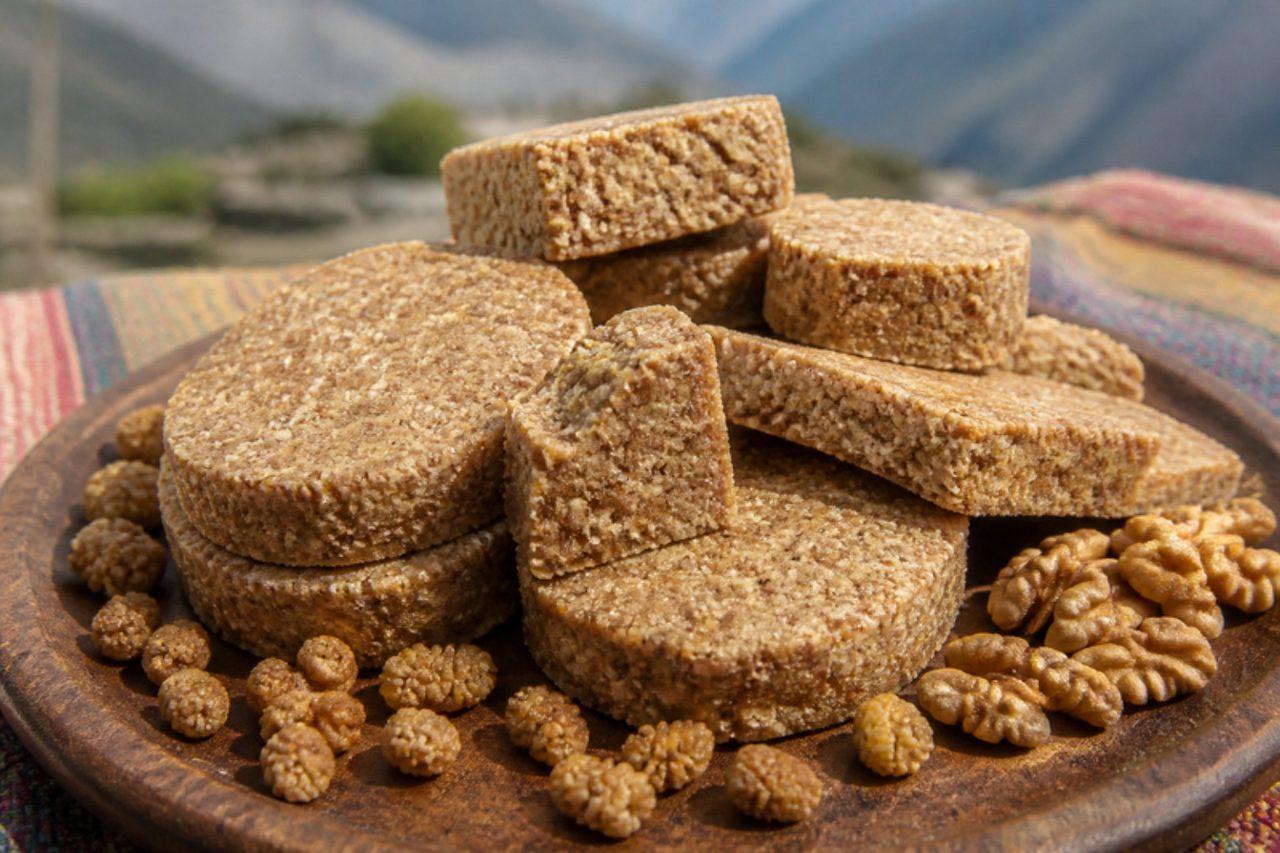
Around Bamiyan and Daikundi in the central mountains, where mulberry trees line the irrigation channels, families dry the white berries on rooftops in summer and pound them with walnuts into talkhan, a dense, chewy sweet that keeps for months. It was the food shepherds and travellers carried in a cloth for long days on foot, and it is still offered with green tea to guests in Hazara homes in winter. The flavour is honeyed, faintly fig-like and nutty, with no added sugar at all. Grinding it too fine and too long is the usual misstep, as the walnuts turn oily and the cake goes greasy; stop while there is still some texture. Chef's tip: toast the walnuts lightly and let them cool before pounding, which takes away any bitterness from the skins.

by KrazyBadal 0 views

Pohorska omleta

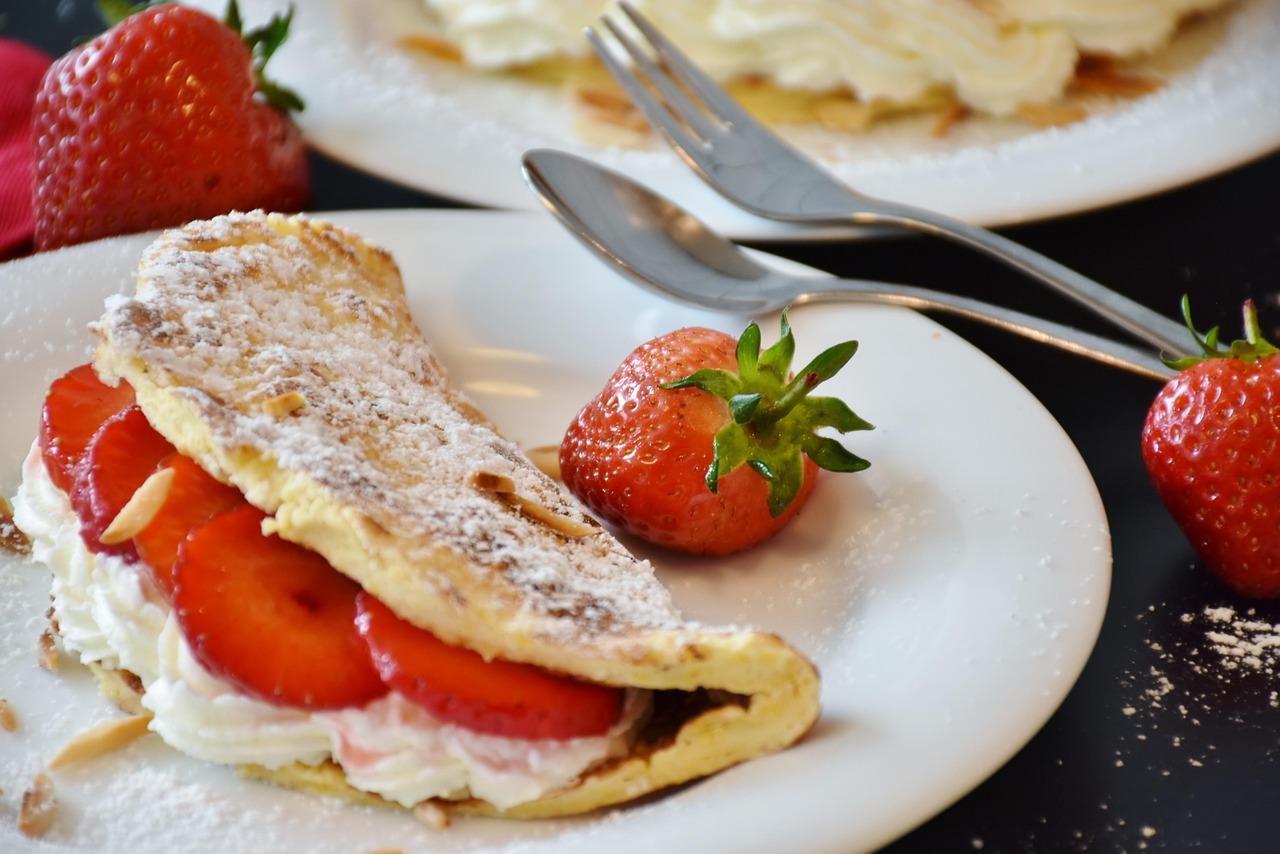
Up on the Pohorje range above Maribor in north-eastern Slovenia, mountain lodges and ski huts serve this to cold, hungry walkers and skiers: a thick, soufflé-light sweet omelette folded around tart cranberry jam and served with a cloud of whipped cream. The inside is airy and custardy, the base golden, and the sharp berries cut through the richness of the cream. Lingonberry jam is the closest match to the wild berries of the area if you can find it. The common mistake is too much heat; the base burns before the foam has set, so keep the flame low and let the grill finish the top. Make it for a lazy weekend pudding or a sweet brunch for two. Chef's tip: fold the omelette while it is hot, but put the cream on the plate, never inside, or it melts into a puddle.

by KrazyBadal 0 views

Maleeda

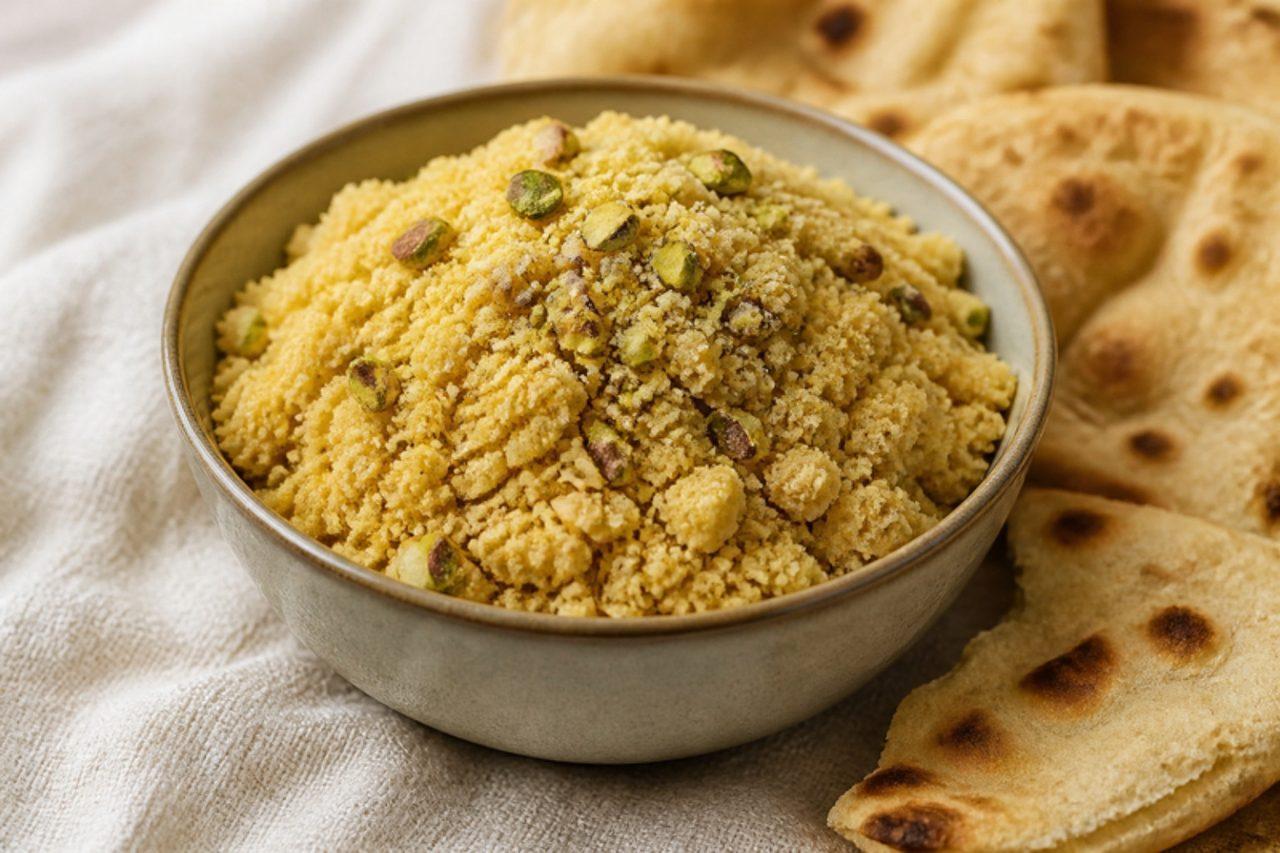
Maleeda is a sweet with a purpose: Afghan women make it as nazr, an offering promised when they pray for something, a recovery, a safe journey or a child's exam, and then share it out among neighbours or at a shrine on a Thursday evening. Thin breads are cooked on a griddle, torn up while still hot and rubbed between the palms with melted ghee, sugar and cardamom until they become soft, fragrant, golden crumbs, a bit like a warm, buttery crumble topping. It is eaten from the hand or with a spoon, sometimes with chopped pistachios. Letting the bread cool before rubbing is where it goes wrong, as cold bread will not soak up the ghee and stays in tough flakes. Chef's tip: a quick pulse in a food processor gives you even crumbs, but finish by rubbing with your fingers so the texture stays soft.

by KrazyBadal 0 views

Leipäjuusto with cloudberries

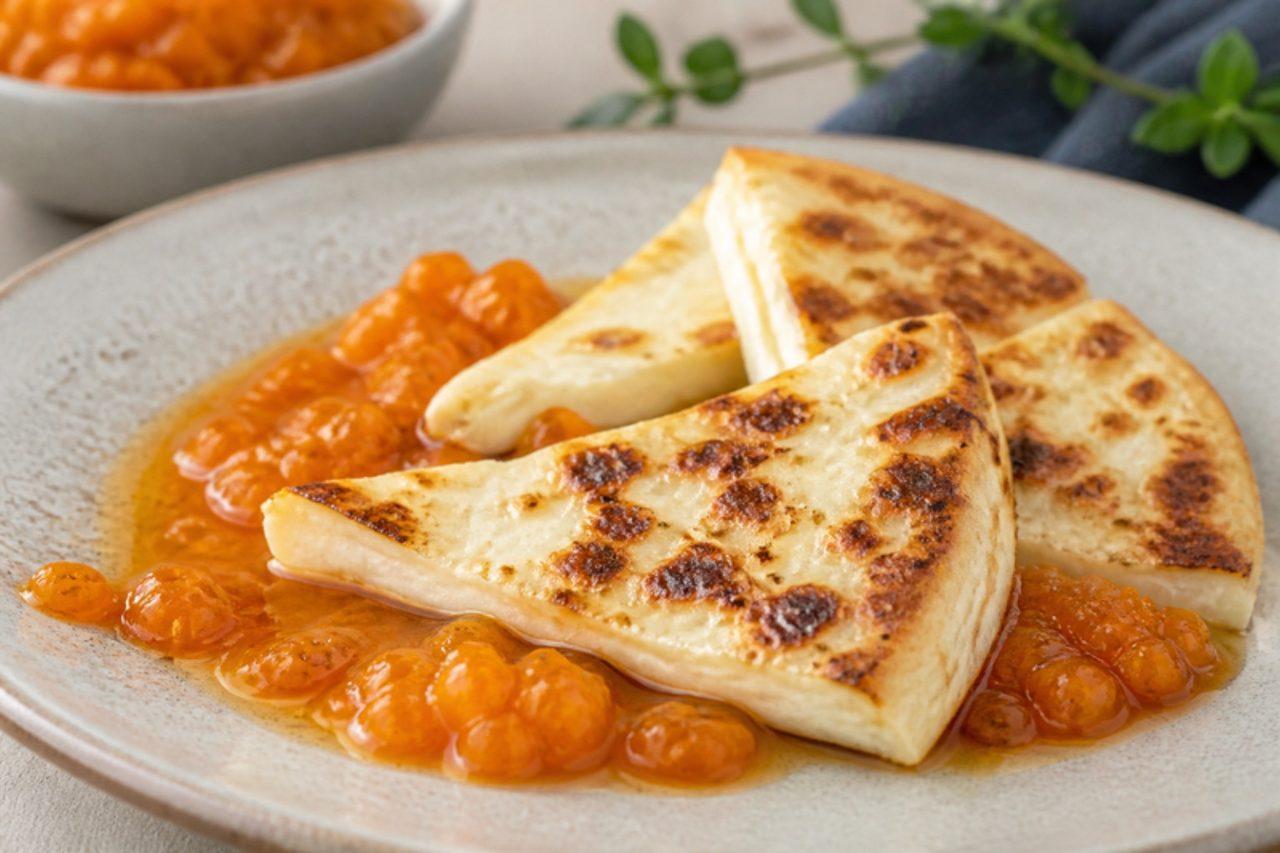
Leipäjuusto, 'bread cheese', comes from Lapland, Ostrobothnia and Kainuu in northern Finland: a flat round of fresh cheese baked or flame-grilled until it is spotted brown, squeaky and mild. In Lapland it is cut into cubes and dropped into hot coffee, or warmed and served with cloudberry jam and cream as a dessert at Christmas and celebrations. Sold as 'Finnish squeaky cheese' outside Finland; it is usually made with animal rennet, so look for a vegetarian version. A common mistake is warming it too long, which turns it rubbery and leaks whey. Chef's tip: warm it in a hot oven for just a few minutes, until soft and steaming, and pour over a little cream for the last minute.

by KrazyBadal 0 views

Hangop

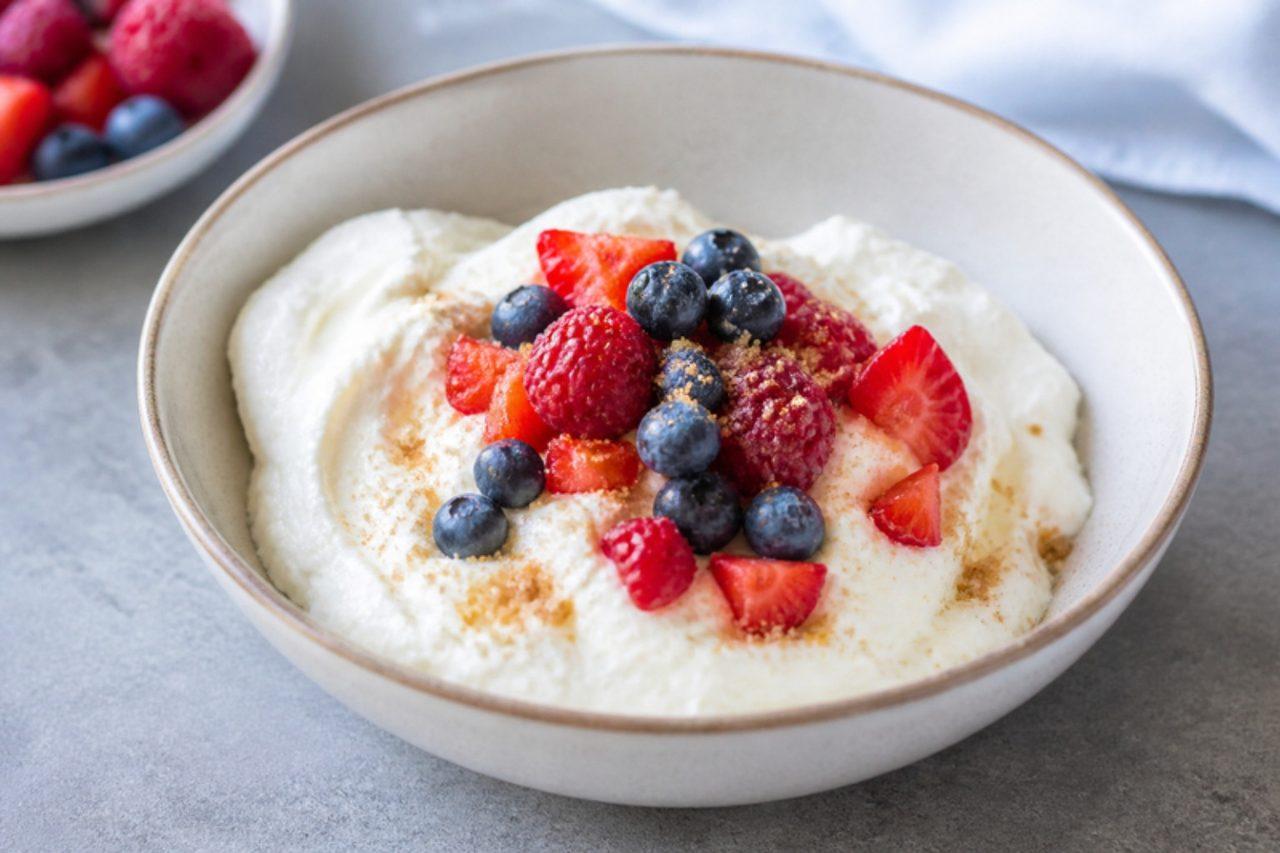
Hangop means 'hang up', and that is the method: buttermilk poured into a cloth, hung up over a bowl overnight until it thickens into something like a tangy, creamy fresh cheese. It was a summer dessert on Dutch farms, eaten with rusk crumbs, brown sugar and fresh fruit, and is having a revival in Amsterdam restaurants. A common mistake is straining it at room temperature, which lets it turn too sour. Chef's tip: strain it in the fridge, and use a clean tea towel rather than cheesecloth; the finer weave keeps more of the creamy curd.

by KrazyBadal 0 views

Piraguas

Push-cart piragüeros park by the plazas of Old San Juan and along the beaches on hot afternoons, scraping a block of ice by hand, packing it into a paper cone shaped like a little pyramid and soaking it in bright syrups: tamarindo, parcha (passion fruit), coco or frambuesa. At home, two quick fruit syrups and a blender or ice shaver do the job. The common mistake is using coarsely crushed ice, which lets the syrup run straight through; the ice needs to be fluffy like snow to hold it. Chef's tip: pour a little syrup in the bottom of the cup, pack in ice, then add more syrup, so the last bite is as sweet as the first.

by KrazyBadal 0 views

Showing 24 of 201 recipes

Show more recipes

Page 3 of 9

More collections