Skip to content

Quick desserts

Desserts and sweets ready in 30 minutes or less. (201 recipes)

Mousse au chocolat

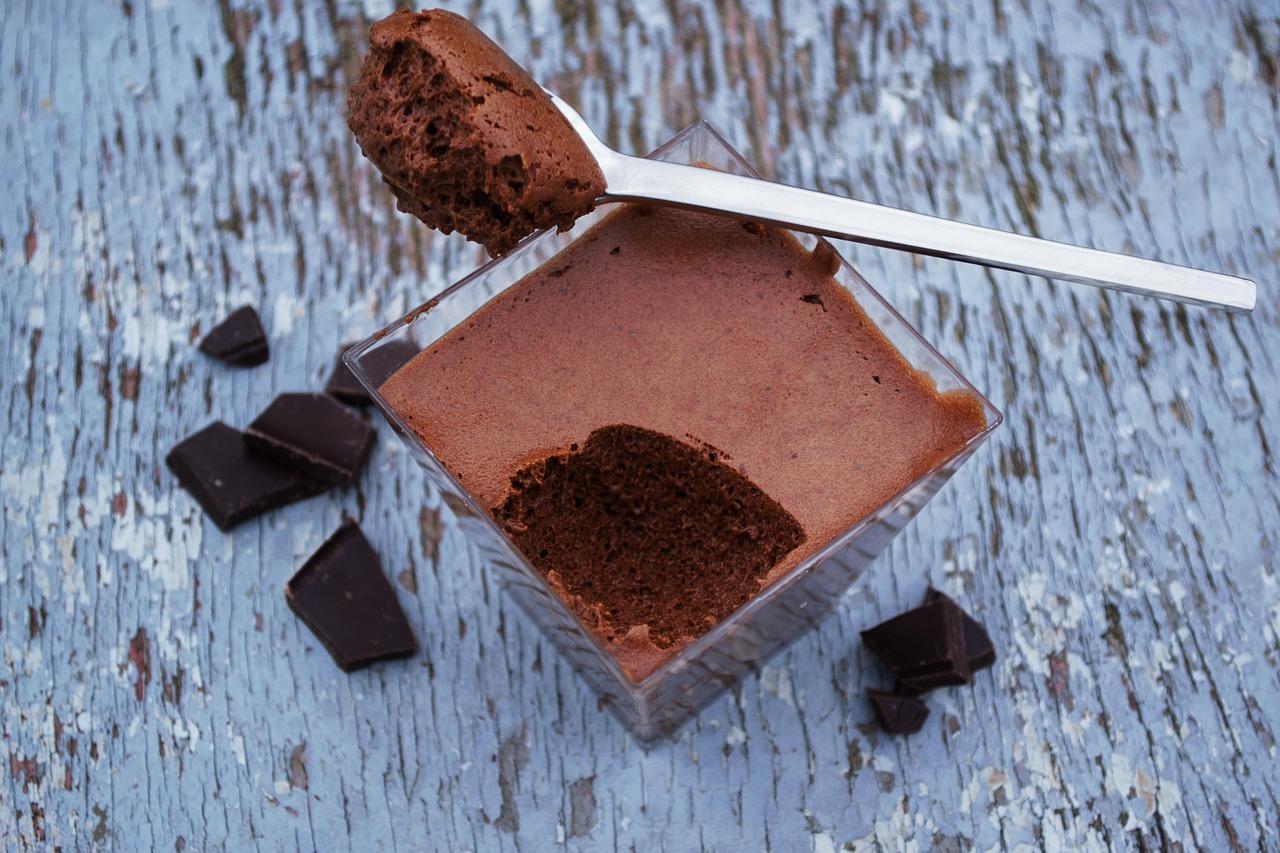
Mousse au chocolat is the dessert French children learn to make with their grandmothers and the one every bistro keeps in a big bowl in the fridge. The classic recipe is only dark chocolate, eggs, a little butter and sugar: the yolks make it rich, the whisked whites make it light and airy. It's made a few hours ahead and served in small glasses or scooped from a shared bowl. This version contains raw eggs, so use very fresh ones and avoid serving it to pregnant women, small babies or anyone unwell. For an egg-free version, see our eggless chocolate mousse. Chef's tip: let the melted chocolate cool until just warm before adding the yolks; adding them to hot chocolate is the common mistake and they scramble.

by KrazyBadal 0 views

Koat pitha

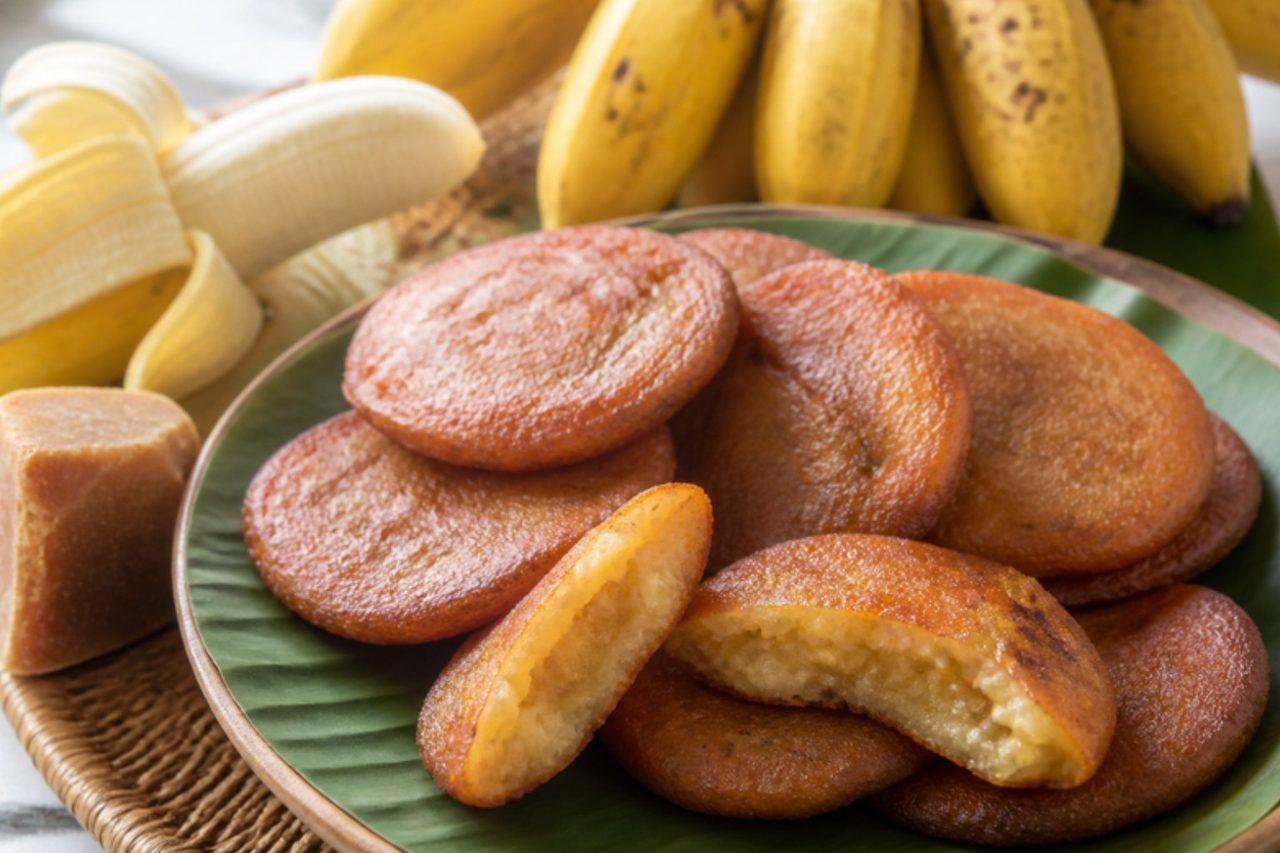
Koat pitha is Mizoram's favourite tea-time snack, sold in Aizawl's bakeries and street stalls and fried at home whenever bananas go soft: mashed ripe banana is mixed with rice flour and jaggery into a thick batter and fried in spoonfuls until crisp, brown and puffed. Inside they are soft and sticky-sweet. They are served at church gatherings and with red tea on wet afternoons. Chef's tip: the riper the bananas the better; spotted, almost black ones give the most flavour and sweetness.

by KrazyBadal 0 views

Greek yogurt with honey and walnuts

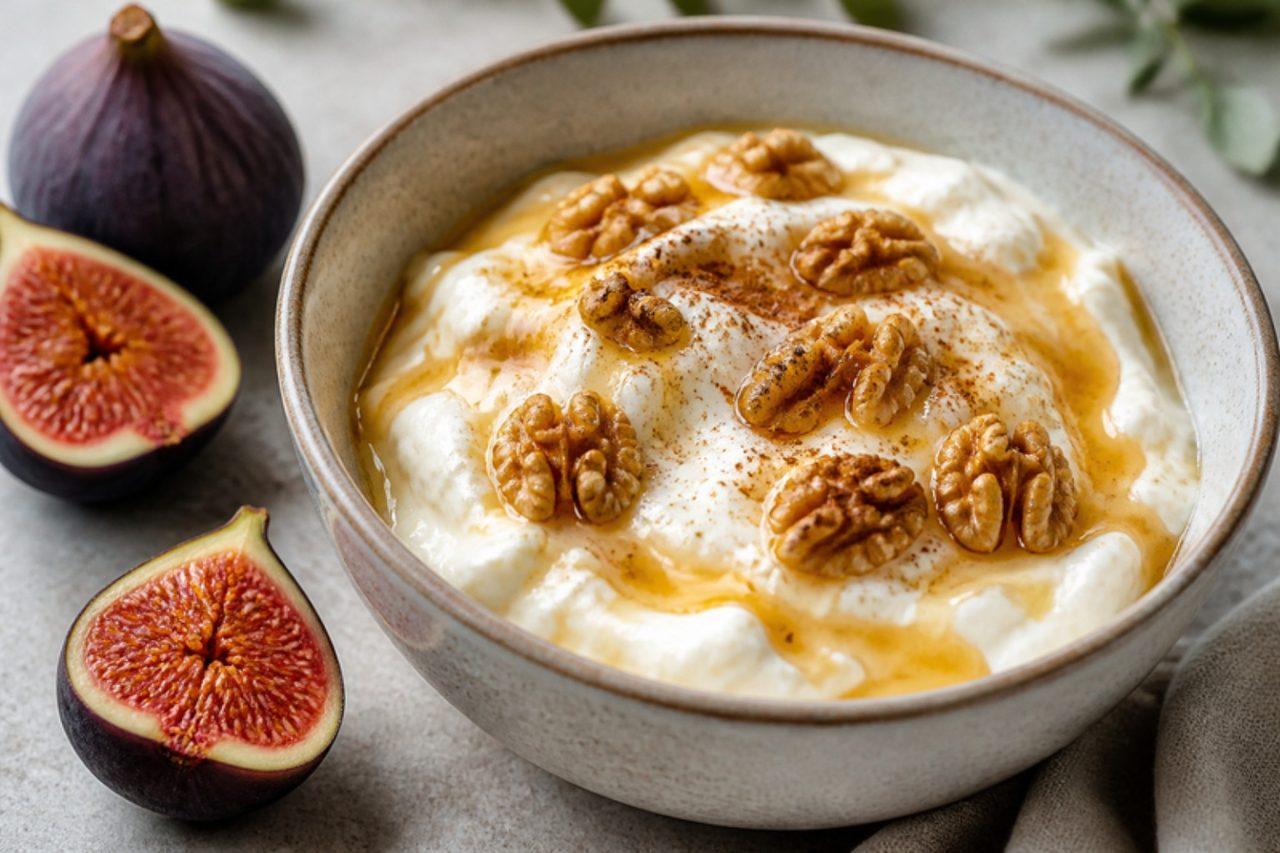
This is the dessert Greek tavernas bring out on the house at the end of a meal, and a common breakfast in homes and hotels from Crete to Corfu. Thick strained yogurt, ideally the sheep's-milk kind with a skin on top, is drizzled with dark thyme honey and scattered with walnuts. Simple as it is, the details matter: rich yogurt, good honey and nuts toasted just before serving. Add fresh figs or a spoon of quince preserve if you have them. Chef's tip: warm the honey for a few seconds so it runs in ribbons; cold honey is the common mistake and just sits in a blob.

by KrazyBadal 0 views

Crêpes

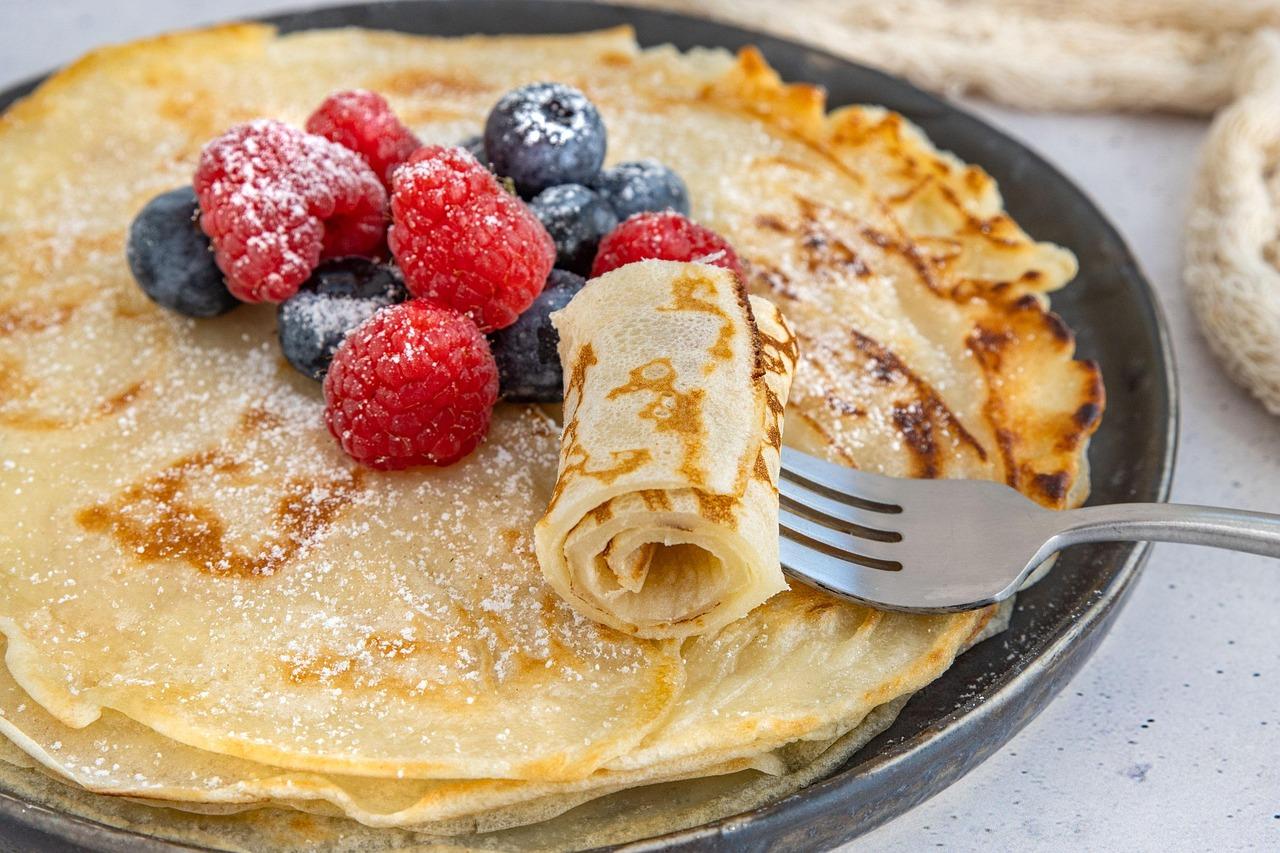
Sweet crêpes made from wheat flour, milk and eggs are Brittany's gift to the rest of France, and on 2 February, Chandeleur, French families make piles of them at home, flipping the first with a coin in hand for luck. They are thin and tender with golden, lacy spots, and the classic filling is simplest: a smear of salted butter and a sprinkle of sugar, or sugar and lemon. Children love them with chocolate spread, jam or sliced banana. Chef's tip: make the batter thinner than you expect, like single cream; thick batter is the common mistake and gives heavy pancakes, not crêpes.

by KrazyBadal 0 views

Obleas con arequipe

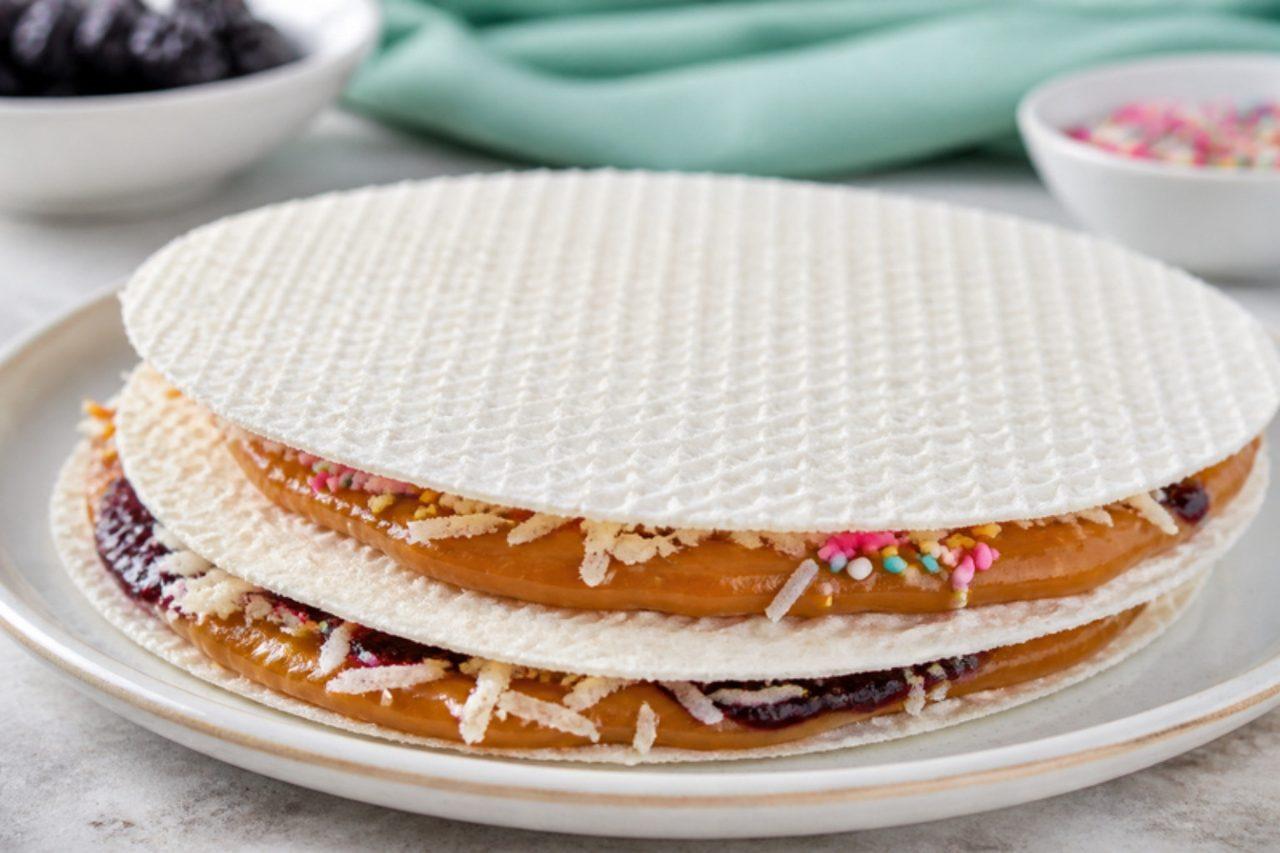
Obleas are the giant, paper-thin round wafers sold from street carts in Bogotá's parks and around Floridablanca in Santander, where they began. The vendor spreads two wafers with arequipe, Colombia's dulce de leche, and adds whatever you choose: blackberry jam, grated cheese, condensed milk or sprinkles, then presses them together. They are crisp, sticky and fun to make with children. Look for oblea wafers in Latin American shops. Chef's tip: assemble them right before eating; the wafers soften within an hour.

by KrazyBadal 0 views

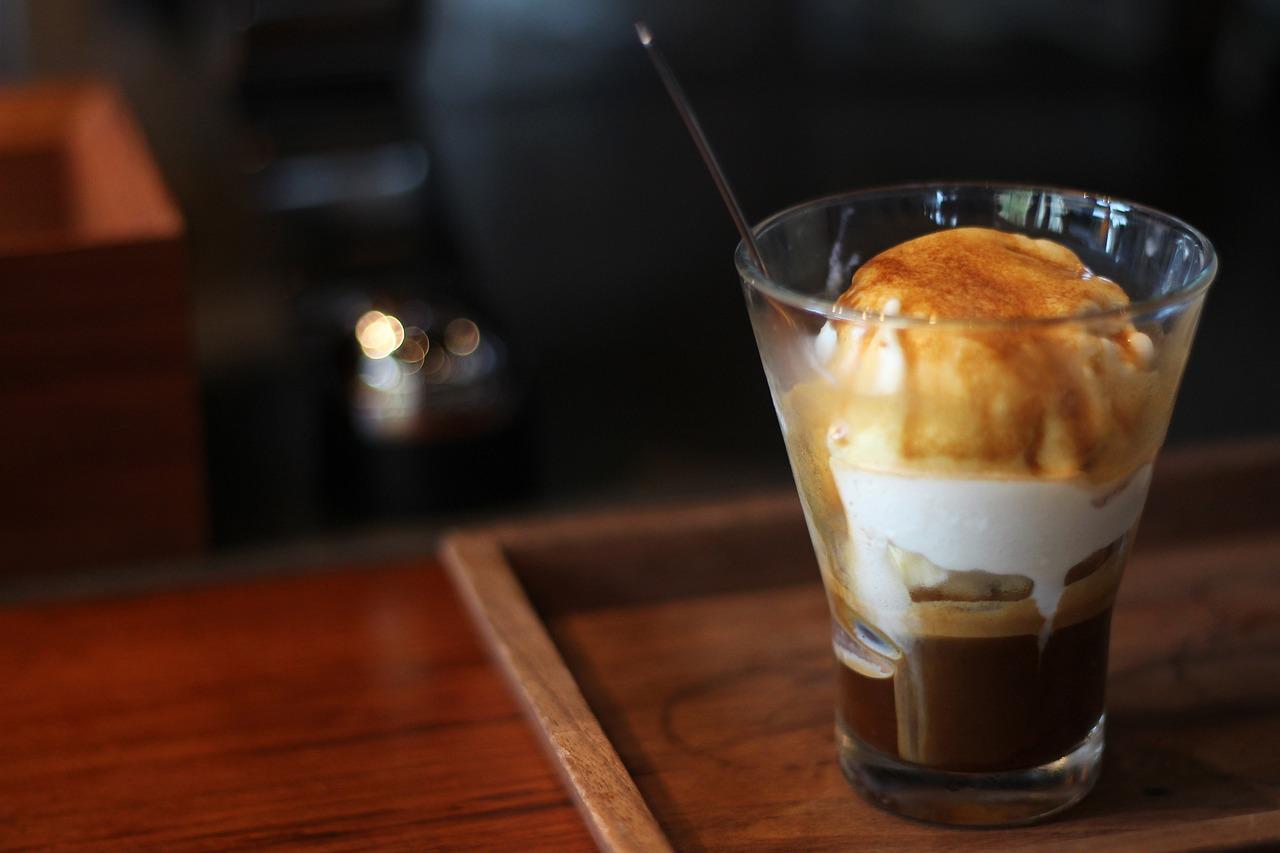
Affogato

Affogato means 'drowned': a scoop of vanilla or fior di latte gelato with a shot of hot espresso poured over it at the table. It is served in bars and gelaterie all over Italy as the simplest after-dinner dessert, half drink and half ice cream, eaten quickly with a spoon while the coffee melts into the gelato. It takes five minutes and needs good ice cream and strong coffee. Chef's tip: chill the glasses in the freezer for 10 minutes first, so the gelato melts slowly and you get both hot and cold in each spoonful.

by KrazyBadal 0 views

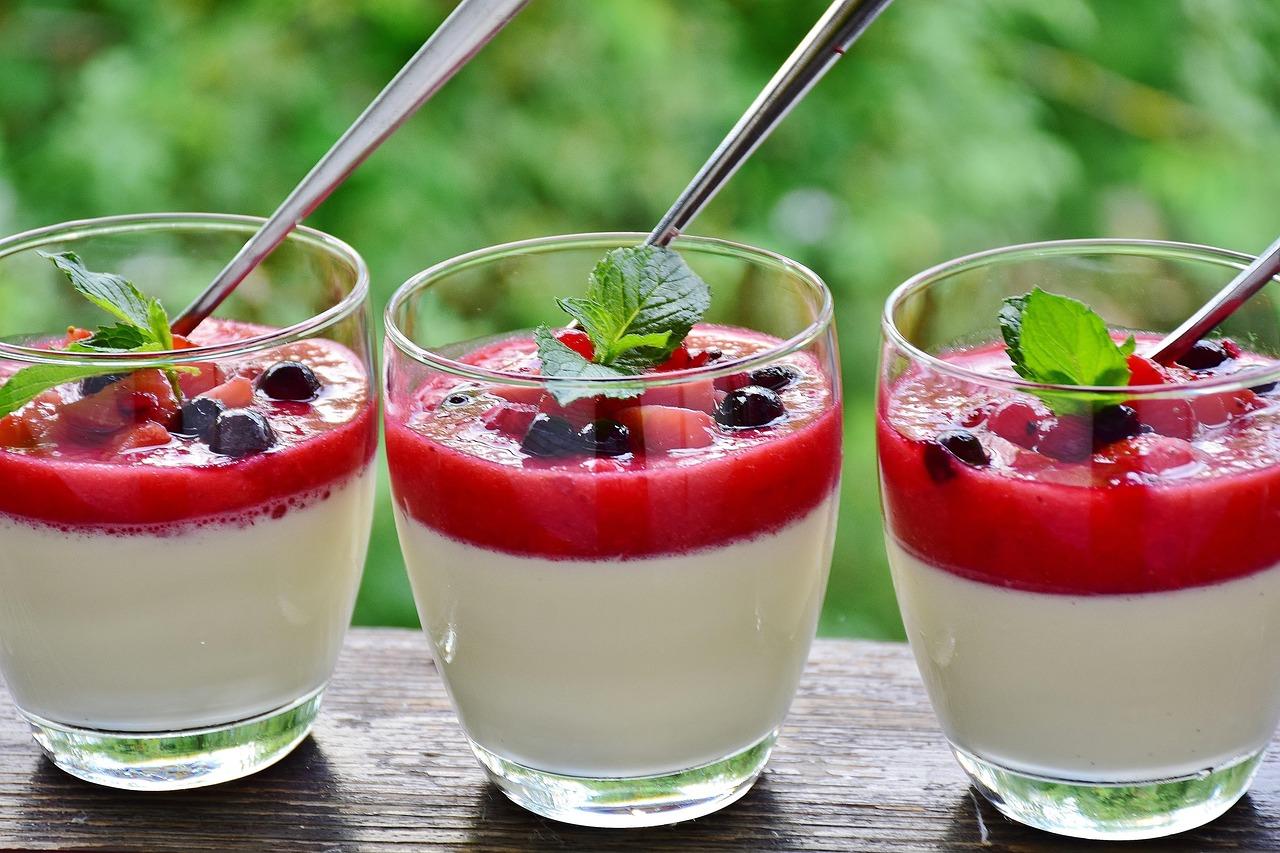
Panna cotta

Panna cotta means 'cooked cream' and comes from the dairy country of the Langhe in Piedmont, where it is served after Sunday lunch, often with caramel or a few berries. Classic recipes set it with gelatine, which is made from animals; this version uses agar, a seaweed setting agent, so it is properly vegetarian. Agar sets firmer and faster, so the amount is small and it must be boiled to work. The result is creamy, just set and wobbles when you shake the plate. Chef's tip: boil the agar in the milk for a full 2 minutes before adding the cream; if it only warms, it will not set.

by KrazyBadal 0 views

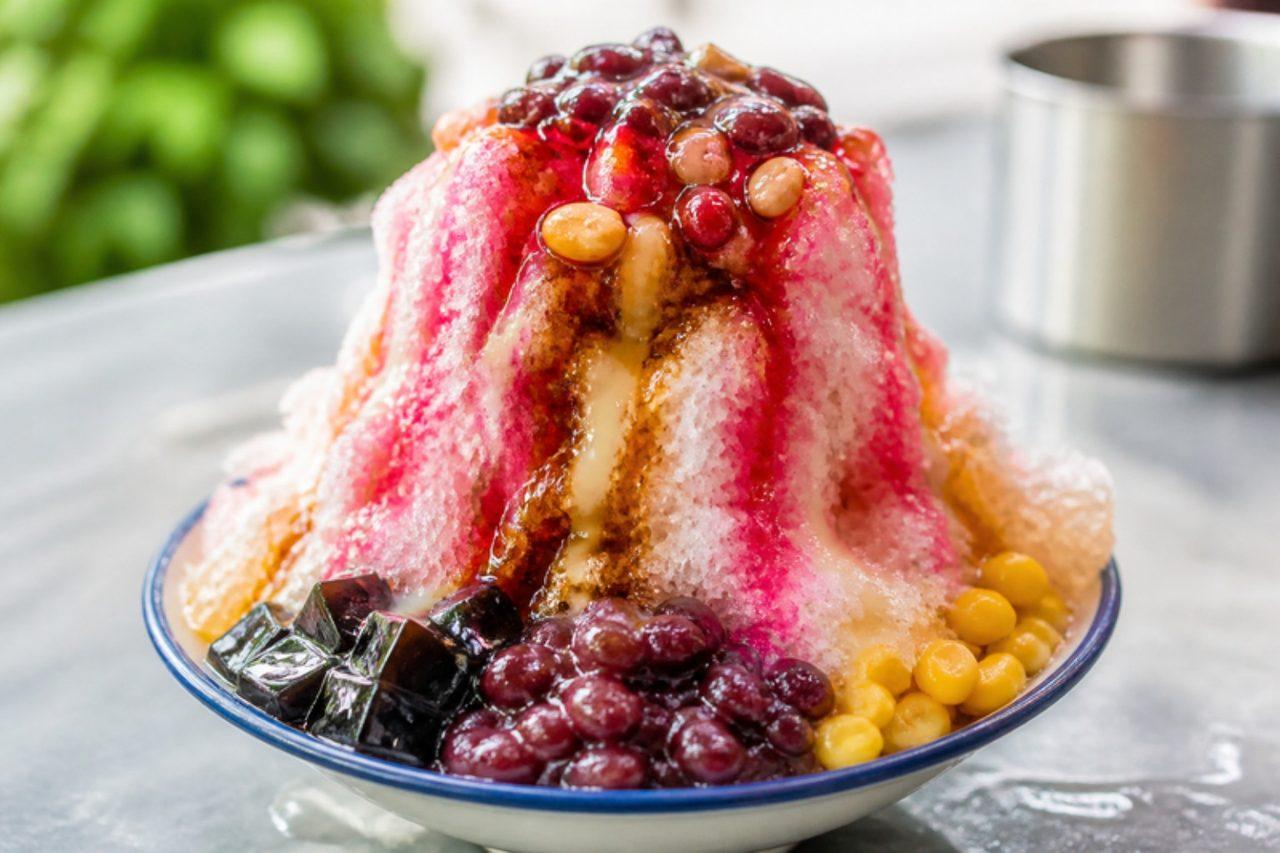
Ais kacang

Ais kacang ('bean ice'), also called ABC for air batu campur ('mixed ice'), is the towering, rainbow-coloured treat Malaysian kids beg for at food courts and hawker centres on hot afternoons. Underneath a snowy dome of shaved ice hide red beans, sweetcorn, cubes of black grass jelly and chopped peanuts; on top go streaks of pink rose syrup, dark palm-sugar syrup and a drizzle of condensed milk. Everyone digs in from the top and mixes it into a sweet, icy slush. Chef's tip: chill the bowls in the freezer for 15 minutes first, so the ice holds its peak long enough to get it to the table.

by KrazyBadal 0 views

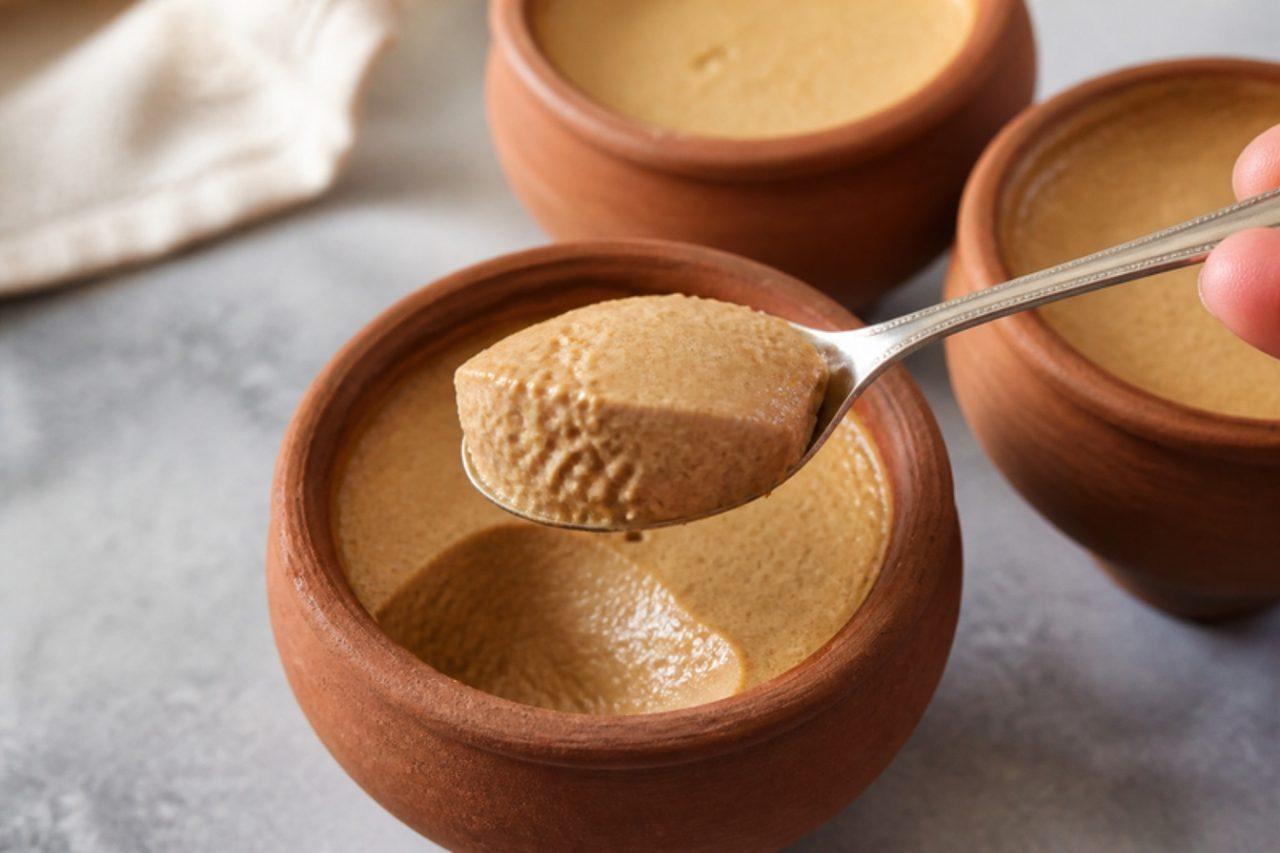
Mishti doi

Mishti doi, 'sweet yogurt', is the classic end to a Bengali meal, sold in Kolkata sweet shops in unglazed clay pots. Milk is simmered until it thickens, sweetened with sugar cooked to a deep caramel, then set overnight with a little live yogurt. The result is thick, creamy and smooth, with a toffee-like sweetness and a gentle tang. Clay pots absorb excess whey, which makes it extra thick, but small glass or ceramic bowls work too. Chef's tip: cool the milk to just warm (about 40°C, comfortable on your little finger) before adding the starter; too hot kills the culture and too cool leaves it runny.

by KrazyBadal 0 views

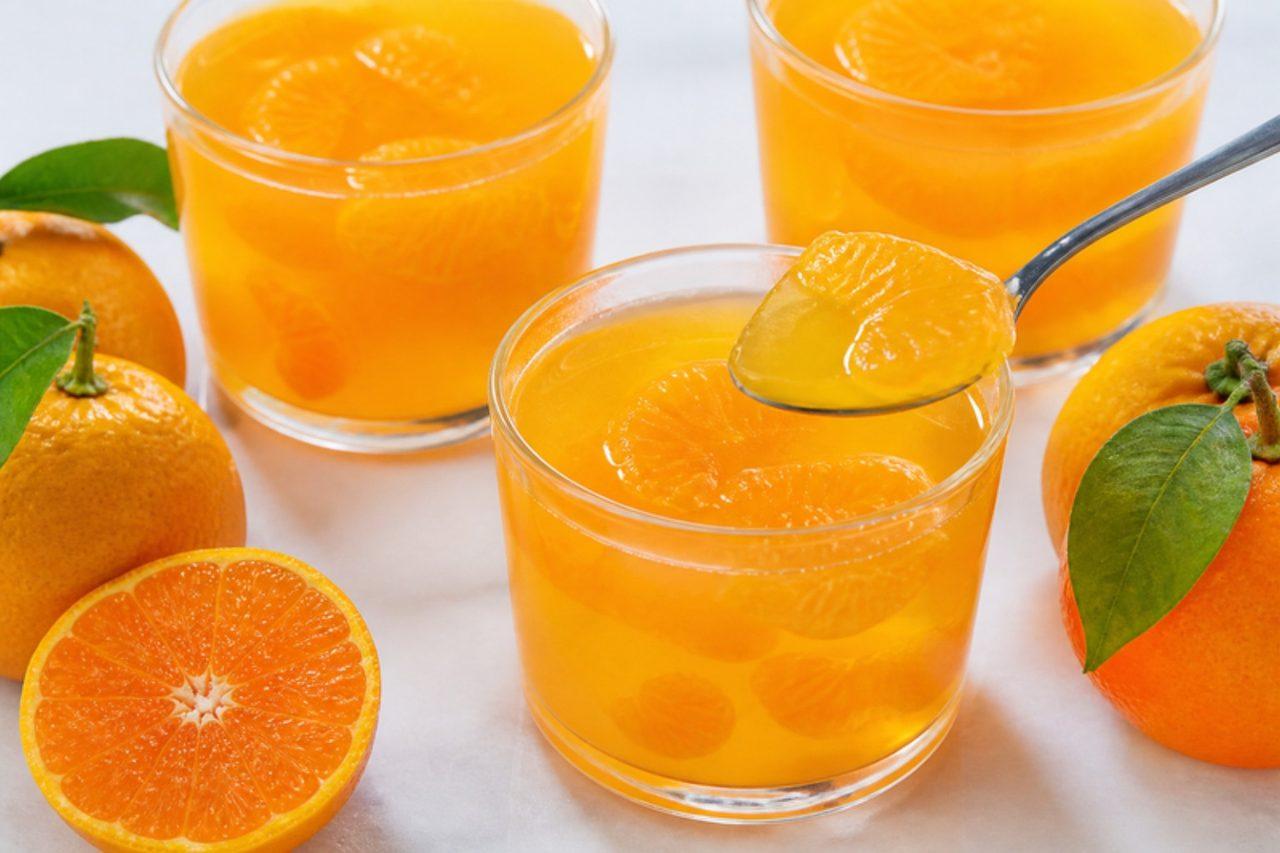
Ehime mikan jelly

Ehime, on the sunny north coast of Shikoku, is Japan's mandarin country. Terraced orchards climb its hillsides above the Seto Inland Sea, and the local mikan is so central to life there that some towns joke their taps run with juice. Mikan jelly is the prefecture's everyday treat, sold in cups at service stations and made at home when the fruit glut comes in winter. Ours is set with kanten (agar) instead of gelatine, which also means it holds firm at room temperature and doesn't melt on a hot day. Serve chilled after dinner. Chef's tip: boil the agar properly for 2 minutes. Agar only sets once fully dissolved, and undercooked agar leaves a grainy, weak jelly.

by KrazyBadal 0 views

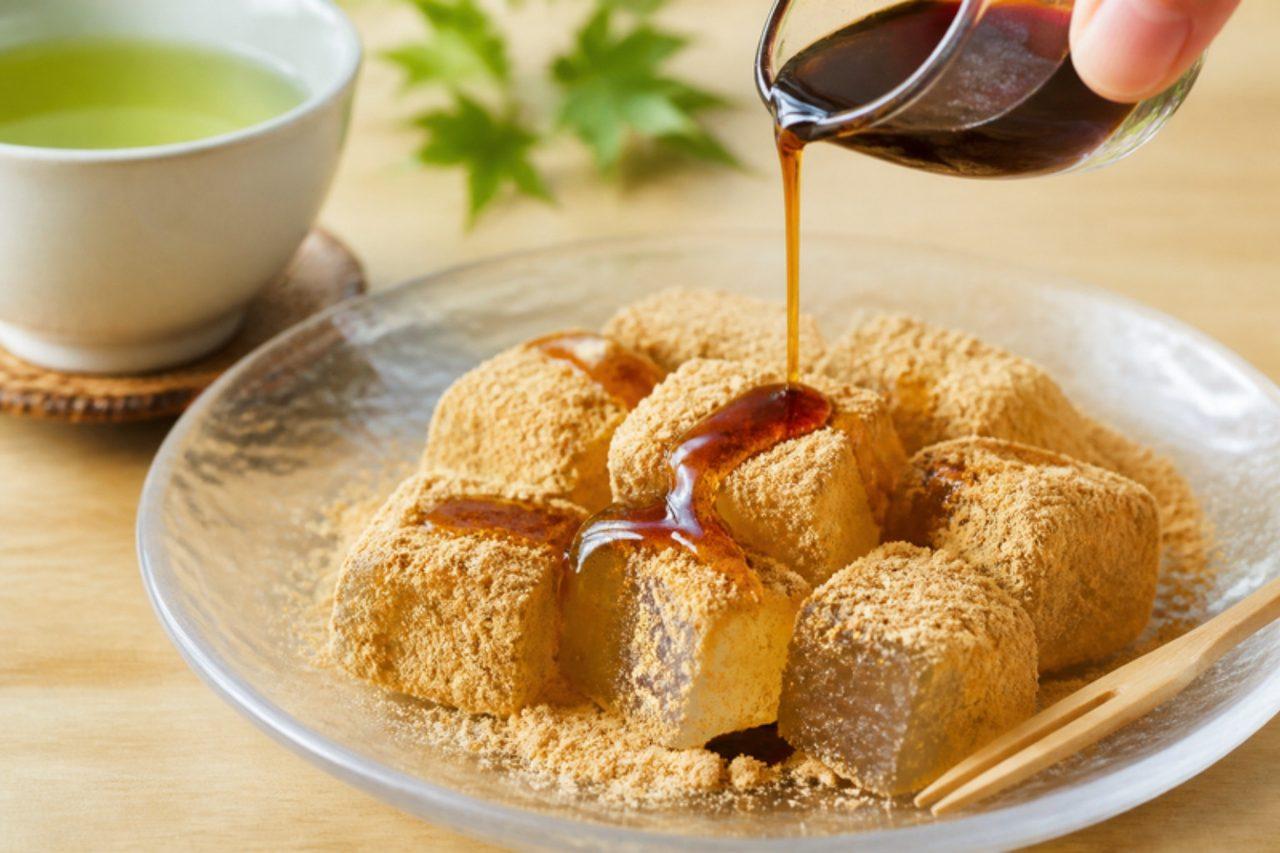
Warabimochi

Warabimochi is Kyoto's summer sweet. Made from the starch of bracken fern roots, it is not really mochi at all but a clear, wobbly jelly that melts on the tongue, and on hot afternoons teahouses around Gion and Arashiyama serve it chilled on ice. It is dusted with kinako, a nutty roasted soybean flour, and finished with kuromitsu, a dark syrup of Okinawan brown sugar. Real warabi starch is costly and greyish-brown, so most home cooks buy warabimochi-ko, a blend with sweet potato or tapioca starch, which gives a clearer jelly. Chef's tip: keep stirring hard once it turns clear. Two more minutes of beating over the heat is what makes it springy rather than gluey.

by KrazyBadal 0 views

Orange salad with cinnamon

After a heavy tagine or couscous, Moroccan families in the orange-growing Souss valley and around Marrakech often skip pastries and bring out a plate of sliced oranges instead, splashed with orange blossom water and dusted with cinnamon. It is the simplest dessert there is, but when the oranges are cold and juicy it tastes like a perfume of spice and flowers. Scatter over toasted almonds or chopped dates to make it more filling. Chef's tip: cut off every bit of white pith; even a thin ring of it makes the slices bitter.

by KrazyBadal 0 views

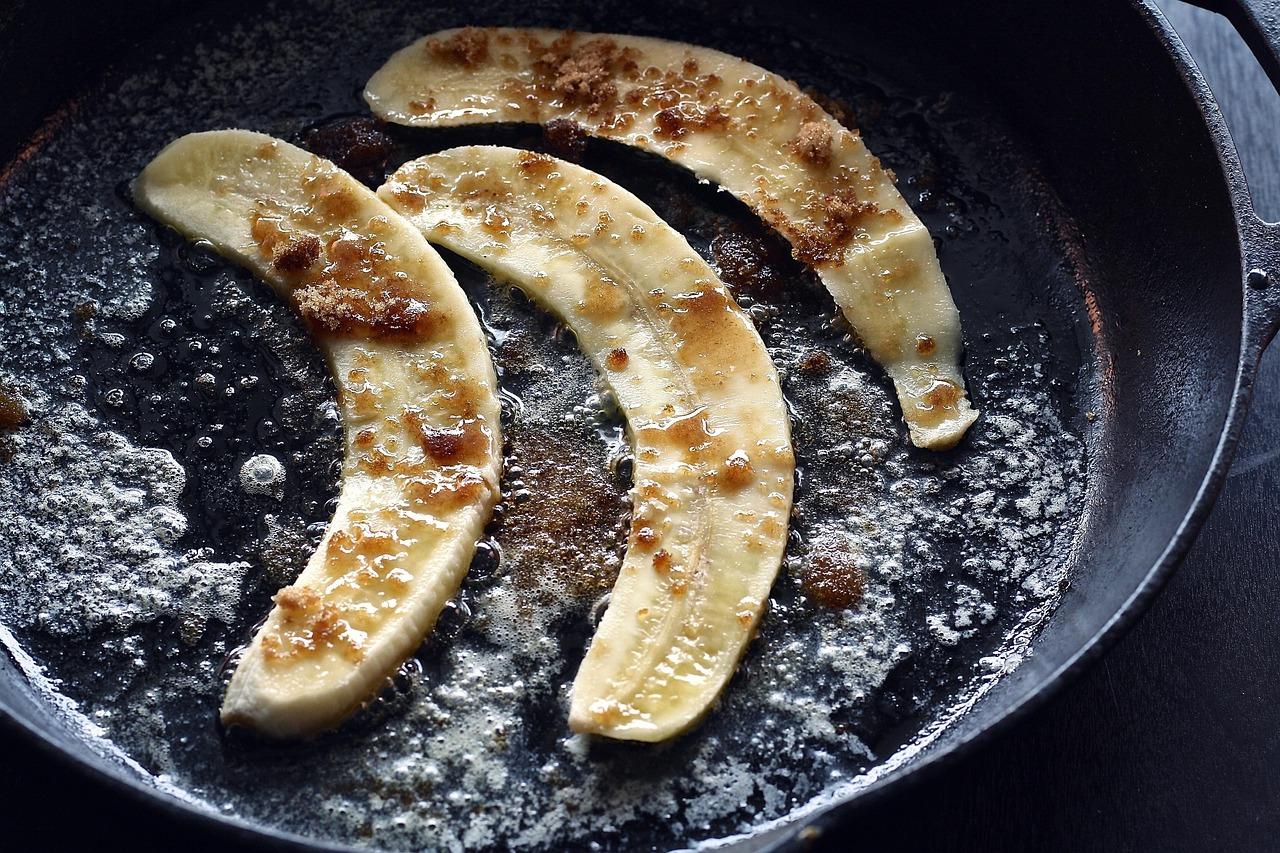
Baked bananas (ndizi ya kuoka)

Ndizi ya kuoka: small bananas halved and baked with lemon juice, brown sugar and cinnamon until soft and syrupy, then served with lightly sweetened cream and a grating of nutmeg. It's a quick, warm pudding. The book's Handy Hints say bananas are good for the heart.

by KrazyBadal 0 views

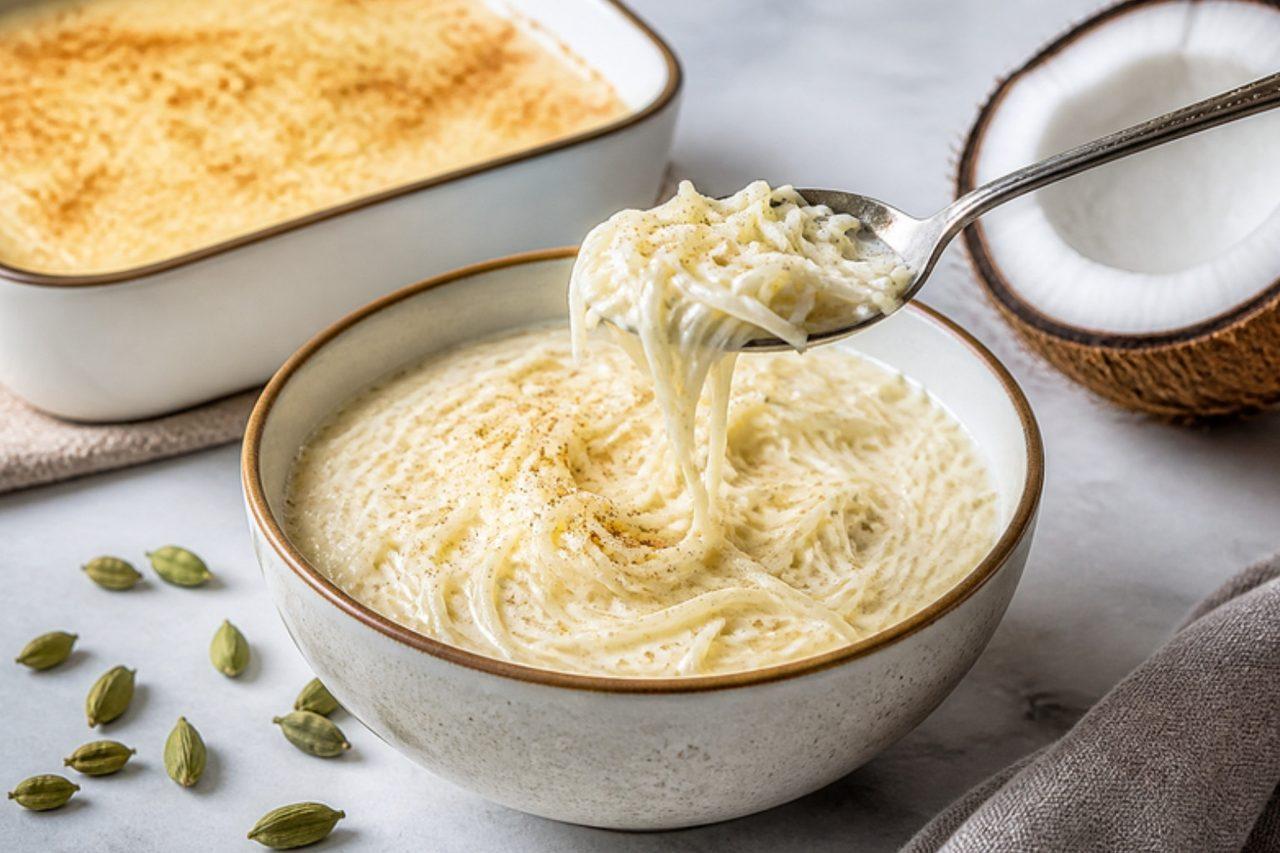
Vermicelli in coconut (tambi ya nazi)

Tambi ya nazi: soft vermicelli stirred into sweetened coconut milk with crushed cardamom, then baked briefly so it sets lightly. It's creamy, gently sweet and fragrant, and is often made for Eid. Serve hot, sprinkled with more cardamom.

by KrazyBadal 0 views

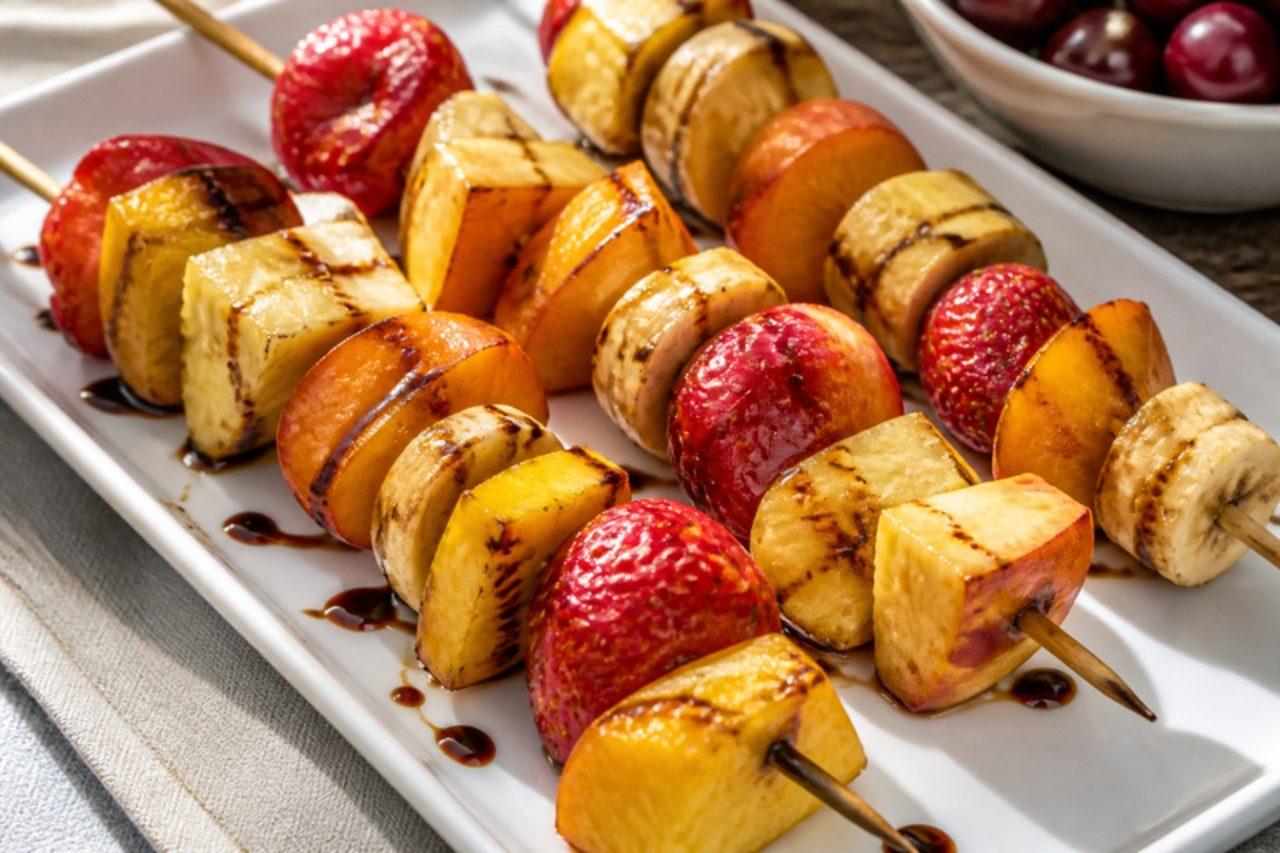
Fruity barbeque serve

Chunky skewers of pineapple, banana, strawberry, peach and nectarine drizzled with balsamic vinegar and dark muscovado sugar, then grilled over charcoal until the sugar caramelises. Warm, sticky and a little tangy. Serve hot as a barbecue dessert, with ice cream if you like.

23 minDessertsVeganGluten free
by KrazyBadal 0 views

Roasted bananas in chocolate

Whole bananas roasted on the barbecue until soft and sweet, cut into quarters, put on skewers, half-dipped in melted dark chocolate and rolled in chopped almonds, pistachios and cashews. It's a quick barbecue dessert that children love to help make. Serve them straight away while the chocolate is still soft.

20 minDessertsGluten free
by KrazyBadal 0 views

Thiakry

Thiakry, called dégué in Mali and Burkina Faso, is the creamy dessert of Senegalese weddings, naming ceremonies and Tabaski: pellets of steamed millet stirred into sweetened yoghurt and soft fromage frais, scented with vanilla and nutmeg and served cold. Ready-made millet granules (arraw or sankhal) are sold in African grocers, which makes it a 15-minute job. Raisins and a little coconut are common in Dakar. Chef's tip: steam or soak the millet fully before it meets the yoghurt; undercooked grains stay hard and gritty in the cold.

by KrazyBadal 0 views

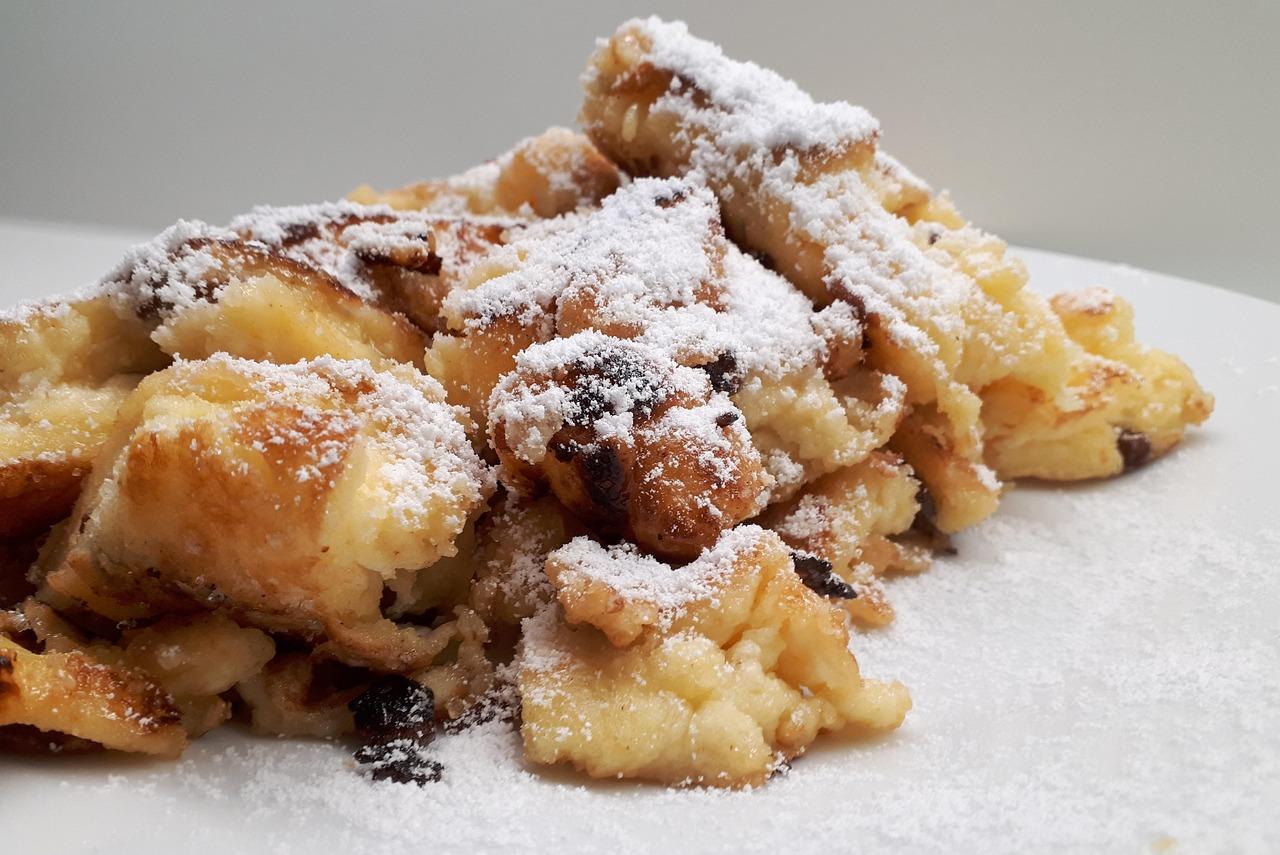
Kaiserschmarrn

Kaiserschmarrn, the 'emperor's mess', is Austria's favourite sweet meal, said to have been made for Emperor Franz Joseph, and today it's served from huge pans in every ski hut in Tyrol and Salzburg and in Viennese restaurants. It is a thick, fluffy pancake made with whisked egg whites, torn into rough pieces in the pan with two forks, then caramelised with butter and sugar and heaped with icing sugar. Eat it with Zwetschkenröster (plum compote) or apple sauce. Chef's tip: let the pancake set and brown properly underneath before tearing it up; tear it too early and you get scrambled batter instead of soft, golden pieces.

by KrazyBadal 0 views

Panqueques con dulce de leche

In Argentina and Uruguay, panqueques are not fluffy American pancakes but thin crêpes, and the classic way to eat them is rolled around dulce de leche, often as the dessert at a neighbourhood parrilla or on a rainy Sunday afternoon at home. Some restaurants sprinkle them with sugar and caramelise the top with a hot iron; at home a dusting of sugar is enough. Chef's tip: rest the batter for 20 minutes so the flour relaxes and the crêpes come out thin and tender rather than rubbery.

by KrazyBadal 0 views

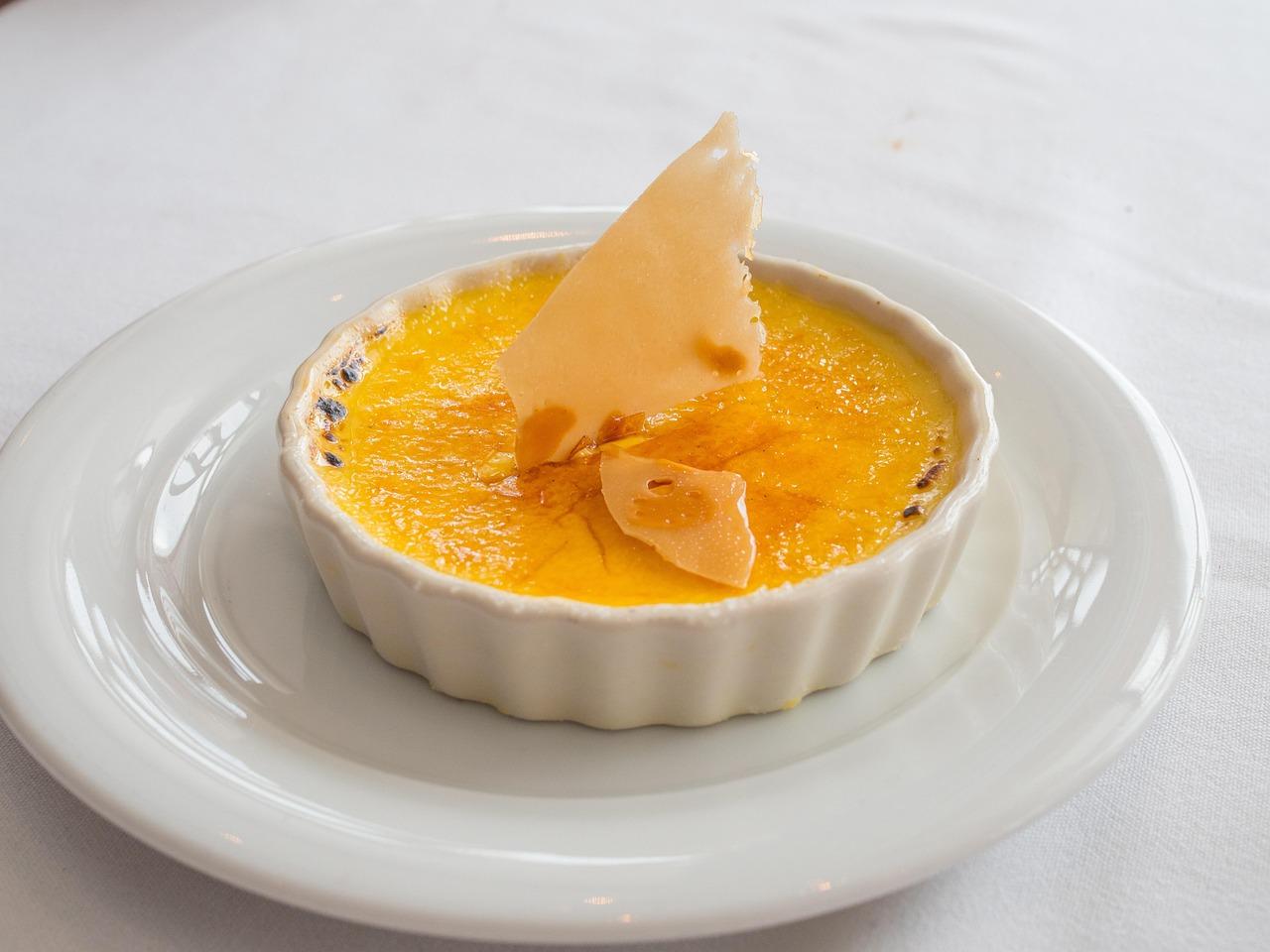
Crema catalana

Crema catalana is the classic dessert of Catalonia, served in shallow round earthenware dishes with a glassy layer of burnt sugar on top. Traditionally it was made for Saint Joseph's Day on 19 March, which is why it is also called crema de Sant Josep. It is older than French crème brûlée and different in style: made with milk rather than cream, lightly thickened with cornflour and flavoured with lemon zest and cinnamon, so it is lighter and fresher. Catalans caramelise the top with a hot iron disc called a 'cremador'; a cook's blowtorch does the same job. Chef's tip: burn the sugar just before serving, not earlier; the crust stays crisp only for about 20–30 minutes before the moisture of the custard softens it.

by KrazyBadal 0 views

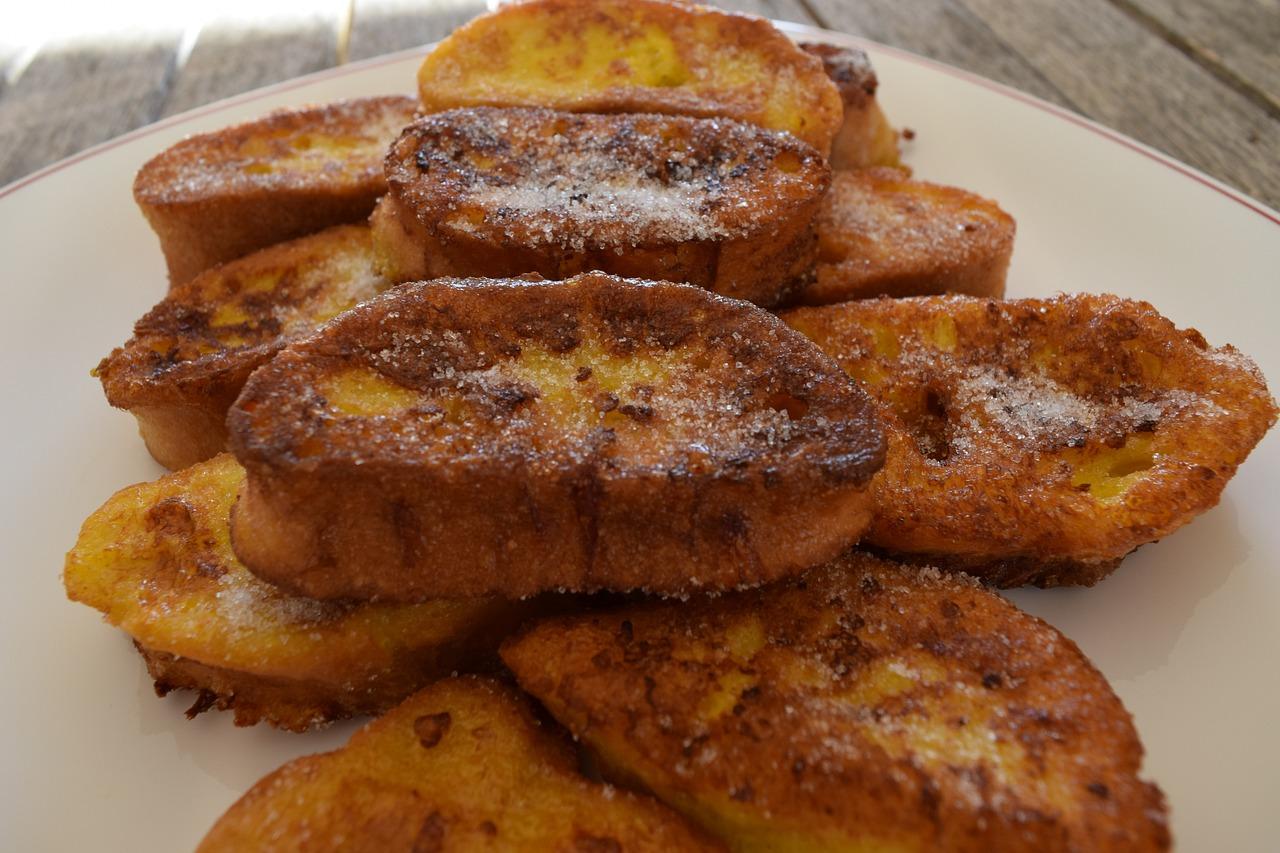
Torrijas

Torrijas are the Easter sweet of Spain, eaten all over the country during Semana Santa and especially in Madrid and Andalusia, where bakeries pile them in their windows. Thick slices of day-old bread are soaked in milk infused with cinnamon and lemon peel, dipped in beaten egg, fried in olive oil and rolled in cinnamon sugar. They were born as a way to use up stale bread during Lent, and they are crisp outside and soft and custardy inside, like a richer, crunchier French toast. Eat them warm or cold, the next day they are even more set and sweet. Chef's tip: use a dense day-old loaf (a Spanish 'pan de torrijas' or a firm baguette) cut 2–3 cm thick, and soak just until saturated; fresh, airy bread falls apart and fries greasy.

by KrazyBadal 0 views

Matcha mochi

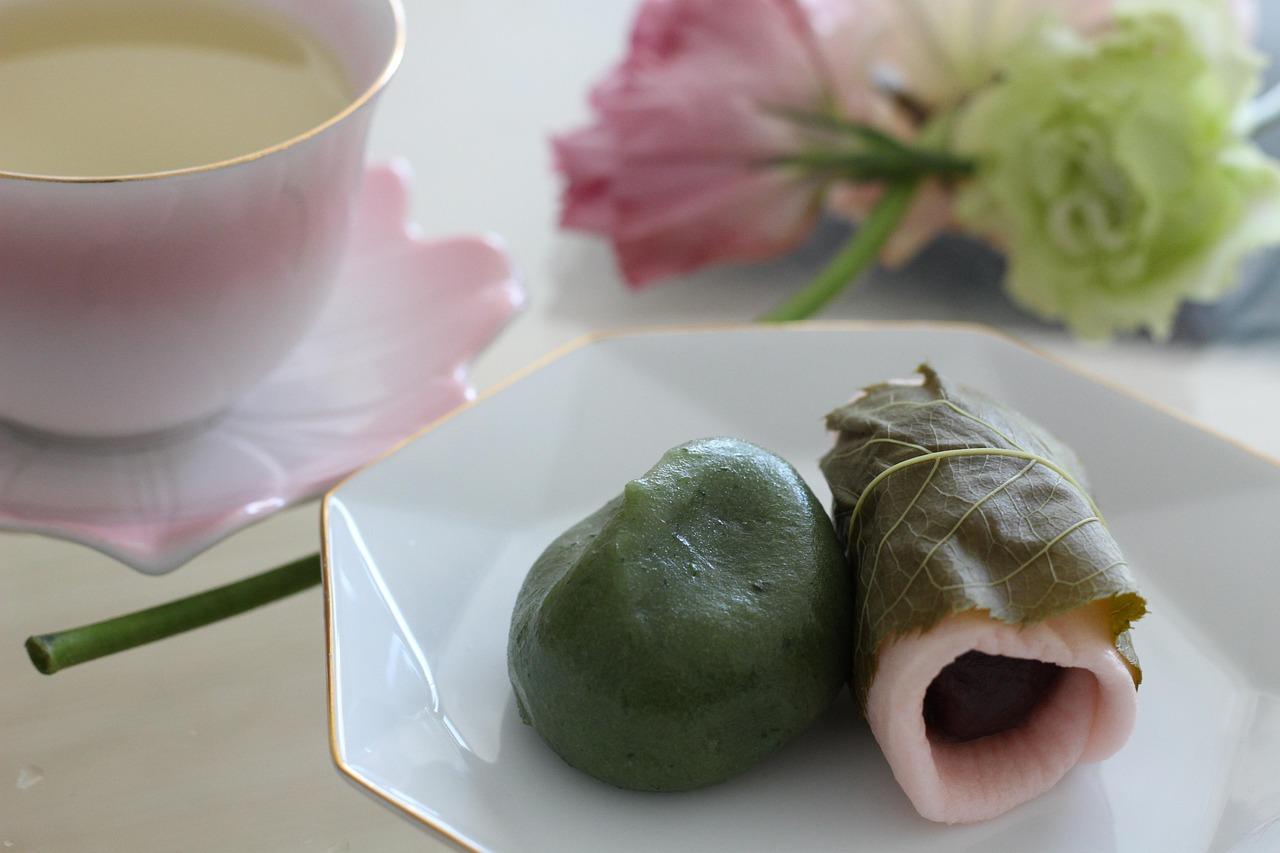
Mochi (もち) are soft, chewy rice cakes made from glutinous rice flour, and Kyoto's confectioners have long flavoured them with matcha from nearby Uji. This quick home version cooks the dough in the microwave rather than pounding steamed rice. Each little green ball is wrapped around a centre of sweet red bean paste and dusted with cornflour. They are best eaten the day they are made, while still soft. Chef's tip: work while the dough is still warm, and keep your hands and the tray well dusted with starch. Warm mochi stretches easily around the filling; once it cools it tears and won't seal.

by KrazyBadal 0 views

Thai fresh fruit dessert

A bowl of colourful fresh fruit (kiwi, strawberries, pineapple, cherries and orange) covered with a smooth coconut cream sauce, lightly thickened with cornflour, enriched with fresh cream and scented with rose. Serve well chilled.

by KrazyBadal 0 views

Lychee pudding

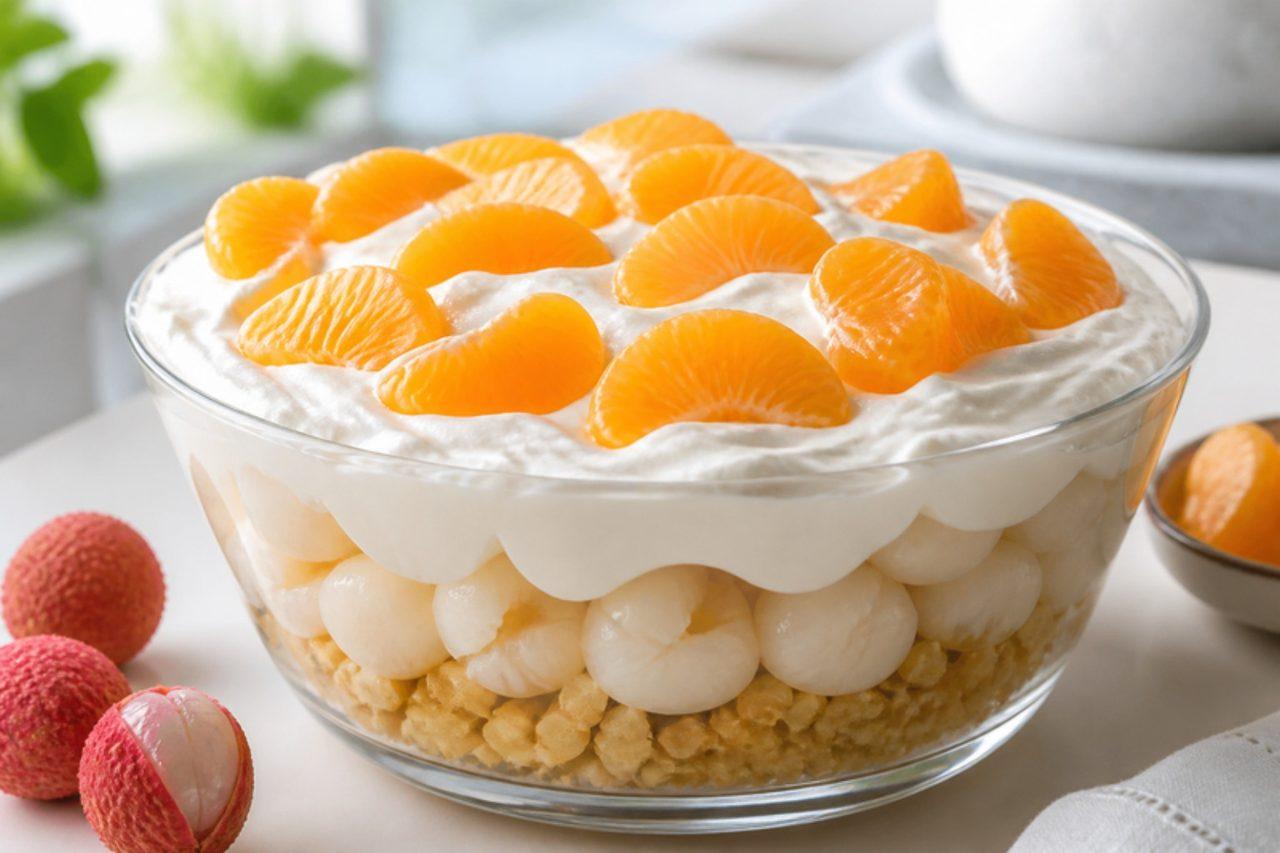
A light, no-cook party pudding: chopped lychees mixed with grated crystallised ginger, covered with whipped cream sweetened with icing sugar and more ginger, and decorated with mandarin segments. Fresh, cool and fragrant; chill before serving. Fresh de-seeded lychees work as well as tinned.

by KrazyBadal 0 views

Showing 24 of 201 recipes

Show more recipes

Page 7 of 9

More collections