Skip to content
WhatToEat.Today

Vegan Indian recipes

Indian dishes with no dairy, ghee, eggs or meat. (681 recipes)

Mag nu shaakDry whole green moong

Wednesday is mag day in many Gujarati homes, and in Jain families this is how it is cooked: whole green moong soaked overnight, pressure-cooked until just soft, then tossed in a vaghar of mustard seed, ajwain and hing with green chilli and dry ginger powder instead of fresh ginger, and no onion or garlic at all. A pinch of jaggery and a squeeze of lemon give it the gentle sweet-sour taste Gujaratis expect. It's a dry shaak, each bean whole and coated, eaten with rotli, or with kadhi-bhaat for a light, very satisfying meal. A common mistake is overcooking the moong until it bursts and turns to mush; two whistles is enough, and the beans should still hold their shape. Chef's tip: save the cooking water; a few spoons loosen the shaak if it looks too dry, and the rest makes a lovely mag nu osaman with a little lemon and vaghar.

by KrazyBadal 0 views

Khus sharbatVetiver root syrup drink

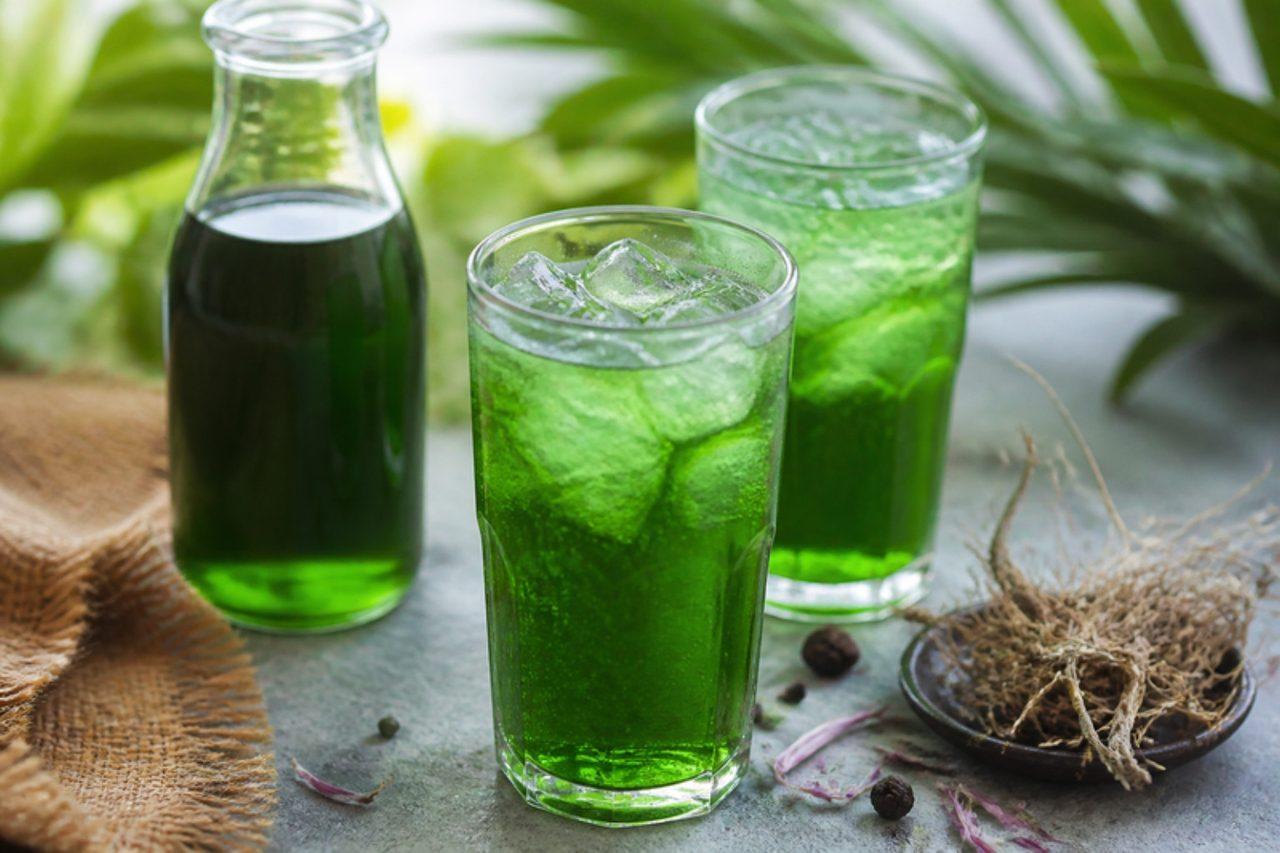
Before air-conditioning, North Indian houses hung wet mats of khus grass over their doors in June, and the breeze through them smelt of damp earth and wood. The same vetiver root flavours this sharbat, a summer staple in Delhi, Rajasthan and Uttar Pradesh. Shop-bought bottles are bright emerald green from colouring; a homemade syrup is pale gold and tastes far more of the root itself, cool and grassy. Families serve it diluted with water to guests arriving from the heat, or with cold milk as a dessert drink at summer parties. The common mistake is boiling the roots hard; the aroma is delicate and cooks off, so infuse them in hot water instead and add the infusion to the syrup off the heat. Chef's tip: if you want the classic green colour for children, a drop of green food colour does no harm, but taste it plain first.
by KrazyBadal 0 views

PanakamJaggery and ginger water

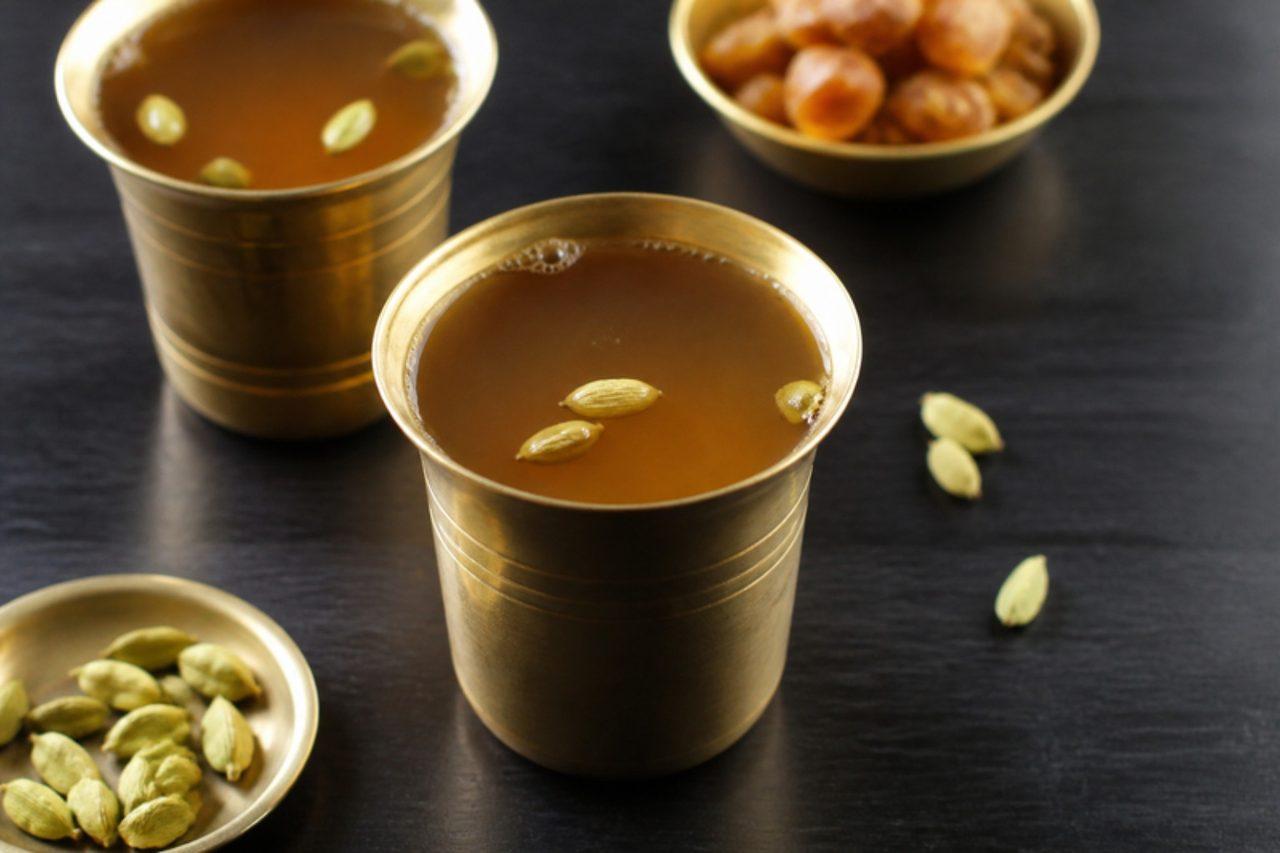
On Sri Rama Navami, temples and homes across Andhra Pradesh, Telangana and Tamil Nadu set out brass pots of panakam beside neer mor (spiced buttermilk) and kosambari. The drink is offered first, then handed to everyone in small steel tumblers. It is nothing more than jaggery dissolved in water, but the dry ginger and black pepper give it a pleasant heat that cuts through the sweetness, and cardamom and a few tulsi leaves make it smell of the festival. It is never boiled; it's stirred until the jaggery melts. The common mistake is not straining: jaggery often carries sand and fibres, so always pour it through a fine cloth. Chef's tip: a squeeze of lemon is not traditional everywhere, but in hot Vijayawada summers many homes add it, and it brightens the drink wonderfully.

by KrazyBadal 0 views

Turiya nu shaakRidge gourd curry

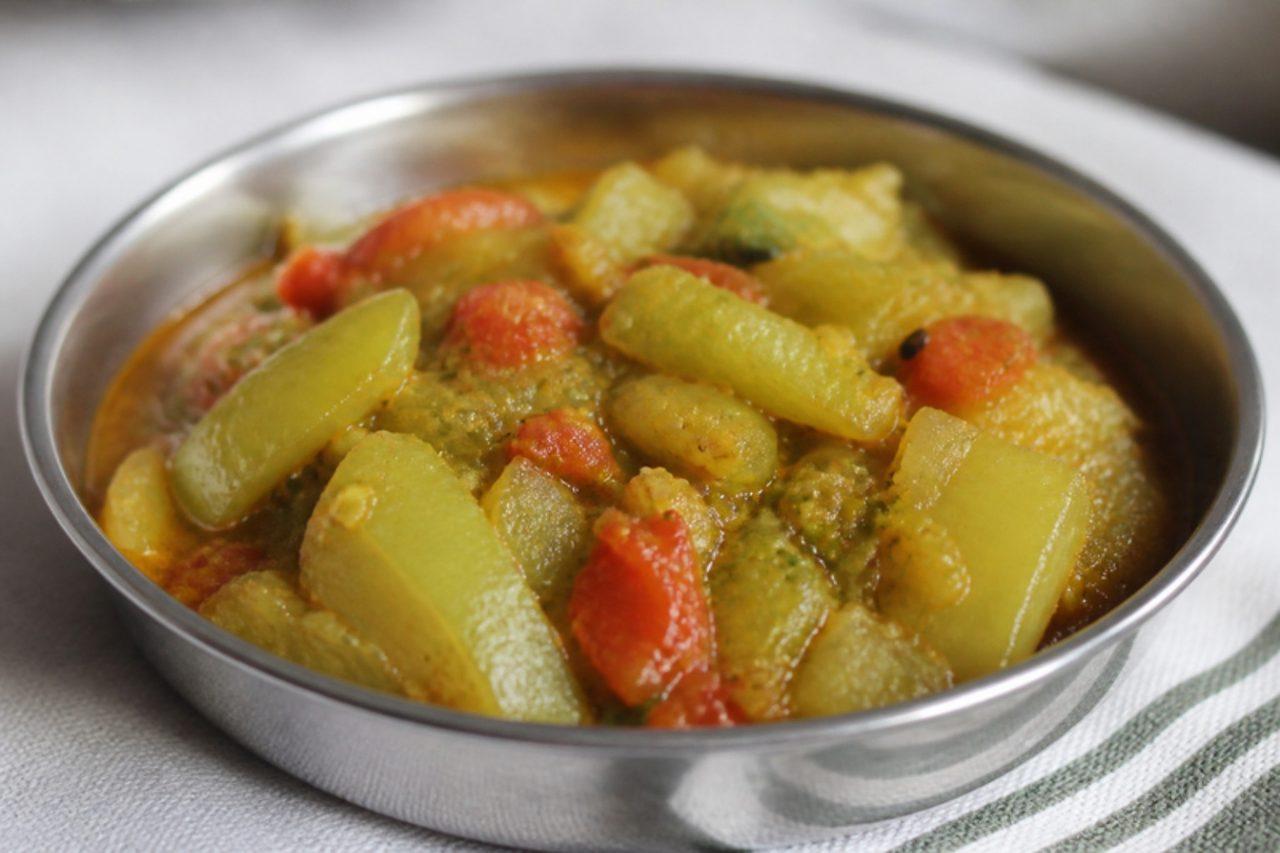
Turiya arrives in Gujarat's markets with the monsoon, and this quick, juicy shaak is a weekday staple from Rajkot to Navsari, eaten with rotli and a dollop of ghee, or with khichdi and kadhi. It is cooked the Jain way, in a vaghar of mustard seed, ajwain and hing with green chilli and dry ginger powder instead of fresh ginger, plus tomato and a pinch of sugar. The gourd turns silky and almost melts, leaving a light, sweetish gravy. A common mistake is overcooking: ridge gourd softens in about eight minutes and turns to mush soon after. Take it off the heat as soon as the pieces are translucent but still hold their shape. Chef's tip: scrape off only the hard ridges and leave the green skin between them; it keeps the pieces together and adds flavour.

by KrazyBadal 0 views

GulguleJaggery and wheat fritters

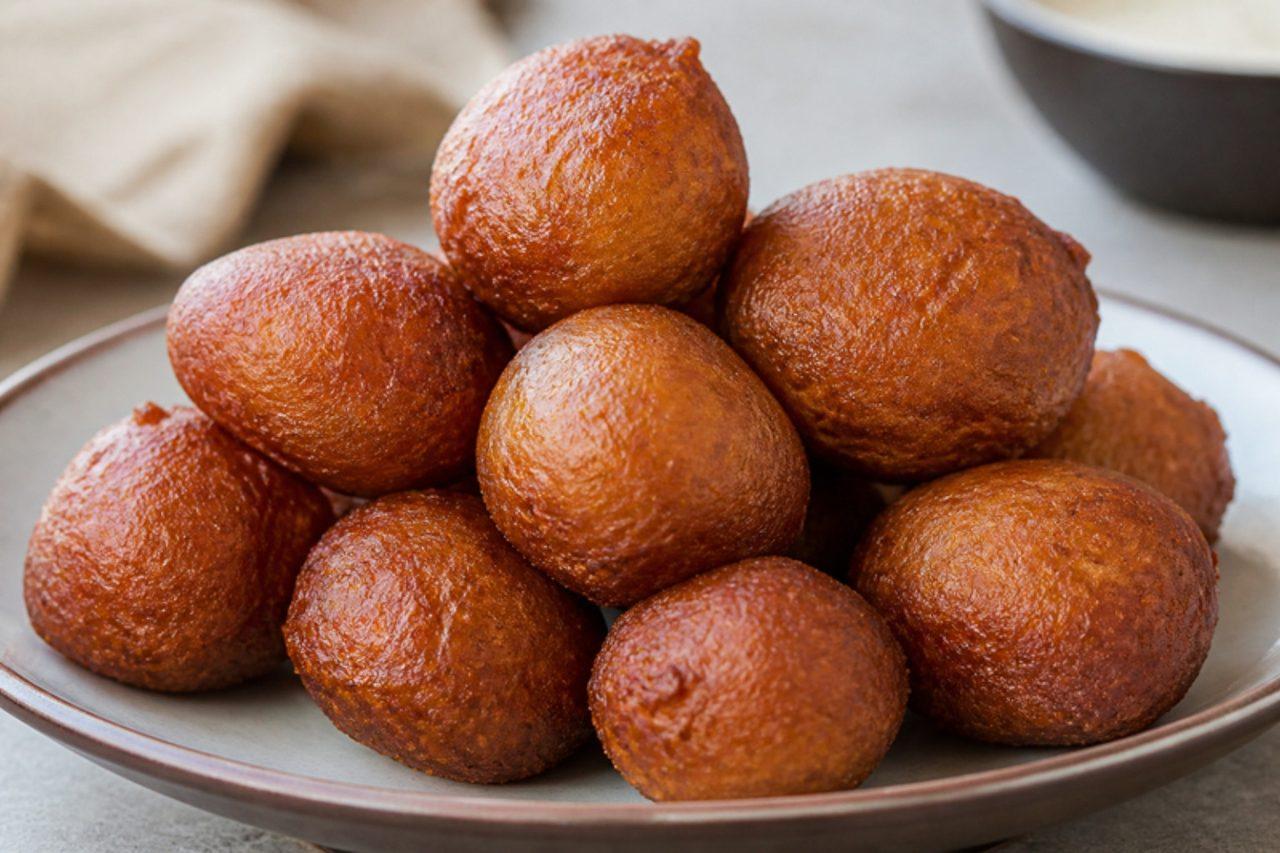
Rainy afternoons in Lucknow, Varanasi and Patna smell of gulgule frying. These little sweet fritters are made from a thick batter of whole wheat flour and melted jaggery, studded with fennel seeds, and dropped by hand into medium-hot oil, where they puff up and roll themselves over into dark-golden balls. Outside they are thin and crisp; inside they stay soft and cakey with a deep caramel sweetness. They are also made as a prasad for Sheetla Ashtami and on Teej, and children love them warm with a glass of milk. Made with water and fried in oil, as here, they are vegan. Expect about 20 bite-sized fritters. Chef's tip: test the batter by dropping a spoonful into water; if it holds its shape and doesn't spread, it is thick enough to make round gulgule.

by KrazyBadal 0 views

Pav bhaji masalaPav bhaji spice blend

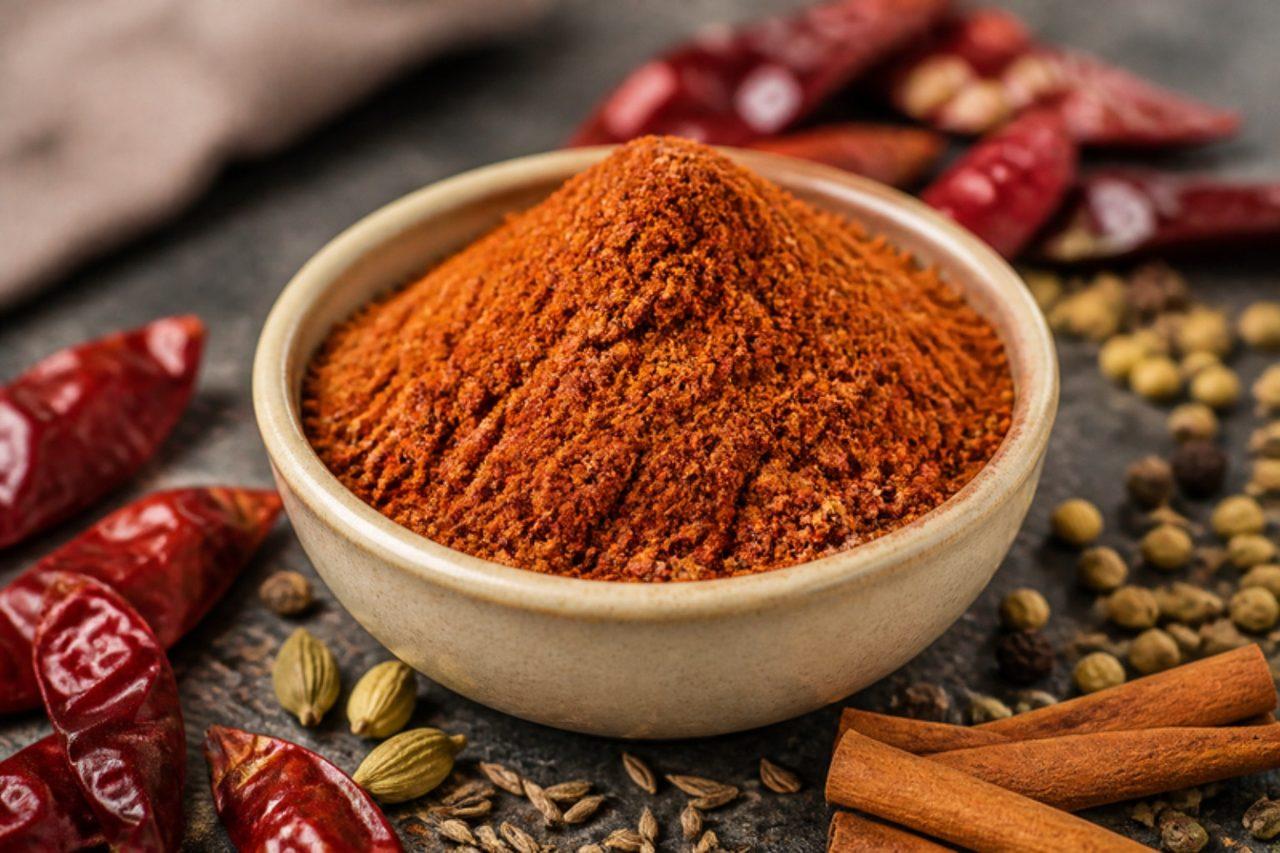
The bhaji at a Juhu Beach or Girgaum Chowpatty stall gets its unmistakable taste from a ready-made masala, but a home-roasted blend smells far brighter and lets you choose the heat. Whole coriander, cumin, fennel, cloves, cinnamon, cardamom and star anise are roasted, cooled and ground with Kashmiri chilli for colour, amchur (dry mango powder) for tang, kala namak (black salt) for that eggy, savoury depth, and dry ginger. A good pav bhaji masala is red, sour-salty and aromatic rather than very hot. It is also the quick way to give tawa pulao, masala toast and Bombay sandwiches their street flavour. Common mistake: stirring the masala into a dry, very hot pan; the amchur and chilli powder scorch in seconds. Chef's tip: add the masala once the tomatoes have broken down into the butter, and keep a spoonful back to sprinkle over the bhaji in the last minute for a fresh hit of aroma.

by KrazyBadal 0 views

Methia masalaPickle spice mix

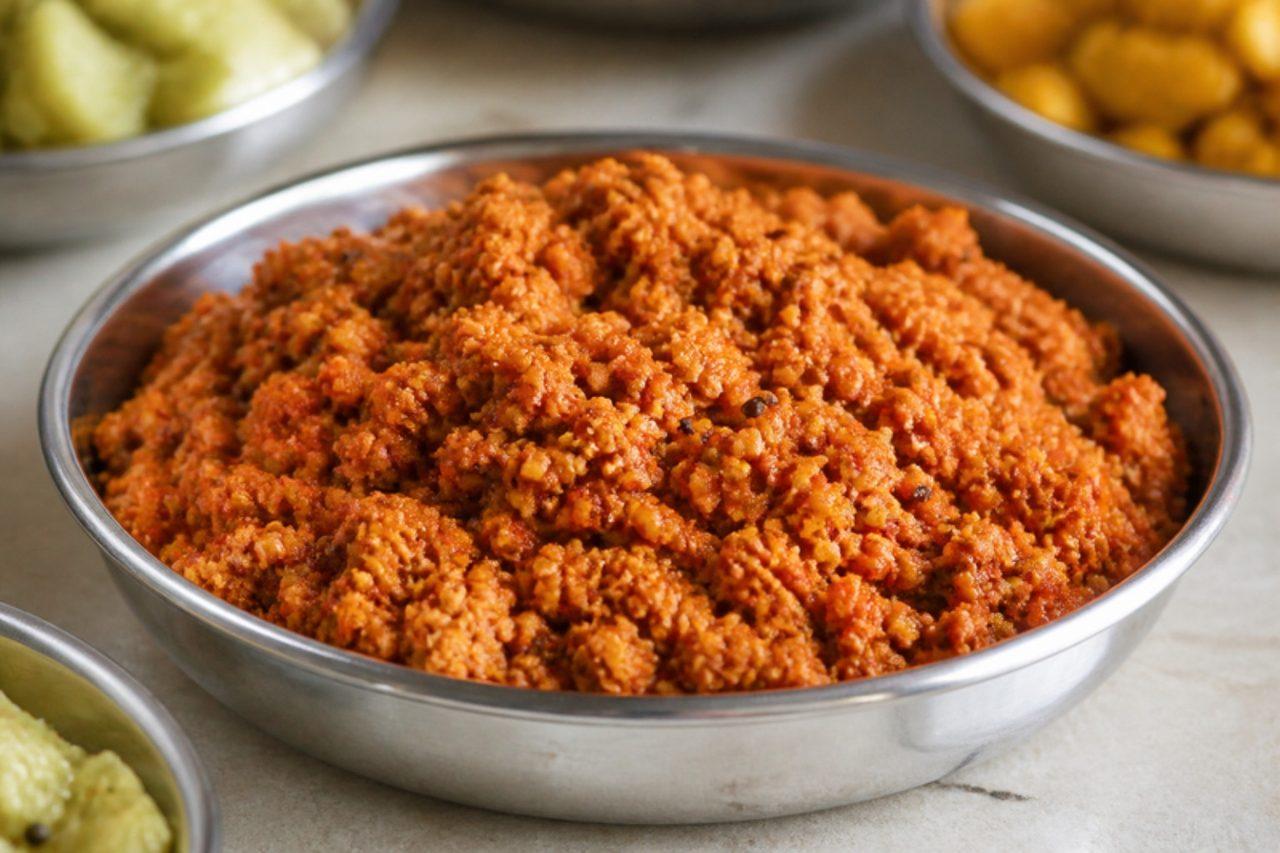
In Gujarati homes, methia masala (also called achar masala or sambhar masala in Kathiawad) is mixed each April before the mango pickling begins, and a jar of it lasts the year. It is built on methi kuria and rai kuria, split fenugreek and split mustard seeds sold at every Gujarati grocer, which are bloomed in smoking-hot groundnut oil with hing so they lose their raw bitterness, then mixed with Kashmiri chilli powder, turmeric and salt. That one masala makes instant pickles of carrot, gunda, raw mango or kerda in minutes, is spooned beside khichu, thepla and dhokla and goes into methia keri, the classic Gujarati mango pickle. Common mistake: pouring the oil over the chilli powder while it is smoking hot; the chilli turns black and bitter. Chef's tip: pour the hot oil over the kuria and hing only, wait until it is just warm, and only then stir in the chilli, turmeric and salt.

by KrazyBadal 0 views

Karela nu shaakBitter gourd and jaggery curry

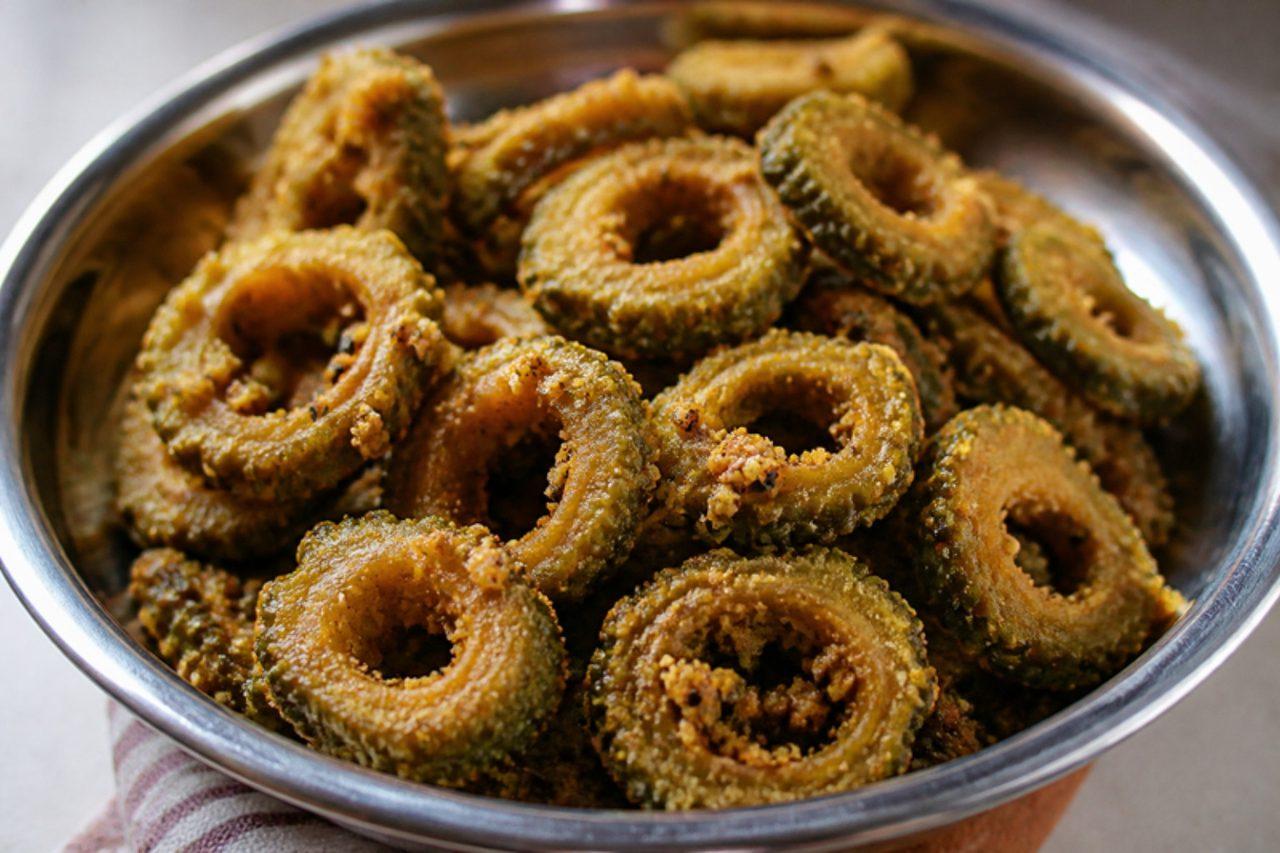
Most children in Gujarat grow up hating karela and end up asking for this version. Bitter gourd is sliced into thin rings, rubbed with salt and turmeric, squeezed, then cooked slowly in a vaghar of mustard seed and hing until soft and browned. A spoonful of besan toasted in the same pan clings to each ring, and jaggery melts into a glossy coating, so it tastes sweet, nutty, spicy and only pleasantly bitter. With no onion or garlic it suits Jain homes, and it's a monsoon favourite with dal-bhaat-rotli. A common mistake is salting the shaak again as if from scratch; the squeezed karela still holds salt, so taste first. Chef's tip: add the besan only once the karela is dry and browned, and stir constantly for a minute; in a wet pan it forms lumps.

by KrazyBadal 0 views

Malvani masalaKonkan spice blend

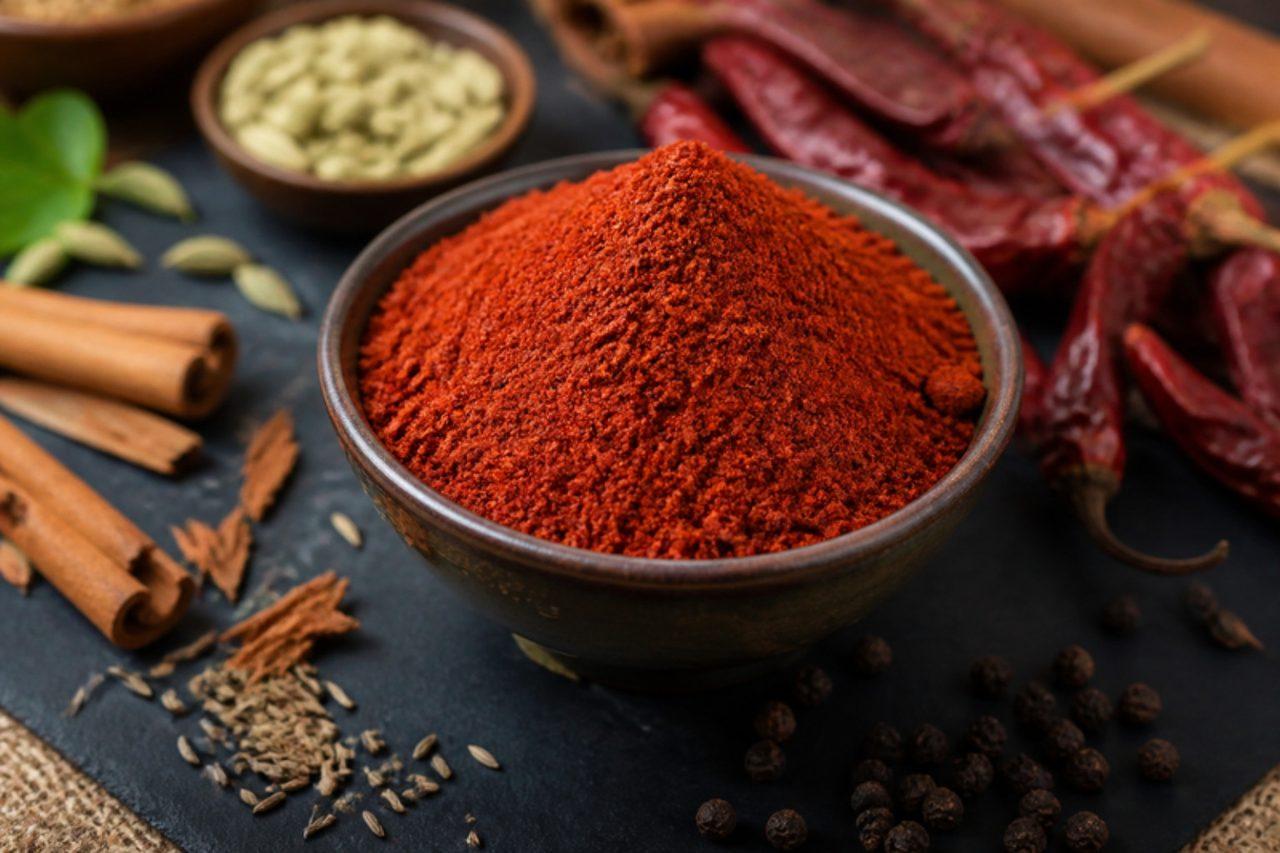
Head down the coast to Malvan, Vengurla or Devgad and every family has its own masala tin, ground in summer when the chillies are crisp and dry. Malvani masala is hotter and more aromatic than goda masala and uses no coconut: it is mostly Bedgi chillies (for a deep red colour and moderate heat) with a handful of fiery Sankeshwari, roasted with coriander and about fifteen whole spices including fennel, star anise, mace, nutmeg and stone flower. Fried in oil with coconut and onion, it becomes the base of kombdi vade (chicken curry with puris), bangda and surmai curries, prawn sukka, and vegetarian dishes like kala vatana usal and Malvani batata bhaji. The blend itself is vegan. Common mistake: leaving the stalks on the chillies; they grind into hard, woody bits and dull the colour. Chef's tip: dry the chillies in the sun or in a barely warm pan first, then roast them separately on low until they crackle, so they grind to a fine, bright powder.

by KrazyBadal 0 views

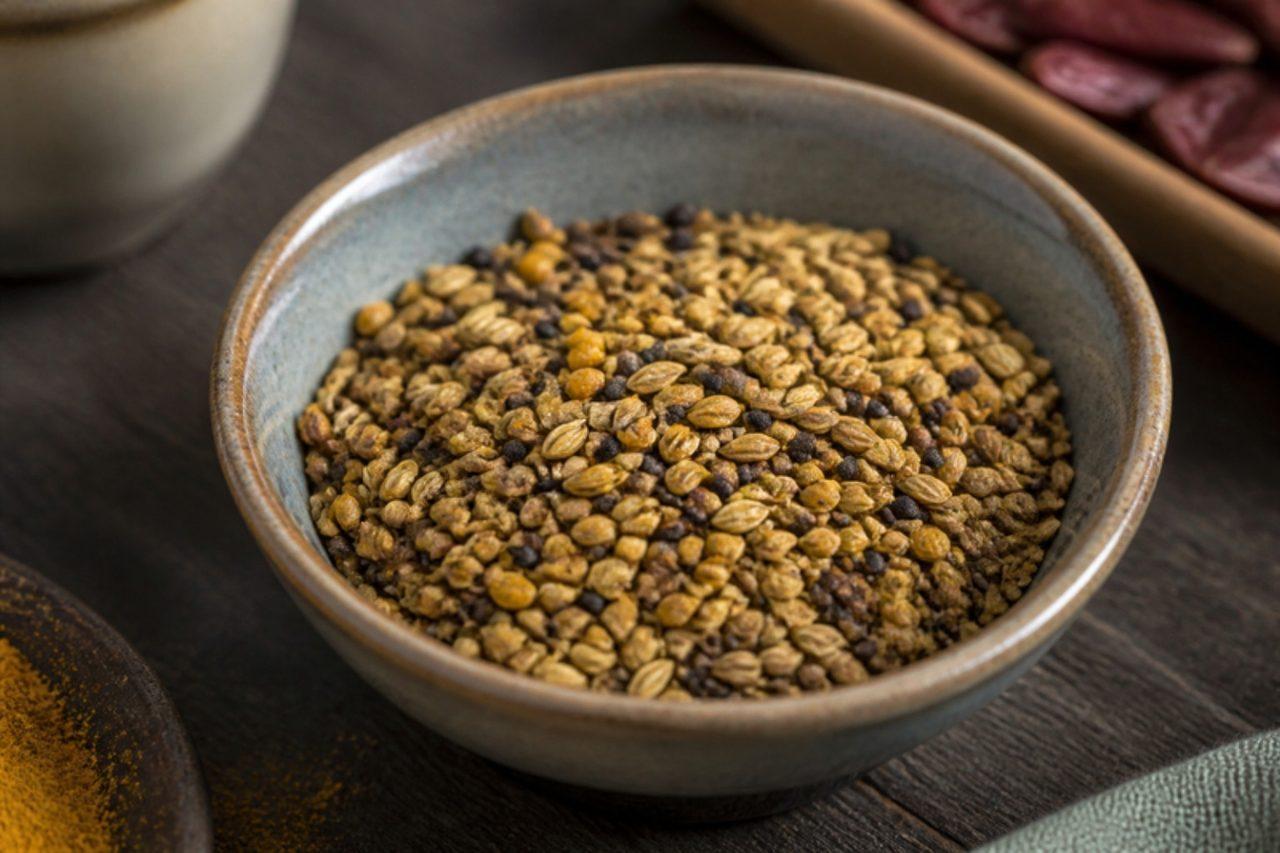
Panch phoronFive-seed spice mix

Every Bengali and Odia kitchen keeps a jar of panch phoron within reach of the stove, because so much of the cooking begins with a teaspoon of it crackling in hot mustard oil. The five seeds, in equal measure, are left whole and never roasted or ground ahead: bitter fenugreek, oniony nigella (kalonji), earthy cumin, sharp black mustard and sweet fennel. Together they give a layered, slightly bittersweet aroma that is the signature of tomato chutney, cholar dal, labra, chorchori and the sweet-sour vegetable dishes of a Bengali lunch. In some traditional homes radhuni, a wild celery seed, replaces the mustard. Common mistake: tempering over a high flame. The fenugreek blackens in seconds and the whole dish tastes bitter. Chef's tip: let the oil heat until it just shimmers, add the panch phoron, and the moment the mustard starts popping and the fenugreek is reddish brown, add the vegetables or dal.

by KrazyBadal 0 views

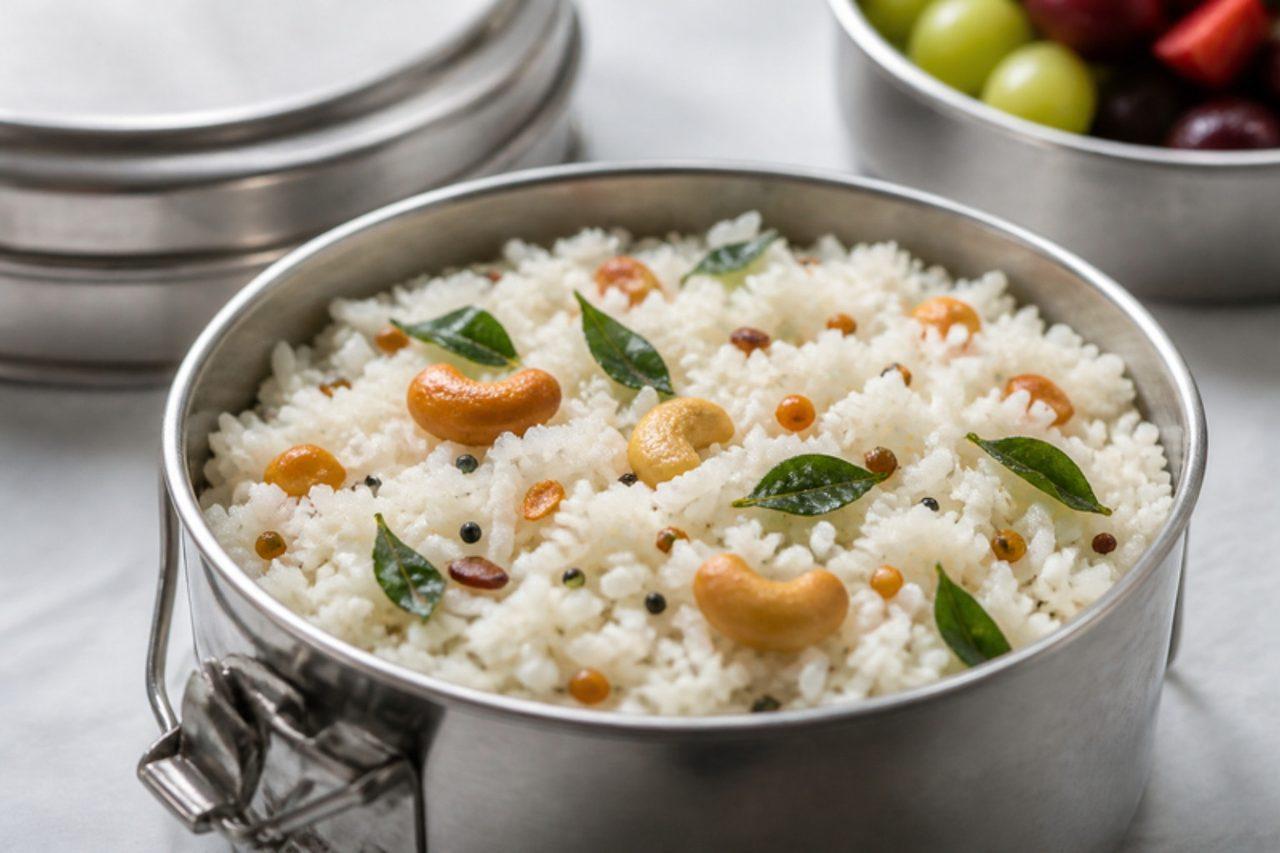
Thengai sadamCoconut rice

Thengai sadam is one of the 'variety rice' dishes that fill Tamil lunchboxes and temple prasadam lines, alongside lemon and tamarind rice. It is made for Aadi Perukku and Varalakshmi Vratam, packed for train journeys to Madurai, and turned out on busy weekdays from leftover rice. Fresh coconut, lightly toasted in coconut oil, clings to every grain; crunchy urad and chana dal, cashews and curry leaves give bite, and a dry red chilli a gentle heat. It tastes mild, sweet from the coconut and very fragrant. Serve it with potato roast, appalam or a spoon of mor kuzhambu. A common mistake is browning the coconut; it should only lose its raw smell and stay snowy white. Chef's tip: spread the rice on a plate to cool fully; warm, freshly cooked rice breaks and turns pasty when tossed.

by KrazyBadal 0 views

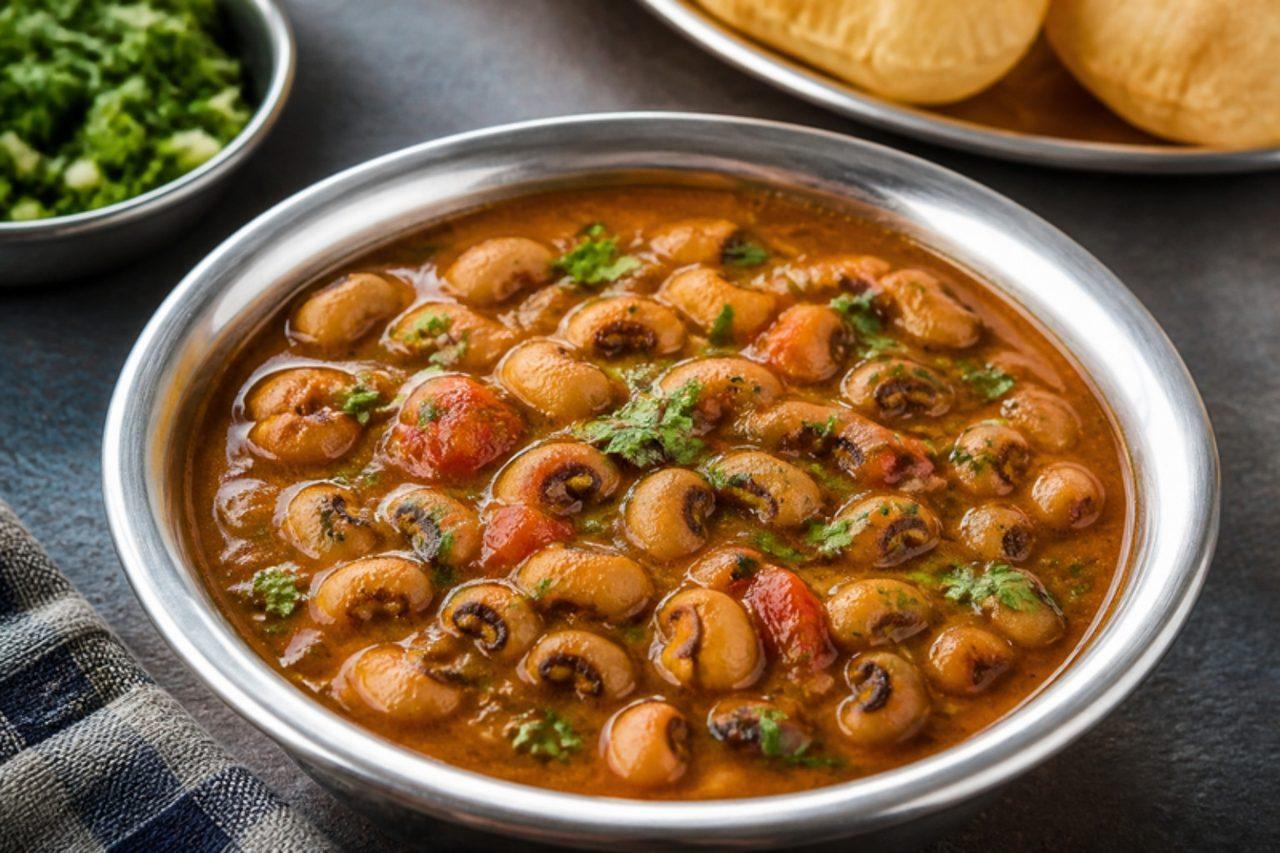
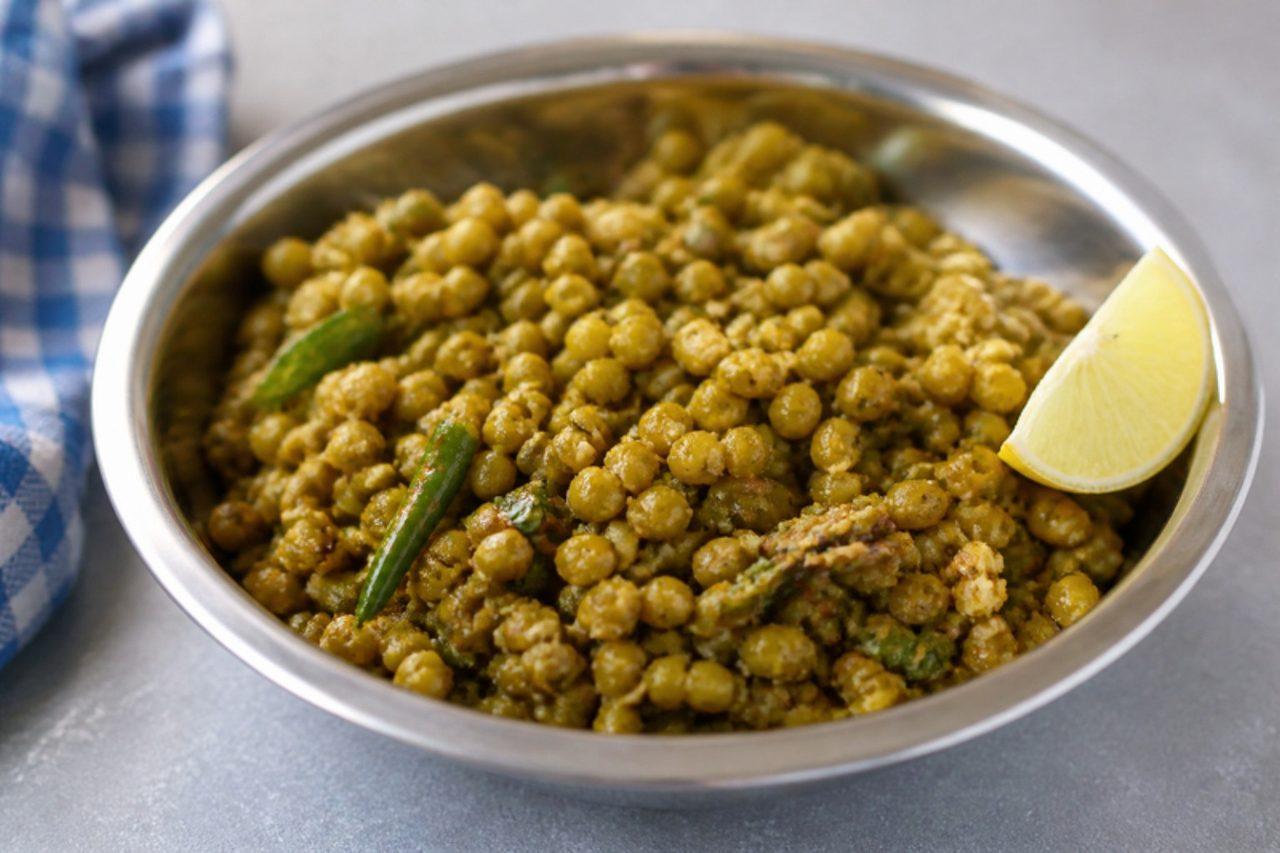
Chora nu shaakBlack-eyed pea curry

Chora nu shaak is a Sunday favourite in Surat and Baroda homes and one of the pulse shaaks that rotate through a Jain kitchen in place of onion-based gravies. Black-eyed peas are cooked soft, then simmered in a thin tomato gravy built on a vaghar of mustard seed, cumin, hing, cloves and dry red chilli, sweetened with jaggery and sharpened with lemon in true Gujarati style. Dry ginger powder replaces fresh ginger, and there is no onion or garlic. The gravy should be loose enough to soak into rotli or rice, with a few beans mashed to give it body. A common mistake is adding tomato and jaggery before the beans are fully soft; acid and sugar keep them hard however long you cook them. Chef's tip: let the shaak rest for 10 minutes before serving; the chora drink up the gravy and the flavours round out.

by KrazyBadal 0 views

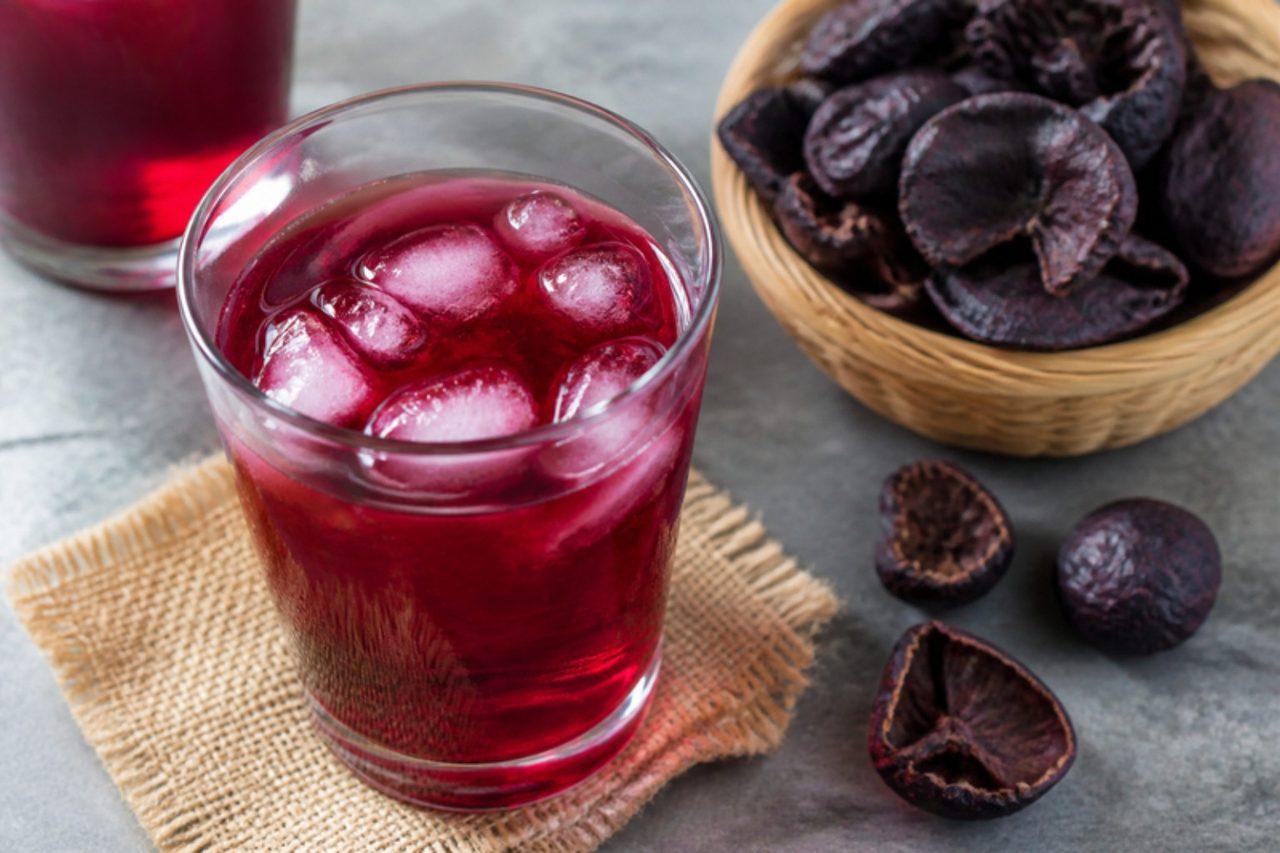
Kokum sharbatKokum cordial

Along the Konkan coast, from Ratnagiri down to Goa, the purple kokum fruit is split and dried in the sun every summer, and the leathery rinds go into curries, sol kadhi and this sharbat. Unlike sol kadhi, there is no coconut milk here: just a clear, deep-red syrup that is fruity, tart and faintly salty, diluted with cold water and drunk after a fish lunch or on a hot afternoon to cool the stomach. Families in Malvan and Sawantwadi still make the concentrate by layering fresh fruit with sugar in jars; this quicker version uses the dried rinds you can buy anywhere. The common mistake is boiling the kokum hard for a long time, which makes the syrup taste stewed and murky; simmer gently just until the colour floods out. Chef's tip: a pinch of roasted cumin and black salt in the glass turns a simple sweet drink into the proper coastal version.

by KrazyBadal 0 views

Goda masalaMaharashtrian spice blend

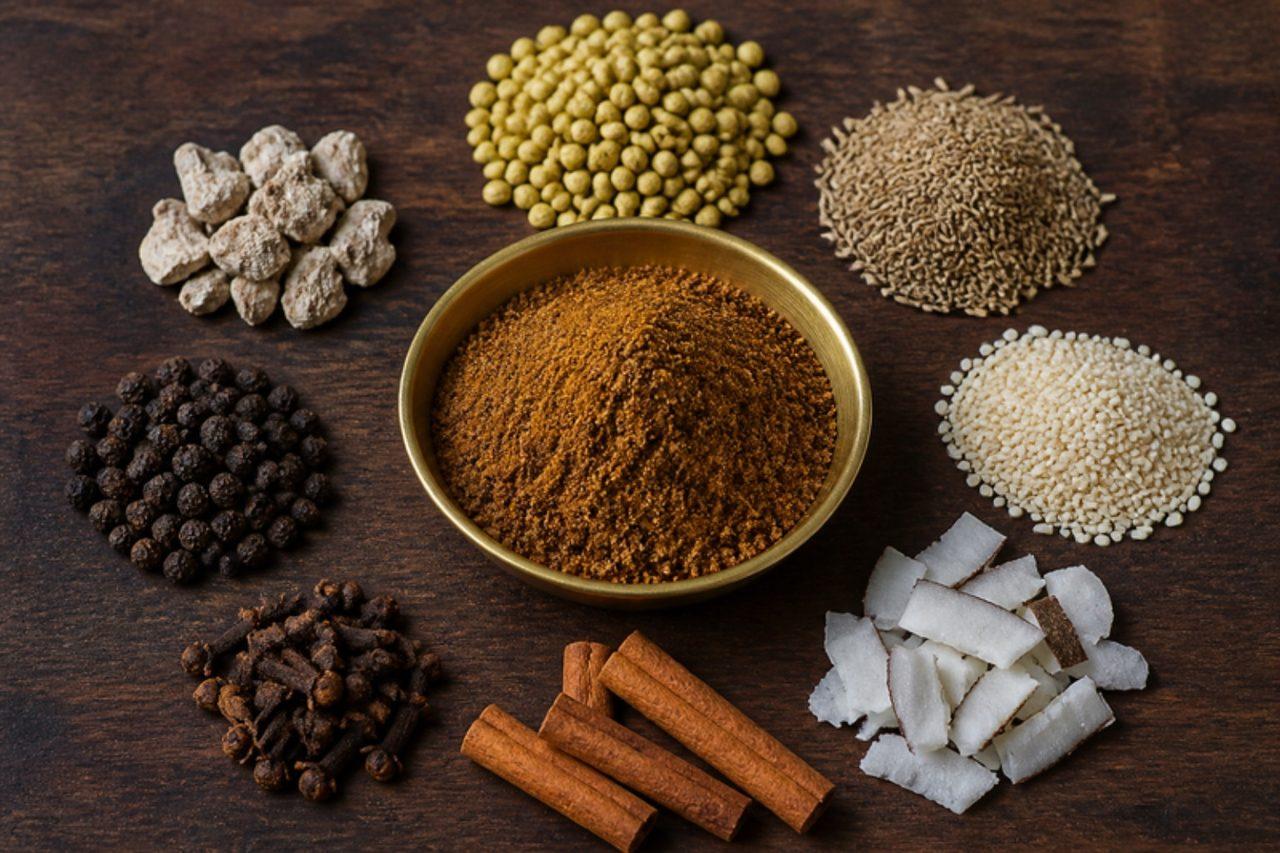
Goda means sweet in Marathi, and the word describes not sugar but the warm, rounded fragrance of this masala, which every Pune and Satara household roasts in small batches. It is the soul of Brahmin Maharashtrian cooking: masale bhaat at weddings, a spoonful in amti (tangy toor dal), bharli vangi (stuffed brinjal), and usal for misal. It is dark and aromatic rather than hot, built on coriander, dry coconut (kopra) and sesame, perfumed with cinnamon, cloves and cardamom, and given its earthy, slightly musky depth by dagad phool (stone flower, a lichen), with nagkesar and maratha moggu if you can find them at a Marathi grocer. Common mistake: roasting the coconut and sesame with the hard spices on a high flame; the coconut burns before the coriander is done and the whole batch tastes bitter. Chef's tip: roast each spice in a drop of oil until a shade darker, because that slow roasting is what gives goda masala its colour.

by KrazyBadal 0 views

Kanda lasun masalaOnion and garlic spice blend

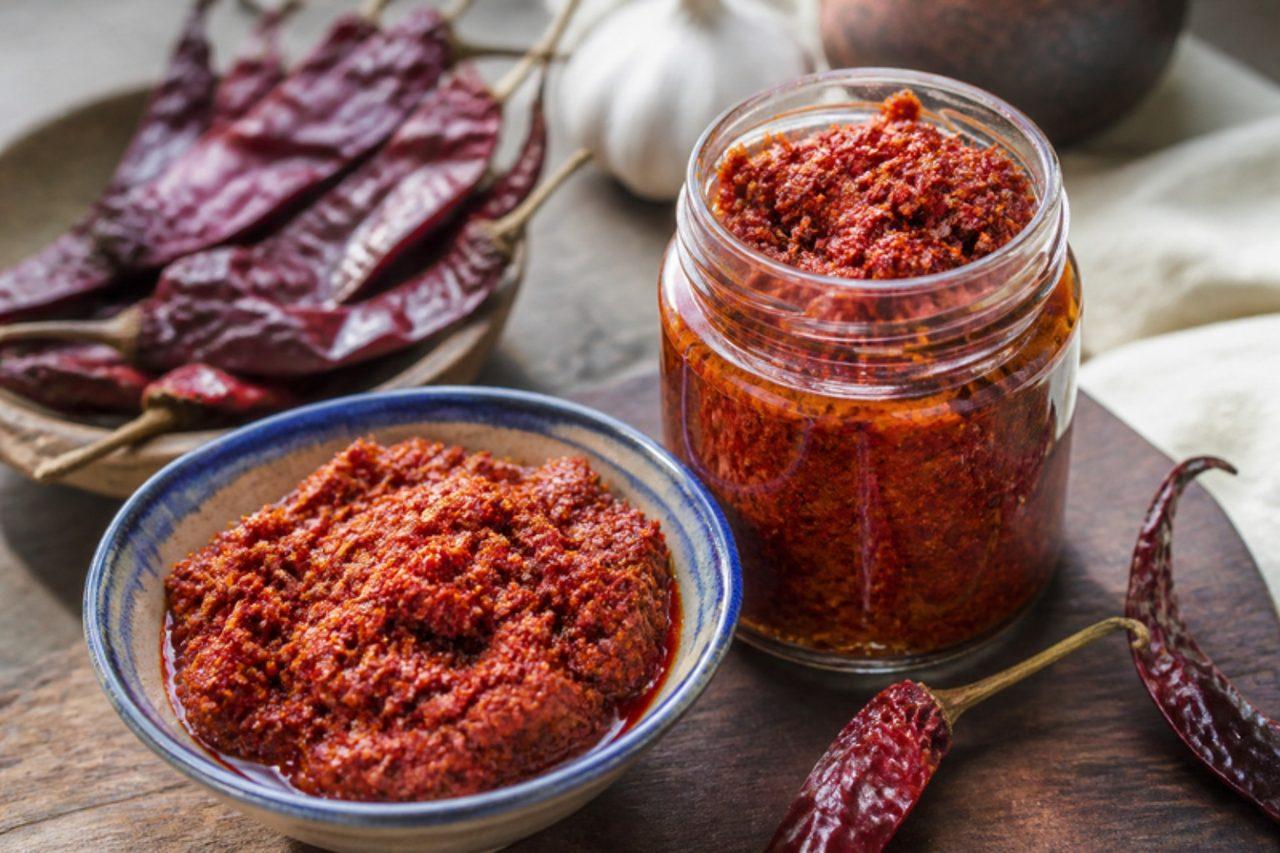
Kolhapuri women still make kanda lasun masala once a year, in the hot months, in a day-long session of frying, roasting and pounding, and the jar lasts until the next summer. The masala is a deep brick-red, oily paste-powder that smells of browned onion and garlic and sets your mouth on fire, thanks to plenty of hot chilli powder, traditionally from Sankeshwari or Lavangi chillies, plus milder Kashmiri for colour. A spoon or two transforms misal, kat (the spicy gravy for pav), batata bhaji, anda curry or the famous tambda rassa of mutton. Common mistake: frying the onions only until golden. They must be deep brown and crisp, with no moisture left, or the masala will turn mouldy within weeks. Chef's tip: dry the fried onion and garlic on paper for an hour before grinding, and keep the finished jar in the fridge if your kitchen is humid.

by KrazyBadal 0 views

Rasam powderRasam spice powder

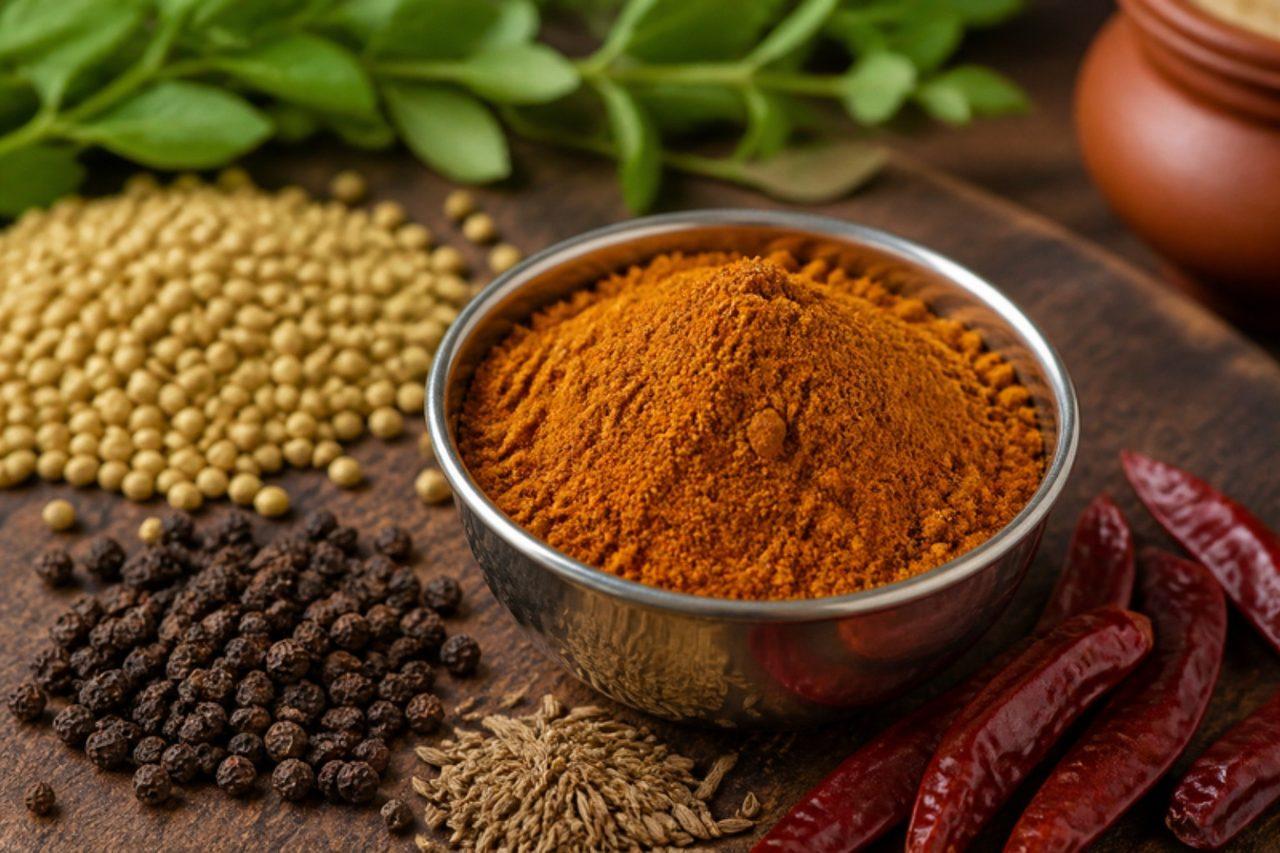
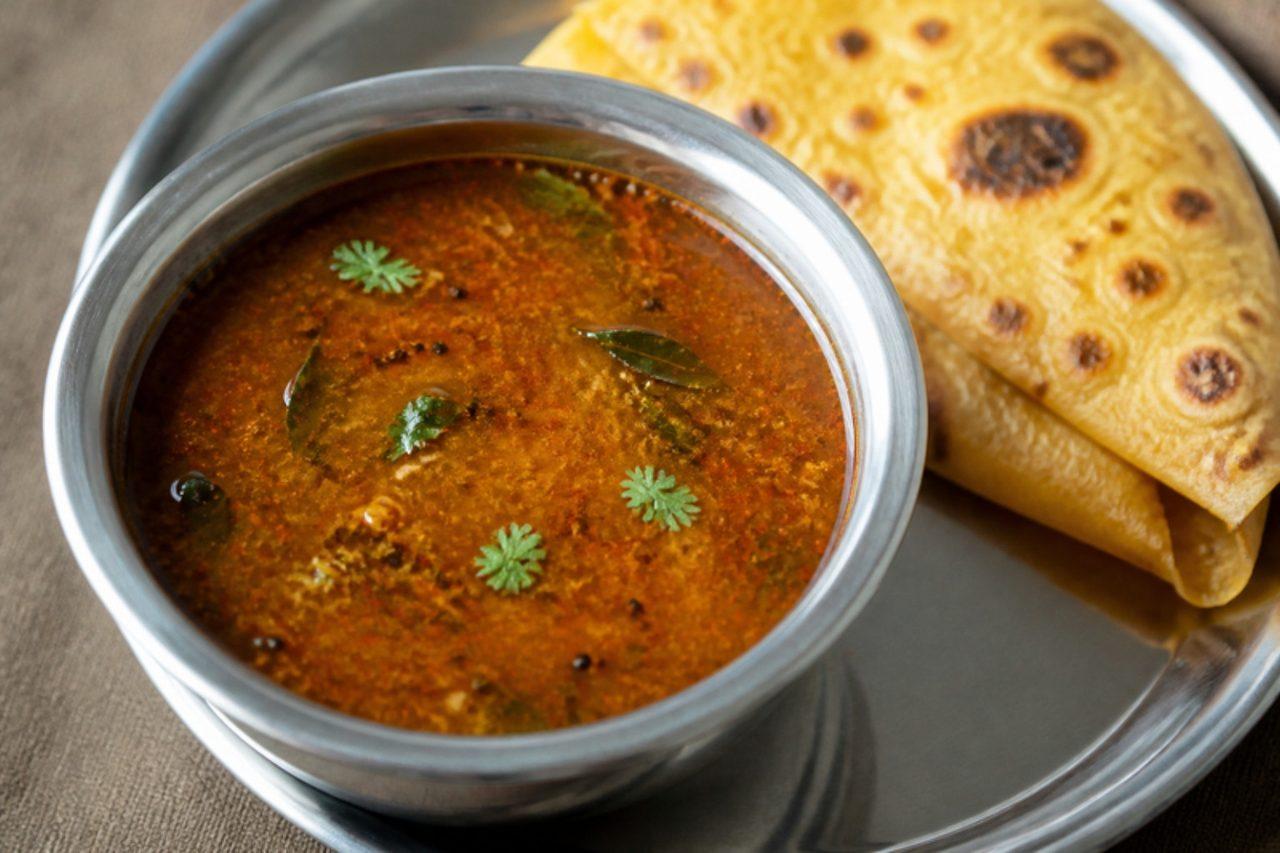
A spoon of rasam podi, a lime-sized ball of tamarind, a tomato and a ladle of cooked toor dal: that is lunch in countless Tamil homes, from Thanjavur to Tirunelveli, and the podi is what makes one family's rasam taste unlike the neighbour's. This version is peppery and cumin-forward, as rasam should be, with roasted coriander for body and a little toor dal that thickens the broth slightly and gives it a rounded, nutty base. It is meant for clear, thin rasams: tomato rasam, pepper rasam, lemon rasam, and the one you sip as a soup when you have a cold. Make a small batch, since the aroma fades after a couple of months. Common mistake: roasting the coriander seeds until dark brown; they turn bitter and the rasam tastes burnt. Chef's tip: add rasam powder at the end, when the tamarind water is already boiling, and switch off the heat as soon as the rasam froths; boiling it hard kills the pepper aroma.

by KrazyBadal 0 views

Kashmiri ver masalaKashmiri spice cakes

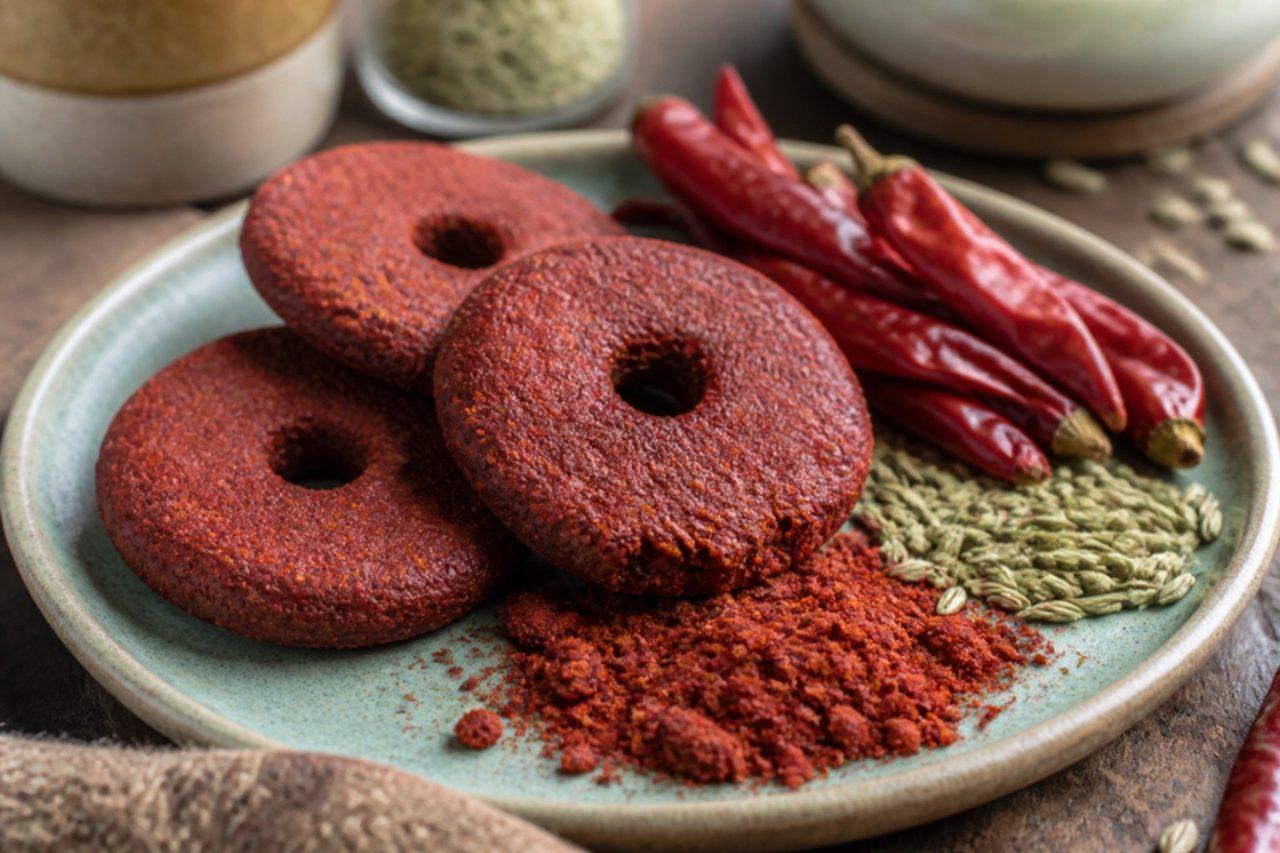
In Srinagar's old city, ver is still made at the end of summer and strung up to dry in kitchens: flat, ring-shaped cakes of ground spices bound with shallot paste and pungent mustard oil, dark red and rock hard. It was a way to store flavour for the long winter, when fresh ingredients were scarce. A piece grated into the pot gives Kashmiri food its typical deep red colour and its warm, sweet-hot fennel and dry ginger flavour, without tomatoes or onions: think dum aloo, nadru yakhni (lotus stem), haak (collard greens), chaman (paneer) and rogan josh. Kashmiri Muslim kitchens often add garlic; Pandit homes may leave the shallots out altogether. Common mistake: drying the cakes in a damp or closed spot; they stay soft inside and grow mould. Chef's tip: heat the mustard oil until it smokes and then cool it before mixing, to take away its raw, sharp bite.

by KrazyBadal 0 views

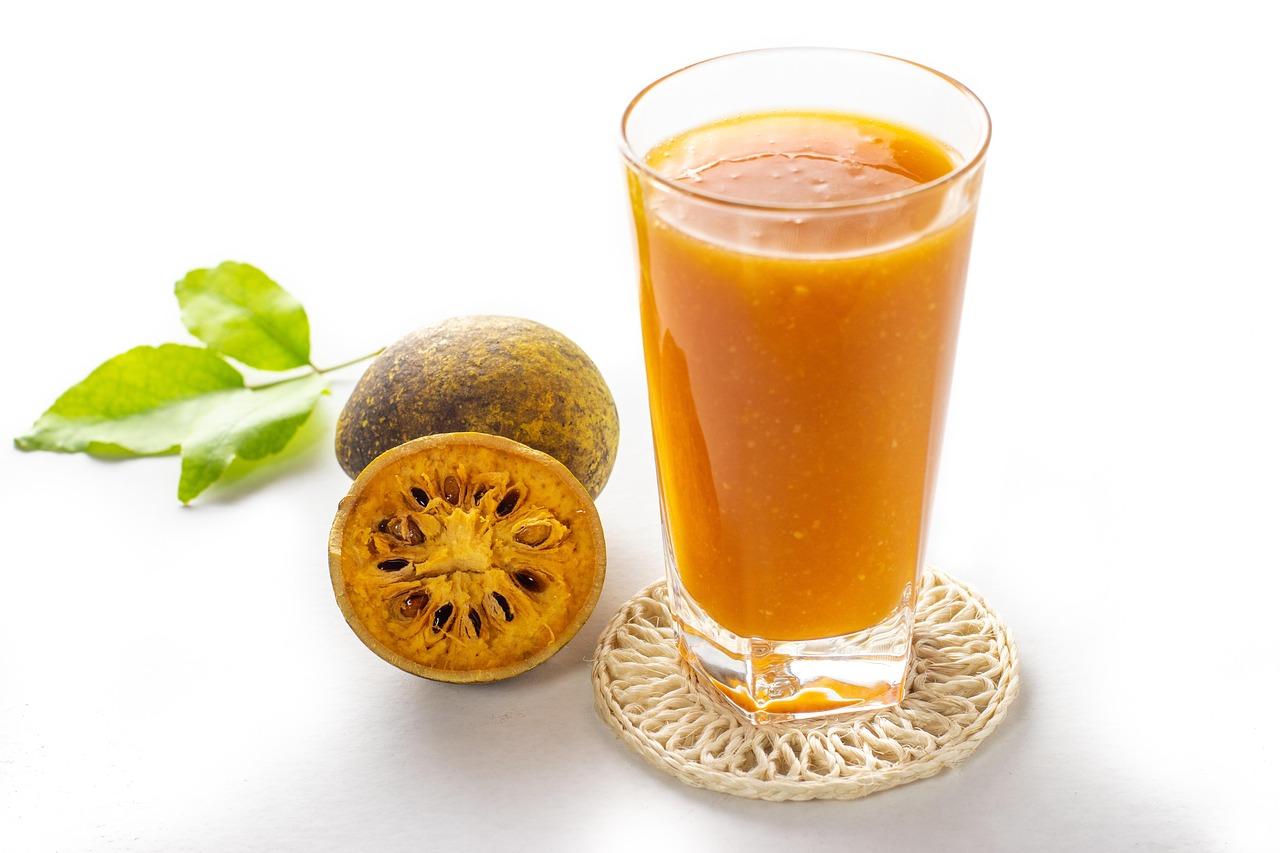
Bel sharbatWood apple drink

Bael trees grow beside temples across Uttar Pradesh and Bihar, and in May the hard golden fruits are cracked open on the doorstep with a pestle. The orange pulp smells of tamarind, marmalade and rose, and mashed into water it makes a thick, pulpy sharbat that people in Patna, Prayagraj and Gorakhpur drink mid-morning to keep the heat at bay; it is also famously kind to the stomach. Rickshaw stalls sell it from big steel pots. Ripe fruit is essential: it should sound hollow when tapped and smell sweet. The common mistake is blending the pulp in a mixer, which crushes the seeds and sticky fibres and makes the drink bitter and gluey; soak it and mash by hand instead. Chef's tip: let the pulp soak a full 15 minutes before mashing, and it practically falls off the fibres.

by KrazyBadal 0 views

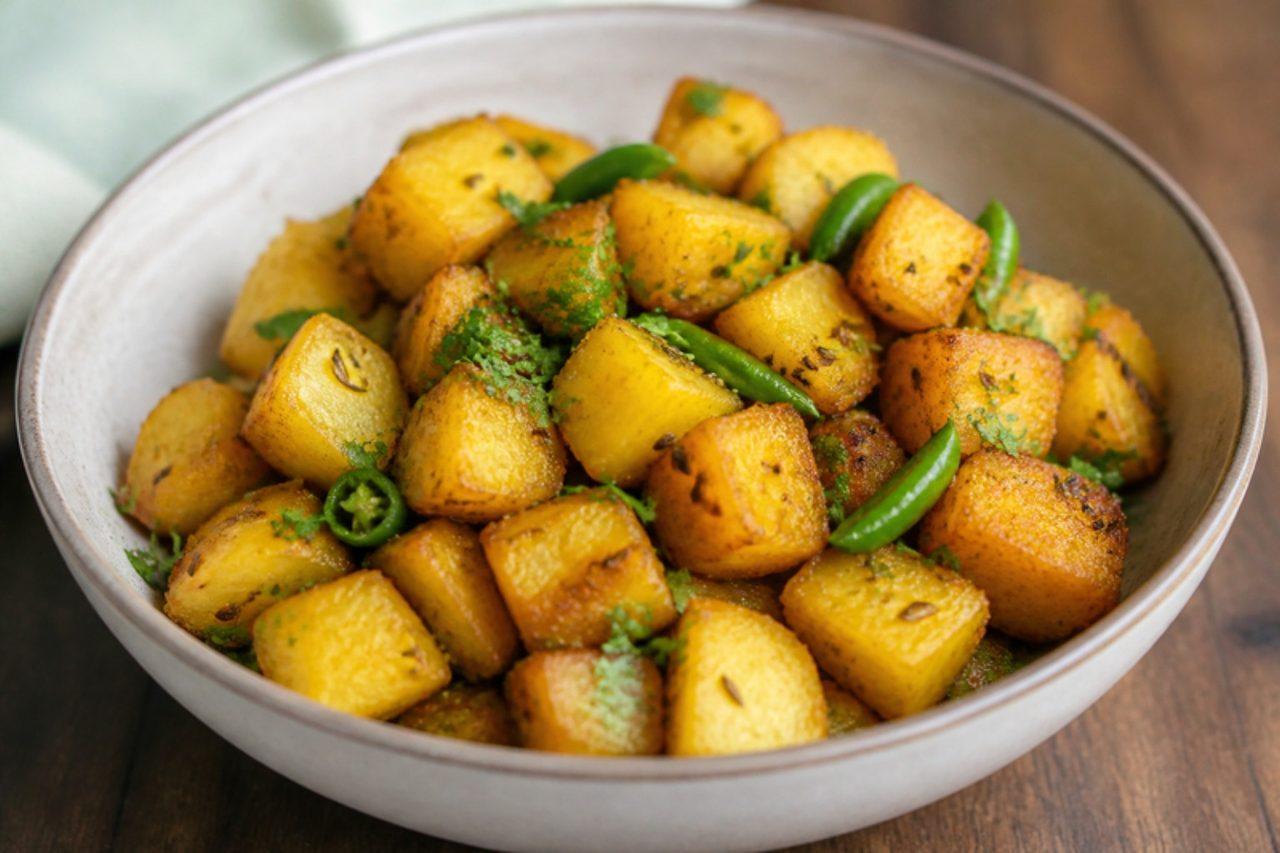
Jeera alooCumin potatoes

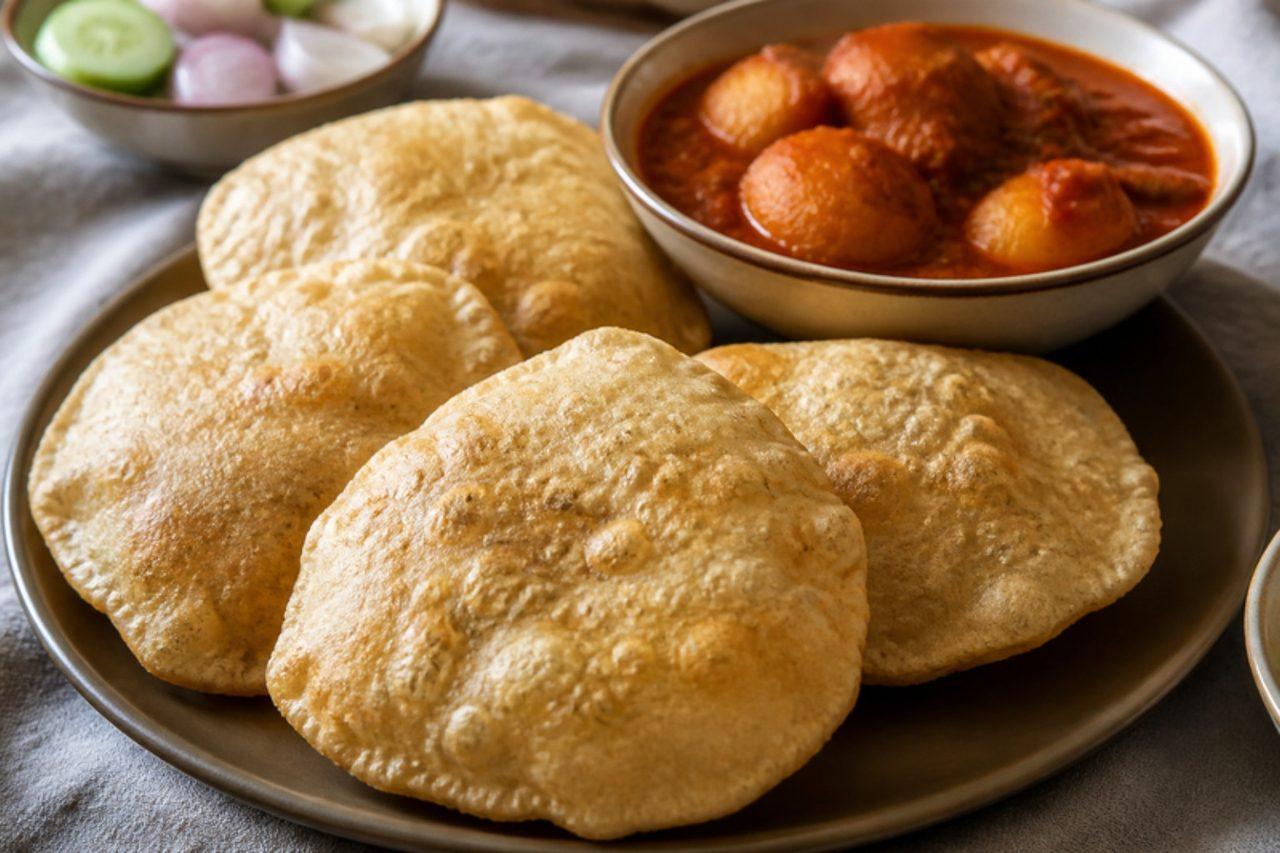
Jeera aloo is what North Indian mothers pack with puri for a train ride, serve with dal and rice on a weeknight, and cook in bulk for Navratri kanjak lunches alongside halwa and chana. Boiled potatoes are cubed and tossed in plenty of cumin that has sizzled until dark and nutty, with green chilli, ginger, a little turmeric and chilli, then soured with amchur. The edges catch and turn golden while the insides stay soft and fluffy. The common mistake is tossing potatoes that are still hot from boiling; they crumble. Cool them completely, ideally in the fridge, so the cubes hold their shape. Chef's tip: let the cumin turn a shade darker before the potatoes go in; pale cumin gives a raw, dusty taste.
by KrazyBadal 0 views

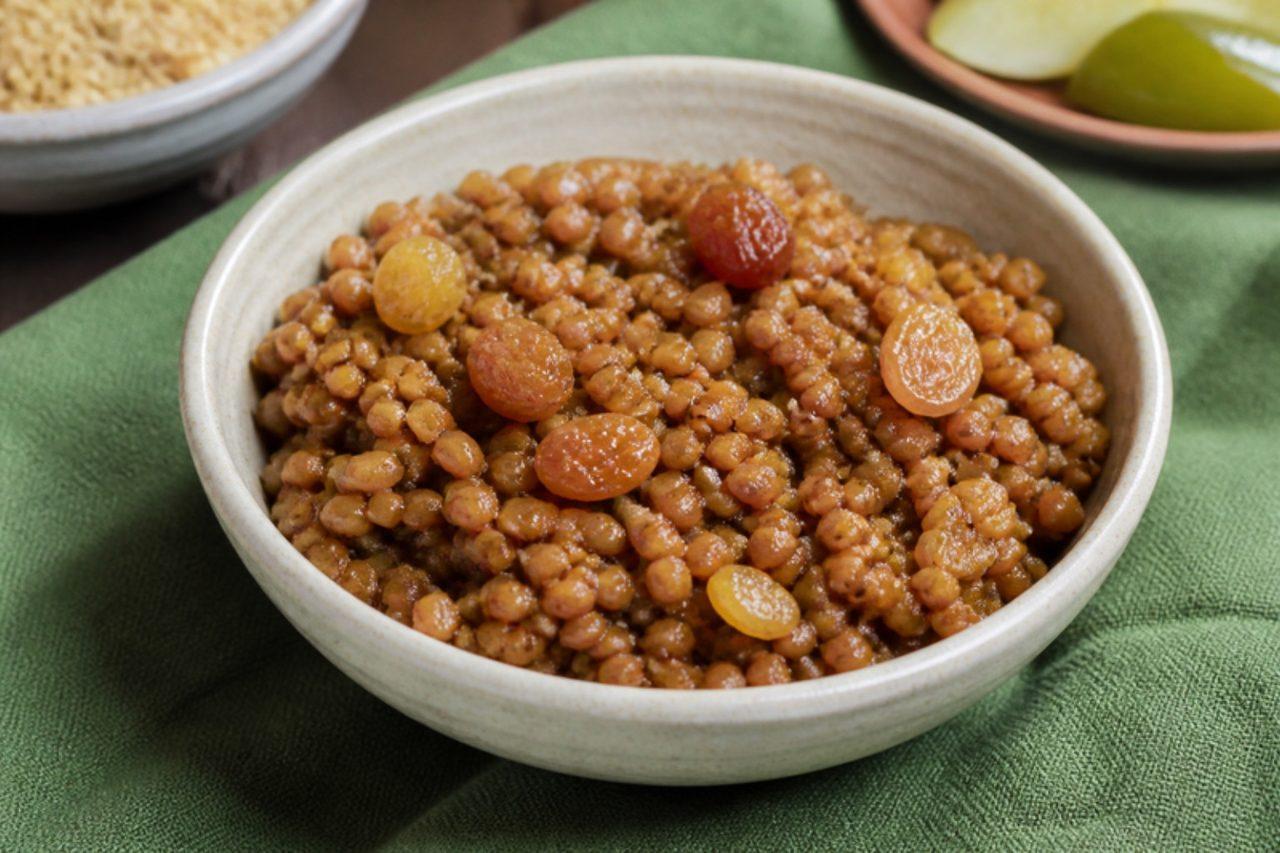
Methi dana ki sabziSweet-sour fenugreek seed curry

Marwari wedding and festival thalis in Jaipur, Bikaner and the Marwari homes of Kolkata always carry a small bowl of this: fenugreek seeds soaked overnight, boiled to tame their bitterness, then cooked down with jaggery, raisins, amchur and warm spices until sticky and glossy. It is eaten in small spoonfuls with puri, bajra roti or dal-baati, more like a relish than a vegetable, and it's especially loved after childbirth and in winter as a warming food. With no onion, garlic or root vegetables, it suits Jain homes as is. The common mistake is skipping the boil-and-drain; seeds that are only soaked stay unpleasantly bitter. Chef's tip: the sabzi keeps for a week in the fridge and tastes better on day two, so make it a day before a festive meal.

by KrazyBadal 0 views

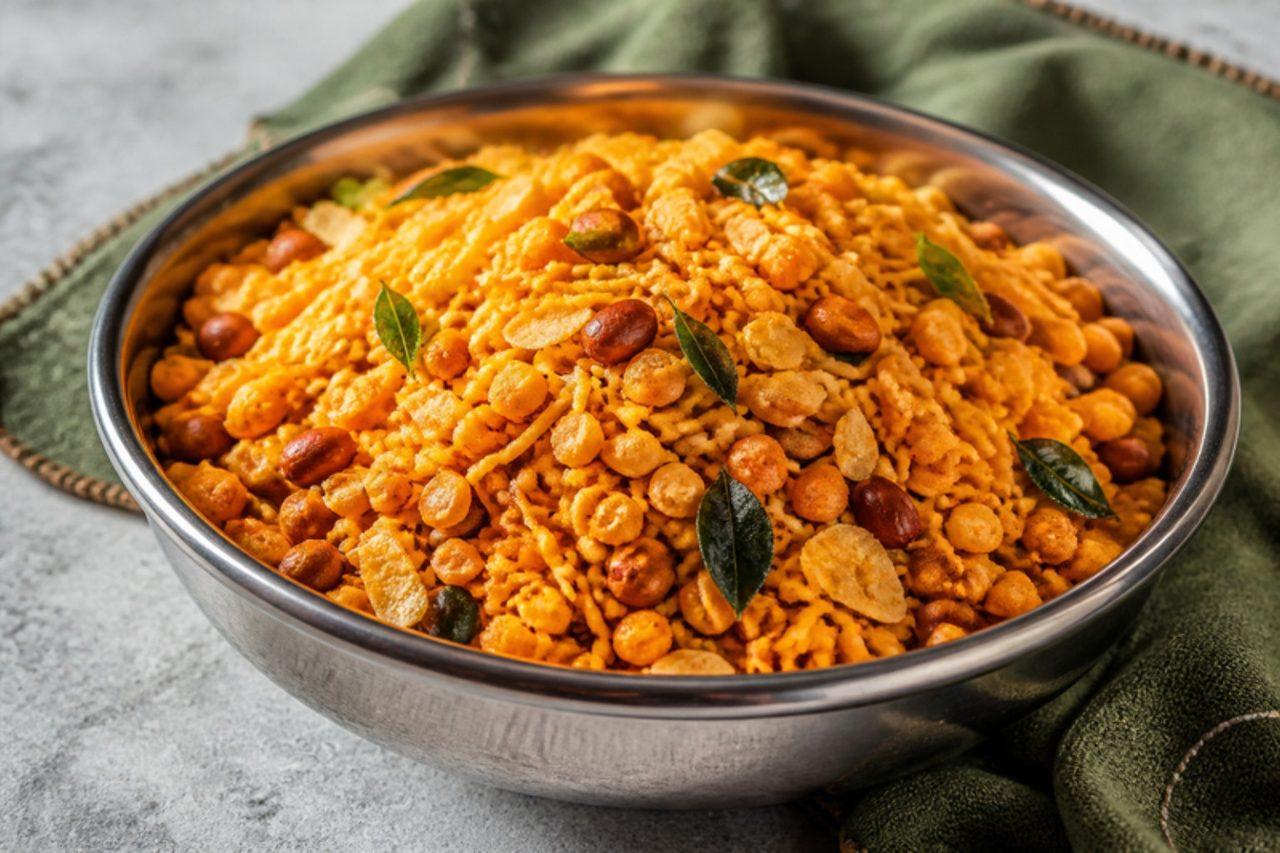
Madras mixtureCrunchy savoury snack mix

In Chennai sweet shops the glass jars of mixture sit beside the murukku, and at Deepavali most Tamil families make their own. It is built from separately fried parts: thin besan omapodi-style sev, little spiced kara boondi pearls, thick poha fried to a crunch, fried gram, peanuts and a big handful of curry leaves, all tossed with chilli and asafoetida while warm. The flavour is salty, peppery and savoury, with no sugar and no raisins, which is what sets it apart from Gujarati chevdo. Each part has a different crunch, so every handful is different. Serve it with filter coffee or tea. Use gluten-free asafoetida if you need it gluten-free. Chef's tip: fry everything in the same oil in order, from lightest to heaviest flavour: poha and peanuts first, then boondi, then sev; that keeps the oil clean and every part tastes fresh.

by KrazyBadal 0 views

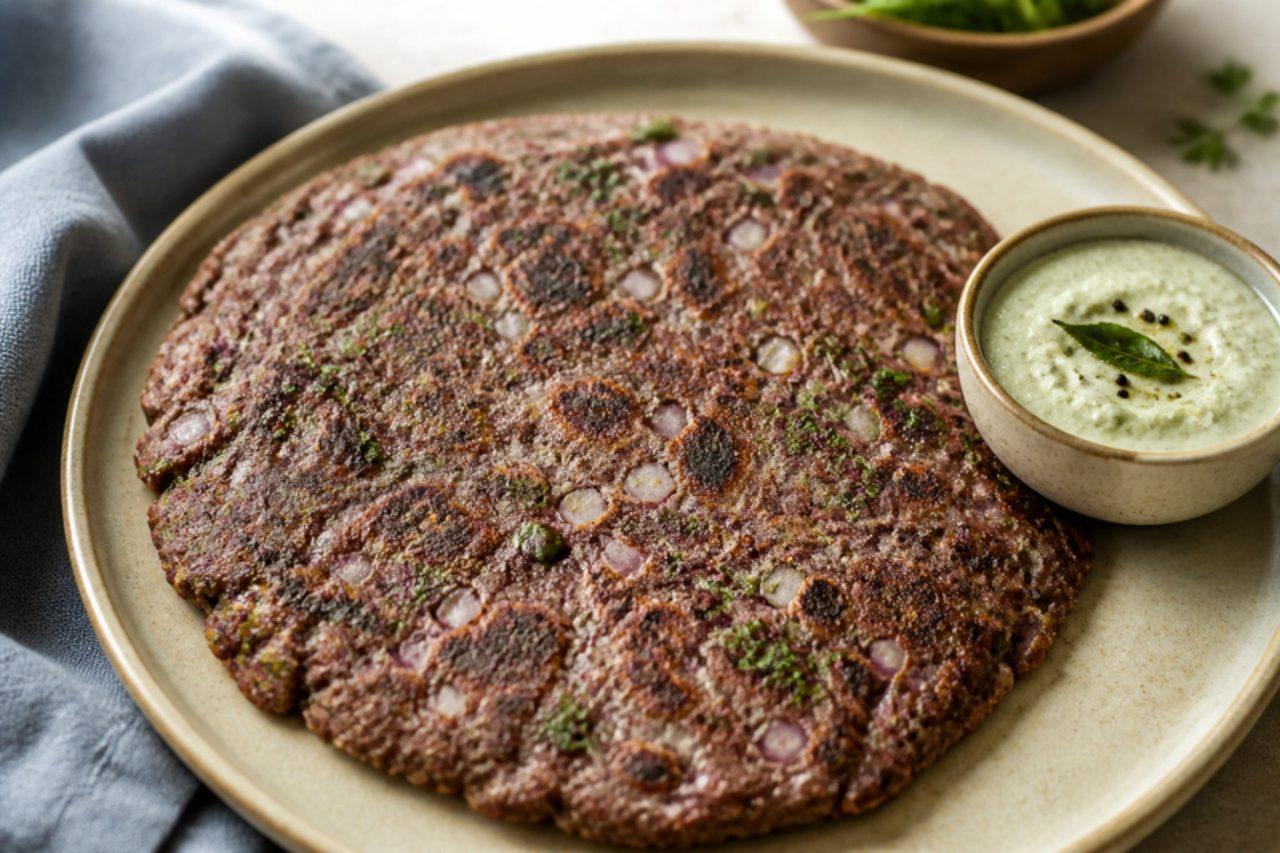
Ragi rottiFinger millet flatbread

In Bengaluru, Mandya and Mysuru, ragi rotti is the hearty breakfast that farmers and office-goers alike eat before a long day, still warm from the tawa. It is made with finger-millet flour mixed with raw onion, a generous amount of sabsige soppu (dill), green chilli, coriander and fresh coconut, then patted out directly onto the cold griddle with wet fingers rather than rolled. The result is earthy, nutty and slightly chewy, crisp at the edges, with the fresh anise note of dill running through. It is different from the soft boiled-dough ragi mudde and from rice akki rotti, and it is eaten with coconut chutney, a dollop of homemade white butter or a spicy ennegai (stuffed brinjal) curry. Common mistake: patting the dough onto a hot tawa; it sticks, tears and burns your fingers. Chef's tip: use two tawas, or cool one under the tap between rottis, so each one starts on a cool surface.

by KrazyBadal 0 views

KurdaiSun-dried wheat starch spirals

Kurdai is one of the great Marathi summer projects, the kind that takes the whole family and most of the week. In Marathwada and Khandesh, whole wheat grains are soaked for three days, ground, and strained to collect the fine starch (chik), which settles and slightly ferments. That starch is cooked into a glossy paste and pressed through a kurdai press into flat spirals that dry hard and translucent in the April sun. Fried, they swell into airy, rippled curls, crisp and almost melting, with a faint tang from the fermentation. Kurdai turns up on the side of a Maharashtrian thali with varan-bhaat, at festivals, and as a tea-time crunch. Note that it is made from wheat, so it is not gluten-free. Chef's tip: change the soaking water morning and evening without fail. Skip it and the wheat starts to smell sour and musty instead of clean and yeasty, and the kurdai will taste of it.

by KrazyBadal 0 views

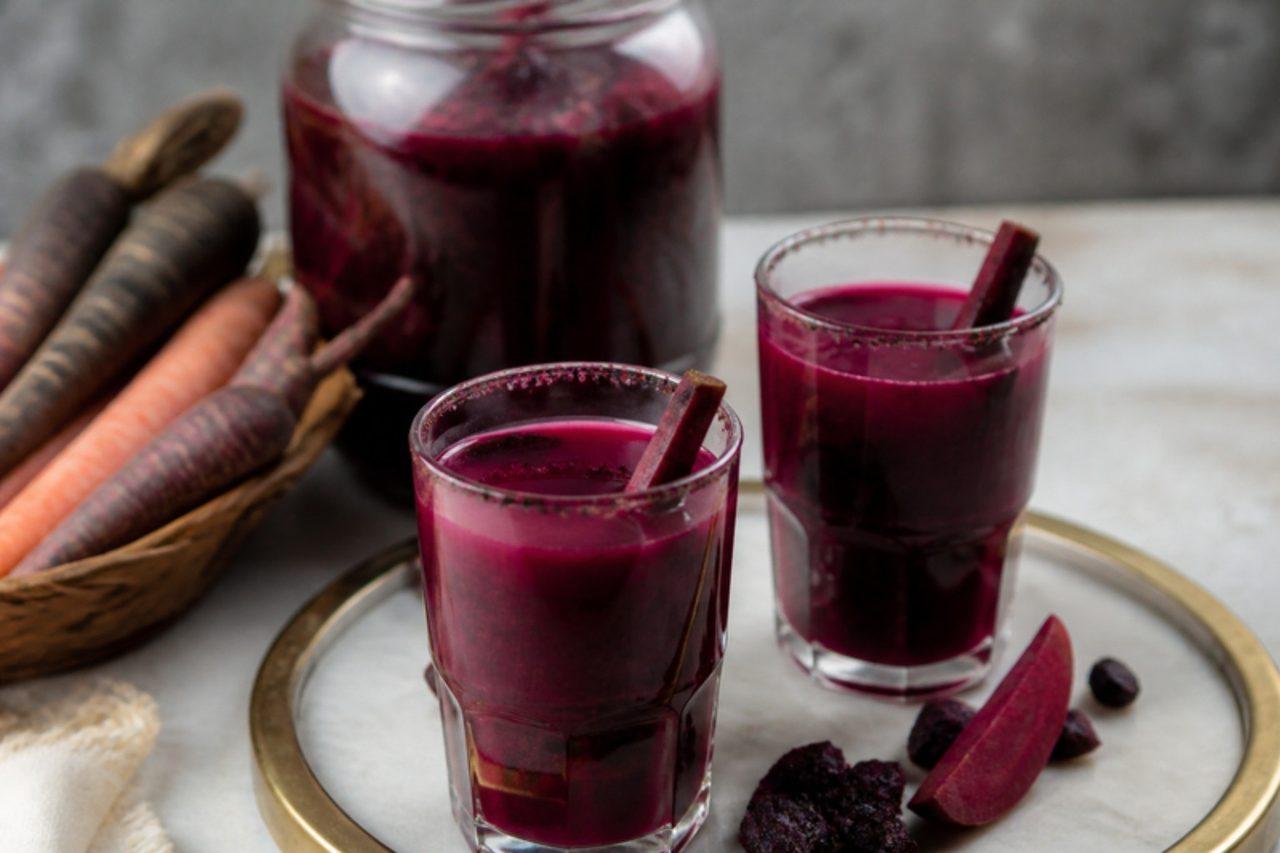
Kali gajar ki kanjiFermented black carrot drink

When the last black carrots of winter reach Punjabi and UP markets in February and March, kitchens start a jar of kanji. The carrots are cut into fingers, steeped in water with crushed mustard seed, salt and chilli, and left in the sun for a few days until the liquid turns deep purple, sour and sharp enough to tickle your nose. It is drunk by the glass before meals around Holi as a digestive and a spring tonic, and the soft, tangy carrot sticks are eaten too. The flavour is like a lively pickle brine, earthy from the carrots and peppery from mustard. Use a glass or ceramic jar that you have washed and dried completely, keep the vegetables under the water, stir with a clean dry spoon, and discard if mould or an unpleasant smell appears. Chef's tip: a small beetroot deepens the colour if your carrots are more red than black, but don't overdo it or the kanji tastes earthy and sweet.

by KrazyBadal 0 views

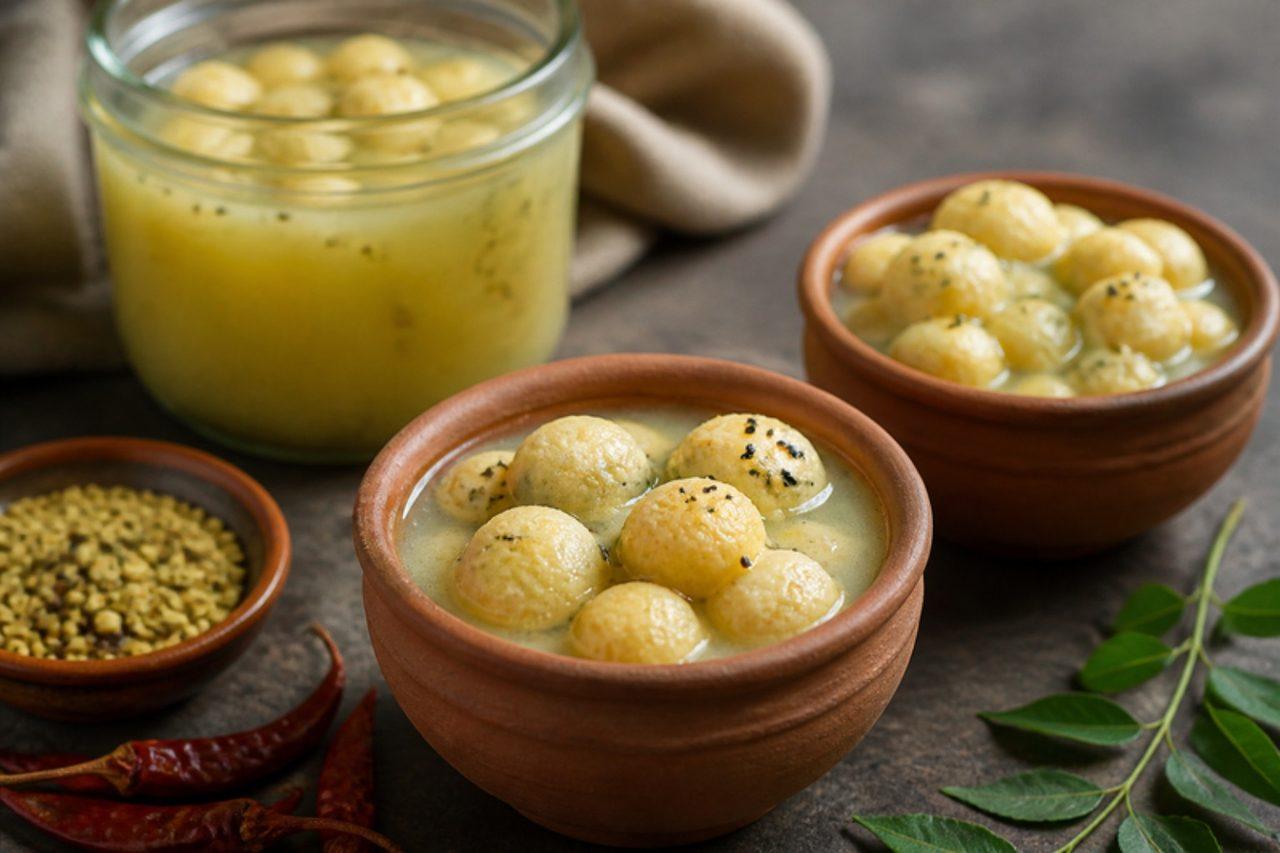
Kanji vadaLentil dumplings in mustard water

Around Holi, glass jars of cloudy water sit on rooftops across Jaipur, Jodhpur and old Delhi, fermenting in the spring sun. That water is kanji: boiled water with ground mustard seed, salt and chilli, which turns sour, pungent and faintly fizzy in two or three days. Small moong dal fritters are soaked in hot water to soften, then dropped into the kanji, where they drink up its tang and turn spongy. Served chilled in clay kulhads with a vada or two in each, it is a cooling, appetite-sharpening drink-snack that cuts through the rich Holi sweets. Ferment only in a clean, sterilised glass or ceramic jar, stir with a clean dry spoon, and discard the batch if you see mould or it smells rotten rather than pleasantly sour. Chef's tip: grind the mustard seed coarsely and fresh; pre-ground mustard powder goes bitter and dull.

by KrazyBadal 0 views

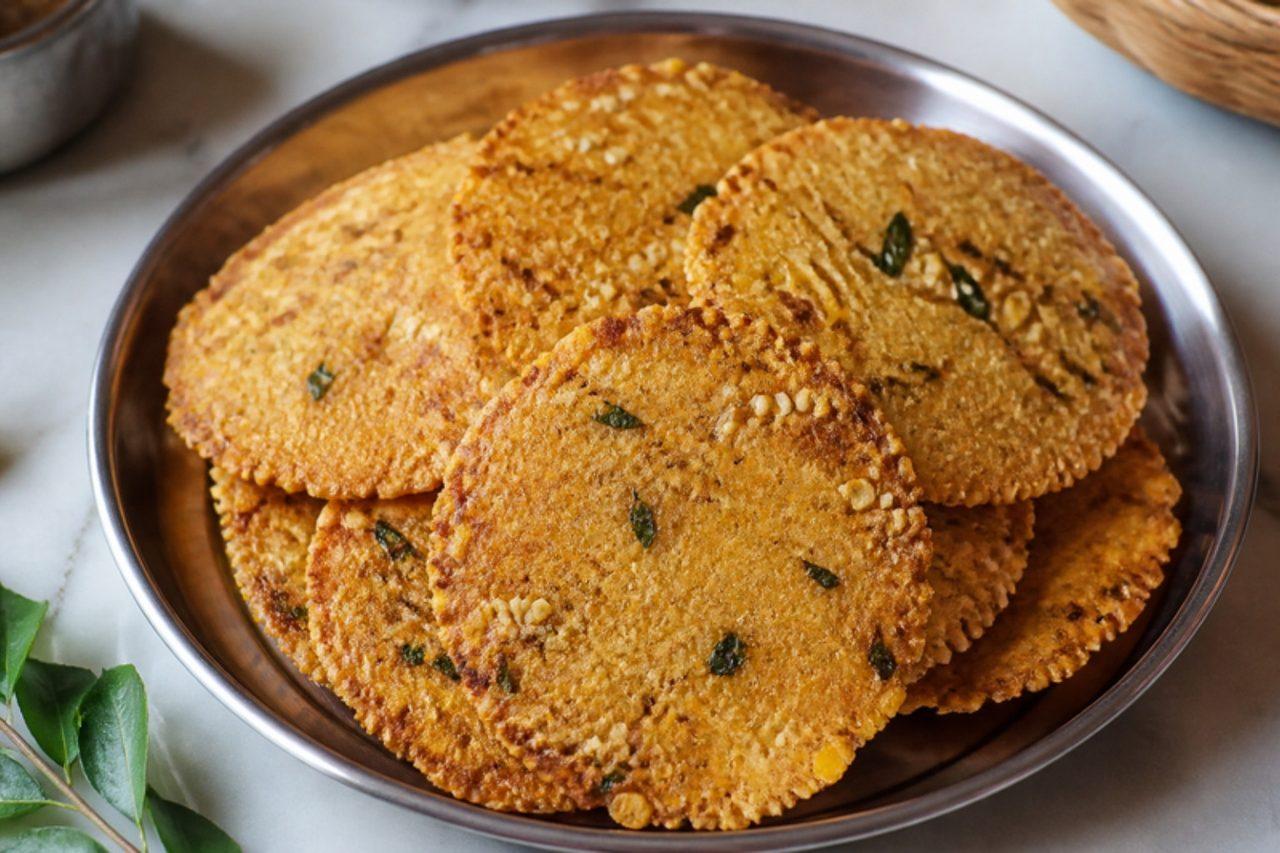
ThattaiCrisp rice flour crackers

Thattai means flat, and that is the whole secret: these Tamil rice crackers are patted out so thin you can see light through them, then fried until they crack like glass. Soaked chana dal pops inside each one for little nubs of crunch, torn curry leaves crisp in the oil, and roasted urad powder gives a savoury, biscuity depth. They fill tins for Deepavali and Gokulashtami across Tamil Nadu; in Karnataka a thicker cousin with peanuts is called nippattu, and in Andhra chekkalu. Many homes add butter to the dough; this version uses hot oil, which keeps it vegan and just as crisp. Use gluten-free asafoetida for a gluten-free batch. Chef's tip: pat them out on a sheet of oiled plastic or a banana leaf, then peel each one straight into the oil; lifting by hand tears thin dough.

by KrazyBadal 0 views

Nimbu ka acharLemon pickle

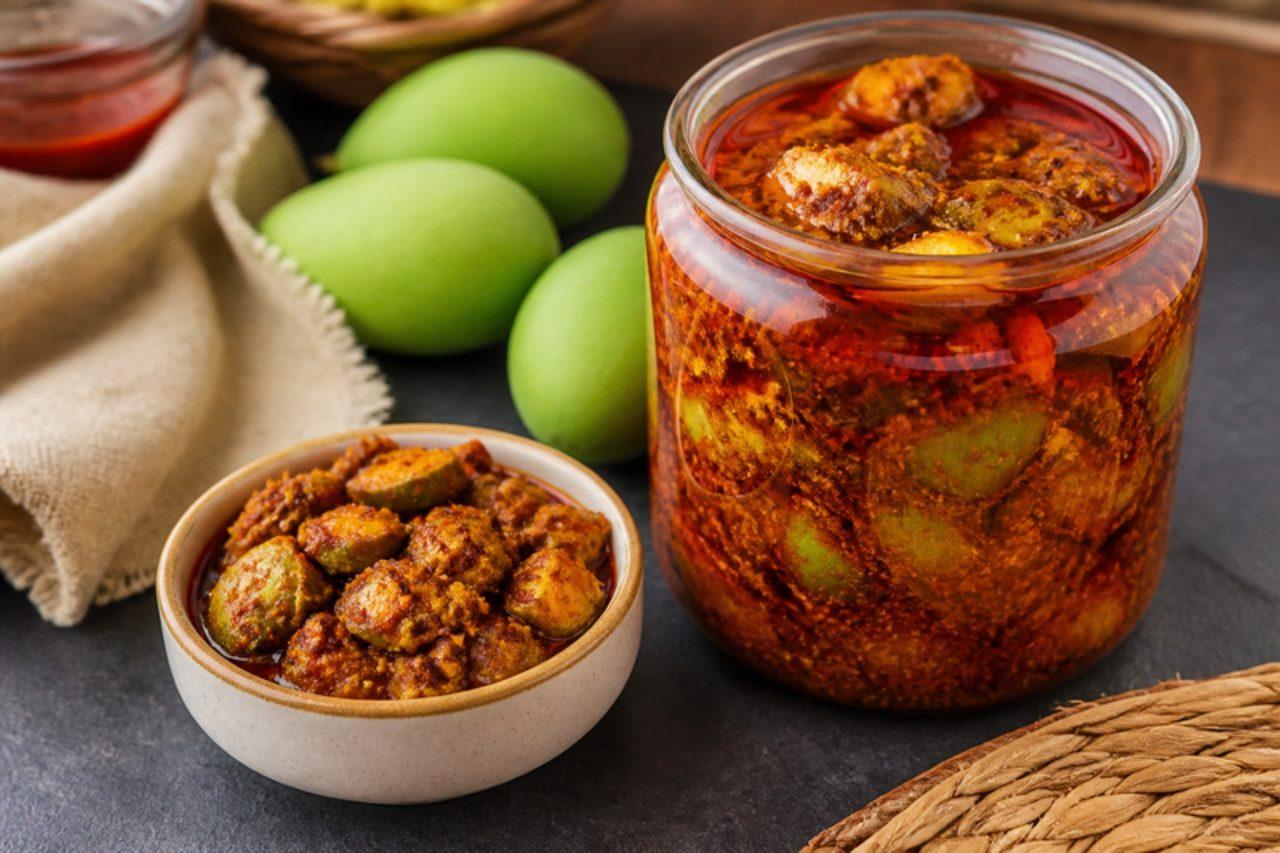
Lemon pickle is the one achar that North Indian grandmothers hand over without a speech, because there is almost nothing to it: lemons, salt, a few spices, a jar and patience. No oil goes in. The quartered lemons sit in salt and their own juice, in a sunny window or on the roof, and over three or four weeks the peel turns soft, translucent and brown, and the juice becomes a thick, sweet-sour syrup. This version is the khatta-meetha kind, with sugar, ajwain, black salt and chilli, loved with parathas, khichdi and as a cure for an upset stomach; leave out the sugar and double the chilli for the salty, sharp version. Use thin-skinned, juicy lemons (kagzi nimbu) and wash and dry them thoroughly. Common mistake: being impatient; the peel is bitter and hard until it has fully cured, so wait until it squashes easily. Keep the pieces pressed under the juice, use only a dry spoon and discard the jar if mould appears. Chef's tip: shake the jar every day rather than opening it; less air and fewer spoons mean less risk of spoilage.
by KrazyBadal 0 views

Rajgira ladooPopped amaranth jaggery balls

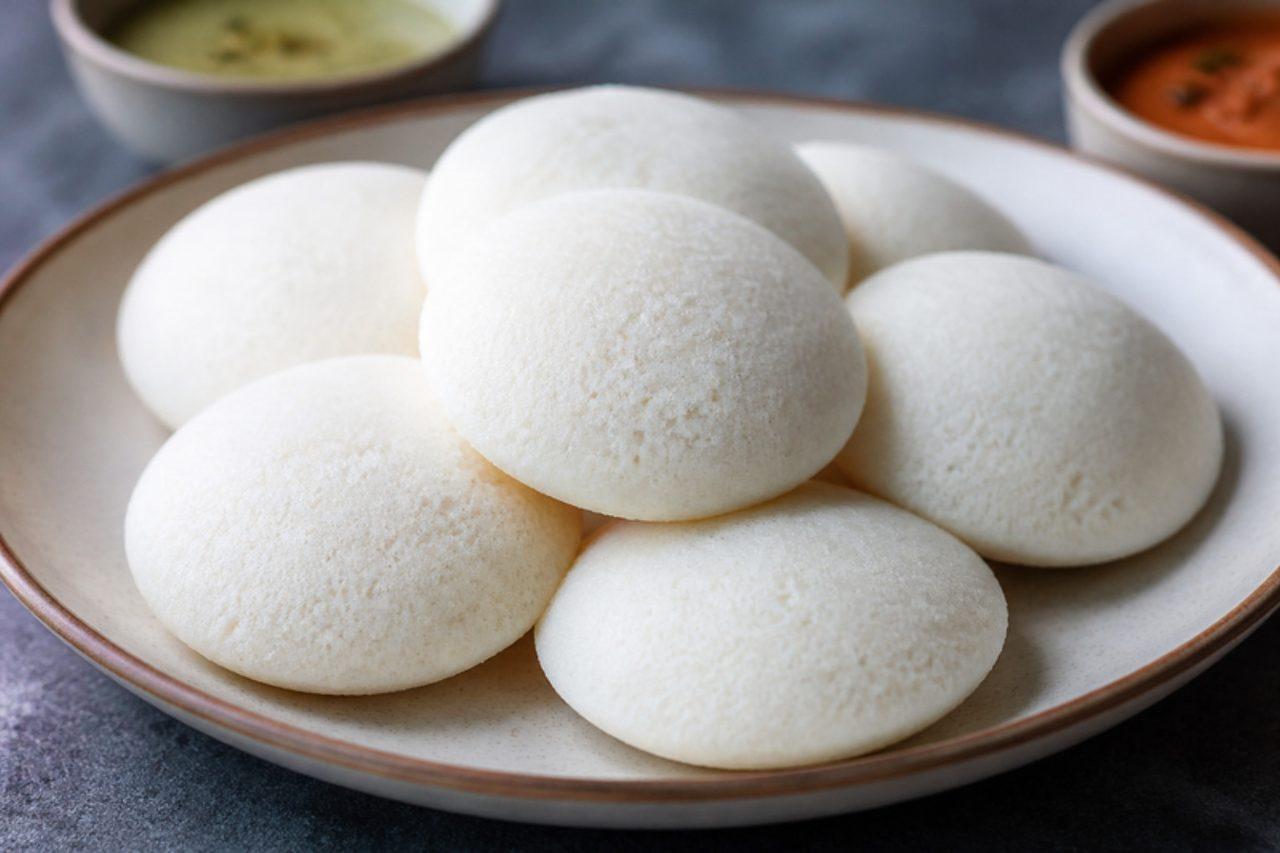
Before Mahashivratri and Navratri, sweet stalls in Maharashtra pile up trays of rajgira ladoo, and they are one of the few sweets that suit a strict fast and a vegan diet at once. Amaranth seeds puff like tiny popcorn in a hot pan; mixed with jaggery cooked to a firm syrup, they set into light, crunchy balls with a toffee-like, molasses sweetness and a toasty grain flavour. They are eaten as an energy-giving snack on fast days, given as prasad, and packed for long temple queues. Ready-popped rajgira is easy to find in Indian shops; popping your own seeds (a spoonful at a time in a hot, dry, lidded pan) takes about 10 minutes more. Chef's tip: wet your palms with cold water and shape the ladoos while the mix is very warm; once the jaggery cools, it sets hard and won't bind.
by KrazyBadal 0 views

Tandalachi bhakriRice flour flatbread

Along the Konkan coast, from Alibag down to Sindhudurg, the everyday bread isn't wheat at all but tandalachi bhakri, a soft round of rice flour and water, the natural partner to a coconut-rich Malvani fish curry, kombdi rassa, a bowl of usal or plain pithla with sol kadhi. Unlike Karnataka's akki rotti, it has no onion, coconut or chilli in the dough: just rice flour, salt and hot water, kneaded smooth and patted out thin by hand. Cooked on a hot iron tawa and finished over an open flame, it puffs up like a balloon and stays soft and pliable, with a faint sweetness and toasty spots. Common mistake: mixing the flour with cold or warm water. Rice flour has no gluten, so it needs boiling water to gelatinise and bind; otherwise the bhakri cracks all round the edges. Chef's tip: knead each portion again just before patting; a dough that sat still dries on the surface and cracks.

by KrazyBadal 0 views

RadhaballaviDal-stuffed puris

Named after Radhaballabh, a name of Krishna, these stuffed puris are said to have begun as a temple offering, and they are now what Bengali families serve on a festive morning: at a wedding breakfast, on Janmashtami, or bought hot from a Kolkata sweet shop with a bowl of aloo dum and a sweet like rosogolla or chhanar jilipi on the side. Soaked urad dal is ground coarse and fried dry with ginger, fennel, cumin and hing, then sealed in a soft maida dough, rolled thin and fried until it balloons. The puris are softer and more delicate than kachori, with a thin layer of spiced dal through the middle. They are vegan here, fried in oil; many sweet shops fry them in ghee, which is fine if you do not need them dairy-free. Common mistake: a damp filling, which turns to steam in the oil and bursts the dough; cook it until it is completely dry and crumbly. Chef's tip: roll with gentle pressure from the centre outwards and leave the edges a touch thicker, so the filling cannot push through.

by KrazyBadal 0 views

Methia keriRaw mango pickle

If a Gujarati home makes only one athanu each summer, it is methia keri. Rajapuri or other firm raw mango is cut with its skin, salted overnight, dried, then coated in a masala built on methi kuria (split fenugreek) and rai kuria (split mustard), with Kashmiri chilli, hing, turmeric and salt, and covered with groundnut oil. The kuria swell and soften in the oil, so the fenugreek turns pleasantly bitter-nutty instead of hard. In a week the mango is tender but still has bite, and the pickle is tangy, hot and aromatic with hing. It goes on the side of every thali, with khichdi-kadhi, thepla, bhakhri or a simple dal-bhaat. Buy kuria rather than splitting seeds yourself; Rajkot and Kanda-style methi kuria sold in Gujarati shops are ideal. Common mistake: leaving any moisture on the mango, the jar or the spoon; a single damp spoon can bring mould to a whole jar. Keep the oil 2 cm above the pieces at all times, and discard if you see mould or smell anything sour or off. Chef's tip: pour a little hot oil over the hing in the middle of the kuria and cover it for a minute; the bloomed hing perfumes the whole masala.

by KrazyBadal 0 views

SannasSteamed rice cakes

Sannas are to a Goan Catholic feast what idli is to a Chennai breakfast: soft, pillowy steamed rice cakes, made for Christmas, weddings and village feast days to mop up sorpotel, xacuti or a coconut curry. They are fluffier and slightly sweeter than idli, because ground coconut and a little sugar go into the rice batter, and they are traditionally risen with fresh coconut toddy (sur). This version uses dried yeast in place of toddy, so it contains no alcohol, and the long overnight ferment still gives the faint sour note that makes them taste right. Serve them warm with any Goan curry (vegetable xacuti or chana ross keep it vegetarian) or with jaggery and coconut milk for tea. The common mistake is overfilling the moulds; sannas rise a lot and spill over. Fill each two-thirds full. Chef's tip: grind a handful of cooked rice or soaked poha into the batter; it gives that cotton-soft, spongy texture that plain rice batter lacks.

by KrazyBadal 0 views

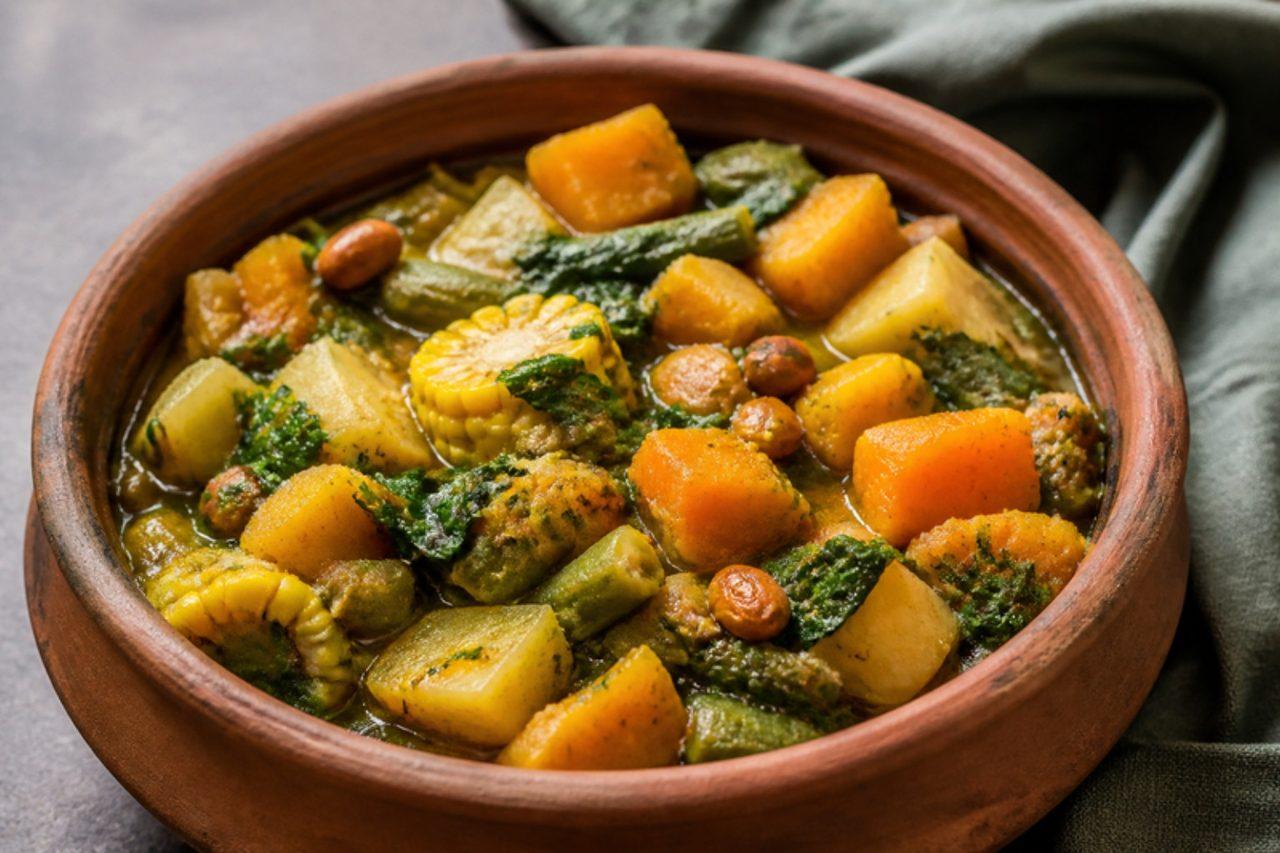
Rishi panchami bhajiPumpkin, taro and corn stew

The day after Ganesh Chaturthi, many Maharashtrian women fast for Rishi Panchami and eat only what has grown without the labour of a bullock. That rule turns into one of the most unusual dishes of the year: a stew of whatever the backyard and the monsoon give, such as red pumpkin, colocasia (alu) leaves and roots, sweet corn, ridge gourd, snake gourd, lal math (red amaranth), okra and raw banana, simmered with crushed peanuts, coconut and green chilli. It is thick, mildly sweet and fresh-tasting, with no onion, garlic or tomato. Some families also skip the tadka entirely; others use a little ghee or oil with cumin. Eat it hot on its own as the main meal of the day, with nothing else alongside. A common mistake is putting colocasia in without enough sourness, which can leave the throat itchy: always add the tamarind with the colocasia. Chef's tip: add the vegetables in order of how long they need, roots first and leaves last, so nothing turns to mush.

by KrazyBadal 0 views

Katachi amtiSweet-sour chana dal stock curry

When Maharashtrian homes cook chana dal for the puran on Holi, the cooking liquid is drained off before the dal is sweetened, and nothing goes to waste: that starchy, nutty stock, the kat, becomes katachi amti. Tempered with mustard, cumin and curry leaves, then simmered with roasted dry coconut, goda masala, tamarind and jaggery, it turns into a thin, hot, sweet-and-sour dal that is poured over puran poli or drunk from a bowl alongside it. The spice balances the rich sweet bread perfectly, which is why the two always appear together on Holi and Gudi Padwa thalis. If you are not making puran poli, cook 150 g chana dal in 1 litre of water until soft, drain off the liquid for this and use the dal for something else. Use gluten-free asafoetida and a goda masala made without wheat for a gluten-free amti. Chef's tip: keep it thin, like rasam; it is meant to soak into the poli, not sit on it.

by KrazyBadal 0 views

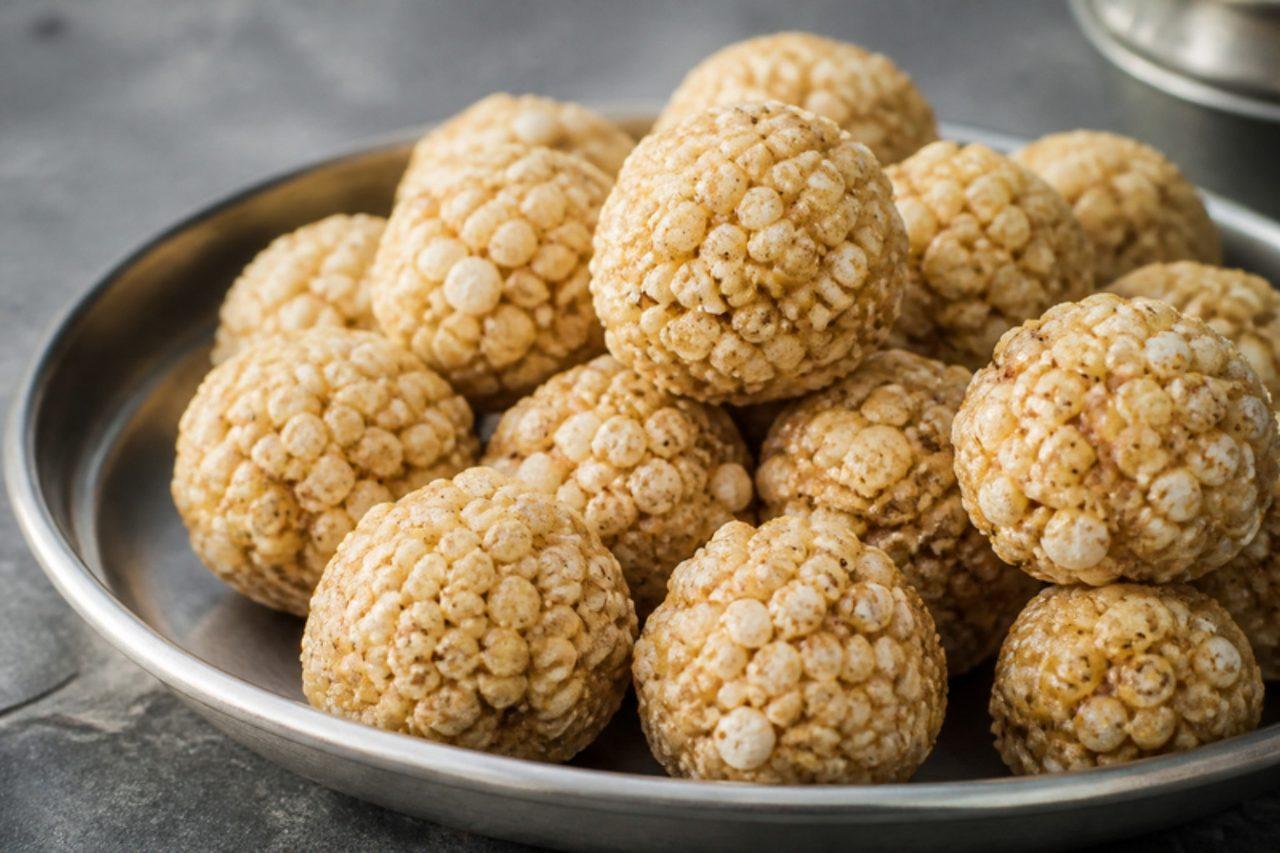
Murmura ladooPuffed rice jaggery balls

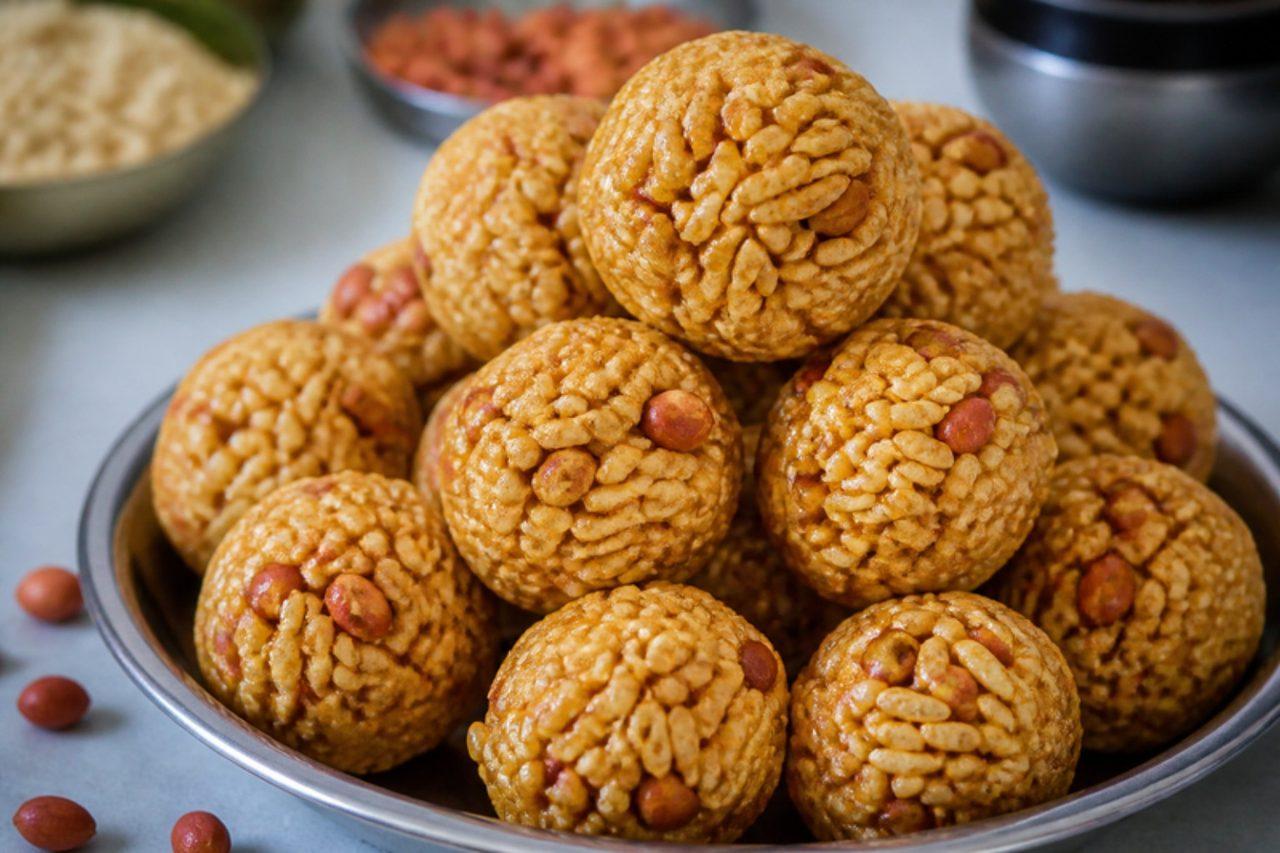
On Uttarayan, the whole of Ahmedabad climbs onto its rooftops to fly kites from dawn to dusk, and the steel dabbas that come up the stairs are full of chikki, til ladu and these mamra na ladu. Puffed rice is crisped in a pan, then tossed in jaggery cooked to the hard-crack stage and pressed quickly into balls that crunch loudly and taste of caramel. Children love them, they cost almost nothing and they keep for weeks. In North India the same sweet is made for Lohri and Sankranti as murmure ke laddu. The common mistake is undercooking the jaggery: the ladoos then turn chewy and soft after a day. A drop in cold water must snap cleanly. Grease your hands with oil and a splash of water to keep them vegan. Chef's tip: shape them fast and with wet, oiled hands, a few at a time; the syrup sets within a minute and the last balls crumble if you dawdle.

by KrazyBadal 0 views

Kerala pappadamPlain lentil crisps

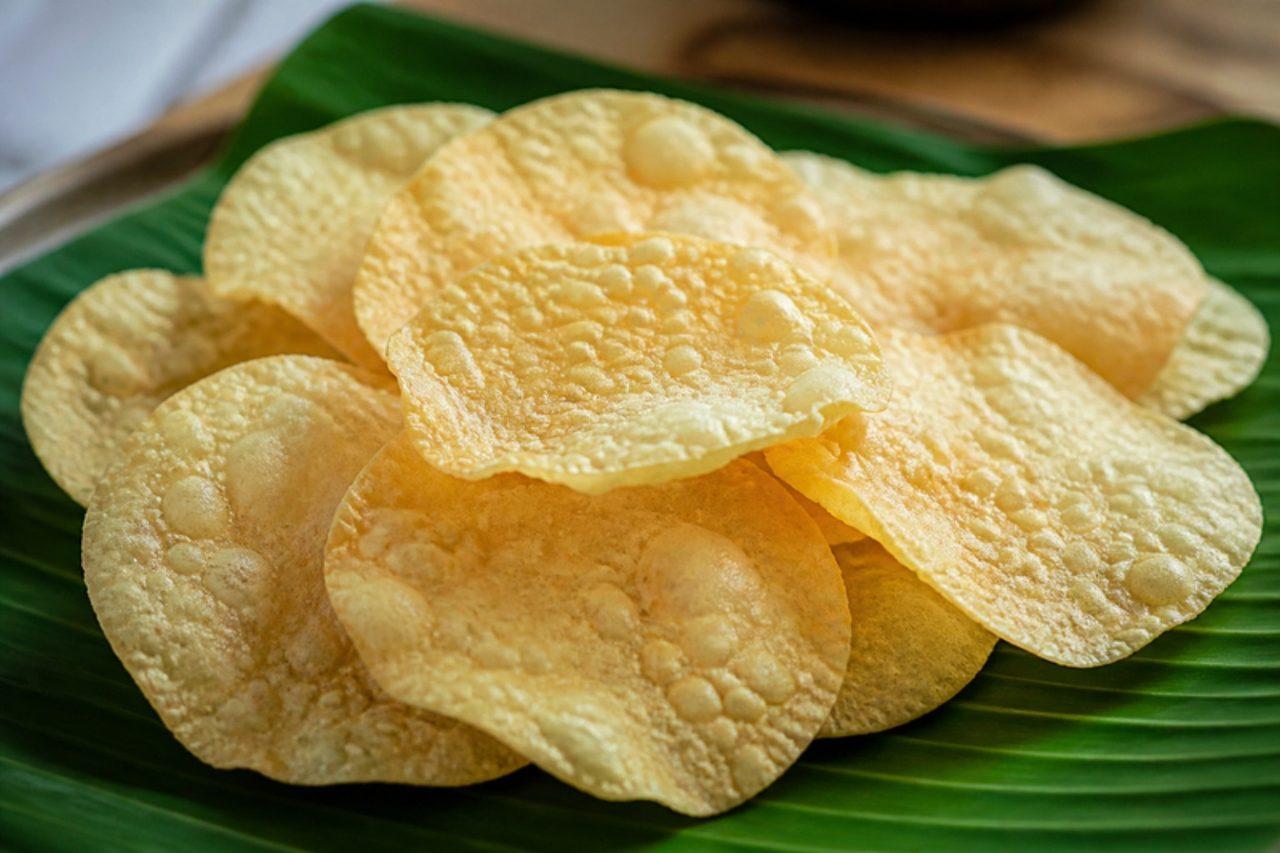
No sadya on a banana leaf in Thrissur or Kottayam is complete without a pappadam, and nobody eats it whole: it gets crushed over rice with parippu (dal) and ghee, or with payasam at the end of the meal. The Kerala kind is small, about the size of a saucer, and plain. There is no pepper or cumin, just urad dal, salt and pappada karam (papad khar), so the flavour is clean and lentilly. It is dried only briefly, which keeps it pliable, and when it hits hot coconut oil it puffs into a blistered, bubbly dome that shatters at a touch. That is the opposite of the big, peppery north Indian urad papad, which is sun-dried hard and roasted over a flame. Pappadam makers in Kerala are a whole craft community, but a home batch is very doable. Chef's tip: fry in coconut oil at about 180 °C and press the pappadam down for a second with a slotted spoon; it should puff in under 5 seconds and stay pale gold.
by KrazyBadal 0 views

Sabudana papadSago crisps

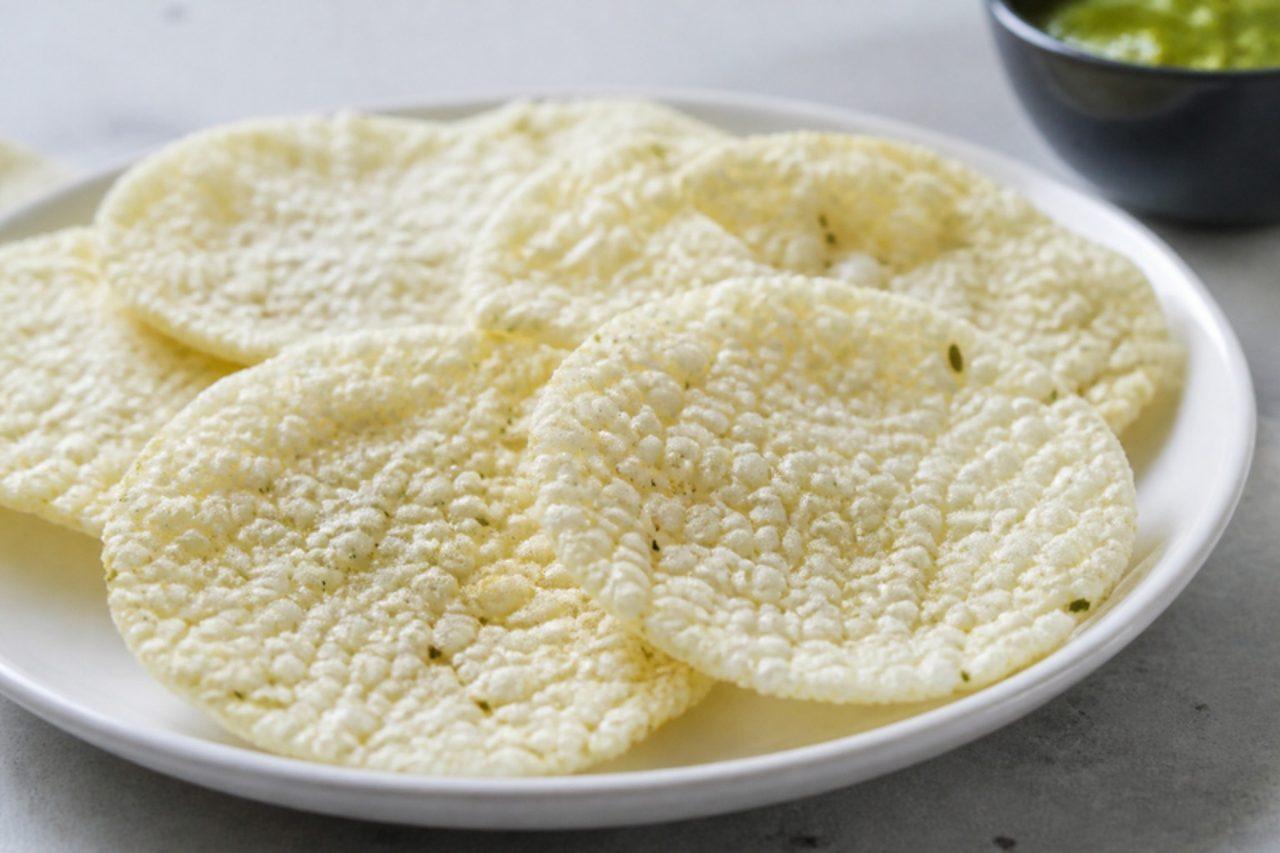
When Ashadhi Ekadashi, Navratri or a Monday fast comes round in Pune and Nashik, the upvas plate needs something crunchy, and these sago papads are it. They are made in the hottest weeks of summer: soaked sabudana is boiled into a thick, glassy porridge with cumin, green chilli and rock salt, spooned onto plastic sheets and left in the sun until it turns into thin, translucent discs. In hot oil they expand to nearly double, go snow-white and crackle when you bite. They sit next to sabudana khichdi, varyache tandul (sama rice) with peanut amti, or plain farali potato bhaji. The recipe keeps to fasting rules: no grains, no turmeric or asafoetida, and sendha namak (rock salt) instead of regular salt; fry them in groundnut oil or ghee, as your household allows. Chef's tip: cook the sago until there is not a single white dot left in the pearls; any uncooked centres stay hard and chalky after drying and never puff.

by KrazyBadal 0 views

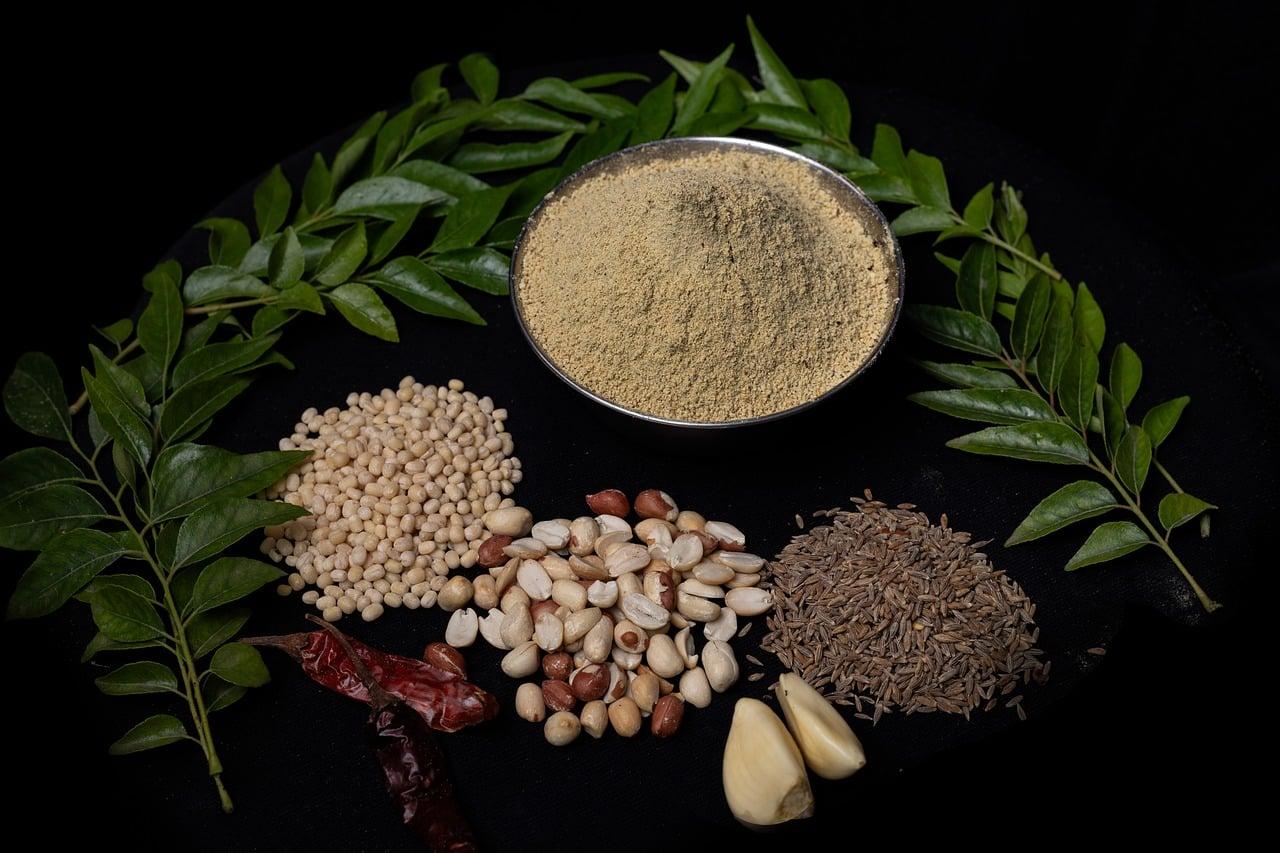
Paruppu podiLentil powder for rice

Ask a Tamil or Andhra child what they want for a quick lunch and the answer is often paruppu podi sadam: a heap of steaming rice, two spoons of this pale, sandy powder and a generous pour of ghee or sesame oil, mixed by hand, with appalam and a spoon of mango pickle alongside. The podi is mild compared with idli podi, built on roasted toor dal and pottukadalai (roasted split gram), with black pepper and just a few red chillies for warmth. Andhra kandi podi adds garlic, which makes it more savoury; roast the cloves until dry so the powder keeps. The recipe itself is vegan, but the traditional serving uses ghee. Common mistake: roasting the toor dal too fast; it browns outside while staying hard and raw-tasting inside. Chef's tip: grind it finer than idli podi, almost to a soft powder, so it coats every grain of rice.

by KrazyBadal 0 views

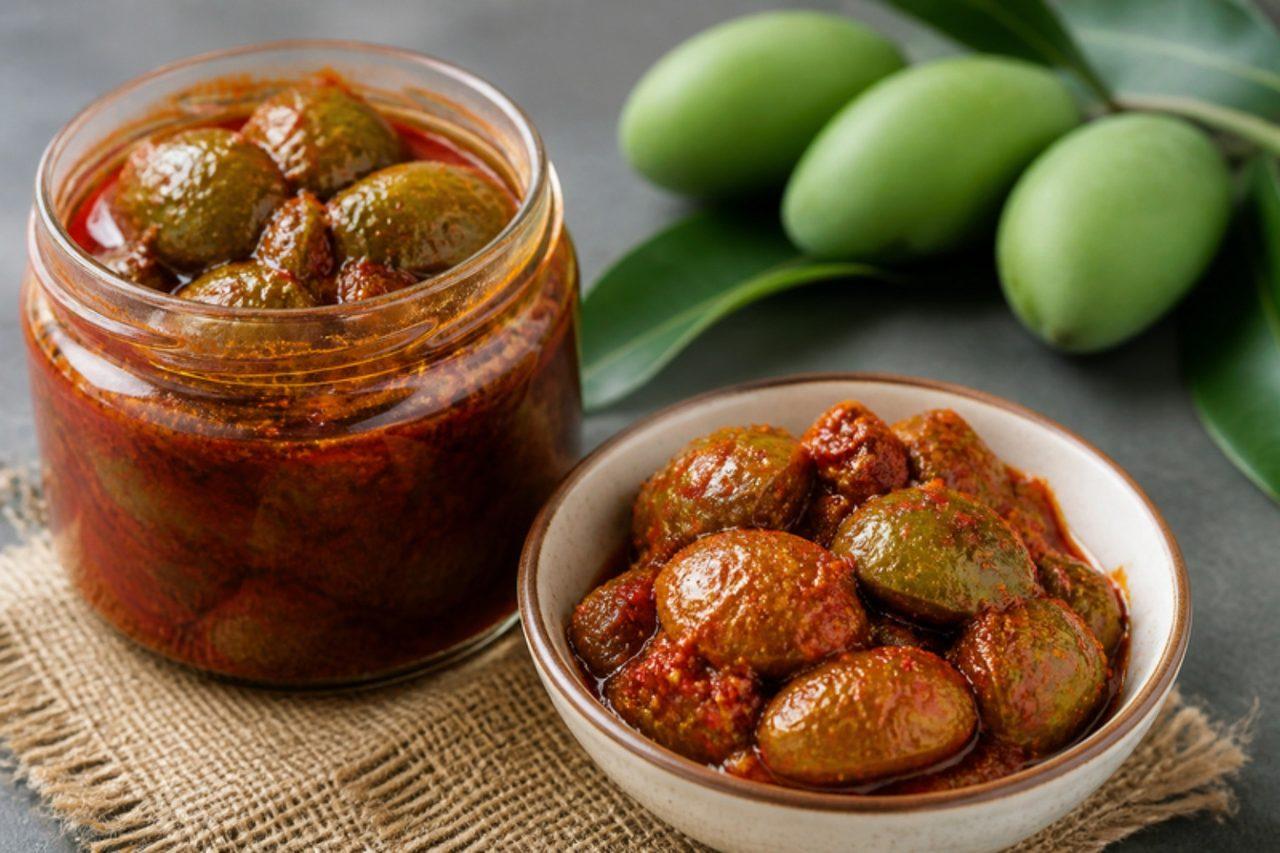
Kadumanga acharBaby mango pickle

In late February the mango trees of Kerala drop tiny, thumb-sized green fruit with soft stones, and those tender mangoes (kanni manga) become one of the pickles on a Kerala sadya leaf, beside the inji puli and naranga. They are salted whole until they wrinkle and sit in their own brine, then dressed with a tempering of gingelly (sesame) oil, mustard, Kashmiri chilli, roasted fenugreek and hing. The brine turns thick and red, and the little mangoes stay crunchy and sour, with a bitter-sharp bite under the chilli. Kadumanga literally means strong mango, and in some sadya kitchens the name also covers a quicker pickle of finely cut raw mango in the same masala; this is the whole-fruit version. Eat a mango with kanji (rice gruel), curd rice or the sadya rice. Common mistake: pricking or cutting the mangoes; they must stay whole with a bit of stalk so the brine does not turn slimy. Keep them fully covered, use a dry spoon and discard if mould appears. Chef's tip: let the chilli and fenugreek cool in the oil before mixing; added hot, they scorch and taste bitter.

by KrazyBadal 0 views

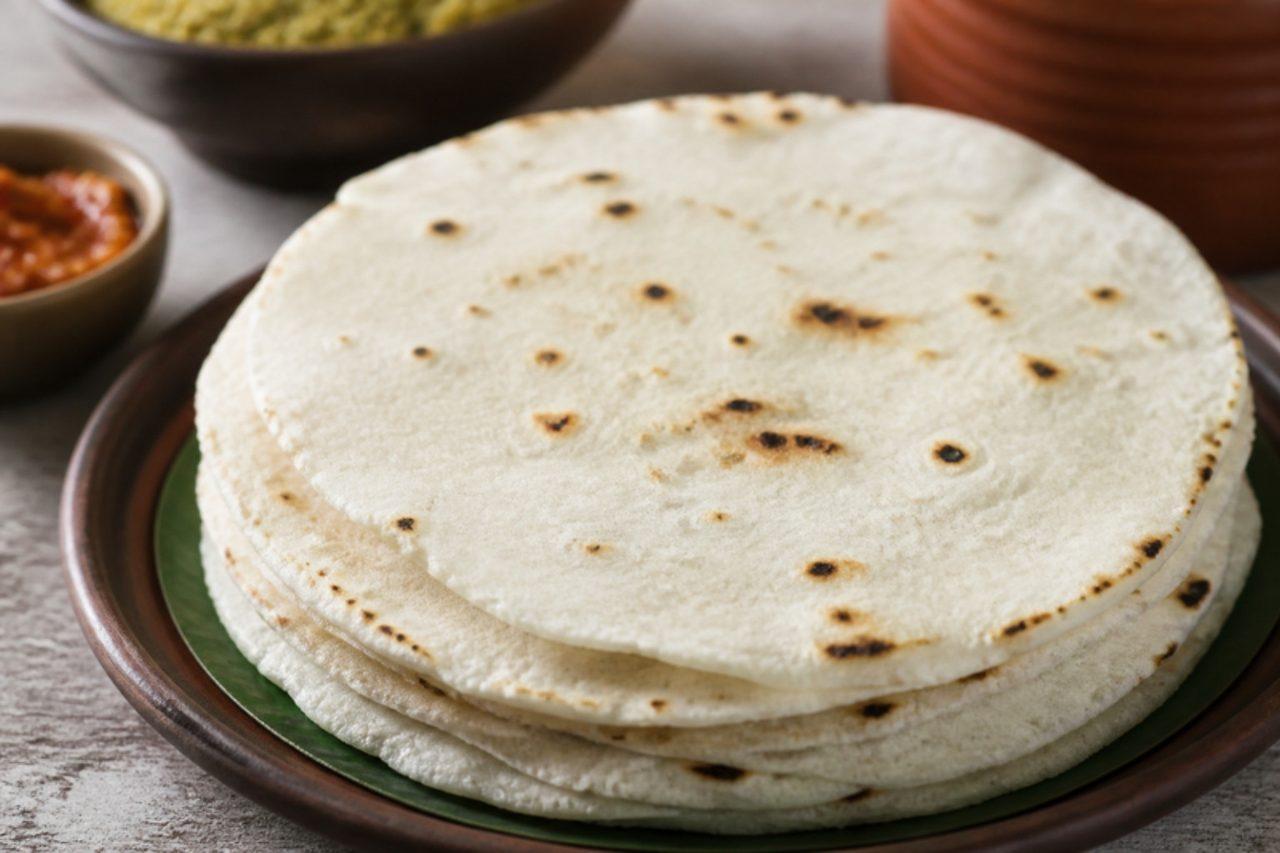
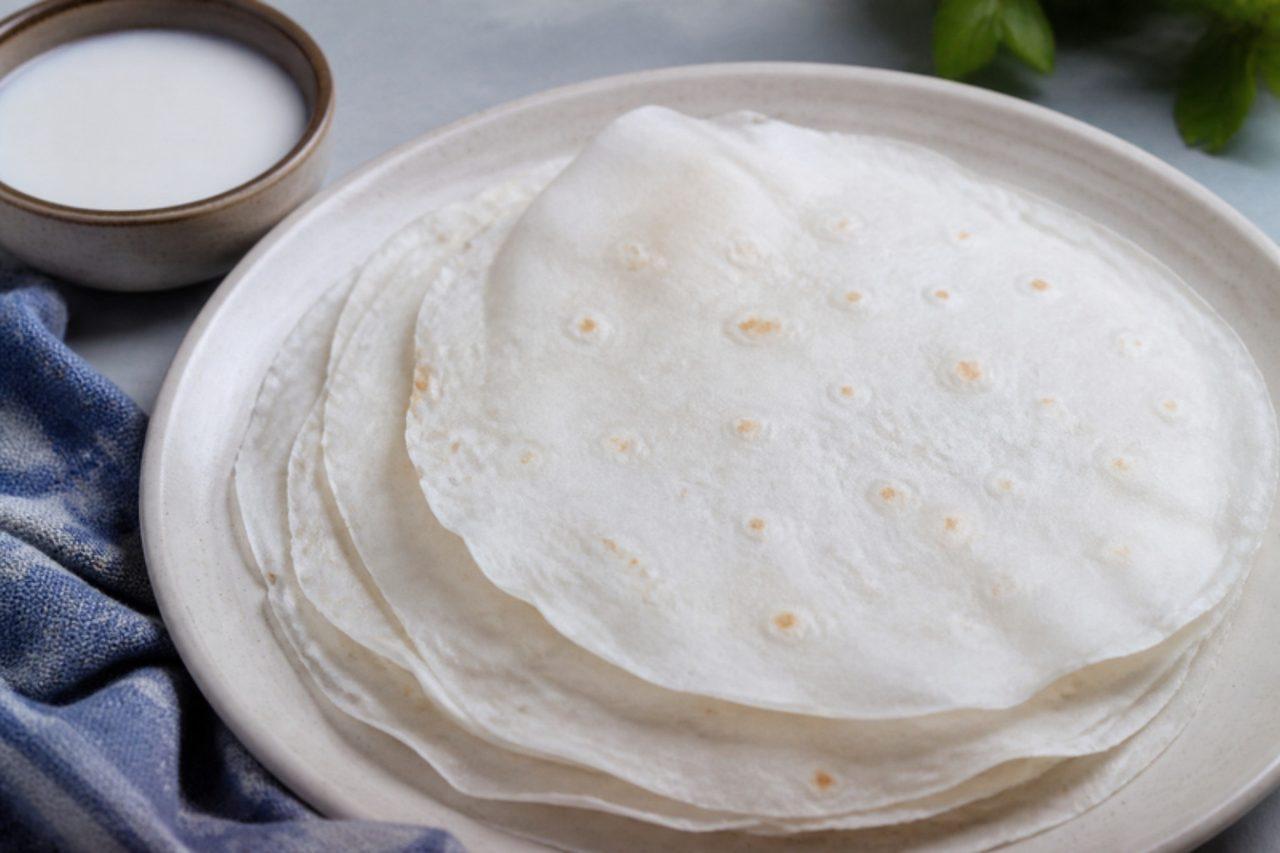
PathiriThin rice flatbreads

When the call for maghrib rings out in Kozhikode and Malappuram during Ramadan, families break the fast with dates and juice and then sit down to a stack of pathiri with chicken curry or mutton stew. Also called nice pathiri, these are the thinnest breads in Kerala: a dough of fine rice flour scalded with boiling water, rolled almost see-through, cooked on a dry tawa until they puff, and then dipped in thin coconut milk so they turn soft and silky. They taste mild and slightly sweet, made only to soak up gravy. The usual mistake is adding the flour to water that has stopped boiling; the dough stays crumbly and the pathiri crack. Rice flour has no gluten, so these suit anyone avoiding wheat. Serve them warm, folded into quarters, with any curry (they are vegan as made here; the curry is up to you). Chef's tip: knead the scalded dough while it is still hot, using the heel of your hand and a little oil, until it is as smooth as a baby's cheek.

by KrazyBadal 0 views

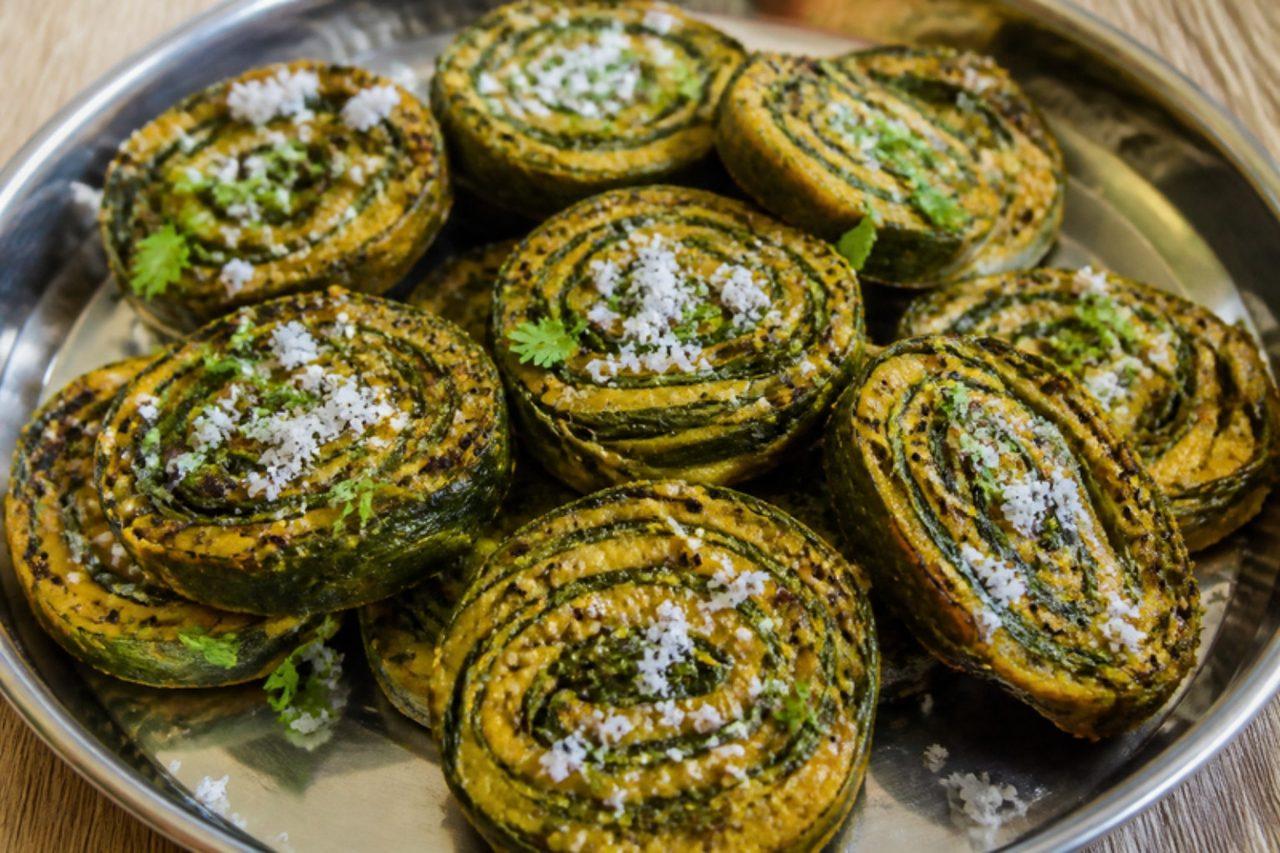
PatraSteamed colocasia leaf rolls

Arbi leaves (colocasia, sold as patra or alu leaves in Indian shops) are on every farsan counter from Surat to Ahmedabad, and steamed patra is the one Gujarati mothers make on a Sunday when the leaves look good at the market. Several leaves are glued together with a thick besan paste that is sour with tamarind, sweet with jaggery and warm with ginger and chilli, then rolled, steamed, cooled and cut into spirals. A final vaghar of mustard, sesame and curry leaves gives a crisp edge. The same dish in Maharashtra is alu vadi, where the slices are usually fried. Patra is a must on a wedding or Diwali farsan plate and is good cold in a dabba too, with green chutney or nothing at all. Tamarind matters for more than taste: raw colocasia makes the throat itch, and the acid in the paste stops it, so never skip it. Common mistake: slicing the rolls while hot, when they crumble; let them cool completely first. Chef's tip: choose medium leaves without holes, and shave the thick back veins flat with a knife so the leaves lie flat and roll tight.
by KrazyBadal 0 views

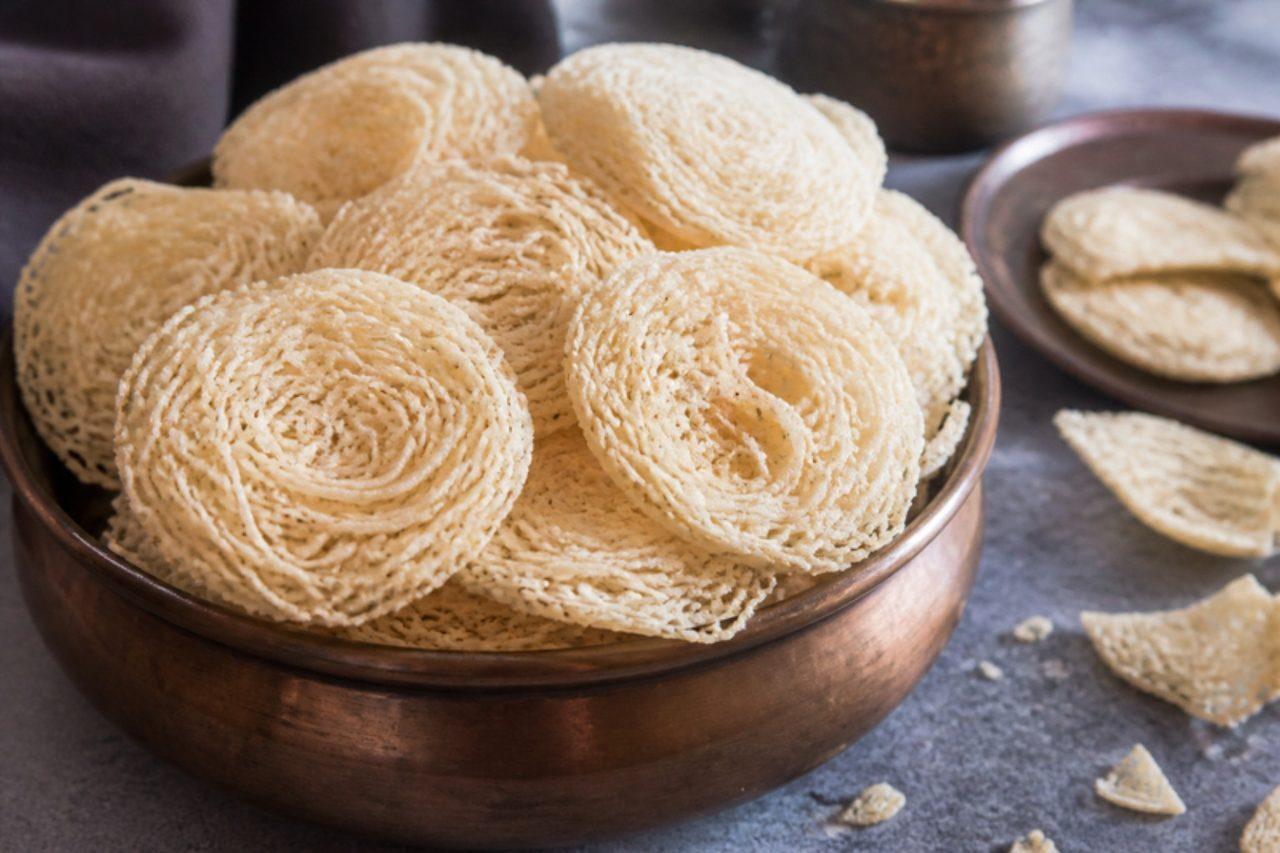
Arisi vadamSun-dried rice crisps

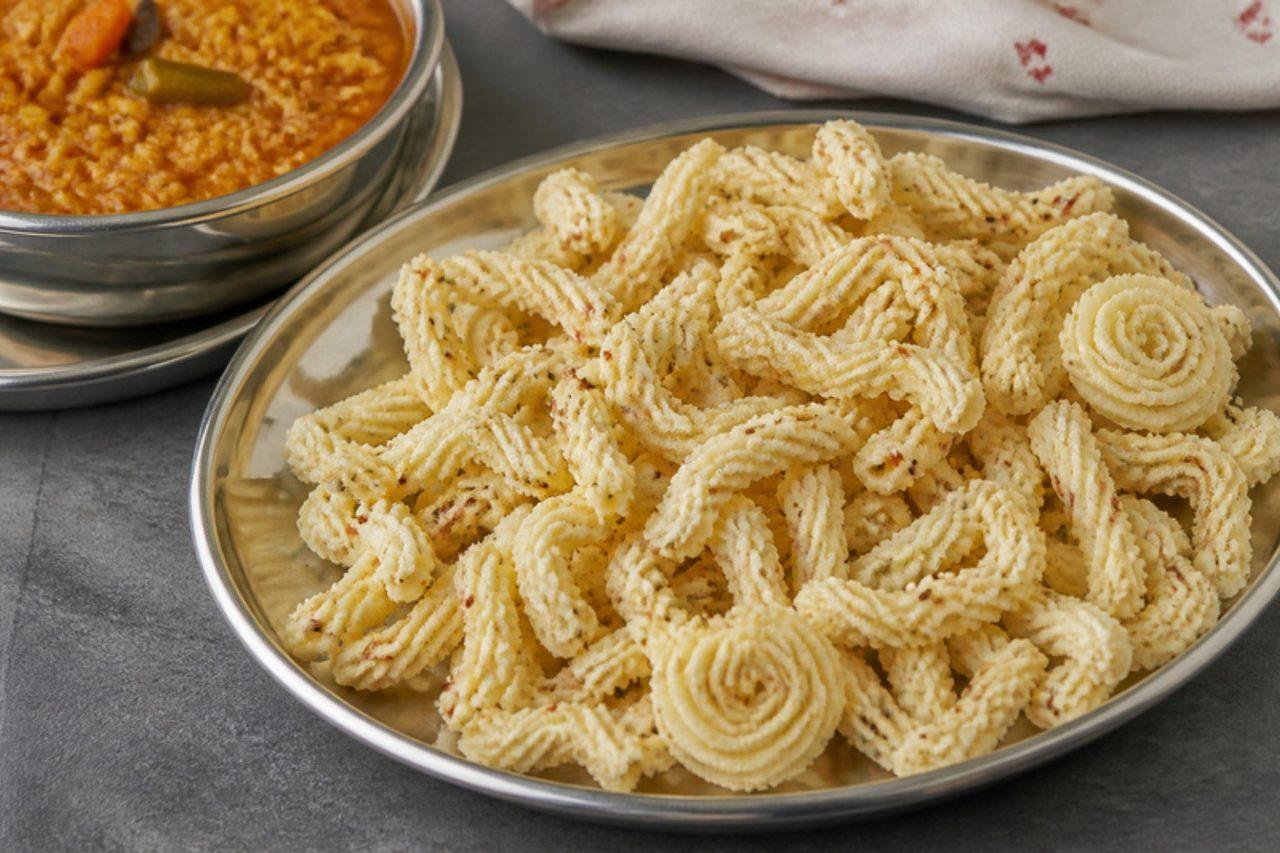
Chithirai and Vaikasi, the blazing months of a Tamil summer, are vadam season. In Madurai and the older Chennai neighbourhoods, terraces are covered with white sheets and rows of pressed rice-dough spirals, ribbons and stars, guarded from crows by whoever is on duty. Fried, the vadams puff into light, crunchy curls with a hint of chilli, cumin and lime. They come out on the side of a lunch of vatha kuzhambu, mor kuzhambu or rasam with rice, where they do the job a papad does in the north. The dough is a cooked rice-flour koozh, and it has to be pressed through the vadam (murukku) press while warm. Common mistake: making the koozh too thick; the press becomes impossible to turn and the strands break. It should feel like soft, sticky mashed potato. Chef's tip: lime juice is not just for flavour, it keeps the vadams bright white as they dry.

by KrazyBadal 0 views

Rumali rotiHandkerchief-thin flatbread

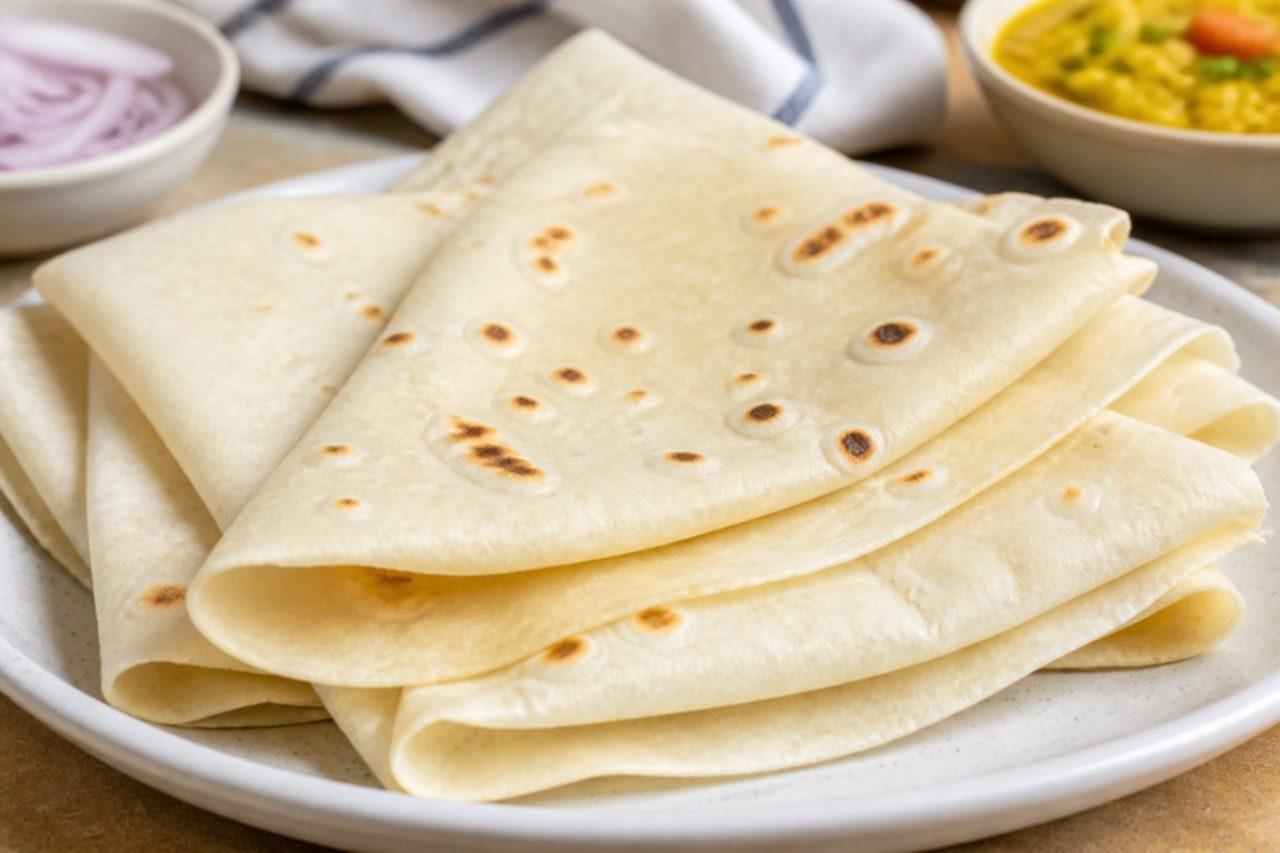
Watch a rumali roti maker at a Mughlai stall in Old Delhi's Jama Masjid lanes or Lucknow's Aminabad and it looks like a magic trick: a ball of dough is flattened, tossed and stretched over the backs of the hands until it is translucent and almost a metre wide, then laid over a huge domed iron griddle for a few seconds. Rumal means handkerchief, and the finished bread is folded into quarters like one: silky, soft, slightly chewy and very thin. It is the bread for kebabs, korma, nihari and shahi paneer. At home, an upturned wok over a high flame does the job, and you can roll most of the way and stretch the last bit by hand. The dough is mainly maida with some atta, kept very soft and well rested. Common mistake: a firm or under-rested dough tears the moment you start stretching. Chef's tip: wipe the hot kadai with salted water before each roti; the hiss means it's hot enough, and the salt film stops the roti from sticking or blistering.

by KrazyBadal 0 views

Gajar gobhi shalgam acharCarrot, cauliflower and turnip pickle

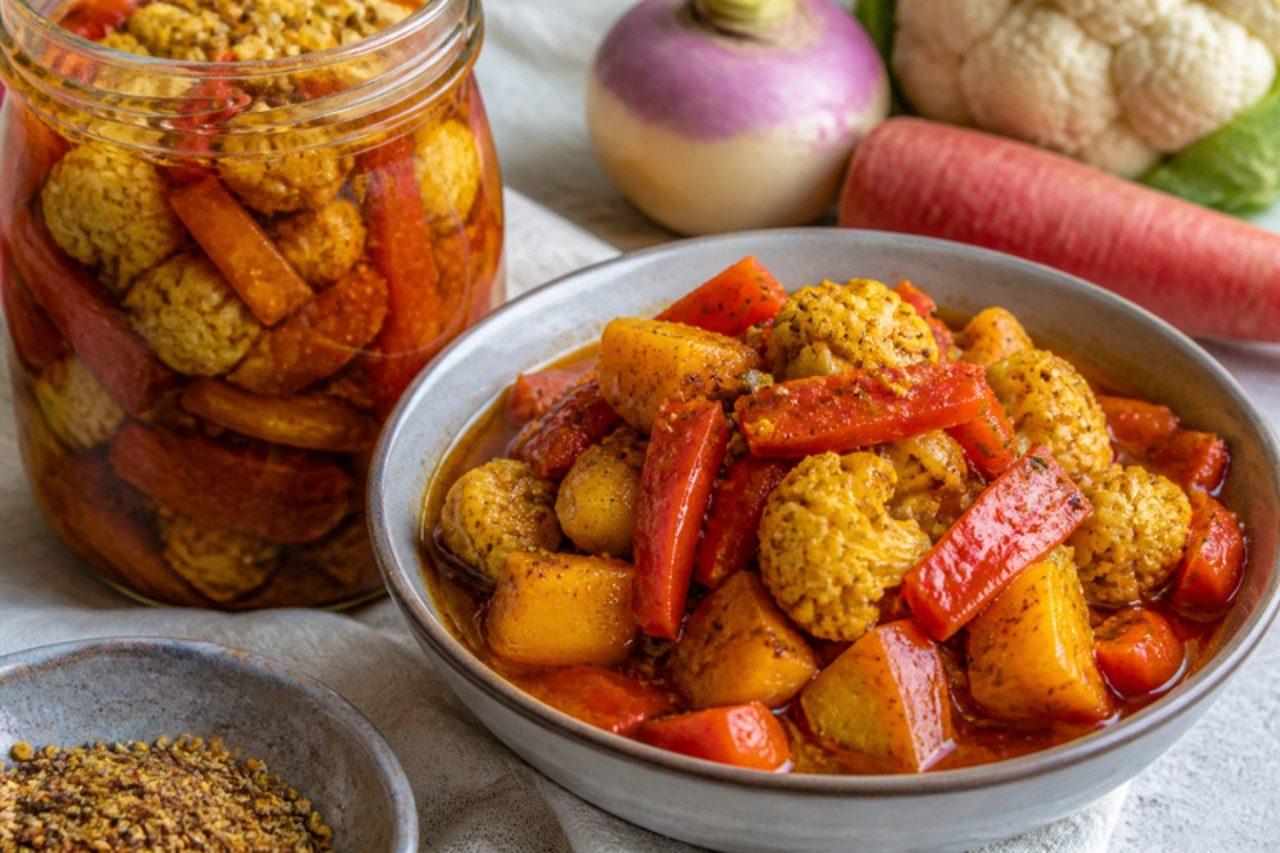
When Punjabi kitchens are full of winter vegetables, this is how they keep them: carrots, cauliflower and turnips are blanched, dried in the weak winter sun, and mixed with smoked mustard oil, ginger, garlic, coarse mustard, garam masala and a dark syrup of jaggery and vinegar. In three or four days the vegetables are tangy, sweet and warm, still crunchy, and the jars come out with makki di roti and sarson da saag, aloo parathas and every dal through to spring. Use white or sugarcane vinegar; malt vinegar is made from barley, so avoid it if you need the pickle gluten-free. Common mistake: packing the vegetables while they are still wet from blanching, which dilutes the vinegar and spoils the batch; they must feel dry to the touch. Keep the jar in a cool place or the fridge once matured, use a clean dry spoon and discard if mould appears. Chef's tip: cut the turnip slightly thinner than the carrot, so everything softens at the same pace.

by KrazyBadal 0 views

VattayappamSteamed rice and coconut cake

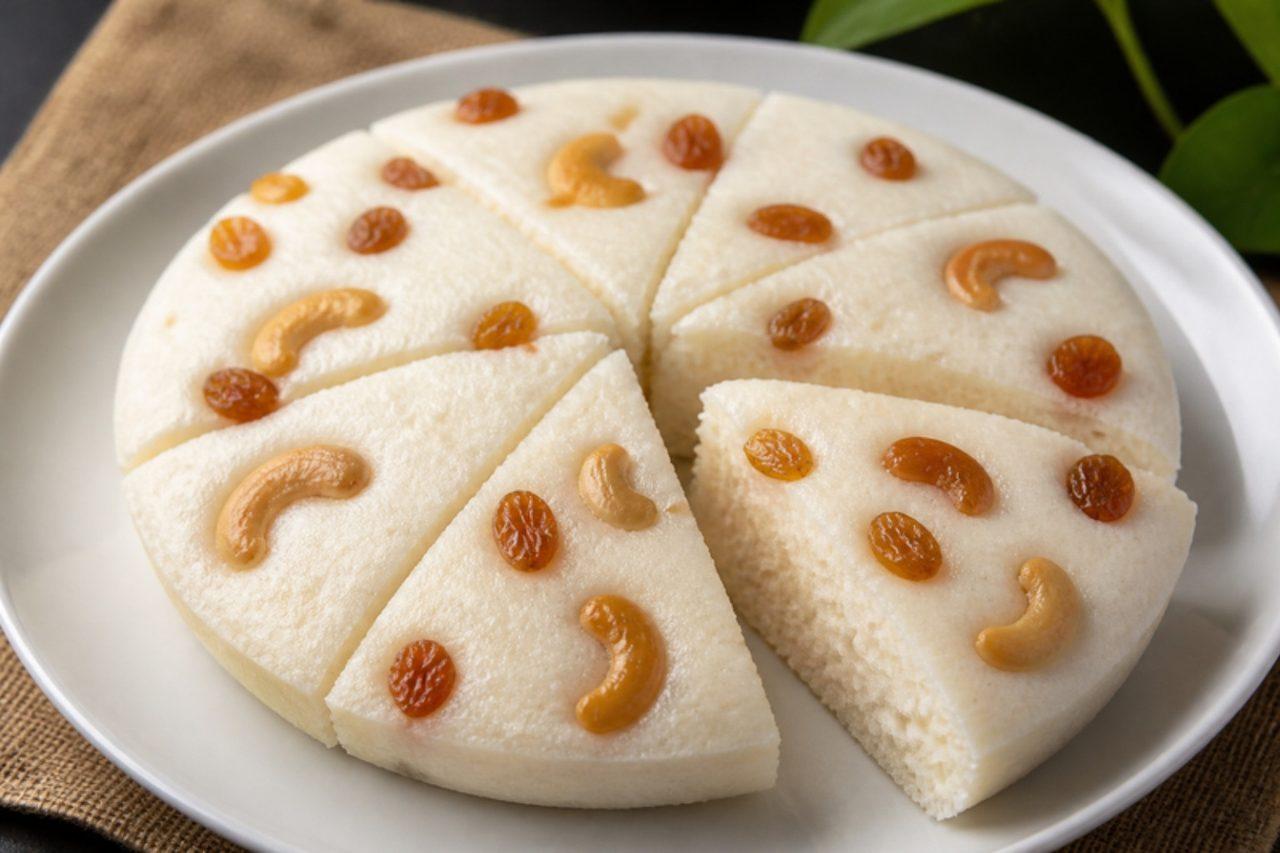
In Syrian Christian homes in Kottayam and Thiruvalla, vattayappam is the sweet that appears on Christmas and Easter mornings and goes in boxes to every neighbour. A batter of raw rice and coconut is fermented until airy, sweetened, flavoured with cardamom and steamed in a round plate until it rises into a fluffy, honeycombed cake. It is light, moist and gently sweet, with a faint tang from the ferment. Grandmothers used kallu (coconut toddy) to ferment it; this recipe uses dried yeast instead and contains no alcohol at all. Eat it warm with tea, or alongside chicken stew for breakfast. The common mistake is a batter that is too thick: it steams heavy and dense. It should pour like thick pancake batter. Rice and coconut only, so it is naturally gluten-free and vegan. Chef's tip: cook a spoon of the soaked rice into a soft porridge (kurukku) and grind it in; that is what gives vattayappam its fine, silky crumb.

by KrazyBadal 0 views

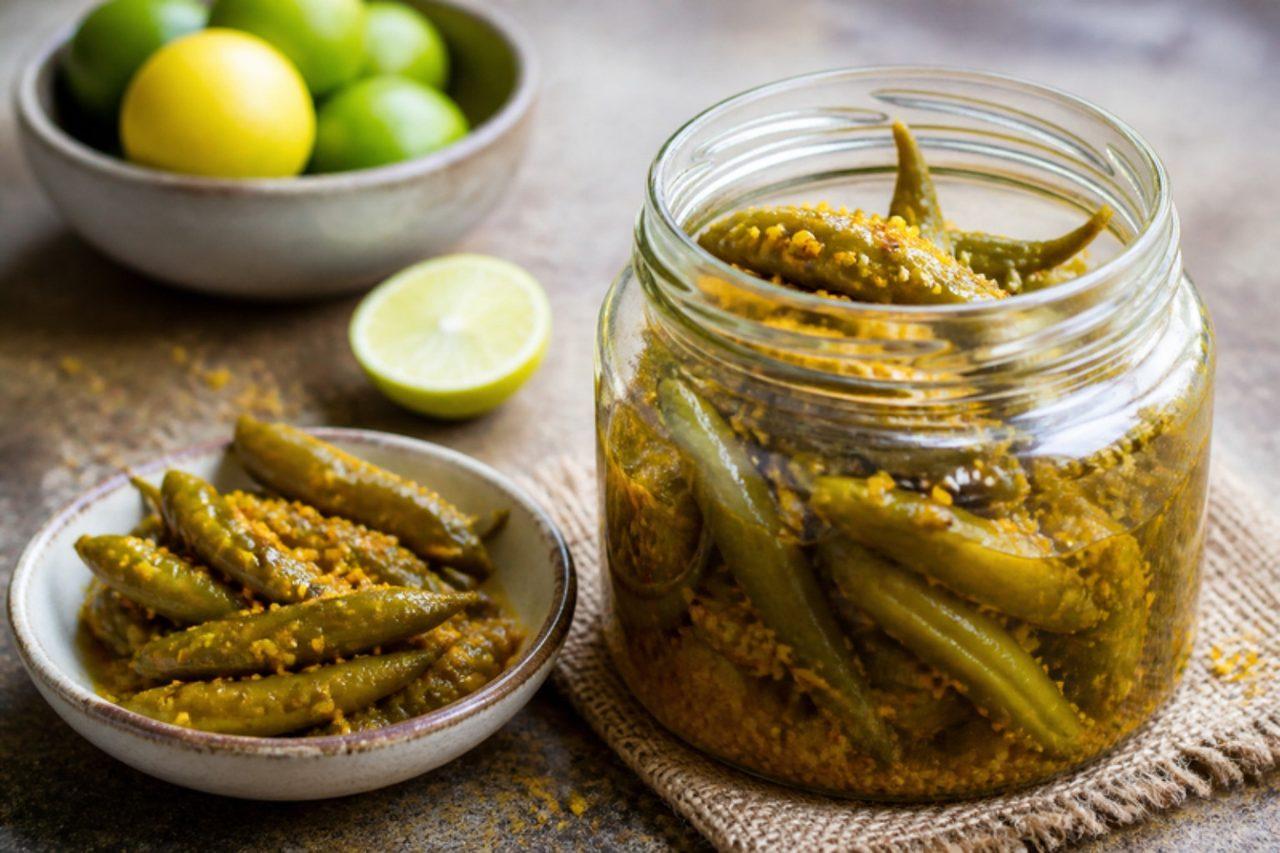
Athela marchaQuick pickled green chillies

On a Gujarati table there is nearly always a small steel bowl of athela marcha beside the thali, the quick daily pickle that makes plain khichdi, dal-bhaat, thepla or a plate of fafda taste complete. Thick, mild chillies (Bhavnagri or the pale green ones sold for bhajia) are slit, tossed with rai kuria (split mustard), salt, turmeric and hing, and soused with lemon juice. Within a few hours the mustard blooms and turns pleasantly pungent, the lemon softens the chillies and the colour turns olive green. They stay crunchy for about a week in the fridge, so most homes make a small batch every few days. Use thin, hot chillies if your family likes the heat. Common mistake: washing the chillies and using them damp, which waters down the masala and turns the pickle slimy; dry them completely before slitting. Always serve with a clean, dry spoon and throw the jar out if it turns cloudy, mouldy or smells off. Chef's tip: a pinch of methi kuria and half a teaspoon of sugar round out the sharpness if the lemons are very sour.

by KrazyBadal 0 views

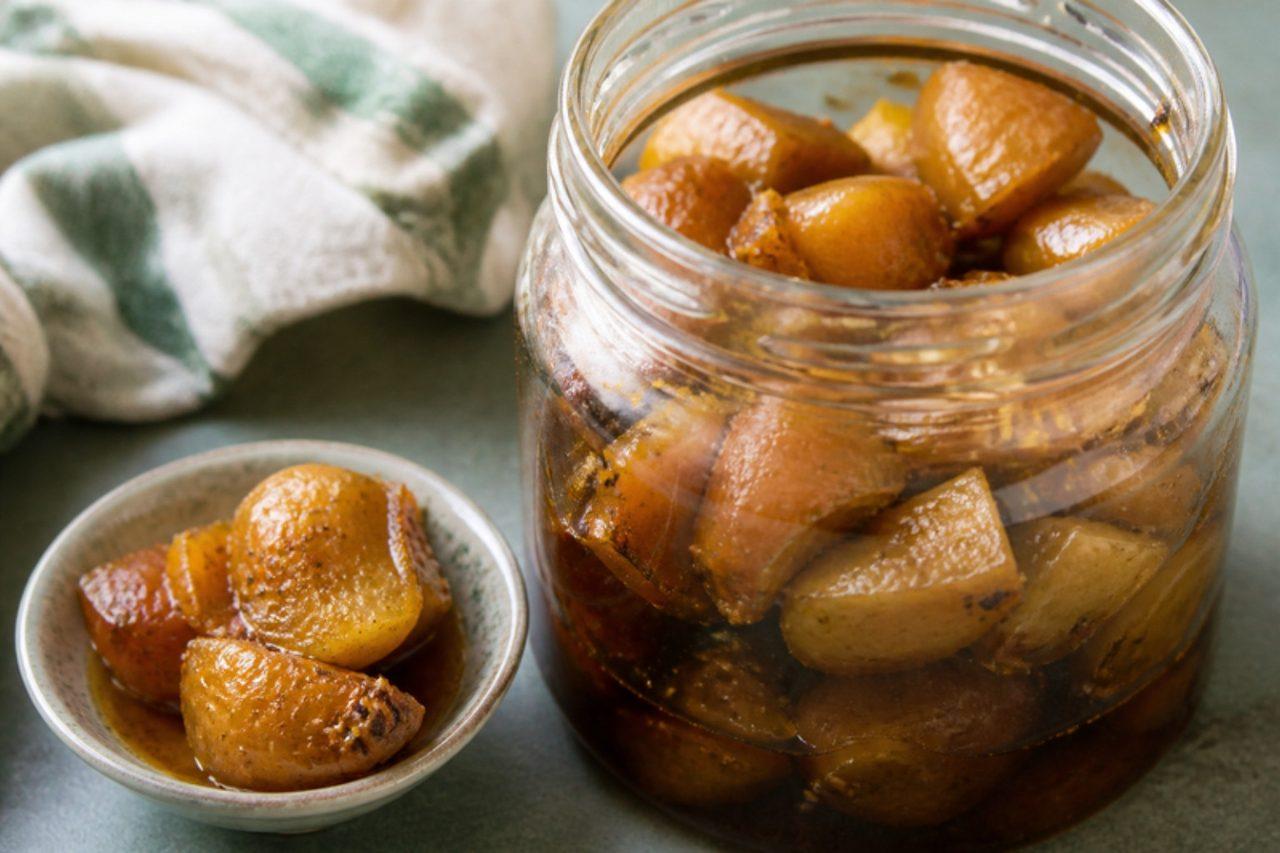
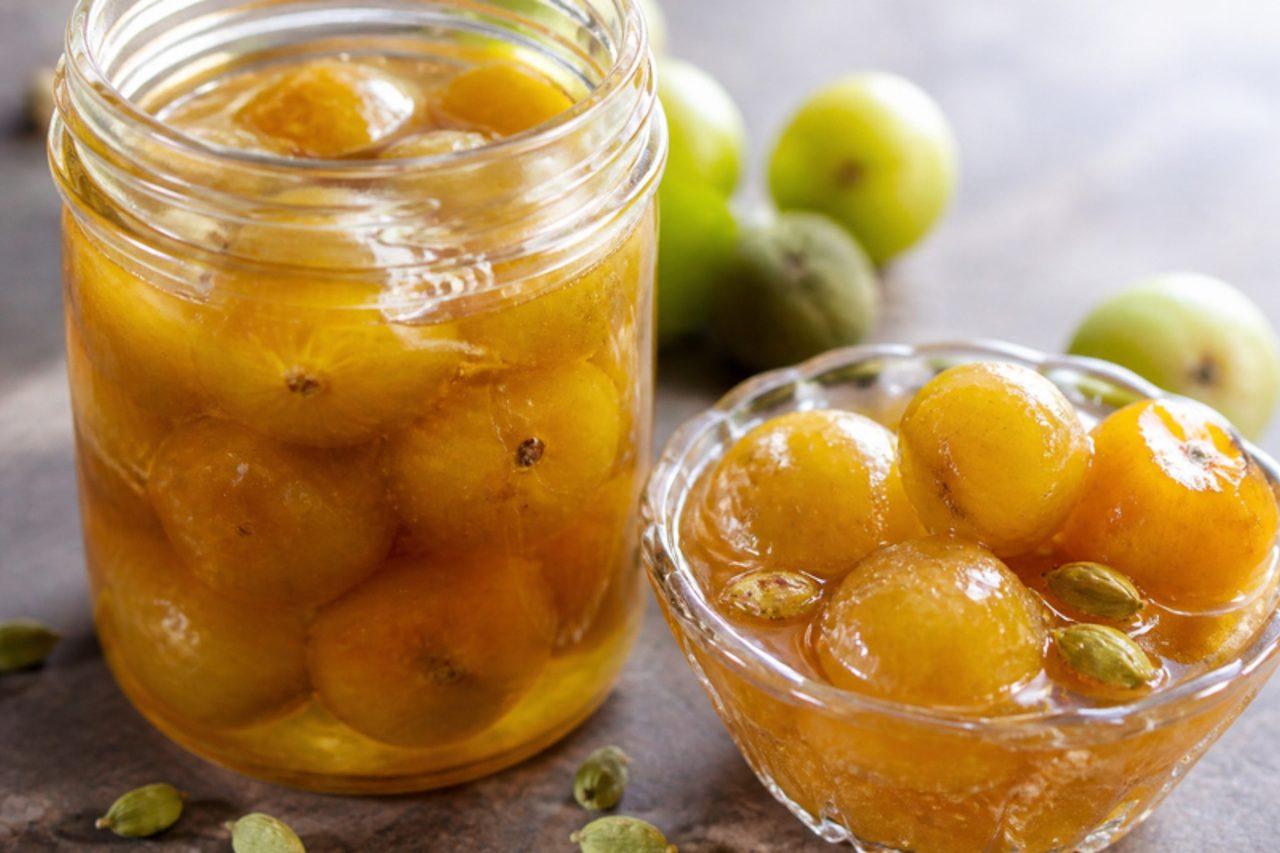
Amla murabbaGooseberry preserve

Murabba is the old North Indian way of keeping amla through the year, and a single gooseberry in syrup each morning is still the winter habit of many grandparents in Uttar Pradesh, Punjab and Rajasthan, who swear by it for digestion and colds. Fresh amla are sour and astringent; pricked, briefly steamed and simmered in sugar syrup, then left to steep overnight, they turn golden, translucent and soft, sweet with a sour heart and a gentle bitterness at the end. Cardamom, black pepper and saffron perfume the syrup. Eat one on its own, chopped into yogurt, or with a paratha. Choose large, firm, unblemished amla in November–February, when they are in season. Common mistake: steaming them too long; they split into segments and fall apart in the syrup. Steam only until they turn pale and the lines on the skin show clearly. Store in a dry, sterilised jar with the amla under the syrup, use a clean dry spoon, and discard if mould or fermentation bubbles appear. Chef's tip: the overnight rest is what lets the syrup soak right to the centre; reboil the syrup the next day so it thickens again.

by KrazyBadal 0 views

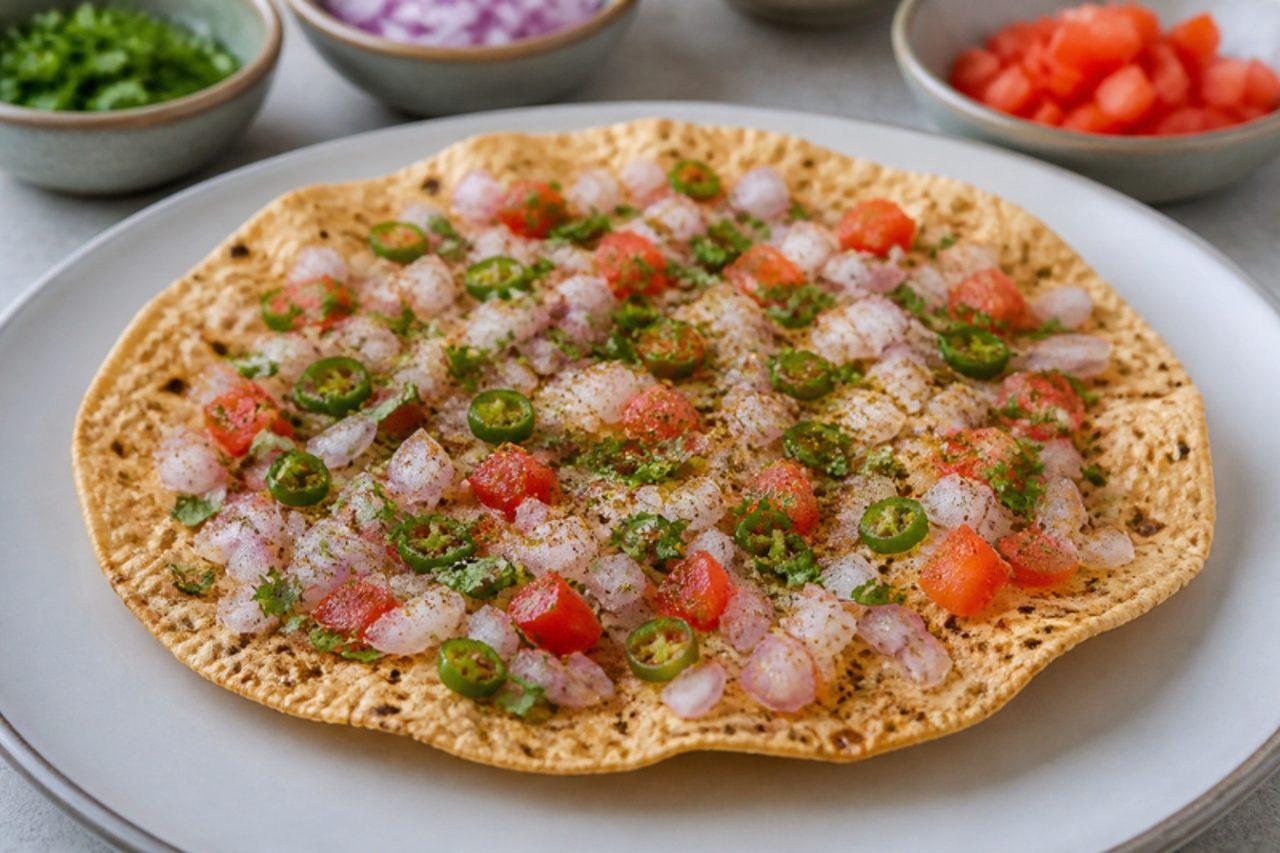
Masala papadPapad with onion and tomato topping

Order drinks at an Irani café or a Udupi restaurant in Mumbai and masala papad arrives before you have looked at the menu: a big crisp disc, roasted or fried, buried under chopped onion, tomato, green chilli and coriander, dusted with chaat masala and chilli powder, with a squeeze of lemon. It is part salad, part cracker, and it disappears in minutes. At home it is the easiest party starter there is, made in the time it takes guests to sit down. Use any good urad or moong papad, homemade or bought. Fried papads give a richer, puffier base; flame-roasted ones are lighter and smokier. Common mistake: topping the papads too early, so the juice from the tomato and onion soaks in and they go limp. Chef's tip: deseed the tomato and salt the topping only at the last moment, then pile it on and serve within two minutes.

by KrazyBadal 0 views

Showing 48 of 681 recipes

Show more recipes

Page 11 of 29

More collections