Skip to content

Vegetarian Korean recipes

Bibimbap, banchan, noodles and stews without meat or fish. (134 recipes)

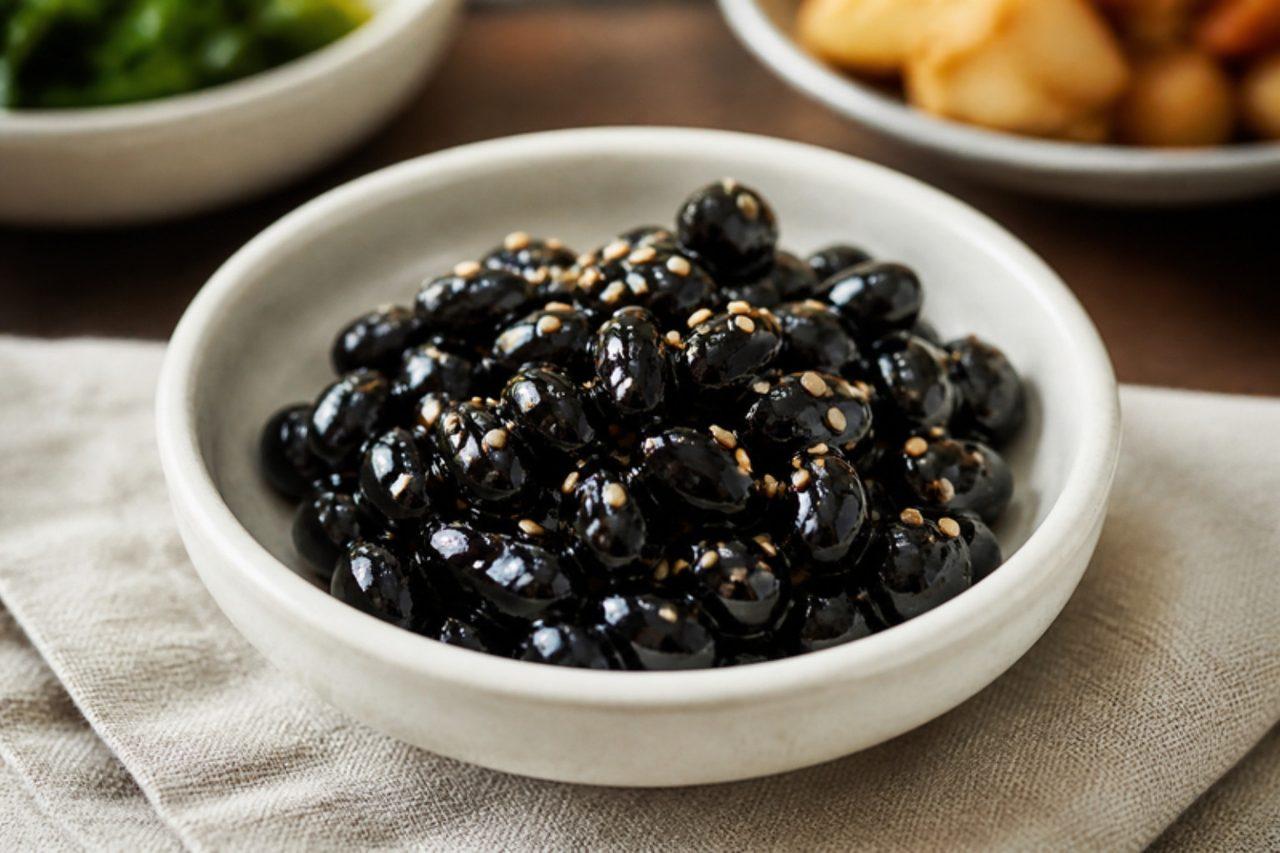
KongjabanSoy-braised black soybeans

Kongjaban is the shiny black bean banchan that sits in a small dish on Korean tables from Gwangju to Seoul and fills countless lunchboxes, because one batch keeps for a week. Dried black soybeans are soaked, simmered in soy and sugar and finished with rice syrup until each bean is chewy, sweet-salty and gleaming. It is a good source of plant protein and children usually love it. The common mistake is adding the syrup too early: it scorches before the beans are tender and makes them hard. Chef's tip: keep the lid off while the beans cook; the steam escaping helps the skins stay intact and wrinkled rather than bursting.

by KrazyBadal 0 views

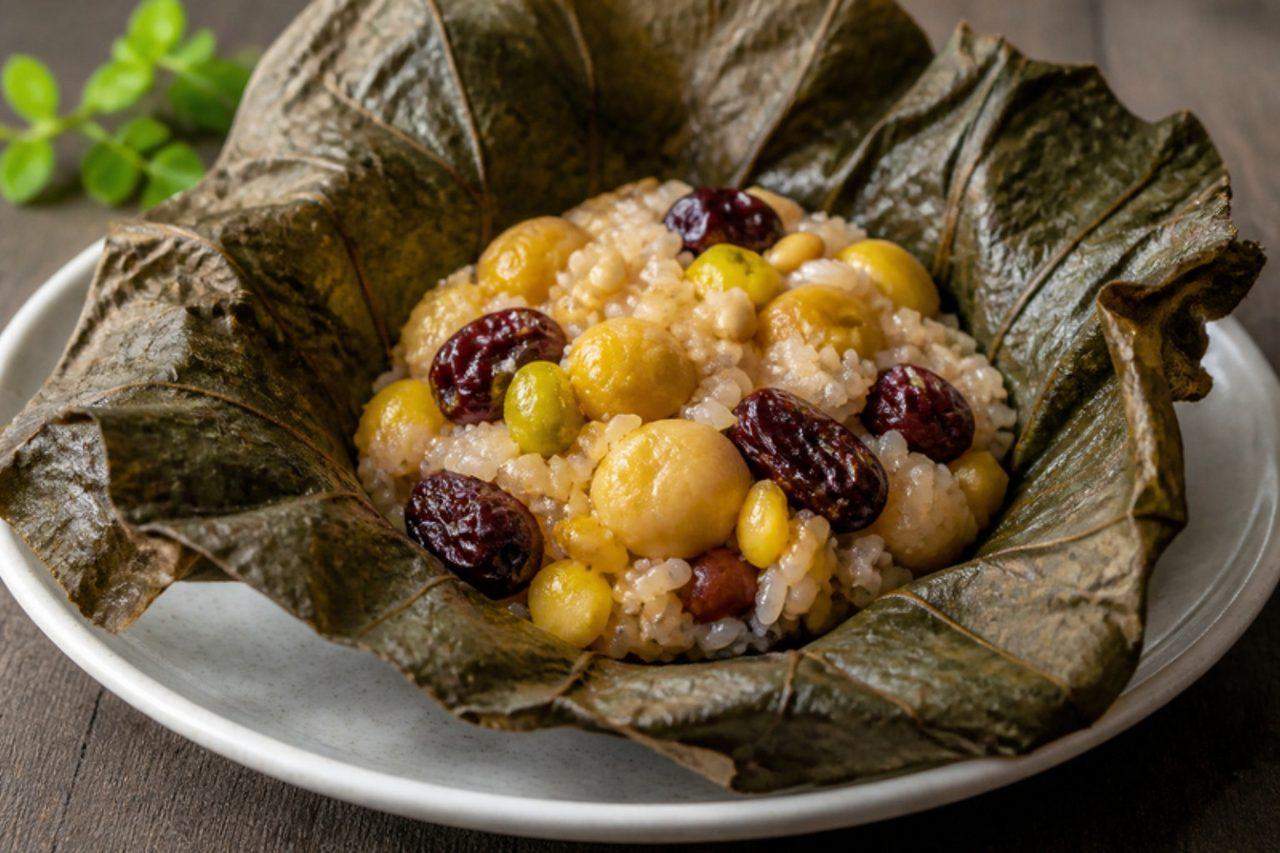
Yeonnip bapLotus leaf sticky rice

Yeonnip bap is a Buddhist temple dish from South Jeolla, where monasteries near the lotus ponds of Muan and the old temples of Jangseong wrap sticky rice in lotus leaves for festival days and visiting guests. Glutinous rice studded with chestnuts, jujubes, black beans and pine nuts is folded into a leaf parcel and steamed, so it comes out chewy, faintly sweet and scented with the green, tea-like aroma of lotus. Like all temple cooking, it uses no garlic, onion or other pungent alliums. Pine nuts are a tree-nut allergen. The common mistake is under-soaking the rice: it steams up hard in the middle however long you cook it. Chef's tip: sprinkle the rice with salted water halfway through steaming; it seasons every grain evenly and keeps the top layer from drying out.

by KrazyBadal 0 views

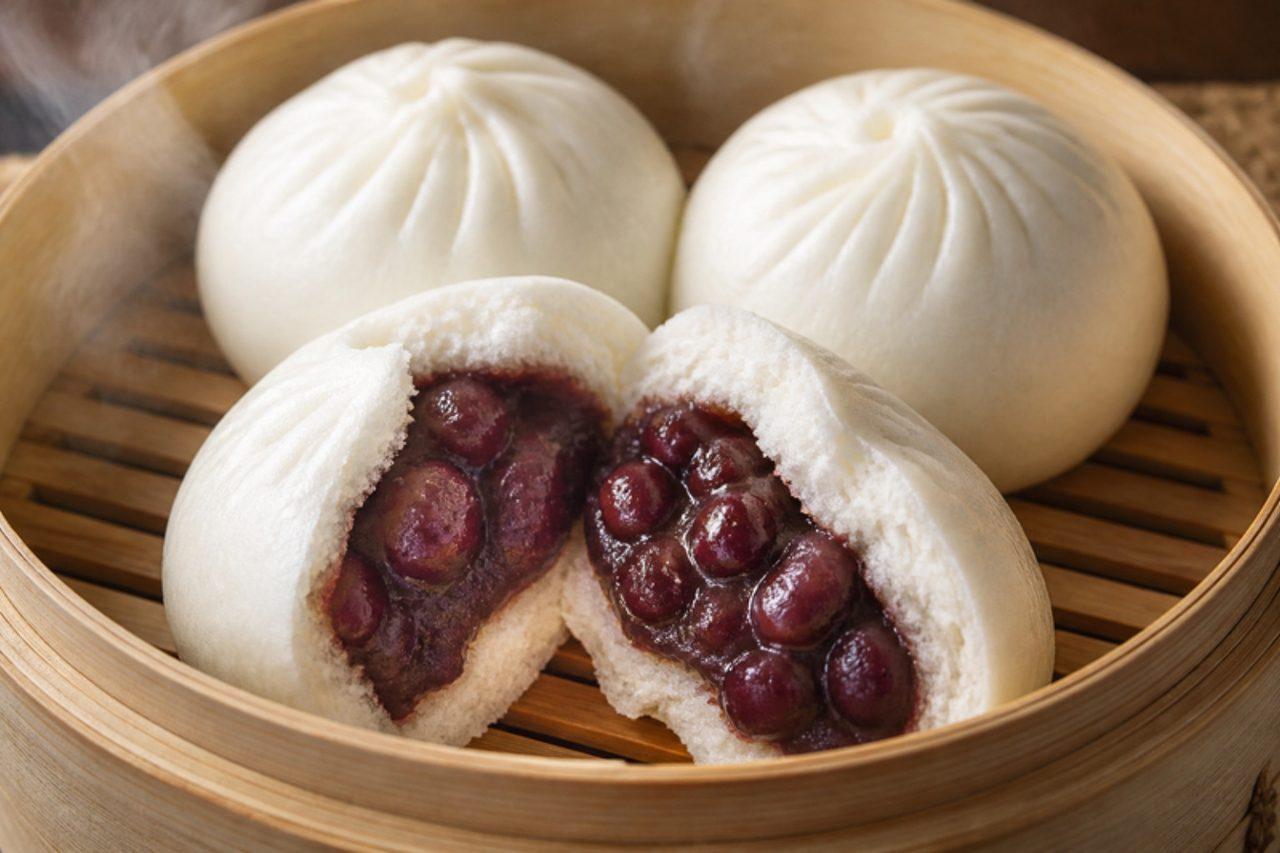
HoppangRed bean steamed buns

When the first cold snap hits, Korean convenience stores bring out glass steamer cabinets full of hoppang, and office workers grab one for breakfast on the way to the subway. The bun is soft, slightly sweet yeasted dough wrapped around a thick, smooth red bean paste, steamed until pillowy and eaten piping hot. Making them at home takes a morning but they freeze perfectly. The usual mistake is opening the lid too early or steaming over too fierce a heat: the buns collapse and wrinkle, so keep a steady medium heat and leave them to rest 5 minutes before lifting the lid. Contains wheat. Chef's tip: let the shaped buns rise on squares of baking paper; you can move them into the steamer without squashing them.

120 minKoreanBakingVegan
by KrazyBadal 0 views
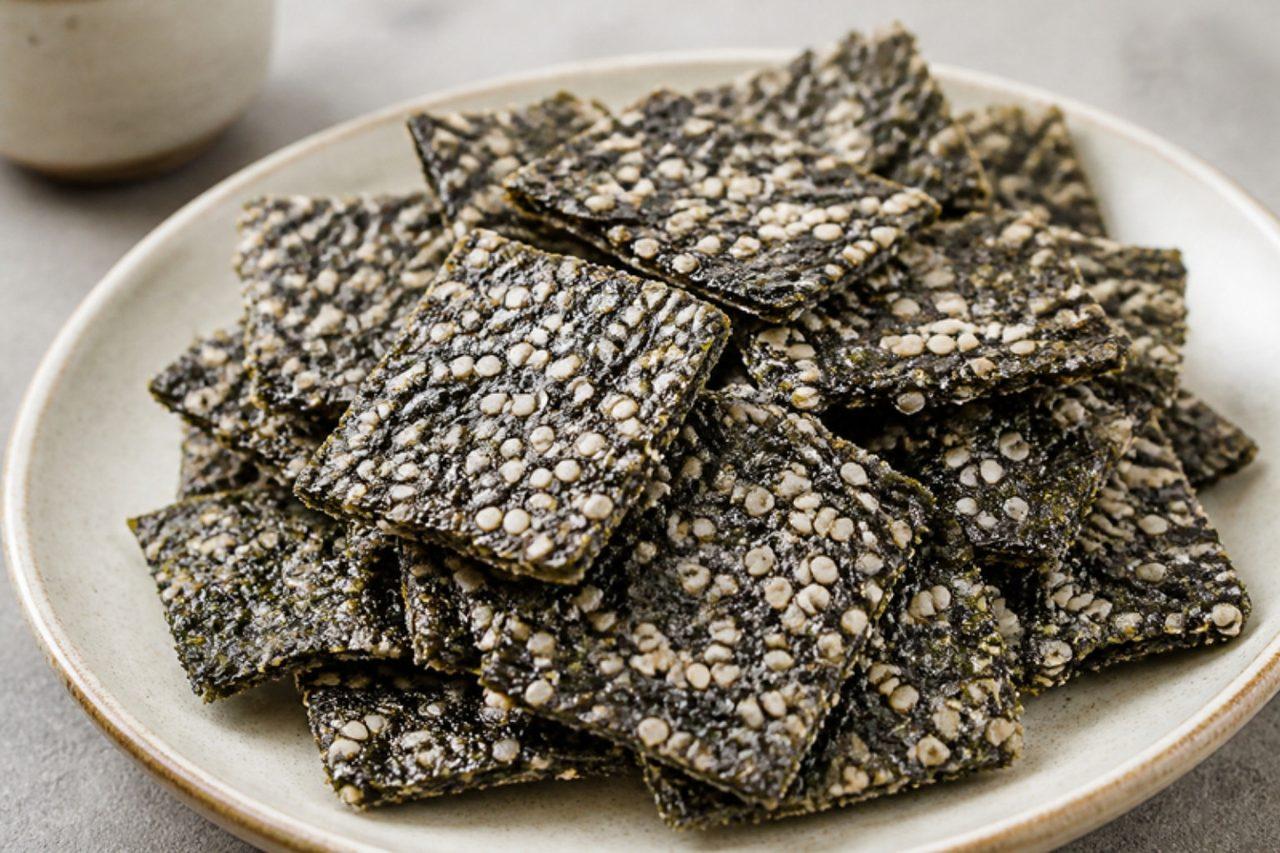
Gim bugakCrisp fried seaweed

Gim bugak is a temple snack that Buddhist nuns and village cooks in South Jeolla, especially around Damyang and Namwon, still make in large batches in autumn: sheets of laver are painted with glutinous rice porridge, scattered with sesame, dried in the sun and fried until they puff into crackling, savoury chips. It is eaten as a banchan with rice or as a snack with tea. The common mistake is frying it before it is completely dry; any damp patches stay chewy and spit in the oil. Chef's tip: cut the dried sheets with scissors before frying; once fried they shatter if you try to cut them.

by KrazyBadal 0 views

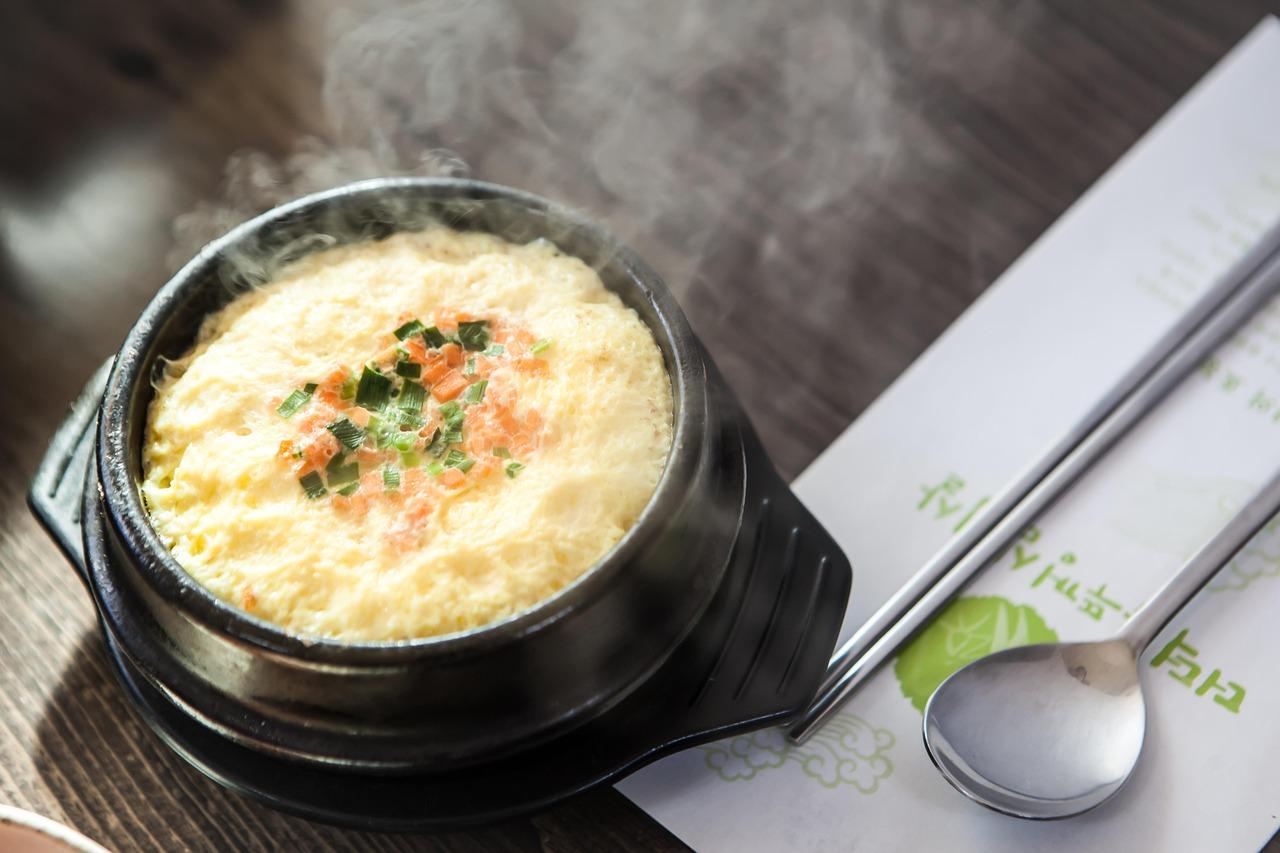
Gyeran jjimSteamed egg

At Korean barbecue restaurants in Seoul and Busan, a bubbling stone pot of gyeran jjim arrives puffed high above the rim to soothe mouths burned by grilled meat and kimchi. At home it is a soft, savoury egg custard eaten with rice, especially by children. This vegetarian version uses kelp water instead of the usual salted shrimp or anchovy stock. The common mistake is keeping the heat high once the egg starts to set, which scorches the bottom and makes the top tough and full of holes. Chef's tip: stir constantly for the first minute as it heats, then cover with an upturned bowl over the lowest flame; trapped steam is what makes it rise like a soufflé.

by KrazyBadal 0 views

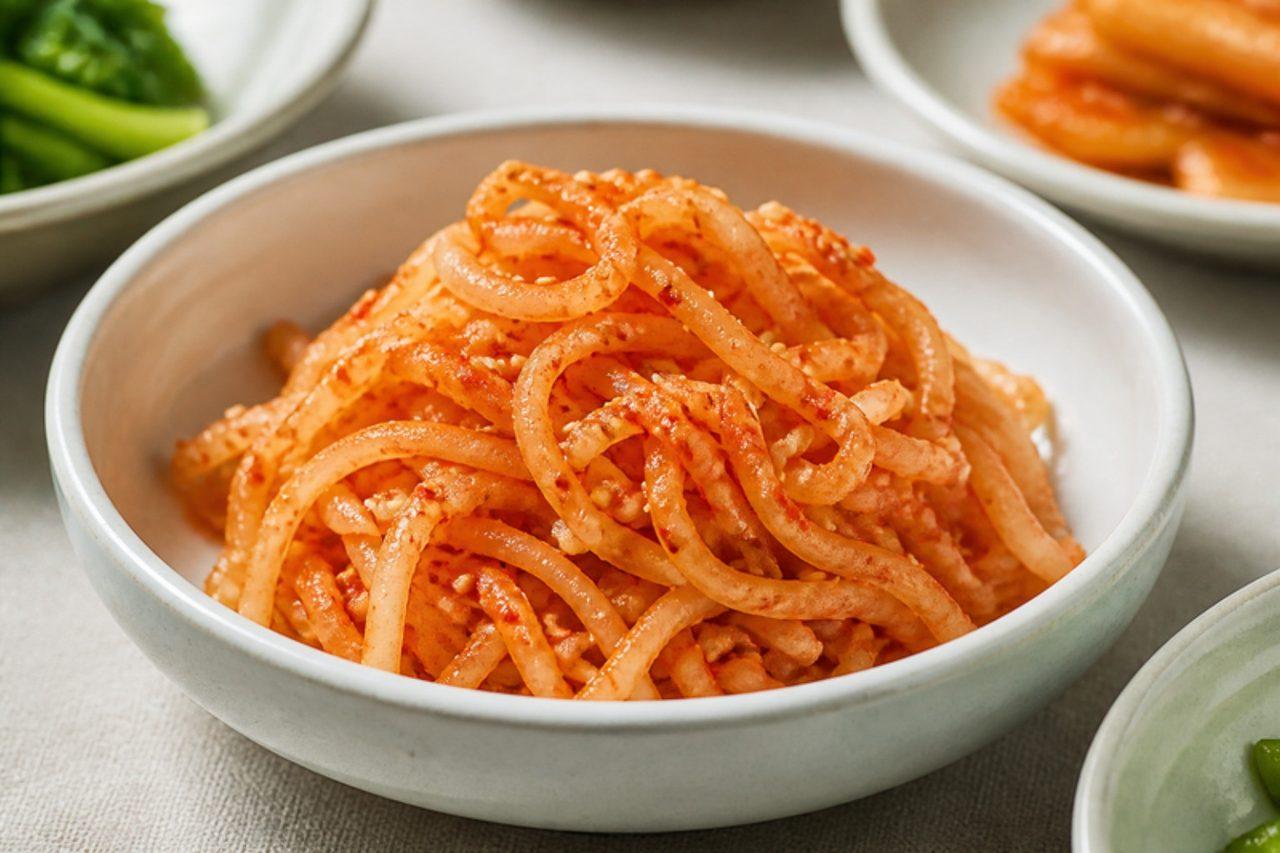
MusaengchaeSpicy radish salad

Musaengchae is the quick radish salad Korean cooks make when the big autumn radishes from Gyeonggi farms come in, and it appears on the side of bibimbap bowls and pork platters all winter. Fine matchsticks of radish are reddened with gochugaru, then seasoned sweet, sour and salty, so every forkful is cold, crisp and lively. This version leaves out the fish sauce, so it is fully vegan. The common mistake is salting the radish before the chilli: the salt draws out water first and the colour ends up pale and patchy. Chef's tip: toss the radish with the chilli flakes on their own first and leave it for 5 minutes; it takes on a deep, even red before anything else goes in.

by KrazyBadal 0 views

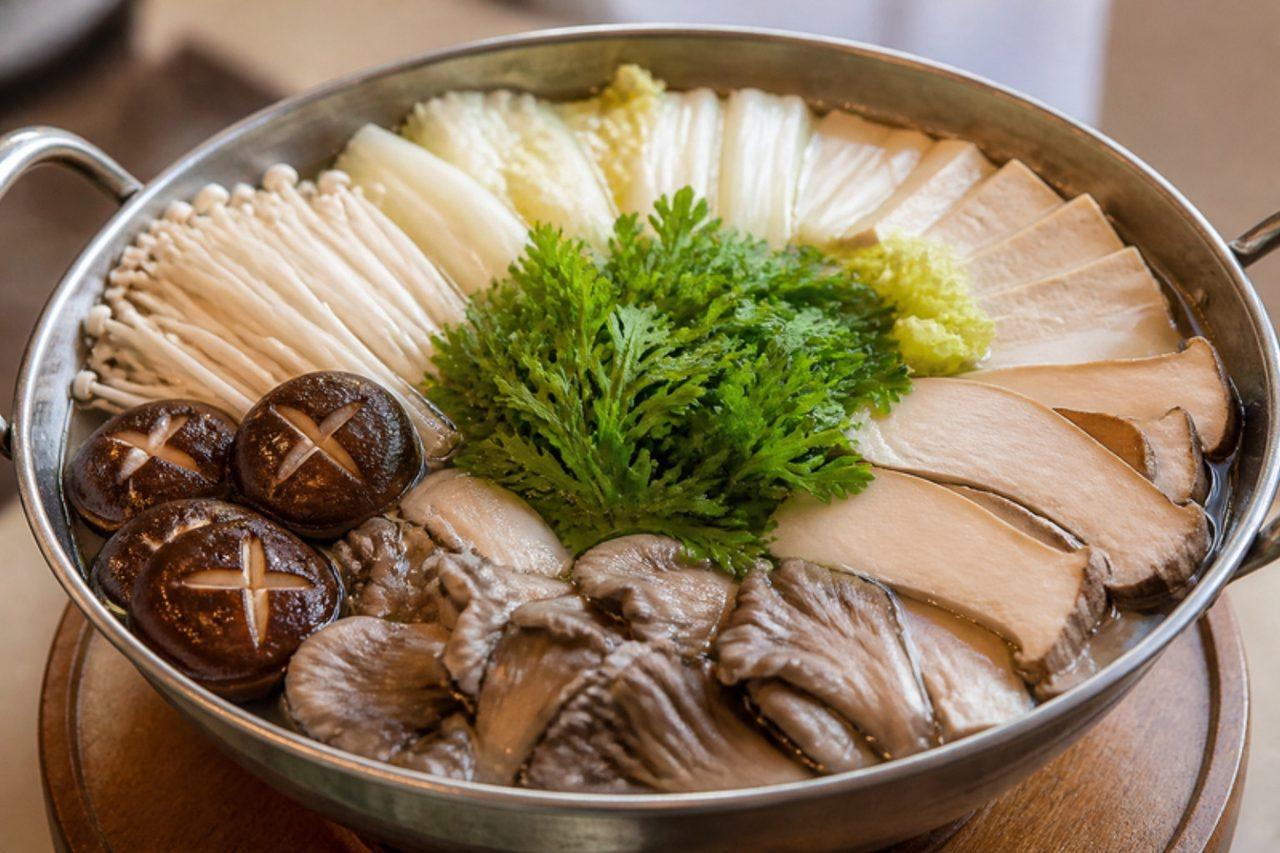
Beoseot jeongolMushroom hot pot

Beoseot jeongol is the mushroom hot pot that Korean temple kitchens and mountain restaurants around Odaesan and Songnisan serve in autumn, when wild mushrooms come down from the slopes. Fans of shiitake, oyster, enoki and king oyster mushrooms are arranged with tofu, cabbage and greens in a shallow pot and cooked at the table in a clear kelp and shiitake broth. It tastes deep, clean and woodsy, with no garlic or onion in the temple way. The common mistake is boiling it hard from the start, which turns the broth cloudy and the enoki stringy. Chef's tip: save the shiitake soaking water and add it to the broth; it doubles the savoury depth without any seasoning.

by KrazyBadal 0 views

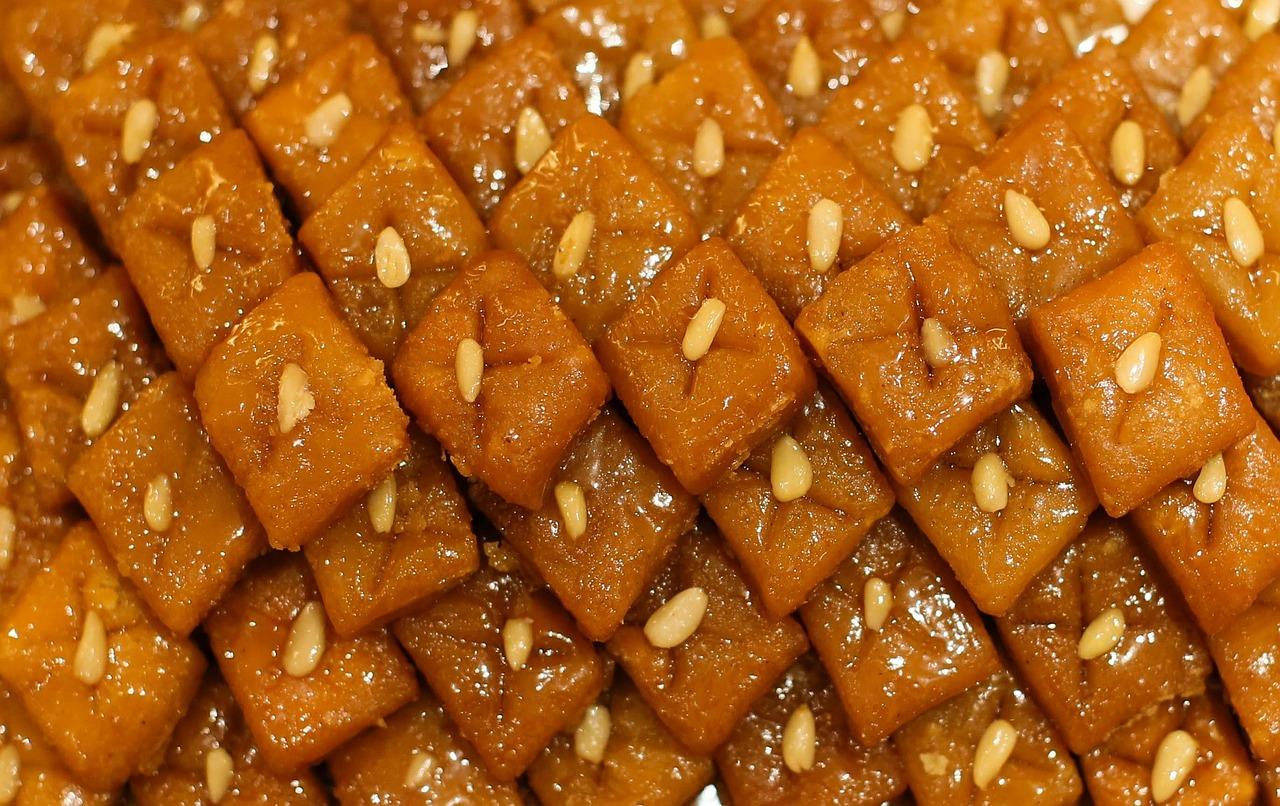
YakgwaHoney ginger cookies

Yakgwa, 'medicinal sweet', were once so prized at royal banquets in Joseon-era Seoul that the court restricted who could make them, because of the honey and oil they swallowed. Today they turn up in gift boxes for Seollal and Chuseok and on the ancestral memorial table, and lately in Seoul cafés that cannot keep them in stock. The flaky, layered dough is fried at a low heat, then left to drink a ginger and cinnamon honey syrup until it is dense and soft all the way through. The mistake nearly everyone makes the first time is frying too hot: the outside browns while the middle stays raw and hard, so keep the oil low and be patient. Contains wheat and sesame. Chef's tip: fold and press the dough, don't knead it; the loose layers are what open up into those flaky ridges.

by KrazyBadal 0 views

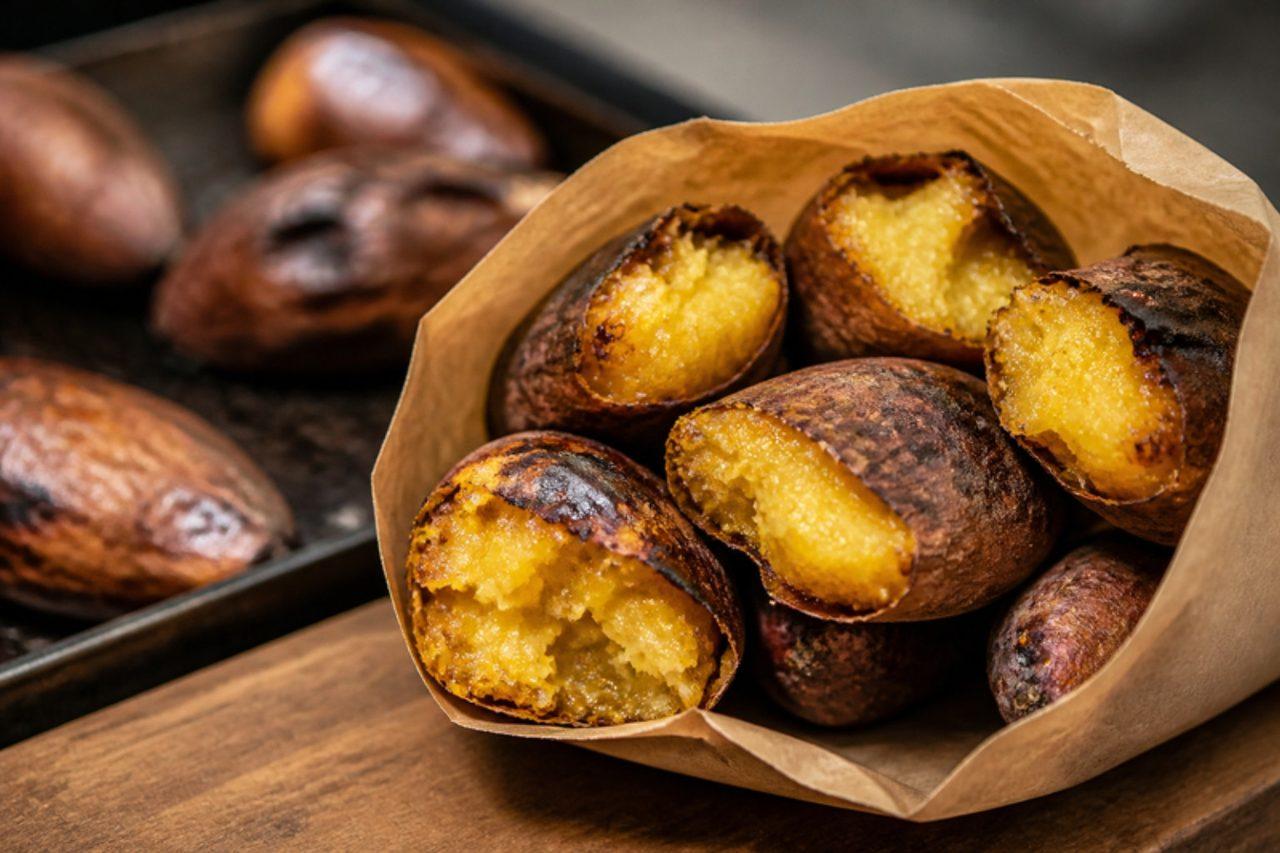
Gun gogumaRoasted sweet potato

On a winter evening in Seoul, the smell of gun goguma drifts out of black drum ovens on street corners, and vendors hand the potatoes over in paper bags to warm cold hands on the way home. Korean sweet potatoes have purple skin and pale, chestnut-sweet flesh that turns dense and sticky when slow-roasted, and the sugars seep out and caramelise on the skin. At home they are eaten with cold dongchimi or kimchi and a glass of milk or a cup of tea. The common mistake is roasting too hot and too short: the potato cooks but never turns syrupy, so give it the full hour. Chef's tip: once roasted, leave them in the switched-off oven for 15 minutes; they keep getting sweeter as they rest.

by KrazyBadal 0 views

Yeolmu kimchiYoung radish kimchi

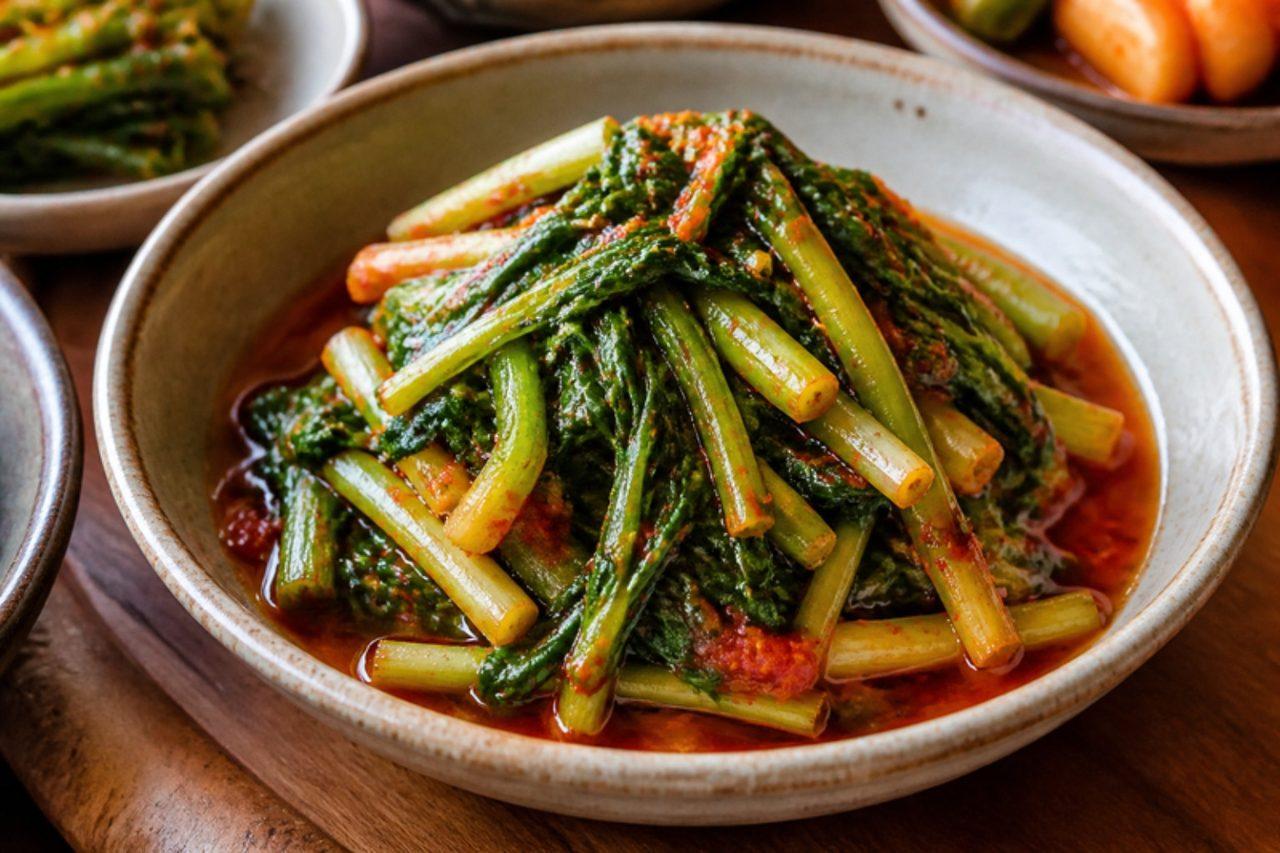
Yeolmu are young radish plants pulled in early summer, mostly leaves and slender stems with a tiny root, and yeolmu kimchi is what Korean families eat through July and August heat, often in yeolmu bibimbap or over cold noodles. It is lighter and juicier than cabbage kimchi, with a thin red brine and a fresh, slightly peppery bite. The big mistake is handling the greens roughly while salting or washing: bruised yeolmu develop a grassy, raw smell, so wash and toss them as gently as salad leaves. Use a clean glass or ceramic jar or kimchi box scalded with boiling water, and keep the vegetables pressed below the brine; anything sticking out can grow mould. Chef's tip: add a boiled, mashed potato to the paste instead of rice porridge; it is the old summer trick for a smoother, sweeter brine.

by KrazyBadal 0 views

Dubu jorimBraised tofu in spicy soy

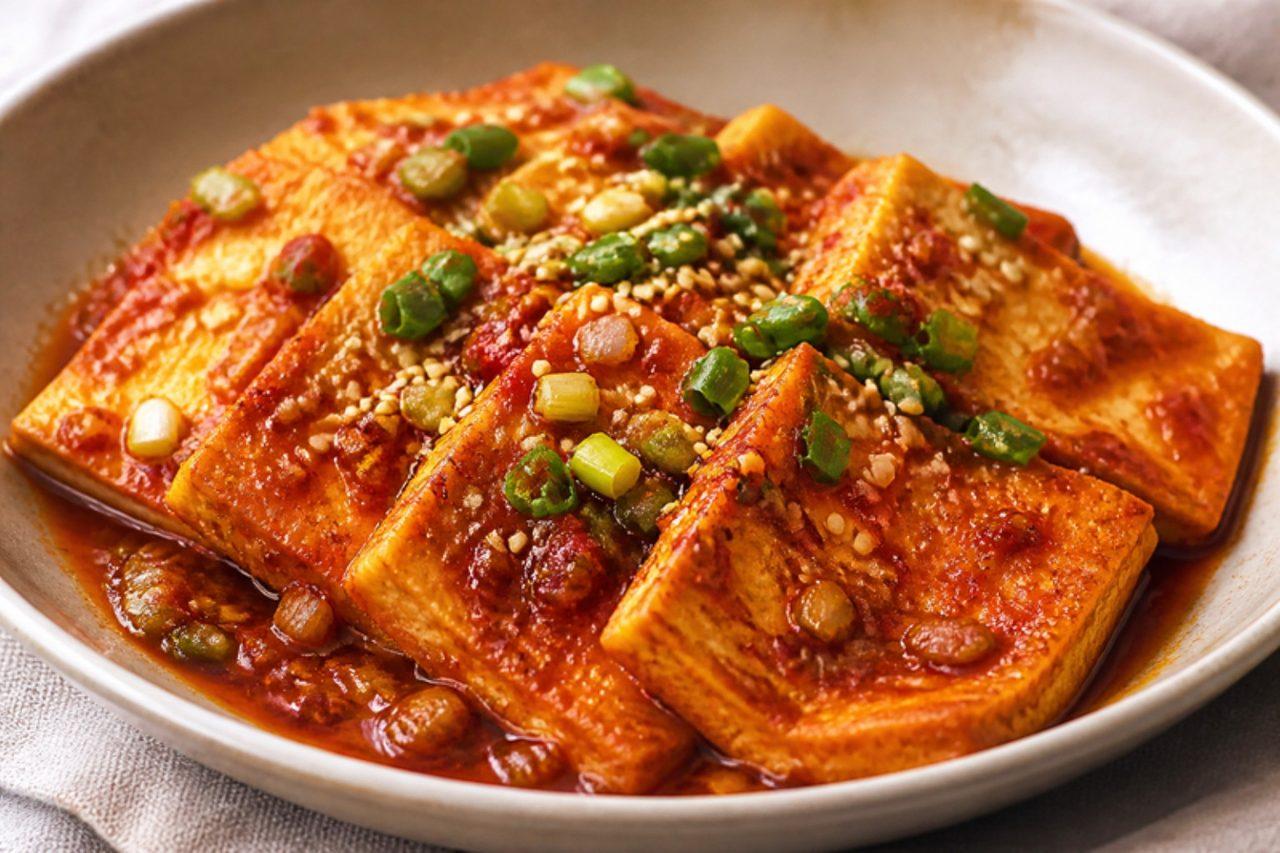
Dubu jorim is the tofu side dish Korean mothers pack into school lunchboxes and set out at home dinners from Busan to Seoul, because it is cheap, filling and even better the next day. Thick slices of firm tofu are fried golden, then simmered in a garlicky soy and chilli sauce until they soak it up and turn glossy. Eat it warm with rice or cold from the fridge. The common mistake is moving the tofu too soon in the pan: it tears and never forms the golden skin that holds the sauce. Chef's tip: salt the tofu slices lightly and leave them on kitchen paper for 10 minutes before frying; drier tofu browns faster and spits less.

by KrazyBadal 0 views

Hobak jukPumpkin porridge

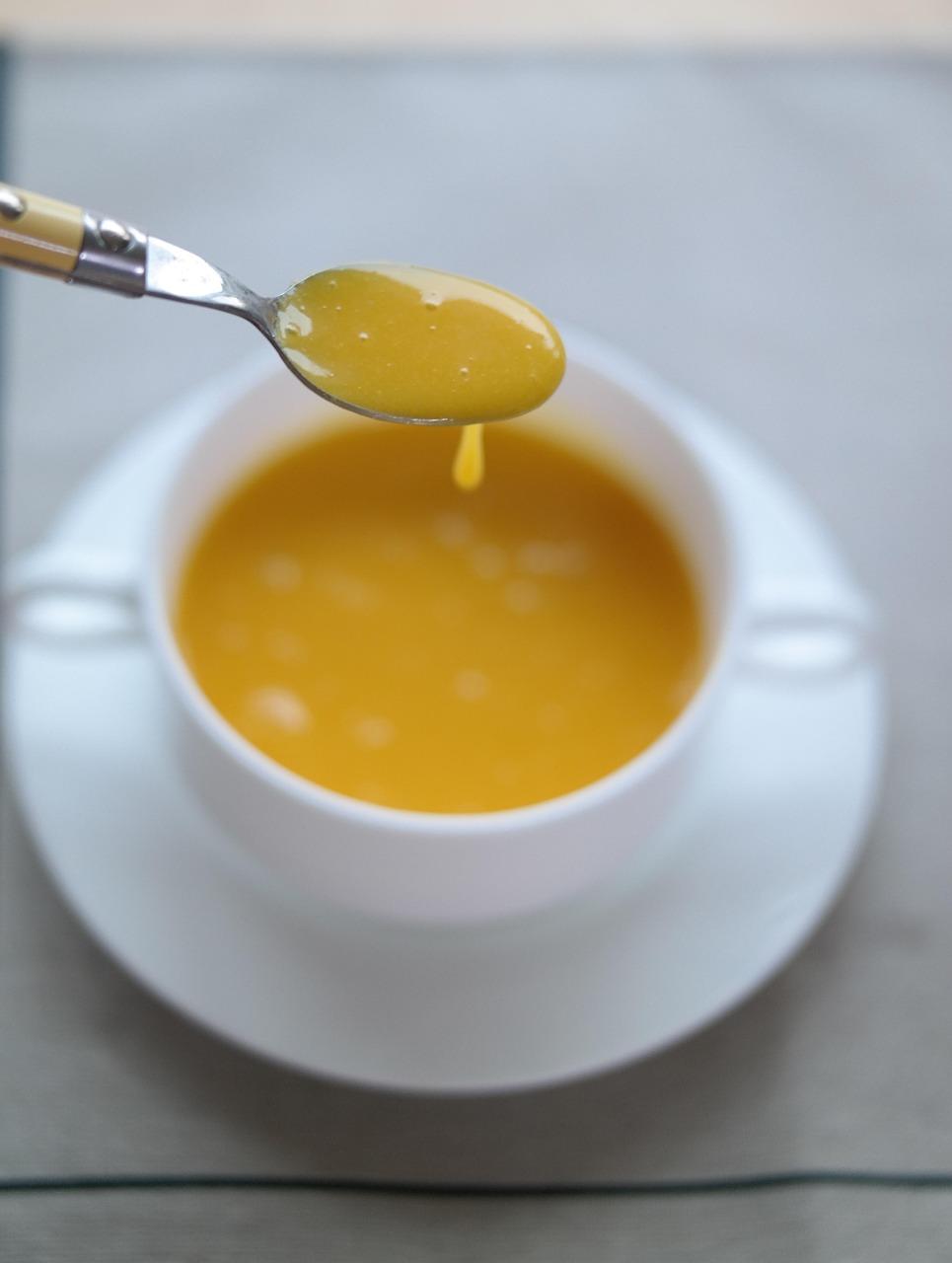
Hobak juk is the golden pumpkin porridge sold in thermos-sized portions at Seoul's Gwangjang market and cooked in temple kitchens through the cold months, when stored pumpkins are at their sweetest. Steamed pumpkin is blended smooth, thickened with glutinous rice flour and dotted with chewy little rice-cake balls, giving a velvety, naturally sweet bowl that is soothing for convalescents and children alike. The rice balls are soft and sticky, so cut them small for young children to avoid choking. The common mistake is adding the rice-flour slurry in one go to boiling porridge, which makes lumps. The optional pine-nut topping is a tree-nut allergen; leave it off for anyone with a nut allergy. Chef's tip: roast or steam the pumpkin rather than boiling it in water; less water means a deeper colour and sweeter taste.

by KrazyBadal 0 views

GaraetteokLong cylinder rice cakes

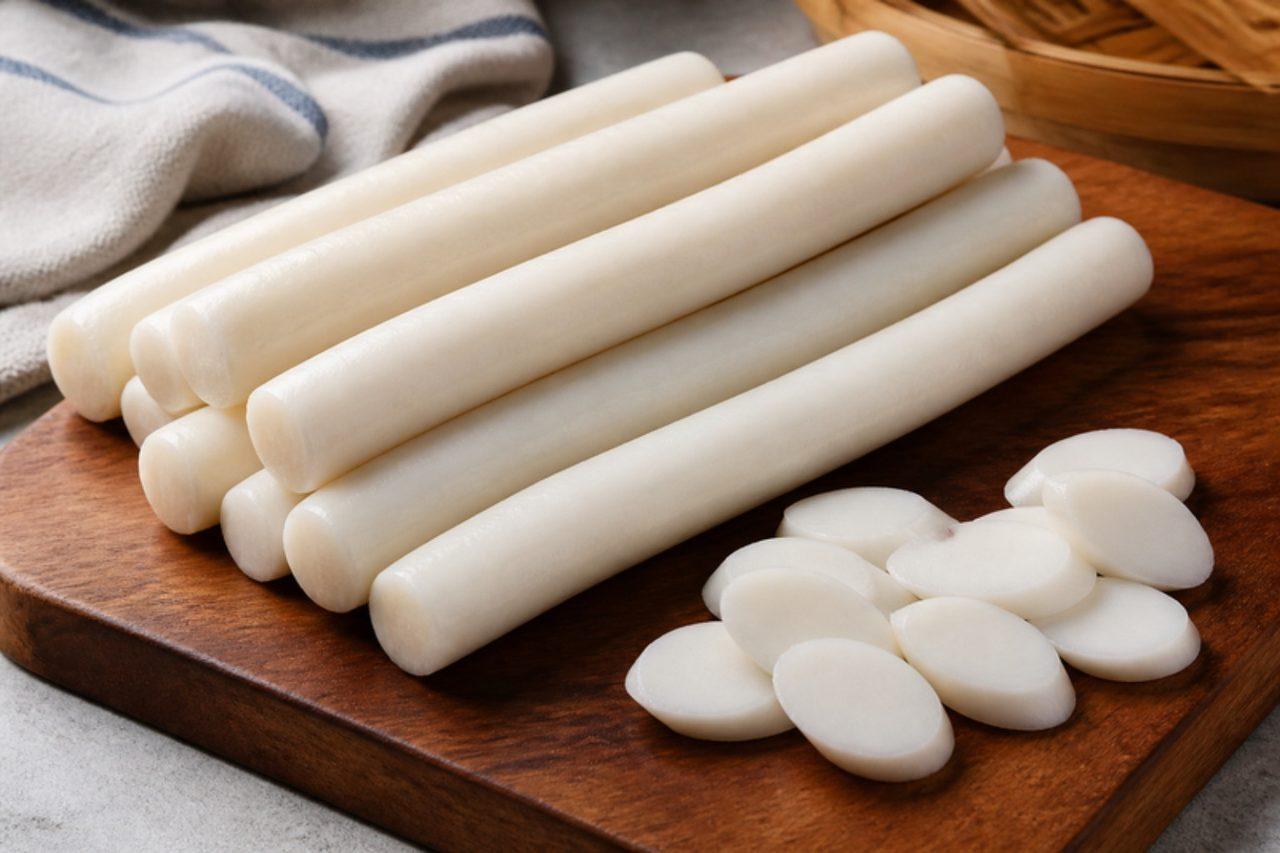
Garaetteok are the long white rice-cake logs that Korean mills churn out before Seollal, when families queue with their own rice to have them pressed and then slice them into ovals for tteokguk, the New Year soup. The length is meant to wish for a long life. Freshly made, they are soft and chewy and eaten warm, dipped in honey or toasted over a grill; once they firm up they are sliced for soup or cut into sticks for tteokbokki. Making them at home is simple, though the logs come out a little less glossy than machine-pressed ones. The usual mistake is rolling the dough when it has cooled: it must be hot to stay smooth. Rice cakes are chewy and sticky, a known choking risk: cut them into small pieces for young children and older people and eat them sitting down. Chef's tip: leave the logs to firm overnight before slicing on the diagonal; they cut cleanly instead of squashing.

by KrazyBadal 0 views

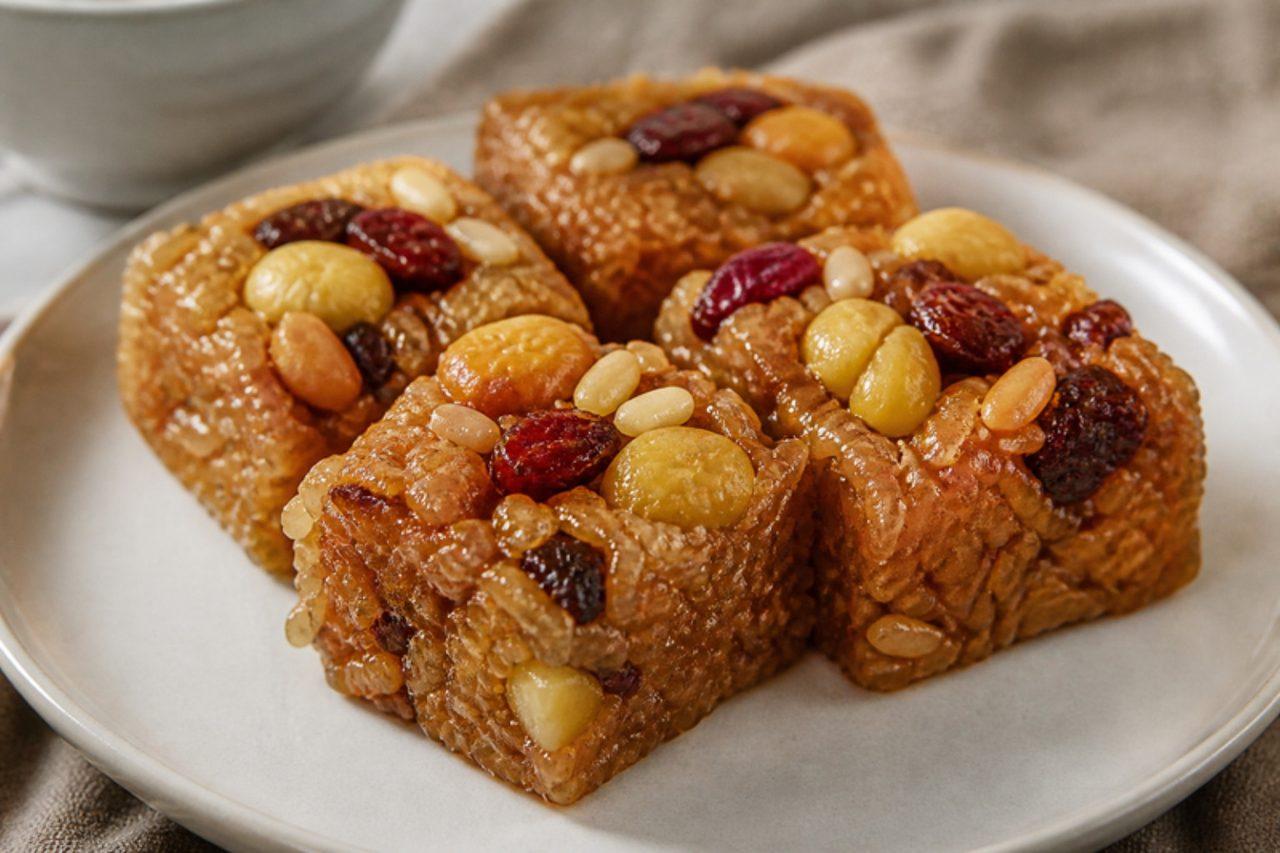
YaksikSweet rice with chestnuts

Yaksik began as a dish for Daeboreum, the first full moon of the lunar year, and is now a standard of Chuseok and Seollal tables and of birthday gifts, cut into neat squares and wrapped in cling film. Glutinous rice is steamed, tossed with dark sugar, soy sauce, sesame oil and cinnamon, then steamed a second time with chestnuts, jujubes and pine nuts until it turns a deep caramel brown and holds together like a soft, chewy cake. The usual mistake is skipping the soak: unsoaked rice stays hard in the centre however long you steam it. Contains soy, sesame and pine nuts. Rice cakes are dense and sticky, so cut them small for young children and older people and make sure they eat sitting down: they are a known choking risk. Chef's tip: caramelise a spoonful of the sugar in a dry pan before adding it; that dark caramel gives the traditional colour without needing extra soy sauce.

by KrazyBadal 0 views

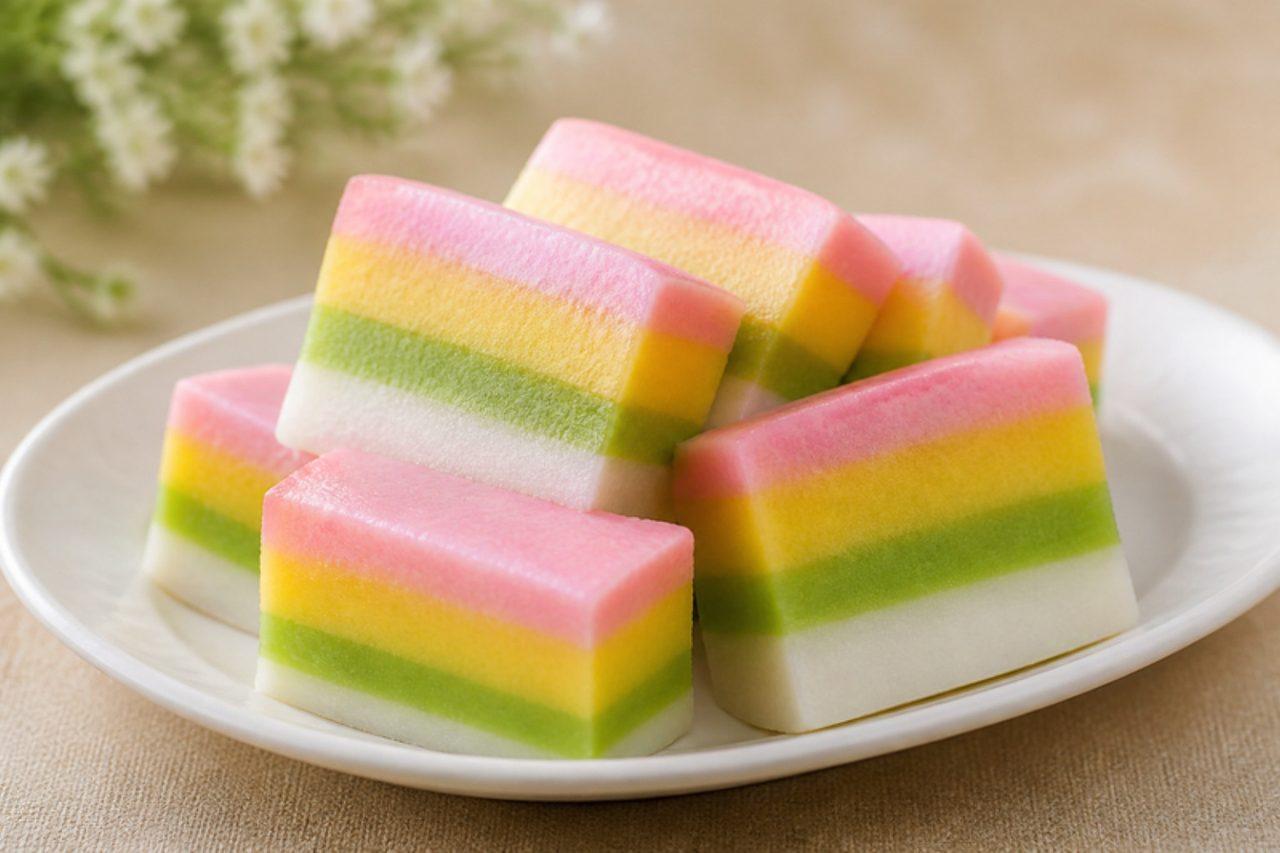
Mujigae tteokRainbow rice cake

Mujigae tteok is the rice cake of children's birthdays and school picnics in Korea, with soft stripes of pink, yellow, green and white that stand for harmony and happiness; it is also a fixture on the doljanchi first-birthday table. Each layer is the same lightly sweet, fluffy steamed rice flour, coloured naturally. The common mistake is packing the layers down: press too hard and the cake turns dense and the colours bleed, so spread each layer and just level it with a scraper. Rice cakes are chewy and sticky, a known choking risk: cut them into small pieces for young children and older people and eat them sitting down. Chef's tip: colour each portion of flour before sieving it, so the colour is even with no streaks.

by KrazyBadal 0 views

SikhyeSweet rice punch

Every Korean jjimjilbang (bathhouse) sells sikhye in little cans, and every grandmother makes a big pot of it before Seollal and Chuseok to sip after the heavy holiday meal, because it is believed to help digestion. Barley malt water and cooked rice are kept warm for several hours until enzymes turn the rice starch into sugar and the grains float up to the top, then the drink is boiled with ginger and chilled until icy. It is mild, lightly sweet and nutty, with soft rice grains to slurp. The usual mistake is letting it get too hot while it ferments: above about 65 °C the enzymes stop working and the grains never float. Contains barley (gluten). Chef's tip: use the rice cooker's 'keep warm' setting; it holds the perfect temperature on its own.

320 minKoreanDrinksVegan
by KrazyBadal 0 views
DalgonaHoneycomb toffee

Dalgona, or ppopgi, was the 1970s and 80s snack of Seoul alleyways, where an old man with a little stove melted sugar in a ladle and stamped a star or umbrella into it; if you could break the shape out without cracking it you won a free one. It is just sugar and a pinch of baking soda, puffed into a crisp, toffee-brown honeycomb that tastes faintly bitter-sweet. The common mistake is adding too much baking soda, which leaves the candy bitter and soapy; a tiny pinch on the tip of a chopstick is all it needs. Melted sugar reaches about 160 °C and burns badly, so children should watch while an adult does the melting, and should only press shapes once the candy has set a little. Chef's tip: use a stainless-steel ladle or small pan, not non-stick, and keep the flame low; the moment the sugar is clear and amber, take it off.

by KrazyBadal 0 views
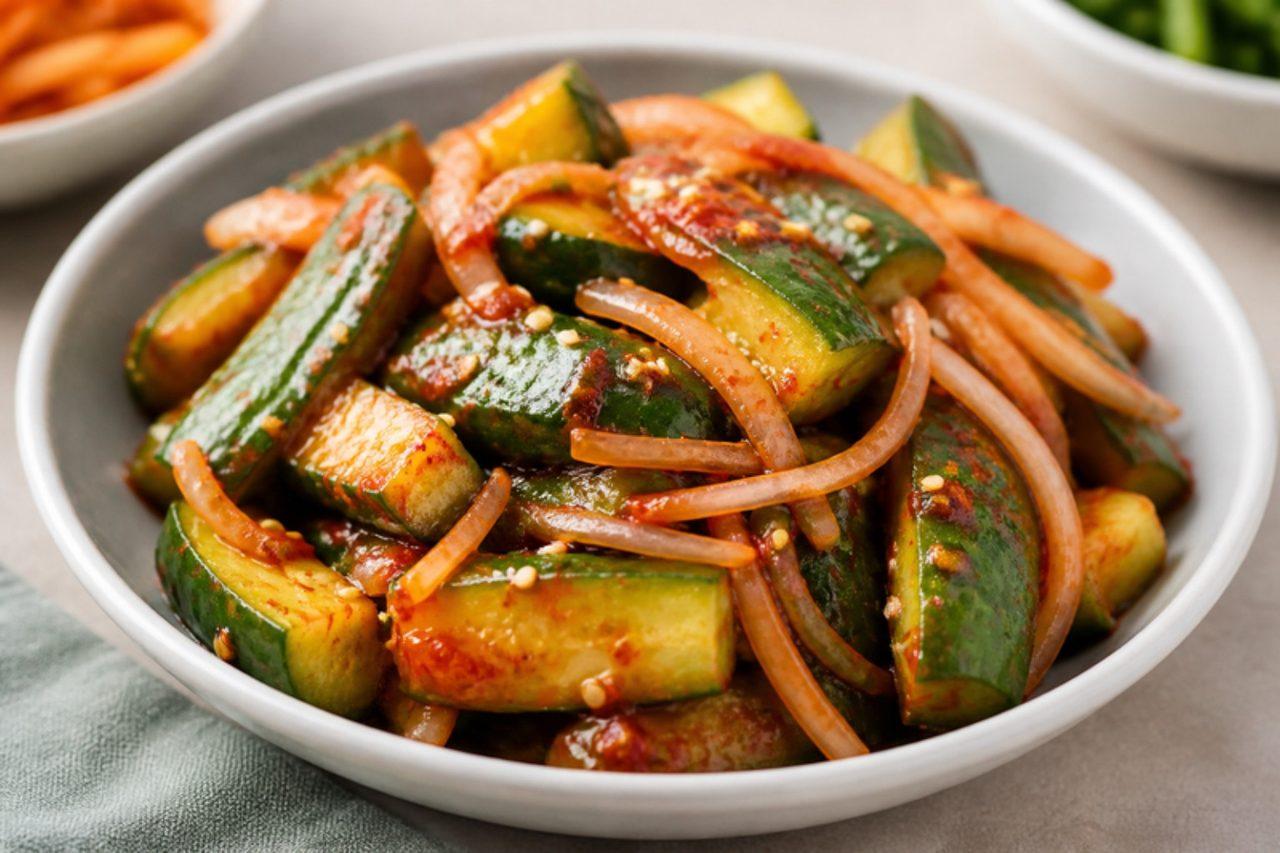
Oi muchimSpicy cucumber salad

When Korean summers turn sticky, from Daegu's heat to Seoul's monsoon, oi muchim is the ten-minute side dish families make to cool down a hot bowl of rice or a plate of grilled meat. Thin cucumber coins are salted briefly, then tossed with chilli flakes, vinegar, a touch of sugar and sesame, so they stay snappy and bright. It is best made just before eating. The common mistake is skipping the quick salting: unsalted cucumber leaks water into the dressing within minutes and the bowl turns soupy. Chef's tip: a few slivers of onion soaked in cold water for five minutes add sweetness and crunch without any harsh bite.

by KrazyBadal 0 views

Tteok kkochiRice cake skewers

Tteok kkochi is the after-school snack of Korea, sold for a few hundred won from carts outside primary schools, where children cluster round the vendor painting glaze onto the skewers. Cylinders of rice cake are fried until blistered and crisp outside but soft and chewy inside, then brushed with a sticky sauce of gochujang, ketchup and rice syrup. The usual mistake is frying rice cakes that are cold and hard from the fridge: they spit and stay tough in the middle, so soften them in hot water first. Rice cakes are dense and sticky, so cut them small for young children and older people and make sure they eat sitting down: they are a known choking risk. Chef's tip: dry the softened rice cakes very well before frying; water makes the oil spit.

by KrazyBadal 0 views
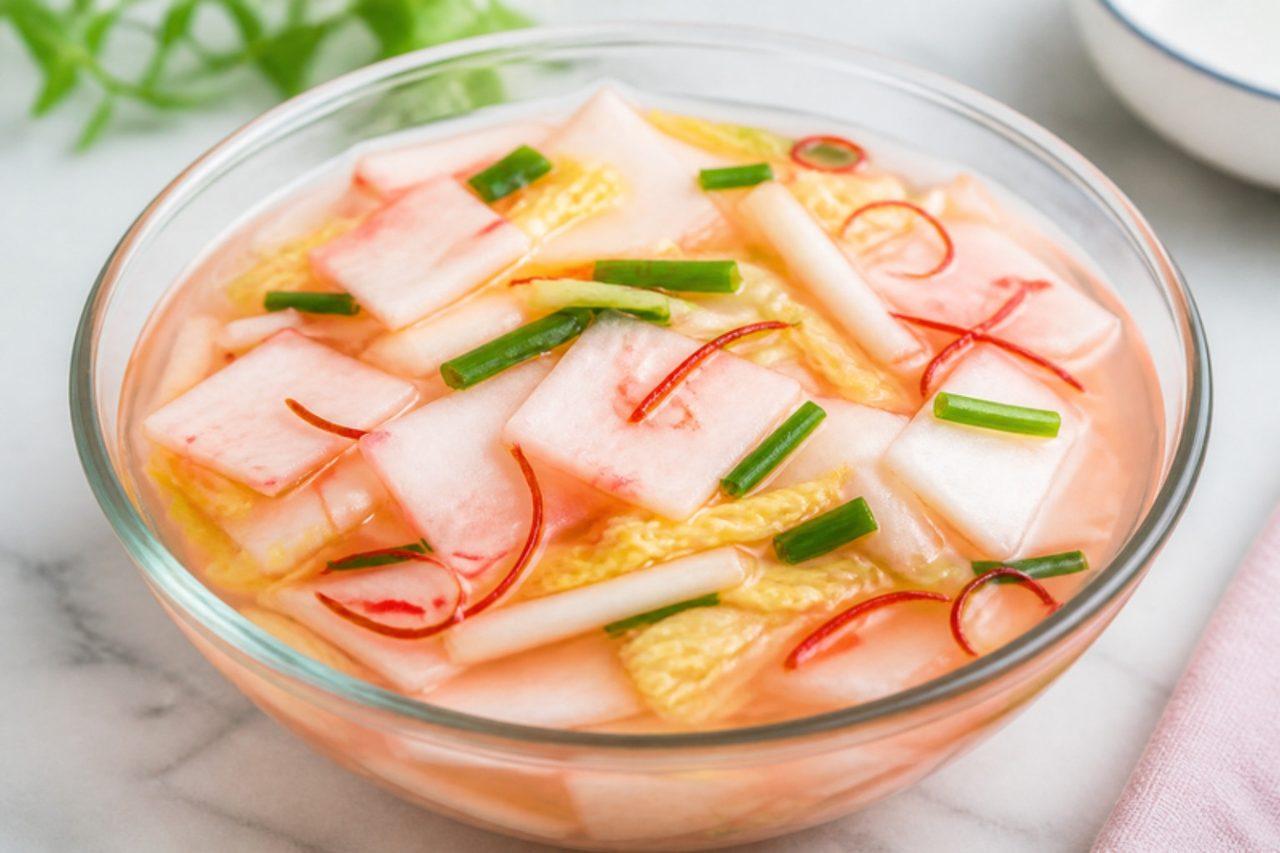
Nabak kimchiRadish water kimchi

Nabak kimchi is the gentle water kimchi Koreans serve in spring and at holiday tables, especially with tteokguk at Seollal, when everyone needs something refreshing after rich food. Thin squares of radish and napa cabbage float in a pale pink, lightly fizzy brine coloured by chilli flakes strained through cloth, so there is colour without much heat. You drink the brine with a spoon as well as eating the vegetables. The common mistake is putting the chilli flakes straight in; they cloud the brine and make it spicy, so always strain them. Use a clean glass or ceramic jar or kimchi box scalded with boiling water, and keep the vegetables pressed below the brine; anything sticking out can grow mould. Chef's tip: add a few slices of apple or Asian pear to the brine; it ferments faster and tastes rounder.

by KrazyBadal 0 views

DongchimiRadish water kimchi

Dongchimi is the winter water kimchi of Korea's north and Gangwon province, traditionally made just before the first frost in a big onggi crock buried in the yard. Whole radishes sit in a clear, salty brine with pear, garlic, ginger and green chillies, and after a few weeks the brine turns tangy, cold and lightly fizzy. It is served with roasted sweet potatoes, rice-cake soup, and is famous as the broth for cold naengmyeon noodles. The common mistake is eating it too early: the brine needs at least two weeks of slow, cold fermentation to lose its raw saltiness. Use a clean glass or ceramic jar or kimchi box scalded with boiling water, and keep the vegetables pressed below the brine; anything sticking out can grow mould. Chef's tip: roll the radishes in salt and leave them overnight before adding the brine; they stay crunchy all winter.

by KrazyBadal 0 views
Baek kimchiWhite kimchi

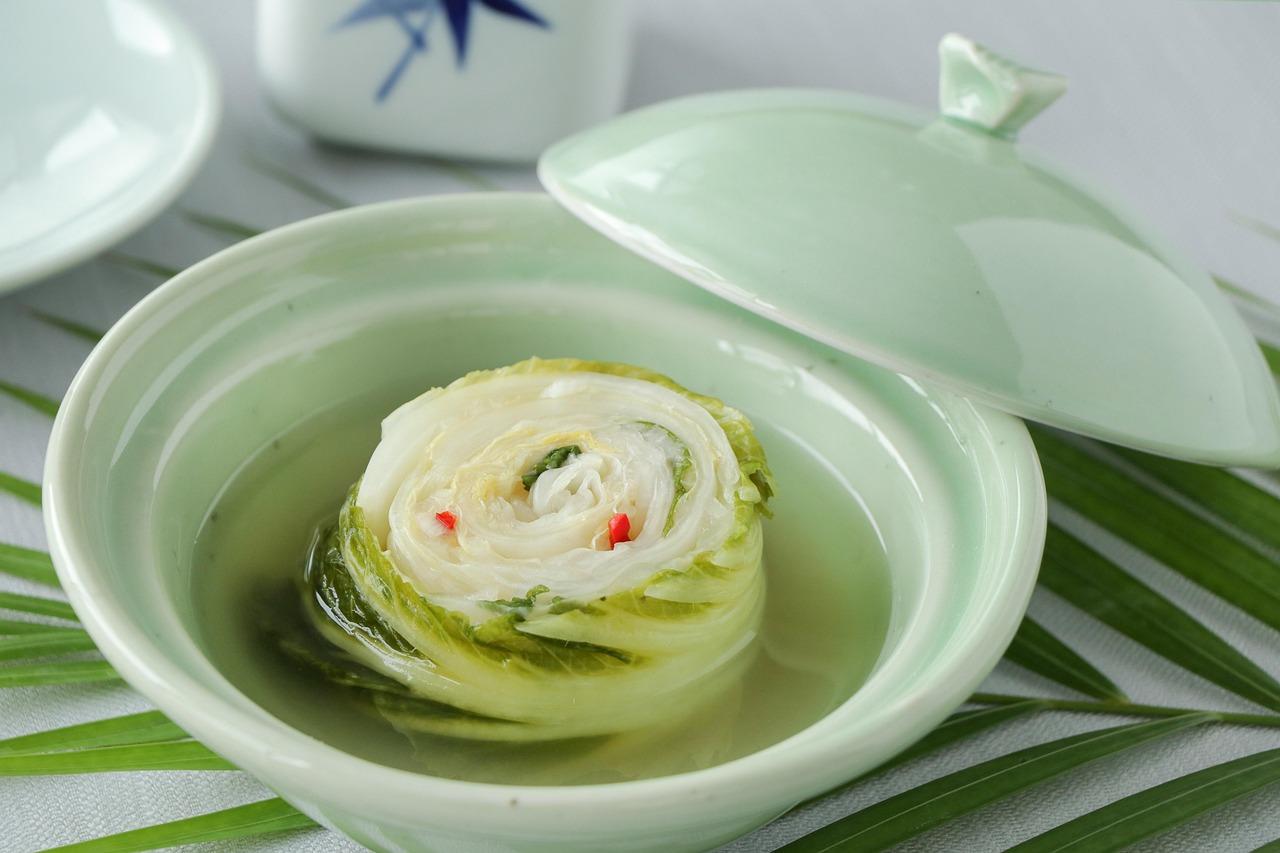
Baek kimchi comes from the Gaeseong and Seoul aristocratic kitchens, where it was served to elders, children and anyone who could not handle chilli. Napa cabbage halves are stuffed with a pale filling of radish, Asian pear, chestnuts, jujubes and pine nuts, then left to ferment in a clear, gently sweet brine. The result is crisp, cool and refreshing, with no heat at all, and it is a good first kimchi for small children. The common mistake is under-salting the cabbage, which leaves it watery and lets it spoil; the thick white stalks must bend without breaking. Contains pine nuts and chestnuts. Use a clean glass or ceramic jar or kimchi box scalded with boiling water, and keep the vegetables pressed below the brine; anything sticking out can grow mould. Chef's tip: wrap each stuffed quarter in its outer leaf; it holds the filling in and keeps the cabbage white.

by KrazyBadal 0 views
Sukju namulSeasoned bean sprouts

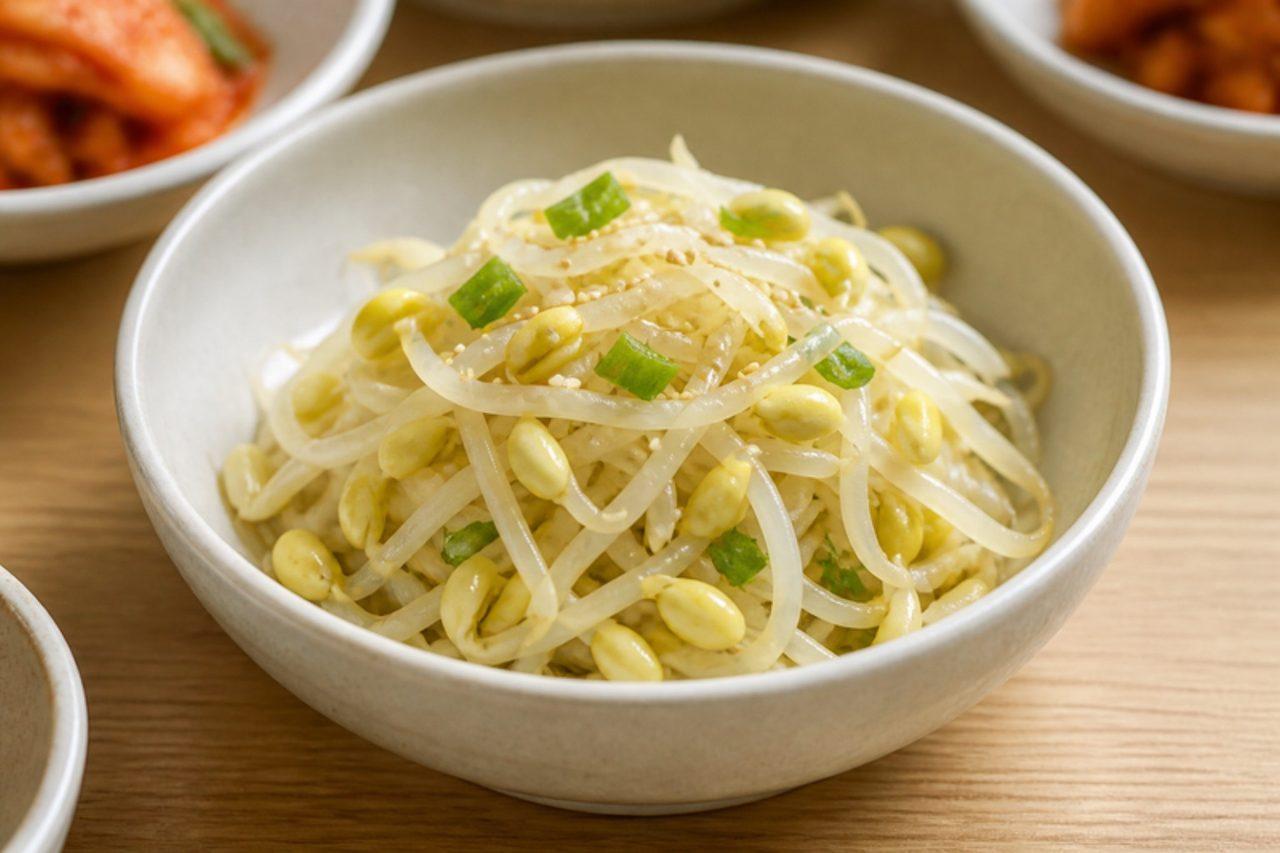
Sukju namul is the most delicate of Korea's sprout dishes, set out on every ancestral-rite table at Chuseok and on everyday trays in Seoul homes because it takes five minutes and costs very little. Mung bean sprouts are blanched for barely a minute, then dressed with salt, a little garlic and sesame oil, so they stay juicy and crunchy with a clean, nutty taste. It belongs in bibimbap too. The common mistake is overcooking: mung bean sprouts go limp and stringy within seconds of being done, so pull them while they still squeak. Chef's tip: plunge them straight into iced water after blanching and squeeze gently; they keep their snap for a whole day.

by KrazyBadal 0 views
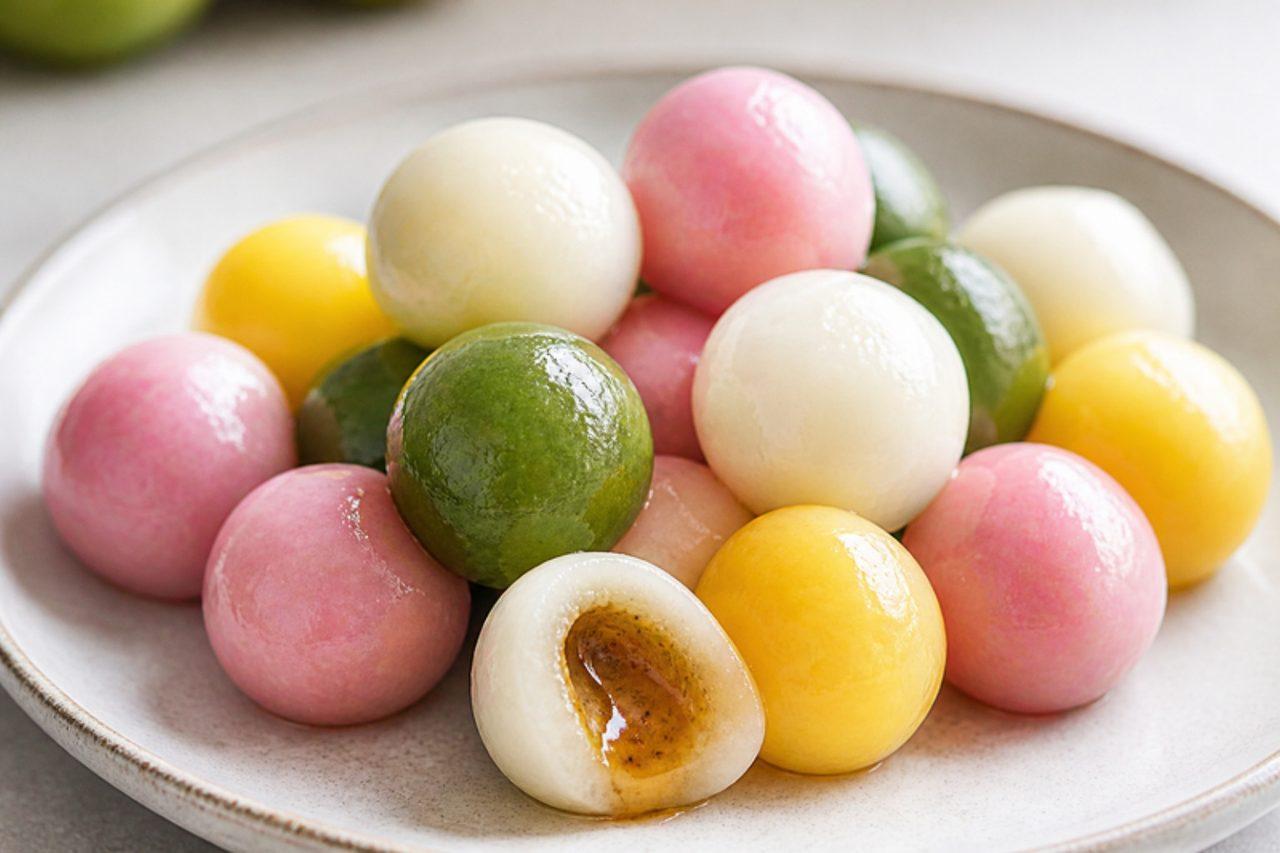
KkultteokHoney-filled rice cakes

Kkultteok, 'honey rice cake', are the bite-sized coloured balls lined up in the windows of Korean tteok shops and on every Chuseok and birthday tray; bite one and a sweet, runny syrup of brown sugar and sesame bursts out. Despite the name, the filling is usually sugar, which melts into a honey-like syrup as the dumplings cook. The cakes are boiled, cooled in water and glossed with sesame oil. The common mistake is using too much filling or a thin dough, so the balls burst in the pot; keep the wall about 5 mm thick and seal well. Rice cakes are chewy and sticky, a known choking risk: cut them into small pieces for young children and older people and eat them sitting down. The filling is very hot straight from the pot, so let them cool before giving them to children. Chef's tip: let the boiled balls sit 1 minute in ice water; the shell firms up and the syrup inside turns fully liquid.

by KrazyBadal 0 views
Showing 24 of 134 recipes

Show more recipes

Page 2 of 6

More collections