Skip to content

Vegetarian Korean recipes

Bibimbap, banchan, noodles and stews without meat or fish. (134 recipes)

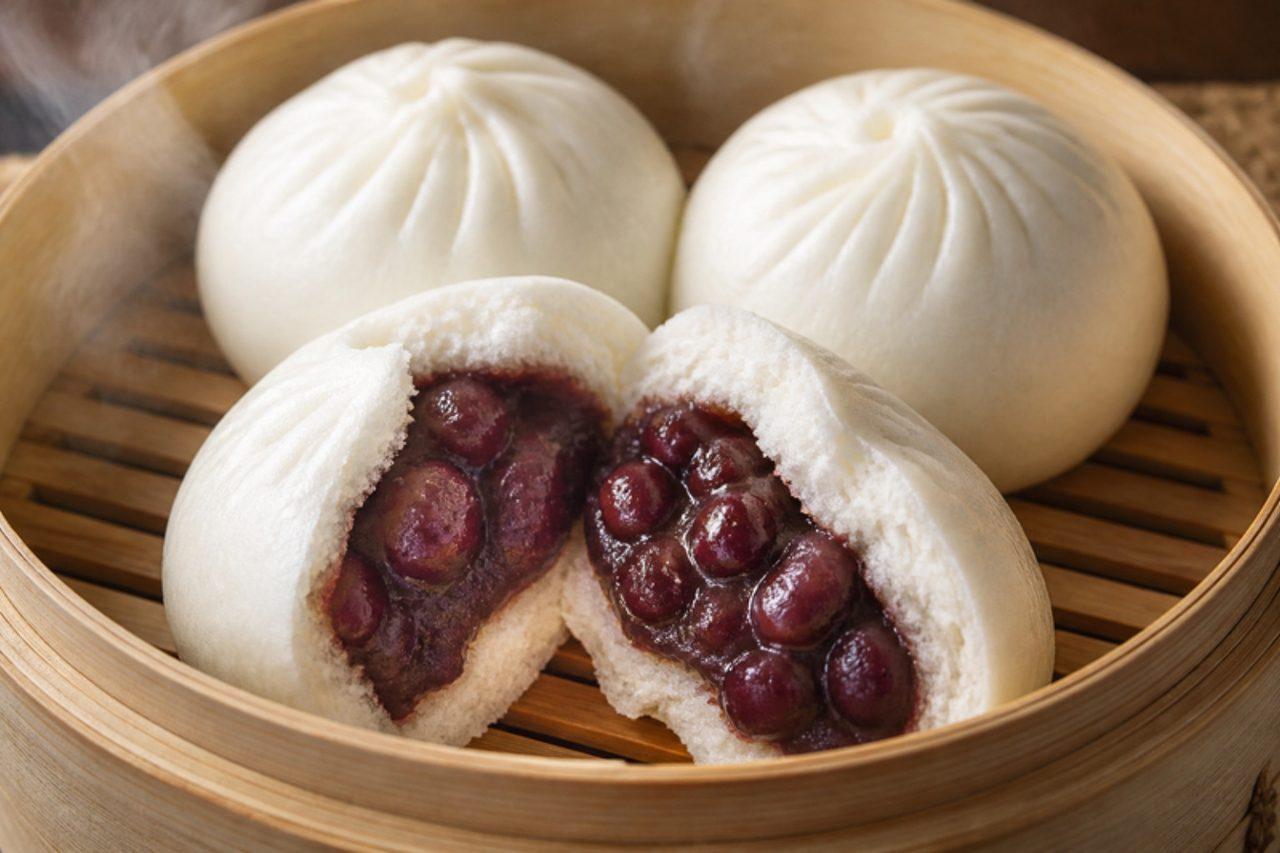
HoppangRed bean steamed buns

When the first cold snap hits, Korean convenience stores bring out glass steamer cabinets full of hoppang, and office workers grab one for breakfast on the way to the subway. The bun is soft, slightly sweet yeasted dough wrapped around a thick, smooth red bean paste, steamed until pillowy and eaten piping hot. Making them at home takes a morning but they freeze perfectly. The usual mistake is opening the lid too early or steaming over too fierce a heat: the buns collapse and wrinkle, so keep a steady medium heat and leave them to rest 5 minutes before lifting the lid. Contains wheat. Chef's tip: let the shaped buns rise on squares of baking paper; you can move them into the steamer without squashing them.

120 minKoreanBakingVegan
by KrazyBadal 0 views
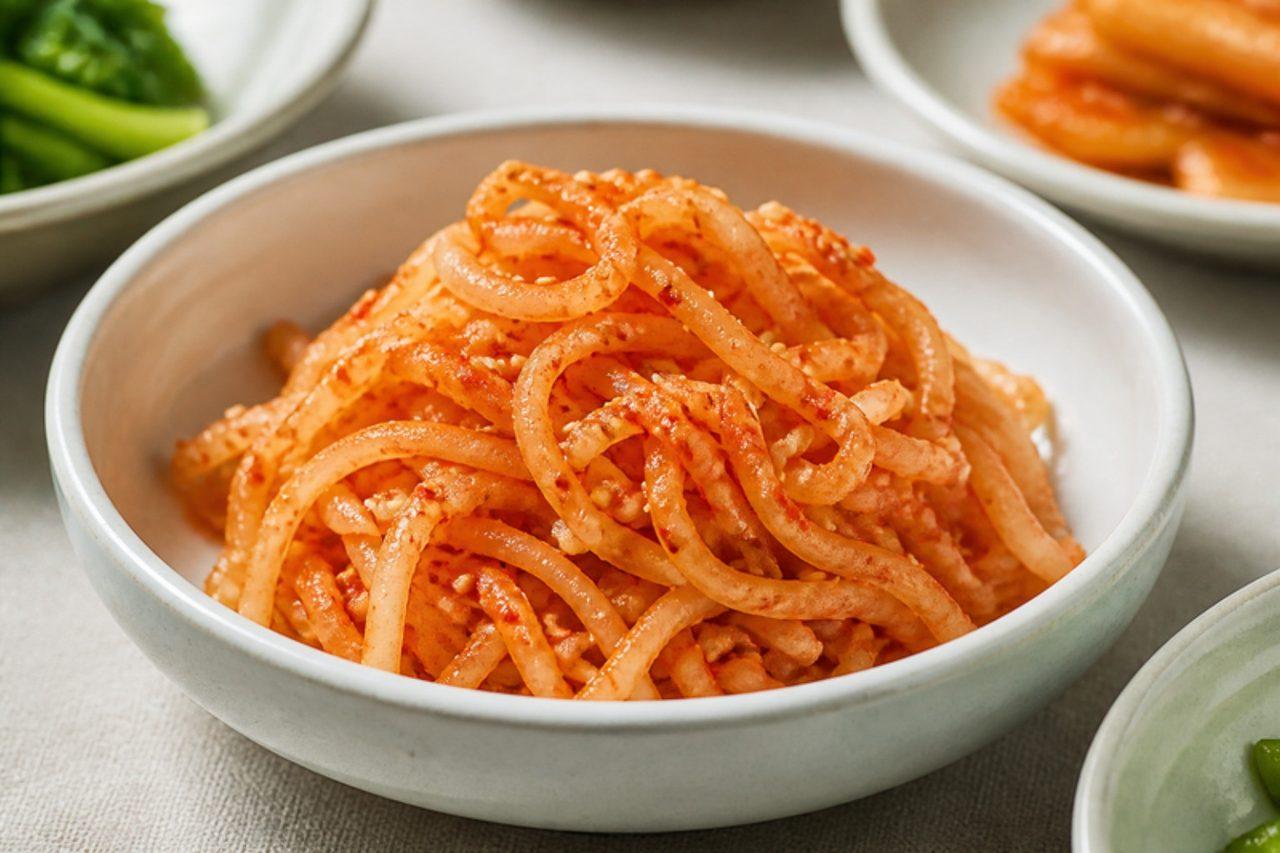
MusaengchaeSpicy radish salad

Musaengchae is the quick radish salad Korean cooks make when the big autumn radishes from Gyeonggi farms come in, and it appears on the side of bibimbap bowls and pork platters all winter. Fine matchsticks of radish are reddened with gochugaru, then seasoned sweet, sour and salty, so every forkful is cold, crisp and lively. This version leaves out the fish sauce, so it is fully vegan. The common mistake is salting the radish before the chilli: the salt draws out water first and the colour ends up pale and patchy. Chef's tip: toss the radish with the chilli flakes on their own first and leave it for 5 minutes; it takes on a deep, even red before anything else goes in.

by KrazyBadal 0 views
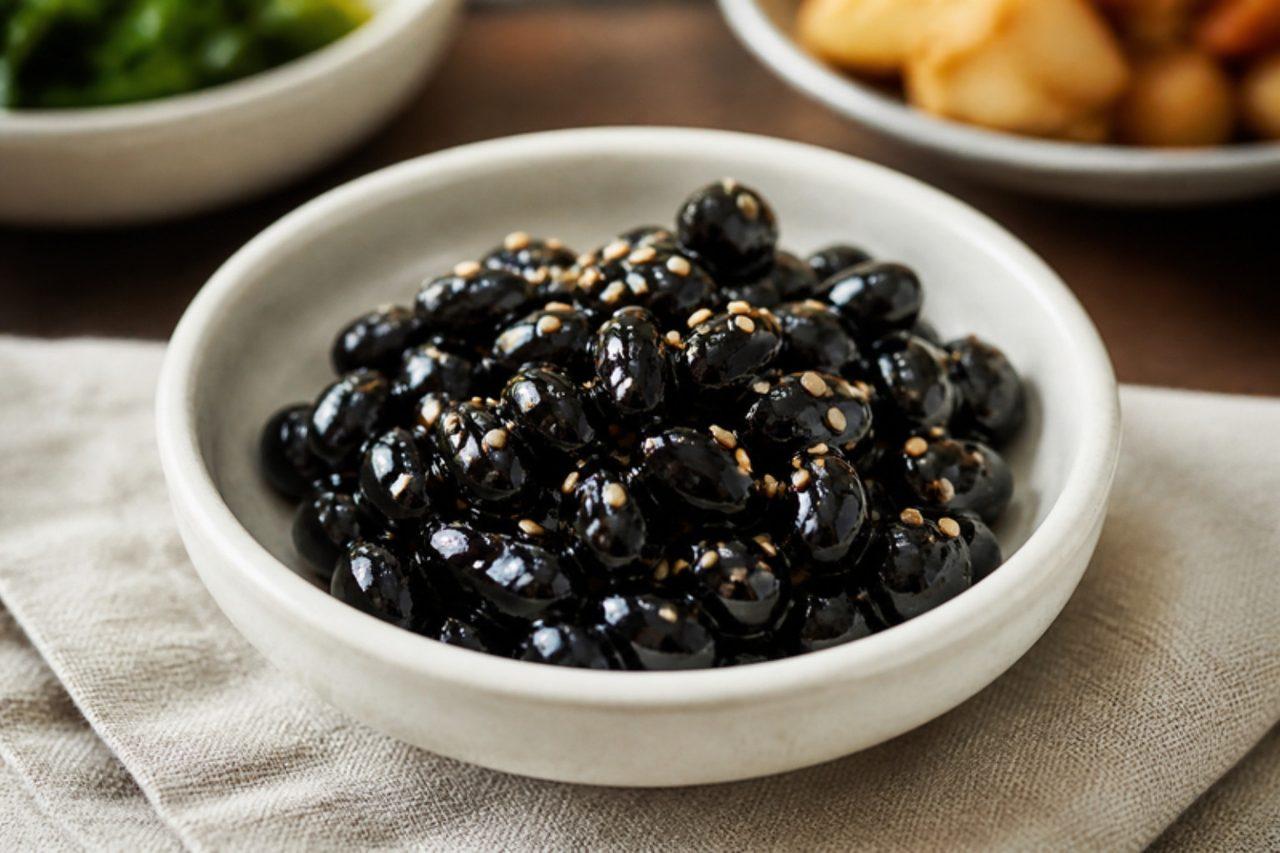
KongjabanSoy-braised black soybeans

Kongjaban is the shiny black bean banchan that sits in a small dish on Korean tables from Gwangju to Seoul and fills countless lunchboxes, because one batch keeps for a week. Dried black soybeans are soaked, simmered in soy and sugar and finished with rice syrup until each bean is chewy, sweet-salty and gleaming. It is a good source of plant protein and children usually love it. The common mistake is adding the syrup too early: it scorches before the beans are tender and makes them hard. Chef's tip: keep the lid off while the beans cook; the steam escaping helps the skins stay intact and wrinkled rather than bursting.

by KrazyBadal 0 views
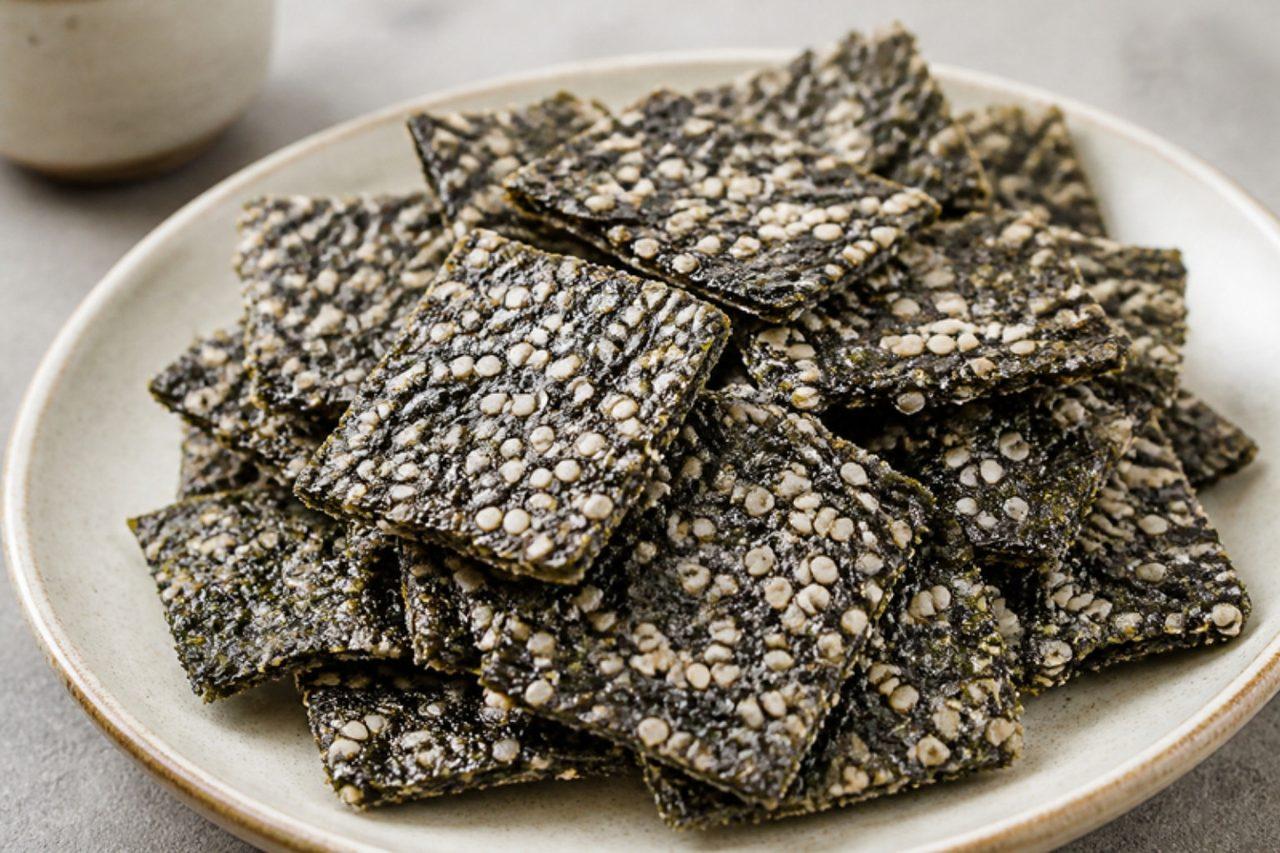
Gim bugakCrisp fried seaweed

Gim bugak is a temple snack that Buddhist nuns and village cooks in South Jeolla, especially around Damyang and Namwon, still make in large batches in autumn: sheets of laver are painted with glutinous rice porridge, scattered with sesame, dried in the sun and fried until they puff into crackling, savoury chips. It is eaten as a banchan with rice or as a snack with tea. The common mistake is frying it before it is completely dry; any damp patches stay chewy and spit in the oil. Chef's tip: cut the dried sheets with scissors before frying; once fried they shatter if you try to cut them.

by KrazyBadal 0 views
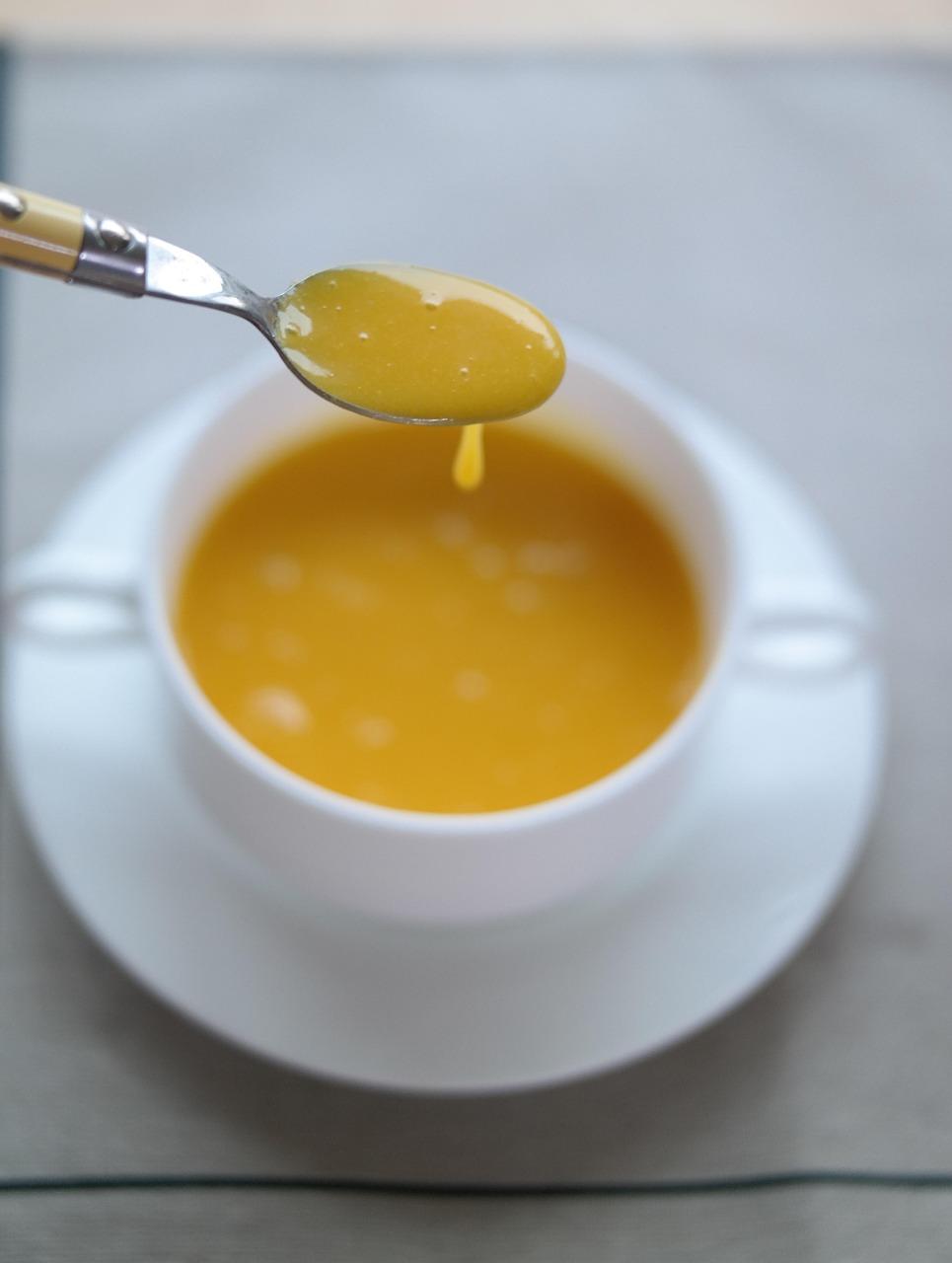
Hobak jukPumpkin porridge

Hobak juk is the golden pumpkin porridge sold in thermos-sized portions at Seoul's Gwangjang market and cooked in temple kitchens through the cold months, when stored pumpkins are at their sweetest. Steamed pumpkin is blended smooth, thickened with glutinous rice flour and dotted with chewy little rice-cake balls, giving a velvety, naturally sweet bowl that is soothing for convalescents and children alike. The rice balls are soft and sticky, so cut them small for young children to avoid choking. The common mistake is adding the rice-flour slurry in one go to boiling porridge, which makes lumps. The optional pine-nut topping is a tree-nut allergen; leave it off for anyone with a nut allergy. Chef's tip: roast or steam the pumpkin rather than boiling it in water; less water means a deeper colour and sweeter taste.

by KrazyBadal 0 views
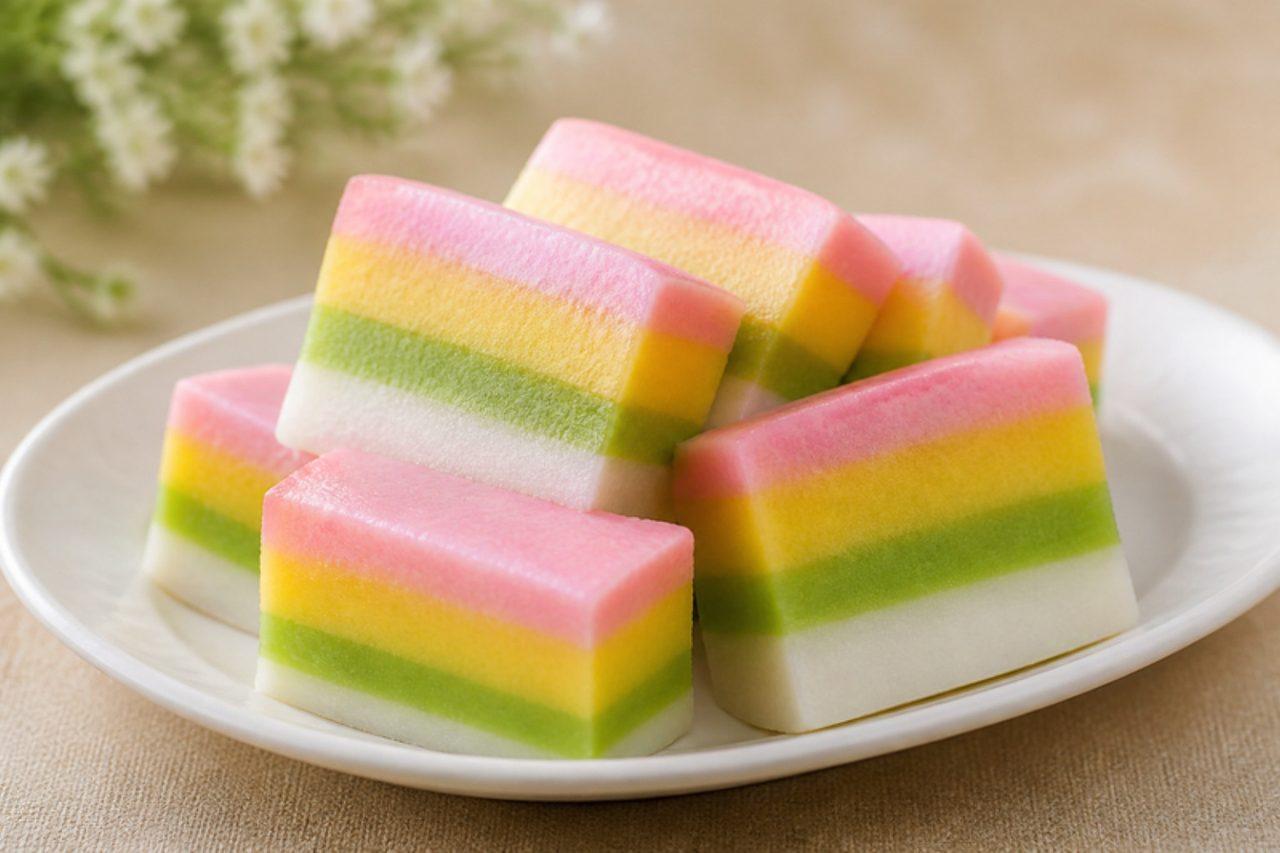
Mujigae tteokRainbow rice cake

Mujigae tteok is the rice cake of children's birthdays and school picnics in Korea, with soft stripes of pink, yellow, green and white that stand for harmony and happiness; it is also a fixture on the doljanchi first-birthday table. Each layer is the same lightly sweet, fluffy steamed rice flour, coloured naturally. The common mistake is packing the layers down: press too hard and the cake turns dense and the colours bleed, so spread each layer and just level it with a scraper. Rice cakes are chewy and sticky, a known choking risk: cut them into small pieces for young children and older people and eat them sitting down. Chef's tip: colour each portion of flour before sieving it, so the colour is even with no streaks.

by KrazyBadal 0 views
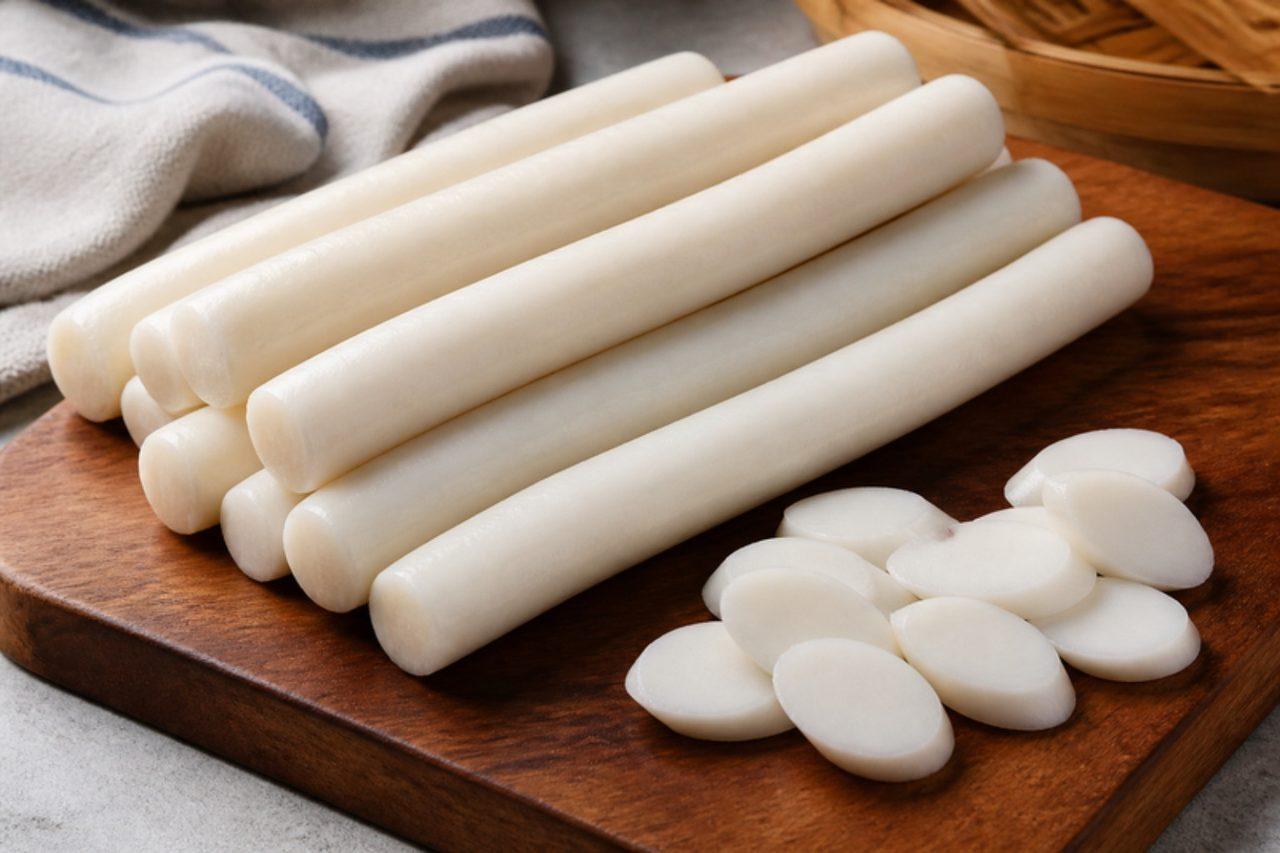
GaraetteokLong cylinder rice cakes

Garaetteok are the long white rice-cake logs that Korean mills churn out before Seollal, when families queue with their own rice to have them pressed and then slice them into ovals for tteokguk, the New Year soup. The length is meant to wish for a long life. Freshly made, they are soft and chewy and eaten warm, dipped in honey or toasted over a grill; once they firm up they are sliced for soup or cut into sticks for tteokbokki. Making them at home is simple, though the logs come out a little less glossy than machine-pressed ones. The usual mistake is rolling the dough when it has cooled: it must be hot to stay smooth. Rice cakes are chewy and sticky, a known choking risk: cut them into small pieces for young children and older people and eat them sitting down. Chef's tip: leave the logs to firm overnight before slicing on the diagonal; they cut cleanly instead of squashing.

by KrazyBadal 0 views

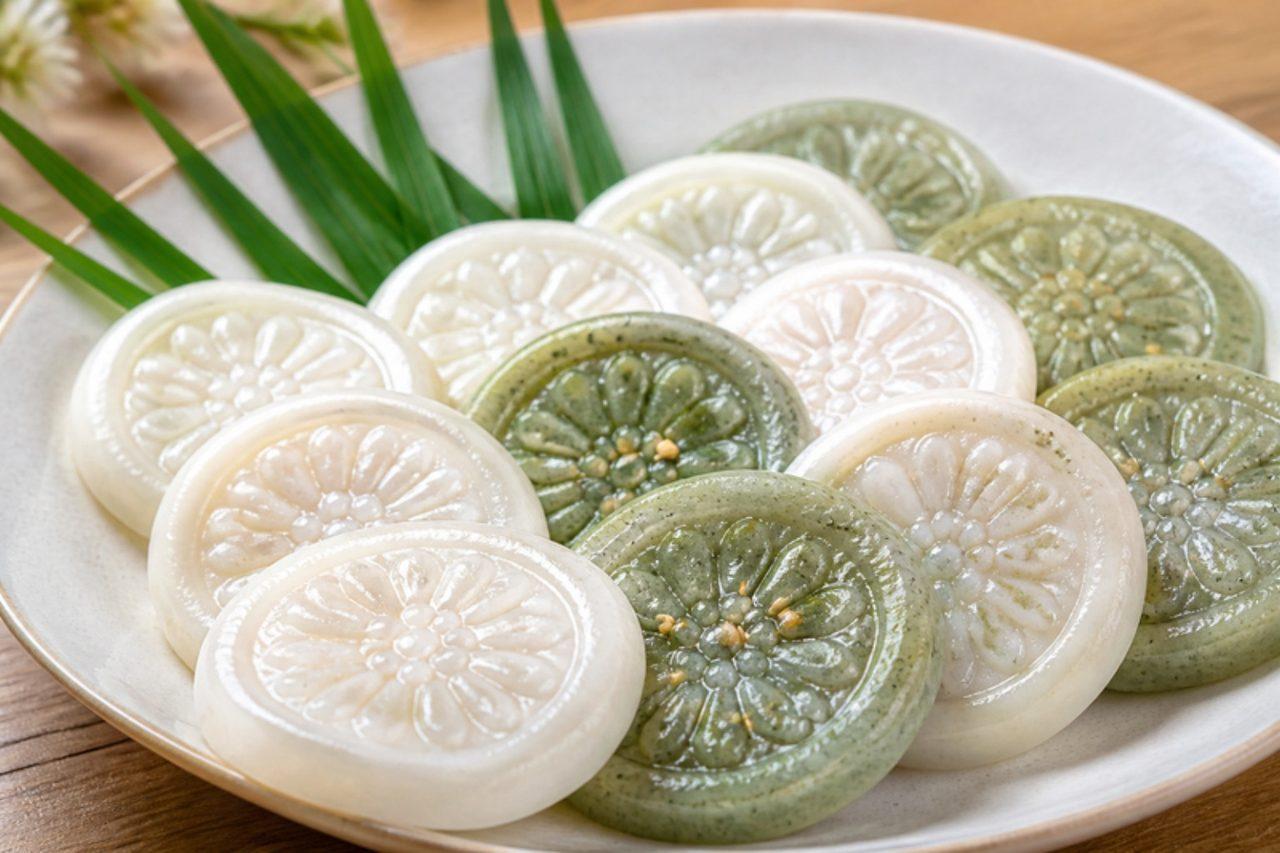
JeolpyeonStamped rice cakes

Jeolpyeon are the patterned rice cakes Korean tteok shops press with carved wooden stamps called tteoksal, so each piece carries a flower or a wish for long life; they appear at weddings, 60th birthdays and Dano, the early-summer festival, when they were made green with mugwort or Korean ox-eye daisy. The cakes are plain and only lightly salted, firm yet chewy, and glossy with sesame oil. The common mistake is pounding too little: the dough must be kneaded until completely smooth, or the stamp won't leave a clean pattern and the cakes crack. Rice cakes are chewy and sticky, a known choking risk: cut them into small pieces for young children and older people and eat them sitting down. Chef's tip: no stamp? Press the base of a decorative glass or a clean biscuit mould into each piece.

by KrazyBadal 0 views
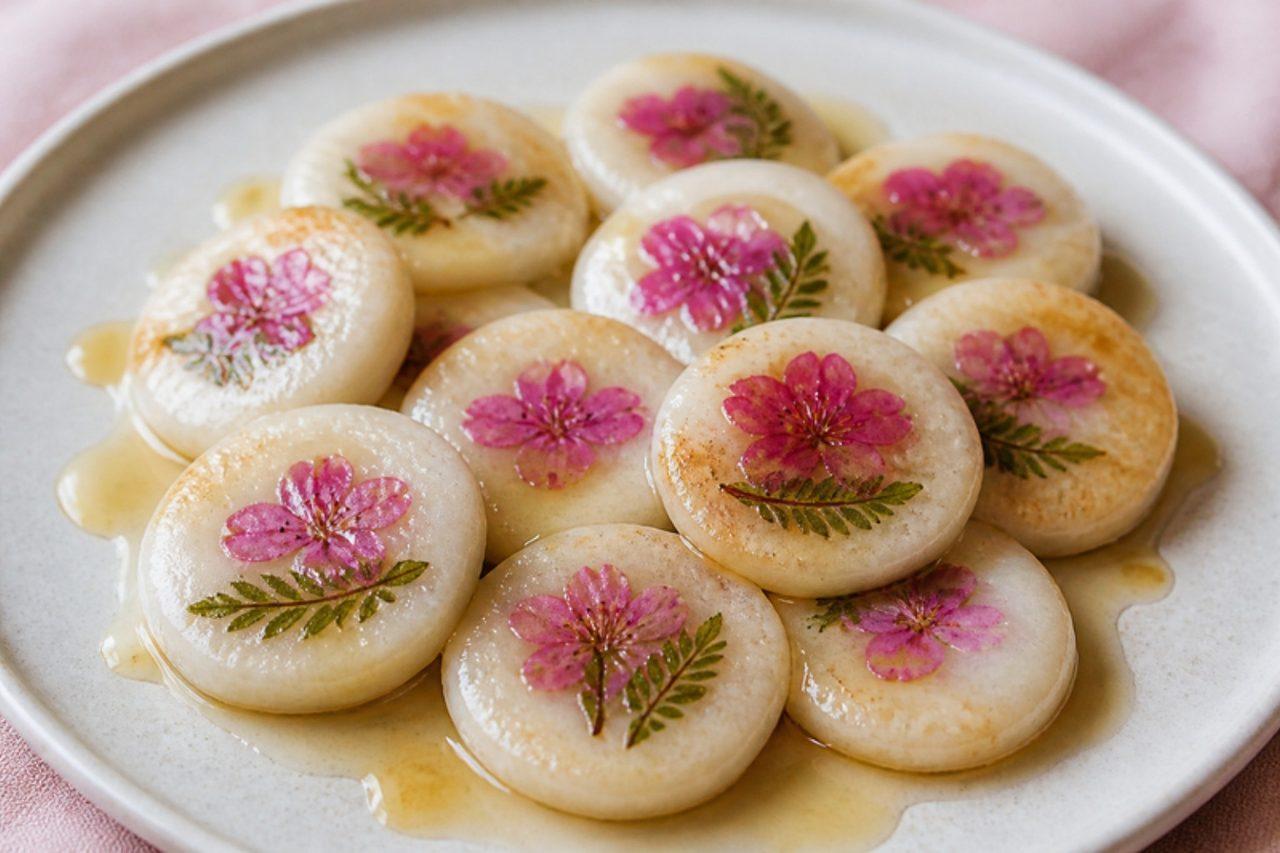
HwajeonFlower rice cake pancakes

In April, when the azaleas bloom on Korean hillsides, women in Joseon times climbed to picnic spots for hwajeonnori, the flower-cake party, frying little rice cakes with fresh petals pressed into them on the spot. Hwajeon are still made for spring festivals and Samjinnal, the third day of the third lunar month. The cakes are soft and chewy, barely crisp at the edges, and brushed with syrup. The common mistake is frying over too high a heat: the cakes should stay white with the flower bright, so keep the pan low and turn only once. Use only flowers you know are edible and unsprayed, such as pansies, violas or azalea (jindallae) petals; never ornamental shop flowers. Rice cakes are chewy and sticky, a known choking risk: cut them into small pieces for young children and older people and eat them sitting down. Chef's tip: press the flower on after you flip the cake, so it warms through and sticks without browning.

by KrazyBadal 0 views
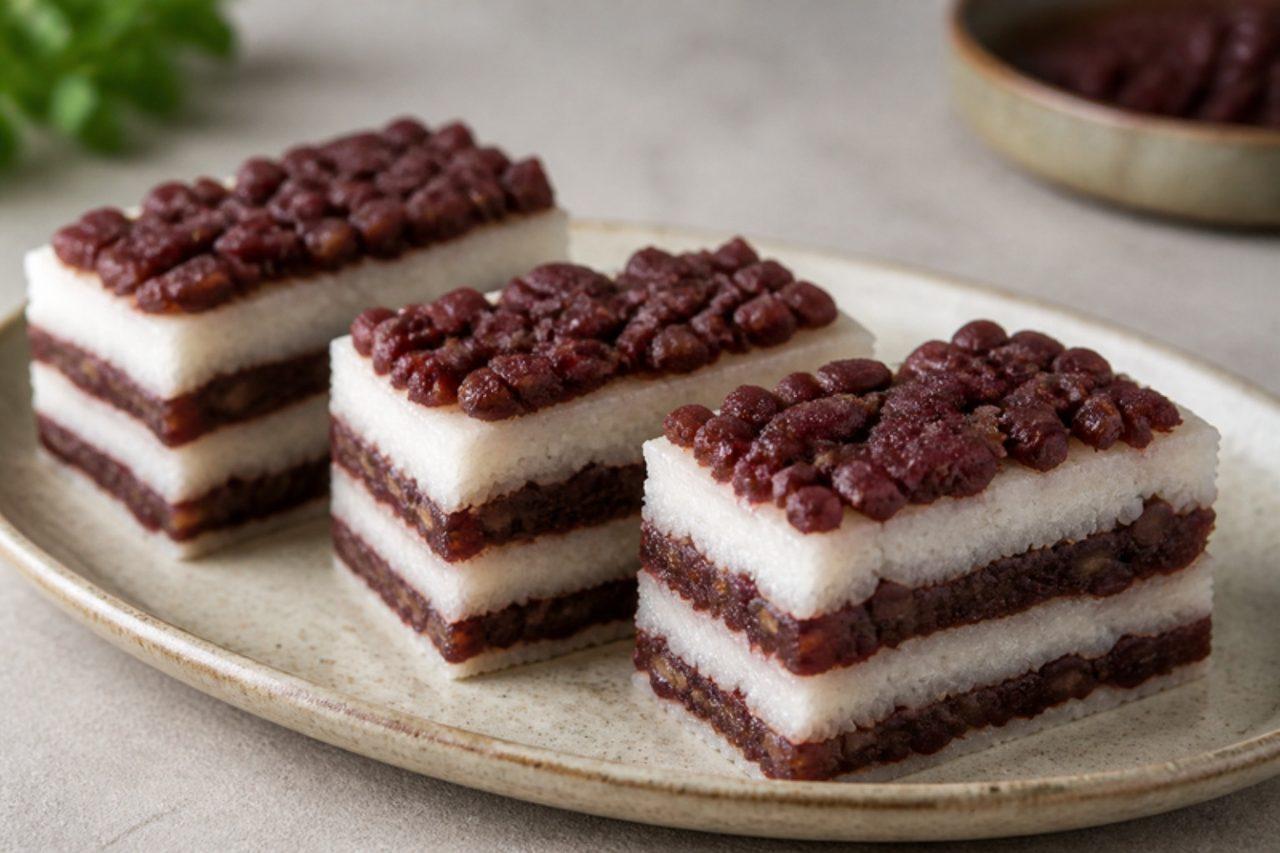
SirutteokRed bean steamed rice cake

Sirutteok, named after the earthenware siru steamer, is the rice cake Koreans make to bless a new home, open a shop or mark the autumn harvest at a village gosa ceremony; the red adzuki beans were believed to chase away bad luck, and a slice is often left at the door. Layers of fluffy rice flour are steamed between layers of coarse, salted red bean crumble, so every bite is soft, a little sweet and earthy. The common mistake is mashing the beans to paste: the crumble should stay dry and grainy or the layers turn soggy. Rice cakes are chewy and sticky, a known choking risk: cut them into small pieces for young children and older people and eat them sitting down. Chef's tip: cook the beans until just tender, drain them, then dry them out in the pan over a low heat until the crumble falls apart.

by KrazyBadal 0 views
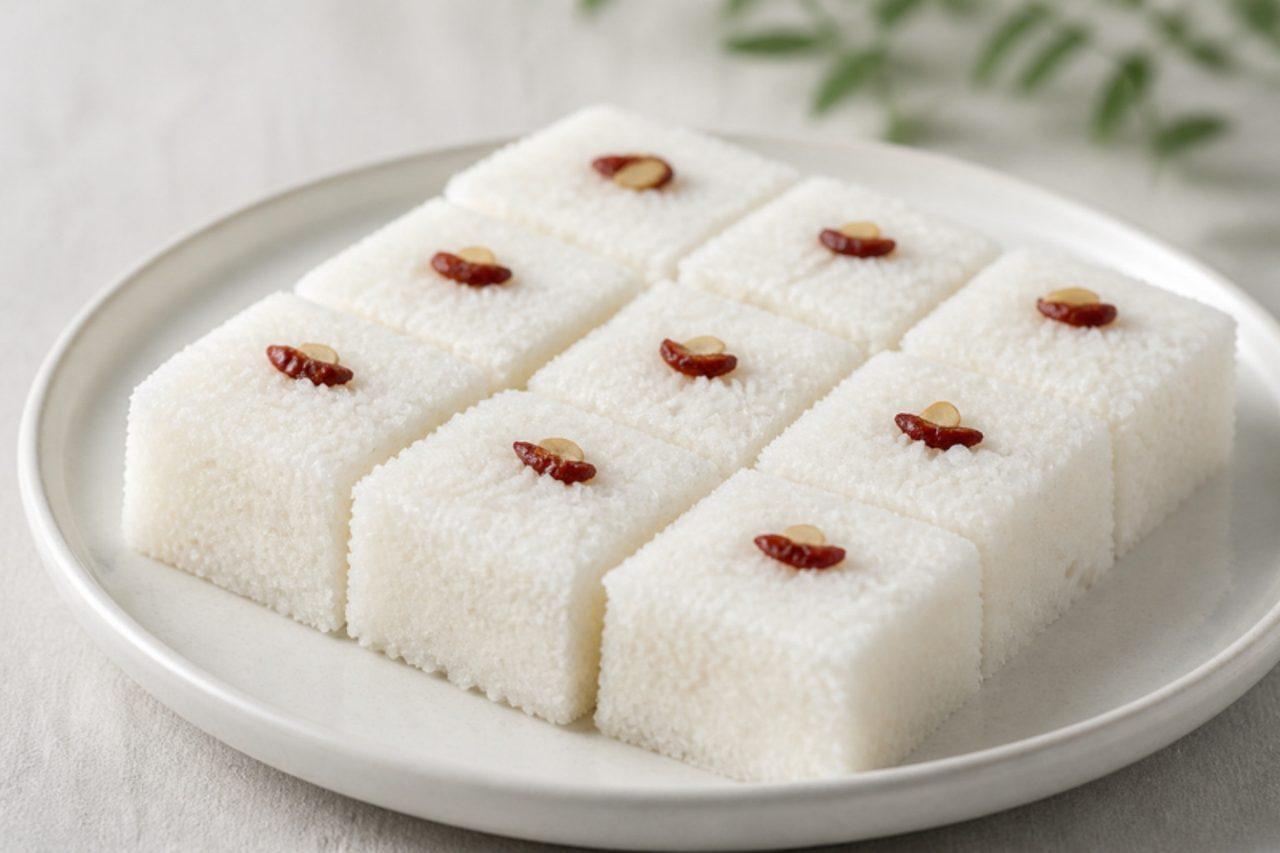
BaekseolgiWhite steamed rice cake

Baekseolgi, 'white snow cake', is the plain steamed rice cake that Korean families share out on a baby's baek-il, the 100th day, and at the doljanchi first-birthday party, where its pure white colour stands for a clean, long life. Custom says it should go to a hundred neighbours. It has a fine, crumbly-soft, cake-like texture and a mild, milky rice sweetness, best eaten the day it is made with a cup of barley tea. The usual mistake is skipping the sieving: unsieved flour steams into a heavy, patchy cake, so push it through twice. Rice cakes are chewy and sticky, a known choking risk: cut them into small pieces for young children and older people and eat them sitting down. Chef's tip: score the raw cake into portions before steaming; it cooks more evenly and you can lift pieces out cleanly.

by KrazyBadal 0 views

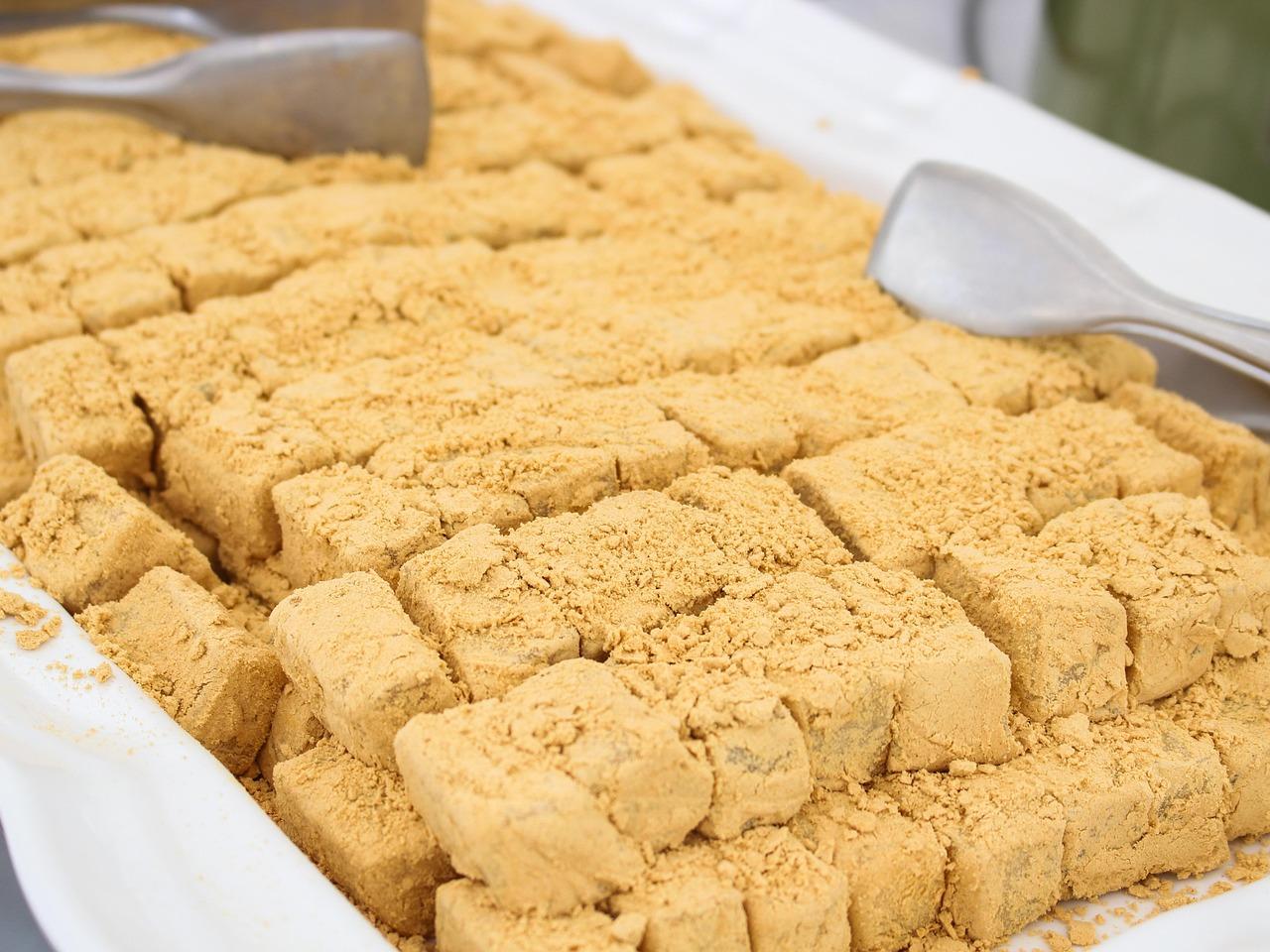
InjeolmiSoybean-coated rice cake

Injeolmi is the rice cake you meet everywhere in Korea, from the tteok shop by a Seoul subway exit to the trays handed round at weddings, Chuseok and housewarmings. Glutinous rice is steamed, pounded until it stretches like soft taffy, then cut into pillows and rolled in nutty, sweet roasted soybean powder. Bingsu cafés now pile it on shaved ice too. The common mistake is under-steaming the dough, which leaves powdery white specks that never turn chewy; keep cooking until it is evenly translucent. Rice cakes are chewy and sticky, a known choking risk: cut them into small pieces for young children and older people and eat them sitting down. Chef's tip: oil the knife and your hands, and cut the warm slab with a dough scraper pressed straight down rather than a sawing knife.

by KrazyBadal 0 views

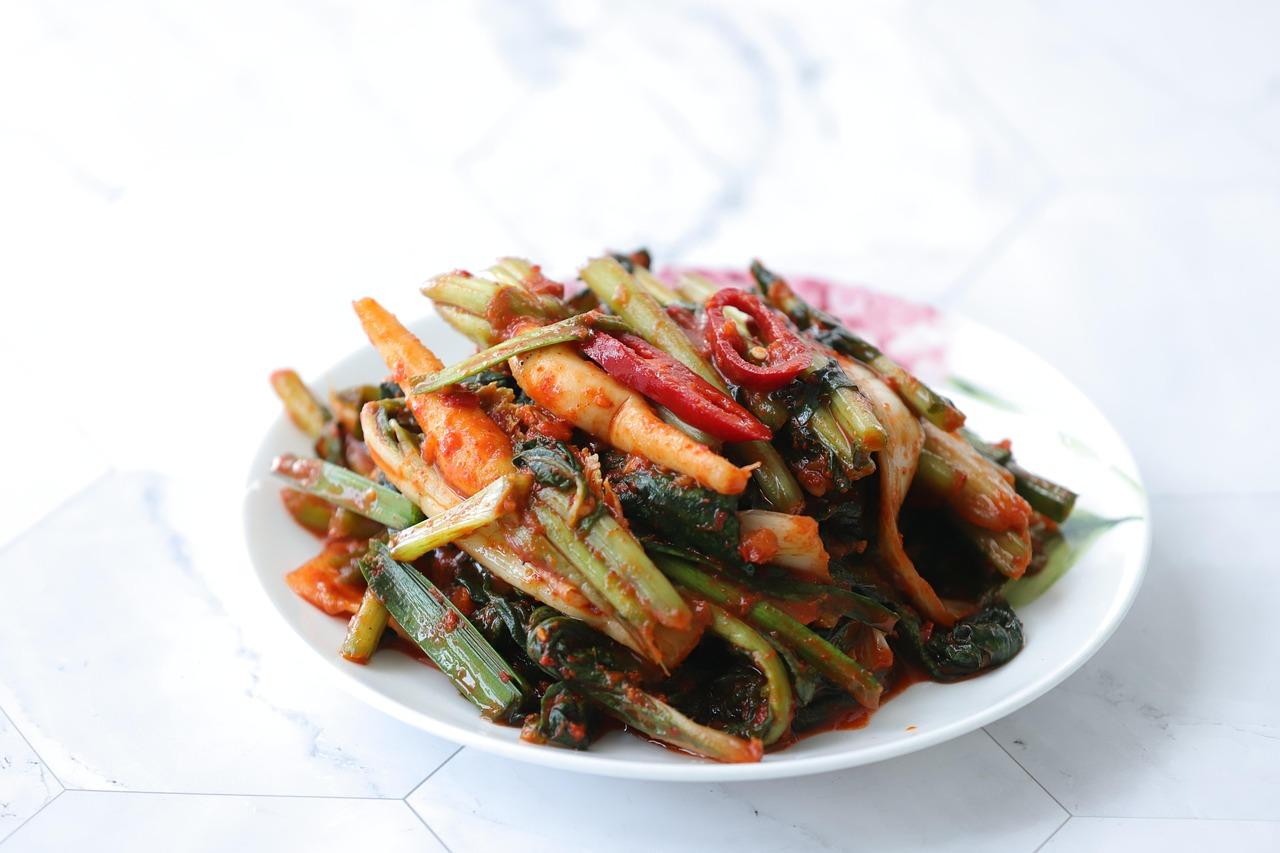
Pa kimchiSpring onion kimchi

Pa kimchi is a Jeolla province favourite, made with jjokpa, slender spring onions, coated in a thick, glossy chilli paste and left to soften until the onions turn sweet and slippery. In Gwangju and Mokpo it sits next to every bowl of ramyeon and every plate of pork belly. Traditional versions lean on anchovy sauce; this vegan one gets its depth from kelp stock and a little extra salt. The common mistake is salting the whole onion: only the white bulbs need salt, or the green tops go slimy. Use a clean glass or ceramic jar or kimchi box scalded with boiling water, and keep the vegetables pressed below the brine; anything sticking out can grow mould. Chef's tip: lay the onions in the jar in neat bundles, folded in half and wrapped round themselves; they are much easier to lift out and serve.

by KrazyBadal 0 views

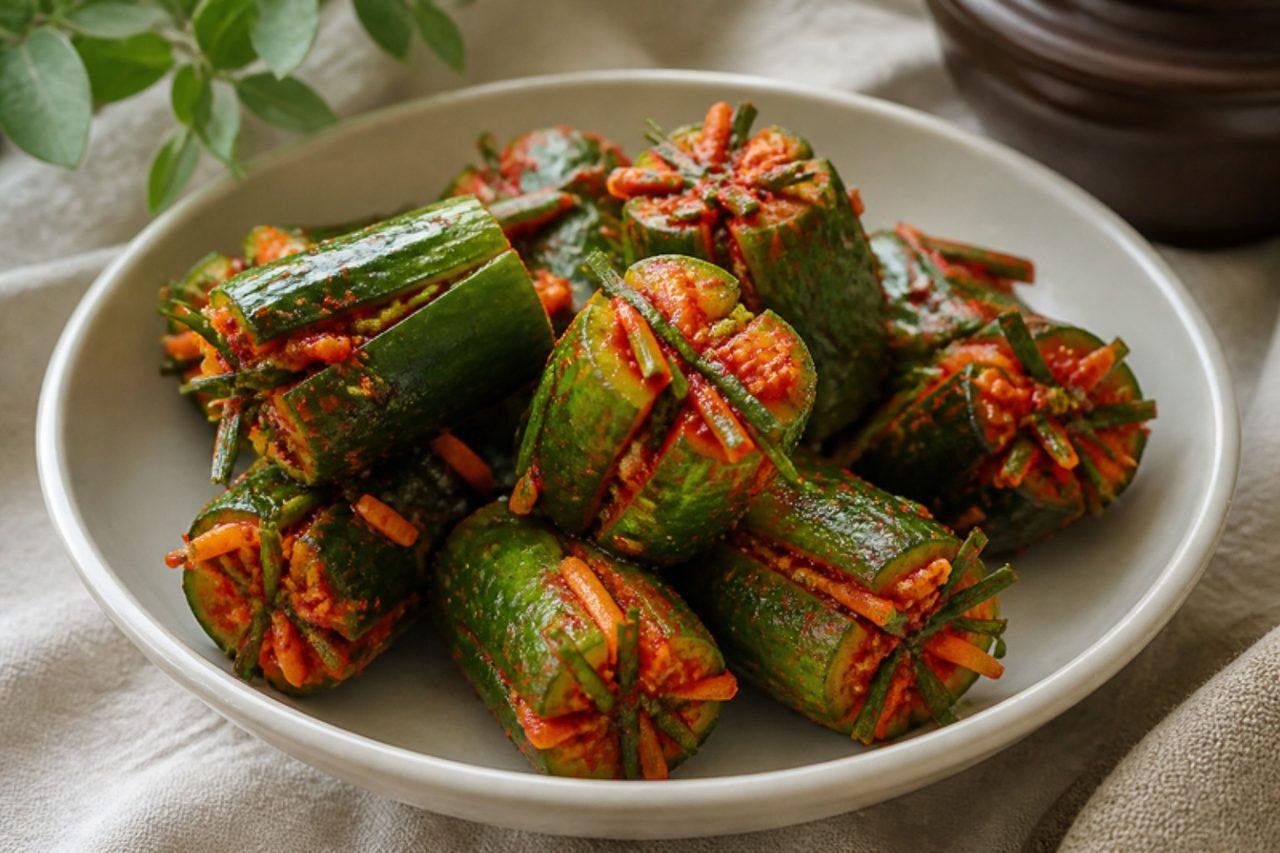
Oi sobagiStuffed cucumber kimchi

Oi sobagi is the kimchi of early summer, when Korean cucumbers are cheap and sweet and nobody wants to wait weeks for a ferment. Each cucumber is split in a cross, salted until bendy, and stuffed with a bright, garlicky filling of chives, carrot and chilli. It is ready in two days, crunchy and refreshing, perfect with barbecue or cold noodles. This vegan version uses salt and a splash of kelp stock in place of fish sauce. Use a clean glass or ceramic jar or kimchi box scalded with boiling water, and keep the vegetables pressed below the brine; anything sticking out can grow mould. The common mistake is cutting all the way through the ends, which makes the cucumber fall apart; leave 1 cm whole at each end. Chef's tip: salt the cucumbers in hot brine; it keeps them crunchier than dry salt.

by KrazyBadal 0 views

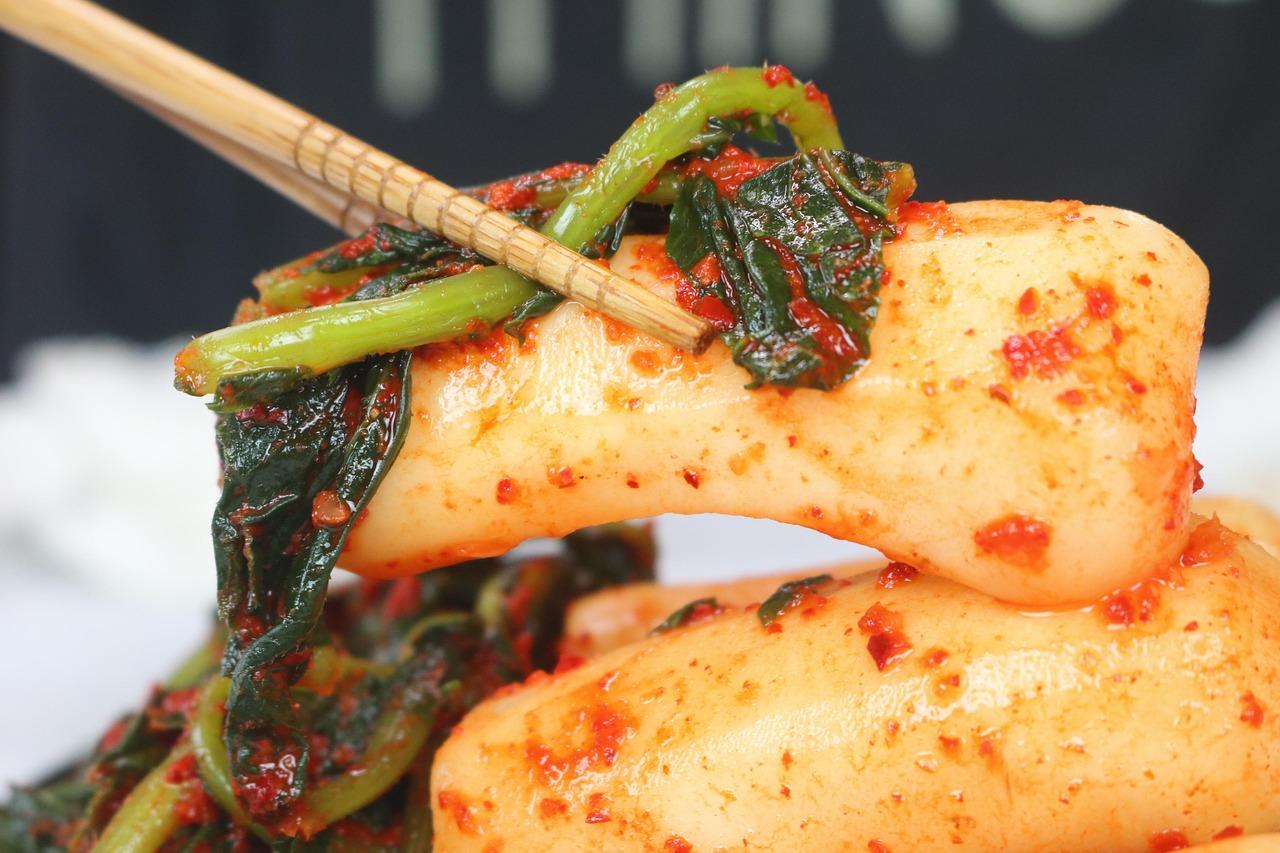
Chonggak kimchiPonytail radish kimchi

In late autumn, Korean markets fill with bundles of little ponytail radishes, the size of a thumb to a small fist, with long leafy tops, and households make chonggak kimchi alongside their winter cabbage kimchi. The whole radish is fermented with its greens in a thick red paste, so you get a crunchy, juicy bite with a slight bitterness from the leaves. It is the classic partner for a bowl of hot ramyeon or soft tofu stew. This version is vegan, using kelp stock and salt instead of fish sauce and salted shrimp. Use a clean glass or ceramic jar or kimchi box scalded with boiling water, and keep the vegetables pressed below the brine; anything sticking out can grow mould. The common mistake is over-salting: the radish should bend slightly but still snap, so check it often. Chef's tip: cut the bigger radishes in half lengthways so they ferment at the same pace as the small ones.

by KrazyBadal 0 views

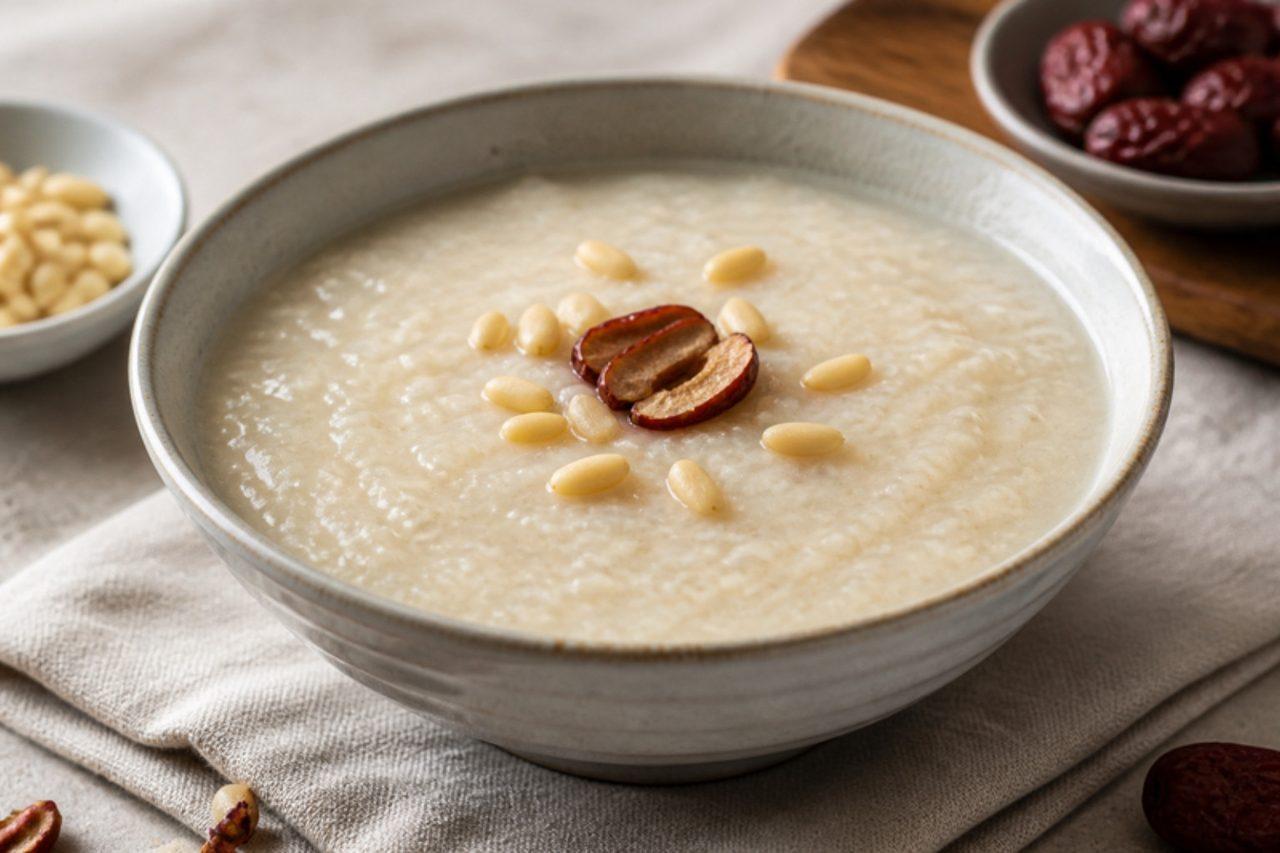
Jat jukPine nut porridge

Jat juk is a pale, silky porridge of ground rice and pine nuts, once served to the royal household in Seoul and still made by Korean families for anyone recovering from illness, for elderly parents and as a gentle breakfast. Pine nuts from Gapyeong, Korea's pine nut capital, give it a rich, buttery taste with nothing more than salt. Pine nuts are a tree-nut allergen. The common mistake is adding the pine nut milk too early; its oil makes the rice starch thin out, so the porridge turns watery. Chef's tip: thicken the ground rice first and stir in the pine nut purée only for the last few minutes.

by KrazyBadal 0 views

Ssanghwa-cha (herbal tonic tea)

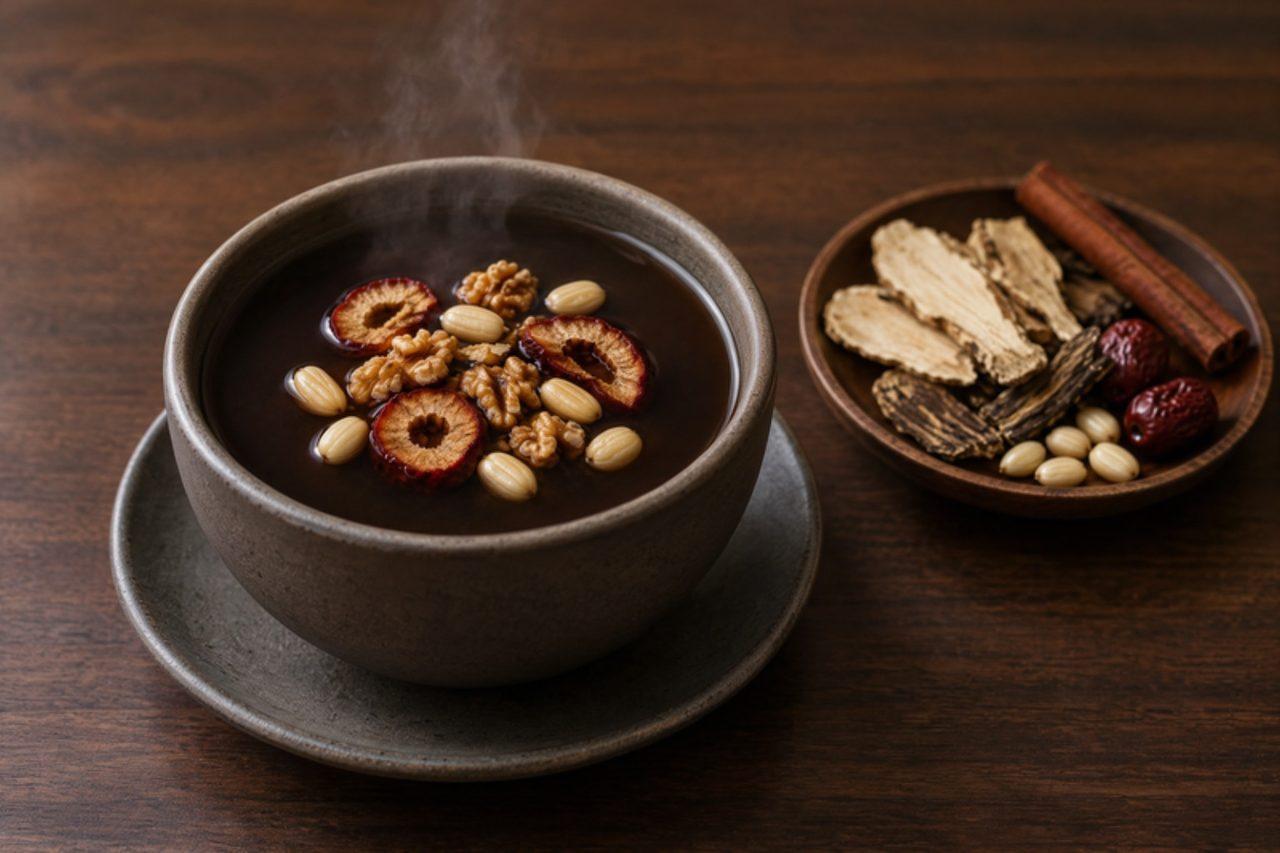
Ssanghwa-cha is the strongest thing on the menu of an old Korean dabang. From the 1960s these smoky tea rooms served it in thick ceramic cups, dark as coffee, with pine nuts, slivered jujube and walnut floating on top; in winter some still slide a raw egg yolk in, which this recipe leaves out. The brew comes from Korean herbal tradition, where ssanghwa-tang is drunk to warm up and recover from tiredness after hard work or a cold. It tastes earthy and bitter at first, then sweet from licorice and jujube, with warmth from cinnamon and ginger and a celery-like perfume from angelica. Herbal shops sell the roots in pre-measured packs. The common mistake is boiling it hard: the liquid reduces too fast and turns harsh. Keep a gentle simmer with the lid ajar for two hours. It is ready when it is very dark brown, reduced to about a third and smells of cinnamon and roots. Because it contains licorice and angelica, skip it if you are pregnant or breastfeeding, have high blood pressure, or take blood thinners or other medicines unless your doctor agrees. Chef's tip: a second, lighter brew from the same roots is good with honey.

135 minKoreanDrinksVeganGluten free
by KrazyBadal 0 views

Nurungji porridgeScorched rice porridge

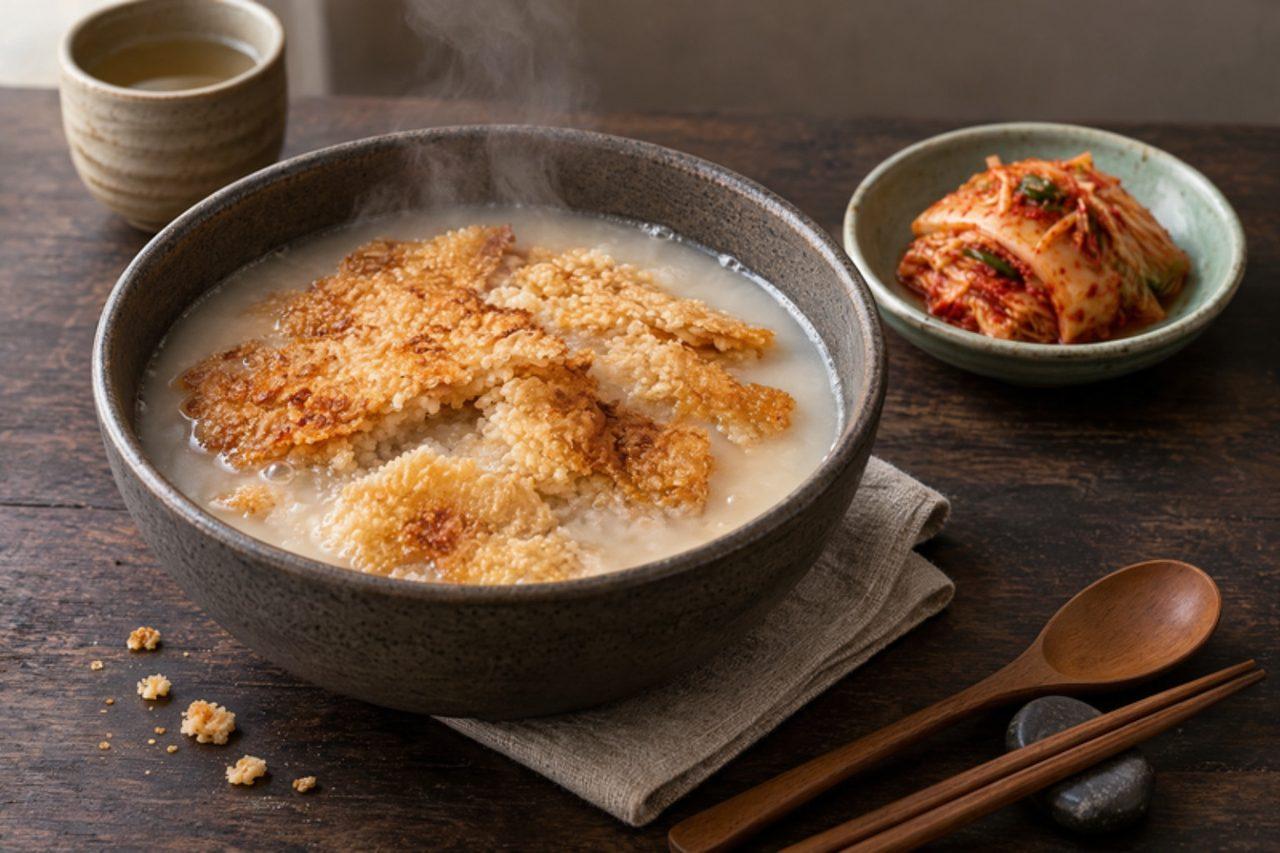
Every Korean home knows the golden crust that sticks to the bottom of the rice pot, and on cold mornings it is simmered in water into nurungji, a nutty, soothing porridge that tastes faintly of toast. Grandmothers serve it with kimchi and a few banchan for breakfast, or as a gentle meal after a heavy night. You can buy dried nurungji sheets in Korean shops, but it is easy to make your own from leftover rice. The common mistake is pulling the crust too soon: pale rice gives a flat, starchy porridge, so wait until it is deep gold. Chef's tip: break the crust into pieces before simmering but keep a few larger shards back and add them in the last minute, so the bowl has soft and slightly crunchy bits.

by KrazyBadal 0 views

KongjukSoybean and rice porridge

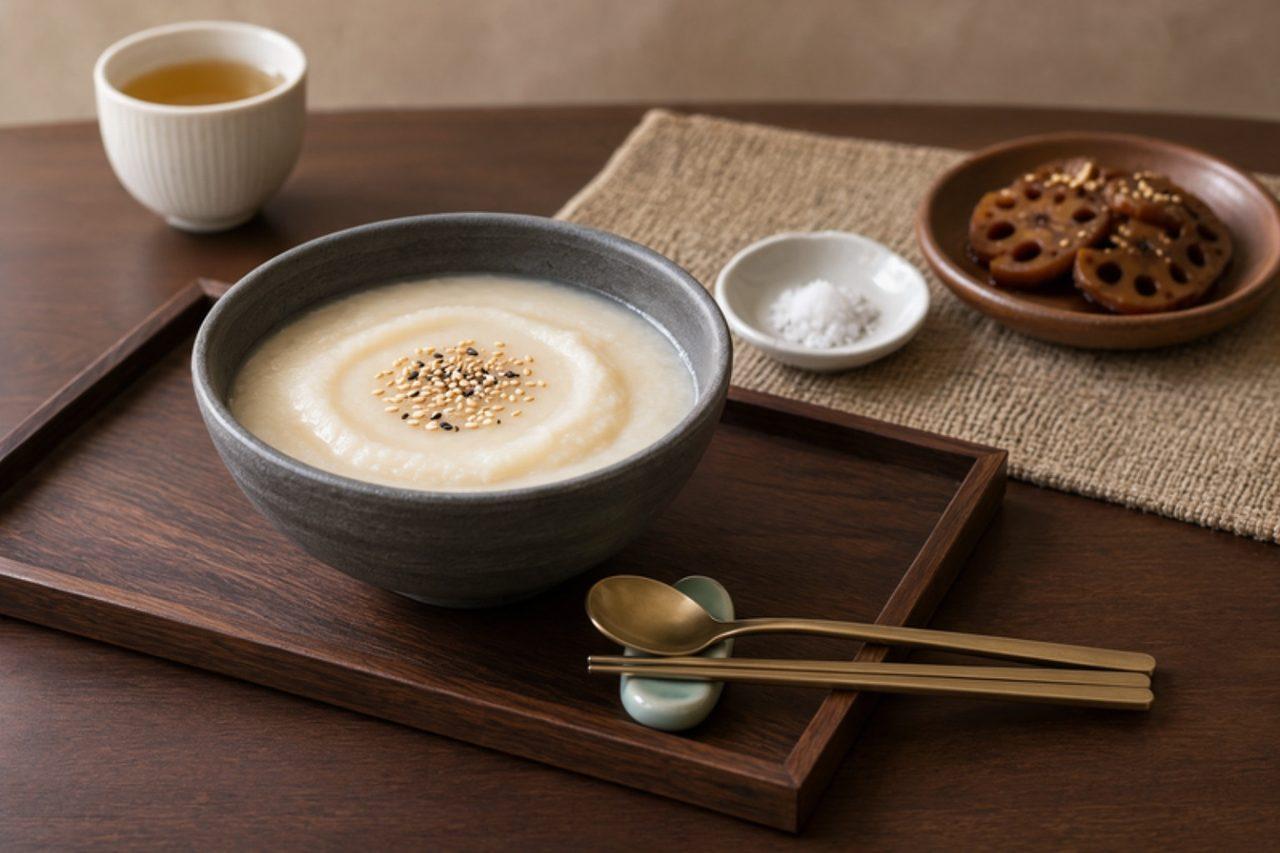
Kongjuk is the porridge Korean families make when they want something filling but plain: soaked soybeans ground into a milk with rice and cooked until it is thick, pale and creamy. It is a breakfast and a summer staple in the countryside, eaten with a little salt and some kimchi or radish on the side. The mistake to avoid is under-blending the beans: gritty bean skins make the porridge grainy, so blend long and fine, or sieve it. Stir often too, because soy milk catches on the bottom quickly. Chef's tip: skim off the loose skins after soaking by rubbing the beans between your palms under water; the porridge comes out silkier and whiter.

by KrazyBadal 0 views

Heukimja-jukBlack sesame rice porridge

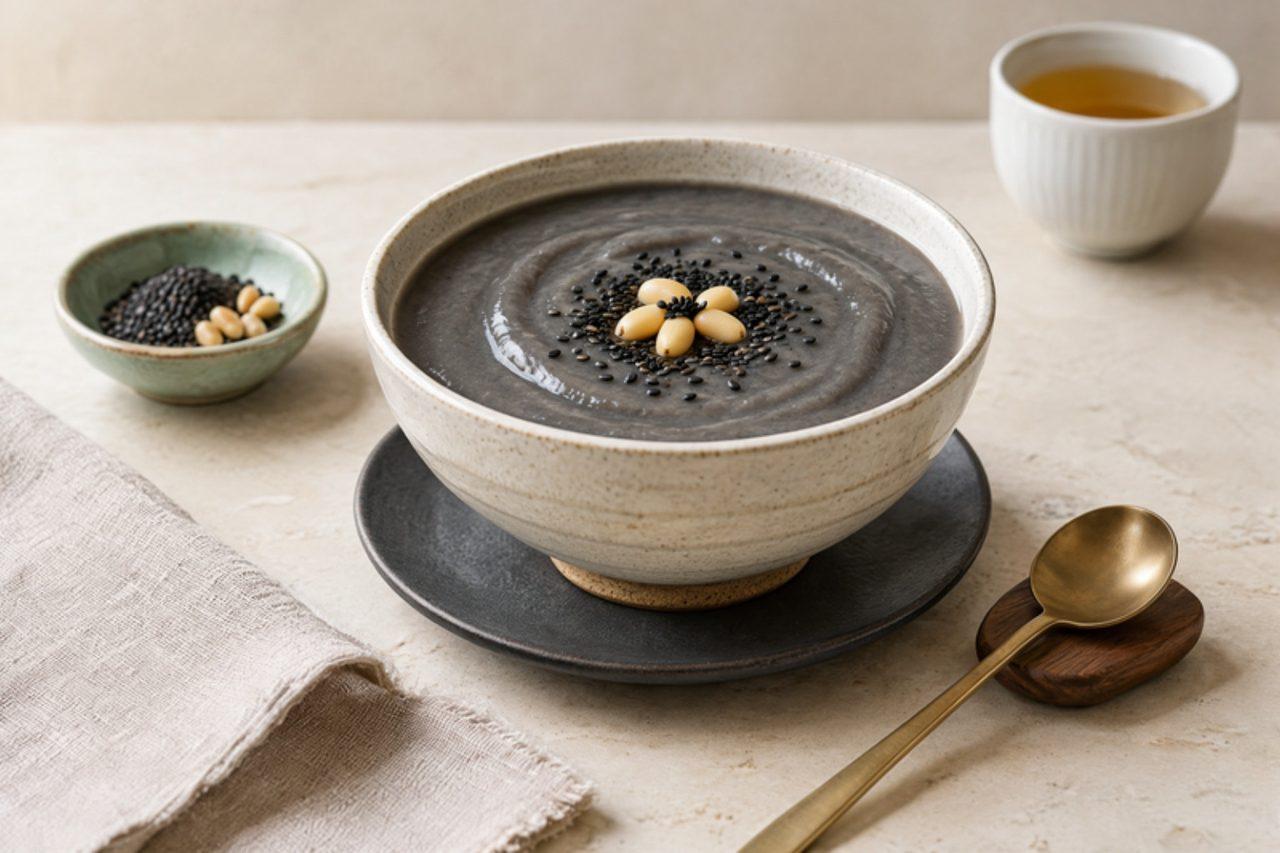
This charcoal-grey porridge of roasted black sesame and rice is one of Korea's gentlest breakfasts, often made for elders, for people getting over a cold, or simply on a slow weekend morning. It is nutty, lightly sweet and smooth as cream. The mistake is burning the sesame: the seeds are already black, so you cannot judge by colour; toast them only until they crackle and smell nutty, or the porridge turns bitter. Chef's tip: grind the toasted seeds with a little of the soaked rice and water rather than on their own, which turns them into a smooth paste instead of an oily clump.

by KrazyBadal 0 views

Gilgeori toastStreet toast with cabbage omelette

Outside Seoul subway stations at 7 am, stall owners butter bread on a big griddle, fry a thick omelette packed with shredded cabbage and carrot, and stack it all with a slice of cheese, a sprinkle of sugar and a squiggle of ketchup. Sweet and savoury together sounds odd but is exactly why commuters queue for it. The common mistake is a thin, floppy omelette: make it as wide as the bread and about 2 cm thick so it holds the vegetables. Processed cheese slices are often made with animal rennet; choose a vegetarian slice if that matters to you. Chef's tip: shred the cabbage as thinly as you possibly can, almost like hair, so it softens in the egg in the short frying time.

by KrazyBadal 0 views

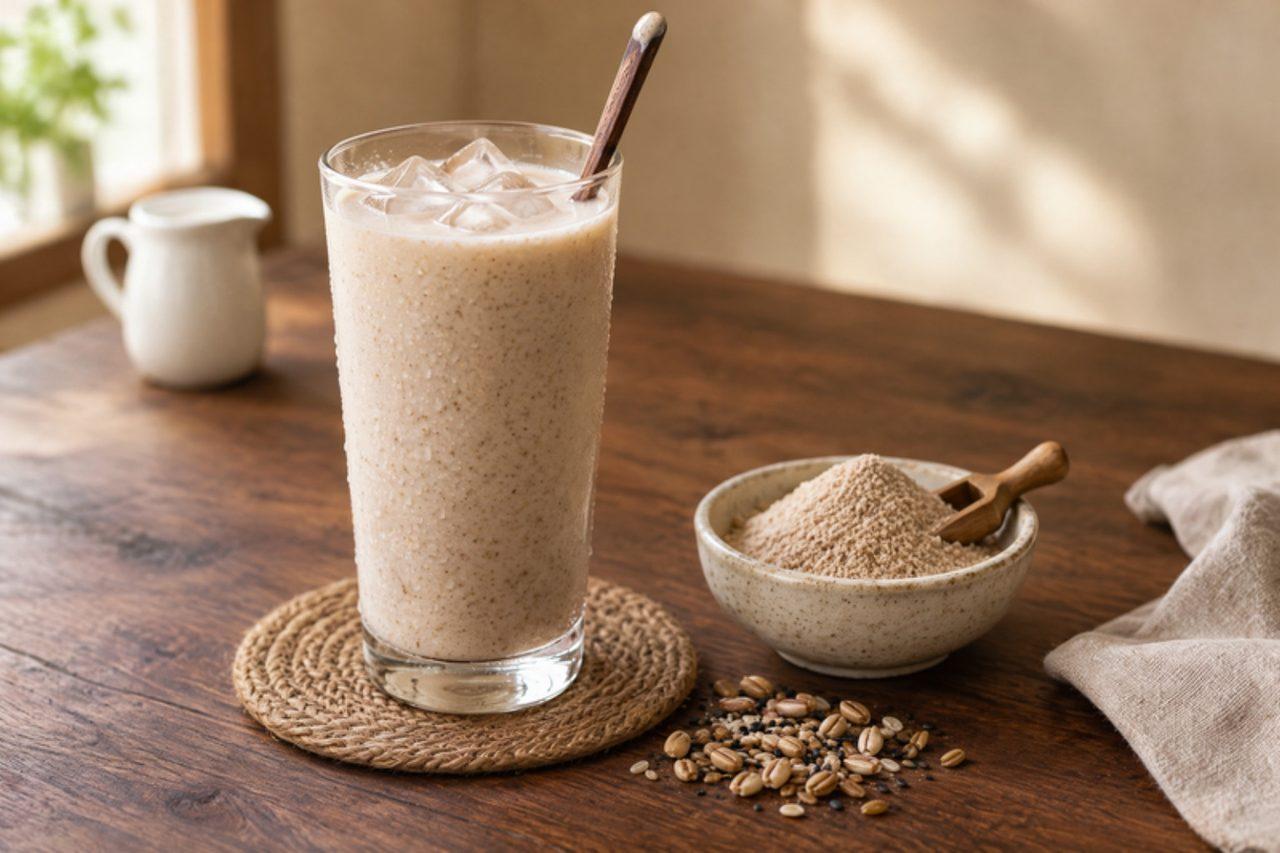
Misutgaru drinkRoasted multigrain shake

Misutgaru is a fine beige powder of roasted grains and beans, usually barley, brown rice, glutinous rice, black beans and sesame, and Korean mums have shaken it into cold milk for rushed breakfasts for generations. It tastes like toasted cereal and a little like peanut butter, and it fills you up until lunch. The mistake is stirring the powder straight into a full glass, which leaves dry lumps floating on top; shake it in a jar or whisk it into a little liquid first. Honey is not suitable for babies under one. Chef's tip: add a few ice cubes to the jar before shaking, which breaks up any lumps and froths the drink.

by KrazyBadal 0 views

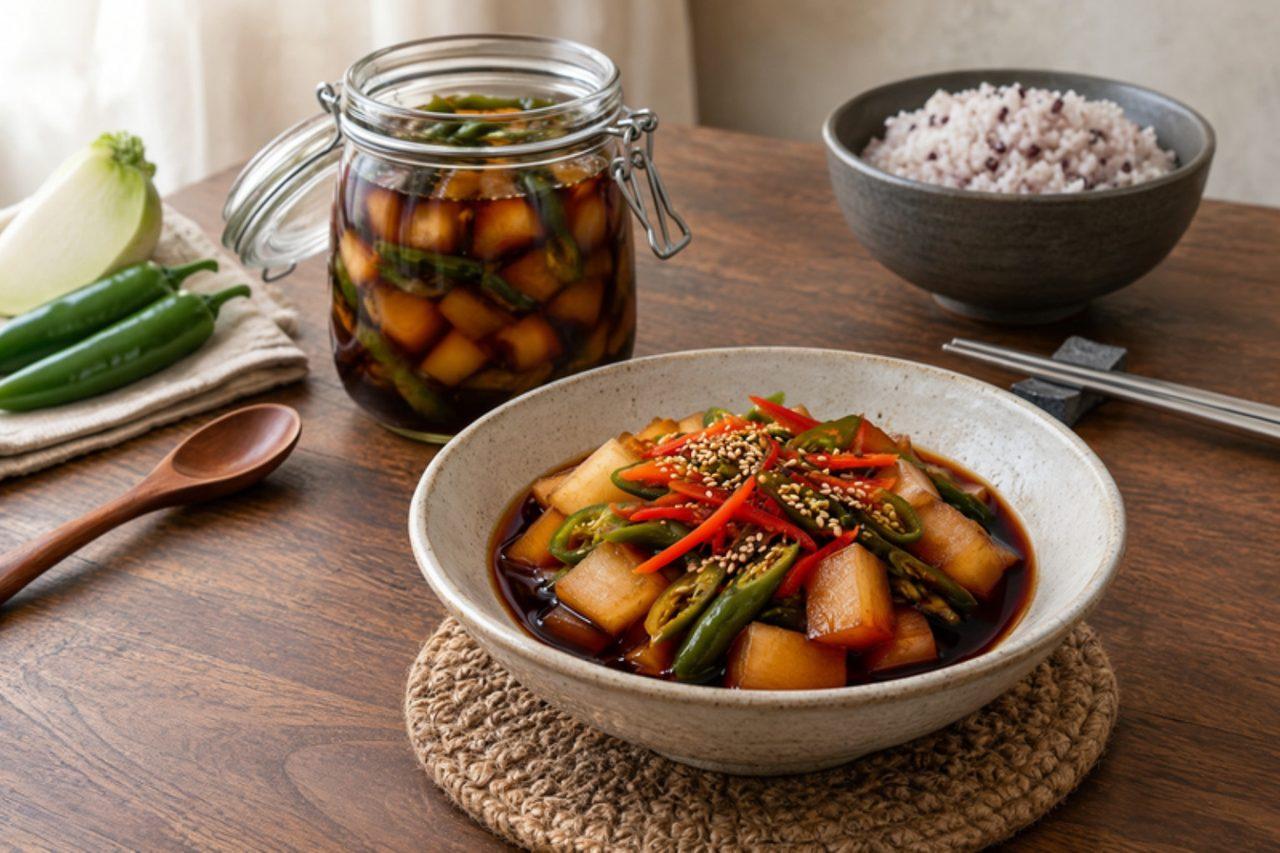
Radish and chilli jangajjiSoy-pickled radish and chilli

Jangajji are Korea's long-keeping soy pickles, made with whatever the season gives: perilla leaves, garlic, chillies, radish. They go in a dosirak lunchbox because they never weep or spoil the rice, and a few slices wake up any meal. This version pickles crisp Korean radish with green chillies, with perilla leaves if you can find them. The common mistake is pouring cold brine over the vegetables, which leaves them limp and short-lived. Chef's tip: after three days, pour the brine off, boil it again and pour it back hot, and the pickles stay crunchy for a month.

by KrazyBadal 0 views

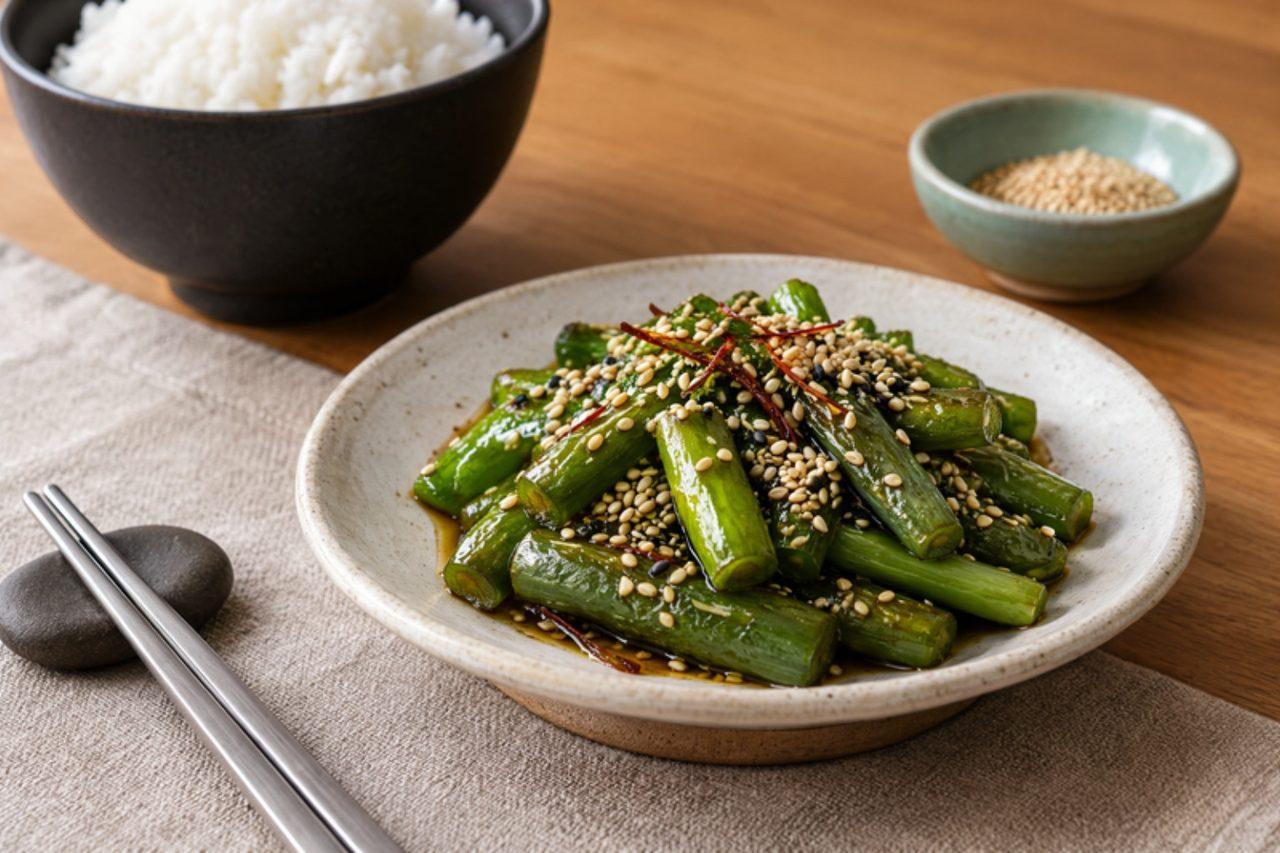
Maneuljjong bokkeumGarlic scape stir-fry

In late spring Korean markets sell thick bundles of garlic scapes, the curly green shoots of the garlic plant, and they become maneuljjong bokkeum, a sweet-salty, glossy banchan that keeps for days and is a dependable dosirak side. The scapes taste of mild garlic and stay pleasantly snappy. The common mistake is glazing them too early, before they are tender, so the syrup burns and the scapes stay woody. Chef's tip: fry the scapes in oil first until they turn bright green and slightly blistered, then add the sauce and toss for only a minute.

by KrazyBadal 0 views

Showing 24 of 134 recipes

Show more recipes

Page 3 of 6

More collections