Black bean tacos with lime slaw
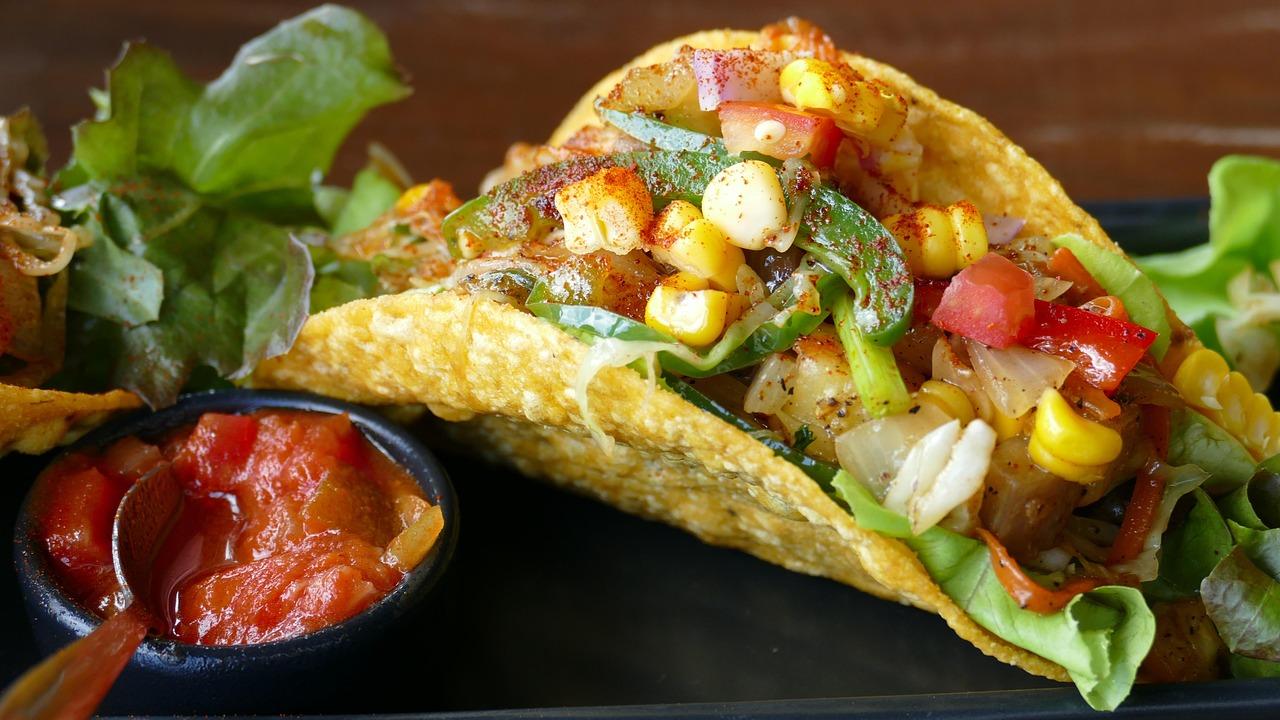
Proof that a meat-free taco night can be the best one. The beans are mashed with chipotle and cumin so they hold together in the tortilla, and a quick lime slaw adds crunch.
 Mexican

by KrazyBadal 2 views
Tacos, enchiladas, beans and salsas without meat or fish. (211 recipes)
Proof that a meat-free taco night can be the best one. The beans are mashed with chipotle and cumin so they hold together in the tortilla, and a quick lime slaw adds crunch.
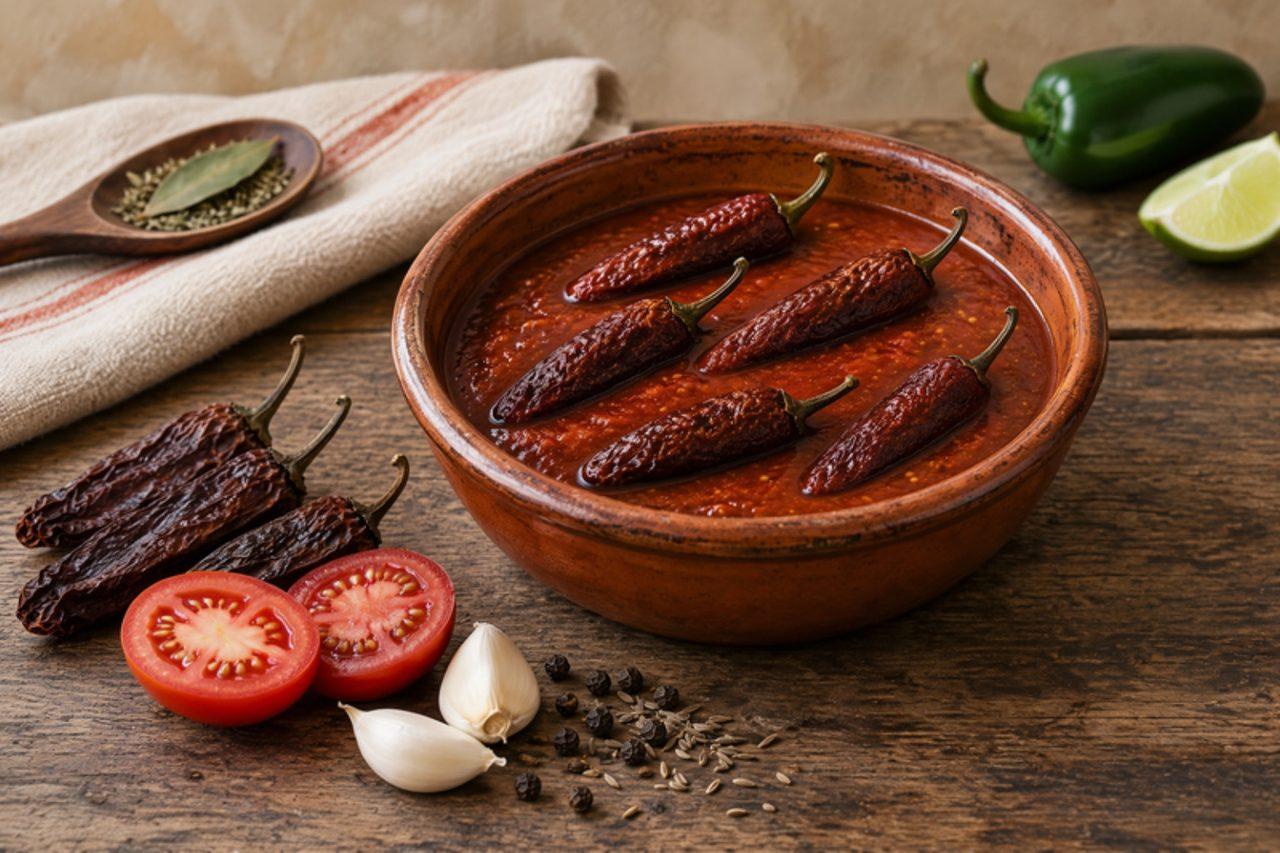
Chipotles are ripe jalapeños smoked slowly over wood until leathery; in Puebla and Veracruz the reddish, plump mora type is the everyday one, and the tan, leathery meco is prized for its deeper smoke. Simmered in a sweet-sour adobo of tomato, onion, garlic, vinegar and piloncillo, they become the soft, glossy chillies that go into tinga poblana, albóndigas en chipotle, bean soups and a quick chipotle mayonnaise. Homemade, they are smokier and less sugary than the tinned kind, with sauce that is brick red, tangy and thick enough to coat a spoon. Common mistake: toasting the dried chillies too long; a few seconds a side is enough, because scorched chillies make the whole jar bitter. This is a low-acid chilli preserve, so it is kept in the fridge or freezer, never canned in a water bath. It is ready when the chipotles are plump and soft enough to crush with a spoon and the adobo has reduced to a glossy sauce. Chef's tip: blend one or two chillies with their sauce and freeze it in an ice-cube tray, so you can add a single cube to a pot.
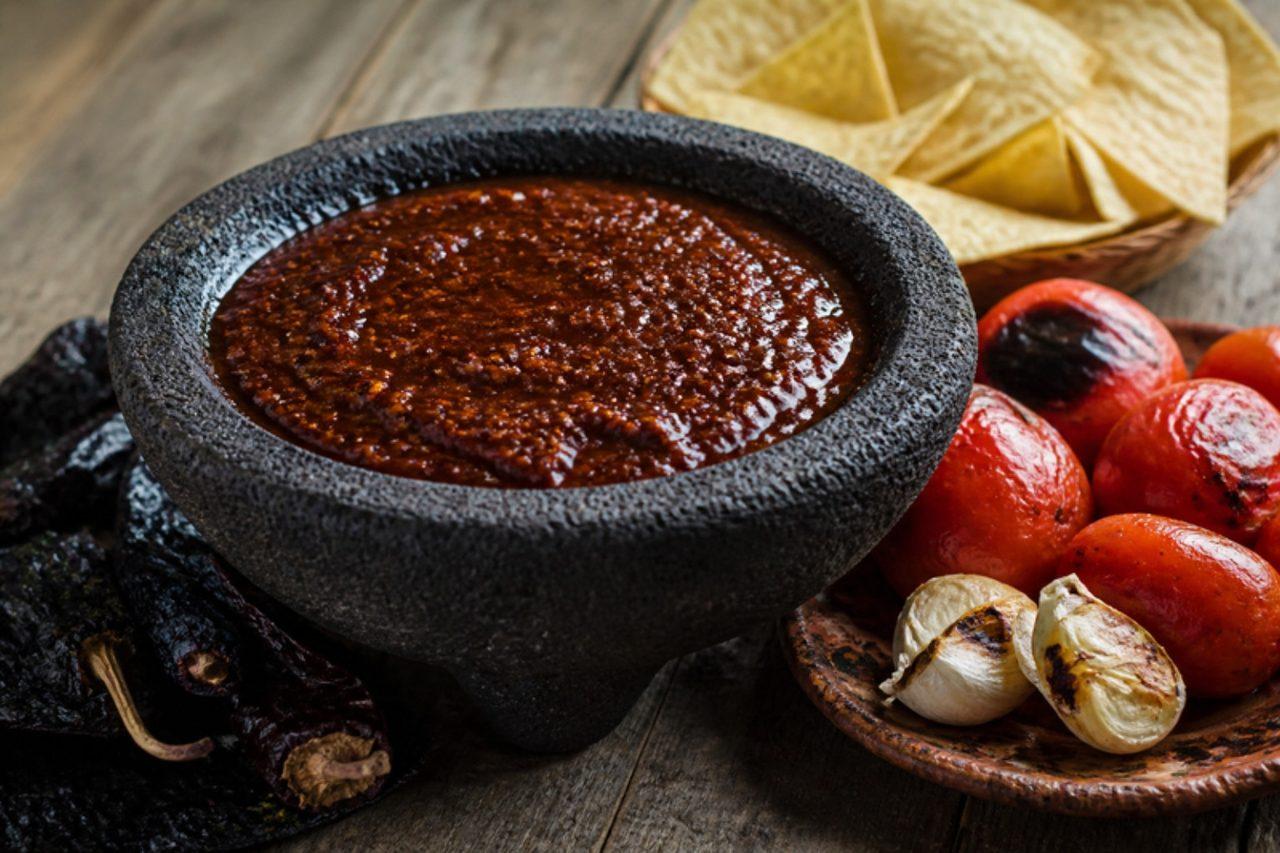
The pasilla mixe is a small, wrinkled, red-brown chilli smoked in the Sierra Mixe mountains east of Oaxaca City, and it tastes of campfire, tobacco and dried fruit. Ground in a molcajete with roasted tomato and garlic, it becomes the salsa that sits on every table in Oaxacan fondas, spooned over memelas, eggs, beans and grilled vegetables. It keeps a week in the fridge and improves after a day. If you cannot find pasilla mixe, use chipotle mora plus one ancho. Chef's tip: grind the garlic and salt first, then the chillies, then the tomato; working in that order gives a rough, clinging texture rather than a watery purée.
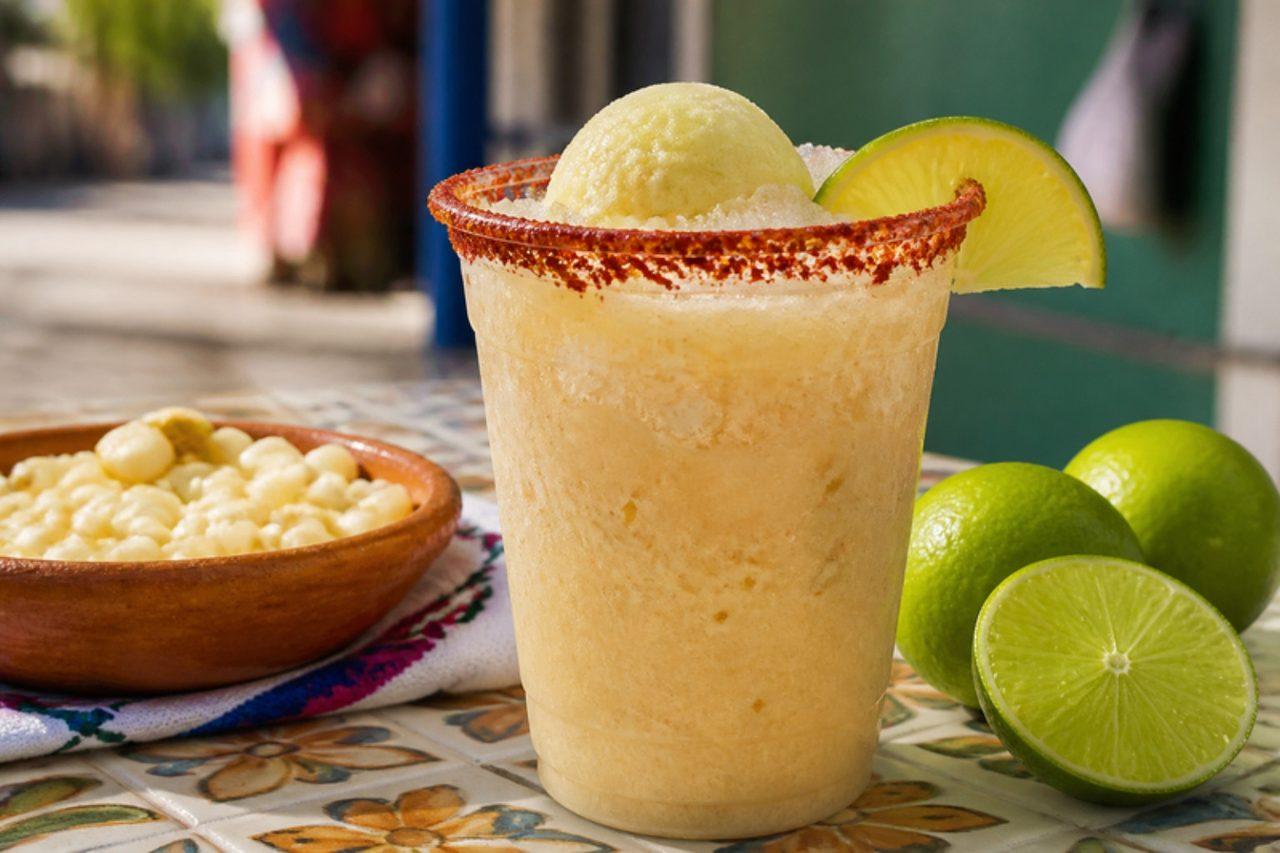
On hot afternoons in Guadalajara, vendors ladle tejuino from big clay pots into plastic bags or glasses with ice, a squeeze of lime, a pinch of salt and often a scoop of lime sorbet. It is made from corn masa cooked with piloncillo and left for two or three days to ferment a little, which gives it a tangy, slightly sour taste. The fermentation is light and the drink is sold as non-alcoholic, but a trace of alcohol can form, so keep the fermentation to 2 days and serve it well chilled. Skip the fermenting stage entirely for children: drink it fresh as a sweet atole-style cooler. Chef's tip: taste it each day; take it to the fridge as soon as it tastes pleasantly sour, like a mild yoghurt.
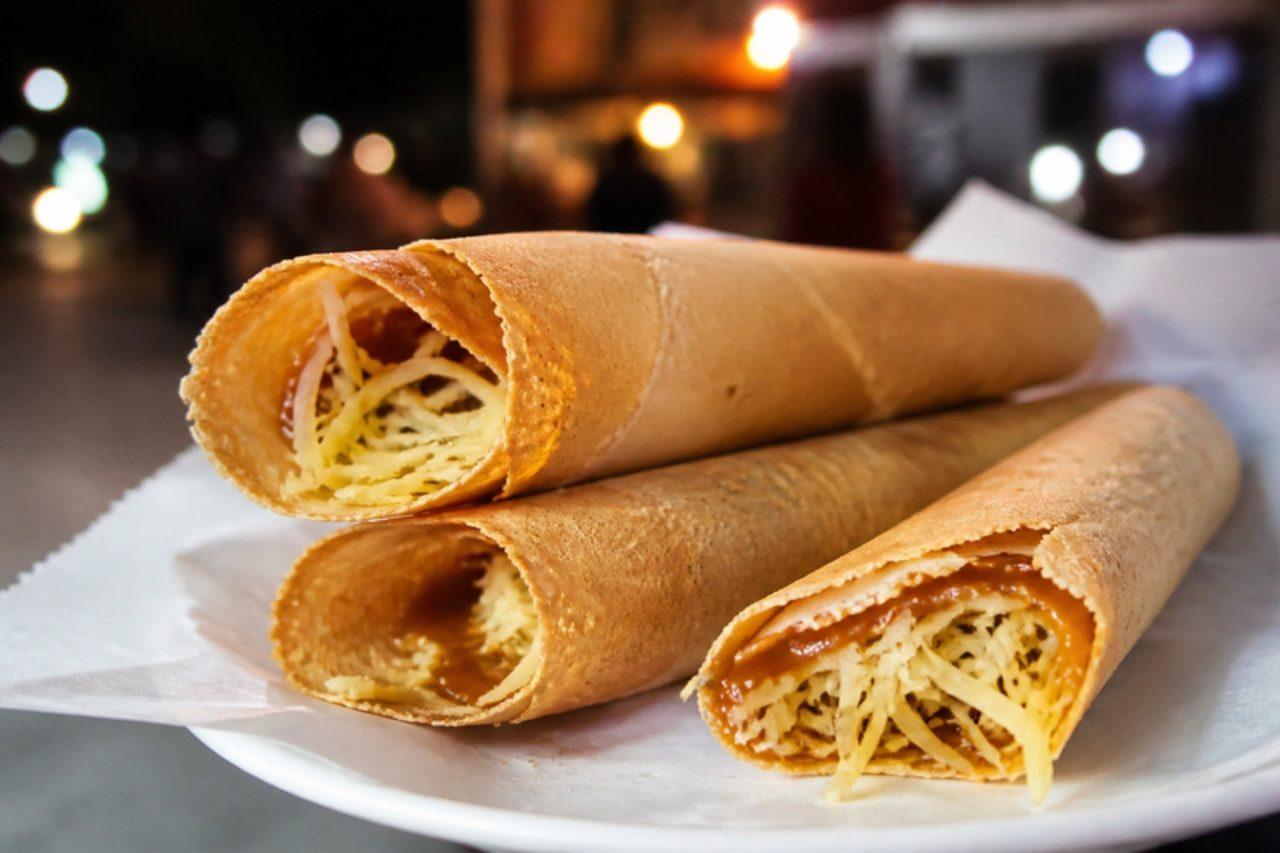
Evening in Mérida's Plaza Grande means the smell of marquesitas: thin batter pressed in hot hinged irons until crisp, then rolled like a cigar around grated Edam cheese and a sweet filling such as cajeta, chocolate-hazelnut spread or jam. Edam came to the Yucatán through the port trade with the Netherlands and became part of the local cooking, and the salty-sweet combination is the whole point. At home you can cook them in a thin, wide frying pan. Edam is usually made with animal rennet, so check the label or use a vegetarian Gouda-style cheese. Chef's tip: roll while the crêpe is still in the pan and hot; within seconds it hardens and will crack.
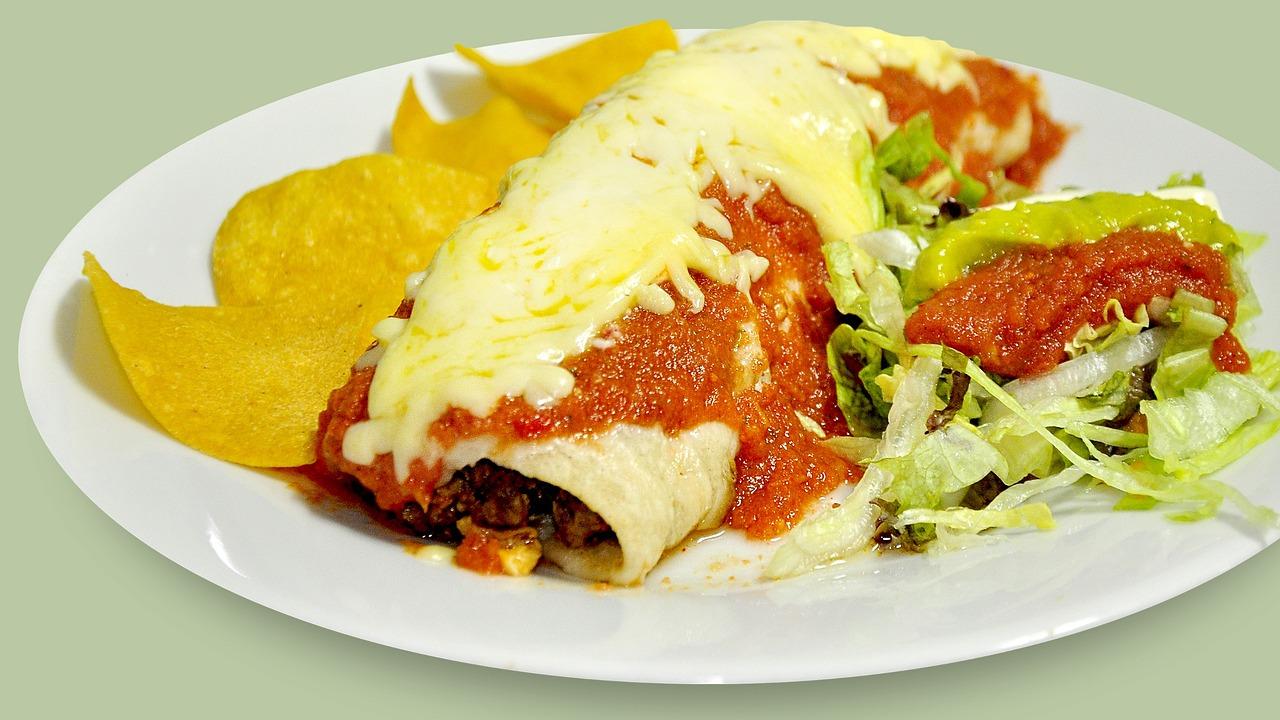
Soft wheat and maize flatbreads rolled around a spicy kidney bean and potato filling, baked in a fiery tomato and red chilli sauce and topped with sour cream and cheese. Serve with extra hot sauce, sour cream, spring onions or salad.
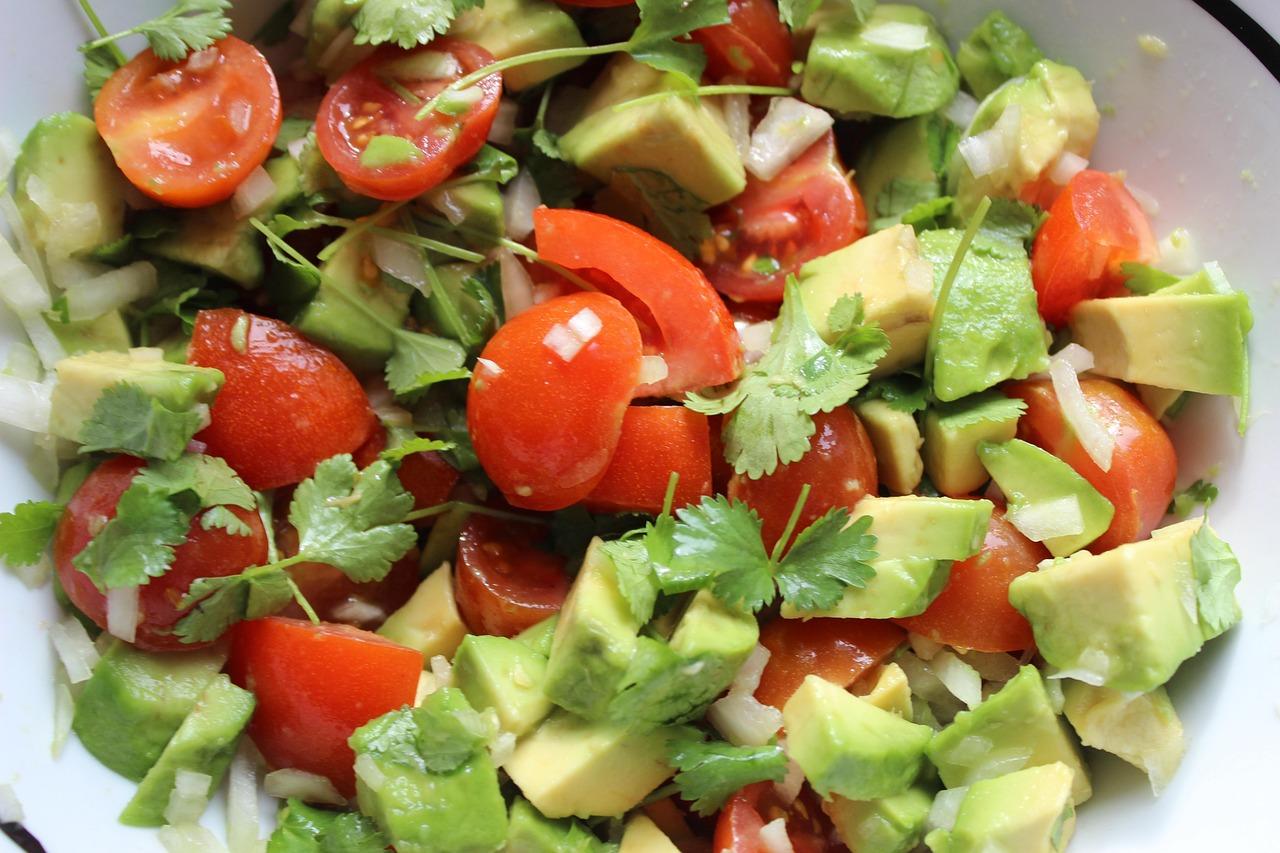
Sliced tomatoes, creamy avocado and spring onions in a honey, mustard and red wine vinegar dressing, with tortilla chips stirred in at the end for crunch. It is a quick, Mexican-style side for parties and barbecues. Add the chips just before serving and eat it straight away, before they soften.
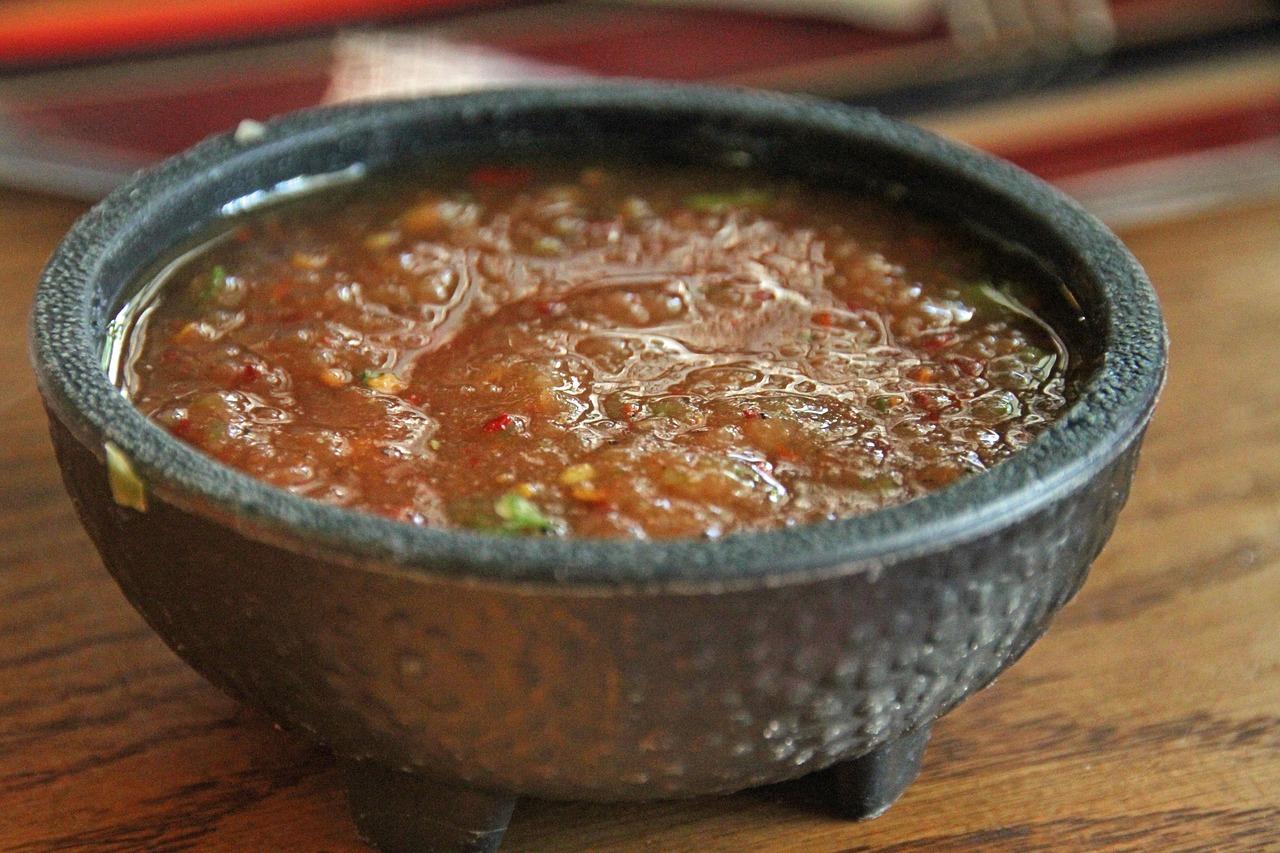
A smooth, tangy tomato salsa of blanched tomatoes, sautéed onion, garlic, chilli and plenty of oregano, with a touch of cumin and coriander seed. Serve it with nacho triangles, tacos, quesadillas or as a dip for any snack.
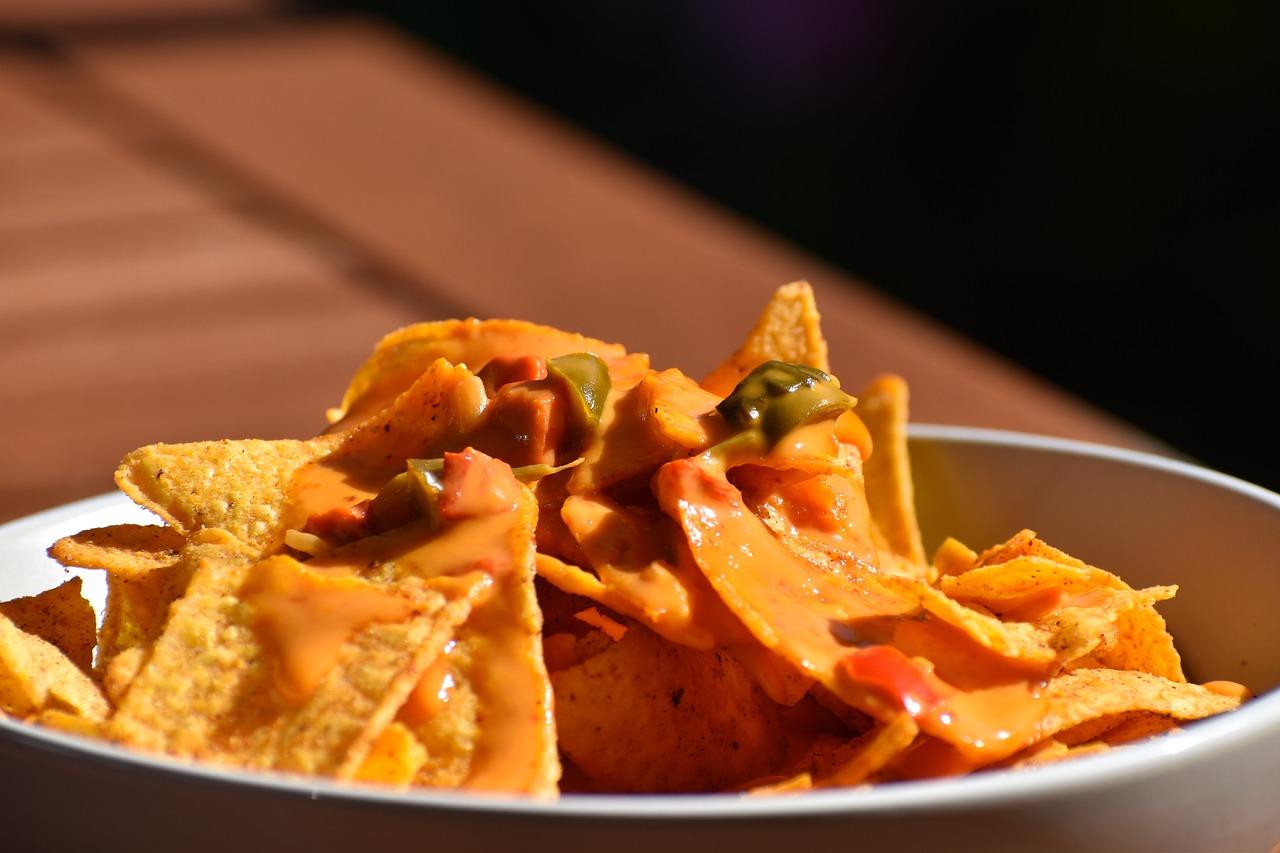
Crisp nacho triangles layered with a garlicky sour cream, jalapeño chillies and cheddar, baked for just 5 minutes until the cheese melts. Serve straight away with hot salsa. You can also serve the sour cream and salsa separately as dips.
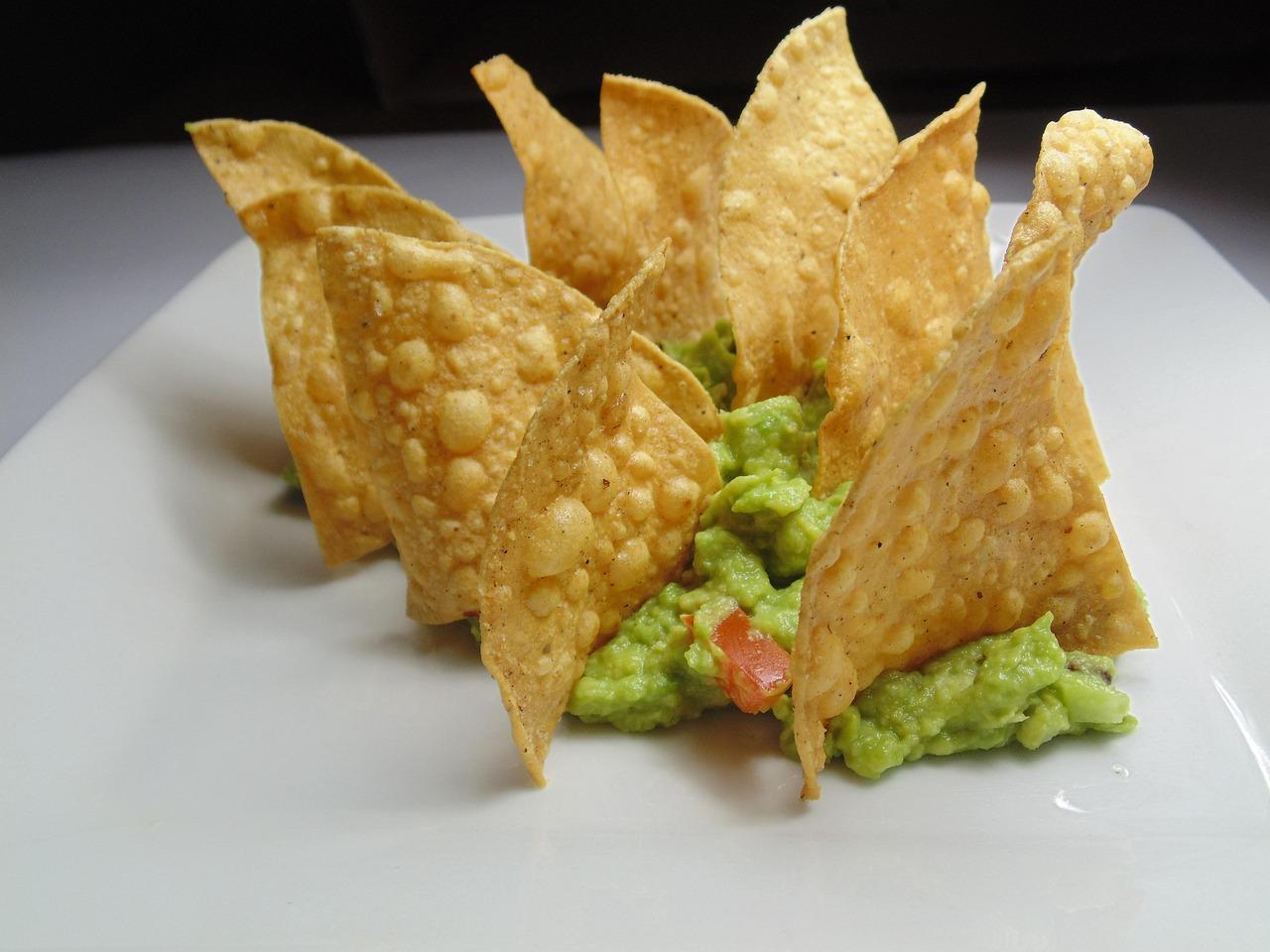
A guacamole-style dip of ripe avocado mashed with tomato, onion, green chillies, coriander, a little sour cream, Tabasco and lemon. Make it smooth or chunky, as you like. Chill it and serve with nacho triangles.
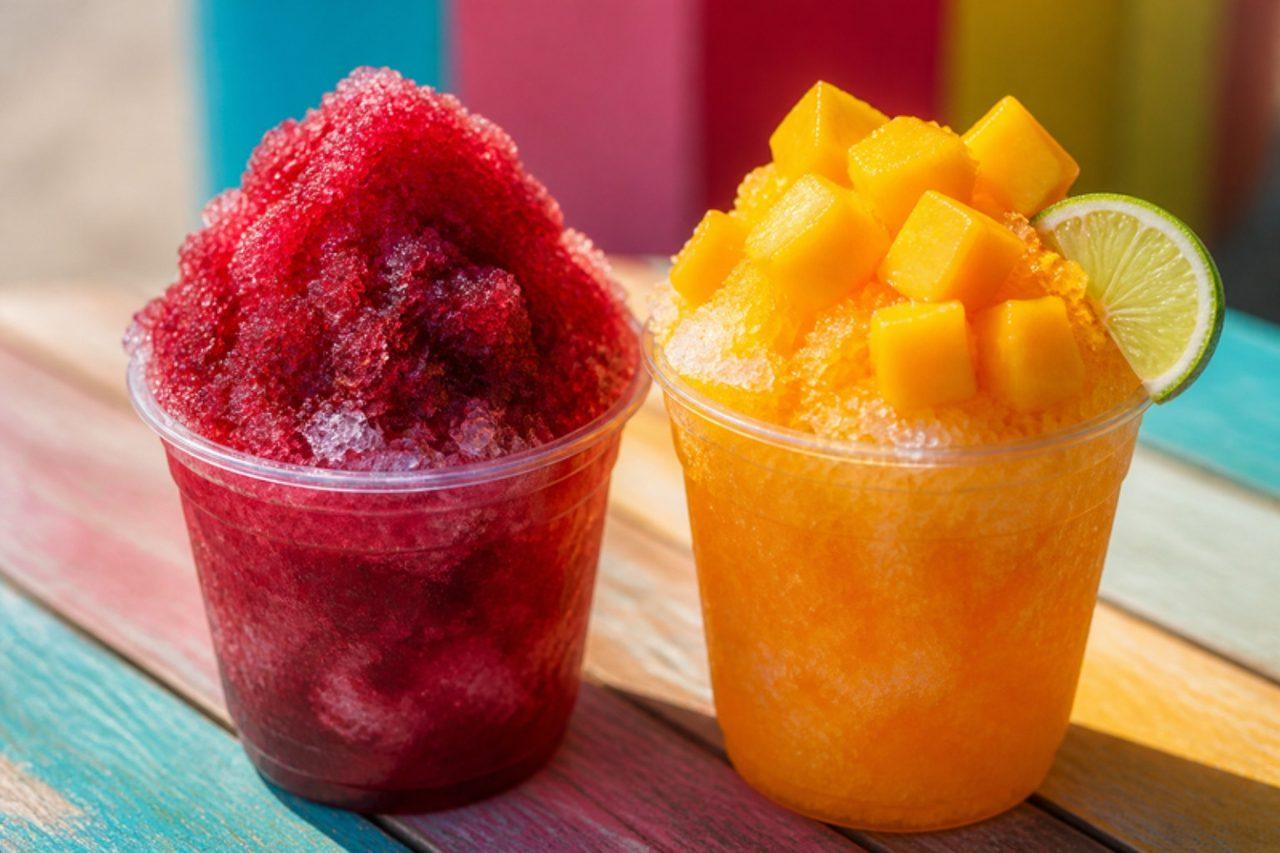
In Guadalajara and the towns of Sinaloa, raspados are sold from carts and little shops from noon until late on hot days: a paper cup of finely shaved ice soaked in bright homemade syrups like tamarind, mango, strawberry and deep-red hibiscus, sometimes with fresh fruit and a squeeze of lime. They are the cheapest way to cool down, and children and adults line up alike. They are naturally egg-free and plant-based: there is nothing to set or bind, just fruit and sugar cooked into syrups thick enough to cling to the ice. The hibiscus is tart and floral, the mango sweet and thick, and the two side by side make a striking cup. Make the syrups and cool them quickly over iced water. Chef's tip: shave the ice as fine as you can and pour the syrup slowly; the common mistake is using coarse crushed ice, which lets the syrup run straight to the bottom.
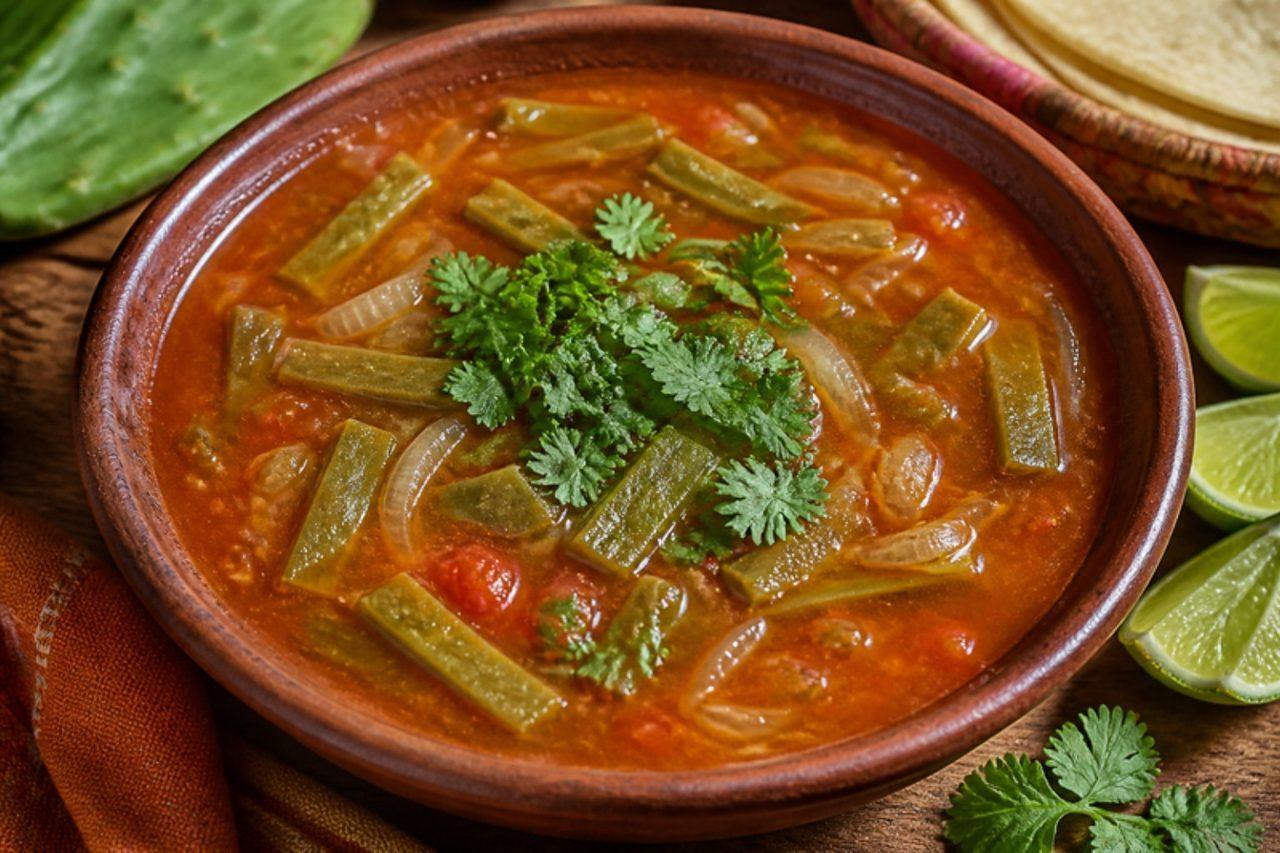
In Mexico City, Puebla and the towns of central Mexico, sopa de nopales is cooked at home during Lent and on any warm day when tender cactus paddles are cheap in the market. Diced nopales simmer in a light tomato and chilli broth with onion and coriander, giving a soup that is tangy, fresh and a little green-tasting, like green beans crossed with okra. It is very light, with about 3 g of protein per bowl; add a can of pinto beans or crumble fresh cheese on top for more. The most common mistake is putting raw nopales straight into the soup, which turns it slimy: boil them separately first and rinse them. Chef's tip: add a few tomatillo husks or a pinch of bicarbonate to the boiling water for the nopales; it helps set the slime so it rinses away.
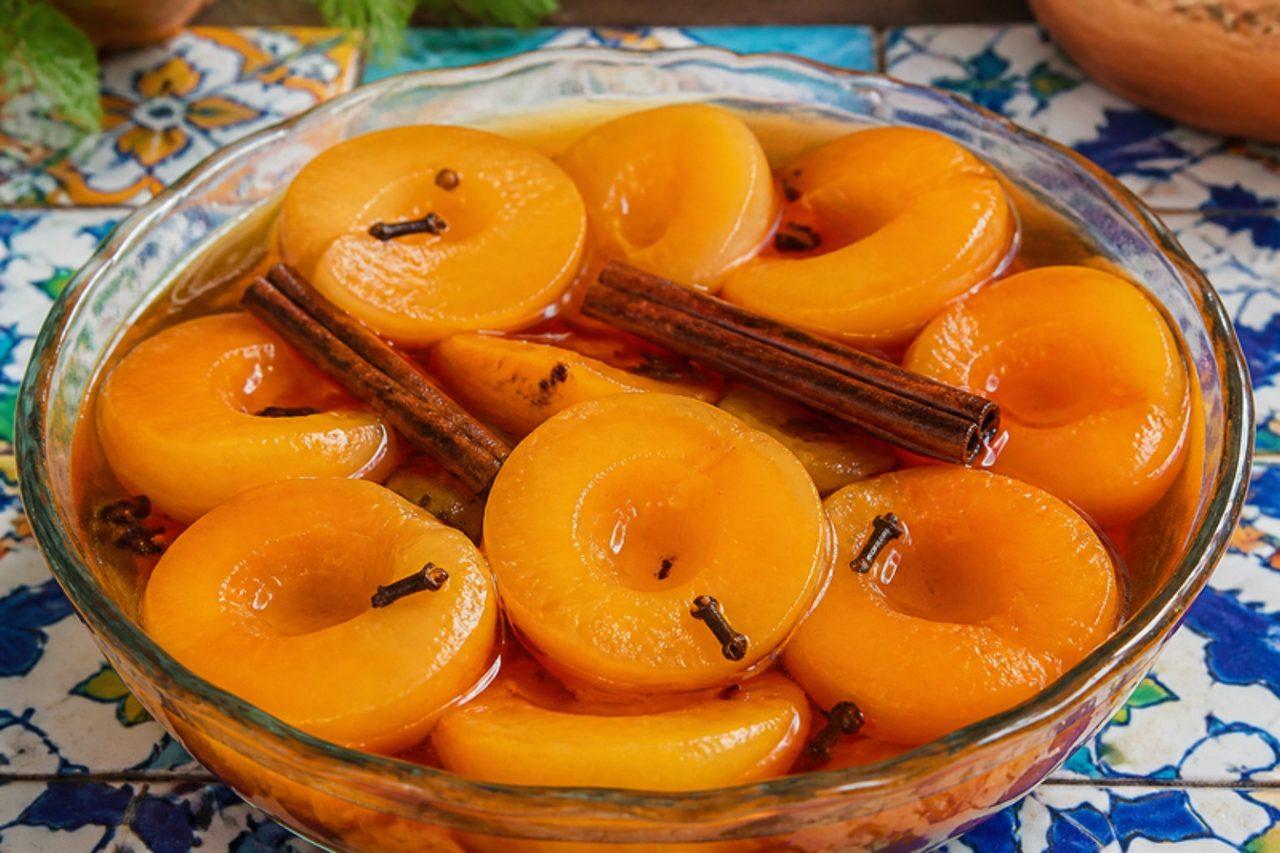
Across Mexico, from the orchards of Zacatecas and Puebla to every abuela's pantry, duraznos en almíbar are how the summer peach crop is kept, and a bowl of them chilled from the fridge is a classic Sunday dessert. Peeled peach halves are poached in a syrup of piloncillo, the cone-shaped raw cane sugar, with cinnamon and cloves, so they turn tender and glossy and soak up a warm, molasses-like sweetness. Serve them cold in their syrup, on their own, or with a spoon of crema or thick yoghurt. Nothing needs setting and no egg is involved: the fruit simply poaches in the sugar syrup, which thickens lightly as it cools. Chef's tip: choose ripe but firm peaches and poach them gently; the common mistake is boiling the syrup hard, which turns the halves ragged and stringy.
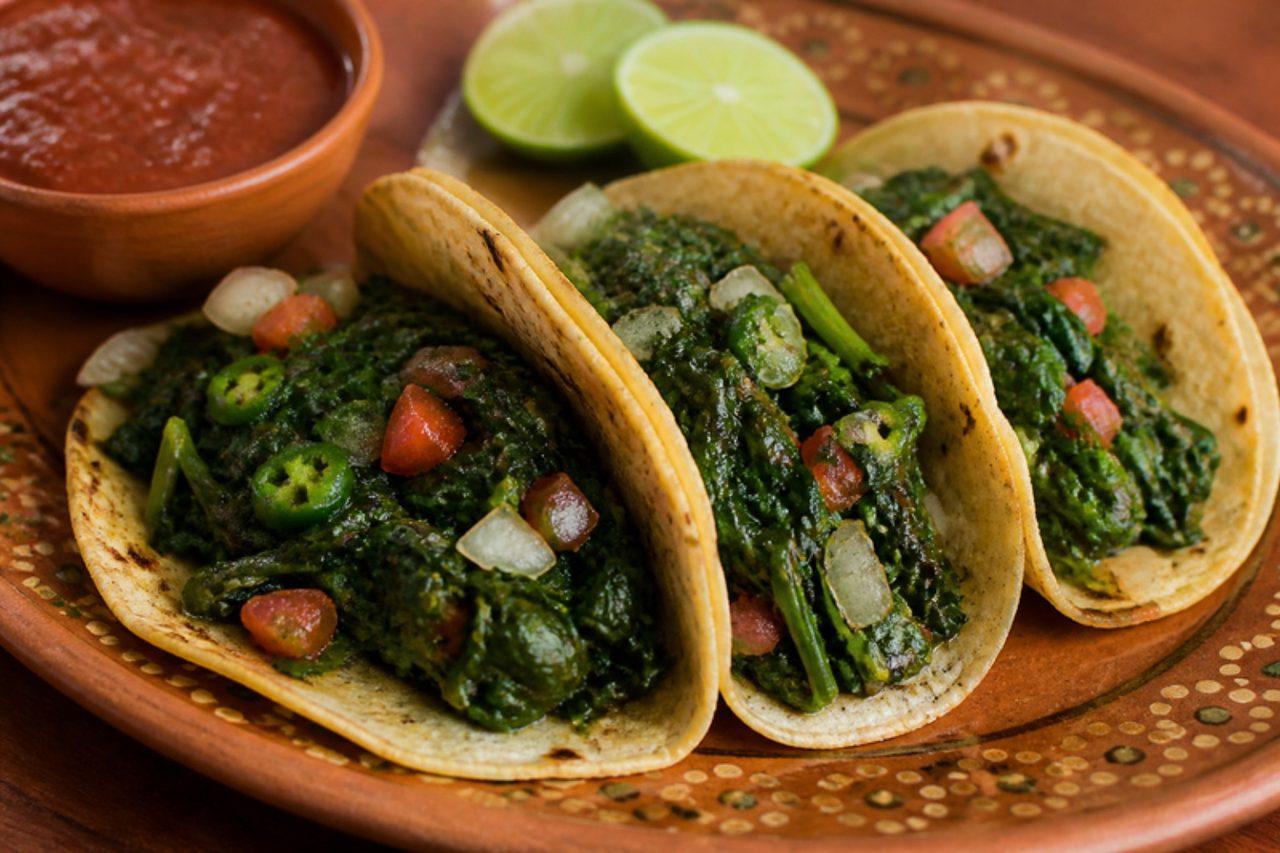
Quelites is the Nahuatl-rooted word for the edible wild greens of central Mexico, such as quintoniles (amaranth), verdolagas (purslane) and huauzontle, and in the markets of Mexico City, Puebla and Tlaxcala they are sold by the bunch in the rainy season and cooked this way for everyday lunches. The greens are blanched, then sautéed with onion, garlic, tomato and serrano chilli until soft and savoury, and piled into hot corn tortillas with salsa and, if you like, crumbled fresh cheese. Without cheese it is vegan, with about 6 g of protein per portion including two tortillas. The common mistake is leaving the greens wet: they steam and turn watery instead of frying. Spinach, chard or amaranth leaves work if you can't find quelites. Chef's tip: cut the serrano in half lengthways and fry it with the onion; it flavours the oil gently and you can lift it out if it's too hot.
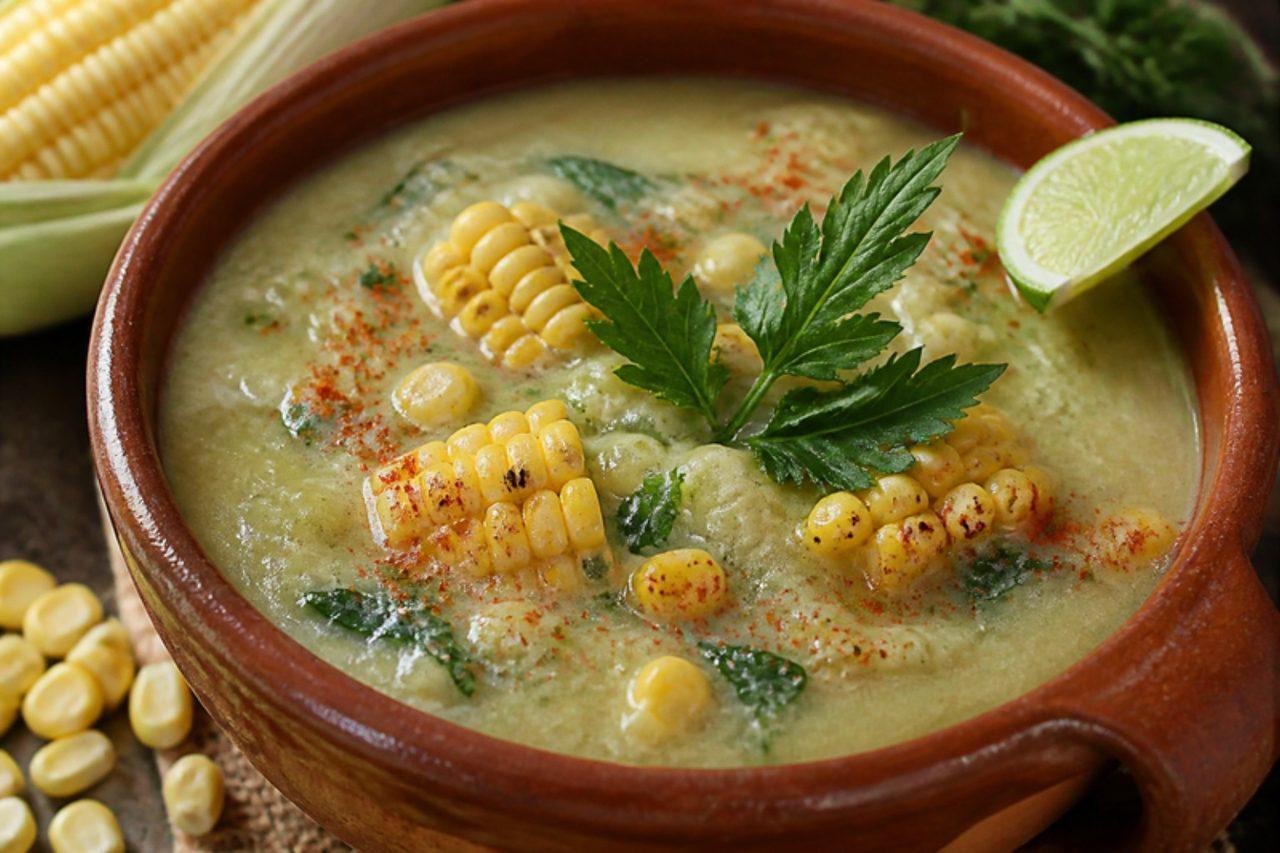
Chileatole is a thick, savoury atole made in Puebla and Tlaxcala during the rainy-season corn harvest from July to September, sold steaming from big pots at markets in the evening and made at home when fresh corn is everywhere. Fresh corn kernels and pieces of cob simmer in a broth thickened with masa harina and tinted green with blended chilli and epazote. It is comforting and corny, with a gentle heat, and about 6 g of protein per bowl from the corn and masa. The most common mistake is adding the masa dry, which makes lumps: always dissolve it in cold water first. Chef's tip: simmer the stripped cobs in the water before you start, for a sweeter, deeper corn broth.
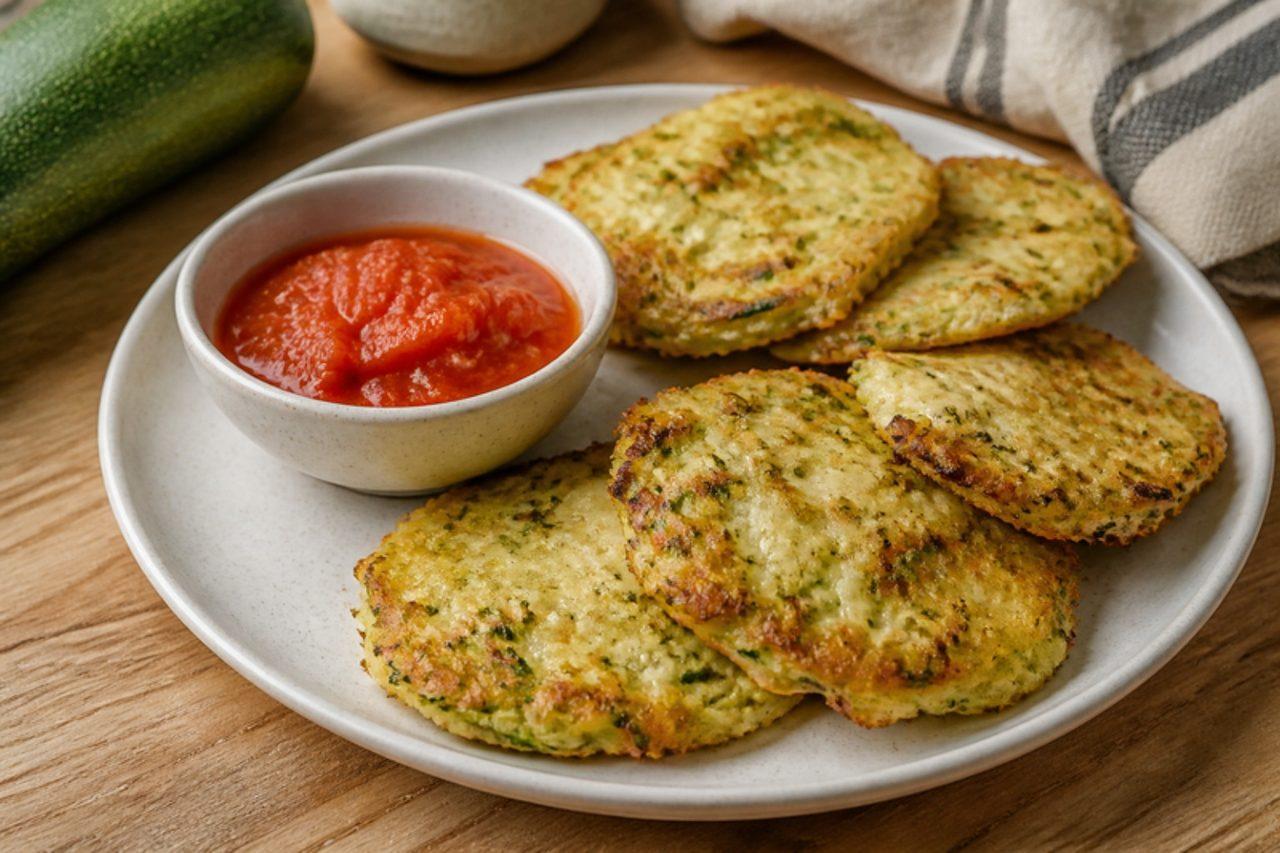
Tortitas de calabacita are a Lenten and everyday favourite in Mexican homes from Puebla to Jalisco: grated courgette, crumbled cheese and egg fried into soft little cakes, then served with a warm, thin tomato salsa spooned over, plus rice and beans. They make a meatless Friday dinner that children happily eat. The mistake is crowding the pan, which drops the oil temperature and leaves the fritters greasy and pale; fry in batches. The fresh cheeses often used are made with animal rennet, so choose a vegetarian queso fresco or a vegetarian mild Cheddar. Chef's tip: let the batter rest 2 minutes after adding the flour so it thickens and holds together in the pan.
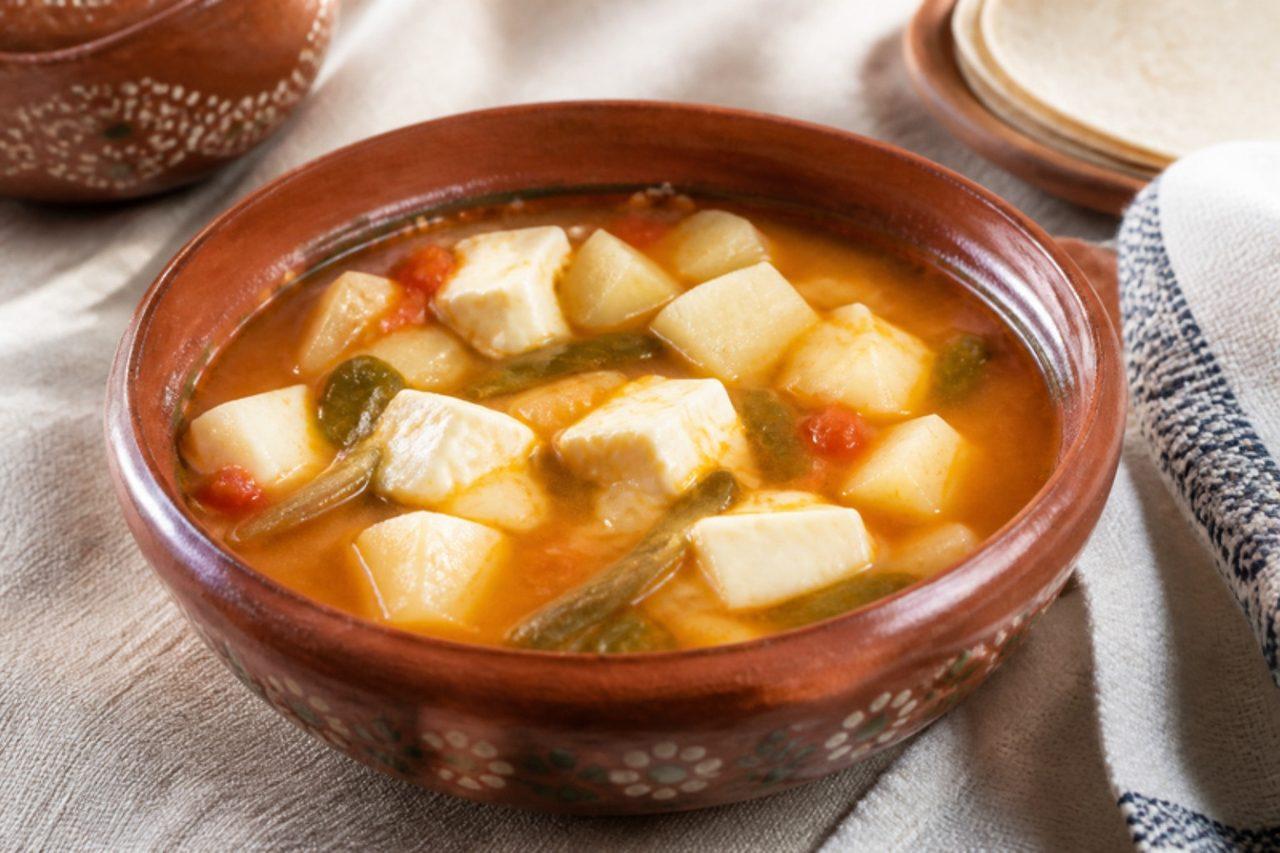
In Hermosillo and across Sonora, caldo de queso is the soup cooked on cool desert evenings: a light tomato broth with potato and strips of roasted green Anaheim chile, poured over cubes of fresh cheese that soften into chewy, milky pieces in the bowl. It is eaten with flour tortillas, Sonora's own, and a squeeze of lime. The common mistake is boiling the cheese in the pot, where it melts into strings and sticks to the bottom; add it at the end, off the boil. Queso fresco and Oaxaca cheese are often made with animal rennet, so look for a vegetarian queso fresco, or use paneer, which keeps its shape the same way. Chef's tip: blister the chiles in a dry pan until black, then sweat them in a bowl under a plate for 5 minutes and the skins slip off.
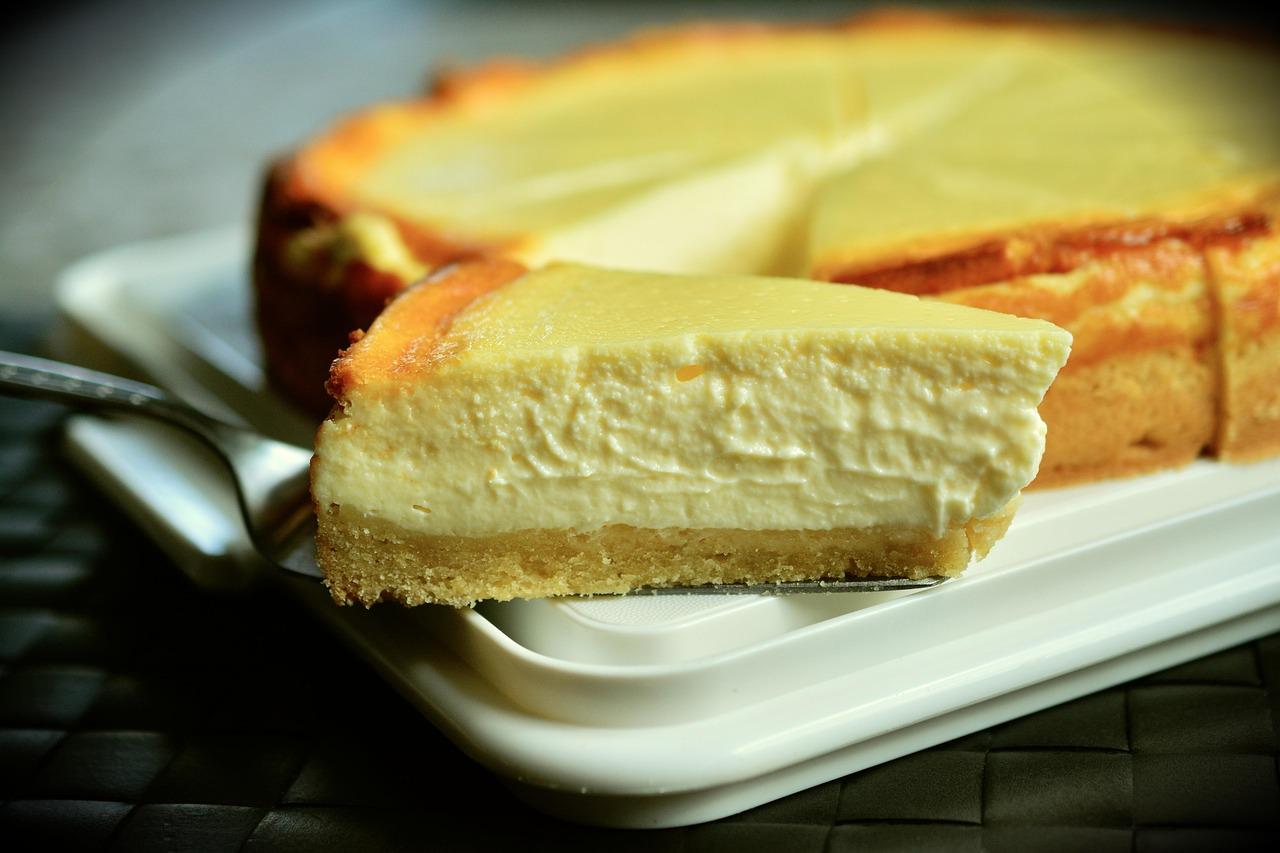
Mexican cafés, school bake sales and Sunday family lunches all have a pay de queso, the country's own take on cheesecake. Cream cheese, condensed milk and evaporated milk are whizzed in a blender with eggs and vanilla, poured onto a crust of crushed plain tea biscuits and baked into a dense, creamy slice with a caramel note from the condensed milk. Serve it chilled with coffee, or with strawberries or a spoon of cajeta on top for a party. The usual mistake is blending at full speed for too long, which whips in air and makes the top rise and crack. Chef's tip: blend on low just until smooth, then tap the filled tin on the worktop a few times to bring big bubbles to the surface.
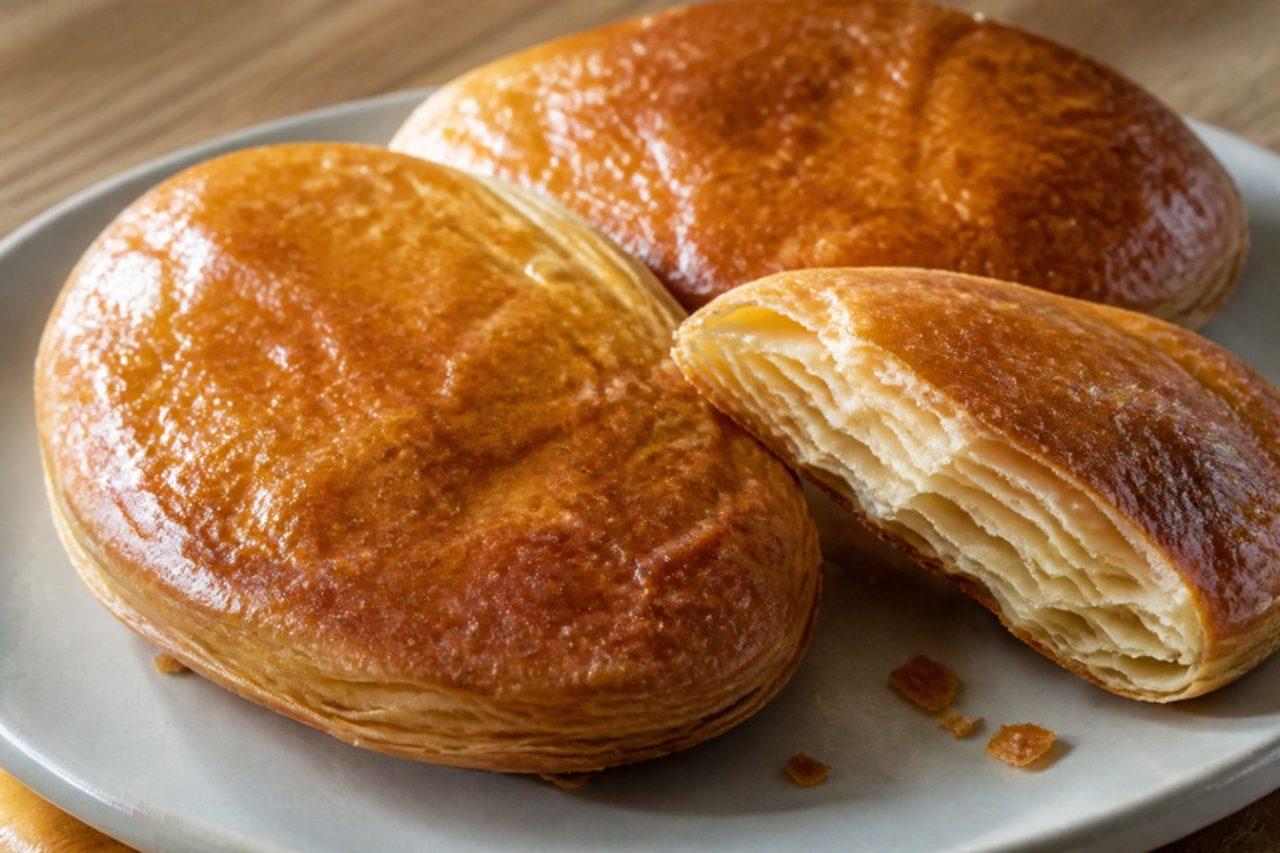
Campechanas take their name from the port of Campeche, but now they shatter all over the coffee tables of Mexico City and Veracruz: oval, paper-thin layers of dough with a glossy, caramelised sugar crust that cracks as you bite. Mexicans buy them in the evening from the panadería, along with conchas, to dunk in café de olla or hot chocolate. They are traditionally made with lard; this version uses vegetable shortening, which gives the same light flakiness and keeps them vegan. Butter also works but browns faster. The trap is a timid oven: below full heat the sugar stays grainy and white instead of turning to glass. Chef's tip: press the sugar firmly into the top before baking so it melts into an even shiny layer.
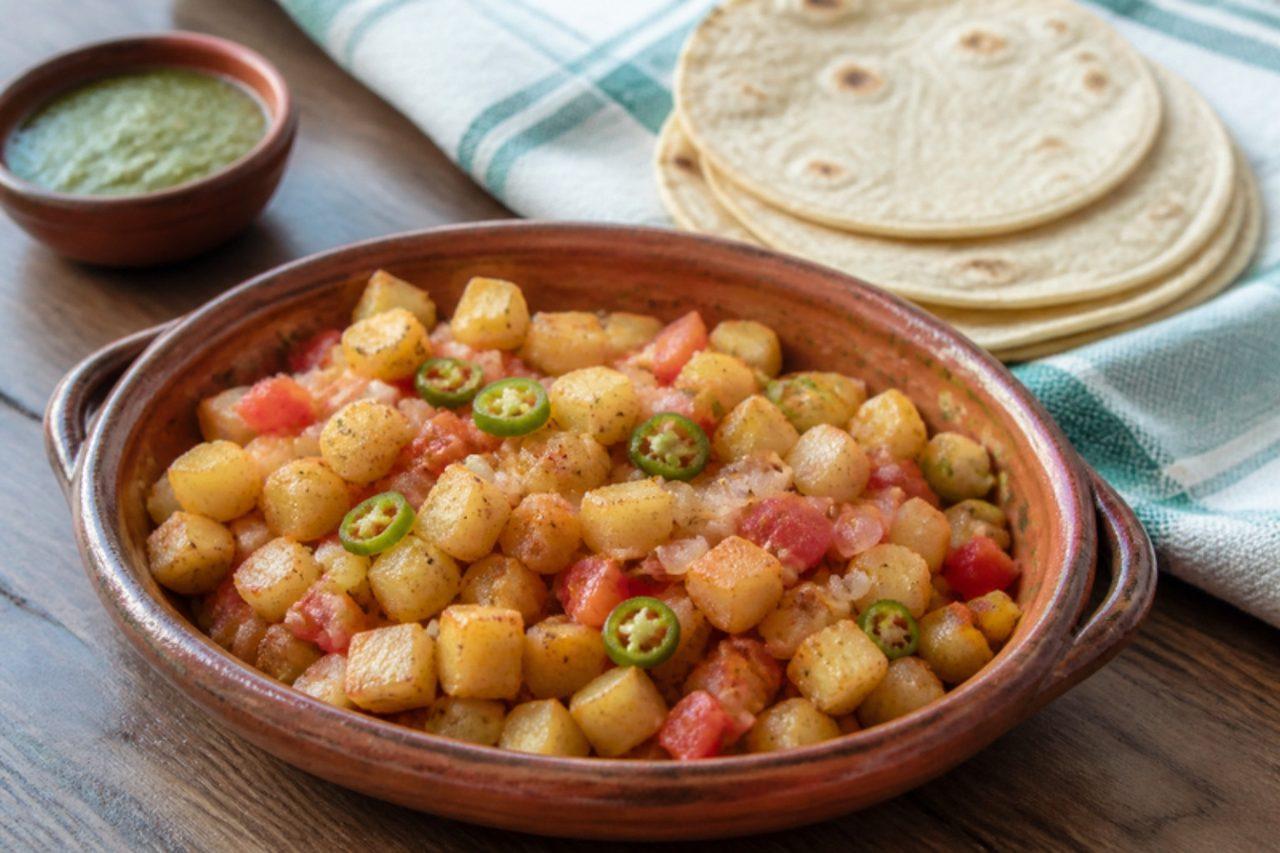
Papas a la mexicana carry the colours of the flag, red tomato, white onion and green chile, and they are cooked in kitchens all over Mexico as a taco filling, a breakfast side or a cheap supper with beans and tortillas. The potatoes are fried until golden at the edges, then folded with a quick sofrito so they soak up the fresh, spicy juices. The usual mistake is adding the tomato before the potatoes are cooked through, which leaves them hard in the middle and stewing rather than frying. Chef's tip: parboil the diced potatoes for 4 minutes first; they fry to a crisp edge in half the time.
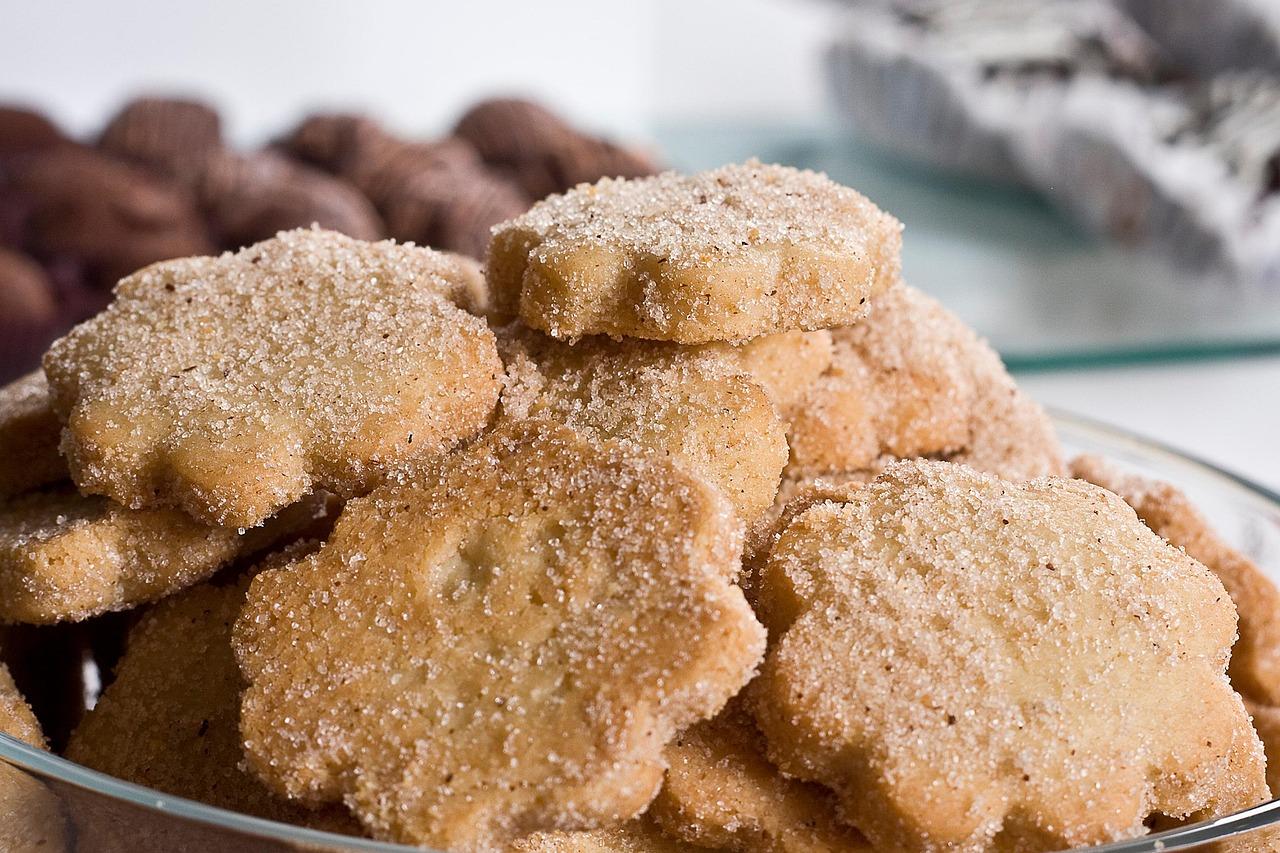
At weddings, quinceañeras and Christmas gatherings in Nuevo León and Coahuila, someone always brings a platter of hojarascas, the name meaning 'fallen leaves' because they crumble as lightly as dry leaves underfoot. The cookies are short and sandy, spiced with cinnamon, and rolled while warm in more cinnamon sugar so they look frosted. Monterrey families serve them with café de olla or hot champurrado. They are traditionally made with lard; this version uses vegetable shortening, which gives the same tender crumb and makes them vegan, or you can use butter for a richer taste. Overworking the dough once the flour is in is the classic mistake, because it develops gluten and makes them tough. Chef's tip: steep a cinnamon stick in the water first and use that tea to bind the dough, which doubles the spice flavour without bitterness.
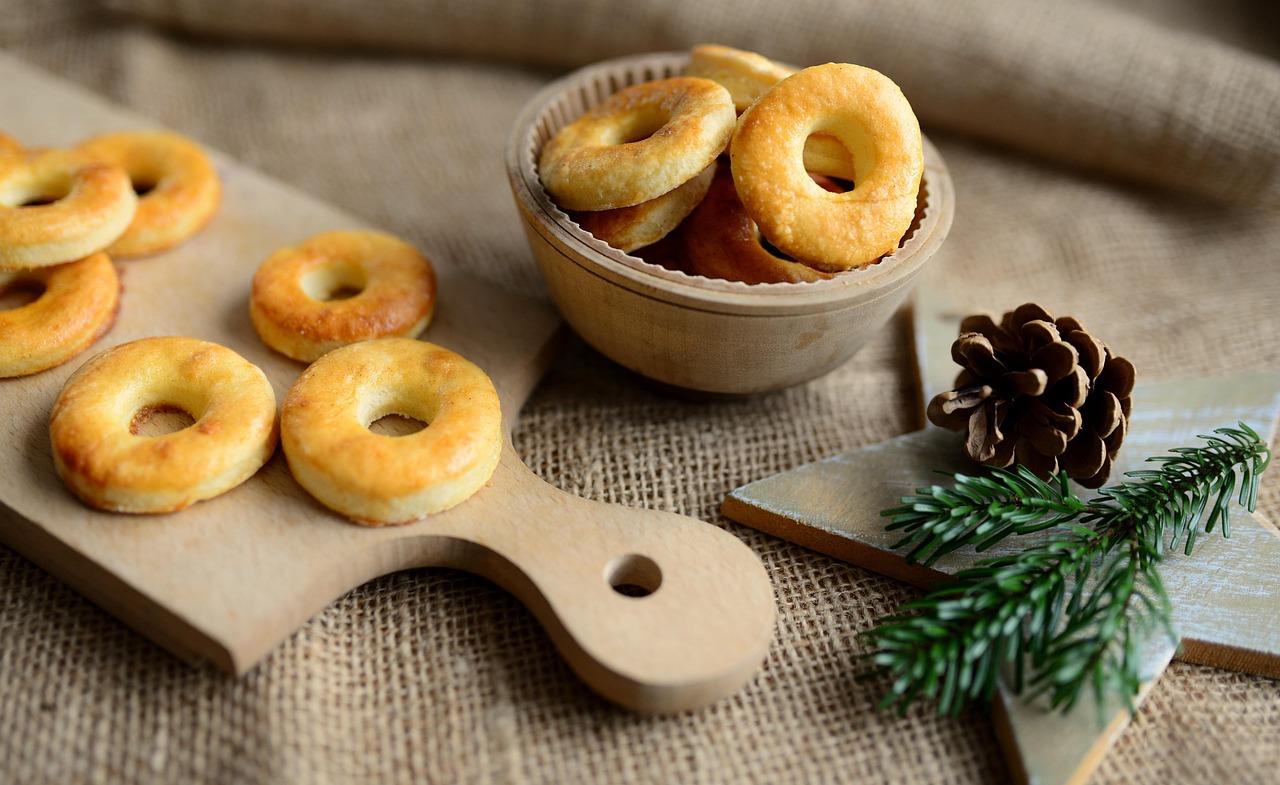
Coricos come from Sonora in Mexico's northwest, where maize has always been ground for more than tortillas. They are rings of sweet corn dough flavoured with cinnamon, baked until golden: firm and a little crunchy on the outside, with the slightly gritty, toasty taste of corn inside. Families make them by the dozen for coffee in the afternoon and for visitors, and Sonoran panaderías sell them in plastic bags by the counter. They are traditionally made with lard; this recipe uses butter (vegetable shortening works too), so they are vegetarian. A little wheat flour keeps the rings from cracking. Chef's tip: if the ropes split when you join them into rings, the dough is too dry; work in milk a teaspoon at a time until it bends without breaking.
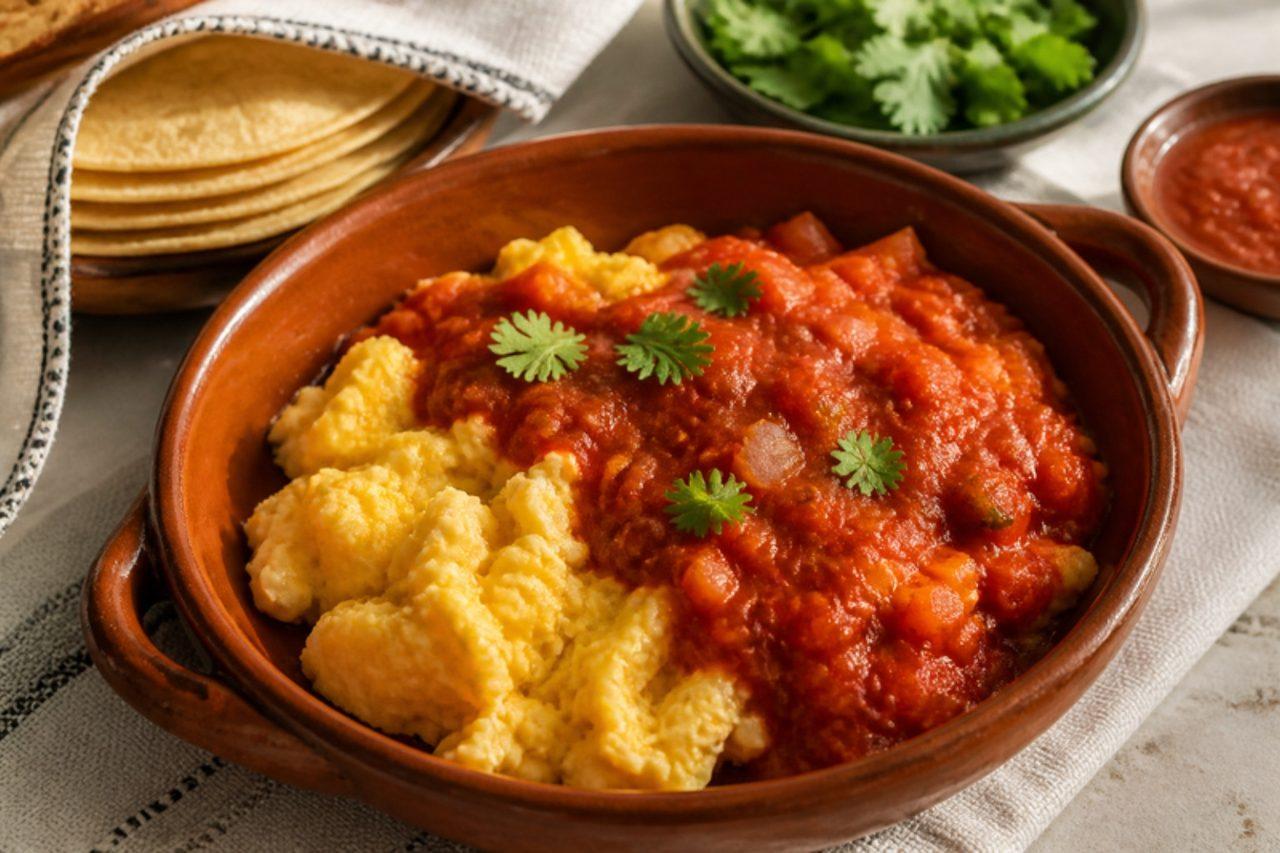
Huevos al albañil, 'bricklayer's eggs', come from the fondas and food stalls of central Mexico that feed builders a filling breakfast before the sun gets hot: scrambled eggs cooked gently and then bathed in a spicy salsa of charred tomato and serrano chile. They are eaten with warm corn tortillas and refried beans, and they make an equally good quick dinner. The mistake is cooking the eggs fully before they meet the salsa; they keep cooking in it and end up dry and rubbery. Chef's tip: char the tomatoes and chiles until properly blackened in spots, which gives the salsa its smoky depth.
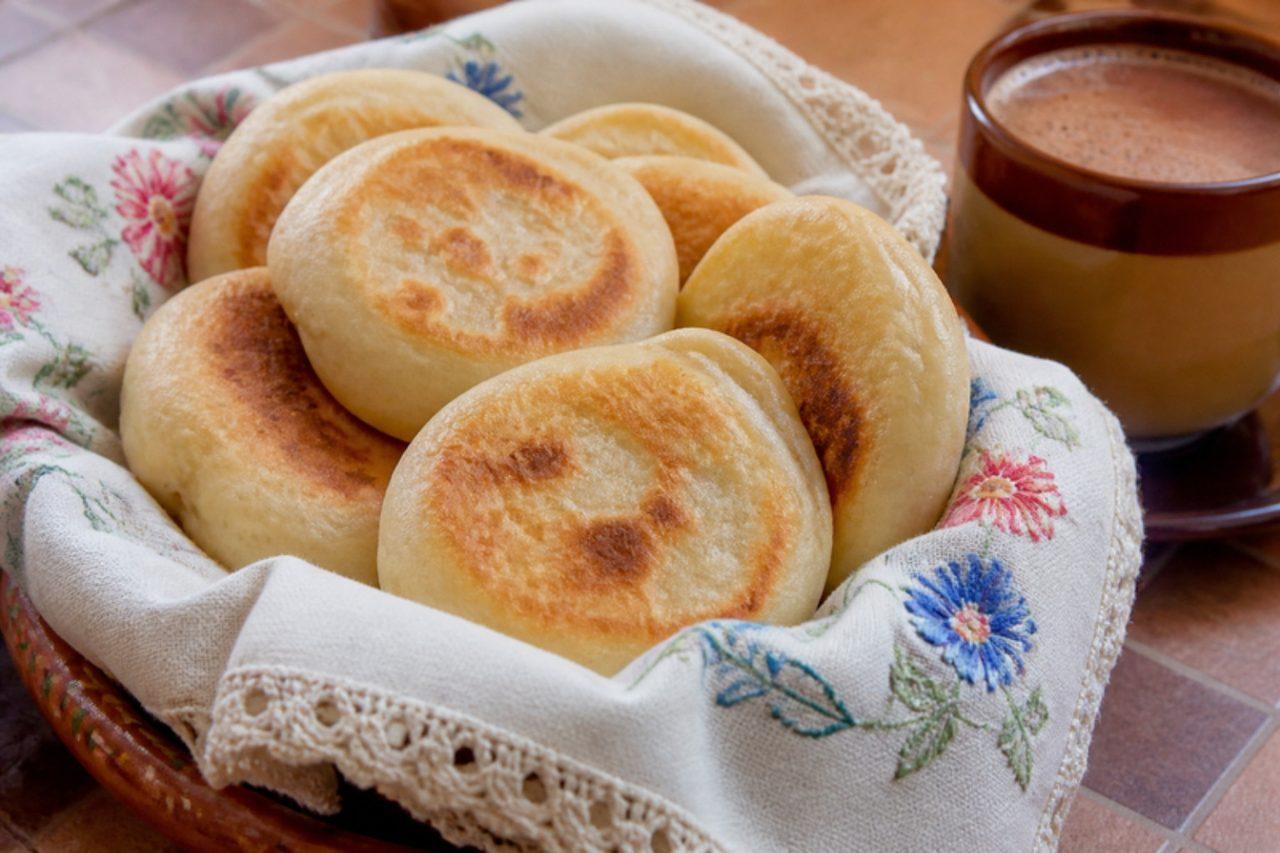
In central Mexico, from Mexico City markets to kitchens in Hidalgo and Puebla, gorditas de nata were traditionally made with the thick skin of cream (nata) skimmed from boiled milk, and grandmothers still cook them on the comal for an afternoon merienda with hot chocolate or milky coffee. They are soft and cakey inside with a lightly crisp, golden face, somewhere between a scone and a pancake. Double cream stands in for nata here. They contain gluten, milk and egg. Chef's tip: keep the comal on a low-medium heat; these brown quickly because of the cream and sugar.
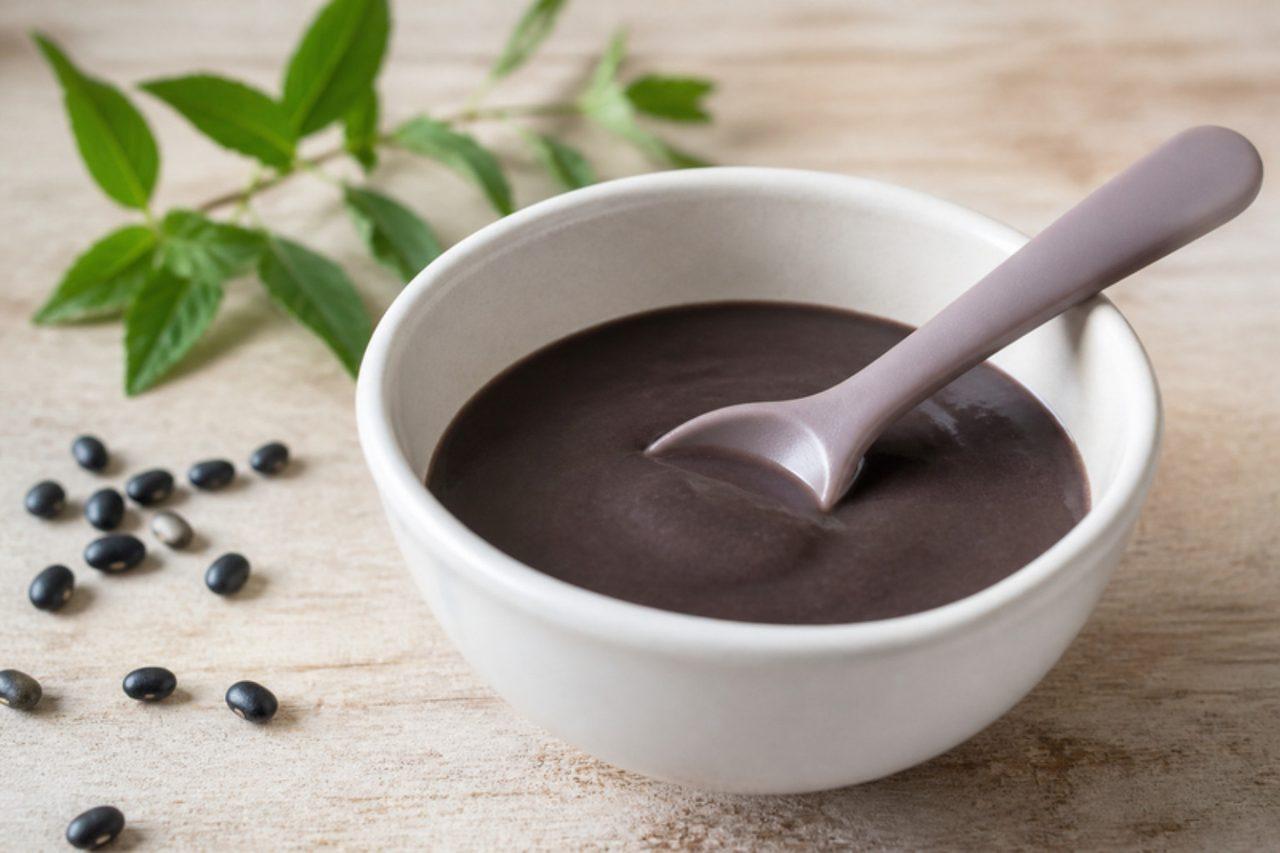
Mexican families nearly always have a pot of frijoles de la olla on the stove, and before the salt goes in a cup of caldito is set aside for the baby. Black or pinto beans are cooked slowly with a piece of onion until they collapse; the broth is offered first on its own and, a week or two later, thickened with the sieved bean flesh into a smooth, earthy purée. Families from Oaxaca to Monterrey give it at midday, the time of the main meal. It has none of the common allergens (milk, egg, gluten, peanut, tree nuts, soya, sesame, fish). Chef's tip: soak the beans overnight and change the water; they cook more evenly and are easier on small tummies.
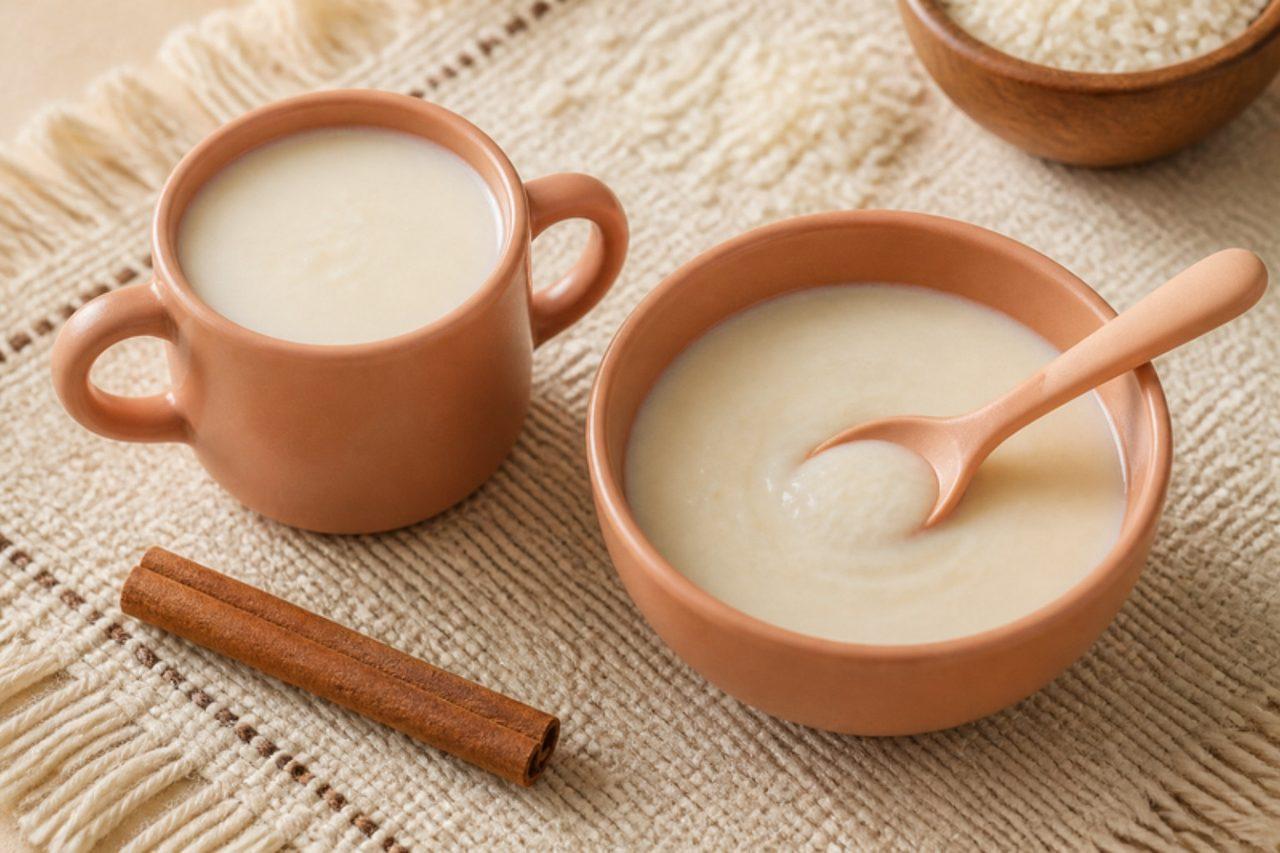
Atole is the warm, thick drink Mexicans have sipped since before the conquest, and in many homes the first version a baby tastes is atole de arroz, ground rice cooked with a stick of true cinnamon. For grown-ups it is sweetened with piloncillo and drunk at breakfast or on cold evenings around Día de Muertos; for babies the sugar stays out and it is thickened enough to eat from a spoon. It contains milk; there is no egg, gluten, nuts, soya, sesame or fish. Chef's tip: grind the rice yourself in a spice grinder; shop-bought rice flour works, but freshly ground rice tastes sweeter.
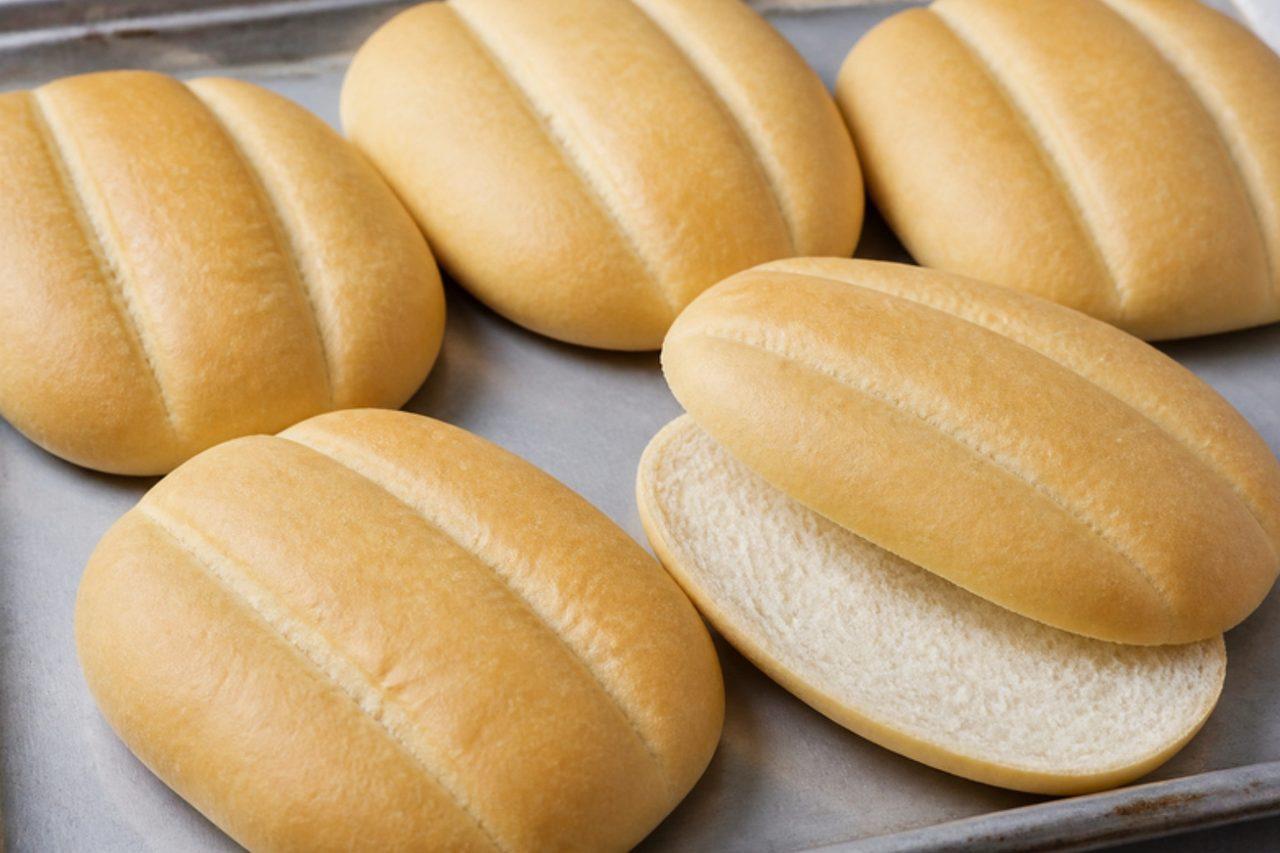
Without teleras there would be no torta, Mexico City's great lunchtime sandwich. These wide, flattish oval rolls, marked with two long grooves, have a thin, tender crust and a soft, close crumb that holds refried beans, avocado, queso and pickled jalapeños without falling apart. Every neighbourhood panadería piles them on metal trays next to the crustier bolillos, and street stalls toast them on a griddle before filling. Some bakers add a spoonful of lard to the dough; vegetable shortening gives the same softness and keeps these vegan. Pressing the grooves too gently is the usual mistake, because they puff closed in the oven and you lose the three-part shape. Chef's tip: for a proper torta, split the roll, pull out a little of the crumb and toast the cut sides on a hot comal with a smear of oil or butter.
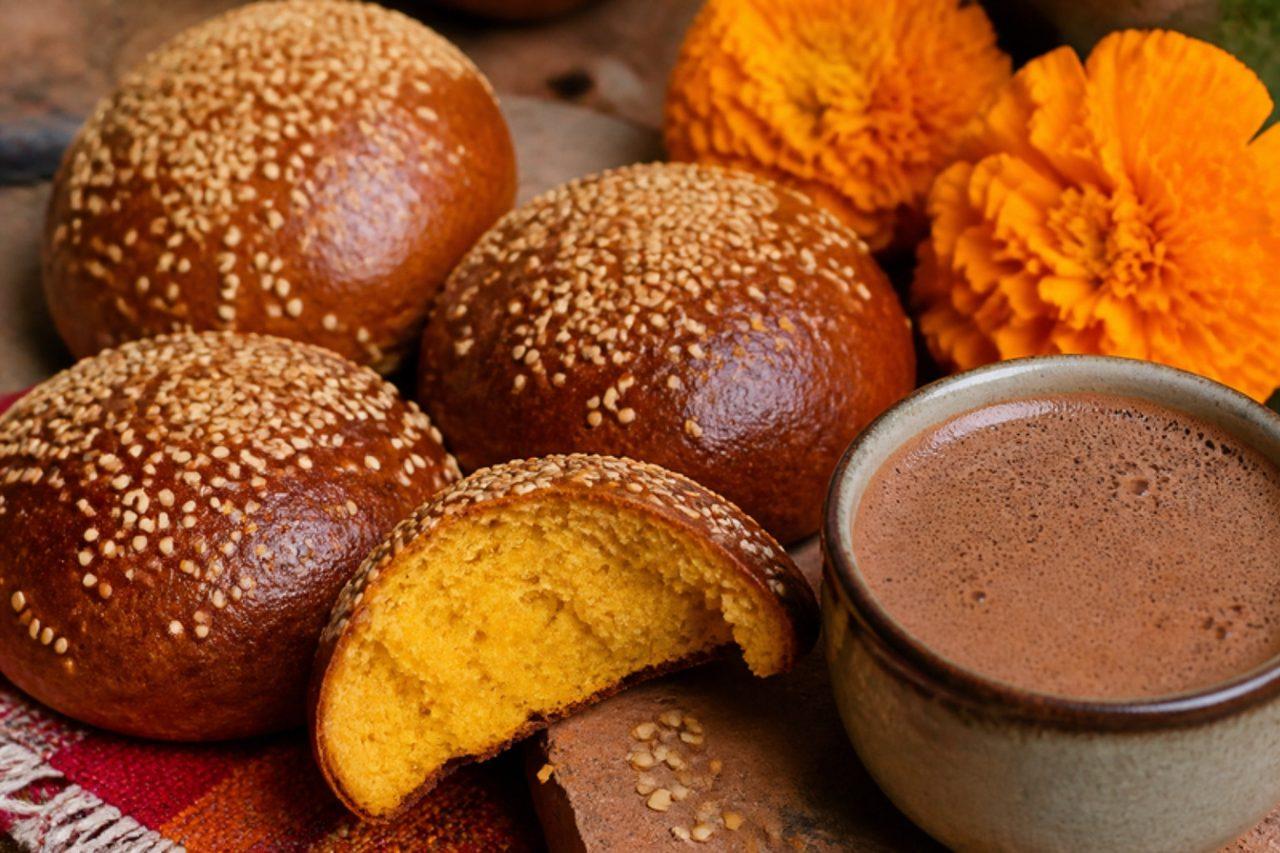
Sesame-flecked and burnished almost to mahogany, Oaxaca's pan de yema is made for dunking. Bakeries in the city and in the bread town of San Antonio de la Cal turn it out daily, but it is most loved around Día de Muertos, when it sits on the family altar with marigolds and a painted dough face, and is broken into bowls of frothy Oaxacan hot chocolate made with water or milk. The crumb is dense, yellow and close, with a gentle orange note. Some bakers use lard; butter and vegetable shortening are used here so it stays vegetarian. A pale loaf is the giveaway of skipping the second yolk wash: brush twice for that deep, shiny crust. Chef's tip: the dough is heavy and sticky with yolks, so knead it by machine and resist adding flour; it firms up as it develops.
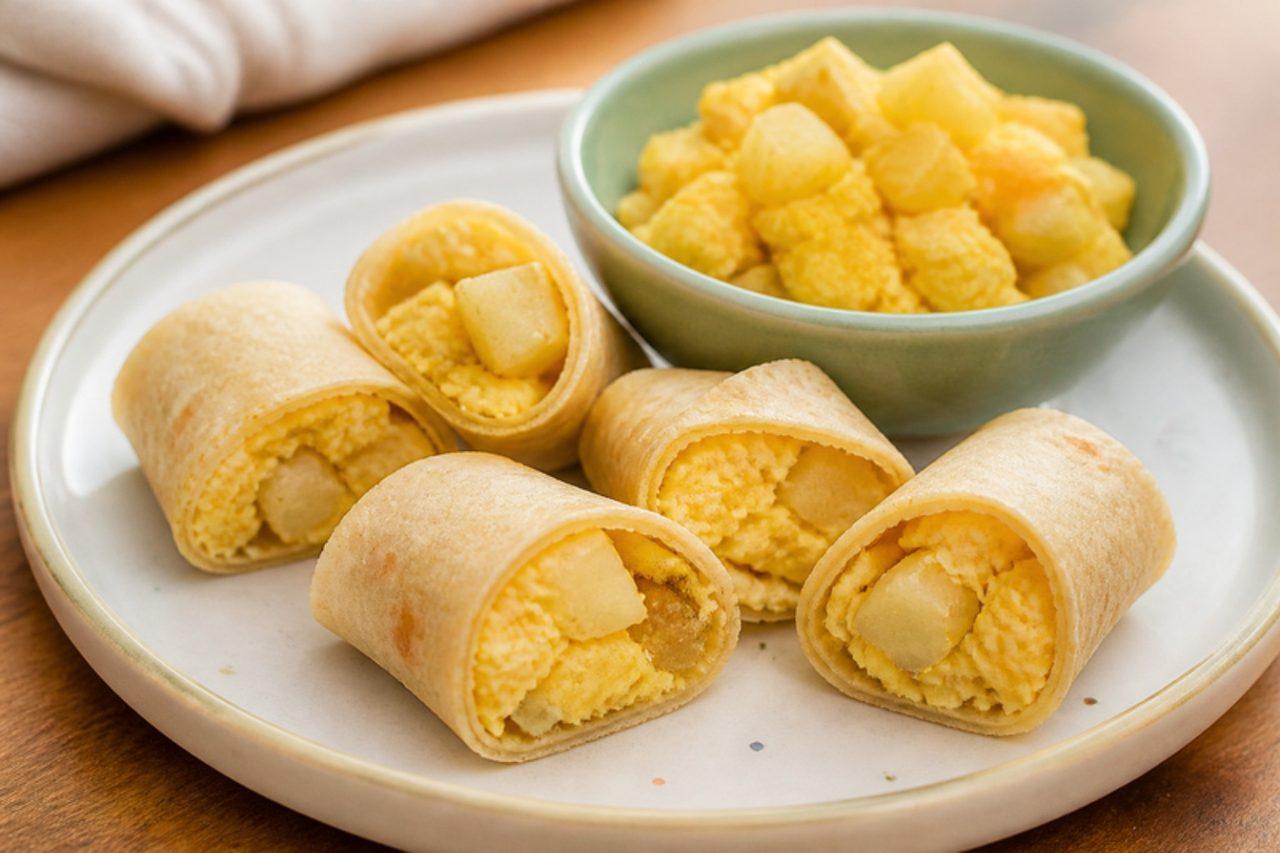
Huevo con papa is a breakfast and supper standby in kitchens all over Mexico: small cubes of potato fried until tender, then scrambled with egg and rolled into warm tortillas. Mild, soft and easy to hold, it is a favourite for toddlers from a year old, and the grown-ups add salsa to their own. It contains egg; made with 100% corn tortillas it has no gluten, and it has no milk, nuts, soya, sesame or fish. Chef's tip: cut the potato into small 1 cm cubes and cover the pan for the first few minutes, so it steams tender before it browns.
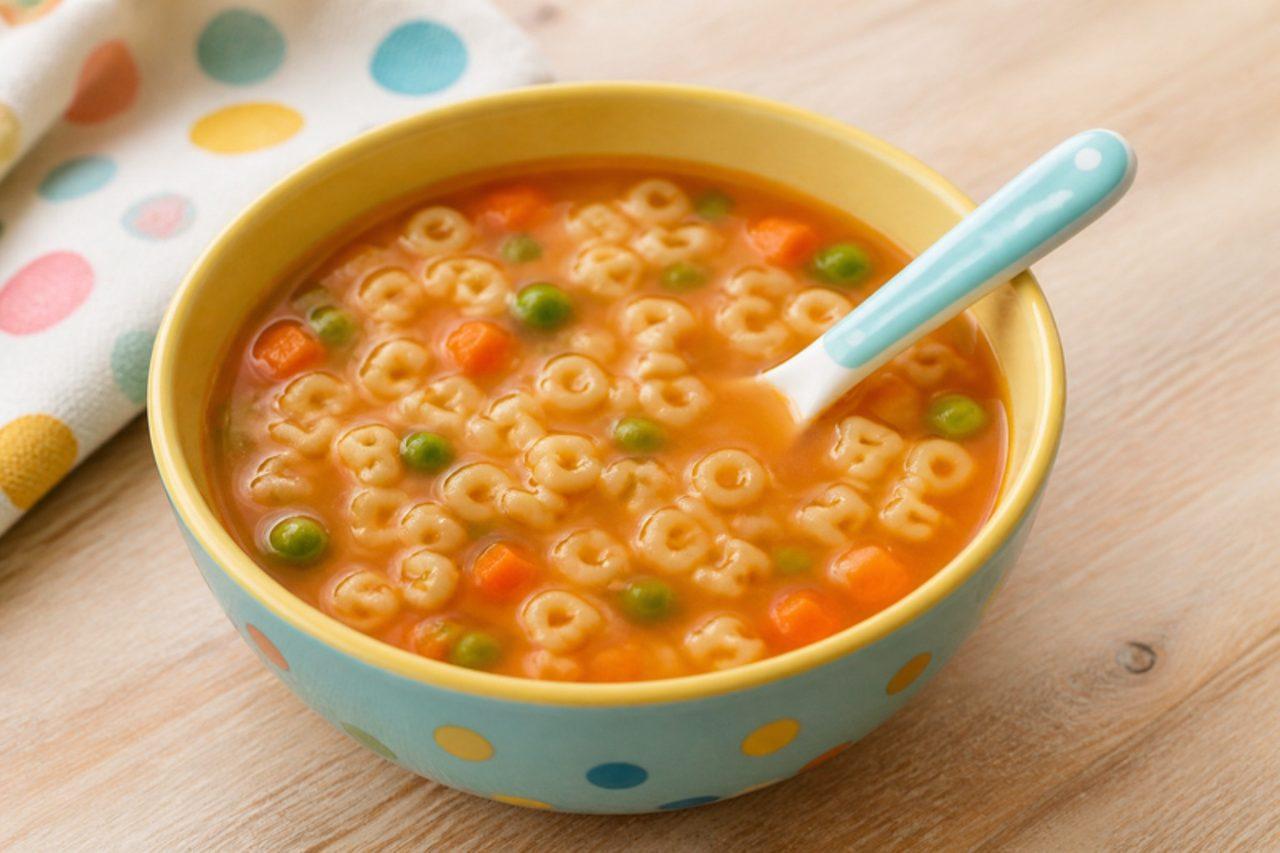
Sopa de letras is the soup almost every Mexican child grows up on, served as the 'sopa aguada' course at the midday meal: tiny letter-shaped pasta, toasted golden in oil, then simmered in a broth of blended tomato, onion and garlic with soft diced carrot. For toddlers it is made with a no-salt vegetable stock, so the sweetness of the tomato comes through. It contains gluten (wheat); it has no milk, egg, nuts, soya, sesame or fish. Chef's tip: toast the pasta until it smells nutty and turns light gold; that is where the flavour comes from.
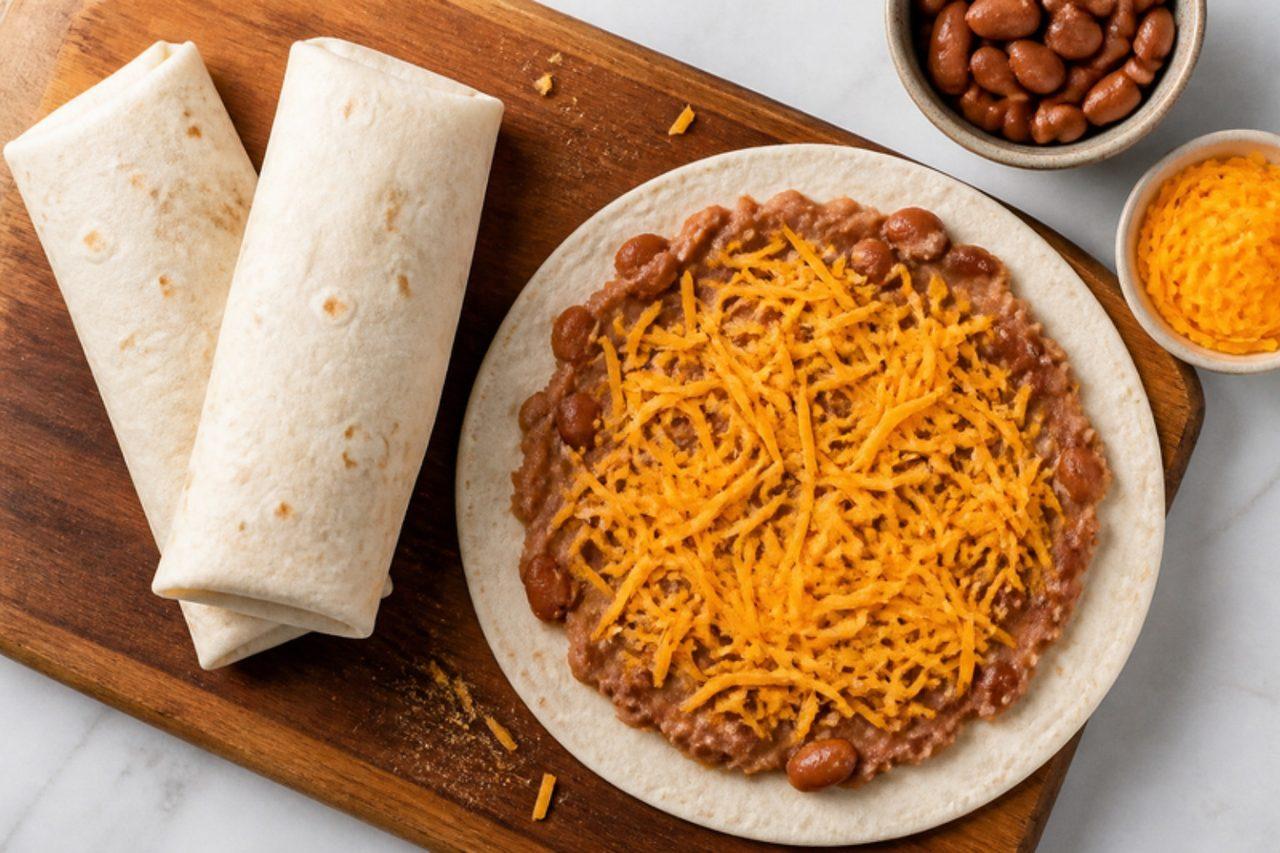
In Sonora and the rest of northern Mexico, where wheat tortillas are an everyday bread, a burrito of refried beans and cheese is one of the simplest things to wrap in foil for a child's school lunch or an after-school snack. The beans are fried with a little onion and cumin until thick and creamy, then rolled up with cheese and toasted so it melts. It contains milk and gluten (wheat tortillas). Chef's tip: warm the tortillas before filling them; cold ones crack when you roll them.
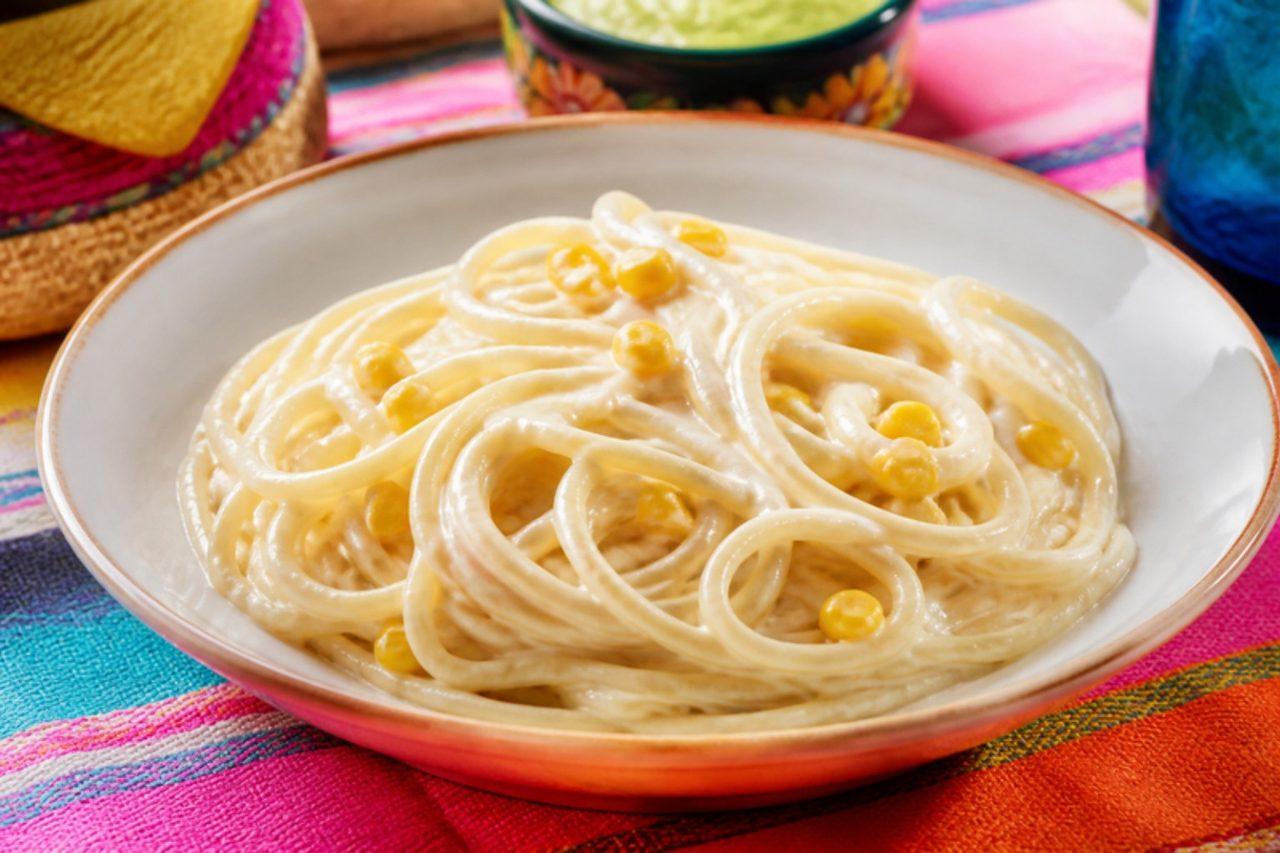
At Mexican children's birthday parties and family gatherings, a big tray of espagueti blanco usually sits next to the chicken and the salads: soft spaghetti in a mild, silky sauce of cream, cream cheese and butter, sometimes with a little onion and garlic blended in. Some families add diced ham; this version keeps it vegetarian with sweetcorn. It contains milk and gluten. Chef's tip: blend the sauce while it is warm so it is perfectly smooth, then toss it with the pasta off the heat so it stays creamy.
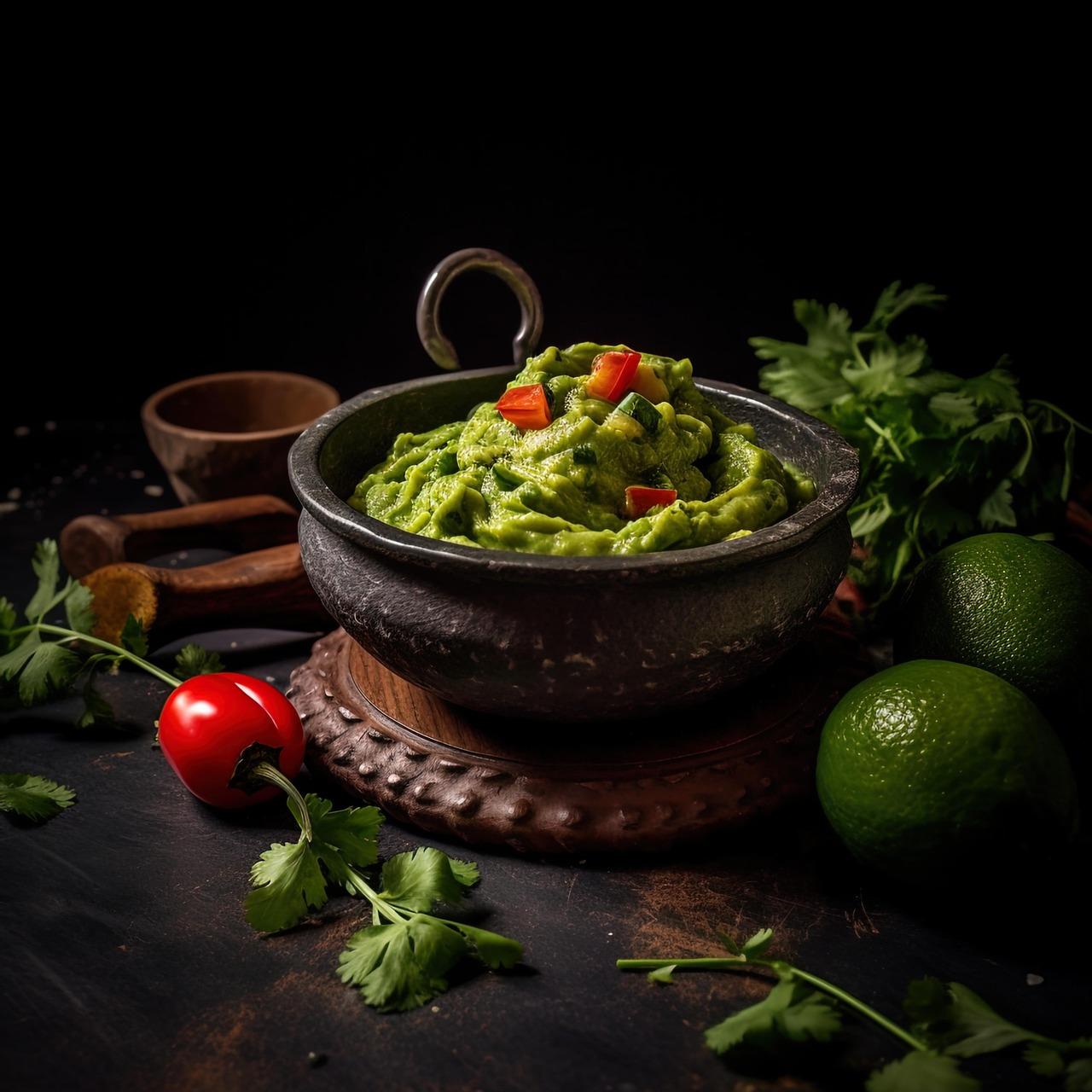
In fondas around Mexico City and at Sunday carne asada gatherings across Puebla and the Bajío, guacamole is pounded to order in a basalt molcajete and carried to the table still in the stone. No sour cream, no garlic powder: just ripe avocado crushed over a paste of onion, serrano chile, cilantro and salt, sharpened with lime. It is a dip for warm totopos, a topping for tacos and a side for grilled meat, and it is best eaten within the hour. Chef's tip: grind the chile, onion and salt to a wet paste first, so the heat spreads through every bite instead of sitting in chunks.
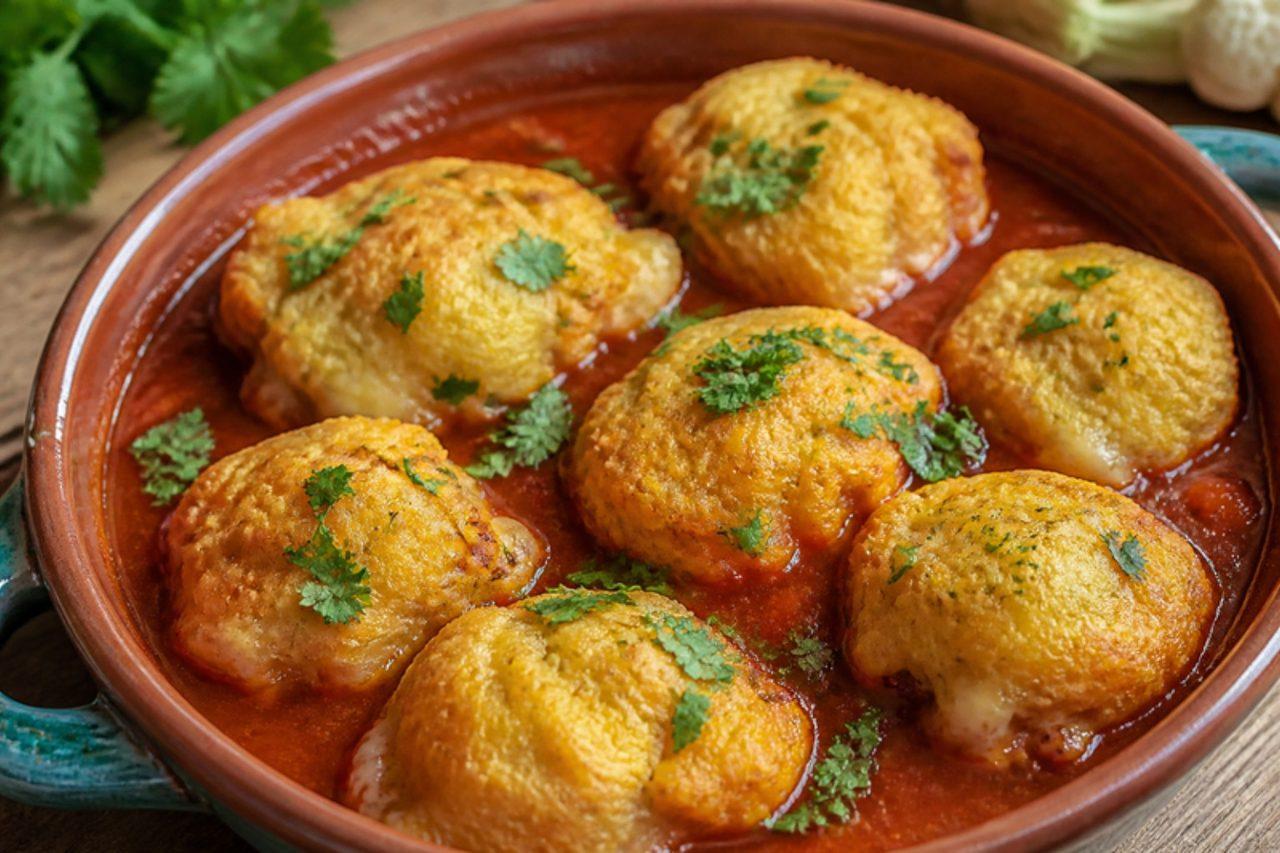
Cuaresma, the six weeks of Lent, is cauliflower season in the markets of Puebla and Mexico City, and cooks turn the florets into these puffy capeados: each piece stuffed with a little cheese, dipped in whisked egg, fried until golden and then bathed in a brick-red sauce of tomato and guajillo chilli. They come to the table with white rice and a stack of tortillas. Queso Oaxaca and panela are often made with animal rennet, so pick a vegetarian melting cheese if needed. Chef's tip: dust the florets with flour before the batter so it clings rather than slides off.
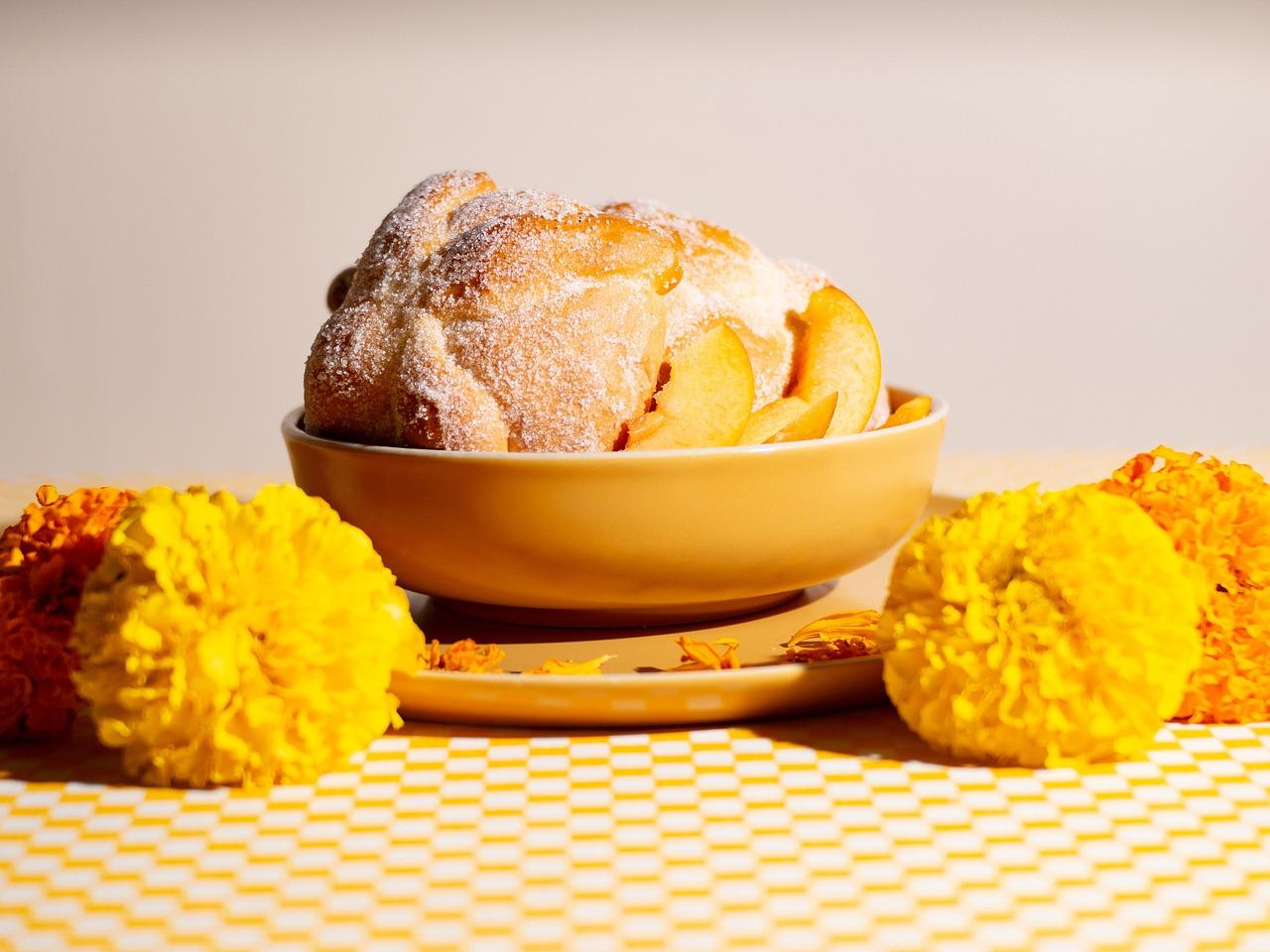
From mid-October, bakeries from Mexico City to Puebla stack their shelves with these domed loaves, and families set one on the ofrenda for the souls who return on 1 and 2 November, then share the rest with hot chocolate. The crumb is soft and rich with butter and egg, scented with orange zest and orange-blossom water, and the knobbly strips across the top stand for bones, with a small ball for the skull. A sugar crust or a dusting of sesame finishes it. Chef's tip: shape the bones from dough you have held back and chilled, so they keep their ridges instead of melting flat in the oven.
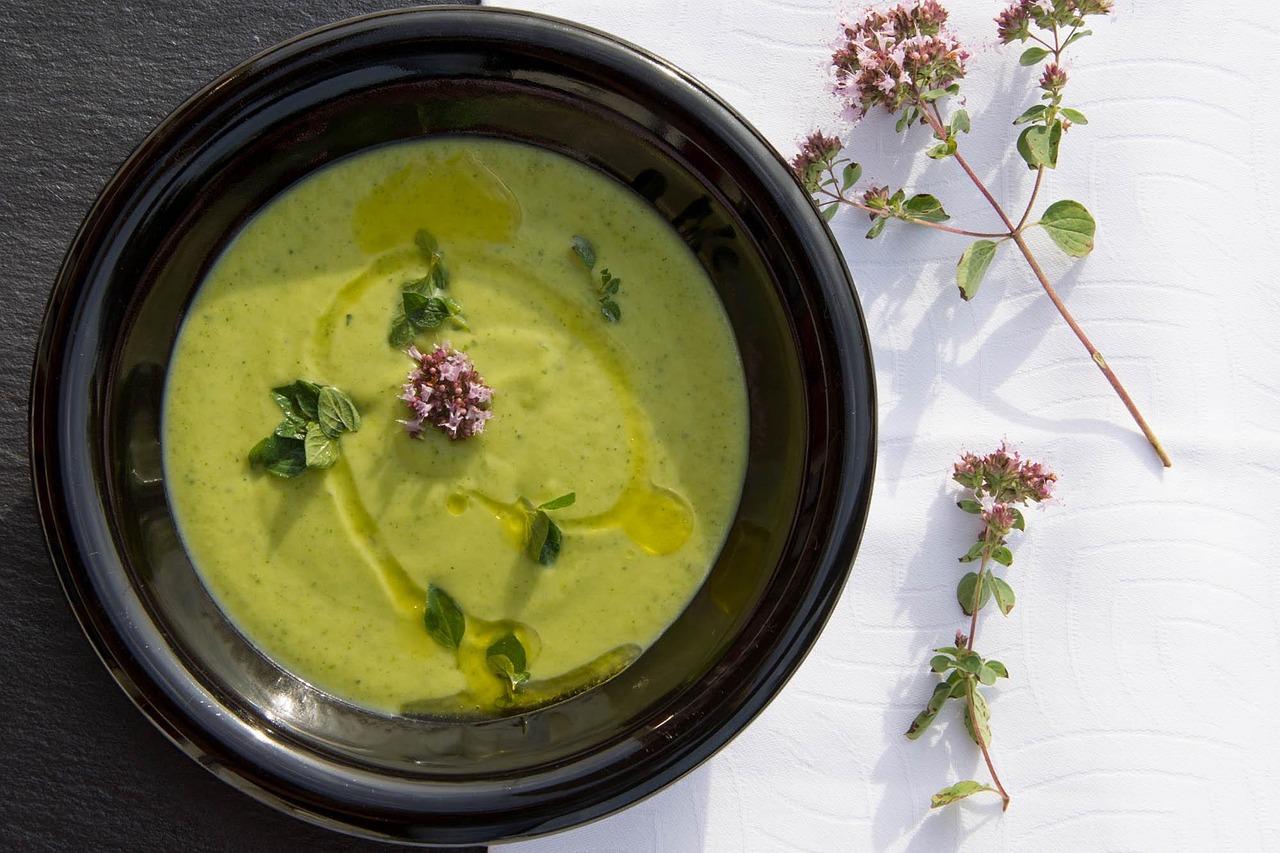
In Puebla, where poblano chiles take their name, this pale-jade soup appears at family lunches and on the menu of almost every cocina económica. Roasted chiles are blended with onion, a little corn and milk, then enriched with cream, so the flavour is smoky and mellow with just a flicker of heat. Serve it with crisp tortilla strips or a few corn kernels on top. Chef's tip: roast a couple of extra chiles while the grill is hot; the strips keep for four days and lift any taco or quesadilla.
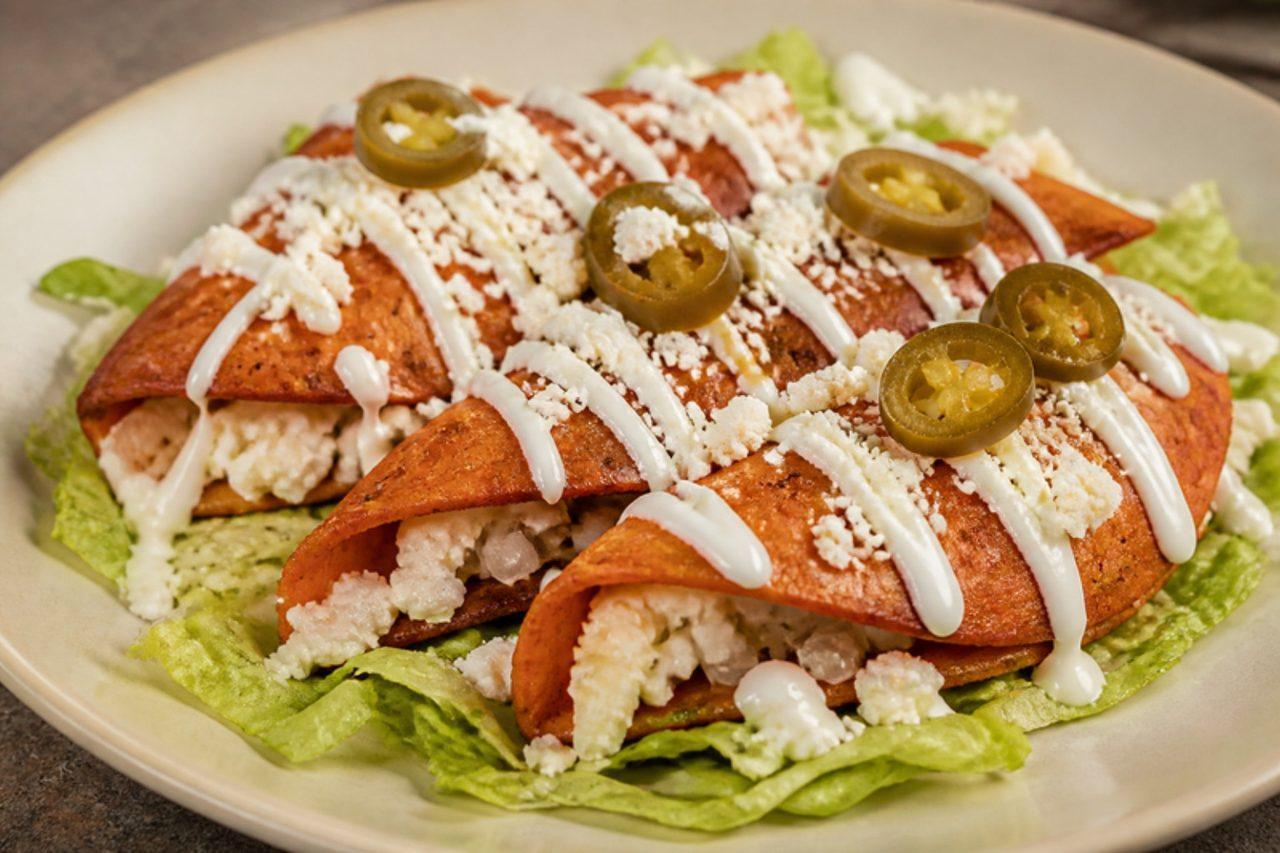
Unlike the sauced enchiladas of Mexico City, the enchiladas of San Luis Potosí are small turnovers of masa kneaded with red chile paste, filled with fresh cheese and onion, cooked on the comal and quickly fried. In the city's plaza they are sold by the dozen with crema, shredded lettuce and pickled vegetables, and they're a favourite for Sunday family suppers. For a fully vegetarian plate, swap the usual animal-rennet queso fresco for a vegetarian fresh cheese or a mild microbial-rennet feta. Chef's tip: let the chile paste cool before kneading it into the masa, or the dough turns sticky.
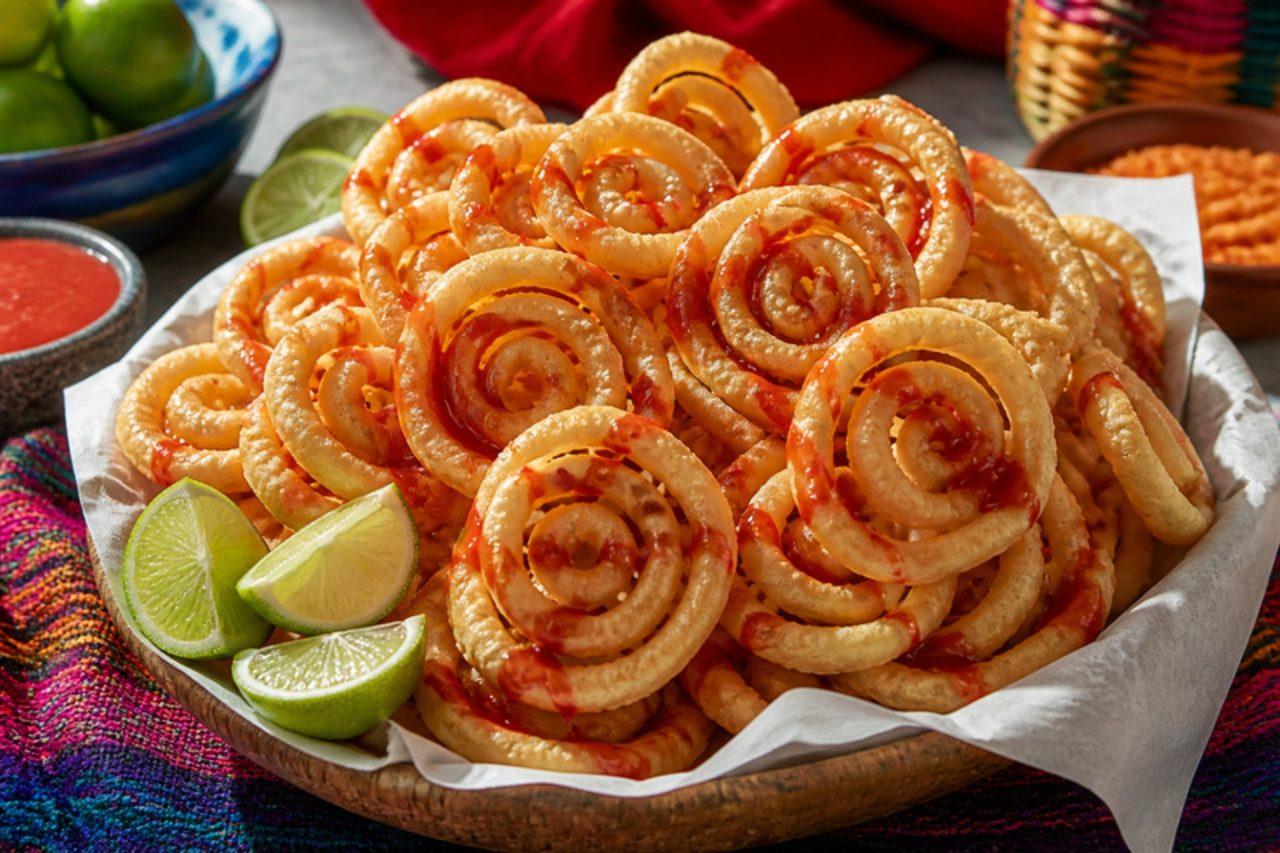
Outside Mexican schools and parks, vendors fry little dried wheels and rectangles of wheat dough until they balloon into airy, crackly chicharrones de harina, also called duritos. They're handed over in a plastic bag drenched in lime juice and bottled hot sauce. At home you can buy the dried pellets (duros) at Latin grocers, and they puff in seconds. Chef's tip: fry just a small handful at a time; they triple in size.
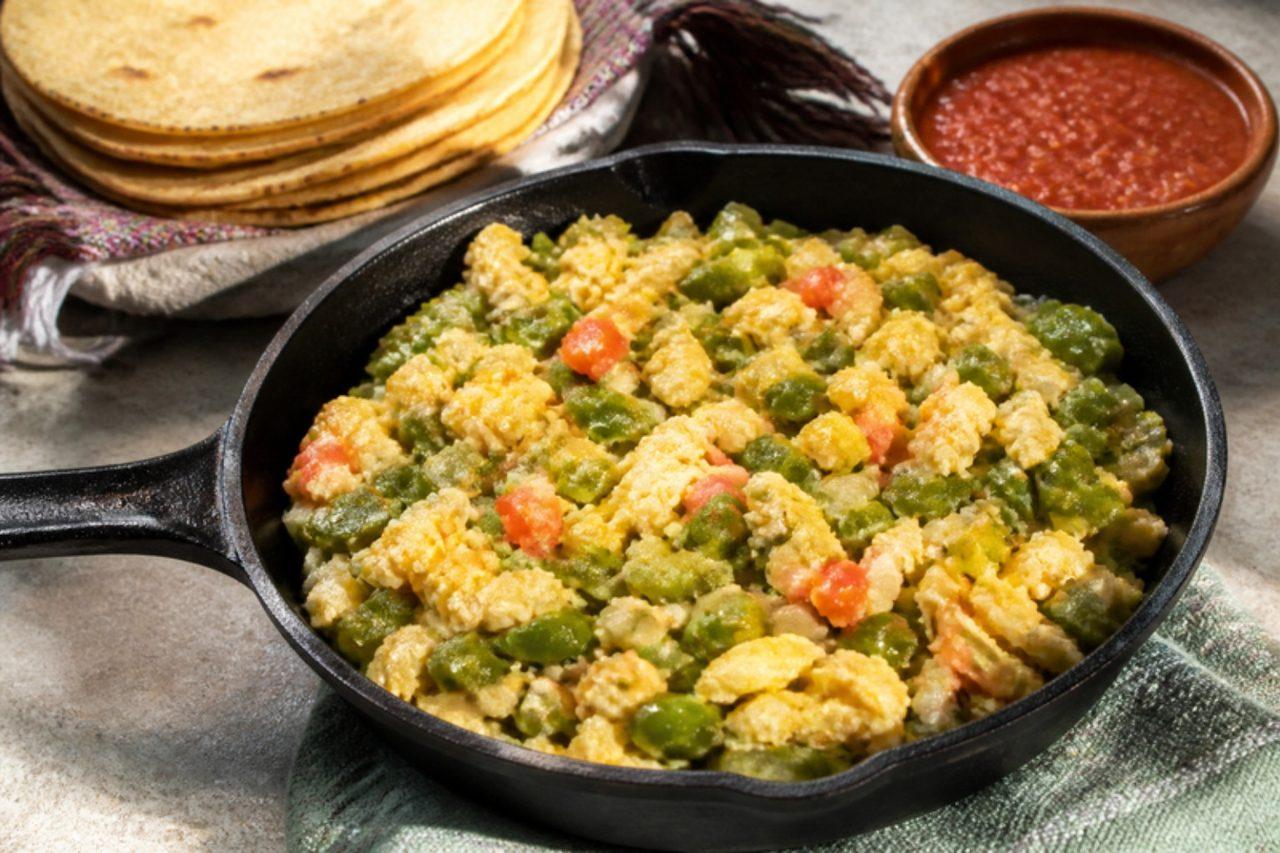
Tender cactus paddles are sold cleaned and diced in bags at every market in Mexico City and Michoacán, and the quickest breakfast they make is this: nopales fried with onion, tomato and green chile until their sticky juice cooks off, then folded through softly scrambled eggs. It is light, green and tangy, and wrapped in a warm tortilla it becomes a taco to eat on the way out. Chef's tip: cook the nopales uncovered until the slime has gone completely before the eggs go in.
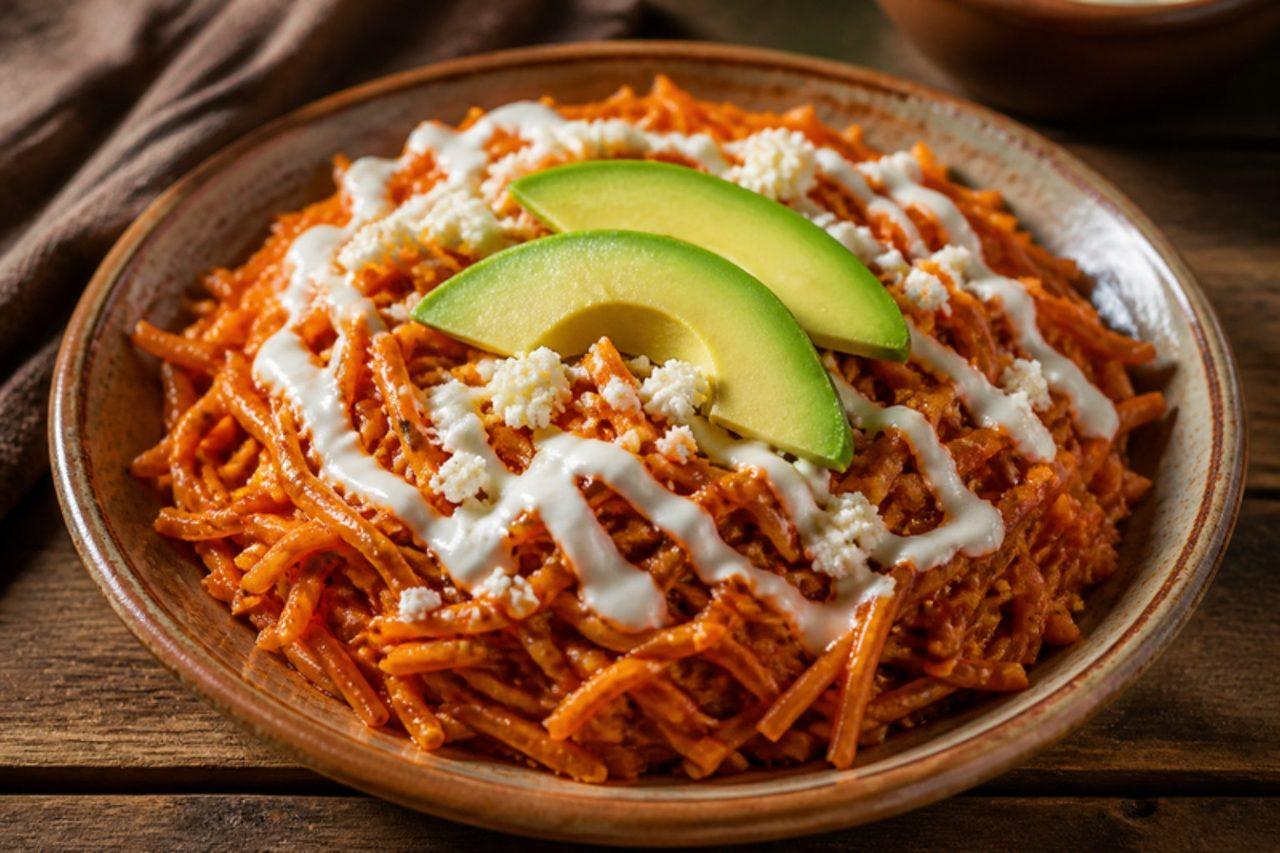
A 'dry soup' sounds like a contradiction, but in Central Mexico sopa seca is the pasta or rice course that follows the brothy soup at the comida corrida. Short vermicelli is fried until nut-brown, then simmered in a smoky chipotle and tomato purée until every drop is absorbed. It's served heaped with crema, crumbled cheese and slices of avocado. Cotija and queso fresco are normally made with animal rennet, so use a vegetarian crumbly cheese. Chef's tip: fry the noodles until they're the colour of a hazelnut; pale noodles taste flat.
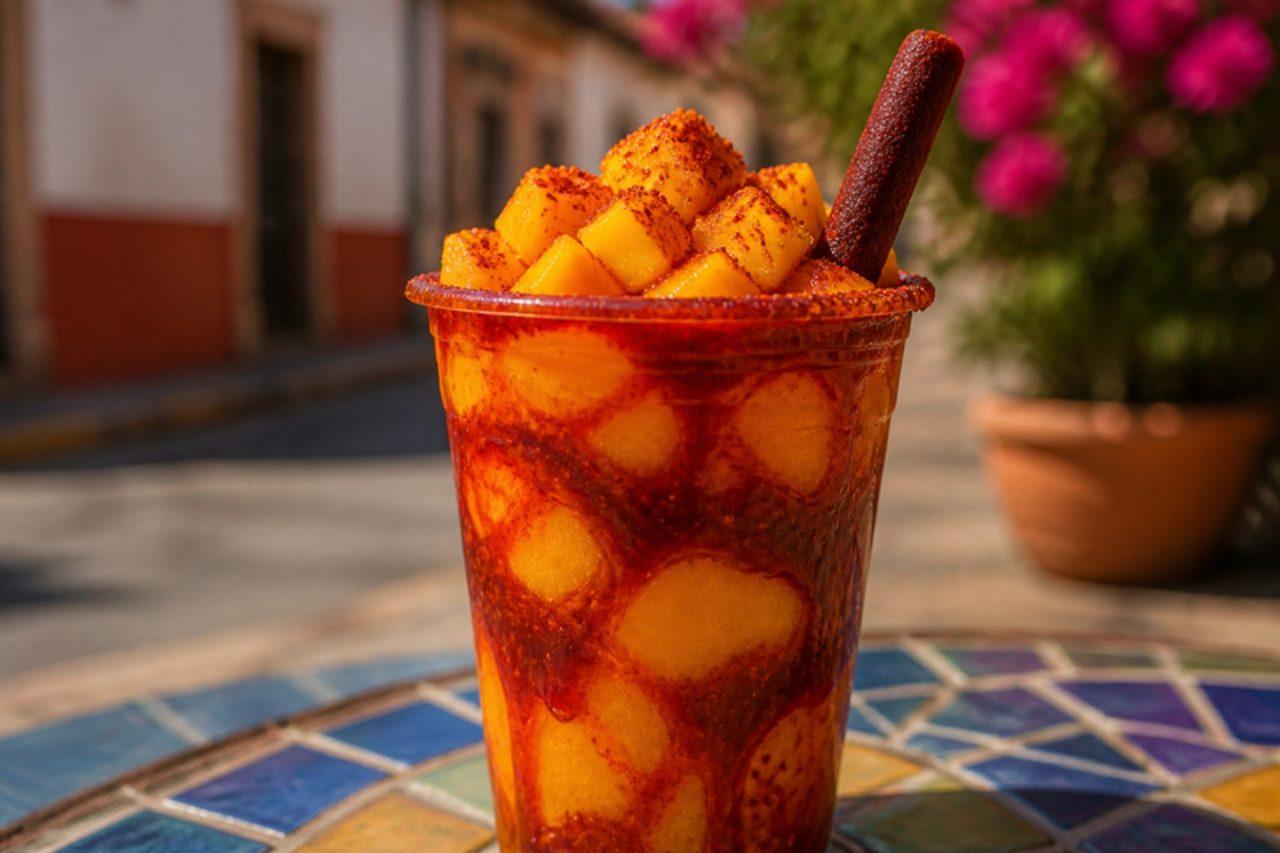
Mangonadas, also called chamoyadas, are a Mexican street sweet sold by neverías and fruit stands from Guadalajara to the US border: thick frozen mango blended to a slush, layered in a tall cup with sticky red chamoy and chile-lime salt and crowned with fresh mango cubes. Sweet, sour, salty and hot at once, it comes with a chewy tamarind-candy straw for stirring. Chef's tip: freeze the mango in cubes beforehand, so you get a thick spoonable slush without watering it down with ice.
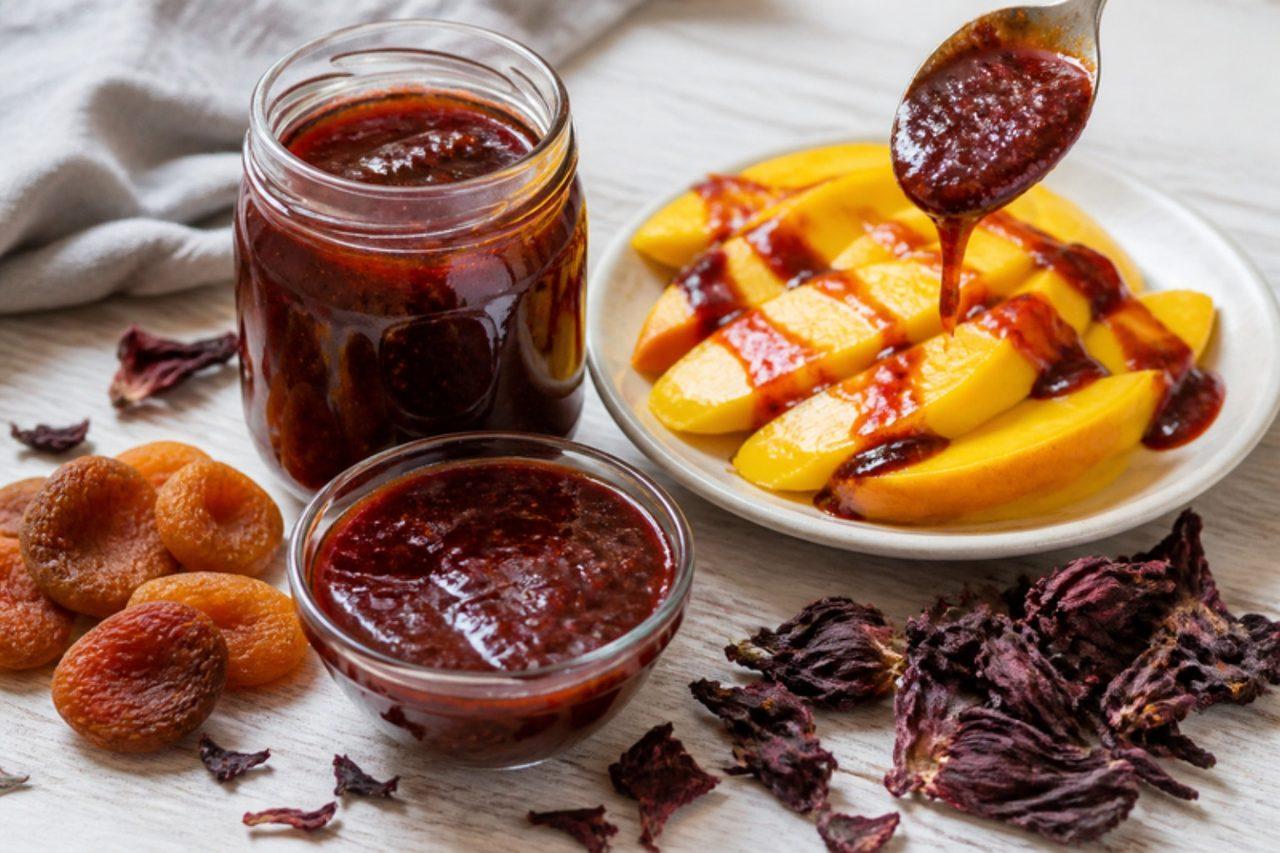
Brick-red and glossy, chamoy is the sauce Mexicans splash over fresh fruit, mango sorbet, crisps and the rim of a michelada glass. It is said to descend from Asian salted plum sauces, but today's version is pure Mexican: dried apricots and hibiscus simmered and blended with chile, lime, sugar and salt. Homemade chamoy is fruitier and less sweet than the bottled kind. Chef's tip: it thickens a lot as it cools, so take it off the heat when it still pours like warm ketchup.
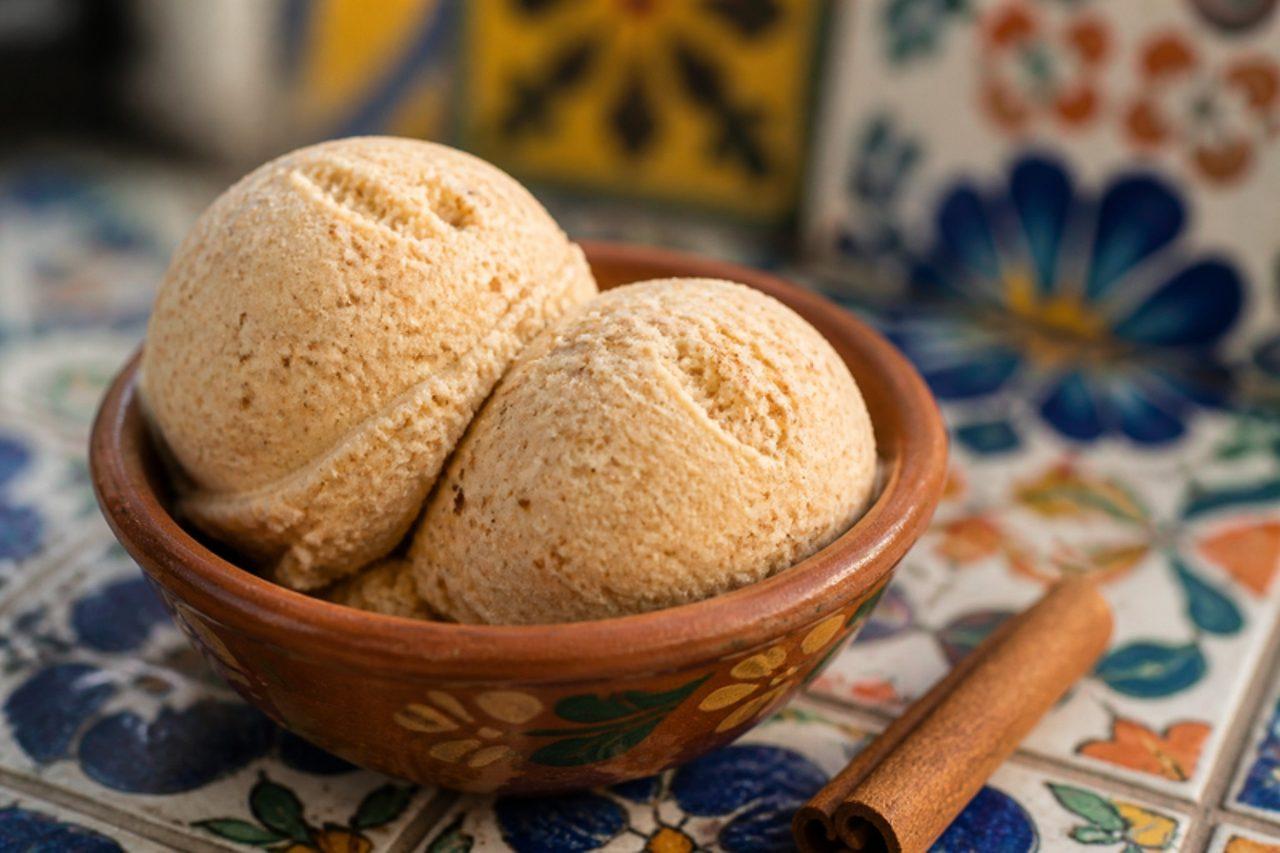
Under the laurel trees by the church of La Soledad in Oaxaca city, the nieve stalls scoop leche quemada, burnt milk ice cream, often paired in one cup with a tart tuna (prickly pear) sorbet. The milk is cooked with cinnamon until it catches and caramelises on the bottom of the pan, giving a smoky, toffee-like flavour and a light beige colour. It contains dairy and egg. Chef's tip: let the milk scorch deliberately, but scrape the brown layer into the milk rather than letting it go black.
Mexico City cafés such as the old breakfast halls of the Centro serve bisquets split hot with butter and strawberry jam alongside café con leche. They are taller, sweeter and more cake-like than American biscuits, with a shiny egg-washed top and layers that pull apart. They contain wheat, egg and dairy. Chef's tip: cut straight down with a sharp cutter and never twist, so the sides stay open and the bisquets rise tall.
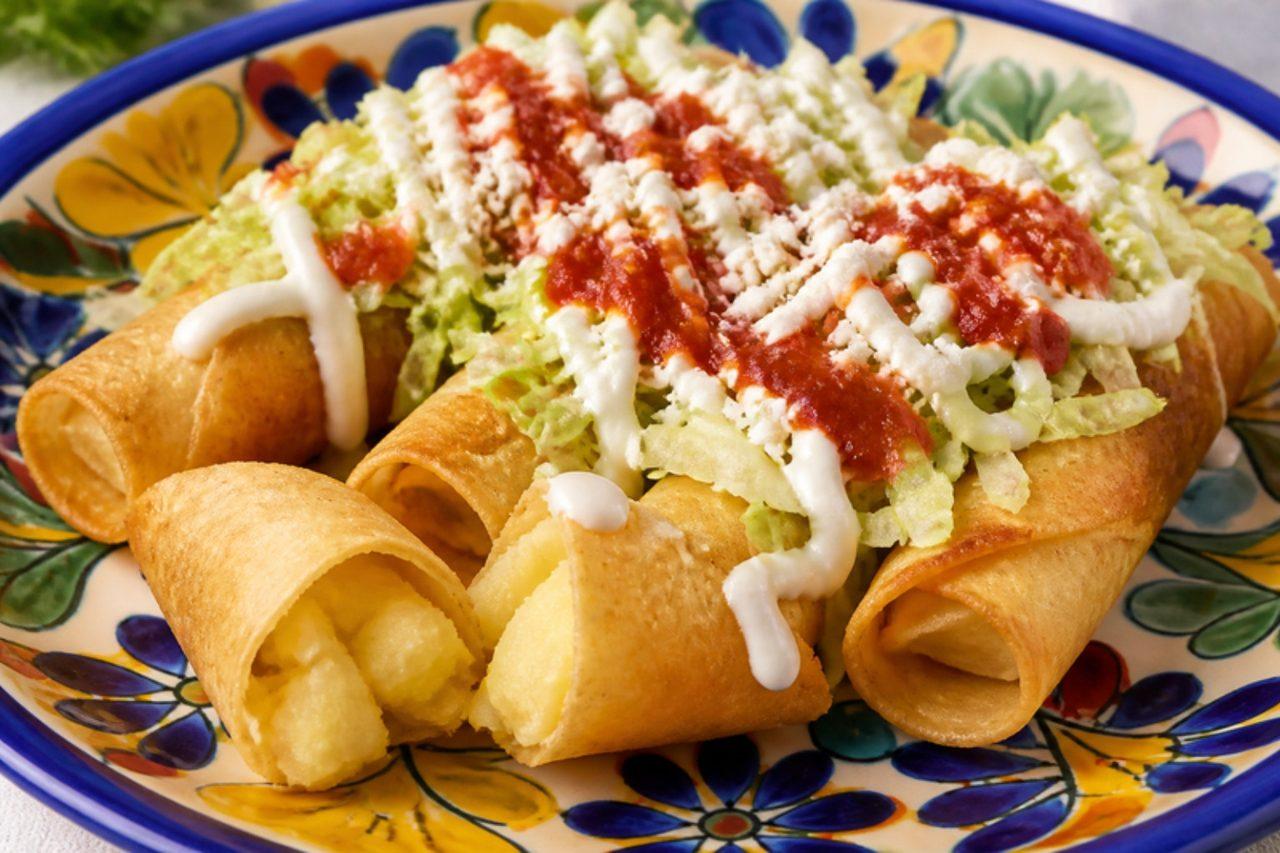
Crisp potato tacos are a Friday and Lent staple in homes across central Mexico, and a cheap favourite at fondas near schools in Mexico City. Tortillas are rolled around buttery-soft mashed potato, fried until shattering, then buried under cool lettuce, crema, salsa and crumbled cheese. Children love them, and the potato filling is easy to make ahead. Fresh crumbly cheeses here are often set with animal rennet; a vegetarian queso fresco or a microbial-rennet feta keeps the dish meat-free. Chef's tip: mash the potatoes while hot and let them cool before rolling, so the filling is firm and doesn't ooze into the oil.
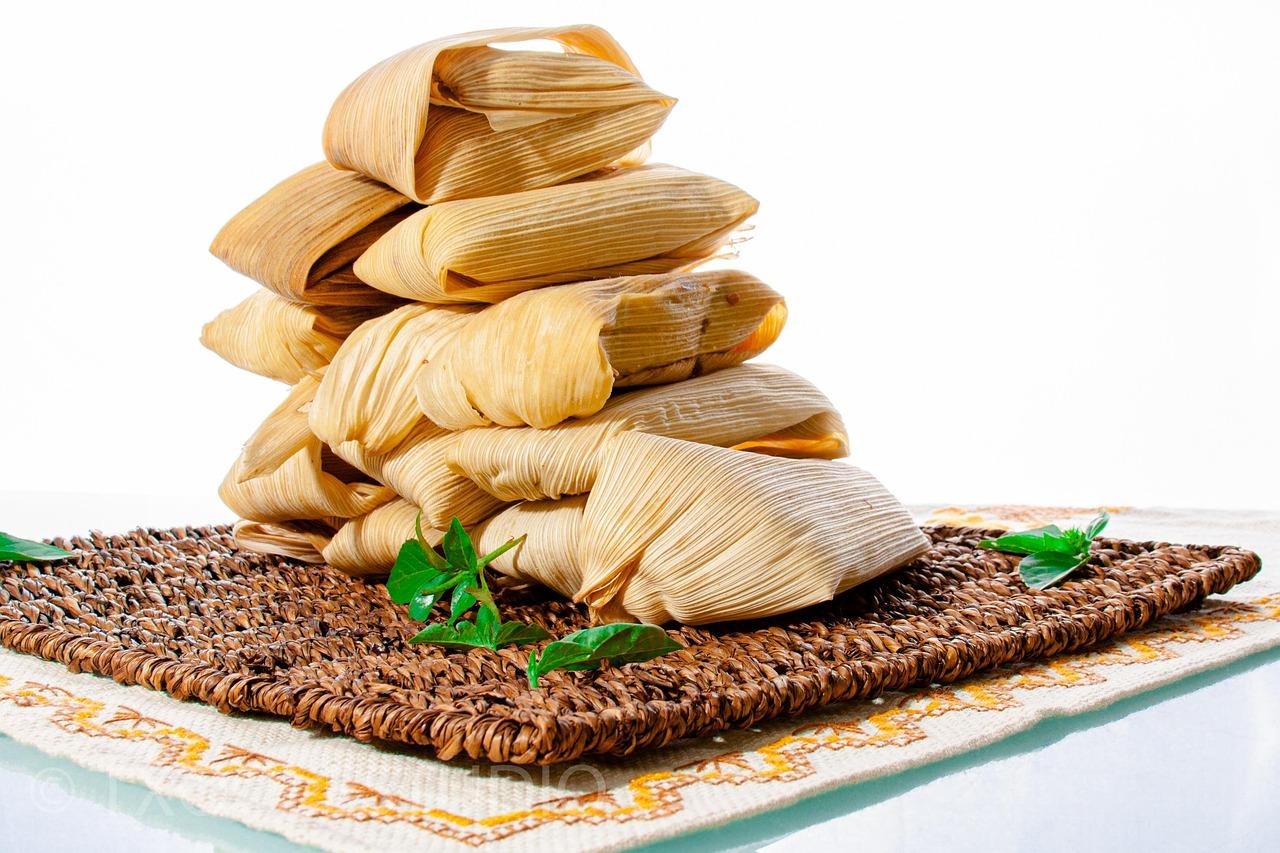
On the evening of 2 November, after the graveyard visit, many families in central Mexico sit down to a pot of steaming tamales, and rajas con queso is the meat-free favourite at every tamalera's stall. Soft, fluffy masa beaten with fat until it floats wraps a filling of charred poblano strips, a spoon of tomato salsa and a finger of melting cheese. Fresh Mexican cheeses such as queso Oaxaca or panela are often made with animal rennet; choose a vegetarian mozzarella-style cheese if that matters to you. The masa here uses vegetable shortening rather than lard. Chef's tip: test the beaten masa by dropping a pinch into cold water; when it floats, it is light enough.
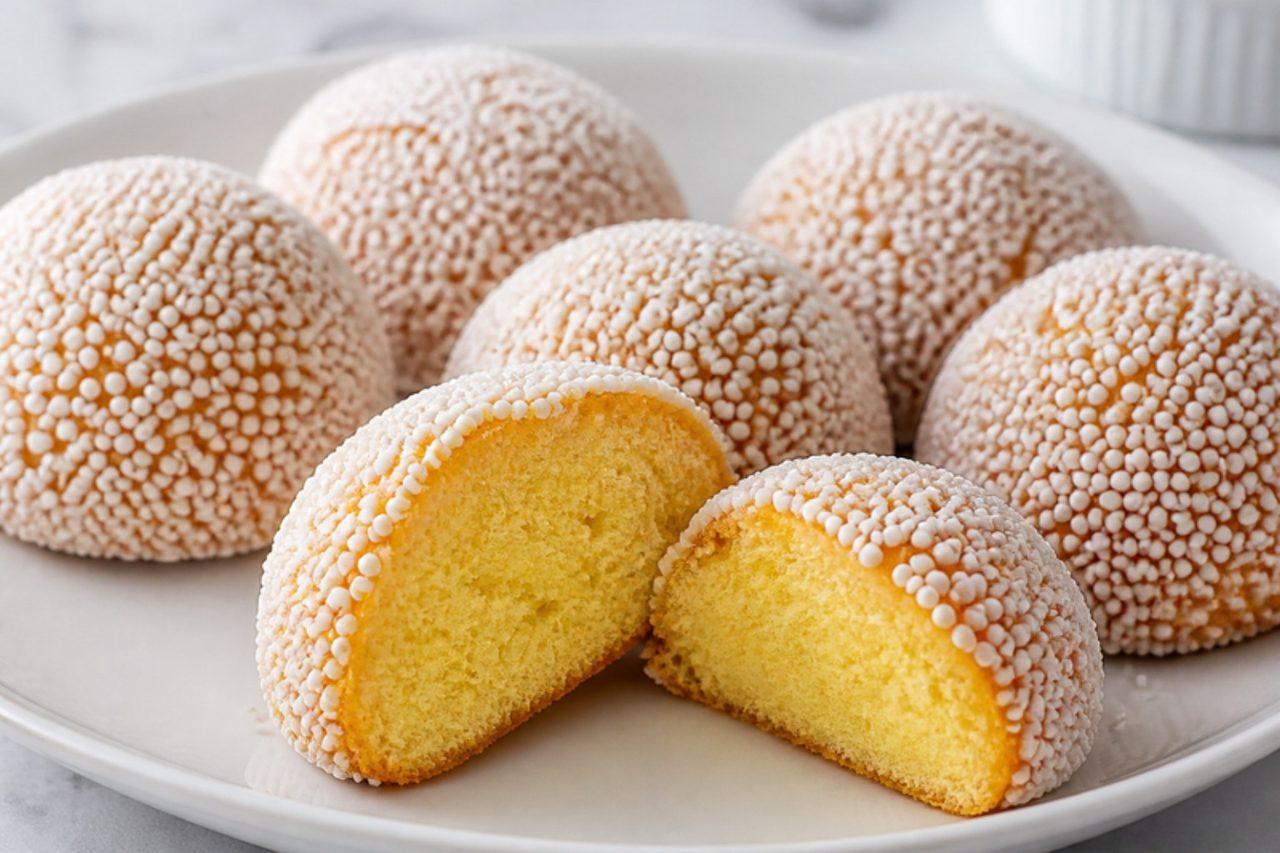
Named after a famous old Mexico City bakery, garibaldis are little dome-shaped butter cakes coated in warm apricot jam and rolled in white nonpareils, so they look like snowballs on the counter. Chilangos buy them by the bag for afternoon coffee and school lunchboxes. The cake is dense and buttery, the jam gives a sharp, sticky contrast and the sprinkles a light crunch. Chef's tip: brush the jam on while the cakes are still warm, as the sprinkles then stick evenly.
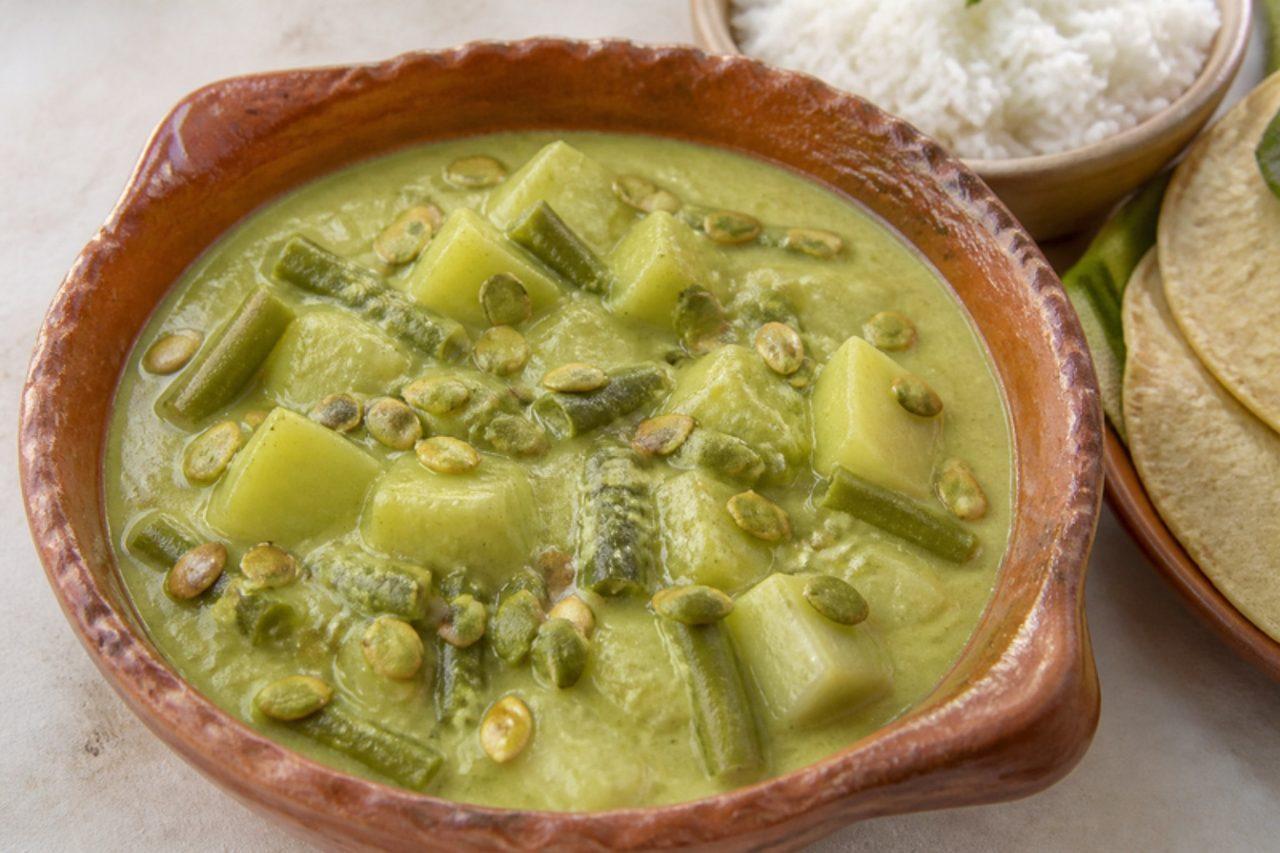
Pipián verde is one of the oldest sauces in central Mexico, thickened with ground pumpkin seeds long before chocolate moles appeared, and in Puebla it is often served during Lent with vegetables. Toasted seeds are blended with tomatillo, green chiles, herbs and lettuce leaves into a pale jade sauce that tastes nutty and gently tangy. Here it coats tender chayote and green beans; the same sauce is also made with poached chicken. Serve with rice and warm tortillas. Chef's tip: once the seed paste is in the pan, keep it at a lazy simmer, because boiling makes the sauce grainy and split.
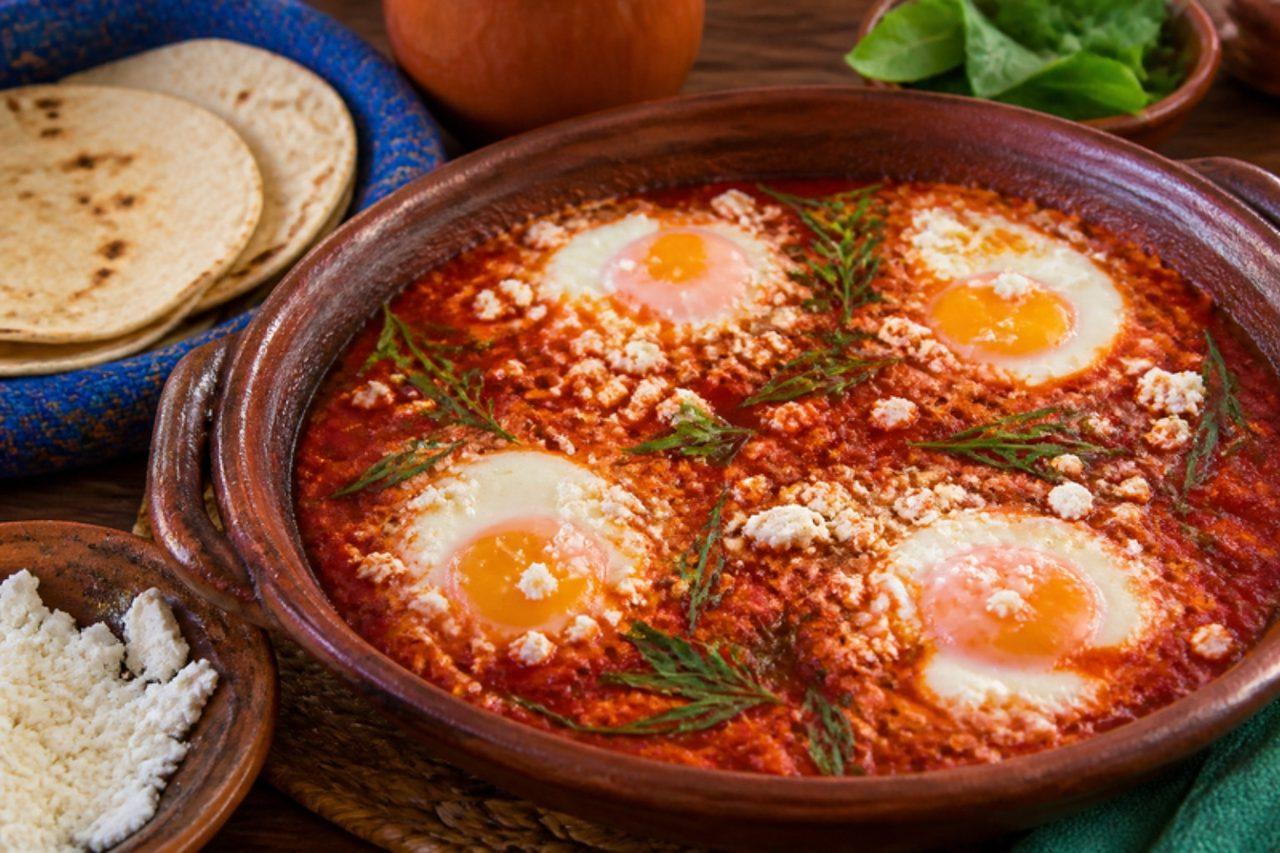
In homes across Puebla, Hidalgo and Mexico City, 'drowned eggs' are what you make when the fridge is nearly empty and breakfast must still be hot: a thin, brothy salsa of tomato, chile and onion is brought to a simmer, a sprig of epazote goes in, and the eggs are poached right in it. Spooned into bowls with tortillas or a crusty bolillo for dunking, it is lighter than it looks. Chef's tip: keep the salsa thinner than a pasta sauce, so the eggs can sink and poach evenly.
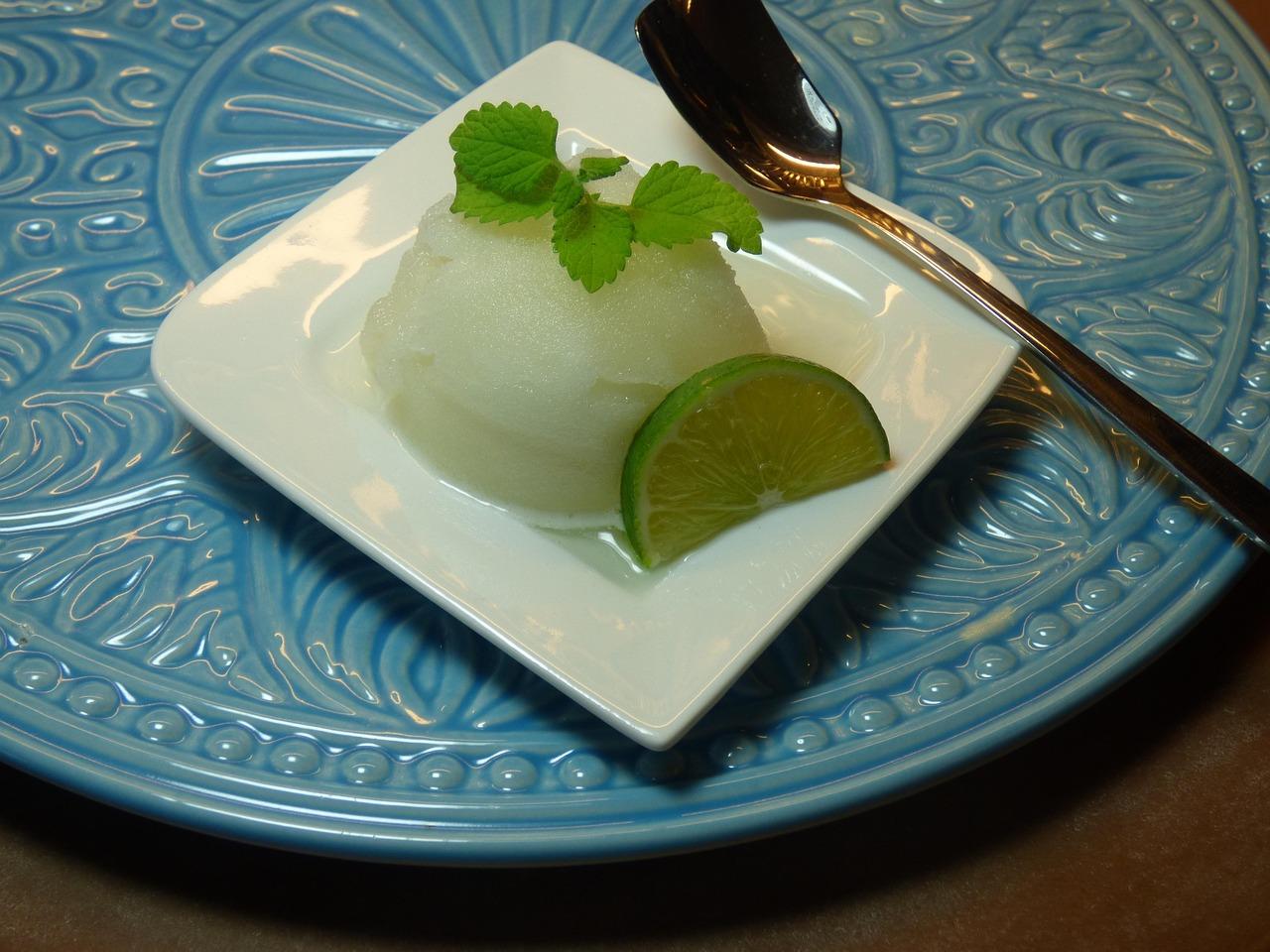
In town plazas from Oaxaca to Guadalajara, neveros still churn nieve de garrafa by spinning a tall metal can in a wooden barrel of ice and rock salt, scraping the frozen walls with a long paddle. Lime nieve is the sharpest and most refreshing, pale green from the zest, and it is eaten in small cups after a hot walk through the market. At home a metal bowl set in ice and salt works the same way. Chef's tip: add the zest at the start but strain it out; that way you get its oils without the bitterness.
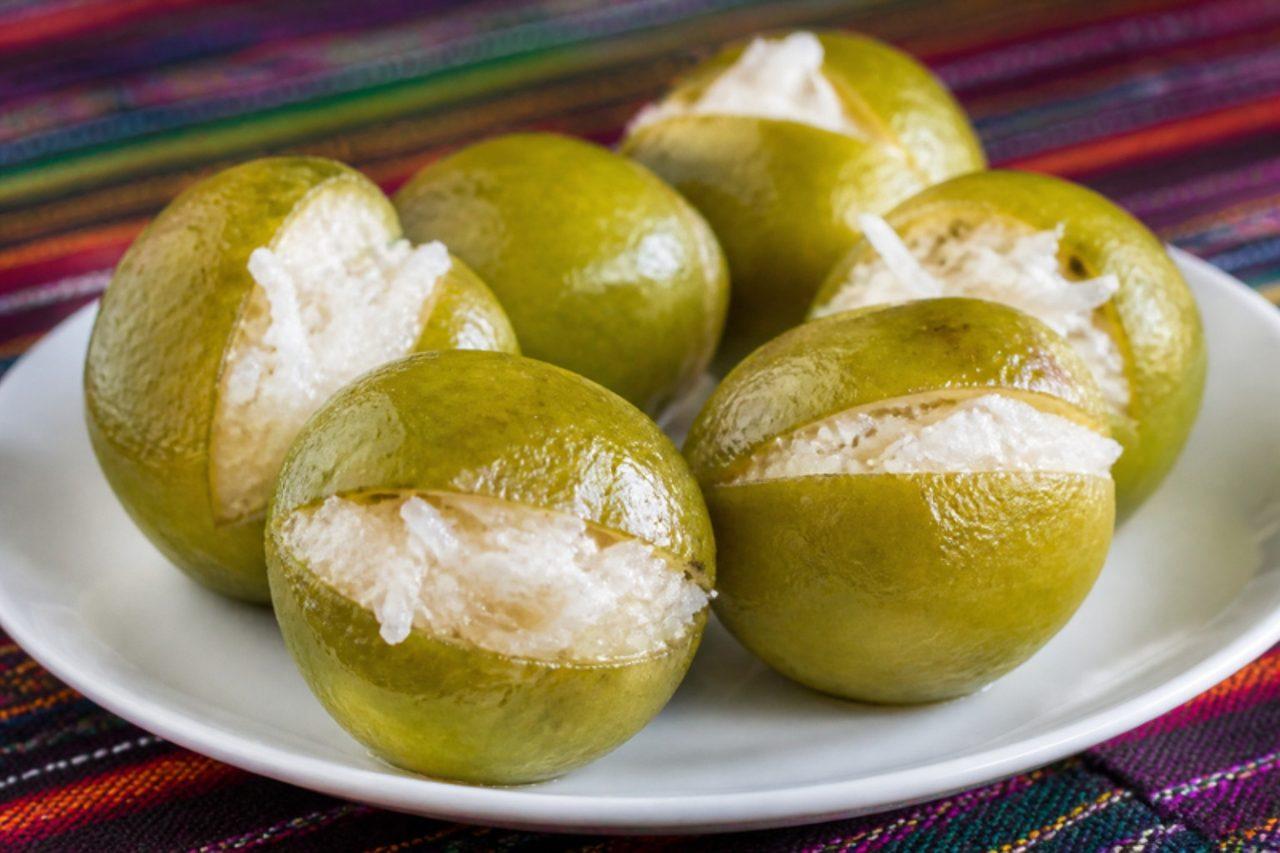
At the candy stalls of Oaxaca's Mercado 20 de Noviembre and in the towns of Michoacán, bright green candied limes stuffed with snowy coconut are a jewel of traditional dulcería. The limes are scraped, soaked and boiled to take away the bitterness, then candied over two days until glassy, hollowed and filled. They are sweet, chewy and sharp at once, made for weddings and gifts. Chef's tip: change the soaking water every time without fail, as that is what takes away the bitterness of the pith.
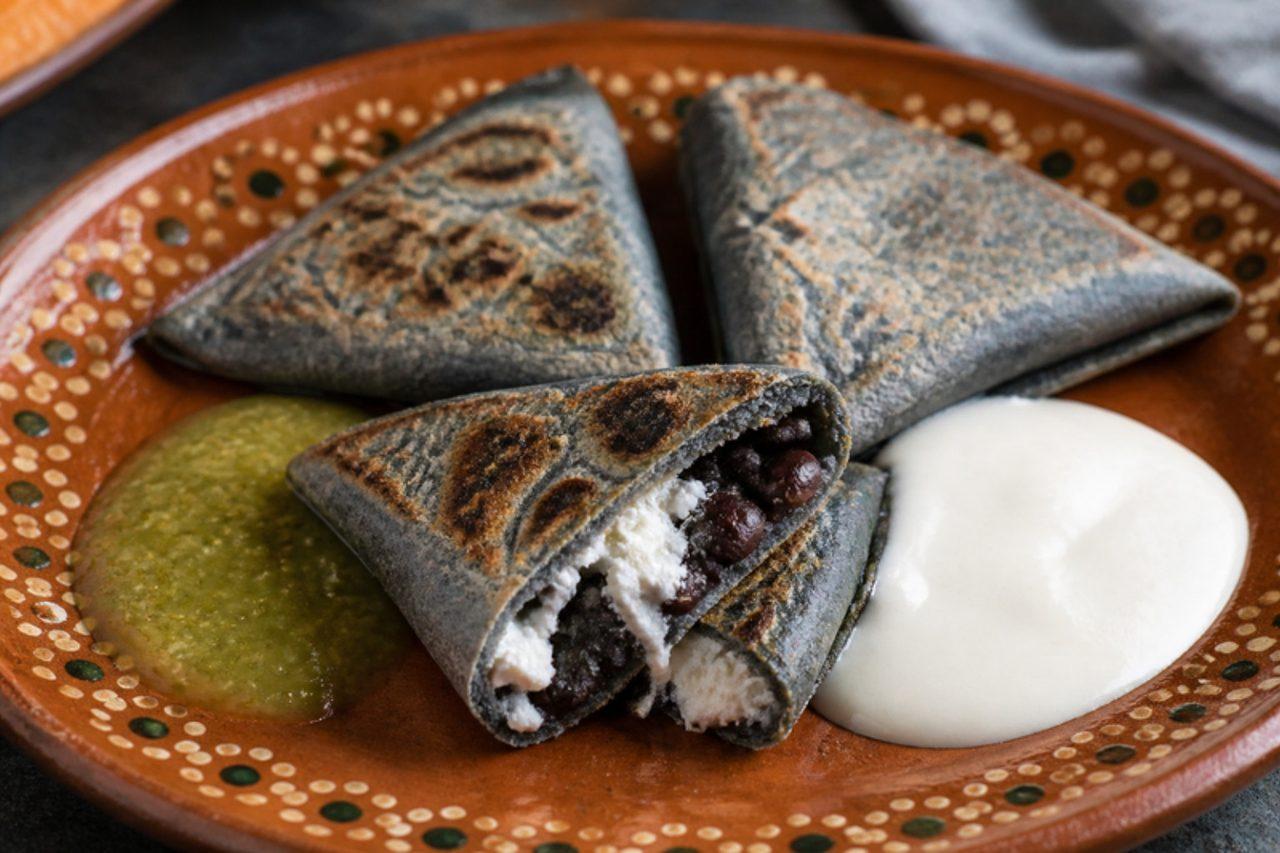
In the Mixteca region between Oaxaca and Puebla, tetelas are folded into neat triangles on the comal and sold at village markets, often filled with black beans scented with avocado leaf and a little stringy quesillo. The masa turns toasty and slightly crisp outside while the filling stays creamy, and they are eaten with salsa as a snack or light supper. Quesillo is traditionally made with animal rennet, so pick a vegetarian stretched-curd cheese or a mozzarella labelled suitable for vegetarians. Chef's tip: fold the third side over last and press the seams with your fingertip so nothing leaks onto the comal.
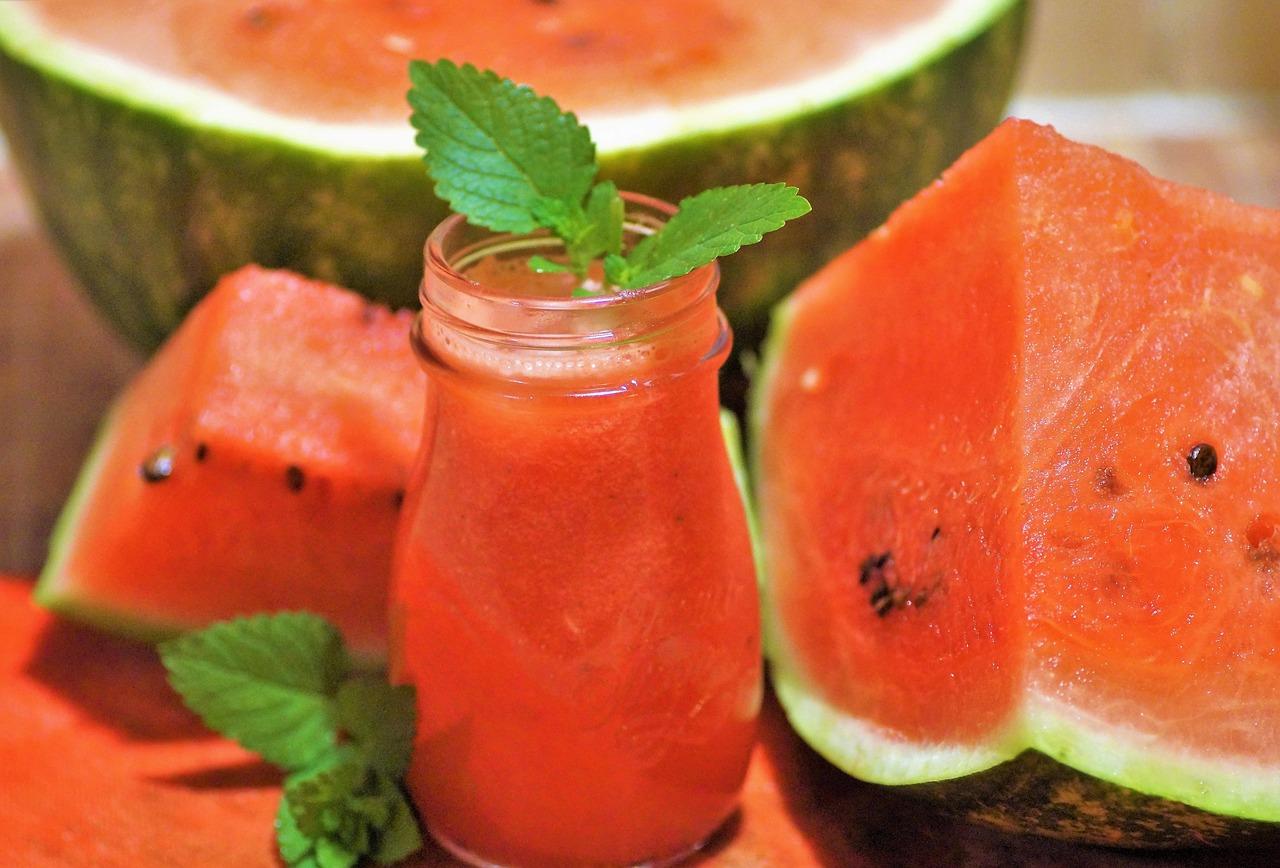
When watermelons are piled high in the markets of Jalisco and Sonora in summer, almost every taquería has a jar of bright pink agua de sandía next to the horchata. It needs only ripe watermelon, water, a squeeze of lime and a touch of sugar, and children love it. Chef's tip: a very ripe melon may need no sugar at all, so taste before you sweeten.
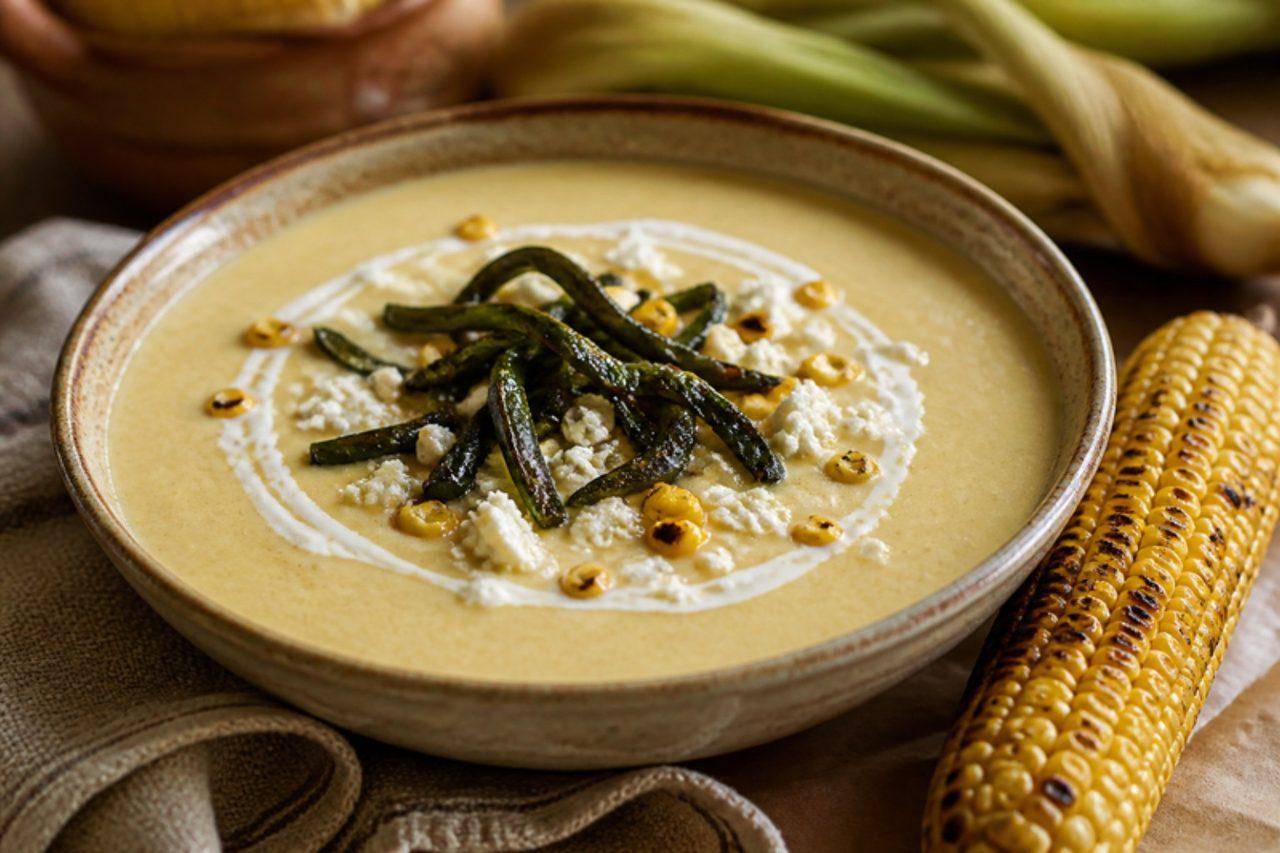
Market fondas around Mexico City and Puebla ladle this pale-gold soup as the opening course of the comida corrida, the set lunch served from about two until four in the afternoon. Fresh kernels are simmered in milk with a little onion, blended until silky and finished with ribbons of roasted poblano, a few cubes of queso fresco and a swirl of crema. Sweet corn comes first, then a gentle green heat from the chile. Queso fresco is usually made with animal rennet, so choose one labelled vegetarian or use a mild vegetarian feta. Chef's tip: scrape the bare cobs with the back of a knife; that milky pulp thickens the soup without any flour.
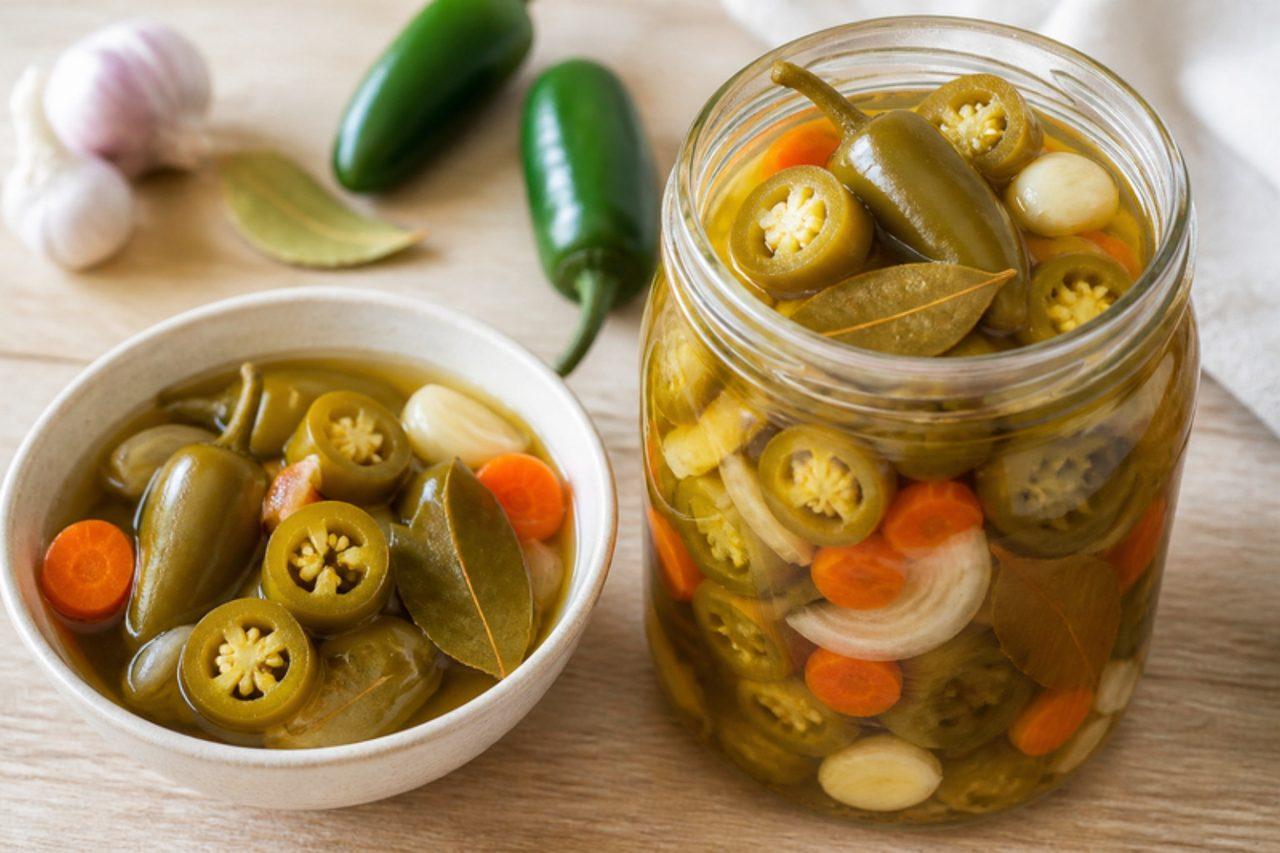
Every Mexican home and fonda keeps a jar of pickled jalapeños for tortas, tacos, rice and a plate of beans, and the homemade kind is crisper and more fragrant than anything in a tin. Whole or sliced chiles are briefly fried with carrot coins, onion and garlic, then simmered in a herb-scented vinegar brine with bay, thyme and Mexican oregano. They are ready the next day and keep a month in the fridge. Chef's tip: wear gloves when slicing the chiles and keep your hands away from your eyes.
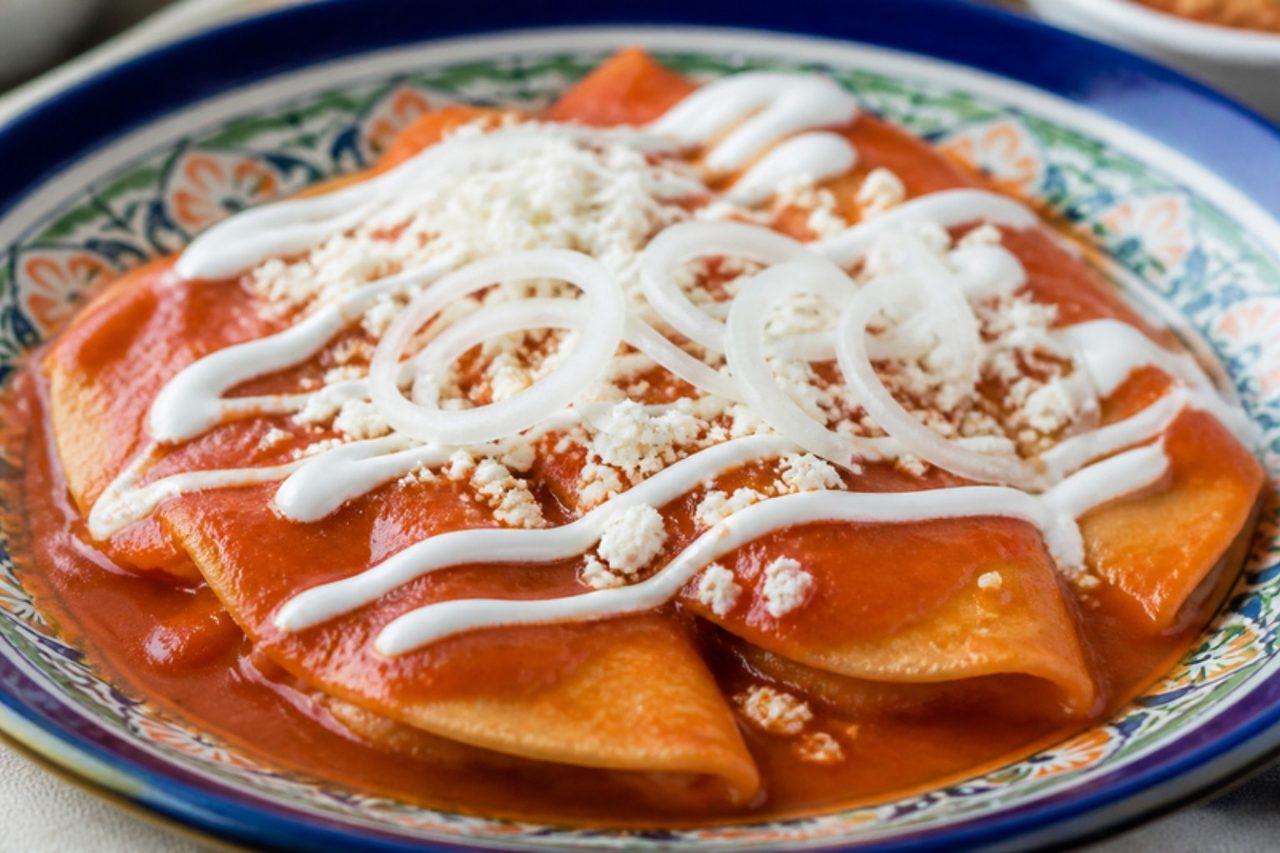
Entomatadas are what many families in central and northern Mexico make on a weekday evening, from Querétaro to Chihuahua: corn tortillas warmed in oil, bathed in a mild, garlicky tomato sauce and folded around fresh cheese. Without dried chiles they are gentle enough for children, and they are often served with refried beans and a fried egg on the side. Check the cheese label: many fresh Mexican cheeses use animal rennet, and a vegetarian queso fresco or ricotta salata works just as well here. Chef's tip: warm each tortilla in a little oil before it meets the sauce, so it bends without tearing.
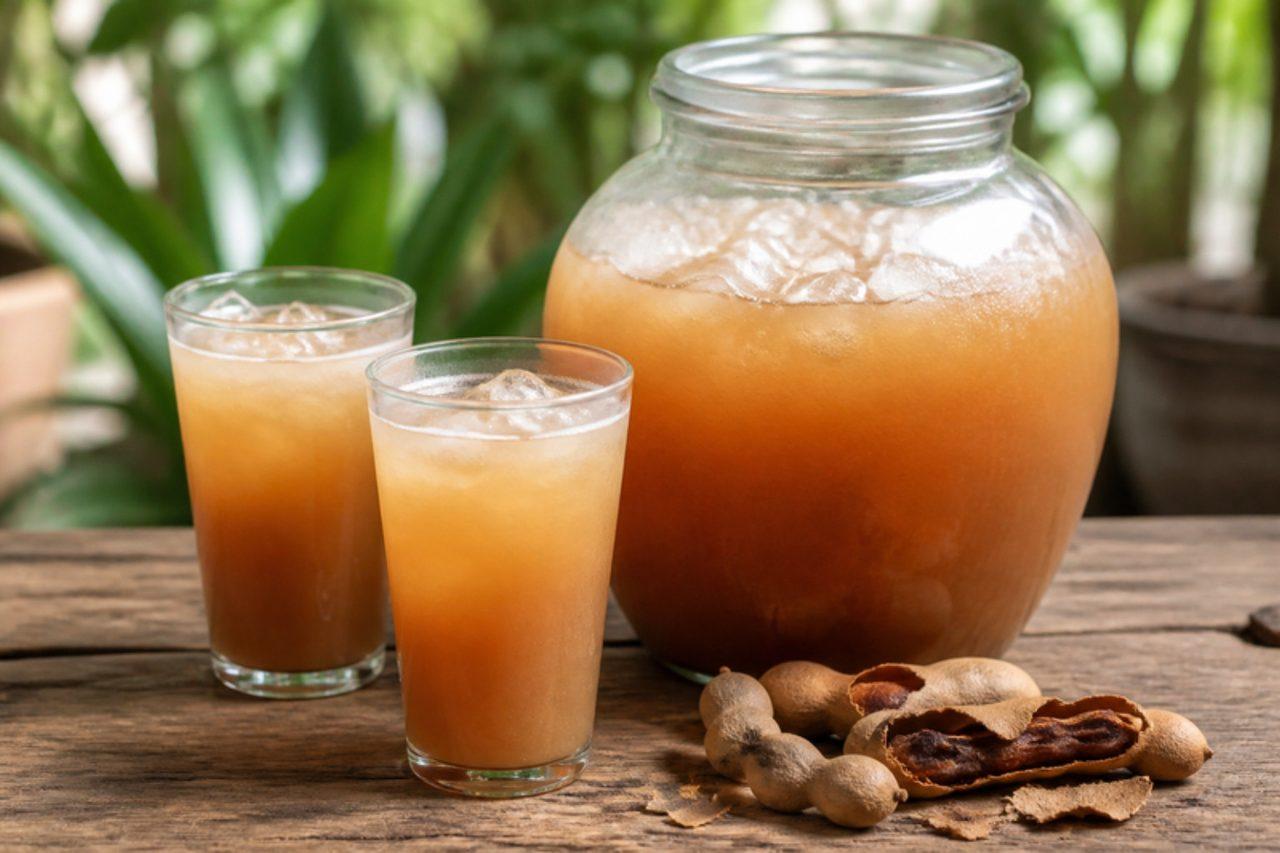
Brown, cloudy and gloriously tart, agua de tamarindo fills the big glass vitroleros at taquerías and fondas across Mexico, especially in hot Guerrero, Colima and the Yucatán, and it is the drink most people reach for with a plate of tacos de guisado. The pods are peeled, simmered and rubbed through a sieve, so it tastes far fresher than paste or concentrate. Chef's tip: soak the pulp in the hot cooking water before you rub it, which loosens every bit from the seeds.
In April and May, when Ataulfo mangoes from Chiapas and Manila mangoes from Veracruz flood the markets, agua de mango becomes the drink of every comida corrida. It is thick, golden and very fruity, sharpened with lime. Chef's tip: use soft, fully ripe yellow mangoes with wrinkled skin; they need far less sugar and give a smooth, fibre-free drink.
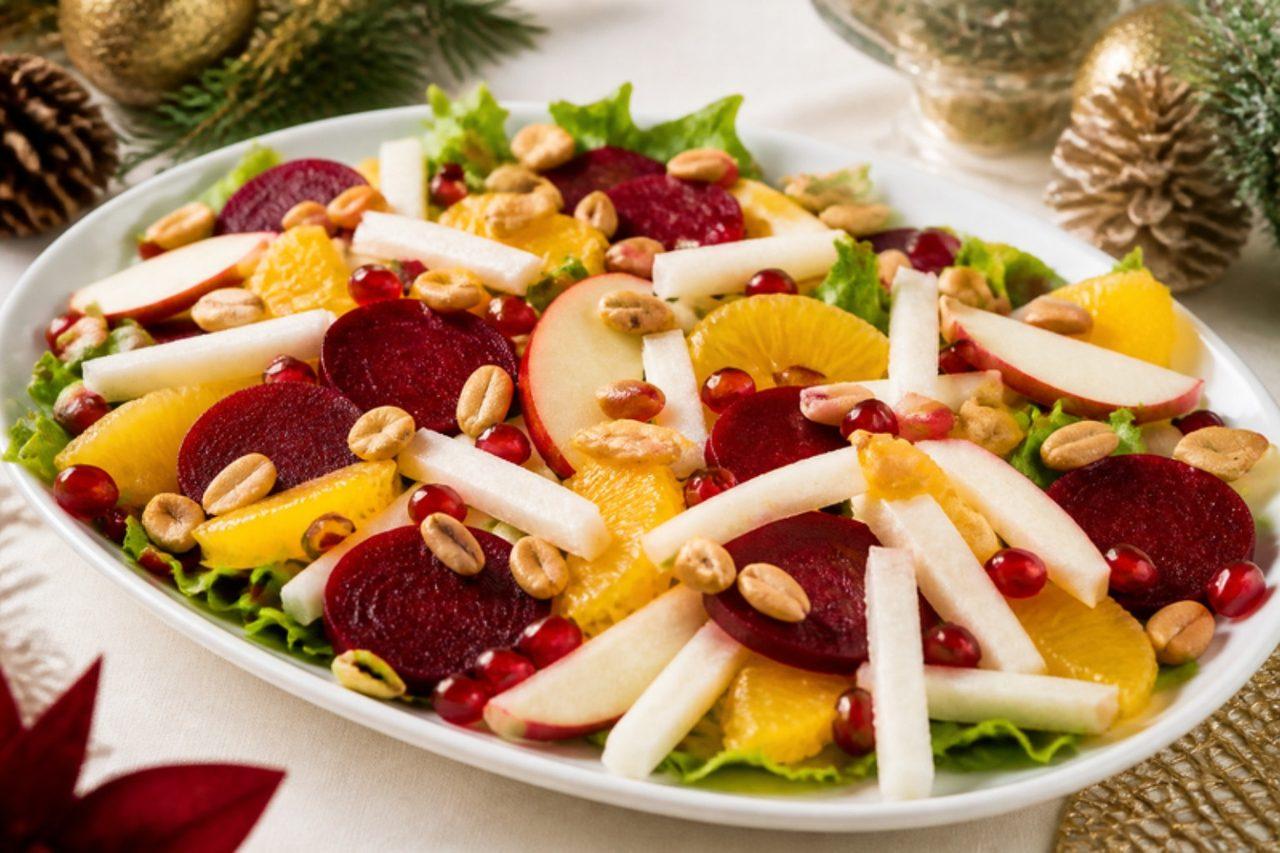
Late on 24 December, families in Mexico City and the central states gather for the cena de Nochebuena, and on the table, next to the romeritos and bacalao, sits this jewel-bright salad. Beetroot stains the crisp jícama pink, sweet oranges and apple balance its earthiness, and roasted peanuts and pomegranate seeds scatter over the top with a little lettuce underneath. It is fresh relief among rich Christmas dishes and children love the colour. Chef's tip: dress the beetroot separately and add it at the last minute, unless you want everything magenta.
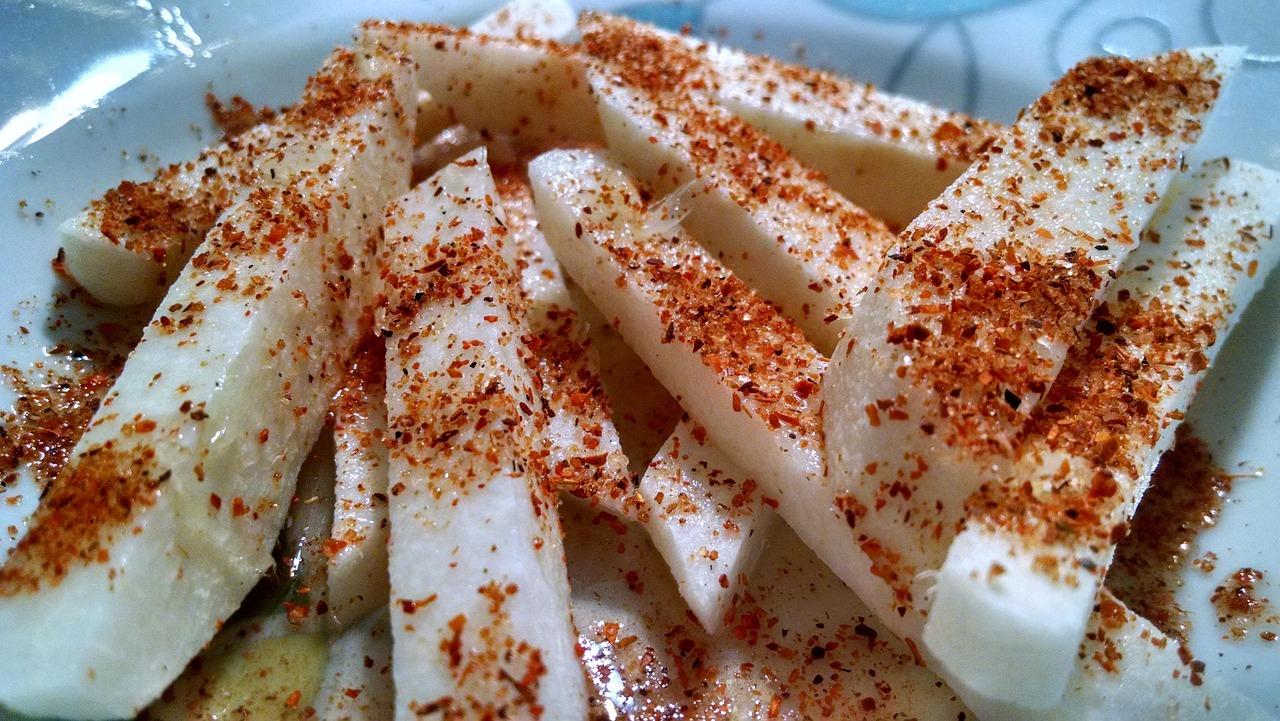
Few snacks are as simple or as refreshing as this one, sold in bags from street carts and made at home all over Mexico as an after-school or pre-lunch nibble. Jícama tastes like a cross between apple and water chestnut: crisp, juicy and barely sweet. Lime, salt and chile powder are all it needs. Chef's tip: a short soak in iced water makes the sticks extra crisp.
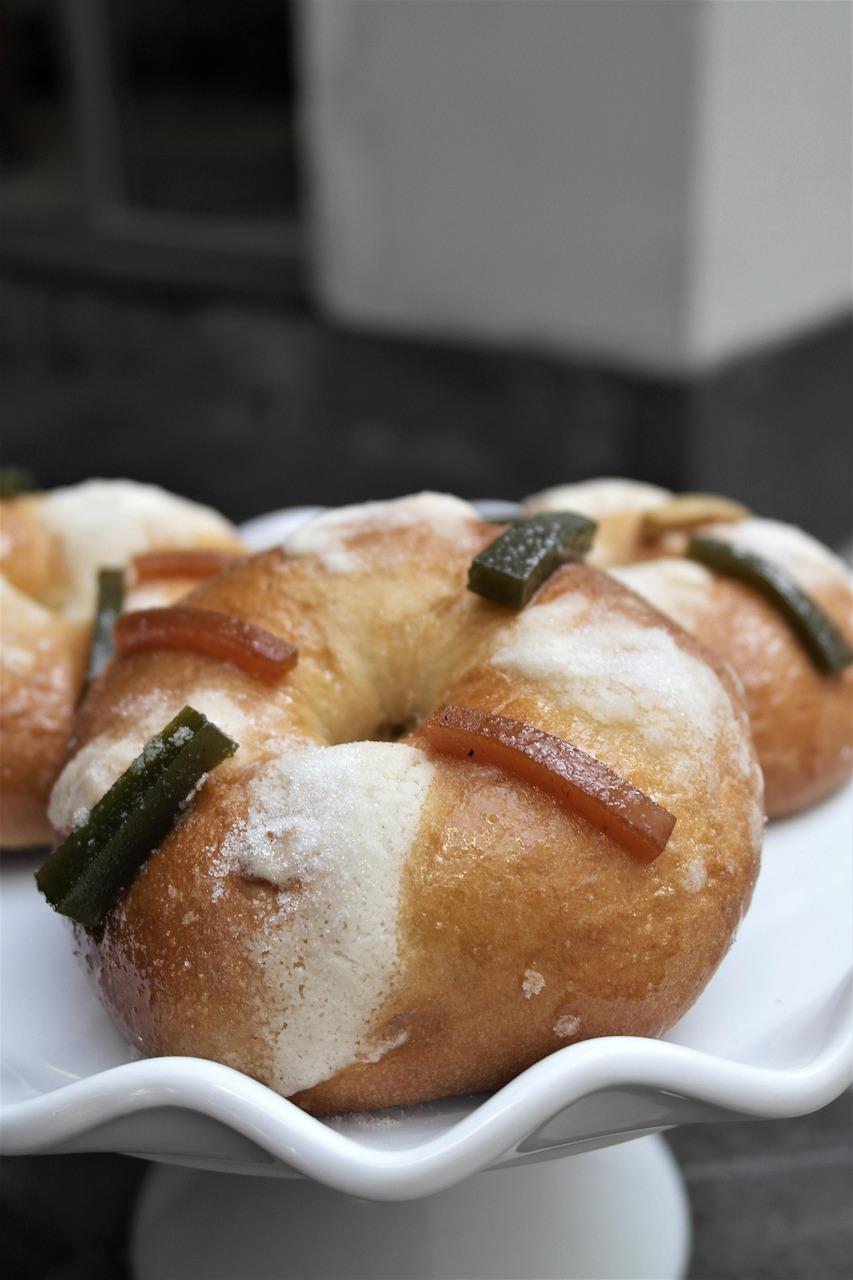
On the evening of 5 or 6 January, offices, schools and families all over Mexico cut a rosca de reyes for the Three Kings, washing it down with hot chocolate. The soft orange-scented ring is jewelled with candied fig, quince paste and cherries and striped with crunchy sugar paste; hidden inside is a tiny figure of the baby Jesus, and whoever finds it in their slice must host a tamales party on 2 February. Always tell guests there is a figurine and warn little children, as it is a choking risk; a whole almond is a safer stand-in. Chef's tip: push the figure in from underneath after baking, so it does not melt or show.
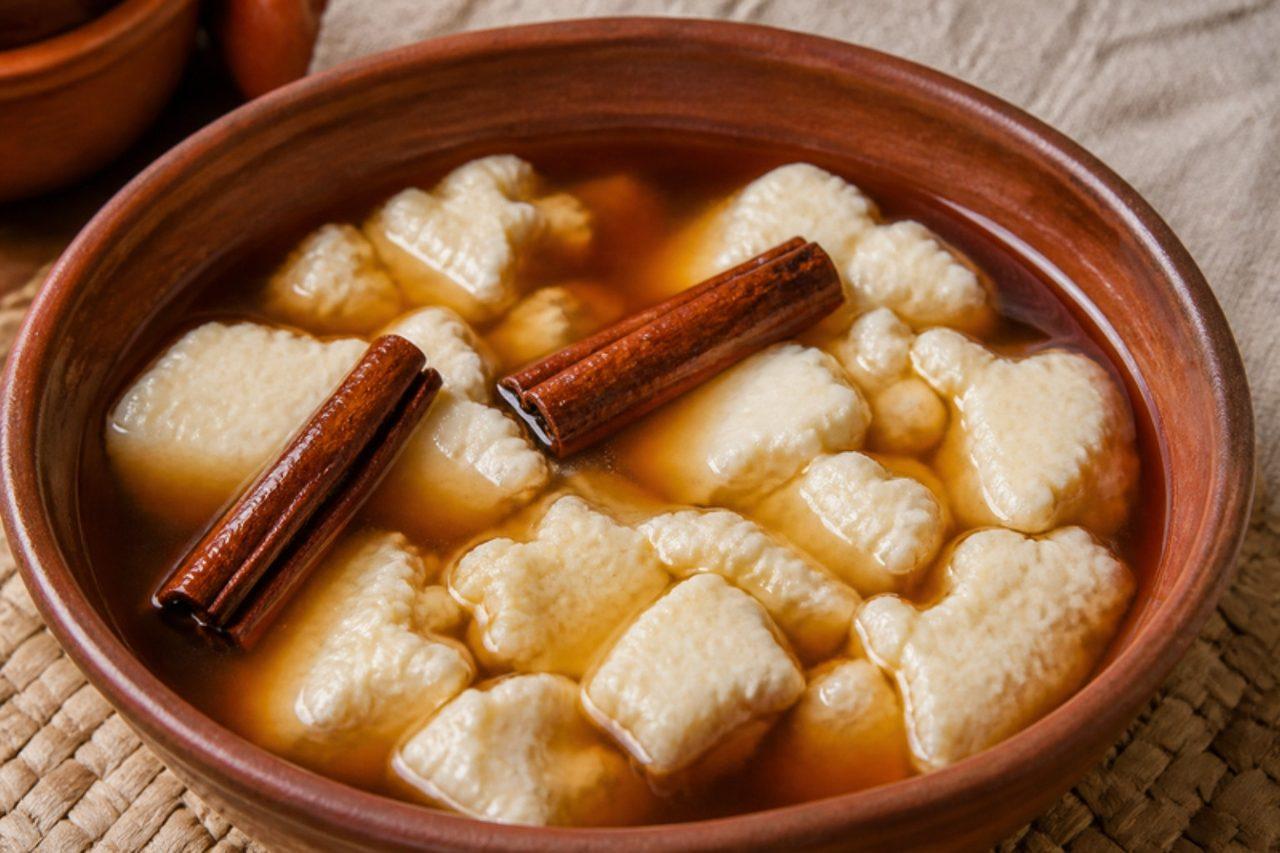
Zamora in Michoacán gave its name to chongos, soft knots of fresh milk curd slowly poached in their own whey with sugar and cinnamon until the syrup turns golden and the curds turn springy. They are served cool in small glass bowls after Sunday lunch, and jars are sold at roadside stands across the Bajío. Traditionally the milk is set with animal rennet; use a vegetarian rennet (microbial or plant-based) to keep it vegetarian. Chef's tip: never stir after the curds form, only tilt the pan, or they break into crumbs.
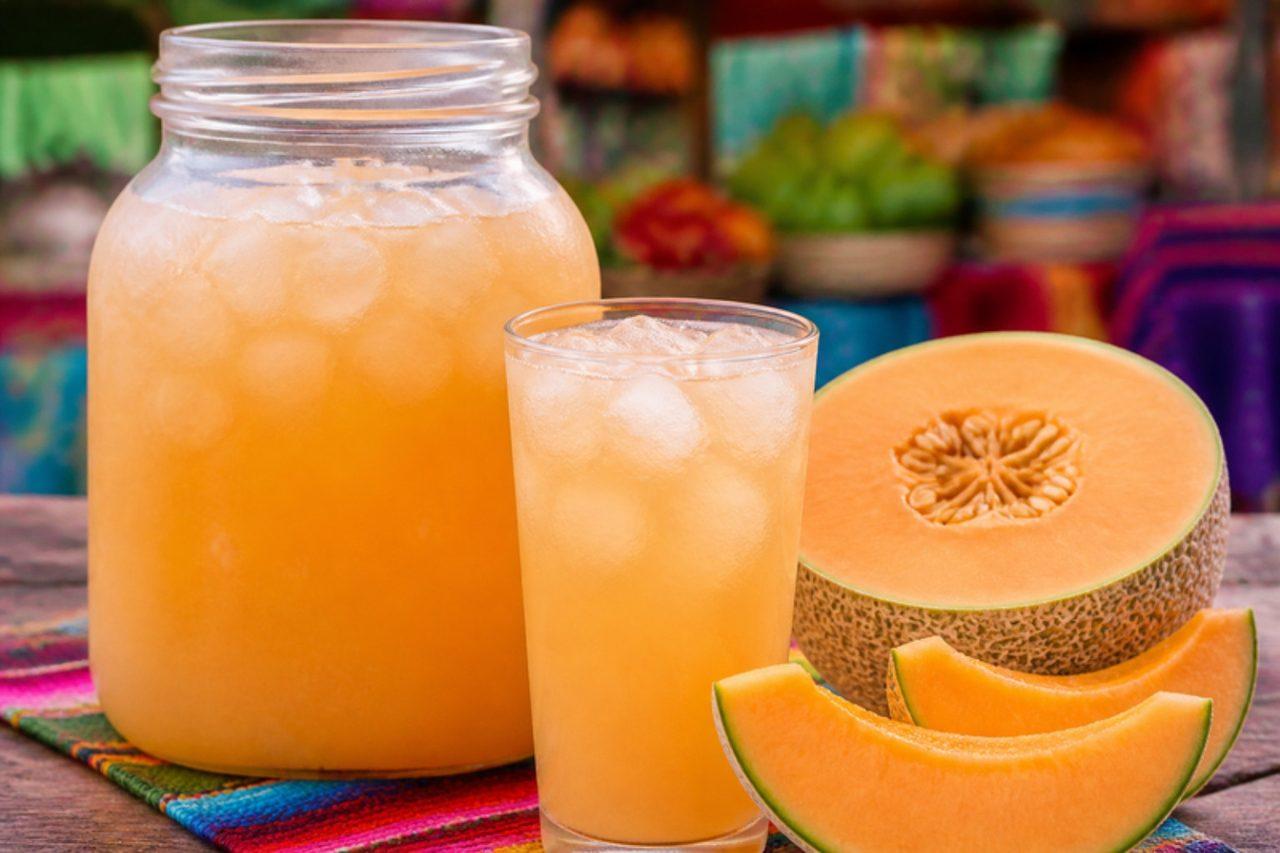
Mexican market juice stalls make agua de melón with the ripest, most fragrant cantaloupes, and many cooks blend in the seeds and the soft pulp around them, which adds a creamy body and a nutty flavour. It's served in tall glasses on hot afternoons from Guanajuato to Veracruz and is a favourite with kids. Chef's tip: smell the stalk end of the melon before you buy it; if it smells sweet, the drink will too.
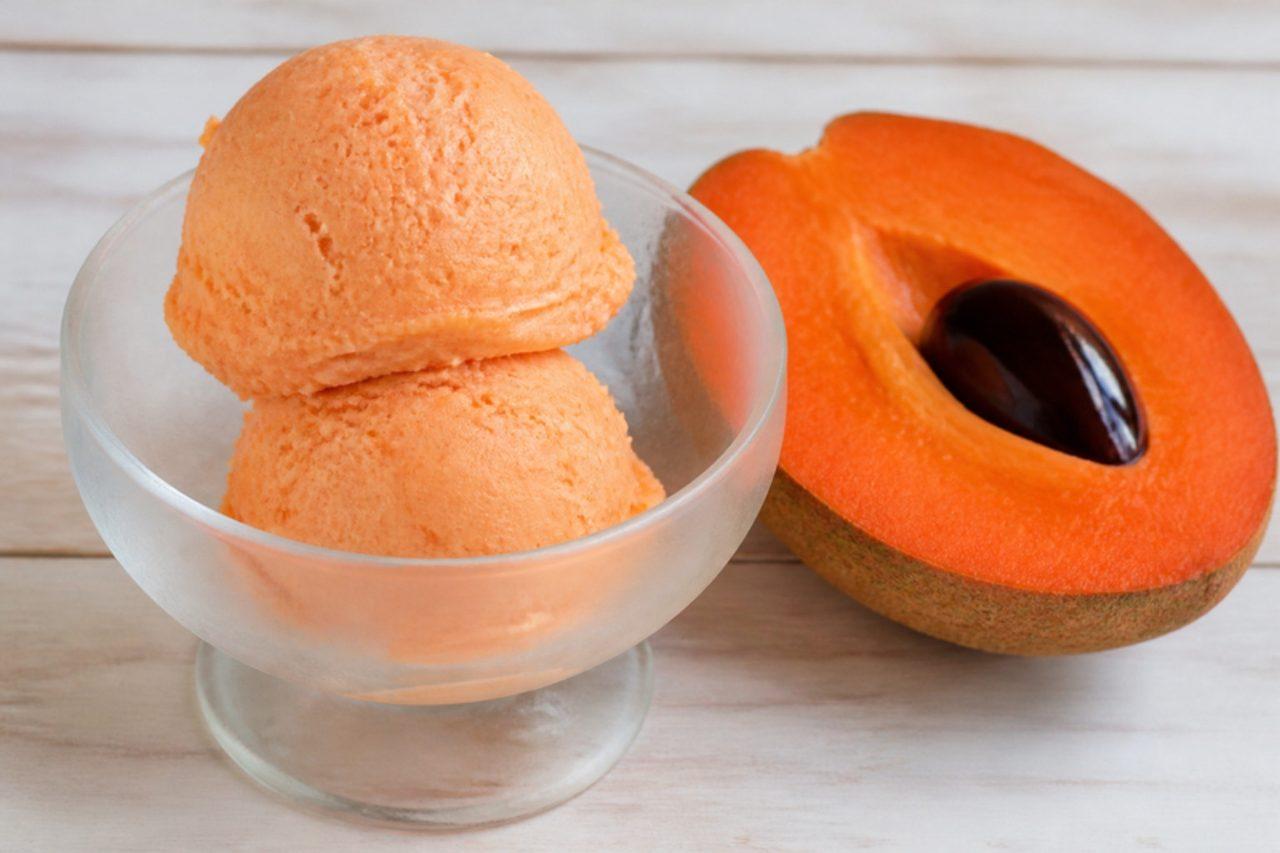
Mamey, the rough brown fruit with salmon-orange flesh that tastes like sweet potato, pumpkin and almond at once, is a favourite in Tabasco, Chiapas, Veracruz and the Yucatán, and its ice cream is a star of the nevería in any southern town. The fruit is naturally so creamy that a little milk and sugar is enough. It contains dairy. Chef's tip: use a mamey that gives like a ripe avocado when pressed; underripe ones taste chalky.
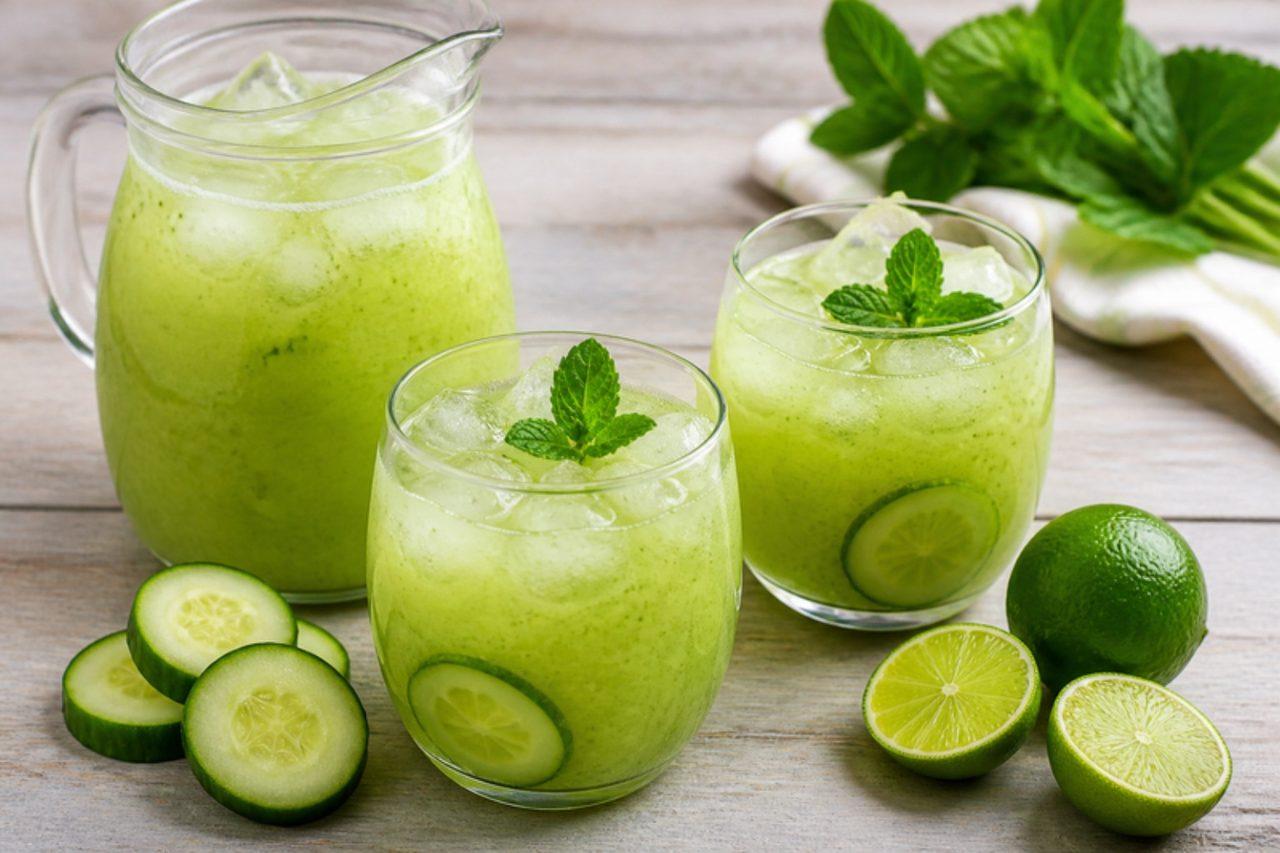
Pale green and very refreshing, agua de pepino is the cooler sold from market juice stands in Mexico City and Oaxaca when the afternoon heat builds, and families blend a jug for comida on hot days. Cucumber, lime and a few mint leaves give a clean, light taste with very little sugar. Chef's tip: leave some of the peel on the cucumber for colour, but strain the drink so it stays silky.
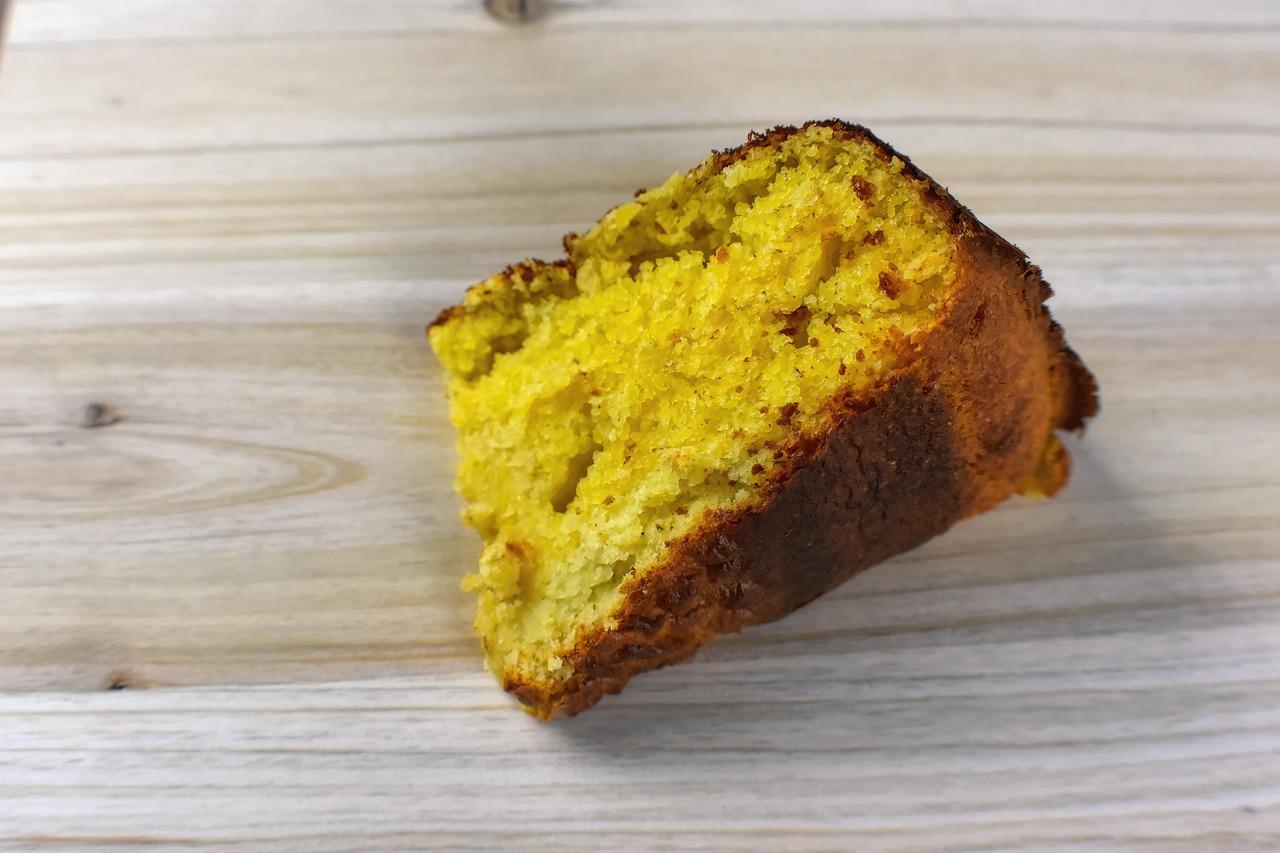
Across central Mexico, from Morelos to the State of Mexico, pan de elote is baked when fresh corn is cheap in late summer and sold by the slice at market stalls. Despite its name it is more cake than bread: fresh kernels blended with butter, eggs and condensed milk bake into a dense, custardy, golden loaf that tastes of sweet corn. It contains wheat and egg. Chef's tip: use the starchiest, most mature corn you can find, because young sweetcorn makes a wetter, flatter cake.
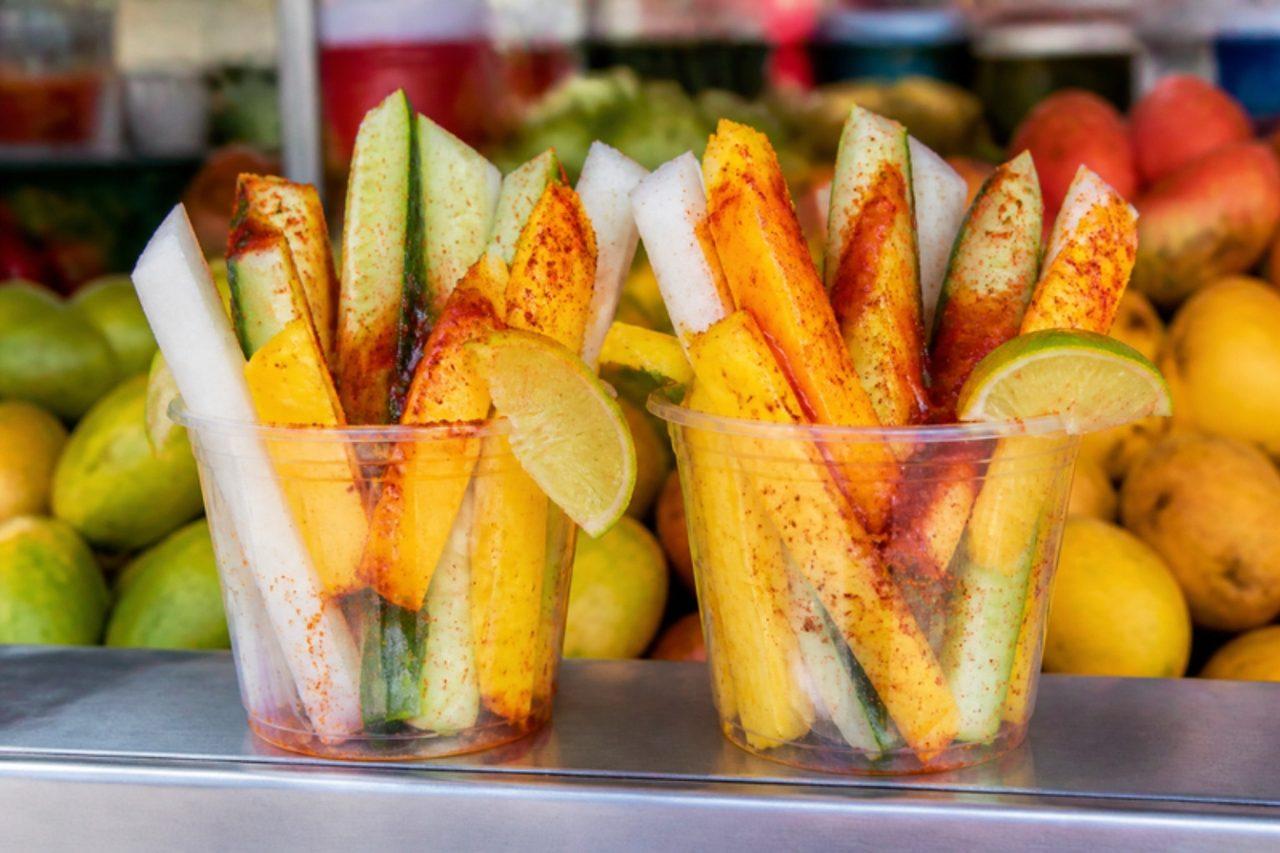
Every plaza in Mexico City seems to have a fruit cart with a glass case of jícama, cucumber, mango and pineapple, cut to order into tall sticks and packed into a cup. The vendor squeezes over lime and shakes on chile-lime salt, and you eat it with a toothpick on a hot afternoon. It's juicy, crunchy, sour and only a little hot. Chef's tip: chill the fruit well first; cold fruit and sharp chile make the contrast.
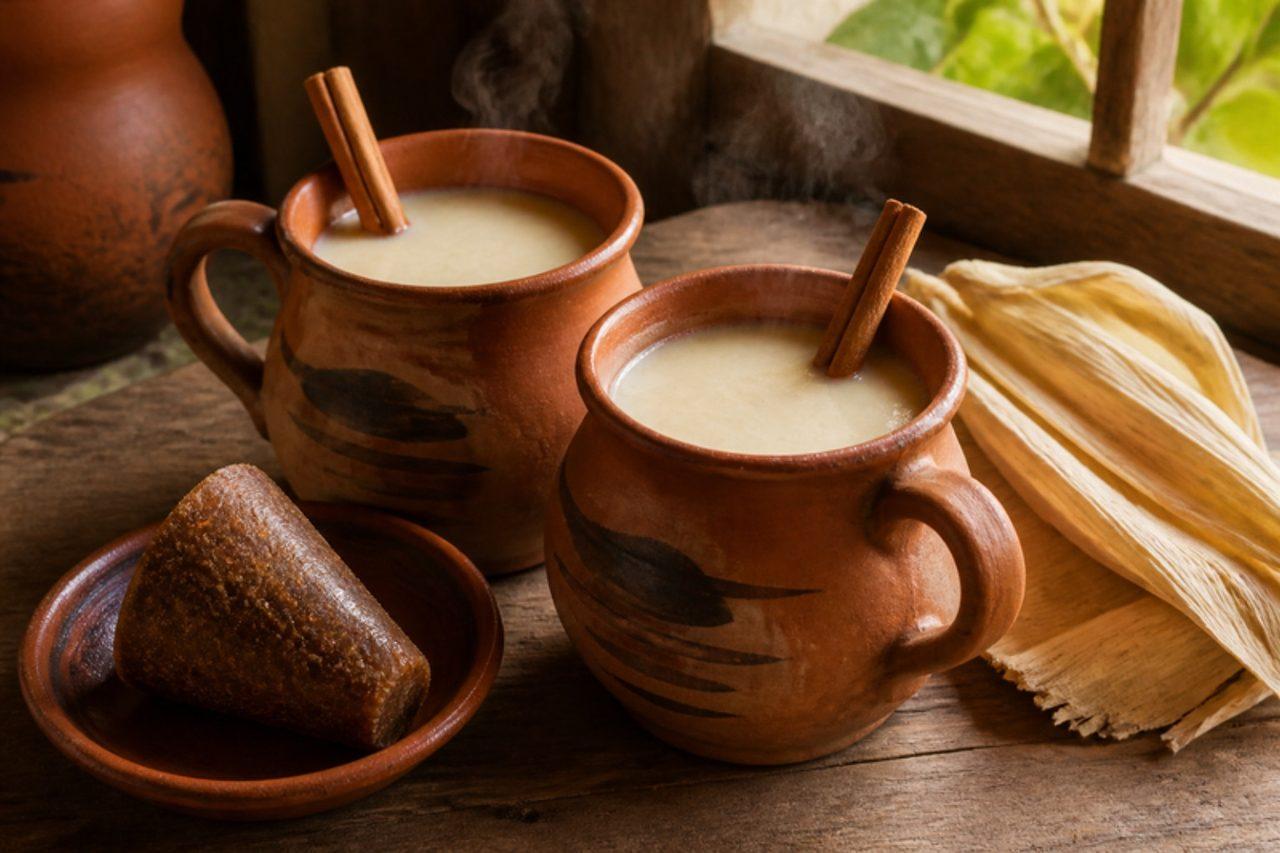
Long before coffee arrived, atole was the morning drink of central and southern Mexico, and in villages of Oaxaca, Puebla and Tlaxcala plain atole blanco is still drunk hot with tamales at breakfast or on cold evenings. Fresh masa is whisked into water and cooked until it thickens to a silky, gently sweet drink with a toasty corn taste. Made with water it is vegan. Chef's tip: strain the masa before cooking, so the atole is smooth with no lumps.
Coconut pops are a classic of the paleterías of Michoacán and of the beach carts of Acapulco and Veracruz, where fresh coconuts are cracked open to order. They are milky, sweet and chewy with shreds of coconut, more like frozen coconut cream than ice. It contains dairy. Chef's tip: toast a third of the coconut lightly before using, which brings out a deeper flavour without changing the snowy colour much.
Gaznates are a fair and fiesta sweet in Puebla, Mexico City and the State of Mexico: paper-thin squares of pastry wrapped around metal tubes, fried until blistered and filled with a glossy meringue or sweetened coconut. Some stalls tint the meringue pink. The shell shatters like a cannoli while the filling is soft and cloud-like. They contain wheat and egg. Chef's tip: roll the dough as thin as you can, so it bubbles and turns crisp; thick dough turns hard.
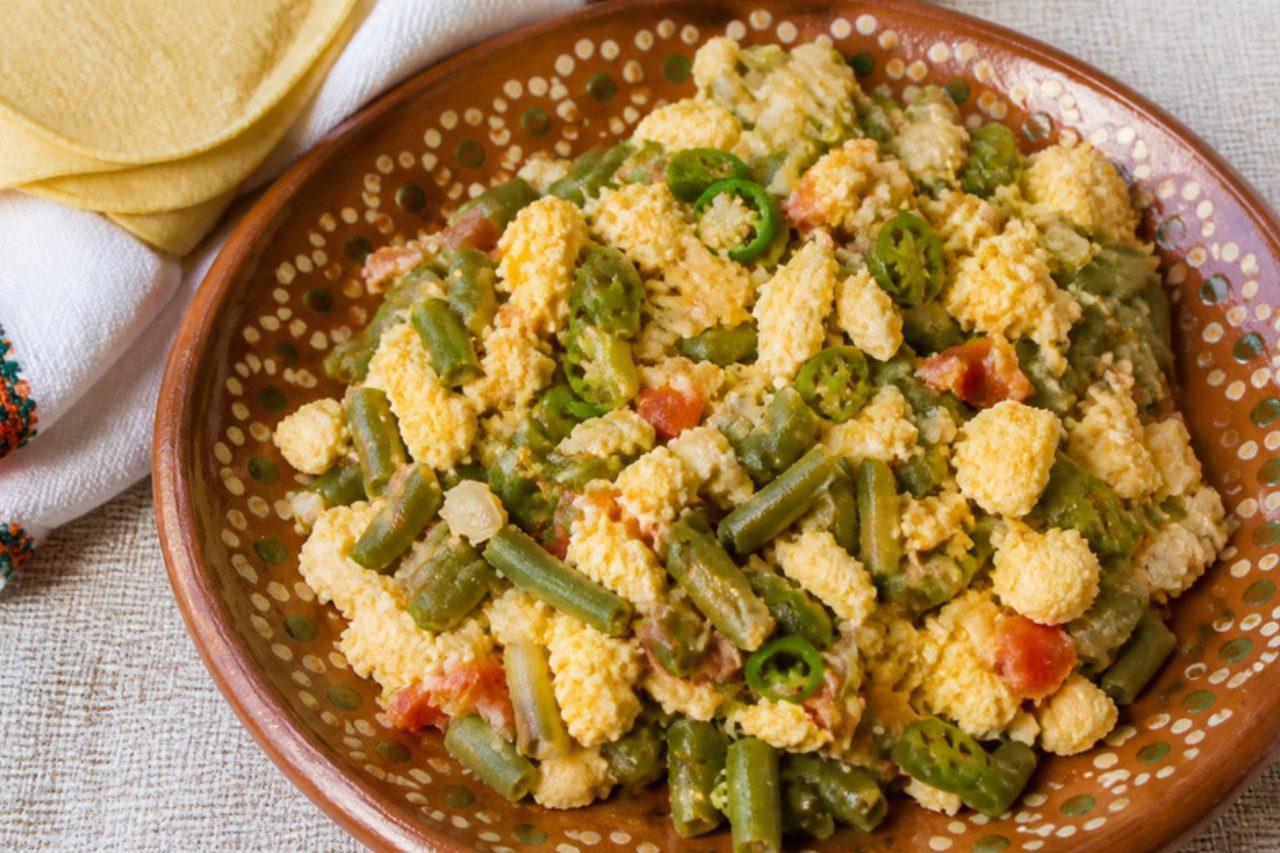
Cheap, fast and filling, this is the kind of dish that turns up on Mexican home tables on a Lent Friday, at breakfast or as the main course of a weekday comida. Green beans are blanched, tossed through a quick tomato and serrano sofrito and bound with softly scrambled egg. Spoon it into warm corn tortillas or eat it with frijoles de la olla and rice. Chef's tip: cut the beans on a slant into short pieces so every forkful catches some egg.
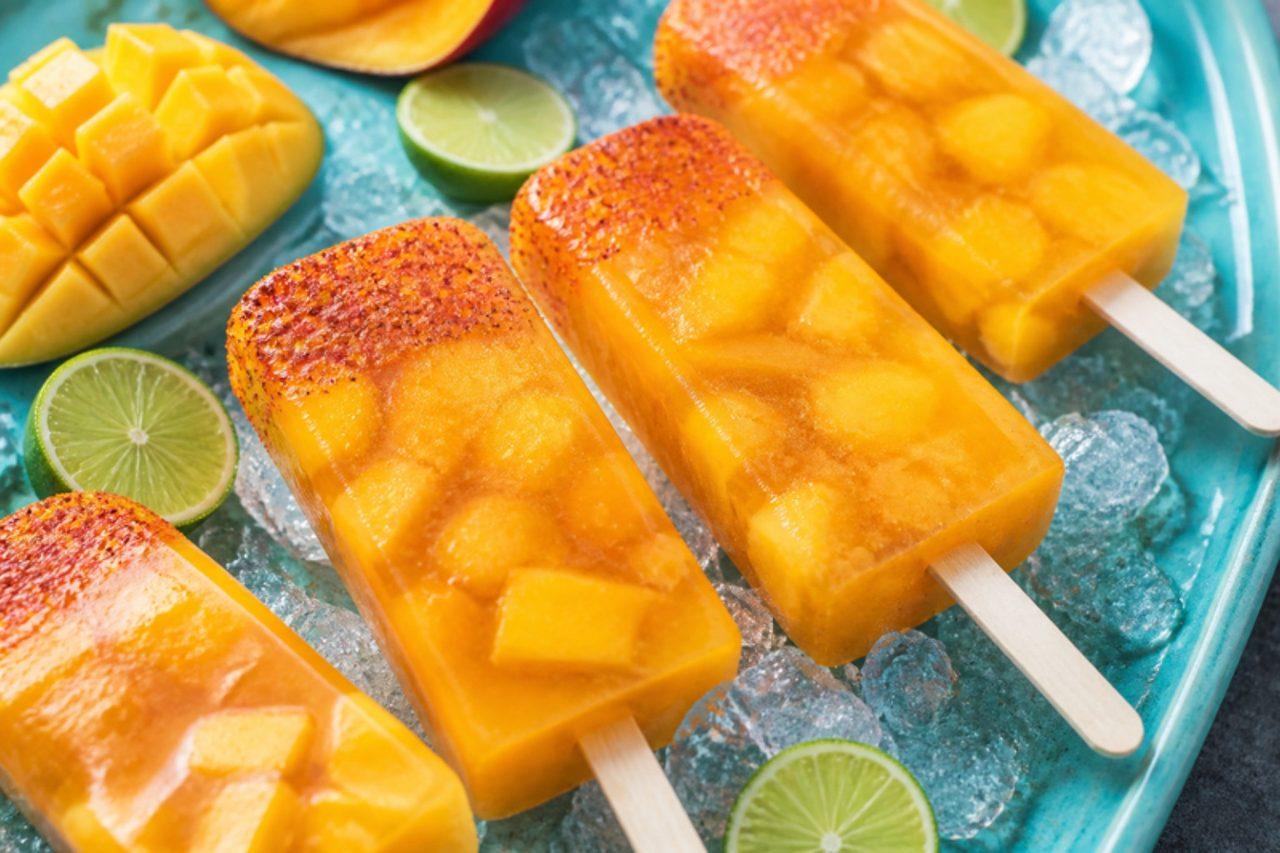
The town of Tocumbo in Michoacán sent paleteros all over Mexico, and their shops, the paleterías michoacanas, sell fruit ice pops from Tijuana to Cancún. Mango con chile is one of the most loved: chunky frozen mango purée, sharp with lime, with a ribbon of chile powder through it and more sprinkled on top. Chef's tip: leave a few small cubes of mango in the purée, so every bite has real fruit.
Showing 72 of 211 recipes
Show more recipesPage 3 of 9