Skip to content
Festivals

Christmas recipes: cakes, cookies, roasts and festive bakes

Christmas cakes and cookies, kulkuls and rose cookies, stollen, roasts and warming alcohol-free drinks. (174 recipes)

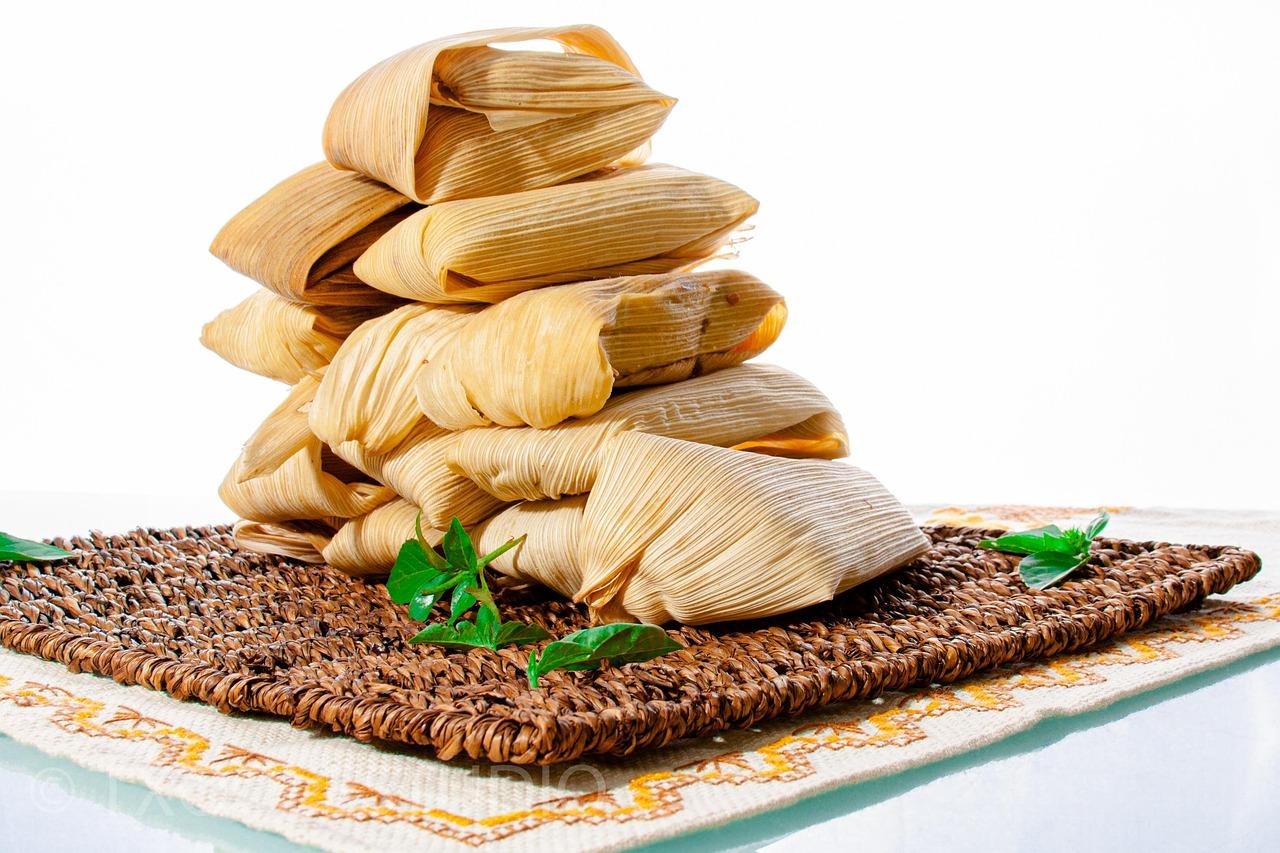
Tamales dulcesSweet tamales

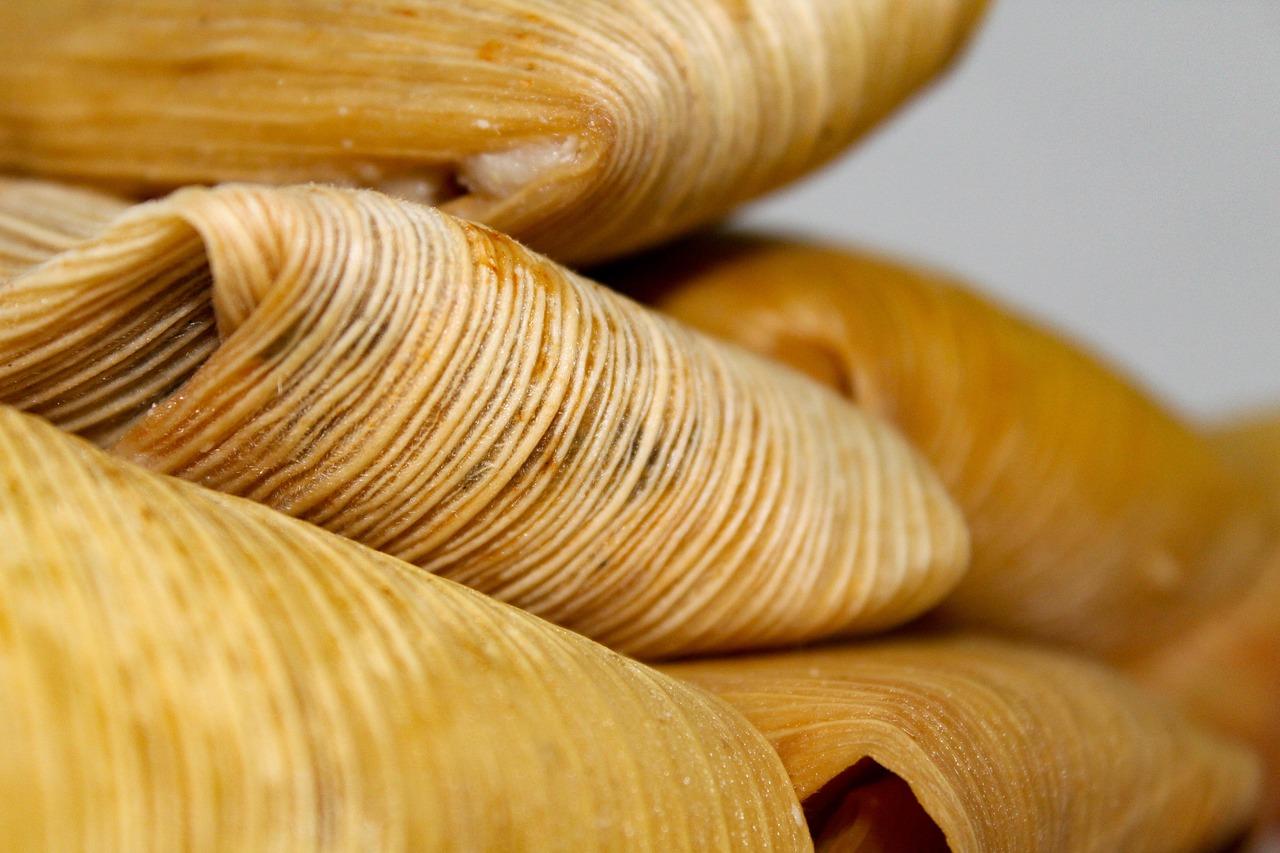
Every tamal tray in Mexico City has a few pink ones tucked in among the green and red, and these sweet tamales are what children reach for first at December posadas and on 2 February, Día de la Candelaria. The masa is beaten with butter and sugar, tinted the colour of a sugared almond and studded with raisins, then steamed in husks until soft and cakey; they are eaten warm with atole or hot chocolate. This version uses butter and vegetable shortening, not lard. Chef's tip: add a few drops of colour at a time; the pink deepens as it steams.

by KrazyBadal 0 views

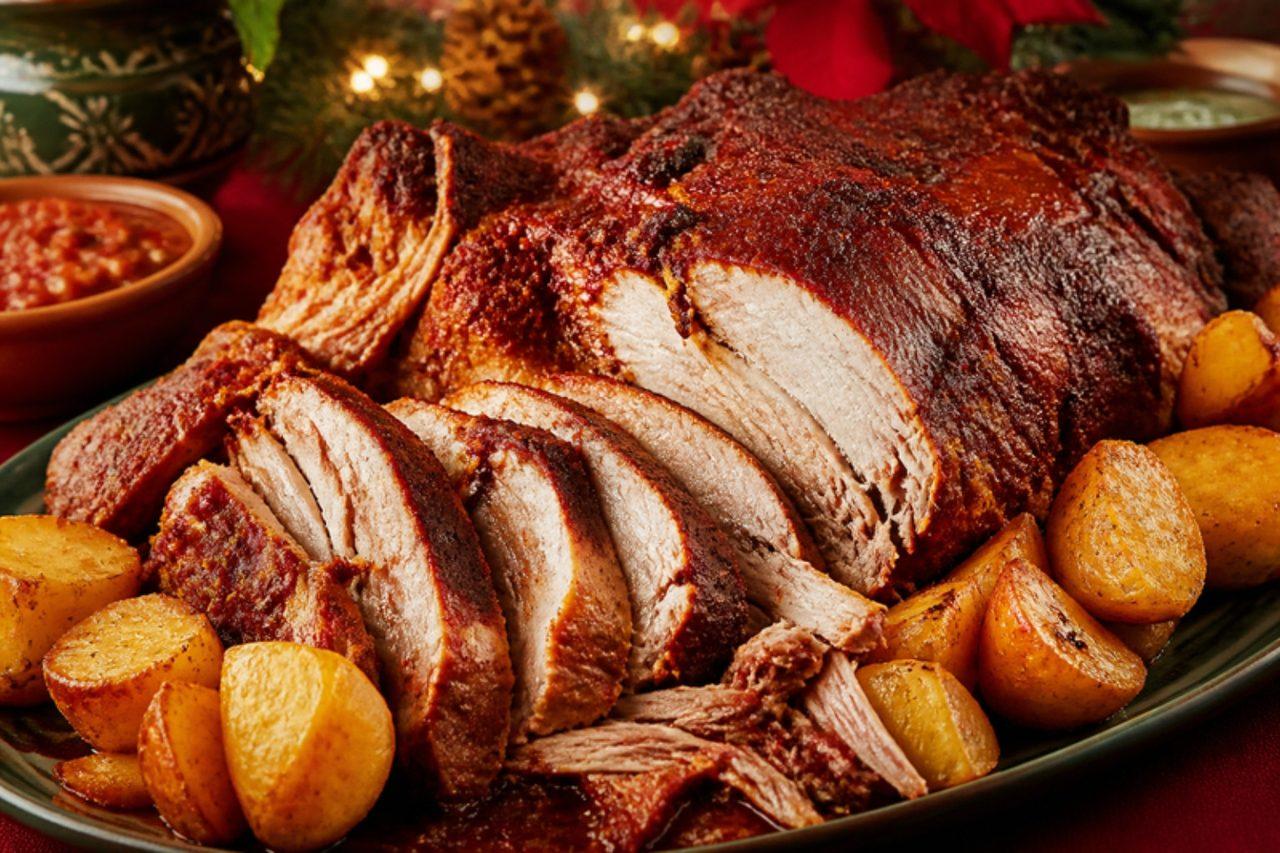
Pierna adobadaAdobo roast pork leg

From Puebla to Monterrey, a dark red leg of pork comes out of the oven on 24 or 31 December, its adobo of ancho and guajillo chiles, garlic, vinegar and orange caramelised into a sticky crust. It is sliced at the table with apple salad and Christmas rice, and the leftovers fill tortas for days. This recipe uses a smaller boneless leg or shoulder joint of pork that fits a home oven; it marinates overnight in the fridge and roasts low and slow. Chef's tip: baste with the pan juices every half hour once the foil comes off, so the adobo glazes rather than burns.

300 minMexicanMeatGluten free
by KrazyBadal 0 views

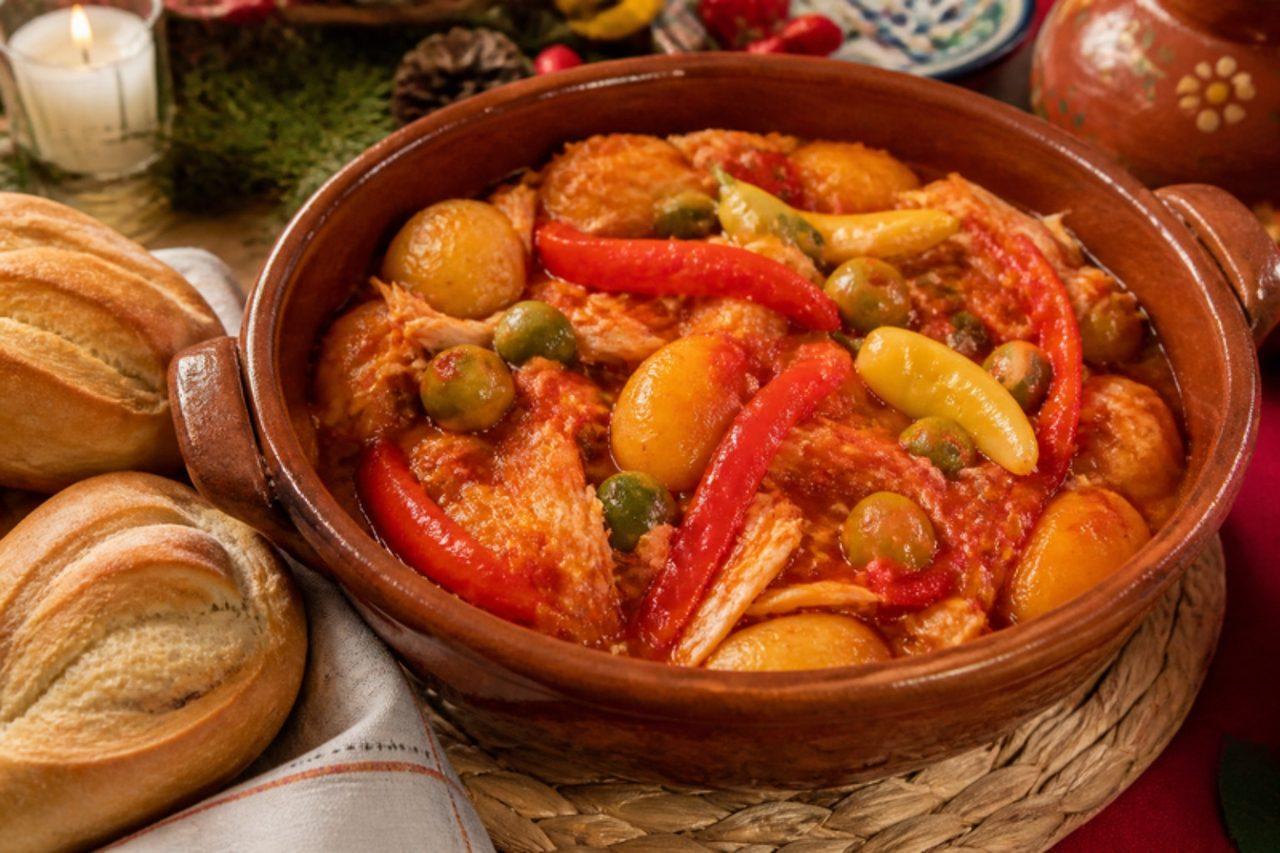
Bacalao navideñoSalt cod stew

Mexican families inherited bacalao from Spain, but the version on the Christmas Eve table in Mexico City, Guadalajara and Puebla has gone its own way. Instead of the Basque sauce of dried choricero peppers with whole cod pieces, the cod here is soaked, finely shredded and cooked down for an hour with a lot of fresh tomato, olive oil, almonds, green olives, capers and pickled güero chiles until thick enough to pile into bolillo rolls. It tastes even better the next day, which is when the leftover tortas are eaten. Chef's tip: soak the cod in the fridge for 36–48 hours, changing the water four times a day, and taste a flake before cooking; it should be pleasantly salty, not briny.

130 minMexicanFishGluten free
by KrazyBadal 0 views

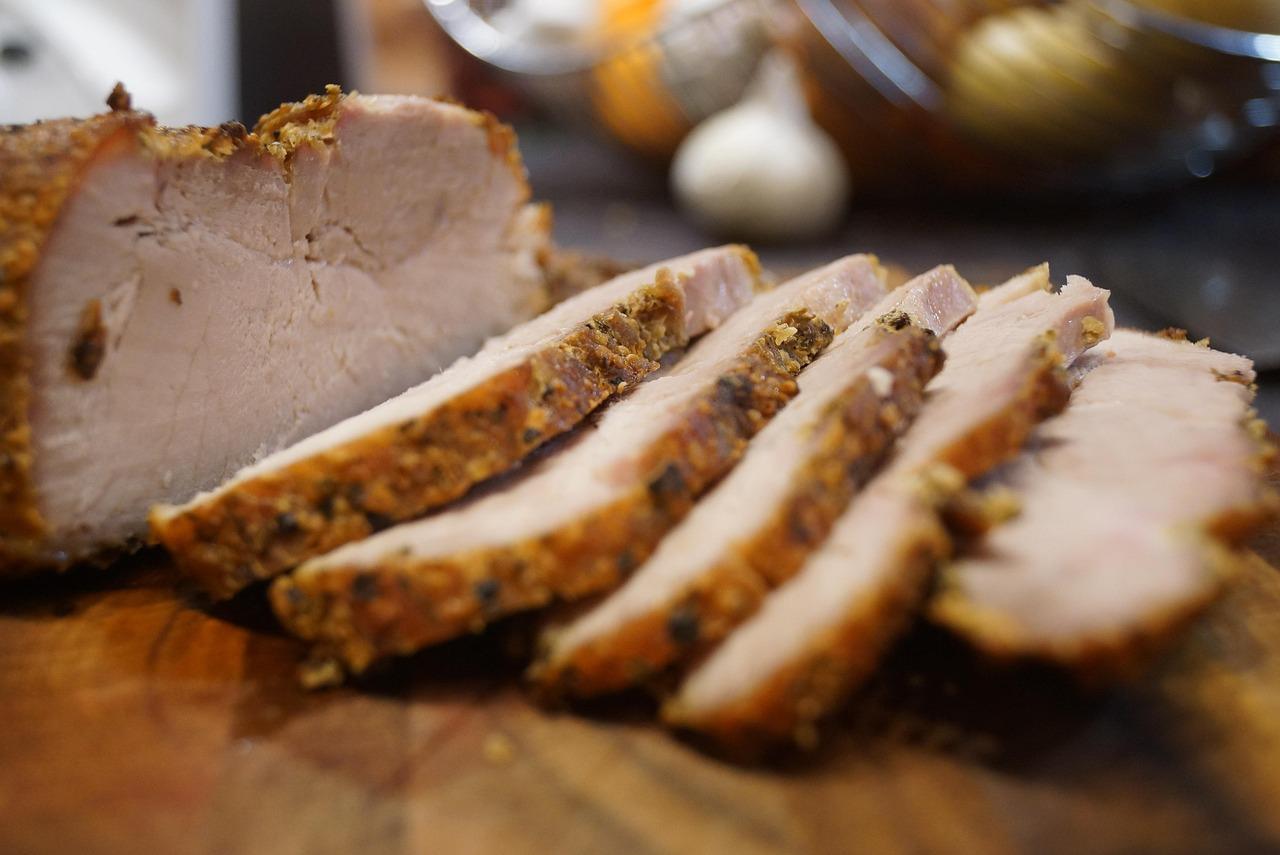
Lombo de porco assadoRoast pork loin

Brazilians like pork on the Réveillon table because a pig roots forward as it feeds, a sign of progress in the new year, while chicken and turkey scratch backwards. This boneless pork loin is soaked overnight in garlic, lime, orange and paprika, then roasted over potatoes and onions that drink up the juices. It is the centrepiece of many New Year's Eve dinners in São Paulo and Minas Gerais, sliced thin with farofa and rice. Chef's tip: take the pork out at 63 °C in the centre and let it rest; it stays juicy and slightly pink.

by KrazyBadal 0 views

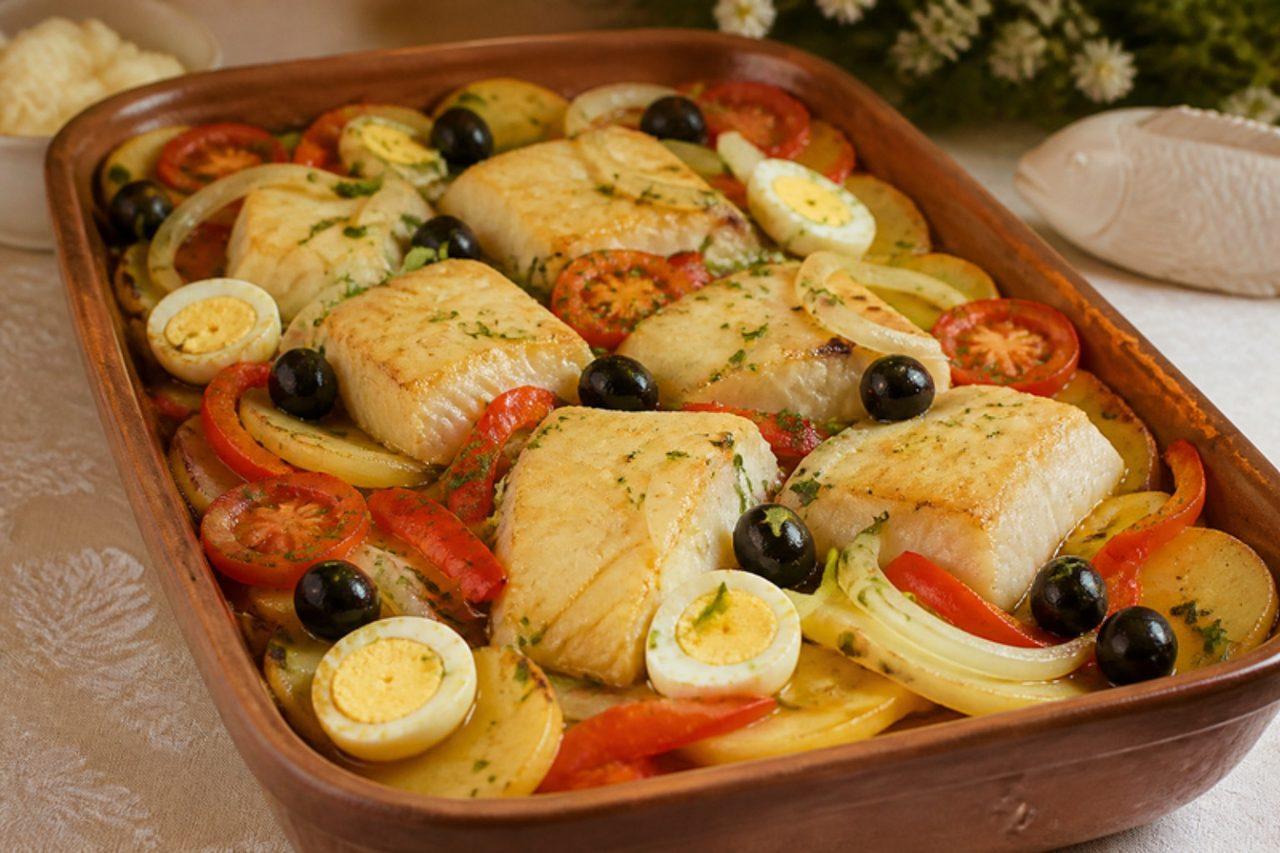
BacalhoadaBaked salt cod with potatoes

Brought by Portuguese settlers, bacalhoada has become the dish for Good Friday and Christmas in Brazilian homes, especially in São Paulo and Rio, where big Portuguese communities kept the tradition alive. Thick flakes of desalted cod are layered with sliced potatoes, onions, sweet peppers, tomatoes, hard-boiled eggs and black olives, drowned in good olive oil and baked until golden. Plan two days ahead for soaking the cod. Chef's tip: be generous with the olive oil, which is what turns the potatoes silky and carries all the flavour.

by KrazyBadal 0 views

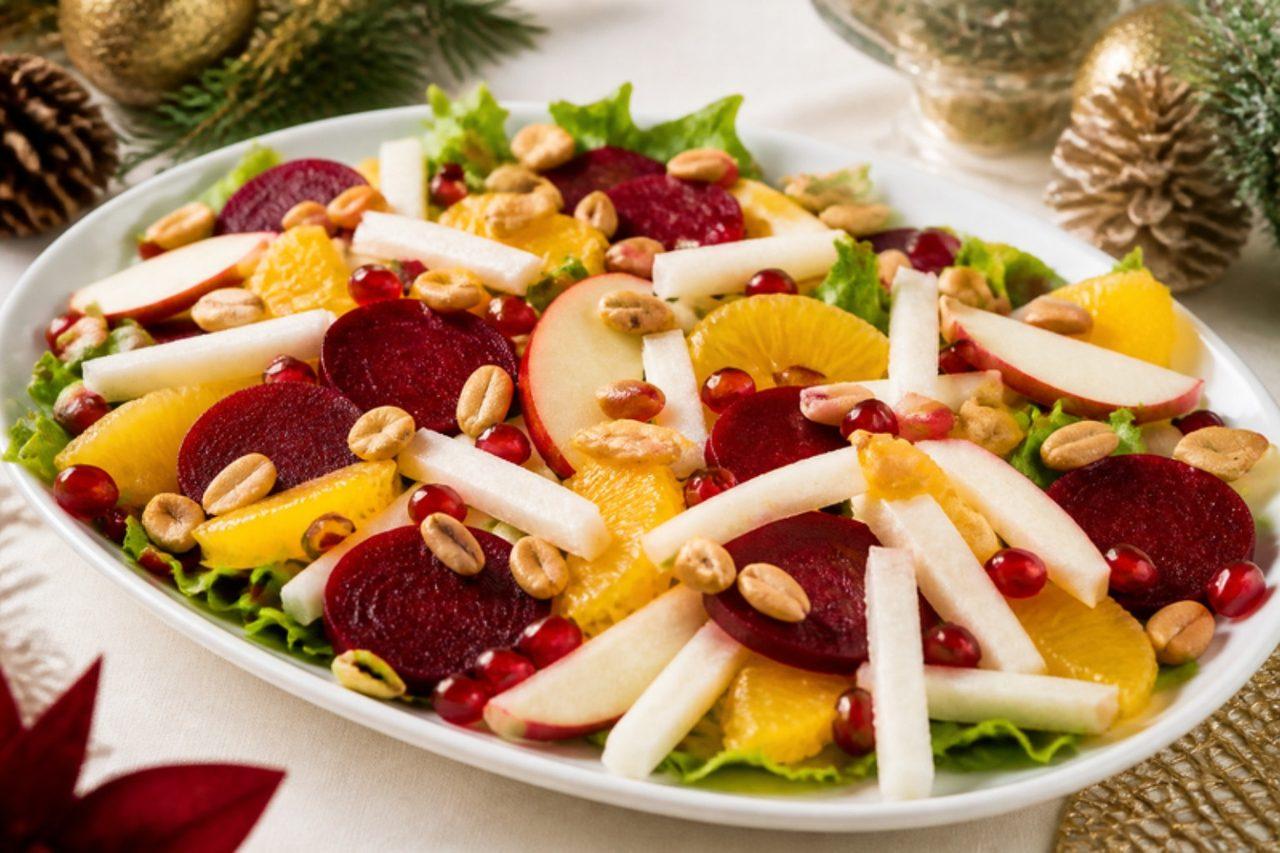
Ensalada de NochebuenaBeetroot and fruit salad

Late on 24 December, families in Mexico City and the central states gather for the cena de Nochebuena, and on the table, next to the romeritos and bacalao, sits this jewel-bright salad. Beetroot stains the crisp jícama pink, sweet oranges and apple balance its earthiness, and roasted peanuts and pomegranate seeds scatter over the top with a little lettuce underneath. It is fresh relief among rich Christmas dishes and children love the colour. Chef's tip: dress the beetroot separately and add it at the last minute, unless you want everything magenta.

by KrazyBadal 0 views

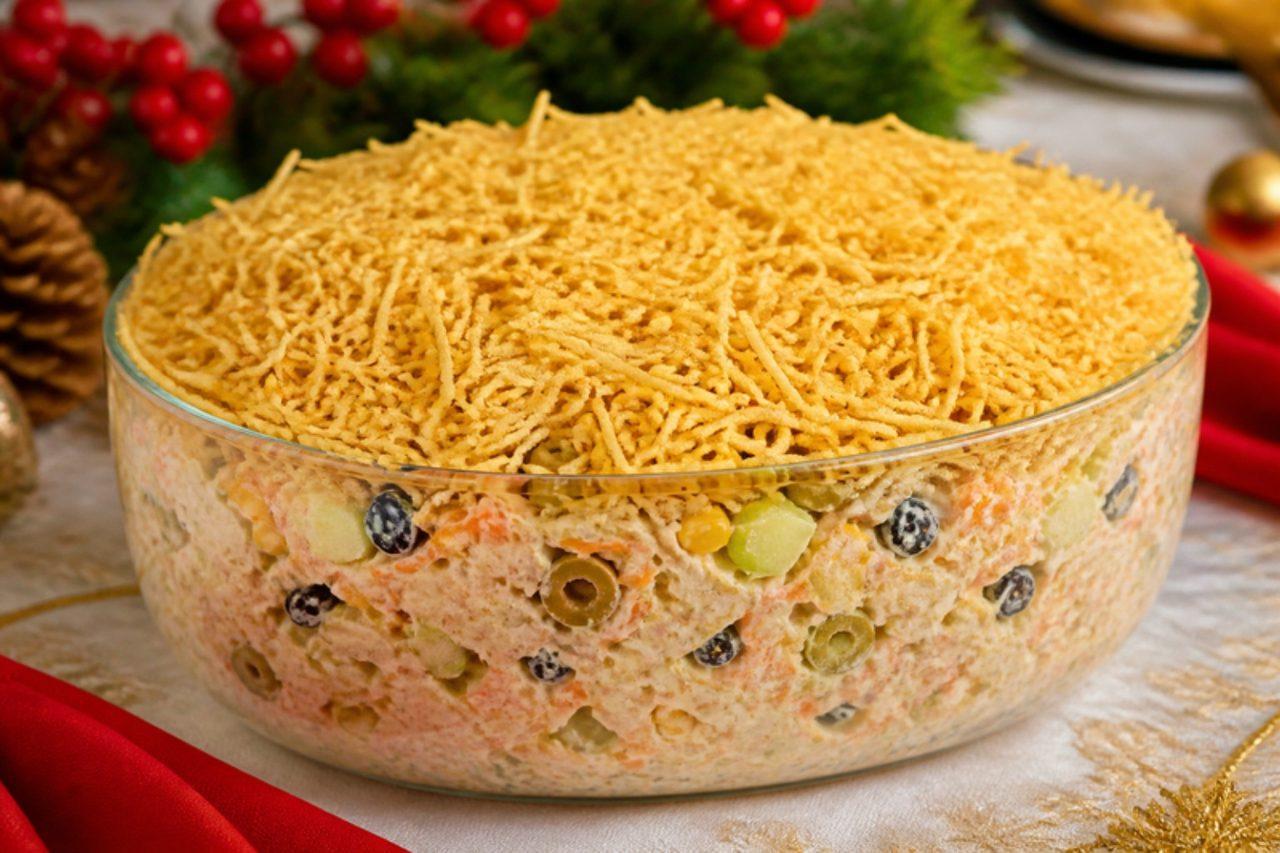
Salpicão de frangoChicken salad

Salpicão is the cold dish that appears at every Brazilian Christmas and New Year table, from Rio apartments to family farms in Minas, and the leftovers are just as loved on 25 December in sandwiches. Poached shredded chicken is folded through grated carrot, diced green apple, celery, sweetcorn and raisins in a lime-sharpened mayonnaise, then piled high with batata palha, fine crisp potato sticks. Chef's tip: poach the chicken gently and let it cool in its broth so it stays juicy when shredded.

by KrazyBadal 0 views

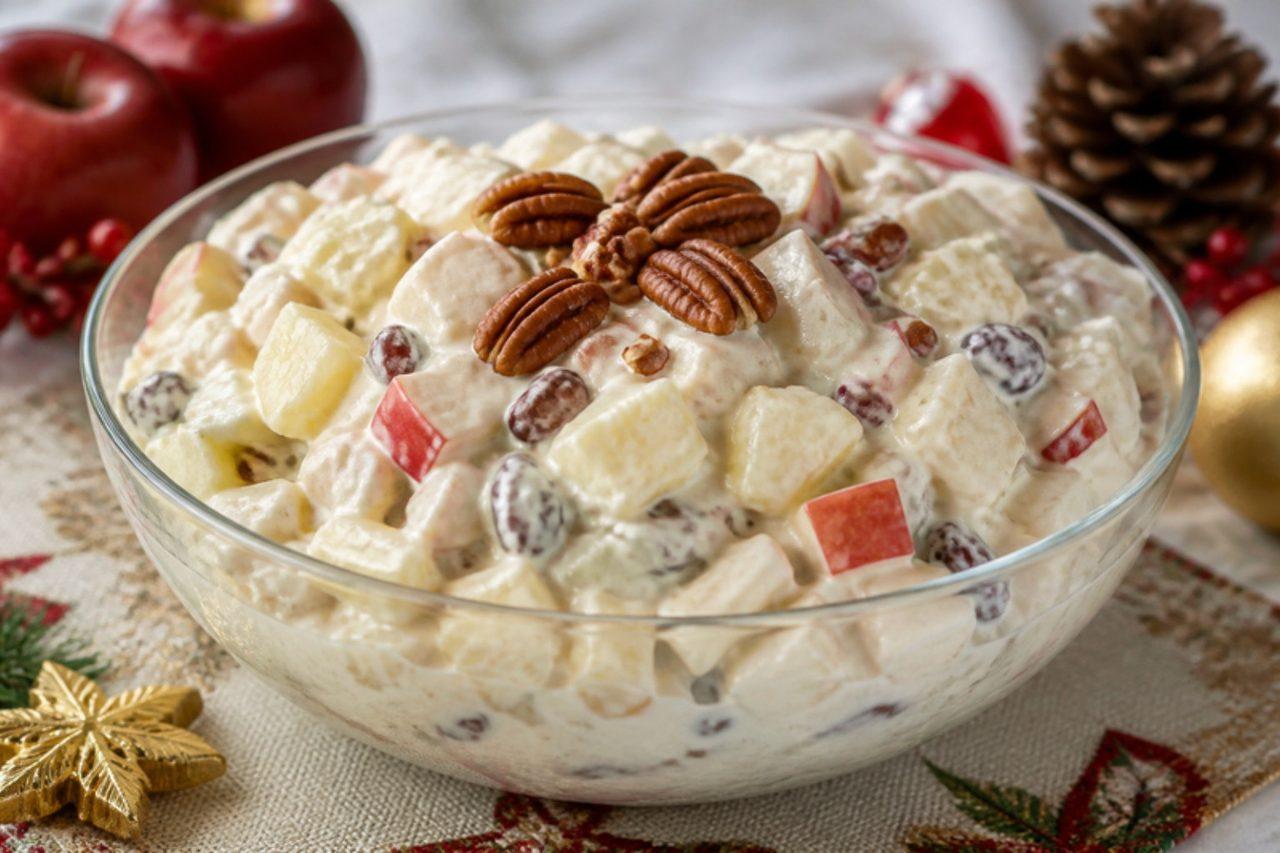
Ensalada de manzana navideñaCreamy apple salad

In homes from Monterrey to Guadalajara, a big bowl of creamy apple salad is chilling in the fridge on Christmas Eve, ready to sit alongside roast pork or turkey, and the kids usually go back for seconds as dessert. Crisp diced apple, juicy pineapple, celery for crunch, raisins and toasted pecans are folded into a sweet dressing of cream, condensed milk and a little soured cream. Many versions add marshmallows, but most contain gelatine, so they are left out here. Chef's tip: chill it for an hour before serving; the dressing thickens and the flavours marry.

by KrazyBadal 0 views

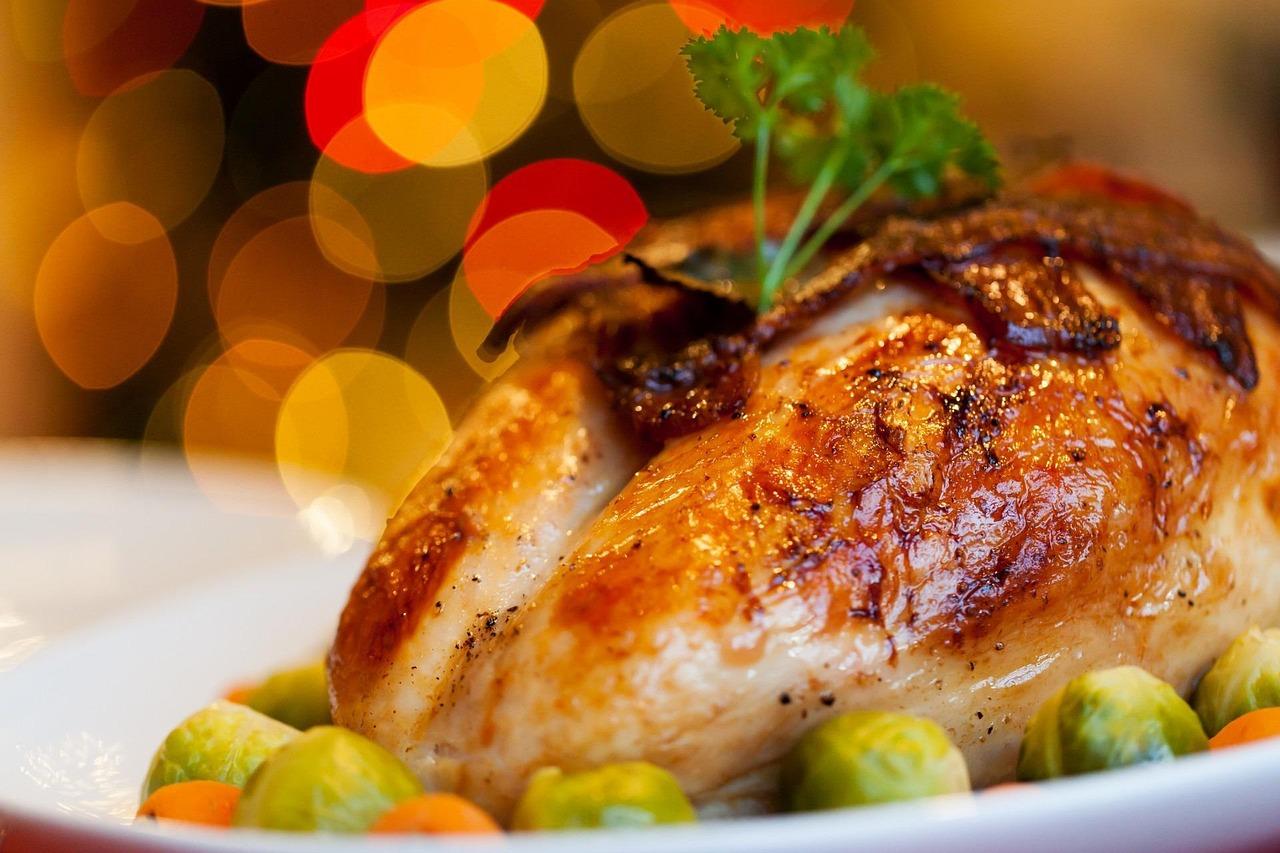
Peru de NatalChristmas roast turkey

For many Brazilian families the ceia de Natal, eaten late on Christmas Eve, is built around a glossy roast turkey surrounded by farofa, rice and fruit. The bird is marinated for a day in garlic, onion, lime, herbs and dry white wine, then roasted slowly under foil so it stays moist. The marinade traditionally contains wine; for an alcohol-free version swap it for the same amount of unsweetened apple juice with 2 tablespoons of white wine vinegar. Chef's tip: trust a meat thermometer in the thickest part of the thigh, not the clock or a pop-up timer.

by KrazyBadal 0 views

Tamales de rajas con quesoPoblano and cheese tamales

On the evening of 2 November, after the graveyard visit, many families in central Mexico sit down to a pot of steaming tamales, and rajas con queso is the meat-free favourite at every tamalera's stall. Soft, fluffy masa beaten with fat until it floats wraps a filling of charred poblano strips, a spoon of tomato salsa and a finger of melting cheese. Fresh Mexican cheeses such as queso Oaxaca or panela are often made with animal rennet; choose a vegetarian mozzarella-style cheese if that matters to you. The masa here uses vegetable shortening rather than lard. Chef's tip: test the beaten masa by dropping a pinch into cold water; when it floats, it is light enough.

by KrazyBadal 0 views

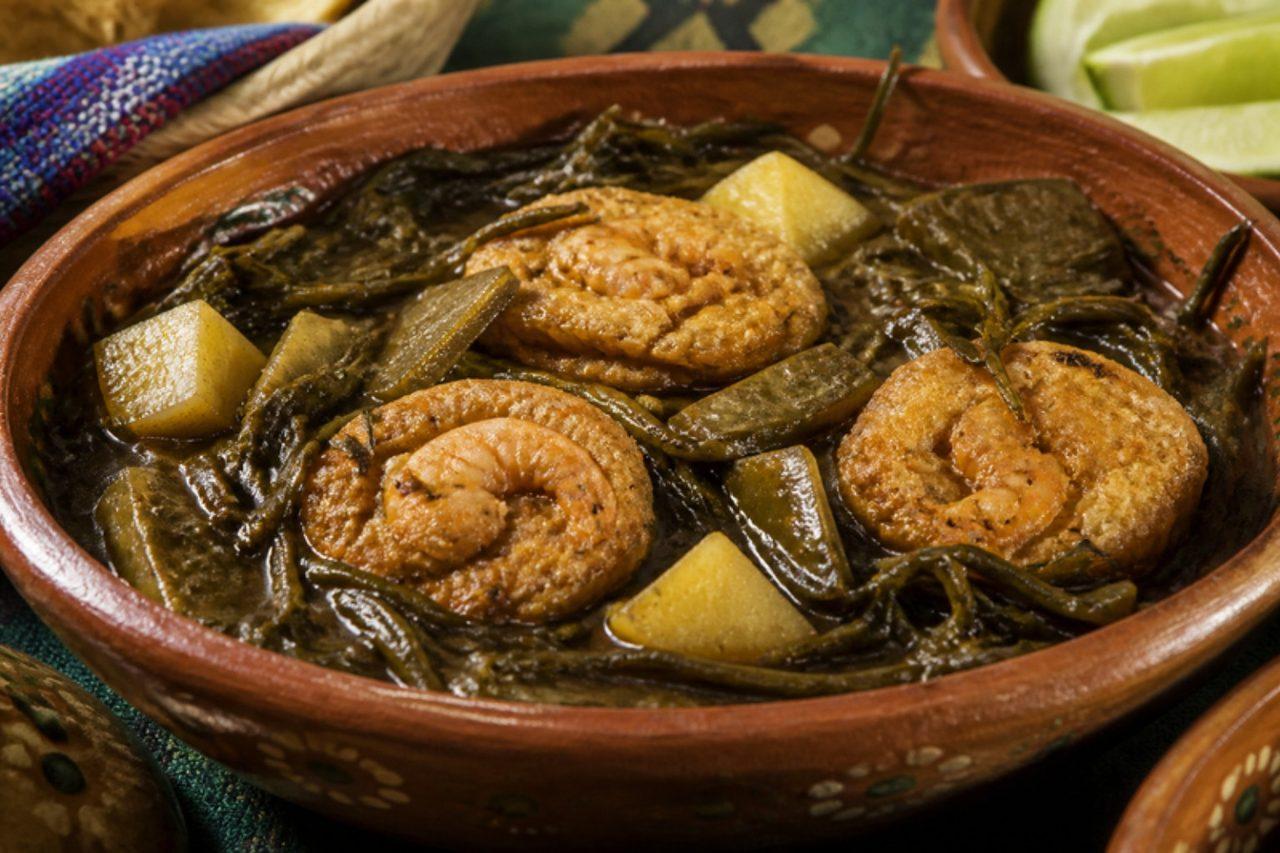
RomeritosSeepweed in mole

In Mexico City and the towns around it, Christmas Eve without romeritos is unthinkable: tender sprigs of seepweed (romerito) simmered in dark mole with little potatoes and cactus, crowned with fritters of dried shrimp and egg. It is eaten again at Lent, when meatless dishes rule. Find romeritos at Mexican grocers in December; samphire tips or tender spinach stems are the closest swap. A ready mole paste keeps this to an afternoon. For a vegetarian version, leave out the shrimp tortitas and use vegetable stock. Chef's tip: blanch the romeritos briefly and squeeze them well, or their bitterness and water flood the mole.

by KrazyBadal 0 views

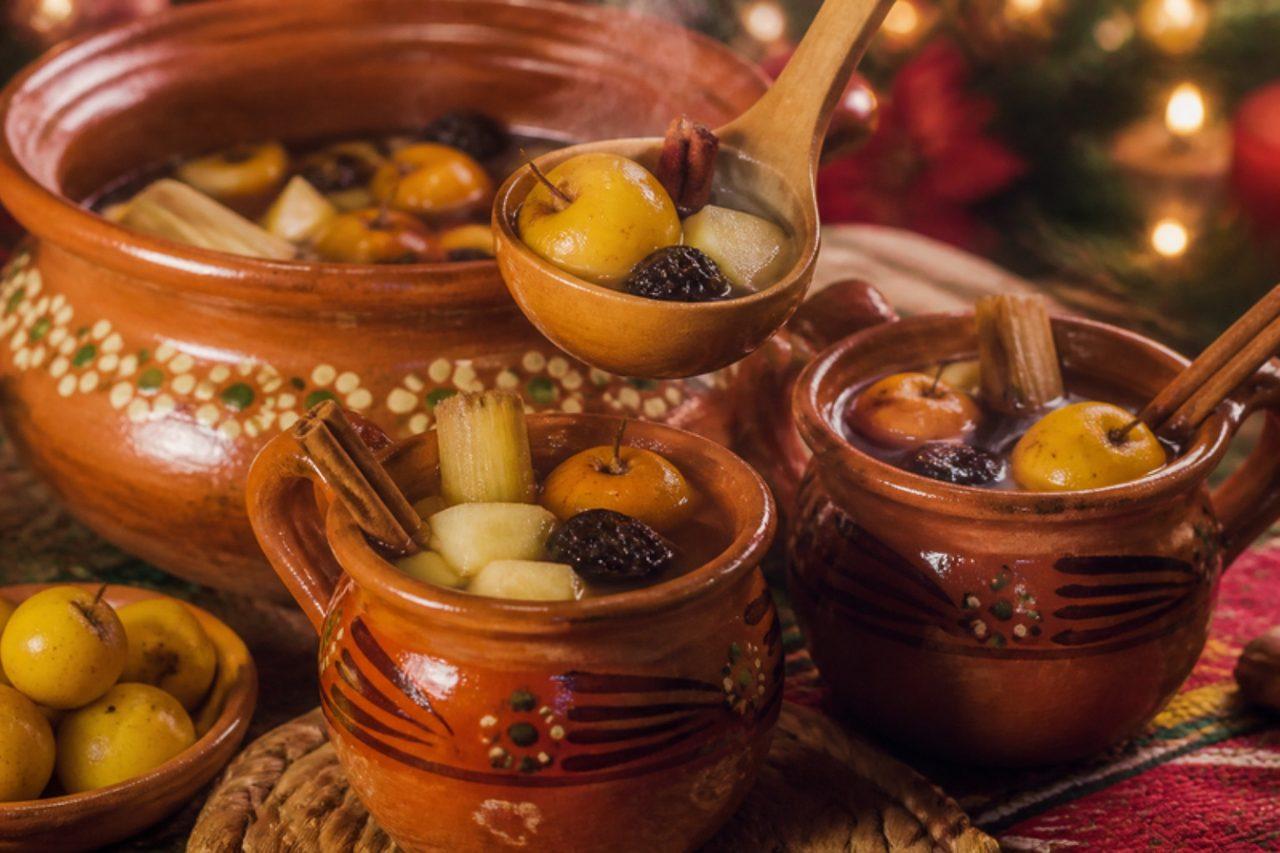
Ponche navideñoHot Christmas fruit punch

During the nine nights of posadas from 16 to 24 December, neighbours in central Mexico walk the streets singing for shelter, and the reward at the last door is a cup of steaming ponche ladled from a clay pot. Whole fruits, tejocotes, guavas, apple, prunes, sticks of sugarcane, simmer with hibiscus, cinnamon and piloncillo until the punch is fragrant and amber, and everyone fishes the soft fruit out with a spoon. This recipe is alcohol-free and good for all ages; some adults add a splash of rum to their own cup, but none is used here. Chef's tip: add the guavas late, as they collapse if cooked too long.

by KrazyBadal 0 views

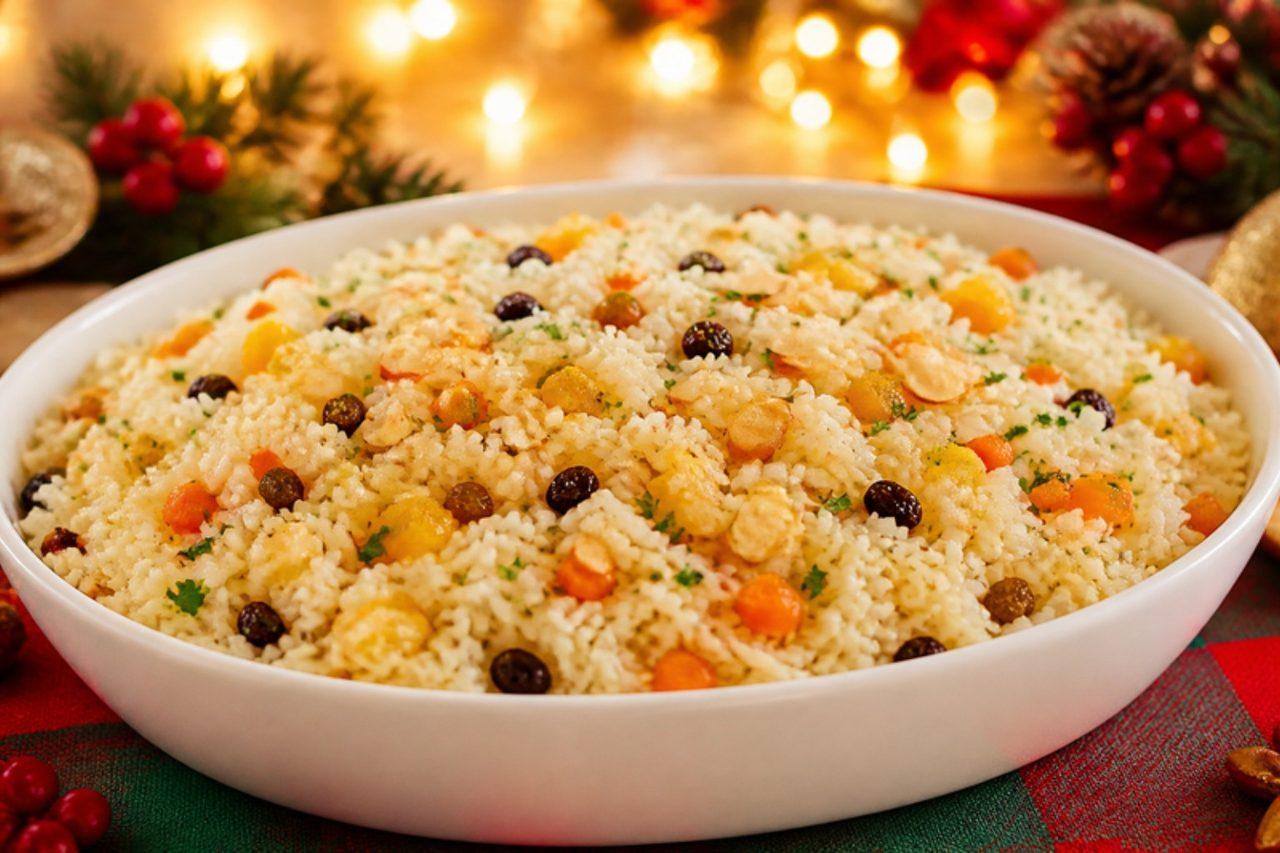
Arroz natalinoChristmas rice with raisins

On the night of 24 December, when Brazilian families sit down to the ceia de Natal close to midnight, a big bowl of festive rice sits beside the roast, golden with grated carrot and studded with raisins and toasted almonds. Some families in São Paulo and the South add diced tinned peaches, which divides the table every year. It is a plain garlicky white rice at heart, made special by the sweet and crunchy things folded in at the end. Chef's tip: add the raisins while the rice rests so they plump in the steam without turning soggy.

by KrazyBadal 0 views

Nougat blancWhite honey nougat

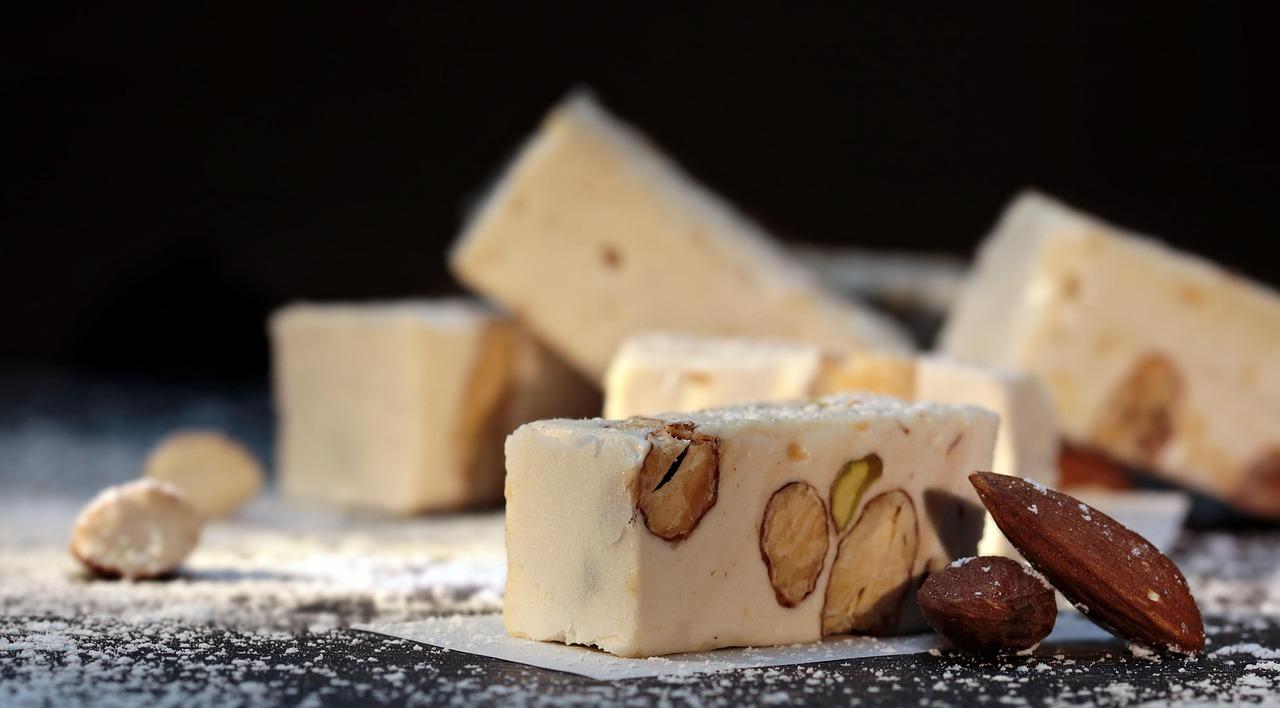
White nougat is the most famous sweet of Montélimar in the Drôme, made with lavender honey, whisked egg white and plenty of almonds and pistachios, and it is one of the thirteen desserts on every Provençal Christmas Eve table. It needs a sugar thermometer, but no special skill. The common mistake is undercooking the syrup, so it never sets firm. Chef's tip: work quickly once the nuts are in, and press the nougat flat with an oiled sheet of baking paper.

by KrazyBadal 0 views

MendiantsChocolate nut and fruit discs

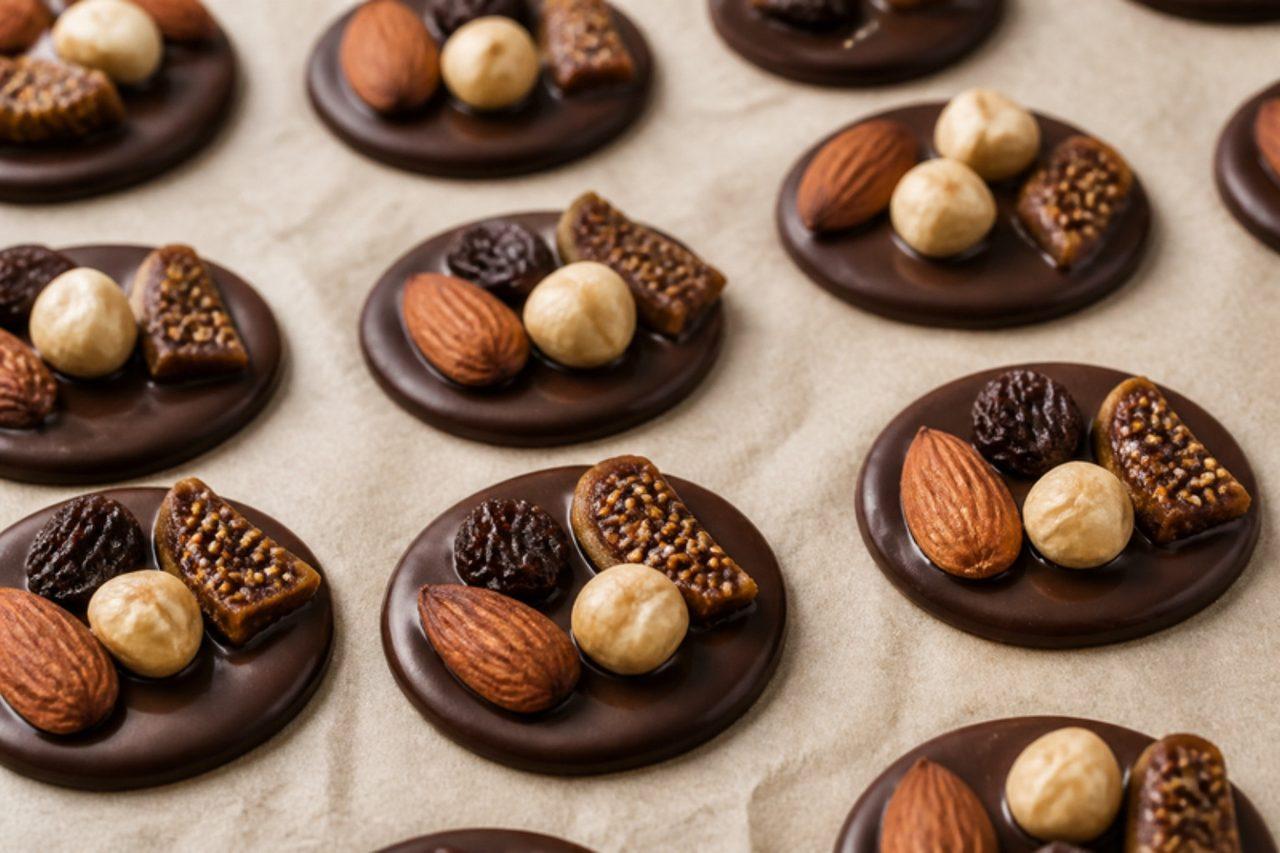
Mendiants are little discs of chocolate topped with an almond, a hazelnut, a raisin and a dried fig, the four "beggars" of the Provençal Christmas, whose colours were said to match the robes of the four mendicant orders of monks; they are part of the thirteen desserts and a favourite home-made Christmas gift. The common mistake is letting the chocolate set before adding the toppings, so they fall off. Chef's tip: pipe only six discs at a time and top them straight away.

by KrazyBadal 0 views

Nougat glacéFrozen nougat parfait

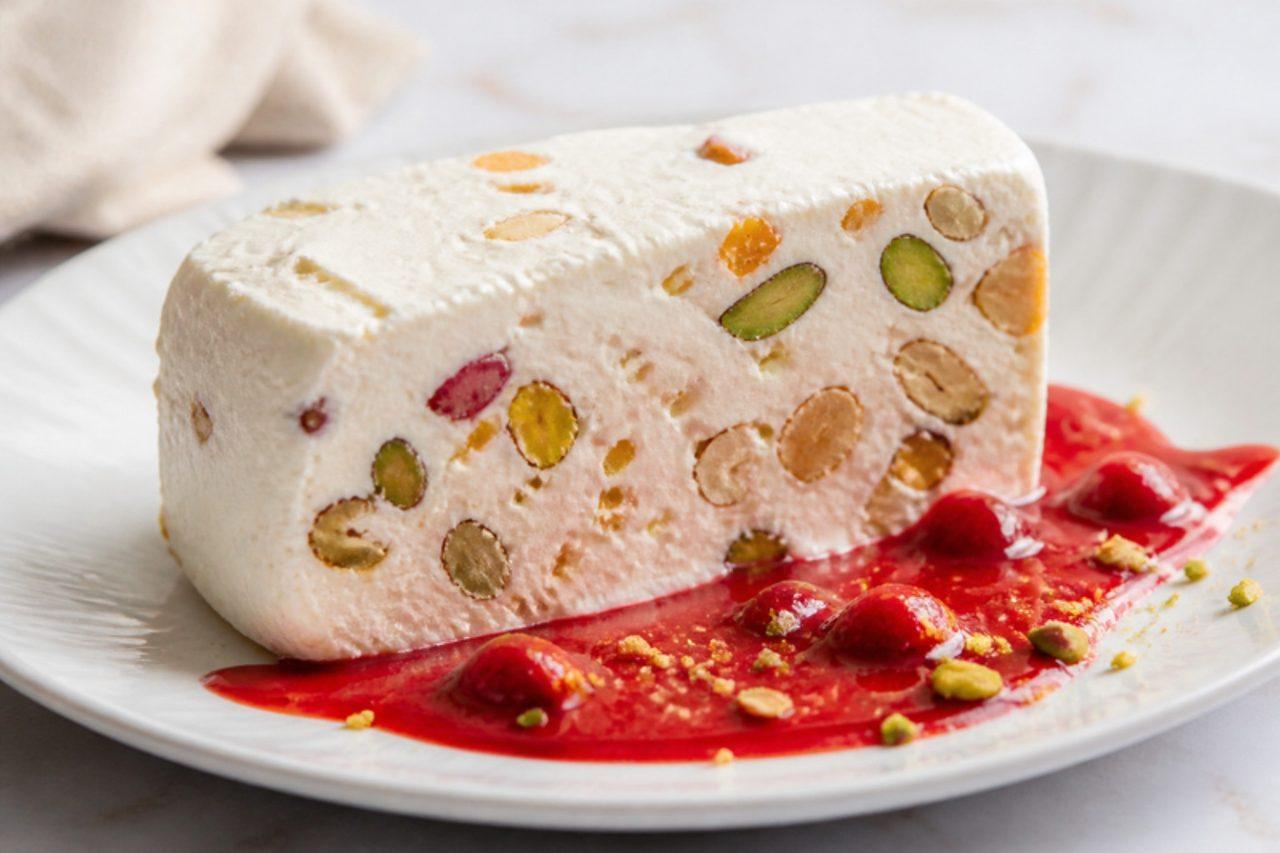
Nougat glacé is the frozen dessert of Provence, inspired by the white nougat of Montélimar: an airy parfait of whipped cream and honey meringue, studded with caramelised almonds, pistachios and candied fruit, served in slices with a red berry sauce at summer dinners. It needs no ice-cream machine. The common mistake is folding in the cream too hard, so it freezes icy instead of light. Chef's tip: take it out of the freezer 10 minutes before slicing.

by KrazyBadal 0 views

Nougat noirDark honey almond nougat

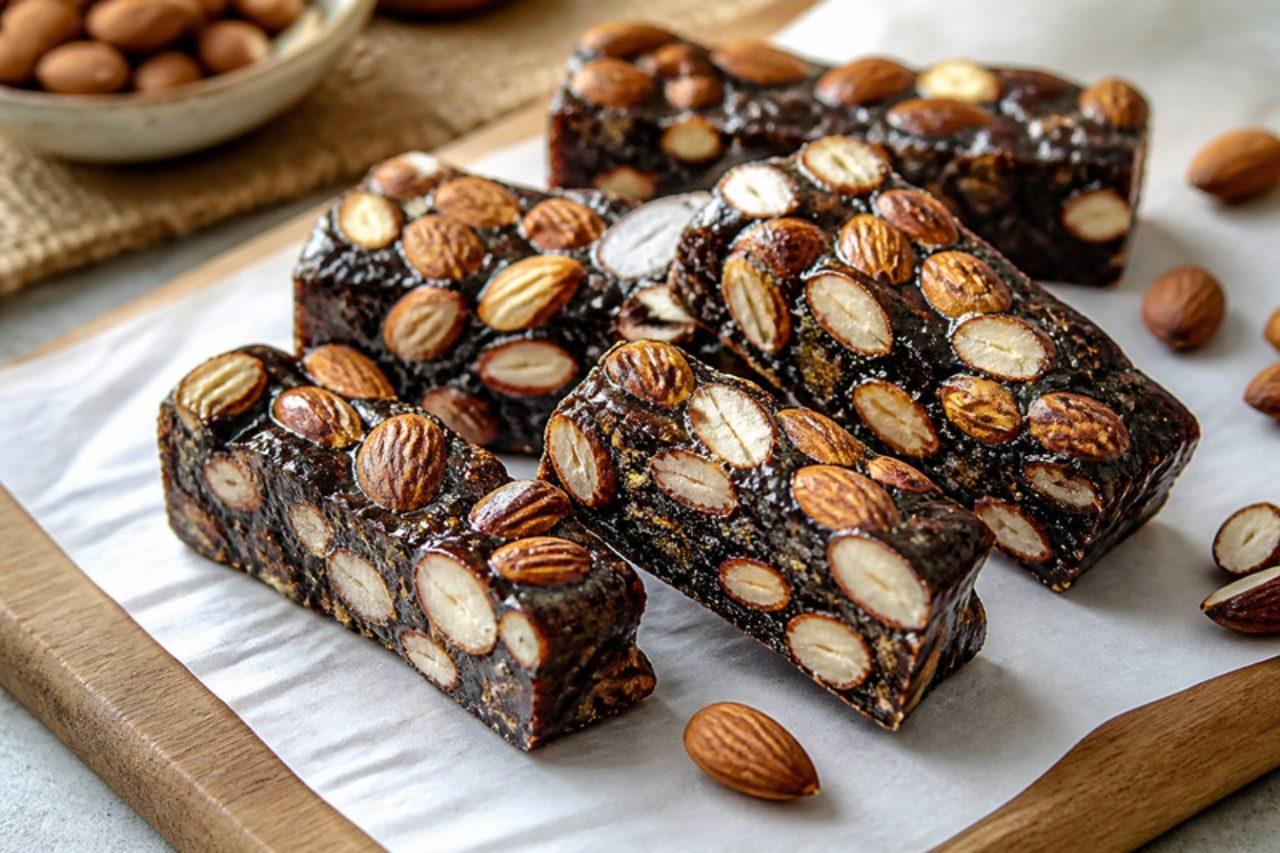
Nougat noir is the dark, crunchy sister of white nougat, made of just honey and almonds cooked until caramelised, and in Provence both are placed on the Christmas Eve table as part of the thirteen desserts, the white for purity and the black for the shadows. The common mistake is cooking it too far, so it tastes burnt and bitter. Chef's tip: stop as soon as the honey turns a deep amber and the almonds start to crackle.

by KrazyBadal 0 views

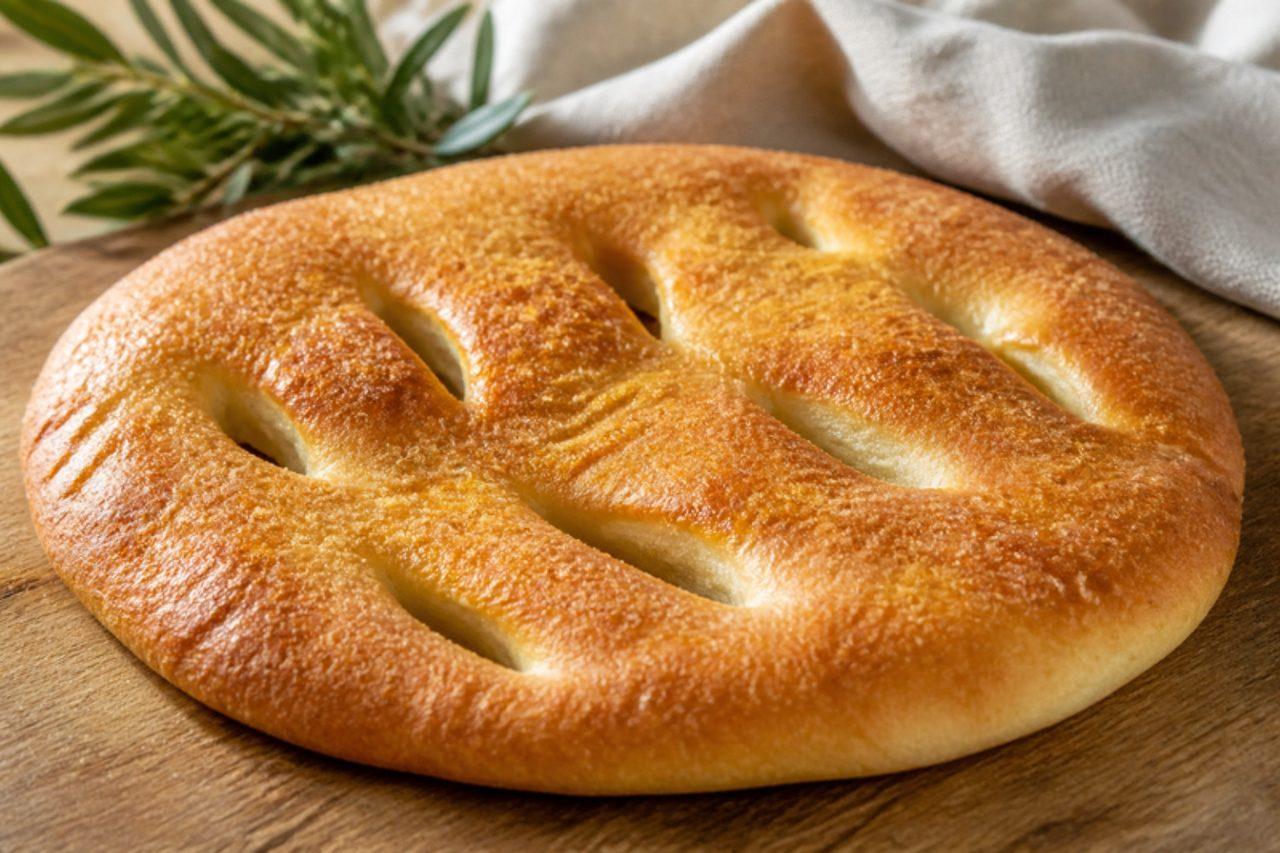
Pompe à l'huileOlive oil orange flatbread

The pompe à l'huile is the centrepiece of the thirteen desserts of Christmas Eve in Provence, a flat, slashed sweet bread made with olive oil and scented with orange-blossom water. Tradition says it must be torn by hand, never cut, or you will be ruined in the year to come, and it is eaten after the gros souper on 24 December. The common mistake is using a harsh, peppery olive oil, which overpowers it. Chef's tip: use a mild, fruity olive oil and brush more over the warm loaf.

170 minFrenchBakingVegan
by KrazyBadal 0 views

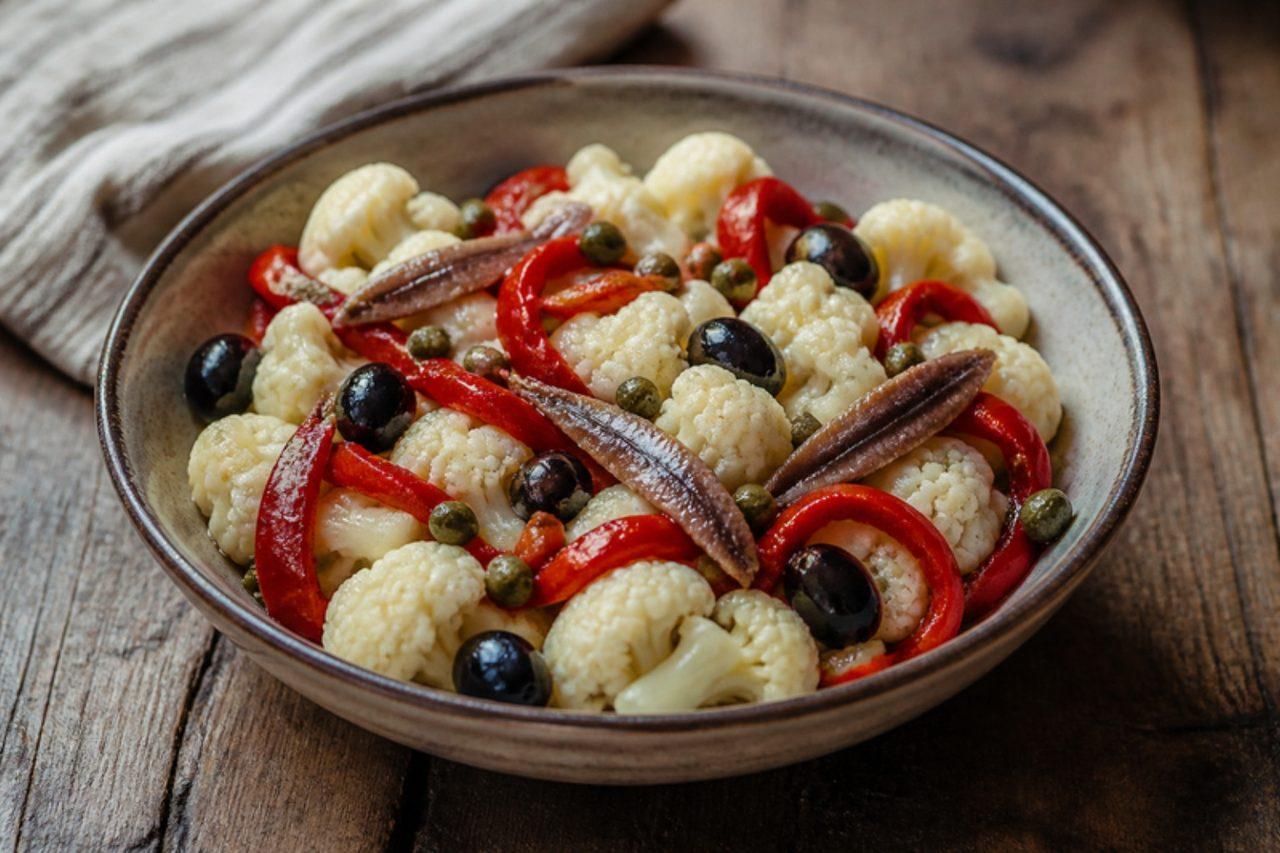
Insalata di rinforzoCauliflower and pickle salad

Insalata di rinforzo, the "reinforcement salad", is on every Neapolitan table from Christmas Eve to New Year. It is made in a big bowl and "reinforced" each day with more vegetables and pickles as it is eaten: boiled cauliflower, pickled peppers (papaccelle), giardiniera, black olives, capers and anchovies, dressed with olive oil and vinegar. It is served alongside the fried fish of the Vigilia. Chef's tip: boil the cauliflower until just tender, still with a little crunch; it soaks up the dressing better and won't fall apart over the days.

by KrazyBadal 0 views

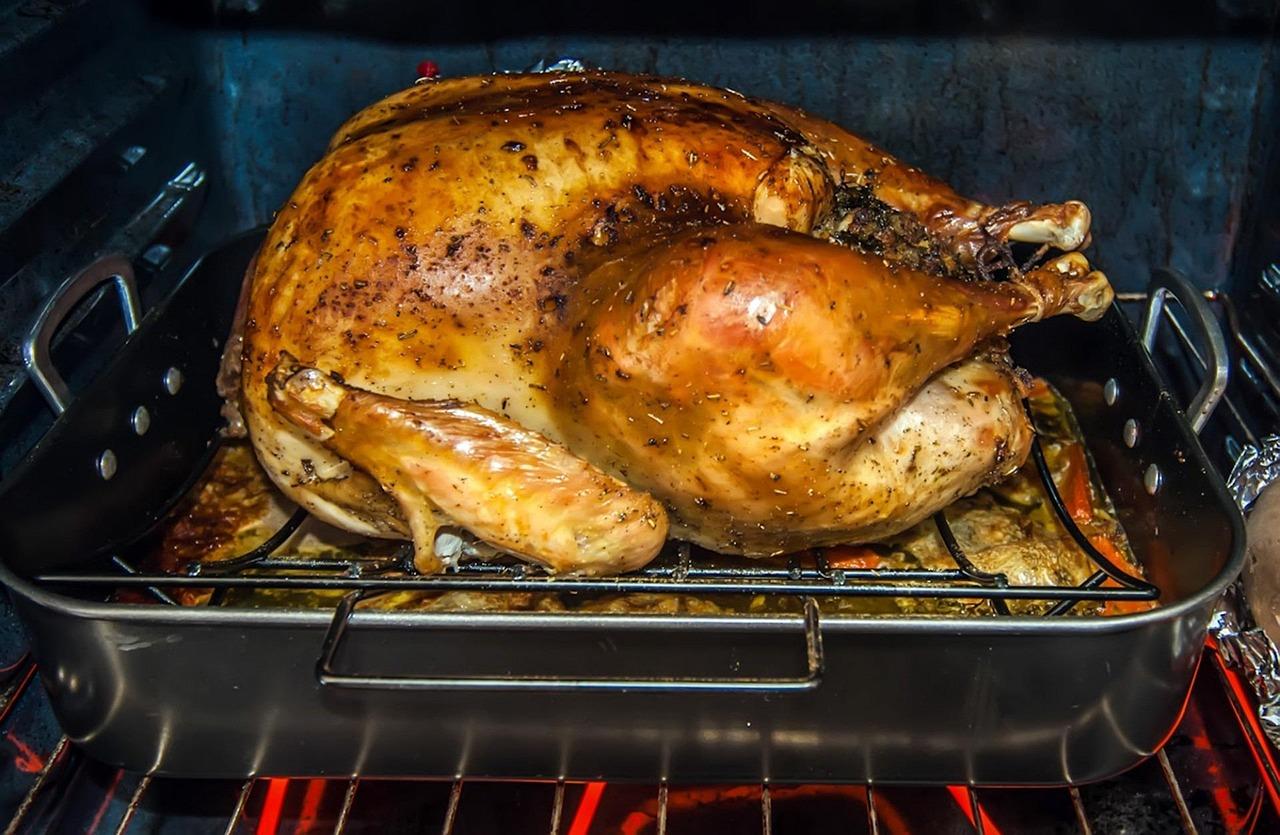
Dinde aux marronsRoast turkey with chestnuts

Dinde aux marrons, roast turkey with chestnuts, is the Christmas Day dish of much of France, carried to the table at lunch on 25 December, often after oysters and smoked salmon. The bird is rubbed with butter, roasted with a gentle chestnut and onion garnish, and served with its pan juices. The stuffing is cooked separately here, which keeps it safe and the bird evenly cooked. The common mistake is roasting too long, which dries the breast. Chef's tip: the turkey is ready when the thickest part of the thigh reads 74 °C; rest it for 45 minutes under foil before carving.

by KrazyBadal 0 views

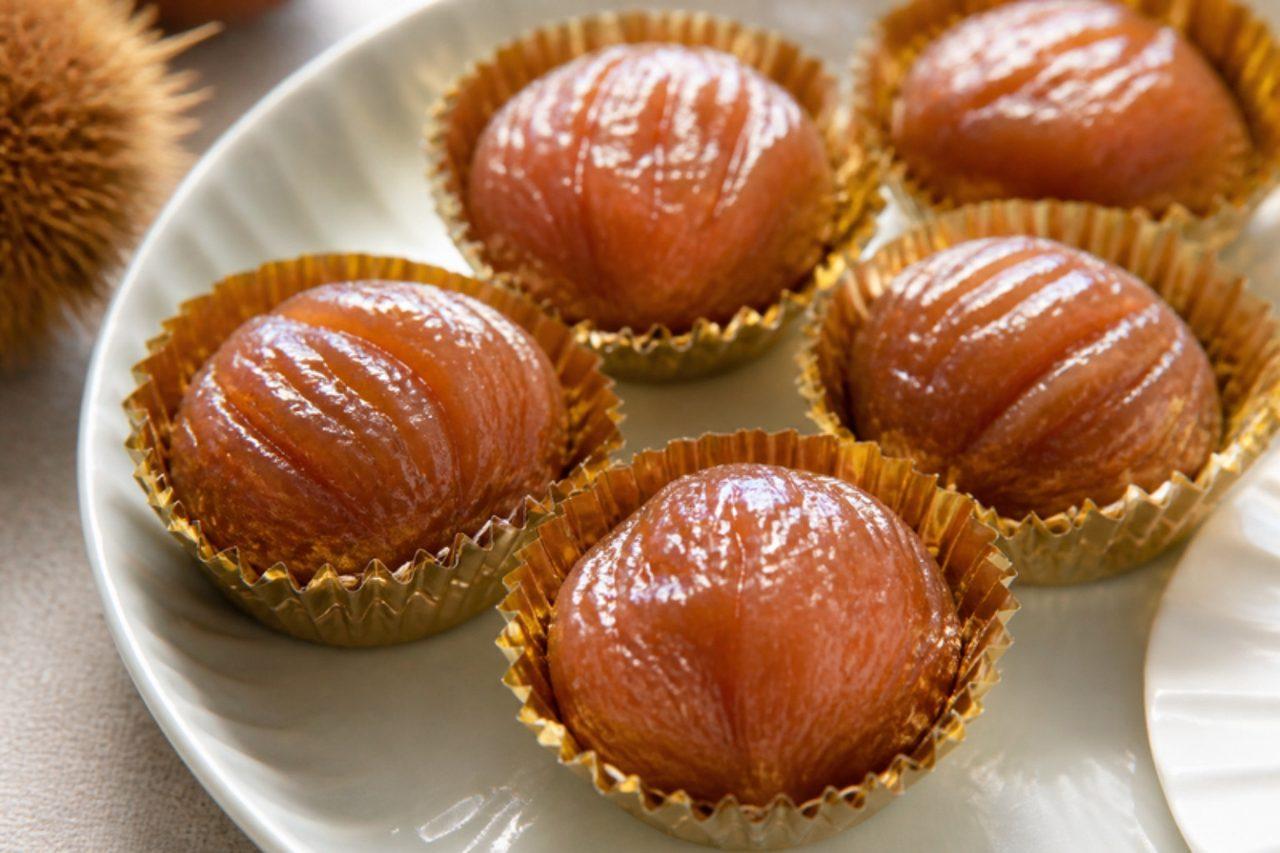
Marrons glacésCandied chestnuts

Marrons glacés are the luxurious Christmas sweet of the Ardèche and Privas, whole chestnuts candied slowly in vanilla syrup and finished with a thin sugar glaze, given as gifts in December and served with coffee after the Christmas meal. Home versions use cooked, peeled chestnuts, which saves the hardest work. The common mistake is stirring, which breaks the chestnuts. Chef's tip: wrap the chestnuts in muslin, or set them in a steamer basket, so you can lift them in and out of the syrup without touching them.

by KrazyBadal 0 views

Bûche de NoëlChocolate Christmas log

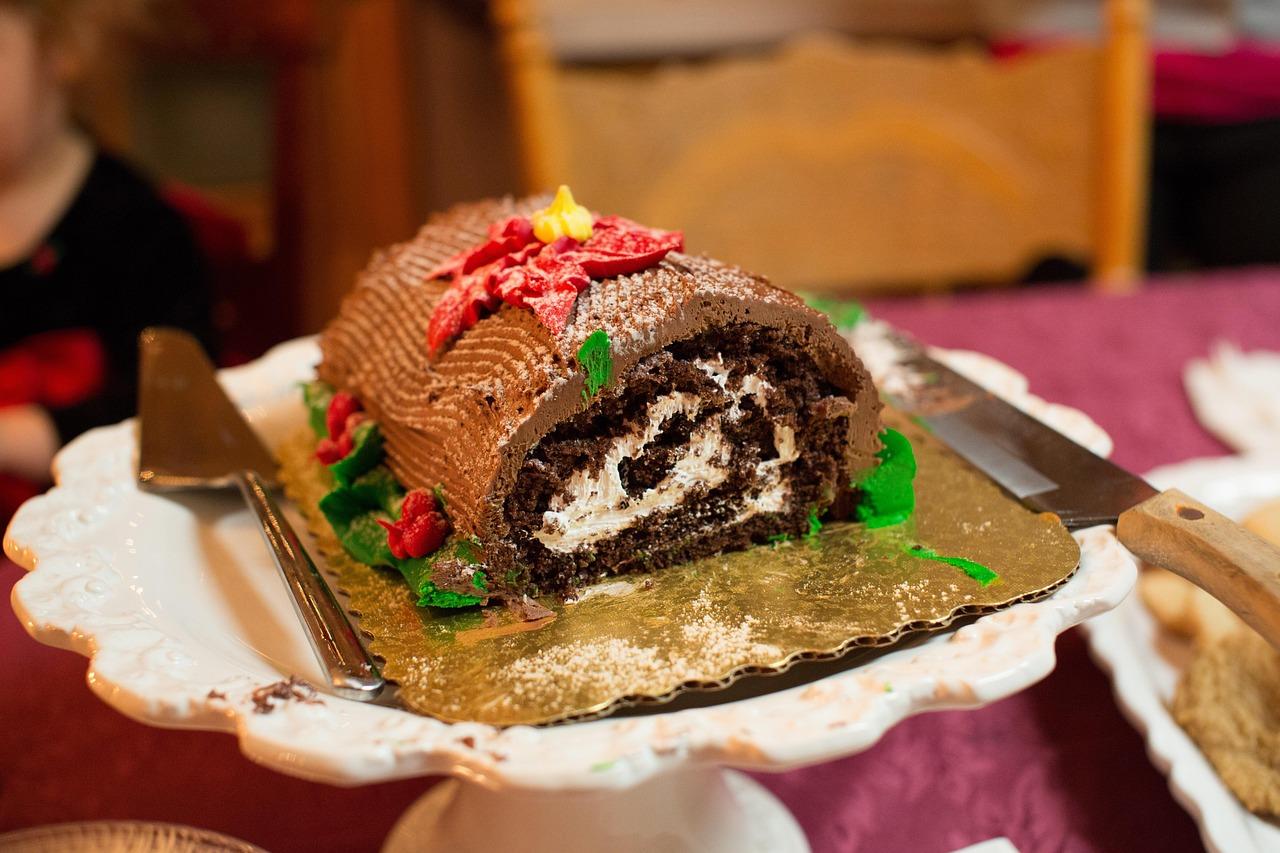
The bûche de Noël is the Christmas Eve and Christmas Day dessert in homes all over France, a rolled sponge filled and covered with chocolate cream and marked with a fork to look like the Yule log that families once burned through the holidays. This classic home version uses a light sponge, a chocolate ganache cream and a dusting of icing-sugar snow. The common mistake is letting the sponge cool flat, so it cracks when rolled. Chef's tip: roll it up in a clean tea towel while hot, then unroll to fill once cool; it remembers the shape.

by KrazyBadal 0 views

StruffoliHoney fried dough balls

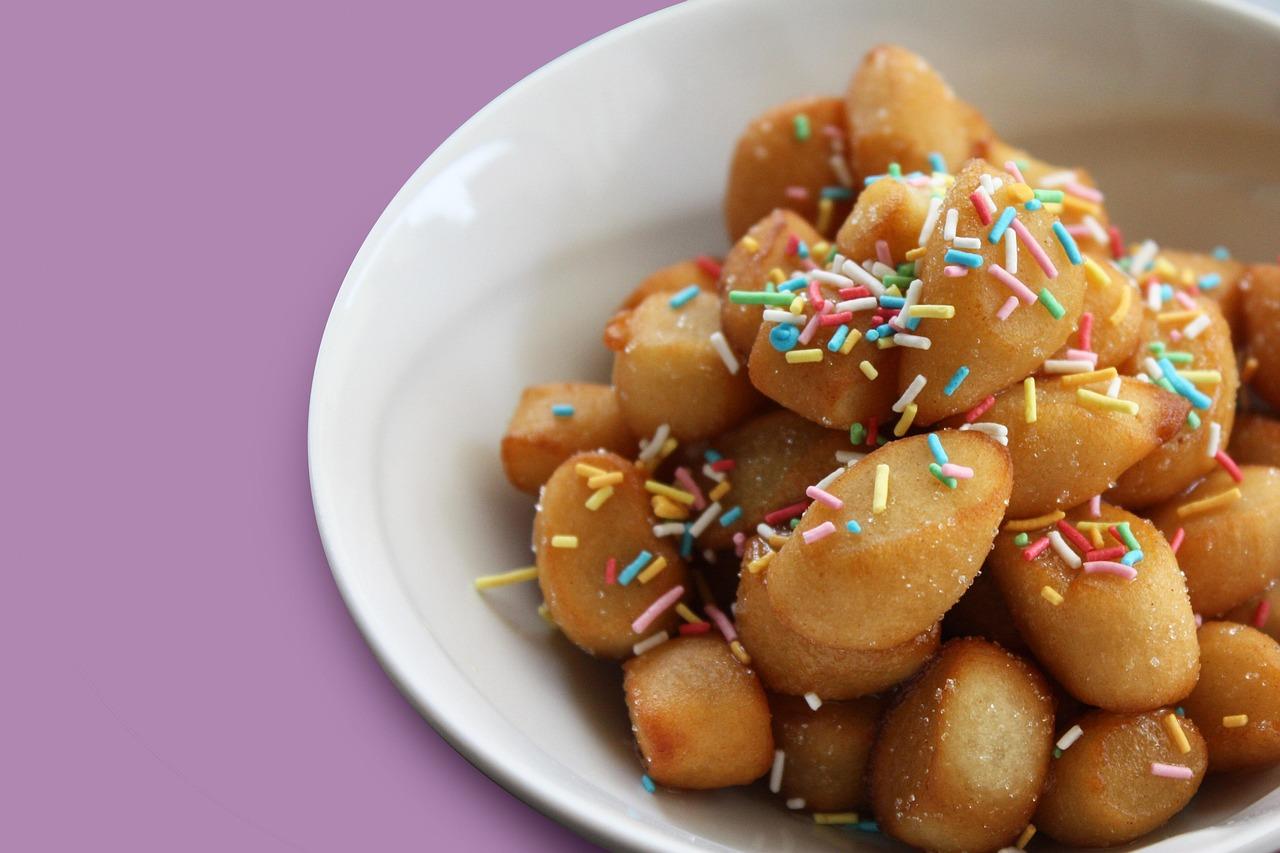
No Neapolitan Christmas is complete without a plate of struffoli: hundreds of tiny balls of dough, fried until golden, then rolled in warm honey with candied orange and coloured sprinkles and piled into a wreath or a cone. Families make them in the week before Christmas, often together around the kitchen table, and give them away to neighbours. They keep for days under a cloth and are eaten with fingers or a spoon. Chef's tip: roll the ropes of dough no thicker than your little finger and cut tiny pieces, about the size of a chickpea; they puff up as they fry.

by KrazyBadal 0 views

MostaccioliSpiced chocolate biscuits

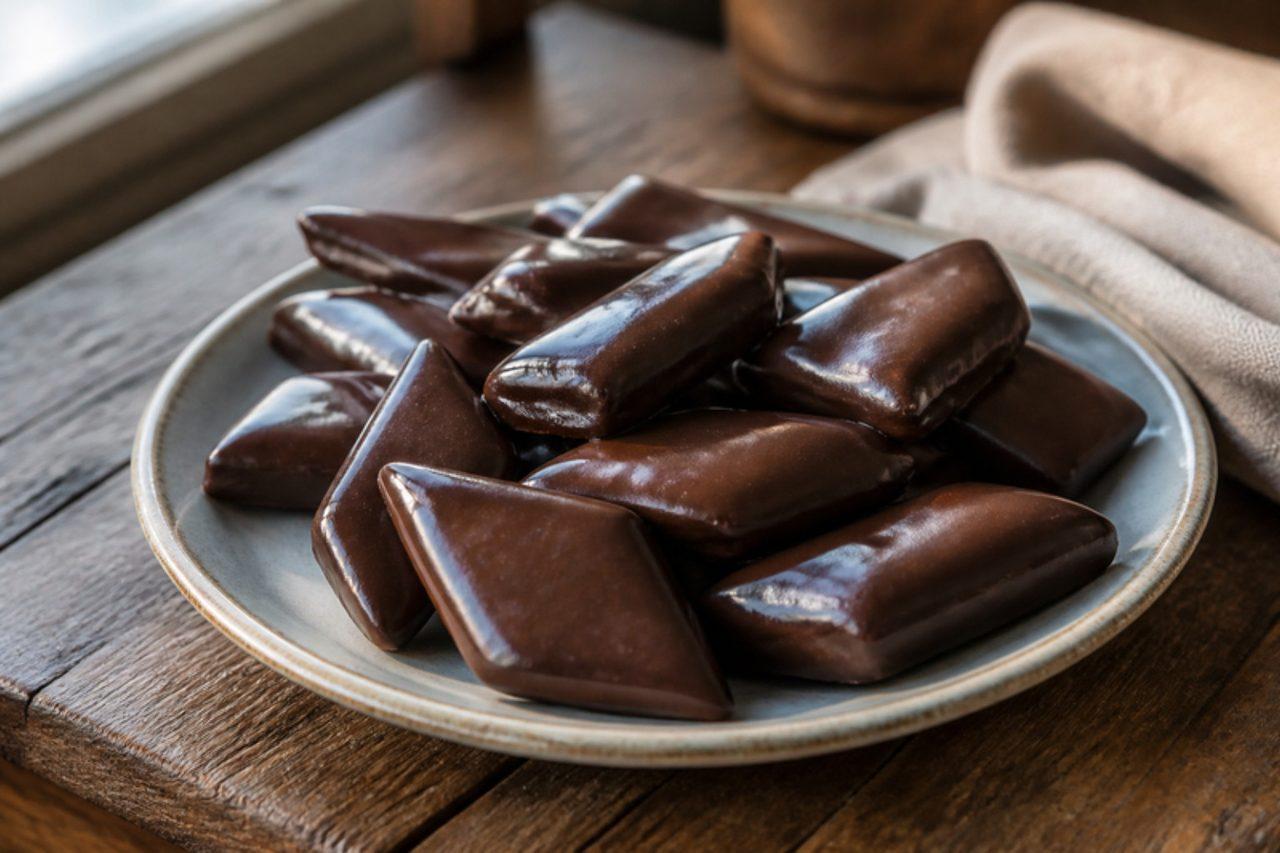
Neapolitan Christmas trays always include mostaccioli: soft, spiced biscuits shaped like diamonds and covered in a shiny coat of dark chocolate. The dough is flavoured with honey, cocoa, orange and pisto, a Neapolitan spice mix of cinnamon, clove, nutmeg, star anise and coriander. They are made in early December with roccocò and struffoli and kept in tins for the whole holiday. Not for babies under 1 because of the honey. Chef's tip: let the biscuits rest a day before coating; spiced honey biscuits soften and their flavour deepens after a night in the tin.

by KrazyBadal 0 views

Cappon magroLayered fish and vegetable salad

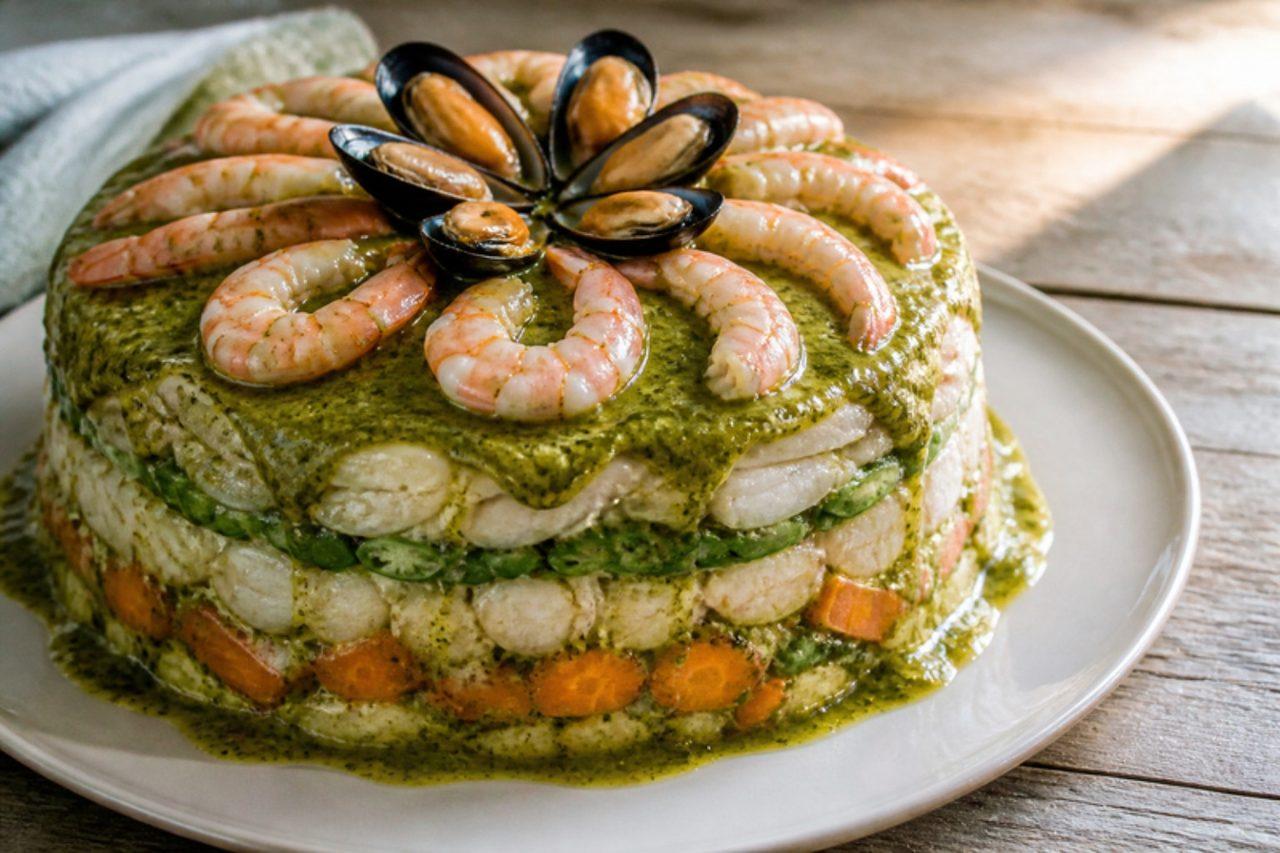
Cappon magro is the grand Christmas Eve centrepiece of Genoa, once eaten by rich families on the night of "lean" eating before Christmas. On a base of gallette (ship's biscuits) rubbed with garlic and soaked with vinegar, cooks build a tall dome of boiled vegetables and white fish, held together by a rich green sauce of parsley, capers, pine nuts, anchovies and egg yolks, then decorated with prawns and mussels. It takes a whole afternoon and is served cold. Chef's tip: dress each layer of vegetables with oil and vinegar separately as you build; it seasons the whole dome evenly instead of only the outside.

150 minItalianFish
by KrazyBadal 0 views

RicciarelliSoft almond biscuits

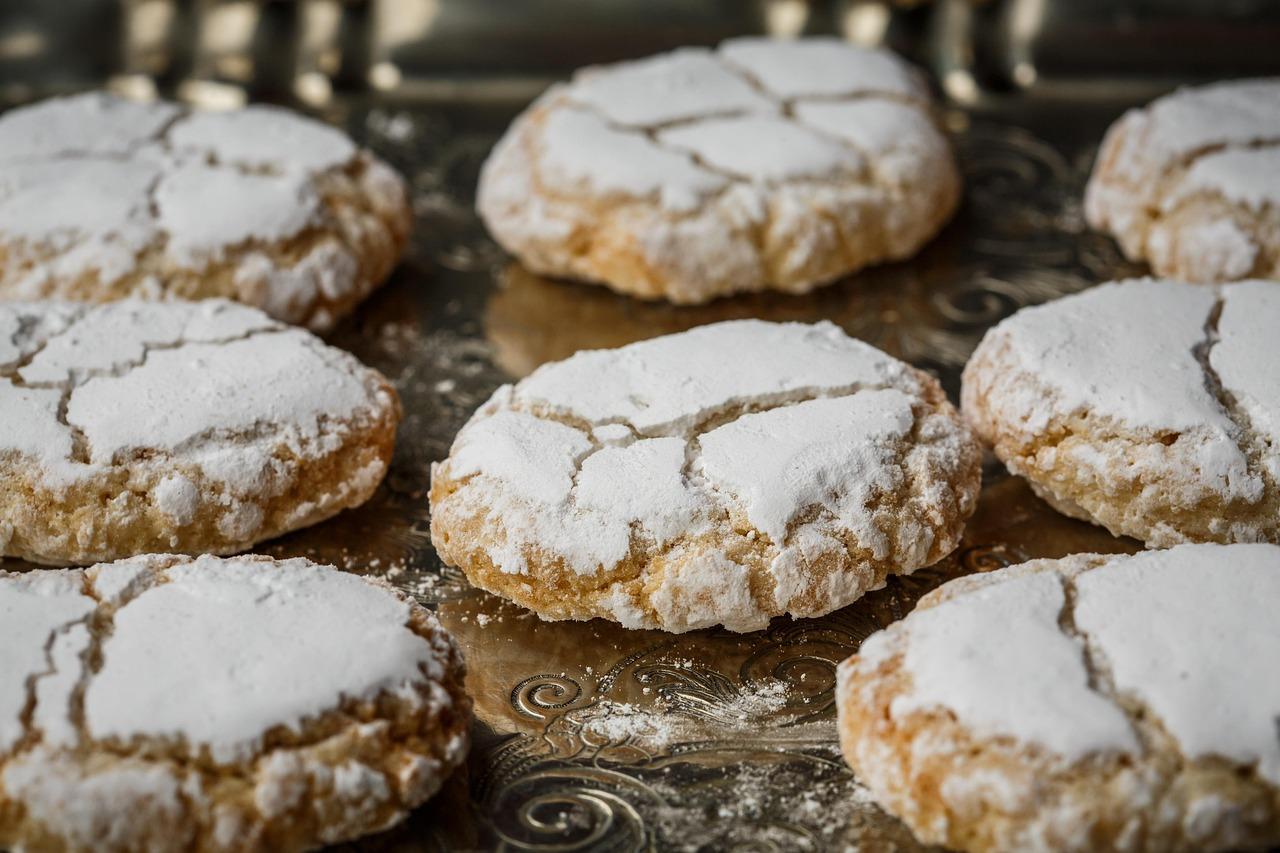
Siena has been making ricciarelli since the Renaissance: soft, chewy almond biscuits in the shape of a diamond or a curved eye, with a crackled top covered in icing sugar. Sienese families buy them from the historic pasticcerie near the Campo at Christmas and serve them with a glass of Vin Santo after dinner, but they are eaten all winter with coffee. This recipe is naturally gluten free. Chef's tip: let the shaped biscuits dry at room temperature overnight before baking; a dry crust cracks beautifully in the oven while the inside stays soft.

by KrazyBadal 0 views

Buccellato sicilianoFig and nut pastry ring

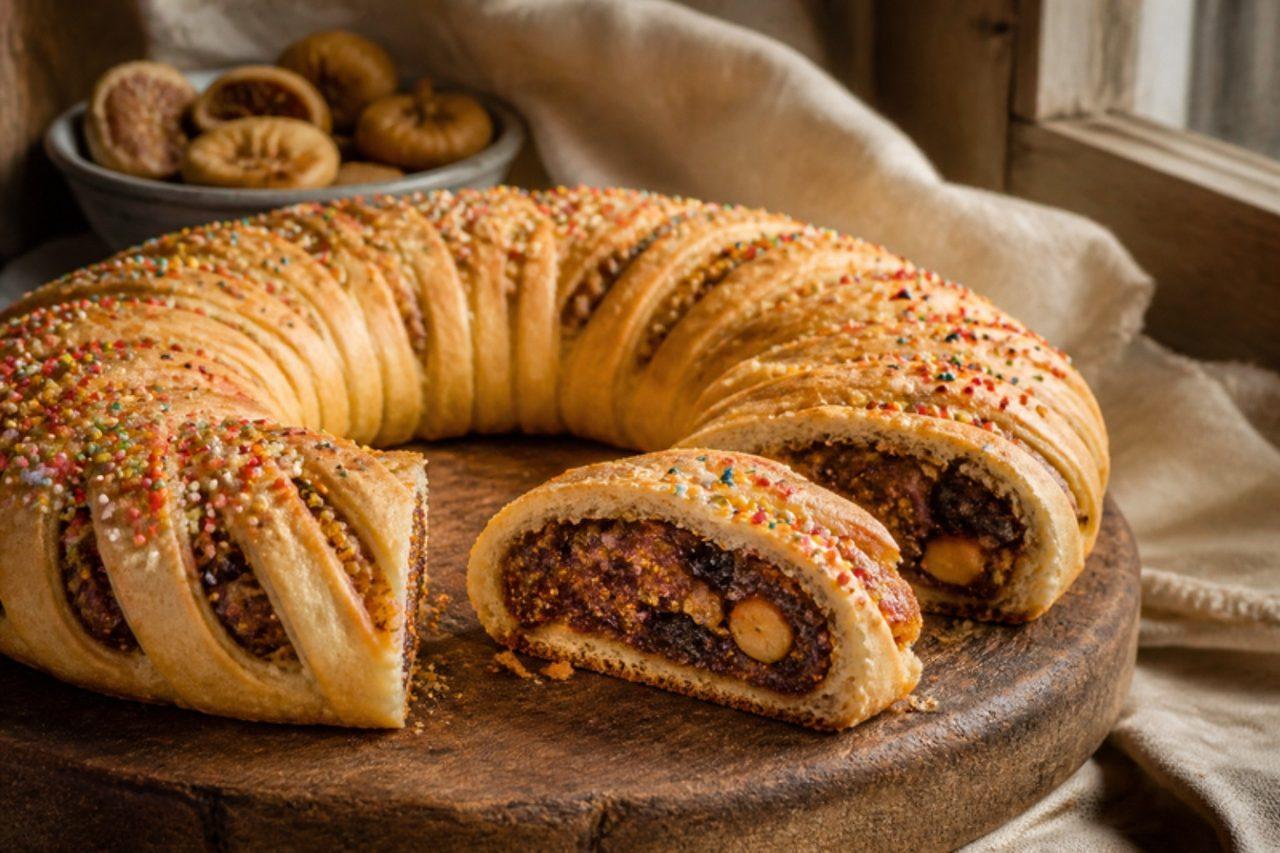
In Palermo and western Sicily, buccellato is the great Christmas ring: a crumbly shortcrust wrapped around a dark, sticky filling of dried figs, raisins, almonds, walnuts, orange peel, chocolate and spices, often decorated with cuts along the top and coloured sprinkles. Families start the filling days ahead and bake several rings to give away. The filling traditionally includes a splash of Marsala; use orange juice for an alcohol-free version. Chef's tip: cut slits along the top of the ring before baking; they let steam out and show off the dark filling.

by KrazyBadal 0 views

CartellateFried honey pastry rosettes

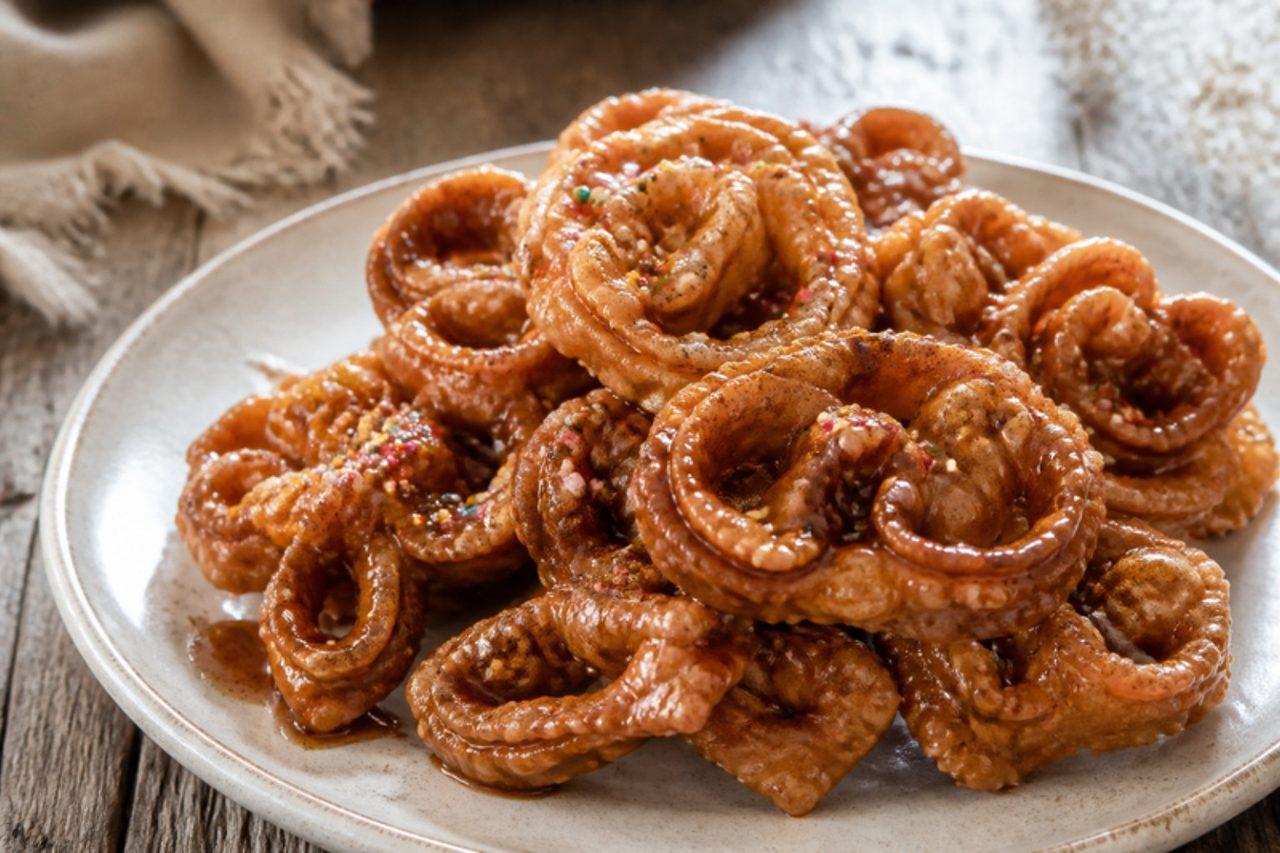
In Bari and the towns of Puglia, cartellate are the Christmas sweet that families make together: thin ribbons of dough, pinched every few centimetres and rolled up into a rosette with lots of small pockets, fried, then dipped in warm vincotto, a dark, syrupy reduced grape must, or honey. The pockets fill with syrup, and they are sprinkled with cinnamon and coloured sprinkles. The dough traditionally includes a little white wine; this version gives a water and lemon option for an alcohol-free bake. Chef's tip: pinch the ribbon firmly every 3 cm before rolling; well-sealed pockets hold the syrup instead of flattening in the oil.

by KrazyBadal 0 views

RoccocòHard almond spice rings

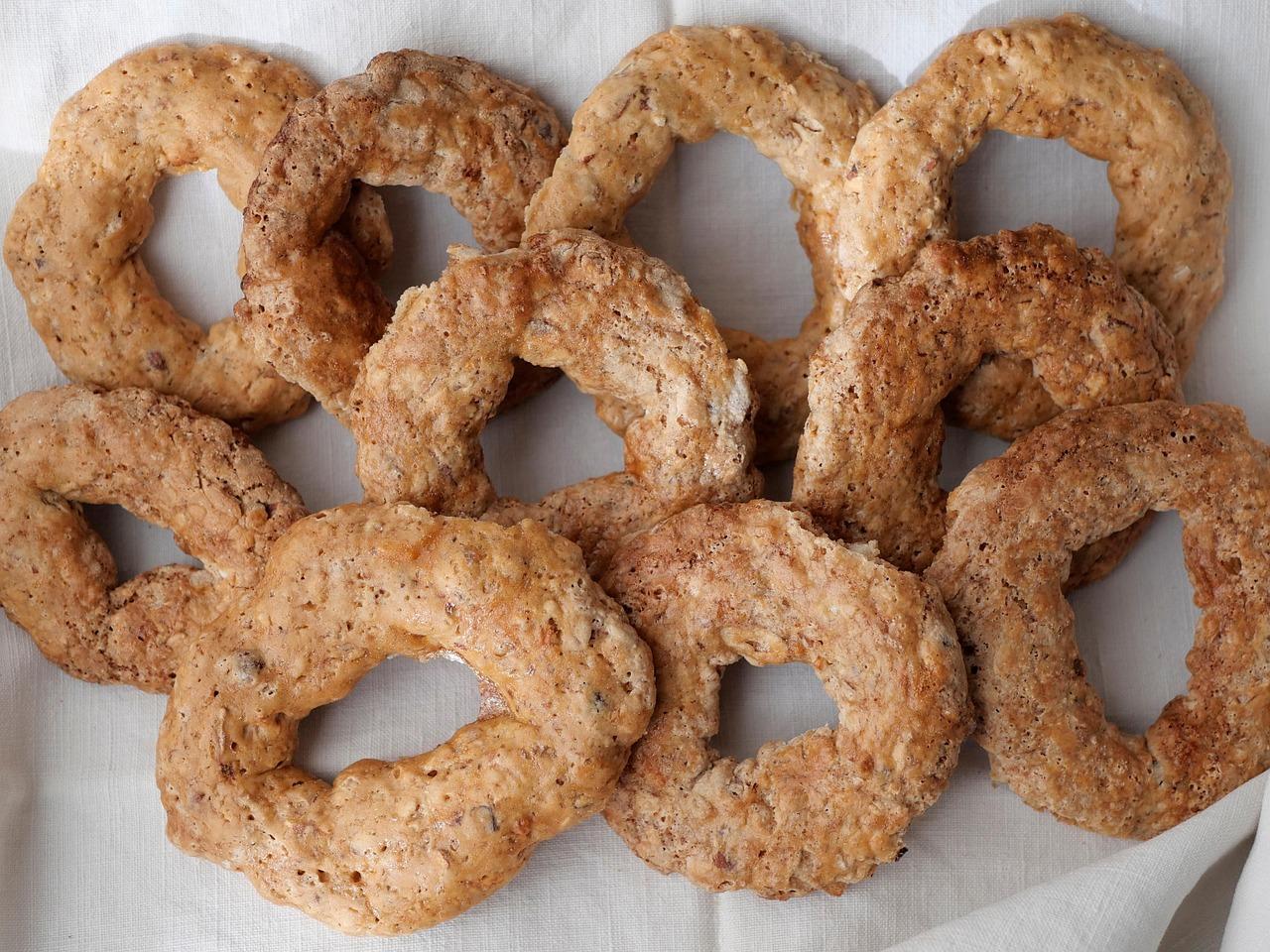
Roccocò are the hardest biscuits on the Neapolitan Christmas tray, ring-shaped and studded with whole almonds, scented with orange and pisto spice. The name is said to come from the curly French "rocaille" shape. They are baked in early December, and Neapolitans dunk them in sweet wine or milk, or break them carefully, because they are famously hard on teeth. Chef's tip: bake them twice as long as you think and leave them to dry overnight; roccocò are meant to be crunchy, and they soften pleasantly after a week in the tin.

by KrazyBadal 0 views

Capitone frittoFried eel

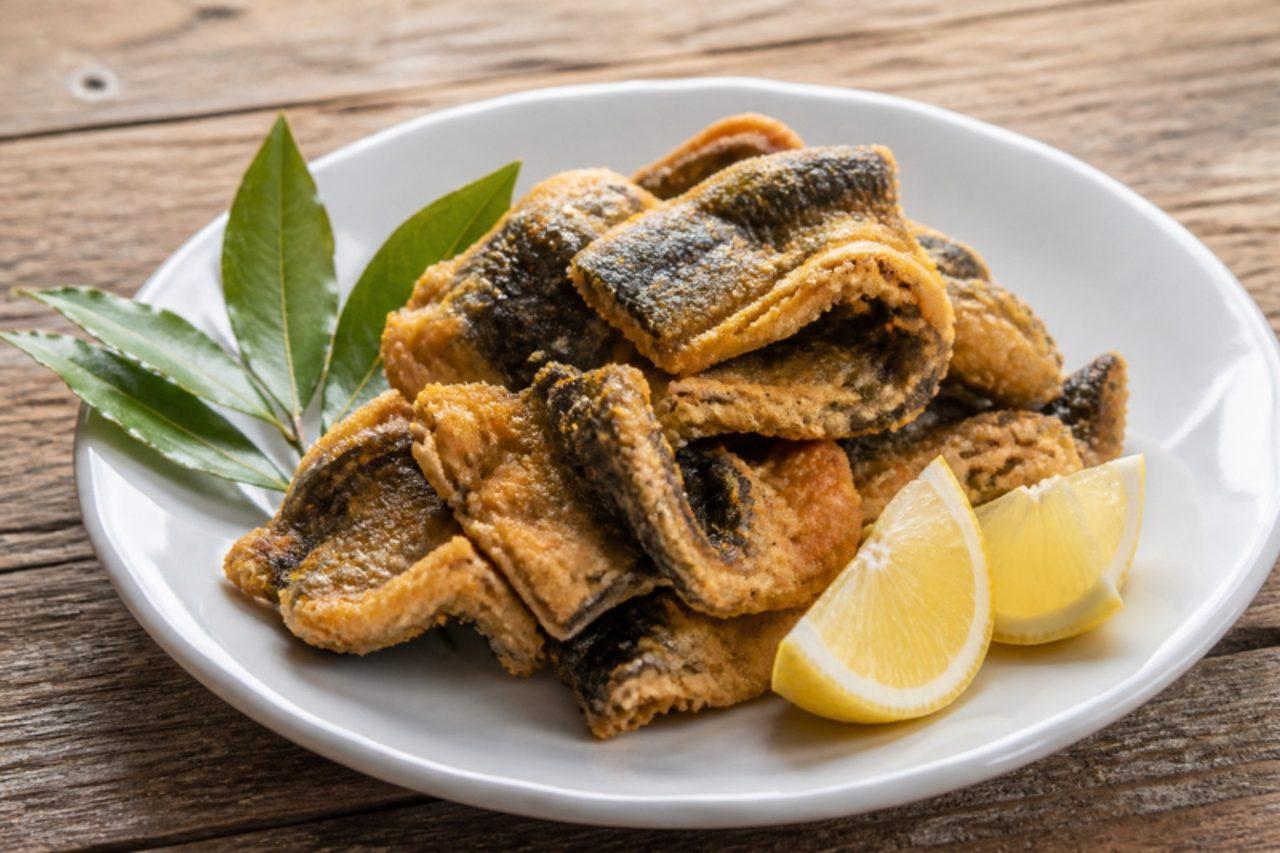
Capitone, the big female eel, is the star of Christmas Eve in Naples: families buy it at the markets in Porta Nolana or the Pignasecca on 23 December and fry it the next night as part of the meatless Vigilia dinner. Eels are said to represent the serpent of Eden, and eating them is said to bring luck for the year. Ask the fishmonger to kill, clean and cut the eel for you; at home you only need to cut, flour and fry. Chef's tip: marinate the eel pieces with vinegar and bay in the fridge for an hour; the acid tightens the skin and balances the rich, fatty flesh.

by KrazyBadal 0 views

PeradGuava cheese

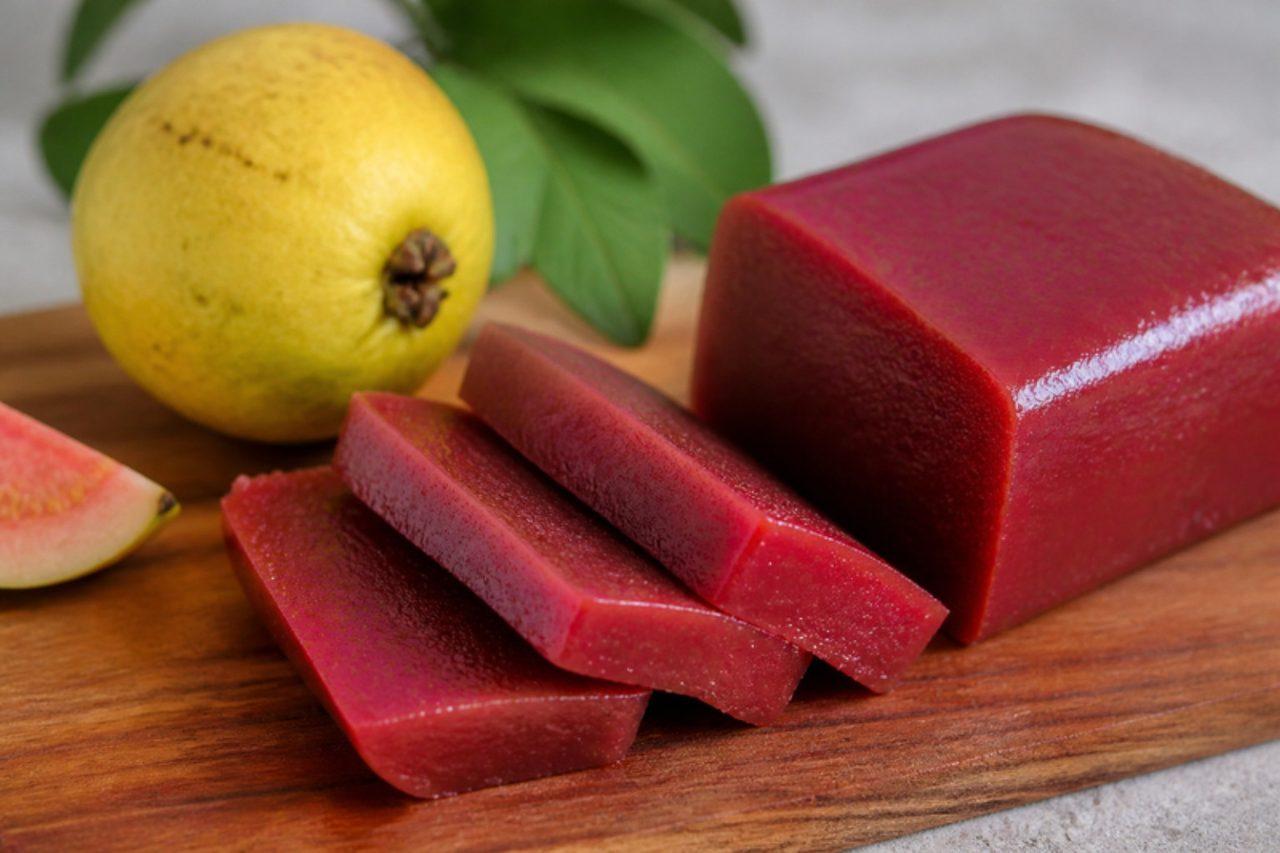
Goan grandmothers make perad when the guava trees are full in winter, and it sits in a tin on the dresser all through Christmas, cut into dark pink squares for the kuswar plate. The name and the method come from the Portuguese goiabada: ripe guavas are cooked, sieved, then boiled down with sugar and lime juice for the best part of an hour until the paste is thick, glossy and comes away from the pan in one mass. Set in a tray, it slices cleanly and tastes intensely of guava, sweet and slightly tart, with a chewy, jelly-like bite. Eat it on its own, with a piece of cheese, or on bread. The common mistake is stopping too early: it looks thick in the pan but stays soft and sticky once cool. Test a little on a cold plate; it should hold its shape and peel off cleanly. Chef's tip: choose fragrant pink-fleshed guavas and add a couple of slightly under-ripe ones; they carry more pectin and help it set.

by KrazyBadal 0 views

Goan cashew marzipan

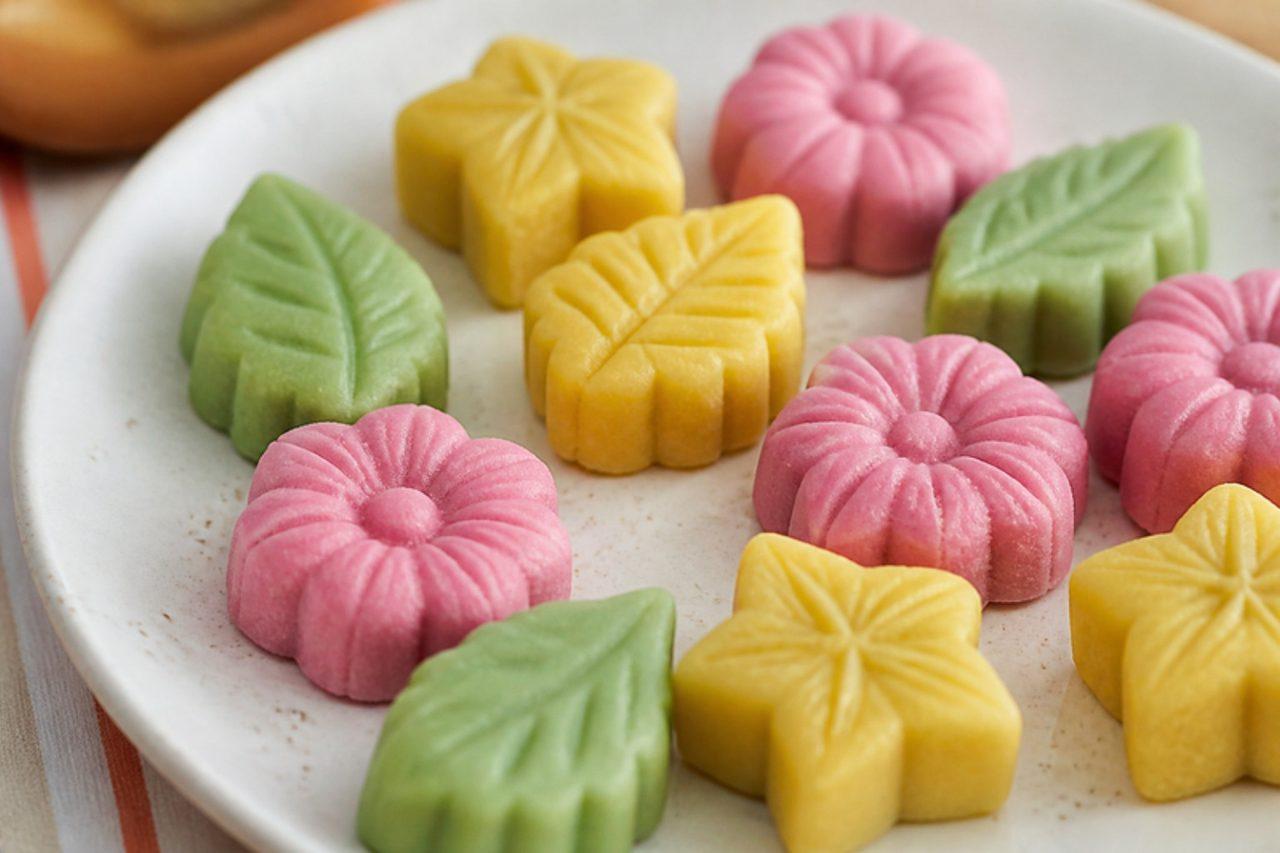
Where Europe makes marzipan from almonds, Goa uses its own crop: cashews. Maçapão is a Portuguese legacy that Goan Catholic families make every December, pressing the cashew paste into rubber or plastic moulds of stars, flowers, fish and bells, tinted pink, green and yellow, for the Christmas kuswar tray. Ground cashews are cooked with sugar syrup and a little egg white (which gives it its smooth, pliable texture) until it leaves the pan, then kneaded, coloured and shaped. It tastes rich, sweet and buttery, softer and creamier than almond marzipan. Because of the egg white, it is vegetarian with egg rather than vegan. The common mistake is grinding the cashews too long, which releases their oil and gives a greasy, sticky paste; pulse them in short bursts. Chef's tip: when the mixture is ready, a small piece rolled between your fingers should feel like soft play dough and not stick; if it does, cook it a few minutes longer.

by KrazyBadal 0 views

BolinhasSemolina and coconut cookies

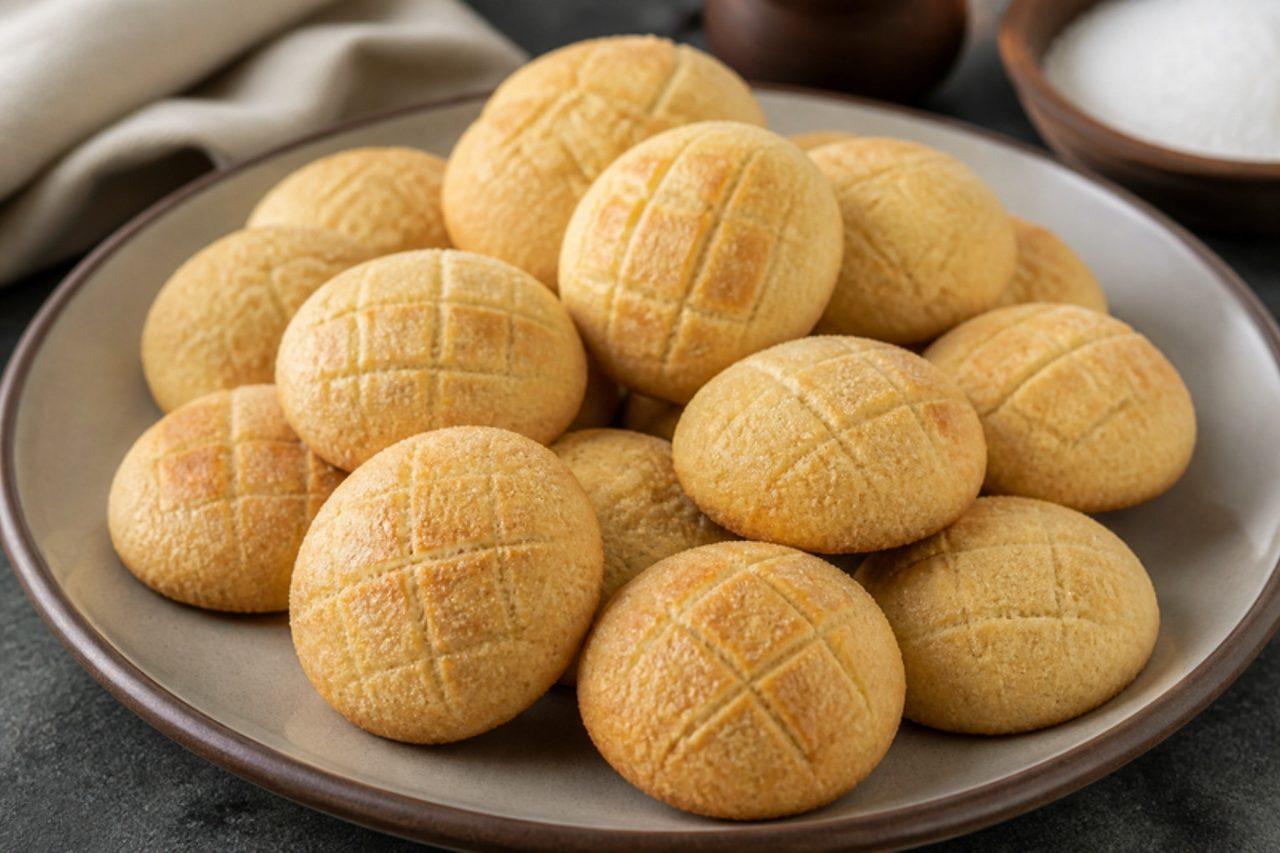
Bolinhas (small balls in Portuguese) are the cookies Goan Catholic families bake in batches for the Christmas kuswar, the tins of sweets sent to friends and neighbours in Panjim and Salcete in mid-December. Fresh coconut is cooked briefly in a sugar syrup, mixed with semolina and left overnight so the grains soften, then bound with butter and egg yolks, shaped into small balls, marked with a fork or a cross and baked until golden. The texture is sandy and crumbly outside with a chewy coconut centre, and they smell of cardamom and browned butter. They contain egg yolk, so they are vegetarian with egg, not vegan. The common mistake is baking them the same day: unsoaked semolina stays gritty and the cookies spread. Chef's tip: shape with slightly damp hands and keep them small, about 3 cm; they puff a little and need room on the tray.

by KrazyBadal 0 views

Goan chana dal doceChana dal and coconut fudge

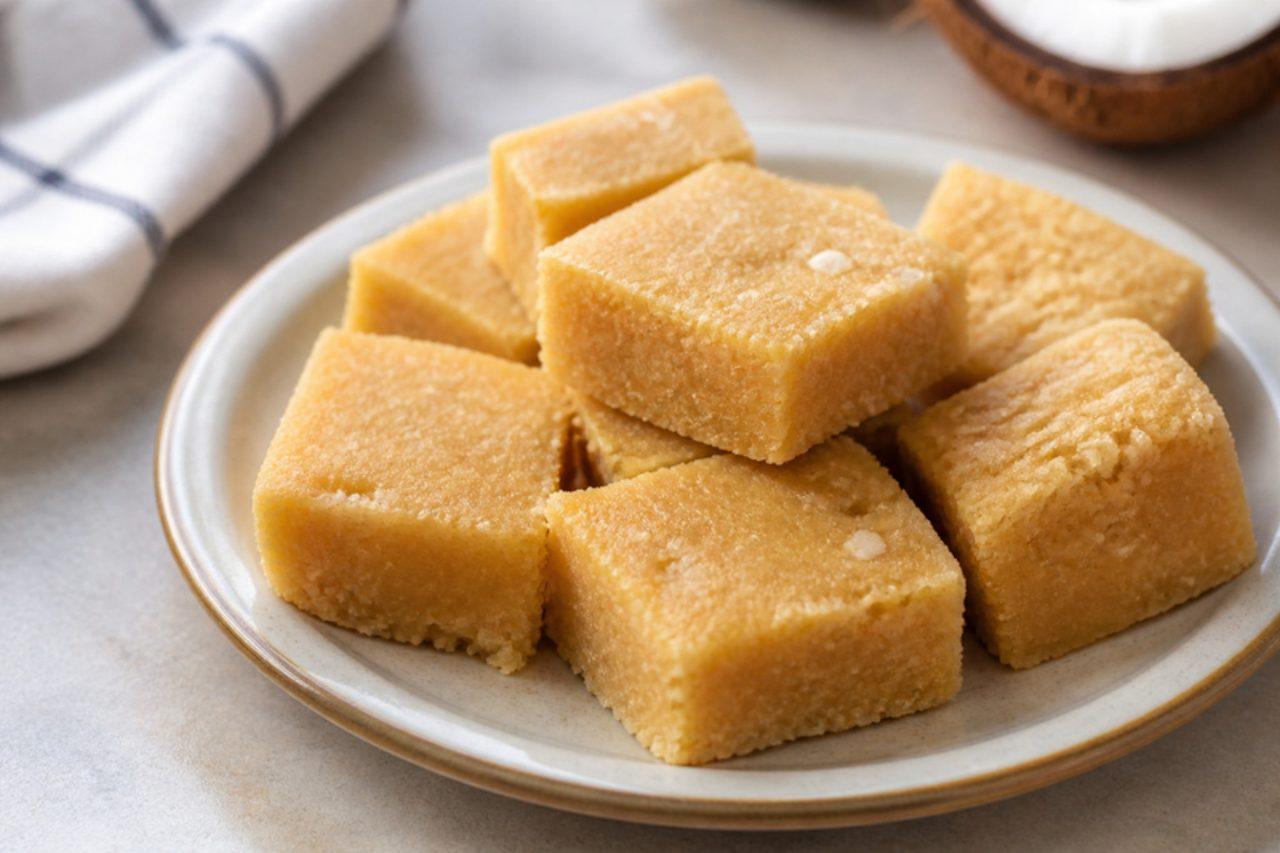
Doce de grão is one of the oldest sweets on the Goan Christmas kuswar platter, made in Catholic homes from Margao to Mapusa in the weeks before Christmas and also for weddings. Chana dal is boiled and ground with fresh coconut, then cooked with sugar in a wide pan, stirred constantly for the best part of an hour, until it turns into a thick, glossy dough that leaves the sides of the pan. Spread on a plate, cut into diamonds or pressed into small moulds, it is dense, fudgy and nutty, with a soft coconut flavour. Some families add a little ghee at the end for shine, and that makes it vegetarian rather than vegan. The usual mistake is taking it off the heat too soon: it stays sticky and never sets. Push a spoon through the middle; it is ready when the line holds and the mixture rolls into a ball. Chef's tip: grind the coconut and dal together while the dal is warm and without water; a wet paste takes twice as long to cook down.

by KrazyBadal 0 views

KulkulsSugar-glazed dough curls

No Goan or Mangalorean Catholic Christmas kuswar (sweet platter) is complete without kulkuls, the tiny ridged shells that families sit round the table rolling for hours in the week before 25 December. A soft dough of flour, coconut milk, egg and butter is pinched into small balls, pressed and rolled over the back of a fork (or a clean comb) so each curls into a ribbed shell, then fried until crisp and tossed in a white sugar glaze. They are crunchy, lightly sweet and moreish, and they keep for weeks in a tin, which is why the kuswar is shared round the neighbourhood. These contain egg: vegetarian, not vegan. The mistake everyone makes once is rolling the dough too thick, which leaves them hard and doughy inside; each should be no thicker than a coin. Chef's tip: fry on a medium-low flame until just golden; kulkuls darken a little more once out of the oil and the glaze is meant to stay white.

by KrazyBadal 0 views

Glazed Christmas ham

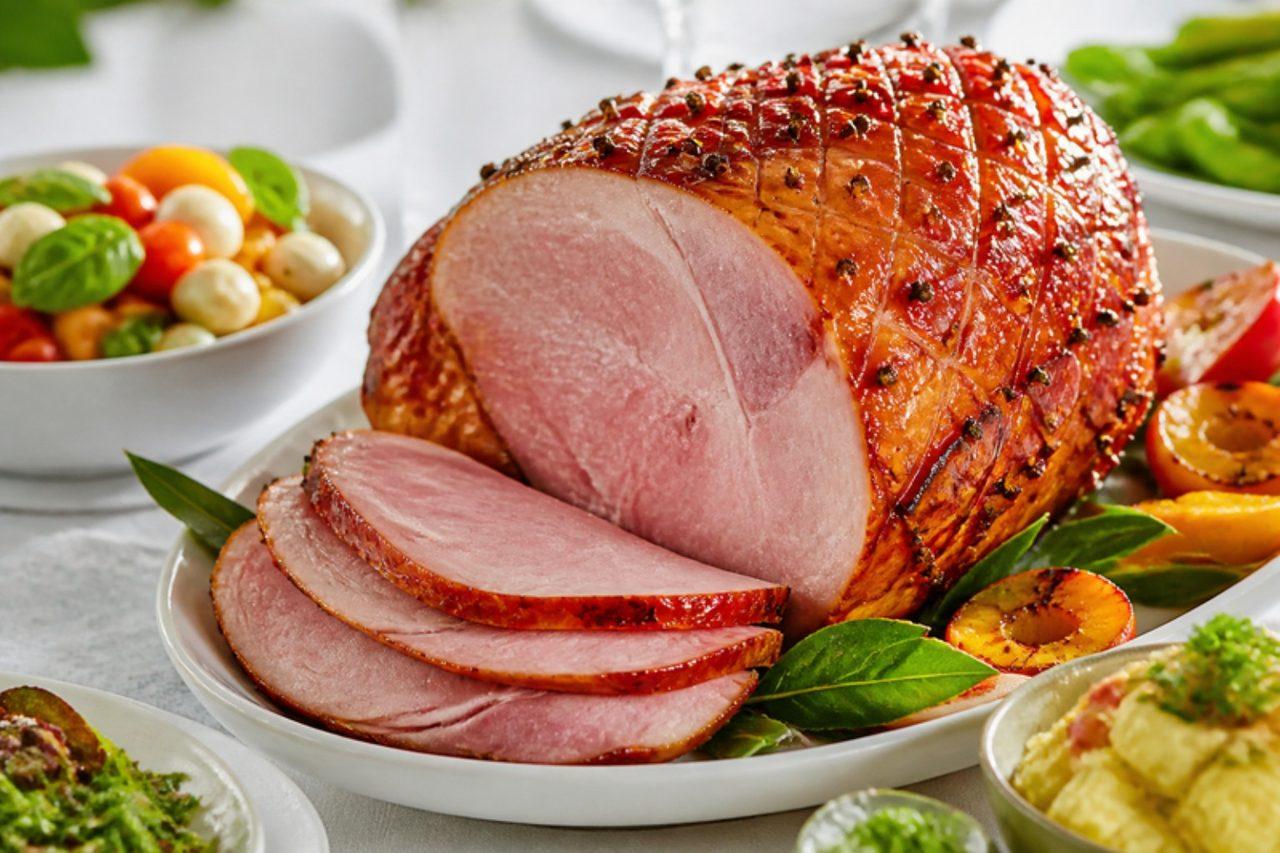
A whole glazed leg ham is the centrepiece of the Australian Christmas table, served cold with salads and mustard on a hot December day and eaten in sandwiches for a week after Boxing Day. It is a cured, smoked leg of pork, already cooked, that is scored, studded with cloves and baked with a sticky orange and honey glaze. A common mistake is cutting the rind off too roughly; ease it away with your fingers so the fat stays smooth. Chef's tip: store the leftover ham in a cotton ham bag soaked in water and vinegar in the fridge to keep it moist.

by KrazyBadal 0 views

Pan de jamónChristmas ham bread

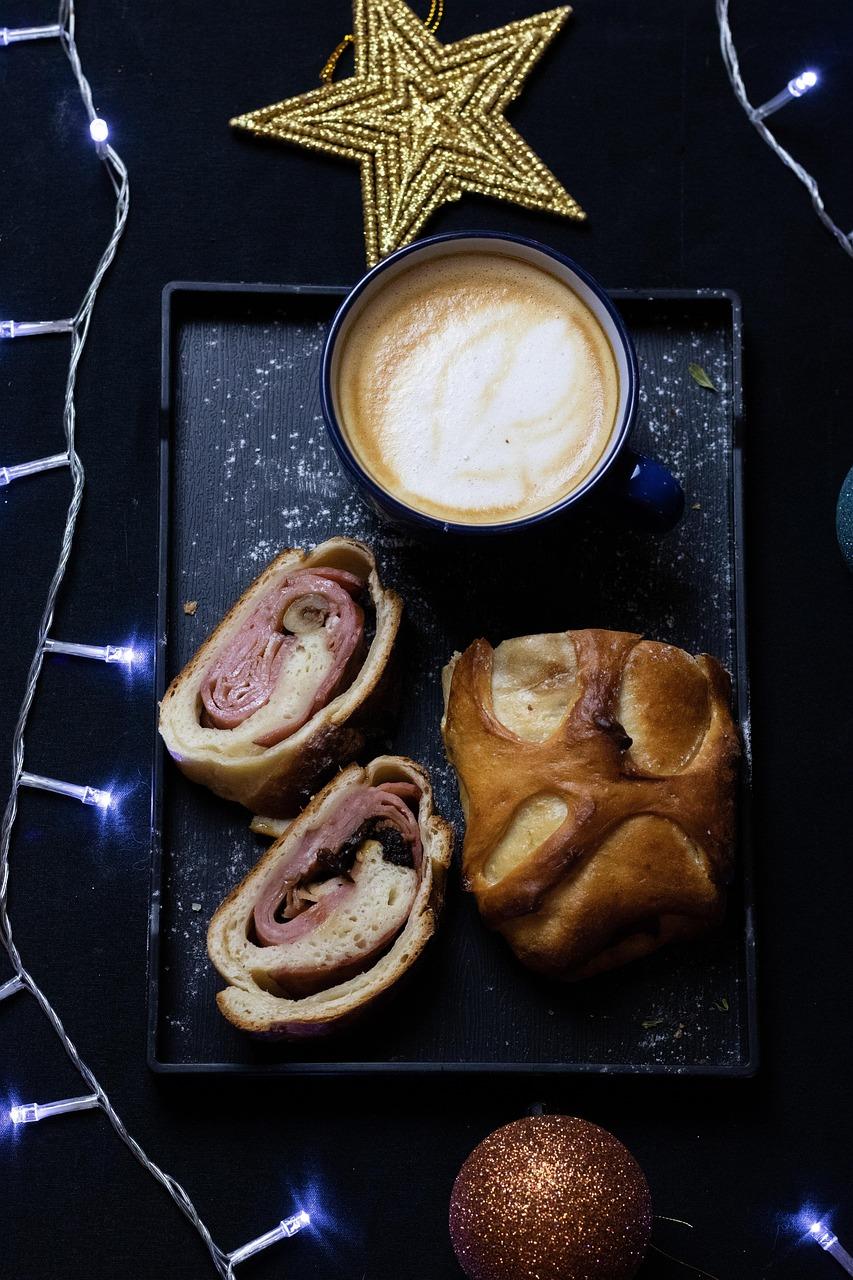
Caracas bakeries start taking orders for pan de jamón in early December, and families set it on the Christmas table beside the hallacas: a soft, slightly sweet bread rolled around cooked ham and smoked bacon (both pork), green olives and raisins, glazed with panela syrup. Each slice shows a spiral of salty and sweet. The common mistake is rolling loosely, which leaves gaps in the spiral. Chef's tip: roll it as tightly as you can, pressing as you go, and seal the seam well before it proves.

by KrazyBadal 0 views

KusliSemolina-filled Diwali pastries

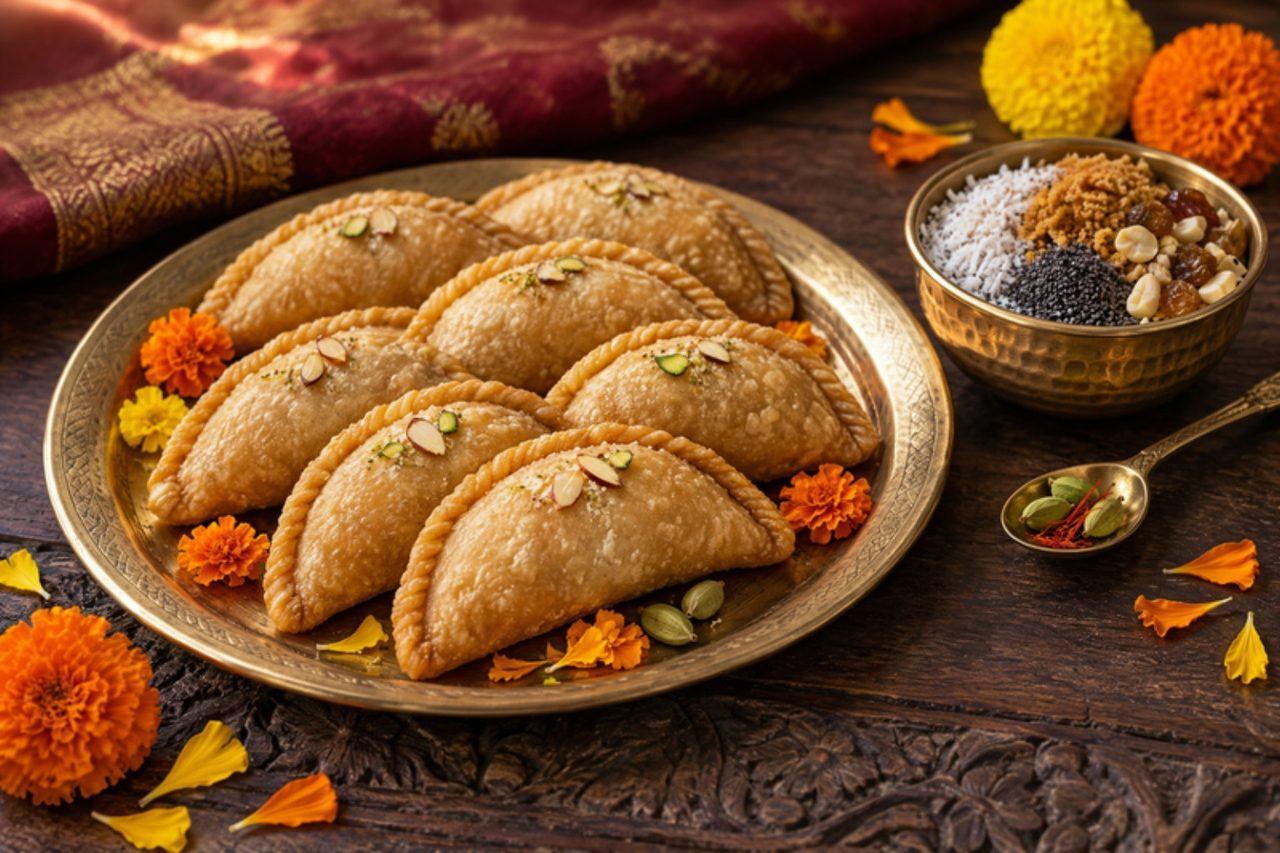
Kusli are the crimped half-moon pastries that fill tins in Chhattisgarhi homes before Diwali and Chhath, close cousins of the gujiya and karanji but filled with semolina roasted in ghee, dry coconut and sugar rather than mawa. They keep for a fortnight and are handed to visitors with thethri and khurmi. The common mistake is frying them in very hot oil; they blister and brown outside while the pastry stays raw within. Chef's tip: seal the edges with a dab of milk and a firm pinch-and-fold twist so not a crumb of filling leaks into the oil.

by KrazyBadal 0 views

NeureosCoconut and jaggery pastries

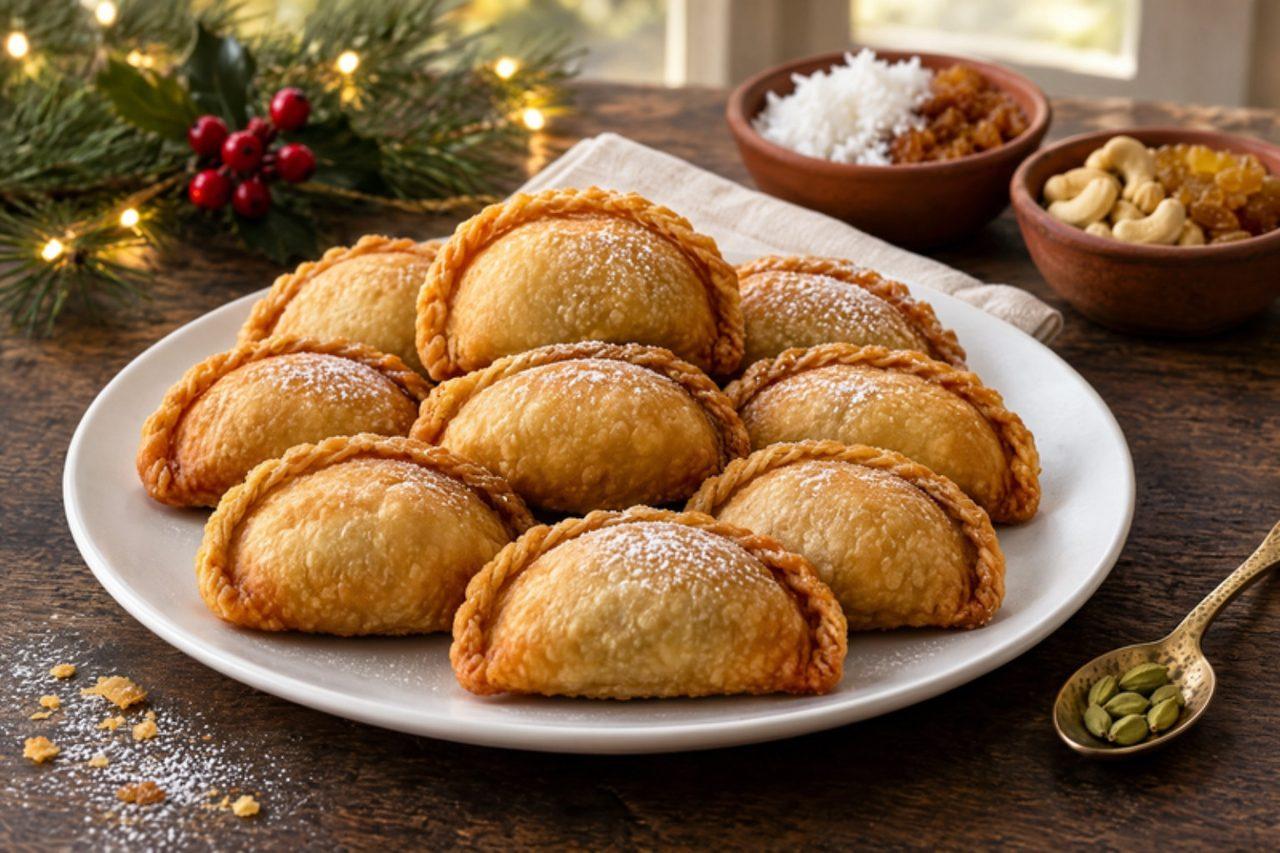
No Goan Catholic kuswar, the tray of Christmas sweets sent to neighbours, is complete without neureos, little crimped half-moons of crisp pastry stuffed with fresh coconut cooked down with jaggery, cardamom and a few raisins or cashews. Families gather in the week before Christmas to roll, fill and pinch them by the hundred, and they keep well in a tin until New Year. The common mistake is a wet filling: if the coconut mix is still moist when sealed the pastries burst in the oil, so cook it until it leaves the pan and cool it fully. Chef's tip: use a fluted pastry wheel to trim the edge after crimping, which gives the classic frilly finish and a tighter seal.

by KrazyBadal 0 views

Bollito mistoMixed boiled meats

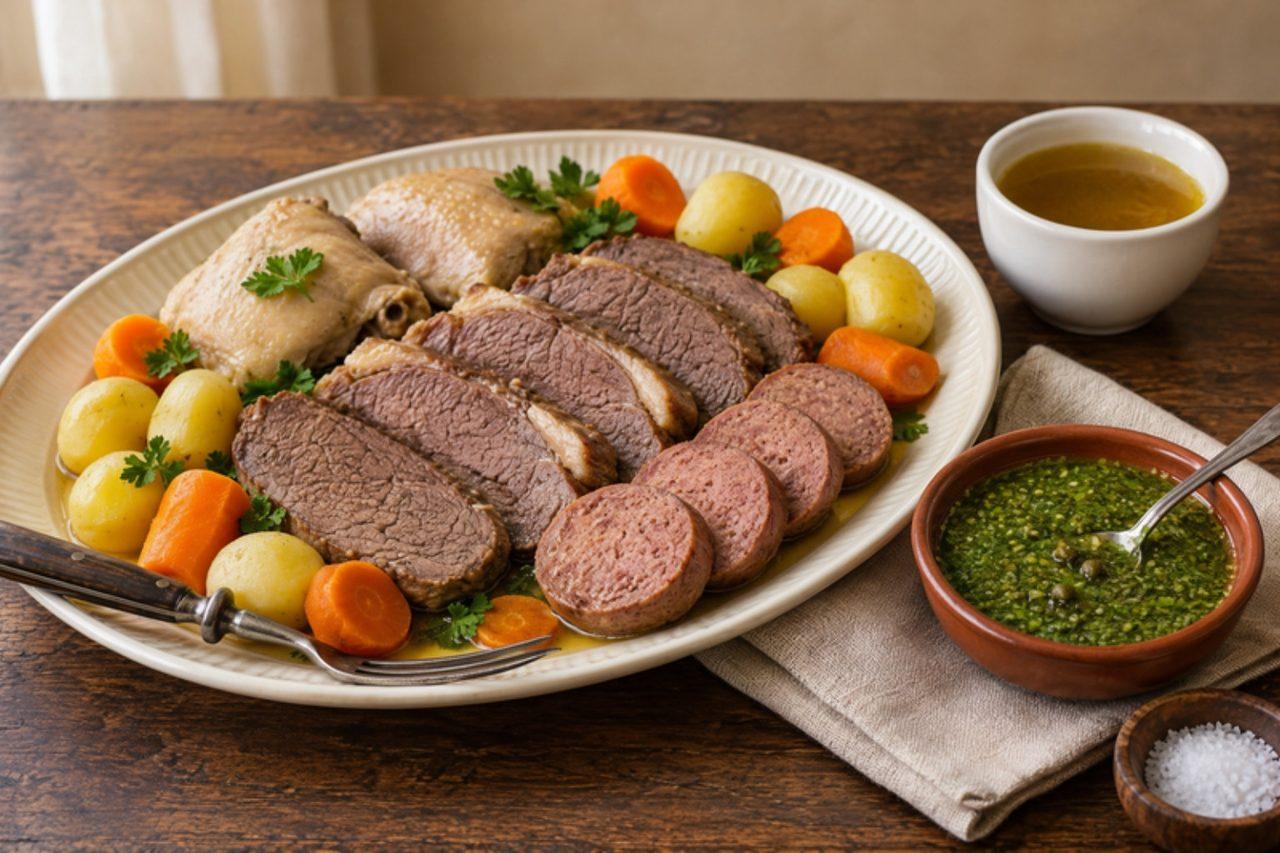
In Piedmont, bollito misto is the great winter feast, served from November to carnival in Turin trattorias and on family tables when there are many to feed. Several cuts of beef, a chicken and a cotechino (a soft, rich pork sausage) poach gently in one big pot until tender, then come to the table sliced on a warm platter with a sharp parsley and caper salsa verde; the broth is saved for soup or risotto the next day. The usual mistake is letting the pot boil hard: the meat turns stringy and the broth cloudy, so keep it at a bare shiver. Serve with boiled potatoes or mostarda if you like. Chef's tip: put the beef into water that is already boiling so its juices stay in the meat, and use cold water only if the broth matters more to you than the meat.

240 minItalianMeatGluten free
by KrazyBadal 0 views

White ChristmasPuffed rice and coconut slice

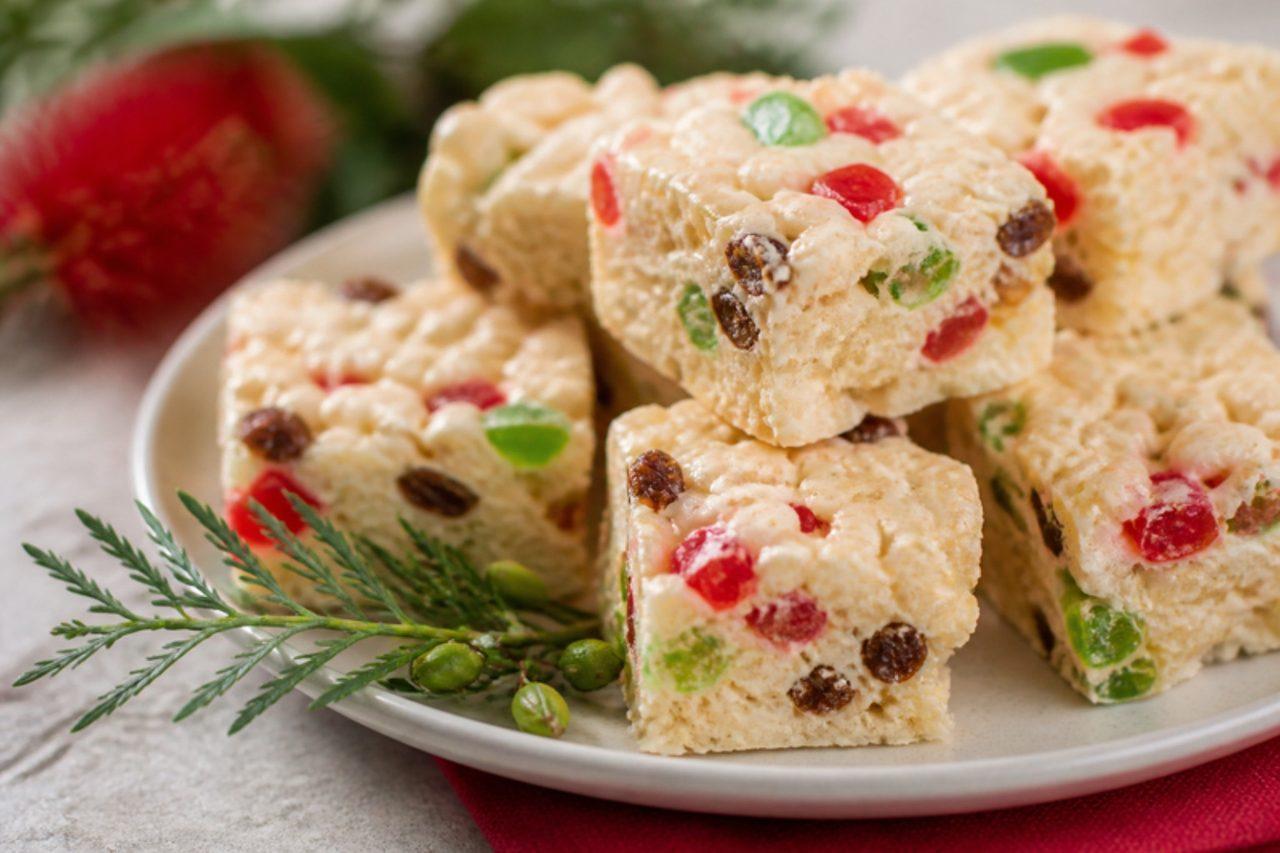
White Christmas is an Australian Christmas tradition from the days when a hot December made baking a misery, a no-bake slice of puffed rice, dried fruit, glacé cherries and coconut set in white chocolate or coconut fat. It is cut into squares and kept in the fridge for drop-in visitors through the holidays. A common mistake is overheating the white chocolate, which seizes; melt it gently. Chef's tip: red and green glacé cherries make it look festive.

by KrazyBadal 0 views

Frozen Christmas pudding

In the heat of an Australian December, many families swap the steamed pudding for a frozen one, ice cream packed with fruit, nuts and chocolate and set in a pudding basin so it still looks the part on the Christmas table in Brisbane or Perth. It is made days ahead and turned out just before serving. A common mistake is letting the ice cream melt too much while mixing, which makes it icy when refrozen; soften it only until stirrable. Chef's tip: soak the fruit in orange juice the night before so it stays soft when frozen.

by KrazyBadal 0 views

GozinakiWalnut and honey diamonds

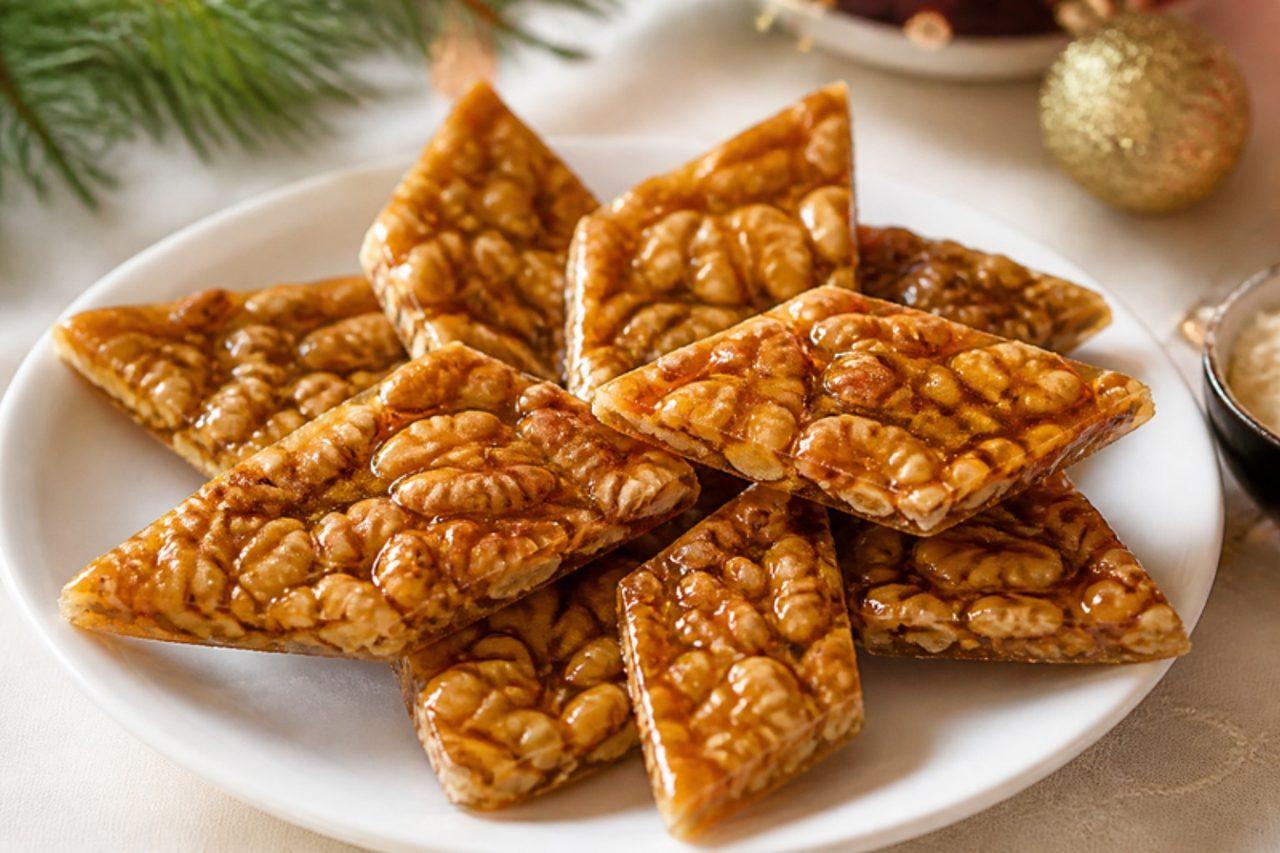
Gozinaki is the sweet every Georgian family makes for New Year's Eve, from Tbilisi flats to Kakhetian farmhouses: toasted walnuts stirred into honey boiled until thick, spread on a wet board and cut into diamonds that set glossy and crunchy. Children help shell the walnuts in December, and a plate of gozinaki sits on the table for the midnight toasts. A common mistake is taking the honey off too early; it stays sticky and the pieces never set. Chef's tip: cook the honey until a drop in cold water forms a firm, pliable ball, then work fast, because the mixture sets as it cools.

by KrazyBadal 0 views

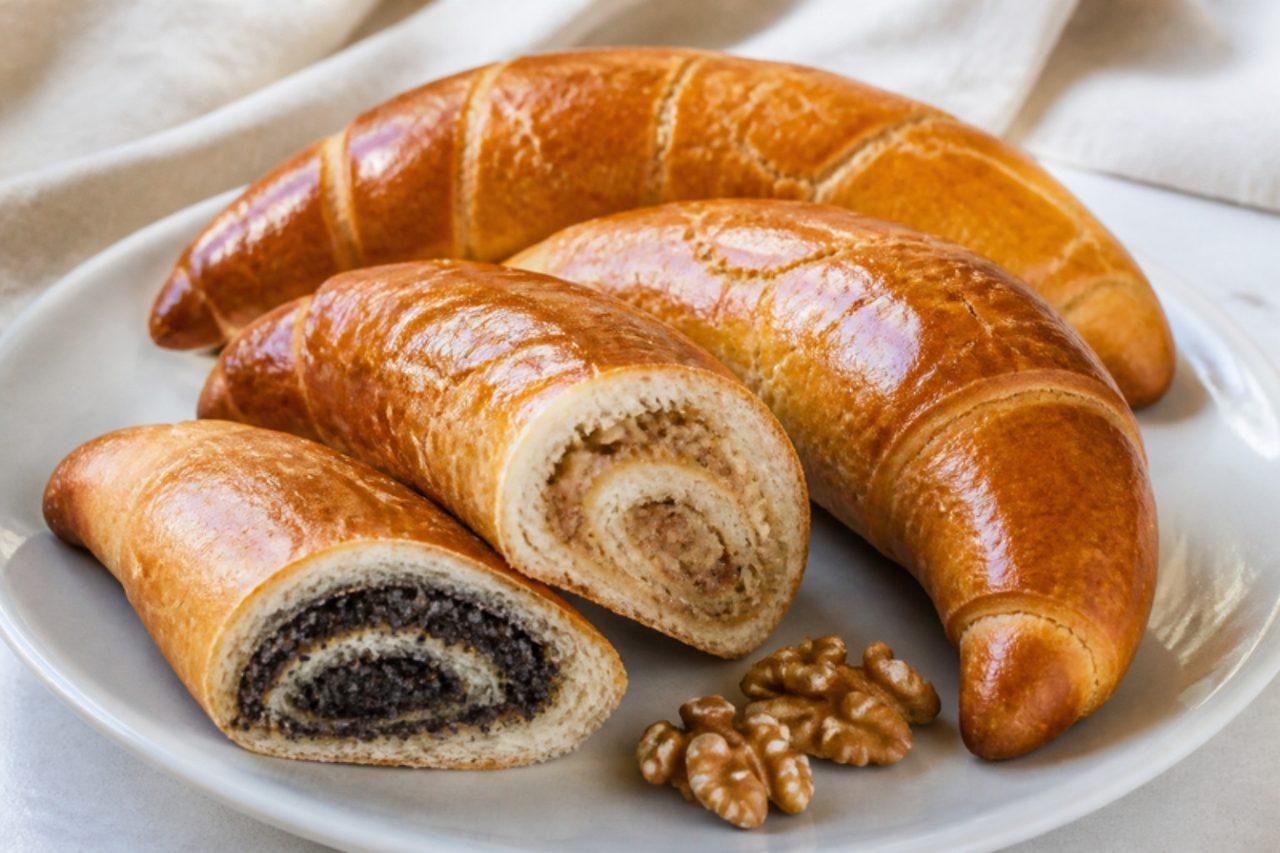
Pozsonyi kifliWalnut or poppy seed crescents

These little crescents take their name from Pozsony, the Hungarian name for Bratislava, where bakers made them famous in the nineteenth century, and today they fill Christmas cookie tins across Hungary alongside bejgli. A short, buttery yeast dough is wrapped around a walnut or poppy seed filling, then glazed first with yolk and then with white, which gives the shiny, crackled, marbled top that marks a good batch. They are rich but not too sweet: eat them with coffee or tea through the holidays. Where most people go wrong is letting the dough rise in a warm spot; this is a cold dough, and if it gets warm the butter melts and the kifli split open. Chef's tip: let the yolk glaze dry fully before the white goes on, or you will not get the crackle.

by KrazyBadal 0 views

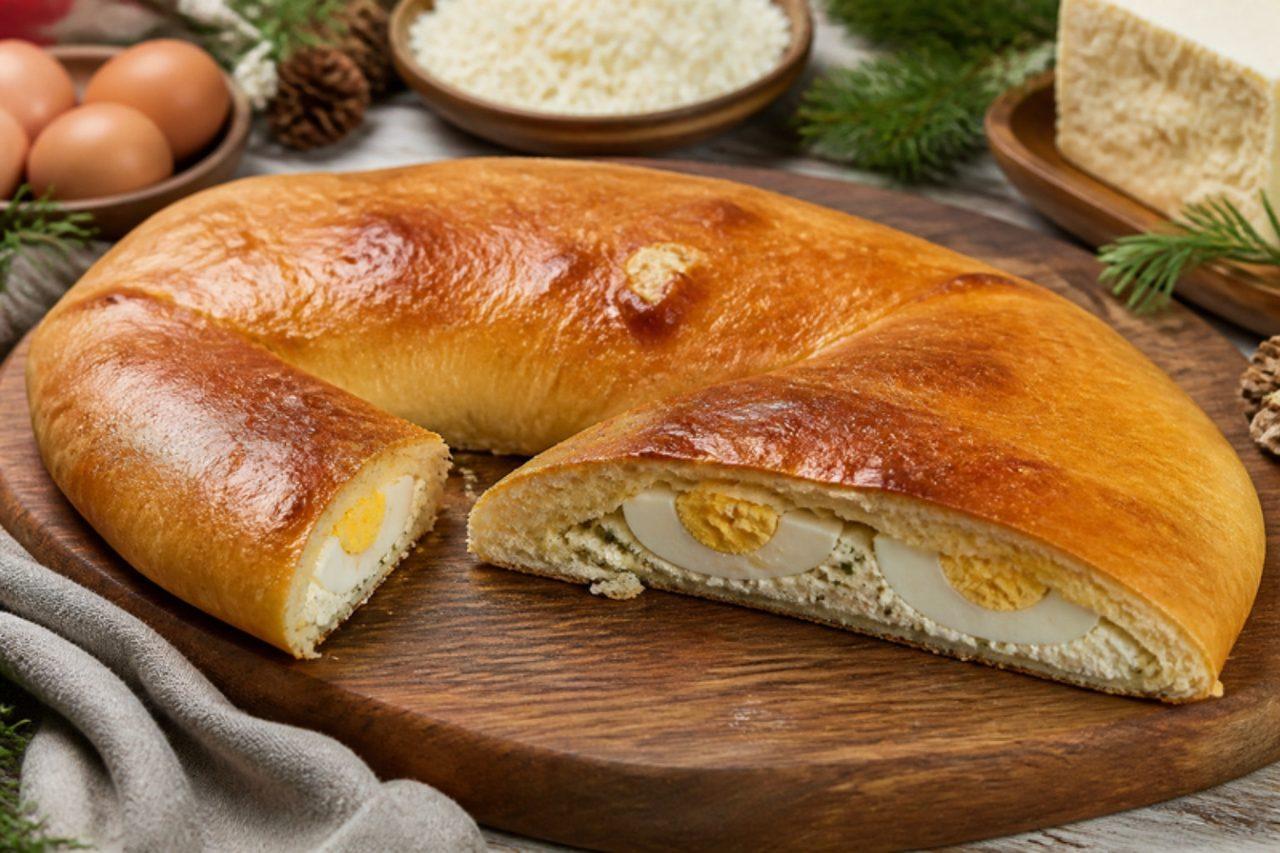
Gurian Christmas pie

On Christmas Eve, 6 January, kitchens across Guria, around Ozurgeti and Lanchkhuti, smell of baking ghvezeli: large crescent pies stuffed with fresh cheese and chunks of boiled egg, their shape said to recall the crescent moon. They are baked in batches, carried to relatives and eaten through the holidays with tea. A common mistake is overfilling, which makes the crescent split at the seam in the oven. Chef's tip: let the yeasted dough rise once, shape the pies, then give them 15 minutes more so they puff into soft, rounded crescents. Imeruli and sulguni usually use animal rennet; look for vegetarian ones.

by KrazyBadal 0 views

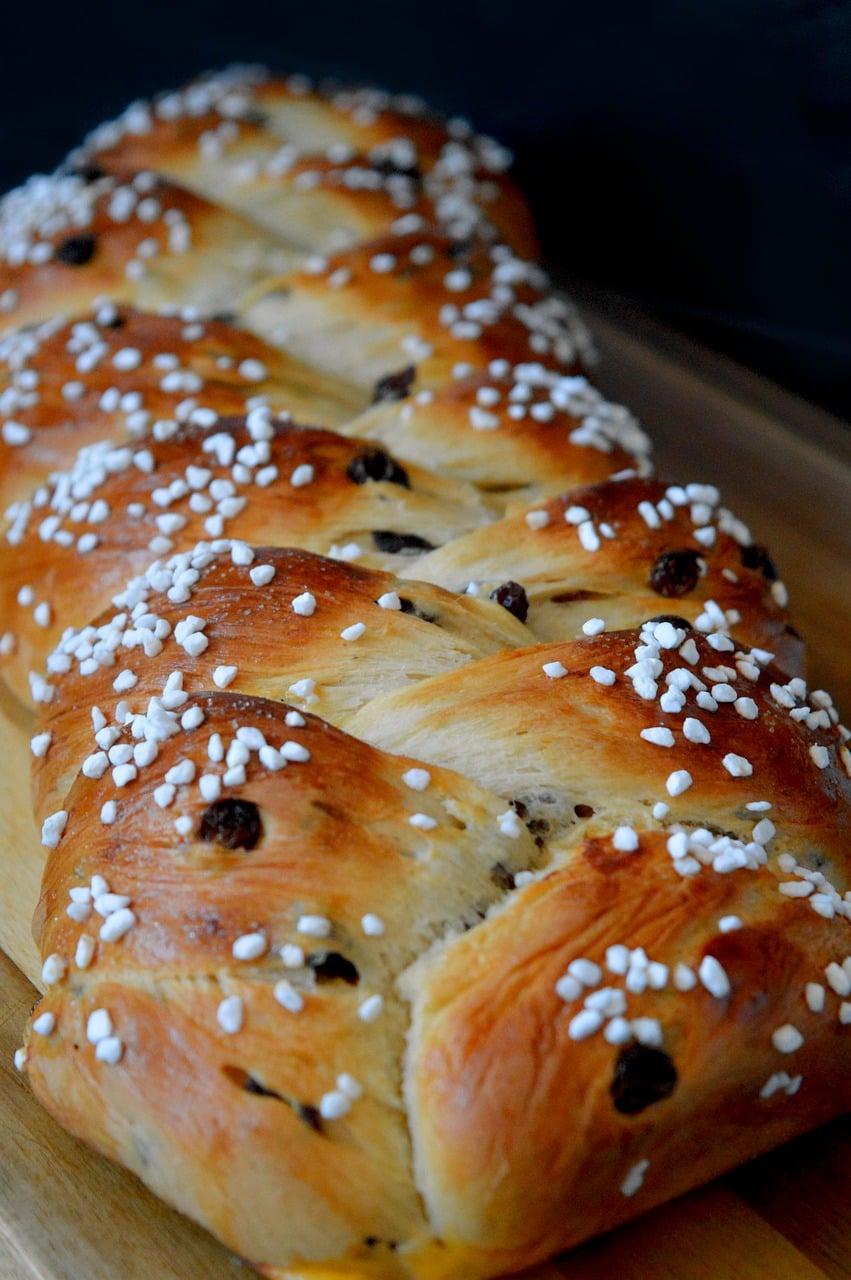
VánočkaBraided Christmas bread

On Czech Christmas Eve morning, before the carp and the potato salad, the table holds a long golden vánočka, a sweet braided loaf whose layered plaits are said to represent the baby Jesus in swaddling. Families slice it for breakfast through the holidays with butter, honey or jam. The crumb is soft and rich with egg and butter, scented with lemon zest and studded with raisins; flaked almonds crisp up on the crust. The usual slip is braiding too loosely, so the tiers slide apart in the oven; plait tightly and hold them with wooden skewers while baking. Soaking raisins in warm water (not rum) keeps them juicy and alcohol-free. Chef's tip: vánočka keeps for days wrapped in a cloth, and slightly stale slices make superb French toast.

185 minCzechBaking
by KrazyBadal 0 views

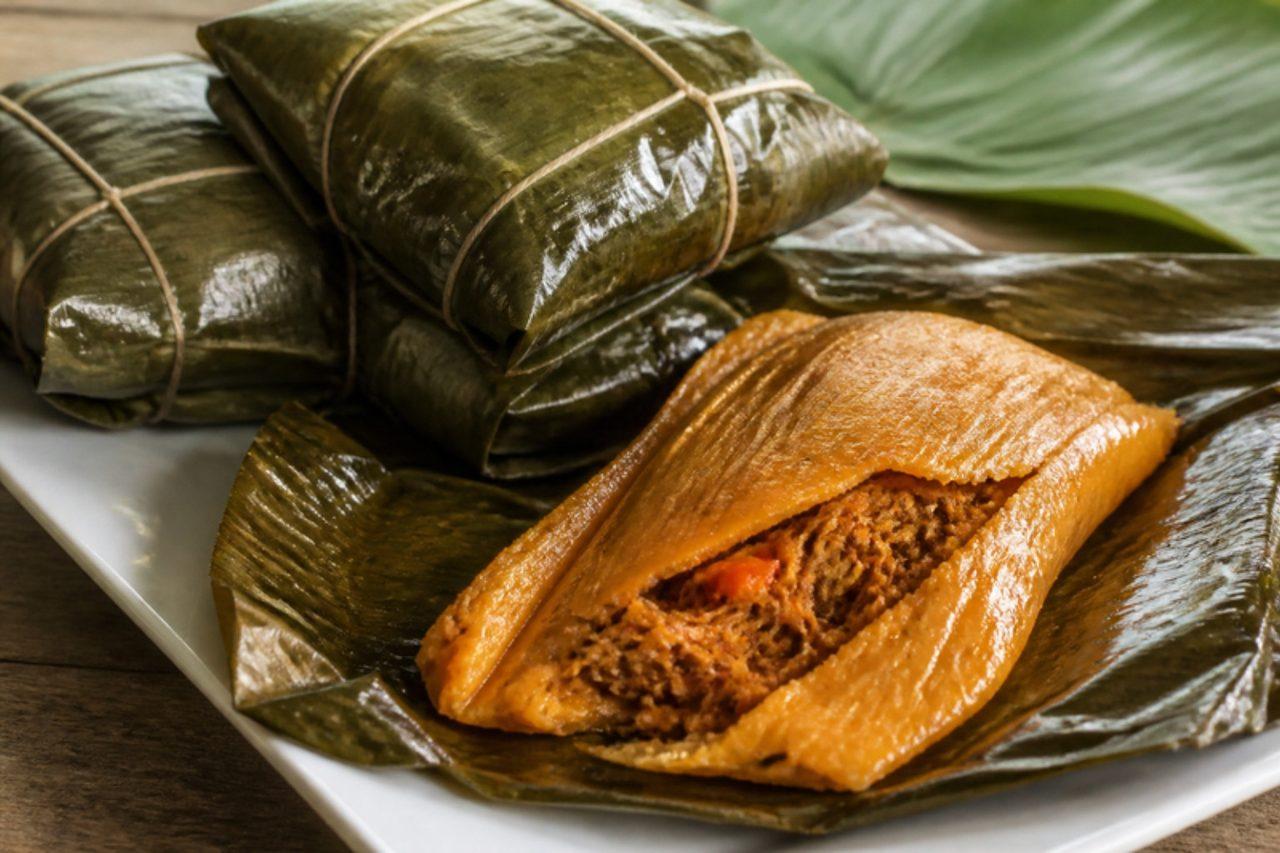
Puerto Rican pastelesPork-filled green banana parcels

Making pasteles is a December production line in Puerto Rican homes, from Orocovis in the mountains to the Bronx: one person grates, one seasons, one spreads masa on plantain leaves and someone else ties the strings, and dozens go into the freezer for Nochebuena. The masa is grated green banana, yautía and a little calabaza coloured with annatto oil; the filling is diced pork shoulder stewed with sofrito, olives, capers and chickpeas. Each parcel is boiled until the masa sets into a soft, savoury pudding. The common mistake is spreading the masa too thick, which leaves a raw, gummy centre. For a vegetarian version, fill them with chickpeas and diced vegetables stewed in the same sauce. Chef's tip: grate the roots on the finest side of the grater (or blitz them with a little of the annatto oil) for the smooth, silky masa that marks a good pastel.

by KrazyBadal 0 views

Trinidad pastellesCornmeal parcels with spiced meat

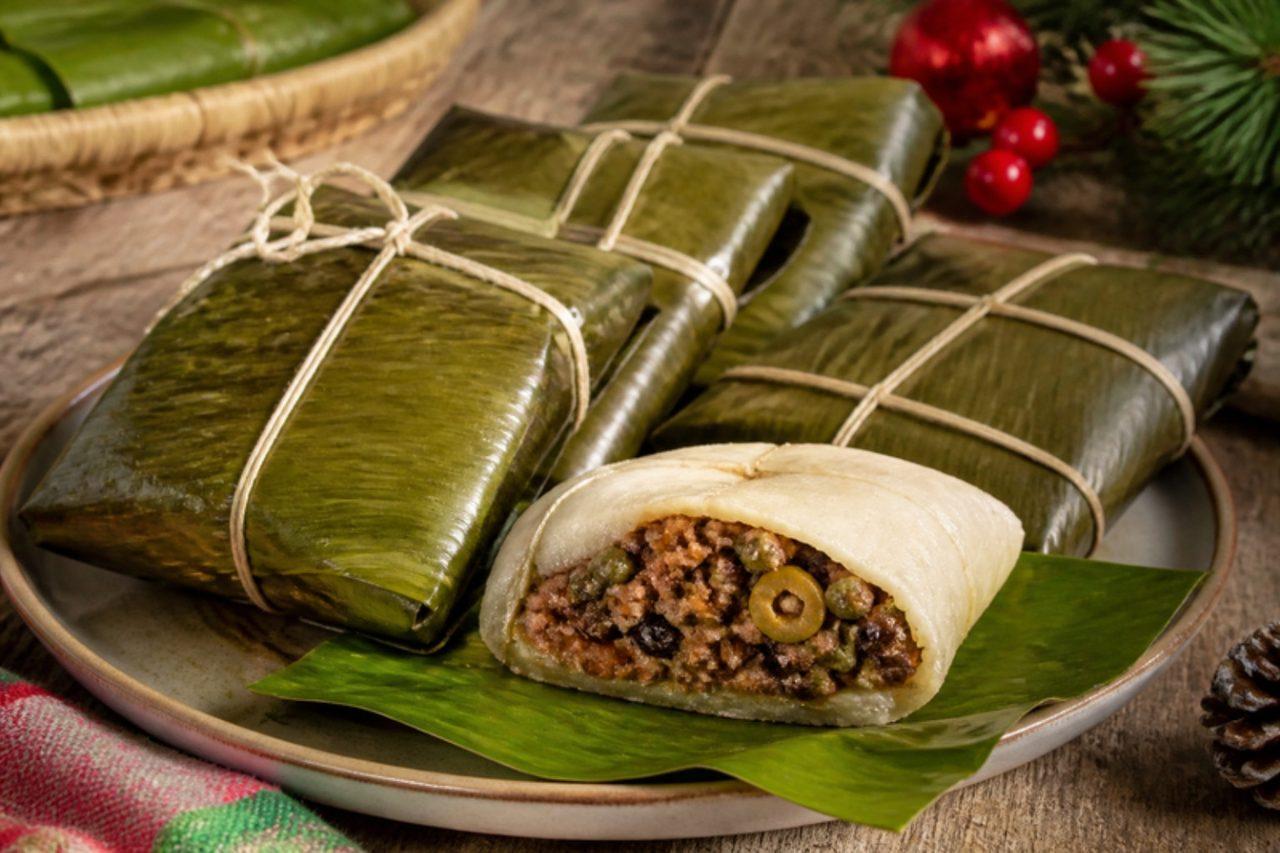
Trinidad's Venezuelan-rooted pastelles are a Christmas ritual: families gather in the kitchen, press thin cornmeal dough onto banana leaves, spoon on a filling of minced beef and pork with olives, capers and raisins, then fold and steam dozens at a time to freeze for the season. Once cooked they are soft, savoury and slightly sweet, with the leaf perfuming the dough. This version uses beef and pork mince; a lentil filling makes a vegetarian pastelle. The most common mistake is pressing the dough too thick, which turns the parcels stodgy; it should be thin enough to see the leaf's shine through. Chef's tip: pass the banana leaves over a flame for a few seconds until they turn glossy and pliable, so they fold without tearing.

by KrazyBadal 0 views

Showing 48 of 174 recipes

Show more recipes

Page 3 of 8

More occasions