Skip to content
Festivals

Christmas recipes: cakes, cookies, roasts and festive bakes

Christmas cakes and cookies, kulkuls and rose cookies, stollen, roasts and warming alcohol-free drinks. (138 recipes)

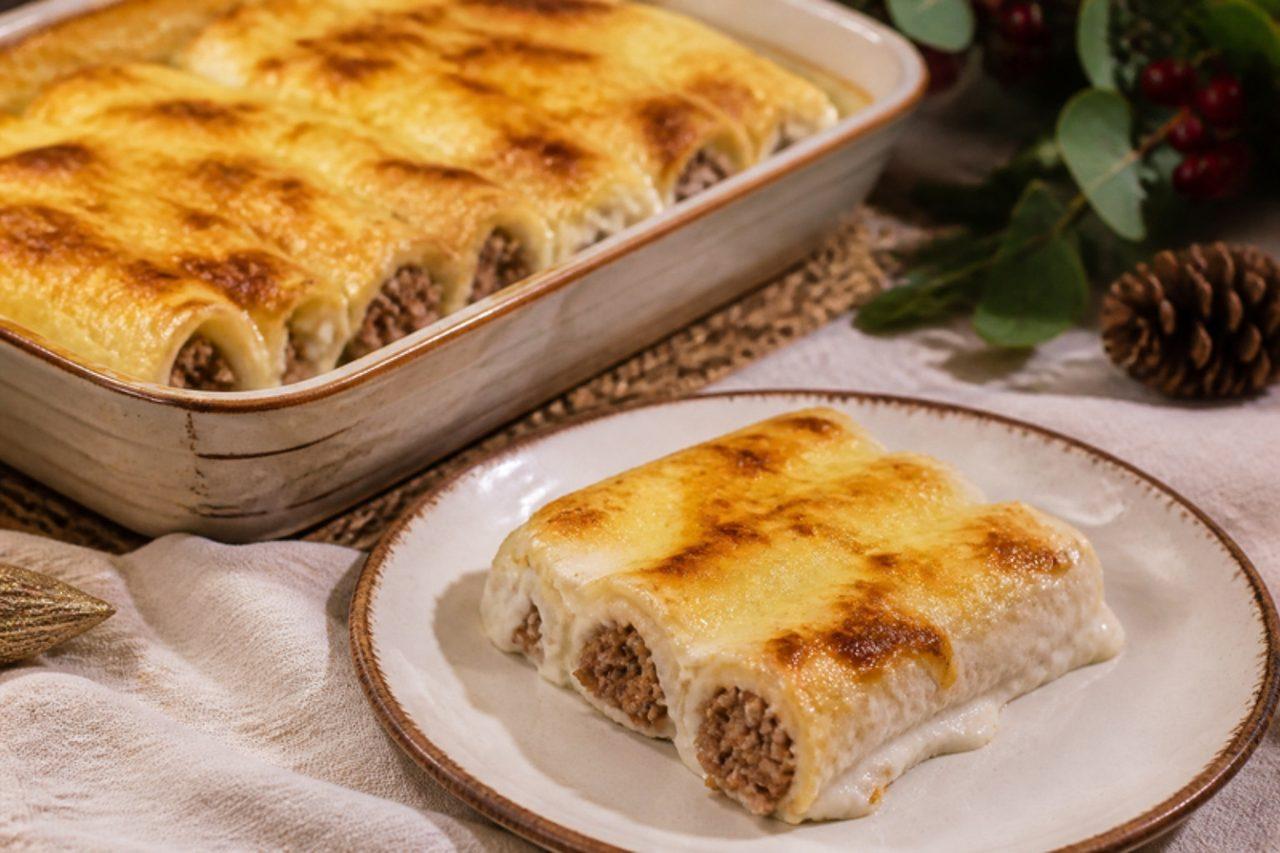
Canelons de Sant EsteveCannelloni with roast meat and béchamel

This contains pork (pork shoulder). On 26 December, Sant Esteve, Catalan families gather again and eat canelons, made from the meats left over from Christmas Day's carn d'olla or the roast. Rolled in pasta sheets, covered in béchamel and grated cheese and baked until bubbling, they are the reason many people say Sant Esteve is the better of the two feasts. This version cooks the meats from scratch, so you can make it any time. Cheeses like parmesan use animal rennet. Chef's tip: mince the meat finely and cook it down until it is moist but not wet, or the canelons go soggy.

by KrazyBadal 0 views

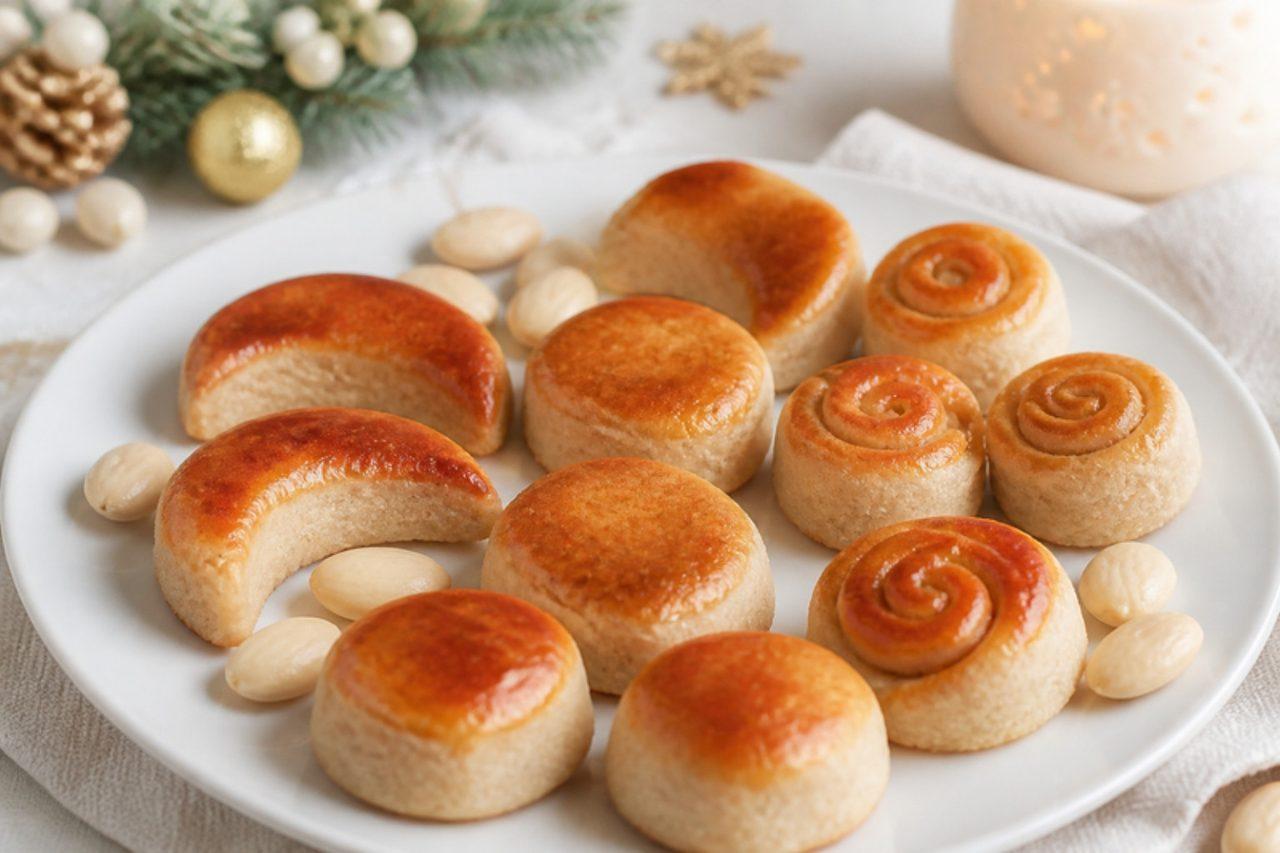
Mazapán de ToledoAlmond marzipan figures

Toledo's convents have shaped marzipan for centuries, and in December the city's pastry shops fill their windows with coiled eels, half-moons and little figures, glazed golden and sold by weight for Christmas. Toledo's version is firm and almond-rich, with less sugar than many, and the best is made with Marcona almonds. Chef's tip: let the shaped pieces dry, uncovered, overnight before glazing; they hold their shape and the glaze sets glossy instead of soaking in.

by KrazyBadal 0 views

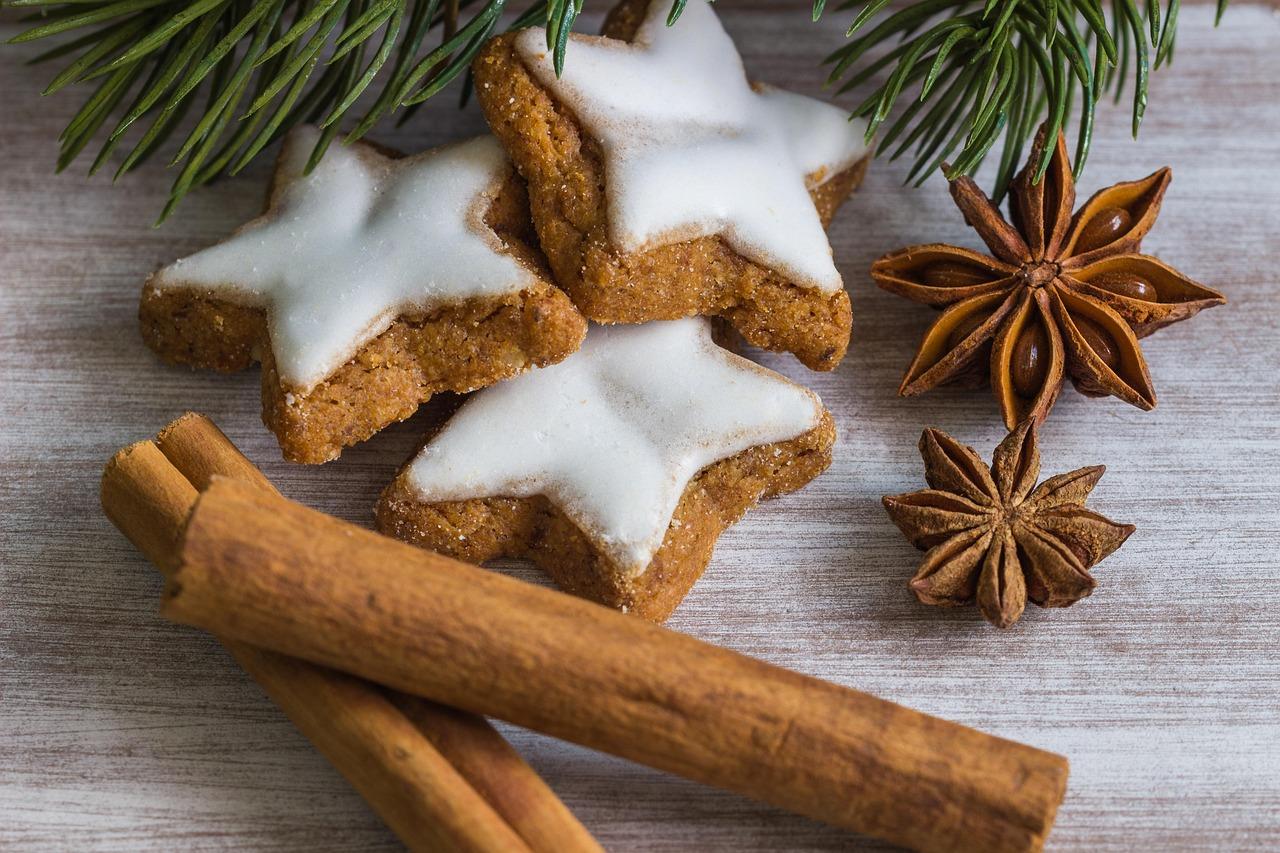
Bredele: Alsatian cinnamon stars

From the start of Advent, kitchens across Alsace turn out bredele, dozens of kinds of little Christmas biscuits kept in tins and offered to every visitor until New Year, while the markets in Strasbourg and Kaysersberg sell them by the bag. Cinnamon stars are among the most loved: chewy almond and cinnamon biscuits with a crisp white meringue top, and no flour at all. They take patience rather than skill and keep for weeks, so families make them early in December. The same dough also works rolled into small balls. Chef's tip: spread the meringue on the rolled sheet before you cut the stars, rather than icing each biscuit; it is far quicker and gives a clean, sharp edge.

by KrazyBadal 0 views

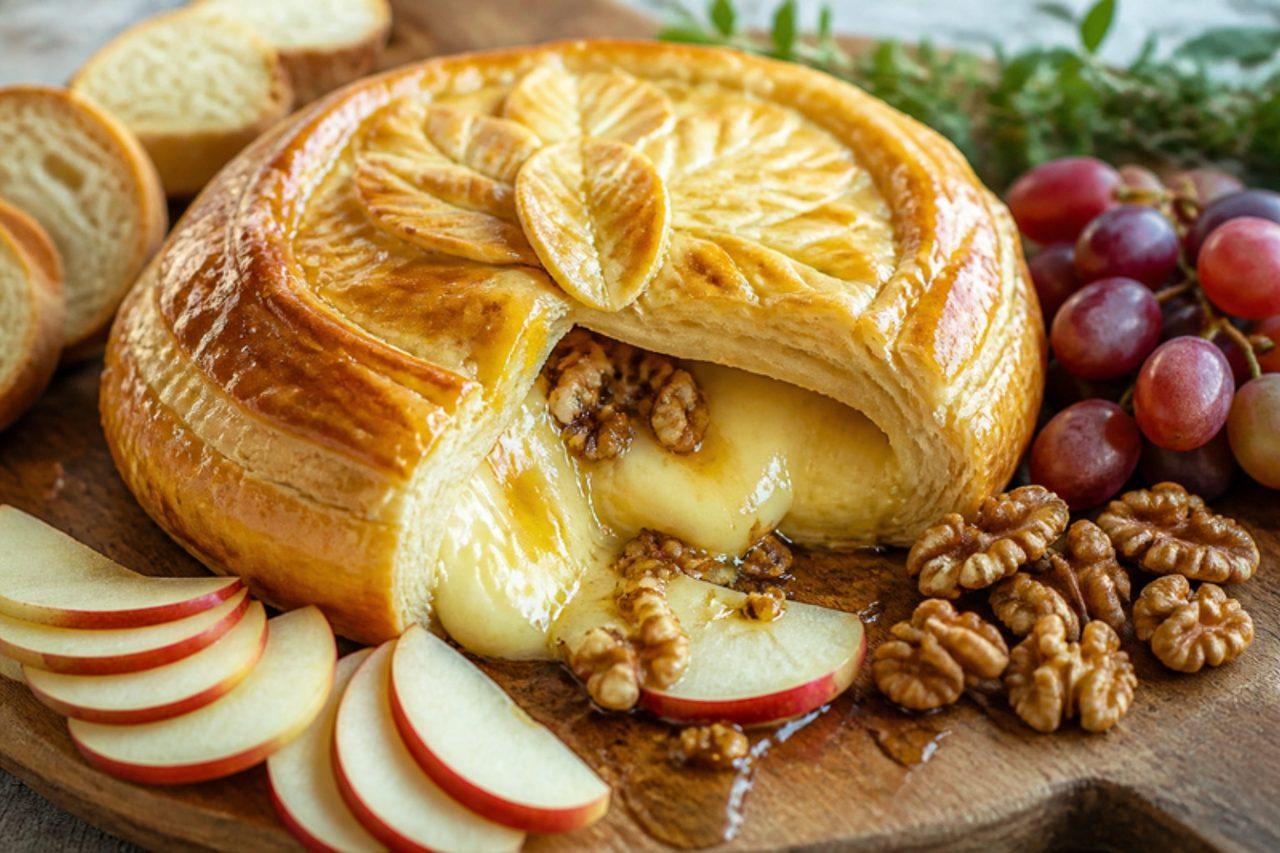
Brie de Meaux in puff pastry

Meaux, east of Paris, has made Brie since the Middle Ages, and the town's cheese fair still crowns the 'queen of cheeses' each year. Baking a small Brie in puff pastry with honey and nuts is a favourite of Île-de-France home cooks for drinks parties, Christmas Eve and New Year: the pastry goes crisp and golden while the cheese inside turns into a warm, flowing sauce for dipping bread and apple slices. A small 500 g Brie or a thick wedge works better than a huge wheel. Brie de Meaux is made with animal rennet, so choose a vegetarian Brie for a vegetarian table. Chef's tip: rest it for 10 minutes after baking; cut at once, the cheese floods out and the pastry goes soggy.

by KrazyBadal 0 views

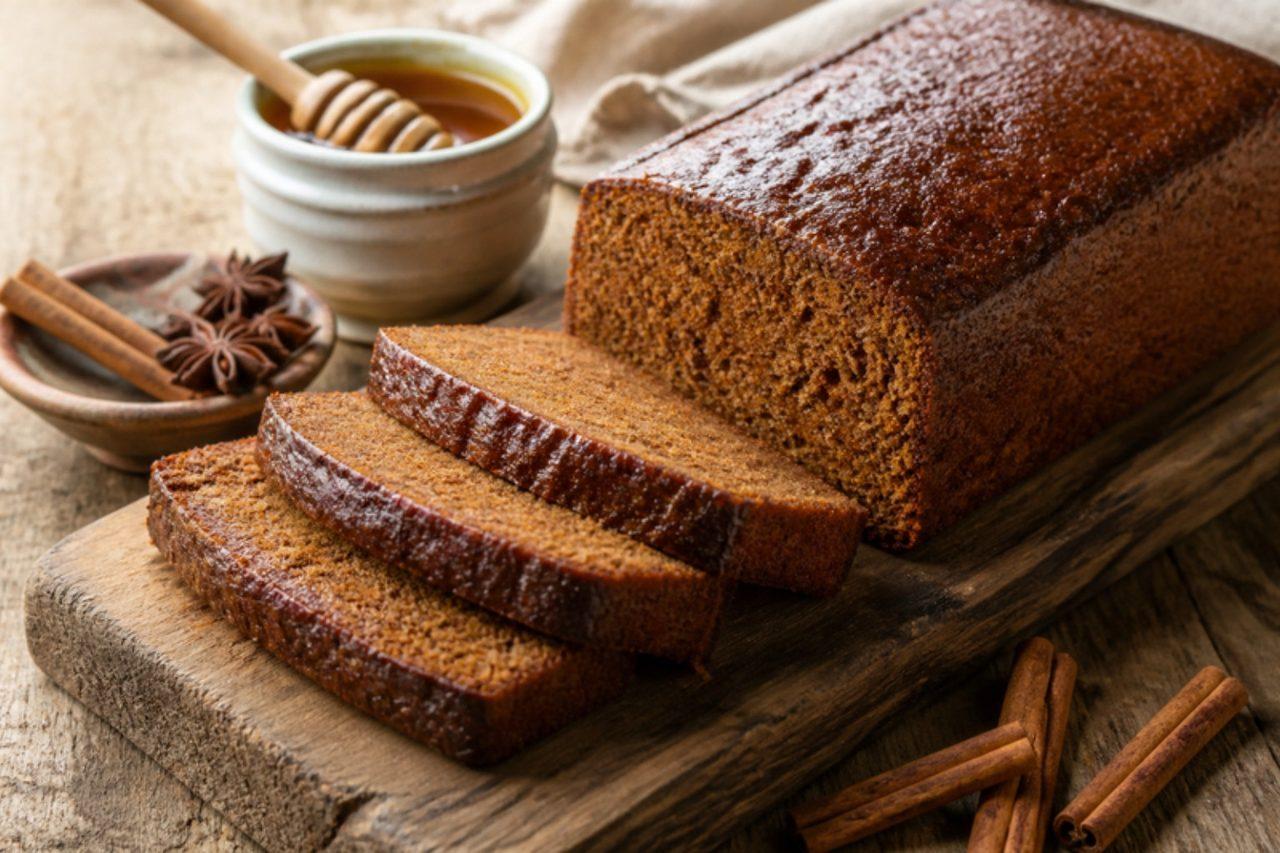
Pain d'épices de DijonHoney spice loaf

Dijon has been baking pain d'épices since the Middle Ages, and the shops near the old ducal palace still sell it by the slice, plain or glazed with orange. It is a dense, fragrant honey loaf, sold all year but eaten most in December, when Burgundian families toast slices for breakfast, spread them with butter, or serve them with cheese and pears. The Dijon style uses wheat flour and a whole egg, which makes it softer than the rye-flour loaves of Reims. Chef's tip: wrap it and wait a day before cutting; the crumb turns moist and the spices settle and deepen.

by KrazyBadal 0 views

Tamales oaxaqueñosTamales with black mole and chicken

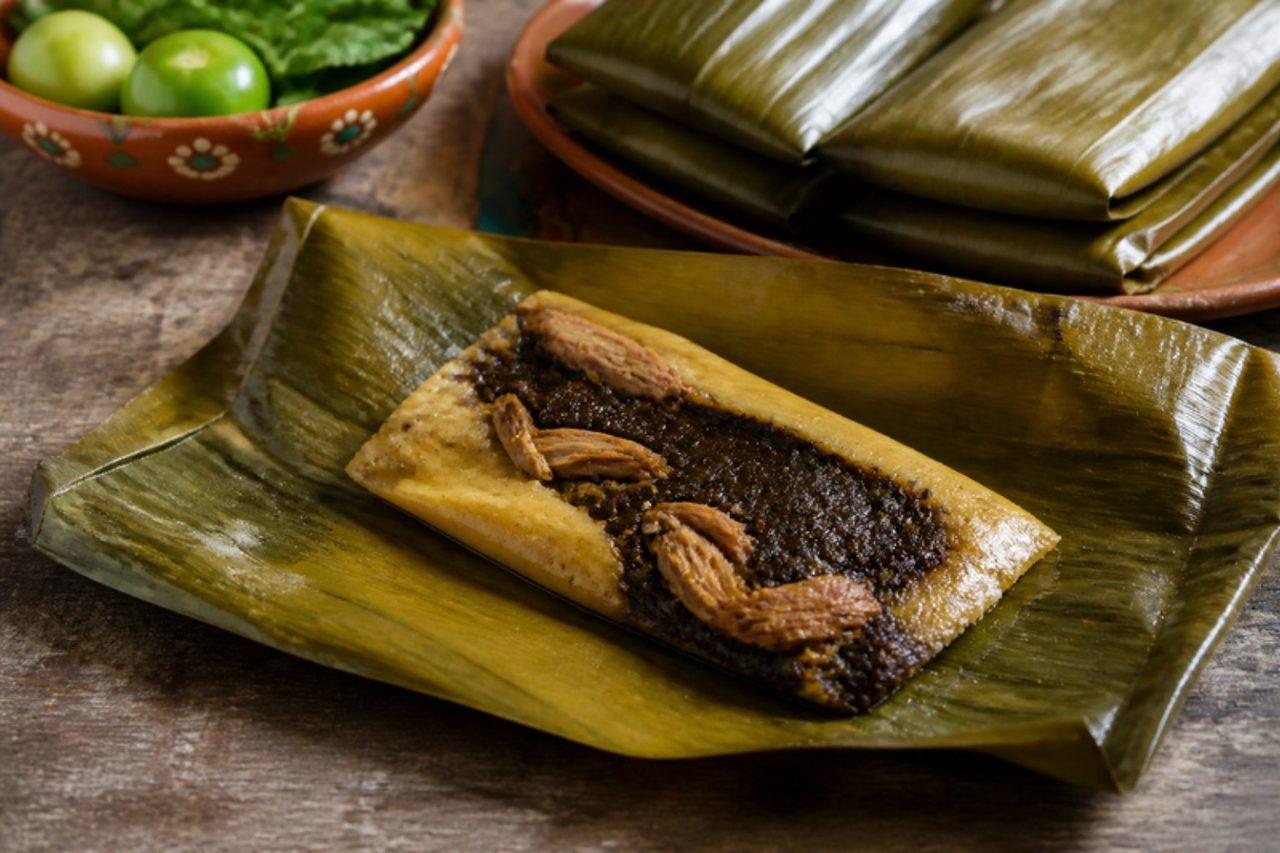
In Oaxaca, tamales are wrapped in banana leaves rather than corn husks, which makes them flat, square and very moist, with a faint grassy scent from the leaf. These are the classic version filled with mole negro and shredded chicken, sold from steaming pots at morning markets and made by the dozen for Christmas, Candlemas on 2 February and the Day of the Dead. The masa is beaten with pork lard, which gives the traditional light, rich texture; vegetable shortening works if you avoid pork. Use leftover mole negro, or a simplified mole made from good ready-made paste thinned with broth. Eat them with hot chocolate or atole. Chef's tip: keep a coin in the bottom of the steamer; when it stops rattling, the water has run low and needs topping up.

by KrazyBadal 0 views

Turrón de JijonaSoft almond and honey nougat

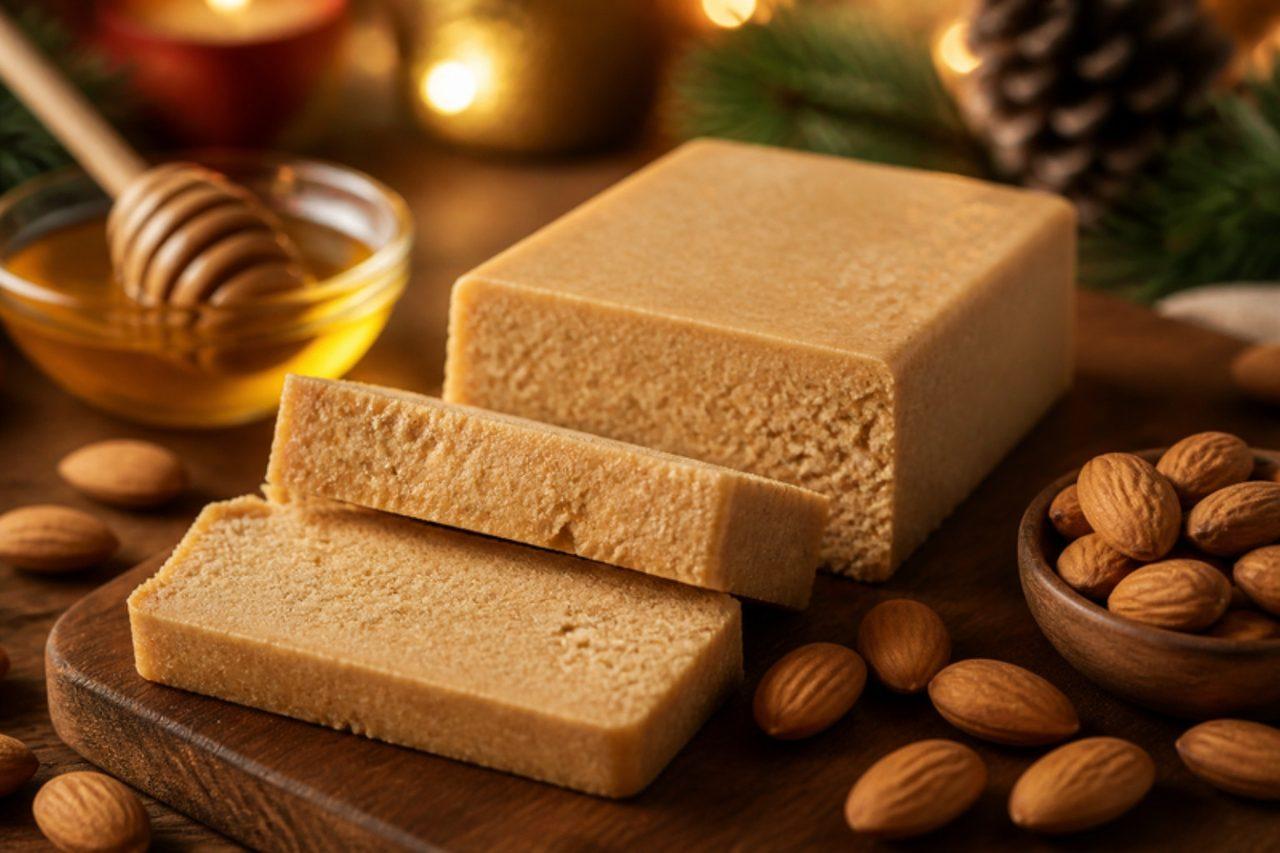
The hill town of Jijona (Xixona) in Alicante has been grinding almonds and honey into turrón for centuries, and its soft, beige, slightly oily bars are on almost every Spanish table between Christmas Eve and Twelfth Night. Unlike hard Alicante turrón, Jijona turrón is a smooth almond paste that crumbles and melts in the mouth, deeply nutty with a floral sweetness from the honey. A common mistake is under-toasting the almonds; pale almonds give a bland, grey paste, so take them to a light, even gold. This version uses honey and egg white, so it is vegetarian but not vegan. Chef's tip: press the warm paste into its mould under a weight and leave it a full two days before slicing; it firms up and the oil settles evenly through it.

by KrazyBadal 0 views

PestiñosAnise fritters in honey

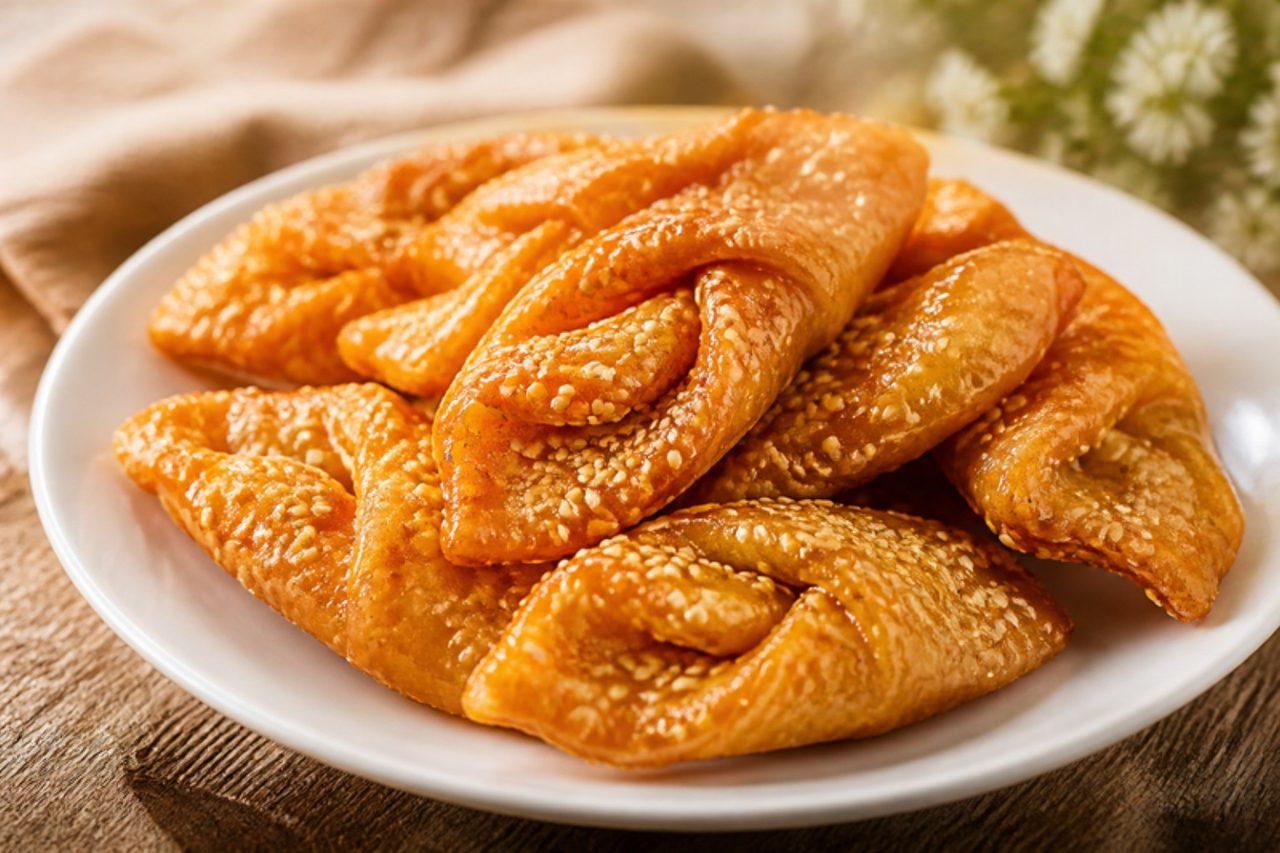
When Holy Week and Christmas come round, convent turnstiles and village kitchens from Cádiz to Granada fill trays with pestiños: little folded parcels of dough flavoured with sesame, anise and orange, fried until crisp and blistered and then dipped in honey. The dough traditionally takes a splash of white wine, which makes it bubble and crunch; orange juice works too, and is the alcohol-free option in the list. A common mistake is frying them in oil that is too hot, which browns the outside before the folds of dough cook through and crisp. Chef's tip: roll the dough really thin; thick pestiños stay doughy in the middle and soak up oil.

by KrazyBadal 0 views

Bolo de mel da MadeiraSpiced molasses cake with nuts

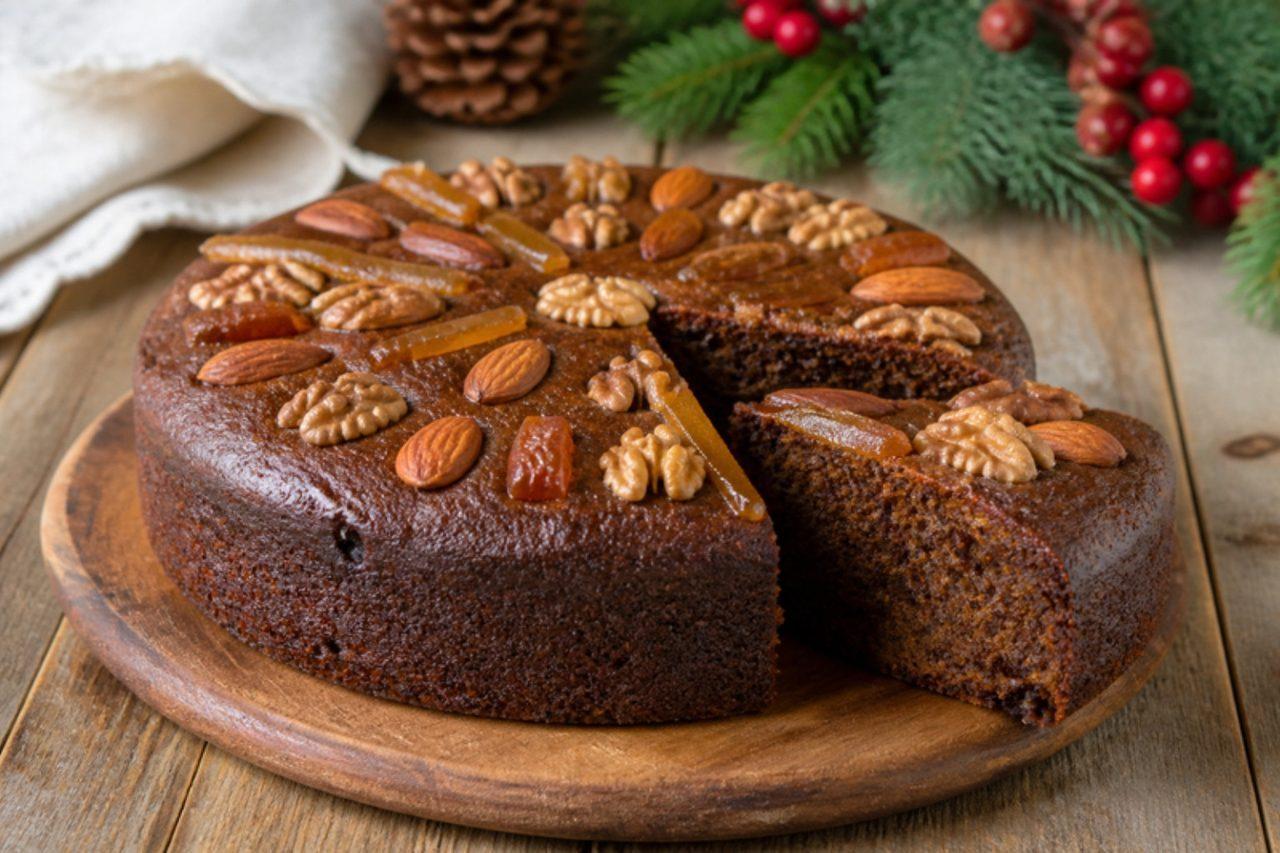
Madeiran families bake bolo de mel on 8 December so it can mellow in time for Christmas, and a well-wrapped one is said to keep until the following year. It is dense, almost black and fragrant with cinnamon, clove and aniseed, sweetened with mel de cana, the island's sugarcane molasses, and studded with walnuts, almonds and candied peel. Tradition says it should be broken by hand, never cut with a knife. Many old recipes use some lard; this one uses butter only. Chef's tip: wrap it in foil and wait at least a week before eating; the spices and molasses soften and blend as it rests.

by KrazyBadal 0 views

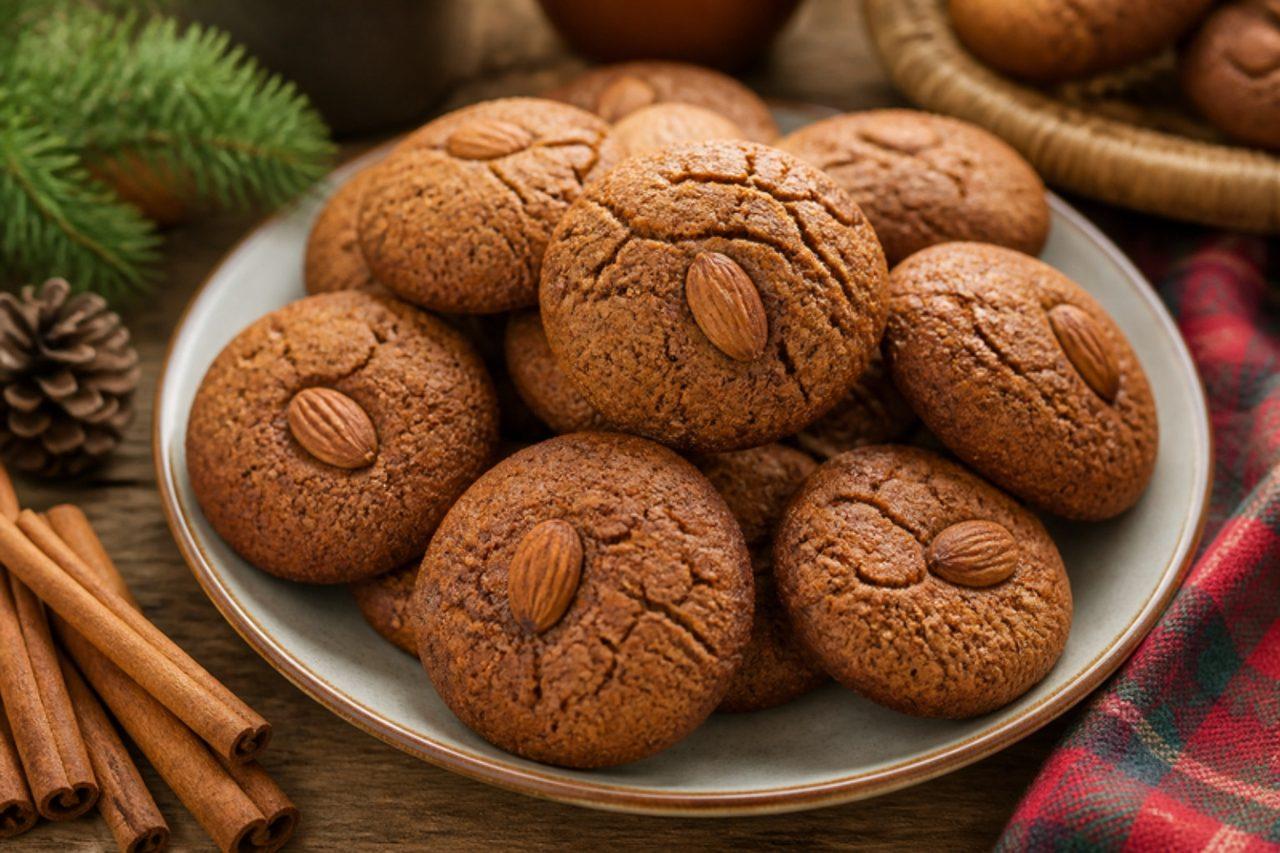
Broas de melSpiced molasses biscuits

Alongside bolo de mel, every Madeiran Christmas table has a tin of broas de mel: small, round, dark biscuits made with the same sugarcane molasses and spices, crisp at the edge and slightly chewy inside. Children are given them when they go door to door on the Missas do Parto mornings before Christmas, and they are good dunked in coffee or tea. Chef's tip: chill the dough for half an hour before shaping; molasses dough is sticky when warm.

by KrazyBadal 0 views

MelomakaronaHoney-dipped spice cookies

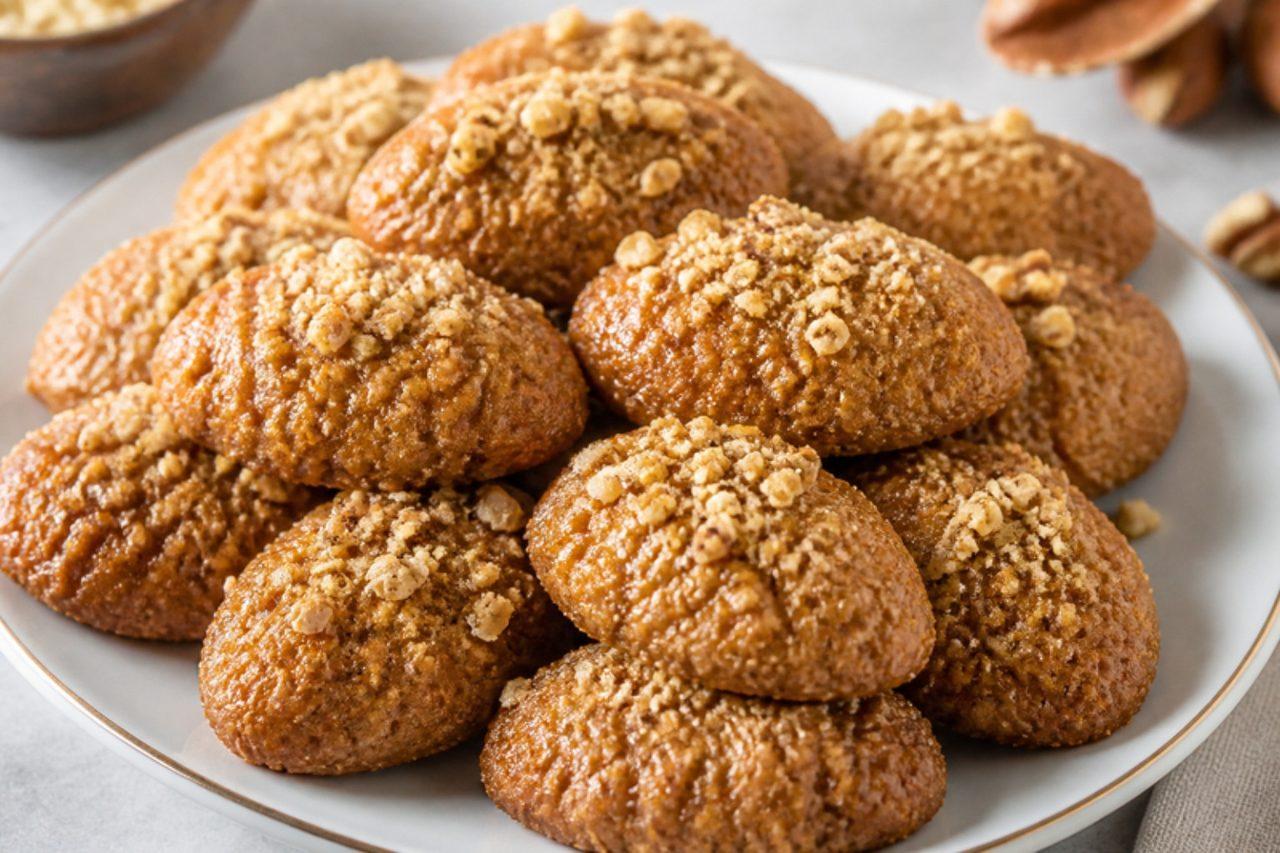
From early December, bakeries and kitchens all over Greece fill tins with melomakarona, the oval cookies that sit beside kourabiedes on every Christmas table and get handed to visitors with coffee. The dough is made with olive oil and orange juice rather than butter, scented with cinnamon and clove, then baked and plunged into warm honey syrup so the inside turns soft and sticky while the edges stay crisp. Common mistake: dipping hot cookies into hot syrup, which turns them to mush; one of the two must be cool. Chef's tip: mix the dough only until it comes together; overworking it squeezes out the oil and the cookies bake hard and greasy.

by KrazyBadal 0 views

KourabiedesAlmond butter cookies

Snow-white kourabiedes are piled into pyramids at Greek Christmas, New Year and christenings, and in Macedonia they are handed out at weddings, so guests leave with sugar on their clothes. The crumb is short and sandy from well-whipped butter and toasted almonds, with a whisper of rose or orange-blossom water. Common mistake: dusting with icing sugar while the cookies are still hot, which melts into a paste instead of a soft coat. Chef's tip: beat the butter for a full 10 minutes until almost white; the air you whip in is what makes them melt in the mouth.

by KrazyBadal 0 views

VasilopitaNew Year orange cake

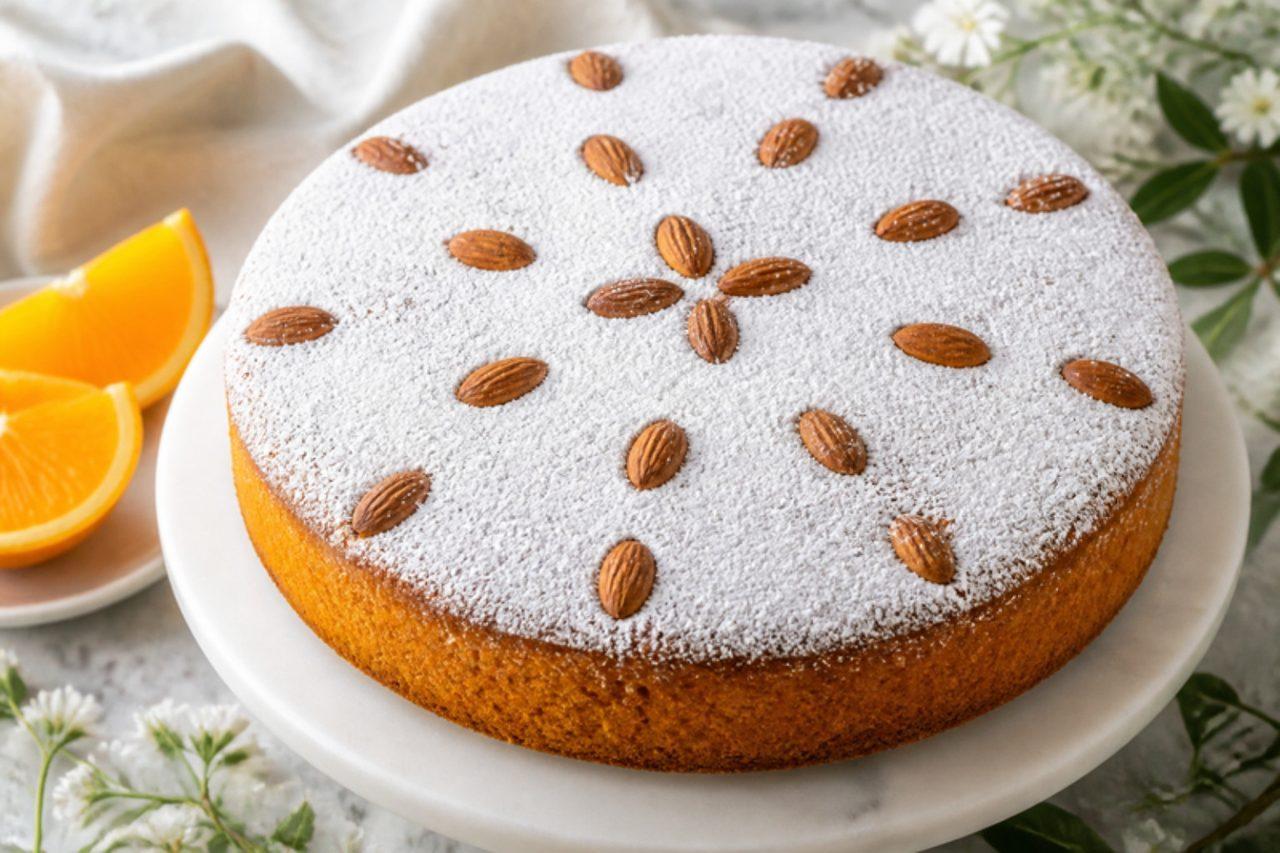
Just after midnight on New Year's Eve, or at lunch on 1 January, the head of a Greek household crosses the vasilopita with a knife and cuts slices in strict order: for Christ, for the house, then for each person from oldest to youngest. Whoever finds the foil-wrapped coin has luck for the year. This Athenian-style version is a tall, fluffy orange cake, dusted with icing sugar with the new year's numbers stencilled on top. Common mistake: slicing it warm, which makes the crumb gummy and drags the coin around. Chef's tip: beat the butter and sugar until almost white and fold the whipped whites in by hand; that is where the light, cottony crumb comes from.

by KrazyBadal 0 views

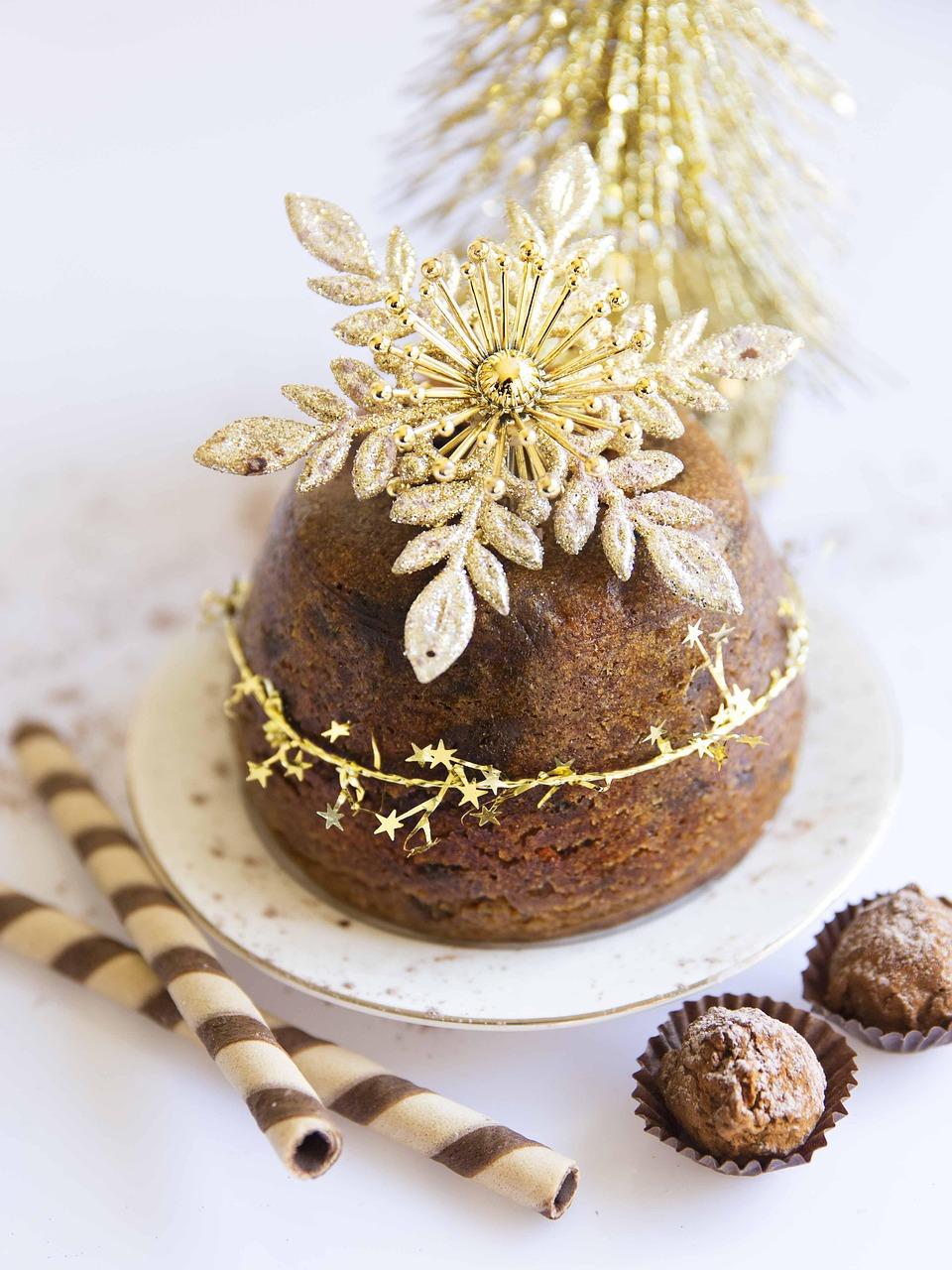
Christmas pudding

The Christmas pudding is the dark, fruit-packed pudding that ends Christmas dinner in English homes, traditionally mixed on Stir-up Sunday in late November when every family member stirs and makes a wish. This one uses vegetarian suet and is soaked with brandy or stout, so it contains alcohol; for an alcohol-free pudding use the same amount of strong black tea or orange juice. It is set alight at the table with warmed brandy (skip that for alcohol-free) and served with brandy butter or custard. Chef's tip: steam it again for 2 hours on the day; the second steaming darkens and enriches it.

by KrazyBadal 0 views

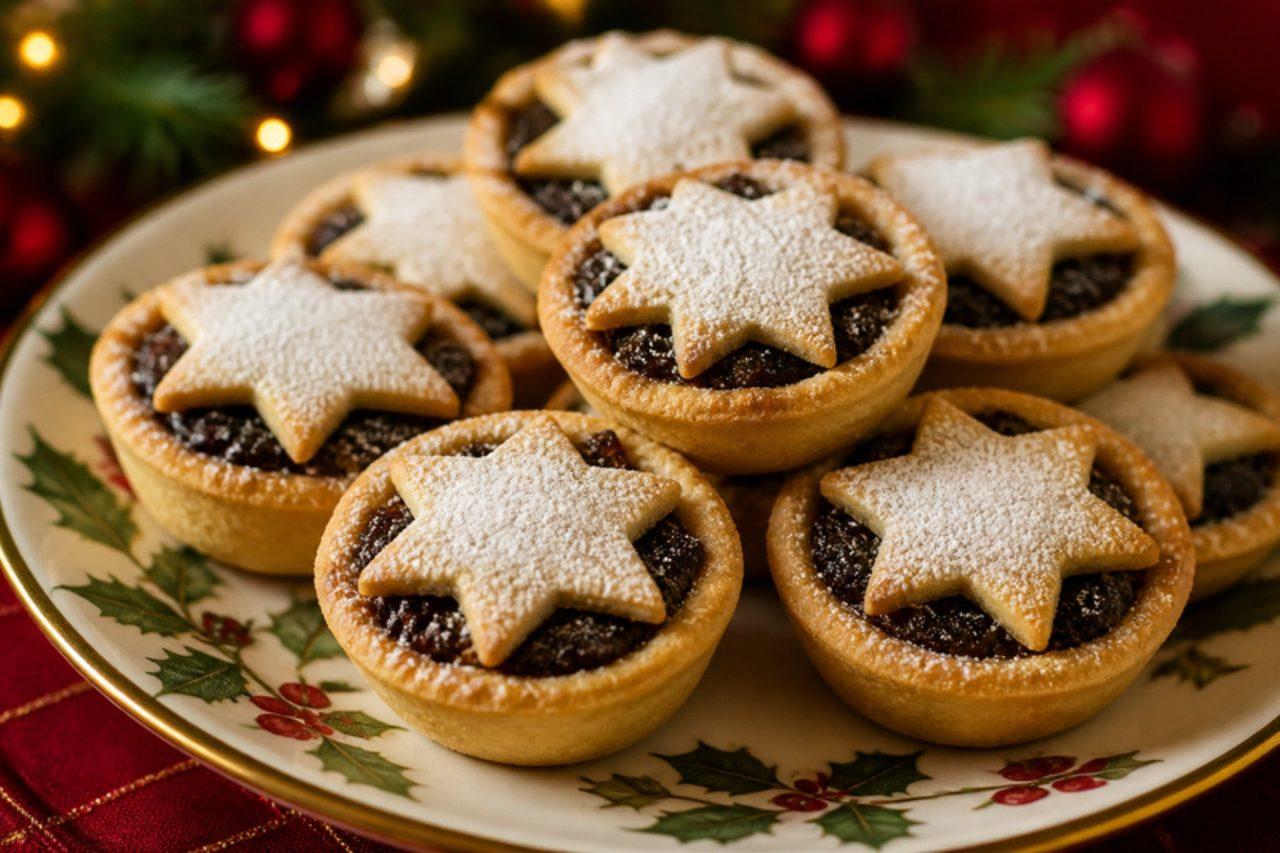
Mince pies

Mince pies are handed round with mulled drinks at every English Christmas gathering, from carol services to office parties, and children leave one out for Father Christmas. The mincemeat once held meat; this home-made version is all fruit, apple and spice, with vegetarian suet, and brandy is optional, so it can be alcohol-free. Chef's tip: make the mincemeat a week ahead so the flavours mellow; it keeps for months.

by KrazyBadal 0 views

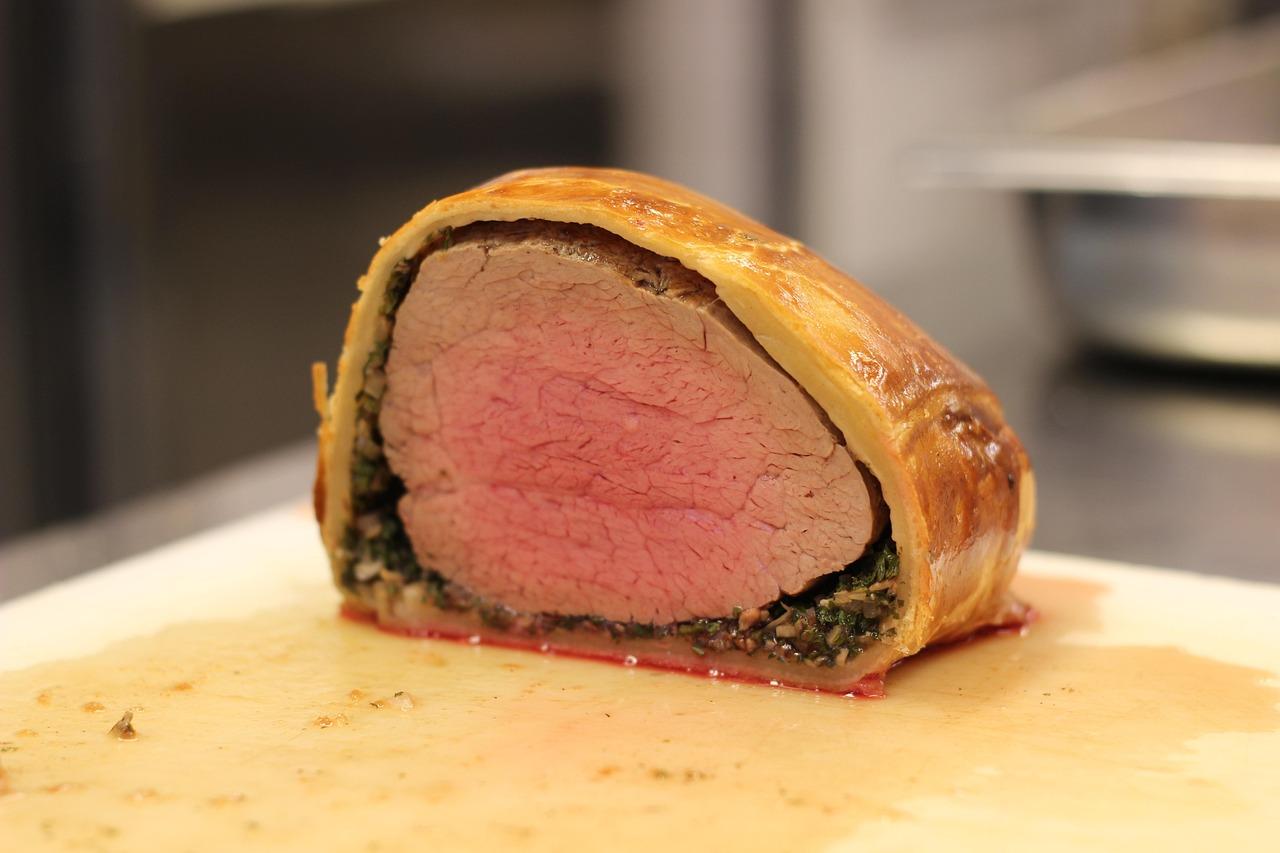
Beef Wellington

Beef Wellington is the grand centrepiece of British Christmas and celebration dinners, a whole beef fillet coated in finely chopped mushroom duxelles, wrapped in thin pancakes or ham and golden puff pastry, then sliced at the table to show a pink middle. It is linked, without much proof, to the Duke of Wellington. This version wraps the fillet in crêpes instead of the usual Parma ham. The duxelles is deglazed with a splash of white wine, which contains alcohol; use a little stock for an alcohol-free version. Chef's tip: chill the wrapped fillet before it goes in the pastry so everything stays tight and the base doesn't go soggy.

105 minBritishMeat
by KrazyBadal 0 views

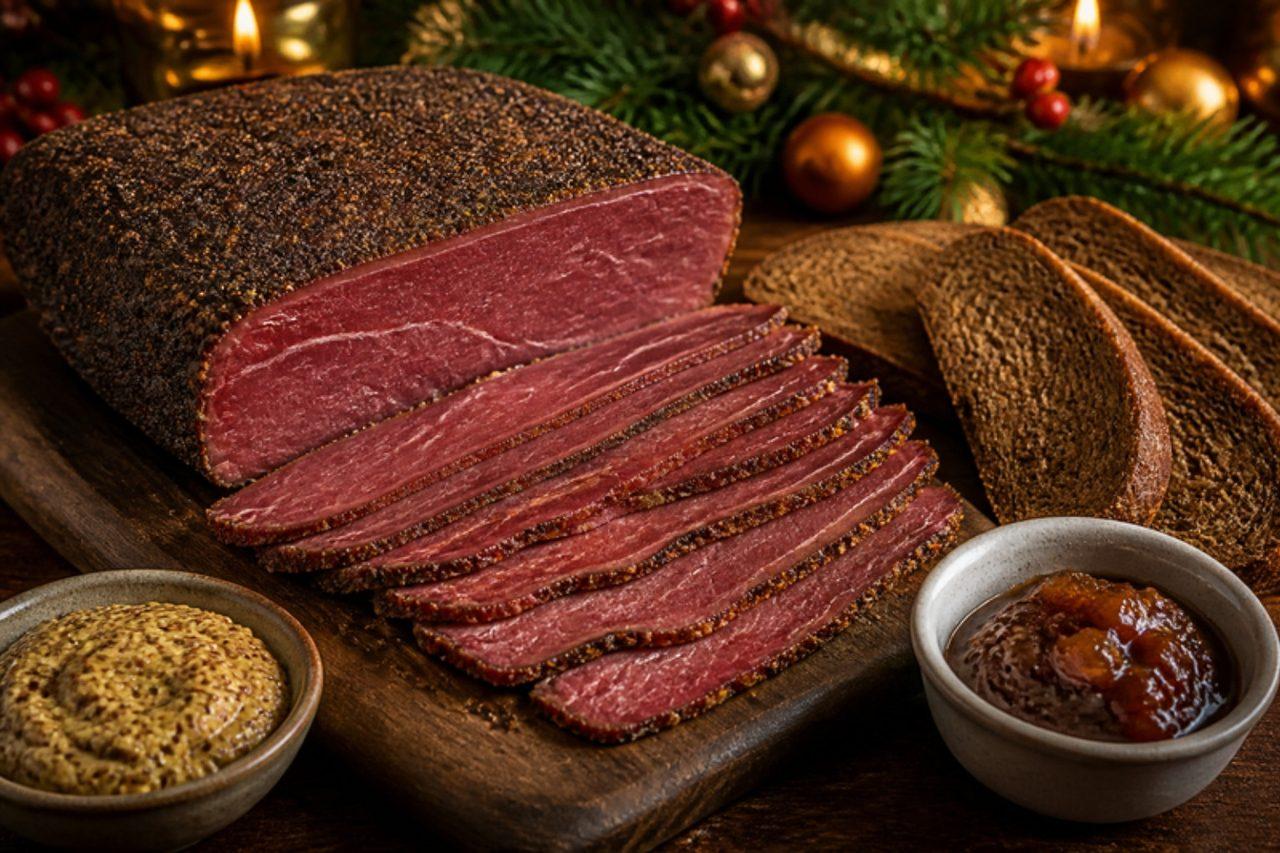
Cork spiced beefSpiced pressed brisket

Spiced beef is the Christmas meat of Cork city, sold in the English Market in December and served cold in thin slices on St Stephen's Day with brown bread and chutney. A piece of brisket or silverside is rubbed with salt, brown sugar, allspice, cloves and juniper and turned in the fridge for a week, then simmered slowly and pressed. The meat comes out deep pink, tender and fragrant. Chef's tip: keep it in the fridge the whole week of curing and turn it every day so the cure reaches every side.

270 minIrishMeatGluten free
by KrazyBadal 0 views

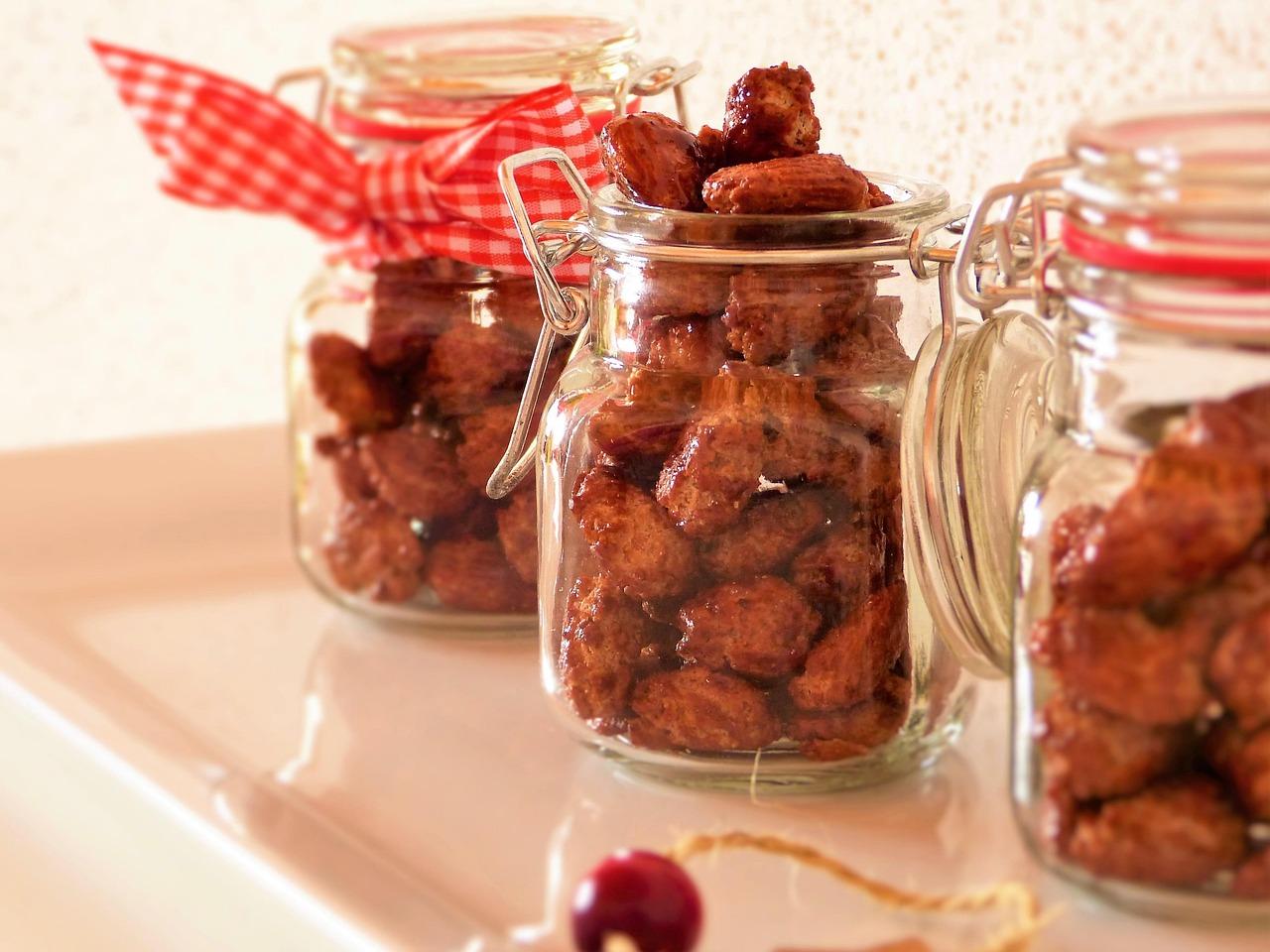
Gebrannte MandelnCinnamon-sugar roasted almonds

Gebrannte Mandeln are the warm paper cone you carry round a German Christmas market, from Munich's Marienplatz to the Striezelmarkt in Dresden, the stalls stirring copper kettles of almonds until the sugar crackles. At home they take one pan and twenty minutes, and a jar makes a good December gift. The sugar goes through three stages: syrup, then dry and sandy, then melted again into a shiny crust. The mistake most people make is giving up at the sandy stage, when it looks ruined; keep stirring and it melts back into a coating. Chef's tip: spread the almonds out on baking paper the second they are done and separate them with two forks, or they cool into one big brittle.

by KrazyBadal 0 views

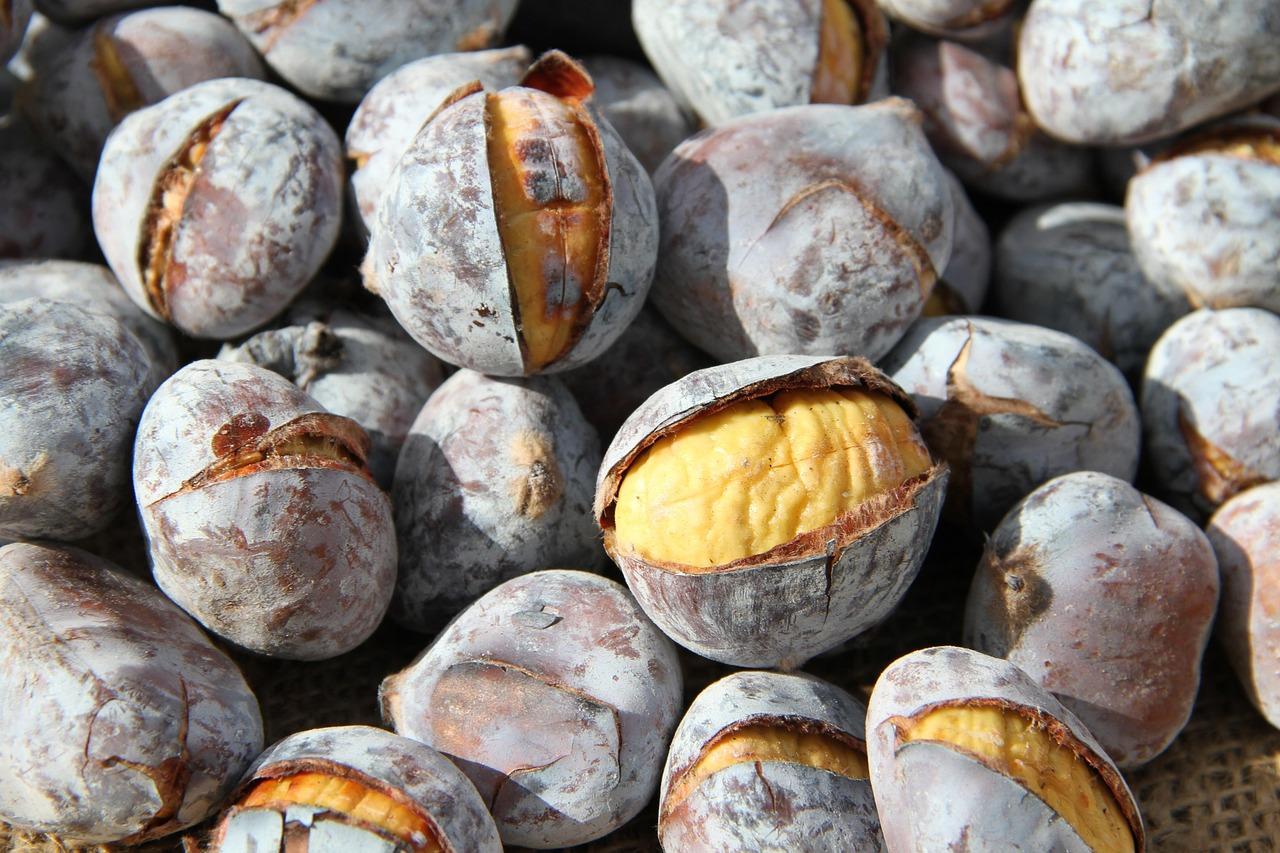
Heiße MaronenRoasted chestnuts

From late October the Maronibrater set up their black drum ovens on street corners in Vienna, Salzburg and every German Christmas market, and the smoky smell of roasting chestnuts means winter has properly begun. Hot chestnuts in a paper cone warm your hands first and your stomach second. At home a hot oven and a bowl of water give the same soft, sweet, slightly charred result. The commonest mistake is not scoring the shells deeply enough: steam builds up inside and the chestnuts can burst in the oven. Chef's tip: wrap the roasted chestnuts in a tea towel for 5 minutes before peeling; the steam loosens the bitter inner skin so it comes away with the shell.

by KrazyBadal 0 views

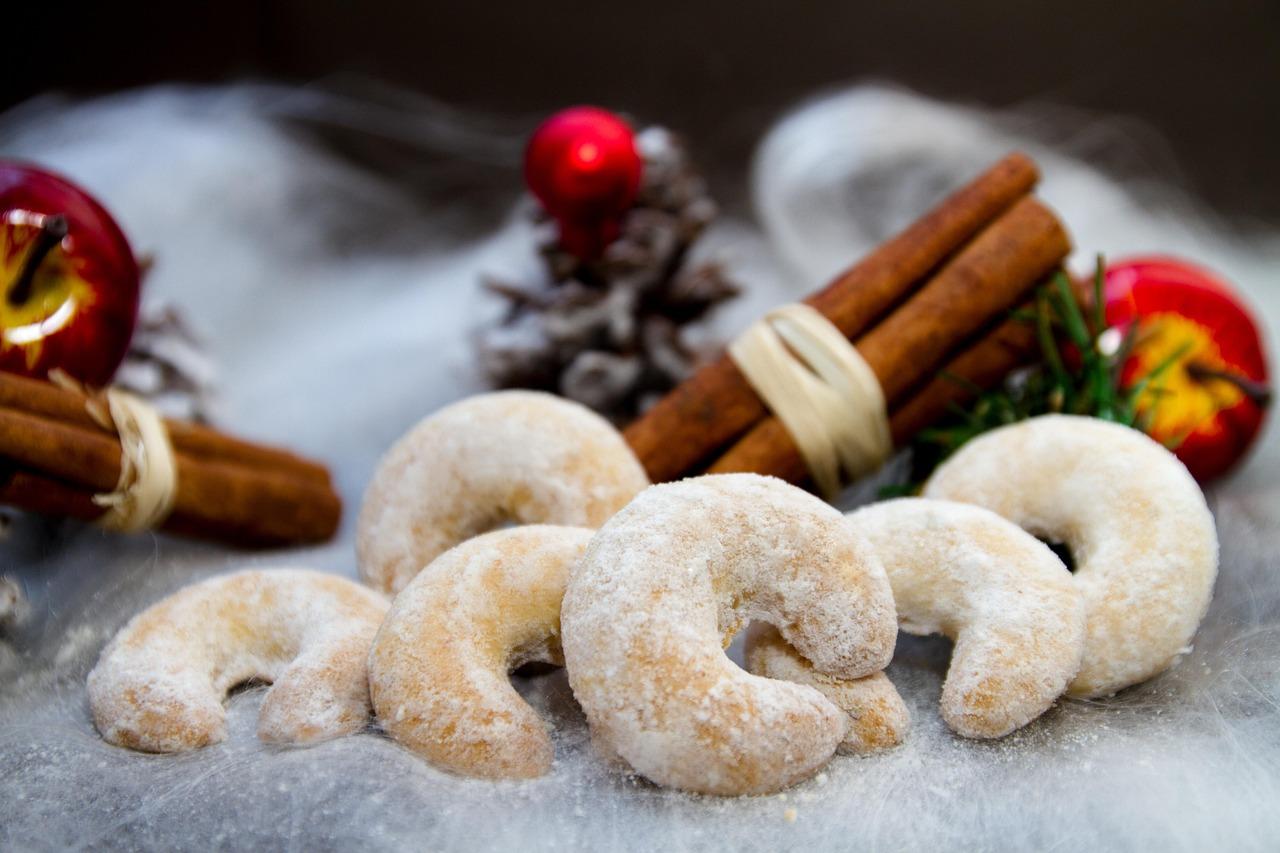
VanillekipferlVanilla almond crescents

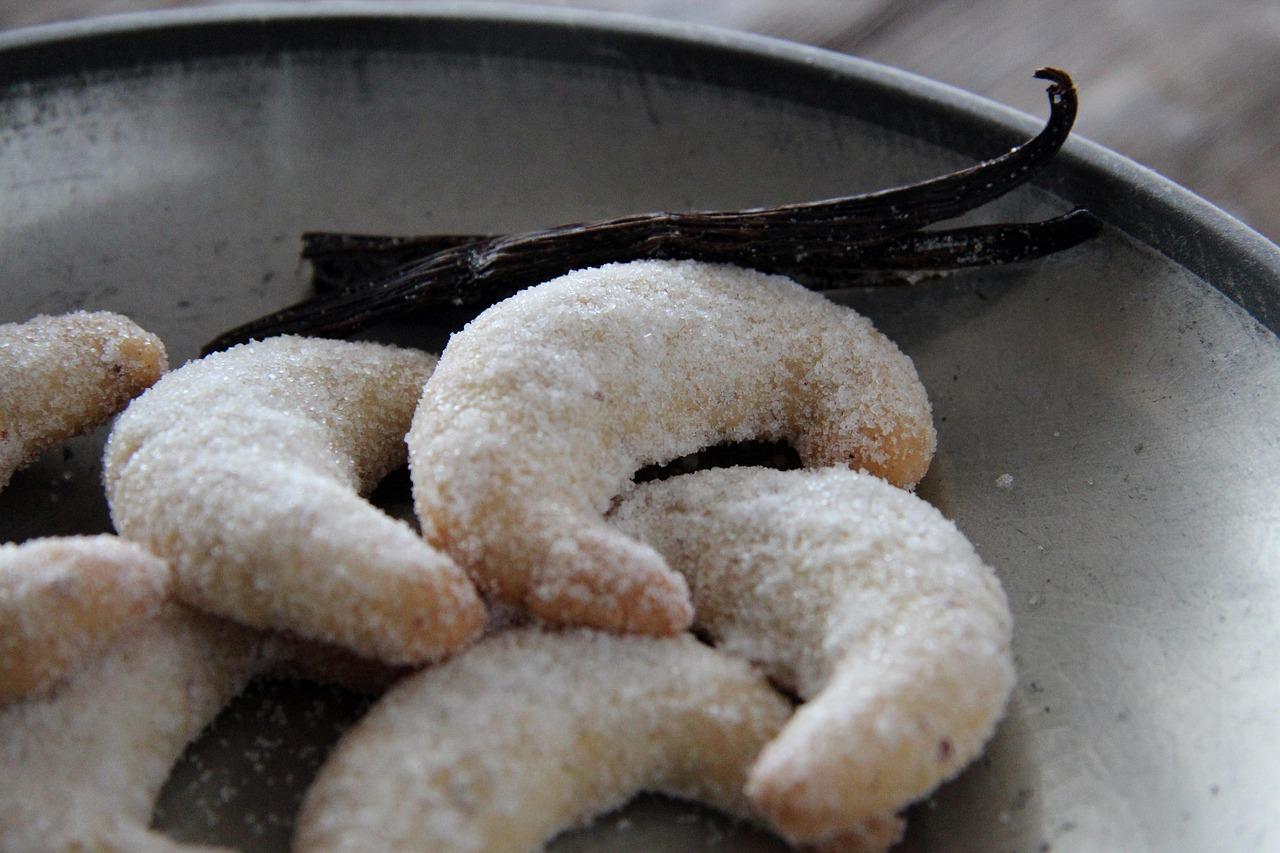
No Austrian Christmas cookie tin is complete without Vanillekipferl, the pale little crescents that melt on the tongue; Viennese grandmothers bake them by the hundred in early December, and they are just as loved over the border in Bavaria. The dough is short and rich with butter and ground almonds, and the crescents are rolled in vanilla sugar while still warm so it sticks. The common mistake is overbaking: they should stay pale with only the tips turning golden, or they lose their tender, sandy texture. Chef's tip: chill the dough well and shape it with cool hands; warm dough cracks and the crescents spread in the oven.

by KrazyBadal 0 views

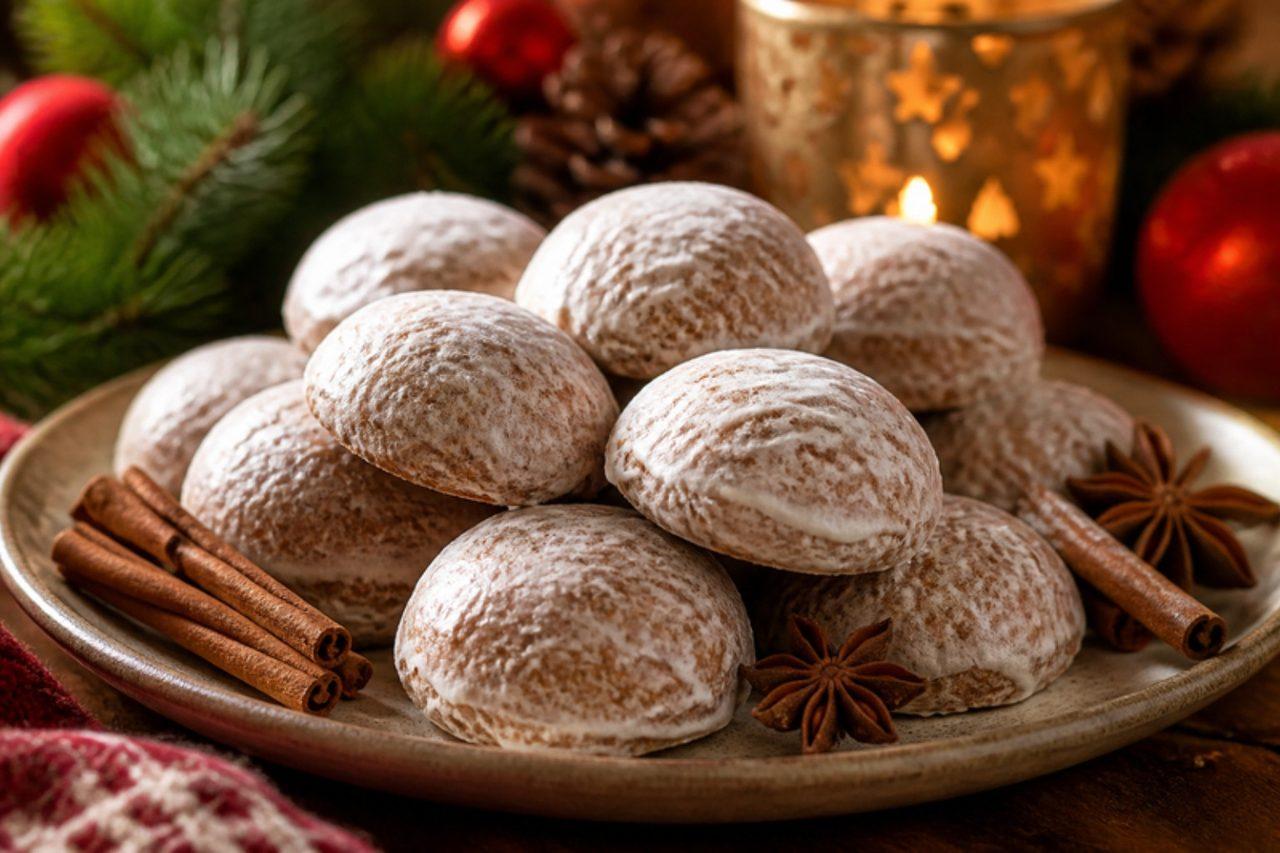
PfeffernüsseHoney spice biscuits

Pfeffernüsse are small domed biscuits baked in German homes through Advent, especially in the north and in Saxony, and sold in bags at Christmas markets everywhere. They are made with honey and a warm spice mix, and in old recipes the 'pepper' in the name meant exotic spices in general, though a pinch of real black pepper adds a lovely bite. A thin white glaze sets crisp over a chewy centre. The mistake many people make is eating them straight away; they are hard at first and need a few days in a tin with a slice of apple to soften. Chef's tip: warm the honey only until runny, never boiling, or the biscuits turn tough.

by KrazyBadal 0 views

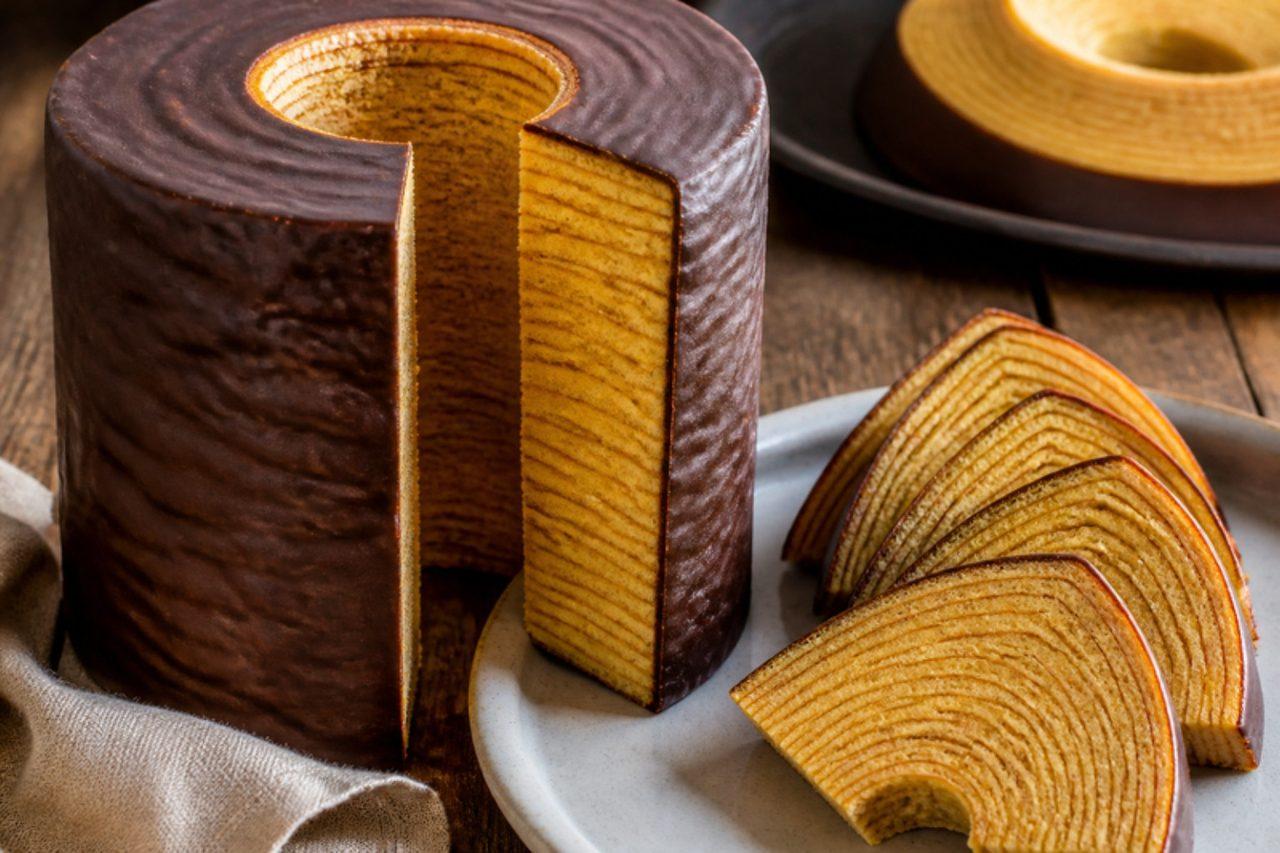
BaumkuchenLayered tree cake

Baumkuchen is the king of German cakes, and the little town of Salzwedel in Saxony-Anhalt has baked it on a turning spit over an open flame for two centuries; in December, Baumkuchenspitzen, chocolate-dipped triangles of it, fill the shelves before Christmas. Without a spit you can build it at home in a tin under the grill, one thin layer at a time, and each slice shows the golden rings of a tree. The mistake people make is spreading the batter too thickly, which gives fewer, stodgy layers that cook unevenly; aim for 2 tablespoons at a time. Chef's tip: stand by the oven; each layer turns from pale to burnt within a minute once it browns.

110 minGermanBaking
by KrazyBadal 0 views

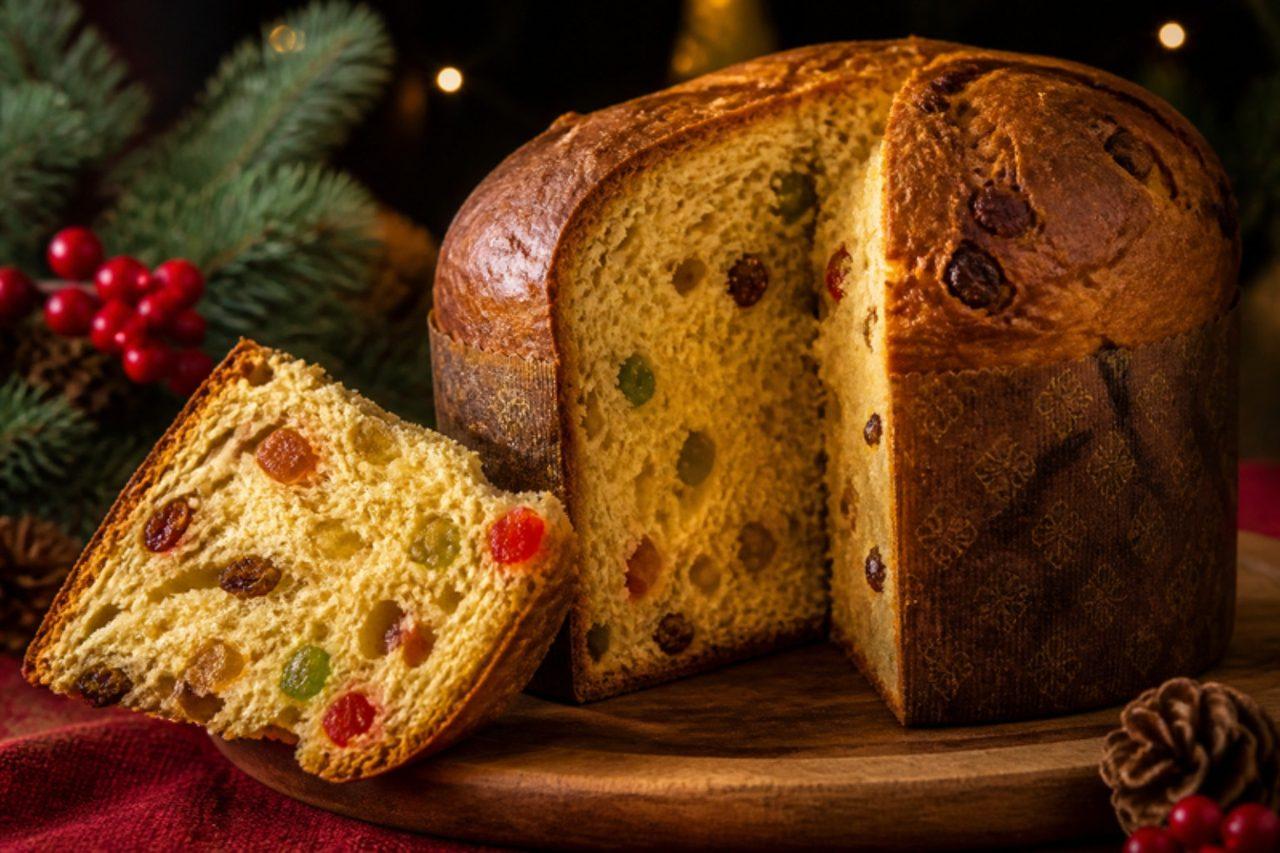
Pan dulceChristmas fruit bread

No Argentine Christmas Eve table is complete without a pan dulce, set out at midnight with turrón, nuts and a cold cider for the adults. The bread is the River Plate take on Genoese pandolce and Milanese panettone: a tall, buttery yeast dough scented with orange blossom and lemon, packed with candied fruit, raisins and walnuts. The crumb is closer and moister than panettone, and it keeps for a week wrapped in a cloth. Allow a long day, as the dough has a sponge and two rises. Some bakers soak the fruit in rum or sweet wine; here it is soaked in orange juice, so the bread is alcohol-free. People often add the fruit at the start of kneading, which shreds the gluten and gives a heavy, sunken loaf; work it in only once the dough is silky. Chef's tip: bake it in a tall paper mould or a 16 cm tin lined with a collar of baking paper, and turn it upside down onto a rack for the first 20 minutes of cooling so the top does not sink.

by KrazyBadal 0 views

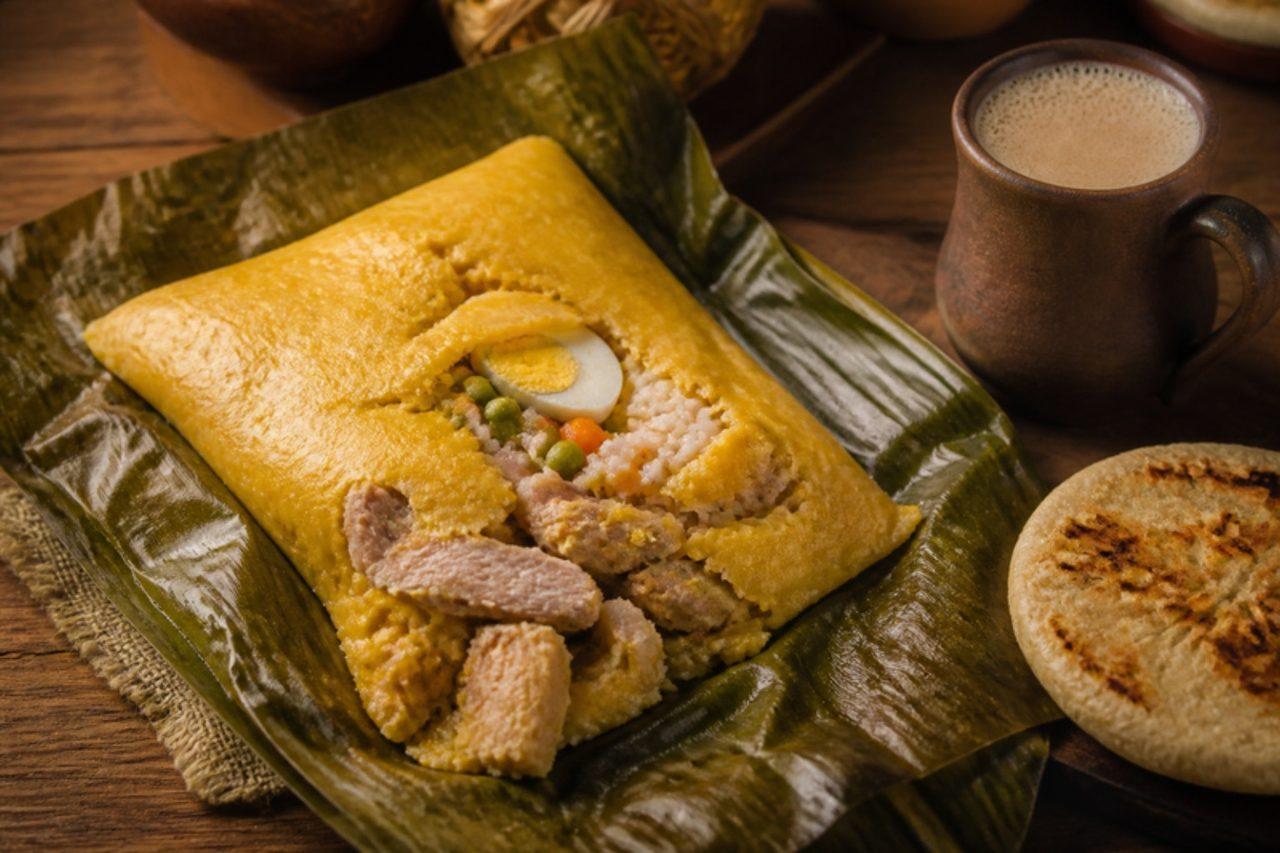
Tamal tolimenseBanana-leaf pork and chicken tamal

Ibagué and the towns of Tolima make the most generous tamal in Colombia, and on Sunday mornings it is unwrapped at the table with hot chocolate, a slab of bread or arepa and a cup of black coffee. Inside the double banana-leaf wrapping sits a soft, achiote-tinted corn dough layered with rice, yellow peas, carrot, potato, a hard-boiled egg and chunks of pork rib, pork belly and chicken that cook through during the long steam. Expect a savoury, moist parcel that smells of the leaves; plus overnight soaking for the dried peas and marinating the meat. It is weekend project food, best made with friends on a production line. A frequent failure is a loose wrap: water gets in and the dough turns soggy, so fold tightly and tie firmly in a cross. Chef's tip: steam a test tamal first or check one after 3 hours; the meat inside must be cooked through, and if the dough still sticks to the leaf, give the batch 20 minutes more.

by KrazyBadal 0 views

Showing 24 of 138 recipes

Show more recipes

Page 4 of 6

More occasions