Skip to content
Festivals

Christmas recipes: cakes, cookies, roasts and festive bakes

Christmas cakes and cookies, kulkuls and rose cookies, stollen, roasts and warming alcohol-free drinks. (138 recipes)

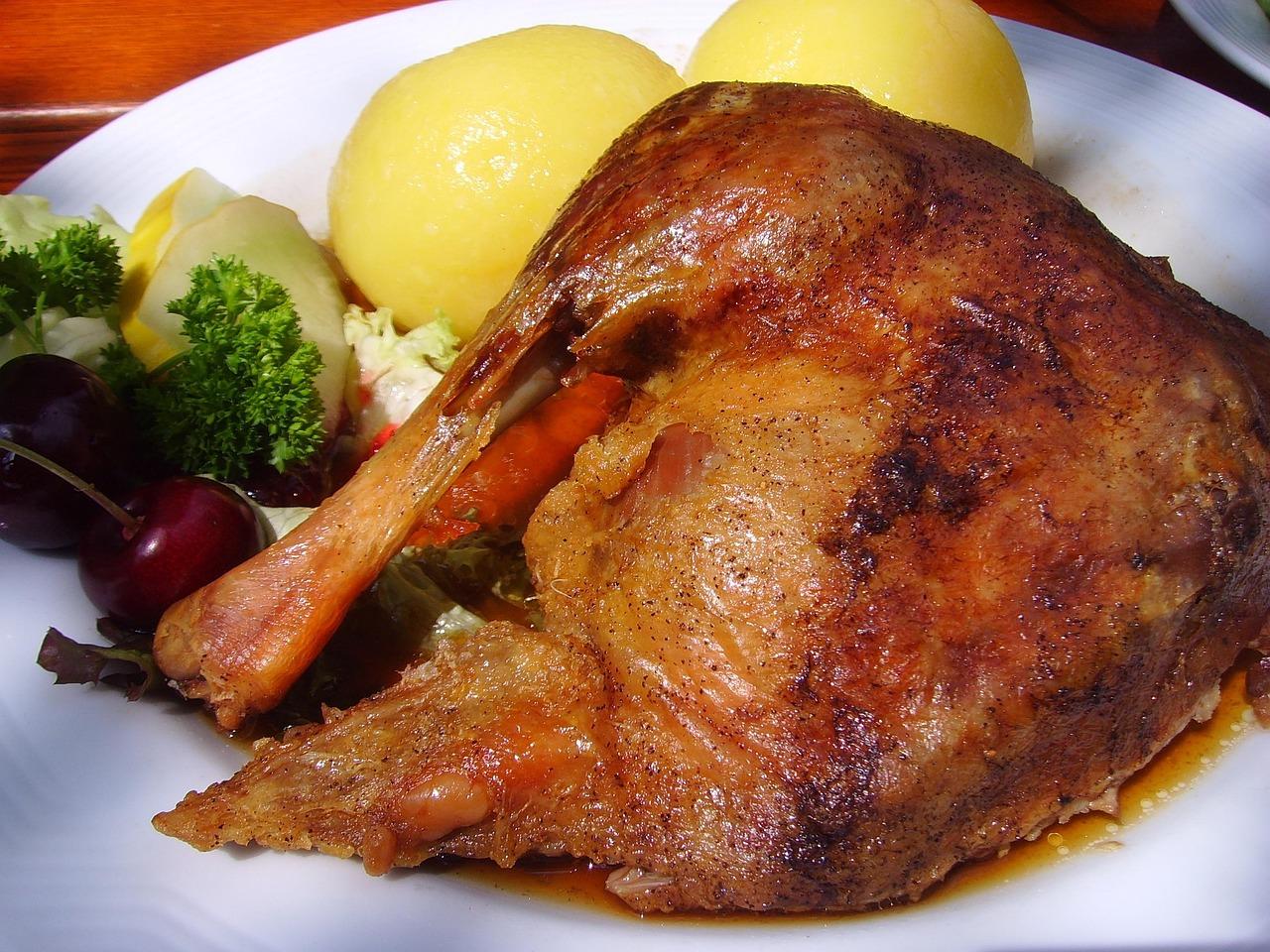
Roast goose with apples

On 11 November, St Martin's Day and Poland's Independence Day, roast goose comes back to tables from Poznań to Gdańsk, and Pomeranian and Kujawy farms still raise their own white geese for it. The bird is rubbed with marjoram, garlic and salt, left overnight in the fridge, then stuffed with sharp apples and roasted slowly so the fat renders out and the skin turns crisp and mahogany. The meat is dark and rich, the apples collapse into a tart sauce. Serve with braised red cabbage, potato dumplings and the pan juices. Most people forget to drain the fat as it roasts, and the bird ends up frying in its own puddle; pour it off every half hour and save it for roast potatoes. Allow an extra night for the marinade. Chef's tip: prick the skin all over, especially under the wings and thighs, without piercing the meat, so the fat has somewhere to escape.

240 minPolishMeatGluten free
by KrazyBadal 0 views

Fried Christmas carp

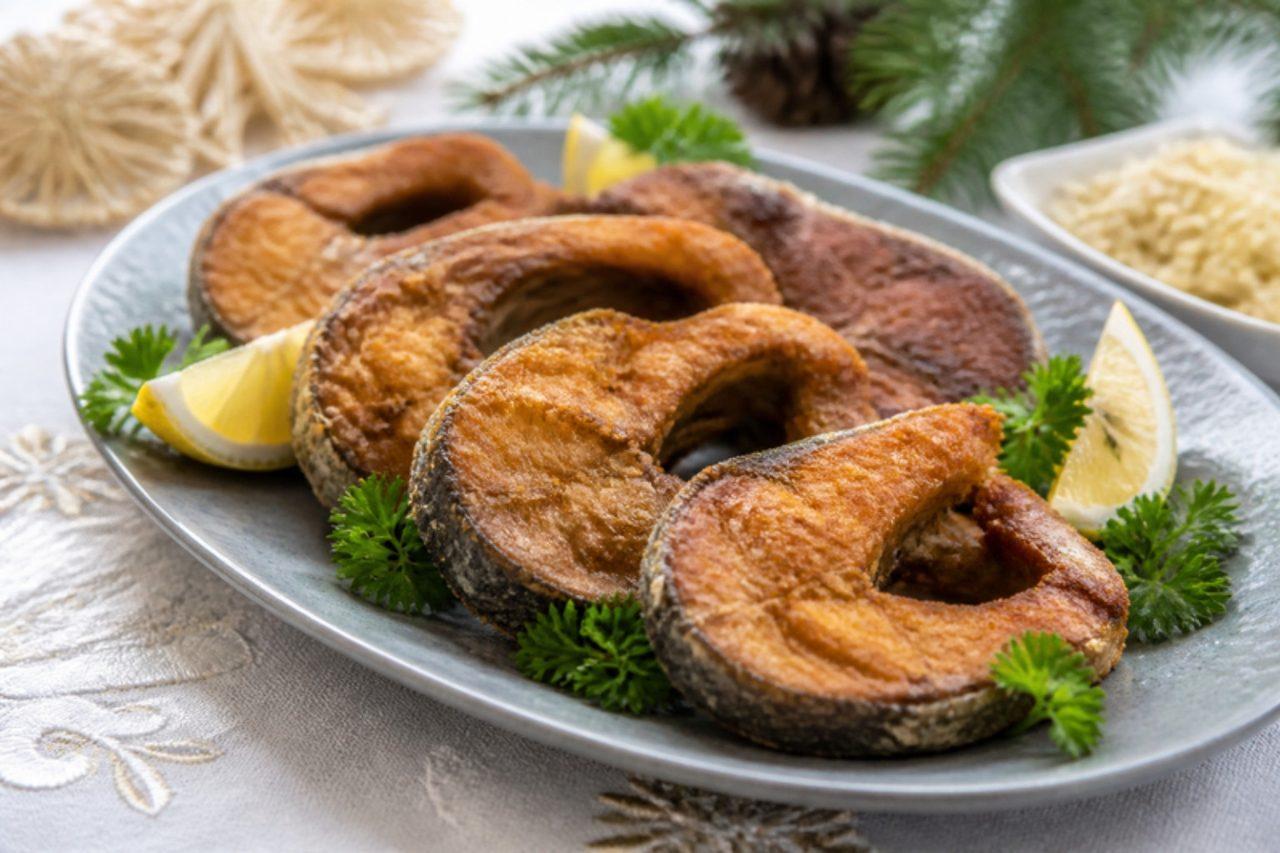
For many Polish families, Wigilia, the meatless Christmas Eve supper, is not complete without fried carp, bought live from market tanks in mid-December or, more often today, cleaned and cut into steaks at the fishmonger. The steaks are salted, floured and fried until the skin crisps and the white flesh turns sweet and juicy. Serve with boiled potatoes, sauerkraut with peas, or simply bread and a lemon wedge, after the beetroot barszcz. Keeping a scale from the Christmas carp in your wallet is said to bring money all year. Carp has a reputation for tasting muddy, and the usual culprit is skipping the salting and resting time. Ask the fishmonger to score the steaks finely so the small Y-shaped bones soften as they fry. Chef's tip: salt the steaks and leave them in the fridge for 20 minutes, then pat completely dry; the flesh firms up and the flour clings in a thin, even crust.

40 minPolishFish
by KrazyBadal 0 views

Ryba po greckuFish under sweet-sour vegetables

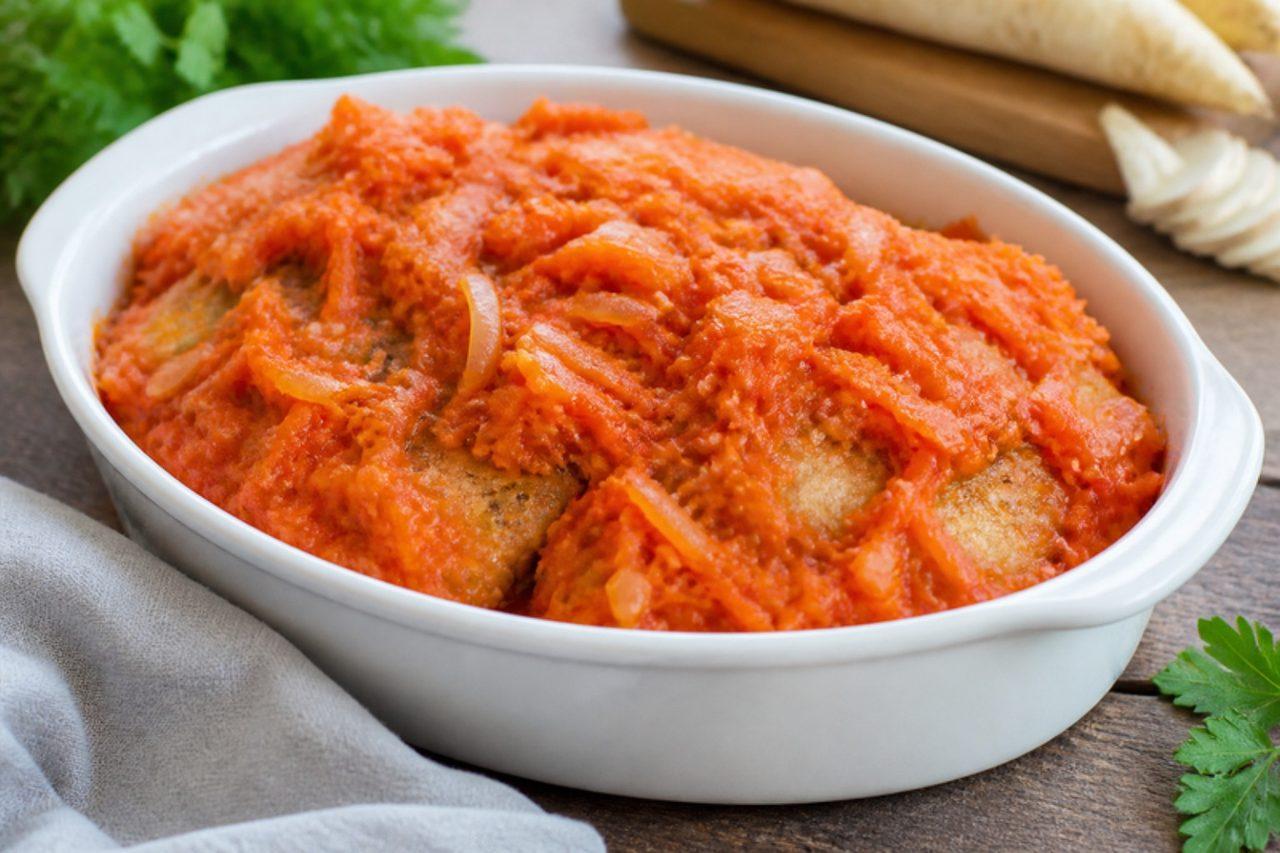
Ryba po grecku, 'Greek-style fish', has no Greek roots at all; it is a Polish invention from the communist years, when cheap frozen cod and pollock met carrot, parsley root and tomato purée to make a festive dish out of very little. Today it sits on almost every Christmas Eve table and at name-day buffets, served cold. Pieces of fried white fish disappear under a thick, orange layer of soft vegetables stewed in tomato with allspice and bay, sweet and tangy at once. It needs a night in the fridge for the vegetable sauce to soak into the fish. The usual slip is grating the vegetables too fine, which turns them to mush; use the coarse side of the grater or cut thin matchsticks. Chef's tip: let the fish and the vegetables cool before layering, then chill; it tastes better on day two and keeps for three days.

60 minPolishFish
by KrazyBadal 0 views

FafernuchyHoney and carrot Christmas cookies

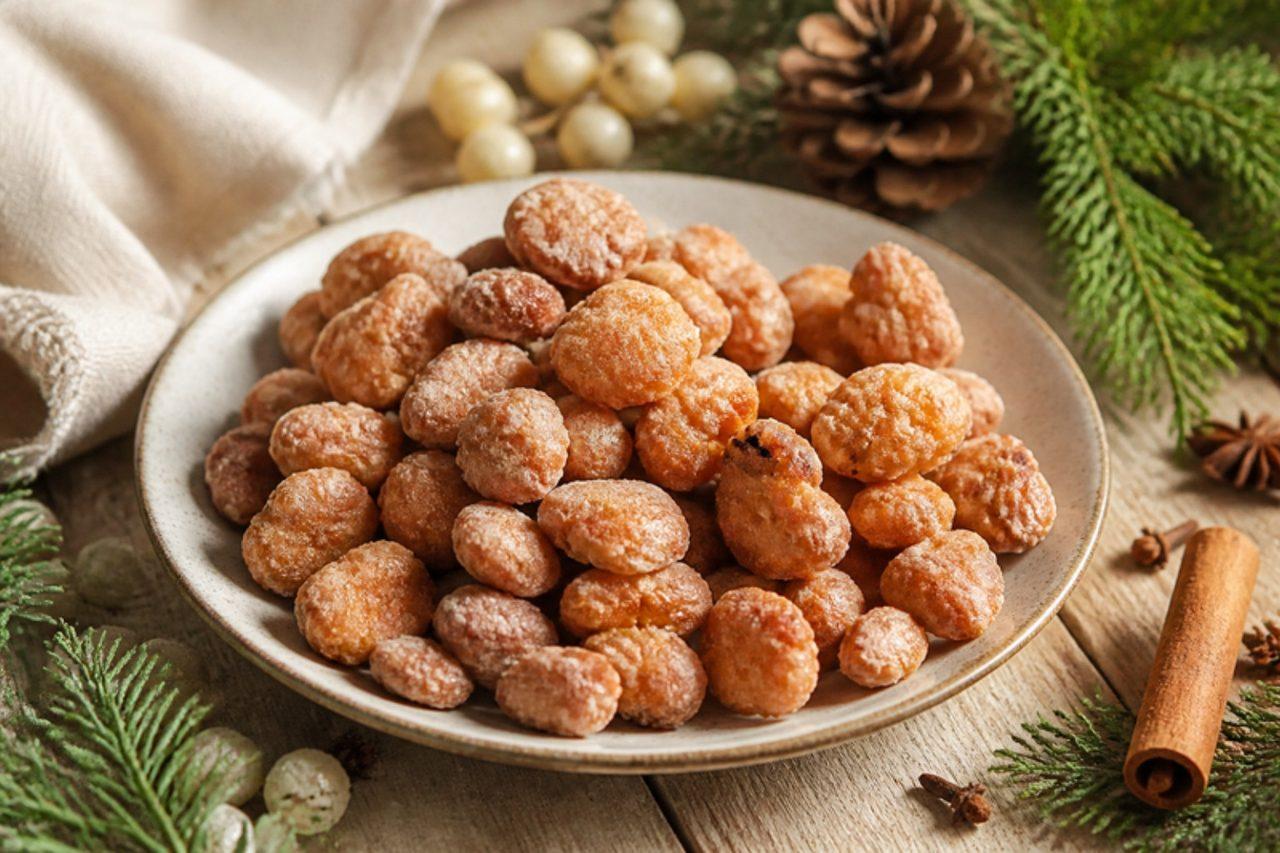
Old Masurian and Warmian households baked fafernuchy weeks before Christmas and kept them in tins, where they slowly mellowed; children found them in their stockings and on the Christmas plate. They are small, hard, pebble-like biscuits, sweetened with honey and given a gentle colour and moisture from finely grated carrot, with a little spice in some homes. Expect a proper crunch, made for dunking in tea. A common mistake is expecting them to be soft straight from the oven; they are meant to be firm and soften only a little in the tin. Chef's tip: grate the carrot on the finest side of the grater so the dough stays smooth and holds its shape.

by KrazyBadal 0 views

Christmas mushroom soup

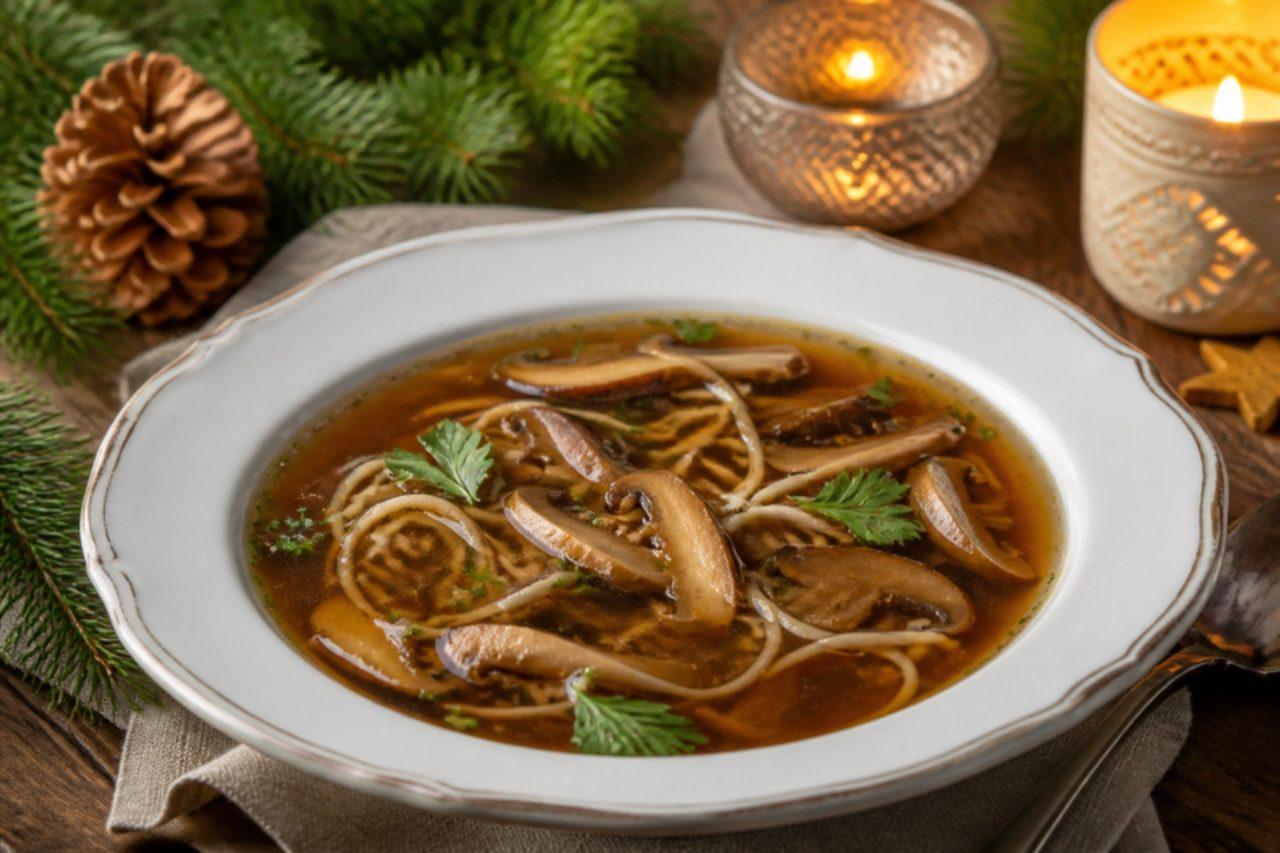
In many Polish homes the Christmas Eve supper opens with either beetroot barszcz or this soup, and families argue about which is better. Dried porcini picked and threaded on strings in September are soaked and simmered with root vegetables into a clear, deep-brown broth with a smoky, almost meaty depth, then served with thin noodles or łazanki. It is fully meat-free, as Wigilia tradition requires, and kept dairy-free here. A common mistake is pouring the soaking water in with its grit; let it settle and leave the last spoonfuls behind. Chef's tip: soak the mushrooms overnight in cold water and cook them in that water for the most flavour.

by KrazyBadal 0 views

Cabbage with peas

Of the twelve dishes on a Polish Christmas Eve table, this is the humblest and often the one people go back to for seconds. Sour, tangy sauerkraut is braised slowly with yellow split peas until the peas collapse into a soft, savoury mash that binds the cabbage, with dried mushrooms and golden onion for depth. Serve it warm next to pierogi or potatoes, and know that it tastes even better reheated the next day. The usual slip is adding salt before the peas are cooked, which keeps them hard; season only at the end, as the sauerkraut is salty anyway. Chef's tip: if your sauerkraut is very sour, rinse it once and squeeze it, keeping a little juice to adjust the sharpness later.

by KrazyBadal 0 views

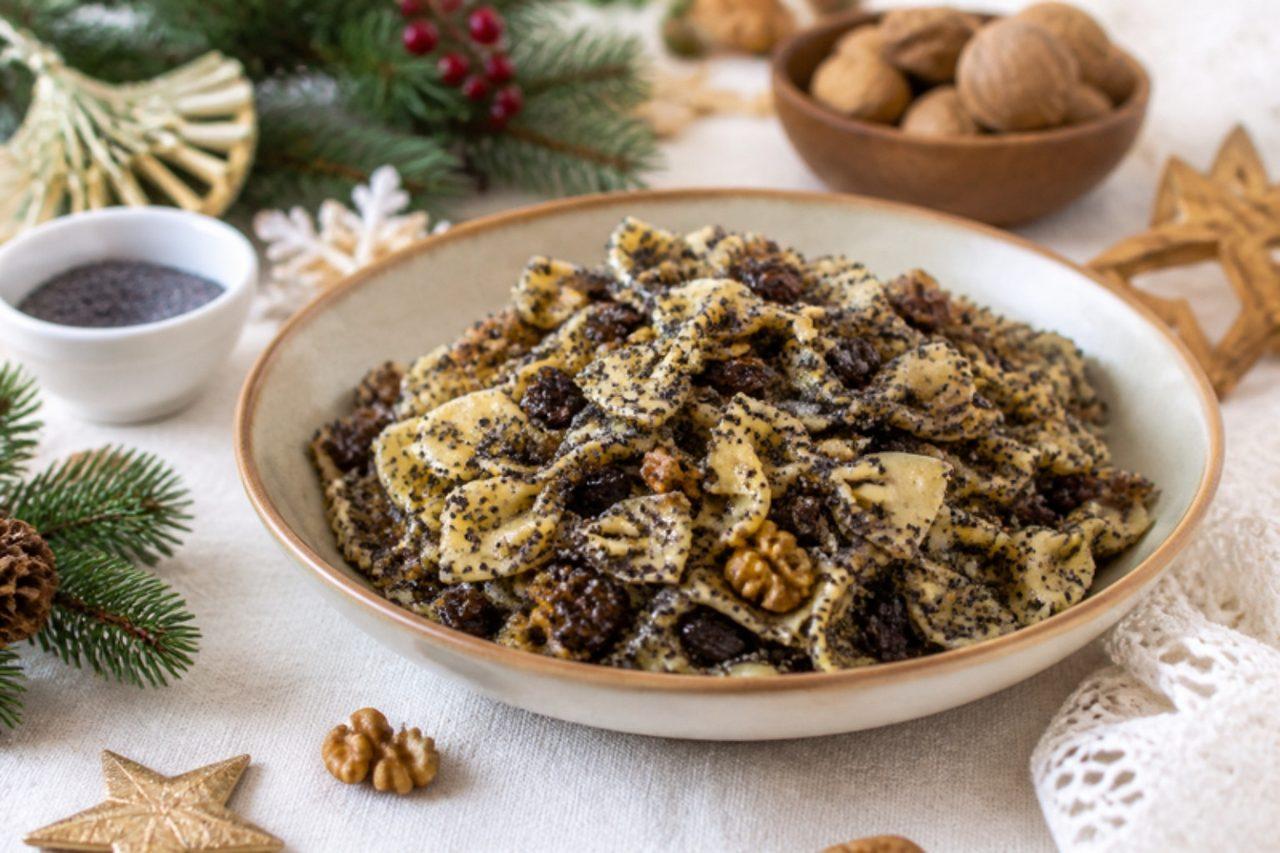
Kluski z makiemNoodles with sweet poppy seed

Poppy seed is the taste of a Polish Christmas Eve, and in central and eastern Poland it often reaches the table as a bowl of wide noodles in a sweet, dark poppy mixture with honey, walnuts and raisins. It sounds strange to anyone who expects pasta to be savoury, but it is closer to a pudding: nutty, slightly bitter, sticky with honey, eaten at room temperature as the last dish of the night. Where most people go wrong is using whole poppy seeds straight from the packet; they must be scalded and ground, or the dish is gritty and bland. Chef's tip: buy ready-ground poppy seed or grind scalded seeds twice in a spice grinder until they turn grey and buttery.

by KrazyBadal 0 views

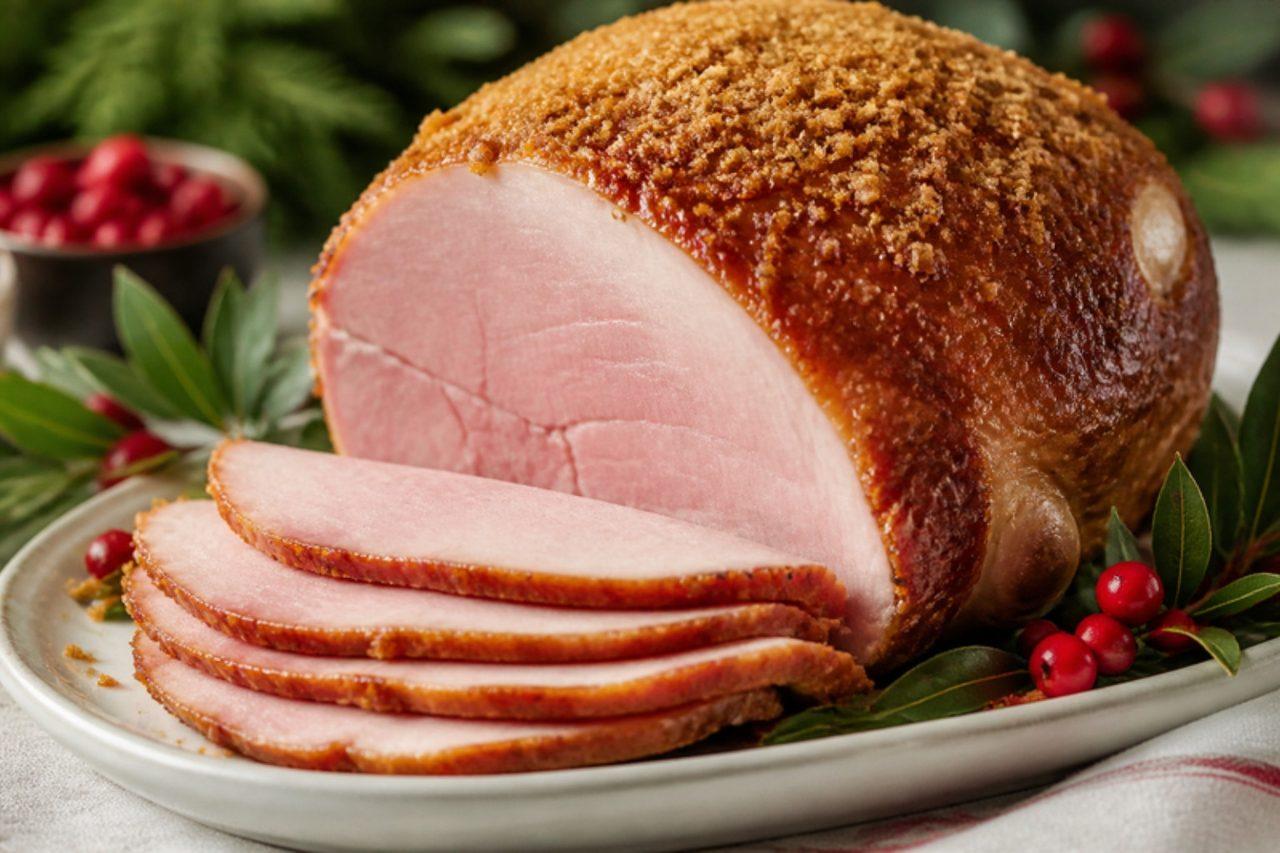
JulskinkaChristmas glazed ham

Julskinka, the Christmas ham, is the centrepiece of the Swedish julbord: a lightly cured pork leg poached slowly, then brushed with a glaze of mustard and egg, scattered with breadcrumbs and browned in the oven. This is a pork dish. Swedish families cook it a few days before Christmas Eve and eat it cold in thin slices with mustard, and the cooking broth is used for 'dopp i grytan', dipping bread into the broth on Christmas Eve. Use a mild cured gammon. A common mistake is boiling it hard, which makes the meat stringy. Chef's tip: keep the water at a bare tremble, about 85 °C, and take it out when the centre reaches 71 °C; it stays juicy.

by KrazyBadal 0 views

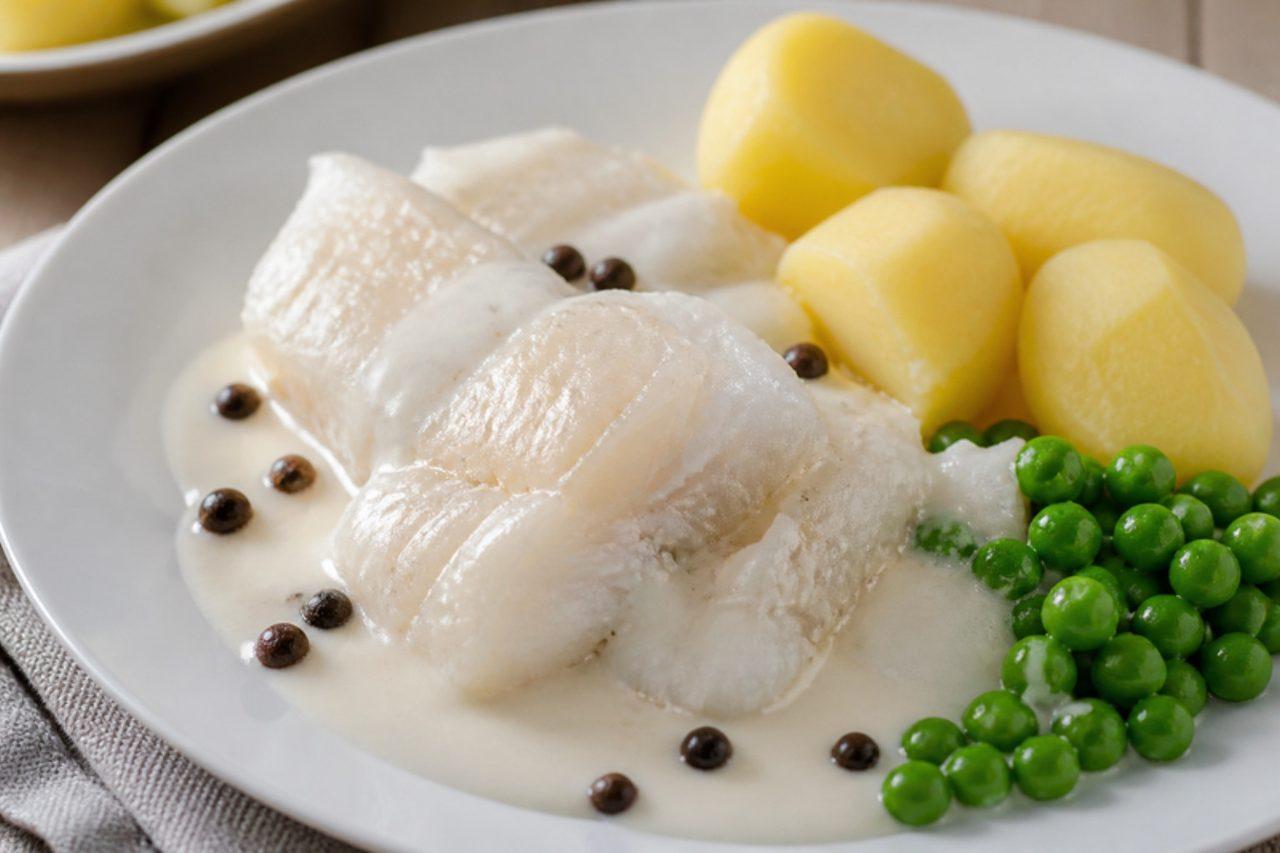
LutfiskLye-cured cod with white sauce

Lutfisk, lutefisk in Norway, is dried cod or ling soaked in water and lye for days until it swells into a soft, jelly-like fish, then rinsed and baked or steamed and eaten at Christmas with white sauce, peas, boiled potatoes, allspice and, in Norway, bacon fat. It divides families, loved by some, avoided by others. Lye is caustic, so never cure it at home; buy ready-soaked lutfisk from Scandinavian shops and fishmongers in December. A common mistake is cooking it in an aluminium dish, which reacts and discolours it. Chef's tip: salt the fish and leave it for 15 minutes before baking; it draws out water and keeps the flakes firm. It is done when it is opaque and flakes.

by KrazyBadal 0 views

PinnekjøttSteamed salted lamb ribs

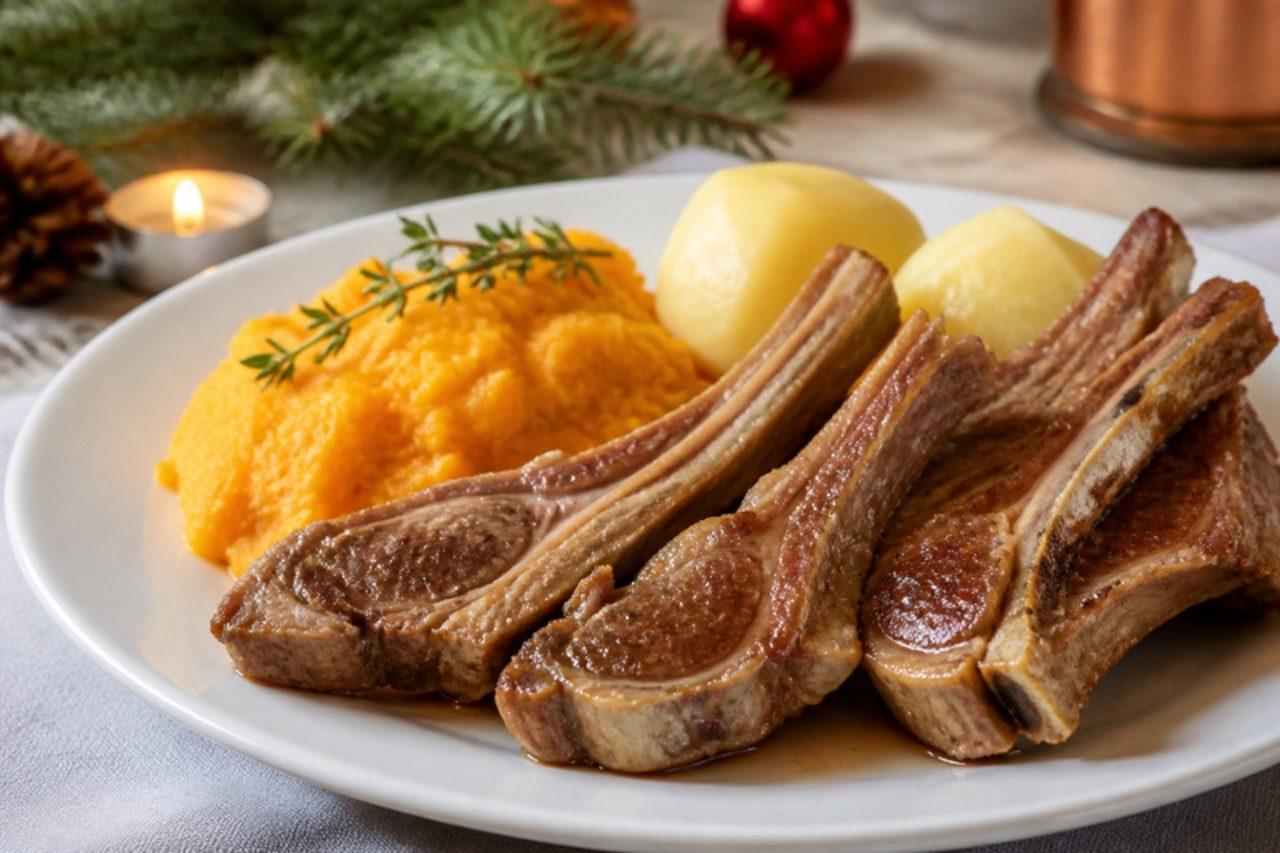
Pinnekjøtt, 'stick meat', is the Christmas Eve dinner of western Norway: lamb ribs that have been salted and dried, sometimes smoked, soaked in water for a day, then steamed for hours over a lattice of birch sticks until tender and juicy. It is served with kålrabistappe, boiled potatoes and the cooking juices. The ribs are bought ready-cured in Norwegian shops in December. A common mistake is letting the pot boil dry; check the water every half hour. Chef's tip: finish the steamed ribs under a hot grill for a few minutes to crisp the fat.

by KrazyBadal 0 views

CougnouChristmas brioche

Cougnou, also called cougnolle or bommetje, is the Christmas bread of Wallonia, given to children on Christmas morning: a soft brioche shaped like the infant Jesus in swaddling clothes, with a little clay or sugar medallion pressed into the middle, eaten with hot chocolate. Bakeries in Namur and Charleroi make them from early December. A common mistake is shaping them too small, which dries them in the oven. Chef's tip: make three balls, one large for the body and two small for the head and feet, pressed together tightly so they bake as one.

by KrazyBadal 0 views

Bajan jug jugPigeon peas and salt meat mash

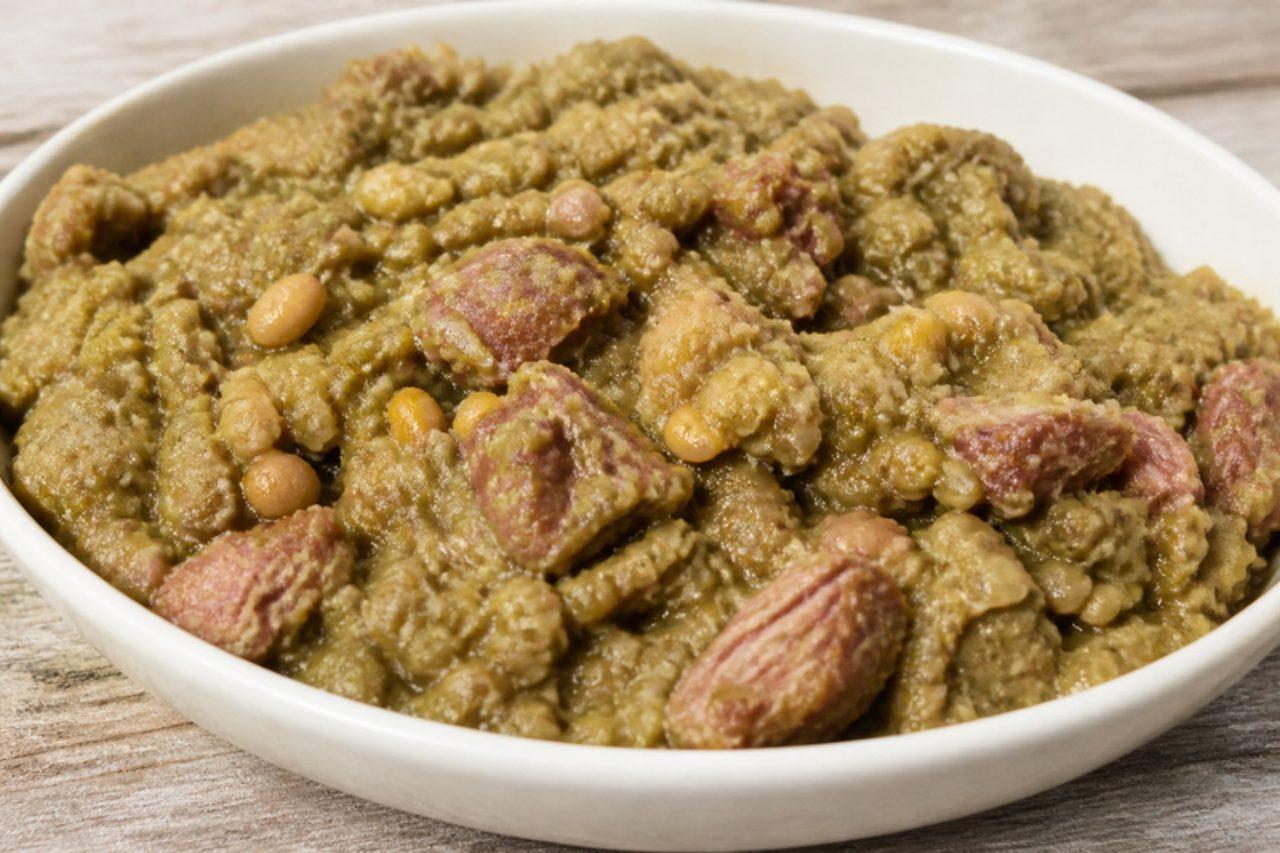
Jug jug belongs to Christmas in Barbados, served alongside baked ham and roast pork on the big lunch table: green pigeon peas and salted beef and salted pork, cooked tender and minced, then stirred with guinea corn (sorghum) flour, herbs and onion into a thick, savoury, mouldable mash. Its roots are often traced to Scottish settlers' haggis and West African grain cookery, and it tastes rich, salty and herby. The common mistake is not soaking the salt meats long enough, which makes the whole pot too salty to eat; soak them overnight in plenty of water. Cook until the minced meat mixture is piping hot (71 °C) throughout. Chef's tip: stir in the sorghum flour a spoonful at a time while the pot bubbles, like making polenta, so it never turns lumpy.

180 minBajanMeat
by KrazyBadal 0 views

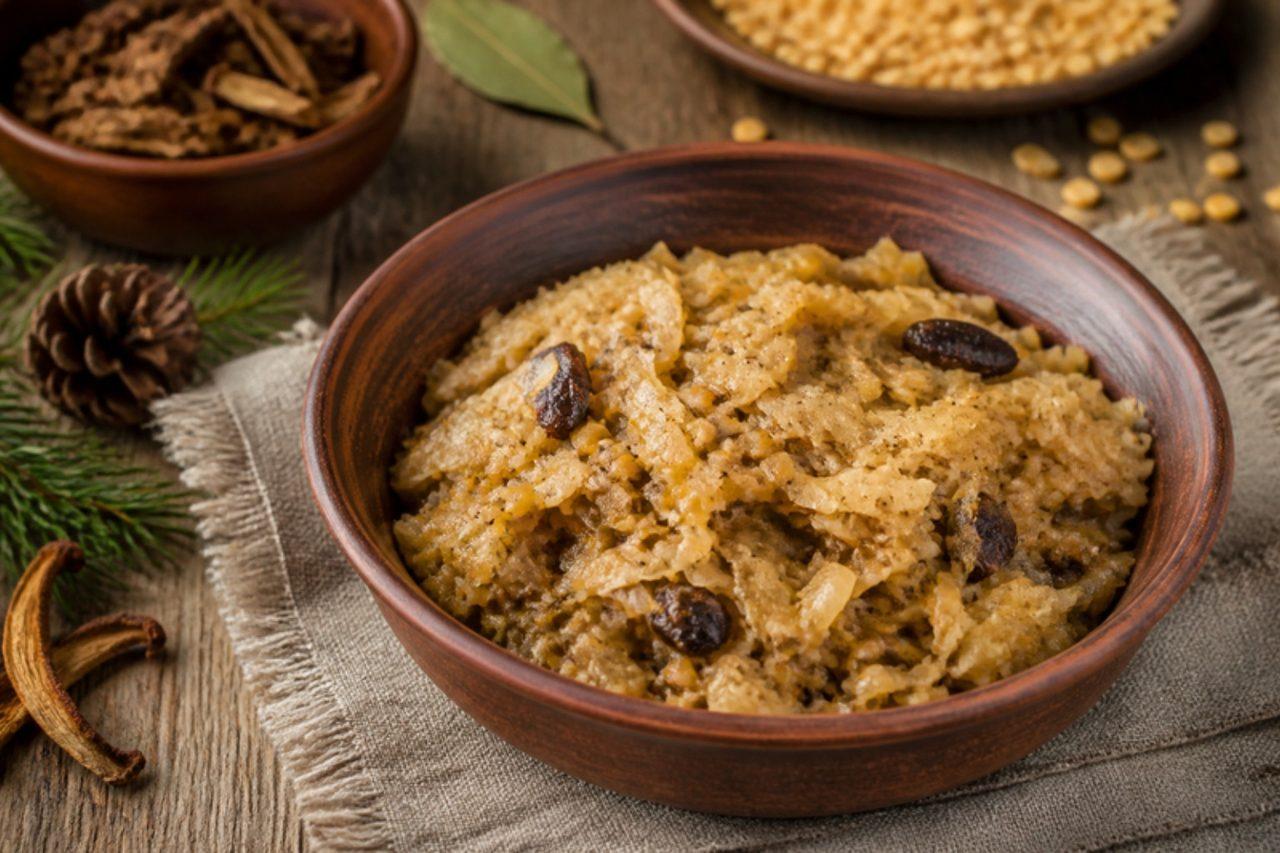
RisgrynsgrötChristmas rice porridge

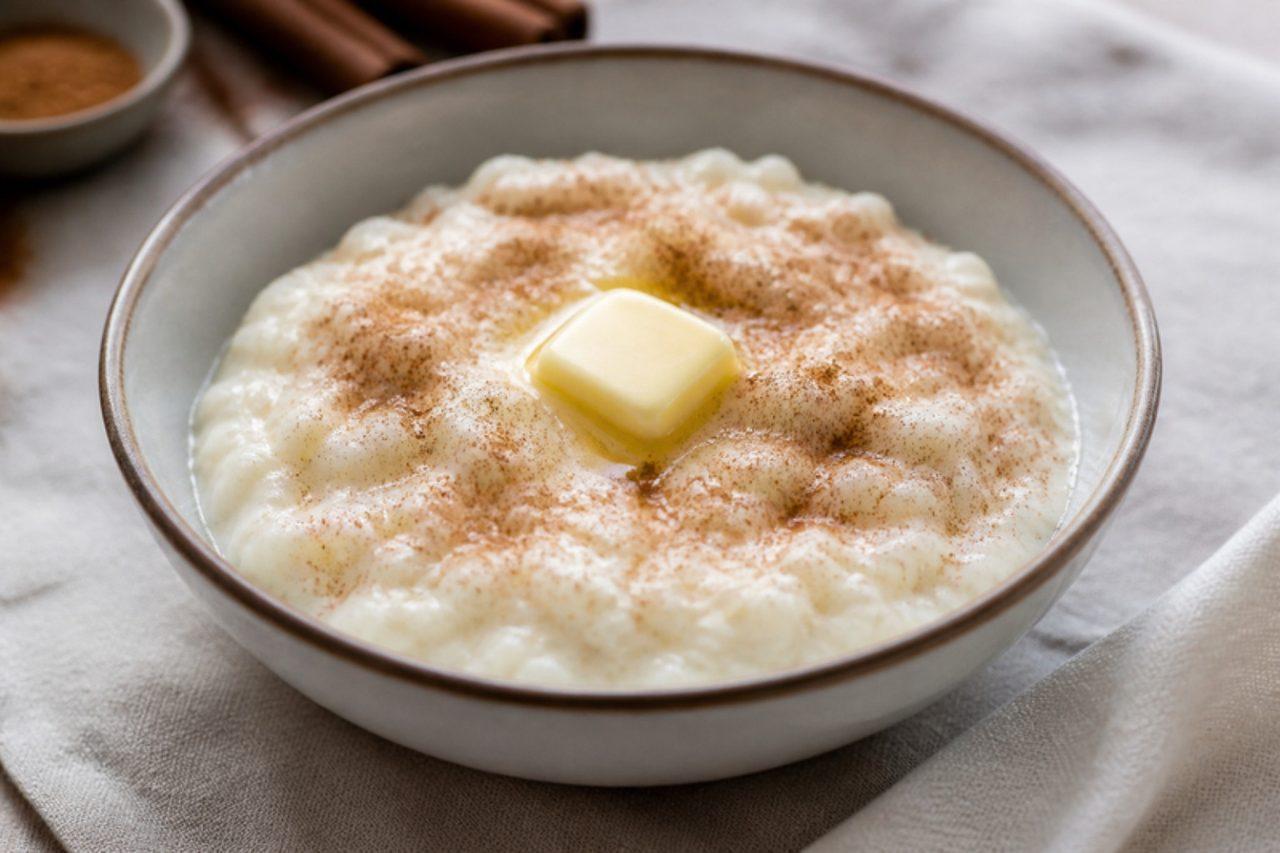
Risgrynsgröt is the creamy rice porridge Swedes eat on Christmas Eve, either at breakfast or after the julbord, with cinnamon, sugar and cold milk; one whole almond is hidden in the pot, and whoever finds it will marry in the coming year, or simply gets a prize. Leftovers become ris à la Malta with whipped cream and oranges. A common mistake is cooking it on a high heat, which scorches the milk. Chef's tip: start the rice in water to soften, then add the milk and let it cook very gently, with a cinnamon stick, until thick and creamy.

by KrazyBadal 0 views

JoulutorttuPrune jam pastry stars

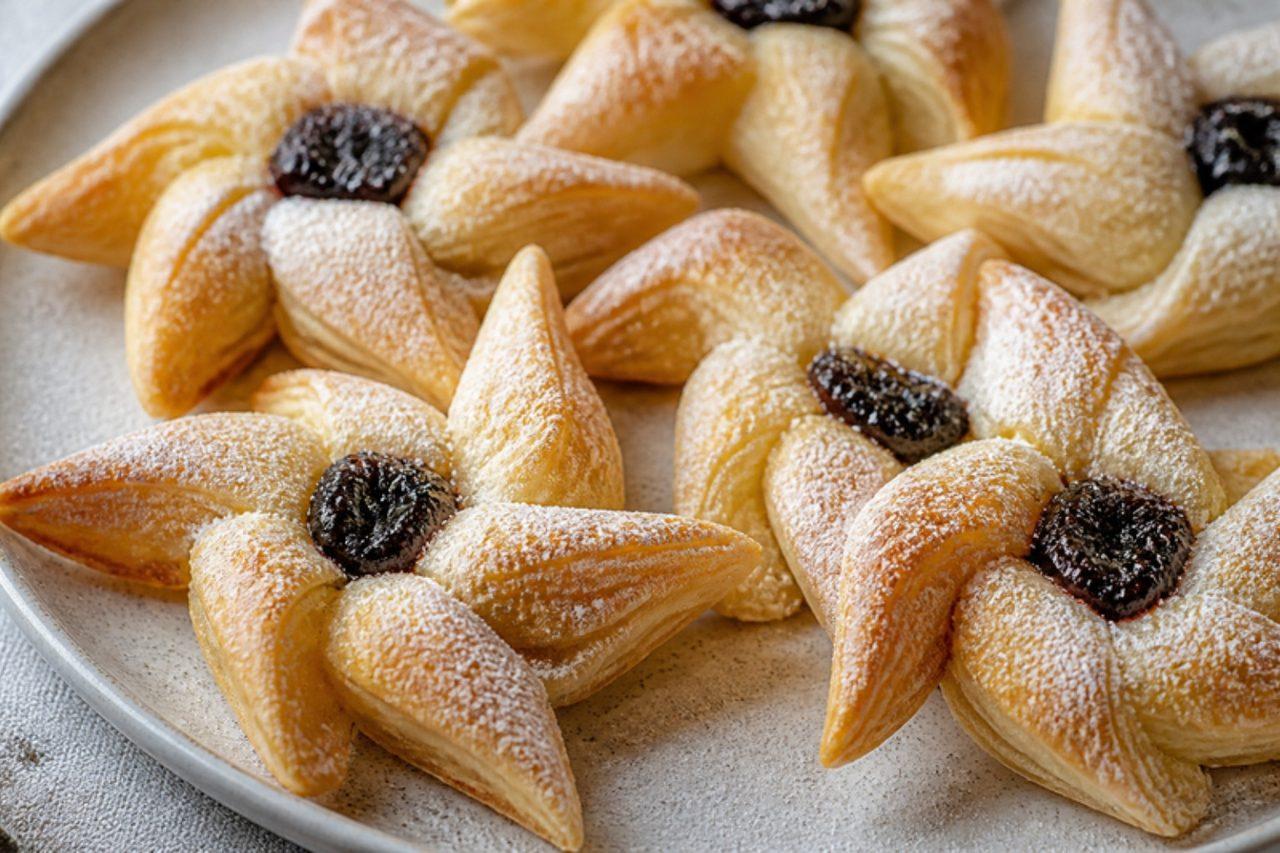
Joulutortut, the star-shaped Christmas tarts of Finland, appear in every home and café in December, piled on plates with glögi: squares of puff pastry cut at the corners and folded into a pinwheel around a spoon of thick prune jam, baked golden and dusted with icing sugar. A common mistake is using thin, runny jam, which bubbles out and burns. Chef's tip: cook the prune jam until very thick, and press the folded points down firmly with a dab of water so the stars don't spring open in the oven.

by KrazyBadal 0 views

Arroz con dulceCoconut rice pudding

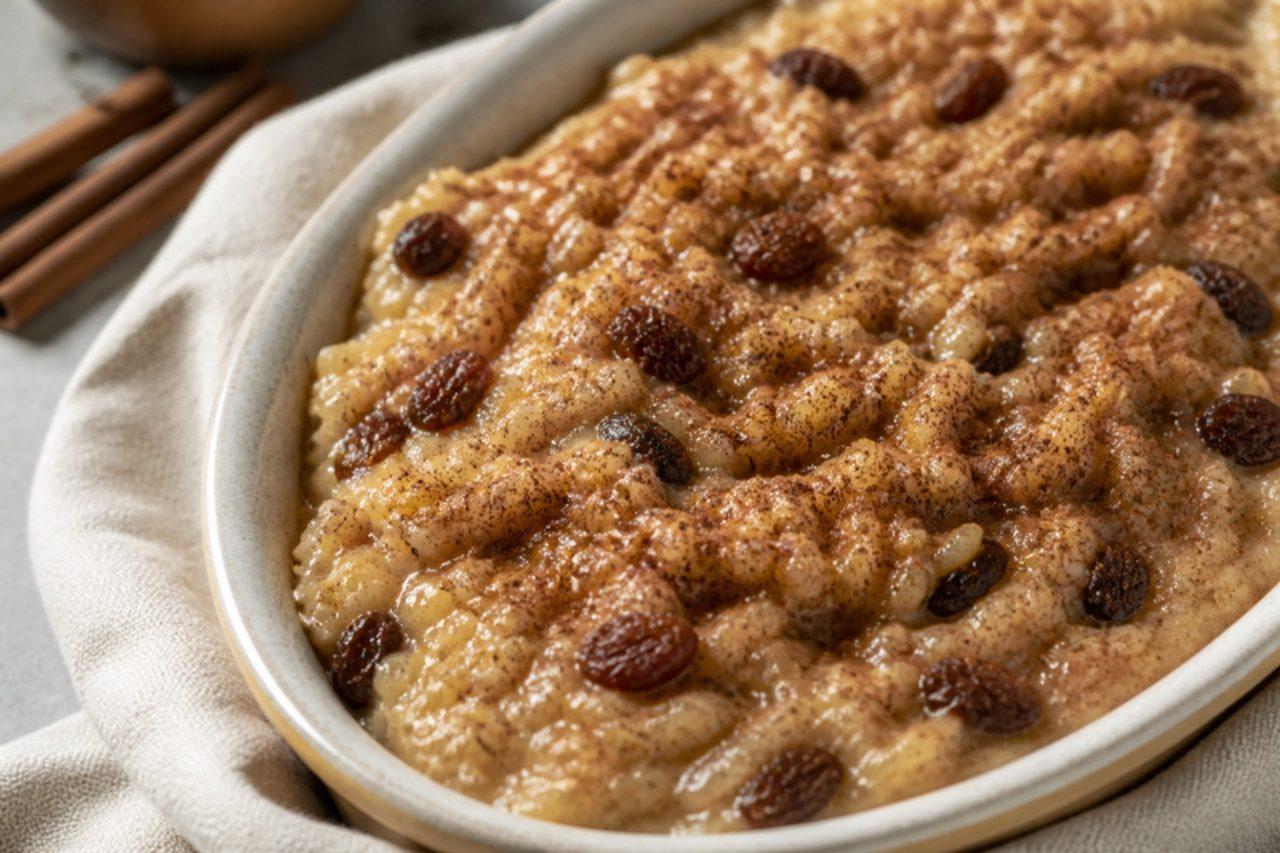
From the start of December to the Three Kings in January, trays of arroz con dulce cool on Puerto Rican kitchen counters, sliced into squares and handed round at parrandas when carollers arrive at the door late at night. Unlike a milky rice pudding, it is cooked in a water steeped with fresh ginger, cinnamon, cloves and star anise, then finished with coconut milk and raisins, so it is fragrant, firm enough to cut and dairy free. The common mistake is adding the sugar too early, which keeps the rice grains hard; sweeten only once they are soft. Chef's tip: soak the rice for an hour first, and it cooks evenly and absorbs the spiced coconut far better.

by KrazyBadal 0 views

LanttulaatikkoBaked swede casserole

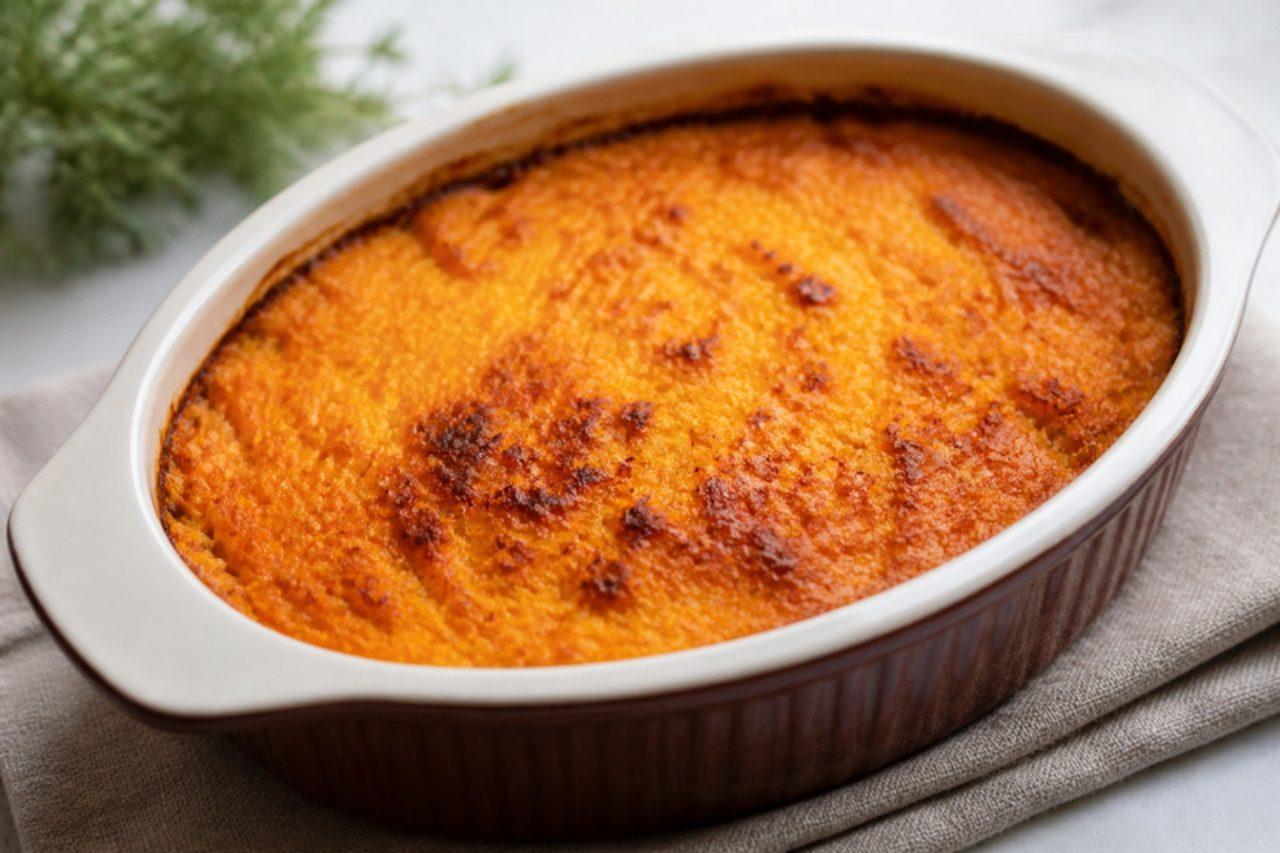
Lanttulaatikko is one of the 'laatikot', the oven casseroles that crowd the Finnish Christmas table beside the ham: swede boiled and mashed with cream, breadcrumbs, dark syrup, egg and nutmeg, then baked slowly until the top is deep brown and the inside is sweet and soft. Families make it days ahead because it tastes better reheated. A common mistake is baking it too hot, which burns the top before the casserole sets. Chef's tip: bake at a low heat for a long time, and make a crisscross pattern on top with a spoon so the syrup caramelises in the ridges.

by KrazyBadal 0 views

LussekatterSaffron buns

Before dawn on 13 December, Lucia Day, children in white gowns walk through Swedish homes, schools and offices carrying candles and trays of lussekatter: golden saffron buns twisted into an S with a raisin in each curl. The saffron colour and the light are meant to chase away the darkest days of winter. A common mistake is adding the saffron dry, which leaves the buns pale and streaky. Chef's tip: grind the saffron with a sugar cube and melt it into the warm butter and milk, so the colour spreads evenly.

by KrazyBadal 0 views

SpitzbubenJam-filled butter biscuits

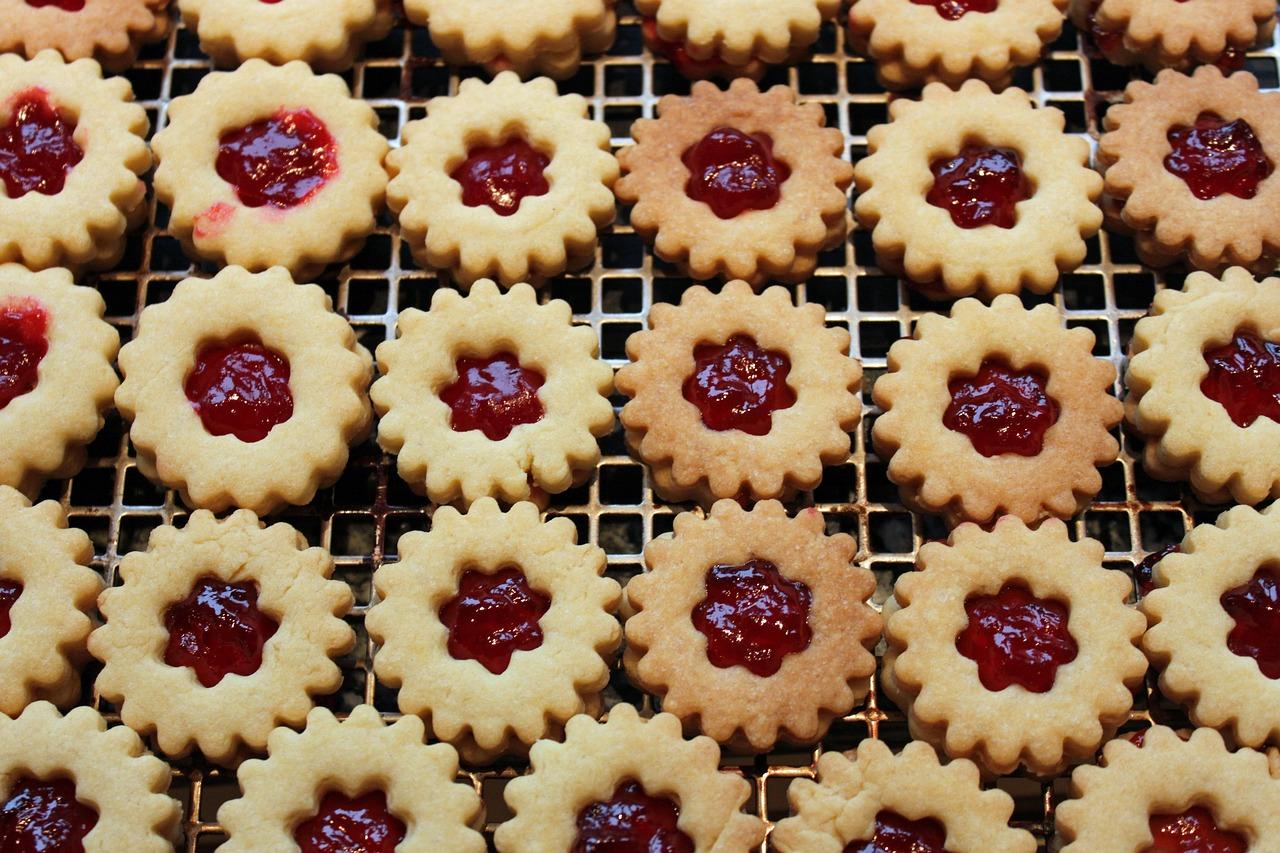
Spitzbuben, 'rascals', are the jam-filled sandwich biscuits Swiss families bake every December: two thin, crumbly butter biscuits, the top one with a little window cut in it, stuck together with raspberry or redcurrant jam so it shines through, and dusted with icing sugar. They are made by the tin-load for Christmas and keep well. A common mistake is rolling the dough too thick, which makes heavy, doughy biscuits. Chef's tip: chill the dough well and roll it 3 mm thick between sheets of baking paper; dust the tops with icing sugar before sandwiching so the jam window stays clean.

by KrazyBadal 0 views

RosolliBeetroot and potato salad

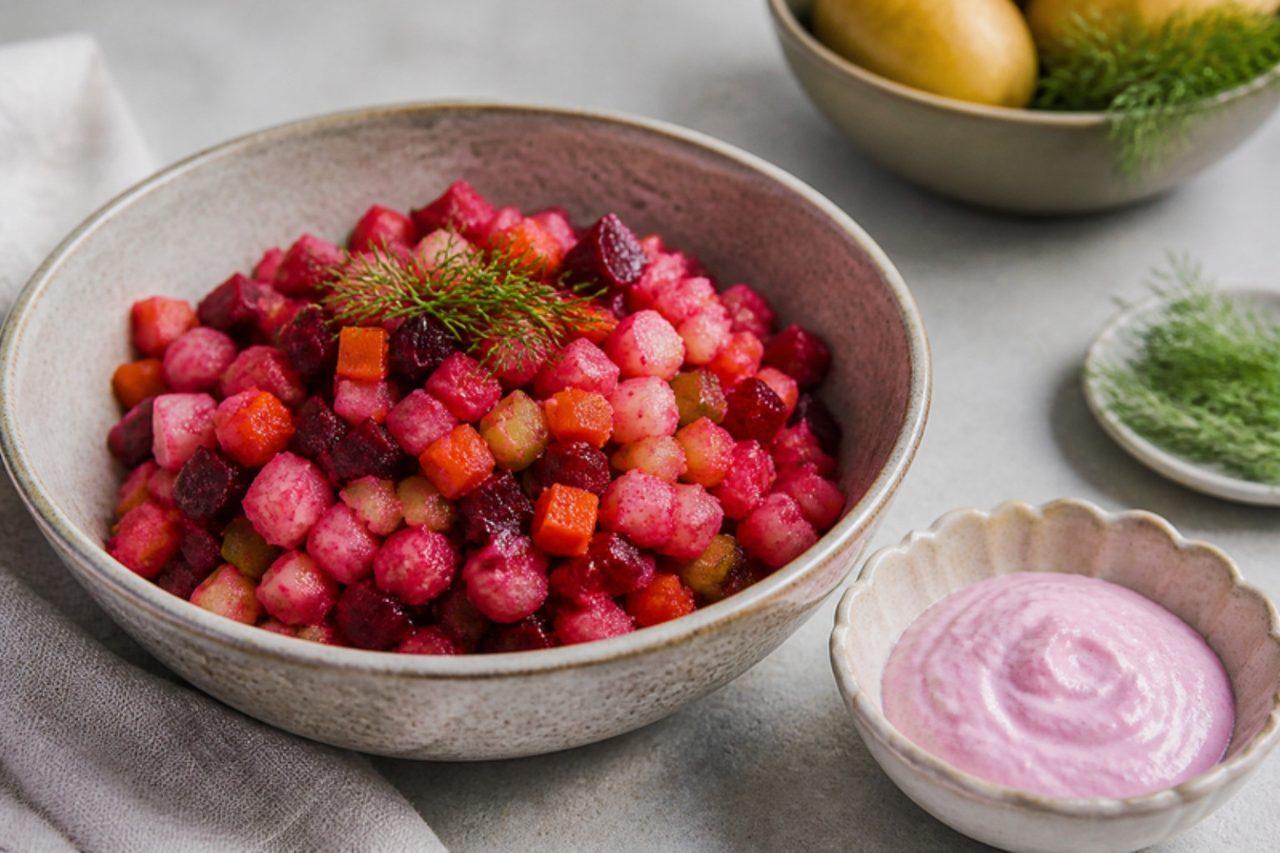
Rosolli is the jewel-coloured salad on the Finnish Christmas Eve table: diced cooked beetroot, carrot and potato with pickled cucumber, apple and onion, arranged in neat stripes or mixed together, with a dressing of whipped cream tinted pink with beetroot juice and sharpened with vinegar. Pickled herring is sometimes added; this version keeps it vegetarian. A common mistake is mixing the beetroot in early, which stains everything a muddy pink. Chef's tip: arrange the vegetables in rows on a platter and serve the dressing on the side, so each stays its own colour.

by KrazyBadal 0 views

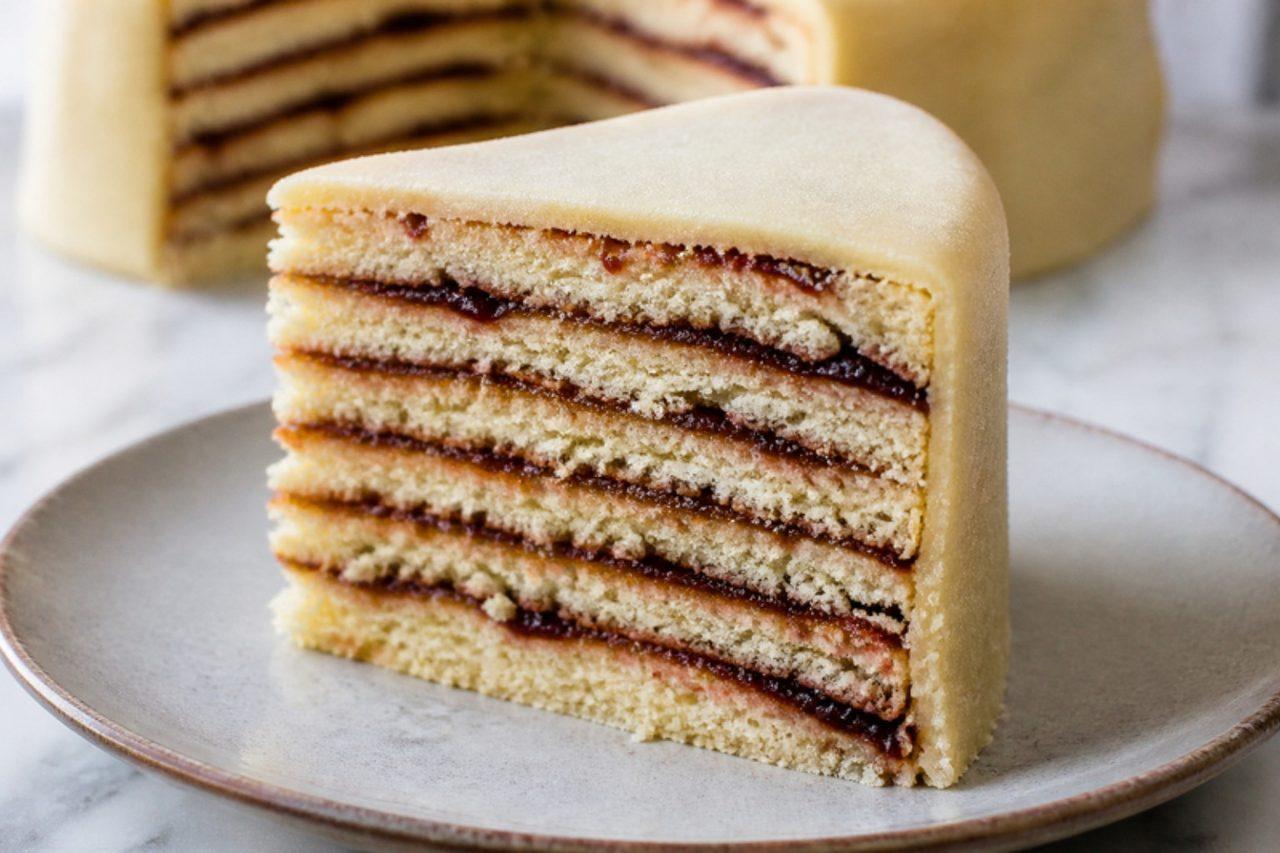
VínartertaLayered cardamom prune cake

Vínarterta, 'Vienna cake', is the Icelandic Christmas cake: six or seven thin layers of cardamom-scented biscuit dough sandwiched with thick prune jam spiced with cinnamon and cardamom, then left to mature for a few days before slicing into narrow strips. It is still baked by Icelandic families in Reykjavík and by the descendants of Icelanders in Manitoba, where it became a symbol of home. A common mistake is slicing it the same day; the layers are crisp until the jam softens them. Chef's tip: wrap it and leave it for 3 days in a cool place, so the biscuit softens into a fine cake.

by KrazyBadal 0 views

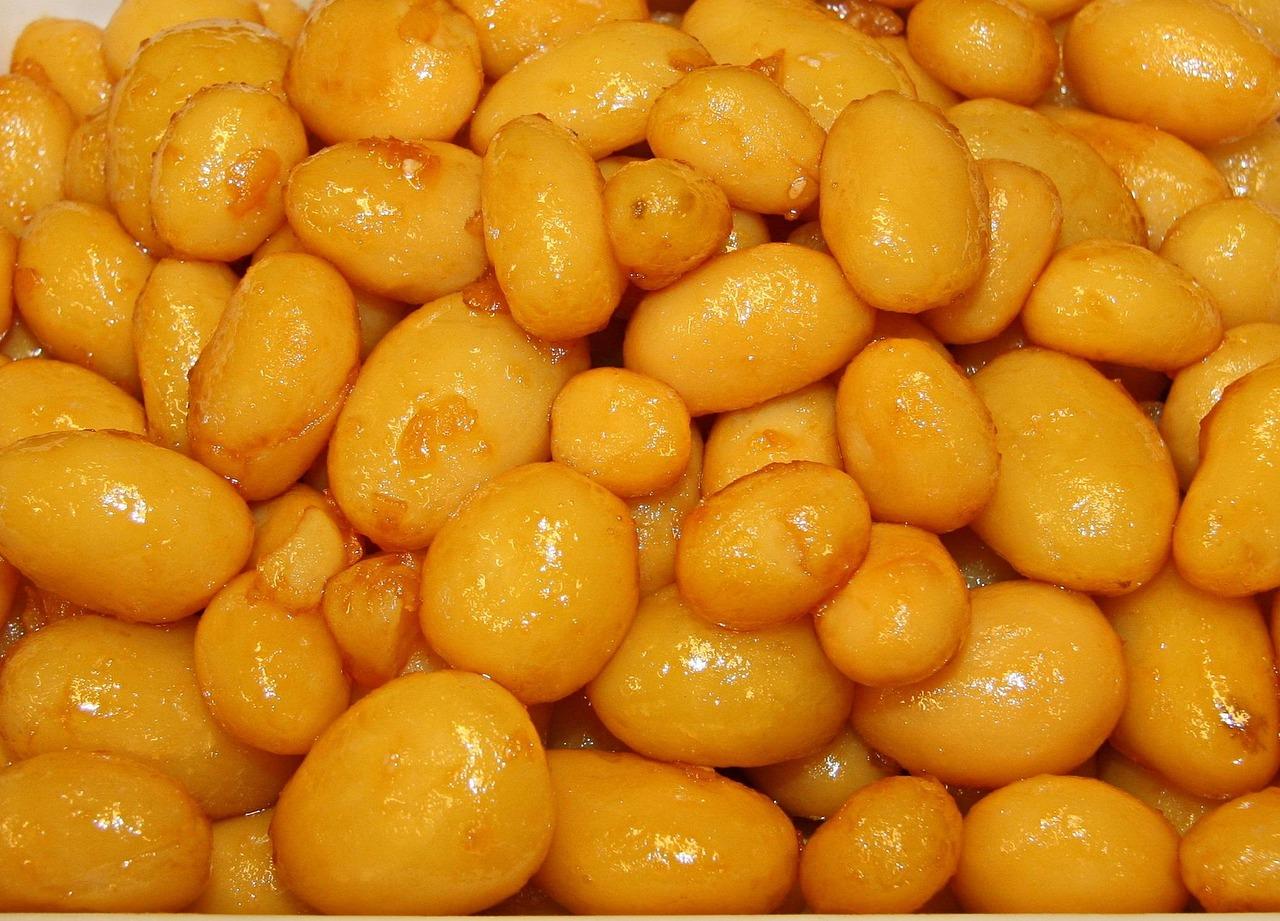
Brunede kartoflerCaramelised small potatoes

No Danish Christmas Eve dinner is complete without brunede kartofler beside the roast pork or duck: small boiled potatoes rolled in golden caramel and butter until they are glossy, sweet and salty. Families boil the potatoes the day before so they are firm and dry. A common mistake is adding wet potatoes to the caramel; it seizes and splatters. Chef's tip: melt the sugar alone until amber, then add the butter, and roll cold, dry potatoes in it over a medium heat until coated.

by KrazyBadal 0 views

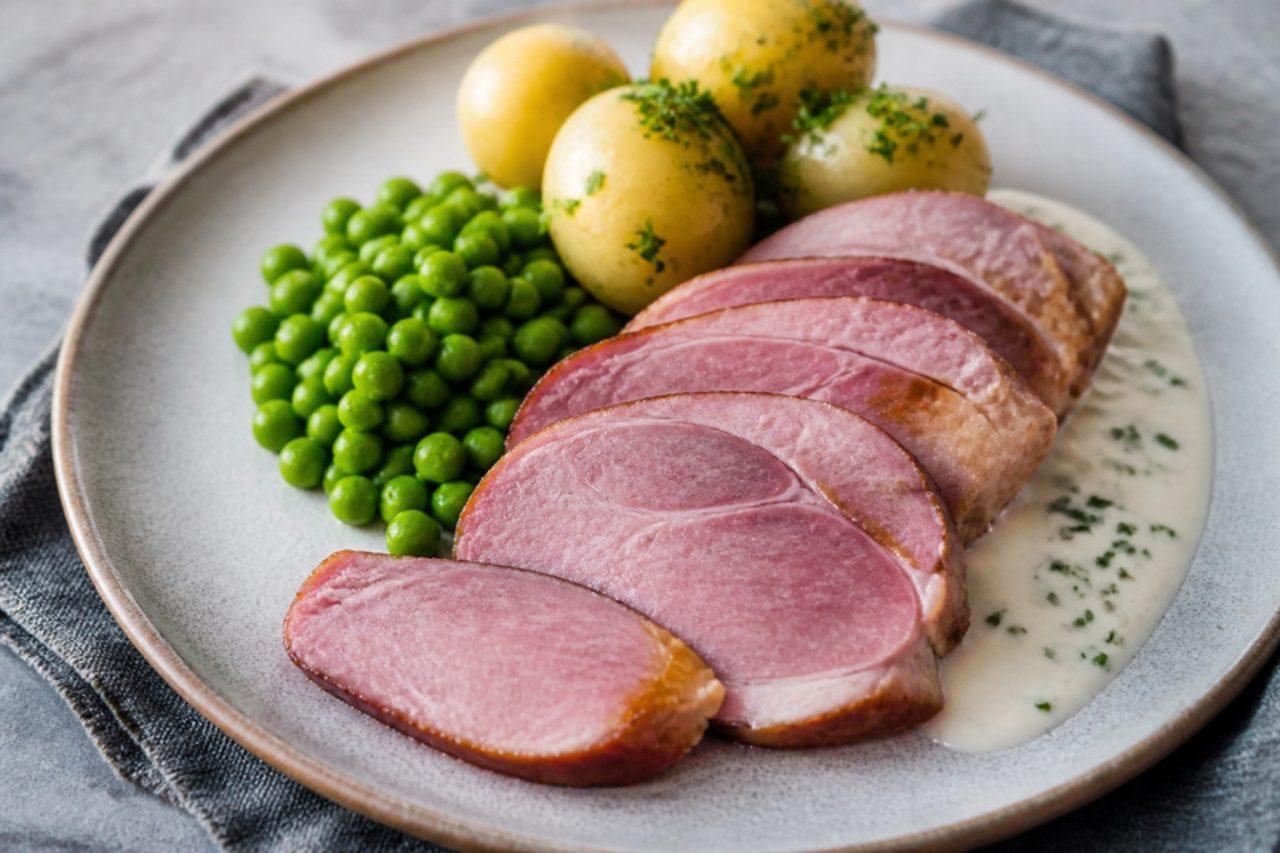
HangikjötSmoked lamb with white sauce

Hangikjöt, 'hung meat', is the Icelandic Christmas Day dinner: lamb or mutton smoked over birch or dried sheep dung, then simmered slowly and served hot or cold with potatoes in white sauce (uppstúfur), green peas, red cabbage and laufabrauð or flatkökur. Icelanders buy it ready-smoked in December; it is cooked at home. A common mistake is boiling it hard, which toughens the meat and makes it too salty. Chef's tip: let it cool in its cooking water; the meat stays juicy and absorbs back some of the flavour.

by KrazyBadal 0 views

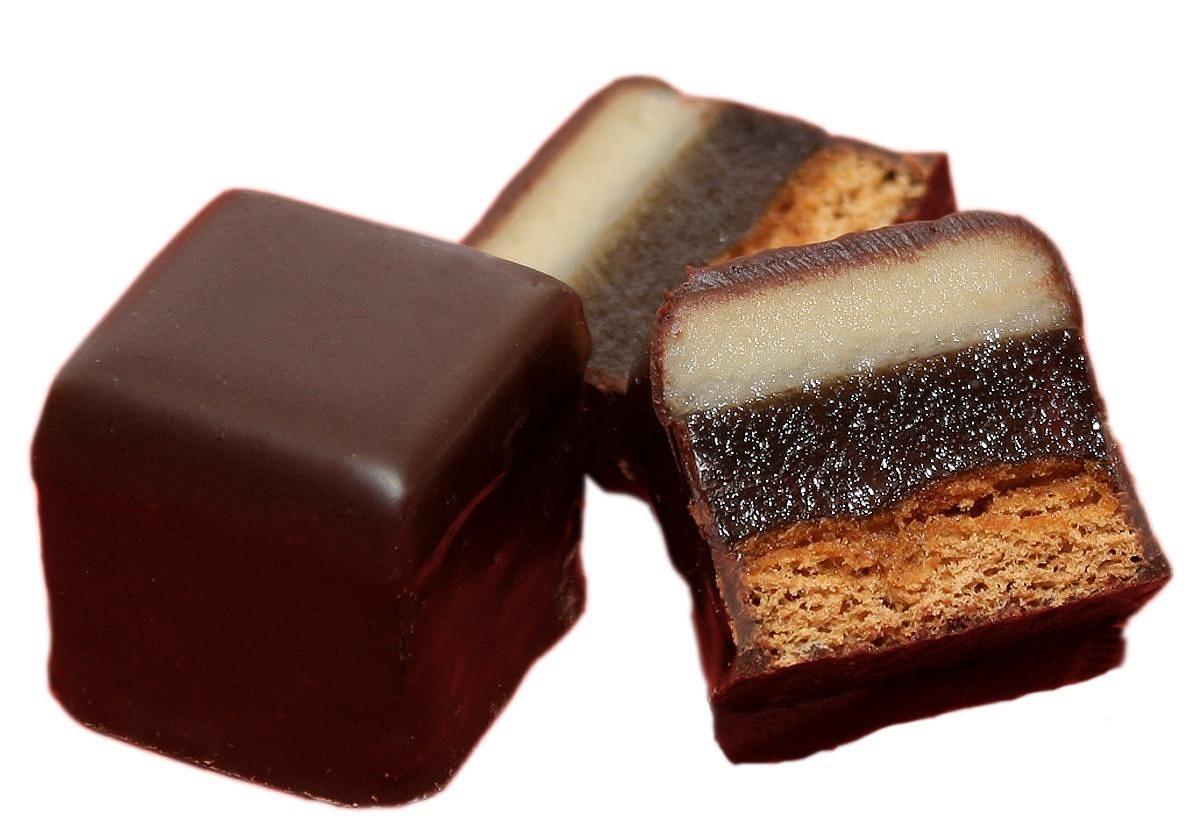
DominosteineGingerbread, jelly and marzipan cubes

Dominosteine were invented in Dresden in the 1930s as an affordable Christmas treat and are still bought by the box across Germany through December: a cube of soft gingerbread, a layer of tart fruit jelly and a layer of marzipan, all coated in dark chocolate. Homemade ones are fresher and less sweet than the boxed kind and make a beautiful gift. The jelly is set with pectin, not gelatine, so they suit vegetarians. The mistake people often make is cutting the slab while the jelly is still soft, which smears the layers; leave it overnight. Chef's tip: trim the edges of the slab before cutting so every cube has three clean, sharp stripes.

by KrazyBadal 0 views

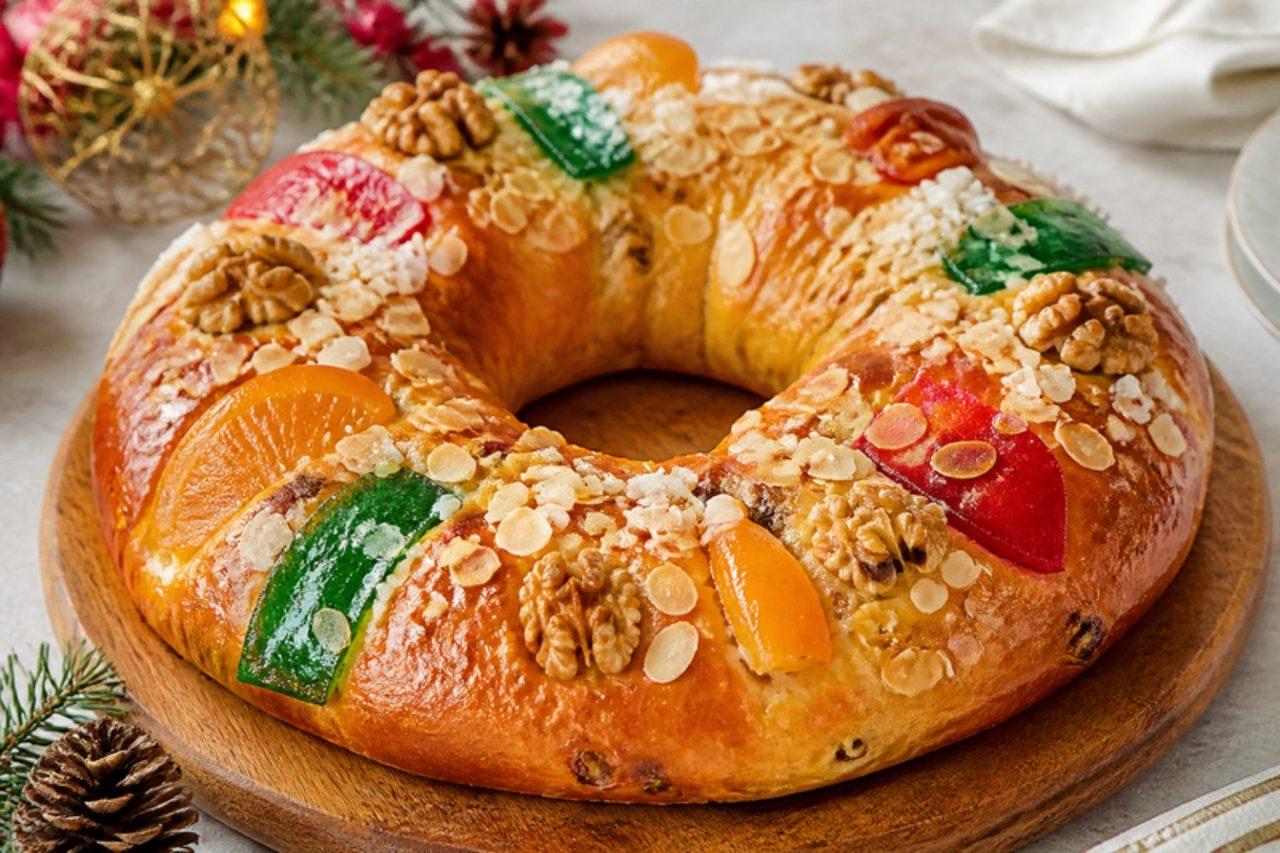
Bolo-reiCandied fruit and nut king cake

From early December to Twelfth Night every Lisbon pastelaria stacks its counter with these glossy rings, crowned with candied fruit and sugar, and families buy one for Christmas Eve and another for the Day of the Kings. A Lisbon confectioner brought the idea from France in the nineteenth century and it became the centre of the Portuguese Christmas table. Traditionally the raisins are soaked in port wine, which contains alcohol; orange juice works just as well. Old recipes hid a dried broad bean inside, and whoever found it bought next year's cake; we leave it out, as it is a choking hazard for children. Chef's tip: let the dough rise slowly in a cool place, even overnight in the fridge; the rich, buttery dough needs time to taste of anything.

by KrazyBadal 0 views

Showing 24 of 138 recipes

Show more recipes

Page 3 of 6

More occasions