Skip to content
Festivals

Christmas recipes: cakes, cookies, roasts and festive bakes

Christmas cakes and cookies, kulkuls and rose cookies, stollen, roasts and warming alcohol-free drinks. (129 recipes)

Escudella i carn d'ollaChristmas soup with giant pasta

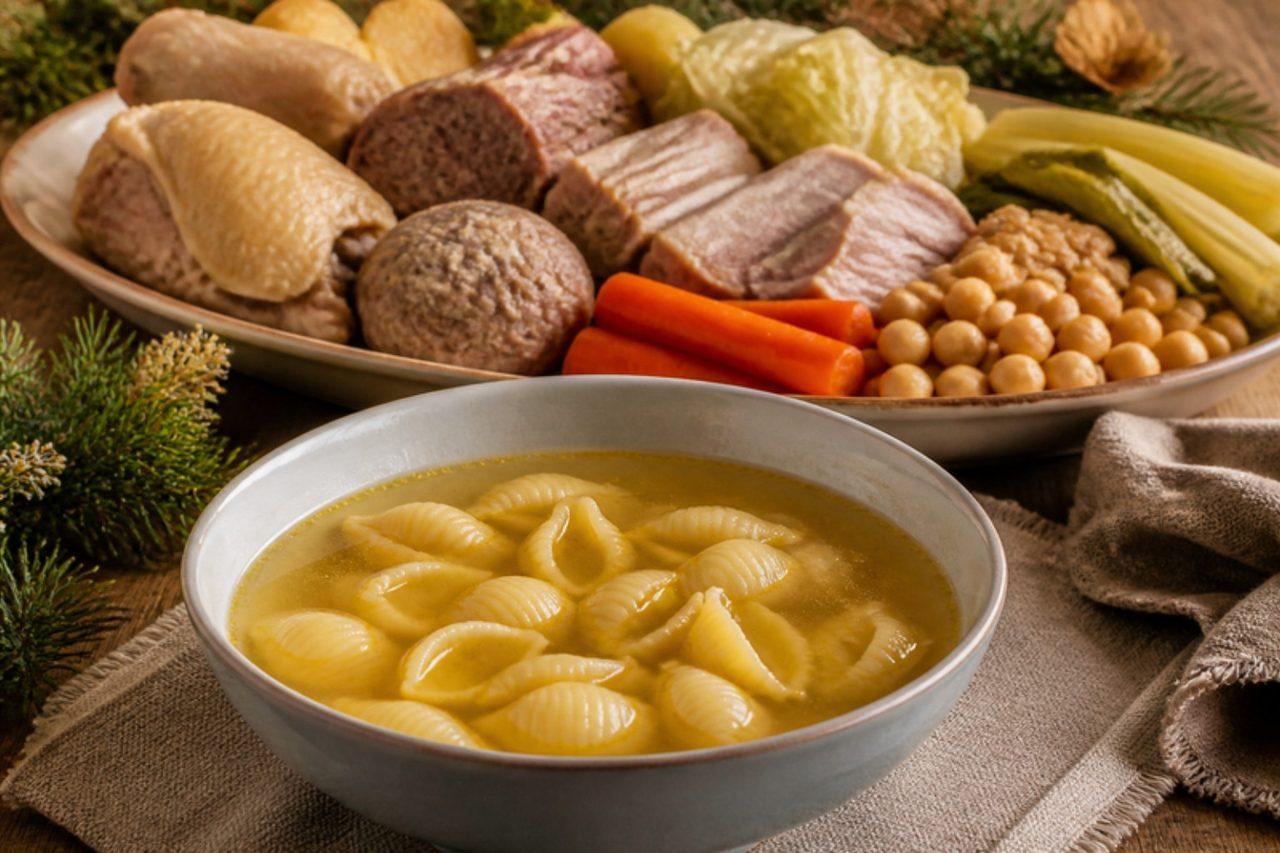
This contains pork (pork belly and pork mince). On Christmas Day, Catalan families sit down to escudella i carn d'olla, served in two courses: first the broth with giant snail-shaped galets pasta, then the carn d'olla, a platter of the meats, chickpeas and vegetables that made it, including the pilota, a large herby meatball. The pot simmers for hours, and the leftovers become the next day's canelons. Chef's tip: start the meats in cold water and skim patiently as it comes to the boil; it is the only way to a clear, golden broth.

255 minSpanishSoups
by KrazyBadal 1 views

Cappon magroLayered fish and vegetable salad

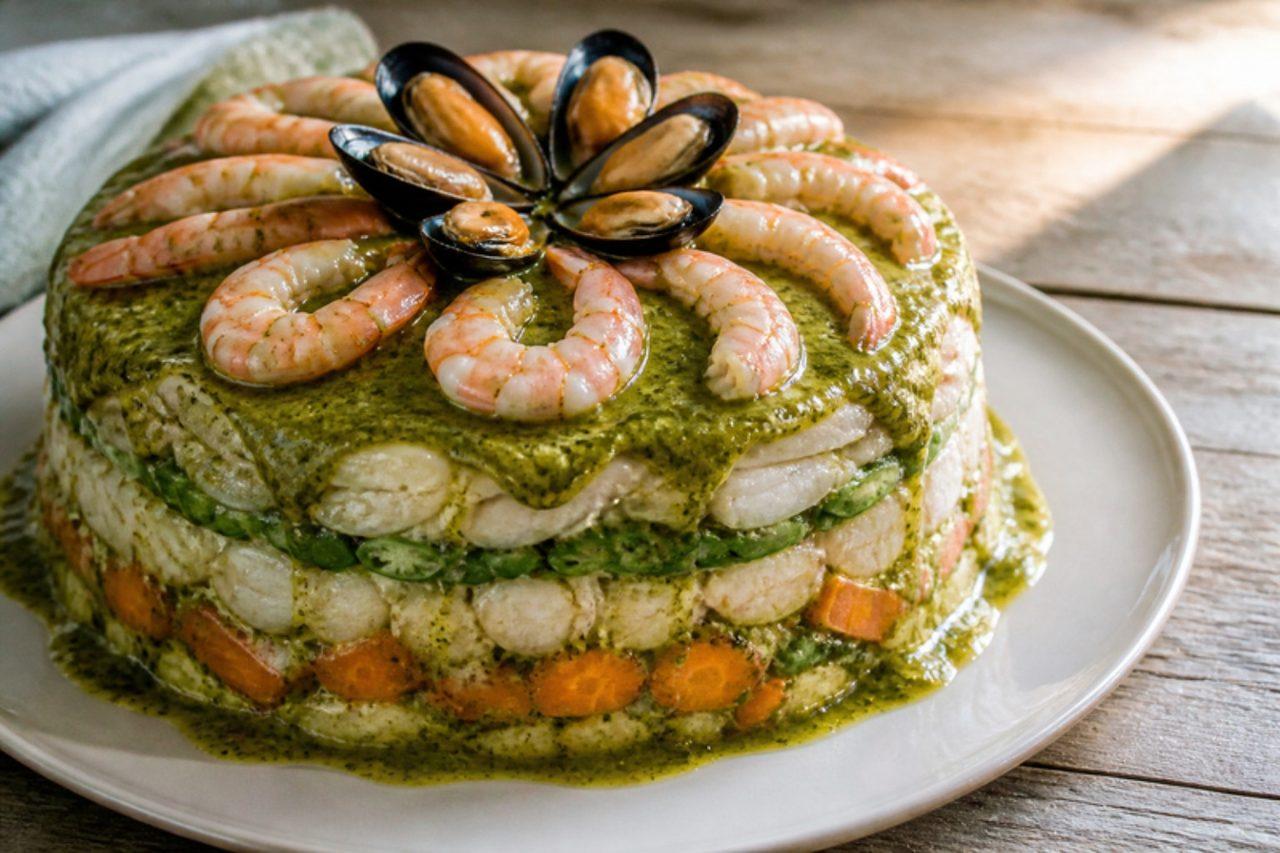
Cappon magro is the grand Christmas Eve centrepiece of Genoa, once eaten by rich families on the night of "lean" eating before Christmas. On a base of gallette (ship's biscuits) rubbed with garlic and soaked with vinegar, cooks build a tall dome of boiled vegetables and white fish, held together by a rich green sauce of parsley, capers, pine nuts, anchovies and egg yolks, then decorated with prawns and mussels. It takes a whole afternoon and is served cold. Chef's tip: dress each layer of vegetables with oil and vinegar separately as you build; it seasons the whole dome evenly instead of only the outside.

150 minItalianFish
by KrazyBadal 0 views

RicciarelliSoft almond biscuits

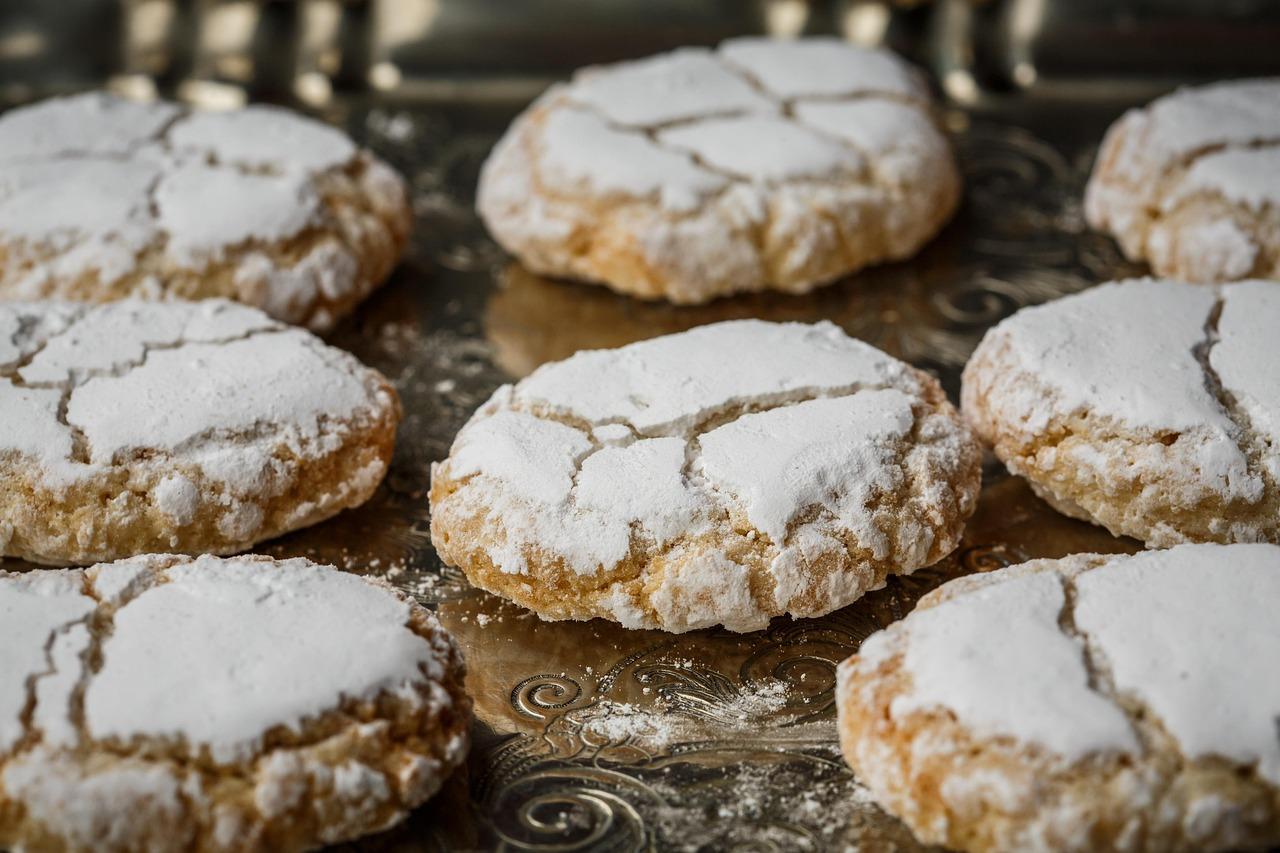
Siena has been making ricciarelli since the Renaissance: soft, chewy almond biscuits in the shape of a diamond or a curved eye, with a crackled top covered in icing sugar. Sienese families buy them from the historic pasticcerie near the Campo at Christmas and serve them with a glass of Vin Santo after dinner, but they are eaten all winter with coffee. This recipe is naturally gluten free. Chef's tip: let the shaped biscuits dry at room temperature overnight before baking; a dry crust cracks beautifully in the oven while the inside stays soft.

by KrazyBadal 0 views

Capitone frittoFried eel

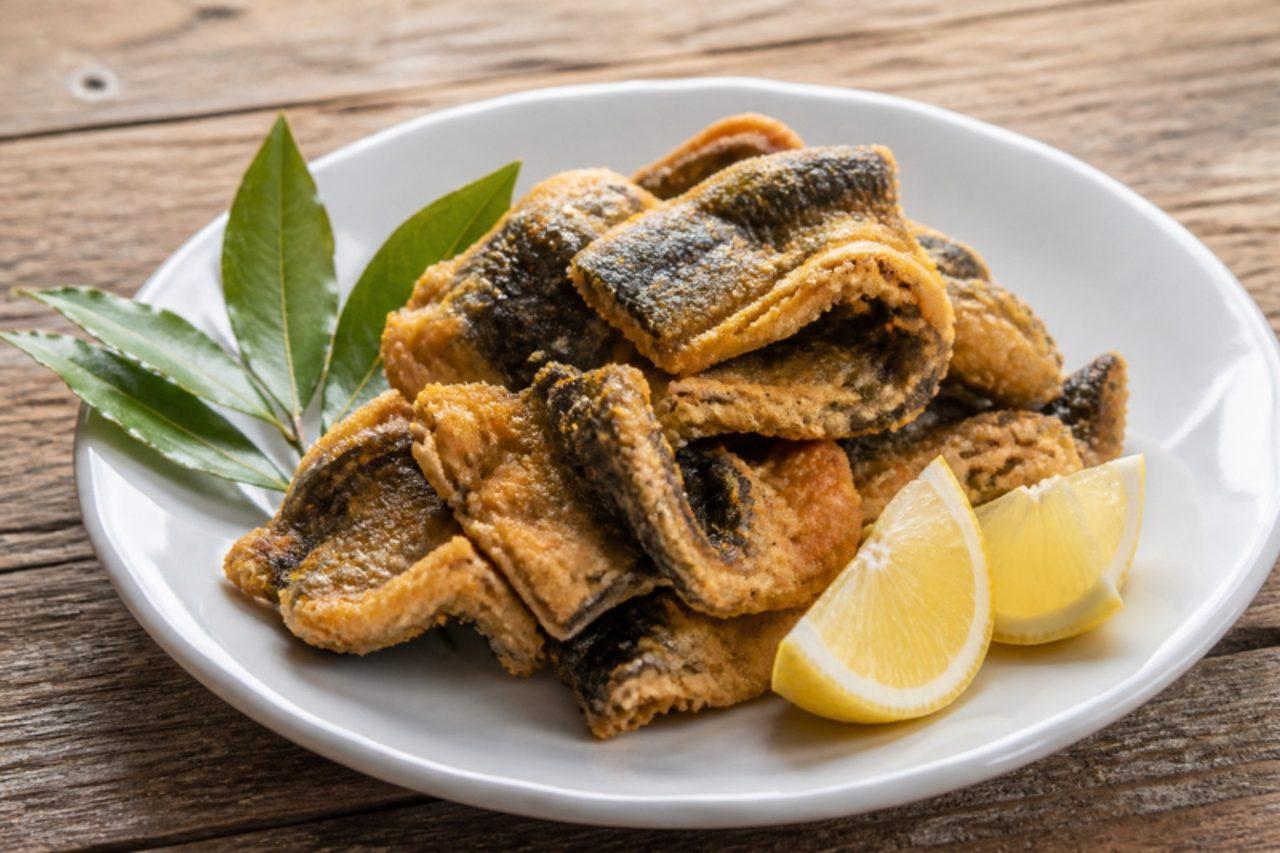
Capitone, the big female eel, is the star of Christmas Eve in Naples: families buy it at the markets in Porta Nolana or the Pignasecca on 23 December and fry it the next night as part of the meatless Vigilia dinner. Eels are said to represent the serpent of Eden, and eating them is said to bring luck for the year. Ask the fishmonger to kill, clean and cut the eel for you; at home you only need to cut, flour and fry. Chef's tip: marinate the eel pieces with vinegar and bay in the fridge for an hour; the acid tightens the skin and balances the rich, fatty flesh.

by KrazyBadal 0 views

RoccocòHard almond spice rings

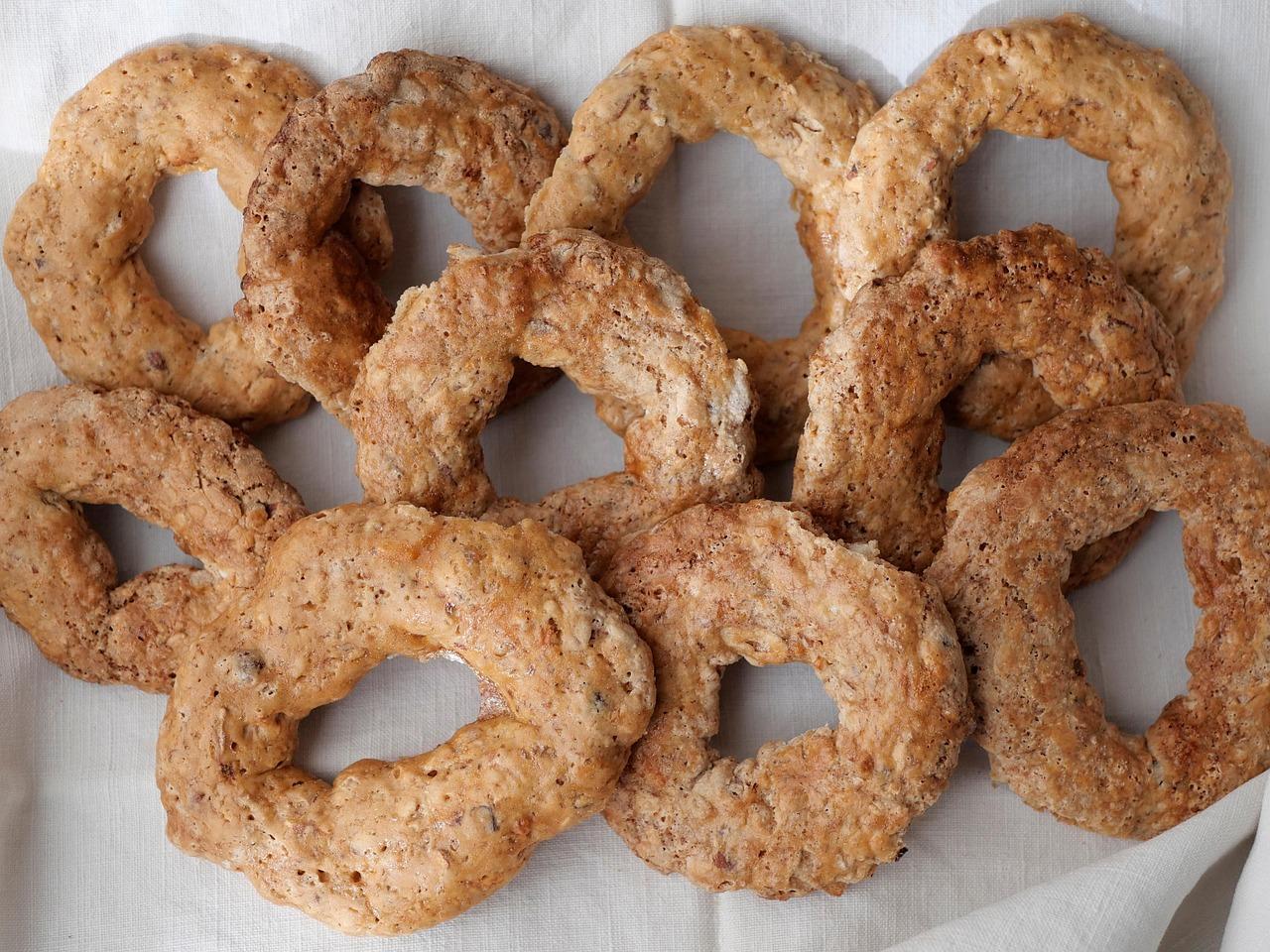
Roccocò are the hardest biscuits on the Neapolitan Christmas tray, ring-shaped and studded with whole almonds, scented with orange and pisto spice. The name is said to come from the curly French "rocaille" shape. They are baked in early December, and Neapolitans dunk them in sweet wine or milk, or break them carefully, because they are famously hard on teeth. Chef's tip: bake them twice as long as you think and leave them to dry overnight; roccocò are meant to be crunchy, and they soften pleasantly after a week in the tin.

by KrazyBadal 0 views

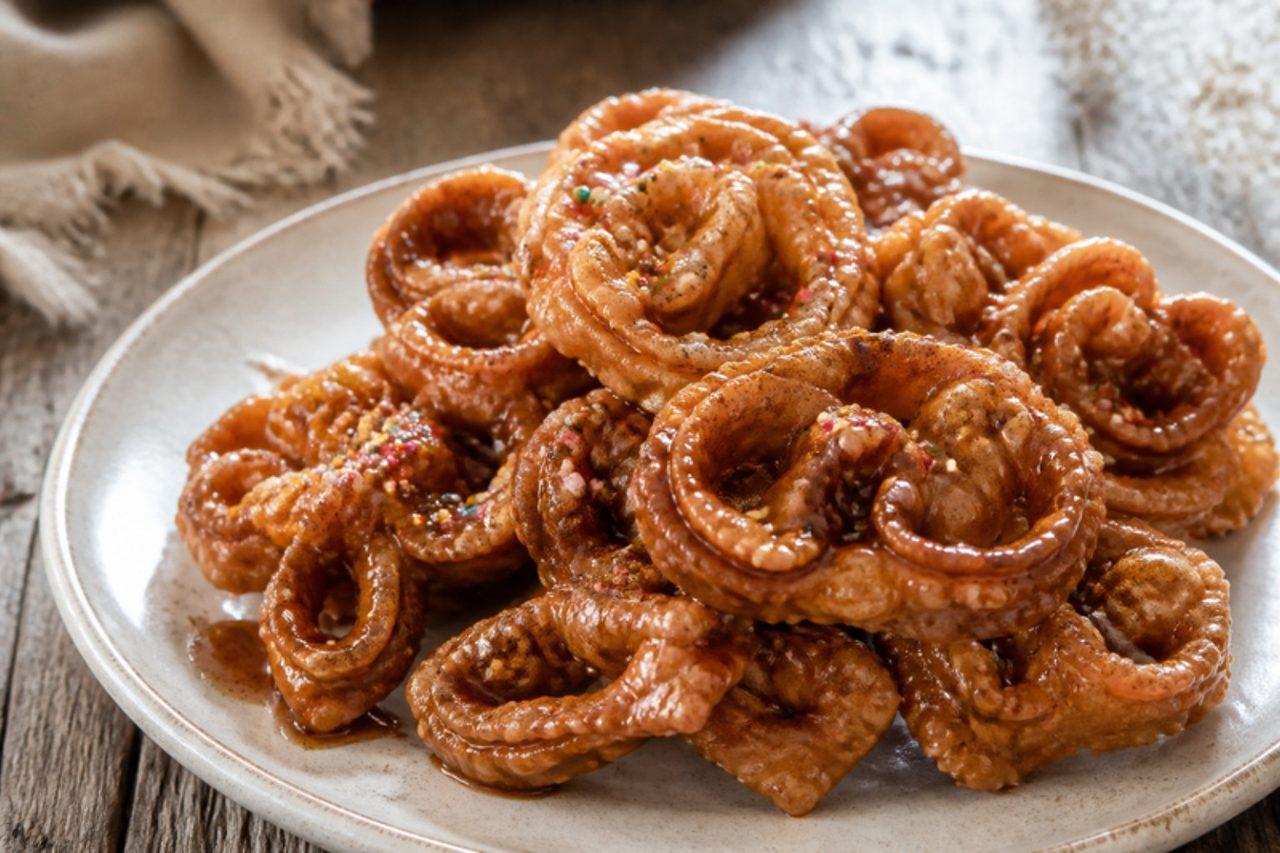
CartellateFried honey pastry rosettes

In Bari and the towns of Puglia, cartellate are the Christmas sweet that families make together: thin ribbons of dough, pinched every few centimetres and rolled up into a rosette with lots of small pockets, fried, then dipped in warm vincotto, a dark, syrupy reduced grape must, or honey. The pockets fill with syrup, and they are sprinkled with cinnamon and coloured sprinkles. The dough traditionally includes a little white wine; this version gives a water and lemon option for an alcohol-free bake. Chef's tip: pinch the ribbon firmly every 3 cm before rolling; well-sealed pockets hold the syrup instead of flattening in the oil.

by KrazyBadal 0 views

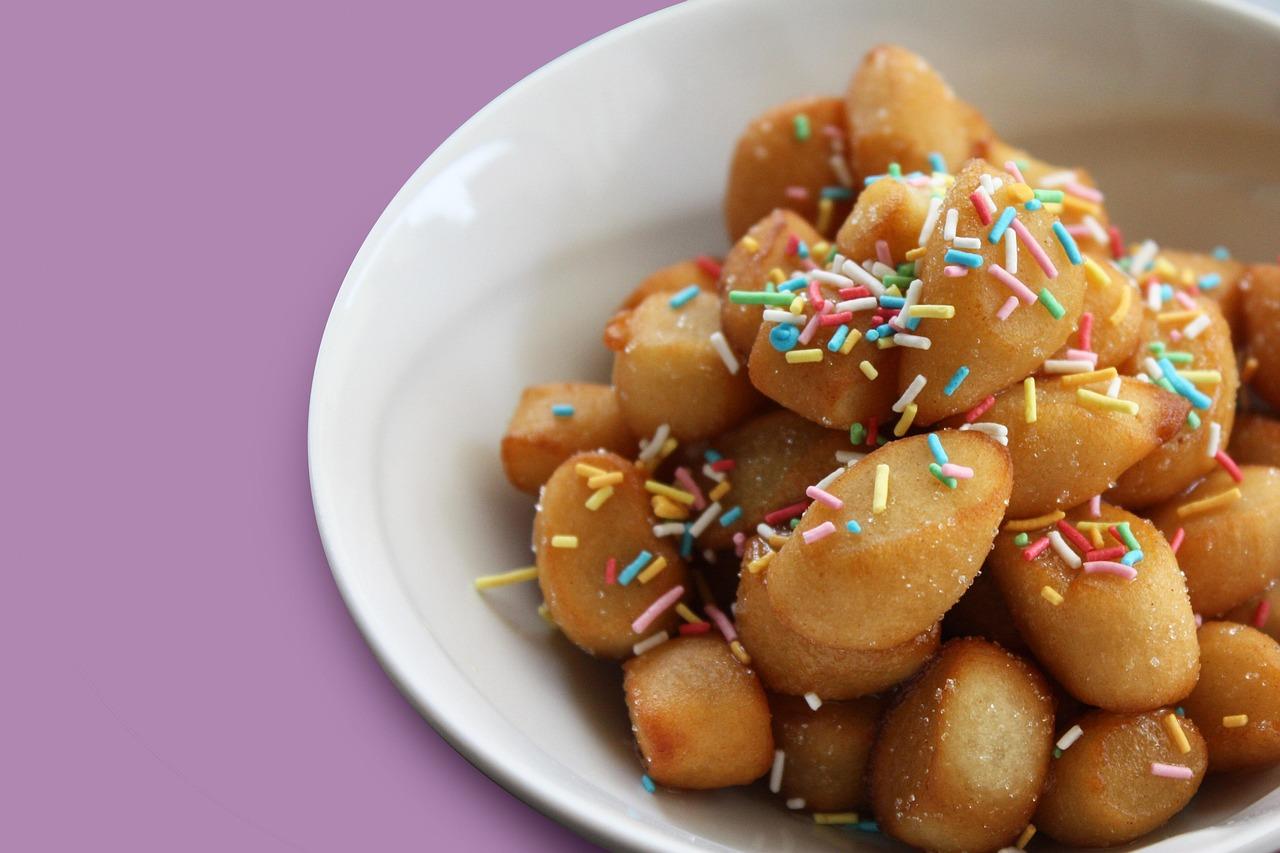
StruffoliHoney fried dough balls

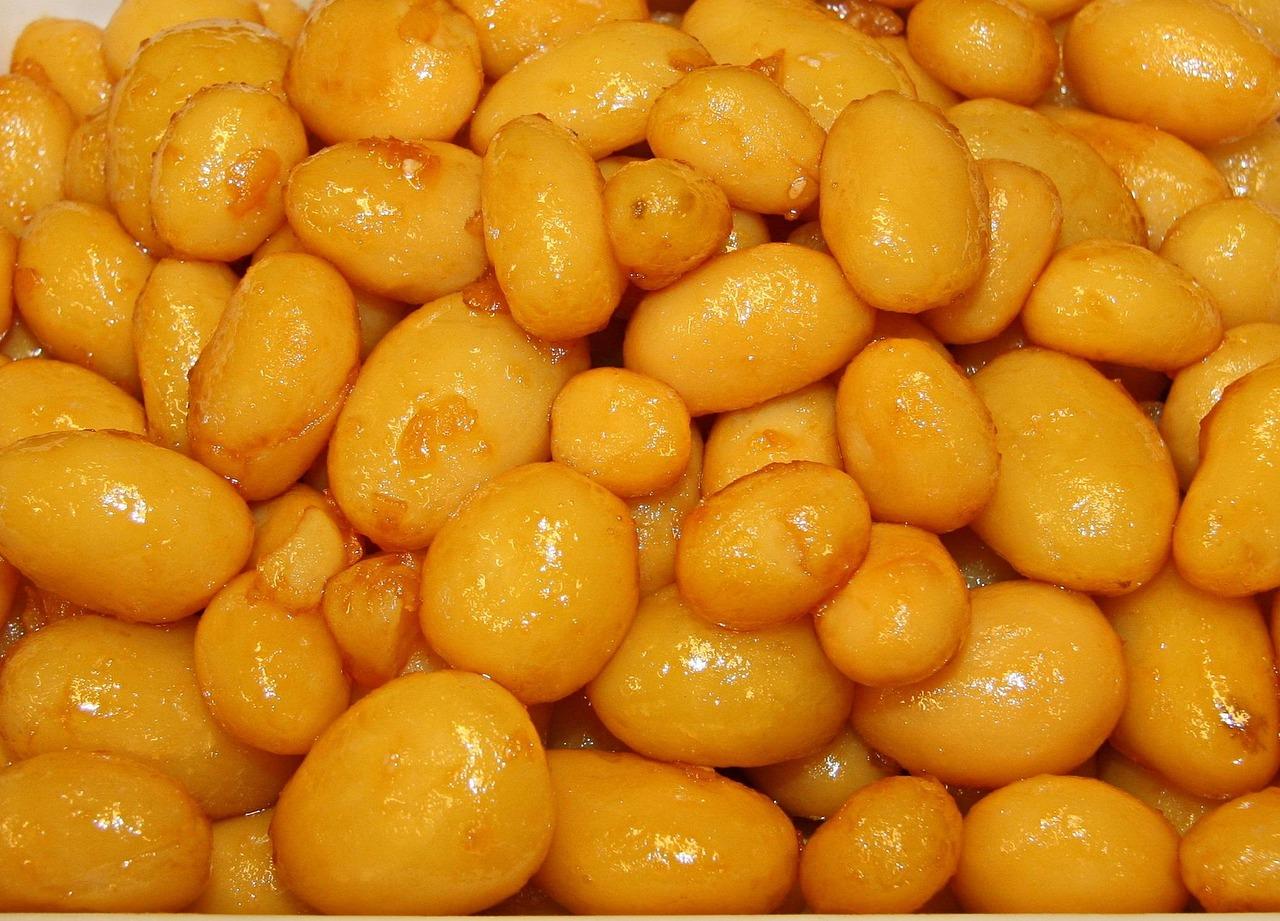
No Neapolitan Christmas is complete without a plate of struffoli: hundreds of tiny balls of dough, fried until golden, then rolled in warm honey with candied orange and coloured sprinkles and piled into a wreath or a cone. Families make them in the week before Christmas, often together around the kitchen table, and give them away to neighbours. They keep for days under a cloth and are eaten with fingers or a spoon. Chef's tip: roll the ropes of dough no thicker than your little finger and cut tiny pieces, about the size of a chickpea; they puff up as they fry.

by KrazyBadal 0 views

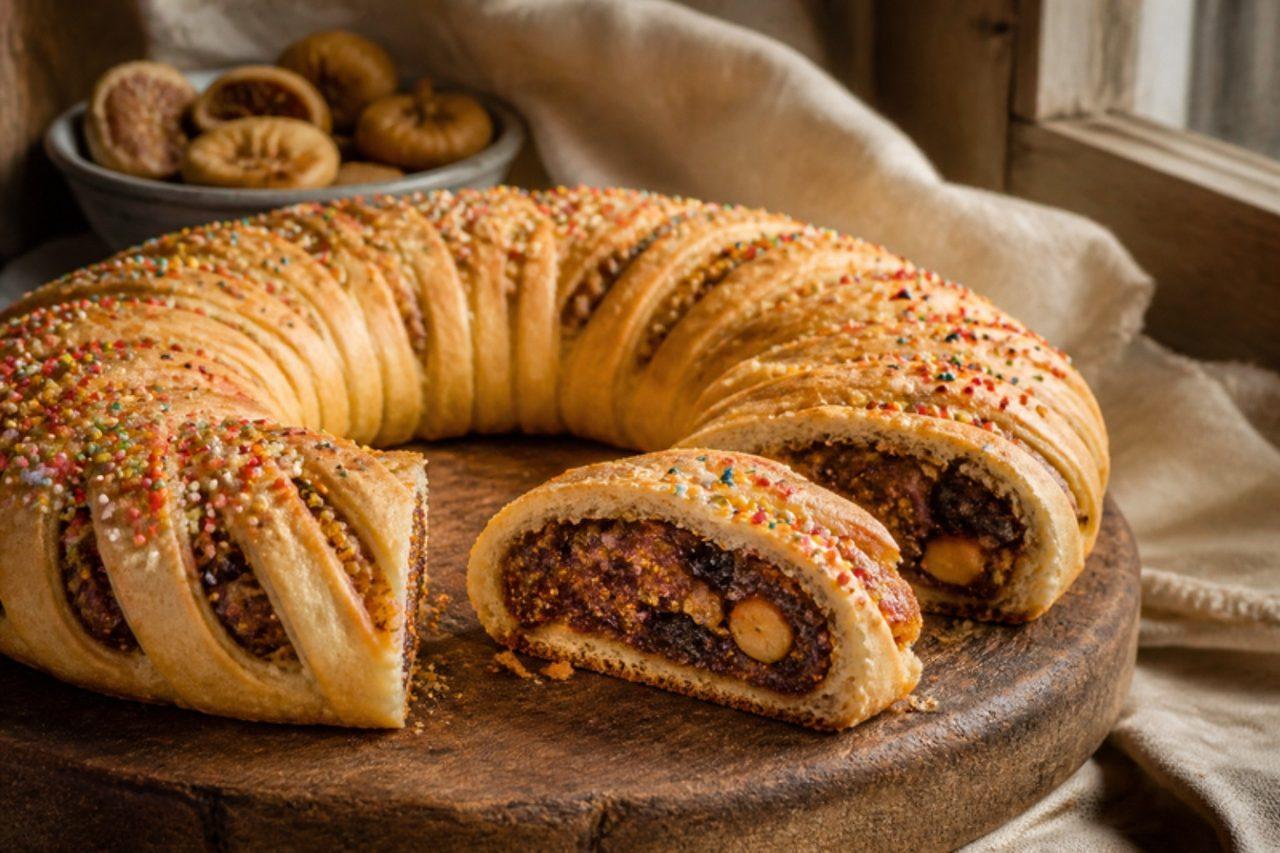
Buccellato sicilianoFig and nut pastry ring

In Palermo and western Sicily, buccellato is the great Christmas ring: a crumbly shortcrust wrapped around a dark, sticky filling of dried figs, raisins, almonds, walnuts, orange peel, chocolate and spices, often decorated with cuts along the top and coloured sprinkles. Families start the filling days ahead and bake several rings to give away. The filling traditionally includes a splash of Marsala; use orange juice for an alcohol-free version. Chef's tip: cut slits along the top of the ring before baking; they let steam out and show off the dark filling.

by KrazyBadal 0 views

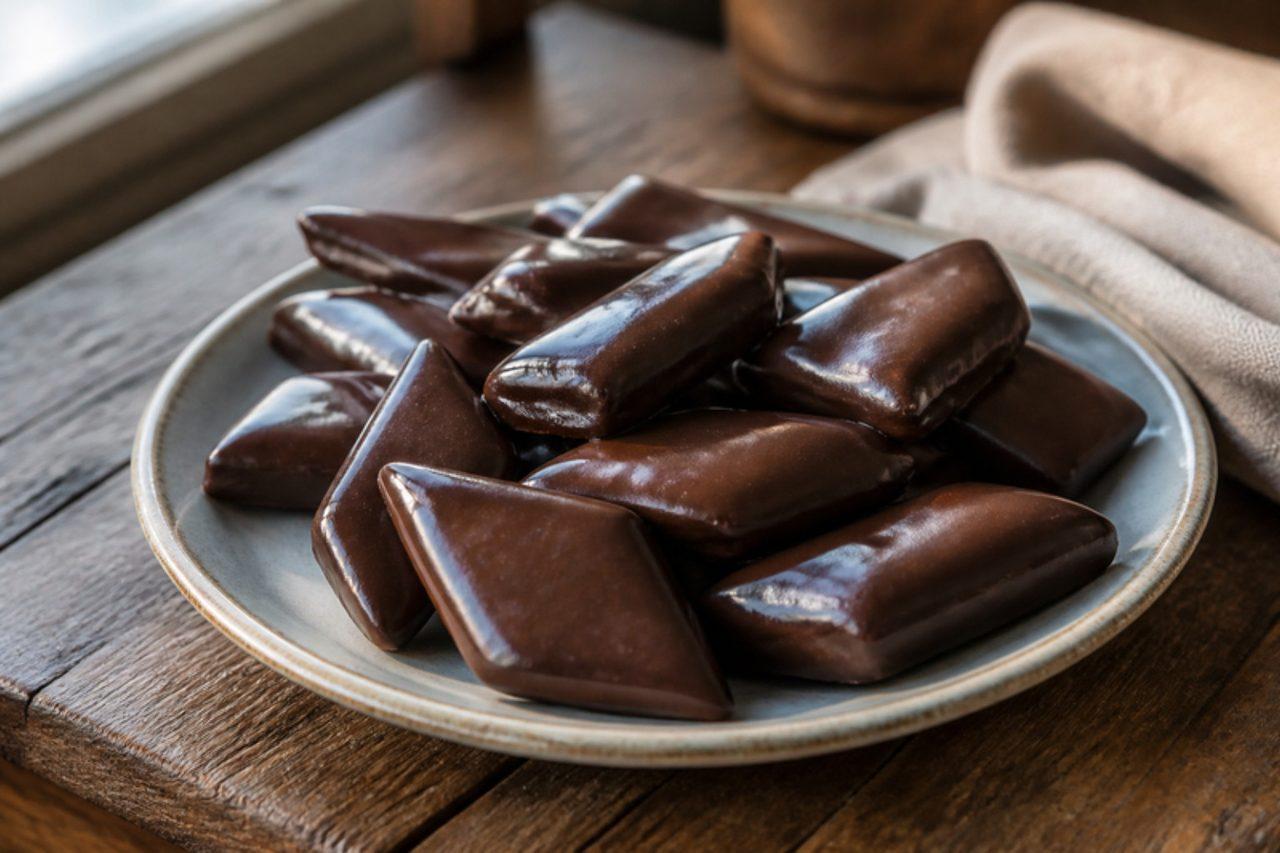
MostaccioliSpiced chocolate biscuits

Neapolitan Christmas trays always include mostaccioli: soft, spiced biscuits shaped like diamonds and covered in a shiny coat of dark chocolate. The dough is flavoured with honey, cocoa, orange and pisto, a Neapolitan spice mix of cinnamon, clove, nutmeg, star anise and coriander. They are made in early December with roccocò and struffoli and kept in tins for the whole holiday. Not for babies under 1 because of the honey. Chef's tip: let the biscuits rest a day before coating; spiced honey biscuits soften and their flavour deepens after a night in the tin.

by KrazyBadal 0 views

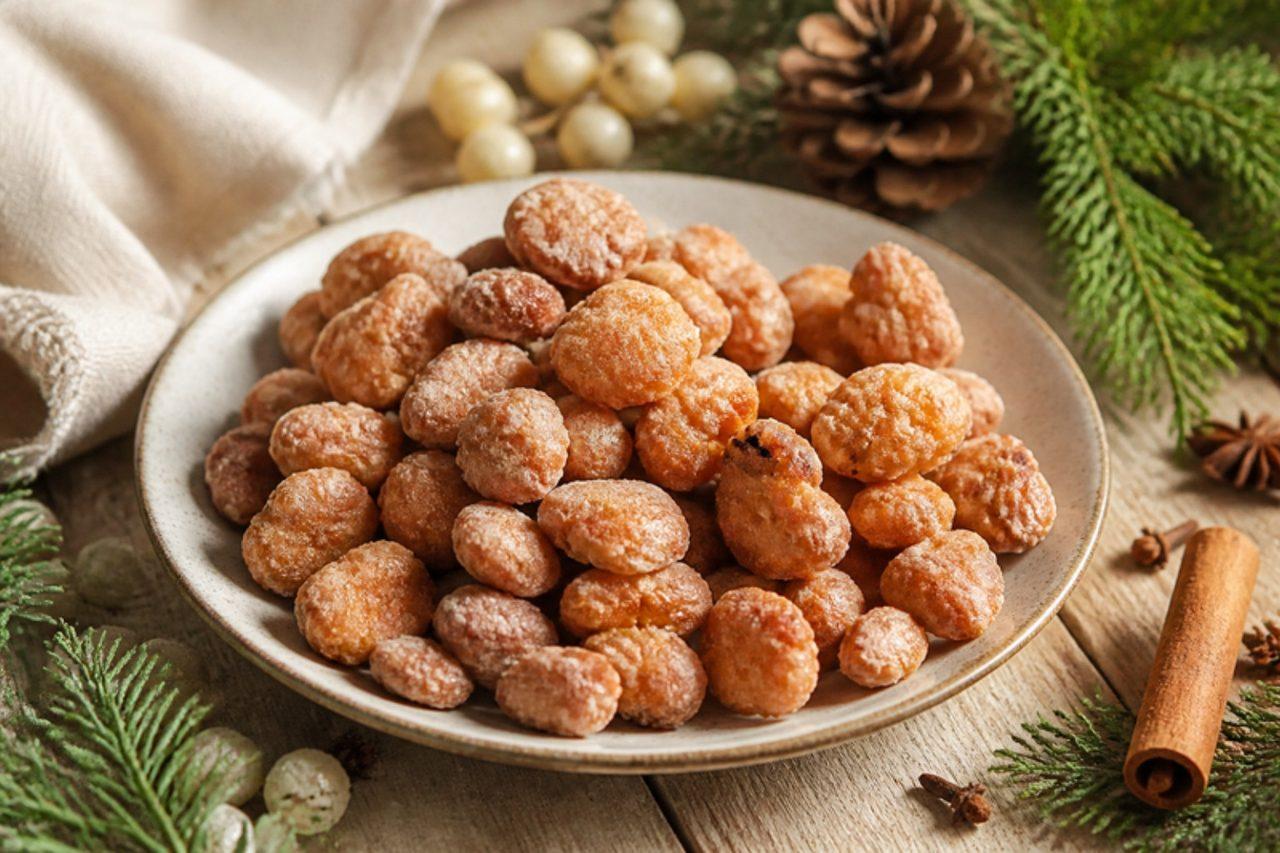
KulkulsSugar-glazed dough curls

No Goan or Mangalorean Catholic Christmas kuswar (sweet platter) is complete without kulkuls, the tiny ridged shells that families sit round the table rolling for hours in the week before 25 December. A soft dough of flour, coconut milk, egg and butter is pinched into small balls, pressed and rolled over the back of a fork (or a clean comb) so each curls into a ribbed shell, then fried until crisp and tossed in a white sugar glaze. They are crunchy, lightly sweet and moreish, and they keep for weeks in a tin, which is why the kuswar is shared round the neighbourhood. These contain egg: vegetarian, not vegan. The mistake everyone makes once is rolling the dough too thick, which leaves them hard and doughy inside; each should be no thicker than a coin. Chef's tip: fry on a medium-low flame until just golden; kulkuls darken a little more once out of the oil and the glaze is meant to stay white.

by KrazyBadal 0 views

BolinhasSemolina and coconut cookies

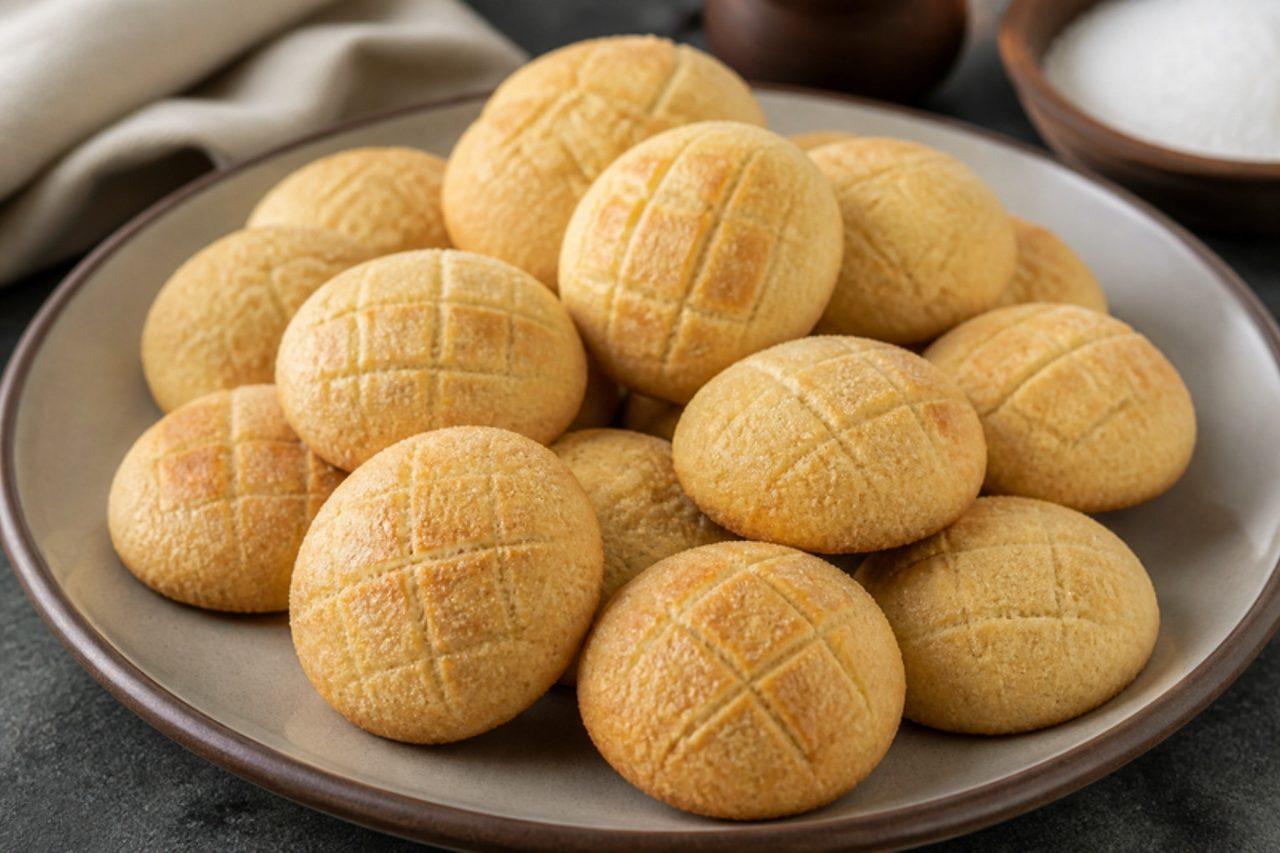
Bolinhas (small balls in Portuguese) are the cookies Goan Catholic families bake in batches for the Christmas kuswar, the tins of sweets sent to friends and neighbours in Panjim and Salcete in mid-December. Fresh coconut is cooked briefly in a sugar syrup, mixed with semolina and left overnight so the grains soften, then bound with butter and egg yolks, shaped into small balls, marked with a fork or a cross and baked until golden. The texture is sandy and crumbly outside with a chewy coconut centre, and they smell of cardamom and browned butter. They contain egg yolk, so they are vegetarian with egg, not vegan. The common mistake is baking them the same day: unsoaked semolina stays gritty and the cookies spread. Chef's tip: shape with slightly damp hands and keep them small, about 3 cm; they puff a little and need room on the tray.

by KrazyBadal 0 views

PeradGuava cheese

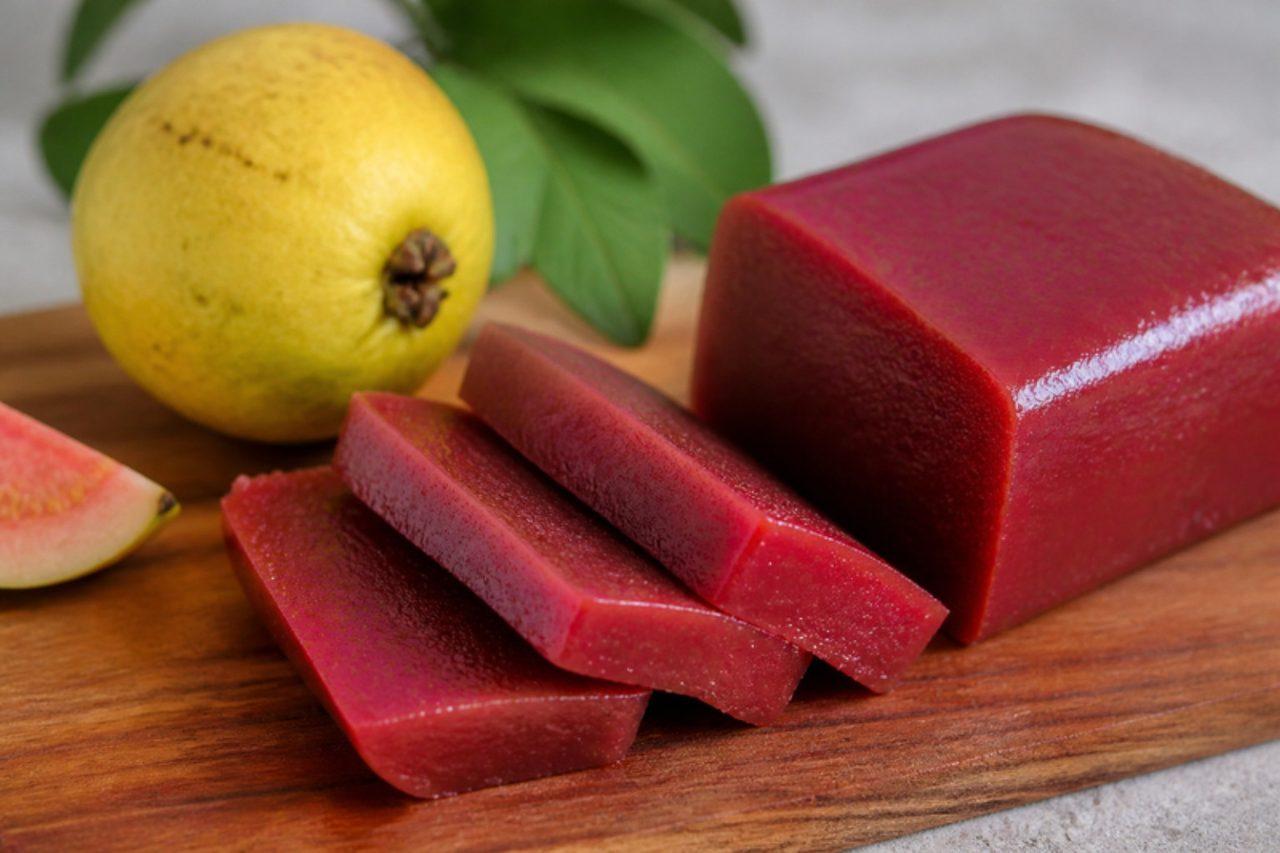
Goan grandmothers make perad when the guava trees are full in winter, and it sits in a tin on the dresser all through Christmas, cut into dark pink squares for the kuswar plate. The name and the method come from the Portuguese goiabada: ripe guavas are cooked, sieved, then boiled down with sugar and lime juice for the best part of an hour until the paste is thick, glossy and comes away from the pan in one mass. Set in a tray, it slices cleanly and tastes intensely of guava, sweet and slightly tart, with a chewy, jelly-like bite. Eat it on its own, with a piece of cheese, or on bread. The common mistake is stopping too early: it looks thick in the pan but stays soft and sticky once cool. Test a little on a cold plate; it should hold its shape and peel off cleanly. Chef's tip: choose fragrant pink-fleshed guavas and add a couple of slightly under-ripe ones; they carry more pectin and help it set.

by KrazyBadal 0 views

Goan chana dal doceChana dal and coconut fudge

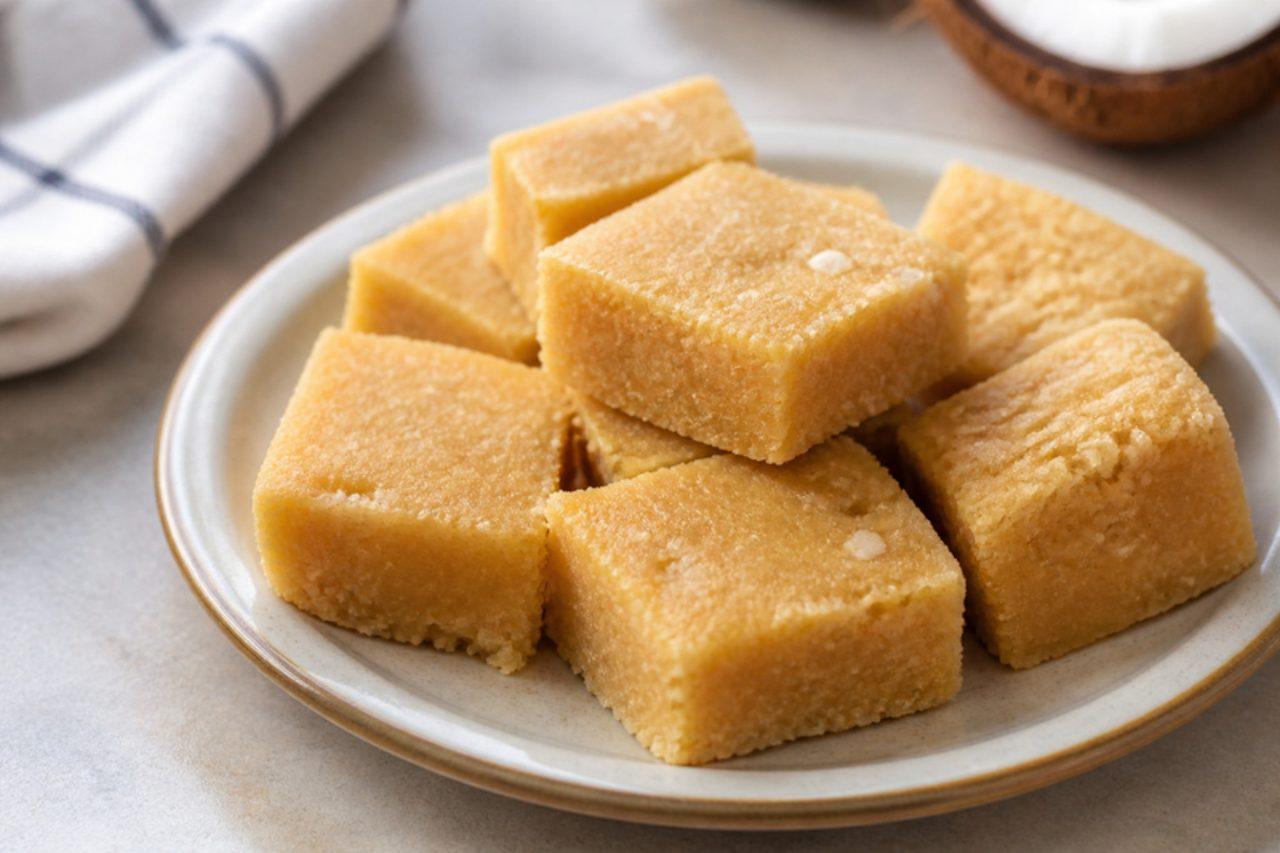
Doce de grão is one of the oldest sweets on the Goan Christmas kuswar platter, made in Catholic homes from Margao to Mapusa in the weeks before Christmas and also for weddings. Chana dal is boiled and ground with fresh coconut, then cooked with sugar in a wide pan, stirred constantly for the best part of an hour, until it turns into a thick, glossy dough that leaves the sides of the pan. Spread on a plate, cut into diamonds or pressed into small moulds, it is dense, fudgy and nutty, with a soft coconut flavour. Some families add a little ghee at the end for shine, and that makes it vegetarian rather than vegan. The usual mistake is taking it off the heat too soon: it stays sticky and never sets. Push a spoon through the middle; it is ready when the line holds and the mixture rolls into a ball. Chef's tip: grind the coconut and dal together while the dal is warm and without water; a wet paste takes twice as long to cook down.

by KrazyBadal 0 views

Goan cashew marzipan

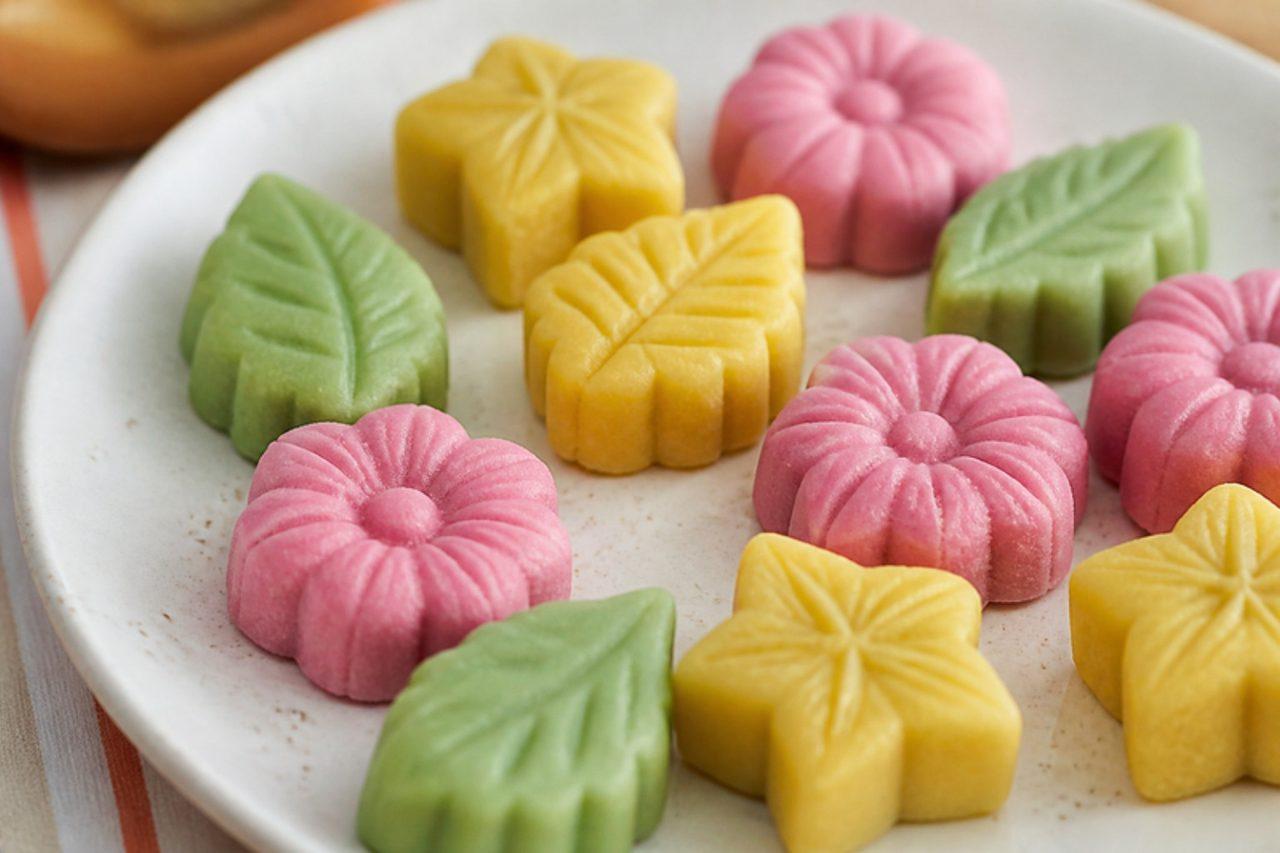
Where Europe makes marzipan from almonds, Goa uses its own crop: cashews. Maçapão is a Portuguese legacy that Goan Catholic families make every December, pressing the cashew paste into rubber or plastic moulds of stars, flowers, fish and bells, tinted pink, green and yellow, for the Christmas kuswar tray. Ground cashews are cooked with sugar syrup and a little egg white (which gives it its smooth, pliable texture) until it leaves the pan, then kneaded, coloured and shaped. It tastes rich, sweet and buttery, softer and creamier than almond marzipan. Because of the egg white, it is vegetarian with egg rather than vegan. The common mistake is grinding the cashews too long, which releases their oil and gives a greasy, sticky paste; pulse them in short bursts. Chef's tip: when the mixture is ready, a small piece rolled between your fingers should feel like soft play dough and not stick; if it does, cook it a few minutes longer.

by KrazyBadal 0 views

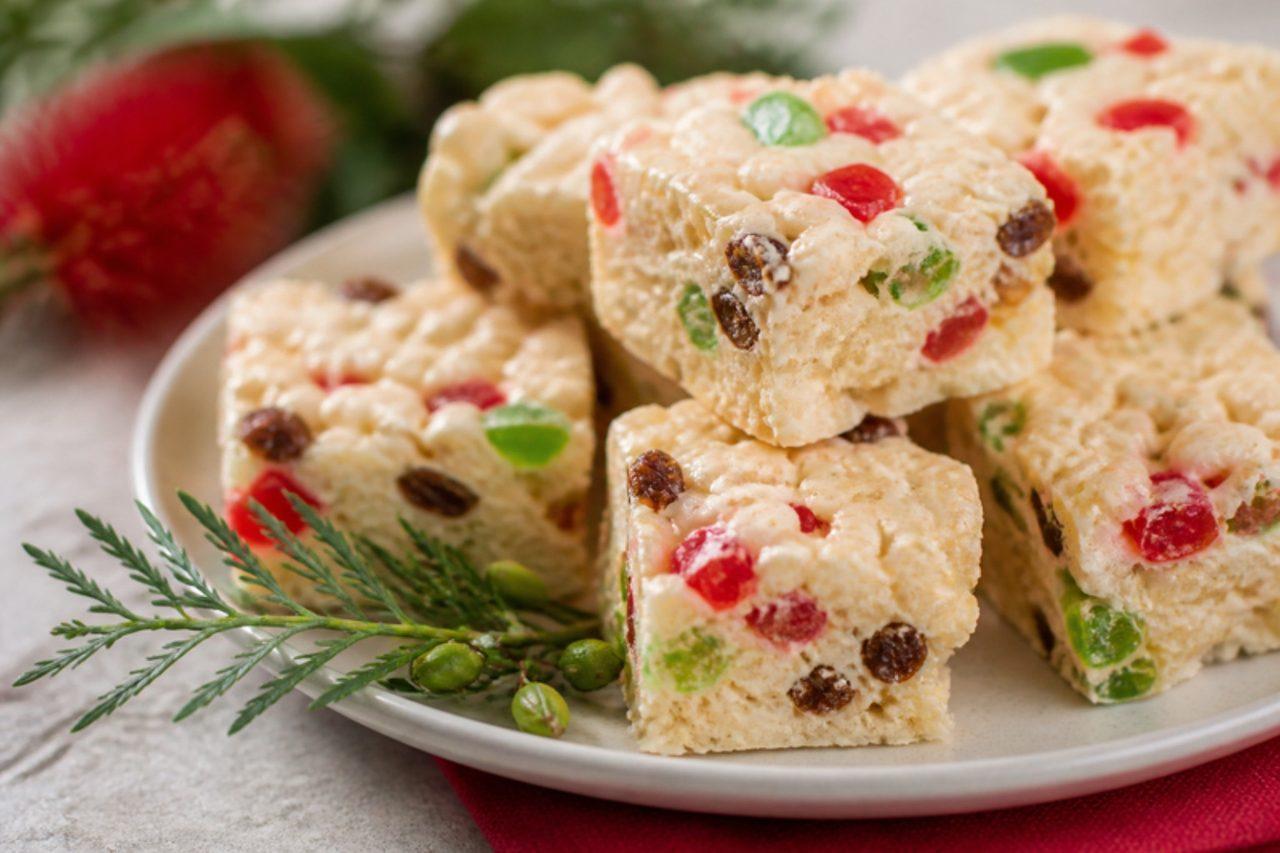
White ChristmasPuffed rice and coconut slice

White Christmas is an Australian Christmas tradition from the days when a hot December made baking a misery, a no-bake slice of puffed rice, dried fruit, glacé cherries and coconut set in white chocolate or coconut fat. It is cut into squares and kept in the fridge for drop-in visitors through the holidays. A common mistake is overheating the white chocolate, which seizes; melt it gently. Chef's tip: red and green glacé cherries make it look festive.

by KrazyBadal 0 views

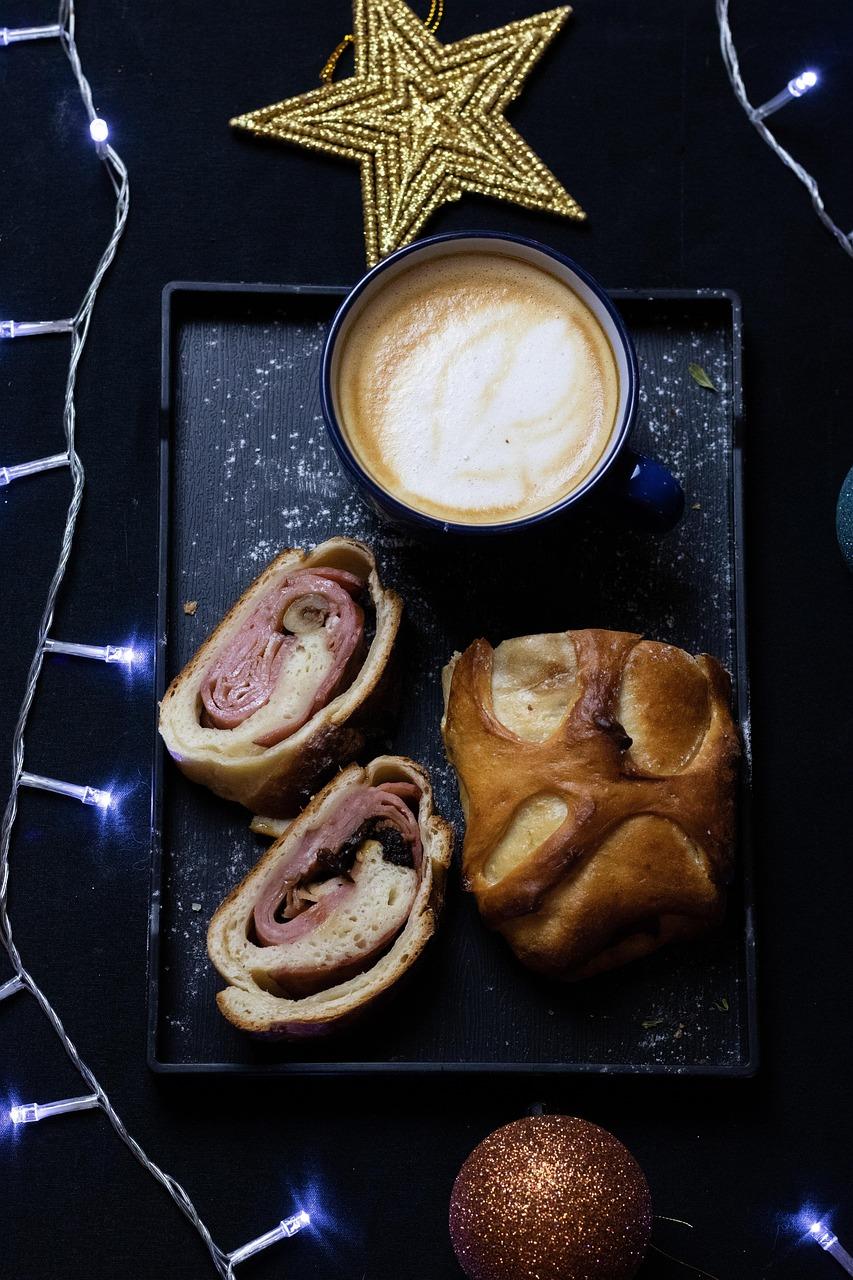
Pan de jamónChristmas ham bread

Caracas bakeries start taking orders for pan de jamón in early December, and families set it on the Christmas table beside the hallacas: a soft, slightly sweet bread rolled around cooked ham and smoked bacon (both pork), green olives and raisins, glazed with panela syrup. Each slice shows a spiral of salty and sweet. The common mistake is rolling loosely, which leaves gaps in the spiral. Chef's tip: roll it as tightly as you can, pressing as you go, and seal the seam well before it proves.

by KrazyBadal 0 views

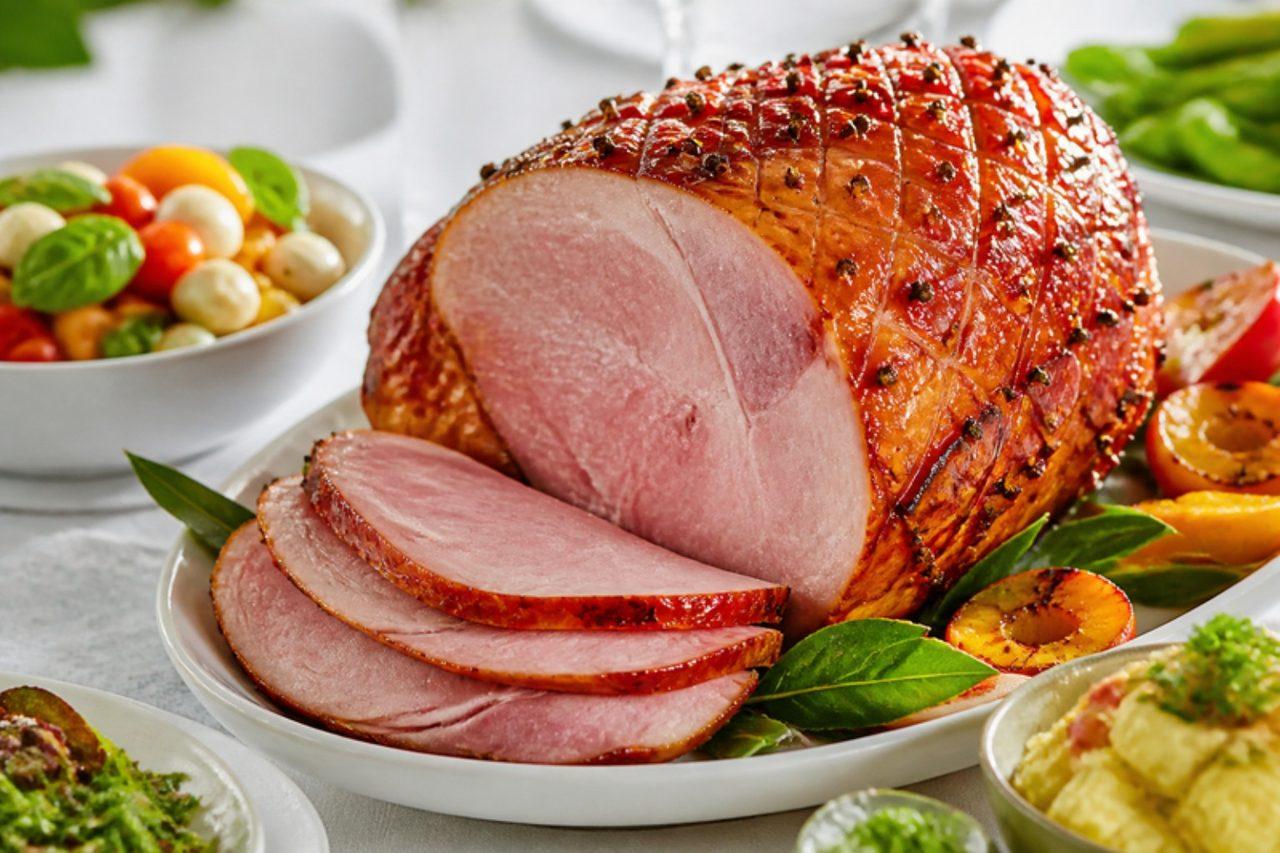
Glazed Christmas ham

A whole glazed leg ham is the centrepiece of the Australian Christmas table, served cold with salads and mustard on a hot December day and eaten in sandwiches for a week after Boxing Day. It is a cured, smoked leg of pork, already cooked, that is scored, studded with cloves and baked with a sticky orange and honey glaze. A common mistake is cutting the rind off too roughly; ease it away with your fingers so the fat stays smooth. Chef's tip: store the leftover ham in a cotton ham bag soaked in water and vinegar in the fridge to keep it moist.

by KrazyBadal 0 views

Frozen Christmas pudding

In the heat of an Australian December, many families swap the steamed pudding for a frozen one, ice cream packed with fruit, nuts and chocolate and set in a pudding basin so it still looks the part on the Christmas table in Brisbane or Perth. It is made days ahead and turned out just before serving. A common mistake is letting the ice cream melt too much while mixing, which makes it icy when refrozen; soften it only until stirrable. Chef's tip: soak the fruit in orange juice the night before so it stays soft when frozen.

by KrazyBadal 0 views

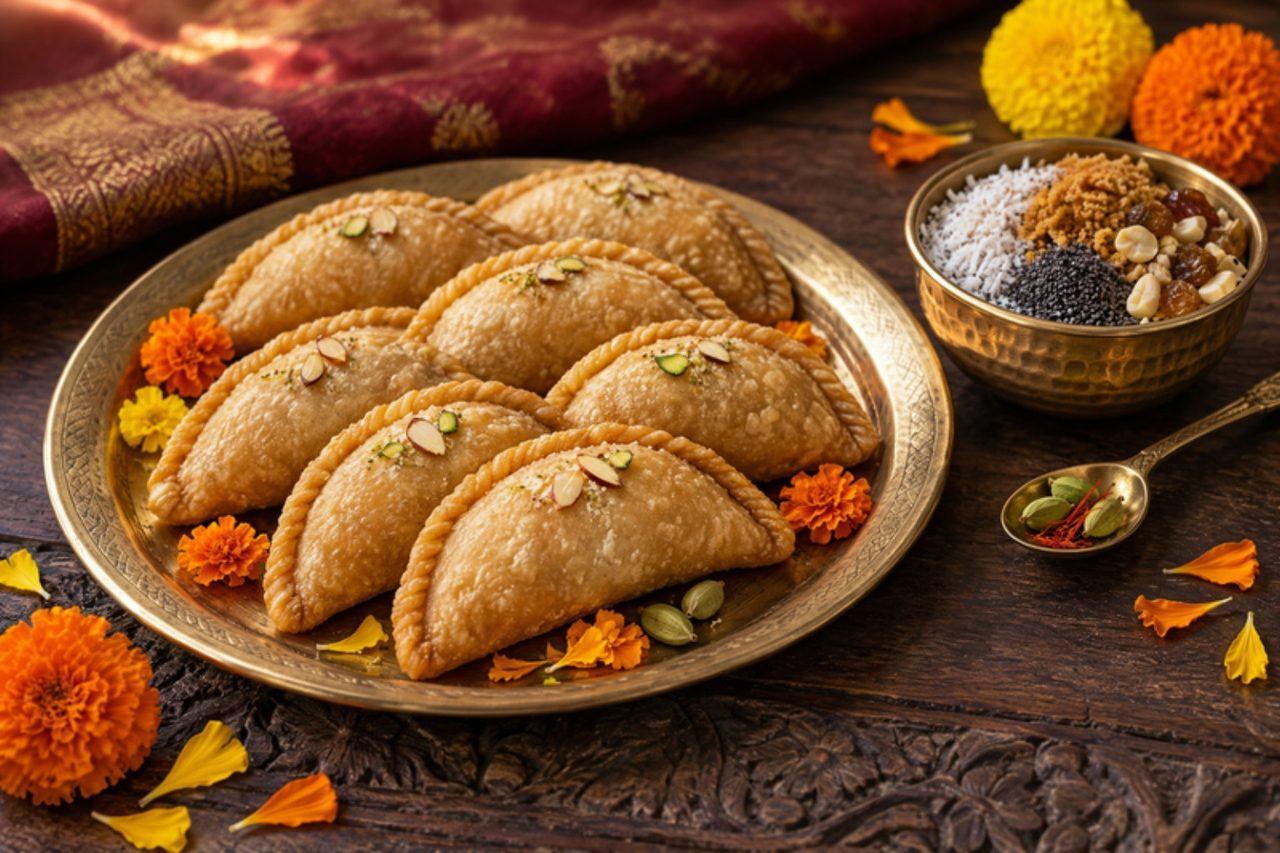
KusliSemolina-filled Diwali pastries

Kusli are the crimped half-moon pastries that fill tins in Chhattisgarhi homes before Diwali and Chhath, close cousins of the gujiya and karanji but filled with semolina roasted in ghee, dry coconut and sugar rather than mawa. They keep for a fortnight and are handed to visitors with thethri and khurmi. The common mistake is frying them in very hot oil; they blister and brown outside while the pastry stays raw within. Chef's tip: seal the edges with a dab of milk and a firm pinch-and-fold twist so not a crumb of filling leaks into the oil.

by KrazyBadal 0 views

NeureosCoconut and jaggery pastries

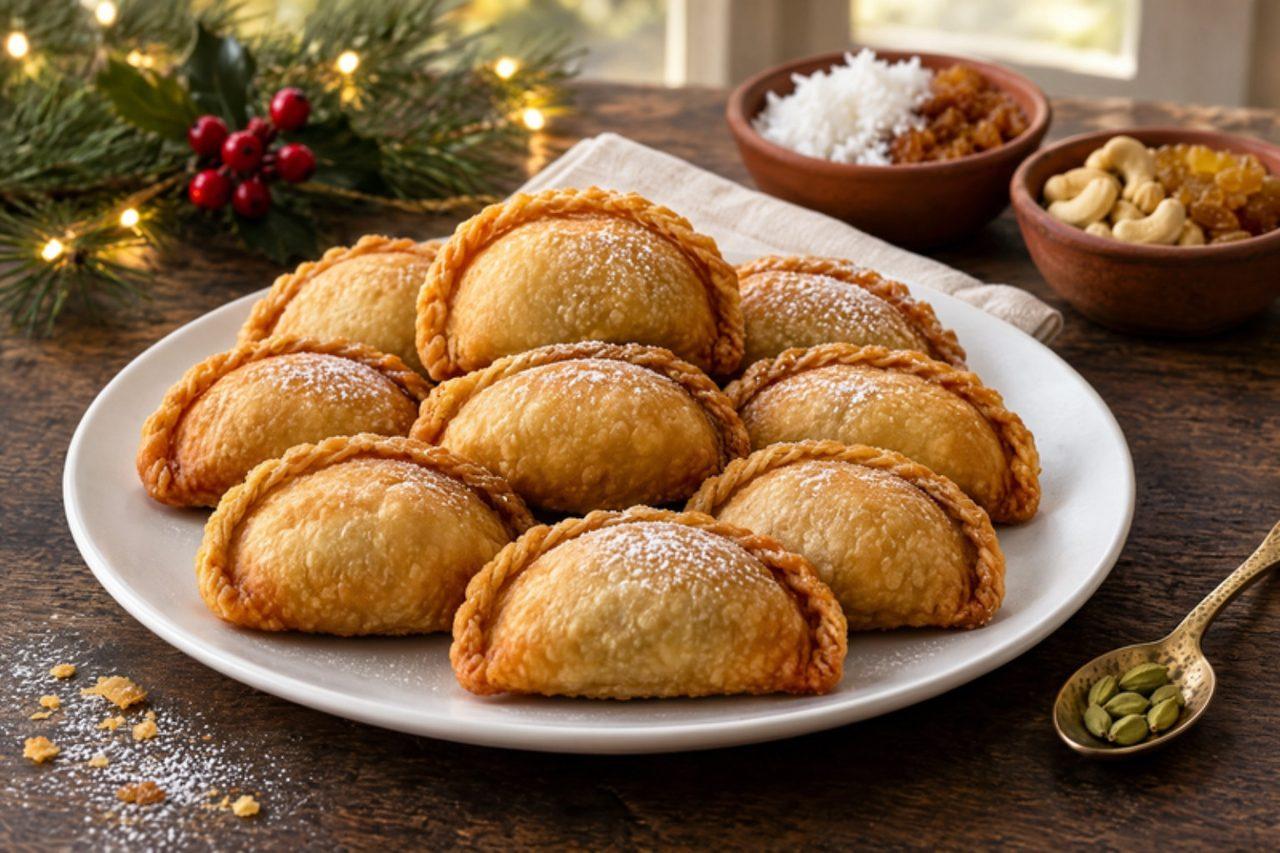
No Goan Catholic kuswar, the tray of Christmas sweets sent to neighbours, is complete without neureos, little crimped half-moons of crisp pastry stuffed with fresh coconut cooked down with jaggery, cardamom and a few raisins or cashews. Families gather in the week before Christmas to roll, fill and pinch them by the hundred, and they keep well in a tin until New Year. The common mistake is a wet filling: if the coconut mix is still moist when sealed the pastries burst in the oil, so cook it until it leaves the pan and cool it fully. Chef's tip: use a fluted pastry wheel to trim the edge after crimping, which gives the classic frilly finish and a tighter seal.

by KrazyBadal 0 views

Bollito mistoMixed boiled meats

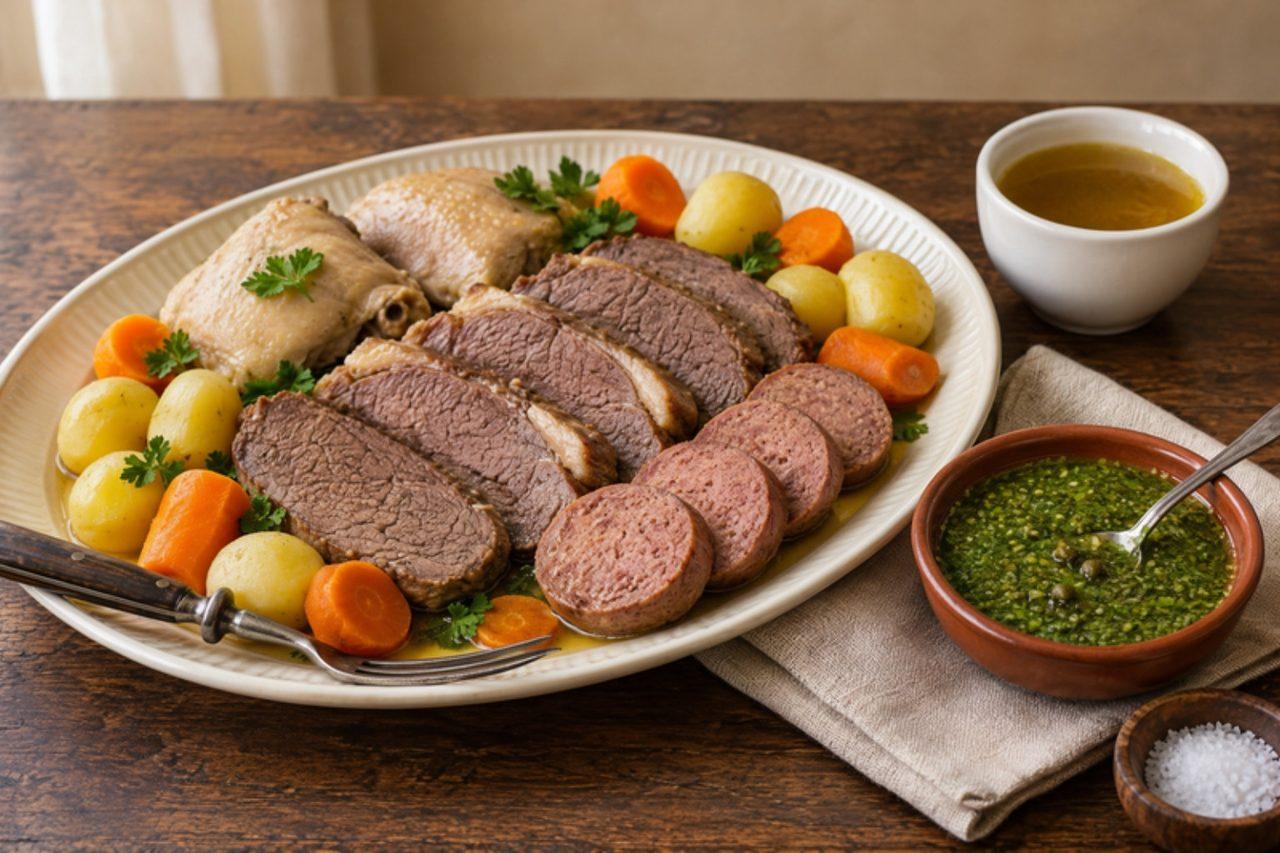
In Piedmont, bollito misto is the great winter feast, served from November to carnival in Turin trattorias and on family tables when there are many to feed. Several cuts of beef, a chicken and a cotechino (a soft, rich pork sausage) poach gently in one big pot until tender, then come to the table sliced on a warm platter with a sharp parsley and caper salsa verde; the broth is saved for soup or risotto the next day. The usual mistake is letting the pot boil hard: the meat turns stringy and the broth cloudy, so keep it at a bare shiver. Serve with boiled potatoes or mostarda if you like. Chef's tip: put the beef into water that is already boiling so its juices stay in the meat, and use cold water only if the broth matters more to you than the meat.

240 minItalianMeatGluten free
by KrazyBadal 0 views

Arroz con dulceCoconut rice pudding

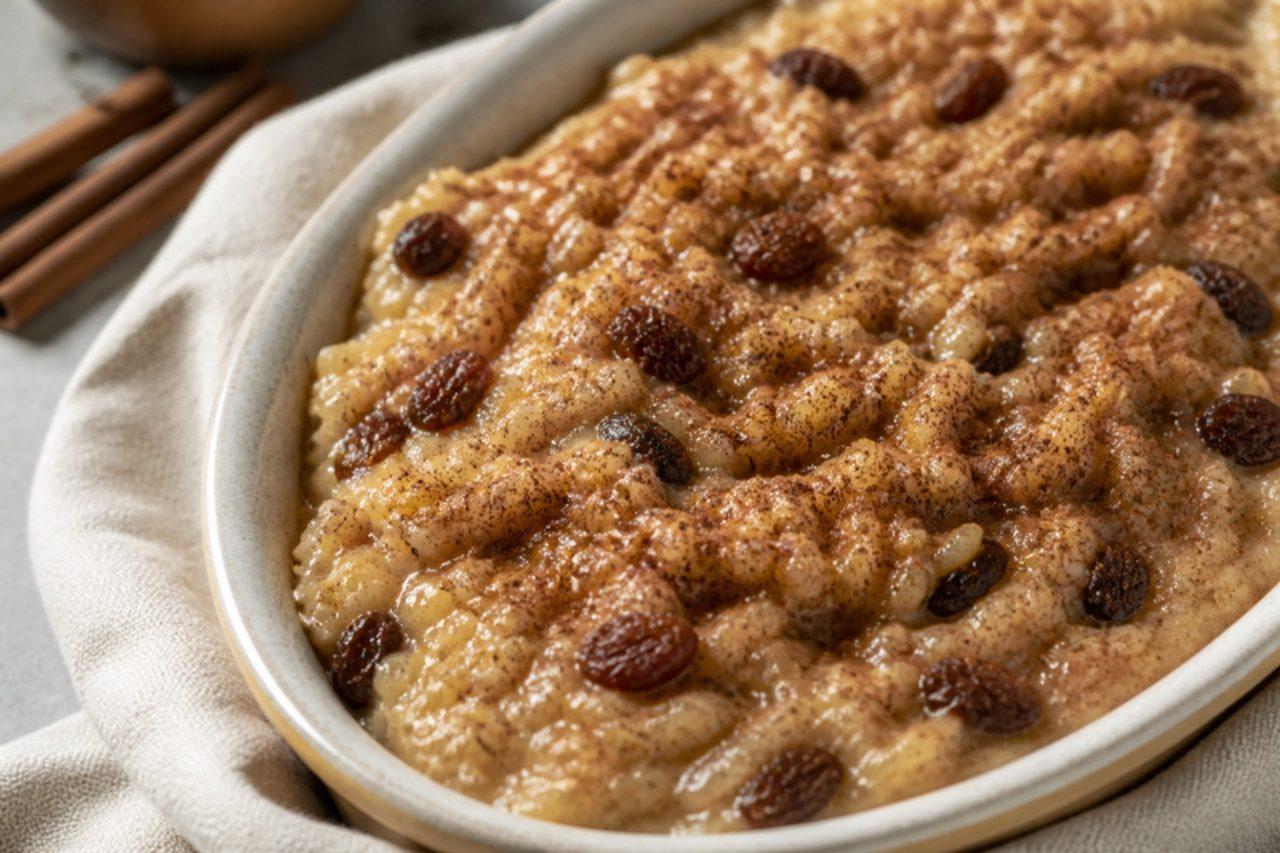
From the start of December to the Three Kings in January, trays of arroz con dulce cool on Puerto Rican kitchen counters, sliced into squares and handed round at parrandas when carollers arrive at the door late at night. Unlike a milky rice pudding, it is cooked in a water steeped with fresh ginger, cinnamon, cloves and star anise, then finished with coconut milk and raisins, so it is fragrant, firm enough to cut and dairy free. The common mistake is adding the sugar too early, which keeps the rice grains hard; sweeten only once they are soft. Chef's tip: soak the rice for an hour first, and it cooks evenly and absorbs the spiced coconut far better.

by KrazyBadal 0 views

LanttulaatikkoBaked swede casserole

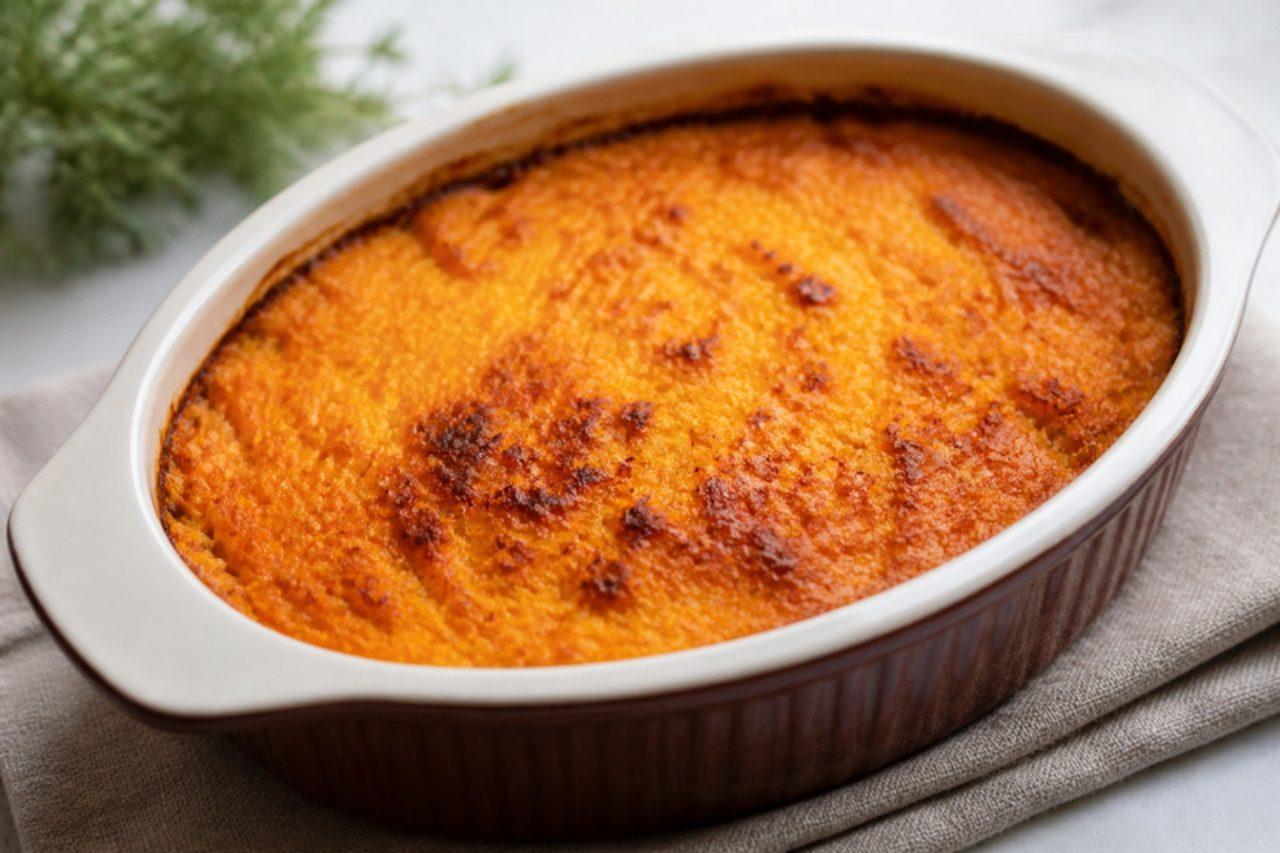
Lanttulaatikko is one of the 'laatikot', the oven casseroles that crowd the Finnish Christmas table beside the ham: swede boiled and mashed with cream, breadcrumbs, dark syrup, egg and nutmeg, then baked slowly until the top is deep brown and the inside is sweet and soft. Families make it days ahead because it tastes better reheated. A common mistake is baking it too hot, which burns the top before the casserole sets. Chef's tip: bake at a low heat for a long time, and make a crisscross pattern on top with a spoon so the syrup caramelises in the ridges.

by KrazyBadal 0 views

JoulutorttuPrune jam pastry stars

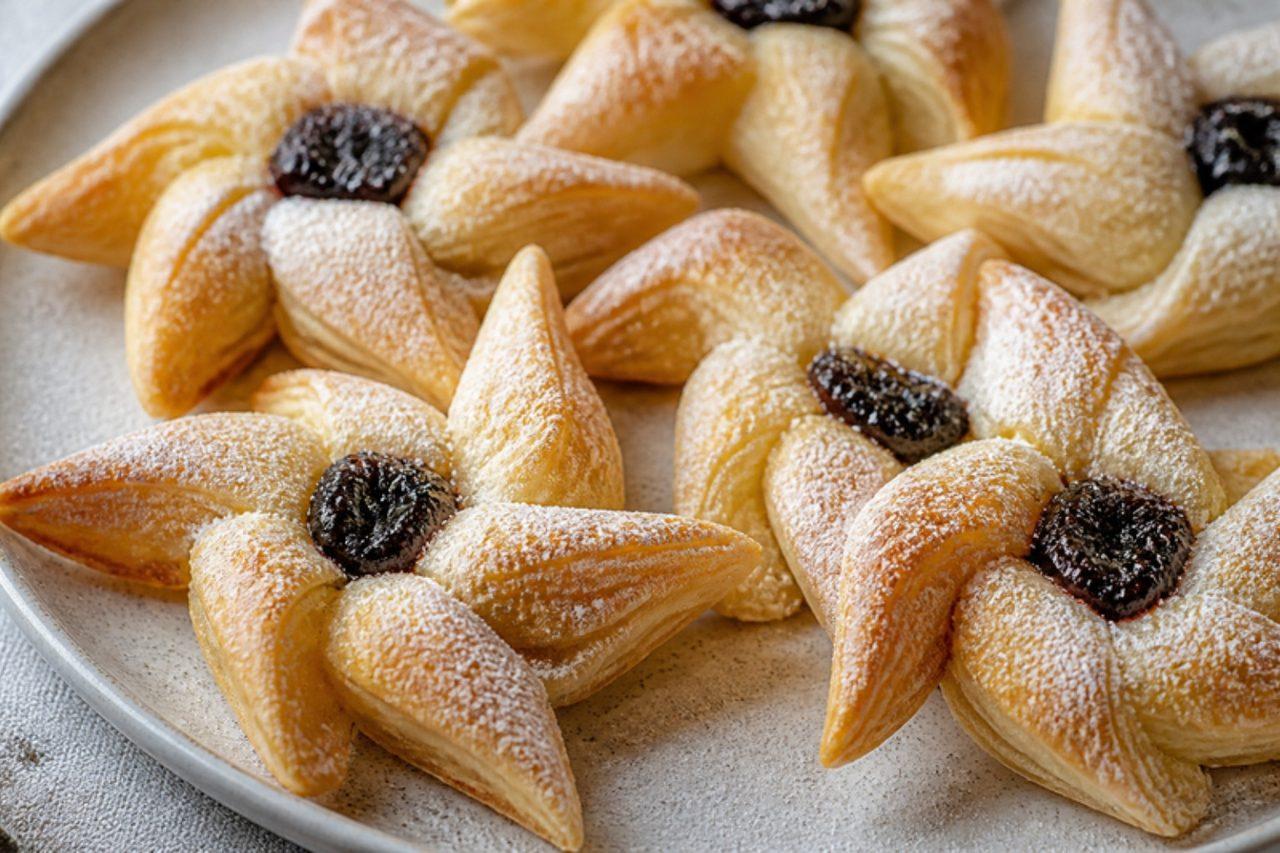
Joulutortut, the star-shaped Christmas tarts of Finland, appear in every home and café in December, piled on plates with glögi: squares of puff pastry cut at the corners and folded into a pinwheel around a spoon of thick prune jam, baked golden and dusted with icing sugar. A common mistake is using thin, runny jam, which bubbles out and burns. Chef's tip: cook the prune jam until very thick, and press the folded points down firmly with a dab of water so the stars don't spring open in the oven.

by KrazyBadal 0 views

BreudherBurgher Christmas loaf

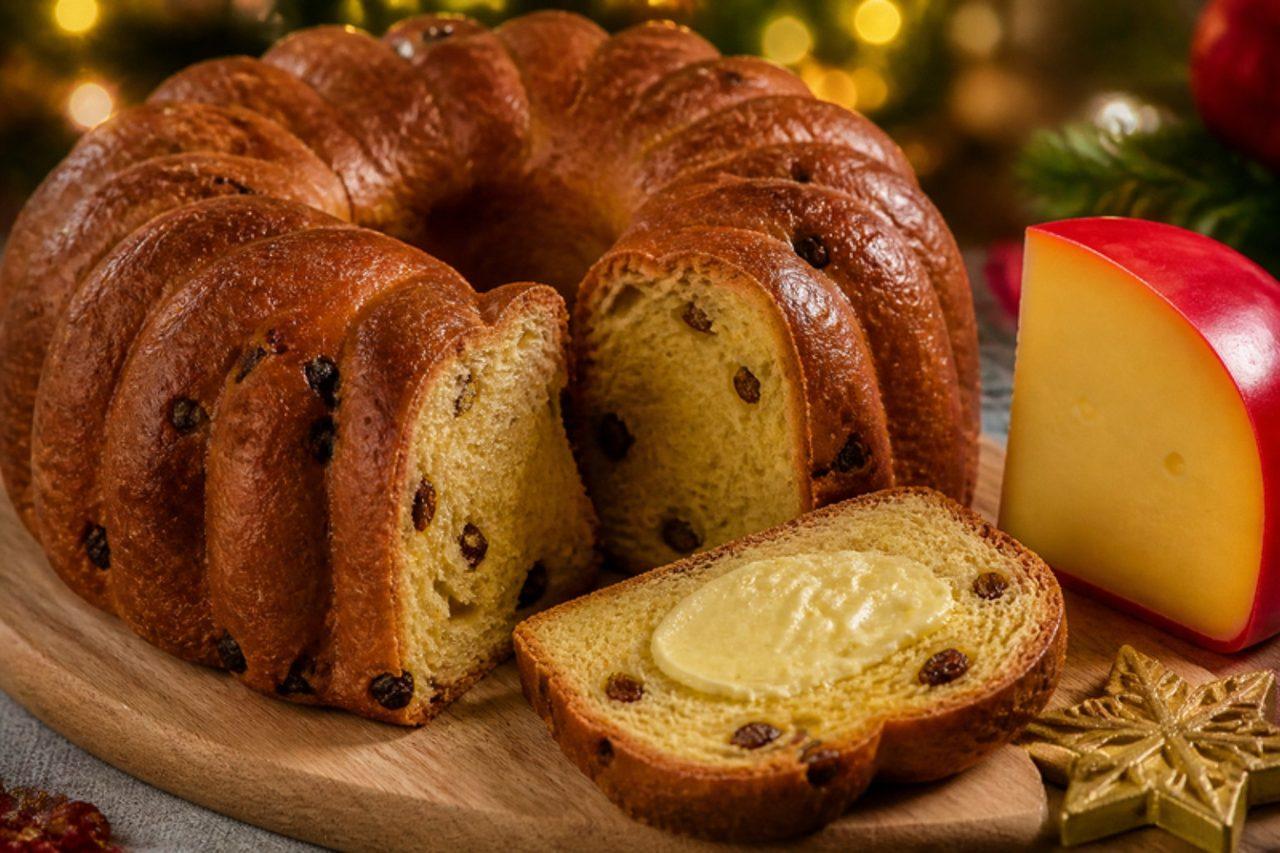
On Christmas morning in Dutch Burgher homes from Colombo to Galle, the breakfast table holds a tall, fluted breudher, the island's take on the Dutch Christmas loaf, sliced thick, spread with butter and topped with a slice of Edam. The dough is enriched with plenty of butter, eggs and sugar and studded with raisins, and the crumb is soft, golden and slightly sweet, closer to brioche than to bread. Old recipes leavened it with fermented palm toddy; this version uses ordinary yeast, so there is no alcohol. Edam is normally made with animal rennet, so choose a vegetarian Edam or Gouda if that matters to you. The most frequent failure is an impatient rise, which gives a heavy, close loaf, because butter-rich dough moves slowly; wait until it has truly doubled. Chef's tip: work the butter in a little at a time only after the dough has been kneaded smooth, and it will turn silky and elastic instead of greasy.

by KrazyBadal 0 views

Sri Lankan love cake

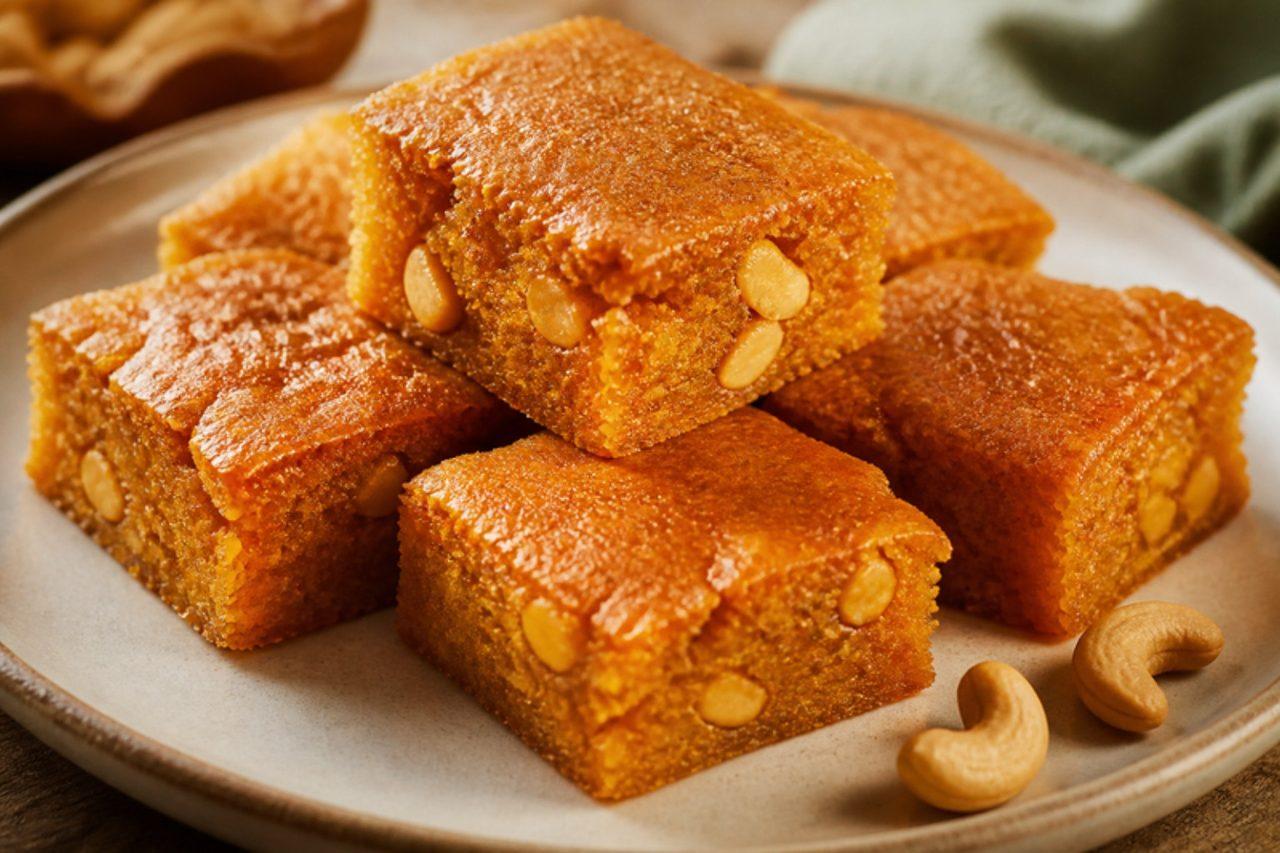
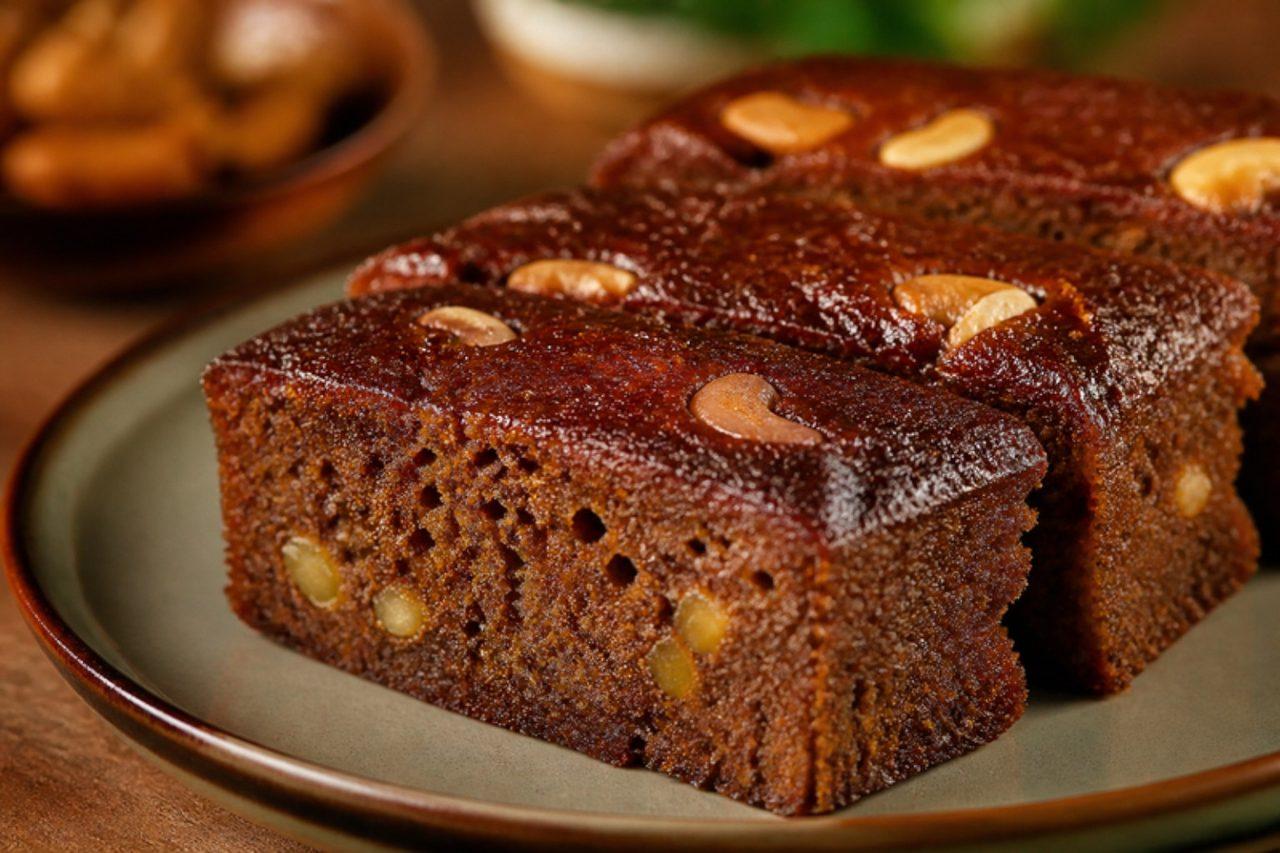
Love cake is the Burgher Christmas and birthday cake, a legacy of Portuguese rule shaped by Sri Lankan spice gardens, and Colombo families argue happily over whose grandmother's recipe is best. Roasted semolina, butter and a huge quantity of whisked egg yolks and sugar are folded with chopped cashews, pumpkin preserve, rosewater, cardamom, cinnamon and nutmeg, then baked slowly so the top forms a crisp, sugary crust while the inside stays moist, dense and almost chewy. It is cut into small squares because it is very rich, and served with tea or packed into little boxes for guests. A common mistake is baking until a skewer comes out completely clean, which leaves it dry; the centre should still be slightly sticky. Pumpkin preserve (puhul dosi) is sold in Sri Lankan shops; candied winter melon, sold as petha, is the closest substitute. Chef's tip: make it two days ahead, as the spices and rosewater deepen as the cake rests.

by KrazyBadal 0 views

SiemieniotkaHemp seed and buckwheat soup

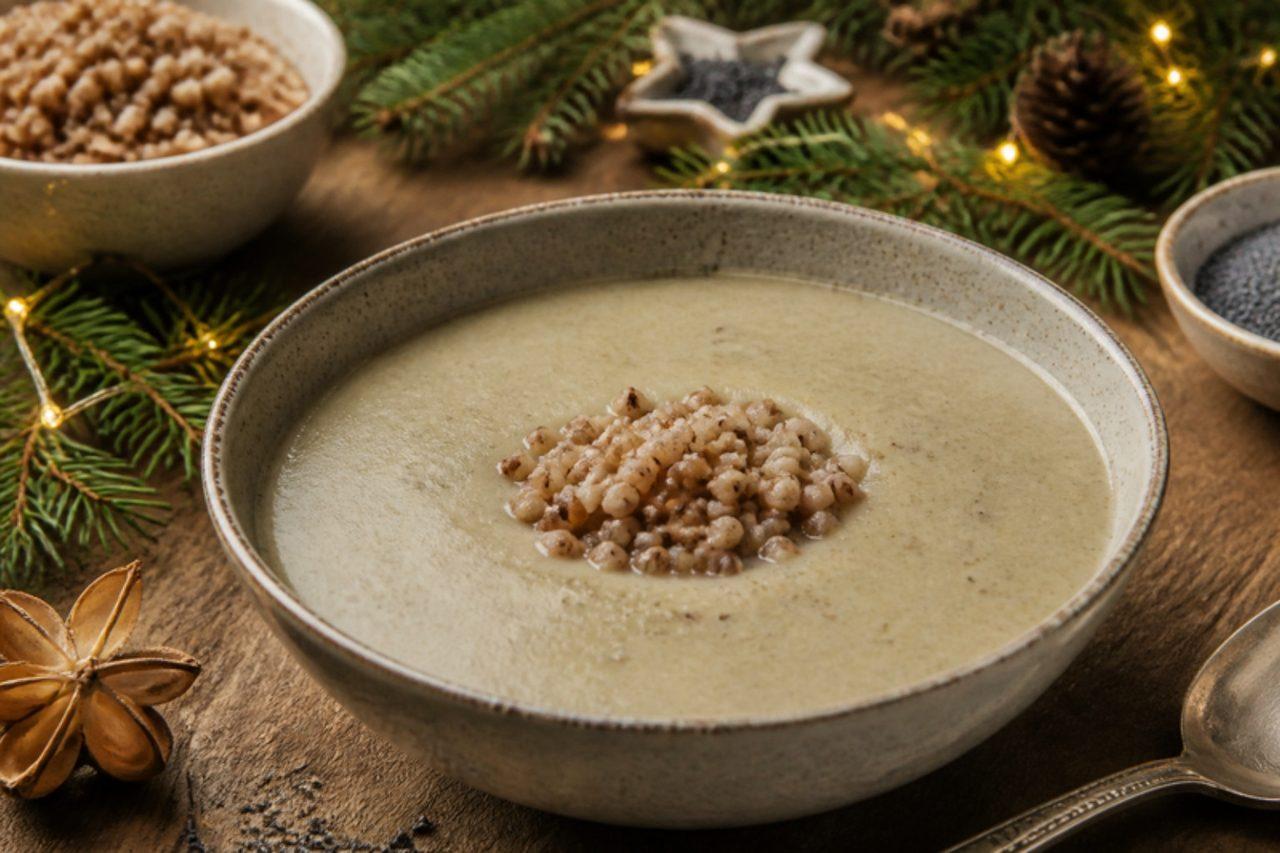
Hardly anyone outside Silesia has tasted it, but in villages around Racibórz and Opole siemieniotka is still the first dish on the Wigilia table, ladled out before the carp and the poppy-seed sweets. Hemp seeds are simmered, crushed and strained with onion into a pale, creamy, gently nutty soup, then poured over a spoon of buckwheat groats in each bowl. Use only food-grade hemp seeds from a health food shop. Where most people go wrong is skipping the straining, which leaves the soup gritty with shell. Chef's tip: toast the seeds in a dry pan for a minute before simmering to deepen the nutty flavour.

by KrazyBadal 0 views

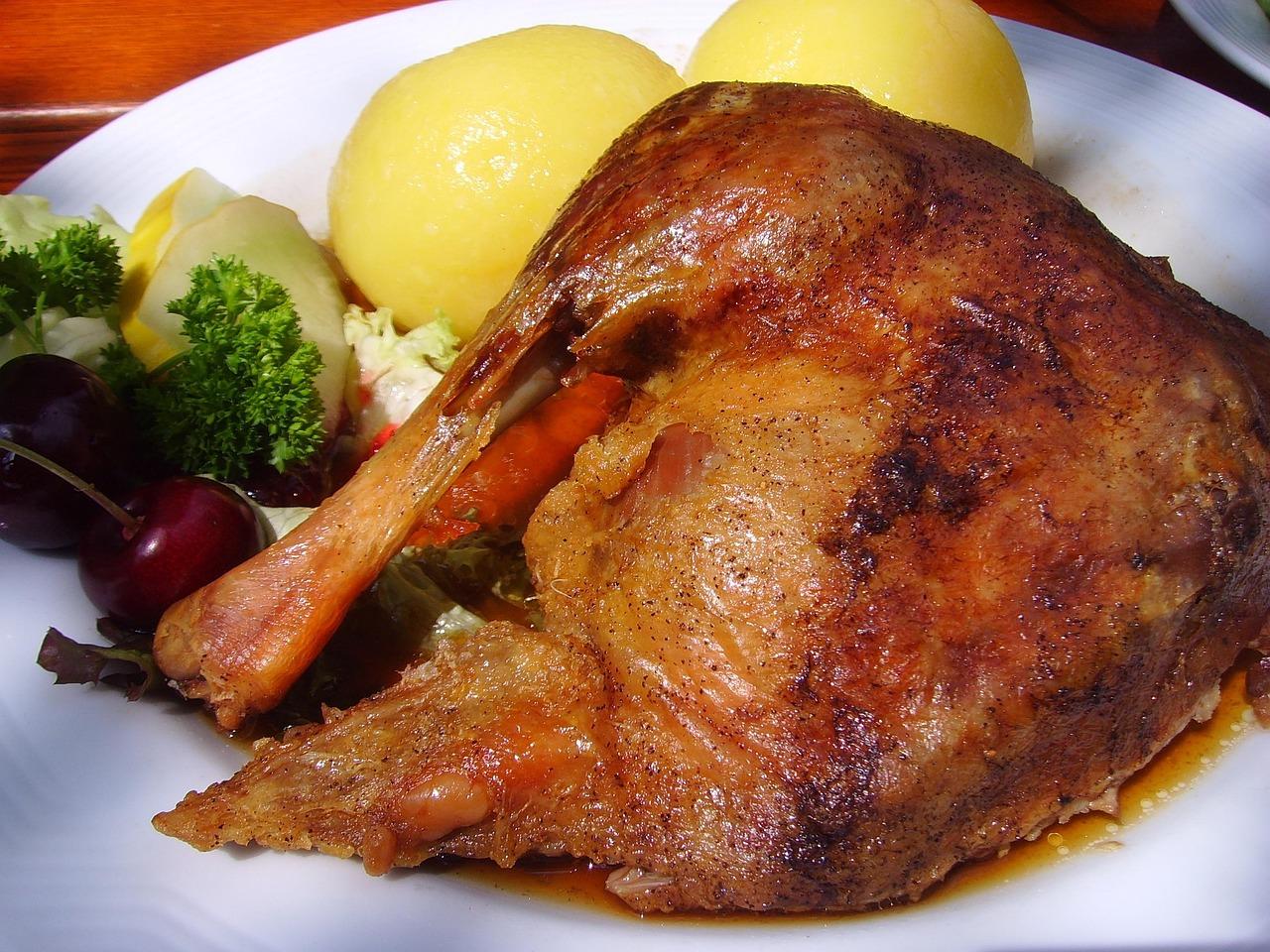
Roast goose with apples

On 11 November, St Martin's Day and Poland's Independence Day, roast goose comes back to tables from Poznań to Gdańsk, and Pomeranian and Kujawy farms still raise their own white geese for it. The bird is rubbed with marjoram, garlic and salt, left overnight in the fridge, then stuffed with sharp apples and roasted slowly so the fat renders out and the skin turns crisp and mahogany. The meat is dark and rich, the apples collapse into a tart sauce. Serve with braised red cabbage, potato dumplings and the pan juices. Most people forget to drain the fat as it roasts, and the bird ends up frying in its own puddle; pour it off every half hour and save it for roast potatoes. Allow an extra night for the marinade. Chef's tip: prick the skin all over, especially under the wings and thighs, without piercing the meat, so the fat has somewhere to escape.

240 minPolishMeatGluten free
by KrazyBadal 0 views

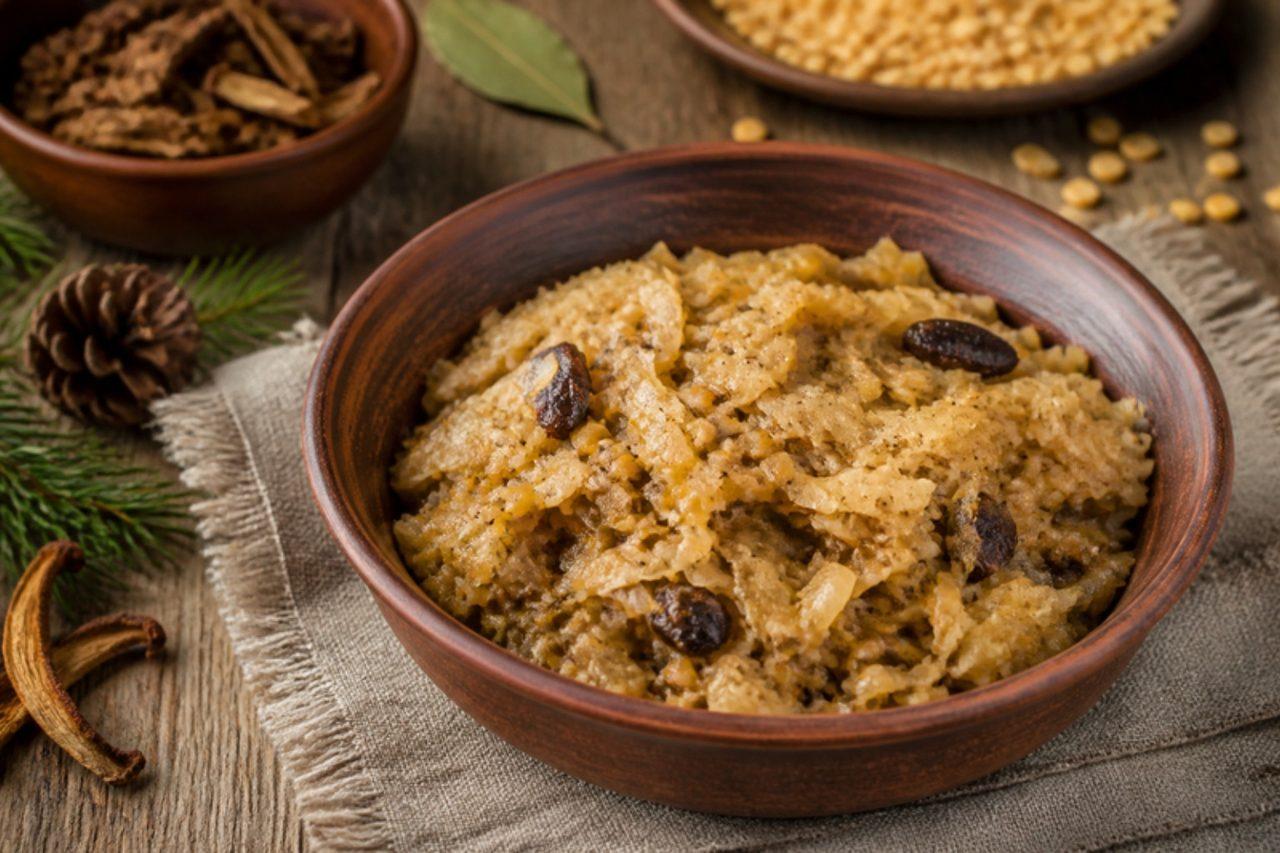
Cabbage with peas

Of the twelve dishes on a Polish Christmas Eve table, this is the humblest and often the one people go back to for seconds. Sour, tangy sauerkraut is braised slowly with yellow split peas until the peas collapse into a soft, savoury mash that binds the cabbage, with dried mushrooms and golden onion for depth. Serve it warm next to pierogi or potatoes, and know that it tastes even better reheated the next day. The usual slip is adding salt before the peas are cooked, which keeps them hard; season only at the end, as the sauerkraut is salty anyway. Chef's tip: if your sauerkraut is very sour, rinse it once and squeeze it, keeping a little juice to adjust the sharpness later.

by KrazyBadal 0 views

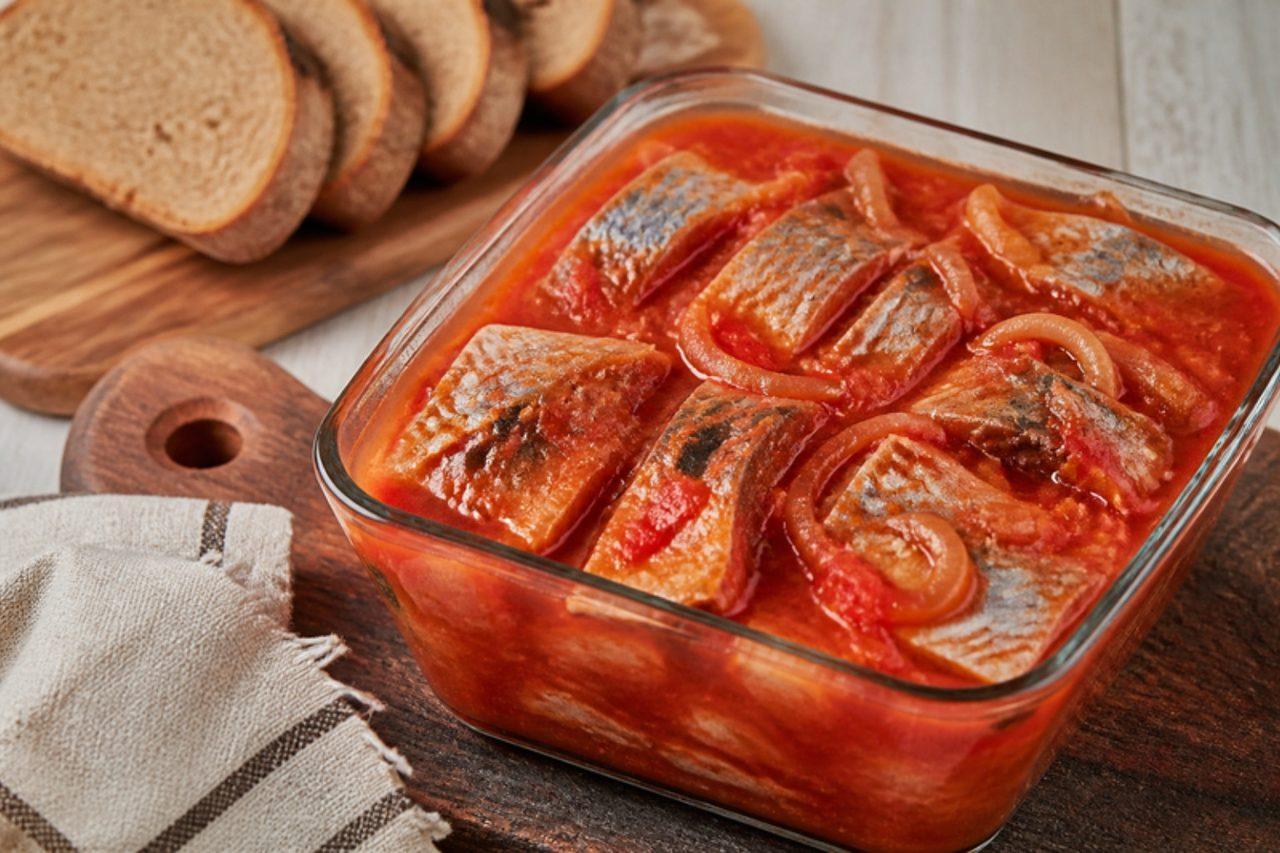
Śledź po kaszubskuHerring in sweet-sour tomato sauce

Kashubian fishing families along the Baltic coast and the lakes near Kartuzy always kept a crock of herring in the cellar, and this layered version, with a thick sweet-and-sour sauce of slow-fried onion and tomato, is now a fixture of the Christmas Eve table across Pomerania. Mild salted fillets sit between spoonfuls of the soft, glossy sauce, and after a night in the fridge the two flavours merge into something savoury, tangy and gently spiced. Eat it cold with boiled potatoes or rye bread. Herring like this is cured but never cooked, so buy ready-salted or matjes fillets from a good fishmonger, keep them chilled, and note it is not for pregnant women, young children or anyone with a weakened immune system. Pouring the sauce on while hot is a mistake: it partly cooks the fish and turns it grey and soft. Chef's tip: taste a corner of a fillet before soaking; mild matjes need only a short rinse, while barrel-salted herring needs hours.

40 minPolishFishGluten free
by KrazyBadal 0 views

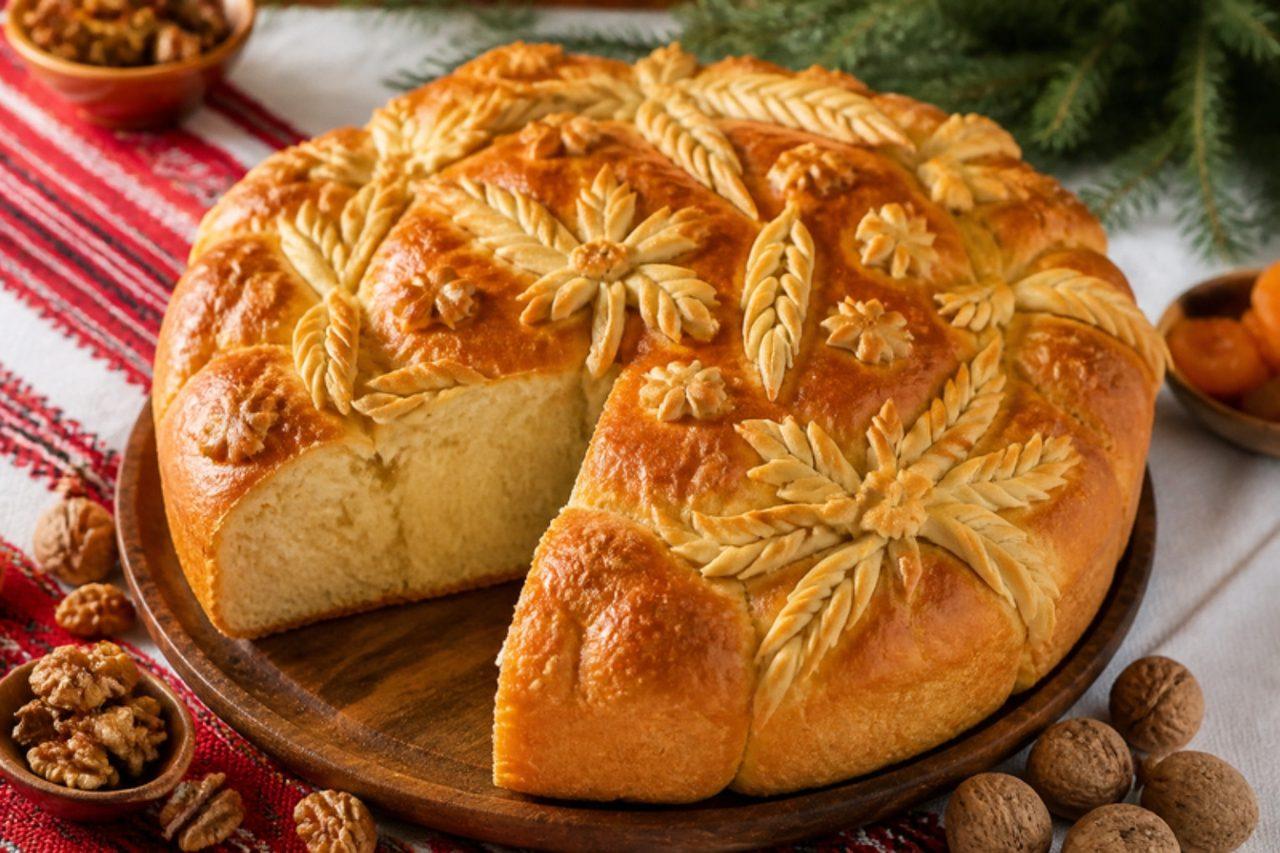
ČesnicaChristmas bread with a coin

On Serbian Orthodox Christmas morning, 7 January, the family stands around the table and breaks the česnica between them, turning the round loaf three times before everyone pulls off a piece. Whoever finds the coin hidden in the bread is said to have luck for the year. Recipes vary from flaky layered pies to this soft, slightly sweet yeasted loaf with a twisted rope round its edge, lovely with kajmak, cheese and the rest of the Christmas spread. Wrap the coin well and tell everyone before they bite, and keep an eye on small children, as a coin is a choking risk. The usual slip is rushing the rise in a cold kitchen, which gives a dense, heavy crumb; find a warm spot and wait until the dough has truly doubled. Chef's tip: brush the hot loaf with a little oil as it leaves the oven for a soft, shiny crust.

by KrazyBadal 0 views

BibikkanCoconut jaggery cake

Bibikkan is the darkest, stickiest cake in the Sri Lankan repertoire, baked by Burgher families for Christmas and by Sinhala households for the New Year table, and nobody quite agrees whether its roots lie in Portuguese or local kitchens. Freshly grated coconut is first cooked in melted kithul jaggery, then mixed with roasted semolina, flour, eggs, cashews, raisins, chopped ginger preserve and a mix of cinnamon, cardamom, nutmeg and cloves, and baked until almost black on the outside. The crumb is moist, heavy and chewy with coconut, with a deep treacle sweetness and a warm, spiced finish, and slices are served with tea. Baking it too hot is where it often goes wrong, as the jaggery burns before the middle sets, so keep the oven moderate and cover it if the top darkens early. Chef's tip: cook the coconut in the jaggery until it looks thick and sticky before mixing; that is what gives bibikkan its fudgy texture.

by KrazyBadal 0 views

Fried Christmas carp

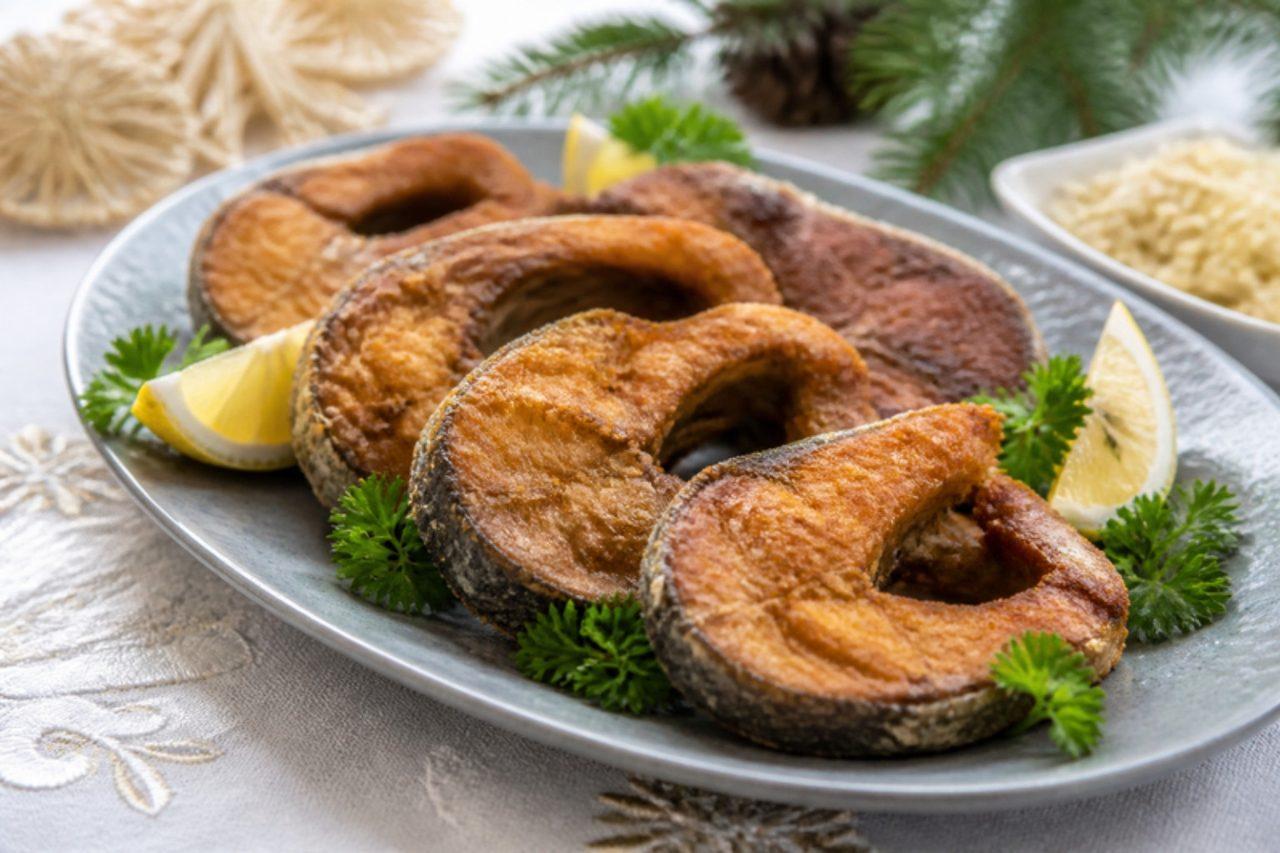
For many Polish families, Wigilia, the meatless Christmas Eve supper, is not complete without fried carp, bought live from market tanks in mid-December or, more often today, cleaned and cut into steaks at the fishmonger. The steaks are salted, floured and fried until the skin crisps and the white flesh turns sweet and juicy. Serve with boiled potatoes, sauerkraut with peas, or simply bread and a lemon wedge, after the beetroot barszcz. Keeping a scale from the Christmas carp in your wallet is said to bring money all year. Carp has a reputation for tasting muddy, and the usual culprit is skipping the salting and resting time. Ask the fishmonger to score the steaks finely so the small Y-shaped bones soften as they fry. Chef's tip: salt the steaks and leave them in the fridge for 20 minutes, then pat completely dry; the flesh firms up and the flour clings in a thin, even crust.

40 minPolishFish
by KrazyBadal 0 views

Kluski z makiemNoodles with sweet poppy seed

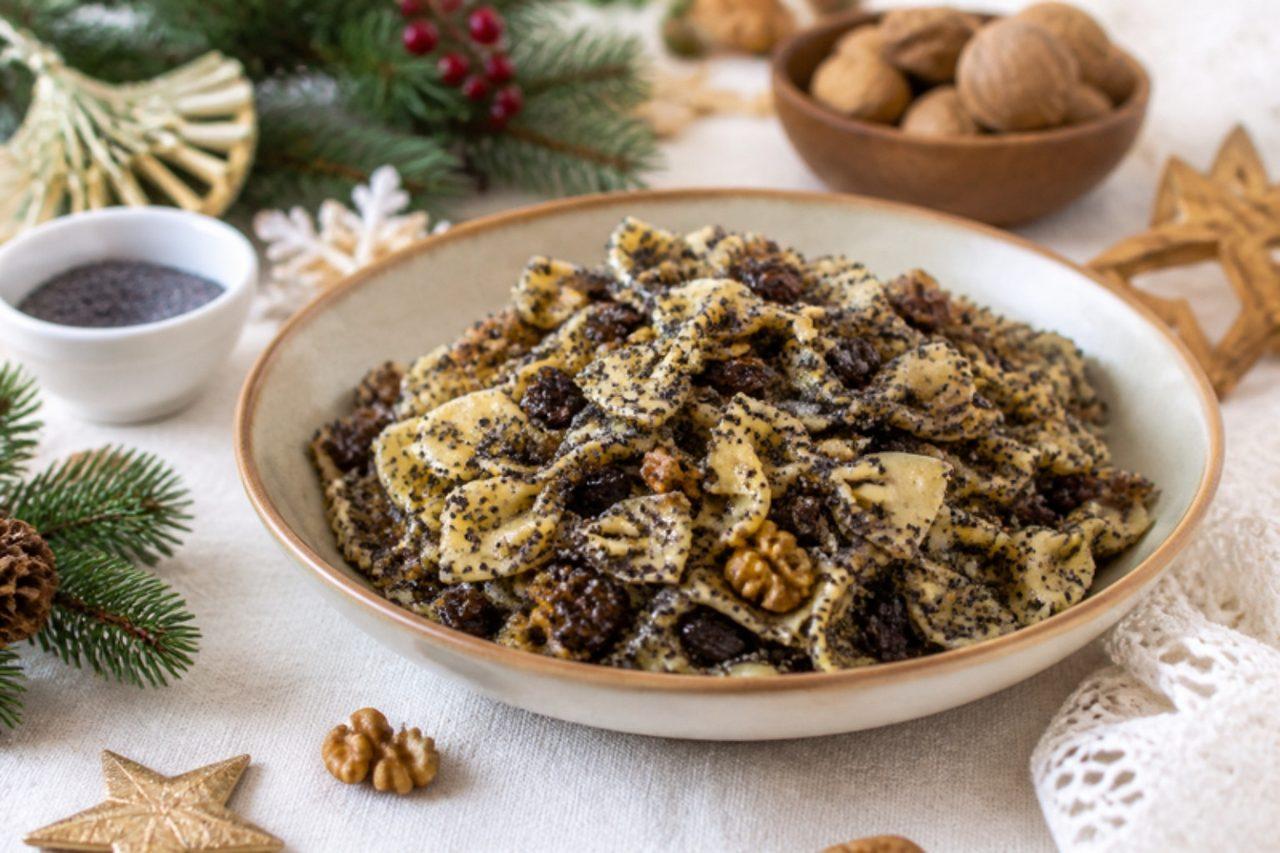
Poppy seed is the taste of a Polish Christmas Eve, and in central and eastern Poland it often reaches the table as a bowl of wide noodles in a sweet, dark poppy mixture with honey, walnuts and raisins. It sounds strange to anyone who expects pasta to be savoury, but it is closer to a pudding: nutty, slightly bitter, sticky with honey, eaten at room temperature as the last dish of the night. Where most people go wrong is using whole poppy seeds straight from the packet; they must be scalded and ground, or the dish is gritty and bland. Chef's tip: buy ready-ground poppy seed or grind scalded seeds twice in a spice grinder until they turn grey and buttery.

by KrazyBadal 0 views

RisgrynsgrötChristmas rice porridge

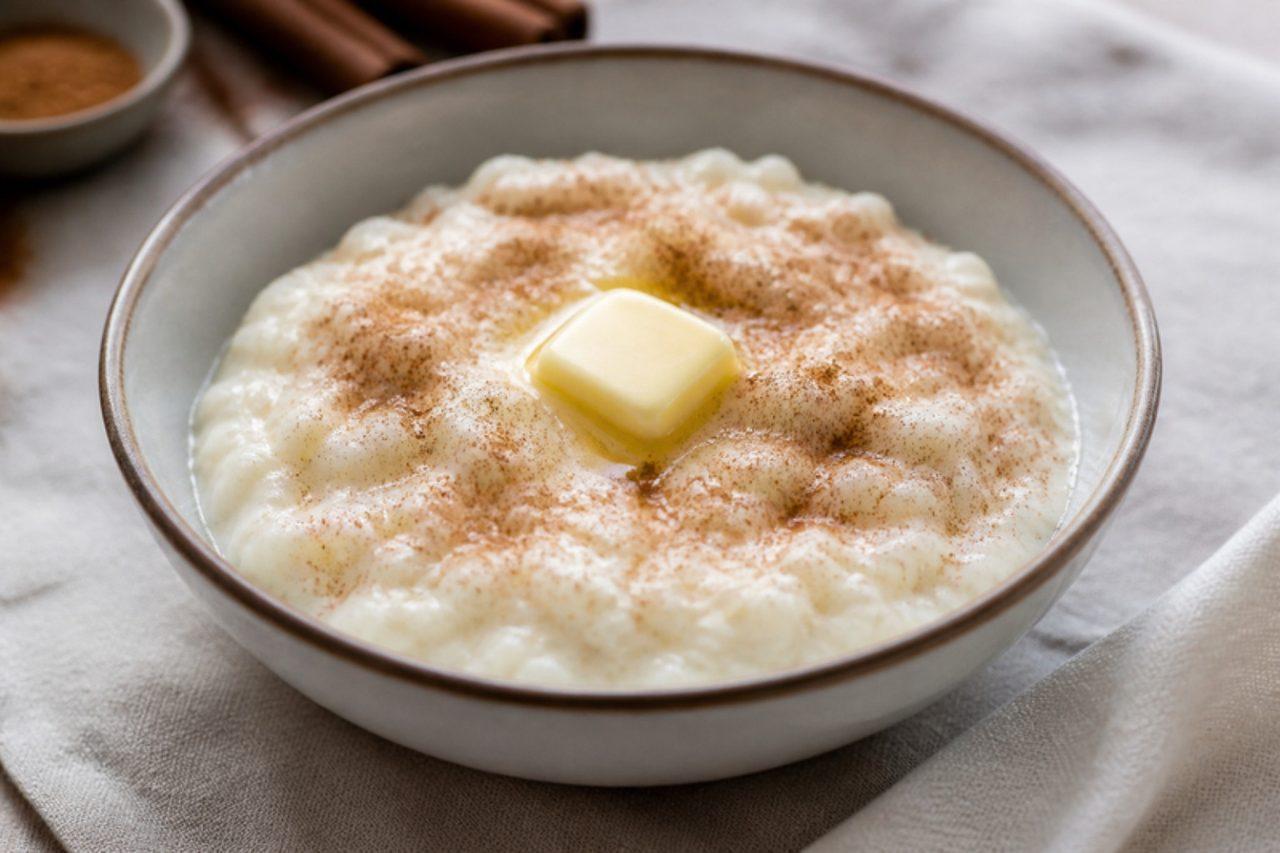
Risgrynsgröt is the creamy rice porridge Swedes eat on Christmas Eve, either at breakfast or after the julbord, with cinnamon, sugar and cold milk; one whole almond is hidden in the pot, and whoever finds it will marry in the coming year, or simply gets a prize. Leftovers become ris à la Malta with whipped cream and oranges. A common mistake is cooking it on a high heat, which scorches the milk. Chef's tip: start the rice in water to soften, then add the milk and let it cook very gently, with a cinnamon stick, until thick and creamy.

by KrazyBadal 0 views

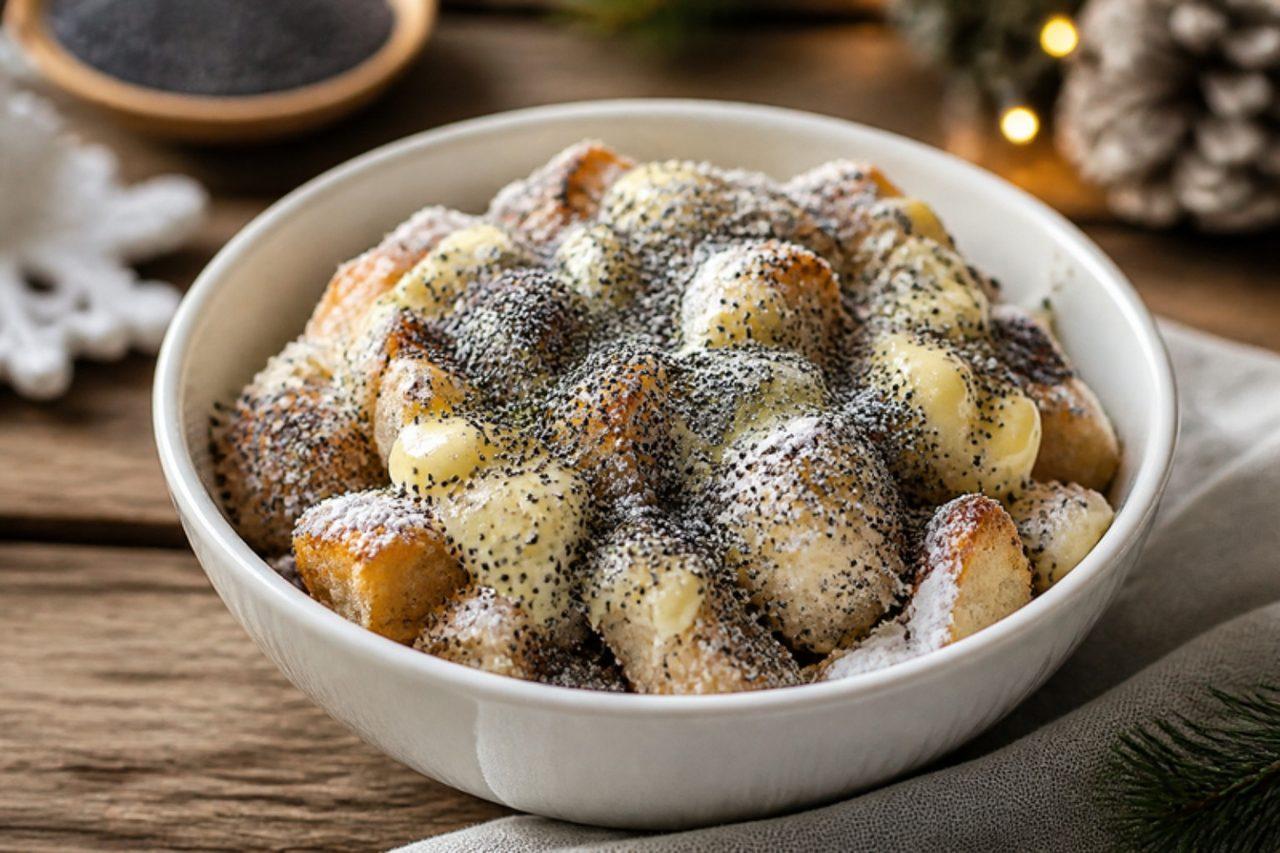
Mákos gubaPoppy seed and bread roll pudding

On 24 December, after the fish soup and before the presents, many Hungarian families bring a dish of mákos guba to the table, because poppy seed is said to bring plenty in the year ahead. Stale crescent rolls (kifli) are sliced, soaked in warm vanilla milk, layered with sugared ground poppy seed and baked until the top crisps, so the inside is soft and puddingy while the edges turn crunchy. It is simple, very cheap and loved by children; serve it warm, with vanilla custard poured over if you want it richer. Older recipes pour honey over it instead of sugar. A common mistake is drowning the bread, which turns it to porridge; it should be moist but still hold its shape. Chef's tip: grind the poppy seed fresh in a coffee grinder, as pre-ground poppy goes bitter quickly.

by KrazyBadal 0 views

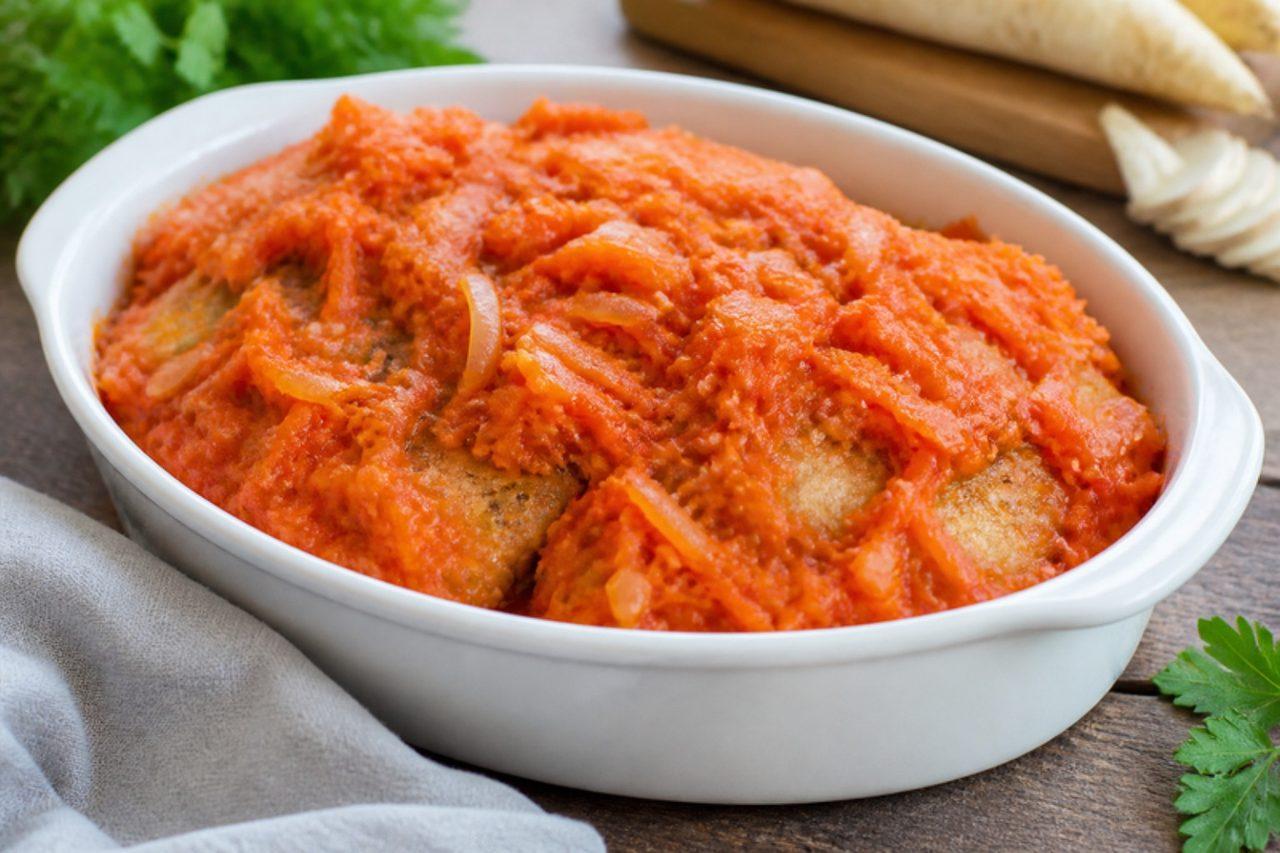
Ryba po greckuFish under sweet-sour vegetables

Ryba po grecku, 'Greek-style fish', has no Greek roots at all; it is a Polish invention from the communist years, when cheap frozen cod and pollock met carrot, parsley root and tomato purée to make a festive dish out of very little. Today it sits on almost every Christmas Eve table and at name-day buffets, served cold. Pieces of fried white fish disappear under a thick, orange layer of soft vegetables stewed in tomato with allspice and bay, sweet and tangy at once. It needs a night in the fridge for the vegetable sauce to soak into the fish. The usual slip is grating the vegetables too fine, which turns them to mush; use the coarse side of the grater or cut thin matchsticks. Chef's tip: let the fish and the vegetables cool before layering, then chill; it tastes better on day two and keeps for three days.

60 minPolishFish
by KrazyBadal 0 views

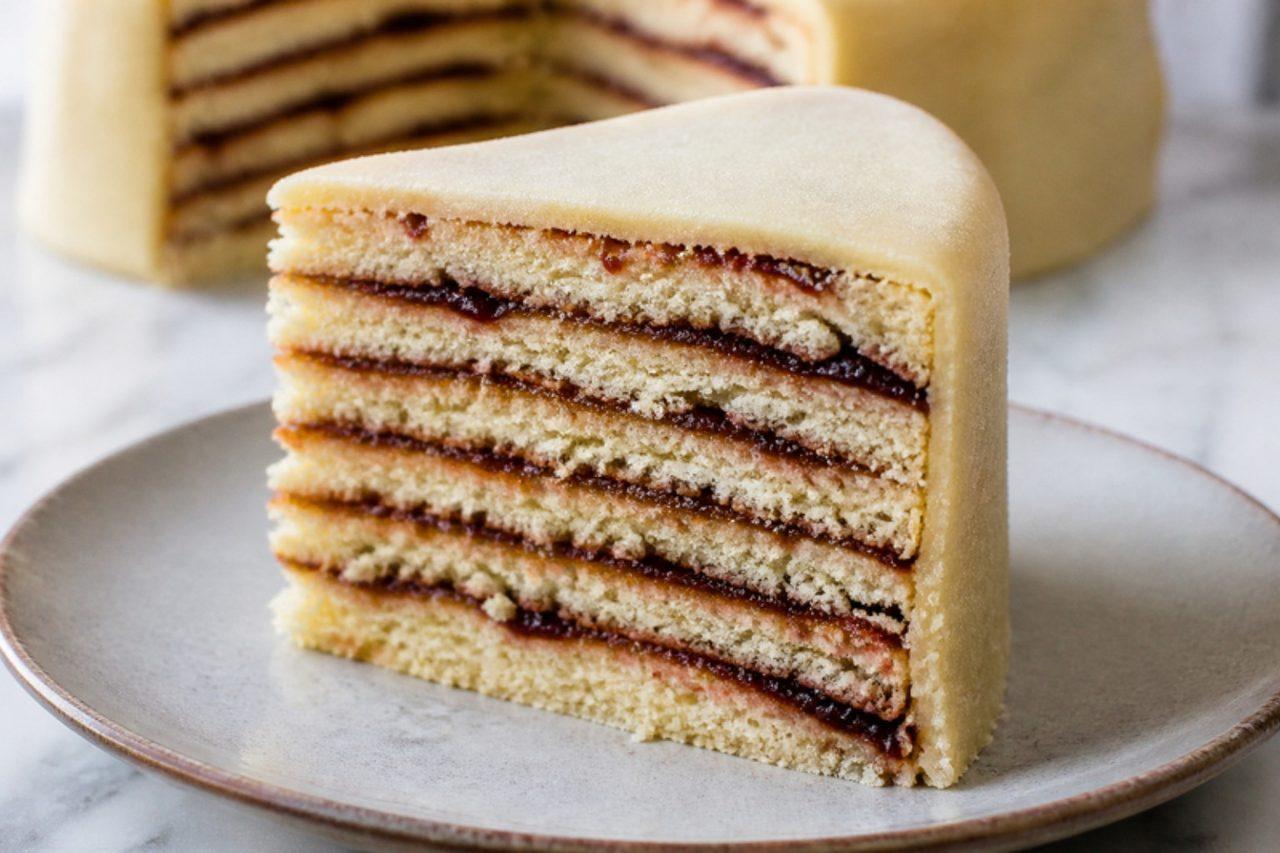
VínartertaLayered cardamom prune cake

Vínarterta, 'Vienna cake', is the Icelandic Christmas cake: six or seven thin layers of cardamom-scented biscuit dough sandwiched with thick prune jam spiced with cinnamon and cardamom, then left to mature for a few days before slicing into narrow strips. It is still baked by Icelandic families in Reykjavík and by the descendants of Icelanders in Manitoba, where it became a symbol of home. A common mistake is slicing it the same day; the layers are crisp until the jam softens them. Chef's tip: wrap it and leave it for 3 days in a cool place, so the biscuit softens into a fine cake.

by KrazyBadal 0 views

FafernuchyHoney and carrot Christmas cookies

Old Masurian and Warmian households baked fafernuchy weeks before Christmas and kept them in tins, where they slowly mellowed; children found them in their stockings and on the Christmas plate. They are small, hard, pebble-like biscuits, sweetened with honey and given a gentle colour and moisture from finely grated carrot, with a little spice in some homes. Expect a proper crunch, made for dunking in tea. A common mistake is expecting them to be soft straight from the oven; they are meant to be firm and soften only a little in the tin. Chef's tip: grate the carrot on the finest side of the grater so the dough stays smooth and holds its shape.

by KrazyBadal 0 views

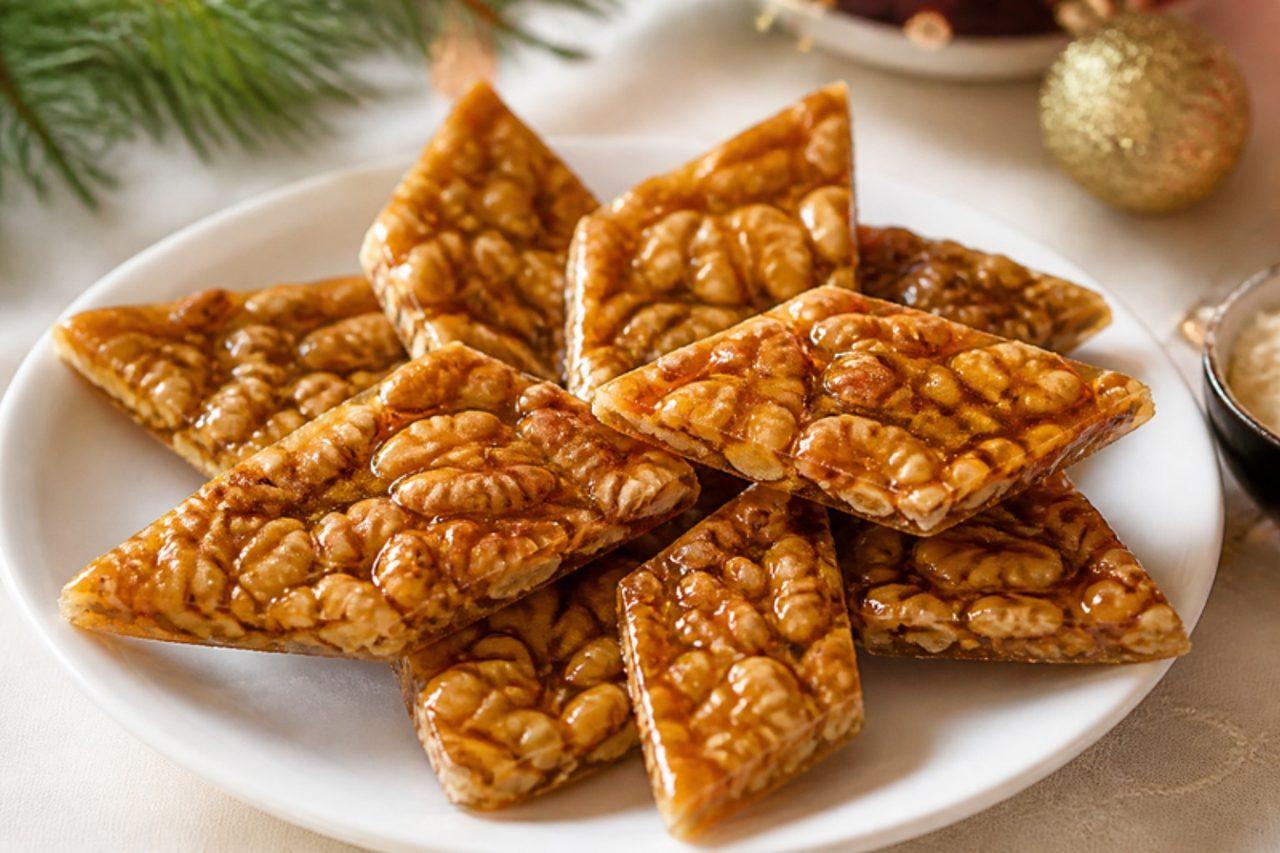
GozinakiWalnut and honey diamonds

Gozinaki is the sweet every Georgian family makes for New Year's Eve, from Tbilisi flats to Kakhetian farmhouses: toasted walnuts stirred into honey boiled until thick, spread on a wet board and cut into diamonds that set glossy and crunchy. Children help shell the walnuts in December, and a plate of gozinaki sits on the table for the midnight toasts. A common mistake is taking the honey off too early; it stays sticky and the pieces never set. Chef's tip: cook the honey until a drop in cold water forms a firm, pliable ball, then work fast, because the mixture sets as it cools.

by KrazyBadal 0 views

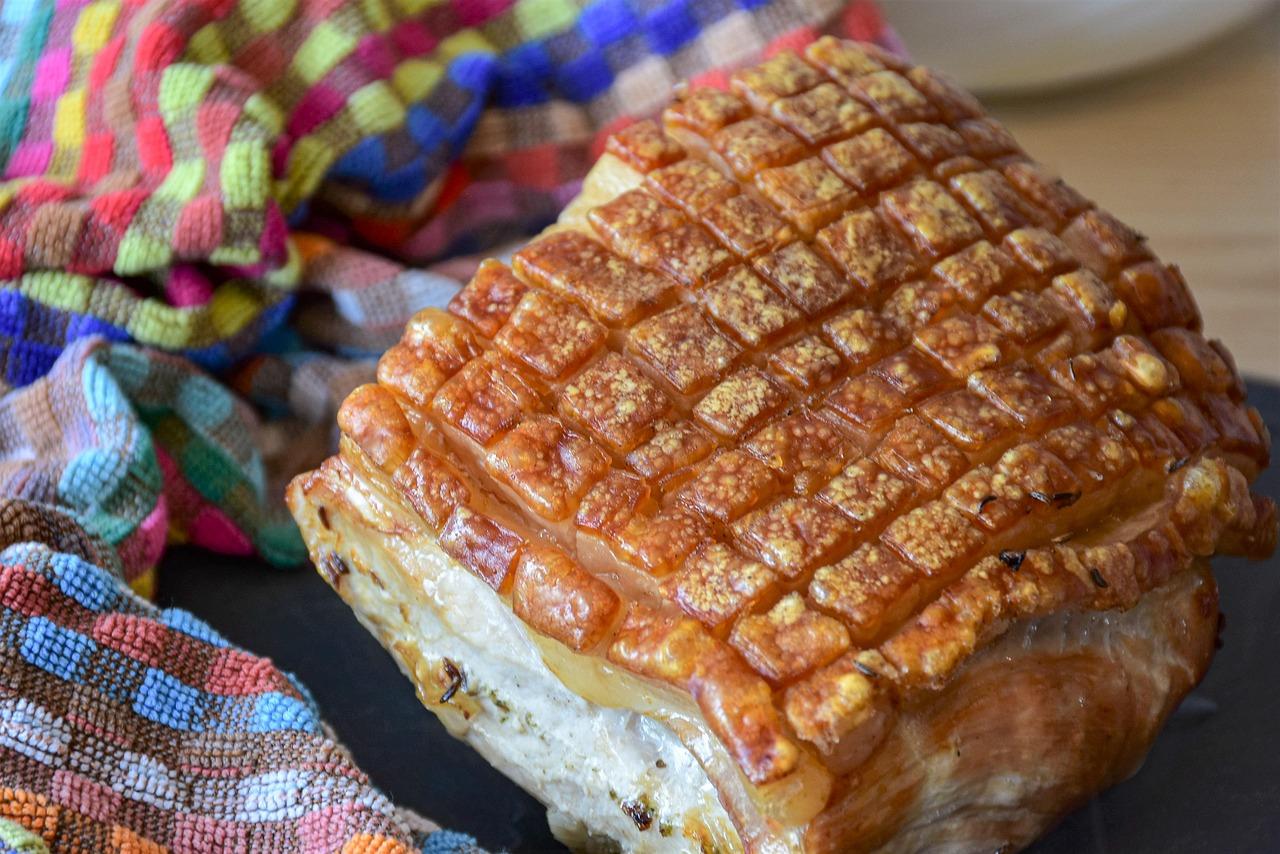
FlæskestegRoast pork with crackling

Flæskesteg is the Danish Christmas Eve roast: a pork loin or belly with its rind scored deep, rubbed with salt and bay, and roasted until the crackling puffs into crisp, golden ridges. This is a pork dish. It is served with brunede kartofler, red cabbage, plain boiled potatoes and gravy, and the crackling is the prize everyone fights over. A common mistake is scoring the rind too shallow or not all the way across, so it cracks unevenly. Chef's tip: start the joint rind-down in a little boiling water for 20 minutes, which softens the rind, then turn it up and roast; it crackles evenly. Whole pork joints are safe at 63 °C followed by a 15-minute rest.

by KrazyBadal 0 views

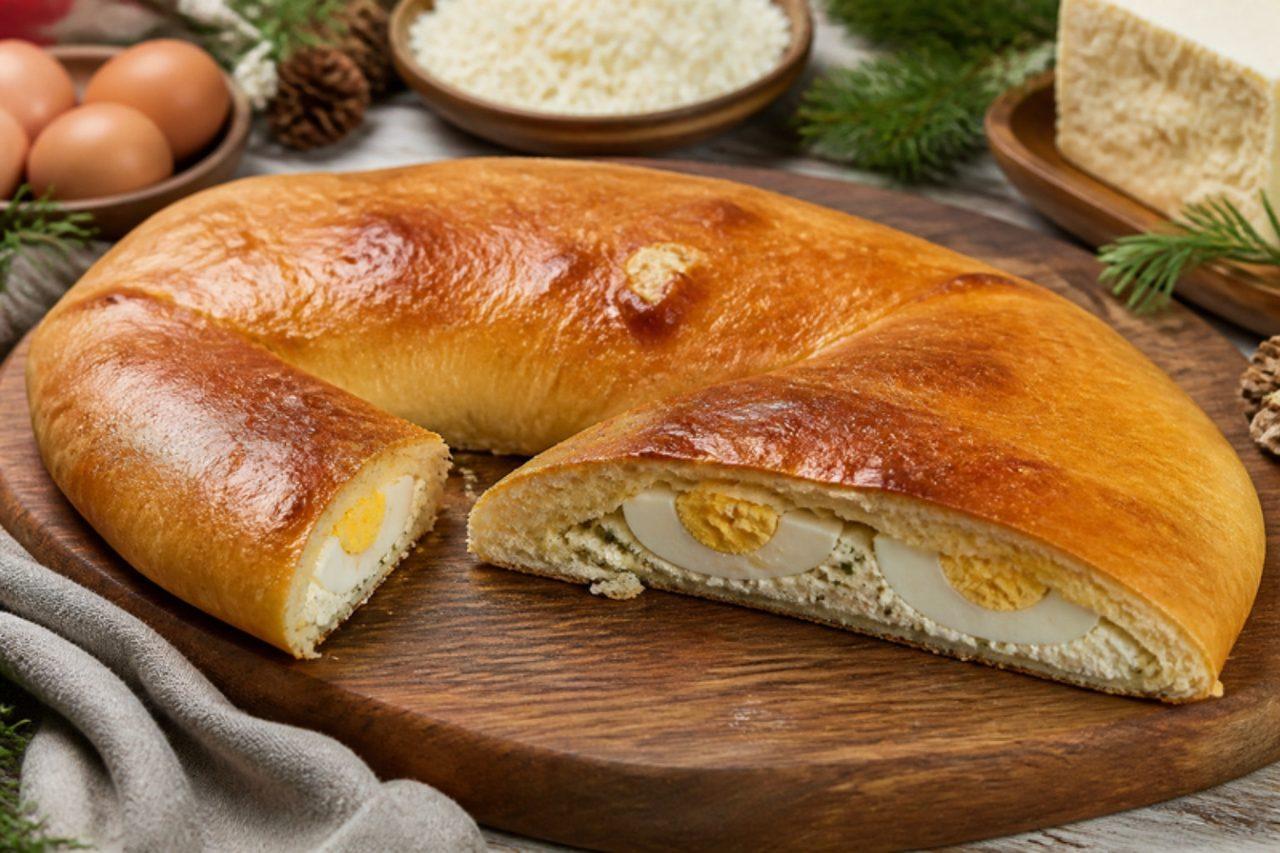
Gurian Christmas pie

On Christmas Eve, 6 January, kitchens across Guria, around Ozurgeti and Lanchkhuti, smell of baking ghvezeli: large crescent pies stuffed with fresh cheese and chunks of boiled egg, their shape said to recall the crescent moon. They are baked in batches, carried to relatives and eaten through the holidays with tea. A common mistake is overfilling, which makes the crescent split at the seam in the oven. Chef's tip: let the yeasted dough rise once, shape the pies, then give them 15 minutes more so they puff into soft, rounded crescents. Imeruli and sulguni usually use animal rennet; look for vegetarian ones.

by KrazyBadal 0 views

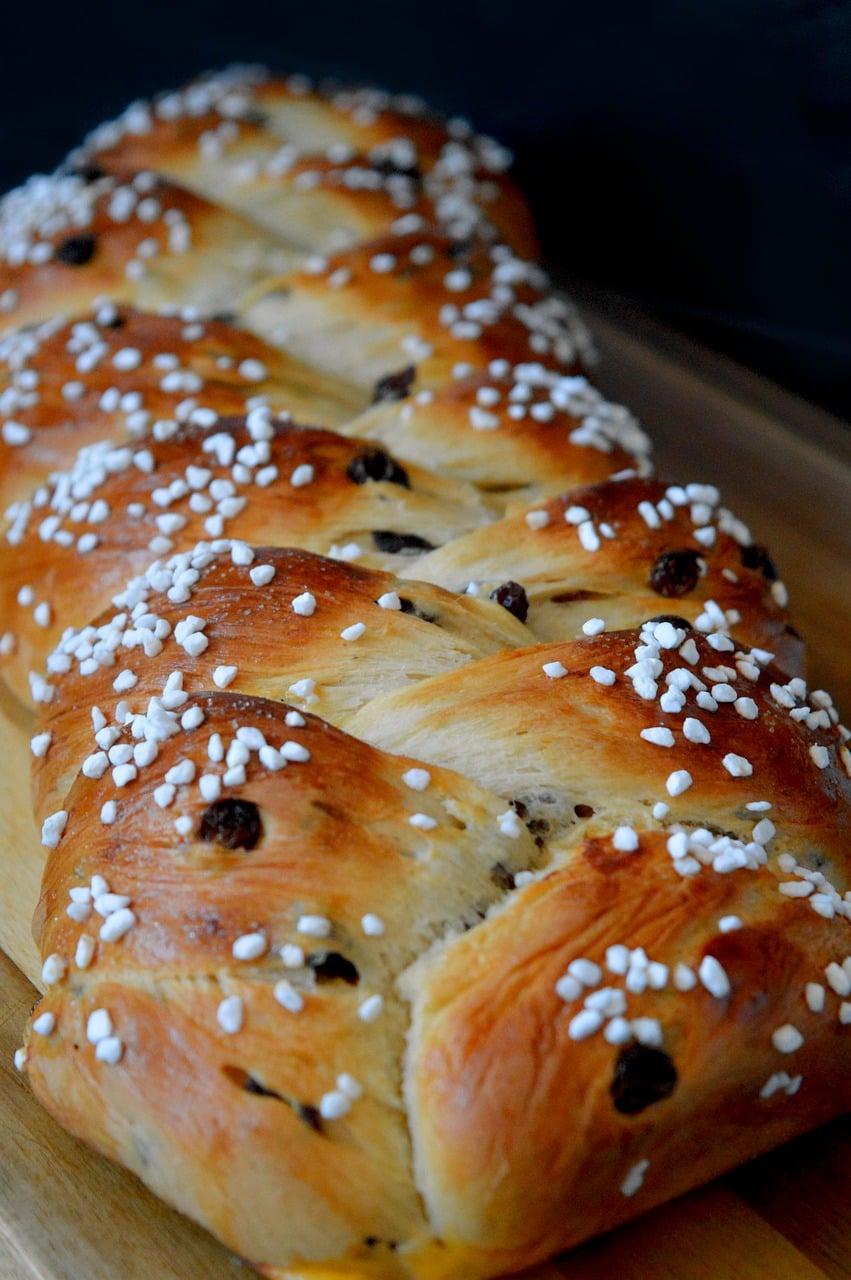
VánočkaBraided Christmas bread

On Czech Christmas Eve morning, before the carp and the potato salad, the table holds a long golden vánočka, a sweet braided loaf whose layered plaits are said to represent the baby Jesus in swaddling. Families slice it for breakfast through the holidays with butter, honey or jam. The crumb is soft and rich with egg and butter, scented with lemon zest and studded with raisins; flaked almonds crisp up on the crust. The usual slip is braiding too loosely, so the tiers slide apart in the oven; plait tightly and hold them with wooden skewers while baking. Soaking raisins in warm water (not rum) keeps them juicy and alcohol-free. Chef's tip: vánočka keeps for days wrapped in a cloth, and slightly stale slices make superb French toast.

185 minCzechBaking
by KrazyBadal 0 views

Brunede kartoflerCaramelised small potatoes

No Danish Christmas Eve dinner is complete without brunede kartofler beside the roast pork or duck: small boiled potatoes rolled in golden caramel and butter until they are glossy, sweet and salty. Families boil the potatoes the day before so they are firm and dry. A common mistake is adding wet potatoes to the caramel; it seizes and splatters. Chef's tip: melt the sugar alone until amber, then add the butter, and roll cold, dry potatoes in it over a medium heat until coated.

by KrazyBadal 0 views

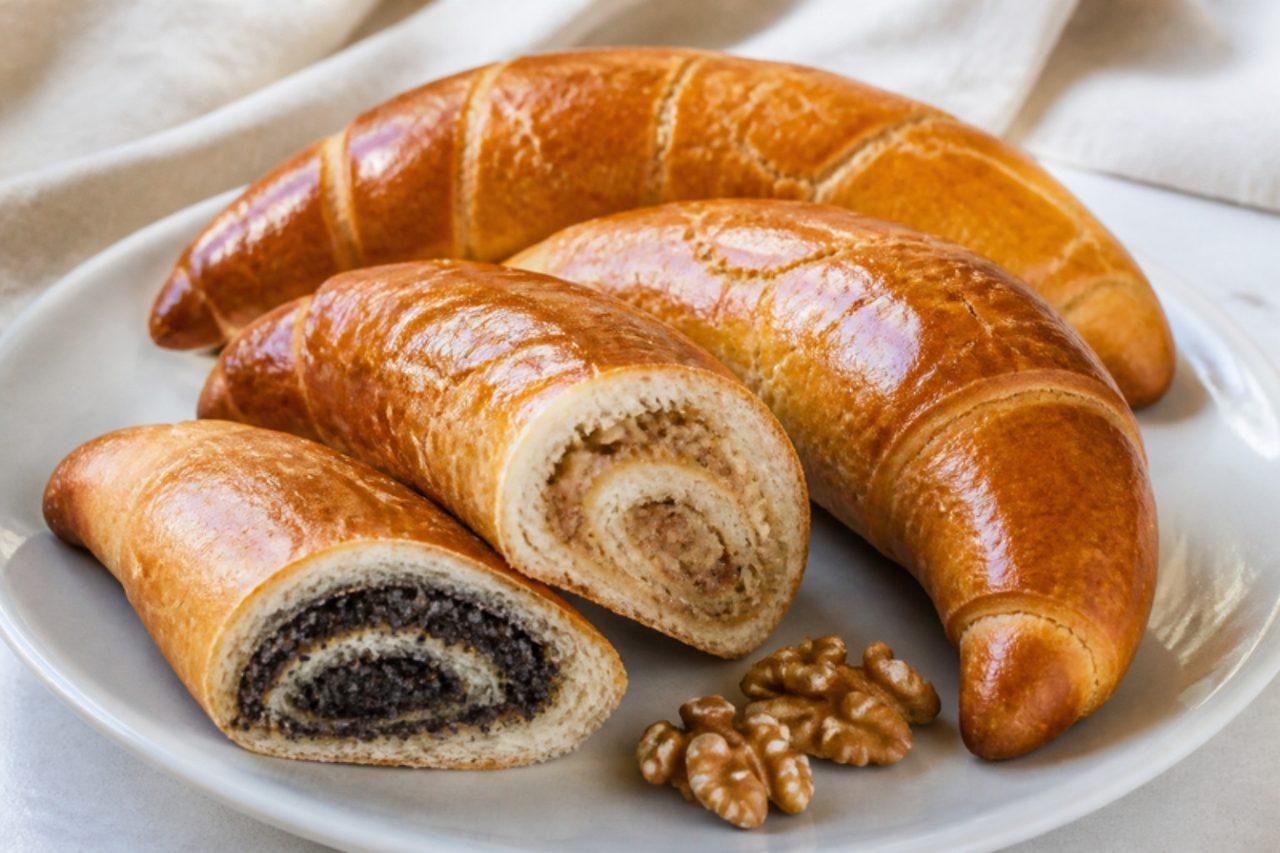
Pozsonyi kifliWalnut or poppy seed crescents

These little crescents take their name from Pozsony, the Hungarian name for Bratislava, where bakers made them famous in the nineteenth century, and today they fill Christmas cookie tins across Hungary alongside bejgli. A short, buttery yeast dough is wrapped around a walnut or poppy seed filling, then glazed first with yolk and then with white, which gives the shiny, crackled, marbled top that marks a good batch. They are rich but not too sweet: eat them with coffee or tea through the holidays. Where most people go wrong is letting the dough rise in a warm spot; this is a cold dough, and if it gets warm the butter melts and the kifli split open. Chef's tip: let the yolk glaze dry fully before the white goes on, or you will not get the crackle.

by KrazyBadal 0 views

RosolliBeetroot and potato salad

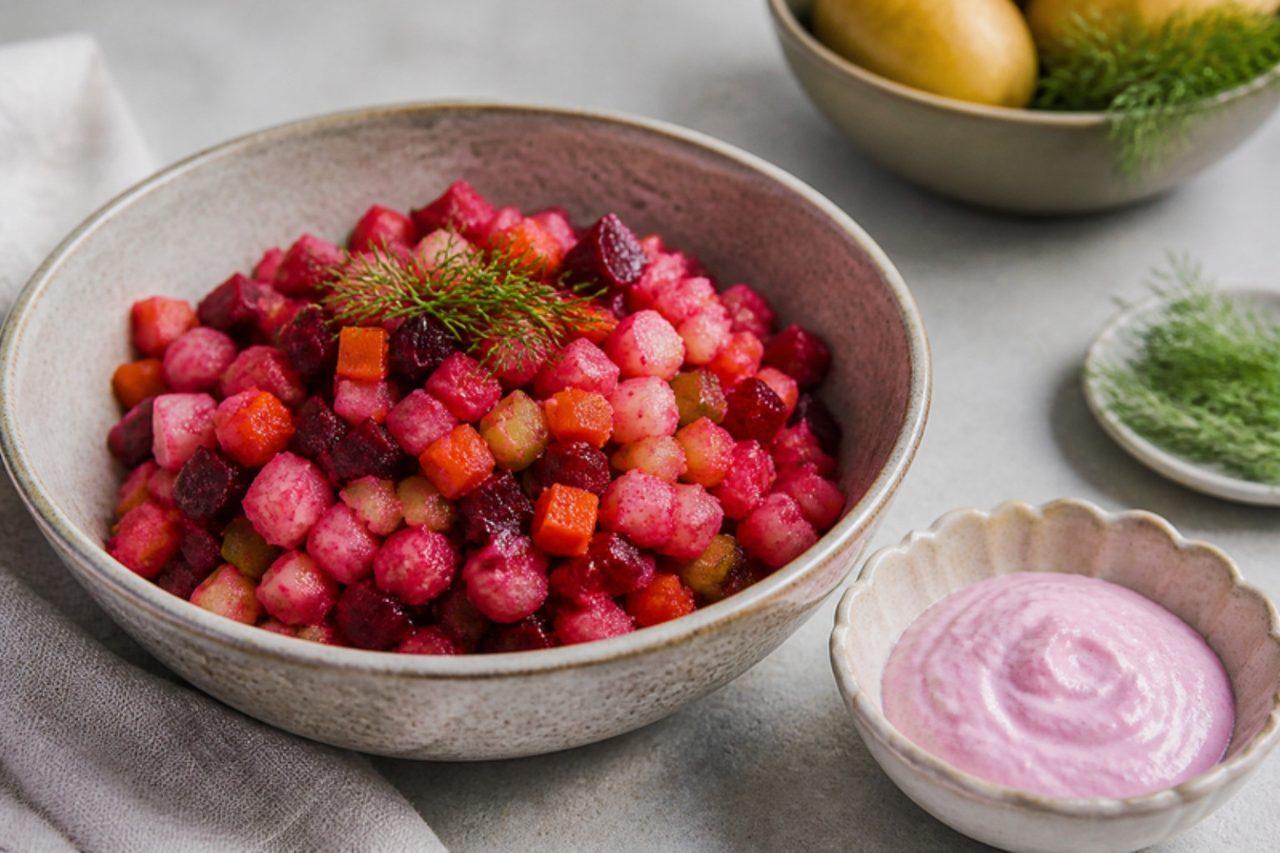
Rosolli is the jewel-coloured salad on the Finnish Christmas Eve table: diced cooked beetroot, carrot and potato with pickled cucumber, apple and onion, arranged in neat stripes or mixed together, with a dressing of whipped cream tinted pink with beetroot juice and sharpened with vinegar. Pickled herring is sometimes added; this version keeps it vegetarian. A common mistake is mixing the beetroot in early, which stains everything a muddy pink. Chef's tip: arrange the vegetables in rows on a platter and serve the dressing on the side, so each stays its own colour.

by KrazyBadal 0 views

HangikjötSmoked lamb with white sauce

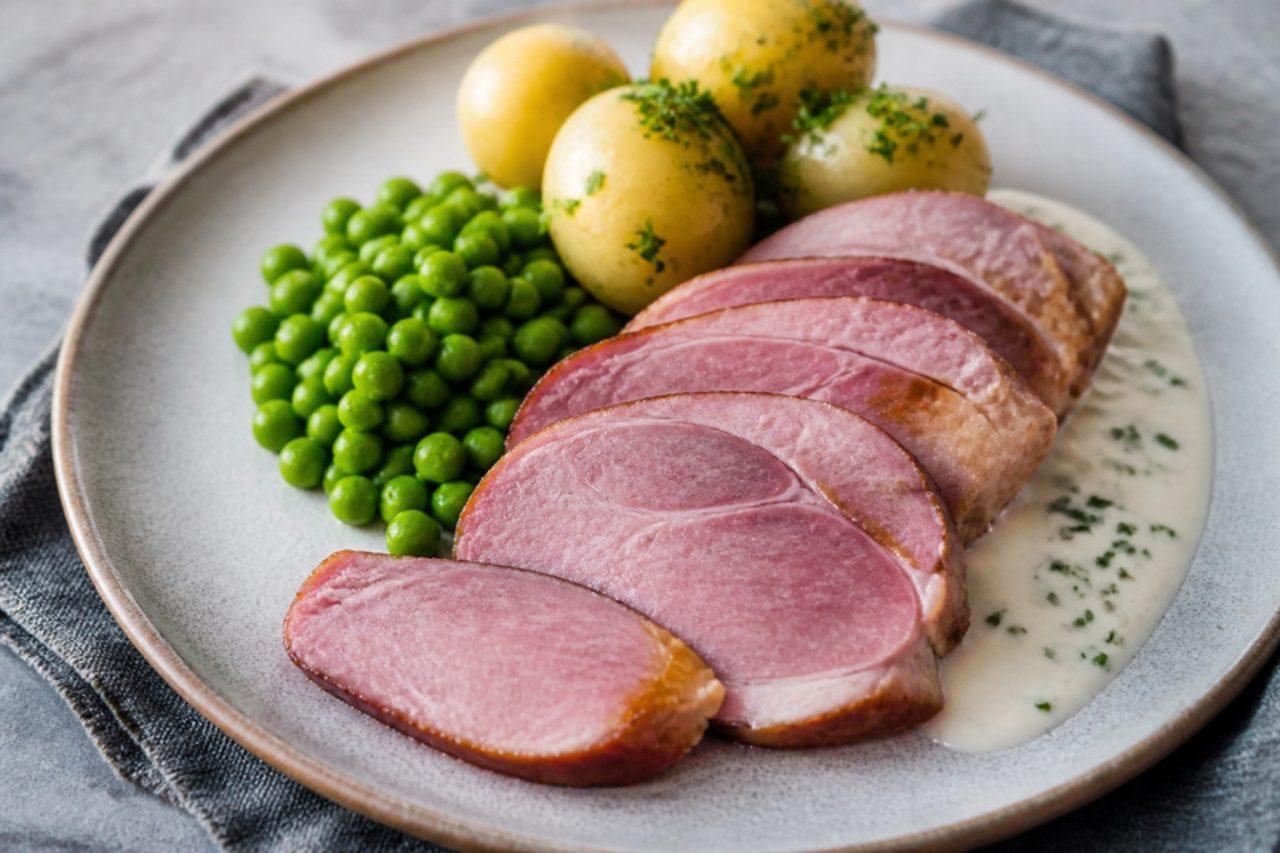
Hangikjöt, 'hung meat', is the Icelandic Christmas Day dinner: lamb or mutton smoked over birch or dried sheep dung, then simmered slowly and served hot or cold with potatoes in white sauce (uppstúfur), green peas, red cabbage and laufabrauð or flatkökur. Icelanders buy it ready-smoked in December; it is cooked at home. A common mistake is boiling it hard, which toughens the meat and makes it too salty. Chef's tip: let it cool in its cooking water; the meat stays juicy and absorbs back some of the flavour.

by KrazyBadal 0 views

SpitzbubenJam-filled butter biscuits

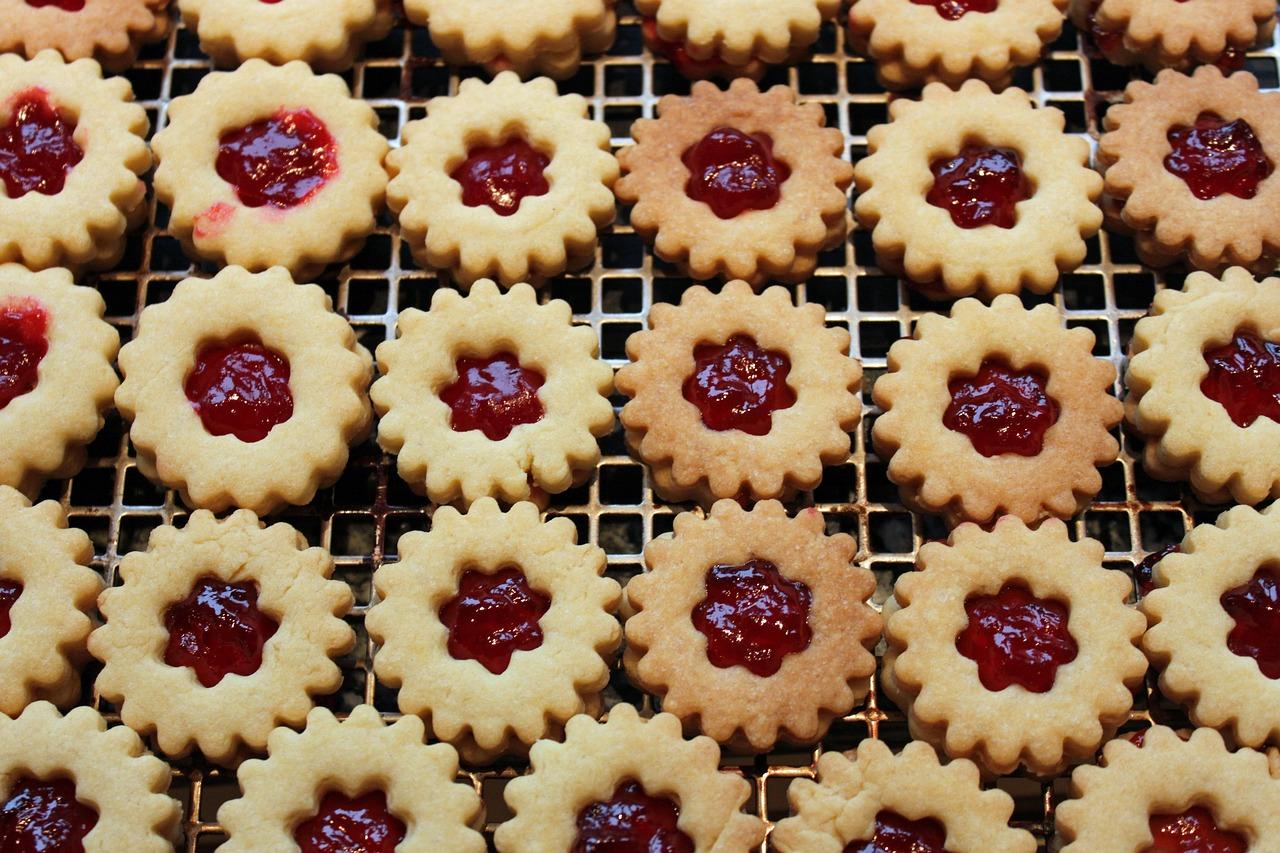
Spitzbuben, 'rascals', are the jam-filled sandwich biscuits Swiss families bake every December: two thin, crumbly butter biscuits, the top one with a little window cut in it, stuck together with raspberry or redcurrant jam so it shines through, and dusted with icing sugar. They are made by the tin-load for Christmas and keep well. A common mistake is rolling the dough too thick, which makes heavy, doughy biscuits. Chef's tip: chill the dough well and roll it 3 mm thick between sheets of baking paper; dust the tops with icing sugar before sandwiching so the jam window stays clean.

by KrazyBadal 0 views

Showing 48 of 129 recipes

Show more recipes

Page 2 of 6

More occasions