Skip to content
Festivals

Easter recipes: hot cross buns, Easter breads and lamb

Hot cross buns, colomba, paska and kulich, egg dishes and Easter lamb. (42 recipes)

Folar de OlhãoCaramelised layered Easter bread

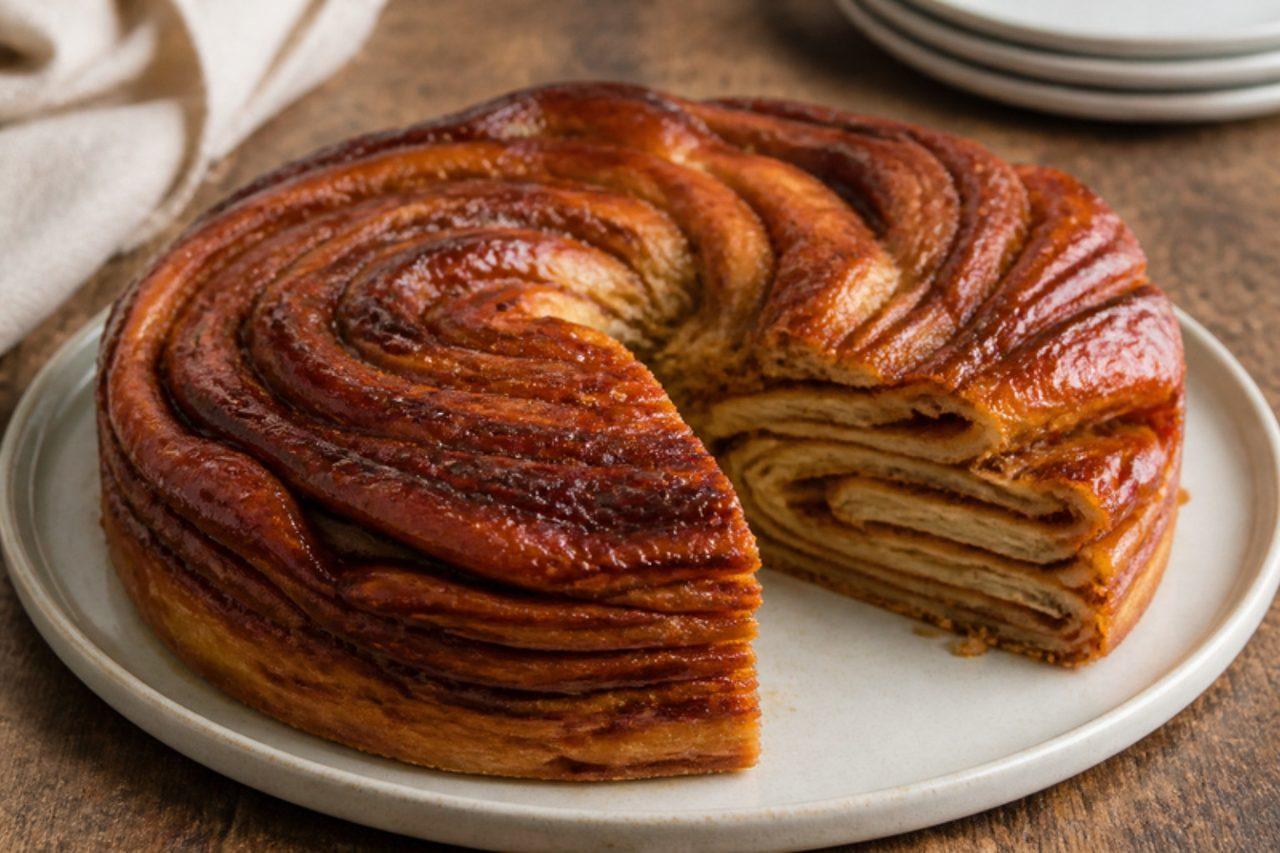
In the fishing town of Olhão, Easter means folar, and it looks nothing like the egg-topped breads of the north: here a soft, cinnamon dough is rolled up in layers of brown sugar and fat, sliced, packed into a tin and baked until the sugar runs into a dark, sticky caramel. Turned out upside down, it pulls apart in sweet, glossy spirals. Families bake it on Holy Thursday so it is ready for the long weekend, and godparents give one to their godchildren. Many bakeries use some lard; this version uses butter only. Chef's tip: roll the dough as thin as you dare, as the more layers you get, the more caramel edges there are.

by KrazyBadal 0 views

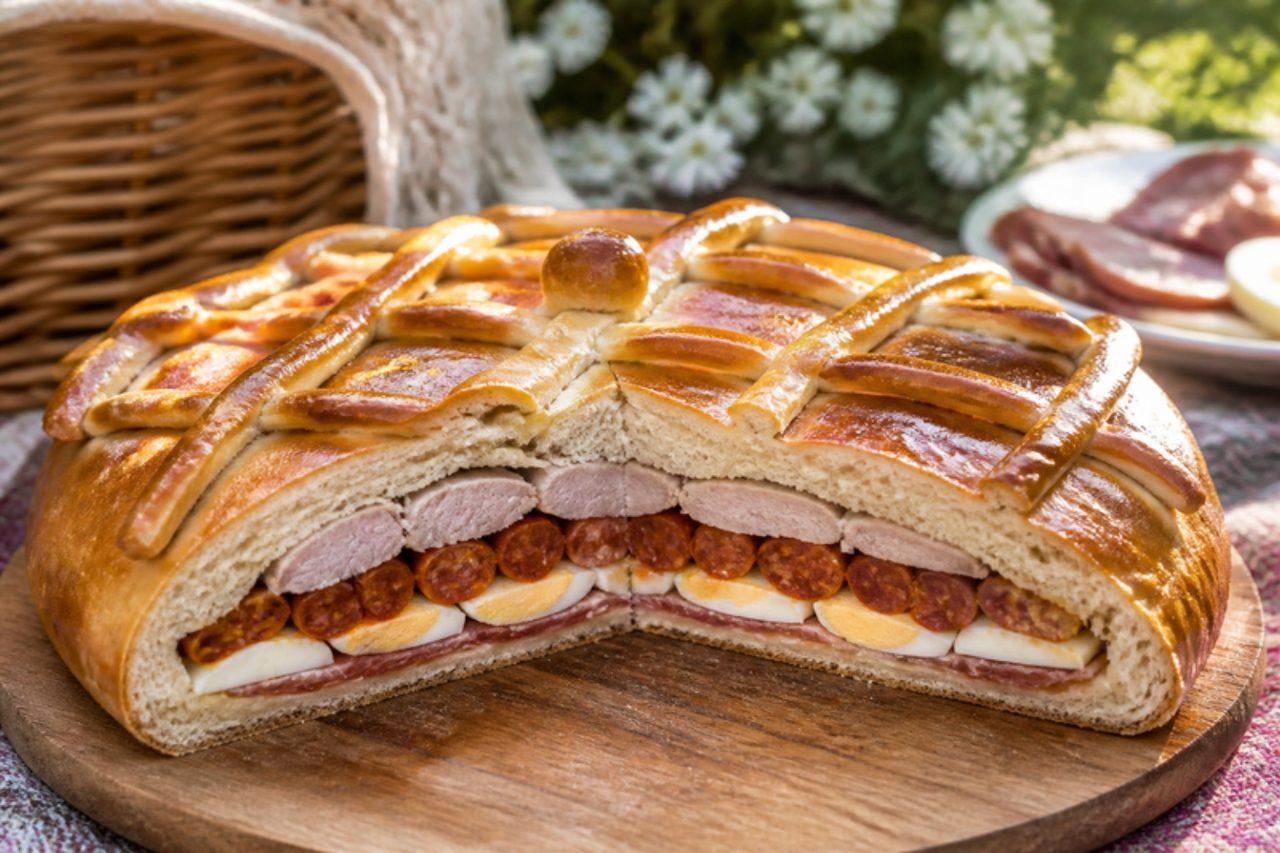
Hornazo de SalamancaPork, chorizo and egg pie

Salamanca's students and families picnic by the river Tormes on Lunes de Aguas, the Monday after Easter Monday, and the hornazo is what they unwrap: a golden pie with a bread-like crust, packed with layers of marinated pork loin, chorizo, cured ham and hard-boiled egg. It is eaten cold, in thick slices, and bakeries sell it all through spring. This contains pork (loin, chorizo and ham). The dough traditionally includes white wine; use water with a little lemon juice to keep it alcohol-free. Chef's tip: fry the loin slices first so they are cooked through before they go into the pie.

100 minSpanishMeat
by KrazyBadal 0 views

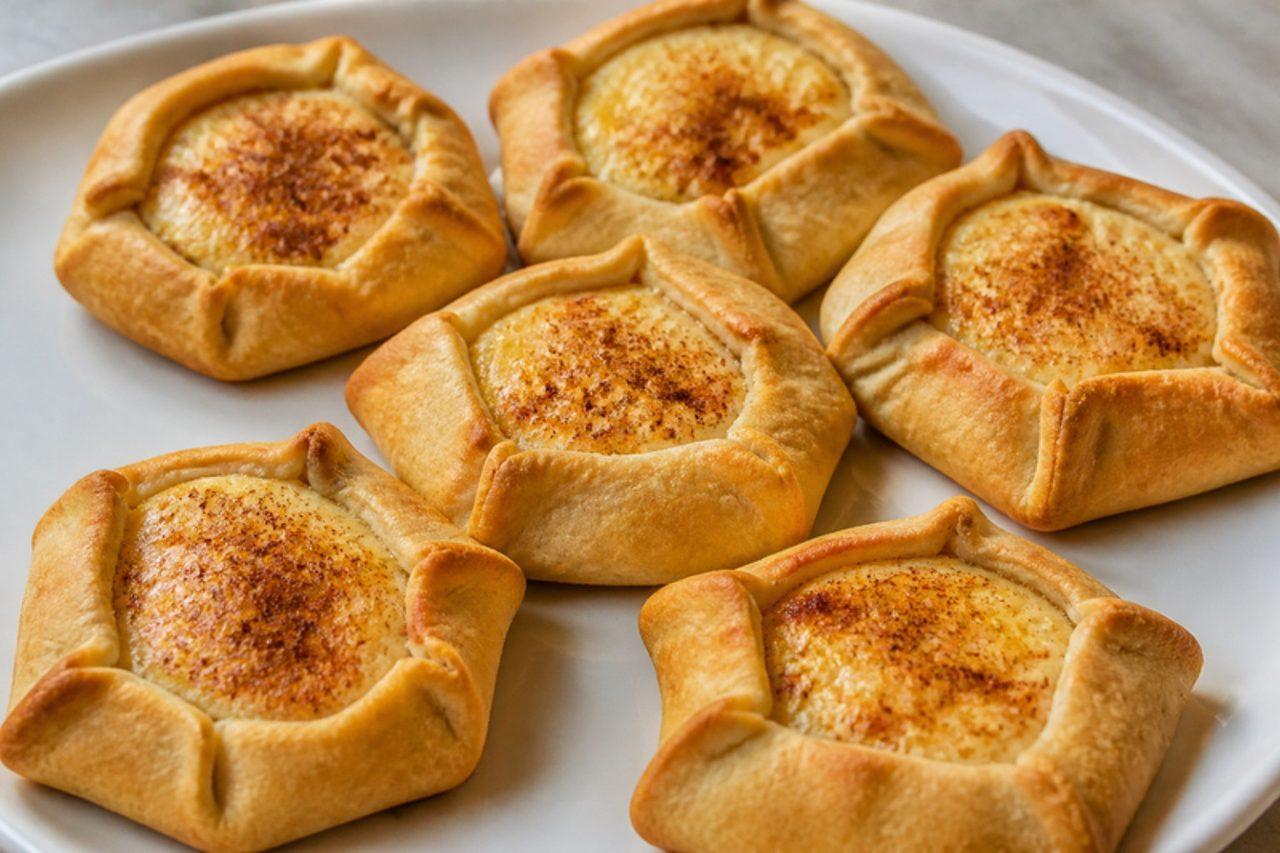
KalitsouniaSweet cheese pastries

Come Holy Week, Cretan kitchens from Chania to Sitia fill trays with kalitsounia, little open pastries whose edges are pinched into stars around a mound of fresh whey cheese. They come out with crisp, slightly sandy pastry and a soft, barely sweet filling that tastes of milk, cinnamon and orange zest, and they are eaten at Easter breakfast, offered to visitors with coffee and packed for the drive back to the village. On the island the filling is fresh mizithra or anthotyro; drained ricotta is the easiest stand-in and is usually made without animal rennet. Common mistake: using wet cheese straight from the tub, which floods the pastry and leaves the bases soggy. Chef's tip: drain the cheese overnight in a sieve lined with kitchen paper so the filling bakes up light and holds its dome.

by KrazyBadal 0 views

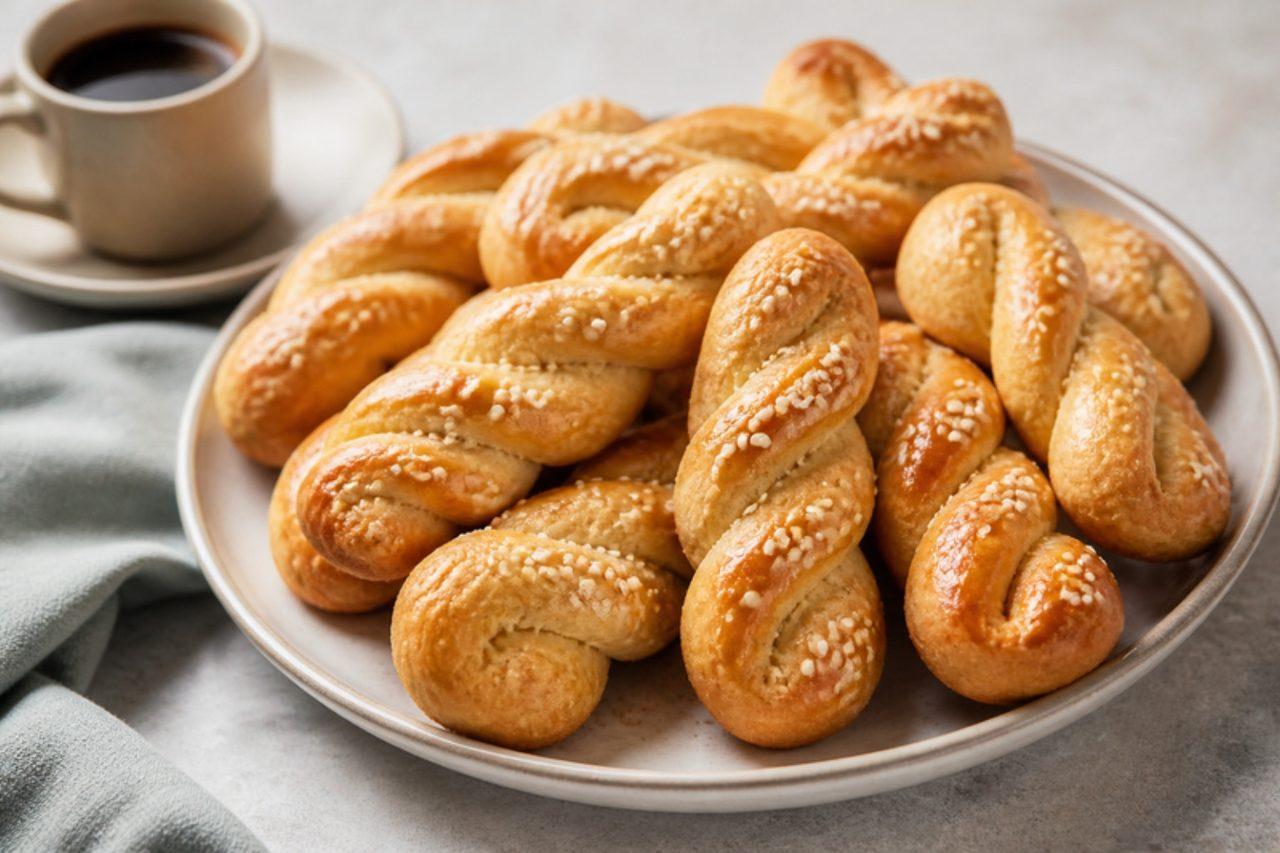
KoulourakiaButter cookie twists

Easter Saturday morning in Greece smells of koulourakia: buttery cookie dough rolled into ropes, twisted into braids, coils and S-shapes, glazed with egg and baked to a deep shine. Children help shape them, and the tins last through Easter week for dunking in coffee or milk. The texture is crisp outside and tender within, with orange zest and vanilla. Common mistake: rolling the ropes too thick; anything wider than a pencil turns cakey rather than crisp. Chef's tip: chill the dough for 20 minutes before rolling and the twists keep their sharp edges in the oven.

by KrazyBadal 0 views

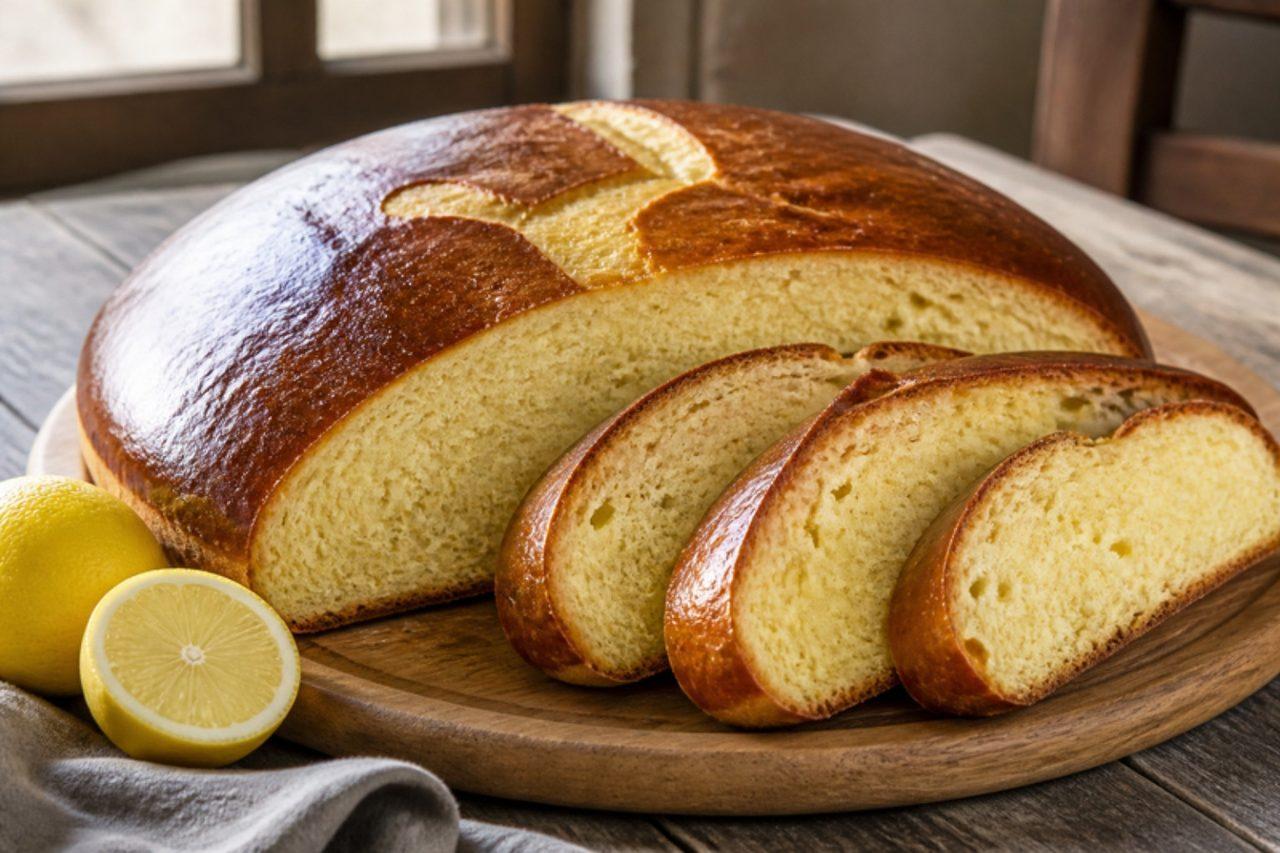
Massa sovadaSweet lemon bread

Sovar means to knead hard, and Azorean women once kneaded this rich bread dough for an hour by hand before Easter and the Holy Spirit feasts of early summer, when loaves are blessed and shared with the whole parish. The crumb is soft, golden and feathery, with a tight, dark shiny crust. Slices are eaten plain with coffee, toasted with butter, or used to soak up the juices of alcatra on Terceira. A common mistake is baking before the loaf has doubled, which gives a dense, cakey crumb. Chef's tip: give it a slow, full rise, which is what gives the bread its fine, cotton-soft crumb.

by KrazyBadal 0 views

Mona de PascuaEaster brioche with egg

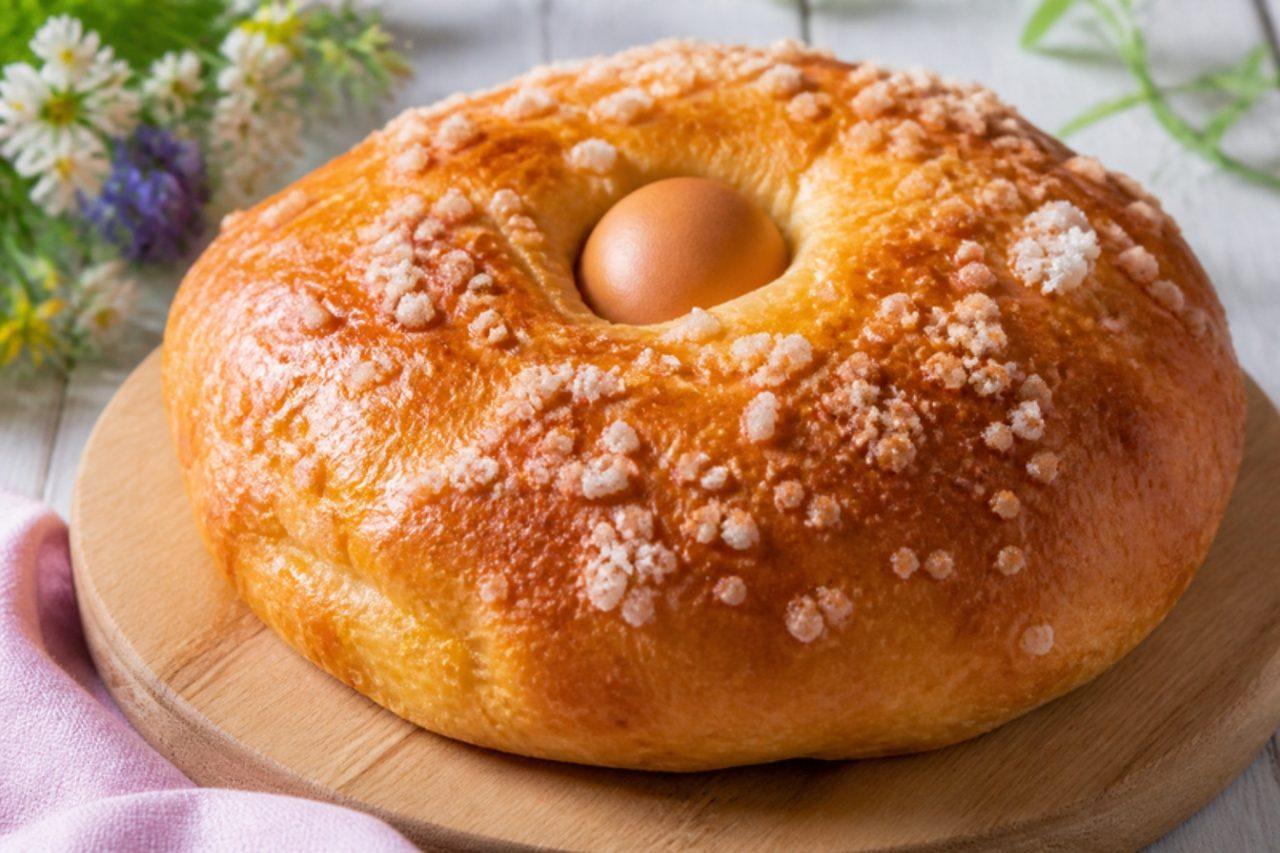
On Easter Monday, families across the Valencian Community head out to the countryside or the beach to "menjar-se la mona": they eat an orange-scented sweet brioche, often with a whole egg baked on top, and children crack the egg on a friend's forehead. The bun is soft and fluffy, glazed and sprinkled with sugar or coloured aniseed sprinkles. Here the eggs are hard-boiled first, so they are cooked through whatever the size of your bun. A common mistake is adding all the flour at once to a sticky dough; it softens as you knead, so hold back the last 50 g until you've kneaded for a few minutes. Chef's tip: make the starter the evening before and the dough on the day; the slow start gives a lighter crumb that stays soft for two days.

by KrazyBadal 0 views

Rosca de PascuaEaster ring bread

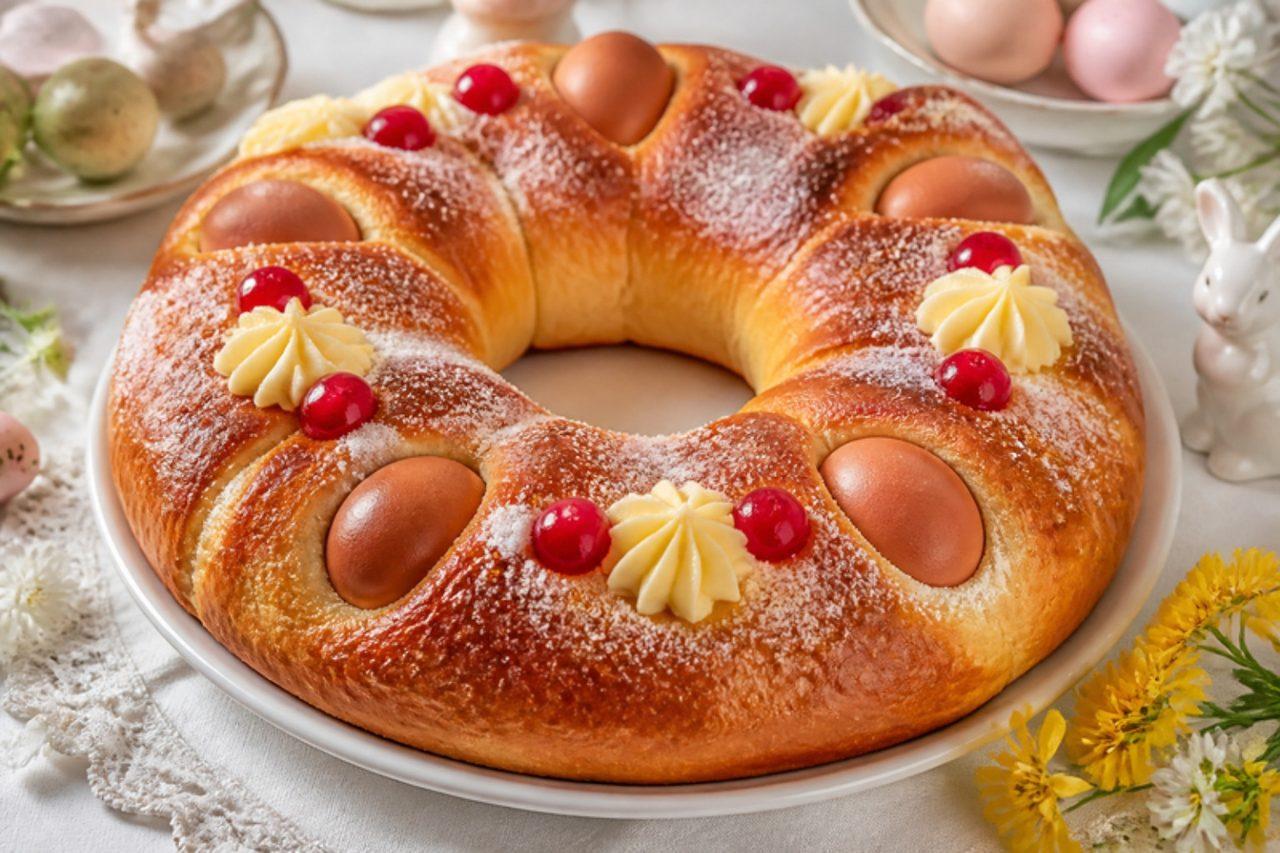
Argentine Easter Sunday breakfast centres on the rosca de Pascua, a ring of soft, orange-scented brioche-like dough laid with stripes of pastry cream, candied cherries and pearl sugar, with whole boiled eggs pressed into the dough as a symbol of new life. Bakeries in every barrio stack them in the window from Holy Thursday, and families share it with coffee or mate after the Easter egg hunt. The crumb is fluffy and pale yellow, and the custard bakes into soft, golden ridges. Because the eggs bake for 30 minutes on top of their boiling, they are fully cooked; many people keep them for decoration and peel them later. The mistake to avoid is piping the pastry cream too thick, which slides off as the ring rises; thin lines give neat ridges. Chef's tip: cook the custard until it is very thick and chill it before piping, and brush the ring with egg before (not after) the cream goes on.

by KrazyBadal 0 views

TsourekiBraided Easter brioche

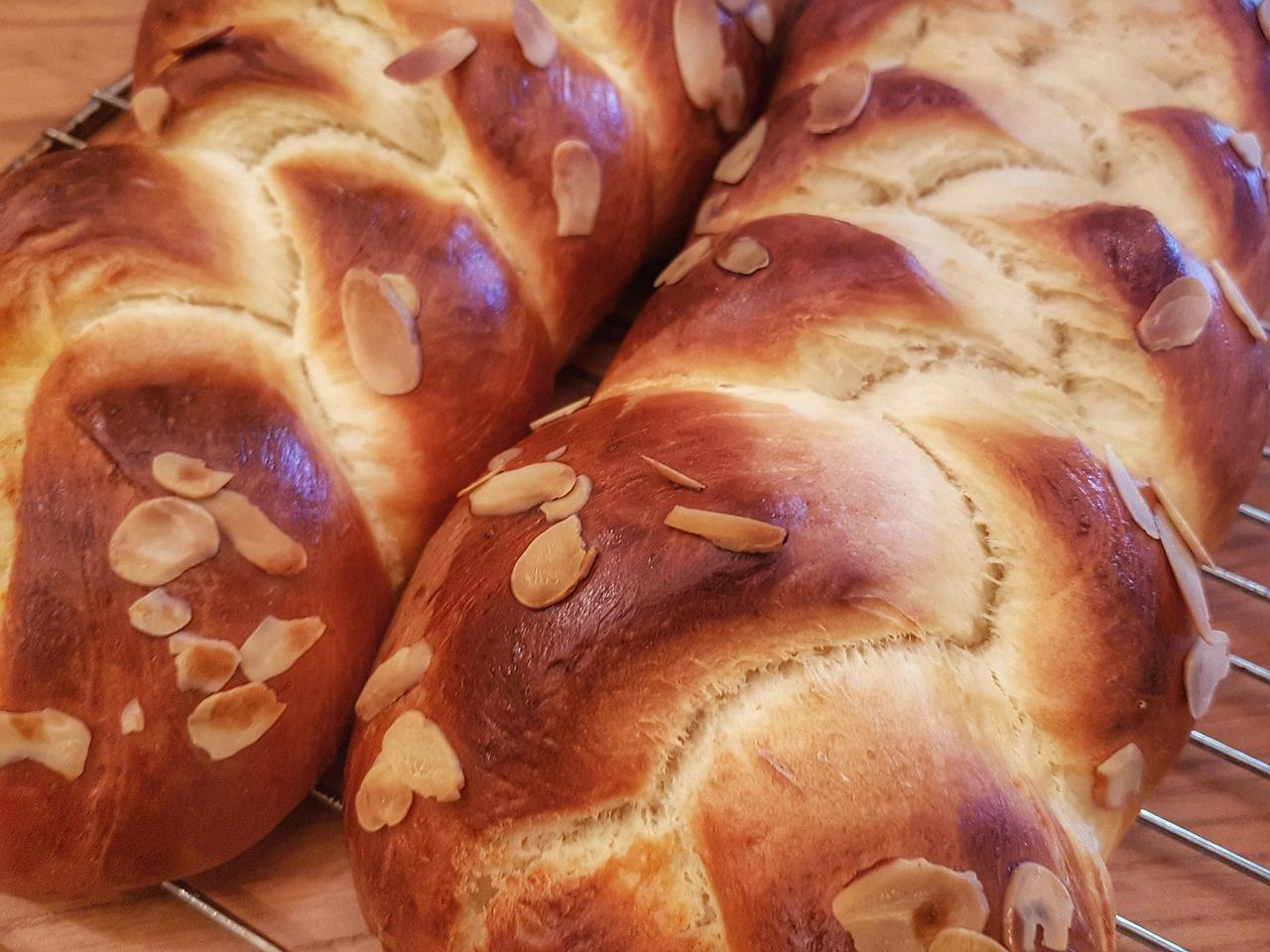
On Holy Thursday Greek homes braid tsoureki, the shining Easter loaf that is broken on Sunday after the midnight service and eaten for breakfast all week with coffee. It pulls apart in long, feathery strands and smells of mahlab (cherry-stone spice), mastic resin and orange. Common mistake: adding extra flour to a sticky dough; it is meant to be soft, and the long knead and cold rest make it manageable. Chef's tip: grind mastic with a pinch of sugar in a cold mortar; on its own it gums up into sticky lumps.

by KrazyBadal 0 views

Pastiera napoletanaWheat berry and ricotta tart

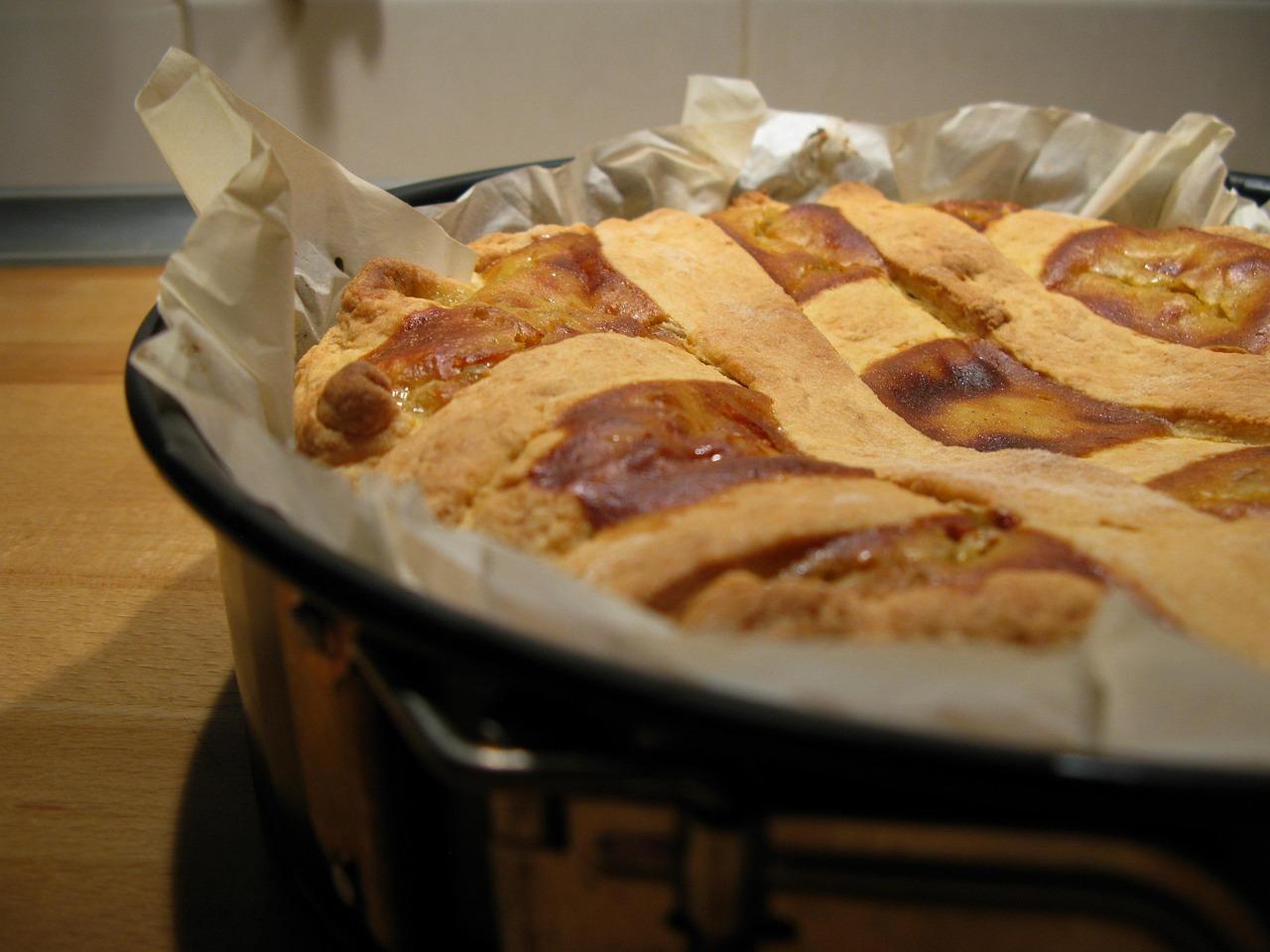
Every Neapolitan kitchen fills with the scent of orange blossom water in Holy Week, when families bake the pastiera on Maundy Thursday or Good Friday so it can rest until Easter Sunday. Inside a lattice-topped shortcrust case is a creamy, slightly grainy filling of ricotta, cooked wheat berries, eggs, candied citrus and cinnamon, and the flavour improves for two or three days. Traditional pastry is made with lard; this one uses butter. Chef's tip: bake it a day or two ahead and keep it covered at cool room temperature; a freshly baked pastiera tastes flat by comparison.

by KrazyBadal 0 views

Torta pasqualinaChard and ricotta egg pie

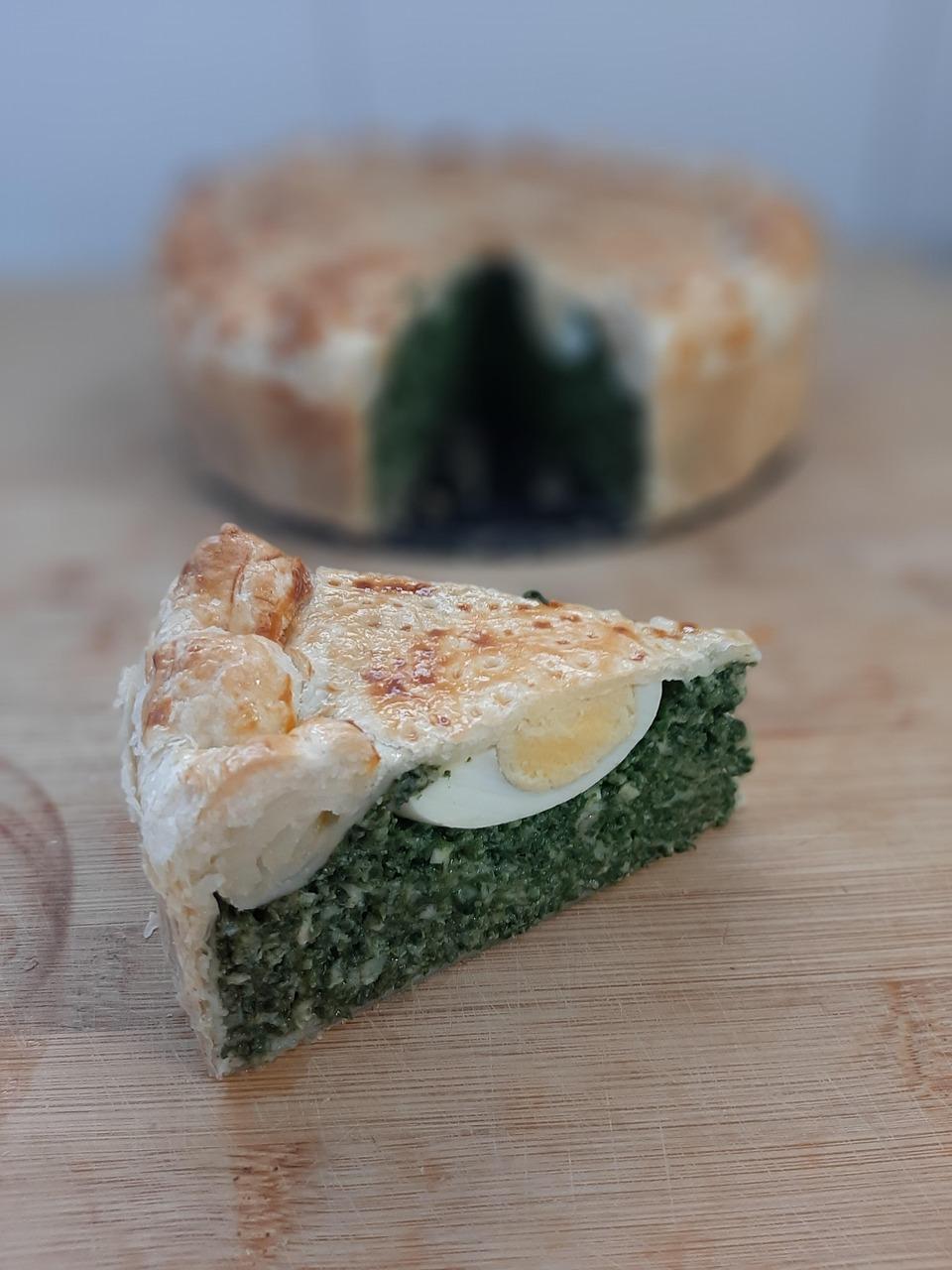
Genoese families bake torta pasqualina for Easter Monday picnics, and it is just as good cold the next day as warm from the oven. Paper-thin sheets of olive-oil pastry enclose a deep layer of chard and ricotta, and whole eggs are cracked into hollows in the filling so that every slice shows a neat yellow and white circle. Old recipes boasted 33 pastry layers, one for each year of Christ's life; four sheets top and bottom give a crisp, flaky crust at home. The taste is mild and green, lifted with marjoram and hard cheese. Chef's tip: stretch the dough on the backs of your hands like strudel rather than only rolling it, and brush every sheet with oil, so the layers separate in the oven.

by KrazyBadal 0 views

Gubana friulanaNut and raisin pastry spiral

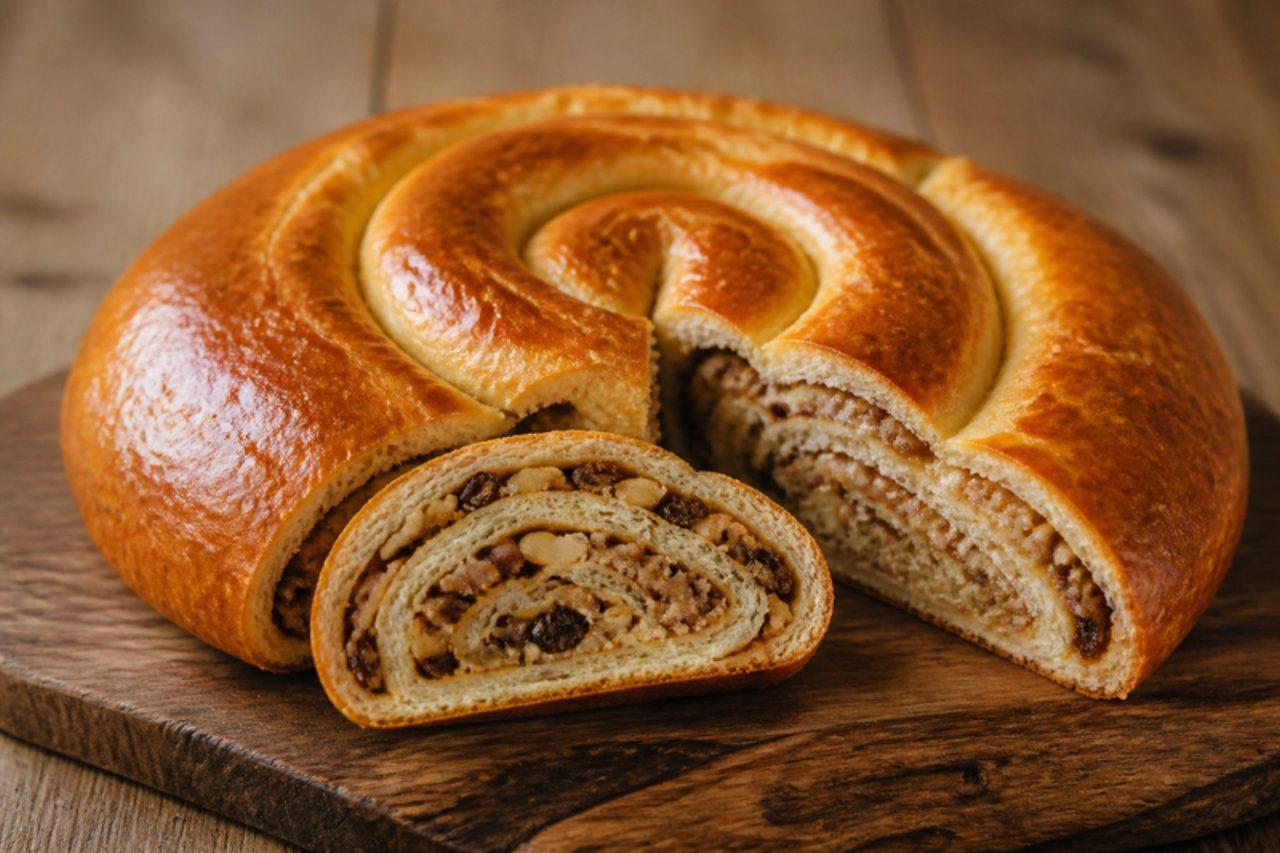
Gubana comes from Cividale del Friuli and the Natisone valleys on the Slovenian border, where it is baked for Easter, weddings and christenings and shared in slices from a coiled round loaf. A soft, sweet yeast dough is rolled around a dark filling of walnuts, raisins, pine nuts and candied peel, then curled up like a snail shell so each slice shows a spiral. Locals often splash a little grappa or plum brandy over each slice and the filling is usually laced with it too; orange juice works in its place for an alcohol-free gubana. Chef's tip: bake it a day ahead, wrapped well, as the filling grows moister and spicier overnight.

by KrazyBadal 0 views

Vegetarian fanescaSquash, grain and bean soup

Fanesca is cooked in Ecuador only once a year, in the days before Easter, and families spend a whole day shelling, peeling and stirring. Traditionally it gathers twelve grains and legumes (said to stand for the apostles) in a thick soup of squash, milk and peanut, with salt cod in the pot. This version leaves the fish out and keeps the festival garnishes: hard-boiled egg, fried ripe plantain, fresh cheese and parsley. It's rich and very filling; small bowls are enough. Chef's tip: cook everything the day before and reheat; like many big feast soups, fanesca tastes better on day two.

130 minAndeanSoupsGluten free
by KrazyBadal 0 views

PoticaWalnut and honey spiral cake

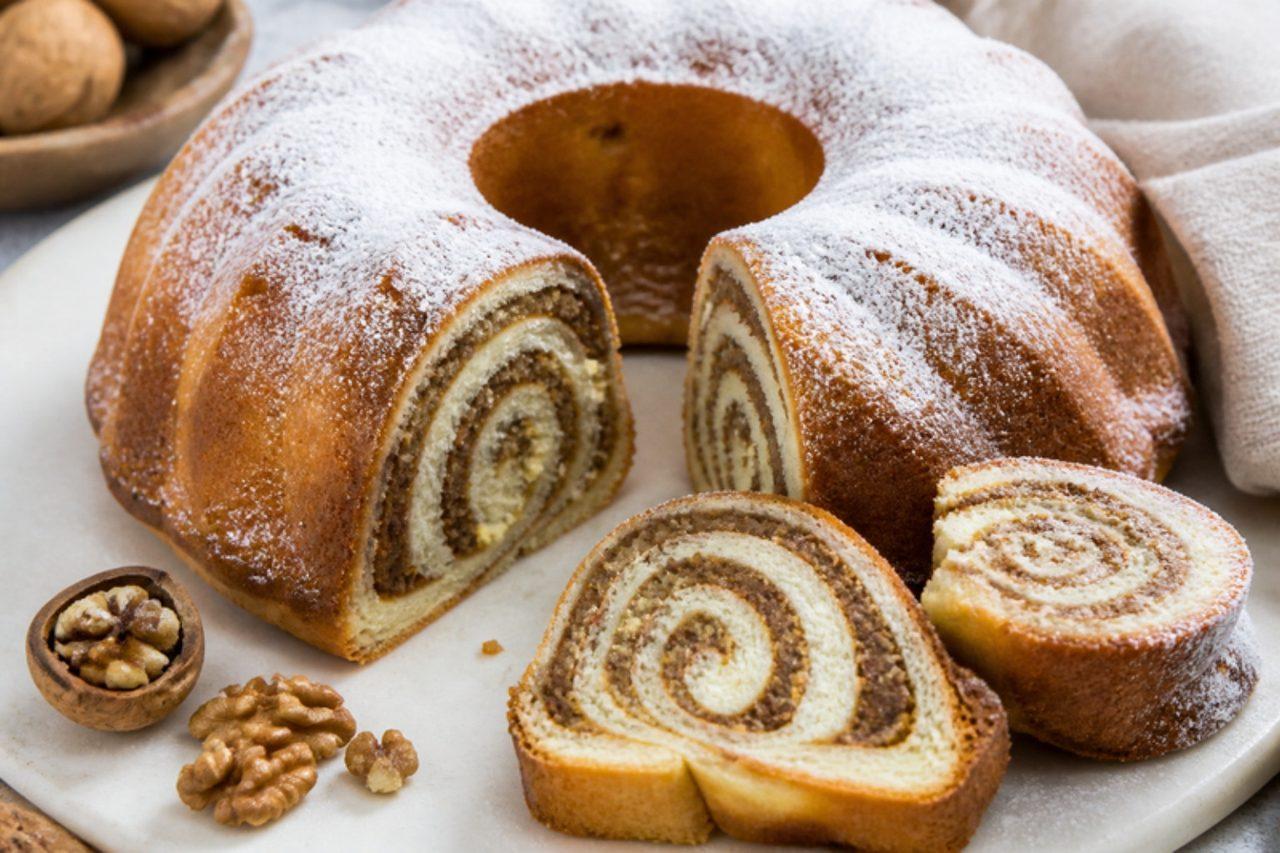
No Slovenian Easter or Christmas table is complete without potica, a yeasted dough rolled thin around a honeyed walnut filling and baked in a fluted ring mould called a potičnik. When sliced, each piece shows a tight spiral of pale dough and dark nuts. Families in Ljubljana and across Carniola argue about the best filling, but walnut with honey is the classic one, eaten with coffee from Christmas morning until the tin is empty. Unlike a braided Romanian cozonac, the beauty is all in the thin, even swirl. Chef's tip: spread the filling no thicker than the dough and roll it up tightly; a loose roll or a thick layer leaves a gap between dough and filling once baked, the most common potica fault.

210 minBalkanBaking
by KrazyBadal 0 views

ŻurekSour rye soup with sausage

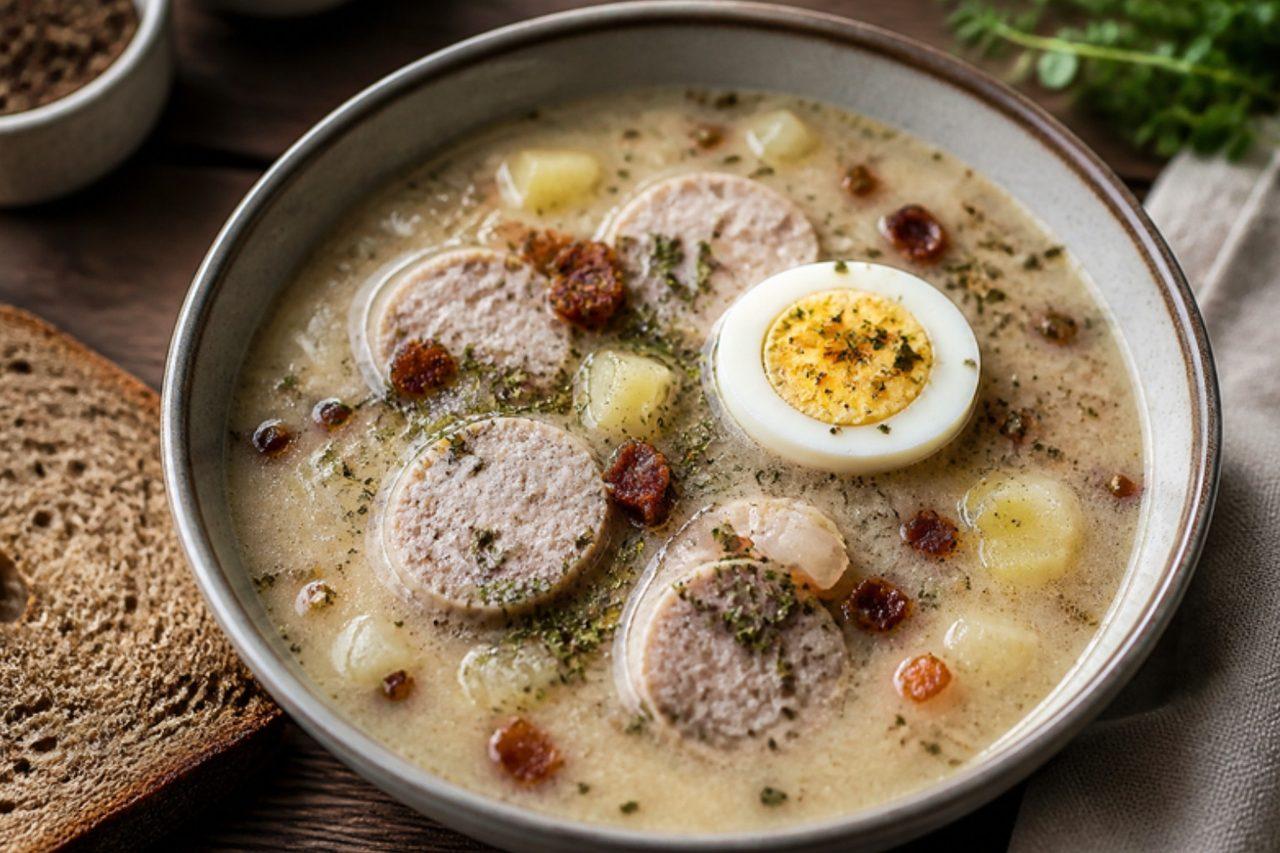
Żurek is the soup of Polish Easter, served in homes from Kraków to Gdańsk on Easter Sunday morning, and in highland Zakopane restaurants it comes in a hollowed-out bread loaf all year. Its tang comes from zakwas, a fermented rye-flour starter, simmered with marjoram, garlic and stock. This version contains pork: white sausage (biała kiełbasa) and smoked bacon, plus halved hard-boiled eggs. Chef's tip: shake the jar of zakwas before you pour it in; the flour settles and the soup will be thin without it.

by KrazyBadal 0 views

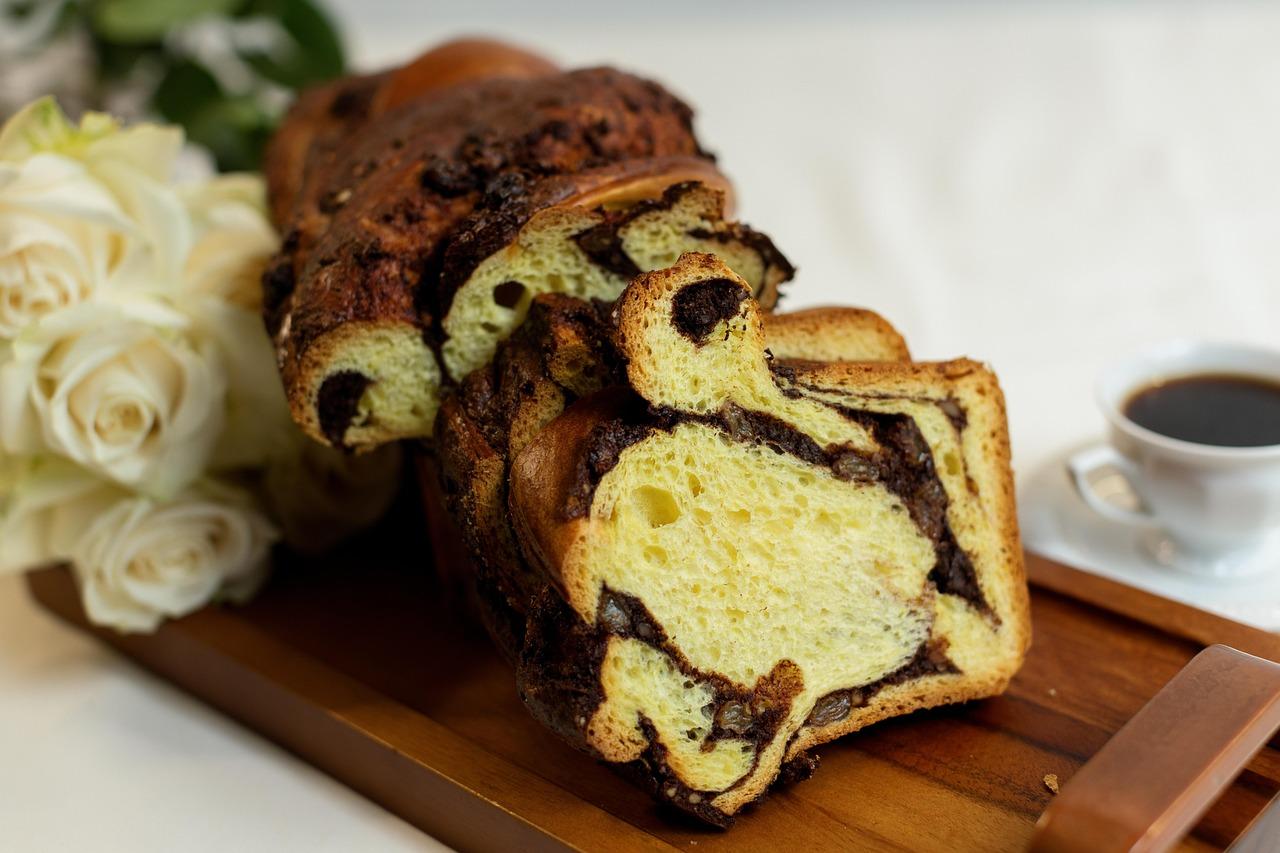
CozonacSweet braided bread

Cozonac is the festive loaf every Romanian family bakes for Easter and Christmas, filling kitchens from Craiova to Suceava with the smell of butter, rum, lemon and orange zest. The rich yeast dough is rolled around a walnut and cocoa filling studded with pieces of rahat (Turkish delight), then braided and baked in a tall loaf tin so each slice shows a dark swirl. Unlike Slovenian potica, which is rolled into a thin spiral ring, cozonac is a braided loaf. It is eaten in thick slices with coffee on the feast mornings. Chef's tip: knead until the dough is silky and comes away from the bowl, then be patient with the rises; under-proving is the classic mistake and gives a dense, heavy loaf.

by KrazyBadal 0 views

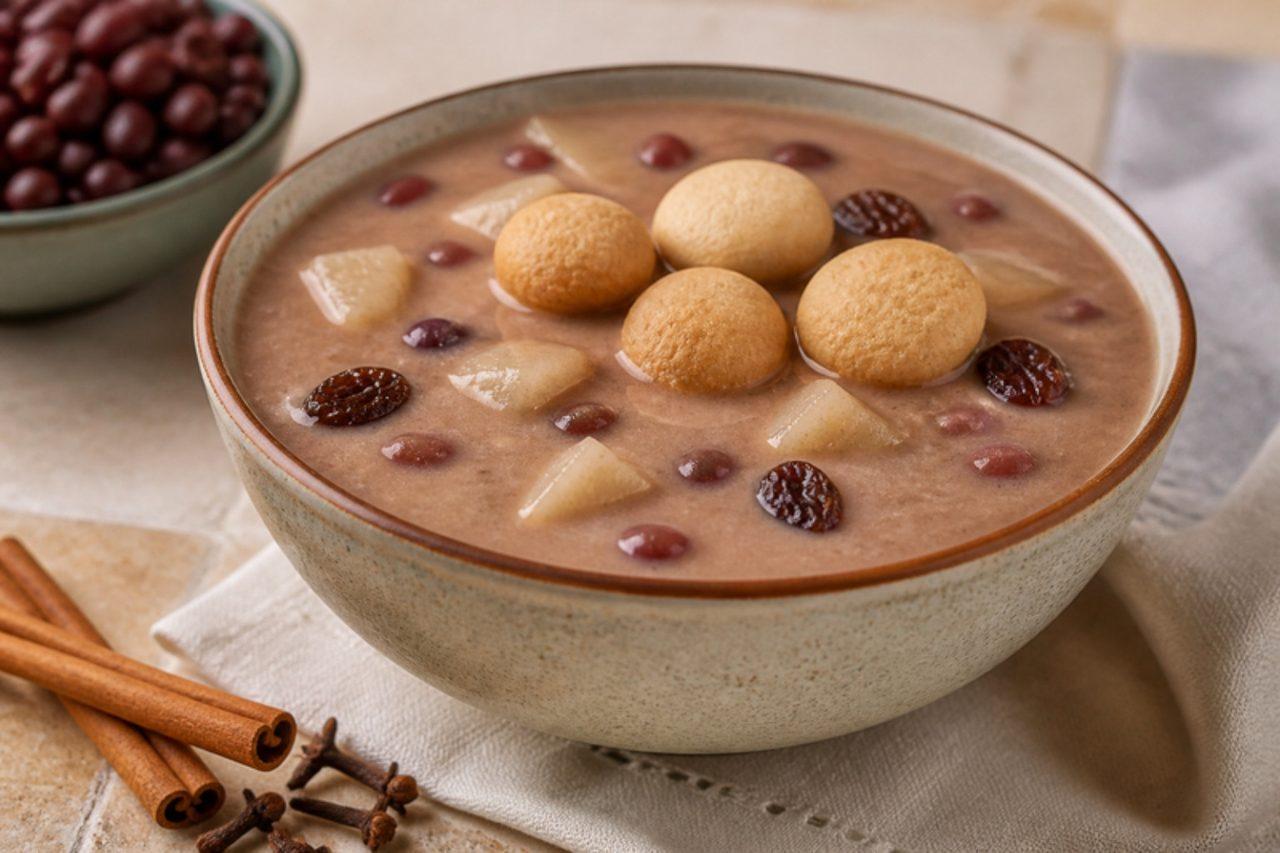
Habichuelas con dulceSweet red bean cream

In the Dominican Republic, Holy Week means pots of habichuelas con dulce, shared over garden walls between neighbours from Santiago to San Pedro de Macorís. Red beans are cooked soft and blended into a smooth cream, then simmered with coconut and evaporated milk, cinnamon and cloves, with soft cubes of sweet potato and plump raisins. Served cold, it tastes like a spiced coconut custard with a gentle earthy depth; nobody guesses beans the first time. It's traditionally topped with little crunchy milk biscuits. Chef's tip: push the blended beans through a sieve; it takes two minutes and gives the silky texture that marks a good batch.

by KrazyBadal 0 views

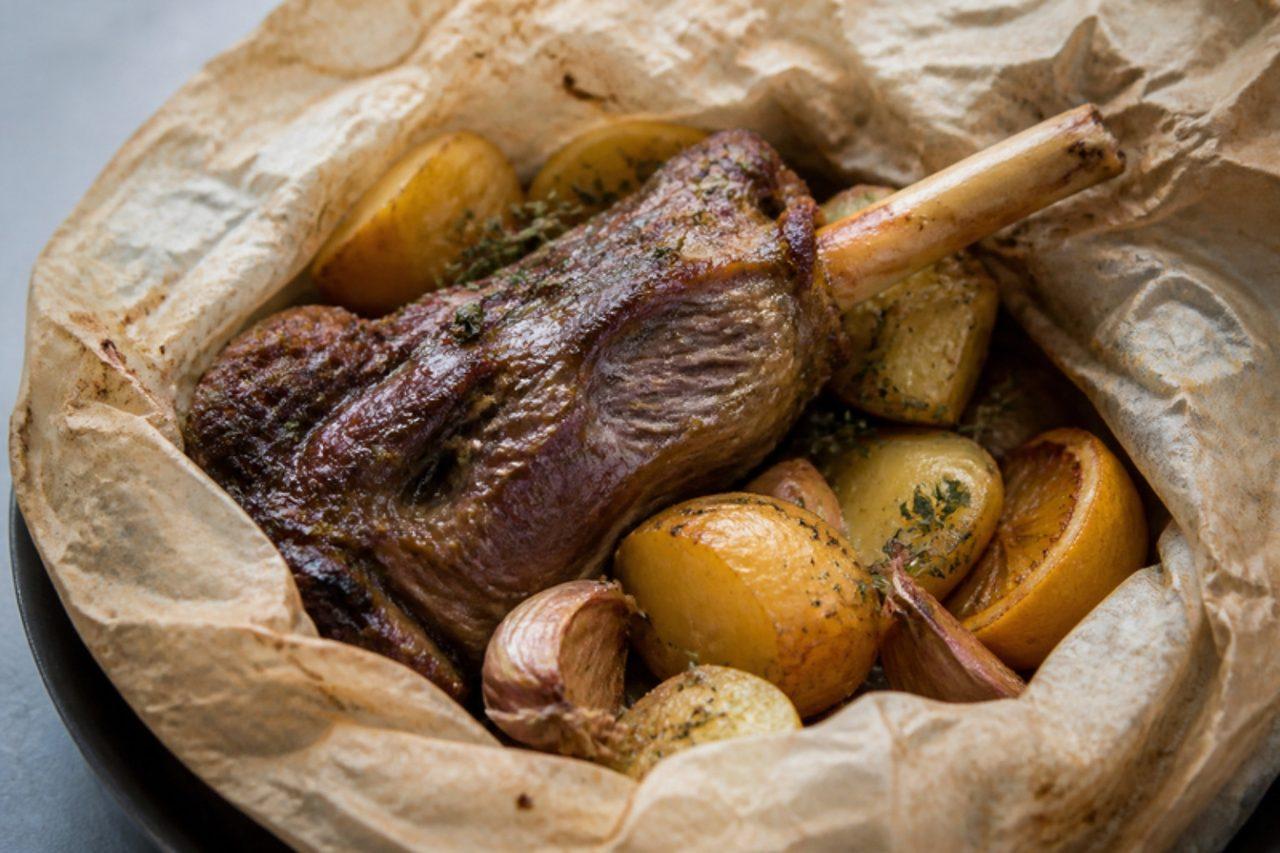
Lamb kleftiko

Kleftiko takes its name from the klephts, mountain fighters of the Peloponnese who were said to cook stolen lamb in sealed pits so no smoke gave them away. Today it is a celebration dish across mainland Greece and Cyprus, baked for Easter week and name days. Lamb on the bone is sealed in parchment with potatoes, garlic, lemon and herbs and baked low for hours, so it steams in its own juices until it falls from the bone. Serve with a village salad and bread. Chef's tip: seal the parcel tightly; if steam escapes, the meat dries and the potatoes never soak up the juices.

235 minGreekMeatGluten free
by KrazyBadal 0 views

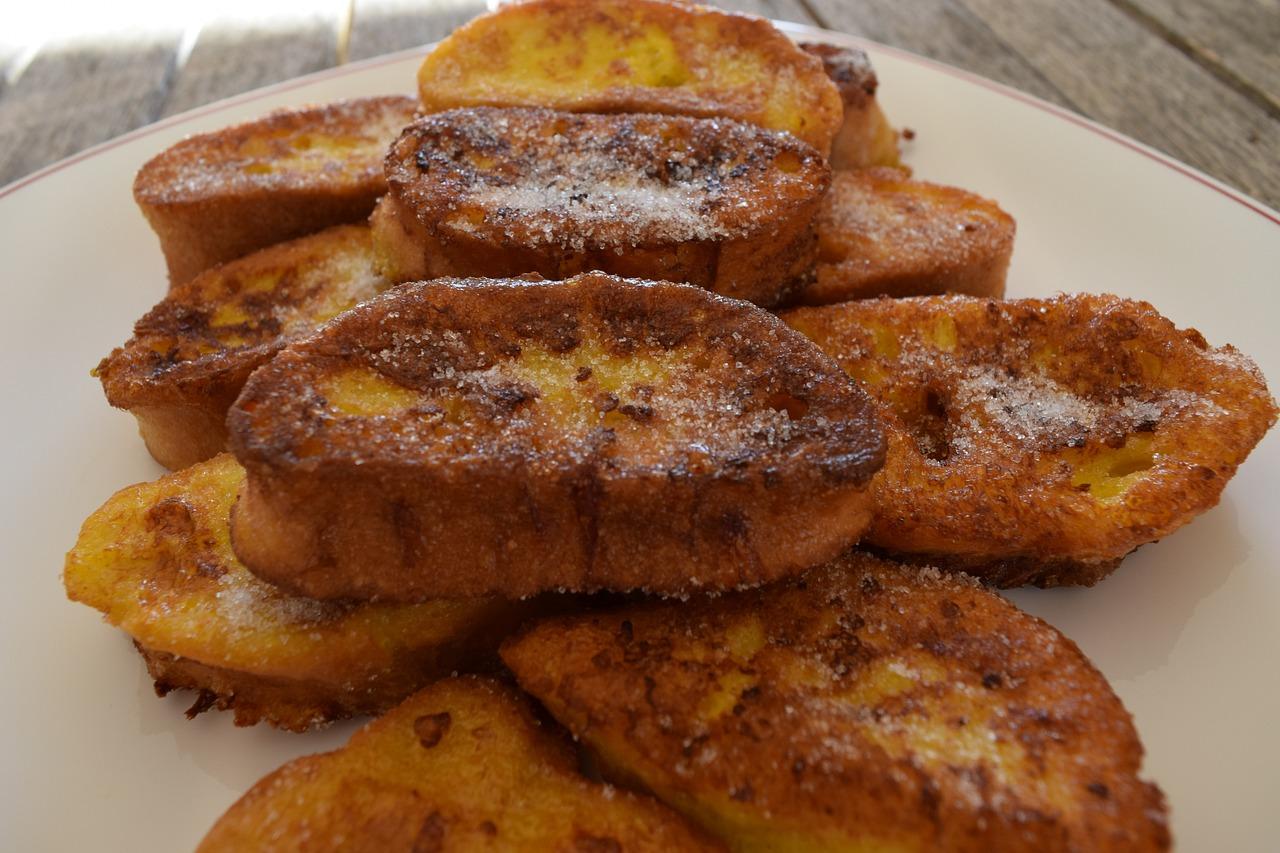
TorrijasCinnamon fried bread

Torrijas are the Easter sweet of Spain, eaten all over the country during Semana Santa and especially in Madrid and Andalusia, where bakeries pile them in their windows. Thick slices of day-old bread are soaked in milk infused with cinnamon and lemon peel, dipped in beaten egg, fried in olive oil and rolled in cinnamon sugar. They were born as a way to use up stale bread during Lent, and they are crisp outside and soft and custardy inside, like a richer, crunchier French toast. Eat them warm or cold, the next day they are even more set and sweet. Chef's tip: use a dense day-old loaf (a Spanish 'pan de torrijas' or a firm baguette) cut 2–3 cm thick, and soak just until saturated; fresh, airy bread falls apart and fries greasy.

by KrazyBadal 0 views

Showing 18 of 42 recipes

Page 2 of 2

More occasions