Skip to content
Seasons

Summer recipes: cool drinks, kulfi and light food

Sharbats, lassi, kulfi, aam ras, raita, cold salads and soups to keep you cool in the heat. (269 recipes)

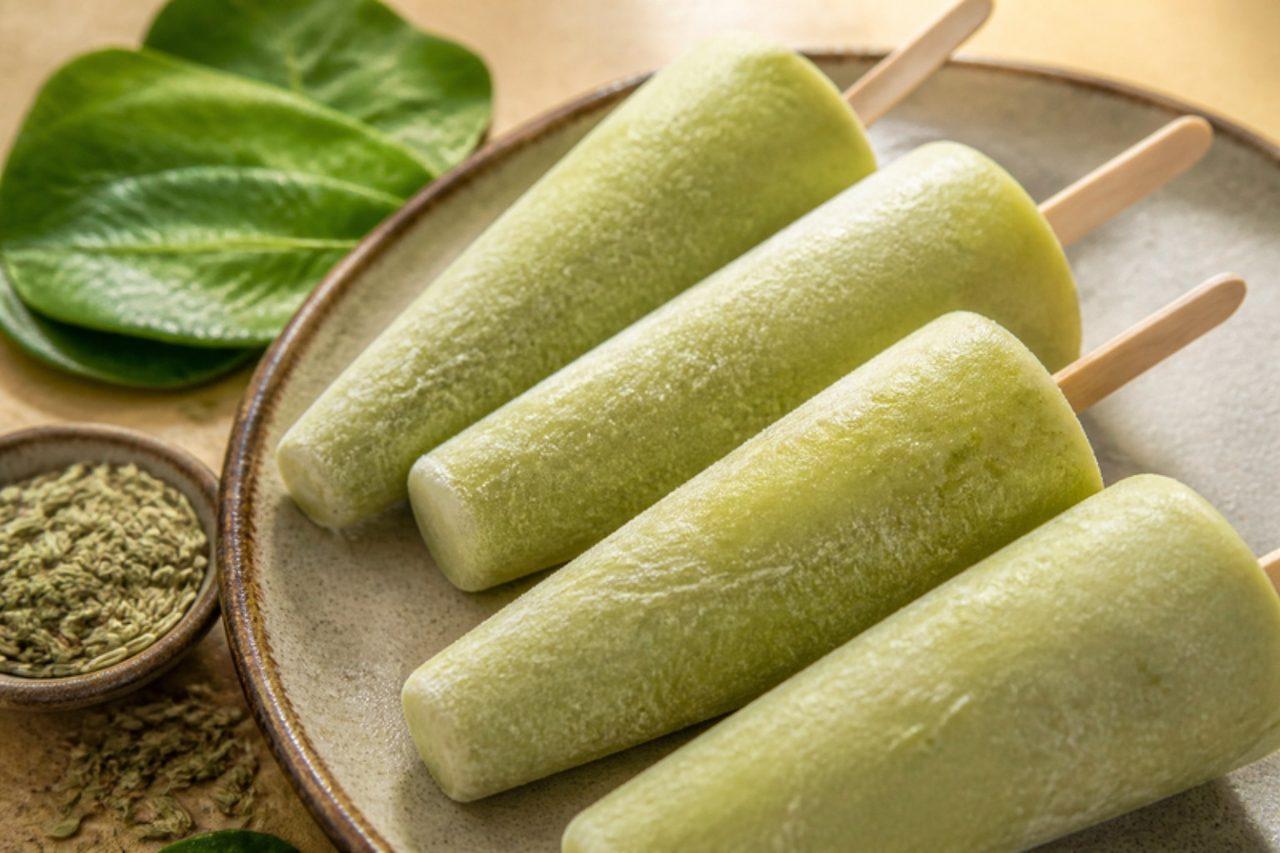
Paan kulfiBetel leaf ice cream

For many Lucknow and Banaras families, dinner ends with a folded meetha paan, and in Mumbai's paan shops and kulfi joints that same flavour turned into kulfi became a cult favourite at weddings and parties. The base is milk reduced by two-thirds; betel leaves, rose petal gulkand, fennel and cardamom go in once it has cooled, so it freezes dense, pale green and fragrant, with little chewy bits of gulkand. It is sweet, floral and leafy-fresh, and cuts through a rich biryani or korma dinner. A common mistake is boiling the betel leaves in the milk: they turn bitter and the colour goes khaki. Grind them raw with cold milk instead. Chef's tip: use the tender, sweet Calcutta or Banarasi leaves sold for meetha paan; the thick Maghai or Kapoori kind can taste peppery.

by KrazyBadal 0 views

Masala chaasSpiced buttermilk

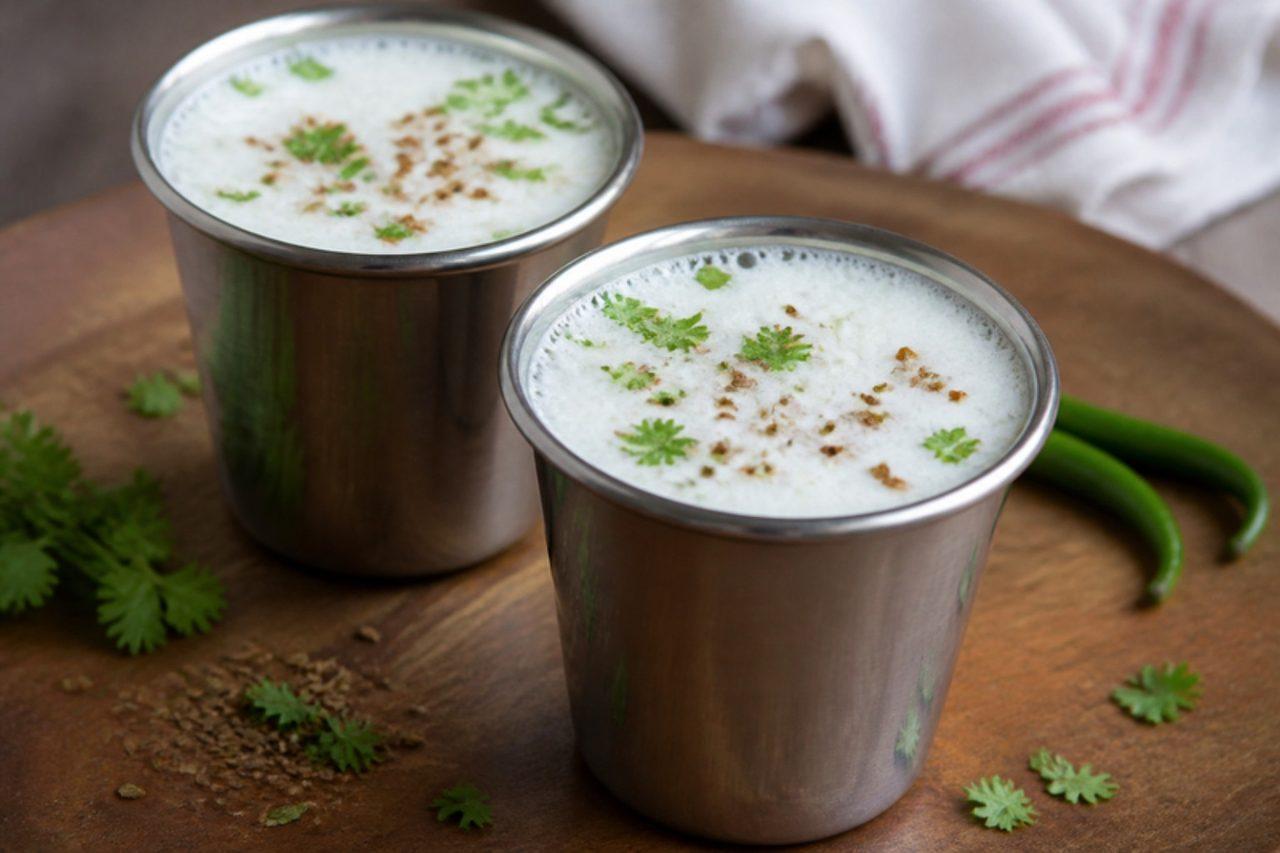
No Gujarati lunch is finished until the steel glass of chaas comes round. From Ahmedabad pols to Kathiyawadi farmhouses, homemade dahi is thinned right down, churned with a wooden ravai or a blender, and seasoned with roasted cumin, black salt, a little ginger and green chilli, then poured ice-cold after dal-bhaat-shaak-rotli. It should be thin enough to drink in one go, salty, gently hot and full of coriander; that is what settles a heavy meal in May. Kerala's sambaram, with shallot and curry leaf, is a close cousin. A common mistake is churning thick, very cold full-fat dahi for too long: the fat clumps into flecks of butter and the chaas turns thin and greasy. Blend the dahi with only part of the water for a few seconds, then stir in the rest. Chef's tip: dahi that is a day old and slightly sour makes the best chaas; very fresh, sweet dahi tastes flat however much masala you add.

by KrazyBadal 0 views

Sitaphal ice creamCustard apple ice cream

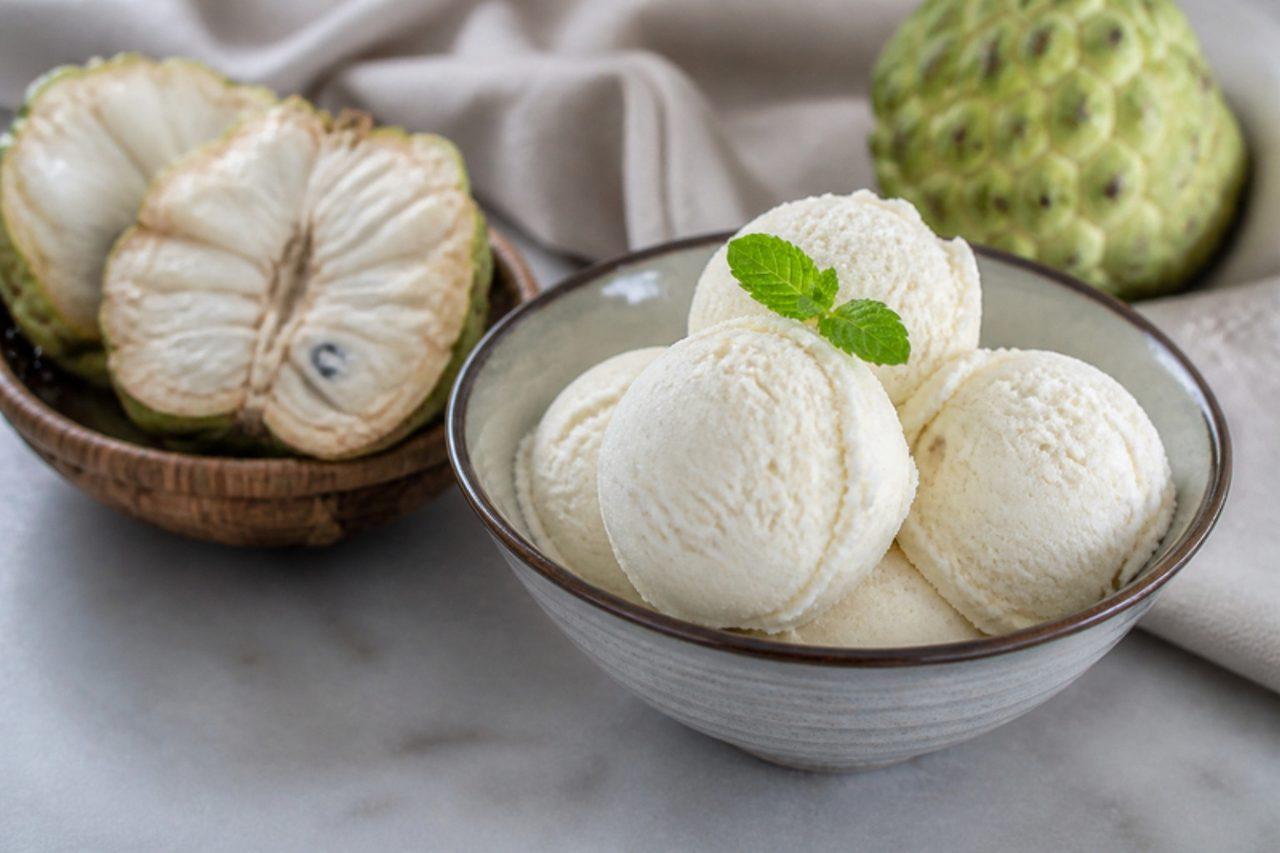
Every October, when custard apples pile up in the markets of Pune and Mumbai, the queues lengthen at the city's natural ice-cream parlours on Juhu and Malabar Hill for one flavour: sitaphal. The fruit tastes of pear, vanilla and cream, and when the pulp is folded into a simple milk-and-cream base, nothing else is needed. The ice cream is pale, soft and full of tiny tender pieces of fruit. It is the dessert of Navratri and Diwali visits in Maharashtra. A common mistake is blending the pulp with the seeds in; cracked seeds make the ice cream bitter, and they are toxic. Seed the segments by hand or rub the pulp through a coarse sieve. Chef's tip: never cook the pulp; heat turns custard apple bitter, so add it only to the fully cooled base.

by KrazyBadal 0 views

PanakamJaggery and ginger water

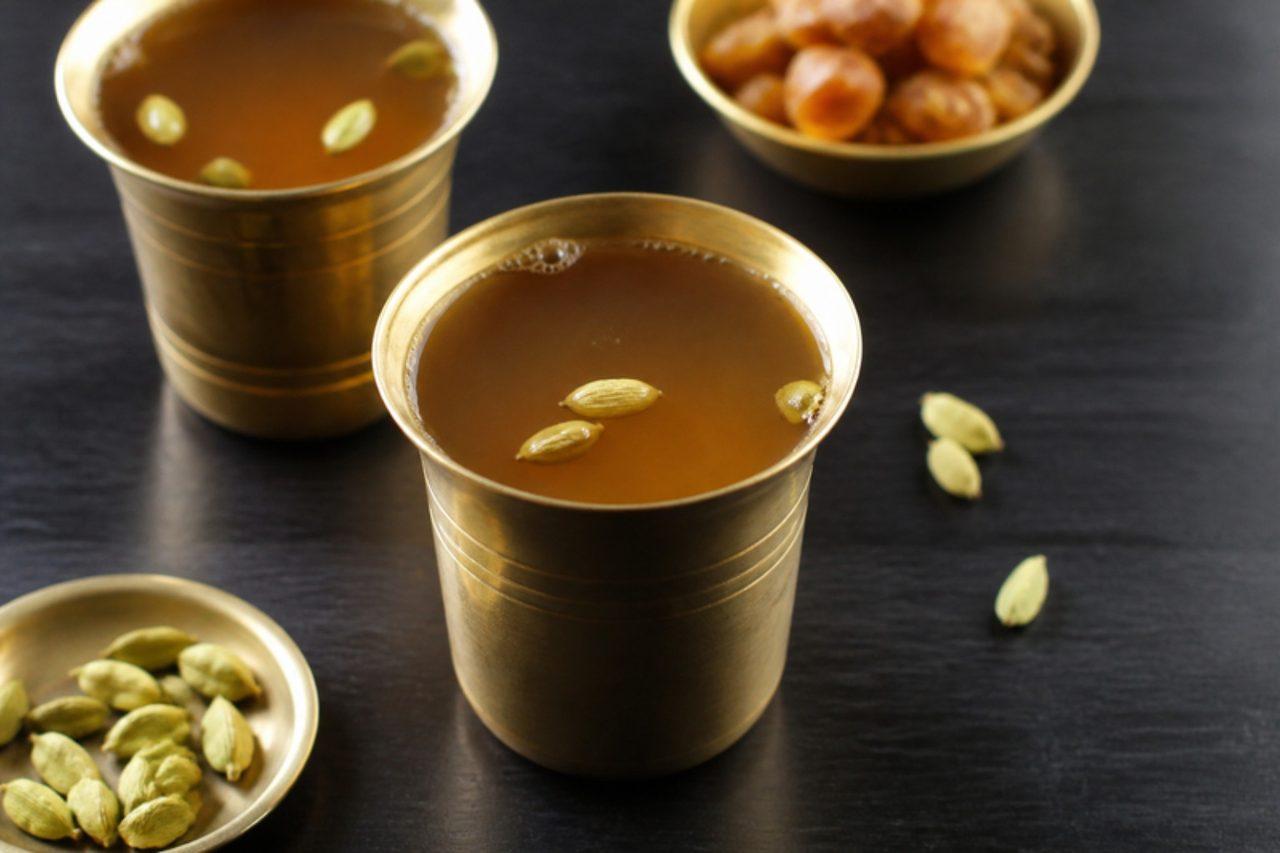
On Sri Rama Navami, temples and homes across Andhra Pradesh, Telangana and Tamil Nadu set out brass pots of panakam beside neer mor (spiced buttermilk) and kosambari. The drink is offered first, then handed to everyone in small steel tumblers. It is nothing more than jaggery dissolved in water, but the dry ginger and black pepper give it a pleasant heat that cuts through the sweetness, and cardamom and a few tulsi leaves make it smell of the festival. It is never boiled; it's stirred until the jaggery melts. The common mistake is not straining: jaggery often carries sand and fibres, so always pour it through a fine cloth. Chef's tip: a squeeze of lemon is not traditional everywhere, but in hot Vijayawada summers many homes add it, and it brightens the drink wonderfully.

by KrazyBadal 0 views

Lü dou tang (chilled mung bean soup)

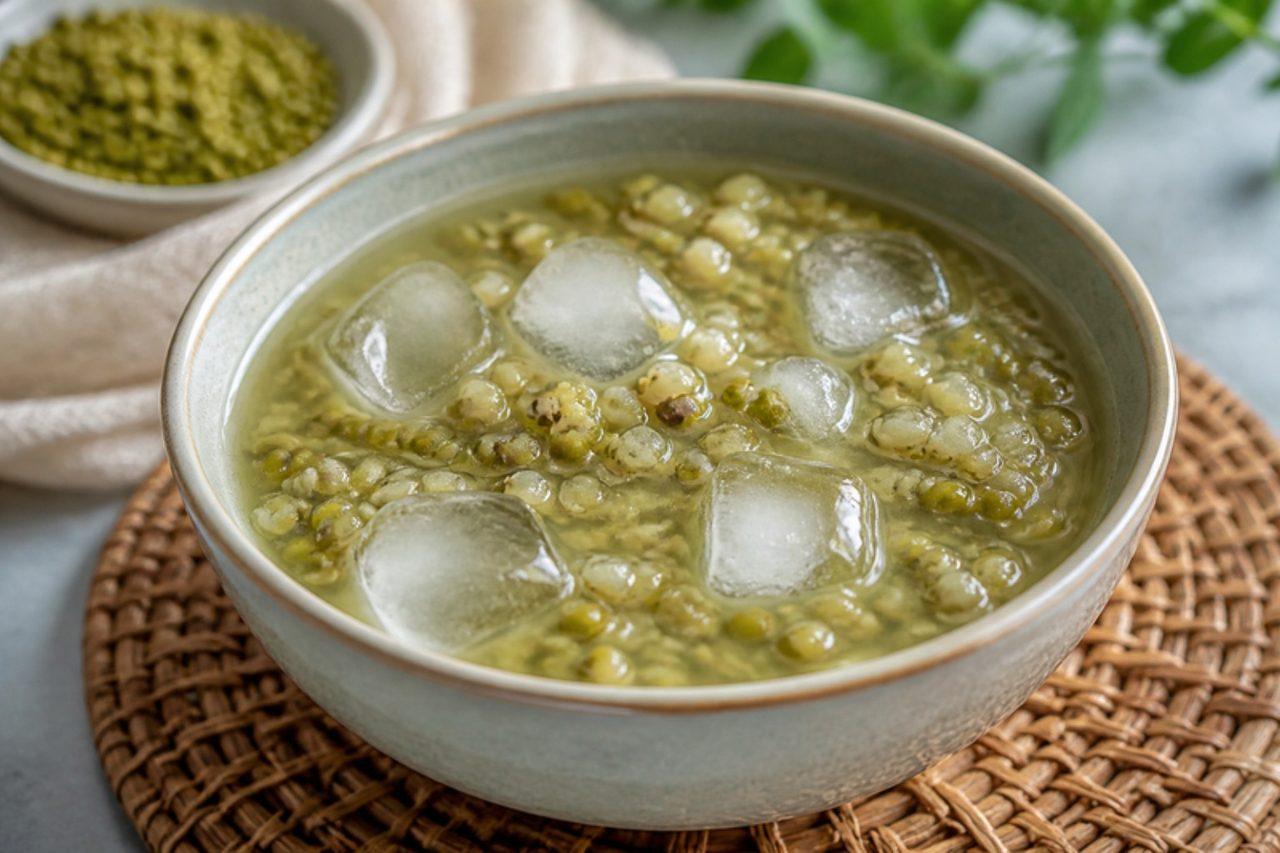
When the heat settles on Guangzhou, Wuhan or Shanghai in July, families keep a jug of mung bean soup in the fridge, and school canteens and workplaces hand it out by the bowl; traditional medicine calls mung beans 'cooling', a reason to drink it on the hottest days. It is just mung beans simmered with rock sugar until some burst and the liquid turns pale green or soft red, eaten chilled. The common mistake is cooking it in an iron or aluminium pan or leaving it uncovered too long, which turns the soup dark brown-red; a stainless steel pot with the lid on keeps it greener. Chef's tip: for a clear green soup, take a few ladles of the liquid after 10 minutes of boiling, before the beans split, and drink that as a lighter tea.

by KrazyBadal 0 views

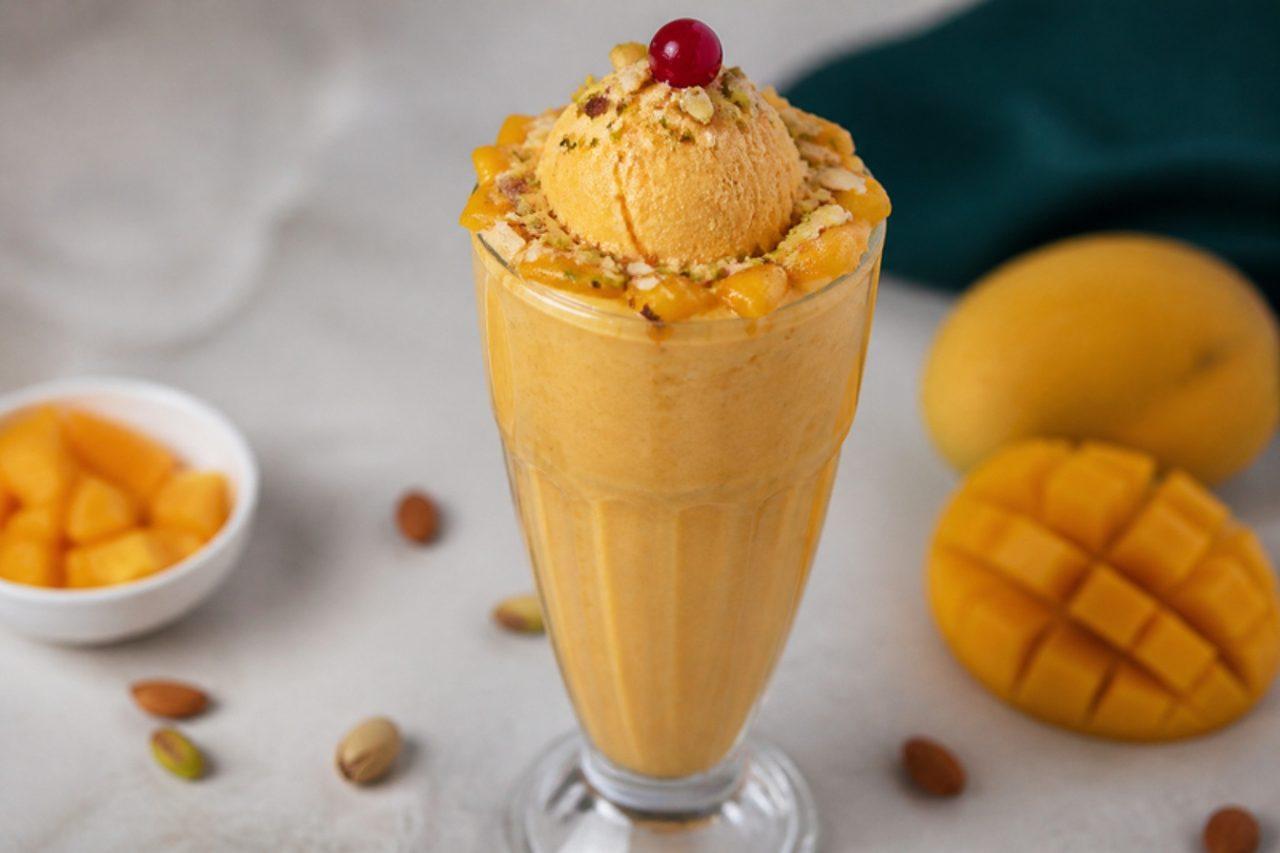
Mango mastaniMango milkshake with ice cream

Pune's mastani was born in the city's old peths, and families still queue on summer evenings at the famous shops near Budhwar Peth and Sadashiv Peth for a tall glass so thick you need a spoon. The base is a mango milkshake, made dense with ripe Alphonso pulp and ice cream, then topped with another scoop of mango ice cream, chopped nuts, tutti frutti and a cherry. It is named, people say, after Bajirao Peshwa's beloved Mastani. Rich and fruity, it is dessert and a cool drink in one. A common mistake is adding ice to the blender: it thins the shake and dulls the mango, so chill the milk and pulp well instead. Chef's tip: Alphonso from Ratnagiri or Devgad gives the right colour and fragrance; in the off season use good tinned Alphonso pulp and skip the sugar.

by KrazyBadal 0 views

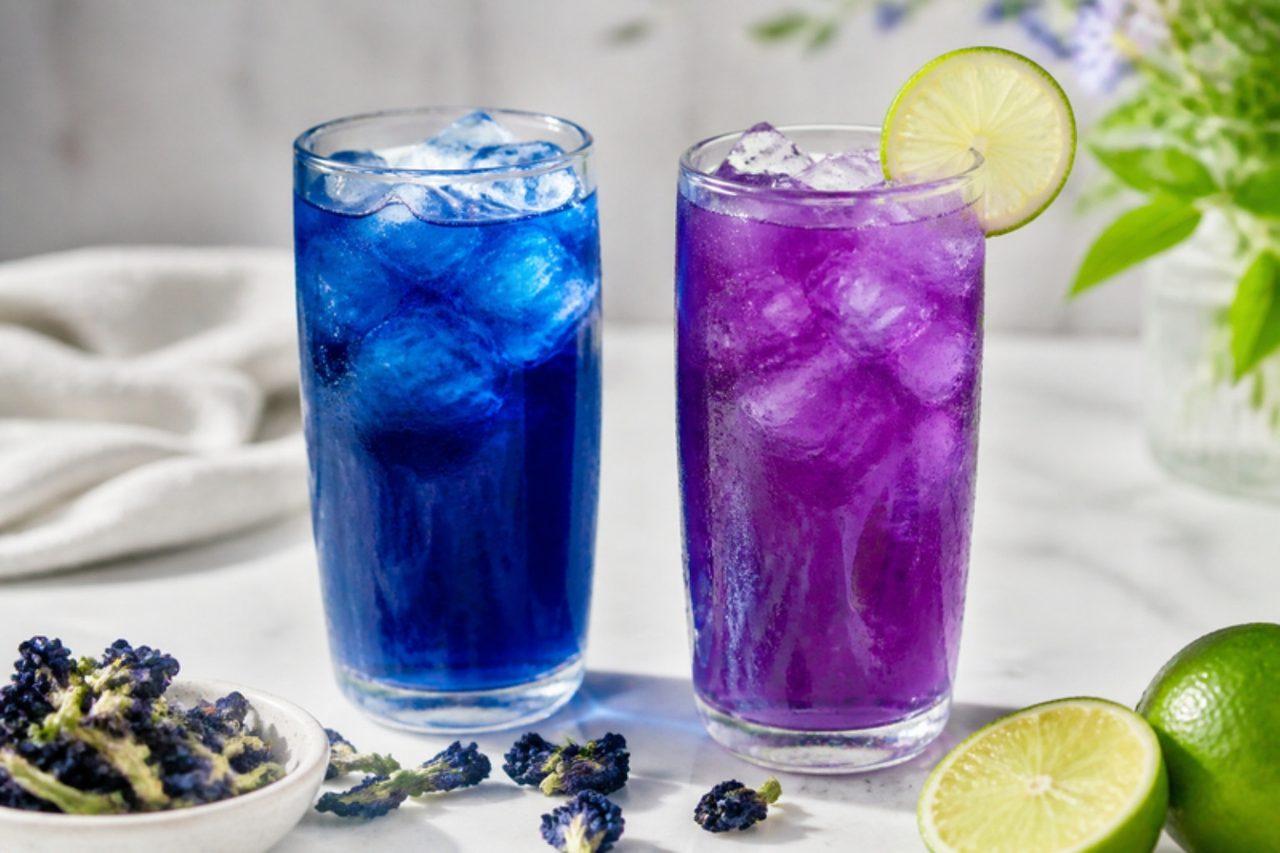
Nam dok anchan (butterfly pea lemonade)

Vines of butterfly pea climb fences in gardens all over Thailand, and cafés from Bangkok to Krabi serve the flowers as an iced drink that changes colour at the table. The tea itself is mild and earthy, blue as ink; stirring in lime juice turns it violet and makes it tangy, which children love to watch. Chef's tip: the common mistake is mixing the lime in beforehand; serve the blue tea and lime separately so the colour change happens in the glass.

15 minThaiDrinksVeganGluten free
by KrazyBadal 0 views

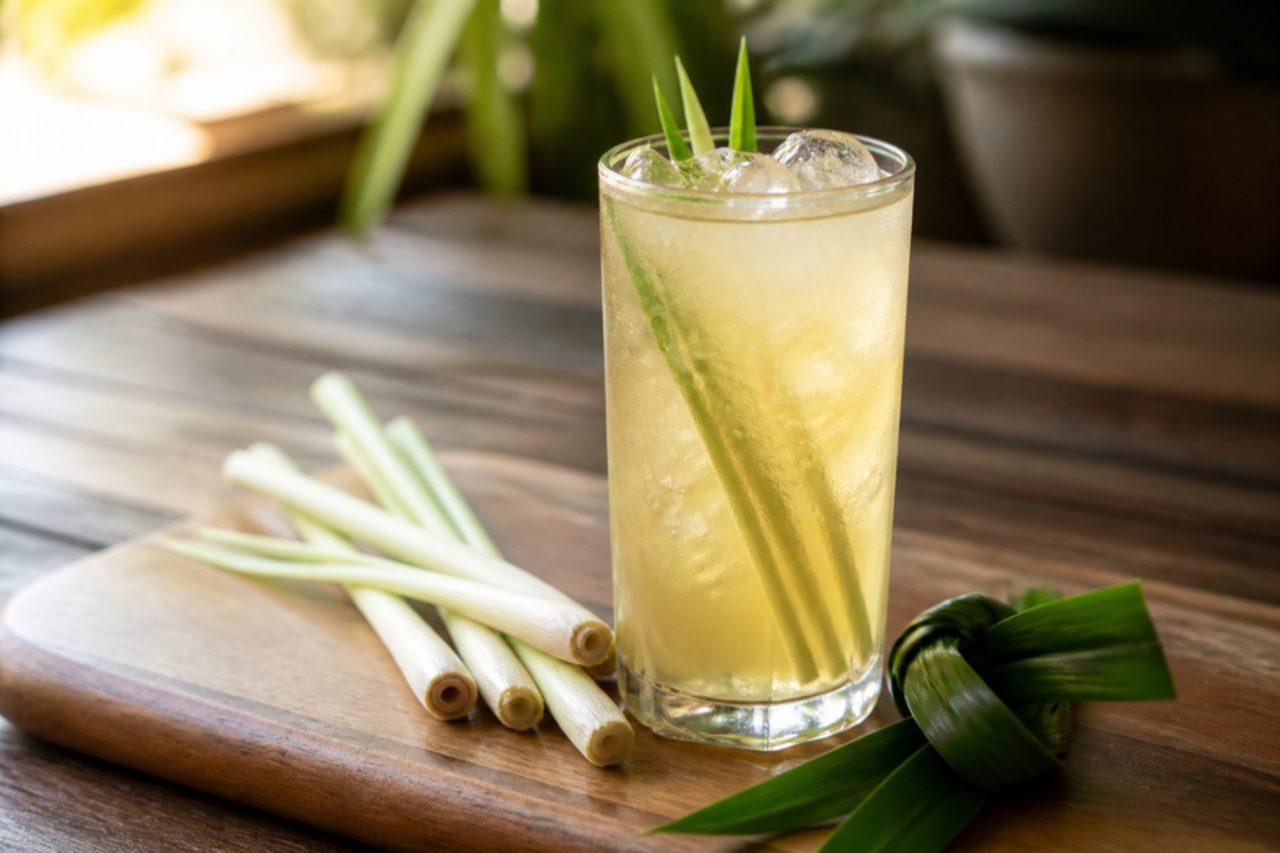
Nam takrai (lemongrass drink)

Thai spa receptions and roadside rice shops both pour this from big glass jars, and in Chiang Mai and Bangkok homes a pot is often simmering on hot afternoons. Bruised lemongrass gives a clean, lemony, slightly grassy taste and pandan a soft vanilla note; lightly sweetened, it is refreshing over ice and soothing warm on a rainy-season evening. Chef's tip: the usual mistake is chopping the lemongrass fine and boiling it hard, which makes it bitter; bash the stalks and simmer gently.

20 minThaiDrinksVeganGluten free
by KrazyBadal 0 views

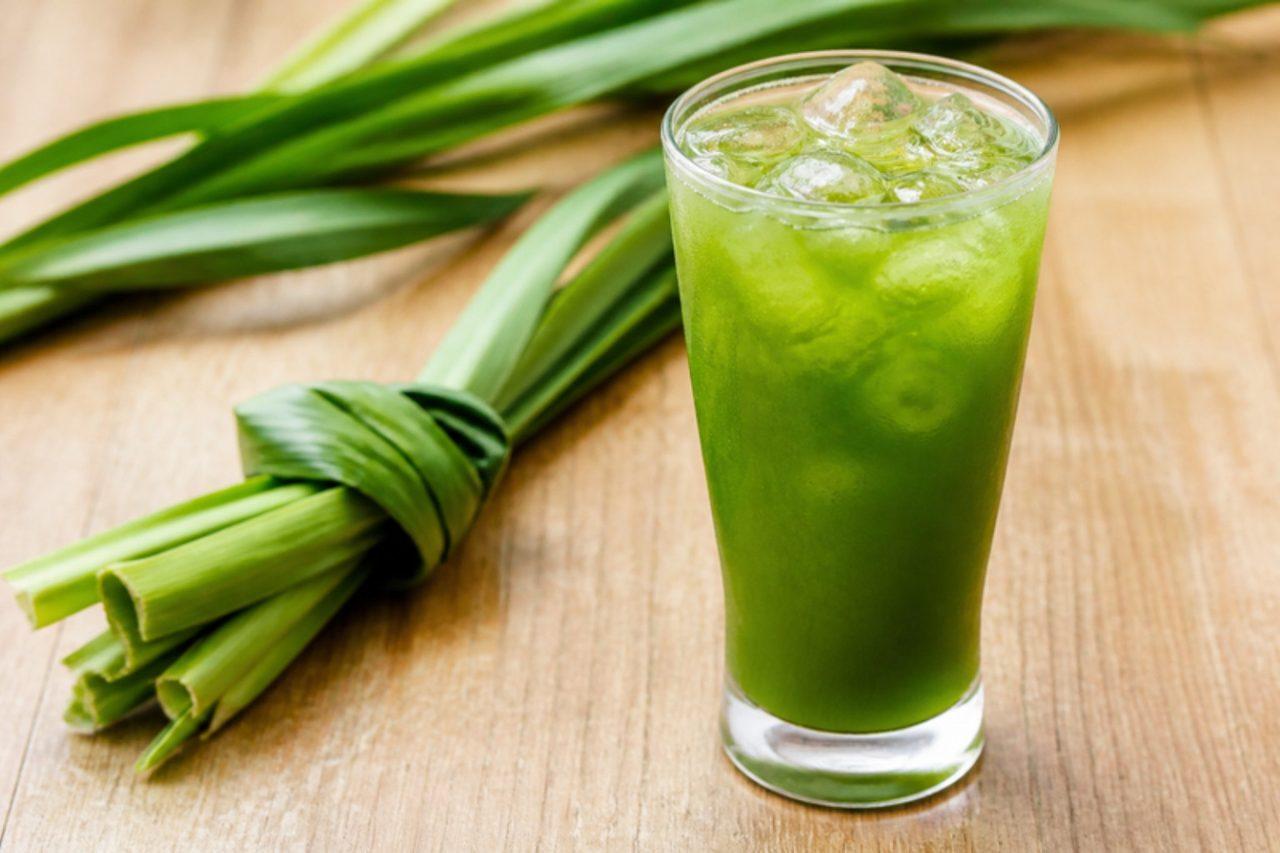
Nam bai toey (pandan drink)

Every Thai garden seems to have a clump of pandan by the tap, and on hot days cooks across the country blitz a handful of leaves into this bright green drink sold at temple fairs and noodle shops. It tastes sweet, grassy and faintly of vanilla and basmati, and is said to cool the body. Fresh leaves give the best colour; frozen ones from Asian shops work well too. Chef's tip: the mistake is serving it unstrained or leaving it for hours; strain it twice through cloth and drink it the same day, as it fades and turns grey.

15 minThaiDrinksVeganGluten free
by KrazyBadal 0 views

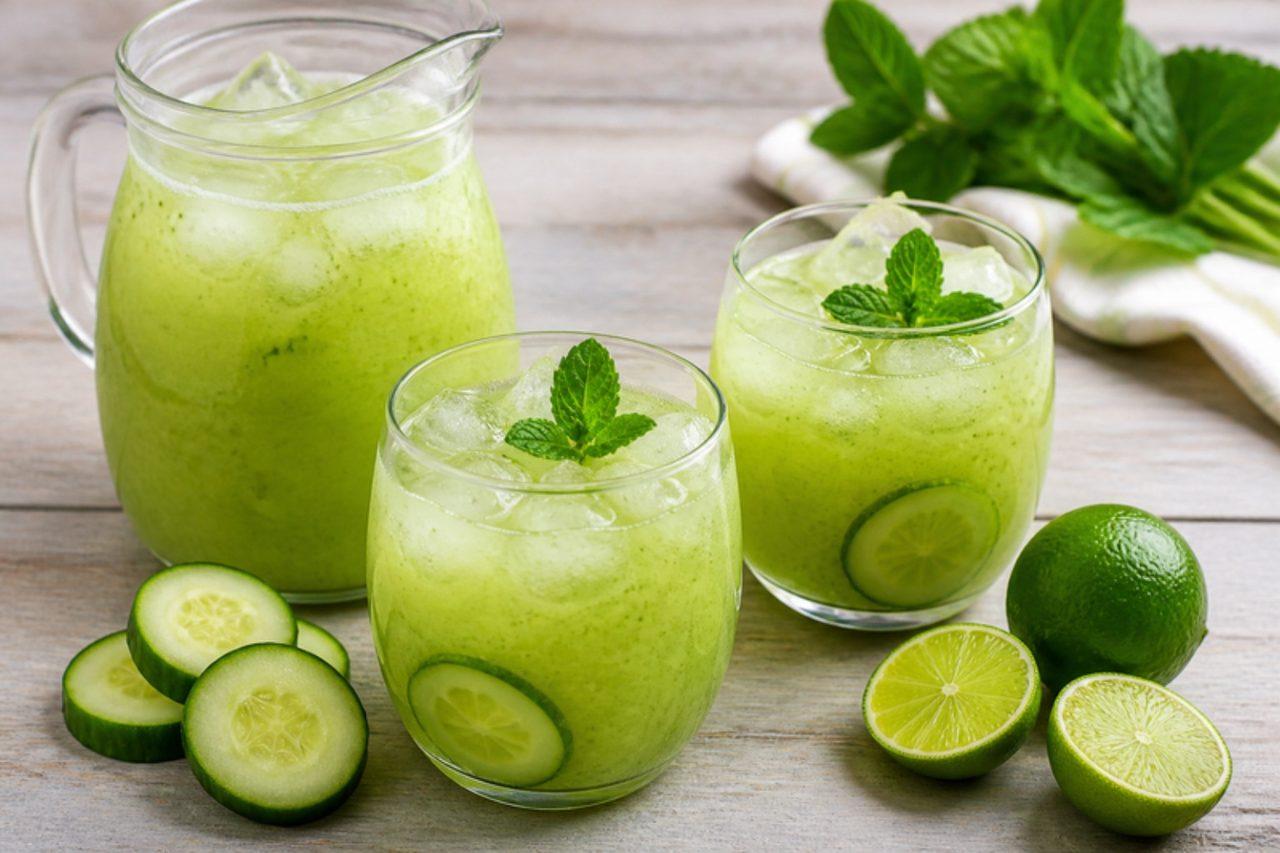
Agua de pepino con limónCucumber lime drink

Pale green and very refreshing, agua de pepino is the cooler sold from market juice stands in Mexico City and Oaxaca when the afternoon heat builds, and families blend a jug for comida on hot days. Cucumber, lime and a few mint leaves give a clean, light taste with very little sugar. Chef's tip: leave some of the peel on the cucumber for colour, but strain the drink so it stays silky.

by KrazyBadal 0 views

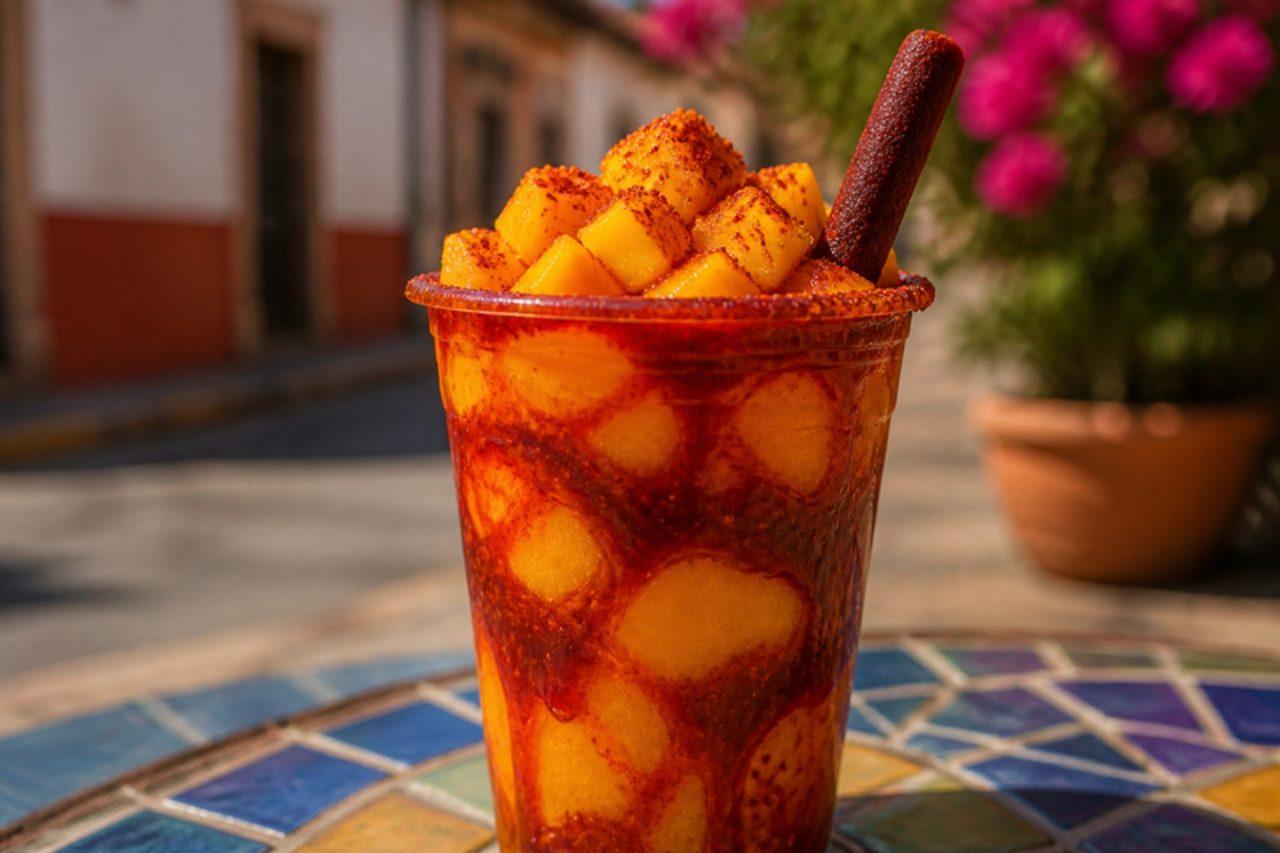
MangonadaMango sorbet with chamoy

Mangonadas, also called chamoyadas, are a Mexican street sweet sold by neverías and fruit stands from Guadalajara to the US border: thick frozen mango blended to a slush, layered in a tall cup with sticky red chamoy and chile-lime salt and crowned with fresh mango cubes. Sweet, sour, salty and hot at once, it comes with a chewy tamarind-candy straw for stirring. Chef's tip: freeze the mango in cubes beforehand, so you get a thick spoonable slush without watering it down with ice.

by KrazyBadal 0 views

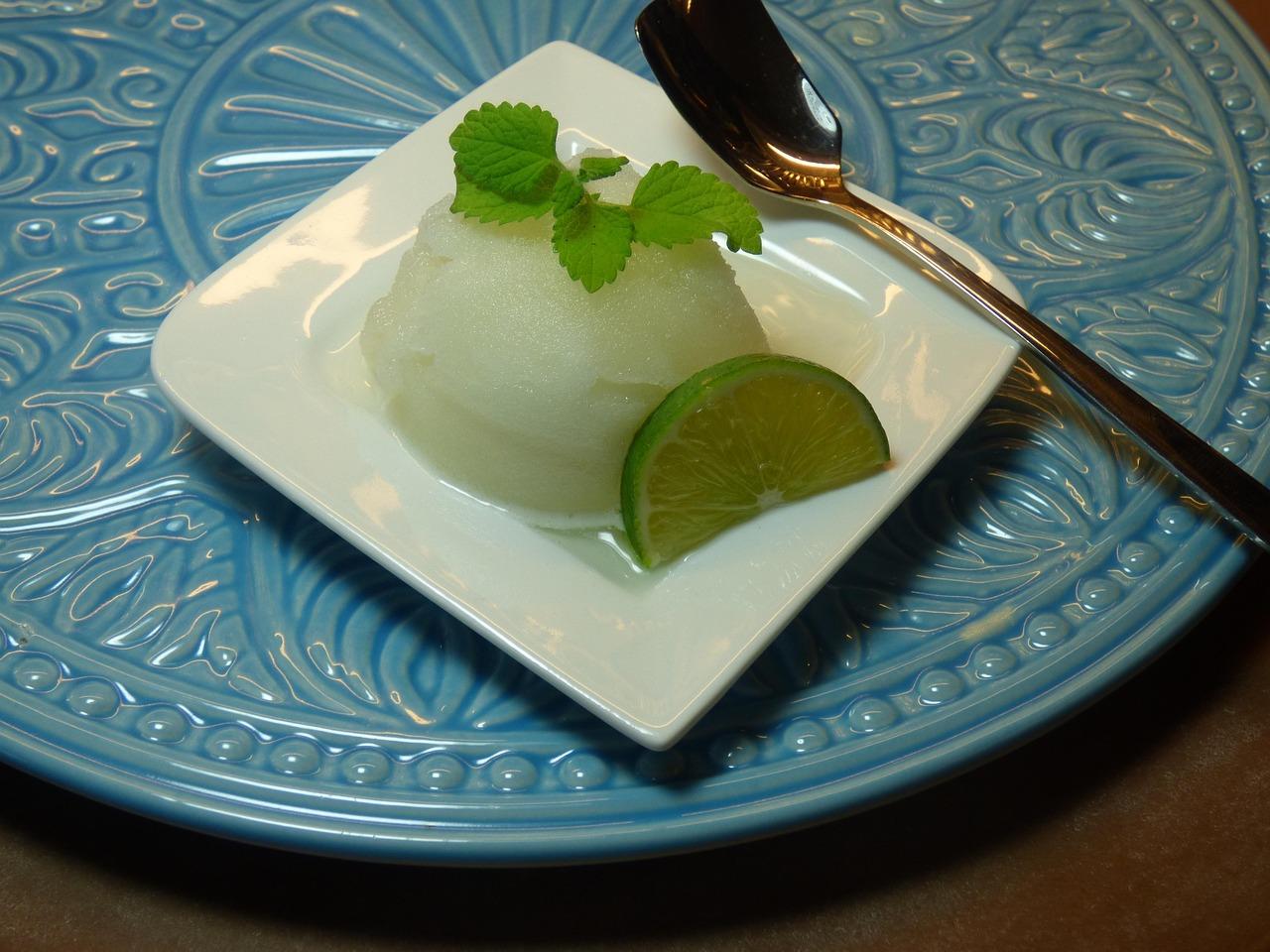
Nieve de garrafa de limónLime water ice

In town plazas from Oaxaca to Guadalajara, neveros still churn nieve de garrafa by spinning a tall metal can in a wooden barrel of ice and rock salt, scraping the frozen walls with a long paddle. Lime nieve is the sharpest and most refreshing, pale green from the zest, and it is eaten in small cups after a hot walk through the market. At home a metal bowl set in ice and salt works the same way. Chef's tip: add the zest at the start but strain it out; that way you get its oils without the bitterness.

by KrazyBadal 0 views

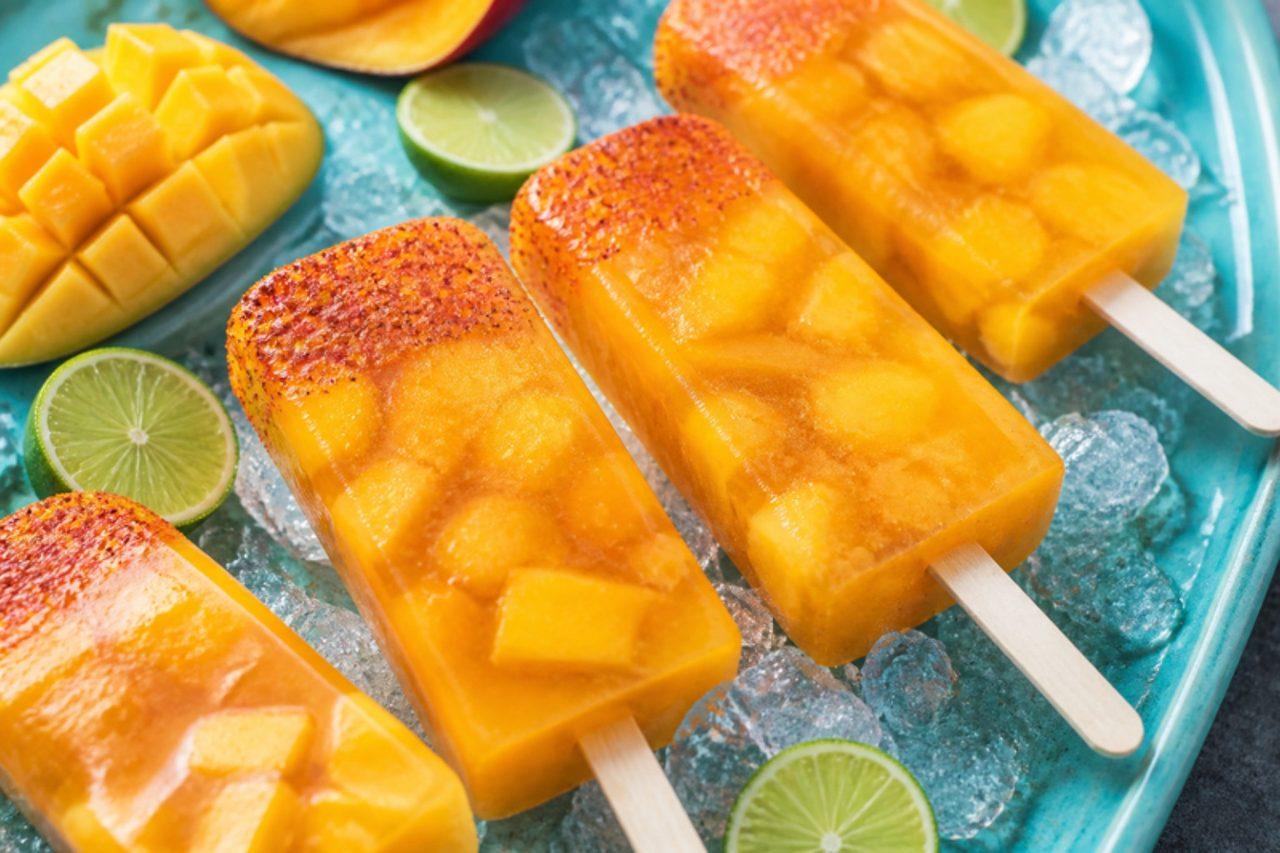
Paletas de mango con chileMango ice pops with chile

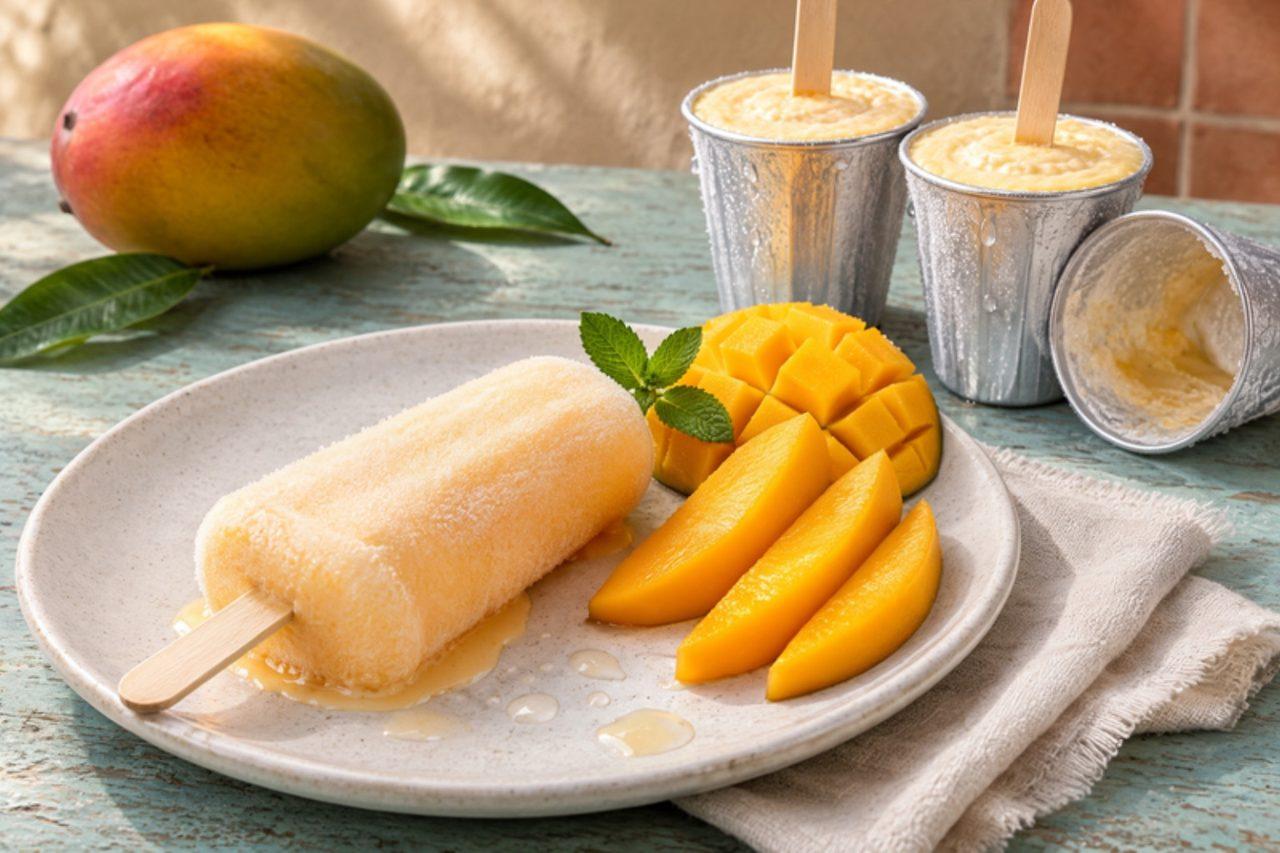
The town of Tocumbo in Michoacán sent paleteros all over Mexico, and their shops, the paleterías michoacanas, sell fruit ice pops from Tijuana to Cancún. Mango con chile is one of the most loved: chunky frozen mango purée, sharp with lime, with a ribbon of chile powder through it and more sprinkled on top. Chef's tip: leave a few small cubes of mango in the purée, so every bite has real fruit.

by KrazyBadal 0 views

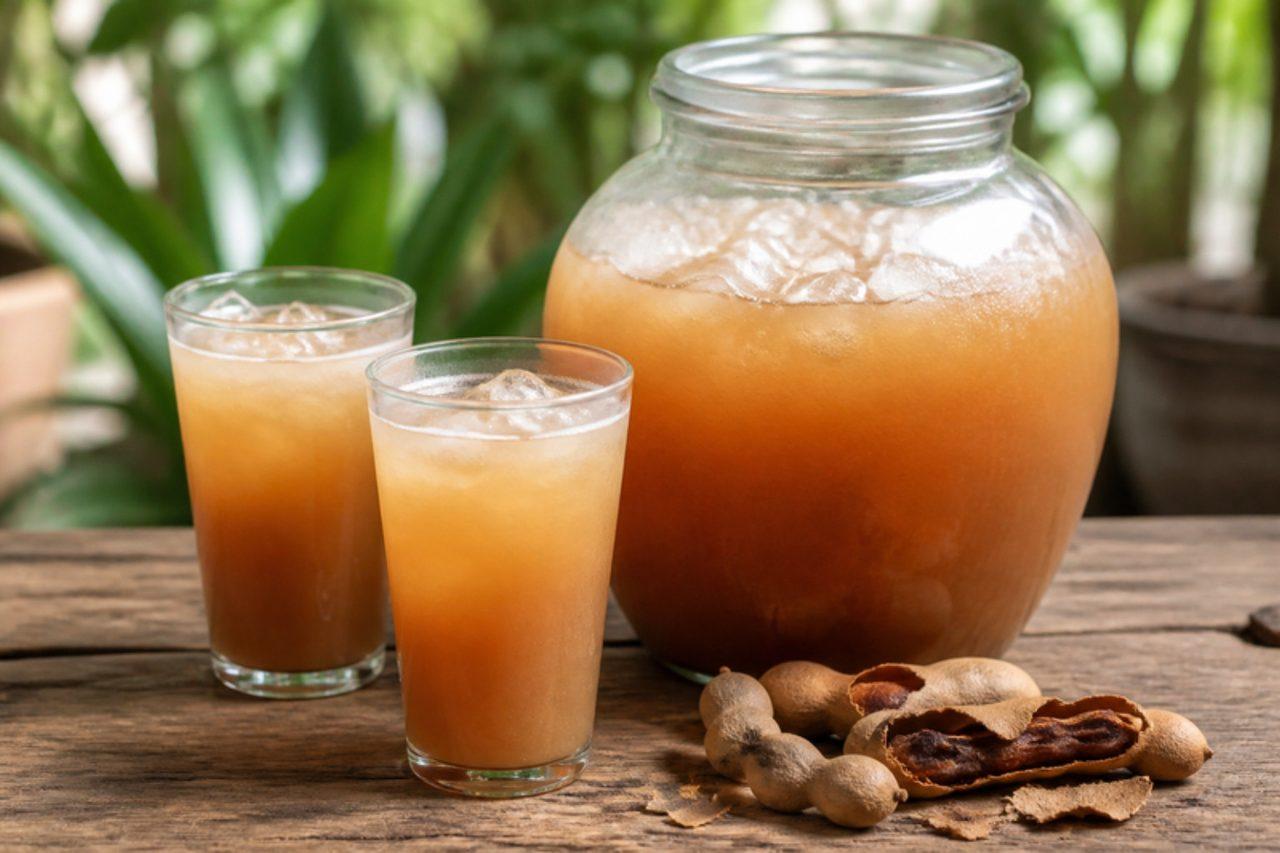
Agua de tamarindoTamarind drink

Brown, cloudy and gloriously tart, agua de tamarindo fills the big glass vitroleros at taquerías and fondas across Mexico, especially in hot Guerrero, Colima and the Yucatán, and it is the drink most people reach for with a plate of tacos de guisado. The pods are peeled, simmered and rubbed through a sieve, so it tastes far fresher than paste or concentrate. Chef's tip: soak the pulp in the hot cooking water before you rub it, which loosens every bit from the seeds.

by KrazyBadal 0 views

Agua de mangoMango drink

In April and May, when Ataulfo mangoes from Chiapas and Manila mangoes from Veracruz flood the markets, agua de mango becomes the drink of every comida corrida. It is thick, golden and very fruity, sharpened with lime. Chef's tip: use soft, fully ripe yellow mangoes with wrinkled skin; they need far less sugar and give a smooth, fibre-free drink.

by KrazyBadal 0 views

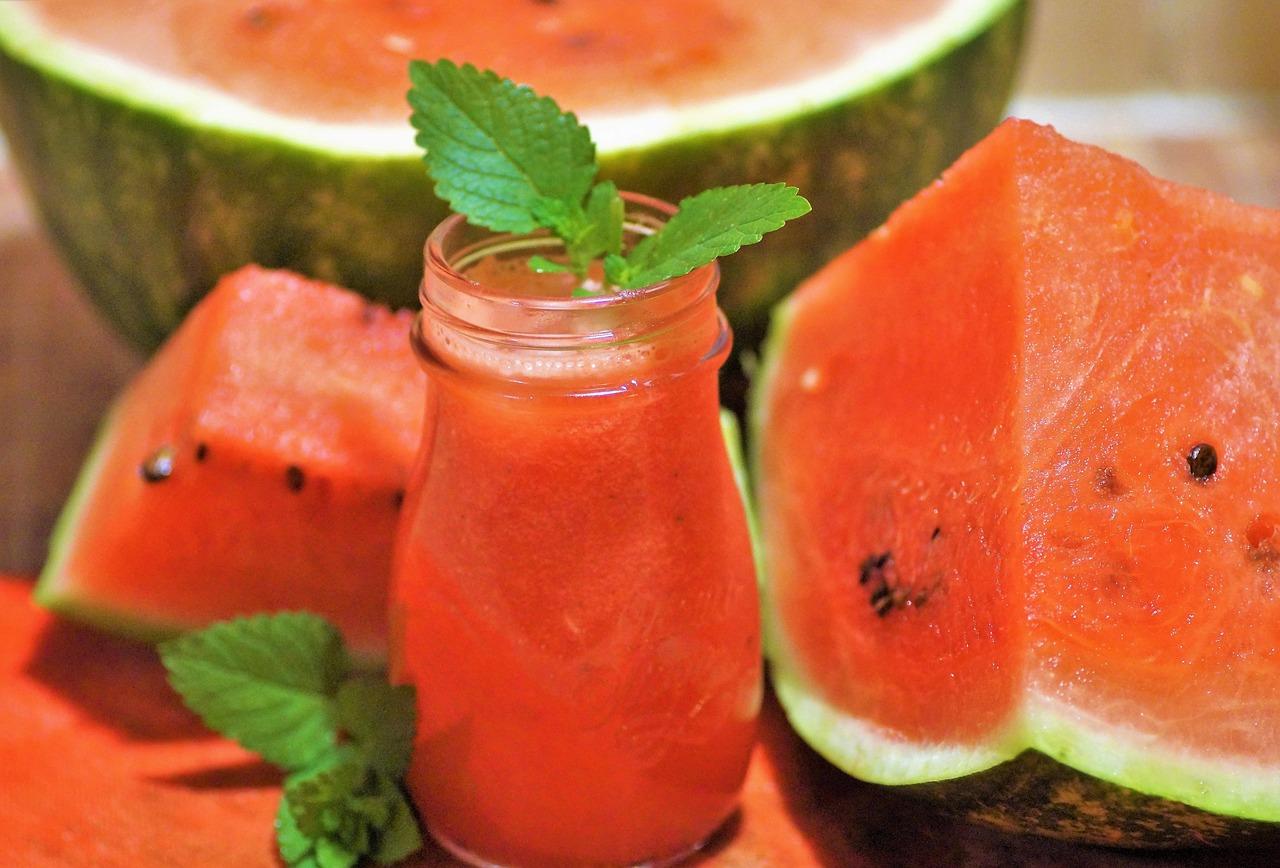
Agua de sandíaWatermelon drink

When watermelons are piled high in the markets of Jalisco and Sonora in summer, almost every taquería has a jar of bright pink agua de sandía next to the horchata. It needs only ripe watermelon, water, a squeeze of lime and a touch of sugar, and children love it. Chef's tip: a very ripe melon may need no sugar at all, so taste before you sweeten.

by KrazyBadal 0 views

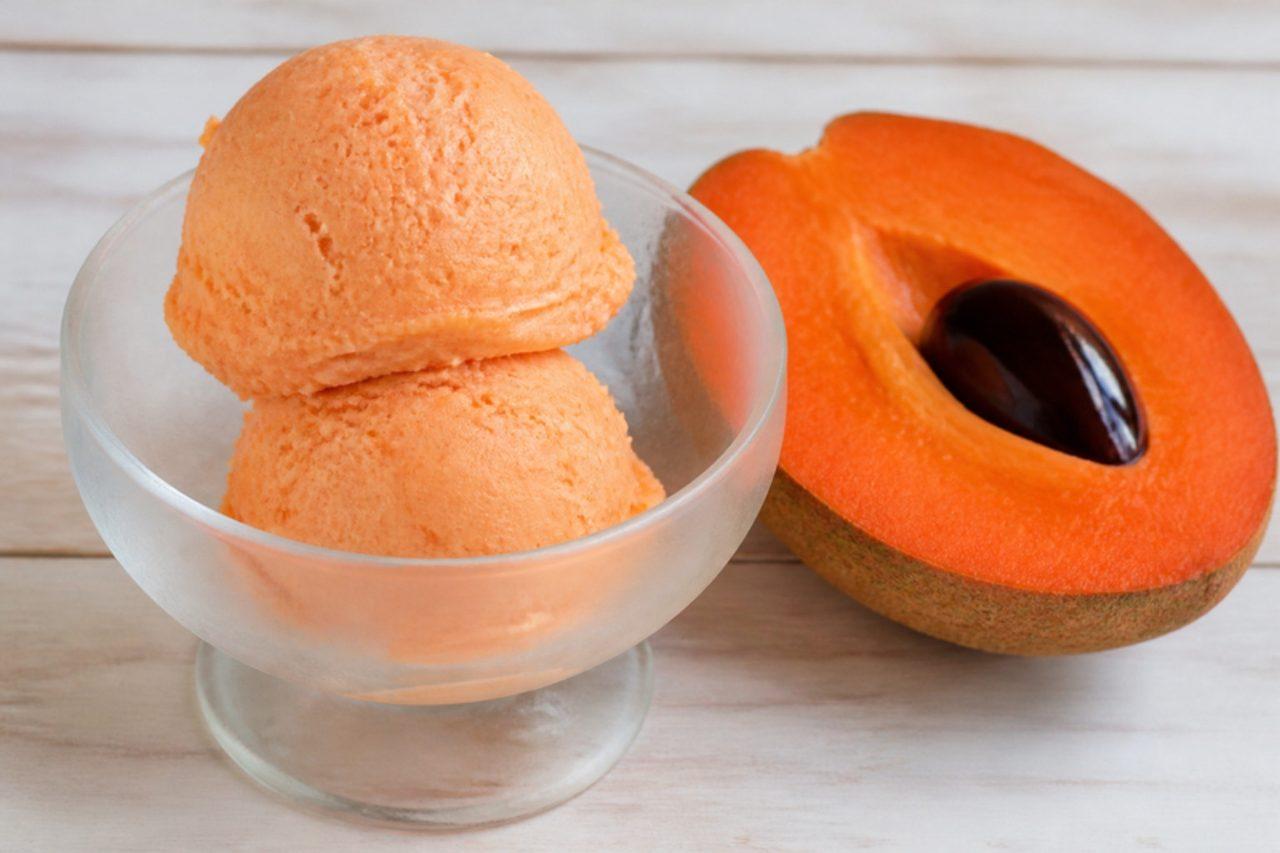
Nieve de mameyMamey ice cream

Mamey, the rough brown fruit with salmon-orange flesh that tastes like sweet potato, pumpkin and almond at once, is a favourite in Tabasco, Chiapas, Veracruz and the Yucatán, and its ice cream is a star of the nevería in any southern town. The fruit is naturally so creamy that a little milk and sugar is enough. It contains dairy. Chef's tip: use a mamey that gives like a ripe avocado when pressed; underripe ones taste chalky.

by KrazyBadal 0 views

Paletas de fresa con cremaStrawberry cream ice pops

Pink, creamy and dotted with red fruit, fresa con crema pops are the milky paletas children pick first at any paletería michoacana, and they echo the strawberries and cream sold in cups in Irapuato. Fresh strawberries are folded into a sweet milk-and-cream base that freezes smooth. It contains dairy. Chef's tip: macerate the strawberries in sugar first, as the syrup keeps the fruit soft rather than icy.

by KrazyBadal 0 views

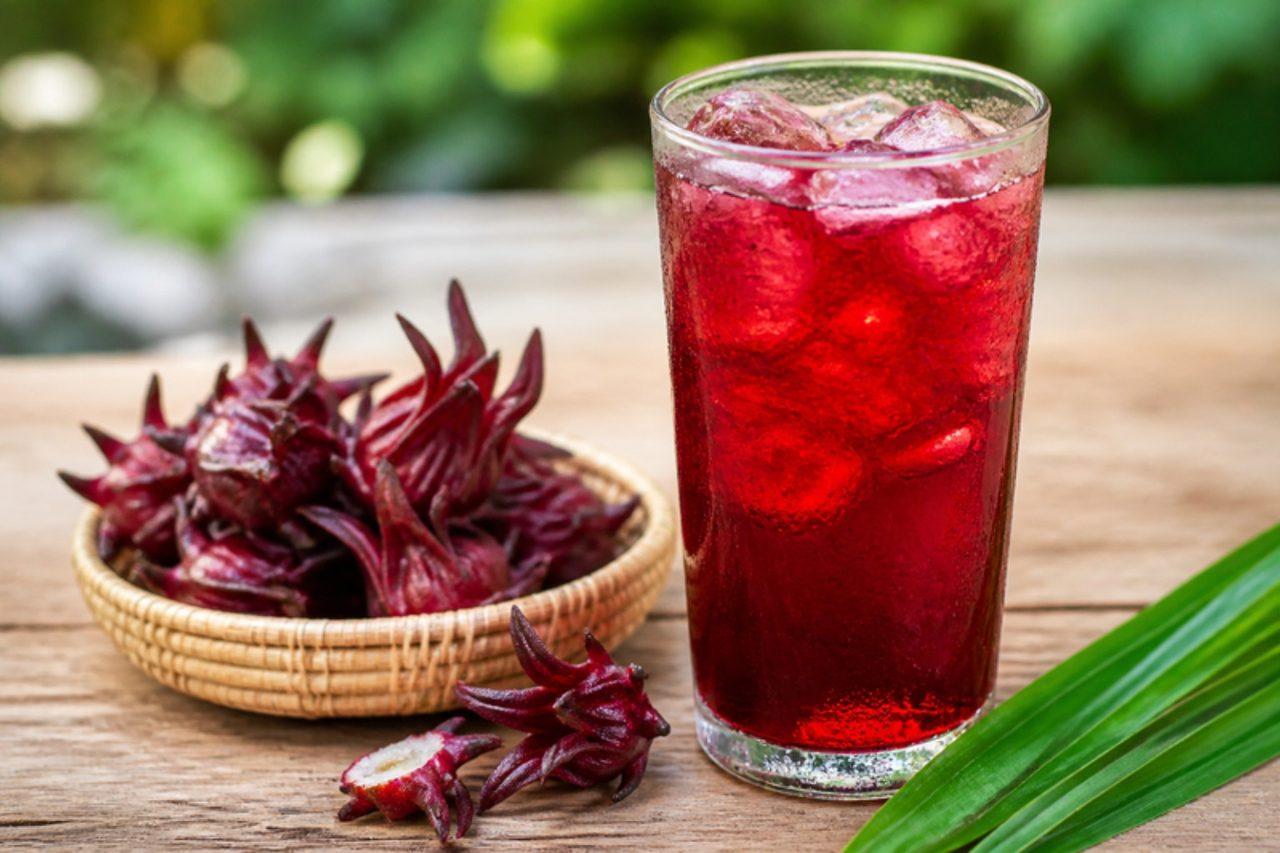
Nam krachiap (roselle drink)

In the dry hot season Thai markets from Isan to Bangkok sell bags of this ruby drink tied with a straw, made from the dried calyces of the roselle plant grown in the northeast. It tastes like cranberry with a floral edge, sharply tart and only lightly sweet, with a pinch of salt to lift it. Drink it very cold; it keeps for days in the fridge. Chef's tip: the mistake is boiling the roselle for a long time, which turns it bitter and dull; simmer briefly and then let it steep off the heat.

20 minThaiDrinksVeganGluten free
by KrazyBadal 0 views

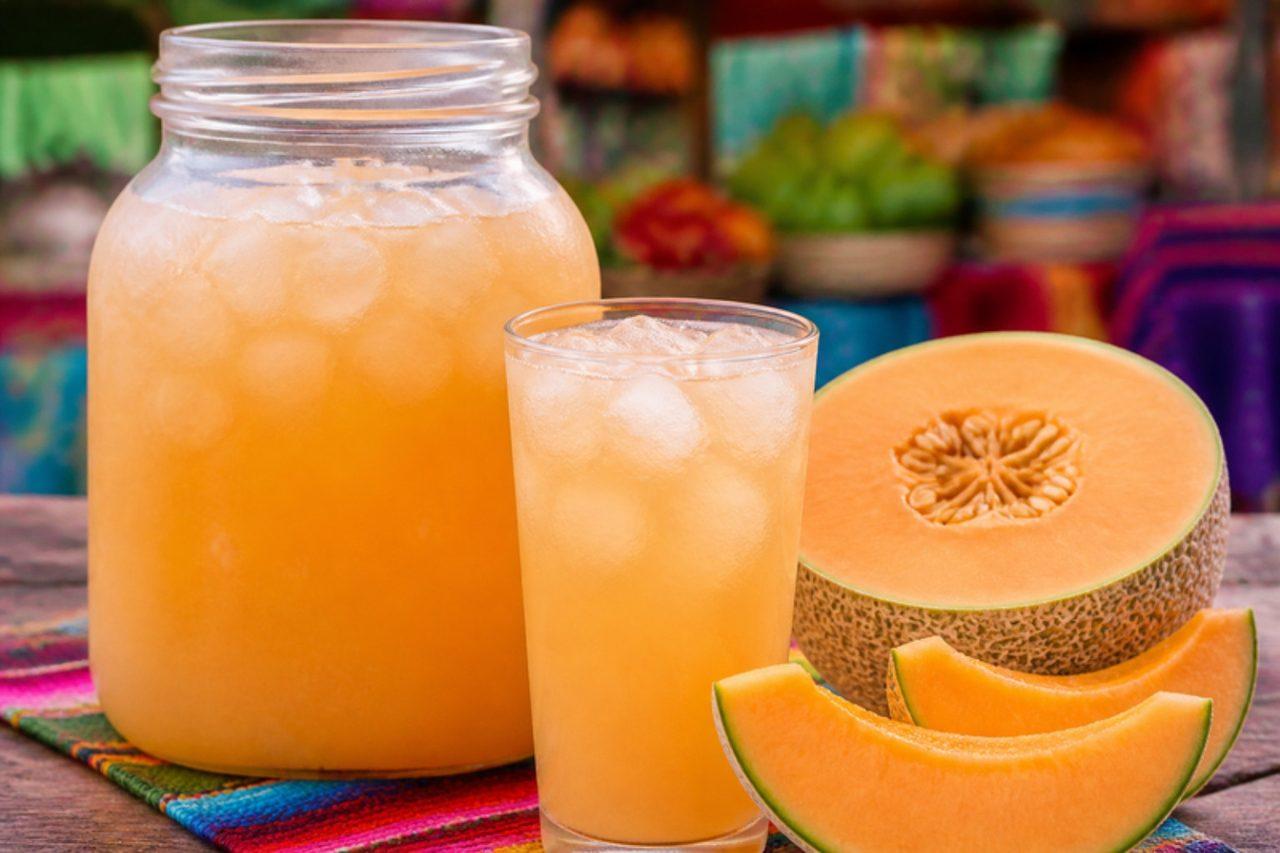
Agua de melónCantaloupe drink

Mexican market juice stalls make agua de melón with the ripest, most fragrant cantaloupes, and many cooks blend in the seeds and the soft pulp around them, which adds a creamy body and a nutty flavour. It's served in tall glasses on hot afternoons from Guanajuato to Veracruz and is a favourite with kids. Chef's tip: smell the stalk end of the melon before you buy it; if it smells sweet, the drink will too.

by KrazyBadal 0 views

Paletas de cocoCoconut ice pops

Coconut pops are a classic of the paleterías of Michoacán and of the beach carts of Acapulco and Veracruz, where fresh coconuts are cracked open to order. They are milky, sweet and chewy with shreds of coconut, more like frozen coconut cream than ice. It contains dairy. Chef's tip: toast a third of the coconut lightly before using, which brings out a deeper flavour without changing the snowy colour much.

by KrazyBadal 0 views

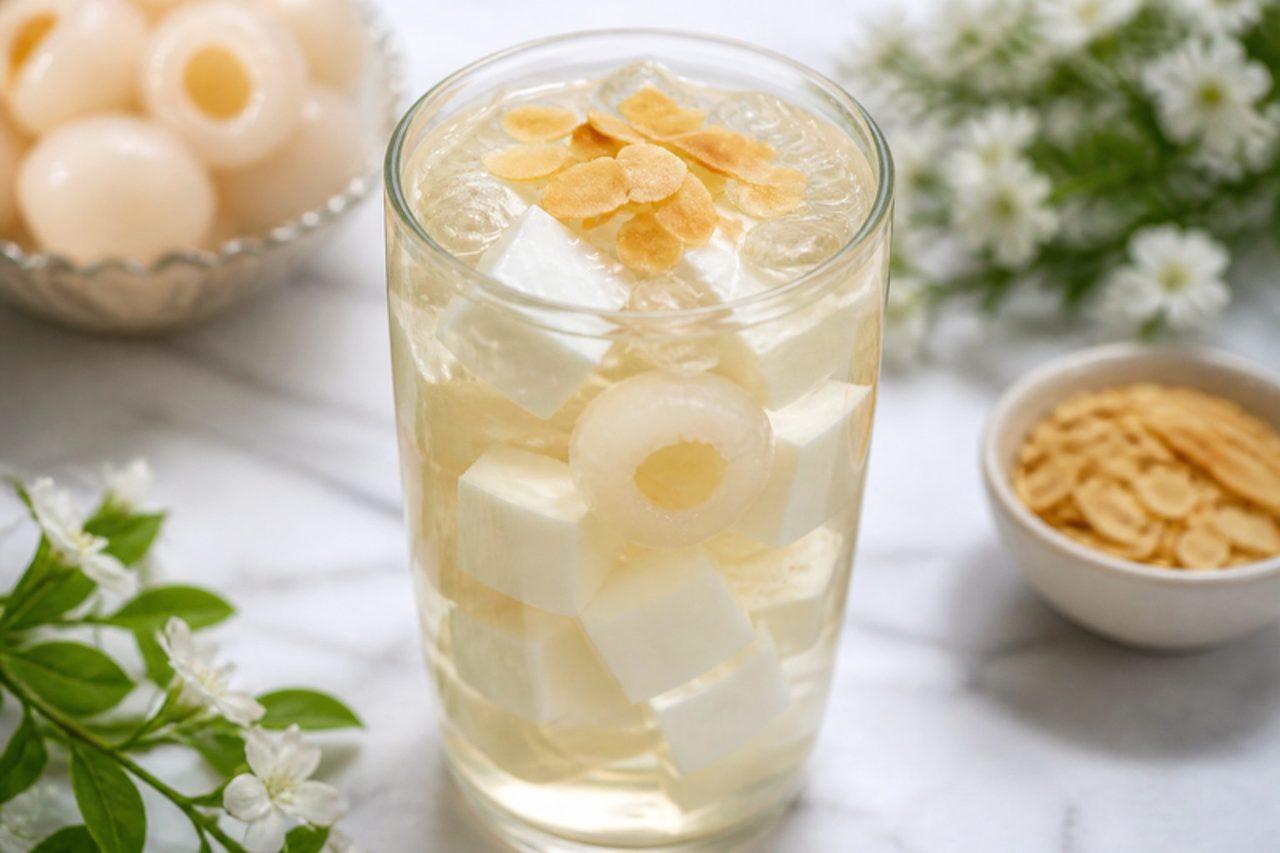
Chè khúc bạch (almond milk jelly with lychees)

Saigon's café-dessert shops made chè khúc bạch a craze in the 2010s, and it is still a cooling order on hot afternoons around Bến Thành. Soft, creamy cubes of almond-scented milk jelly float with lychees in a light lychee syrup, topped with crunchy toasted almonds, all over crushed ice. Gelatin is often used; this version sets with agar so it is vegetarian, and it holds firm even in tropical heat. Chef's tip: boil the agar for a full 2 minutes before adding the milk; agar that is only warmed won't set, which is the usual reason the jelly stays runny.

by KrazyBadal 0 views

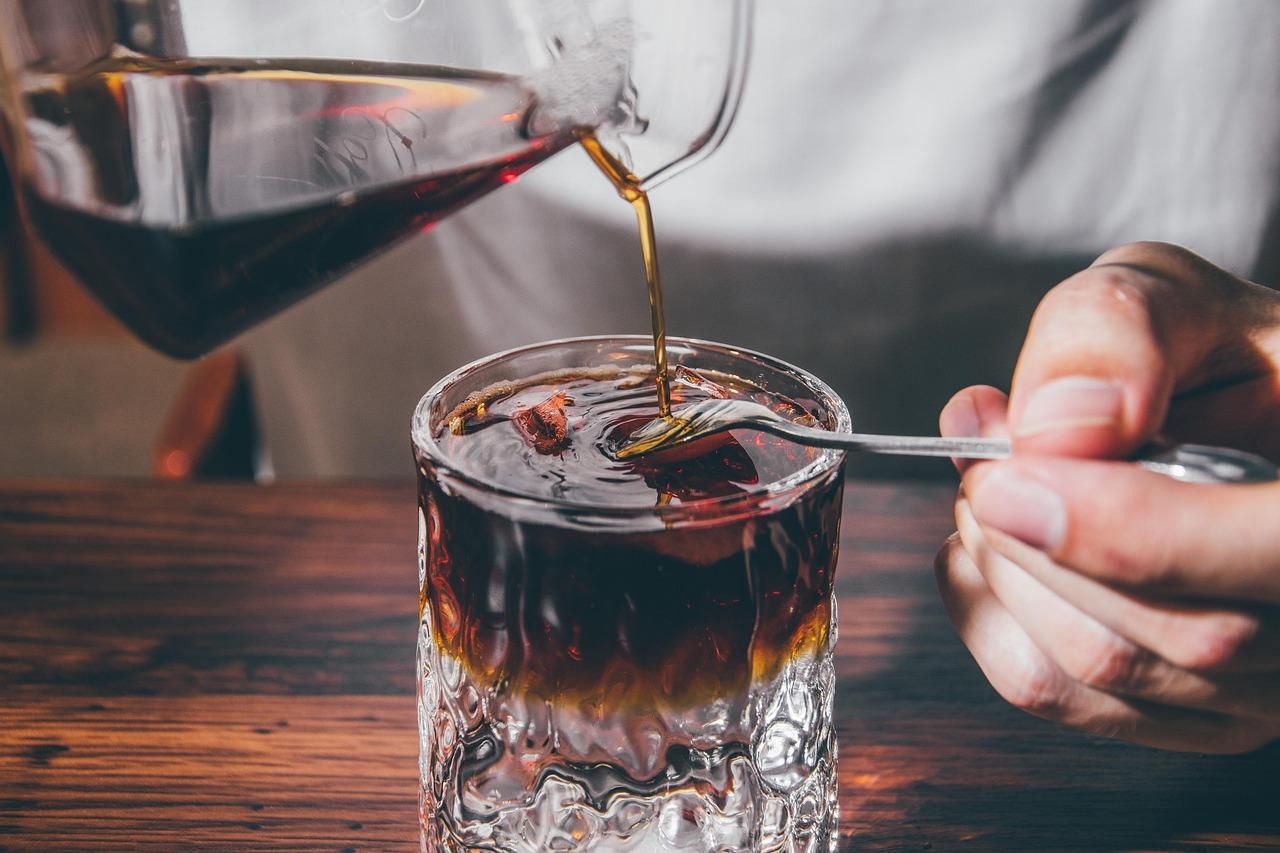
Oliang (Thai black iced coffee)

Old Bangkok coffee shops in Chinatown and Bang Rak still brew oliang through a long cotton sock, using a dark blend of coffee roasted with corn, soybeans, rice and sesame that gives it a toasty, almost cocoa-like flavour. It is served black, heavily sweetened and poured over crushed ice in tall glasses, a mid-morning pick-me-up for market traders. Look for any Thai 'oliang powder' blend in Asian shops, or mix dark coffee with roasted grains as below. It contains caffeine, so it is not one for children. Chef's tip: adding sugar after chilling is the mistake; dissolve it while the coffee is hot, or it stays gritty.

15 minThaiDrinksVeganGluten free
by KrazyBadal 0 views

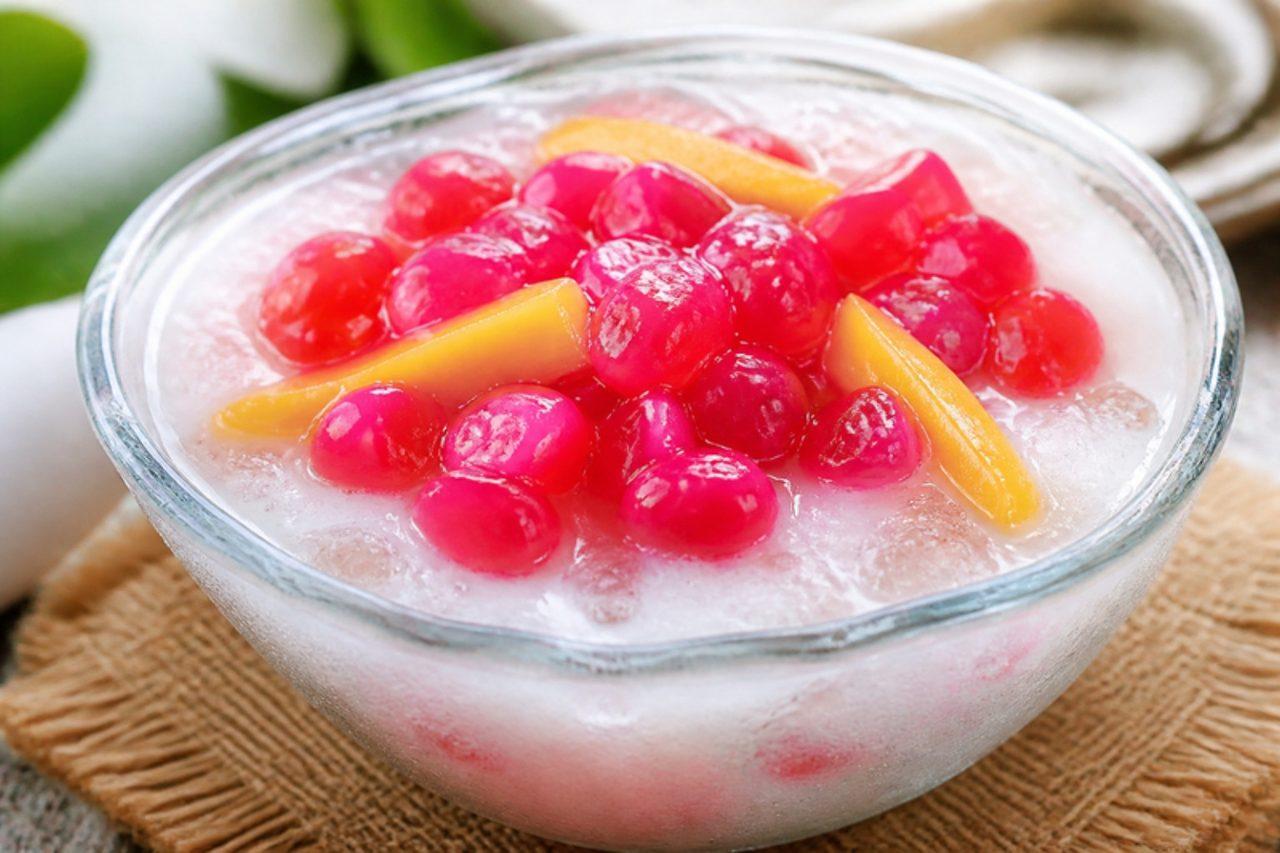
Tub tim grob (red rubies)Water chestnut in coconut milk

On a sticky afternoon in Bangkok, from the food courts of Siam to roadside dessert carts, this is the bowl people order to cool down. Each 'ruby' is a cube of water chestnut wrapped in a chewy, glassy coat of tapioca, so you get crunch inside slipperiness, all floating in jasmine-scented syrup and salted coconut milk with shaved ice. Some shops add jackfruit strips. Chef's tip: shake off excess starch before boiling; a thick coating turns into a gluey lump instead of a thin, see-through skin.

by KrazyBadal 0 views

OrzataAlmond syrup drink

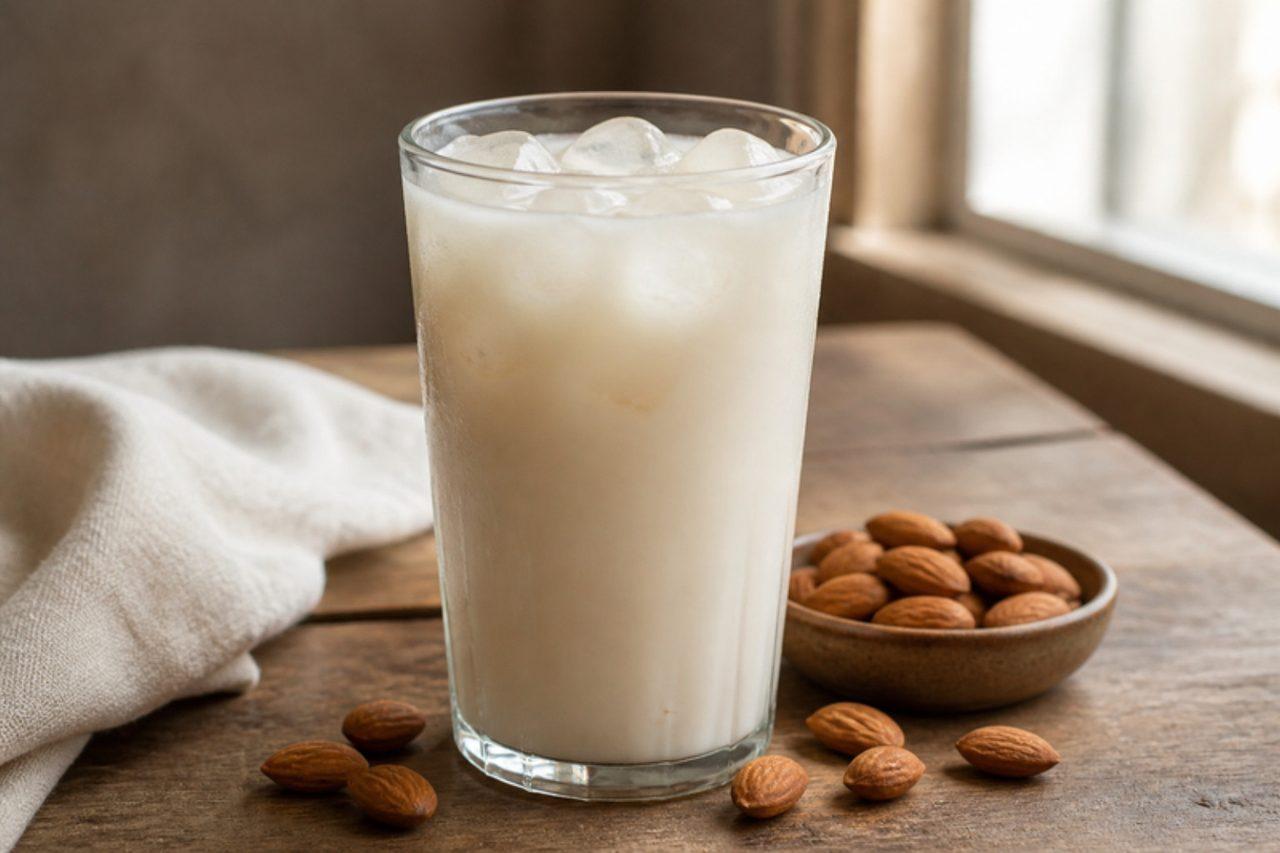
Orzata was first made from barley (orzo), but in Liguria, Sardinia and Sicily it has long been made from almonds: a milky, sweet almond syrup, diluted with ice-cold water and drunk on hot summer afternoons in seaside bars and at home. Its gentle almond and orange-blossom flavour makes it a children's favourite. Contains nuts. Chef's tip: soak the blanched almonds in water for an hour before blending; they release more milk and the syrup is richer.

by KrazyBadal 0 views

Granita di gelsi neriBlack mulberry granita

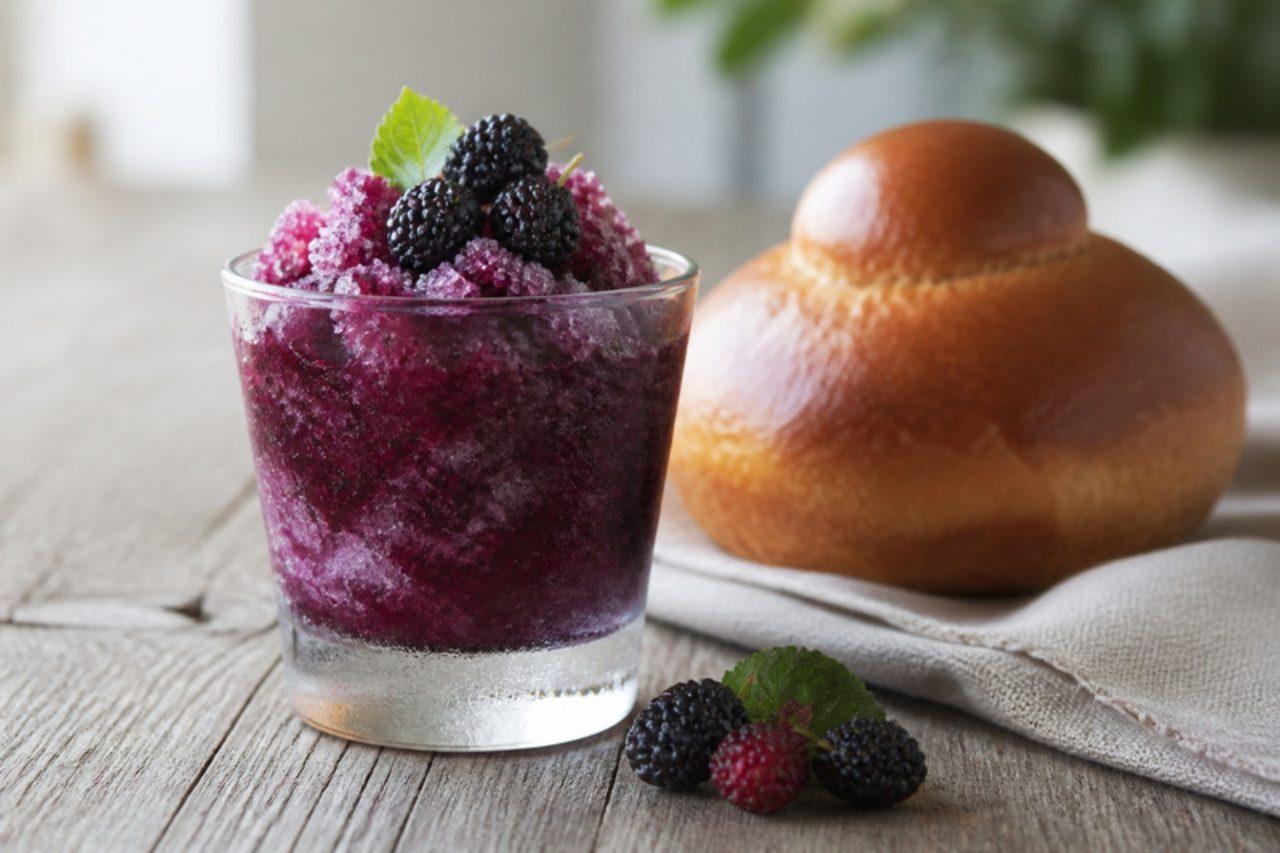
In late June and July the black mulberry trees of Sicily, especially around Messina and Acireale, drop their dark, juicy fruit, and the bars turn them into a granita the colour of ink, sweet and tangy, served in a glass with a warm brioche. Mulberries stain everything, so locals eat it carefully. If you can't find black mulberries, blackberries make a very similar granita. Chef's tip: add a squeeze of lemon; it brightens the berry flavour and keeps the colour vivid.

by KrazyBadal 0 views

Granita di mandorlaAlmond granita

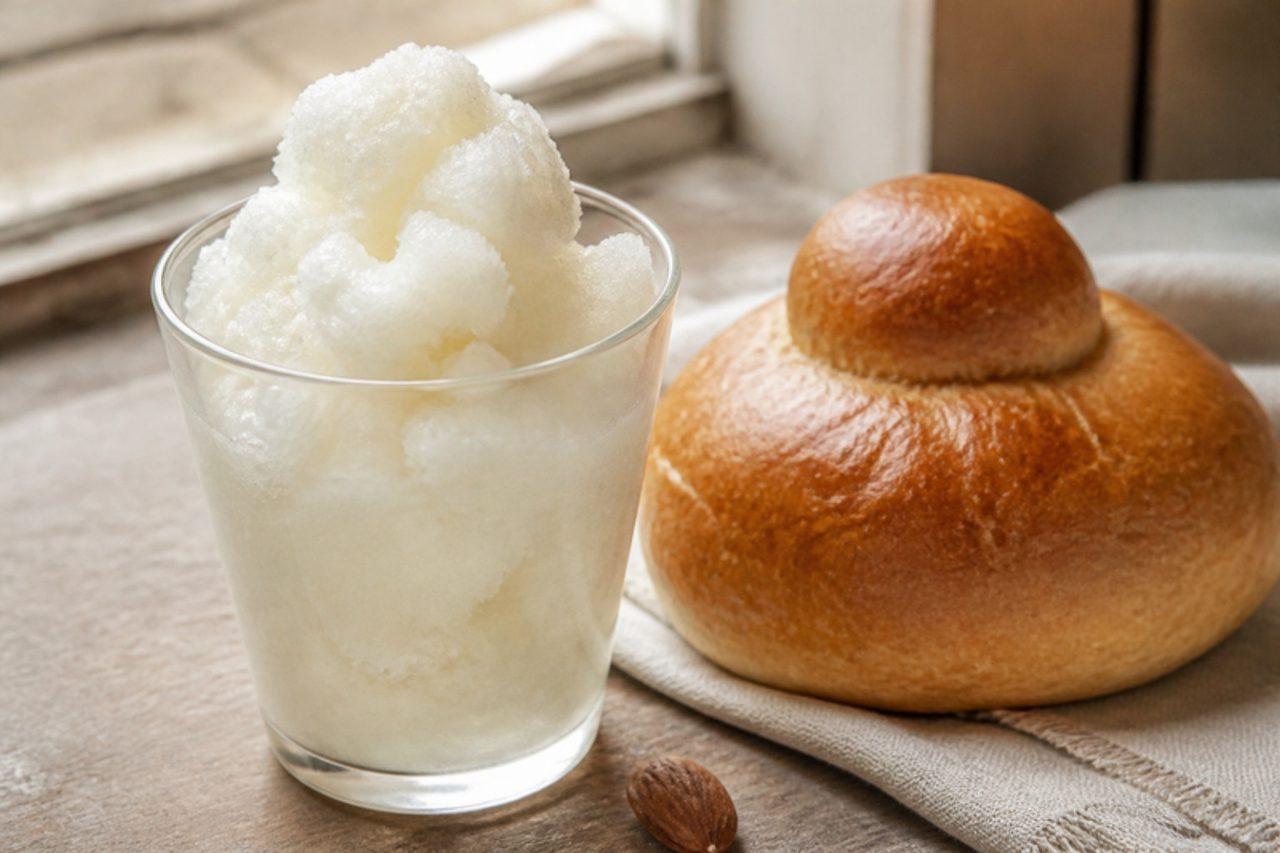
On summer mornings in Catania, Messina and the towns around Mount Etna, Sicilians have granita for breakfast: a glass of soft, flaky ice made from almond milk and sugar, eaten with a warm brioche col tuppo (with a little bun on top) for dunking. The almond granita is the most traditional flavour, white, sweet and fragrant. It is made without a machine, just scraped with a fork as it freezes. Contains nuts. Chef's tip: stir the granita every 30 minutes without fail; that's what gives it the soft, creamy flakes instead of a solid block.

by KrazyBadal 0 views

Gelato alla stracciatellaChocolate chip gelato

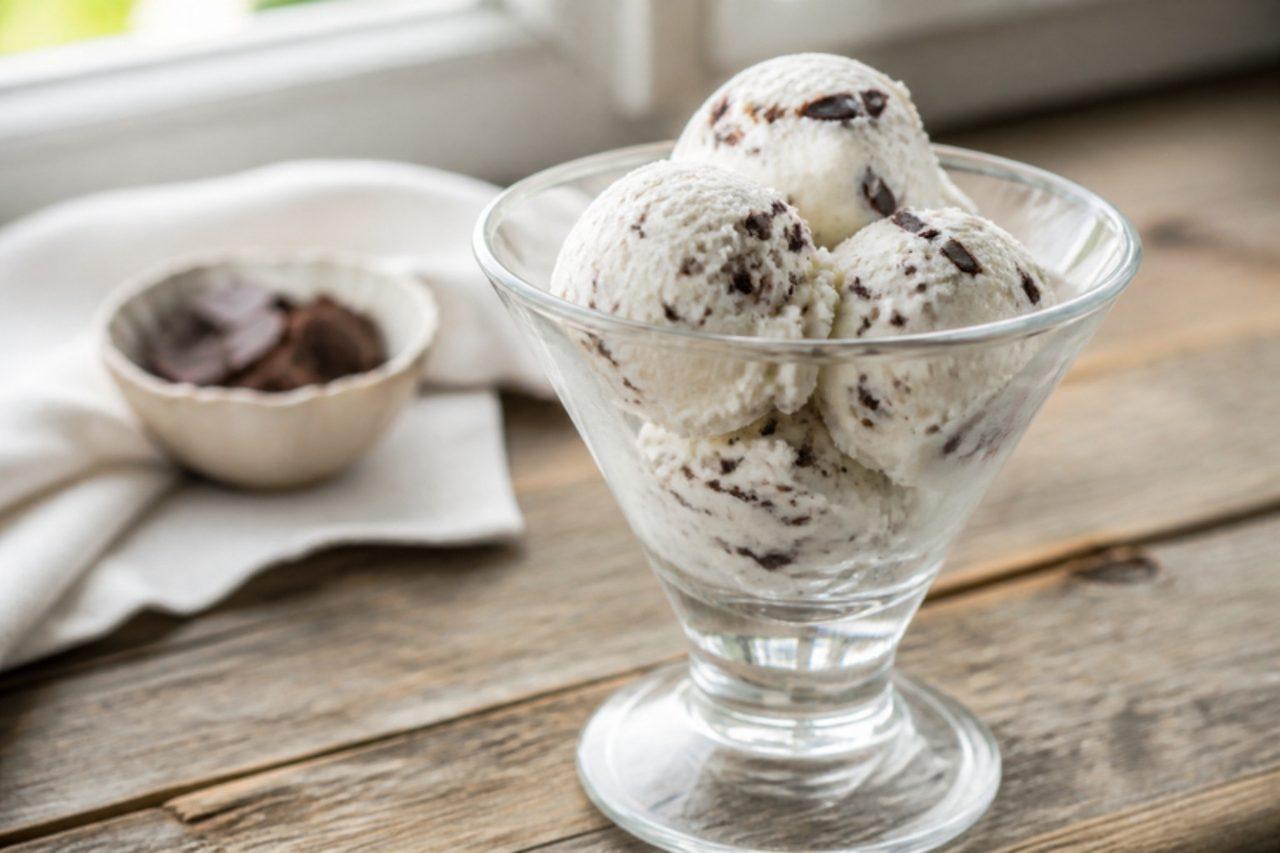
Stracciatella was invented in 1961 at the Gelateria La Marianna in Bergamo's upper town, inspired by stracciatella soup, where egg is stirred into broth in little rags (stracci). The gelato maker drizzled melted dark chocolate into churning fior di latte, where it froze instantly into thin, crisp shards. It became one of the best-loved flavours in Italy, a favourite with children. Chef's tip: drizzle the chocolate in a thin stream right at the end of churning; it must hit the cold gelato and set at once, or it forms hard lumps.

by KrazyBadal 0 views

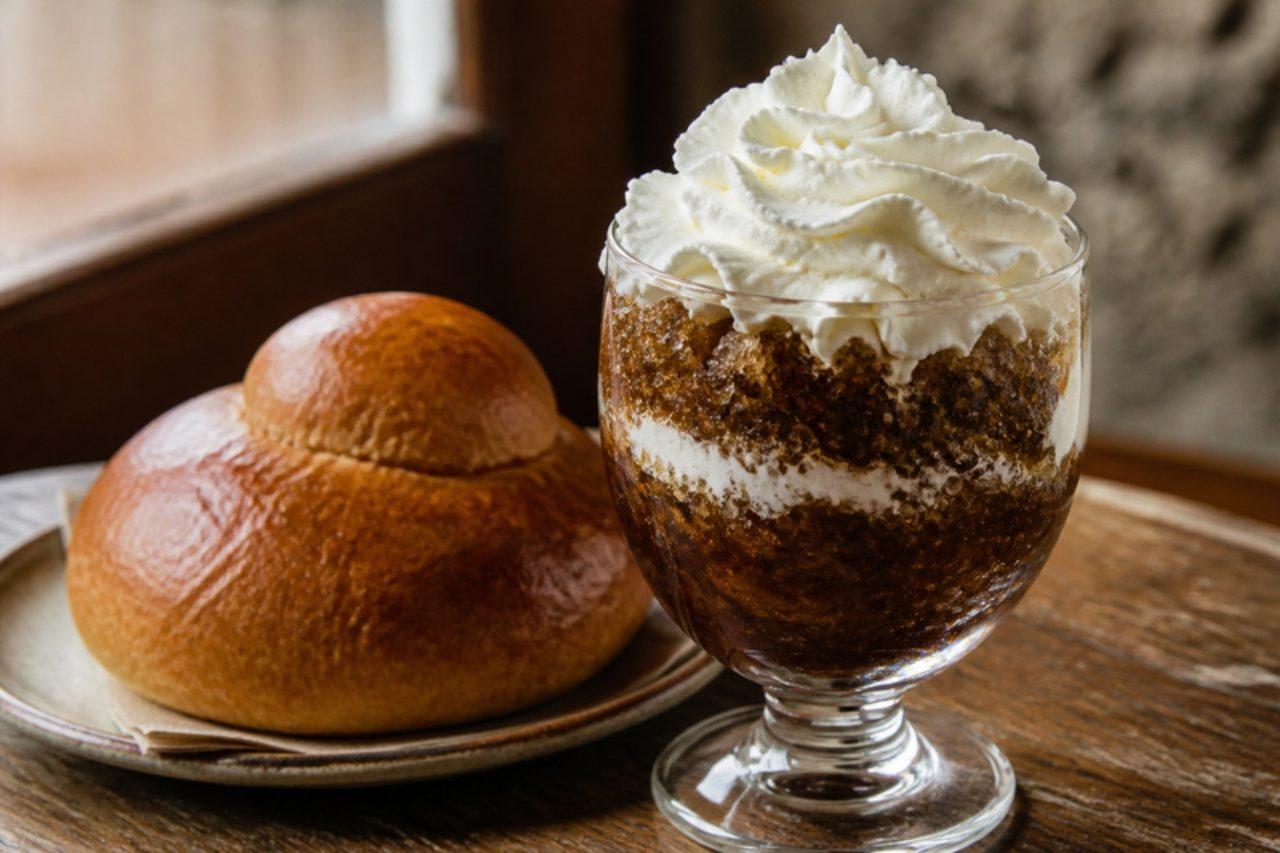
Granita al caffè con pannaCoffee granita with cream

In Sicily, and in Rome at the famous Tazza d'Oro café near the Pantheon, coffee granita is served in a glass layered with unsweetened whipped cream: cream at the bottom, coffee ice in the middle and more cream on top. It is a summer breakfast or afternoon pick-me-up, eaten with a long spoon or a brioche. It contains caffeine, so it isn't for children. Chef's tip: make the coffee strong and sweet; flavours fade when frozen, so it should taste almost too sweet before it goes in the freezer.

by KrazyBadal 0 views

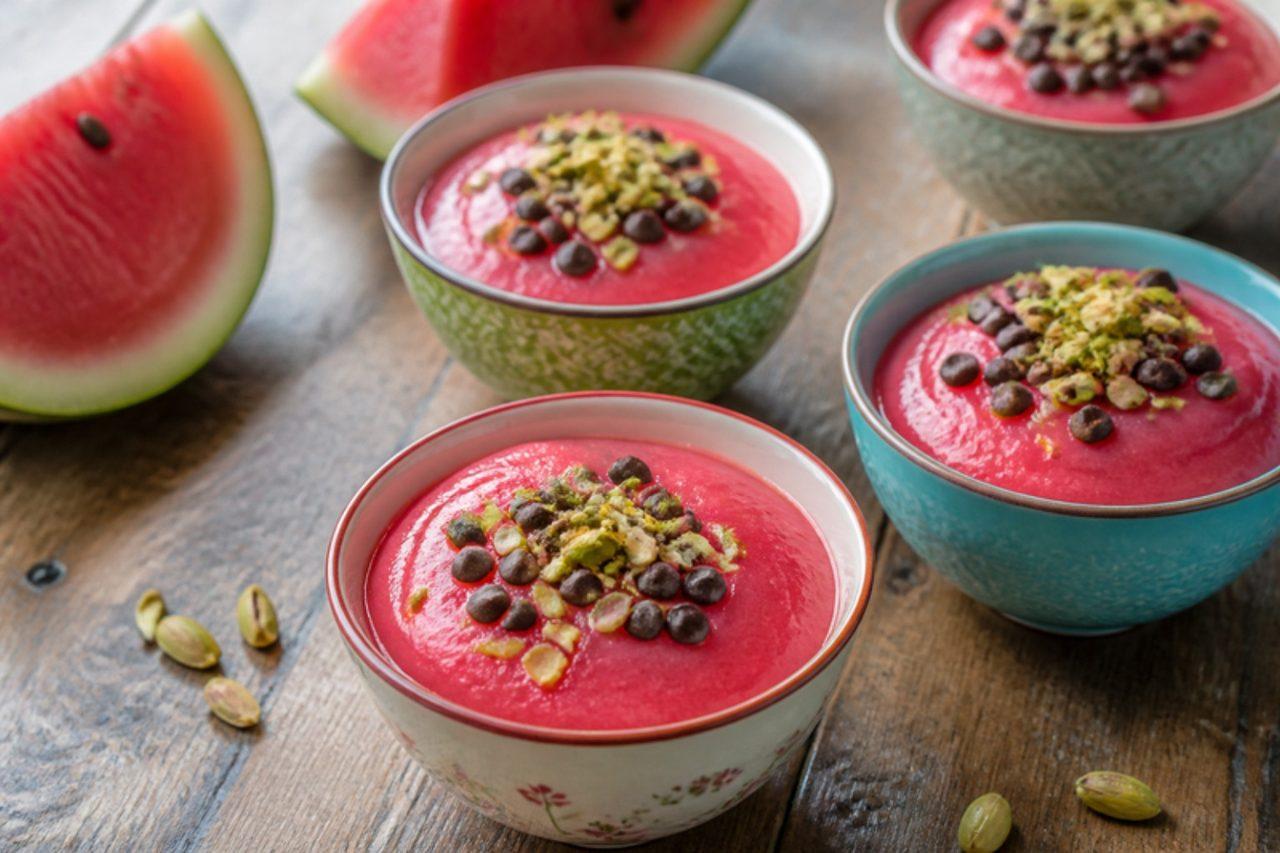
Gelo di melloneWatermelon jelly pudding

Gelo di mellone is the summer dessert of Palermo, eaten above all on 15 July for the feast of Santa Rosalia, the city's patron saint. Fresh watermelon juice is set with starch into a soft, wobbly pink pudding, scented with cinnamon and sometimes jasmine flowers, and topped with chocolate chips and chopped pistachios that look like watermelon seeds. It is served chilled in small bowls or as a tart filling. Contains nuts in the topping. Chef's tip: strain the watermelon juice through a fine sieve; any pulp clouds the jelly and stops it from setting smoothly.

by KrazyBadal 0 views

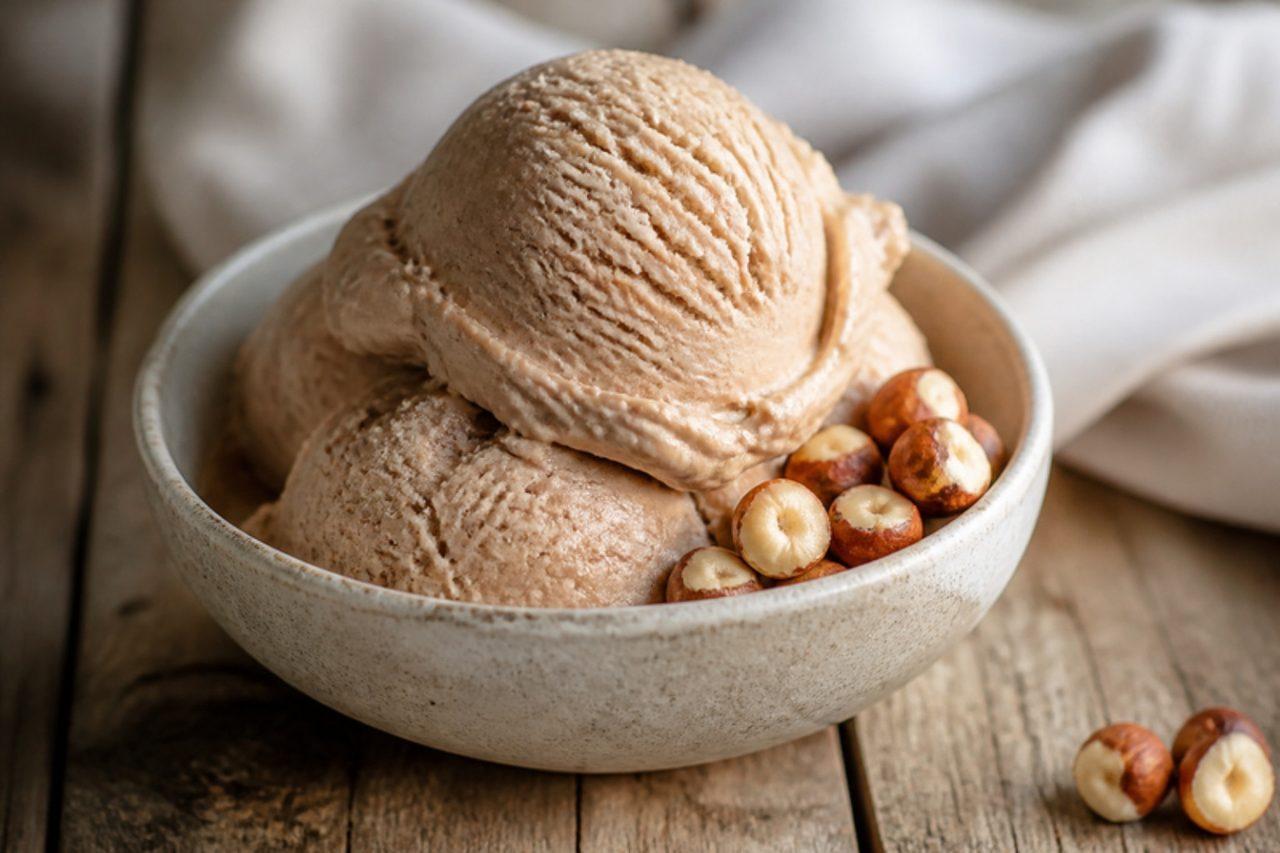
Gelato alla nocciolaHazelnut gelato

Piedmont's Langhe hills grow the Tonda Gentile hazelnut, prized for its sweet, toasty flavour, and the region's gelaterie turn it into a deep, nutty, caramel-coloured gelato that many Italians consider the king of flavours. Turin is also where hazelnut and chocolate were first combined, in gianduja. In winter the same paste goes into cakes and biscuits. Contains nuts. Chef's tip: toast the hazelnuts until dark golden right through; under-toasted nuts give a flat, green flavour.

by KrazyBadal 0 views

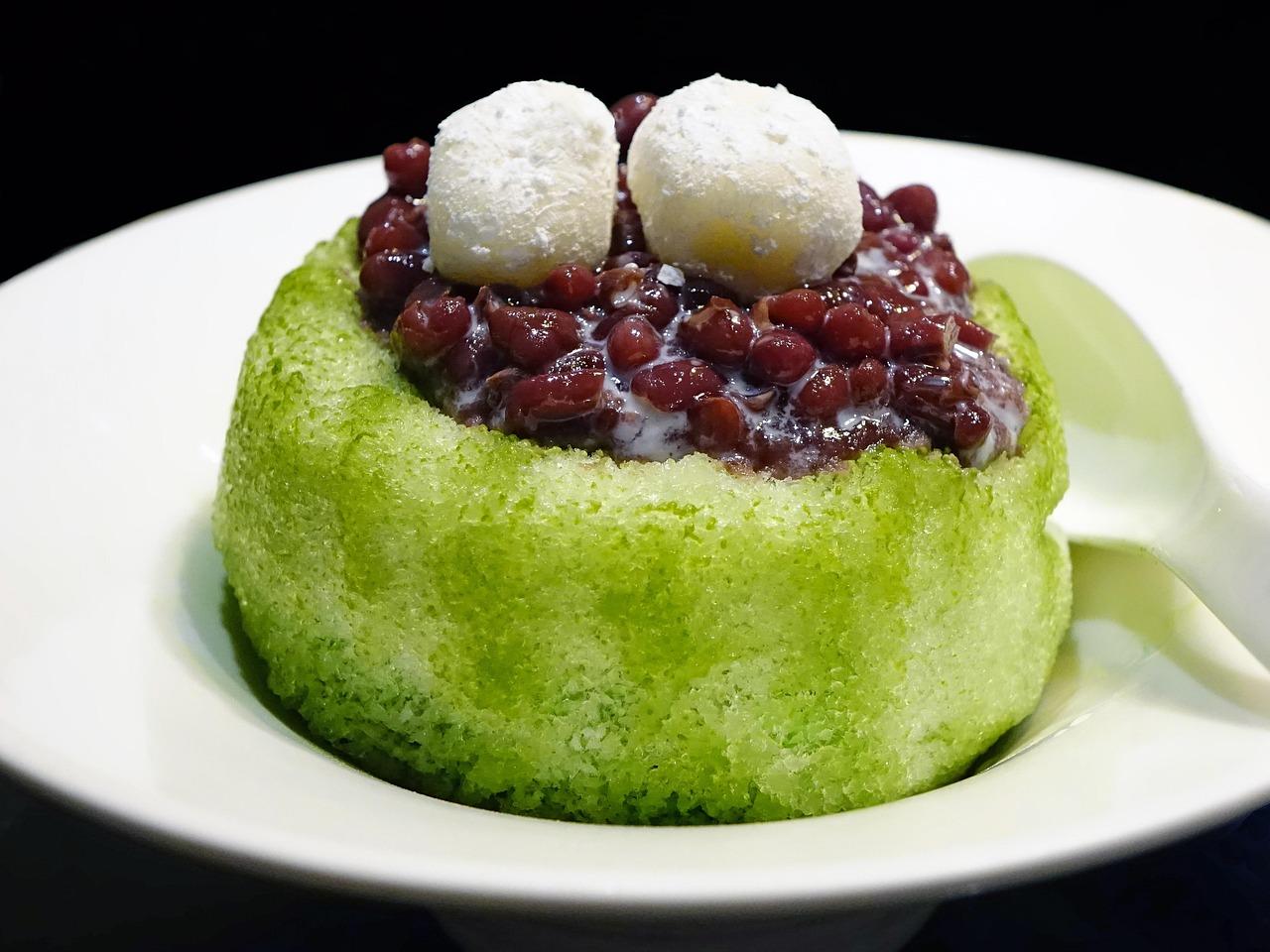
KakigoriShaved ice

Kakigori is Japan's great summer cooler, sold under a flag printed with the character 氷 (ice) at festival stalls and seaside huts and turned into an art in Tokyo dessert cafés, where queues form in July and August. Ice is shaved into soft, snow-like flakes that melt on the tongue, then soaked in fruit syrup, matcha syrup or sweetened condensed milk. Contains dairy if you use condensed milk. The common mistake is using ice straight from the freezer: very cold ice shatters into crunchy shards, so let the block soften for 10 minutes first. Chef's tip: build it in two layers, pouring syrup over the half-full bowl and then again on top, so it is flavoured all the way through.

by KrazyBadal 0 views

AnmitsuAgar jelly with red bean

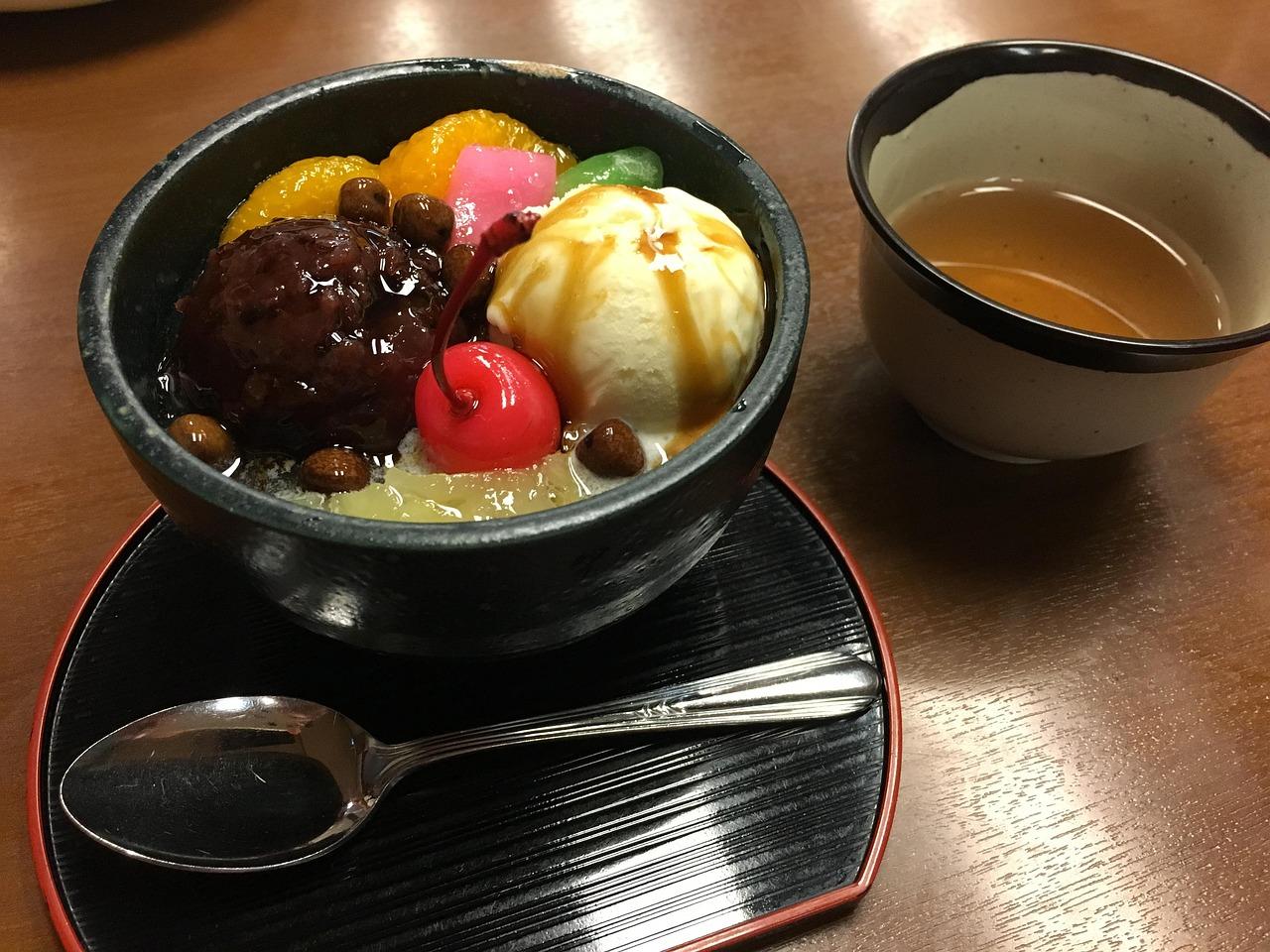
Anmitsu became a craze in Tokyo's Ginza and Asakusa tea rooms in the 1930s and is still the classic summer order in kanmidokoro, the sweet cafés of old Tokyo. Clear, firm cubes of agar jelly are piled into a bowl with seasonal fruit, a scoop of sweet bean paste and boiled red peas, then drenched in dark, smoky kuromitsu syrup. The common mistake is using gelatin, which melts; agar jelly stays firm and refreshing at room temperature. Chef's tip: make the kuromitsu with Okinawan kokuto black sugar if you can; it gives a deep, almost liquorice-like flavour that muscovado only gets close to.

by KrazyBadal 0 views

Gelato al pistacchioPistachio gelato

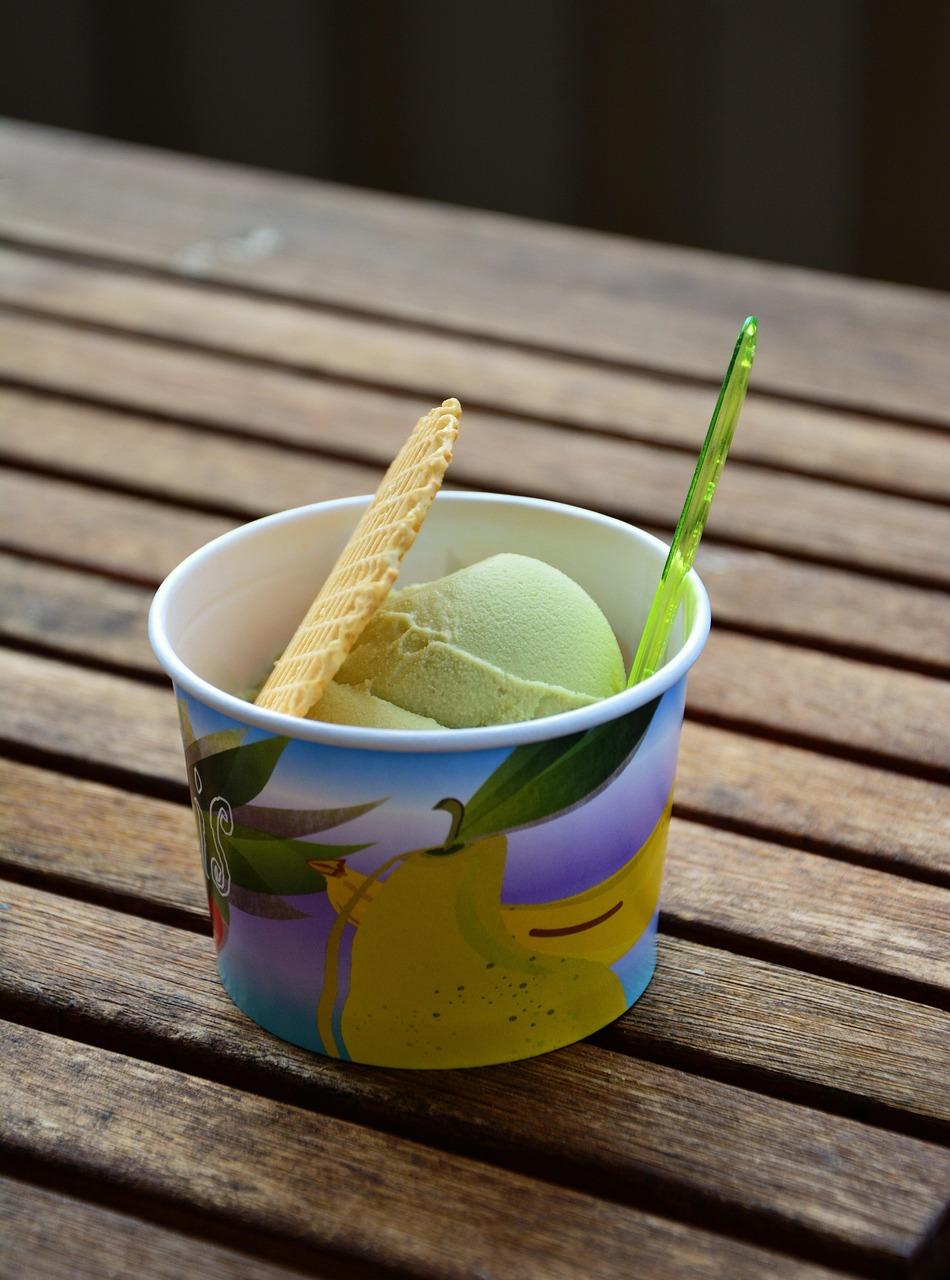
Real Sicilian pistachio gelato is not bright green; it is a dull, olive-brown colour and tastes intensely of roasted nuts, especially when made with pistachios from Bronte on the slopes of Mount Etna. In Palermo and Catania it is eaten in a brioche for breakfast or as a cone after dinner. The secret is pure pistachio paste, with no added colour or flavourings. Contains nuts. Chef's tip: if you can't find pistachio paste, blend roasted pistachios with a spoon of oil for 5 minutes until it runs smooth; any graininess shows up in the gelato.

by KrazyBadal 0 views

Gelato al fiordilatteMilk gelato

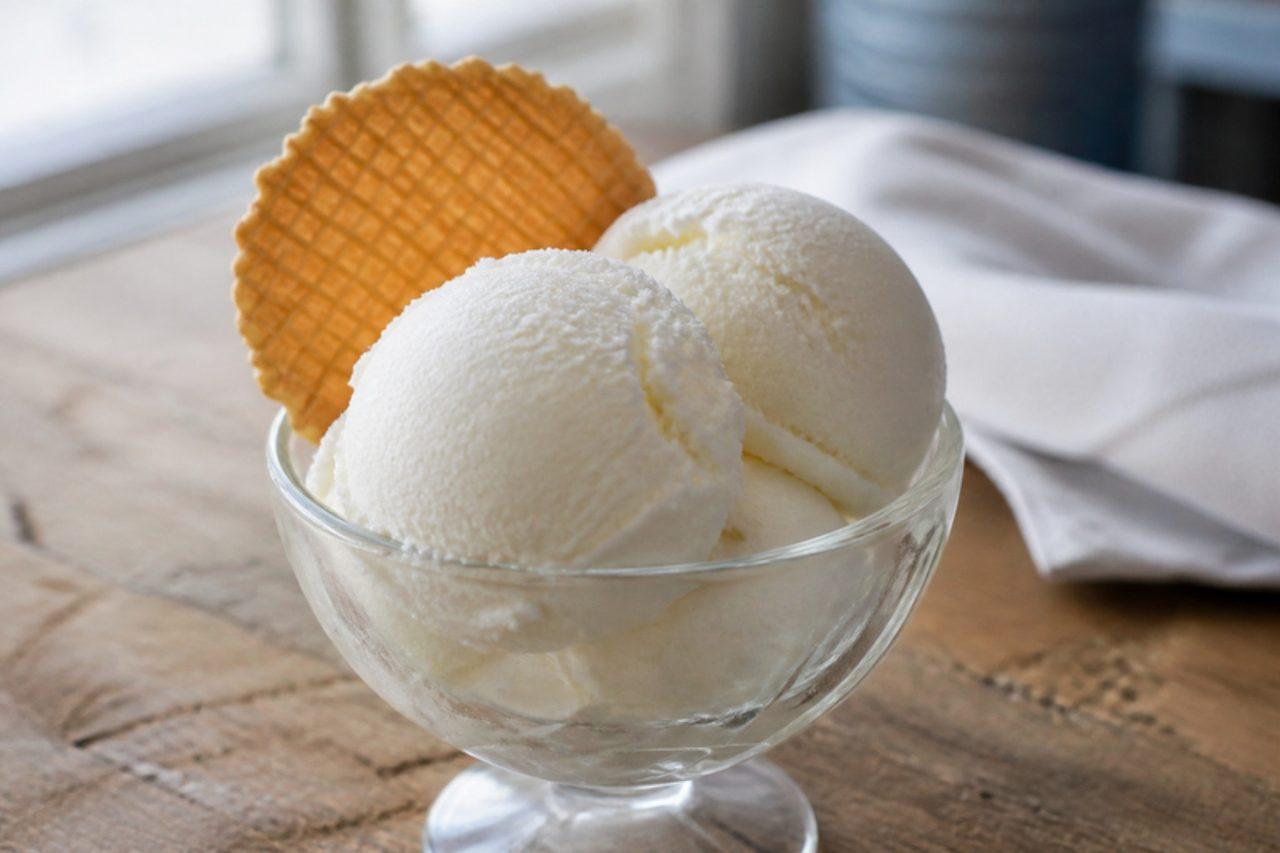
In every gelateria from Turin to Palermo, fior di latte ("flower of milk") is the plainest flavour in the case and the one gelato makers judge each other by: just fresh milk, cream and sugar, with no eggs and no vanilla, so it tastes clean and milky. It is the base for stracciatella and the perfect partner for fruit sorbets in a cone. Italian children often choose it on summer evenings during the passeggiata. Chef's tip: chill the base overnight before churning; a fully cold base freezes faster into smaller ice crystals, which makes it smoother.

by KrazyBadal 0 views

Gelato alla cremaCustard gelato

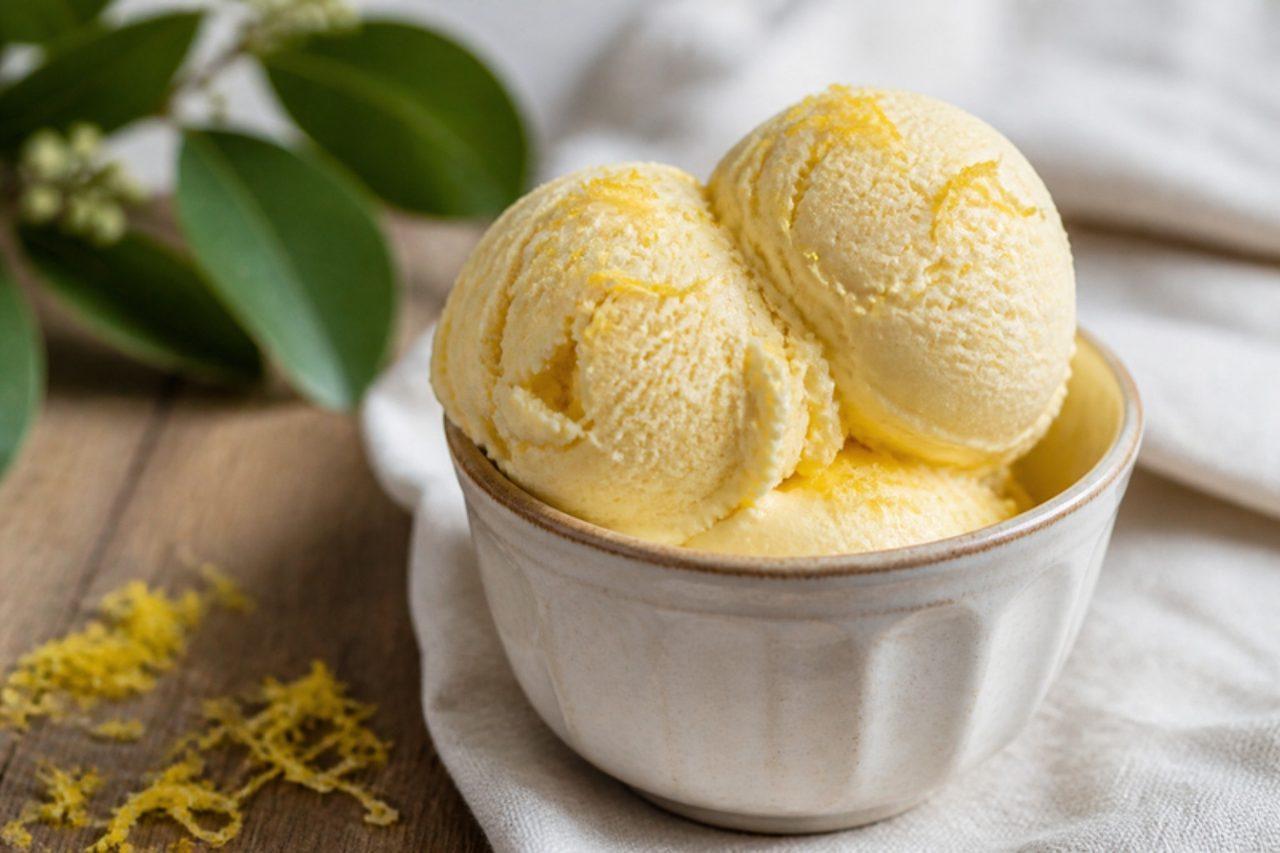
Crema is the yellow, custard-flavoured gelato that Italian grandparents always order, made with egg yolks like a crème anglaise and perfumed with lemon zest rather than vanilla, as was the old way in Florence and Sicily. It is rich and smooth and is the base for many classic flavours, and many gelaterie still call it "crema della nonna". Chef's tip: cook the custard until it reaches 82 °C and coats the back of a spoon; this makes the yolks safe and gives a silky texture without scrambling.

by KrazyBadal 0 views

TereréIced yerba mate

In Asunción the hottest part of the day stops for tereré: a horn or cup packed with yerba mate, topped up again and again with ice water infused with crushed herbs, and passed round the group through a metal straw. It was recognised by UNESCO as part of Paraguay's cultural heritage, and the herbs (yuyos) change with the season and the drinker's mood. Yerba mate contains caffeine, so it isn't one for small children. The common mistake is pouring water straight into loose yerba, which then clogs the straw; tilt the yerba to one side first. Chef's tip: for tereré ruso, swap the water for cold orange or grapefruit juice.

by KrazyBadal 0 views

Durofrío de mangoFrozen mango milk pops

In the hot streets of Centro Habana, durofríos are sold straight from the front windows of family homes: a few pesos buys a frozen cup of fruit juice or fruit and milk, popped out and eaten on a stick or straight from its paper cup. Children queue for them after school in the long summer afternoons, when the sea breeze has dropped. This version blends ripe mango with milk and lime into a creamy, fruity ice that is firm, as the name says ("hard-cold"), rather than soft like ice cream. Swap the milk for water or guava juice for a dairy-free fruit ice. It contains milk. Chef's tip: make the mix taste a little too sweet before freezing; cold dulls sweetness.

by KrazyBadal 0 views

Ragi ambaliFinger millet porridge drink

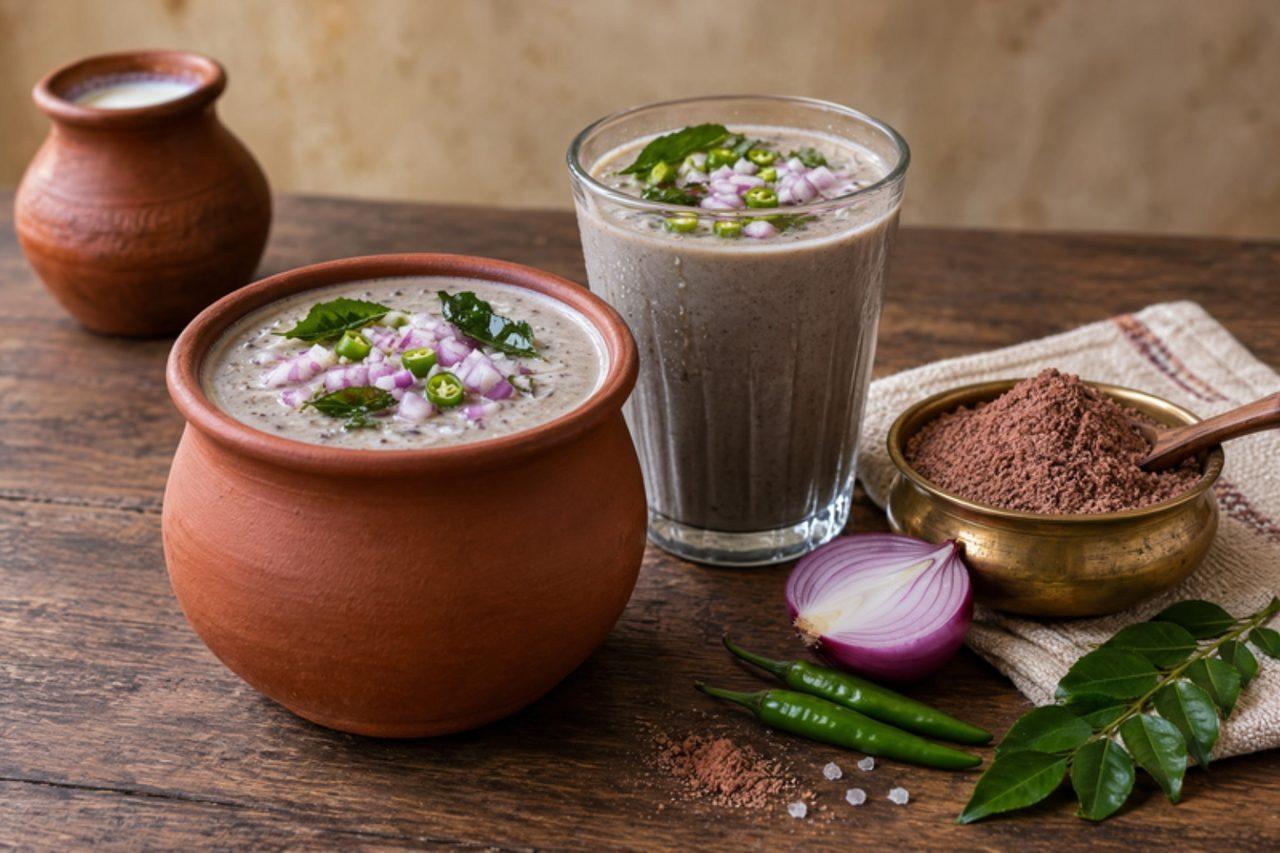
Across rural Andhra Pradesh and Telangana, farm workers drink a big glass of ragi ambali in the early morning before the summer heat, and clay pots of it are sold at roadside stalls in April and May. Finger-millet flour is cooked into a thick paste, left overnight to ferment lightly, then thinned with buttermilk and stirred with raw onion, green chilli and curry leaves into a cool, tangy, savoury drink. It is suitable as part of a balanced diet. About 140 kcal and 22 g carbohydrate per portion. The usual mistake is pouring the ragi flour straight into boiling water, which makes lumps; mix it with cold water first. Chef's tip: cook the paste until it turns glossy and darker, about 8 minutes; undercooked ragi tastes raw and floury.

by KrazyBadal 0 views

Mugicha (roasted barley tea)

From the rainy season in June until the cicadas fall quiet in September, almost every Japanese household keeps a tall jug of mugicha in the fridge. It is poured for children coming in from summer club practice, for grandparents after an afternoon nap, and alongside cold sōmen at lunch, because it carries no caffeine and can be drunk all day. Whole barley grains roasted until deep brown give a cup that tastes of toast, a little of coffee and a little of popcorn, with a clean, dry finish and no sweetness at all. Supermarkets sell it in tea bags, but loose roasted grains simmered in a pan make a rounder, darker brew. The usual mistake is leaving the grains in the jug or letting the hot tea sit out on the counter for hours: it turns bitter and, being a grain infusion, it sours quickly in summer heat. Strain it, cool it fast in a sink of cold water, and drink it within two days. It is ready when the liquid is a clear amber-brown and smells like freshly toasted bread. Chef's tip: dry-toast the grains for two minutes before brewing to wake up a bag that has been open a while.

by KrazyBadal 0 views

Surti cold cocoaThick chilled cocoa milk

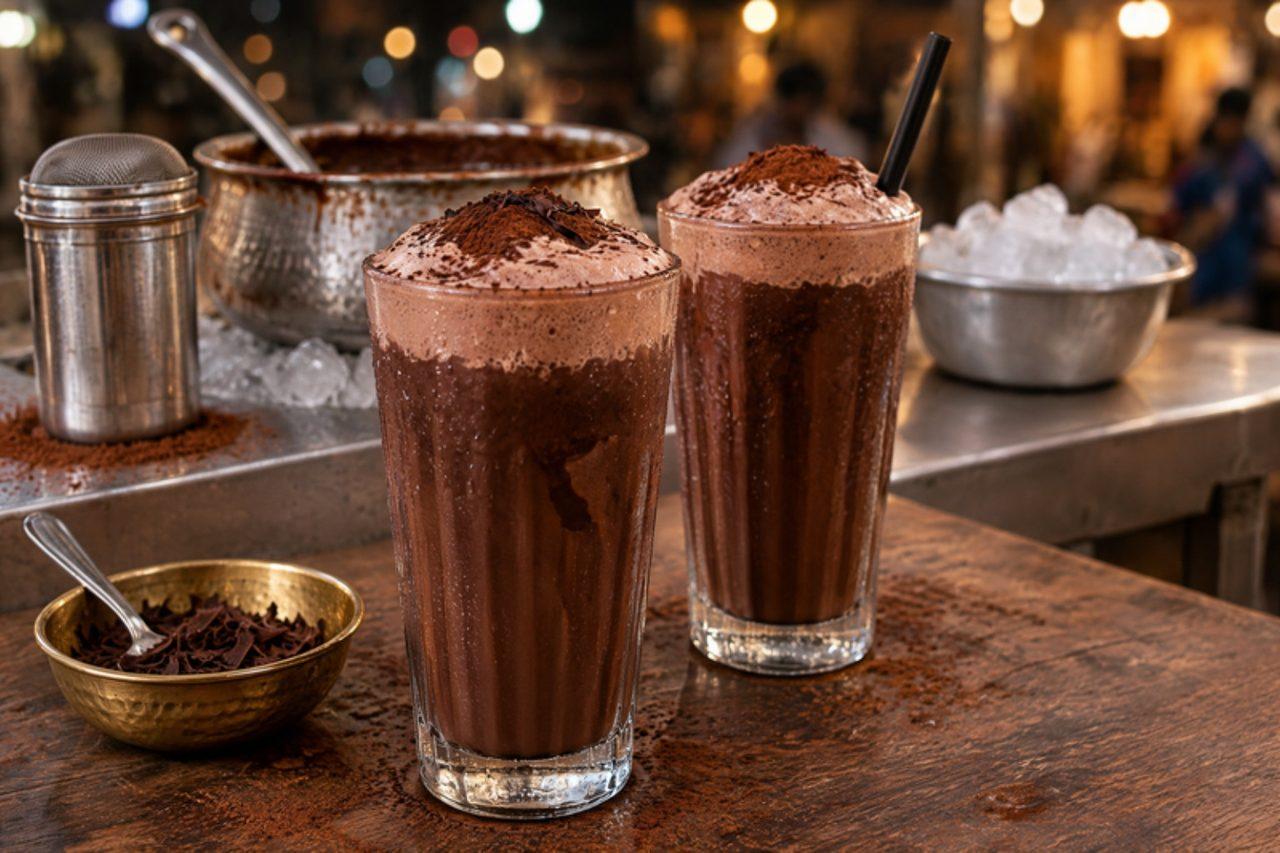
Long after dinner, the lanes around Surat's Chowk Bazaar and Athwa Lines fill with families queueing for cold cocoa, a thick, almost milkshake-like chocolate milk poured from big steel cans into tall glasses. The secret is cooking cocoa and a spoon of cornflour into rich milk first, then chilling it for hours so it thickens and the cocoa flavour deepens, before whisking it frothy to order. The common mistake is stirring cocoa powder straight into cold milk, which leaves bitter, dusty lumps floating on top. Chef's tip: make it the night before and whisk with a hand blender for 30 seconds just before pouring for the classic foamy head.

by KrazyBadal 0 views

Sharbat-e bidmeshk (willow blossom sherbet)

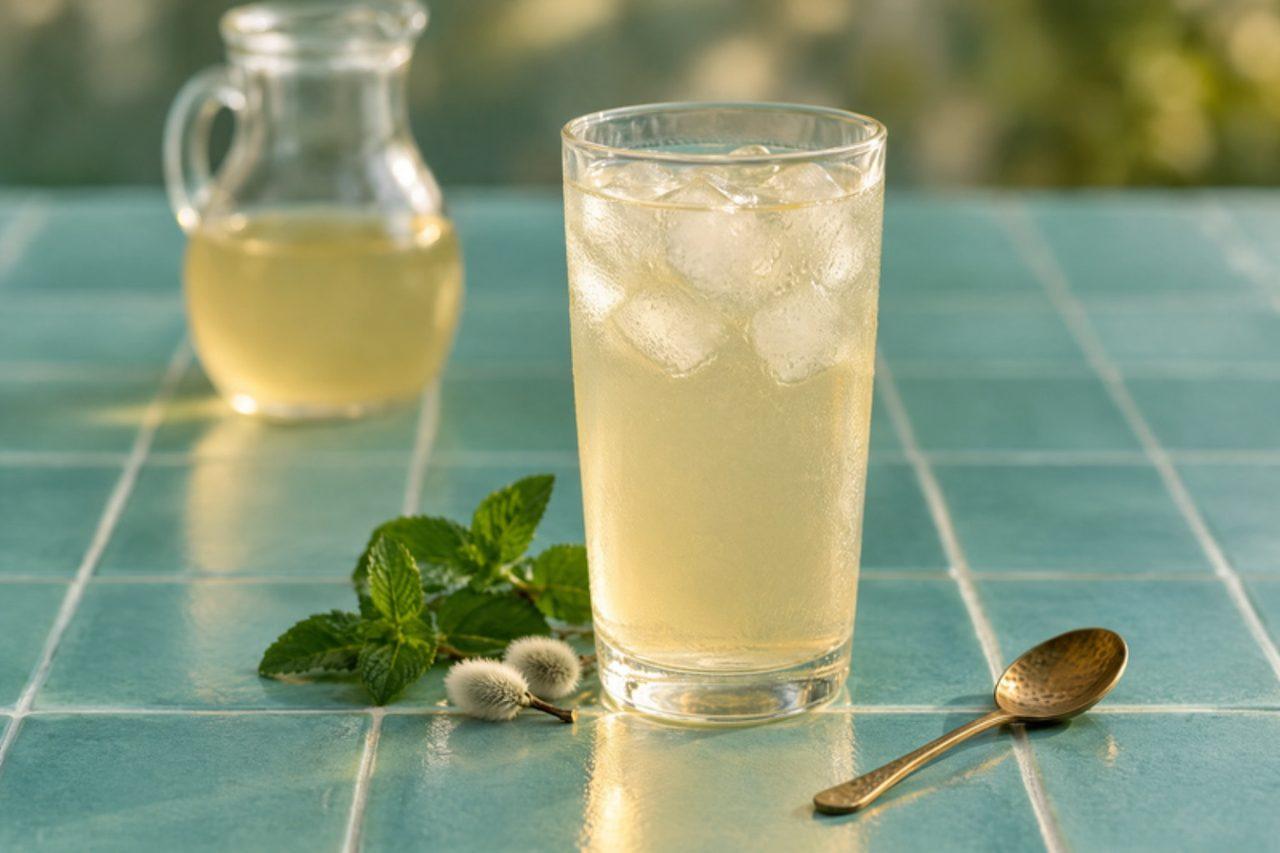
Kashan and the villages of Qamsar and Niasar are famous for distilling flowers in spring: rose water in May, and before that araq-e bidmeshk, the distillate of the fuzzy catkins of the musk willow. In summer, when the desert heat settles over the old houses, the same bottles go into sharbat-e bidmeshk, a pale syrup diluted with icy water and served to guests in tall glasses, sometimes with swollen basil seeds. It is traditionally drunk to calm the nerves and cool the body. The taste is delicate, sweet and haunting, somewhere between honeysuckle, musk and fresh hay. The common mistake is adding the distillate to hot syrup; the heat drives the scent away within minutes, so cool the syrup completely first. The syrup is ready when it is clear and pours like thin honey, and the finished sherbet should smell floral the moment you lift the glass. Look for the distillate in Iranian shops; there is no true substitute, though rose water with a few drops of orange-blossom water makes a pleasant but different drink. Chef's tip: a squeeze of lemon in the syrup stops it crystallising in the fridge, where it keeps for a month.

by KrazyBadal 0 views

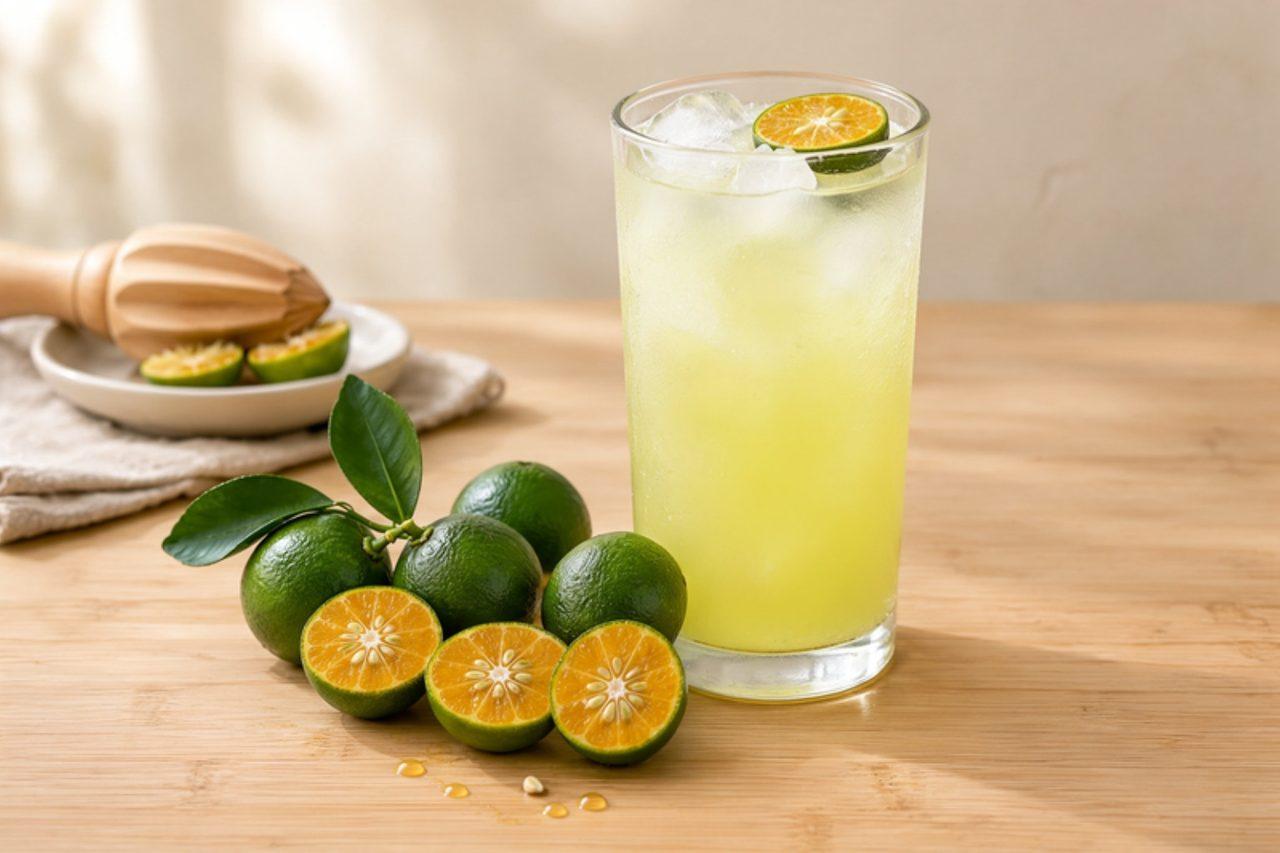
Calamansi juice

Every Filipino household seems to have a calamansi bush or a bag of the little green fruit in the fridge, from Manila condos to farmhouses in Mindoro, the island that grows most of them. At lunch in the dry season the juice comes out iced in a big pitcher; in the rainy months, when everyone has a cough, a lola stirs the same juice into hot water with a little sugar or honey and hands it over at bedtime. It tastes like a lime crossed with a mandarin: sharp, floral and slightly bitter at the edges, with a pale green-gold colour. The usual mistake is squeezing the fruit hard and letting the seeds and pith fall in, which turns the juice bitter within minutes; halve each fruit across, squeeze gently over a small strainer and stop before the peel folds. It is ready when the sugar has fully dissolved, the juice tastes bright rather than harsh and a cold glass fogs on the outside. Chef's tip: dissolve the sugar in a little warm water first, as it never melts properly in iced juice.

by KrazyBadal 0 views

Melon juice (cantaloupe drink)

Afternoon merienda across the Philippines means something cold from a plastic cooler at the school gate, a jeepney stop or a carinderia: sago't gulaman, buko juice or this melon drink, with ribbons of orange cantaloupe suspended in sweet water. Vendors scrape the melon with a special spiral shredder, a kayod ng melon, so you get thin strands to chew through a fat straw. It tastes fresh, sweet and gently musky, more refreshing than a smoothie because the water stays clear and light; some stalls add evaporated milk, but the plain version is the classic. The common mistake is using a melon that is not fully ripe, which gives pale, crunchy strands and a flat drink; choose one that smells sweet at the stem end and gives slightly when pressed there. Shred straight into the jug so the juice from the melon is not lost. It is ready when the strands are soft and floating, the water has turned faintly orange and it tastes of melon rather than plain syrup. Chef's tip: a box grater's coarse side or a fork scraped along the flesh both work if you don't own a melon shredder.

by KrazyBadal 0 views

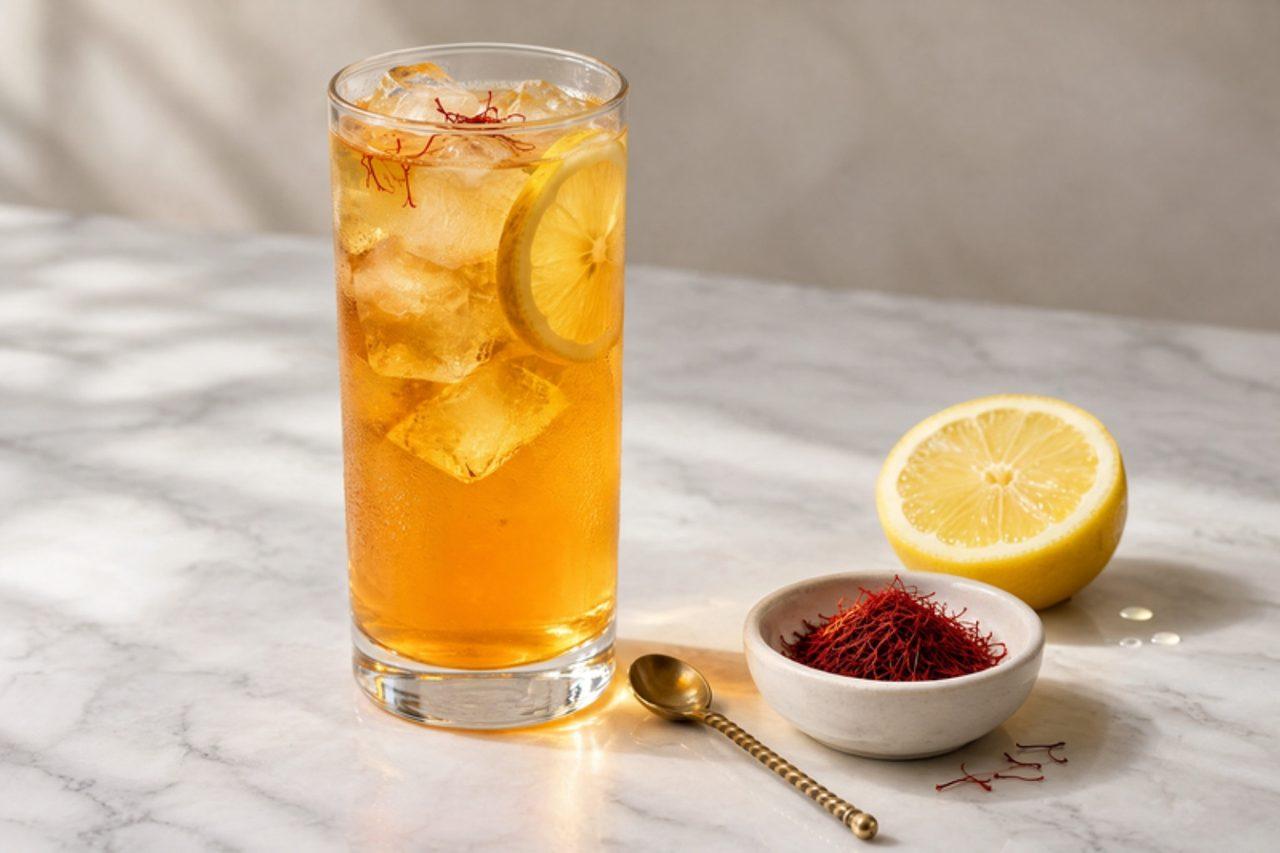
Sharbat-e zaferan (saffron sherbet)

Big steel urns of golden saffron sherbet are poured for guests at Iranian weddings and engagement parties, and the same drink is handed out on the street as nazri during Muharram and at memorial gatherings, when families offer something sweet and cool in the name of the departed. Saffron from Khorasan is ground with a sugar cube, bloomed in a little water and stirred into syrup with rose water and lemon. The result is honey-sweet and floral, with saffron's faint bitterness and hay-like perfume at the end, and a colour that should be a clear, sunny orange-gold. The usual mistake is dropping whole threads straight into cold water, which gives a pale, patchy drink and wastes expensive saffron; grind it first and let it bloom for at least 10 minutes. You know the bloom is ready when the water is a deep red-orange and smells strongly of saffron. Taste before serving: it should be sweet but finish clean, with the lemon just noticeable. Chef's tip: an ice cube placed on the ground saffron and left to melt slowly gives the deepest colour of all, an old Iranian trick.

by KrazyBadal 0 views

Akajiso juice (red shiso cordial)

Bunches of red shiso fill Japanese greengrocers for a few weeks in June and July, mostly bought to colour umeboshi. Gardeners from Kyoto's Ohara valley to Kantō boil the surplus into this cordial and keep it in the fridge for hot afternoons. Simmering pulls a murky purple-brown liquid from the leaves; the magic is the moment the vinegar goes in and the whole pan flushes a brilliant clear magenta. Diluted with ice water or soda water it tastes sweet-sour and herbal, like a cross between blackcurrant, mint and cinnamon. The most common mistake is simmering the leaves too long or with the stems: it turns grassy and bitter. Strip the leaves, boil them for five minutes only, until they have turned green and limp, then lift them out. The cordial is ready when it is jewel-bright and clear. Bottle it in a clean, sterilised bottle and keep it in the fridge for up to three weeks; discard if it fizzes, clouds or grows mould. No fresh red shiso nearby? Japanese and Korean shops sometimes sell it in summer, and it grows easily from seed. Chef's tip: freeze some as ice cubes to drop into sparkling water.

by KrazyBadal 0 views

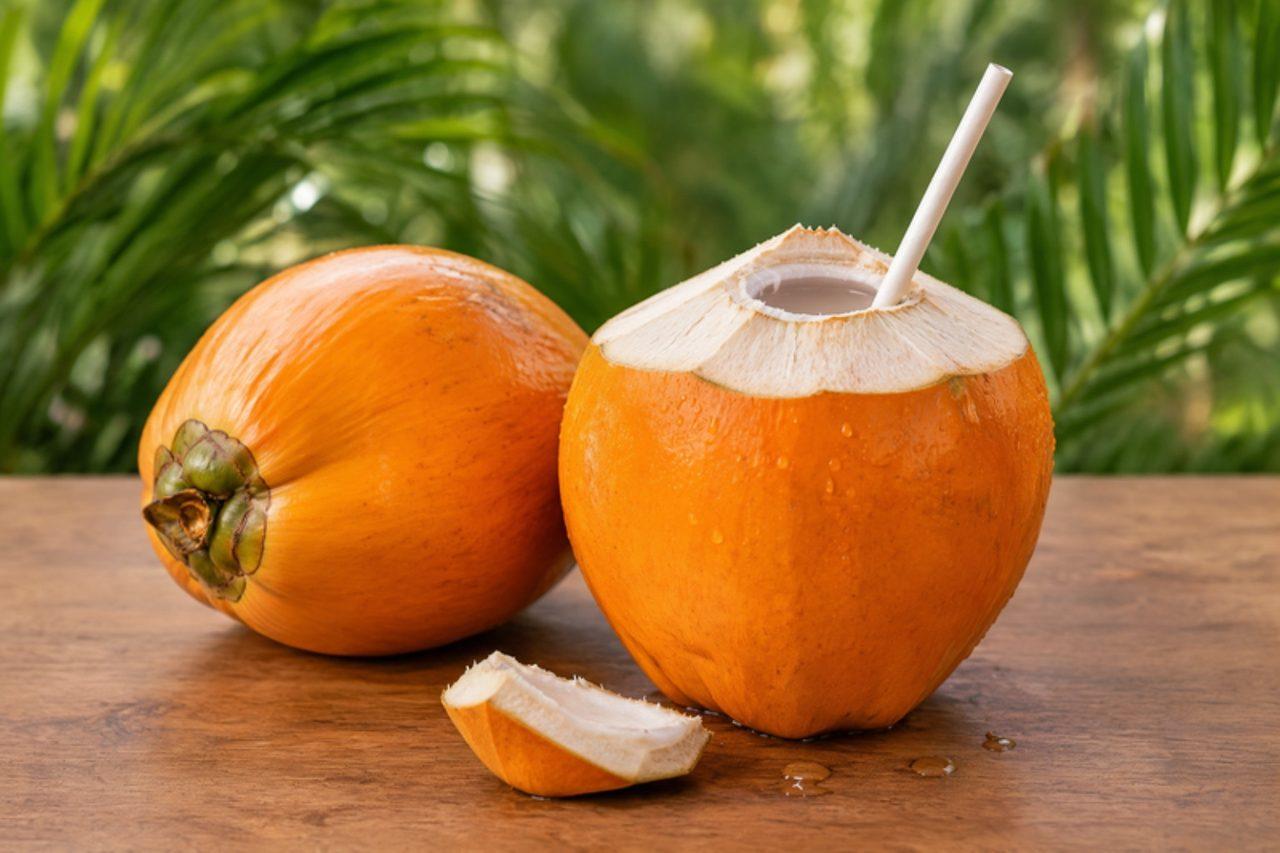
Thambili (king coconut water)

All along Sri Lanka's roads, from Galle Road in Colombo to the highways into Kandy and the beaches of the south coast, vendors stack bright orange king coconuts in pyramids under umbrellas. The thambili is a variety grown on the island for drinking: smaller than a green coconut and sweeter, with a faint saltiness that makes it more refreshing than any bottled drink. It is drunk any time of day in the heat, after a long bus ride, after a cricket match, and given to people recovering from a fever because it is gentle on the stomach. The water is clear, lightly sweet and nutty, and the soft jelly inside is eaten with a spoon made from a slice of the husk. The common mistake is hacking at the side of the nut; the blade glances off and the water spills. Trim the pointed top with downward strokes until a pale circle shows, then pierce it. It is ready to drink when a small hole opens straight into the water without husk fibres. Outside Sri Lanka, young green or Thai coconuts are the nearest substitute. Chef's tip: chill the coconuts for a few hours before opening; the water tastes sweeter cold, and use a heavy knife and a towel, keeping fingers well clear.

by KrazyBadal 0 views

Sharbat-e rivas (rhubarb sherbet)

For a few weeks in spring, after Nowruz, sellers come down from the Alborz foothills, the mountains of Khorasan and Kurdistan with bundles of rivas, the thick-stalked wild rhubarb. People peel and eat the stalks raw with salt, cook them into khoresh, and boil the rest into syrup to keep the taste of the season into summer. Sharbat-e rivas is pink, sharp and refreshing, like sour cherry and green apple together, softened by sugar and lifted by mint. The common mistake is boiling the rhubarb hard and pressing it through the sieve, which makes the syrup cloudy, brownish and stringy; simmer gently and let it drip on its own. Use only the stalks, never the leaves, which are poisonous. The syrup is ready when it is clear, rose-coloured and coats a spoon in a thin film; it keeps for two weeks in a clean bottle in the fridge, and should be thrown away if it fizzes, smells of alcohol or grows mould. Garden rhubarb is a good substitute for rivas; the reddest stalks give the prettiest colour. Chef's tip: a strip of lemon peel in the pot brightens the colour and stops the syrup tasting flat.

by KrazyBadal 0 views

Showing 48 of 269 recipes

Show more recipes

Page 4 of 12

More occasions