Skip to content

Low-calorie recipes

Lighter recipes that are still filling and full of flavour. (773 recipes)

Yam makheua yao (grilled aubergine salad)

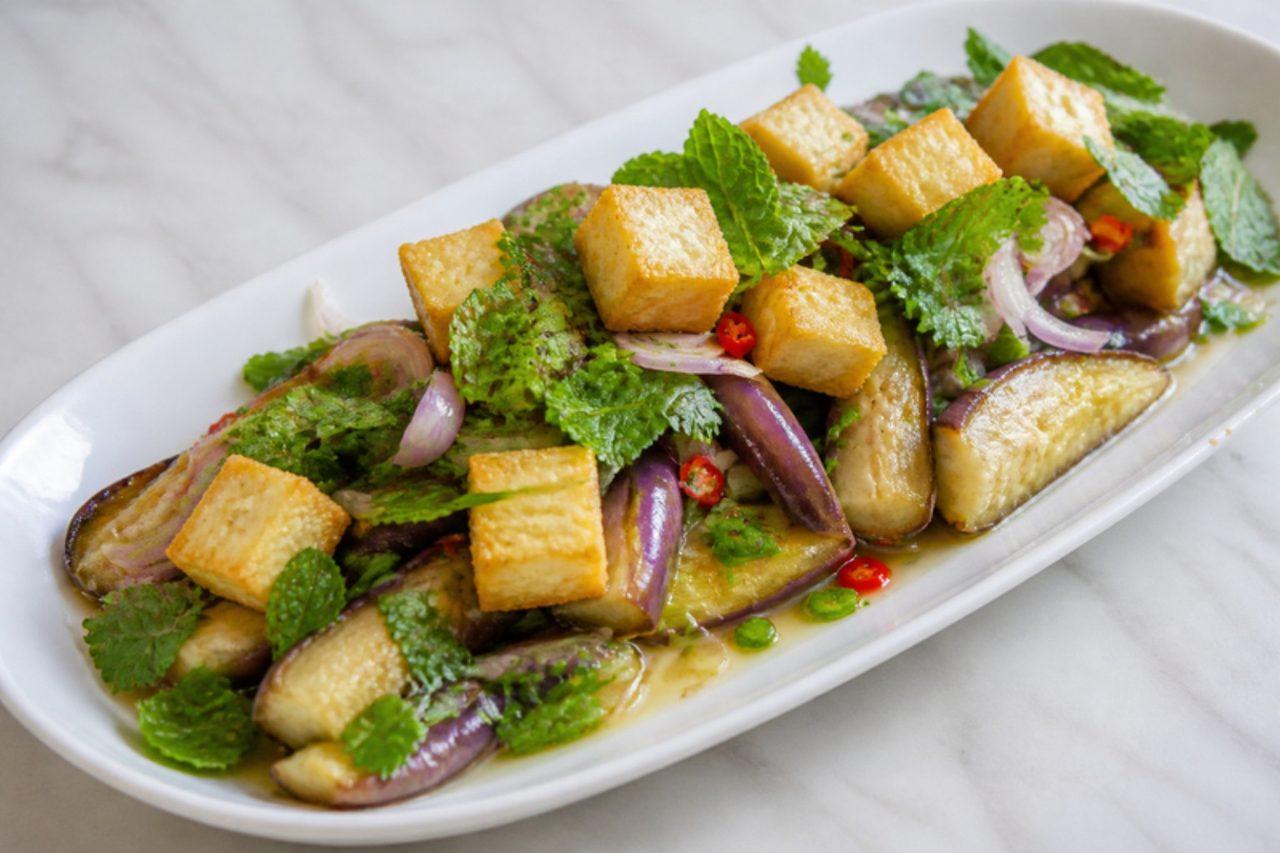
In Bangkok's evening markets, cooks blister long green aubergines straight over charcoal until the skins blacken, then peel them and dress the soft, smoky flesh with lime, chilli, shallot and plenty of herbs. It is a cooling side for grilled meats and sticky rice, or a light lunch on its own. Stalls usually top it with minced pork or dried shrimp and season with fish sauce; here crisp fried tofu and tamari make it vegan. Chef's tip: char the aubergines until they collapse completely and the skin is papery; pulling them off too soon leaves spongy, bitter centres.

30 minThaiSaladsVeganGluten free
by KrazyBadal 0 views

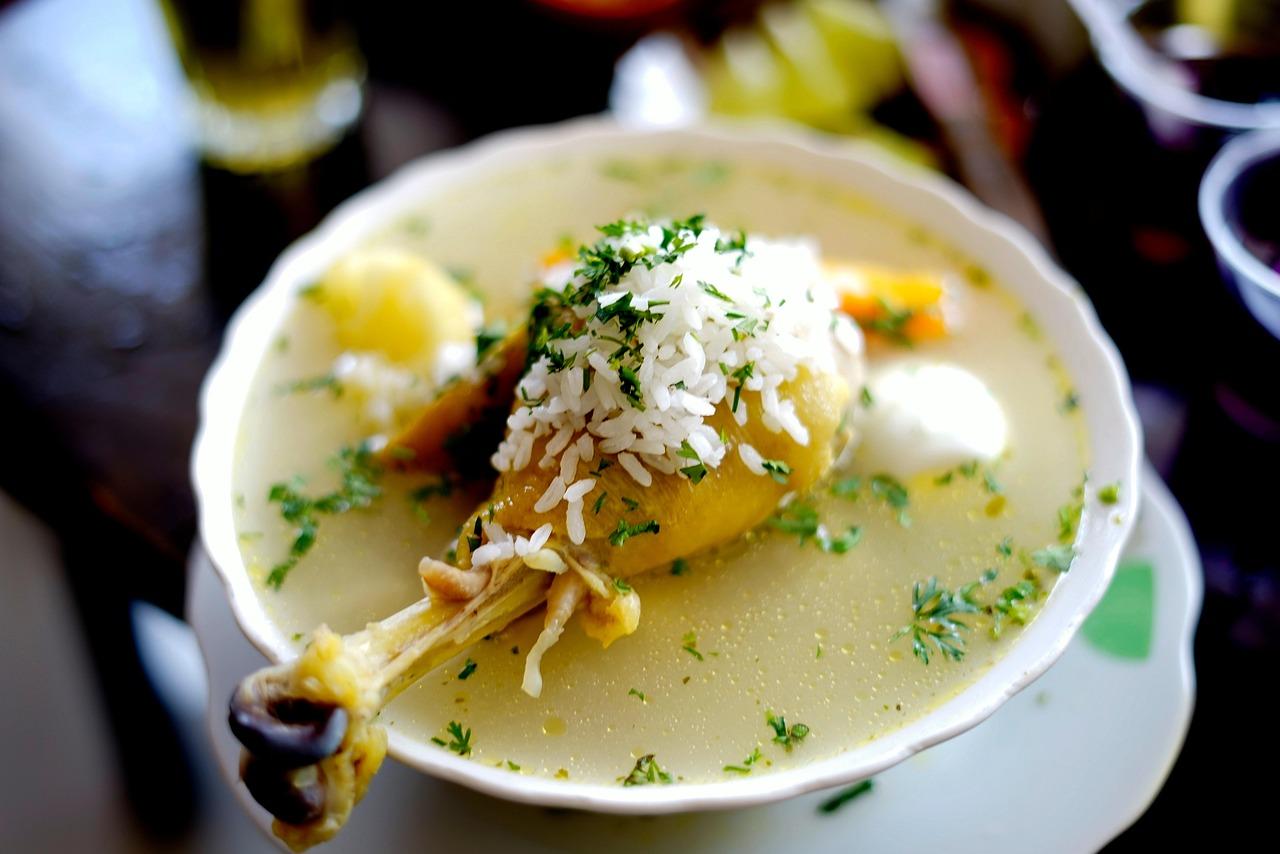
Canja de galinhaChicken and rice soup

Canja came to Brazil from Portugal and became the soup every Brazilian mother makes when someone is ill, the traditional food for new mothers during the resguardo after childbirth and, oddly, a favourite at the end of long parties. Chicken is simmered with onion and garlic, then shredded back into the broth with rice, carrot and potato, and finished with parsley and spring onion. It's gentle and filling. Chef's tip: cook the rice in the broth only until just tender; it keeps swelling in the bowl.

by KrazyBadal 0 views

Agua de melónCantaloupe drink

Mexican market juice stalls make agua de melón with the ripest, most fragrant cantaloupes, and many cooks blend in the seeds and the soft pulp around them, which adds a creamy body and a nutty flavour. It's served in tall glasses on hot afternoons from Guanajuato to Veracruz and is a favourite with kids. Chef's tip: smell the stalk end of the melon before you buy it; if it smells sweet, the drink will too.

by KrazyBadal 0 views

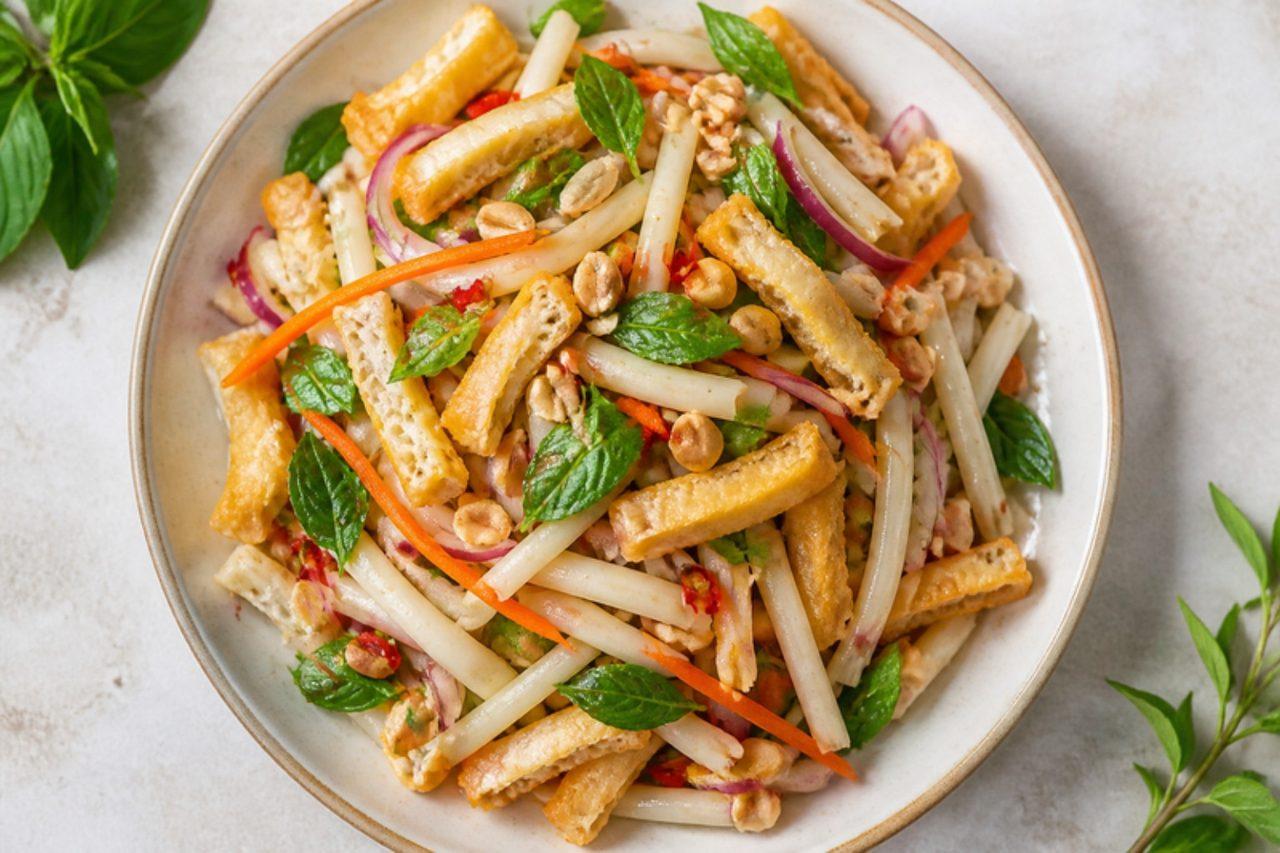
Gỏi ngó sen chay (lotus stem salad)

Wedding banquets and đám giỗ (death-anniversary) feasts across the south open with a platter of gỏi ngó sen, usually heaped with prawns and boiled pork belly. In vegetarian households and temple kitchens the shellfish and pork give way to strips of fried tofu, and the fish-sauce dressing becomes lime, sugar and soy. The pickled lotus stems are what matter: pale, crisp and juicy, like a mild bamboo shoot. Pile it onto prawn-free rice crackers or eat it beside rice. Chef's tip: rinse and squeeze the jarred lotus stems well; skipping this leaves the salad tasting of brine instead of lime.

by KrazyBadal 0 views

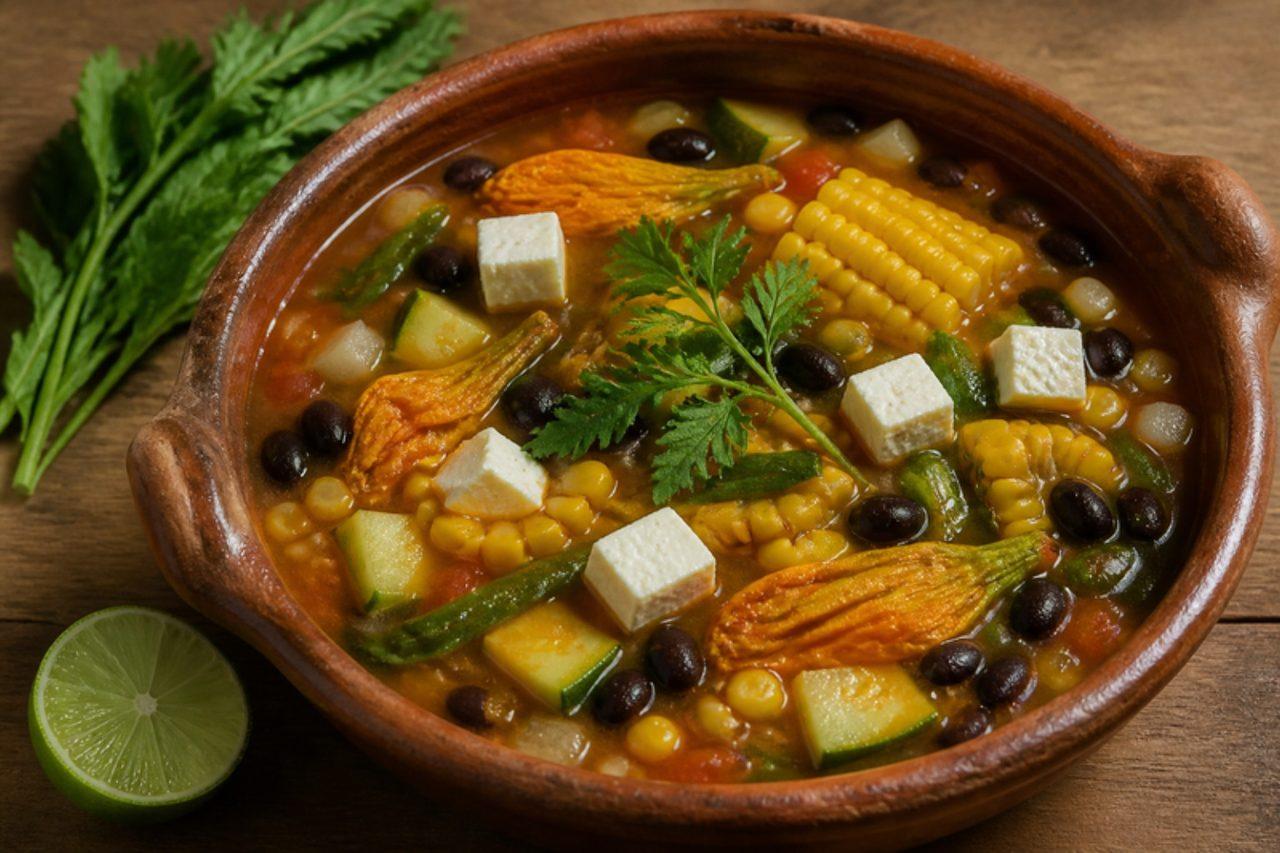
Sopa de milpaCorn and squash soup

A milpa is the traditional Mexican field where corn, beans and squash grow side by side, and this soup puts the summer harvest from that field into one pot. A light tomato broth carries chunks of corn, courgette, roasted poblano strips, a handful of black beans and squash blossoms, with epazote for its earthy, herbal note. In Central Mexico it's a healthy everyday lunch in the rainy season. Top it with cubes of panela cheese, which is usually made with animal rennet; choose a vegetarian one. Chef's tip: cut the corn into rounds rather than taking off the kernels, so everyone gets a sweet piece to gnaw.

by KrazyBadal 0 views

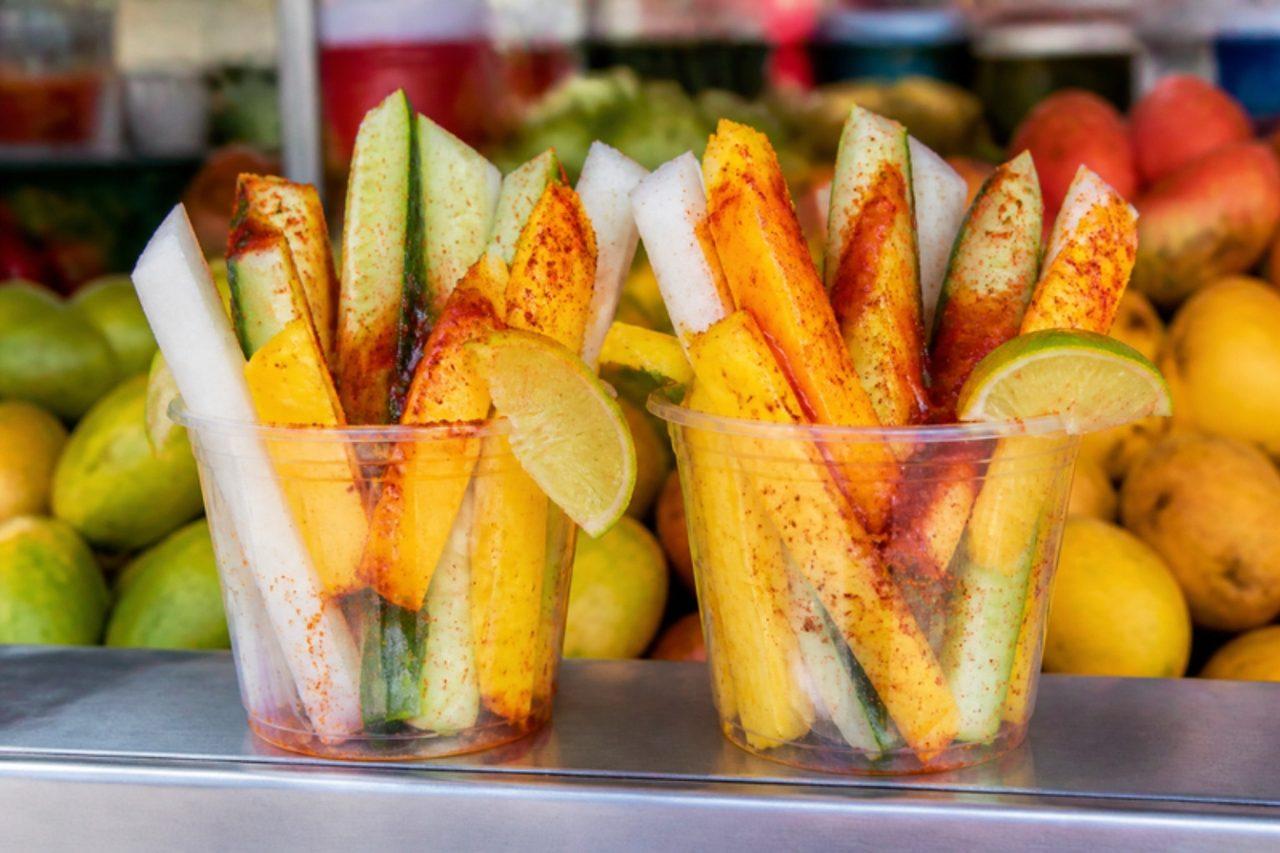
Fruta con chileFruit with chile and lime

Every plaza in Mexico City seems to have a fruit cart with a glass case of jícama, cucumber, mango and pineapple, cut to order into tall sticks and packed into a cup. The vendor squeezes over lime and shakes on chile-lime salt, and you eat it with a toothpick on a hot afternoon. It's juicy, crunchy, sour and only a little hot. Chef's tip: chill the fruit well first; cold fruit and sharp chile make the contrast.

by KrazyBadal 0 views

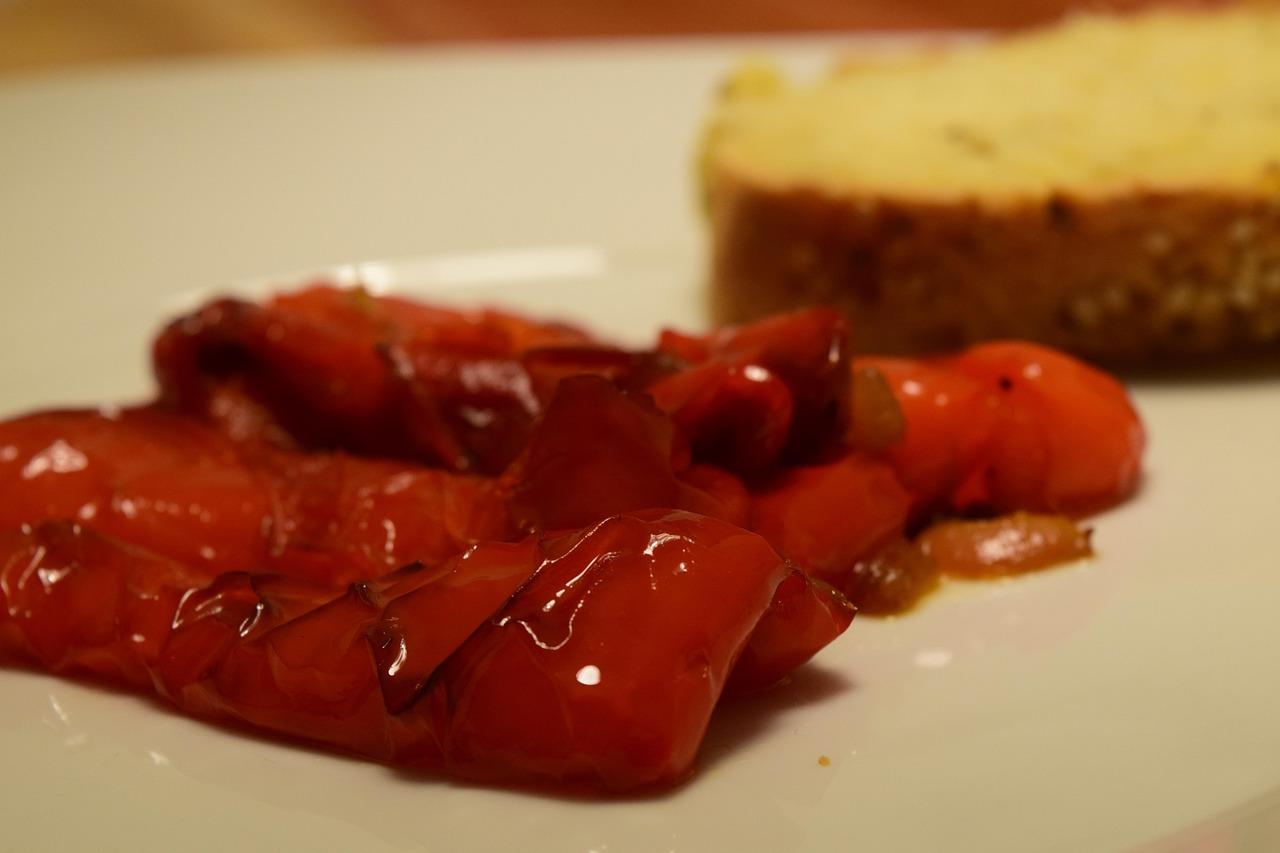
PeperonataStewed peppers and onions

Peperonata is the summer side dish of the south, made from Naples to Palermo when red and yellow peppers are at their sweetest: strips of pepper and onion stewed slowly in olive oil with a little tomato until soft, glossy and sweet, sometimes with a splash of vinegar. Families serve it with grilled meat, sausages or a frittata, or pile it on bread, and it tastes even better the next day. Chef's tip: cook it slowly with the lid on for the first 15 minutes; the peppers steam in their own juice and turn silky instead of frying hard.

by KrazyBadal 0 views

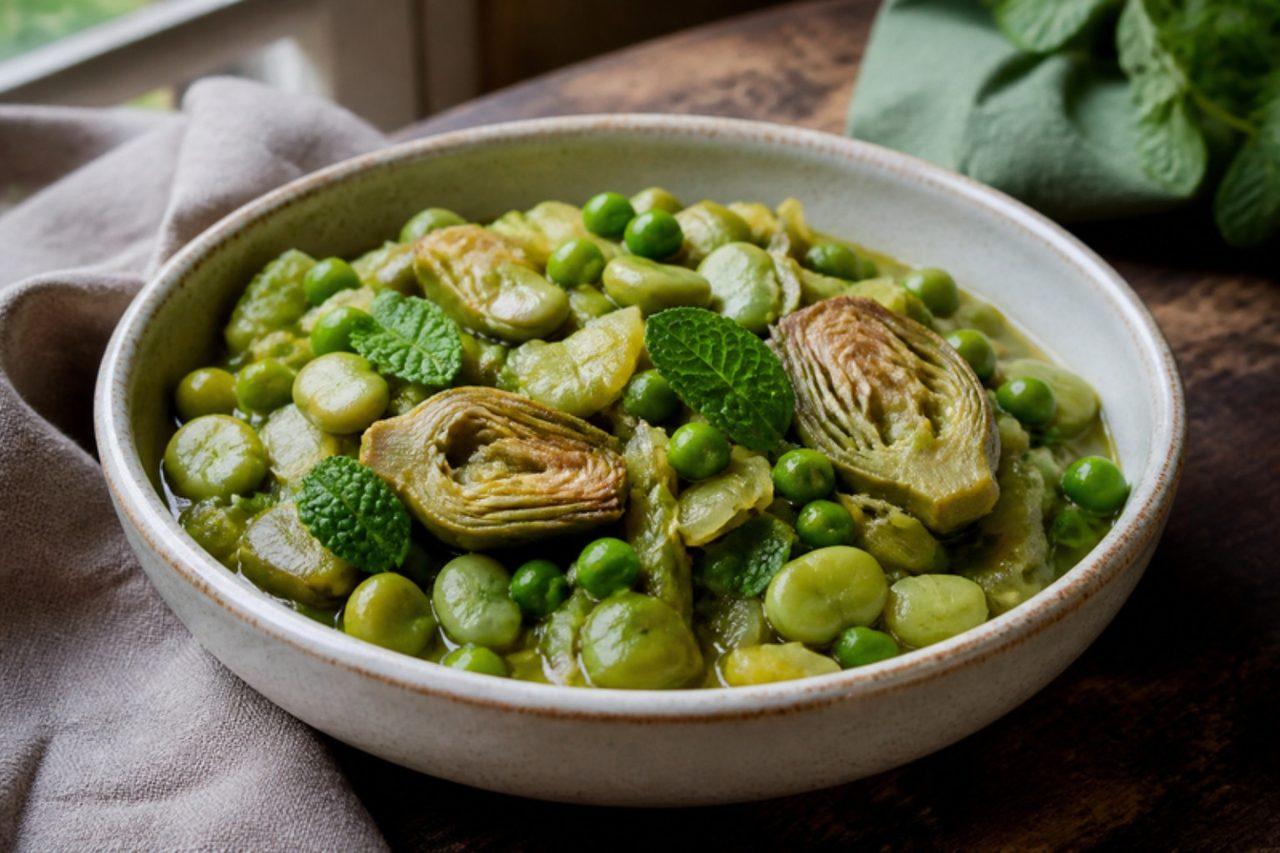
VignarolaArtichoke, broad bean and pea stew

Vignarola is the dish Romans wait for all year: for a few weeks in April and May, when the first artichokes, broad beans and peas all arrive at once at the markets of Campo de' Fiori and Testaccio, they are stewed together gently with spring onion, lettuce and mint. It is eaten as a side or a light main with bread. Romans usually add a little guanciale (cured pork cheek); this version leaves it out and is fully vegan. Chef's tip: add the peas and broad beans only for the last few minutes; they should stay bright green and sweet.

by KrazyBadal 0 views

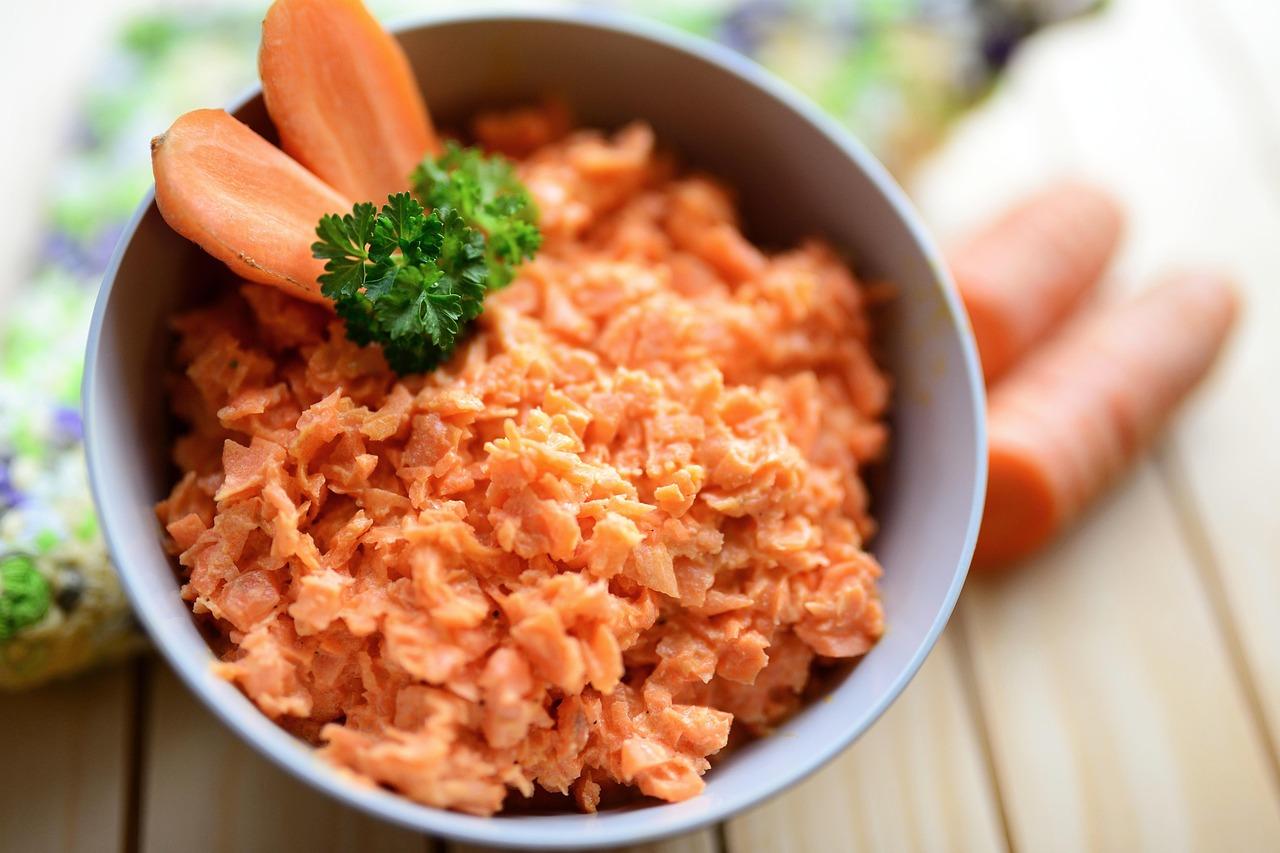
Carottes râpéesGrated carrot salad

Carottes râpées is the everyday starter of French school canteens, bistro crudité plates and family lunches all over the country, a heap of finely grated carrots in a bright lemon dressing that wakes up any meal. It is sweet, juicy and crunchy, and takes ten minutes. The secret is grating the carrots on the fine side of the grater, so they release some juice into the dressing. The common mistake is using the coarse holes, which gives dry, chewy strands that do not take the dressing. Chef's tip: dress the carrots 20 minutes before serving and toss again just before the table; they soften slightly and taste much sweeter.

by KrazyBadal 0 views

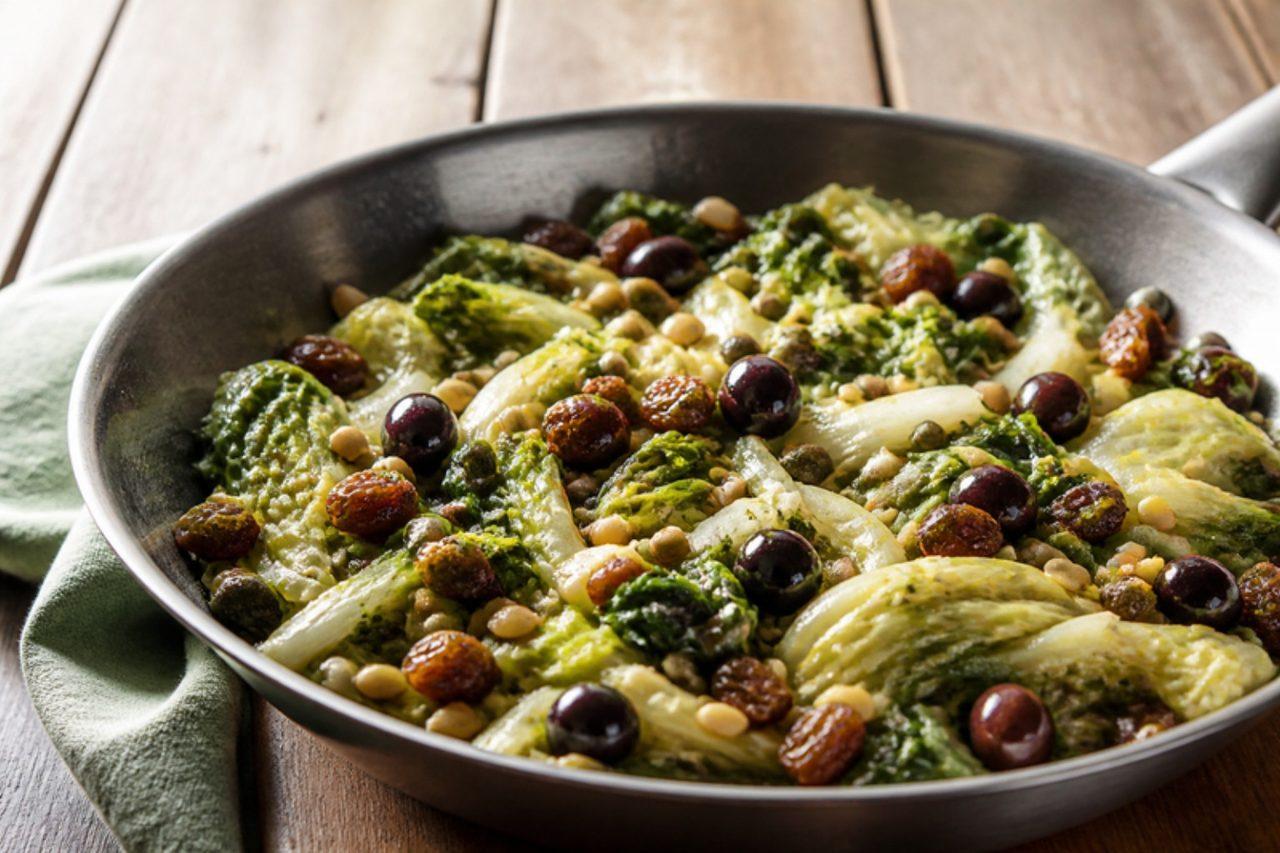
Scarola alla napoletanaSautéed escarole with olives and raisins

Scarola alla napoletana is a Neapolitan Christmas Eve side dish, also cooked all winter: tender escarole sautéed with garlic, black Gaeta olives, capers, pine nuts and raisins, a balance of bitter, salty and sweet that reflects the Arab influence on southern Italian cooking. It is the same filling used in the Christmas pizza di scarola, and families often serve it with fried fish. Contains pine nuts. Chef's tip: dry the washed escarole well before it goes in the pan; wet leaves splash and steam rather than sauté.

by KrazyBadal 0 views

Potage CrécyCarrot soup

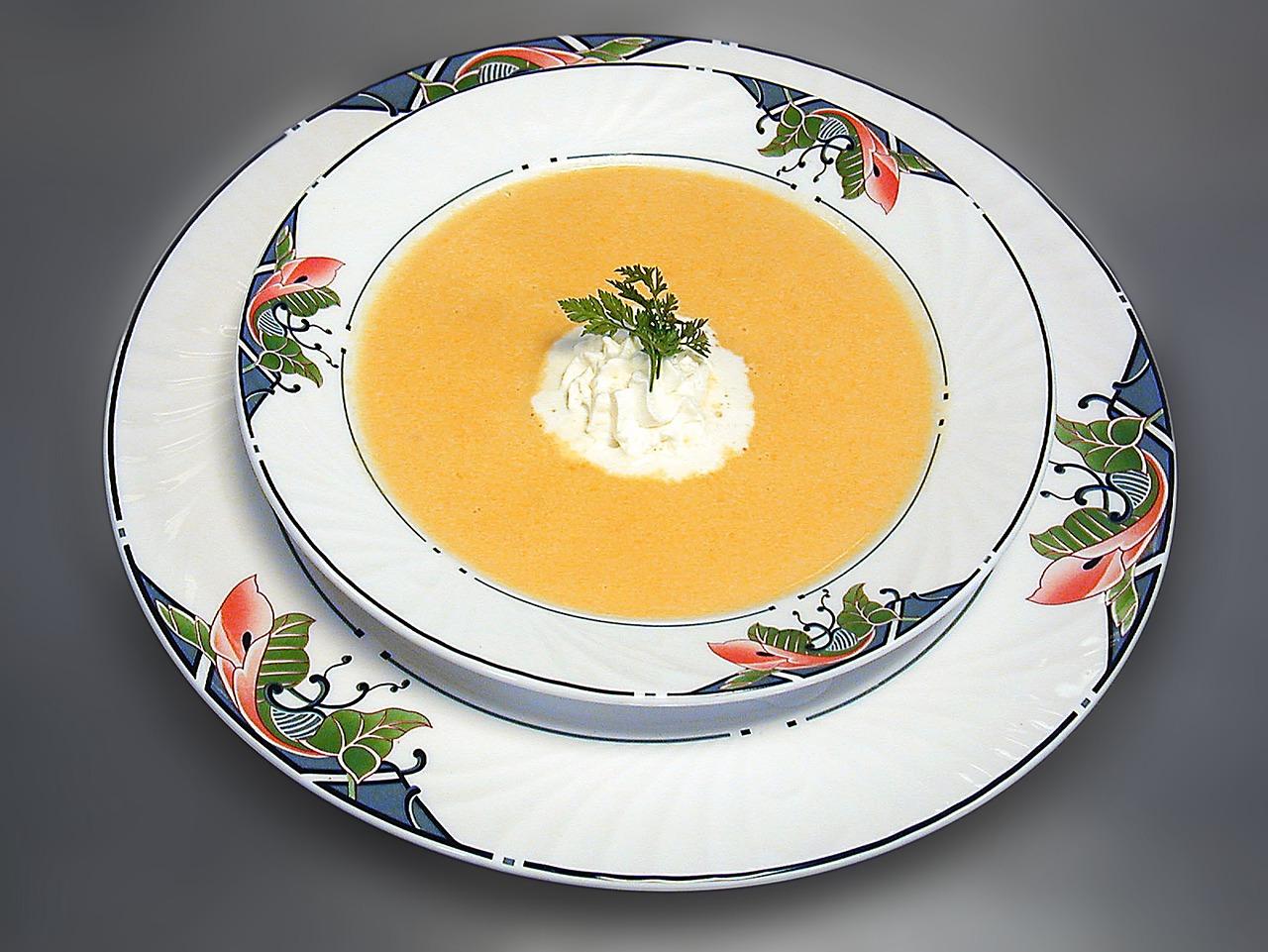
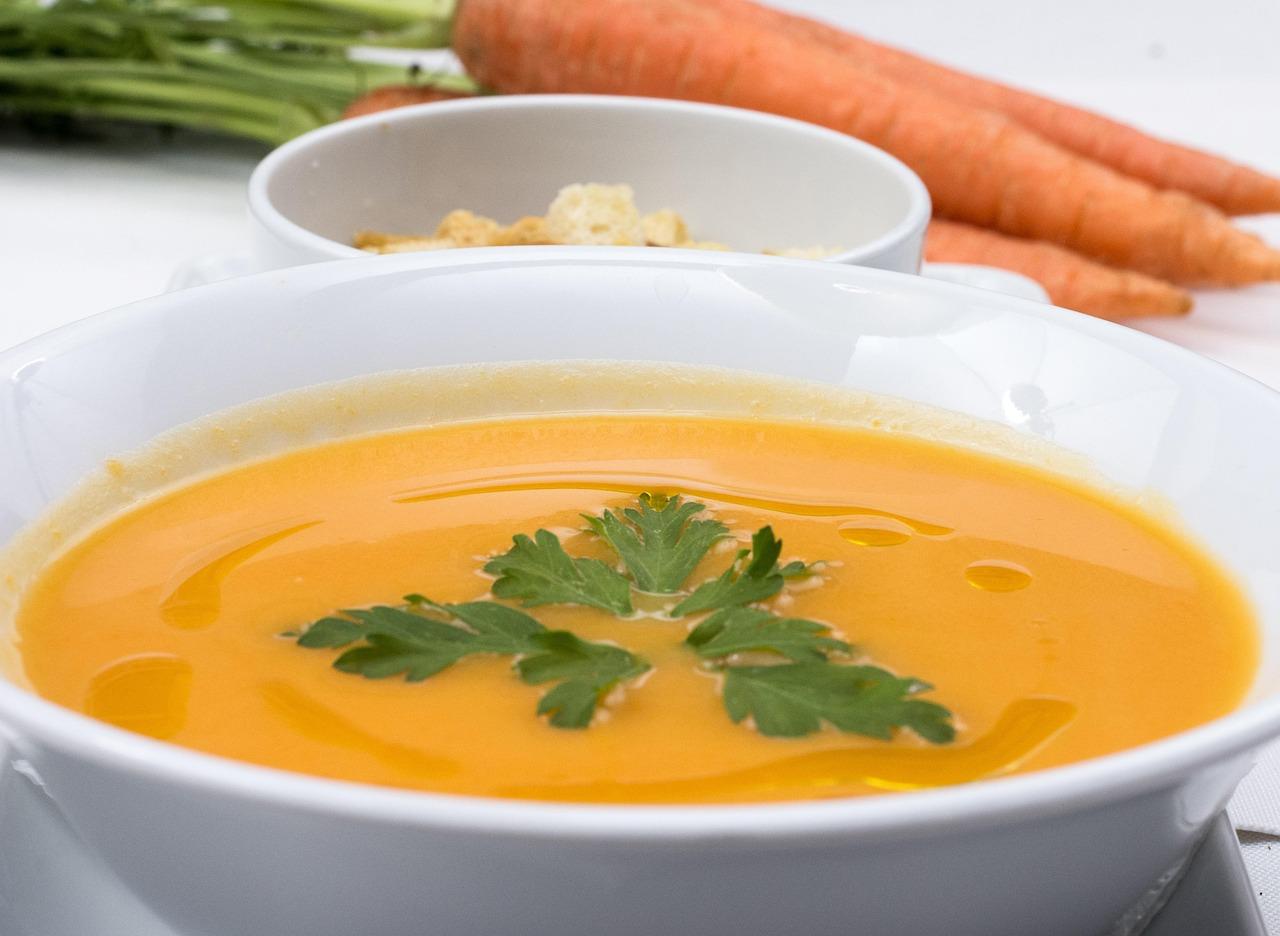
Potage Crécy is named after Crécy-la-Chapelle, east of Paris, once famous for its sweet carrots, and any French dish "à la Crécy" contains carrots. It is a gentle family soup served at supper all year round, loved by children for its colour and sweetness. The carrots are sweated in butter, then simmered with a spoonful of rice, which gives the soup a velvety body once blended. The common mistake is browning the carrots, which makes the soup taste bitter rather than sweet. Chef's tip: a pinch of sugar and a few croutons fried in butter turn it into a proper Parisian potage.

by KrazyBadal 0 views

Passato di verdureSmooth vegetable soup

Passato di verdure is the soup Italian children grow up on: a pot of mixed vegetables, simmered in water until soft and blended until velvety, with a thread of olive oil on top. It is the first food many Italian babies are given at around six months, without salt, and it stays the family's light supper for years. For babies from 6 months, the purée here is made with no salt and no stock; older children and adults season their bowls at the table. Chef's tip: take out the baby's portion before you add any salt, and blend it extra smooth.

by KrazyBadal 0 views

Potage cressonnièreWatercress and potato soup

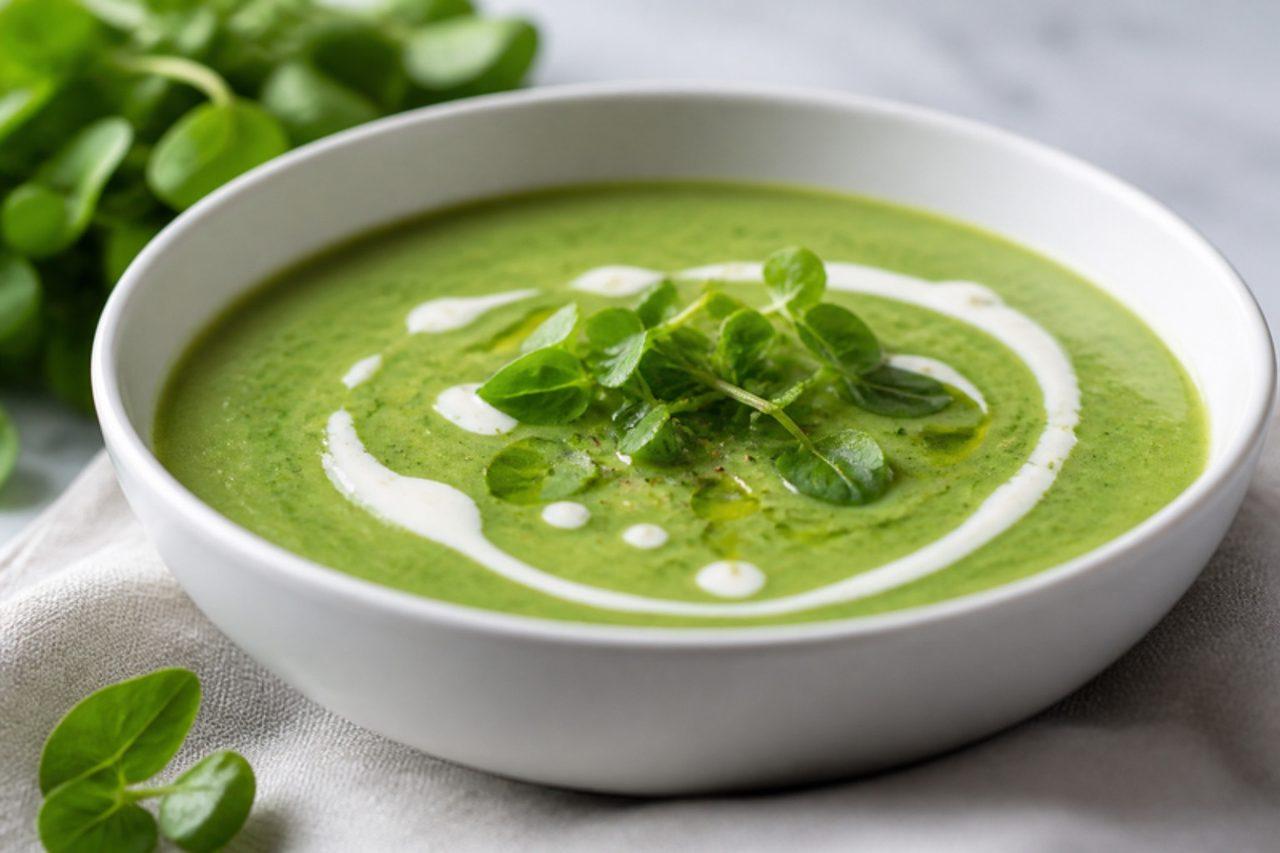
Potage cressonnière comes from the Île-de-France, where watercress has been grown in the clear spring-fed beds of the Essonne valley for centuries and sold in Paris markets. It is a light, peppery soup of watercress and potato, eaten at supper through autumn and spring, often with a little cream stirred in. The common mistake is boiling the watercress leaves, which drains their colour and bite; add them only at the end. Chef's tip: cook the stalks with the potatoes for flavour and keep the tender leaves for the last 2 minutes.

by KrazyBadal 0 views

CiambottaSummer vegetable stew

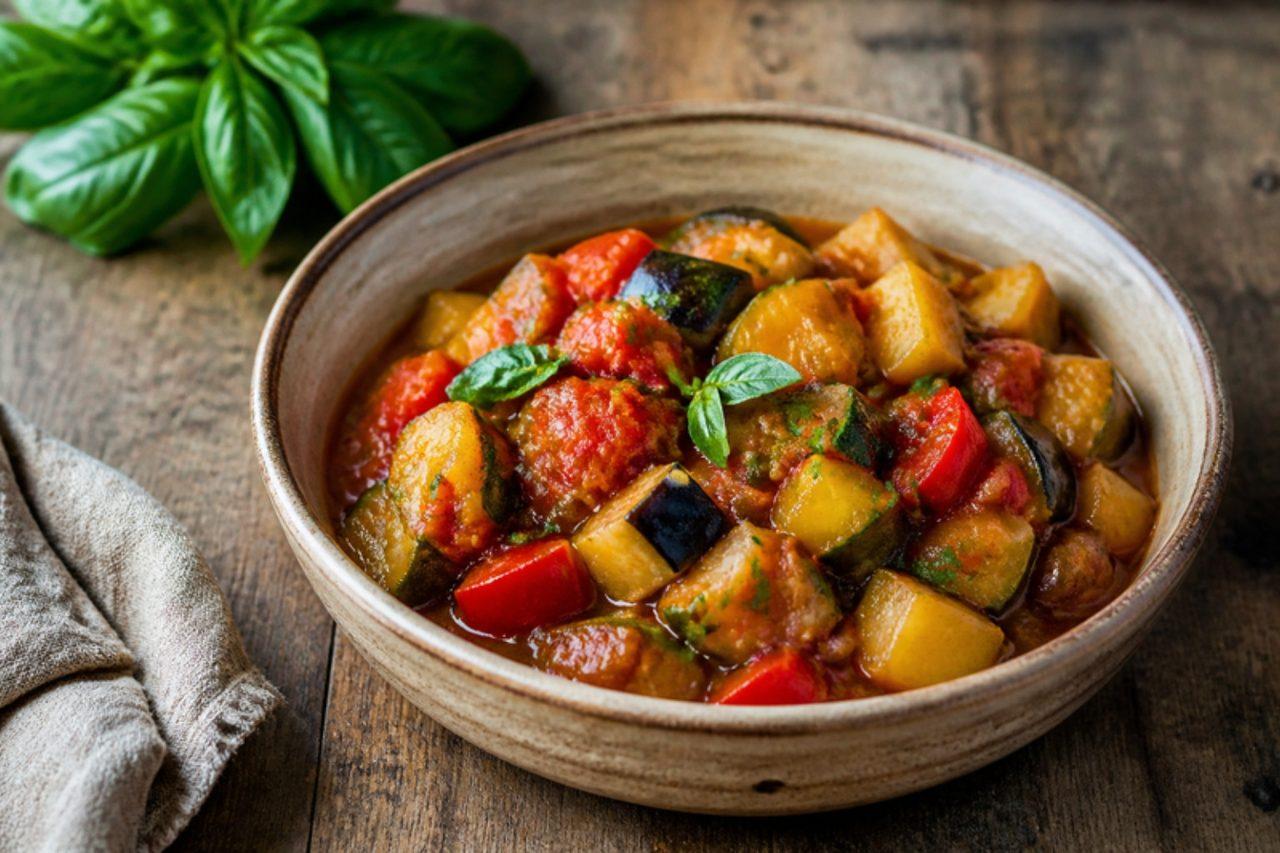
In August, when the vegetable gardens of Basilicata and the Cilento are overflowing, families make ciambotta: peppers, aubergines, potatoes, courgettes, onion and tomato stewed slowly together in olive oil until soft and sweet. Farmworkers once ate it in the fields with bread; today it's a summer supper, eaten warm or at room temperature, sometimes with an egg cracked on top. Chef's tip: add the vegetables in stages, potatoes first and courgettes last; that way they all finish tender at the same time without any turning to mush.

by KrazyBadal 0 views

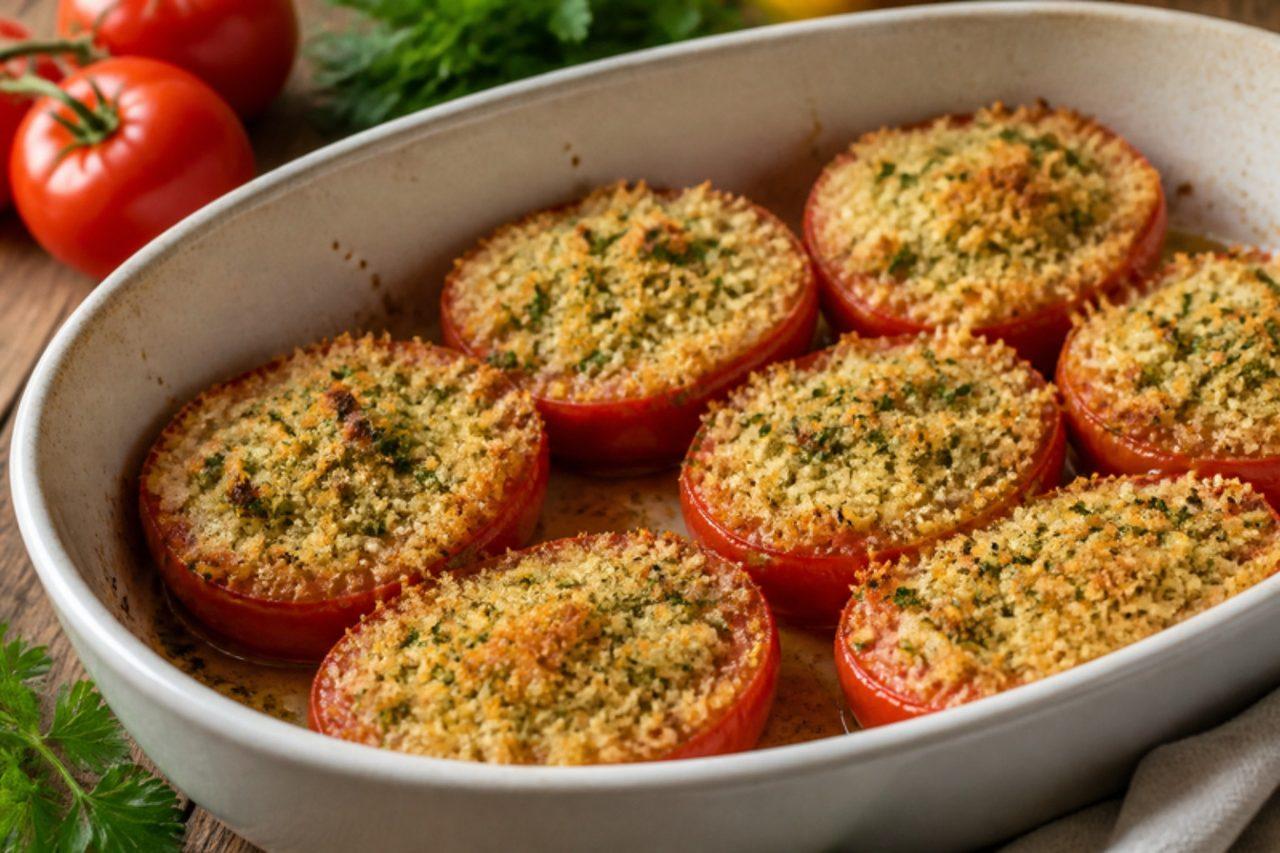
Tomates à la provençaleBaked garlic breadcrumb tomatoes

Tomates à la provençale are the summer side dish of every Provençal kitchen, set out at lunch from June to September beside grilled fish, lamb or an omelette. Ripe tomato halves are baked slowly, cut side up, under a heap of garlic, parsley and olive-oil breadcrumbs until the tomatoes slump and caramelise and the topping crisps. The common mistake is using under-ripe tomatoes, which stay sour and firm. Chef's tip: salt the cut tomatoes and turn them upside down for 15 minutes before topping; they lose excess juice and the crumbs stay crisp.

by KrazyBadal 0 views

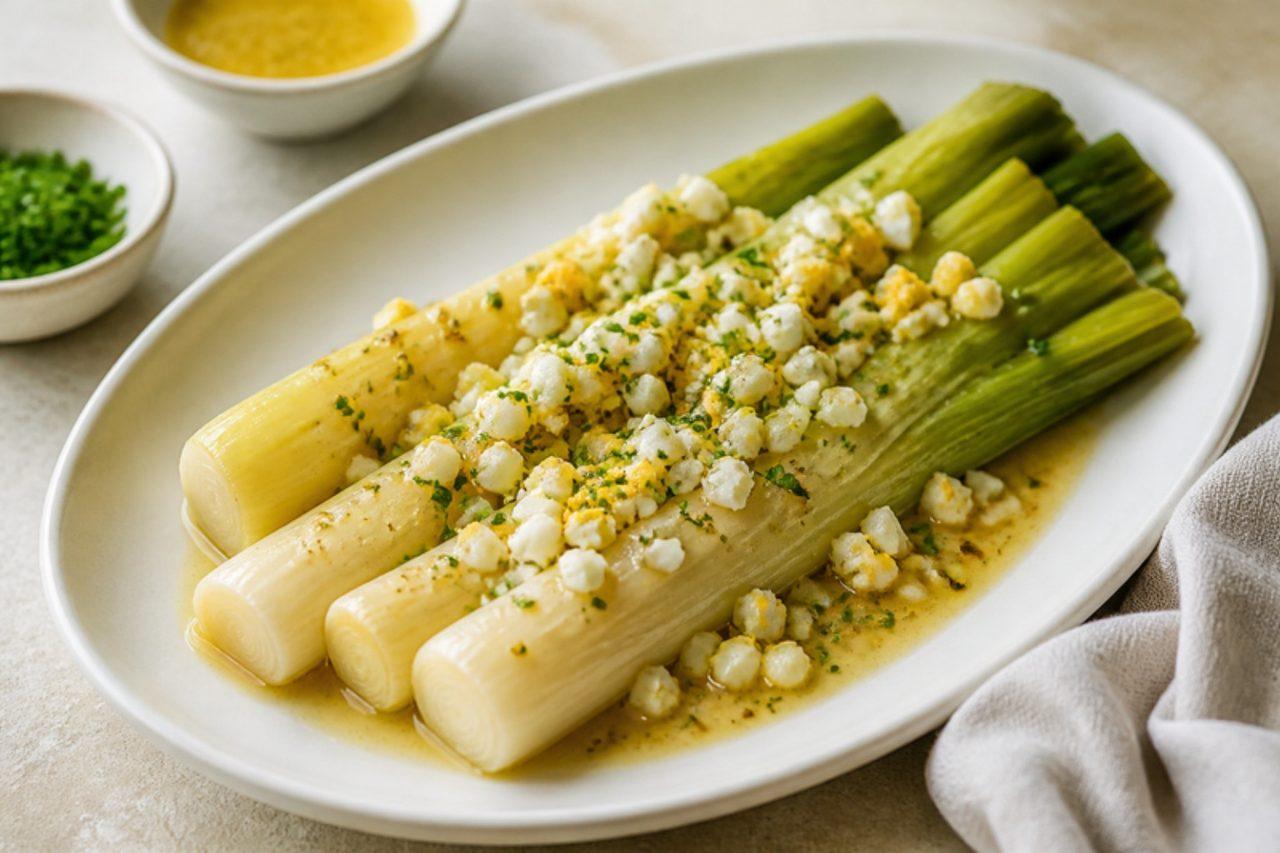
Poireaux vinaigretteLeeks in vinaigrette

Poireaux vinaigrette is the humble leek starter of Parisian bistros, served lukewarm on long plates from autumn to early spring, when leeks are cheap and sweet. Whole young leeks are poached until silky, drained well and dressed while still warm with a punchy mustard vinaigrette, so they drink it in. Some bistros finish them with chopped egg; this version keeps it vegan with shallots and chives. The common mistake is not washing the leeks well, which leaves grit between the layers. Chef's tip: tie the leeks in a bundle before poaching so they stay whole and easy to lift out.

by KrazyBadal 0 views

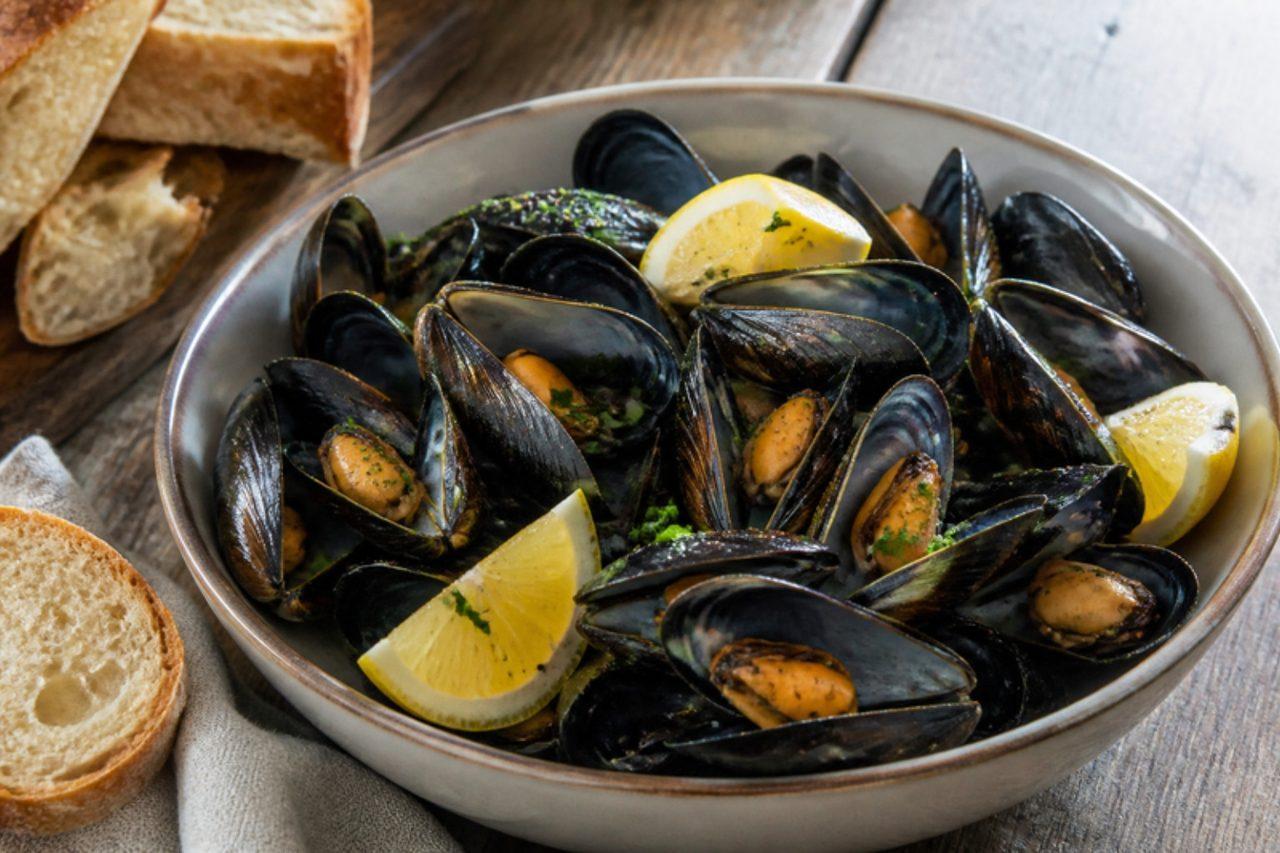
Impepata di cozzePeppered mussels

Impepata, "peppered", is the simplest and most loved mussel dish in Naples, especially on Holy Thursday before Easter, when it is traditional: live mussels steamed open in a hot pan with a little garlic and olive oil and a huge amount of freshly ground black pepper, finished with parsley and lemon and eaten with bread to soak up the juices. Chef's tip: grind the pepper coarsely and fresh, right over the pan; pre-ground pepper tastes dusty and flat.

by KrazyBadal 0 views

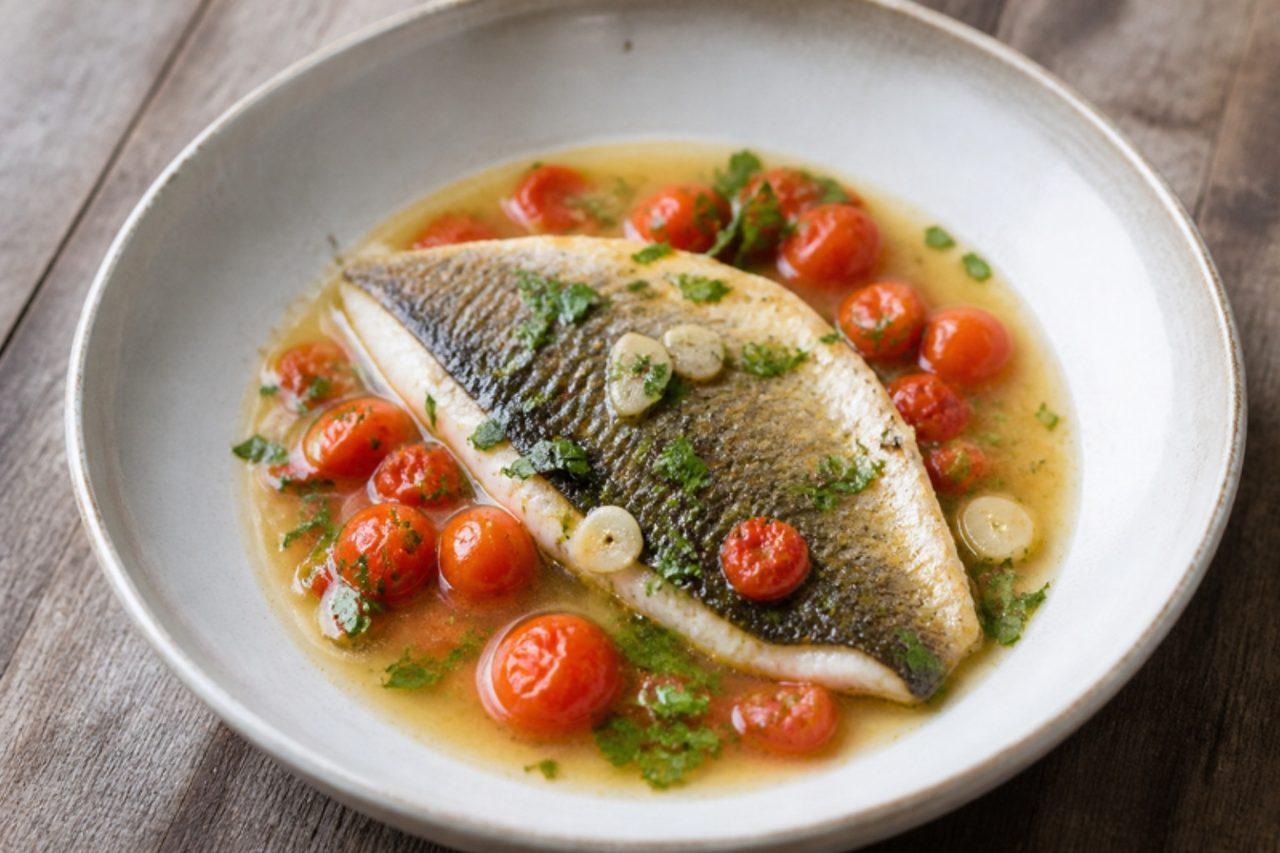
Pesce all'acqua pazzaFish in tomato broth

Acqua pazza, "crazy water", was once the dish fishermen of Naples, Ischia and the Amalfi Coast cooked on their boats with the fish they couldn't sell, in sea water with a few tomatoes and garlic. Today it's a light summer favourite in seaside restaurants: white fish, such as sea bream or sea bass, gently poached in a quick broth of cherry tomatoes, garlic, chilli and parsley, served with bread for the broth. Chef's tip: keep the broth at a gentle simmer, never boiling; the fish should poach softly and stay moist.

by KrazyBadal 0 views

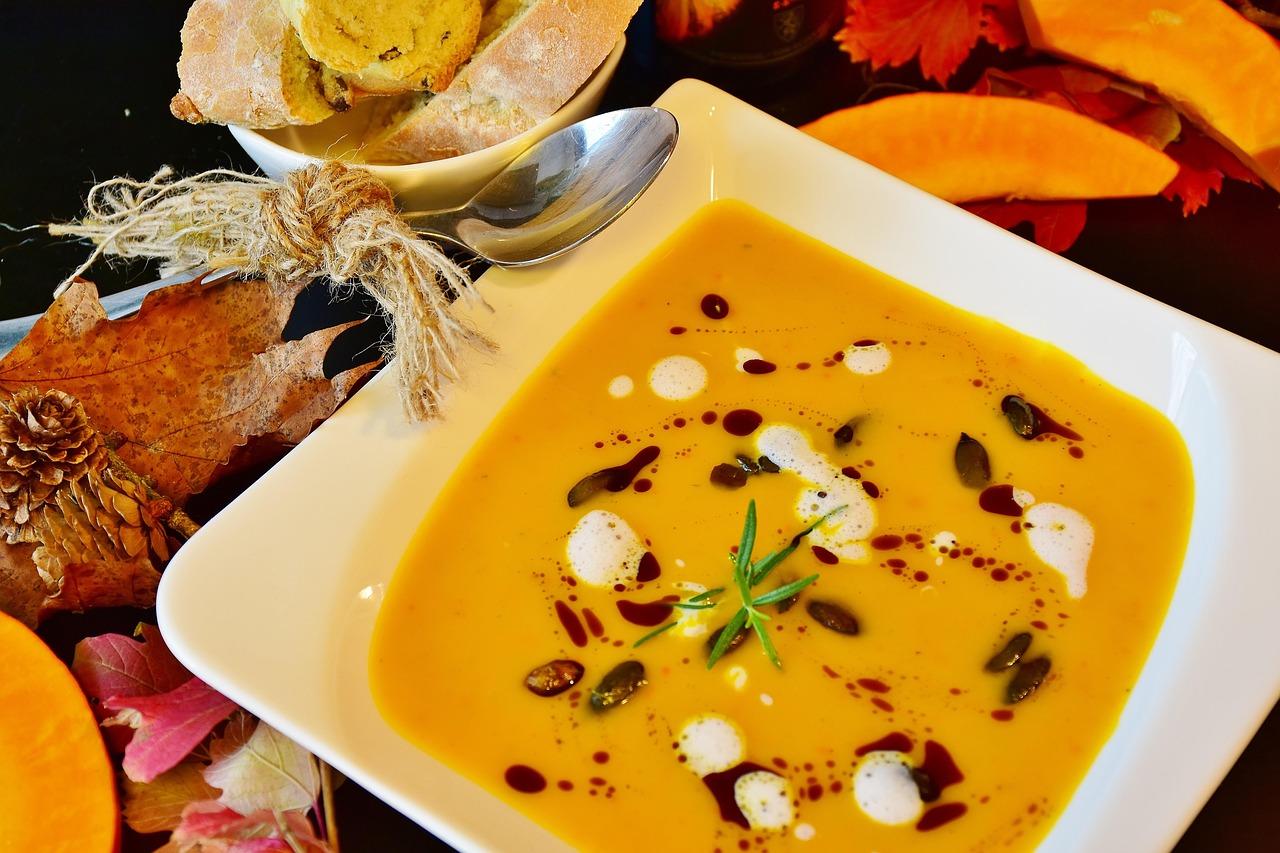
Velouté de potironCreamy pumpkin soup

Velouté de potiron is the soup French families make all autumn, from the October markets piled with orange pumpkins right through to Christmas, often served as a starter for Sunday lunch or a simple supper with bread and cheese. The pumpkin is simmered with onion and potato in vegetable stock, then blended until velvety and finished with a spoonful of crème fraîche. The common mistake is too much stock, which makes it thin and bland; you can always add more after blending. Chef's tip: a small potato gives body without masking the sweet pumpkin flavour.

by KrazyBadal 0 views

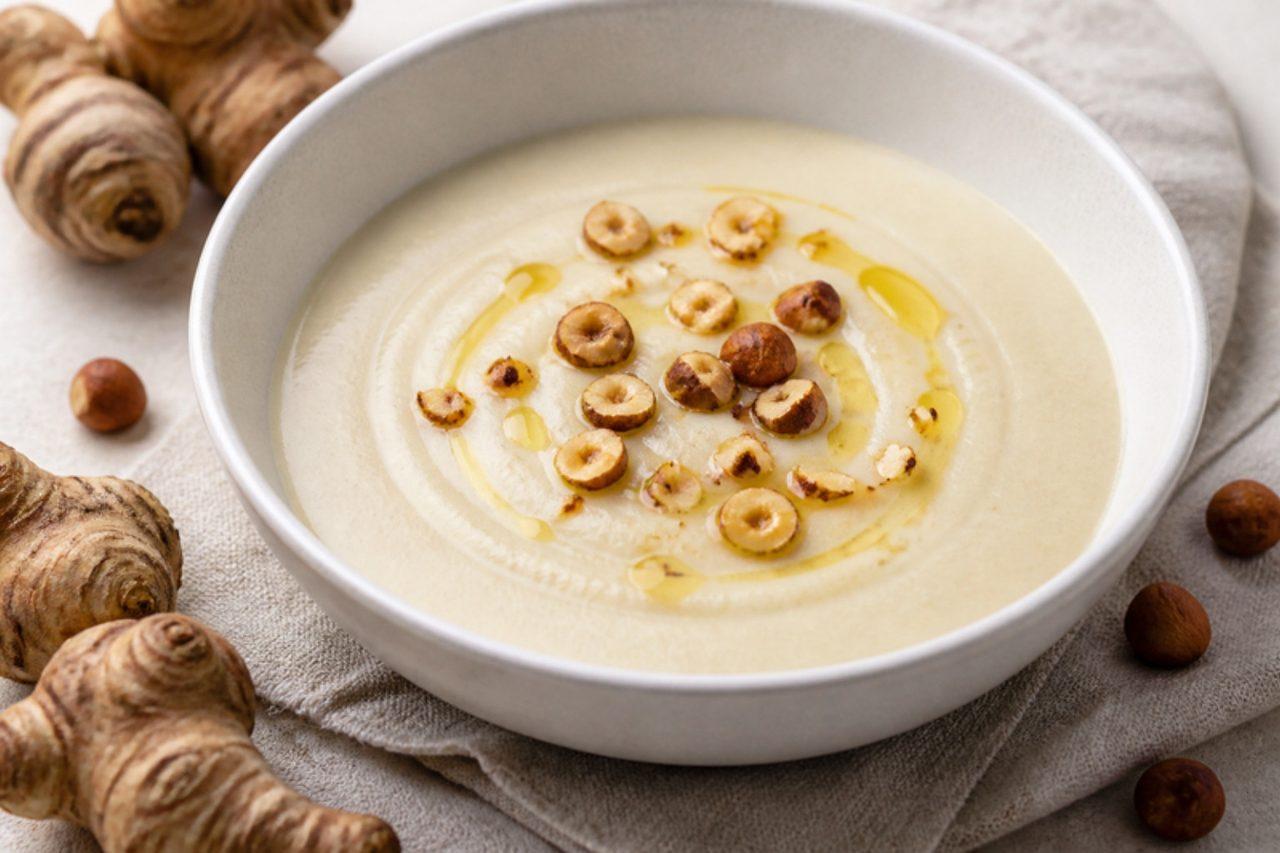
Velouté de topinamboursJerusalem artichoke soup

Velouté de topinambours is a winter soup French cooks rediscovered in the last twenty years; the knobbly Jerusalem artichoke was wartime food for older generations and is now a favourite at markets and bistros from November to March. Simmered with leek and potato and blended smooth, it has a sweet, nutty flavour close to artichoke and hazelnut. The common mistake is leaving the peeled roots in the air, where they turn grey; drop them straight into lemon water. Chef's tip: finish each bowl with a few drops of hazelnut or walnut oil to bring out the nutty taste.

by KrazyBadal 0 views

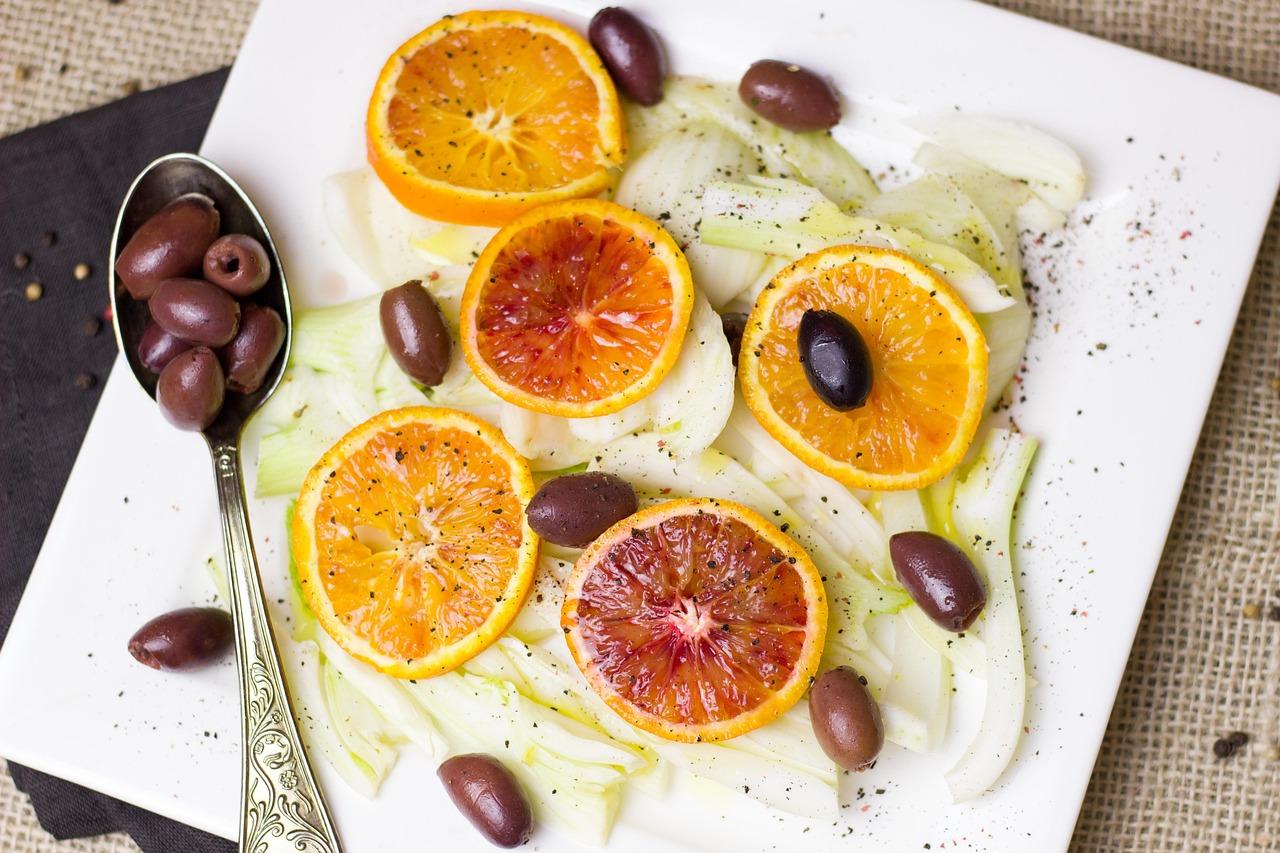
Insalata di arance e finocchiOrange and fennel salad

In Sicily the orange harvest peaks in January, just as wild fennel and the big fennel bulbs come in, and this bright salad is on the table across the island at Christmas and through the winter, often to clean the palate after a rich main dish. Juicy oranges, ideally blood oranges from the slopes of Etna, are sliced with shaved fennel, red onion, black olives and good olive oil. Chef's tip: cut the peel and all the white pith away with a knife, then slice the oranges into rounds; pith is bitter and makes the salad chewy.

by KrazyBadal 0 views

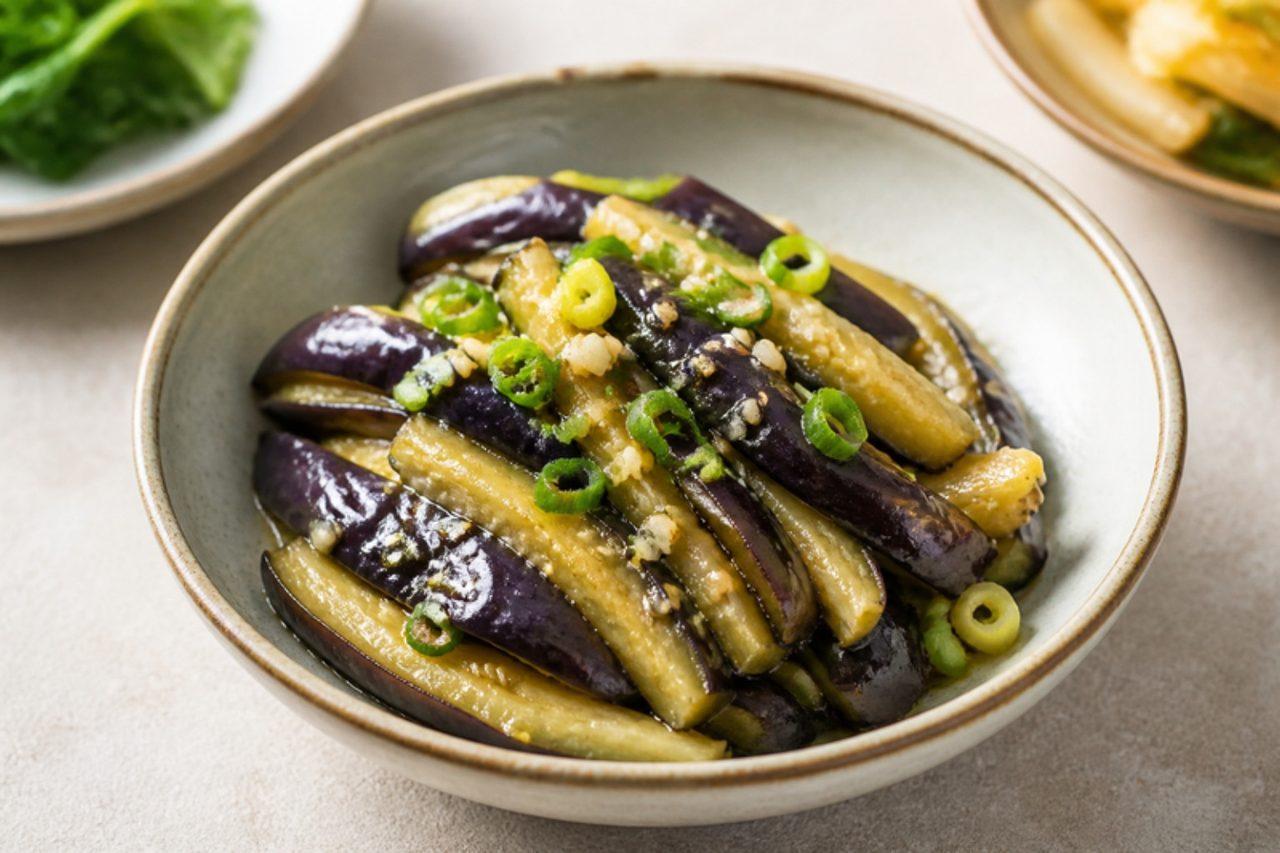
Gaji namulSeasoned steamed aubergine

In late summer, when aubergines pile up at Seoul's Gyeongdong market for next to nothing, gaji namul turns up beside the rice at almost every home dinner. Long strips of aubergine are steamed until silky, then torn and dressed with soy, garlic, spring onion and toasted sesame, so they taste mellow, savoury and faintly sweet. It is one of the gentlest banchan, good for anyone who finds kimchi too fierce. The usual mistake is dressing the aubergine while it is still hot and dripping: the seasoning slides off and the dish turns watery, so let it steam dry and cool first. Chef's tip: tear the strips by hand along the grain rather than slicing them; the rough edges hold far more dressing.

by KrazyBadal 0 views

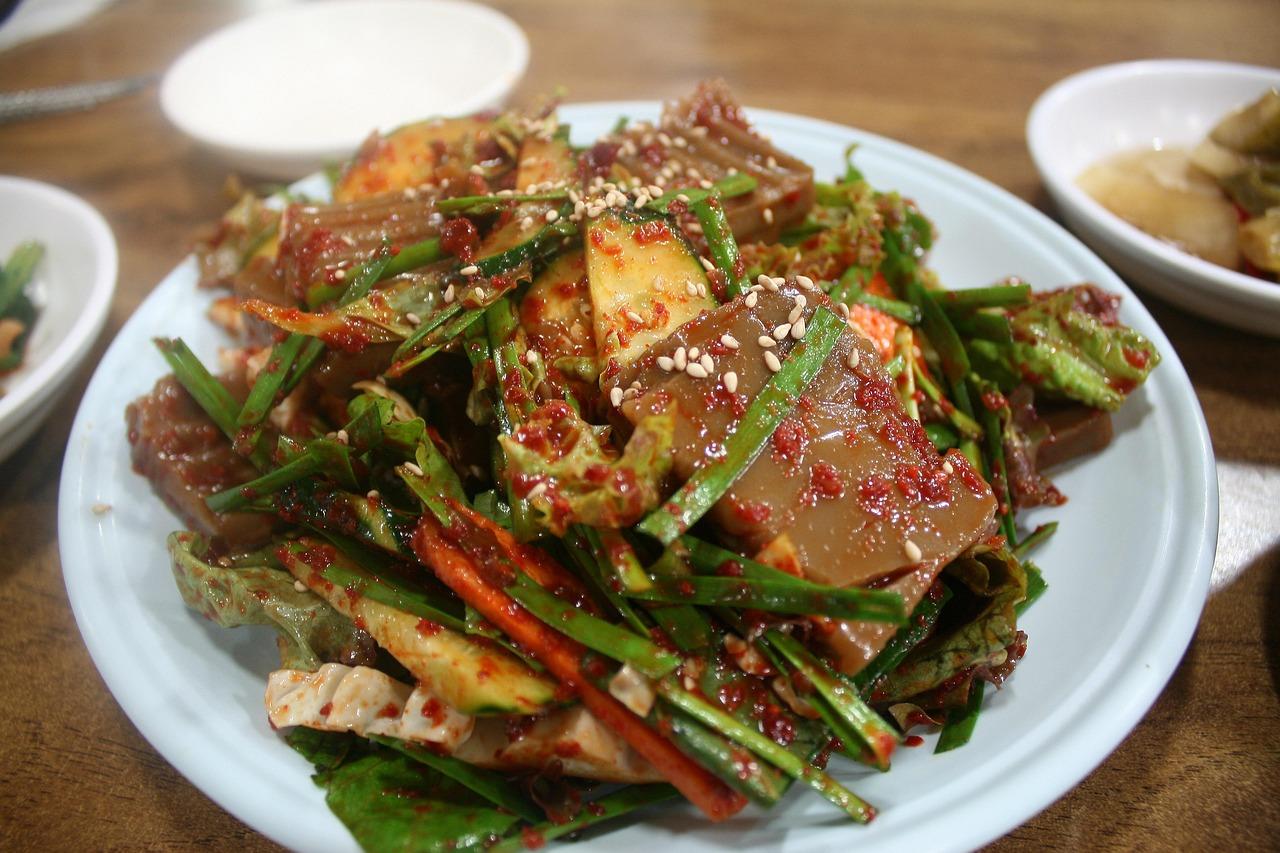
Dotorimuk muchimAcorn jelly salad

Dotorimuk is a jelly made from acorn starch, gathered in Korea's oak-covered mountains, and dotorimuk muchim is the salad hikers eat at the little restaurants at the foot of Bukhansan and Gwanaksan after a weekend climb. Wobbly, nutty-bitter cubes of jelly are tossed gently with lettuce, cucumber, carrot and a soy, chilli and sesame dressing. Temple cooks make it exactly like this, without garlic or onion. The common mistake is tossing it hard like a green salad: the jelly breaks into crumbs, so fold it with your fingertips. Chef's tip: if the jelly has firmed up in the fridge, blanch the block in boiling water for 30 seconds and cool it; it turns soft and bouncy again.

by KrazyBadal 0 views

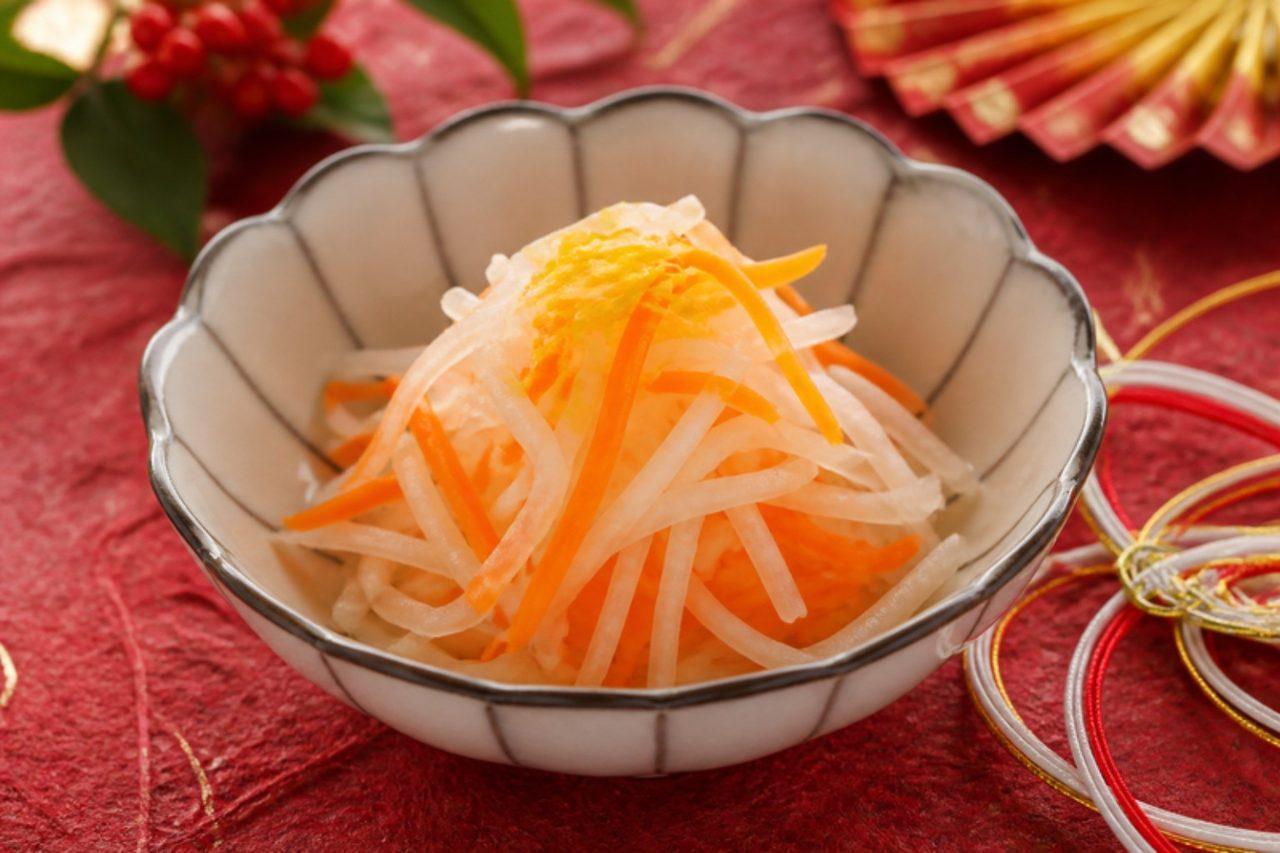
Kohaku namasuPickled daikon and carrot salad

Red and white are Japan's colours of celebration, and this crisp, sweet-sour salad of fine daikon and carrot shreds is the cleanser of the New Year osechi box, eaten between richer dishes from 1 to 3 January. Salting the vegetables first softens them into pliable threads that still crunch, before they soak in rice vinegar, sugar and a little yuzu. The common mistake is skipping the squeeze after salting, which leaves the salad watery and bland. Chef's tip: cut the daikon along the length of the root, not across it, so the shreds stay crisp instead of going limp.

by KrazyBadal 0 views

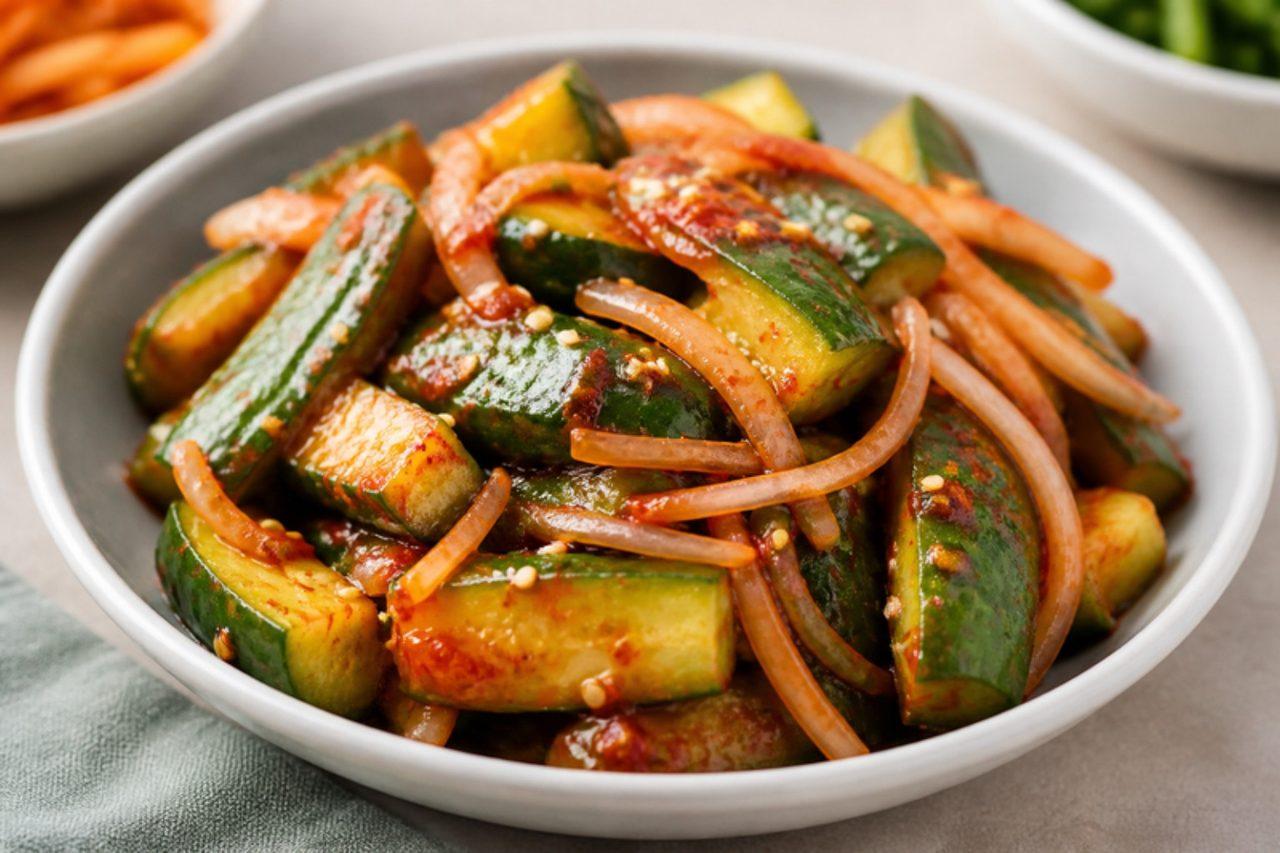
Oi muchimSpicy cucumber salad

When Korean summers turn sticky, from Daegu's heat to Seoul's monsoon, oi muchim is the ten-minute side dish families make to cool down a hot bowl of rice or a plate of grilled meat. Thin cucumber coins are salted briefly, then tossed with chilli flakes, vinegar, a touch of sugar and sesame, so they stay snappy and bright. It is best made just before eating. The common mistake is skipping the quick salting: unsalted cucumber leaks water into the dressing within minutes and the bowl turns soupy. Chef's tip: a few slivers of onion soaked in cold water for five minutes add sweetness and crunch without any harsh bite.

by KrazyBadal 0 views

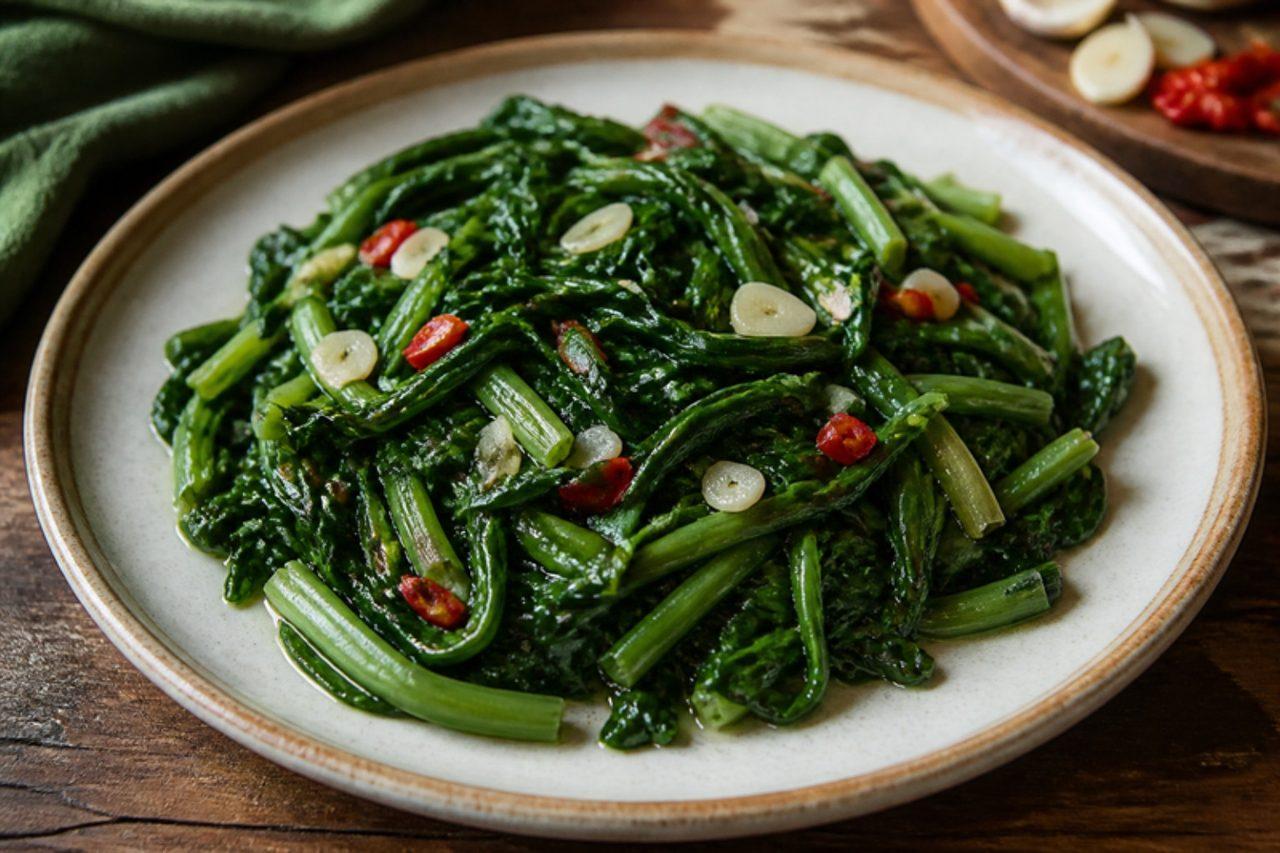
Cicoria ripassataSautéed bitter chicory

In Rome and across Puglia, cicoria is the bitter green that arrives at every market from autumn to spring, often gathered wild in the fields. It is boiled first to soften its bitterness, then "ripassata", passed through the pan again with garlic, chilli and olive oil. Roman trattorie serve it next to roast lamb or saltimbocca, and in Puglia it is the classic partner for fava bean purée. Chef's tip: boil the chicory in plenty of well-salted water and then squeeze it hard; most of the harsh bitterness goes down the drain with the water.

by KrazyBadal 0 views

Su-renkonPickled lotus root

Lotus root is full of holes you can see straight through, so in Japan it stands for a clear view of the year ahead, and these crunchy, snow-white slices of sweet-vinegared lotus are a fixture of osechi boxes on New Year's Day. Often cut into flower shapes, they taste bright and lightly sweet with a satisfying crispness. The common mistake is boiling the slices for too long: more than 2 minutes and they turn starchy instead of crunchy. Chef's tip: add a splash of vinegar to the boiling water as well as to the pickle, which keeps the lotus root brilliantly white.

by KrazyBadal 0 views

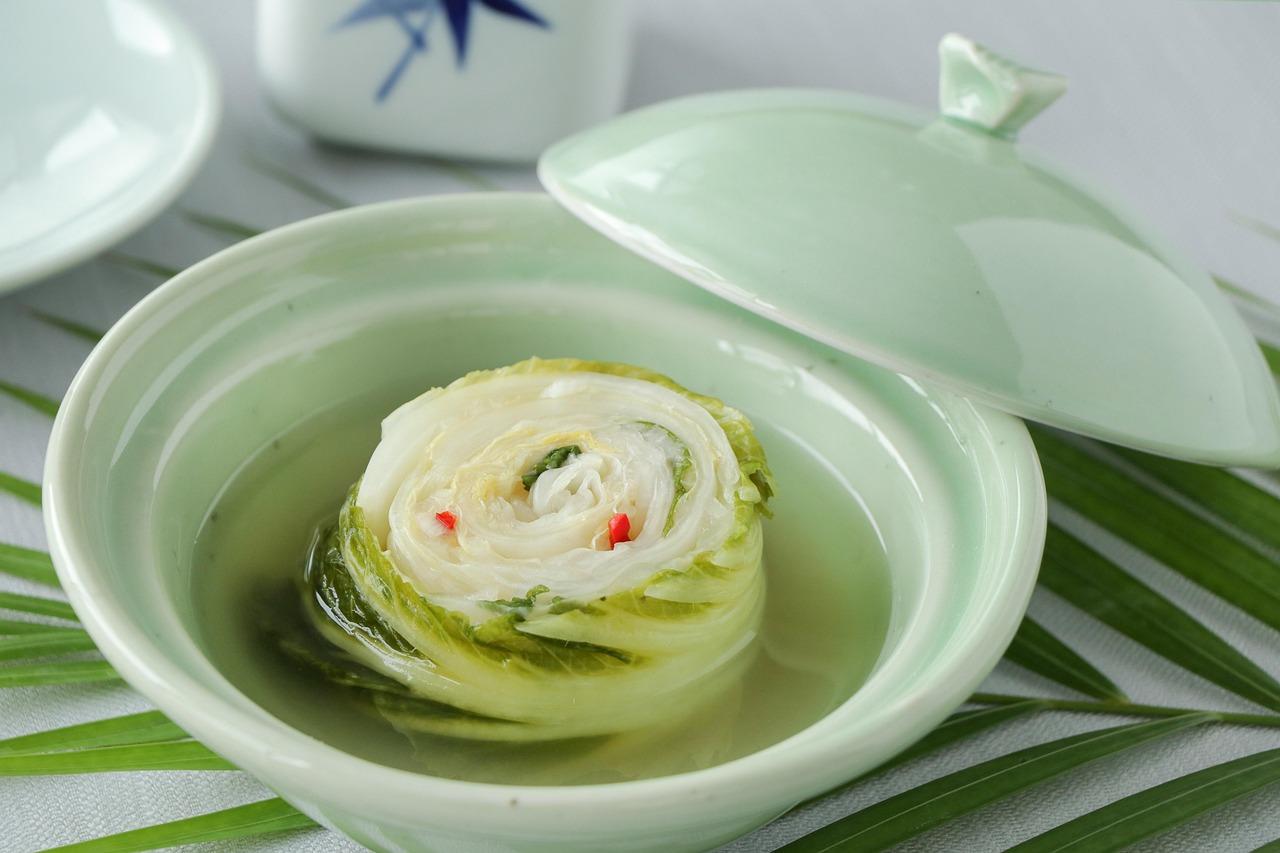
Baek kimchiWhite kimchi

Baek kimchi comes from the Gaeseong and Seoul aristocratic kitchens, where it was served to elders, children and anyone who could not handle chilli. Napa cabbage halves are stuffed with a pale filling of radish, Asian pear, chestnuts, jujubes and pine nuts, then left to ferment in a clear, gently sweet brine. The result is crisp, cool and refreshing, with no heat at all, and it is a good first kimchi for small children. The common mistake is under-salting the cabbage, which leaves it watery and lets it spoil; the thick white stalks must bend without breaking. Contains pine nuts and chestnuts. Use a clean glass or ceramic jar or kimchi box scalded with boiling water, and keep the vegetables pressed below the brine; anything sticking out can grow mould. Chef's tip: wrap each stuffed quarter in its outer leaf; it holds the filling in and keeps the cabbage white.

by KrazyBadal 0 views

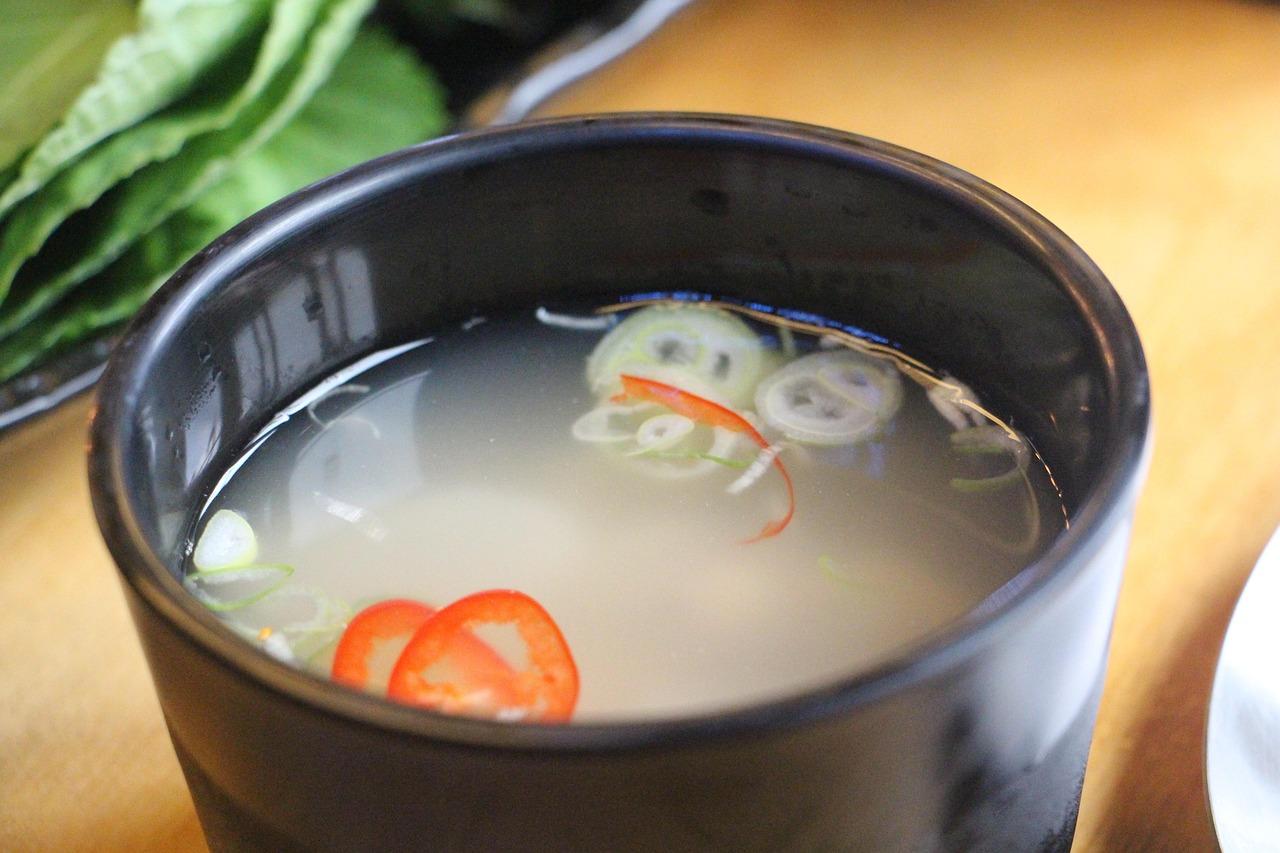
DongchimiRadish water kimchi

Dongchimi is the winter water kimchi of Korea's north and Gangwon province, traditionally made just before the first frost in a big onggi crock buried in the yard. Whole radishes sit in a clear, salty brine with pear, garlic, ginger and green chillies, and after a few weeks the brine turns tangy, cold and lightly fizzy. It is served with roasted sweet potatoes, rice-cake soup, and is famous as the broth for cold naengmyeon noodles. The common mistake is eating it too early: the brine needs at least two weeks of slow, cold fermentation to lose its raw saltiness. Use a clean glass or ceramic jar or kimchi box scalded with boiling water, and keep the vegetables pressed below the brine; anything sticking out can grow mould. Chef's tip: roll the radishes in salt and leave them overnight before adding the brine; they stay crunchy all winter.

by KrazyBadal 0 views

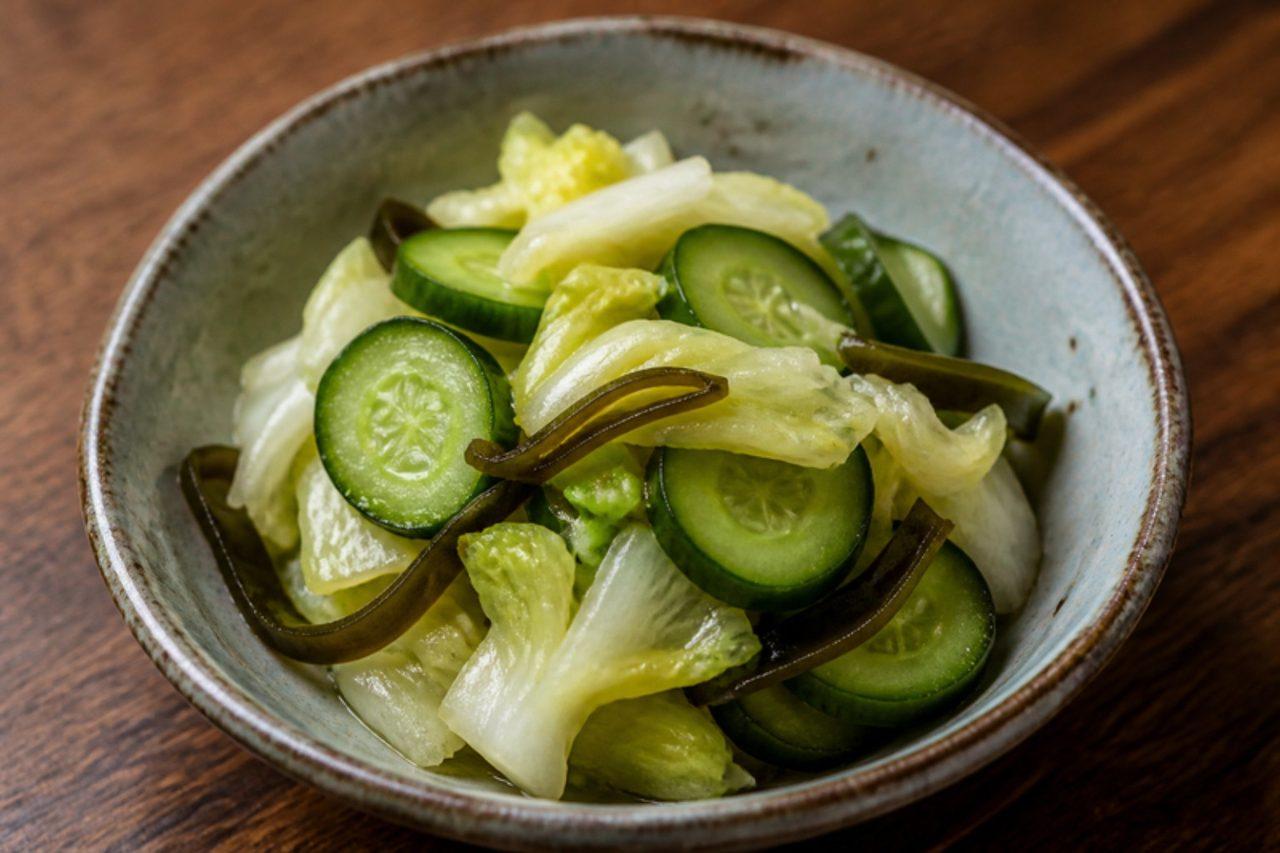
Asazuke (overnight cucumber and cabbage pickle)Quick cucumber and cabbage pickle

Asazuke means shallow pickle, and it is the quick, fresh pickle that Japanese home cooks make the night before, tucked in a plastic bag in the fridge door and served with breakfast rice and miso soup. Cucumber and cabbage are rubbed with salt and pressed with kombu, a few slivers of chilli and yuzu or lemon peel, so they stay crunchy, juicy and only gently seasoned. It takes 15 minutes to make. The common mistake is not squeezing out the liquid before serving, which leaves the pickle watery and salty. Chef's tip: rub the salt in firmly with your hands for a full minute; bruising the vegetables a little is what lets them season through in a few hours.

by KrazyBadal 0 views

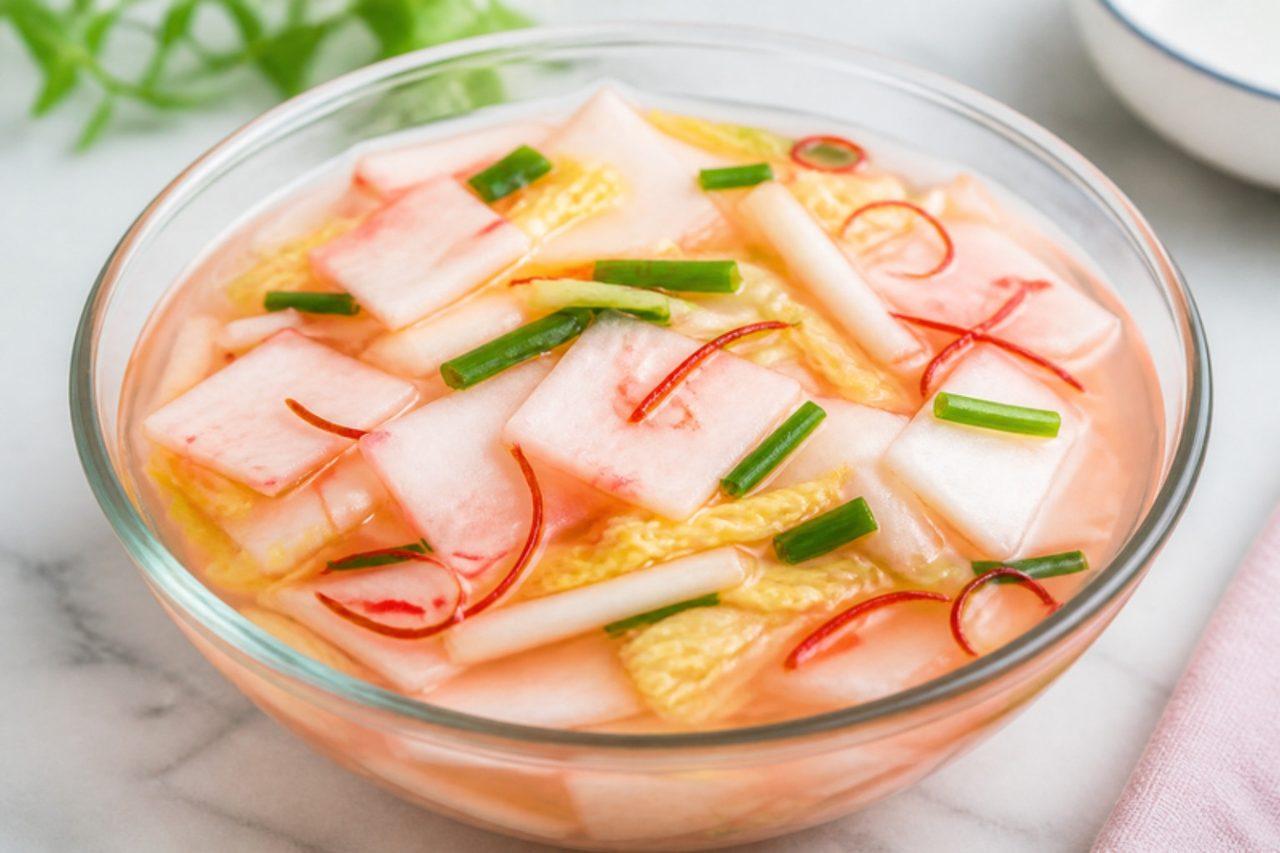
Nabak kimchiRadish water kimchi

Nabak kimchi is the gentle water kimchi Koreans serve in spring and at holiday tables, especially with tteokguk at Seollal, when everyone needs something refreshing after rich food. Thin squares of radish and napa cabbage float in a pale pink, lightly fizzy brine coloured by chilli flakes strained through cloth, so there is colour without much heat. You drink the brine with a spoon as well as eating the vegetables. The common mistake is putting the chilli flakes straight in; they cloud the brine and make it spicy, so always strain them. Use a clean glass or ceramic jar or kimchi box scalded with boiling water, and keep the vegetables pressed below the brine; anything sticking out can grow mould. Chef's tip: add a few slices of apple or Asian pear to the brine; it ferments faster and tastes rounder.

by KrazyBadal 0 views

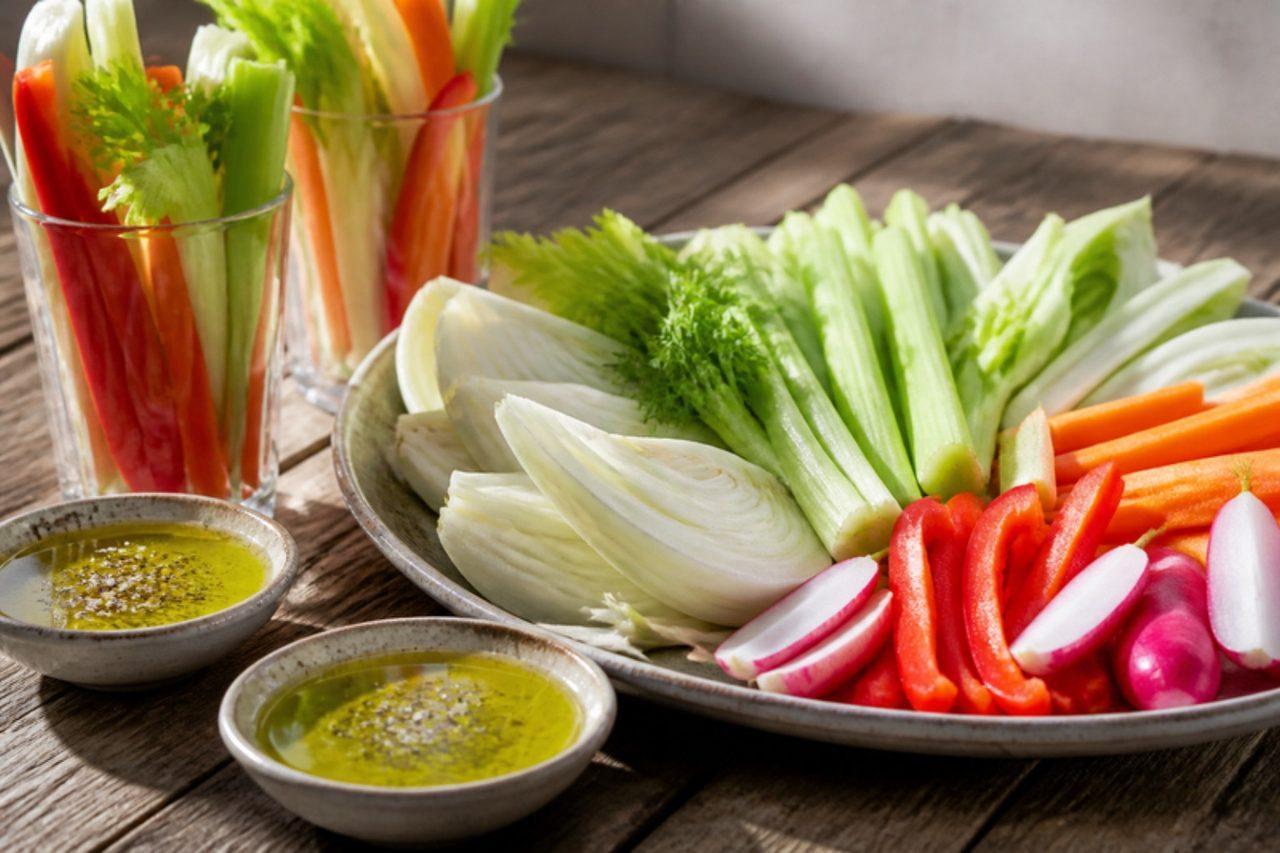
PinzimonioRaw vegetables with olive oil

In Tuscany pinzimonio comes out in November, when the frantoi (olive mills) press the new oil and families want something that shows off its peppery green bite. A jug of raw, cold vegetables is set in the middle of the table and everyone dips into their own little bowl of oil seasoned with salt and pepper, usually before a plate of pasta or alongside bruschetta at the mill. Crunch matters more than anything: fennel, celery hearts, radishes, carrots, young artichokes and red peppers, all very fresh. Chef's tip: keep the cut vegetables in a bowl of iced water for 15 minutes before serving; they turn crisper and look glossy without any dressing.

by KrazyBadal 0 views

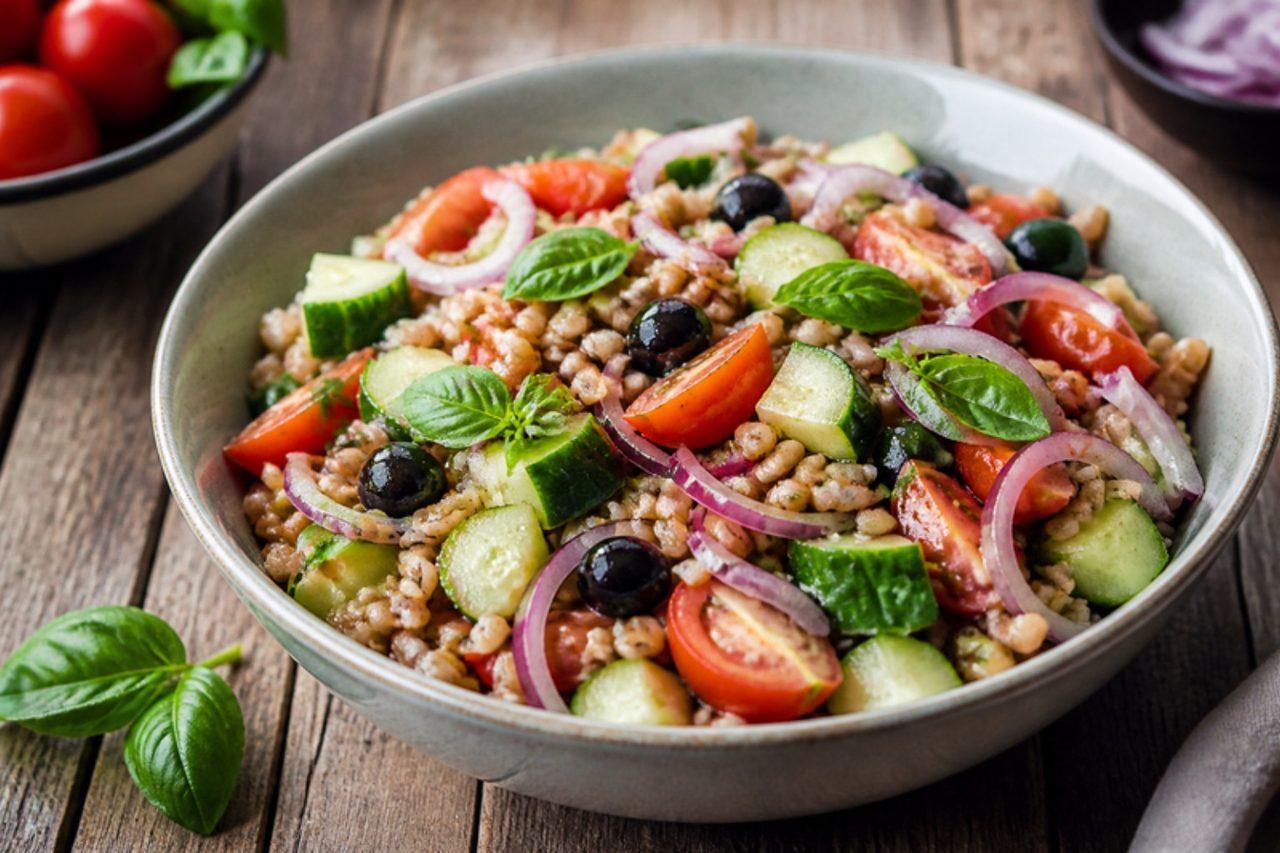
Insalata di farroSpelt salad

Farro has grown in the hills of Garfagnana in Tuscany and around Monteleone di Spoleto in Umbria since Roman times, and in summer it turns into a cold salad that families pack for the beach or a picnic in the hills. The grains stay chewy and nutty, dressed with ripe tomato, cucumber, red onion, olives and plenty of basil. It keeps well for a day, so it is the salad you make the night before a trip. Chef's tip: dress the farro while it is still warm; the grains drink up the oil and vinegar, then you add the fresh vegetables once it has cooled.

by KrazyBadal 0 views

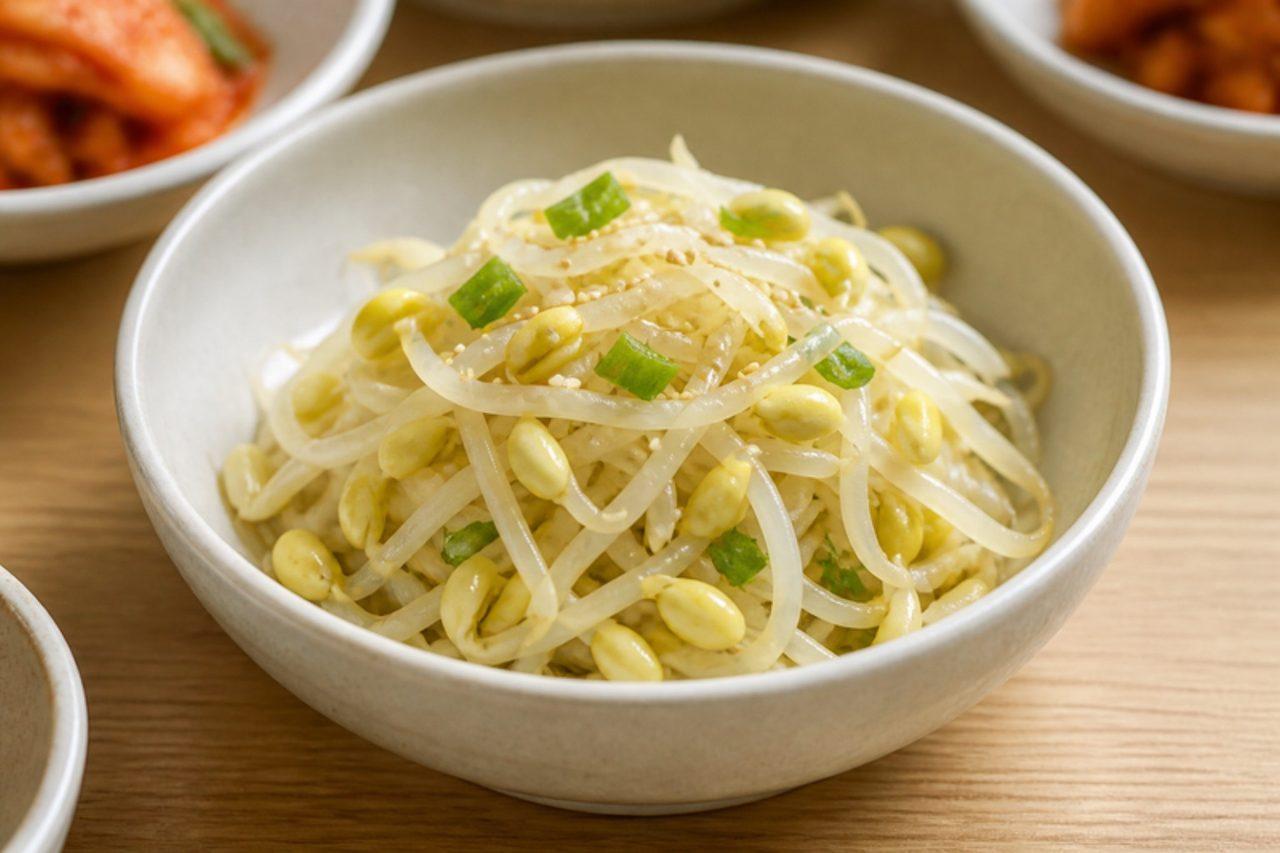
Sukju namulSeasoned bean sprouts

Sukju namul is the most delicate of Korea's sprout dishes, set out on every ancestral-rite table at Chuseok and on everyday trays in Seoul homes because it takes five minutes and costs very little. Mung bean sprouts are blanched for barely a minute, then dressed with salt, a little garlic and sesame oil, so they stay juicy and crunchy with a clean, nutty taste. It belongs in bibimbap too. The common mistake is overcooking: mung bean sprouts go limp and stringy within seconds of being done, so pull them while they still squeak. Chef's tip: plunge them straight into iced water after blanching and squeeze gently; they keep their snap for a whole day.

by KrazyBadal 0 views

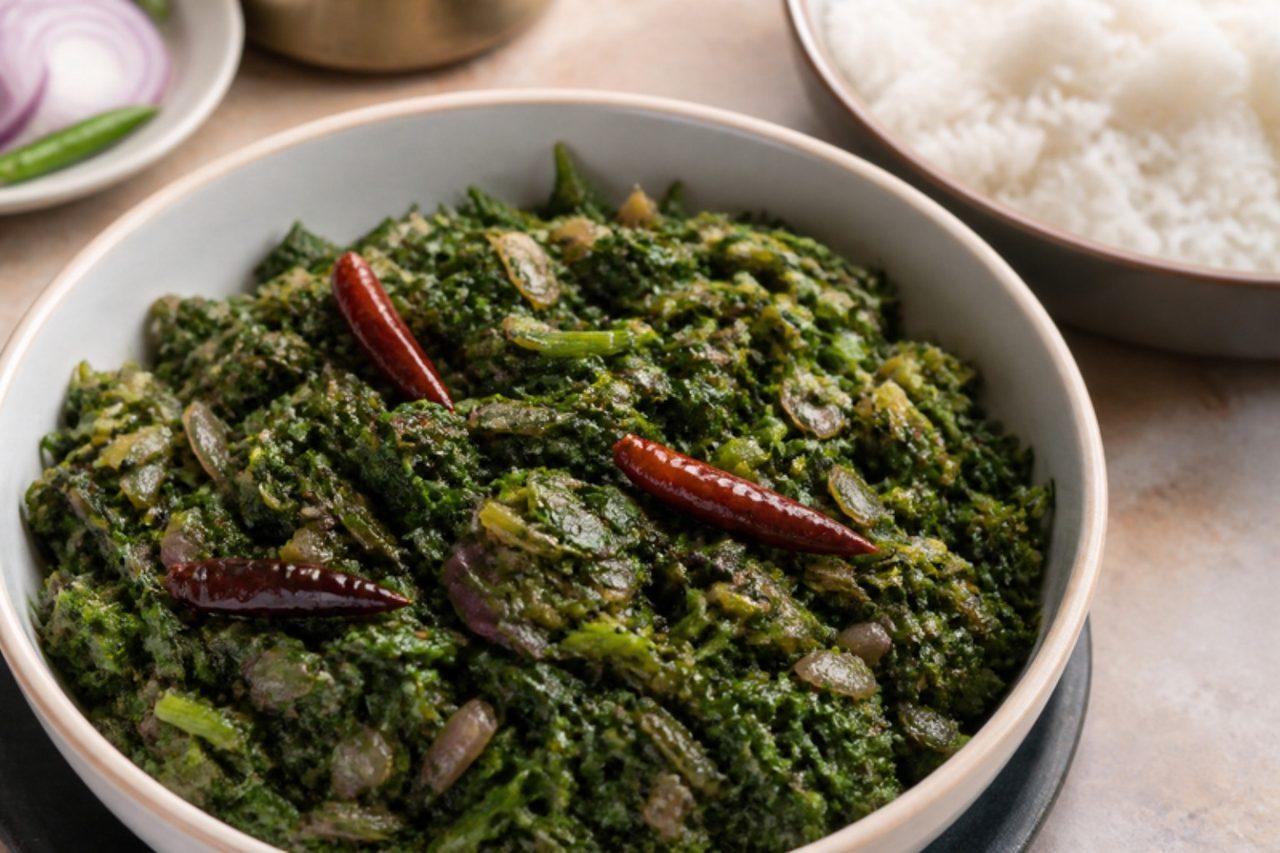
Choddo shaakFourteen leafy greens stir-fry

On Bhoot Chaturdashi, the night before Kali Puja and Diwali, Bengali homes light fourteen lamps for their ancestors and eat a dish of fourteen greens at lunch to keep illness and restless spirits away. Markets in Kolkata sell bundles already mixed for the day: spinach, red and green amaranth, Malabar spinach, water spinach, fenugreek, mustard and radish greens, bathua, jute leaves, pumpkin leaves, helencha and a few neem leaves for bitterness. Fried briefly in mustard oil with nigella and dried chilli, they cook down to an earthy, slightly bitter, faintly sweet tangle. It is eaten as the first course with hot rice and a drizzle of ghee for those who want it. If you can't find all fourteen, use what your grocer has; the mix matters more than the exact list. Chef's tip: cook it uncovered after the first wilt so the water evaporates; choddo shaak should be dry and glossy, not stewed.

by KrazyBadal 0 views

Salade palmisteHeart of palm salad

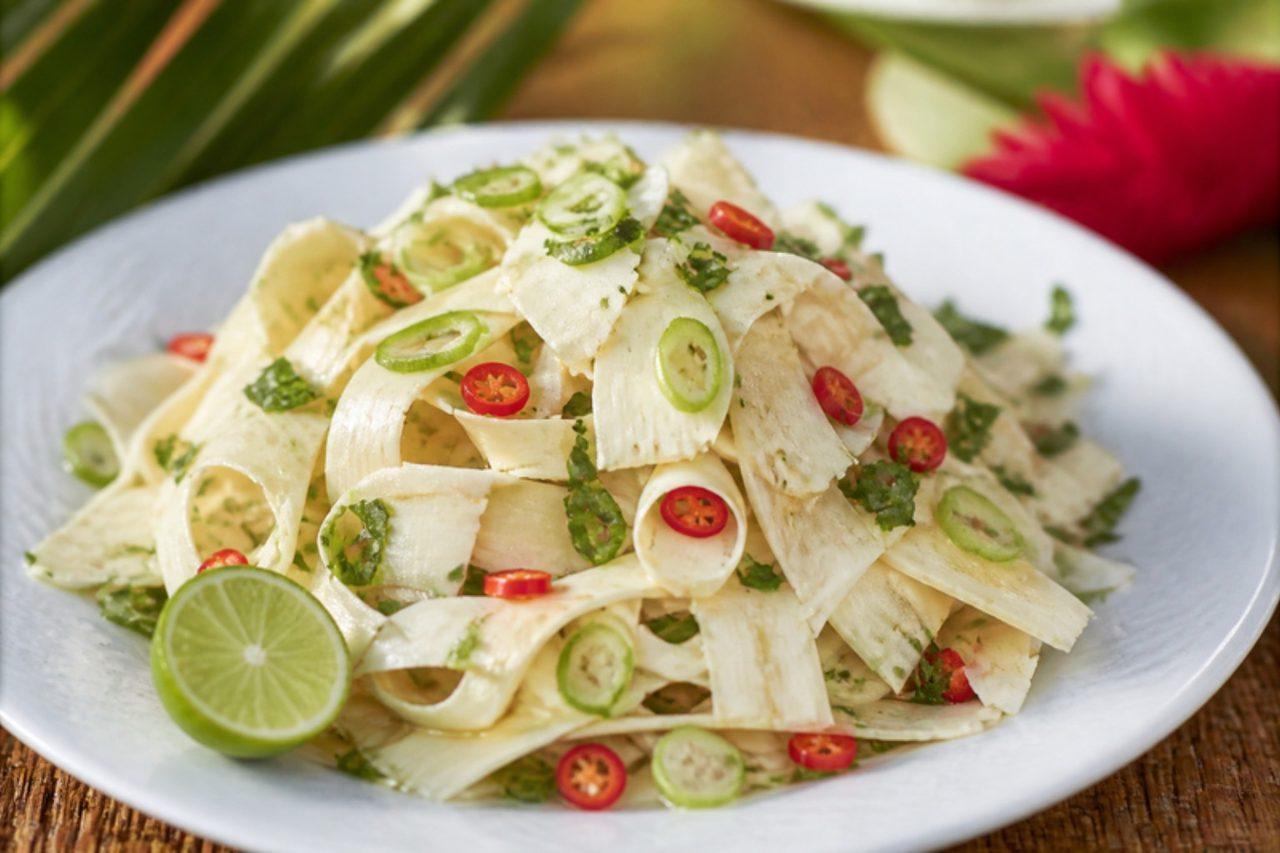
Hotel menus around Praslin once called it millionaire's salad, because a whole native palm had to be felled for the single pale heart at its crown. That is no longer how it should be made: buy fresh hearts from farmed peach palm, which regrows from the base, or a good jar of hearts of palm, and you get the same cool, crunchy ribbons with a faint sweetness like young coconut and artichoke. Seychellois serve it as a starter at celebrations or beside grilled fish and Creole rice, dressed simply so the palm stays the star. Chef's tip: dress it no more than 15 minutes before eating; left longer, the lime softens the crunch and the salad goes limp.

by KrazyBadal 0 views

Kori gassiChicken in red chilli coconut gravy

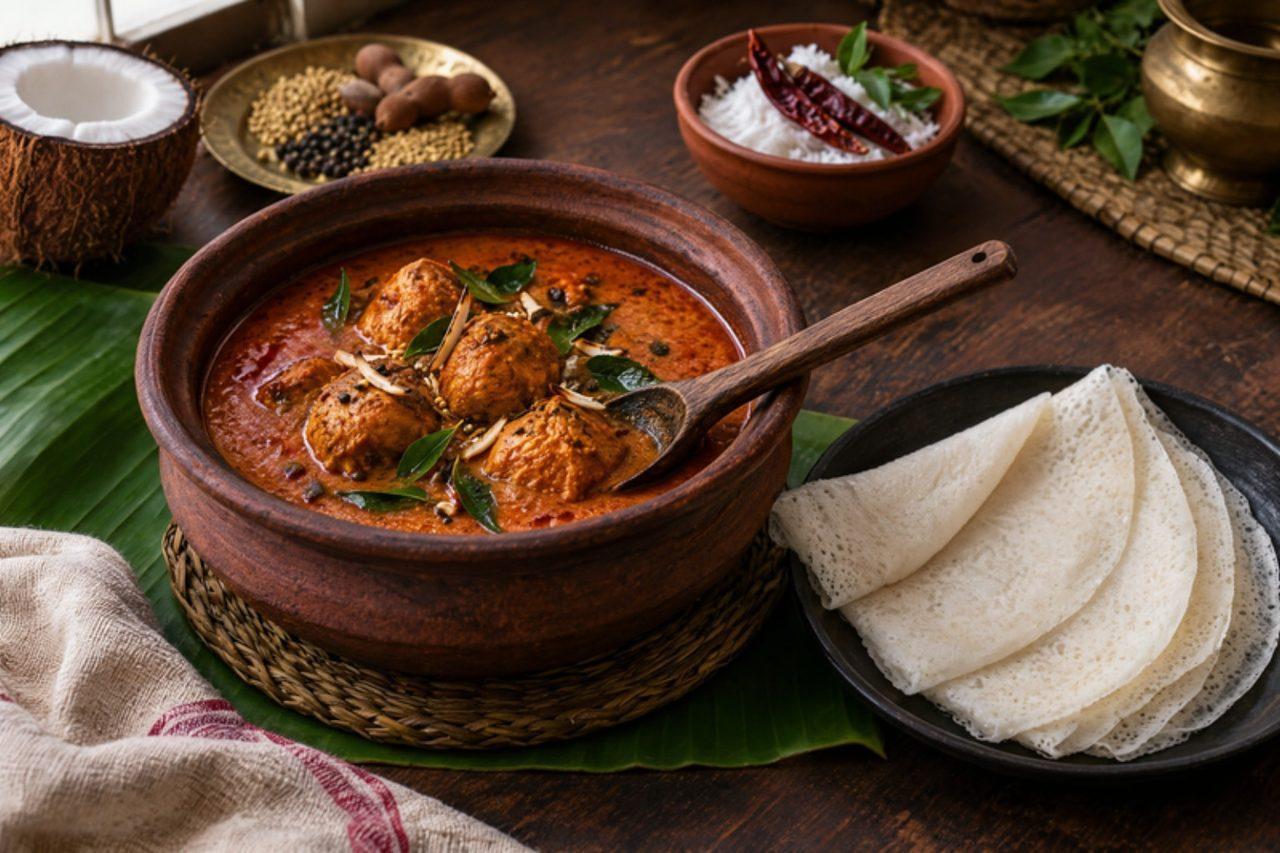
Kori gassi is the Sunday chicken curry of Mangalore's Bunt community on the Karnataka coast, cooked for family lunches and festivals and traditionally eaten with paper-thin neer dosa. Byadgi chillies, coriander, cumin and a little fenugreek are roasted until fragrant, ground with coconut, garlic and tamarind, then simmered with chicken into a brick-red, gently sour gravy. This version uses less coconut than usual and is suitable as part of a balanced diet; serve it with brown rice, millet roti or a salad. About 360 kcal and 9 g carbohydrate per portion. The usual mistake is roasting the spices over a high heat: they scorch and turn the gravy bitter. Chef's tip: byadgi chillies give deep colour with gentle heat, so don't swap them for hot chilli powder.

by KrazyBadal 0 views

Qingzheng luyuSteamed sea bass

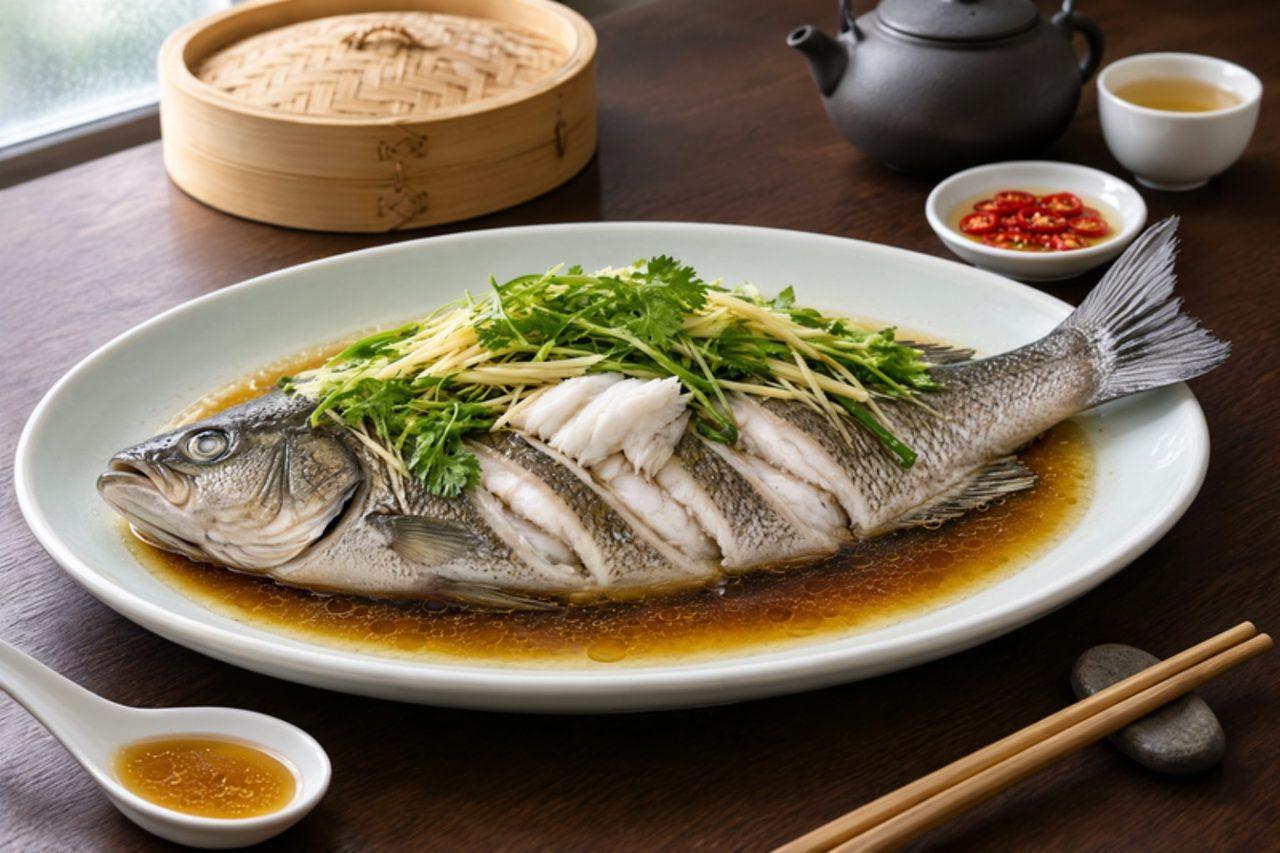
Steamed whole fish is the heart of a Cantonese family dinner in Guangzhou and Hong Kong, and at Lunar New Year it is served whole for abundance. Sea bass steams over ginger until just set, then gets a pour of seasoned soy and a sizzle of hot oil over shredded spring onion that releases a sweet, fragrant aroma. The flesh should be silky and moist. It is low in fat and suitable as part of a balanced diet; serve with greens and a small portion of rice. About 230 kcal and 3 g carbohydrate per portion. The usual mistake is over-steaming: even two minutes too long makes the flesh dry and woolly. Chef's tip: lay the fish on two chopsticks across the plate so steam circulates underneath and it cooks evenly.

by KrazyBadal 0 views

Jogi guiGrilled yellow croaker

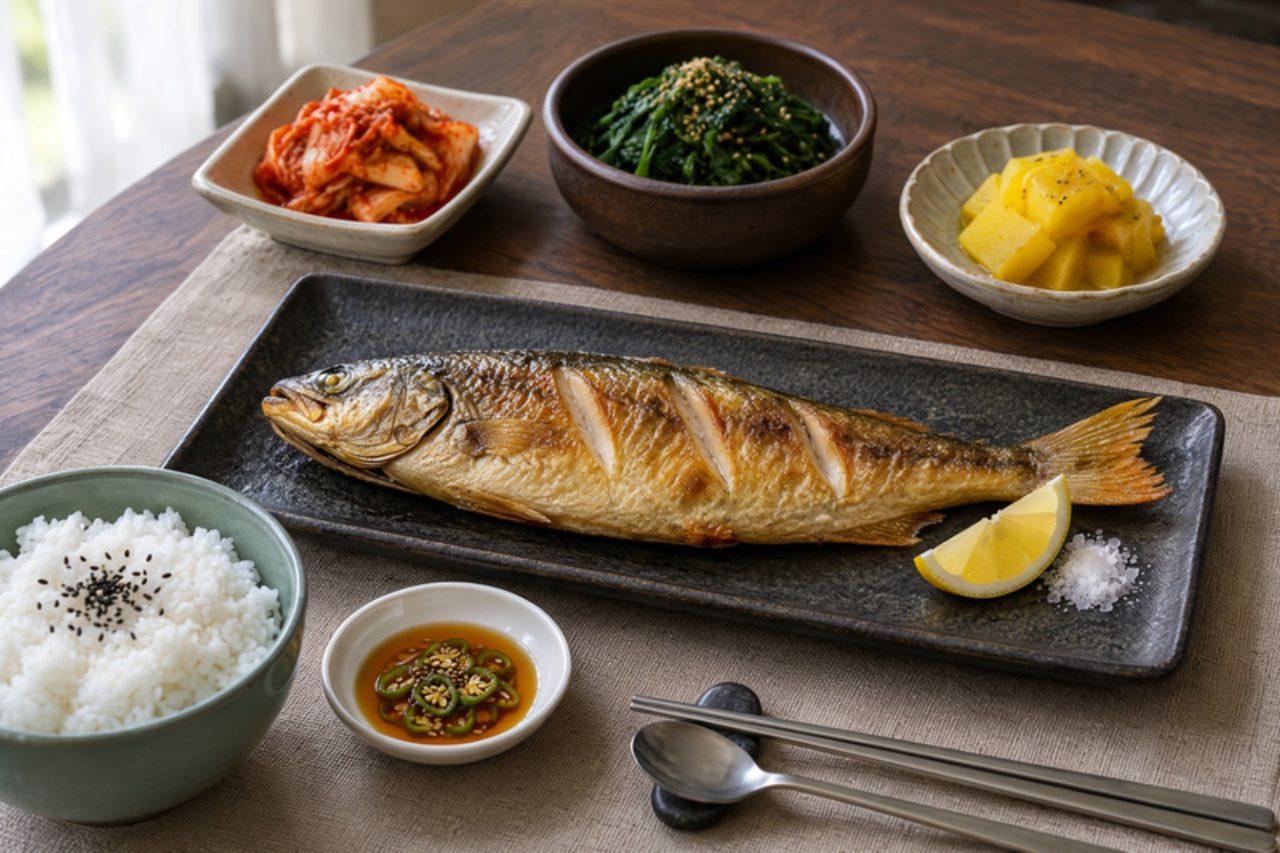
Yellow croaker from Yeonggwang on Korea's west coast is so prized that dried gulbi are given as gifts at Chuseok, and a simply grilled or pan-roasted croaker is a classic of the family table and of ancestral memorial meals. The fish is salted, dried briefly and cooked whole until the skin crackles and the flesh comes away in sweet, moist flakes; you eat it with rice, kimchi and a few vegetable banchan. Suitable as part of a balanced diet: high in protein with no batter or flour. About 210 kcal and 1 g carbohydrate per portion. The usual mistake is turning the fish too early, so the skin tears and sticks; wait until it releases on its own. Small sea bream or red mullet work if you cannot find croaker. Chef's tip: pat the fish completely dry and leave it uncovered in the fridge for 30 minutes before cooking for the crispest skin.

25 minKoreanFishGluten free
by KrazyBadal 0 views

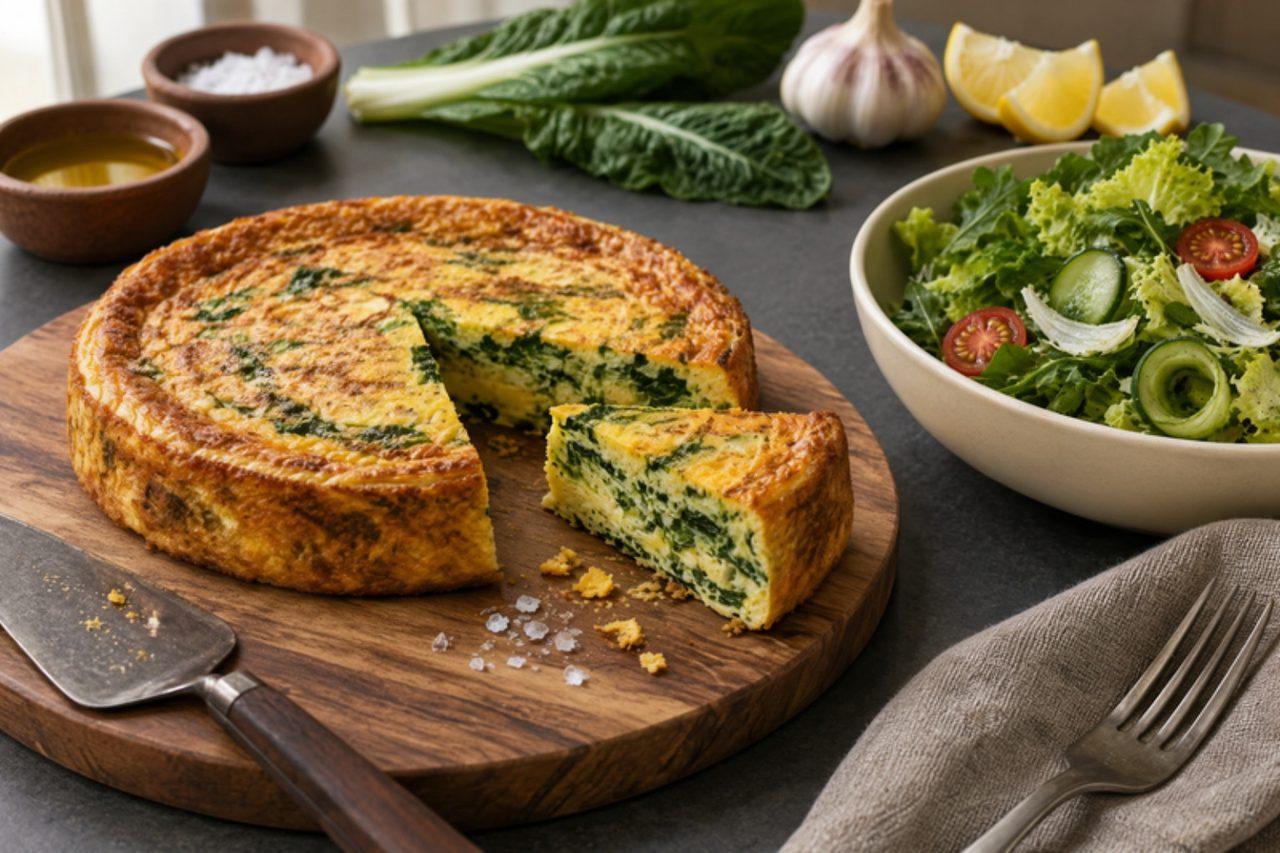
Tortilla de acelgaSwiss chard omelette

In Montevideo and Buenos Aires, tortilla de acelga is a homely supper or picnic dish, cut into wedges for a weekday dinner or packed for a Sunday at the beach, hot or cold. Plenty of chard is cooked down with onion and garlic, then bound with eggs into a thick, green, juicy omelette that is flipped in the pan like a Spanish tortilla. Serve it with a tomato salad. Suitable as part of a balanced diet. About 190 kcal and 7 g carbohydrate per portion. The usual mistake is leaving the chard wet: squeeze it well, or the tortilla weeps and won't set. If you're cooking for anyone pregnant, a young child or anyone with a weakened immune system, cook it until fully set in the middle. Chef's tip: cook it on a low heat with a lid on for the first side; it sets through without burning the base.

by KrazyBadal 0 views

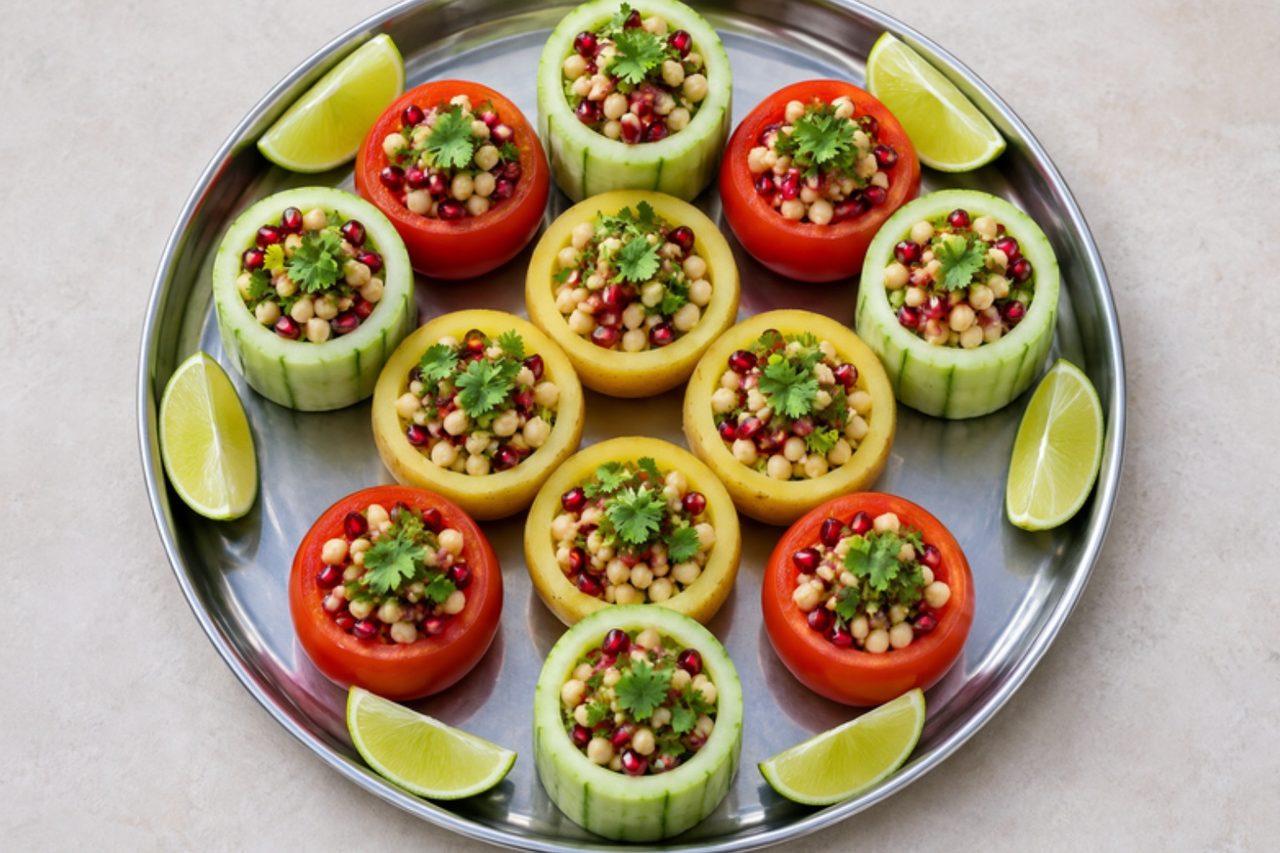
Kulle chaatStuffed cucumber chaat

Kulle chaat comes from the lanes of Chandni Chowk around Chawri Bazar, where a couple of old stalls carve fruit and vegetables into little cups and fill them with chickpeas, pomegranate and lime. It is the cooling chaat of Delhi's scorching summer afternoons: no frying, no yoghurt, just juicy, crunchy cups dusted with chaat masala and black salt. Children love picking them up whole. Chef's tip: season the inside of each empty cup with lime and chaat masala before filling, so every bite is tangy right through.

by KrazyBadal 0 views

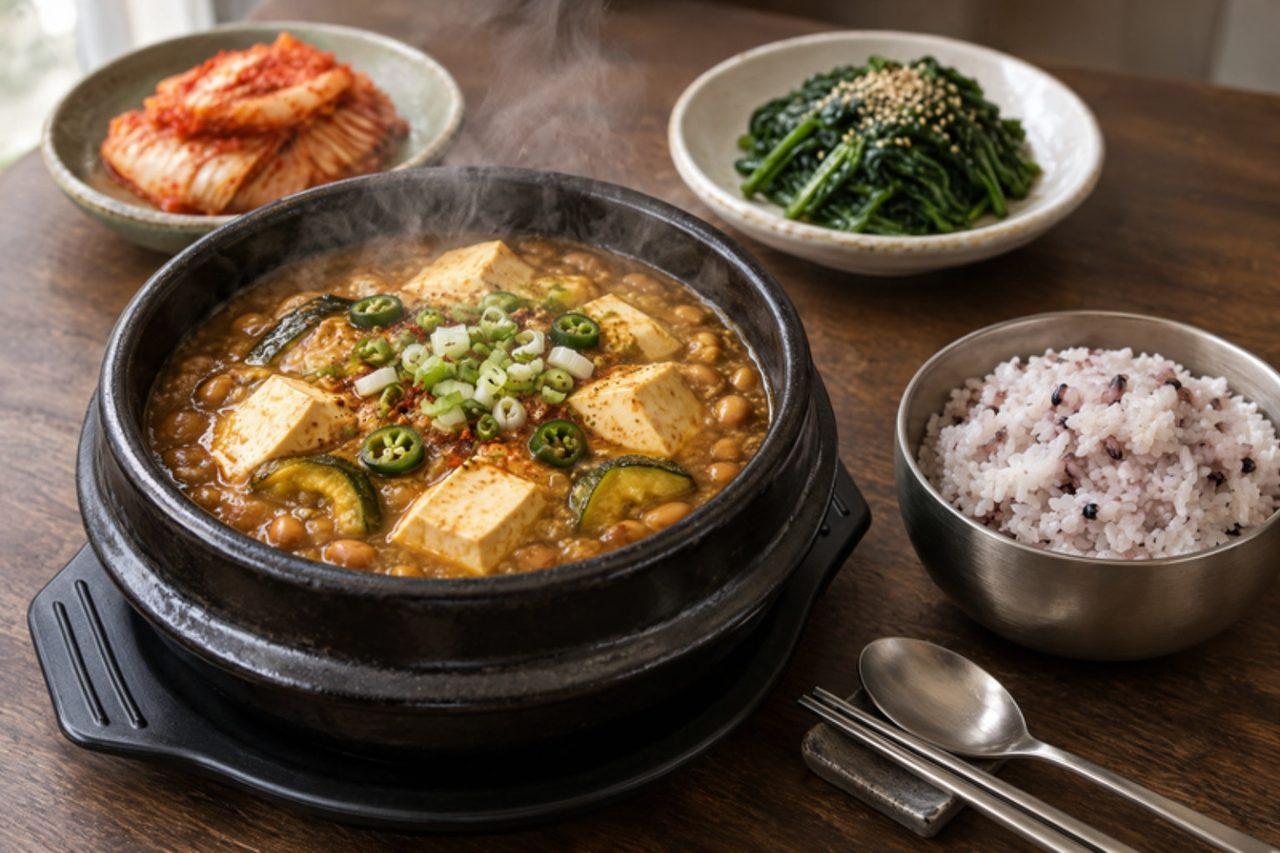
Cheonggukjang jjigaeFermented soybean stew

Cheonggukjang is a sticky, quick-fermented soybean paste made over two or three days in a warm room, and in Korean homes it becomes a bubbling winter stew, cooked in an earthenware pot and set in the middle of the table with rice and banchan. Its smell is famously strong, but the taste is nutty and deeply savoury, with tofu, courgette, onion and greens simmered in an anchovy-kelp stock. Suitable as part of a balanced diet: it is high in plant protein and fibre. About 230 kcal and 14 g carbohydrate per portion; eat it with a small bowl of mixed-grain rice. The usual mistake is boiling the cheonggukjang for a long time, which makes it bitter and dulls its flavour; it goes in for the last few minutes. Chef's tip: mash a spoon of doenjang in with it for a rounder, saltier base.

by KrazyBadal 0 views

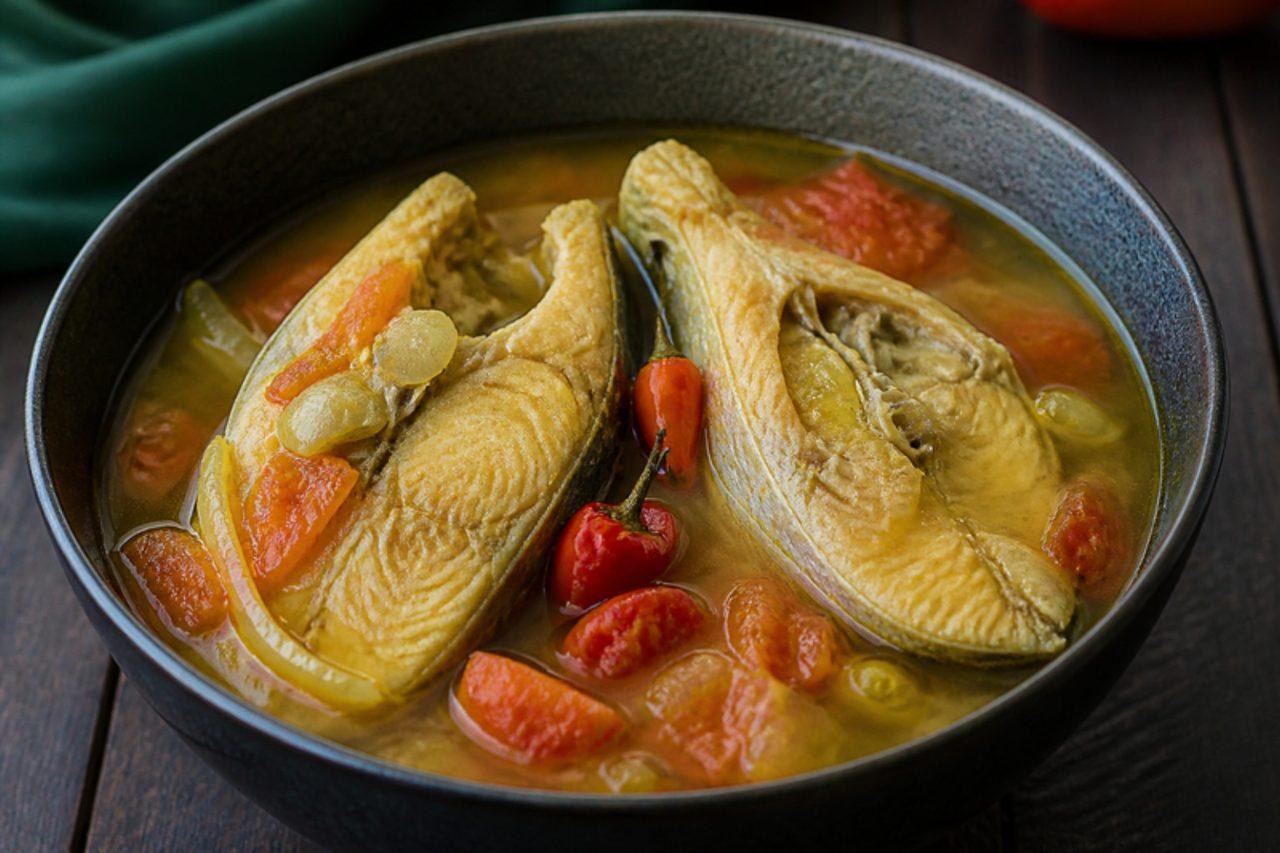
Surinamese peprewatraHot pepper fish broth

Peprewatra means 'pepper water' in Sranan Tongo, and in Paramaribo it is the broth people reach for after a long night, on a rainy day or when they feel a cold coming: a clear, very spicy fish soup with Madame Jeanette peppers, onion, tomato and lots of herbs, often with a few pieces of cassava or plantain to make it a meal. Use firm white fish steaks with the bone in for flavour. The usual mistake is boiling the fish hard, so it breaks into shreds; add it to the hot broth and keep it just simmering. Chef's tip: drop the whole pepper in first and pierce it once; take it out when the broth is as hot as you like it.

by KrazyBadal 0 views

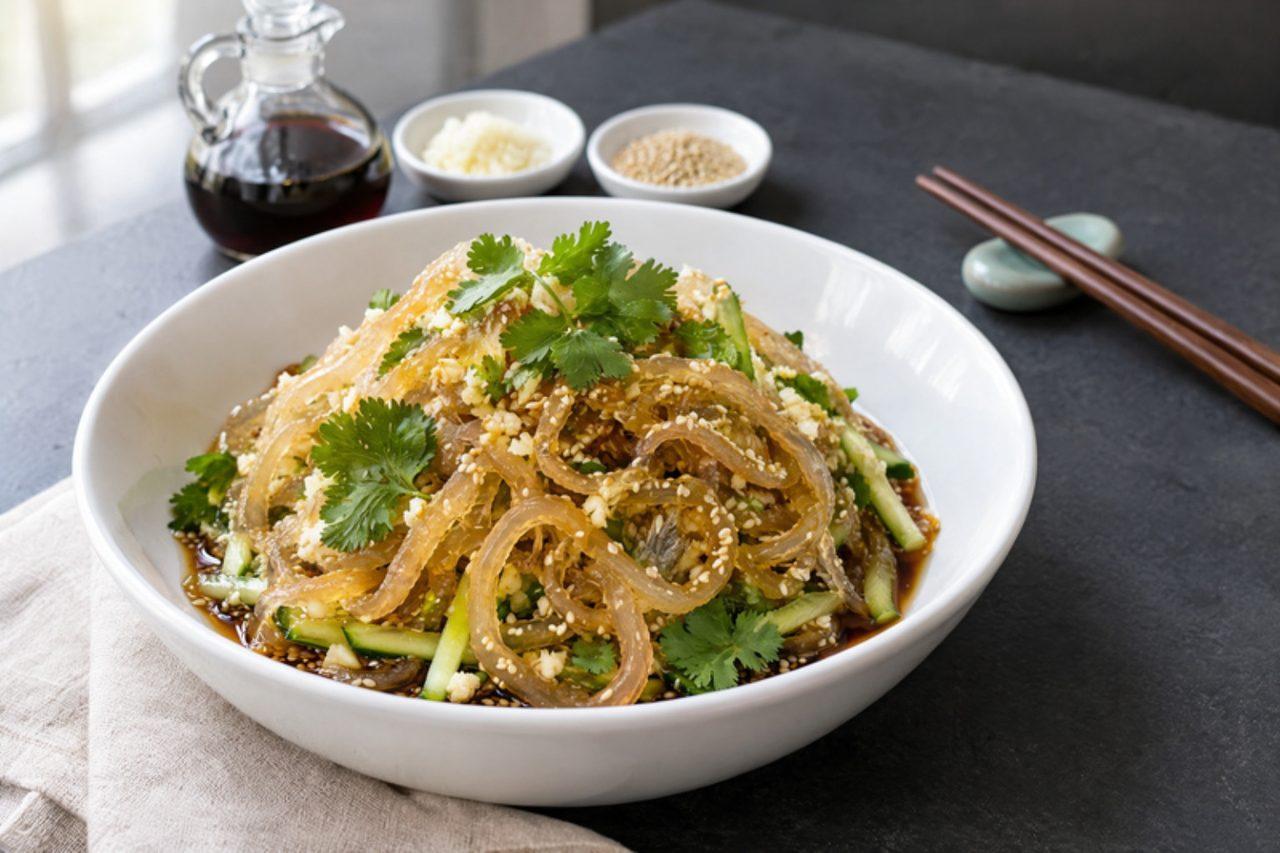
Liangban haizheCold jellyfish salad

In Shanghai and along the eastern coast, crunchy cold jellyfish is one of the classic cold starters at banquets and summer dinners, served before the hot dishes. Ready-salted jellyfish is soaked, blanched for seconds so it curls and crisps, then tossed with cucumber, garlic, rice vinegar and sesame oil. It has almost no flavour of its own; the pleasure is its springy crunch and the sharp dressing. Very light and suitable as part of a balanced diet. About 90 kcal and 6 g carbohydrate per portion. The usual mistake is skipping the long soak: the jellyfish is packed in salt and stays far too salty and tough. Another is blanching in boiling water, which shrinks it to rubber. Chef's tip: blanch in water just off the boil, around 80 °C, for 10 seconds, then plunge it into iced water.

by KrazyBadal 0 views

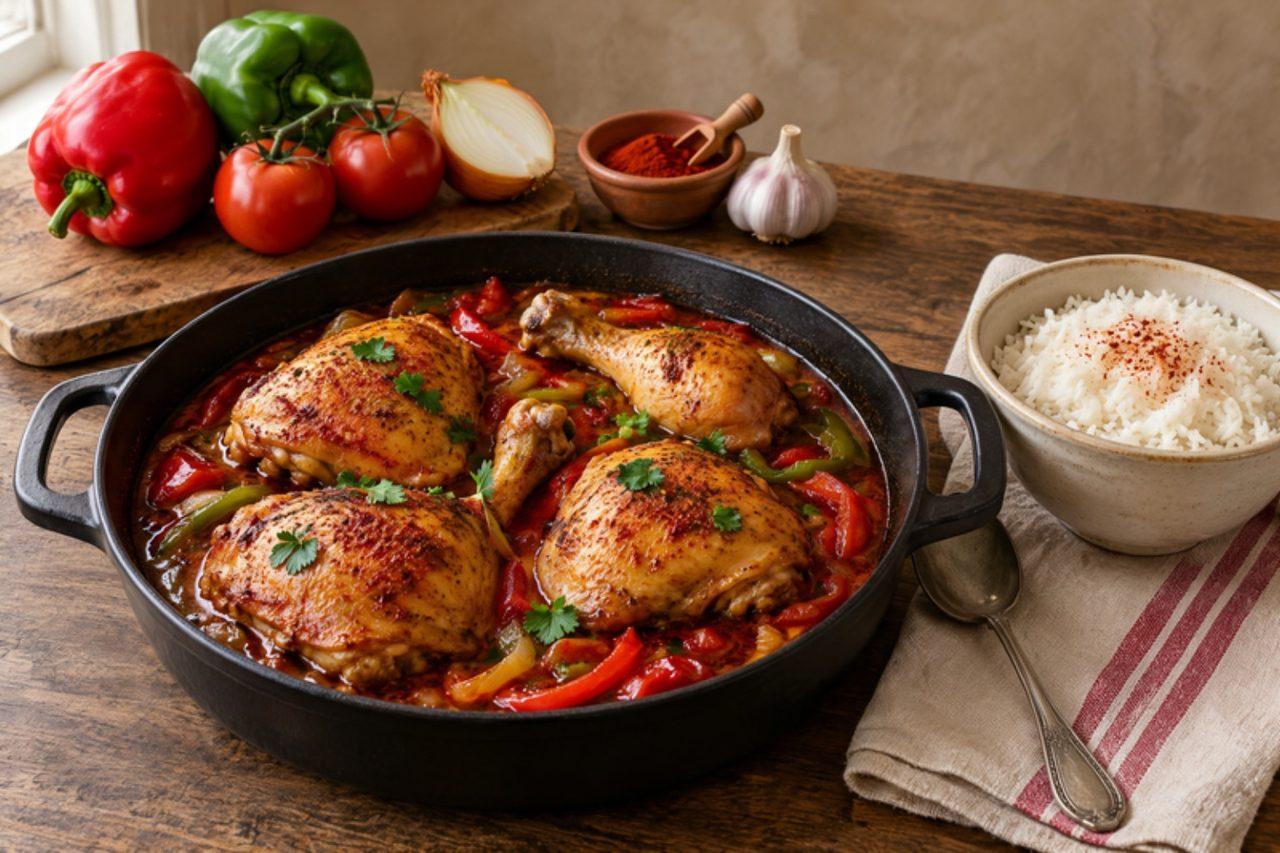
Poulet basquaiseBasque chicken with peppers

Poulet basquaise is the everyday family braise of the French Basque Country around Bayonne and Espelette, cooked all summer when peppers are sweet and plentiful. Chicken thighs are browned, then simmered in a piperade of red and green peppers, onion, garlic and tomato, warmed with the region's mild, fruity piment d'Espelette. Rich in vegetables and suitable as part of a balanced diet; serve with green beans or a small portion of brown rice instead of the usual white rice. About 380 kcal and 14 g carbohydrate per portion. The usual mistake is crowding the pan when browning, so the chicken steams and the skin stays pale. Chef's tip: let the peppers cook down slowly until soft and sweet before the chicken goes back in; that is the flavour of the dish.

by KrazyBadal 0 views

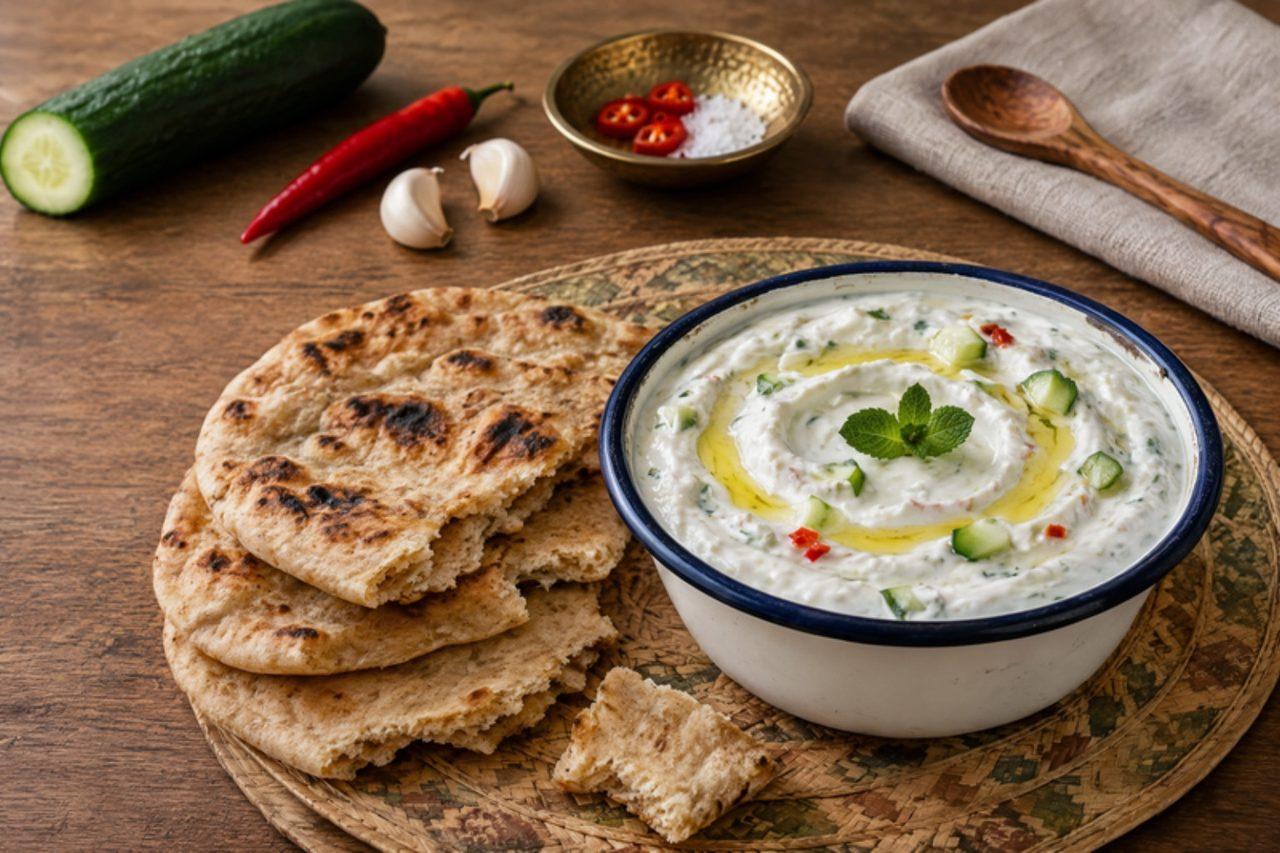
Salatat zabadiYogurt and cucumber salad

In Khartoum and Omdurman, salatat zabadi is the cooling dish set on the shared tray at lunch and during Ramadan iftar, eaten beside spicy stews, beans, grilled meat and kisra bread. Thick yoghurt is whisked with grated cucumber, garlic, a little green chilli and dried mint, so it is creamy, fresh and gently hot. Suitable as part of a balanced diet. About 90 kcal and 7 g carbohydrate per portion. The usual mistake is adding the cucumber without squeezing it, which floods the yoghurt and makes it watery within minutes. Chef's tip: chill the bowl for half an hour before serving, as the garlic mellows and the flavours come together.

by KrazyBadal 0 views

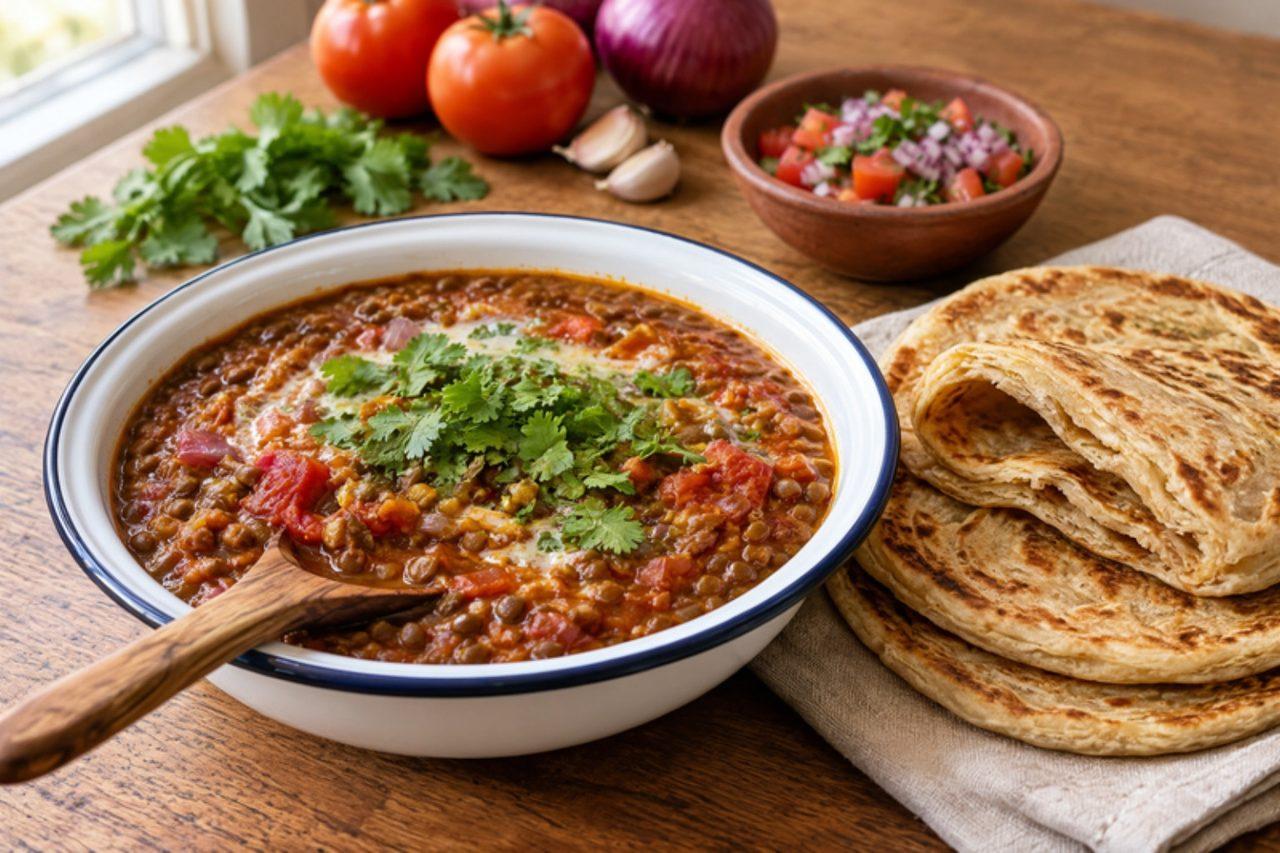
KamandeBrown lentil stew

Kamande is a weekday staple in Nairobi homes and small hotelis (cafés), served at lunch or supper with chapati, rice or ugali and a side of sukuma wiki greens. Brown lentils are simmered until tender, then cooked into a thick, savoury stew of onion, tomato, garlic, ginger and a touch of curry powder, finished with fresh coriander. Suitable as part of a balanced diet. About 300 kcal and 38 g carbohydrate per portion; brown rice or extra greens on the side suit a lighter plate. The usual mistake is boiling the lentils to mush before adding the tomato base; they should still hold their shape. Chef's tip: cook the onions low and slow until soft and golden before the tomatoes go in, which gives the stew its natural sweetness.

by KrazyBadal 0 views

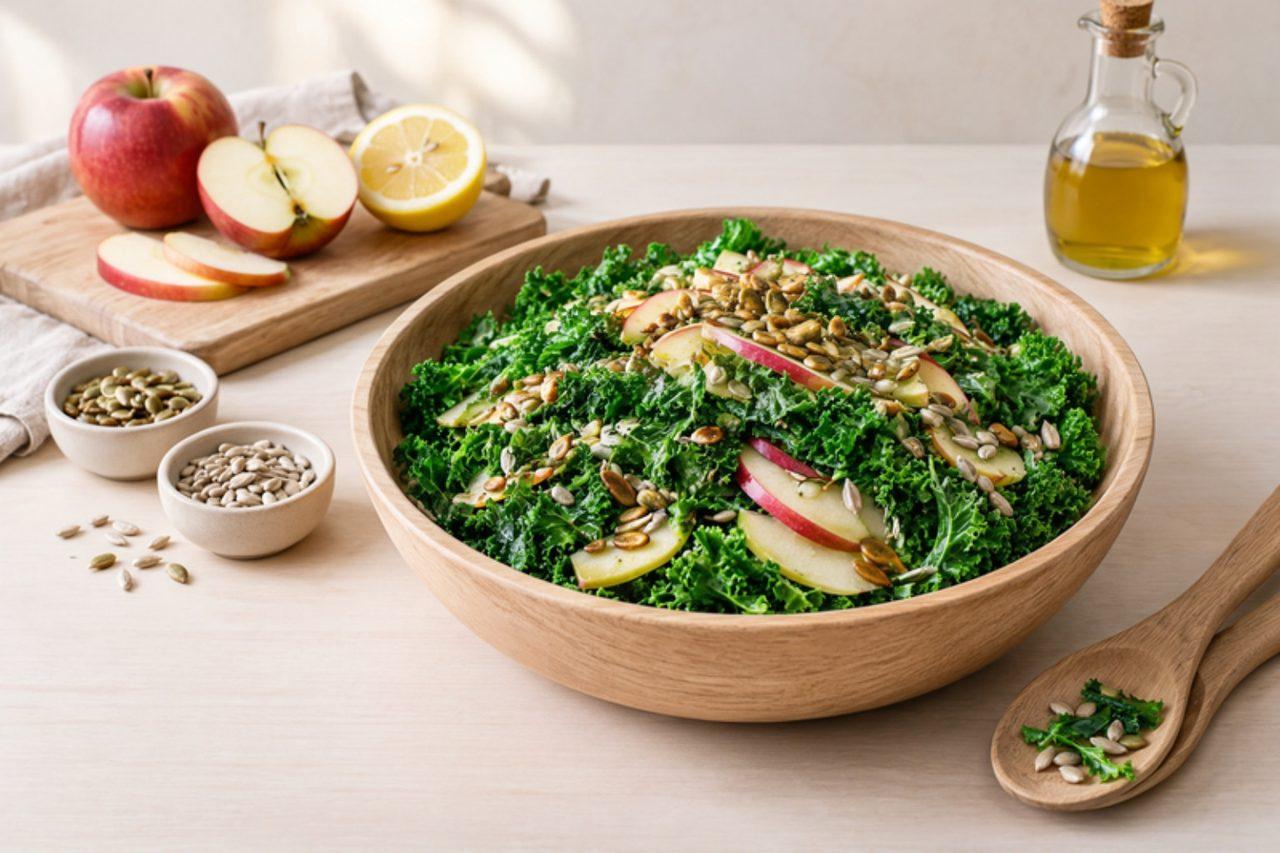
GrønkålssalatRaw kale salad

Kale (grønkål) is a winter classic in Denmark, traditionally stewed with cream at Christmas, but in Copenhagen homes and cafés it is now just as often eaten raw in this bright salad through the cold months, from November to March. Shredded kale is massaged with lemon juice and oil until it turns silky and dark green, then tossed with crisp apple, red onion and toasted sunflower and pumpkin seeds. Serve it beside rye bread with eggs, or with baked salmon or potatoes. Suitable as part of a balanced diet. About 160 kcal and 9 g carbohydrate per portion. The usual mistake is skipping the massage, which leaves the leaves tough and squeaky. Chef's tip: strip out every bit of stalk; even thin stems stay woody in a raw salad.

by KrazyBadal 0 views

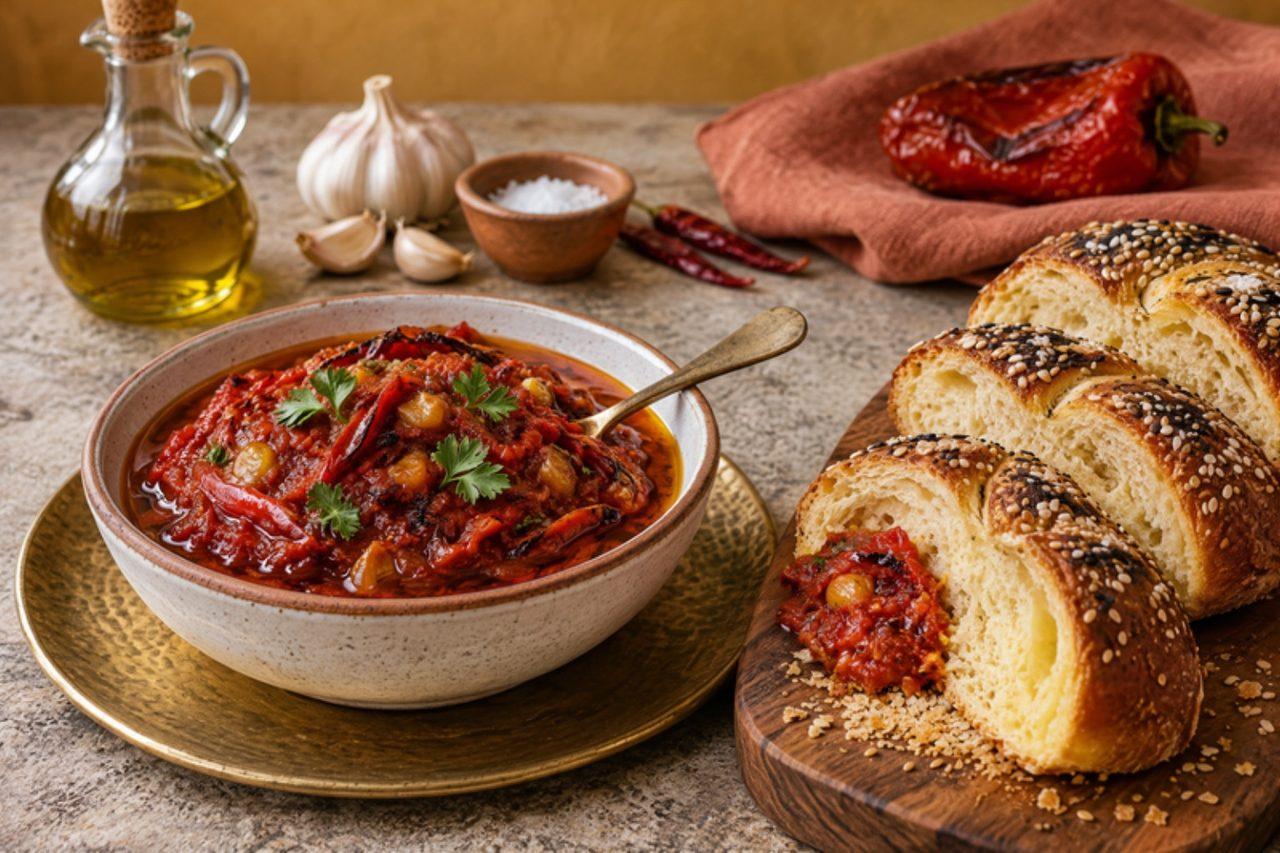
MatbuchaCooked tomato and pepper relish

Matbucha came to Israel with Moroccan Jewish families, and it is on almost every Friday-night and Shabbat table among the salads served with challah, as well as in Jerusalem breakfast spreads. Ripe tomatoes and roasted peppers cook down slowly with garlic, chilli and olive oil for over an hour, until thick, sweet, jammy and spicy. Eat it as a dip, beside eggs or grilled fish, or spooned over beans. Suitable as part of a balanced diet. About 90 kcal and 8 g carbohydrate per portion. The pinch of sugar is optional, and a sweetener works too. The usual mistake is rushing it on high heat: it catches and tastes scorched instead of sweet. Chef's tip: stir more often in the last 20 minutes, when the sauce turns glossy and starts to spit; that's when it's nearly done.

by KrazyBadal 0 views

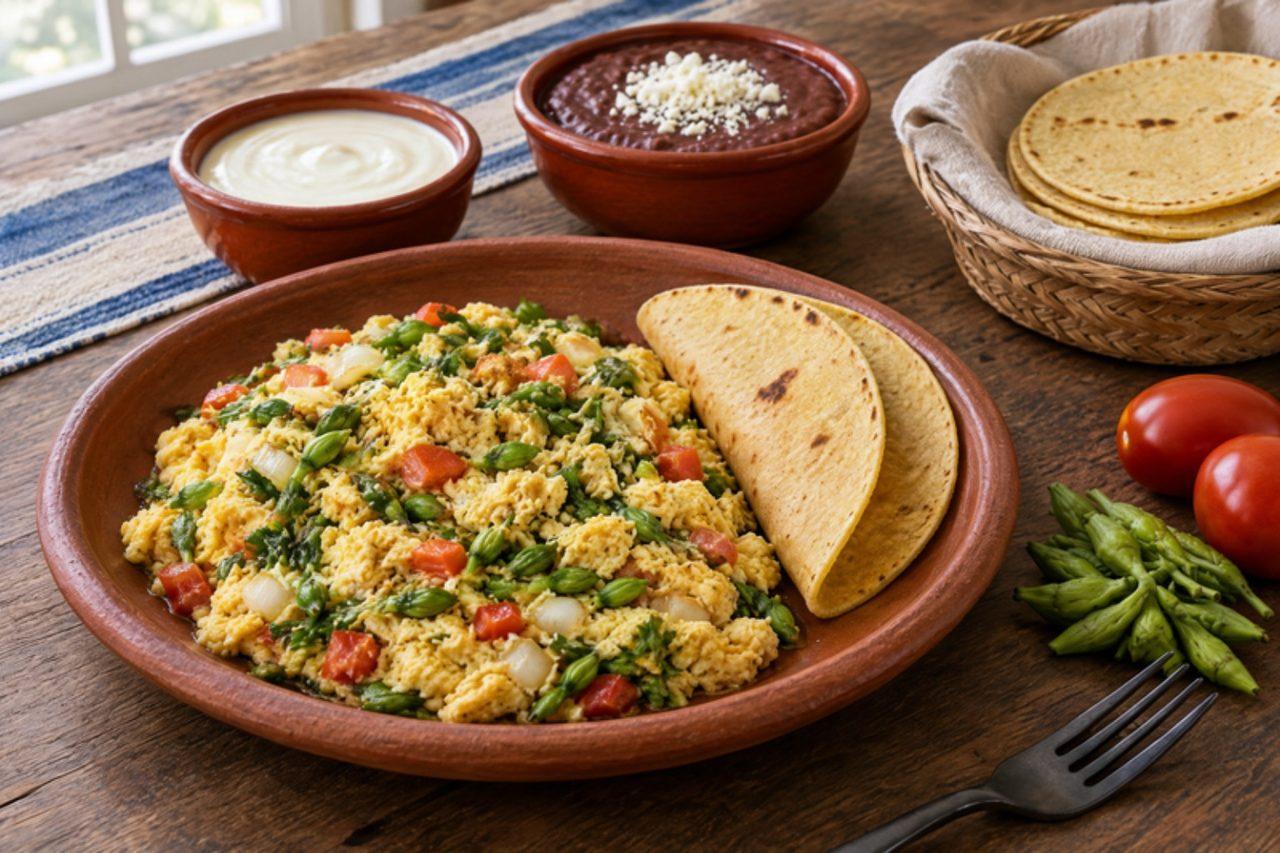
Loroco con huevoScrambled eggs with loroco

Loroco is a climbing vine whose fragrant flower buds Salvadorans love, best known inside pupusas, and in San Salvador and the countryside it is also scrambled with eggs for breakfast during the rainy season, from June to October, when the buds are in season. The buds taste green, floral and a little like asparagus and artichoke, softened with onion and tomato and set into soft eggs. Serve with corn tortillas and a spoon of refried beans or avocado. Suitable as part of a balanced diet. About 210 kcal and 6 g carbohydrate per portion without tortillas. The usual mistake is cooking the eggs on high heat, which makes them dry and rubbery. Frozen or jarred loroco works well; rinse jarred loroco first. If you're cooking for anyone pregnant, a young child or anyone with a weakened immune system, cook the eggs until fully set. Chef's tip: soften the loroco with the onion first so its flavour spreads through the eggs.

by KrazyBadal 0 views

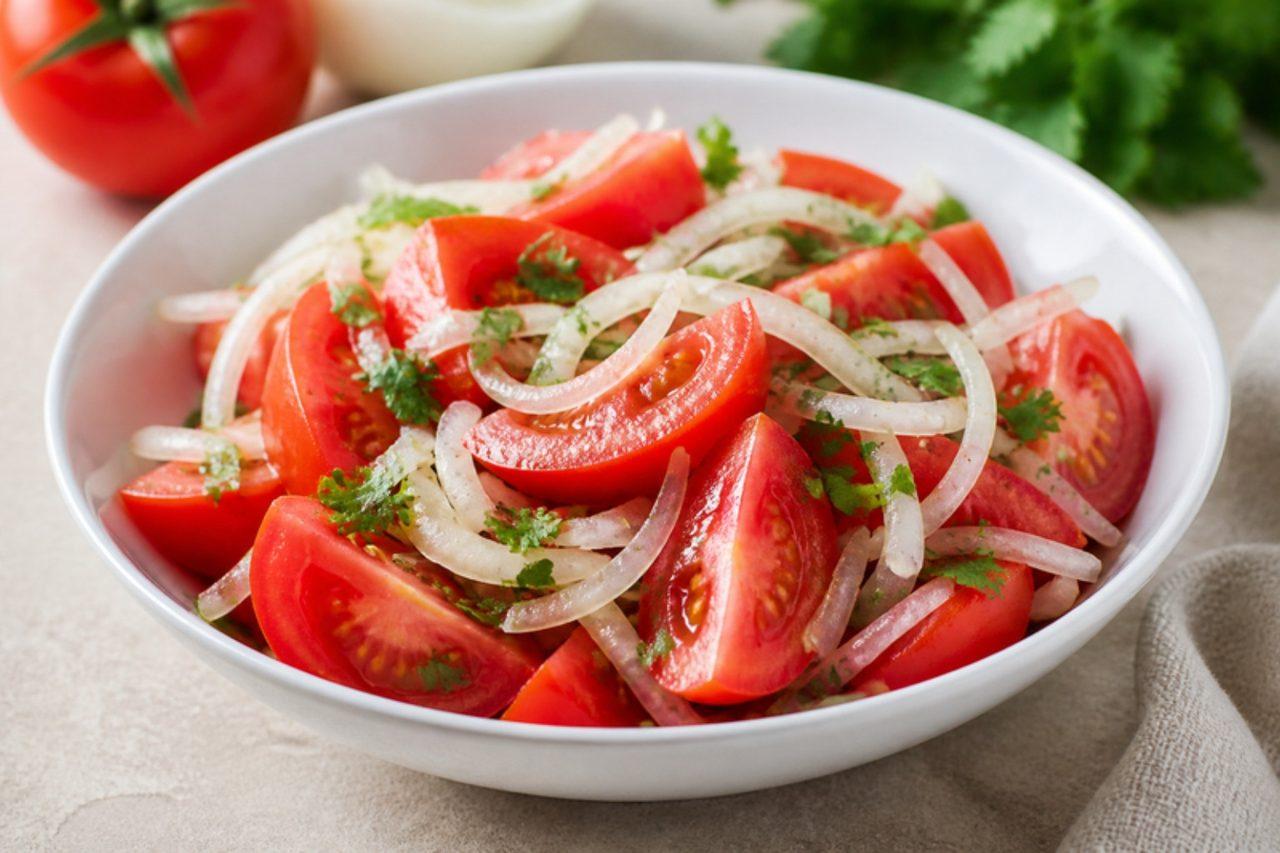
Ensalada chilenaTomato and onion salad

Every Chilean barbecue, every plate of empanadas on 18 September and most weekday lunches come with this salad: ripe peeled tomatoes and white onion cut into fine 'feathers' (corte pluma), dressed with oil, salt and coriander, sometimes with a little green chilli. It is cool, juicy and sharp, the perfect counterweight to grilled meat or a bean stew. The mistake that ruins it is using raw onion straight from the board: it overpowers everything. Soak the slices in cold salted water first and they turn sweet and crunchy. Chef's tip: peel the tomatoes, as Chileans do, so they drink up the dressing.

by KrazyBadal 0 views

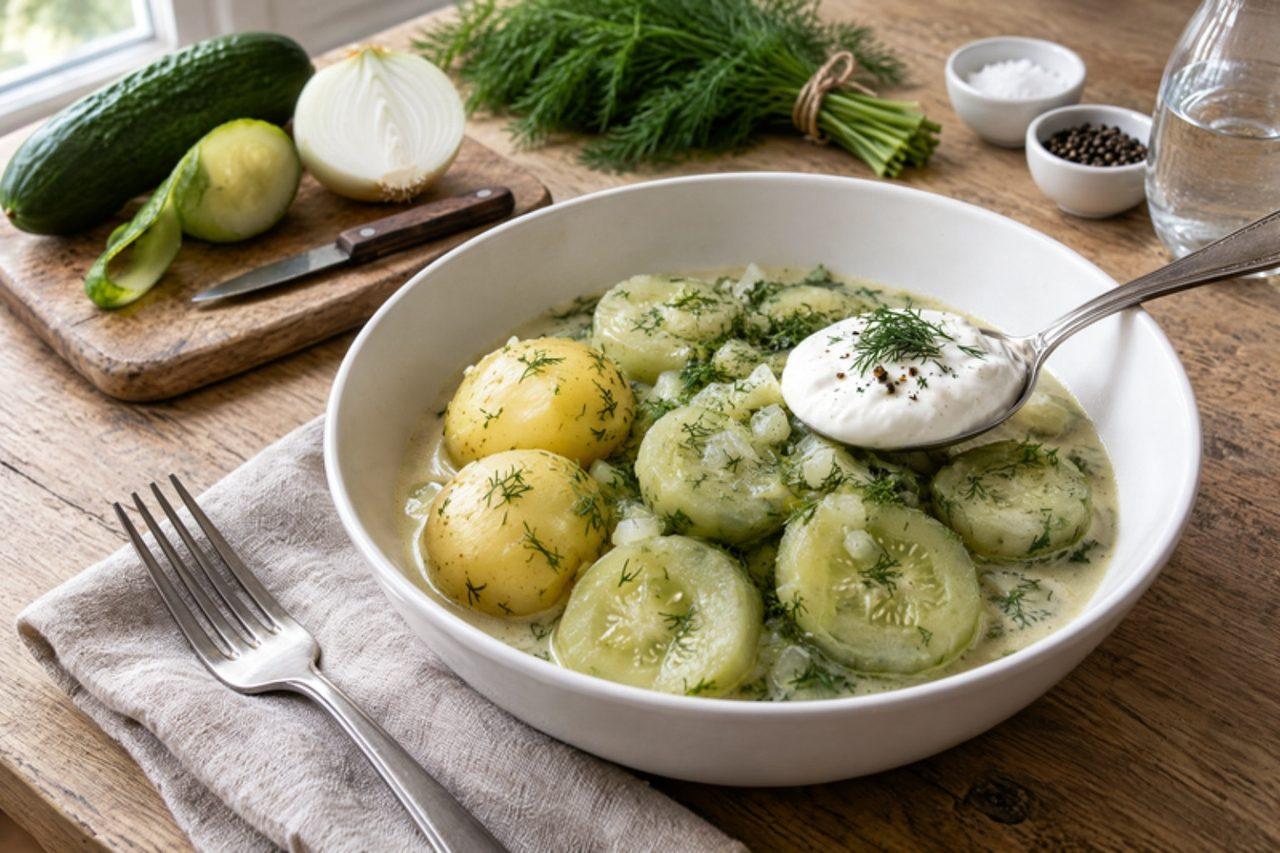
SchmorgurkenBraised cucumbers

Schmorgurken are a late-summer dish of Berlin and the Spreewald, the market-garden country south-east of the city, where big, thick braising cucumbers are piled up in August. Peeled and seeded, they are braised with onion and a little stock until tender and juicy, then finished with dill, mustard and a spoon of sour cream. Many families add minced meat or bacon; this is the vegetarian version, good with boiled new potatoes or a fried egg. Suitable as part of a balanced diet, it is a low-starch vegetable dish: about 110 kcal and 9 g carbohydrate per portion. The usual mistake is braising them for too long until they collapse into mush; they are ready when just translucent. Chef's tip: scrape out the seeds thoroughly, or the dish turns watery.

by KrazyBadal 0 views

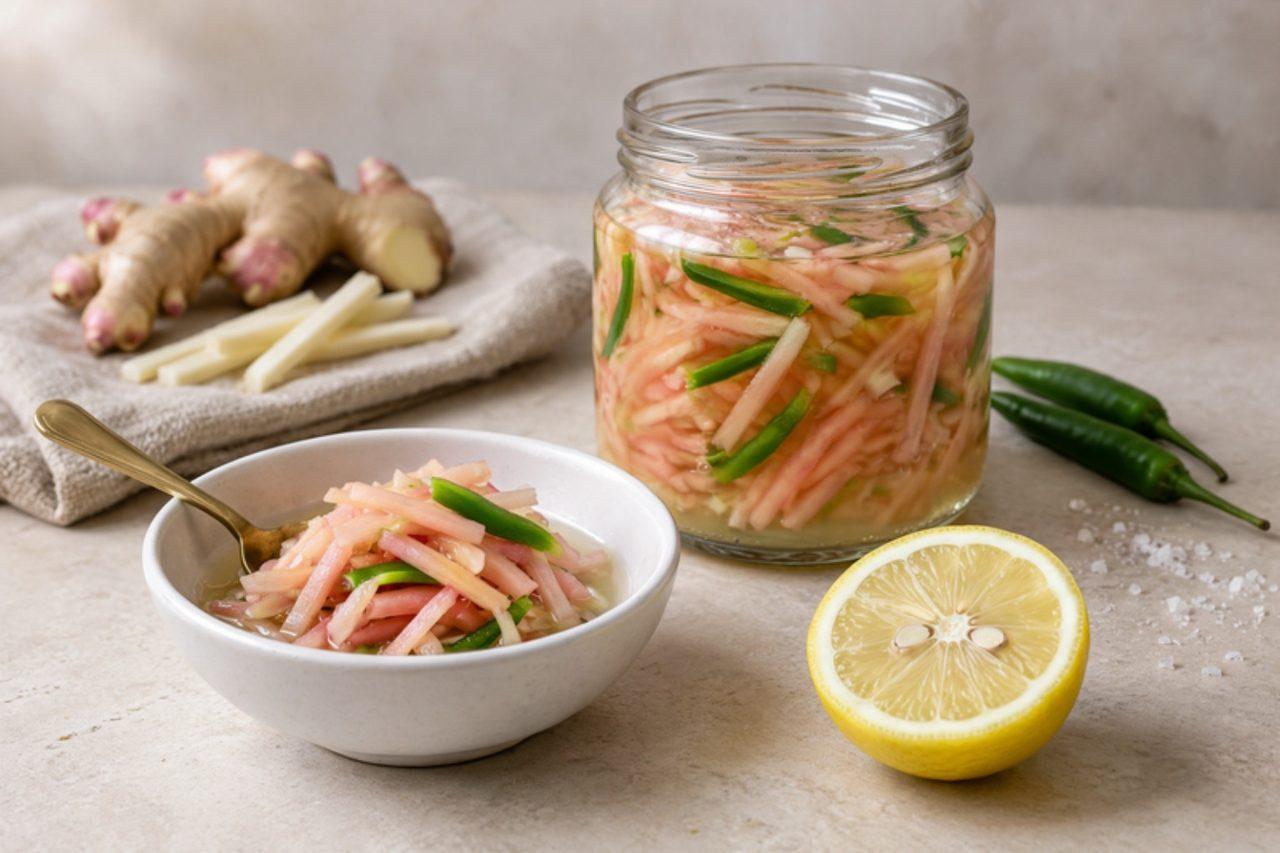
Adrak ka acharGinger pickle

Walk into a Punjabi dhaba in winter and there is often a steel bowl of ginger matchsticks soaking in lemon juice beside the onion rings. Adrak ka achar is the simplest pickle of all: tender ginger, green chilli, salt and lemon, nothing cooked. Young ginger with thin, pinkish skin reacts with the acid and turns a pretty pale pink within a day; older ginger stays yellow but tastes just as good. The flavour is clean, hot and sour, with crunch, and a forkful cuts the richness of sarson ka saag, makki ki roti, chole bhature or a heavy dal makhani. Common mistake: cutting the ginger thick or using fibrous old roots, which stay woody and harsh; slice thin enough to see light through. It is ready when the ginger has softened slightly, the juice tastes less sharp and the slices have taken colour. Fresh ginger in lemon juice keeps in the fridge for up to 2 weeks; discard it if mould appears, the juice turns slimy or the smell turns from fresh-sour to musty. Chef's tip: a pinch of black salt (kala namak) added at the end gives it that dhaba-style sulphurous edge.

by KrazyBadal 0 views

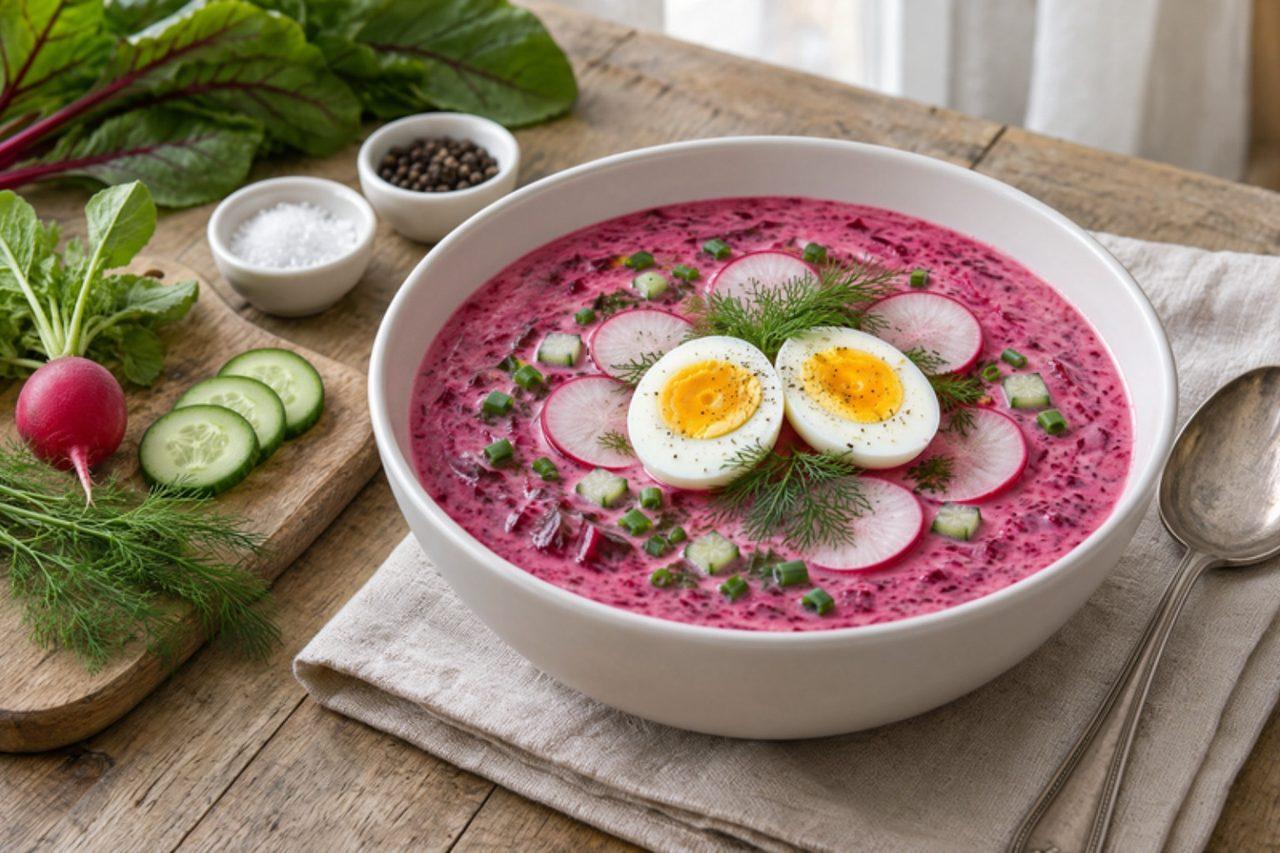
Chłodnik litewskiChilled beet leaf soup

In Podlasie and the lake country of north-east Poland, chłodnik is the soup of hot June and July days, when young beets are pulled with their leaves still tender. The beet greens and baby beets are cooked briefly, chilled, then stirred into kefir with cucumber, radish, spring onion and lots of dill, so the soup turns shocking pink, tangy and cold. It is served as a starter or a light lunch with half a hard-boiled egg in each bowl. Suitable as part of a balanced diet. About 170 kcal and 13 g carbohydrate per portion. The usual mistake is mixing the kefir into warm beets, which makes it split and dulls the colour, so chill them completely first. Chef's tip: add a squeeze of lemon to the cooking beets; the acid keeps the colour a vivid pink instead of brownish.

by KrazyBadal 0 views

Salatet tahinaTahini sauce

No Egyptian table is complete without salatet tahina: in Cairo and Alexandria it is served with fried fish, grilled kofta, ful and falafel, and it is on every mezze plate at Friday lunch. Sesame paste is whipped with lemon juice, garlic, cumin and cold water until it turns pale, fluffy and creamy, with no sugar at all. Suitable as part of a balanced diet, it brings sesame protein and healthy fats with very little carbohydrate: about 150 kcal and 5 g carbohydrate per portion of 3 tablespoons. The usual mistake is panicking when the tahini seizes and goes thick after the lemon goes in; keep adding cold water a spoon at a time and it loosens into a smooth sauce. Chef's tip: use ice-cold water, which makes the tahina whiter and fluffier.

by KrazyBadal 0 views

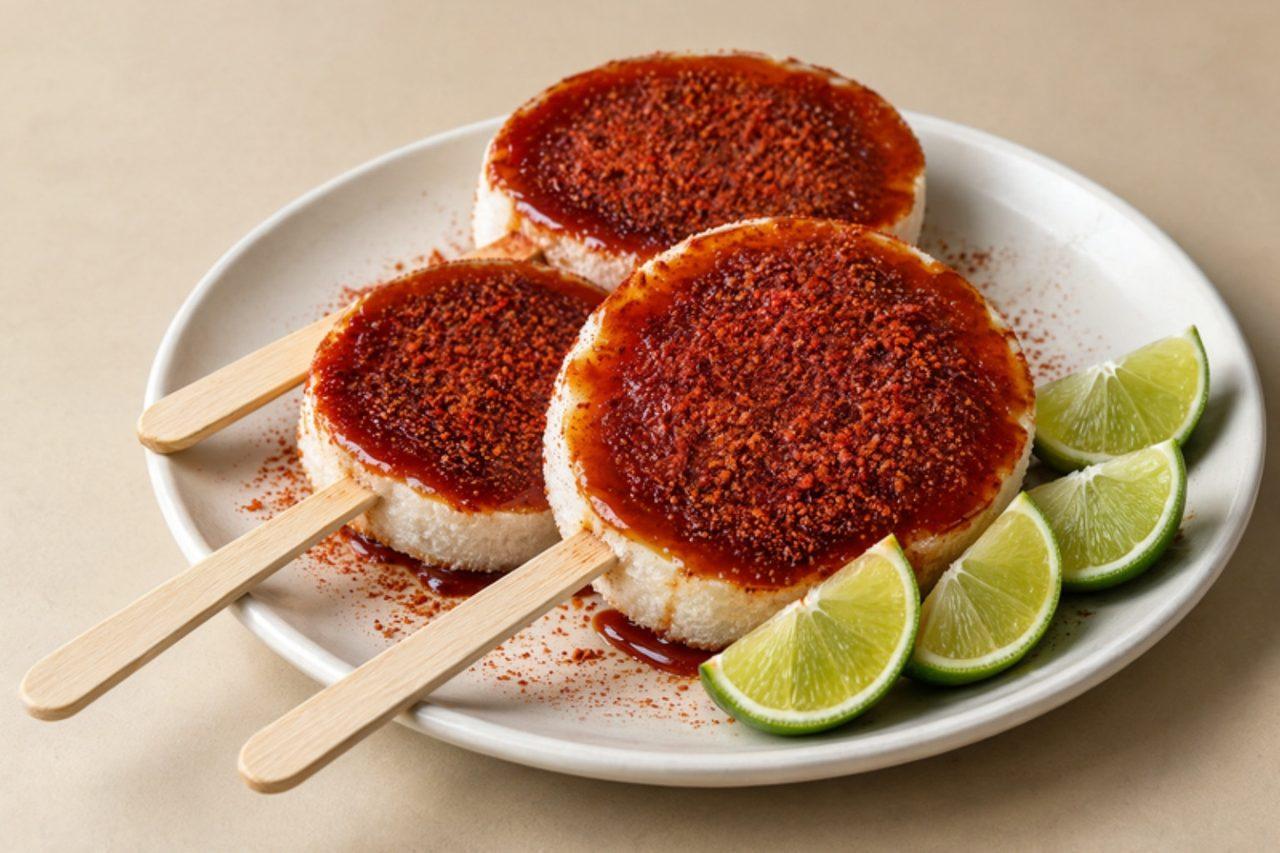
Jicaletas (jícama lollipops with chamoy)

At home time outside primary schools in Mexico City's Coyoacán and Narvarte, carts sell jicaletas, thick rounds of jícama pushed onto a stick like a giant lollipop and painted bright red with sweet-sour chamoy. They are crunchy, juicy and cold, with salty, sour and spicy layers on the outside, and make a light afternoon snack on a hot day. Chef's tip: cut the slices at least 1.5 cm thick, otherwise they snap off the stick at the first bite.

by KrazyBadal 0 views

Horchata lojanaHerbal flower infusion

In Loja and the valleys of Vilcabamba and Malacatos, horchata has nothing to do with rice: it is a pink herbal infusion of anything up to twenty garden plants, drunk hot at breakfast and after lunch, or cold from the fridge on warm afternoons. Markets sell the herbs in bundles: cedrón, hierbaluisa, toronjil, mint, chamomile, mallow, and the red-leaved escancel and ataco (red amaranth) that give the colour. It tastes lemony, floral and faintly silky, and turns from ruby to bright pink the moment lemon juice goes in. The common mistake is boiling all the herbs hard, which makes it bitter and grassy; only the tough flaxseed and lemongrass simmer, and the soft leaves steep off the heat. It is ready when the liquid is deep red-pink and smells of lemon and flowers. Abroad, Latin shops sell dried mixes; dried hibiscus gives the colour if you lack amaranth. It is traditionally drunk to settle the stomach; if you are pregnant or on medication, check with a doctor before drinking it daily. Chef's tip: add lemon at the table, glass by glass, to watch the colour change.

by KrazyBadal 0 views

Café chorreadoCloth-filtered coffee

Every Costa Rican grandmother has a chorreador: a small wooden stand holding a cloth bag, the bolsita, over a cup or jug. Hot water is poured through the grounds by hand, a little at a time, and the result is the coffee drunk at breakfast with gallo pinto and again at the afternoon cafecito around three, with a tamal, a slice of pan casero or a rosquilla. The cloth catches the oils and fine grounds, so the cup is clean, bright and smooth, with the soft acidity and caramel sweetness of Tarrazú and Central Valley beans. In the countryside the water is sometimes sweetened with tapa de dulce before it goes through. It is strong coffee, so mind the caffeine late in the day. The common mistake is pouring all the water in at once, which floods the bag and leaves weak, uneven coffee; pour in slow circles, in four or five goes. It is ready when the drips slow to a trickle and the coffee is dark reddish-brown and smells of toasted caramel. Never wash the bag with soap; rinse it in hot water and hang it to dry. Chef's tip: boil a new bag once with a spoonful of coffee before using it, to season the cloth.

by KrazyBadal 0 views

Kefir

Kefir is the sour, lightly fizzy fermented milk that families across Russia, Georgia and the North Caucasus drink plain from a glass at breakfast, as an evening snack or alongside a meal, and also use in pancakes and cold soups. It is made by leaving milk with kefir grains, a living culture of yeasts and bacteria, at room temperature for a day until it thickens. Nothing is added: no salt and no sugar. About 0.25 g salt per 250 ml glass, all from the milk itself. Always use pasteurised milk. The usual mistake is leaving it too long, until it separates into curds and whey; check after 18 hours and stop when it is just thick and pourable. Chef's tip: a second ferment of 6 hours in the fridge in a closed bottle makes it smoother and a little fizzier.

1445 minRussianDrinksGluten free
by KrazyBadal 0 views

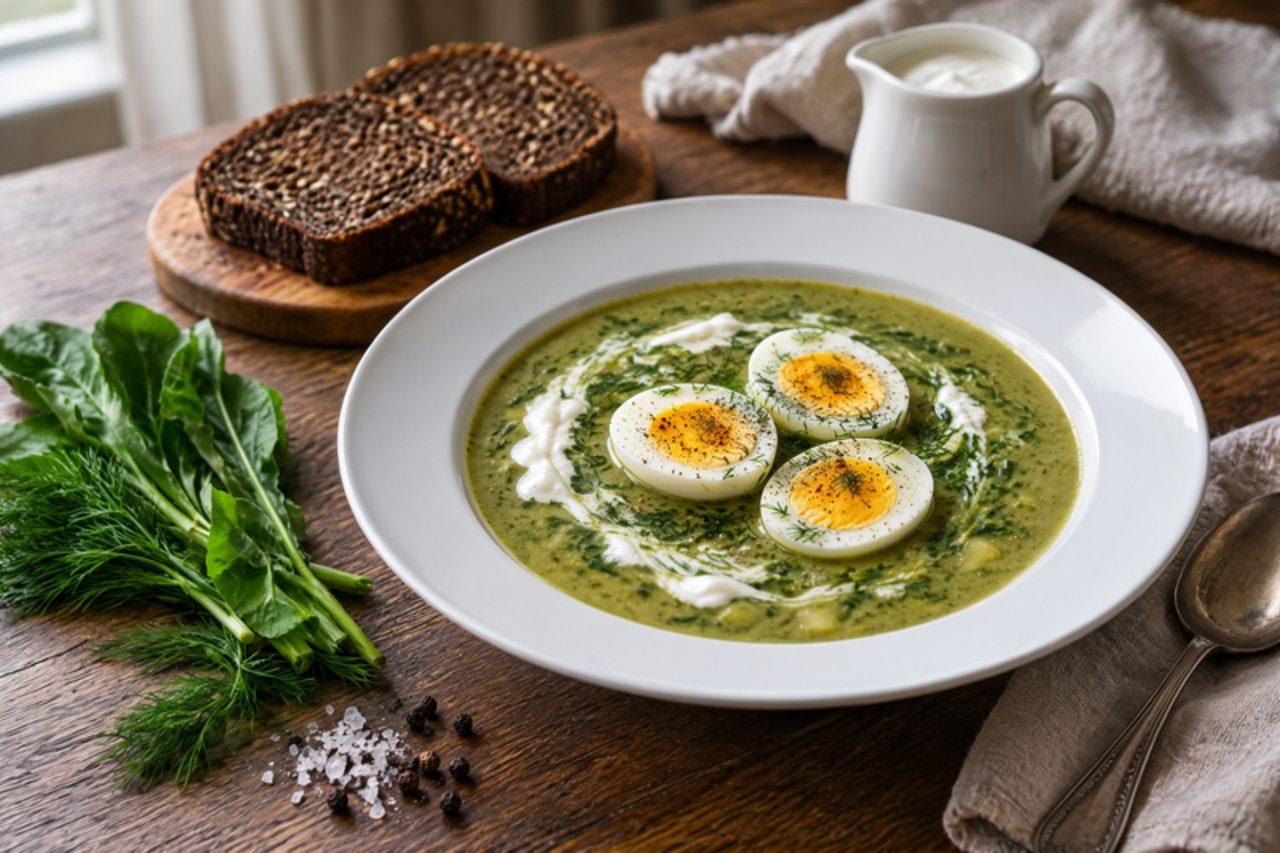
Zupa szczawiowaSorrel soup

Zupa szczawiowa is a spring and early summer soup all over Poland, made when sorrel grows thickly in gardens and meadows from May onwards, and it is a favourite Sunday-lunch starter. Fresh sorrel melts into a vegetable broth with carrot and celeriac, giving a bright, lemony sourness, and a spoon of sour cream softens it before halved hard-boiled eggs go into each bowl. Many cooks add potatoes; this version uses just a small one to keep the starch low. Suitable as part of a balanced diet. About 190 kcal and 11 g carbohydrate per portion. The usual mistake is stirring sour cream straight into the boiling soup, where it curdles. Chef's tip: wilt the sorrel in a little butter first; it turns khaki in seconds, which is normal, and the flavour stays bright.

by KrazyBadal 0 views

Beli mal (bael flower tea)

Beli mal is the herbal tea almost every Sri Lankan grandmother keeps in a tin. The small white flowers of the bael tree, the sacred tree found around temples and village gardens, are dried in the sun and brewed into a fragrant, amber drink that tastes softly floral, slightly fruity and a little bitter, a bit like a lighter chamomile. It is drunk in the morning or in the evening instead of black tea, offered at almsgivings and alongside kevum and kokis at Avurudu, and is traditionally taken after rich food to help digestion. Coriander seeds and a slice of ginger are a common addition at home. The custom is to sip it hot with a small piece of kithul jaggery held in the mouth, or stirred in. The common mistake is boiling the flowers fast for a long time: the tea turns dark and unpleasantly bitter. Simmer gently for a few minutes and then let it steep off the heat. It is ready when the tea is clear amber and smells sweet and flowery. It is caffeine-free, but bael may lower blood sugar, so check with a doctor if you take diabetes medication or are pregnant. Chef's tip: buy flowers that look pale cream; dark brown, crumbly ones are old.

by KrazyBadal 0 views

Ranawara teaTanner's cassia flower tea

Ranawara, tanner's cassia, is a scrubby shrub with bright golden flowers that grows wild along dry-zone roadsides and in gardens from Kurunegala to Jaffna. The flowers are picked, dried in the shade and sold in packets at every Sri Lankan supermarket and ayurvedic shop, and many households drink a cup each morning instead of plantain tea, traditionally believing it helps balance blood sugar and cool the body during the hot season. It brews into a pale golden-yellow tea with a mild, grassy, slightly beany taste and a gentle bitterness, which is why it is drunk with a piece of jaggery or a spoon of kithul treacle. The common mistake is brewing the flowers with too little water or for too long: the bitterness takes over. A good pinch per cup, a short simmer and a few minutes' steep is enough. It is ready when it is clear and bright yellow and smells like dried hay. Ranawara is a senna-family plant: do not drink it if you are pregnant or breastfeeding, do not give it to young children, and check with a doctor if you take diabetes or other regular medication. Chef's tip: add a few dried flowers to the cup when serving; they float and turn the colour even more golden.

by KrazyBadal 0 views

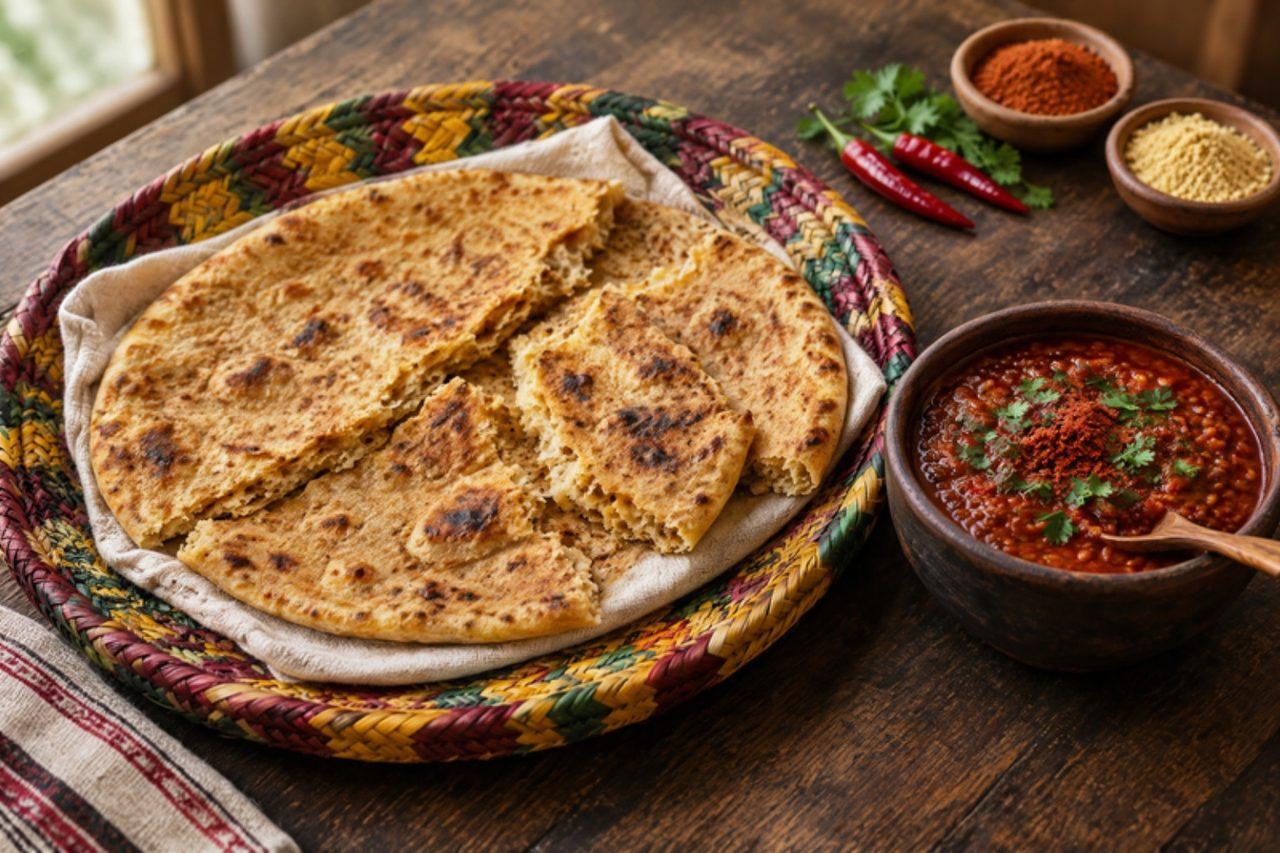
KitchaUnleavened flatbread

Kitcha (qita) is the everyday quick bread of the Ethiopian and Eritrean highlands, baked when there is no time to ferment injera, and eaten for breakfast with tea or coffee, or torn up as kitcha fitfit with spiced butter and berbere. The dough is just flour and water, spread thick on a hot mitad griddle and cooked on both sides until speckled and firm. Traditionally there is no salt in it at all: about 0.0 g salt per portion, so it sits well beside salty stews. The usual mistake is spreading it too thin, which gives a cracker; aim for 1 cm so the middle stays soft. Barley or teff flour can replace some of the wheat for a nuttier bread. Chef's tip: press a little hollow in the middle with your fingers before turning, and the bread cooks evenly without a raw centre.

by KrazyBadal 0 views

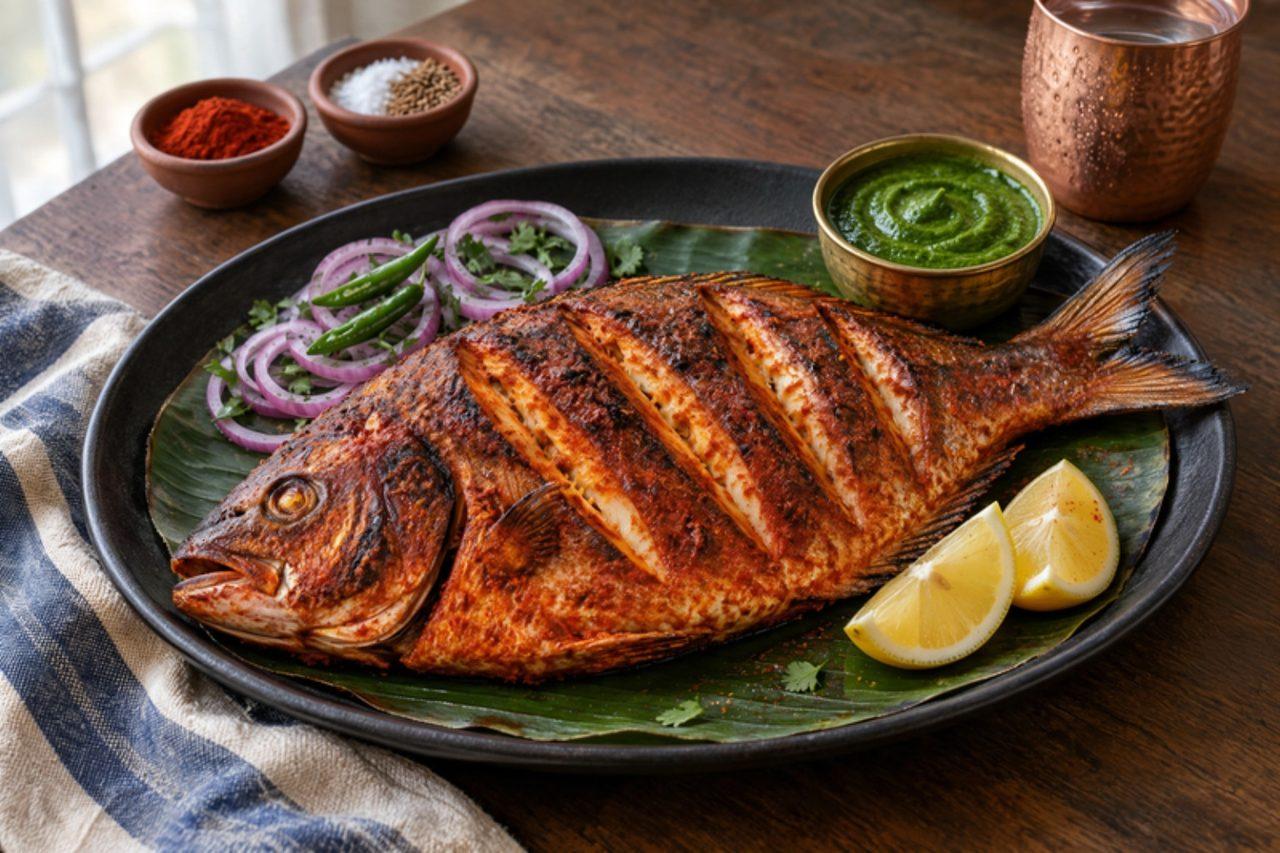
Tandoori pomfret

Tandoori pomfret is a fixture of Mumbai's coastal restaurants and Koli fishing families' feasts, especially in the cooler months when silver pomfret is at its best. Whole fish are slashed, given a lemon-and-salt first marinade, then coated in thick yogurt with ginger-garlic, Kashmiri chilli, ajwain and garam masala and roasted until charred at the edges and juicy inside. Suitable as part of a balanced diet: high-protein fish with no batter. About 280 kcal and 6 g carbohydrate per portion; serve with onion-cucumber salad and mint chutney. The usual mistake is using runny yogurt, which slides off and steams the fish; strain it first. Chef's tip: a spoon of roasted gram flour (besan) in the marinade helps it cling and char.

55 minIndianFishGluten free
by KrazyBadal 0 views

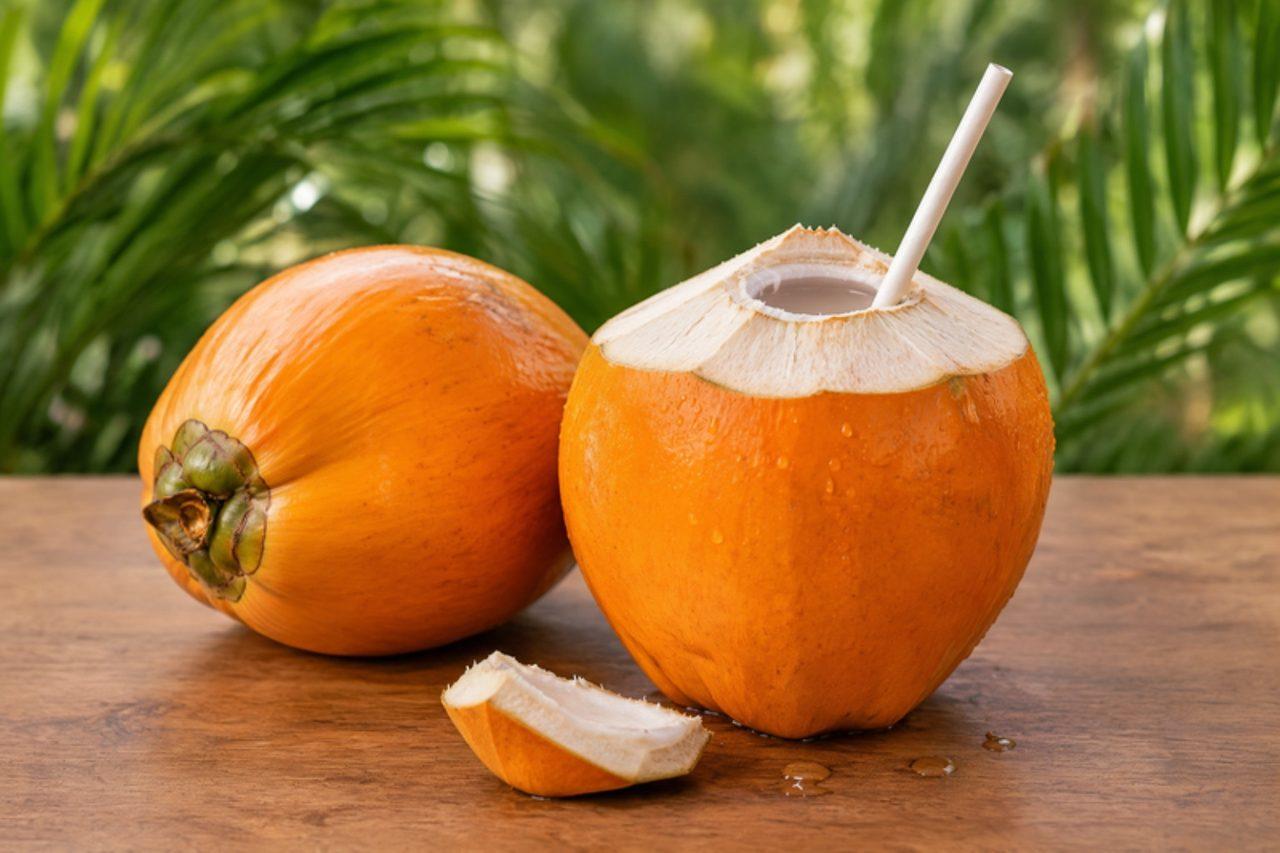
Thambili (king coconut water)

All along Sri Lanka's roads, from Galle Road in Colombo to the highways into Kandy and the beaches of the south coast, vendors stack bright orange king coconuts in pyramids under umbrellas. The thambili is a variety grown on the island for drinking: smaller than a green coconut and sweeter, with a faint saltiness that makes it more refreshing than any bottled drink. It is drunk any time of day in the heat, after a long bus ride, after a cricket match, and given to people recovering from a fever because it is gentle on the stomach. The water is clear, lightly sweet and nutty, and the soft jelly inside is eaten with a spoon made from a slice of the husk. The common mistake is hacking at the side of the nut; the blade glances off and the water spills. Trim the pointed top with downward strokes until a pale circle shows, then pierce it. It is ready to drink when a small hole opens straight into the water without husk fibres. Outside Sri Lanka, young green or Thai coconuts are the nearest substitute. Chef's tip: chill the coconuts for a few hours before opening; the water tastes sweeter cold, and use a heavy knife and a towel, keeping fingers well clear.

by KrazyBadal 0 views

Ivan-chai (fireweed tea)

Long before Chinese tea reached ordinary villages, peasants around Koporye near St Petersburg, and on through Karelia and the Arkhangelsk forests, were rolling and fermenting the leaves of fireweed, the tall pink-flowered plant that floods clearings every July. Ivan-chai is having a revival now, sold in paper bags at markets and drunk at the dacha in the evening from the samovar, because it has no caffeine and will not keep anyone awake. It brews to a clear amber with a soft, slightly fruity, honey-and-dried-apple taste and almost no bitterness. Granular kinds taste deeper, leaf kinds more floral. The common mistake is brewing it for two or three minutes like black tea; it needs a full 10 minutes in a warmed pot to open up, and it never turns bitter if you leave it longer. It is ready when the liquid is a deep golden-amber and smells of honey and dried fruit. It is traditionally drunk as a calming evening tea; if you are pregnant or on regular medication, check with a doctor before drinking it daily. Chef's tip: the same leaves give a second, lighter pot; just top up with fresh hot water and wait another 10 minutes.

by KrazyBadal 0 views

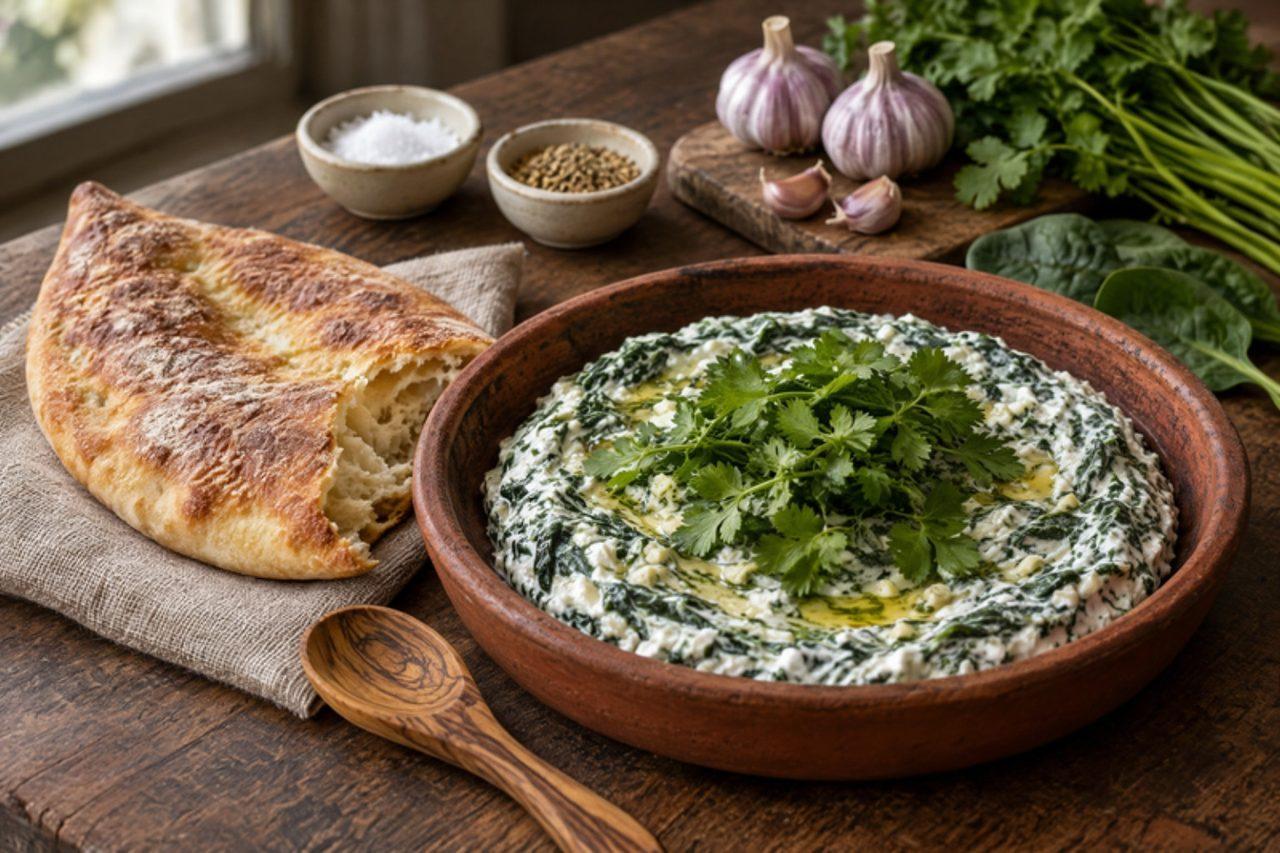
Ispanakhi matsvnitSpinach with yogurt

In Georgian homes from Tbilisi to Kakheti, ispanakhi matsvnit is one of the quick dishes on a supra table and a weekday side all spring, when spinach is young and sweet. The spinach is wilted, squeezed and chopped, then folded into thick matsoni (Georgian set yoghurt) with crushed garlic, coriander and a little blue fenugreek, and served cool with bread, beans or grilled vegetables. Suitable as part of a balanced diet. About 110 kcal and 8 g carbohydrate per portion. The usual mistake is not squeezing the spinach hard enough, so water seeps into the yoghurt and makes it thin. Chef's tip: crush the garlic with a pinch of salt to a smooth paste so it spreads evenly through the yoghurt rather than hitting you in raw lumps.

by KrazyBadal 0 views

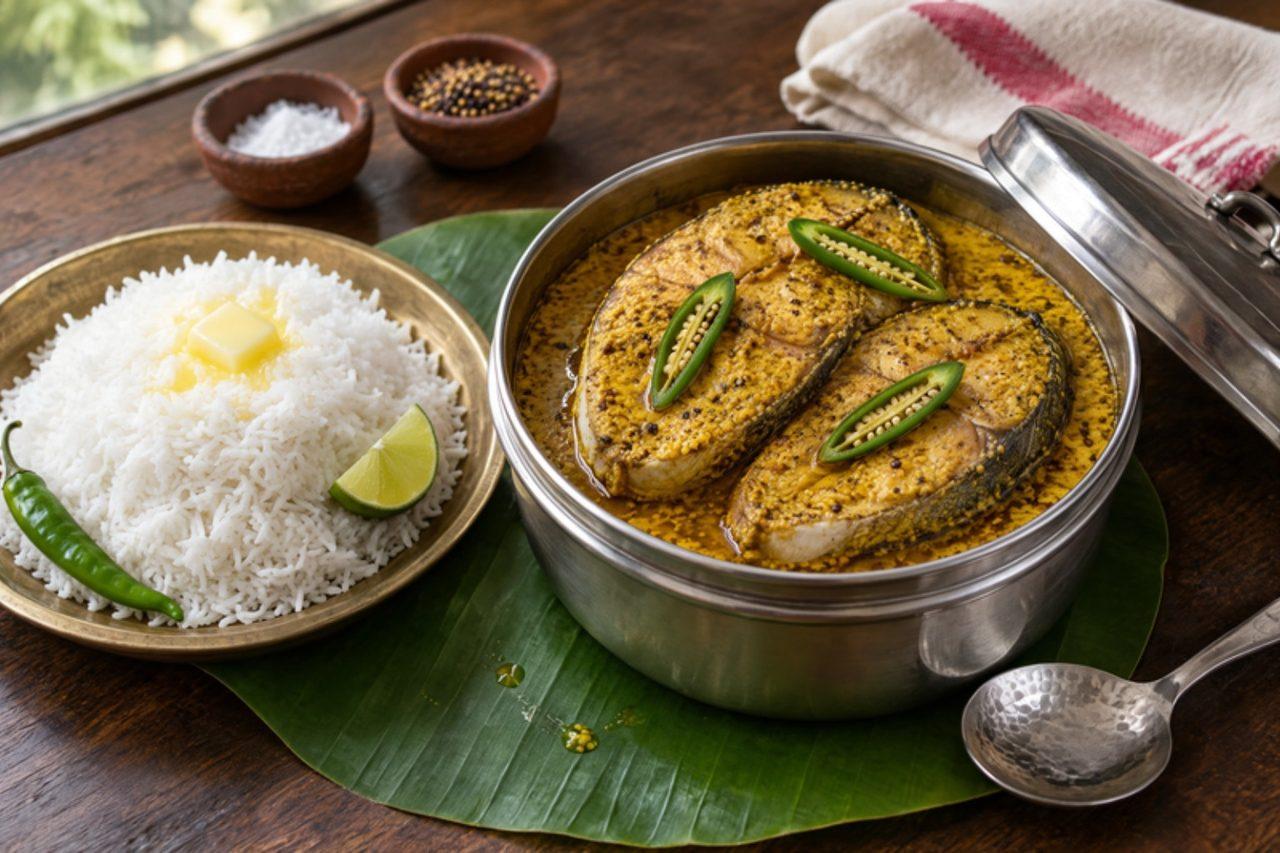
Bhapa ilishSteamed hilsa in mustard

When the monsoon brings hilsa up the Padma and Hooghly rivers, Kolkata households cook bhapa ilish, the fish steamed in a pungent paste of mustard seeds, green chilli and mustard oil in a closed tiffin box. It is the star of Jamai Sasthi and of any rainy-season Sunday, served with plain rice. The fish is rich and tender, with a nose-tingling mustard heat. Suitable as part of a balanced diet: high in protein and omega-3 fats, with no starch in the dish itself. About 340 kcal and 4 g carbohydrate per portion; keep the rice portion modest. The usual mistake is grinding the mustard seeds too long or with warm water, which turns the paste bitter; grind briefly with cold water, a pinch of salt and a green chilli. Hilsa is bony, so eat slowly and warn guests. Chef's tip: drizzle raw mustard oil over the top just before closing the box; it gives the true Bengali aroma.

40 minIndianFishGluten free
by KrazyBadal 0 views

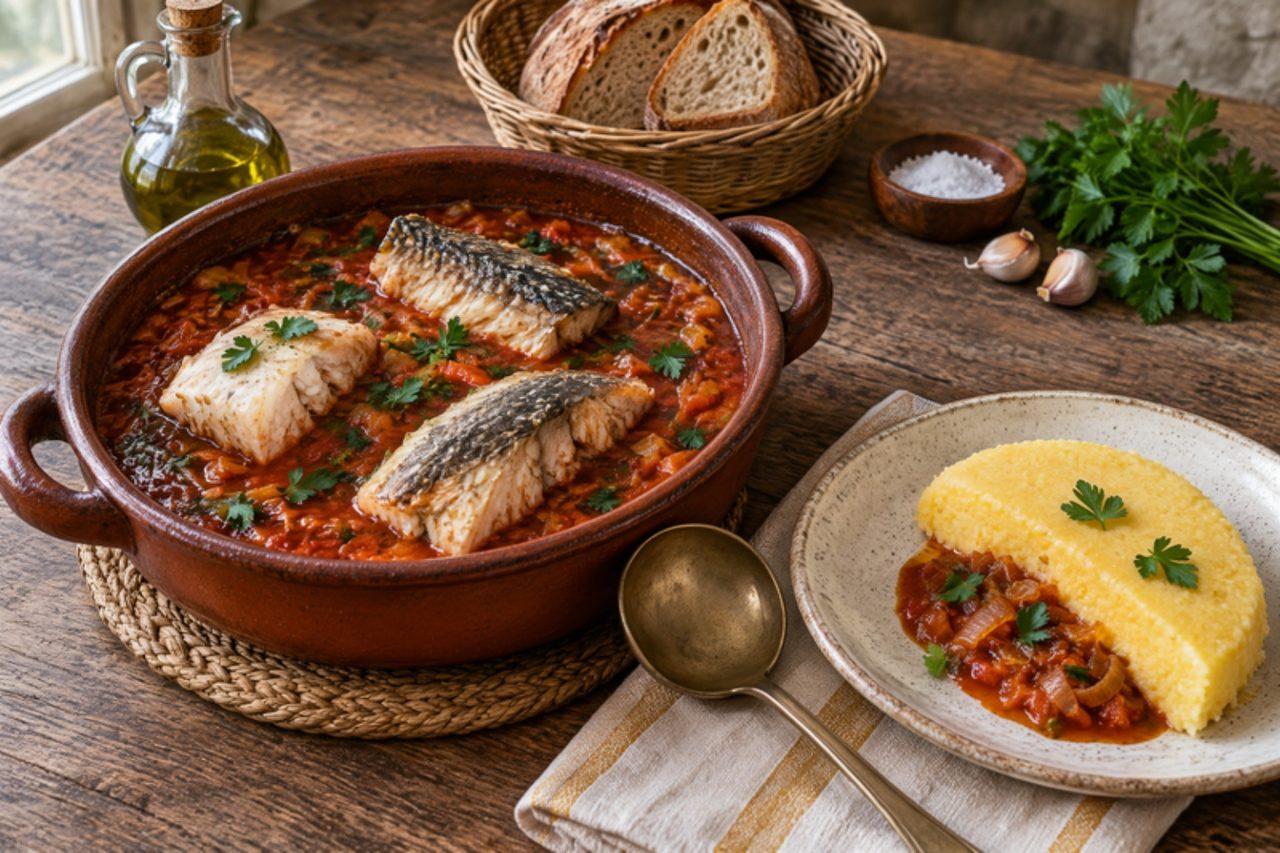
BrudetFisherman's fish stew

Brudet (or brodetto) is the fisherman's stew of the Dalmatian coast and islands, cooked in Split, Hvar and Korčula with whatever the morning's catch brings, and eaten for Friday lunch and summer suppers. Thick fish steaks on the bone stew slowly in olive oil with onion, garlic, tomato and a dash of wine vinegar, and the pot is shaken, never stirred. It is high in protein and suitable as part of a balanced diet; polenta is the classic partner, but grilled courgettes, chard or a small portion of soft polenta keep the carbohydrate down. About 330 kcal and 10 g carbohydrate per portion. The usual mistake is stirring with a spoon, which breaks the fish into shreds. Chef's tip: use at least three kinds of fish, mixing firm and softer ones, for a deeper broth.

60 minBalkanFishGluten free
by KrazyBadal 0 views

Berezovy sok (birch sap)

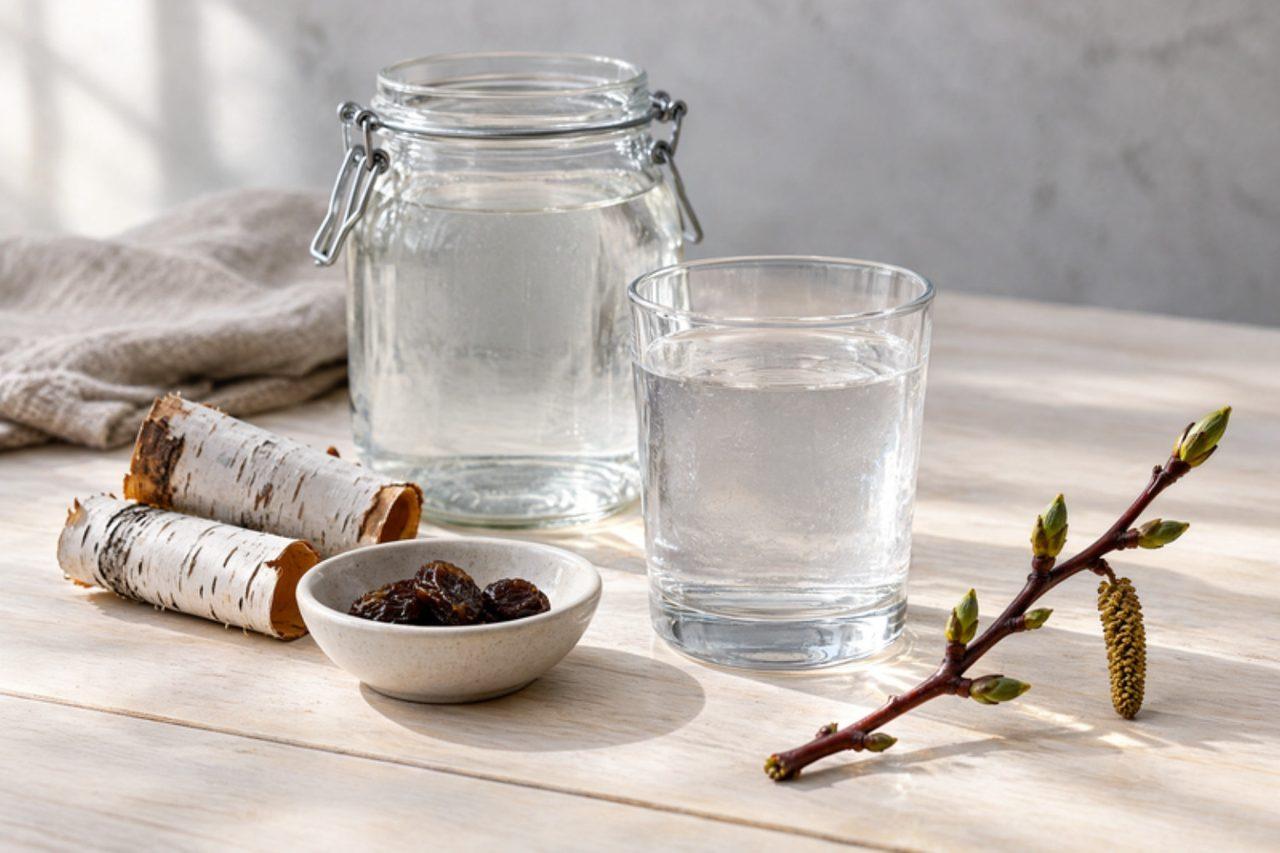
For two or three weeks at the end of March and into April, while there is still snow under the trees and before the buds open, the birches around Moscow, Tver, Vologda and across the north start to run. Families tap a few trees at the dacha and drink the sap straight from the jar: clear, cold, very faintly sweet, tasting of rainwater and fresh wood. Because it spoils within two or three days, villagers bottled the rest with sugar, raisins and lemon zest, letting it ferment slightly into a sparkling drink that kept into early summer; like any ferment it makes a trace of alcohol, well under 1% if drunk young. Only tap with the owner's permission, choose trees thicker than 20 cm, drill one small hole and plug it with a wooden peg afterwards so the tree heals. The common mistake is sealing the bottles tight at warm room temperature, which can make them burst; keep them cool and open the caps daily. The bottled sap is ready when the raisins float, a ring of fine bubbles forms on top and it tastes gently sparkling. Chef's tip: drink the first glass straight from the tree; it is never quite as good again.

by KrazyBadal 0 views

NazkhatoonSmoky aubergine with pomegranate

Nazkhatoon comes from Gilan, the green, rainy province on Iran's Caspian coast, where it is eaten in summer as a starter or side with grilled fish, rice and fresh herbs. Charred eggplant is chopped with tomato, garlic and mint, then sharpened with sour pomegranate molasses and verjuice, so it tastes smoky, tart and fresh at once. Suitable as part of a balanced diet, it is a vegetable salad with no grain: about 110 kcal and 14 g carbohydrate per portion. The usual mistake is using sweet pomegranate syrup; it must be the sour Gilani style, and a little goes a long way. Chef's tip: chop everything by hand rather than in a blender, so the salad keeps some texture.

by KrazyBadal 0 views

GhiveciBaked mixed vegetable stew

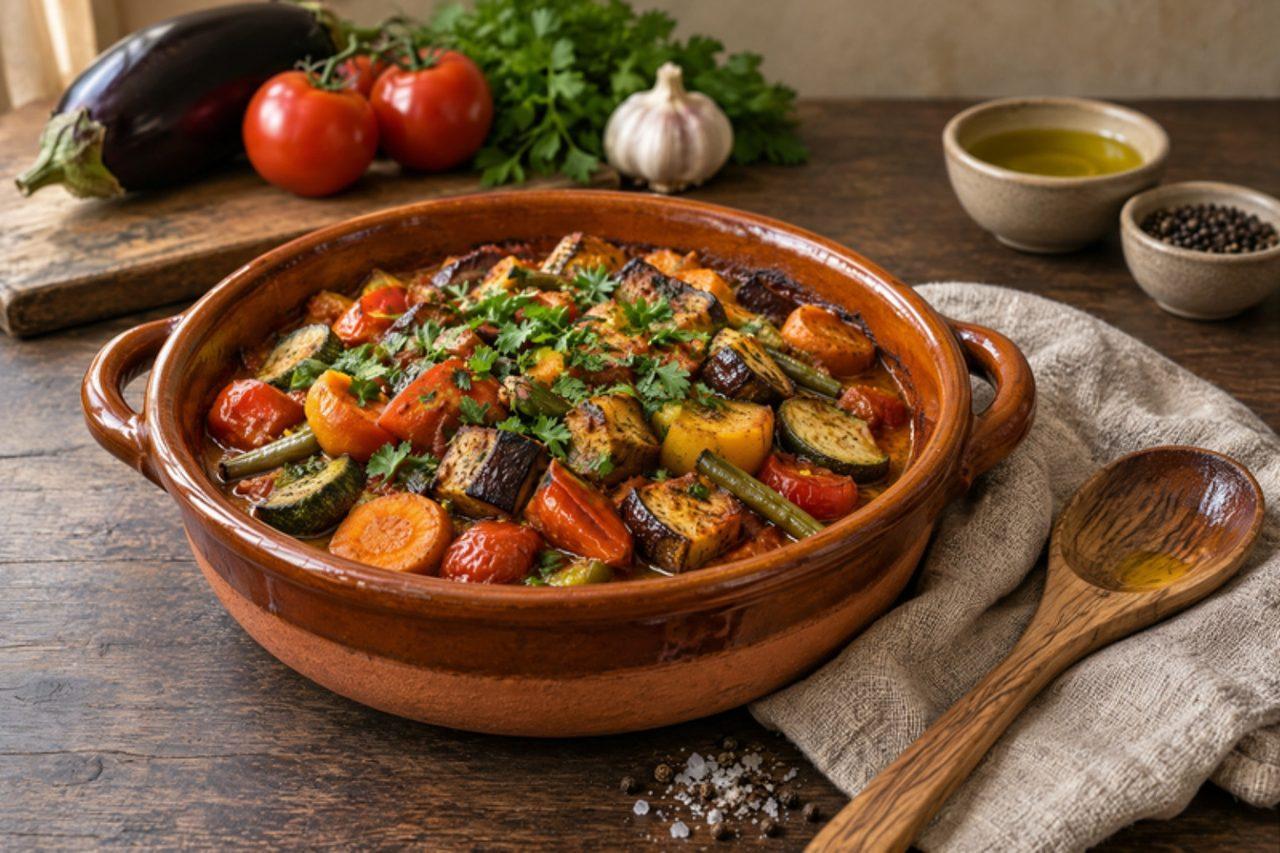
Ghiveci is the Romanian answer to a late-summer glut, made in August and September and often bottled for winter, and it is a mainstay on Orthodox fasting days because it contains no animal products. Aubergine, peppers, courgette, green beans, carrots and onion are layered with tomato and herbs and baked slowly until soft and sweet, with a little browned crust on top. Serve warm or cold with bread, or beside beans. Suitable as part of a balanced diet. About 190 kcal and 20 g carbohydrate per portion. The usual mistake is cutting the vegetables all the same size: harder carrots and beans need smaller pieces than courgette and aubergine so everything is tender at once. Chef's tip: bake uncovered for the last 20 minutes so the juices reduce and the top caramelises.

by KrazyBadal 0 views

Showing 72 of 773 recipes

Show more recipes

Page 14 of 33

More collections