Skip to content

Low-calorie recipes

Lighter recipes that are still filling and full of flavour. (805 recipes)

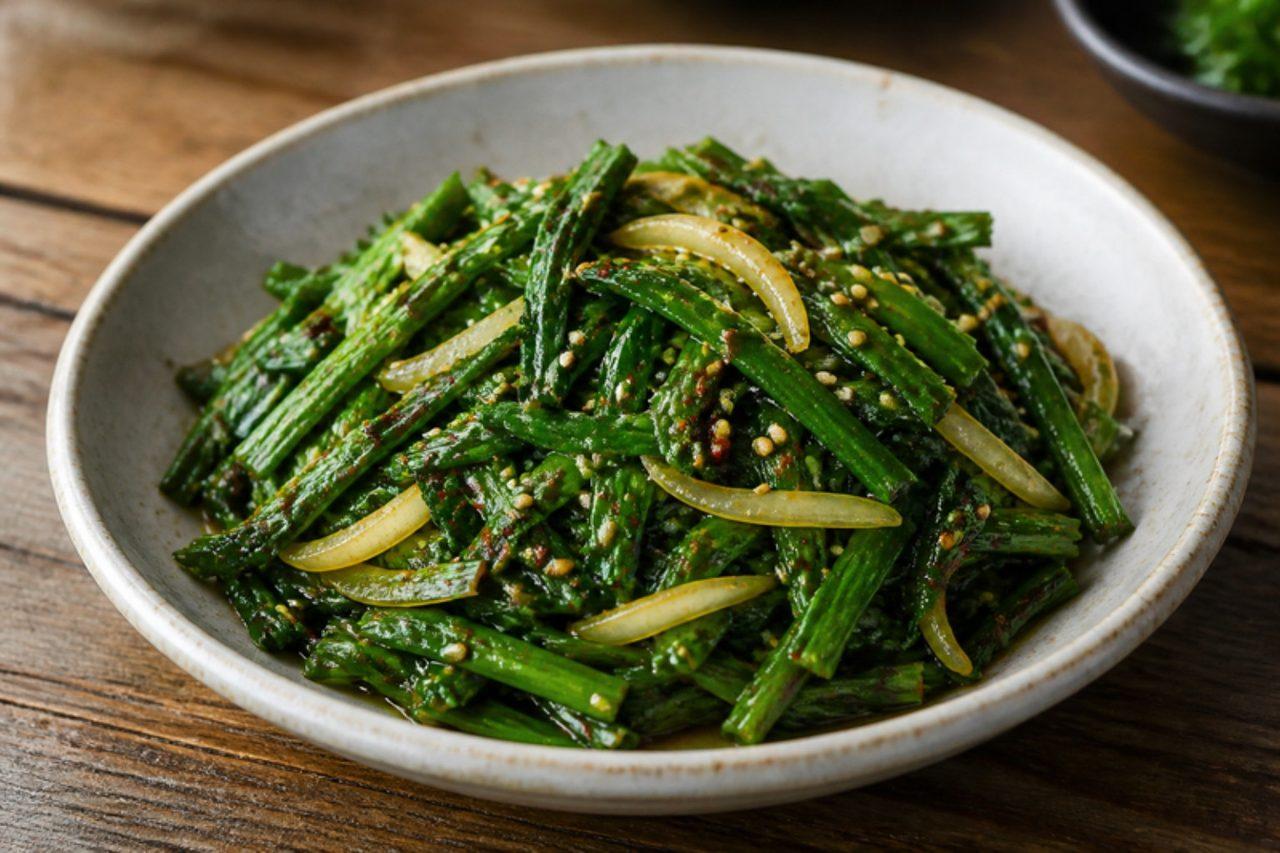
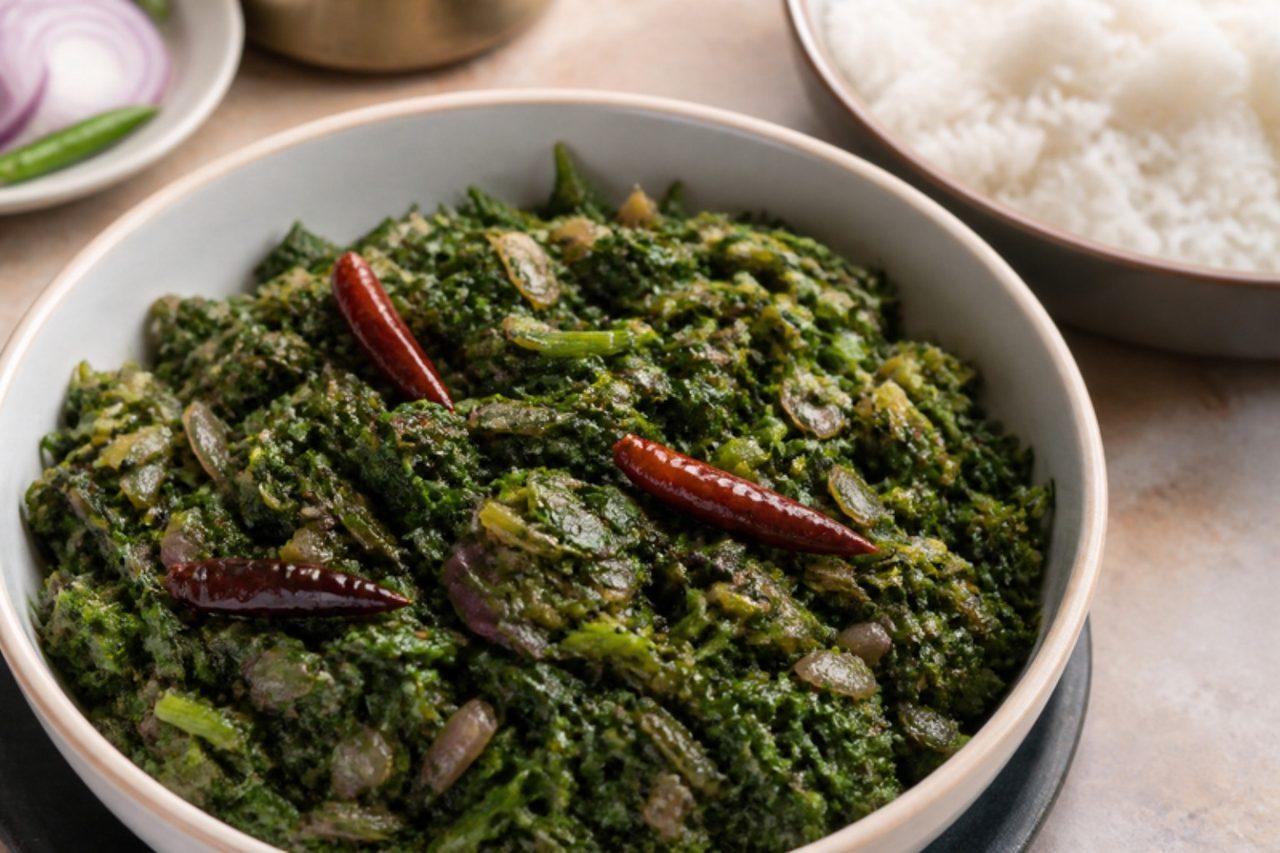
Chwinamul muchimSeasoned aster greens

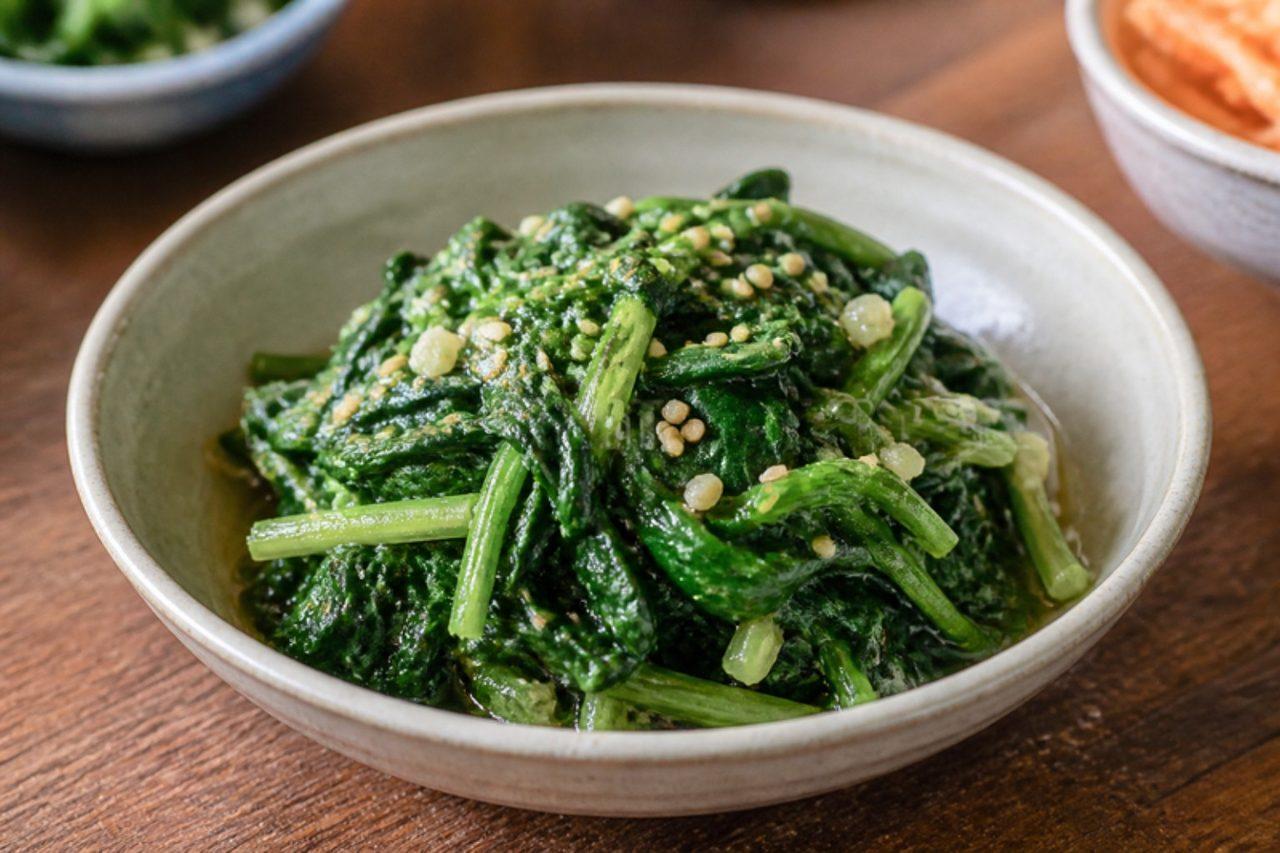
Chwinamul, the wild aster that grows on the mountains of Gangwon and the slopes around Jirisan, is one of the most loved spring greens in Korea, sold by grandmothers at village markets in April and dried for the namul of Daeboreum, the first full moon of the lunar year. Blanched and squeezed, it is seasoned with soup soy sauce, garlic and sesame oil and has a deep, herbal, slightly bitter flavour that wakes up the rice. A portion is about 45 kcal. If you can't find chwinamul, use spinach or watercress, blanched for less time. The common mistake is not squeezing the greens well, so the seasoning slides off; press them firmly in your fist. Chef's tip: season with your fingertips, rubbing the dressing gently into the leaves; Korean cooks call it son-mat, the taste of the hands.

by KrazyBadal 0 views

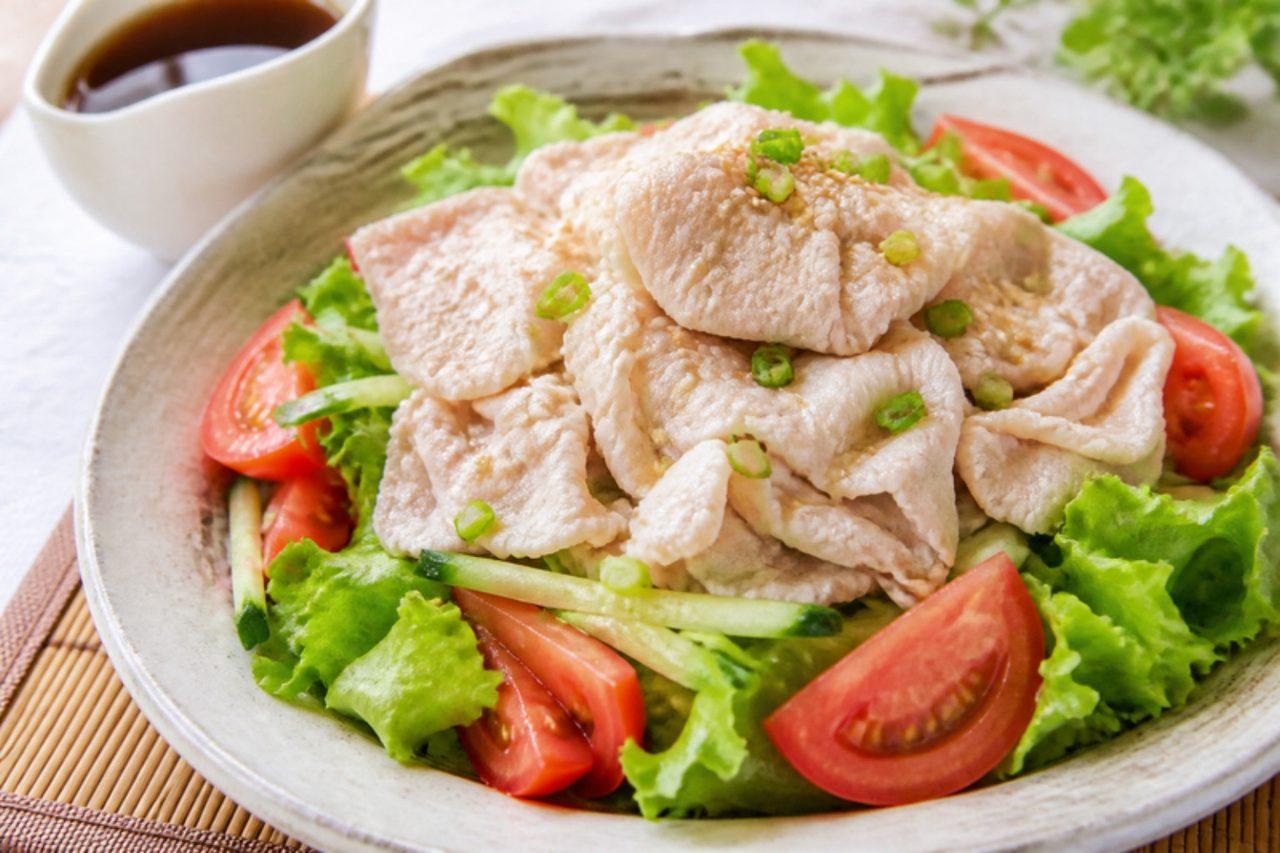
Rei-shabuChilled pork salad

In the heat of a Tokyo August, nobody wants a hot frying pan, and rei-shabu, "cold shabu-shabu", is what appears on dinner tables and in set lunches: paper-thin slices of pork loin or shoulder poached briefly in barely simmering water, cooled, and piled on a crisp salad of lettuce, cucumber and tomato with ponzu or a sesame sauce. It is light and refreshing. This is a pork dish. A portion is about 280 kcal. The most common mistake is plunging the cooked pork into iced water, which makes the fat set hard and the meat tough; let it cool on a sieve instead. Chef's tip: keep the water just below the boil, around 80 °C, with a splash of sake; the pork stays tender instead of going grey and stringy.

by KrazyBadal 0 views

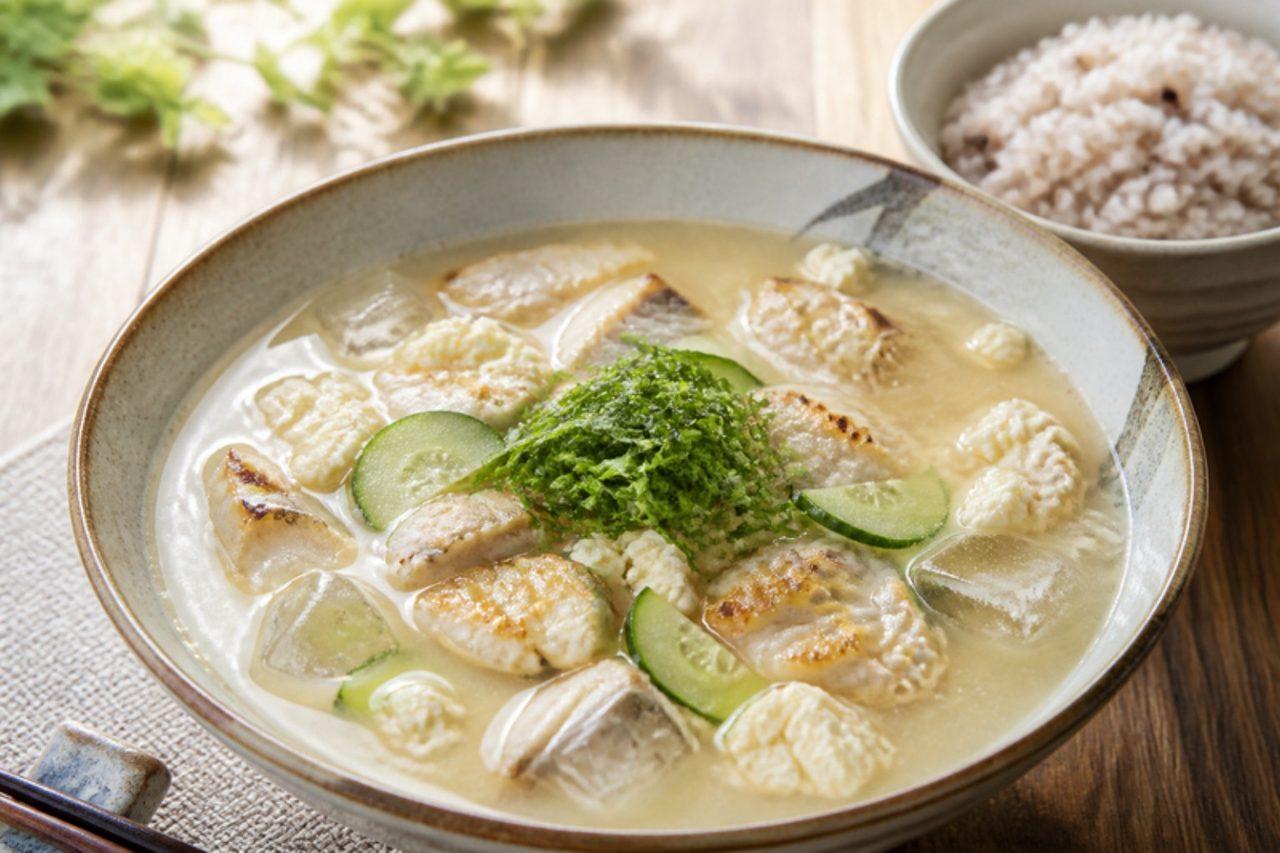
HiyajiruChilled miso soup

In Miyazaki, on the hot, humid east coast of Kyushu, farmers have eaten hiyajiru through the summer for centuries: grilled fish and sesame are pounded with barley miso in a mortar, the paste is toasted, then thinned with cold dashi and poured, with ice, over barley rice, with torn tofu, cucumber and shiso. It is cool, savoury and filling, a lunch that revives you in the heat. Eggs are not used; fish and soy are the allergens. A bowl with rice is about 340 kcal. The common mistake is skipping the toasting of the miso paste; it is what gives hiyajiru its deep, roasted flavour. Chef's tip: use day-old cold rice and rinse it briefly; warm, sticky rice turns the cold soup cloudy.

by KrazyBadal 0 views

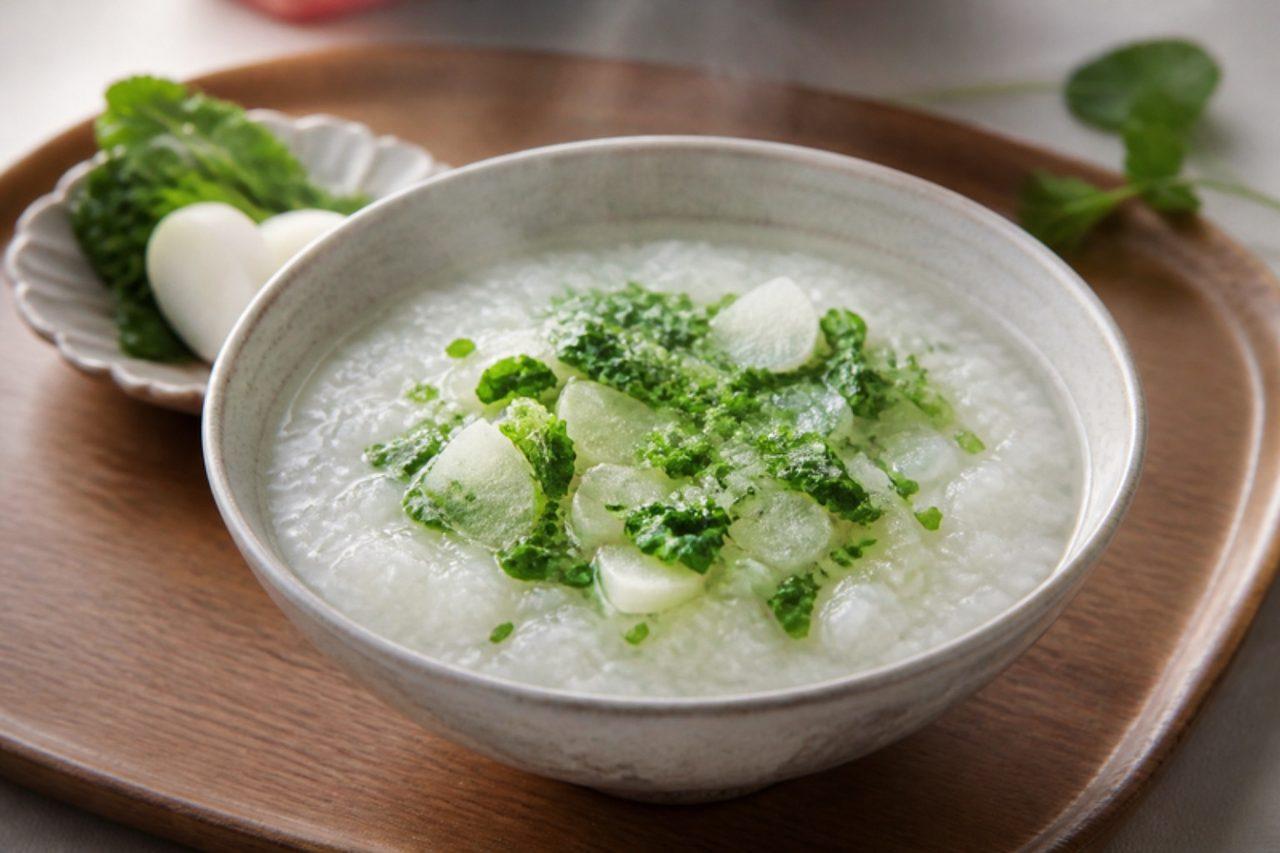
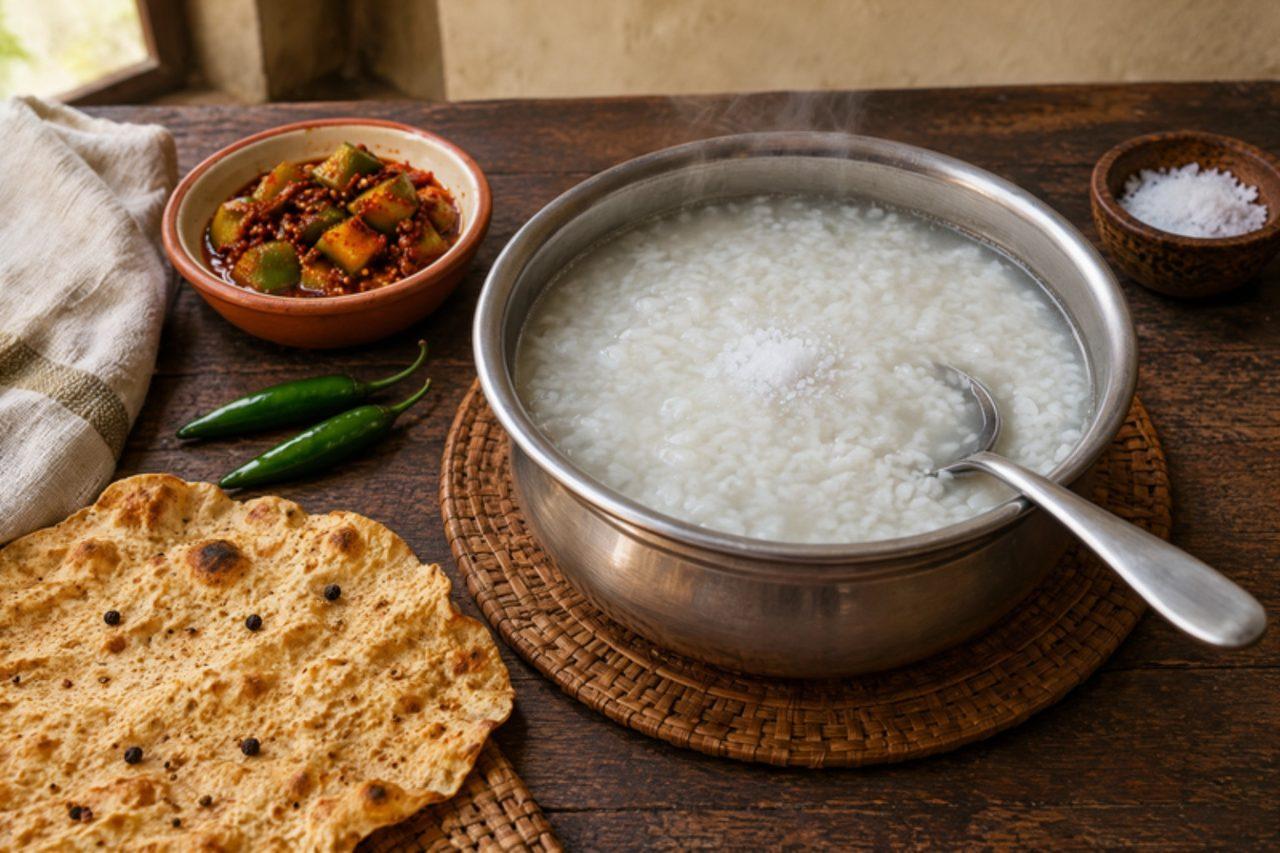
Nanakusa-gayuSeven-herb rice porridge

On the morning of 7 January, after days of rich New Year food, families all over Japan eat a bowl of nanakusa-gayu, rice porridge with seven young spring herbs, to rest the stomach and wish for good health in the year ahead. Supermarkets sell little packs of the seven herbs (seri, nazuna, gogyo, hakobera, hotokenoza, suzuna and suzushiro), but turnip, radish and their tops with watercress and spinach make a good stand-in. The porridge is plain, soft and seasoned only with salt. A portion is about 130 kcal. The most common mistake is adding the greens too early, which turns them grey and bitter; add them in the last minute. Chef's tip: don't stir the rice while it simmers; stirring breaks the grains and makes the porridge sticky instead of soft and clean.

by KrazyBadal 0 views

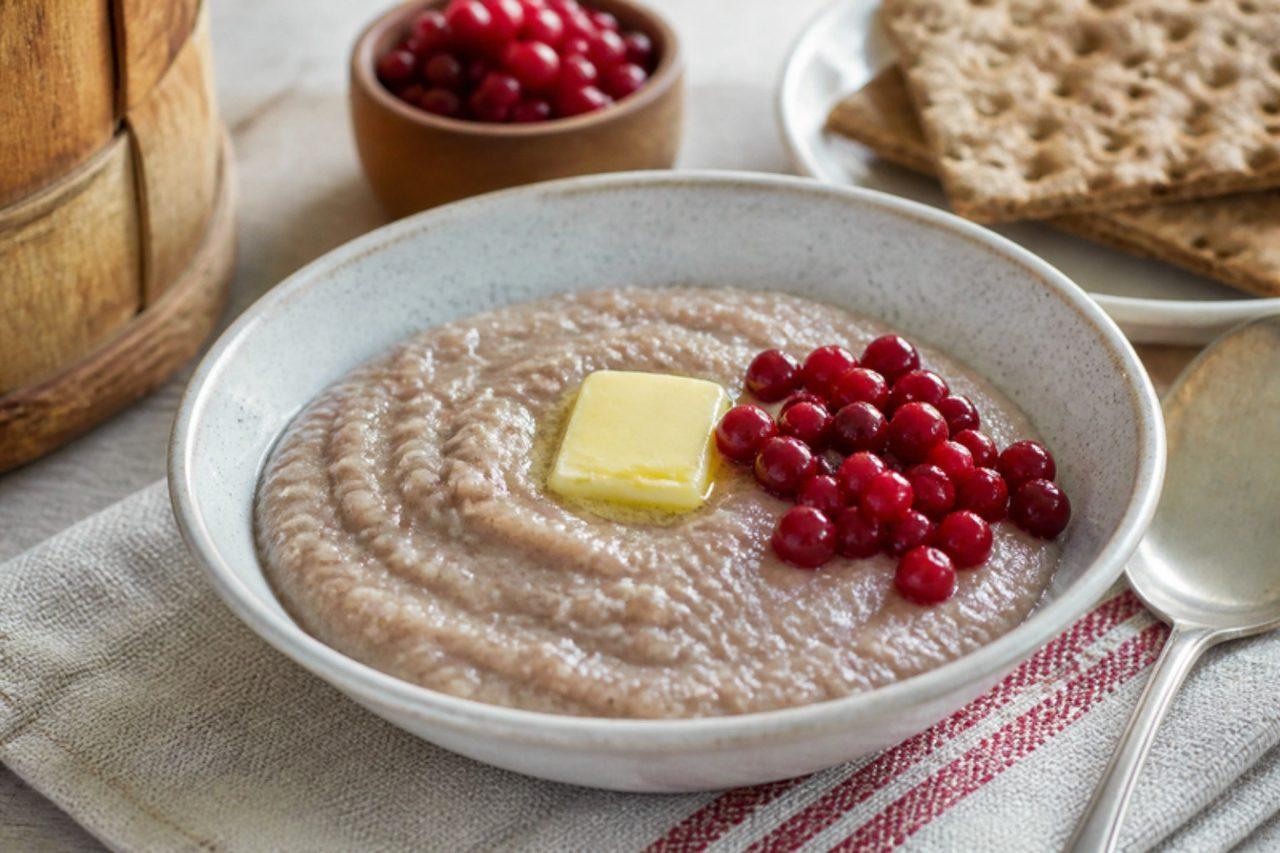
RuispuuroRye porridge

In Finnish homes and school canteens, ruispuuro is the plain, filling porridge of winter mornings, from Helsinki flats to farmhouses in Ostrobothnia. Rye flakes or coarse rye meal simmer in salted water until thick and slightly tangy, and the classic topping is a pool of melting butter, called a voisilmä or 'butter eye'. This version is vegan: use a plant butter, or tart lingonberries and a little oat milk. A common mistake is serving it too soon, when the flakes are still chewy. Chef's tip: let the porridge rest off the heat with the lid on for 5 minutes — the rye swells and turns creamy.

by KrazyBadal 0 views

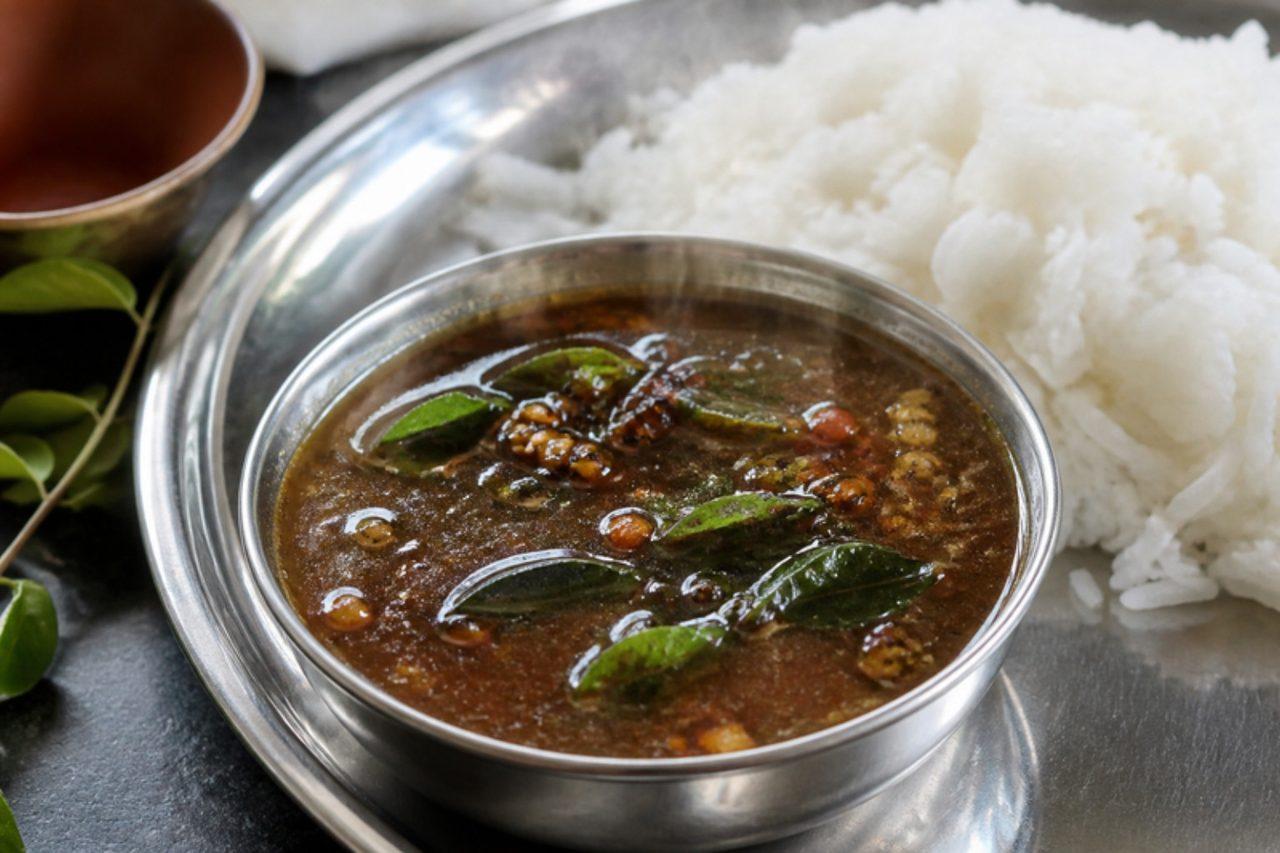
Milagu rasamPepper rasam

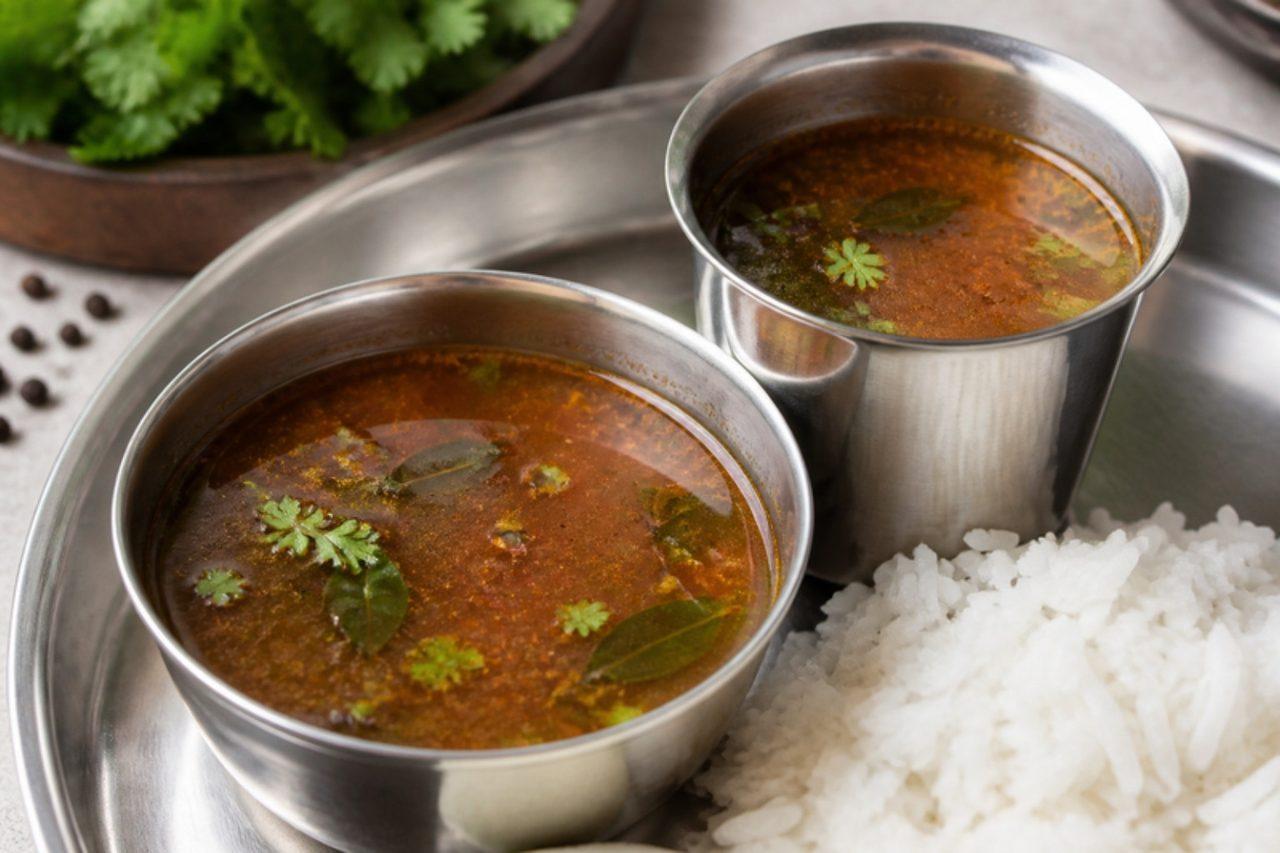
In Tamil homes from Madurai to Chennai, milagu rasam is the medicine of the kitchen, made when someone has a cold, the weather turns wet, or the family just wants a light dinner of rasam and rice. Unlike tomato rasam it needs no dal: tamarind water is simmered with a freshly ground paste of black pepper, cumin and garlic and tempered with ghee or oil, giving a thin, sharp, warming broth that clears the head. It is poured over rice or sipped from a cup. A portion is about 55 kcal. The common mistake is letting it boil hard after the spice paste goes in, which makes it bitter; once it froths up, turn off the heat. Chef's tip: dry-roast the pepper and cumin for a minute before grinding; it turns the heat round and deep instead of harsh.

by KrazyBadal 0 views

Furofuki daikonSimmered daikon with miso

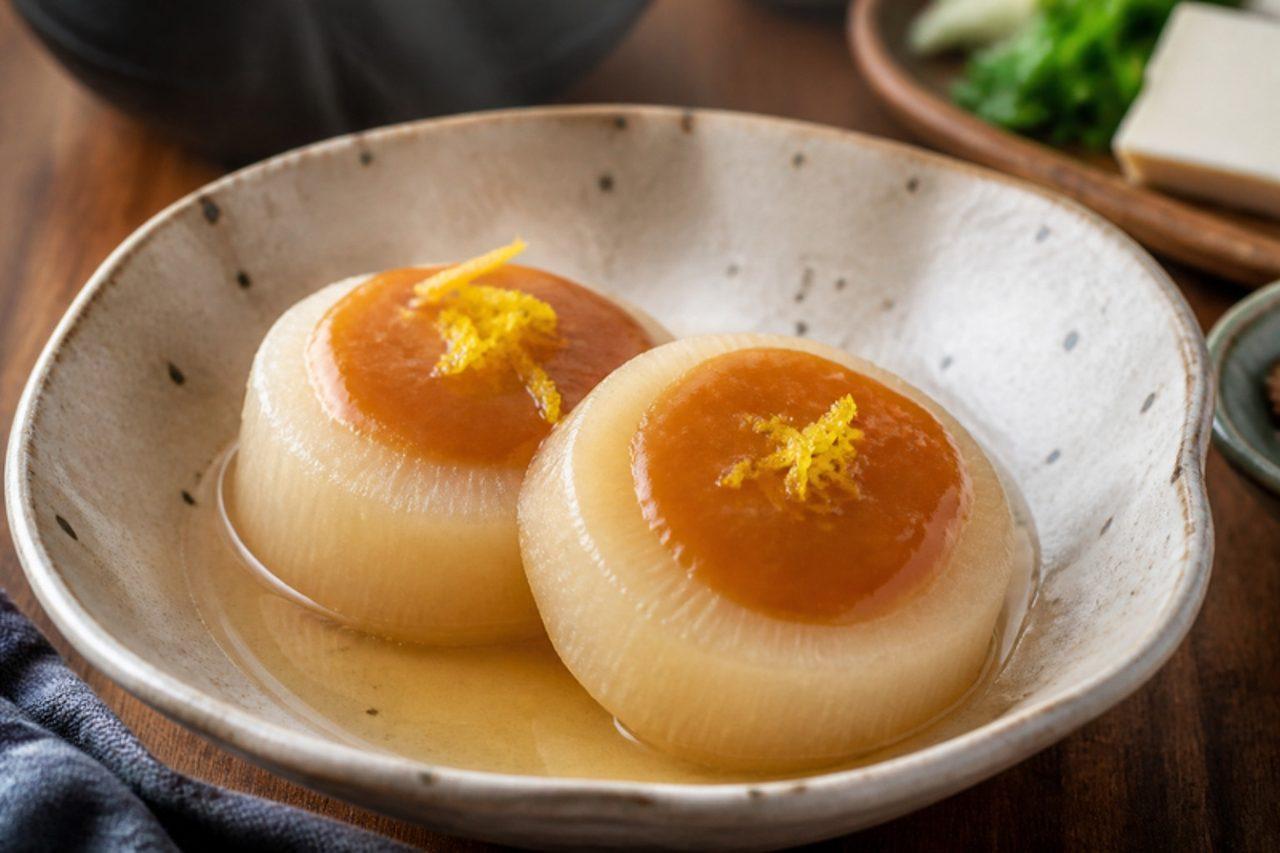
In the cold months, when the daikon in Kyoto and Nerima are fat and juicy, furofuki daikon is the warming dish that steams on the dinner table: thick rounds of radish simmered slowly in kombu broth until they are almost translucent and so tender they break with chopsticks, then topped with a glossy, sweet miso sauce. It is eaten as a light main or a side with rice. A portion is about 120 kcal. The most common mistake is rushing the simmer: the daikon should be cooked through to the centre, with no white, hard core. Chef's tip: bevel the edges of each round with a peeler and score a cross on the base; the rounds keep their shape and the heat reaches the middle.

by KrazyBadal 0 views

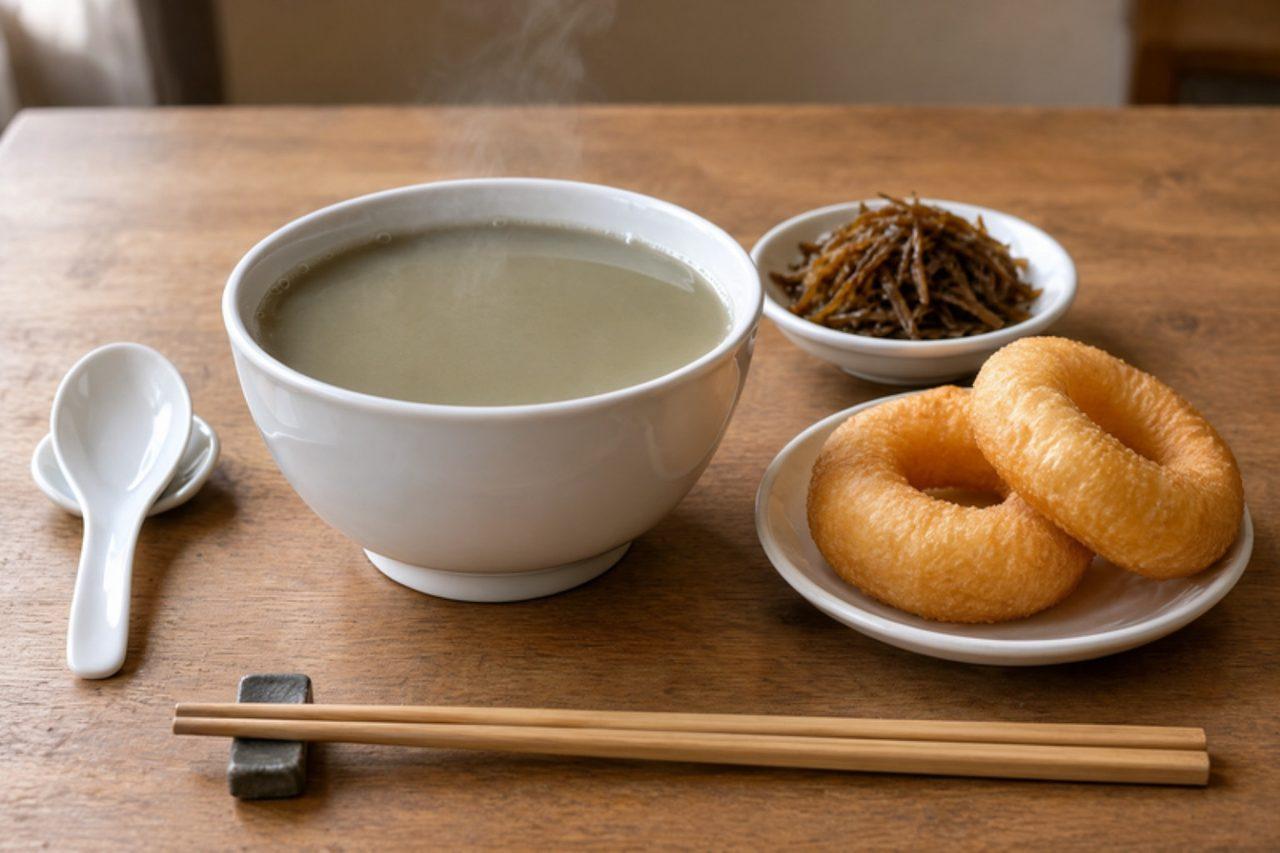
Bugeo gukDried pollack soup

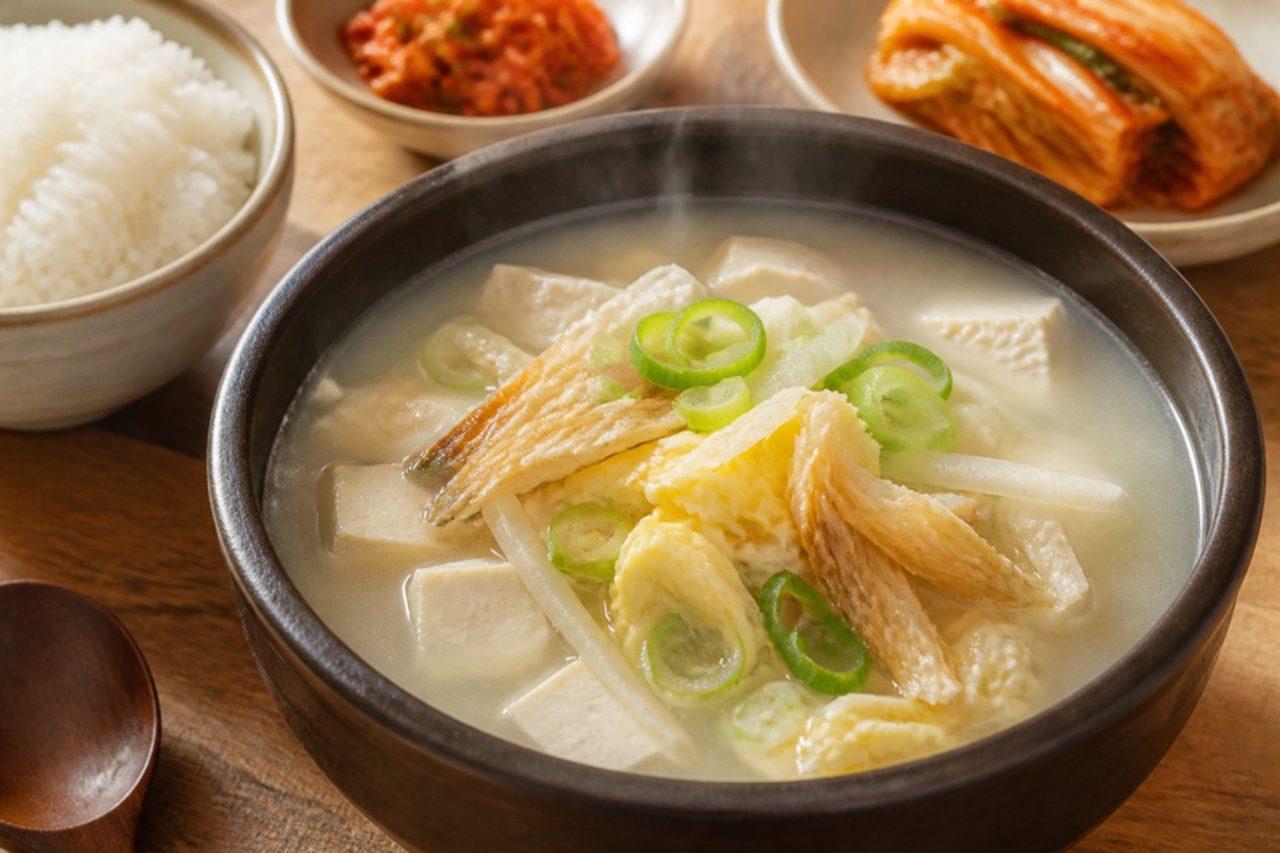
In Seoul, little restaurants near Mugyo-dong have served bugeo-guk since dawn for decades to office workers recovering from the night before, and at home it is the light, fortifying soup for any cold morning: shreds of air-dried Alaska pollack fried briefly in sesame oil, then simmered with radish and tofu into a milky, savoury broth, with beaten egg swirled in at the end. It is clean and comforting. Fish and egg are the allergens. A bowl is about 130 kcal. The most common mistake is using the dried shreds straight from the bag; soak and squeeze them first, or they stay tough and the soup is salty. Chef's tip: fry the pollack in sesame oil until it smells toasty before adding water; it is what turns the broth white and rich.

by KrazyBadal 0 views

MizutakiChicken hot pot

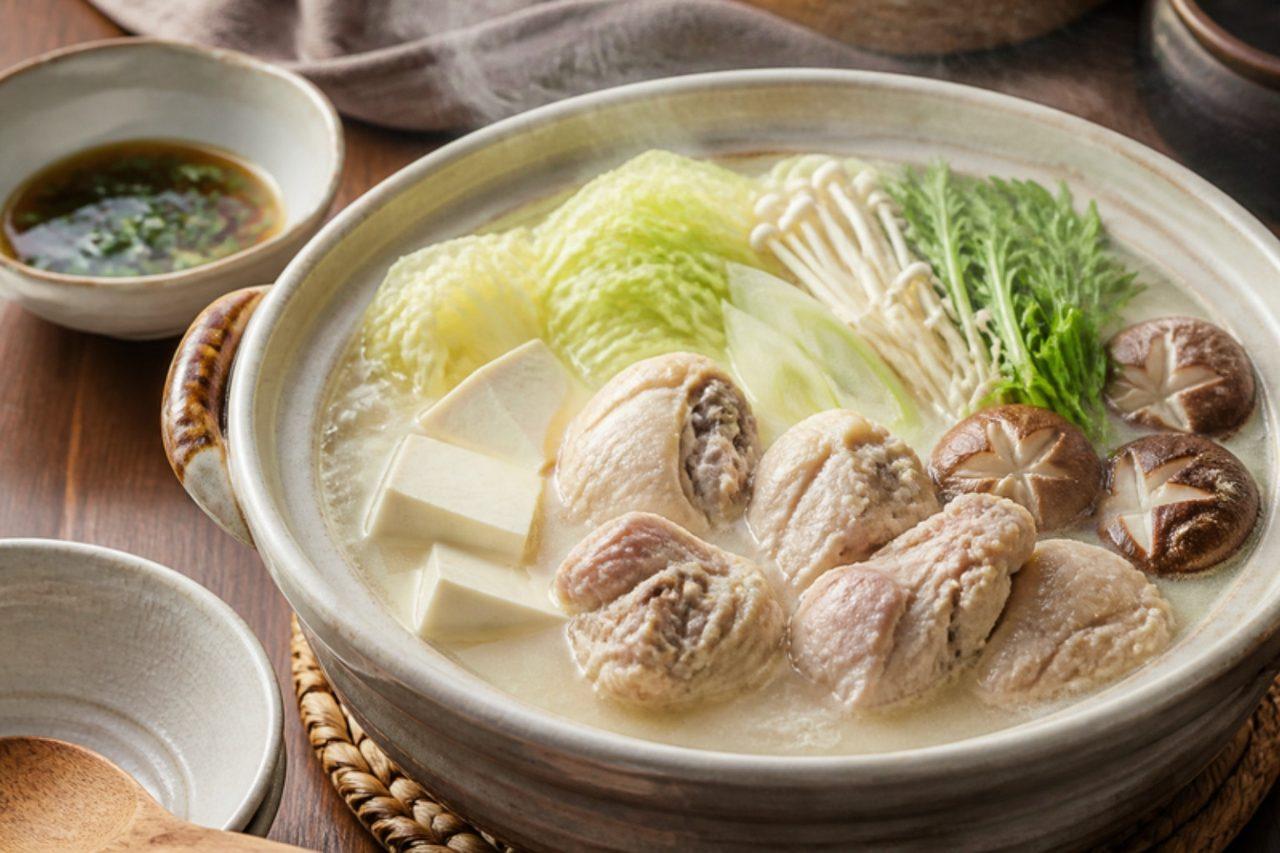
In Fukuoka's Hakata district, mizutaki restaurants have served this hotpot since the early twentieth century, and families make it at home all winter: bone-in chicken simmered in plain water until the broth turns cloudy and rich, then brought to the table with cabbage, leeks, tofu, mushrooms and spring onion and dipped in tangy ponzu. Diners first sip a cup of broth with salt, and the meal often ends with rice or noodles cooked in what is left. A portion is about 360 kcal. The most common mistake is simmering too gently: unlike a clear Western stock, mizutaki broth should bubble steadily so the collagen turns it milky. Chef's tip: blanch the chicken first and rinse it; it gives a clean, sweet broth with no scum.

by KrazyBadal 0 views

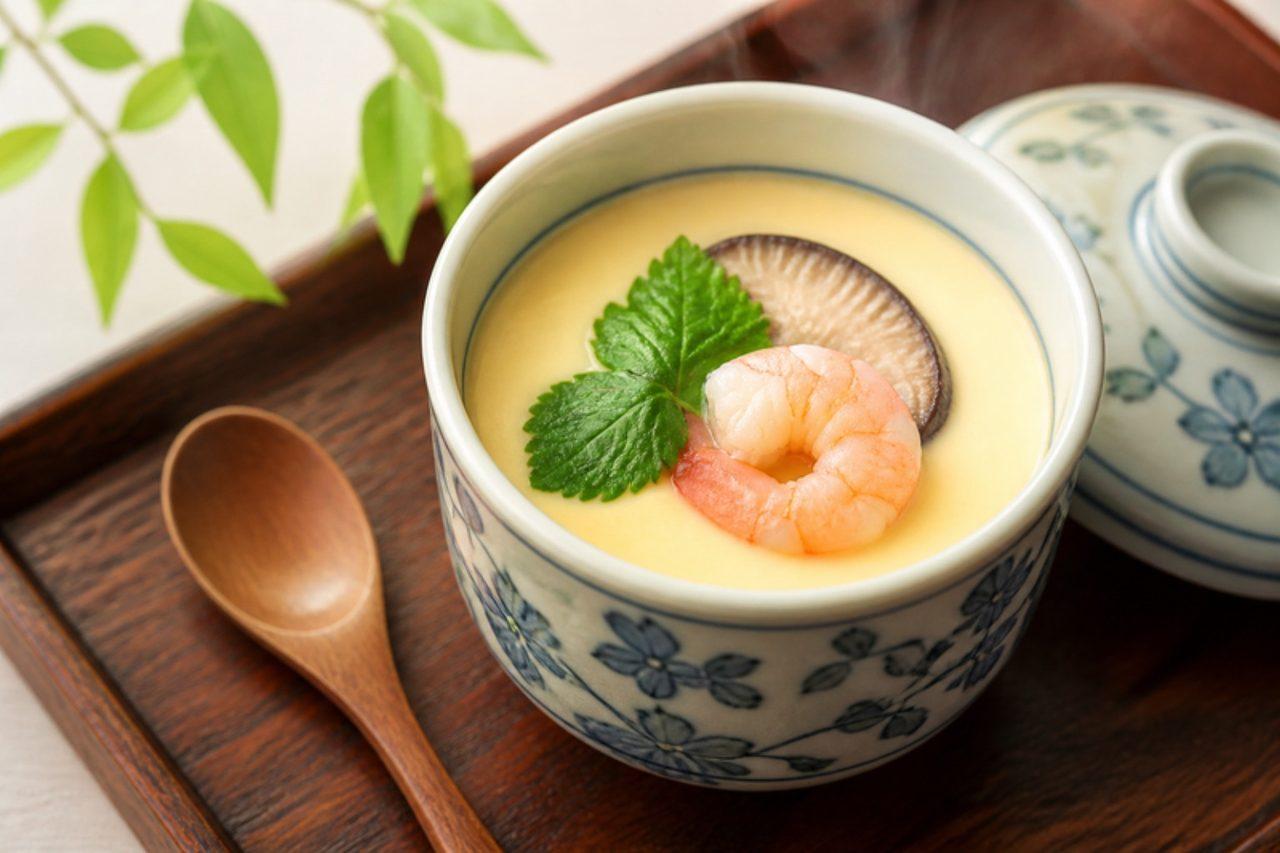
ChawanmushiSteamed egg custard

Chawanmushi, "steamed in a tea bowl", is served in small lidded cups at the start of a kaiseki dinner in Kyoto, at sushi counters across Japan, and at home on cold evenings: a just-set egg custard made with dashi, so light it trembles, hiding pieces of chicken, prawn, shiitake and a ginkgo nut or two. It is eaten hot with a spoon. Eggs and prawns are allergens. A cup is about 110 kcal. The most common mistake is steaming on a high heat, which makes the custard puff up full of holes; keep the heat low and set the lid slightly open. Chef's tip: strain the egg mixture through a fine sieve before pouring; it removes the stringy whites and bubbles and gives a mirror-smooth top.

by KrazyBadal 0 views

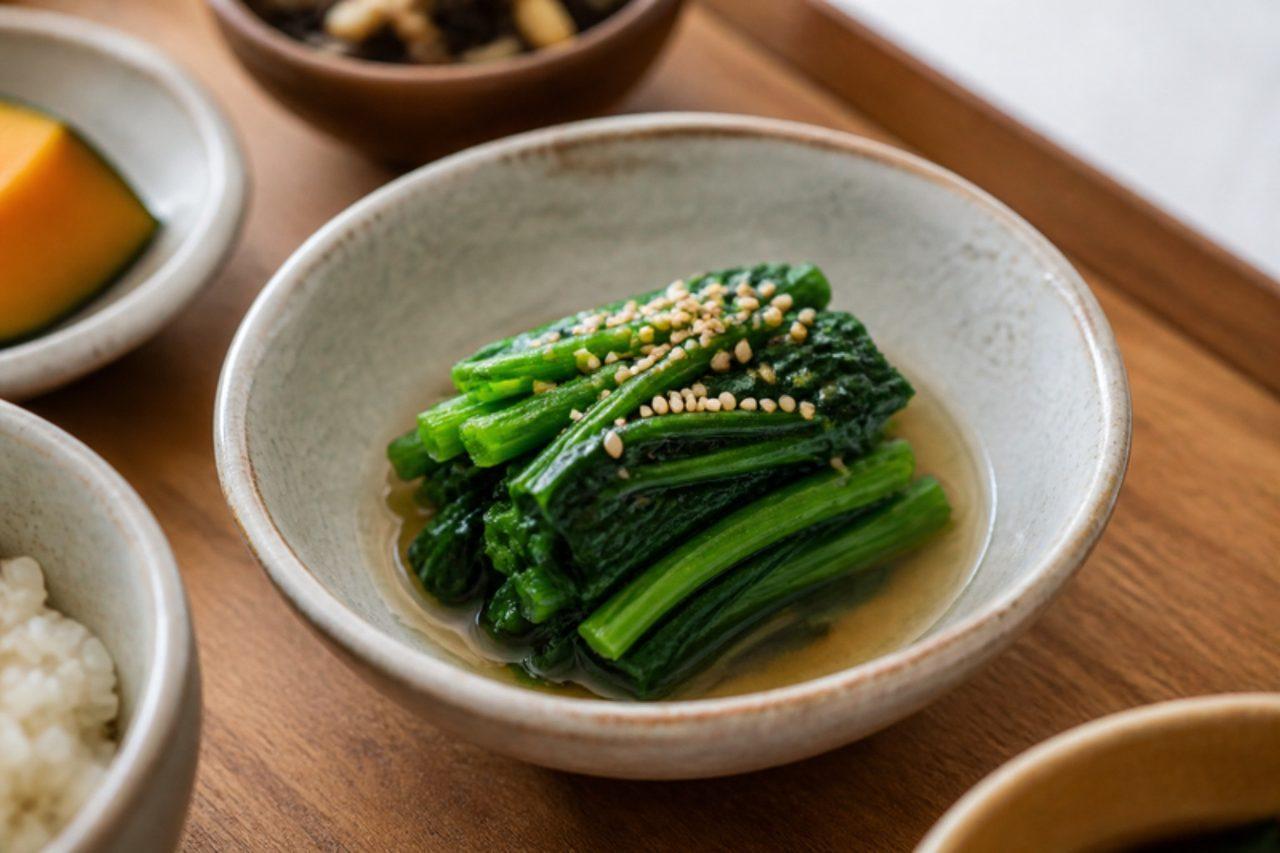
Horenso no ohitashiSpinach in dashi

Ohitashi, "the soaked dish", is one of the three small sides of the everyday ichiju-sansai meal, and in Tokyo homes a little mound of spinach steeped in cool seasoned broth turns up beside grilled fish and miso soup most weeks of the year. Usually it is topped with bonito flakes; this vegetarian version uses kombu and shiitake dashi and a sprinkle of toasted sesame instead. It is clean, savoury and barely seasoned, so the sweetness of the spinach comes through. A portion is about 35 kcal. The most common mistake is not squeezing the spinach after blanching, which dilutes the broth into a watery puddle. Chef's tip: blanch the stems for 10 seconds before pushing in the leaves; the stems need longer, and this way the whole bunch is tender at once.

by KrazyBadal 0 views

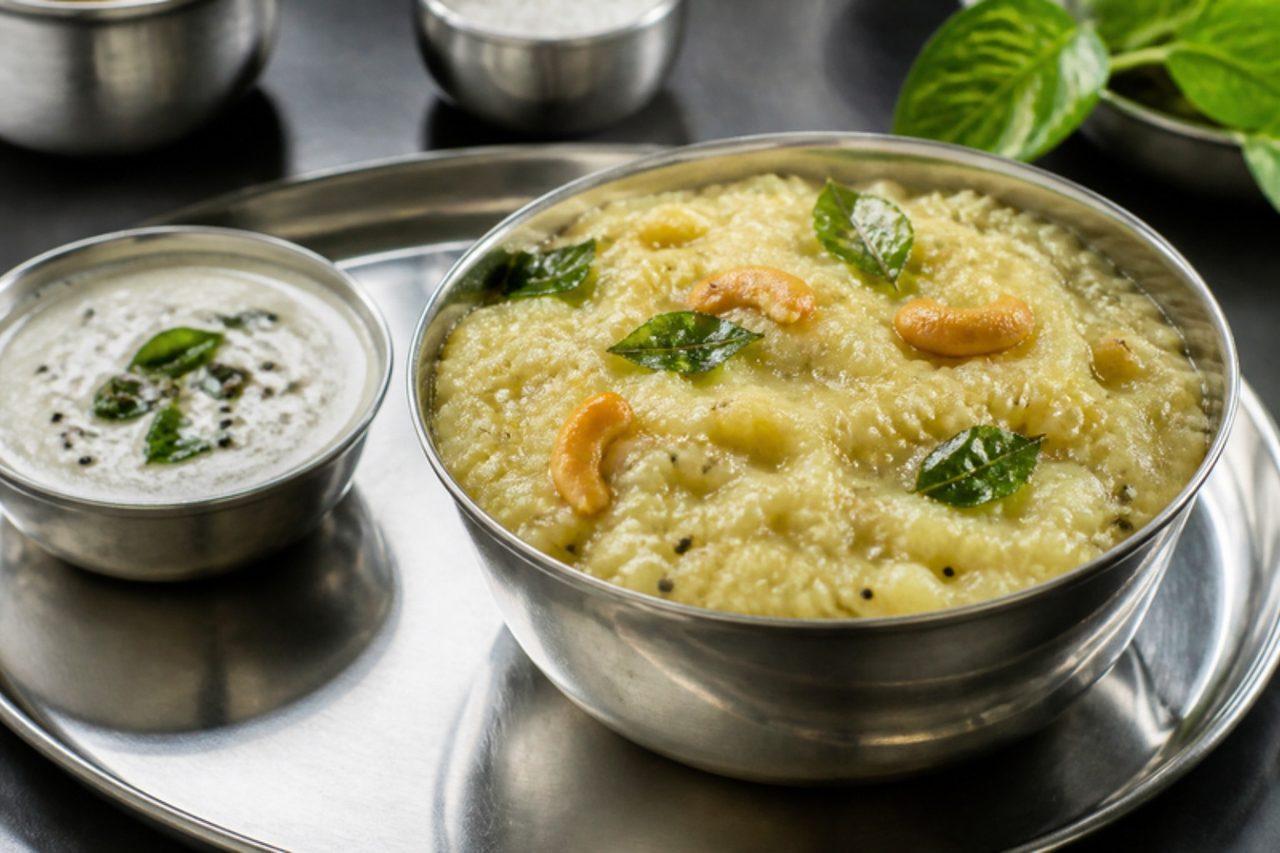
Varagu pongalKodo millet pongal

Ven pongal, the peppery rice and dal porridge, is the Sunday breakfast of Tamil Nadu and the prasadam handed out at temples; in Chennai homes that have turned to millets, kodo millet (varagu) now often takes the rice's place. It cooks into the same soft, creamy mass with yellow moong dal, scented with crushed black pepper, cumin, ginger and curry leaves fried in a modest spoon of ghee, and is eaten with coconut chutney and sambar. A portion is about 280 kcal, far less ghee than the temple version. The mistake people make is serving it too thick; pongal firms up fast as it cools, so make it looser than you think. Chef's tip: crush the peppercorns coarsely in a mortar rather than grinding them fine; you want little bursts of heat in each spoonful.

by KrazyBadal 0 views

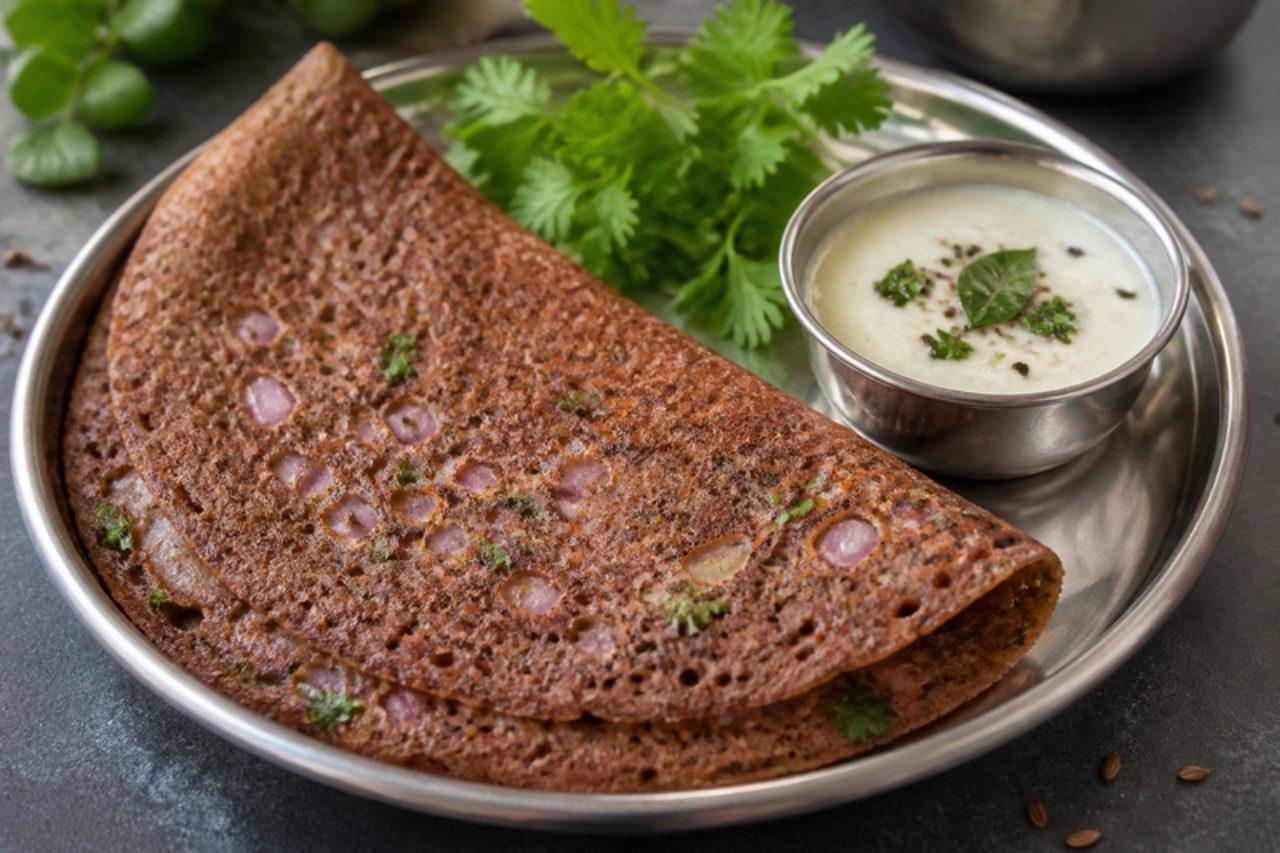
Ragi dosaFinger millet dosa

Around Mysuru and the farming villages of south Karnataka, ragi is the everyday grain, and this no-ferment dosa is how many homes use it at breakfast when there is no idli batter in the fridge. Finger-millet flour is whisked with a little rice flour, onion and green chilli into a thin batter that is poured, not spread, so it sets into a lacy, crisp, dark brown crepe. Serve with coconut chutney or sambar. Two dosas are about 210 kcal. The usual mistake is spreading the batter like a normal dosa; ragi batter is too thin, so pour it from a height in a circle and fill the gaps. Chef's tip: let the batter rest for 10 minutes before cooking; the flour drinks up water and the dosas hold together better.

by KrazyBadal 0 views

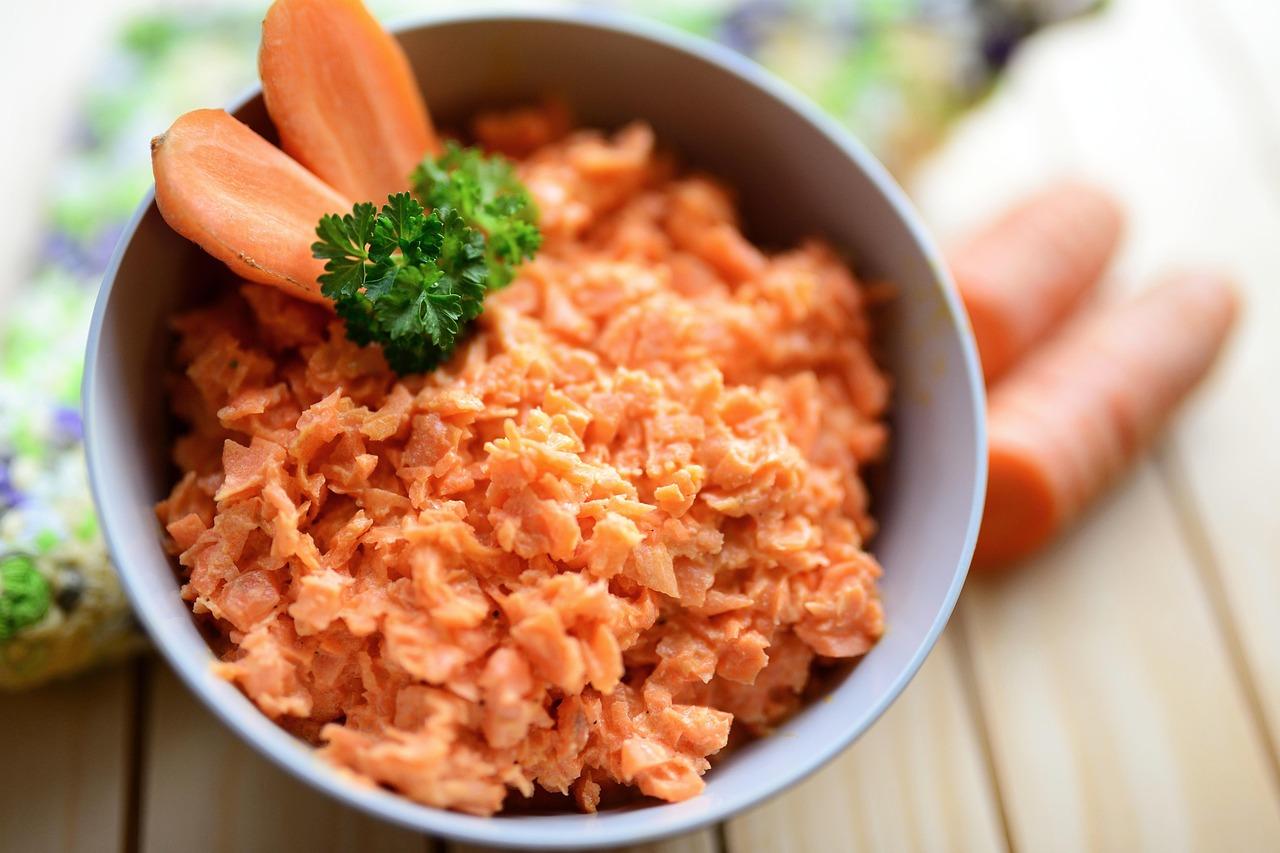
Surówka z marchewkiCarrot and apple salad

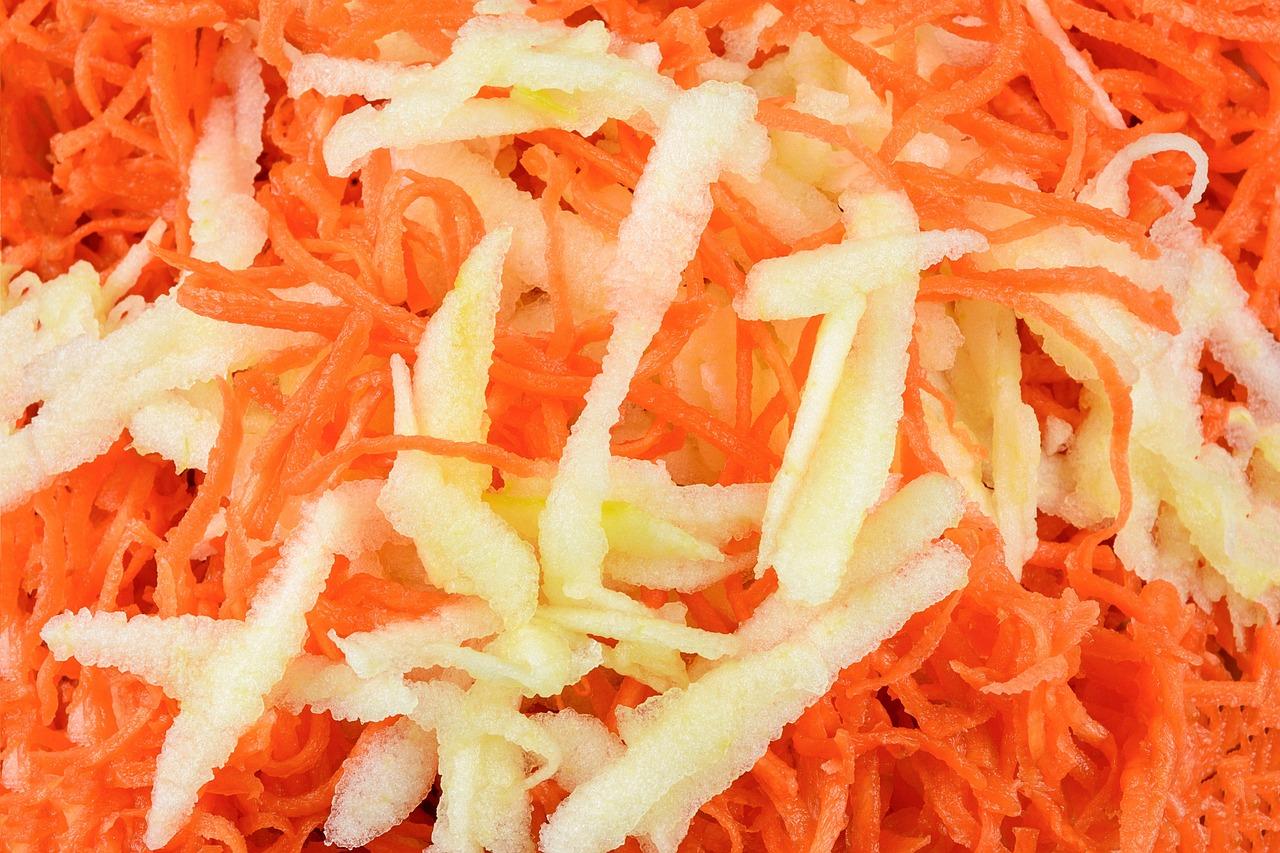
That little mound of orange on the side of every milk-bar plate in Łódź or Wrocław is surówka z marchewki, raw carrot and apple grated together and sharpened with lemon. Polish families make it beside Sunday chops, Friday fish and plain potatoes all year round, because carrots and apples keep through the winter. It takes ten minutes and is crisp, sweet and tart. A common mistake is grating the apple long before serving, so it browns and the salad turns watery. Chef's tip: grate the carrots on the fine side of the grater and the apple on the coarse side, so the apple stays juicy and the carrot soaks up the dressing.

by KrazyBadal 0 views

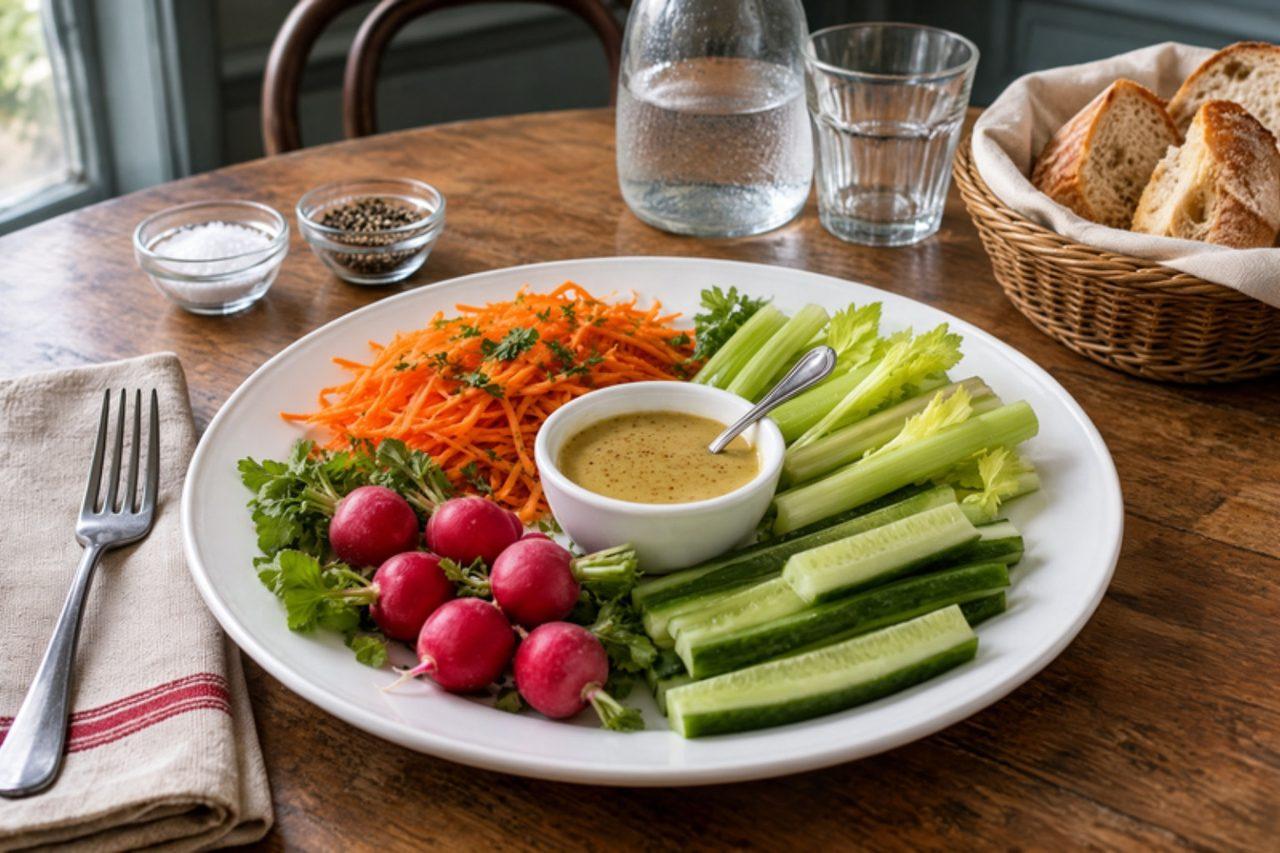
KräuterquarkHerb quark

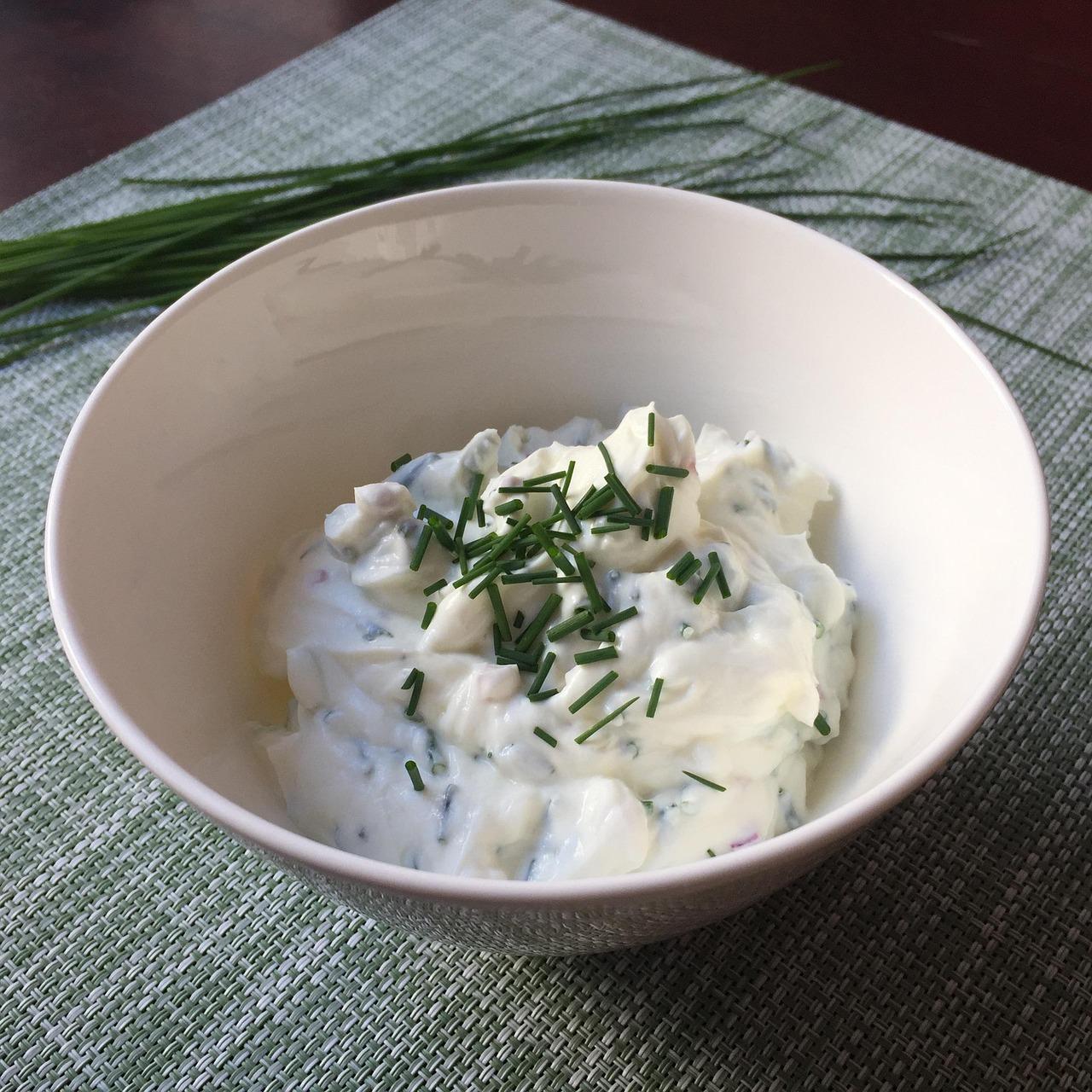
On summer evenings across Germany, from Hamburg allotments to Swabian farmhouse kitchens, a bowl of herb quark sits in the middle of the Abendbrot table with rye bread, radishes and boiled new potatoes. Fresh low-fat quark is loosened with a little milk and linseed or sunflower oil, then packed with chopped chives, parsley and dill and a hint of garlic, so it tastes cool, tangy and green. It also goes on jacket potatoes at the fair and next to grilled vegetables at a barbecue. The usual mistake is chopping the herbs ahead and letting them sit, which turns them dark and bruised. Chef's tip: let the finished quark rest in the fridge for 20 minutes so the garlic mellows and the herbs flavour the whole bowl.

by KrazyBadal 0 views

SpargelsalatWarm asparagus salad

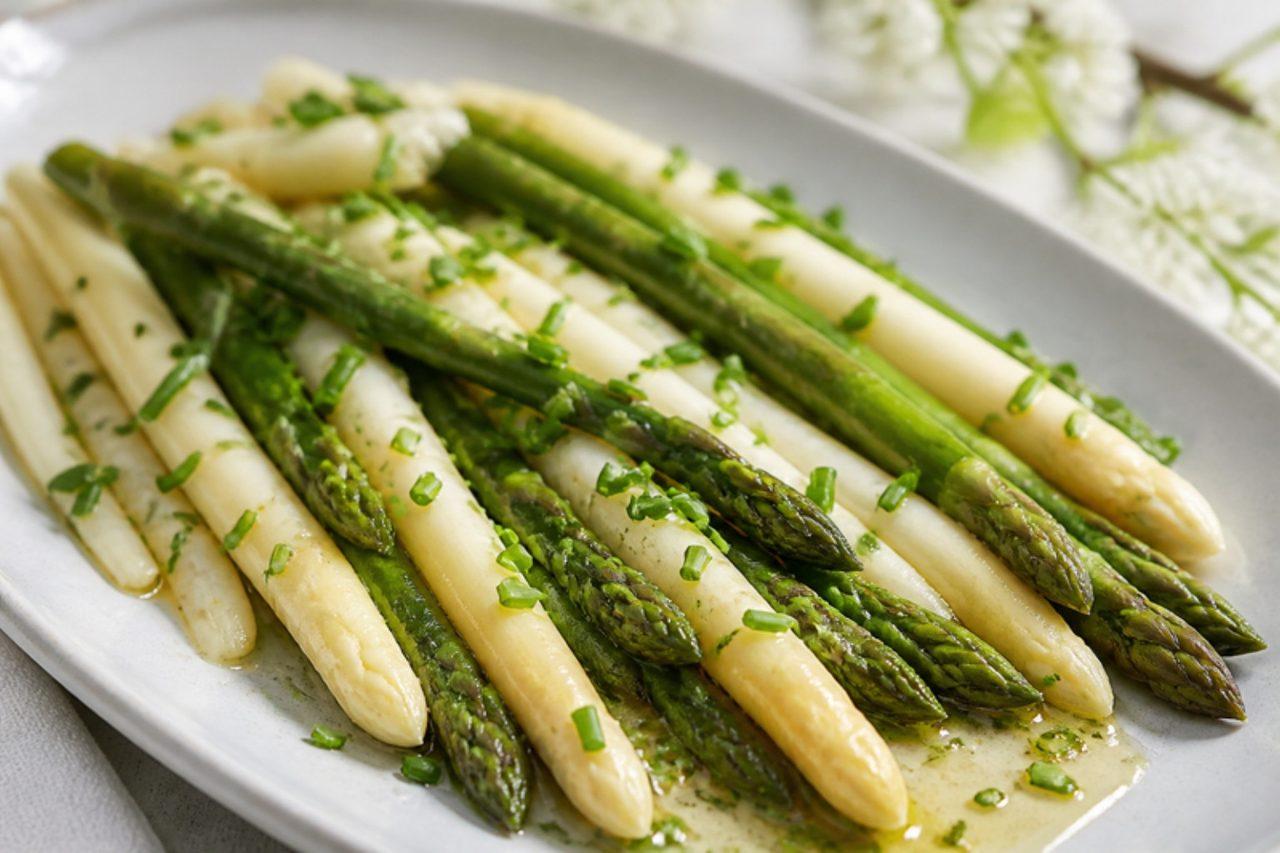
Asparagus farms along the Baden Spargelstraße and in the Lüneburg Heath sell their spears straight from roadside huts in May, and this lukewarm salad is how many households there eat the first bundle. White and green spears are cooked just tender, cut into lengths and dressed while warm in a sharp vinaigrette of white wine vinegar, mustard, shallot and plenty of chives, so they soak up the flavour. It goes with new potatoes, or as a light lunch with bread. A frequent mistake is overcooking white asparagus until it is limp and stringy. Chef's tip: dress the spears while still warm and leave them for 15 minutes; cold asparagus barely absorbs the dressing.

by KrazyBadal 0 views

Chana sundalChickpea coconut stir-fry

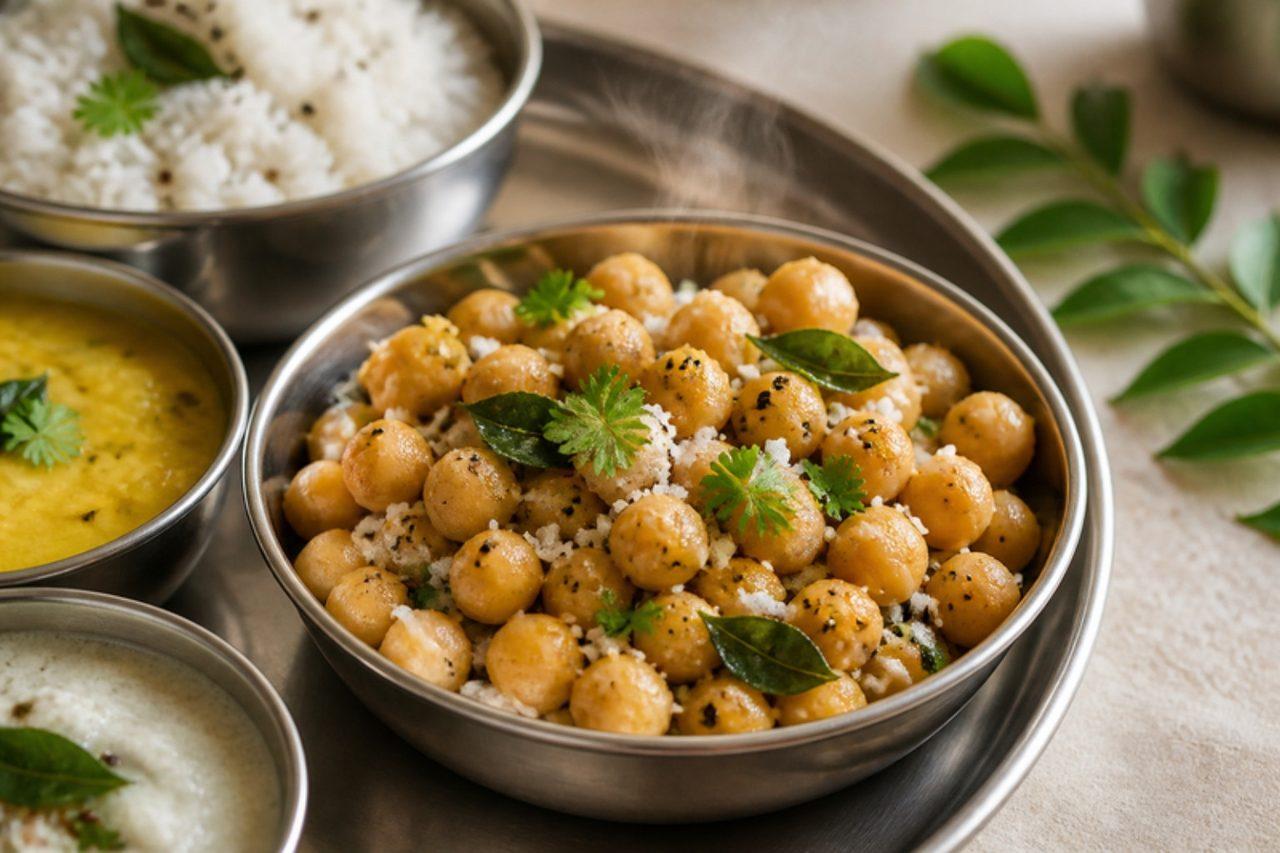
On the sand of Chennai's Marina Beach, vendors sell sundal in paper cones at sunset, and during the nine nights of Navaratri every Tamil home makes a different sundal to offer at the golu doll display and hand out to visiting neighbours. This one is chickpeas tossed in a hot tempering of mustard seeds, urad dal, dried chilli and curry leaves, finished with fresh coconut and a squeeze of lime. A portion is about 190 kcal. Using cooked or tinned chickpeas keeps it under 20 minutes; if you start from dried, soak 120 g overnight and pressure-cook them until soft. The common mistake is wet, mushy chickpeas, which make the coconut clump; drain them well and let them steam dry for a few minutes. Chef's tip: add the coconut off the heat; cooked coconut loses its fresh, milky sweetness.

by KrazyBadal 0 views

Patta gobhi matarCabbage and pea stir-fry

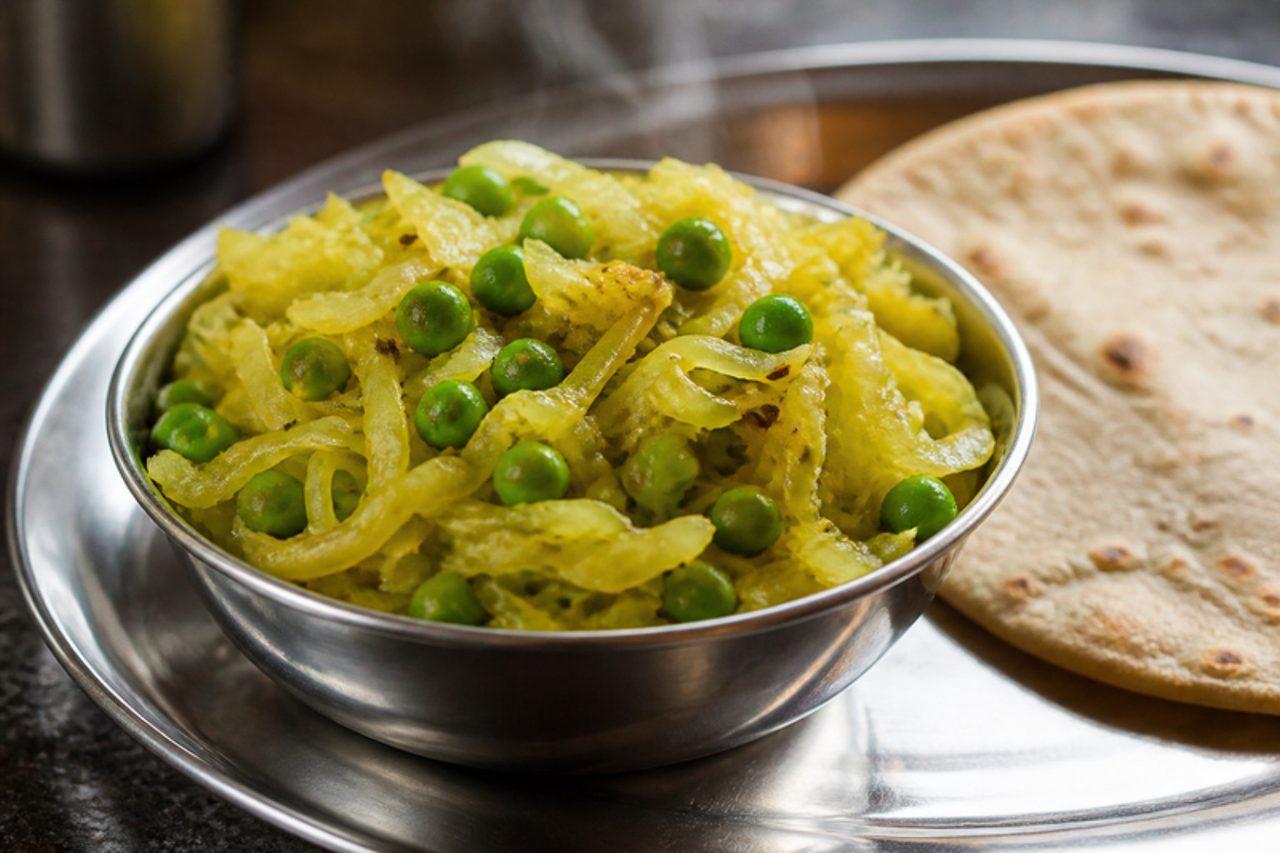
This is one of the plainest and most loved dishes of North Indian home cooking, made in Kanpur, Dehradun and Delhi on any weeknight when the fridge holds half a cabbage: finely shredded cabbage and green peas cooked fast with cumin, green chilli and turmeric until just wilted, still with some crunch. It goes into lunch boxes with ajwain parathas or onto the dinner thali with dal. A portion is about 110 kcal. The most common mistake is covering it for too long, which makes the cabbage watery and gives it a sulphur smell; cook it mostly uncovered on a fairly high heat. Chef's tip: shred the cabbage as finely as you can with a sharp knife; thin ribbons cook in five minutes and soak up the spices evenly.

by KrazyBadal 0 views

Yasai itameVegetable stir-fry

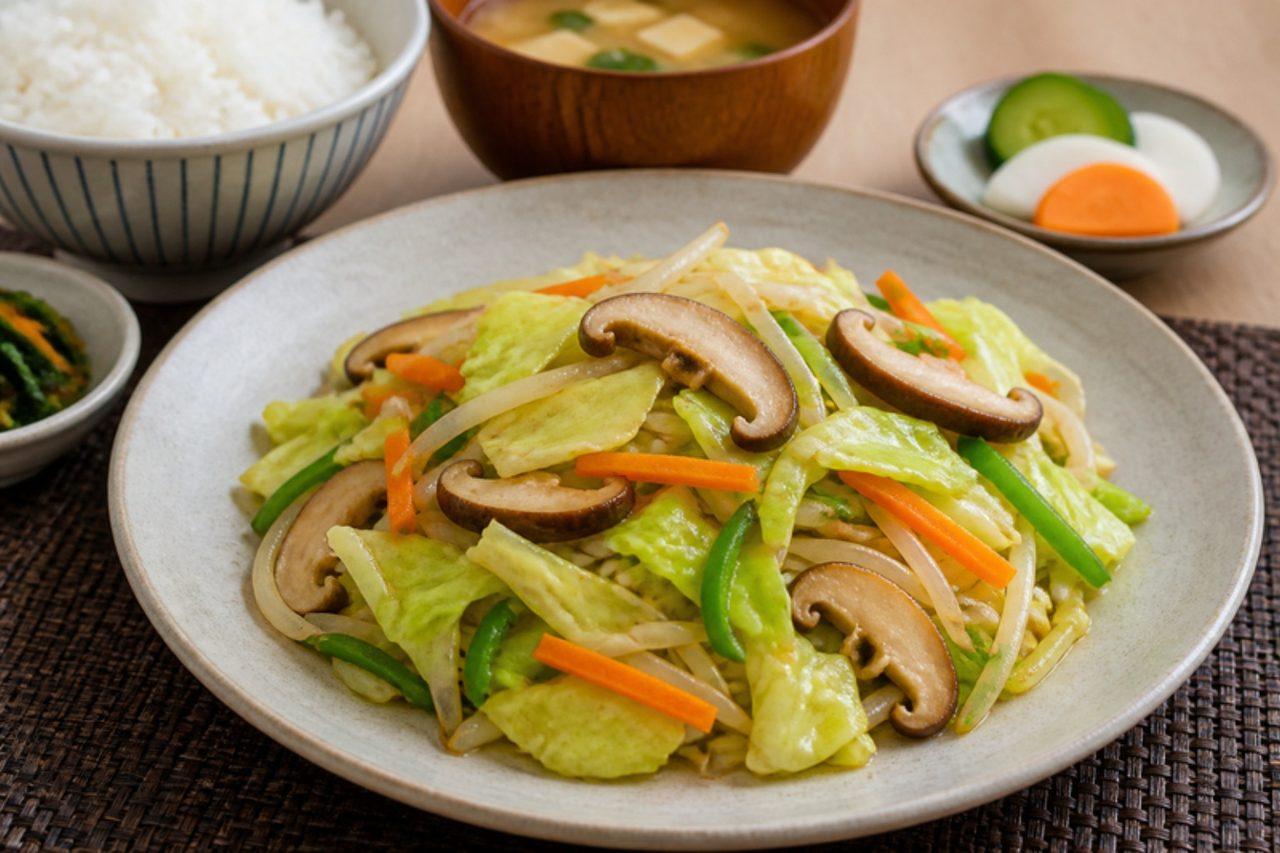
Yasai itame is the dish on every teishoku menu in Tokyo's cheap lunch counters and the default weeknight vegetable in Japanese homes: cabbage, bean sprouts, carrot, peppers and onion tossed fast over a high flame with salt, pepper and a splash of soy until glossy and still crunchy. Many homes add a few slices of pork; this is the vegetable-only version, with shiitake for savouriness. Eat it with rice and miso soup. A portion is about 110 kcal. The most common mistake is crowding a cool pan, which stews the vegetables in their own water; get the pan very hot and cook in two batches if your pan is small. Chef's tip: add the bean sprouts last and cook them for only 30 seconds; they should still snap.

by KrazyBadal 0 views

UnohanaSimmered okara with vegetables

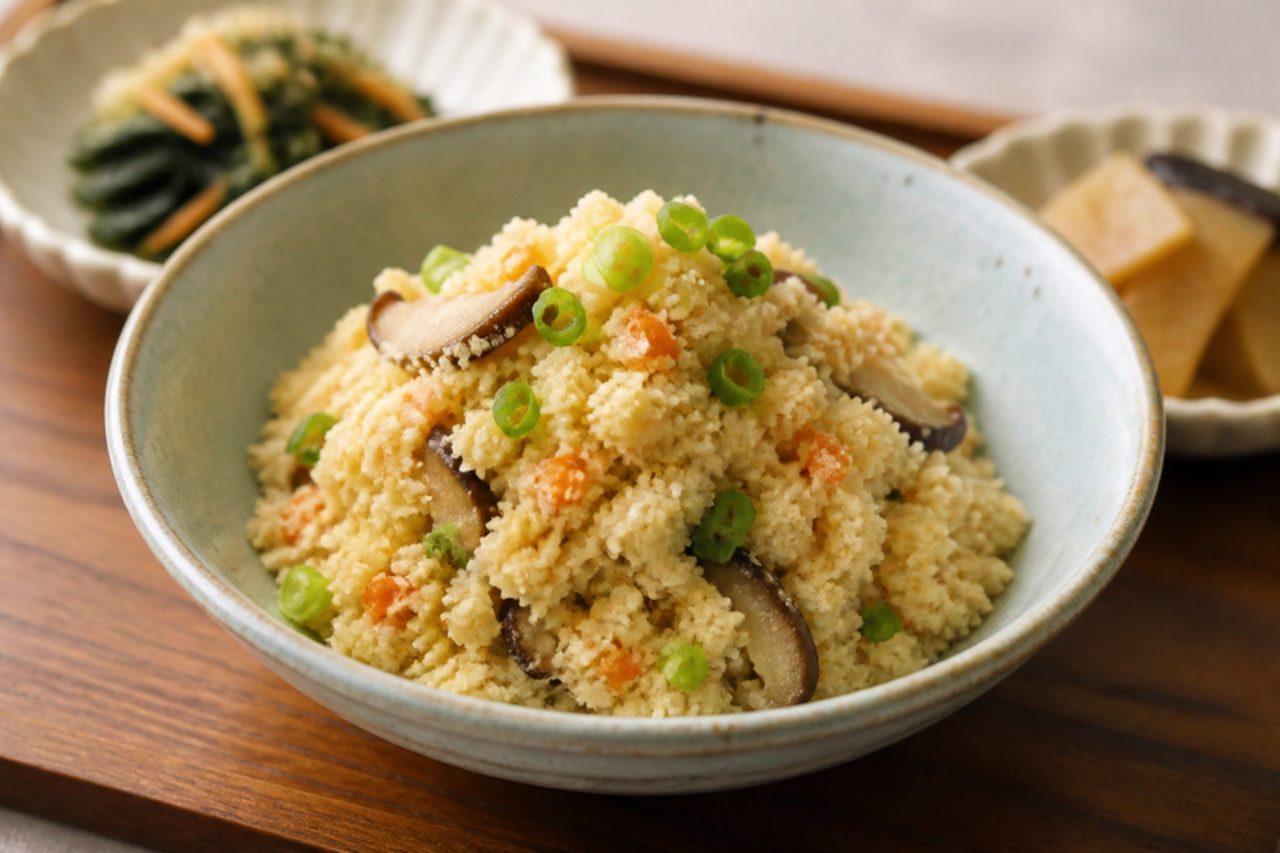
Okara, the soft white pulp left after making soy milk and tofu, is sold for pennies in Kyoto tofu shops, and grandmothers turn it into unohana, named after the white deutzia flowers that bloom in early summer: the pulp is simmered with carrot, shiitake, fried tofu, konnyaku and spring onion in sweet soy dashi until moist and fluffy. It is a side dish for rice and a classic of frugal, high-fibre home cooking. Many homes add a little chicken; this version is vegetarian, with kombu-shiitake dashi. A portion is about 140 kcal. The most common mistake is cooking it dry and crumbly; it should be moist enough to hold together when pressed with chopsticks, so don't skimp on the broth. Chef's tip: dry-fry the okara in the pan for a few minutes first; it loses its beany smell and absorbs the seasoning better.

by KrazyBadal 0 views

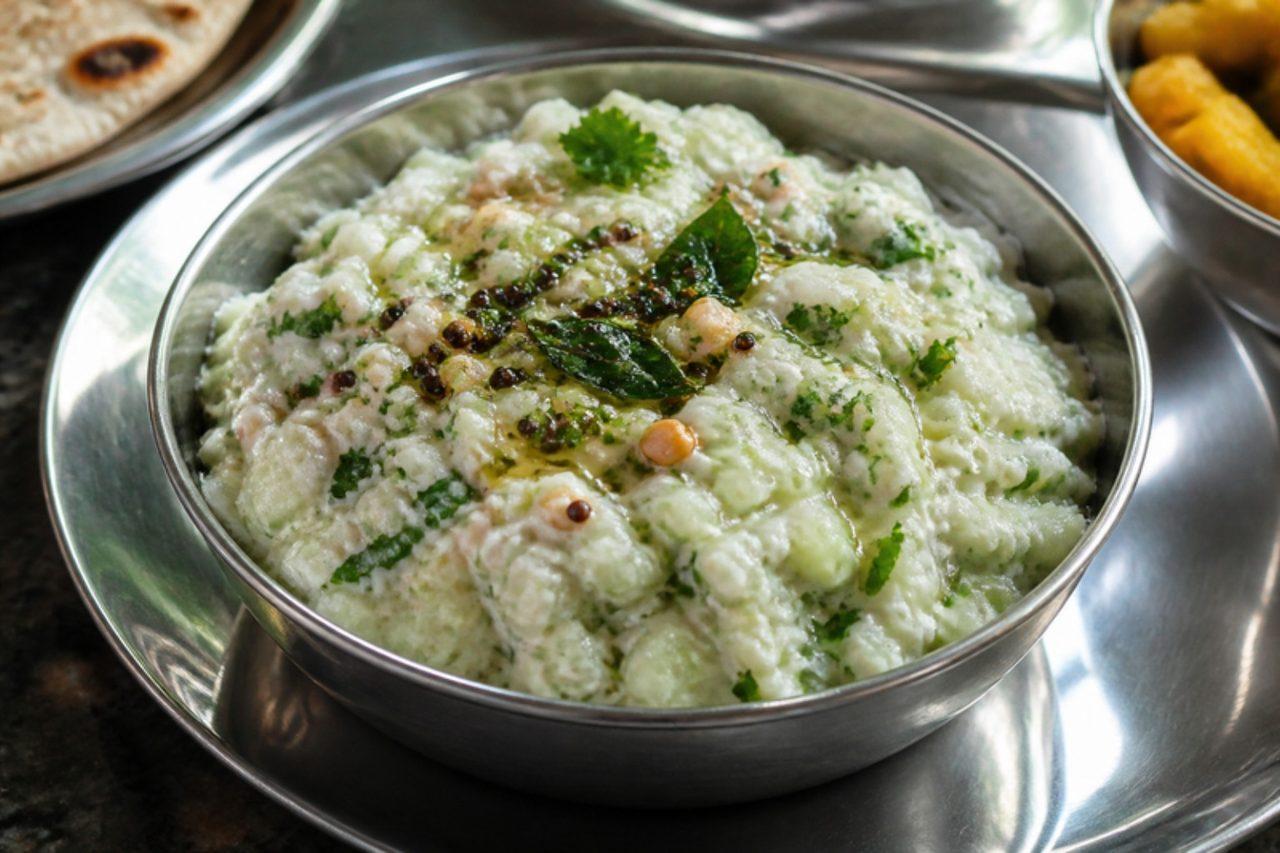
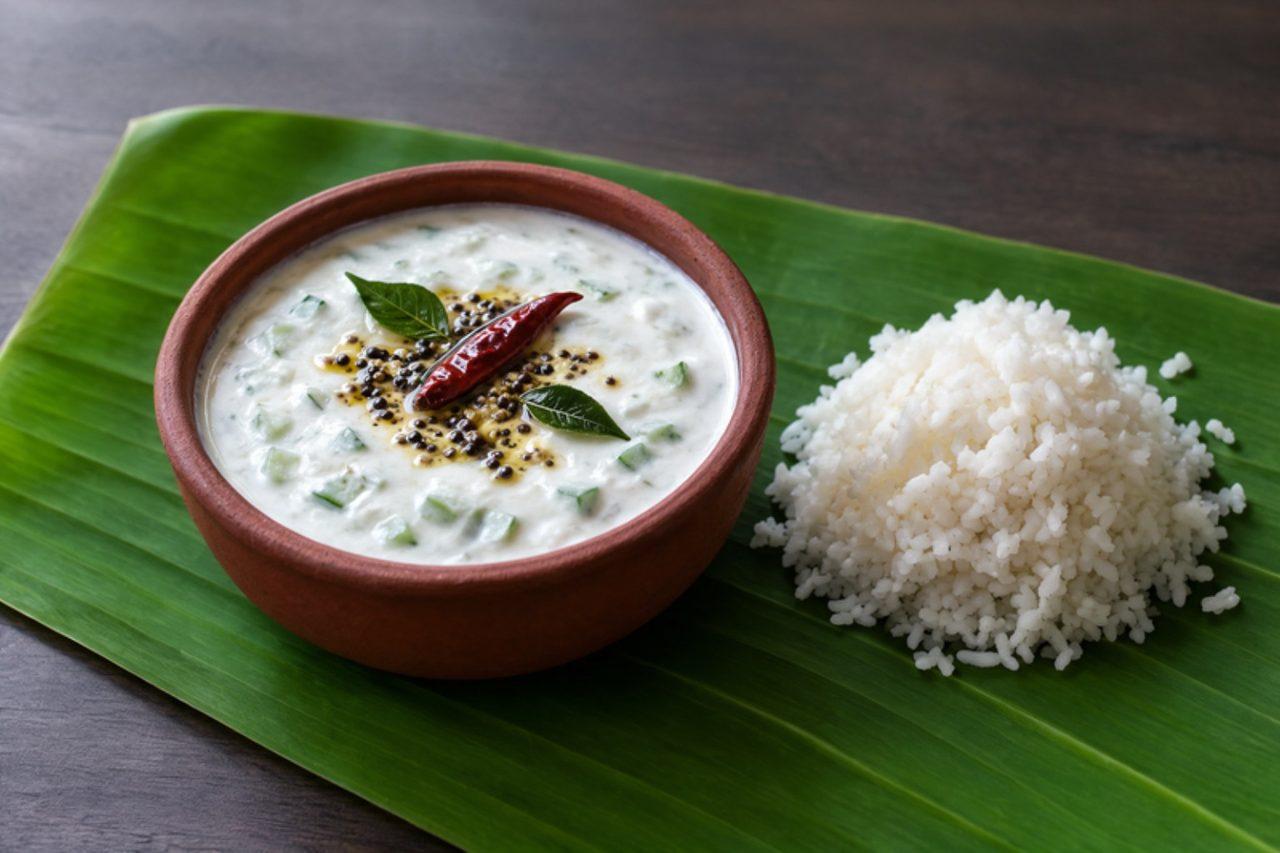
Kheera raitaCucumber yogurt dip

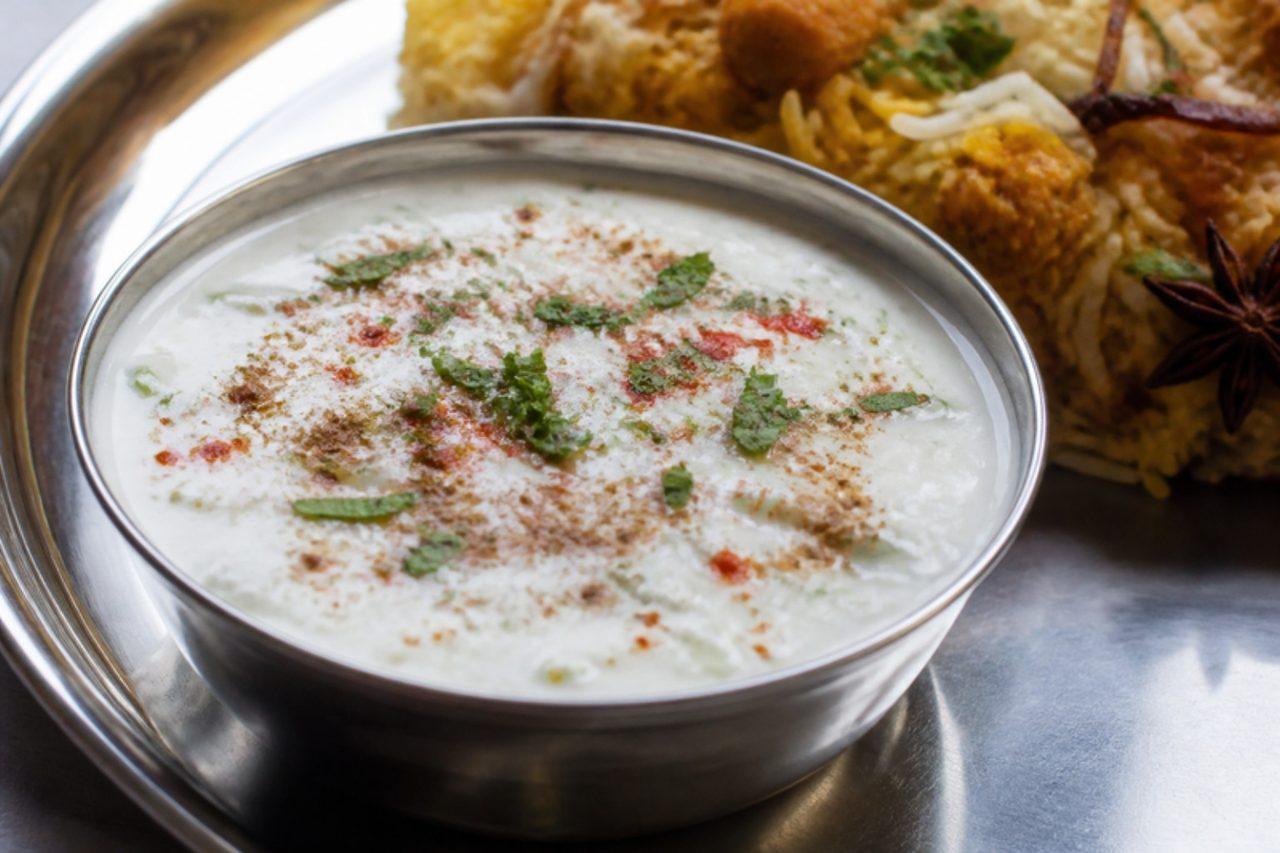
From Lucknow dinner tables to the biryani counters of Old Delhi, a bowl of cucumber raita is the cooling answer to anything spicy, and in summer it is eaten on its own with a paratha. Grated cucumber is folded into smooth, whisked yogurt with freshly roasted cumin, mint and a pinch of black salt. A portion is about 70 kcal. The common mistake is using yogurt straight from the pot without whisking, which gives a lumpy raita; whisk it smooth first and thin it with a spoon of cold water if needed. Chef's tip: roast whole cumin seeds in a dry pan and crush them yourself just before serving; the smoky smell is what makes a raita sing.

by KrazyBadal 0 views

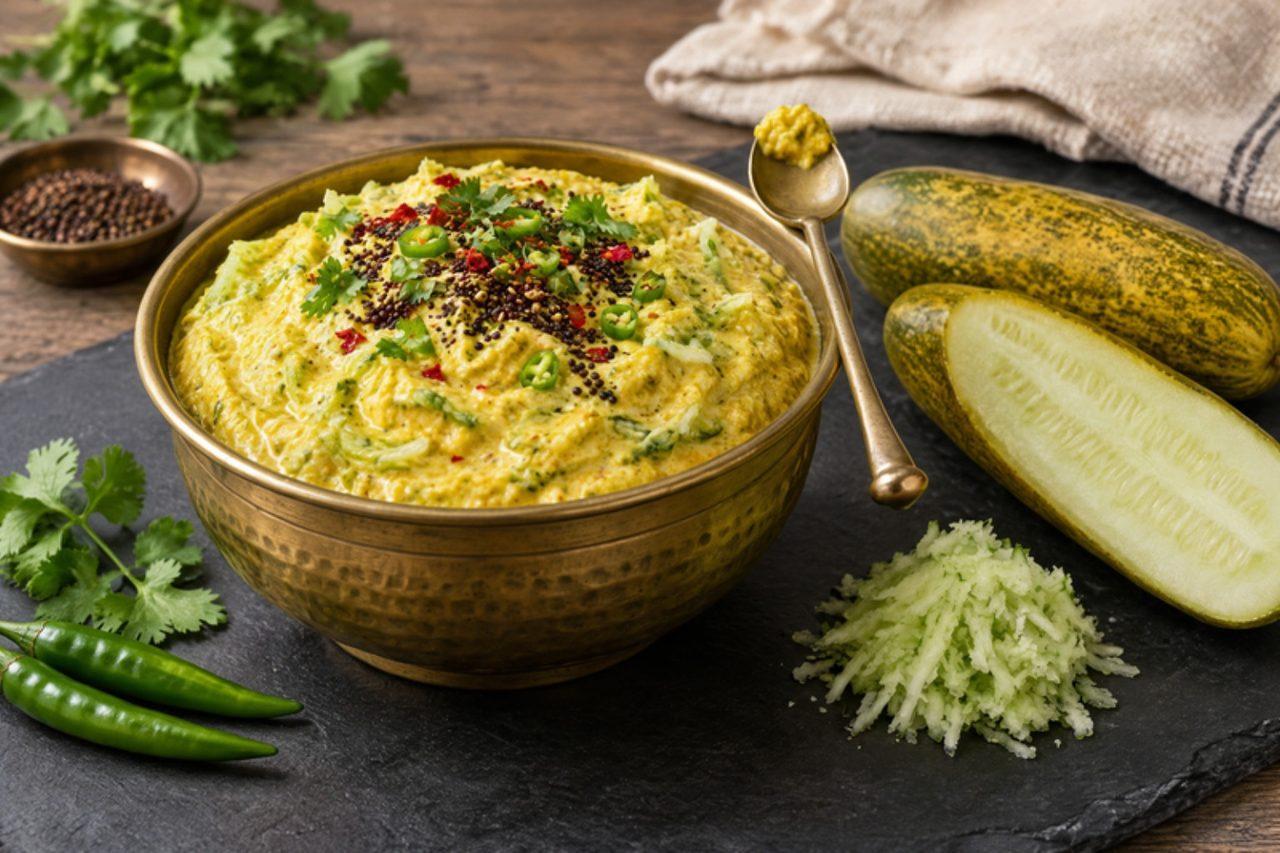
Kakdi koshimbirCucumber peanut salad

Koshimbir is the cool, crunchy salad that sits on the left side of a Marathi thali in Pune and Nashik, eaten at lunch with varan-bhaat and served at every festival meal. This one is grated or finely chopped cucumber mixed with crushed roasted peanuts, green chilli and a little yogurt, then finished with a fizz of mustard seeds and asafoetida in hot oil. A portion is about 110 kcal. The common mistake is not squeezing the cucumber, which makes the salad watery within minutes; press out the juice (and drink it). Chef's tip: add the crushed peanuts at the last moment so they stay crunchy, and use a pinch of sugar only if your yogurt is very sour.

by KrazyBadal 0 views

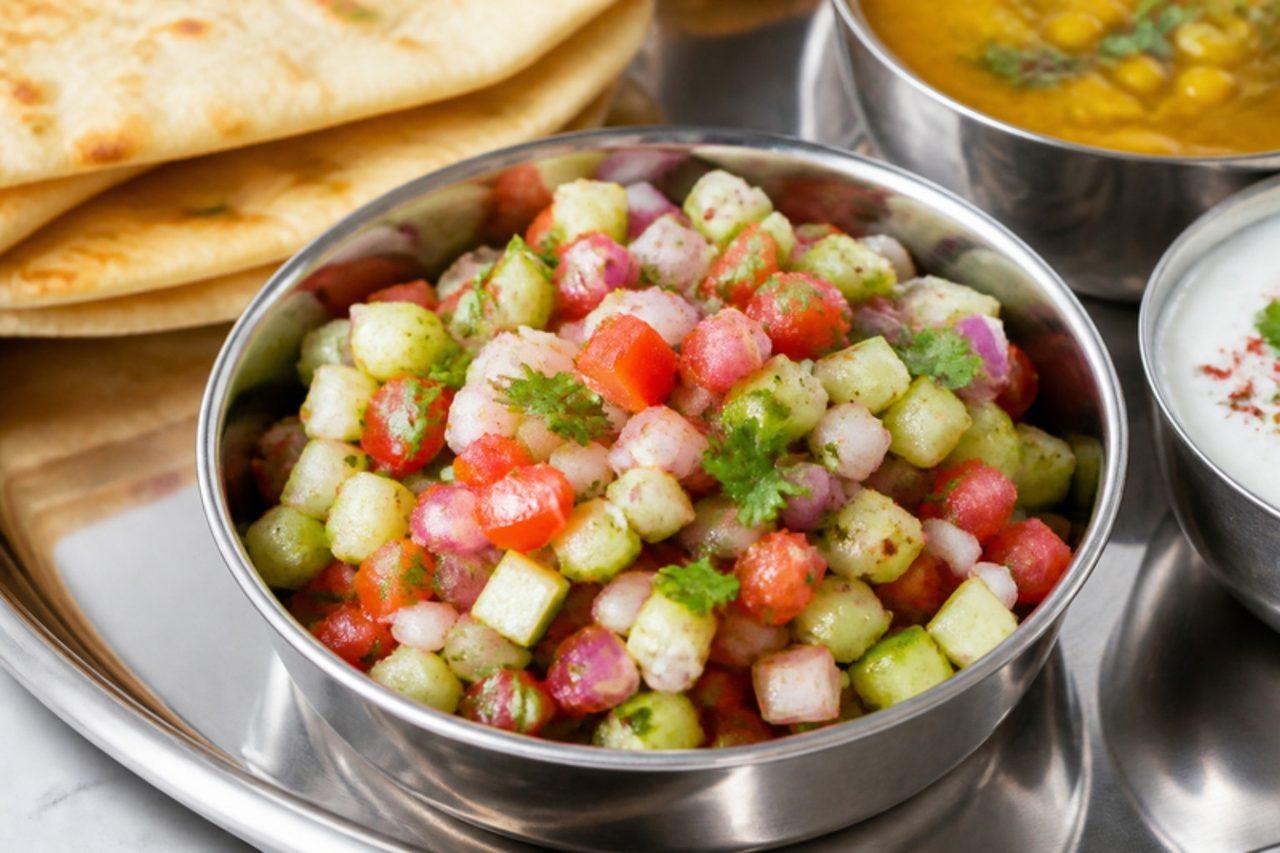
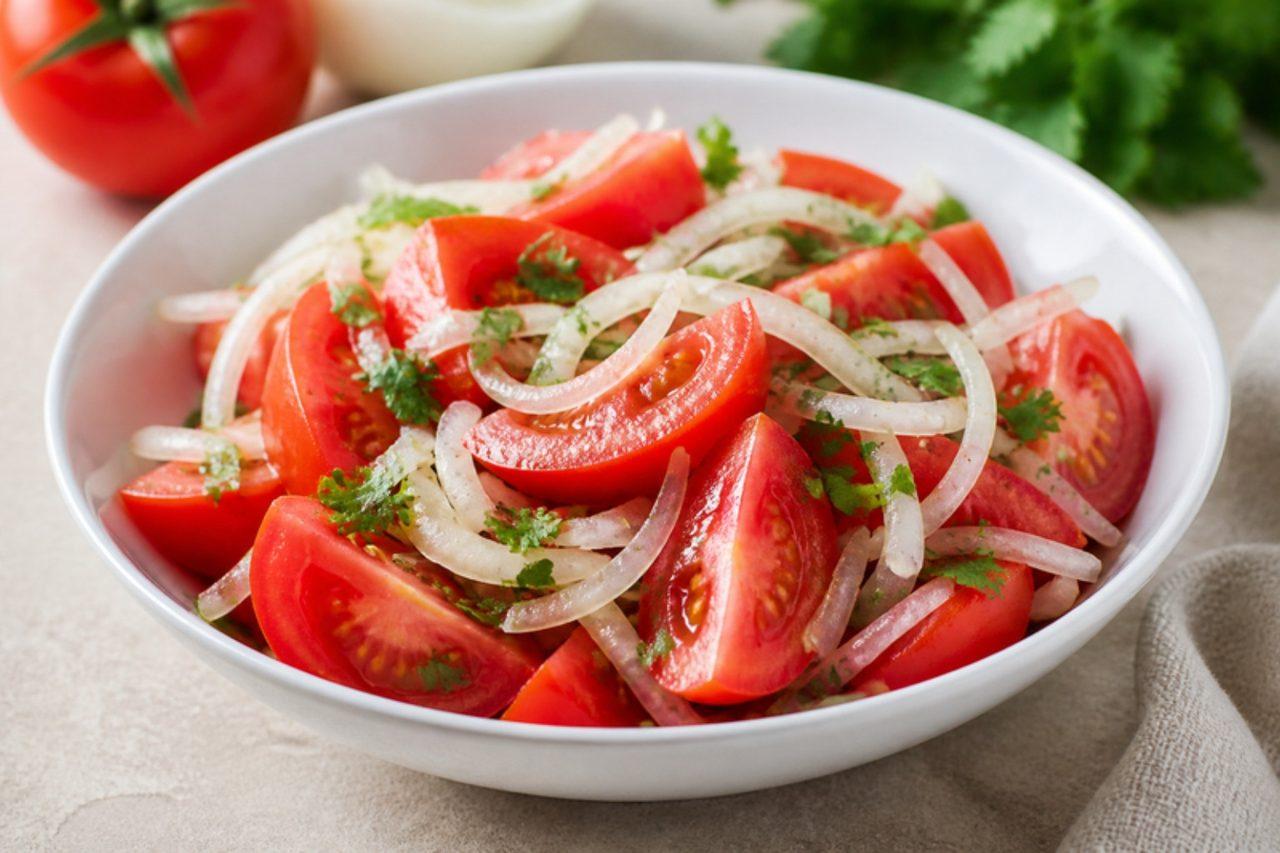
KachumberCucumber tomato onion salad

No North Indian or Gujarati thali is complete without a little heap of kachumber, the chopped salad that cuts through rich dal makhani, biryani or chhole in homes and dhabas from Delhi to Ahmedabad. Cucumber, tomato and onion are diced small and dressed only with lemon juice, salt, chilli and roasted cumin, so it stays crisp and sharp. A portion is about 40 kcal. The most common mistake is salting it too early; salt draws the water out of the cucumber and tomato and leaves a soggy puddle, so dress it just before serving. Chef's tip: soak the chopped onion in iced water for 5 minutes and drain; it loses its harsh bite and stays crunchy.

by KrazyBadal 0 views

UlavacharuHorse gram soup

Horse gram (ulavalu) was once the grain fed to horses and the poorest farmers in the dry Rayalaseema and Krishna districts; today ulavacharu is a prized dish in Vijayawada restaurants, served with hot rice, a dot of ghee for those who eat it and fresh cream in the fancier places. The beans are boiled for a long time, and their dark, earthy cooking liquid is simmered down with tamarind, jaggery and spices into a thick, glossy, sweet-sour soup. A portion is about 210 kcal. The beans need soaking overnight first. The most common mistake is throwing away the cooking water: it is the soup. Chef's tip: let ulavacharu reduce slowly until it coats a spoon like thin gravy; that thick, almost syrupy finish is what separates it from rasam.

by KrazyBadal 0 views

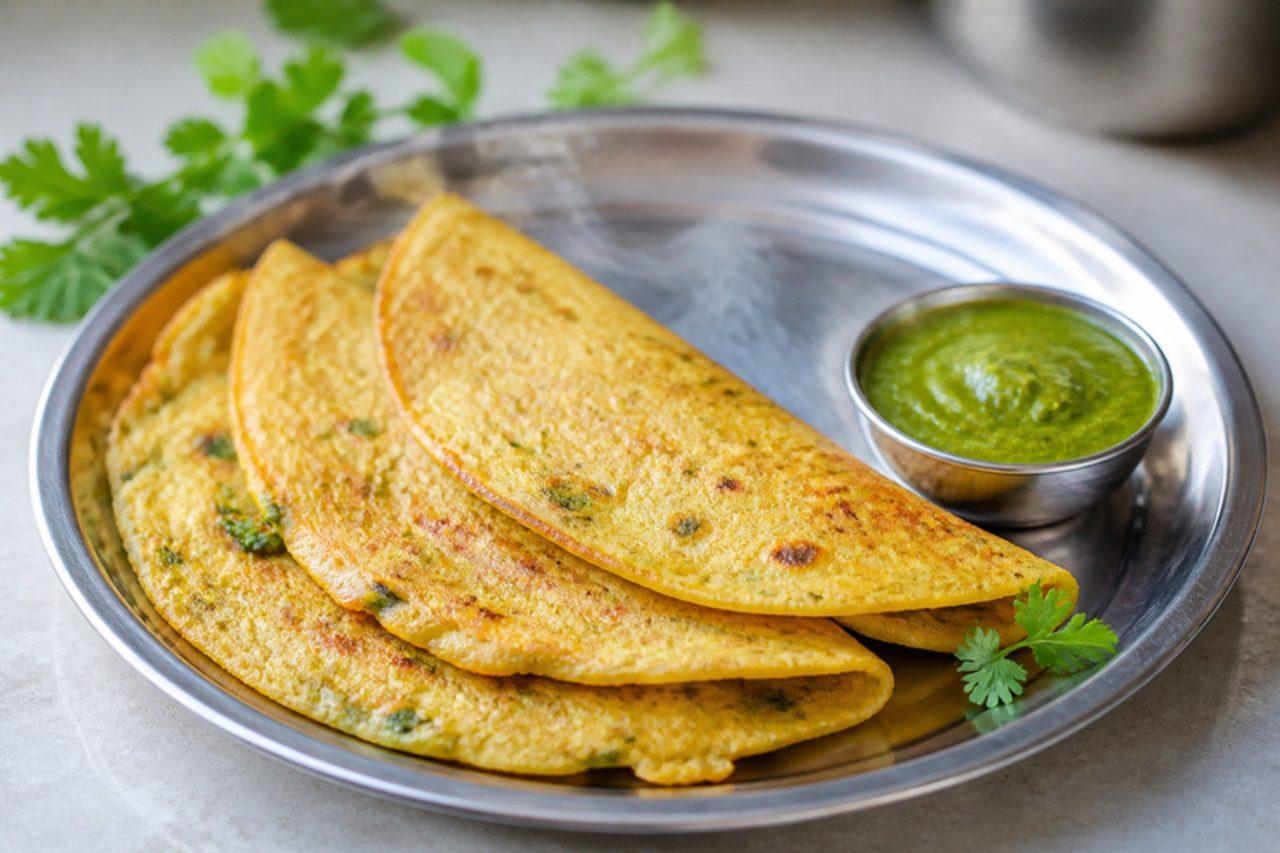
Moong dal chillaMoong dal pancakes

In Jaipur and Lucknow, a stack of chilla is what a careful mother makes on a weekday morning when she wants the family to eat protein before school: soaked yellow moong dal is ground with ginger and chilli into a pale batter and spread thin on a hot tawa. They come off golden at the edges and soft in the middle, and are eaten with green chutney or rolled around a spoon of grated paneer for those who want more. Two chillas make a portion of about 205 kcal. The dal needs 3 hours of soaking first (or overnight), which is not counted in the times. The most common mistake is a batter that is too thick: it should pour like single cream, or the chilla turns stodgy and cracks when you flip it. Chef's tip: wipe the tawa with a halved onion dipped in oil between chillas; it greases the pan lightly and stops sticking without extra oil.

by KrazyBadal 0 views

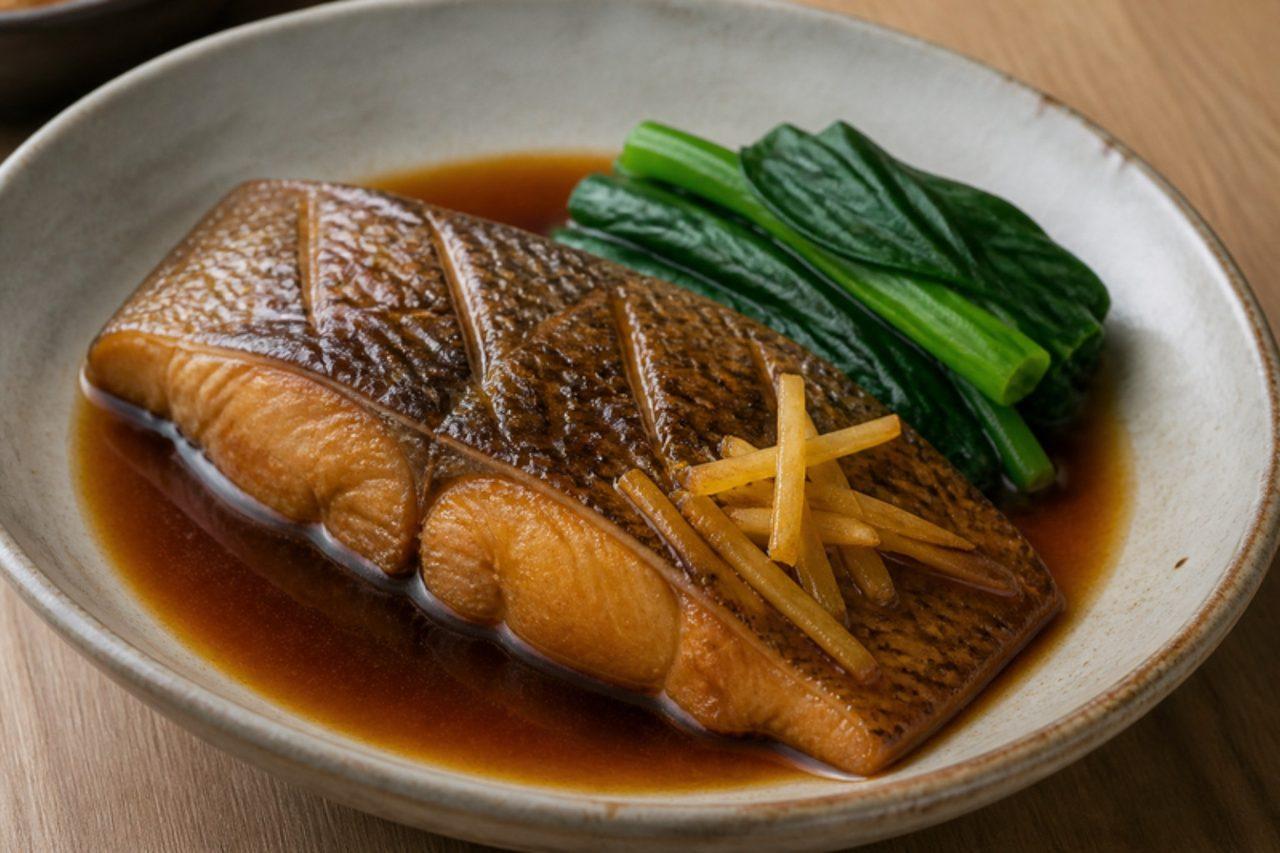
Karei no nitsukeFlounder in sweet soy

Nitsuke is the quick, glossy way Japanese home cooks simmer white fish, and flounder (karei) is the classic, especially in Hokkaido and along the Sea of Japan coast, where it is bought whole and cut into steaks at the fishmonger's. The fish cooks in only 10 minutes in a small amount of soy, sake, mirin and sugar with ginger, spooned over until it glistens; the flesh stays soft and sweet. Serve with rice and a green vegetable, and the broth to spoon over the rice. A portion is about 210 kcal. Sake and mirin contain alcohol, boiled off before the fish goes in; the notes give swaps. The most common mistake is putting fish into cold liquid; it must go into boiling broth so the surface sets at once and the flesh doesn't go mushy. Chef's tip: use a pan just big enough for the fish in one layer, so the small amount of broth reaches all of it.

by KrazyBadal 0 views

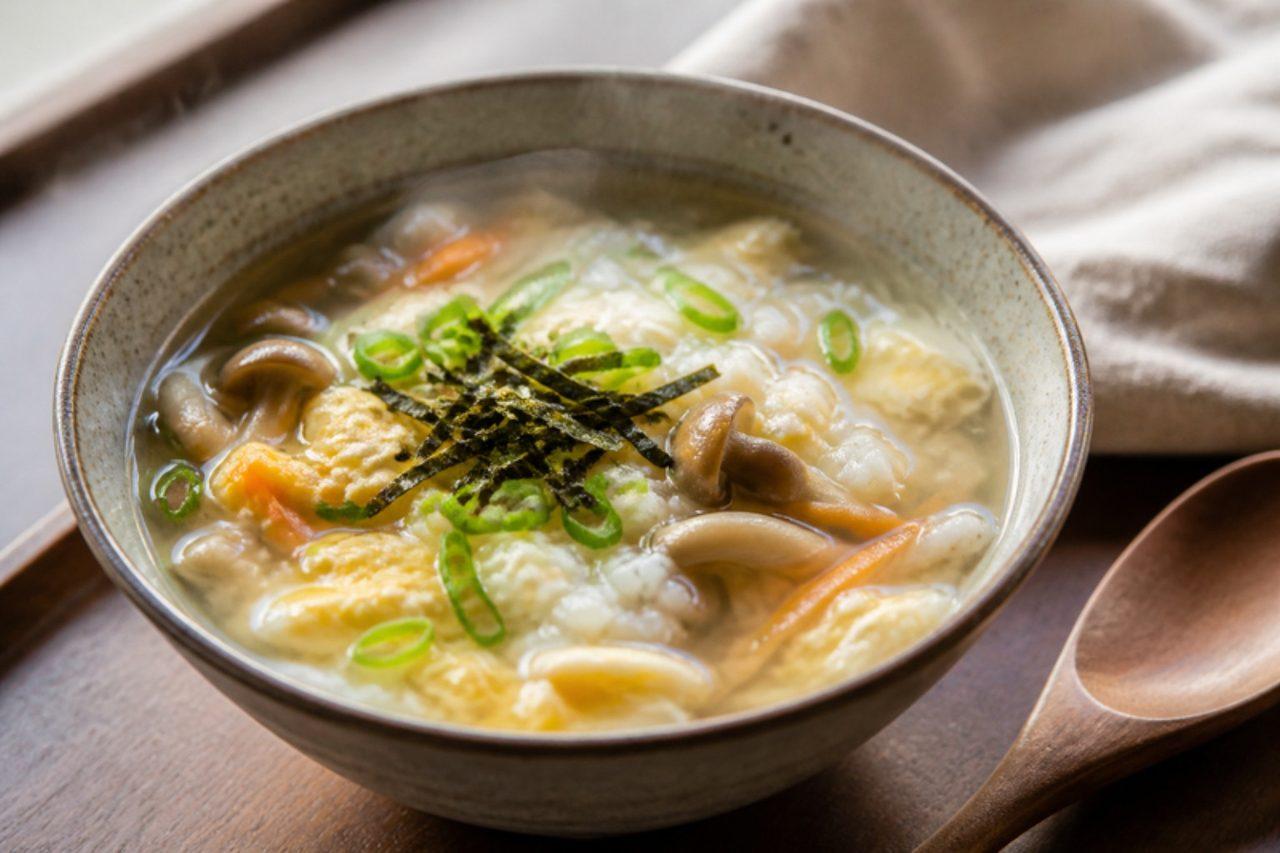
ZosuiRice and vegetable soup

In Japan, zosui is what happens to the last of the hotpot broth: when the nabe is nearly finished, leftover rice goes into the pot with beaten egg, and everyone shares the soft, savoury porridge at the end. It is also the light dish made at home for upset stomachs and cold nights, using any rice from the cooker. This version uses kombu-shiitake dashi, mushrooms and greens. Eggs are an allergen. A portion is about 260 kcal. The common mistake is stirring the rice too much, which turns it gluey like okayu; zosui should be loose, with separate grains in clear broth. Chef's tip: rinse the cooked rice briefly in a sieve before adding it; it washes off surface starch and keeps the broth clear.

by KrazyBadal 0 views

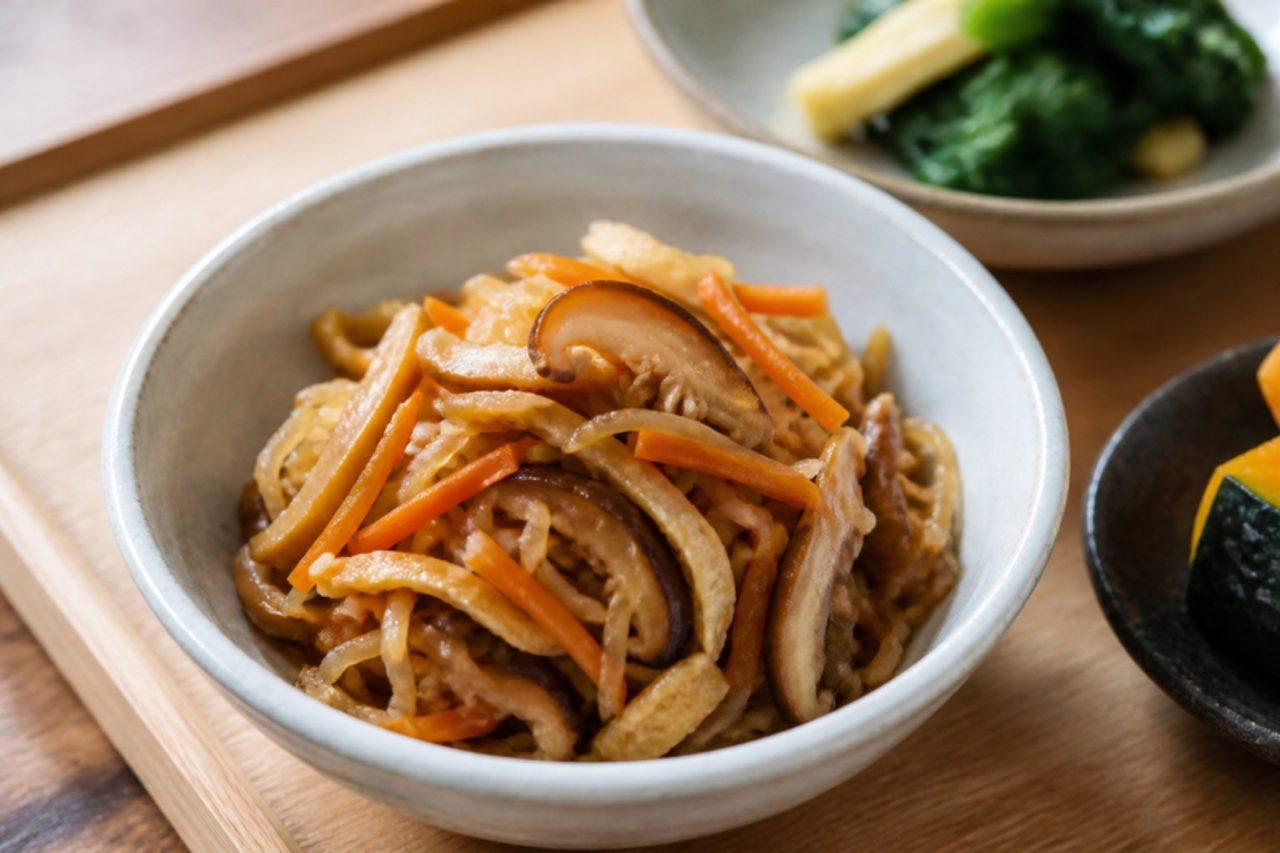
Kiriboshi daikon no nimonoSimmered dried daikon

Kiriboshi daikon, radish cut into thin strips and dried in the winter sun, is a pantry staple in Miyazaki, where most of it is made, and in homes all over Japan; simmered with carrot and thin fried tofu it becomes a brown, sweet-savoury side that fills bento boxes and the small plates of a home dinner. The dried strips have a deeper, sweeter flavour than fresh daikon and a pleasant chew. This vegetarian version uses kombu-shiitake dashi. A portion is about 95 kcal. The common mistake is soaking the dried daikon for too long; 10–15 minutes is enough, or it goes limp and loses its sweetness. Chef's tip: keep the soaking water and use a little of it in the broth; it is full of flavour.

by KrazyBadal 0 views

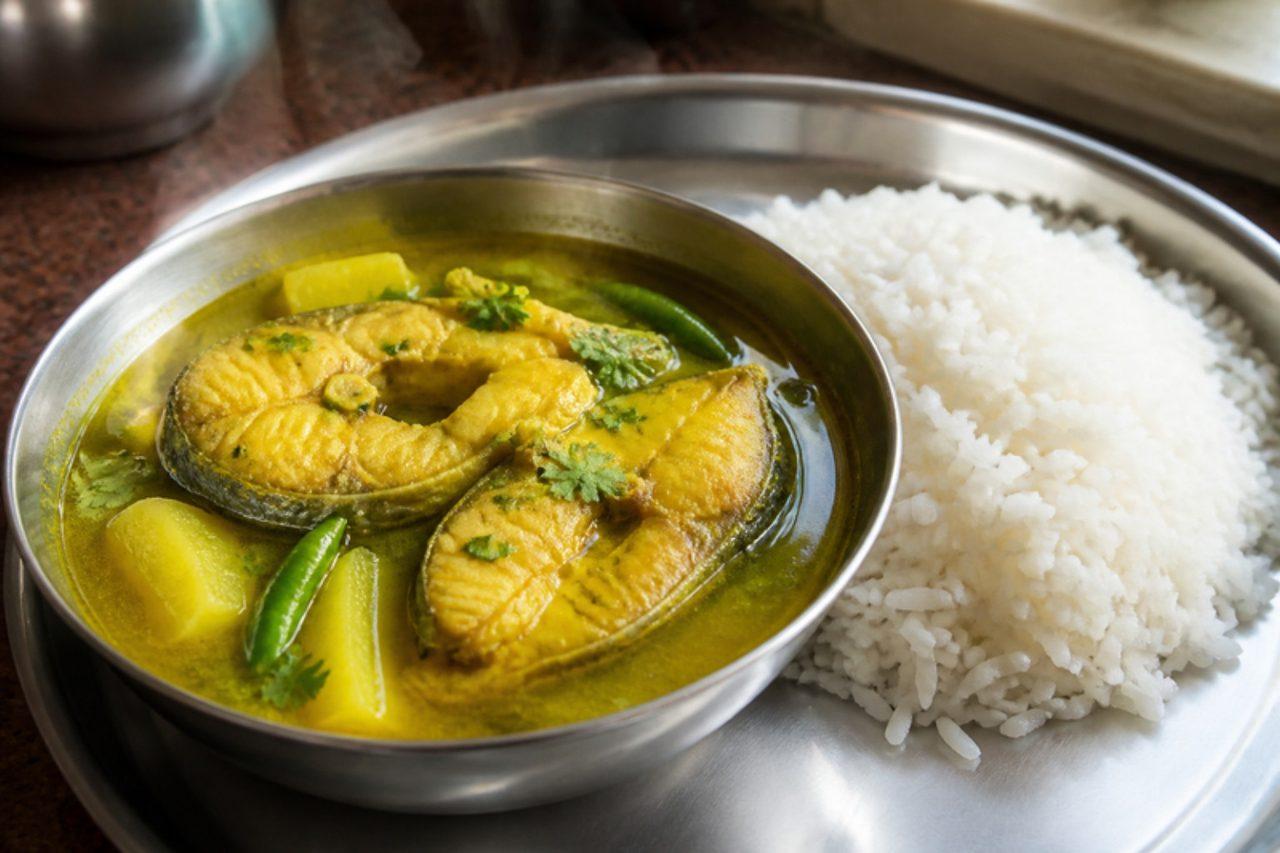
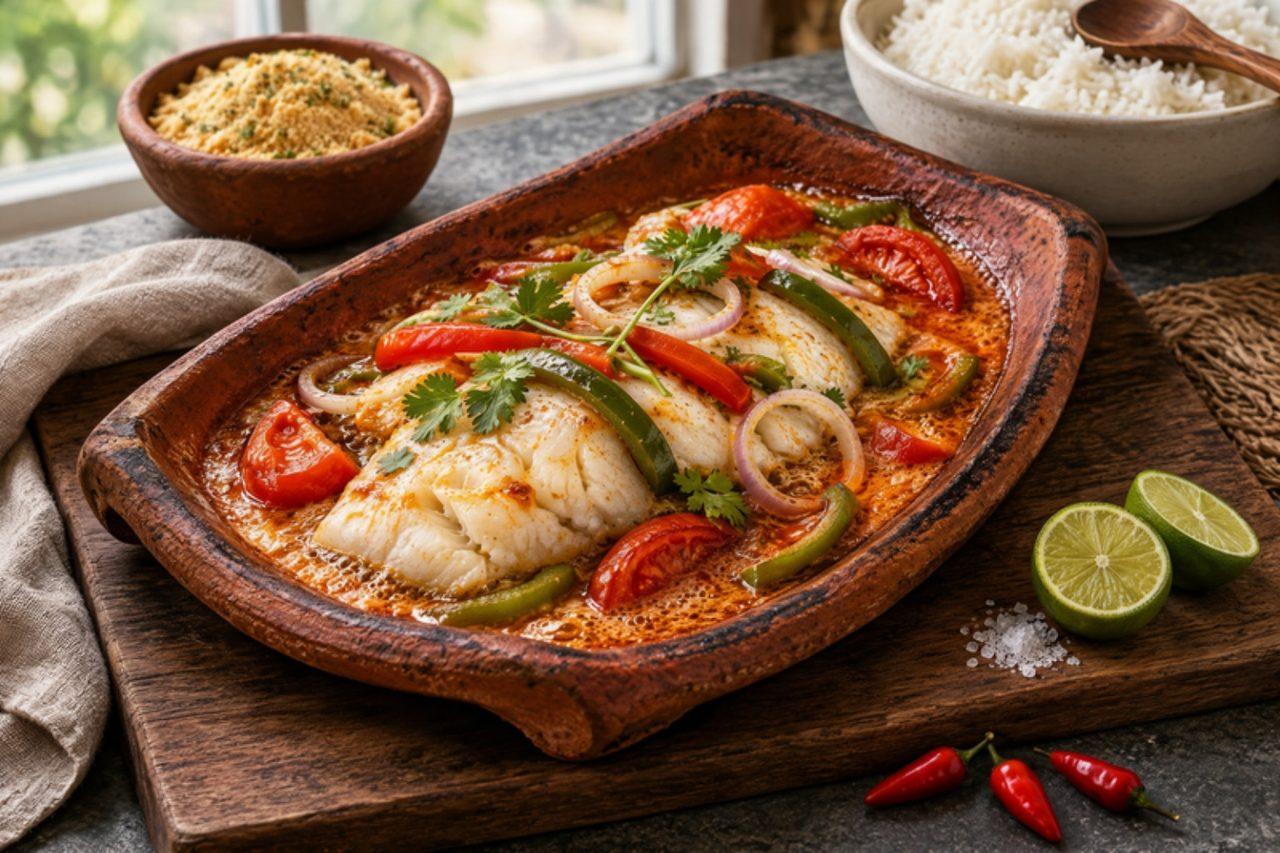
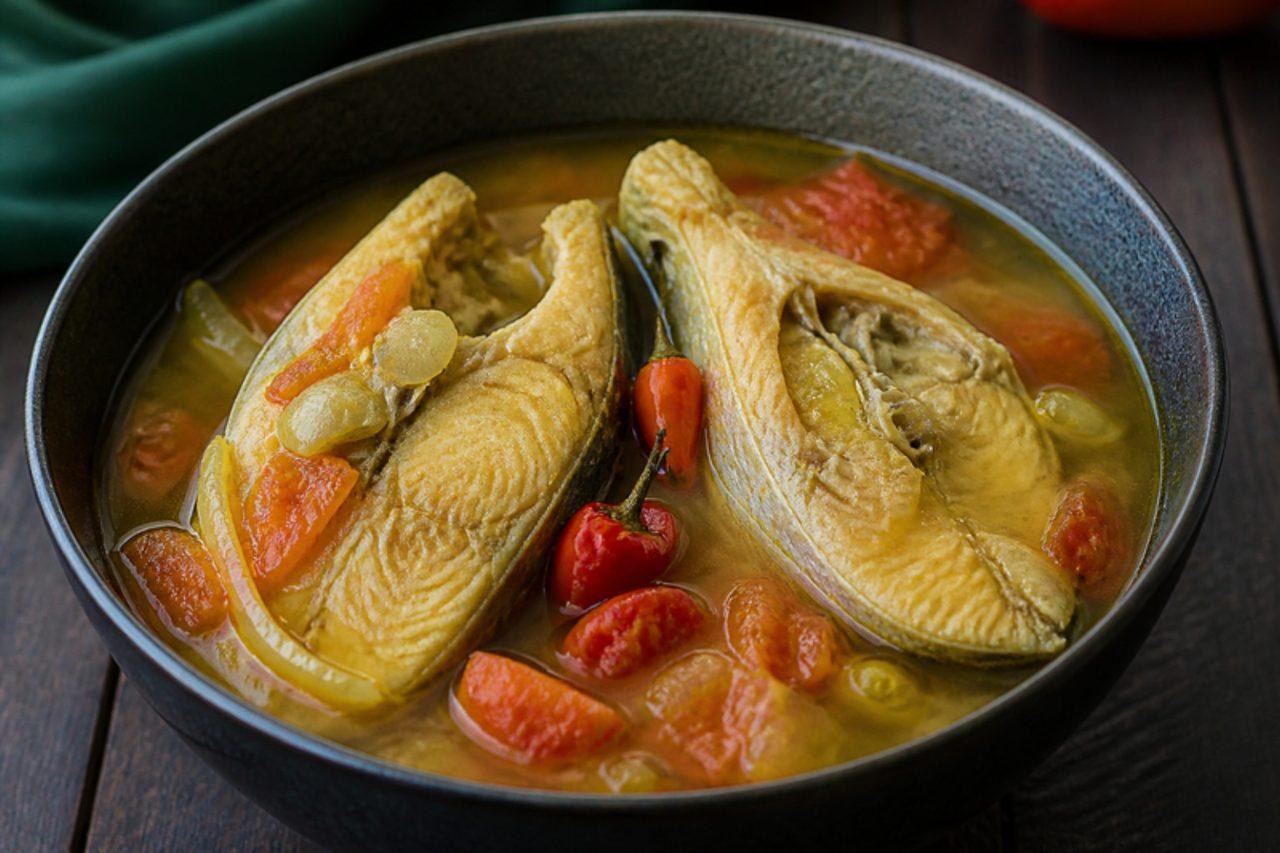
Macher jholLight fish curry

Macher jhol is the dish Bengalis miss most when they leave Kolkata: a thin, turmeric-yellow broth with pieces of rohu or catla, a few potato wedges and sometimes cauliflower or aubergine, eaten every day with plain rice at lunch. It is light, gently spicy with ginger and cumin, and finished with green chillies and coriander; it is the dish mothers make for children and anyone recovering from illness. A portion is about 260 kcal. The most common mistake is skipping the light frying of the fish, or frying it too long; a minute or two each side seals it and keeps it from breaking in the broth. Chef's tip: rub the fish with turmeric and salt for 10 minutes before frying; it firms the flesh and takes away any muddy taste of river fish.

40 minIndianFishGluten free
by KrazyBadal 0 views

Zupa jarzynowaMixed vegetable soup

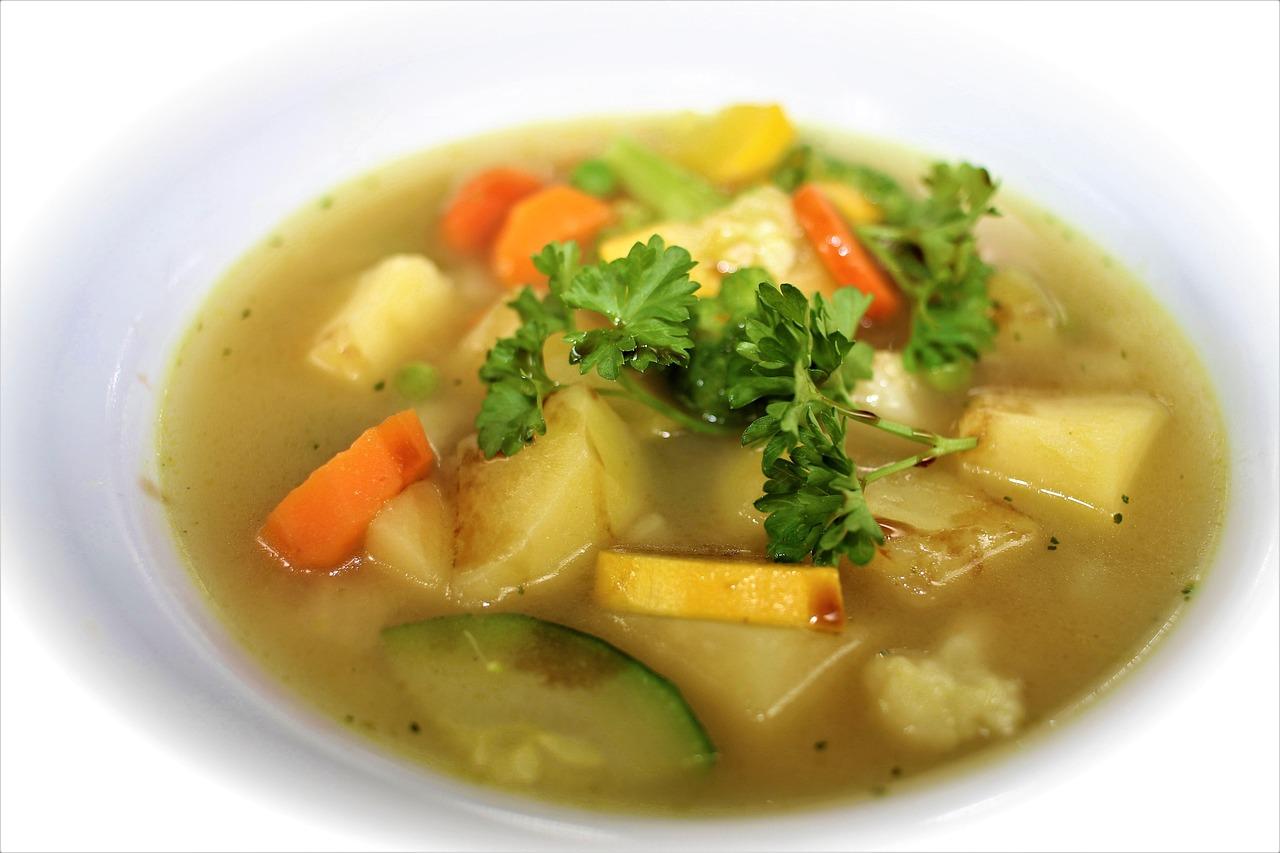
Zupa jarzynowa is what a Polish kitchen makes when the vegetable drawer needs clearing: carrots, parsley root, celeriac, potatoes, cauliflower, green beans and peas, all diced small and simmered in one pot. From Białystok to Szczecin it is the Monday soup, the canteen soup and the soup for anyone off their food, and it is eaten with bread and a swirl of soured cream. A common mistake is putting everything in at once, so the beans and peas turn khaki and soft. Chef's tip: add the vegetables in stages, roots first, green things last, and every spoonful has a bit of bite.

by KrazyBadal 0 views

Gomoku mameSimmered mixed beans

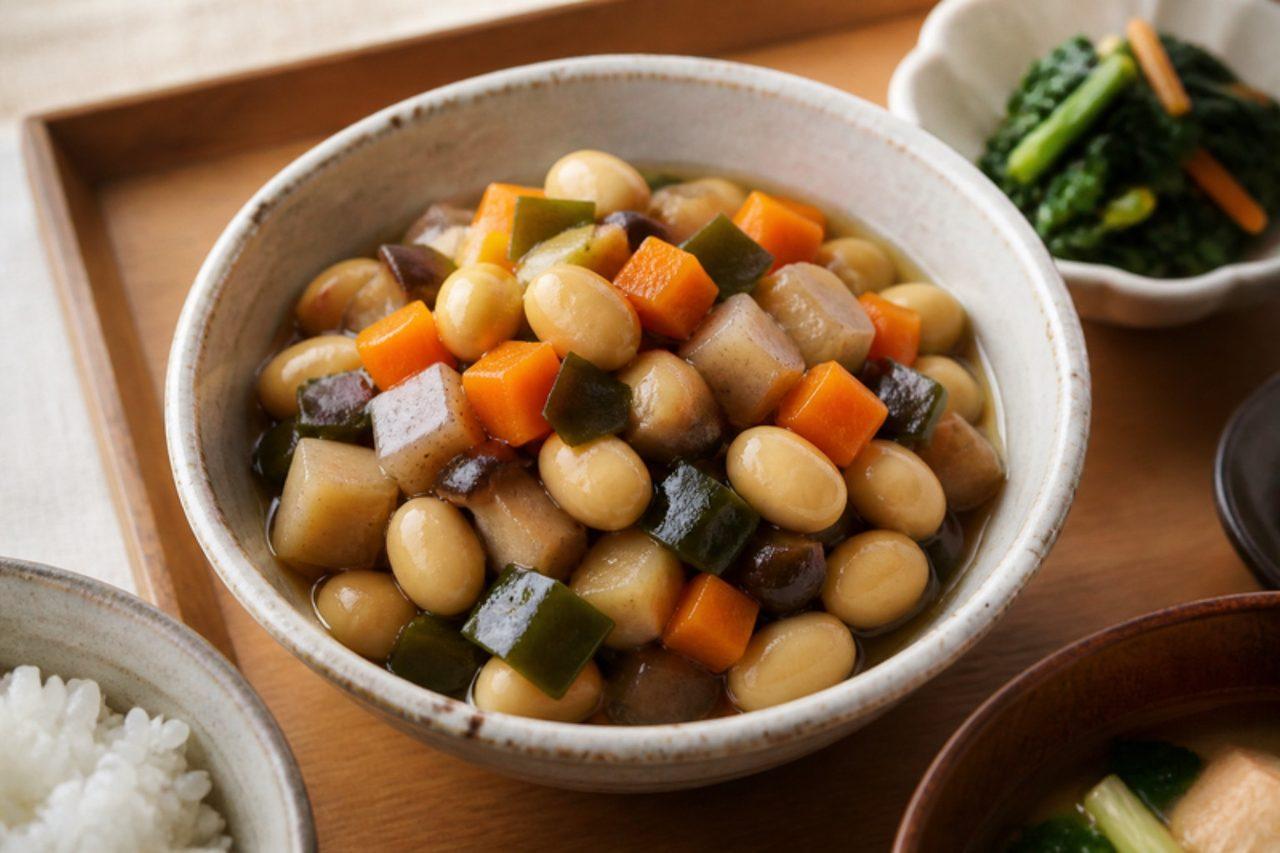
Gomoku mame, "five-ingredient beans", is a pot of soybeans simmered with kombu, carrot, burdock, konnyaku and shiitake that grandmothers across Japan make on a Sunday and keep in the fridge for a week of small side dishes and bento, and it is often part of the New Year spread too. Every piece is cut to the size of a bean, so each spoonful has a little of everything, sweet, savoury and full of protein. This is vegetarian, with no bonito. A portion is about 150 kcal. Using cooked soybeans makes it a 45-minute dish; from dried, soak 150 g overnight and boil for 1 hour first. The usual mistake is cutting the vegetables in large chunks; they should be the size of the beans. Chef's tip: let it cool in its broth; the beans soak up the flavour as the temperature drops.

by KrazyBadal 0 views

Tororo gohanMountain yam over barley rice

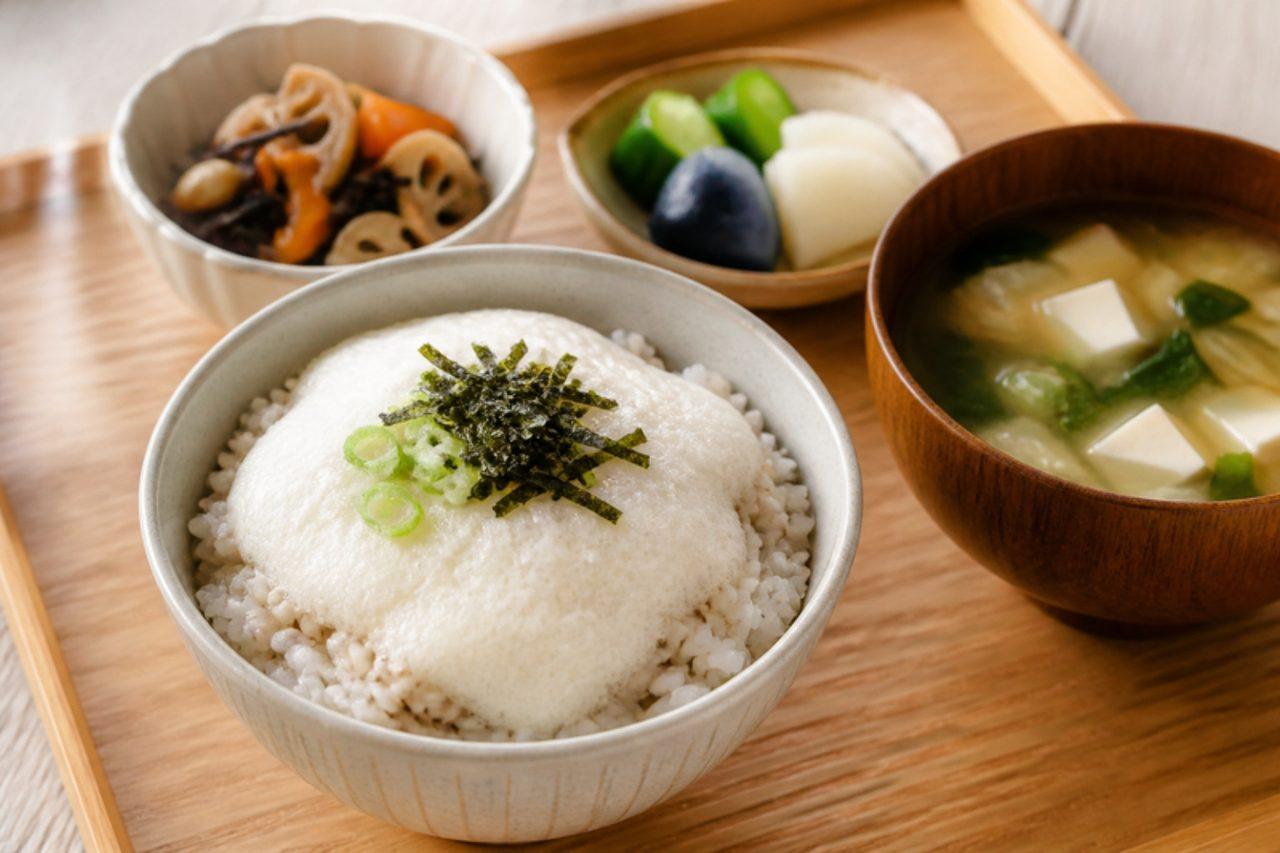
Tororo gohan is the speciality of Mariko-juku in Shizuoka, a post town on the old Tokaido road where travellers have stopped for bowls of it for four centuries, and it is now a simple, nourishing lunch all over Japan. Raw nagaimo (Chinese yam) is grated into a frothy, slippery purée, thinned with cool seasoned dashi and poured over hot barley rice, then topped with spring onion and nori. It sounds strange and tastes clean and comforting. This version uses vegetarian kombu dashi. A portion is about 330 kcal. Many people add a raw egg yolk: use a pasteurised egg if you do, especially for anyone pregnant, very young, older or with a weakened immune system. The common mistake is letting the dashi go in hot, which cooks the yam and loses its fluffiness; it must be cool. Chef's tip: grate the yam on the fine side of a grater, or the rough side of a suribachi bowl, and wear gloves; the raw sap can make skin itch.

by KrazyBadal 0 views

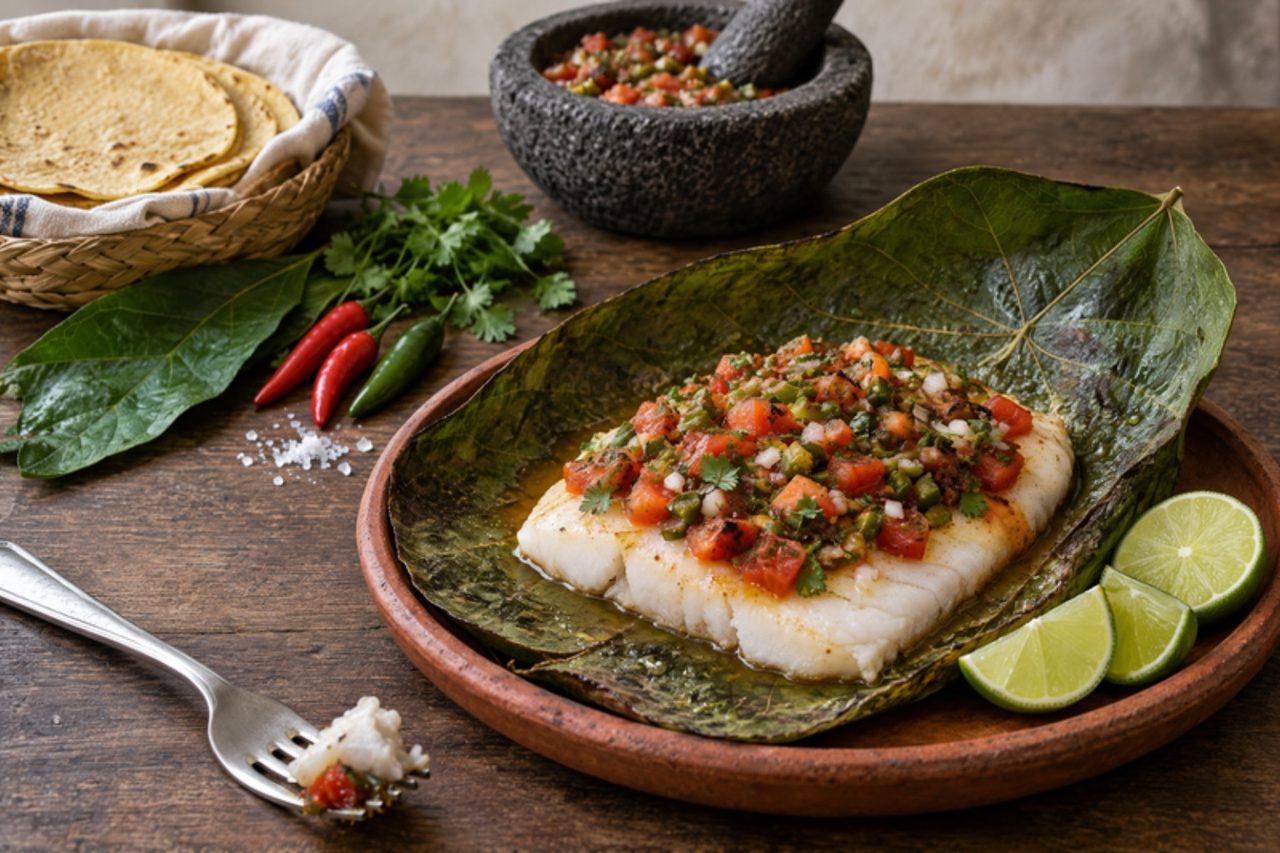
Patra ni machhiSteamed fish in green chutney

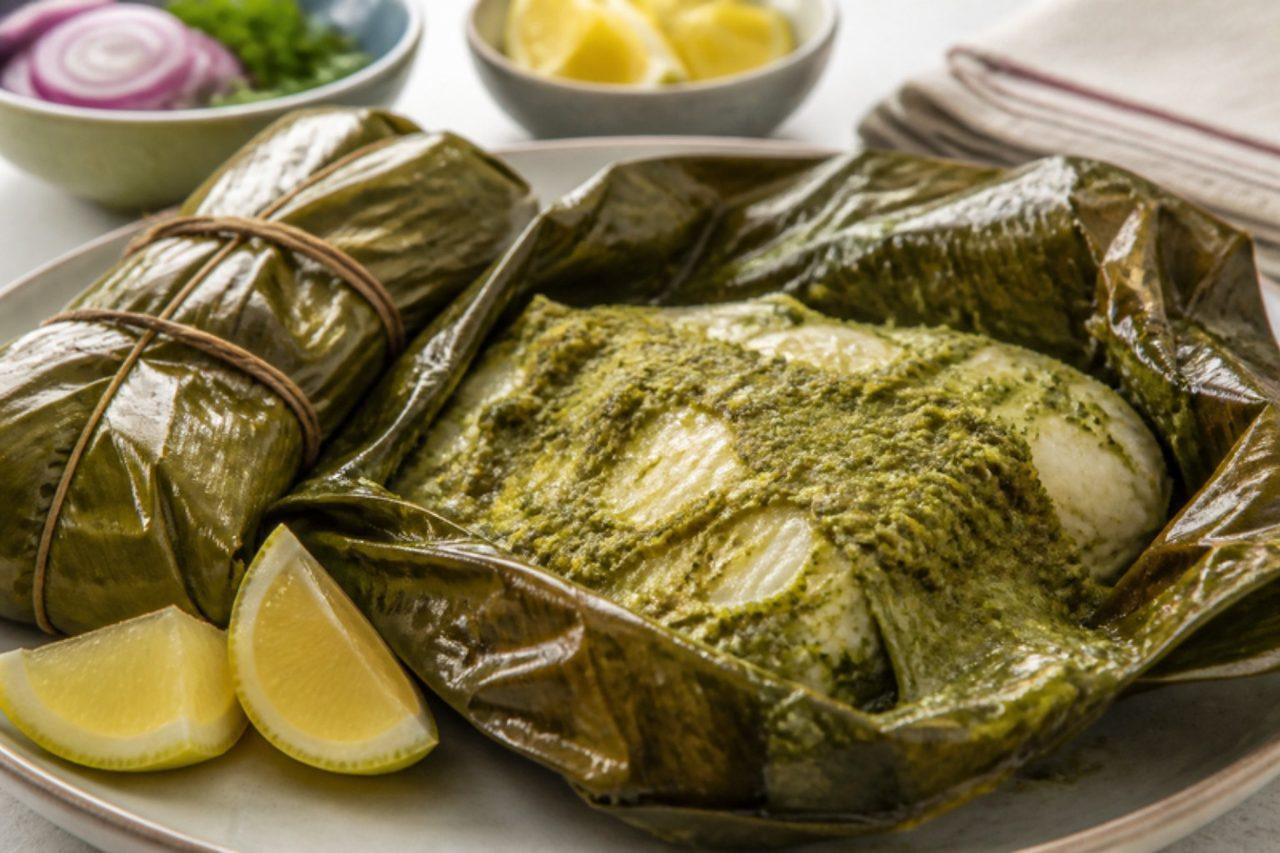
No Parsi wedding feast in Mumbai or Navsari, the lagan nu bhonu, is complete without patra ni machhi: pieces of pomfret smothered in a bright green chutney of coconut, coriander, mint, green chilli and lime, wrapped in banana leaves and steamed. When the parcels are opened at the table the fish is moist and tender and the chutney tangy and fragrant. It is also an easy, light dinner at home. A portion is about 240 kcal. The common mistake is steaming too long: thin fillets need only 12–15 minutes, and overcooked fish turns dry and chalky. Chef's tip: pass the banana leaves briefly over a gas flame or dip them in hot water first; they turn soft and glossy and fold without tearing. Foil works if you can't get leaves.

35 minIndianFishGluten free
by KrazyBadal 0 views

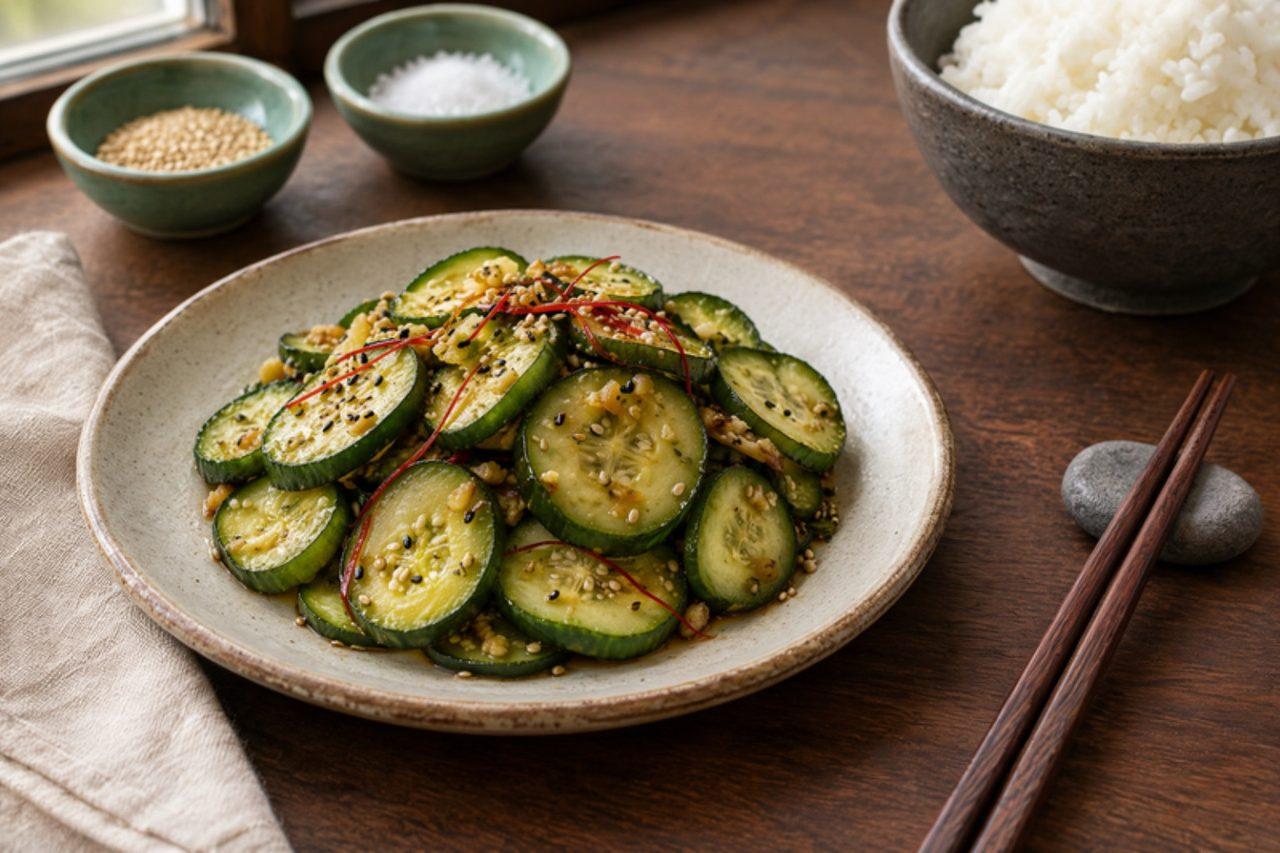
Aehobak bokkeumStir-fried courgette

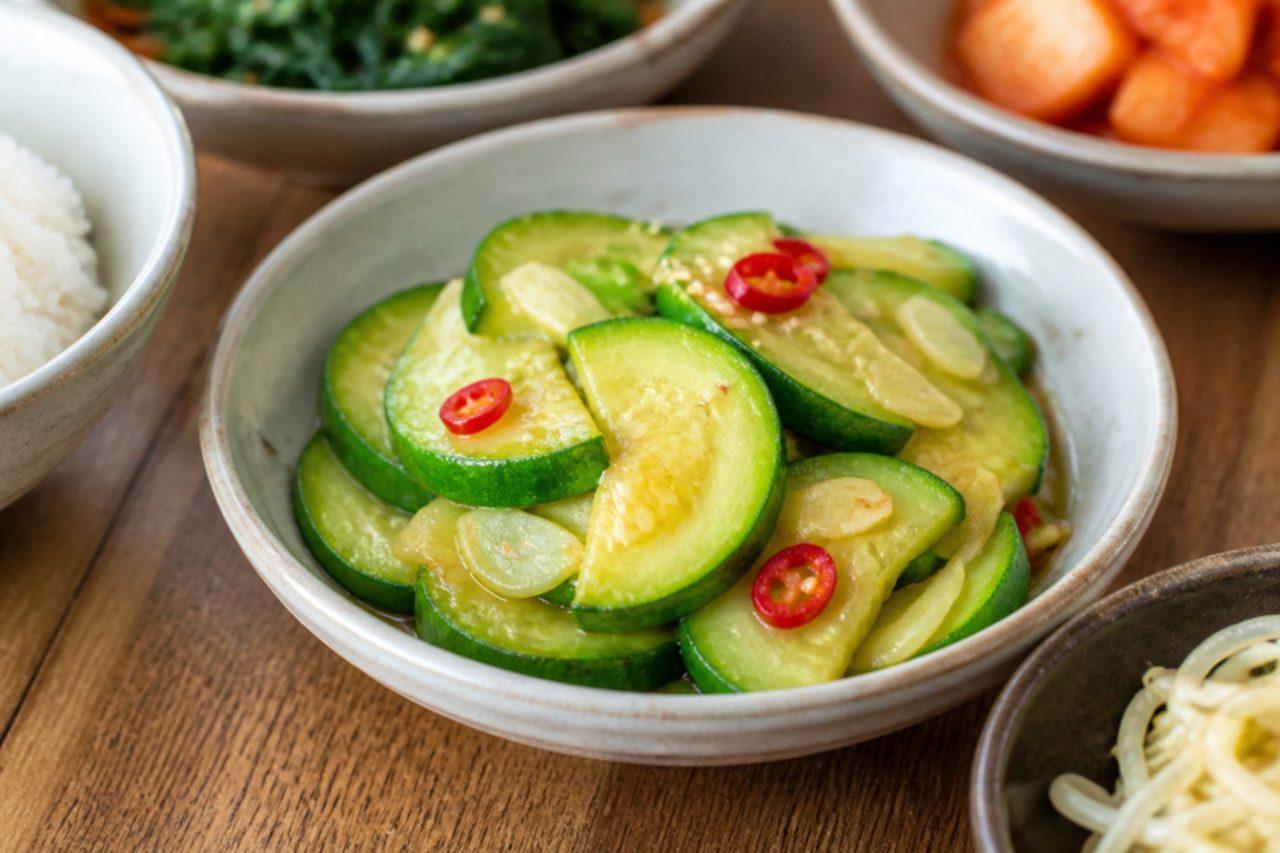
Aehobak, the pale green Korean courgette, is in every market from Gwangjang in Seoul to Busan's Jagalchi all summer, and a quick stir-fry of it is one of the banchan most often on the family table and in school lunches. Half-moon slices are lightly salted, then stir-fried with garlic until just tender and glossy, and finished with sesame. Many homes season it with saeujeot, salted shrimp; this version uses salt and a little soy instead, so it is vegan. A portion is about 45 kcal. The common mistake is overcooking, which leaves limp, watery slices; cook it hot and fast and take it off while the slices still have a little bite. Chef's tip: salting the slices for 10 minutes and patting them dry keeps them firm and stops the pan filling with liquid.

by KrazyBadal 0 views

Filmjölk with muesliSoured milk with muesli

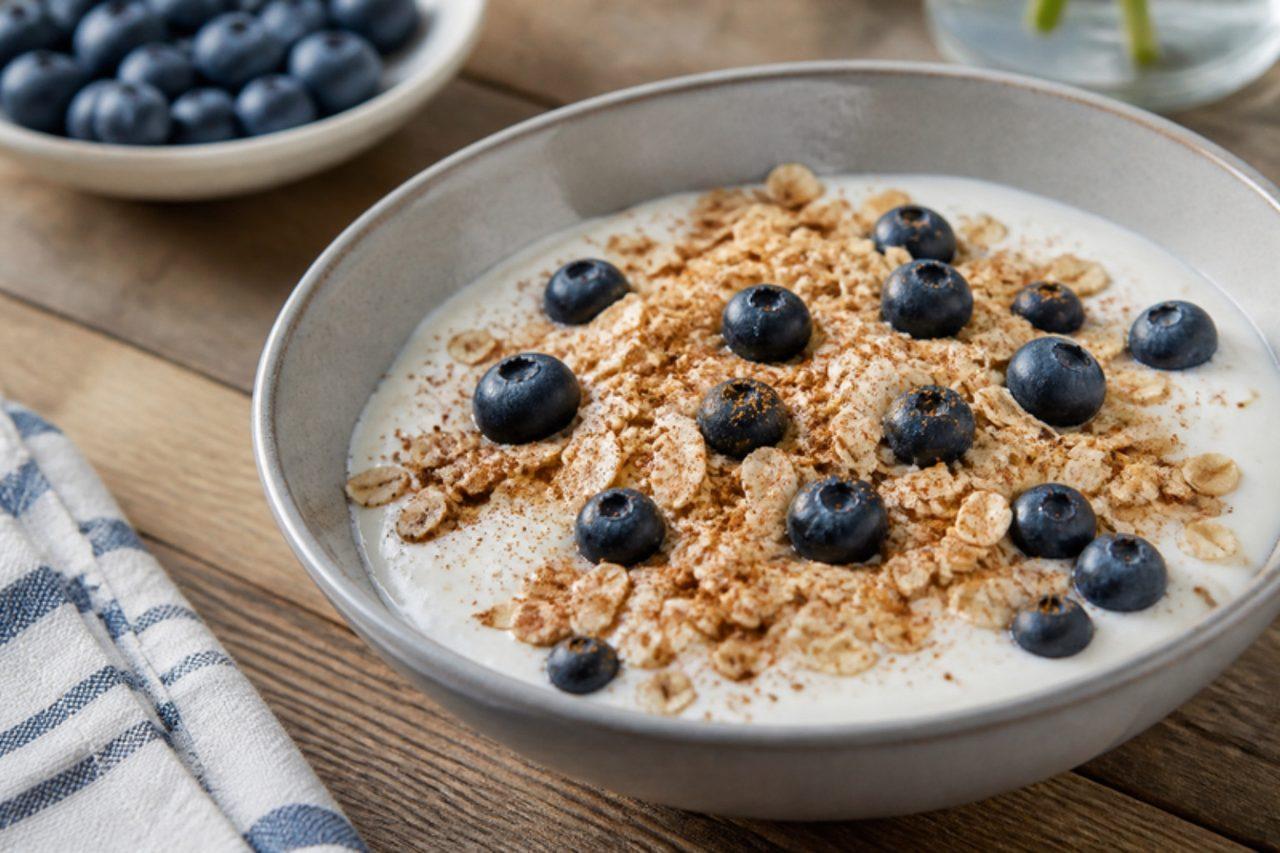
Swedish breakfast tables, from Stockholm flats to Norrland cabins, almost always have a carton of filmjölk: a mild, pourable cultured milk that is less sour than yogurt and thinner than kefir. It goes into a deep plate, never a glass, with muesli, fresh berries and a dusting of cinnamon. Here you can make your own filmjölk by culturing milk with a few spoons of shop-bought filmjölk or buttermilk. A common mistake is warming the milk too much, which kills the culture. Chef's tip: let it set at warm room temperature, about 20–22 °C, for 24 hours until it wobbles like soft custard.

by KrazyBadal 0 views

Gajar matarCarrot and pea stir-fry

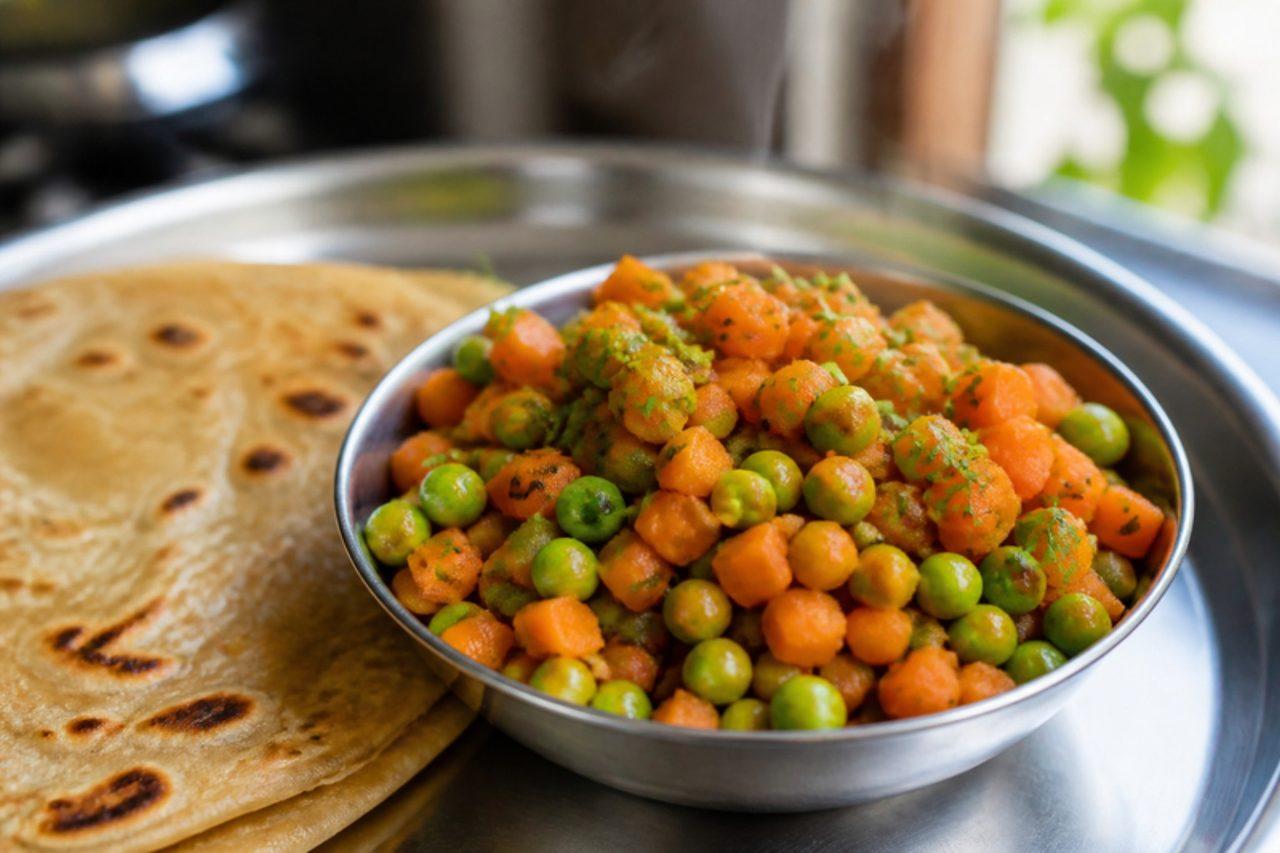
Come December, the carts in Delhi and Lucknow are full of long red Delhi carrots and pods of fresh peas, and gajar matar becomes the everyday sabzi of the season, packed into tiffins with paratha or eaten with dal and rice. Diced carrot and peas are cooked with cumin, a little ginger and dry spices until just tender and sweet. Children tend to like it for its colour and mild taste. A portion is about 120 kcal. The usual mistake is cutting the carrot too big, so the peas go wrinkly before the carrot is cooked; dice it to the size of a pea. Chef's tip: if you can find the red winter carrots, use them; they are sweeter and juicier than orange ones, so you need no sugar at all.

by KrazyBadal 0 views

Kambu koozhPearl millet porridge

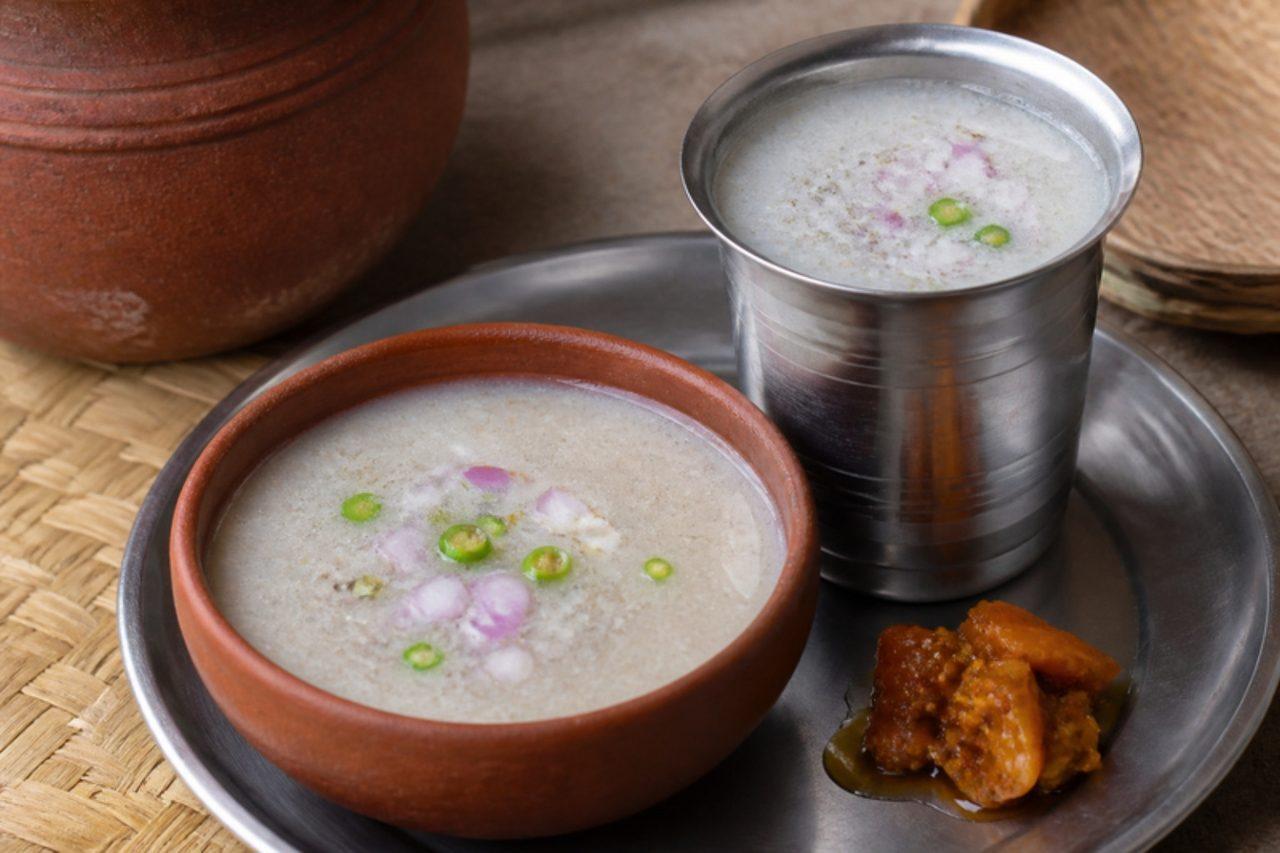
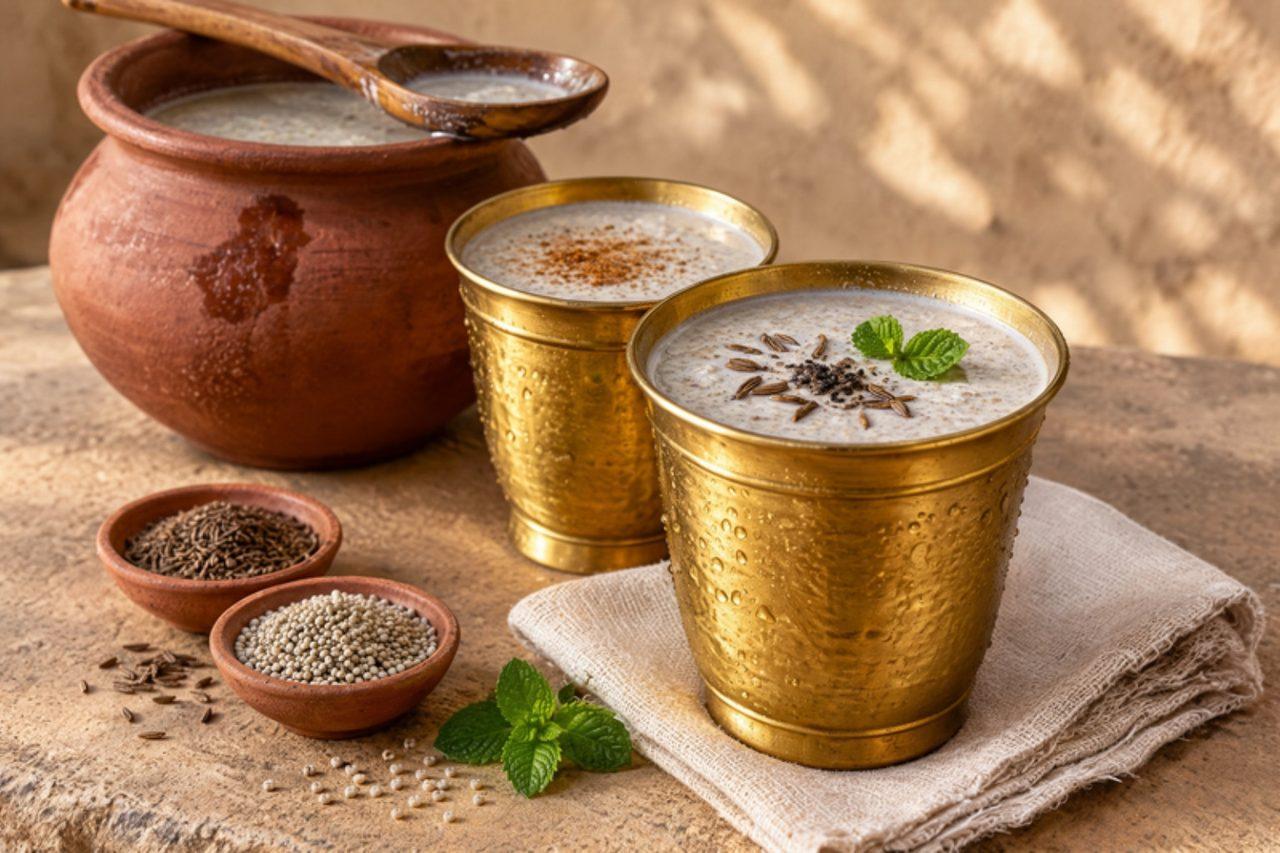
In the hot months in rural Tamil Nadu, and at the Aadi festival of the village goddesses, big clay pots of kambu koozh are made the evening before and ladled out cold at midday to farm workers and pilgrims. Pearl-millet flour is cooked into a thick porridge, left overnight to sour lightly, then thinned with buttermilk and salt and eaten with chopped raw shallots, green chilli and a bite of pickle. It is sour, filling and surprisingly refreshing. A glass is about 165 kcal. Allow 8–12 hours of fermenting, not counted in the times. The usual mistake is adding the buttermilk to warm porridge, which makes it grainy; it must be completely cold first. Chef's tip: cook the porridge in a clay or steel pot rather than non-stick; it ferments more evenly and gets that clean, tangy taste.

by KrazyBadal 0 views

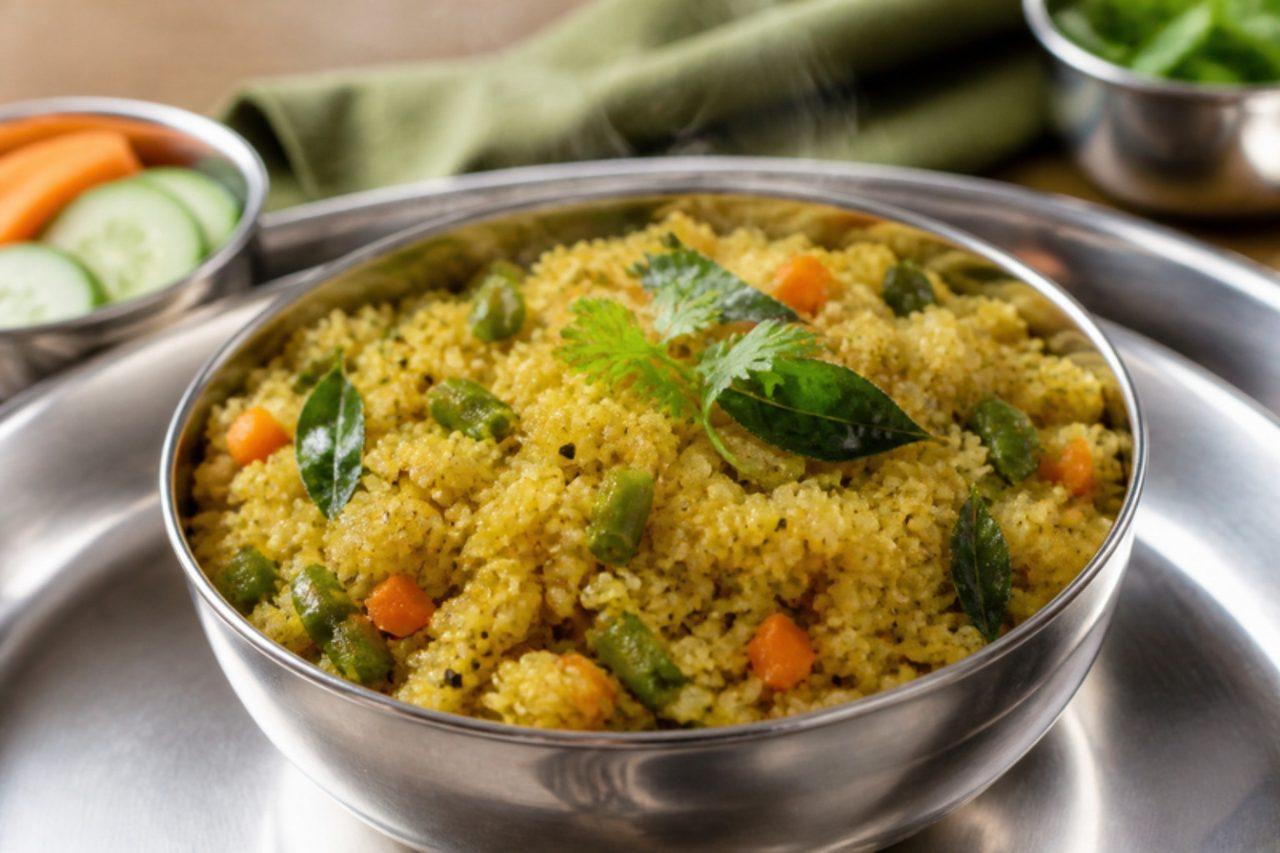
Thinai upmaFoxtail millet upma

Foxtail millet, thinai, was the grain of the Tamil hills long before rice took over, and in Coimbatore and Madurai it has come back into home kitchens as a lighter breakfast for diabetics and anyone watching their rice. Here it is cooked like a vegetable upma: a tempering of mustard seeds, urad and chana dal, then onion, carrot, beans and peas, and the rinsed millet simmered until each grain is fluffy and separate. A portion is about 250 kcal. The common mistake is too much water, which makes it gluey; use two and a half times the millet's volume and leave it covered off the heat to finish. Chef's tip: toast the rinsed millet in the pan for three minutes before the water goes in; it stays separate and tastes nuttier.

by KrazyBadal 0 views

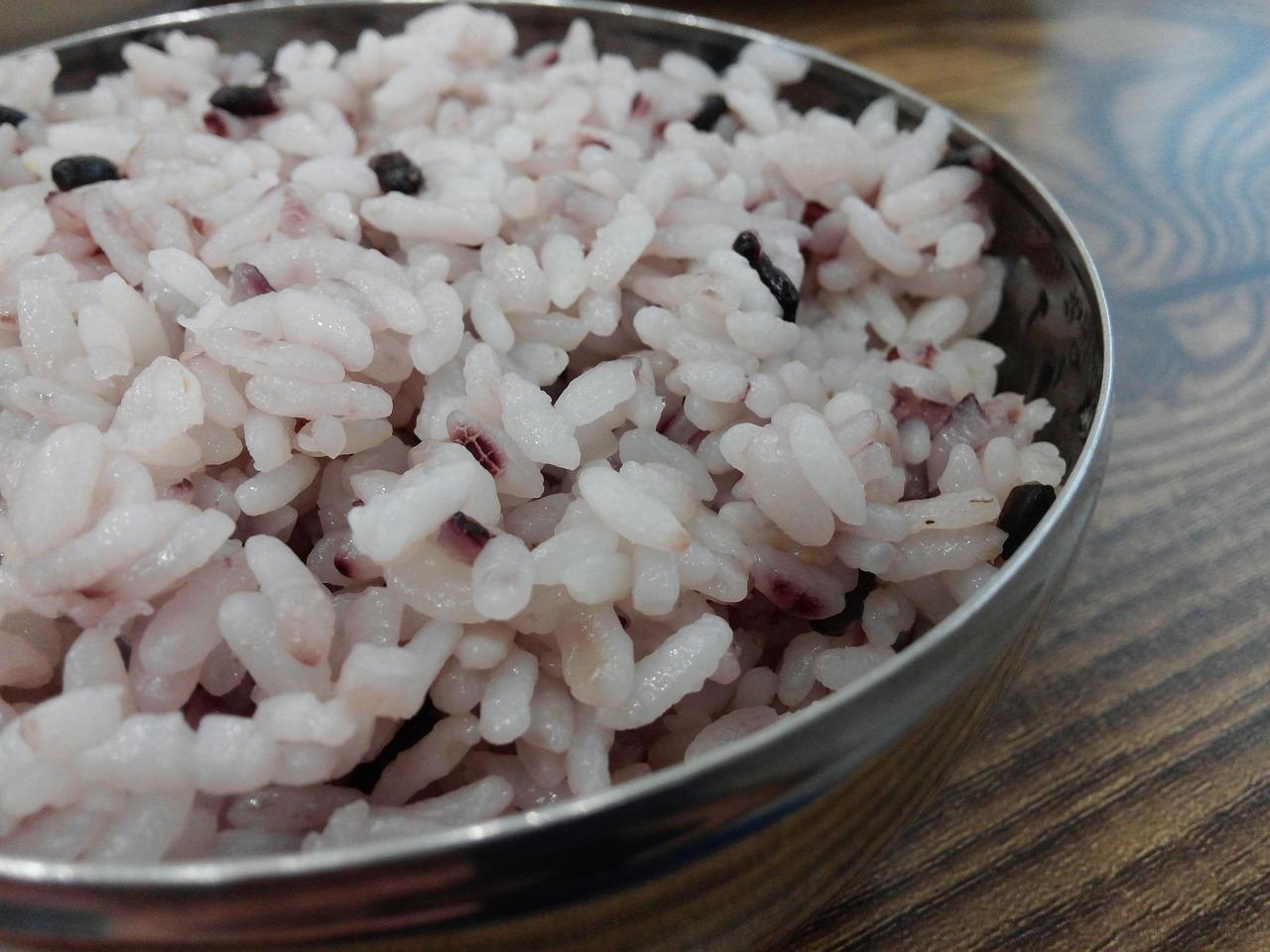
JapgokbapMultigrain rice

In Korean homes today, the bowl of rice beside the stew is more often japgokbap than plain white: short-grain rice cooked with a handful each of barley, brown rice, black rice, millet and beans, which turns it purple-grey, chewy and nutty. Supermarkets in Seoul sell ready-mixed bags of japgok for the rice cooker, and the habit goes back to times when rice was rationed and stretched with other grains. A portion is about 270 kcal, with far more fibre than white rice. The beans and brown grains need soaking: 4 hours or overnight (not counted). The common mistake is cooking it with the water for white rice; whole grains need about a quarter more. Chef's tip: soak the beans and brown grains separately from the white rice, which only needs 20 minutes; that way nothing ends up hard or mushy.

by KrazyBadal 0 views

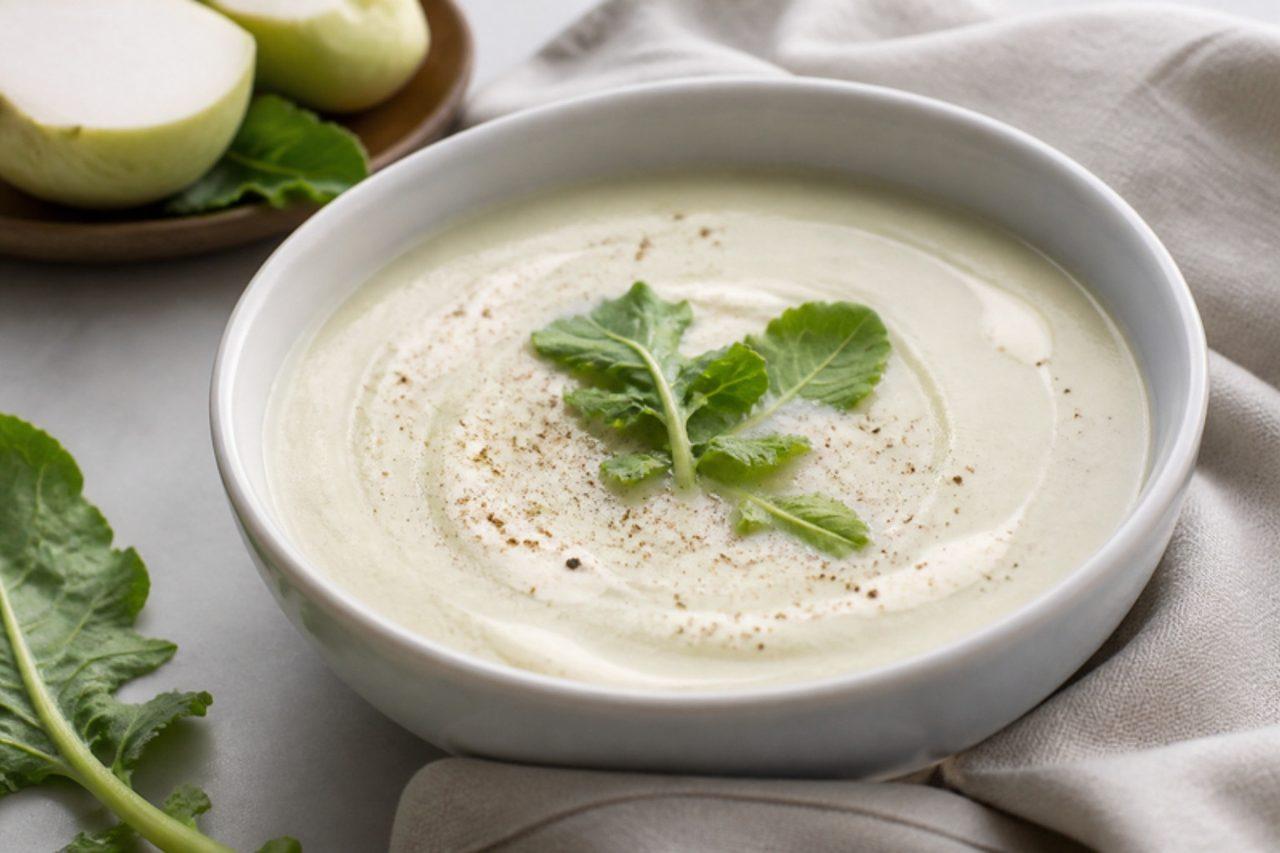
KohlrabisuppeKohlrabi soup

When the first pale-green kohlrabi arrive at market stalls in Hamburg, Bremen and across Lower Saxony in May, many families turn them into this gentle, creamy soup for a light lunch. Kohlrabi is cooked with a little potato for body, blended smooth and finished with cream, nutmeg and the bulb's own chopped young leaves, which taste like mild cabbage. Bread and butter is all it needs. A common mistake is leaving the woody lower part of the skin on: peel thickly, or fibres will spoil the texture. Chef's tip: keep the smallest, most tender leaves, shred them finely and stir them in raw at the end for colour and a fresh bite.

by KrazyBadal 0 views

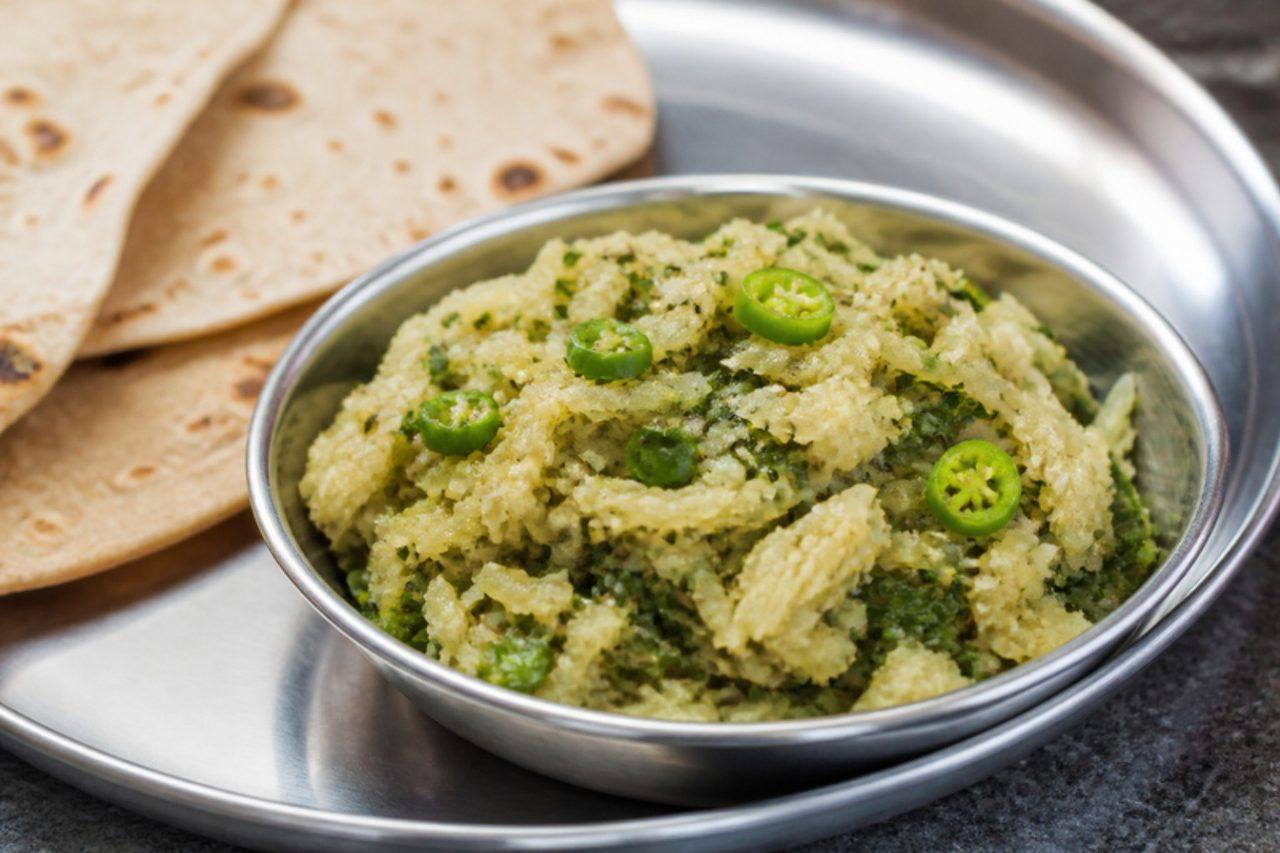
Mooli ki sabziRadish stir-fry

In Punjab and western Uttar Pradesh, radishes are bought with their leafy tops in the winter months, and nothing is wasted: the root is grated and the greens chopped, and both are cooked down with ajwain and green chilli into a soft, slightly sweet sabzi. It is eaten with makki or wheat roti and a spoon of white butter for those who are not counting, and it is very light without it. A portion is about 80 kcal. The usual mistake is skipping the squeeze: grated radish holds a lot of sharp-tasting water, so press it out first, or the sabzi turns soupy and bitter. Chef's tip: ajwain is the classic partner for radish; it softens the pungency and helps digestion, so don't leave it out.

by KrazyBadal 0 views

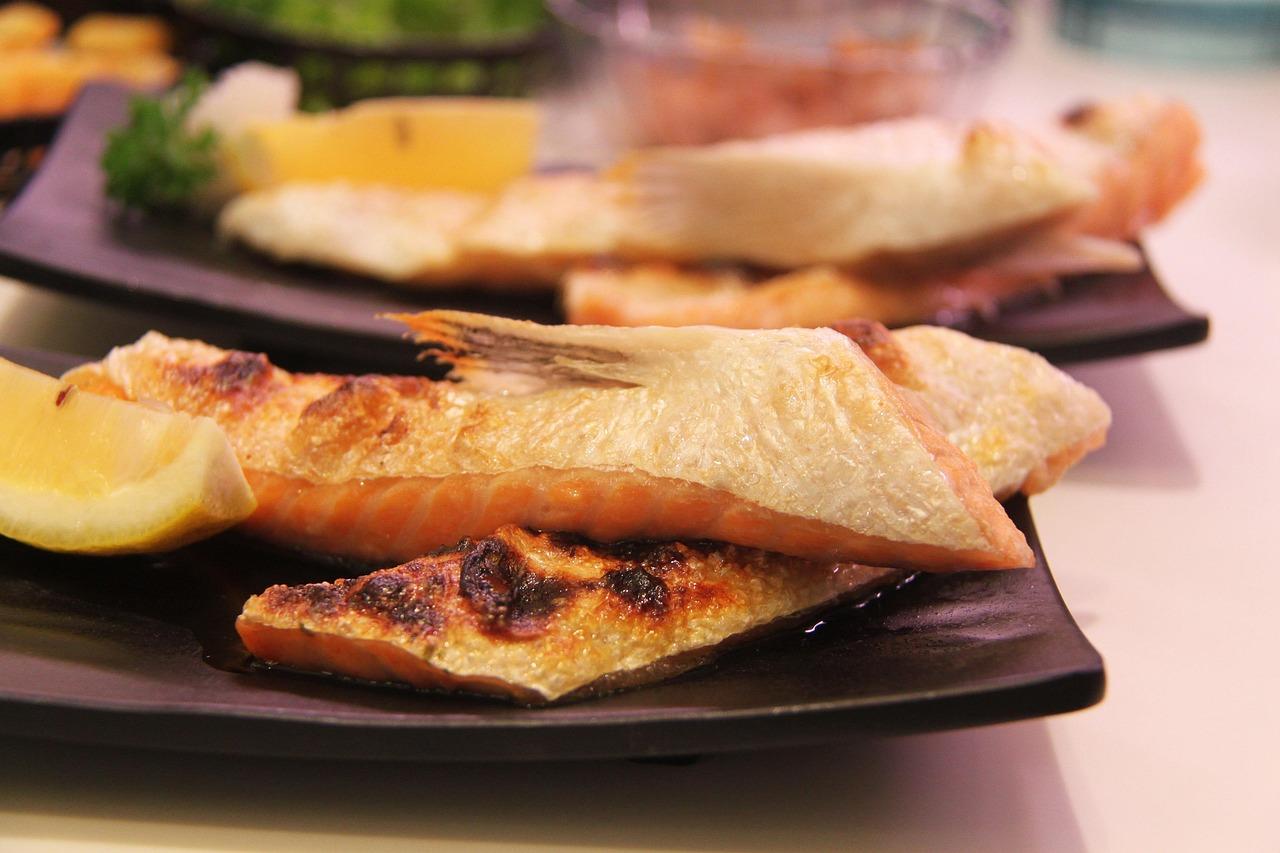
Sake no shioyakiSalt-grilled salmon

A piece of salt-grilled salmon with crisp, blistered skin is the heart of the traditional Japanese breakfast in ryokan from Hokkaido to Kyushu, set beside rice, miso soup and pickles, and in homes it is the plainest weeknight dinner of all. Salting the fish 10–15 minutes ahead in the fridge firms the flesh, draws out moisture and seasons it right through. Serve with grated daikon and a wedge of lemon. A portion is about 260 kcal. The common mistake is grilling straight from wet; pat the fillets very dry after salting, or the skin steams instead of crisping. Chef's tip: grill skin side up first under the grill, or skin side down first in a pan; the skin should get the most heat.

by KrazyBadal 0 views

Buchu muchimSeasoned garlic chives

In Korean barbecue restaurants from Mapo in Seoul to Busan's Haeundae, a little bowl of dressed garlic chives comes to the table with the grilled pork, and at home buchu muchim is the five-minute banchan made when there is a bunch of chives in the fridge. The flat chives are cut into lengths and tossed raw with gochugaru, soy, vinegar and sesame; they have a punchy garlic-onion bite that cuts through rich meat or a simple bowl of rice. A portion is about 40 kcal. The usual mistake is mixing it hard, which bruises the chives and makes them bitter and slimy; toss lightly with your fingertips. Chef's tip: dress the chives with the oil first, then the salty and sour parts; the oil coats them and keeps them crisp longer.

by KrazyBadal 0 views

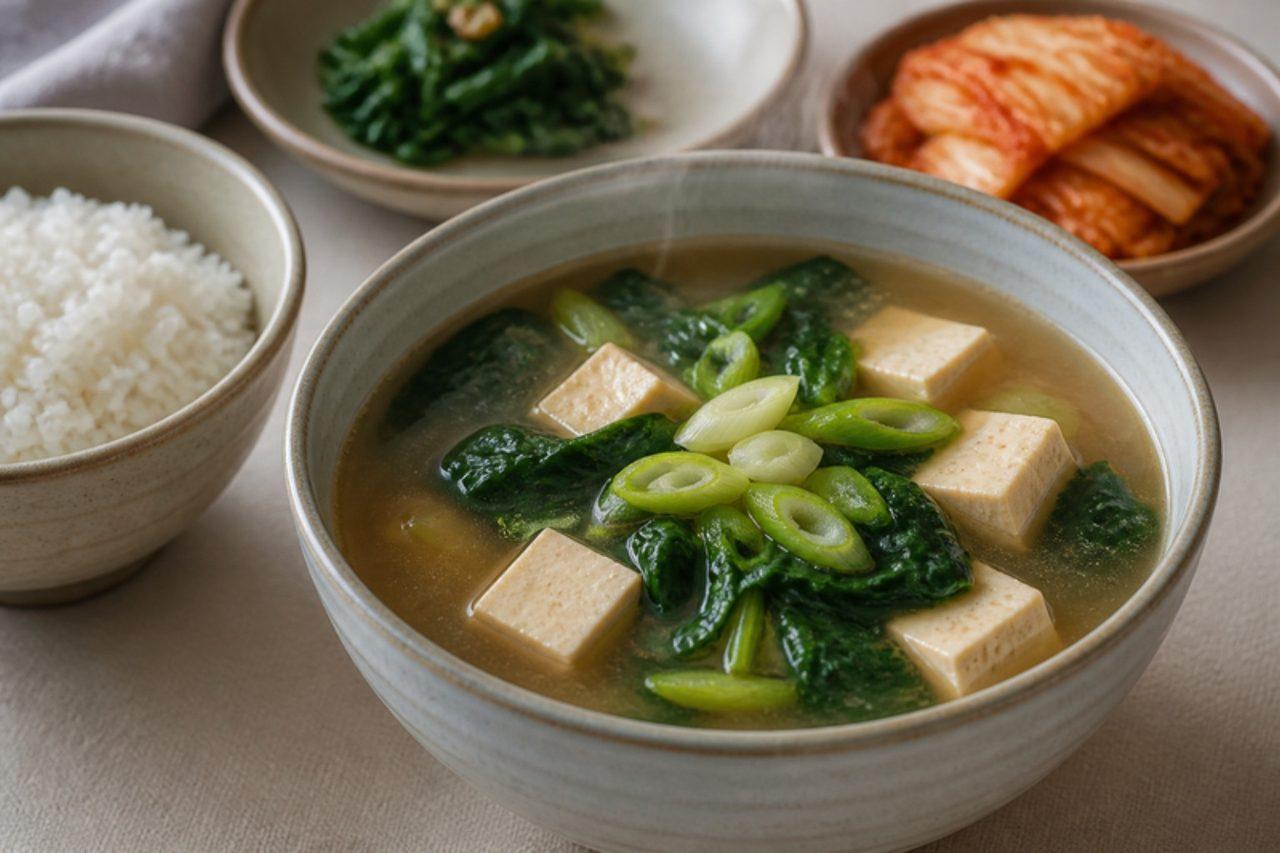
Sigeumchi doenjang gukSpinach soybean paste soup

Spinach doenjang-guk is one of the soups that appears most often on Korean breakfast and dinner tables in winter, when the short, sweet Pohang spinach called pohang-cho arrives from the east coast: a clear, savoury broth of fermented soybean paste with spinach, tofu and spring onion, eaten with rice and kimchi. It is usually made with anchovy stock; this version uses kelp and dried shiitake, so it is vegetarian. A bowl is about 60 kcal. The common mistake is boiling the doenjang hard for a long time, which makes it bitter and dulls its fragrance; dissolve it in, then simmer gently. Chef's tip: push the doenjang through a small sieve into the pot; it dissolves without lumps and leaves the husky bits behind.

by KrazyBadal 0 views

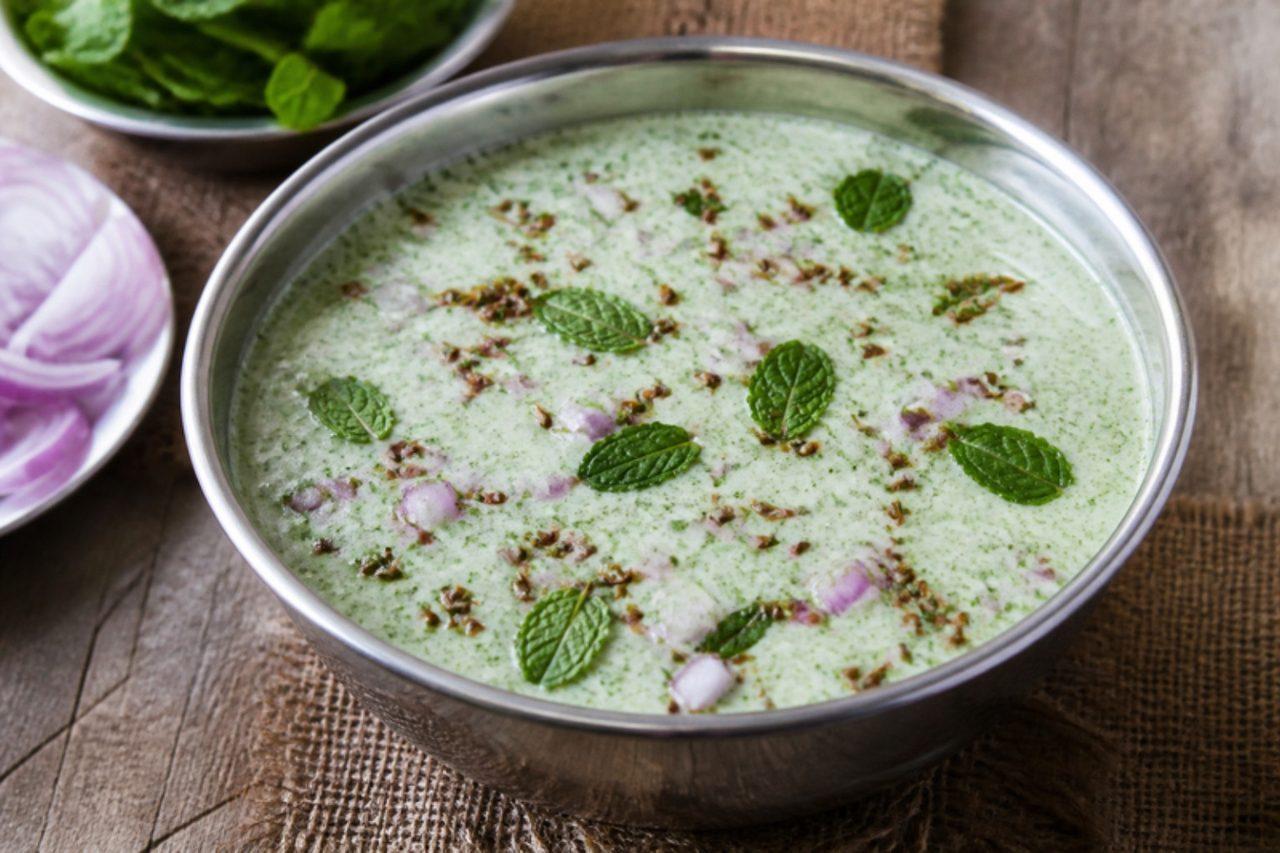
Podina raitaMint yogurt dip

Order a platter of tikka at a Burns Road or Gawalmandi grill and a steel bowl of pale green podina raita lands beside it without asking; it is the cooling counterweight to smoke and chilli, and at home it goes with biryani, pulao and kebab rolls too. Mint, a handful of coriander, one green chilli and freshly toasted cumin are whisked into thick yogurt until it is pourable but still clings to a piece of naan. The usual slip is blitzing the herbs in a blender with the yogurt, which thins it to a watery green drink; pound or chop the herbs separately and fold them in. Contains milk. Chef's tip: dry-roast the cumin seeds yourself and crush them at the last minute: the smoky, toasty smell is what makes a grill-house raita taste like one.

by KrazyBadal 0 views

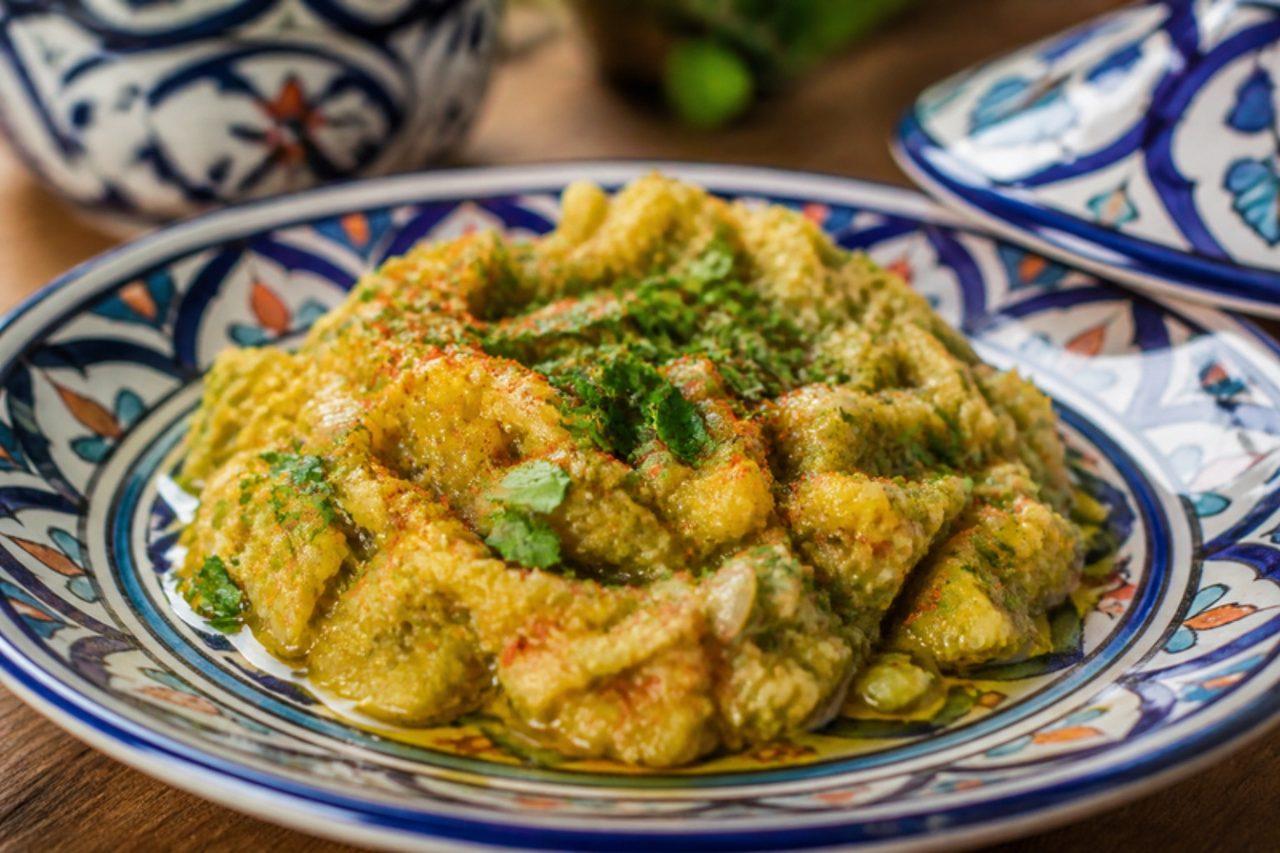
Shlada gar'a (cooked courgette salad with cumin)

In Meknes and Casablanca the pale courgettes of early summer are cooked down into this soft, spiced salad, one of several little dishes set out with bread before the main course. The courgettes are steamed with garlic, then crushed lightly with olive oil, cumin, paprika and lemon until spoonable but still chunky. Serve it cool with bread or alongside grilled fish. Watery courgettes are the usual problem; cook off all the liquid before seasoning. Chef's tip: add a handful of chopped coriander only at the end so it stays bright.

by KrazyBadal 0 views

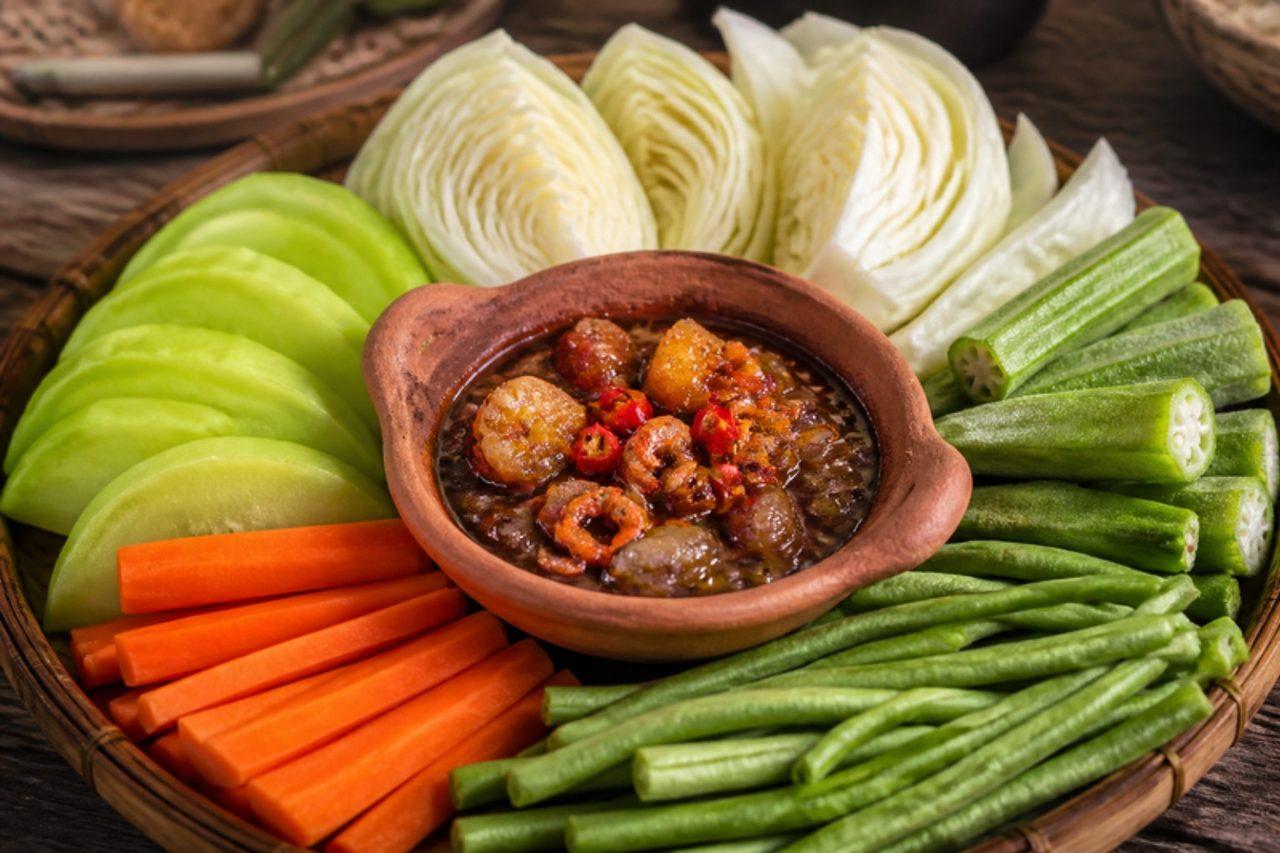
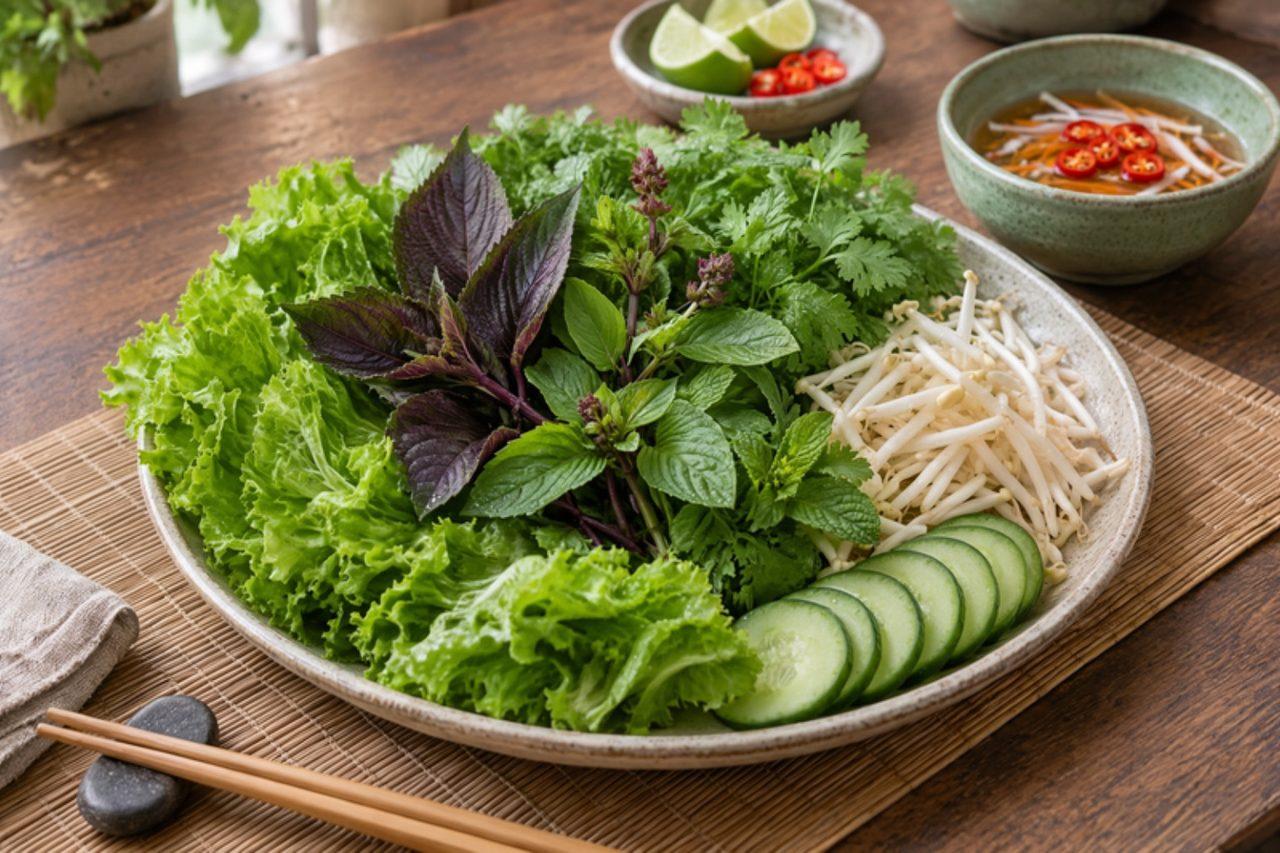
Rau luộc chấm kho quẹtBoiled vegetables with dipping sauce

Farm families in the Mekong Delta, in Đồng Tháp and Cần Thơ, used to stretch a few spoonfuls of salty kho quẹt across a whole basket of boiled garden vegetables, and it is now a nostalgic favourite in Saigon restaurants. The dip is pork fat rendered into crisp cracklings, then fish sauce, sugar, shallot, dried shrimp and black pepper bubbled down until thick and sticky enough to 'scrape' (quẹt) with a vegetable. The vegetables do most of the work, so the plate stays light. Chef's tip: take the dip off the heat while it still looks a little loose; it sets as it cools and, cooked too far, it burns bitter and turns rock-hard.

by KrazyBadal 0 views

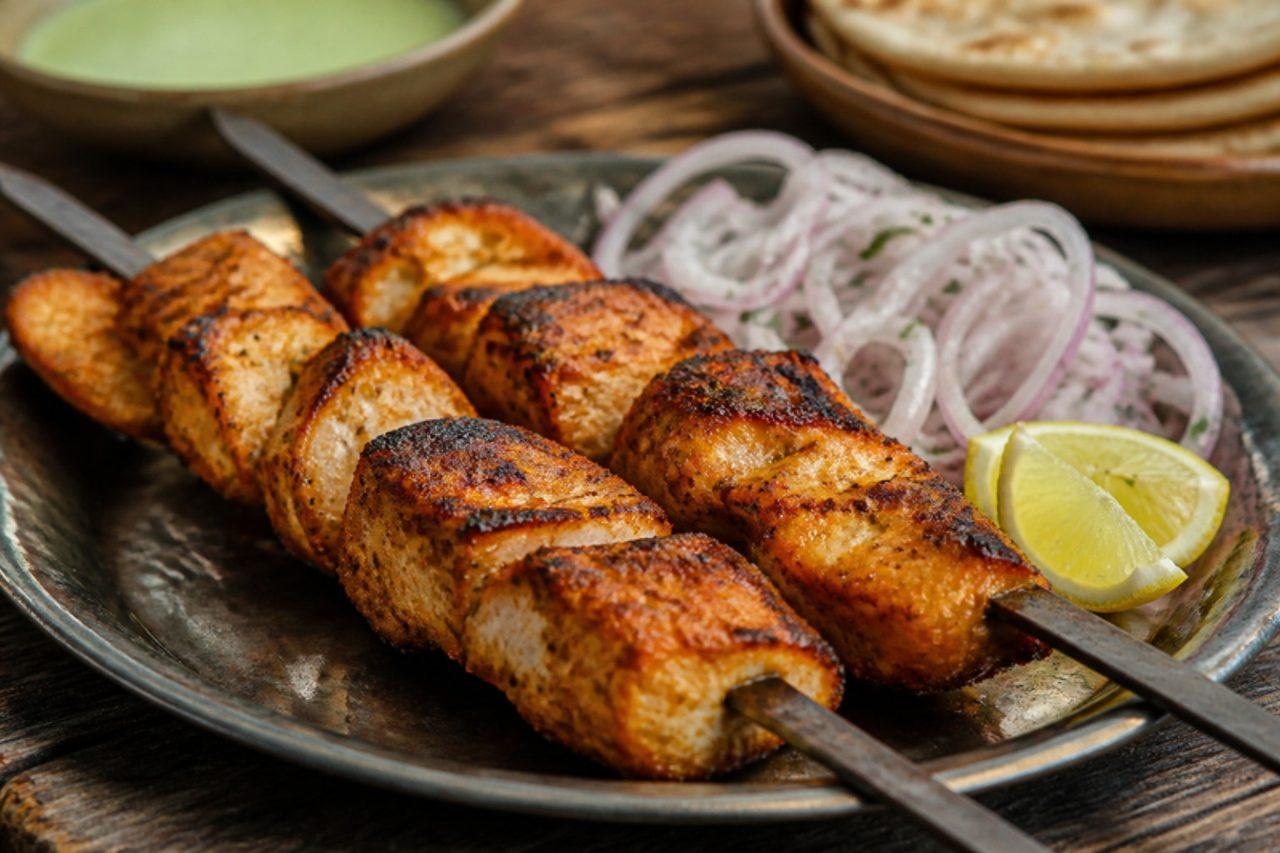
Fish tikka

On winter nights along Karachi's seafront and in the Do Darya restaurants, skewers of fish tikka go round the table straight from the grill, the chunks blushing red from chilli and yogurt with blackened corners. Firm white fish such as surmai (kingfish) or monkfish holds its shape while the marinade sets into a light, tangy crust, and it needs only lemon, sliced onion and a bowl of raita. The mistake most people make is marinating fish as long as chicken: more than 40 minutes and the lemon and salt start to 'cook' it, so it flakes apart on the skewer. Contains fish and milk. Chef's tip: rub the fish with lemon and salt first, rest it 10 minutes and pat dry before the yogurt goes on, so the marinade sticks and doesn't slide off.

by KrazyBadal 0 views

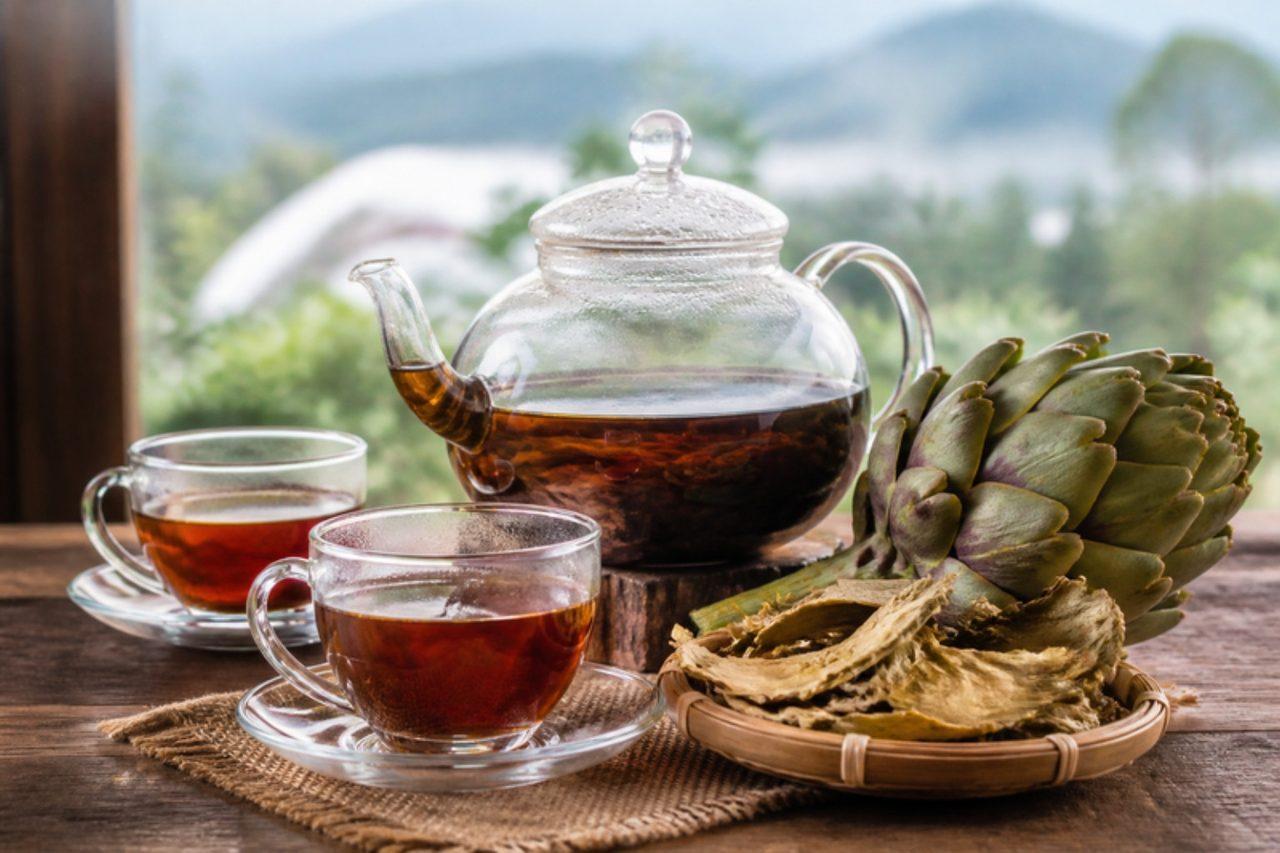
Trà atisôArtichoke tea

Artichokes arrived in the cool Đà Lạt highlands with French planters, and today the town's markets sell dried artichoke leaves, stems and flower buds for tea along with fresh heads for soup. Local cafés serve it hot on misty mornings and iced in the afternoon, slightly sweet, earthy and pleasantly bitter, and many Vietnamese drink it as a gentle tonic after rich meals. This version brews fresh globe artichokes with their stems; a 30 g bag of dried trà atisô works the same way. Chef's tip: skip the aluminium pan; artichokes react with it and the tea turns grey and metallic.

by KrazyBadal 0 views

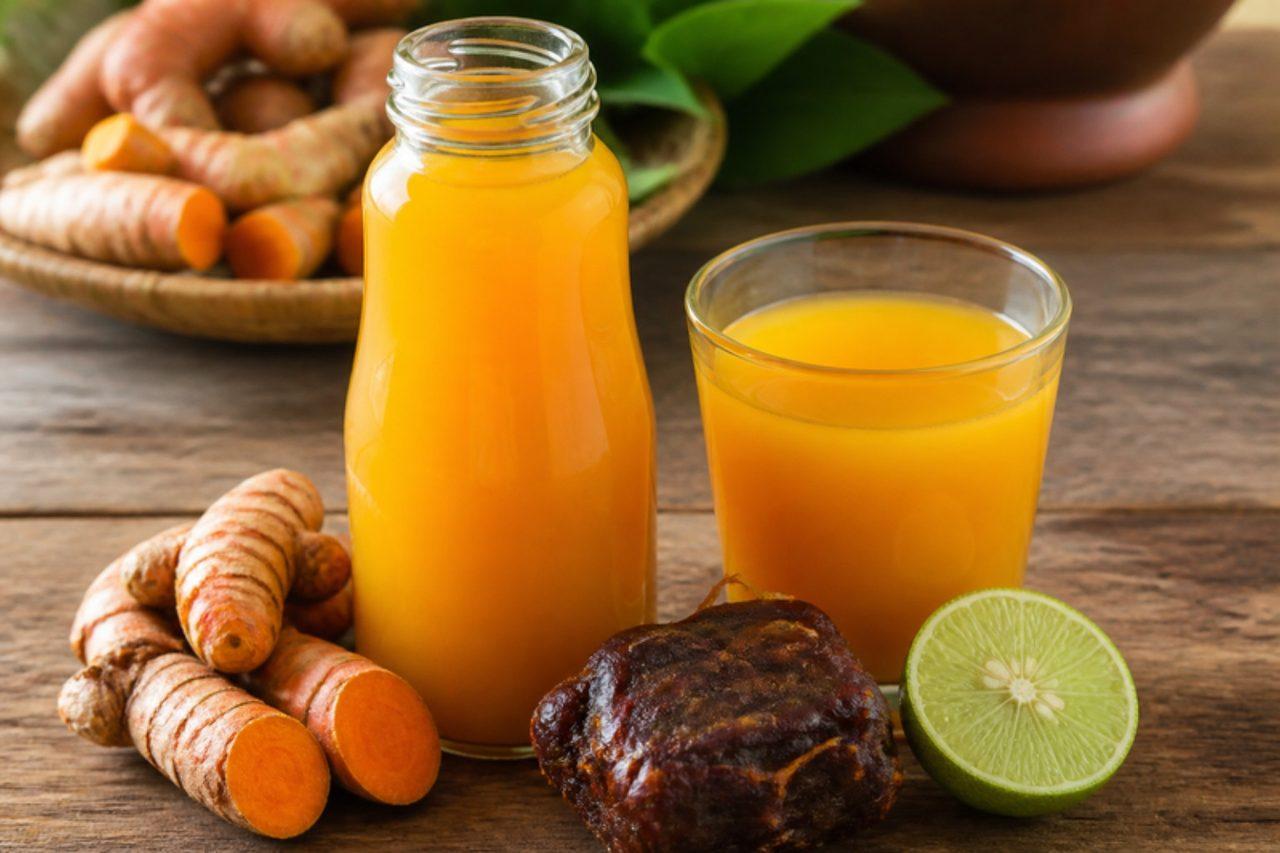
Jamu kunyit asamTurmeric tamarind drink

Jamu gendong women still walk Solo and Yogyakarta lanes in the morning with baskets of bottles on their backs, and kunyit asam is the one most people buy: earthy fresh turmeric and sour tamarind boiled with palm sugar, strained and drunk cool. It tastes bright, tangy and faintly peppery, rather like a spiced lemonade. Families also make big jugs at home for hot afternoons. Chef's tip: wear gloves or scrub the board straight away; fresh turmeric stains hands, wood and plastic bright yellow within minutes.

by KrazyBadal 0 views

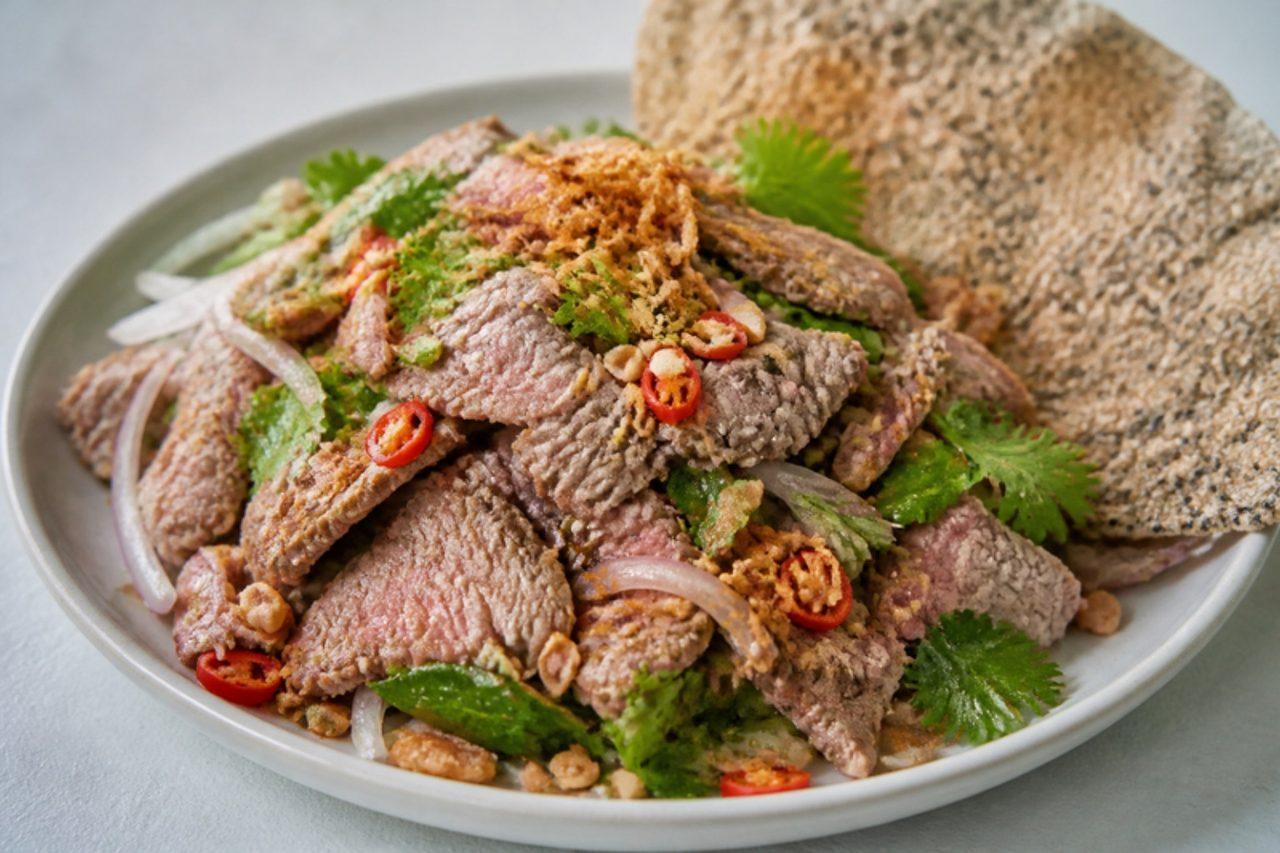
Bò tái chanhLime-cured beef salad

In Saigon's beer gardens bò tái chanh arrives as the first plate of the evening, a sharp, herb-heavy pile of thin beef slices dressed in lime juice and fish sauce with onion, rau răm and peanuts, scooped up with sesame rice crackers. Street cooks often leave the beef almost raw and let the lime 'cook' it; lime does not make beef safe, so this home version blanches the slices for a few seconds until they are cooked at least to medium, still tender and rosy at the centre. Chef's tip: squeeze out the lime juice before dressing; beef left sitting in a pool of lime turns grey and chewy.

by KrazyBadal 0 views

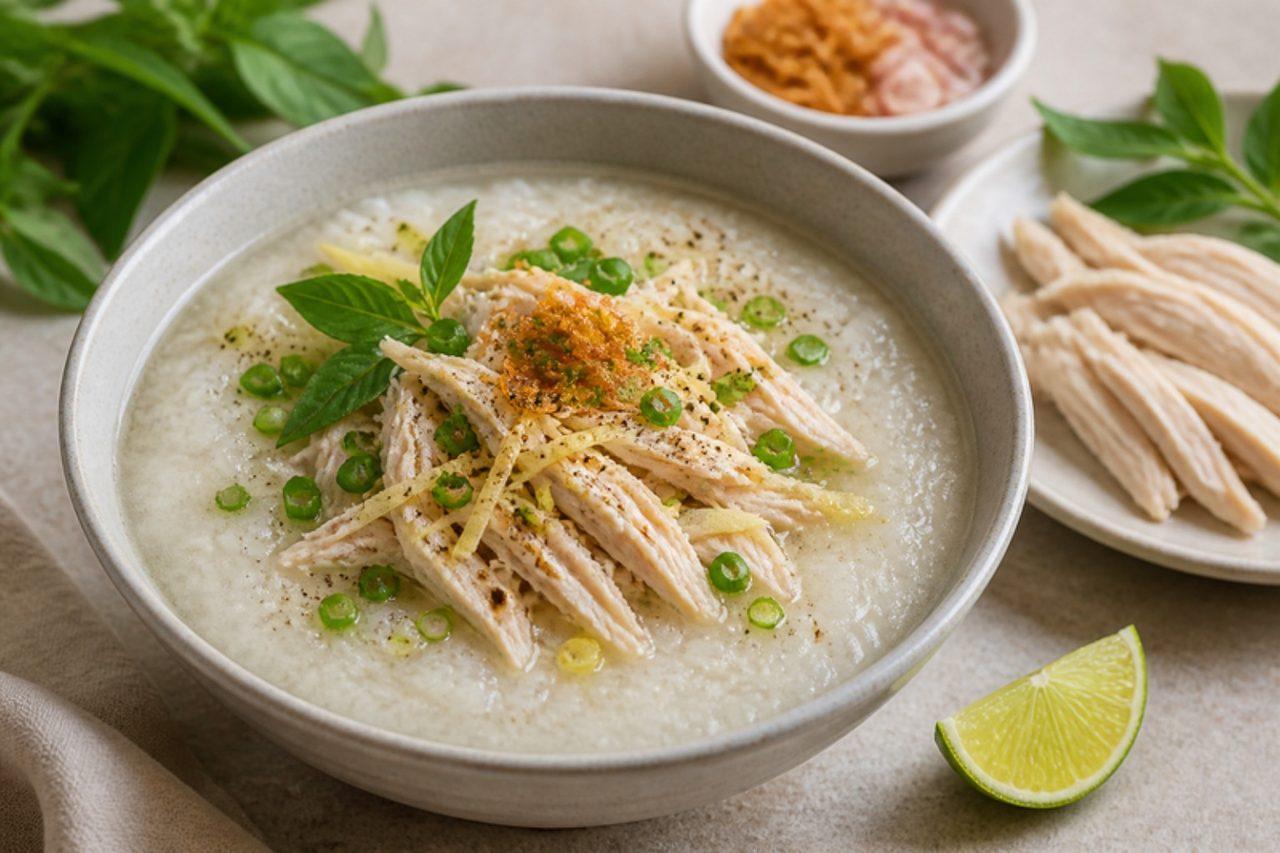
Cháo gàChicken rice porridge

Cháo gà is what Vietnamese mothers cook for anyone with a cold, and what late-night stalls in Hanoi and Saigon ladle out after midnight to people heading home. Toasted rice is simmered in chicken broth until it breaks into a loose, silky porridge, then topped with shredded chicken, lots of ginger and black pepper, spring onion and rau răm, with a side of gỏi gà if you are feeding a crowd. Chef's tip: toast the raw rice in a dry pan before simmering; untoasted rice gives a gluey, bland porridge instead of a nutty, loose one.

by KrazyBadal 0 views

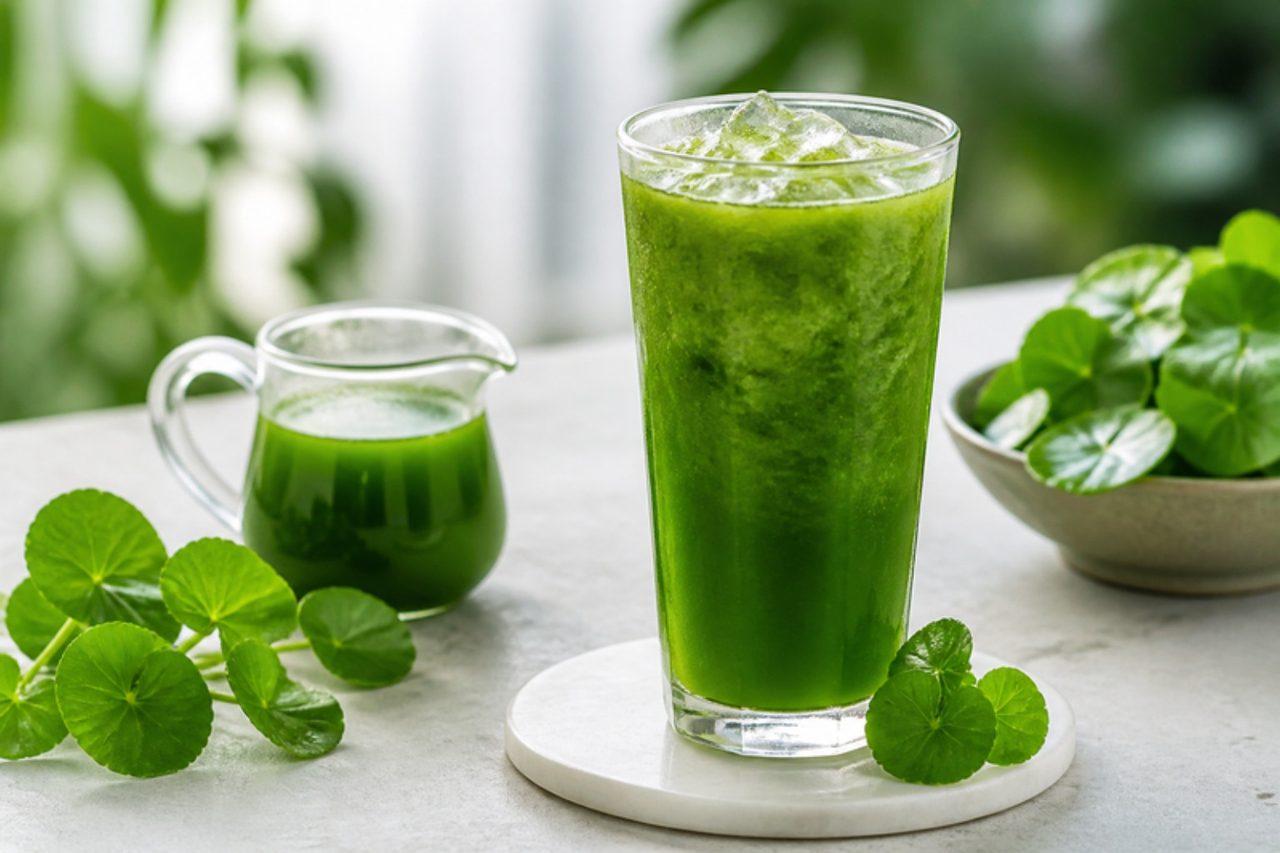
Nước rau máPennywort juice

Saigon street carts blend nước rau má to order through the hottest part of the afternoon, pouring the bright green juice into plastic cups over crushed ice for office workers and students. Pennywort (rau má) tastes fresh, grassy and very slightly bitter, and southerners drink it to 'cool the body' in the dry season; some stalls blend in cooked mung beans or a splash of coconut milk to make it richer. Look for bunches of rau má in Vietnamese and South Asian grocers, where it is also sold as gotu kola. Chef's tip: strain twice through a fine cloth and drink it within the hour; left standing, it separates and darkens to a dull khaki.

by KrazyBadal 0 views

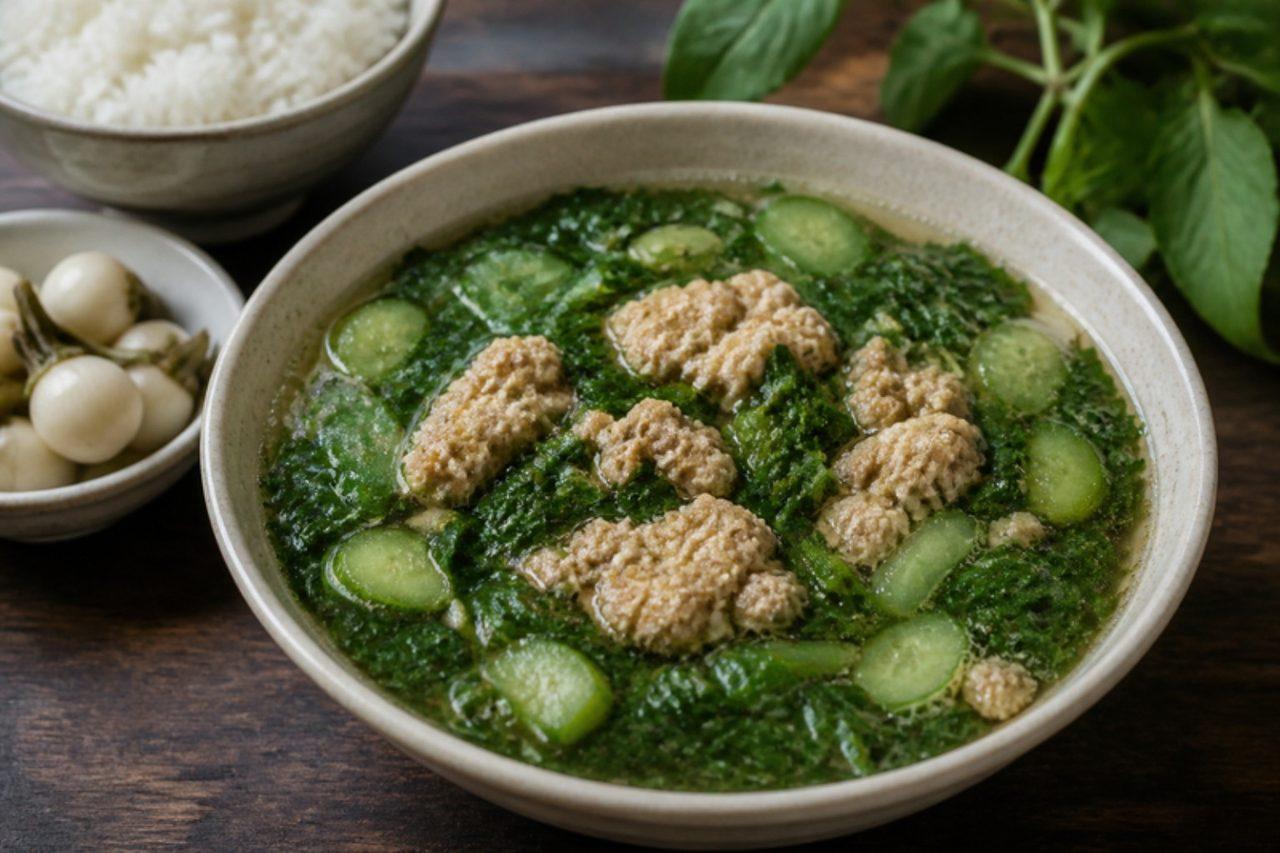
Canh cua rau đayCrab and jute leaf soup

Through the sticky Hanoi summer, the cheapest and most loved soup is canh cua: tiny rice-field crabs pounded and strained so the sweet crab 'curds' float to the top of a broth of slippery jute leaves (rau đay) and luffa, eaten with rice and crunchy pickled aubergines. Away from the paddies, fresh crab meat gives the same soft curds; if you buy live crabs, cook only lively ones and discard any that are dead. Chef's tip: stir the broth only until it comes to a simmer, then leave it; keep stirring and the crab curds break into a cloudy mush.

by KrazyBadal 0 views

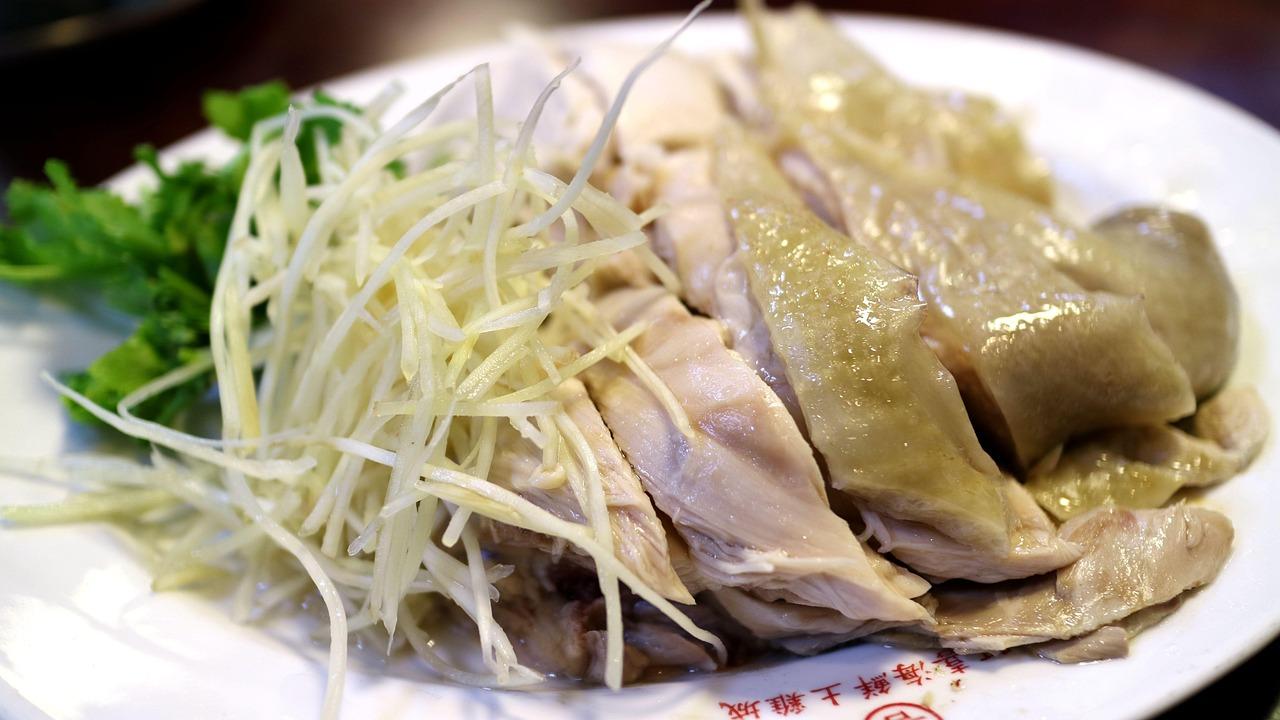
Gà luộc lá chanhPoached chicken with lime leaves

No northern Vietnamese ancestor altar at Tết or on a death anniversary is complete without a whole golden poached chicken, and once it comes down from the altar it is chopped and eaten with hair-thin shreds of lime leaf and a dip of salt, pepper and lime. The skin is taut and yellow, the meat juicy, and the broth goes on to make miến or cháo. Buy a chicken without its head and feet. Chef's tip: plunge the bird into iced water as soon as it is cooked; skip the ice bath and the skin wrinkles, loosens and loses its shine.

by KrazyBadal 0 views

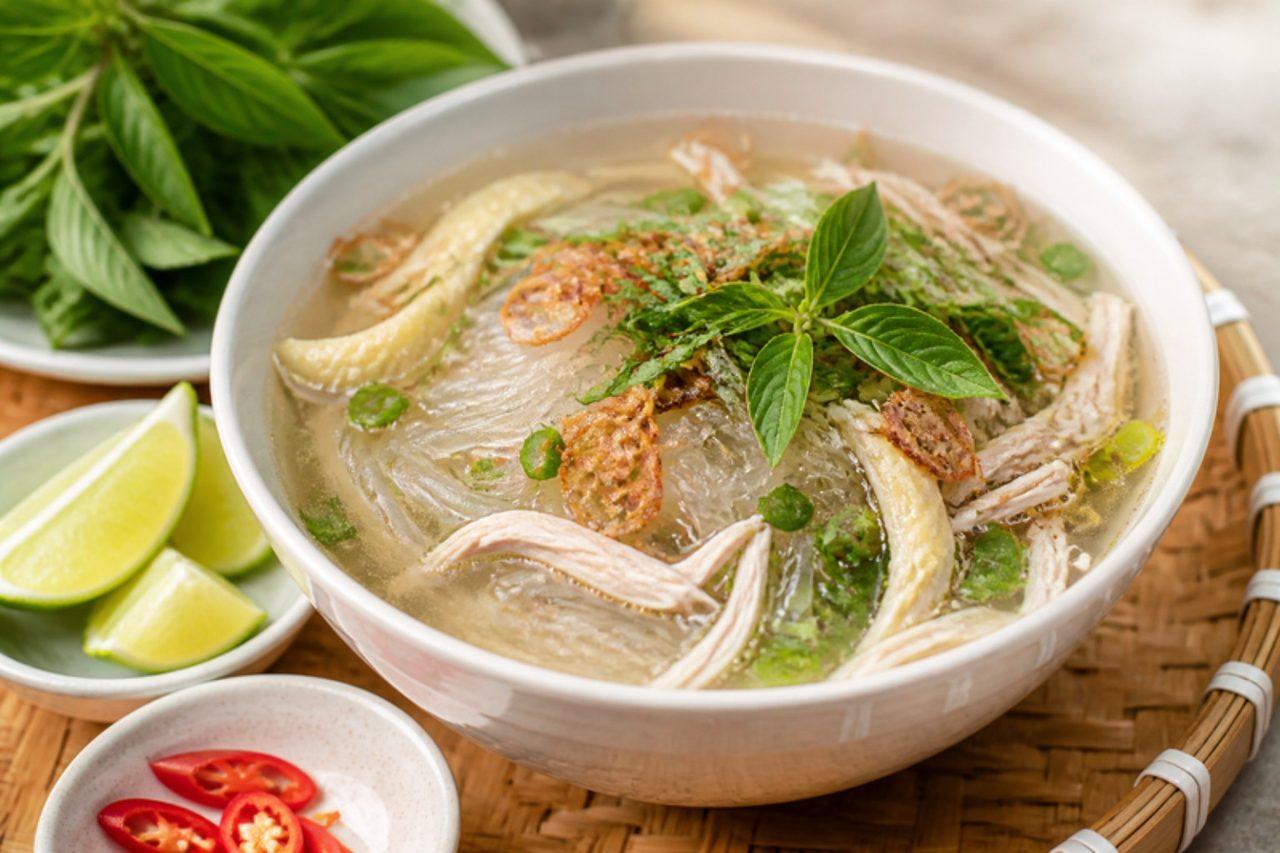
Miến gàChicken glass noodle soup

Hanoi eats miến gà on chilly winter mornings and the day after Tết, when every kitchen has chicken broth left from the altar bird. The chewy, translucent mung bean noodles soak up a clean, gingery broth, topped with shredded chicken, spring onion, rau răm and fried shallots; a squeeze of lime and a few slices of chilli finish it at the table. It is light enough for breakfast and gluten free. Chef's tip: soak the noodles and blanch them separately just before serving; cooked in the broth, they drink it all and swell into a soggy tangle.

by KrazyBadal 0 views

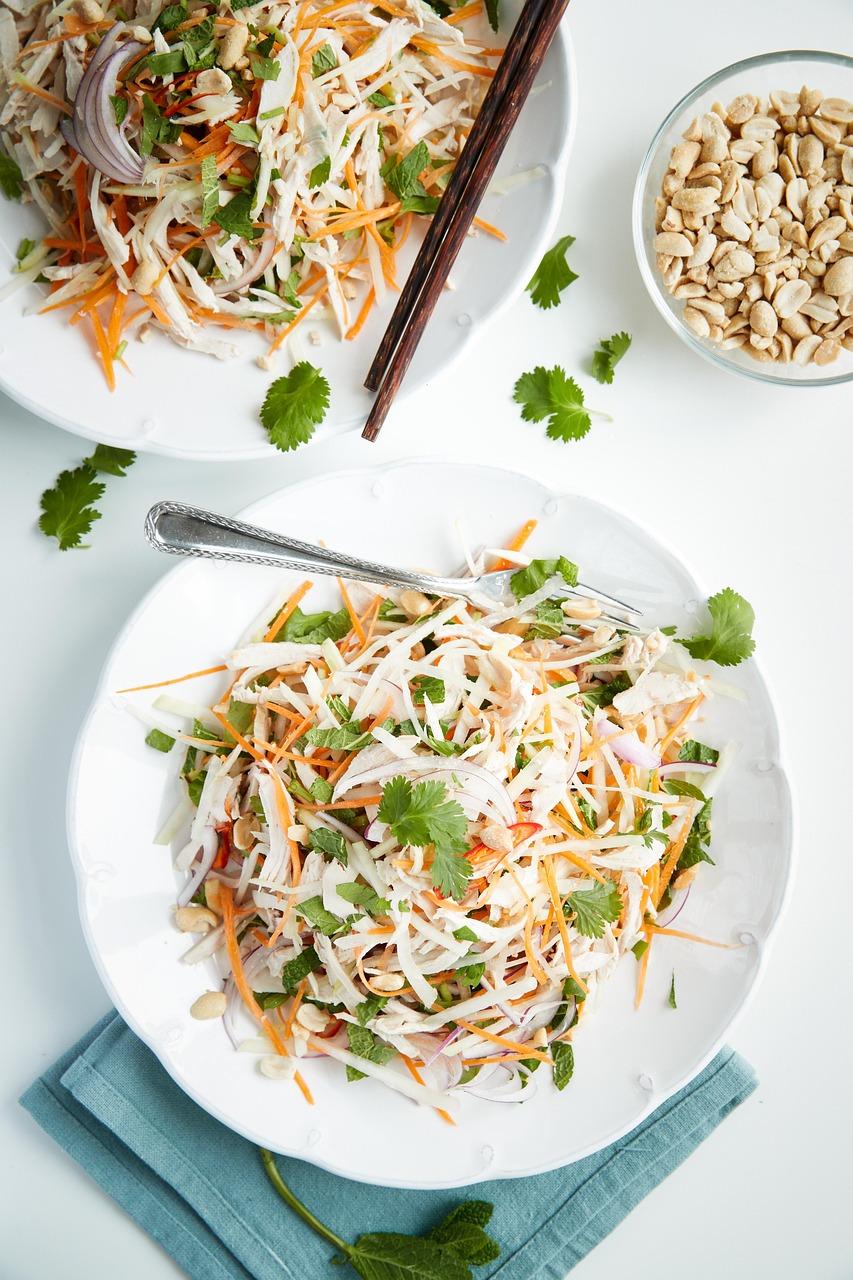
Gỏi gà bắp cảiChicken cabbage salad

Gỏi gà turns up wherever Vietnamese families gather around a pot of chicken: alongside cháo gà at a weekend lunch, at death anniversaries and at roadside chicken restaurants on the way out of Saigon. Shredded poached chicken is tossed with fine cabbage, onion pickled briefly in vinegar and a fistful of peppery rau răm, then dressed with lime, fish sauce and sugar, so it is lean, crunchy and full of herbs. Chef's tip: soak the sliced onion in vinegar water for 10 minutes; raw onion left as it is overwhelms the delicate chicken.

by KrazyBadal 0 views

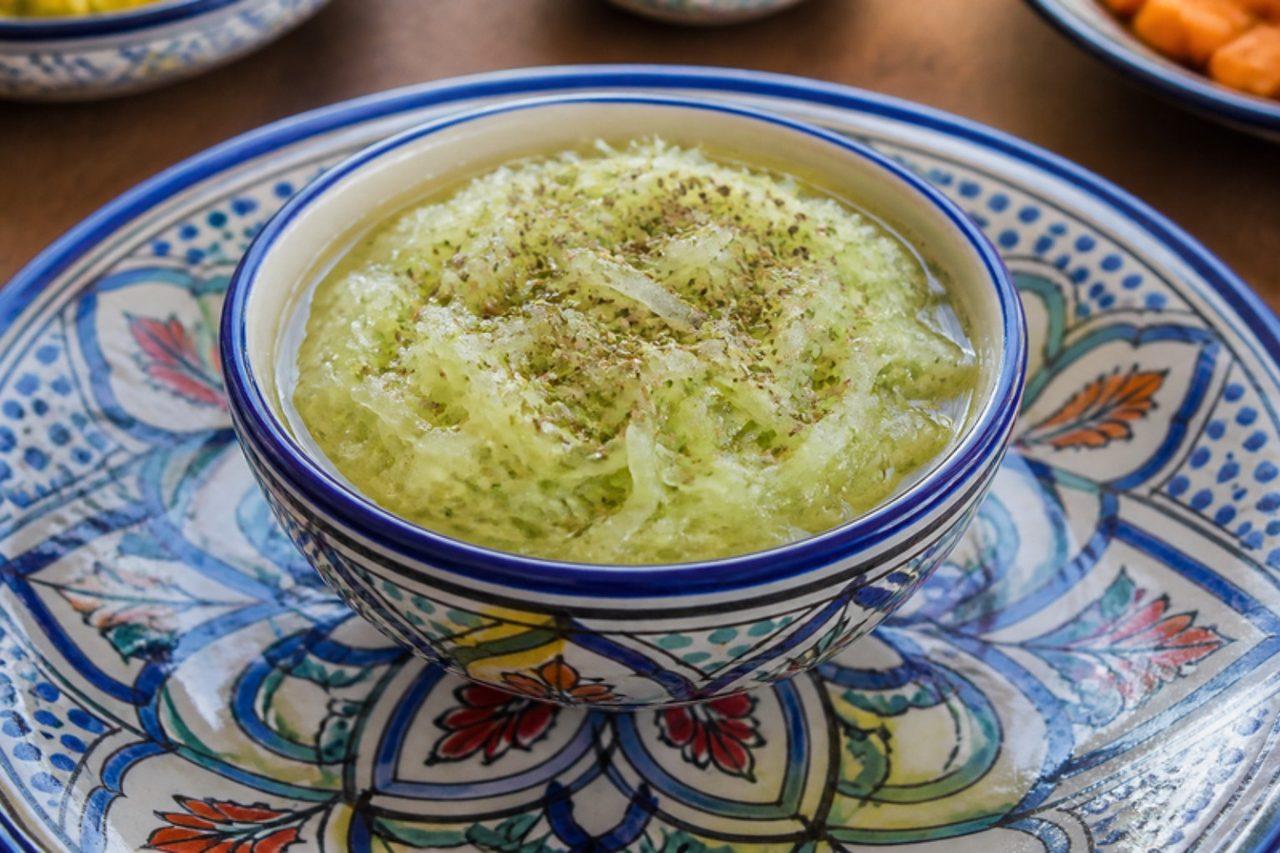
Shlada khiar (grated cucumber salad with oregano)

In the heat of a Fes or Marrakech summer, this ice-cold grated cucumber salad is served in bowls with spoons, half salad, half drink, alongside rich tagines or a plate of fried fish. Cucumber is grated and loosened with water, vinegar and a little sugar, then perfumed with crushed dried oregano or zaatar. Grating ahead and leaving it to sit in salt is the usual slip; the cucumber goes limp and bitter. Chef's tip: rub the oregano between your palms over the bowl to wake its oils.

by KrazyBadal 0 views

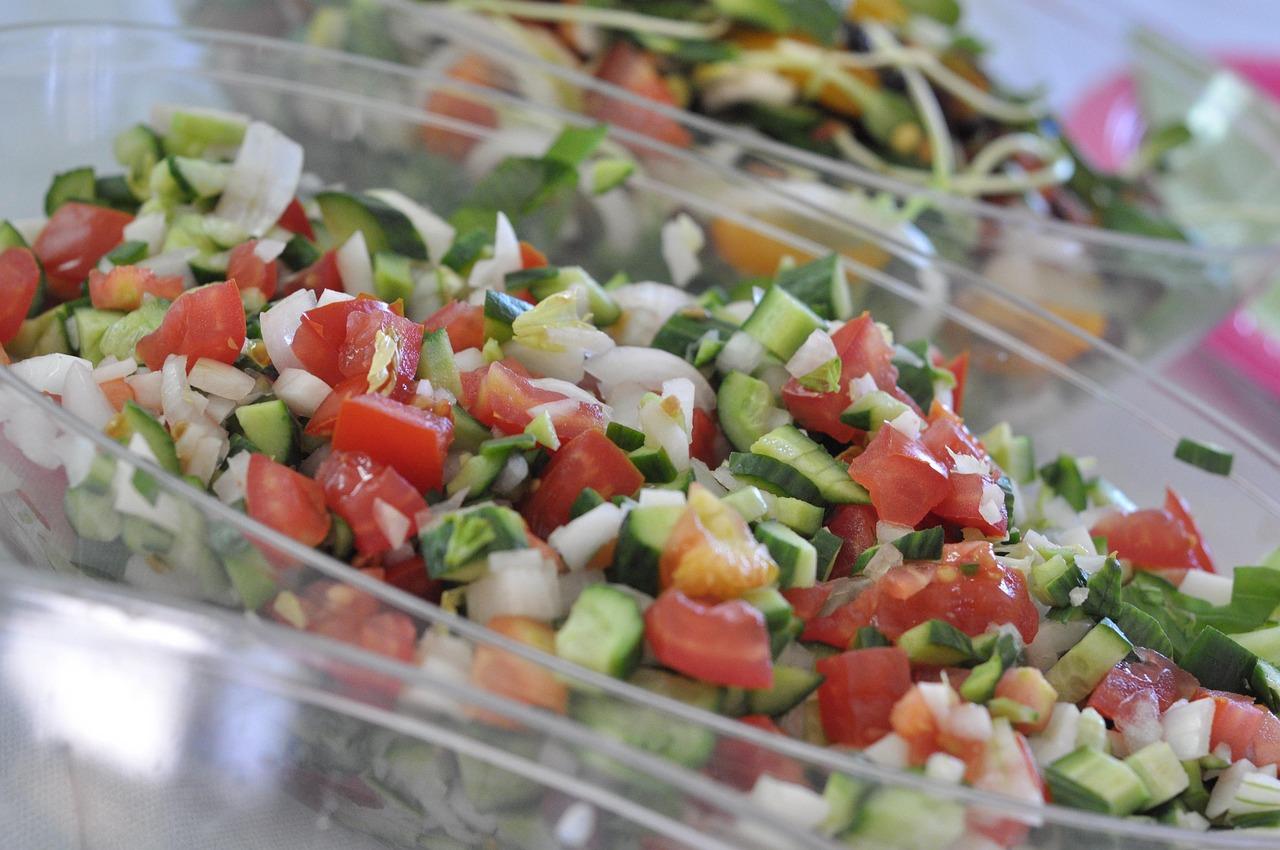
Shlada beldia (Moroccan tomato and cucumber salad)

Shlada beldia, "country salad", sits next to the bread on almost every Moroccan table, from Marrakech grill stalls to a Tuesday family lunch in Oujda. Tomato, cucumber, onion and green pepper are diced as small as lentils, then dressed with lemon, olive oil, parsley and a pinch of cumin, so it eats like a fresh relish with grilled meat, tagines or eggs. The common mistake is dressing it too early: the tomatoes weep and it turns to soup, so salt it just before serving. Chef's tip: dice everything to the same tiny size; that's what makes it taste Moroccan rather than like a chopped salad.

by KrazyBadal 0 views

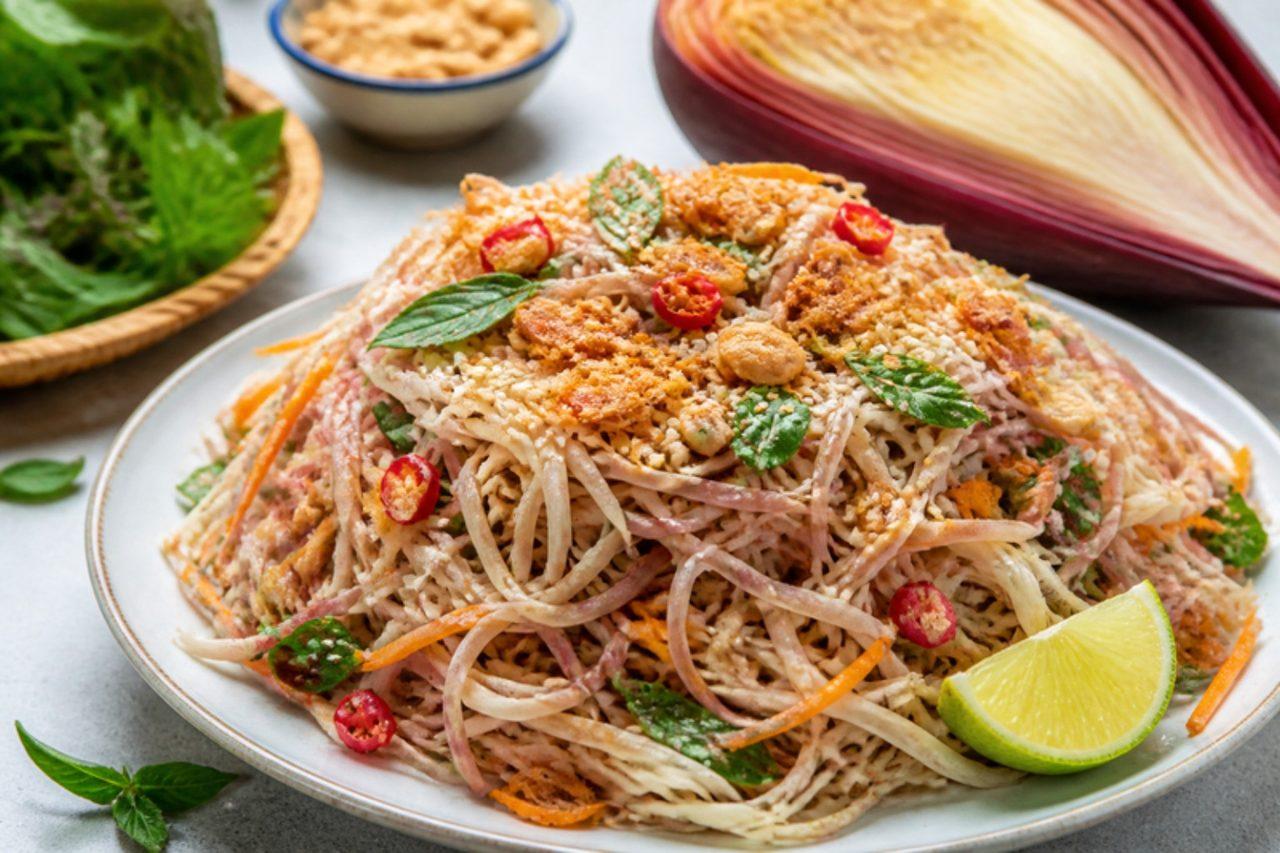
Nộm hoa chuốiBanana blossom salad

Hanoi cooks make nộm hoa chuối on hot summer days and as a sharp, crunchy partner to boiled meats at family gatherings, when a banana blossom from the market is sliced paper-thin into acidulated water. The pale purple-white shreds taste faintly nutty and astringent, softened by a sweet-sour fish-sauce dressing, carrot, rau răm and plenty of toasted peanuts and sesame; many households add poached chicken or pig's ear. Chef's tip: slice the blossom straight into lime water and keep it submerged; sliced banana blossom left in the air blackens within minutes.

by KrazyBadal 0 views

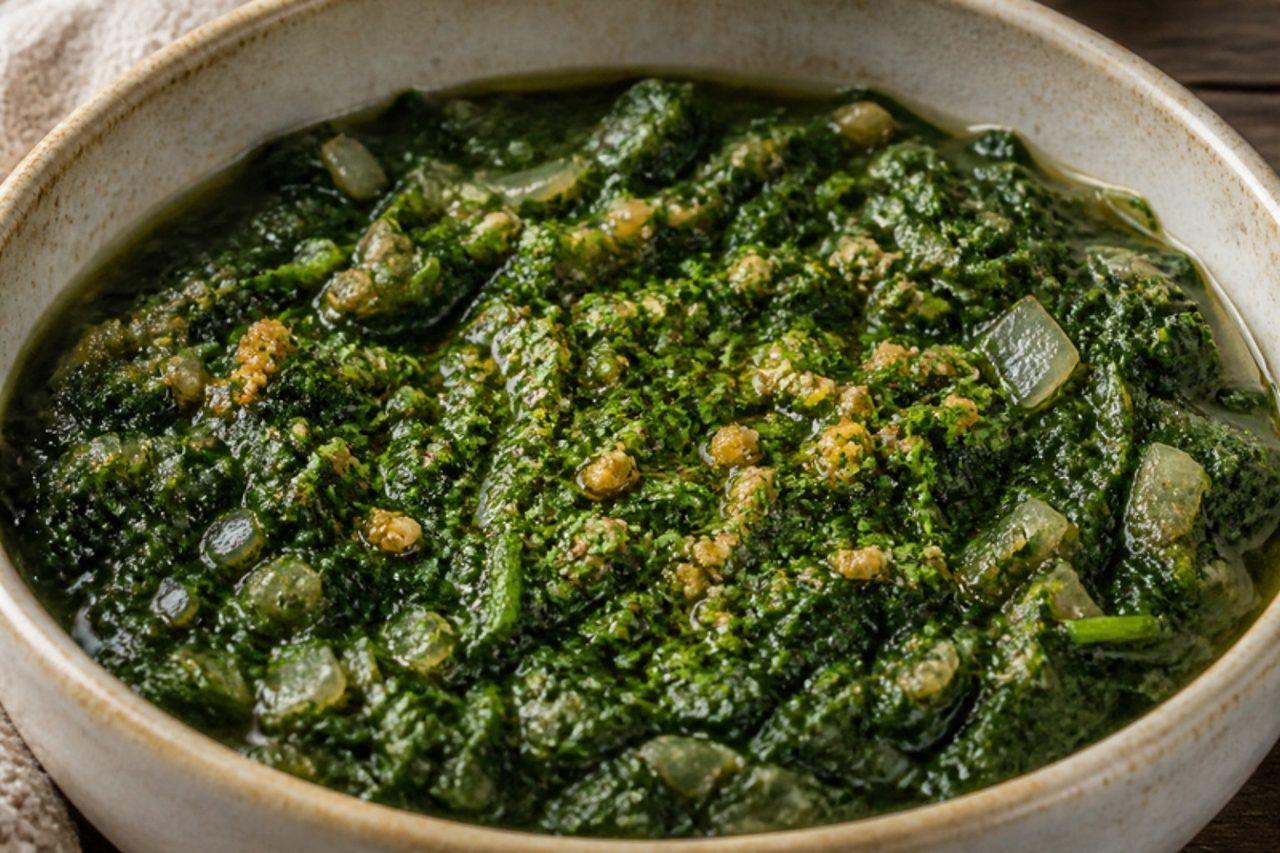
Sabanekh (Egyptian spinach stew)

When the winter spinach comes in, Egyptian cooks from Giza to the Delta stew it down with onion and finish it with ta'leya, the sizzling fry of garlic and ground coriander that defines so much home cooking. The result is soft, dark green and savoury, a little like a looser saag, and it's eaten with vermicelli rice and a squeeze of lemon. This vegan version adds a handful of chickpeas for body. The mistake to avoid is skipping the squeeze-out: wet spinach makes a watery stew. Chef's tip: the ta'leya should sizzle loudly as it hits the pot — Egyptian cooks call it the "shahka", the gasp, and it carries the aroma through the dish.

by KrazyBadal 0 views

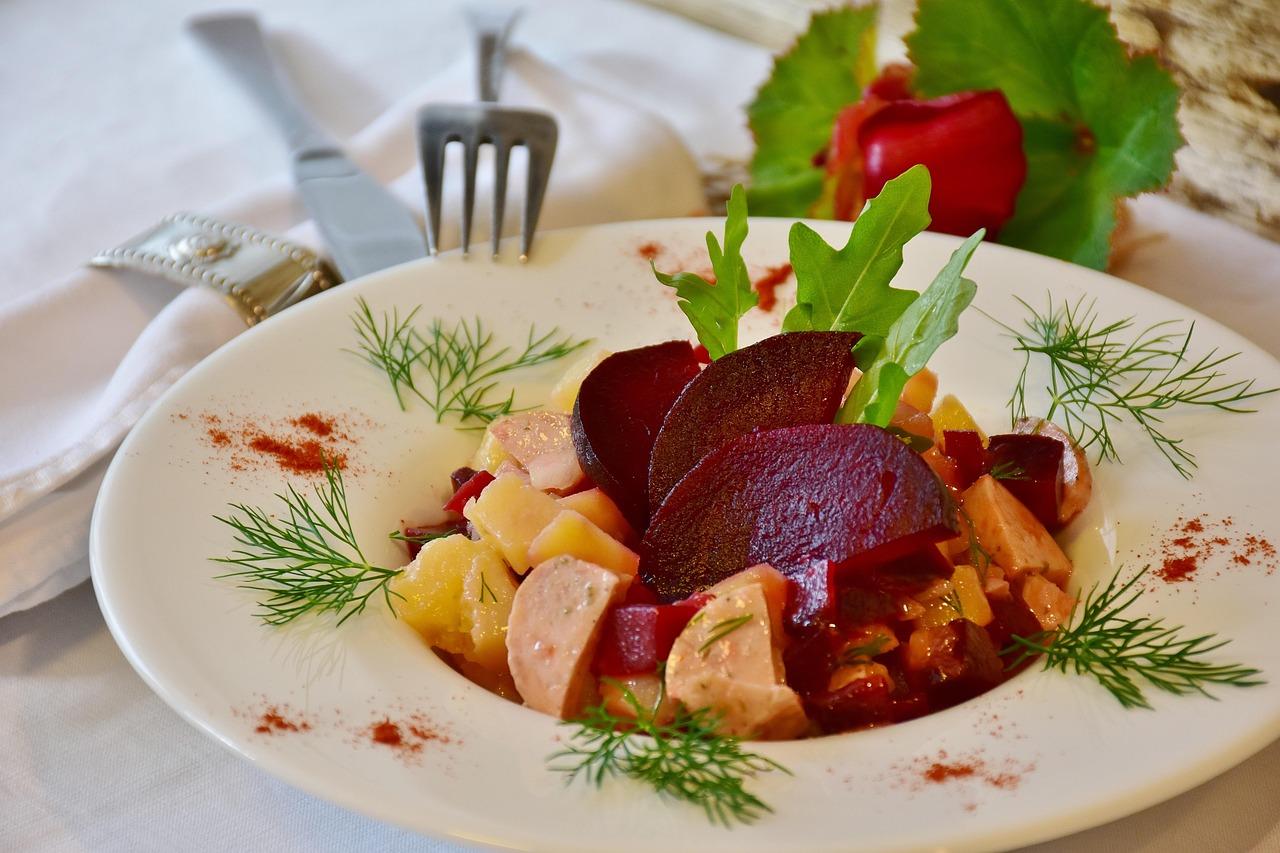
Ye-qey sir selataBeetroot and potato salad

Fasting-day platters at Addis Ababa restaurants and church feasts often carry a bright magenta heap of this cold salad beside the hot wats: boiled beetroot, potato and carrot tossed with lemon juice, thin red onion, green chilli and a little oil. It is sharp, sweet and cooling, a palate-cleanser between spoonfuls of berbere-red lentils. It differs from key sir alicha, the warm beetroot stew, in that everything is boiled whole, cooled and dressed raw. The usual slip is dressing the vegetables while hot, which turns the potatoes pink and mushy; let them cool first. Chef's tip: dress the onion and chilli in the lemon juice and salt ten minutes ahead so they soften and lose their sharp bite.

by KrazyBadal 0 views

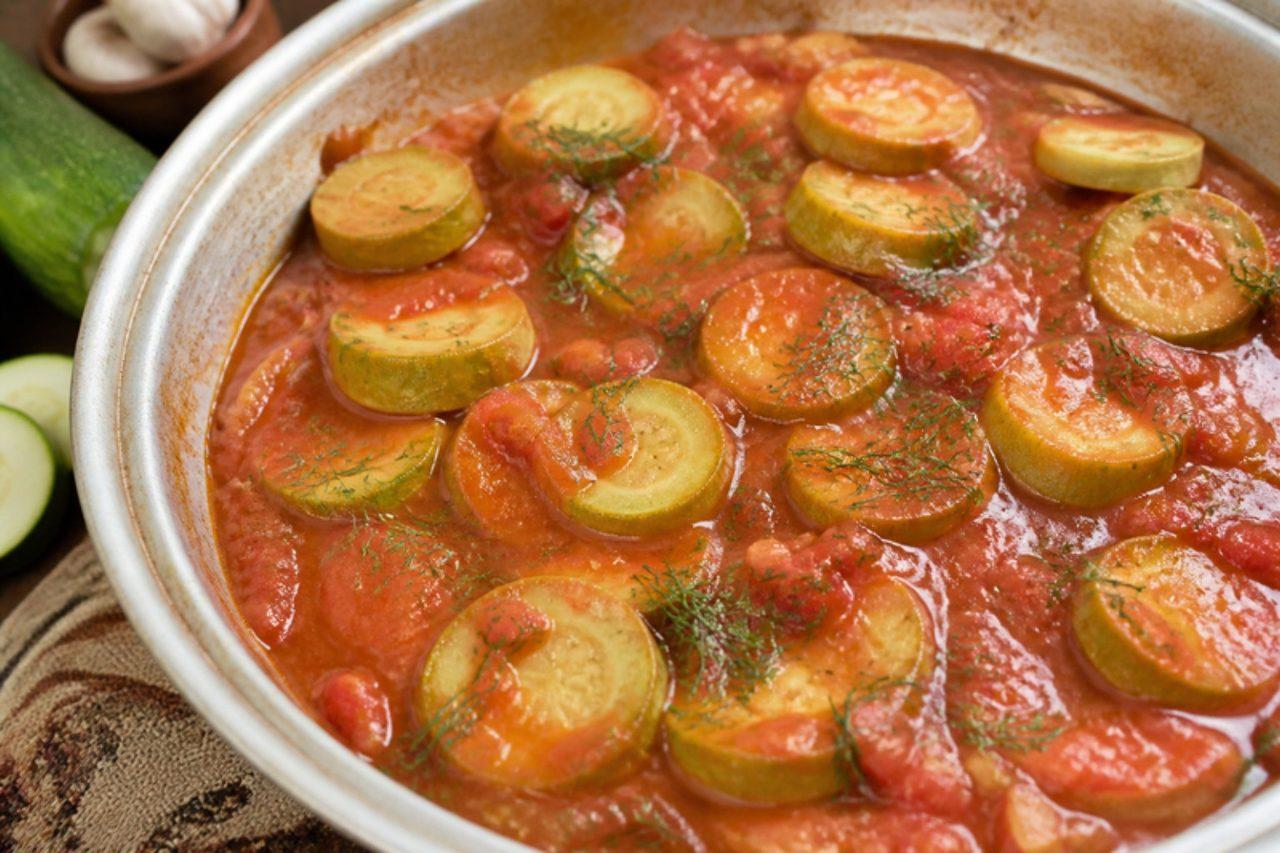
Kosa bel salsa (courgettes in tomato sauce)

The pale green Egyptian kosa is shorter and sweeter than a supermarket courgette, and in summer Delta towns like Tanta cook it in tomato sauce several times a week. This vegan version keeps the rounds just soft enough to hold together, in a light sauce with garlic and a handful of dill. It is light enough for a hot evening, eaten with rice or torn baladi bread. The classic mistake is stirring too hard so the courgettes collapse into mush; shake the pan instead. Chef's tip: if you can find pale Middle Eastern courgettes, use them; they hold their shape better and taste nuttier.

by KrazyBadal 0 views

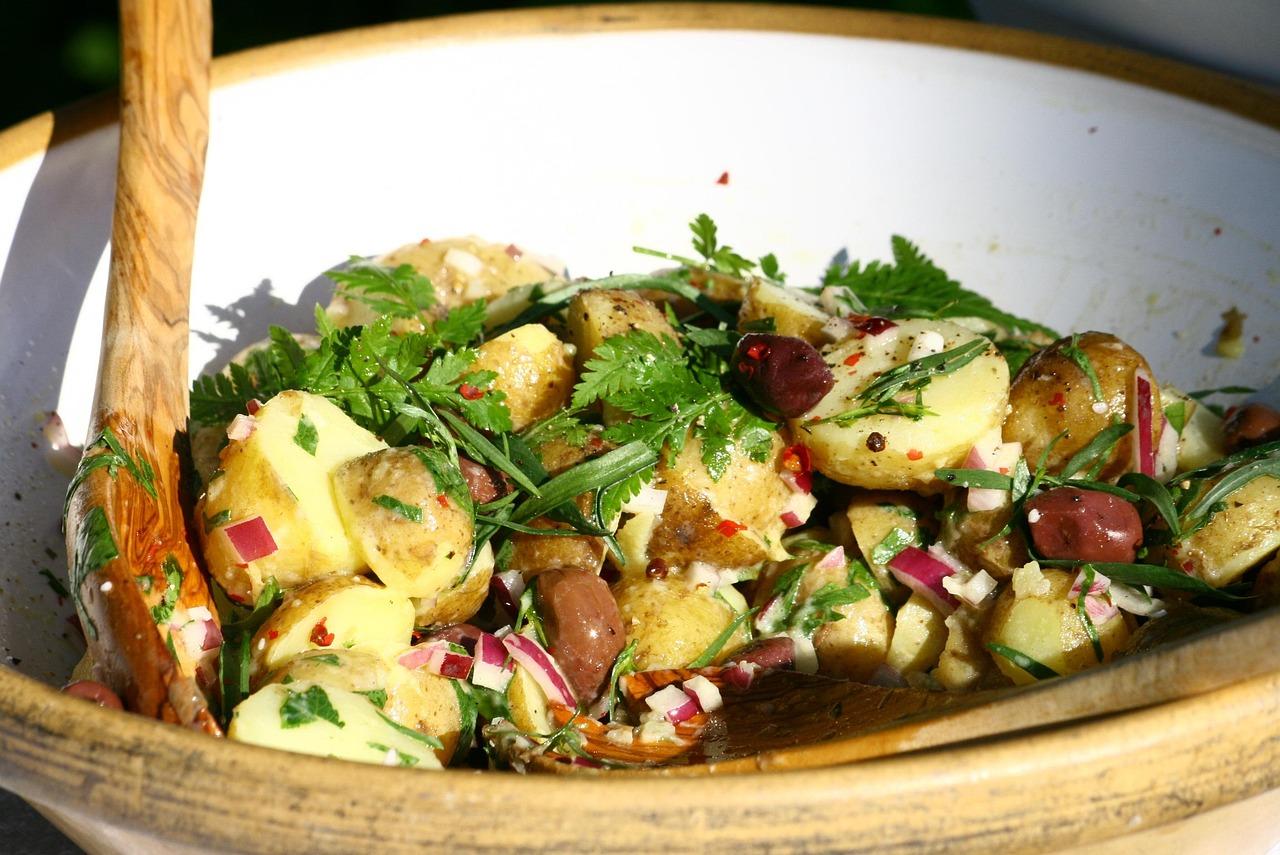
Shlada batata (Moroccan cumin potato salad)

Shlada batata is one of the cooked salads that line up on a Moroccan table before Friday couscous, in Rabat as much as in the Rif: boiled potato chunks dressed while warm with olive oil, lemon, cumin, paprika, garlic and plenty of parsley, with no mayonnaise at all. It's eaten at room temperature with bread, or with grilled sardines. Dressing cold potatoes is the common mistake; they don't absorb the flavours, so toss them while they're still steaming. Chef's tip: a few slivers of preserved lemon peel make it unmistakably Moroccan.

by KrazyBadal 0 views

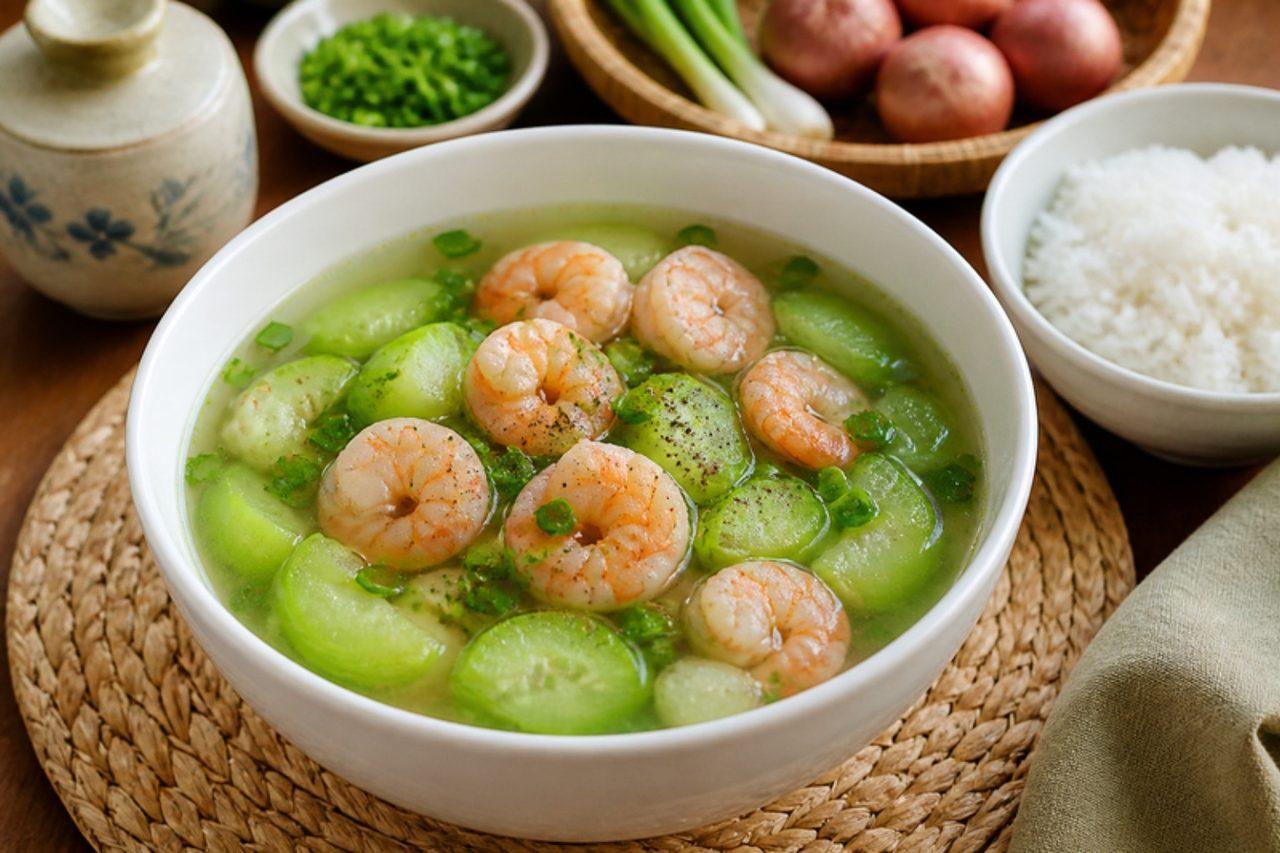
Canh mướp tômLuffa and prawn soup

In summer the trellises of Vietnamese gardens hang heavy with luffa, and canh mướp is what goes on the table most evenings from Hanoi to Huế: a clear, barely salted broth with soft, sweet gourd and a little chopped prawn, ladled over rice through the meal. It takes 20 minutes and very little oil, which is why mothers make it for anyone feeling the heat. Chef's tip: add the luffa last and pull the pot off as soon as it turns translucent; overcooked luffa goes slimy and the soup turns grey.

by KrazyBadal 0 views

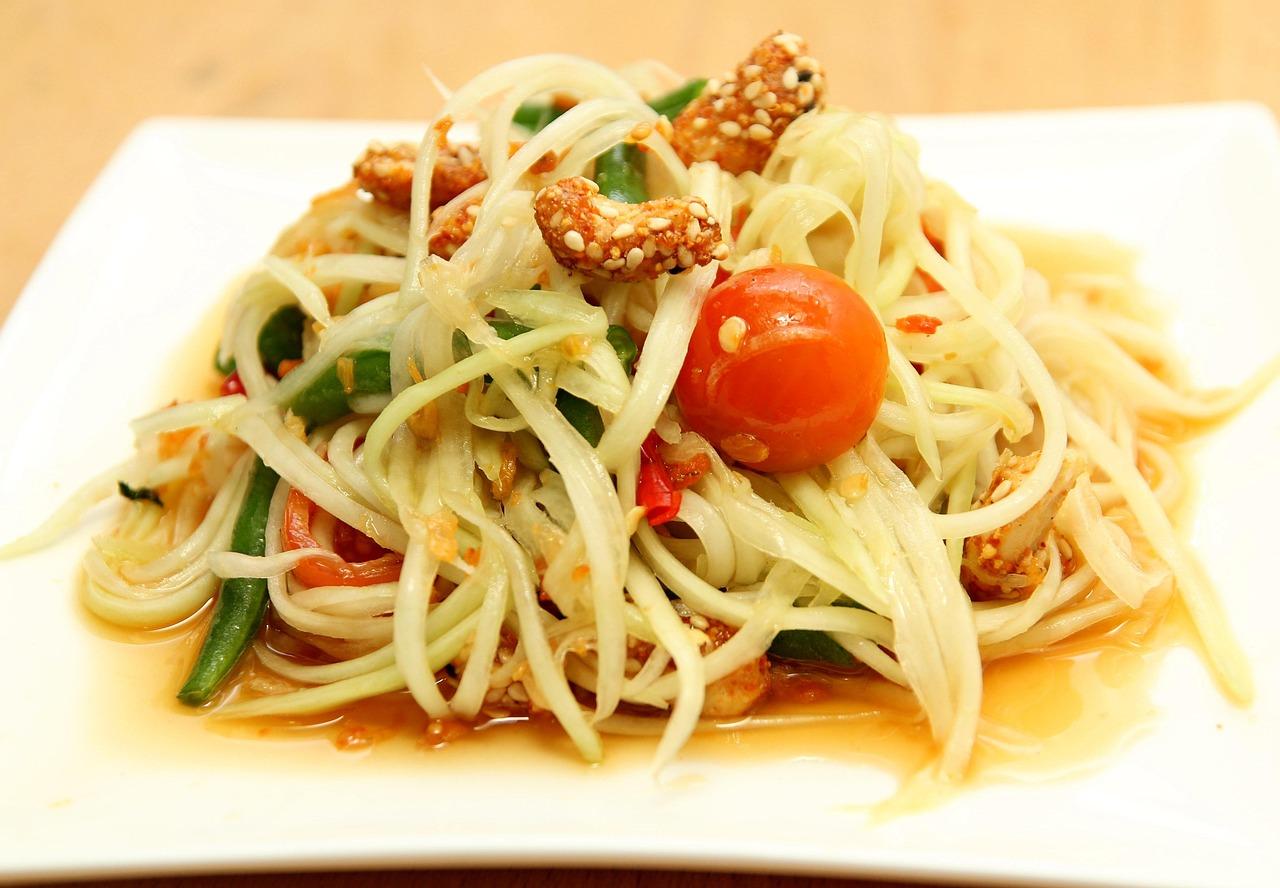
Gỏi đu đủ khô bòGreen papaya salad with beef jerky

Outside Saigon's schools and in the alleys off Hồ Con Rùa, carts piled with shredded green papaya sell gỏi đu đủ khô bò by the plate as an after-school or after-work snack. The papaya is crisp and cool, tossed with strips of sweet-spicy beef jerky, Thai basil and rau răm, then drowned in a thin, sweet fish-sauce dressing and finished with peanuts and a squirt of chilli sauce. It is lighter and sweeter than Thai som tam and never pounded. Chef's tip: soak the shredded papaya in iced salted water and dry it well; skip this and the salad is limp and the dressing tastes watery.

by KrazyBadal 0 views

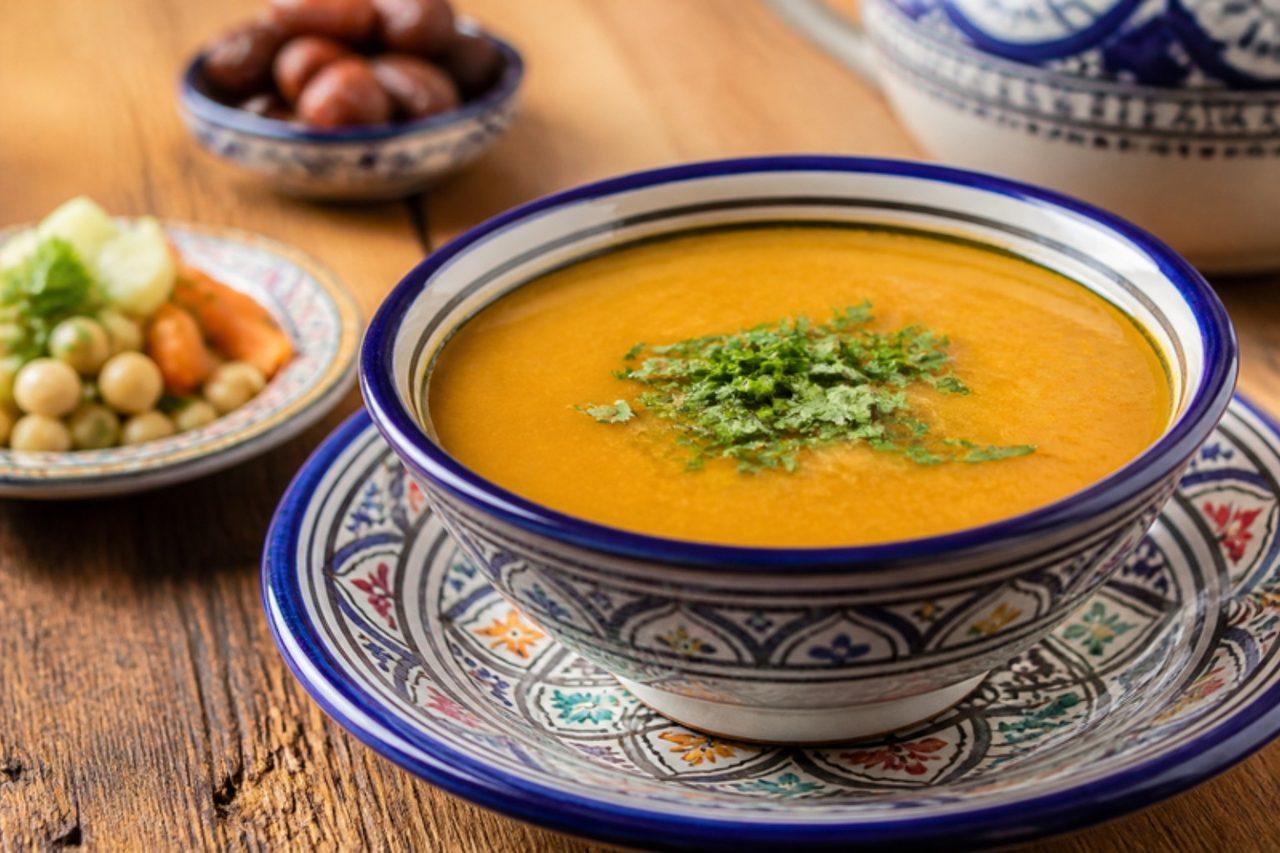
Chorba khodra (light Moroccan vegetable soup)

Chorba khodra is the everyday soup of Moroccan homes from Tangier to Agadir, served for supper on cold evenings and to anyone feeling unwell. Carrots, courgettes, potato, turnip and celery simmer with onion, tomato, coriander, parsley, ginger and a little turmeric, then get blended into a smooth, light orange soup thickened with a spoon of fine vermicelli or semolina. Serve with bread and a lemon wedge. Most people boil it too long so the herbs turn dull; add the fresh herbs in the last 10 minutes. Chef's tip: a teaspoon of smen or olive oil stirred in right before serving gives it the roundness of the restaurant version. Contains wheat (vermicelli).

by KrazyBadal 0 views

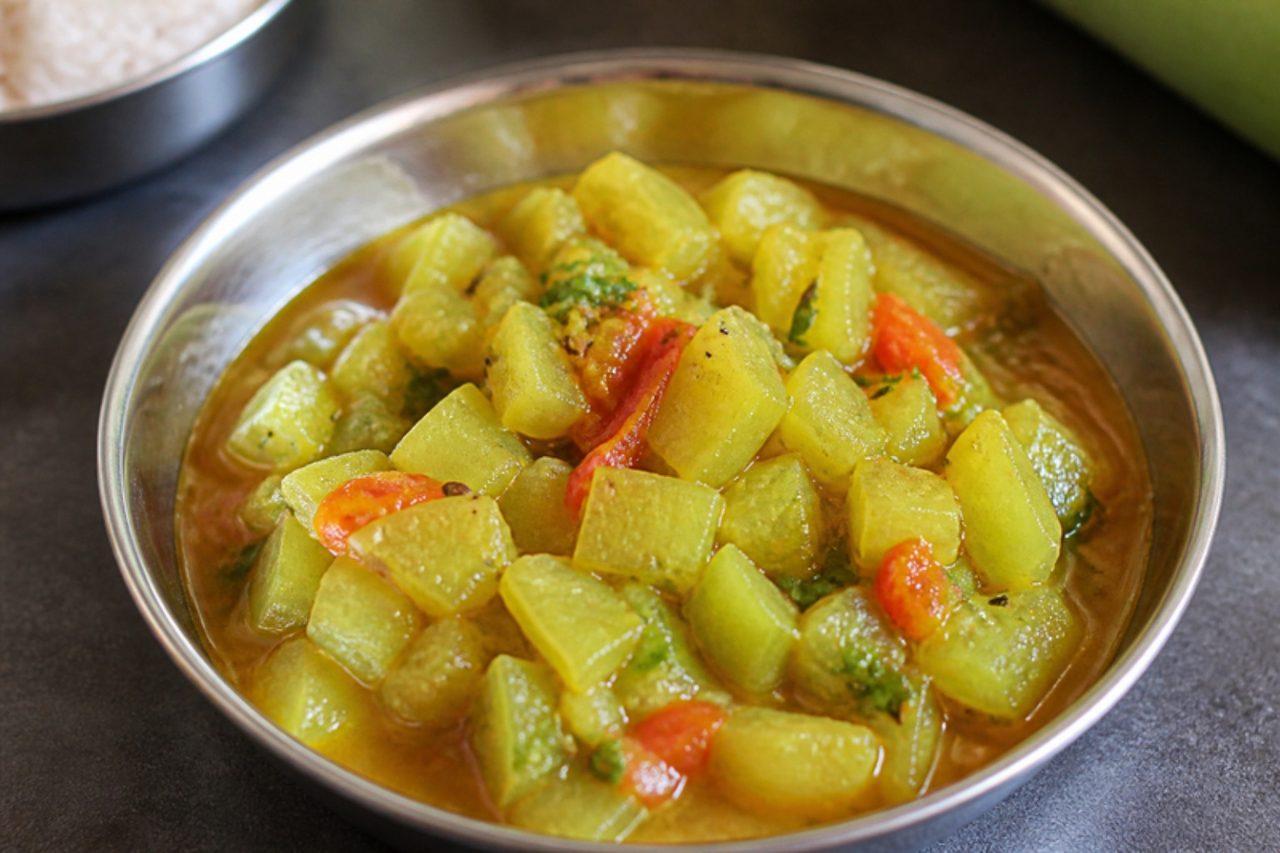
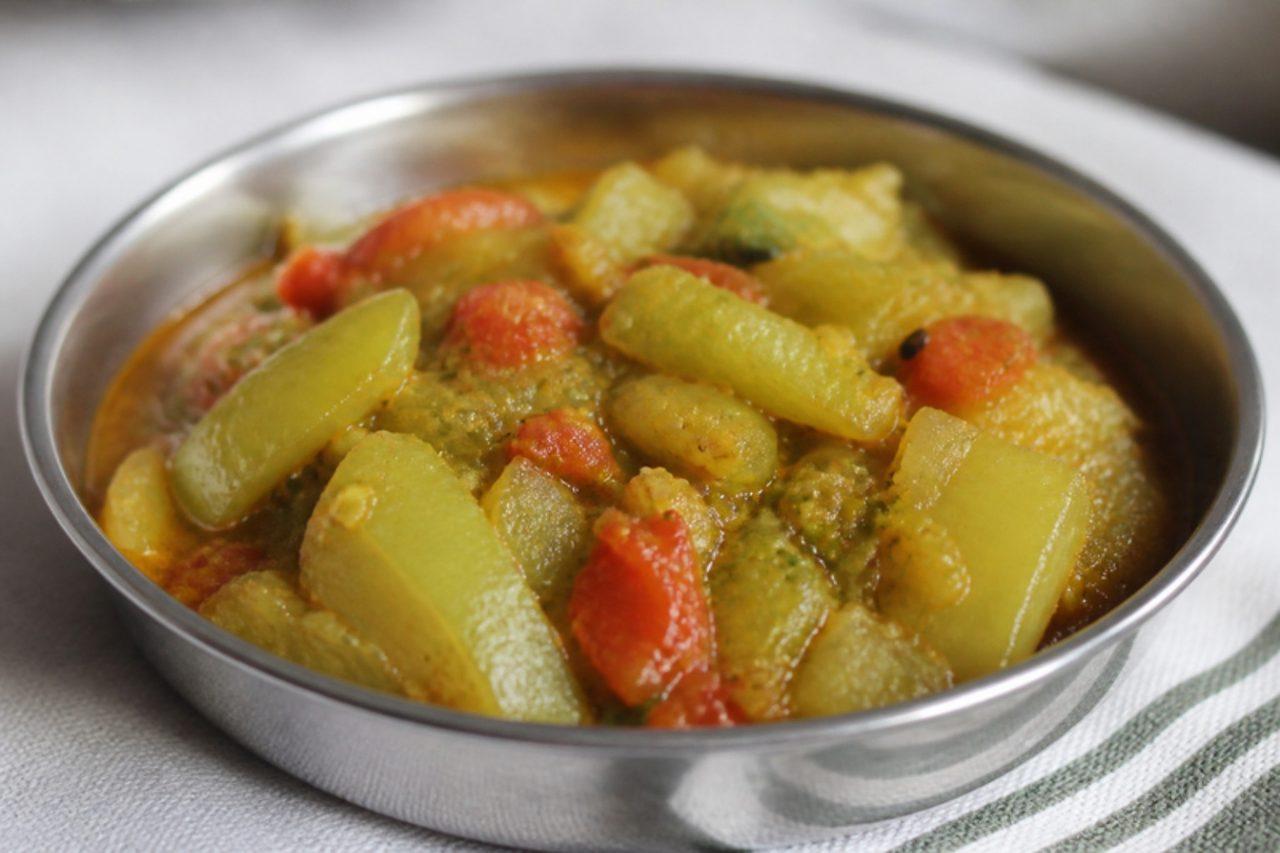
Dudhi nu shaakBottle gourd curry

When someone in a Gujarati house is unwell, or it's simply too hot to eat anything heavy, this is the shaak that appears with khichdi or thin rotli. Pale green bottle gourd cubes are cooked in a vaghar of cumin, mustard seed and hing with green chilli, a little tomato and a pinch of jaggery, and they release so much juice that almost no water is needed. With no onion, garlic or fresh ginger, it's everyday Jain food too. It ends up soft, light and gently sweet-sour, with a little thin gravy to soak into rice. The common mistake is adding water; dudhi is mostly water itself, and the shaak goes soupy and bland. Cover and let it stew in its own juice. Chef's tip: always taste a tiny raw piece first; a bottle gourd that tastes bitter can make you ill and must be thrown away.

by KrazyBadal 0 views

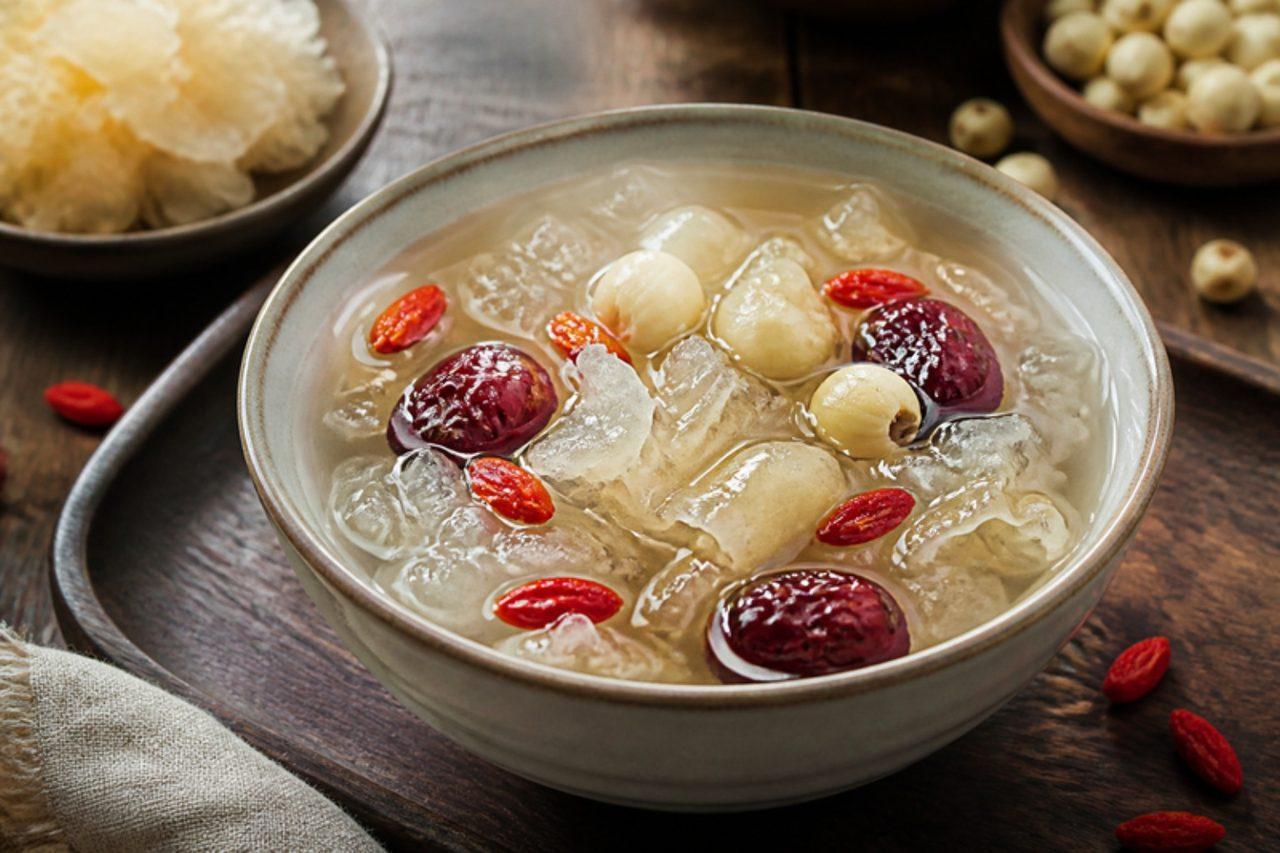
Yin er tang (snow fungus sweet soup)

Gutian county in Fujian grows most of the world's snow fungus, a frilly white dried fungus that softens into a soft, jelly-like tangle when simmered. Mothers across southern China cook it into a lightly sweet soup with red dates, lotus seeds and goji, served warm in winter and chilled in summer, and it is thought good for the skin and for dry autumn coughs. Done well, the liquid turns thick and glossy on its own. The common mistake is not simmering long enough: under an hour the fungus stays crunchy and the soup thin. Chef's tip: tear the soaked fungus into small pieces and cut away the hard yellow base; the smaller the pieces, the more body the soup gets.

by KrazyBadal 0 views

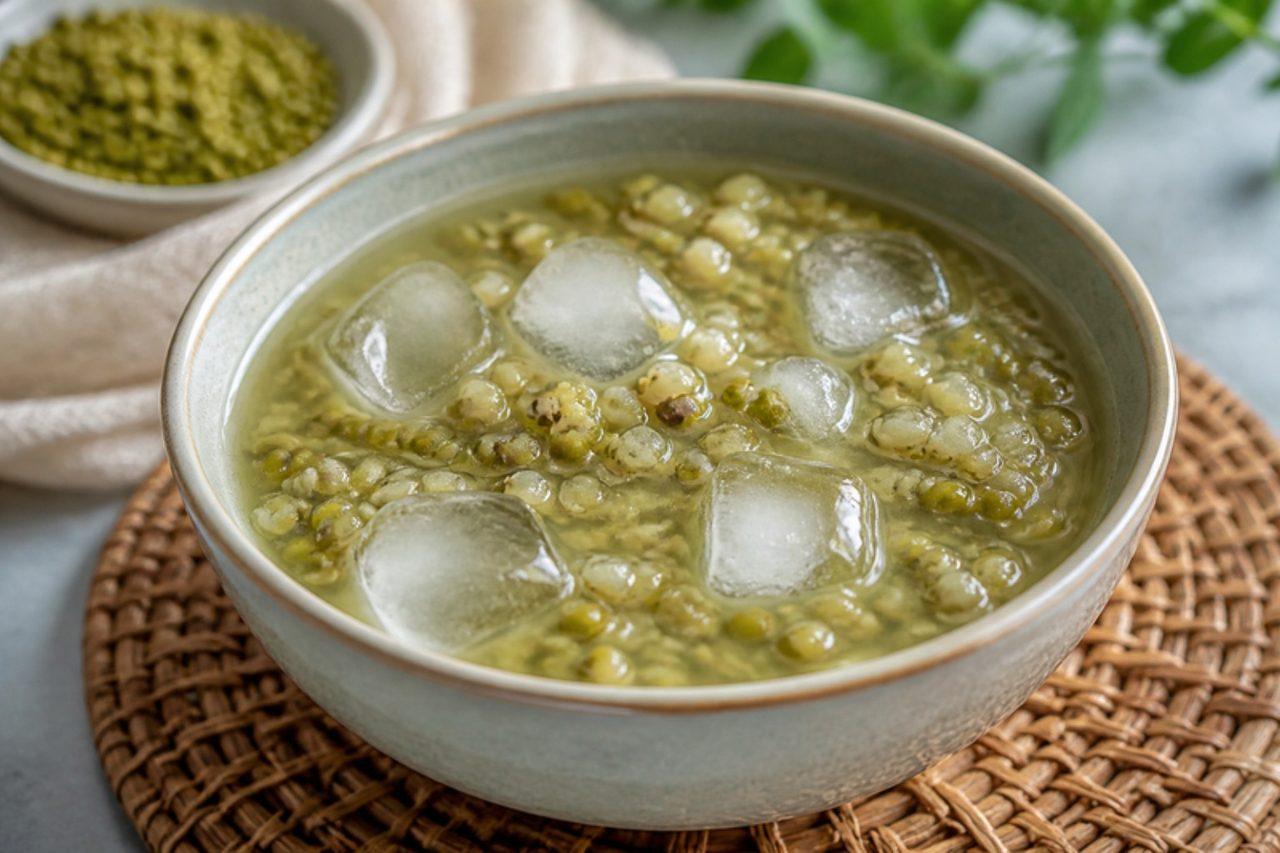
Lü dou tang (chilled mung bean soup)

When the heat settles on Guangzhou, Wuhan or Shanghai in July, families keep a jug of mung bean soup in the fridge, and school canteens and workplaces hand it out by the bowl; traditional medicine calls mung beans 'cooling', a reason to drink it on the hottest days. It is just mung beans simmered with rock sugar until some burst and the liquid turns pale green or soft red, eaten chilled. The common mistake is cooking it in an iron or aluminium pan or leaving it uncovered too long, which turns the soup dark brown-red; a stainless steel pot with the lid on keeps it greener. Chef's tip: for a clear green soup, take a few ladles of the liquid after 10 minutes of boiling, before the beans split, and drink that as a lighter tea.

by KrazyBadal 0 views

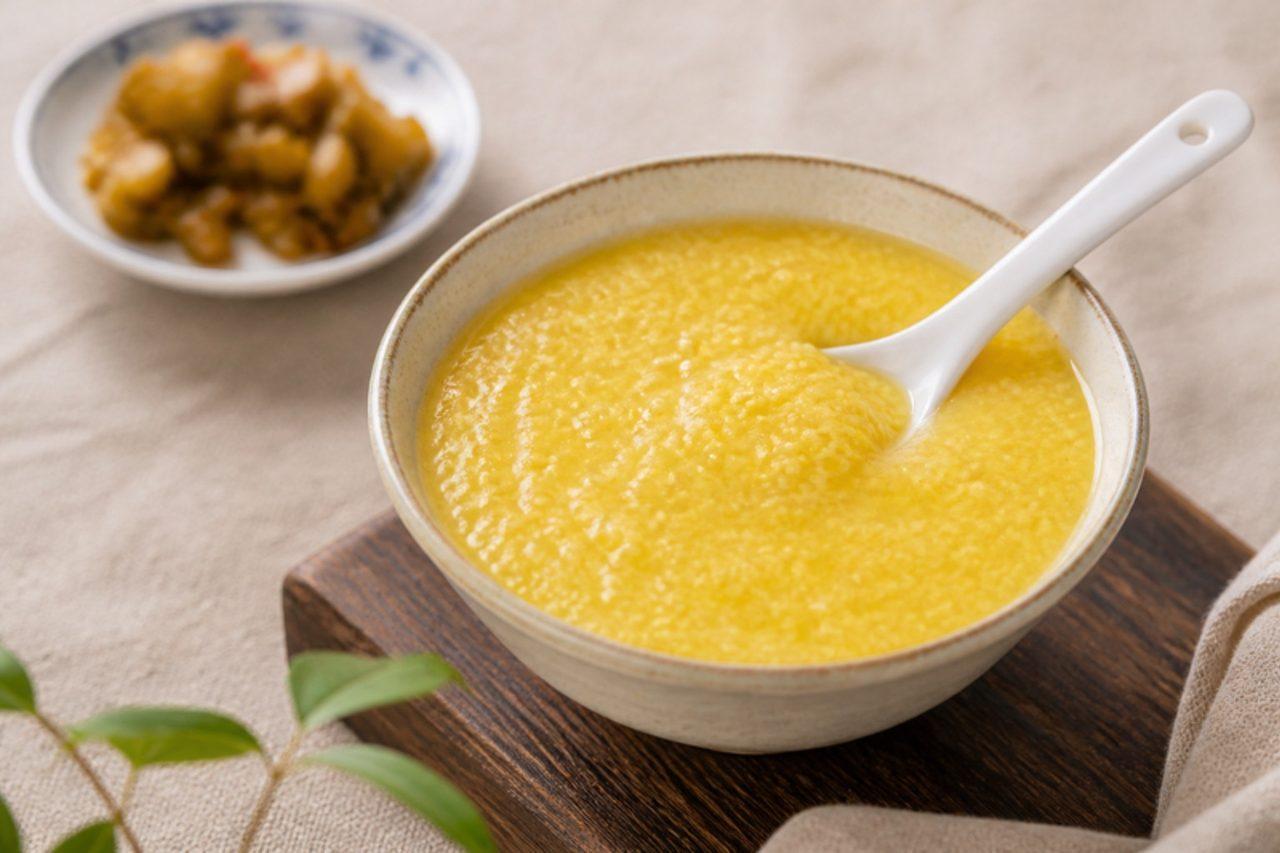
Xiaomi zhou (golden millet porridge)

In Shanxi, Hebei and the rest of the north, where rice was once a luxury, a pot of golden foxtail millet porridge is breakfast with steamed buns and pickles, a light supper, and the first food given to new mothers and anyone who is unwell. It needs just millet and water, cooked until a thin, silky layer called mi you, 'rice oil', forms on top. The common mistake is to stir it constantly or add the millet to cold water; start with boiling water and let it simmer gently and it turns creamy without catching. Serve it plain, or with a few red dates or cubes of pumpkin simmered in. Chef's tip: toast the rinsed millet in a dry pan for a minute before boiling for a deeper, nutty flavour.

by KrazyBadal 0 views

Bingtang xueli (rock sugar stewed pears)

When the dry winds of a northern winter bring on sore throats, grandmothers in Beijing and Shandong set a bowl of pear and rock sugar in the steamer, and it is now served as a soothing dessert all over China. Whole Asian pears, hollowed and filled with rock sugar, are slowly stewed until translucent and swimming in their own light syrup. The common mistake is choosing a Western pear that collapses; crisp Asian (nashi or Ya) pears hold their shape and give plenty of juice. Chef's tip: slice off the top as a lid and stew it with the pear; serving the pear with its lid back on is how it is presented at the table.

by KrazyBadal 0 views

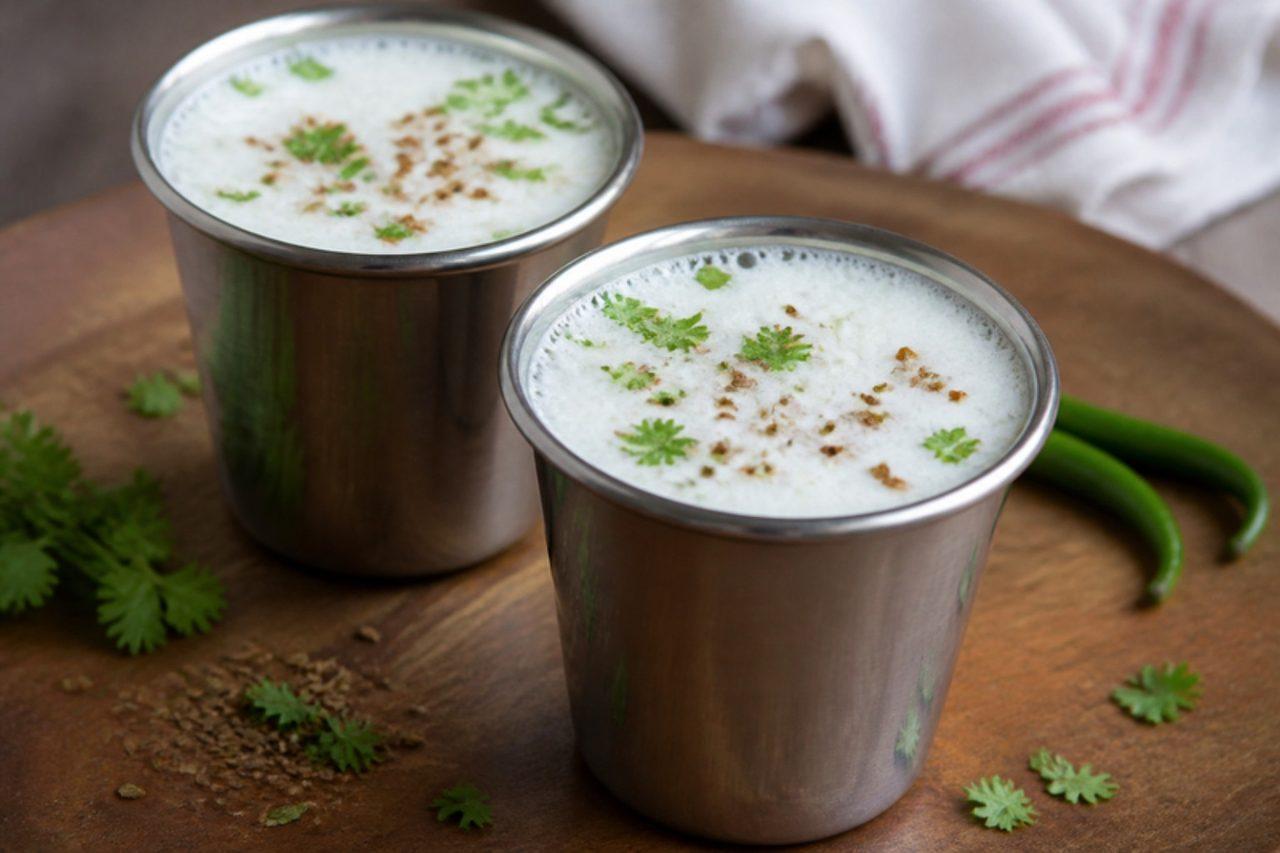
Masala chaasSpiced buttermilk

No Gujarati lunch is finished until the steel glass of chaas comes round. From Ahmedabad pols to Kathiyawadi farmhouses, homemade dahi is thinned right down, churned with a wooden ravai or a blender, and seasoned with roasted cumin, black salt, a little ginger and green chilli, then poured ice-cold after dal-bhaat-shaak-rotli. It should be thin enough to drink in one go, salty, gently hot and full of coriander; that is what settles a heavy meal in May. Kerala's sambaram, with shallot and curry leaf, is a close cousin. A common mistake is churning thick, very cold full-fat dahi for too long: the fat clumps into flecks of butter and the chaas turns thin and greasy. Blend the dahi with only part of the water for a few seconds, then stir in the rest. Chef's tip: dahi that is a day old and slightly sour makes the best chaas; very fresh, sweet dahi tastes flat however much masala you add.

by KrazyBadal 0 views

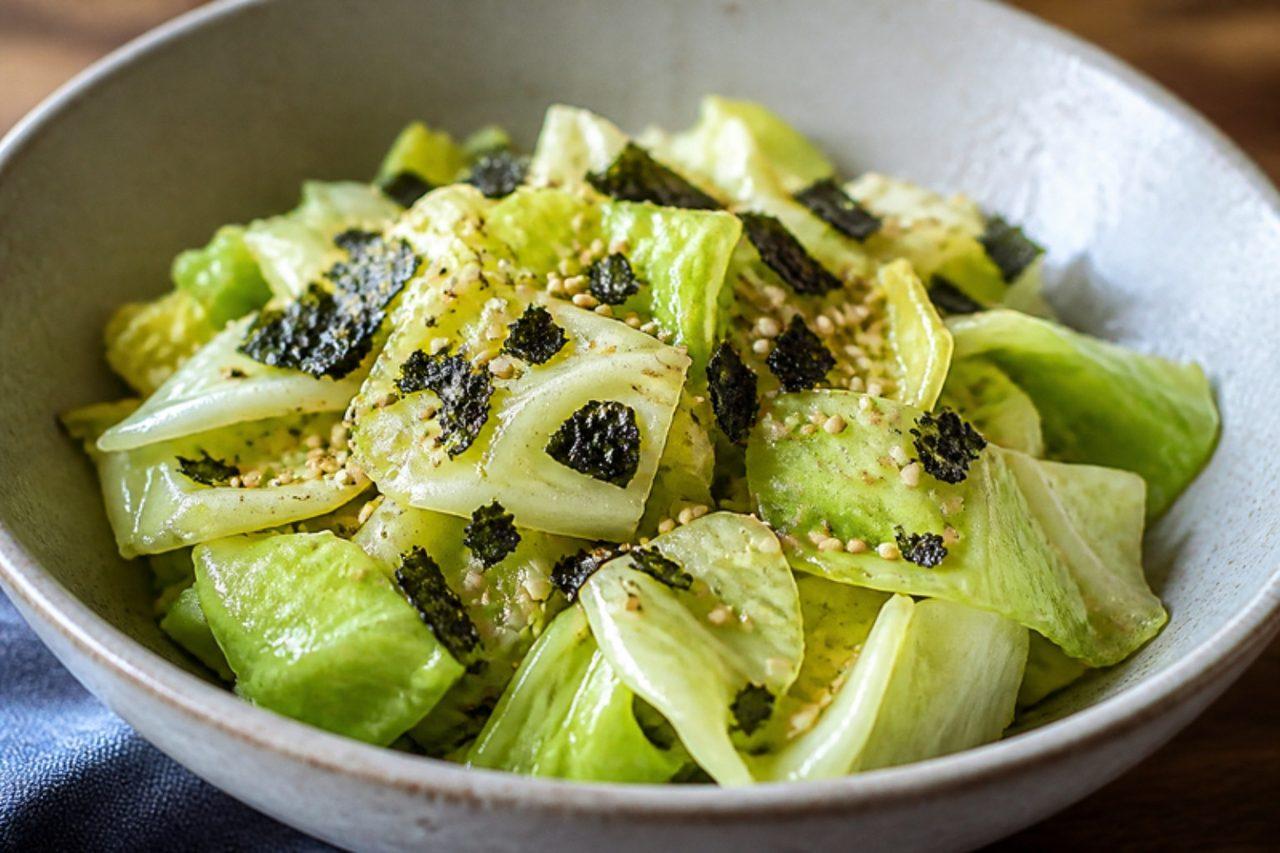
Yamitsuki cabbageSesame cabbage salad

Yamitsuki means 'addictive', and this bowl of raw cabbage is what many Tokyo yakitori bars put down free the moment you sit, to nibble while the grill heats up. The leaves are torn rather than cut, tossed with sesame oil, garlic, salt and a little stock powder or soy, and finished with crumbled nori and sesame: crunchy, salty and hard to stop eating. The common mistake is dressing it too early; after ten minutes the salt draws out water and it goes limp. Chef's tip: tear the cabbage with your hands into bite-size pieces, because the ragged edges hold far more dressing than a knife-cut slice.

by KrazyBadal 0 views

Turiya nu shaakRidge gourd curry

Turiya arrives in Gujarat's markets with the monsoon, and this quick, juicy shaak is a weekday staple from Rajkot to Navsari, eaten with rotli and a dollop of ghee, or with khichdi and kadhi. It is cooked the Jain way, in a vaghar of mustard seed, ajwain and hing with green chilli and dry ginger powder instead of fresh ginger, plus tomato and a pinch of sugar. The gourd turns silky and almost melts, leaving a light, sweetish gravy. A common mistake is overcooking: ridge gourd softens in about eight minutes and turns to mush soon after. Take it off the heat as soon as the pieces are translucent but still hold their shape. Chef's tip: scrape off only the hard ridges and leave the green skin between them; it keeps the pieces together and adds flavour.

by KrazyBadal 0 views

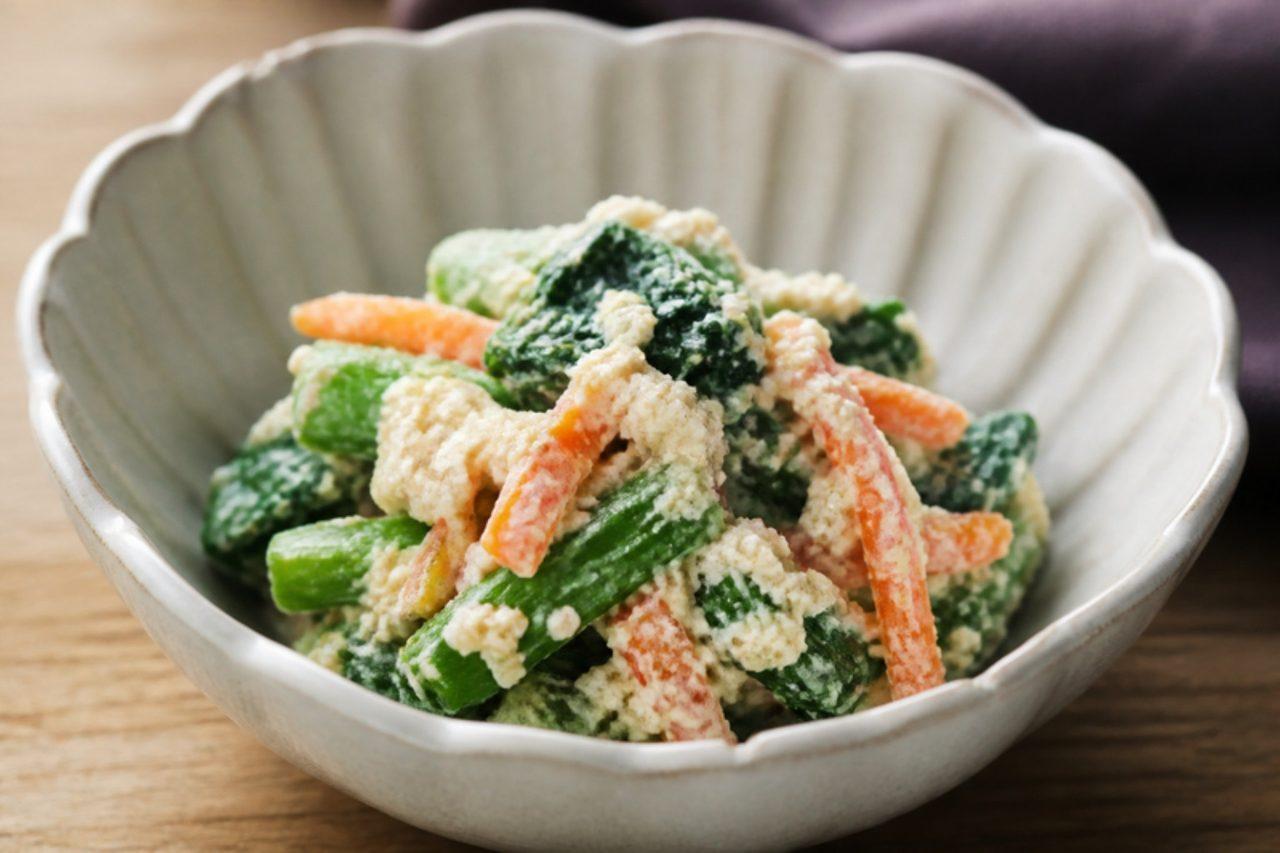
ShiraaeVegetables in tofu dressing

Shiraae, 'white dressing', is one of the oldest dishes of Japanese temple cooking and still a gentle home side today, especially in the Kyoto area: blanched spinach, carrot and konnyaku folded into a creamy paste of tofu, ground sesame and a touch of white miso. It tastes mild, nutty and lightly sweet, rather like a Japanese answer to a dip-dressed salad. The common mistake is leaving the vegetables wet, which turns the dressing grey and runny; squeeze them well and dress just before serving. Chef's tip: for the silkiest dressing, grind the toasted sesame in a suribachi (or mortar) until it starts to turn oily, then mash the tofu straight into it.

by KrazyBadal 0 views

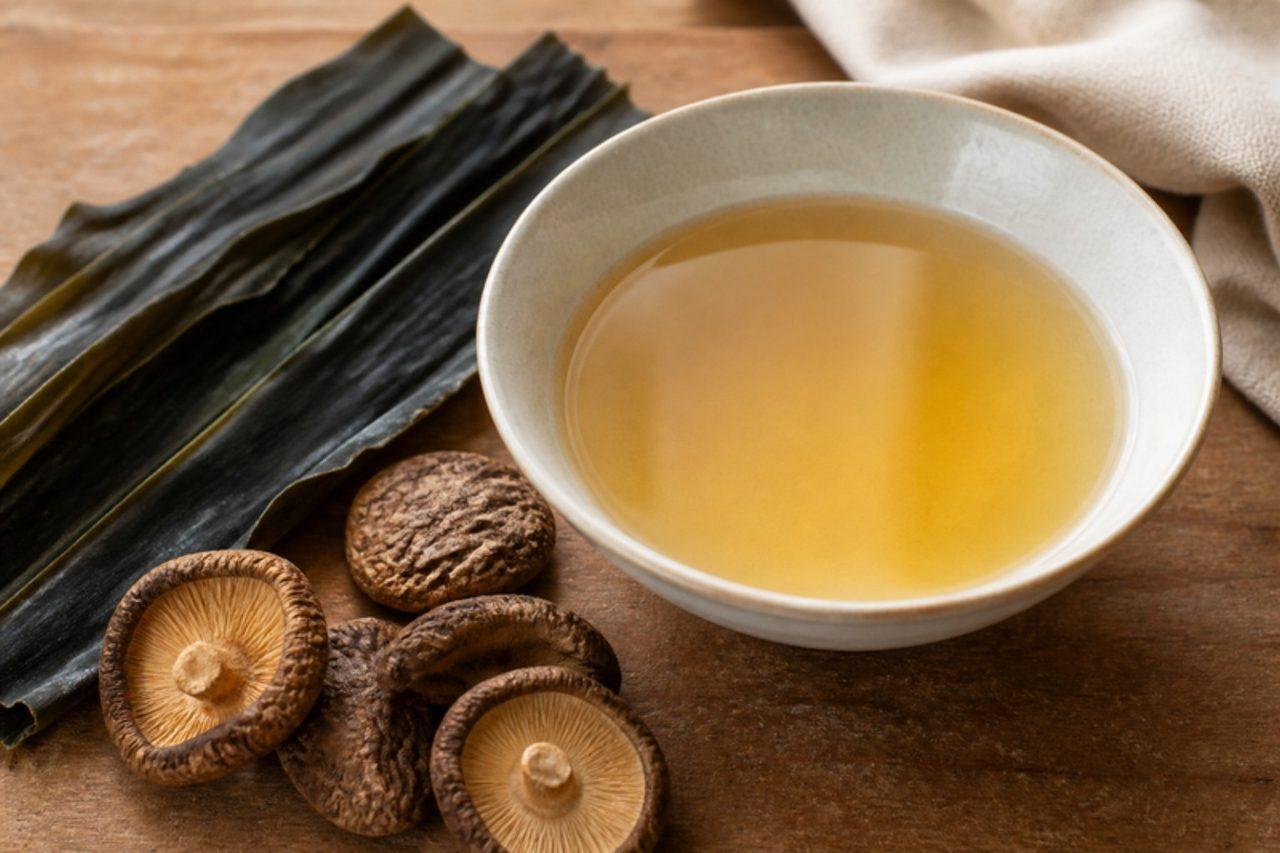
Shojin dashiKombu and shiitake stock

Zen temples in Kyoto and Kamakura build their whole cuisine on this stock: kombu kelp and dried shiitake soaked in cold water until the liquid turns golden and deeply savoury, with no bonito at all. It is the vegan dashi for miso soup, simmered vegetables, noodle broths and dipping sauces, and every vegetarian Japanese recipe on this site can use it. The common mistake is boiling the kombu, which releases slime and bitterness; it should never go beyond a gentle simmer, and taking it out just before boiling gives the cleanest flavour. Chef's tip: soak overnight in the fridge (mizudashi) for the best, roundest flavour with no effort, then keep the softened shiitake for a simmered dish.

by KrazyBadal 0 views

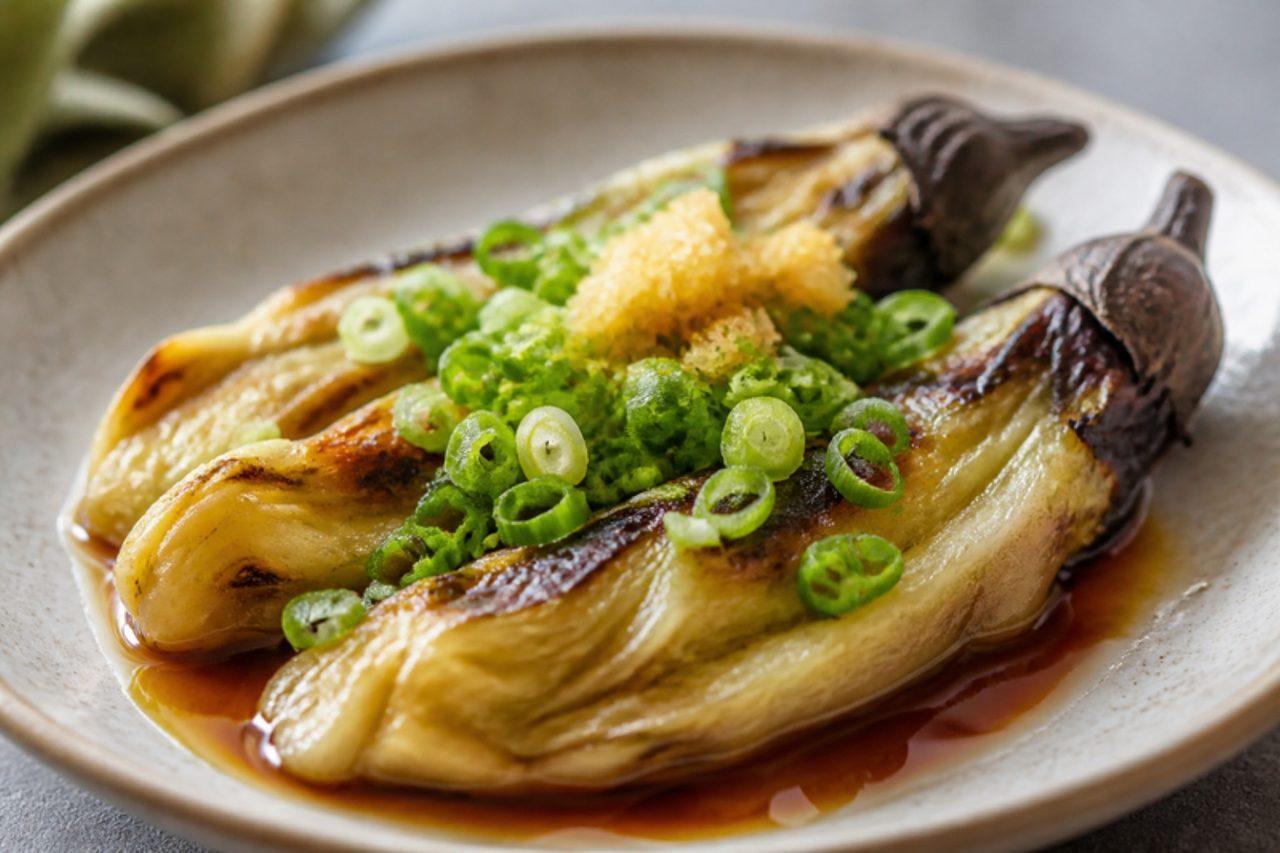
Yaki nasuGrilled aubergine

Summer evenings in Japanese homes and izakaya often bring a plate of yaki nasu: whole aubergines blackened over a flame until the skin is burnt and the inside collapses into smoky, silky strands. Peeled while hot, they are served chilled or warm with grated ginger, soy and spring onion. The classic topping is bonito flakes; this vegetarian version uses toasted sesame and a kombu–shiitake dashi in the dressing instead. The common mistake is pulling the aubergine off the flame too early, leaving a firm, bitter centre; it should feel completely floppy. Chef's tip: plunge the charred aubergines into iced water for a few seconds only, which makes them easy to peel without washing away the smoky flavour.

by KrazyBadal 0 views

Luo han guo teaMonk fruit tea

The hills around Guilin in Guangxi grow luo han guo, a small round gourd that is dried until its shell turns brown and brittle. Cantonese and Guangxi households simmer one in water when someone has a scratchy throat or a dry cough, or simply in the heat of summer, and the result is a dark amber tea that tastes of caramel and dried fig with no sugar added at all. Drink it hot in winter or chilled in summer. The mistake most people make is using a whole fruit for a single cup, which is cloyingly sweet; one fruit is enough for a large pot. Chef's tip: crack the shell and tear the pulp into pieces, so the flavour comes out in 15 minutes instead of an hour.

by KrazyBadal 0 views

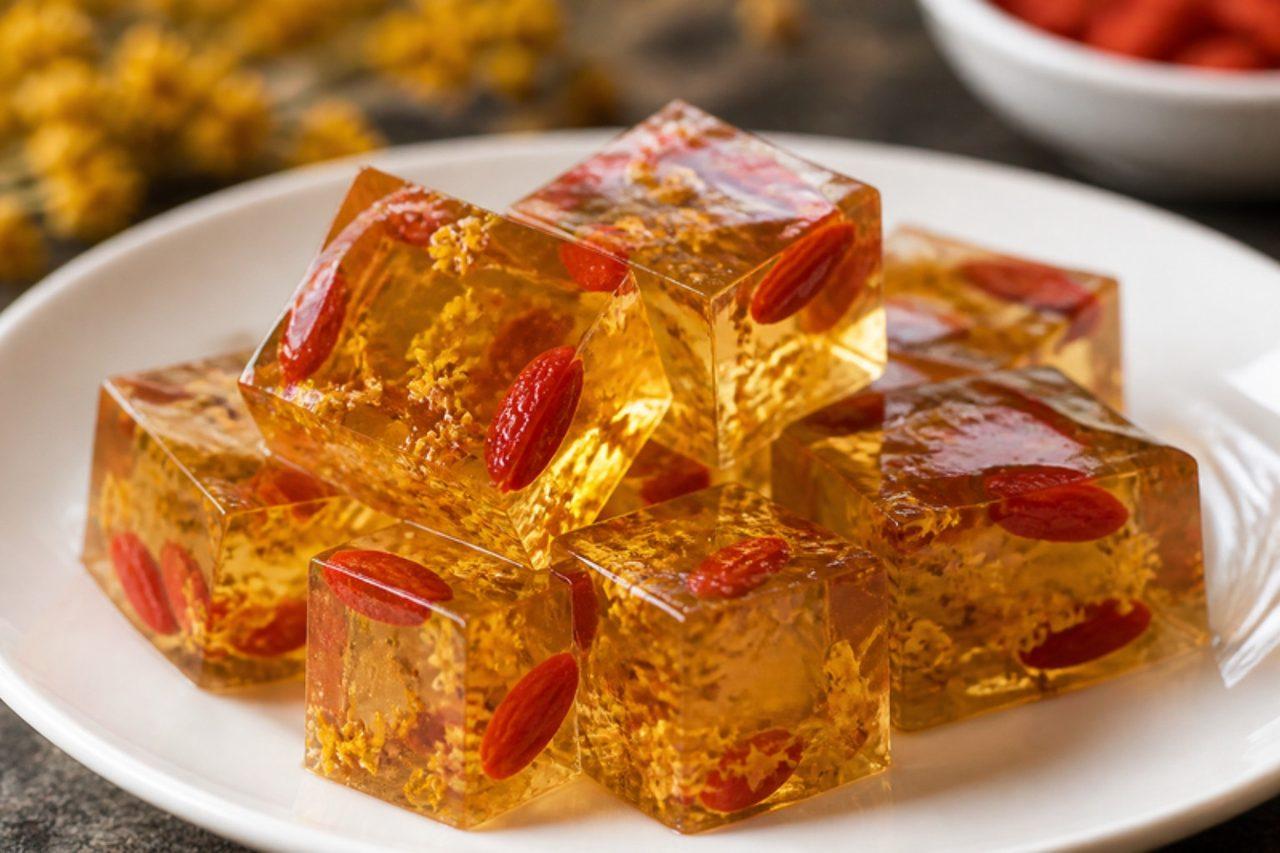
Osmanthus jelly (gui hua gao)

In Hangzhou and Guilin the sweet osmanthus trees flower around Mid-Autumn, and their tiny golden blossoms are dried to scent teas, wine and this crystal-clear jelly, a light dessert after a mooncake-heavy festival meal. Set with agar instead of gelatine, it is vegan, firm enough to cut into neat squares, and studded with flowers and red goji berries. The mistake is adding all the flowers to hot liquid at once: they float to the top in a crowd, so stir them in once the mix starts to thicken. Chef's tip: a mould with layers of flowers suspended all through looks far prettier than one with all the petals at the top.

by KrazyBadal 0 views

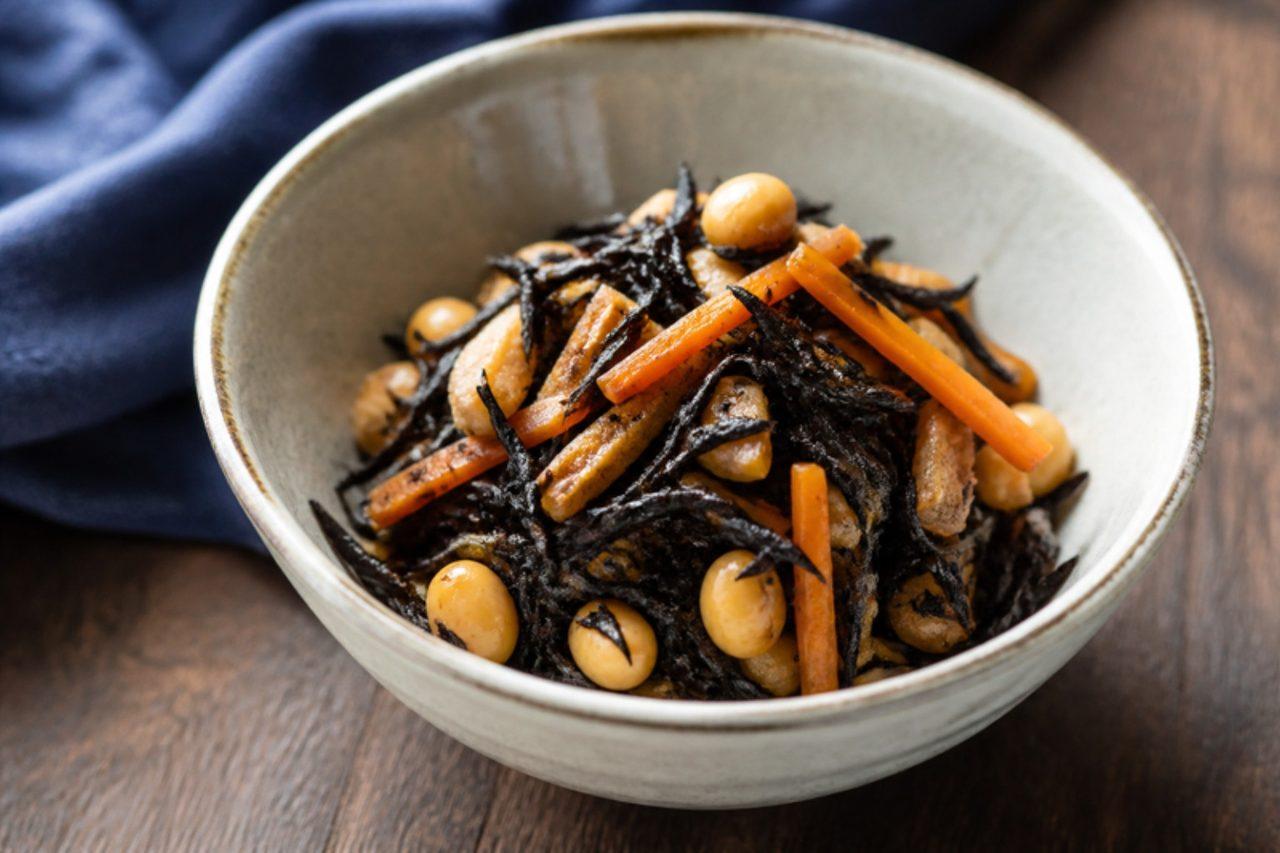
Hijiki no nimonoSimmered hijiki seaweed

This is the quiet, dark heap of seaweed that turns up next to rice in set lunches all over Japan, and it is a staple of home bento boxes because it tastes just as good cold. Tiny black hijiki strands are simmered with carrot, thin fried tofu (aburaage) and soybeans in a sweet soy broth until the liquid is nearly gone. It is savoury, faintly of the sea and rich in fibre. Mirin contains alcohol; the note gives an alcohol-free swap, and this version uses fish-free kombu–shiitake dashi. A common mistake is skipping the rinse after soaking: dried hijiki carries sand, so swish it in fresh water twice. Because hijiki can hold inorganic arsenic, soak it well, discard the soaking water and eat it as a small side rather than daily in large amounts. Chef's tip: pour boiling water over the aburaage first to remove excess frying oil, so it soaks up the broth.

by KrazyBadal 0 views

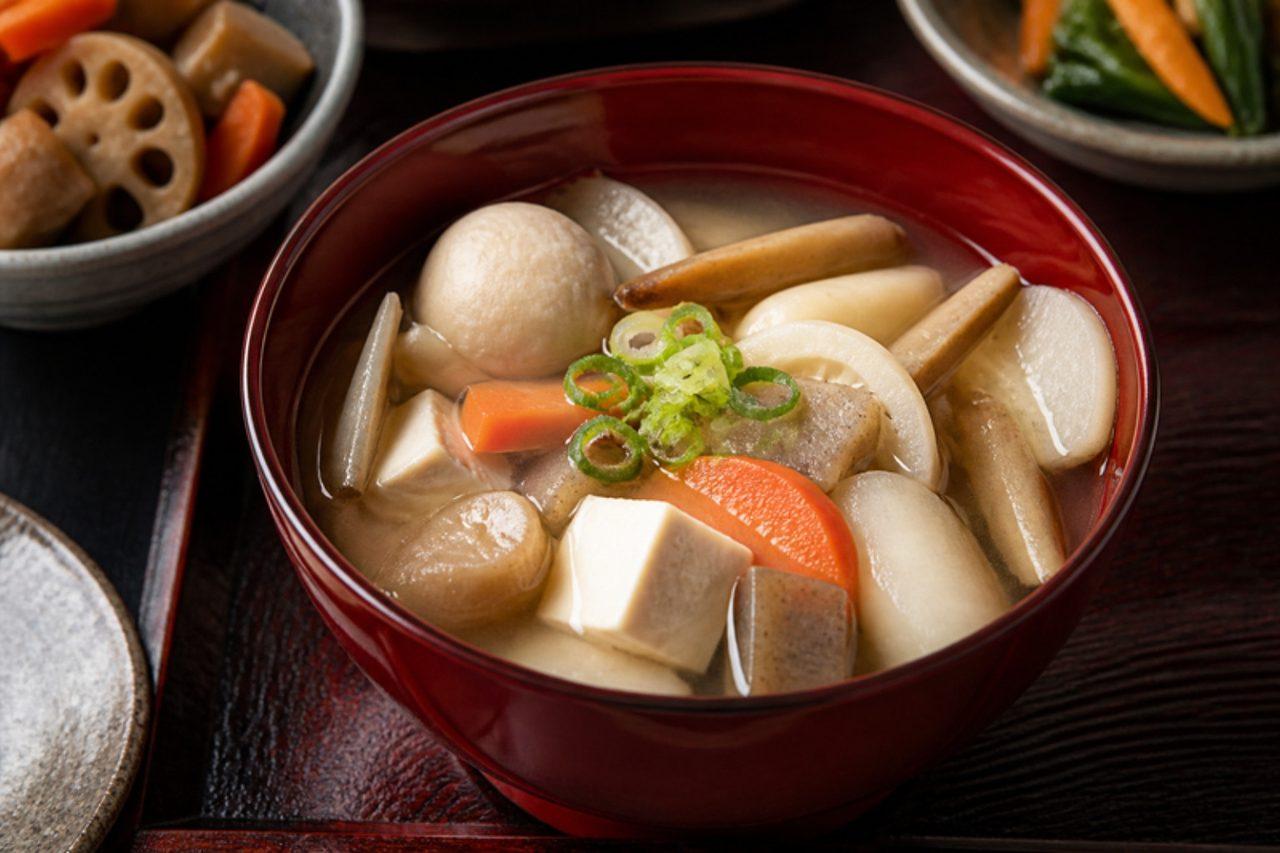
Kenchin jiruRoot vegetable and tofu soup

This hearty, clear soup is said to have been created at Kenchō-ji, the great Zen temple in Kamakura, where monks fried scraps of root vegetables and crumbled tofu in sesame oil before simmering them, so nothing was wasted. Today it is a winter staple in Kanto homes, especially in Ibaraki and Kanagawa: soft daikon, carrot, burdock, taro and konnyaku in a soy-seasoned kombu broth, nutty with sesame. A spoon of sake goes in at the end and simmers off; the note gives an alcohol-free swap. The common mistake is skipping the frying stage; it is the sesame oil that gives kenchin its richness. Chef's tip: tear the konnyaku and tofu with your hands instead of cutting, so the rough surfaces catch more broth.

by KrazyBadal 0 views

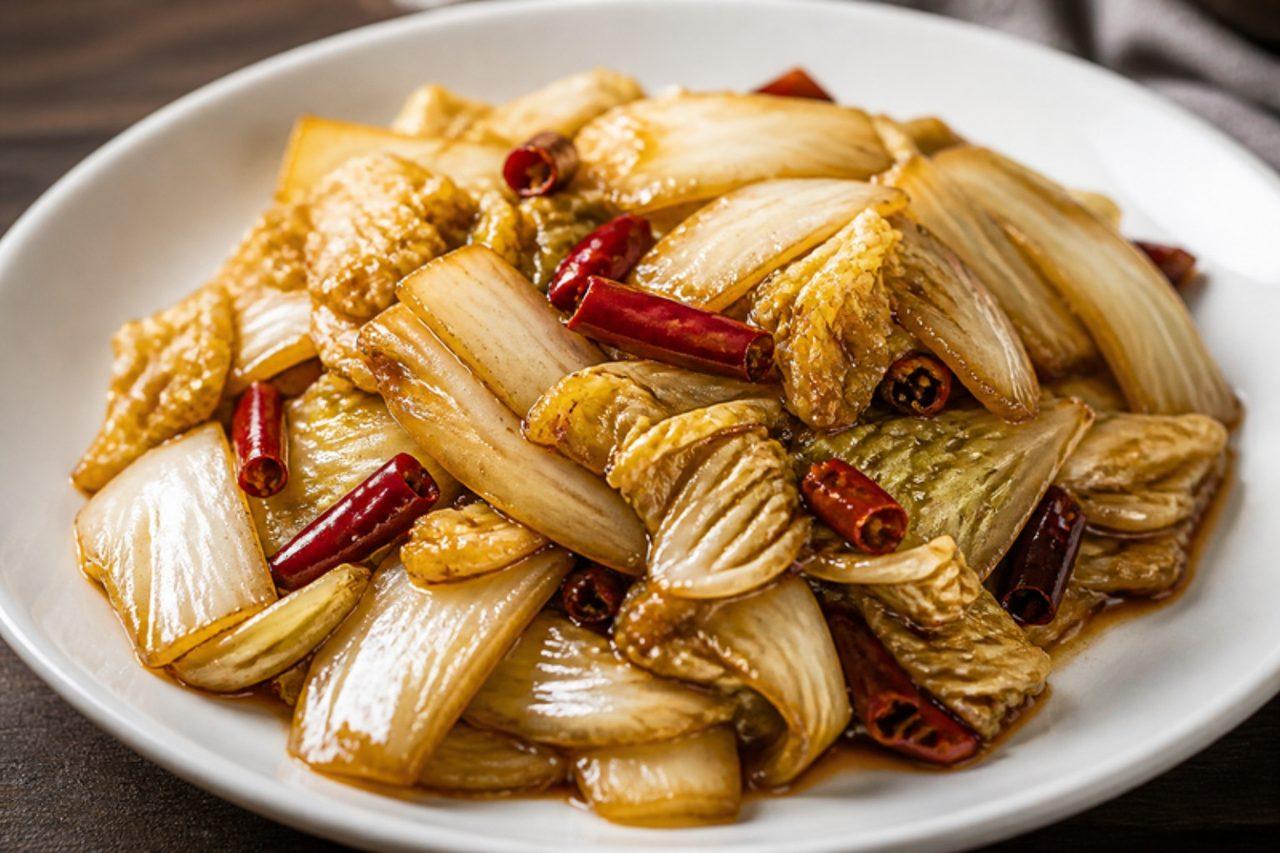
Cu liu baicai (vinegar cabbage)Vinegar-fried cabbage

Through the long winters of Shandong, Hebei and Beijing, napa cabbage was the vegetable stored in every courtyard, and cu liu baicai is how northern homes turn it into a bright, quick dish in ten minutes. The thick white stalks are sliced thin and seared hard in a smoking wok, then splashed with black vinegar so they stay crunchy, juicy and sharp, with a little sweetness and the warmth of dried chilli. It goes with rice, steamed buns or dumplings. The classic mistake is crowding a cool wok, which stews the cabbage in its own water; cook in two batches if your pan is small. Chef's tip: add half the vinegar around the hot edge of the wok so it sizzles and turns fragrant, and the rest at the end for fresh tang.

by KrazyBadal 0 views

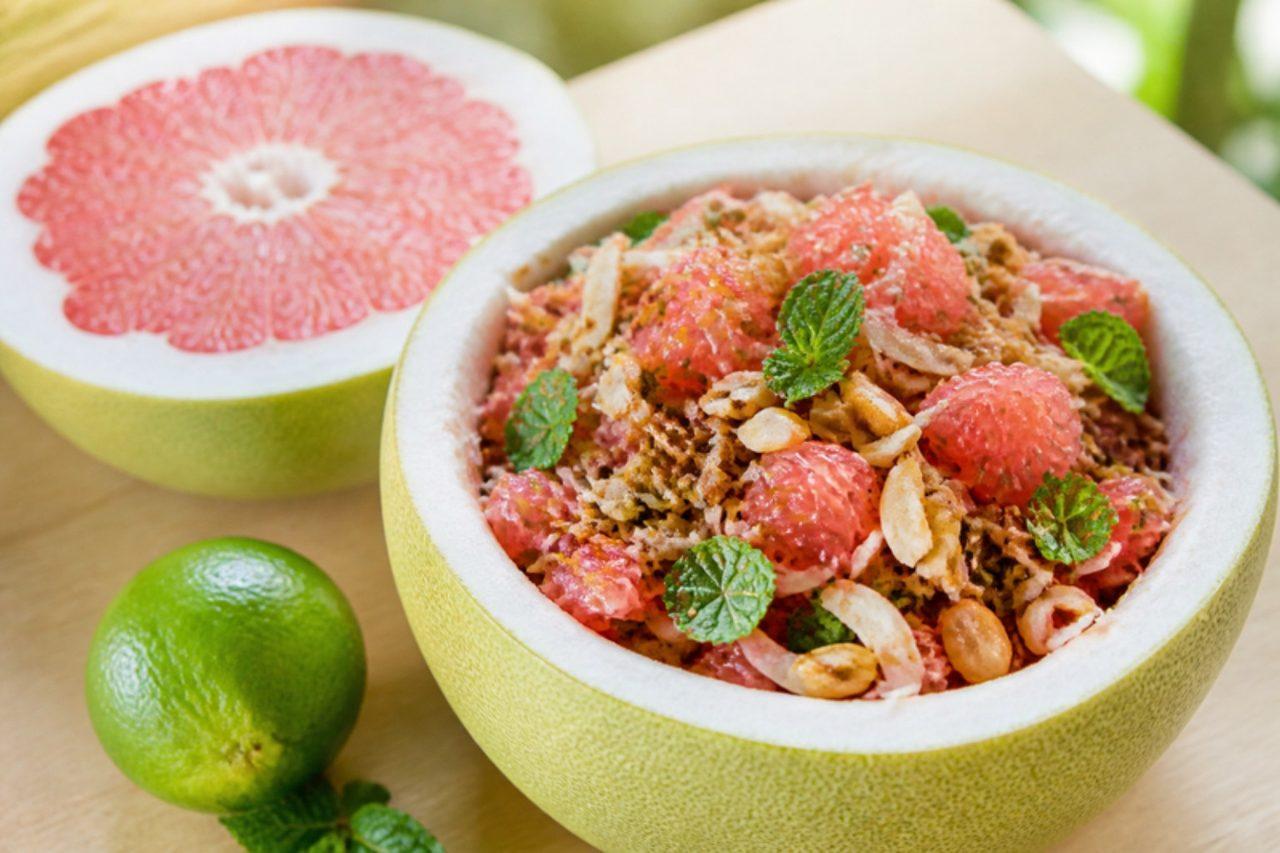
Yam som o (pomelo salad)

Pomelos from Nakhon Chai Si, west of Bangkok, are prized for their dry, juicy segments, and when they come into season in late summer this salad appears on restaurant menus across the central plains. The segments are broken into bursting sacs and tossed with toasted coconut, crisp shallots and peanuts in a dressing of lime, palm sugar and nam prik pao, so it eats sweet, sour, nutty and only mildly hot. Restaurants usually add poached prawns, fish sauce and a chilli jam made with dried shrimp; this version uses tamari and a vegan nam prik pao so it suits everyone. Chef's tip: dress the pomelo just before serving and toss with your fingertips; stirring hard with a spoon bursts the sacs and leaves a watery bowl.

25 minThaiSaladsVeganGluten free
by KrazyBadal 0 views

Agua de melónCantaloupe drink

Mexican market juice stalls make agua de melón with the ripest, most fragrant cantaloupes, and many cooks blend in the seeds and the soft pulp around them, which adds a creamy body and a nutty flavour. It's served in tall glasses on hot afternoons from Guanajuato to Veracruz and is a favourite with kids. Chef's tip: smell the stalk end of the melon before you buy it; if it smells sweet, the drink will too.

by KrazyBadal 0 views

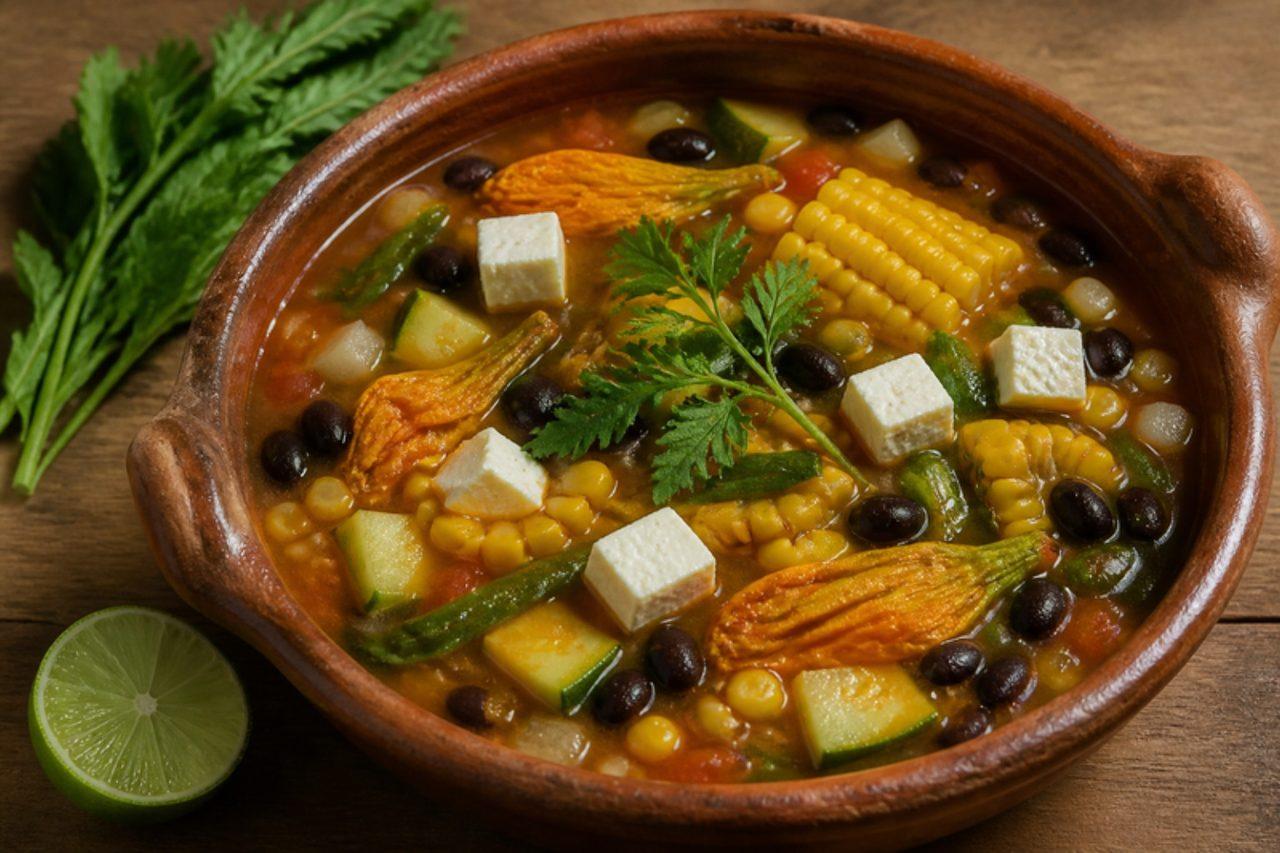
Sopa de milpaCorn and squash soup

A milpa is the traditional Mexican field where corn, beans and squash grow side by side, and this soup puts the summer harvest from that field into one pot. A light tomato broth carries chunks of corn, courgette, roasted poblano strips, a handful of black beans and squash blossoms, with epazote for its earthy, herbal note. In Central Mexico it's a healthy everyday lunch in the rainy season. Top it with cubes of panela cheese, which is usually made with animal rennet; choose a vegetarian one. Chef's tip: cut the corn into rounds rather than taking off the kernels, so everyone gets a sweet piece to gnaw.

by KrazyBadal 0 views

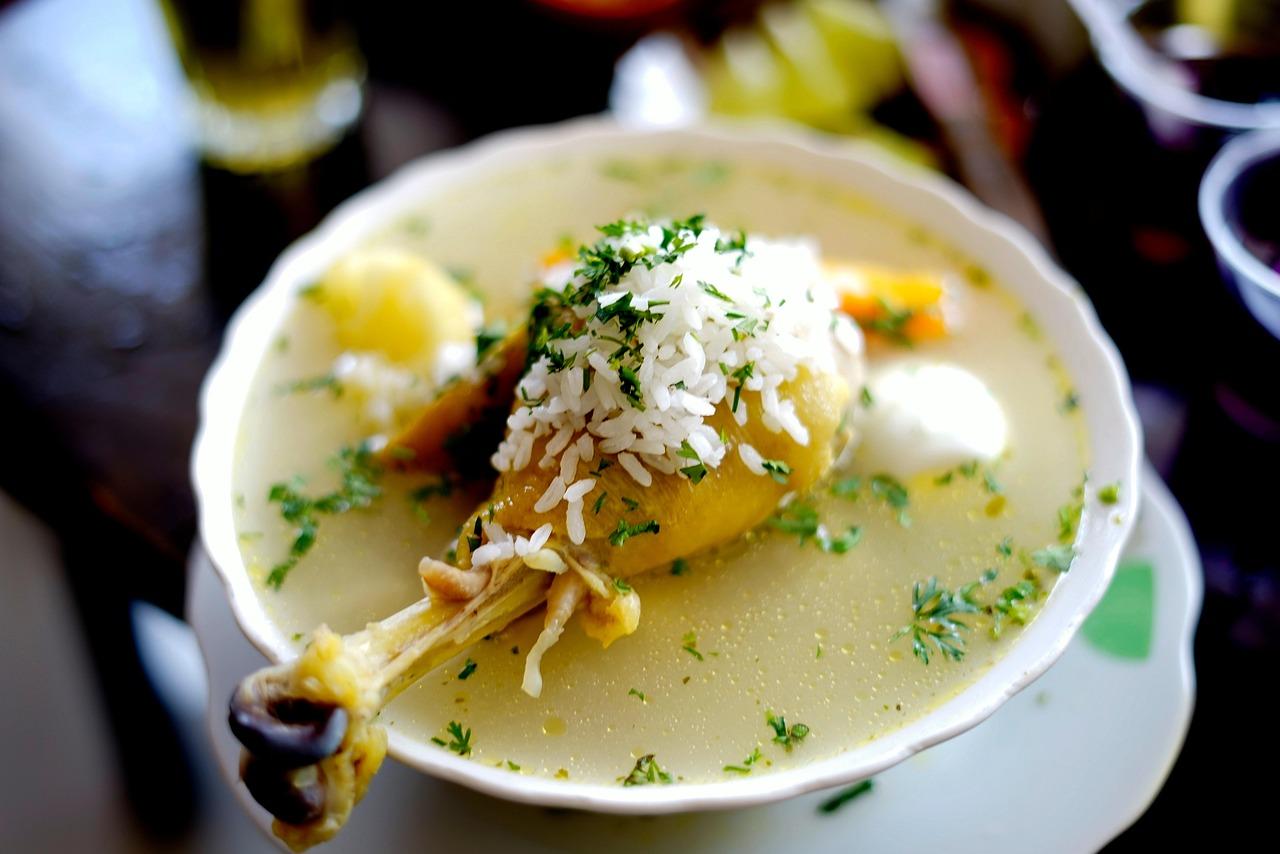
Canja de galinhaChicken and rice soup

Canja came to Brazil from Portugal and became the soup every Brazilian mother makes when someone is ill, the traditional food for new mothers during the resguardo after childbirth and, oddly, a favourite at the end of long parties. Chicken is simmered with onion and garlic, then shredded back into the broth with rice, carrot and potato, and finished with parsley and spring onion. It's gentle and filling. Chef's tip: cook the rice in the broth only until just tender; it keeps swelling in the bowl.

by KrazyBadal 0 views

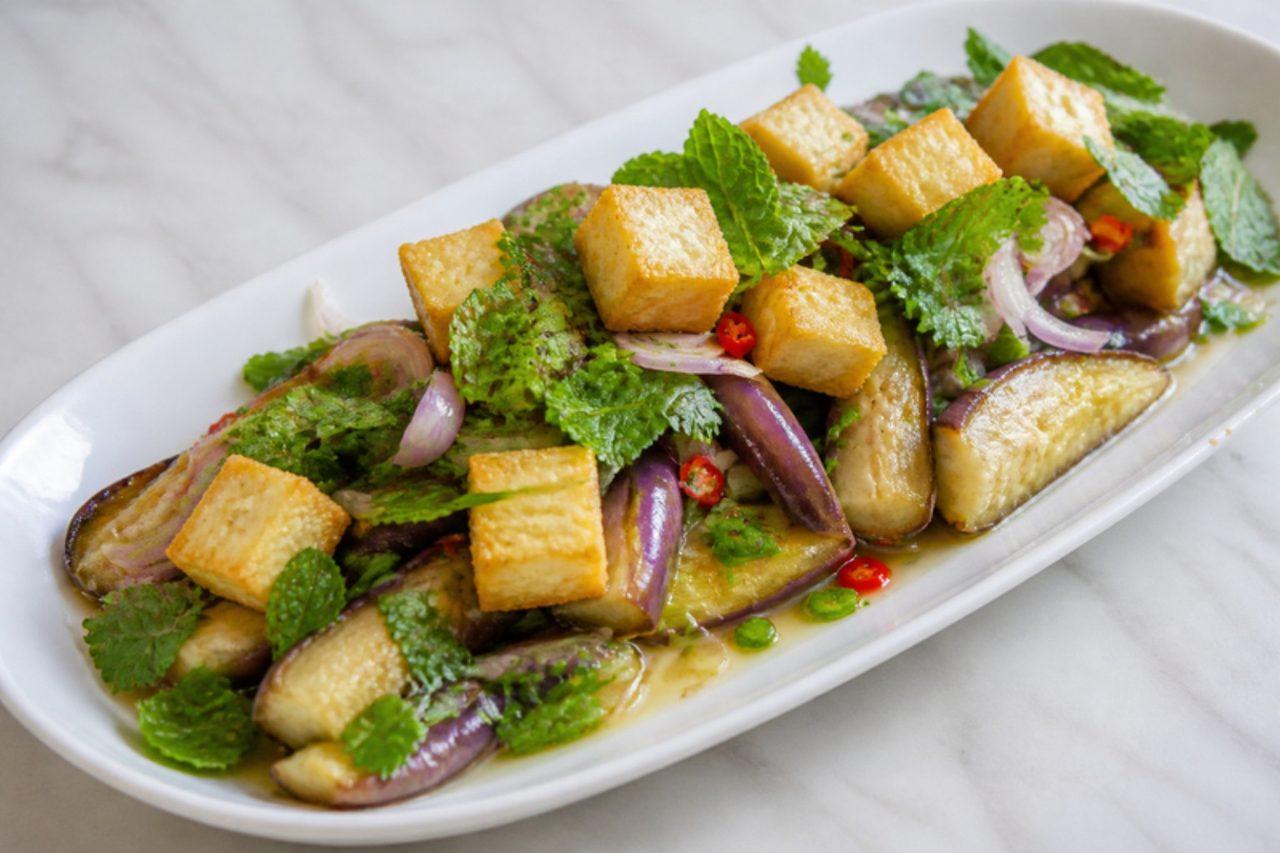
Yam makheua yao (grilled aubergine salad)

In Bangkok's evening markets, cooks blister long green aubergines straight over charcoal until the skins blacken, then peel them and dress the soft, smoky flesh with lime, chilli, shallot and plenty of herbs. It is a cooling side for grilled meats and sticky rice, or a light lunch on its own. Stalls usually top it with minced pork or dried shrimp and season with fish sauce; here crisp fried tofu and tamari make it vegan. Chef's tip: char the aubergines until they collapse completely and the skin is papery; pulling them off too soon leaves spongy, bitter centres.

30 minThaiSaladsVeganGluten free
by KrazyBadal 0 views

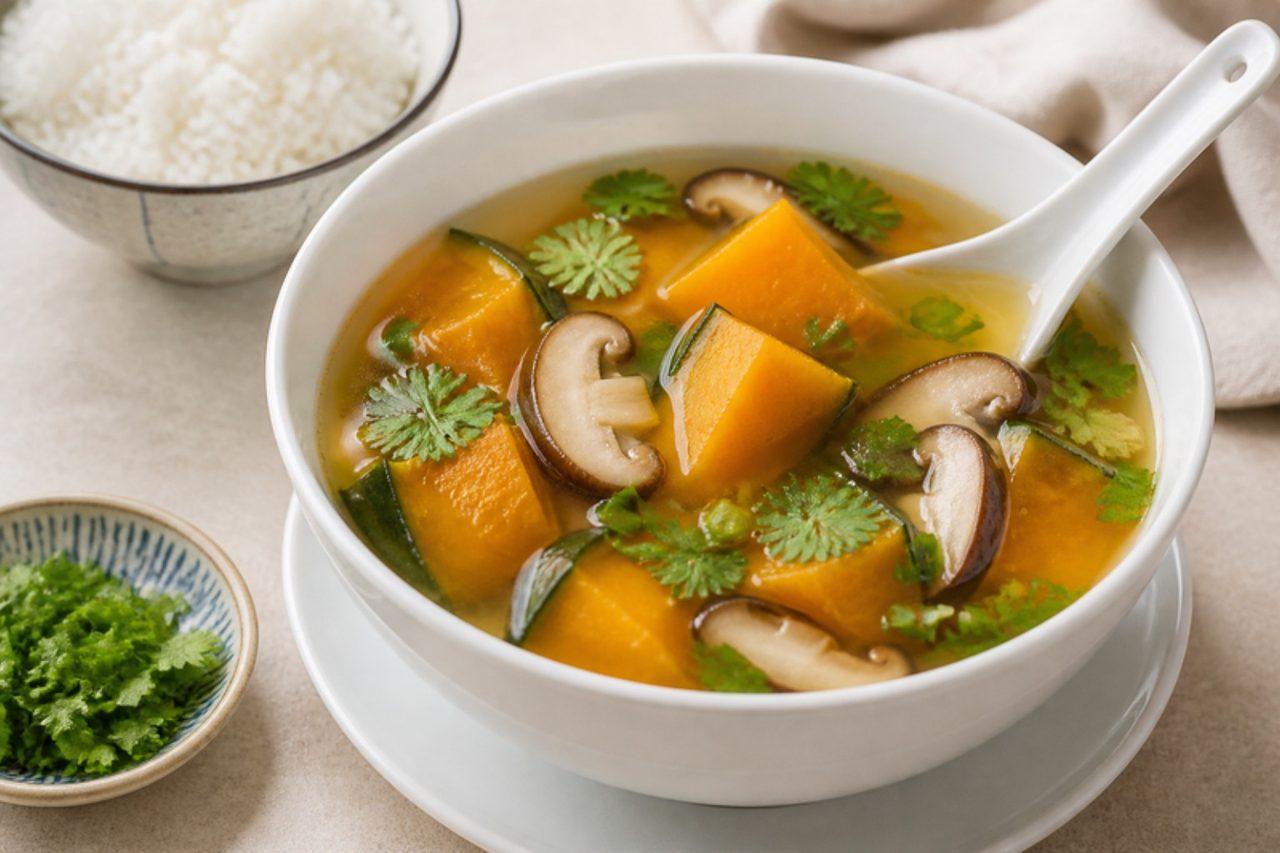
Canh bí đỏ chay (clear pumpkin soup)

Every Vietnamese family meal has a canh, a light soup to sip between mouthfuls of rice, and in autumn in the north the pot is often full of orange pumpkin. Unlike a blended Western pumpkin soup this one stays clear and brothy, with soft, sweet chunks you break with a spoon. Most kitchens add minced pork or dried prawns; this vegetarian version gets its depth from shiitake and a little soy. It is a good soup for children and for anyone recovering from a cold. Chef's tip: cut the pumpkin into even 3 cm chunks and stop cooking as soon as they are tender; overcooked pumpkin falls apart and turns the broth cloudy and porridge-like.

by KrazyBadal 0 views

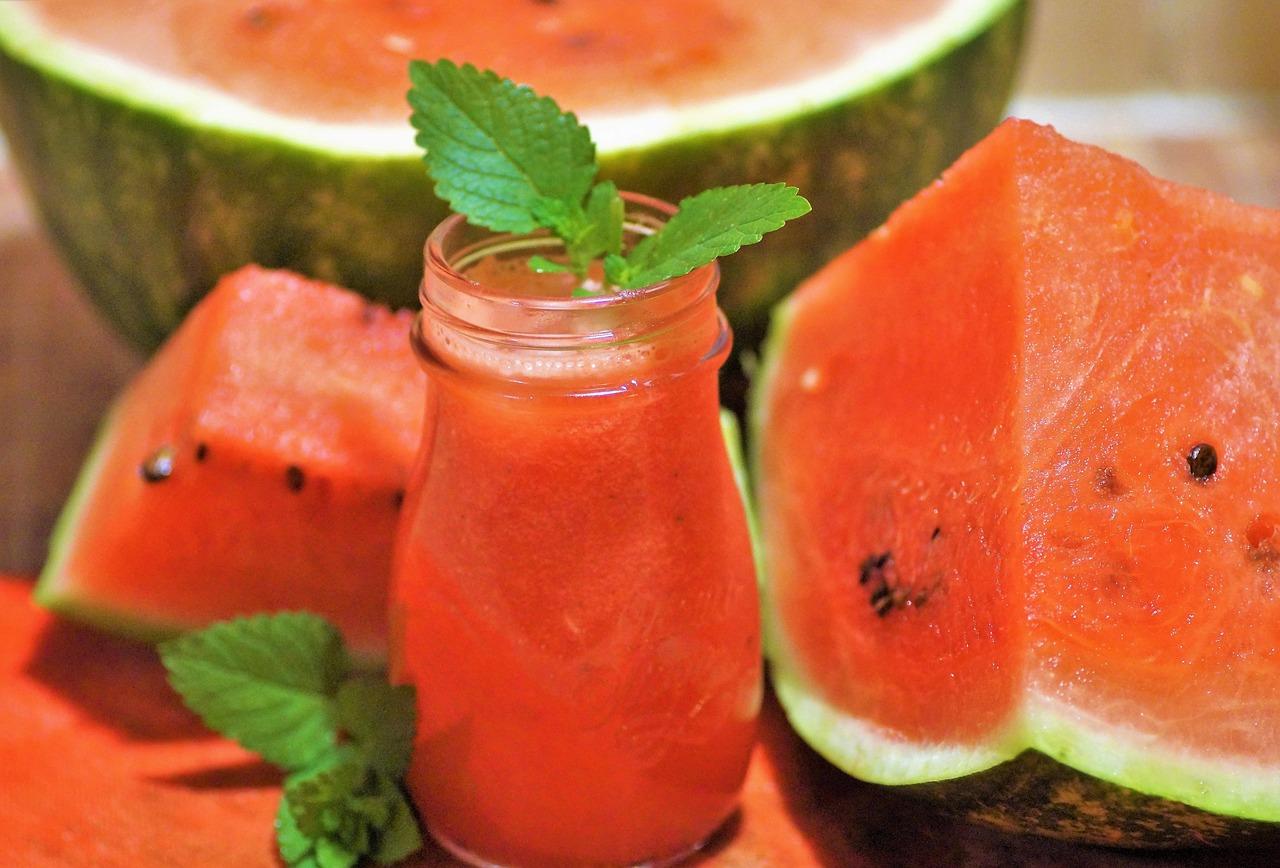
Agua de sandíaWatermelon drink

When watermelons are piled high in the markets of Jalisco and Sonora in summer, almost every taquería has a jar of bright pink agua de sandía next to the horchata. It needs only ripe watermelon, water, a squeeze of lime and a touch of sugar, and children love it. Chef's tip: a very ripe melon may need no sugar at all, so taste before you sweeten.

by KrazyBadal 0 views

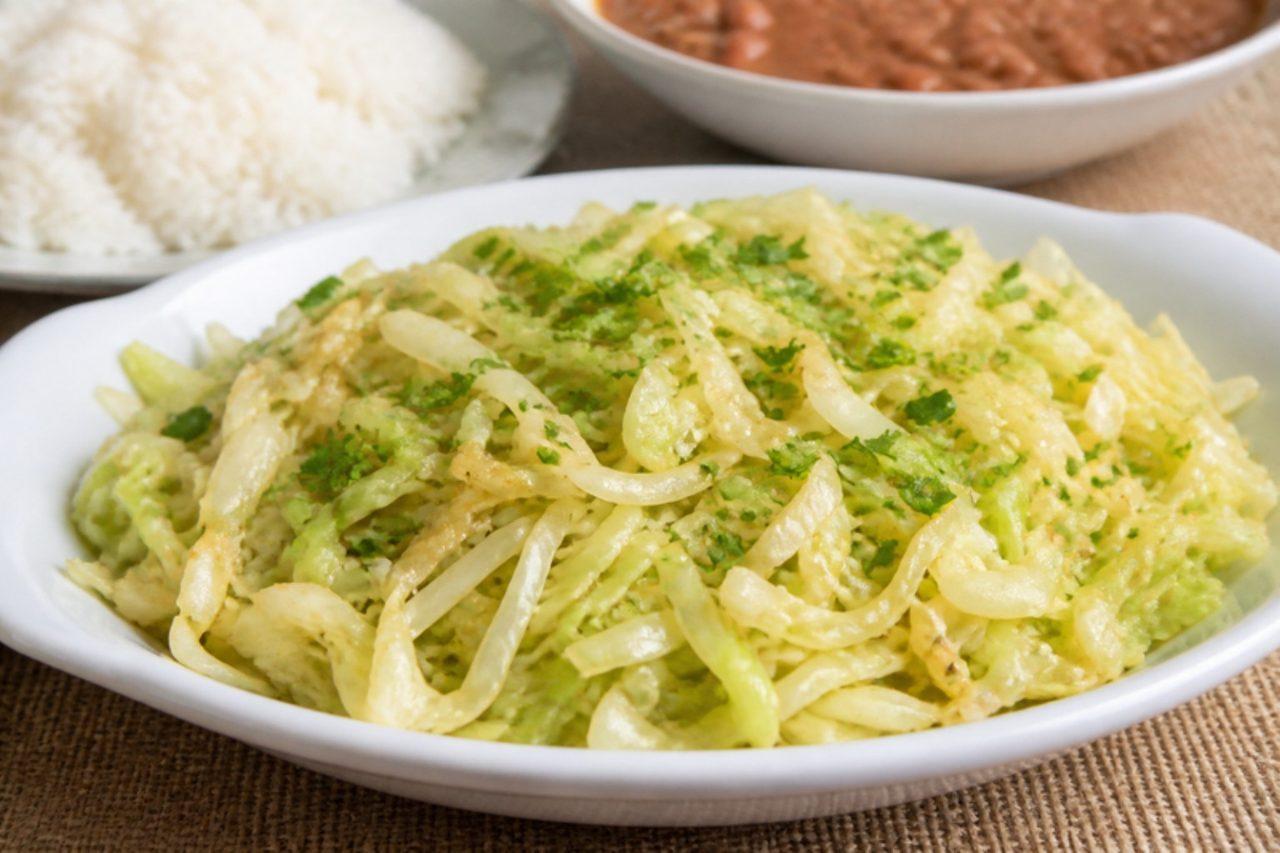
Repolho refogadoSautéed cabbage

Cheap, quick and good with everything, this pan of fine-shredded cabbage is a weekday staple in Brazilian homes and the self-service lunch spots of São Paulo and Rio. It's fried with garlic and onion just long enough to turn sweet and glossy while keeping a little crunch, then brightened with a splash of vinegar. Many families add bacon; this version is vegan. Chef's tip: shred the cabbage as finely as you can; thin ribbons cook evenly in minutes.

by KrazyBadal 0 views

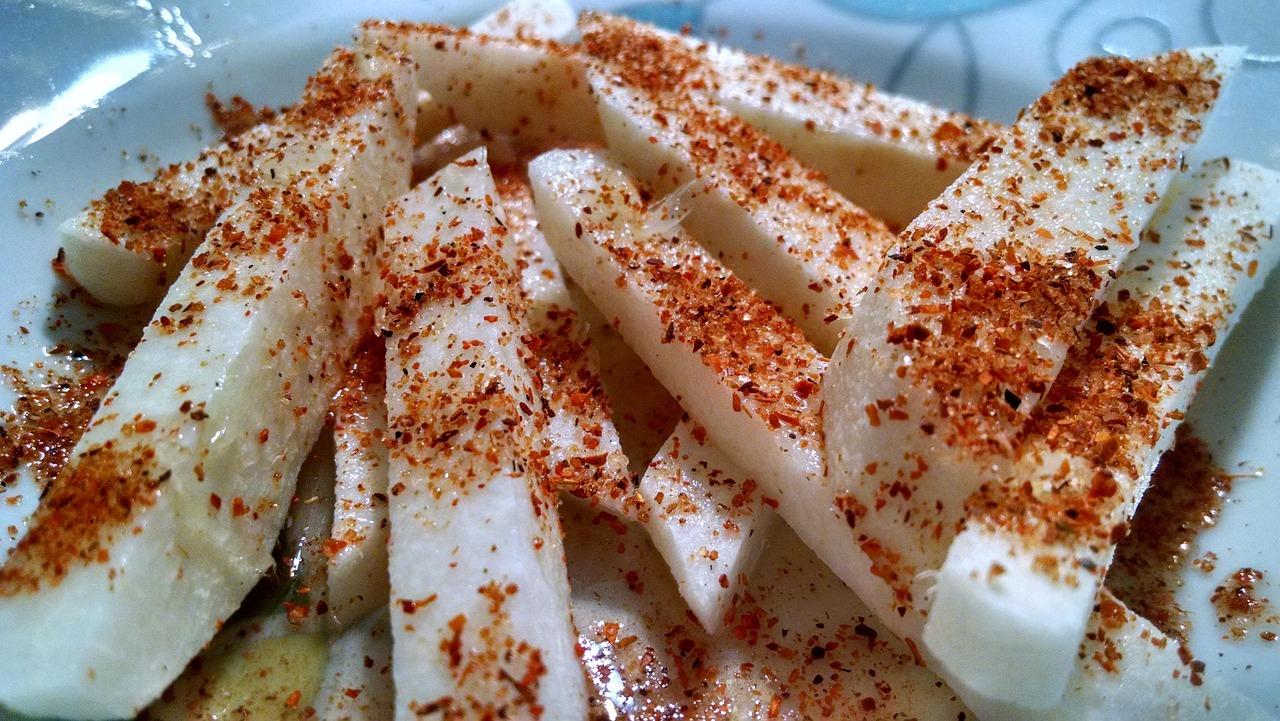
Jícama con chile y limónJícama with chile and lime

Few snacks are as simple or as refreshing as this one, sold in bags from street carts and made at home all over Mexico as an after-school or pre-lunch nibble. Jícama tastes like a cross between apple and water chestnut: crisp, juicy and barely sweet. Lime, salt and chile powder are all it needs. Chef's tip: a short soak in iced water makes the sticks extra crisp.

by KrazyBadal 0 views

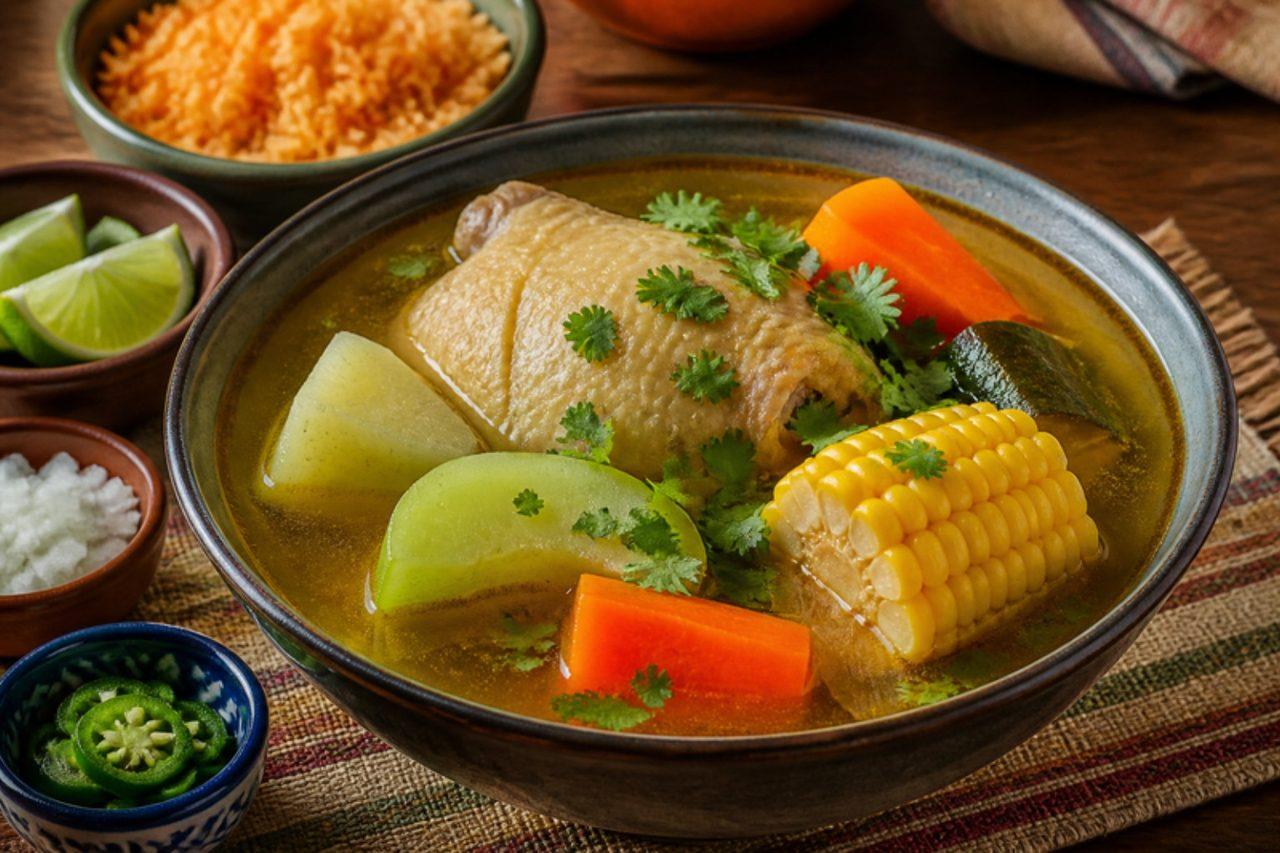
Caldo de pollo mexicanoChicken vegetable broth

Mexican mothers make caldo de pollo for colds, hangovers and rainy Sundays, and every market has a stall serving it in huge bowls. Chicken is simmered with onion and garlic, then chunks of carrot, potato, chayote, courgette and corn cook in the clear broth. At the table each person adds a spoonful of red rice, chopped onion, coriander, fresh chile and a good squeeze of lime. Chef's tip: add the vegetables in stages, from hardest to softest, so nothing turns to mush.

by KrazyBadal 0 views

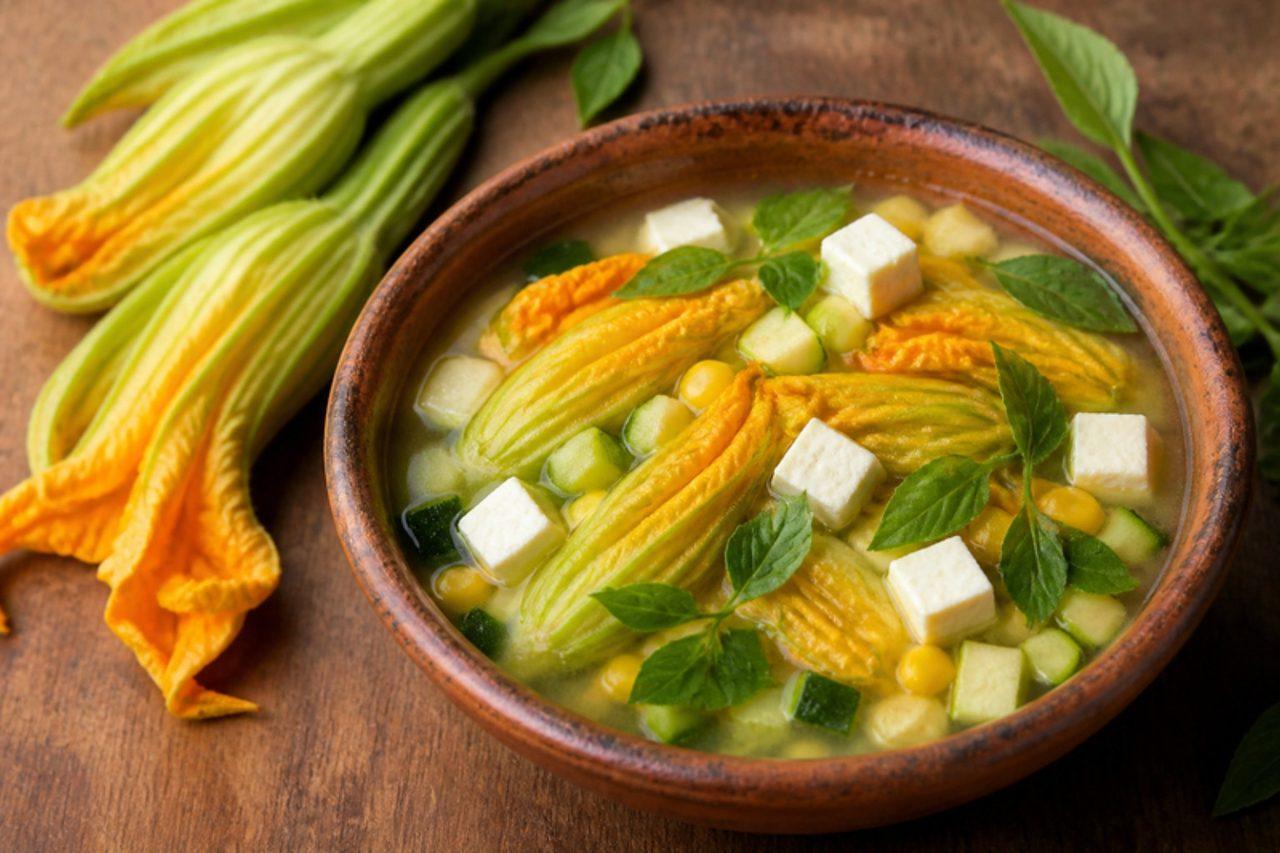
Sopa de flor de calabazaSquash blossom soup

From July to September, when the summer rains fill Mexico City's markets with armfuls of orange squash blossoms, home cooks turn them into this light, golden soup. Half the blossoms are blended with onion into the base and the rest go in whole at the end, with diced courgette, sweetcorn and a sprig of epazote. The result is delicate and floral, a good first course before something rich. Serve with crumbled queso fresco; it is usually made with animal rennet, so look for a vegetarian one. Chef's tip: buy blossoms in the morning and use them the same day, as they wilt within hours.

by KrazyBadal 0 views

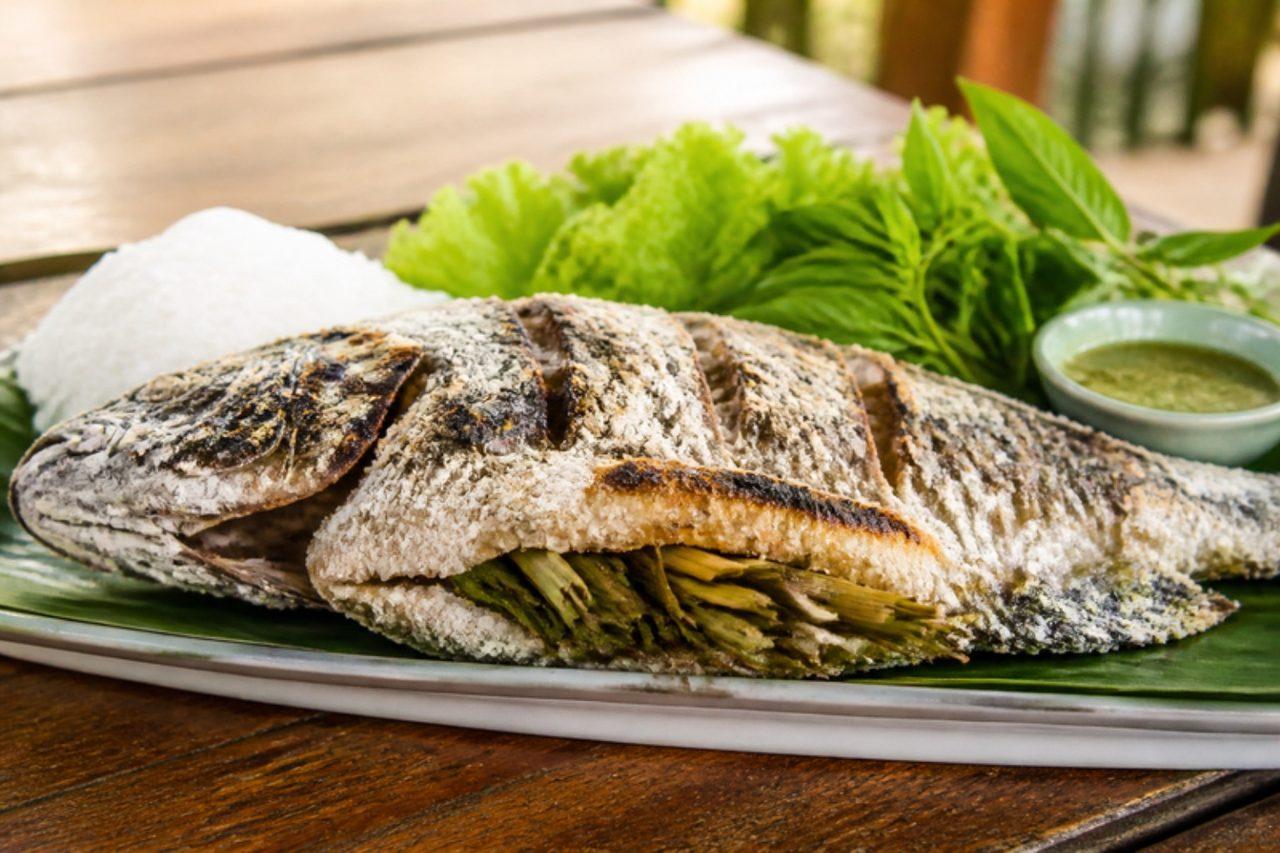
Pla pao (salt-crusted grilled fish)

Walk through any night market from Chiang Mai to Hat Yai and you will see rows of whole fish, white with crusted salt, grilling slowly over charcoal with lemongrass stalks poking out of their bellies. The salt shell keeps the flesh steaming in its own juice, so it comes out moist, clean-tasting and scented with lemongrass and pandan. People peel back the skin and eat the fish wrapped in lettuce with rice noodles, herbs and a fierce lime and chilli dip. Chef's tip: pat the fish completely dry before salting; a wet fish lets the crust slide off in the first five minutes.

55 minThaiFishGluten free
by KrazyBadal 0 views

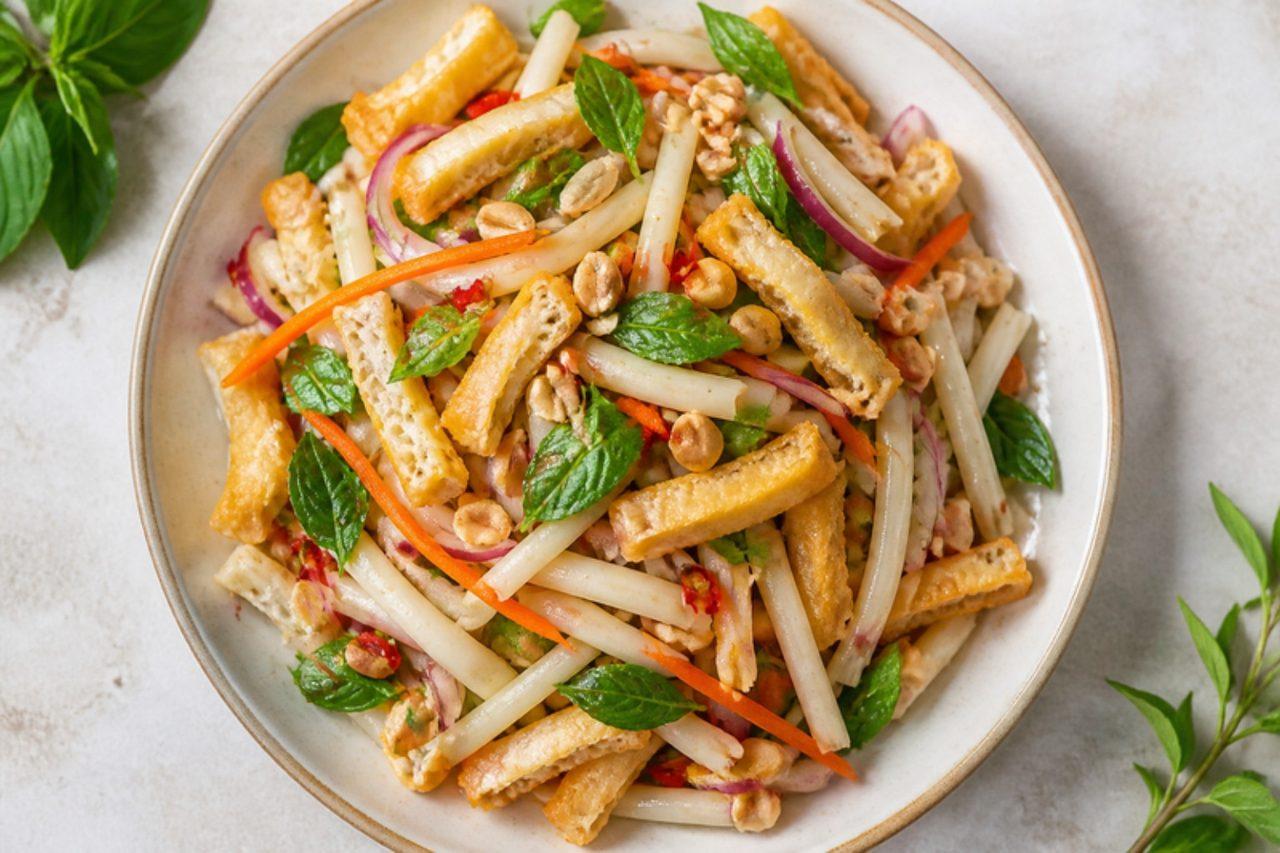
Gỏi ngó sen chay (lotus stem salad)

Wedding banquets and đám giỗ (death-anniversary) feasts across the south open with a platter of gỏi ngó sen, usually heaped with prawns and boiled pork belly. In vegetarian households and temple kitchens the shellfish and pork give way to strips of fried tofu, and the fish-sauce dressing becomes lime, sugar and soy. The pickled lotus stems are what matter: pale, crisp and juicy, like a mild bamboo shoot. Pile it onto prawn-free rice crackers or eat it beside rice. Chef's tip: rinse and squeeze the jarred lotus stems well; skipping this leaves the salad tasting of brine instead of lime.

by KrazyBadal 0 views

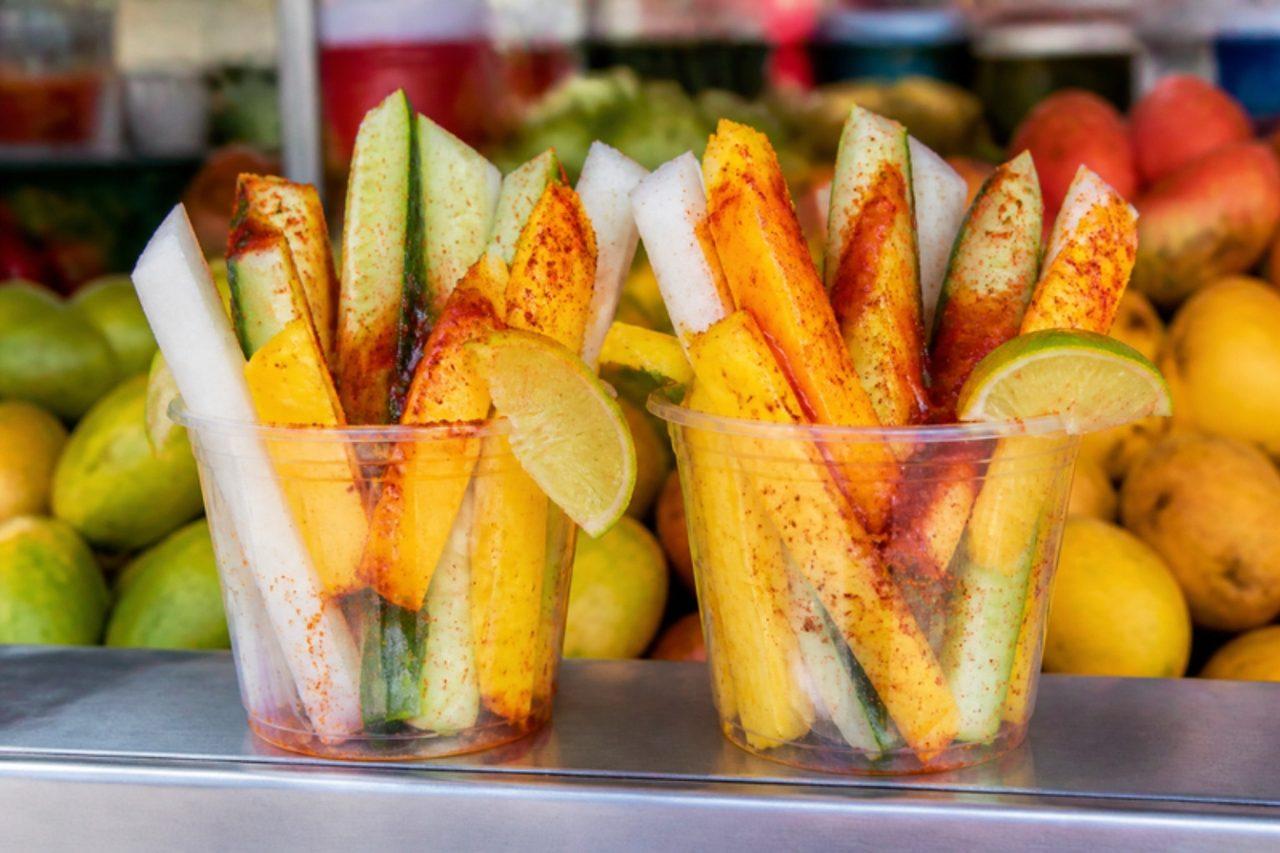
Fruta con chileFruit with chile and lime

Every plaza in Mexico City seems to have a fruit cart with a glass case of jícama, cucumber, mango and pineapple, cut to order into tall sticks and packed into a cup. The vendor squeezes over lime and shakes on chile-lime salt, and you eat it with a toothpick on a hot afternoon. It's juicy, crunchy, sour and only a little hot. Chef's tip: chill the fruit well first; cold fruit and sharp chile make the contrast.

by KrazyBadal 0 views

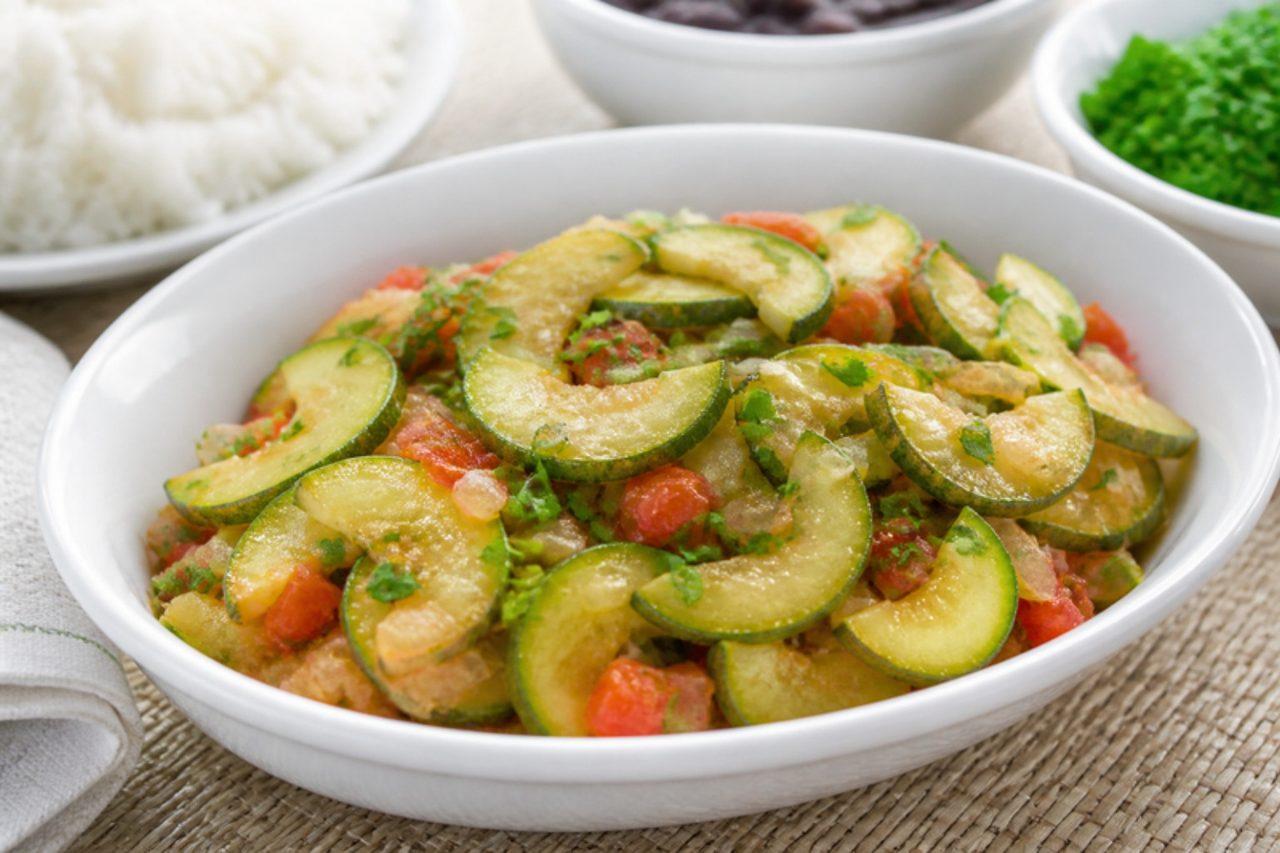
Abobrinha refogadaSautéed courgette

Refogado, the base of onion and garlic softened in oil, is how Brazilian home cooks start almost every dish. Courgette cooked this way is a staple vegetable on the prato feito, the everyday lunch plate of rice, beans, a meat and a salad, all over the country. The courgette should be tender but still hold its shape, glossy with tomato and full of herbs. Chef's tip: use small, firm courgettes; big ones are watery and full of seeds.

by KrazyBadal 0 views

Agua de pepino con limónCucumber lime drink

Pale green and very refreshing, agua de pepino is the cooler sold from market juice stands in Mexico City and Oaxaca when the afternoon heat builds, and families blend a jug for comida on hot days. Cucumber, lime and a few mint leaves give a clean, light taste with very little sugar. Chef's tip: leave some of the peel on the cucumber for colour, but strain the drink so it stays silky.

by KrazyBadal 0 views

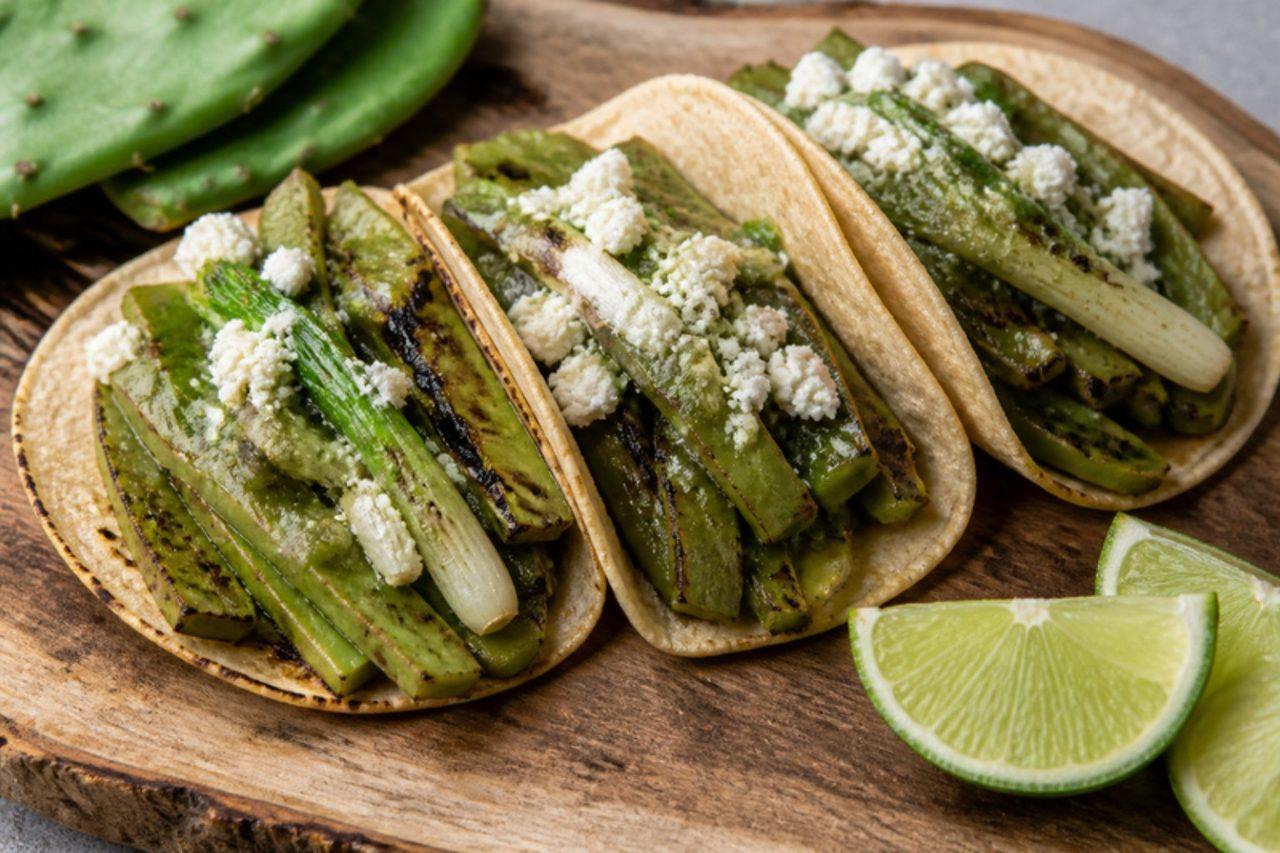
Tacos de nopales asadosGrilled cactus tacos

At weekend markets in Milpa Alta, the cactus-growing district on Mexico City's southern edge, whole nopal paddles are grilled until tender and folded into tortillas with charred spring onions and salsa verde. Grilling dries the natural slime the cactus is known for and leaves a lemony, green-bean flavour. It is a light, naturally vegan taco. Buy paddles with the spines already removed, or scrape them carefully with a knife. Chef's tip: score the paddles in a criss-cross before grilling so they cook evenly and stay flat.

by KrazyBadal 0 views

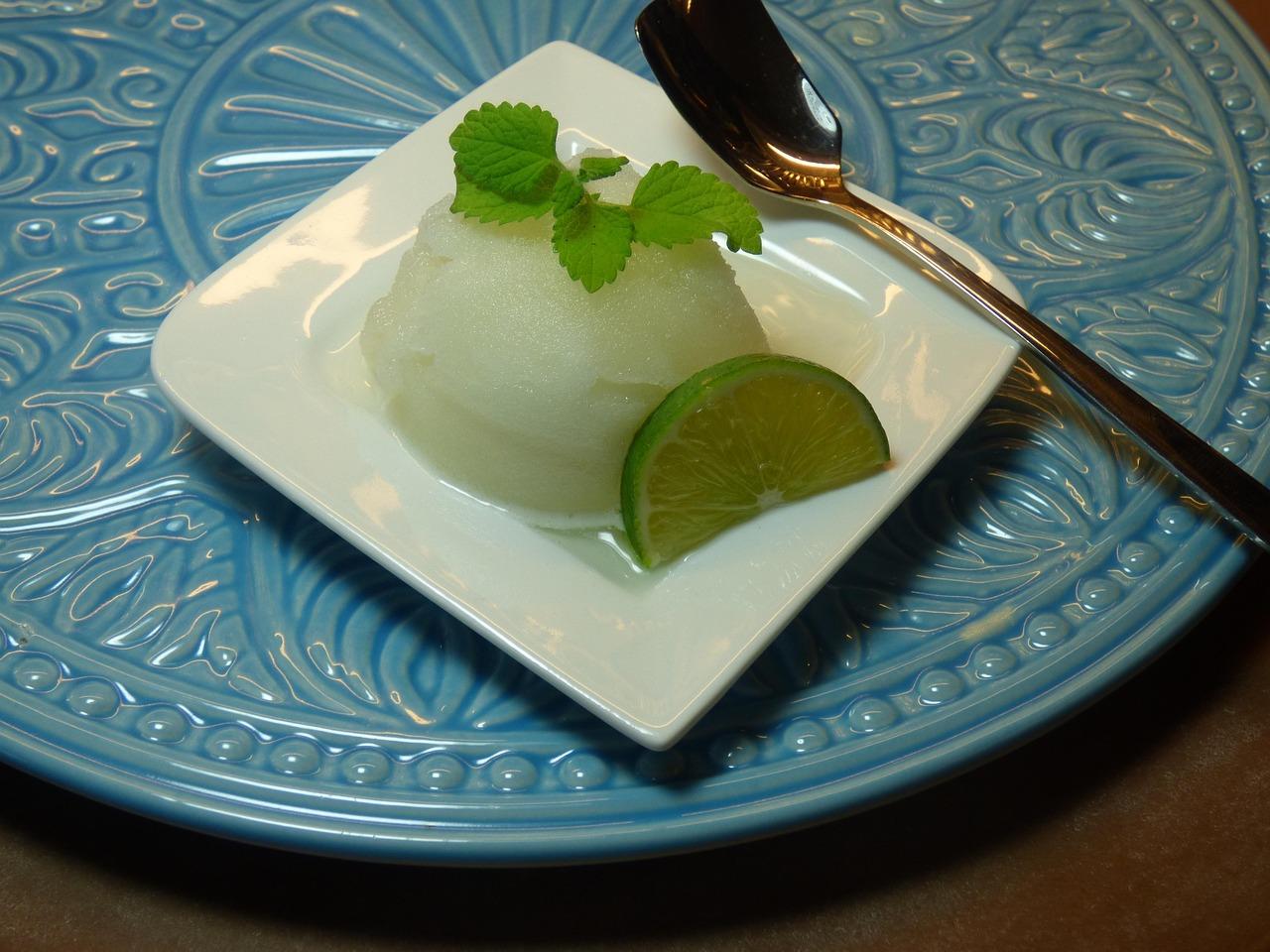
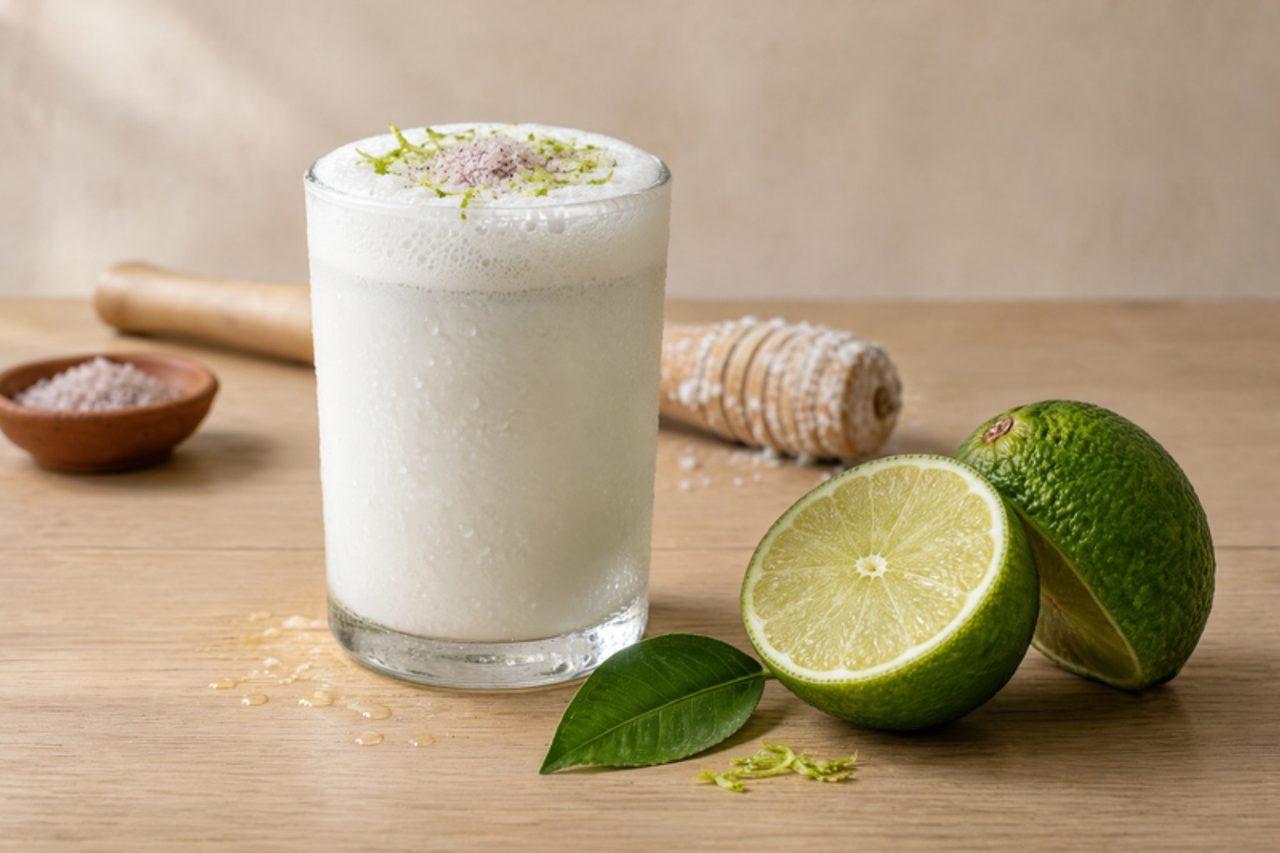
Nieve de garrafa de limónLime water ice

In town plazas from Oaxaca to Guadalajara, neveros still churn nieve de garrafa by spinning a tall metal can in a wooden barrel of ice and rock salt, scraping the frozen walls with a long paddle. Lime nieve is the sharpest and most refreshing, pale green from the zest, and it is eaten in small cups after a hot walk through the market. At home a metal bowl set in ice and salt works the same way. Chef's tip: add the zest at the start but strain it out; that way you get its oils without the bitterness.

by KrazyBadal 0 views

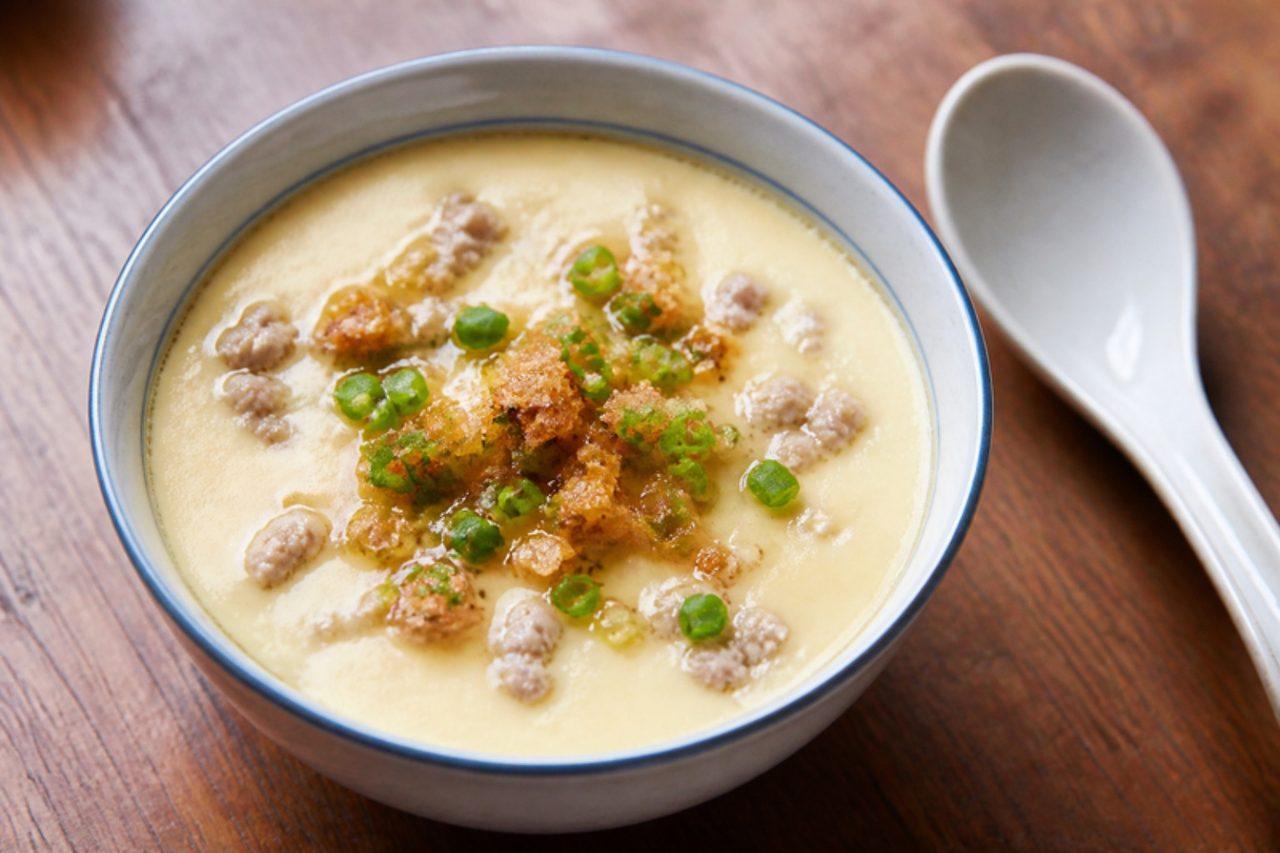
Khai toon (Thai steamed egg with pork)

Thai parents across the country make khai toon when a child is off their food or someone is unwell: eggs beaten with stock, a little minced pork and spring onion, steamed in a bowl until just set and wobbling. It goes on the table with rice and a stir-fry for supper and costs almost nothing. This version uses pork mince; for a vegetarian bowl, use chopped shiitake instead and season with salt or light soy sauce. It contains egg and fish sauce. Chef's tip: steam over a gentle simmer, not a rolling boil; high heat pocks the custard with holes and turns it spongy.

20 minThaiSidesGluten free
by KrazyBadal 0 views

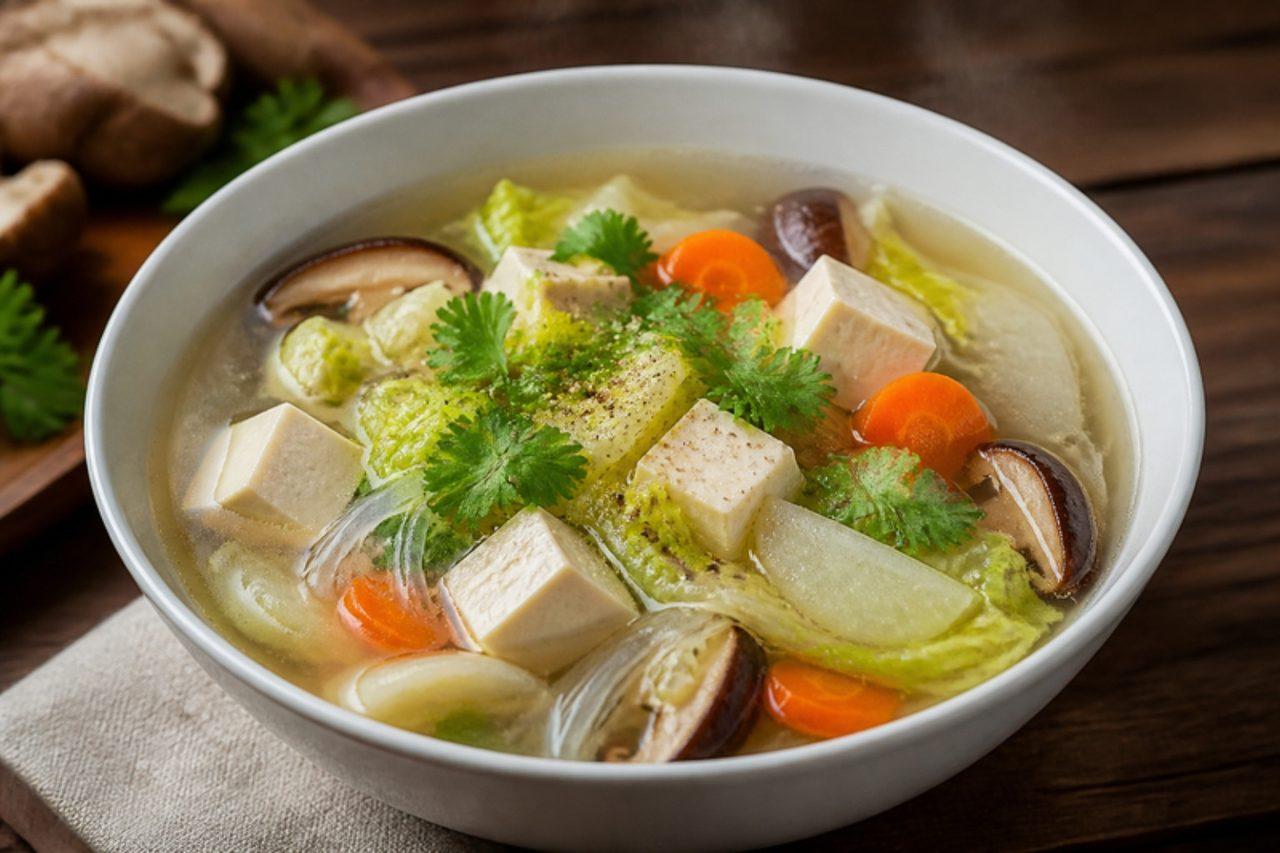
Gaeng jued tao hoo (clear tofu soup, jay style)

During the nine days of the Vegetarian Festival in Phuket Town and Bangkok's Chinatown, yellow flags mark the stalls selling food that is jay: no meat, no dairy and none of the pungent alliums. This gentle soup is what people drink alongside their stir-fries, a clear broth of daikon and dried shiitake sharpened with crushed white pepper and coriander root, holding soft silken tofu and slippery mung bean vermicelli. Out of festival season, cooks add garlic oil and minced pork. Chef's tip: don't boil after the tofu goes in; silken tofu breaks into crumbs, so let it warm through at a bare simmer.

30 minThaiSoupsVeganGluten free
by KrazyBadal 0 views

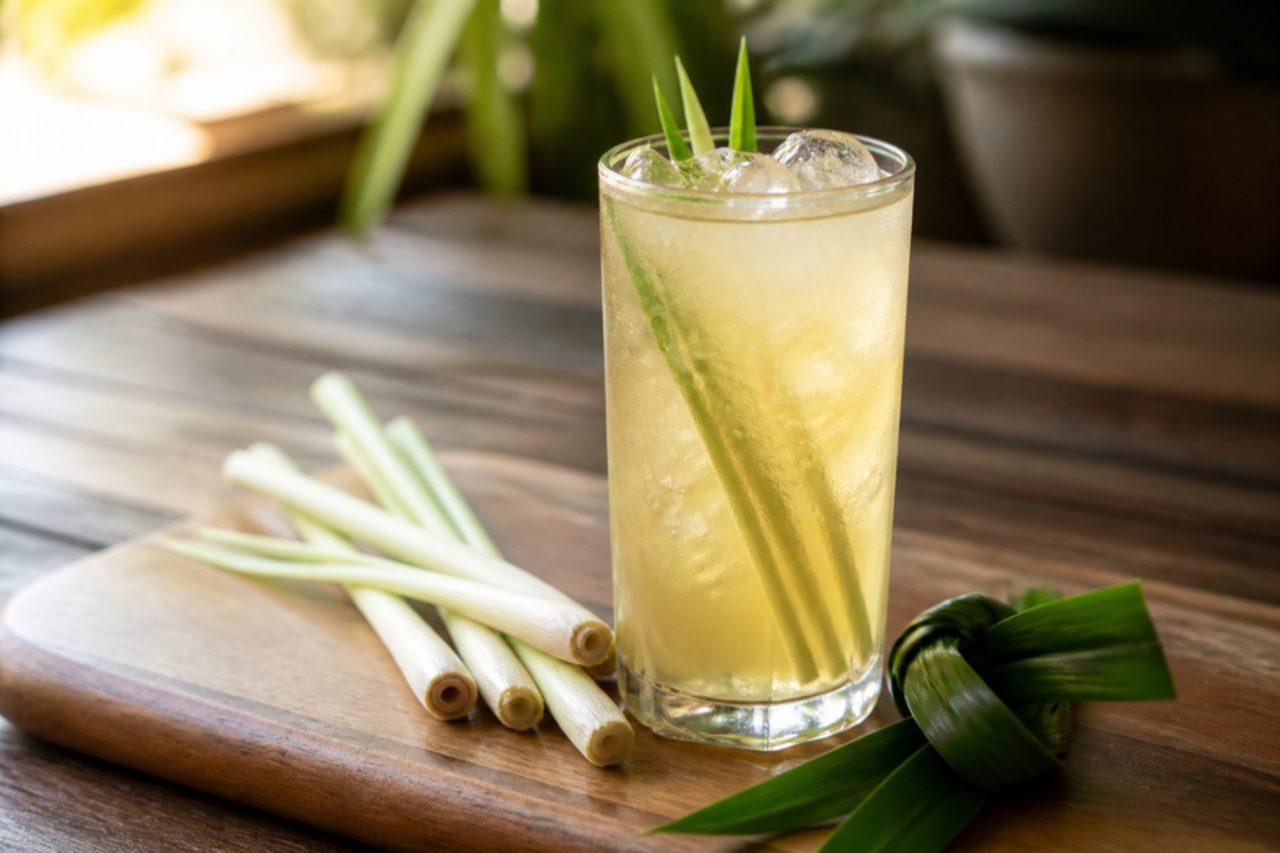
Nam takrai (lemongrass drink)

Thai spa receptions and roadside rice shops both pour this from big glass jars, and in Chiang Mai and Bangkok homes a pot is often simmering on hot afternoons. Bruised lemongrass gives a clean, lemony, slightly grassy taste and pandan a soft vanilla note; lightly sweetened, it is refreshing over ice and soothing warm on a rainy-season evening. Chef's tip: the usual mistake is chopping the lemongrass fine and boiling it hard, which makes it bitter; bash the stalks and simmer gently.

20 minThaiDrinksVeganGluten free
by KrazyBadal 0 views

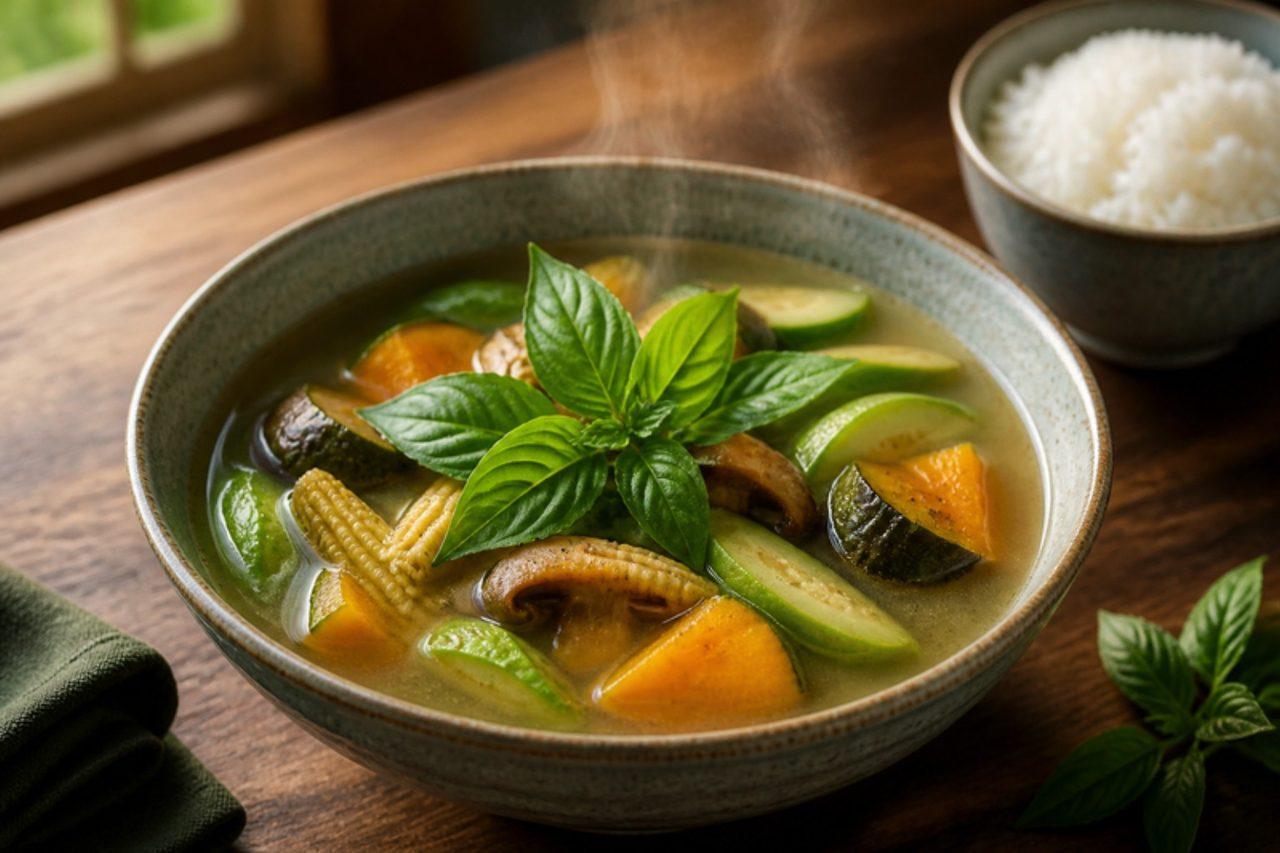
Gaeng liang (peppery pumpkin and lemon basil soup)

Older cooks in Ayutthaya and the central plains make this soup for new mothers and anyone feeling run down: a cloudy broth of pounded shallot, white pepper and krachai (fingerroot), packed with pumpkin, baby corn, sponge gourd and handfuls of lemon basil. It is eaten as one of several dishes with rice at a home meal, never as a creamy starter. The everyday version pounds dried shrimp and shrimp paste into the base and seasons with fish sauce; here dried shiitake and tamari give the savouriness, so it is vegan. Chef's tip: add the lemon basil off the heat at the very end; boiled basil turns black and loses the peppery perfume the soup is named for.

30 minThaiSoupsVeganGluten free
by KrazyBadal 0 views

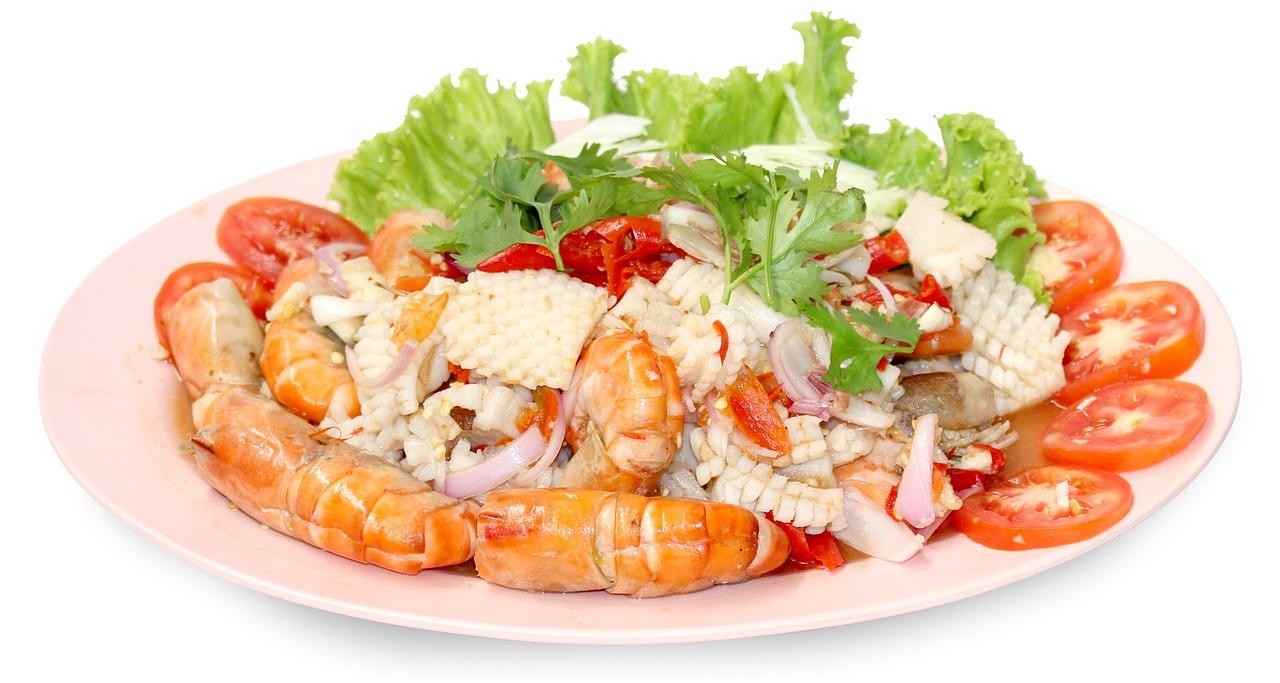
Yam talay (Thai seafood salad)

Beach shacks on Koh Samet and along the Pattaya coast bring yam talay out in a heap, the seafood still warm, glistening with lime and fish sauce, and scattered with Chinese celery and onion. It is light and very sour, eaten with ice-cold drinks before the grilled fish arrives, or with rice for lunch. Use whatever is freshest; the mix below is easy to find. Chef's tip: poach each type of seafood separately and briefly; tipping everything in together overcooks the squid into rubber bands before the mussels open.

25 minThaiFishGluten freeSpicy
by KrazyBadal 0 views

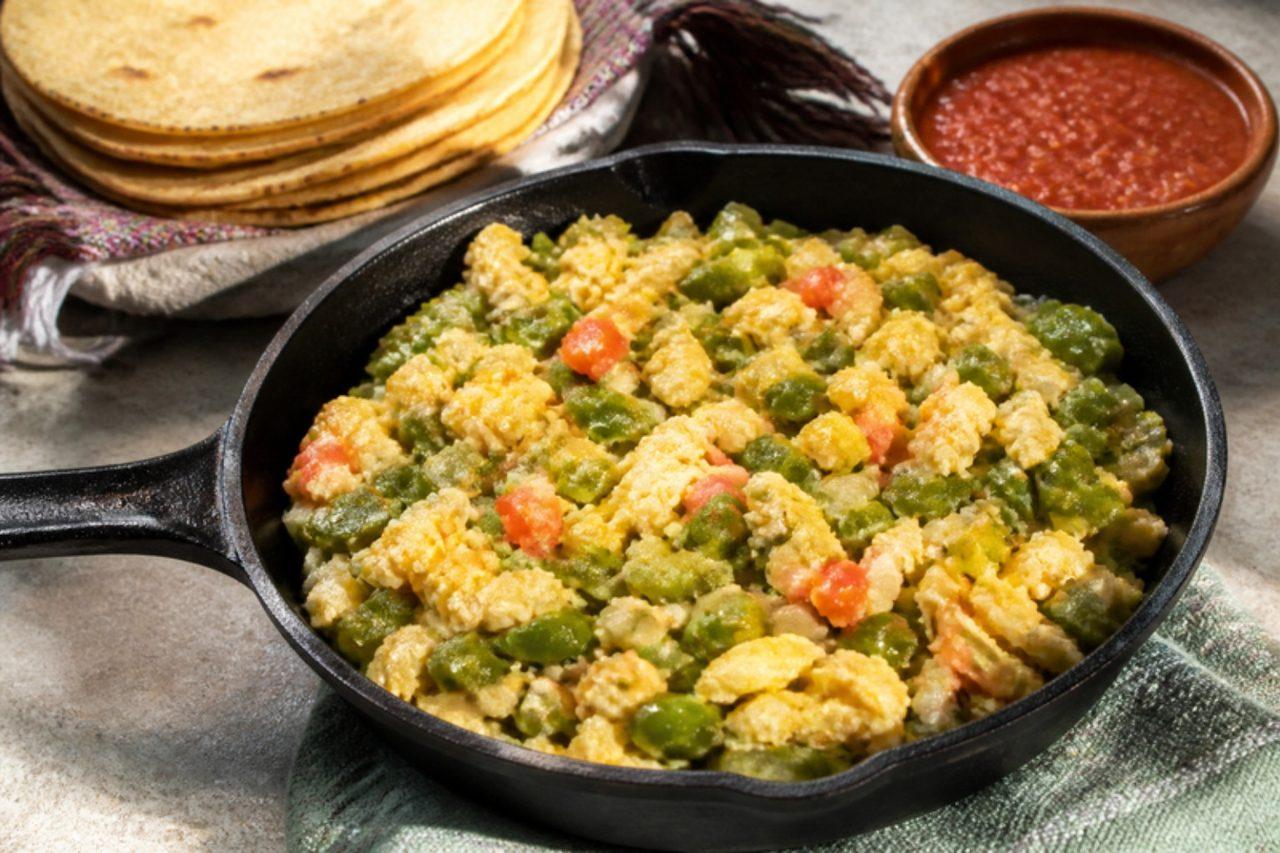
Nopales con huevoCactus and scrambled eggs

Tender cactus paddles are sold cleaned and diced in bags at every market in Mexico City and Michoacán, and the quickest breakfast they make is this: nopales fried with onion, tomato and green chile until their sticky juice cooks off, then folded through softly scrambled eggs. It is light, green and tangy, and wrapped in a warm tortilla it becomes a taco to eat on the way out. Chef's tip: cook the nopales uncovered until the slime has gone completely before the eggs go in.

by KrazyBadal 0 views

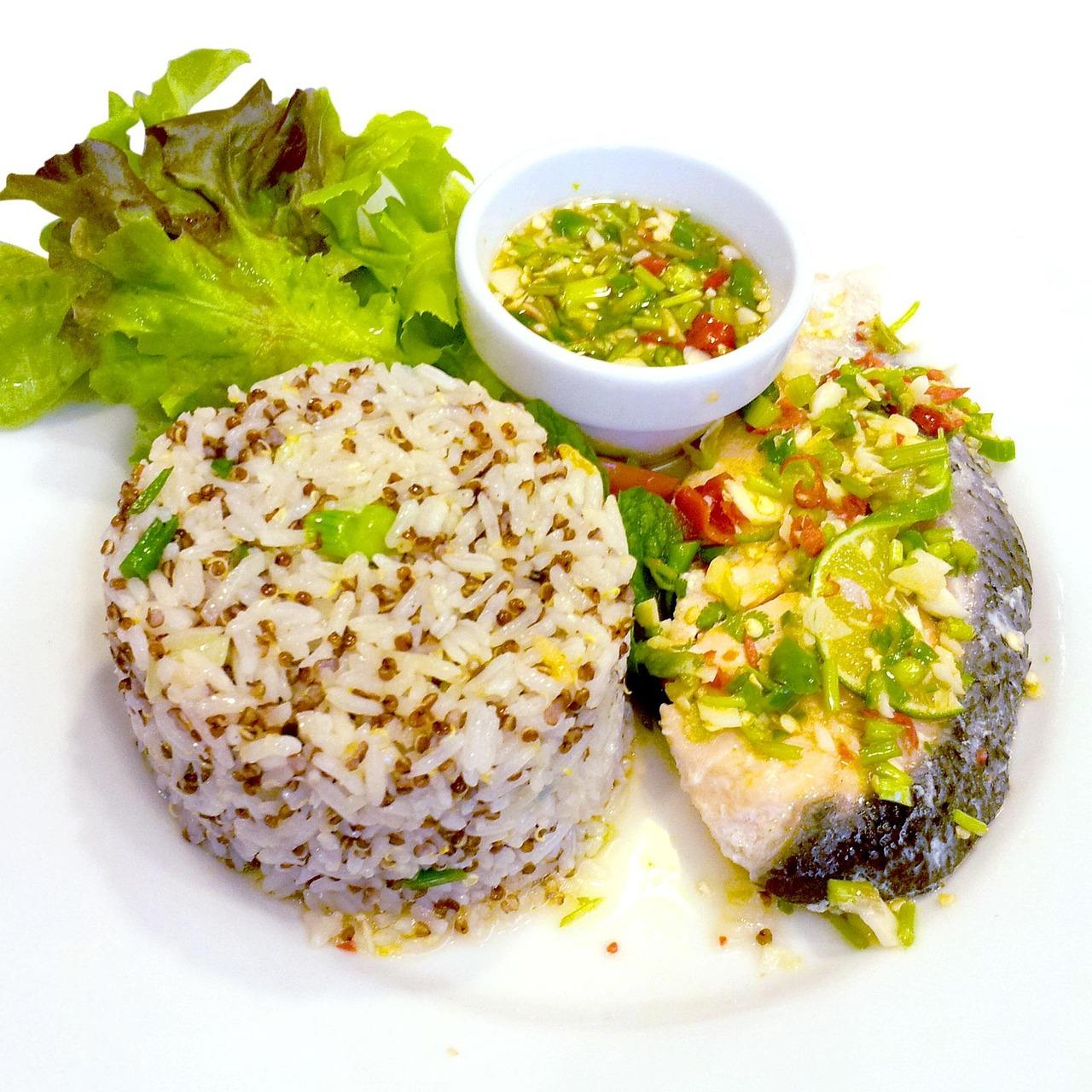
Pla neung manao (steamed fish in lime and chilli)Steamed fish with lime and chilli

Restaurants all over Bangkok bring this dish to the table in a fish-shaped steamer with a flame underneath, the fish swimming in a broth of garlic, chilli, lime and fish sauce that keeps bubbling as you eat. Sea bass (pla kapong) is the usual choice. It is clean, sour and very garlicky, ideal for a light dinner with rice and a plate of greens. A whole fish is traditional; two thick fillets work just as well and steam faster. Chef's tip: pour the sauce over at the end, not before steaming; lime cooked for 15 minutes loses its freshness and turns bitter.

35 minThaiFishGluten freeSpicy
by KrazyBadal 0 views

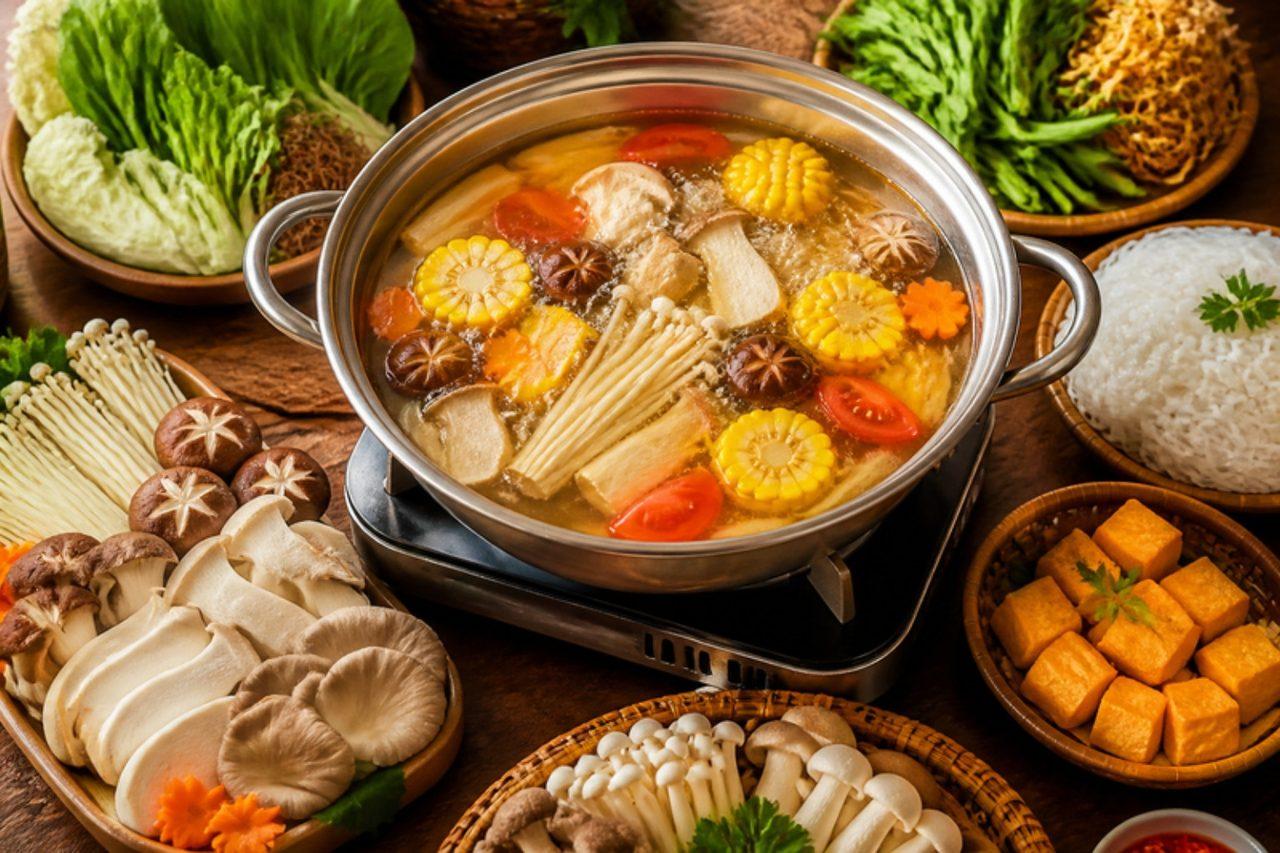
Lẩu nấm chay (vegetarian mushroom hotpot)Mushroom hot pot

Đà Lạt, cool and misty, made the mushroom hotpot famous, and vegetarian lẩu restaurants in Hanoi and Saigon now fill up with groups on cold or rainy evenings. A clear broth sweetened with daikon, corn cobs, carrot and apple sits on a burner in the middle of the table; everyone drops in mushrooms, tofu and greens, fishes them out a minute later and spoons them over rice noodles. Expect to top up the pot and keep eating for an hour. Chef's tip: simmer the broth vegetables gently and never boil hard; a rolling boil clouds the broth and dulls its natural sweetness.

by KrazyBadal 0 views

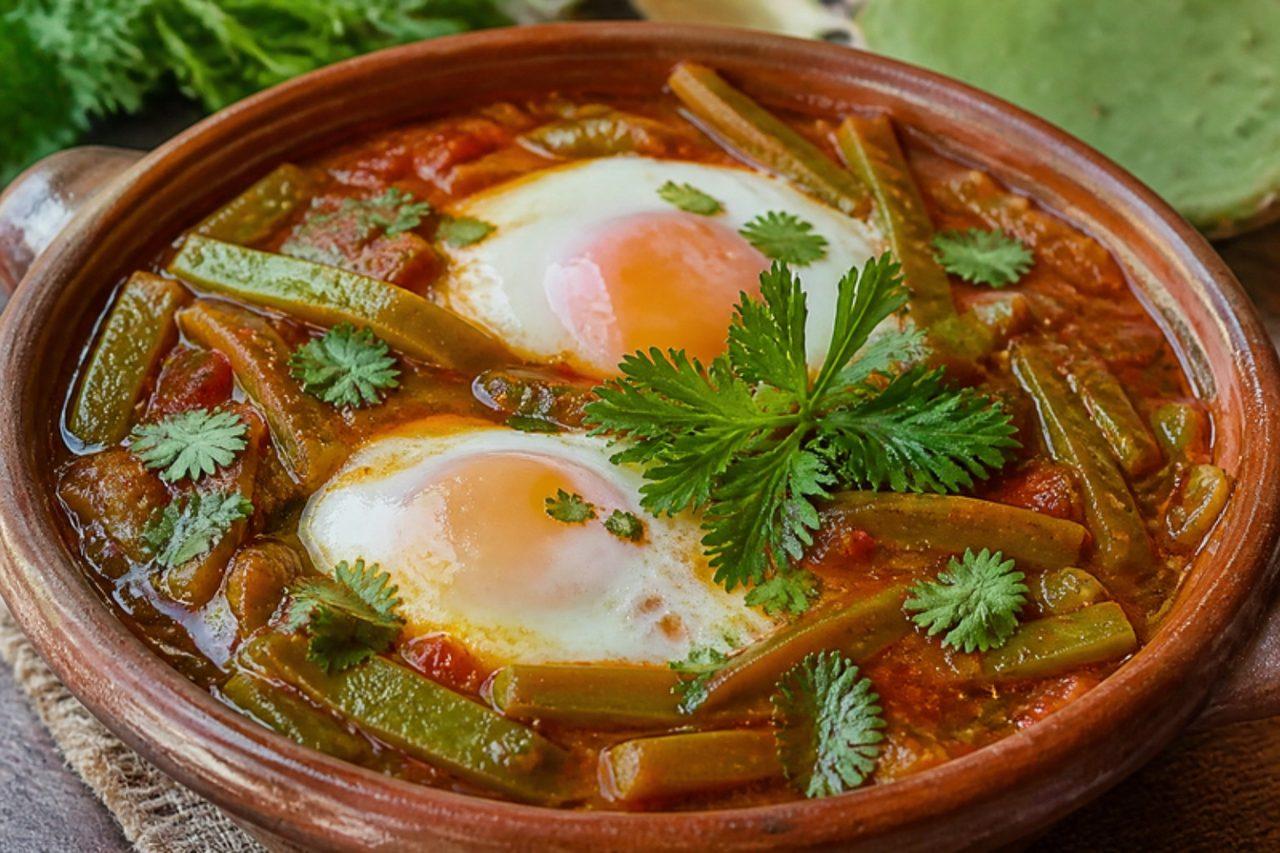
Nopales navegantesCactus in chilli broth with eggs

The name means 'sailing cactus', for the strips of nopal floating in a light red broth, and the dish is a standby of Lent in Hidalgo and the State of Mexico, when cooks want something warming and meatless. Eggs are cracked straight into the simmering caldo to poach, and the bowl is finished with fresh cheese, coriander and lime. It is light, cheap and ready in about forty minutes. Use a vegetarian cheese if you avoid animal rennet. Chef's tip: boil the nopales separately first and rinse well, so their slippery juice doesn't thicken the broth.

by KrazyBadal 0 views

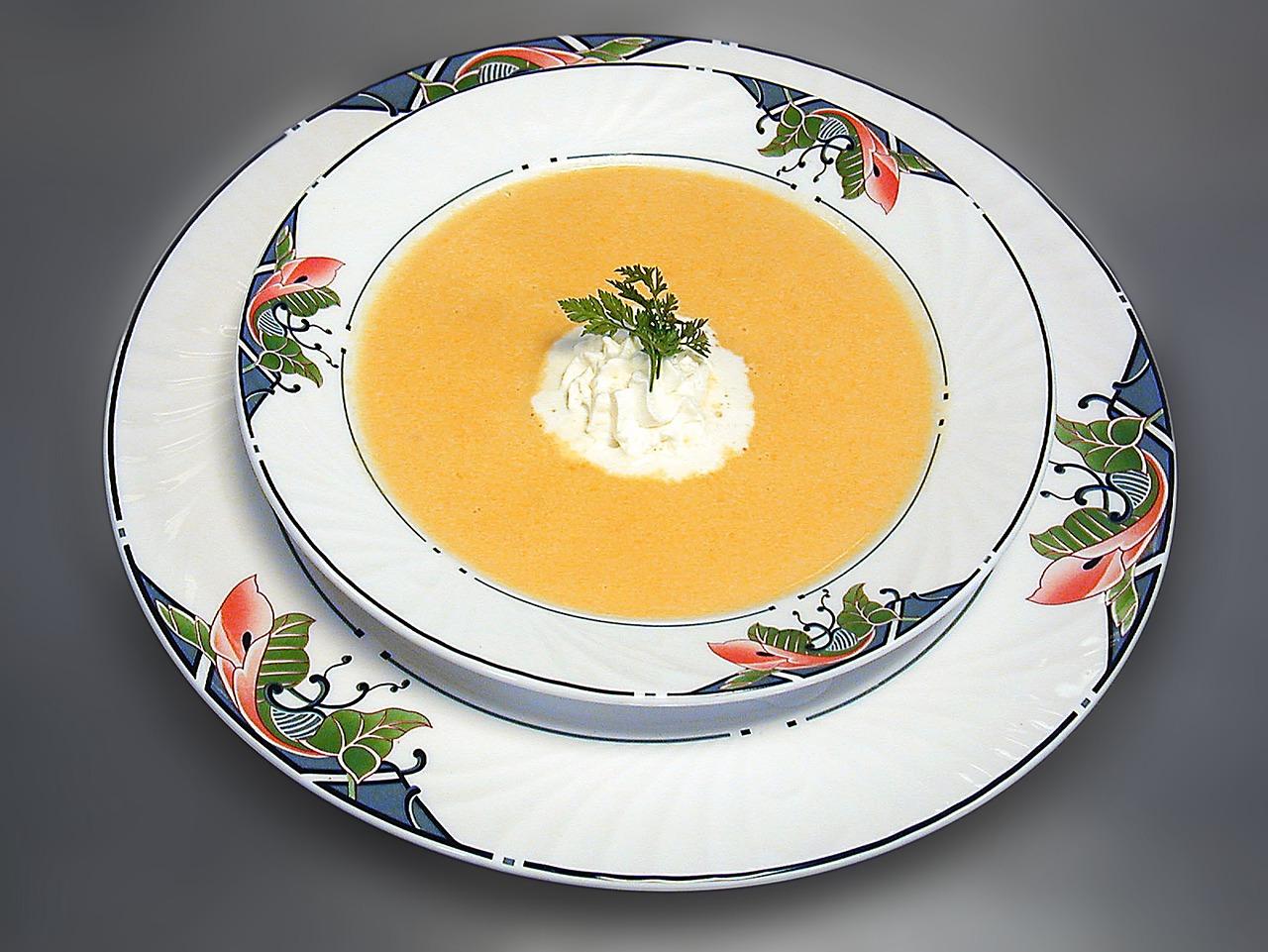
Potage CrécyCarrot soup

Potage Crécy is named after Crécy-la-Chapelle, east of Paris, once famous for its sweet carrots, and any French dish "à la Crécy" contains carrots. It is a gentle family soup served at supper all year round, loved by children for its colour and sweetness. The carrots are sweated in butter, then simmered with a spoonful of rice, which gives the soup a velvety body once blended. The common mistake is browning the carrots, which makes the soup taste bitter rather than sweet. Chef's tip: a pinch of sugar and a few croutons fried in butter turn it into a proper Parisian potage.

by KrazyBadal 0 views

Potage cressonnièreWatercress and potato soup

Potage cressonnière comes from the Île-de-France, where watercress has been grown in the clear spring-fed beds of the Essonne valley for centuries and sold in Paris markets. It is a light, peppery soup of watercress and potato, eaten at supper through autumn and spring, often with a little cream stirred in. The common mistake is boiling the watercress leaves, which drains their colour and bite; add them only at the end. Chef's tip: cook the stalks with the potatoes for flavour and keep the tender leaves for the last 2 minutes.

by KrazyBadal 0 views

Carottes râpéesGrated carrot salad

Carottes râpées is the everyday starter of French school canteens, bistro crudité plates and family lunches all over the country, a heap of finely grated carrots in a bright lemon dressing that wakes up any meal. It is sweet, juicy and crunchy, and takes ten minutes. The secret is grating the carrots on the fine side of the grater, so they release some juice into the dressing. The common mistake is using the coarse holes, which gives dry, chewy strands that do not take the dressing. Chef's tip: dress the carrots 20 minutes before serving and toss again just before the table; they soften slightly and taste much sweeter.

by KrazyBadal 0 views

Scarola alla napoletanaSautéed escarole with olives and raisins

Scarola alla napoletana is a Neapolitan Christmas Eve side dish, also cooked all winter: tender escarole sautéed with garlic, black Gaeta olives, capers, pine nuts and raisins, a balance of bitter, salty and sweet that reflects the Arab influence on southern Italian cooking. It is the same filling used in the Christmas pizza di scarola, and families often serve it with fried fish. Contains pine nuts. Chef's tip: dry the washed escarole well before it goes in the pan; wet leaves splash and steam rather than sauté.

by KrazyBadal 0 views

Velouté de potironCreamy pumpkin soup

Velouté de potiron is the soup French families make all autumn, from the October markets piled with orange pumpkins right through to Christmas, often served as a starter for Sunday lunch or a simple supper with bread and cheese. The pumpkin is simmered with onion and potato in vegetable stock, then blended until velvety and finished with a spoonful of crème fraîche. The common mistake is too much stock, which makes it thin and bland; you can always add more after blending. Chef's tip: a small potato gives body without masking the sweet pumpkin flavour.

by KrazyBadal 0 views

Pesce all'acqua pazzaFish in tomato broth

Acqua pazza, "crazy water", was once the dish fishermen of Naples, Ischia and the Amalfi Coast cooked on their boats with the fish they couldn't sell, in sea water with a few tomatoes and garlic. Today it's a light summer favourite in seaside restaurants: white fish, such as sea bream or sea bass, gently poached in a quick broth of cherry tomatoes, garlic, chilli and parsley, served with bread for the broth. Chef's tip: keep the broth at a gentle simmer, never boiling; the fish should poach softly and stay moist.

by KrazyBadal 0 views

PeperonataStewed peppers and onions

Peperonata is the summer side dish of the south, made from Naples to Palermo when red and yellow peppers are at their sweetest: strips of pepper and onion stewed slowly in olive oil with a little tomato until soft, glossy and sweet, sometimes with a splash of vinegar. Families serve it with grilled meat, sausages or a frittata, or pile it on bread, and it tastes even better the next day. Chef's tip: cook it slowly with the lid on for the first 15 minutes; the peppers steam in their own juice and turn silky instead of frying hard.

by KrazyBadal 0 views

VignarolaArtichoke, broad bean and pea stew

Vignarola is the dish Romans wait for all year: for a few weeks in April and May, when the first artichokes, broad beans and peas all arrive at once at the markets of Campo de' Fiori and Testaccio, they are stewed together gently with spring onion, lettuce and mint. It is eaten as a side or a light main with bread. Romans usually add a little guanciale (cured pork cheek); this version leaves it out and is fully vegan. Chef's tip: add the peas and broad beans only for the last few minutes; they should stay bright green and sweet.

by KrazyBadal 0 views

Impepata di cozzePeppered mussels

Impepata, "peppered", is the simplest and most loved mussel dish in Naples, especially on Holy Thursday before Easter, when it is traditional: live mussels steamed open in a hot pan with a little garlic and olive oil and a huge amount of freshly ground black pepper, finished with parsley and lemon and eaten with bread to soak up the juices. Chef's tip: grind the pepper coarsely and fresh, right over the pan; pre-ground pepper tastes dusty and flat.

by KrazyBadal 0 views

Passato di verdureSmooth vegetable soup

Passato di verdure is the soup Italian children grow up on: a pot of mixed vegetables, simmered in water until soft and blended until velvety, with a thread of olive oil on top. It is the first food many Italian babies are given at around six months, without salt, and it stays the family's light supper for years. For babies from 6 months, the purée here is made with no salt and no stock; older children and adults season their bowls at the table. Chef's tip: take out the baby's portion before you add any salt, and blend it extra smooth.

by KrazyBadal 0 views

Poireaux vinaigretteLeeks in vinaigrette

Poireaux vinaigrette is the humble leek starter of Parisian bistros, served lukewarm on long plates from autumn to early spring, when leeks are cheap and sweet. Whole young leeks are poached until silky, drained well and dressed while still warm with a punchy mustard vinaigrette, so they drink it in. Some bistros finish them with chopped egg; this version keeps it vegan with shallots and chives. The common mistake is not washing the leeks well, which leaves grit between the layers. Chef's tip: tie the leeks in a bundle before poaching so they stay whole and easy to lift out.

by KrazyBadal 0 views

Tomates à la provençaleBaked garlic breadcrumb tomatoes

Tomates à la provençale are the summer side dish of every Provençal kitchen, set out at lunch from June to September beside grilled fish, lamb or an omelette. Ripe tomato halves are baked slowly, cut side up, under a heap of garlic, parsley and olive-oil breadcrumbs until the tomatoes slump and caramelise and the topping crisps. The common mistake is using under-ripe tomatoes, which stay sour and firm. Chef's tip: salt the cut tomatoes and turn them upside down for 15 minutes before topping; they lose excess juice and the crumbs stay crisp.

by KrazyBadal 0 views

CiambottaSummer vegetable stew

In August, when the vegetable gardens of Basilicata and the Cilento are overflowing, families make ciambotta: peppers, aubergines, potatoes, courgettes, onion and tomato stewed slowly together in olive oil until soft and sweet. Farmworkers once ate it in the fields with bread; today it's a summer supper, eaten warm or at room temperature, sometimes with an egg cracked on top. Chef's tip: add the vegetables in stages, potatoes first and courgettes last; that way they all finish tender at the same time without any turning to mush.

by KrazyBadal 0 views

Velouté de topinamboursJerusalem artichoke soup

Velouté de topinambours is a winter soup French cooks rediscovered in the last twenty years; the knobbly Jerusalem artichoke was wartime food for older generations and is now a favourite at markets and bistros from November to March. Simmered with leek and potato and blended smooth, it has a sweet, nutty flavour close to artichoke and hazelnut. The common mistake is leaving the peeled roots in the air, where they turn grey; drop them straight into lemon water. Chef's tip: finish each bowl with a few drops of hazelnut or walnut oil to bring out the nutty taste.

by KrazyBadal 0 views

Su-renkonPickled lotus root

Lotus root is full of holes you can see straight through, so in Japan it stands for a clear view of the year ahead, and these crunchy, snow-white slices of sweet-vinegared lotus are a fixture of osechi boxes on New Year's Day. Often cut into flower shapes, they taste bright and lightly sweet with a satisfying crispness. The common mistake is boiling the slices for too long: more than 2 minutes and they turn starchy instead of crunchy. Chef's tip: add a splash of vinegar to the boiling water as well as to the pickle, which keeps the lotus root brilliantly white.

by KrazyBadal 0 views

DongchimiRadish water kimchi

Dongchimi is the winter water kimchi of Korea's north and Gangwon province, traditionally made just before the first frost in a big onggi crock buried in the yard. Whole radishes sit in a clear, salty brine with pear, garlic, ginger and green chillies, and after a few weeks the brine turns tangy, cold and lightly fizzy. It is served with roasted sweet potatoes, rice-cake soup, and is famous as the broth for cold naengmyeon noodles. The common mistake is eating it too early: the brine needs at least two weeks of slow, cold fermentation to lose its raw saltiness. Use a clean glass or ceramic jar or kimchi box scalded with boiling water, and keep the vegetables pressed below the brine; anything sticking out can grow mould. Chef's tip: roll the radishes in salt and leave them overnight before adding the brine; they stay crunchy all winter.

by KrazyBadal 0 views

Baek kimchiWhite kimchi

Baek kimchi comes from the Gaeseong and Seoul aristocratic kitchens, where it was served to elders, children and anyone who could not handle chilli. Napa cabbage halves are stuffed with a pale filling of radish, Asian pear, chestnuts, jujubes and pine nuts, then left to ferment in a clear, gently sweet brine. The result is crisp, cool and refreshing, with no heat at all, and it is a good first kimchi for small children. The common mistake is under-salting the cabbage, which leaves it watery and lets it spoil; the thick white stalks must bend without breaking. Contains pine nuts and chestnuts. Use a clean glass or ceramic jar or kimchi box scalded with boiling water, and keep the vegetables pressed below the brine; anything sticking out can grow mould. Chef's tip: wrap each stuffed quarter in its outer leaf; it holds the filling in and keeps the cabbage white.

by KrazyBadal 0 views

Cicoria ripassataSautéed bitter chicory

In Rome and across Puglia, cicoria is the bitter green that arrives at every market from autumn to spring, often gathered wild in the fields. It is boiled first to soften its bitterness, then "ripassata", passed through the pan again with garlic, chilli and olive oil. Roman trattorie serve it next to roast lamb or saltimbocca, and in Puglia it is the classic partner for fava bean purée. Chef's tip: boil the chicory in plenty of well-salted water and then squeeze it hard; most of the harsh bitterness goes down the drain with the water.

by KrazyBadal 0 views

Insalata di arance e finocchiOrange and fennel salad

In Sicily the orange harvest peaks in January, just as wild fennel and the big fennel bulbs come in, and this bright salad is on the table across the island at Christmas and through the winter, often to clean the palate after a rich main dish. Juicy oranges, ideally blood oranges from the slopes of Etna, are sliced with shaved fennel, red onion, black olives and good olive oil. Chef's tip: cut the peel and all the white pith away with a knife, then slice the oranges into rounds; pith is bitter and makes the salad chewy.

by KrazyBadal 0 views

Gaji namulSeasoned steamed aubergine

In late summer, when aubergines pile up at Seoul's Gyeongdong market for next to nothing, gaji namul turns up beside the rice at almost every home dinner. Long strips of aubergine are steamed until silky, then torn and dressed with soy, garlic, spring onion and toasted sesame, so they taste mellow, savoury and faintly sweet. It is one of the gentlest banchan, good for anyone who finds kimchi too fierce. The usual mistake is dressing the aubergine while it is still hot and dripping: the seasoning slides off and the dish turns watery, so let it steam dry and cool first. Chef's tip: tear the strips by hand along the grain rather than slicing them; the rough edges hold far more dressing.

by KrazyBadal 0 views

Dotorimuk muchimAcorn jelly salad

Dotorimuk is a jelly made from acorn starch, gathered in Korea's oak-covered mountains, and dotorimuk muchim is the salad hikers eat at the little restaurants at the foot of Bukhansan and Gwanaksan after a weekend climb. Wobbly, nutty-bitter cubes of jelly are tossed gently with lettuce, cucumber, carrot and a soy, chilli and sesame dressing. Temple cooks make it exactly like this, without garlic or onion. The common mistake is tossing it hard like a green salad: the jelly breaks into crumbs, so fold it with your fingertips. Chef's tip: if the jelly has firmed up in the fridge, blanch the block in boiling water for 30 seconds and cool it; it turns soft and bouncy again.

by KrazyBadal 0 views

Insalata di farroSpelt salad

Farro has grown in the hills of Garfagnana in Tuscany and around Monteleone di Spoleto in Umbria since Roman times, and in summer it turns into a cold salad that families pack for the beach or a picnic in the hills. The grains stay chewy and nutty, dressed with ripe tomato, cucumber, red onion, olives and plenty of basil. It keeps well for a day, so it is the salad you make the night before a trip. Chef's tip: dress the farro while it is still warm; the grains drink up the oil and vinegar, then you add the fresh vegetables once it has cooled.

by KrazyBadal 0 views

Asazuke (overnight cucumber and cabbage pickle)Quick cucumber and cabbage pickle

Asazuke means shallow pickle, and it is the quick, fresh pickle that Japanese home cooks make the night before, tucked in a plastic bag in the fridge door and served with breakfast rice and miso soup. Cucumber and cabbage are rubbed with salt and pressed with kombu, a few slivers of chilli and yuzu or lemon peel, so they stay crunchy, juicy and only gently seasoned. It takes 15 minutes to make. The common mistake is not squeezing out the liquid before serving, which leaves the pickle watery and salty. Chef's tip: rub the salt in firmly with your hands for a full minute; bruising the vegetables a little is what lets them season through in a few hours.

by KrazyBadal 0 views

Oi muchimSpicy cucumber salad

When Korean summers turn sticky, from Daegu's heat to Seoul's monsoon, oi muchim is the ten-minute side dish families make to cool down a hot bowl of rice or a plate of grilled meat. Thin cucumber coins are salted briefly, then tossed with chilli flakes, vinegar, a touch of sugar and sesame, so they stay snappy and bright. It is best made just before eating. The common mistake is skipping the quick salting: unsalted cucumber leaks water into the dressing within minutes and the bowl turns soupy. Chef's tip: a few slivers of onion soaked in cold water for five minutes add sweetness and crunch without any harsh bite.

by KrazyBadal 0 views

PinzimonioRaw vegetables with olive oil

In Tuscany pinzimonio comes out in November, when the frantoi (olive mills) press the new oil and families want something that shows off its peppery green bite. A jug of raw, cold vegetables is set in the middle of the table and everyone dips into their own little bowl of oil seasoned with salt and pepper, usually before a plate of pasta or alongside bruschetta at the mill. Crunch matters more than anything: fennel, celery hearts, radishes, carrots, young artichokes and red peppers, all very fresh. Chef's tip: keep the cut vegetables in a bowl of iced water for 15 minutes before serving; they turn crisper and look glossy without any dressing.

by KrazyBadal 0 views

Sukju namulSeasoned bean sprouts

Sukju namul is the most delicate of Korea's sprout dishes, set out on every ancestral-rite table at Chuseok and on everyday trays in Seoul homes because it takes five minutes and costs very little. Mung bean sprouts are blanched for barely a minute, then dressed with salt, a little garlic and sesame oil, so they stay juicy and crunchy with a clean, nutty taste. It belongs in bibimbap too. The common mistake is overcooking: mung bean sprouts go limp and stringy within seconds of being done, so pull them while they still squeak. Chef's tip: plunge them straight into iced water after blanching and squeeze gently; they keep their snap for a whole day.

by KrazyBadal 0 views

Nabak kimchiRadish water kimchi

Nabak kimchi is the gentle water kimchi Koreans serve in spring and at holiday tables, especially with tteokguk at Seollal, when everyone needs something refreshing after rich food. Thin squares of radish and napa cabbage float in a pale pink, lightly fizzy brine coloured by chilli flakes strained through cloth, so there is colour without much heat. You drink the brine with a spoon as well as eating the vegetables. The common mistake is putting the chilli flakes straight in; they cloud the brine and make it spicy, so always strain them. Use a clean glass or ceramic jar or kimchi box scalded with boiling water, and keep the vegetables pressed below the brine; anything sticking out can grow mould. Chef's tip: add a few slices of apple or Asian pear to the brine; it ferments faster and tastes rounder.

by KrazyBadal 0 views

Kohaku namasuPickled daikon and carrot salad

Red and white are Japan's colours of celebration, and this crisp, sweet-sour salad of fine daikon and carrot shreds is the cleanser of the New Year osechi box, eaten between richer dishes from 1 to 3 January. Salting the vegetables first softens them into pliable threads that still crunch, before they soak in rice vinegar, sugar and a little yuzu. The common mistake is skipping the squeeze after salting, which leaves the salad watery and bland. Chef's tip: cut the daikon along the length of the root, not across it, so the shreds stay crisp instead of going limp.

by KrazyBadal 0 views

Salade palmisteHeart of palm salad

Hotel menus around Praslin once called it millionaire's salad, because a whole native palm had to be felled for the single pale heart at its crown. That is no longer how it should be made: buy fresh hearts from farmed peach palm, which regrows from the base, or a good jar of hearts of palm, and you get the same cool, crunchy ribbons with a faint sweetness like young coconut and artichoke. Seychellois serve it as a starter at celebrations or beside grilled fish and Creole rice, dressed simply so the palm stays the star. Chef's tip: dress it no more than 15 minutes before eating; left longer, the lime softens the crunch and the salad goes limp.

by KrazyBadal 0 views

Choddo shaakFourteen leafy greens stir-fry

On Bhoot Chaturdashi, the night before Kali Puja and Diwali, Bengali homes light fourteen lamps for their ancestors and eat a dish of fourteen greens at lunch to keep illness and restless spirits away. Markets in Kolkata sell bundles already mixed for the day: spinach, red and green amaranth, Malabar spinach, water spinach, fenugreek, mustard and radish greens, bathua, jute leaves, pumpkin leaves, helencha and a few neem leaves for bitterness. Fried briefly in mustard oil with nigella and dried chilli, they cook down to an earthy, slightly bitter, faintly sweet tangle. It is eaten as the first course with hot rice and a drizzle of ghee for those who want it. If you can't find all fourteen, use what your grocer has; the mix matters more than the exact list. Chef's tip: cook it uncovered after the first wilt so the water evaporates; choddo shaak should be dry and glossy, not stewed.

by KrazyBadal 0 views

Vellarikka pachadiCucumber yogurt curry

Vellarikka pachadi is one of the cooling yogurt dishes on the Kerala sadya, the banana-leaf feast served at Onam and weddings, and it turns up at everyday lunches across Thrissur and Kottayam too. Diced cucumber is softened briefly, then folded into thick yogurt with a paste of coconut, green chilli and crushed mustard seed, and finished with mustard seeds and curry leaves crackled in coconut oil. Coconut and curd carry the flavour, so it needs only a pinch of salt: about 0.25 g salt per portion. The usual mistake is adding the yogurt to hot cucumber, which splits it; let the cucumber cool first. Serve with rice and a dry vegetable thoran. Chef's tip: grind the coconut paste with a few raw mustard seeds; their gentle pungency is what makes a pachadi taste of Kerala.

by KrazyBadal 0 views

Ju hua chaChrysanthemum tea

Ju hua cha is chrysanthemum tea, a summer staple in Hangzhou, where the famous small white Hang bai ju flowers grow, and across Guangdong and Hong Kong, where it is poured at dim sum and sold chilled in street-side stalls. Dried flowers open in hot water into a pale golden, honey-scented infusion with a gentle bitterness. It is drunk plain here: no salt and no sugar, so about 0.0 g salt per cup. The usual mistake is using boiling water, which turns it harsh; let the kettle rest for a minute first. A few goji berries add colour and a little natural sweetness. Chef's tip: rinse the dried flowers quickly in warm water first to wash off dust and wake up their fragrance.

by KrazyBadal 0 views

Peixe na telhaFish baked on a clay tile

Peixe na telha, 'fish on the tile', is a weekend dish of the river towns of Goiás and Minas Gerais, where restaurants by the Araguaia bring freshwater fish to the table still sizzling on a curved clay roof tile. At home a terracotta or ceramic baking dish does the job: fillets marinated in lime and garlic are layered with tomato, sweet peppers, onion and coriander and baked until the juices bubble. Suitable as part of a balanced diet: high-protein fish with lots of vegetables. About 290 kcal and 9 g carbohydrate per portion; serve with a salad, or a little brown rice instead of the usual white rice and farofa. The usual mistake is overbaking, which dries the fish; take it out the moment it flakes. Chef's tip: warm the clay dish in the oven first so the vegetables start sizzling at once.

by KrazyBadal 0 views

Pescado en hoja santaFish wrapped in hoja santa

Hoja santa is a big, heart-shaped leaf with a sweet aniseed and pepper scent, and in Veracruz and Oaxaca cooks wrap fish in it for a weekday lunch or a Lenten Friday meal. Fillets are seasoned, topped with tomato, onion, jalapeño and garlic, folded into the leaves and baked or steamed so the fish takes on the perfume. Suitable as part of a balanced diet: lean, high-protein fish with vegetables and no flour. About 230 kcal and 7 g carbohydrate per portion; serve with salad or a couple of corn tortillas. The usual mistake is wrapping too loosely, so the juices run out and the fish dries. If you cannot find hoja santa, use banana leaf with a few fennel fronds or tarragon sprigs. Chef's tip: pass each leaf over a gas flame for a second; it softens and folds without tearing.

by KrazyBadal 0 views

Maquereaux au vin blancMackerel in white wine

In Brittany and Normandy, mackerel in white wine is a summer starter and picnic dish, made when the boats come in heavy with silver fish in June and July; cafés serve it cold with bread and butter. Fillets are laid in a dish and a hot marinade of white wine, vinegar, carrot, onion, coriander seed and bay is poured over to cook them gently, then they chill for a day. Oily fish, high in protein and suitable as part of a balanced diet; serve with a green salad or a few boiled new potatoes. About 300 kcal and 4 g carbohydrate per portion. It cooks with wine, which boils for 5 minutes; for an alcohol-free version use vegetable stock and add 2 extra tablespoons of vinegar. The usual mistake is using fish that is not very fresh: the eyes should be bright and the flesh firm. Chef's tip: check the thickest fillet after the hot marinade; if it is not opaque, simmer the dish on the hob for 2 minutes.

30 minFrenchFishGluten free
by KrazyBadal 0 views

ChhwelaGrilled chicken with mustard oil

Chhwela (also called choila) is a Newar dish from the Kathmandu Valley, served at festivals, feasts and family gatherings, and today in every bar and snack house as a spicy side. Meat is grilled until smoky, cut small and tossed with a dressing of spices and fenugreek seeds fried in smoking mustard oil, plus raw garlic, ginger, chilli, timur pepper and lime. Buffalo is traditional; this version uses chicken, and lean beef works too. It is high in protein and suitable as part of a balanced diet; eat it with a salad of cucumber and radish rather than a big pile of beaten rice. About 290 kcal and 5 g carbohydrate per portion. The usual mistake is pouring the mustard oil on before it smokes, which leaves a raw, harsh taste. Chef's tip: grill the meat until well charred at the edges, because the smokiness is the point.

by KrazyBadal 0 views

Kumaoni kheere ka raitaCucumber raita

This yellow raita is the famous one of Kumaon, made from the fat, pale hill cucumbers of late summer and served at every wedding and Holi gathering. It gets its nose-tingling kick from freshly ground raw mustard seed, which is left to mellow in the curd for an hour, and its sunny colour from turmeric. It is eaten with rice, puris and pakodas. The common mistake is not squeezing the grated cucumber, which floods the raita and dulls the mustard. Chef's tip: make it at least an hour ahead and chill it; the mustard grows sharper and rounder as it rests.

by KrazyBadal 0 views

Chirimoya alegreCherimoya in orange juice

Chileans call it 'happy cherimoya': ripe custard-apple pulp dropped into fresh orange juice and served ice-cold. It turns up as the summer dessert after a big lunch in the Central Valley and in the Aconcagua valley, where much of Chile's cherimoya grows. The fruit should be soft like a ripe avocado; a hard one tastes starchy. The most common mistake is preparing the fruit ahead without juice, so it turns brown and loses its perfume: drop each piece straight into the orange juice. Remove every black seed, as the seeds must not be eaten or crushed. Chef's tip: squeeze the oranges yourself and taste before you sweeten; good juice often needs no sugar at all.

by KrazyBadal 0 views

Kulle chaatStuffed cucumber chaat

Kulle chaat comes from the lanes of Chandni Chowk around Chawri Bazar, where a couple of old stalls carve fruit and vegetables into little cups and fill them with chickpeas, pomegranate and lime. It is the cooling chaat of Delhi's scorching summer afternoons: no frying, no yoghurt, just juicy, crunchy cups dusted with chaat masala and black salt. Children love picking them up whole. Chef's tip: season the inside of each empty cup with lime and chaat masala before filling, so every bite is tangy right through.

by KrazyBadal 0 views

Limonata a cosce aperteFizzy lemonade

On hot afternoons along the Lungomare and in Piazza Sannazaro, the old acquafrescai kiosks squeeze half a lemon into a glass of sparkling water, then add a pinch of bicarbonate of soda. The drink foams up and over the rim, so you have to lean forward with your legs apart to drink it without soaking your shoes, which is where the cheeky name comes from. It tastes sharp, salty-fresh and very fizzy, and Neapolitans swear by it after a heavy lunch. Chef's tip: have the glass at your lips before you stir in the bicarbonate; the foam rises in seconds.

by KrazyBadal 0 views

Methi gajarCarrots with fenugreek leaves

When the long red Delhi carrots and bunches of fresh methi fill the winter markets of Haryana and Punjab, this quick dry sabzi turns up beside every plate of rotis and dal. The slight bitterness of the fenugreek leaves and the sweetness of the carrots balance each other, helped along by a pinch of sugar and a squeeze of lemon. It takes about 25 minutes. The common mistake is adding the methi too early, which makes it bitter and dark. Chef's tip: rub the chopped methi with a little salt and squeeze it after 10 minutes; this tames the bitterness without losing the fragrance.

by KrazyBadal 0 views

Hmarcha rawtRoasted green chilli relish

No Mizo table in Aizawl is complete without a small bowl of hmarcha rawt, the sharp relish that goes with plain rice, boiled vegetables and bai at almost every meal. Green chillies are charred over a flame or on a dry pan, then pounded with raw onion, ginger and salt. The mistake is to blend it smooth; it should be coarse and juicy, with bits of charred skin. Chef's tip: roast the chillies until blistered all over, not black, or the relish turns bitter.

by KrazyBadal 0 views

Mizo panch phoran tarkariMixed vegetables with five spices

Mizo cooking uses very little oil and few spices, and this Aizawl tarkari of pumpkin, potato, brinjal and beans is a good example: a few seeds of panch phoron bloom in a spoonful of oil, the vegetables steam in their own juices and dinner is ready. It is eaten on weekdays with rice, dal and a sharp chilli relish. The common mistake is stirring too often, which mashes the pumpkin; turn it gently only once or twice. Chef's tip: cut everything about the same size so it cooks evenly.

by KrazyBadal 0 views

Surinamese peprewatraHot pepper fish broth

Peprewatra means 'pepper water' in Sranan Tongo, and in Paramaribo it is the broth people reach for after a long night, on a rainy day or when they feel a cold coming: a clear, very spicy fish soup with Madame Jeanette peppers, onion, tomato and lots of herbs, often with a few pieces of cassava or plantain to make it a meal. Use firm white fish steaks with the bone in for flavour. The usual mistake is boiling the fish hard, so it breaks into shreds; add it to the hot broth and keep it just simmering. Chef's tip: drop the whole pepper in first and pierce it once; take it out when the broth is as hot as you like it.

by KrazyBadal 0 views

Ensalada chilenaTomato and onion salad

Every Chilean barbecue, every plate of empanadas on 18 September and most weekday lunches come with this salad: ripe peeled tomatoes and white onion cut into fine 'feathers' (corte pluma), dressed with oil, salt and coriander, sometimes with a little green chilli. It is cool, juicy and sharp, the perfect counterweight to grilled meat or a bean stew. The mistake that ruins it is using raw onion straight from the board: it overpowers everything. Soak the slices in cold salted water first and they turn sweet and crunchy. Chef's tip: peel the tomatoes, as Chileans do, so they drink up the dressing.

by KrazyBadal 0 views

Lingdi ki sabziFiddlehead fern curry

When the monsoon arrives in the Kullu and Mandi valleys, coiled fiddlehead ferns (lingdi) appear along streams and in village markets, and families cook them as a quick dry sabzi with onion, garlic and chilli, or pickle them for winter. The young fronds taste a little like asparagus and green beans, with a pleasant snap. Only eat edible fiddlehead species from a trusted seller, and always cook them well: undercooked ferns can upset the stomach. The common mistake is skipping the blanching, which leaves them bitter and unsafe; boil them first, then fry. Chef's tip: rub off the brown papery scales under running water before trimming; they hold grit.

by KrazyBadal 0 views

Xaak bhajiStir-fried greens

Xaak bhaji is the simplest dish on an Assamese table and one of the most loved: whatever greens are in season, mustard leaves in winter, red or green amaranth and dhekia fern in the monsoon, wilted in mustard oil with garlic and a dried chilli. It is eaten at the start of the meal with rice in homes from Sivasagar to Guwahati. People often add water and stew the greens; they should cook in their own moisture over brisk heat so they stay bright. Chef's tip: mix two or three greens together, as Assamese cooks do, for a fuller flavour.

by KrazyBadal 0 views

ChirmolCharred tomato and mint salsa

Wherever Guatemalans light a grill for Sunday carne asada, a bowl of chirmol sits beside it. The tomatoes are blackened on a comal until their skins split, then crushed with raw onion, lime and fresh mint, which is the herb that sets it apart from Mexican salsas. It is smoky, sharp and loose, meant to be spooned over grilled meat, black beans, eggs or plain rice. A common mistake is blending it smooth; chirmol should be chunky and juicy, crushed by hand or with a fork. Chef's tip: leave some of the charred skin in; those black flecks carry most of the smoky flavour.

by KrazyBadal 0 views

Chancho en piedraCrushed tomato, garlic and chilli salsa

Despite the name, 'pig in stone' has no pork in it. It is a rough salsa of ripe tomato, garlic and chilli crushed in a stone mortar (piedra), and it is on the table at every September fonda during the Fiestas Patrias, with hot sopaipillas, bread straight from the oven or choripán. Blending it smooth in a machine is the classic mistake: it should be rustic and juicy, with small pieces. Chef's tip: pound the garlic, chilli and salt to a paste first, then add the tomatoes; the salt acts as grit and the flavour gets into every bit.

by KrazyBadal 0 views

Koinar saagKachnar leaf greens

In Jharkhand's spring, as the kachnar (Bauhinia) trees put out pale tender leaves, Santhal, Munda and Oraon families gather them for koinar saag, a slightly tangy, earthy green cooked with lots of garlic in mustard oil and eaten with rice and dal or with madua roti. Some households dry the leaves to use through the summer. The usual mistake is using older, darker leaves, which stay tough and fibrous however long you cook them. Chef's tip: blanch the leaves first and squeeze them hard; it softens the faint astringency and the saag absorbs the garlic oil better.

by KrazyBadal 0 views

HinkejvuTaro and mustard leaf stew

Hinkejvu is a light Sumi Naga everyday dish from Nagaland's Zunheboto district, where colocasia, cabbage, mustard leaves and beans are simmered together with only ginger, chilli and salt. It is eaten with plain rice and a smoky chutney, often after a heavier meat dish the day before. The common mistake is adding oil or spices, which hides the clean vegetable flavour; Naga home cooking relies on the produce. Chef's tip: cook the colocasia until it starts to break and thicken the broth slightly.

by KrazyBadal 0 views

Jicaletas (jícama lollipops with chamoy)

At home time outside primary schools in Mexico City's Coyoacán and Narvarte, carts sell jicaletas, thick rounds of jícama pushed onto a stick like a giant lollipop and painted bright red with sweet-sour chamoy. They are crunchy, juicy and cold, with salty, sour and spicy layers on the outside, and make a light afternoon snack on a hot day. Chef's tip: cut the slices at least 1.5 cm thick, otherwise they snap off the stick at the first bite.

by KrazyBadal 0 views

Adrak ka acharGinger pickle

Walk into a Punjabi dhaba in winter and there is often a steel bowl of ginger matchsticks soaking in lemon juice beside the onion rings. Adrak ka achar is the simplest pickle of all: tender ginger, green chilli, salt and lemon, nothing cooked. Young ginger with thin, pinkish skin reacts with the acid and turns a pretty pale pink within a day; older ginger stays yellow but tastes just as good. The flavour is clean, hot and sour, with crunch, and a forkful cuts the richness of sarson ka saag, makki ki roti, chole bhature or a heavy dal makhani. Common mistake: cutting the ginger thick or using fibrous old roots, which stay woody and harsh; slice thin enough to see light through. It is ready when the ginger has softened slightly, the juice tastes less sharp and the slices have taken colour. Fresh ginger in lemon juice keeps in the fridge for up to 2 weeks; discard it if mould appears, the juice turns slimy or the smell turns from fresh-sour to musty. Chef's tip: a pinch of black salt (kala namak) added at the end gives it that dhaba-style sulphurous edge.

by KrazyBadal 0 views

Chech bhajiJute leaf curry

Chech bhaji is a monsoon green in Chhattisgarh, picked from the jute plants that come up in field edges and village gardens, and cooked almost every week during Sawan. The leaves turn slippery as they soften, a bit like okra, and the cook reins that in with tomato and a little rice water left from washing the rice. It is eaten with plain rice and dal or bore baasi. The mistake to avoid is stirring it endlessly; the leaves go stringy and gluey, so stir only now and then. Chef's tip: frozen or dried molokhia leaves from an Arab grocery are the same plant and work well outside India.

by KrazyBadal 0 views

Goan pezRice porridge with pickle and papad

Pez is the plainest food in a Goan kitchen and one of the most loved: red parboiled rice simmered in plenty of water until the grains burst and the liquid turns milky. Fishermen and farmers ate it before a day's work, mothers serve it to anyone who feels unwell, and on heavy monsoon evenings it comes with a spoon of mango or lime pickle, a roasted papad and sometimes a dry fish or vegetable on the side. The mistake is cooking it in too little water so it becomes a sticky porridge; good pez has whole soft grains floating in thin, starchy broth. Chef's tip: stir in a little salt only at the end and let everyone add buttermilk or coconut milk to their own bowl.

by KrazyBadal 0 views

Sayur bening bayam for toddlersSpinach and corn soup for toddlers

Sayur bening, 'clear vegetables', is the light soup that turns up at nearly every Javanese family lunch in Yogyakarta and Solo, and it is one of the first family dishes Indonesian children share. Spinach and sweet corn are simmered for just a few minutes in water scented with shallot and temu kunci (fingerroot), giving a sweet, fresh broth to spoon over rice. For toddlers from 12 months it is made with no salt or sugar, and the corn is chopped. It is vegan and free of the major allergens. Chef's tip: add the spinach at the very end; overcooked bayam turns grey and bitter.

by KrazyBadal 0 views

Maito de tilapiaLeaf-grilled tilapia with cassava

Maito is how Kichwa and Shuar cooks along the rivers around Puyo and Tena prepare fish: seasoned simply with salt, garlic and palm heart, wrapped in big bijao leaves and laid over glowing coals until the parcel blackens and the fish steams in its own juices. Banana leaves, sold frozen in Asian and Latin shops, work just as well at home. It comes to the table in its leaves with boiled sweet cassava, a fiery ají and a cup of guayusa. The common mistake is wrapping the fish in stiff leaves, which split and let the juices escape; soften them over a flame first. Chef's tip: open one parcel to check: the fish is ready when the flesh is opaque and lifts cleanly off the bone.

45 minAndeanFishGluten free
by KrazyBadal 0 views

Kandalee ka saagStinging nettle greens

Every spring in Uttarakhand people pick the soft tips of kandalee (bichhu ghas, stinging nettle) from field edges and cook them into a deep green saag with garlic, chilli and a spoon of rice paste, eaten with mandua roti or rice. Nettles taste like a rich, mineral spinach and the sting disappears completely once they are blanched. Always wear gloves or use tongs when picking and washing them. The common mistake is skipping the blanch and going straight to the pan, which leaves stringy stems and some sting. Chef's tip: squeeze the blanched nettles well and chop fine before cooking; this is what gives the smooth, creamy texture hill cooks are proud of.

by KrazyBadal 0 views

Consomé de chipichipiTiny clam broth

On the beaches of Margarita and the Sucre coast, vendors ladle steaming cups of consomé de chipichipi, a clear, salty broth of tiny clams with garlic, ají dulce and coriander, famous as a cure after a long night. Chipichipi are hard to find outside Venezuela; small clams such as palourdes or Manila clams are a good stand-in. The common mistake is boiling the clams too long, which makes them rubbery. Chef's tip: let the clams soak in salted water first so they spit out their sand.

by KrazyBadal 0 views

Bajre ki raabdiFermented pearl millet buttermilk porridge

In the villages of Haryana and the Rajasthan border, raabdi is drunk at midday in May and June to keep cool in the fields. Pearl-millet flour is stirred into buttermilk and left to ferment for a few hours, then cooked slowly until thick, cooled in a clay pot and thinned with more buttermilk and salt. It tastes tangy and earthy, a little like a savoury porridge you can drink. Ferment at warm room temperature (25–32 °C) for 4–6 hours: it should smell pleasantly sour with a few bubbles. Throw it away if you see pink, black or furry mould or it smells rotten or of nail varnish. The common mistake is cooking on high heat, which scorches the millet and leaves raw lumps. Chef's tip: keep the cooked raabdi in the fridge and drink it within 2 days, thinning each glass to taste.

by KrazyBadal 0 views

Sana hua nimbuLemon and radish with curd

On sunny winter afternoons in Kumaon, families sit on the rooftops and make a big bowl of sana hua nimbu to share: segments of the giant hill lemon (galgal) mashed with radish, curd, jaggery and green salt pounded with hemp or coriander. It is sweet, sour, salty and crunchy all at once, and is eaten with fingers straight from the bowl. Ordinary lemons or a mix of lemon and pomelo work well. The common mistake is leaving in the pith and seeds, which make the whole bowl bitter. Chef's tip: mix just before eating; once it sits longer than 20 minutes the radish weeps and the curd thins.

by KrazyBadal 0 views

Café chorreadoCloth-filtered coffee

Every Costa Rican grandmother has a chorreador: a small wooden stand holding a cloth bag, the bolsita, over a cup or jug. Hot water is poured through the grounds by hand, a little at a time, and the result is the coffee drunk at breakfast with gallo pinto and again at the afternoon cafecito around three, with a tamal, a slice of pan casero or a rosquilla. The cloth catches the oils and fine grounds, so the cup is clean, bright and smooth, with the soft acidity and caramel sweetness of Tarrazú and Central Valley beans. In the countryside the water is sometimes sweetened with tapa de dulce before it goes through. It is strong coffee, so mind the caffeine late in the day. The common mistake is pouring all the water in at once, which floods the bag and leaves weak, uneven coffee; pour in slow circles, in four or five goes. It is ready when the drips slow to a trickle and the coffee is dark reddish-brown and smells of toasted caramel. Never wash the bag with soap; rinse it in hot water and hang it to dry. Chef's tip: boil a new bag once with a spoonful of coffee before using it, to season the cloth.

by KrazyBadal 0 views

TangturCurd with greens and chilli

Through the short Ladakhi summer, when the fields around Leh are green, tangtur is on the table at almost every lunch: boiled leafy greens chopped into thick, cool curd or buttermilk with raw onion and green chilli. It is served beside paba, khambir or rice, and cuts through anything rich or spicy. In villages the greens may be wild ones gathered from field edges; spinach, mustard or radish leaves work well at home. The mistake to avoid is adding the greens while still hot, which splits the curd; cool them completely first. Chef's tip: squeeze the boiled greens really hard in your fist so the tangtur stays thick instead of watery.

by KrazyBadal 0 views

Horchata lojanaHerbal flower infusion

In Loja and the valleys of Vilcabamba and Malacatos, horchata has nothing to do with rice: it is a pink herbal infusion of anything up to twenty garden plants, drunk hot at breakfast and after lunch, or cold from the fridge on warm afternoons. Markets sell the herbs in bundles: cedrón, hierbaluisa, toronjil, mint, chamomile, mallow, and the red-leaved escancel and ataco (red amaranth) that give the colour. It tastes lemony, floral and faintly silky, and turns from ruby to bright pink the moment lemon juice goes in. The common mistake is boiling all the herbs hard, which makes it bitter and grassy; only the tough flaxseed and lemongrass simmer, and the soft leaves steep off the heat. It is ready when the liquid is deep red-pink and smells of lemon and flowers. Abroad, Latin shops sell dried mixes; dried hibiscus gives the colour if you lack amaranth. It is traditionally drunk to settle the stomach; if you are pregnant or on medication, check with a doctor before drinking it daily. Chef's tip: add lemon at the table, glass by glass, to watch the colour change.

by KrazyBadal 0 views

Berezovy sok (birch sap)

For two or three weeks at the end of March and into April, while there is still snow under the trees and before the buds open, the birches around Moscow, Tver, Vologda and across the north start to run. Families tap a few trees at the dacha and drink the sap straight from the jar: clear, cold, very faintly sweet, tasting of rainwater and fresh wood. Because it spoils within two or three days, villagers bottled the rest with sugar, raisins and lemon zest, letting it ferment slightly into a sparkling drink that kept into early summer; like any ferment it makes a trace of alcohol, well under 1% if drunk young. Only tap with the owner's permission, choose trees thicker than 20 cm, drill one small hole and plug it with a wooden peg afterwards so the tree heals. The common mistake is sealing the bottles tight at warm room temperature, which can make them burst; keep them cool and open the caps daily. The bottled sap is ready when the raisins float, a ring of fine bubbles forms on top and it tastes gently sparkling. Chef's tip: drink the first glass straight from the tree; it is never quite as good again.

by KrazyBadal 0 views

Ivan-chai (fireweed tea)

Long before Chinese tea reached ordinary villages, peasants around Koporye near St Petersburg, and on through Karelia and the Arkhangelsk forests, were rolling and fermenting the leaves of fireweed, the tall pink-flowered plant that floods clearings every July. Ivan-chai is having a revival now, sold in paper bags at markets and drunk at the dacha in the evening from the samovar, because it has no caffeine and will not keep anyone awake. It brews to a clear amber with a soft, slightly fruity, honey-and-dried-apple taste and almost no bitterness. Granular kinds taste deeper, leaf kinds more floral. The common mistake is brewing it for two or three minutes like black tea; it needs a full 10 minutes in a warmed pot to open up, and it never turns bitter if you leave it longer. It is ready when the liquid is a deep golden-amber and smells of honey and dried fruit. It is traditionally drunk as a calming evening tea; if you are pregnant or on regular medication, check with a doctor before drinking it daily. Chef's tip: the same leaves give a second, lighter pot; just top up with fresh hot water and wait another 10 minutes.

by KrazyBadal 0 views

Ranawara teaTanner's cassia flower tea

Ranawara, tanner's cassia, is a scrubby shrub with bright golden flowers that grows wild along dry-zone roadsides and in gardens from Kurunegala to Jaffna. The flowers are picked, dried in the shade and sold in packets at every Sri Lankan supermarket and ayurvedic shop, and many households drink a cup each morning instead of plantain tea, traditionally believing it helps balance blood sugar and cool the body during the hot season. It brews into a pale golden-yellow tea with a mild, grassy, slightly beany taste and a gentle bitterness, which is why it is drunk with a piece of jaggery or a spoon of kithul treacle. The common mistake is brewing the flowers with too little water or for too long: the bitterness takes over. A good pinch per cup, a short simmer and a few minutes' steep is enough. It is ready when it is clear and bright yellow and smells like dried hay. Ranawara is a senna-family plant: do not drink it if you are pregnant or breastfeeding, do not give it to young children, and check with a doctor if you take diabetes or other regular medication. Chef's tip: add a few dried flowers to the cup when serving; they float and turn the colour even more golden.

by KrazyBadal 0 views

Nurungji porridgeScorched rice porridge

Every Korean home knows the golden crust that sticks to the bottom of the rice pot, and on cold mornings it is simmered in water into nurungji, a nutty, soothing porridge that tastes faintly of toast. Grandmothers serve it with kimchi and a few banchan for breakfast, or as a gentle meal after a heavy night. You can buy dried nurungji sheets in Korean shops, but it is easy to make your own from leftover rice. The common mistake is pulling the crust too soon: pale rice gives a flat, starchy porridge, so wait until it is deep gold. Chef's tip: break the crust into pieces before simmering but keep a few larger shards back and add them in the last minute, so the bowl has soft and slightly crunchy bits.

by KrazyBadal 0 views

Lüdou zhouRice and mung bean congee

In Beijing and across the north, a pot of lüdou zhou is what families cook on hot summer mornings: plain rice and mung beans simmered until the beans split and the rice turns creamy, believed to cool the body. It is eaten with salty pickled vegetables, a fried dough stick or a spoon of sugar for children. The mistake is putting the rice and beans in together; mung beans need a head start or you get mushy rice with hard beans. Chef's tip: once it is cooked, leave it to stand off the heat with the lid on for 10 minutes; it thickens into a silky congee without extra stirring.

by KrazyBadal 0 views

SalabatHot ginger tea

Salabat is the Filipino early-morning cup, simmered in homes from Luzon to Mindanao when the weather turns cool or a sore throat threatens, and drunk with bibingka and puto bumbong outside churches during the Christmas dawn masses. It is just ginger, water and dark sugar, but the ginger has to be bashed to release its heat. The mistake is slicing the ginger thinly and boiling briefly; you get a pale, weak tea. Crush it and simmer it properly. Chef's tip: leave the skin on young ginger, scrub it well and smash it with the flat of a cleaver, which gives a stronger, rounder heat.

by KrazyBadal 0 views

Braaied gem squashGem squash with sweetcorn and cheese

Small, round and dark green, gem squash is the vegetable South African children grow up scooping from the shell with a teaspoon, and at a weekend braai it goes into the coals wrapped in foil alongside the potatoes. The halves steam in their own juice until the orange flesh is tender and sweet, with a pool of melted butter, golden corn and cheese in the hollow. Serve them as a side for anything from the grid, or make a plate of them with pap tert and a tomato salad for a meat-free braai. Indoors, an oven gives the same result. Putting them straight onto flaming wood is the mistake: they char outside and stay hard inside, so wait for grey, glowing coals. Choose a vegetarian cheddar, since many are made with animal rennet. Chef's tip: trim a thin slice off the round base of each half so it sits flat and holds its filling.

by KrazyBadal 0 views

Aibika in coconut milkGreens in coconut milk

Aibika, a tall leafy hibiscus grown in almost every garden in Papua New Guinea, is the country's most important green vegetable, cooked daily from the Highlands to Port Moresby. The large leaves are slightly slippery like okra and turn silky and rich when simmered in coconut milk with onion. Serve with kaukau, taro or rice. Outside PNG, spinach, Chinese spinach or taro leaves cooked well can stand in. A common mistake is overcooking, which turns the leaves slimy; a few minutes is enough. Chef's tip: shred the leaves into ribbons so they cook evenly.

by KrazyBadal 0 views

MaślankaChilled buttermilk

Maślanka, the tangy liquid left after churning butter, is sold in cartons all over Poland and drunk ice-cold with breakfast, with boiled new potatoes in summer, or blended with fruit for children. On its own it is thin, sour and refreshing; with strawberries and a spoon of sugar it becomes a light pink breakfast smoothie. The mistake is buying "buttermilk" that is really thickened yoghurt drink with added flavourings; look for plain cultured buttermilk with nothing else on the label. Chef's tip: chill the glasses as well as the buttermilk, and blend for no more than 20 seconds so it stays light and doesn't separate.

by KrazyBadal 0 views

Mursalski chaiIronwort tea

High in the Rhodope mountains, shepherds and villagers start the day with a pot of mursalski chai, brewed from the dried flowering stems of Sideritis scardica, the Balkan ironwort that grows on the limestone slopes around Mursalitsa peak. It tastes gently floral, lemony and a little like chamomile and mint, and is traditionally sweetened with honey or drunk plain. The common mistake is steeping it for just a couple of minutes like black tea; the woody stems need a short simmer to give their full flavour and golden colour. Chef's tip: break the stems into 5 cm pieces so they fit the pot and release more flavour, and use a slice of lemon to brighten the colour. Vegans can sweeten it with sugar instead of honey.

by KrazyBadal 0 views

Warrigal greensGarlic native spinach

Warrigal greens grow wild along the beaches and estuaries of the New South Wales and Queensland coast and were cooked by Aboriginal people long before Captain Cook's crew ate them to fight scurvy. The thick, triangular leaves taste like a salty, more robust spinach. They hold oxalates, so they must be blanched briefly and the water thrown away before cooking. Sautéed with garlic and lemon they make a quick side for grilled fish or barramundi. A common mistake is skipping the blanch; the leaves taste bitter and are not good for you raw. Chef's tip: use tender tips only and discard woody stems.

by KrazyBadal 0 views

Beli mal (bael flower tea)

Beli mal is the herbal tea almost every Sri Lankan grandmother keeps in a tin. The small white flowers of the bael tree, the sacred tree found around temples and village gardens, are dried in the sun and brewed into a fragrant, amber drink that tastes softly floral, slightly fruity and a little bitter, a bit like a lighter chamomile. It is drunk in the morning or in the evening instead of black tea, offered at almsgivings and alongside kevum and kokis at Avurudu, and is traditionally taken after rich food to help digestion. Coriander seeds and a slice of ginger are a common addition at home. The custom is to sip it hot with a small piece of kithul jaggery held in the mouth, or stirred in. The common mistake is boiling the flowers fast for a long time: the tea turns dark and unpleasantly bitter. Simmer gently for a few minutes and then let it steep off the heat. It is ready when the tea is clear amber and smells sweet and flowery. It is caffeine-free, but bael may lower blood sugar, so check with a doctor if you take diabetes medication or are pregnant. Chef's tip: buy flowers that look pale cream; dark brown, crumbly ones are old.

by KrazyBadal 0 views

Oi bokkeumStir-fried cucumber

Cooked cucumber sounds odd until you try oi bokkeum, a Korean banchan in which salted, squeezed slices are flashed in a hot pan with garlic and sesame. They come out bright green and squeaky-crunchy, like a warm pickle, and they hold up beautifully in a dosirak because the salting has already drawn out the water that would make other cucumber sides soggy. The common mistake is frying too long; past a minute or two the slices go soft. Chef's tip: spread the cooked cucumber on a plate to cool at once rather than leaving it in the hot pan, so it keeps its colour.

by KrazyBadal 0 views

Thambili (king coconut water)

All along Sri Lanka's roads, from Galle Road in Colombo to the highways into Kandy and the beaches of the south coast, vendors stack bright orange king coconuts in pyramids under umbrellas. The thambili is a variety grown on the island for drinking: smaller than a green coconut and sweeter, with a faint saltiness that makes it more refreshing than any bottled drink. It is drunk any time of day in the heat, after a long bus ride, after a cricket match, and given to people recovering from a fever because it is gentle on the stomach. The water is clear, lightly sweet and nutty, and the soft jelly inside is eaten with a spoon made from a slice of the husk. The common mistake is hacking at the side of the nut; the blade glances off and the water spills. Trim the pointed top with downward strokes until a pale circle shows, then pierce it. It is ready to drink when a small hole opens straight into the water without husk fibres. Outside Sri Lanka, young green or Thai coconuts are the nearest substitute. Chef's tip: chill the coconuts for a few hours before opening; the water tastes sweeter cold, and use a heavy knife and a towel, keeping fingers well clear.

by KrazyBadal 0 views

MchichaAmaranth greens with peanut

Bundles of mchicha (amaranth leaves) are stacked high at Kariakoo market in Dar es Salaam, and almost every Tanzanian family cooks them a few times a week, often as the vegetable beside ugali and maharage. The leaves wilt quickly into something silkier and earthier than spinach, and a spoonful of ground peanuts turns the tomato juices into a creamy, nutty sauce. Look for amaranth leaves (also sold as callaloo, chauli or bayam) at African, Caribbean or Asian grocers; baby spinach works if you cannot find them. Overcooking is the main thing to avoid: take them off the heat while still deep green. Chef's tip: toast the peanuts in a dry pan before grinding them; raw peanuts taste beany in the finished dish.

by KrazyBadal 0 views

MorogoGreens with tomato and onion

Out in Limpopo and on the edges of Gauteng, morogo is the word for edible leaves, and a pot of them simmering with onion and tomato is what turns a plate of stiff pap into supper. In villages the leaves come from amaranth, cowpea or pumpkin plants picked in the yard; at home you can use shop-bought amaranth or pumpkin leaves from an African grocer, or plain spinach mixed with a little kale, which gives a very similar soft, earthy, slightly mineral result. The greens cook down until silky and dark, with sweet tomato and a little chilli running through them. Serve with pap, samp and beans or a pile of rice, and eat it with your hands, rolling a ball of pap through the greens. Chef's tip: let the onion and tomato fry down to a thick jam before the leaves go in, otherwise the morogo ends up watery and bland.

by KrazyBadal 0 views

Tisane de tilleul (linden tea)

Carpentras, at the foot of Mont Ventoux, has been France's linden capital for over a century. In late June the flowering lime trees are harvested by hand, the blossoms and their pale papery bracts dried in the shade, and in July the town's linden market sells them by the sack. In French homes a tisane de tilleul is what you drink after dinner, at the end of a long day or before bed, often with a slice of lemon or a little honey; Proust's famous madeleine was dipped in one. It tastes softly floral and sweet, a little like honey and fresh hay, with a smooth, almost silky feel. The common mistake is using fully boiling water and steeping for fifteen minutes: the tea turns dull brown and slightly astringent. Let the kettle settle to about 90 °C and steep for 5–7 minutes, covered. It is ready when the infusion is pale gold and smells of a summer garden. It is traditionally drunk to unwind; if you take regular medication, have a heart condition, or want to give it to young children, check with a doctor first. Chef's tip: keep the pot covered while it steeps so the scented oils stay in the tea instead of the kitchen.

by KrazyBadal 0 views

Ensaladang talbos ng kamote (sweet potato leaf salad)

In Filipino provinces from Pampanga to Leyte, the tender tips of sweet potato vines grow by every house, and this quick salad of blanched leaves, ripe tomato and red onion in sukang Iloko vinegar sits beside fried fish or rice in baon and family lunches. The leaves turn silky and mild, and the vinegar keeps it fresh in a closed tub. The mistake is boiling the leaves for minutes until they turn dark and slimy; thirty seconds is enough. Chef's tip: plunge the leaves into iced water straight from the pot, so they stay bright green until lunchtime.

by KrazyBadal 0 views

Citron presséFresh lemon drink

Order a citron pressé on a Paris terrace in July, or at a café in Nice after the beach, and the waiter brings a tall glass with an inch of freshly squeezed lemon juice, a carafe of iced water, a sugar bowl or a little jug of syrup and a long spoon. You build the drink yourself, as sharp or as sweet as you like, which is half the pleasure; French children learn to drink it with plenty of sugar, grown-ups often with almost none. It is bright, sour and cleansing, nothing like bottled lemonade, and best in the late afternoon heat. The common mistake is stirring granulated sugar straight into cold lemon water: it sinks and never dissolves, so the first sips are sour and the last a sludge. Dissolve the sugar in the juice first, or use a quick syrup. It is ready when the sugar has vanished, the drink tastes balanced to you and the glass is beaded with cold. Unwaxed lemons matter if you add a twist of peel. Chef's tip: pour the water over ice slowly and taste after half the carafe; most people find they need less water than they expect.

by KrazyBadal 0 views

Nama saladSea grapes with coconut milk

Nama, the glossy green sea grapes that grow on the reef flats of Fiji's Lau and Kadavu islands, are sold in bundles at the Suva market and eaten as a fresh, salty salad with almost every iTaukei lunch of fish and cassava. The little bubbles pop in the mouth with a taste of the sea. They are dressed in lolo (coconut milk) with lemon, onion, tomato and chilli just before eating. A common mistake is dressing them too early; the salt and acid make the grapes collapse. Chef's tip: soak them in cold water for 5 minutes to plump them and wash away grit.

by KrazyBadal 0 views

Nduma na viazi vitamuBoiled arrowroot and sweet potato

A plate of nduma and sweet potatoes with a mug of hot milky chai is the classic weekend breakfast in Kiambu and Murang'a homes, and farmers eat the same before a long day in the shamba. What Kenyans call arrowroot is taro, a starchy corm with a dense, nutty flesh that turns faintly purple and almost creamy when boiled; the sweet potatoes beside it are soft and honeyed, lovely with sliced avocado. Find taro (also called eddoes or dasheen) at African, Caribbean and Asian grocers. Raw taro irritates skin and mouth, so wear gloves to peel it and make sure it is boiled right through: undercooking is the one real mistake here and leaves an itchy, scratchy feeling in the throat. Chef's tip: cut taro and sweet potato into similar-sized pieces but add the sweet potato 10 minutes later, so both are done at once.

by KrazyBadal 0 views

Spremuta di arance rosseFresh blood orange juice

From December to April the orchards on the plain below Etna, around Catania, Lentini and Paternò, are heavy with Tarocco, Moro and Sanguinello blood oranges. The cold Etna nights turn their flesh red, and in Catania bars the barista squeezes them to order on a lever press, serving the spremuta beside a cornetto or a granita at breakfast. It is sweet, juicy and tart, tasting of orange with hints of raspberry and cherry, and the colour runs from streaky pink to deep garnet depending on the variety. The common mistake is squeezing the oranges hours ahead or pressing the white pith too hard: the juice turns bitter and the colour goes brown. Squeeze just before drinking, press gently and stop before you grind into the skin. It is ready when the juice is bright and frothy on top and tastes balanced, with no bitter aftertaste. Moro oranges give the darkest juice; Tarocco is sweetest. Outside Sicily, any blood orange works, or mix half ordinary oranges with half blood oranges. Chef's tip: roll each orange firmly on the counter before cutting; it softens the segments so you get more juice with less pressing.

by KrazyBadal 0 views

Douzhi (fermented mung bean drink)

Douzhi is the breakfast that divides Beijing. It is the sour liquid left over when mung beans are ground and their starch settles out to make noodles and jelly; left to ferment for a day or two, the grey-green whey turns tangy, a little cheesy and sulphurous. Old Beijingers drink it piping hot at dawn in hutong shops around Qianmen and Huguosi, with a dish of finely shredded salty pickle dressed in chilli oil and crisp fried dough rings (jiaoquan) from the bakery. First-timers often say it smells like stale socks; regulars say it tastes like home. The texture is thin and slightly creamy, the flavour sour, a little bitter and savoury. The common mistake is boiling the soured starch hard: it separates into grey water and sludge. Bring it up slowly, stirring, and take it off as soon as it froths. The ferment makes only a trace of alcohol, well under 1%. Ferment at 20–25 °C; normal signs are fine bubbles, a sour, yogurt-like smell and a grey colour. Discard it if you see fuzzy mould, pink or black patches, a slimy texture or a putrid smell. Chef's tip: save 100 ml of a good batch to start the next one, as Beijing workshops do.

by KrazyBadal 0 views

Juhua cha (chrysanthemum tea)

The small white hangbaiju flowers grown around Tongxiang, near Hangzhou, are picked in November, steamed and dried, and they end up in teapots all over China. Families brew them after a rich dinner, through the dry autumn, and iced in summer; dim sum houses in the south offer them as a caffeine-free choice, often mixed with pu-erh. The tea is pale gold, lightly floral with a faint bitterness like chamomile, softened by a little rock sugar and a few goji berries that turn plump and red in the pot. The common mistake is pouring boiling water straight onto the flowers and leaving them for twenty minutes; the tea turns brownish and bitter. Water just off the boil, around 90 °C, and a short steep keep it clear and sweet. It is ready when the flowers have opened like little daisies, the colour is light amber and the smell is honey-like. You can top up the pot two or three times. If you are allergic to ragweed, daisies or marigolds, try a small cup first or skip it, as chrysanthemum belongs to the same family. Chef's tip: for iced juhua cha, brew it double strength and pour it straight over a glass full of ice so it does not taste watery.

by KrazyBadal 0 views

Konnyak jorimBraised konjac

Konjac, the grey, jelly-like block made from a root called devil's tongue, has almost no calories, and in Korea it is braised in sweet soy until glossy and chewy, a popular dosirak banchan that never wilts. Its texture is the point: bouncy, with a savoury glaze clinging to every scored cube. The common mistake is skipping the blanch, which leaves konjac's slight fishy smell from the alkaline water it is set in. Chef's tip: score a shallow criss-cross on the cubes or tear them with a spoon rather than cutting, and the sauce grips the rough surfaces.

by KrazyBadal 0 views

Lal mathachi bhaji (red amaranth stir-fry)

In Mumbai and the Konkan, bunches of red math (amaranth) with their magenta stems come in during the monsoon, and this quick garlicky bhaji turns the dabba's chapatis pink at the edges. It is cooked fast in a hot pan so the leaves stay bright, then finished with a little fresh coconut, the coastal touch that sets it apart from the Bengali way with the same leaf. The mistake is cooking it covered for a long time, which turns it grey and watery. Chef's tip: chop the tender stems finely and cook them for a minute before the leaves go in, so everything is done at the same moment.

by KrazyBadal 0 views

Pane toscanoUnsalted Tuscan bread

Pane toscano, called pane sciocco ('foolish' or 'bland' bread) in Florence and Siena, is the saltless loaf that Tuscans have eaten for centuries; legend blames a medieval salt tax. It has a thick, crackly crust and an open, chewy crumb, and it is made to be eaten with salty prosciutto, pecorino and ribollita, or soaked in panzanella and pappa al pomodoro. There is no salt in the dough: about 0.0 g salt per slice. The usual mistake is under-proving: without salt the dough rises fast, and with too little rest it tastes floury; a starter and a slow rise give it flavour. Chef's tip: bake with steam (a tray of boiling water in the oven) for the first 15 minutes, which is what gives the crust its proper Tuscan crunch.

by KrazyBadal 0 views

Gremolata

Gremolata is the Milanese finishing touch spooned over ossobuco on Sunday tables across Lombardy, and it brightens any slow-cooked stew, roast vegetables, beans or grilled fish. Flat-leaf parsley, lemon zest and raw garlic are chopped together so finely that they become a fragrant green confetti; the fresh, sharp flavour wakes up a dish so much that you need far less salt. About 0.0 g salt per portion. The usual mistake is grating the white pith with the zest, which makes it bitter; take only the yellow skin. Make it no more than an hour ahead, as the garlic gets harsh and the parsley darkens. Chef's tip: chop the garlic first with a few parsley leaves, so the juice soaks into the herbs instead of sticking to the knife.

by KrazyBadal 0 views

SalmoriglioLemon, oregano and oil sauce

Salmoriglio is the sauce of Sicily and Calabria's summer grills, brushed over swordfish in Messina and over grilled aubergine and peppers in every courtyard from Palermo to Reggio. Olive oil is whisked with lemon juice, a little warm water, dried oregano and garlic until it turns pale and creamy, and the herbs and citrus do the seasoning that salt usually does. This version uses no salt: about 0.0 g salt per portion. The usual mistake is pouring it over cold food; brush it onto food straight off the grill so the heat releases the oregano's perfume. Use Sicilian oregano on the stem if you can find it. Chef's tip: whisk the oil in slowly over a bowl set on warm water, the old way, and the sauce emulsifies and stays creamy.

by KrazyBadal 0 views

Crudités

Crudités are how a French family lunch, a Paris bistro menu or a school canteen meal often begins: a plate of raw vegetables, each prepared on its own: grated carrot with lemon, crunchy radishes, cucumber slices and celery, dressed with a sharp mustardy vinaigrette. Crisp, cold vegetables taste so lively that very little salt is needed; with the small amount of mustard in the dressing this plate has about 0.3 g salt per portion. The usual mistake is dressing everything together in advance, which turns it watery and limp; dress each vegetable just before serving. Chef's tip: grate the carrots on the fine side of the grater and toss them with lemon first; they soften slightly and taste sweeter, the way French grandmothers make carottes râpées.

by KrazyBadal 0 views

PersilladeParsley and garlic mix

Persillade is the parsley-and-garlic mixture French cooks keep at hand, from Provence to the Périgord, to throw over sautéed potatoes, mushrooms, green beans, grilled fish or a lamb chop in the last minute of cooking. The heat just softens the raw garlic and releases the parsley's fresh, green flavour, so a dish tastes finished with far less salt. About 0.0 g salt per portion. The usual mistake is adding it too early: a persillade fried for more than a minute turns bitter and brown. A little olive oil helps it spread. Chef's tip: dry the parsley thoroughly before chopping, so it chops into fine, fluffy flecks instead of a wet green paste.

by KrazyBadal 0 views

Neer mor (spiced buttermilk)

From April to June, when Chennai and Madurai bake at forty degrees, temples, shops and political parties set up 'thaneer pandhal' sheds by the roadside, offering free neer mor to every passer-by from great clay pots. At home it comes after a rice meal of sambar and rasam, or in the middle of the afternoon. The curd is churned and thinned with water until barely white, then seasoned with green chilli, ginger, curry leaves, coriander and a pinch of asafoetida, sometimes finished with a tempering of mustard seeds. It should be very thin, salty, tangy and herby, with a little chilli heat and a lingering savoury scent. The common mistake is using too little water: it then drinks like a heavy lassi rather than a thirst-quencher. Aim for about one part curd to four parts water. It is ready when the buttermilk is smooth, cold and pale green-flecked, and smells of curry leaf. It keeps a day in the fridge. Chef's tip: crush the ginger, chilli and curry leaves rather than chopping them; bruising releases far more flavour into the thin liquid.

by KrazyBadal 0 views

BulanglangMixed vegetable stew

Bulanglang is the plain, light vegetable soup of Batangas and the Tagalog provinces, made in farmhouses at lunchtime from whatever is in the garden: squash, okra, string beans, eggplant and a handful of malunggay or sweet potato leaves. Instead of stock it uses hugas bigas, the cloudy water from washing rice, which gives the broth a soft, milky body. It is often eaten with grilled fish and a dip of bagoong; this version stays vegan and is served with a soy-and-calamansi dip. The usual mistake is boiling everything together from the start, which leaves mushy squash and raw-tasting okra; add the vegetables in order of firmness. Chef's tip: save the second rice wash, not the first, for the cleanest, creamiest broth.

by KrazyBadal 0 views

NakatiBitter eggplant leaves with tomato

Nakati are the leaves of the African eggplant, and in Kampala and the Buganda countryside they are cooked as an everyday green beside matooke, posho or rice. The leaves are simmered down with onion and tomato until soft, then often enriched with a spoonful of groundnut paste that softens their pleasant bitterness and makes a creamy sauce. Look for nakati at African grocers; young spinach with a handful of kale is a good stand-in. The usual mistake is adding the groundnut paste too early, which lets it catch and burn. Chef's tip: loosen the groundnut paste with a little hot water before stirring it in, so it melts smoothly into the greens.

by KrazyBadal 0 views

Gondhoraj gholLime-scented yogurt drink

In Kolkata the gondhoraj lime arrives with the monsoon heat, a knobbly green fruit whose peel smells of flowers and pine more than of sour citrus. Bengali households use it to lift dal and fish, but in the sticky months from Boishakh into Srabon it goes into ghol: dahi churned with cold water until frothy, sweetened lightly and scented with the zest, a squeeze of juice and a torn leaf. Cafés along Gariahat and old sweet shops serve it in clay bhaar cups after lunch, and it is just as good mid-afternoon with a plate of muri. It drinks thin, cool and silky, with a soft tang and a perfume that hits the nose before the first sip. The usual mistake is grating too deep or leaving the zest to sit for an hour: the white pith and the oils turn bitter. Take only the green outer layer, add it just before serving, and stop when the ghol smells floral rather than sharp. It is ready when the top is covered in fine foam and a spoon comes out lightly coated. Chef's tip: for the salted version, swap the sugar for black salt and a pinch of roasted cumin, as many Kolkata homes do on the hottest days.

by KrazyBadal 0 views

Mate de muñaAndean mint tea

Muña is the minty shrub that grows wild on the slopes around Cusco, Puno and the Sacred Valley, and highland cooks reach for it after a heavy meal of chicharrón or when visitors are struggling with the altitude. Market herb sellers sell it in fresh bunches, and hotels and homes leave it in a flask for anyone coming in from the cold evenings. Steeped simply in hot water, it smells somewhere between spearmint, oregano and pennyroyal, with a cooling, slightly peppery taste and a pale green-gold colour. It is traditionally drunk to settle the stomach. The usual mistake is boiling the leaves hard for a long time, which turns the tea brown and bitter. Pour water just off the boil over the sprigs, cover, and let it steep. It is ready when the cup is pale gold and the aroma rises as soon as you lift the lid. Outside Peru, look for dried muña in Latin shops; failing that, use mostly spearmint with a little fresh oregano. Muña is strong: avoid large amounts in pregnancy, and check with a doctor if you take regular medication. Chef's tip: cover the cup while it steeps so the scented oils stay in the tea.

by KrazyBadal 0 views

Rau sốngFresh herb and vegetable plate

Rau sống, literally 'raw vegetables', is the heaped plate of lettuce, herbs and cucumber that sits in the middle of the table at almost every Vietnamese meal, from Hanoi bún chả to a Saigon family dinner. Everyone tears leaves to wrap grilled food, drops herbs into soup or eats them alongside rice. Nothing is added: no salt, no dressing. About 0.1 g salt per portion, naturally present in the greens. Seasoning comes from whatever dipping sauce is on the table, so a light hand there keeps the whole meal low in salt. The usual mistake is leaving the herbs wet; water dilutes the flavour and makes them wilt fast. Use whatever mix you can find: Thai basil, perilla (tía tô), Vietnamese balm (kinh giới), mint and coriander are classics. Chef's tip: soak the herbs in very cold water for 10 minutes, then spin dry; they become crisp and glossy and last through the whole meal.

by KrazyBadal 0 views

Oksusu-chaRoasted corn tea

Oksusu-cha is the tea Korean households boil by the kettleful and keep in the fridge in old glass bottles, drunk instead of water with meals from Seoul apartments to Gangwon farmhouses, chilled in summer and hot in winter. Dried corn kernels are roasted until dark golden, then simmered to make a pale amber tea that tastes gently sweet and toasty, though nothing is added at all. About 0.0 g salt per glass. The usual mistake is boiling the kernels too long, which makes the tea cloudy and starchy; 15 minutes is plenty. Ready-roasted corn kernels are sold in Korean shops; if roasting your own, use dried corn, not fresh or tinned. Chef's tip: mix in a spoon of roasted barley for the classic boricha blend, rounder and more nutty, though no longer gluten free.

by KrazyBadal 0 views

Neem begunNeem leaves with aubergine

Neem begun opens a traditional Bengali lunch in spring, especially around Poila Baisakh, when the neem trees of West Bengal put out soft new leaves. A few tender leaves are fried crisp in mustard oil, then tossed with small cubes of fried aubergine so the bitterness is softened by the creamy brinjal. Eat a spoonful or two with the first mouthfuls of rice, before the dal. It is suitable as part of a balanced diet and is meant to be eaten in small amounts, as Bengali cooks always have. About 110 kcal and 7 g carbohydrate per portion. The usual mistake is frying the neem too long, which turns it black and acrid; it needs only seconds. Chef's tip: dry the leaves completely on a cloth before they go into the oil, or they spit and steam instead of crisping.

by KrazyBadal 0 views

Jhinge postoRidge gourd with poppy seeds

Jhinge posto is a summer staple of West Bengal and especially the Bankura and Birbhum districts, where poppy seed (posto) goes into almost every everyday lunch. Ridge gourd is cooked in its own juices with nigella seeds and green chilli, then coated in a creamy paste of ground white poppy seeds, giving a mild, nutty, slightly sweet dish. Serve it with rice and dal, or with a millet roti for a lower-GI plate. It is suitable as part of a balanced diet. About 150 kcal and 9 g carbohydrate per portion. The usual mistake is adding water: the gourd releases plenty, and extra water makes the posto runny. Chef's tip: soak the poppy seeds in hot water for 20 minutes before grinding so the paste is smooth, not gritty.

by KrazyBadal 0 views

TondakMixed beans and cashew gravy

Tondak is a Goan Saraswat dish cooked in homes around Ponda and Margao for festivals, weddings and Sunday lunches: mixed beans and plump cashews in a gravy of roasted coconut, red chillies and coriander seeds. The beans soften into the reddish-brown sauce while the cashews stay buttery, making it filling and rich in protein. Serve it with a little rice or a millet bhakri and a vegetable side. It is suitable as part of a balanced diet. About 380 kcal and 34 g carbohydrate per portion. The usual mistake is grinding raw coconut; it must be roasted to a deep golden brown first or the gravy tastes flat. Chef's tip: dried kidney beans must be soaked overnight and boiled hard for 10 minutes before they simmer, so do this even if you then use a slow cooker or pressure cooker.

by KrazyBadal 0 views

Tuver tothaGreen pigeon peas in garlic gravy

Tuver totha is a winter street-stall and wedding favourite from Mehsana and the villages of North Gujarat, eaten hot on cold evenings when fresh green tuver is in season. The peas are boiled soft, then simmered in a fiery, garlicky gravy of onion, tomato and green chilli and finished with chopped onion, coriander and lemon. In Gujarat it is mopped up with bread; for a lower-GI plate serve it with a bajra rotla or a small bowl of brown rice. It is suitable as part of a balanced diet. About 260 kcal and 30 g carbohydrate per portion. The usual mistake is undercooking the peas, which then stay chalky in the gravy. Out of season, use frozen green pigeon peas, or dried green tuver soaked overnight and pressure-cooked. Chef's tip: mash a ladle of the cooked peas and stir them back in so the gravy thickens without any flour.

by KrazyBadal 0 views

Showing 216 of 805 recipes

Show more recipes

Page 17 of 34

More collections