Skip to content

Mocktails and cool drinks

Sharbats, lassis, juices and coolers with no alcohol. (493 recipes)

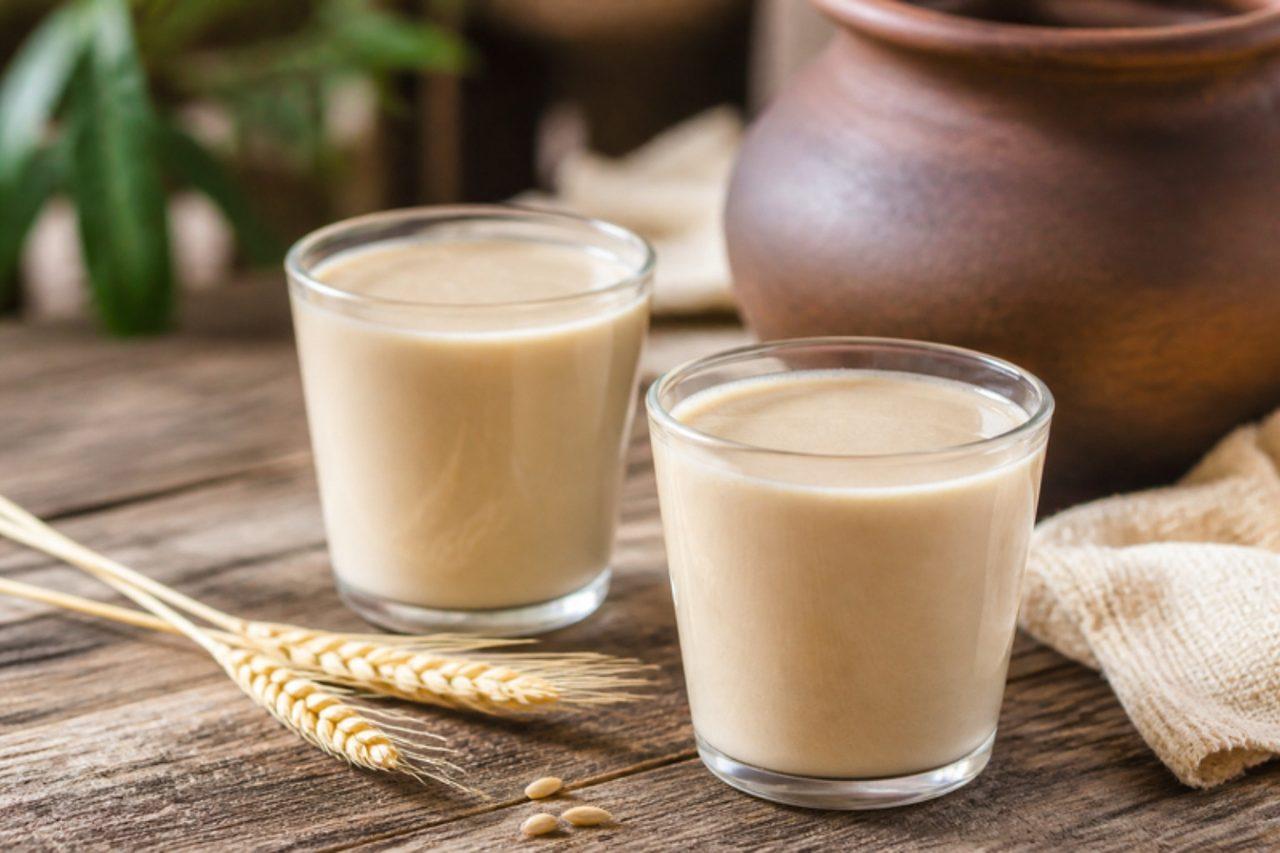
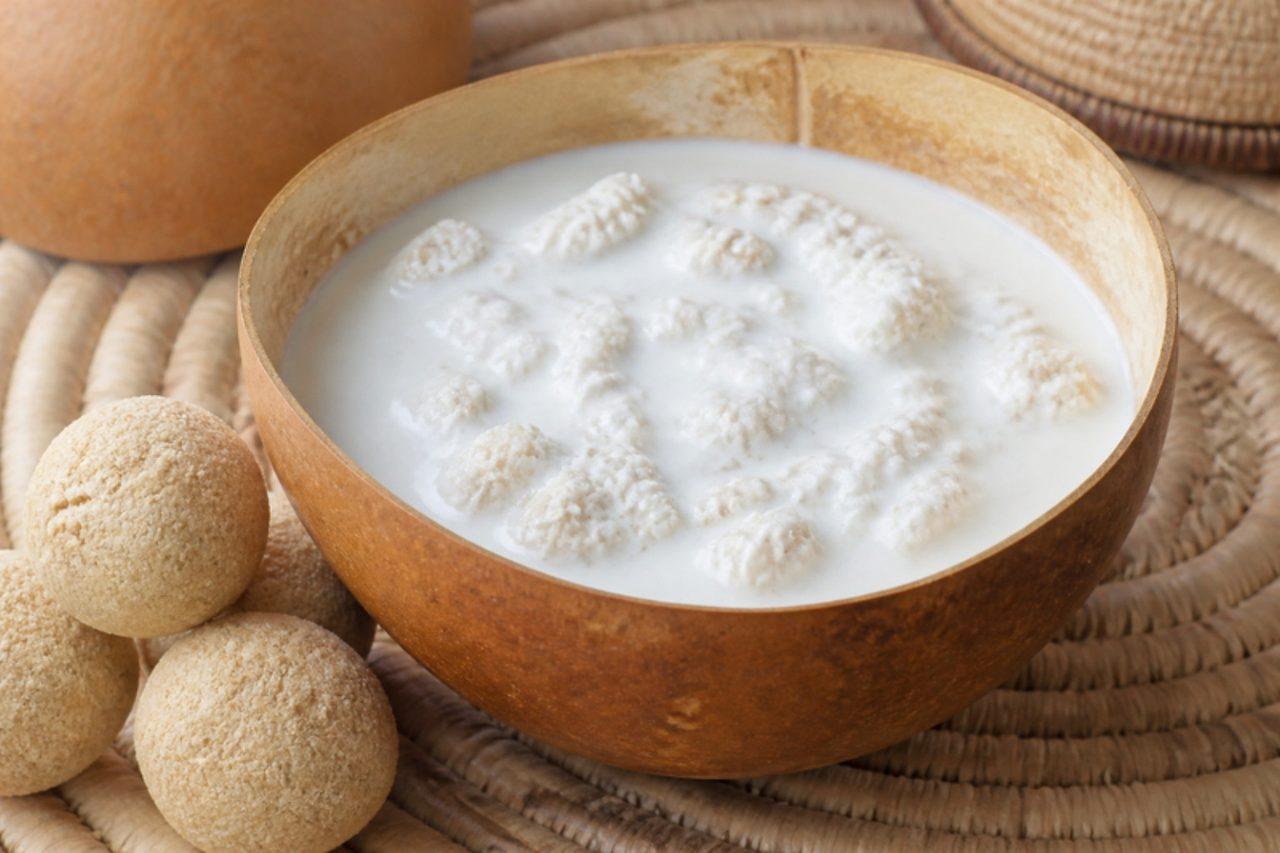
Fura da nono (millet balls in cultured milk)

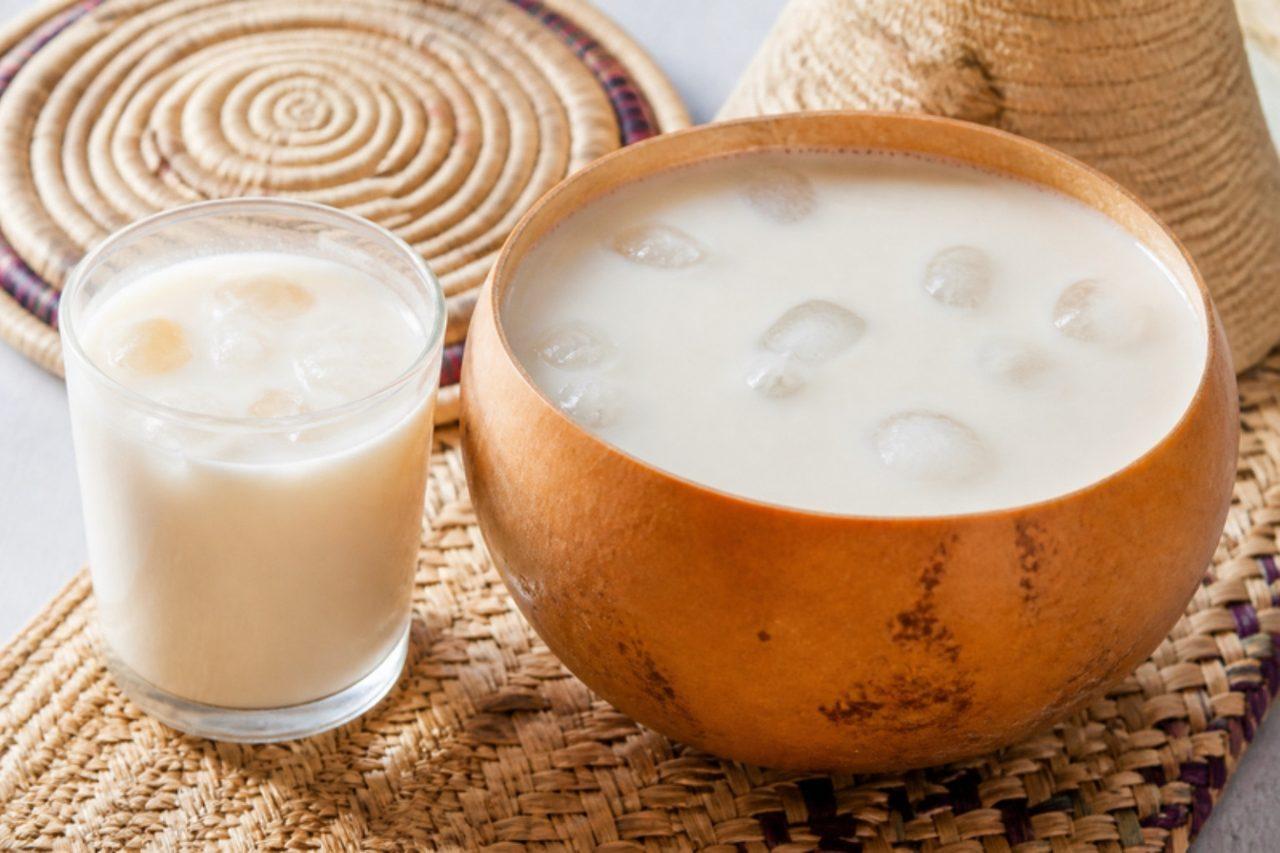
Fulani women carry fura da nono to markets across the north in calabashes balanced on their heads: balls of spiced, cooked millet dough sold next to nono, cow's milk that has been left to sour. Crumbled into the milk and sweetened, the fura makes a thick, cooling drink that is part breakfast, part refreshment, tangy with ginger and a gentle heat from the spices. Traditional nono is made from raw milk; this home version uses pasteurised yoghurt and milk for safety, and it should be kept in the fridge. Mashing the fura straight into all the milk leaves lumps, so crumble it with a little milk first. Don't crumble the fura balls coarsely; large lumps stay chalky in the drink. Chef's tip: dust the shaped fura in millet flour and it keeps for 3 days in the fridge, ready to mix.

by KrazyBadal 0 views

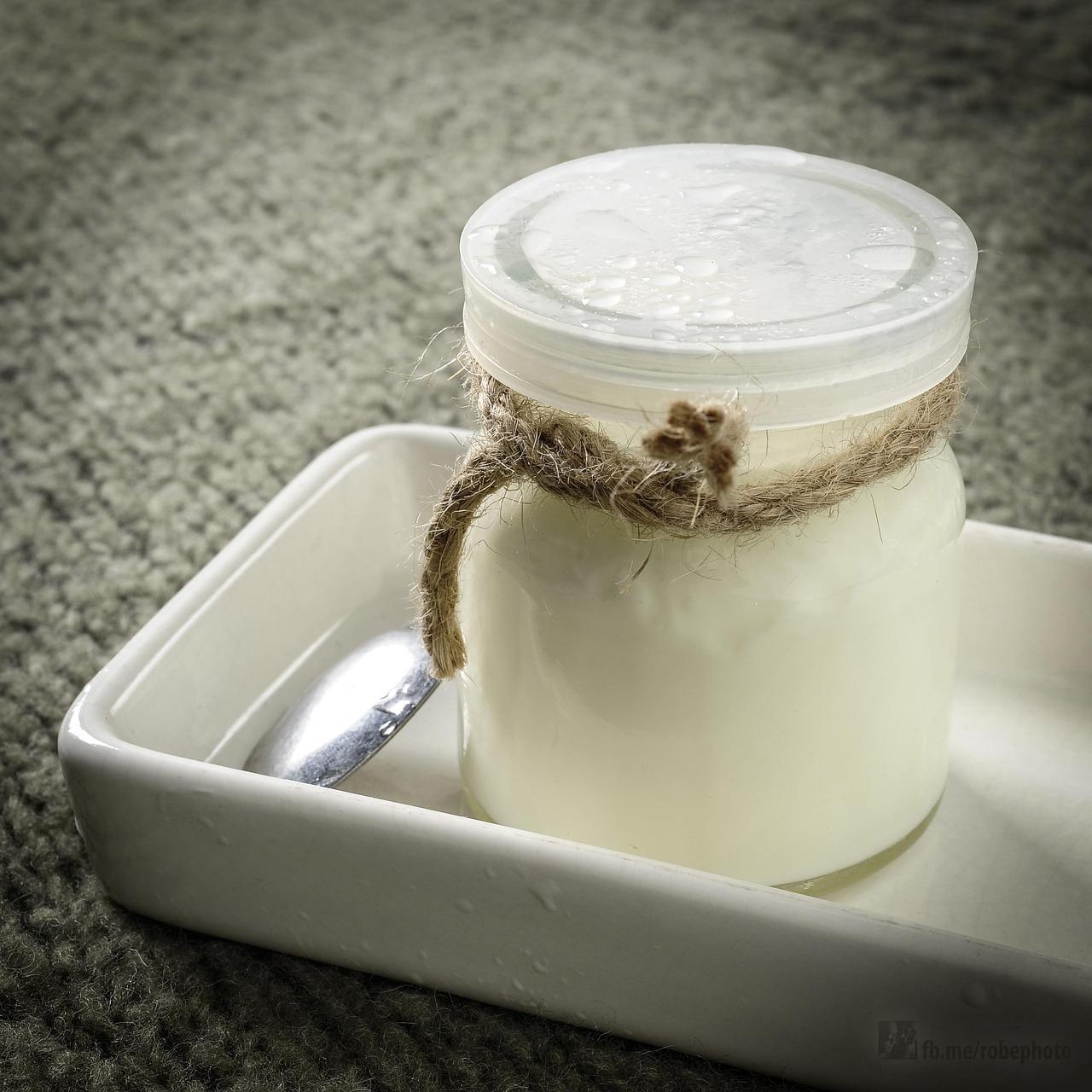
RyazhankaBaked fermented milk drink

Ryazhanka starts with topleny moloko, milk baked slowly until it turns beige and smells of toffee, which was once done overnight in the cooling clay stove after bread day. Cultured with a little sour cream, it sets into a thick, spoonable drink with a mild tang and a soft caramel note that kefir never has. In Poltava and Sumy dairies it is sold in tall glass bottles, and people drink it at breakfast or with a slice of rye bread as a late snack. Use pasteurised milk, a clean jar, and refrigerate it as soon as it has set. Where most people go wrong is fermenting it too hot or too long, which makes it sour and watery with whey; check it after 4 hours. Throw away any batch with mould or an off smell. Chef's tip: let the brown skin form and break it back into the milk two or three times during baking; that skin is where the colour and flavour come from.

by KrazyBadal 0 views

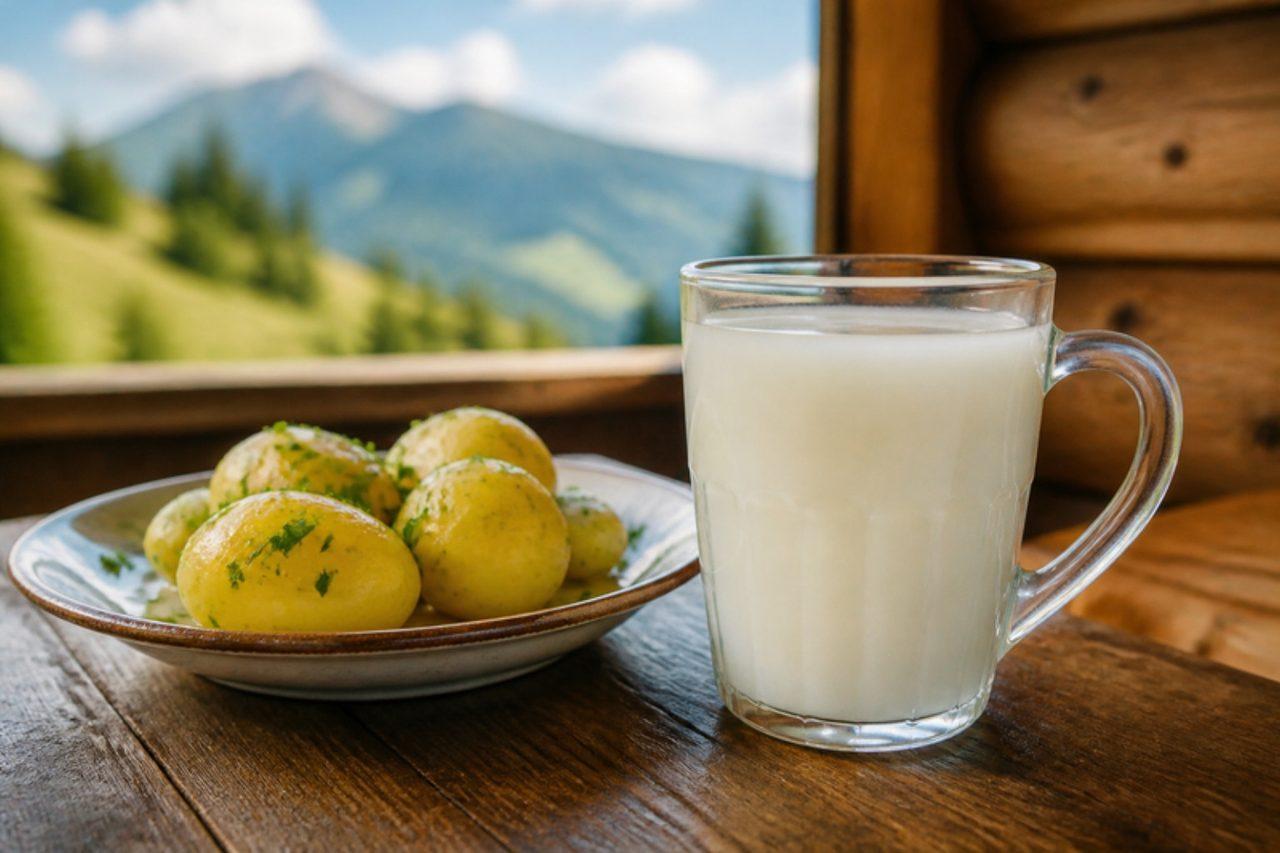
HusliankaFermented Hutsul milk

High in the Hutsul villages around Verkhovyna and Kosiv, milk was boiled, cooled and left to sour in a wooden keg called a berbenytsia, which held the cultures from the last batch and gave the drink its name and its gentle tang. The result is huslianka: thicker than kefir, smooth like loose yogurt, with a fresh, clean sourness that shepherds drank with mamalyha and new potatoes. Today you will find it bottled at Carpathian markets, but it is easy to make in a glass jar at home. For safety, always start from pasteurised milk, use a scrupulously clean jar and move it to the fridge as soon as it sets. The usual slip is adding the starter while the milk is still hot, which kills the cultures, so cool it to body temperature first. Discard any batch that grows fuzzy or pink mould or smells unpleasant. Chef's tip: keep two spoons of each batch to start the next one; the flavour gets rounder with every round.

by KrazyBadal 0 views

Chapman (Nigerian fruit punch)

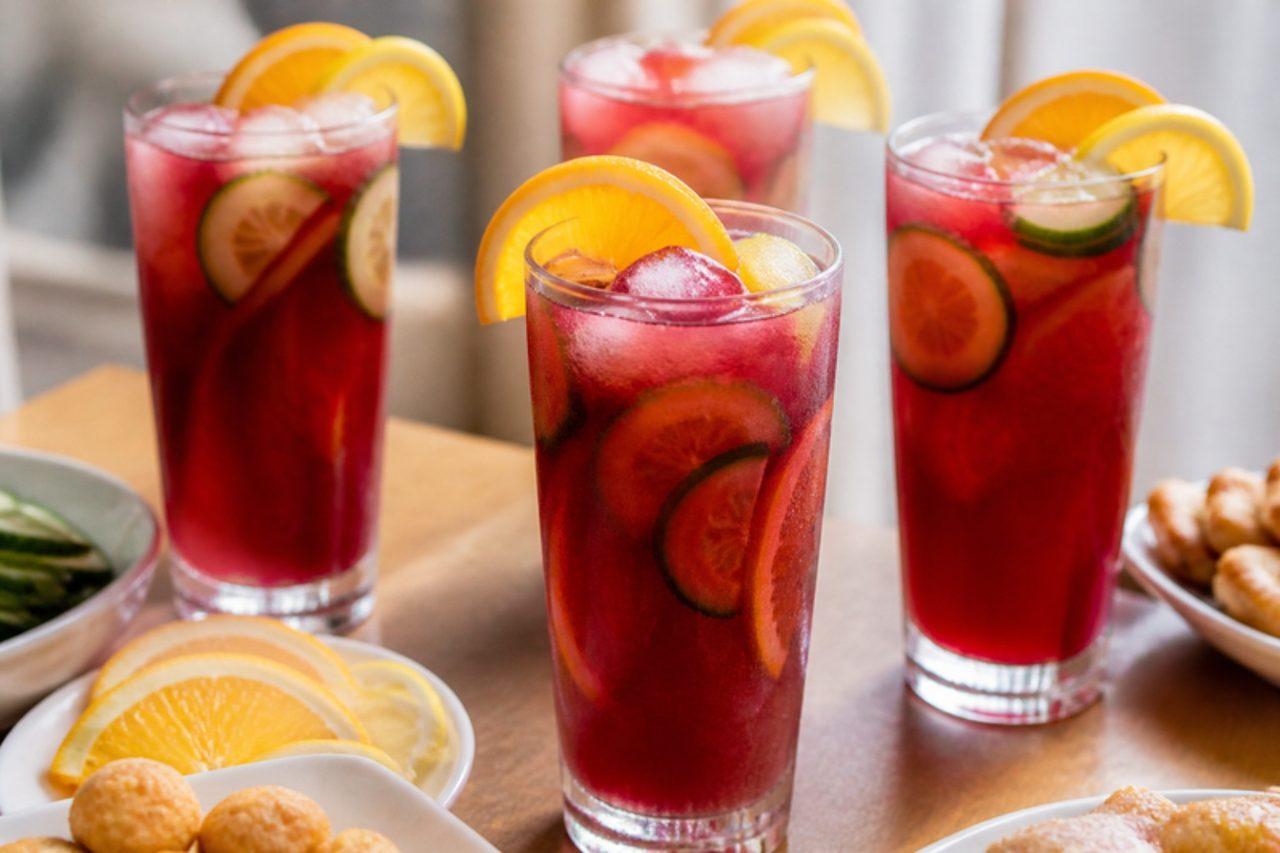
Order a chapman in a Lagos club house or at an owambe party and it arrives in a tall glass full of ice, glowing red and crowded with slices of cucumber, orange and lemon. Lemon-lime and orange sodas are mixed with blackcurrant cordial and grenadine for a sweet, fruity, fizzy drink with a fresh edge from the cucumber. The classic recipe adds a few dashes of aromatic bitters, and those bitters contain alcohol; leave them out (or use an alcohol-free bitters) and it is fully alcohol-free and fine for children. Adding the soda too early is the usual mistake, as it goes flat, so mix the syrups and fruit first and top up just before serving. Chef's tip: chill every bottle well beforehand, so less ice melts into the drink.

by KrazyBadal 0 views

Kunun aya (tiger nut drink)

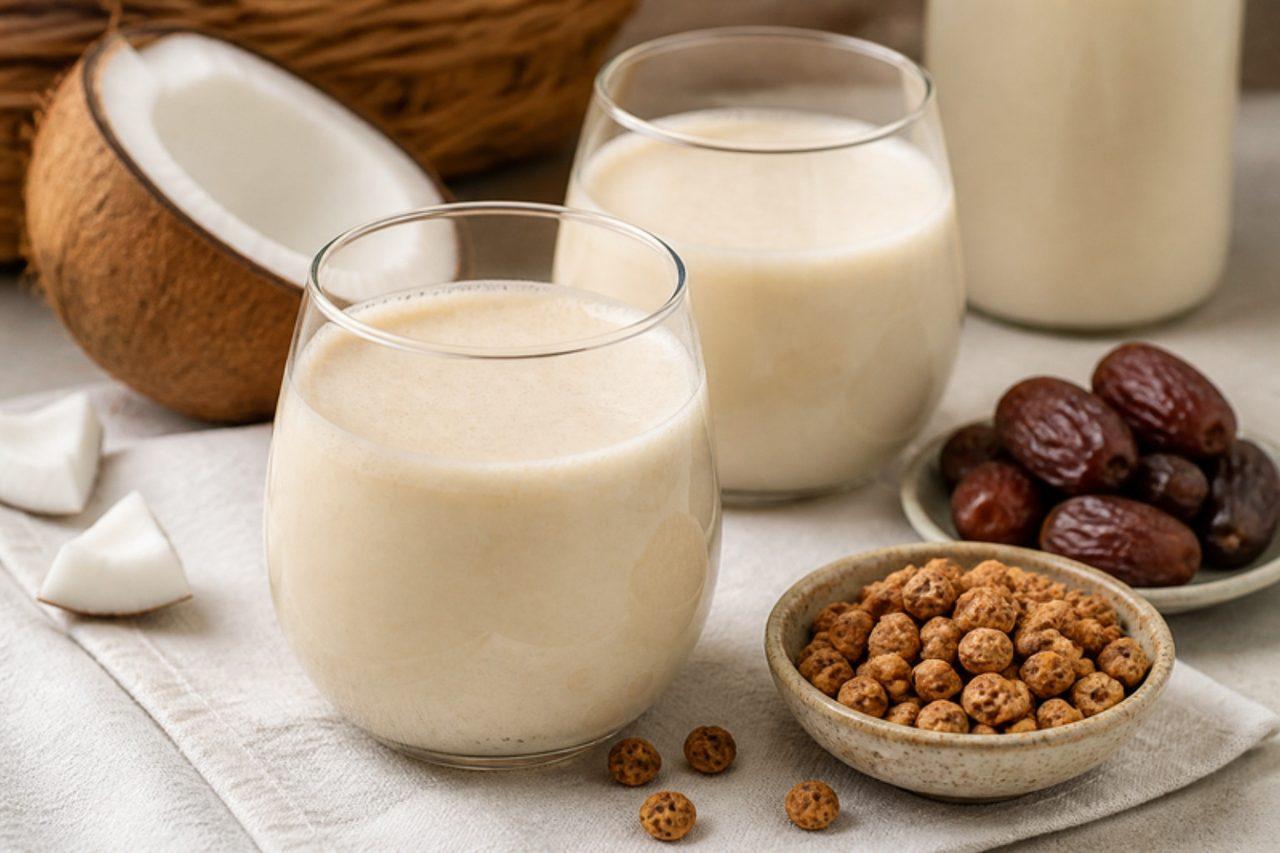
Street sellers in Jos, Kaduna and Kano keep kunun aya cold in coolers, and on a hot afternoon a glass of the creamy, nutty milk is hard to beat. Tiger nuts, which are small tubers rather than nuts, are soaked until plump, blended with dates, fresh coconut and a little ginger, then strained. Dates do the sweetening, so most people add no sugar at all. Skimping on the soak is the most common mistake; dry tiger nuts give a thin, gritty drink, so soak them for at least 8 hours. Chef's tip: soak them in the fridge and keep everything cold, because the fresh milk sours quickly in the heat.

by KrazyBadal 0 views

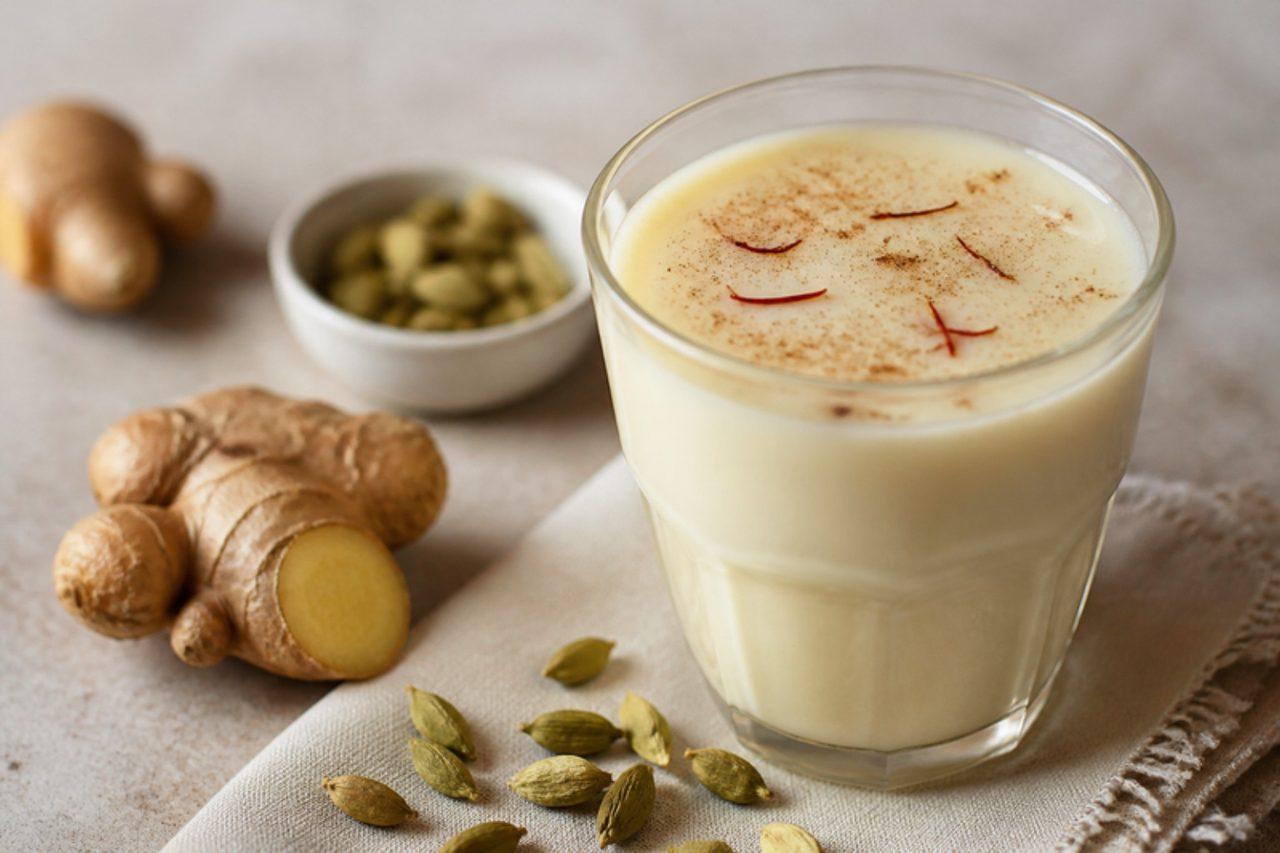
Haleeb zanjabeelGinger and cardamom milk

When the short Gulf winter brings chilly evenings to Riyadh, Kuwait and the desert camps, families pour cups of haleeb zanjabeel, hot milk steeped with fresh ginger, cardamom and a few threads of saffron. It is offered to guests in the majlis, given to anyone with a cold, and sipped at breakfast or late at night. It tastes warming and gently spicy, creamy and pale gold. The commonly made mistake is boiling the ginger hard in the milk for too long, which can curdle it and makes it harsh; steep it gently instead. Sweeten with sugar or honey to taste. Chef's tip: simmer the ginger and cardamom in a splash of water first, then add the milk; you get more flavour and less risk of splitting.

by KrazyBadal 0 views

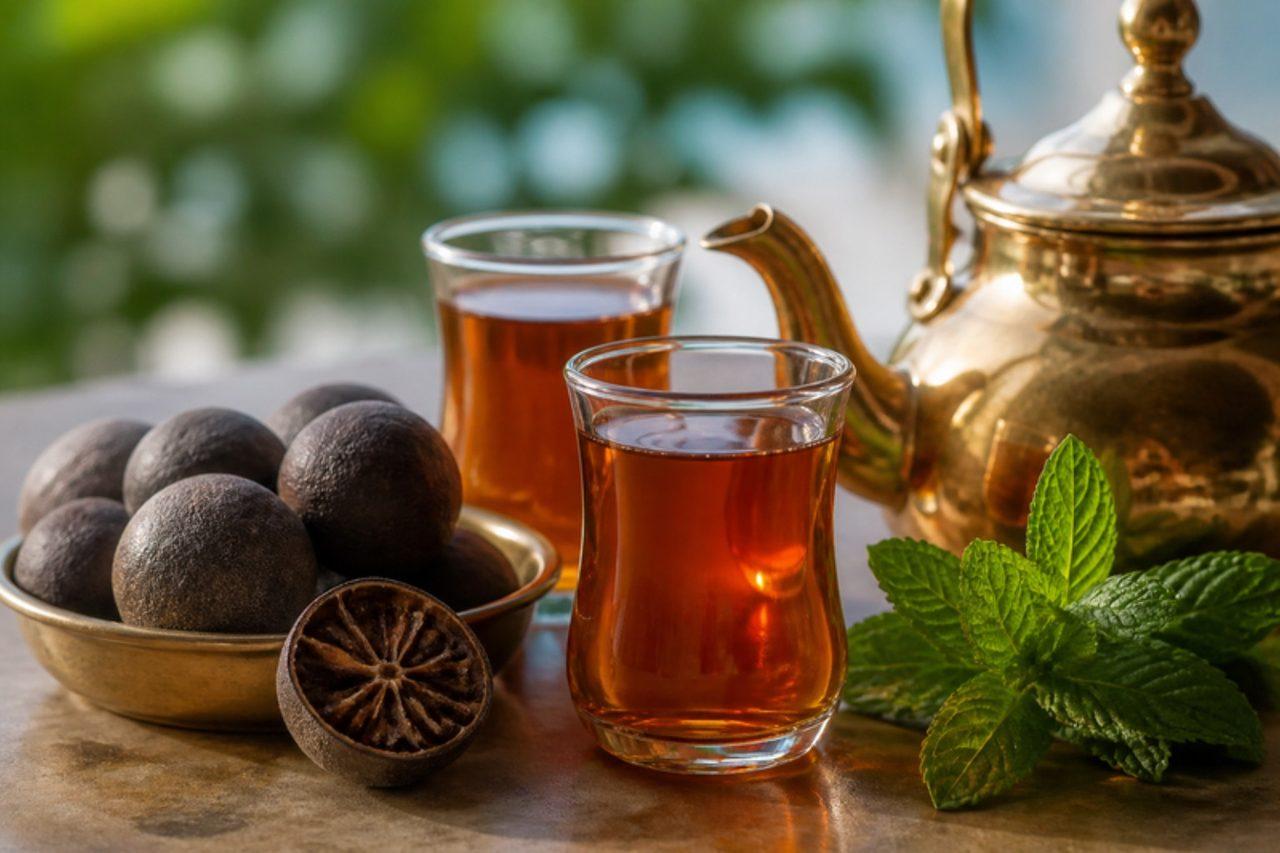
Loomi teaDried black lime tea

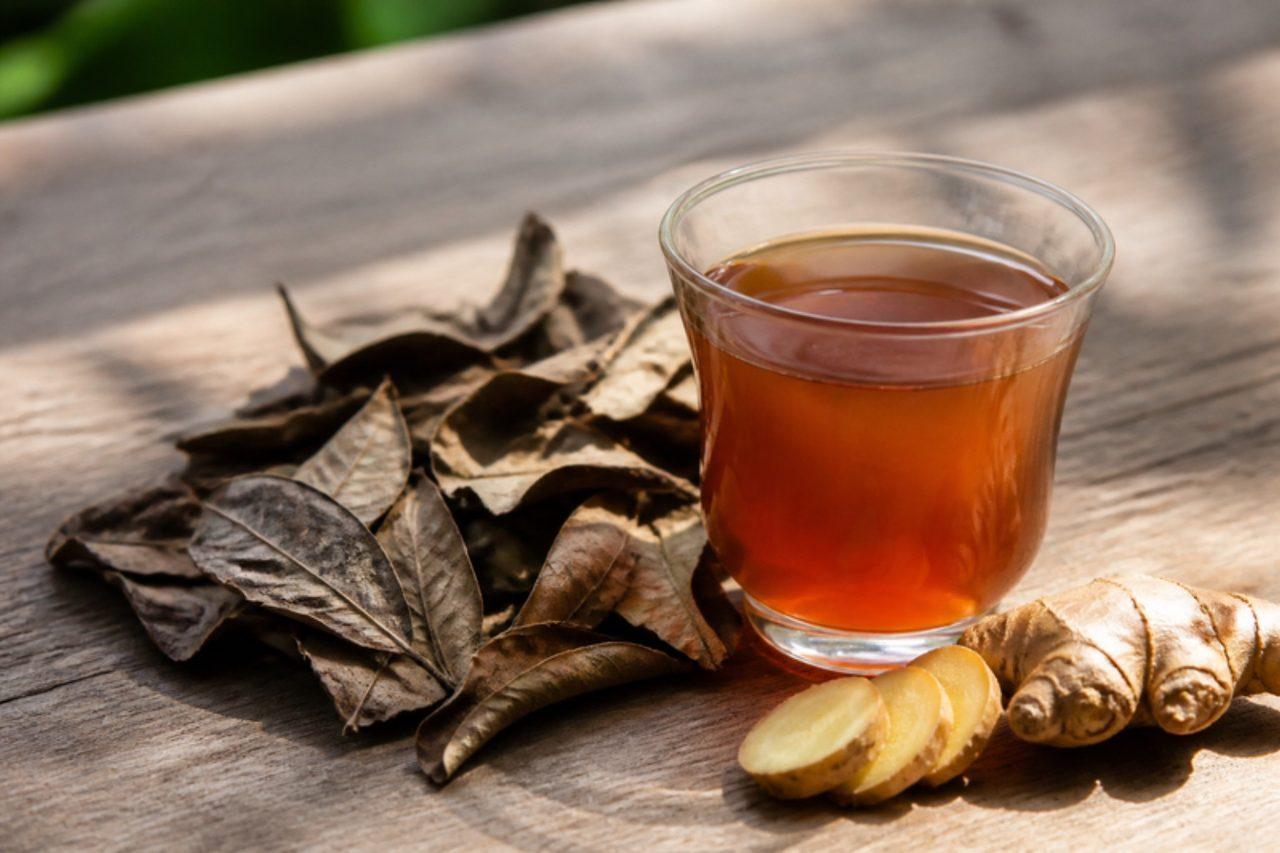
Dried limes, loomi, are everywhere in the Gulf kitchen, from Bahraini machboos to Kuwaiti stews, and on cold days or after a heavy meal they are also cracked open and steeped into shai loomi, a tart, smoky, amber tea. In Saudi Arabia, Kuwait and Bahrain it is drunk hot and sweet in small glasses, and it is many families' remedy for an upset stomach. The flavour is sour and a little bitter, like a cross between lemon tea and something faintly smoked. A common mistake is steeping the whole limes uncracked, which gives a weak, watery tea; break them open first. Strain well, as the seeds are very bitter if chewed. Chef's tip: use the darker limes for a deeper, earthier tea and the pale ones for a sharper, brighter cup.

by KrazyBadal 0 views

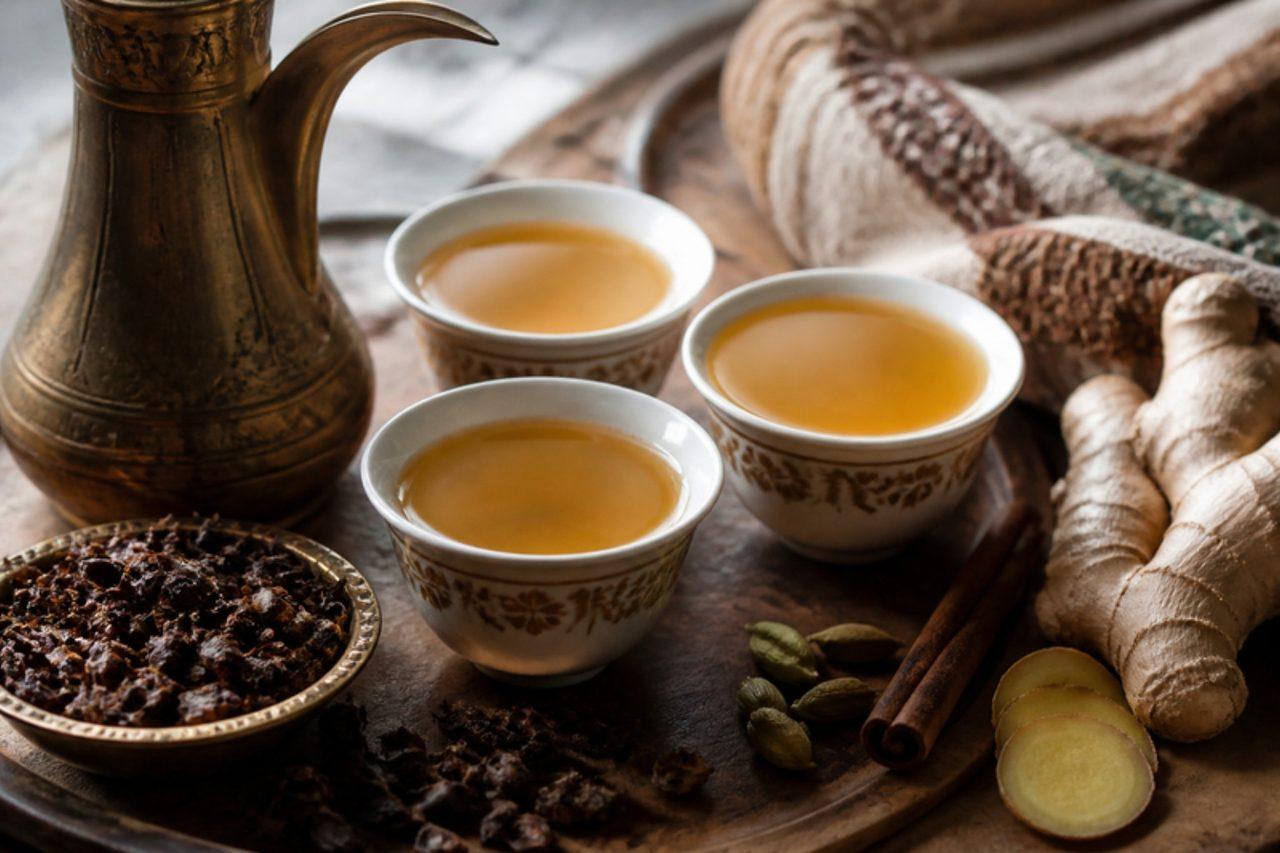
QishrSpiced coffee husk drink

In the highlands around Sana'a and in the coffee towns of Yemen, qishr is the everyday hot drink, brewed from the dried husks of the coffee cherry rather than the bean, with ginger and often cinnamon or cardamom. It is lighter and sweeter than coffee, amber in colour, with a fruity, tea-like taste and a warming bite of ginger, and it is poured all day for guests, after meals and during long afternoon visits. Serve it hot in small glasses or cups, with dates or bint al sahn. Boiling it for too long makes it bitter, so let it simmer briefly and then steep. Chef's tip: grate fresh ginger straight into the pot; it gives a brighter heat than the dried powder.

by KrazyBadal 0 views

GazozFruit syrup soda

Before bottled soft drinks, the kiosks along Rothschild Boulevard and in Florentin sold gazoz: a squirt of fruit syrup topped up with fizzy water from a tap. Tel Aviv cafés have revived it as a glass crammed with fresh and lightly fermented fruit, flowers and herbs, so it is pretty, tart and only gently sweet. Make it on hot afternoons, for children's birthdays or as an alcohol-free welcome drink. The mistake is pouring the soda too early, so it goes flat before you drink it. Chef's tip: macerate the fruit in syrup for at least 30 minutes, ideally overnight in the fridge, so it bleeds colour into the glass.

by KrazyBadal 0 views

Doum drink

Spice and herb sellers in the Aswan souk pile up the hard, glossy brown fruit of the doum palm, and Nubian households soak it into a cold, sweet drink for the hot months and for Ramadan iftar. The dried flesh gives a cloudy amber drink that tastes surprisingly like gingerbread or caramel, with a faint woody bitterness. Buy it crushed or as coarse powder at Egyptian and African grocers; whole fruit is extremely hard to break. Leaving it to steep too long is the mistake to avoid, because it turns bitter. Chef's tip: strain twice, once through a sieve and again through muslin, to remove the gritty fibre.

by KrazyBadal 0 views

PetelRaspberry cordial

A jug of petel on the table means summer in Israel: generations of kids have grown up drinking the bright red raspberry cordial in kindergarten, at kibbutz pools and at Shabbat lunches. The bottled kind is mostly colouring and flavouring; this homemade version simmers real raspberries with sugar and lemon into a fruity, tangy syrup you dilute with cold still or sparkling water. It keeps in the fridge for two weeks, or freezes in ice-cube trays. The common mistake is pressing the fruit hard through the sieve, which makes the syrup cloudy and pippy. Chef's tip: dilute one part syrup to five or six parts water, then adjust; it is meant to be light, not sticky.

by KrazyBadal 0 views

Sugarcane juice

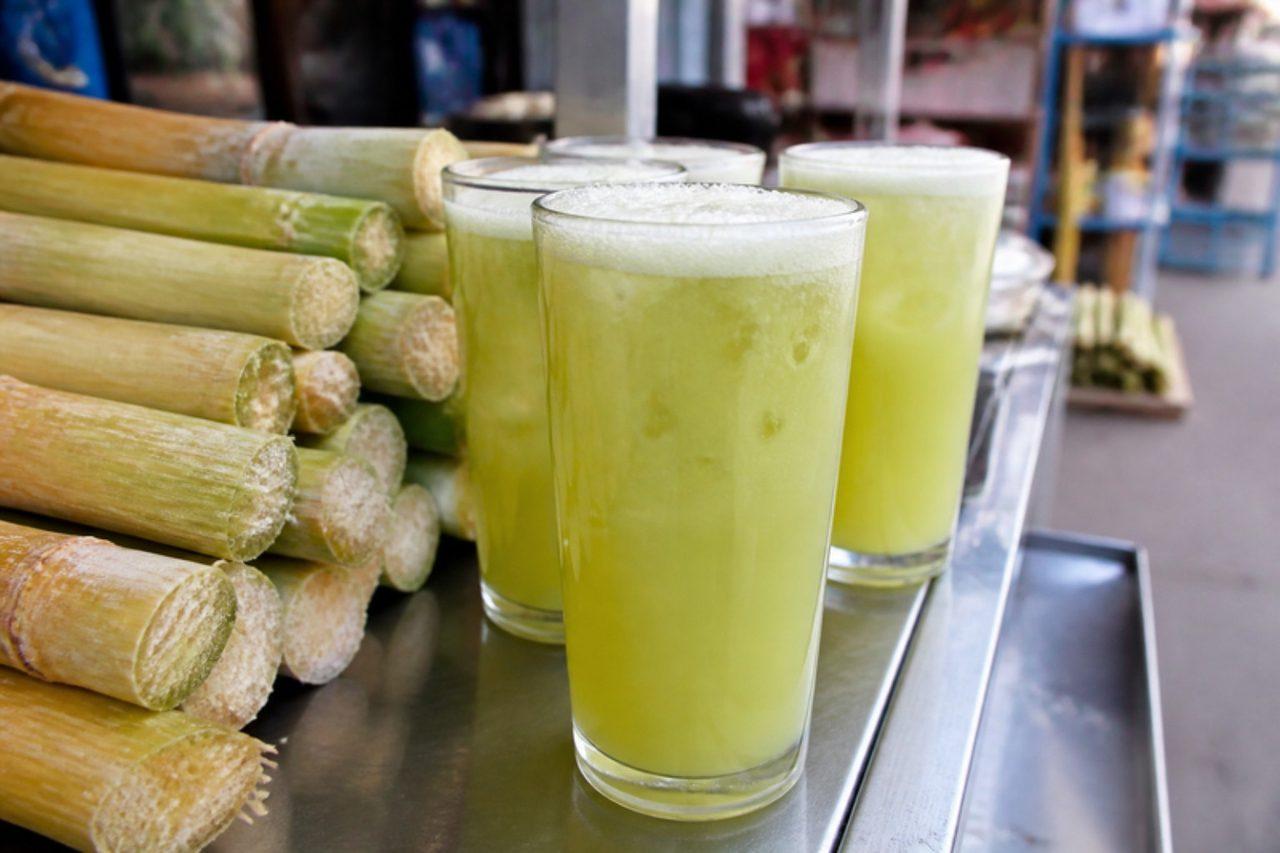
Juice shops all over Cairo and the towns of Upper Egypt crush sugarcane through clattering steel rollers and serve the pale green juice ice-cold for a few pounds a glass, a favourite in the summer heat and after Ramadan fasting. It is sweet, grassy and refreshing, with a faint lemony edge, and it tastes best within minutes of pressing. Without a press, peeled cane chopped small and blended with a little water gives a very close result at home. Chef's tip: peel the cane completely, because the hard green rind makes the juice bitter and dark.

by KrazyBadal 0 views

Guinean tamarind juice

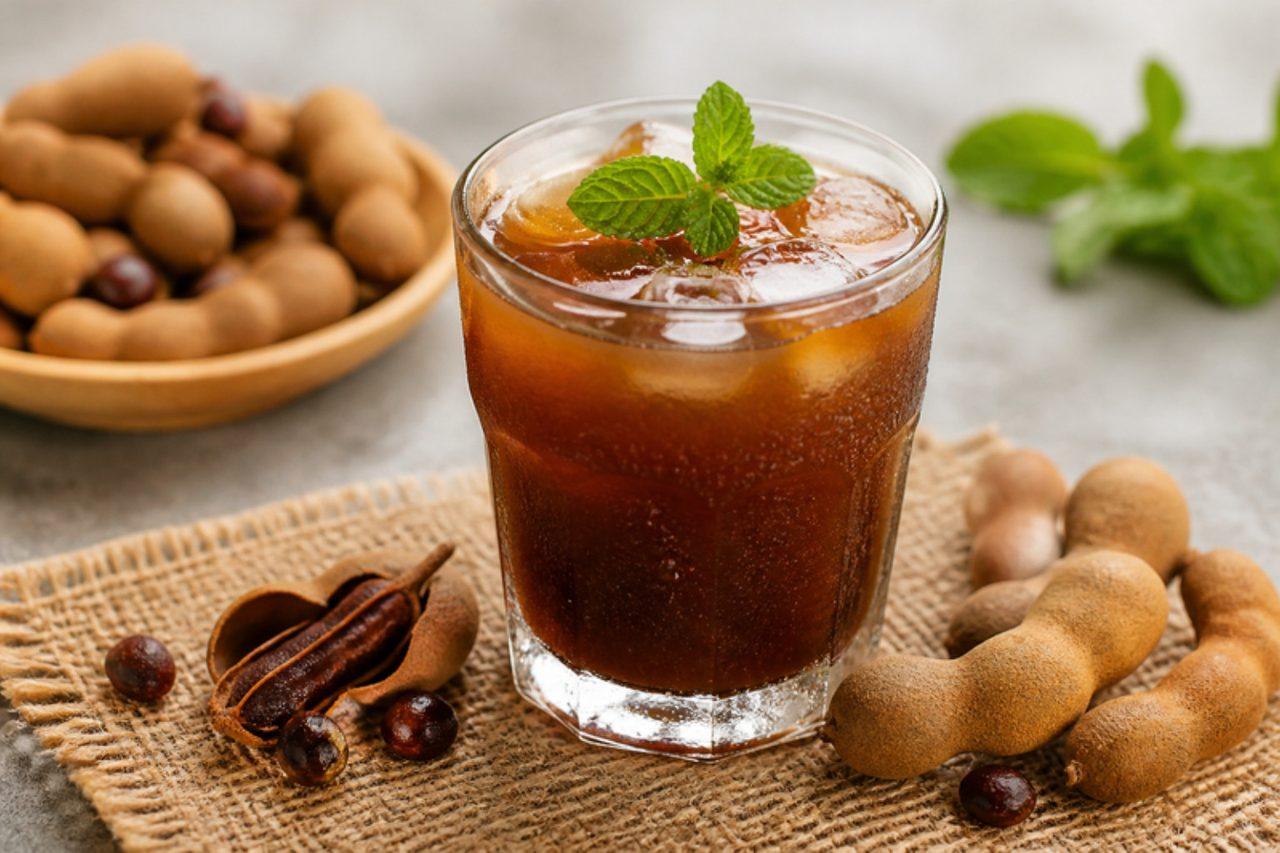
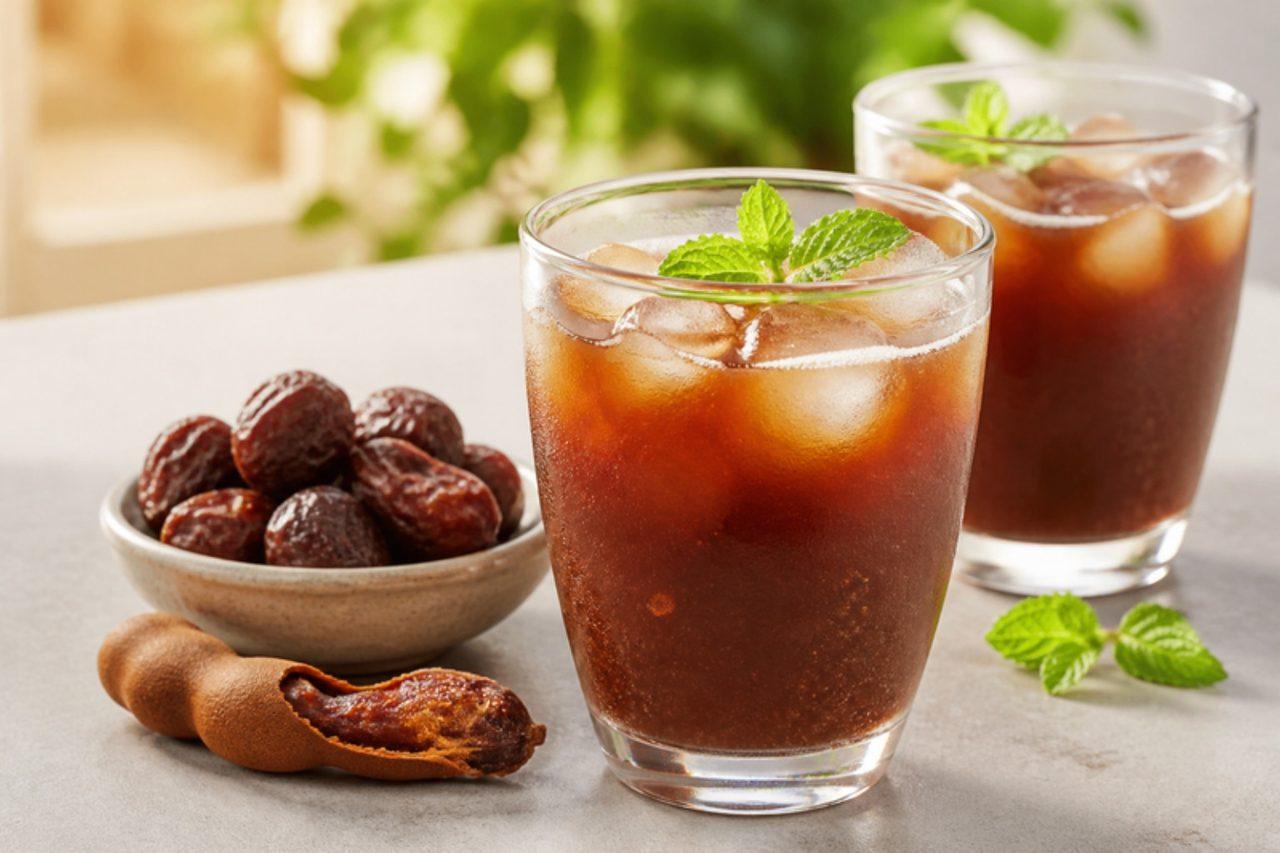
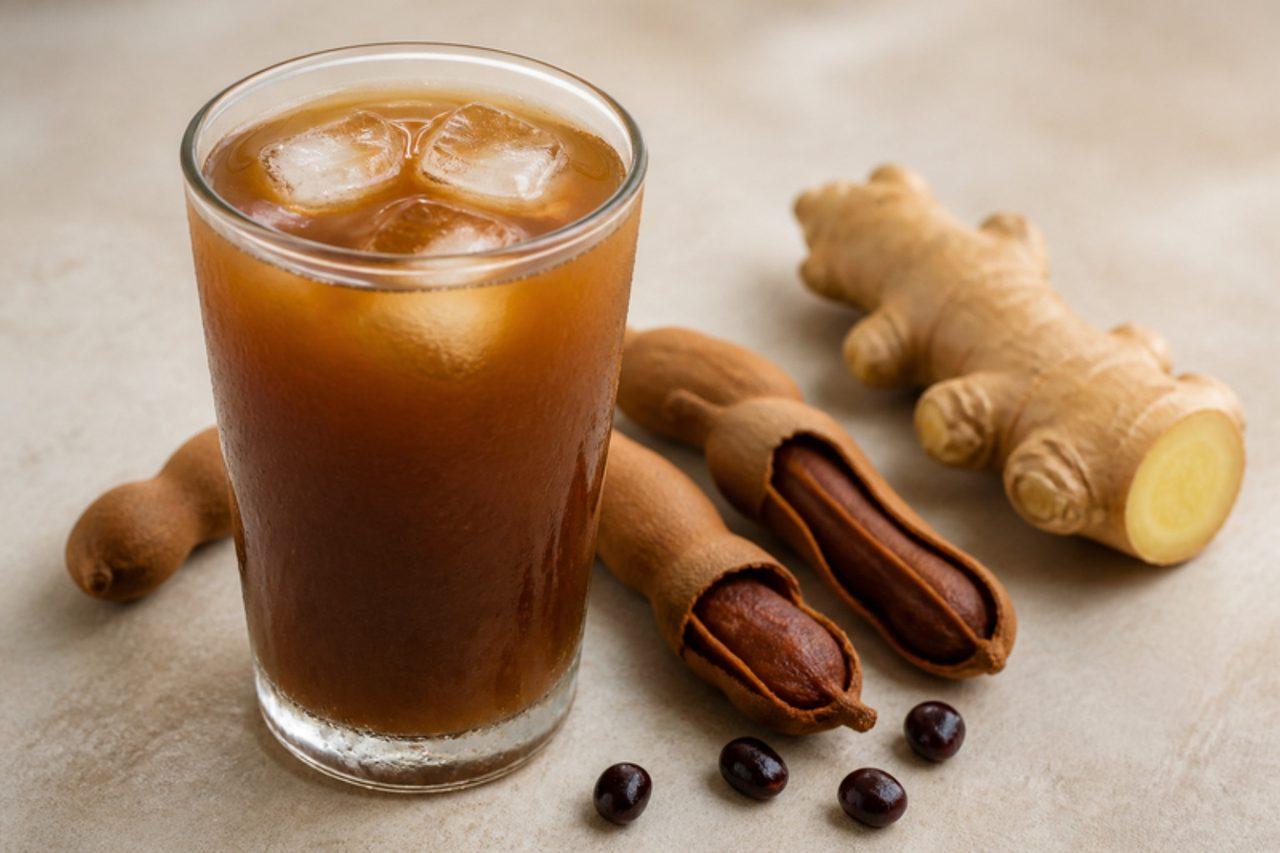
Tomi is the name for tamarind in Guinea, and in Conakry its juice is poured from plastic bottles kept on ice at markets, bus stops and family celebrations alongside bissap and ginger juice. The sticky brown pulp is soaked in hot water, kneaded and strained into a drink that is brown-gold, fruity and pleasantly sour, sweetened with sugar and lifted with a little ginger and vanilla. It is especially welcome at sunset during Ramadan. Chef's tip: soak the pulp in hot, not boiling, water and knead it well; boiling the tamarind is a common mistake that pulls out bitterness from the seeds and skins.

by KrazyBadal 0 views

HalabessaHot spiced chickpeas in broth

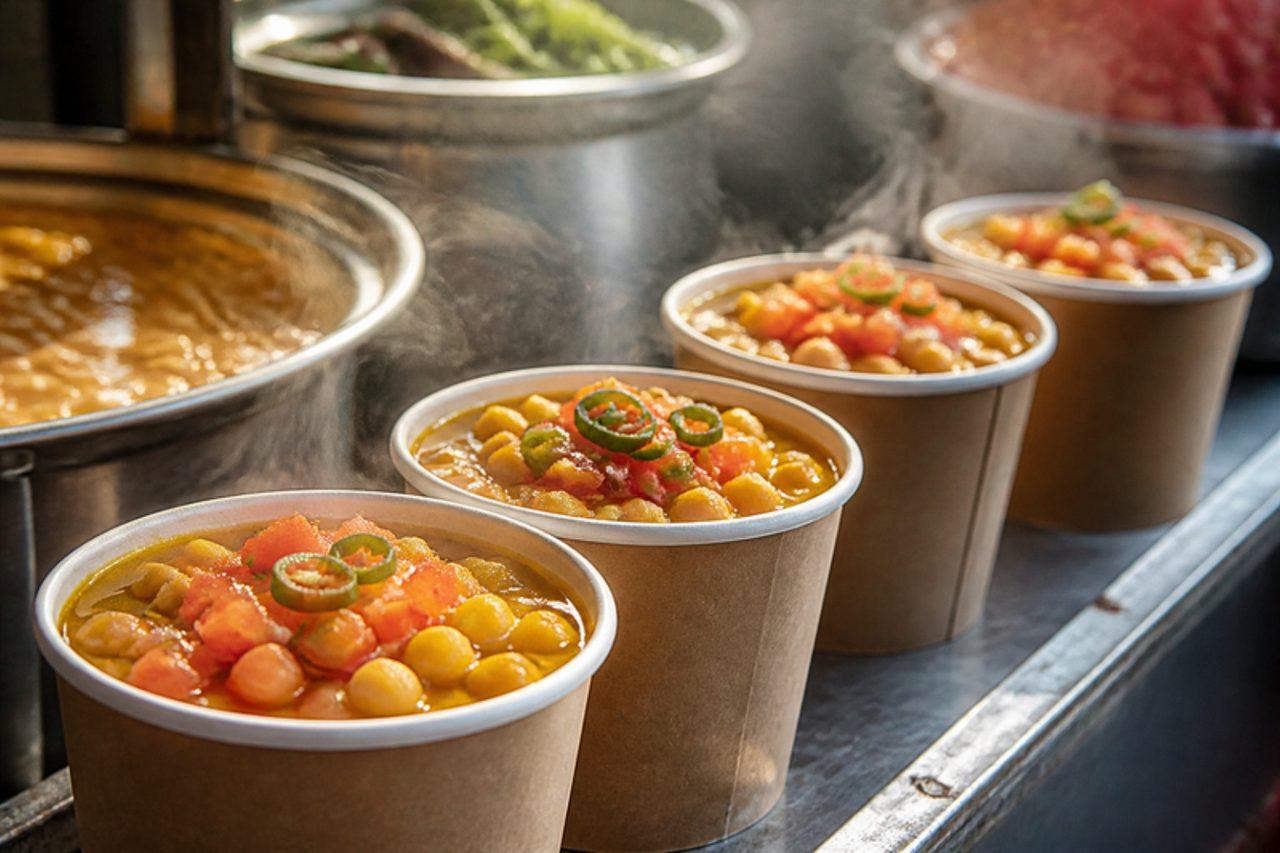
Halabessa carts appear on Cairo and Alexandria corners once the winter evenings get cold, with a steaming pot of chickpeas and a stack of cups. The vendor ladles out tender chickpeas with plenty of their cooking broth, then adds salt, cumin, lemon and chilli, and sometimes a spoonful of tomato sauce, so it is half drink, half snack. It warms the hands as much as the stomach. The chickpeas need soaking overnight before cooking. The cardinal mistake is draining the chickpeas: the starchy cooking water is the whole point, so keep every drop. Chef's tip: simmer them very gently with the lid ajar so the broth turns cloudy and silky without the skins breaking.

by KrazyBadal 0 views

Bedouin sage tea

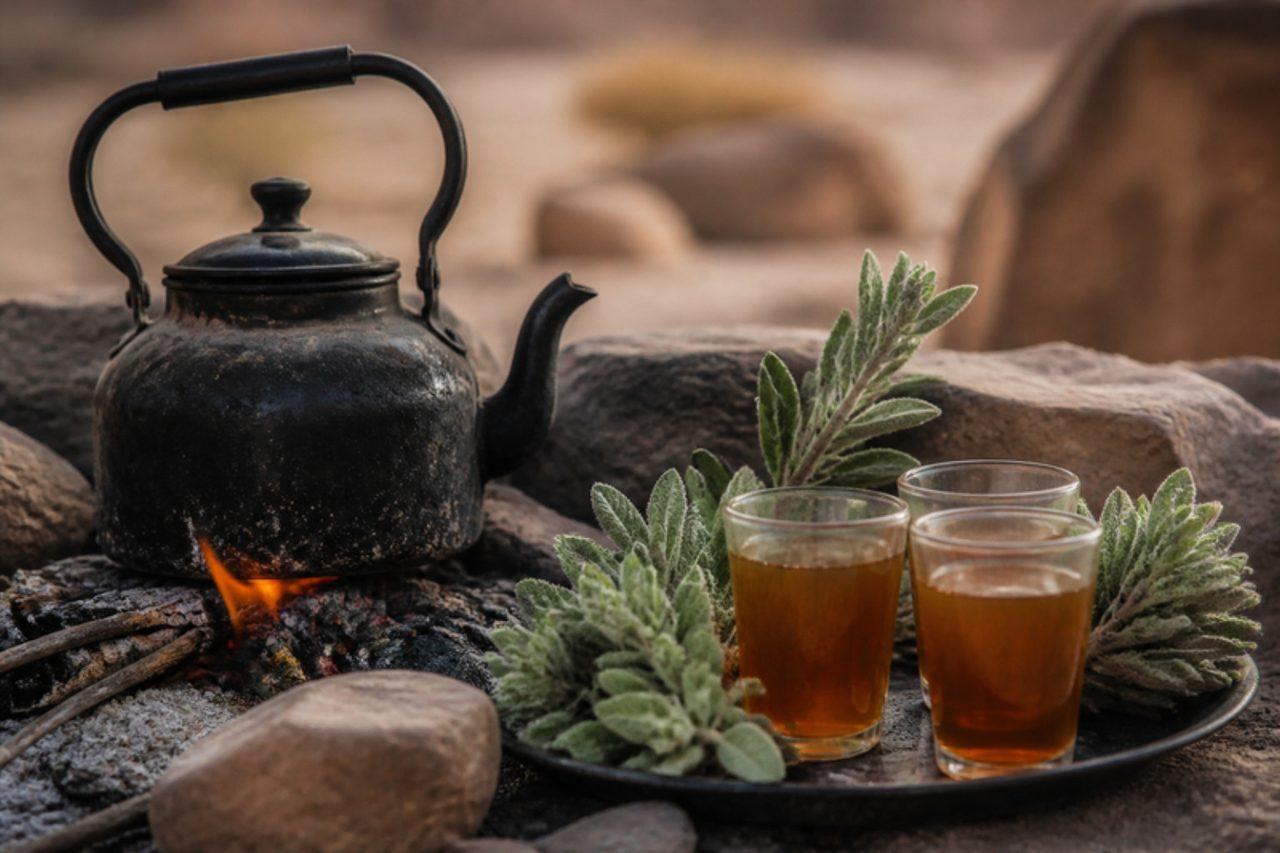
Visitors to a Bedouin camp in the Sinai mountains are handed small glasses of this tea almost before they sit down, brewed in a blackened kettle over the fire and sweetened generously. Wild maramiya, the local sage, is dropped in at the end, giving the strong black tea a soft, herbal, slightly camphor scent that is soothing after a long walk or a heavy meal. Garden sage works well, and dried sage is fine in a pinch. Boiling the sage is the mistake to avoid, because it turns the tea bitter. Sage is best taken in moderation and avoided in large amounts during pregnancy. Chef's tip: pour from a height into the glasses; the froth that forms is how Bedouin hosts like it served.

by KrazyBadal 0 views

Taiwanese peanut rice milkWarm rice and peanut drink

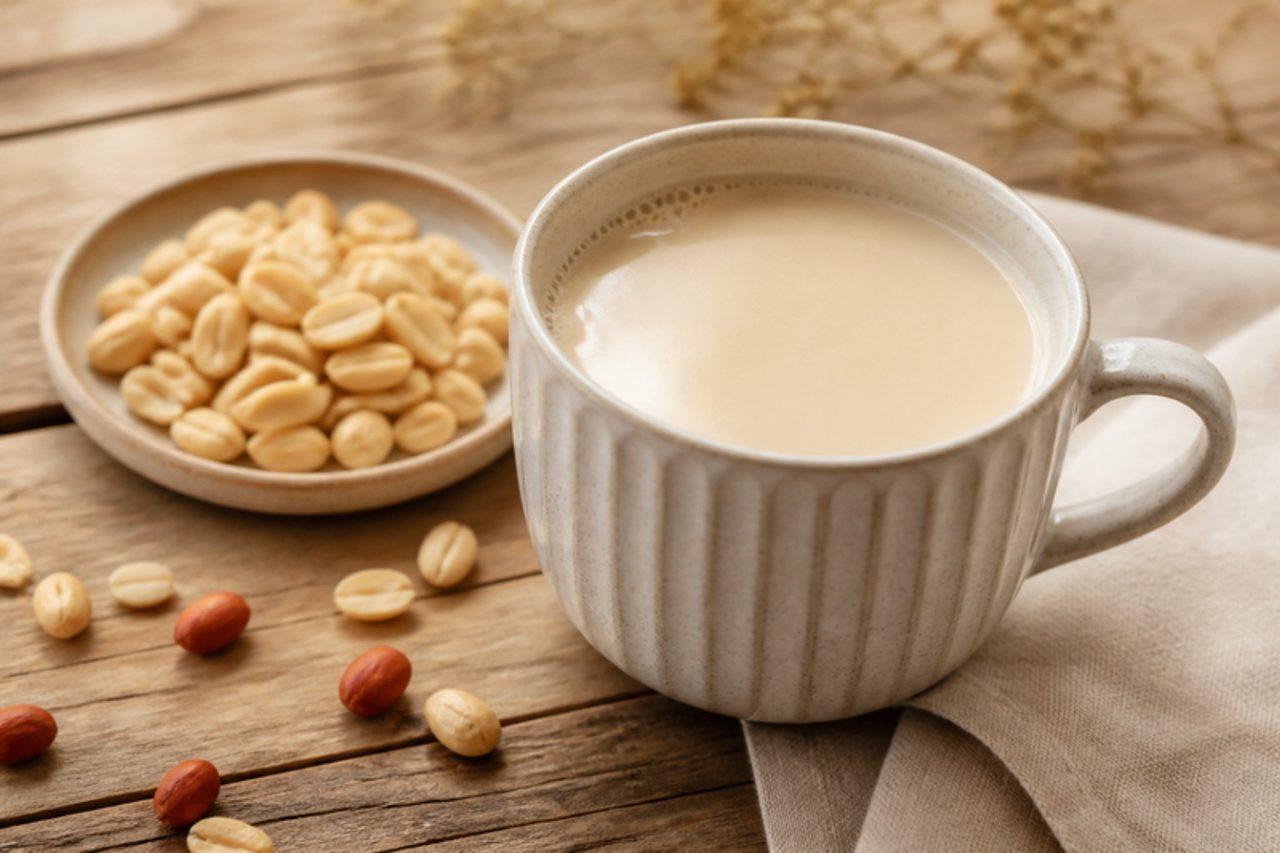
Beside the steel urns of soy milk at a Taiwanese breakfast shop stands a second urn of something beige, thicker and nuttier, and regulars know exactly what goes with it: a fat sticky-rice roll, fan tuan, eaten on the way to the MRT. Rice is toasted, blended with roasted peanuts and water, then simmered into a smooth, lightly sweet drink with a nutty, almost popcorn aroma, served hot in winter and chilled in summer. It's naturally dairy-free and very filling. Walking away from the pot is the usual mistake, because the starch settles and scorches in a minute, giving the whole batch a burnt taste. Chef's tip: toast the raw rice in a dry pan until it's golden; that step gives the drink its unmistakable breakfast-shop flavour.

by KrazyBadal 0 views

KoththamalliCoriander and ginger brew

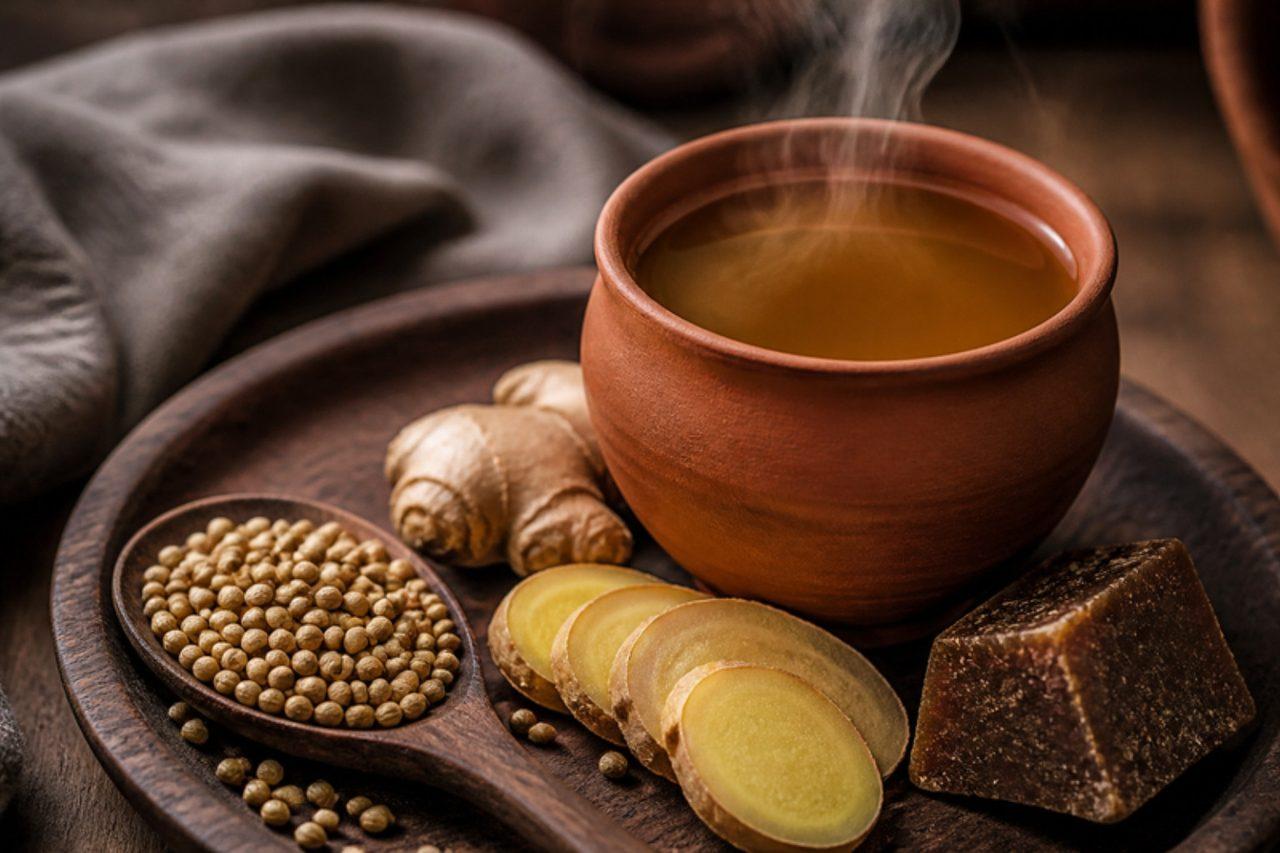
At the first sniffle, many Sri Lankan mothers put a pot of koththamalli on the stove, and in Colombo offices and up in the damp hill towns during the monsoon you will see people sipping it from steel tumblers instead of tea. Coriander seeds are toasted, cracked and boiled with plenty of ginger until the water turns amber, giving a warm, earthy, slightly citrusy drink with a gentle ginger burn. It is traditionally drunk unsweetened with a piece of kithul or palm jaggery held in the other hand and nibbled between sips, though you can dissolve the jaggery in if you prefer. Grinding the seeds to powder is a mistake, because the drink turns muddy and gritty; they should only be cracked. Chef's tip: toast the coriander just until it darkens a shade and smells like orange peel; that is when the oils are at their best.

by KrazyBadal 0 views

SobiaRice and coconut milk drink

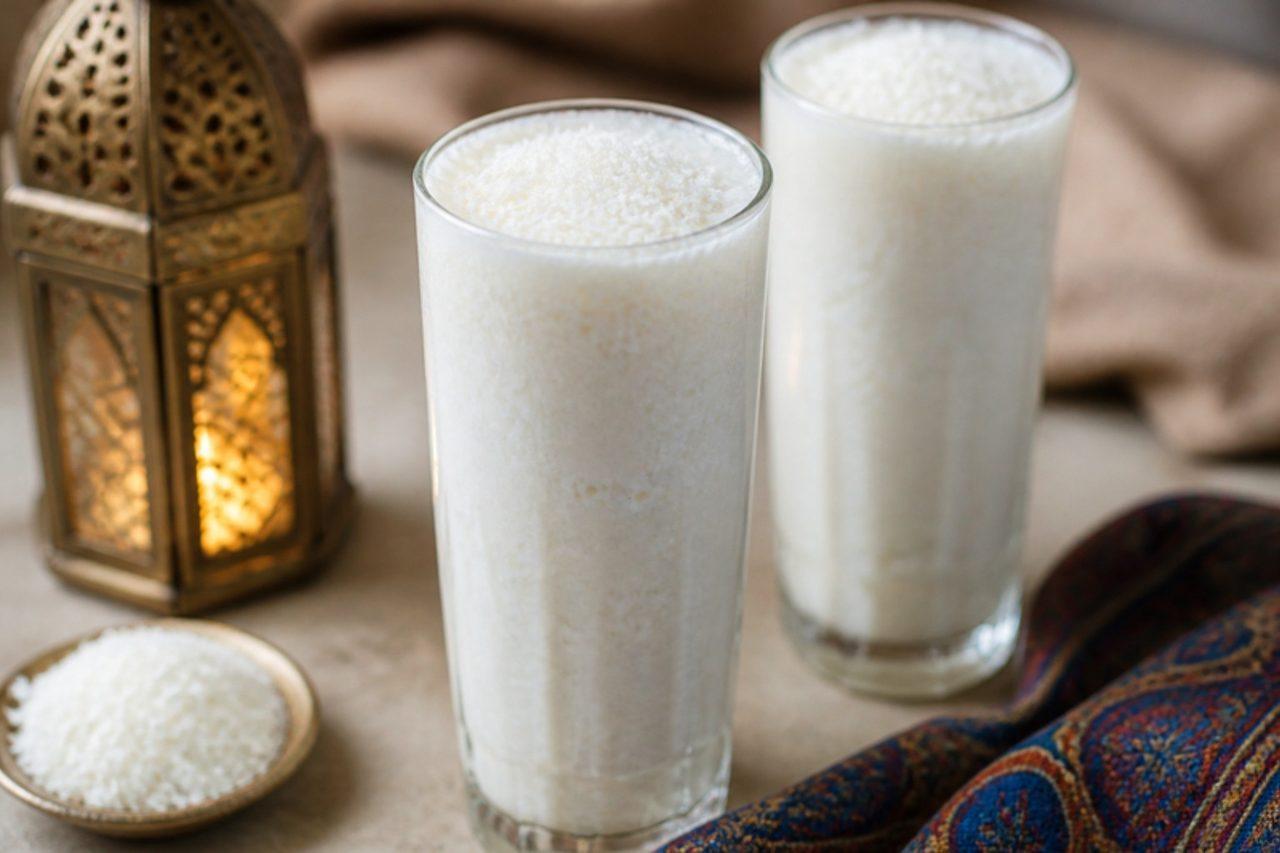
Before the sunset call to prayer in Ramadan, juice shops in Cairo's old quarters fill plastic bags and jugs with sobia for families to carry home, and it is one of the classic drinks for breaking the fast. It is milky white, sweet and smooth, with a gentle coconut flavour and a light body from the rice that makes it filling after a long day without food. This version simmers the rice-coconut milk briefly so it is safe to keep for a day or two in the fridge. Allow an hour for soaking the rice. The common mistake is not straining well, which leaves the drink gritty; push it through muslin. Chef's tip: chill it for at least 3 hours, because sobia tastes flat unless it is ice-cold.

by KrazyBadal 0 views

Beet kvass

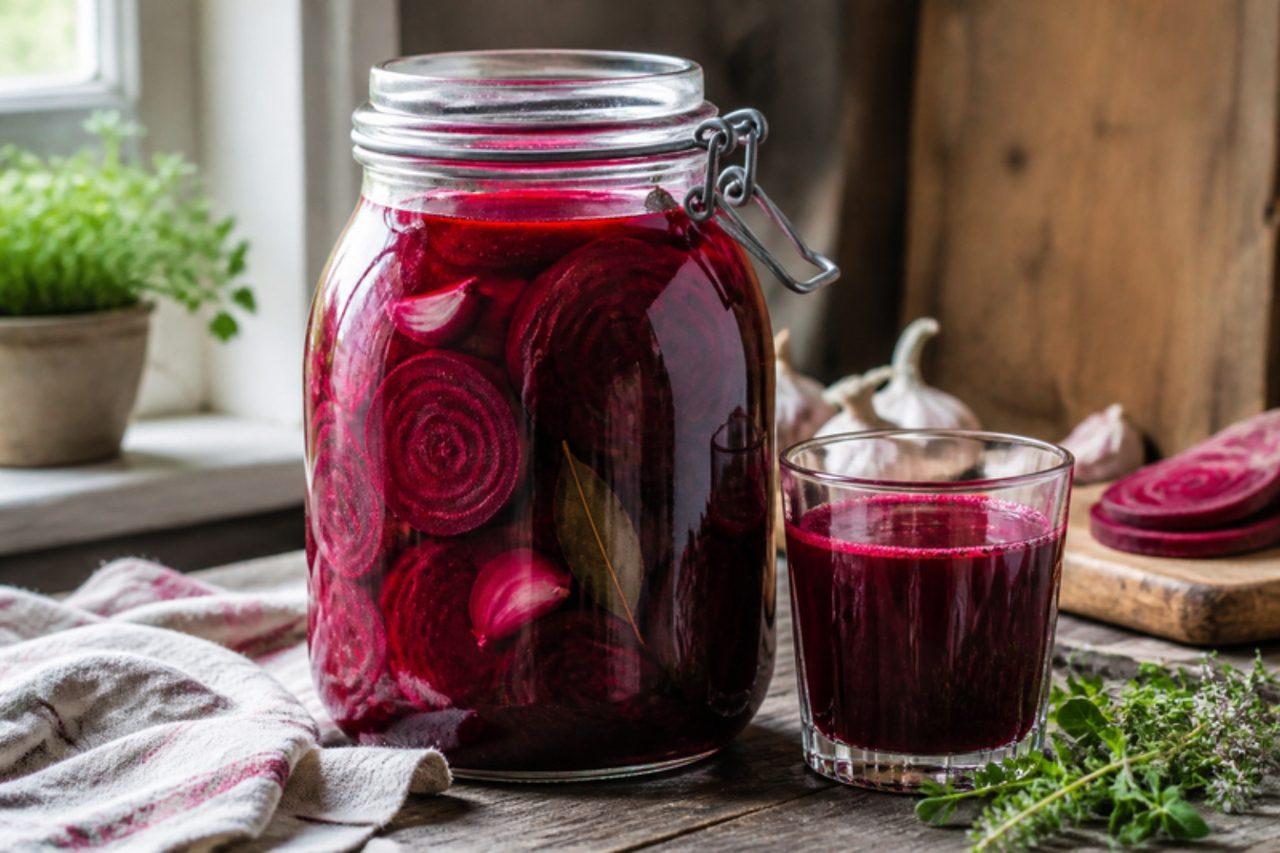
Before lemons and vinegar were easy to buy, Ukrainian cooks soured their borscht with beet kvass, a ruby-red brine made by leaving sliced raw beetroot in salted water for a few days. It is lightly fermented, so it contains no more than a negligible trace of alcohol, and it tastes earthy, salty and pleasantly sharp. In Poltava and Chernihiv villages a jar always stood by the stove; a splash went into the soup pot and a small glass was drunk in the morning as a tonic. Some families add a crust of rye bread to speed things up, which makes it no longer gluten-free. The mistake most people make is leaving the beetroot floating: anything above the brine can grow mould, so keep it weighed down. Discard any batch with fuzzy or coloured mould, a slimy texture or a rotten smell. Chef's tip: a few slices left in the jar from the previous batch start the next one in half the time.

by KrazyBadal 0 views

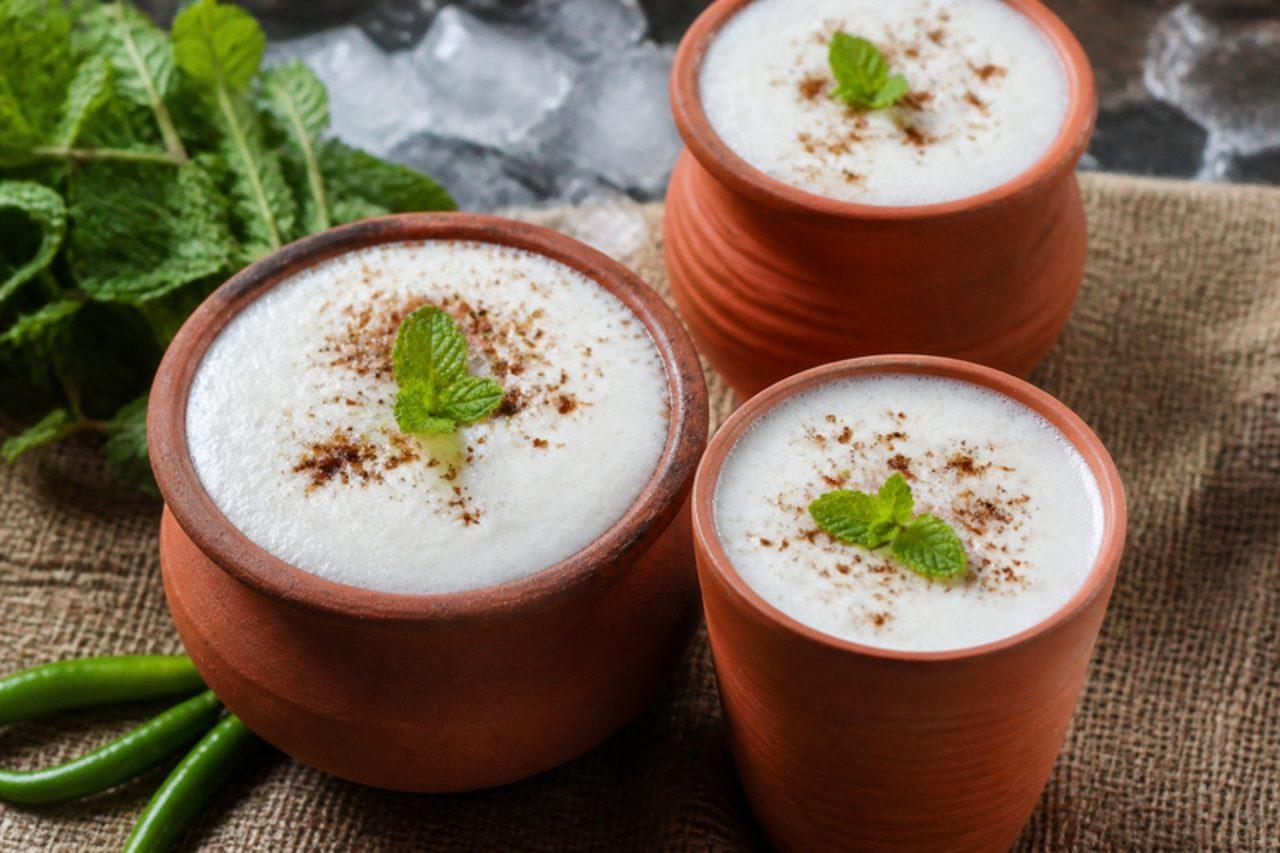
MathaSalted buttermilk

Thinner than lassi and salty rather than sweet, matha is what Old Dhaka drinks after a plate of kacchi biryani or a heavy afternoon of tehari and rezala. Vendors around Nazimuddin Road and Bangshal carry it in tall clay pots, churned so long that tiny flecks of butter float on top, and pour it into glasses with a pinch of roasted cumin and black salt. It tastes tangy, cool and faintly smoky, and it cuts through rich, oily food like nothing else. People often make it with thick Greek-style yoghurt and no extra water, which gives a heavy drink that sits in the stomach; matha should be pourable and light. Chef's tip: churn with plenty of ice in the jug so the butter firms into flecks you can skim off or leave floating, as the street sellers do.

by KrazyBadal 0 views

ŽinčicaSoured whey drink

Hikers walking past a salaš, a Slovak shepherds' hut, are often offered a mug of žinčica, the cool, sour whey left over from making bryndza and hrudka cheese. Shepherds heat the whey until fine flakes of cheese float up, then leave it to sour, and drink it with boiled potatoes or on its own on a hot afternoon. It is thin, refreshing and tangy, a little like a light buttermilk. At the salaš it is often made from raw sheep's milk, so at home make it only from the whey of cheese made with pasteurised milk (the korbáčiky recipe gives you plenty) and vegetarian rennet. The common slip is leaving it to sour somewhere warm for too long, where it turns cheesy and harsh; a cool room and 12 hours is enough. Chef's tip: a spoonful of cultured buttermilk gives a clean, reliable sourness every time.

by KrazyBadal 0 views

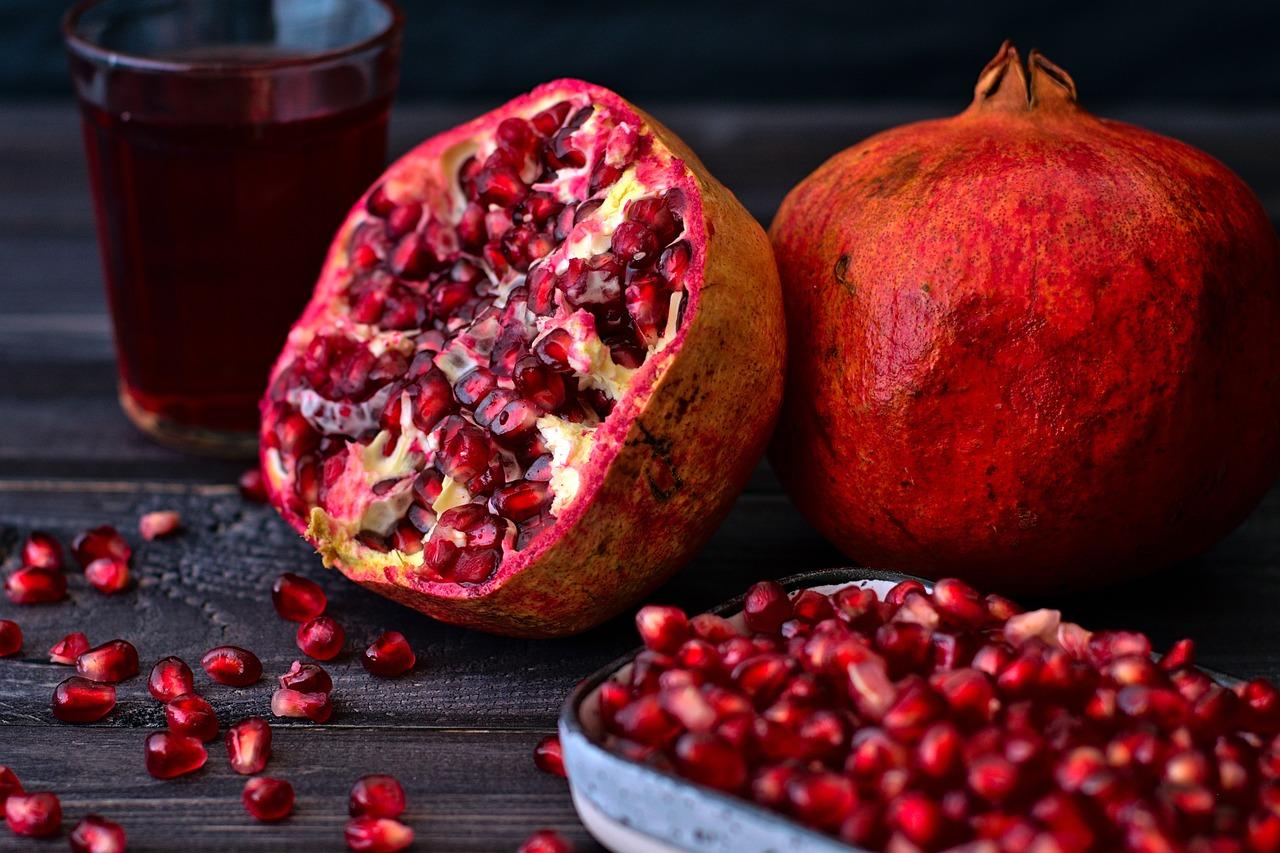
Kandahari pomegranate juice

Kandahar's pomegranates, heavy fruits with dark ruby seeds and soft pips, are the pride of southern Afghanistan, and in October and November juice stalls in the city's bazaars press them to order in big iron hand presses. The juice is deep red, sweet with a clean sour finish and a faint tannic grip, drunk on its own in a tall glass, often with a pinch of salt. At home you can get almost the same thing with a citrus press or a blender. The bitterness that ruins many homemade glasses comes from crushing the white pith and hard pips, so blend the seeds only for a few seconds, or press the halves gently. Chef's tip: roll each whole pomegranate firmly on the worktop before cutting it, which bursts many of the seeds inside and makes juicing faster.

by KrazyBadal 0 views

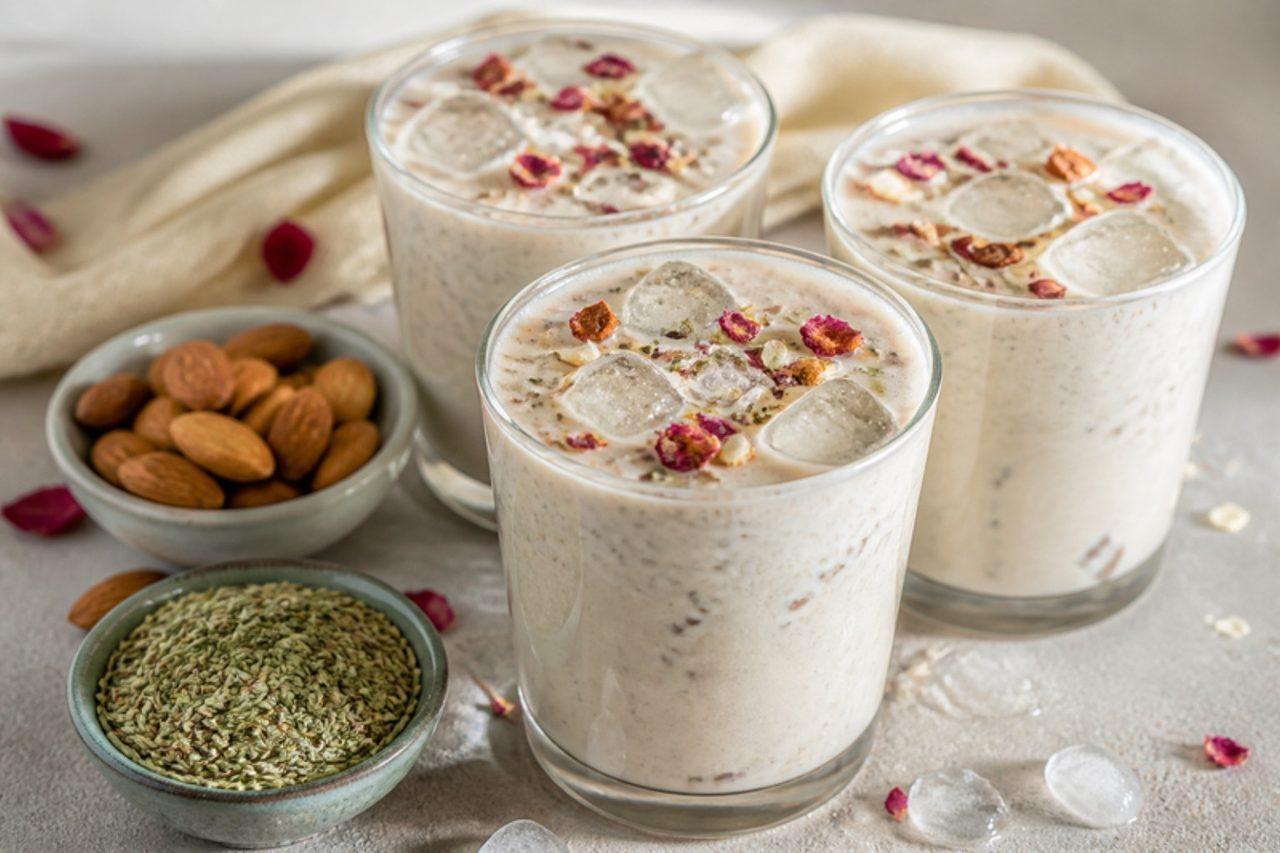
SardaiAlmond and fennel milk drink

Old Lahoris remember the sardai-wala in the lanes of the Walled City, sitting cross-legged with a huge stone mortar and a wooden pestle, grinding soaked almonds, melon seeds, fennel, poppy seeds and black pepper into a pale paste and whisking it into chilled sweet milk. It is creamy, nutty and floral, with the gentle aniseed cool of fennel and a little warmth from pepper, and it was drunk through the hot months as protection against heat. Today it is easier to make with a blender, but the principle is the same: soak, grind fine, strain, chill. Many people forget to soak the seeds long enough, and the drink ends up gritty with a chalky aftertaste. Chef's tip: soak everything for at least 2 hours, or overnight, and strain through a muslin cloth, squeezing hard, so the sardai is silky and full of flavour.

by KrazyBadal 0 views

Khajoor shakeDate and almond milkshake

Dates are the first thing on the table when the azan sounds for iftar in Pakistan, and in many homes in Karachi and Islamabad the dates go straight into the blender with cold milk and a handful of soaked almonds, making a thick, caramel-sweet shake that restores energy quickly after a long summer fast. Soft, moist dates such as the Aseel from Khairpur in Sindh give the smoothest result, and the drink needs no added sugar at all. It is also a popular breakfast for children and a quick snack after school. The typical mistake is blending dry, hard dates straight from the packet, which leaves chewy fragments and a gritty shake. Chef's tip: soak the stoned dates and almonds in a little warm milk for 10 minutes first, and blend them to a smooth paste before adding the rest of the cold milk.

by KrazyBadal 0 views

Imli aloo bukhara sharbatTamarind and plum cooler

Pakistani grandmothers prescribe this deep brown drink for heatstroke, an upset stomach and the sluggish days of Ramadan fasting in June, and it is sold in tall glasses at sehri and iftar stalls in Karachi, Hyderabad and Lahore. Tamarind and dried aloo bukhara plums are soaked, simmered, mashed and strained into a concentrate, which is then sweetened, seasoned with black salt and roasted cumin and served poured over ice. The flavour is fruity, tart and slightly smoky from the plums, with the savoury lift of the salt. The concentrate keeps for a week in the fridge, so a big batch lasts through a heatwave. The usual problem is skipping the straining step and serving it thick with fibres and seeds, which makes it more like a chutney than a drink. Chef's tip: let the plums soak in the hot liquid for an hour after simmering, so they give up all their sourness and colour before you strain them.

by KrazyBadal 0 views

Falsa sherbetFalsa berry drink

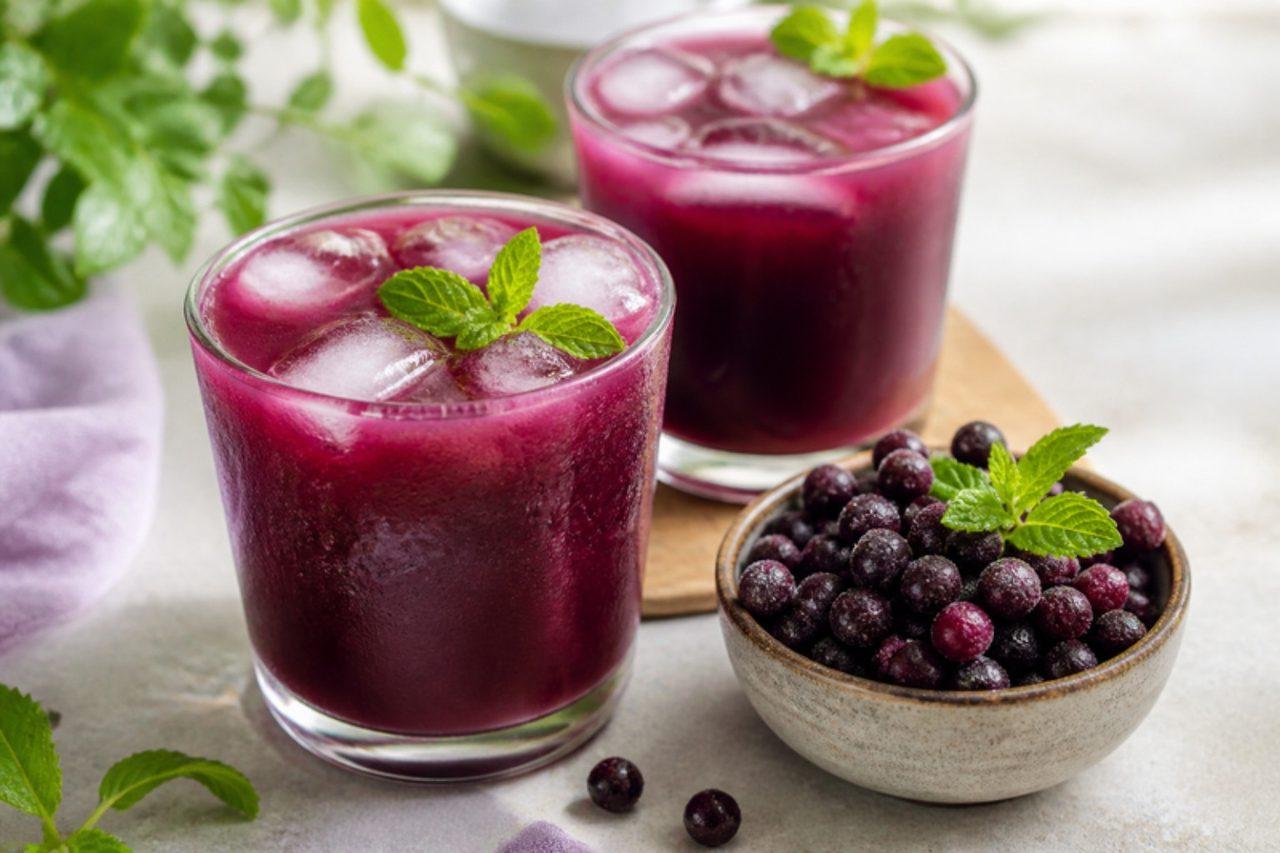
For a few short weeks in May and June, Punjabi fruit sellers from Multan to Lahore pile their carts with falsa, tiny purple-black berries with a big seed and a sweet-sour, grape-like flavour, and roadside stalls crush them in big jugs of iced water with sugar and a pinch of black salt. The sherbet is a striking magenta, tart and salty-sweet, and people swear by it as a cooler against the loo, the scorching summer wind; it is also a favourite at iftar when Ramadan falls in summer. Outside Pakistan look for frozen falsa in South Asian grocers, or use blackcurrants, which give a similar colour and sharpness. A common slip is blending the berries hard, which cracks the seeds and turns the drink bitter. Chef's tip: just rub the berries with the sugar and a little water by hand or pulse very briefly, then strain, so you get all the juice and colour and none of the bitterness.

by KrazyBadal 0 views

Kachi lassiMilk and water lassi

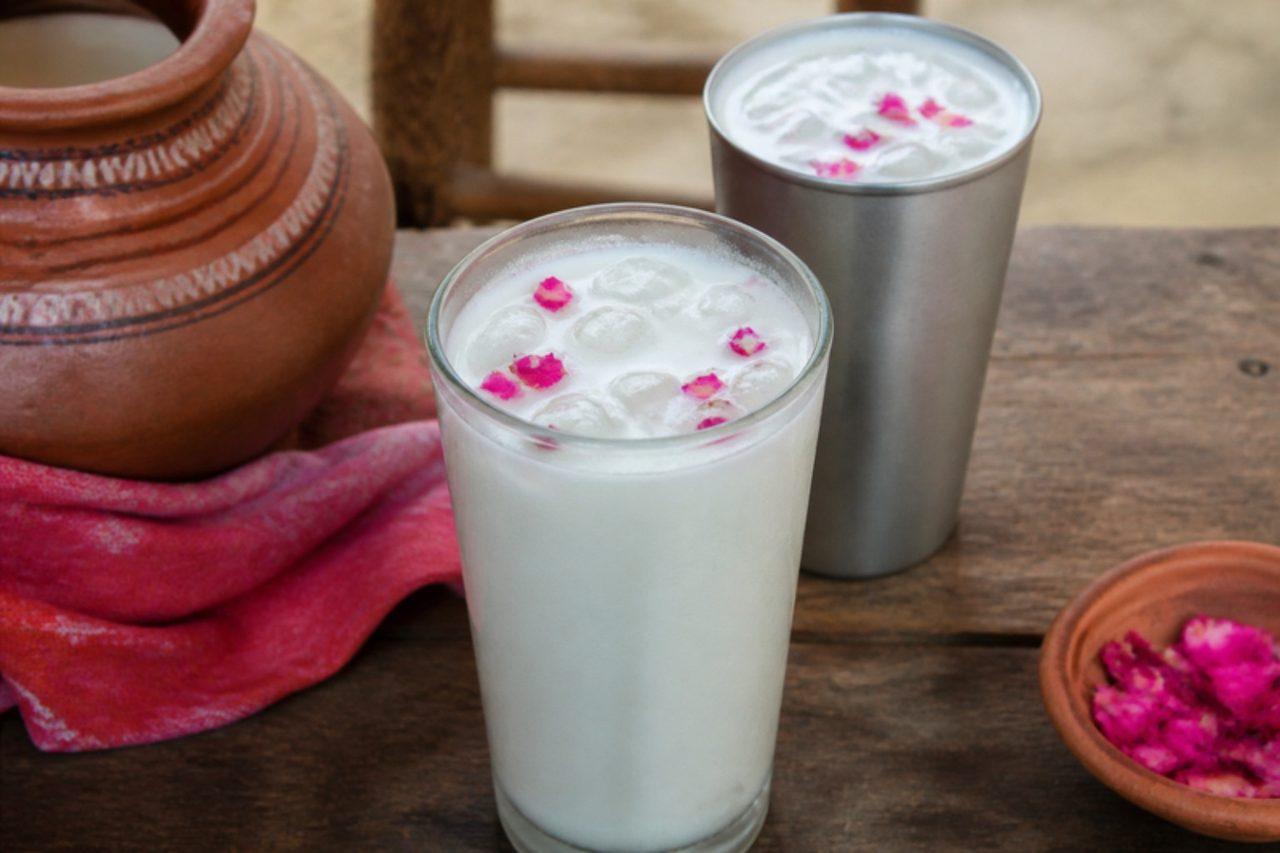
Harvest time in the Punjab is thirsty work: when the wheat is being cut in the April heat, a steel jug of kachi lassi is carried out to the workers: fresh milk thinned with cold water, stirred with sugar and poured over chunks of ice. Unlike yogurt lassi there is no tang, just a light, clean, milky sweetness that quenches thirst better than plain water, and in many villages it is the drink offered to any guest who arrives on a hot afternoon. Some people add a pinch of salt instead of sugar, or a few drops of rose water. The traditional kind uses raw milk straight from the buffalo; use pasteurised milk instead to be safe. The usual mistake is making it with too little water, which turns it heavy instead of refreshing. Chef's tip: whisk it hard or shake it in a jar so it turns frothy, which makes it feel even cooler.

by KrazyBadal 0 views

Doodh sodaMilk with lemon-lime soda

It sounds odd until you are standing in a crowd at a Lahore milk shop on a 45 °C June night, when a tall glass of doodh soda, foamy and sweet with a sharp citrus fizz, is the most refreshing thing in the city. The doodh-walas of Gawalmandi and Mozang chill milk in steel drums over ice, then pour it from a height into a glass with lemon-lime soda so that it froths like a milkshake, and people drink it straight after dinner or after a late plate of fried fish or chana. It tastes like a lighter, bubbly lassi, and children love it. What usually goes wrong is warm milk or flat soda, which makes it taste curdled rather than crisp. Chef's tip: chill both the milk and the soda until very cold, pour the milk first and add the soda in one go, then serve at once while the foam is high.

by KrazyBadal 0 views

Seven-layer tea

Visitors to the tea gardens of Srimangal, in Sylhet's Moulvibazar district, queue at small tea cabins to see a glass of tea striped in seven distinct bands, from creamy white at the bottom to pale green-gold at the top. The original recipe is a closely guarded secret of the tea-maker who made it famous, but the principle is simple physics: each layer carries a different amount of sugar, so the heaviest sits at the bottom and the lightest floats on top. This home version uses condensed milk, green tea, strong black tea, milk tea, lemon tea, spiced tea and plain tea, and it is drunk slowly, layer by layer, with a long spoon. Pouring too fast is what ruins it; each layer should trickle down the inside of the glass over the back of a spoon. Chef's tip: let all the brews cool to warm, about 50 °C, so temperature differences don't stir the layers.

by KrazyBadal 0 views

Tumuro teaWild thyme tea

Tumuro is the small-leaved wild thyme that grows on the rocky slopes above Hunza and Gilgit, and in late summer families pick and dry bundles of it to brew through the year. The tea is pale gold and intensely aromatic, more resinous and floral than garden thyme, and it is drunk after heavy meals, by anyone with a cold and simply as a warming cup on a mountain evening; cafés in Karimabad serve it to visitors. Boiling it hard for a long time is the misstep that turns it bitter and medicinal. Chef's tip: if you cannot find tumuro, which is sometimes sold in Pakistani grocers and online as Hunza thyme, use dried garden thyme with a few fresh sprigs, steep it gently, and sweeten with a little sugar only if you like.

by KrazyBadal 0 views

Tarragon lemonade

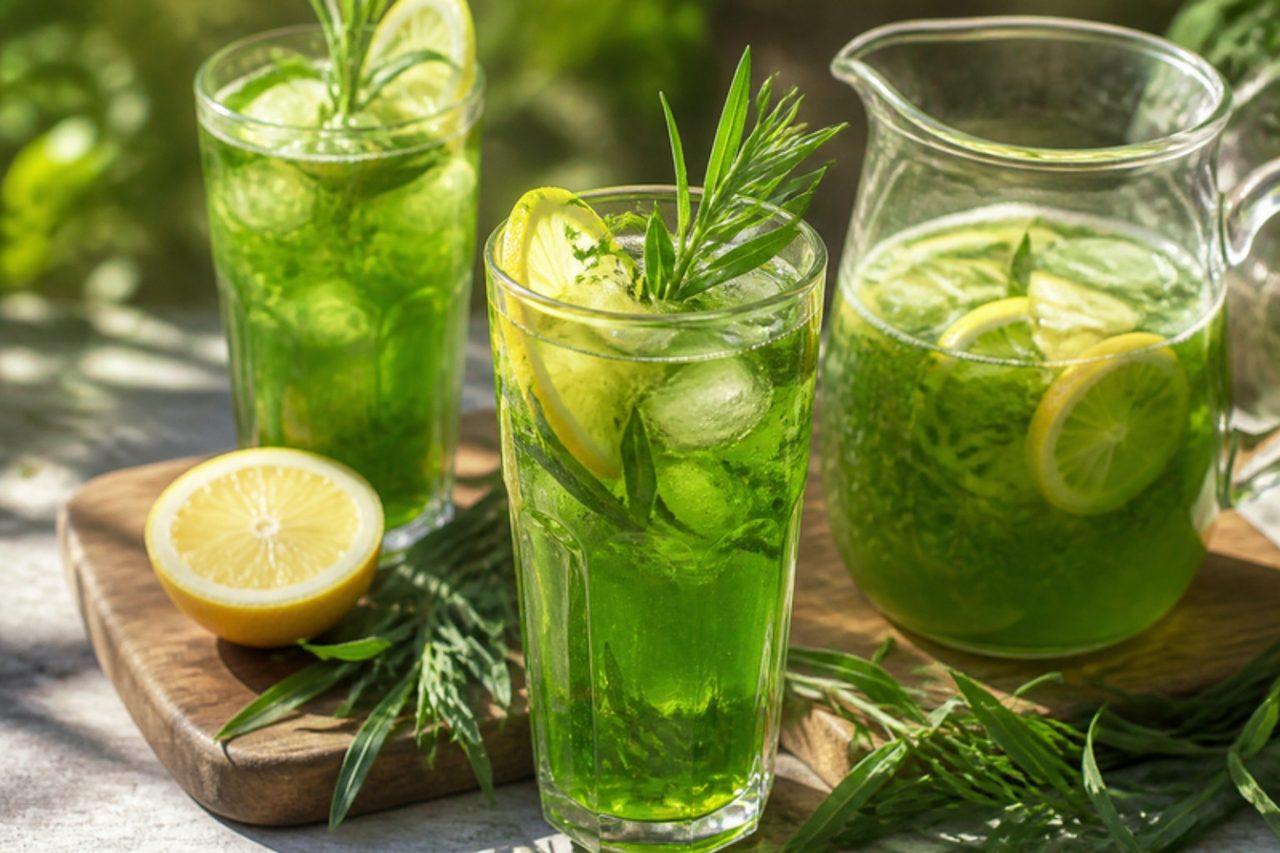
Tarkhuna is the emerald-green soda that every Tbilisi child knows, sold from street fountains since the early 1900s and still poured in tall glasses at cafés on Rustaveli Avenue. The bottled kind is coloured; the home version gets its green from blitzing fresh tarragon with lemon and syrup, giving an aniseedy, sweet-sour fizz. A common mistake is boiling the tarragon, which dulls the colour and turns the flavour stewed. Chef's tip: blitz the herb into cool syrup and strain it straight away; the drink stays vivid green for a day in the fridge.

by KrazyBadal 0 views

Abreh (Sudanese white sorghum flake drink)

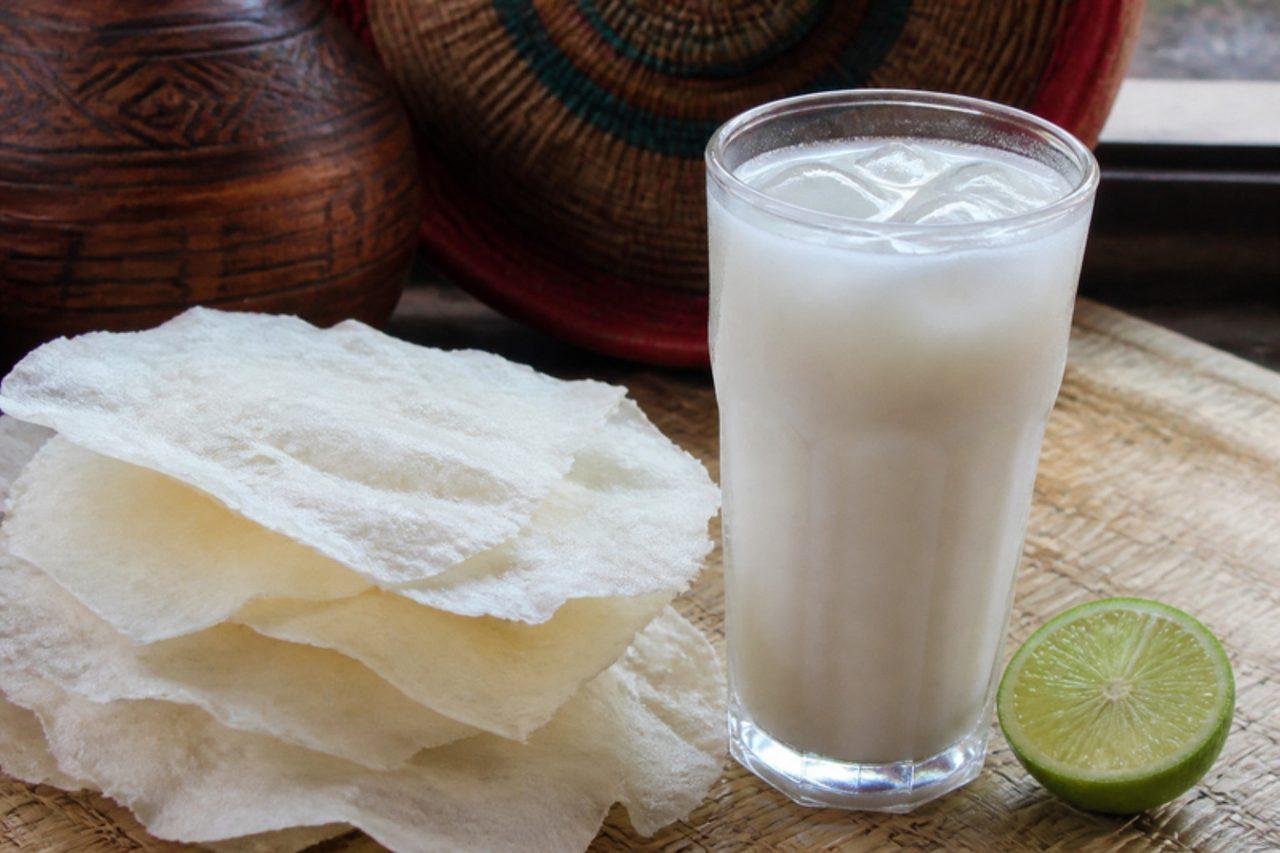
Where hilu-mur is dark and spiced, abreh abyad, white abreh, is its pale, gentle partner: a batter of white sorghum flour is left to sour lightly, then baked into thin cream-coloured flakes that are soaked in cold, sweetened water and served at iftar across northern Sudan. The drink is cloudy, refreshing and faintly tangy, a good way to rehydrate after a long day of fasting; some families add a splash of lime or a little cardamom. The overnight souring takes 12–18 hours and is not counted in the totals; it is non-alcoholic, and the flakes are dried hard on the griddle. Spreading the batter too thickly is the classic mistake, so work fast and thin. Chef's tip: make a big batch in one session; the dry flakes keep for months in a tin, so a jug of abreh is only an hour away.

by KrazyBadal 0 views

Hilu-mur (Sudanese spiced sorghum Ramadan drink)

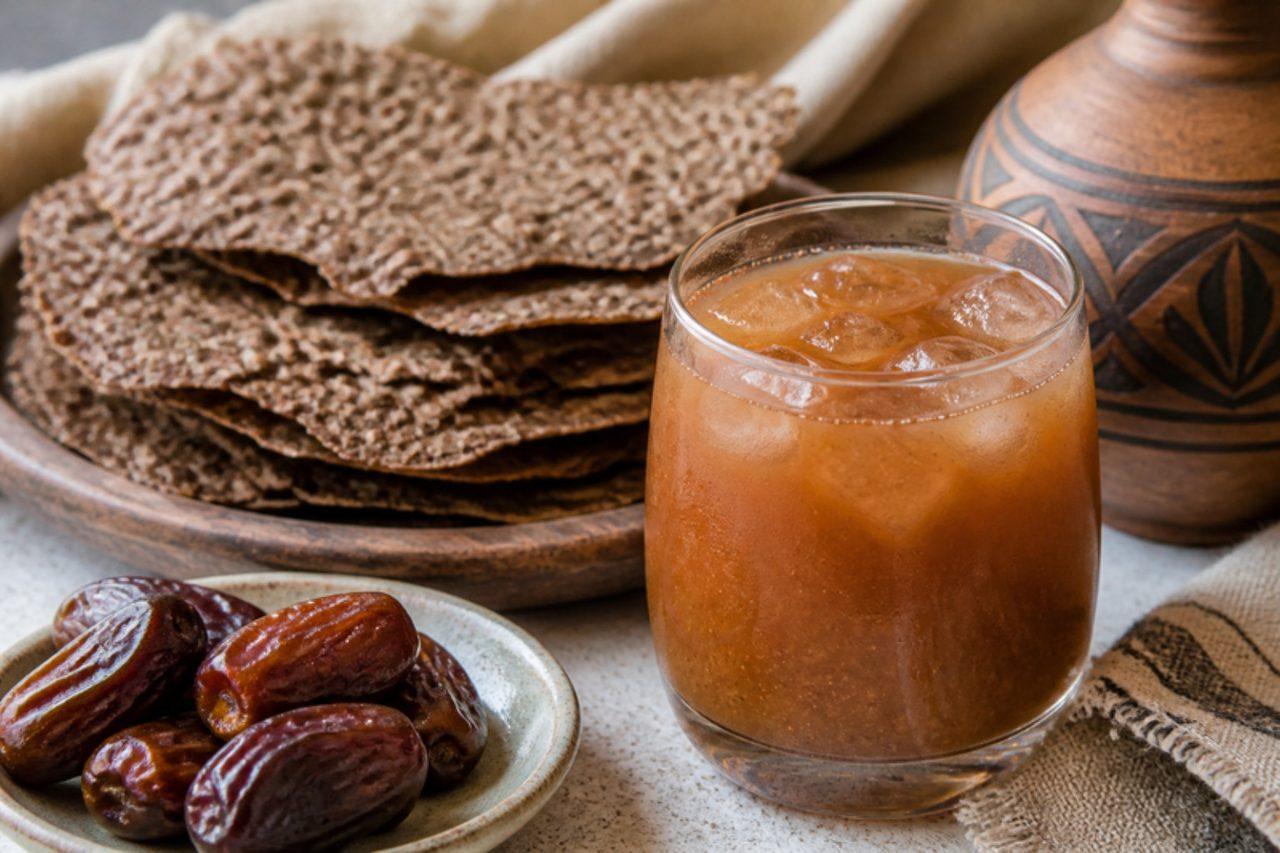
Weeks before Ramadan, households across Sudan fill with the smell of hilu-mur, literally 'sweet-bitter', as sorghum is sprouted, dried, ground and mixed with flour, dates and a heady spice blend, left to sour for a day, then spread paper-thin on a hot griddle into brittle reddish-brown flakes. Each evening during the month a handful is soaked in water, strained and sweetened, giving the dark, tangy, clove-and-ginger-scented drink that breaks the fast. The souring is short, like a sourdough, and the flakes are cooked dry; the drink is non-alcoholic and served to the whole family. The full process takes about 5 days: 3 days to sprout, 1 to dry and a night to sour, so only active and cooking time are in the totals. Many people buy ready-made flakes from Sudanese shops. Discard any grain that smells musty or shows mould while sprouting. The usual mistake is pouring the batter too thick on the griddle; the flakes should be paper-thin to dry crisp. Chef's tip: spread the batter as thinly as you can; thick flakes stay chewy and go mouldy in storage.

by KrazyBadal 0 views

Madeeda (Sudanese warm millet and milk drink)

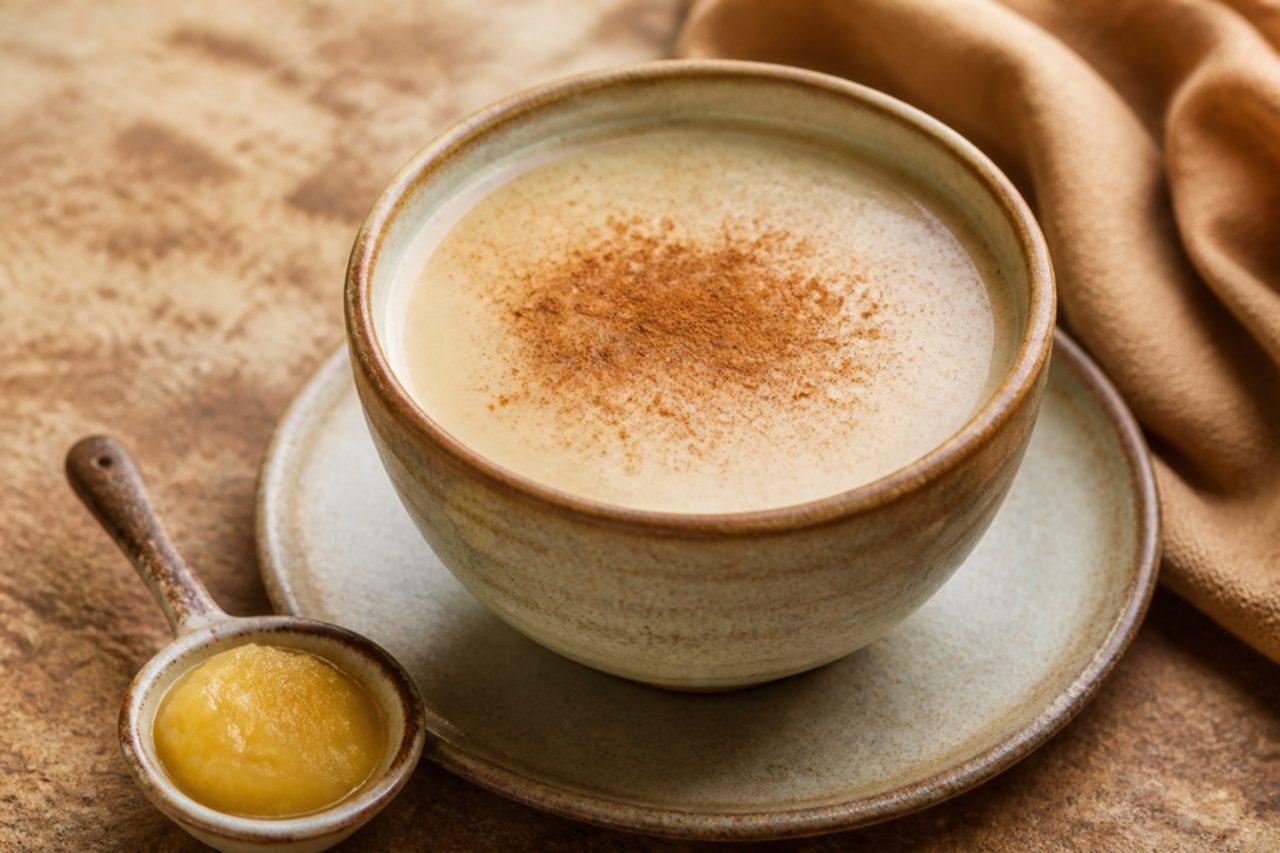
Thick enough to sip slowly from a glass but thinner than porridge, madeeda is a warming drink from northern Sudan made by cooking flour, often pearl millet, in milk and sweetening it with sugar or dates. Families make it on cool winter mornings, for anyone feeling under the weather and for new mothers, and it is a gentle way to break the fast in Ramadan. This version uses millet flour with cardamom and a little cinnamon, so it is smooth, nutty and lightly spiced. Lumps are the usual problem: whisk the flour into cold milk before it goes onto the heat. A frequent slip is not stirring enough, so the millet catches and the milk scorches. Chef's tip: for a date version, blitz 6 soft pitted dates with the milk and halve the sugar.

by KrazyBadal 0 views

Aradeib (Sudanese tamarind drink)

Tamarind trees shade villages throughout Darfur and Kordofan, and their sticky brown pods become aradeib, one of the best-loved Sudanese cold drinks. The pulp is soaked, rubbed and strained, then sweetened to make a deep amber, puckeringly sour drink that cuts through rich food and is much loved at iftar through Ramadan. It is also drunk as a home remedy for upset stomachs and heat. Seedy block tamarind from any Asian or African shop works perfectly. Pouring boiling water straight onto the pulp and leaving it too long draws out a harsh, tannic edge, so use hot rather than boiling water and strain after an hour. Avoid squeezing the soaked tamarind through a cloth too hard; fibres get through and make the drink cloudy and gritty. Chef's tip: make a concentrate and keep it in the fridge for up to a week; dilute with cold water by the glass.

by KrazyBadal 0 views

Guddaim (Sudanese grewia berry drink)

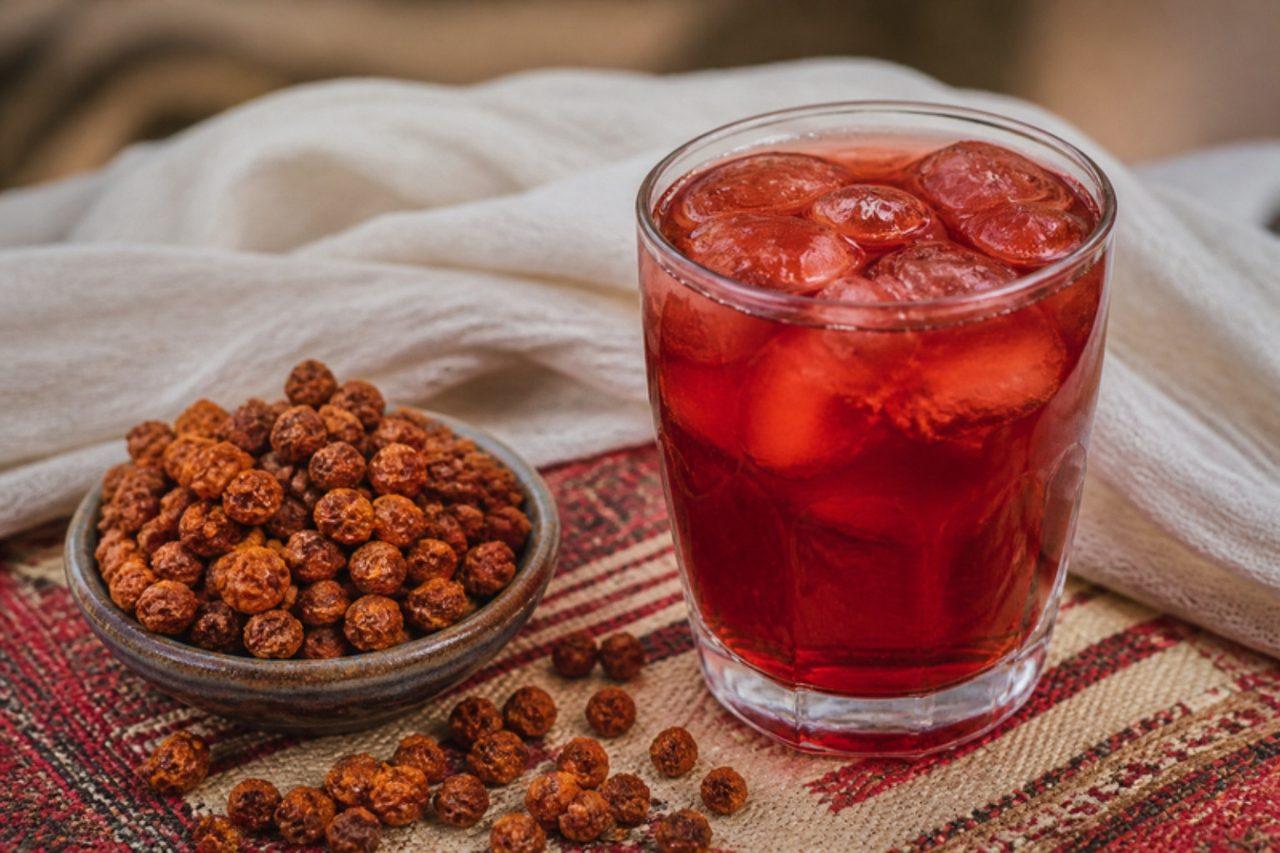
Small, round guddaim berries, the fruit of a wild grewia shrub that grows across Kordofan and Darfur, are dried and sold by the cupful in Sudanese markets. Soaked in water and rubbed off their stones, they give a cloudy reddish-brown drink that tastes a little like dates and sour cherries, with a pleasantly sharp finish. It is drunk ice-cold in the heat of the day, at iftar and to welcome guests. Look for dried guddaim in Sudanese or East African shops. If you cannot find it, a mix of 150 g pitted dates and 50 g tamarind pulp soaked the same way gives a similar sweet-sour drink, though not the same. Rubbing too hard and breaking the stones is the usual mistake, as it clouds the drink with grit; rub gently. Chef's tip: soak the berries in cool water overnight in the fridge for the fullest flavour.

by KrazyBadal 0 views

Tabaldi (Sudanese baobab drink)

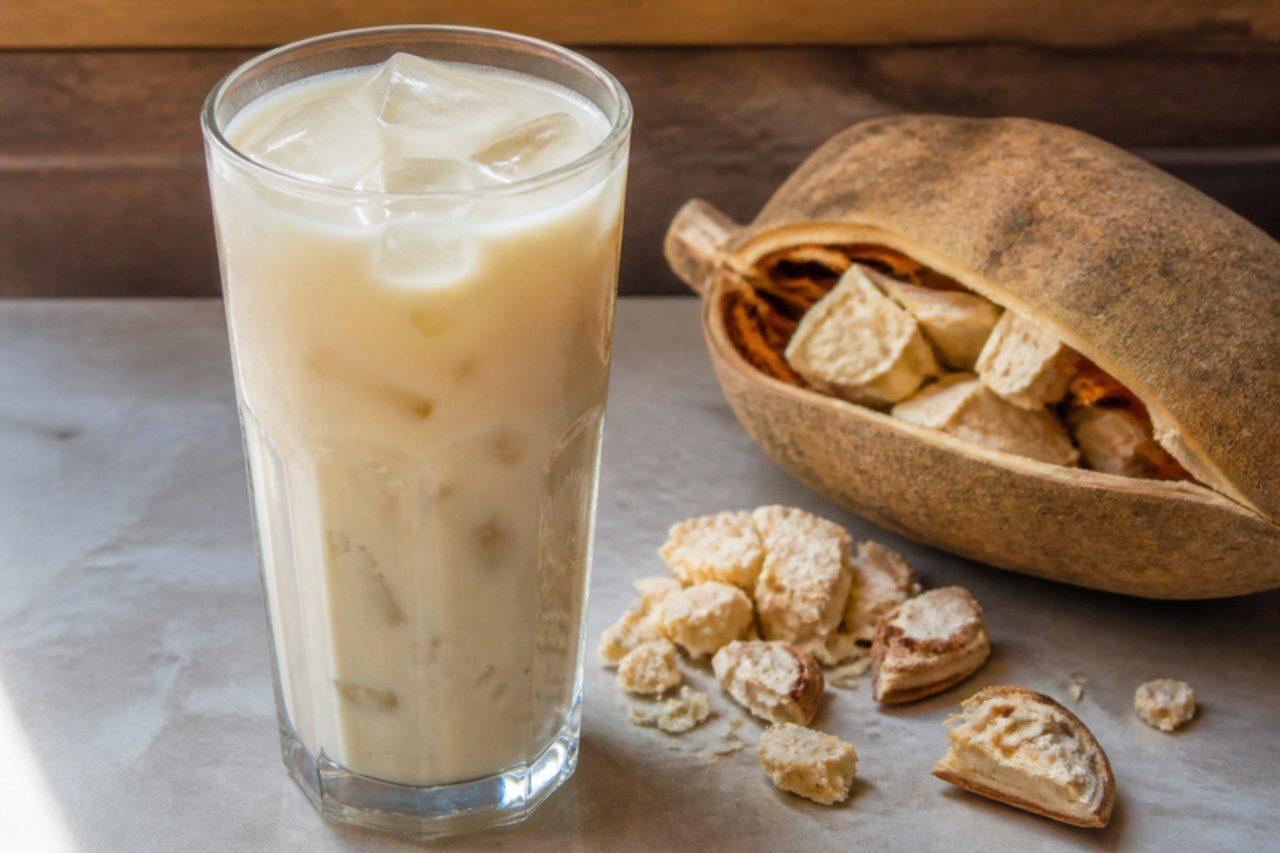
The great baobab trees of Kordofan and Darfur drop hard pods full of chalky, cream-coloured pulp, and Sudanese cooks soak it in water to make tabaldi, a thick, milky-looking drink with a sherbet-like tang. It is sold from big cool-boxes in Khartoum markets in summer, served at weddings, and appears on the iftar table during Ramadan. Fresh pulp pieces with seeds are sold in African and Middle Eastern shops; baobab powder is a good substitute and needs no straining. Leave the drink to soak for an hour in the fridge before straining (soaking time is not counted in the total). The usual mistake is blending the seeds, which makes the drink bitter; rub the pulp off by hand instead. Chef's tip: a few drops of rose water or a pinch of ground cardamom makes it feel festive.

by KrazyBadal 0 views

Spris (layered fruit juice)

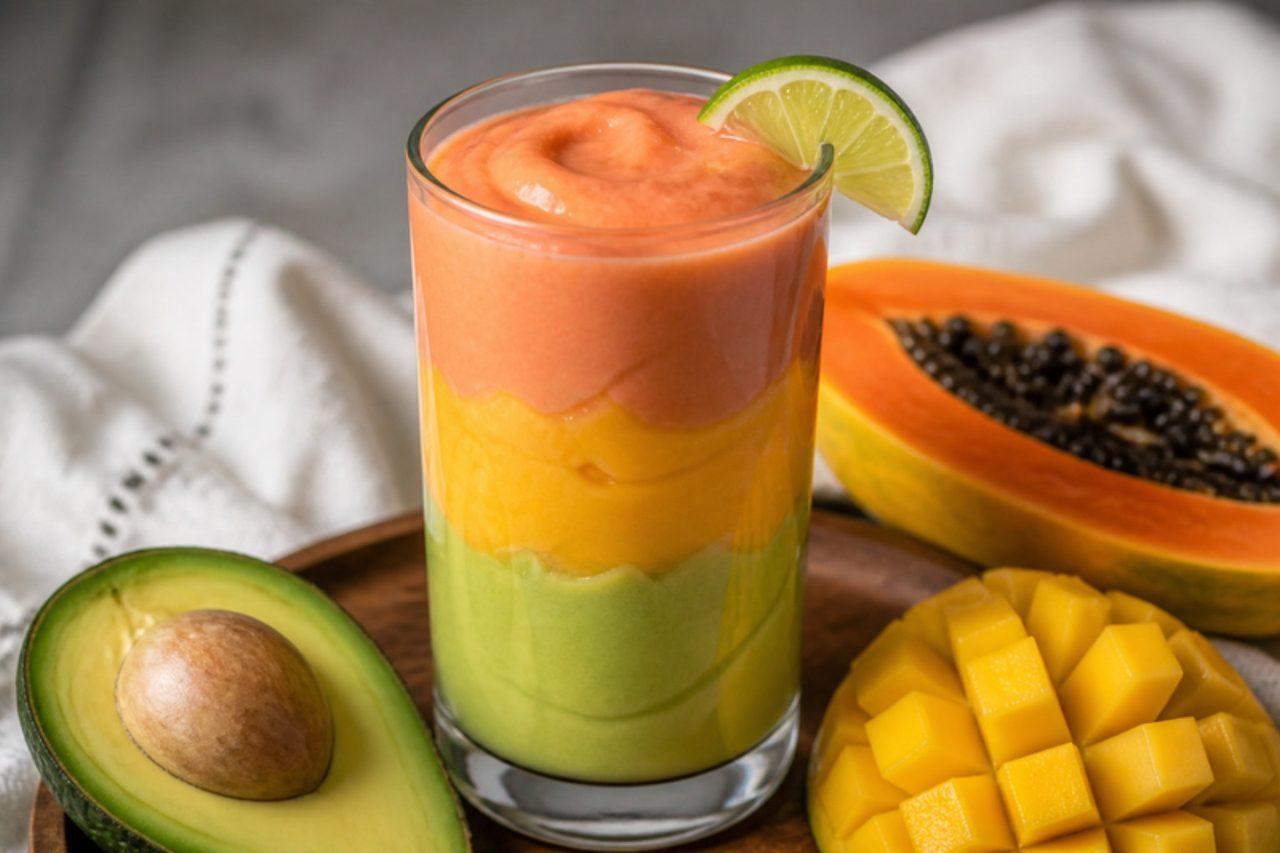
Juice houses all over Addis Ababa, with their towers of fruit stacked in the window, are famous for spris: a tall glass of thick purées poured in stripes, usually green avocado, golden mango and orange papaya, with a wedge of lime on the rim. It is closer to a spoonable smoothie than a juice, and people often eat the layers one by one before stirring the rest together. It makes a filling breakfast or an afternoon pick-me-up, and children love the colours. Chef's tip: blend each fruit separately and keep every purée thick enough to hold a spoon; runny purées bleed into each other and the stripes vanish.

by KrazyBadal 0 views

Telba (roasted flaxseed drink)

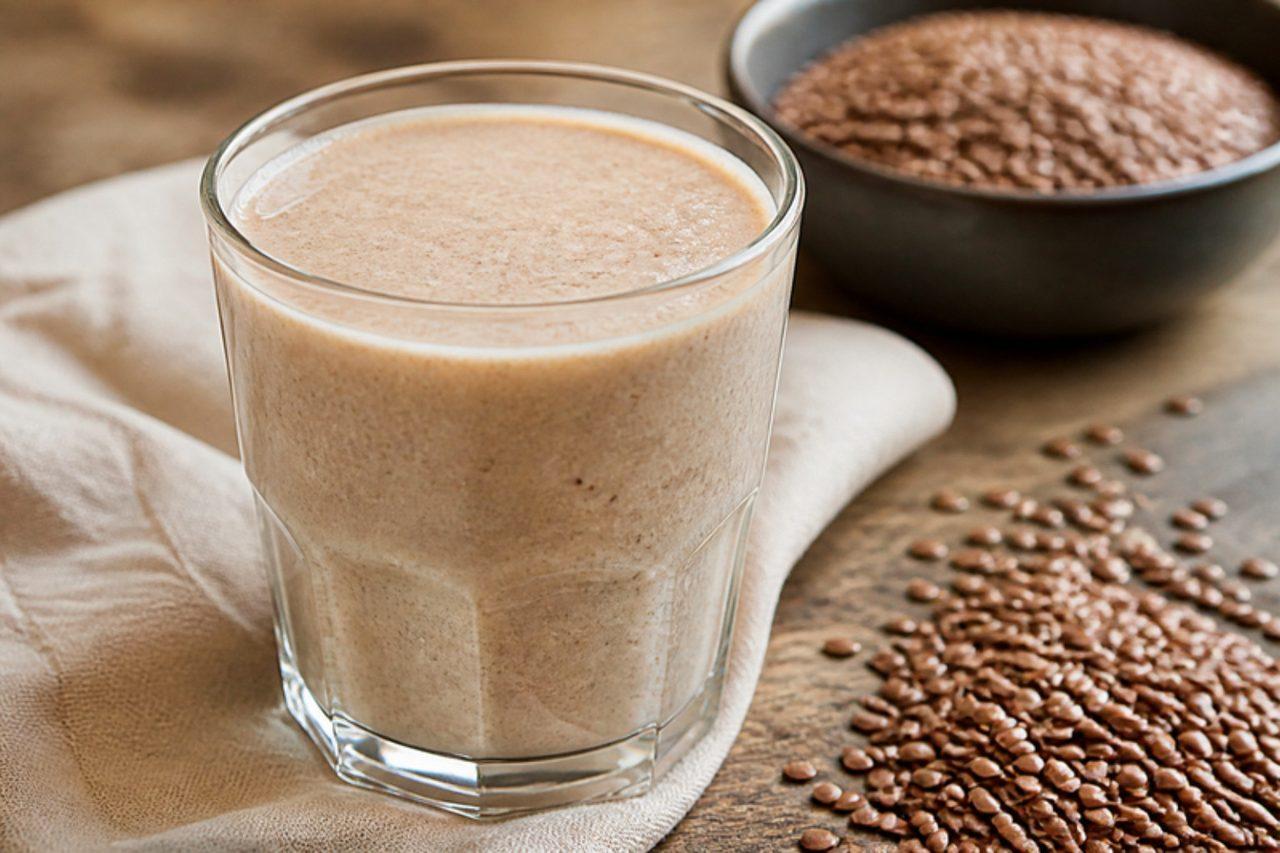
Flax grows across the highlands of Gojjam, and on Wednesdays, Fridays and through Lent its toasted seeds become telba, a creamy, nutty drink that fills you up when animal food is off the menu. The seeds are dry-roasted until they pop, ground fine, then whisked with water and strained, giving a pale brown drink with a faint toasted-sesame flavour and a slightly silky body. It is also taken as a gentle remedy for an upset stomach. Families often sweeten it with honey; sugar keeps it fully vegan. Don't roast the flaxseed too far: over-roasted seeds turn the drink bitter. Chef's tip: grind only what you need that day, because ground flax goes stale and bitter within days; whole roasted seeds keep for weeks in a jar.

by KrazyBadal 0 views

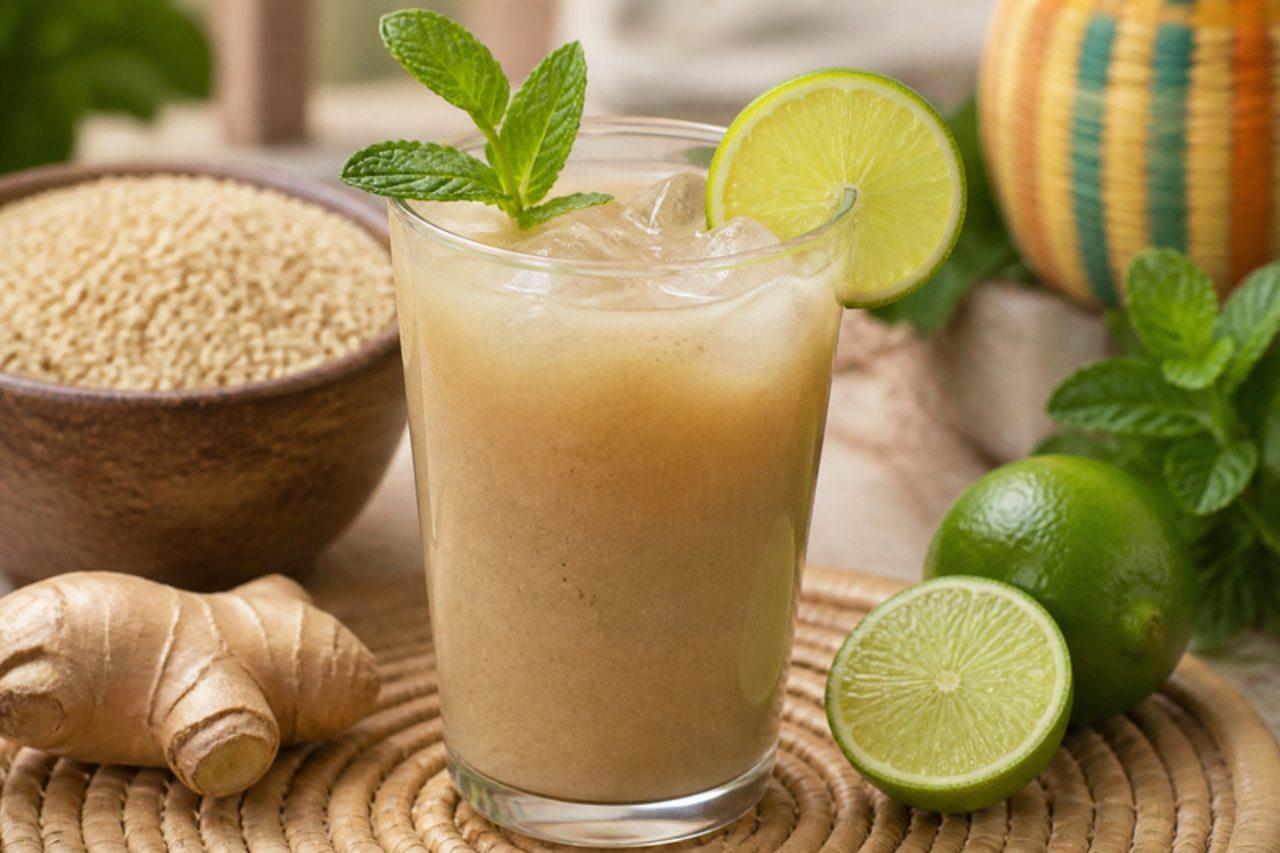
Zoom-koomGinger tamarind millet drink

Zoom-koom means flour water in Mooré, and in Ouagadougou it is the drink that breaks the fast at iftar during Ramadan and cools people down in the scorching weeks before the rains. Millet gives it body and a soft cereal sweetness, while fresh ginger brings heat and tamarind a sour edge; some sellers add lime or mint. It is cloudy, thick and refreshing, served very cold in small bags or glasses. Raw flour is not safe to drink as it is, so this version toasts the millet first, which also deepens its flavour. Chill for at least an hour before serving. Chef's tip: stir the jug every time you pour, as the millet settles quickly to the bottom.

by KrazyBadal 0 views

AkpanFermented corn drink

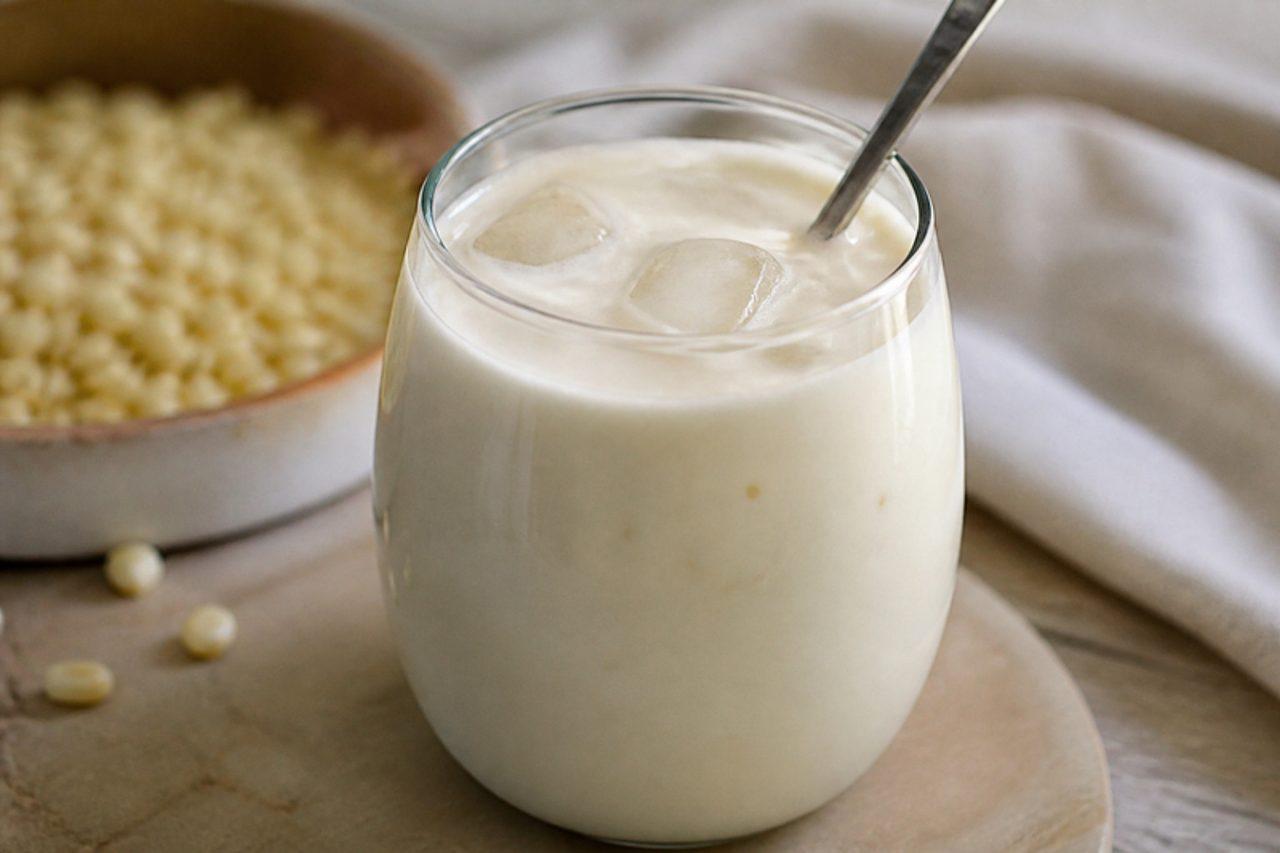
Street sellers in Cotonou and Porto-Novo keep akpan in cool boxes, ladled into cups or tied plastic bags as a mid-afternoon pick-me-up. The base is fermented maize starch cooked into a thick pap, then left to sour further until it tastes like a mild, slightly yeasty yoghurt; cold milk and sugar loosen it into a creamy drink you can sip or eat with a spoon. It is refreshing, tangy and filling, and many people treat it as a light meal on hot days. Budget a day for the second souring, though the hands-on time is under half an hour, and always use pasteurised milk and keep the finished drink in the fridge. Don't let the fermented base sit at room temperature for longer than stated; past that it sours too far. Chef's tip: sieve the slurry before cooking; any maize husk left in makes the drink gritty.

by KrazyBadal 0 views

BirzFresh honey water

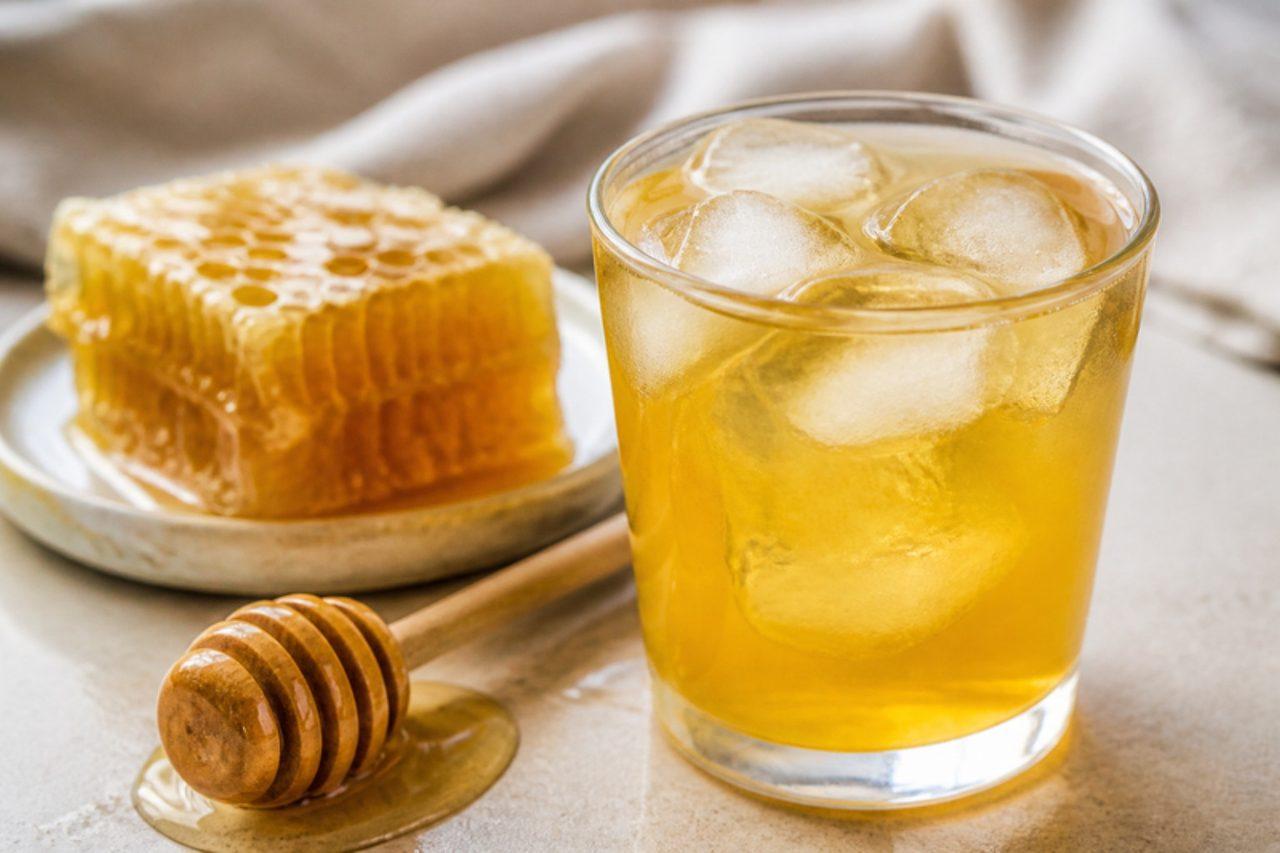
In Gojjam and Gondar, where honey is plentiful, birz is poured for children, for guests who do not drink, and at church feasts and weddings beside the tej. It starts the same way as honey wine, with honey stirred into water, but it is drunk fresh within hours, so it stays sweet, mild and completely alcohol-free. Good, flowery honey is everything here; it should taste like a cool, floral lemonade without the lemon. Because birz is honey and water, it will start to ferment by itself if left warm, so drink it the same day and keep it in the fridge until you pour it. Honey is not suitable for babies under 12 months. Chef's tip: dissolve the honey in a little warm water first; stirred straight into cold water, it sinks to the bottom in a sticky lump.

by KrazyBadal 0 views

SufSunflower seed milk

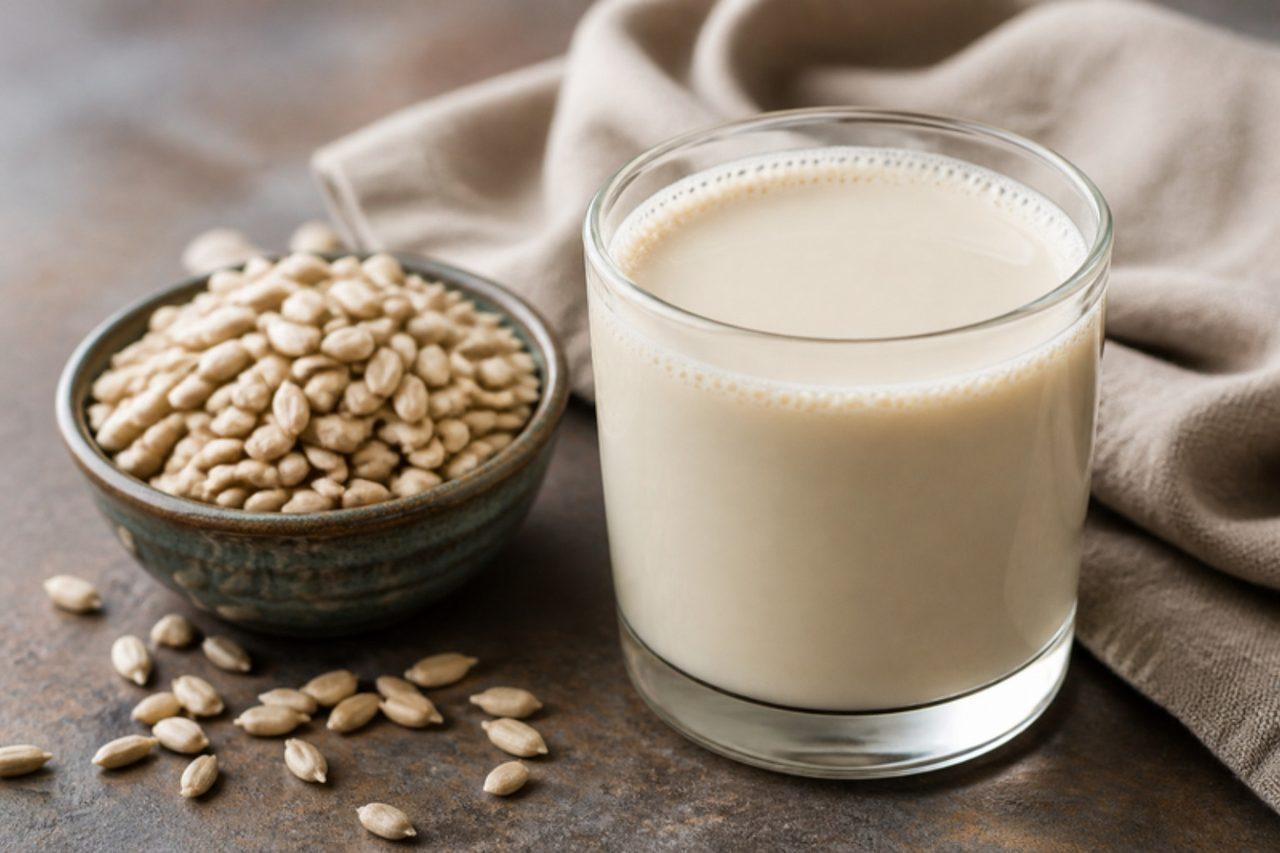
During the long Orthodox fasts, when milk is off the menu for weeks, Ethiopian households turn sunflower seeds into suf: the seeds are pounded or blended with water and strained through a cloth into a pale, creamy drink with a gentle nutty taste. It is served cool in glasses, sometimes lightly sweetened, and the same liquid is poured over torn injera to make the fasting dish suf fitfit. It is light, filling and costs very little. Chef's tip: squeeze the pulp hard in the cloth at the end; the last, thickest drops carry most of the flavour.

by KrazyBadal 0 views

KossamFresh or soured Fulani milk

Fulani herders of the Adamawa plateau measure hospitality in kossam: a calabash of cool milk offered to a guest after a long ride, or sold in Ngaoundéré's markets fresh in the morning and pleasantly soured by afternoon. Fresh kossam is simply creamy whole milk, sometimes sweetened, drunk cold with couscous or on its own as a light meal in the heat of the day. For the tangy soured style, stir two spoonfuls of live plain yoghurt into the milk, leave it somewhere warm for 8–12 hours until thickened, then chill. Traditionally it is made with raw milk; at home, always use pasteurised. Chef's tip: chill the milk for several hours and whisk the sugar in hard just before serving, which gives the light froth you see on calabash-served kossam.

by KrazyBadal 0 views

Mors

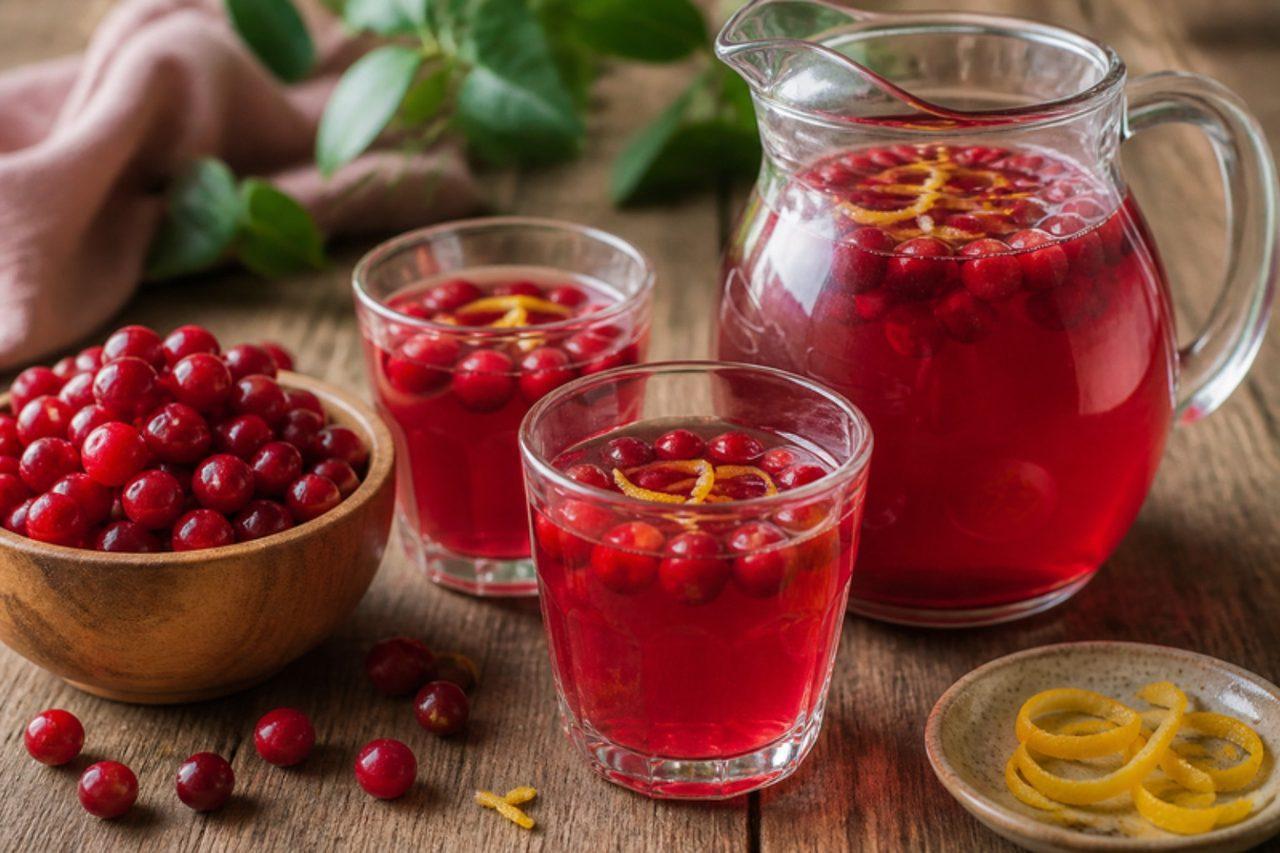
Northern Russia picks cranberries and lingonberries from the bogs in autumn, and many of them end up as mors, a tart, crimson drink served from a jug at family dinners and offered in cafes and canteens from Arkhangelsk to Siberia. Unlike kissel it is thin and refreshing, made by pressing out the raw berry juice, cooking the skins in water and then combining the two so the fresh vitamin-rich juice is never boiled. Honey goes in last, once the liquid has cooled a little, to keep its flavour. Where most people go wrong is boiling the pressed juice along with the pulp; keep it aside until the end. Honey is not for babies under one year old. Chef's tip: serve it cold with ice in summer or warmed gently in winter; it is good both ways.

by KrazyBadal 0 views

Kissel

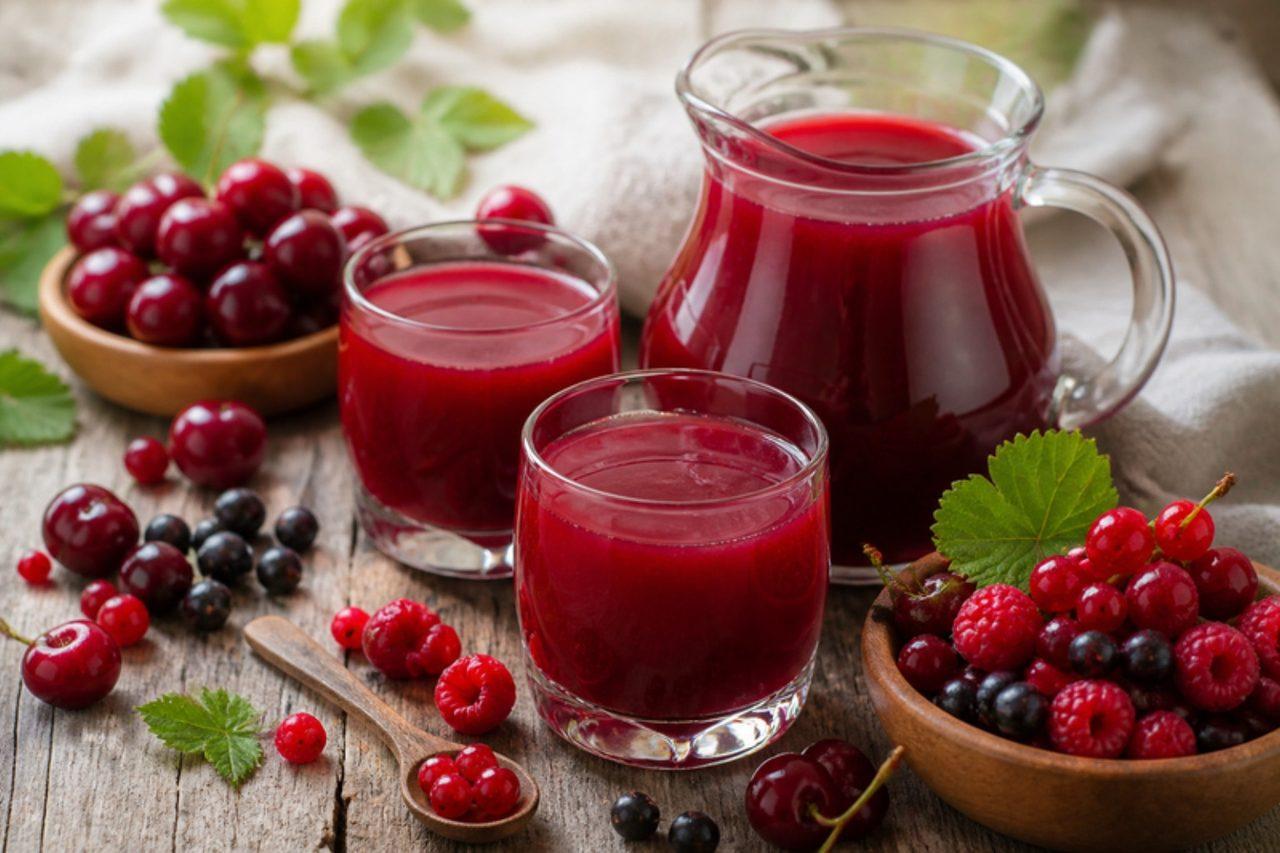
Kissel is the drink of Russian childhoods: a glass of silky, ruby-red berry juice, just thick enough to coat the tongue, poured warm at kindergarten lunch or cold in summer from a jug on the dacha veranda. It is also the old Maslenitsa and wake-table drink, and frozen berries make it possible all year. The flavour is sweet-sharp and fresh, the texture smooth and slightly jelly-like. A common mistake is adding the starch mixture to boiling liquid and letting it bubble for minutes; bring it just back to a simmer, then take it off, or it thins out again and can turn gluey. More starch makes a spoonable dessert kissel. Chef's tip: lay cling film or sprinkle a little sugar on the surface as it cools to stop a skin forming.

by KrazyBadal 0 views

SbitenHot honey and spice drink

Long before tea reached Russia, street sellers wrapped in shawls carried copper urns of sbiten through winter markets, pouring steaming glasses of spiced honey water for traders and coachmen. It comes back every Maslenitsa at fairs in Moscow and Suzdal, drunk beside blini. The taste is warming and sweet, with the bite of ginger, a bitter edge of bay and clove, and a resinous note from St John's wort or mint. Where most people go wrong is boiling the honey hard, which dulls its perfume; simmer the spices first and dissolve the honey off the boil. Honey should not be given to babies under one year old. Chef's tip: make the spiced base ahead and keep it in the fridge, then reheat a glass at a time and finish with a squeeze of lemon.

by KrazyBadal 0 views

Kuti (Harari coffee-leaf tea)

Harar sits in old coffee country, and its households drink not only the beans but the leaves: kuti is made by toasting dried coffee leaves and brewing them into a light, amber tea. It tastes soft and grassy with a hint of roasted coffee and far less caffeine than a cup of buna, so it is sipped through the afternoon, during long chats and after the fast is broken in Ramadan. Many Harari homes add milk and sugar; leave the milk out or use a plant milk to keep it vegan. Dried coffee leaves are sold as coffee leaf tea by some coffee and tea merchants. Do not swap in cascara, which is the dried coffee cherry husk and makes a different, fruitier drink. Chef's tip: toast the leaves only until they darken a shade and smell like toasted hay; overdone, they taste of ash.

by KrazyBadal 0 views

Pine nut tea

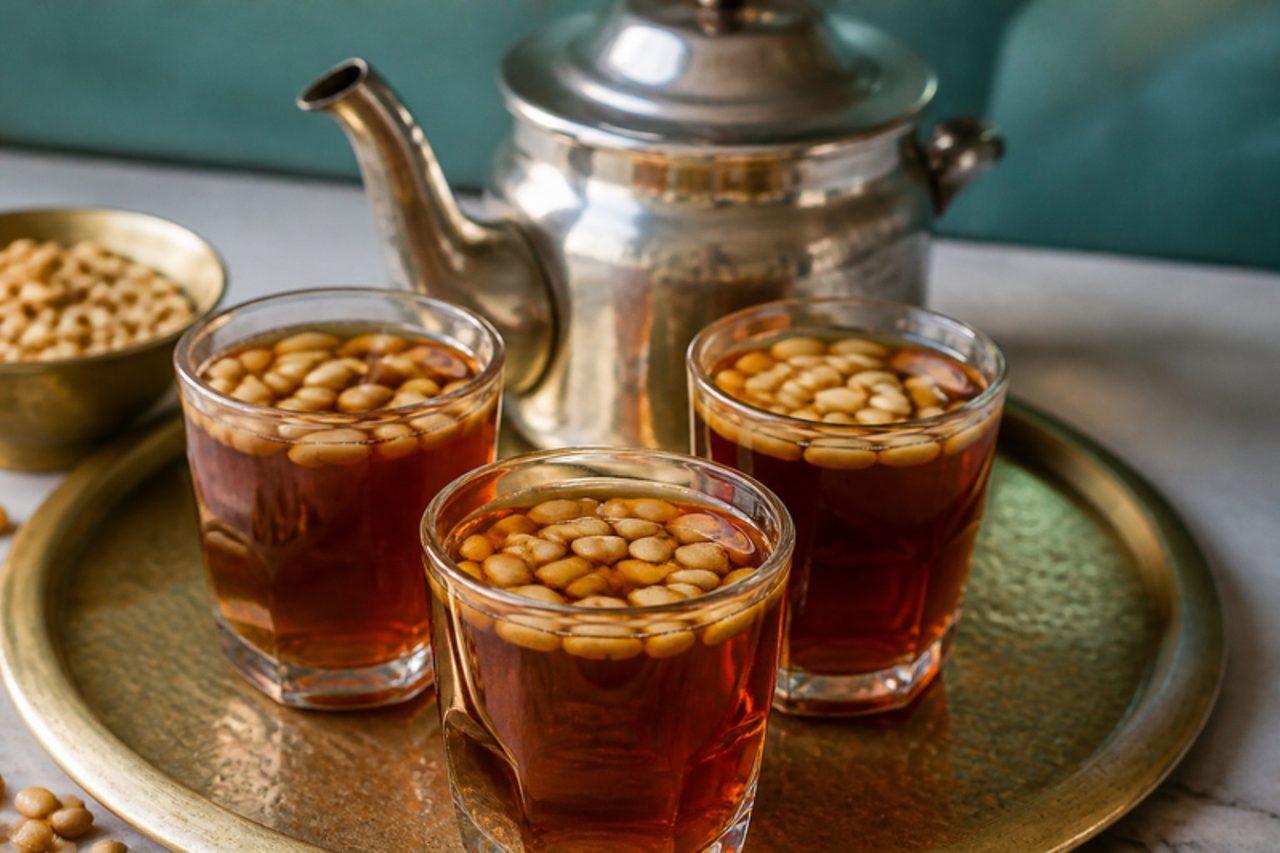
Order tea in a Tunis café, especially in the cafés of Sidi Bou Said overlooking the bay, and it often arrives with a spoonful of pale pine nuts bobbing on top. The tea itself is brewed strong and very sweet, green with mint or dark black tea boiled until syrupy, and poured from a height into small glasses so it froths. The nuts soften slightly in the heat and you eat them at the bottom of the glass, buttery against the bitter-sweet tea. It is drunk after meals and through the evening. Chef's tip: toast the pine nuts lightly in a dry pan; just a hint of colour brings out their butteriness without making them sink.

by KrazyBadal 0 views

CitronnadeWhole lemon cooler

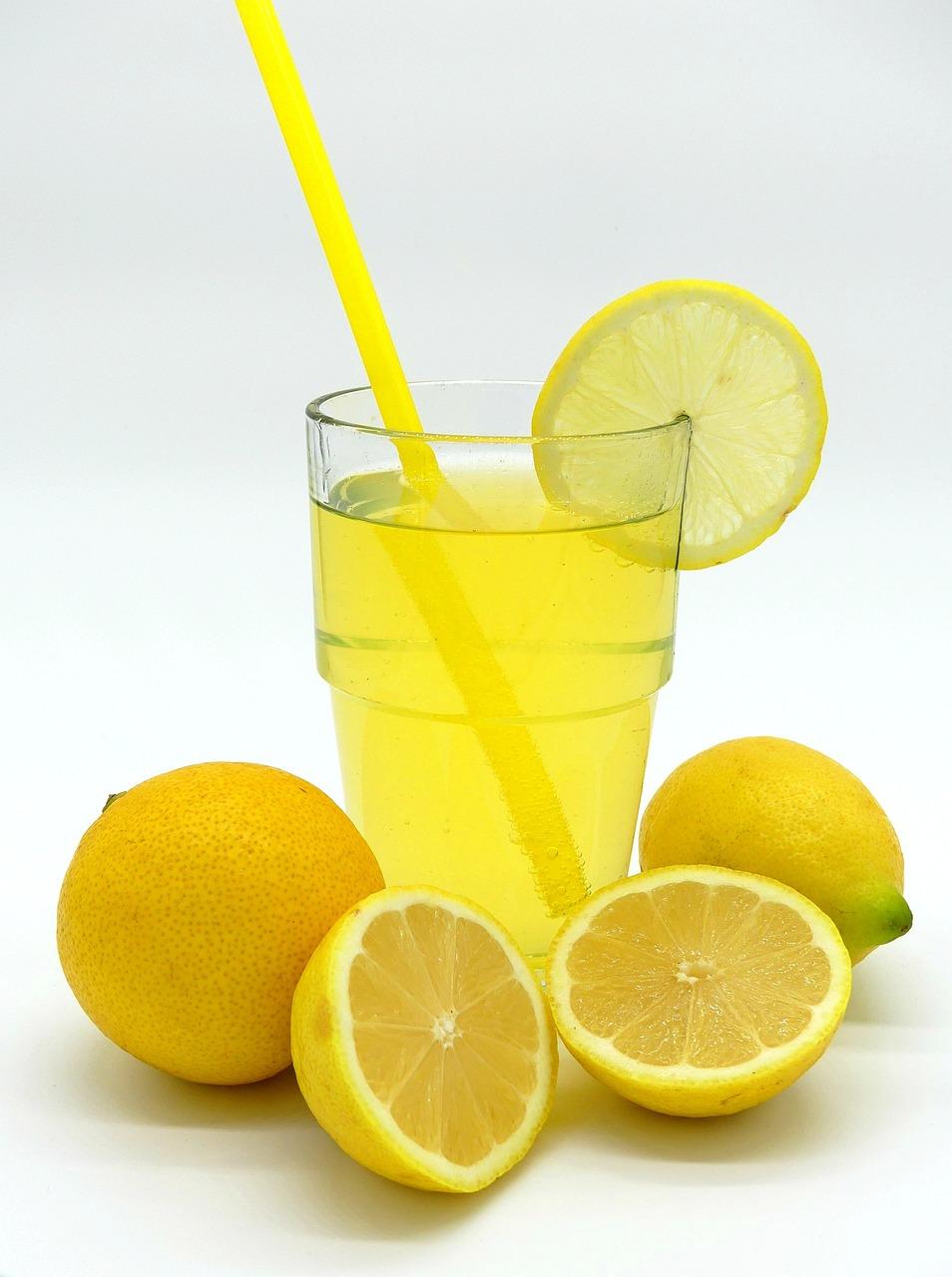
Café terraces in Tunis serve citronnade in tall glasses on hot afternoons and through Ramadan evenings, and it is nothing like clear lemonade: whole lemons, peel and all, are blended with sugar and water, then strained, giving a cloudy, pale-yellow drink that tastes of the zest as much as the juice. A drop of orange-flower water rounds it off. It should be sharp, sweet and very cold. Use unwaxed lemons with thin skins. Chef's tip: let the cut lemons sit with the sugar for 10 minutes before blending; the sugar draws out the fragrant oils from the peel.

by KrazyBadal 0 views

Lemon verbena tea (louiza)

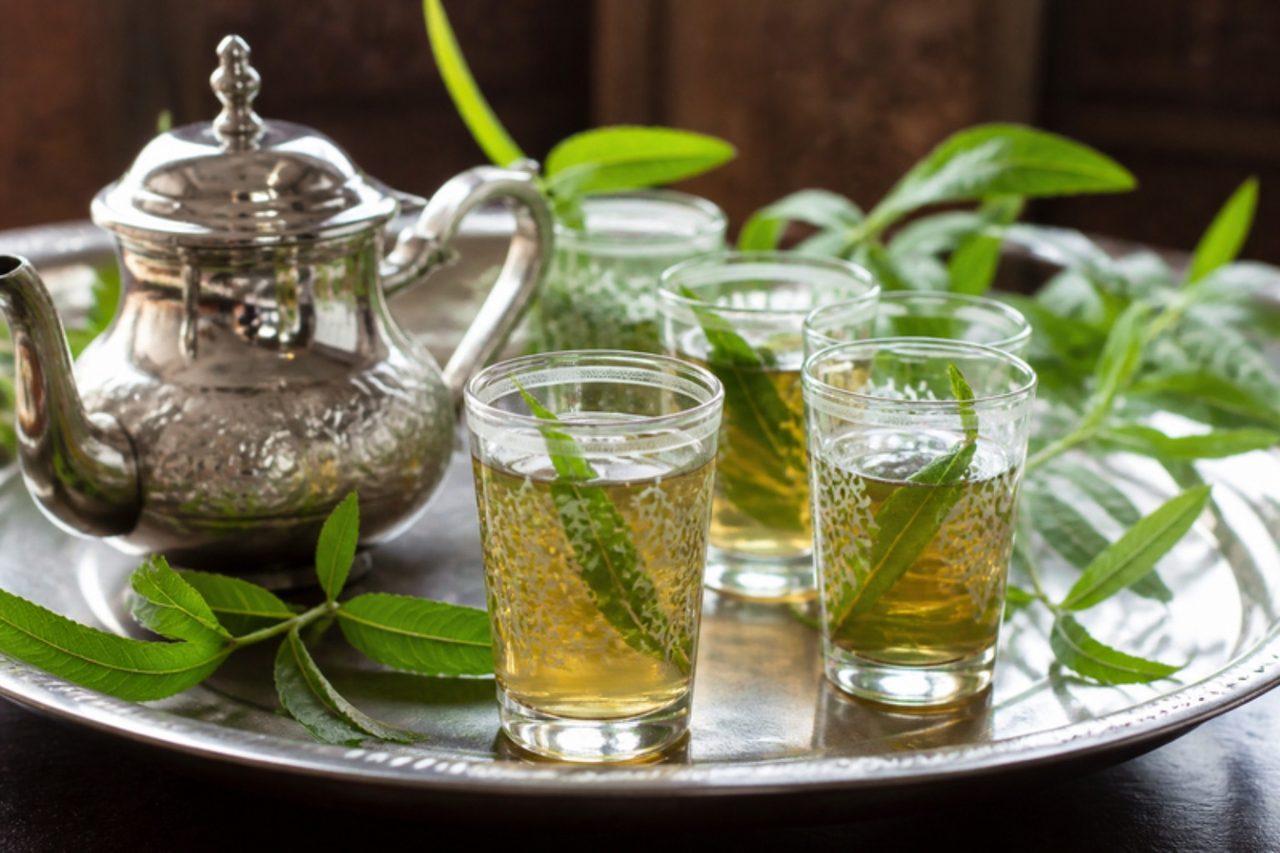
After a big dinner or before bed, many Moroccan households swap green mint tea for a pot of louiza, lemon verbena, whose long, narrow leaves give a pale golden infusion that smells of lemon sherbet and has no caffeine. The fresh herb is sold in bunches alongside mint and absinthe at market herb stalls, and dried leaves keep all year. Drink it plain, lightly sweetened, or brewed with a few mint sprigs. It is soothing, clean-tasting and fragrant. Chef's tip: pour boiling water over the leaves and let them steep off the heat for 5 minutes; boiling the leaves in the pot, a common mistake, turns the tea grassy and bitter.

by KrazyBadal 0 views

ChapoPlantain and milk drink

Breakfast stalls in Iquitos and the riverside towns of Loreto pour chapo into glasses from big steaming pots before the heat of the day sets in, and by afternoon the same drink is sold chilled. It is made from plantains left until their skins are black, simmered with cinnamon and cloves until soft, then blended smooth and loosened with milk. The result is thick, naturally sweet and gently spiced, somewhere between a smoothie and a thin custard, and children love it. Some families make it with water only; evaporated milk is the common addition in town. The mistake is using plantains that are still yellow-green: they taste starchy and the drink turns grey and gluey, so wait until the skins are mostly black and the fruit gives when pressed. Serve hot with bread or a tamal, or cold over ice. Chef's tip: strain it through a sieve after blending for a silky drink, and thin it with water if it thickens as it cools.

by KrazyBadal 0 views

Camu camuCamu camu berry juice

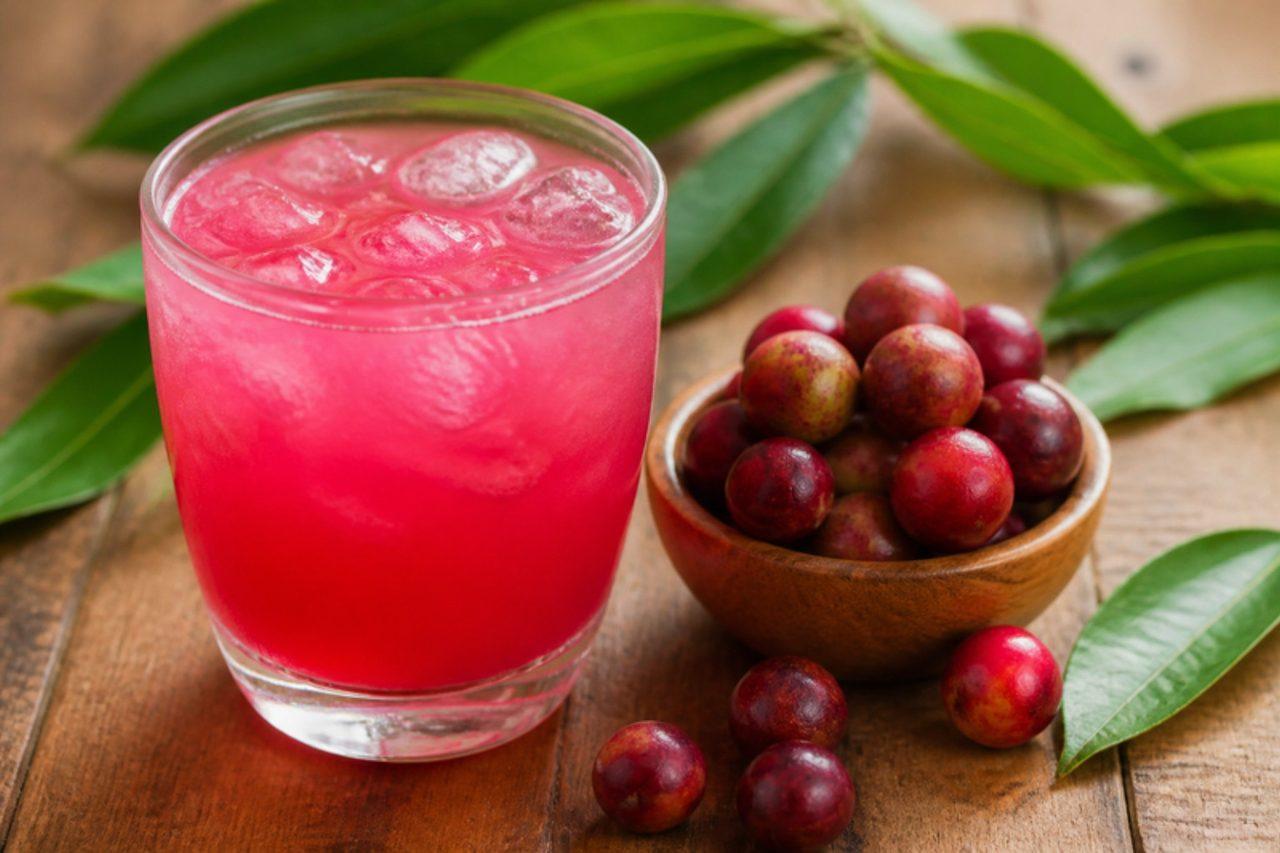
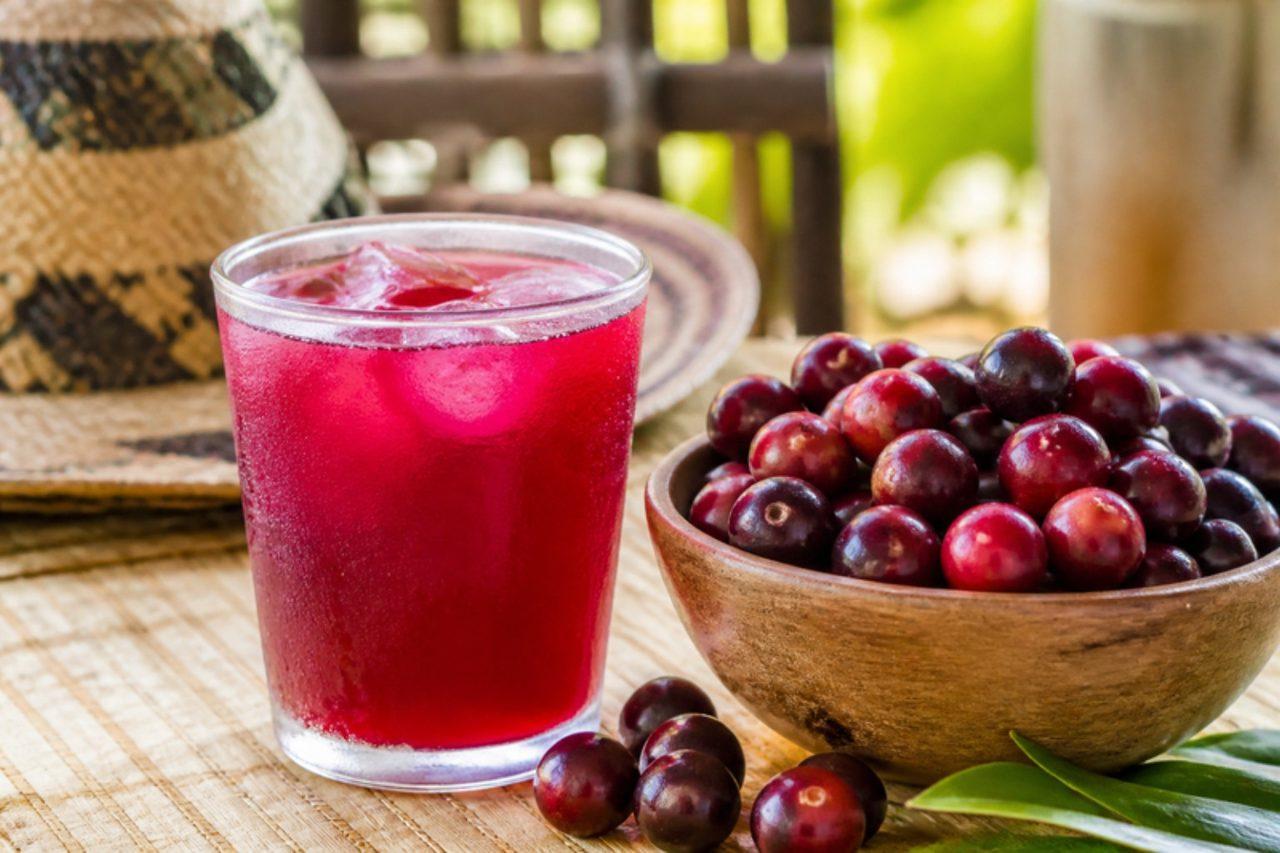
Camu camu are small purple-red berries that grow on bushes along the flooded riverbanks of the Peruvian Amazon, and in Iquitos and Pucallpa they are sold as frozen pulp and blended into a sharp, pink refresco at juice bars and lunch places. The flavour is intensely sour, more than lime, with a faint cherry note, and the berries are famous for containing far more vitamin C than oranges. It is the drink people order with a heavy plate of tacacho or rice. Never boil camu camu or make the juice hours ahead: heat and air quickly fade its colour and much of the vitamin C, so blend it cold and drink it soon. Frozen pulp or freeze-dried powder from health-food and Latin shops are the forms you'll find abroad. Chef's tip: start with half the pulp and add more to taste; it's strong enough that a little goes a long way.

by KrazyBadal 0 views

ChampúsMote corn and pineapple drink

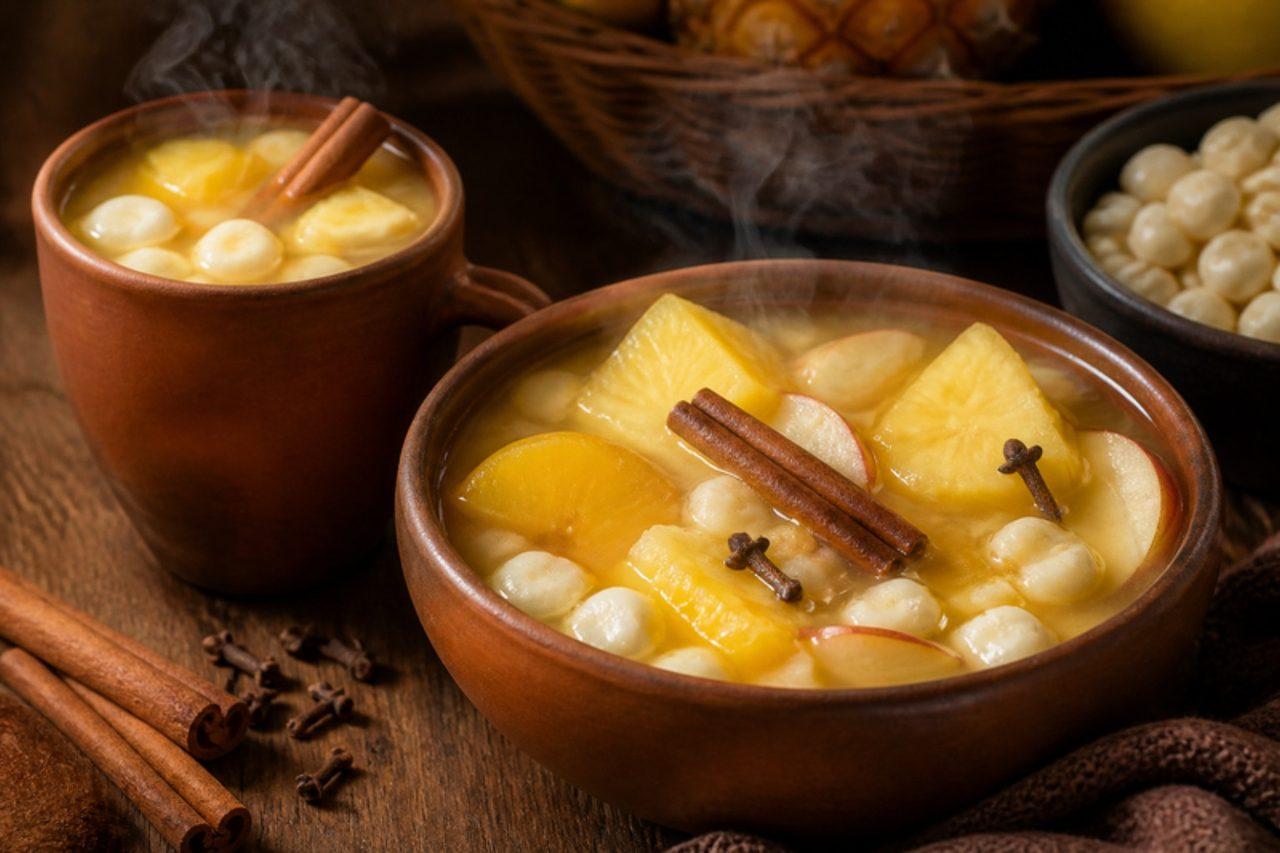
When Lima's grey winter sets in, from June to September, champús sellers set up on street corners with big pots of this thick, fruity drink, ladled warm into glasses and eaten as much as drunk. It's made from mote (hulled white corn), simmered with pineapple, quince or apple, soursop, chancaca and warm spices, then thickened lightly with corn flour, so every spoonful has soft fruit and chewy corn in a spiced, molasses-sweet base. It is close in spirit to mazamorra morada but paler and tangier. The mistake people make is adding the thickener straight into the hot pot, where it forms lumps; always slake it in cold water first and pour it in while stirring. Canned or jarred hominy saves hours; frozen soursop (guanábana) pulp is in Latin shops and can be left out. Serve warm in glasses with spoons. Chef's tip: simmer the pineapple peel and core with the spices for the first 20 minutes, then strain them out; they give much of the flavour.

by KrazyBadal 0 views

EmolienteBarley and flaxseed herbal drink

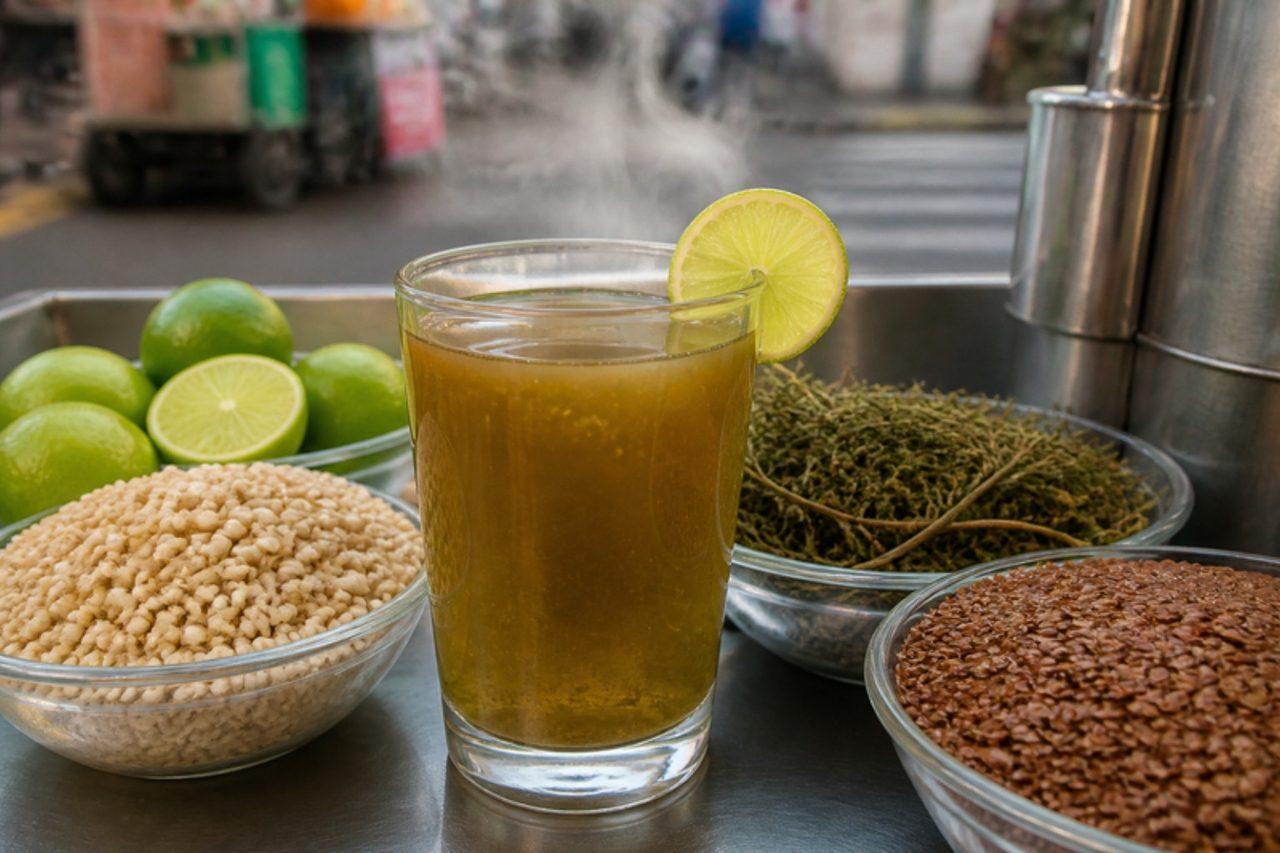
Before dawn, all over Peru, emolienteros set up their carts with a row of steaming kettles and jars of herbs, and commuters stop for a glass of emoliente on the way to work. It's a hot infusion of toasted barley, flaxseed and herbs, with lime juice and sugar added to order, and it is drunk for comfort and digestion, especially in Lima's damp winter. The flaxseed gives it a slippery, soothing body; the barley a toasty, almost coffee-like note. Street versions use horsetail, alfalfa, boldo and other herbs; this home version keeps it simple, with horsetail as an option (leave it out if you are pregnant or have kidney problems). The usual error is boiling the flax too long, which makes the drink gloopy; add it for the last 10 minutes only. Serve very hot in glasses, with pan con queso or a sandwich. Barley contains gluten. Chef's tip: toast the barley yourself until it is deep brown; it's what gives emoliente its colour and its roasted flavour.

by KrazyBadal 0 views

Quinua con manzanaQuinoa and apple drink

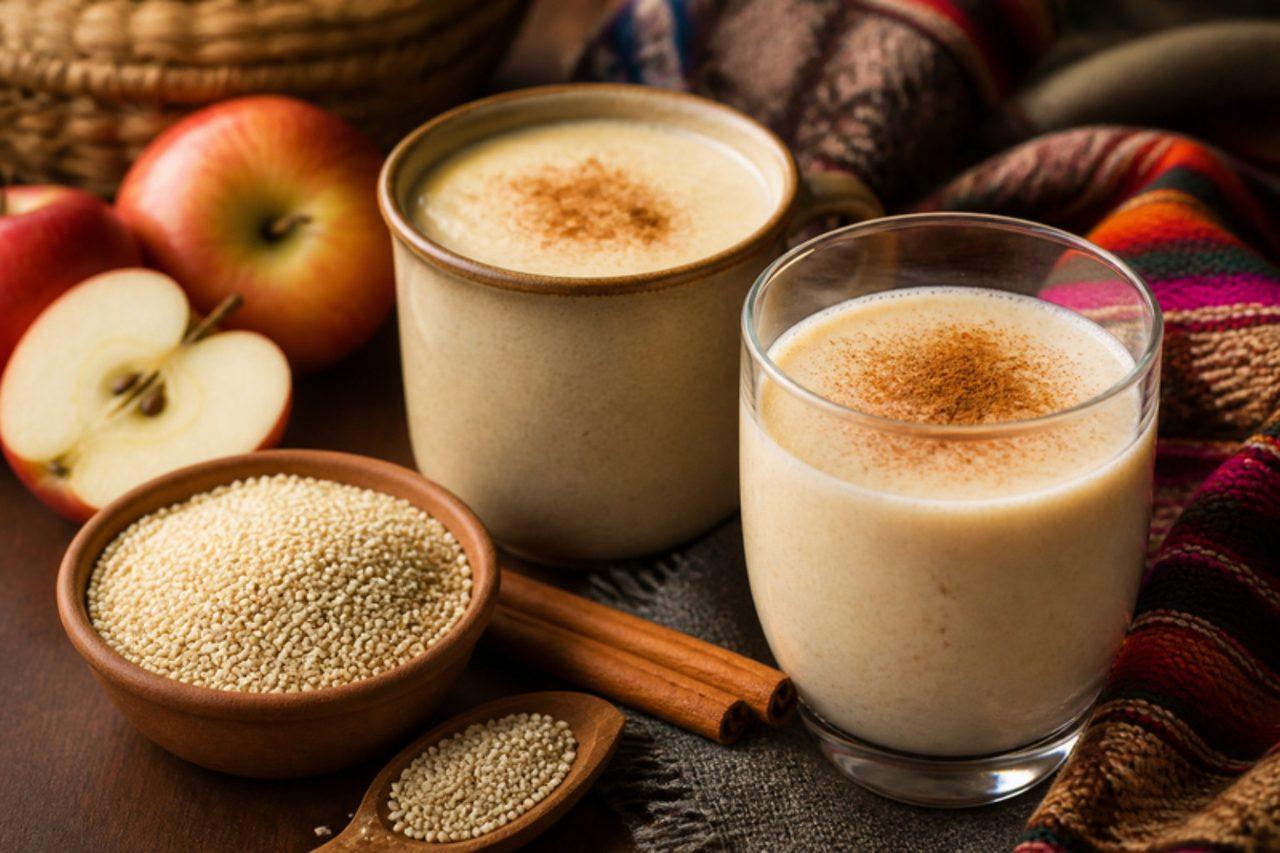
Morning market stalls and street carts from Lima to Huancayo ladle quinua con manzana into glasses alongside emoliente and maca, and many people drink it as breakfast on its own, with a bread roll or a sandwich beside it. Quinoa and chunks of apple are simmered with cinnamon and cloves until the grains burst and the liquid thickens, then sweetened and served warm or cold. Some stalls blend it smooth; others leave the grains and soft apple pieces to spoon up. It is mild, fruity and filling, and children usually like it. The mistake that ruins it is skipping the rinse: quinoa's natural coating, saponin, makes the drink bitter and soapy, so rub it under running water until the foam stops. Chef's tip: add a few drops of lime at the end; it lifts the apple and keeps the drink from tasting flat.

by KrazyBadal 0 views

Moroccan almond milk (sharbat louz)

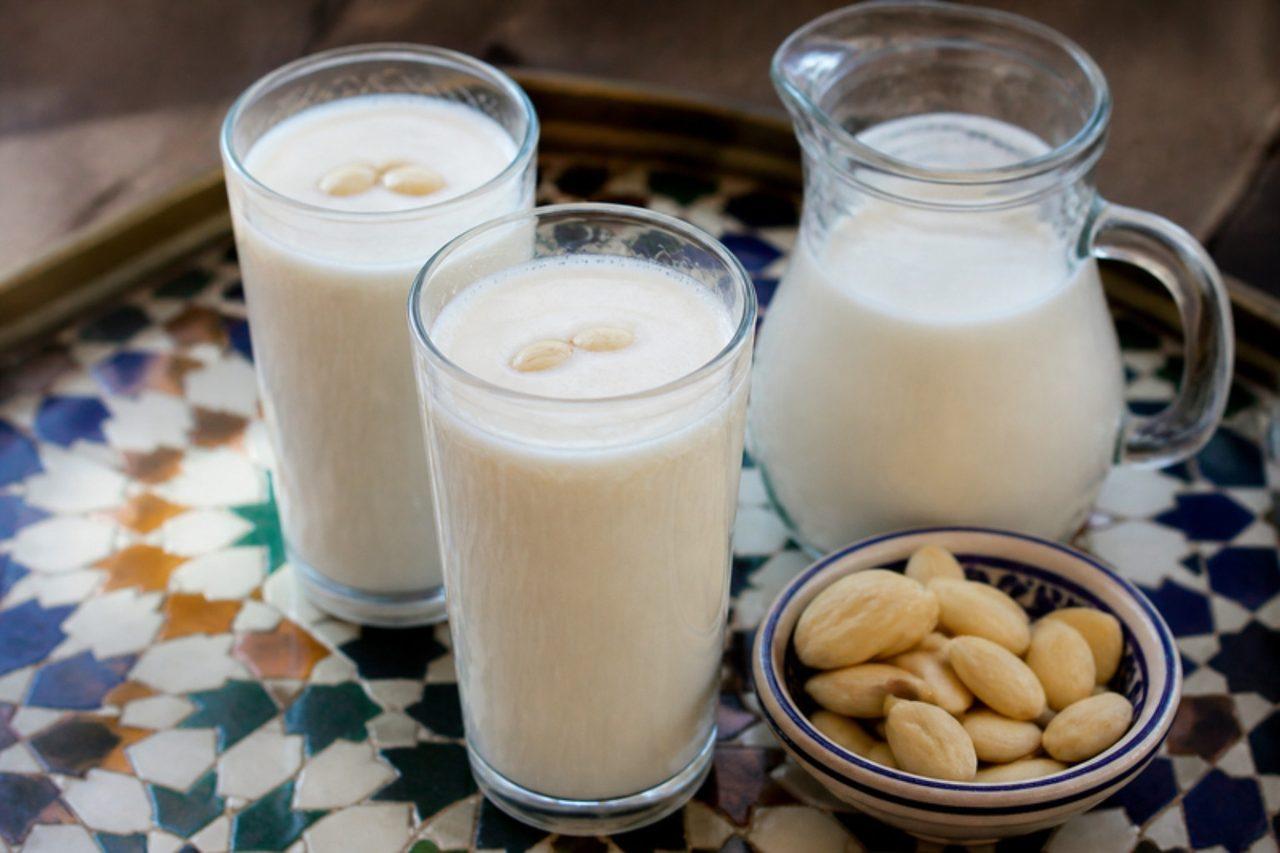
At Moroccan weddings and engagement parties, silver trays of tall glasses filled with sharbat louz are passed among the guests: chilled milk blended smooth with blanched almonds, sugar and a perfume of orange-flower water. It is also a favourite summer drink at home and is often offered to break the fast in Ramadan. The taste is creamy, delicate and nutty, a world away from carton almond milk, since it is real dairy milk enriched with almonds. Serve it very cold, on its own or with sweets. A common mistake is skipping the straining, which leaves a gritty drink instead of a smooth, silky one. Chef's tip: blend the almonds with the sugar and a little milk first, into a fine paste, before adding the rest; that way it ends up silky rather than gritty. Not for anyone with a nut allergy.

by KrazyBadal 0 views

SubmarinoHot milk with chocolate bar

Café tables in Buenos Aires have their own way with hot chocolate: the waiter brings a tall glass of frothy, steaming milk on a saucer with a slim bar of dark chocolate, and you drop the bar in yourself and watch it sink like a submarine. Stirred with a long spoon, it melts into a rich, not-too-sweet drink, and it is the classic order with medialunas on a cold winter afternoon or after school. At home it takes five minutes, and children love the moment of dropping the bar in. The common letdown is milk that is only warm: the chocolate sits in a lump at the bottom. Heat it until it is steaming and just starting to rise, but not boiling. Chef's tip: froth the hot milk with a whisk or milk frother before pouring; the foam on top is part of the café ritual and keeps the drink hot while the chocolate melts.

by KrazyBadal 0 views

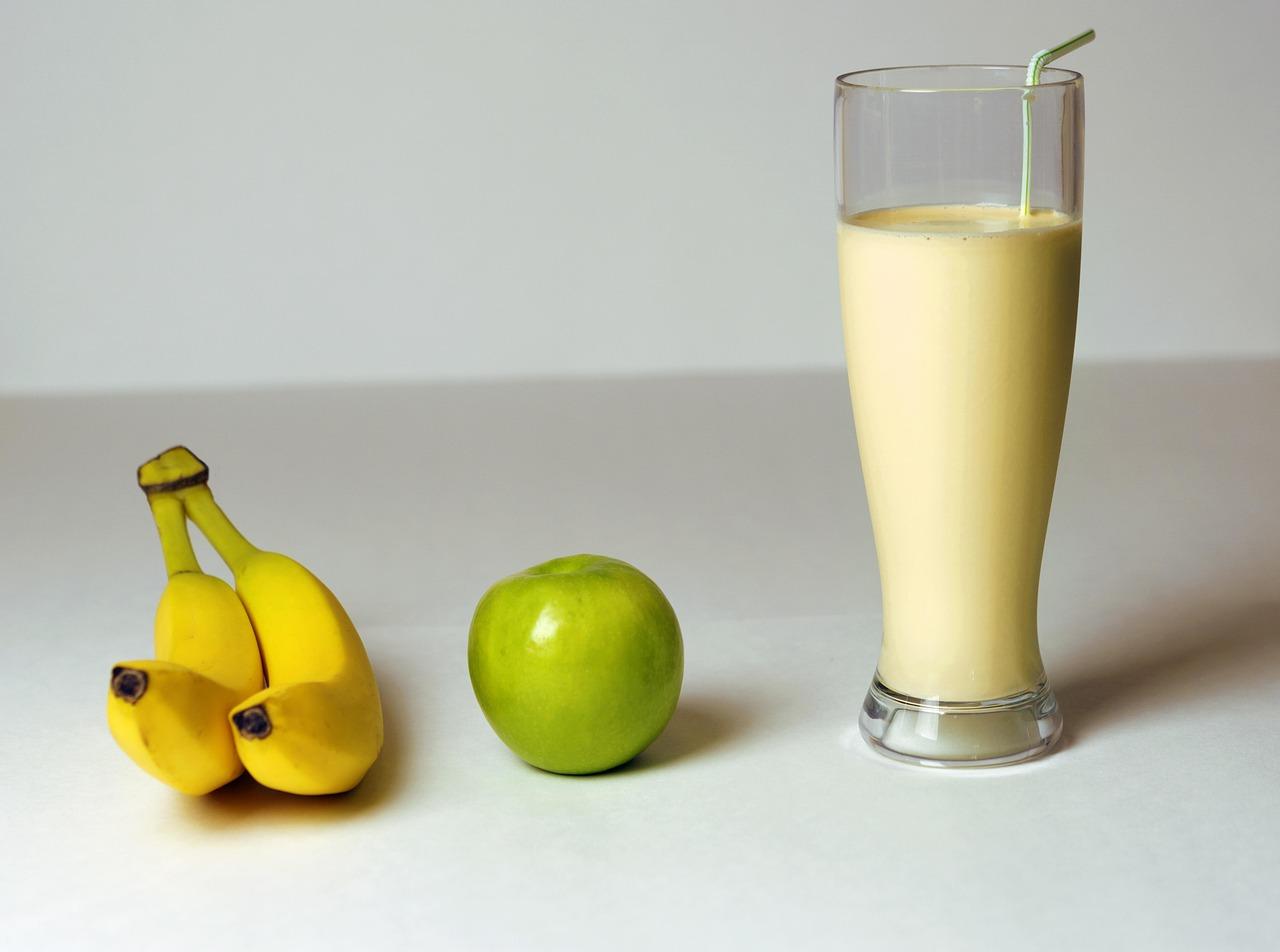
Licuado de bananaBanana milk shake

Order a licuado in any Argentine café or bar and you will get a tall glass of fruit blended with milk (con leche) or water (con agua), and banana with milk is the one nearly everyone grows up on. It is breakfast for teenagers in a hurry, a merienda with tostados, and the drink parents in Buenos Aires make when the fruit bowl has spotty bananas. It should be thick, cold and smooth, with a light froth, sweet mainly from ripe fruit. Using under-ripe bananas is the mistake: they taste chalky and need lots of sugar, so wait for brown freckles. Chef's tip: slice and freeze the bananas the night before and you can skip the ice; the shake comes out colder and thicker without being watered down.

by KrazyBadal 0 views

Chocolate santafereñoHot chocolate with cheese

Old Bogotá, once Santafé, built an afternoon ritual around hot chocolate. In the café-restaurants of La Candelaria it comes in a big cup, frothed with a wooden molinillo, with a plate of white cheese, almojábanas and buttered bread on the side. The surprise for visitors is the cheese: cubes go straight into the hot chocolate, softening into stretchy strings that are fished out with a spoon, a salty contrast to the sweet, spiced drink. Colombian table chocolate comes in bars already sweetened and often flavoured with cinnamon and clove; dark chocolate plus sugar and spice is a fair swap. The usual cheese, queso campesino or doble crema, is normally set with animal rennet, so choose a vegetarian (microbial-rennet) mozzarella-style cheese. Boiling the chocolate hard is the misstep that makes it grainy and scorched; keep it at a gentle simmer. Chef's tip: no molinillo? Whisk briskly with a balloon whisk or a milk frother until there's a thick foam.

by KrazyBadal 0 views

Jugo de corozoCorozo palm fruit juice

Corozo is a tiny, glossy red-black palm fruit that grows wild across Colombia's Caribbean lowlands, and in Sincelejo, Montería and Cartagena it is boiled into a deep wine-red juice that is tart, slightly bitter and very refreshing. It is sold in bags from street coolers and served with lunch at home, especially in the dry season when the fruit is plentiful. The fruit is mostly stone and skin, so it is boiled to release the colour and flavour, then mashed and strained. Blending the whole fruit is the trap here: the hard stones can break a blender and add bitterness, so only mash them. Frozen corozo pulp is sold in some Latin shops; there is no true substitute, but tart cherry juice with a squeeze of lime gives a similar colour and sourness. Chef's tip: dissolve the sugar while the juice is still warm, then chill well; it tastes sharper and brighter cold.

by KrazyBadal 0 views

BarraquitoLayered coffee with condensed milk

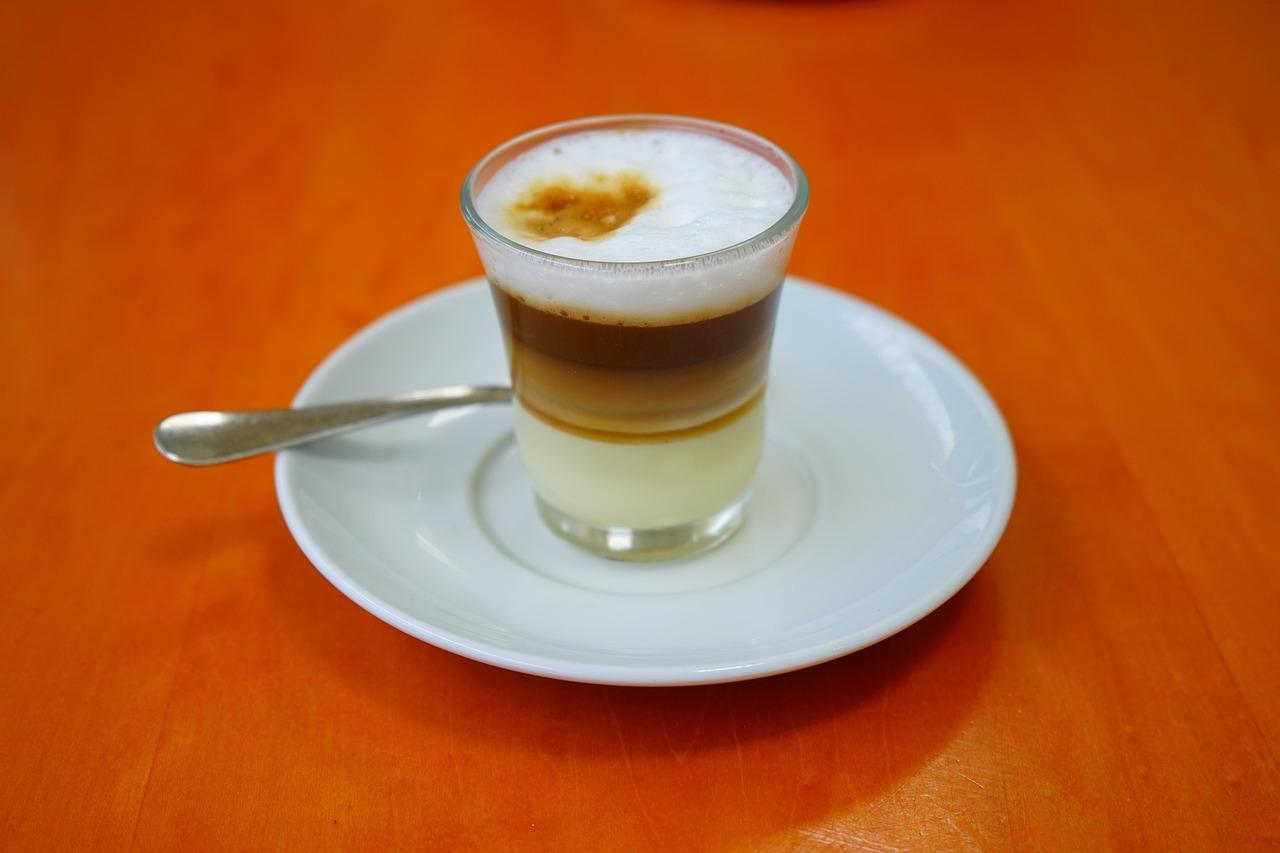
Order a barraquito in any café in Santa Cruz de Tenerife or La Laguna and it comes in a small glass showing neat stripes: sweet condensed milk at the bottom, then espresso, then foamed milk, perfumed with lemon peel and cinnamon. The bar classic adds a measure of a vanilla-citrus Spanish liqueur between the layers, which makes it contain alcohol; this recipe leaves it optional, and without it the drink is often called a zaperoco or barraquito sin licor. Chef's tip: pour each layer slowly over the back of a spoon, so the layers sit on top of each other instead of mixing.

by KrazyBadal 0 views

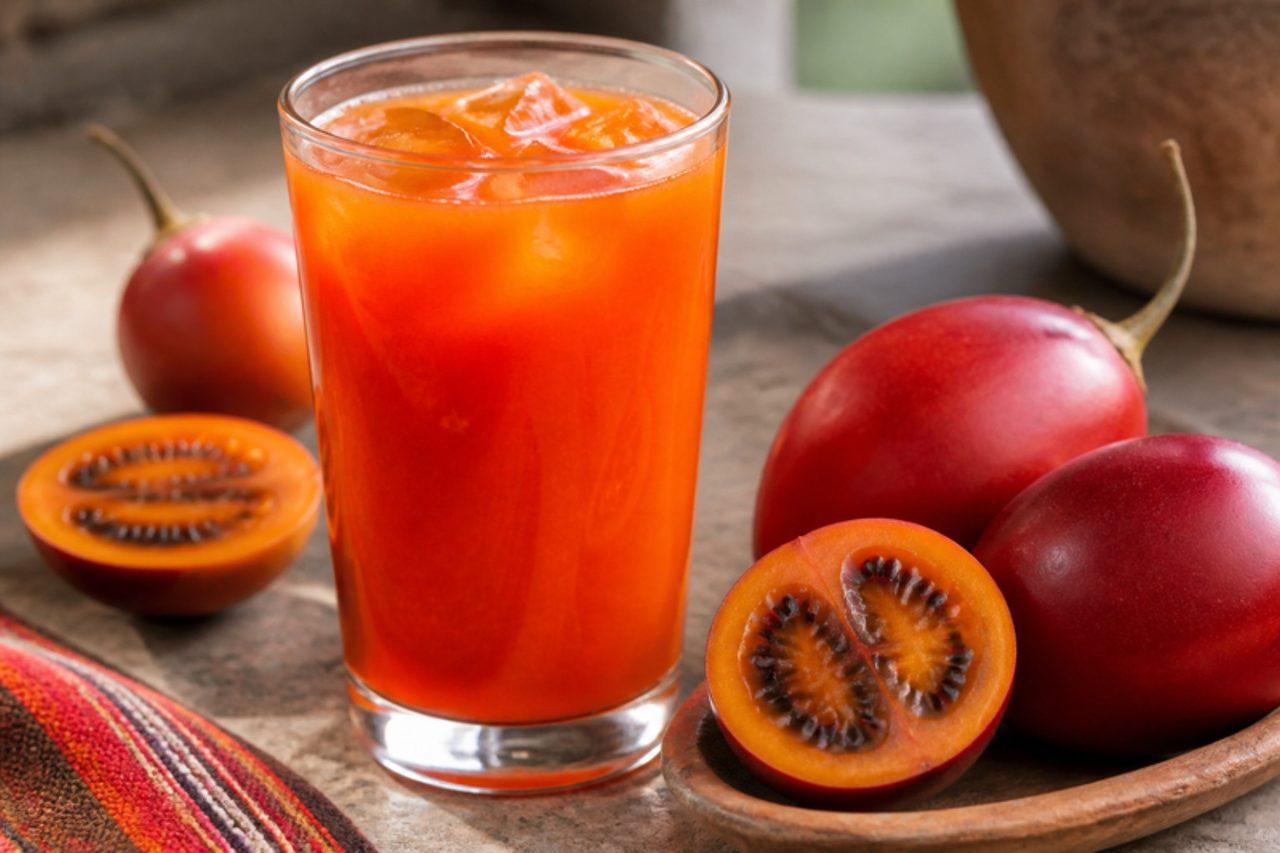
Jugo de tomate de árbolTamarillo juice

Tomate de árbol, the tree tomato or tamarillo, is everywhere in Andean Colombia: in market piles, in ají and above all in juice. Blended with water and sugar, it makes a tangy, deep orange drink with a flavour between passion fruit, tomato and apricot, and it turns up at lunch counters and family tables with almost every meal. Many people blend it with milk instead of water for a creamier glass; this version keeps it vegan. Blending the fruit with its skin is the most common misstep, as the peel is bitter and astringent; a quick blanch makes it slip off easily. Look for tamarillos in good greengrocers, or frozen pulp in Latin shops. Chef's tip: blend only briefly so you do not crush the small seeds, then strain; it stays bright and clean-tasting.

by KrazyBadal 0 views

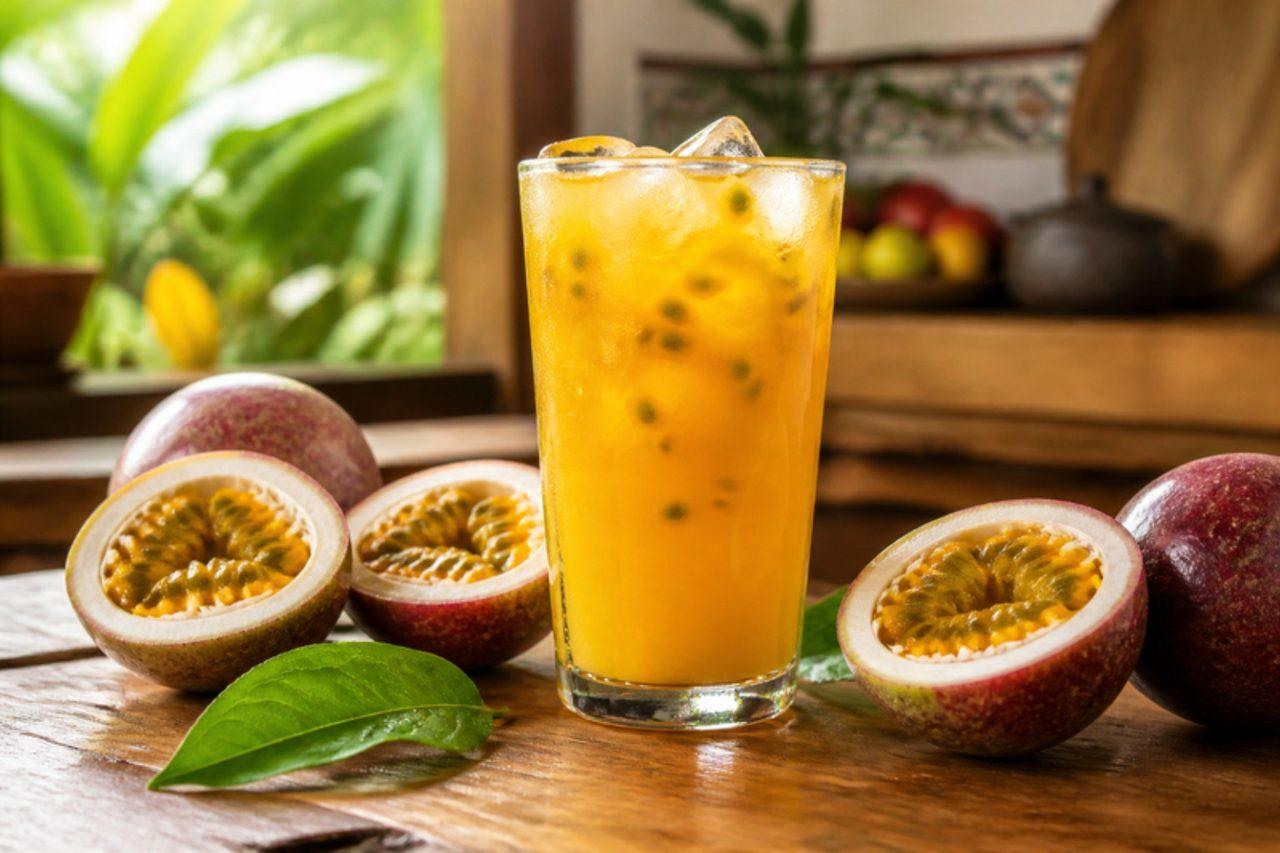
Jugo de maracuyáPassion fruit juice

Passion fruit grows easily in the warm valleys of Colombia, and maracuyá juice is the default glass at many lunch tables, from Huila to the coast. It is intensely aromatic and sharp, so it needs plenty of water and sugar, and it is served over ice; a milk version is made too, but the water one is the more refreshing. Street juice stands blend it fresh all day, and it pairs especially well with fried fish, rice and patacones, or any spicy dish. People tend to over-blend it, crushing the black seeds into gritty, bitter bits; just pulse until the pulp lets go of the seeds, then strain. Frozen passion fruit pulp from Latin shops is a good, cheaper option and needs no straining. Chef's tip: scoop the pulp from wrinkled, heavy fruit; the more wrinkled the skin, the sweeter and more fragrant the fruit inside.

by KrazyBadal 0 views

Limonada de cocoCoconut lime cooler

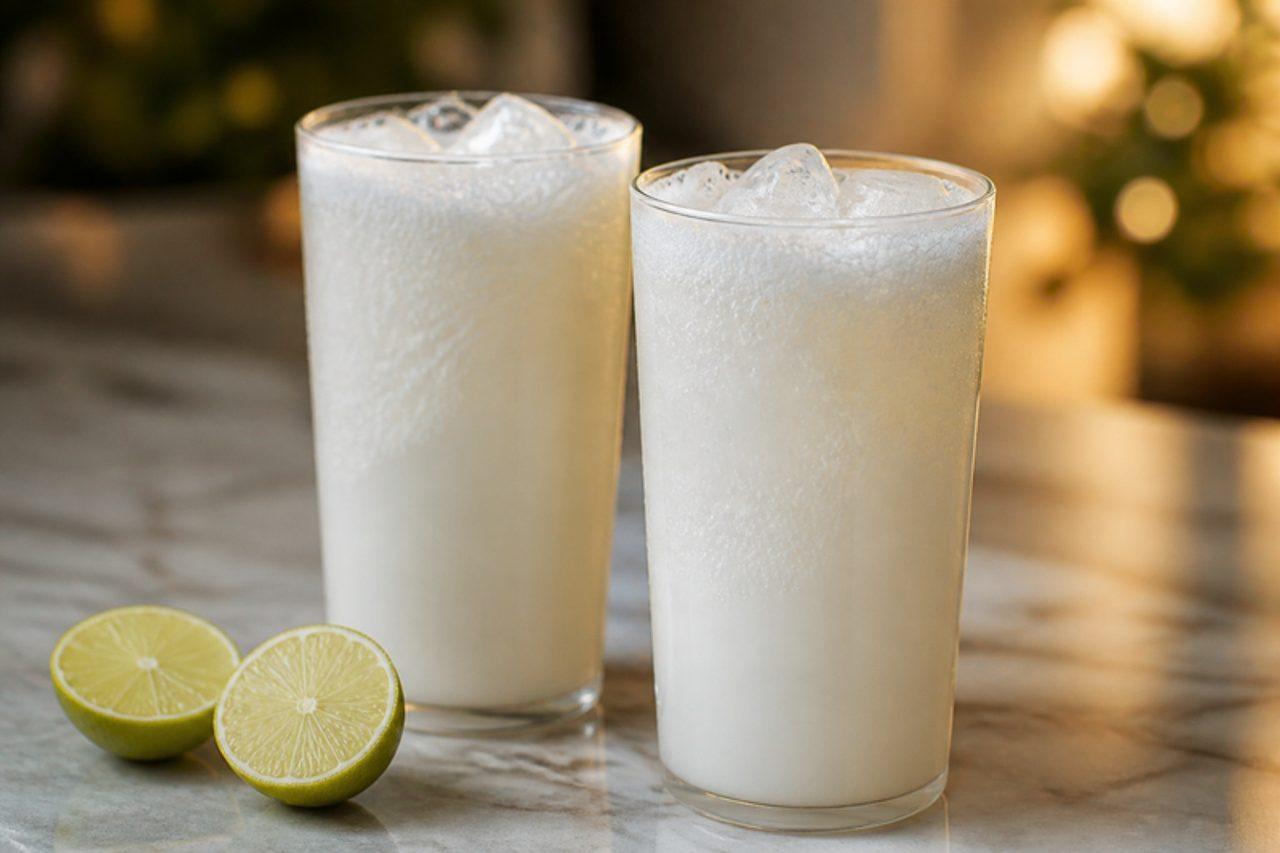
Cartagena's heat makes limonada de coco almost compulsory: beach kiosks and restaurants in the old walled city blend it to order, and it arrives as a pale, frosty slush, sharp with lime and rich with coconut. It is a drink to sip slowly with fried fish, coconut rice and patacones, or on its own on a hot afternoon. Coconut cream gives the body, sugar balances the lime, and a full load of ice gives the frozen texture. The common slip is blending lime pieces with their peel for too long, which turns it bitter within minutes; use juice plus a little zest instead. Shake the tin of coconut cream before measuring, since it separates. Serve it straight away, before it melts and separates. Chef's tip: freeze some of the coconut cream in an ice-cube tray beforehand and use it in place of half the ice for a thicker, creamier result.

by KrazyBadal 0 views

Café de ollaSpiced clay-pot coffee

In ranch kitchens and roadside fondas across central Mexico, coffee is not dripped but boiled in a tall clay pot (olla de barro) with a cone of piloncillo and a stick of soft Mexican cinnamon, then strained into clay mugs. It is sweet, spiced and earthy, and is served with pan dulce at breakfast, on cold evenings, and to visitors on Day of the Dead. A saucepan works fine if you have no olla. Chef's tip: turn the heat off before adding the coffee and let it steep rather than boil, or it turns bitter.

by KrazyBadal 0 views

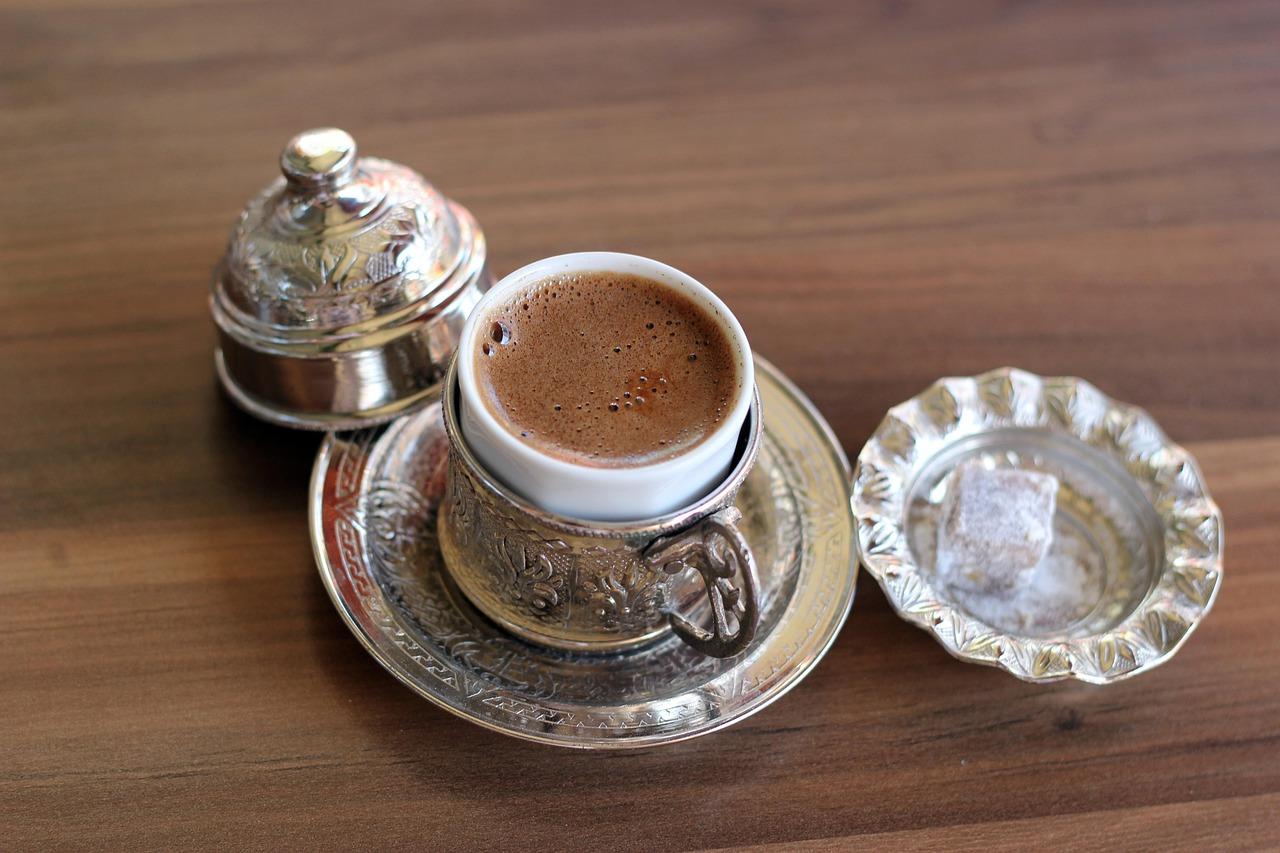
Türk kahvesiTurkish coffee

A cup of Türk kahvesi is how Turks welcome guests, end a long meal and, in the old custom, test a suitor: the prospective bride makes his cup and may slip salt into it. Powder-fine coffee is brewed slowly with cold water and sugar to taste in a small long-handled pot (cezve), until a thick foam rises, then poured unfiltered so the grounds settle in the cup. Serve with a glass of water first and a piece of lokum. Order it sade (plain), orta (medium) or şekerli (sweet) and add the sugar before brewing, never after. The usual mistake is letting it boil, which collapses the foam and makes it bitter. Chef's tip: use cold water and a low heat; the slower it rises, the thicker the foam.

by KrazyBadal 0 views

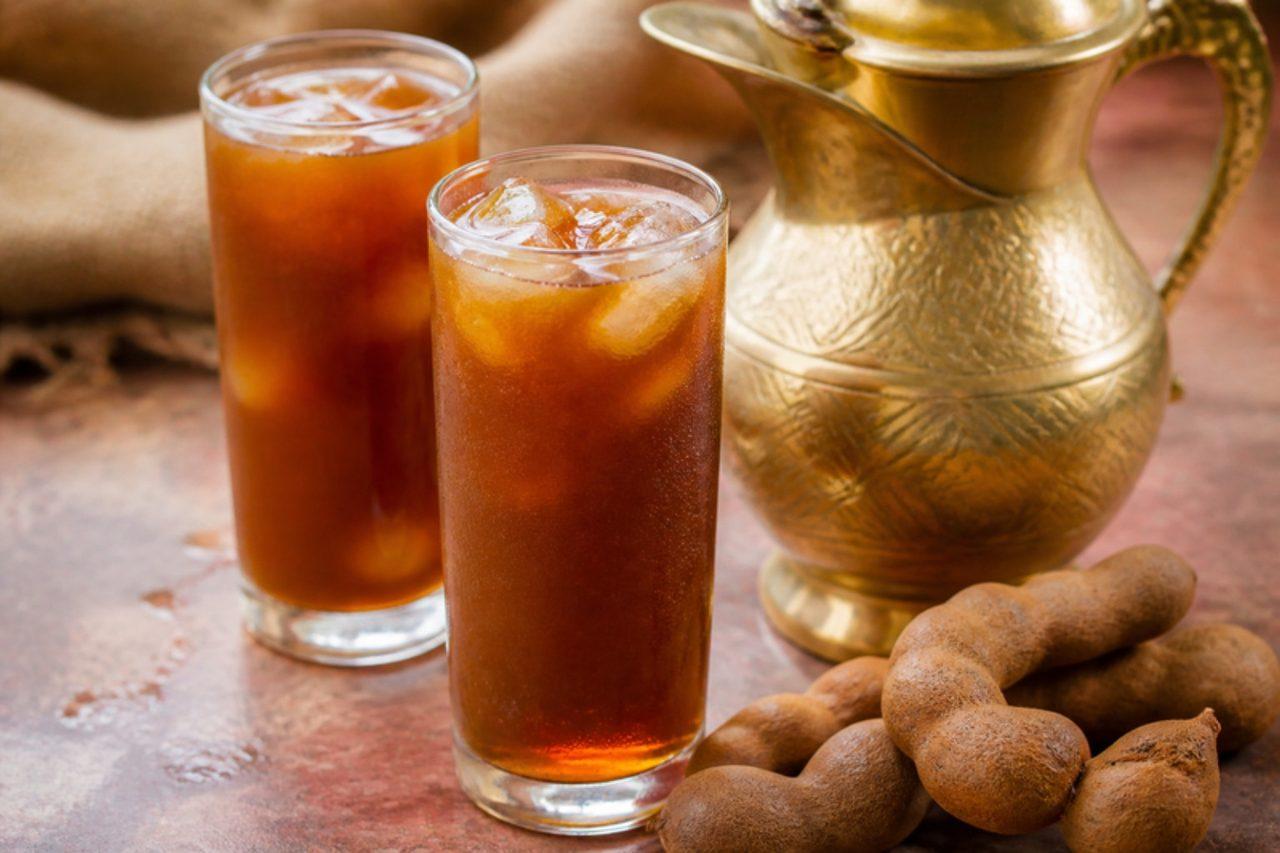
Tamar hindiTamarind drink

During Ramadan in Damascus, street sellers in bright waistcoats pour tamar hindi from tall brass jugs on their backs, clinking cups to call buyers before iftar. The drink is a deep brown infusion of tamarind, sweetened and sharpened with lemon and a touch of rose or orange blossom, served ice cold to quench a day's thirst. It is fruity, tangy and refreshing, and made in a big batch to keep in the fridge. Common mistake: boiling the tamarind hard — gentle soaking gives a clean taste, while boiling makes it muddy. Chef's tip: strain twice, the second time through a cloth, for a clear, glossy drink.

by KrazyBadal 0 views

Qamar al-dinApricot drink

Damascus is famous for its apricots, and much of the summer harvest is pressed into thin orange sheets of apricot leather called qamar al-din. In Ramadan, almost every Syrian home soaks a sheet overnight and blends it into a thick, velvety drink to break the fast — it is sweet, slightly tart and full of energy after a long day. Serve it chilled, sometimes with a few soaked pine nuts on top. Common mistake: blending without soaking long enough; the leather needs time to soften or the drink is gritty. Chef's tip: add a splash of orange blossom water and a squeeze of lemon to wake up the apricot flavour.

by KrazyBadal 0 views

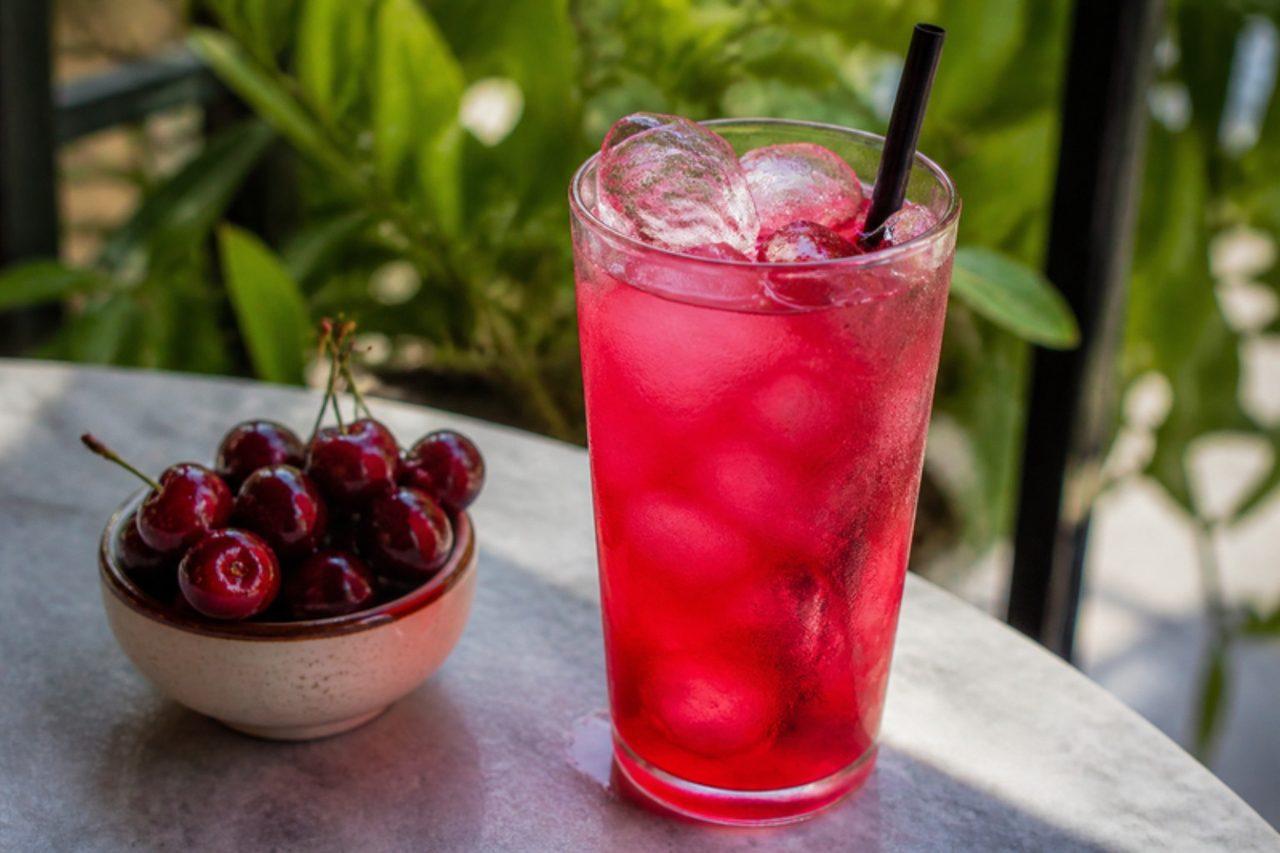
VyssinadaSour cherry drink

Before fizzy drinks arrived, a tall glass of vyssinada was what you ordered in a Volos or Larissa kafeneio on an August afternoon: sour cherry syrup topped with iced water, sweet and sharp and bright red. Families in Thessaly still make a cordial from the summer cherry crop and keep the bottles in the fridge for weeks. Common mistake: squashing the cherries too hard through the sieve, which clouds the syrup — let the juice drip. Chef's tip: top with sparkling water and a squeeze of lemon for a lighter, livelier glass.

by KrazyBadal 0 views

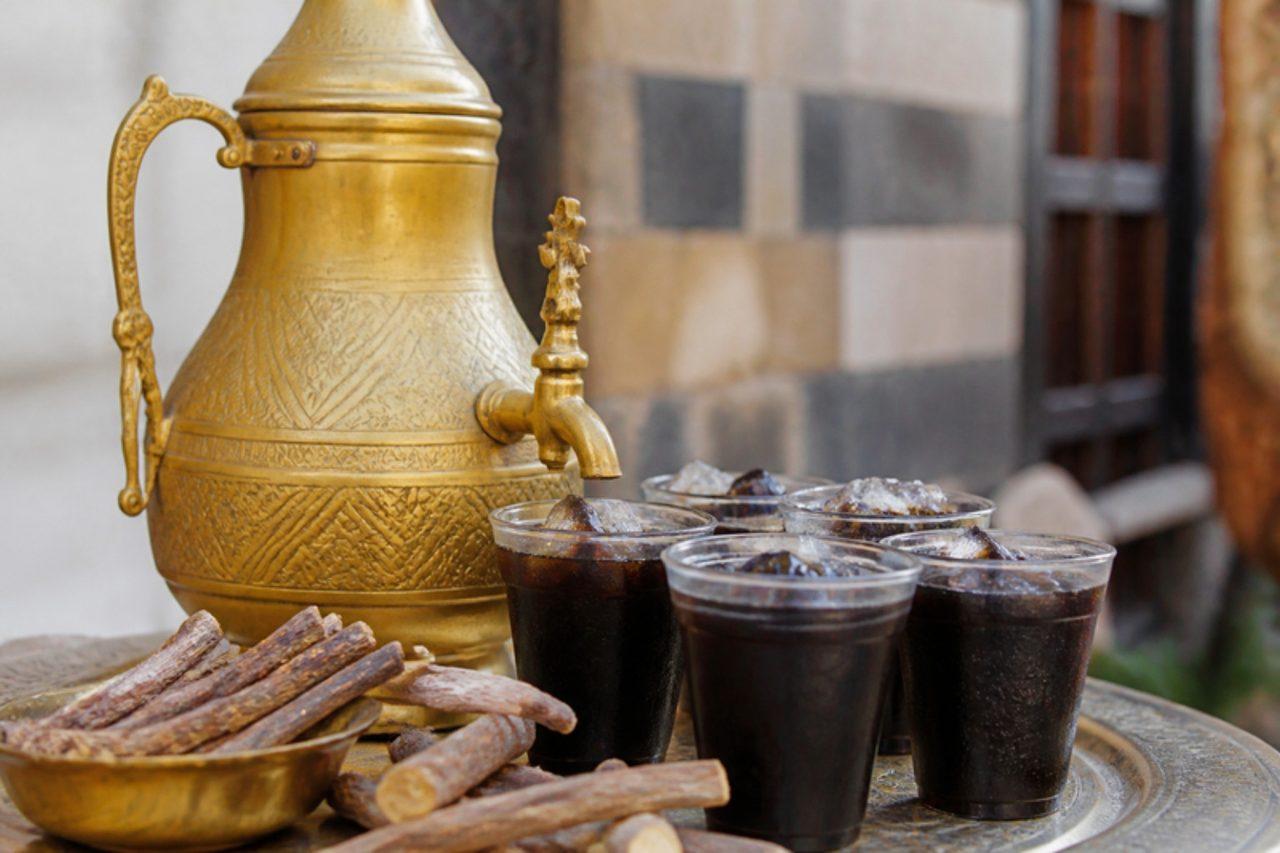
Erk sousLiquorice root drink

In the lanes of old Damascus and Aleppo, the erk sous seller is heard before he is seen, clacking brass cups as he walks with a great curved jug strapped to his back. His drink is liquorice root, slowly dripped through with cold water, dark, earthy, faintly bitter and naturally sweet, poured with a flourish over the shoulder during Ramadan iftars and hot afternoons. At home a sieve and a cloth do the job. The mistake people make is pouring boiling water over the root, which pulls out harsh bitterness; cold water and patience give a smooth, foamy drink. Liquorice root raises blood pressure if you drink a lot of it, so keep to a glass or two a day and skip it if you are pregnant or have high blood pressure. Chef's tip: a pinch of bicarbonate of soda in the damp root gives the drink its traditional thick, frothy head.

by KrazyBadal 0 views

LemonanaFrozen mint lemonade

From café terraces in Ramallah and Jaffa to juice bars along Hamra Street in Beirut, summer means tall glasses of lemonana: lemons and fistfuls of fresh mint blended with ice into a sharp, sweet, electric-green slush. It is the drink handed to you after a walk through the market at noon, and it cools a mezze lunch like nothing else. Everything goes in a blender, but the mint must be fresh and plentiful. The common mistake is blending the mint for too long, which bruises it and turns the drink murky and grassy. Chef's tip: make a lemon-sugar syrup first and chill it; dissolved sugar sweetens evenly and lets you blend for only a few seconds.

by KrazyBadal 0 views

Showing 72 of 493 recipes

Show more recipes

Page 15 of 21

More collections