Skip to content
WhatToEat.Today

Vegetarian Chinese recipes

Tofu, noodles, dumplings and stir-fries without meat or fish. (219 recipes)

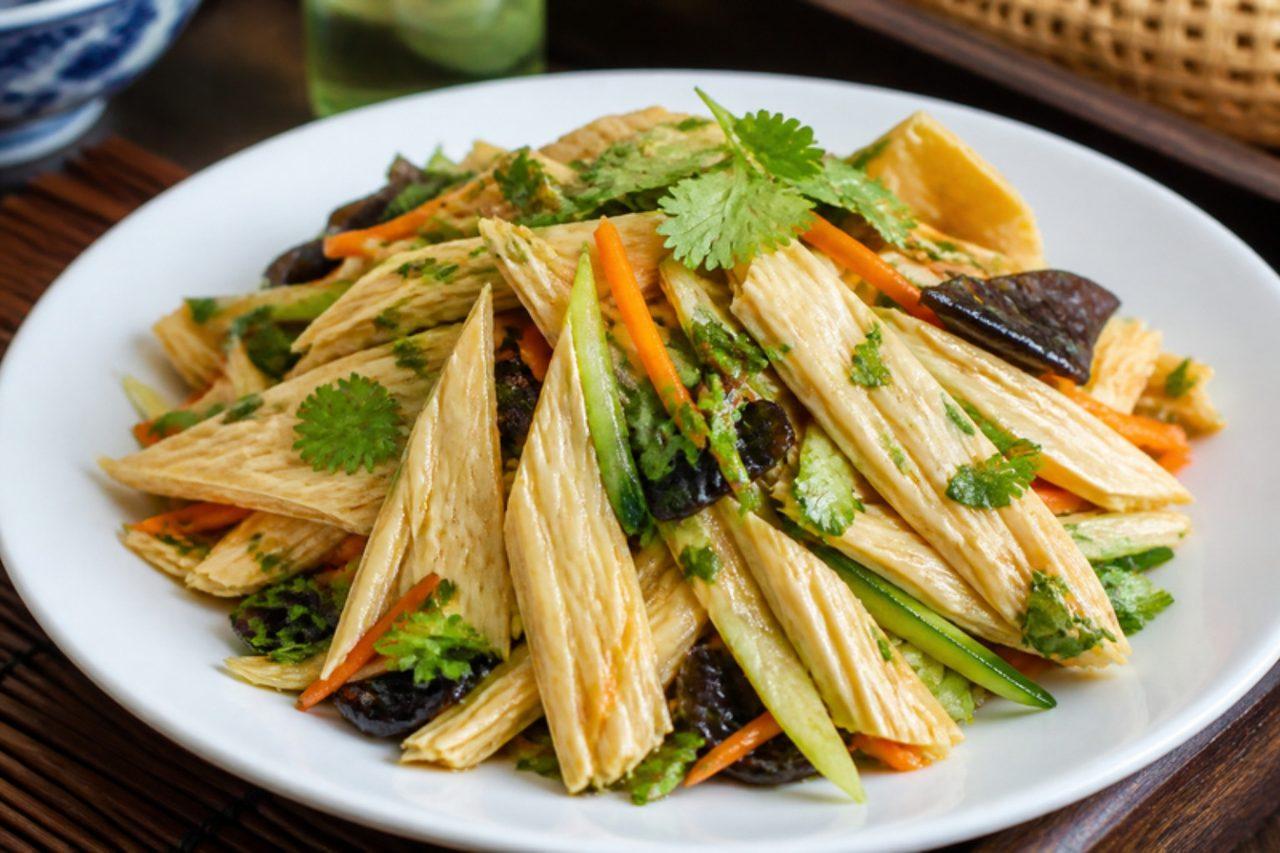
Liangban fuzhuTofu skin and cucumber salad

Fuzhu, the dried sticks made from the skin that forms on simmering soy milk, are a pantry staple in Guangxi and Sichuan and in Buddhist vegetarian kitchens across China. Soaked until soft and chewy, they are tossed in this cold dish with cucumber, carrot and wood ear in a dressing of garlic, vinegar and sesame oil, served in summer with rice or noodles. It is high in protein and very satisfying. A portion is about 170 kcal. Soak the fuzhu in cold water for 2–3 hours or overnight, not counted in the times. The common mistake is soaking in hot water, which leaves the outside mushy and the centre hard. Chef's tip: blanch the soaked sticks briefly; it cleans off the beany taste and makes them softer and juicier.

by KrazyBadal 0 views
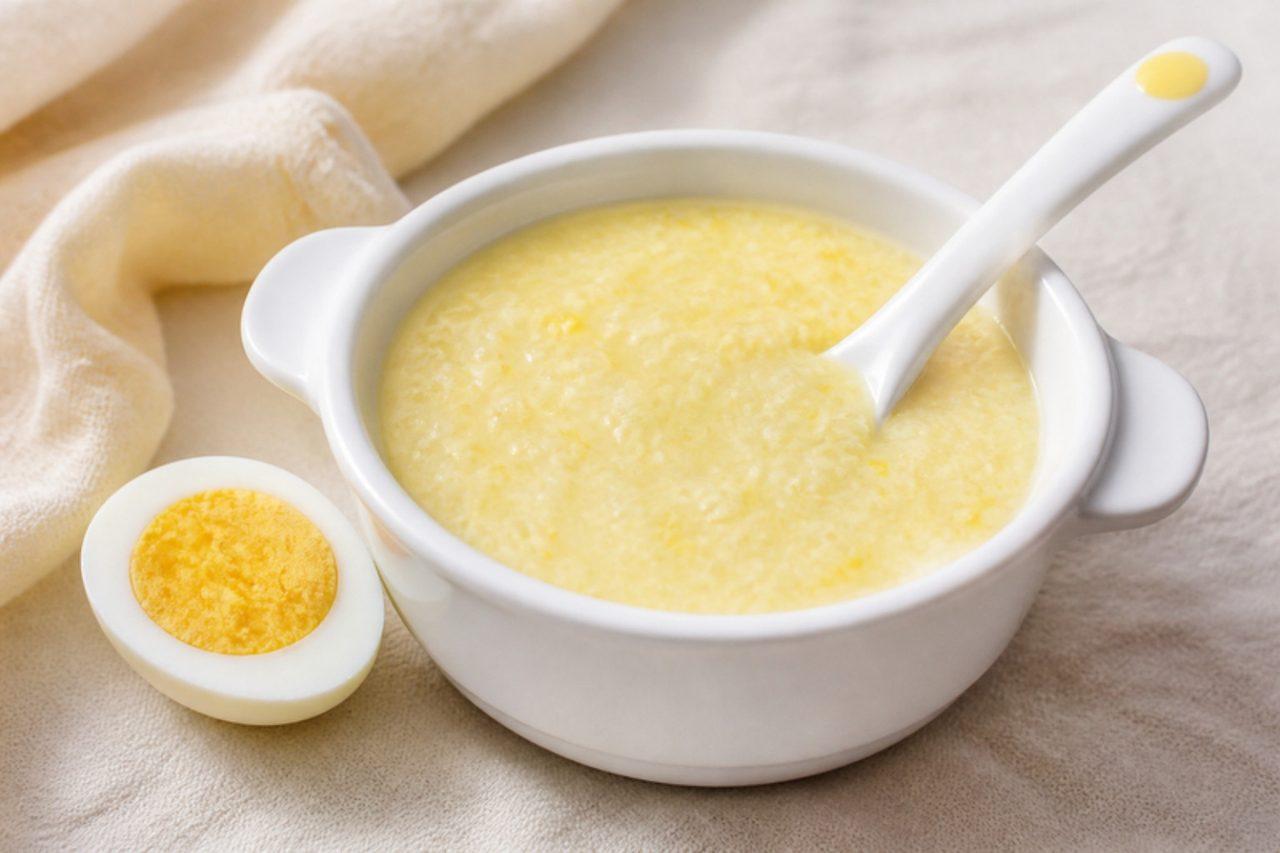
Egg yolk congee for babies (dàn huáng zhōu)

Across China, egg yolk congee is one of the first protein foods a baby is given, often as a light supper once plain rice paste is going down well. A fully hard-boiled yolk is crumbled and mashed into soft, unsalted congee, turning it pale gold and creamy. It contains egg; there is no milk, gluten, peanut, tree nuts, soya, sesame or fish. Many families start with a quarter of a yolk and build up over a few days. Chef's tip: plunge the boiled egg straight into cold water; it stops a grey ring forming and the yolk crumbles more easily.

by KrazyBadal 0 views
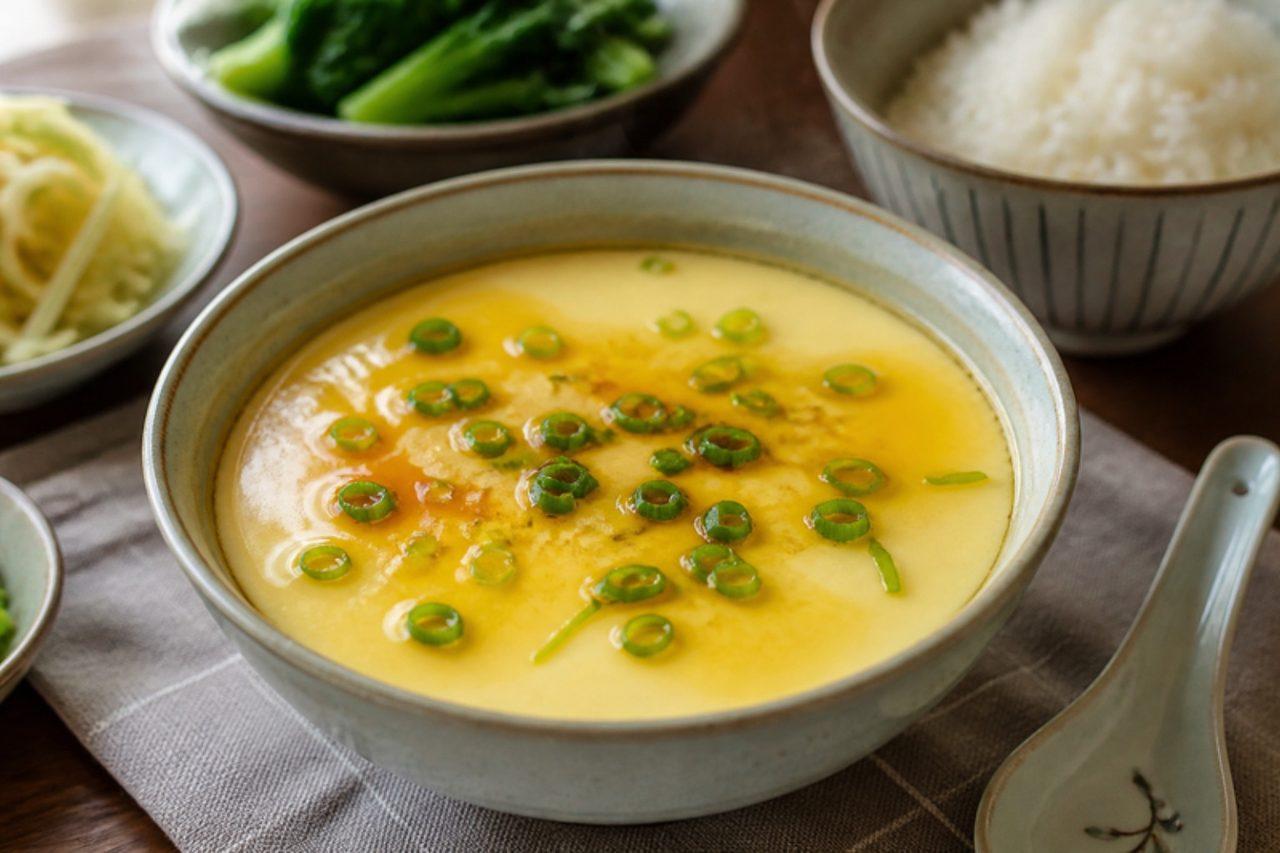
Ji dan gengSteamed egg custard

Ji dan geng is the first "real food" many Chinese children remember: a bowl of steamed egg so smooth it shivers, made by grandmothers from Shanghai to Chengdu for a toddler's lunch, a sick day or a quick side at dinner, and eaten with a spoon over rice. Eggs are beaten with warm water, steamed gently, then finished with a few drops of soy and sesame oil and some spring onion. Eggs are an allergen, and for toddlers under one, leave out the soy. A bowl is about 110 kcal. The most common mistake is using cold water and a fierce heat, which gives a pitted, spongy custard; use warm water and a gentle steam. Chef's tip: cover the bowl with a plate or cling film while it steams, so no condensation drips onto the surface and the top stays like glass.

by KrazyBadal 0 views
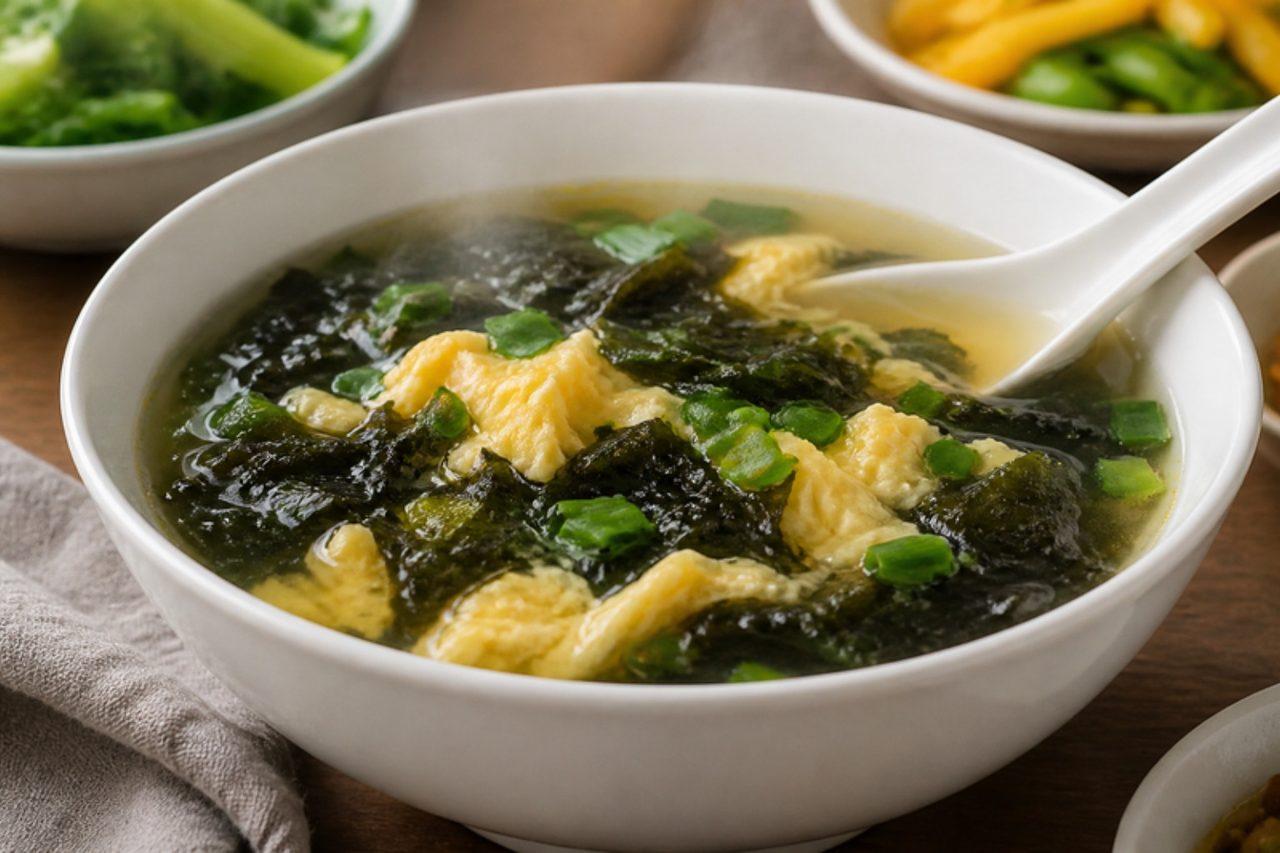
Zicai dan hua tangSeaweed egg drop soup

Zicai dan hua tang is the soup that a busy Chinese home cook can make while the rice is cooking: dried laver seaweed, which dissolves into silky dark green ribbons, and egg swirled into simmering water seasoned with a little soy, white pepper and sesame oil. It is on canteen trays in every Chinese university and on family tables across the country. Many cooks add a few dried shrimp; this vegetarian version leaves them out and uses a pinch of mushroom powder or vegetable stock instead. Eggs are an allergen. A bowl is about 50 kcal. The common mistake is stirring as soon as the egg goes in, which makes it cloudy; wait 10 seconds so it sets into flowers. Chef's tip: tear the seaweed into the bowls, not the pot, and pour the hot soup over; it stays tender and doesn't overcook.

by KrazyBadal 0 views
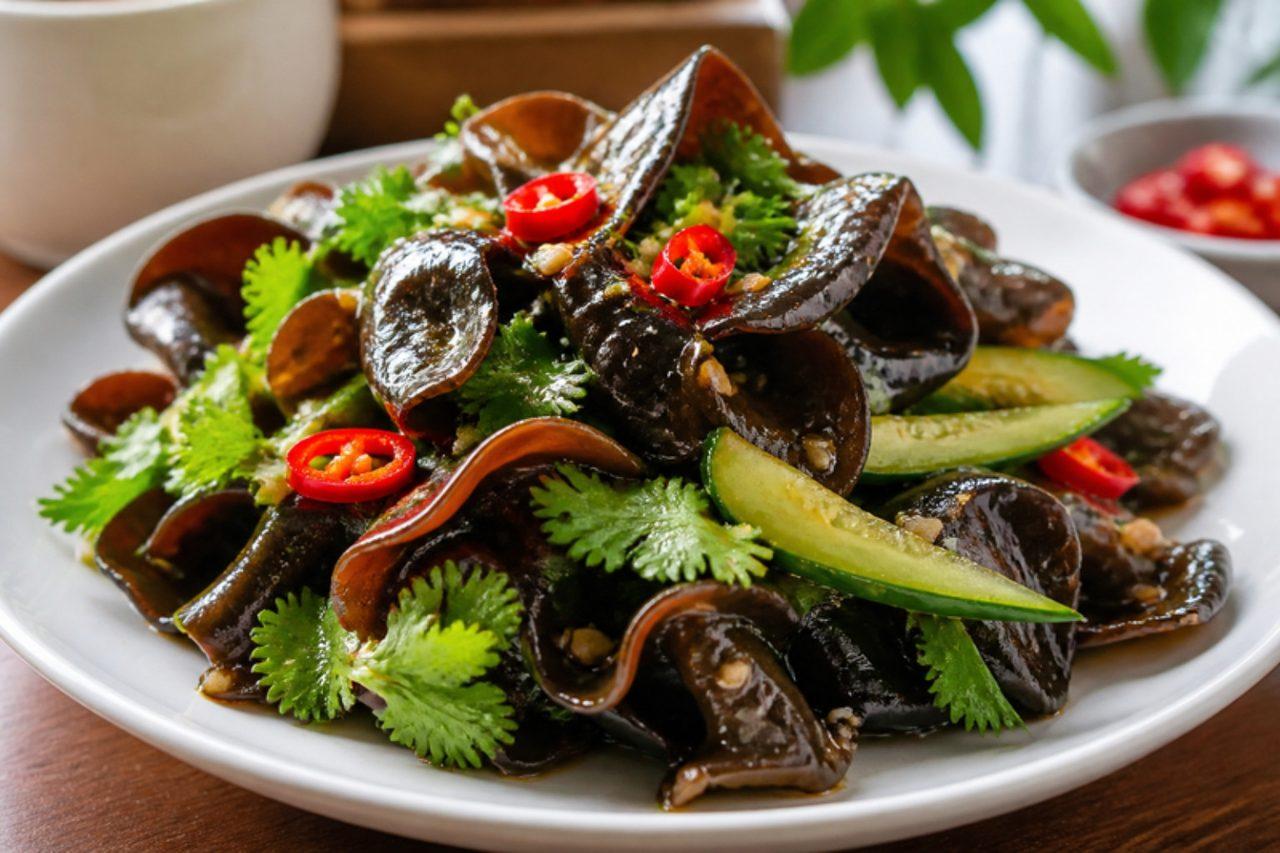
Liangban mu'erWood ear mushroom salad

Every noodle shop and dumpling house in Beijing and Harbin has a fridge of liangcai, the cold dishes ordered alongside the main meal, and liangban mu'er is one of the most popular: black wood ear fungus, which grows wild in the northeastern forests, blanched and tossed with black vinegar, garlic, chilli and coriander. It has almost no taste of its own but a lovely crunchy, bouncy bite, and it soaks up the tangy dressing. A portion is about 60 kcal. The common mistake is soaking the dried fungus in hot water to save time; it comes out limp. Use warm water for 15 minutes, or cold water for an hour, for the best crunch. Chef's tip: plunge the blanched fungus straight into iced water; it firms up and stays snappy.

by KrazyBadal 0 views
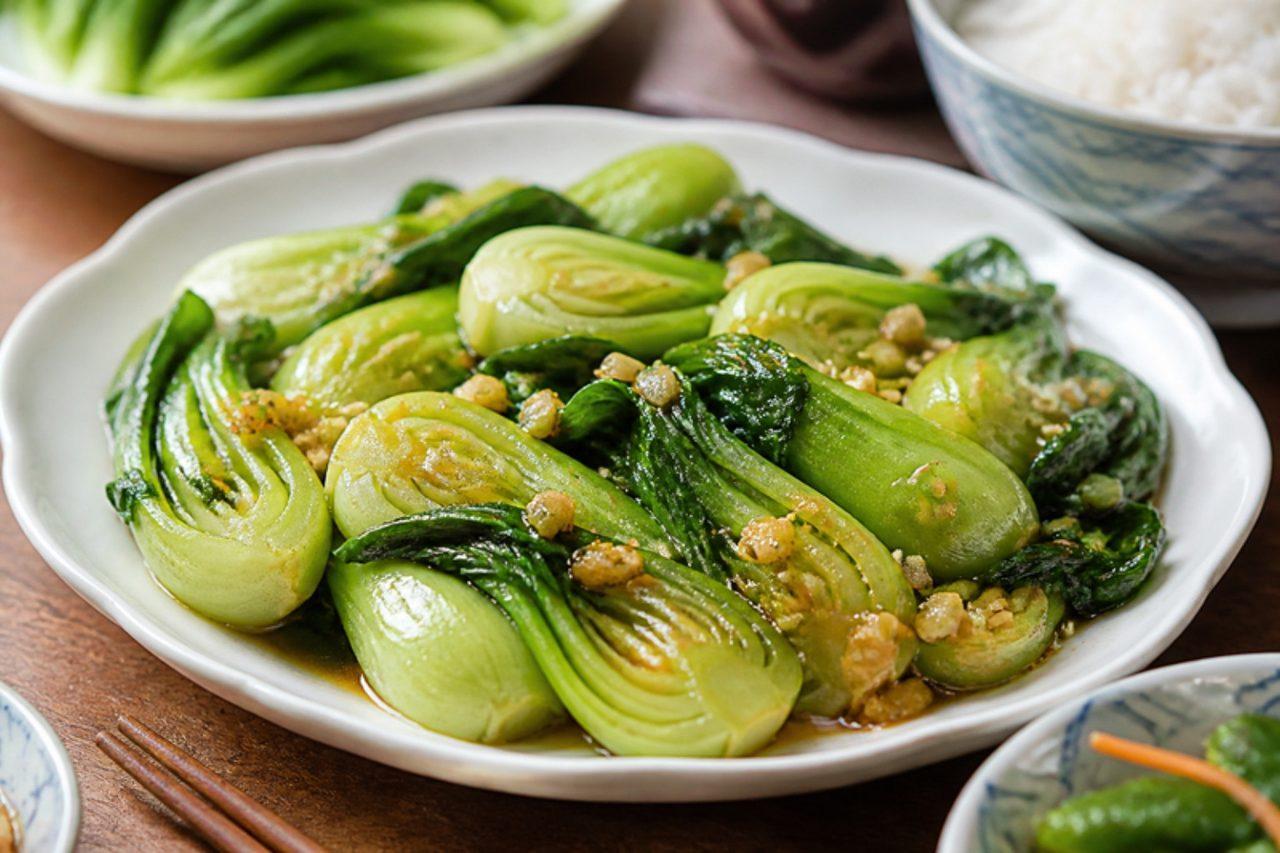
Garlic bok choy

Order a plate of greens in any home kitchen or small restaurant in Guangzhou or Shanghai and it will most likely be this: baby bok choy or xiao bai cai tossed in a smoking wok with a heap of chopped garlic, a pinch of salt and a splash of water, on the table in four minutes. The stems stay juicy and crisp, the leaves silky, and the garlic sweet. It goes with every meal. A portion is about 50 kcal. The most common mistake is a wet, crowded wok, which stews the greens to khaki; dry them well and cook in batches if your pan is small. Chef's tip: add half the garlic at the start and half at the end; you get both mellow, toasty garlic and a fresh punch.

by KrazyBadal 0 views
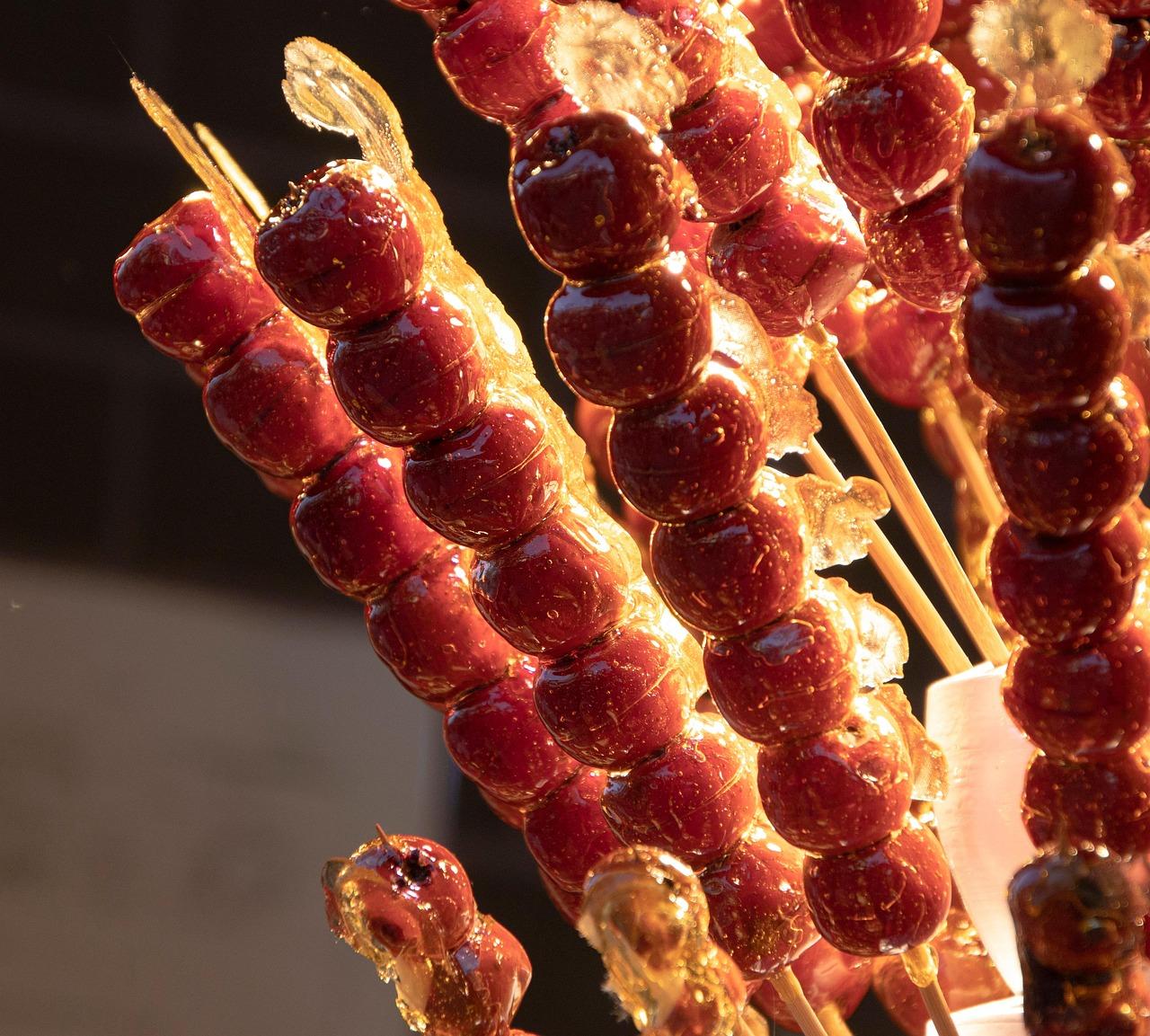
Tanghulu (candied hawthorn and fruit skewers)

Tanghulu sellers carrying poles bristling with red skewers are a winter sight in Beijing's hutongs and at the Spring Festival temple fairs at Ditan and Changdian. The classic is hawthorn, tart and mealy under a shell of hard sugar; strawberries, mandarin segments and grapes are the modern favourites. Everything depends on the syrup reaching the hard-crack stage, about 150 °C; the common mistake is stopping too early, which gives a sticky coating that never sets. The syrup is far hotter than boiling water and sticks to skin, so keep children well back while you cook and dip, and let them help only with threading the fruit. Chef's tip: the fruit must be bone dry; any water on the skin makes the sugar slide off and bubble.

by KrazyBadal 0 views
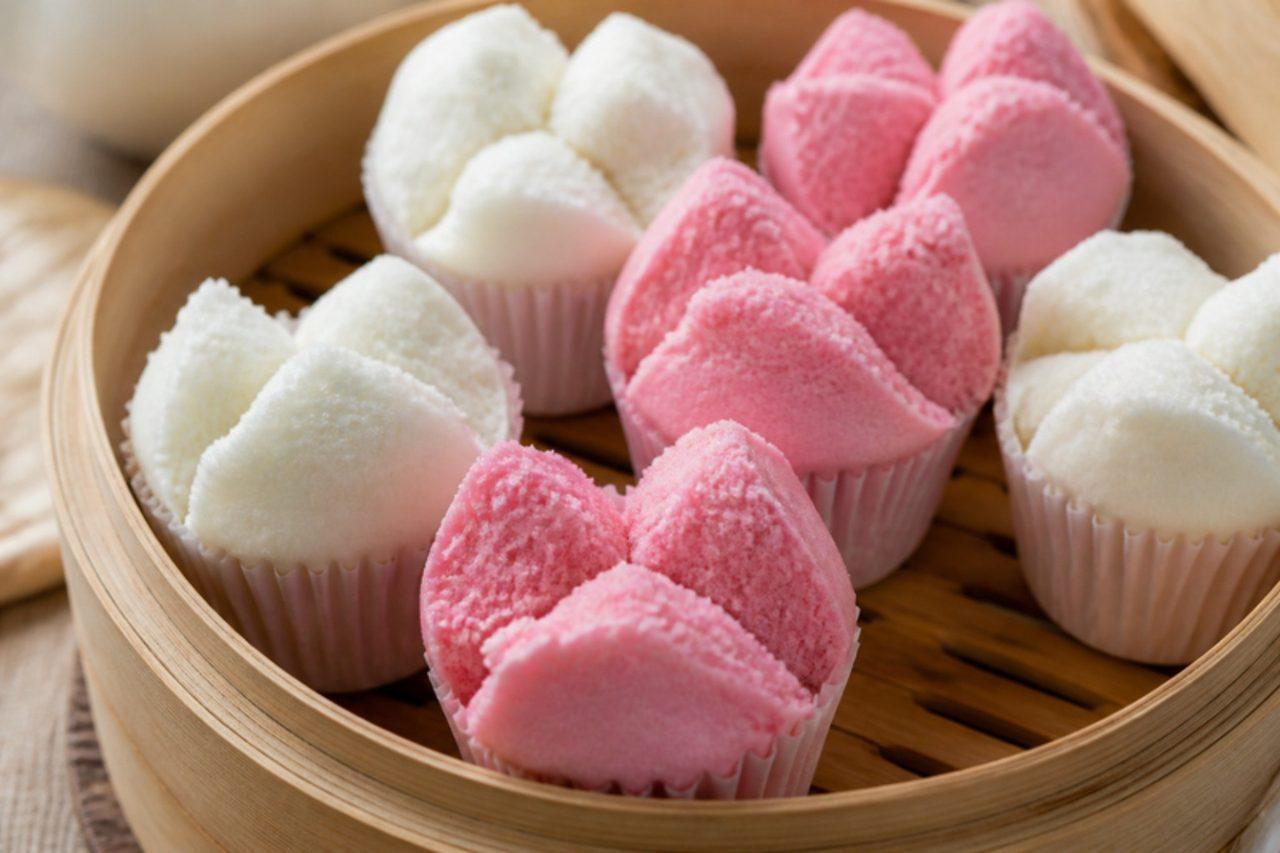
Fa gao (prosperity cakes)Steamed rice flour cakes

Fa gao is the little cake on every Cantonese New Year altar in Guangzhou and in Chinatowns from Kuala Lumpur to London: the word 'fa' means both 'rise' and 'prosper', and the deeper the cross-shaped crack on top, the luckier the year. This quick version uses rice flour, a little wheat flour and baking powder, steamed hard so the tops burst open, and it is egg- and dairy-free. The mistake that stops them smiling is a gentle steamer; the water must be at a fierce rolling boil before the cups go in. Chef's tip: fill the cups right to the brim, so the batter has to split as it rises.

by KrazyBadal 0 views
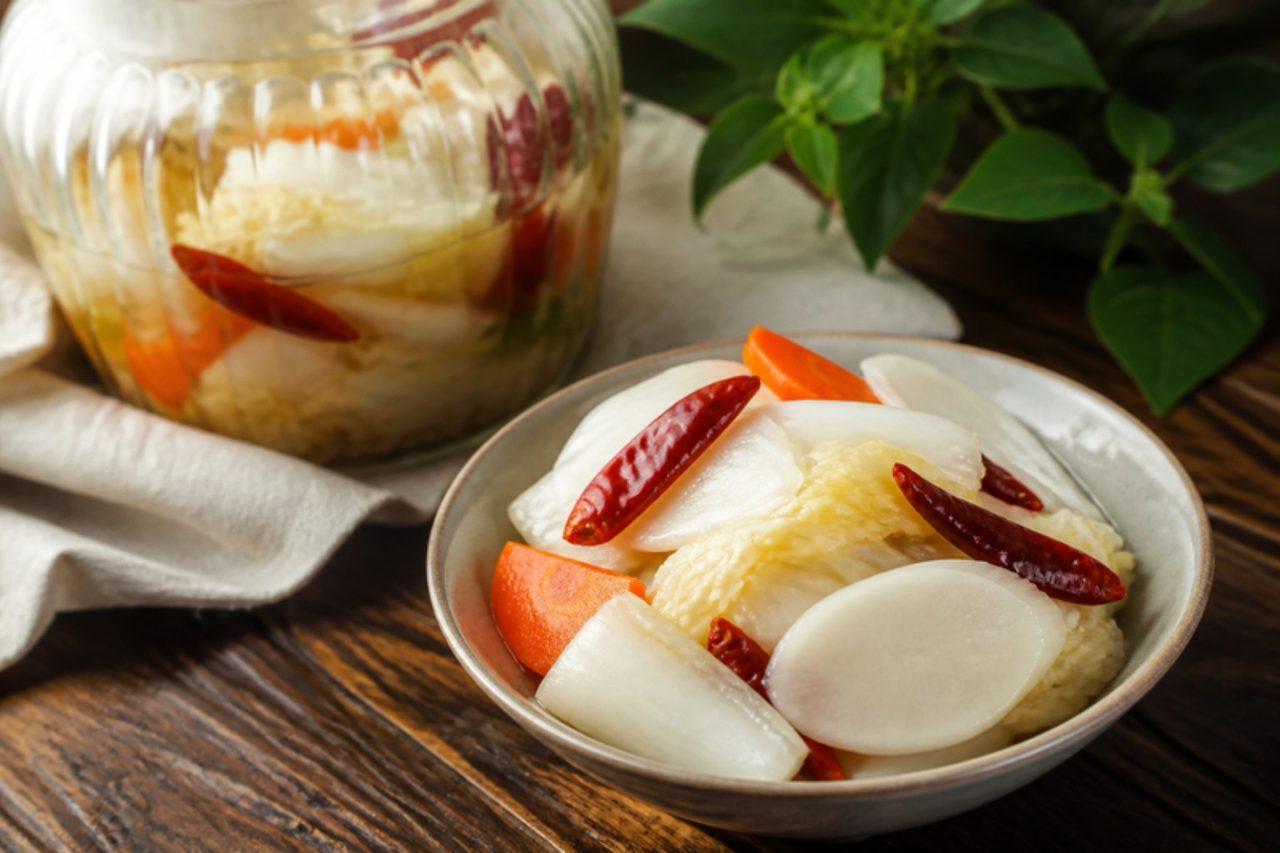
Sichuan pao cai (brine pickles)Brine-pickled vegetables

Almost every family in Sichuan keeps a glazed pao cai jar with a water-sealed lid, and some brines have been topped up for decades. Vegetables steep in salted water with Sichuan pepper and fresh chillies until they turn crisp, sour and lightly fizzy; they are eaten as a little dish with rice porridge at breakfast in Chengdu, and chopped into fish, beans and stir-fries for that clean sourness. Many cooks add a splash of baijiu to the jar; this version leaves it out, and the pickle ferments perfectly well without it. The mistake that ruins a jar is a wet or oily spoon: any oil or raw water lets white mould grow, so always use a clean, dry spoon. Chef's tip: dry the cut vegetables in the sun or on a rack for a few hours before packing, as slightly wilted vegetables stay crunchier for longer.

by KrazyBadal 0 views
Cu liu baicai (vinegar cabbage)Vinegar-fried cabbage

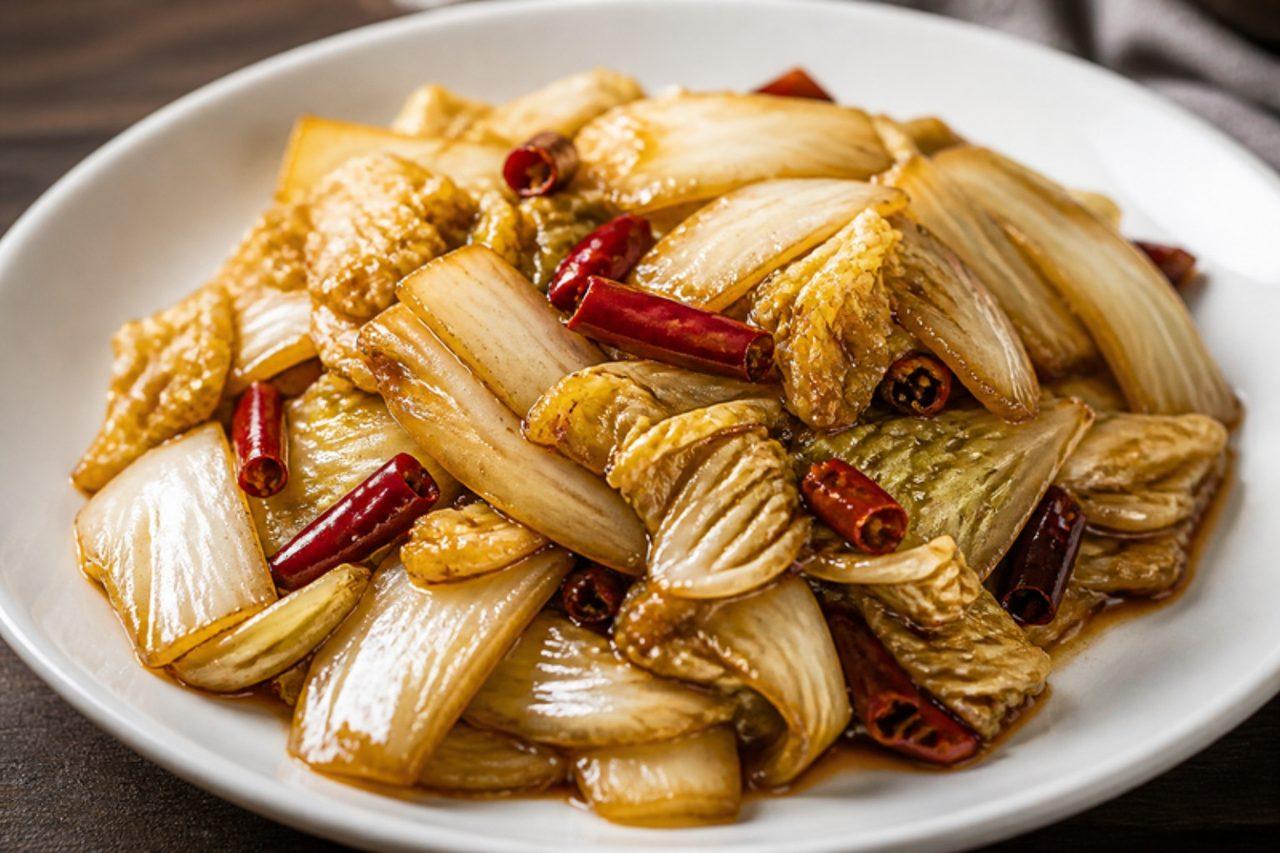
Through the long winters of Shandong, Hebei and Beijing, napa cabbage was the vegetable stored in every courtyard, and cu liu baicai is how northern homes turn it into a bright, quick dish in ten minutes. The thick white stalks are sliced thin and seared hard in a smoking wok, then splashed with black vinegar so they stay crunchy, juicy and sharp, with a little sweetness and the warmth of dried chilli. It goes with rice, steamed buns or dumplings. The classic mistake is crowding a cool wok, which stews the cabbage in its own water; cook in two batches if your pan is small. Chef's tip: add half the vinegar around the hot edge of the wok so it sizzles and turns fragrant, and the rest at the end for fresh tang.

by KrazyBadal 0 views
Stir-fried two wintersBamboo shoot and shiitake stir-fry

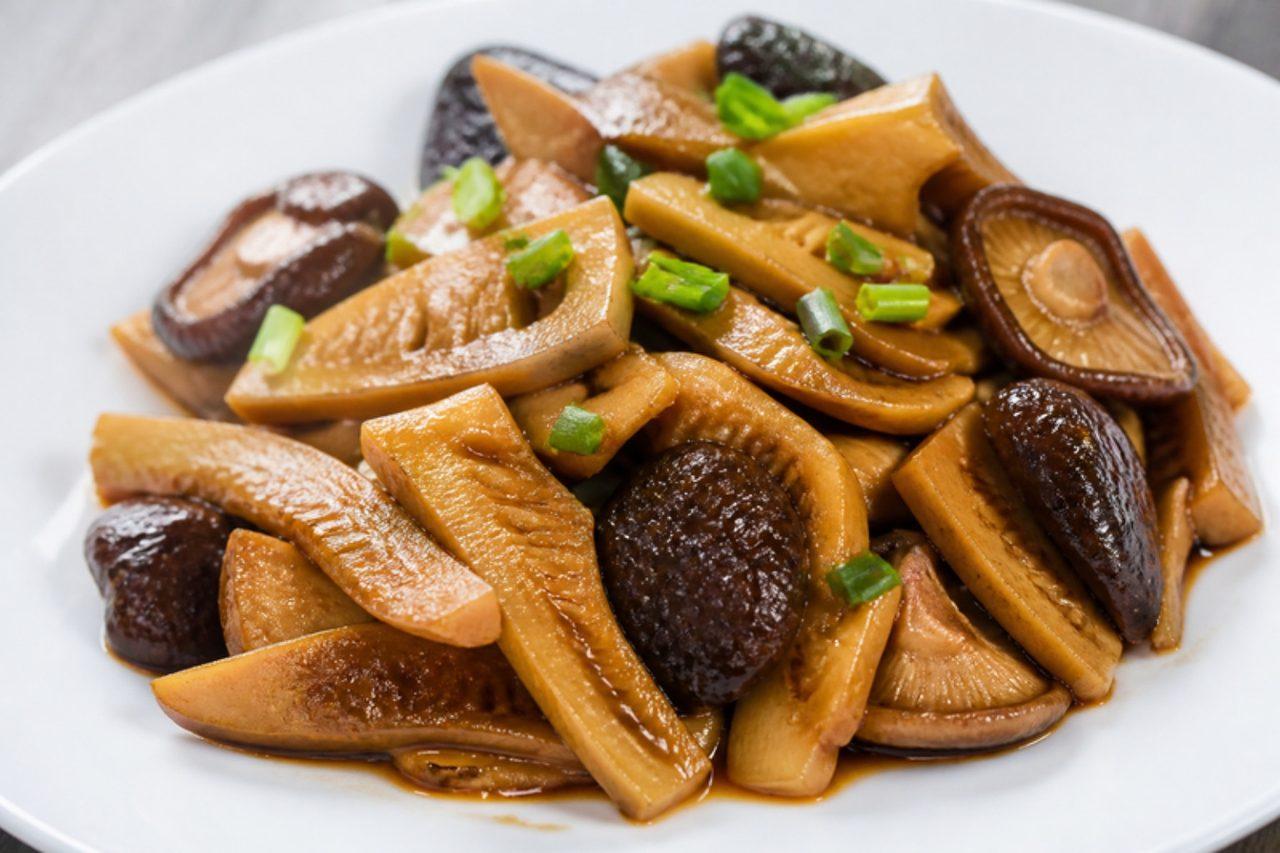
In Hangzhou and Suzhou the cold months bring winter bamboo shoots, dug before they break the soil, and cooks pair them with dried 'winter' mushrooms, the thick-capped shiitake picked in the cold. Temple kitchens in the Jiangnan region make this the centrepiece of a meatless meal: crunchy, sweet bamboo and deeply savoury mushroom in a light, shiny sauce made with the mushroom soaking water. Serve it hot with plain rice. Its one trap is bamboo that tastes bitter or metallic, because it went into the wok straight from the packet; blanch it first. Chef's tip: soak the shiitake overnight in cold water in the fridge rather than in hot water for an hour, and the caps stay plump and the liquid tastes far richer.

by KrazyBadal 0 views
Vegetarian gooseTofu-skin roll

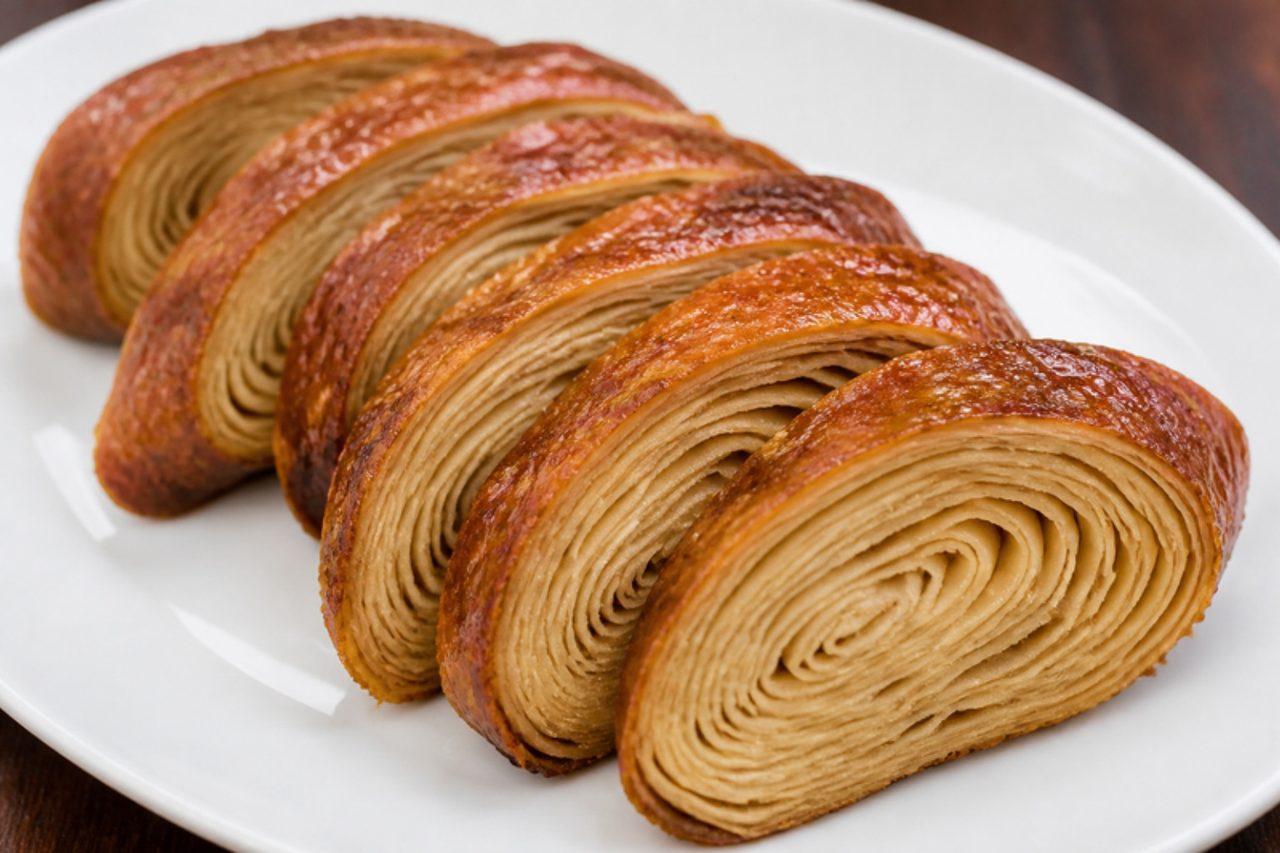
Shanghai's Buddhist temple kitchens, and the vegetarian restaurant at Jade Buddha Temple in particular, have long served su e as a cold starter: sheets of tofu skin brushed with sweet soy, rolled tight, steamed to set and then fried until the outside turns bronze and blistered like the skin of a roast bird. Sliced on the diagonal, it shows dozens of thin, savoury layers that are tender inside and faintly chewy at the edge. It is eaten at room temperature with other cold plates before a banquet, or tucked into lunch boxes. The usual mistake is soaking the dried tofu skin until it falls apart; you only need to brush it with the warm seasoning so it softens as you roll. Chef's tip: roll each log as tightly as you can and tie it in a cloth before steaming, because loose rolls separate into strips when you slice them.

by KrazyBadal 0 views
Jianshui zong (alkaline rice dumplings)

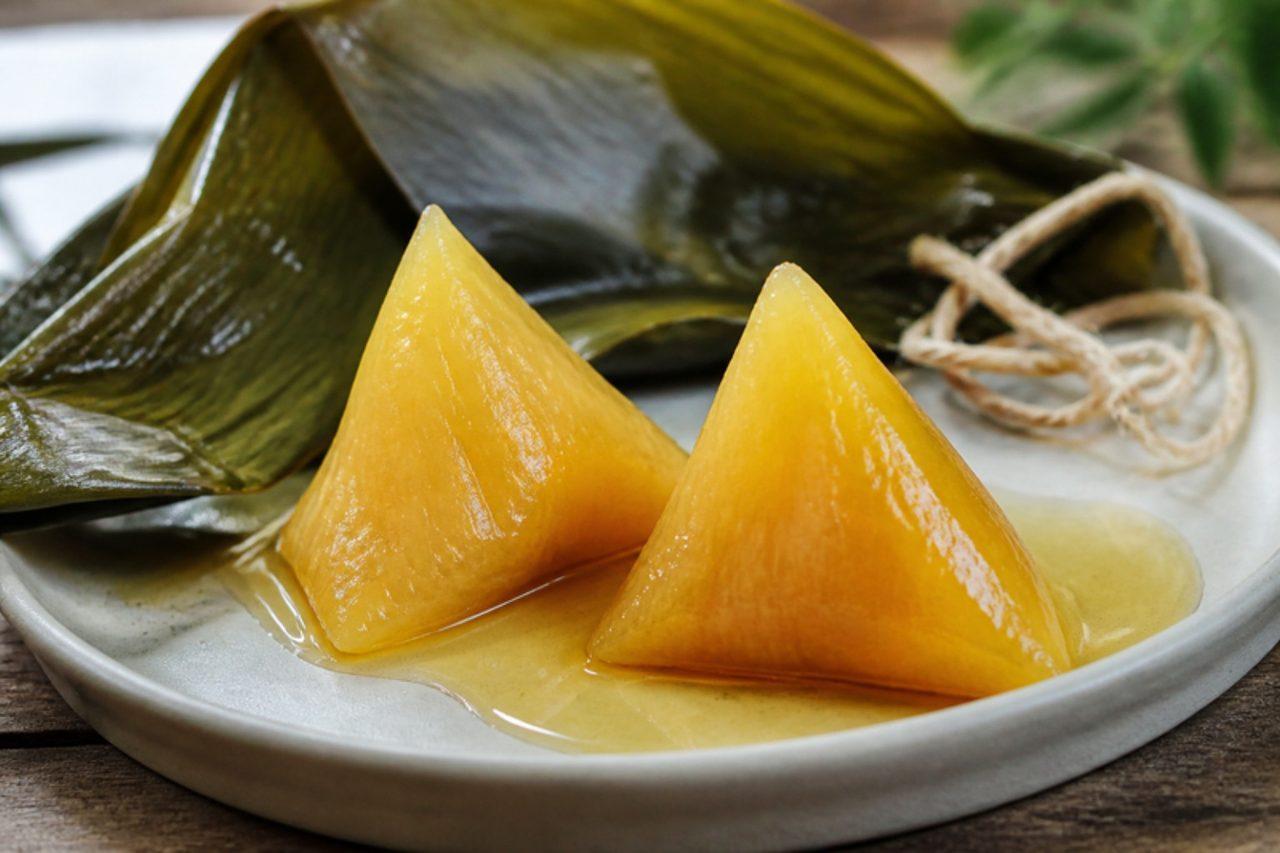
When the Dragon Boat Festival comes round in early summer, kitchens in Guangdong and the Jiangnan region boil batches of these plain, amber zongzi in bamboo leaves; they are chilled and eaten with syrup or sugar as a cooling sweet. Alkaline water turns the glutinous rice golden, springy and almost translucent, with a faint mineral taste. Food-grade lye water is strong, so keep it away from children, wear gloves and never taste the raw soaked rice. The mistake is wrapping too tightly: the rice swells a lot, so leave a little room. Chef's tip: boil them fully submerged under a heavy plate the whole time, or the tops stay hard.

by KrazyBadal 0 views
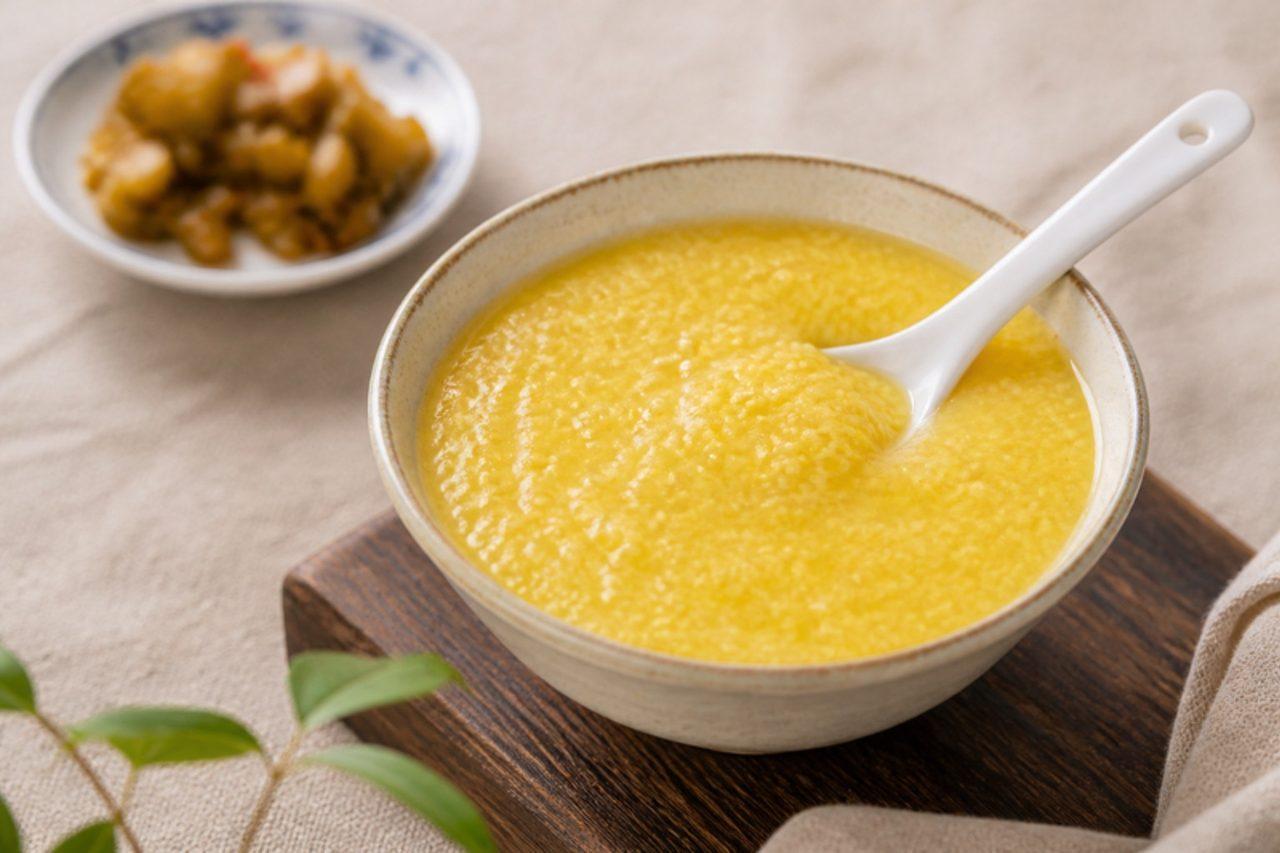
Xiaomi zhou (golden millet porridge)

In Shanxi, Hebei and the rest of the north, where rice was once a luxury, a pot of golden foxtail millet porridge is breakfast with steamed buns and pickles, a light supper, and the first food given to new mothers and anyone who is unwell. It needs just millet and water, cooked until a thin, silky layer called mi you, 'rice oil', forms on top. The common mistake is to stir it constantly or add the millet to cold water; start with boiling water and let it simmer gently and it turns creamy without catching. Serve it plain, or with a few red dates or cubes of pumpkin simmered in. Chef's tip: toast the rinsed millet in a dry pan for a minute before boiling for a deeper, nutty flavour.

by KrazyBadal 0 views
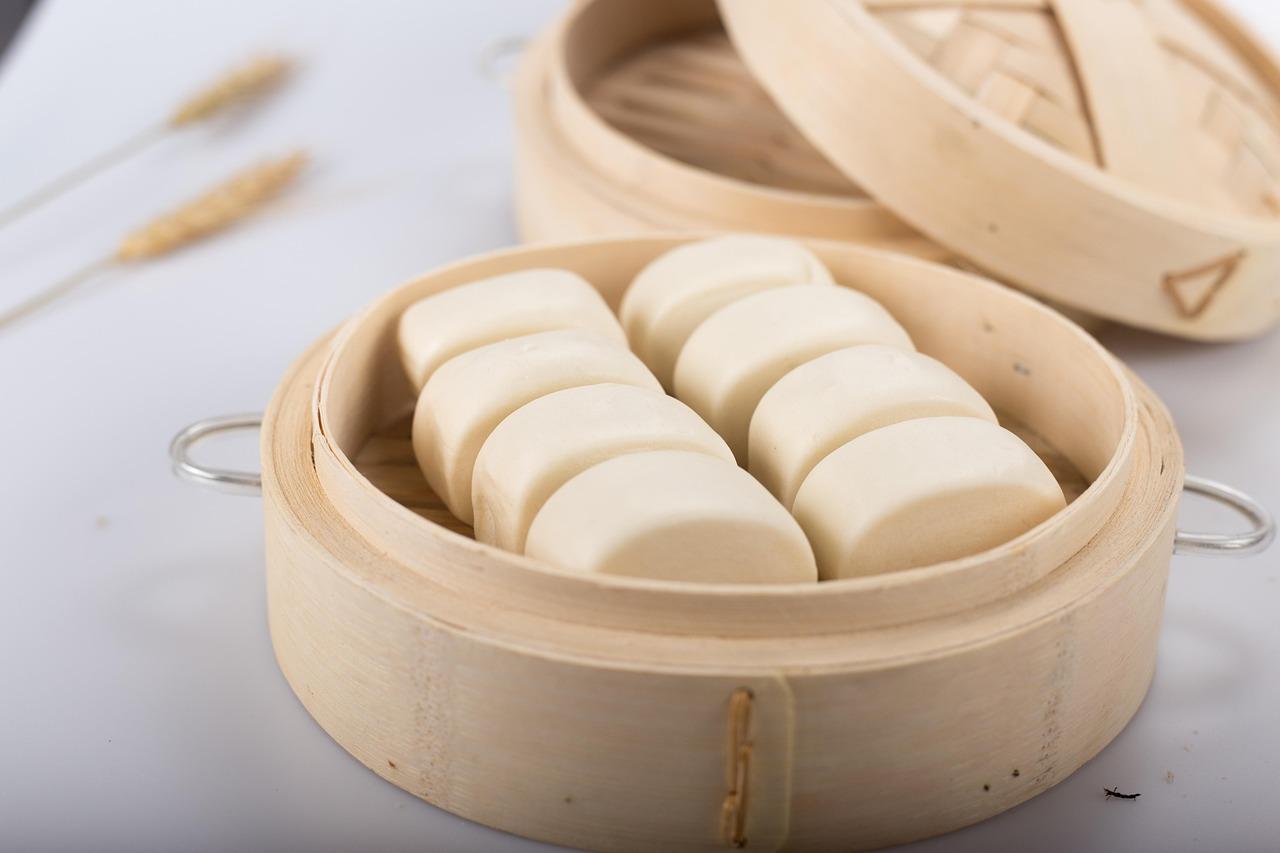
Mantou (plain steamed buns)

From Shandong to Shaanxi, mantou are what bread is elsewhere: plain, slightly sweet steamed wheat buns bought by the bagful each morning and eaten with porridge, pickles, braised dishes or a fried egg. A good one is snowy white, smooth-skinned and springy, with a fine, close crumb that tears in soft layers. The common mistake is lifting the lid the moment the heat goes off: the sudden cold air makes the skins wrinkle and collapse, so let them stand covered for 5 minutes first. Leftovers are sliced and pan-fried, or split and filled with anything from braised tofu to chilli sauce. Chef's tip: knead much longer than you think, then knead again after the rise; the second knead pushes out the big air bubbles and gives that silky skin.

by KrazyBadal 0 views
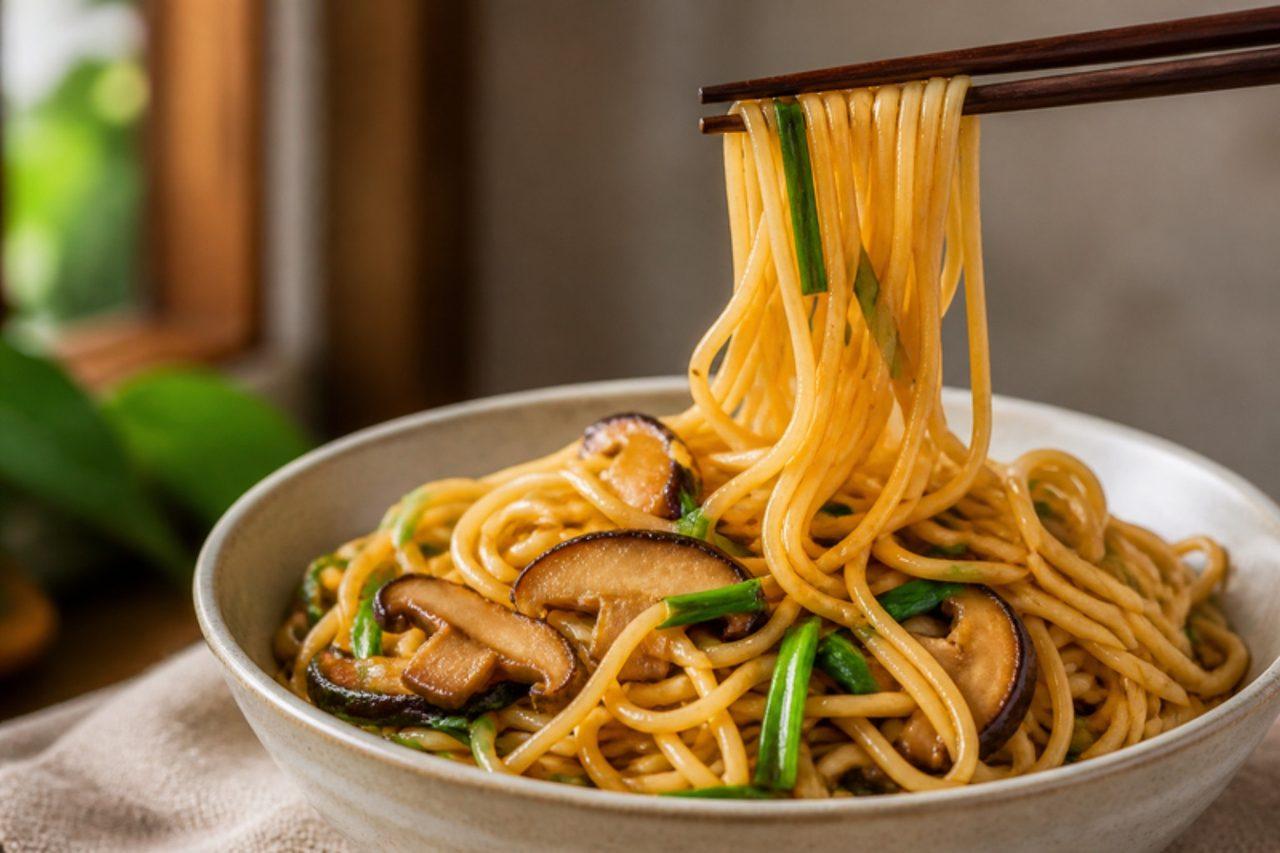
Longevity noodles (chang shou mian)Stir-fried long noodles

Whether it is a grandmother's 80th in Fujian, a child's birthday in Guangzhou or the New Year table in Beijing, there is always a plate of noodles that nobody may cut, because each long strand stands for a long life. In the south they are often yi mein, springy egg-free wheat noodles here, stir-fried with shiitake, chives and bean sprouts in a dark, savoury sauce. The mistake is stirring with a spoon and breaking them; lift and toss with chopsticks or tongs instead. Chef's tip: slurp the first strand all the way without biting it through, for luck.

by KrazyBadal 0 views
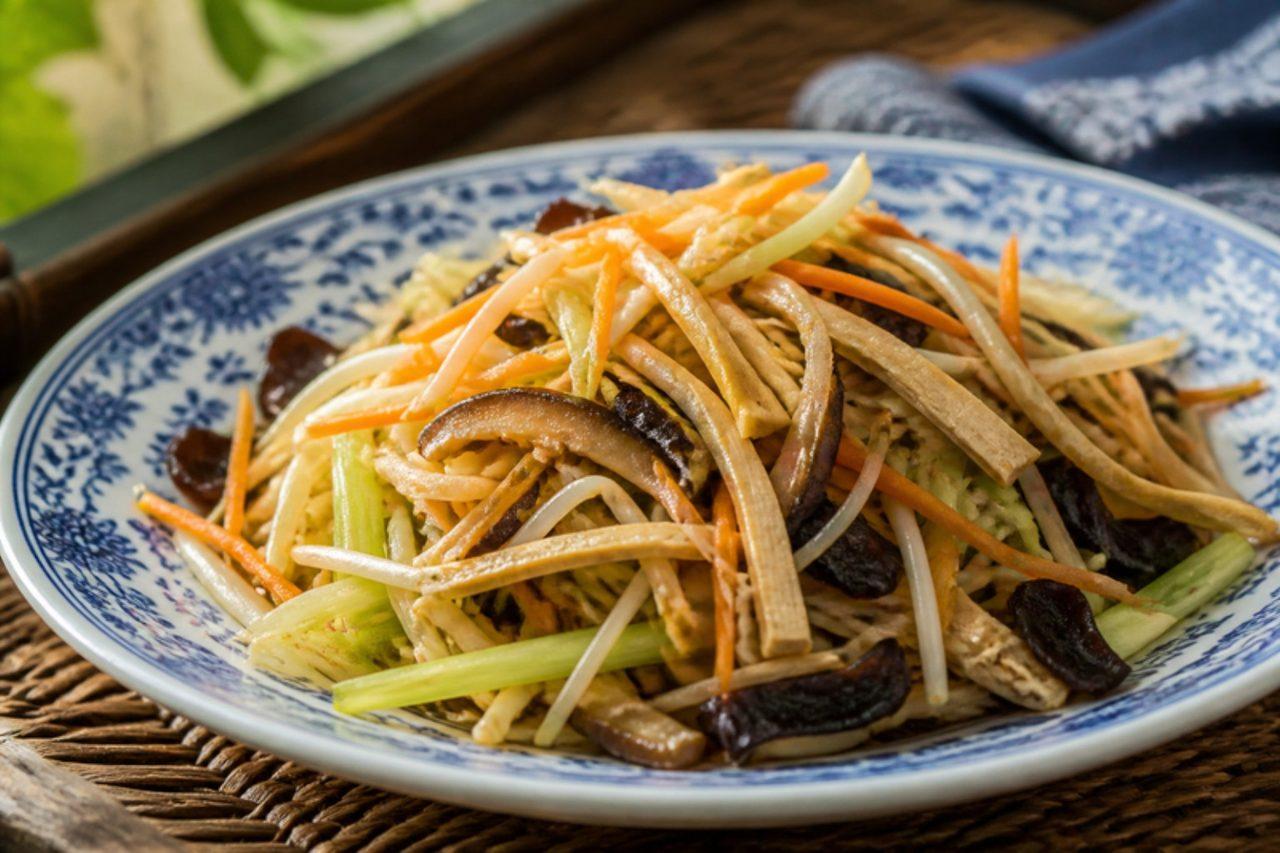
Shi xiang cai (ten-treasure vegetables)

Shanghai families make a big tub of shi xiang cai on the last days of the old year, and it sits on the table, cold, through the first fortnight of New Year as a fresh, crunchy counterweight to all the braised meat. Ten ingredients, each shredded as fine as matchsticks and stir-fried separately, are tossed together with soy, sugar and sesame oil: soybean sprouts, carrot, celery, wood ear, shiitake, lily buds, bamboo, pressed tofu, preserved mustard tuber and red pepper. Throwing everything into the wok at once is the mistake; each vegetable cooks at its own speed, and only separate frying keeps them crisp. Chef's tip: the finer and more even the shreds, the more it tastes like the real thing.

by KrazyBadal 0 views
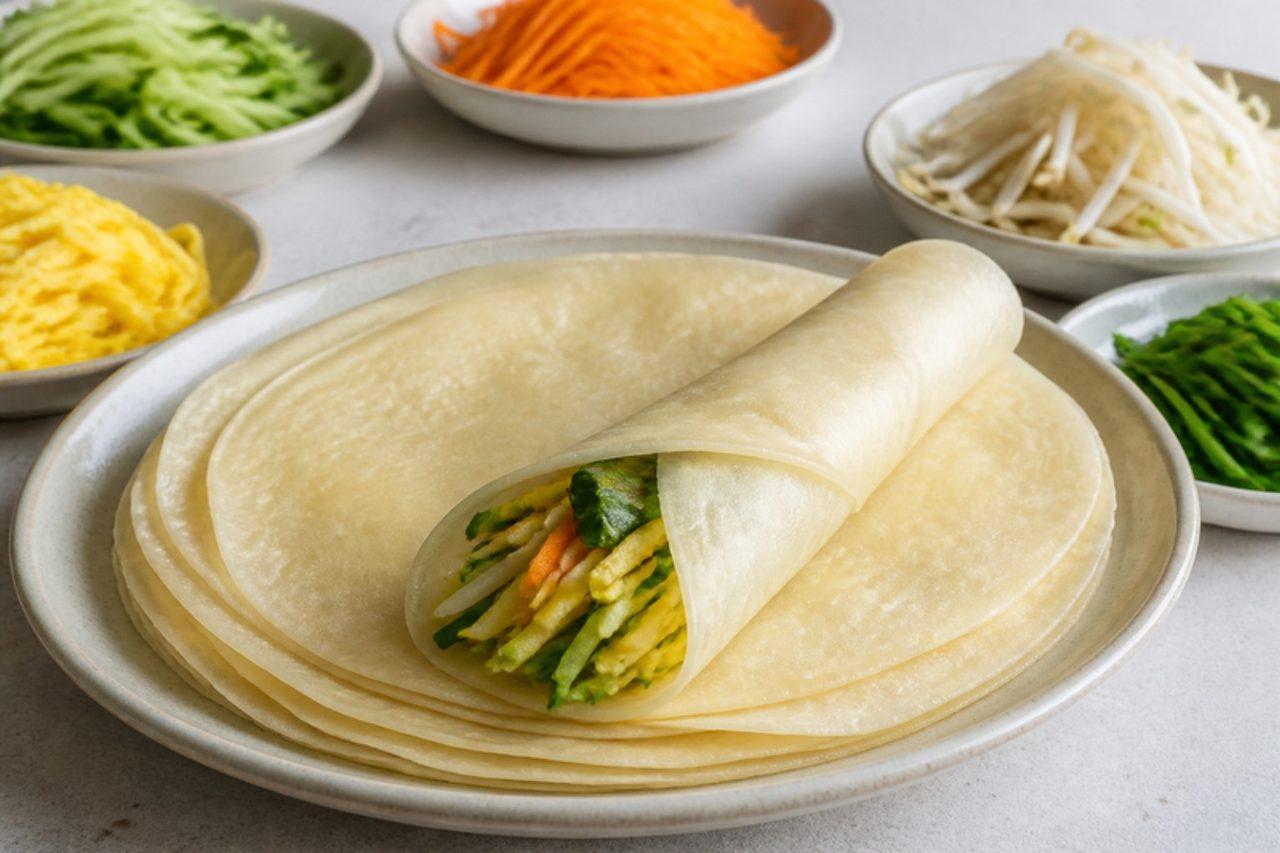
Spring pancakes (chun bing)

On Lichun, the first day of spring in the lunar calendar, Beijing families 'bite the spring' by rolling paper-thin pancakes around platters of quick stir-fries: shredded potato, bean sprouts with chives, egg, and a smear of sweet bean sauce. The pancakes are made in pairs, two discs oiled and rolled together, then peeled apart after cooking, so each one is soft and almost translucent. The mistake is rolling them too thick; they should be thin enough to see the light through. Chef's tip: stack the cooked pancakes under a clean tea towel so the steam keeps them supple.

by KrazyBadal 0 views
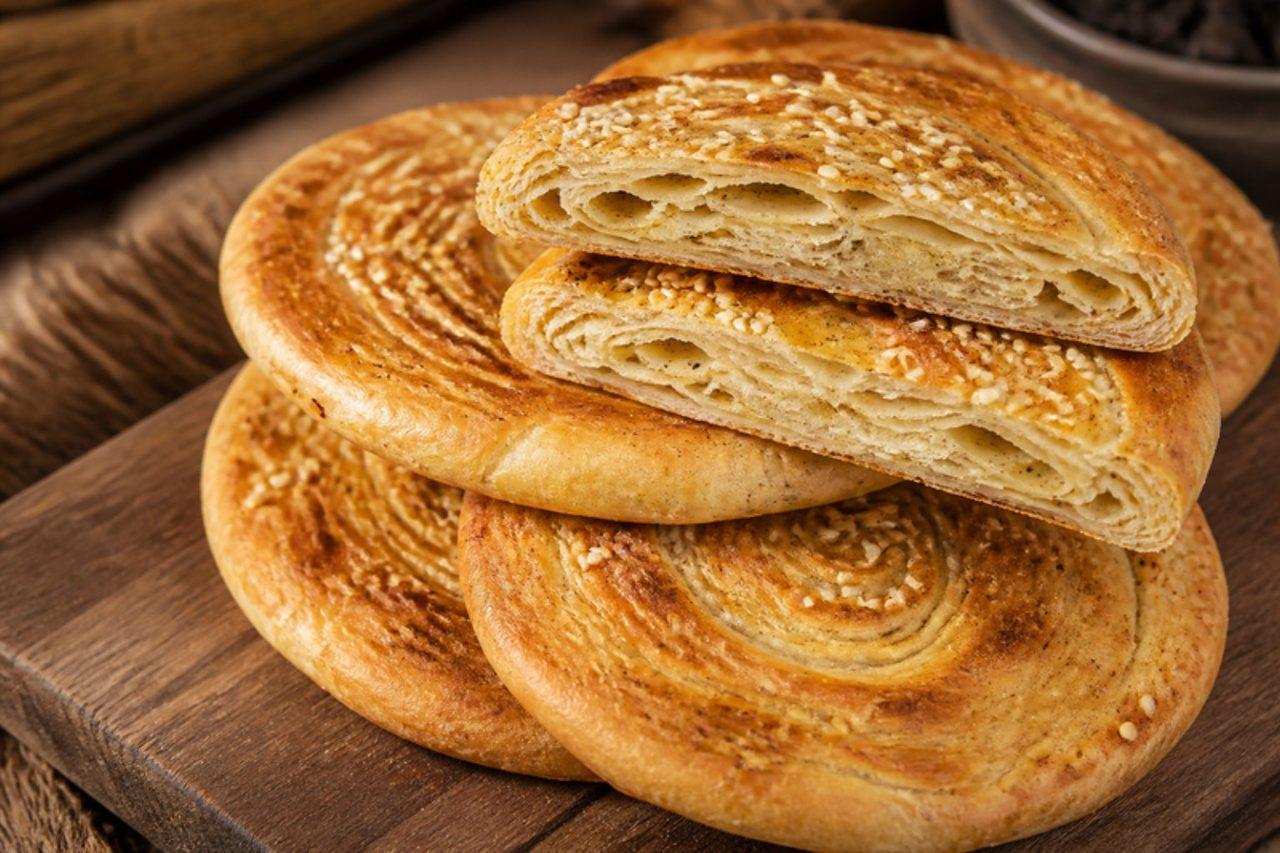
Guokui (crisp-crusted spiced flatbread)

Guokui is the flatbread of Chengdu's street corners and of Shaanxi, where Qian County makes huge round ones. In Sichuan the bakers roll a layered dough with spiced oil, flatten it, brown it on a griddle and then finish it against the wall of a barrel oven so it puffs, then split it and stuff it with whatever the stall sells. This vegetarian version is a home-oven bread filled with spring onion and five-spice and baked crisp; split one and fill it with cold spicy potato shreds or smashed cucumber. The common mistake is rolling it too thick; at more than about 1 cm the middle stays bready and the crust never turns glass-crisp. Chef's tip: brown the bread hard on the griddle first, then bake it; the oven dries and puffs the layers so they shatter.

by KrazyBadal 0 views
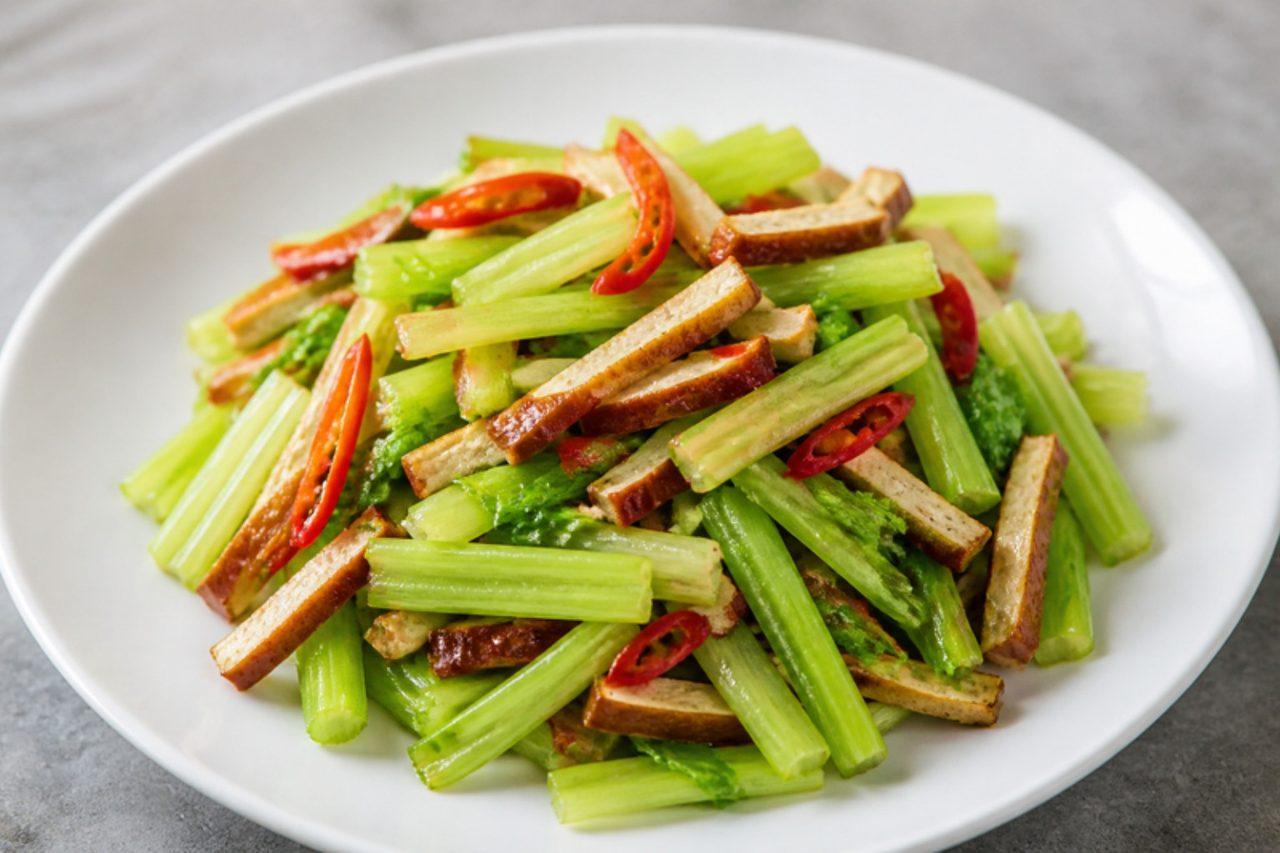
Celery with smoked tofu

Market stalls in Changsha and Nanjing sell slabs of xiang gan, pressed tofu smoked or braised until brown and dense, and the most common way to cook it at home is with thin Chinese celery. The celery stays juicy and crunchy with a strong, almost herbal flavour, the tofu is chewy and smoky, and a little fresh chilli gives it a Hunan edge. It is an everyday side for rice in Hunan and Jiangsu canteens. The usual mistake is cutting the tofu too thick so it never picks up the seasoning; slice it as thin as the celery. Chef's tip: if you can only find thick Western celery, peel the strings off the back with a vegetable peeler and slice it on the diagonal.

by KrazyBadal 0 views
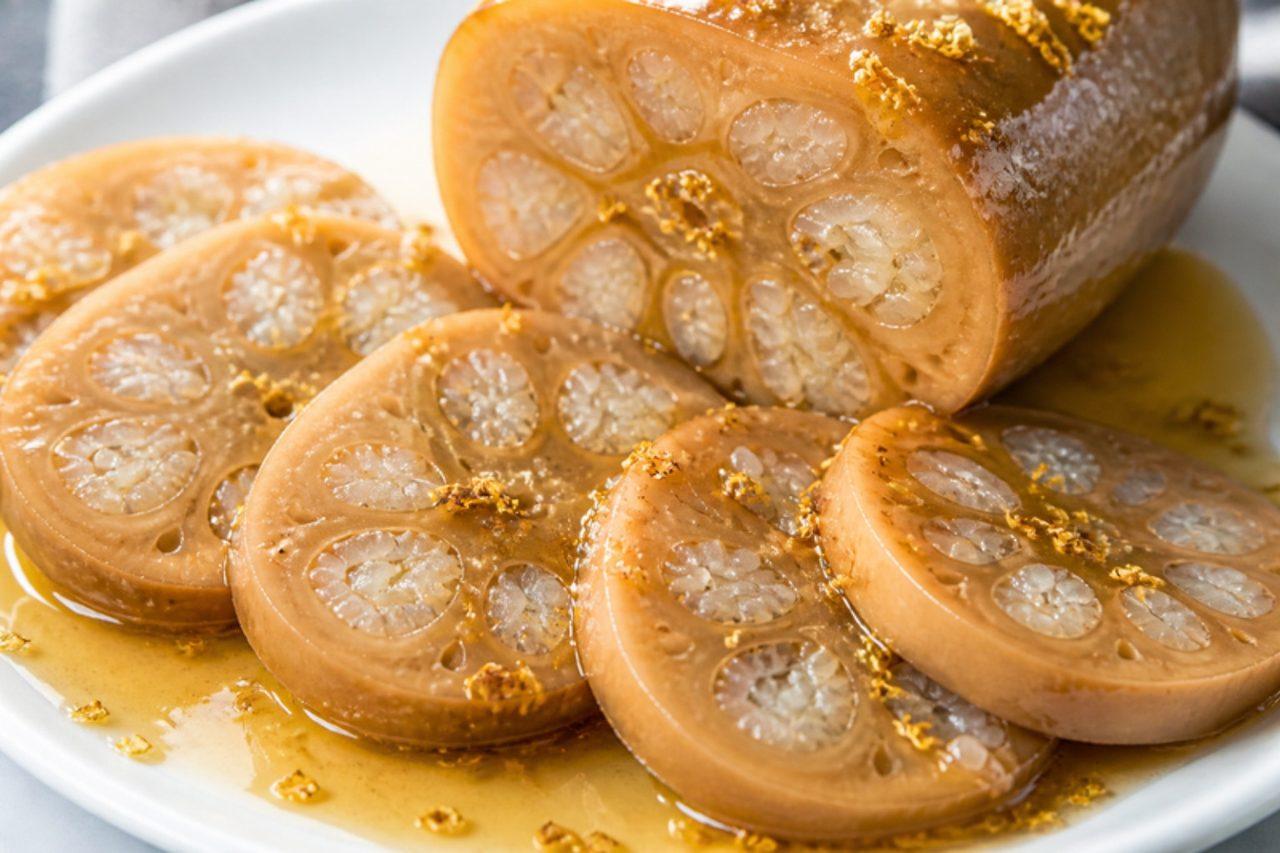
Guihua nuomi ou (sticky rice lotus root with osmanthus)

Around West Lake in Hangzhou, lotus roots are pulled from the mud in autumn just as the osmanthus trees bloom, and the two meet in this Jiangnan dessert: the hollow channels of the root are packed with soaked glutinous rice, then the whole root is simmered for hours in brown sugar until it turns rosy brown and soft. It is served cold or warm in slices, the rice showing as white dots, with a drizzle of osmanthus syrup. The common mistake is packing the rice in tight; it swells as it cooks and needs room, or the slices crack and the middle stays hard. Chef's tip: let the root cool in its syrup overnight before slicing; it firms up, cuts cleanly and soaks up more colour.

by KrazyBadal 0 views
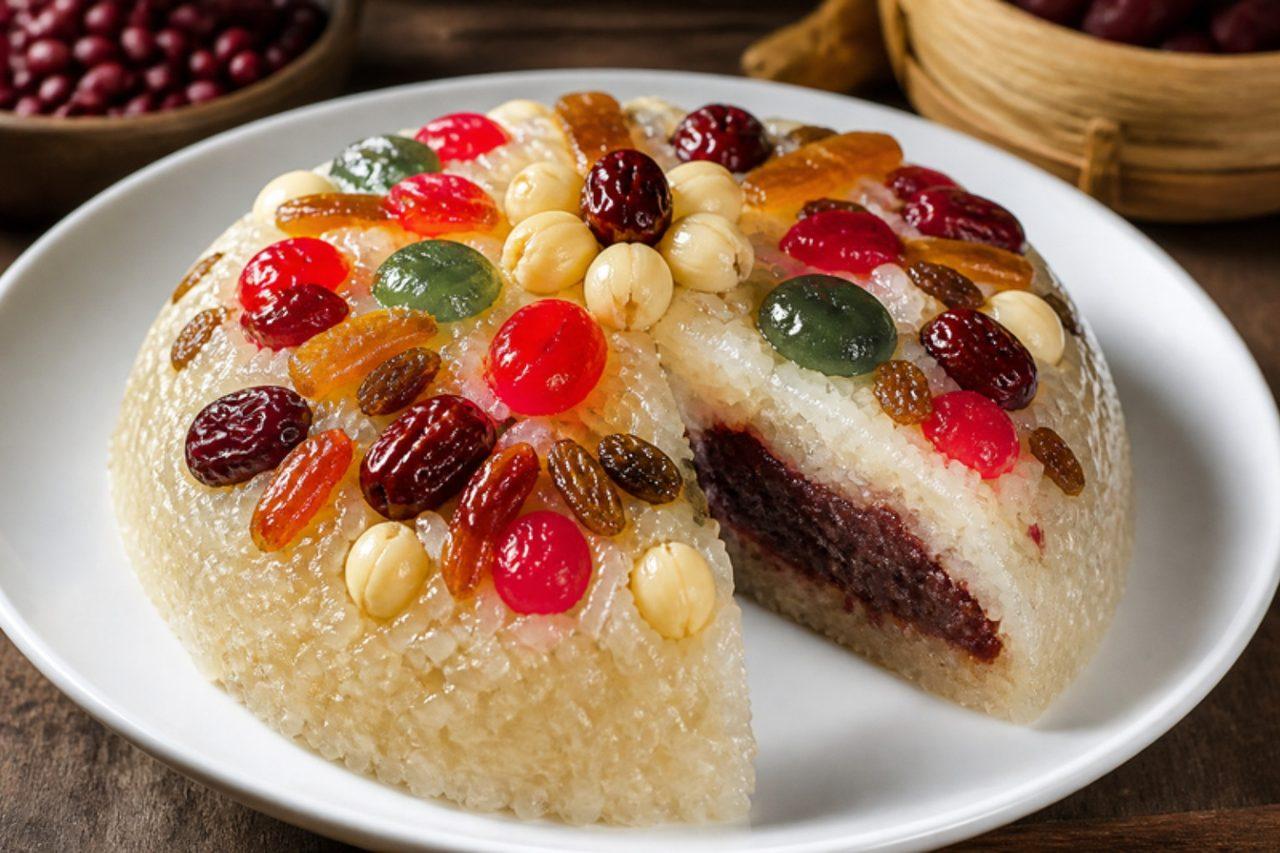
Eight treasures rice

On New Year's Eve in Shanghai and the towns of Jiangnan, the reunion dinner ends with a dome of sticky rice turned out onto a plate, its top patterned with red dates, raisins, goji berries, walnuts and lotus seeds, and a heart of sweet red bean paste. A glossy syrup goes over just before it reaches the table. Older recipes use lard; this one uses neutral oil, so it is vegan. The usual mistake is undercooking the rice at the first steaming: if it is still chalky before shaping, it never turns tender. Chef's tip: pack the fruit pattern into the bowl first and press the rice firmly over it, so the design comes out sharp.

by KrazyBadal 0 views
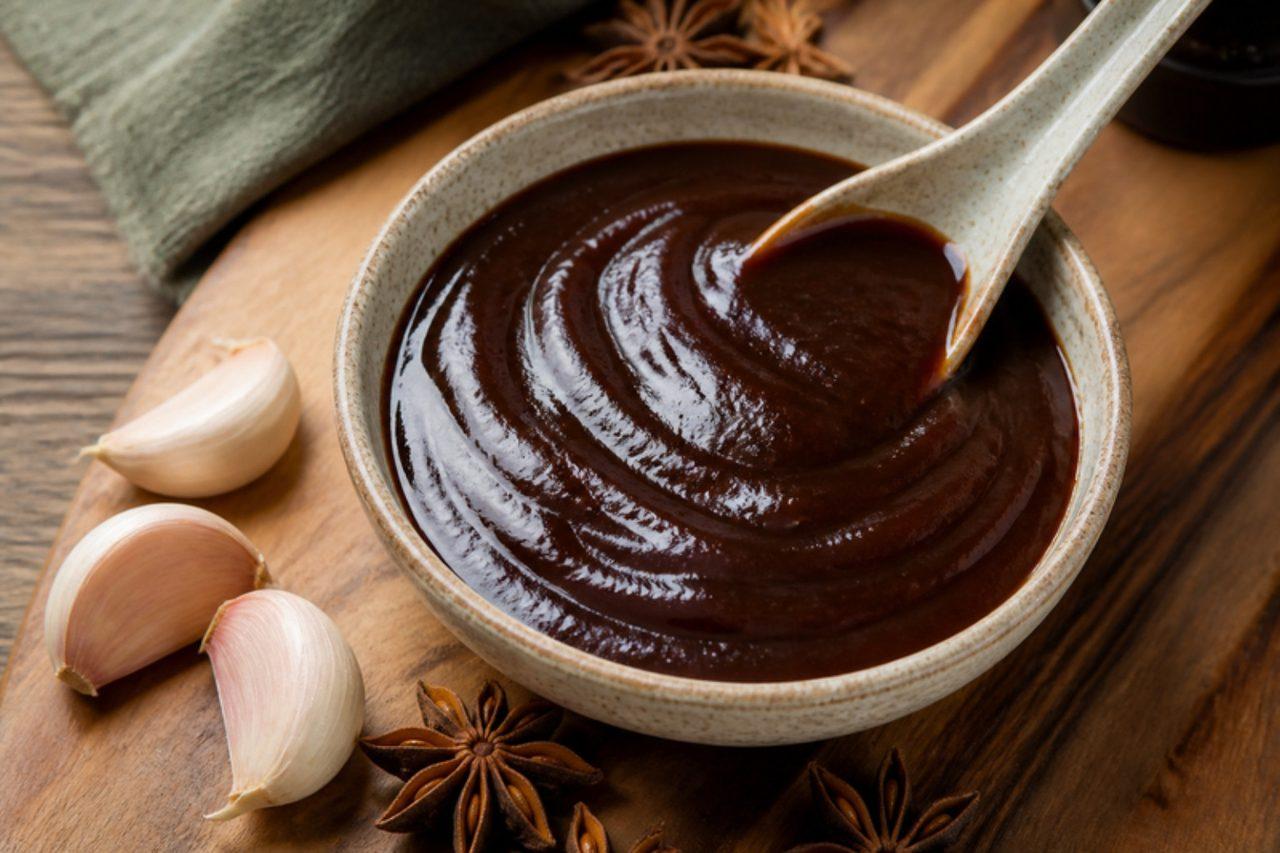
Homemade hoisin sauce

Cantonese cooks in Guangzhou and Hong Kong brush hoisin over char siu, stir it into noodles and put a dish of it on the table with roast duck and spring rolls. Despite the name, which means 'seafood sauce', it contains no seafood at all. Making it yourself takes fifteen minutes and gives a fresher, less sticky sauce that is sweet, salty, garlicky and gently spiced, without thickeners or colourings. Use it for dipping, glazing tofu or vegetables, and in marinades. The usual mistake is boiling it hard, which scorches the sugar and turns it bitter; keep it at a lazy bubble. Chef's tip: fermented yellow soybean paste (huang dou jiang) gives the closest flavour, but white miso works too if that is what you have.
by KrazyBadal 0 views

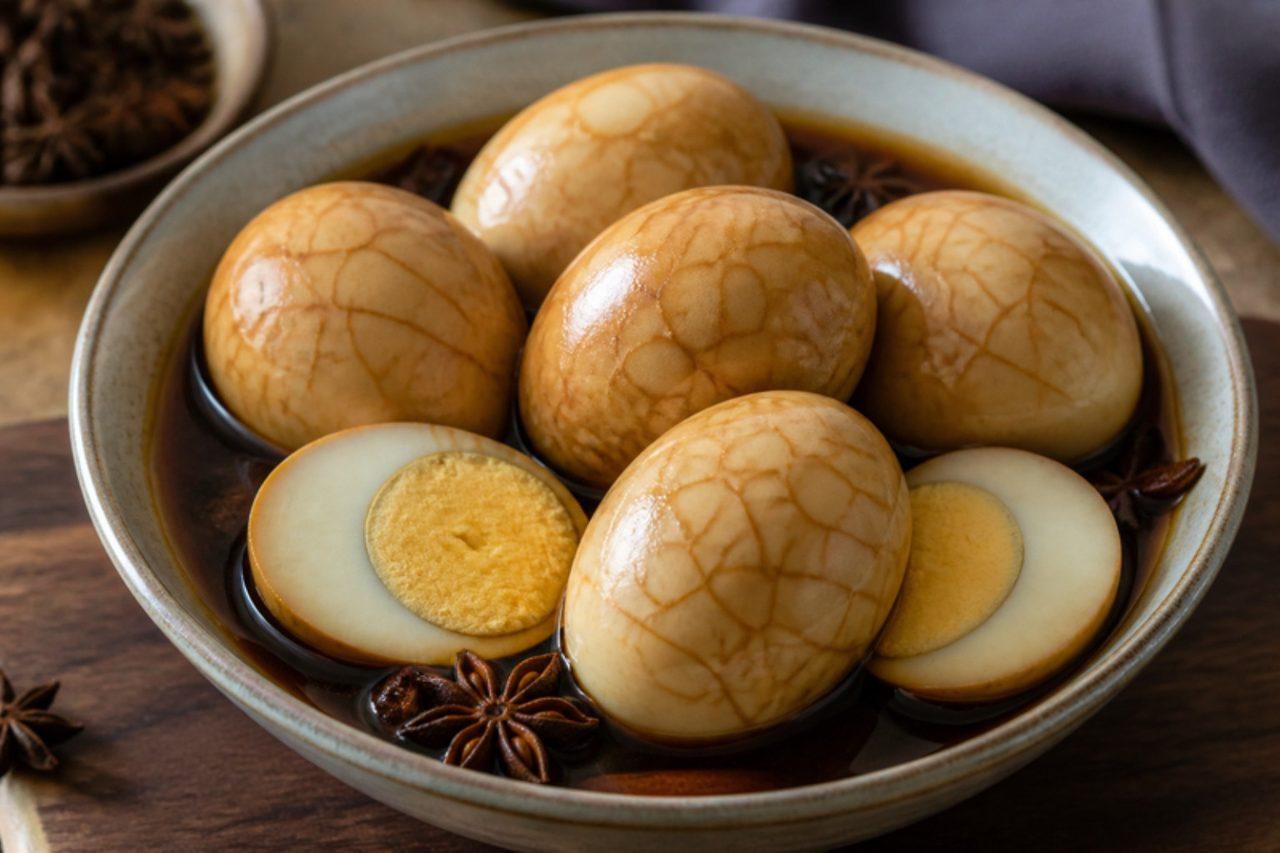
Chaye dan (marbled tea eggs)

Tea eggs bubble in pots of dark broth beside the tills of convenience stores, at railway stations and on breakfast carts all over China; in Zhejiang and Jiangsu families make a big batch for spring outings and for New Year. The eggs are hard-boiled, their shells tapped all over, then simmered and soaked in black tea, soy sauce, star anise and cinnamon, so the whites come out mottled brown like old porcelain and taste gently of spice. The common mistake is to skip the long soak: an hour in the pot only colours the shell, while a night in the fridge gives the pattern and flavour. Chef's tip: crack the shells gently with the back of a spoon so they craze all over but stay on; if pieces fall off you'll get dark patches instead of fine lines.

by KrazyBadal 0 views

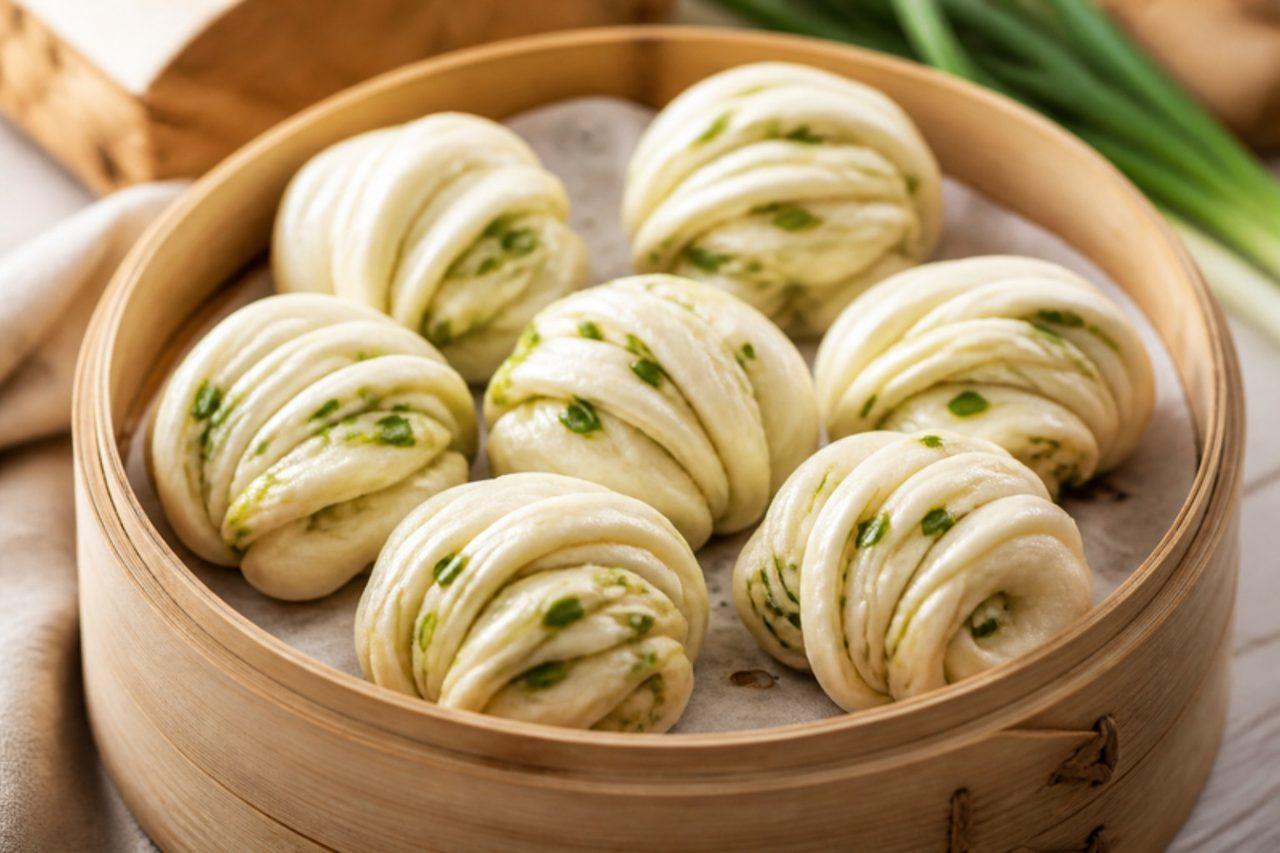
Hua juan (scallion flower rolls)

Hua juan, 'flower rolls', are what a northern Chinese household makes when plain mantou feel too plain: the same dough is rolled out, spread with spring onion, salt and a little oil, then cut and twisted so the layers open into petals as it steams. Families in Hebei, Beijing and Shandong eat them for breakfast with millet porridge or with a stew for supper. The common mistake is spreading the filling to the very edge and pressing too hard while twisting, which squashes the layers together so you lose the flower. Chef's tip: dust the oiled surface with a little flour before rolling it up; it keeps the layers separate so they peel apart after steaming.

by KrazyBadal 0 views

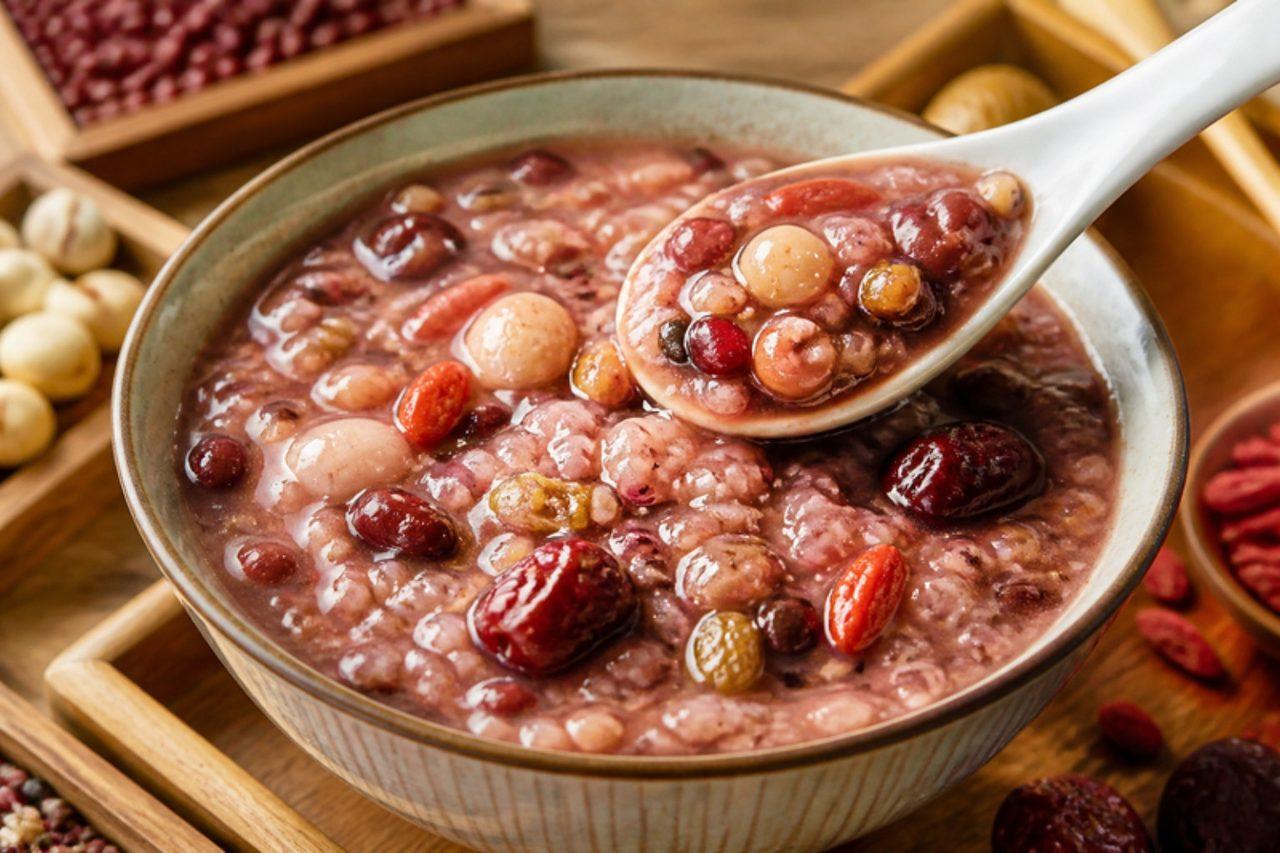
Laba congeeMixed grain and bean porridge

On Laba, the eighth day of the twelfth lunar month, Buddhist temples across China from Beijing's Yonghe Temple to Hangzhou's Lingyin hand out bowls of this porridge to everyone who queues, marking the day the Buddha is said to have reached enlightenment. Families cook it at home the same morning, and it signals that the New Year is on its way. It is thick, gently sweet and full of different textures: chewy black rice, soft red beans, creamy lotus seeds and sticky dates. A common mistake is putting everything in at once; the beans need a head start or they stay hard while the rice turns to glue. Chef's tip: soak the beans and black rice overnight, and cook the porridge low and slow with the lid ajar so it does not boil over.

by KrazyBadal 0 views

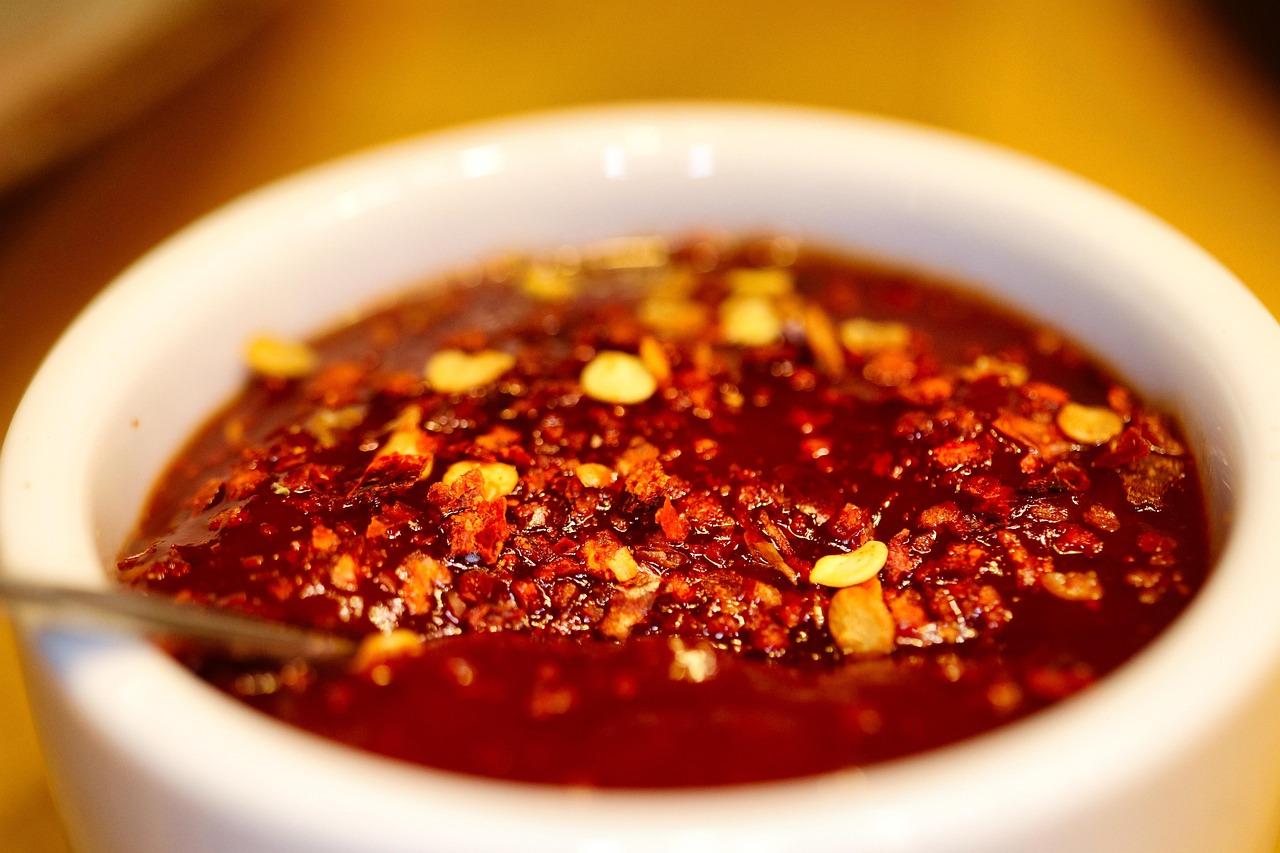
Hong you (Sichuan red chilli oil)

In Chengdu kitchens, a jar of hong you sits next to the stove and goes into almost everything cold: wontons in red oil, cucumber salads, cold noodles and the dressing for liang mian. Good chilli oil is a deep ruby colour, fragrant rather than burnt, with a warm, rounded heat and the tingle of Sichuan pepper. It is poured in two stages, hot then warm, so you get both toasted and bright chilli flavours. The mistake most people make is pouring smoking oil onto the flakes, which turns them black and bitter in a second; check the temperature. Chef's tip: mix coarse and fine chilli flakes, the fine for colour and the coarse for crunch and flavour, and let the oil sit overnight before using.

by KrazyBadal 0 views

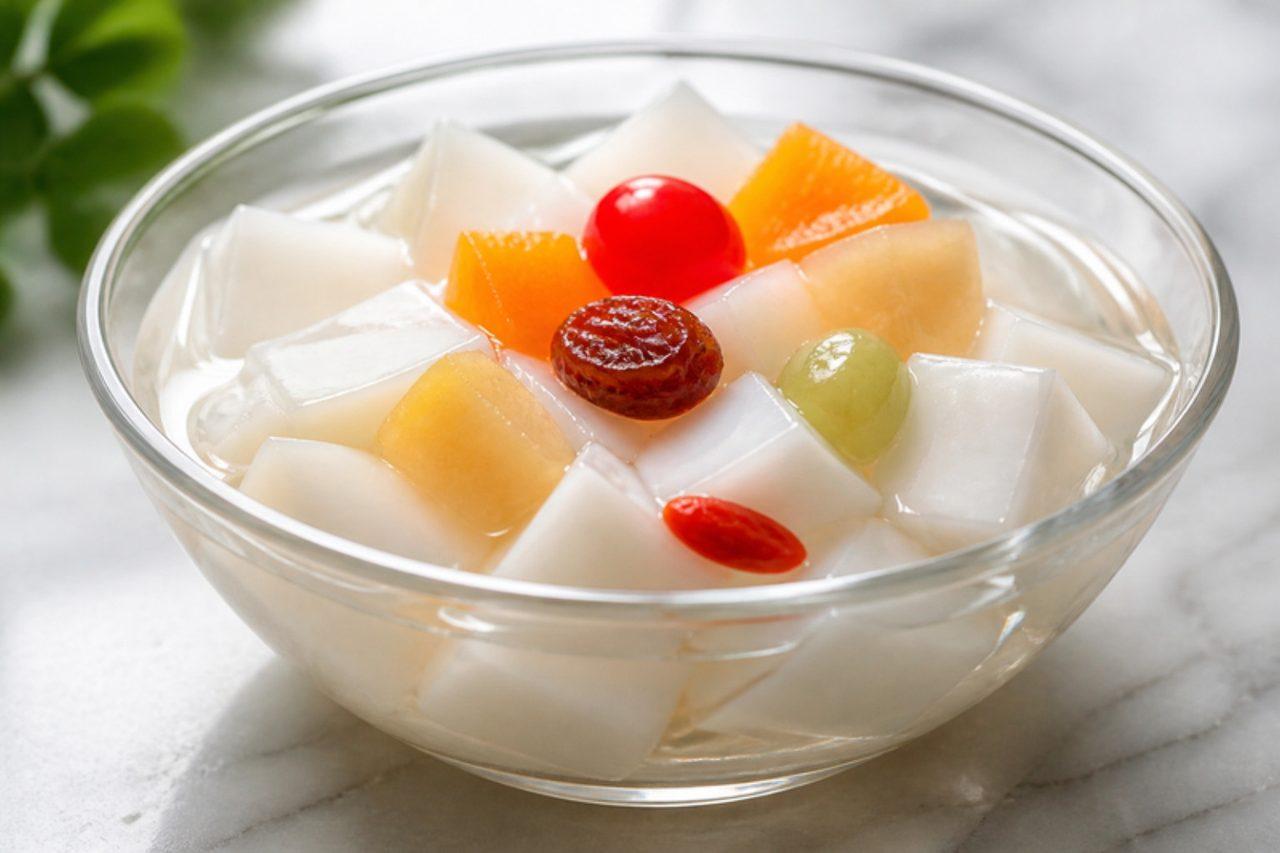
Almond tofu (xingren doufu)

Almond tofu has nothing to do with soybeans: it is a soft, white jelly of sweetened almond milk, cut into cubes like tofu and floated in cold syrup with fruit. It was once a palace dessert in Beijing and is now on dim sum menus in Guangzhou and Hong Kong in summer. The traditional flavour comes from southern apricot kernels (nan xing ren); this home version uses blanched almonds with a few drops of almond extract, and agar, so it is fully vegetarian. The common mistake is using too much agar, which makes it firm and rubbery; it should only just hold its shape and wobble on the spoon. Chef's tip: bring the agar to a full boil for 2 minutes before adding the milk, or it won't set at all.

by KrazyBadal 0 views

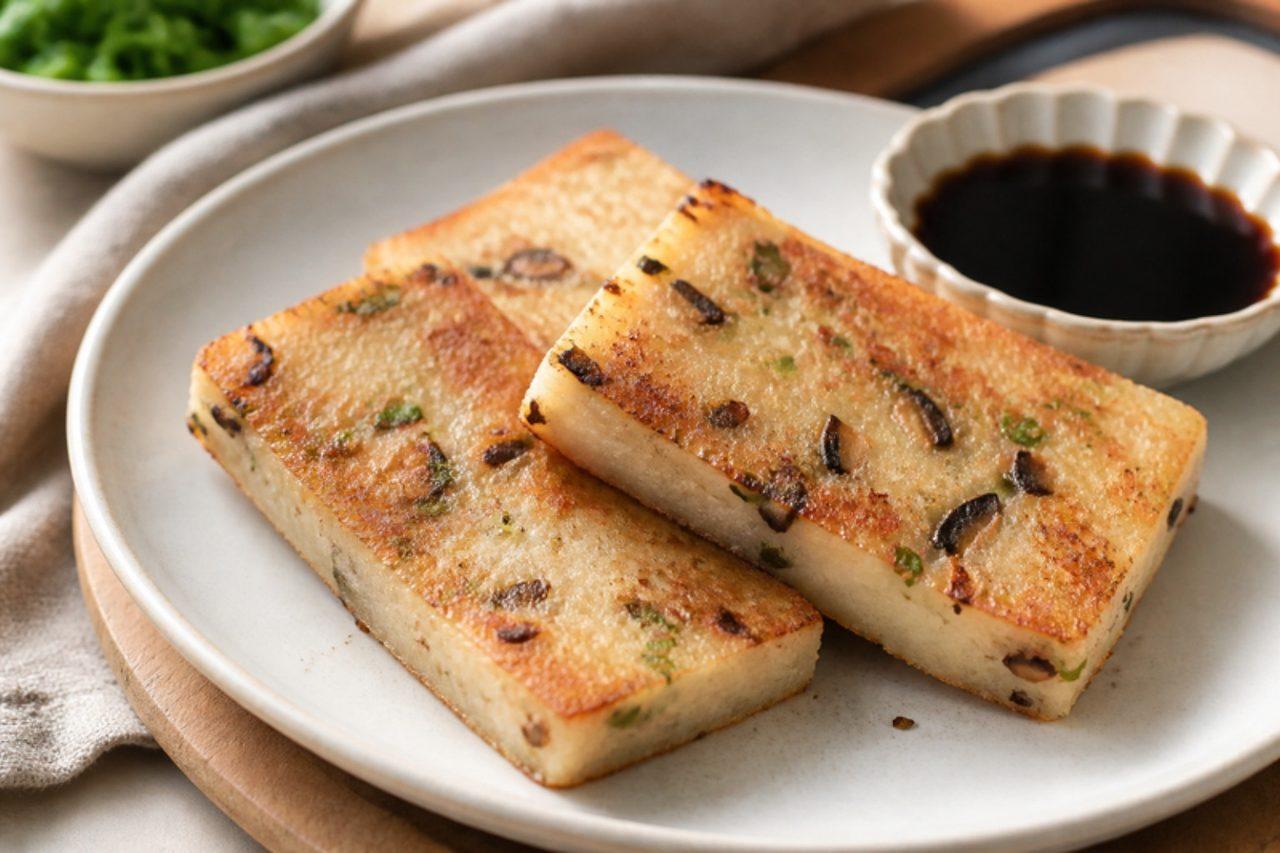
Vegetarian turnip cake (lo bak go)

Every Cantonese dim sum trolley in Guangzhou and Hong Kong carries lo bak go, and families steam a big tray of it in the week before Chinese New Year, because 'turnip' (really daikon) sounds like good fortune. This version keeps the soft, savoury radish cake and its crisp golden crust but leaves out the usual Chinese sausage and dried shrimp, getting its depth from soaked shiitake and their soaking liquid instead. Serve the slices hot with chilli sauce or hoisin. The most common mistake is slicing the cake while it is warm: it smears and falls apart, so chill it overnight first. Chef's tip: squeeze nothing out of the grated daikon; its juice is the liquid that sets the cake.

by KrazyBadal 0 views

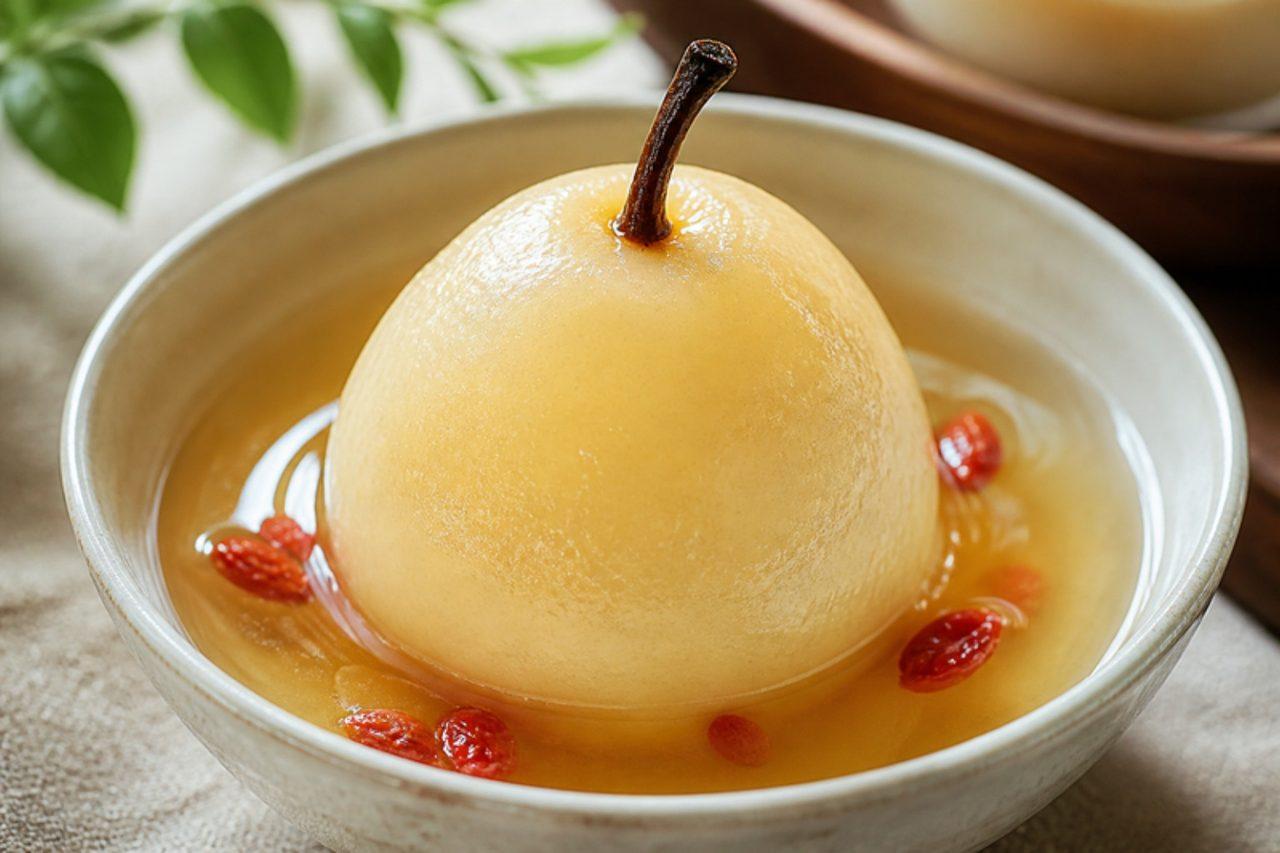
Bingtang xueli (rock sugar stewed pears)

When the dry winds of a northern winter bring on sore throats, grandmothers in Beijing and Shandong set a bowl of pear and rock sugar in the steamer, and it is now served as a soothing dessert all over China. Whole Asian pears, hollowed and filled with rock sugar, are slowly stewed until translucent and swimming in their own light syrup. The common mistake is choosing a Western pear that collapses; crisp Asian (nashi or Ya) pears hold their shape and give plenty of juice. Chef's tip: slice off the top as a lid and stew it with the pear; serving the pear with its lid back on is how it is presented at the table.

by KrazyBadal 0 views

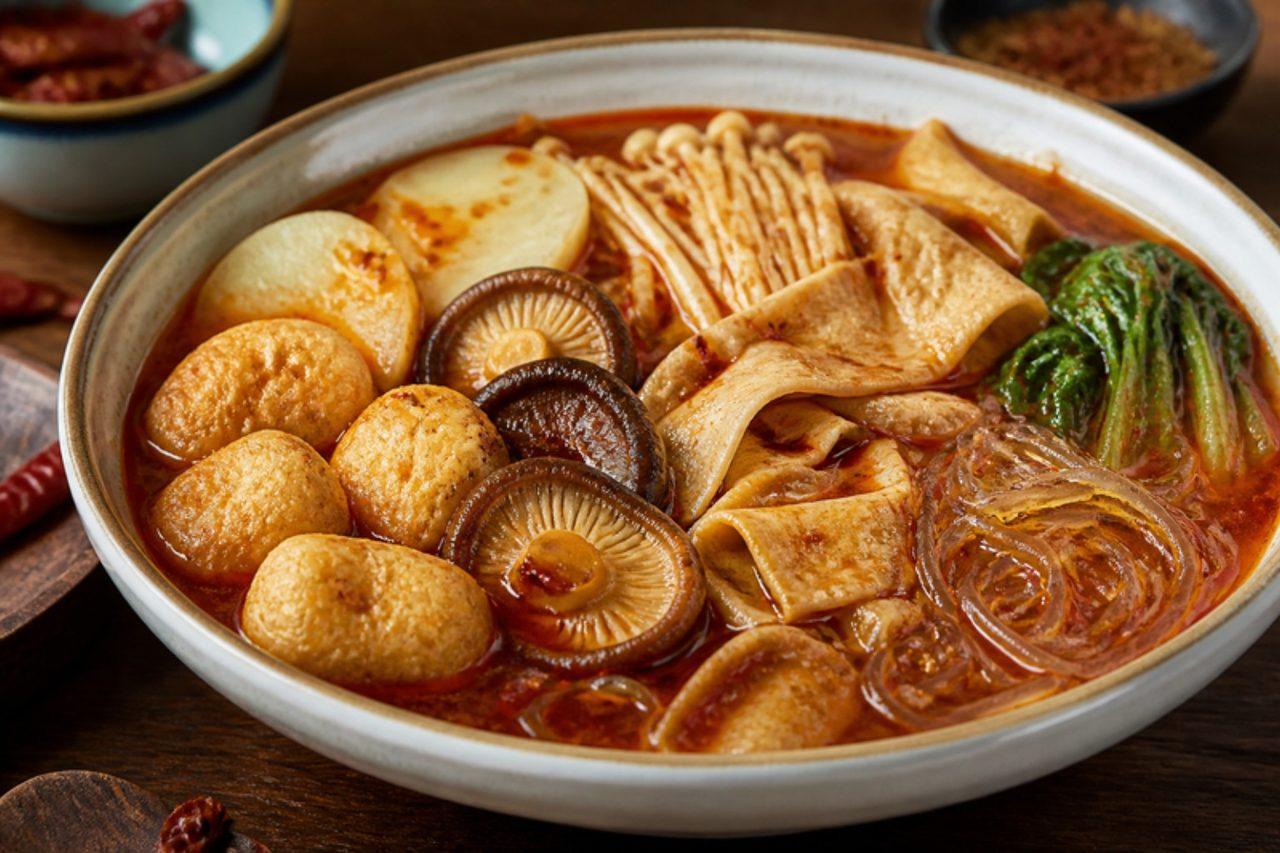
Vegetarian malatangSpicy numbing hot pot

Malatang began on the streets of Leshan and Chengdu as a cheap pot where everything was boiled together, and today it is a lunchtime habit for students and office workers across China: you fill a basket from fridges of skewers and vegetables, and the cook boils it in a numbing, chilli-red broth and hands it back in a big bowl. This home version makes a fully vegan broth from chilli bean paste, dried chillies and Sichuan pepper, with no beef tallow. Choose about six things: tofu puffs, frozen tofu, enoki, wood ear, potato slices, lotus root, greens and sweet potato noodles are classic. The common mistake is to cook everything for the same time; put dense things in first and leafy things last so nothing turns to mush. Chef's tip: a spoonful of sesame paste stirred into each bowl at the end softens the heat and is how many Chengdu shops serve it.

by KrazyBadal 0 views

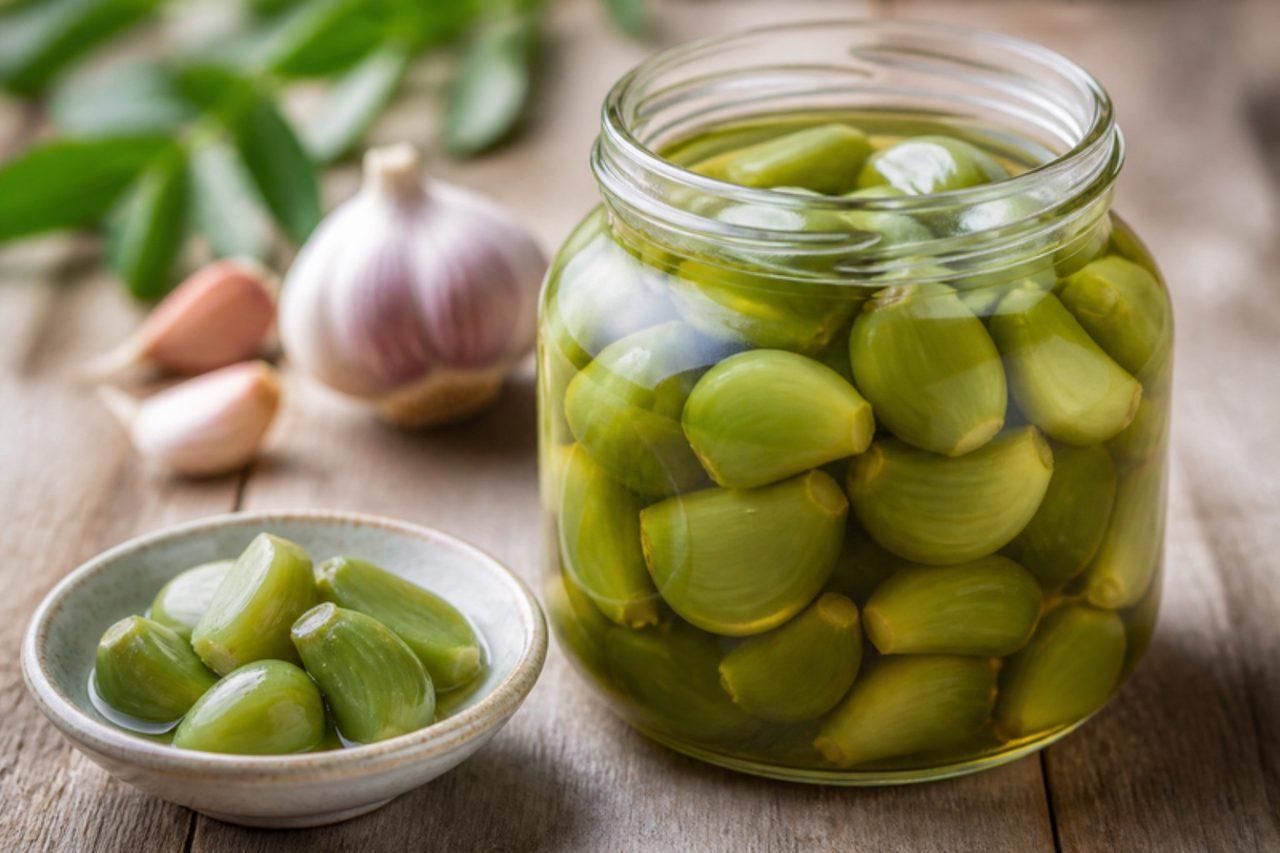
Laba garlic (jade green vinegar garlic)Green vinegar-pickled garlic

On Laba day, the eighth of the twelfth lunar month, Beijing families peel a jar of garlic, cover it with vinegar and leave it in a cold spot until New Year's Eve, when the cloves have turned a startling jade green. They are eaten with the jiaozi on New Year's Eve, a spoonful of the sharp, garlicky vinegar going into every dipping dish. The cloves lose their raw bite and become crunchy, mellow and sweet-sour. The green colour comes from natural compounds in the garlic reacting with the acid in the cold and is perfectly safe. The usual mistake is keeping the jar somewhere warm, where the garlic stays white; it needs to be below about 10 °C. Chef's tip: use firm, purple-skinned garlic, and leave the jar in the fridge door, which is cold but not too cold.

by KrazyBadal 0 views

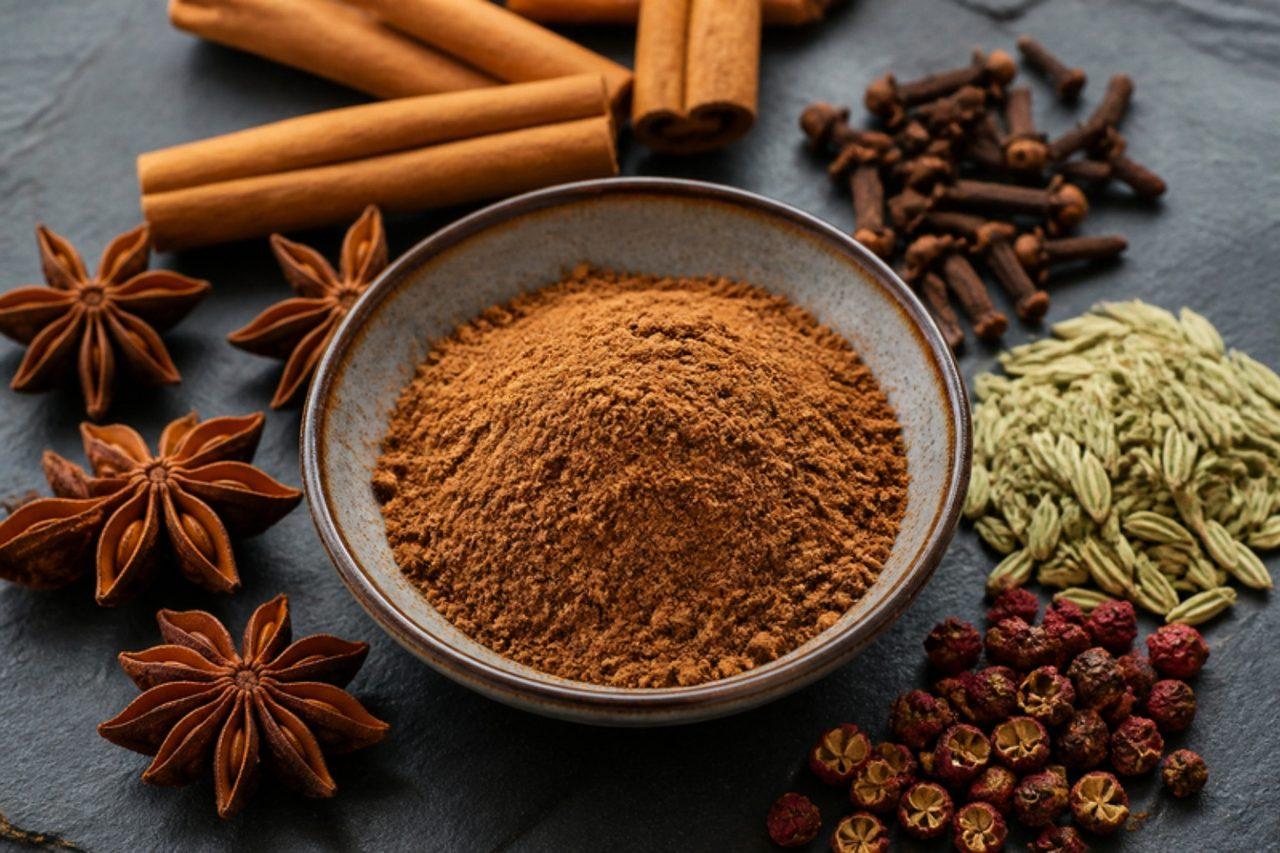
Five-spice powder

Across China, from Cantonese roast meat shops to Sichuan home kitchens, five-spice is the blend that seasons red-braised dishes, tea eggs, roast duck and spiced tofu. Shop-bought powder loses its scent quickly; grinding your own takes ten minutes and gives a sweet, warm aroma with a gentle tingle from the Sichuan pepper. It is used by the pinch, not the spoonful. The classic mistake is grinding the spices raw or toasting them until they smoke; warm them just until fragrant. Chef's tip: pick the black seeds out of the Sichuan peppercorns before toasting, since they are gritty and bitter, and sieve the ground blend so it is silky fine.

by KrazyBadal 0 views

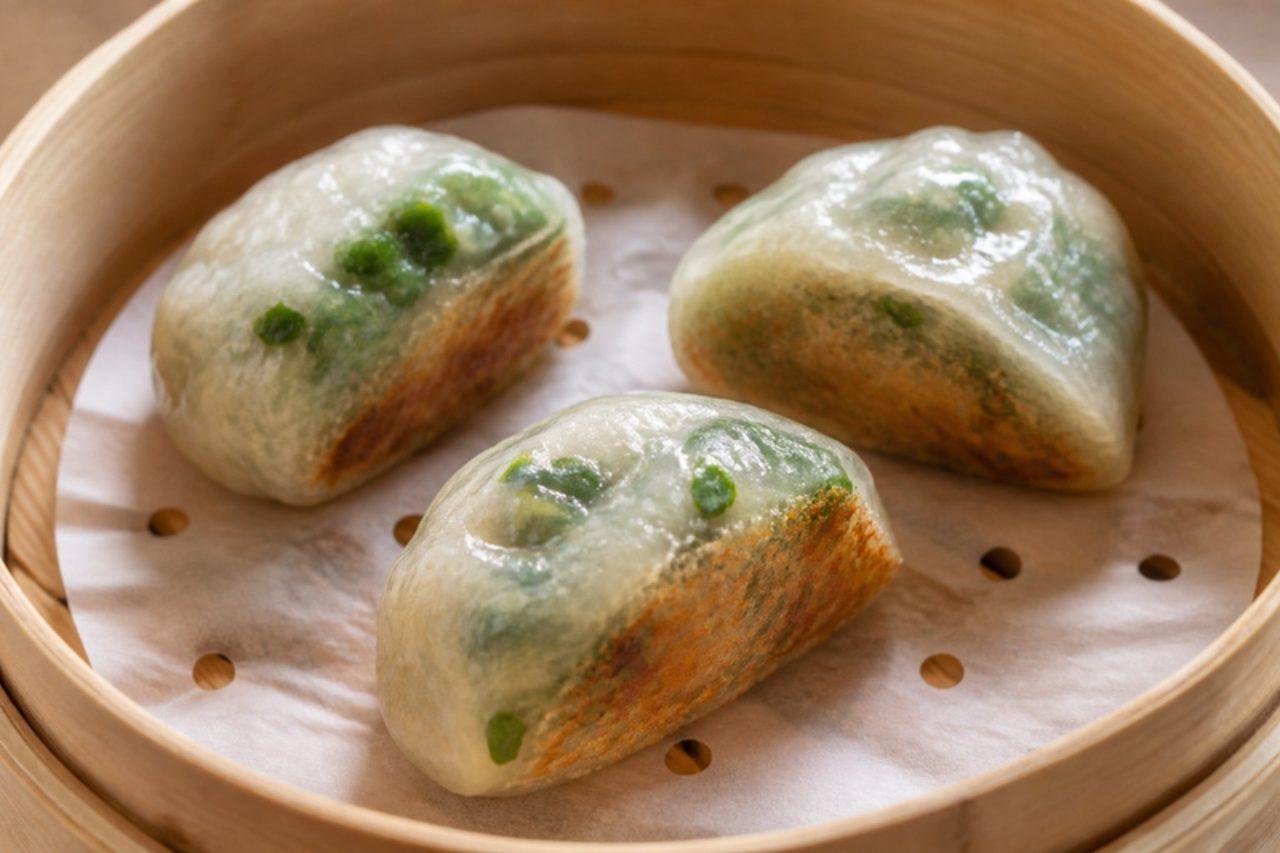
Gau choi gau (chive dumplings)

In Guangzhou teahouses these fat, translucent parcels arrive pressed flat and seared on one side, so you see the bright green chives through a skin that is chewy and crisp at once. The dough is wheat starch and tapioca scalded with boiling water, and the filling here is all chives, shiitake and a little firm tofu, which is how many families make it for vegetarian days at New Year. Lukewarm water is the common mistake: the starch only turns into a workable dough if the water is properly boiling. Chef's tip: dry the chives completely after washing, or they weep and make the skins burst.

by KrazyBadal 0 views

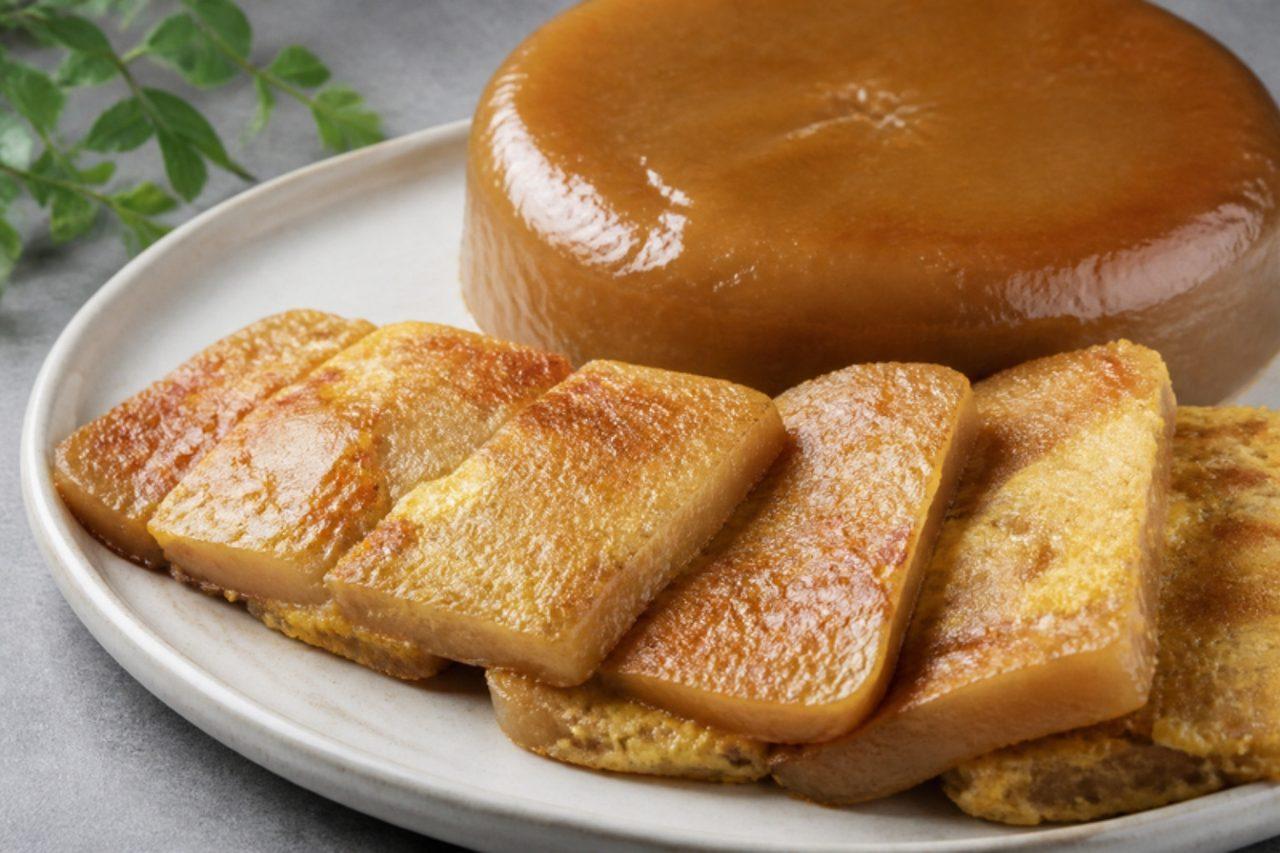
Nian gao (brown sugar sticky rice cake)

Across Guangdong a tall nian gao, glossy and almost black from slab brown sugar, is steamed before New Year and offered to the Kitchen God; its name sounds like 'higher every year'. Days later, once it has firmed up, the cake is cut into slices, dipped in beaten egg and fried until the outside is lacy and the inside soft and stretchy. The batter is just glutinous rice flour, brown sugar and water, so a plain steamed slice is vegan; the egg is for frying. Cutting it too soon is the mistake: freshly steamed nian gao is a sticky puddle, so wait at least a day. Chef's tip: oil your knife between slices and it glides through cleanly.

by KrazyBadal 0 views

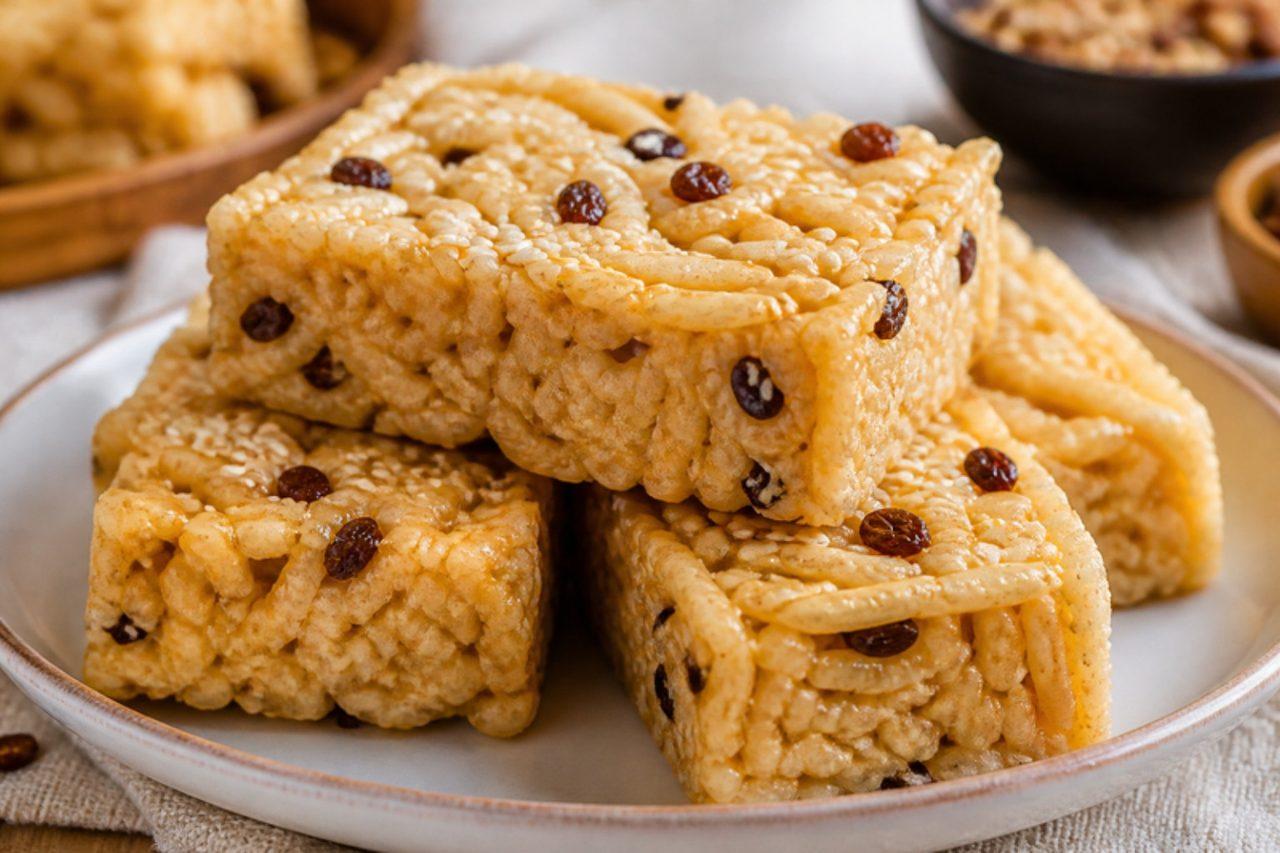
Sachima (honeyed egg-noodle bars)

Sachima came to Beijing with the Manchus, and old-fashioned bakeries in the north still sell it in big trays: thin strands of egg dough are fried pale gold, tossed in a sticky syrup, pressed into a block and cut into fluffy, sweet squares. Children in China and in Chinese communities abroad grow up with the wrapped supermarket kind, but homemade is lighter and softer. The common mistake is overcooking the syrup; take it too far and the bars set rock hard instead of chewy. It should only reach the thread stage, about 112 °C. Chef's tip: fry the strands only until pale straw-coloured, not brown; they keep cooking for a moment once lifted from the oil.

by KrazyBadal 0 views

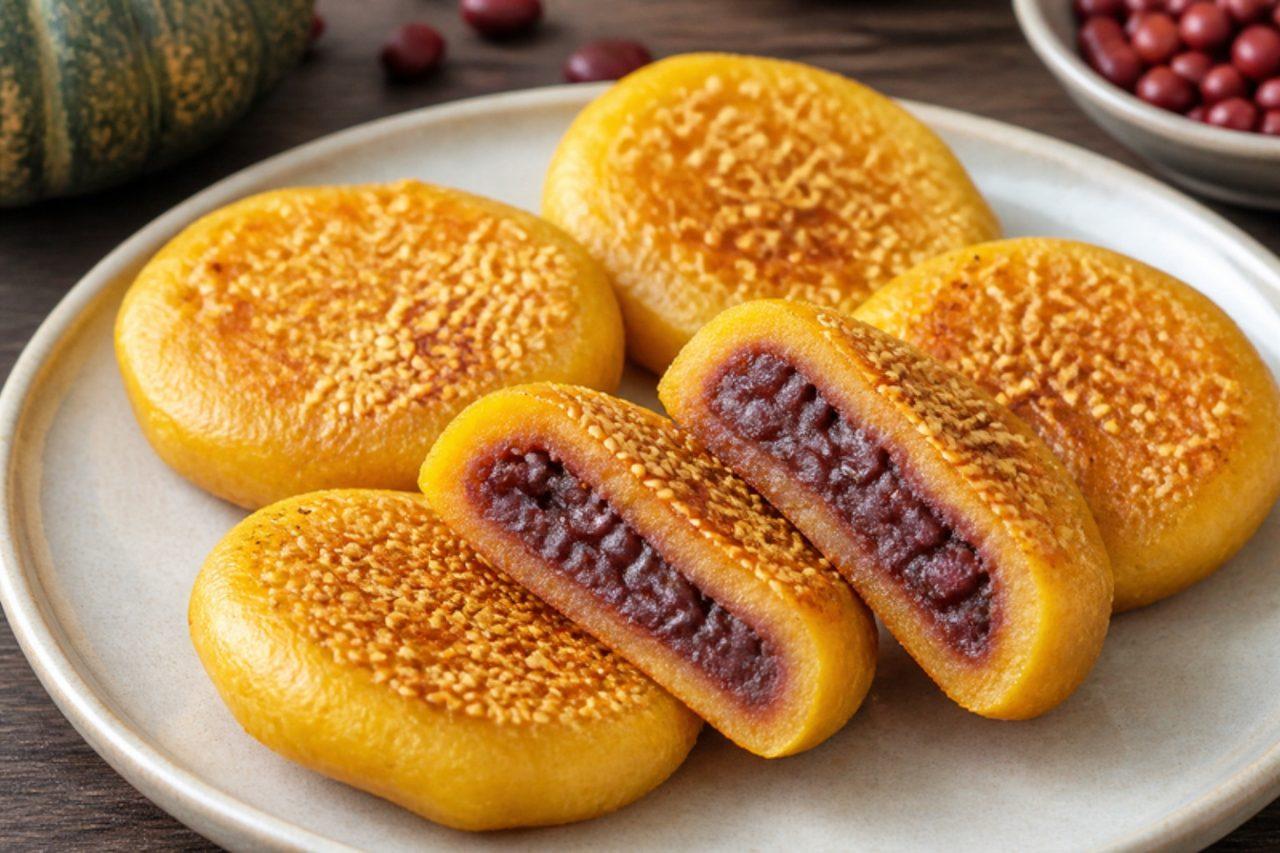
Nangua bing (pumpkin sticky rice cakes)

Every family restaurant from Zhejiang to Sichuan has a plate of these little golden pumpkin cakes on the menu, and grandmothers make them at home in autumn when pumpkins pile up at the market: steamed pumpkin is kneaded with glutinous rice flour into a soft orange dough, wrapped round a spoonful of red bean paste, pressed flat and fried until crisp outside and chewy inside. Children love them for dessert or as an afternoon snack. The common mistake is adding all the flour at once; pumpkins vary in moisture, so add it gradually until the dough is soft like earlobes and no longer sticky. Chef's tip: fry them on a medium-low heat with the lid on for the first side, so the centre steams through before the outside darkens.

by KrazyBadal 0 views

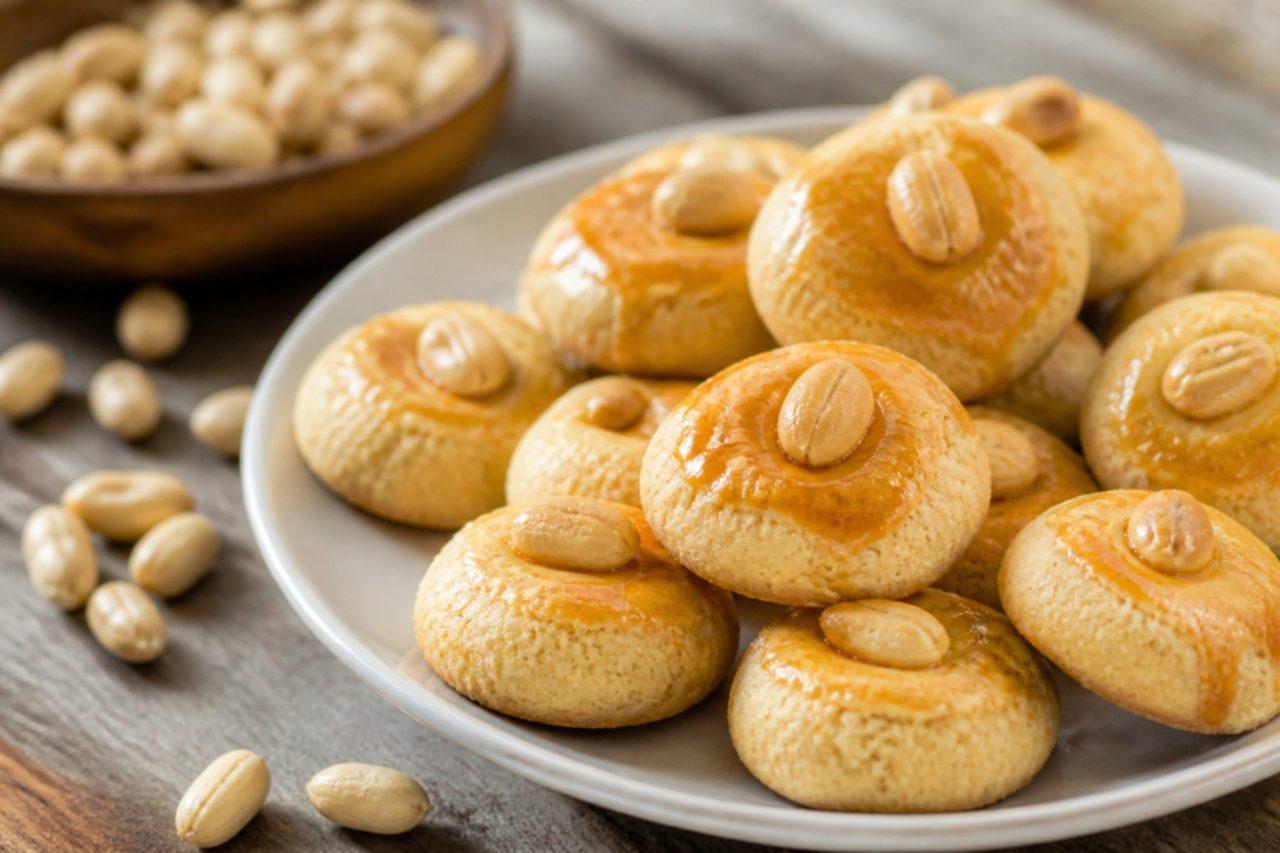
Peanut cookies (hua sheng bing)

Lift the lid on a Chinese New Year snack tray in Guangdong, Penang or Singapore and there will be these pale golden domes, so short they crumble the moment they touch your tongue. They are nothing but roasted peanuts ground fine, flour, icing sugar and oil, and this version skips the usual egg wash, so they are vegan. The mistake is over-grinding the peanuts into a paste, which makes the dough greasy and the cookies flat; stop while it is still a fine powder. Chef's tip: let them cool fully on the tray before moving them, because they are fragile until set.

by KrazyBadal 0 views

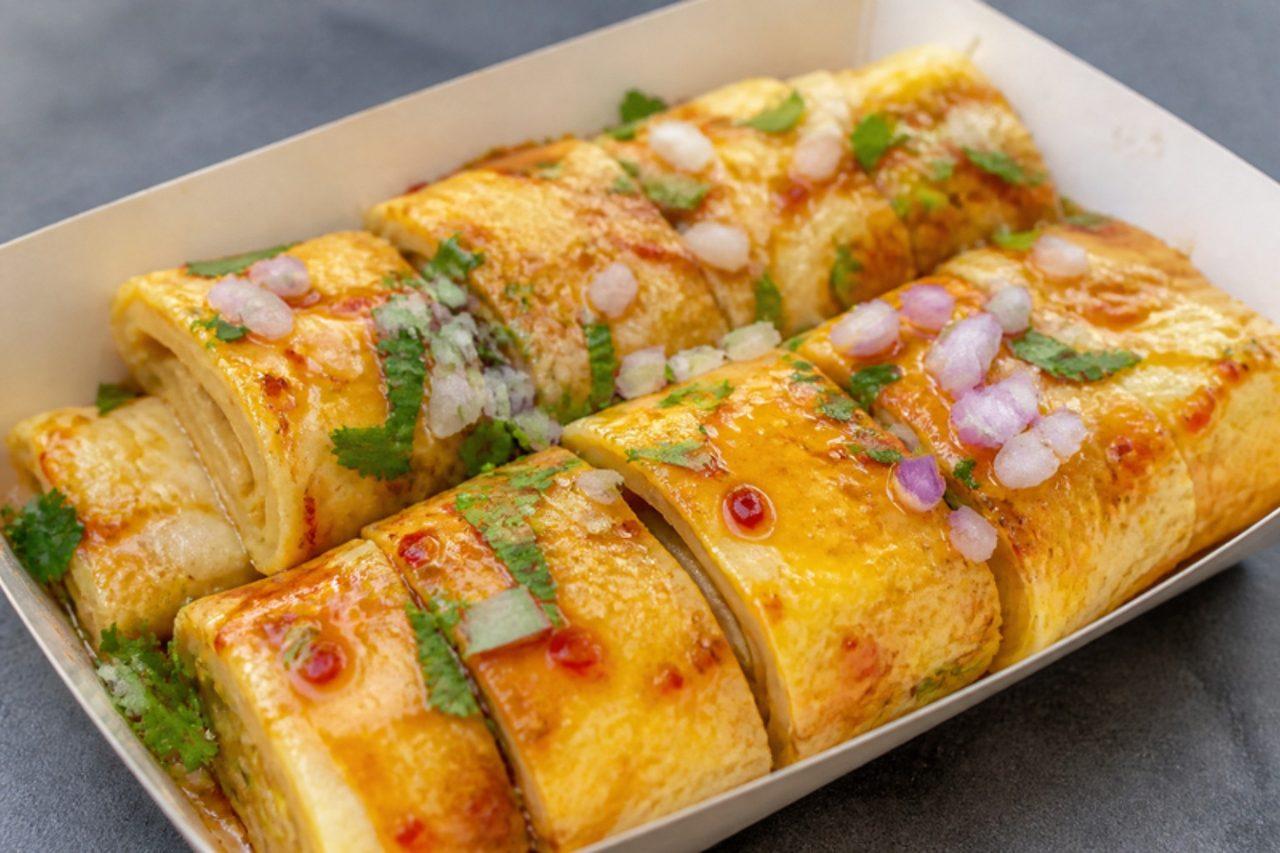
Kao leng mian (grilled cold noodle sheets)Griddled noodle sheet wrap

On winter nights outside schools and night markets in Harbin, Heilongjiang, vendors slap thin sheets of pressed cold noodle onto a flat griddle, crack an egg over them, flip, paint them with a sweet-and-hot sauce and fold them around raw onion and coriander. It is a snack from the 1990s that spread across the north-east and now turns up at night markets all over China. The sheet should be chewy with crisp, lacy edges, and the egg should cling to it rather than slide off. The usual mistake is putting the egg on a sheet that is still dry and stiff: sprinkle it with water first so it softens and the egg can grip it. Packets of ready-made kao leng mian sheets are sold in Chinese supermarkets, in the chilled or dried noodle aisle. Chef's tip: keep the heat medium, not high; the sauce has sugar in it and burns long before the egg is set.

by KrazyBadal 0 views

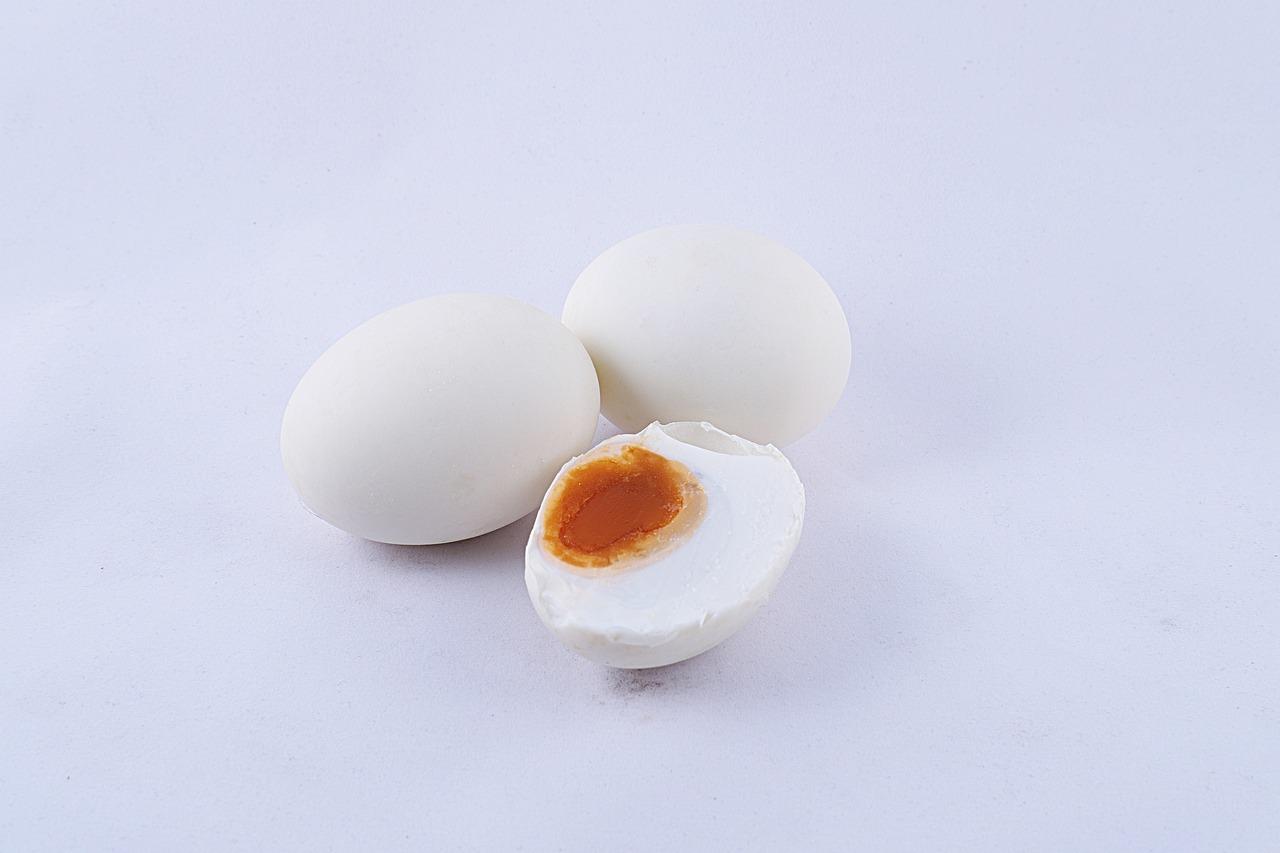
Salted duck eggs

Gaoyou in Jiangsu is famous for salted duck eggs with oily, deep orange yolks, and at the Dragon Boat Festival they are hung in little woven nets around children's necks before being eaten with congee or rice. At home they are simple: clean duck eggs left in a strong salt brine for about four weeks, then boiled. Cracked eggs are the risk; use only uncracked, very fresh eggs, keep the jar cool and always cook them before eating. The common mistake is too weak a brine, which lets the eggs spoil; it must taste as salty as the sea and then some. Chef's tip: from week three, boil one test egg each week until the yolk is as firm and rich as you like.

by KrazyBadal 0 views

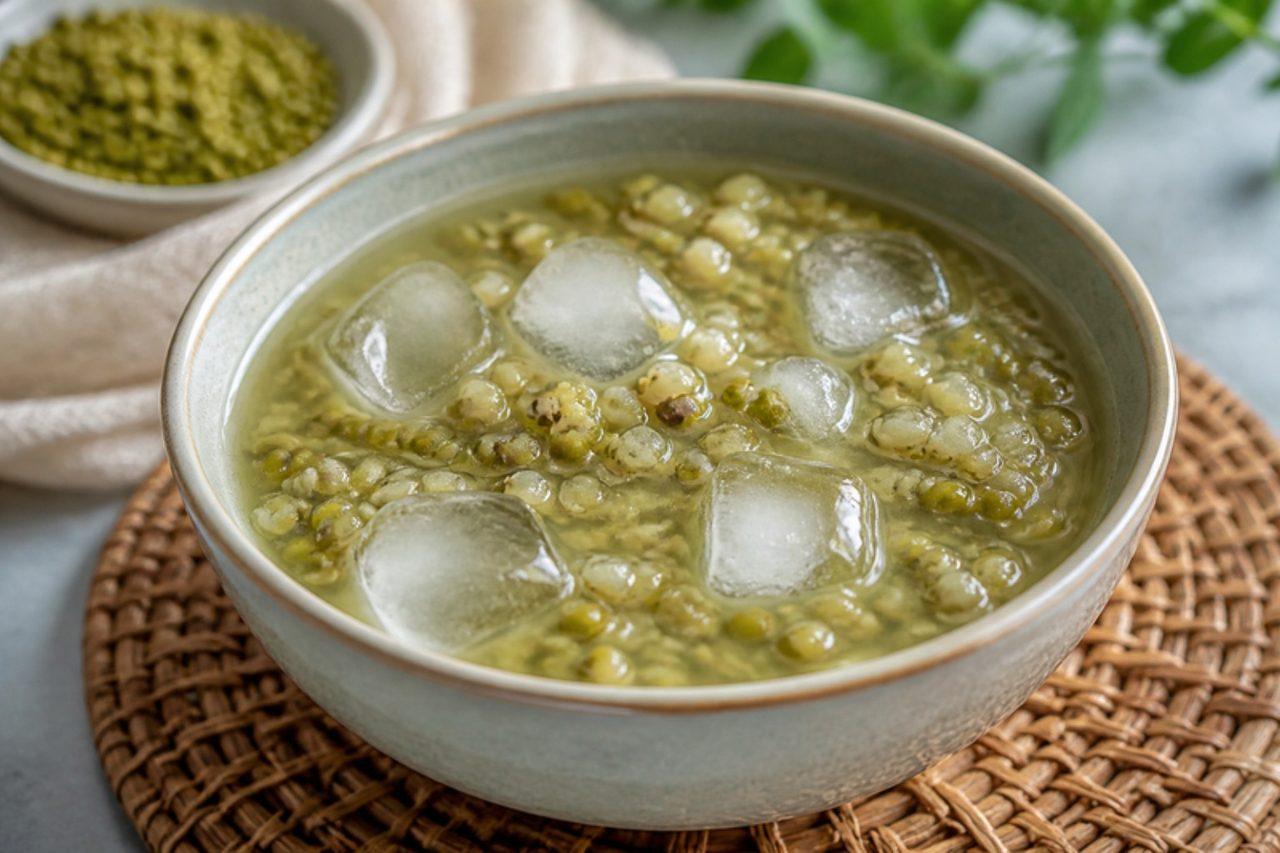
Lü dou tang (chilled mung bean soup)

When the heat settles on Guangzhou, Wuhan or Shanghai in July, families keep a jug of mung bean soup in the fridge, and school canteens and workplaces hand it out by the bowl; traditional medicine calls mung beans 'cooling', a reason to drink it on the hottest days. It is just mung beans simmered with rock sugar until some burst and the liquid turns pale green or soft red, eaten chilled. The common mistake is cooking it in an iron or aluminium pan or leaving it uncovered too long, which turns the soup dark brown-red; a stainless steel pot with the lid on keeps it greener. Chef's tip: for a clear green soup, take a few ladles of the liquid after 10 minutes of boiling, before the beans split, and drink that as a lighter tea.

by KrazyBadal 0 views

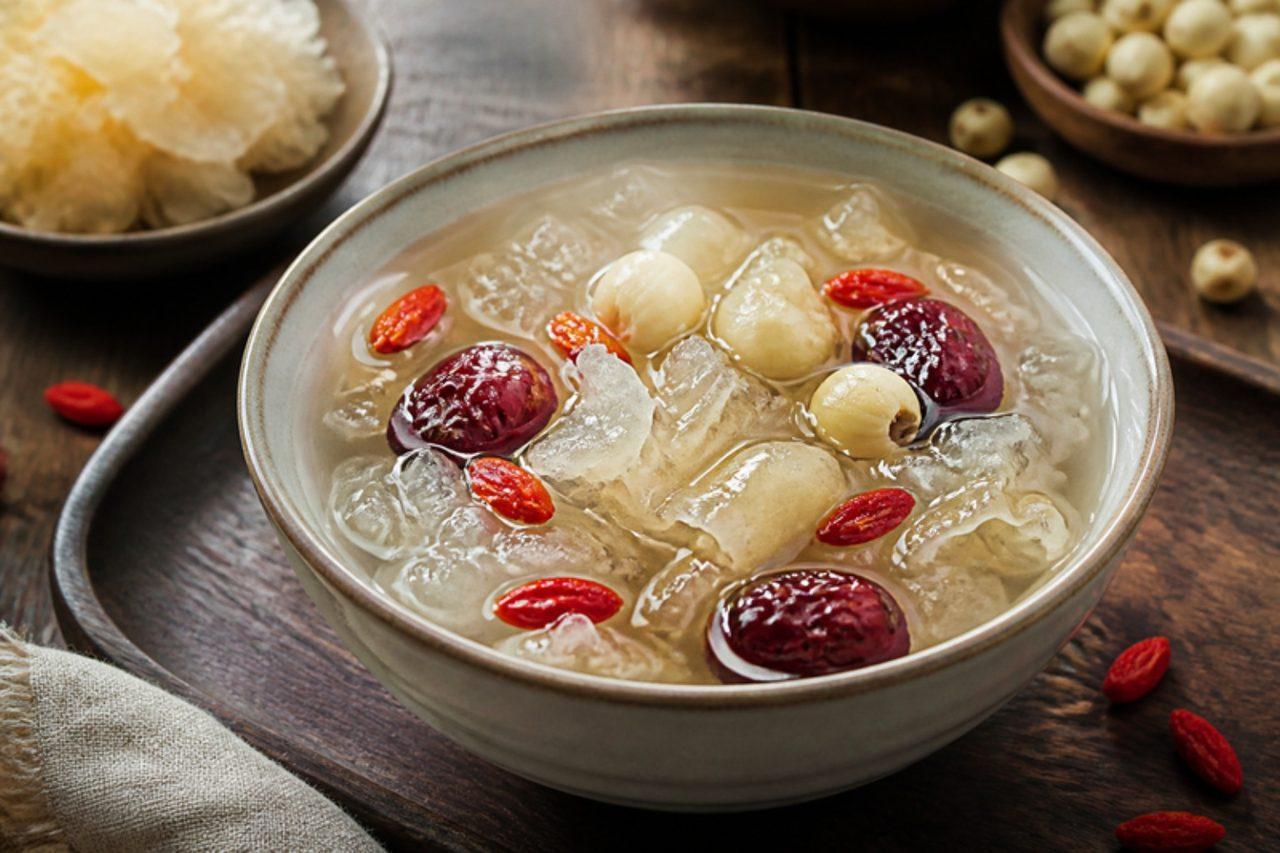
Yin er tang (snow fungus sweet soup)

Gutian county in Fujian grows most of the world's snow fungus, a frilly white dried fungus that softens into a soft, jelly-like tangle when simmered. Mothers across southern China cook it into a lightly sweet soup with red dates, lotus seeds and goji, served warm in winter and chilled in summer, and it is thought good for the skin and for dry autumn coughs. Done well, the liquid turns thick and glossy on its own. The common mistake is not simmering long enough: under an hour the fungus stays crunchy and the soup thin. Chef's tip: tear the soaked fungus into small pieces and cut away the hard yellow base; the smaller the pieces, the more body the soup gets.

by KrazyBadal 0 views

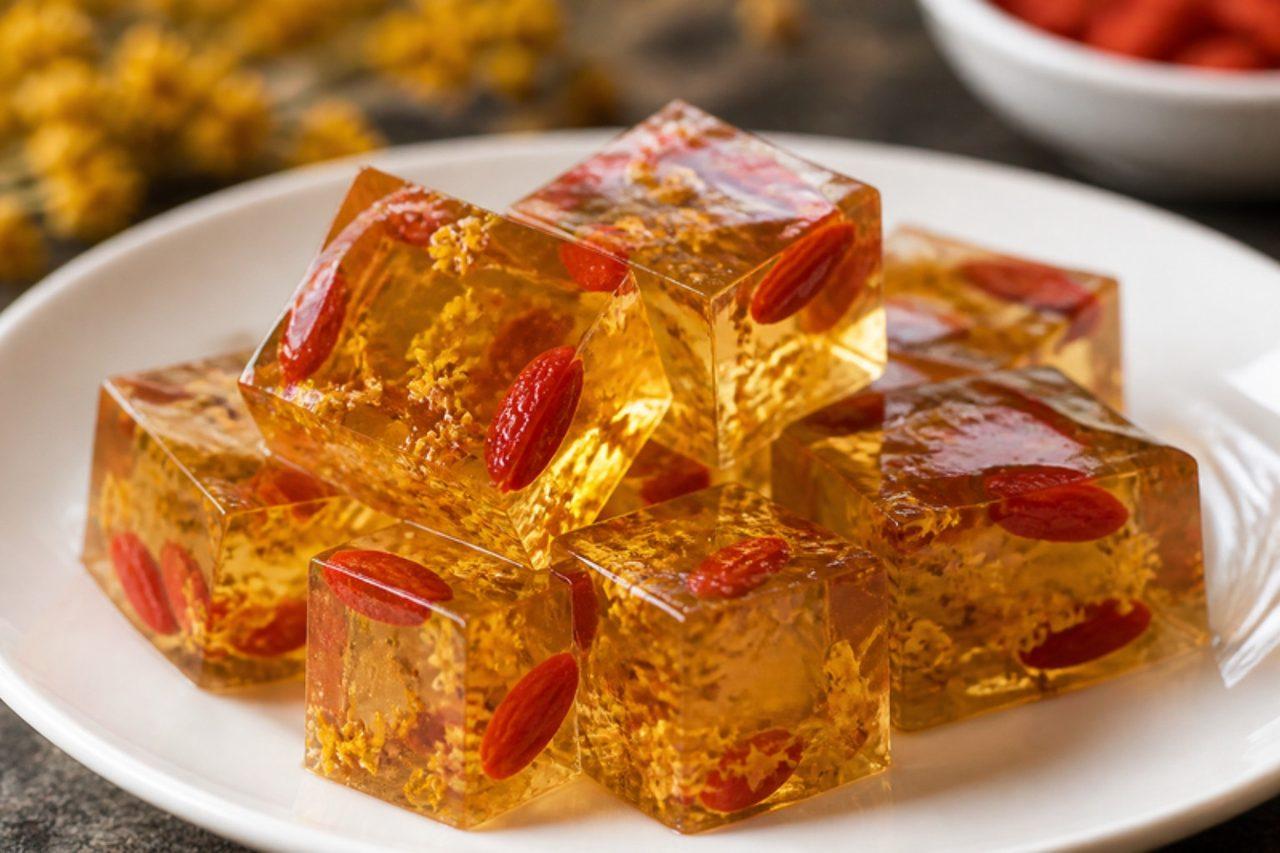
Osmanthus jelly (gui hua gao)

In Hangzhou and Guilin the sweet osmanthus trees flower around Mid-Autumn, and their tiny golden blossoms are dried to scent teas, wine and this crystal-clear jelly, a light dessert after a mooncake-heavy festival meal. Set with agar instead of gelatine, it is vegan, firm enough to cut into neat squares, and studded with flowers and red goji berries. The mistake is adding all the flowers to hot liquid at once: they float to the top in a crowd, so stir them in once the mix starts to thicken. Chef's tip: a mould with layers of flowers suspended all through looks far prettier than one with all the petals at the top.

by KrazyBadal 0 views

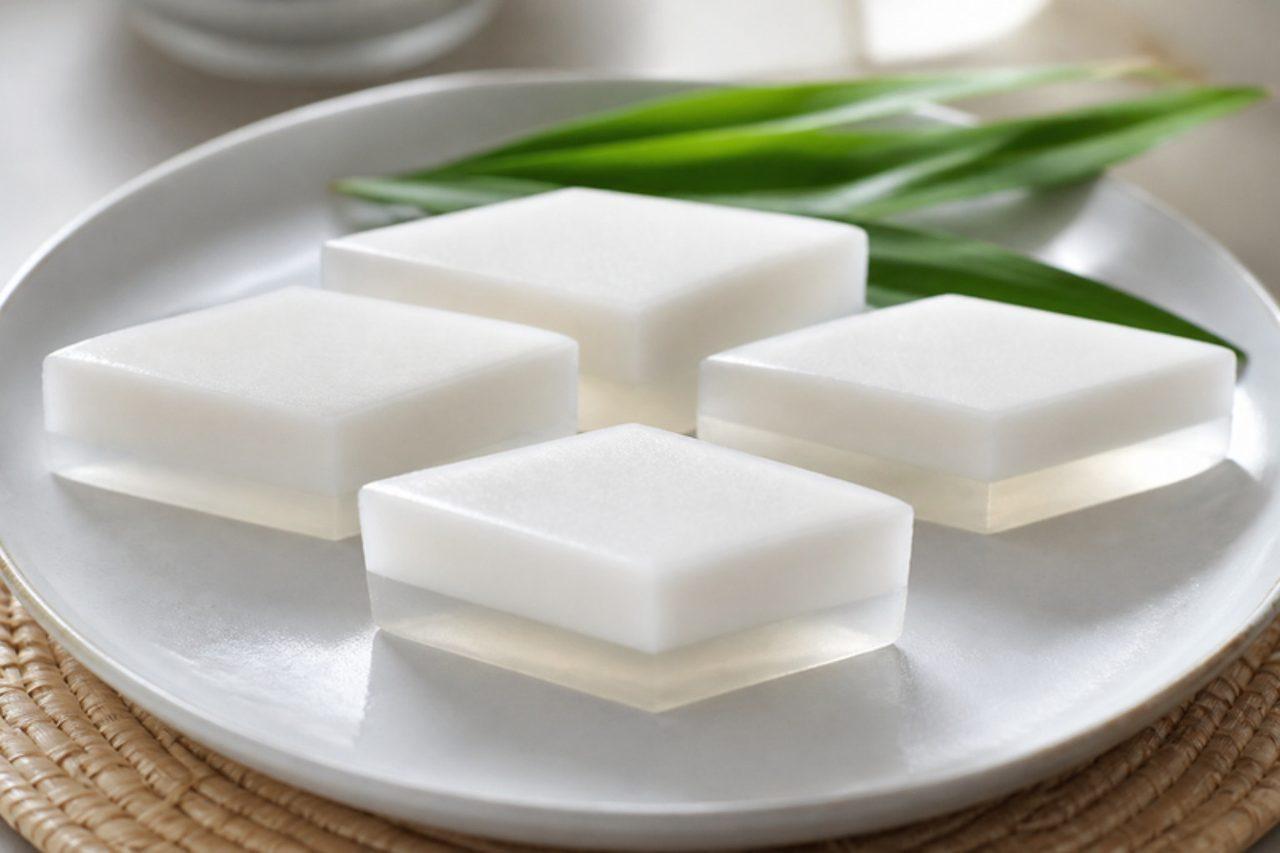
Coconut milk jelly

Hong Kong yum cha halls finish a long Sunday lunch with plates of these cool white-and-clear diamonds, and Guangdong homes set a tray in the fridge for hot summer evenings. The bottom layer is rich coconut milk, the top a clear, gently sweet jelly, both set with agar so it is fully vegan and holds firm even on a warm table. Set the layers too far apart in time and they peel away from each other, which is the usual mistake: pour the second layer while the first is set on top but still warm. Chef's tip: shake the can of coconut milk hard before opening, or the rich cream stays in a lump at the top.

by KrazyBadal 0 views

Mahua (crisp fried dough twists)

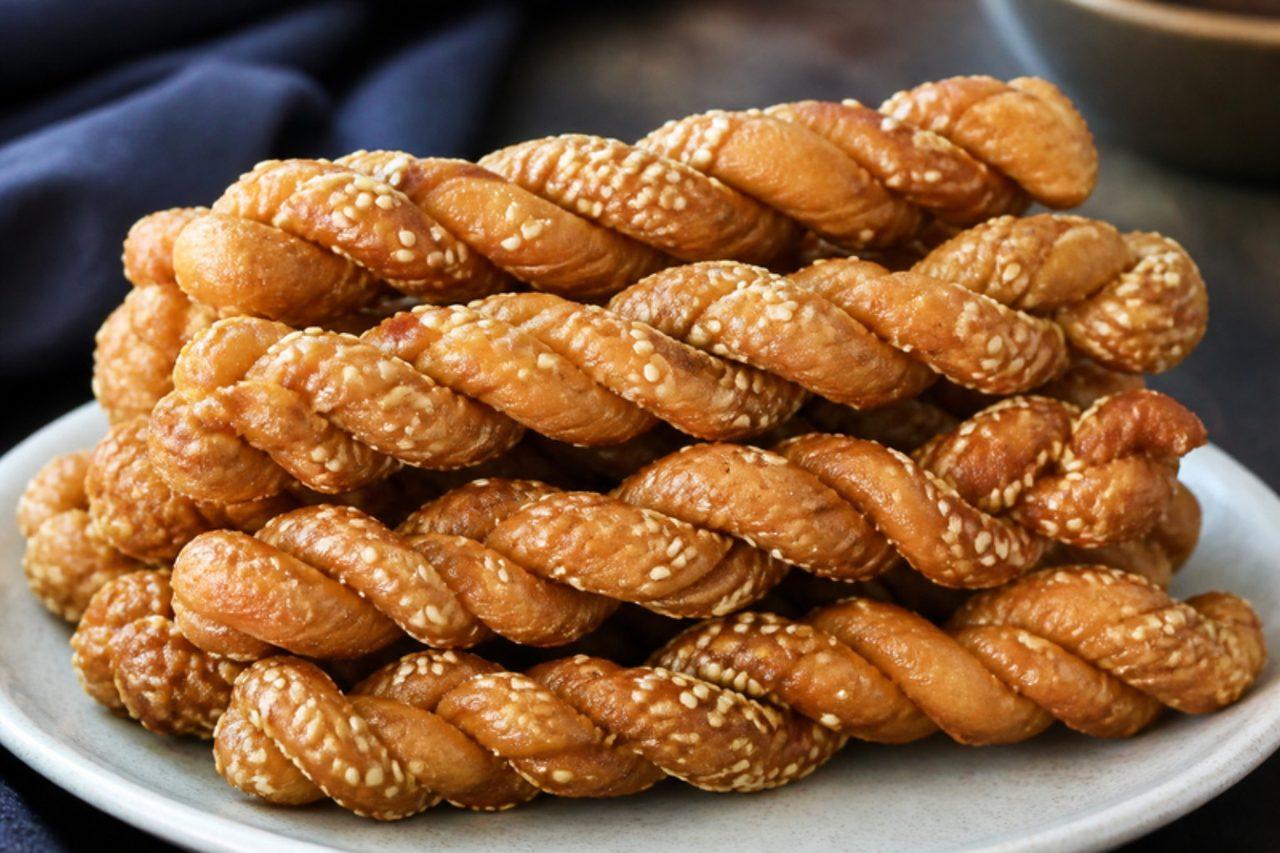
Tianjin in northern China is famous for mahua, and the shops on Guifaxiang street sell giant ones stuffed with candied fruit; but the everyday kind is a small, hard, golden twist sold in bags in every corner shop and eaten with tea or as a snack on the train. This home version is crisp right through with a little sweetness and toasted sesame. The common mistake is frying too hot: the outside browns while the thick twist stays doughy and raw in the middle. Keep the oil at about 160 °C and give them time. Chef's tip: let the shaped twists rest 10 minutes before frying so the dough relaxes; tight twists spring open in the oil.

by KrazyBadal 0 views

Dry-pot cauliflower

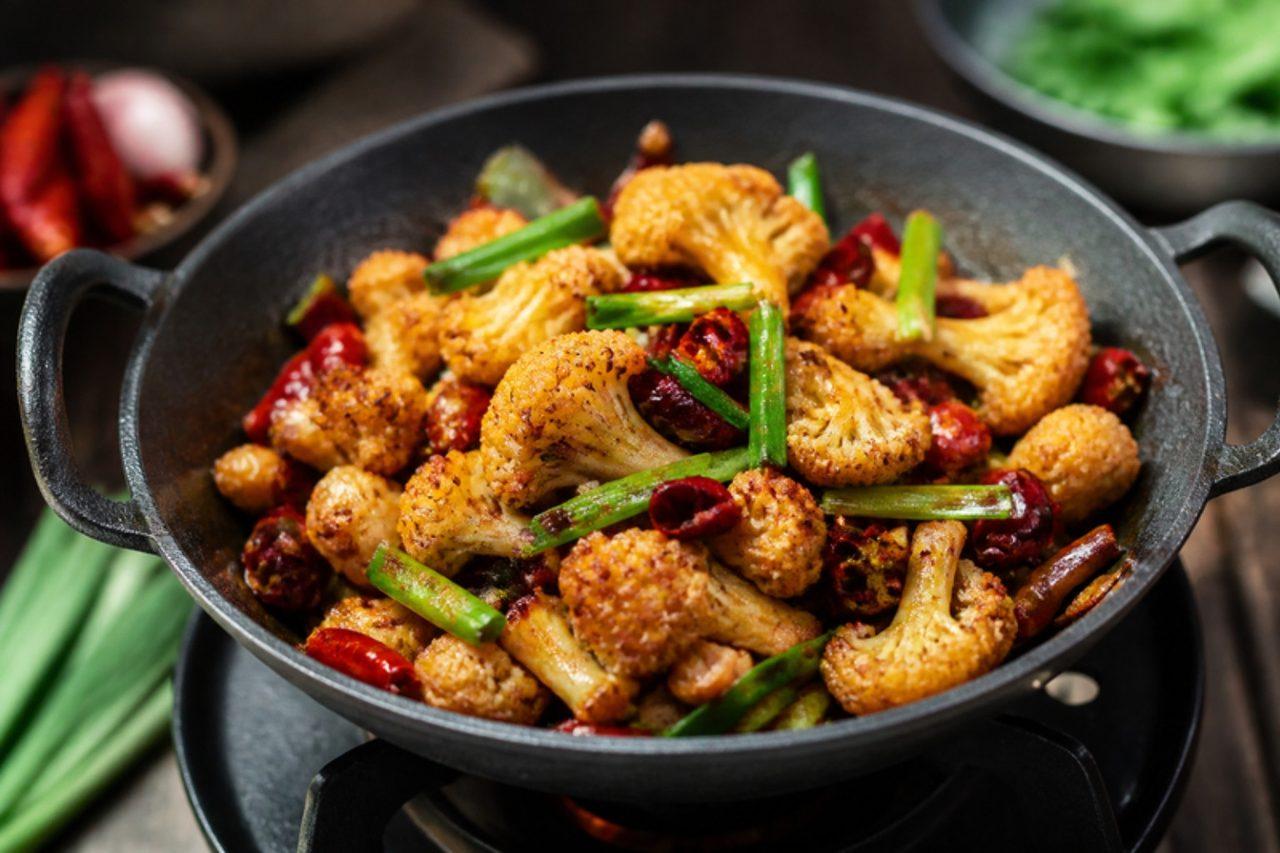
Hunan's dry-pot restaurants bring this to the table in a small wok over a burner, still crackling, and it is one of the most ordered dishes in Changsha. Loose-headed cauliflower is used there because its long, thin stems char quickly; ordinary cauliflower works if you cut it into small, flat florets. Restaurants usually fry it with slices of pork belly, but this version is fully vegetarian, with smoky charred edges, plenty of garlic and a deep chilli heat from dried and fresh peppers. Eat it with rice and a cooling soup. The common mistake is boiling the cauliflower first, which makes it soft and stops it charring; dry-fry it instead. Chef's tip: let the florets sit still in the hot wok for a minute at a time so they blacken in spots, because those scorched patches are the whole point.

by KrazyBadal 0 views

Pidan tofu (century egg tofu)Silken tofu with century egg

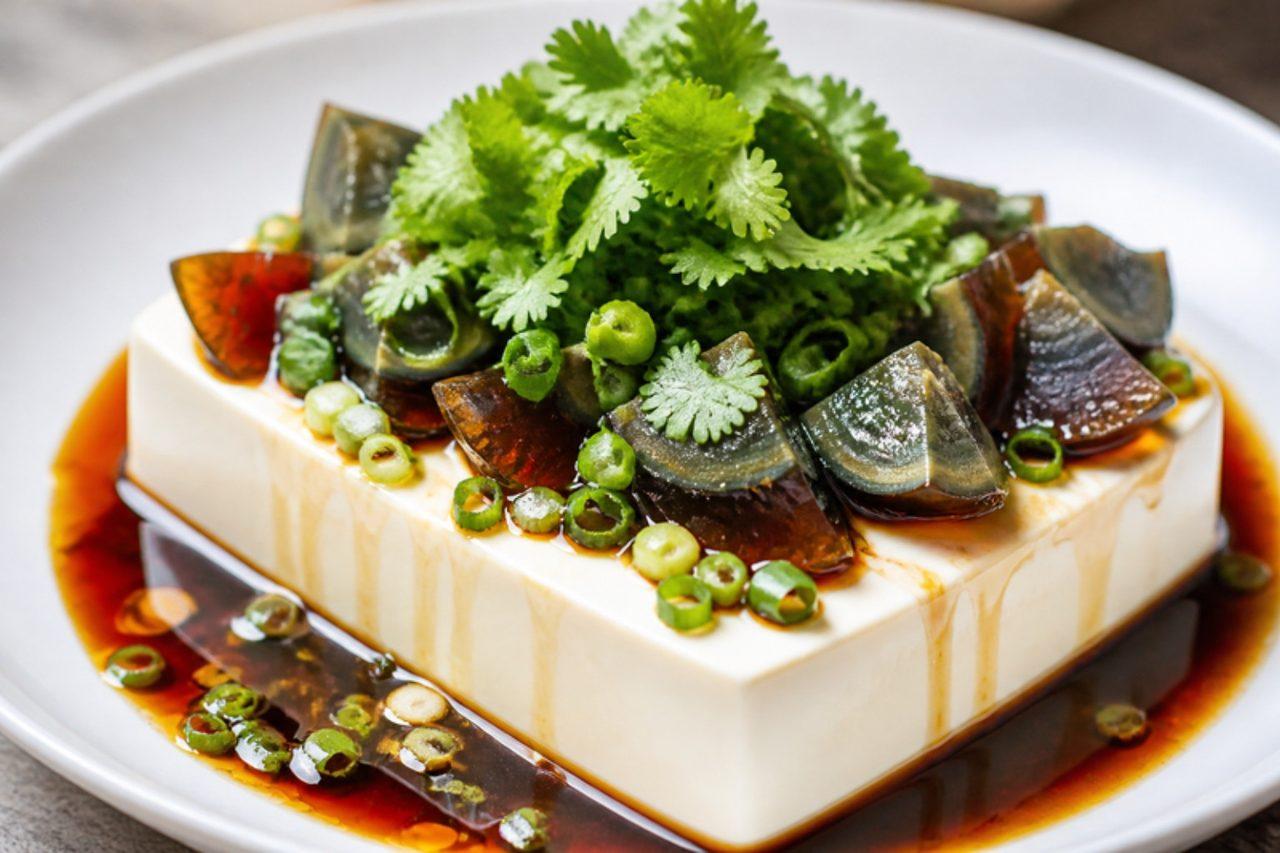
This cold plate is a summer standby in homes from Shanghai to Taipei and turns up in nearly every Sichuan and Hunan restaurant as a starter: a block of chilled silken tofu, chopped century egg with its amber white and creamy dark-green yolk, and a sharp dressing of soy, black vinegar and sesame oil. It is cool, silky and deeply savoury, and takes ten minutes. Eat it before a meal or with rice and porridge. Buy century eggs from a shop that sells them labelled lead-free; they are fully preserved and need no cooking. The mistake to avoid is skipping the drain, because water seeping out of the tofu dilutes the dressing into a puddle. Chef's tip: chill the eggs before peeling and cut them with a knife dipped in water, or with thread, so the soft yolk doesn't smear.

by KrazyBadal 0 views

Hot and sour lotus root

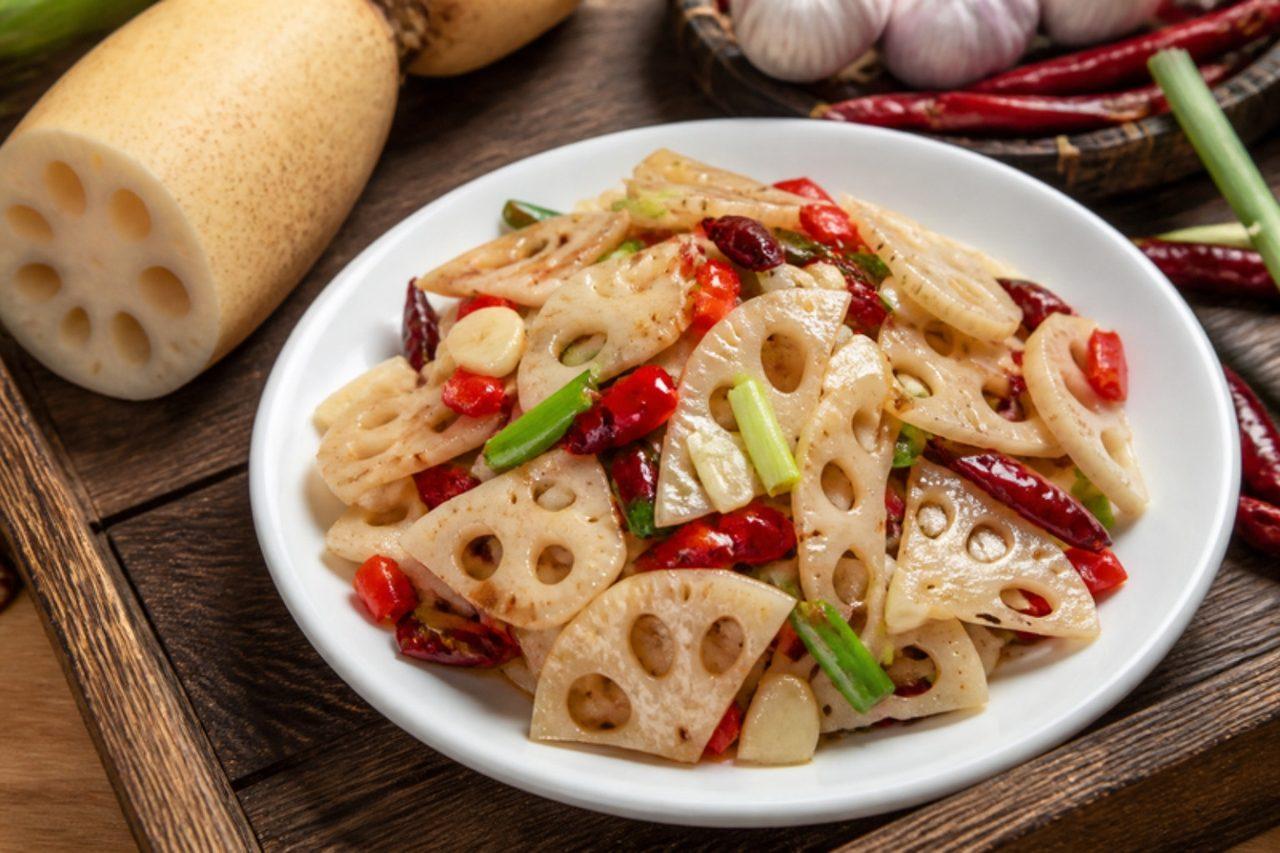
Hubei is lotus country, its lakes around Wuhan full of the plant, and Hubei and Sichuan cooks dice the crisp root and flash-fry it with chilli and vinegar for a side dish that crunches like water chestnut. It is sour first, then hot, then garlicky, and it wakes up a table of rich braises in a Wuhan home or a Chengdu fly restaurant. Serve it hot or at room temperature with rice. The common mistake is cooking the lotus too long so it turns starchy and dull; it needs only a few minutes. Chef's tip: drop the cut pieces straight into water with a splash of vinegar, which stops them turning grey and rinses off surface starch so they stay crisp.

by KrazyBadal 0 views

Showing 48 of 219 recipes

Show more recipes

Page 4 of 10

More collections