Skip to content
WhatToEat.Today

Vegetarian Japanese recipes

Noodles, rice bowls, tofu and vegetable dishes without meat or fish. (210 recipes)

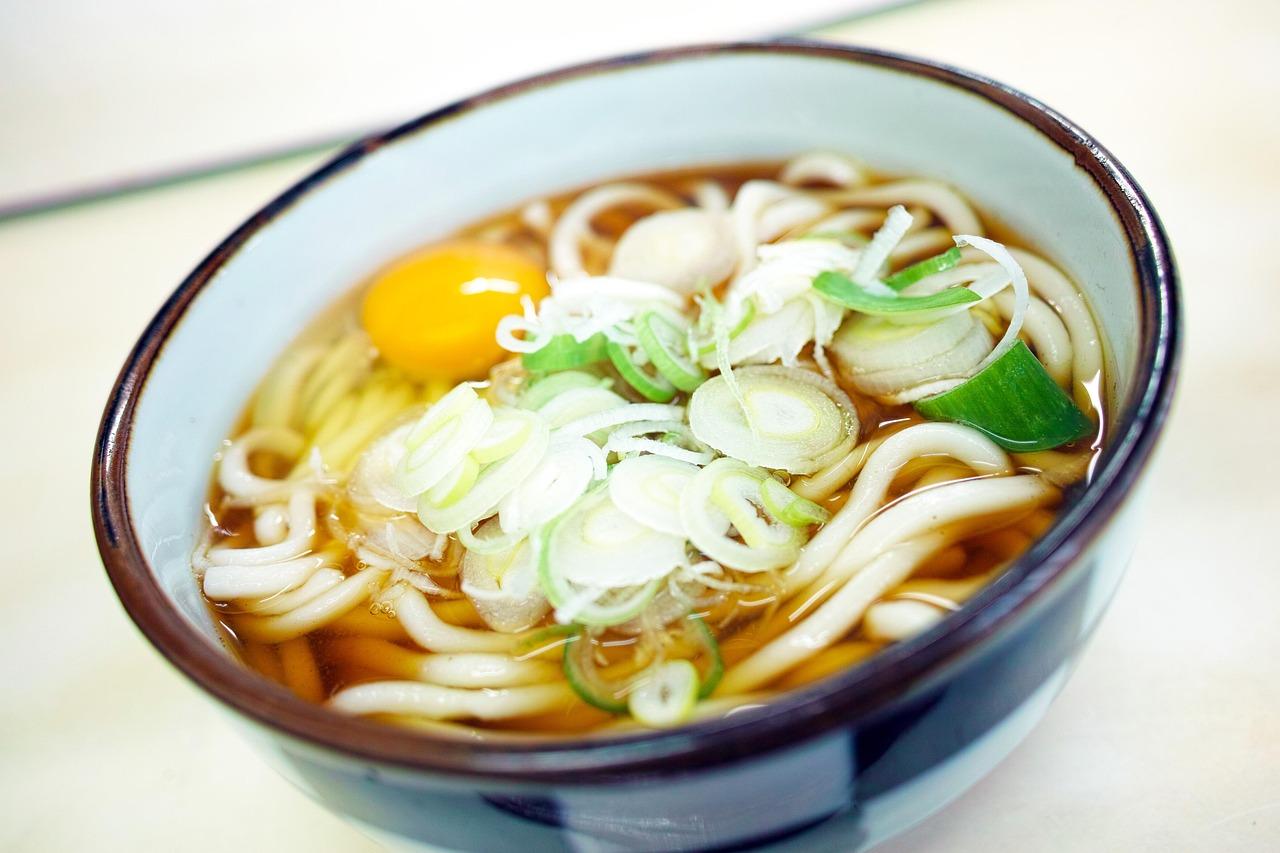
Tsukimi udon (moon-viewing udon)

Tsukimi means moon-viewing, and in noodle shops all over Japan the name is given to any bowl topped with an egg: the yolk is the full harvest moon, the white the clouds drifting round it, and it is a favourite around the September moon festival. Here the broth is a vegetarian kombu and shiitake dashi seasoned with soy, sweetened with a little sugar instead of mirin so it has no alcohol, giving a clean, savoury base for silky thick noodles and a rich yolk you break into the soup. Add spring onions and a pinch of shichimi, and eat at once. Egg safety: use pasteurised eggs or British Lion eggs if the yolk will stay runny, and for pregnant women, young children or anyone with a weakened immune system, poach the egg in the broth until it is firm. Chef's tip: heat the kombu slowly and lift it out before the water boils, which keeps the broth sweet and clear.

by KrazyBadal 0 views

Hishi mochi (diamond rice cakes)

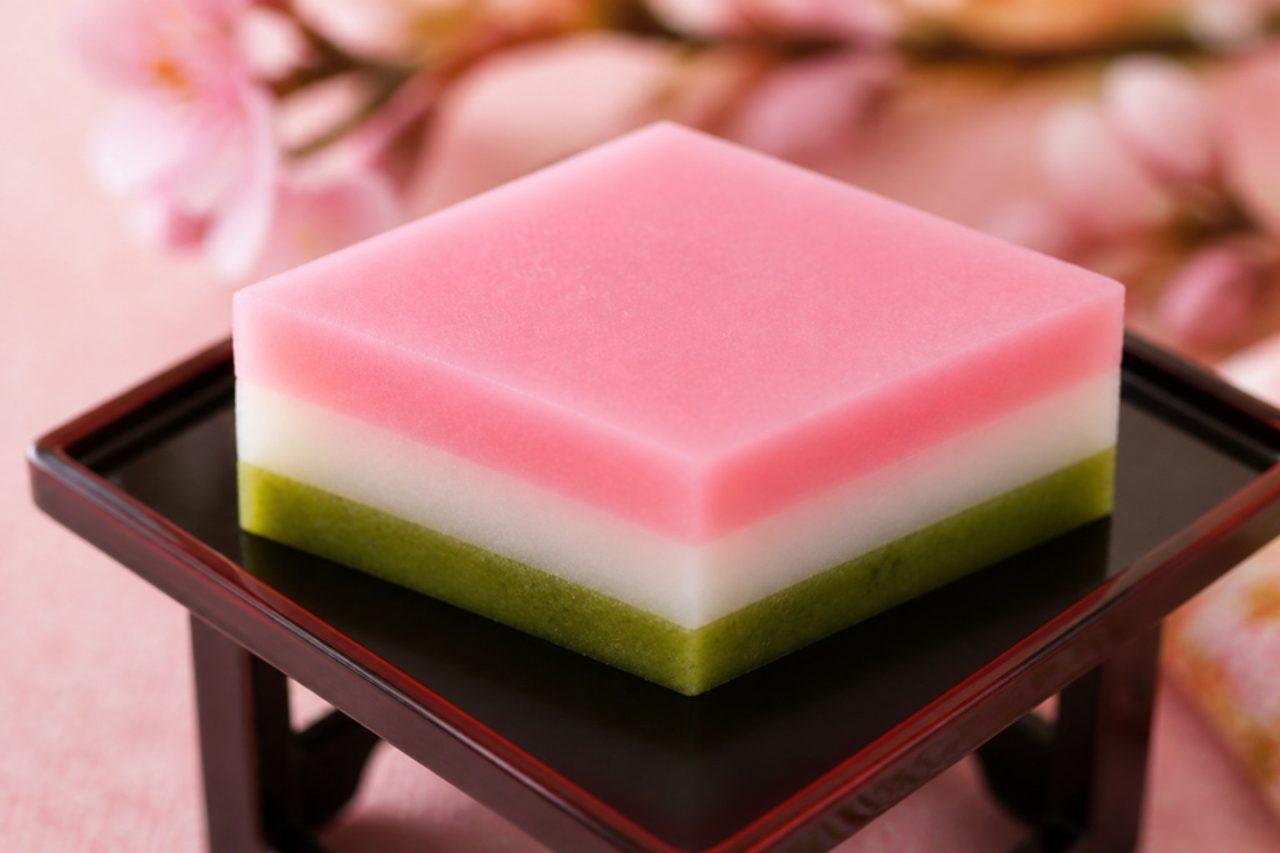
Hishi mochi sit on the tiered doll display for Hinamatsuri, Girls' Day on 3 March, and their colours are a little poem about early spring: green for new grass pushing through, white for the last snow, pink for peach blossom (some families also read them as health, purity and protection from evil). The diamond shape is said to echo the water chestnut and a wish for growth and many children. This home version is made from glutinous rice flour set in a square tin, so the cake is soft, bouncy and only gently sweet, with a grassy hint from matcha. Serve small pieces with green tea, or beside chirashizushi and clam soup at the festival table. Mochi is very sticky: cut it small for young children and older people, and see that they chew well and eat sitting down. Chef's tip: press each layer on while the one below is still warm and tacky, so the three bond into one cake.

by KrazyBadal 0 views

Nanohana karashi-ae (rapeseed blossoms with mustard)

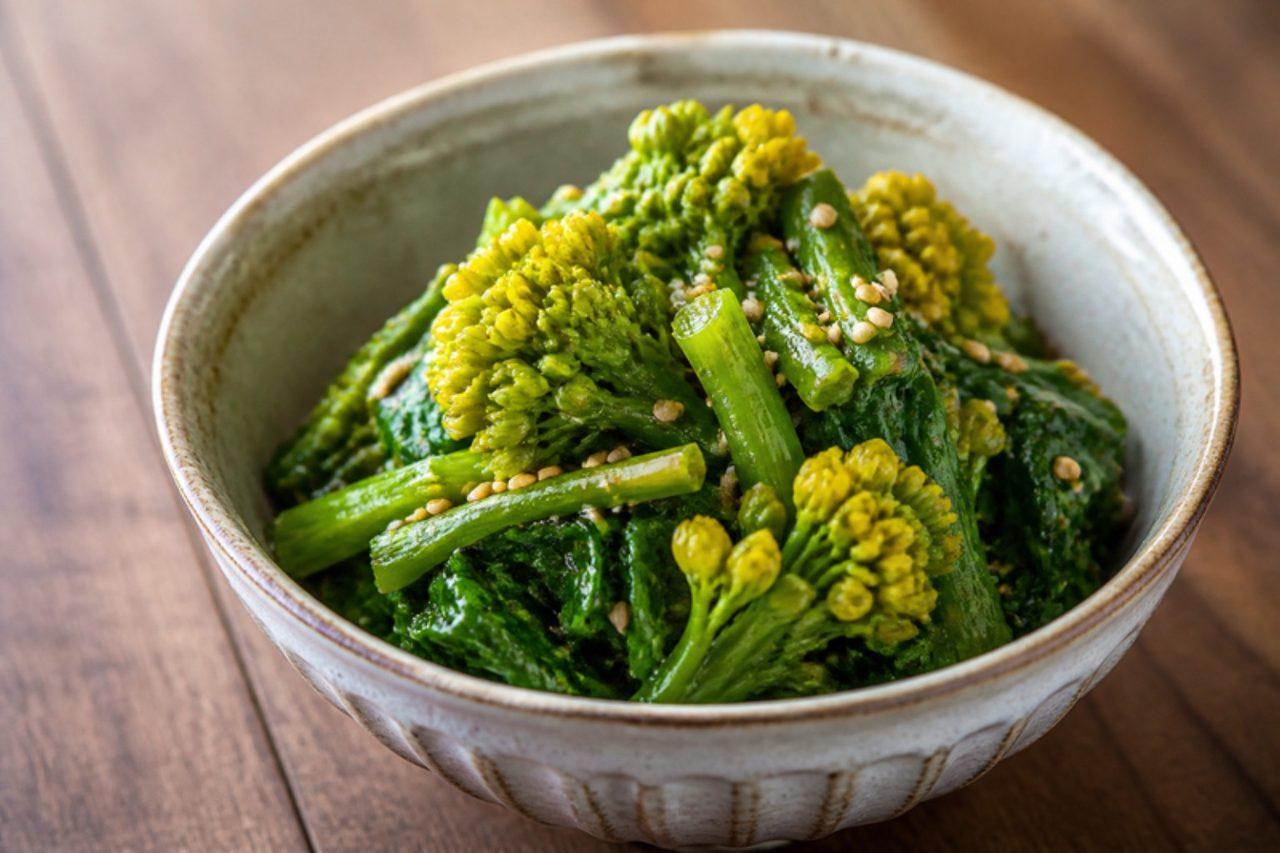
Nanohana, the budding shoots of the rapeseed plant, arrive in Japanese shops at the end of winter, and their little yellow-green flower heads are a sign that spring has come. That makes them a natural side dish for Hinamatsuri on 3 March, next to chirashizushi and clam soup. The greens are blanched just until tender, then dressed with Japanese karashi mustard loosened with soy sauce and kombu dashi: pleasantly bitter, nose-tinglingly hot and very fresh. Outside Japan, tenderstem broccoli or cime di rapa works almost as well. Chef's tip: dress the greens at the last minute, because the soy starts to dull the green colour within half an hour.

by KrazyBadal 0 views

Amazake (sweet koji rice drink)

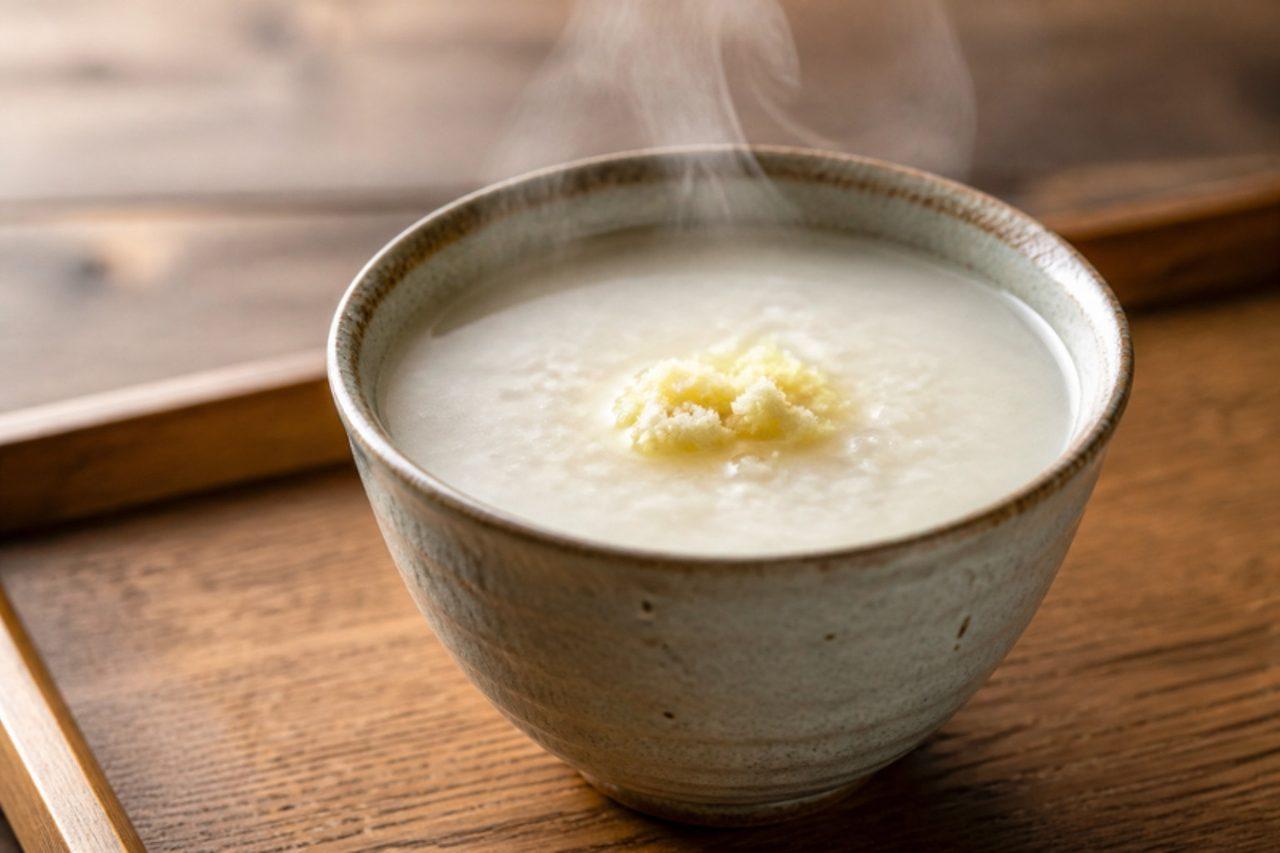
On New Year's Day, crowds queuing for hatsumōde, the first shrine visit of the year, warm their hands on cups of amazake, and shrines all over Japan ladle it out as a welcome. This is the koji kind: cooked rice is held warm with rice koji, whose enzymes turn the starch into sugar, so the drink is sweet with no added sugar and contains no alcohol (unlike the other amazake made from sake lees). It is thick, creamy and gently fragrant, a little like rice pudding you can drink. Serve it hot with a pinch of grated ginger, or chilled in summer. Chef's tip: a cheap probe thermometer is the whole secret; keep the mixture at 55–60 °C and it will turn sweet every time.

by KrazyBadal 0 views

Nishime (simmered root vegetables)

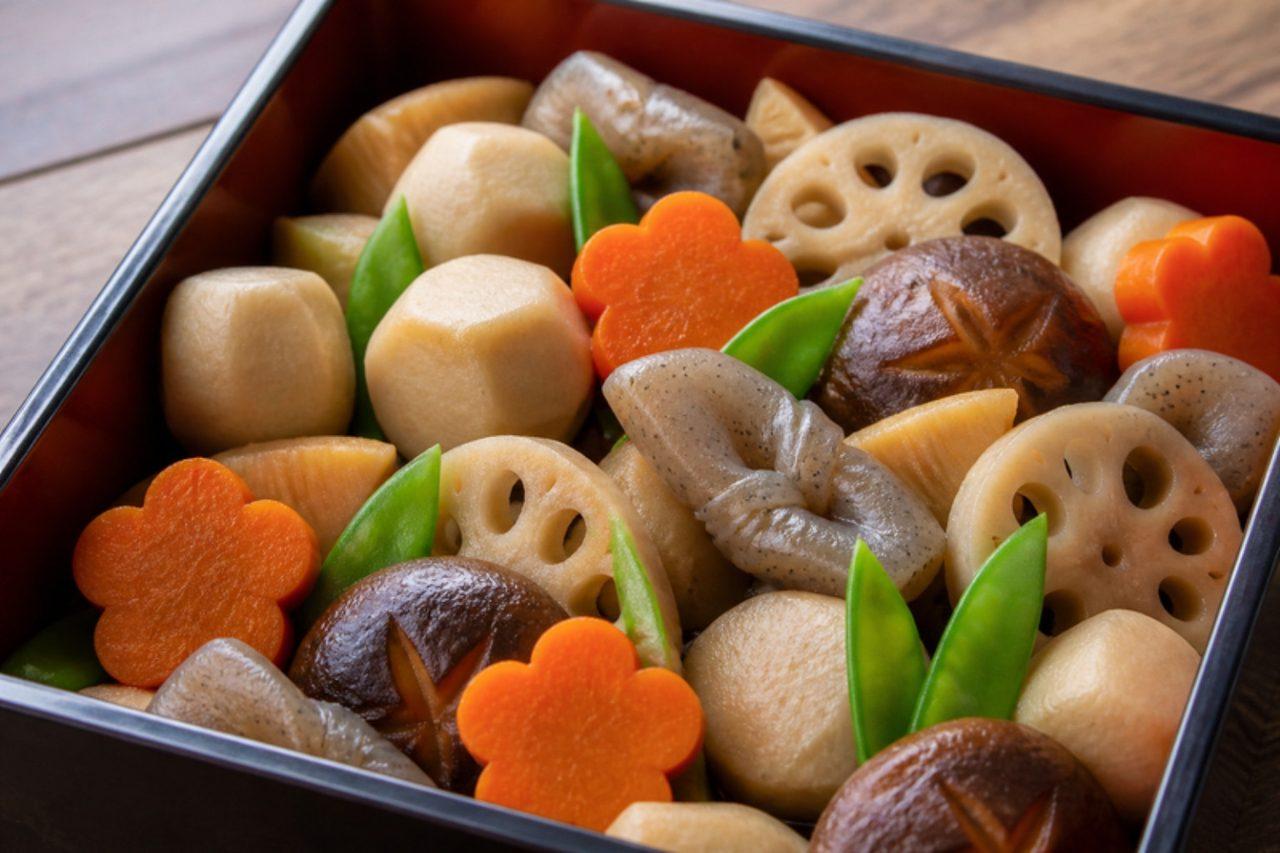
Nishime is the quiet backbone of the Shōgatsu osechi box all over Japan: root vegetables that grow deep and hold together, cooked so the family stays rooted and united through the year. Unlike chikuzenni, nothing is fried first and there is no chicken here; each vegetable is simmered on its own, very gently, until the seasoned dashi has soaked right in and almost vanished from the pan, so the colours stay clean and the flavours distinct. This version is vegan, with a dashi of kombu and dried shiitake, and the sweetness comes from sugar and mirin, a sweet rice wine (for no alcohol, use 1 tbsp water plus 1 tsp sugar for every tbsp of mirin). Serve it at room temperature in the osechi box, beside rice and pickles, or with zōni. Chef's tip: cook the pale vegetables before the dark ones, so the shiitake never stains the taro.

by KrazyBadal 0 views

Kibi dango (吉備団子, Okayama soft millet rice cakes)

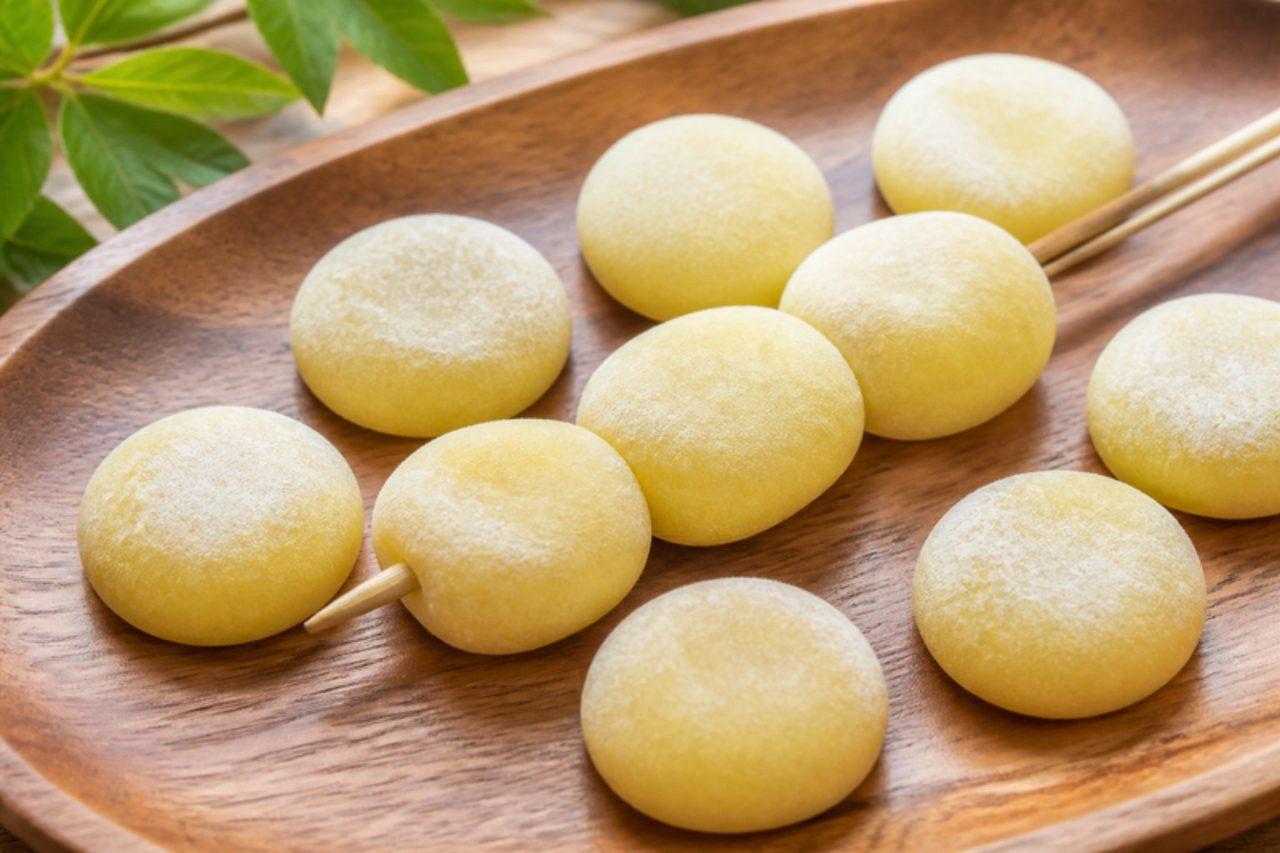
Kibi dango is Okayama's souvenir sweet, sold in boxes at the station and tied to the folk tale of Momotarō, the peach boy, who shared them with a dog, a monkey and a pheasant on his way to fight the ogres. It is a year-round snack with green tea. Today's version is a gyuhi, a soft, cooked dough of glutinous rice flour, sugar and starch syrup, with a little millet flour for a pale-gold colour and a gentle, grainy sweetness. The small flat rounds are pillowy, smooth and stretchy, dusted with potato starch. The cakes are naturally egg-free: cooking the glutinous rice flour with sugar and syrup turns it into an elastic dough that binds itself, and the sugar keeps it soft for days. Chef's tip: add the sugar in three goes and stir until each lot is absorbed; the common mistake is tipping it in at once, which makes the dough seize and go lumpy. Cut them small for children and supervise, as with any mochi.

by KrazyBadal 0 views

Monaka (最中, rice wafers with azuki bean paste)Rice wafers with sweet bean paste

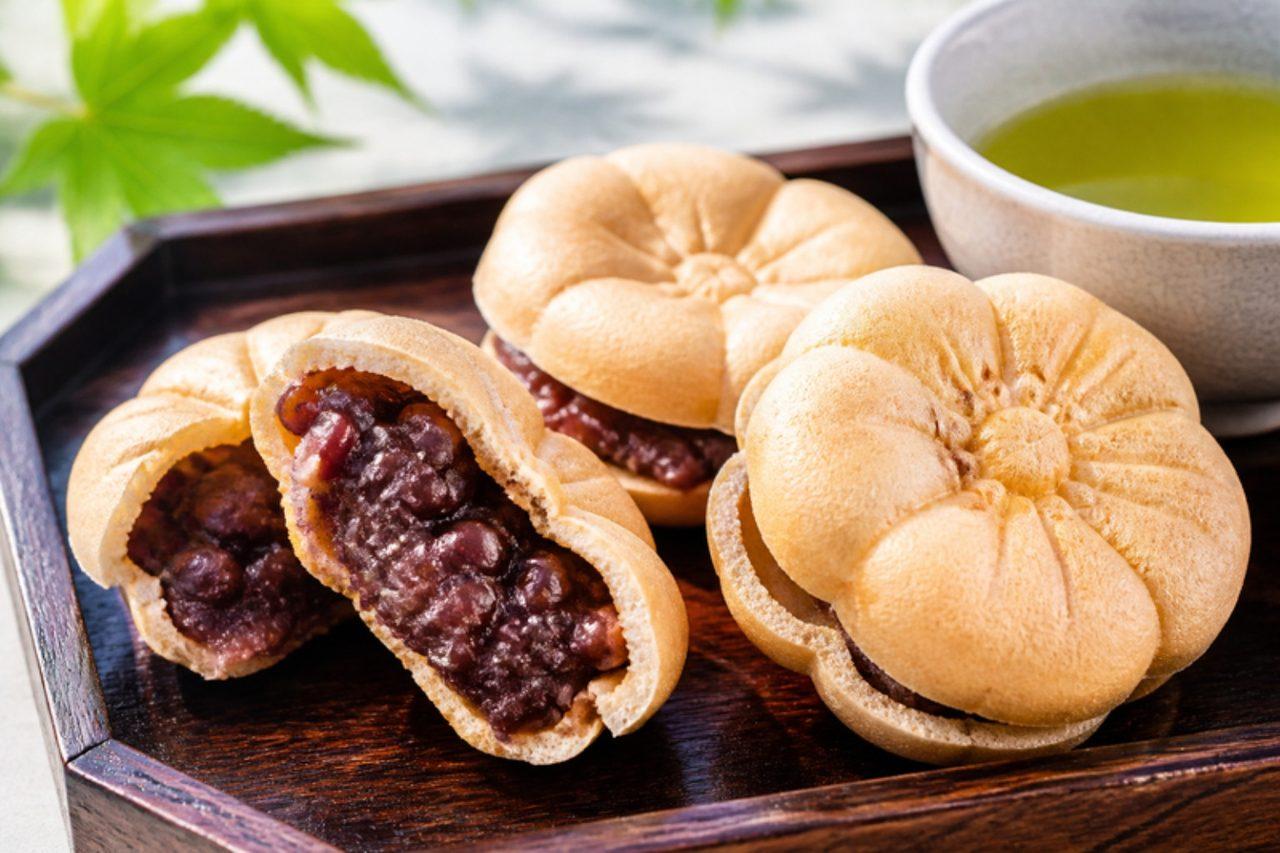
Monaka is sold in wagashi shops all over Japan, from Tokyo's old districts to temple towns, often pressed into the shape of a flower, a fish or a local landmark. It is a year-round tea sweet and a favourite souvenir. Two crisp, paper-light wafers made of glutinous rice flour and water are filled with tsubuan, a chunky azuki paste cooked with sugar. The wafer is dry and toasty, the filling dense, sweet and earthy, and the pleasure is in eating it before the shell softens. Serve with matcha or sencha. Making the shells needs a special iron mould, so we use bought monaka shells; they are normally just rice flour and water, but check the pack to be sure they are eggless. The bean paste is naturally egg-free, set by the azuki's own starch and the sugar. Chef's tip: the common mistake is filling them in advance; sandwich them just before serving, or the wafers go limp.

by KrazyBadal 0 views

Noppe-jiruTaro and vegetable soup

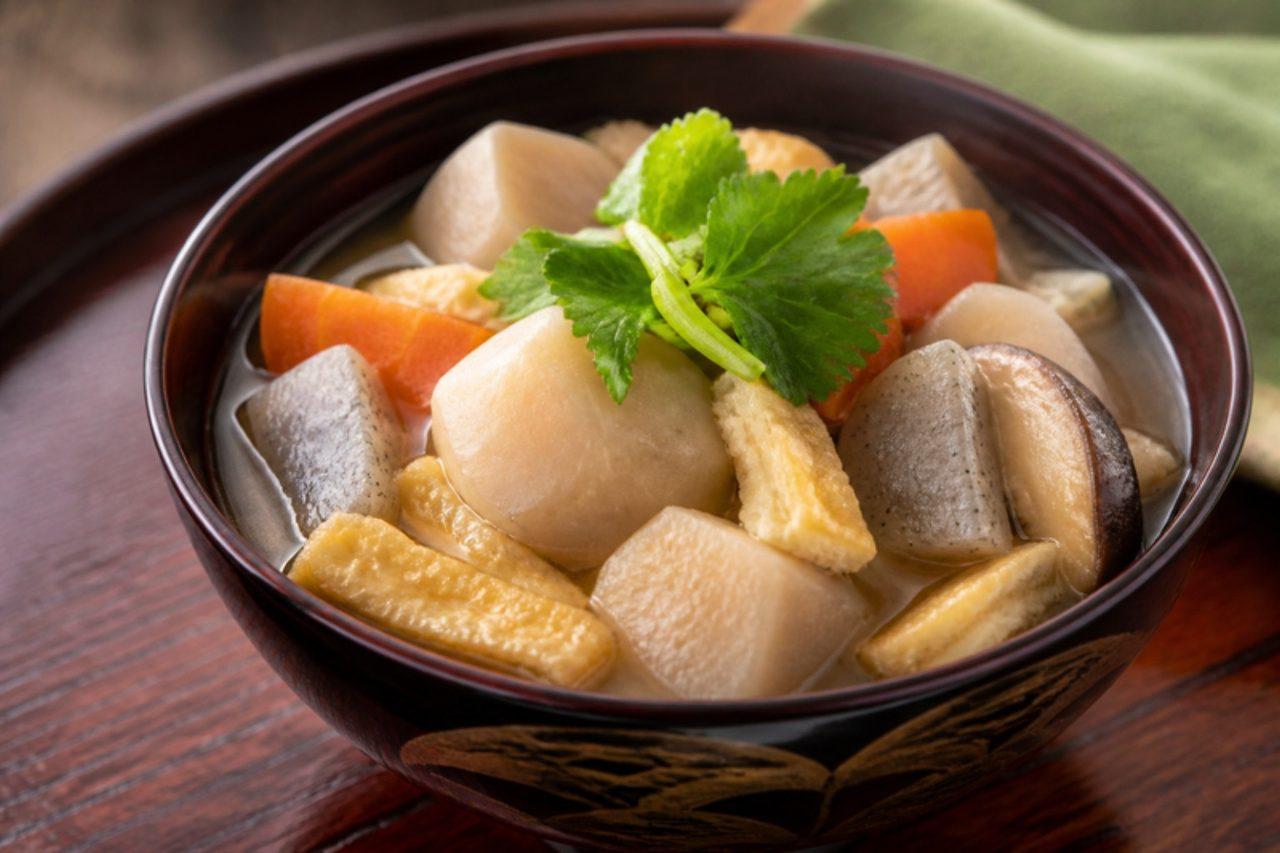
Noppe-jiru is the everyday and festive soup of Niigata, cooked in big pots for New Year, the Obon holidays and winter family gatherings, and served hot or even cold the next day. Taro, carrot, konnyaku, shiitake and fried tofu are simmered in a soy-seasoned dashi, and the taro's own starch, helped by a little potato starch, gives it a soft, gentle thickness. Many homes use bonito or chicken; this is the vegetarian version with kombu-shiitake dashi. It is warming and earthy, with about 5 g of protein per portion from the fried tofu and shiitake. The usual mistake is skipping the salt rub on the taro, which leaves the broth sticky and gluey rather than silky. Chef's tip: cut all the vegetables to the same small size so every spoonful has a bit of everything.

by KrazyBadal 0 views

Mizu shingen mochi (Yamanashi raindrop cake)

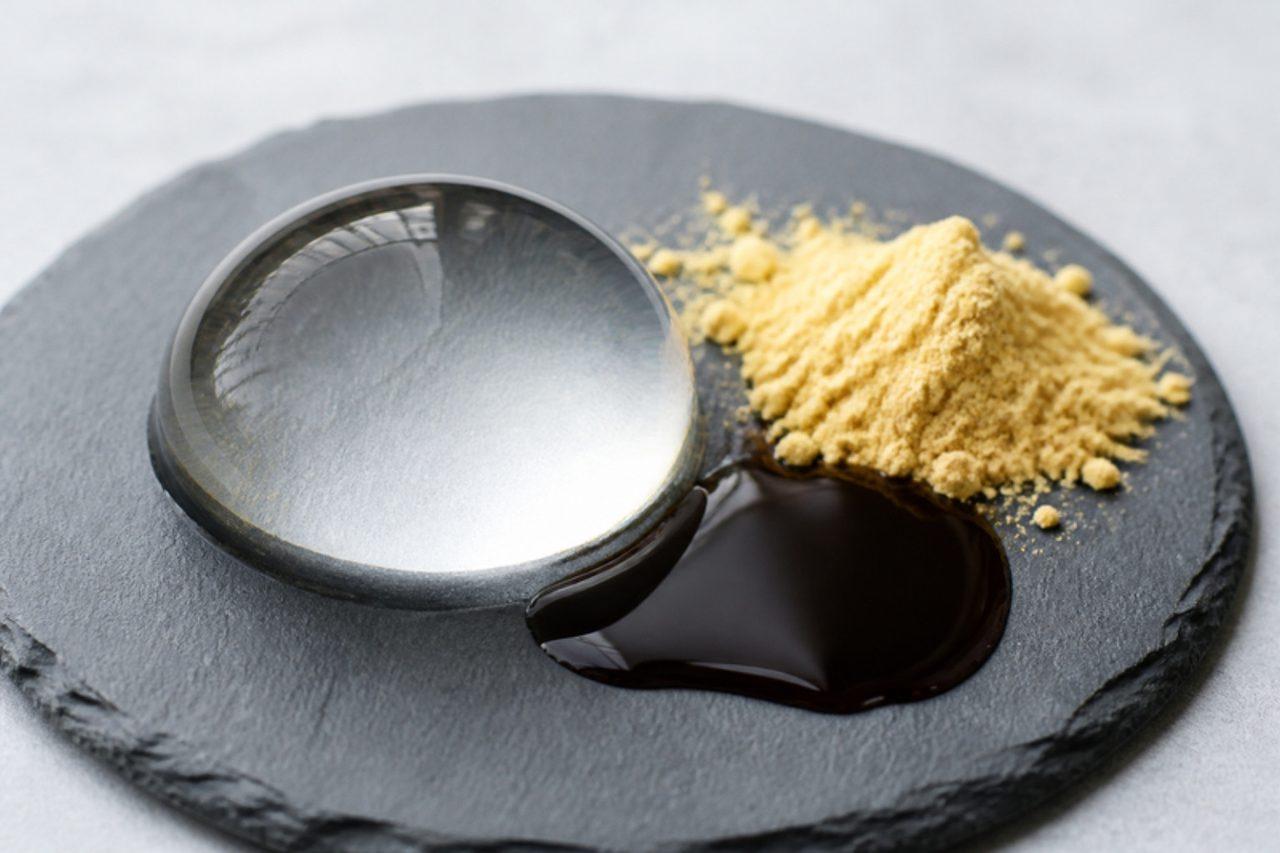
Mizu shingen mochi comes from Hokuto in Yamanashi, at the foot of the Southern Alps, where a sweet shop first set the local spring water into a trembling, glass-clear dome. It is a summer sweet, eaten in the heat of July and August, and it has to be eaten within half an hour of being made, before it starts to weep. There is almost no flavour of its own: the point is the cool, melting texture, with nutty kinako and dark kuromitsu syrup poured over at the table. Despite the name it is not a rice mochi at all, and it is naturally egg-free. Agar, a seaweed setting agent, holds the water in shape; using just enough to set it makes it melt on the tongue. Serve with green tea. Chef's tip: boil the agar hard for a full 2 minutes; just warming it is the common mistake, and the domes stay liquid in the mould.

by KrazyBadal 0 views

HōtōThick noodles in miso soup

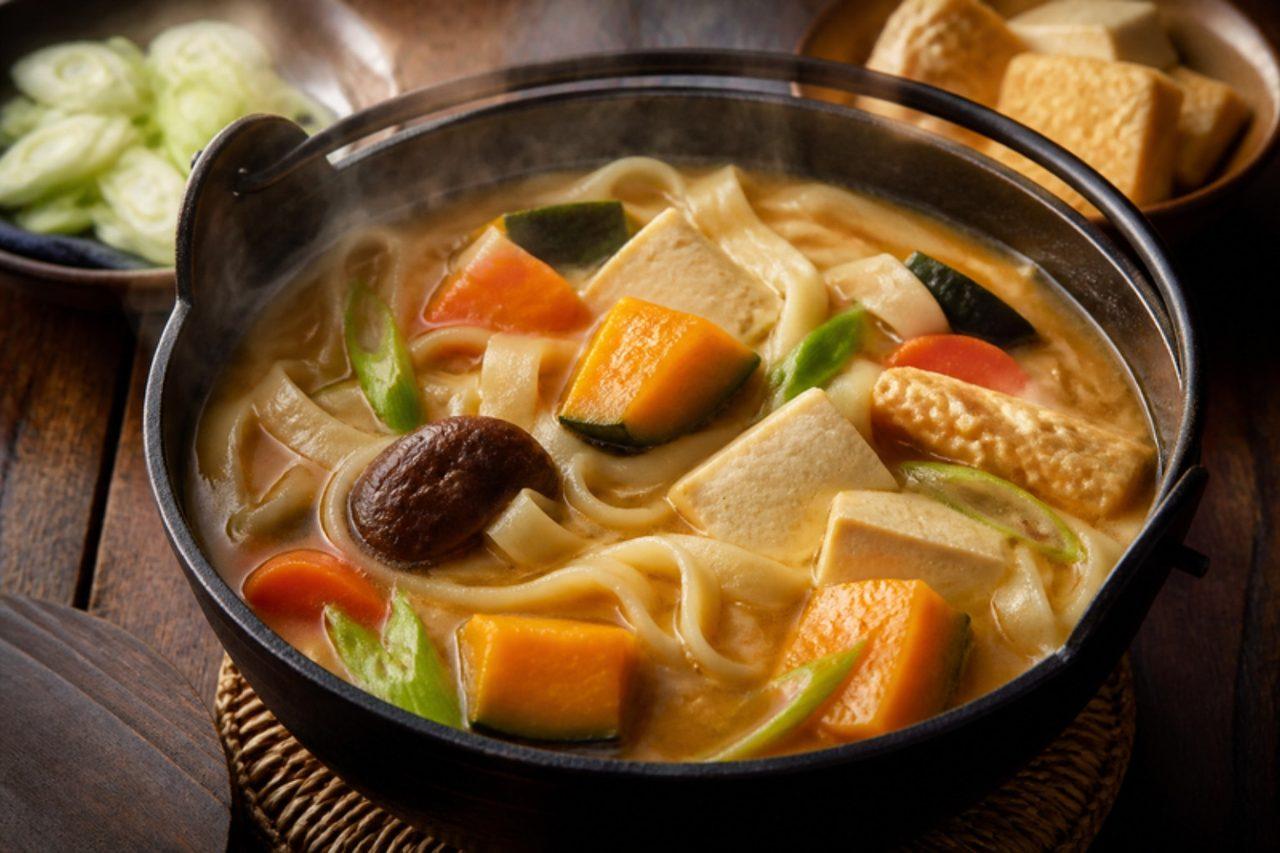
Hōtō is the winter pot of Yamanashi, at the foot of Mount Fuji, served bubbling in iron pans in Kofu restaurants after a cold day on the slopes. Thick, wide, unsalted wheat noodles go into the miso broth raw, with kabocha squash that half melts and thickens everything. This vegetarian version uses kombu-shiitake dashi and adds firm tofu and fried tofu pouches, so a bowl gives about 22 g of protein, from the tofu, wheat noodles and miso. The common mistake is boiling the noodles separately or salting the dough; hōtō noodles are cooked in the pot so their starch makes the broth silky. Rest the dough for 30 minutes before rolling. Chef's tip: dissolve the miso in a ladle of broth and add it in two goes, half early for depth and half at the end for aroma, and never let it boil hard afterwards.

by KrazyBadal 0 views

Gobo saladBurdock and carrot salad

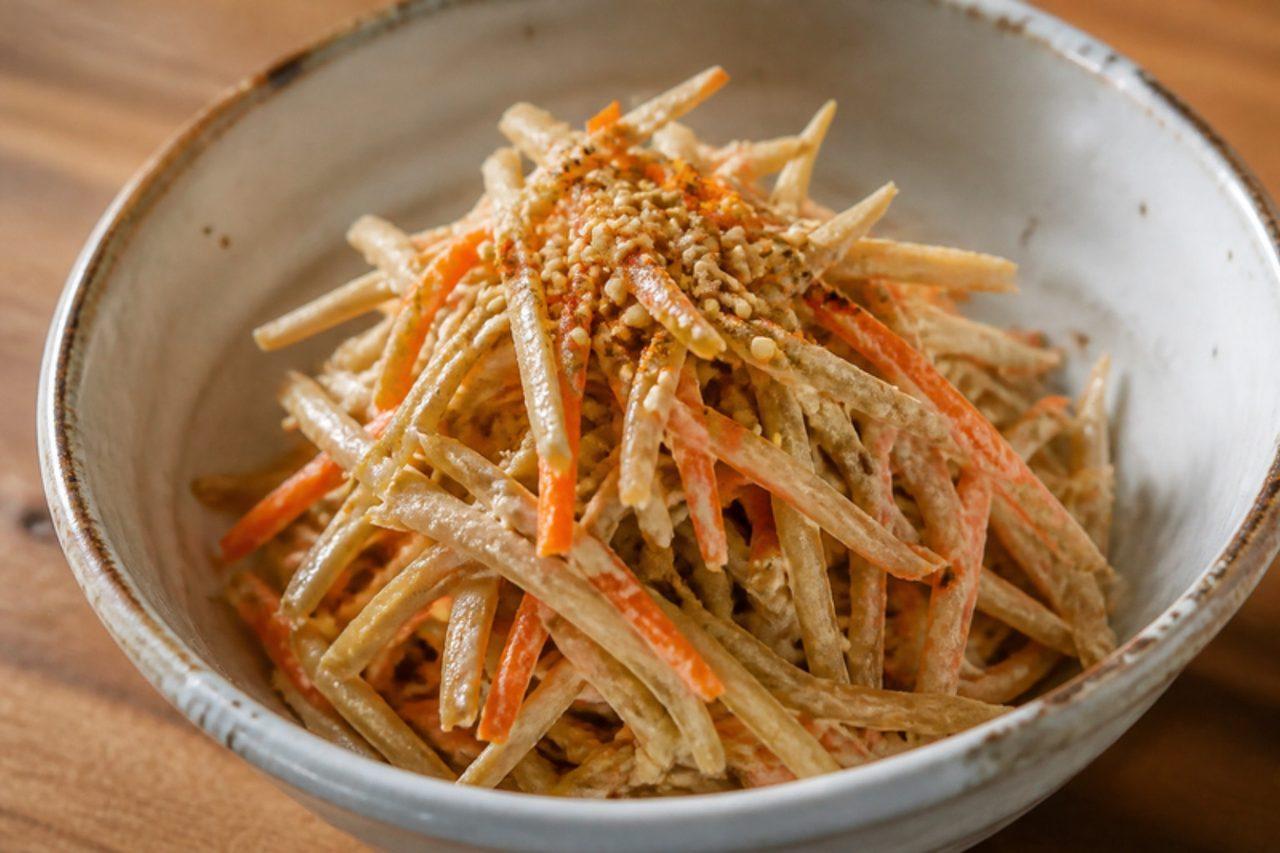
Gobo salad is a fixture of Japanese supermarket delis, bento boxes and izakaya small plates from Tokyo to Osaka, eaten all year but especially in autumn and winter when burdock is at its best. Thin matchsticks of earthy burdock and sweet carrot are blanched until just tender, then tossed in a creamy dressing of mayonnaise, ground toasted sesame, soy and rice vinegar, giving a crunchy, nutty, slightly sweet side for rice or grilled tofu. It is vegetarian but not vegan, because of the egg in the mayonnaise; shop-bought mayonnaise is made with pasteurised egg, so it is safe for everyone. A portion gives about 3 g of protein, from the sesame and egg, so treat it as a side. The most common mistake is skipping the soak: cut burdock darkens and turns bitter within minutes unless it goes straight into water with a dash of vinegar. Chef's tip: dress the vegetables while still slightly warm; they drink up the soy and vinegar first, so the mayonnaise coats rather than slides off.

by KrazyBadal 0 views

Dango-jiruDumplings in miso soup

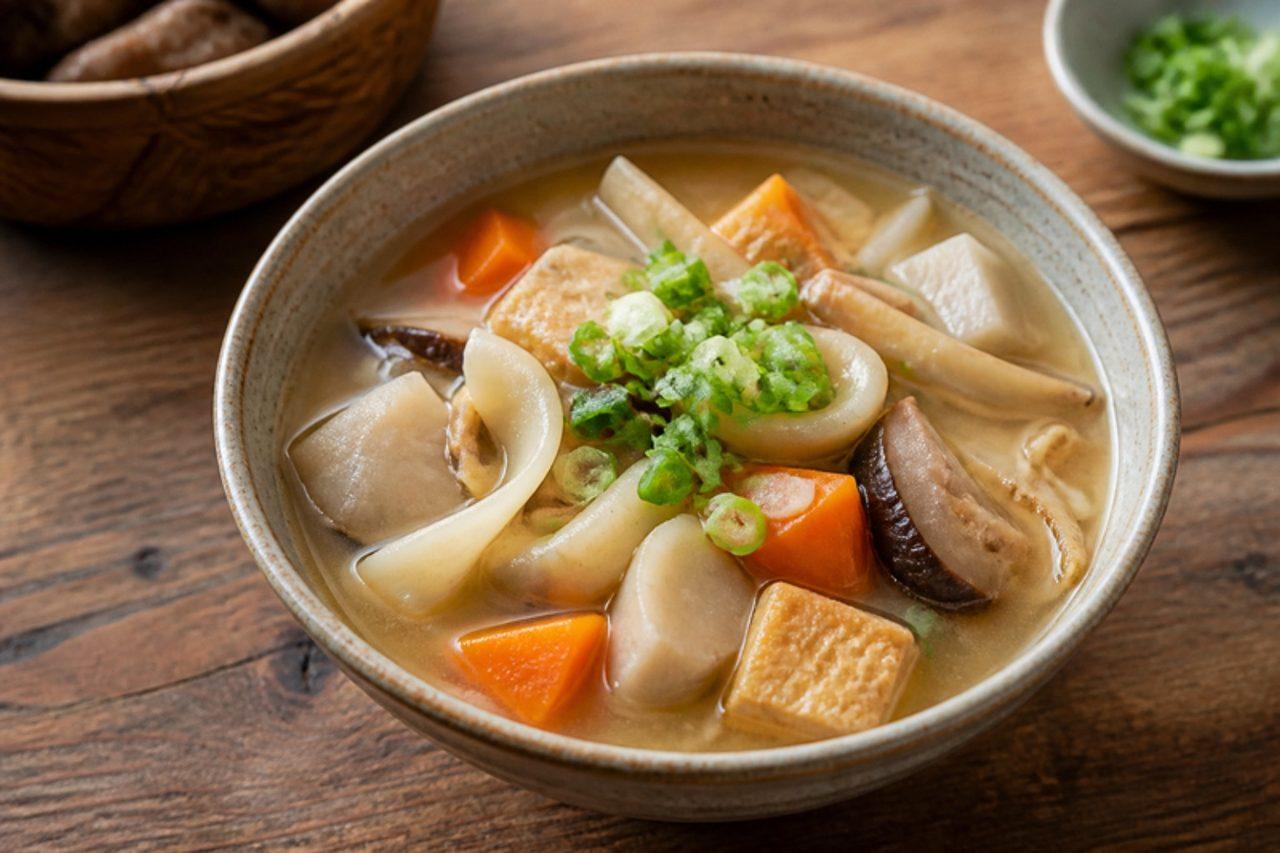
In Oita prefecture on Kyushu, dango-jiru is a grandmother's winter supper: a soft wheat dough is rested, then pulled by hand into long, flat ribbons and dropped straight into a miso soup of taro, burdock, carrot, daikon and mushrooms. Oita cooks usually use mild barley miso and often add pork or chicken; this vegetarian version uses kombu-shiitake dashi and fried tofu instead. A bowl gives about 13 g of protein, from the dumplings, miso and tofu, so it is not high-protein. The common mistake is stretching the dough before it has rested: it springs back and tears. Give it at least 30 minutes. Chef's tip: keep the rested dough pieces in a bowl of water and stretch them with wet hands; they pull out long and thin without breaking.

by KrazyBadal 0 views

Mame gohanRice with green peas

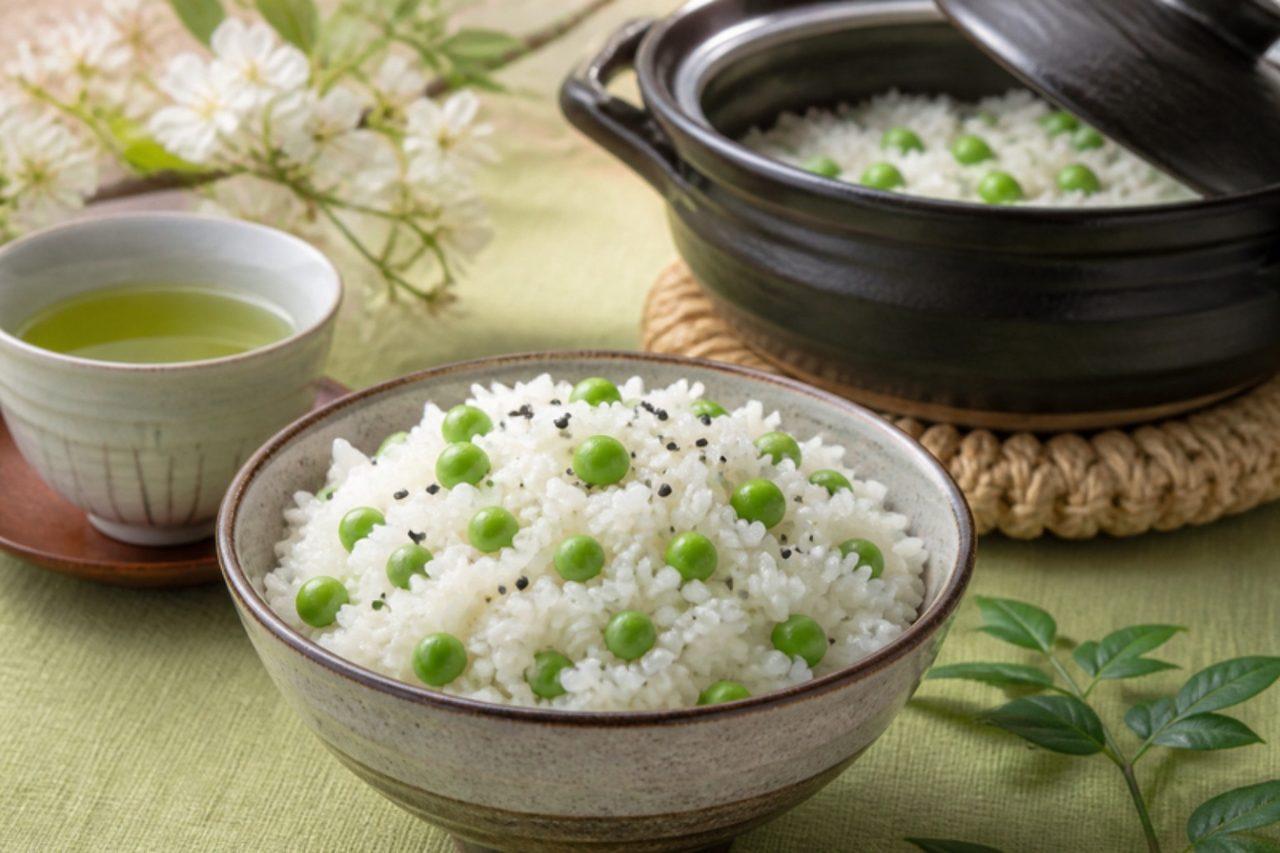
When the first pea pods arrive in Japanese greengrocers in April and May, home cooks from Kyoto to Tokyo make mame gohan: short-grain rice steamed with a strip of kombu and lightly salted, then folded through with sweet, bright green peas. It is eaten warm with miso soup and pickles, or pressed into onigiri for a spring picnic. A bowl gives about 9 g of protein, from the rice and peas, so serve it with tofu or an egg dish if you want a fuller meal; it is not a high-protein dish on its own. Many recipes add a splash of sake; this version leaves it out, so it is alcohol-free. The common mistake is cooking the peas with the rice from the start: they turn khaki and wrinkled. Here they are boiled separately and added at the end. Chef's tip: let the peas cool in their salted cooking water rather than draining them hot; they stay plump instead of puckering.

by KrazyBadal 0 views

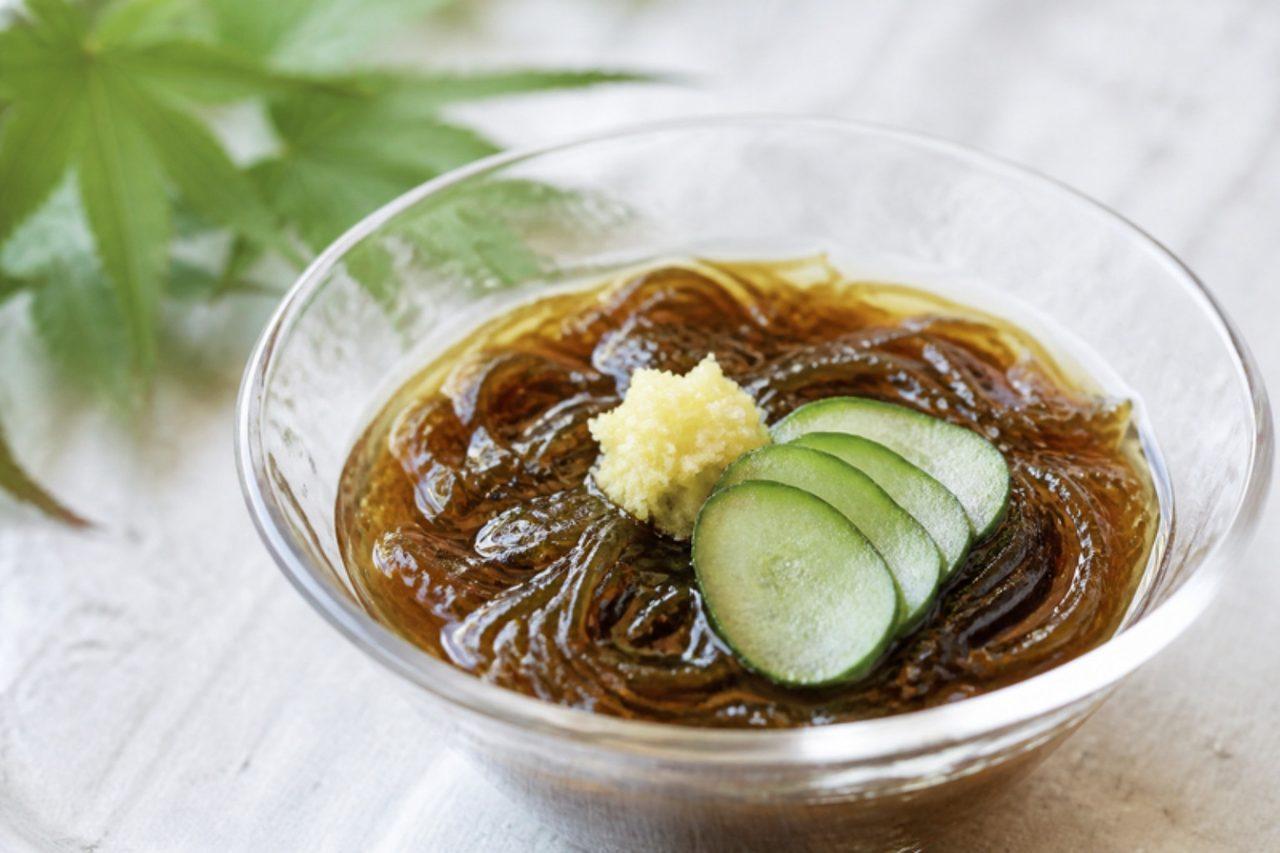
Mozuku-zuSeaweed in sweet vinegar

In Okinawa, where most of Japan's mozuku is farmed, a small bowl of mozuku-zu starts many a home supper and izakaya meal, especially in the hot months. The fine, slippery strands of seaweed are rinsed of their salt and served cold in a gentle dressing of rice vinegar, a little sugar and soy, topped with grated ginger, so it tastes clean, sour and of the sea. Shop versions often use bonito dashi; this one uses kombu dashi, so it is vegan. It is very light, with less than 1 g of protein a portion, so it belongs alongside a tofu dish and rice rather than as a main. The most common mistake is not rinsing salted mozuku enough: it needs two or three changes of water or the dish turns harsh. Chef's tip: chill the dressing and the bowls well; mozuku-zu should be served icy cold.

by KrazyBadal 0 views

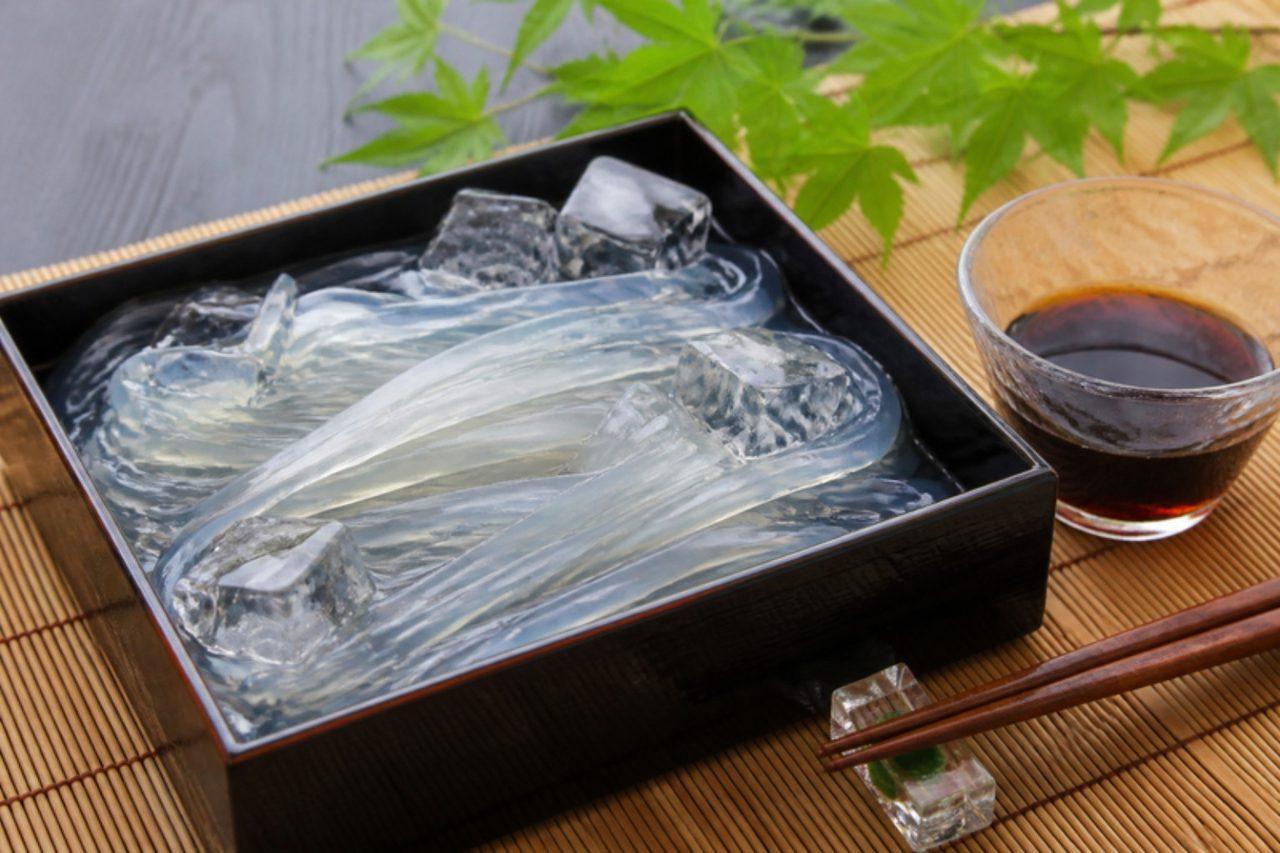
葛切り (Kuzukiri, Kyoto kudzu noodles)

Kuzukiri is a summer sweet of Kyoto, served most famously in the old tea houses of Gion: a lacquered box of clear, flat noodles floating in iced water, with a cup of dark kuromitsu black-sugar syrup to dip them in. It is eaten in the hottest months as a refreshing afternoon dessert with green tea. The noodles are cool, springy and smooth, with a clean, faintly sweet taste, and the syrup is deep, smoky and molasses-rich. It is naturally egg-free and plant-based: pure kudzu starch mixed with water sets into a firm, glass-clear sheet when it is cooked in a thin layer over boiling water, the starch alone doing the binding. Serve it within half an hour of making it. Chef's tip: buy pure kudzu starch rather than a blend; the common mistake is making kuzukiri ahead, because within an hour or two it turns cloudy and stiff.

by KrazyBadal 0 views

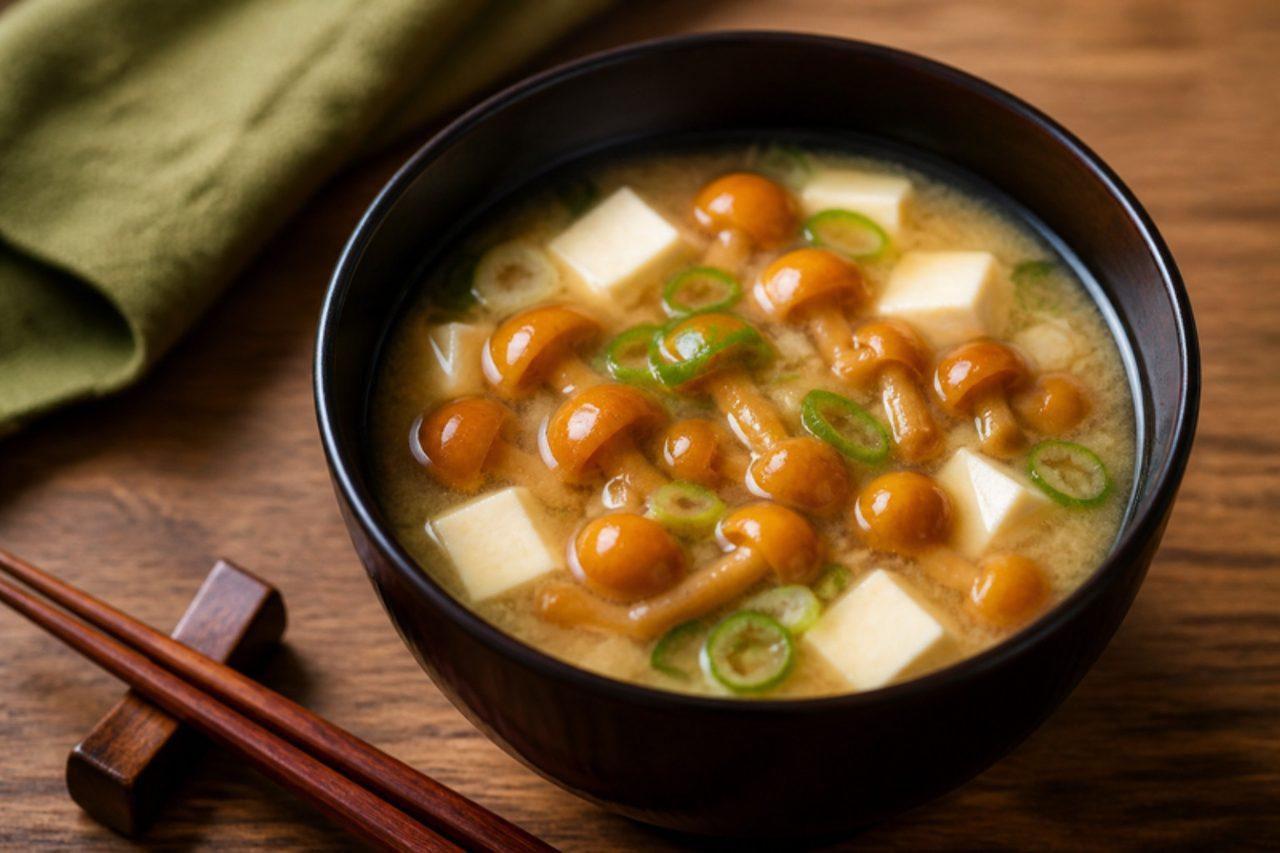
Nameko jiruNameko mushroom miso soup

Nameko jiru is one of the most common miso soups in Japan, made in homes from Tohoku to Kyushu for breakfast or dinner, especially in autumn and winter when the small amber nameko mushrooms are cheap. The mushrooms have a natural silky coating that gives the soup a gently thickened, slippery feel, which the Japanese love. Homes usually use bonito dashi; this is the vegetarian version, with kombu and dried shiitake. A bowl has about 7 g of protein, from the tofu and miso. The most common mistake is boiling the soup after the miso goes in: it kills the aroma and turns the miso grainy. Chef's tip: give nameko only a quick rinse in a sieve, and never scrub away the gel; that coating is what makes the soup.

by KrazyBadal 0 views

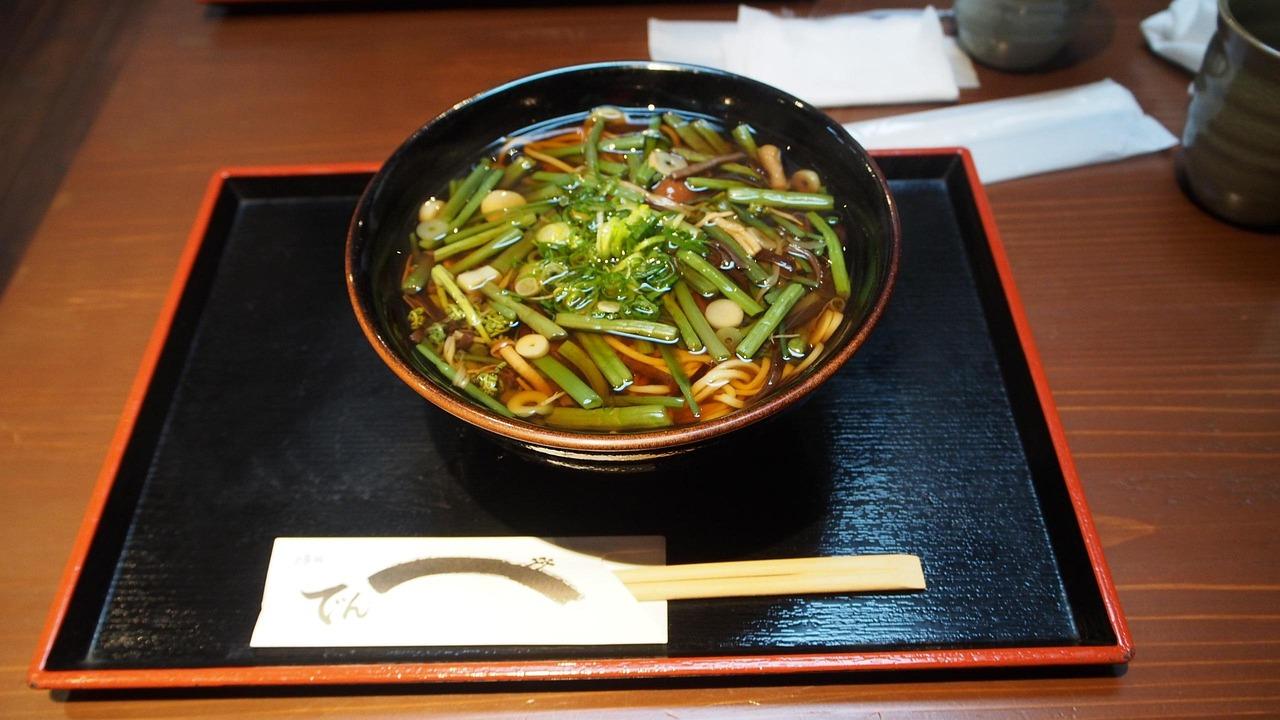
Sansai sobaBuckwheat noodles with mountain vegetables

In the mountains of Yamagata, Akita and Nagano, spring brings sansai, the wild shoots foraged from the hillsides: bracken, royal fern, nameko and more. Station-side soba shops serve them on hot buckwheat noodles all year, using salted or boiled sansai packed for winter. This version uses a kombu and shiitake broth instead of the usual bonito dashi, and sugar in place of mirin, so it is vegan and alcohol-free. A bowl gives about 14 g of protein from the buckwheat noodles, mushrooms and soy, so it is not high-protein. Most soba contains wheat; 100% buckwheat noodles are needed for a gluten-free bowl, along with tamari. The common mistake is putting boiled noodles straight into the broth: their starch clouds and thickens it. Chef's tip: rinse the cooked soba under cold water, rubbing it gently, then dunk it in hot water to rewarm before it goes in the bowl.

by KrazyBadal 0 views

Kombu maki with burdock and carrotKelp rolls with burdock and carrot

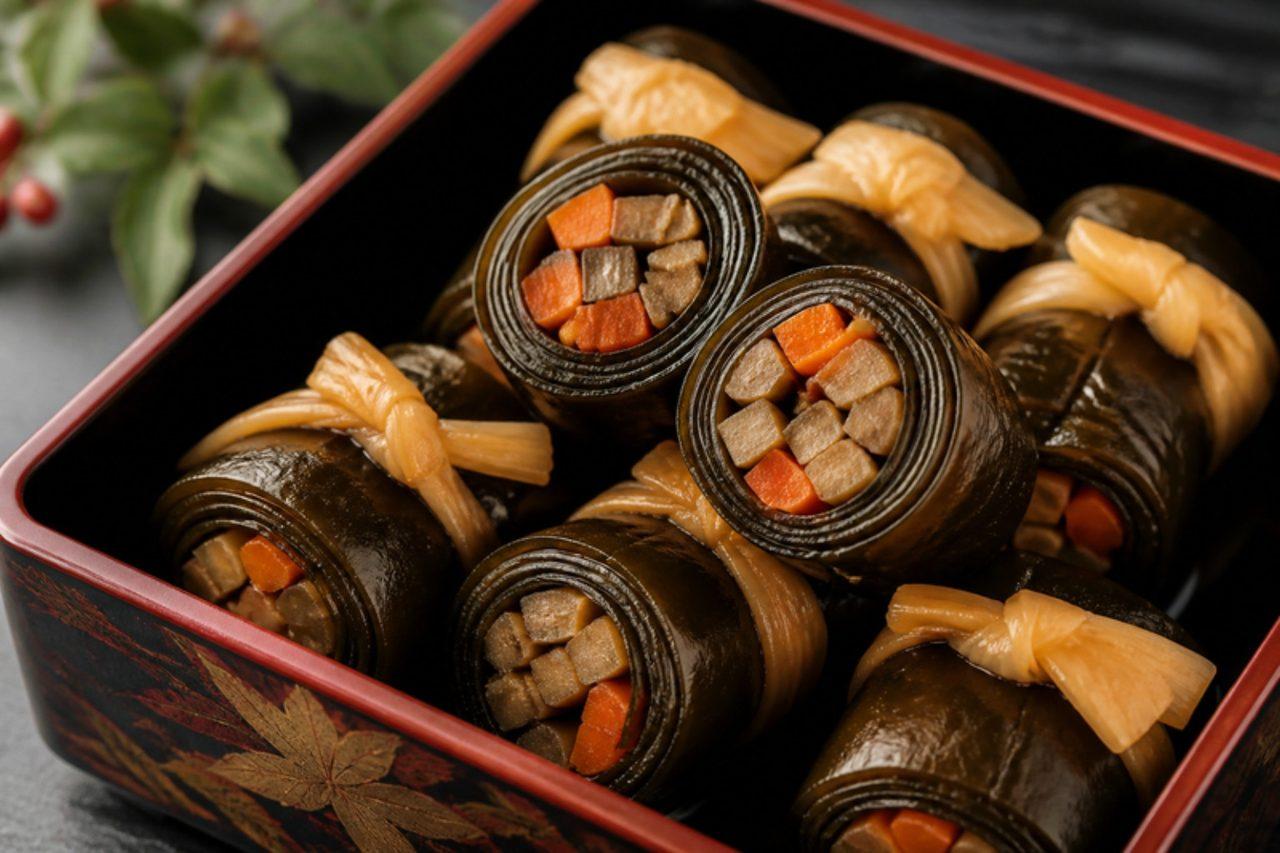
Kombu maki is one of the dishes packed into the lacquered boxes of osechi for New Year's Day all over Japan, where the word kombu is a pun on yorokobu, 'to rejoice'. Soft kelp is rolled around a filling, tied with ribbons of dried gourd and simmered slowly until it can be cut with chopsticks. Families often roll it around herring or salmon; here it is filled with burdock and carrot, cooked in kombu broth and sweetened with sugar instead of mirin, so it is vegan and alcohol-free. Each portion of three rolls has about 3 g of protein, so it is a side, not a main. It keeps for 4 days in the fridge and is eaten cold. The common mistake is rushing the simmer: the kelp needs a full hour or it stays chewy. Chef's tip: keep a drop-lid or a circle of baking paper on the surface the whole time, so the rolls cook evenly without being turned.

by KrazyBadal 0 views

Uiro (ういろう, steamed rice-flour cake)

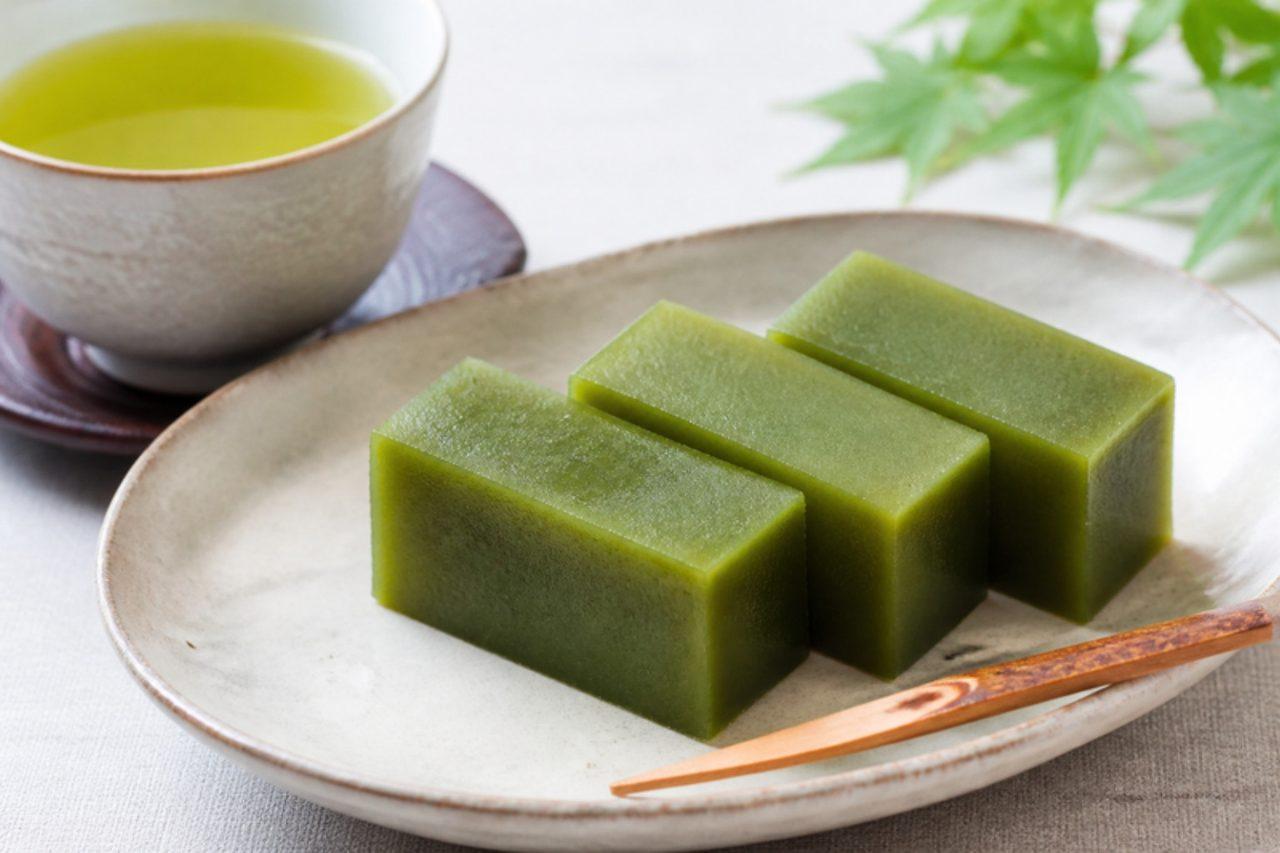
Uiro is the classic sweet of Nagoya, sold in long blocks at the station as a souvenir, and Yamaguchi has its own lighter version made with bracken starch. It is eaten through the year with tea, and in June a triangular version topped with azuki, minazuki, is eaten in Kyoto to mark the halfway point of the year. A simple batter of non-glutinous rice flour, sugar and water is steamed into a firm, smooth, slightly springy cake with a gentle sweetness. This one is flavoured with matcha; stir in a little sweet bean paste or sakura instead for variety. Uiro is naturally egg-free: steaming cooks the rice starch, which sets the cake into a dense, clean-cutting slab with no binder needed. Chef's tip: the common mistake is cutting it hot; let it cool completely, then slice with a wet knife or a piece of cling film, or it smears.

by KrazyBadal 0 views

Atsuage no nimonoSimmered fried tofu and greens

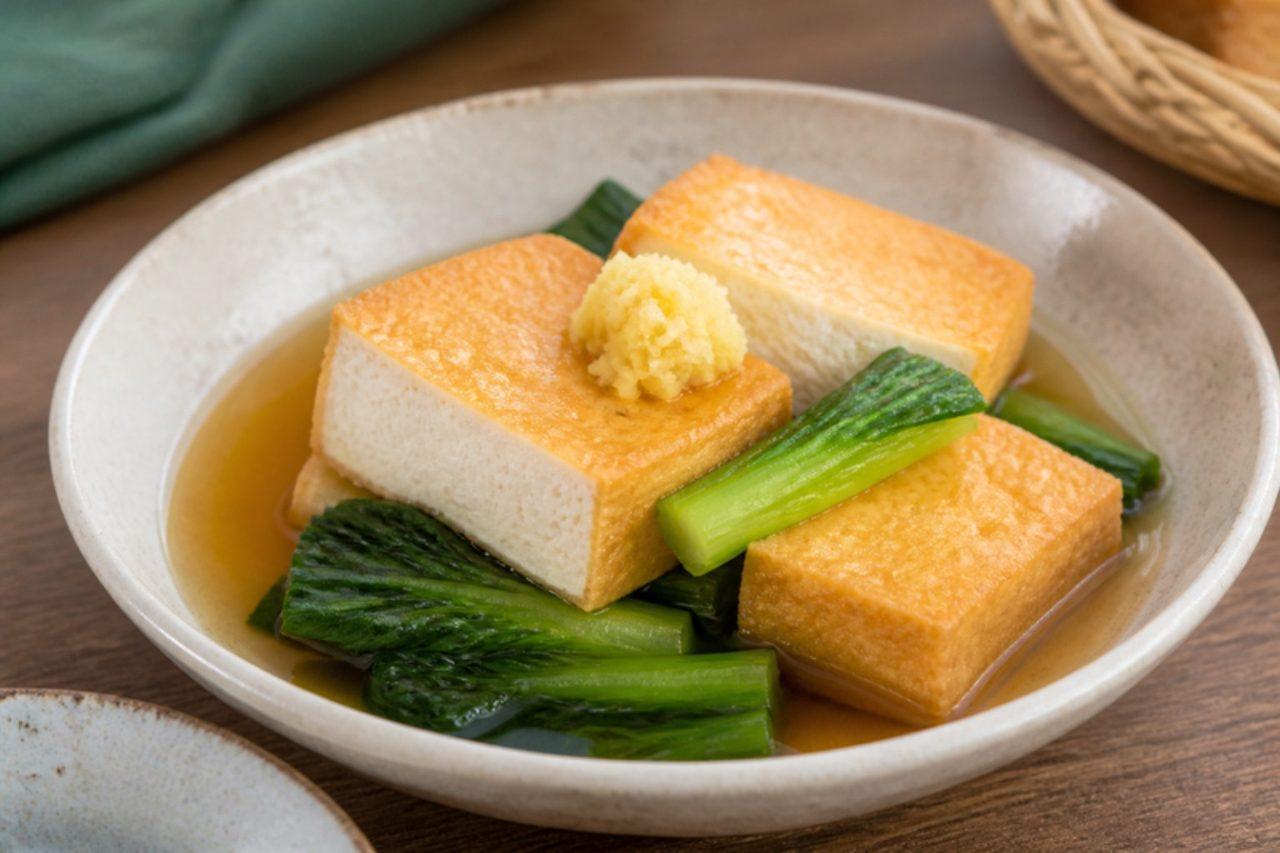
Atsuage no nimono is the kind of simmered dish that turns up on everyday dinner tables across Japan, especially in autumn and winter when komatsuna and spinach are at their best. Thick blocks of fried tofu, crisp outside and soft within, are simmered in a light, slightly sweet broth of dashi and soy until they drink it up, then the greens go in for the last few minutes. This version uses kombu and shiitake dashi and no mirin, so it is vegan and alcohol-free. Served as a main for two with rice, each portion gives about 23 g of protein, from the fried tofu. The common mistake is boiling the broth hard, which toughens the tofu and makes the greens drab. Chef's tip: pour boiling water over the atsuage first to rinse off surface oil; the broth then soaks in instead of sliding off.

by KrazyBadal 0 views

Wakatake-niBamboo shoot and wakame simmer

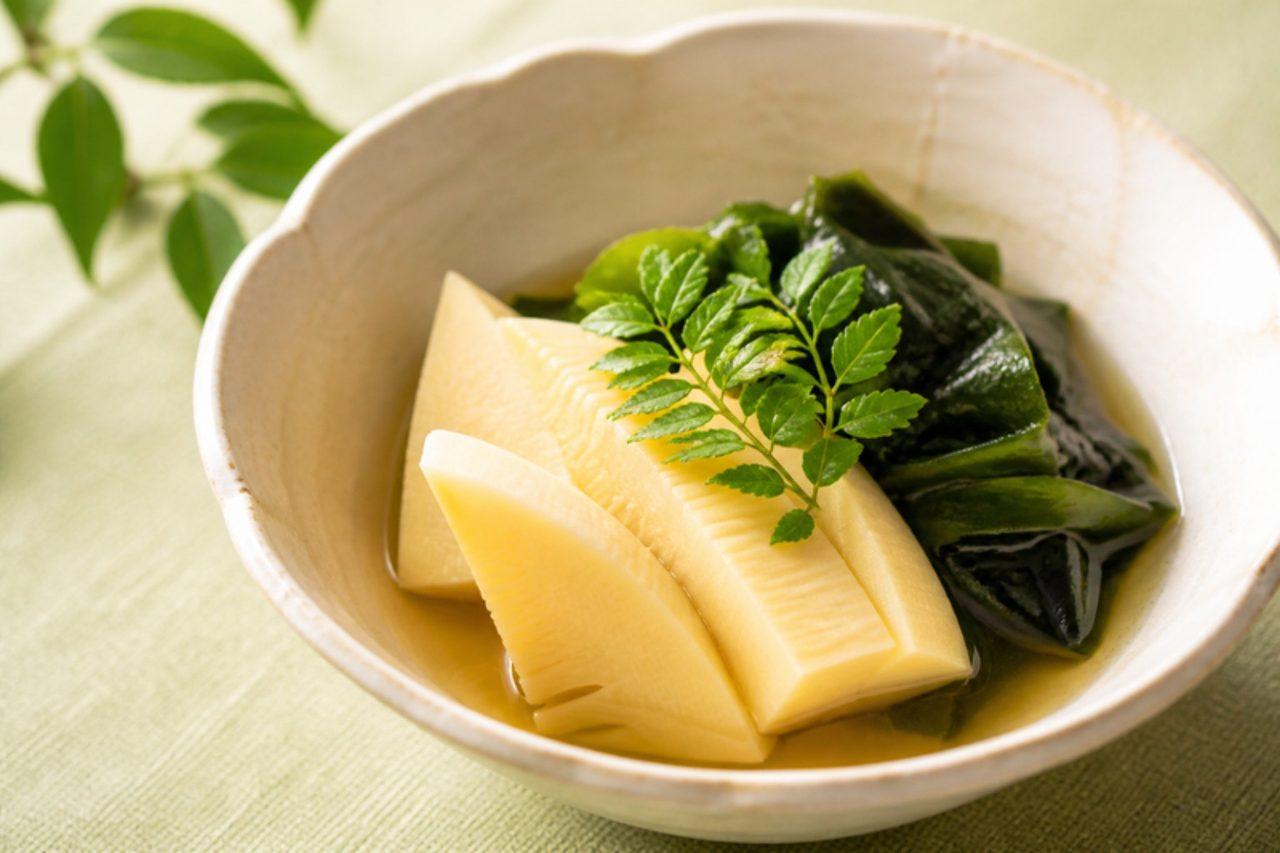
Wakatake-ni means 'young bamboo simmer', and in Kyoto it marks the few weeks of April when fresh shoots arrive from the hills around Rakusai; it is served in small bowls at home and in kaiseki menus as a quiet taste of spring. Tender bamboo shoot is simmered in a pale, lightly seasoned broth, and soft wakame goes in at the very end, so the bowl is all clean, sweet and sea flavours. Classic recipes use bonito dashi; this one uses kombu and dried shiitake, and sugar instead of mirin, so it is vegan and alcohol-free. It is a light side dish of about 4 g of protein per portion. The common mistake is boiling the wakame with the bamboo: it turns slimy and drab, so it needs only a minute. Chef's tip: cool the bamboo in the broth for 10 minutes before reheating; it drinks up the seasoning far better than it does while boiling.

by KrazyBadal 0 views

Iri-dofuScrambled tofu with vegetables

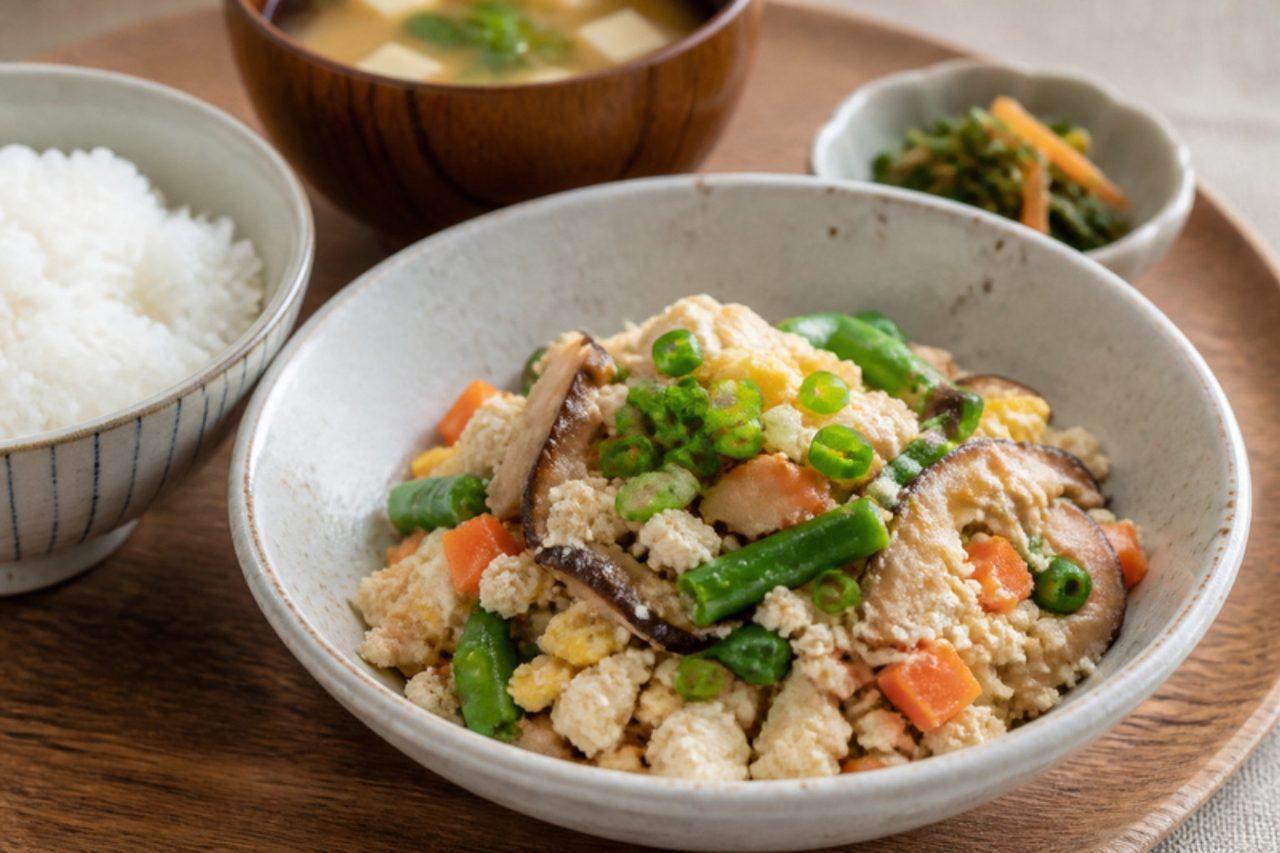
Iri-dofu is a thrifty home dish cooked all over Japan, from Tokyo flats to farmhouses in Shikoku, made to fill out a weekday dinner tray or a bento. Firm tofu is crumbled and stirred in a dry pan until it turns fluffy, then cooked with carrot, shiitake and green beans in soy and dashi, with an egg stirred through at the end. It tastes gently sweet and savoury, and is eaten warm or cold with rice and miso soup. This version uses a kombu and shiitake dashi, so it is vegetarian. A portion gives about 22 g of protein, from the tofu and egg. The common mistake is not drying the tofu enough, which leaves a watery scramble. Chef's tip: keep stirring until the tofu crumbs squeak against the pan; that is when they are dry enough to soak up the seasoning.

by KrazyBadal 0 views

Mugi gohan with tororoBarley rice with grated yam

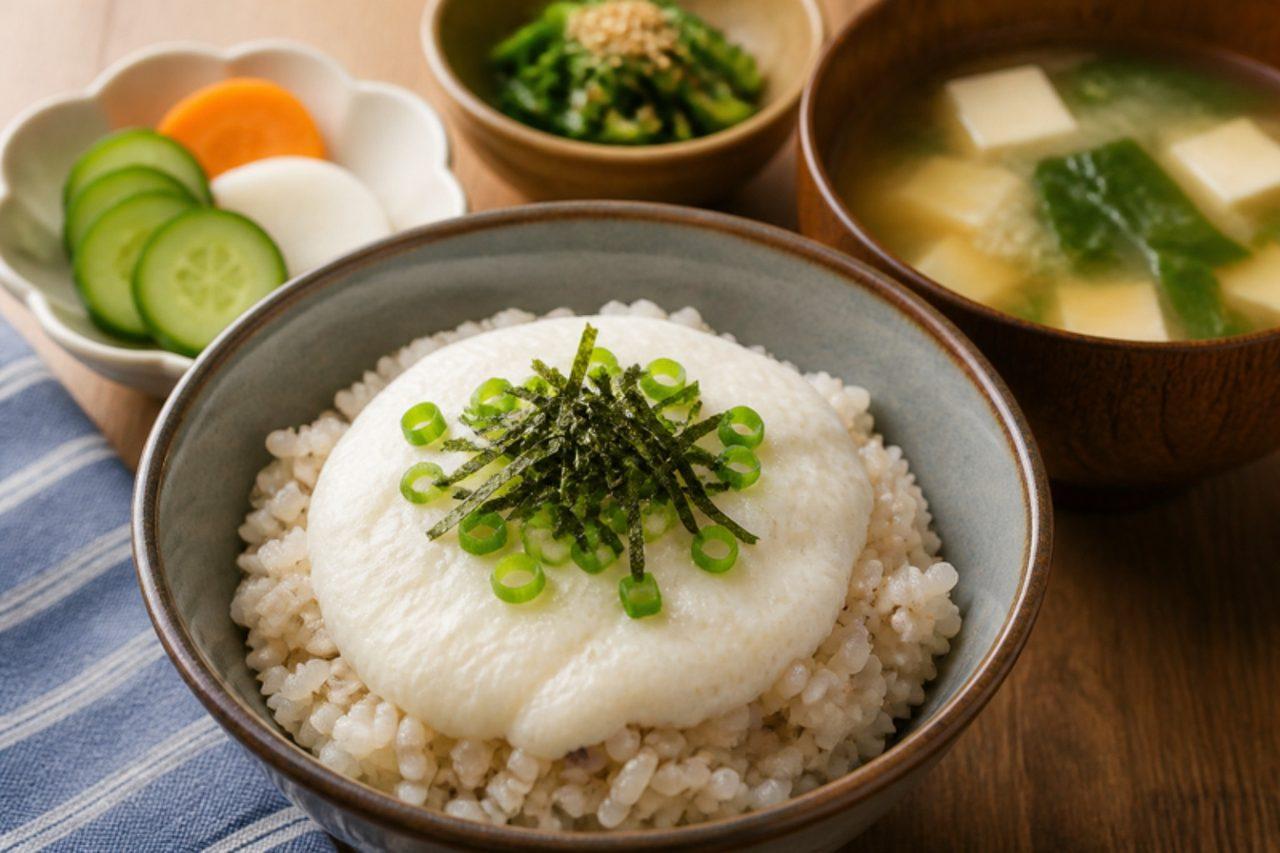
Mugi gohan, white rice cooked with flattened barley, was everyday food in rural Japan and is back on family tables for its nutty chew and fibre. In Shizuoka and along the old Tokaido road it is famously eaten as mugitoro: barley rice under a pour of grated nagaimo yam loosened with seasoned dashi, slurped quickly at lunch. A portion is about 300 kcal and gives roughly 8 g of protein, so it is light rather than high in protein. The usual mistake is using the plain rice water ratio: barley drinks more, so add extra water or the grains stay hard. Raw nagaimo can make sensitive skin itch, so peel it with gloves on. The dashi here is made from kombu and shiitake, with no bonito. Chef's tip: grate the yam on the finest side of the grater and beat it with a spoon for a minute; it turns light and fluffy and coats the rice evenly.

by KrazyBadal 0 views

Jaga bataSteamed potatoes with butter and soy

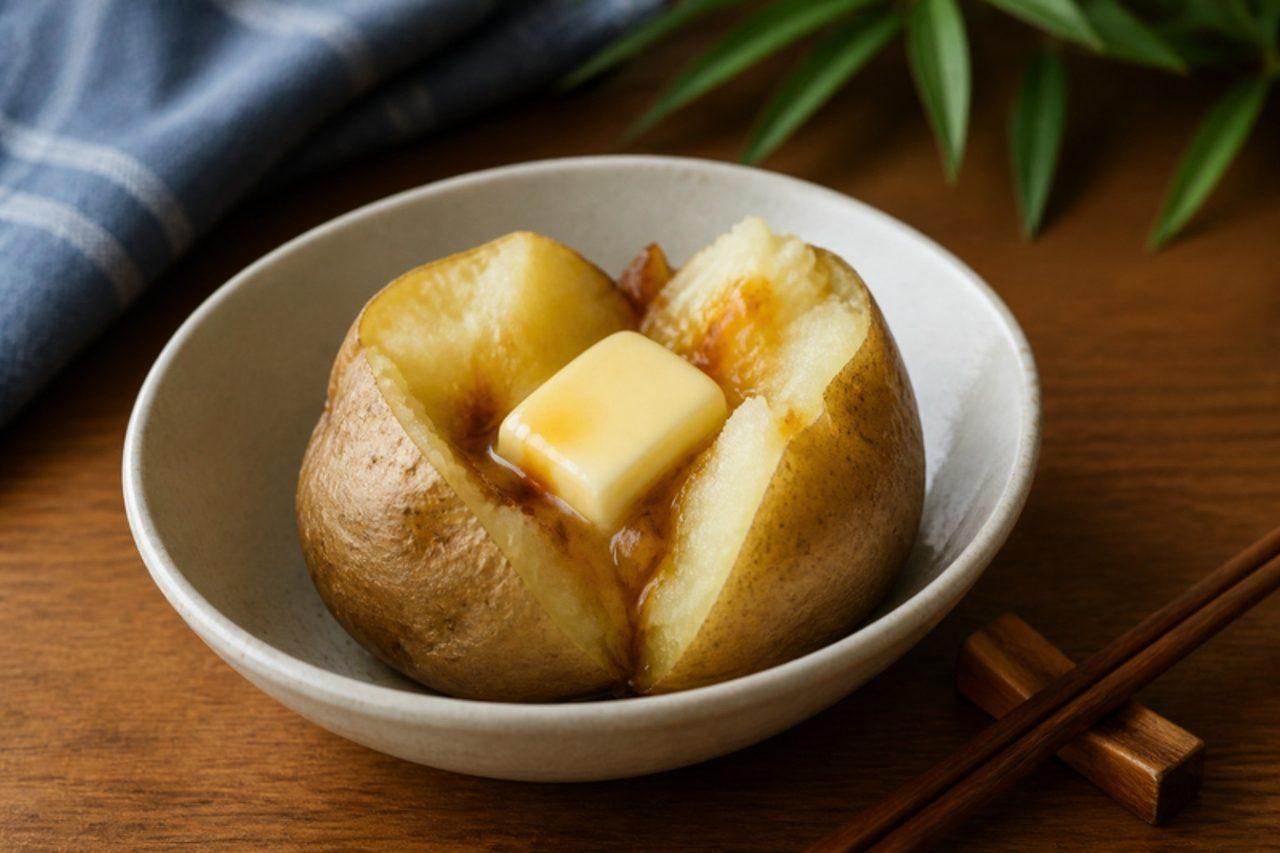
Jaga bata is Hokkaido's simplest pleasure: whole steamed potatoes split open and topped with a slab of butter and a few drops of soy sauce, sold at Sapporo snow-festival stalls and summer street fairs, and made at home as a snack or side. The potato is floury and steaming, the butter melts into it, and the soy adds a savoury edge. The mistake is boiling the potatoes, which makes them watery so the butter slides off; steam them in their skins instead. Chef's tip: cut a deep cross into each hot potato and squeeze from the bottom so it bursts open like a flower to hold the butter.

by KrazyBadal 0 views

OkayuPlain rice porridge with pickled plum

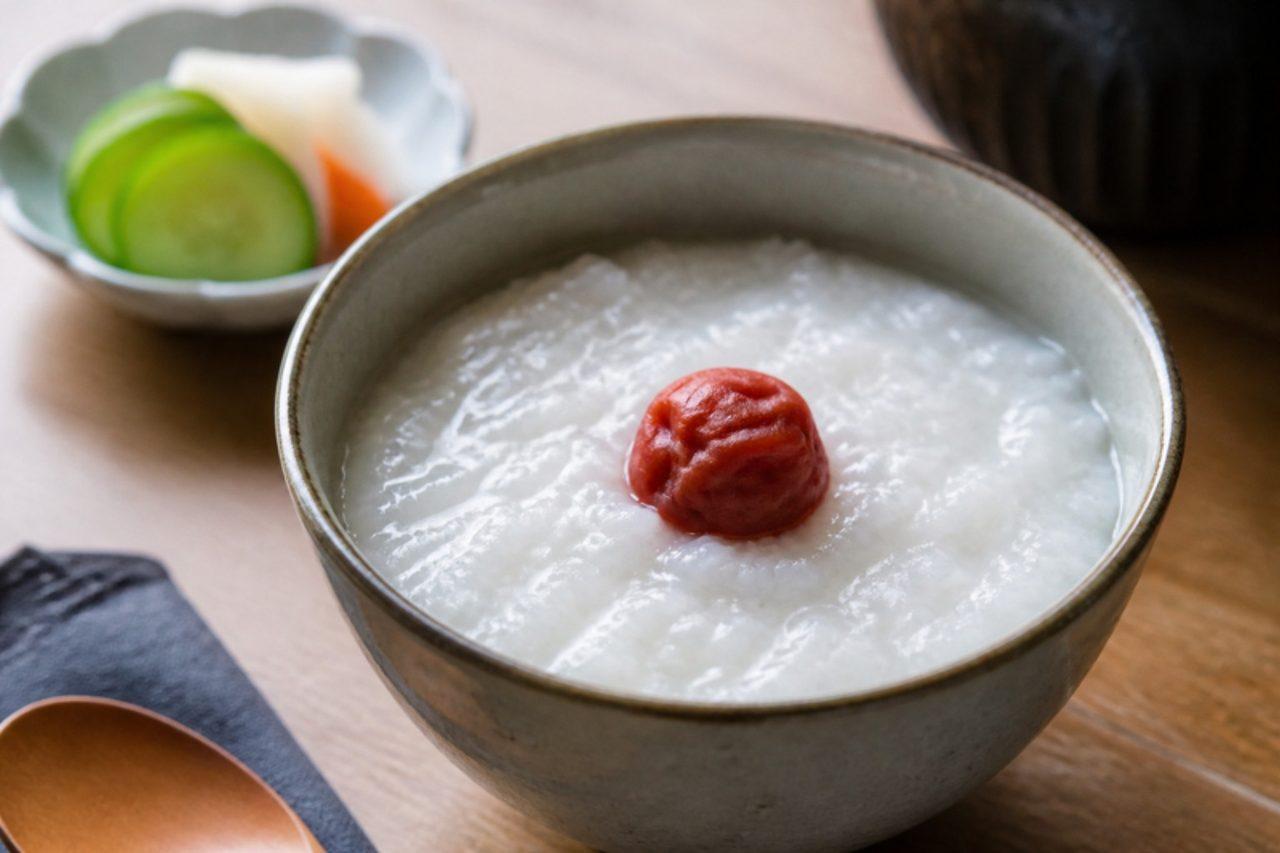
Okayu is the porridge Japanese mothers make when someone is ill, tired or simply needs something gentle, and it is also eaten on 7 January as part of the new year with seven spring herbs. This weeknight version starts from cooked rice, simmered in water with a little salt until soft, white and spoonable, then served with a sour-salty umeboshi plum to stir in. The mistake is stirring it constantly, which breaks the grains and turns it gluey; stir only now and then. Chef's tip: for the full, silkier version, start with 100 g raw rice and 1 litre of water and simmer, lid ajar, for 40 minutes.

by KrazyBadal 0 views

Japanese tofu salad

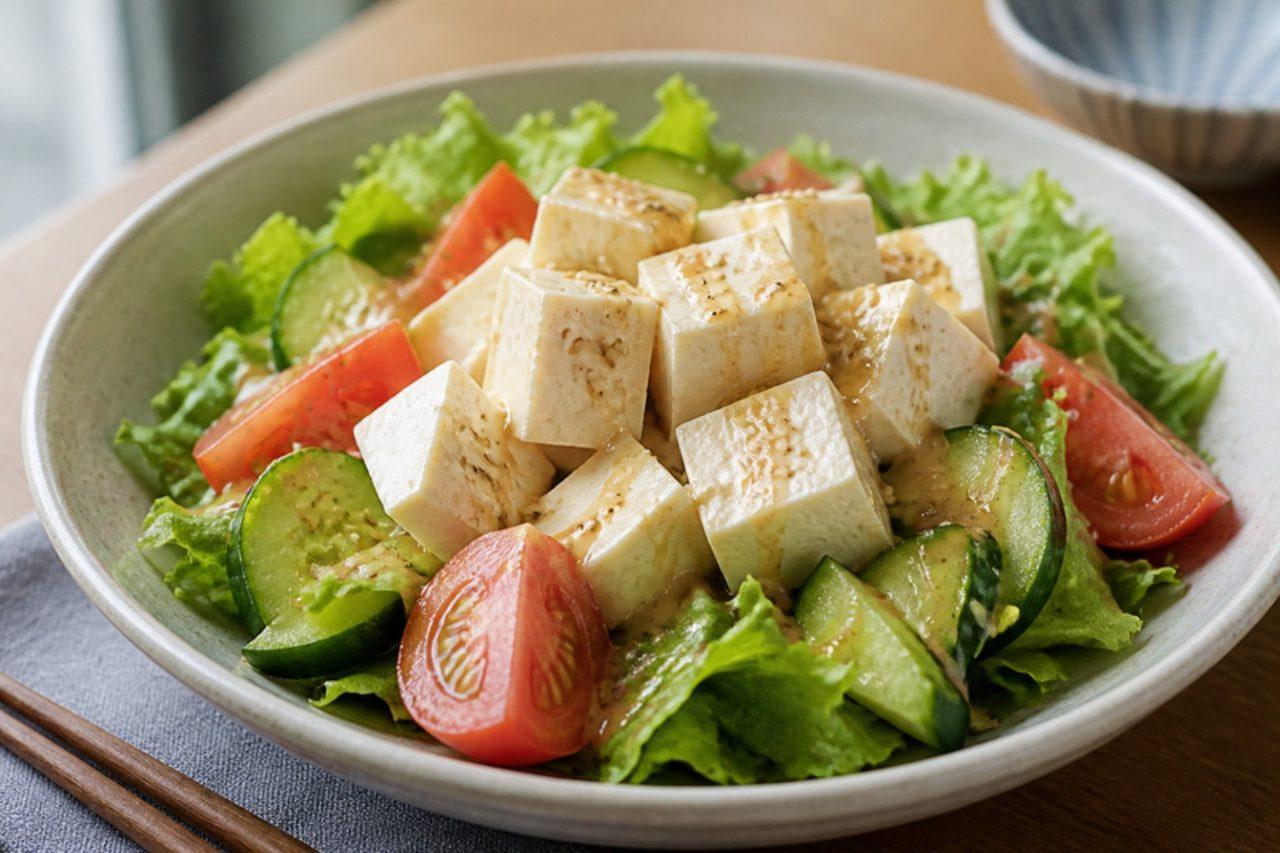
Tofu sarada is a fixture on Japanese izakaya menus and family dinner tables everywhere from Tokyo to Fukuoka, especially in the humid summer months. Cool cubes of tofu sit on crisp lettuce, tomato and cucumber under a sesame-soy dressing sharpened with rice vinegar and ginger, with a few strands of wakame if you have them. It makes a light dinner with rice and miso soup. The usual mistake is not draining the tofu, so its water dilutes the dressing into a bland pool. Many shop-bought wafu dressings contain bonito; this home-made one is vegan. Chef's tip: dress the salad at the table so the leaves stay crisp.

by KrazyBadal 0 views

Japanese hotcakes

Hotcakes are the tall, perfectly round pancakes of Japanese kissaten coffee shops and Sunday family breakfasts, and many children ask for them as an after-school treat too. They are thicker and more cake-like than Western pancakes, with an even golden surface and a soft, springy crumb. This batter is only lightly sweetened, so the butter and syrup on top do the work. It contains gluten, milk and egg. Chef's tip: cook them over a low heat with a lid on, so they rise high and cook through before the outside darkens.

by KrazyBadal 0 views

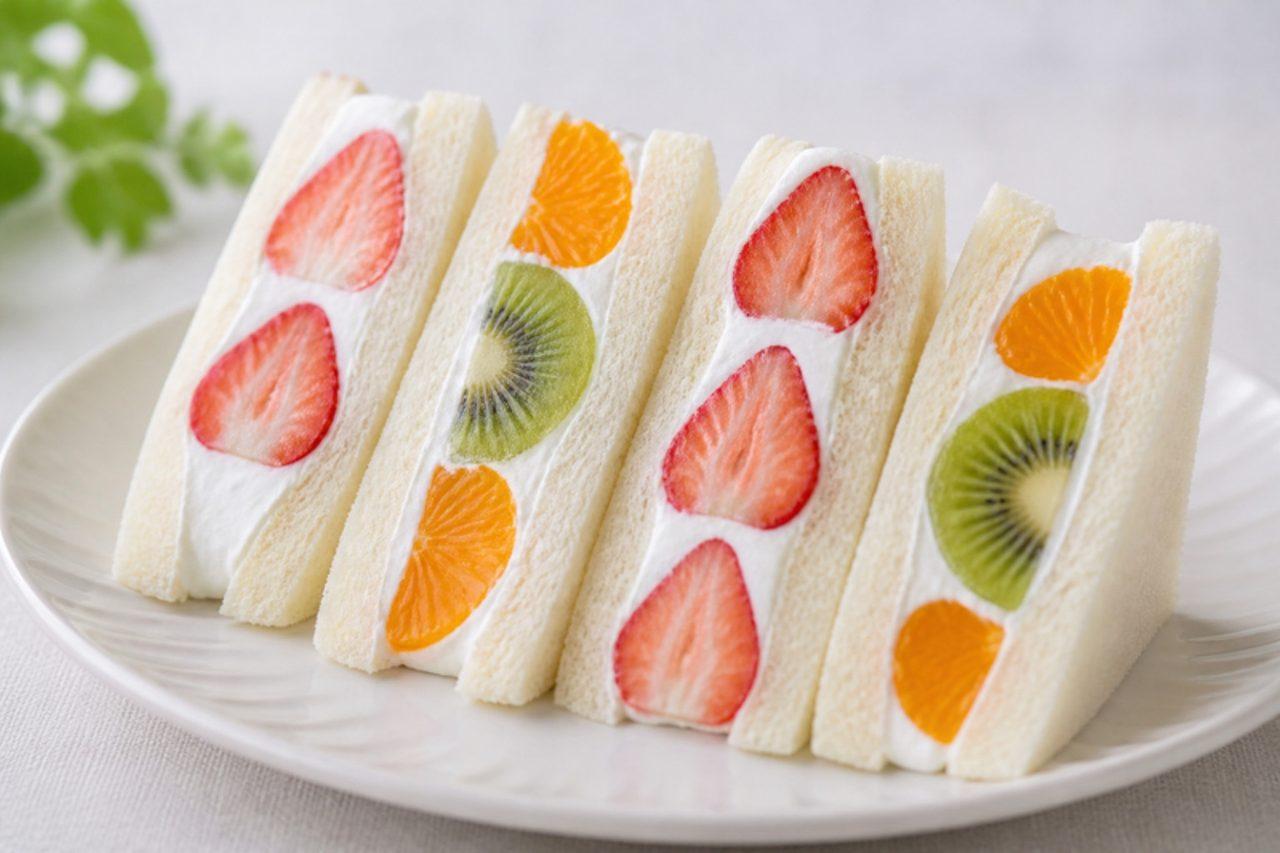
Fruit sando

Japanese fruit sandwiches started in the fruit parlours of Tokyo and are now sold in every convenience store, but they are just as much a home treat for a sunny weekend or a special after-school snack. Pillowy crustless bread holds a thick layer of barely sweetened whipped cream and whole pieces of fruit arranged so that each cut reveals a neat pattern. It contains gluten and milk (and often egg, in milk bread). Chef's tip: plan the cut before you arrange the fruit, laying the strawberries along the diagonal line you will slice through.

by KrazyBadal 0 views

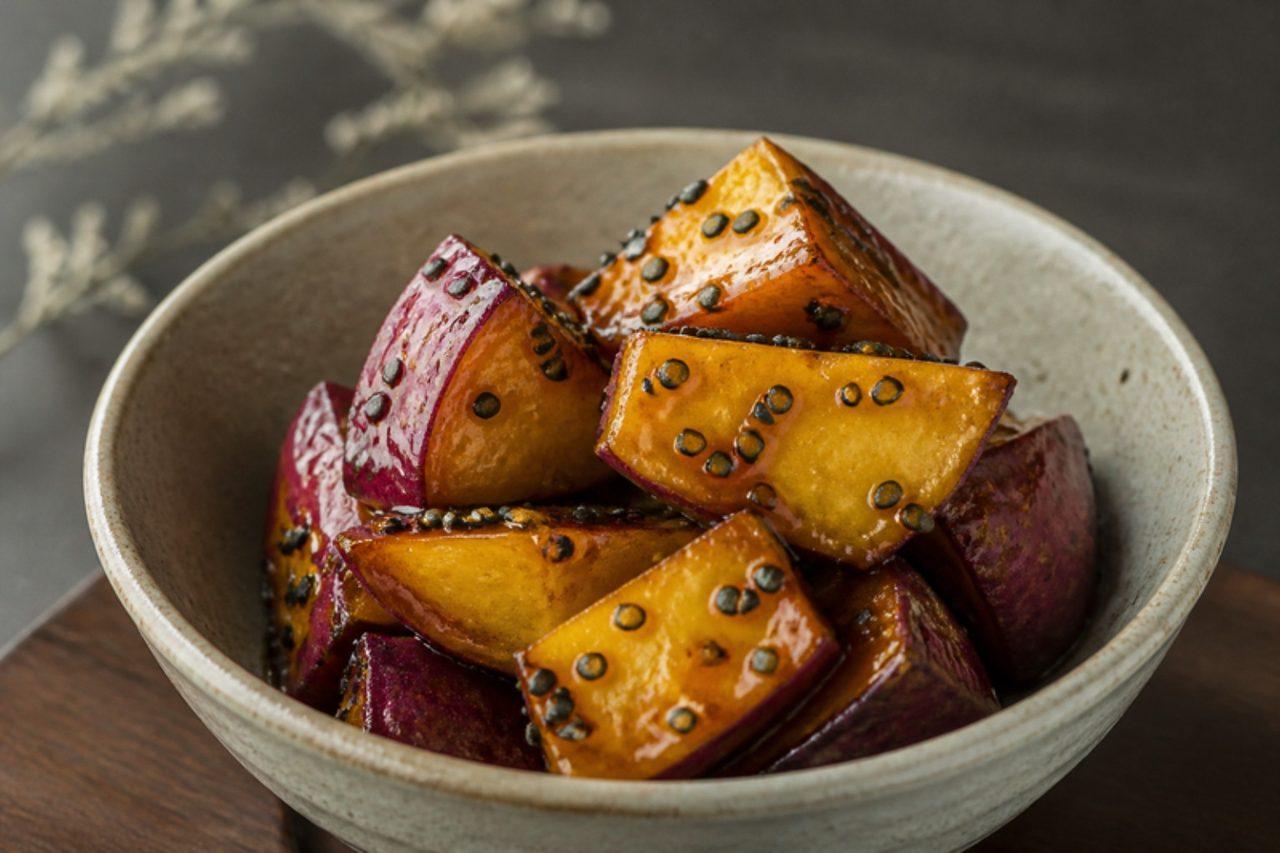
Daigaku imo (candied sweet potato)

Daigaku imo, 'university potatoes', got their name from the Tokyo student cafés of the early 1900s, and today they are what Japanese parents fry when autumn sweet potatoes arrive and children come home hungry. The chunks are crisp at the edges and fluffy inside, coated in a glossy glaze that sets to a light crackle, with nutty black sesame on top. This version uses a modest amount of sugar balanced with soy sauce. It contains soya, gluten (soy sauce) and sesame. Chef's tip: pull the pan off the heat the moment the glaze turns thick and bubbly; a few seconds more and it hardens into toffee.

by KrazyBadal 0 views

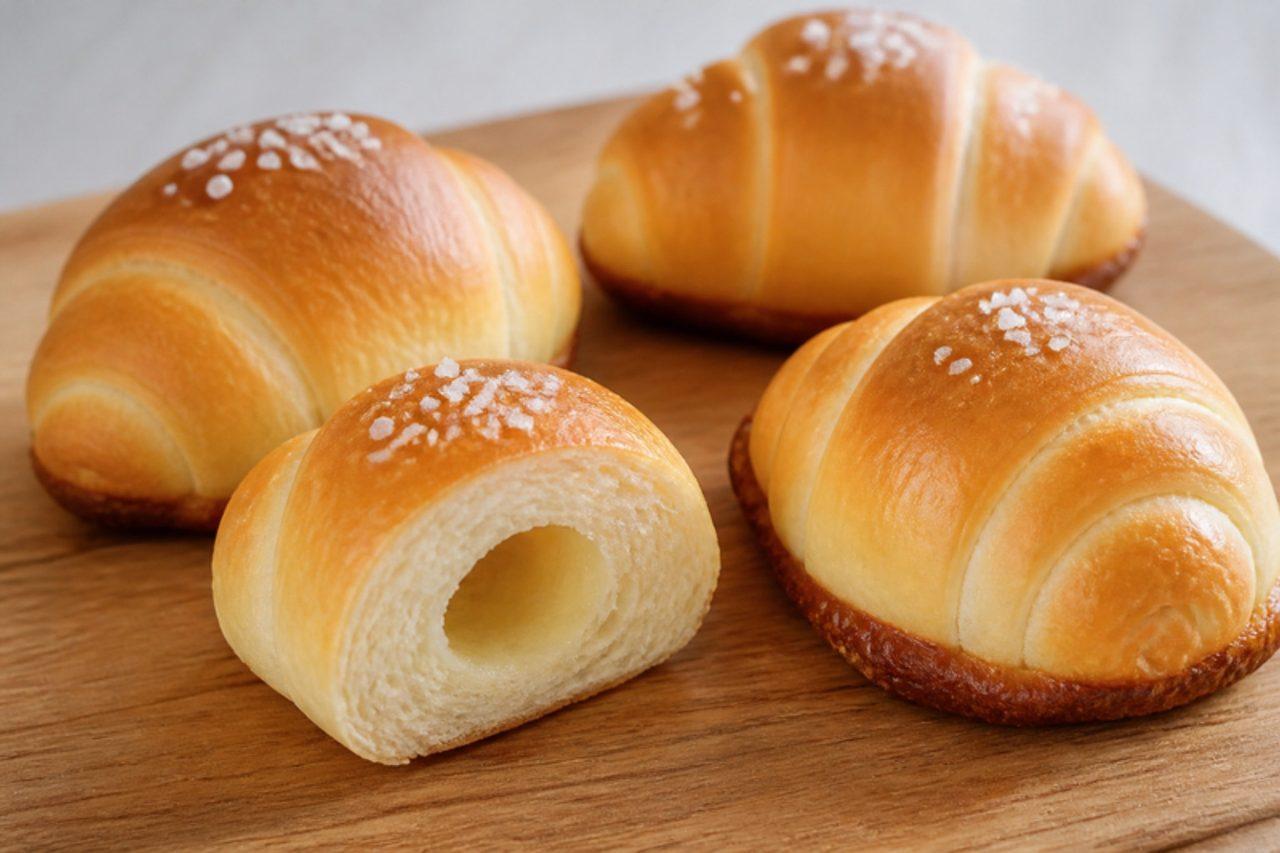
Shio pan

Shio pan (塩パン) began in 2003 at a small bakery in Yawatahama, a port town on the Ehime coast of Shikoku, and spread so fast that most Japanese bakeries now sell their own, as do the 'sogeum-ppang' shops of Seoul. Each roll is wound around a stick of cold butter; in the oven the butter melts out and fries the base, leaving a crisp, salty, golden bottom, a hollow, buttery tunnel inside and soft, chewy bread on top, finished with flaky salt. Eat them warm for breakfast with coffee, or split them for an egg or cucumber sandwich. Proving them somewhere too warm is the classic misstep: above about 28°C the butter leaks out before baking and the rolls lose their crunch. Chef's tip: leave the rolls on the tray for a couple of minutes after baking so they soak the melted butter back up into their bases.

by KrazyBadal 0 views

Kuri manjuChestnut buns

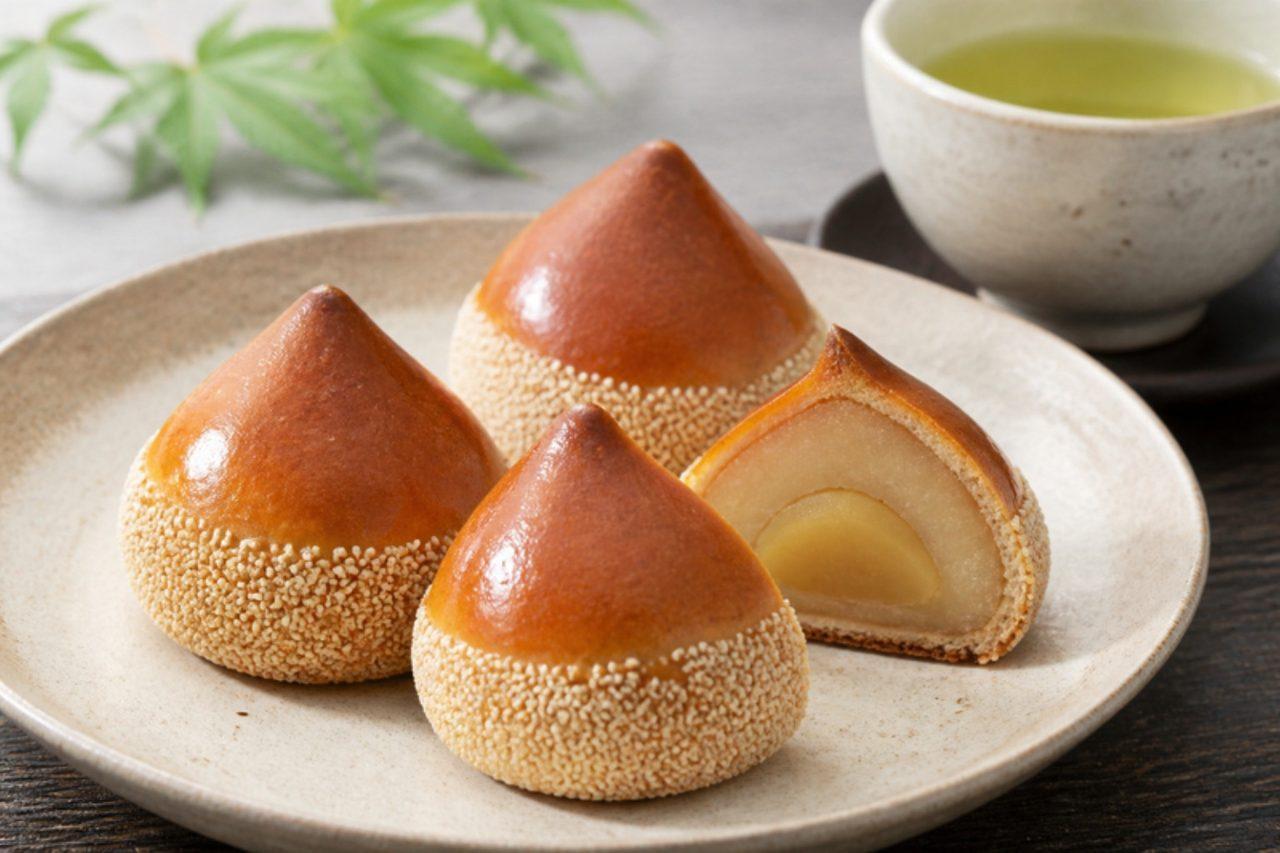
Made to look like a chestnut, kuri manju (栗まんじゅう) is one of Japan's favourite baked wagashi, a little teardrop of tender, cake-like dough wrapped around sweet white bean paste studded with candied chestnut. The top is glazed twice with egg yolk until it bakes a glossy chestnut brown, and the flat base is dipped in poppy seeds to mimic the pale bottom of a real chestnut. Japanese confectioners sell them all year, but they are most popular in autumn, given as gifts and eaten with green tea. Freshly baked, the dough is slightly firm; after a day in a tin the moisture from the filling softens it, so they are even better the next day. Glazing only once is an easy mistake: the first coat soaks in and looks patchy, so brush, bake briefly and brush again. Chef's tip: dust your hands well with flour as you wrap; this dough is soft and sticky, and handling it with floured fingers is the only way to keep the shell thin and even.
by KrazyBadal 0 views

Issho mochi (first-birthday rice cake)

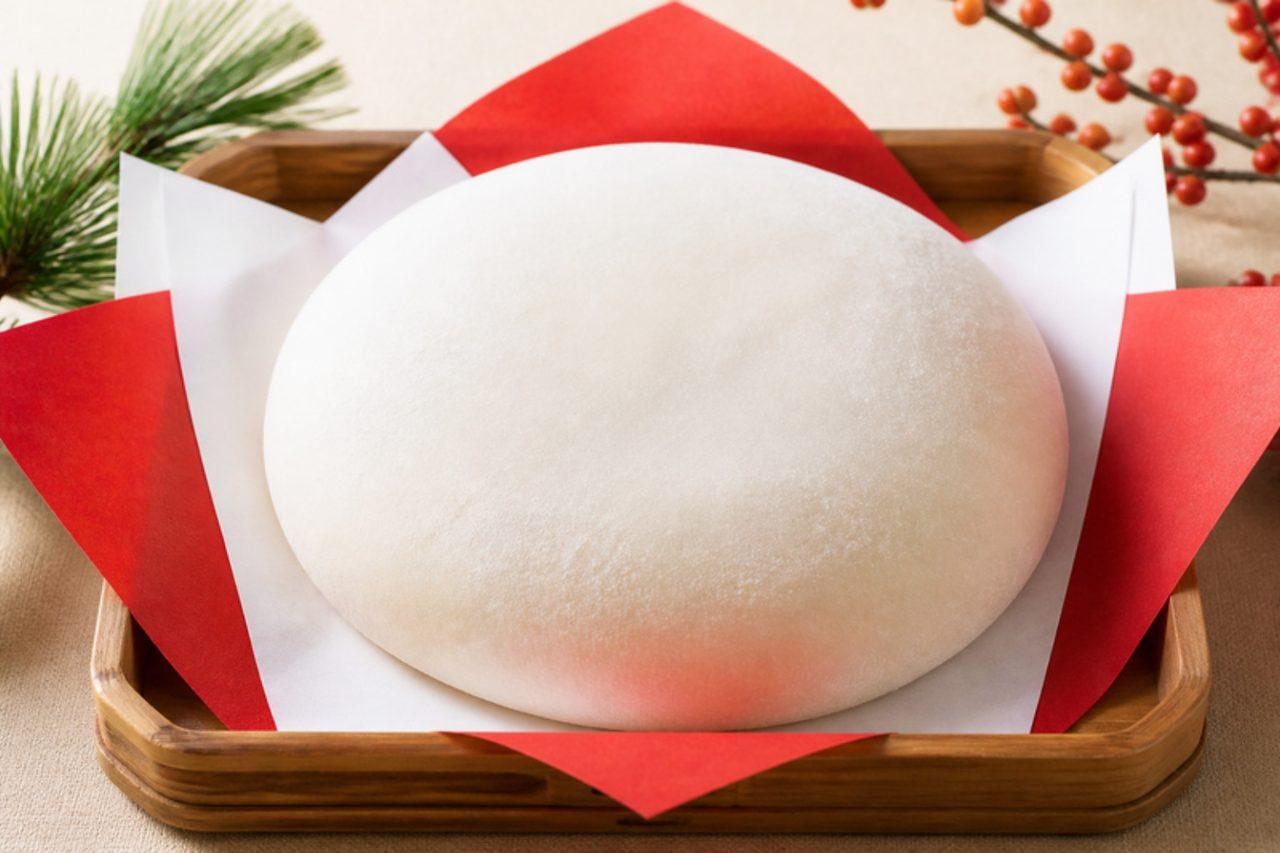
In homes all over Japan, a child's first birthday is marked with issho mochi: a single large, round rice cake made from about 1.8 kg of glutinous rice, wrapped in a cloth and strapped to the baby's back. Whether the toddler stands, crawls or plops down laughing, the family cheers, and the mochi is then cut up, grilled and shared by the adults and older children as a wish for a lifetime of plenty. This home version uses glutinous rice flour, so no pounding is needed, and it is free of milk, egg, gluten, nuts and soya. Sticky mochi is a choking risk: the baby only carries it, adults and older children eat it, and small children should only have tiny, soft pieces while an adult watches. Chef's tip: write the child's name on the cloth bundle, not on the cake, so the mochi stays plain and everyone can eat it.

by KrazyBadal 0 views

Imo mochi (Hokkaido potato mochi)

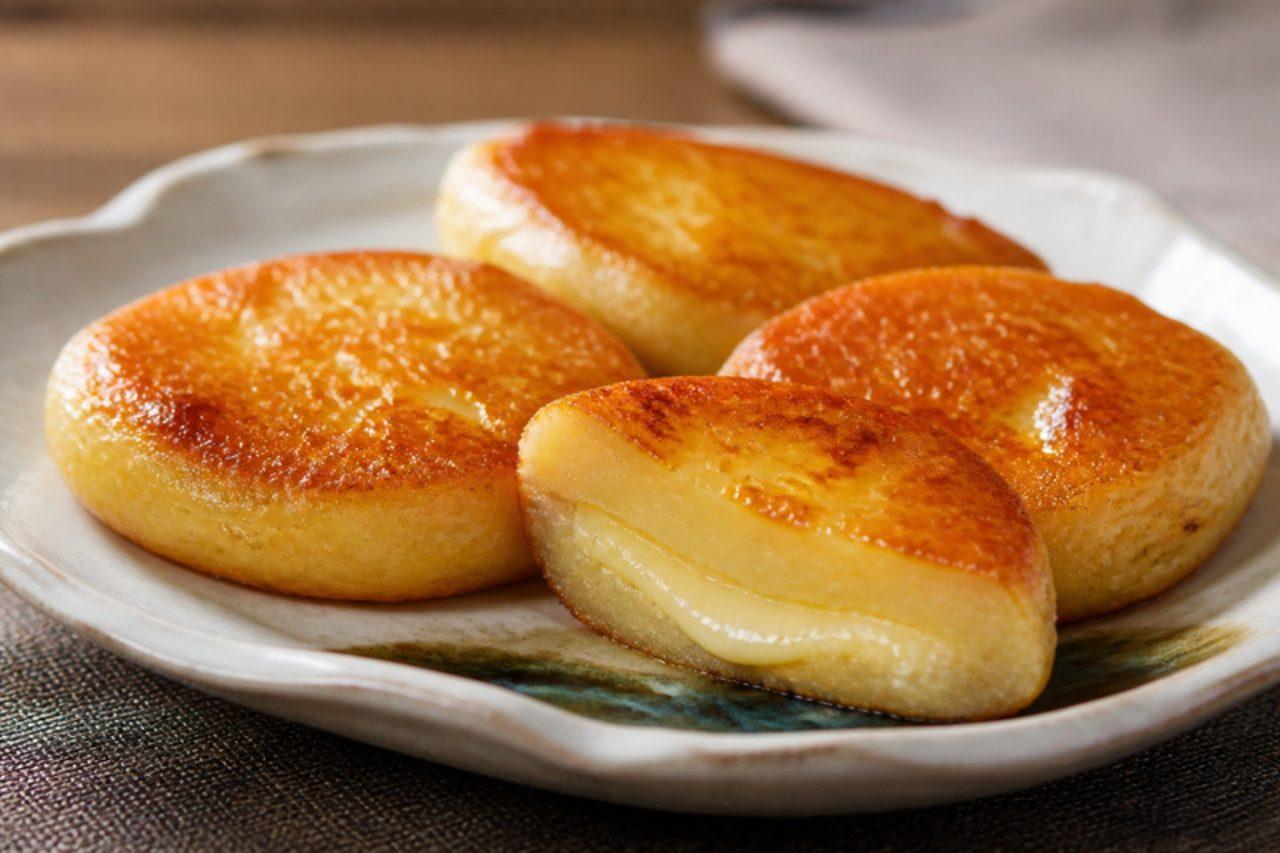
On Hokkaido, Japan's great potato island, imo mochi are what grandparents make from leftover boiled potatoes when the children come in from school or the ski slopes. Mashed potato is kneaded with potato starch into a smooth, stretchy dough, shaped into thick discs and fried until crisp outside and pleasantly chewy within, then glazed in a little butter, soy and sugar. A cube of cheese hidden inside is a popular children's twist. It contains milk, soya and gluten (soy sauce). Chef's tip: mash the potatoes while they are still hot; cold potato turns gluey and the patties crack.

by KrazyBadal 0 views

Character bento (kyaraben)

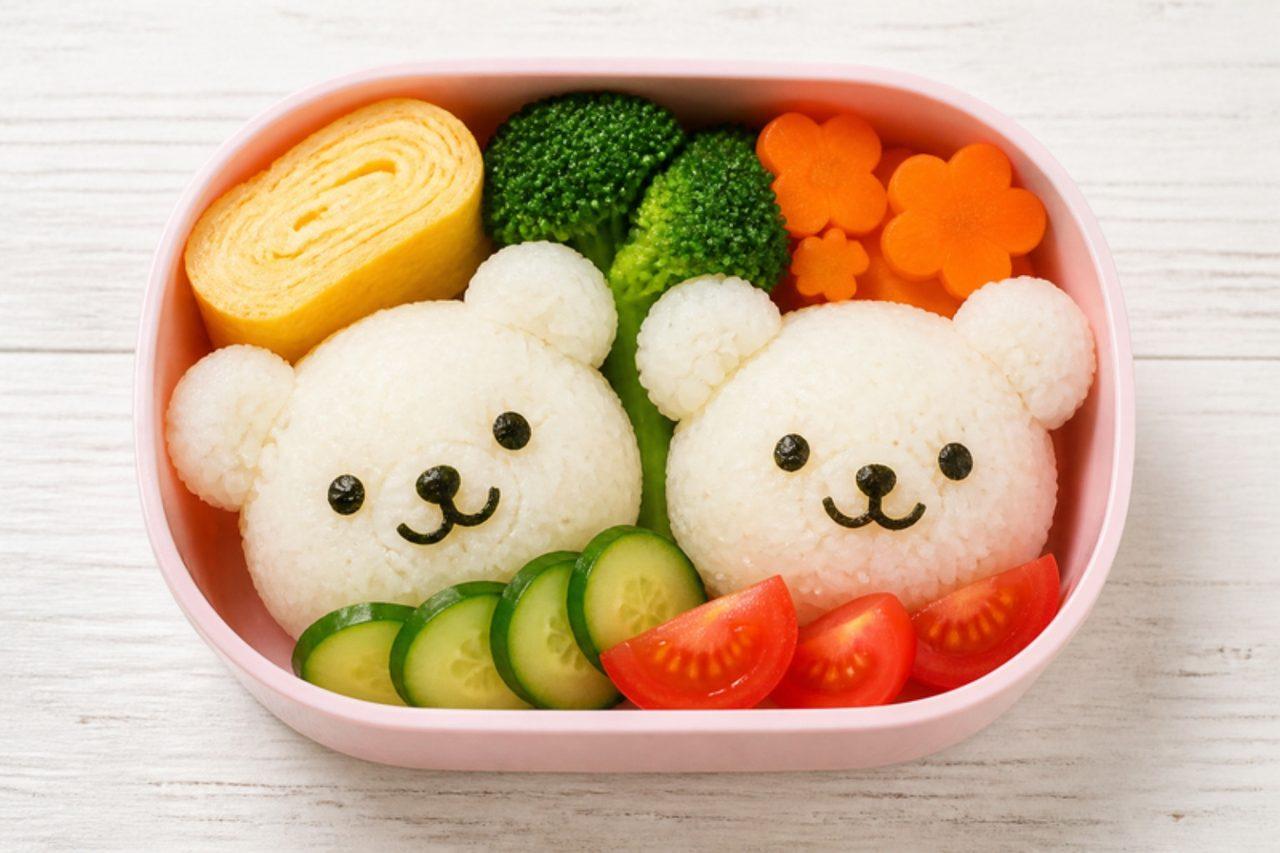
All over Japan, parents of nursery and primary-school children make kyaraben, 'character bento', for school trips, sports days and the first lunches of term: rice is pressed into a little bear, nori is snipped into eyes and a smile, and the gaps are filled with omelette, broccoli and tomato. It is mild and simply seasoned, eaten cold at room temperature by midday, and the fun is in the opening of the lid. Many families add a cut-out sausage or a piece of fried chicken; this version keeps it vegetarian. Chef's tip: cut the nori features first and keep them on a dry plate, then press them on with a damp chopstick at the very end so they don't curl.

by KrazyBadal 0 views

Kutakuta udon (soft-simmered baby udon)

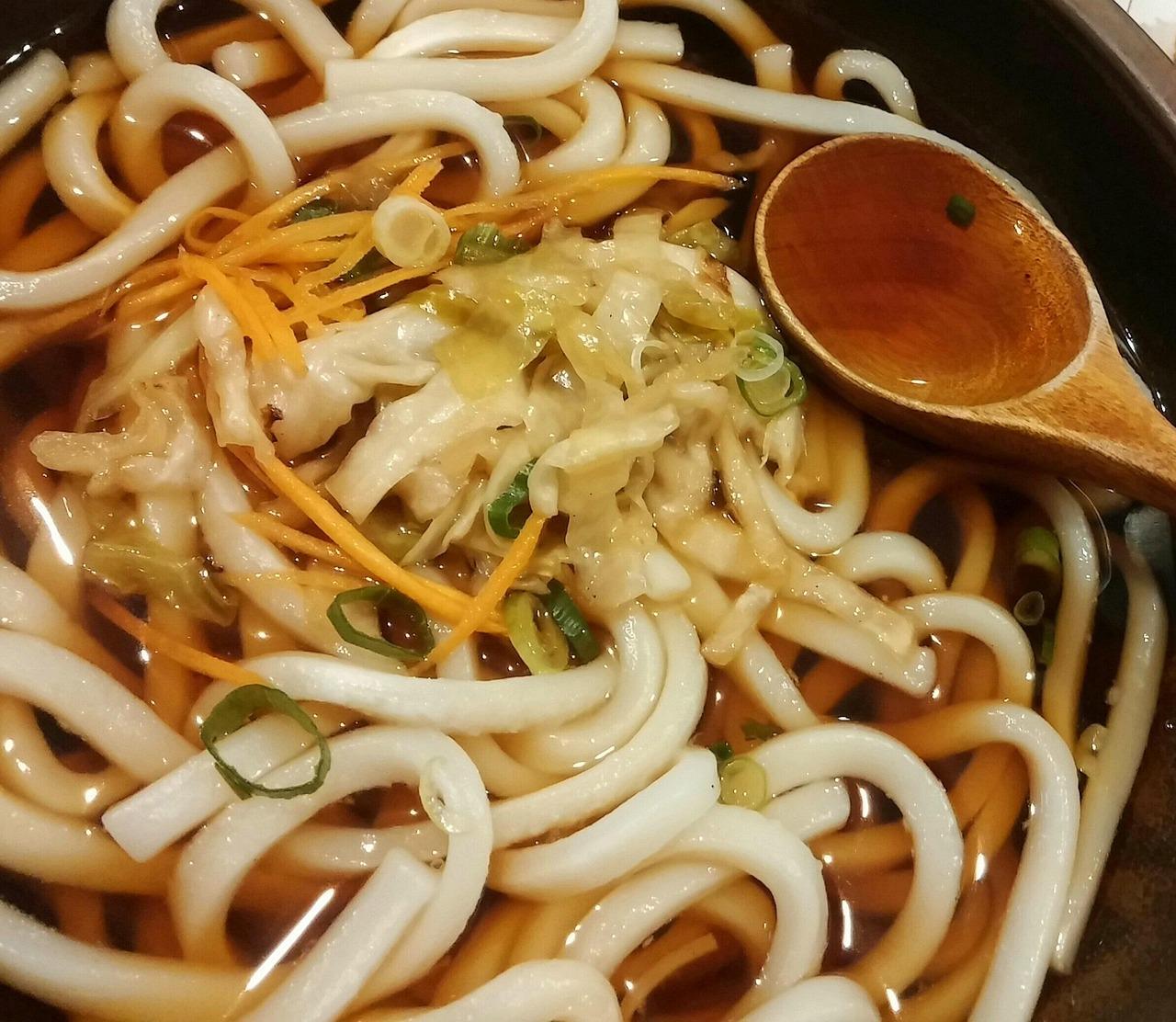
Japanese parents call this kutakuta udon, 'floppy udon': thick wheat noodles simmered far longer than usual until they are soft enough to squash between two fingers, then chopped short for babies who are learning to chew, usually from around seven to nine months. The broth is a light kombu stock with sweet grated carrot and daikon and no soy sauce at all, so it tastes gentle and clean. It contains gluten (wheat); the other common allergens (milk, egg, peanut, tree nuts, soya, sesame, fish) are not in it. Chef's tip: kombu is rich in iodine, so use only a small piece, soak it briefly and lift it out before the broth boils.
by KrazyBadal 0 views

Ninjin shirishiri (Okinawan carrot and egg)

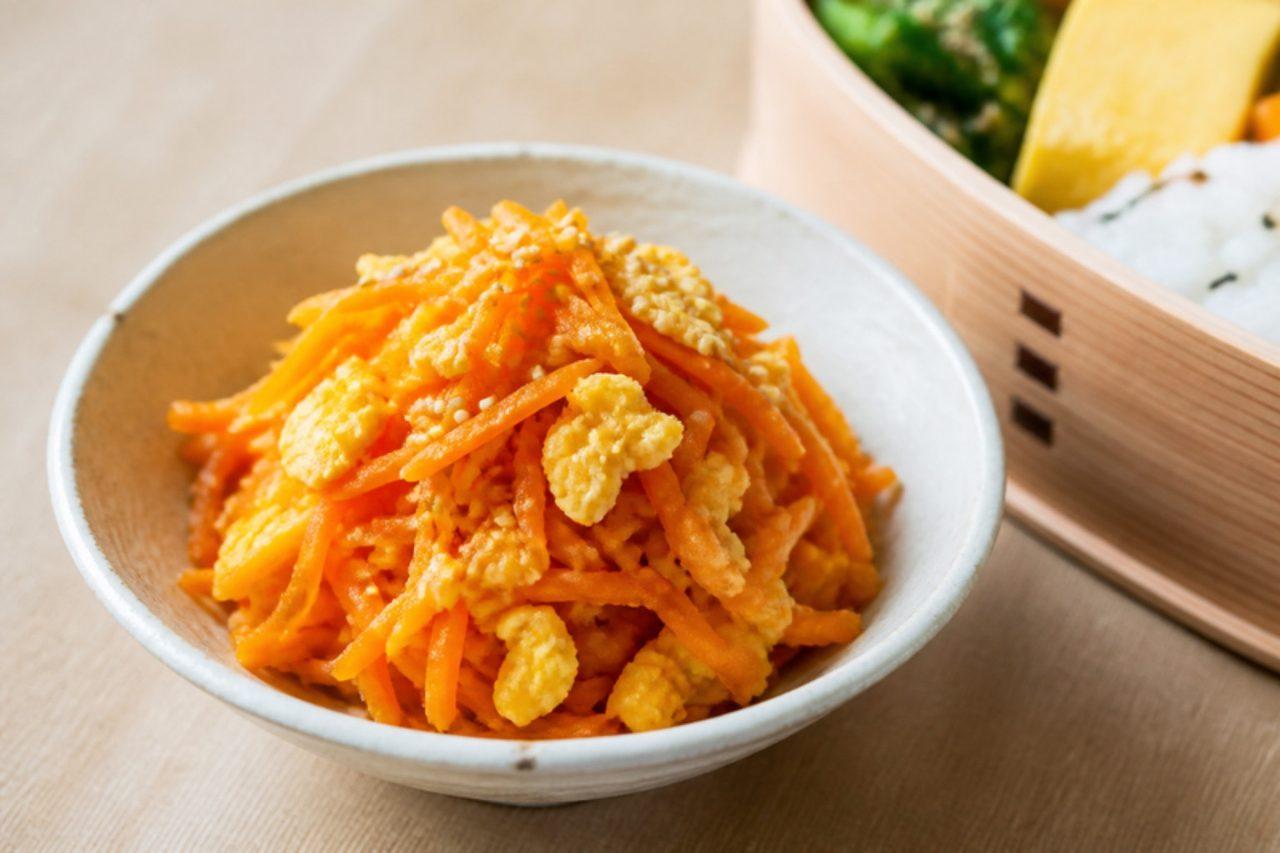
In Okinawa, at the southern tip of Japan, ninjin shirishiri is what home cooks make when there is a bag of carrots and a lunchbox to fill. The carrots are grated into fine ribbons on a shirishiri grater, softened in sesame oil and bound with a scrambled egg and a splash of kombu dashi, so they taste sweet and mild enough for small children. It is served warm at dinner and cold in the next day's bento. It contains egg, soya and wheat (soy sauce) and sesame. Chef's tip: cook the carrot until it turns limp and glossy before the egg goes in; that is where its sweetness comes from.

by KrazyBadal 0 views

Anpan

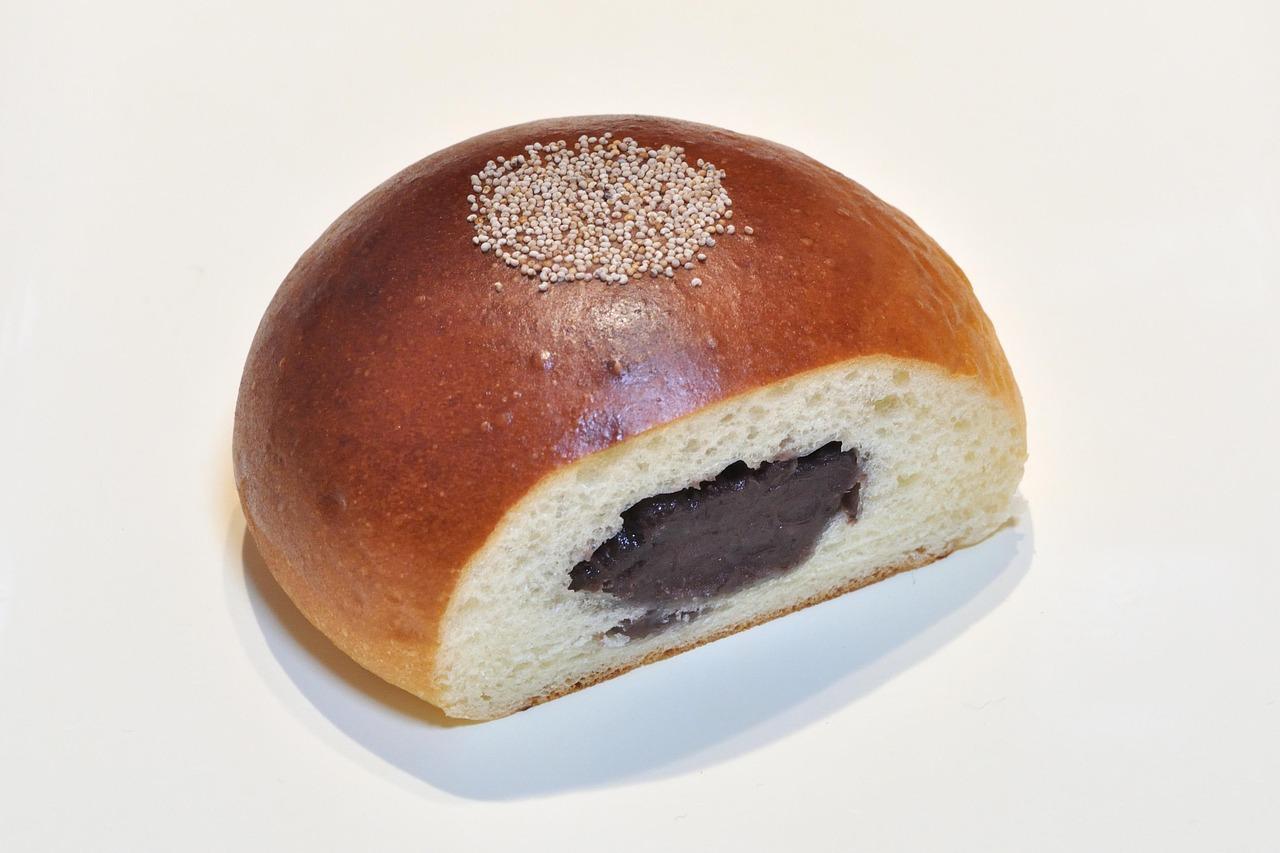
Tokyo's Ginza district gave Japan its first sweet bun in 1874, when a bakery there wrapped Western-style bread dough around azuki bean paste, the filling of traditional wagashi; a version topped with a salted cherry blossom was presented to the Emperor Meiji the following year. Anpan (あんパン) is still sold in every Japanese bakery and convenience store, eaten with green tea or milk as an afternoon snack and packed in school bags. The bread is soft, faintly sweet and shiny brown, wrapped round a thick layer of smooth, earthy-sweet red bean paste, with sesame seeds or a pink blossom pressed into a dimple on top. A paste that is too soft is the usual cause of trouble: it oozes out of the seam and leaves a hollow bun, so use a stiff koshian you can roll into balls. Chef's tip: roll the filling into balls and freeze them for 15 minutes before wrapping; firm balls are far easier to enclose neatly and keep the dough an even thickness all round.
by KrazyBadal 0 views

Hina arare (Girls' Day rice puffs)

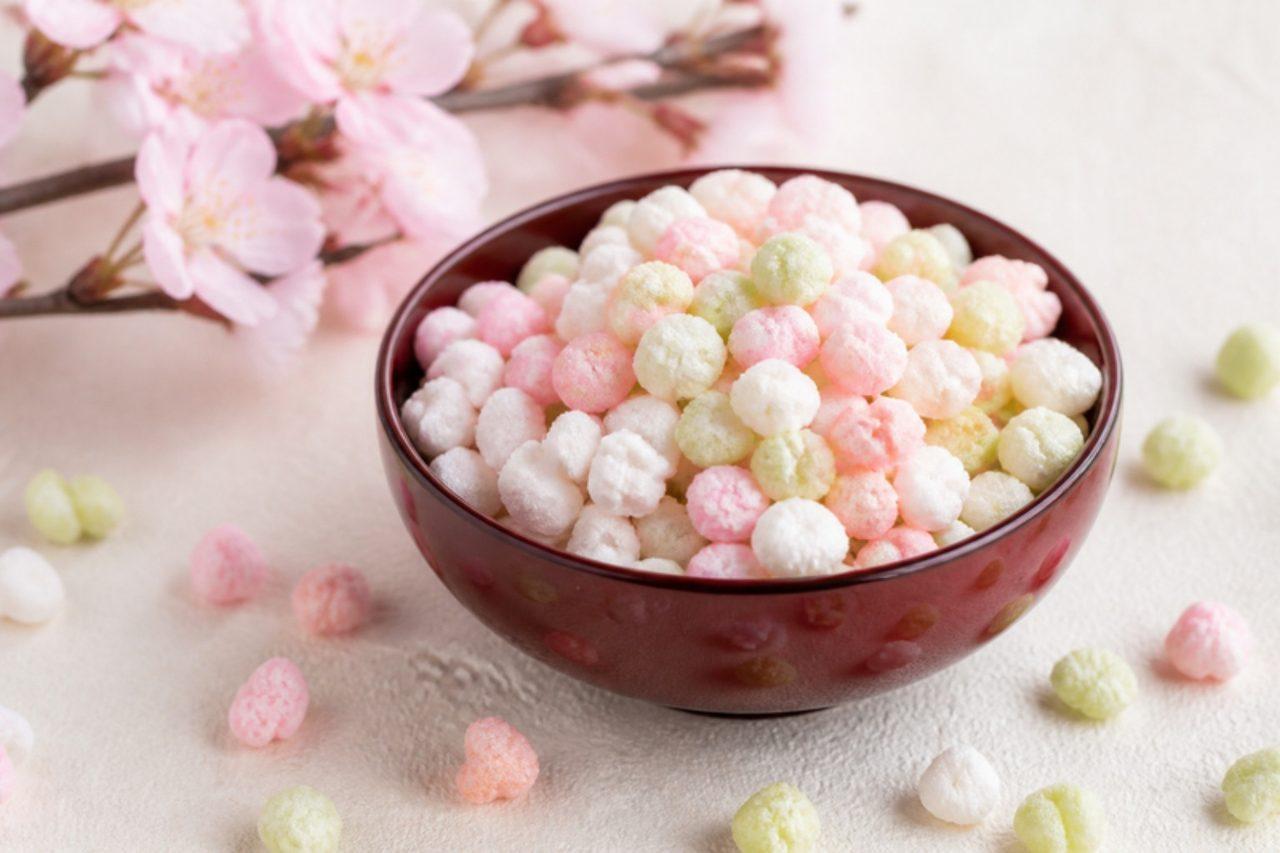
On 3 March, Japanese families with daughters set out tiered dolls for Hinamatsuri and fill little bowls with hina arare, crunchy pastel rice puffs whose pink, green and white stand for spring blossom, new leaves and snow. In the Kanto region they are sweet; around Kyoto and Osaka they are bigger and soy-glazed, so this version makes both. Puffing cooked rice at home is easy and children love watching it bloom in the oil. It contains soya and gluten (from the soy sauce) and is otherwise free of the common allergens. Chef's tip: dry the cooked rice until every grain is hard and glassy; damp rice spits and never puffs.
by KrazyBadal 0 views

Japanese strawberry shortcake
In Japan, the 'shortcake' on every birthday table and every Christmas Eve is nothing like the American scone version: it is a tall, cloud-soft sponge filled and covered with lightly sweetened cream and crowned with a ring of strawberries. Children choose it at the cake shop for their birthday, and it is just as good made at home. It contains egg, milk and gluten. Chef's tip: brush each sponge layer with a little plain sugar syrup; it keeps the cake moist without any alcohol.

by KrazyBadal 0 views

Nyumen (hot somen for toddlers)

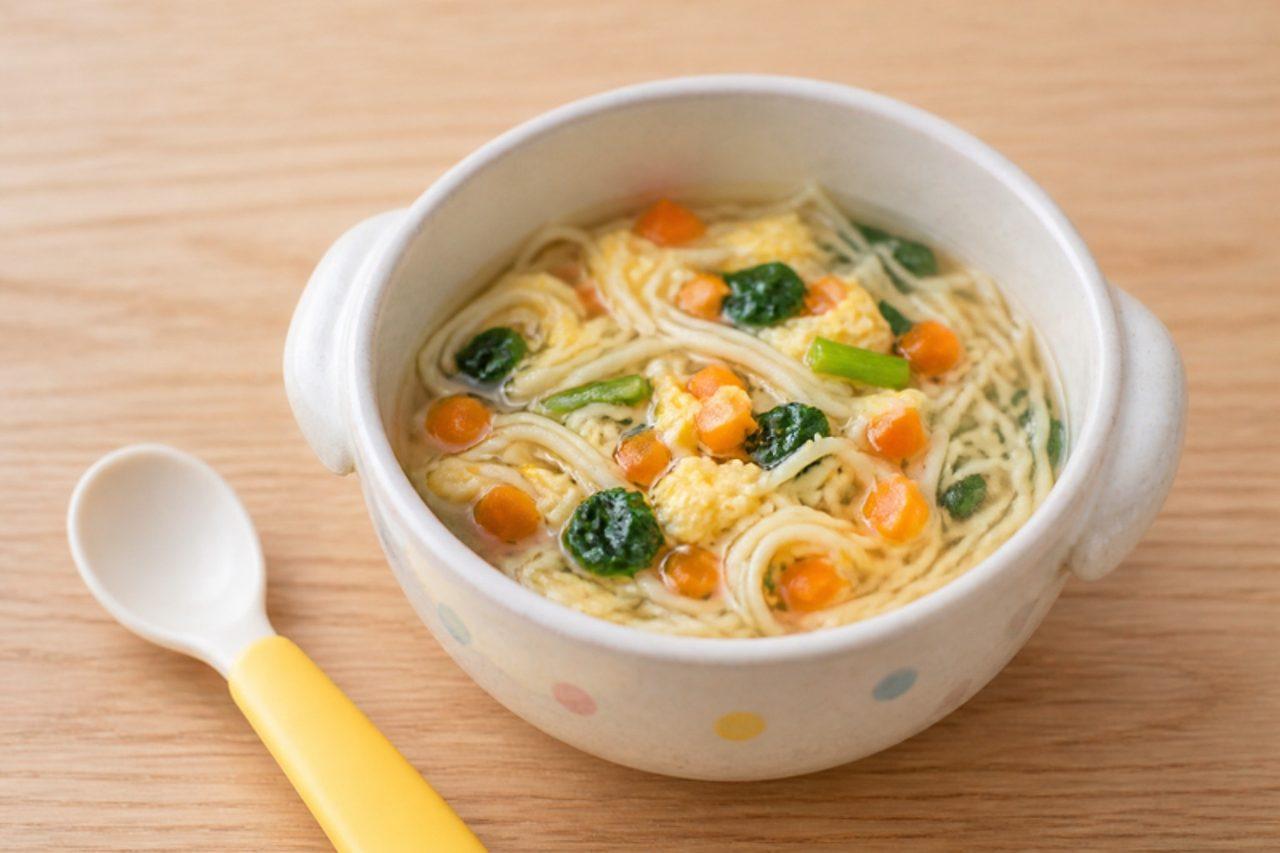
Nyumen is the hot, winter way of eating thin somen noodles, loved in Nara and across the Kansai region, and with its gentle broth it is a classic supper for small children and anyone feeling poorly. Fine noodles, soft carrot and spinach and silky ribbons of egg sit in a light stock of kombu and dried shiitake, seasoned for toddlers with only a few drops of low-salt soy sauce. It contains gluten (wheat), egg and soya. Chef's tip: somen dough is salted, so always boil and rinse the noodles separately rather than cooking them in the broth.

by KrazyBadal 0 views

Ten-fold rice porridge (jūbai-gayu)

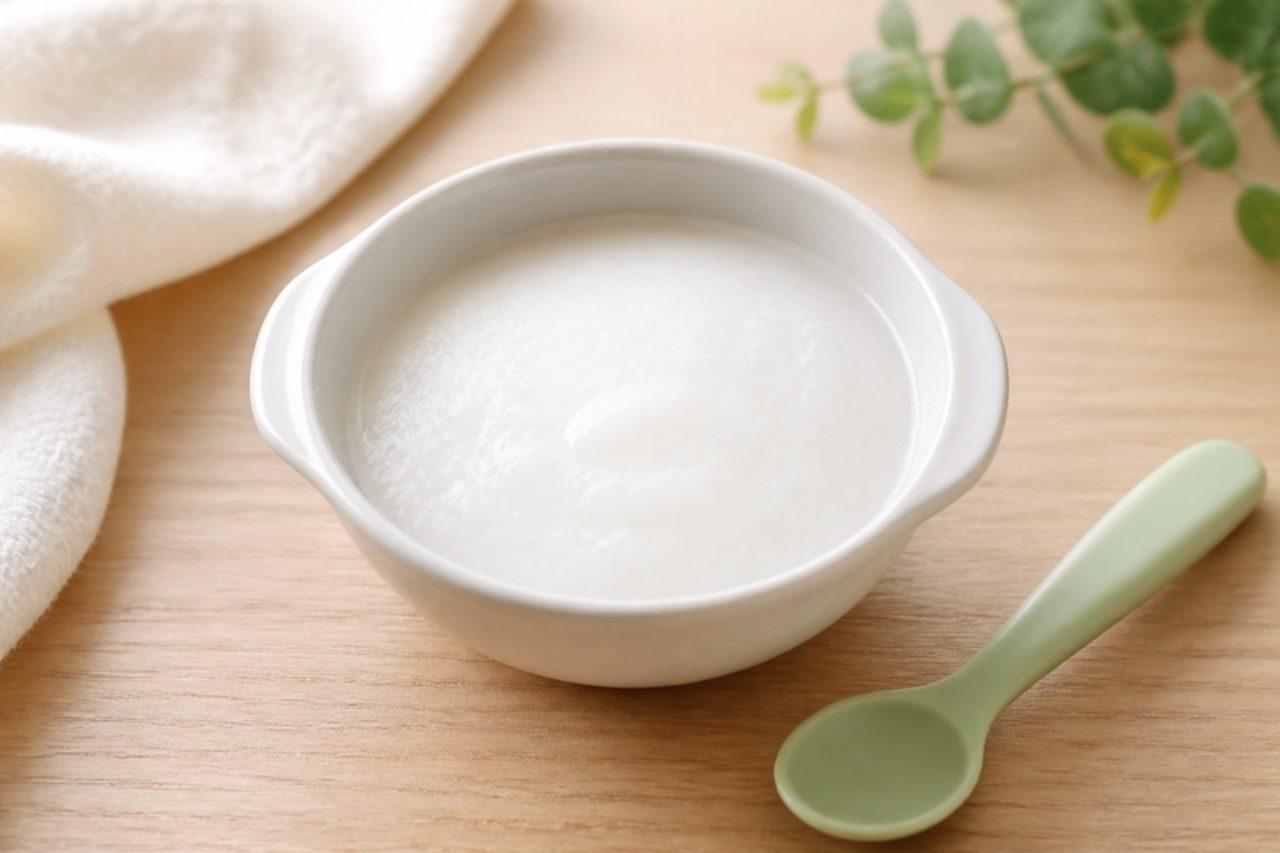
Across Japan, a baby's first solid food at about five or six months is jūbai-gayu: rice cooked gently in ten times its volume of water until it collapses into a soft, pale porridge, then pressed or blended smooth. It tastes mild and slightly sweet, and parents start with a single spoonful a day before adding mashed vegetables such as pumpkin or carrot. None of the common allergens (milk, egg, gluten, peanut, tree nuts, soya, sesame, fish) are in it, so it is an easy base to build on. Chef's tip: make a full pot and freeze it in ice-cube trays, so one cube can be warmed for each meal.

by KrazyBadal 0 views

Onigirazu with omelette and cucumber

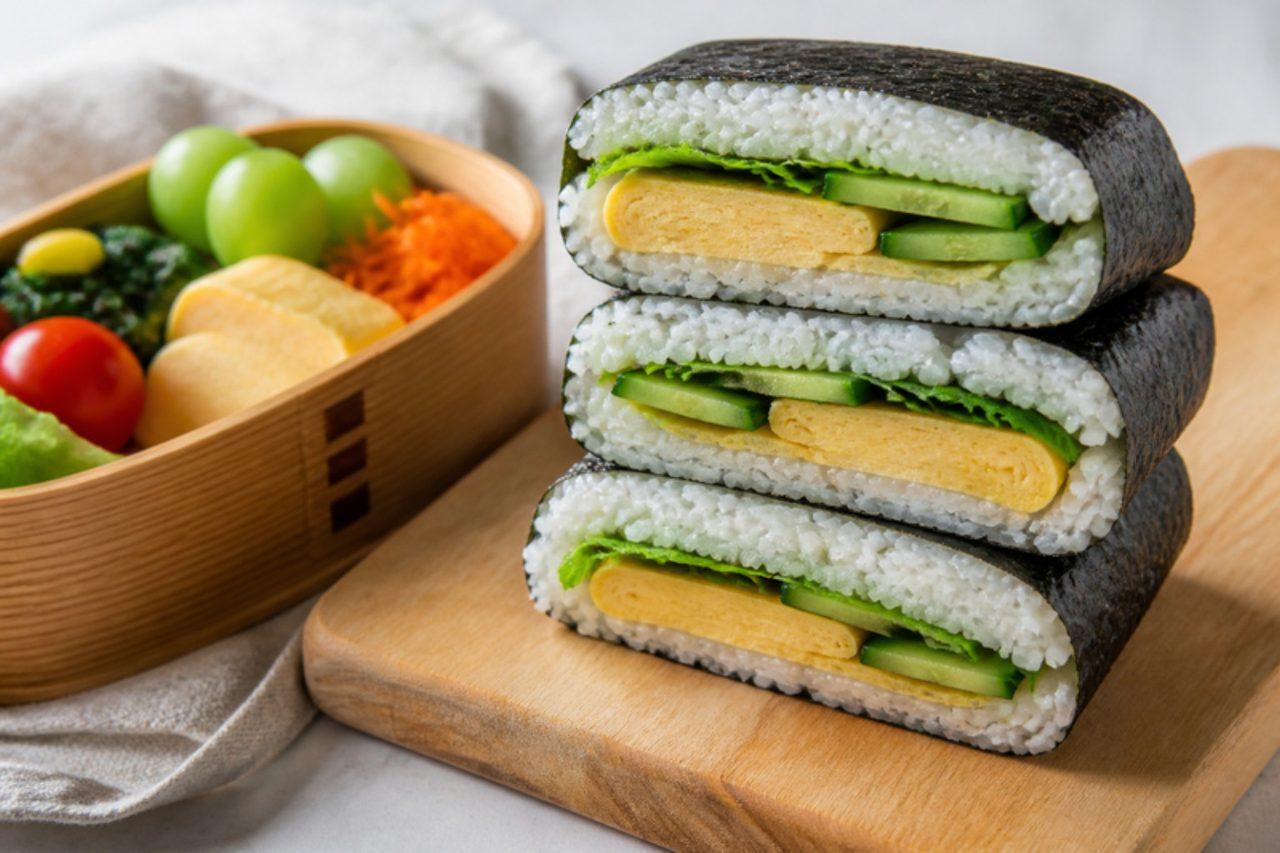
Onigirazu, 'rice balls you don't have to shape', took off in Japanese homes as a quicker way to fill a school bento: a sheet of nori is folded around a flat square of rice and filling like an envelope, wrapped tightly and sliced through the middle. Children love the stripes of yellow omelette and green lettuce and cucumber, and it eats neatly with one hand at lunch or on a picnic. Ham, tuna mayonnaise and fried chicken are popular fillings too; this version is vegetarian. It contains egg, and the mayonnaise is egg-based. Chef's tip: cut through the cling film with a wet, sharp knife and only unwrap after slicing, so the sandwich keeps its shape.
by KrazyBadal 0 views

Sweet potato simmered with lemon (satsumaimo no lemon-ni)

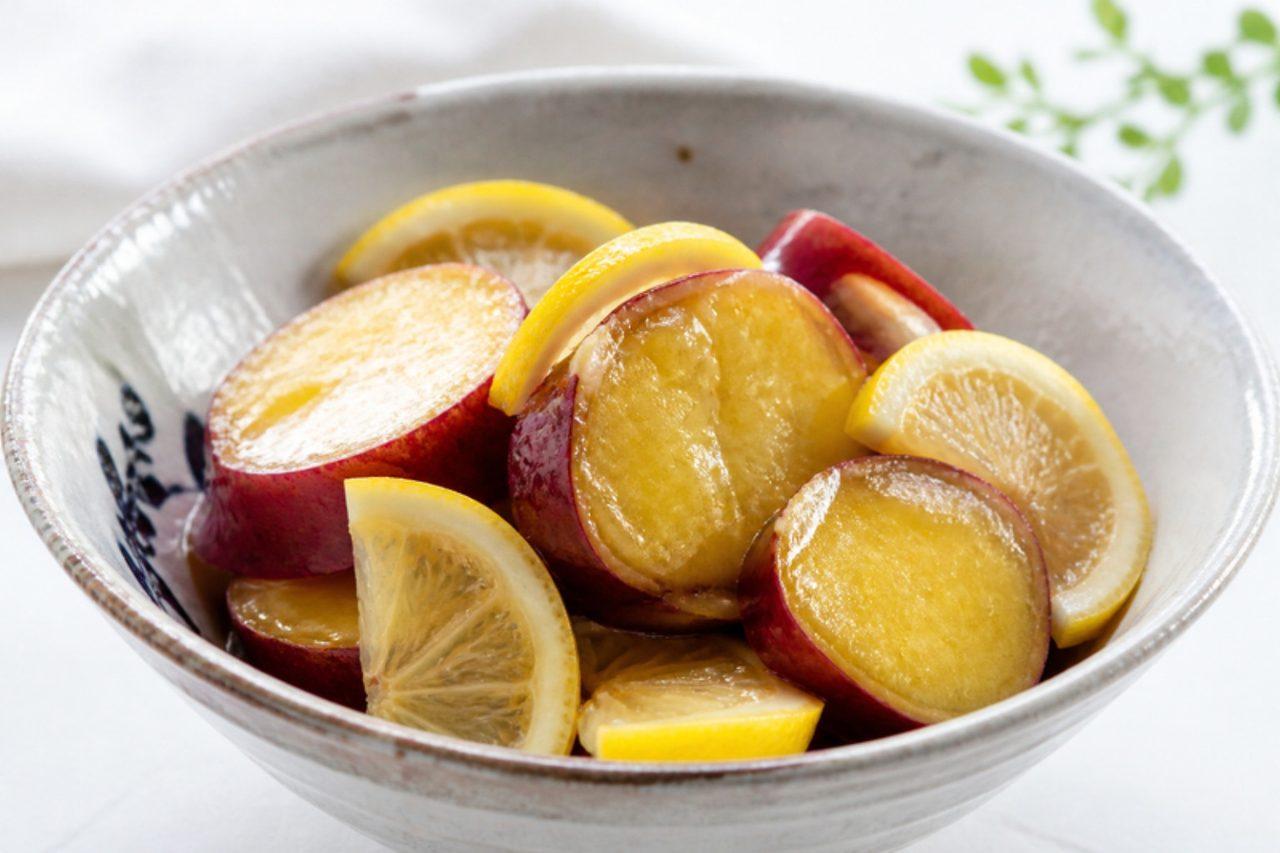
Satsumaimo no lemon-ni is an autumn favourite in Japanese homes, when sweet potatoes are at their best and bento boxes need a splash of colour. Rounds of purple-skinned sweet potato are gently poached with lemon slices and just a spoonful of sugar until tender and glossy, tasting of honeyed potato with a fresh citrus edge. It is eaten cold, so it is a natural make-ahead for packed lunches, and it contains none of the common allergens. Chef's tip: keep the skins on; the purple ring against the yellow flesh is what makes it look so pretty in a box.
by KrazyBadal 0 views

Satoimo no nikkorogashiGlazed simmered taro

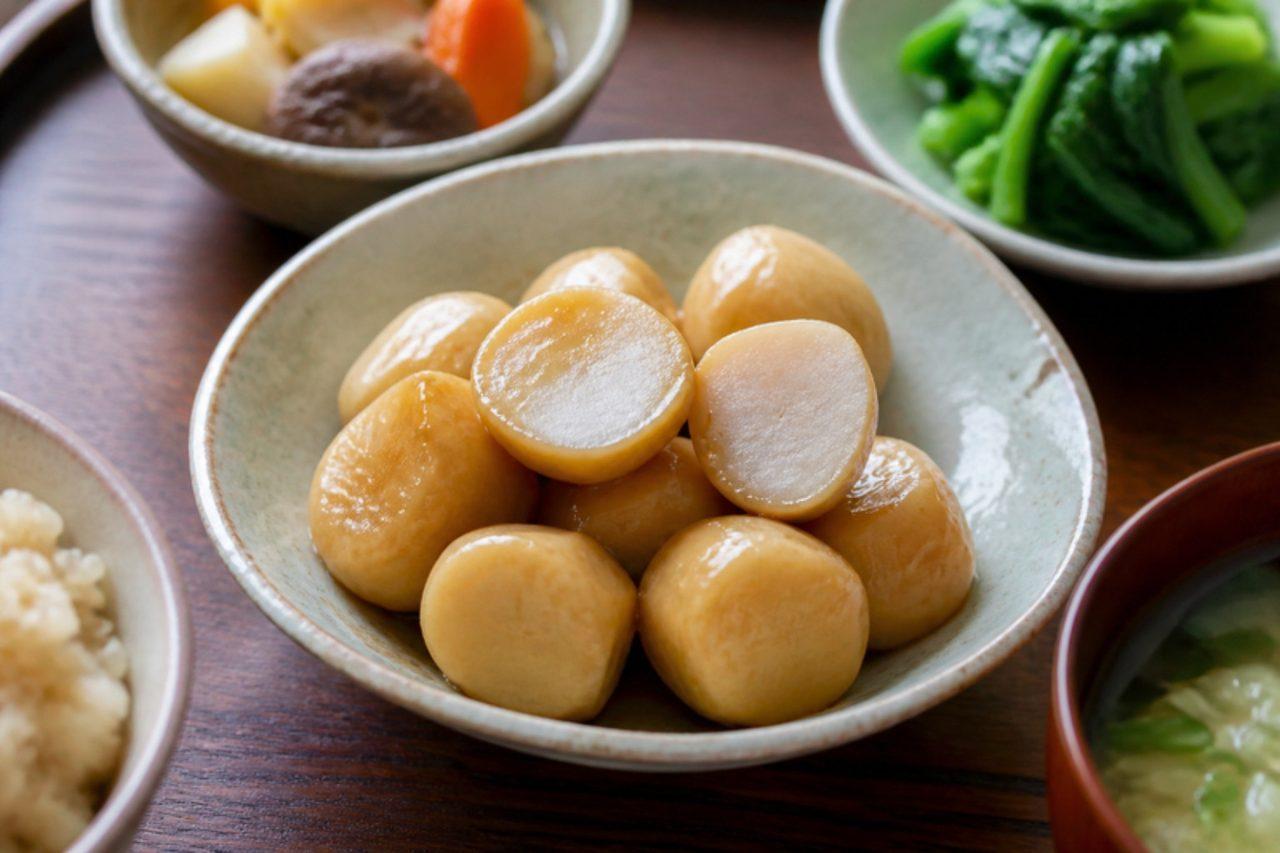
Satoimo, small hairy taro, are dug in autumn across the farmland of Chiba and Saitama, and nikkorogashi, "simmered and rolled", is the most homely way to eat them: the peeled taro are simmered in a little dashi, sugar and soy, then rolled around the pan as the liquid boils down until each one is coated in a sticky, glossy glaze. The inside stays creamy and slightly slippery. This version uses vegetarian kombu-shiitake dashi. A portion is about 130 kcal. The common mistake is not rinsing off the sliminess after peeling, which makes the sauce gloopy; rub them with salt and rinse well. Chef's tip: peel taro with dry hands, or wear gloves; the raw sap can make skin itch.

by KrazyBadal 0 views

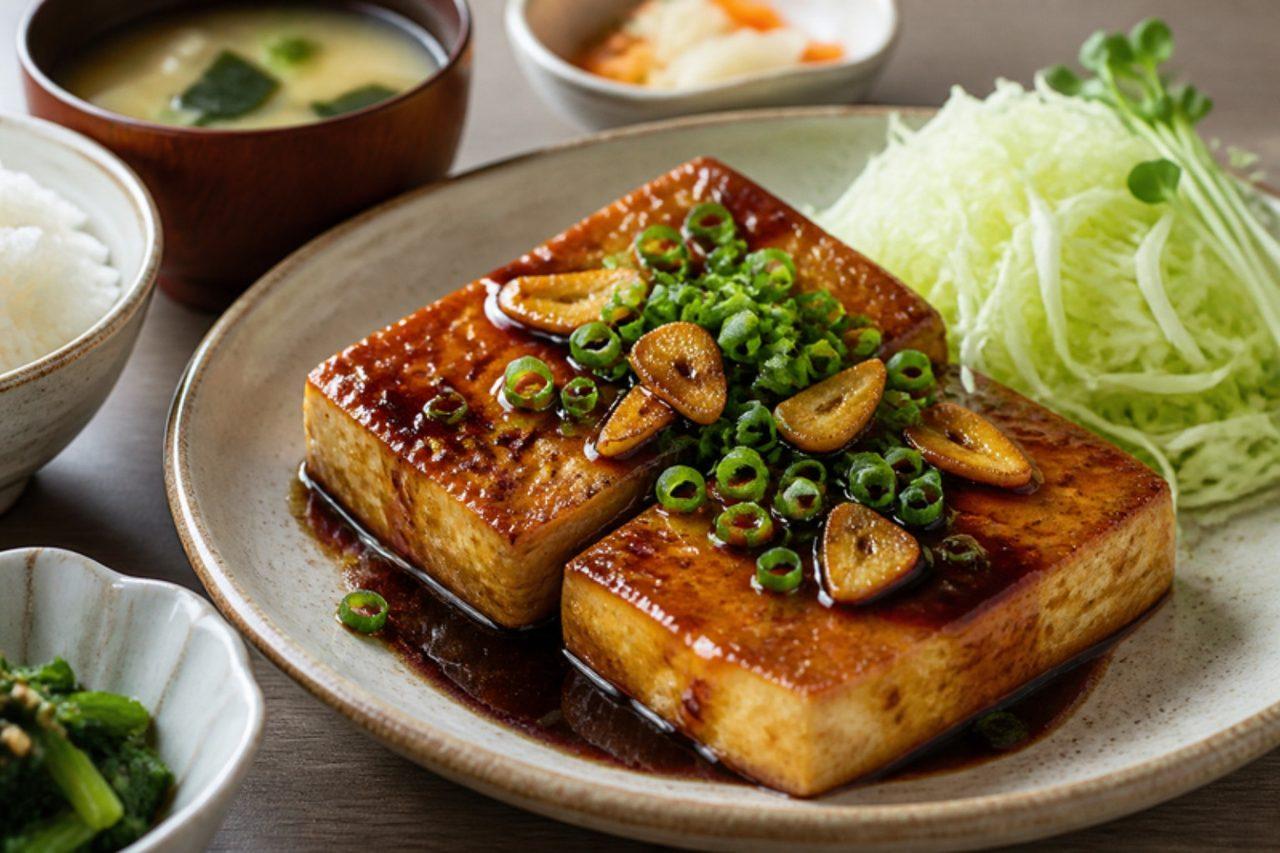
Tofu steak

Tofu steak became a family-restaurant and home favourite across Japan in the health-food boom of the 1980s, and it is still how many Tokyo households get a quick, light main dish on the table: thick slabs of firm tofu dusted with potato starch, seared until golden, then glazed in a garlicky soy, mirin and sugar sauce until sticky. Serve with rice, shredded cabbage and miso soup. A portion is about 260 kcal. The common mistake is skipping the pressing, so the tofu spits in the pan and won't brown; press it for 10 minutes first. Chef's tip: add the sauce only once both sides are golden, and let it bubble down for just a minute so it coats rather than soaks.

by KrazyBadal 0 views

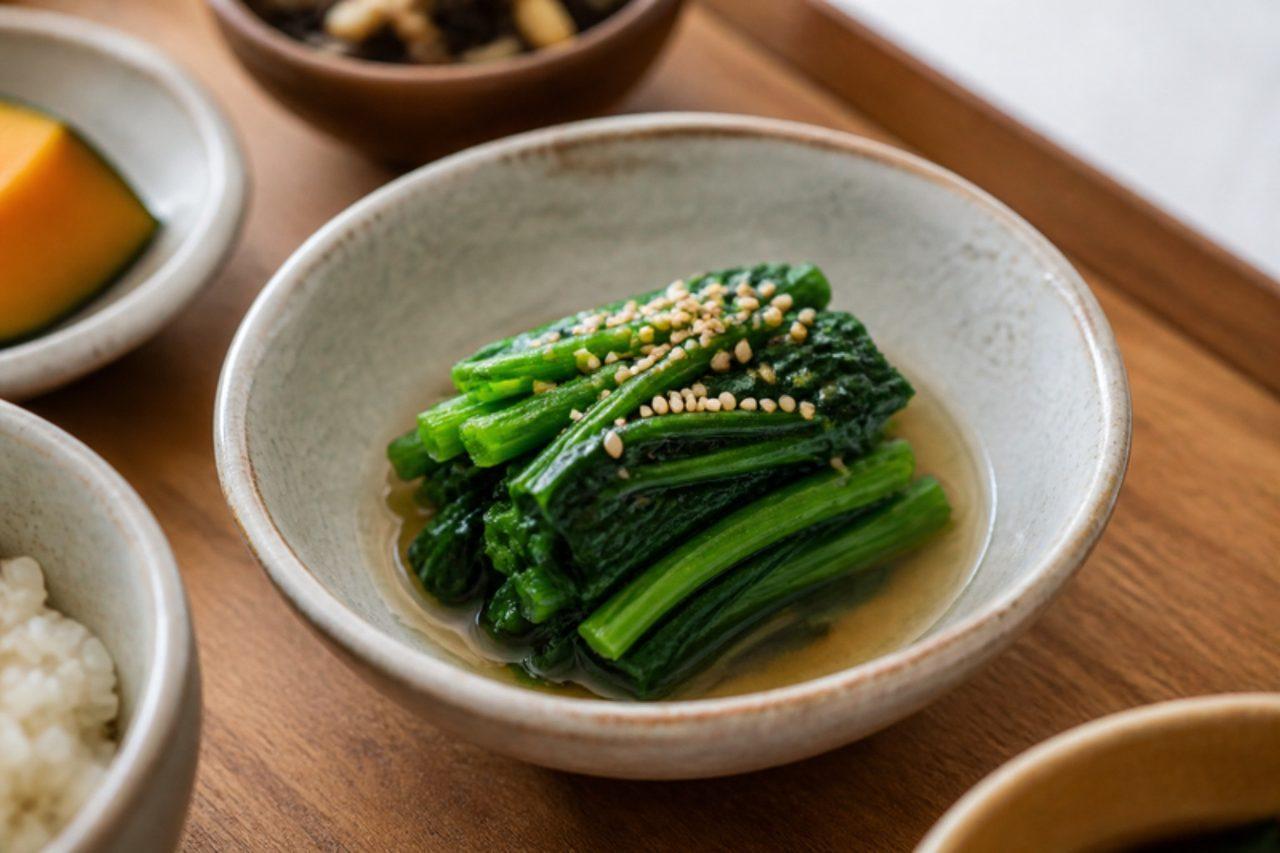
Horenso no ohitashiSpinach in dashi

Ohitashi, "the soaked dish", is one of the three small sides of the everyday ichiju-sansai meal, and in Tokyo homes a little mound of spinach steeped in cool seasoned broth turns up beside grilled fish and miso soup most weeks of the year. Usually it is topped with bonito flakes; this vegetarian version uses kombu and shiitake dashi and a sprinkle of toasted sesame instead. It is clean, savoury and barely seasoned, so the sweetness of the spinach comes through. A portion is about 35 kcal. The most common mistake is not squeezing the spinach after blanching, which dilutes the broth into a watery puddle. Chef's tip: blanch the stems for 10 seconds before pushing in the leaves; the stems need longer, and this way the whole bunch is tender at once.

by KrazyBadal 0 views

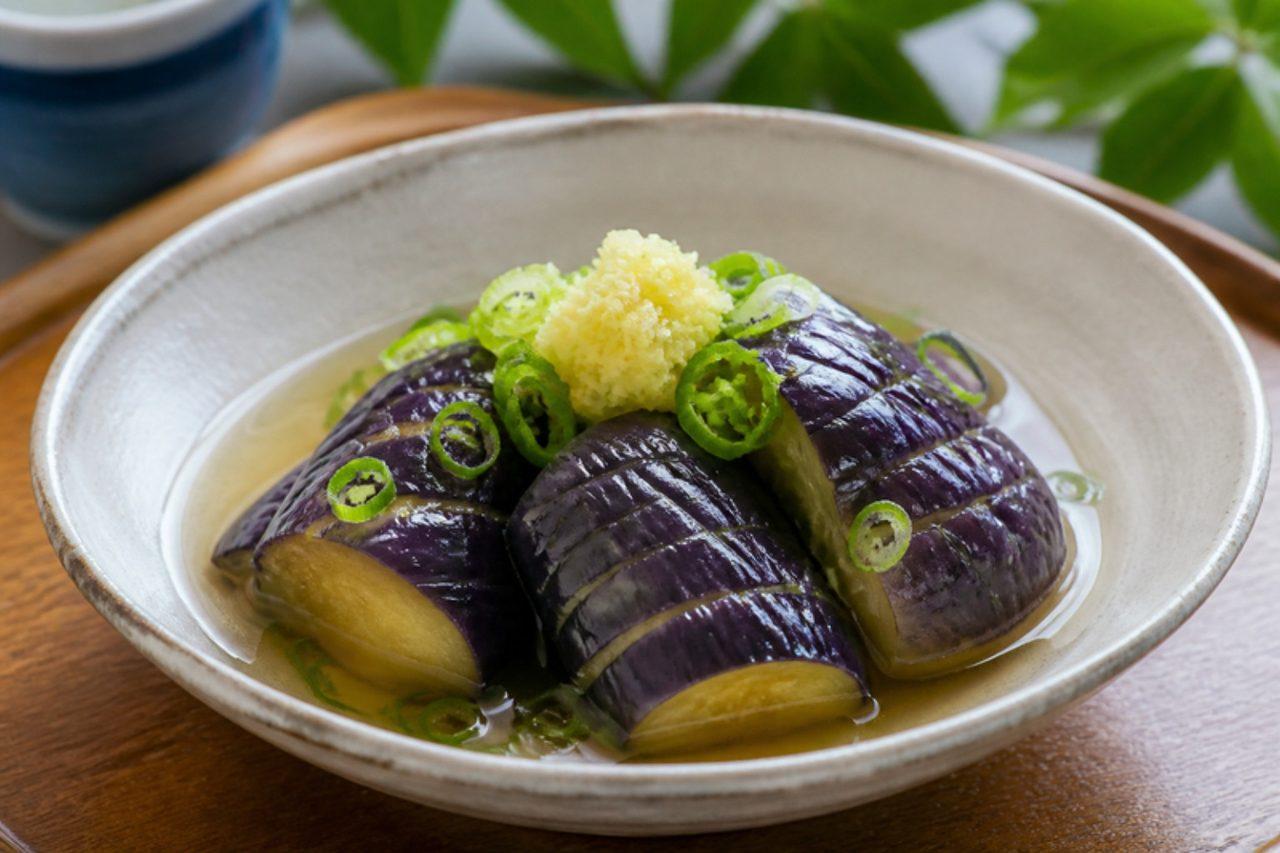
Nasu no nibitashiAubergine in cold dashi

On a sticky summer evening in Osaka or Tokyo, a chilled dish of nibitashi is one of the nicest things to find in the fridge: Japanese eggplant cut into pieces, cooked in a little oil until silky, then left to soak in cold, lightly sweet soy dashi with grated ginger. It is served cool beside rice and grilled fish or tofu. This version uses vegetarian kombu-shiitake dashi. A portion is about 80 kcal. The most common mistake is frying the eggplant in lots of oil; it drinks it all up and turns heavy. Brush it lightly and cook it covered so it steams soft. Chef's tip: score the skin in fine diagonal lines before cooking; the broth soaks in faster and the purple skin stays bright.
by KrazyBadal 0 views

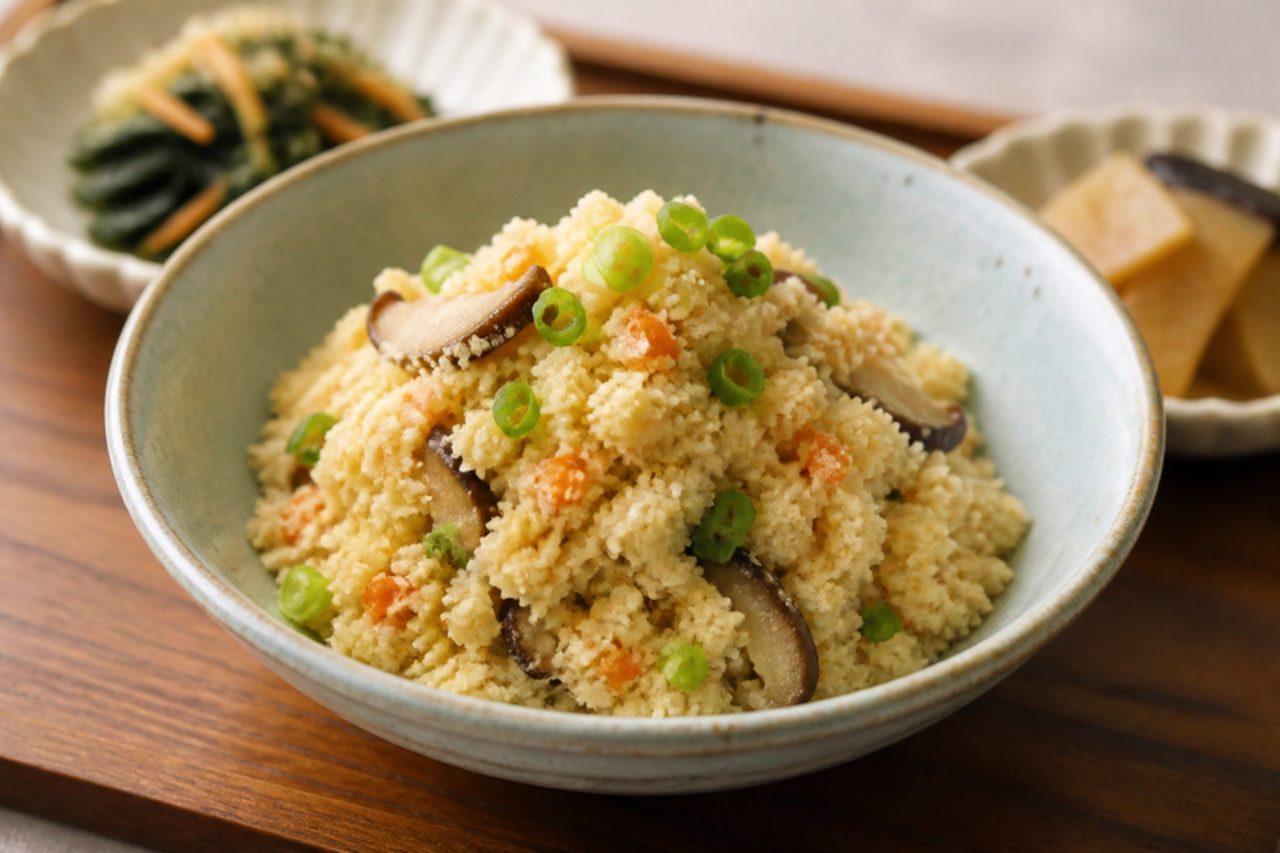
UnohanaSimmered okara with vegetables

Okara, the soft white pulp left after making soy milk and tofu, is sold for pennies in Kyoto tofu shops, and grandmothers turn it into unohana, named after the white deutzia flowers that bloom in early summer: the pulp is simmered with carrot, shiitake, fried tofu, konnyaku and spring onion in sweet soy dashi until moist and fluffy. It is a side dish for rice and a classic of frugal, high-fibre home cooking. Many homes add a little chicken; this version is vegetarian, with kombu-shiitake dashi. A portion is about 140 kcal. The most common mistake is cooking it dry and crumbly; it should be moist enough to hold together when pressed with chopsticks, so don't skimp on the broth. Chef's tip: dry-fry the okara in the pan for a few minutes first; it loses its beany smell and absorbs the seasoning better.

by KrazyBadal 0 views

Showing 48 of 210 recipes

Show more recipes

Page 3 of 9

More collections