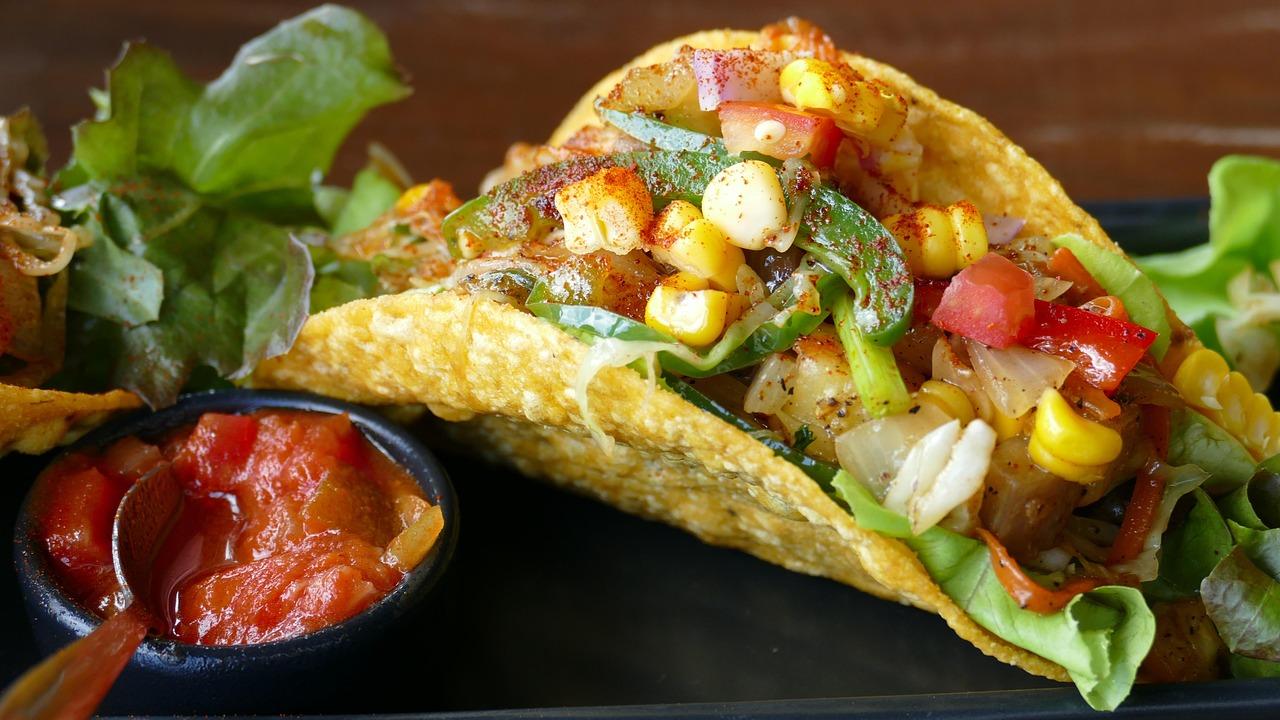
Black bean tacos with lime slaw
Proof that a meat-free taco night can be the best one. The beans are mashed with chipotle and cumin so they hold together in the tortilla, and a quick lime slaw adds crunch.
 Mexican

by KrazyBadal 2 views
Tacos, enchiladas, beans and salsas without meat or fish. (206 recipes)
Proof that a meat-free taco night can be the best one. The beans are mashed with chipotle and cumin so they hold together in the tortilla, and a quick lime slaw adds crunch.
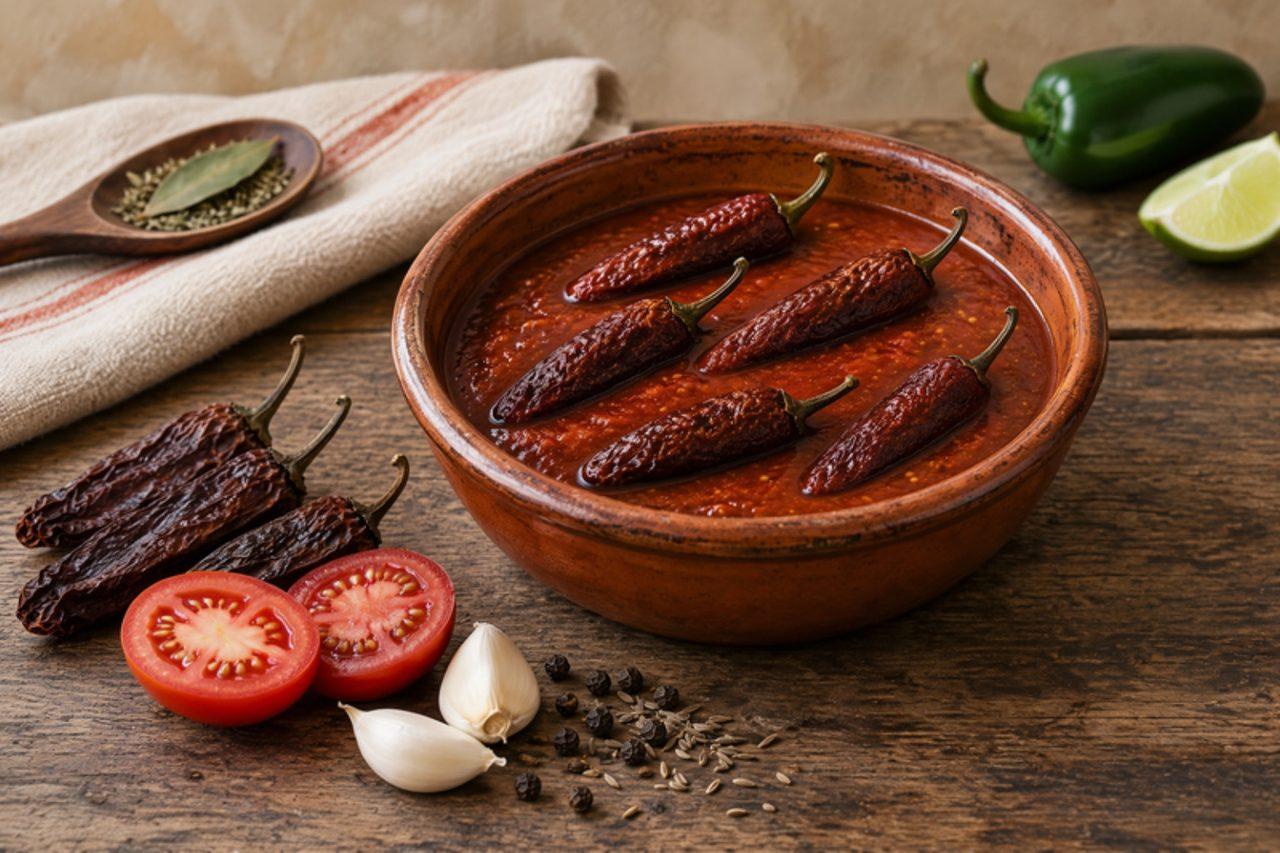
Chipotles are ripe jalapeños smoked slowly over wood until leathery; in Puebla and Veracruz the reddish, plump mora type is the everyday one, and the tan, leathery meco is prized for its deeper smoke. Simmered in a sweet-sour adobo of tomato, onion, garlic, vinegar and piloncillo, they become the soft, glossy chillies that go into tinga poblana, albóndigas en chipotle, bean soups and a quick chipotle mayonnaise. Homemade, they are smokier and less sugary than the tinned kind, with sauce that is brick red, tangy and thick enough to coat a spoon. Common mistake: toasting the dried chillies too long; a few seconds a side is enough, because scorched chillies make the whole jar bitter. This is a low-acid chilli preserve, so it is kept in the fridge or freezer, never canned in a water bath. It is ready when the chipotles are plump and soft enough to crush with a spoon and the adobo has reduced to a glossy sauce. Chef's tip: blend one or two chillies with their sauce and freeze it in an ice-cube tray, so you can add a single cube to a pot.
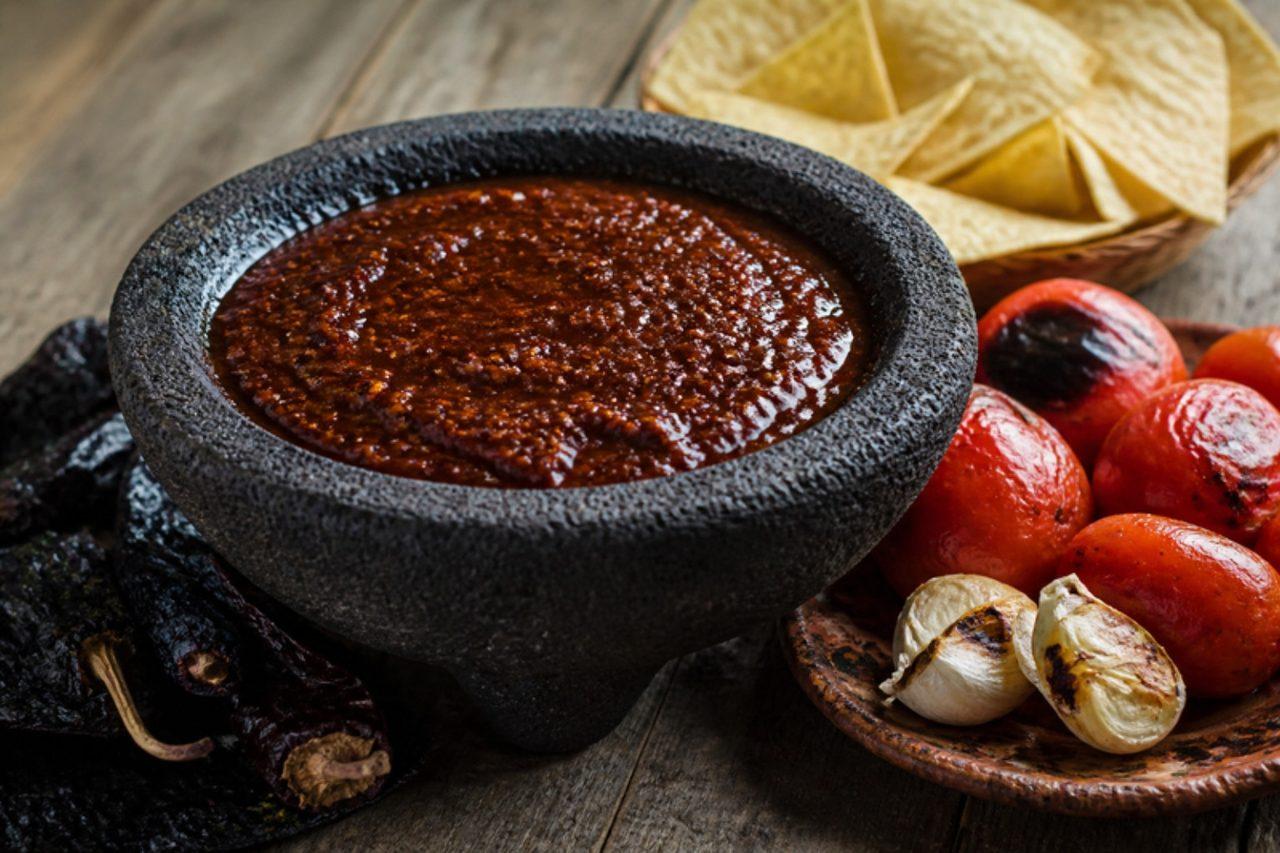
The pasilla mixe is a small, wrinkled, red-brown chilli smoked in the Sierra Mixe mountains east of Oaxaca City, and it tastes of campfire, tobacco and dried fruit. Ground in a molcajete with roasted tomato and garlic, it becomes the salsa that sits on every table in Oaxacan fondas, spooned over memelas, eggs, beans and grilled vegetables. It keeps a week in the fridge and improves after a day. If you cannot find pasilla mixe, use chipotle mora plus one ancho. Chef's tip: grind the garlic and salt first, then the chillies, then the tomato; working in that order gives a rough, clinging texture rather than a watery purée.
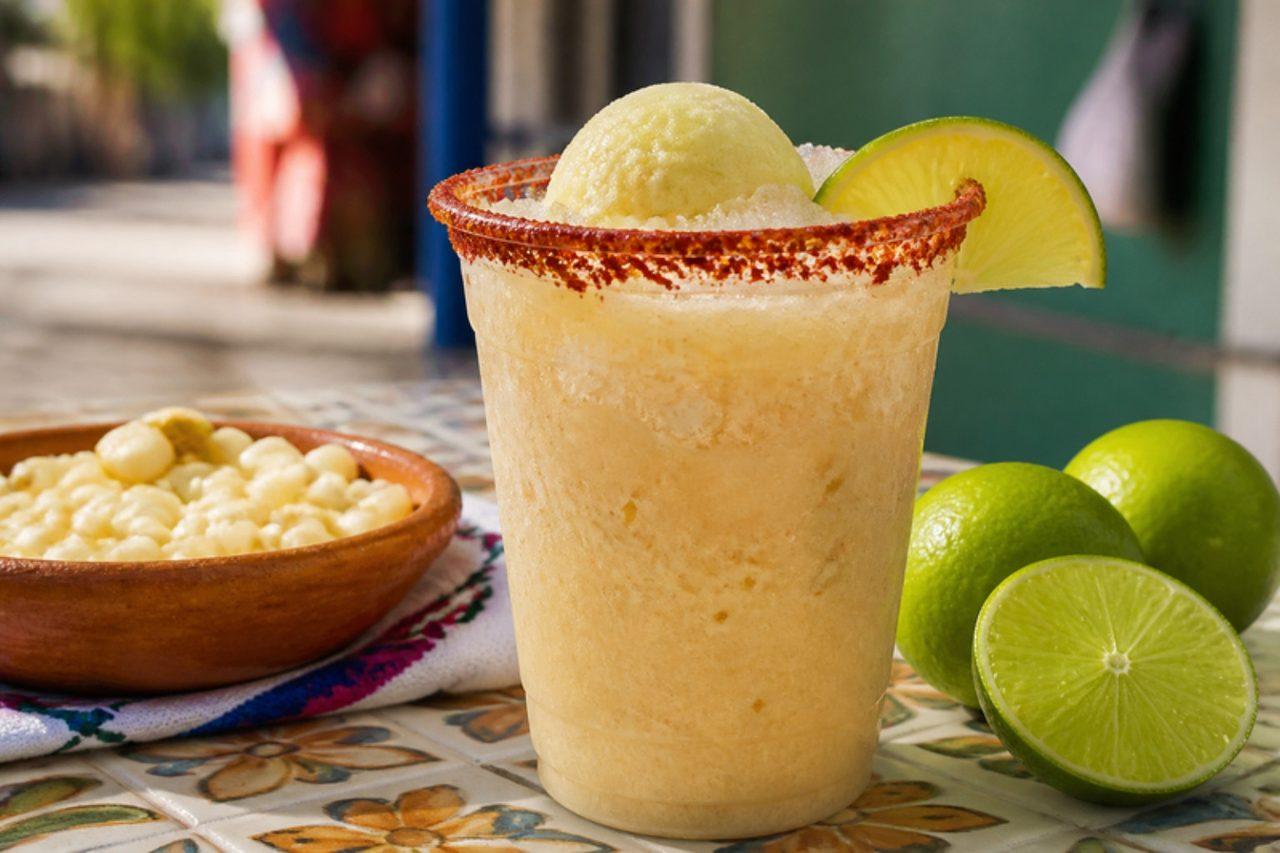
On hot afternoons in Guadalajara, vendors ladle tejuino from big clay pots into plastic bags or glasses with ice, a squeeze of lime, a pinch of salt and often a scoop of lime sorbet. It is made from corn masa cooked with piloncillo and left for two or three days to ferment a little, which gives it a tangy, slightly sour taste. The fermentation is light and the drink is sold as non-alcoholic, but a trace of alcohol can form, so keep the fermentation to 2 days and serve it well chilled. Skip the fermenting stage entirely for children: drink it fresh as a sweet atole-style cooler. Chef's tip: taste it each day; take it to the fridge as soon as it tastes pleasantly sour, like a mild yoghurt.
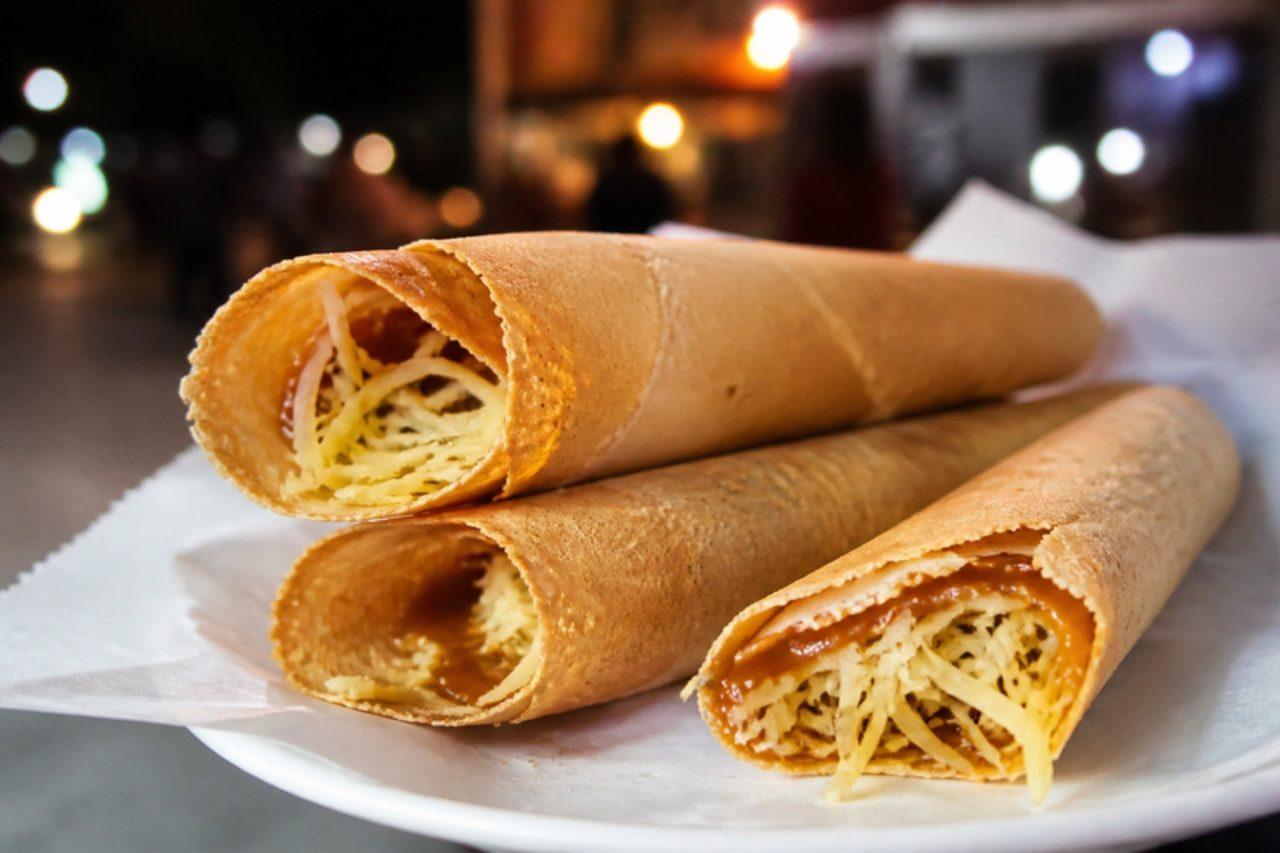
Evening in Mérida's Plaza Grande means the smell of marquesitas: thin batter pressed in hot hinged irons until crisp, then rolled like a cigar around grated Edam cheese and a sweet filling such as cajeta, chocolate-hazelnut spread or jam. Edam came to the Yucatán through the port trade with the Netherlands and became part of the local cooking, and the salty-sweet combination is the whole point. At home you can cook them in a thin, wide frying pan. Edam is usually made with animal rennet, so check the label or use a vegetarian Gouda-style cheese. Chef's tip: roll while the crêpe is still in the pan and hot; within seconds it hardens and will crack.
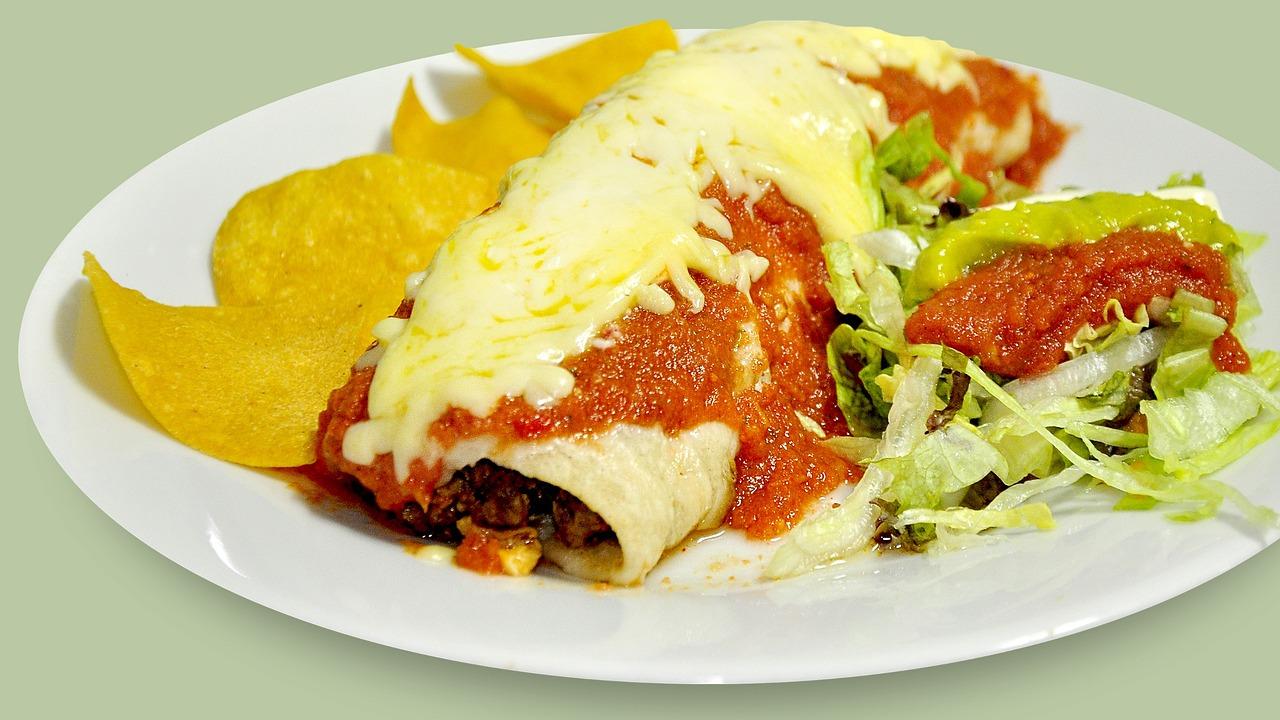
Soft wheat and maize flatbreads rolled around a spicy kidney bean and potato filling, baked in a fiery tomato and red chilli sauce and topped with sour cream and cheese. Serve with extra hot sauce, sour cream, spring onions or salad.
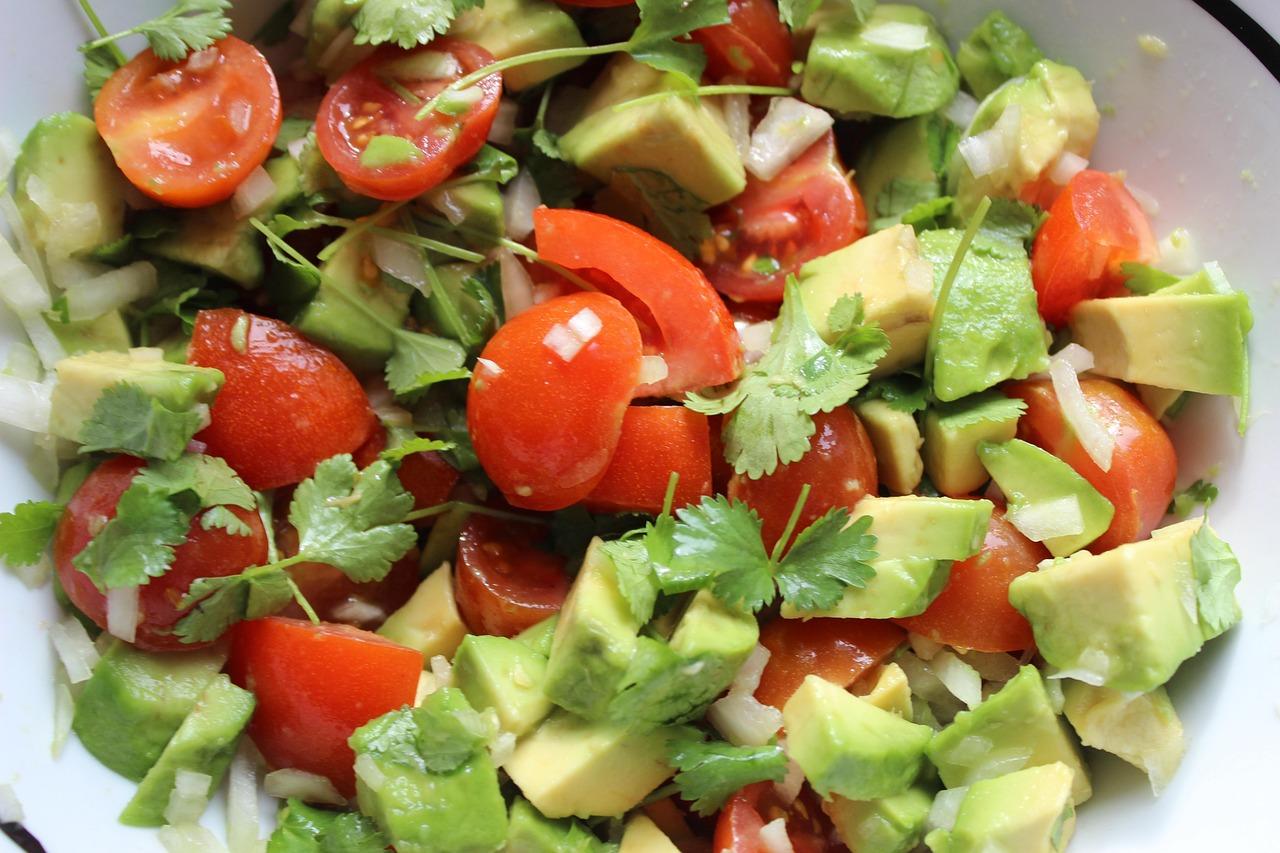
Sliced tomatoes, creamy avocado and spring onions in a honey, mustard and red wine vinegar dressing, with tortilla chips stirred in at the end for crunch. It is a quick, Mexican-style side for parties and barbecues. Add the chips just before serving and eat it straight away, before they soften.
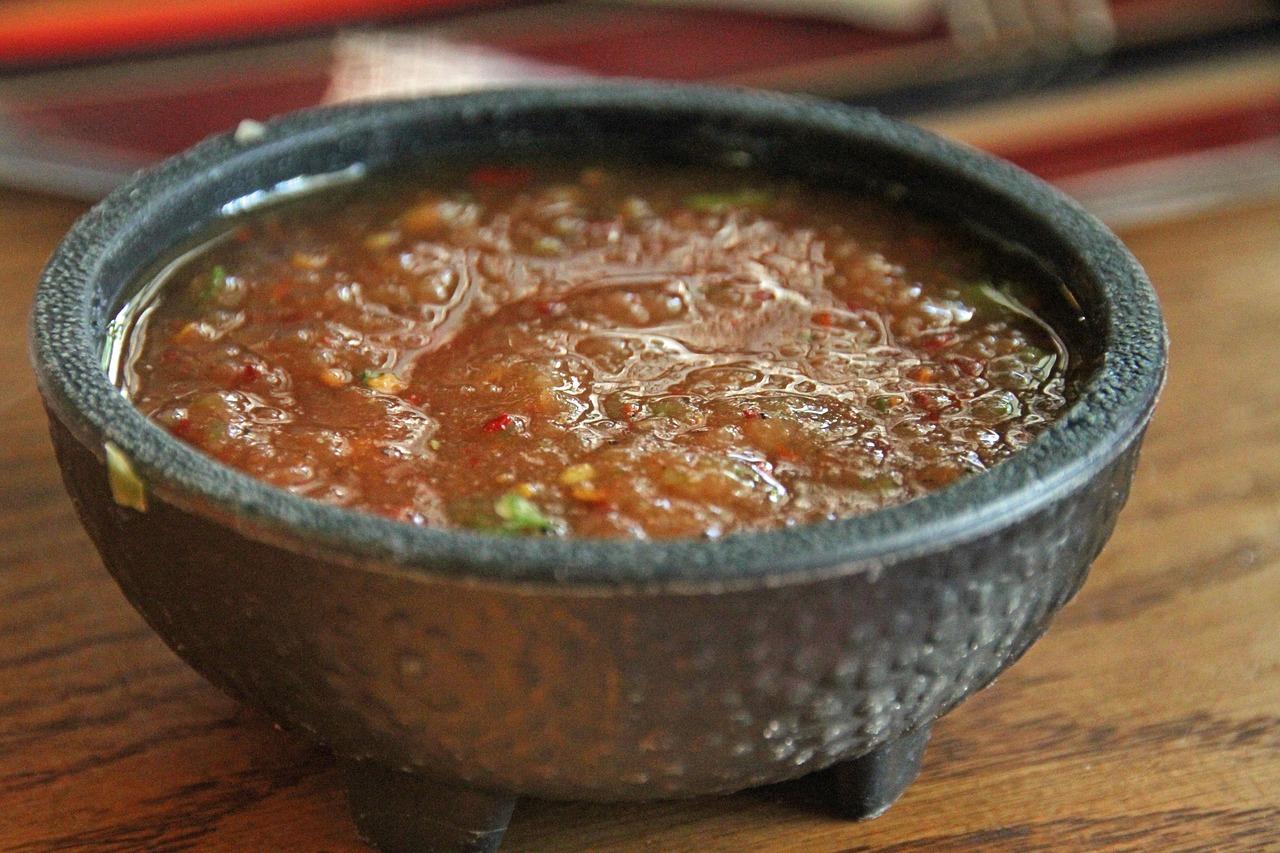
A smooth, tangy tomato salsa of blanched tomatoes, sautéed onion, garlic, chilli and plenty of oregano, with a touch of cumin and coriander seed. Serve it with nacho triangles, tacos, quesadillas or as a dip for any snack.
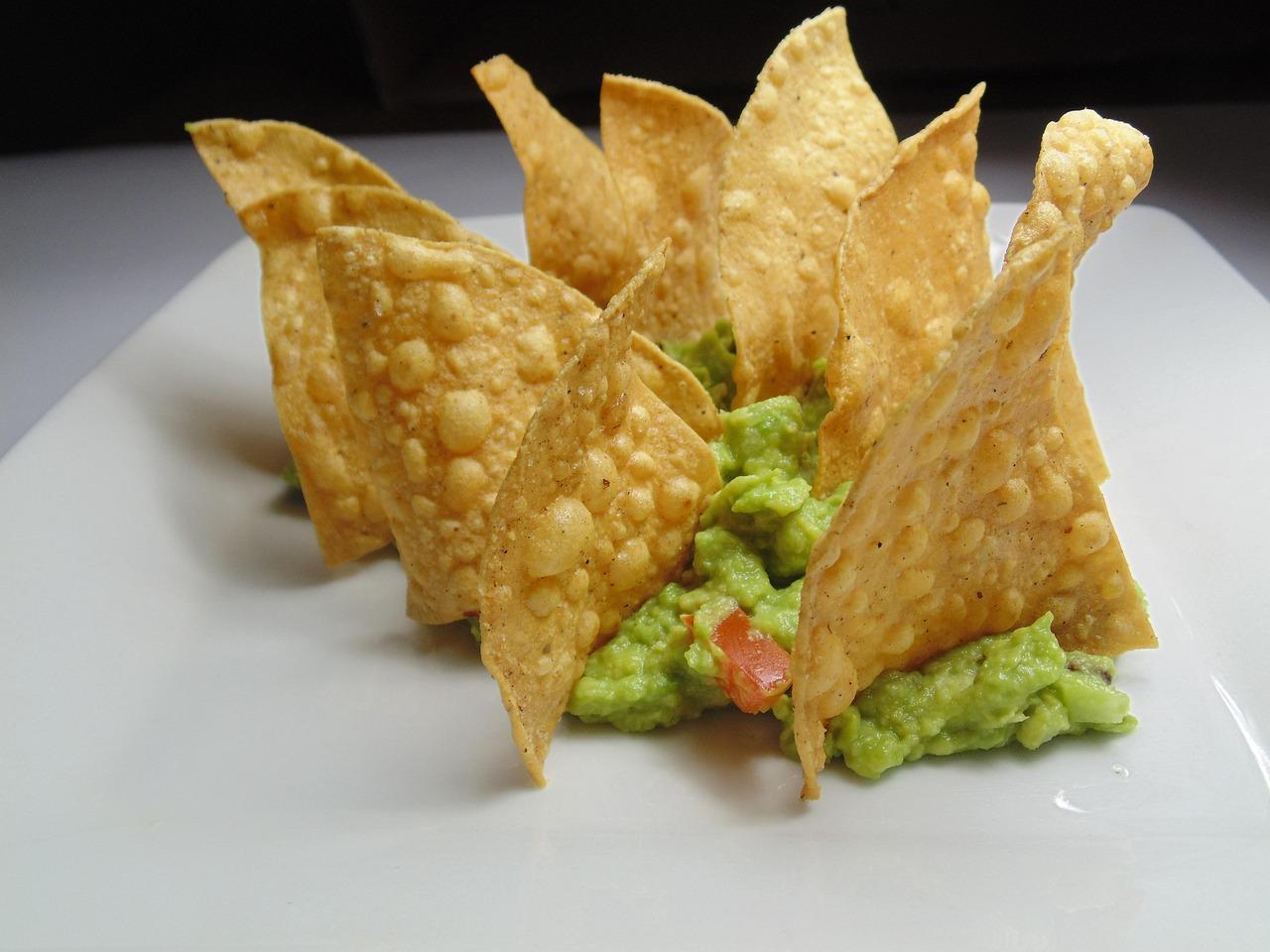
A guacamole-style dip of ripe avocado mashed with tomato, onion, green chillies, coriander, a little sour cream, Tabasco and lemon. Make it smooth or chunky, as you like. Chill it and serve with nacho triangles.
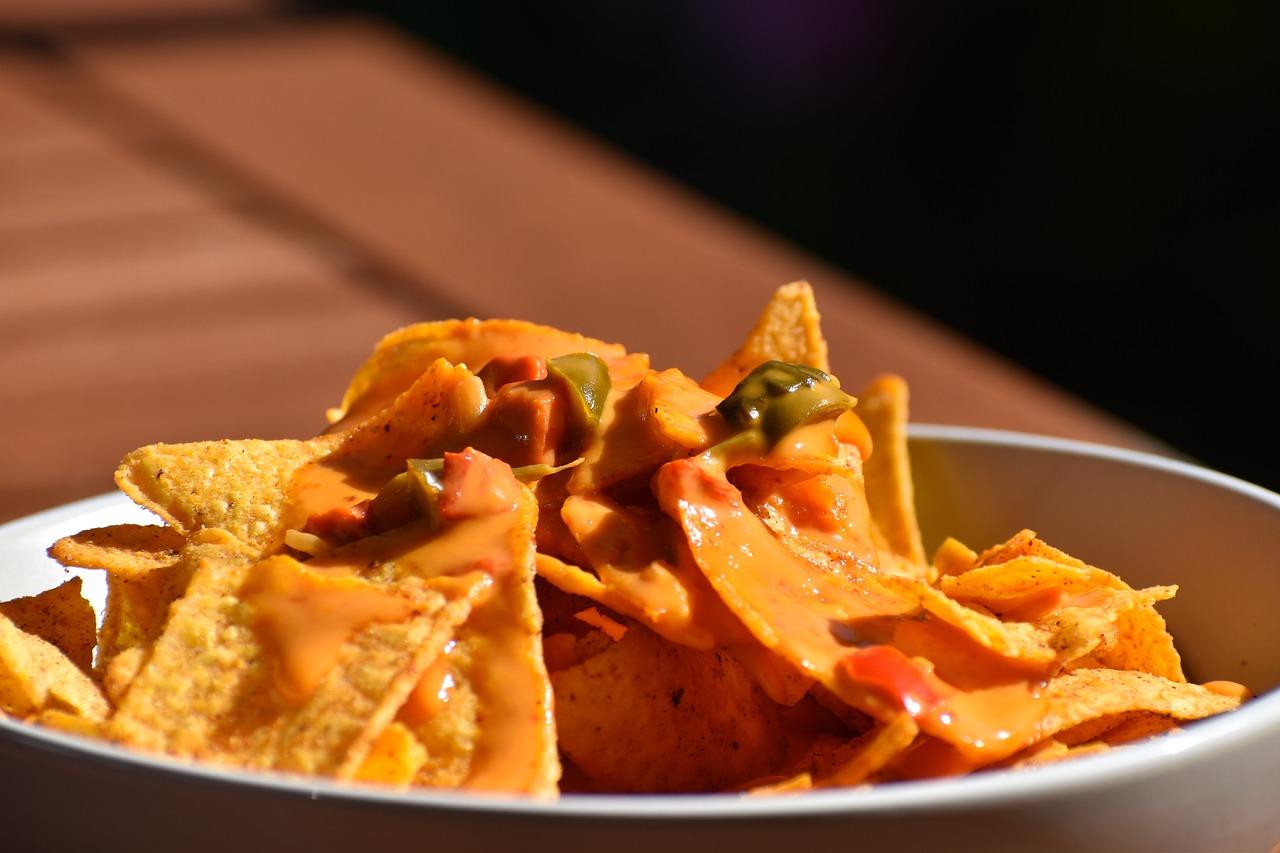
Crisp nacho triangles layered with a garlicky sour cream, jalapeño chillies and cheddar, baked for just 5 minutes until the cheese melts. Serve straight away with hot salsa. You can also serve the sour cream and salsa separately as dips.
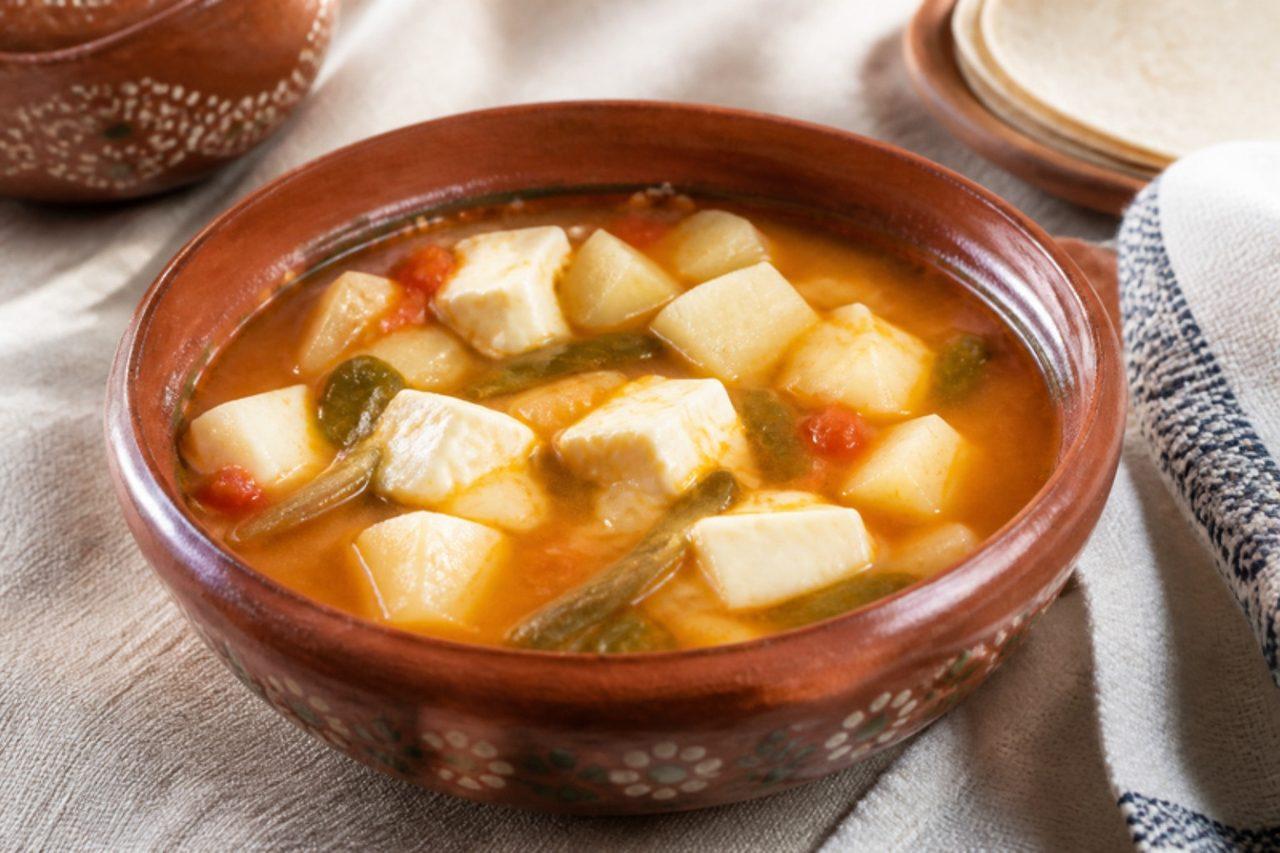
In Hermosillo and across Sonora, caldo de queso is the soup cooked on cool desert evenings: a light tomato broth with potato and strips of roasted green Anaheim chile, poured over cubes of fresh cheese that soften into chewy, milky pieces in the bowl. It is eaten with flour tortillas, Sonora's own, and a squeeze of lime. The common mistake is boiling the cheese in the pot, where it melts into strings and sticks to the bottom; add it at the end, off the boil. Queso fresco and Oaxaca cheese are often made with animal rennet, so look for a vegetarian queso fresco, or use paneer, which keeps its shape the same way. Chef's tip: blister the chiles in a dry pan until black, then sweat them in a bowl under a plate for 5 minutes and the skins slip off.
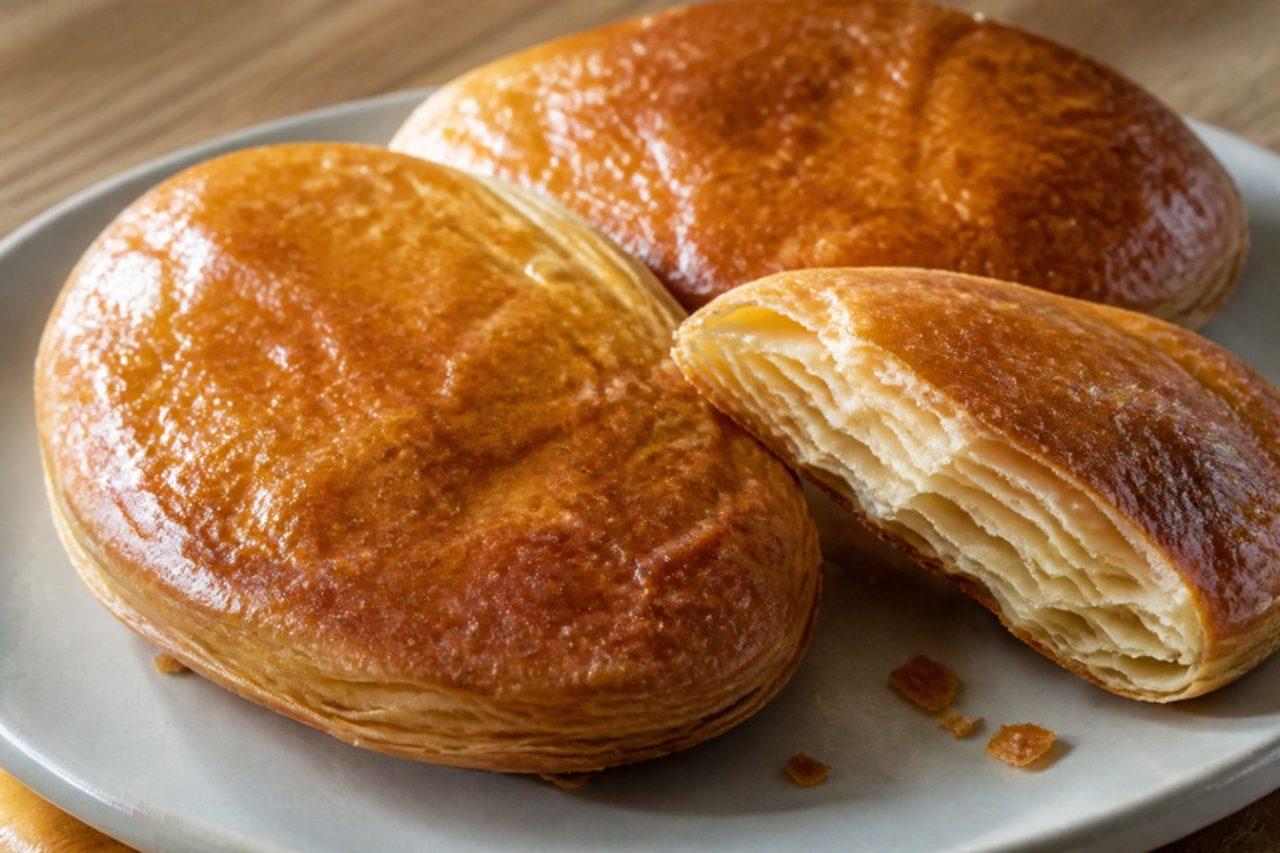
Campechanas take their name from the port of Campeche, but now they shatter all over the coffee tables of Mexico City and Veracruz: oval, paper-thin layers of dough with a glossy, caramelised sugar crust that cracks as you bite. Mexicans buy them in the evening from the panadería, along with conchas, to dunk in café de olla or hot chocolate. They are traditionally made with lard; this version uses vegetable shortening, which gives the same light flakiness and keeps them vegan. Butter also works but browns faster. The trap is a timid oven: below full heat the sugar stays grainy and white instead of turning to glass. Chef's tip: press the sugar firmly into the top before baking so it melts into an even shiny layer.
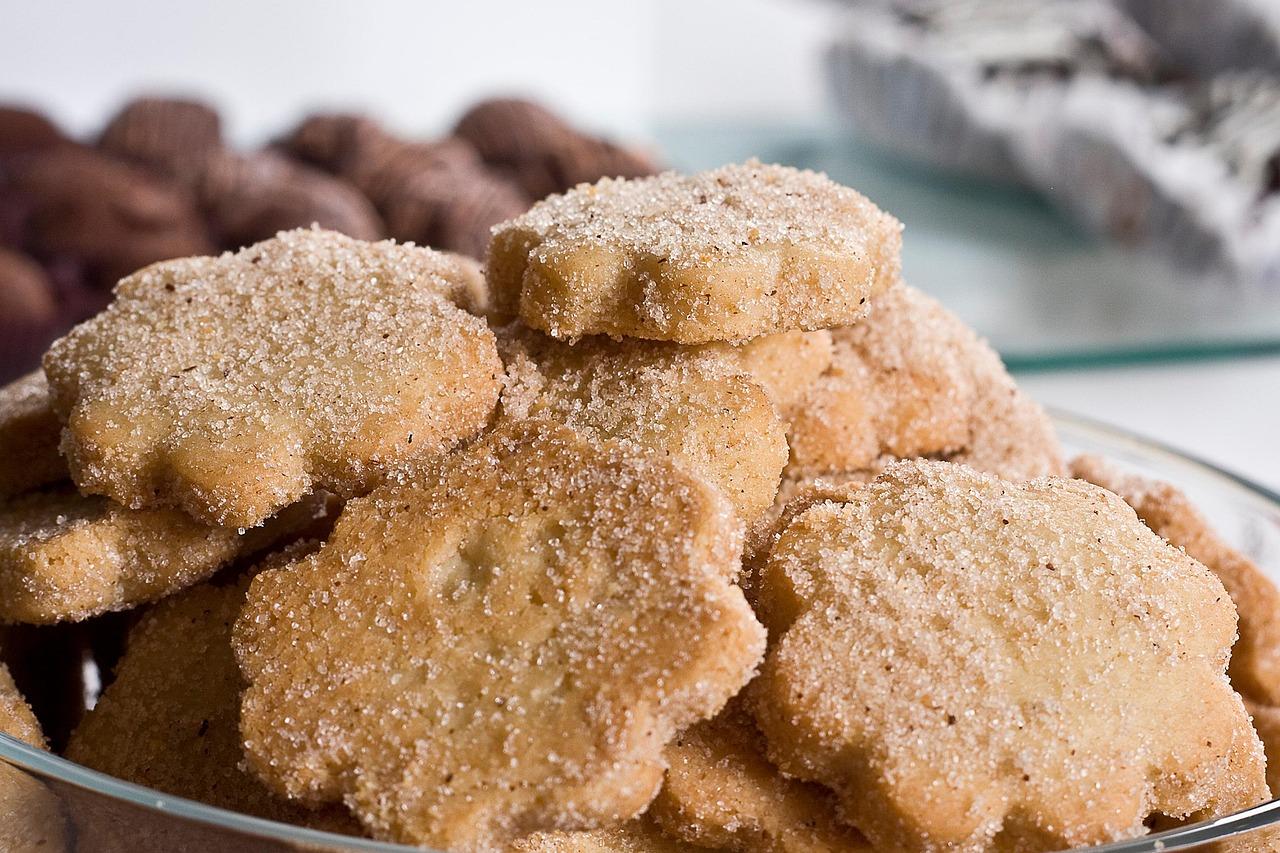
At weddings, quinceañeras and Christmas gatherings in Nuevo León and Coahuila, someone always brings a platter of hojarascas, the name meaning 'fallen leaves' because they crumble as lightly as dry leaves underfoot. The cookies are short and sandy, spiced with cinnamon, and rolled while warm in more cinnamon sugar so they look frosted. Monterrey families serve them with café de olla or hot champurrado. They are traditionally made with lard; this version uses vegetable shortening, which gives the same tender crumb and makes them vegan, or you can use butter for a richer taste. Overworking the dough once the flour is in is the classic mistake, because it develops gluten and makes them tough. Chef's tip: steep a cinnamon stick in the water first and use that tea to bind the dough, which doubles the spice flavour without bitterness.
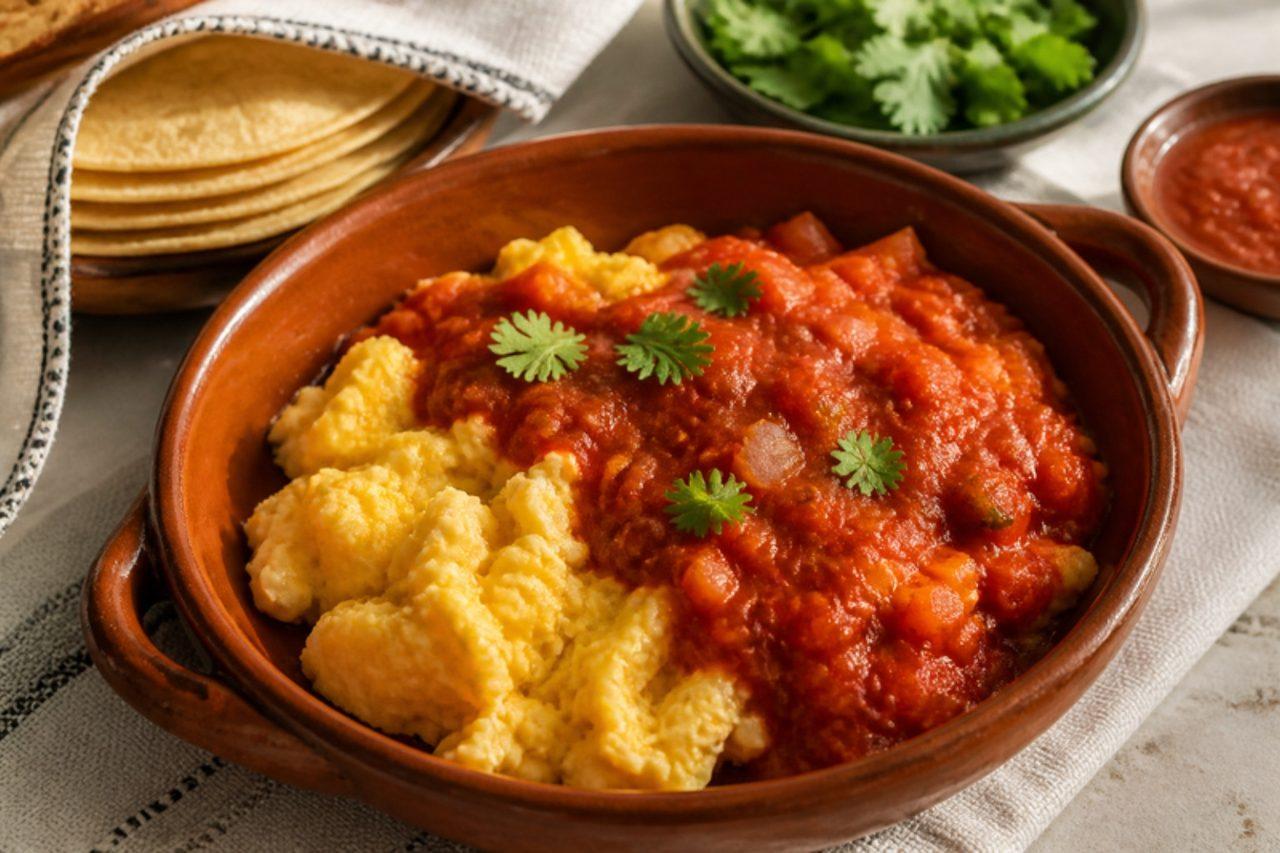
Huevos al albañil, 'bricklayer's eggs', come from the fondas and food stalls of central Mexico that feed builders a filling breakfast before the sun gets hot: scrambled eggs cooked gently and then bathed in a spicy salsa of charred tomato and serrano chile. They are eaten with warm corn tortillas and refried beans, and they make an equally good quick dinner. The mistake is cooking the eggs fully before they meet the salsa; they keep cooking in it and end up dry and rubbery. Chef's tip: char the tomatoes and chiles until properly blackened in spots, which gives the salsa its smoky depth.
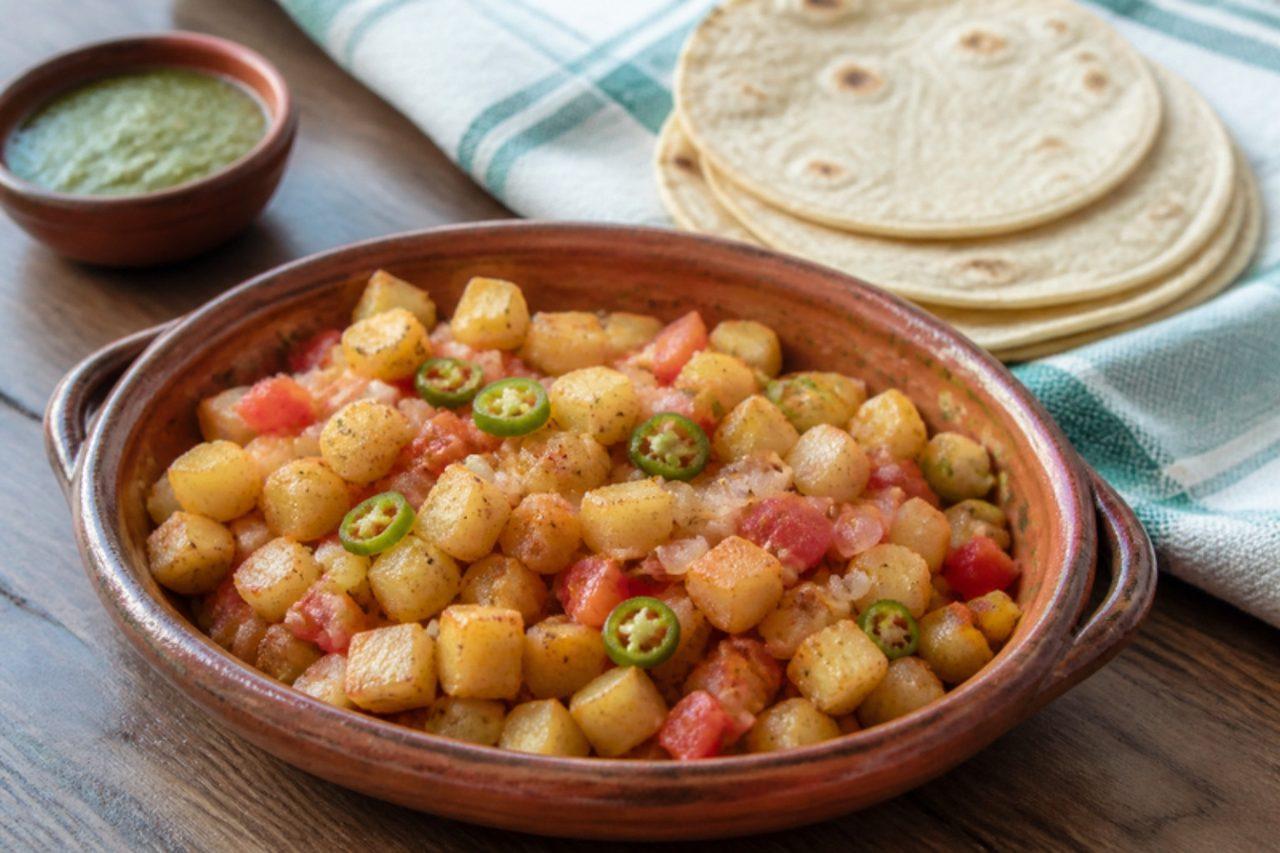
Papas a la mexicana carry the colours of the flag, red tomato, white onion and green chile, and they are cooked in kitchens all over Mexico as a taco filling, a breakfast side or a cheap supper with beans and tortillas. The potatoes are fried until golden at the edges, then folded with a quick sofrito so they soak up the fresh, spicy juices. The usual mistake is adding the tomato before the potatoes are cooked through, which leaves them hard in the middle and stewing rather than frying. Chef's tip: parboil the diced potatoes for 4 minutes first; they fry to a crisp edge in half the time.
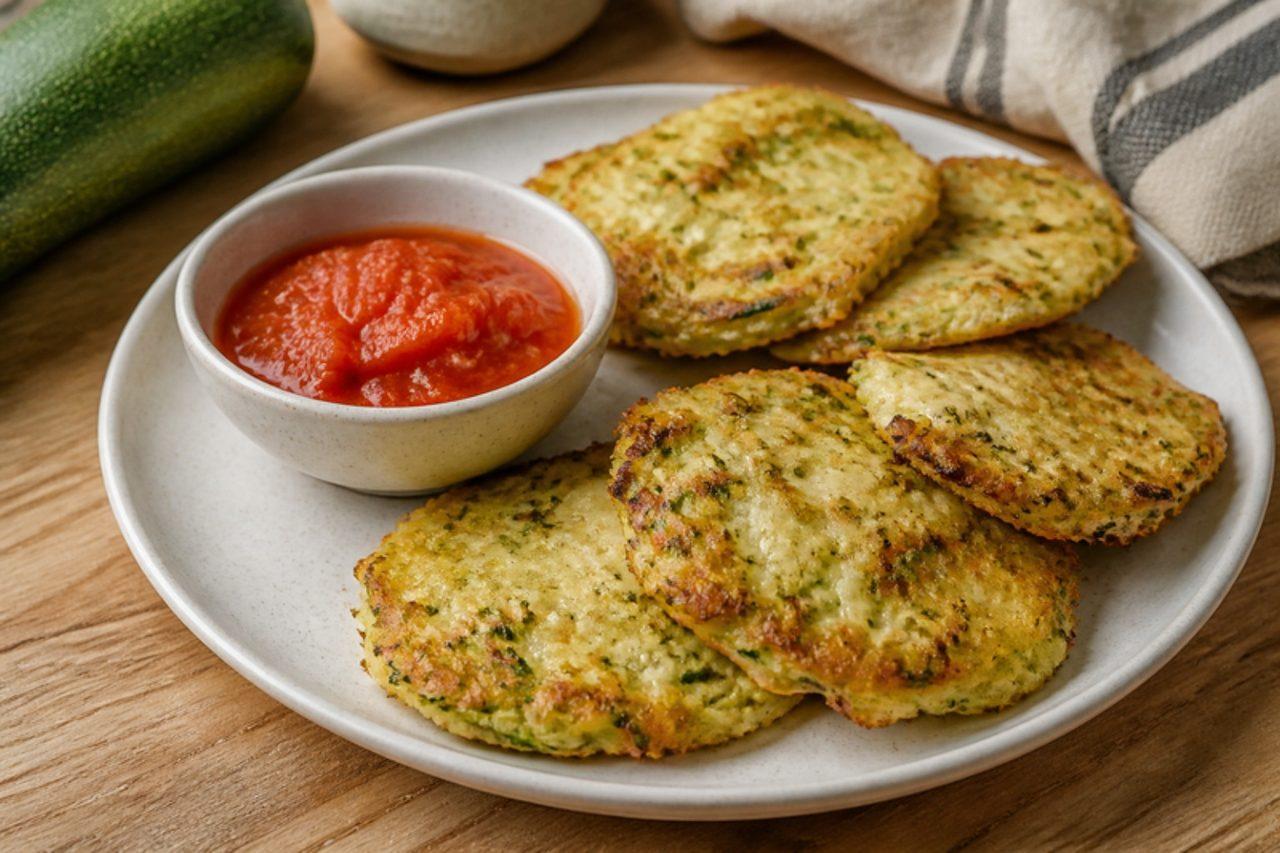
Tortitas de calabacita are a Lenten and everyday favourite in Mexican homes from Puebla to Jalisco: grated courgette, crumbled cheese and egg fried into soft little cakes, then served with a warm, thin tomato salsa spooned over, plus rice and beans. They make a meatless Friday dinner that children happily eat. The mistake is crowding the pan, which drops the oil temperature and leaves the fritters greasy and pale; fry in batches. The fresh cheeses often used are made with animal rennet, so choose a vegetarian queso fresco or a vegetarian mild Cheddar. Chef's tip: let the batter rest 2 minutes after adding the flour so it thickens and holds together in the pan.
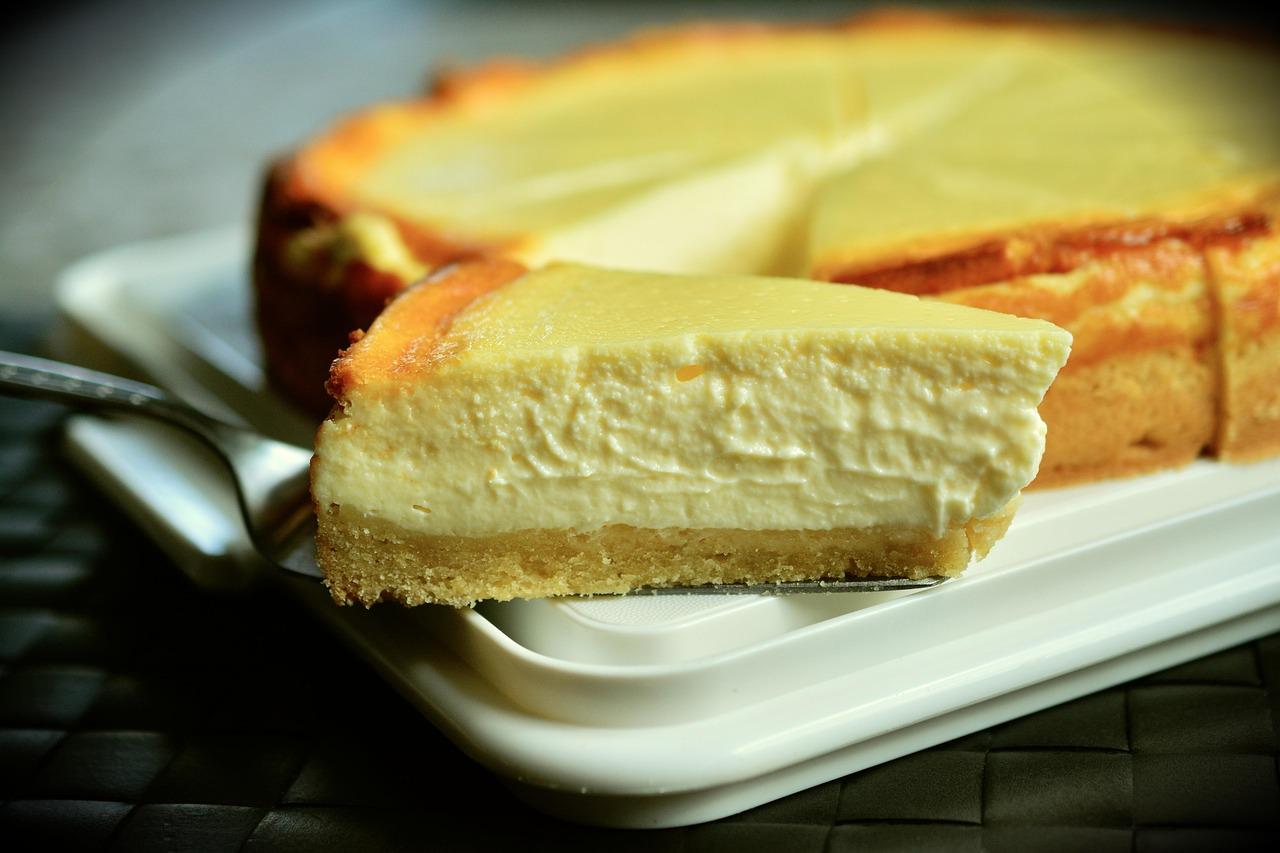
Mexican cafés, school bake sales and Sunday family lunches all have a pay de queso, the country's own take on cheesecake. Cream cheese, condensed milk and evaporated milk are whizzed in a blender with eggs and vanilla, poured onto a crust of crushed plain tea biscuits and baked into a dense, creamy slice with a caramel note from the condensed milk. Serve it chilled with coffee, or with strawberries or a spoon of cajeta on top for a party. The usual mistake is blending at full speed for too long, which whips in air and makes the top rise and crack. Chef's tip: blend on low just until smooth, then tap the filled tin on the worktop a few times to bring big bubbles to the surface.
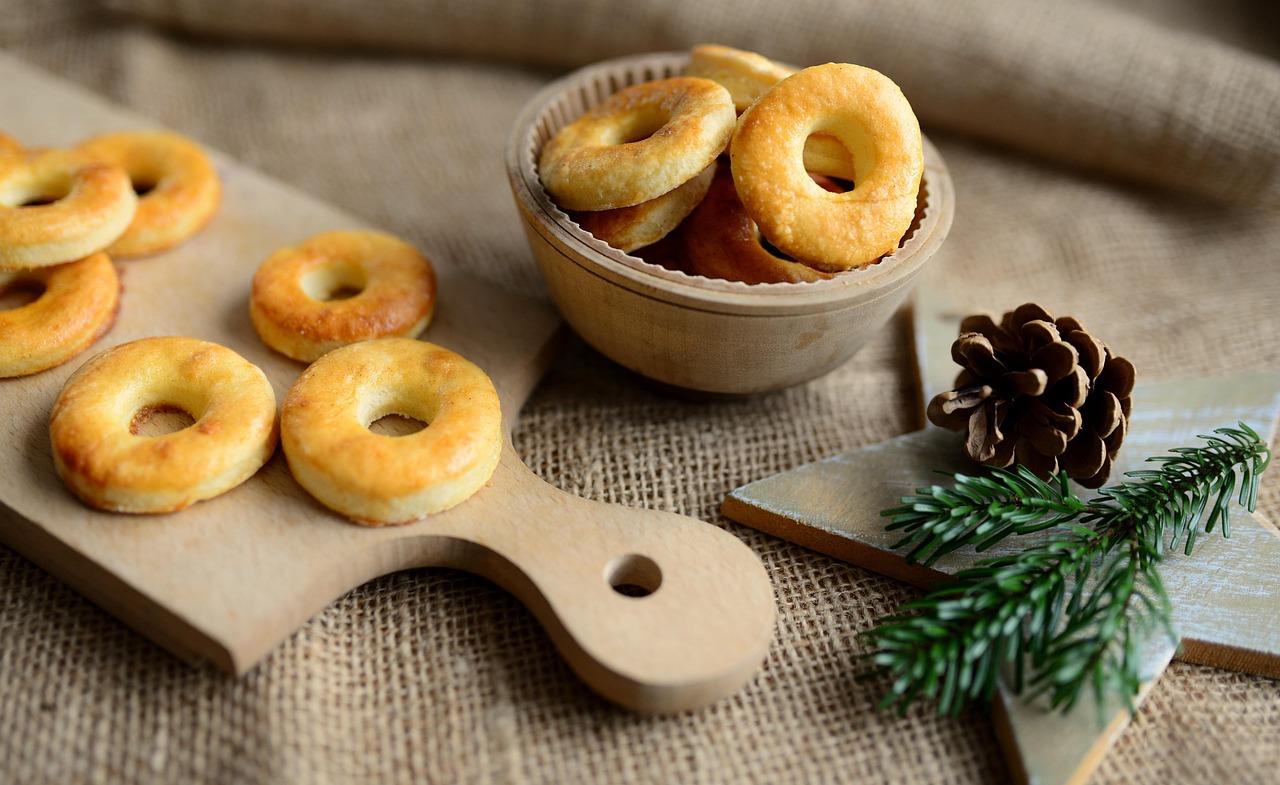
Coricos come from Sonora in Mexico's northwest, where maize has always been ground for more than tortillas. They are rings of sweet corn dough flavoured with cinnamon, baked until golden: firm and a little crunchy on the outside, with the slightly gritty, toasty taste of corn inside. Families make them by the dozen for coffee in the afternoon and for visitors, and Sonoran panaderías sell them in plastic bags by the counter. They are traditionally made with lard; this recipe uses butter (vegetable shortening works too), so they are vegetarian. A little wheat flour keeps the rings from cracking. Chef's tip: if the ropes split when you join them into rings, the dough is too dry; work in milk a teaspoon at a time until it bends without breaking.
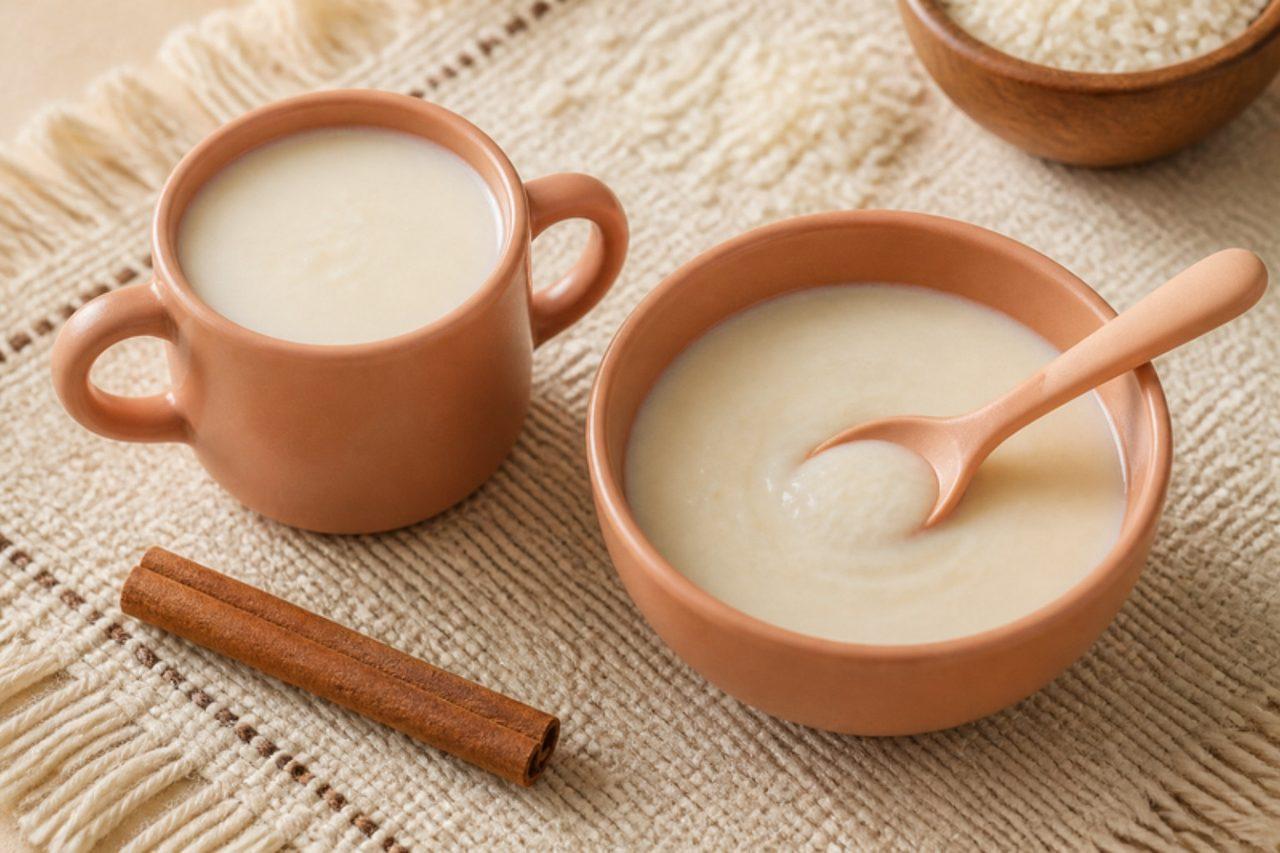
Atole is the warm, thick drink Mexicans have sipped since before the conquest, and in many homes the first version a baby tastes is atole de arroz, ground rice cooked with a stick of true cinnamon. For grown-ups it is sweetened with piloncillo and drunk at breakfast or on cold evenings around Día de Muertos; for babies the sugar stays out and it is thickened enough to eat from a spoon. It contains milk; there is no egg, gluten, nuts, soya, sesame or fish. Chef's tip: grind the rice yourself in a spice grinder; shop-bought rice flour works, but freshly ground rice tastes sweeter.
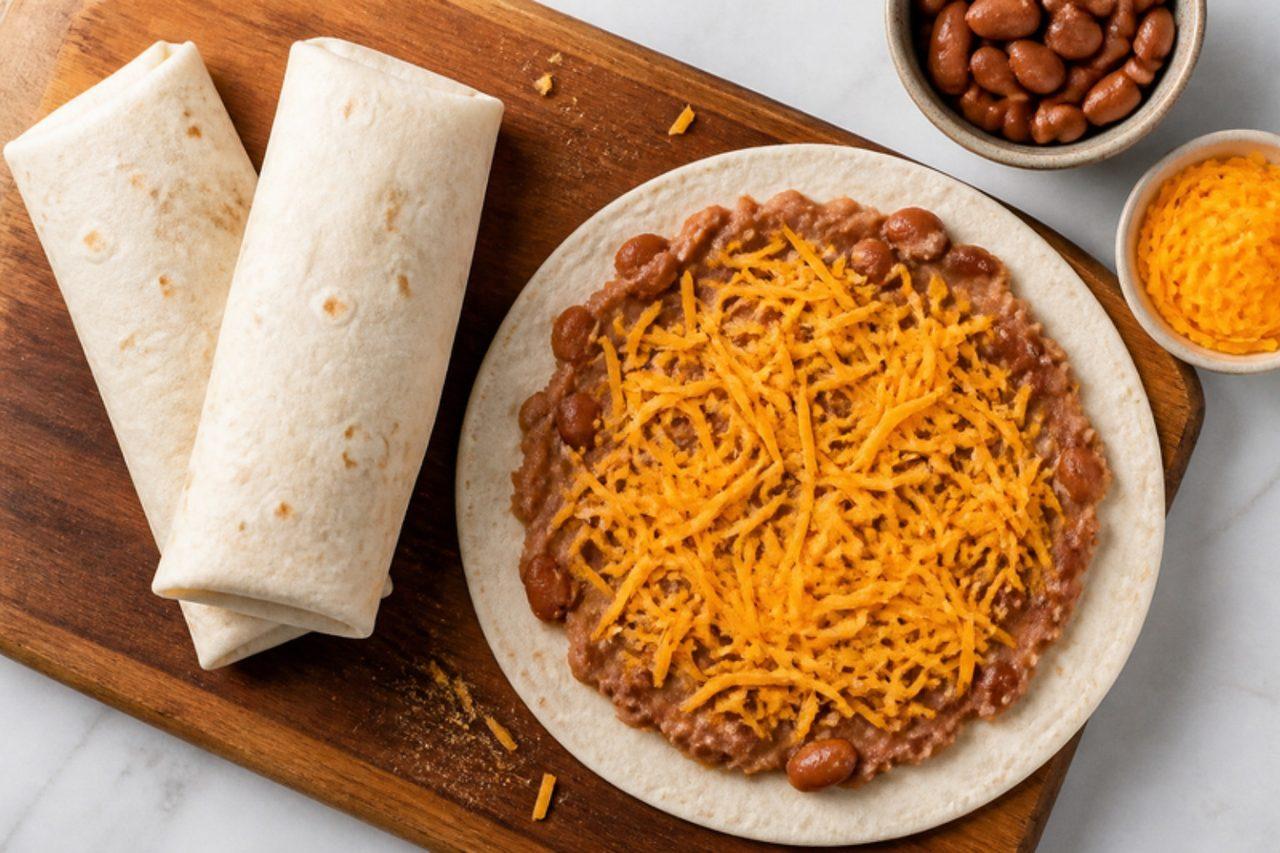
In Sonora and the rest of northern Mexico, where wheat tortillas are an everyday bread, a burrito of refried beans and cheese is one of the simplest things to wrap in foil for a child's school lunch or an after-school snack. The beans are fried with a little onion and cumin until thick and creamy, then rolled up with cheese and toasted so it melts. It contains milk and gluten (wheat tortillas). Chef's tip: warm the tortillas before filling them; cold ones crack when you roll them.
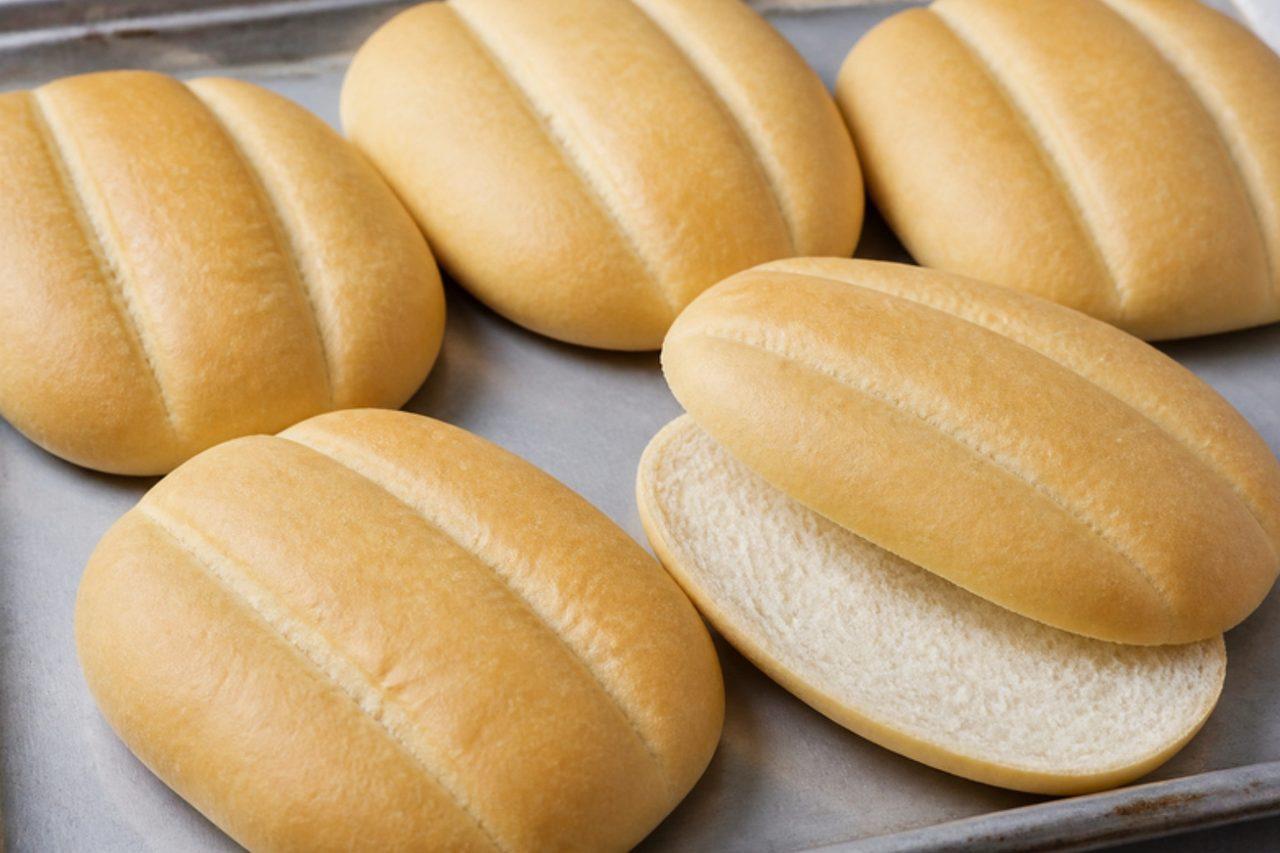
Without teleras there would be no torta, Mexico City's great lunchtime sandwich. These wide, flattish oval rolls, marked with two long grooves, have a thin, tender crust and a soft, close crumb that holds refried beans, avocado, queso and pickled jalapeños without falling apart. Every neighbourhood panadería piles them on metal trays next to the crustier bolillos, and street stalls toast them on a griddle before filling. Some bakers add a spoonful of lard to the dough; vegetable shortening gives the same softness and keeps these vegan. Pressing the grooves too gently is the usual mistake, because they puff closed in the oven and you lose the three-part shape. Chef's tip: for a proper torta, split the roll, pull out a little of the crumb and toast the cut sides on a hot comal with a smear of oil or butter.
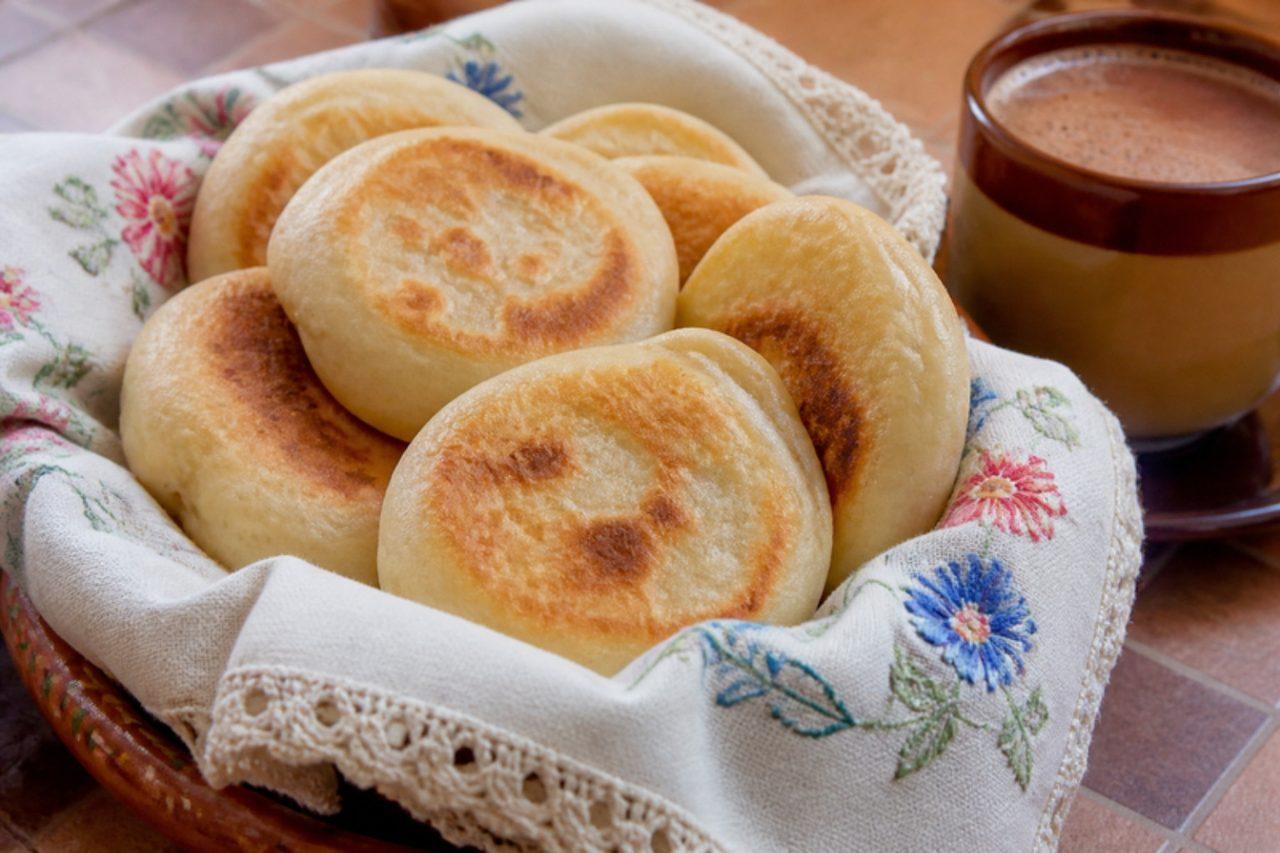
In central Mexico, from Mexico City markets to kitchens in Hidalgo and Puebla, gorditas de nata were traditionally made with the thick skin of cream (nata) skimmed from boiled milk, and grandmothers still cook them on the comal for an afternoon merienda with hot chocolate or milky coffee. They are soft and cakey inside with a lightly crisp, golden face, somewhere between a scone and a pancake. Double cream stands in for nata here. They contain gluten, milk and egg. Chef's tip: keep the comal on a low-medium heat; these brown quickly because of the cream and sugar.
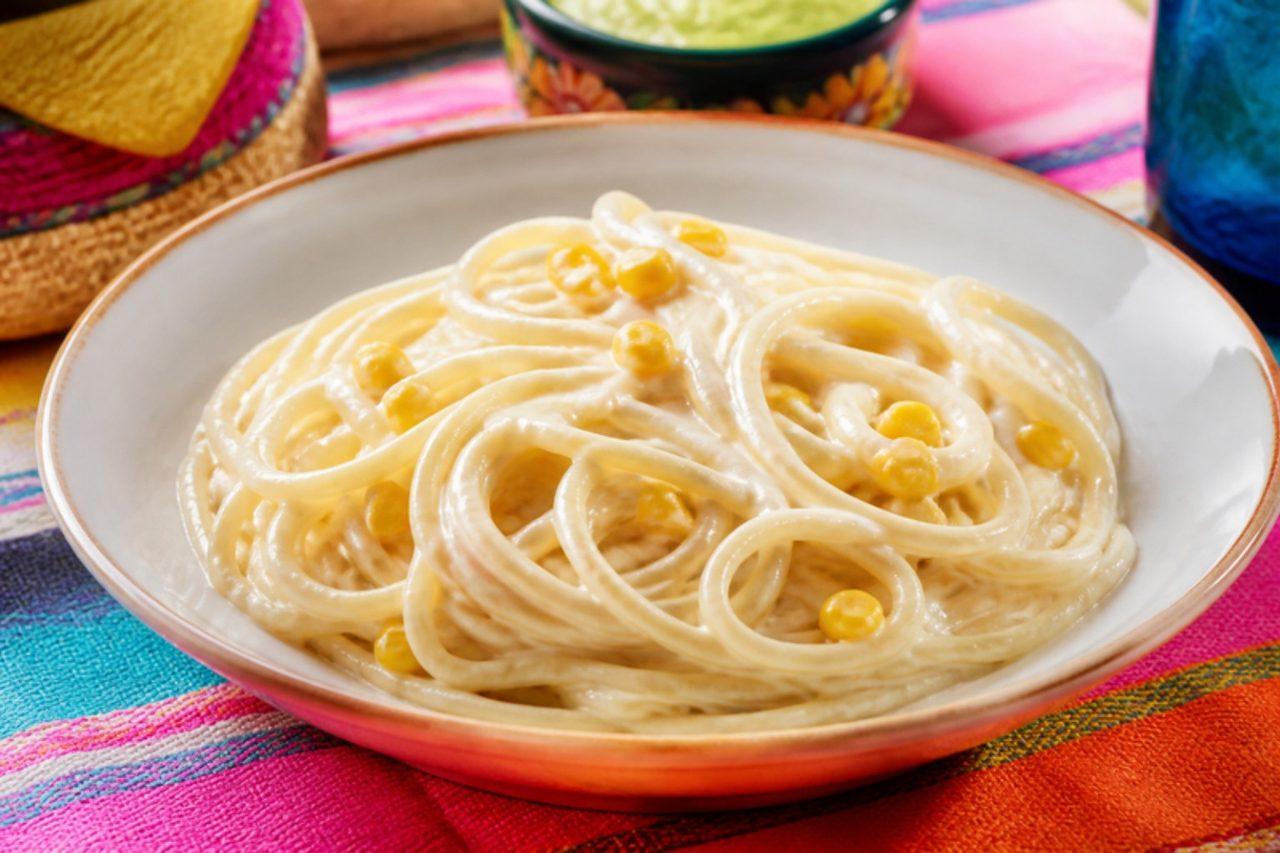
At Mexican children's birthday parties and family gatherings, a big tray of espagueti blanco usually sits next to the chicken and the salads: soft spaghetti in a mild, silky sauce of cream, cream cheese and butter, sometimes with a little onion and garlic blended in. Some families add diced ham; this version keeps it vegetarian with sweetcorn. It contains milk and gluten. Chef's tip: blend the sauce while it is warm so it is perfectly smooth, then toss it with the pasta off the heat so it stays creamy.
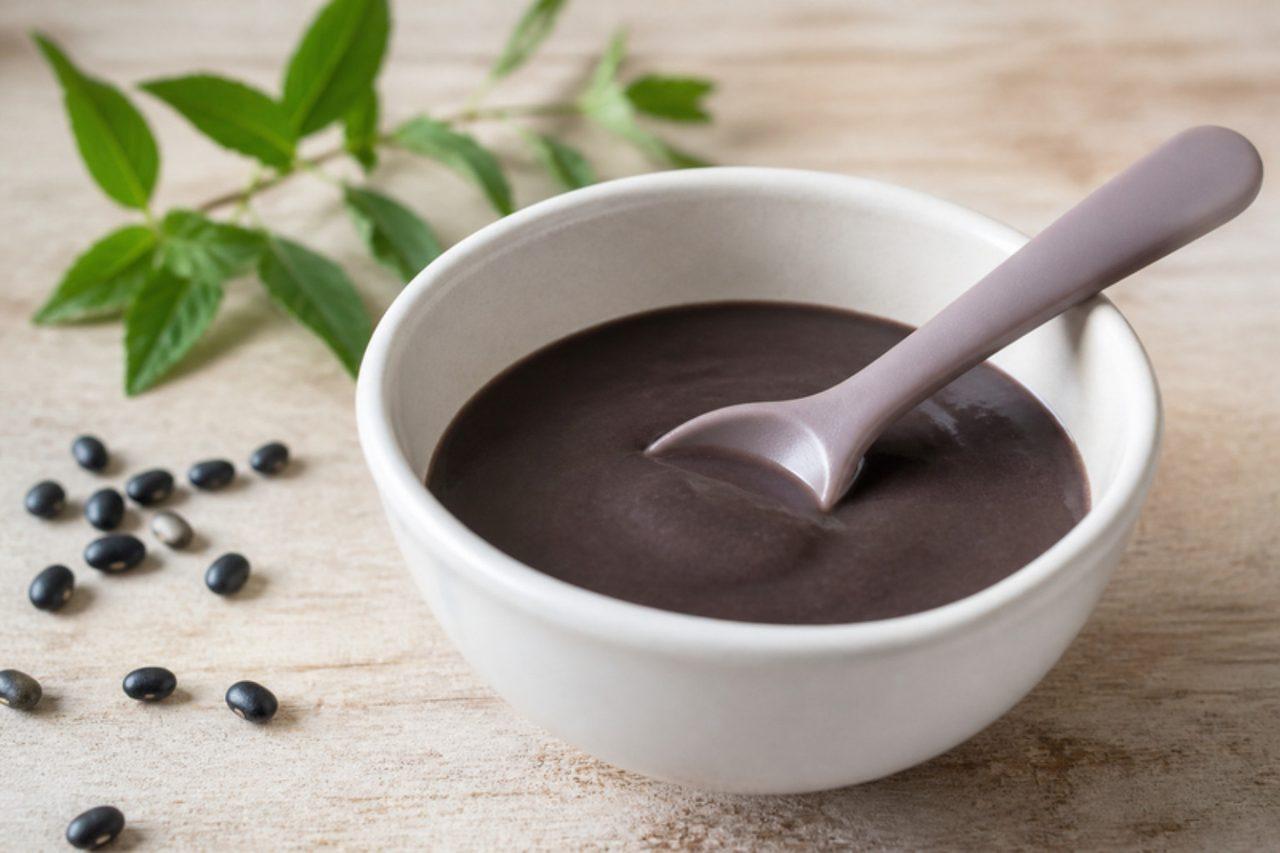
Mexican families nearly always have a pot of frijoles de la olla on the stove, and before the salt goes in a cup of caldito is set aside for the baby. Black or pinto beans are cooked slowly with a piece of onion until they collapse; the broth is offered first on its own and, a week or two later, thickened with the sieved bean flesh into a smooth, earthy purée. Families from Oaxaca to Monterrey give it at midday, the time of the main meal. It has none of the common allergens (milk, egg, gluten, peanut, tree nuts, soya, sesame, fish). Chef's tip: soak the beans overnight and change the water; they cook more evenly and are easier on small tummies.
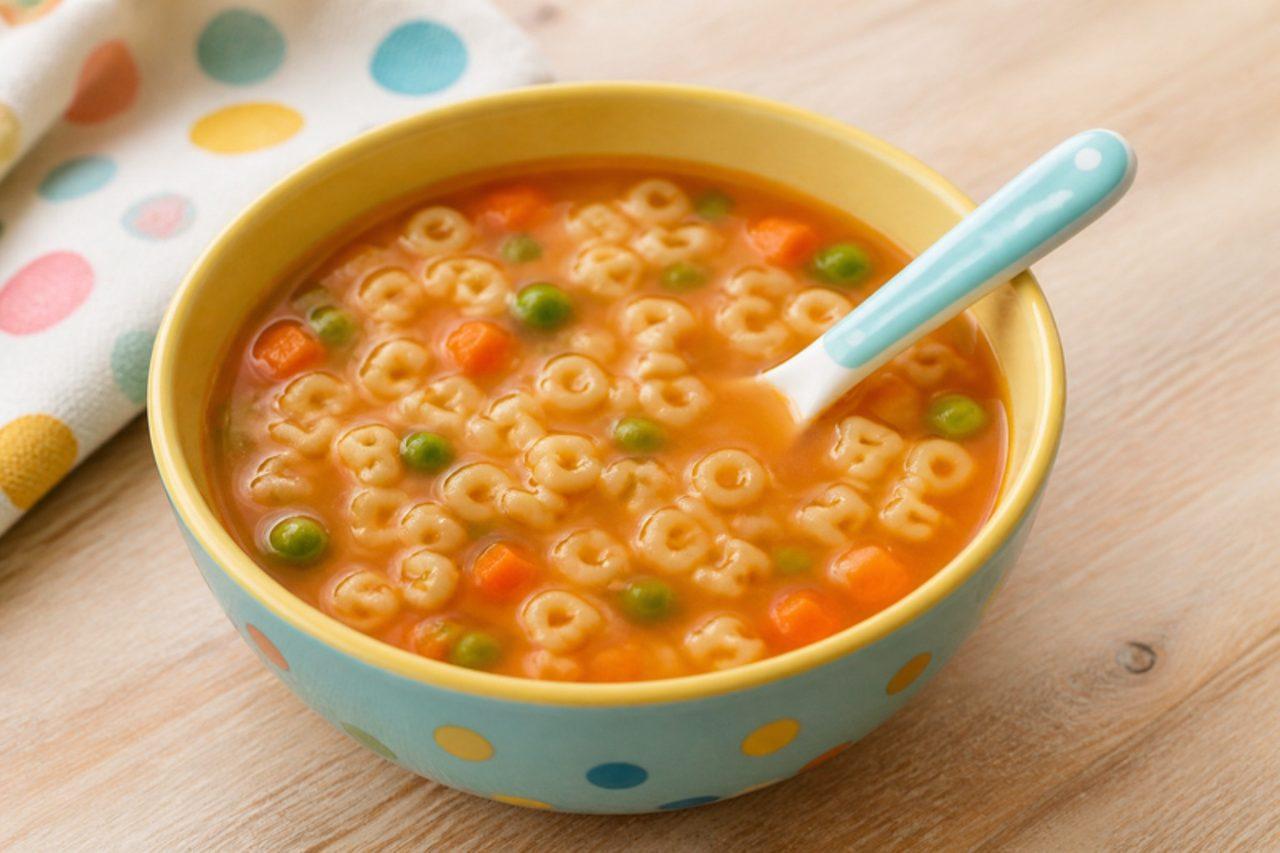
Sopa de letras is the soup almost every Mexican child grows up on, served as the 'sopa aguada' course at the midday meal: tiny letter-shaped pasta, toasted golden in oil, then simmered in a broth of blended tomato, onion and garlic with soft diced carrot. For toddlers it is made with a no-salt vegetable stock, so the sweetness of the tomato comes through. It contains gluten (wheat); it has no milk, egg, nuts, soya, sesame or fish. Chef's tip: toast the pasta until it smells nutty and turns light gold; that is where the flavour comes from.
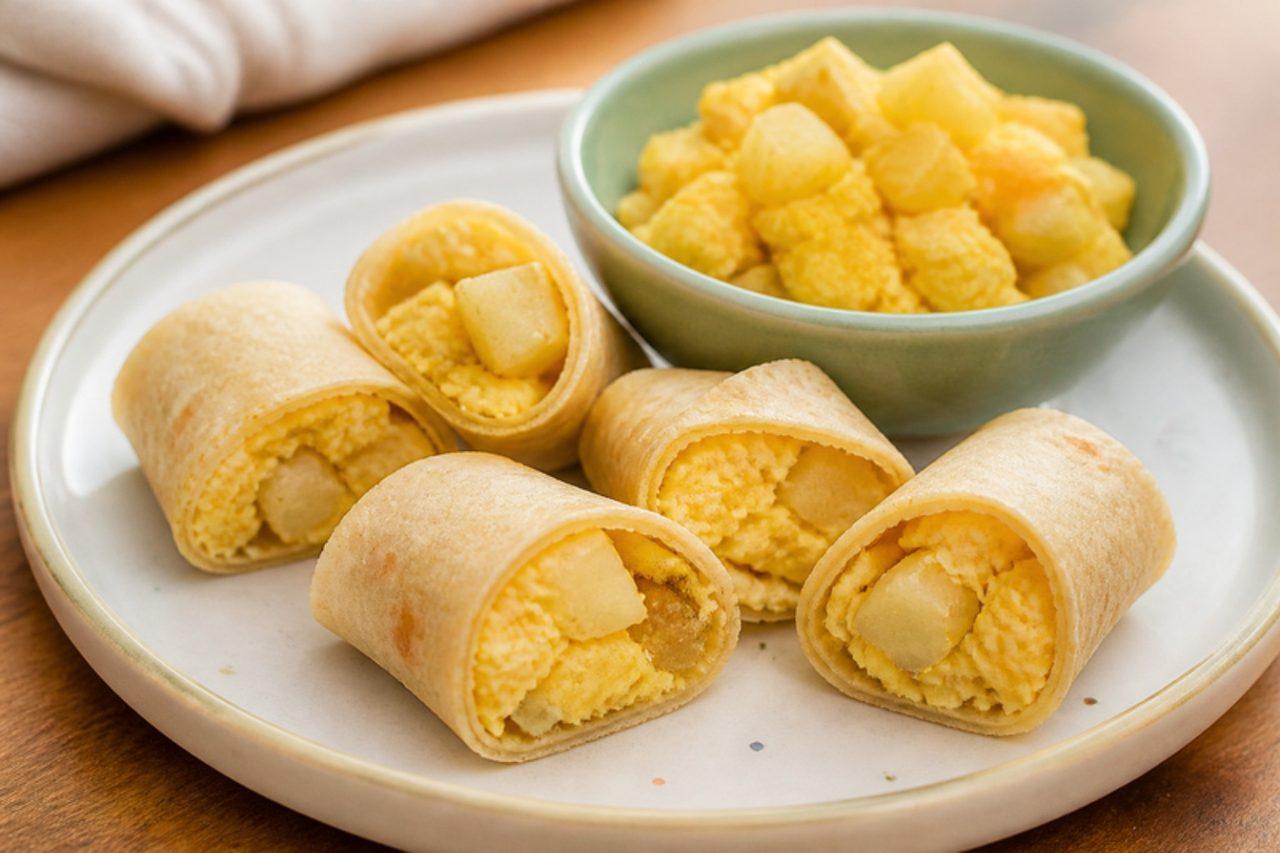
Huevo con papa is a breakfast and supper standby in kitchens all over Mexico: small cubes of potato fried until tender, then scrambled with egg and rolled into warm tortillas. Mild, soft and easy to hold, it is a favourite for toddlers from a year old, and the grown-ups add salsa to their own. It contains egg; made with 100% corn tortillas it has no gluten, and it has no milk, nuts, soya, sesame or fish. Chef's tip: cut the potato into small 1 cm cubes and cover the pan for the first few minutes, so it steams tender before it browns.
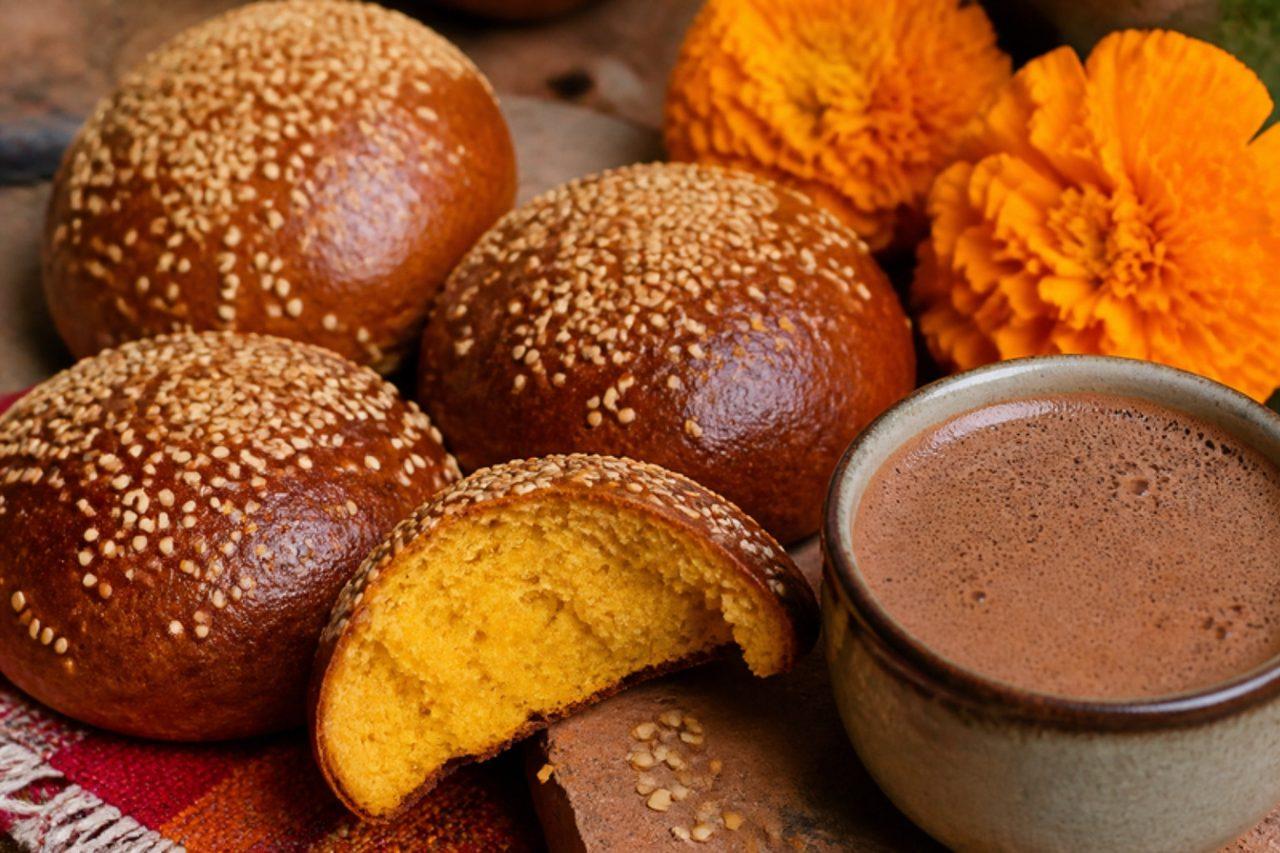
Sesame-flecked and burnished almost to mahogany, Oaxaca's pan de yema is made for dunking. Bakeries in the city and in the bread town of San Antonio de la Cal turn it out daily, but it is most loved around Día de Muertos, when it sits on the family altar with marigolds and a painted dough face, and is broken into bowls of frothy Oaxacan hot chocolate made with water or milk. The crumb is dense, yellow and close, with a gentle orange note. Some bakers use lard; butter and vegetable shortening are used here so it stays vegetarian. A pale loaf is the giveaway of skipping the second yolk wash: brush twice for that deep, shiny crust. Chef's tip: the dough is heavy and sticky with yolks, so knead it by machine and resist adding flour; it firms up as it develops.
Gaznates are a fair and fiesta sweet in Puebla, Mexico City and the State of Mexico: paper-thin squares of pastry wrapped around metal tubes, fried until blistered and filled with a glossy meringue or sweetened coconut. Some stalls tint the meringue pink. The shell shatters like a cannoli while the filling is soft and cloud-like. They contain wheat and egg. Chef's tip: roll the dough as thin as you can, so it bubbles and turns crisp; thick dough turns hard.
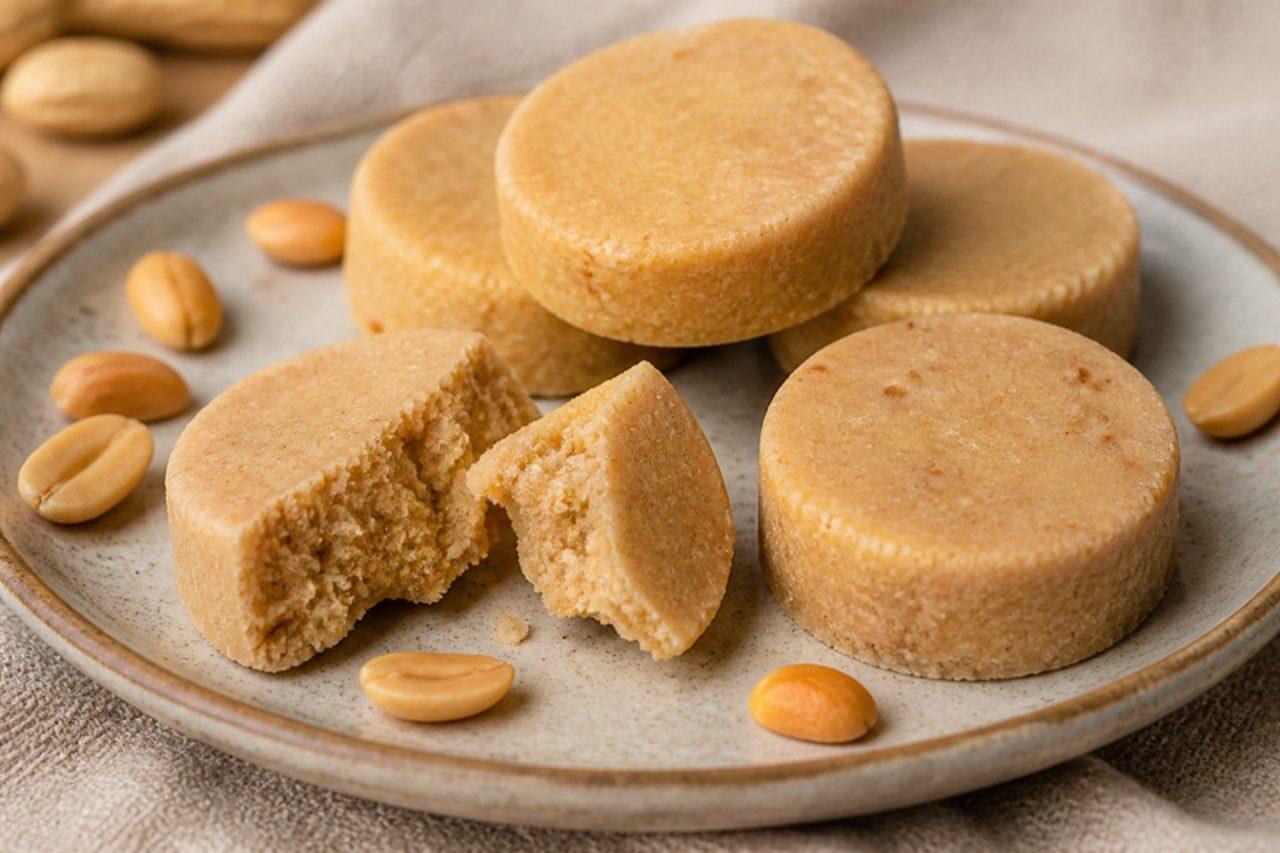
Mexican children grow up on mazapán, little rounds of ground roasted peanuts and powdered sugar that crumble at the first bite, sold singly at corner shops and piñata parties across the country. The homemade version tastes even more of peanut and needs no cooking at all, only a blender and a pastry cutter or bottle cap to press the rounds. They contain peanuts. Chef's tip: press really hard and lift the cutter straight up, as loose pressing is why homemade mazapán falls apart.
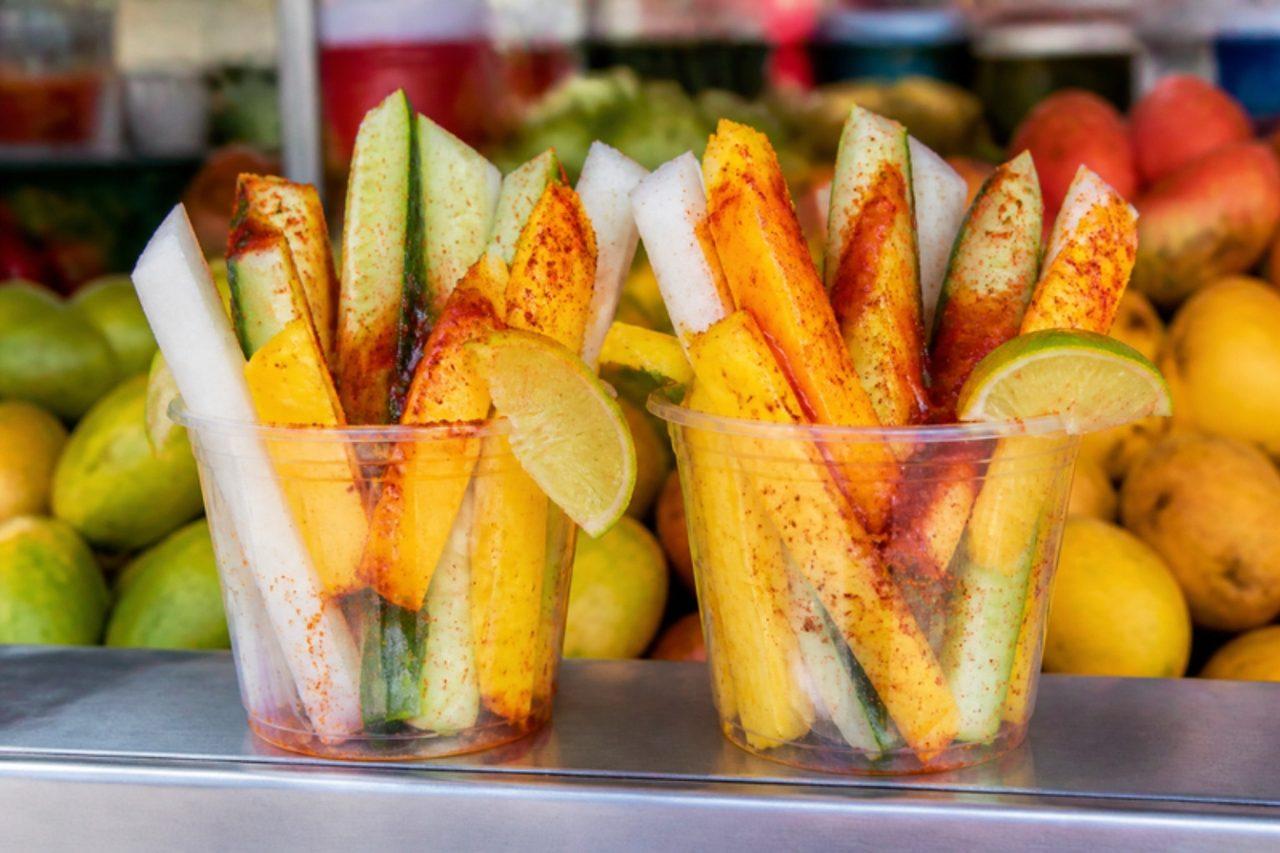
Every plaza in Mexico City seems to have a fruit cart with a glass case of jícama, cucumber, mango and pineapple, cut to order into tall sticks and packed into a cup. The vendor squeezes over lime and shakes on chile-lime salt, and you eat it with a toothpick on a hot afternoon. It's juicy, crunchy, sour and only a little hot. Chef's tip: chill the fruit well first; cold fruit and sharp chile make the contrast.
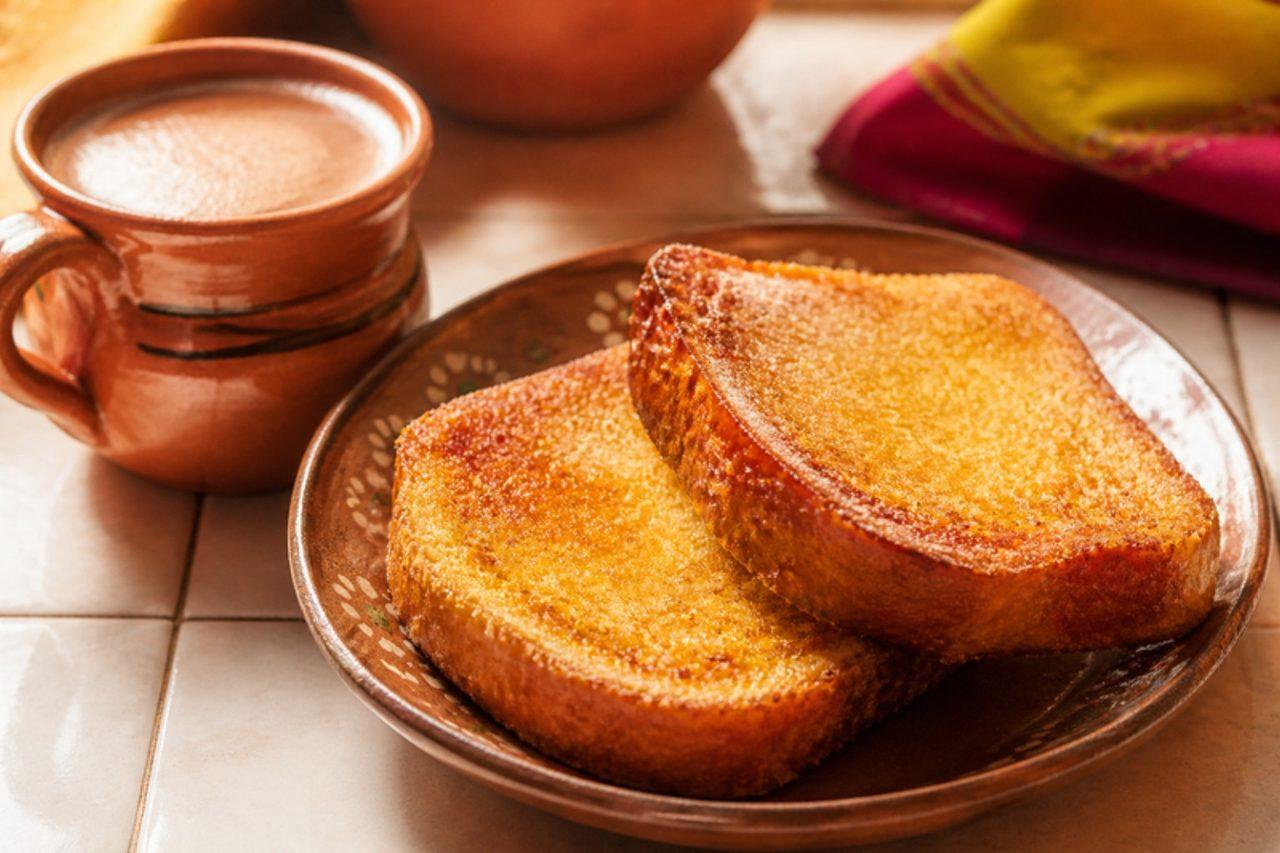
When yesterday's pan dulce goes stale, Mexican bakeries slice it thick, spread it with butter, dust it with sugar and toast it until crisp, and the result, rebanadas, often sells out first. At home it is a ten-minute afternoon treat with hot chocolate or a glass of cold milk, and a good way to use up a loaf of brioche, a pan de yema or a few bolillos. This version uses butter, so it is vegetarian. Chef's tip: let the butter get really soft so it sinks into the bread instead of sitting on top.
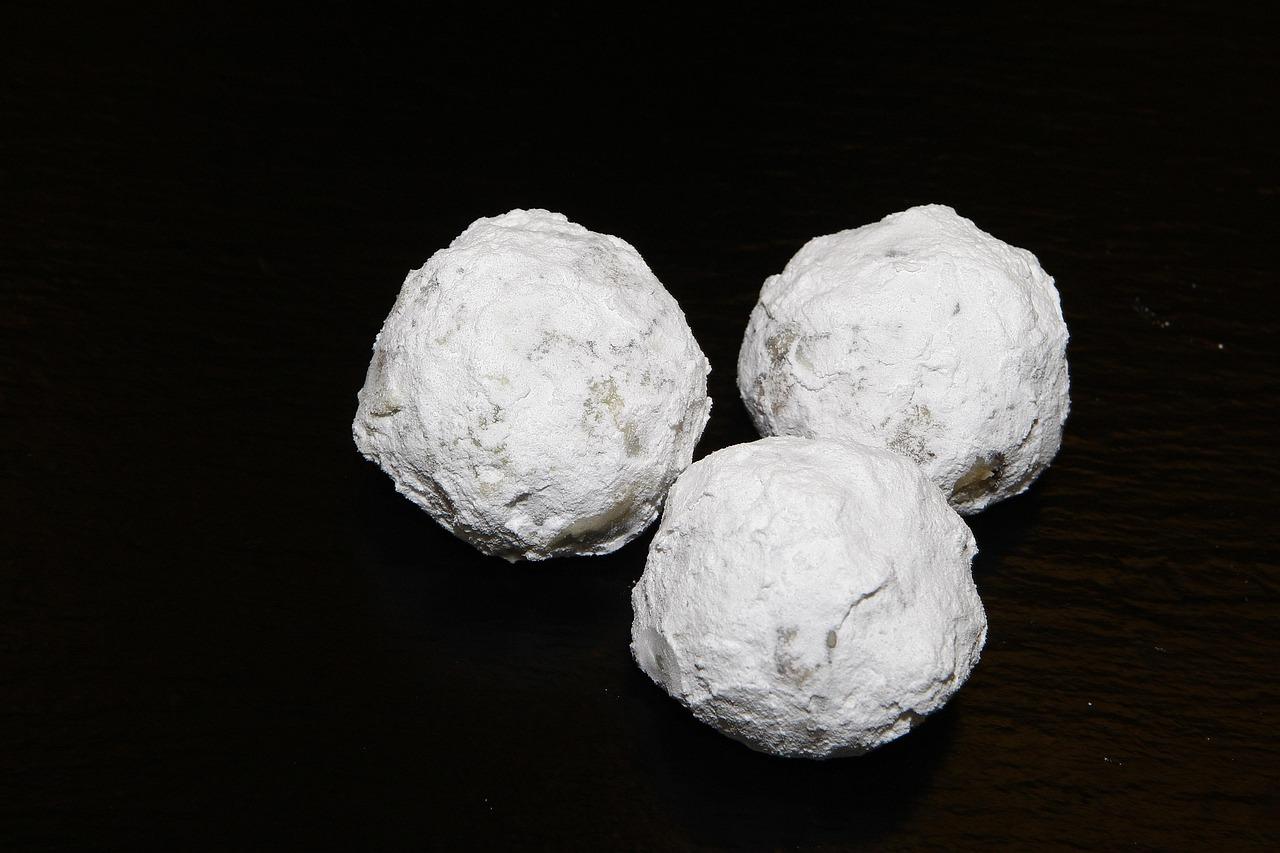
Christmas cookie tins, wedding tables and bakery counters all over northern and central Mexico hold polvorones, small domes of toasted pecan shortbread that crumble to dust in the mouth, which is how they got their name. They are rolled twice in icing sugar, once warm and once cold, so they look snowy. Old recipes used lard; this one uses butter, so it is vegetarian, and it contains wheat and tree nuts. Chef's tip: toast the pecans first, which turns a plain cookie into a deeply nutty one.
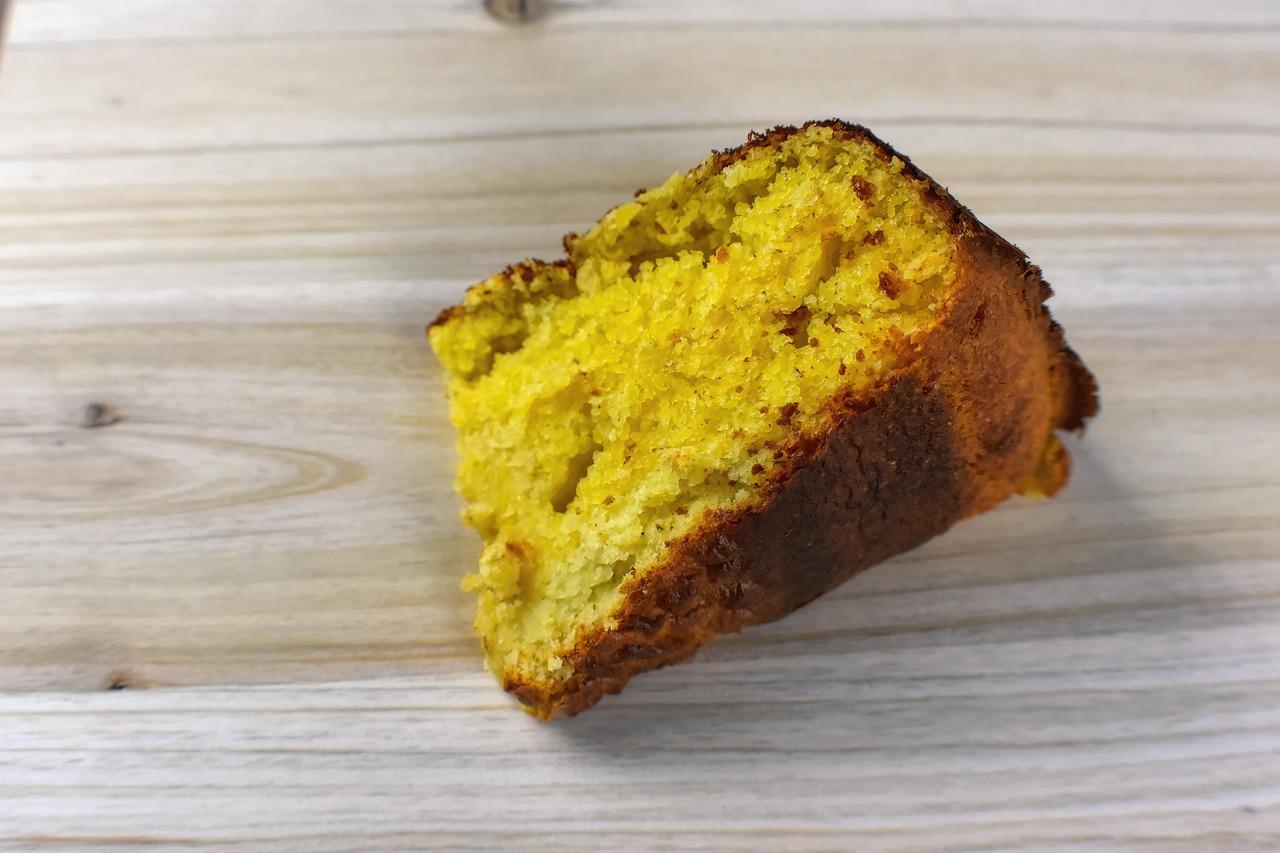
Across central Mexico, from Morelos to the State of Mexico, pan de elote is baked when fresh corn is cheap in late summer and sold by the slice at market stalls. Despite its name it is more cake than bread: fresh kernels blended with butter, eggs and condensed milk bake into a dense, custardy, golden loaf that tastes of sweet corn. It contains wheat and egg. Chef's tip: use the starchiest, most mature corn you can find, because young sweetcorn makes a wetter, flatter cake.
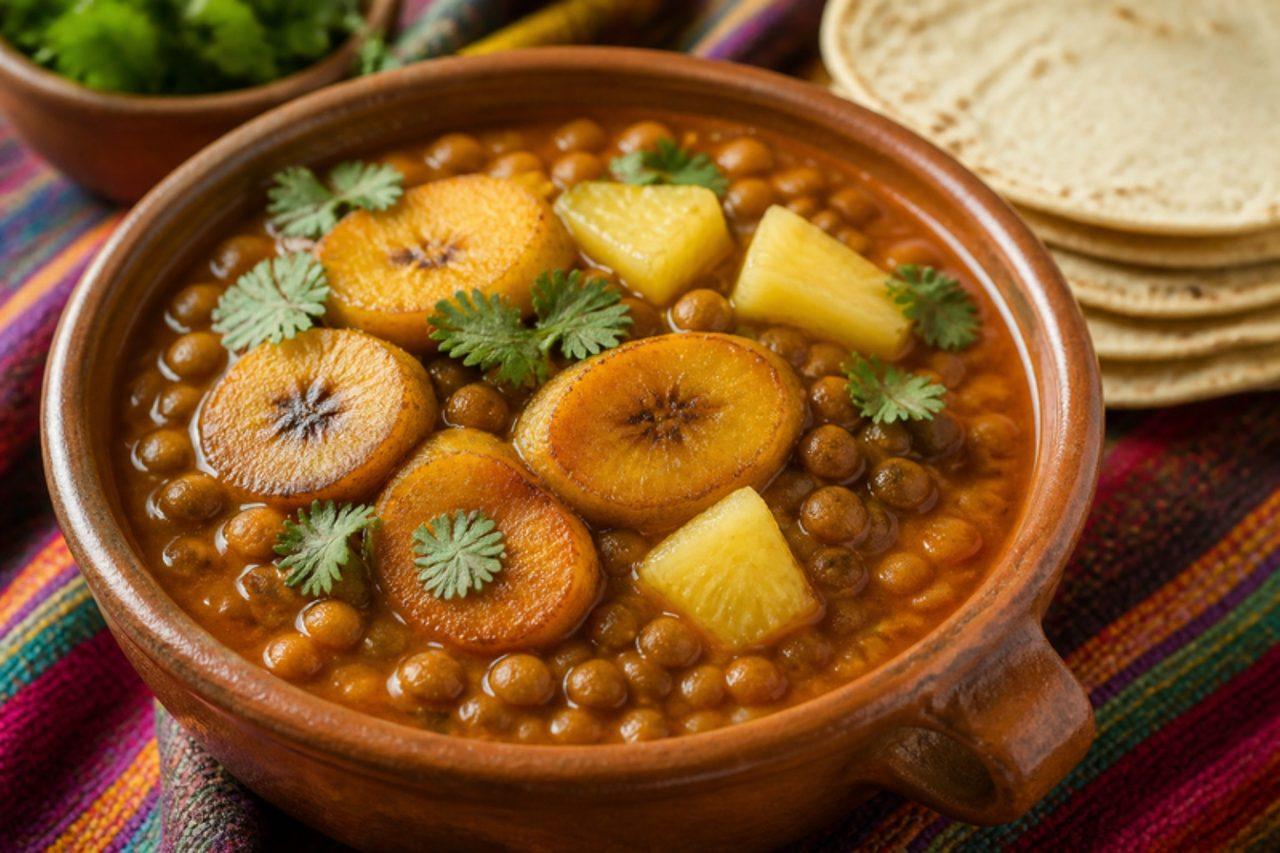
Sweet and savoury share a pot in this Lent favourite from Puebla and Mexico City kitchens: brown lentils simmered in a tomato and garlic broth, finished with chunks of pineapple and slices of fried ripe plantain. It sounds unusual but tastes balanced and comforting, and many families eat it on the Fridays before Easter with white rice and tortillas. Chef's tip: use a plantain with a black-speckled skin; green ones stay starchy and never sweeten.
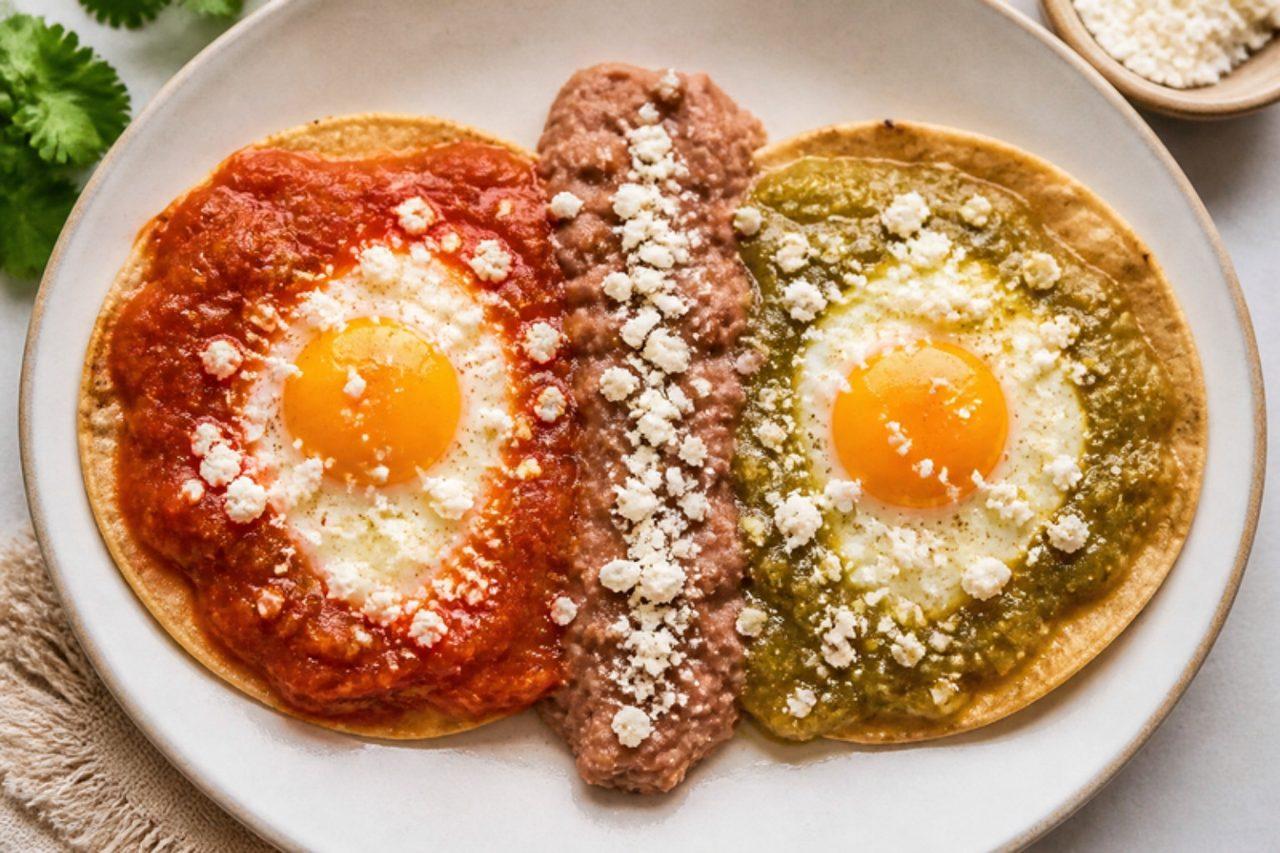
Order 'divorced eggs' in any Mexico City café or roadside fonda and you get a plate split down the middle: one fried egg on a tortilla under smoky red salsa, the other under tangy green tomatillo salsa, with a ridge of refried beans keeping the couple apart. It is a cheerful weekend breakfast and a good way to use up leftover salsas. Mexican crumbling cheese is often made with animal rennet, so choose a vegetarian one if needed. Chef's tip: warm the tortillas in the egg pan first, so they are soft but not greasy.
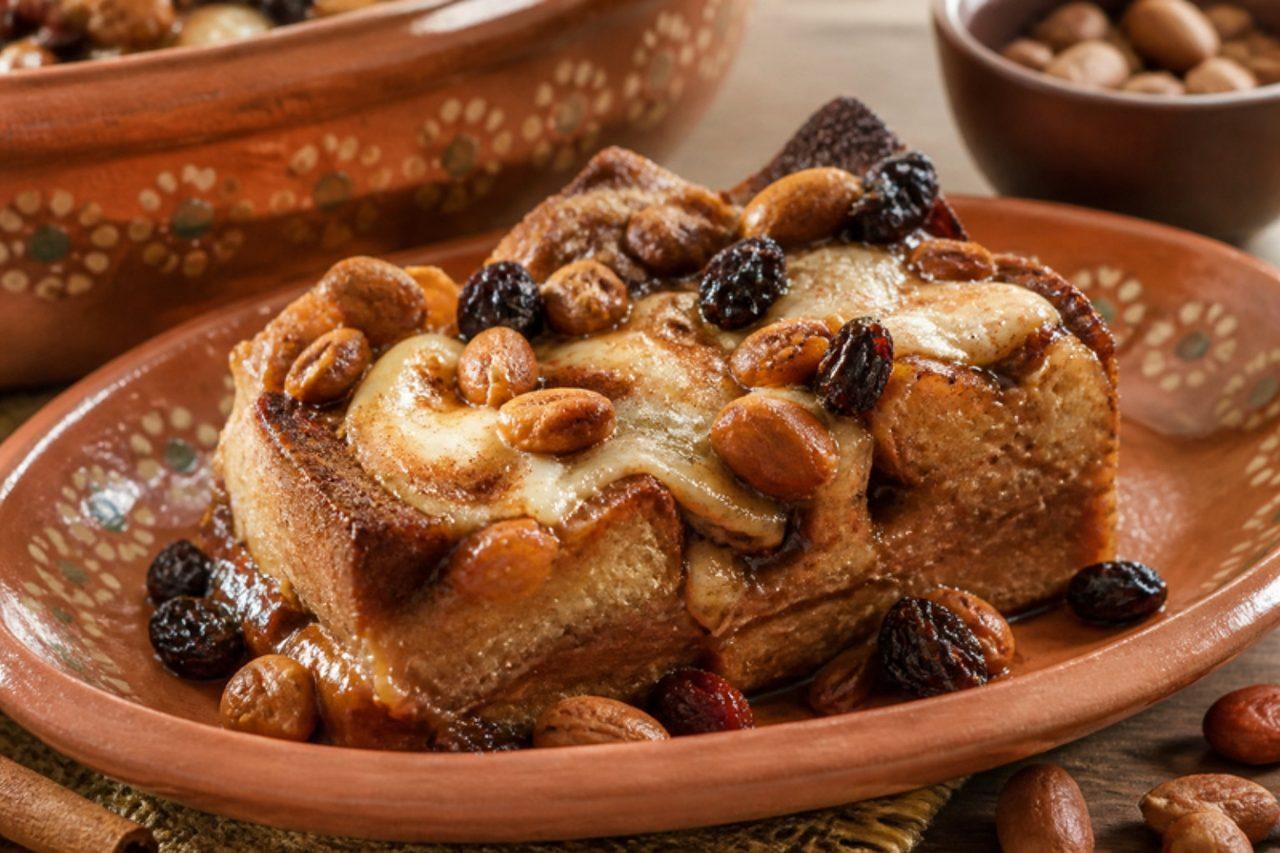
On the Fridays of Lent and above all on Good Friday, grandmothers from Jalisco to Sonora layer stale bolillo with a dark syrup of piloncillo, cinnamon and cloves, then tuck in raisins, peanuts and crumbled cheese, a sweet-salty pudding that uses up bread when meat is off the menu. It comes out of the oven sticky at the edges and soft in the middle, and is eaten warm or at room temperature. The traditional cheese, queso añejo or cotija, is usually made with animal rennet, so use a vegetarian hard cheese or mild feta if you prefer. Chef's tip: fry or toast the bread until really dry and golden first; soft bread turns to porridge in the syrup.
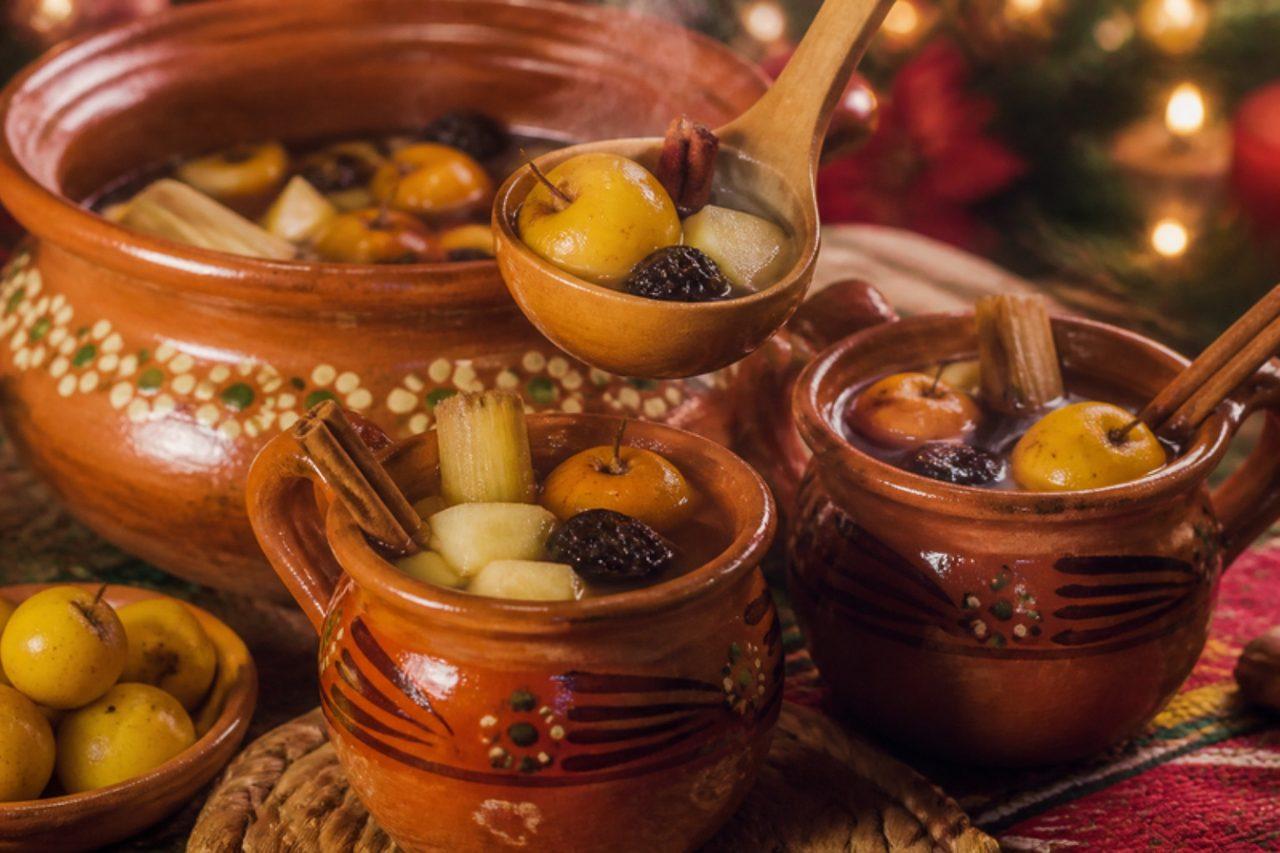
During the nine nights of posadas from 16 to 24 December, neighbours in central Mexico walk the streets singing for shelter, and the reward at the last door is a cup of steaming ponche ladled from a clay pot. Whole fruits, tejocotes, guavas, apple, prunes, sticks of sugarcane, simmer with hibiscus, cinnamon and piloncillo until the punch is fragrant and amber, and everyone fishes the soft fruit out with a spoon. This recipe is alcohol-free and good for all ages; some adults add a splash of rum to their own cup, but none is used here. Chef's tip: add the guavas late, as they collapse if cooked too long.
Pink, creamy and dotted with red fruit, fresa con crema pops are the milky paletas children pick first at any paletería michoacana, and they echo the strawberries and cream sold in cups in Irapuato. Fresh strawberries are folded into a sweet milk-and-cream base that freezes smooth. It contains dairy. Chef's tip: macerate the strawberries in sugar first, as the syrup keeps the fruit soft rather than icy.
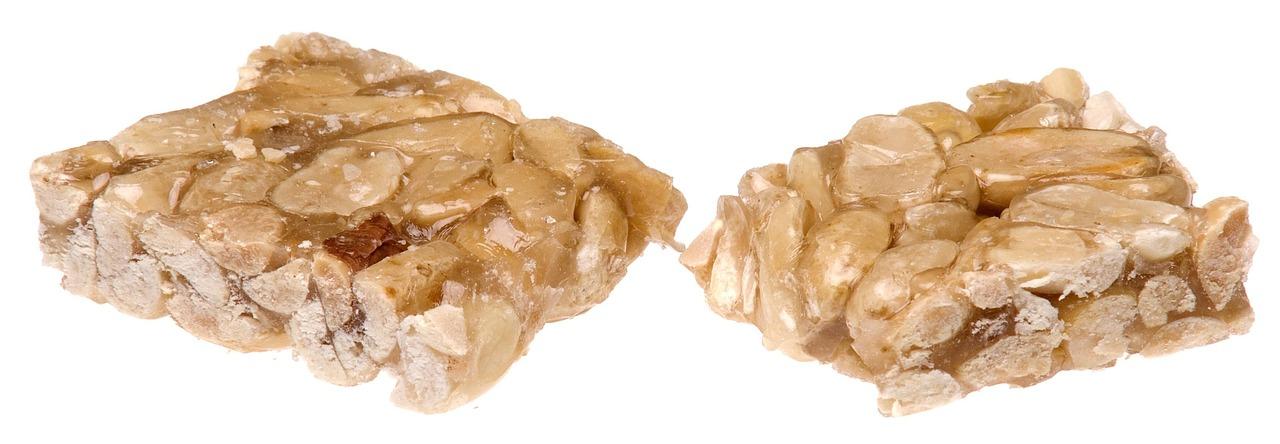
Bus-station vendors, school gates and the sweet stalls around the Basilica in Mexico City all sell palanquetas, crisp bars of roasted peanuts bound in amber piloncillo or sugar caramel. They are crunchy, toasty and only lightly salted, and families also make them with pumpkin seeds or sesame. They contain peanuts. Chef's tip: have everything oiled and ready before you start, because the caramel sets within a minute of leaving the heat.
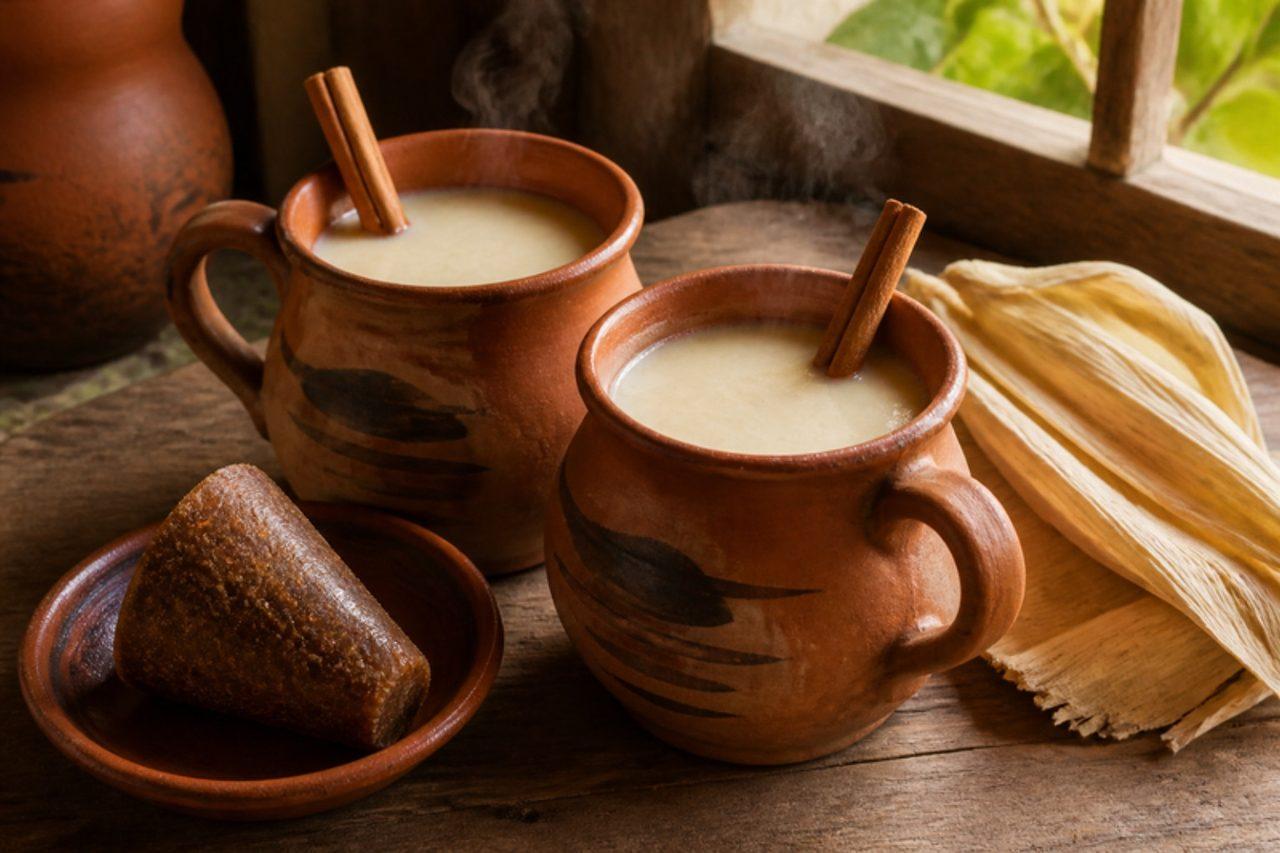
Long before coffee arrived, atole was the morning drink of central and southern Mexico, and in villages of Oaxaca, Puebla and Tlaxcala plain atole blanco is still drunk hot with tamales at breakfast or on cold evenings. Fresh masa is whisked into water and cooked until it thickens to a silky, gently sweet drink with a toasty corn taste. Made with water it is vegan. Chef's tip: strain the masa before cooking, so the atole is smooth with no lumps.
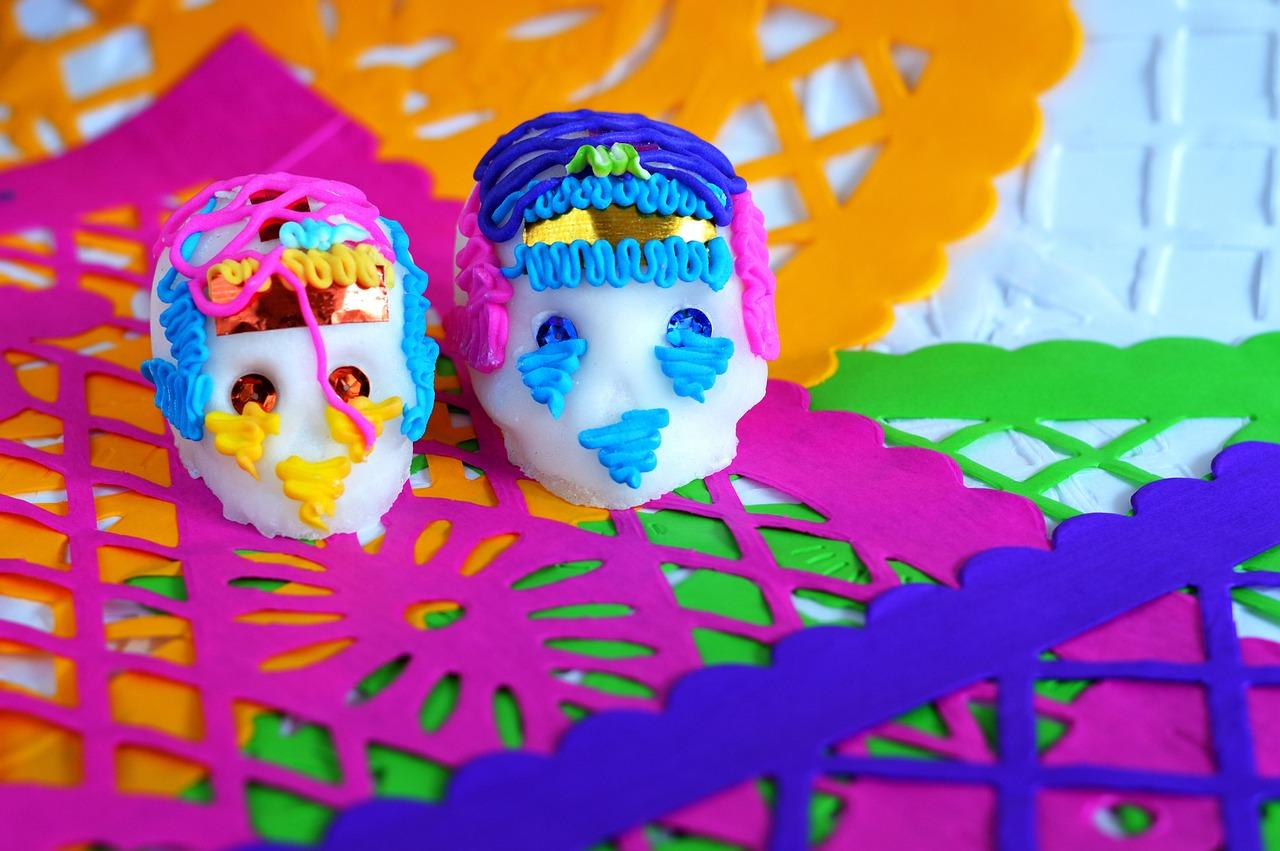
In the markets of Toluca, Mexico City and Oaxaca, the alfeñique stalls of late October are piled with gleaming white sugar skulls, and families buy them to write a loved one's name across the forehead and set them on the home altar. They are mainly decorative: made right they set rock hard and keep for a year, and children may nibble a little, but they are not really a sweet for eating. Pressing damp sugar into a skull mould is easy, and the fun is the decorating with royal icing, sequins and coloured foil. Chef's tip: let the skulls dry for a full day before icing, or the damp sugar weeps into the colours.
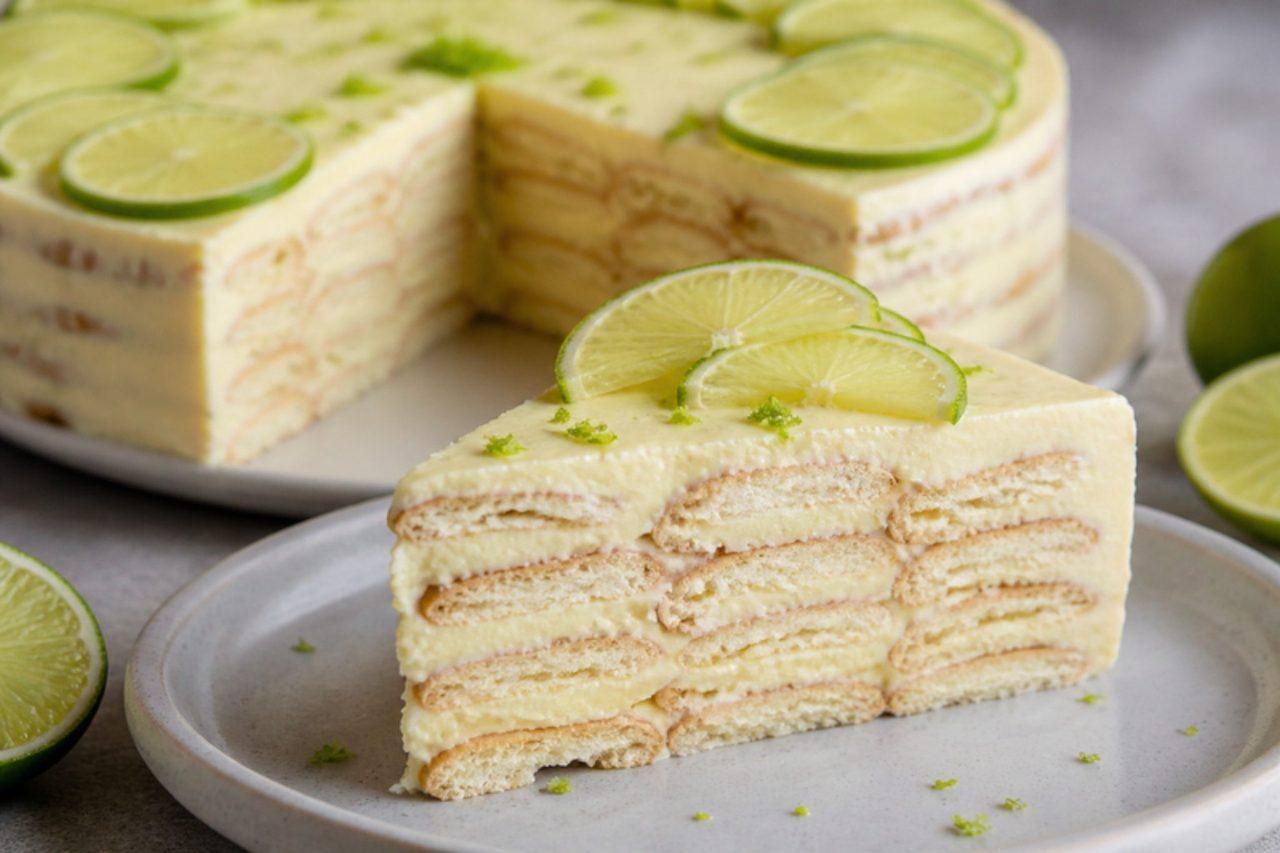
In Mexican home kitchens carlota de limón is the dessert everyone's aunt knows by heart: layers of Marías biscuits and a lime cream whipped from condensed and evaporated milk, chilled until it slices like a cake. It is made on hot afternoons in Sonora and Veracruz and turns up at every children's party. The lime curdles the milk just enough to thicken it, so there's no cooking at all. It contains wheat and dairy. Chef's tip: blend in the lime juice slowly, with the motor running, until the cream thickens visibly.
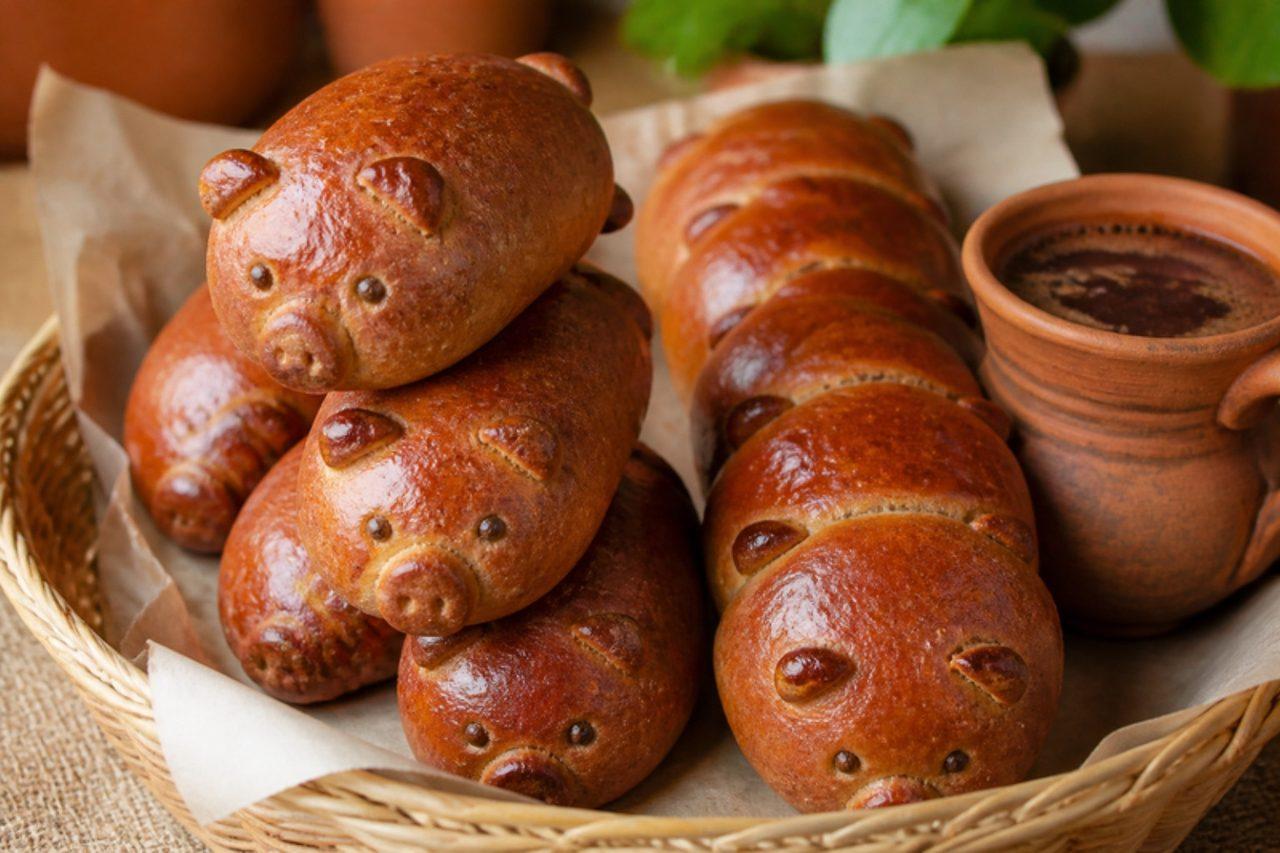
Every pan dulce case in Mexico has a row of little brown pigs, called marranitos in the centre, cochinitos in the north and puerquitos in between. They are soft, cakey biscuits sweetened with dark piloncillo cane sugar, spiced with cinnamon and a touch of anise, and dunked into café de olla or cold milk in the afternoon. They are made here with butter, so they suit vegetarians, and contain egg and wheat. Chef's tip: roll the dough thick, about 1 cm, because thin pigs bake into hard crackers instead of soft cakes.
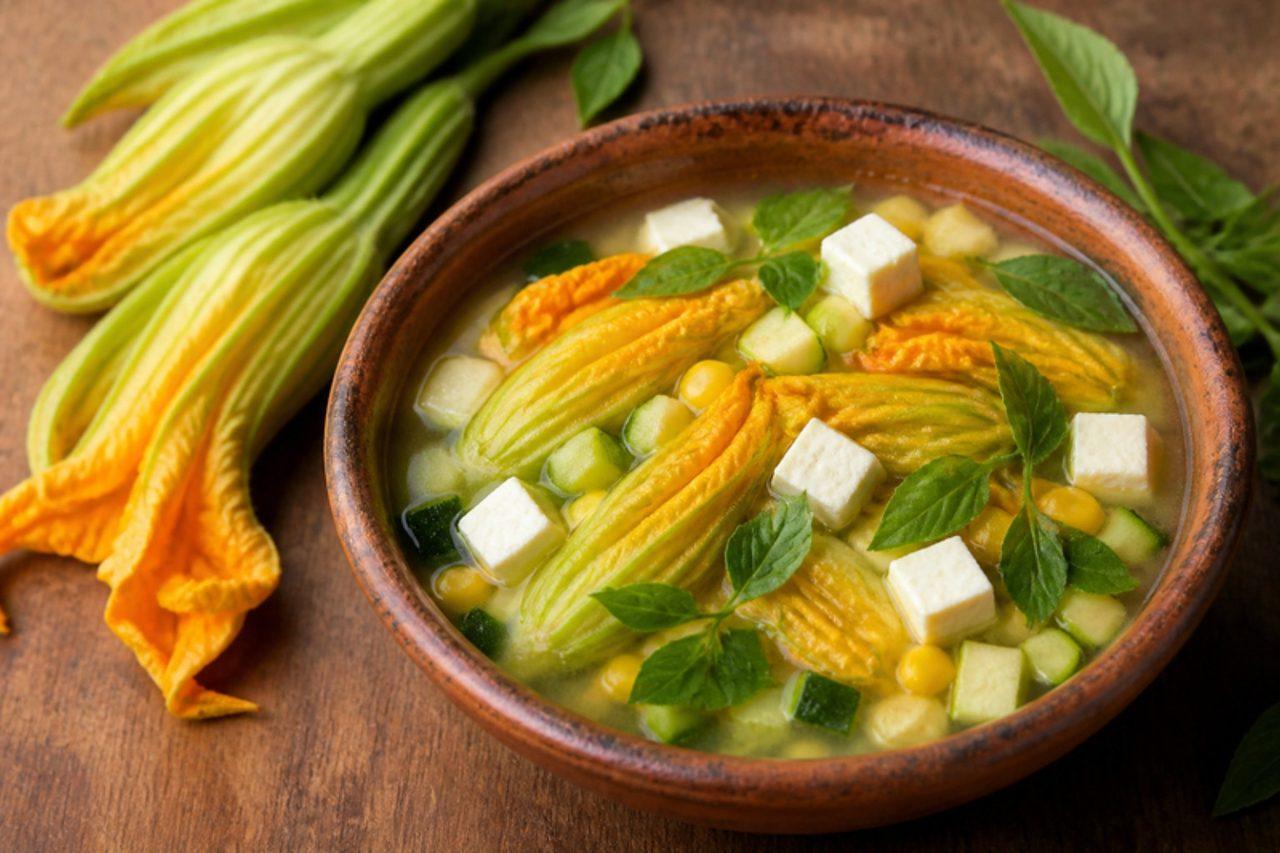
From July to September, when the summer rains fill Mexico City's markets with armfuls of orange squash blossoms, home cooks turn them into this light, golden soup. Half the blossoms are blended with onion into the base and the rest go in whole at the end, with diced courgette, sweetcorn and a sprig of epazote. The result is delicate and floral, a good first course before something rich. Serve with crumbled queso fresco; it is usually made with animal rennet, so look for a vegetarian one. Chef's tip: buy blossoms in the morning and use them the same day, as they wilt within hours.
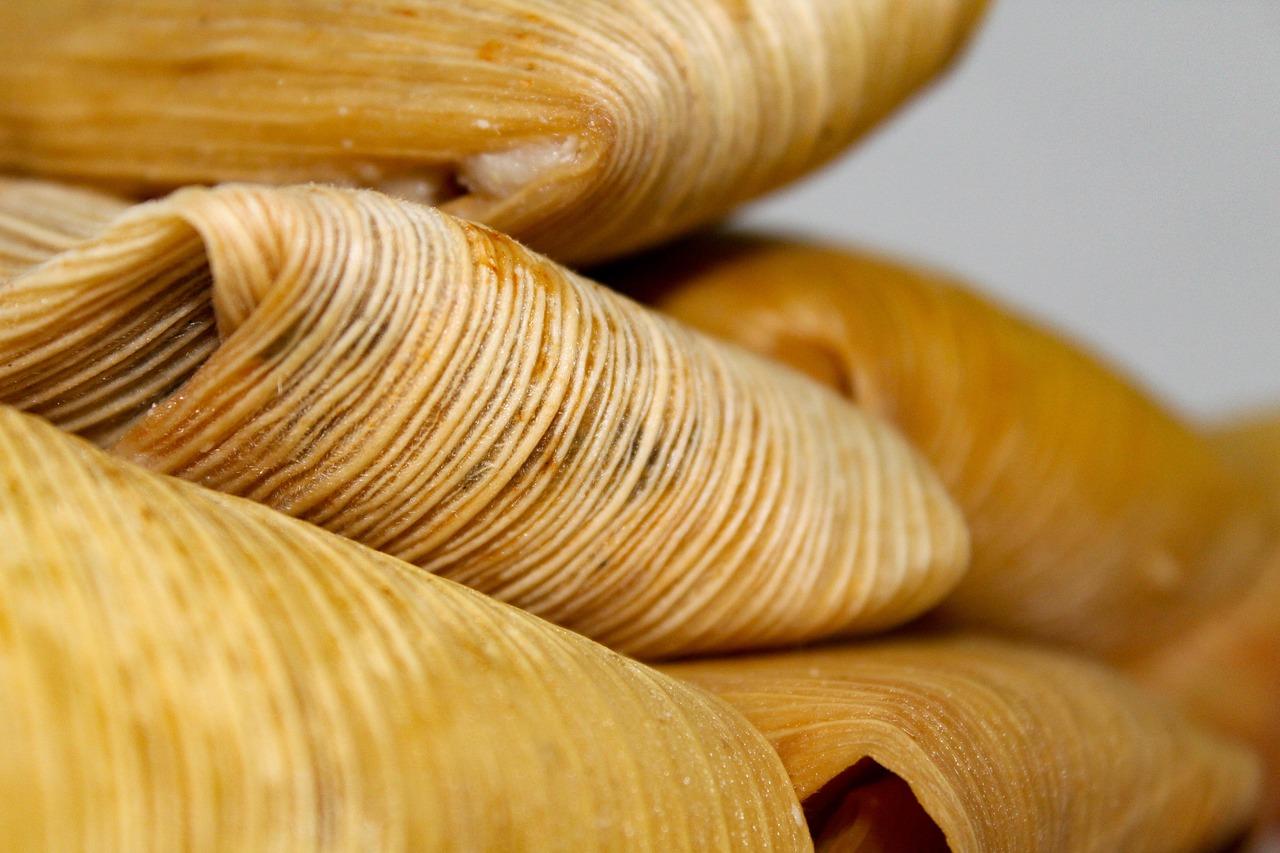
Every tamal tray in Mexico City has a few pink ones tucked in among the green and red, and these sweet tamales are what children reach for first at December posadas and on 2 February, Día de la Candelaria. The masa is beaten with butter and sugar, tinted the colour of a sugared almond and studded with raisins, then steamed in husks until soft and cakey; they are eaten warm with atole or hot chocolate. This version uses butter and vegetable shortening, not lard. Chef's tip: add a few drops of colour at a time; the pink deepens as it steams.
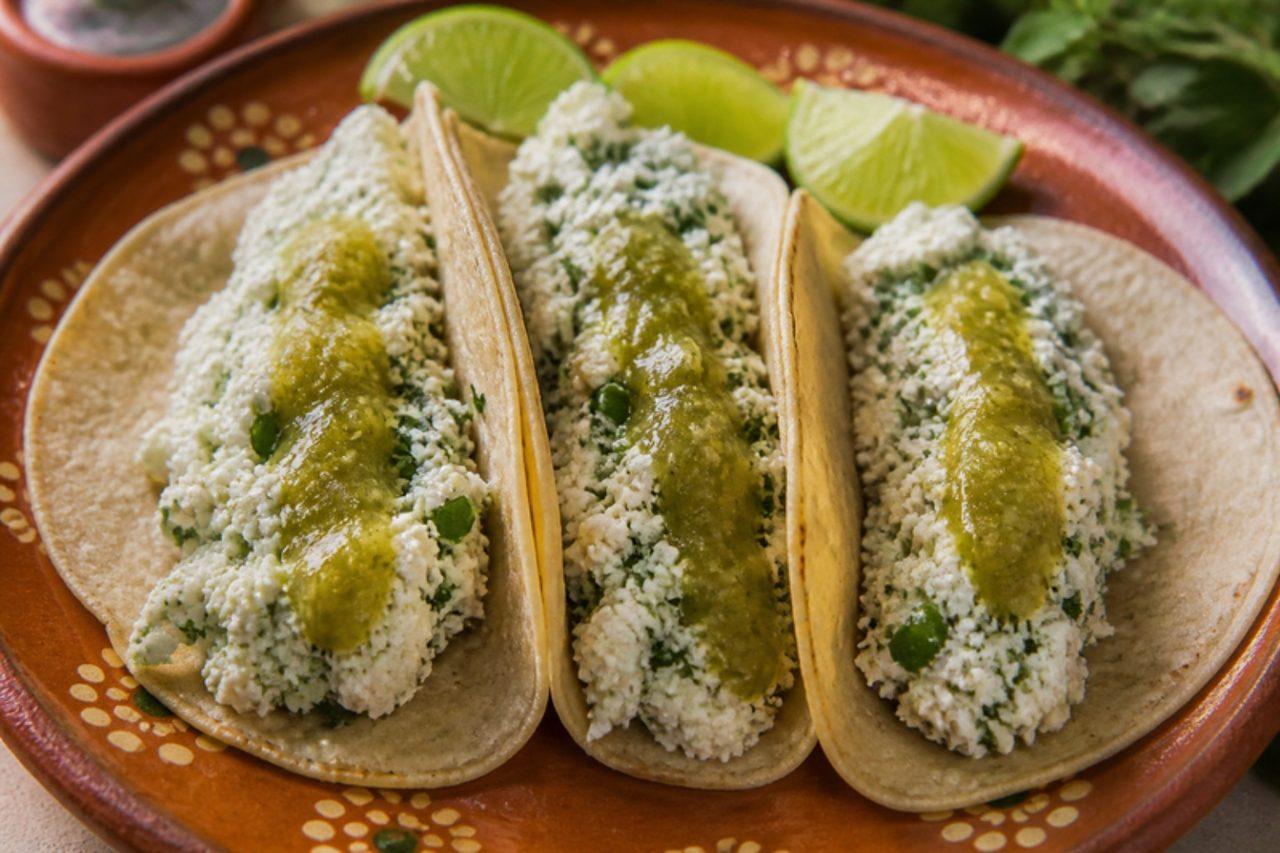
Among the stews kept warm in clay pots at Mexico City's taco de guisado stands, requesón is a mild, creamy favourite: soft fresh curd cooked with onion, serrano and the pungent herb epazote. It is eaten in small doubled tortillas with salsa verde, often at breakfast. Requesón is made from whey left after rennet cheesemaking, so choose ricotta labelled vegetarian if that matters to you. Chef's tip: cook the curd only until hot and slightly dry; long cooking makes it rubbery.
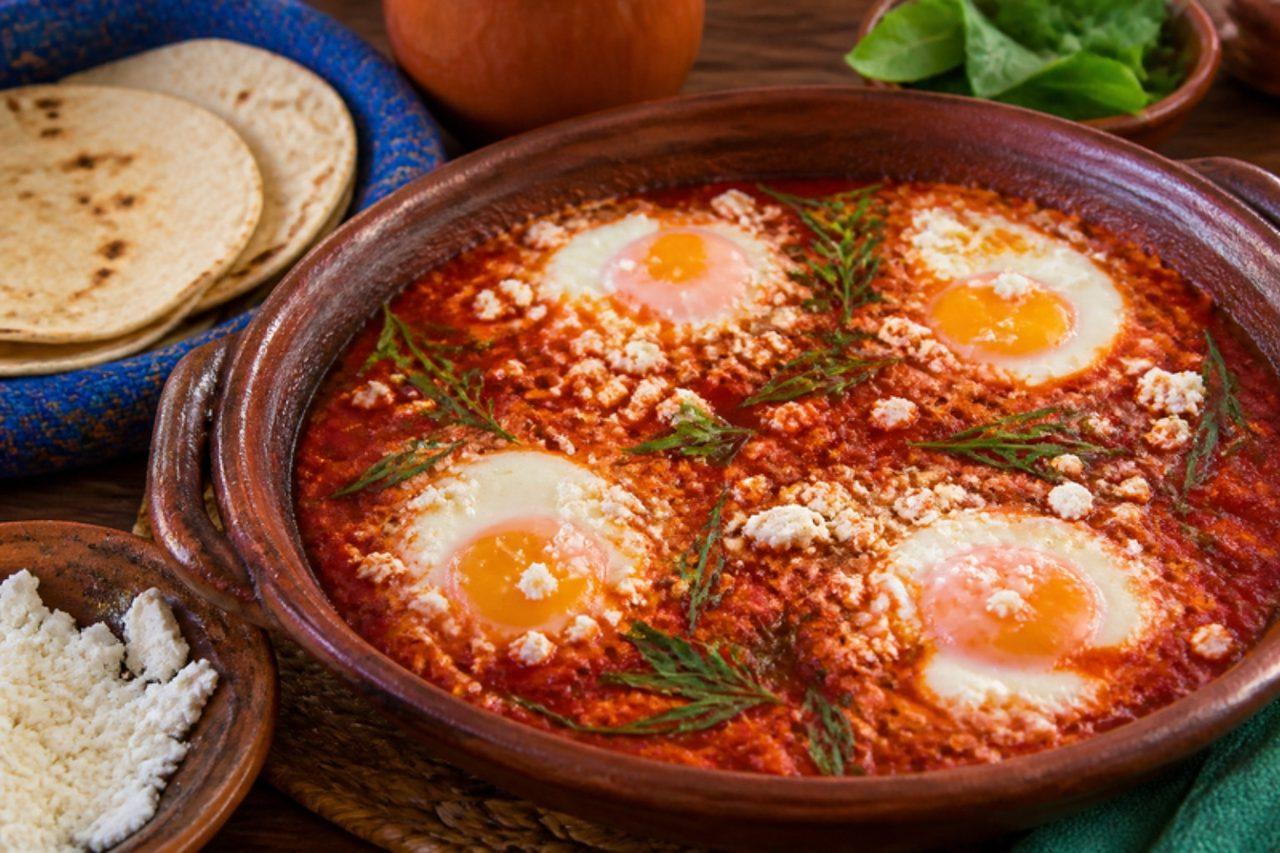
In homes across Puebla, Hidalgo and Mexico City, 'drowned eggs' are what you make when the fridge is nearly empty and breakfast must still be hot: a thin, brothy salsa of tomato, chile and onion is brought to a simmer, a sprig of epazote goes in, and the eggs are poached right in it. Spooned into bowls with tortillas or a crusty bolillo for dunking, it is lighter than it looks. Chef's tip: keep the salsa thinner than a pasta sauce, so the eggs can sink and poach evenly.
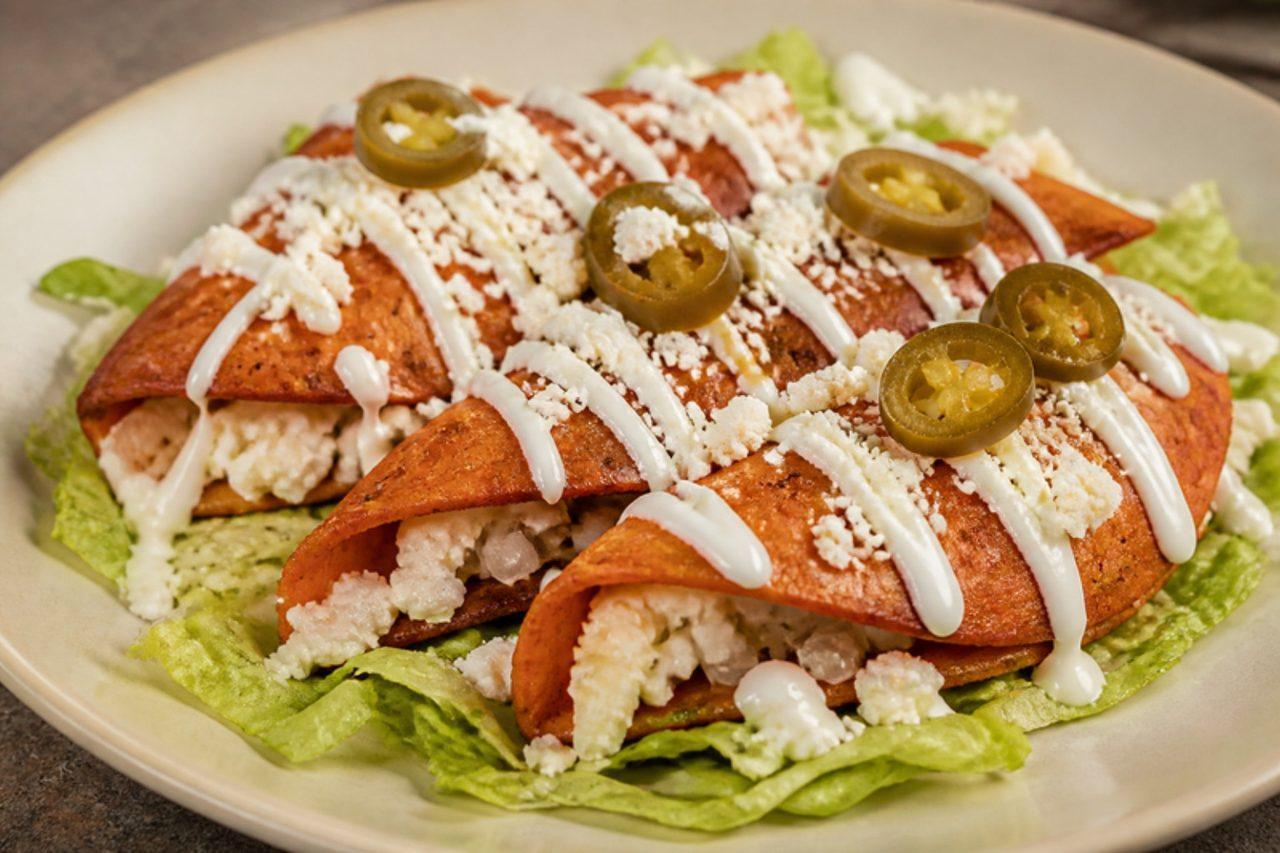
Unlike the sauced enchiladas of Mexico City, the enchiladas of San Luis Potosí are small turnovers of masa kneaded with red chile paste, filled with fresh cheese and onion, cooked on the comal and quickly fried. In the city's plaza they are sold by the dozen with crema, shredded lettuce and pickled vegetables, and they're a favourite for Sunday family suppers. For a fully vegetarian plate, swap the usual animal-rennet queso fresco for a vegetarian fresh cheese or a mild microbial-rennet feta. Chef's tip: let the chile paste cool before kneading it into the masa, or the dough turns sticky.
Showing 48 of 206 recipes
Show more recipesPage 2 of 9