


Skip to content
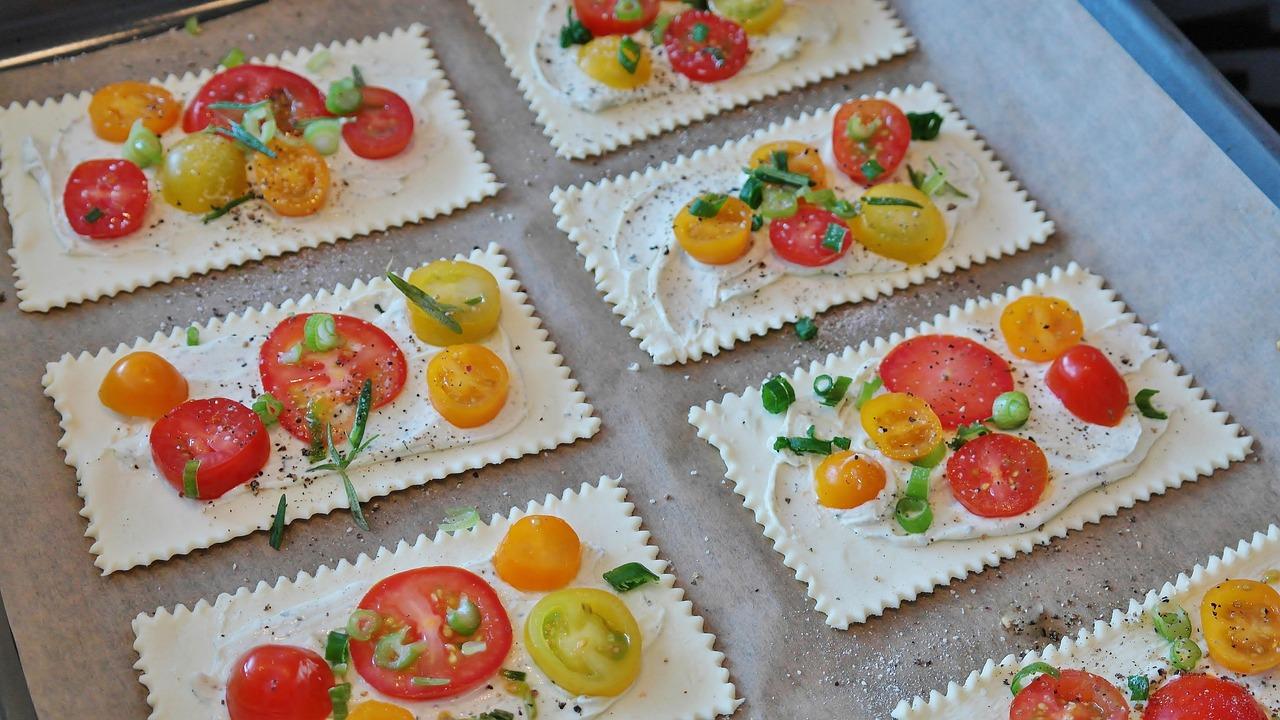
Savory canapés
Featured recipe

Savory canapés

Bread rounds baked in a muffin tray into crisp little baskets, filled with a gently spiced mixture of corn, potato, carrot and coconut. Topped with crushed crisps and dots of red, green and tamarind chutney, they make a pretty party starter.

Read more 1 views

What to eat today?

Around the world

Today's trip: Paraguayan

A new country every day, from every cuisine on the site.

Paraguayan

Chipa

Cheese bread rings 50 minMore from Paraguayan (27) →

This week's collection

Kid-friendly dinners
537 recipes · a new collection every Monday

Latest recipes

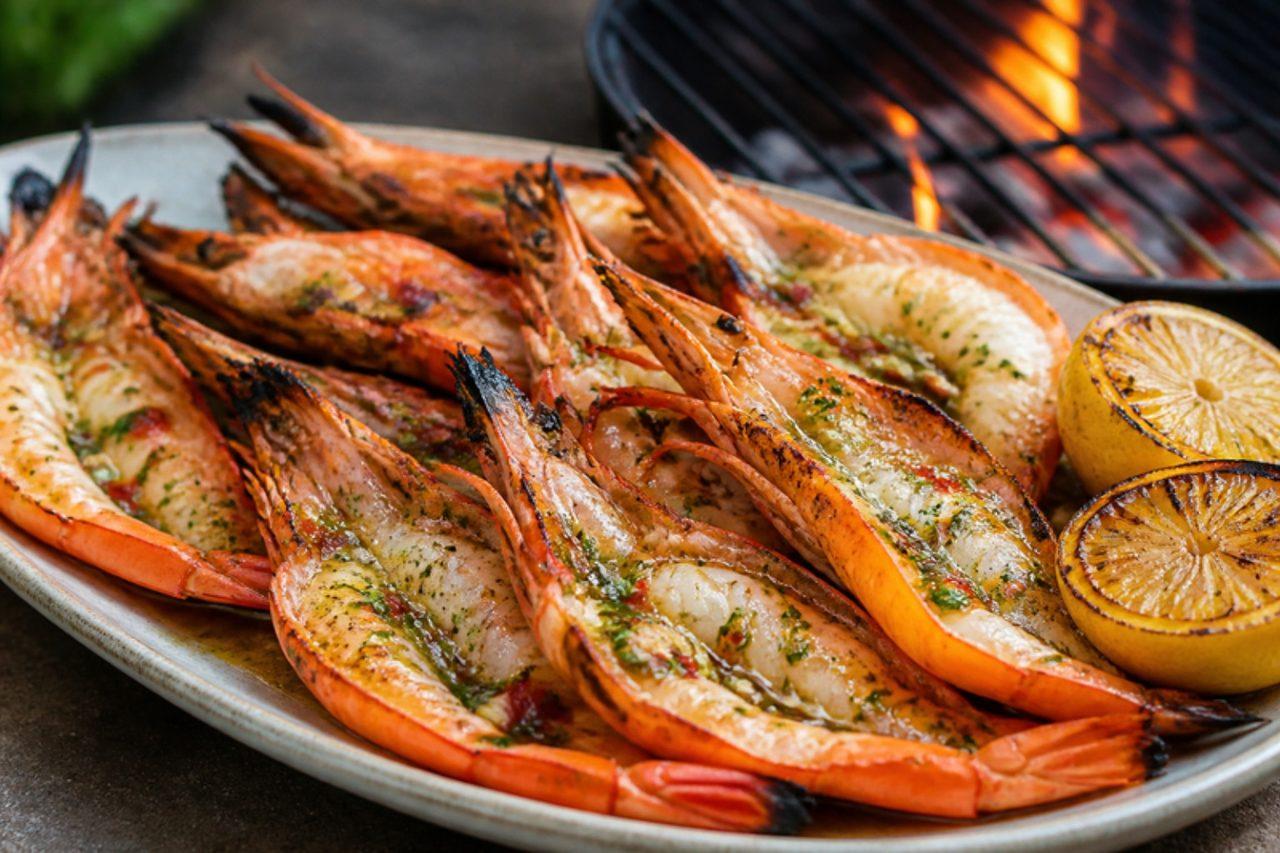
Barbecued garlic prawns

Prawns on the barbie are the true Australian Christmas and summer meal, cooked on the backyard barbecue from Perth to the Gold Coast with a cold drink in hand. Big raw king or tiger prawns are marinated in garlic, chilli, lemon and olive oil, then grilled quickly in their shells, which keeps them juicy. A common mistake is leaving them in the marinade too long; the lemon starts to cook them. Chef's tip: cut down the back of the shell and remove the vein but leave the shell on, so the marinade gets in and the prawns don't dry out.

by KrazyBadal 0 views

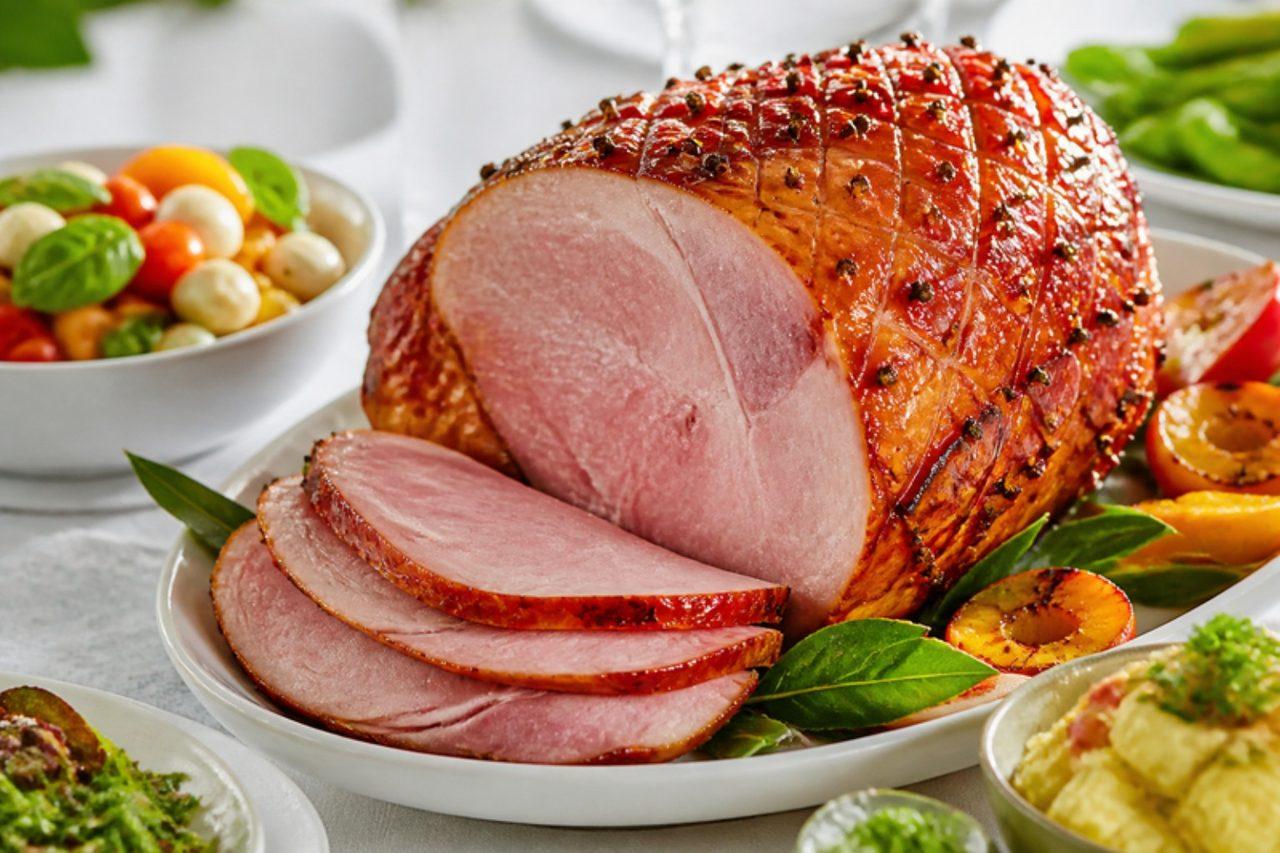
Glazed Christmas ham

A whole glazed leg ham is the centrepiece of the Australian Christmas table, served cold with salads and mustard on a hot December day and eaten in sandwiches for a week after Boxing Day. It is a cured, smoked leg of pork, already cooked, that is scored, studded with cloves and baked with a sticky orange and honey glaze. A common mistake is cutting the rind off too roughly; ease it away with your fingers so the fat stays smooth. Chef's tip: store the leftover ham in a cotton ham bag soaked in water and vinegar in the fridge to keep it moist.

by KrazyBadal 0 views

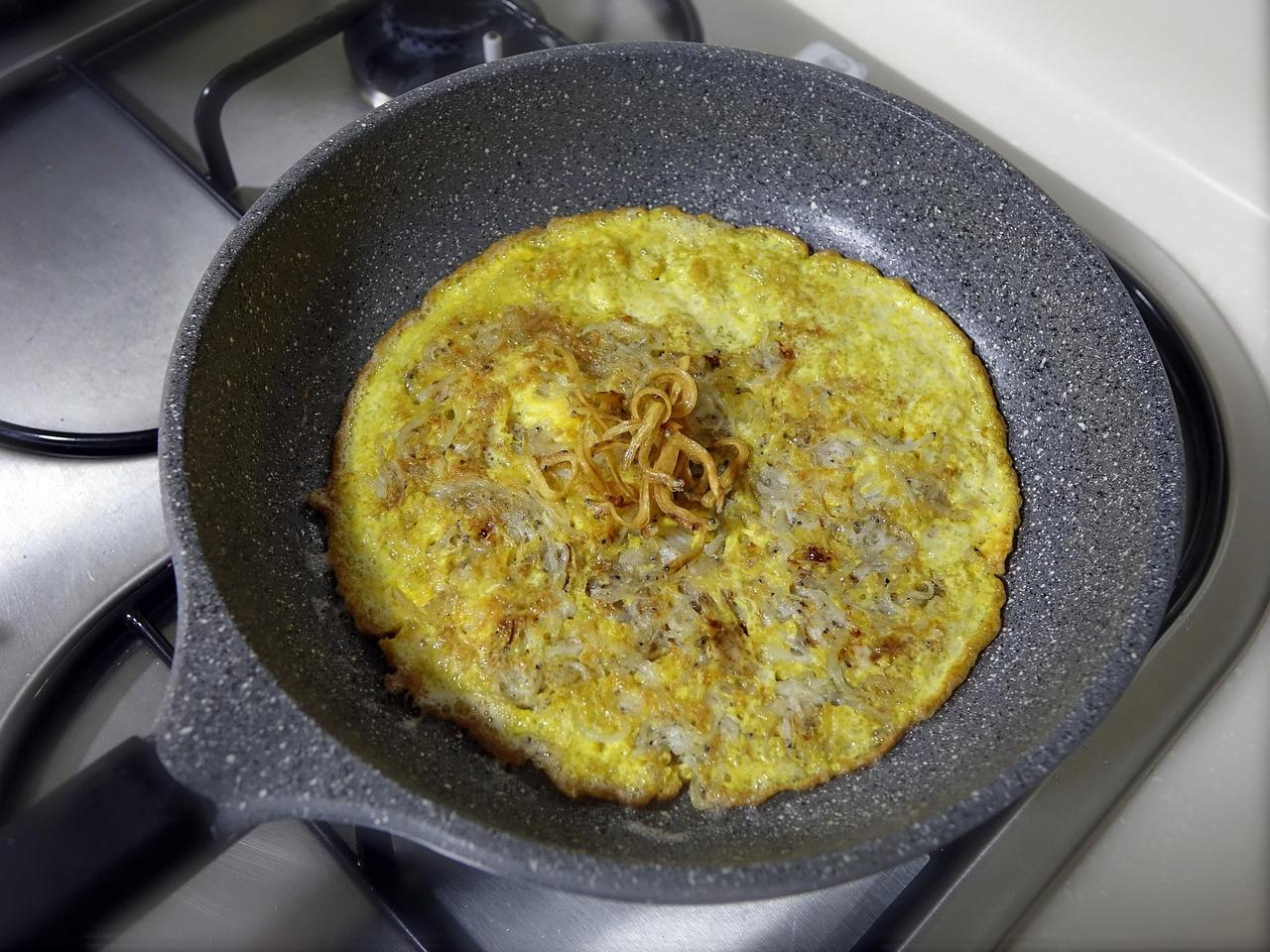
Whitebait fritters

Every spring, from September to November, the rivers of New Zealand's West Coast, around Hokitika and Haast, line with people scooping tiny translucent whitebait in nets, and the season's prize is a whitebait fritter. The fish are bound with just enough egg to hold them, fried in butter and eaten between slices of buttered white bread with a squeeze of lemon. Buy fresh or frozen whitebait from a trusted seller. A common mistake is adding flour, which hides the delicate fish; the true West Coast fritter is almost all whitebait. Chef's tip: beat the egg white separately and fold it in for a lighter fritter.

by KrazyBadal 0 views

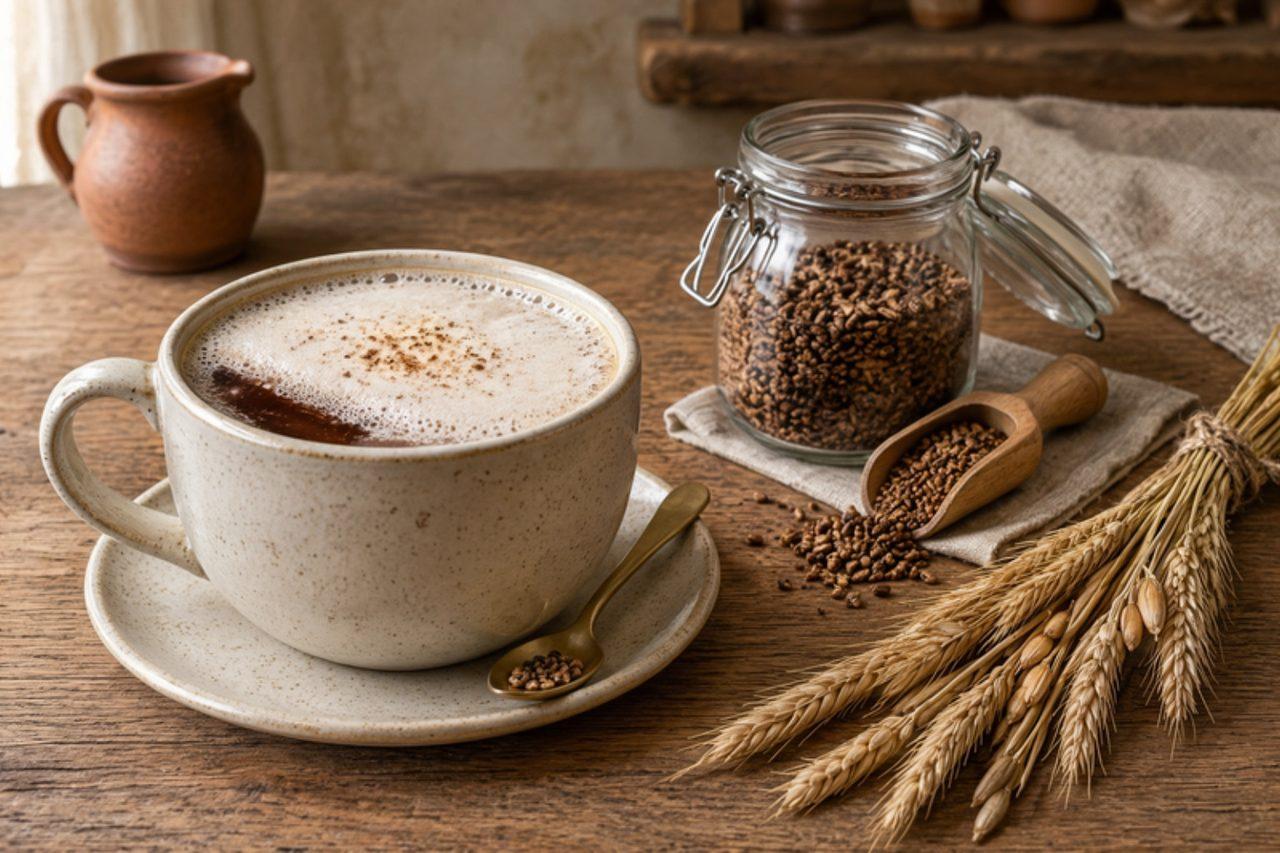
Kawa zbożowaRoasted grain coffee

In Polish kindergartens, school canteens and grandmothers' kitchens, kawa zbożowa is the breakfast "coffee" everyone can drink: a blend of roasted rye, barley, chicory and sometimes sugar beet that tastes toasty and malty with no caffeine at all. It is usually drunk milky and a little sweet alongside bread and butter. The common mistake is brewing ground grain coffee like espresso: it needs a few minutes of simmering to give up its flavour, or it tastes like weak tea. Chef's tip: let the pot stand off the heat for 2 minutes after simmering so the grounds sink, then pour gently and you won't need a filter at all.

by KrazyBadal 0 views

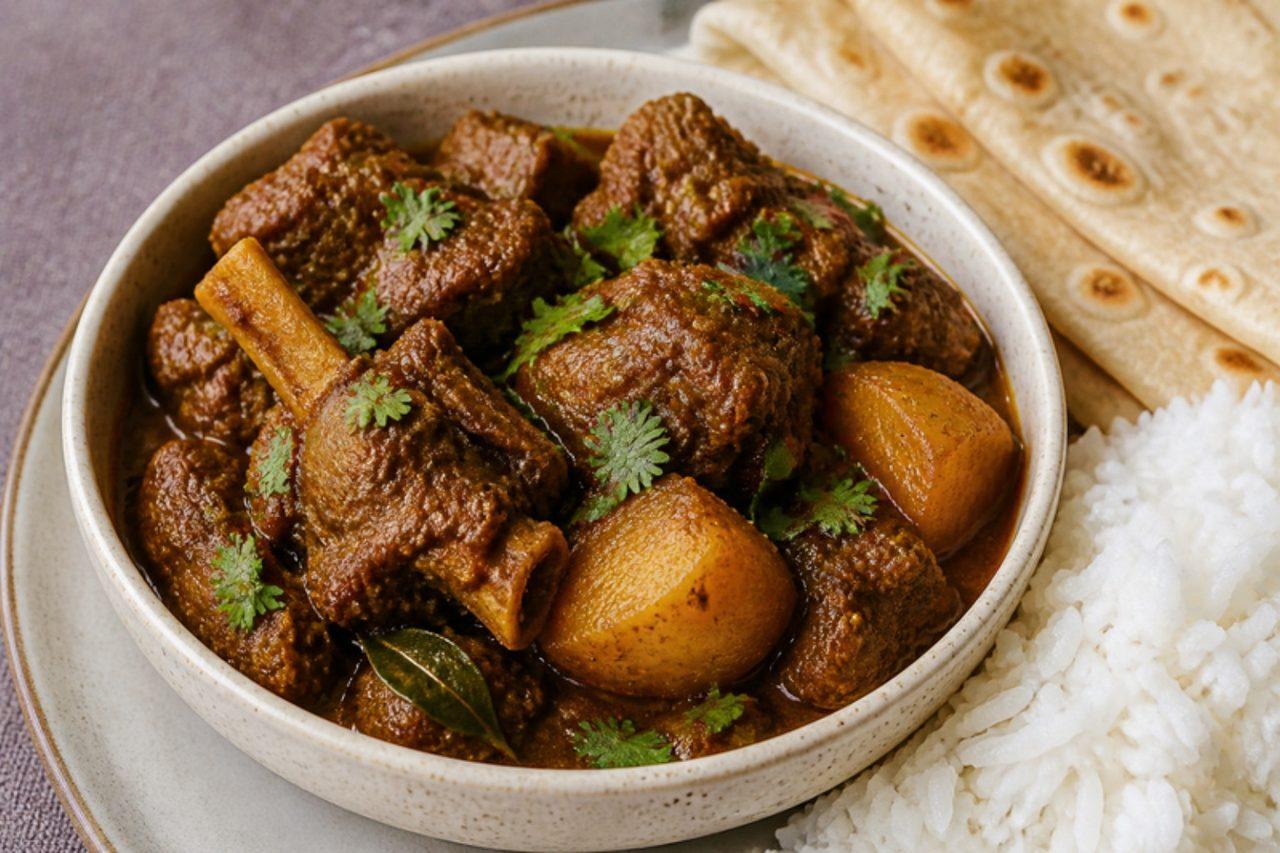
Fiji goat curry

Goat curry is the dish of Indo-Fijian weddings, Diwali gatherings and Sunday family lunches from Lautoka to Labasa, brought by indentured labourers from India in the 1800s and shaped by Fiji's own curry powder blend. Bone-in goat is browned with onion, garlic, ginger and masala, then braised slowly with potatoes until tender, and eaten with roti or rice and dhal. A common mistake is rushing the onion and masala; they need to fry until the oil separates. Chef's tip: marinate the goat overnight in the fridge with the masala for deeper flavour.

by KrazyBadal 0 views

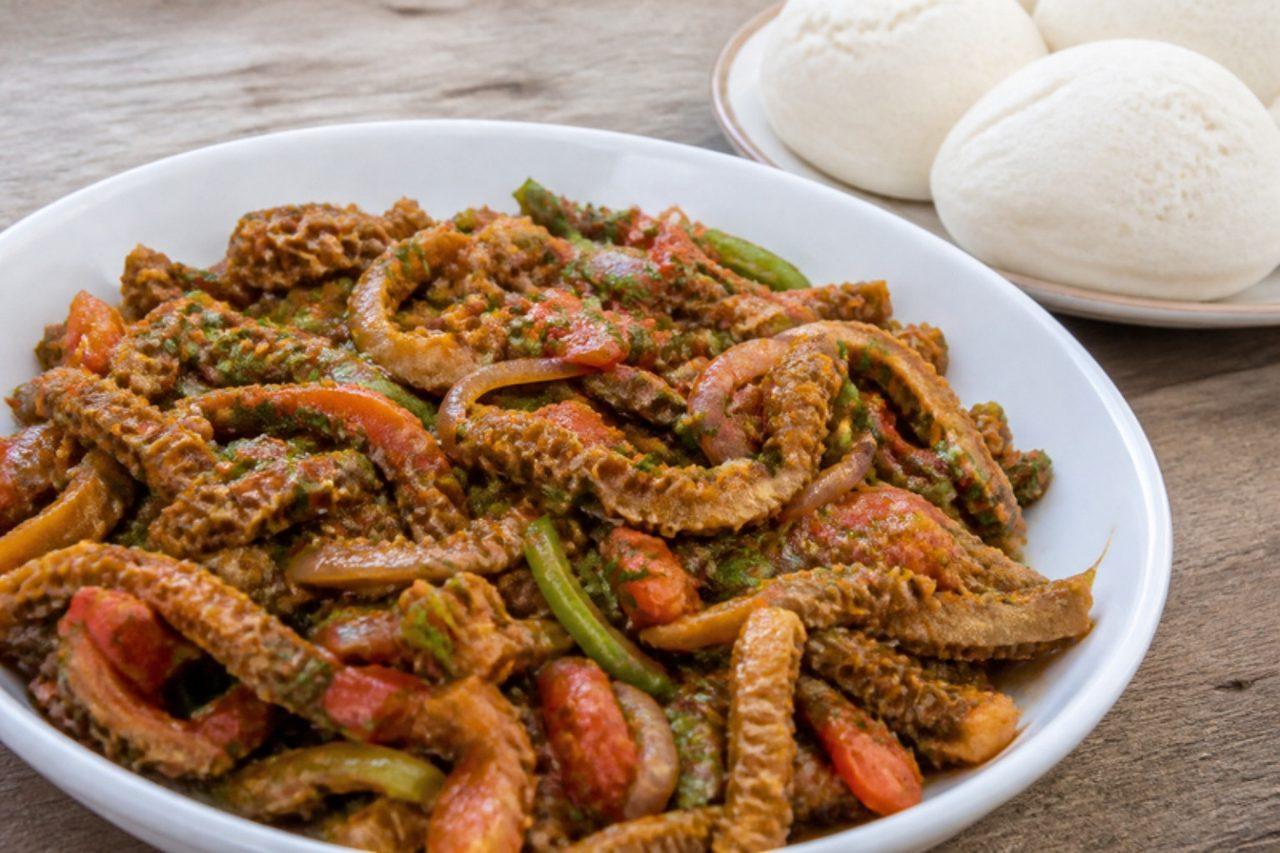
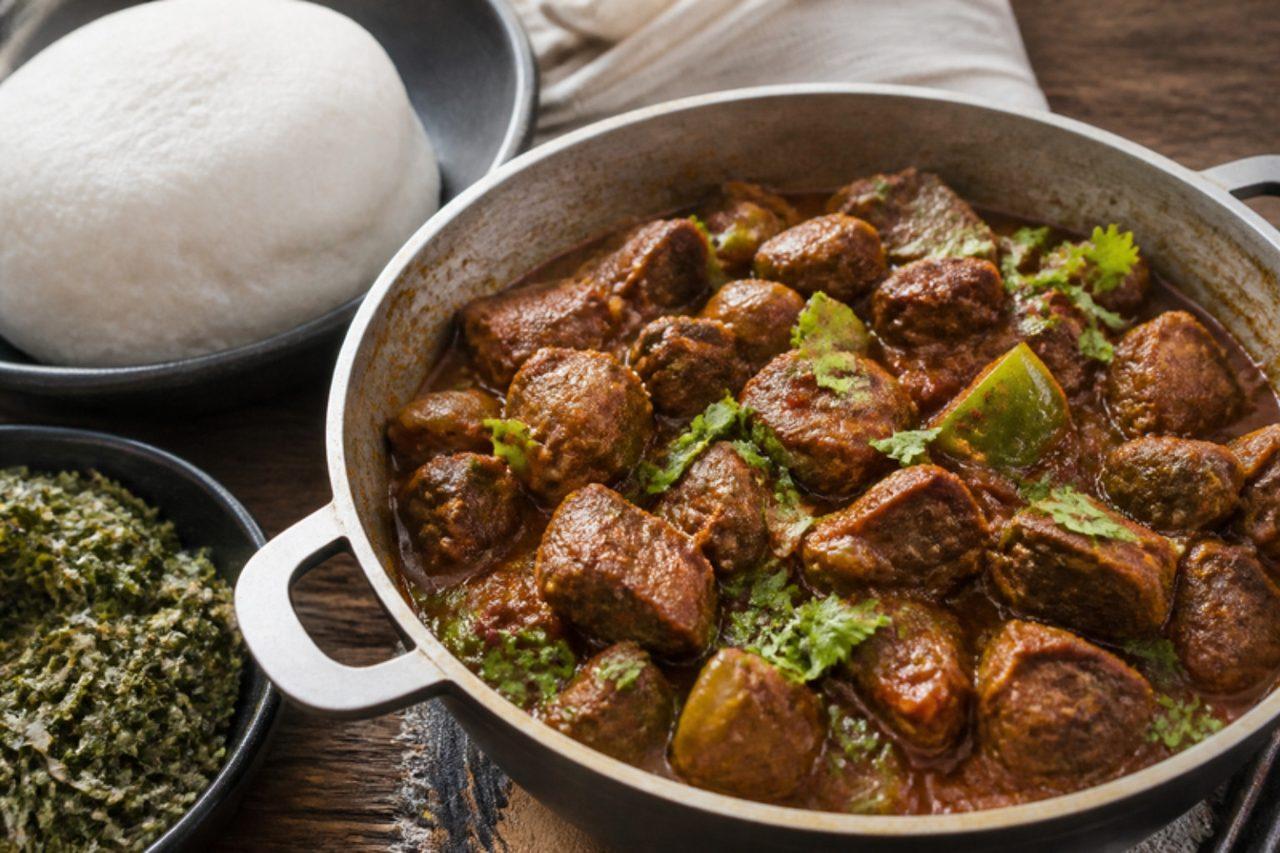
MatumboFried tripe

Nairobi's office workers and matatu crews know which roadside hoteli does the best matumbo, and they queue for it at lunchtime with a mound of ugali on the side. The tripe is boiled until it is soft but still has a gentle bounce, then cut into strips and fried hard with onion, tomato and green chilli so the edges catch and the sauce turns thick and peppery. Buy cleaned (dressed) beef tripe from a butcher: the white, honeycomb kind has already been scalded and scraped, which you should not attempt at home. Even cleaned tripe needs a thorough wash and a long simmer, and cutting it before it is tender is the usual mistake, because it then stays rubbery however long you fry it. Chef's tip: add a squeeze of lemon and a chopped onion to the boiling water; they freshen the smell in the kitchen and leave the tripe tasting clean.

by KrazyBadal 0 views

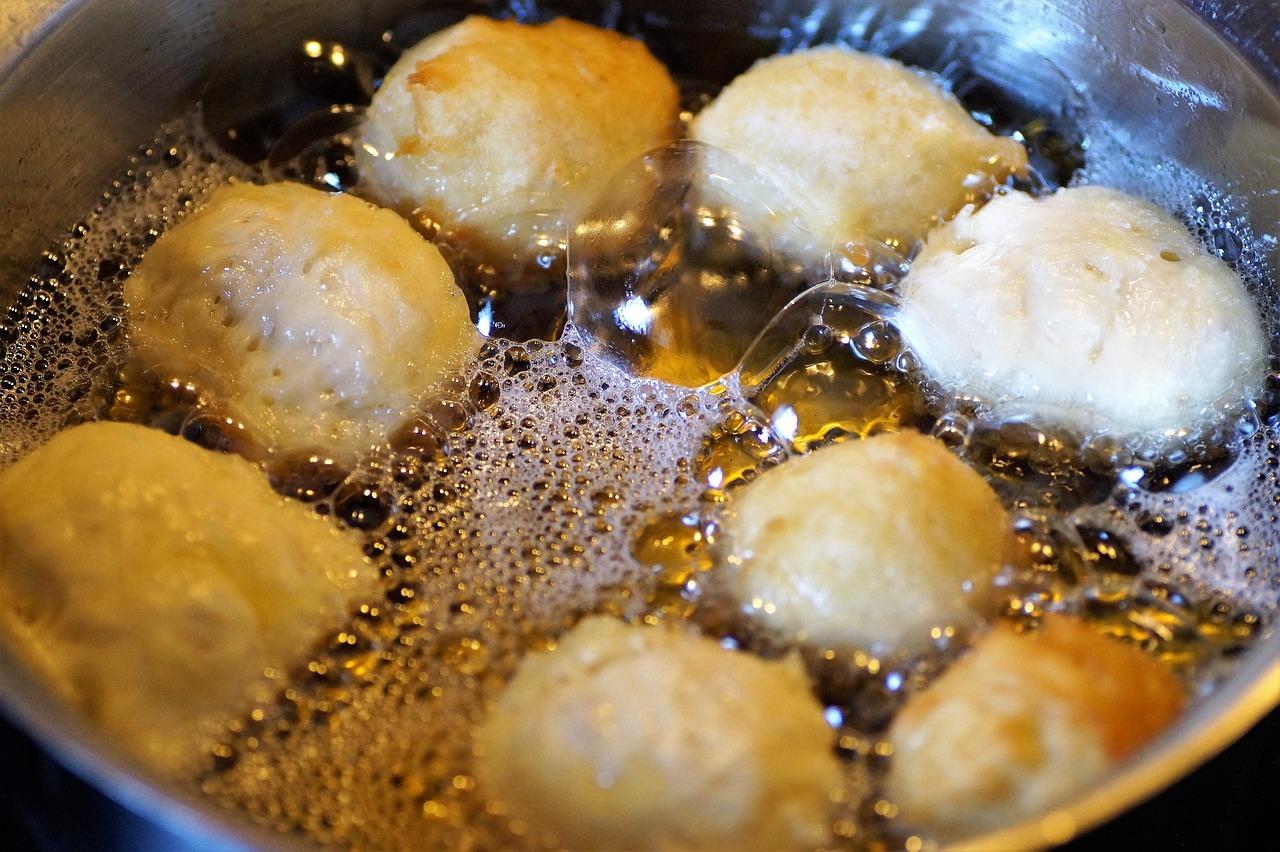
BabakauFried dough balls

Babakau are the fluffy fried dough balls sold at Fijian market stalls and village canteens at breakfast time, eaten with a mug of milky tea or hot koko before school or work in Suva and Nadi. The dough is lightly sweet and the balls puff up as they fry, golden outside and soft as a bun inside. A common mistake is oil that's too hot, which leaves raw centres; 170 °C is right. Chef's tip: wet your fingers to drop spoonfuls of dough into the oil so it slips off cleanly.

by KrazyBadal 0 views

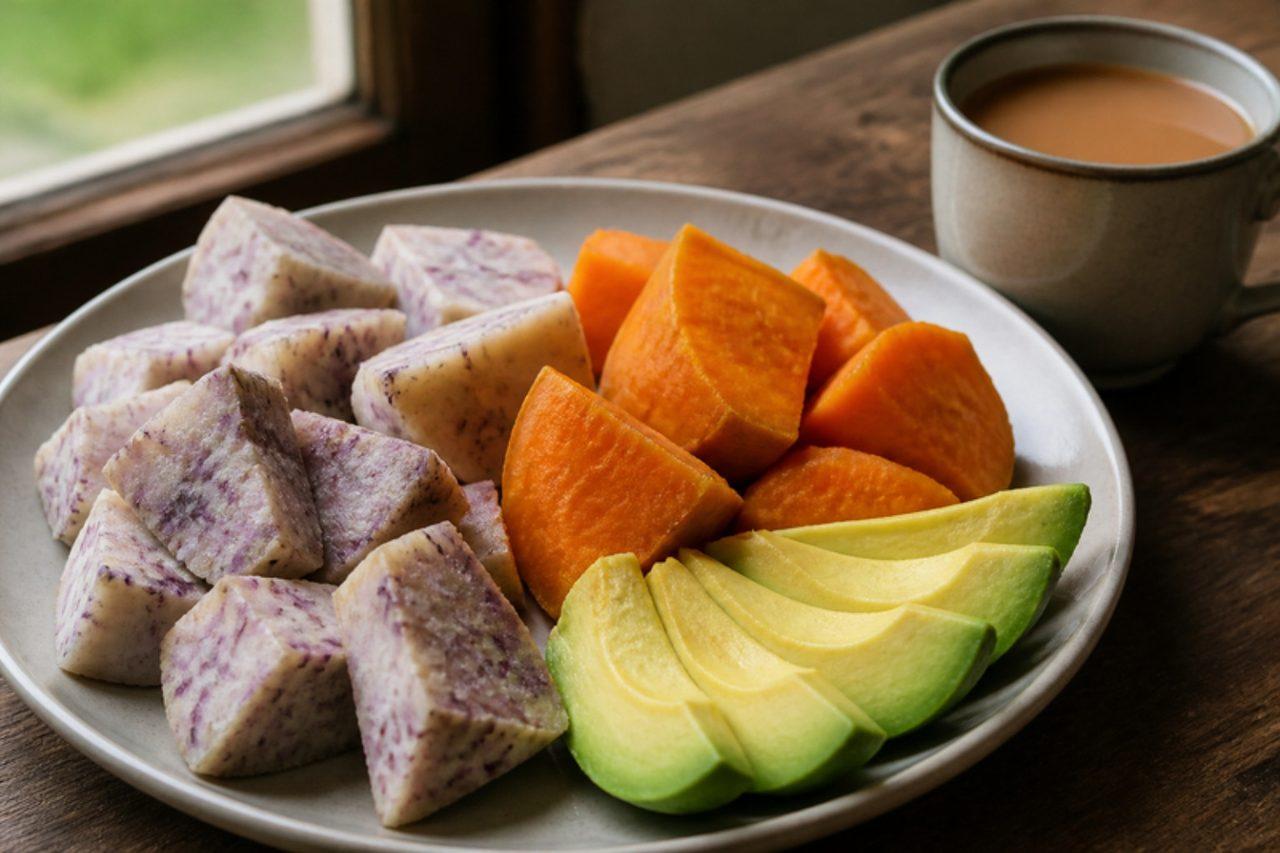
Nduma na viazi vitamuBoiled arrowroot and sweet potato

A plate of nduma and sweet potatoes with a mug of hot milky chai is the classic weekend breakfast in Kiambu and Murang'a homes, and farmers eat the same before a long day in the shamba. What Kenyans call arrowroot is taro, a starchy corm with a dense, nutty flesh that turns faintly purple and almost creamy when boiled; the sweet potatoes beside it are soft and honeyed, lovely with sliced avocado. Find taro (also called eddoes or dasheen) at African, Caribbean and Asian grocers. Raw taro irritates skin and mouth, so wear gloves to peel it and make sure it is boiled right through: undercooking is the one real mistake here and leaves an itchy, scratchy feeling in the throat. Chef's tip: cut taro and sweet potato into similar-sized pieces but add the sweet potato 10 minutes later, so both are done at once.

by KrazyBadal 0 views

Beef wet fry

Order 'beef wet fry' at any Nairobi hoteli, from a River Road lunch counter to a Westlands nyama joint, and a sizzling dish of browned beef cubes arrives in a thick, tomato-red sauce glossy with fat. It sits halfway between a dry fry and a stew: the meat is chewy-tender and well seared, and the sauce is reduced so far it clings rather than pools. Ugali is the classic partner, with kachumbari and a tangle of sukuma wiki, though chapati or rice are just as common. The mistake most home cooks make is crowding the pan, so the beef steams grey in its own juices instead of browning. Chef's tip: give the beef a short covered simmer in a splash of water before frying; it tenderises the cheaper cuts Kenyan butchers sell and the water cooks off in time for the browning.

by KrazyBadal 0 views

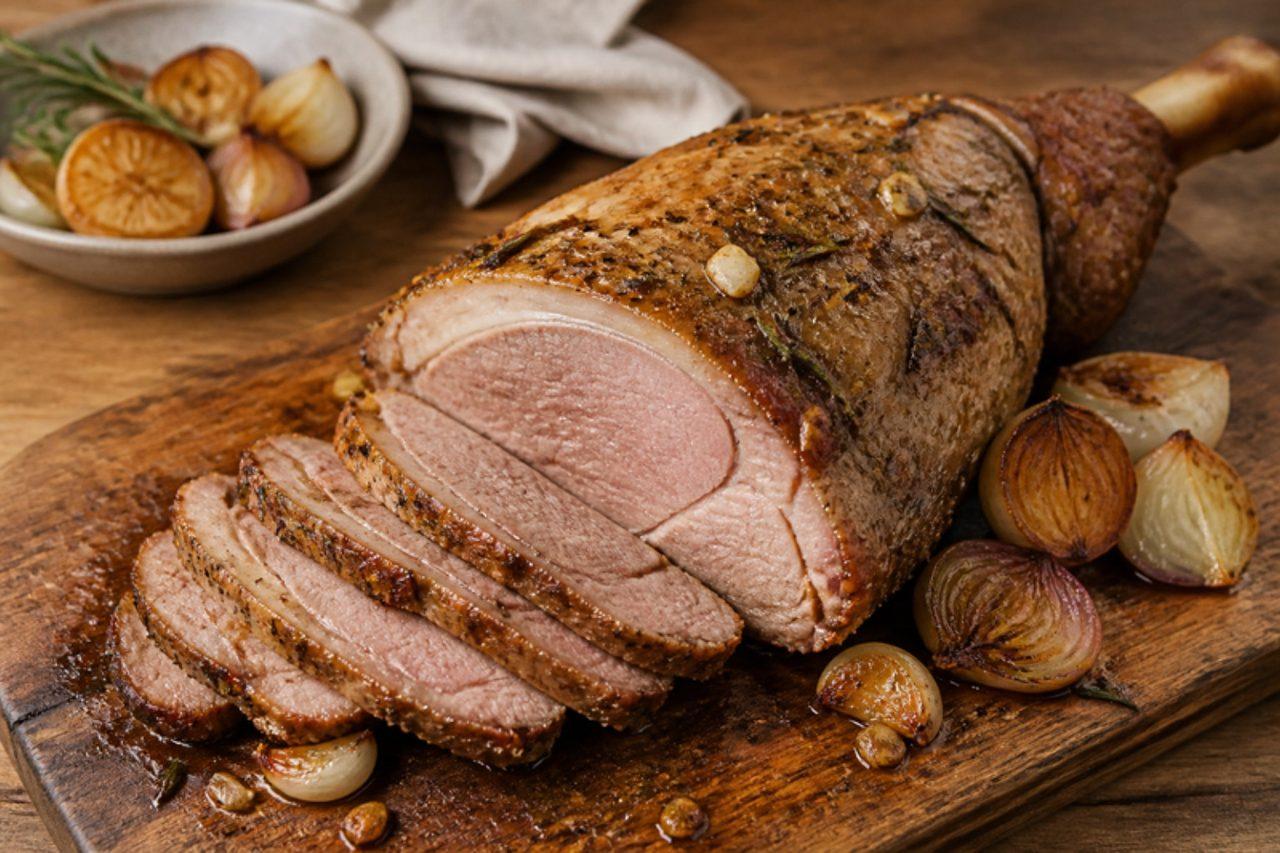
Karoo roast leg of lamb

Sheep in the Great Karoo graze on wild bossies and shrubs, and farmers around Prince Albert and Graaff-Reinet swear the meat comes out of the oven tasting faintly of the veld. That is why the seasoning stays plain: garlic slivers pushed deep into the meat, rosemary, salt and pepper, and a long, slow roast over a bed of onions that melt into the pan juices. Sunday lunch on a farm stoep means slices of rosy lamb with roast potatoes, sweet pumpkin with cinnamon, geelrys with raisins and a jug of gravy. Many cooks carve the moment the leg leaves the oven, and the juices end up on the board instead of in the meat. Chef's tip: give the leg a full 20 minutes' rest under foil; the temperature climbs a few degrees and every slice stays moist.

by KrazyBadal 0 views

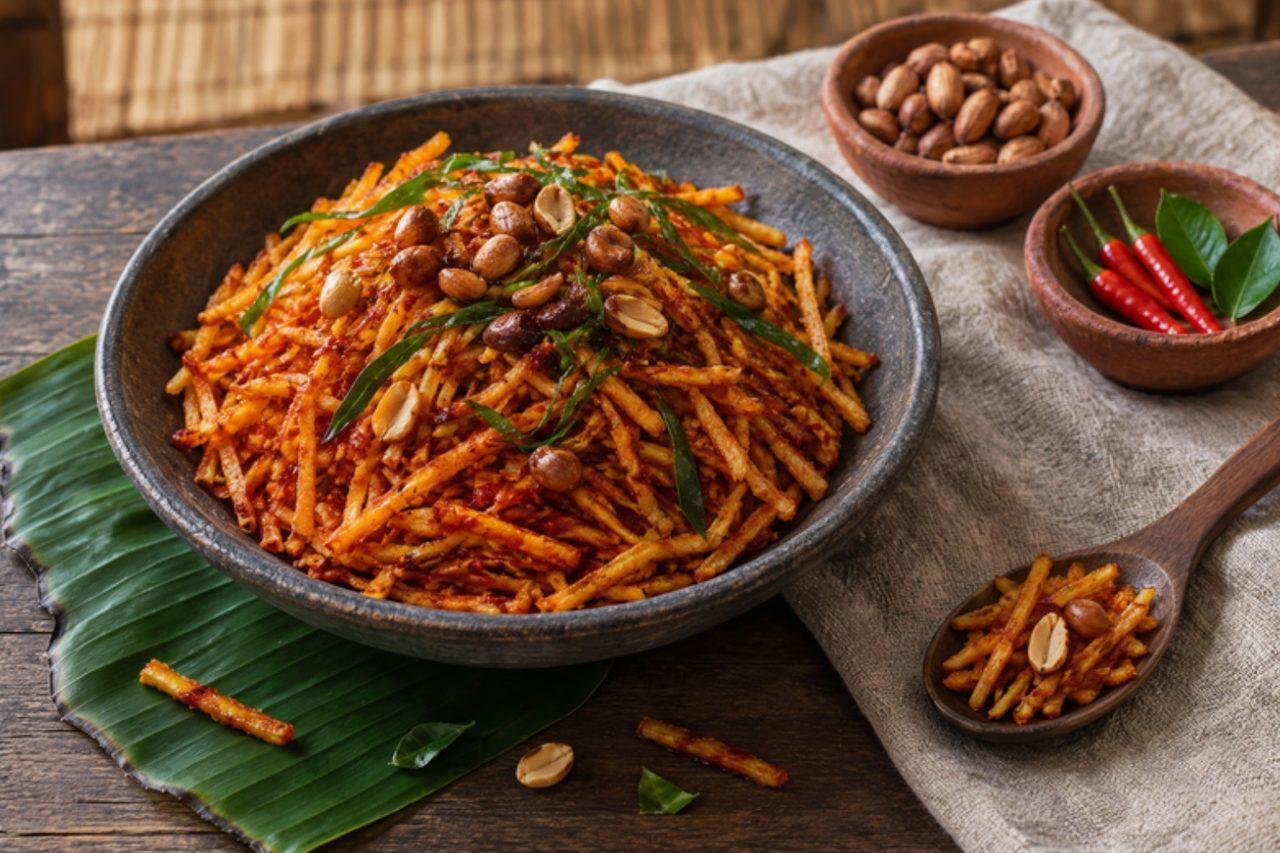
Kering kentangSweet and spicy potato matchsticks

Javanese households fry a big batch of kering kentang before Lebaran or a long journey, because these candied potato sticks stay crunchy in a jar for a week and make a plain bekal lunchbox of rice and egg feel special. They are sweet, hot and tangy all at once. The common mistake is frying wet potatoes all at once, which steams them; they must be soaked, dried thoroughly and fried in small batches until they rattle. Chef's tip: let the sugar glaze bubble until it threads from the spoon before adding the potatoes, so it coats them in a thin, glassy shell instead of making them soft.

by KrazyBadal 0 views

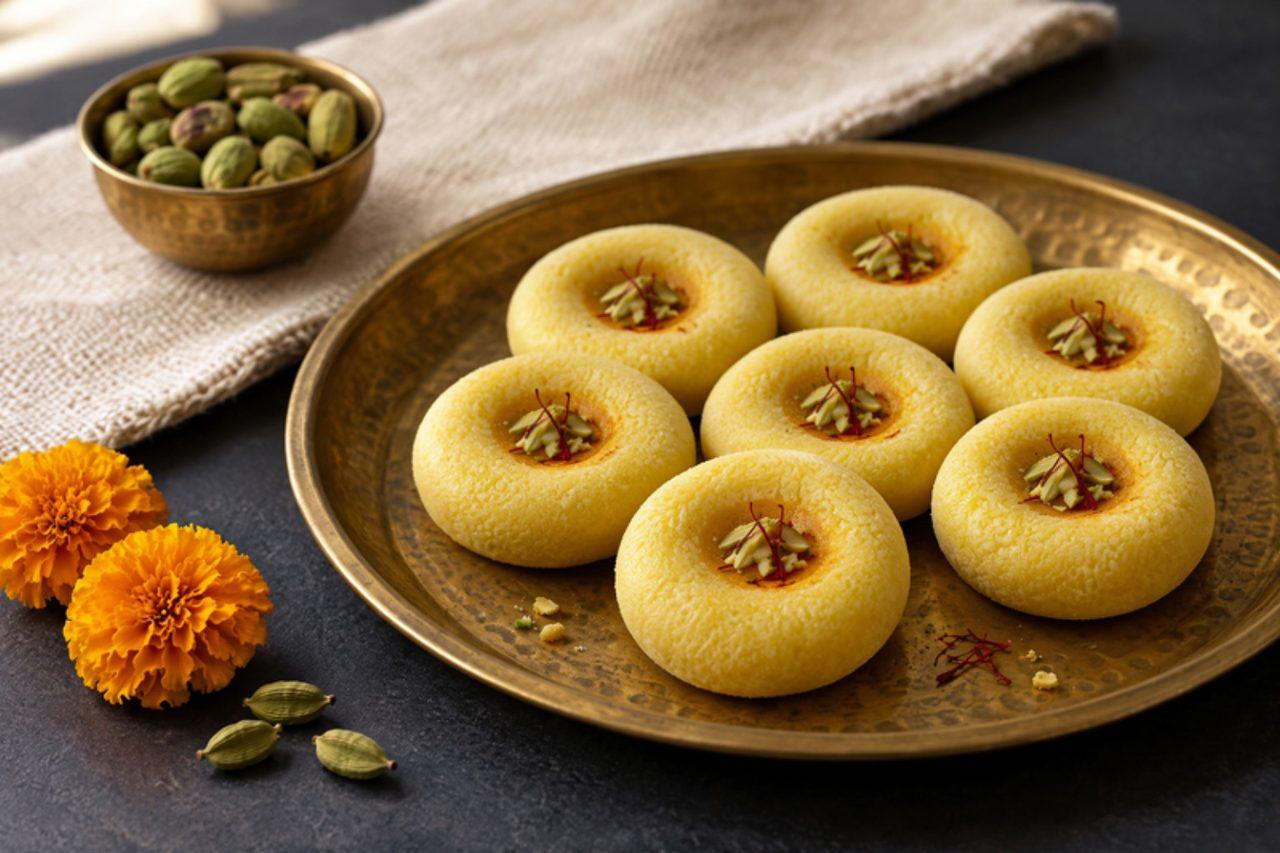
Kesar pendaSaffron milk pendas

In Ahmedabad, any good news, from exam results to a new home or a newborn, means a box of kesar penda passed around the office and the street. These are soft, creamy pendas of fresh mawa cooked briefly with sugar and plenty of saffron, so they stay pale gold and fudgy, quite unlike the browned pedas of Mathura or Dharwad. The common mistake is overcooking the mawa once the sugar goes in, which turns the pendas dry and cracked at the edges. Chef's tip: stop cooking as soon as a small piece rolls into a smooth ball between your palms; they firm up as they cool.

by KrazyBadal 0 views

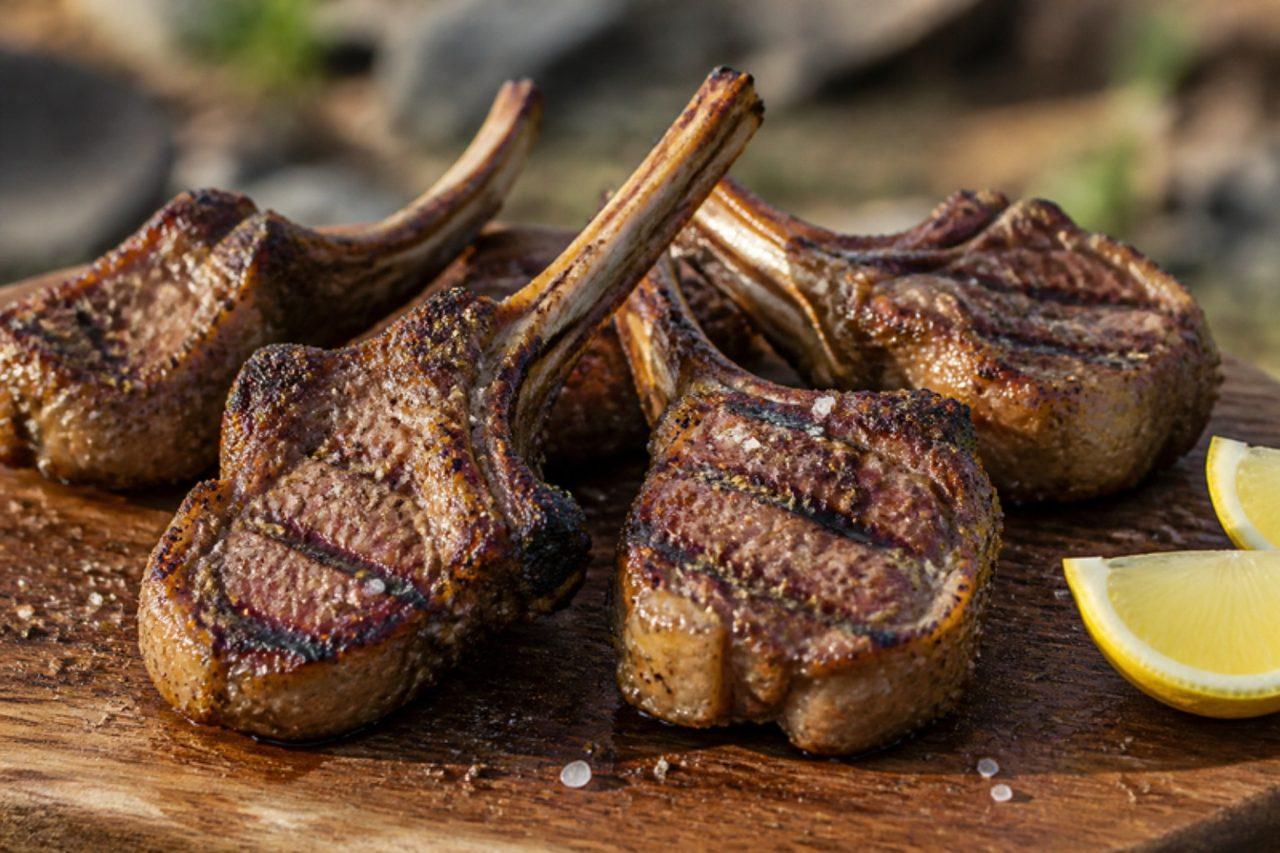
Braaied lamb chops

Ask a Karoo farmer for a braai rub and you will be handed the salt grinder: good lamb chops off the veld need salt, pepper and wood coals, and nothing else. On a Saturday evening in Colesberg or Cradock the chops go on last, after the boerewors, and come off with crisp, smoky fat and juicy, rosy meat. Pile them on a board with pap and tomato smoor, a potato salad and a braaibroodjie or two. Chops cut too thin, under 2 cm, dry out before the fat crisps, so ask the butcher for thick ones. Chef's tip: stand the chops upright on their fat edge for the first few minutes, held together with tongs, so the fat renders and crisps before the meat goes flat on the grid.

by KrazyBadal 0 views

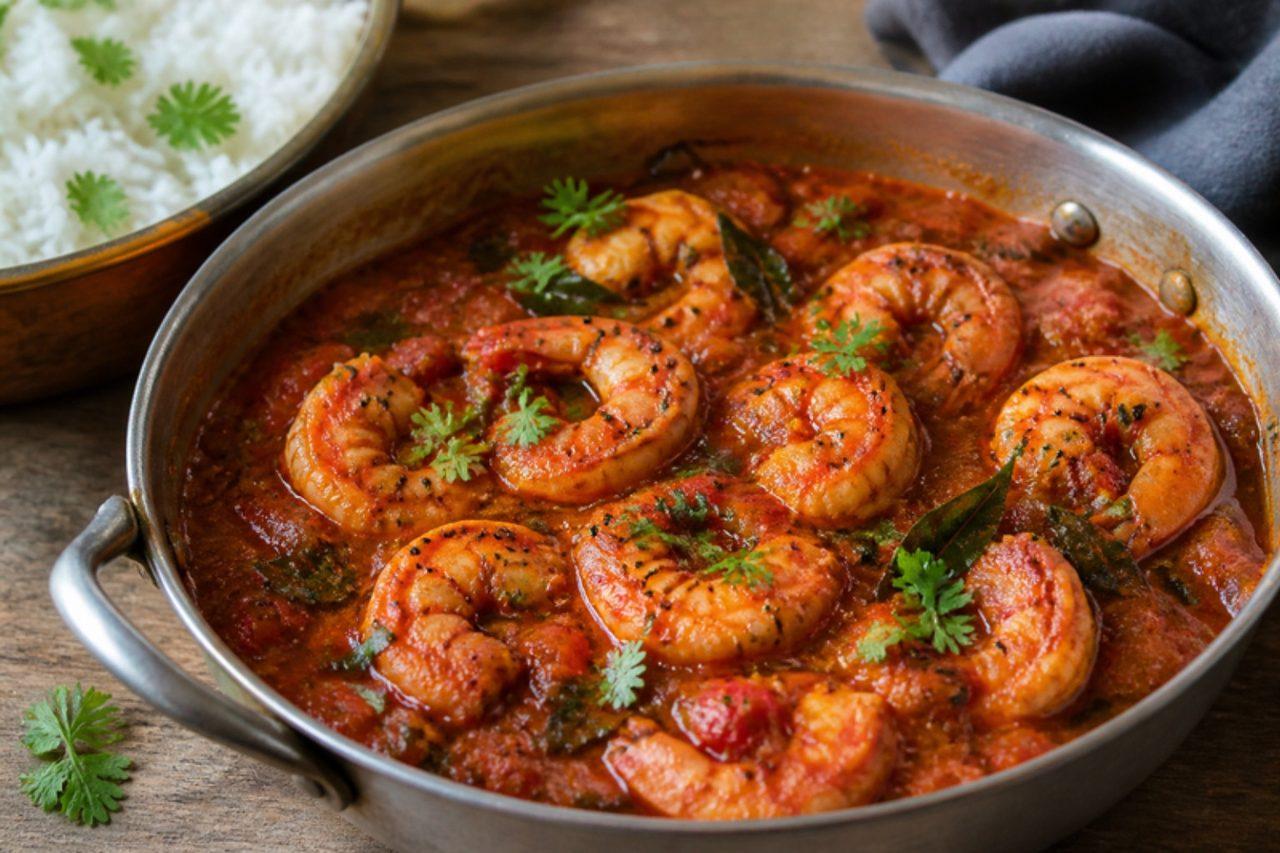
Durban prawn curry

Durban's beachfront takeaways and Indian family kitchens along the North Coast make prawn curry fast: the gravy of tomato, red masala, mustard seeds and curry leaves is cooked first, and the prawns go in only for the last few minutes. The result is a tangy, fiery red sauce with sweet, juicy prawns, lighter and sharper than a slow meat curry. Serve it with white rice or soft rotis and a wedge of lemon. Overcooking is the big mistake: prawns turn rubbery within a minute or two of being done, so take the pot off as soon as they are pink and opaque all the way through. Chef's tip: thaw frozen prawns overnight in the fridge and pat them very dry, or their water thins the gravy.

by KrazyBadal 0 views

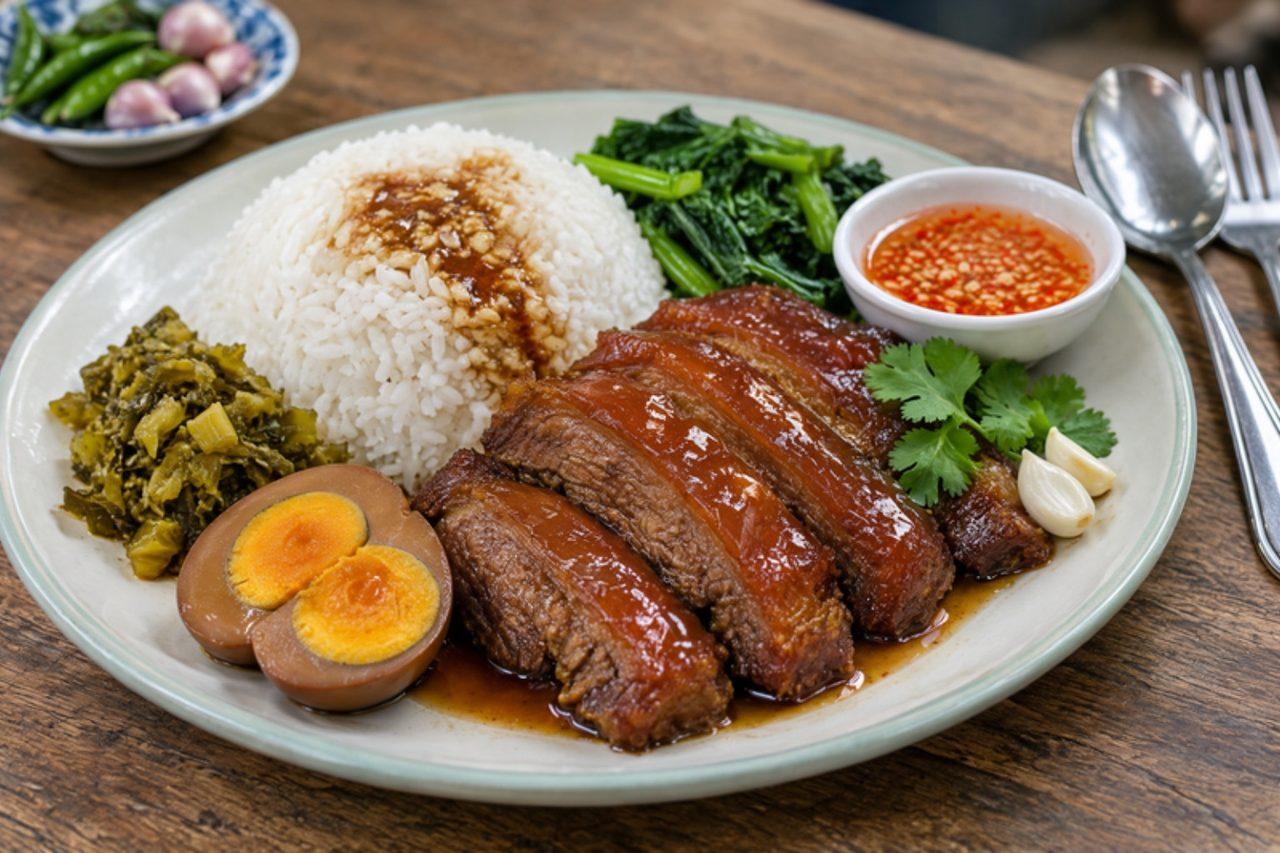
Khao kha mooBraised pork leg rice

Khao kha moo is Bangkok's great one-plate lunch, and the shophouses along Charoen Krung Road in Bang Rak have been simmering pork leg in the same dark, star-anise-scented pots for decades. Fresh pork hock is braised in soy, palm sugar and five-spice until the skin turns glossy and gelatinous and the meat falls away in tender strands. It is sliced onto jasmine rice with a soy-stained boiled egg, pickled mustard greens, blanched Chinese kale and a fierce green chilli and garlic vinegar to cut the richness. Chef's tip: keep the braise at a lazy simmer; a hard boil tears the skin and turns the meat stringy.

185 minThaiMeat
by KrazyBadal 0 views

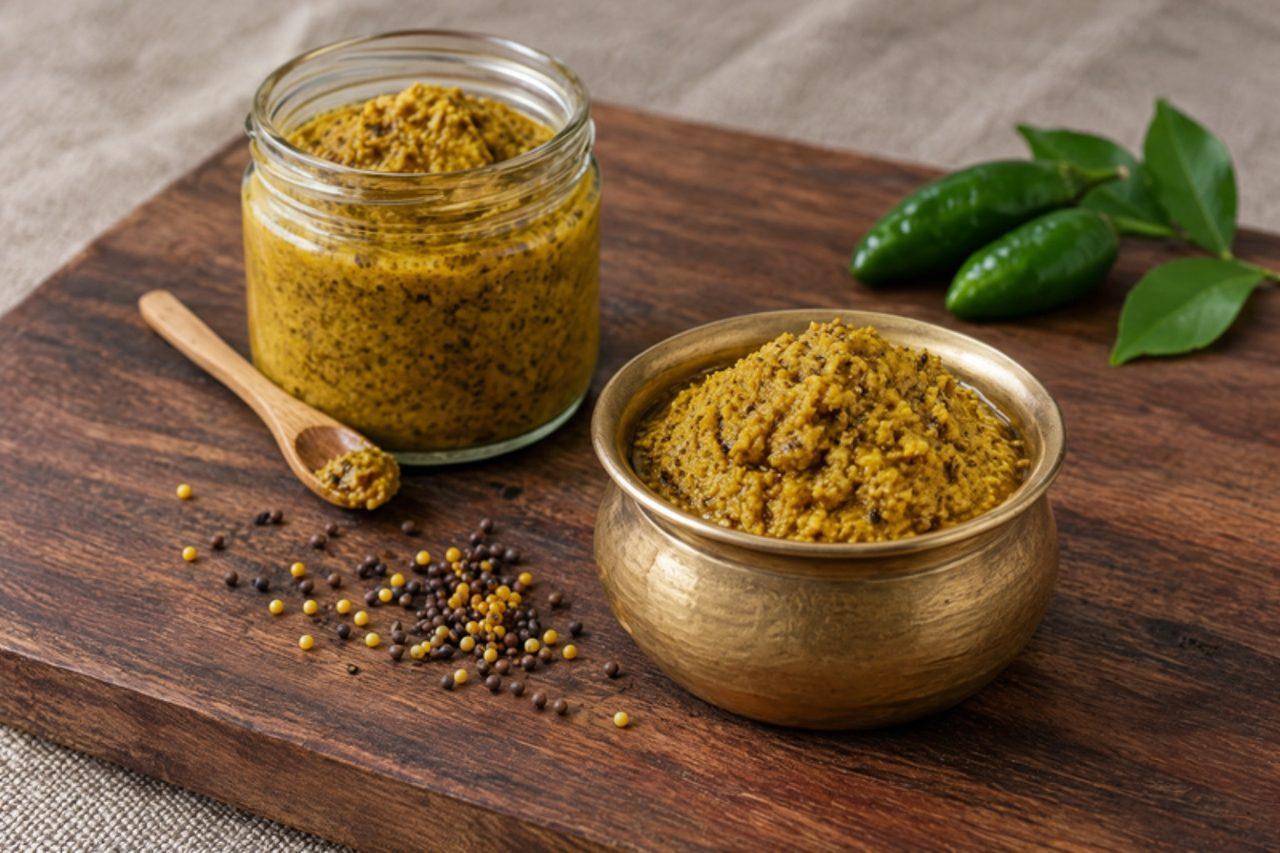
KharoliFermented mustard relish

Kharoli is an old Assamese relish from the villages of upper Assam: ground mustard seed is mixed with khar, the alkaline water filtered from burnt banana peel, packed into a jar and left to ferment until sharp and funky. A small spoon with mustard oil and green chilli is eaten with the first balls of rice, and families make it in the cooler months. The common mistake is using a damp jar or spoon, which lets mould in. Ferment at 20–28 °C for 4–6 days; it is ready when it smells sharply pungent and tangy. Throw it away if you see fuzzy mould, pink or black spots, or it smells rotten or putrid rather than sour. Chef's tip: if you have no banana-ash khar, a quarter teaspoon of bicarbonate of soda in the water gives a similar alkaline bite.

by KrazyBadal 0 views

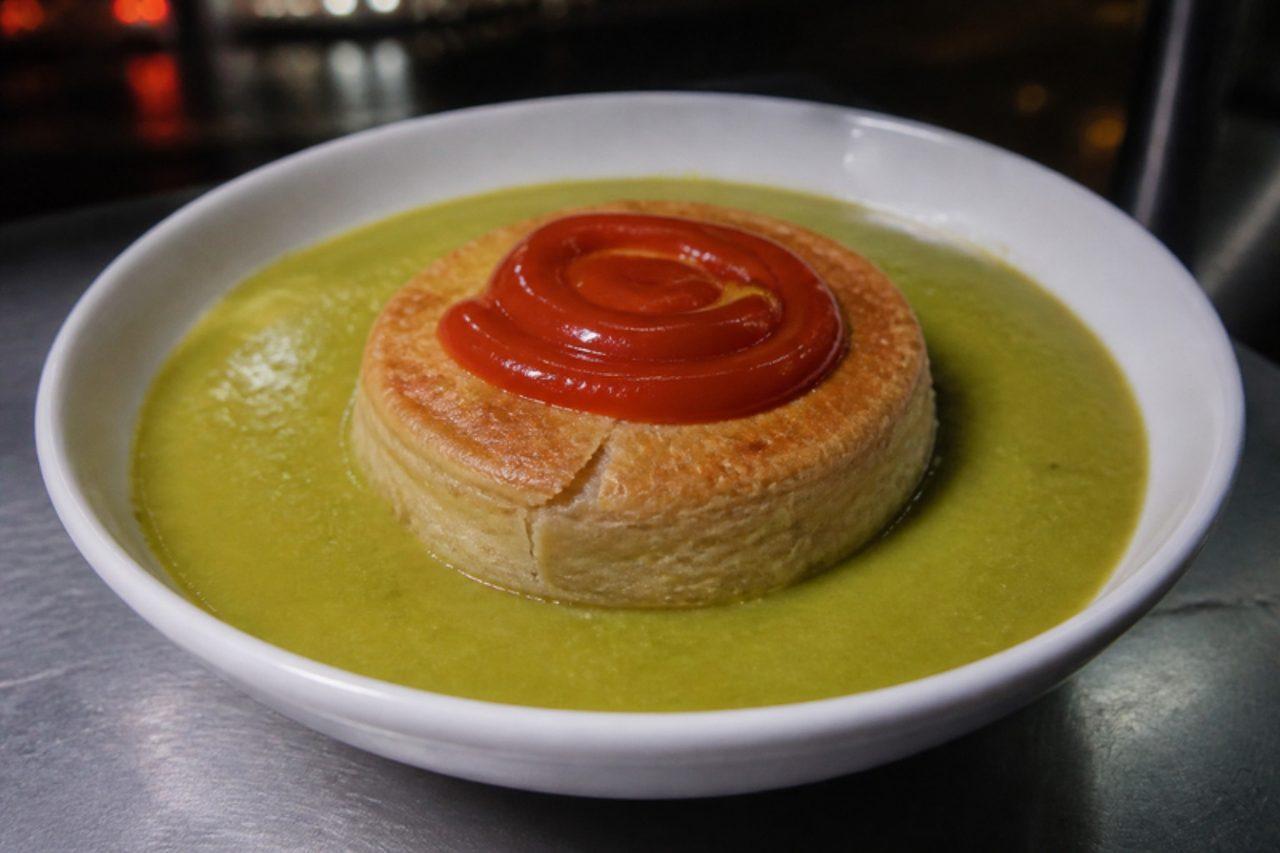
Pie floaterMeat pie in pea soup

The pie floater is Adelaide's late-night street food, sold from pie carts outside the railway station and on North Terrace since the 1870s: a beef mince pie turned upside down in a bowl of thick, green split-pea soup and topped with a swirl of tomato sauce. It sounds odd and tastes wonderful on a cold night. This recipe makes both the soup and the pies; you could use good bakery pies to save time. A common mistake is a thin soup; it should be thick enough to hold the pie up. Chef's tip: make the pea soup the day before, it thickens overnight.

by KrazyBadal 0 views

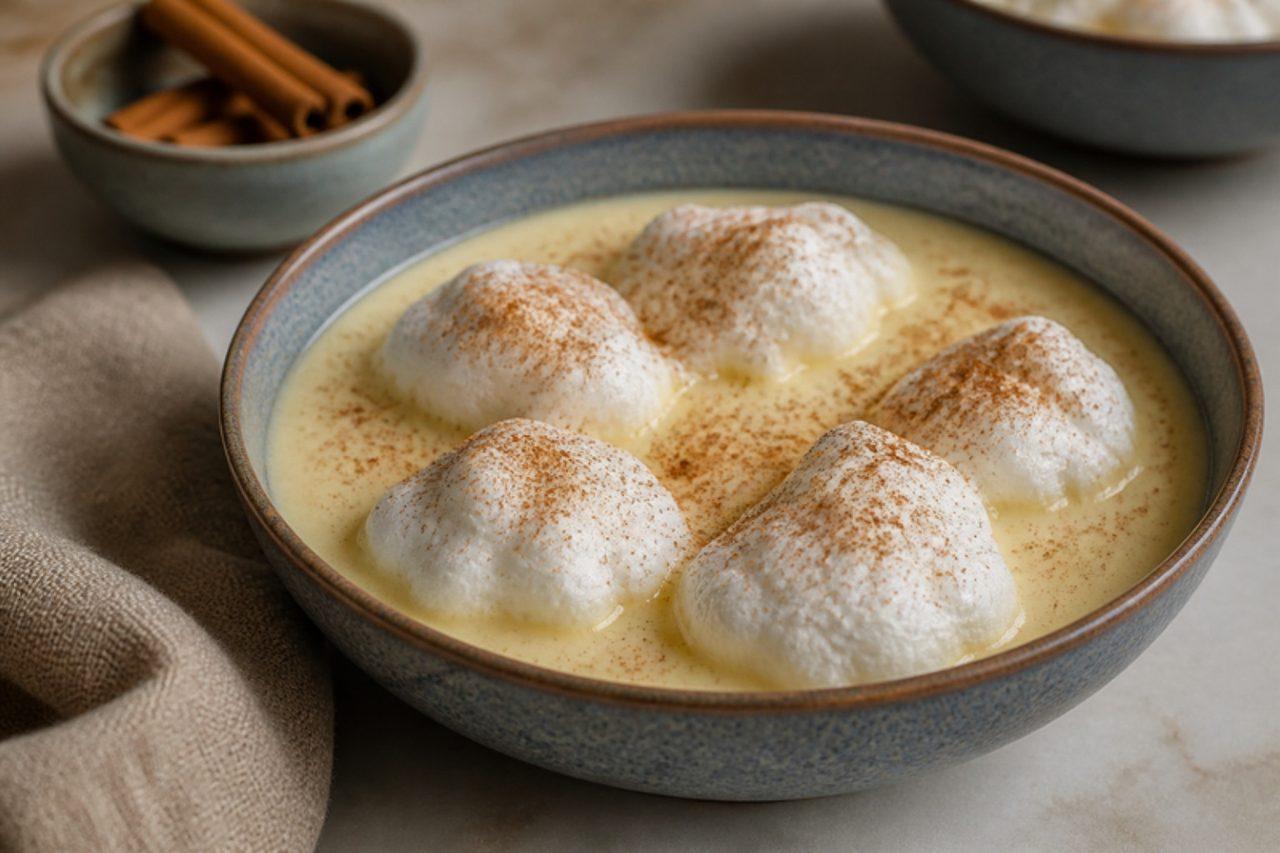
Leche nevadaCustard with meringue clouds

Leche nevada, 'snowed-on milk', is the custard Chilean grandmothers make on a Sunday with a litre of milk and a few eggs: soft spoonfuls of meringue are poached in sweet milk, then the same milk becomes a thin, vanilla-scented custard that the clouds float on. It is served cold in glass bowls, dusted with cinnamon, from Santiago to the south. The usual failure is letting the custard boil after the yolks go in, which curdles it into sweet scrambled egg. Chef's tip: poach the meringue at the barest simmer; at a rolling boil it puffs up, then collapses and goes rubbery. Because the whites are poached and the custard heated to 82 °C, the eggs are cooked through.

by KrazyBadal 0 views

Showing 18 of 7,762 recipes

Show more recipes

Page 104 of 863