


Skip to content
Sattu paratha
Featured recipe

Sattu paratha

Roasted gram stuffed flatbread

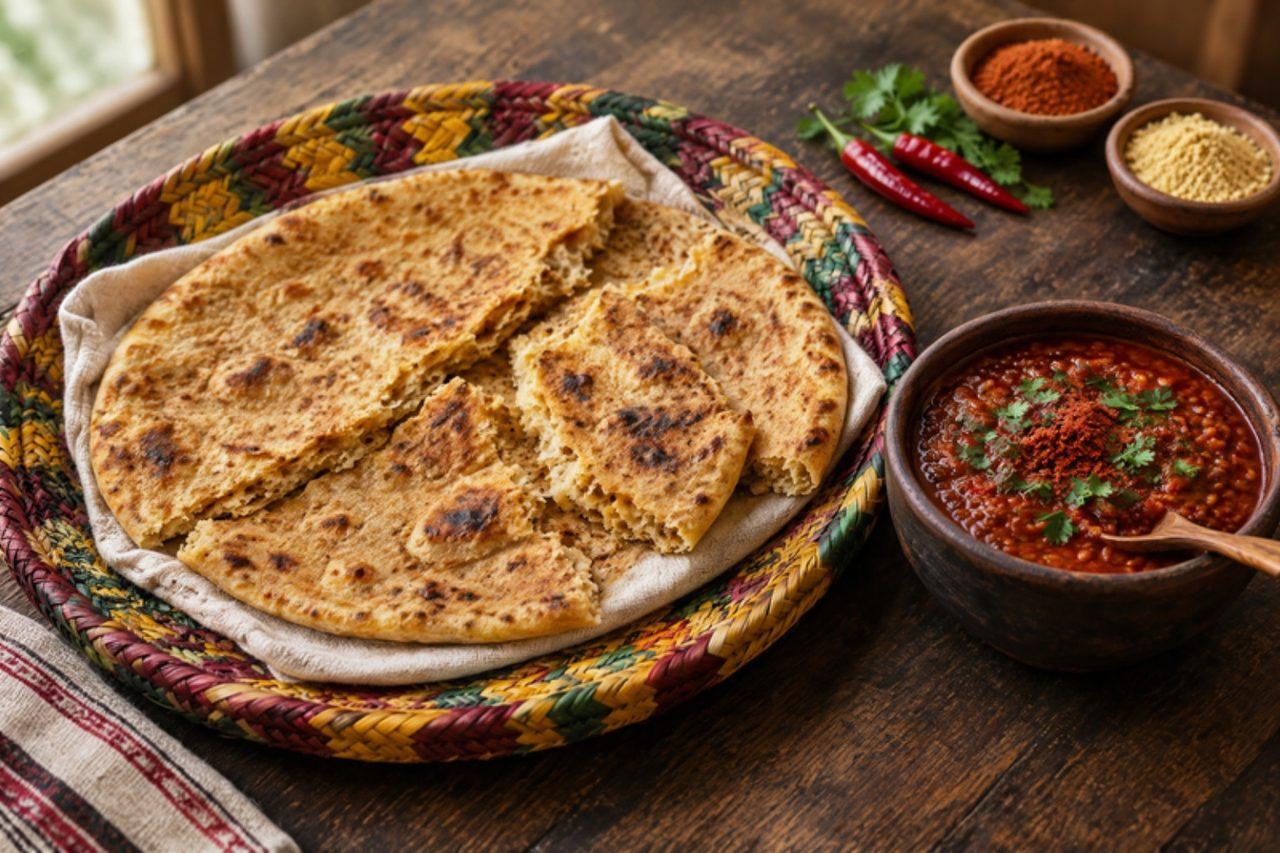
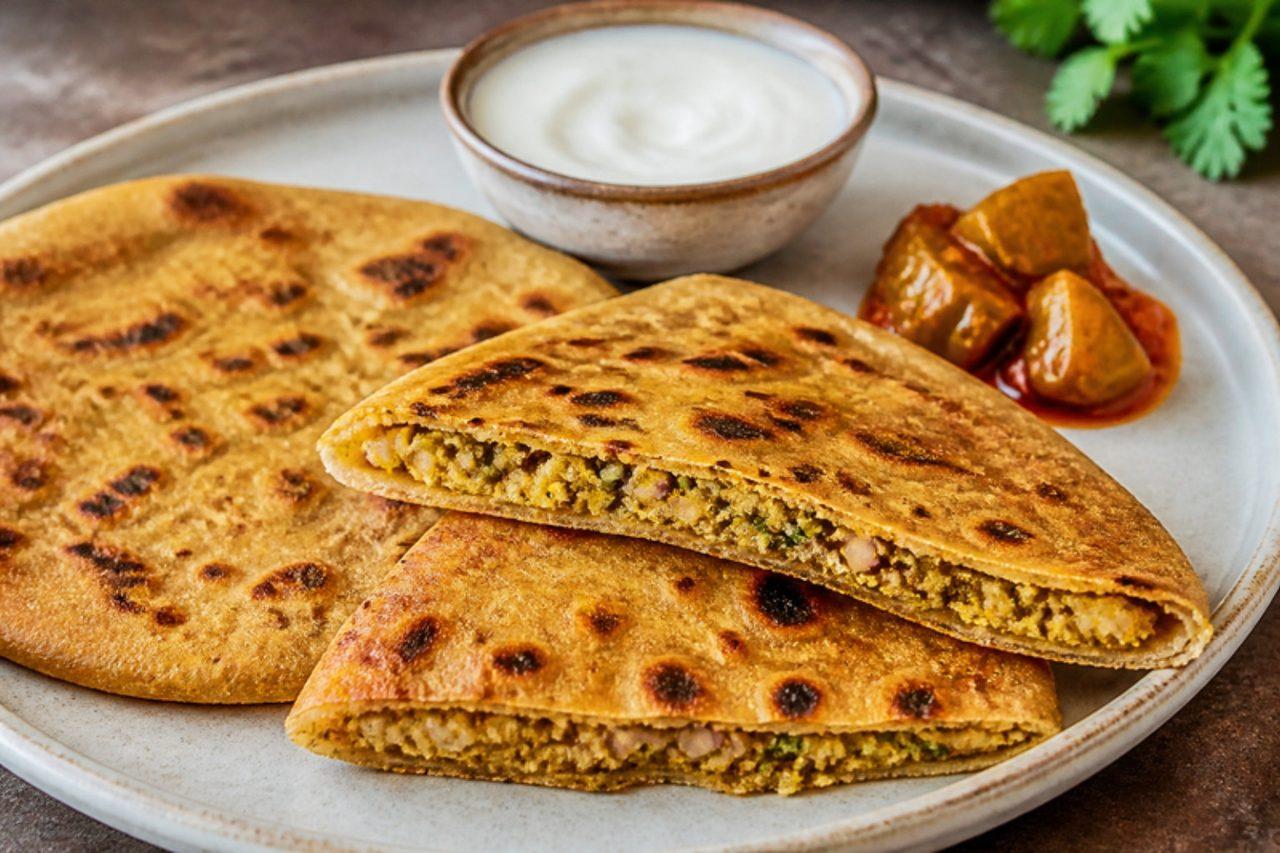
Sattu paratha is a Bihari breakfast that keeps farmers going until lunch. Sattu, roasted bengal gram ground to a fine flour, is mixed with onion, garlic, green chilli, carom seeds and a dash of pickle masala, then rolled into wholemeal dough and cooked on a hot tawa until blistered. The filling is savoury, punchy and high in protein, and the bread stays soft for hours, which is why it's packed for long journeys. Serve with curd or chokha and a pickle. Chef's tip: moisten the filling just enough to clump; a dry sattu filling bursts through the dough and burns on the tawa.

Read more 0 views

What to eat today?

Around the world

Today's trip: Paraguayan

A new country every day, from every cuisine on the site.

Paraguayan

Chipa

Cheese bread rings 50 minMore from Paraguayan (27) →

This week's collection

Kid-friendly dinners
537 recipes · a new collection every Monday

Latest recipes

Beef wet fry

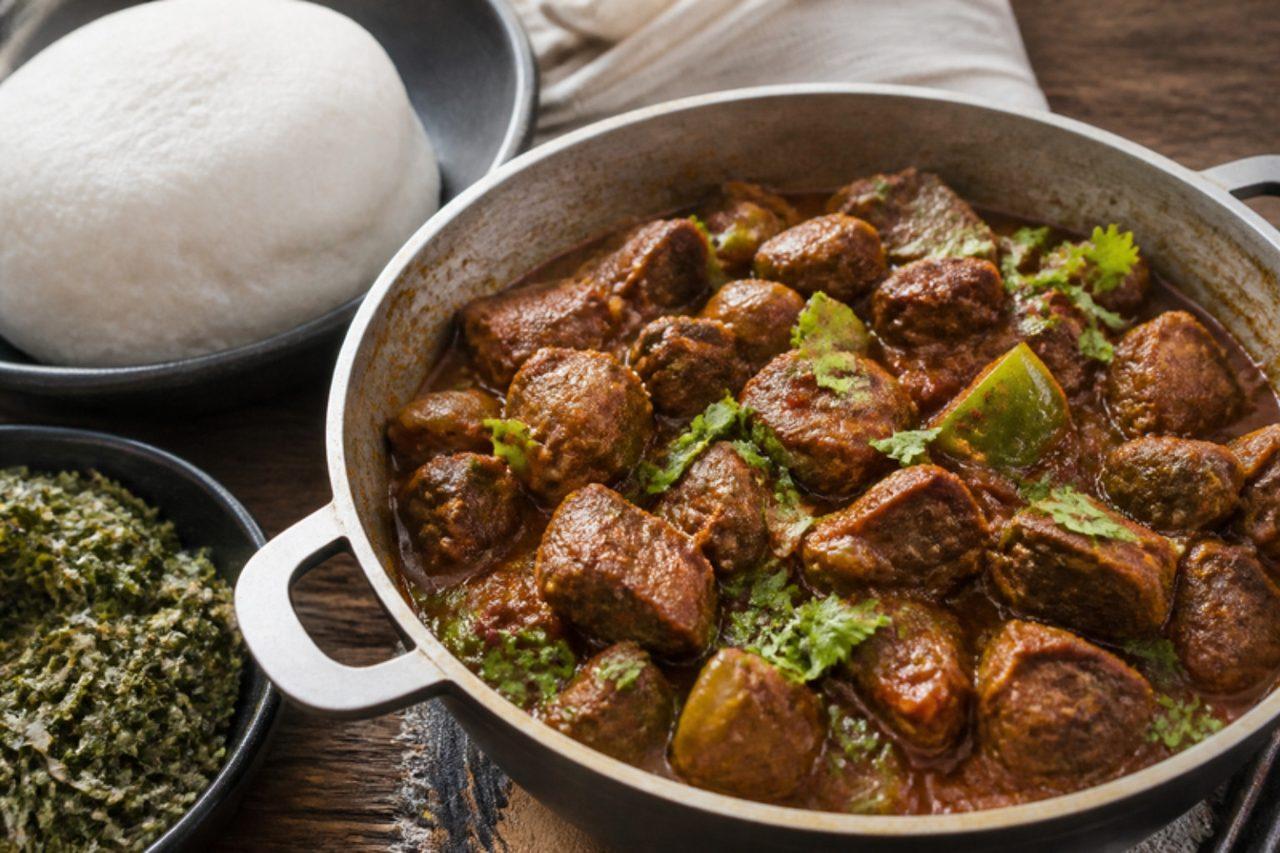
Order 'beef wet fry' at any Nairobi hoteli, from a River Road lunch counter to a Westlands nyama joint, and a sizzling dish of browned beef cubes arrives in a thick, tomato-red sauce glossy with fat. It sits halfway between a dry fry and a stew: the meat is chewy-tender and well seared, and the sauce is reduced so far it clings rather than pools. Ugali is the classic partner, with kachumbari and a tangle of sukuma wiki, though chapati or rice are just as common. The mistake most home cooks make is crowding the pan, so the beef steams grey in its own juices instead of browning. Chef's tip: give the beef a short covered simmer in a splash of water before frying; it tenderises the cheaper cuts Kenyan butchers sell and the water cooks off in time for the browning.

by KrazyBadal 0 views

Durban prawn curry

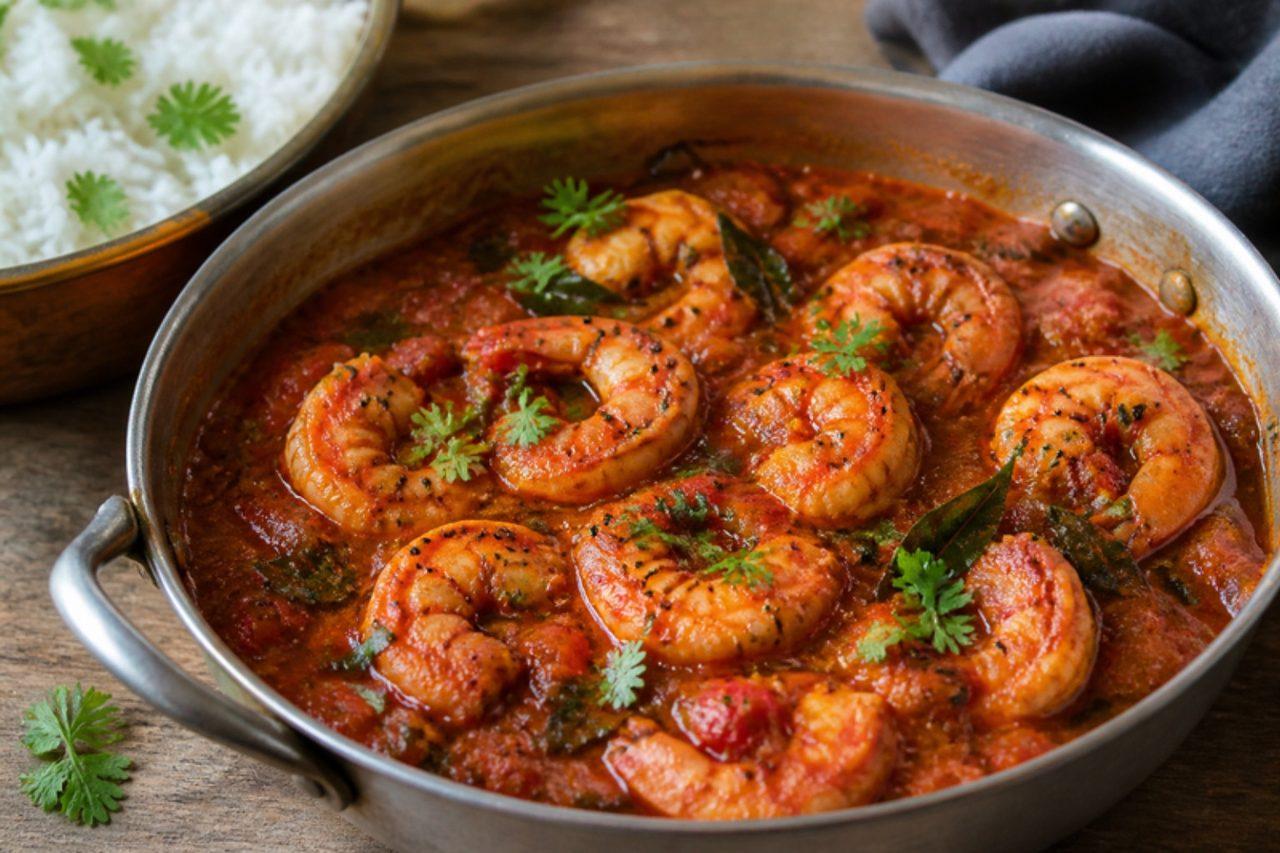
Durban's beachfront takeaways and Indian family kitchens along the North Coast make prawn curry fast: the gravy of tomato, red masala, mustard seeds and curry leaves is cooked first, and the prawns go in only for the last few minutes. The result is a tangy, fiery red sauce with sweet, juicy prawns, lighter and sharper than a slow meat curry. Serve it with white rice or soft rotis and a wedge of lemon. Overcooking is the big mistake: prawns turn rubbery within a minute or two of being done, so take the pot off as soon as they are pink and opaque all the way through. Chef's tip: thaw frozen prawns overnight in the fridge and pat them very dry, or their water thins the gravy.

by KrazyBadal 0 views

Braaied lamb chops

Ask a Karoo farmer for a braai rub and you will be handed the salt grinder: good lamb chops off the veld need salt, pepper and wood coals, and nothing else. On a Saturday evening in Colesberg or Cradock the chops go on last, after the boerewors, and come off with crisp, smoky fat and juicy, rosy meat. Pile them on a board with pap and tomato smoor, a potato salad and a braaibroodjie or two. Chops cut too thin, under 2 cm, dry out before the fat crisps, so ask the butcher for thick ones. Chef's tip: stand the chops upright on their fat edge for the first few minutes, held together with tongs, so the fat renders and crisps before the meat goes flat on the grid.

by KrazyBadal 0 views

Kawa zbożowaRoasted grain coffee

In Polish kindergartens, school canteens and grandmothers' kitchens, kawa zbożowa is the breakfast "coffee" everyone can drink: a blend of roasted rye, barley, chicory and sometimes sugar beet that tastes toasty and malty with no caffeine at all. It is usually drunk milky and a little sweet alongside bread and butter. The common mistake is brewing ground grain coffee like espresso: it needs a few minutes of simmering to give up its flavour, or it tastes like weak tea. Chef's tip: let the pot stand off the heat for 2 minutes after simmering so the grounds sink, then pour gently and you won't need a filter at all.

by KrazyBadal 0 views

Biltong

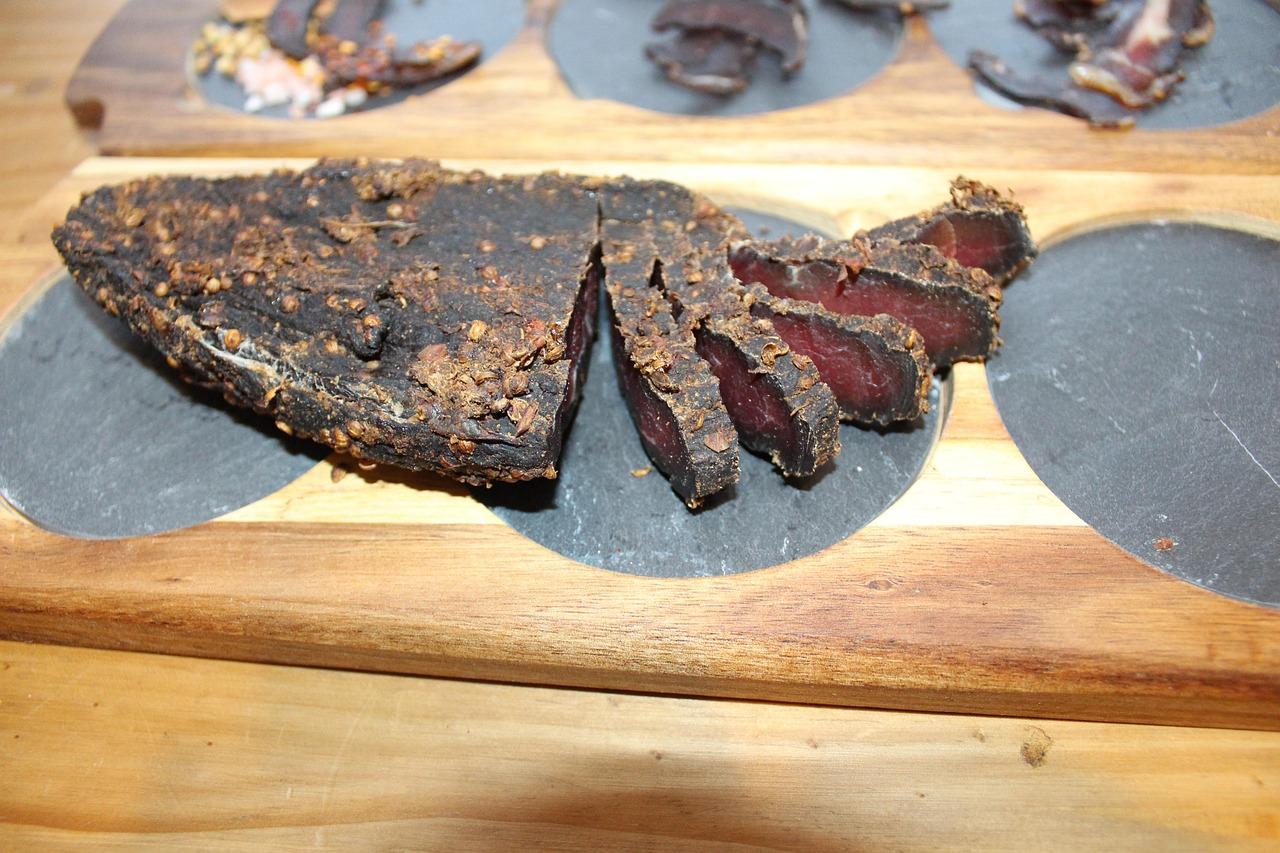
Rugby on the television, a paper bag of biltong passed round the room: few snacks say South Africa so plainly. Thick strips of beef are cured with vinegar, toasted coriander, salt and pepper, then dried until the outside is dark and firm and the inside still a little moist, ready to be sliced thin with a sharp knife. Farmers once hung it in the cold winter wind; this home method first heats the cured strips to 71 °C in a hot oven to make them safe, then dries them low and slow in the oven or a biltong box. Even so, home-dried meat is not for pregnant women, young children or anyone with a weakened immune system. The classic mistake is cutting the strips across the grain, so they crumble when you slice them. Chef's tip: toast the coriander seeds until they smell like orange peel before crushing them; that warm, citrusy note is what makes biltong taste right.

by KrazyBadal 0 views

MatumboFried tripe

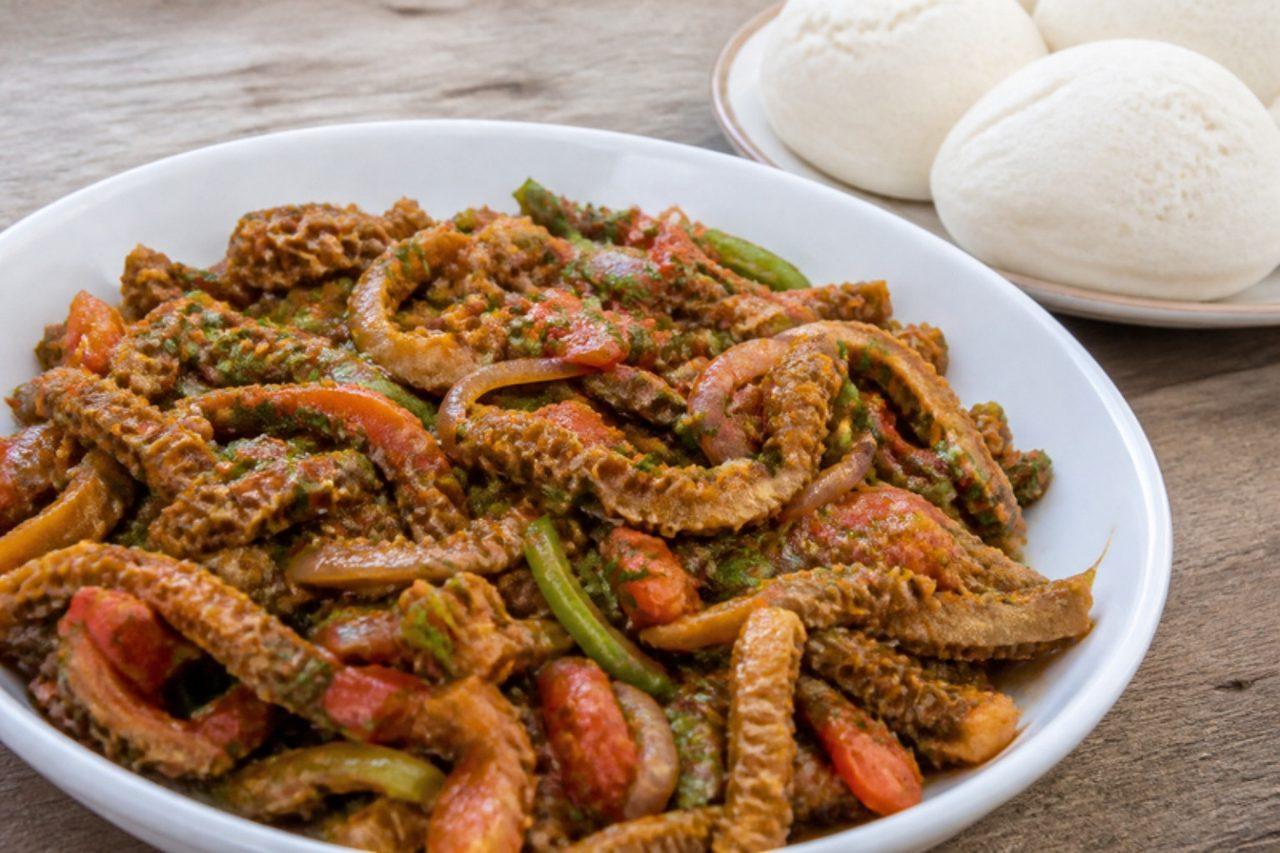
Nairobi's office workers and matatu crews know which roadside hoteli does the best matumbo, and they queue for it at lunchtime with a mound of ugali on the side. The tripe is boiled until it is soft but still has a gentle bounce, then cut into strips and fried hard with onion, tomato and green chilli so the edges catch and the sauce turns thick and peppery. Buy cleaned (dressed) beef tripe from a butcher: the white, honeycomb kind has already been scalded and scraped, which you should not attempt at home. Even cleaned tripe needs a thorough wash and a long simmer, and cutting it before it is tender is the usual mistake, because it then stays rubbery however long you fry it. Chef's tip: add a squeeze of lemon and a chopped onion to the boiling water; they freshen the smell in the kitchen and leave the tripe tasting clean.

by KrazyBadal 0 views

Karoo roast leg of lamb

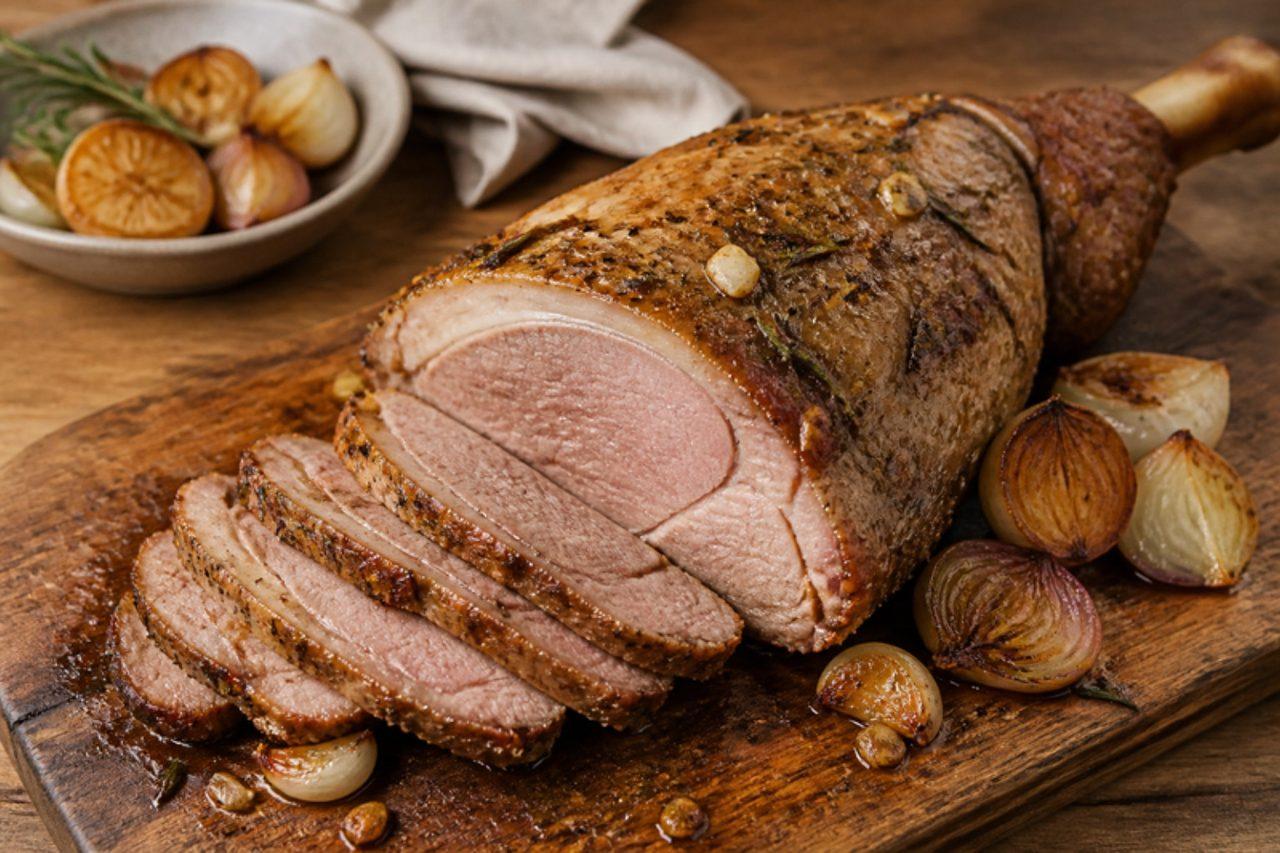
Sheep in the Great Karoo graze on wild bossies and shrubs, and farmers around Prince Albert and Graaff-Reinet swear the meat comes out of the oven tasting faintly of the veld. That is why the seasoning stays plain: garlic slivers pushed deep into the meat, rosemary, salt and pepper, and a long, slow roast over a bed of onions that melt into the pan juices. Sunday lunch on a farm stoep means slices of rosy lamb with roast potatoes, sweet pumpkin with cinnamon, geelrys with raisins and a jug of gravy. Many cooks carve the moment the leg leaves the oven, and the juices end up on the board instead of in the meat. Chef's tip: give the leg a full 20 minutes' rest under foil; the temperature climbs a few degrees and every slice stays moist.

by KrazyBadal 0 views

Nduma na viazi vitamuBoiled arrowroot and sweet potato

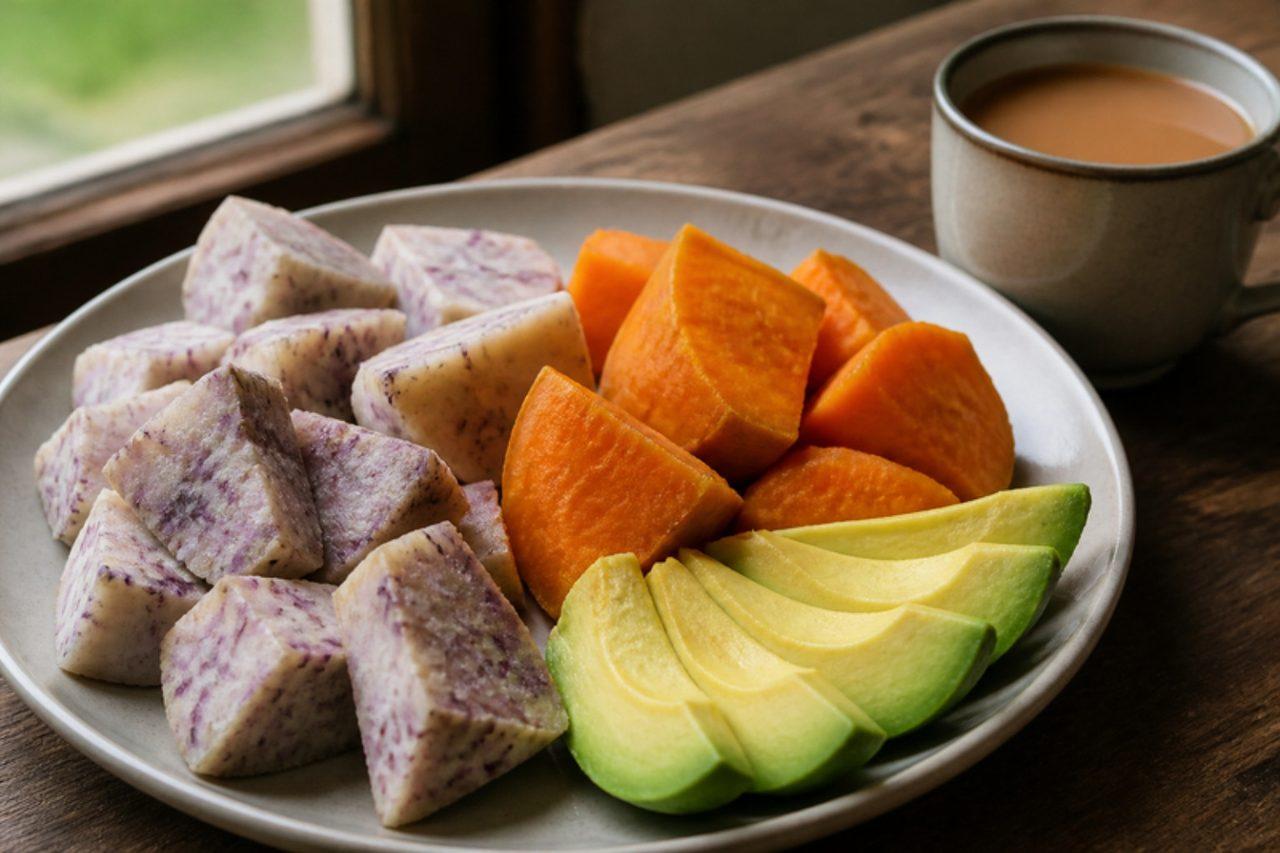
A plate of nduma and sweet potatoes with a mug of hot milky chai is the classic weekend breakfast in Kiambu and Murang'a homes, and farmers eat the same before a long day in the shamba. What Kenyans call arrowroot is taro, a starchy corm with a dense, nutty flesh that turns faintly purple and almost creamy when boiled; the sweet potatoes beside it are soft and honeyed, lovely with sliced avocado. Find taro (also called eddoes or dasheen) at African, Caribbean and Asian grocers. Raw taro irritates skin and mouth, so wear gloves to peel it and make sure it is boiled right through: undercooking is the one real mistake here and leaves an itchy, scratchy feeling in the throat. Chef's tip: cut taro and sweet potato into similar-sized pieces but add the sweet potato 10 minutes later, so both are done at once.

by KrazyBadal 0 views

Aam telMango pickle in mustard oil

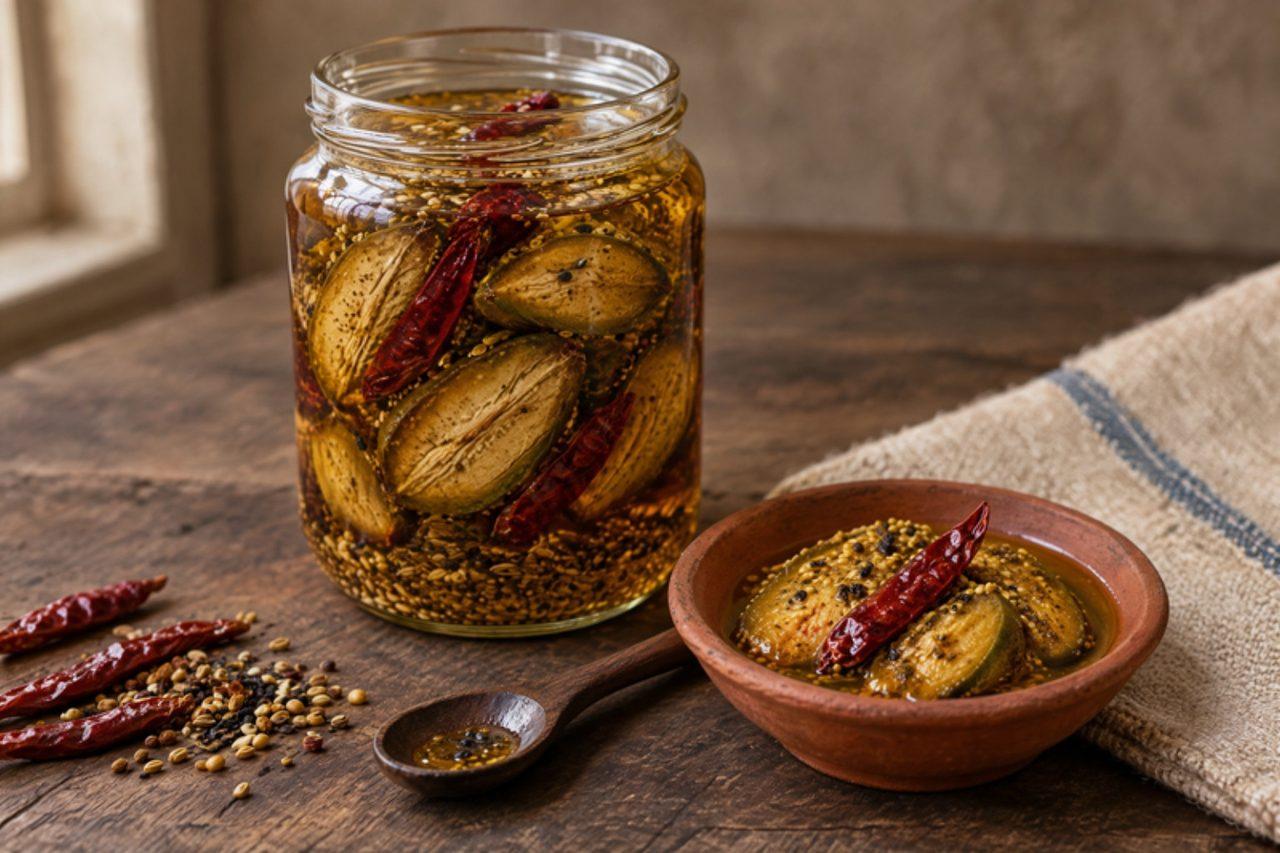
In Bengal the summer of kal-baishakhi storms is also the season of aam tel, mango oil. Slices of hard green mango are salted and sun-dried until leathery, then sunk in mustard oil with roasted panch phoron and chilli and left to steep for a couple of weeks. The mango turns chewy, salty and sour; the oil turns golden, sharp and fruity, and that oil is the real treasure. A spoonful goes into jhalmuri (spiced puffed rice) on every Kolkata street corner, over plain rice with a fried egg or mashed potato, or into a bowl of panta bhat in the heat. The common mistake is not drying the mango enough: if it still feels wet when pressed, it will grow mould under the oil. Dry it until the slices are shrunken, leathery and bend without releasing juice. The pickle is ready when the oil has turned golden and smells strongly of mango and spice. Because the mango is salt-cured and acidic and stays fully under the oil in a dry jar, with no garlic, it keeps up to a year in a cool cupboard; in hot, humid weather keep it in the fridge. Chef's tip: no strong sun? Dry the salted slices in the oven at 60–70 °C with the door propped open, for 5–6 hours.

by KrazyBadal 0 views

Acar buahFruit pickle

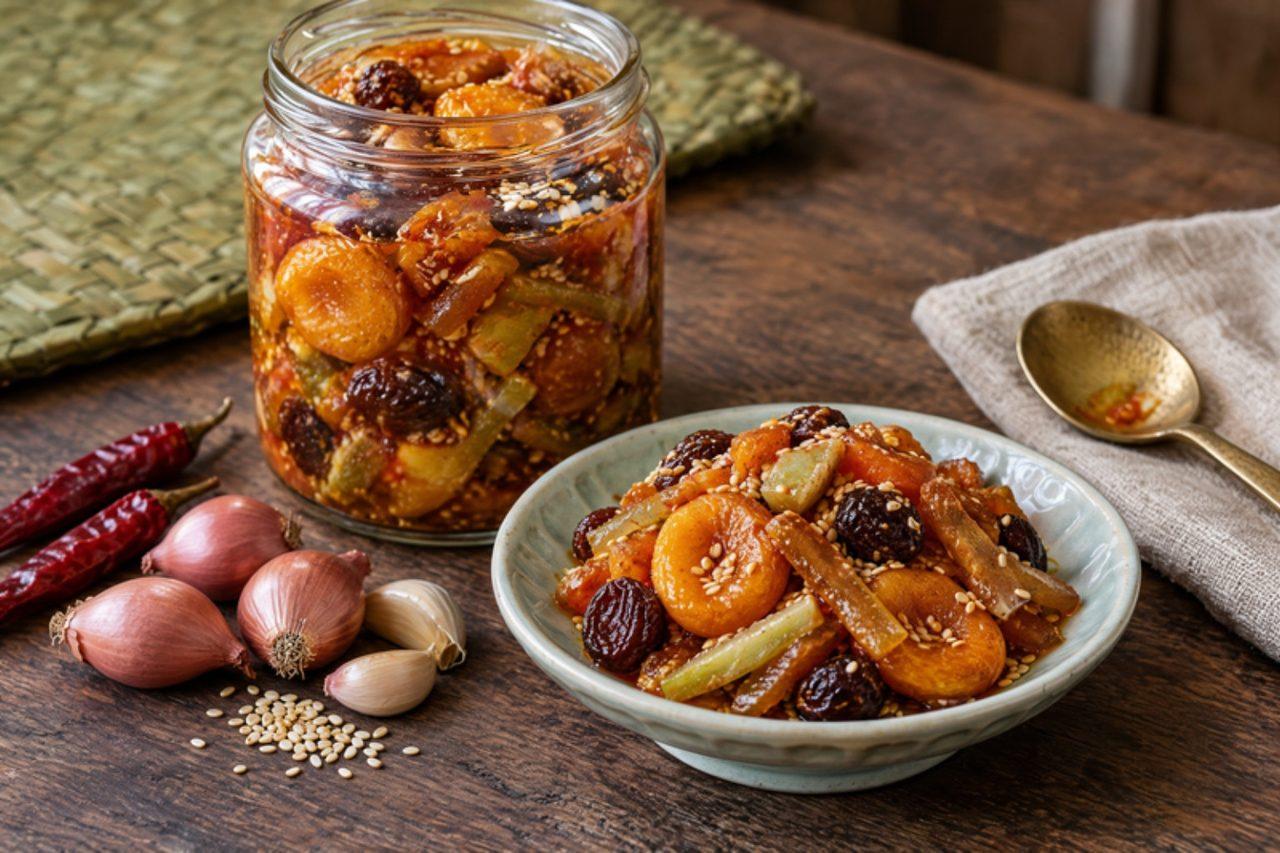
In Penang, Nyonya households start filling big glass jars with acar buah a week before Chinese New Year, so there is always a dish to set out for visitors with tea, and to eat beside nasi lemak or curry through the fifteen days. Penang is nutmeg country, and candied strips of nutmeg fruit (buah pala) from the Balik Pulau orchards go in with green papaya, dried apricots and raisins, all coated in a rempah of chillies, shallots, garlic, galangal and candlenuts fried until the oil splits, then cooked with vinegar and sugar. A shower of toasted sesame and crushed peanuts finishes it. It is sticky, jammy, sweet-hot and tangy, with crunchy papaya against chewy fruit. Many cooks add a little toasted belacan to the rempah; it is left out here to keep it vegan. Common mistake: frying the rempah too briefly, which leaves it harsh and makes the pickle spoil faster; cook it slowly until dark red and the oil separates. It tastes best after two days in the fridge. Chef's tip: squeeze the salted papaya as hard as you can, or the pickle turns watery.

by KrazyBadal 0 views

Kering kentangSweet and spicy potato matchsticks

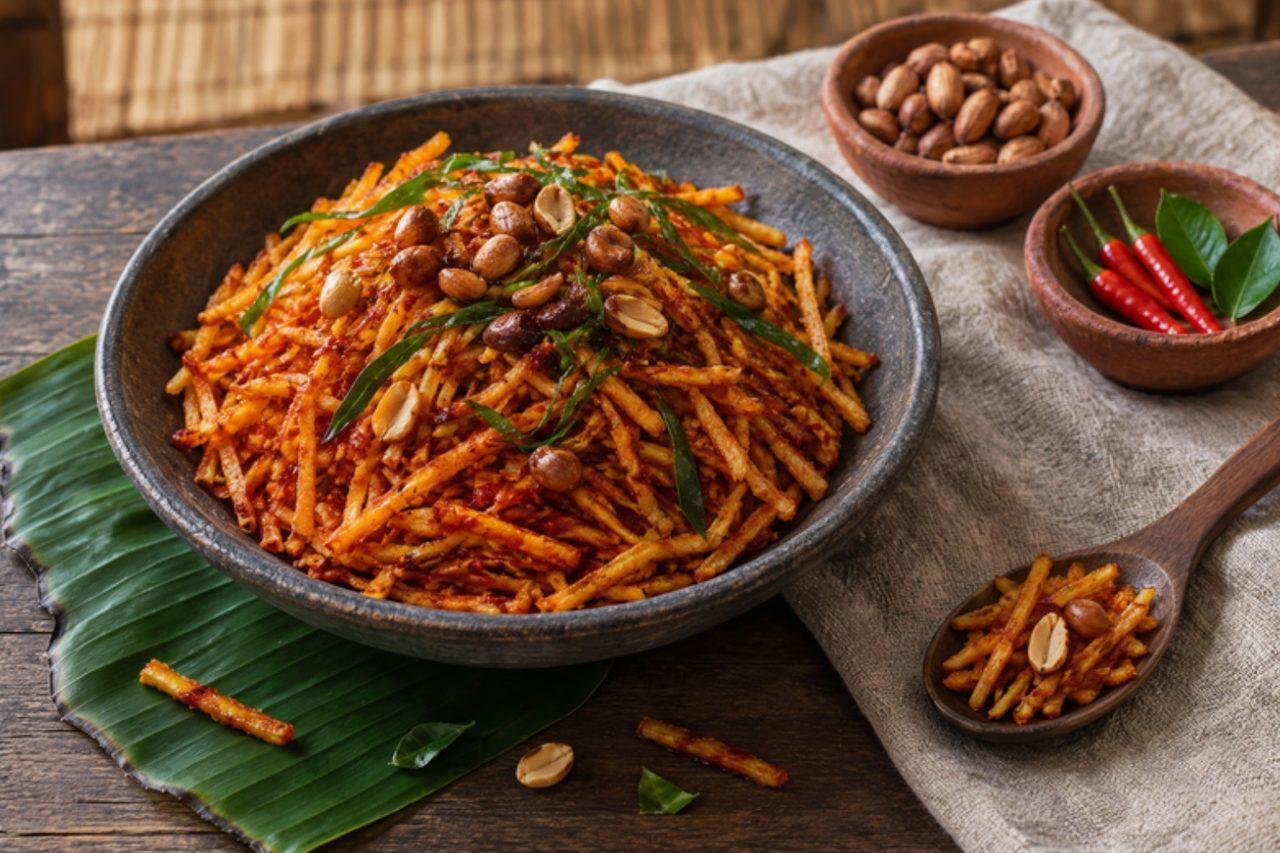
Javanese households fry a big batch of kering kentang before Lebaran or a long journey, because these candied potato sticks stay crunchy in a jar for a week and make a plain bekal lunchbox of rice and egg feel special. They are sweet, hot and tangy all at once. The common mistake is frying wet potatoes all at once, which steams them; they must be soaked, dried thoroughly and fried in small batches until they rattle. Chef's tip: let the sugar glaze bubble until it threads from the spoon before adding the potatoes, so it coats them in a thin, glassy shell instead of making them soft.

by KrazyBadal 0 views

Kesar pendaSaffron milk pendas

In Ahmedabad, any good news, from exam results to a new home or a newborn, means a box of kesar penda passed around the office and the street. These are soft, creamy pendas of fresh mawa cooked briefly with sugar and plenty of saffron, so they stay pale gold and fudgy, quite unlike the browned pedas of Mathura or Dharwad. The common mistake is overcooking the mawa once the sugar goes in, which turns the pendas dry and cracked at the edges. Chef's tip: stop cooking as soon as a small piece rolls into a smooth ball between your palms; they firm up as they cool.

by KrazyBadal 0 views

Khanom pang sangkhayaBread with pandan custard

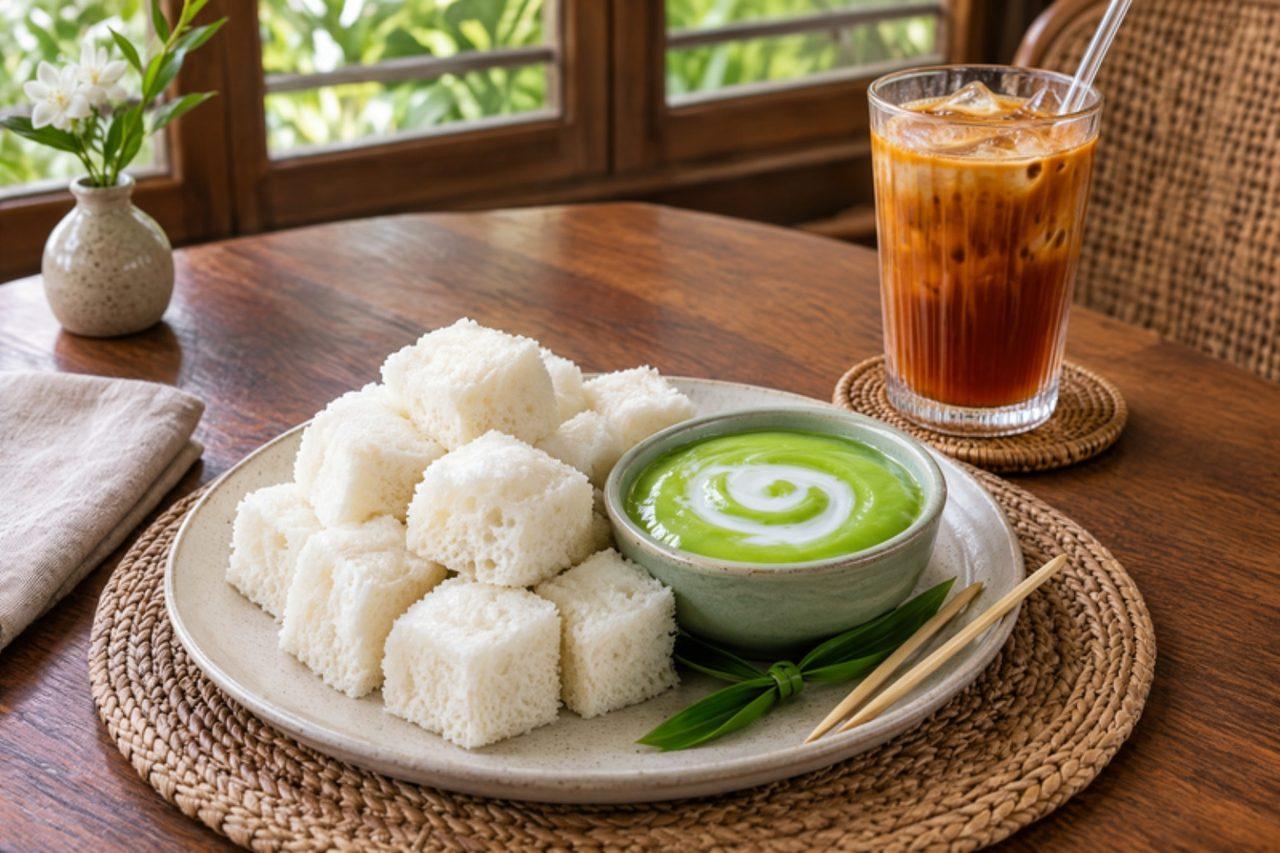
In Bangkok, from the old Chinese coffee shops of Yaowarat to night markets, khanom pang sangkhaya is soft steamed or toasted bread dunked into a bowl of bright green pandan custard made with coconut milk and egg. It is eaten in the morning with patongko dough sticks and strong iced coffee. The mistake is cooking the custard over high heat; the egg scrambles and it turns grainy, so stir it slowly over a gentle flame. Chef's tip: blitz fresh pandan leaves with a splash of water and squeeze the juice through a cloth; it gives a colour and fragrance that essence can't match.

by KrazyBadal 0 views

Khao kha mooBraised pork leg rice

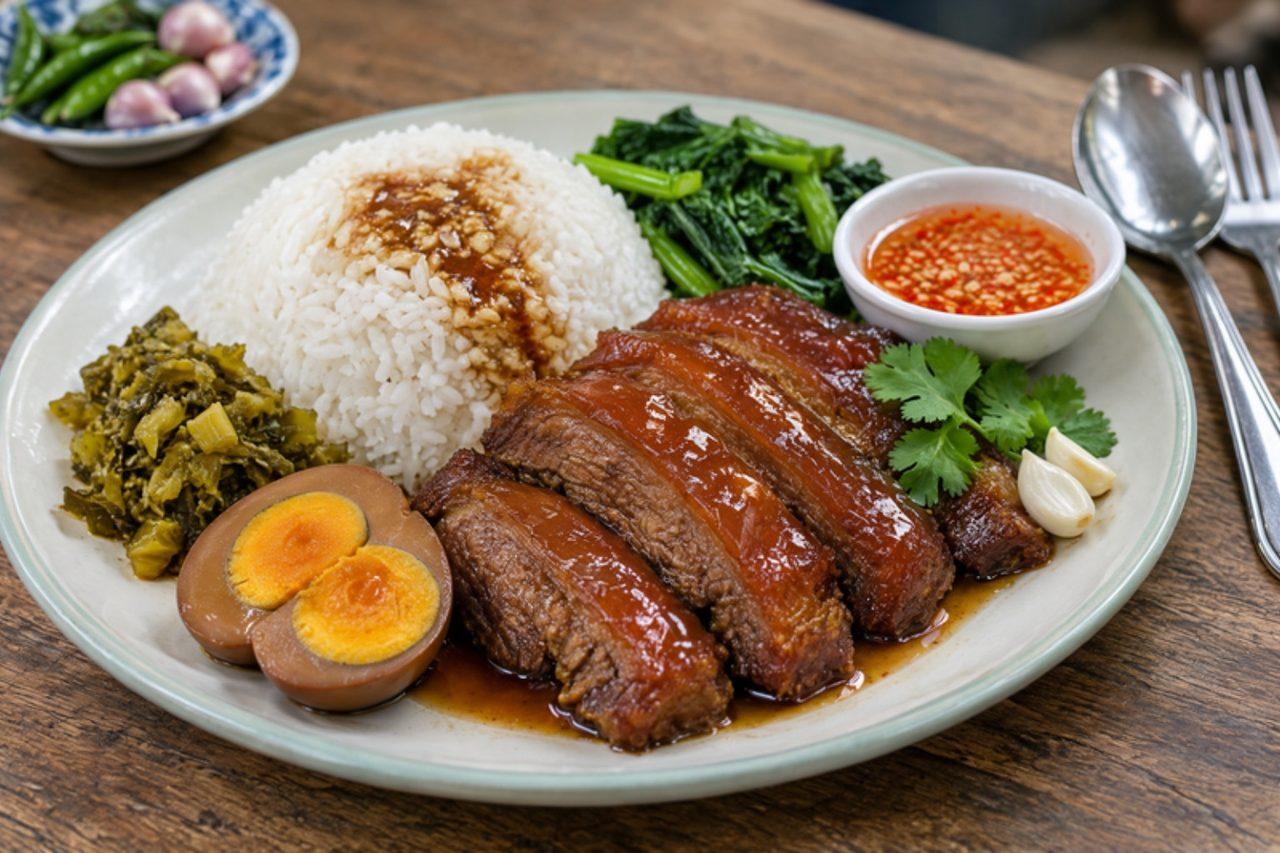
Khao kha moo is Bangkok's great one-plate lunch, and the shophouses along Charoen Krung Road in Bang Rak have been simmering pork leg in the same dark, star-anise-scented pots for decades. Fresh pork hock is braised in soy, palm sugar and five-spice until the skin turns glossy and gelatinous and the meat falls away in tender strands. It is sliced onto jasmine rice with a soy-stained boiled egg, pickled mustard greens, blanched Chinese kale and a fierce green chilli and garlic vinegar to cut the richness. Chef's tip: keep the braise at a lazy simmer; a hard boil tears the skin and turns the meat stringy.

185 minThaiMeat
by KrazyBadal 0 views

Khatta magGreen moong in sour yogurt

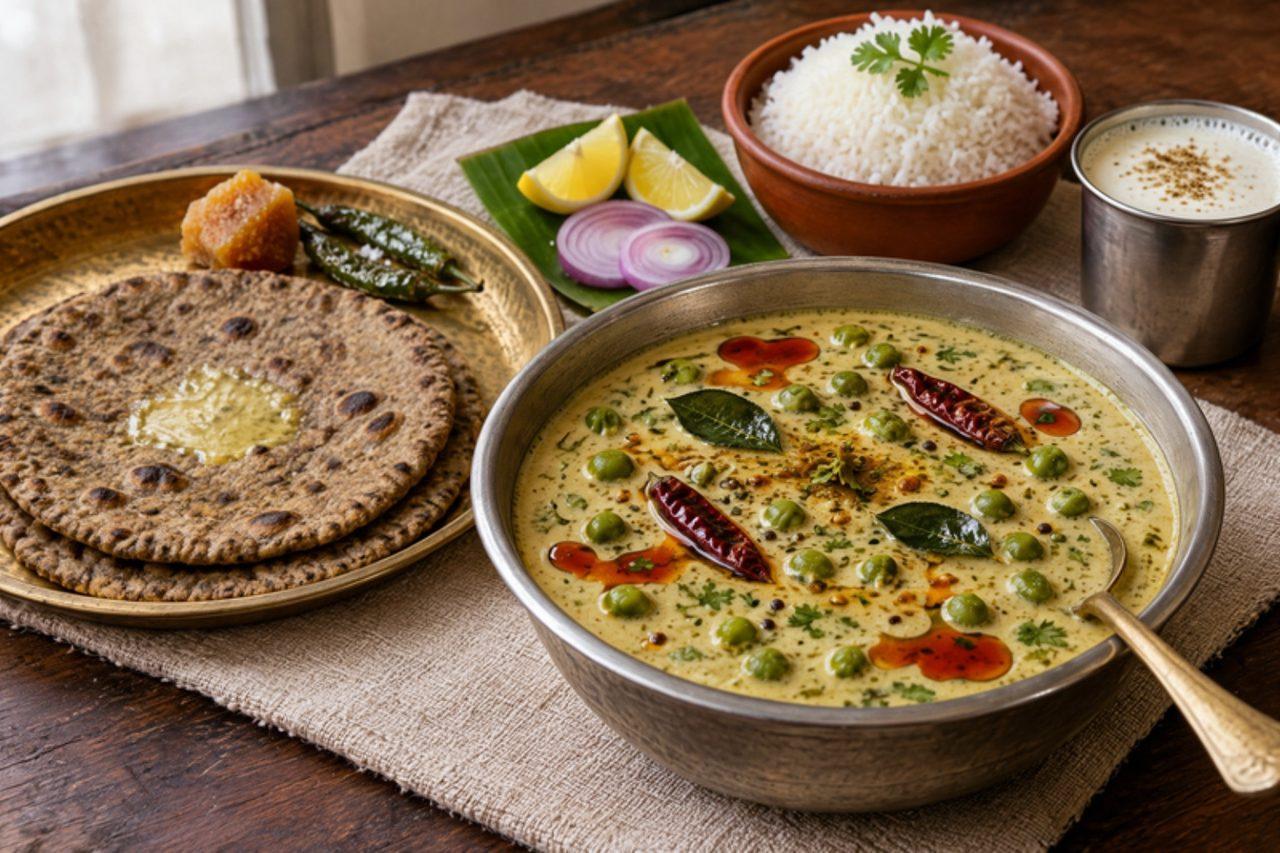
Khatta mag is weekday comfort across Gujarat, from Ahmedabad flats to Saurashtra farmhouses: whole green moong cooked soft and simmered in a tangy, kadhi-like gravy of yoghurt and gram flour with ginger, green chilli and a clove-and-cinnamon tempering. It is ladled over rice or eaten with bajra rotla, and many families cook it on Wednesdays, the day for moong. A little jaggery is optional. The usual mistake is pouring cold yoghurt into the hot pot without whisking it with gram flour first, which makes it split into curds. Slow-cooker: cook the soaked moong with 600 ml water on low for 5 hours, then stir in the yoghurt mix and cook on high for 30 minutes. Chef's tip: slightly sour, day-old yoghurt gives the best khatta flavour.

by KrazyBadal 0 views

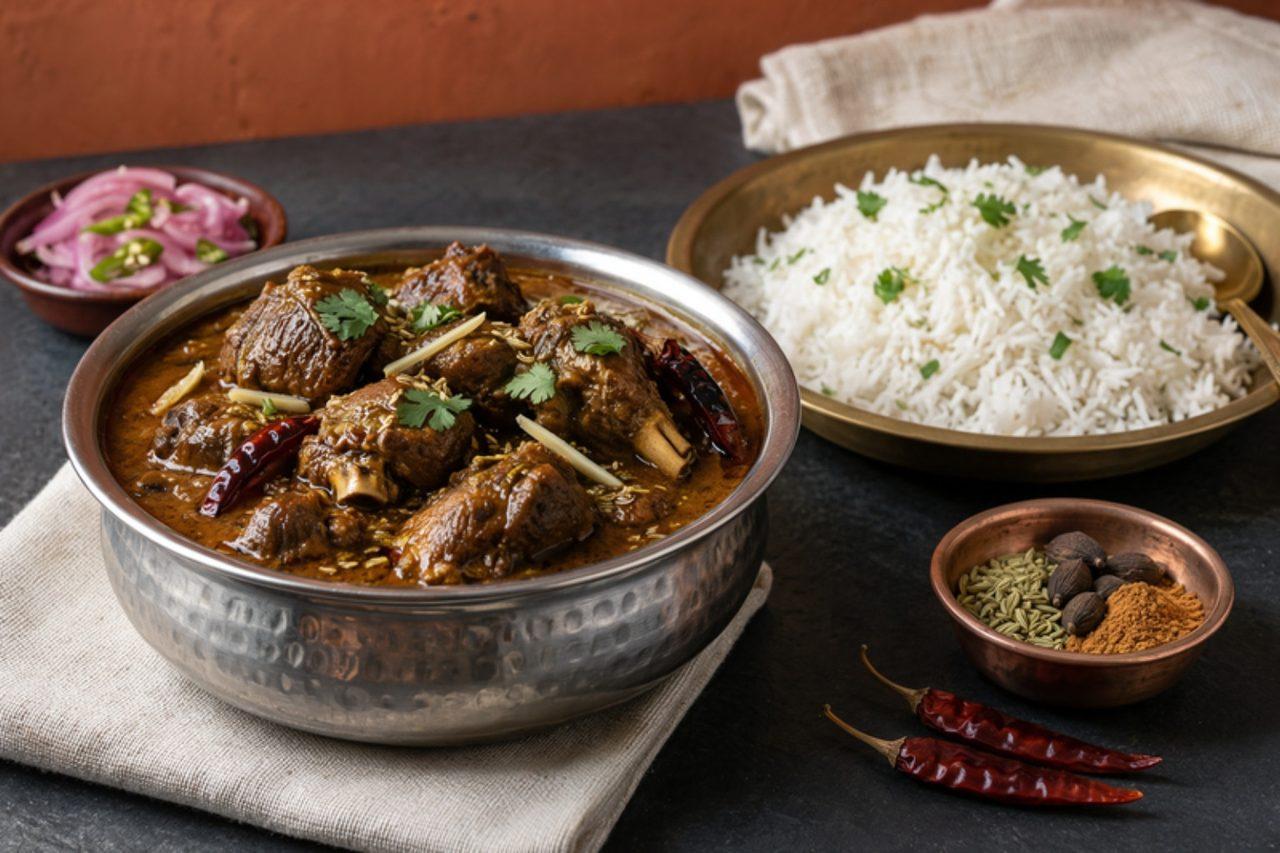
Khatta meatMutton in sour pomegranate gravy

Khatta meat is a pride of Jammu's Dogra kitchens, cooked for family gatherings and the winter wedding season: mutton on the bone simmered slowly in mustard oil with fennel and dry ginger, then soured with ground anardana (dried pomegranate seeds) or lemon. The gravy is thin, tangy and deep red, eaten with plain rice. It has no curd or tomato; the sourness comes from the pomegranate alone. The common mistake is adding the anardana early, when it turns bitter during the long cook; stir it in for the last ten minutes. Chef's tip: grind the anardana fresh and soak it in a little hot water first, then strain, for a clean, fruity sourness without grit.

95 minIndianMeatGluten freeSpicy
by KrazyBadal 0 views

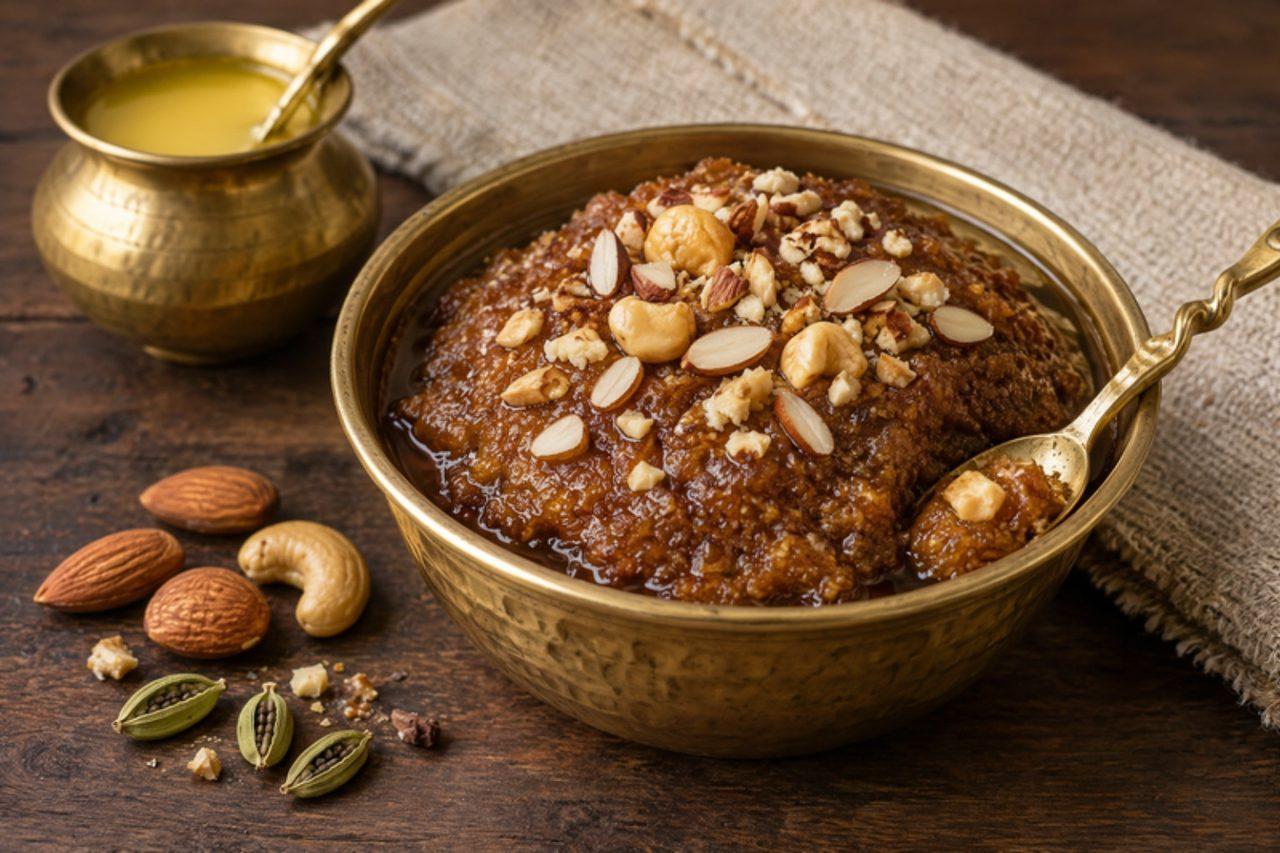
Aate ka halwaWholewheat flour halwa

Across Marwar, this simple halwa is the one cooked for temple prasad, for Satyanarayan katha and for women in the weeks after giving birth, when ghee and jaggery are thought to build strength. Wholewheat flour is roasted slowly in plenty of ghee until it turns a deep nutty brown, then cooked with hot water and sugar or jaggery until soft and glossy. The whole thing takes 30 minutes. The common mistake is rushing the roast on high heat, which leaves the flour raw-tasting inside and scorched outside. Chef's tip: roast on low heat until the colour is like milky tea and the ghee starts to separate and bubble around the flour.

by KrazyBadal 0 views

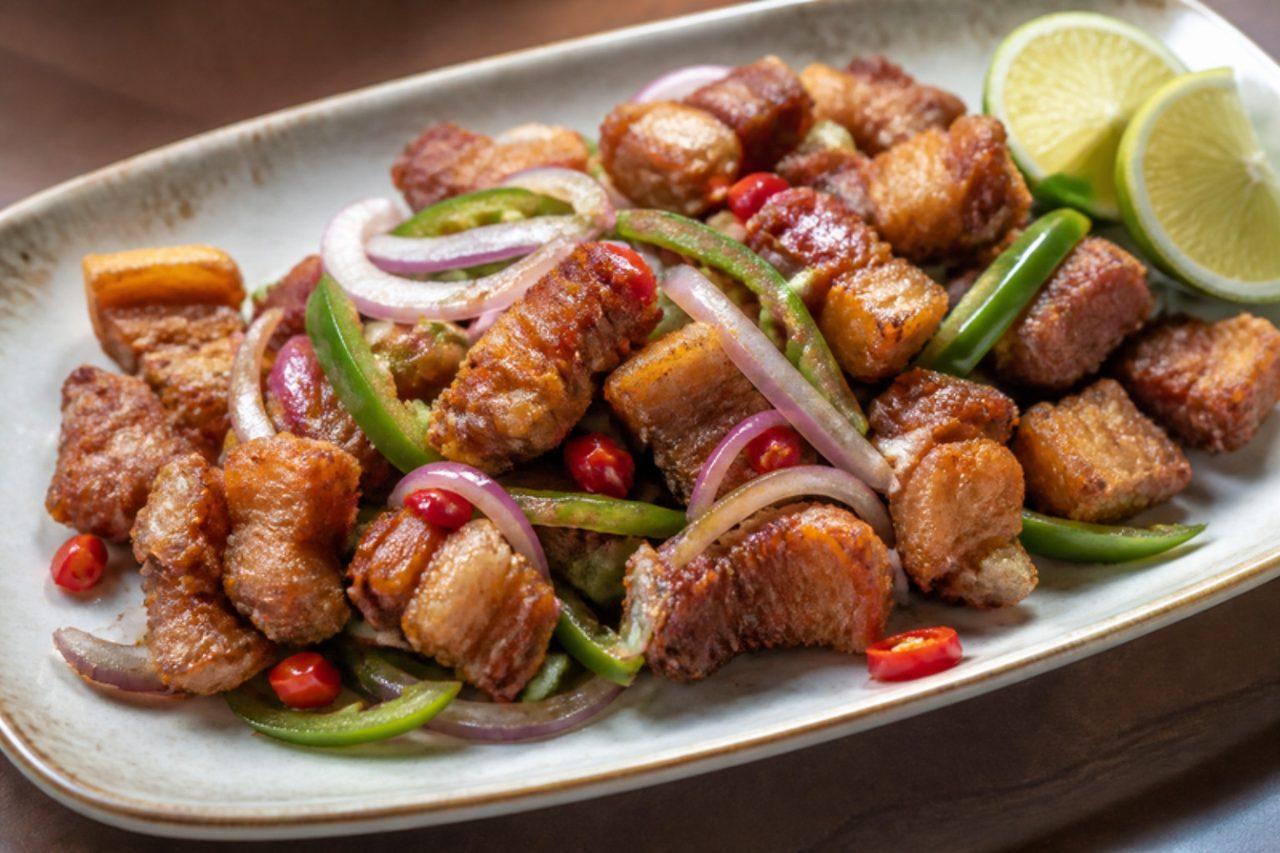
AkabenzCrispy fried pork

Pork is the star on Kigali's evening bar terraces, where friends share a plate of akabenzi; the name jokes that pork was once a luxury fit for a Mercedes-Benz owner. Chunks of pork shoulder or belly ribs are simmered until tender, then fried hard with onion and chilli until the fat crackles and the edges go crisp and caramelised, while the inside stays juicy. It comes with fried plantain or chips and a fiery chilli oil. The mistake is frying raw pork straight away: the outside burns before the middle cooks, so boil it first. The pork is cooked to well beyond 71 °C. Chef's tip: dry the boiled pieces thoroughly before they hit the oil, or they spit and steam instead of crisping.

by KrazyBadal 0 views

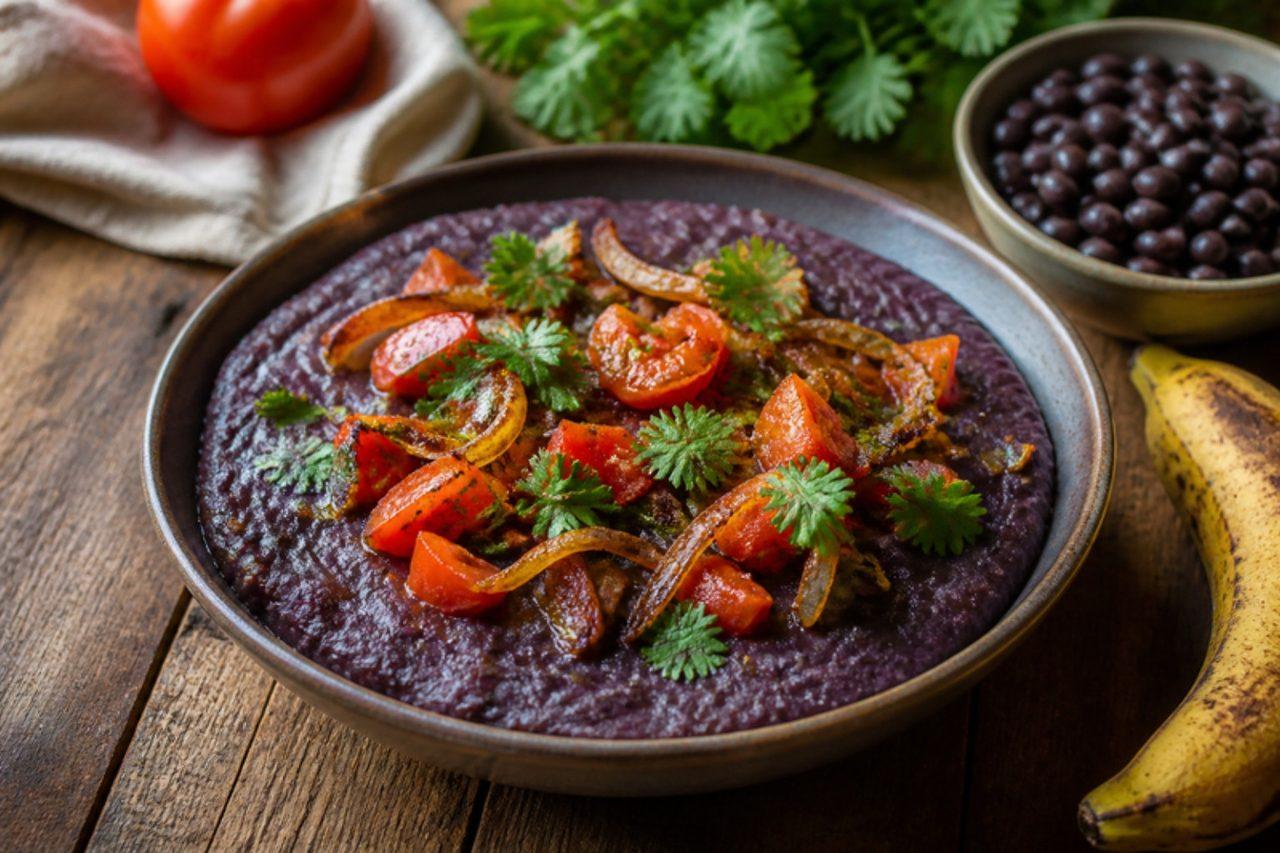
NjahiBlack beans mashed with banana

Kikuyu families in Kiambu, Murang'a and Nyeri cook a big pot of njahi for a woman who has just given birth, and visitors bring the beans as a gift; the dish is said to build strength and milk. The beans are small, glossy black lablab beans, simmered for a long time until creamy, then mashed with ripe bananas so the result is dark, soft and gently sweet against the savoury onion and tomato. Look for dried njahi at African grocers (sometimes labelled black dolichos or black lablab beans); black turtle beans are the closest swap and cook a little faster, but skipping the overnight soak is the classic error with either: unsoaked beans stay chalky even after hours. Eat it warm with a cup of tea, or as a main with greens. Chef's tip: choose bananas with brown freckles but still firm; overripe black ones make the mash taste like dessert.

by KrazyBadal 0 views

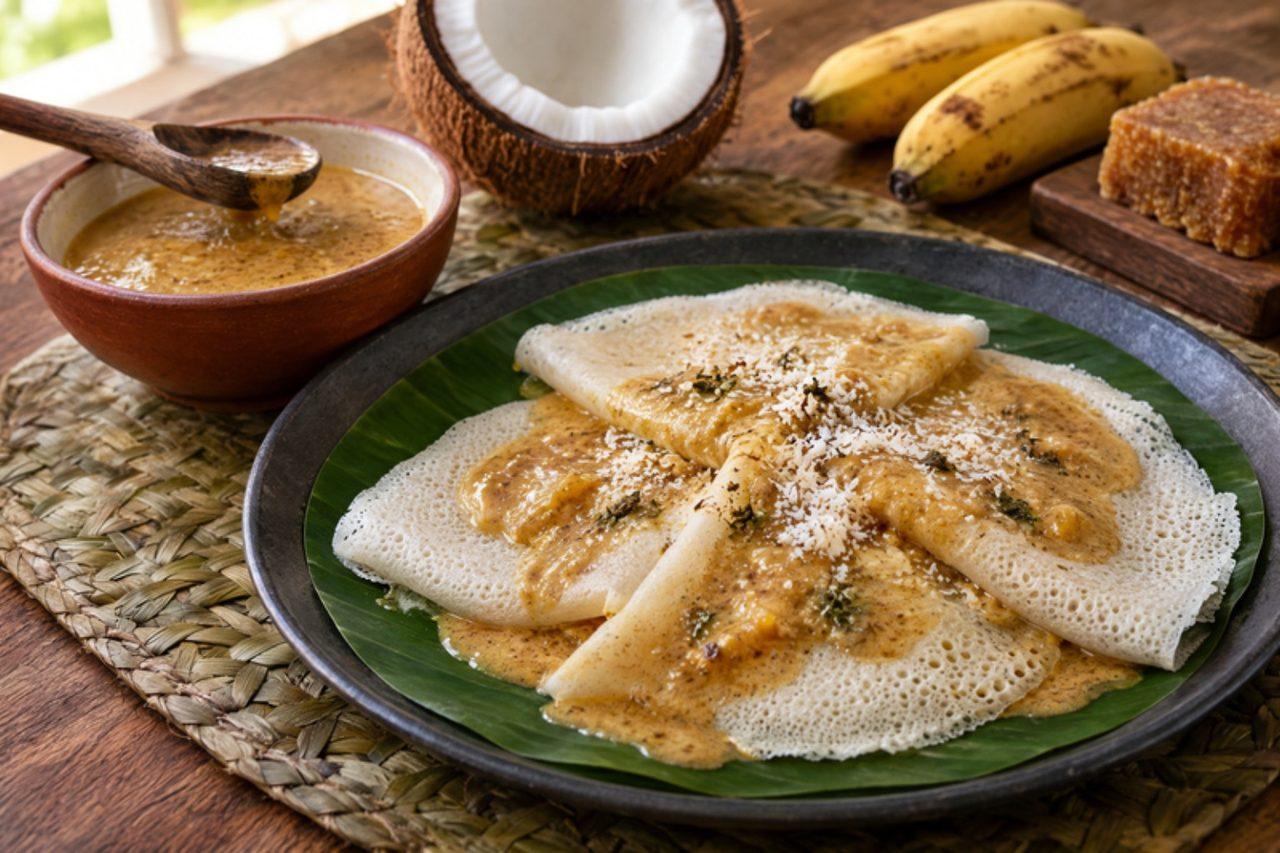
KilanjiRice crepes with coconut banana sauce

On the coral islands of Lakshadweep, kilanji is the treat for weddings, Eid mornings and a welcome guest. Thin, soft crepes of soaked rice and egg, or rice alone as here, are folded and drenched in a warm sauce of coconut milk sweetened with coconut jaggery and full of mashed ripe banana and cardamom. The islanders often add egg to the batter; this version keeps it vegan with a touch of cooked rice for softness. The common mistake is a gritty batter: the rice needs a full four hours' soak and a long, fine grind, or the crepes tear. Chef's tip: keep the sauce barely warm, never boiling, so the coconut milk stays silky.

by KrazyBadal 0 views

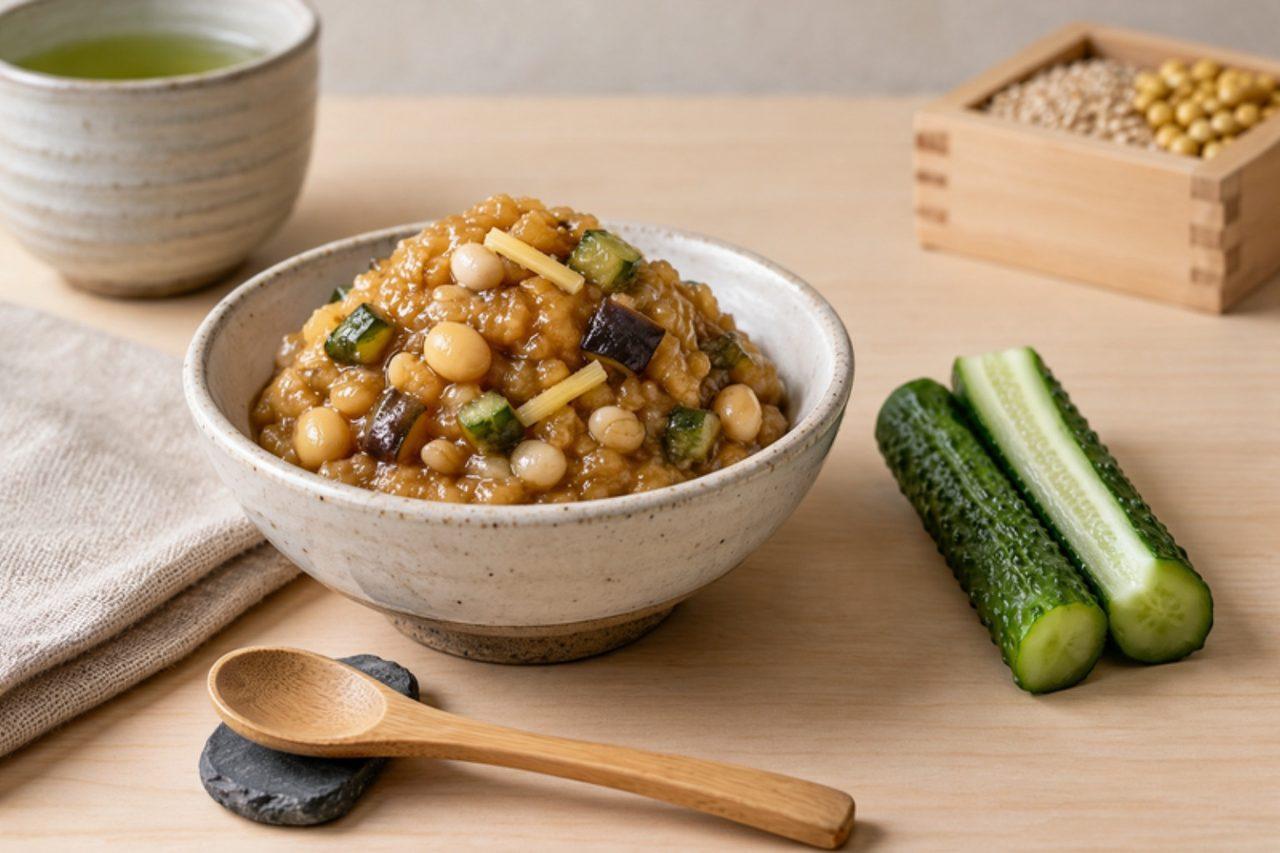
Kinzanji misoChunky barley miso

Kinzanji miso is not for soup. It is a chunky, sweet-savoury 'name-miso', a miso you eat straight, spooned onto hot rice, tucked into a cucumber stick or set beside rice porridge at breakfast. Legend says a monk brought the method from Jingshan Temple in China to Yuasa in Wakayama, where the run-off liquid became Japan's first soy sauce. Traditionally it is made in summer, when aubergines and uri melons are plentiful, and eaten through autumn and winter. You can see every ingredient: soft barley grains, nutty roasted soybean pieces, little cubes of aubergine and cucumber, threads of ginger, all bound in a glossy brown paste. This home version uses ready-made barley koji. The common mistake is adding the vegetables wet; salt them, then squeeze hard, or the extra water thins the salt and invites spoilage. It is ready when the barley grains are soft, the mix smells sweet and soy-like, and it tastes rich and rounded, after about four weeks; then it is sweetened and kept cold. Japanese melon (shirouri) is traditional; firm cucumber is the usual substitute. Chef's tip: a spoonful on a cold block of tofu with a little chopped spring onion is the best snack you can make in 30 seconds.

by KrazyBadal 0 views

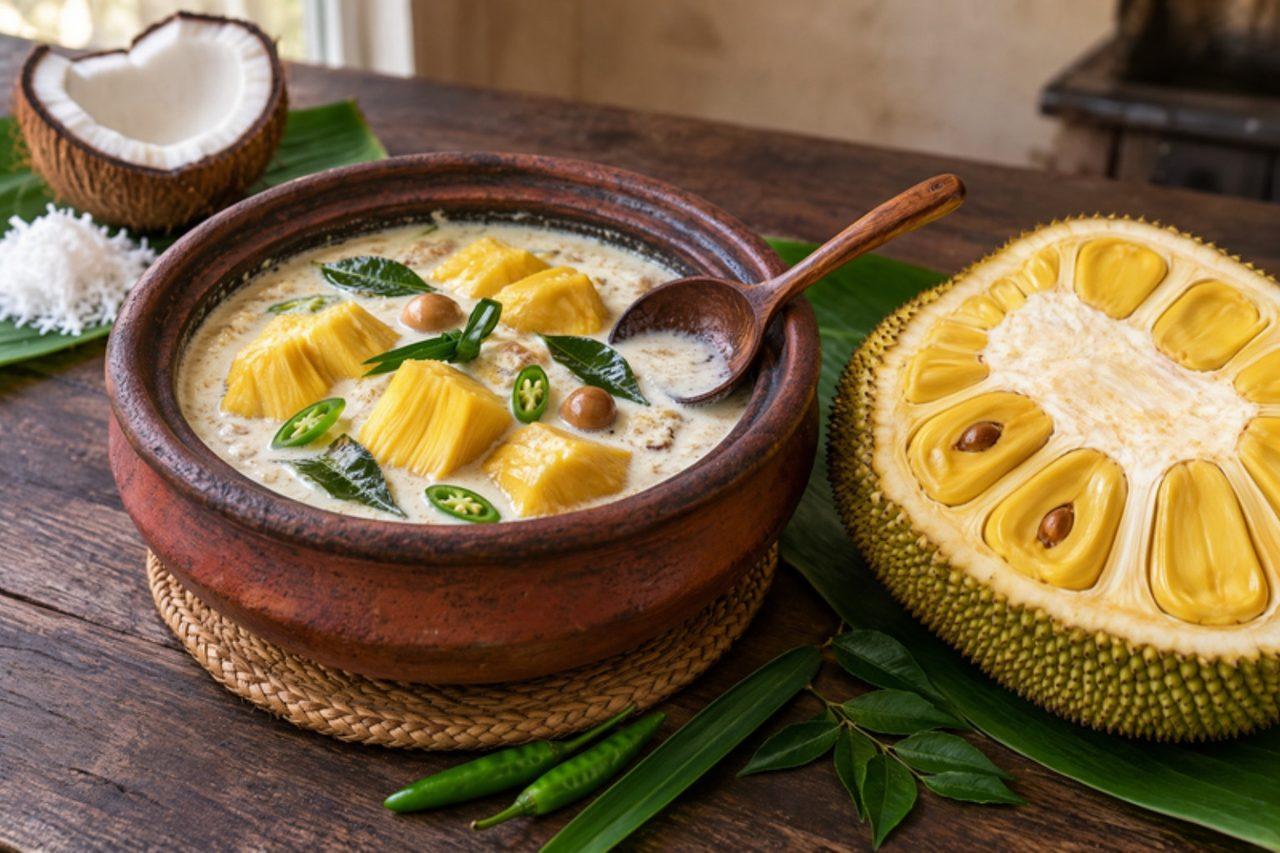
Kiri kosJackfruit in coconut milk

Kiri kos, 'milk jackfruit', is a mild white curry from the villages of Sri Lanka's wet zone, cooked when the jackfruit is mature but not yet sweet, and often served at lunch or at almsgivings beside red rice and a spicy sambol. The yellow bulbs are simmered with turmeric, pandan, cinnamon and green chilli in thin coconut milk until tender, then finished with thick milk so the curry is creamy and soothing. The usual mistake is using ripe, sweet jackfruit, which turns to jam; ask for mature 'kos' with firm, pale bulbs, or use tinned young jackfruit in brine. Chef's tip: oil your knife and hands before cutting fresh jackfruit so the sticky latex wipes off easily.

by KrazyBadal 0 views

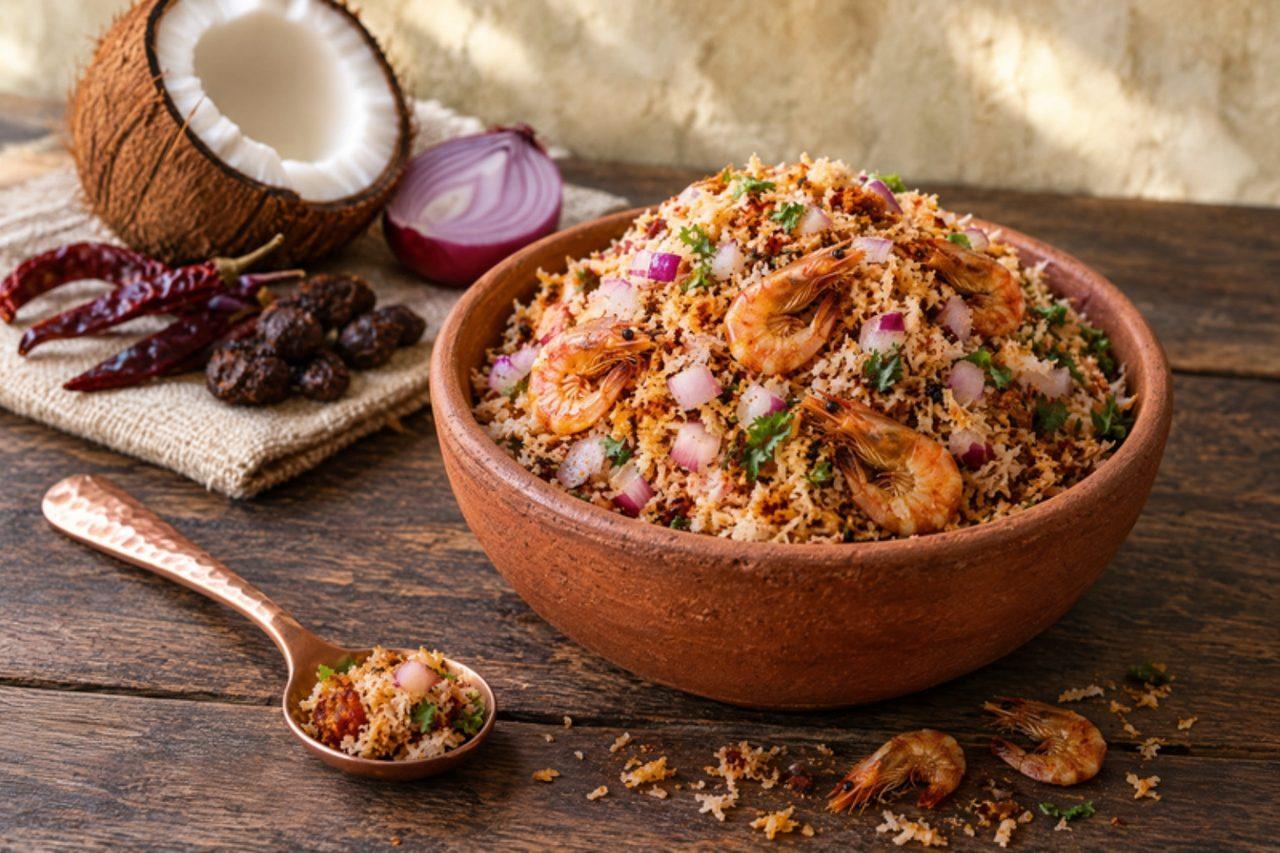
KismurDried prawn and coconut salad

Kismur is a dry, crunchy Goan side that turns a simple plate of rice and dal or pez into a feast, and it is made across Goan homes, Hindu and Catholic, especially in the monsoon when fresh fish is scarce. Dried prawns are toasted until crisp, then tossed with raw onion, grated coconut, chilli and a little tamarind, so it tastes salty, sour, sweet and smoky at once. The usual mistake is skipping the toasting: untoasted dried prawns taste fishy and chewy, while well-toasted ones smell nutty and snap. Chef's tip: rinse the prawns briefly and dry them well before toasting, which removes grit and excess salt.

20 minIndianFishGluten free
by KrazyBadal 0 views

KitchaUnleavened flatbread

Kitcha (qita) is the everyday quick bread of the Ethiopian and Eritrean highlands, baked when there is no time to ferment injera, and eaten for breakfast with tea or coffee, or torn up as kitcha fitfit with spiced butter and berbere. The dough is just flour and water, spread thick on a hot mitad griddle and cooked on both sides until speckled and firm. Traditionally there is no salt in it at all: about 0.0 g salt per portion, so it sits well beside salty stews. The usual mistake is spreading it too thin, which gives a cracker; aim for 1 cm so the middle stays soft. Barley or teff flour can replace some of the wheat for a nuttier bread. Chef's tip: press a little hollow in the middle with your fingers before turning, and the bread cooks evenly without a raw centre.

by KrazyBadal 0 views

Acar timunPickled cucumber and carrot

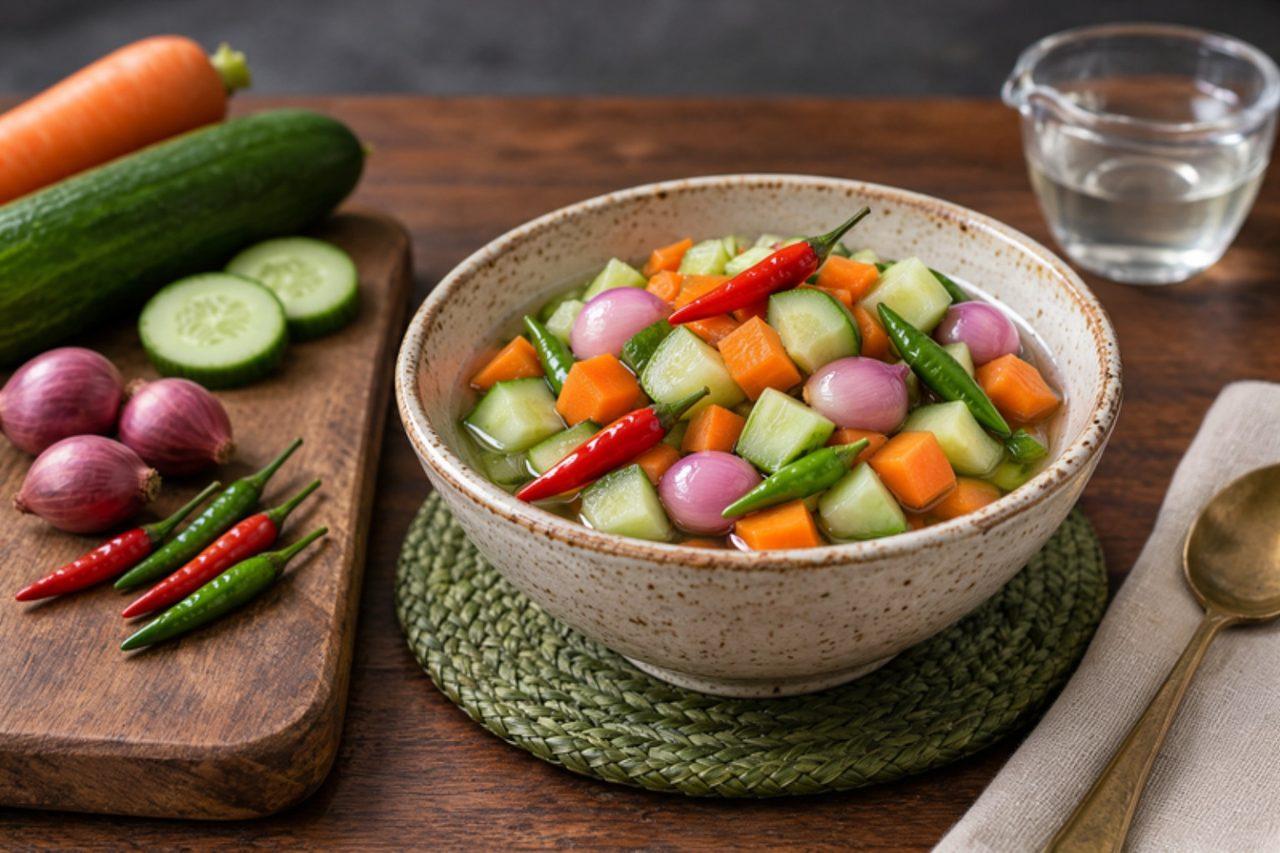
Order sate at a Madurese stall in Java, or nasi goreng from a night-time warung tenda, and a little saucer of acar timun comes with it: cubes of cucumber and carrot, whole small shallots and a few green or red bird's eye chillies in a sweet, sharp vinegar dressing. It is also spooned beside martabak telur and served at kenduri feasts and weddings. It is cold, crunchy and refreshing, sweet first, then sour, with a sudden bite when you hit a chilli, and it cuts the richness of peanut sauce and fried rice. Make it fresh: it is at its best the same day. Common mistake: pouring the dressing on warm or cutting the cucumber too thin, which turns everything limp and watery; dissolve the sugar in warm water, then let it cool before mixing. It is ready after 10–15 minutes, when the shallots have lost their raw edge and the cucumber is lightly seasoned but still snaps. Chef's tip: leave the bird's eye chillies whole so guests can choose whether to eat them; slit one or two if you want the dressing itself to carry heat.

by KrazyBadal 0 views

LapenaPigeon peas in sesame paste

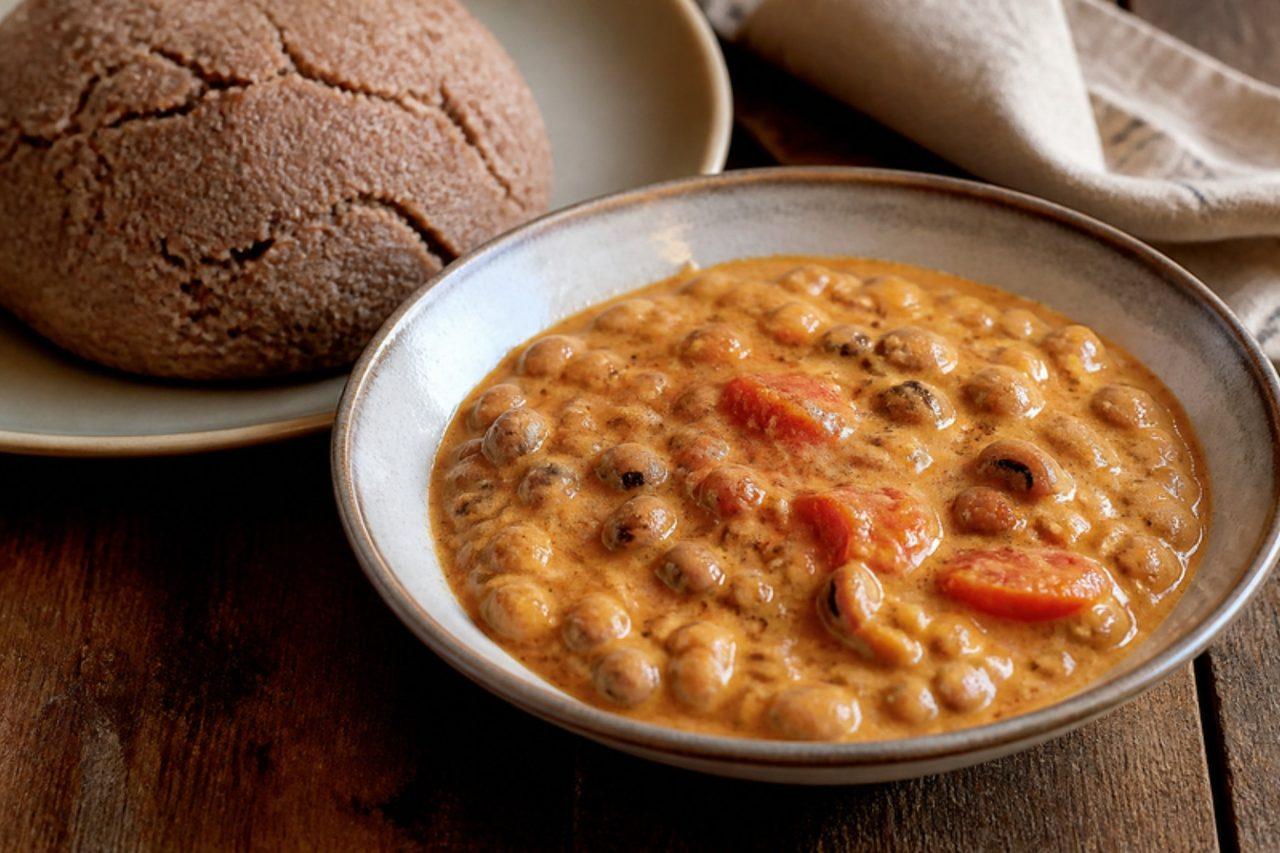
Lapena comes out for Christmas, weddings and the days when relatives arrive in Gulu from Kampala: dried pigeon peas boiled until soft, then cooked slowly in roasted sesame paste until thick, earthy and nutty, with a faint bitterness from the sesame that balances the sweetness of the peas. Some families mash it smooth, others keep the peas whole; both are eaten with kwon millet bread, rice or boiled cassava. Dried pigeon peas are sold as toor or arhar (whole, not split) in Indian grocers. The common mistake is adding salt before the peas are tender, which keeps the skins tough. Chef's tip: if you can only find light tahini, toast it in a dry pan for a minute or two until it darkens to get closer to Acholi sesame paste.

by KrazyBadal 0 views

Lingdi ki sabziFiddlehead fern curry

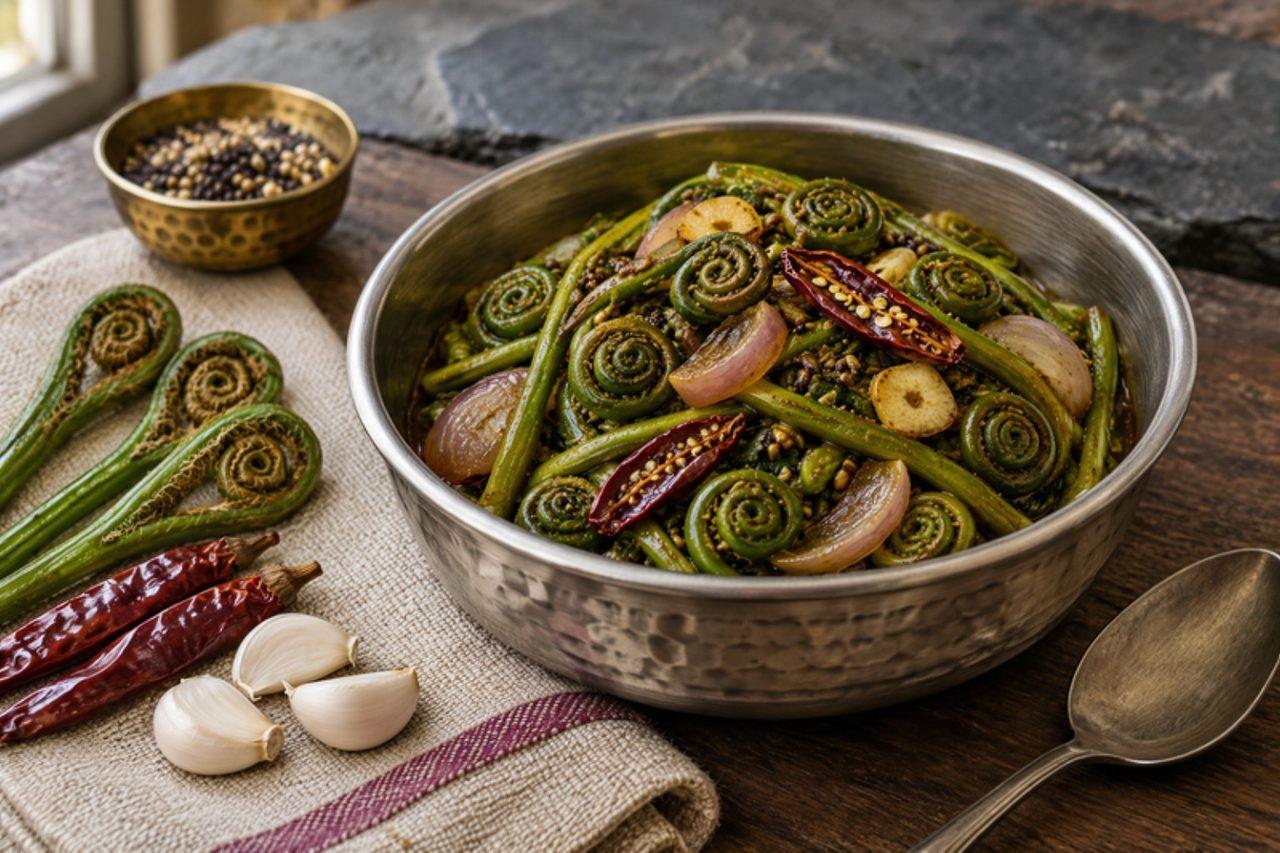
When the monsoon arrives in the Kullu and Mandi valleys, coiled fiddlehead ferns (lingdi) appear along streams and in village markets, and families cook them as a quick dry sabzi with onion, garlic and chilli, or pickle them for winter. The young fronds taste a little like asparagus and green beans, with a pleasant snap. Only eat edible fiddlehead species from a trusted seller, and always cook them well: undercooked ferns can upset the stomach. The common mistake is skipping the blanching, which leaves them bitter and unsafe; boil them first, then fry. Chef's tip: rub off the brown papery scales under running water before trimming; they hold grit.

by KrazyBadal 0 views

Showing 27 of 7,762 recipes

Show more recipes

Page 105 of 863