


Skip to content
Matsoni
Featured recipe

Matsoni

Georgian yogurt

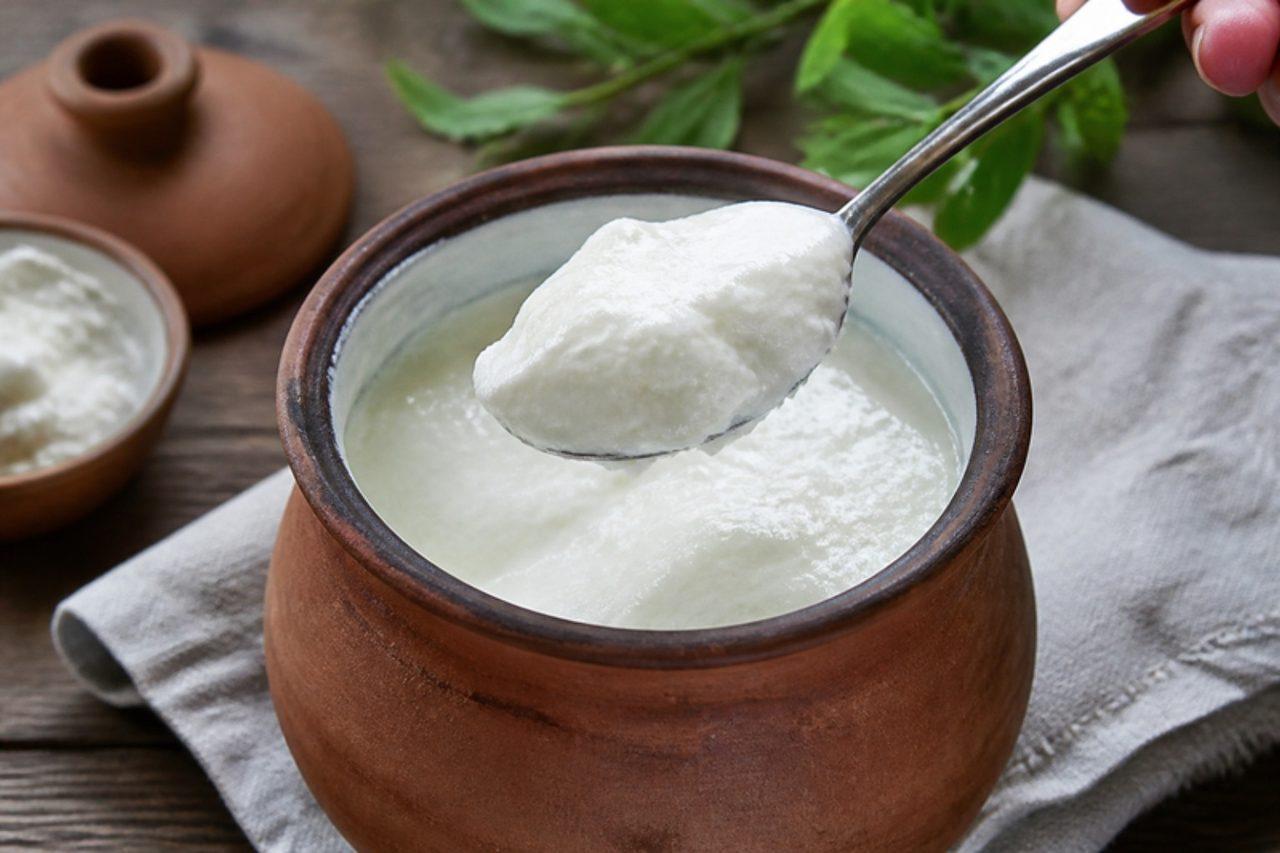
In Kakheti, matsoni is set every evening in clay pots and eaten the next morning with honey, folded into soups, or stirred with water and herbs on a hot afternoon; it is thicker and sharper than most shop yogurt, with a skin of cream on top. To start, you need a spoonful of matsoni or any live plain yogurt, and after that each batch seeds the next. A common mistake is to add the starter while the milk is still hot; above about 45 °C the cultures die and the milk never sets. Chef's tip: wrap the pot in a blanket and leave it somewhere warm and still, like an oven with just the light on, so it sets evenly without separating.

Read more 0 views

What to eat today?

Around the world

Today's trip: Persian

A new country every day, from every cuisine on the site.

Persian

Homemade kashk

Fermented yogurt whey 90 minMore from Persian (131) →

This week's collection

Kid-friendly dinners
537 recipes · a new collection every Monday

Latest recipes

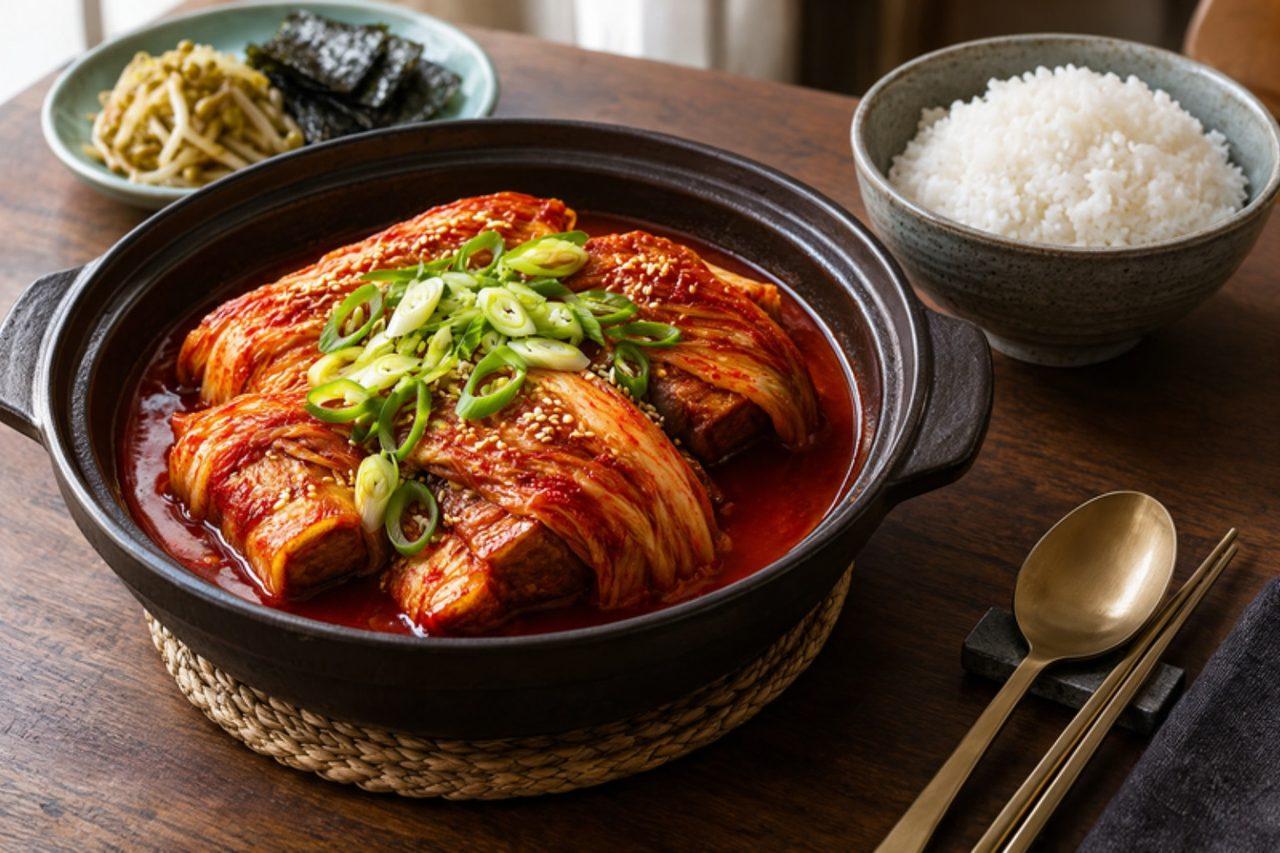
Kimchi jjimBraised kimchi with pork belly

Kimchi jjim is what Korean households make in late winter, when the big batch of kimchi from the autumn kimjang has turned deeply sour and is too strong to eat raw. Whole quarters of the old kimchi are laid over a thick piece of pork belly and braised slowly until the cabbage is silky and the pork is meltingly soft. At the table you snip the pork with scissors and wrap a piece in a kimchi leaf with rice. The usual mistake is using fresh kimchi, which gives a flat, raw-tasting stew; it needs well-fermented, sour kimchi. Chef's tip: add a splash of the kimchi brine near the end if the sauce tastes sweet rather than tangy.

90 minKoreanMeatSpicy
by KrazyBadal 0 views

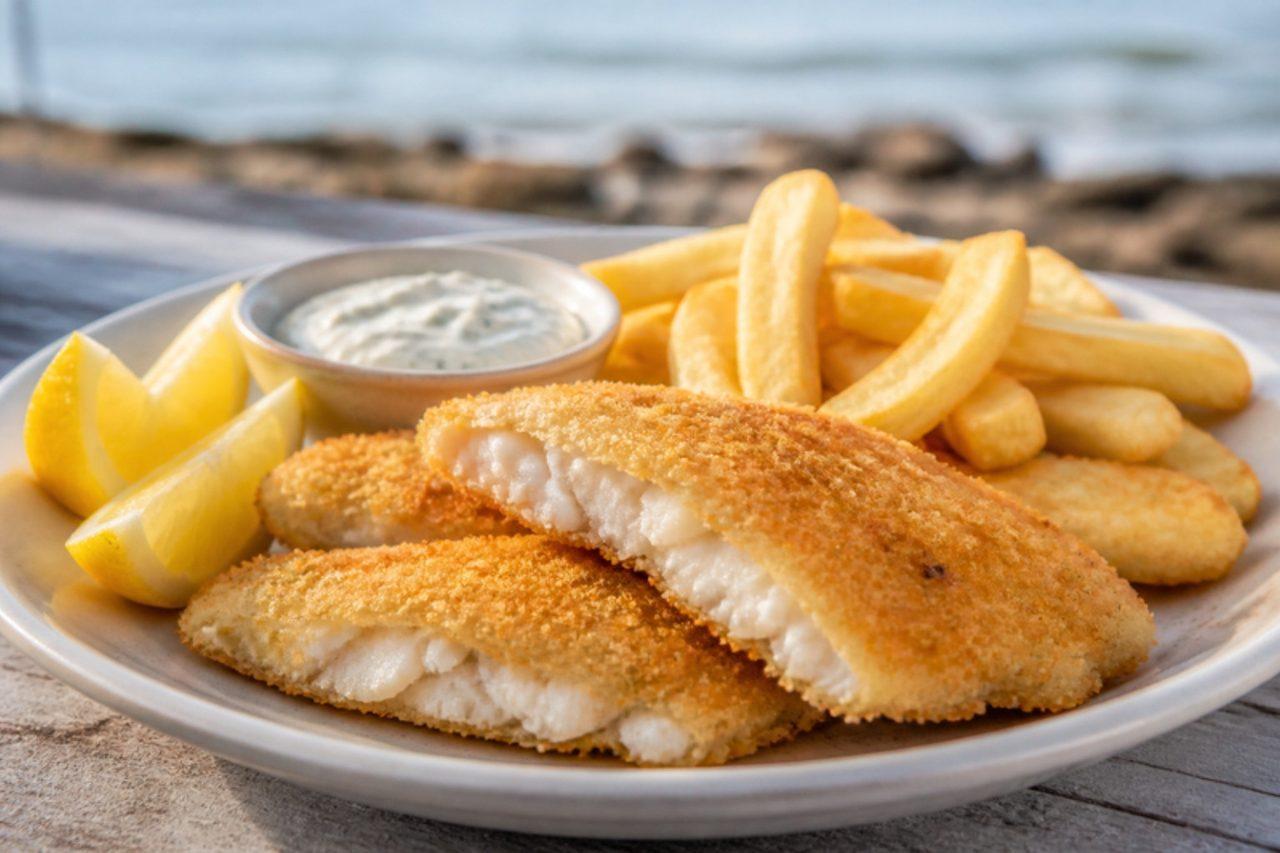
King George whitingFried whiting fillets

King George whiting is South Australia's most prized fish, caught in the shallow sea-grass bays of Spencer Gulf and Gulf St Vincent and served in Adelaide pubs and on the Glenelg foreshore with chips and lemon. The fillets are small, sweet and delicate, so they need only a light coating and a quick fry. A common mistake is a heavy batter that hides the fish; a thin crumb or flour dusting is the local way. Chef's tip: cook skin side first and flip only once, so the fragile fillets stay whole.

by KrazyBadal 0 views

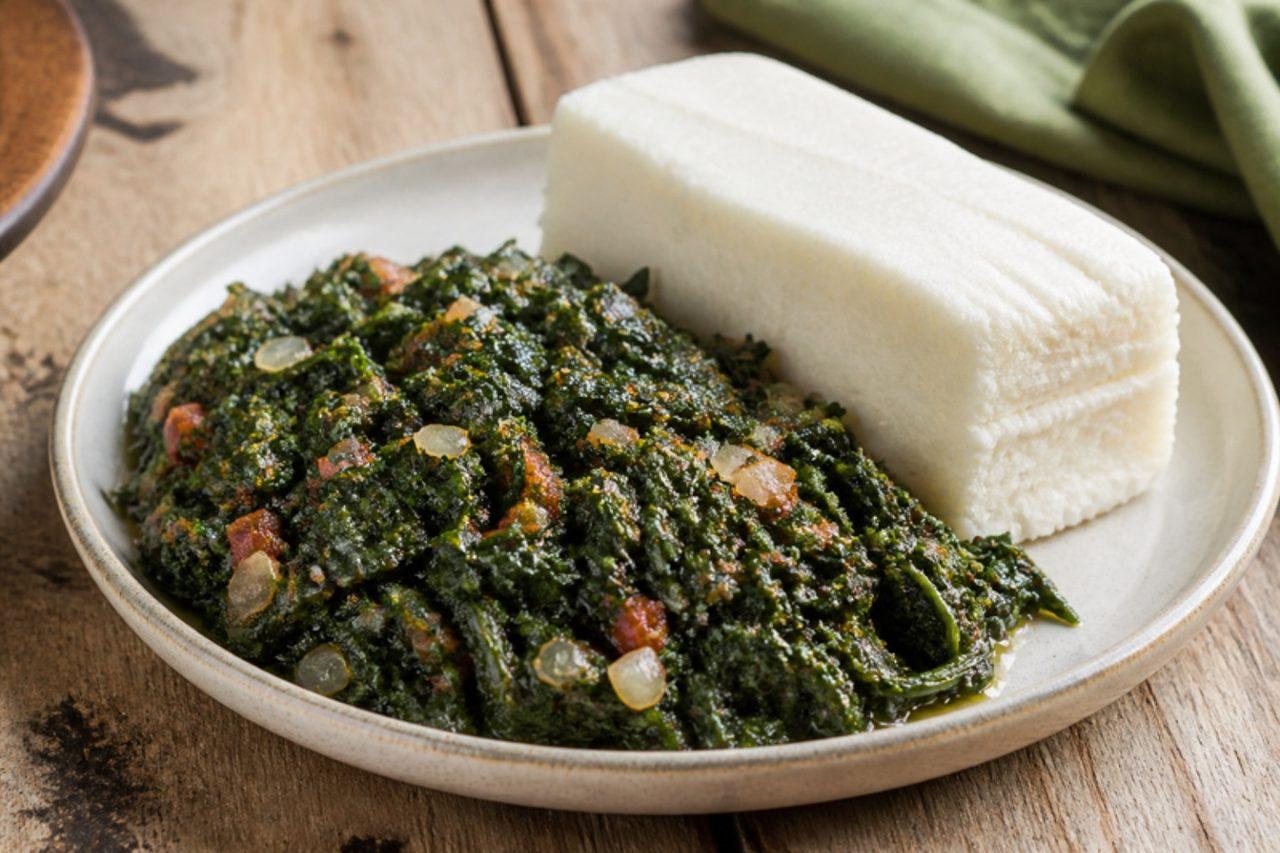
ManaguNightshade greens

Market women in Kisii and Kakamega sell managu in thick bunches, and in the hills it is the green that goes with ugali at almost every family dinner. The leaves of cultivated African nightshade are soft and pleasantly bitter, a bit like a stronger spinach, and here they are blanched, then cooked down with onion and tomato into a soft, savoury heap. At home many families stir in a spoon of cream at the end; to keep it vegan, use coconut milk as below; buy managu fresh or frozen from African grocers and never gather wild nightshade, as some kinds are poisonous. Using the boiling water as a sauce is a common error: always drain the first boil, or the dish stays harsh. Chef's tip: squeeze the drained leaves firmly in your fist before frying so the tomato flavour soaks in instead of being watered down.

by KrazyBadal 0 views

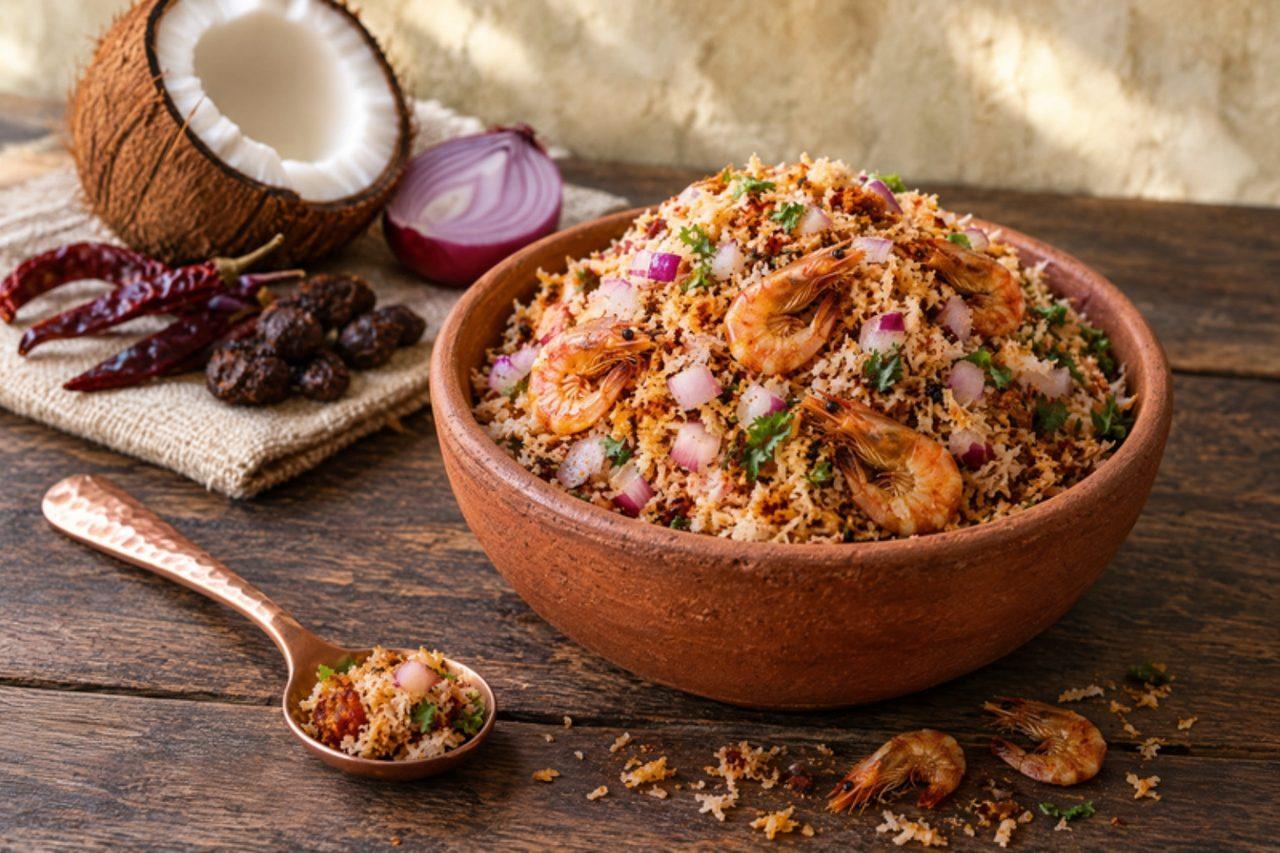
KismurDried prawn and coconut salad

Kismur is a dry, crunchy Goan side that turns a simple plate of rice and dal or pez into a feast, and it is made across Goan homes, Hindu and Catholic, especially in the monsoon when fresh fish is scarce. Dried prawns are toasted until crisp, then tossed with raw onion, grated coconut, chilli and a little tamarind, so it tastes salty, sour, sweet and smoky at once. The usual mistake is skipping the toasting: untoasted dried prawns taste fishy and chewy, while well-toasted ones smell nutty and snap. Chef's tip: rinse the prawns briefly and dry them well before toasting, which removes grit and excess salt.

20 minIndianFishGluten free
by KrazyBadal 0 views

Kitchener bunsJam and cream doughnut buns

Kitchener buns are a South Australian bakery icon, found in every Adelaide suburb and country town bakery from the Barossa to the Fleurieu. The soft yeast buns are fried or baked, rolled in sugar, split open and filled with a stripe of raspberry jam and a generous swirl of cream; they were named after a British field marshal during the First World War. Messy and delicious with a cup of tea. A common mistake is filling them warm, which melts the cream. Chef's tip: roll them in sugar while still warm so it sticks, then fill when cold.

by KrazyBadal 0 views

KitozaSmoked dried beef strips

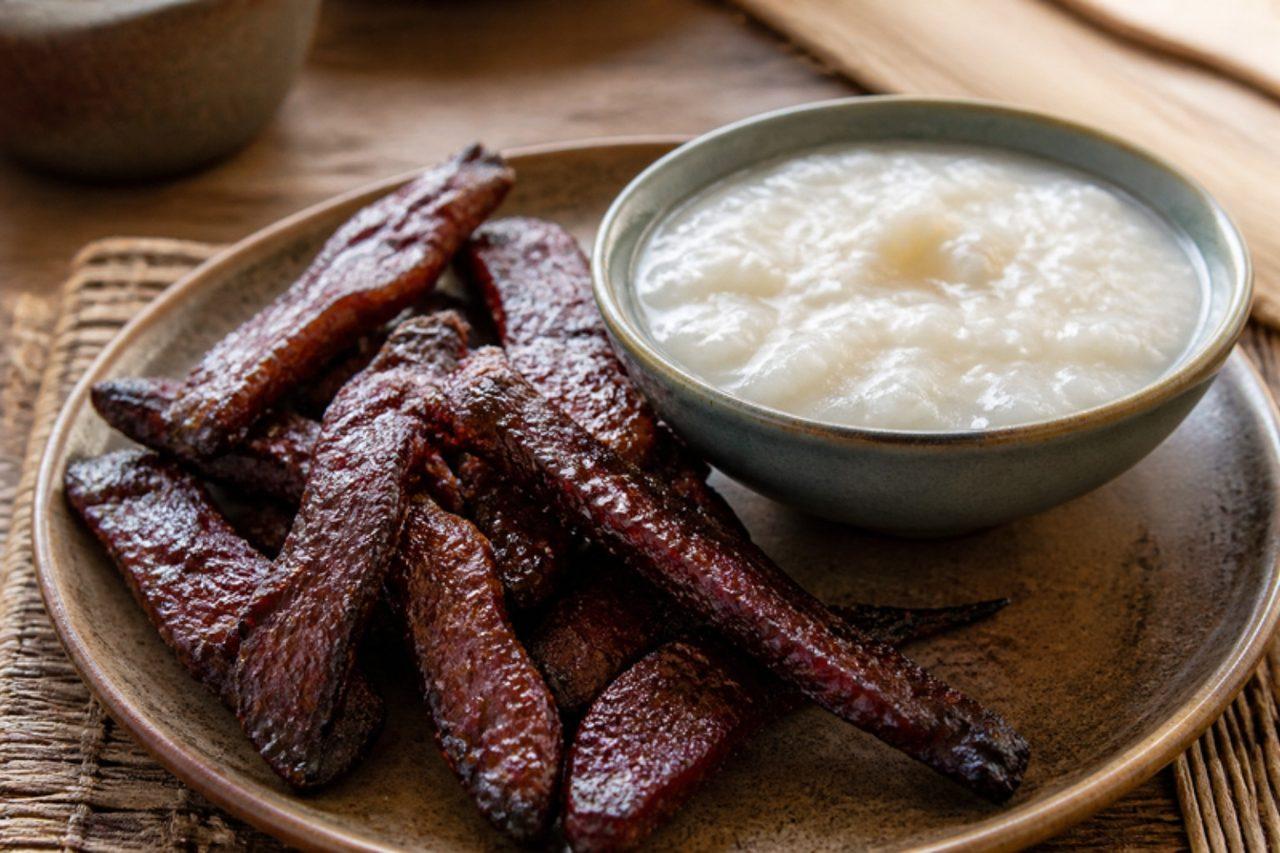
Butchers in the Highland markets of Antananarivo and Ambositra hang long, dark strips of kitoza above smoky fires, and households grill a few pieces each morning to eat with a bowl of soft rice. The meat is lean, cut with the grain, seasoned with salt, garlic, ginger and pepper, then dried until it is chewy and concentrated; a quick grill before serving gives it a smoky, salty crust. This home version uses beef in place of zebu and, for safety, cooks the strips to 71 °C in the oven before drying them slowly at a low heat. It is not for pregnant women, young children or anyone with a weakened immune system. The common mistake is cutting the strips too thick, which leaves them leathery outside and damp inside. Chef's tip: half-freeze the beef for an hour so you can slice it in even 5 mm strips.

175 minMalagasyMeatGluten free
by KrazyBadal 0 views

AlkubusSteamed wheat bread

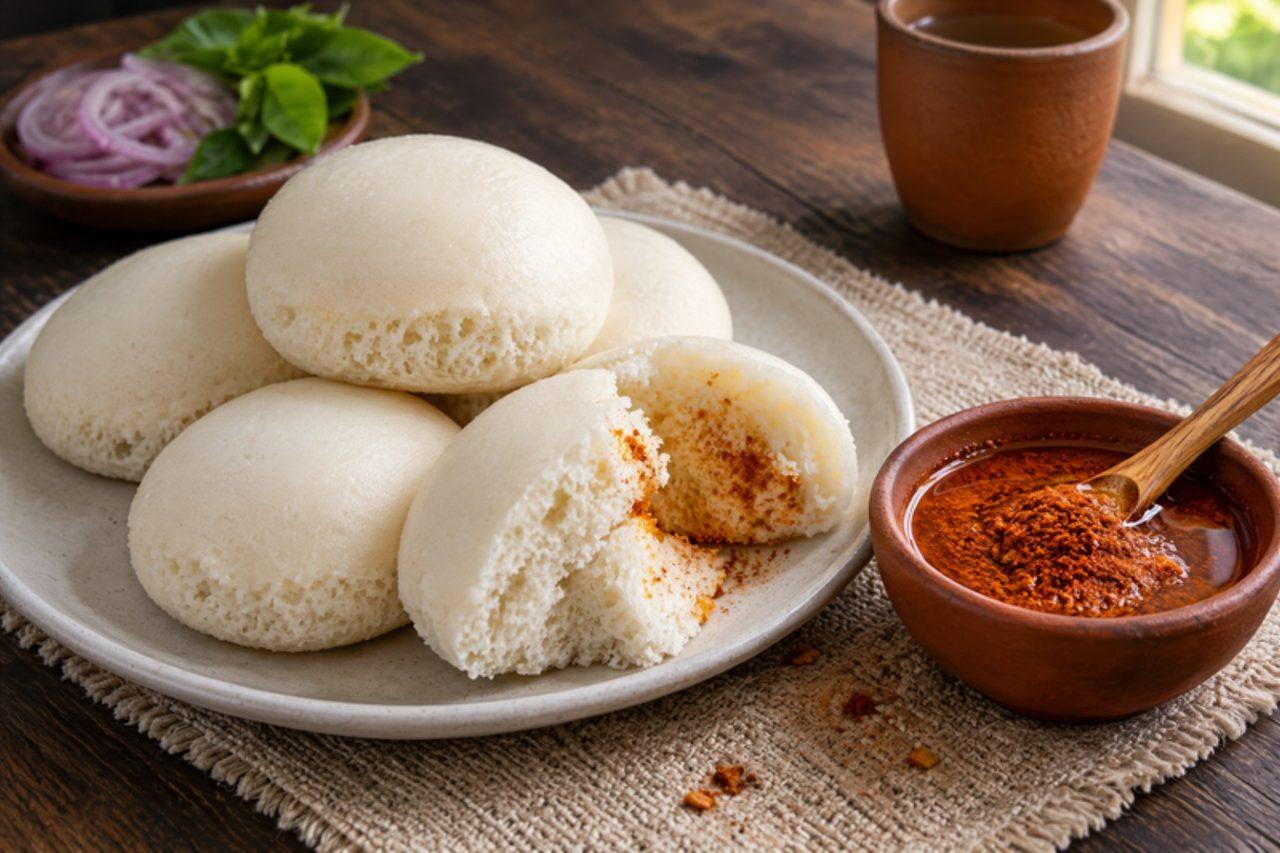
In Kano, Katsina and Sokoto, alkubus is a breakfast bread you steam rather than bake: a soft yeasted wheat dough set in small cups or tins over boiling water until it puffs into fluffy, slightly sticky domes. It is eaten warm, pulled apart and dipped into groundnut oil with yaji, the peanut and chilli spice mix, or with a bowl of miyan taushe or other soup. The common mistake is lifting the lid during steaming; the rush of cold air makes the breads sink and turn dense. Yaji contains peanuts. Chef's tip: wrap the pot lid in a tea towel so condensation can't drip back and leave wet craters on the tops.

by KrazyBadal 0 views

Aloo seddho bhaat for toddlersRice and potato mash for toddlers

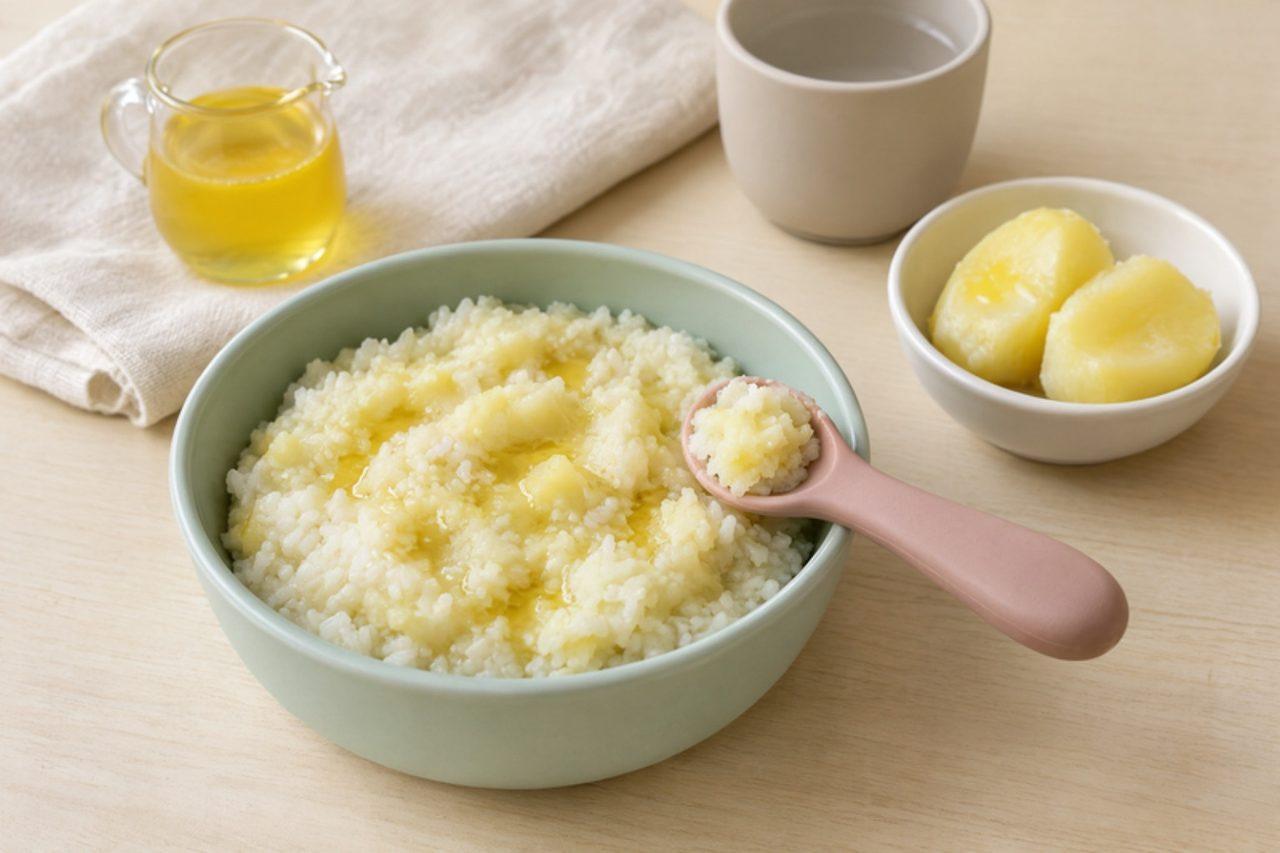
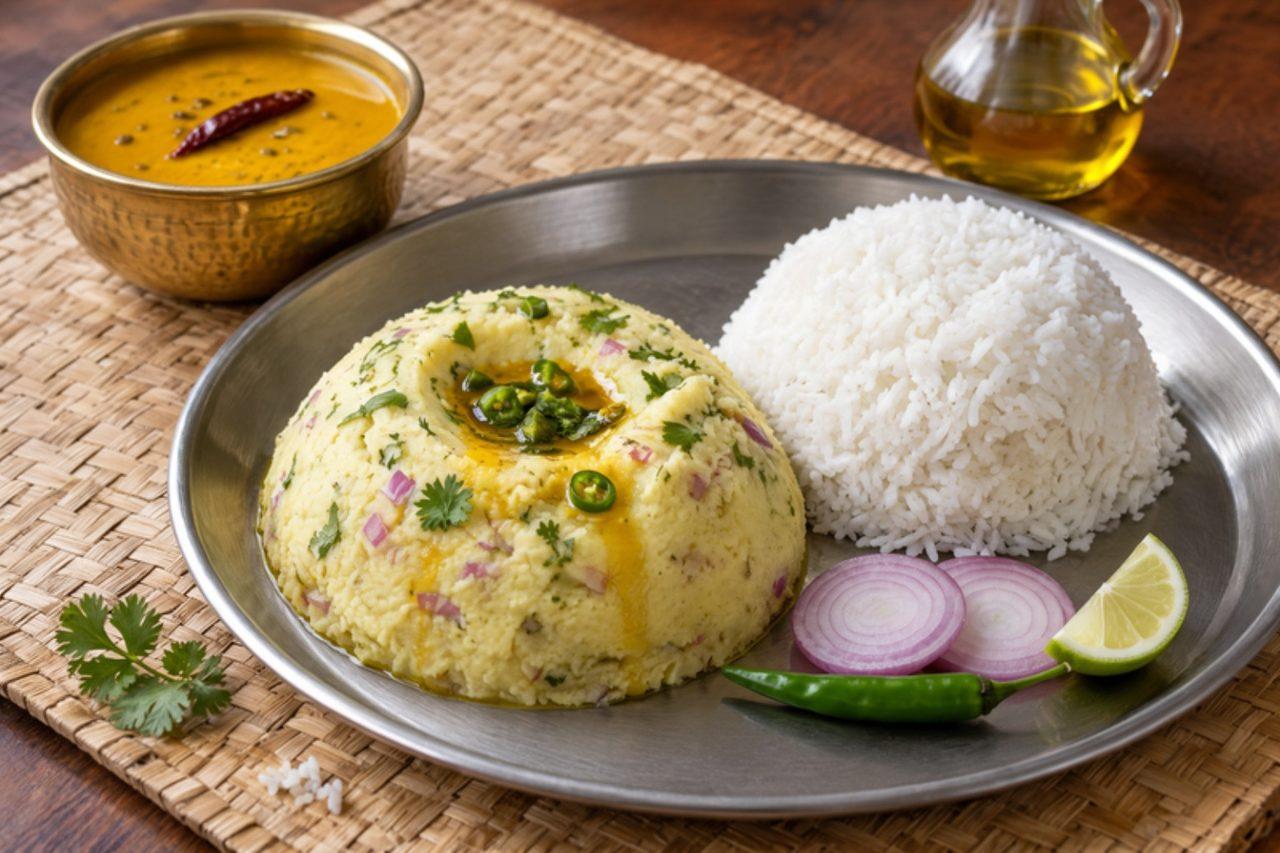
In Kolkata homes, from north Kolkata's old paras to the flats of Salt Lake, aloo seddho bhaat is what you cook when someone is tired, ill or very small: a potato boiled right in the rice pot, mashed with hot rice. Grown-ups add raw mustard oil, green chilli and onion; for toddlers from 12 months it is mashed instead with a spoon of ghee, so it's soft, buttery and mild. Gobindobhog rice gives it a lovely fragrance. It contains milk (ghee); there is no gluten, egg, nuts or soya. Chef's tip: mash the potato and rice with a fork or your fingers, never a blender, or it turns gluey.

by KrazyBadal 0 views

Koko SamoaHot cocoa drink

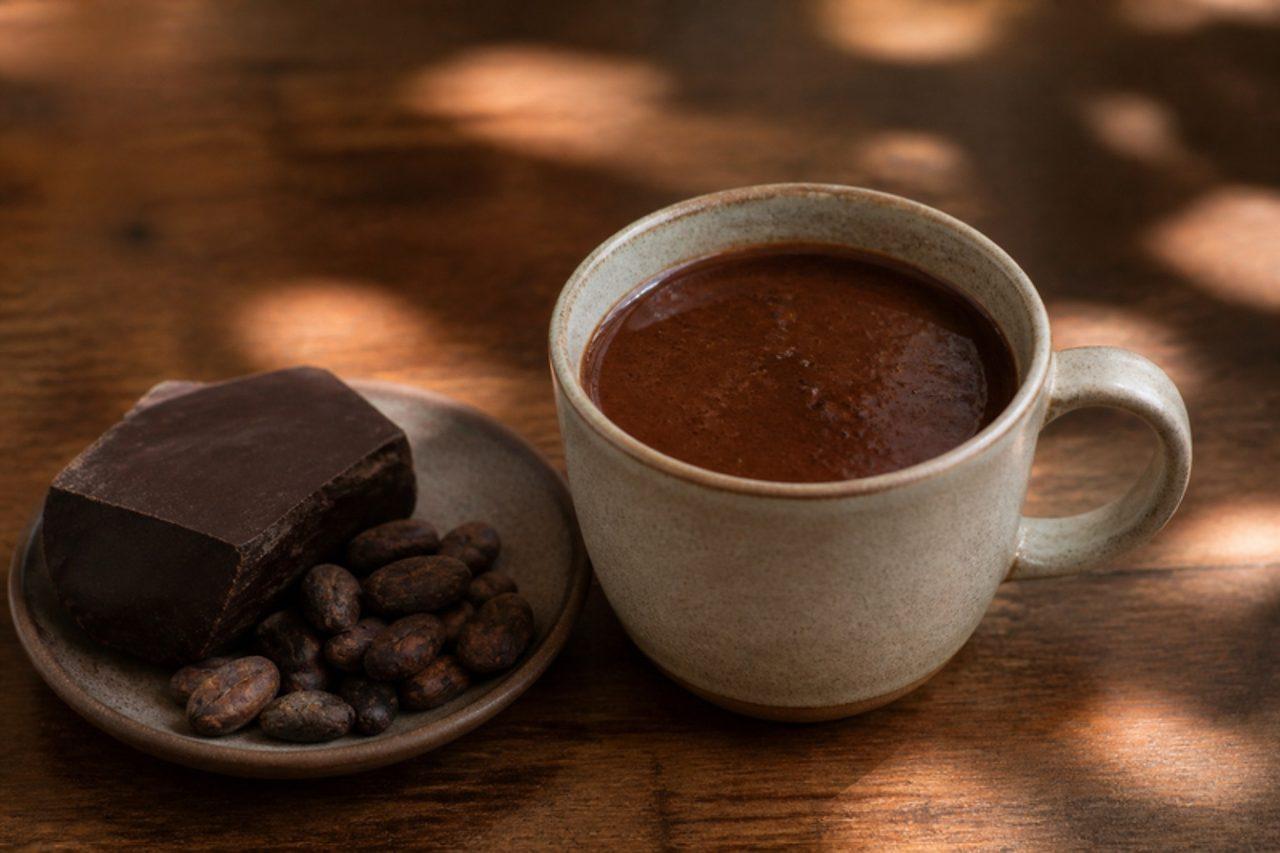
Koko Samoa is the morning drink of Samoa, made from the island's own cocoa beans, roasted over a fire, pounded into a dark paste and dried into blocks sold at Apia's Fugalei market. Dissolved in hot water and sweetened, it is earthy, slightly bitter and rich, with a little oil floating on top, and is drunk with panikeke or buttered bread. If you can't find koko Samoa, use 100% cocoa chocolate. A common mistake is expecting it to be like milky hot chocolate; it is darker and thinner. Chef's tip: simmer it for a few minutes rather than just stirring it in, which brings out the roasted flavour.

by KrazyBadal 0 views

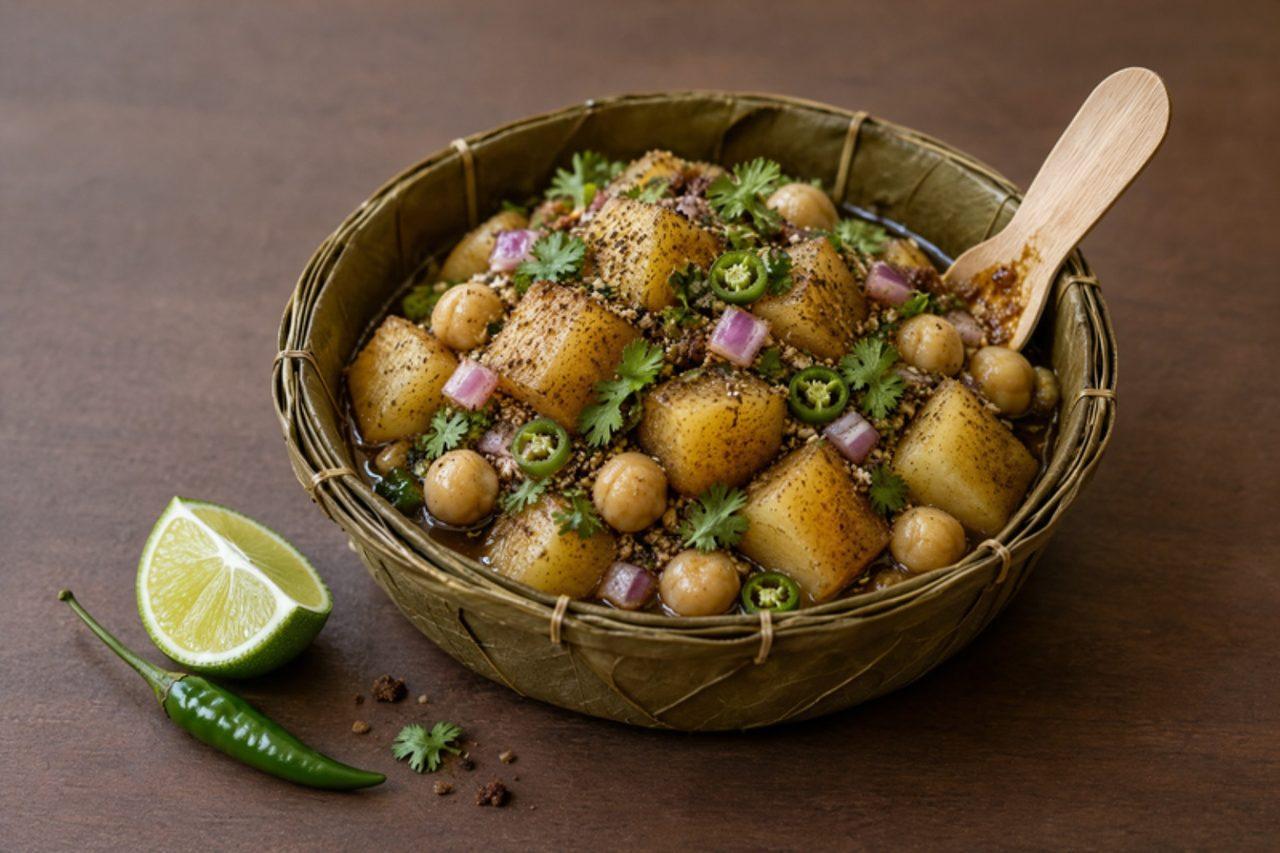
Aloo kabliPotato and chickpea chaat

Aloo kabli is the after-school snack of Kolkata: vendors with a big aluminium bowl stand outside the school gates of north Kolkata and around Vivekananda Park from about four o'clock, mixing it to order and spooning it into sal-leaf bowls. Cubes of boiled potato and soft white chickpeas are drenched in sour tamarind water, then seasoned with fresh green chilli, raw onion, roasted cumin and pungent black salt, and finished with a squeeze of lime. It is tangy, smoky and sharp rather than sweet. Chef's tip: dress the potatoes while they are still slightly warm so they drink up the tamarind.

by KrazyBadal 0 views

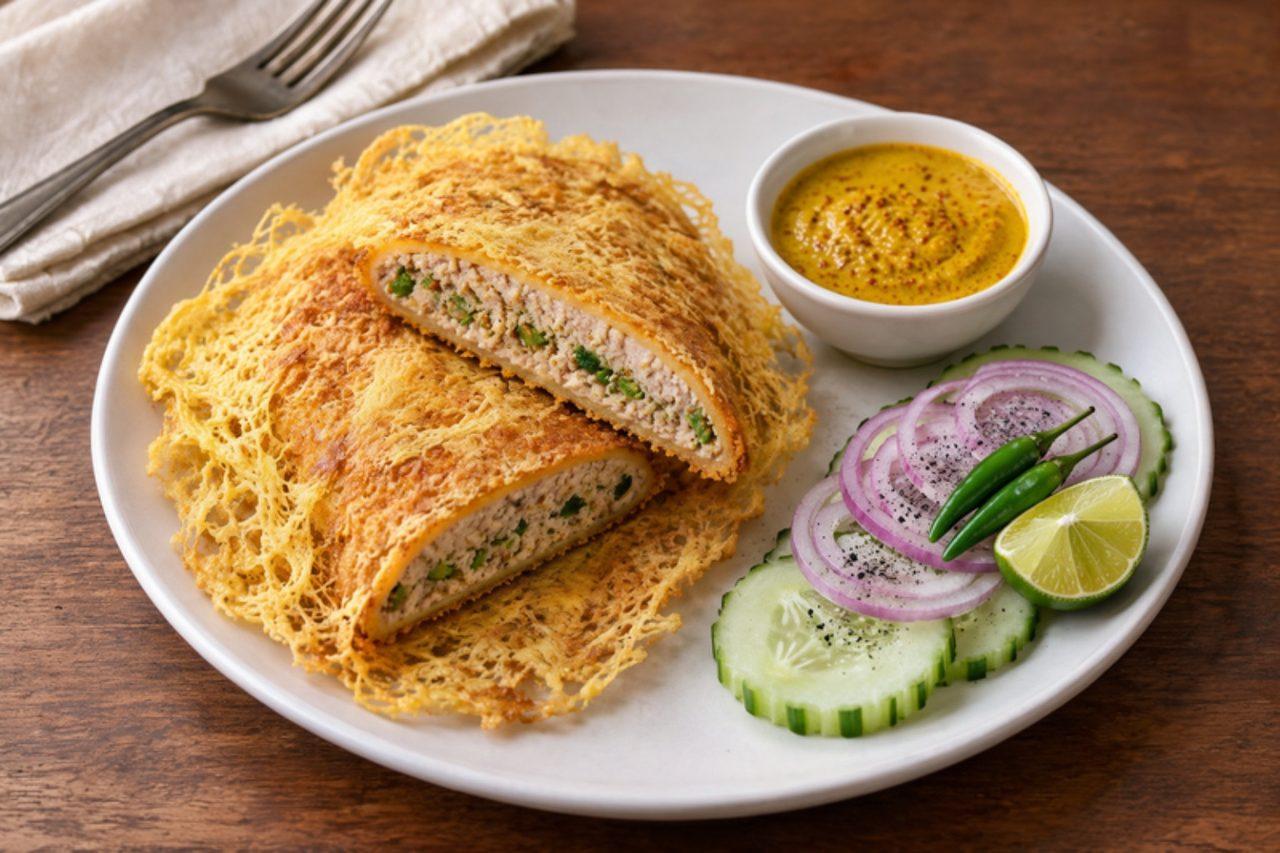
Kabiraji cutletEgg-coated chicken cutlet

The kabiraji cutlet is a speciality of Kolkata's old cabin restaurants, places like Mitra Café in Shobhabazar and the cabins around Esplanade, where people stop for one on the way home in the early evening. A flattened, spiced chicken cutlet is crumbed and fried, then cloaked in a frizzled web of egg that is splashed into the hot oil, giving a crackly, golden coat with the look of a bird's nest. It is eaten with sharp Bengali mustard kasundi and a raw onion and cucumber salad. A fish version uses bhetki fillet. Chef's tip: whisk the egg for the lace with a little cornflour until completely smooth; any lumps fry as blobs rather than threads.

by KrazyBadal 0 views

Lebu chaBlack tea with lime

Along College Street and around Esplanade, the tea sellers who pour lebu cha into little unglazed clay cups (bhaar) are the fuel of Kolkata's famous evening adda, the long arguments over books and football. It is weak black tea, sweetened, sharpened with fresh lime and finished with a pinch of sulphurous black salt and roasted cumin, so it tastes sweet, sour and faintly savoury. It is drunk hot in every season and the cup is thrown away. Chef's tip: steep the tea briefly; long-brewed tea plus lime turns harsh and astringent.

by KrazyBadal 0 views

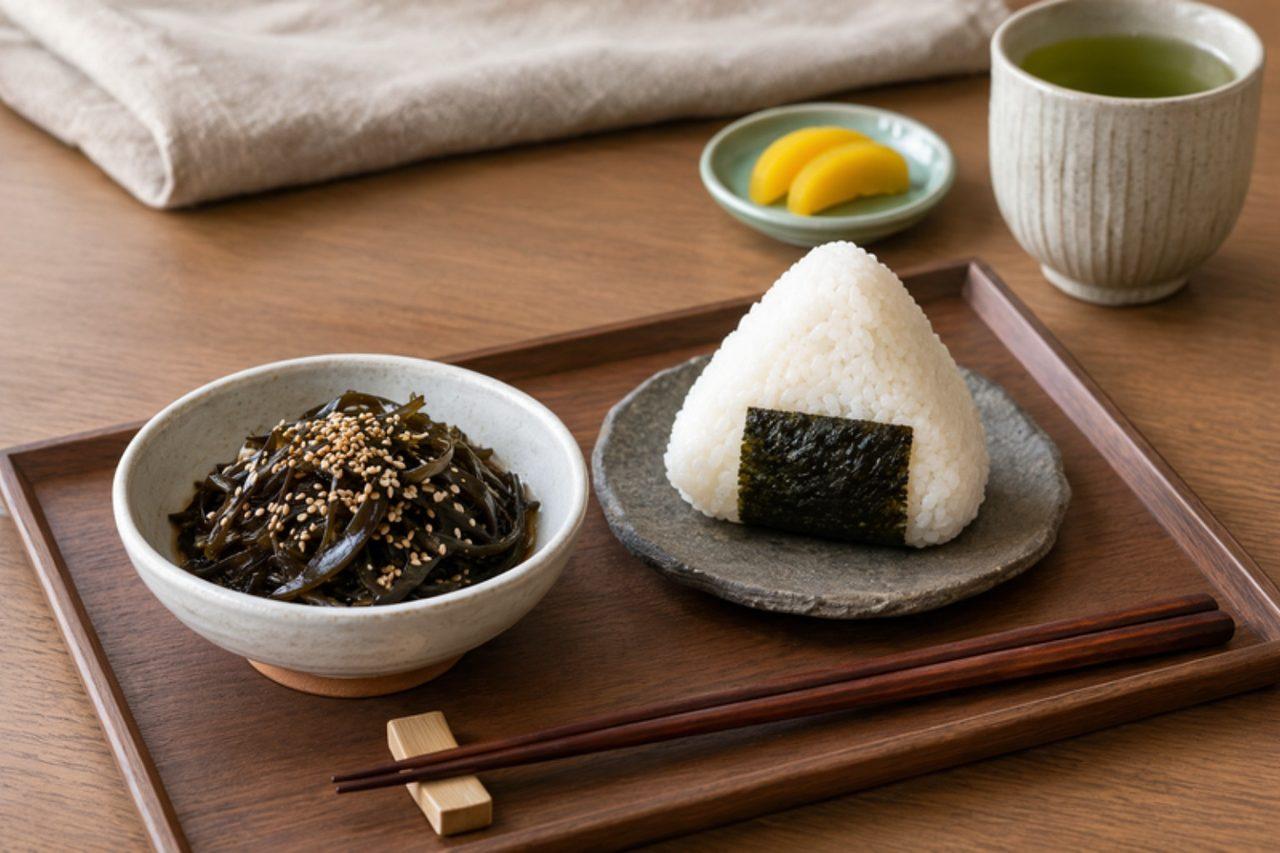
Kombu tsukudaniSoy-simmered kelp

Japanese home cooks hate waste, so the softened kelp left over from making dashi is saved in the freezer until there is enough to simmer down into tsukudani, a dark, chewy relish named after Tokyo's Tsukudajima island, where fishermen first preserved their catch in soy. A teaspoon goes into the middle of an onigiri or on top of the rice in a weekday bento, and it lasts a week in the fridge. The common mistake is boiling it hard from the start: the kelp turns slimy and the sauce scorches before the strips are tender. A splash of vinegar early on softens the kelp so it cooks evenly. Chef's tip: stop when only a spoonful of glaze clings to the pan, because the relish thickens a lot more as it cools.

by KrazyBadal 0 views

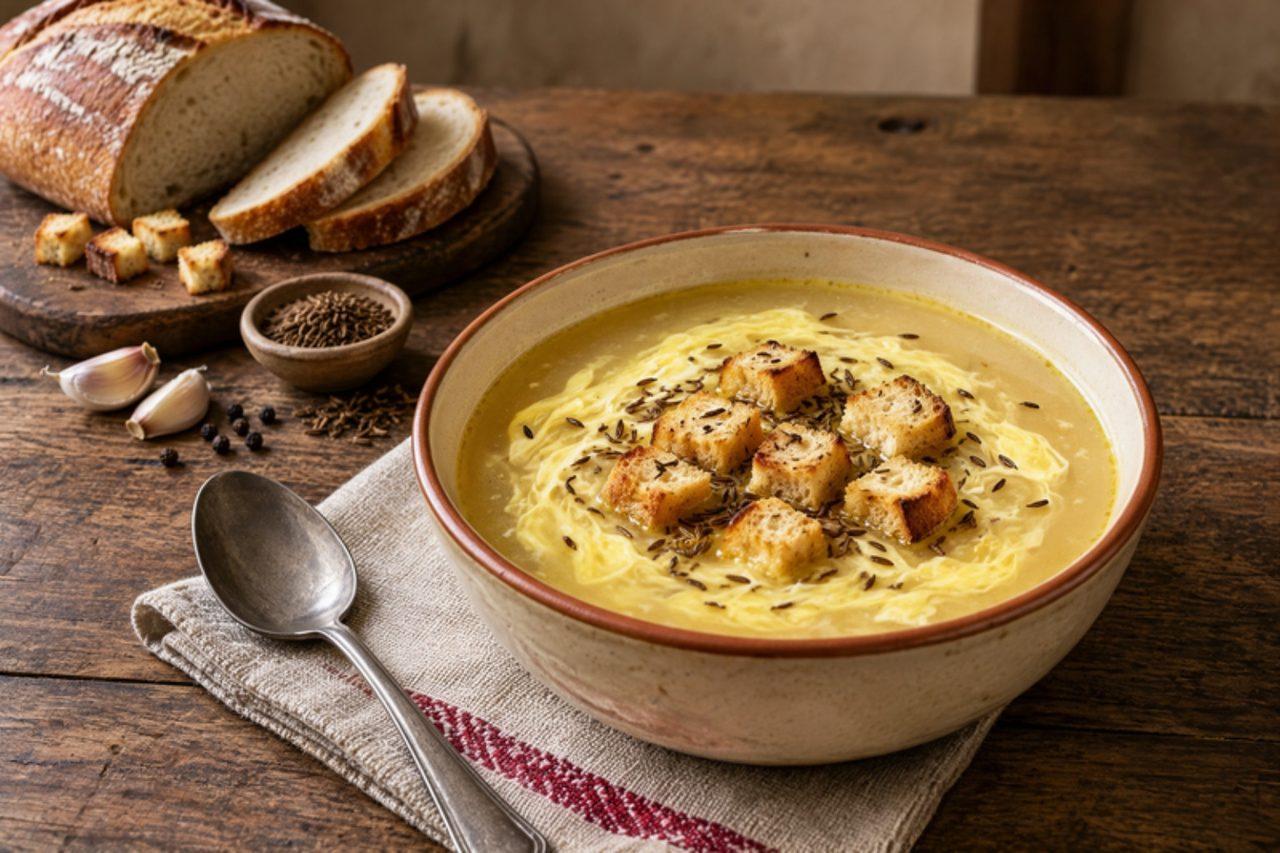
Köménymagos levesCaraway soup with bread cubes

Köménymagos leves was the breakfast of Hungarian peasants and soldiers long before coffee arrived, and it is still made in villages on cold mornings and as a soothing soup after a big night. A dark roux of flour and fat is cooked with plenty of caraway and a touch of paprika, thinned with water and finished with beaten egg and crisp bread cubes. The common mistake is not browning the roux enough: pale roux gives a floury, grey soup, so keep stirring until it is the colour of hazelnuts. Chef's tip: add the paprika off the heat, just before the water, because paprika burns in seconds in hot fat and turns bitter.

by KrazyBadal 0 views

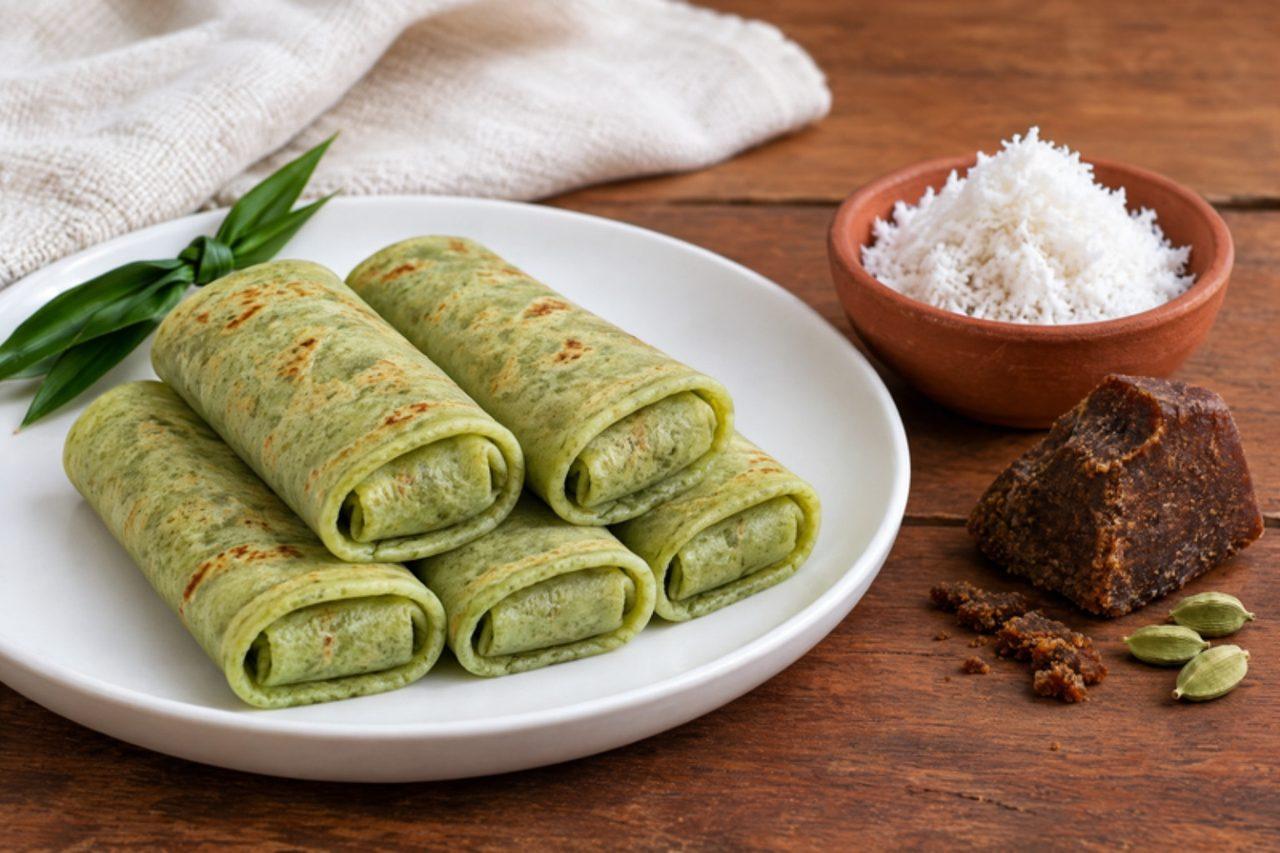
Alle belleCoconut-filled pancake rolls

Alle belle are the tea-time sweet of Goan Catholic homes: soft, lacy pancakes, sometimes tinted with a little green from pandan or turmeric leaf, rolled up around a sticky filling of fresh coconut and dark palm jaggery (godd). They appear at feast-day teas, at village fairs and in school tiffin boxes, and they contain egg in the batter. The common mistake is a thick batter, which gives heavy pancakes that crack when rolled; it should pour like single cream and spread thinly with a swirl of the pan. Chef's tip: cook the filling until it is sticky but still soft, then add a pinch of salt, because the salt makes the palm jaggery taste richer.

by KrazyBadal 0 views

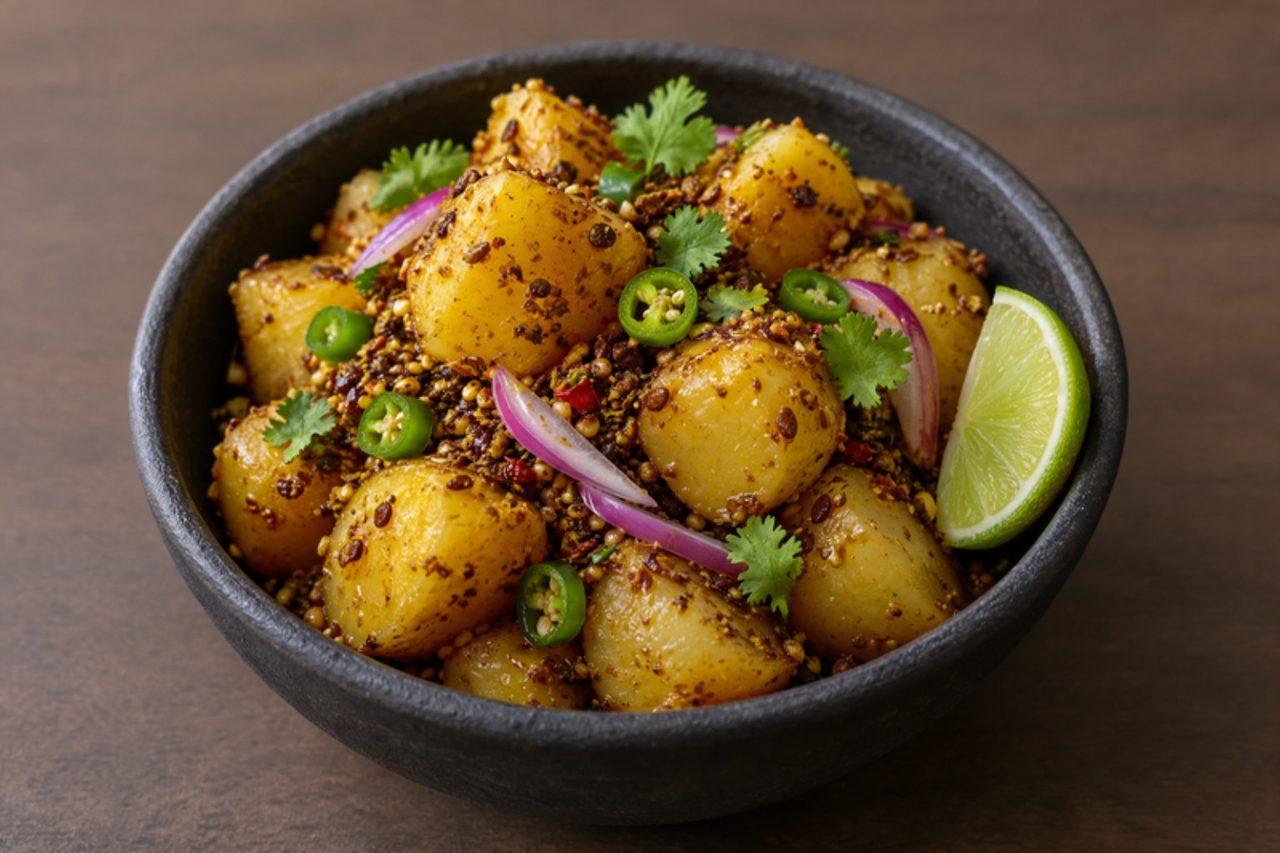
Aloo sadekoSpiced potato salad

Sadeko means marinated, and aloo sadeko is the sharp, tingly potato salad served in every khaja ghar, the little snack houses round Asan Tole and New Road, as afternoon khaja beside beaten rice and a cup of tea. Cool boiled potatoes are dressed with mustard oil heated with fenugreek seeds until they turn dark and nutty, then timur (Nepal's numbing Sichuan pepper), green chilli, toasted sesame and lots of lime. Contains sesame and mustard. Chef's tip: fry the fenugreek seeds until reddish-brown, not black; burnt fenugreek makes the whole bowl bitter.

by KrazyBadal 0 views

KoserevaCandied bitter orange peel

Kosereva is a Paraguayan home preserve from the days when nothing was wasted: thick strips of bitter-orange peel soaked and boiled to soften their bite, then cooked slowly in dark cane molasses until glossy and nearly black. In the countryside it is eaten after lunch with a slice of fresh cheese or simply on its own. Bitter oranges (Seville oranges) are in season in winter. The most common mistake is not changing the boiling water enough, which leaves the peel unpleasantly bitter. Chef's tip: taste a sliver of peel after the third boil; it should be gently bitter like marmalade, not harsh.

by KrazyBadal 0 views

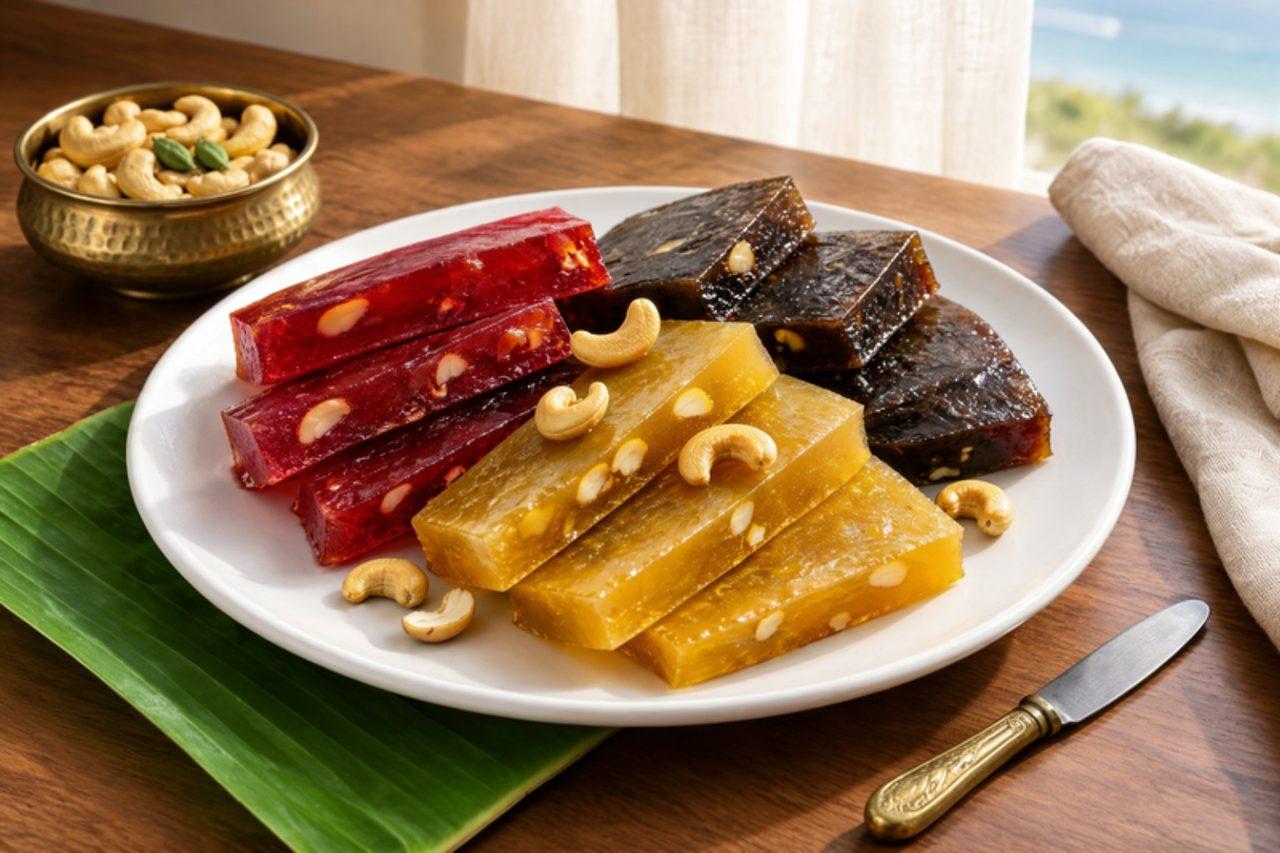
Kozhikode halwaCoconut oil halwa with cashews

Walk down SM Street, 'Mittai Theruvu', in Kozhikode and you pass shop after shop stacked with jewel-coloured slabs of halwa, which Malabar families have bought for Eid, weddings and visits since the Arab trading days. The classic is made from wheat-flour milk (or plain flour) cooked for a long time with sugar and coconut oil or ghee until glossy, chewy and translucent, studded with cashews. The common mistake is rushing the cooking: the halwa must be stirred until it stops sticking, turns transparent and the fat seeps out at the edges, or it sets soft and cloudy. Chef's tip: add the oil a spoonful at a time only after the mixture thickens, so it is absorbed rather than floating.

by KrazyBadal 0 views

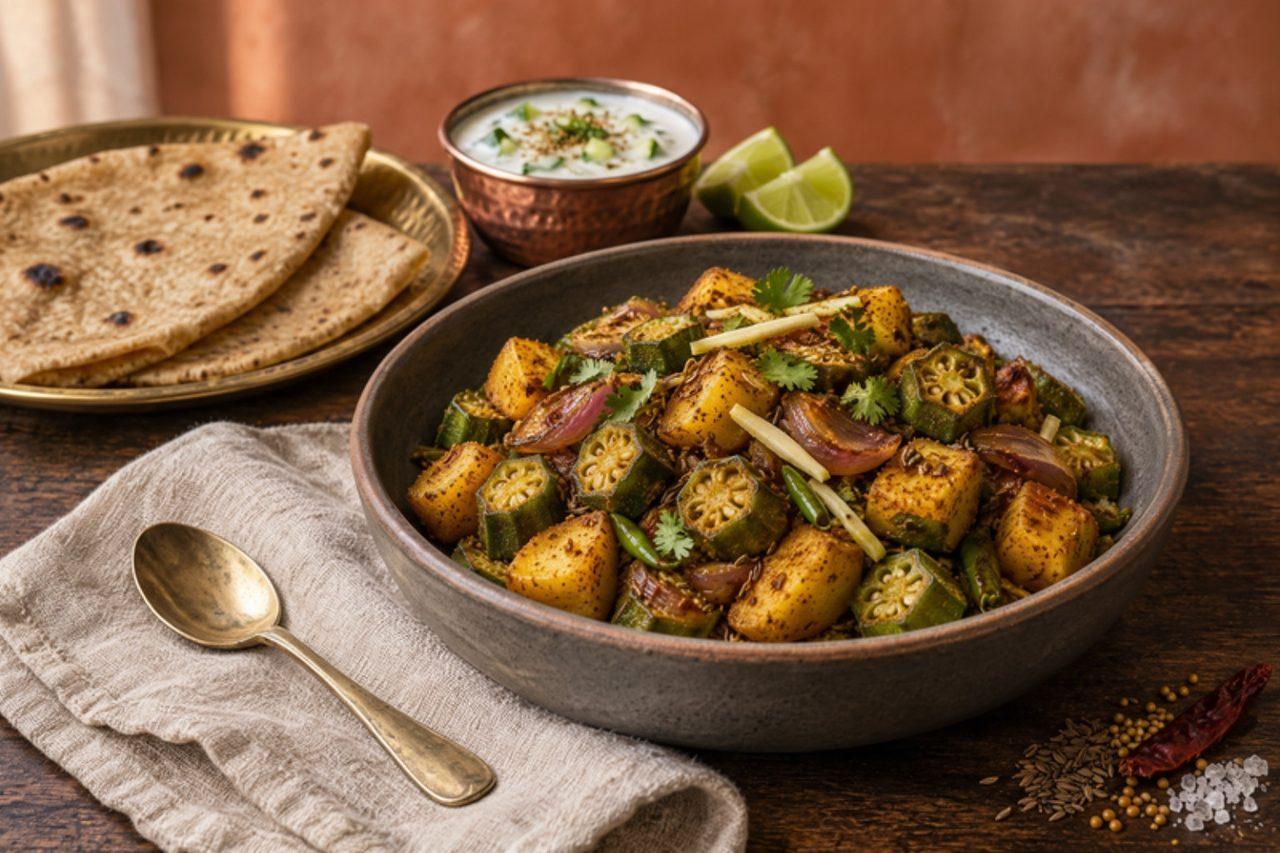
Aloo bhindiPotato and okra stir-fry

Aloo bhindi is the sabzi that Delhi children are happiest to find in their dabba with soft phulkas: okra fried until its edges crisp, potato cubes browned alongside, and sliced onion cooked sweet, all dusted with amchur and cumin. The single big mistake is washing the okra and cutting it wet, which releases slime that never cooks off. Wash it, dry every pod with a cloth and wait half an hour before slicing. Chef's tip: add the salt only at the very end; salt draws moisture out of the okra and makes it sticky.

by KrazyBadal 0 views

Aloo pitikaMashed potato with mustard oil

Aloo pitika is the first thing on many Assamese lunch plates, a rough mash of boiled potato sharpened with raw mustard oil, onion, green chilli and coriander, eaten with the first mouthfuls of rice and dal. Guwahati families make it daily, and in winter it may be mixed with roasted aubergine or a boiled egg. The usual mistake is making it smooth like a Western purée; it should be coarse and hand-mashed so the onion and chilli stay crunchy. Chef's tip: use pungent kachi ghani mustard oil and rub it in last, so its heat hits the nose.

by KrazyBadal 0 views

Kuku kienyejiFree-range chicken stew

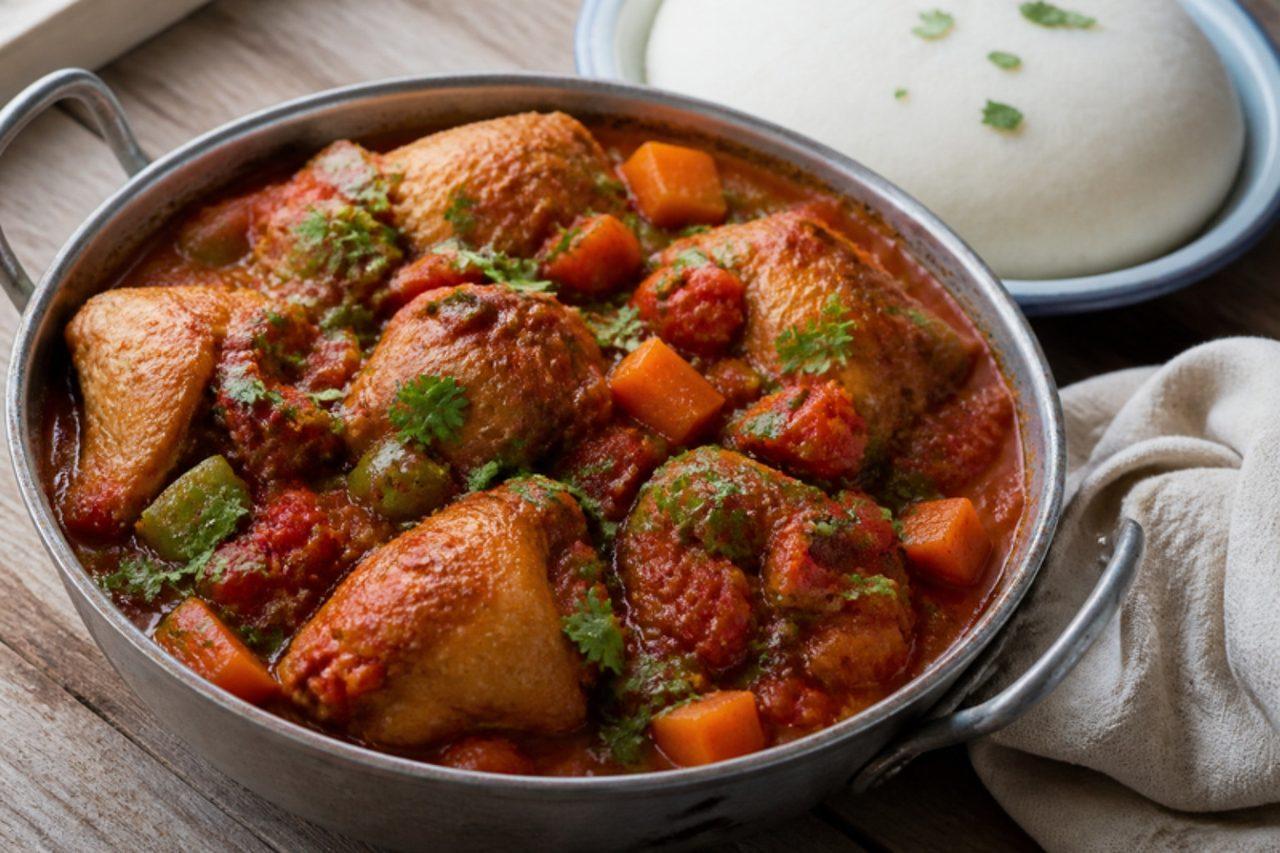
On a Kalenjin homestead outside Eldoret or Kericho, a kienyeji (free-range) hen is the meal for a Sunday visit or a returning son, cooked slowly over a wood fire until the whole compound smells of it. These birds run about all their lives, so the meat is lean, firm and far more savoury than a supermarket broiler, and the yellow fat renders into a rich, garlicky tomato stew that is mopped up with ugali and sautéed managu or sukuma. Use a free-range or older boiling hen and give it time; rushing it, or using a young broiler and cooking it this long, are the two ways the dish goes wrong. A cup of mursik (fermented milk) often goes alongside in the Rift Valley. Chef's tip: start the jointed bird in a dry pot with the lid on; it gives up its own juices and fat, and that liquid is the base of the stew.

by KrazyBadal 0 views

JholiYogurt and gram flour kadhi

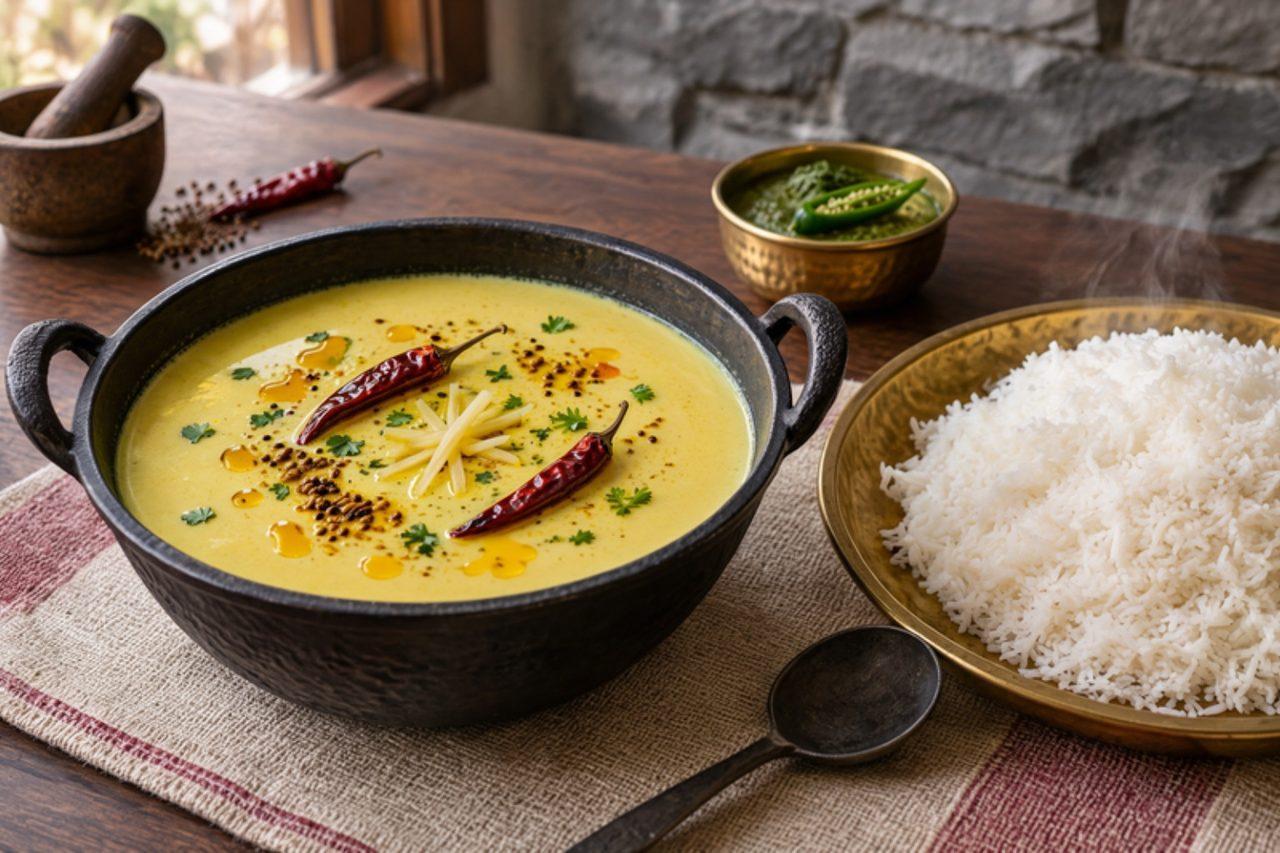
Jholi is the thin, everyday kadhi of Kumaon, cooked when there is curd in the house and no time for pakoras, and spooned over rice for a quick lunch. It is tempered with jakhya, a tiny crunchy hill seed with a mustardy bite, and coloured gold with turmeric. Because there are no fritters, it is lighter and tangier than a Punjabi kadhi. The common mistake is letting it boil before the gram flour has cooked in, which splits the curd into grains. Chef's tip: keep stirring in one direction until the first bubble; after that the jholi is stable and can simmer on its own.

by KrazyBadal 0 views

Ambadyachi udda methiHog plum coconut gravy

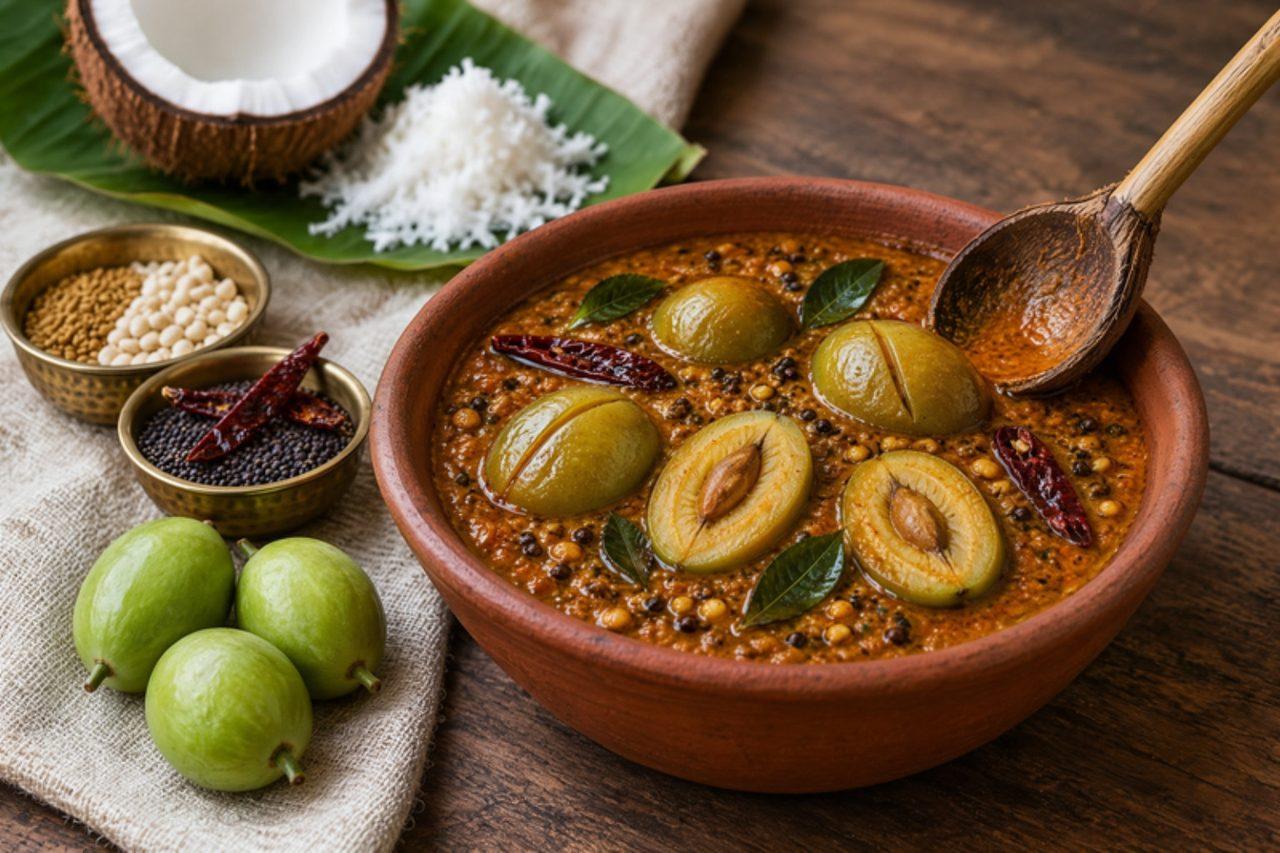
Udda methi is a Goan Saraswat curry named for its two roasted seasonings, urad dal and fenugreek seeds, and in the monsoon months the best version is made with tart green hog plums, ambade. The plums simmer whole in a coconut gravy that is sour, a little bitter, hot and faintly sweet from jaggery, and it is eaten with plain rice on rainy days or at a Shravan meal. The common mistake is burning the fenugreek: it should be roasted only until reddish, because dark seeds make the whole pot bitter. Raw mango works in place of ambade outside the season. Chef's tip: crush each hog plum lightly with a pestle before cooking so the gravy can soak into the flesh around the stone.

by KrazyBadal 0 views

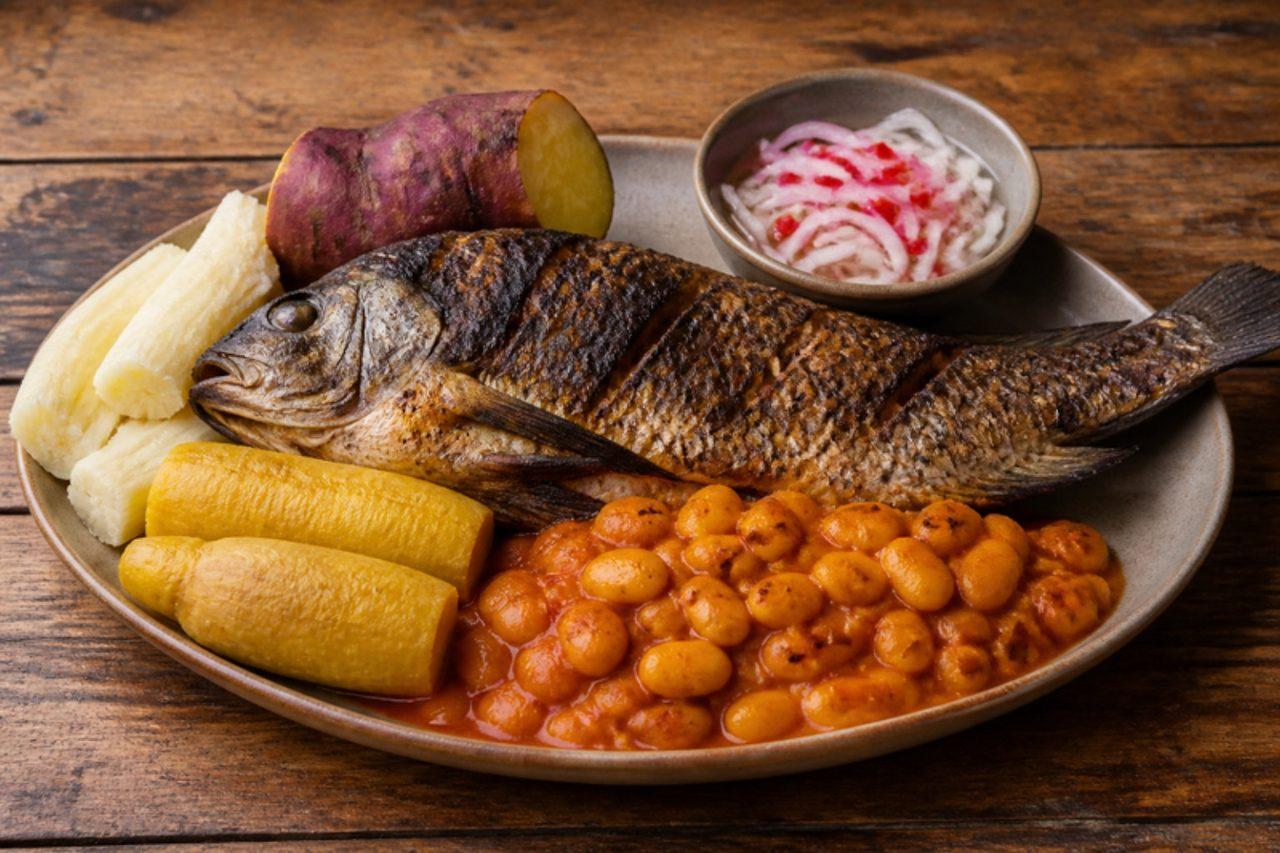
MufeteGrilled fish with beans and plantain

On the Ilha de Luanda and at the beach restaurants of Mussulo, mufete is the weekend feast: a whole grilled cacusso (tilapia) laid across a platter heaped with beans in palm oil, boiled plantain, sweet potato and cassava, with a sharp sauce of raw onion, vinegar and oil spooned over everything. The fish is smoky and juicy, the roots soft and sweet, and the onion sauce cuts through the richness of the beans. It is eaten slowly, with cold drinks and plenty of conversation. Ask the fishmonger to gut and scale the fish. Cassava must always be peeled, cored and boiled until fully soft, never eaten raw. Chef's tip: oil the grill bars and the fish well and don't try to turn it until the skin releases on its own, or it will tear.

by KrazyBadal 0 views

KusliSemolina-filled Diwali pastries

Kusli are the crimped half-moon pastries that fill tins in Chhattisgarhi homes before Diwali and Chhath, close cousins of the gujiya and karanji but filled with semolina roasted in ghee, dry coconut and sugar rather than mawa. They keep for a fortnight and are handed to visitors with thethri and khurmi. The common mistake is frying them in very hot oil; they blister and brown outside while the pastry stays raw within. Chef's tip: seal the edges with a dab of milk and a firm pinch-and-fold twist so not a crumb of filling leaks into the oil.

by KrazyBadal 0 views

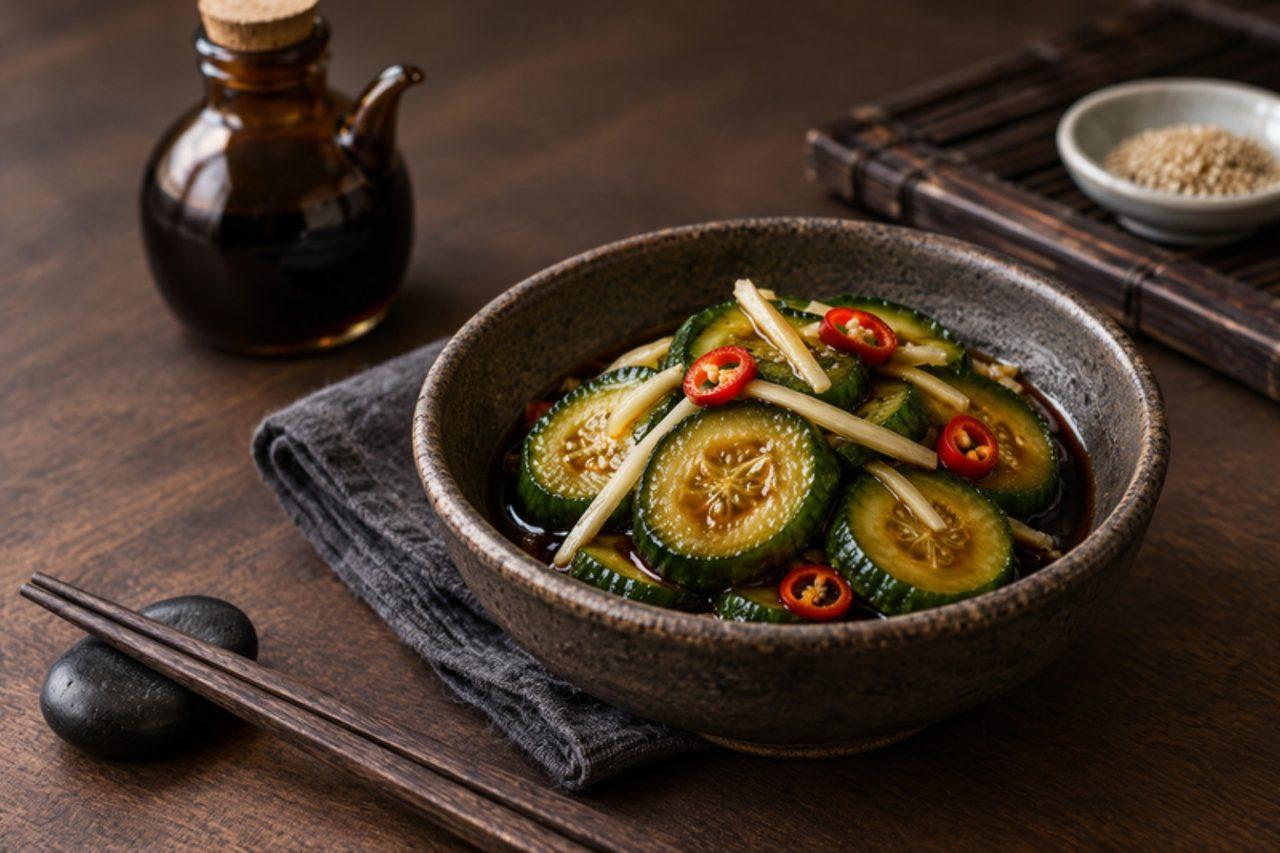
Kyuri no shoyuzukeSoy-pickled cucumber

When summer gardens across Japan produce more cucumbers than anyone can eat, grandmothers make this: thick cucumber rounds scalded in a pot of soy sauce, vinegar, sugar, ginger and chilli, then left to soak. It appears in July and August beside white rice and miso soup, rolled into onigiri, and on the table at rural inns as the small dish everyone reaches for. It is deeply savoury, a little sweet, with a ginger and chilli warmth and a surprising snap, because the cucumbers are drained and scalded again instead of simmered. The common mistake is boiling the cucumbers in the liquid: they go soft and olive-coloured. Instead, pour the boiling liquid over, drain it off, reheat it, and pour it back, twice; each round draws out water and keeps the crunch. They are ready when the rounds are glossy dark brown, slightly wrinkled at the edges and crunchy right through. Use firm, small-seeded cucumbers such as Japanese or Lebanese; large salad cucumbers with big seeds go soggy. Chef's tip: add a strip of kombu in the last round and a handful of toasted sesame seeds when you serve, for deeper flavour.

by KrazyBadal 0 views

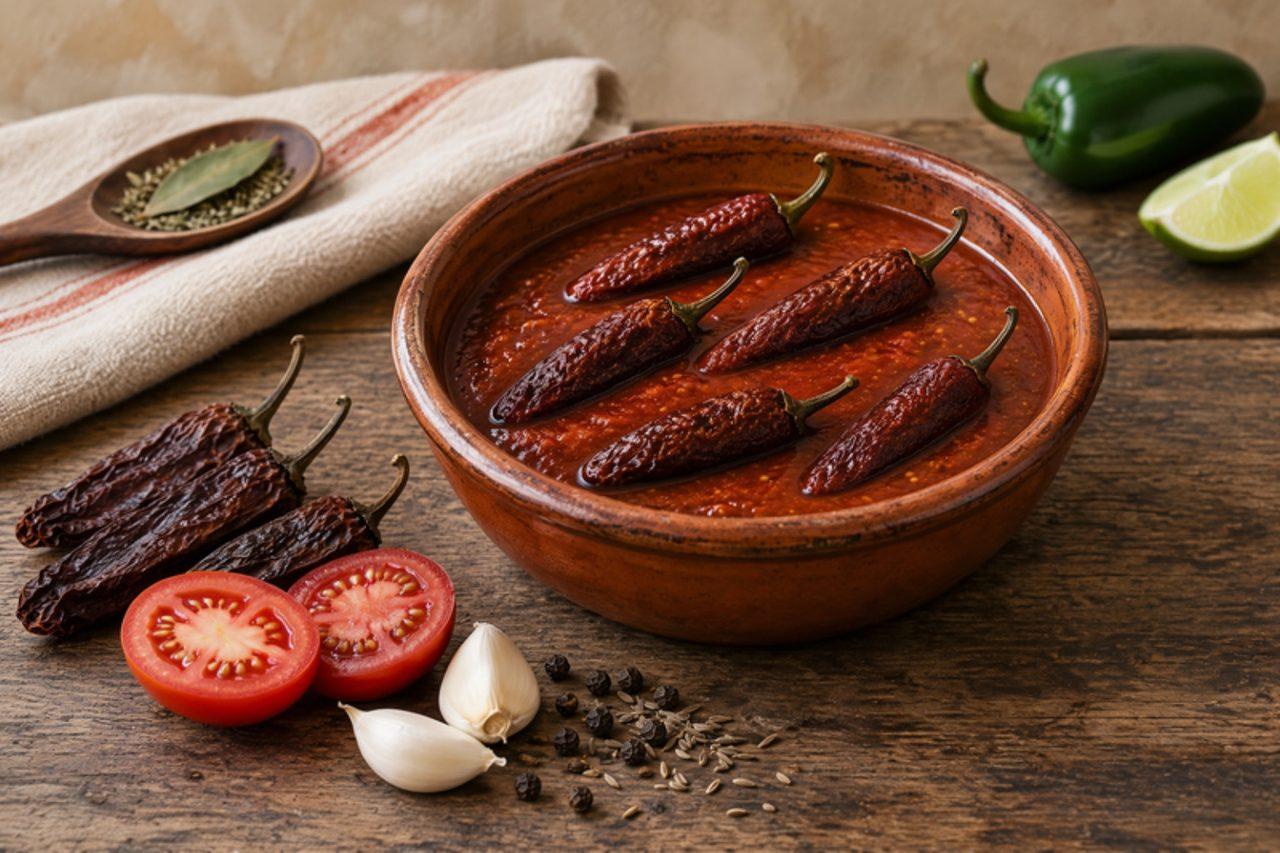
Chipotles en adoboSmoked jalapenos in adobo sauce

Chipotles are ripe jalapeños smoked slowly over wood until leathery; in Puebla and Veracruz the reddish, plump mora type is the everyday one, and the tan, leathery meco is prized for its deeper smoke. Simmered in a sweet-sour adobo of tomato, onion, garlic, vinegar and piloncillo, they become the soft, glossy chillies that go into tinga poblana, albóndigas en chipotle, bean soups and a quick chipotle mayonnaise. Homemade, they are smokier and less sugary than the tinned kind, with sauce that is brick red, tangy and thick enough to coat a spoon. Common mistake: toasting the dried chillies too long; a few seconds a side is enough, because scorched chillies make the whole jar bitter. This is a low-acid chilli preserve, so it is kept in the fridge or freezer, never canned in a water bath. It is ready when the chipotles are plump and soft enough to crush with a spoon and the adobo has reduced to a glossy sauce. Chef's tip: blend one or two chillies with their sauce and freeze it in an ice-cube tray, so you can add a single cube to a pot.

by KrazyBadal 1 views

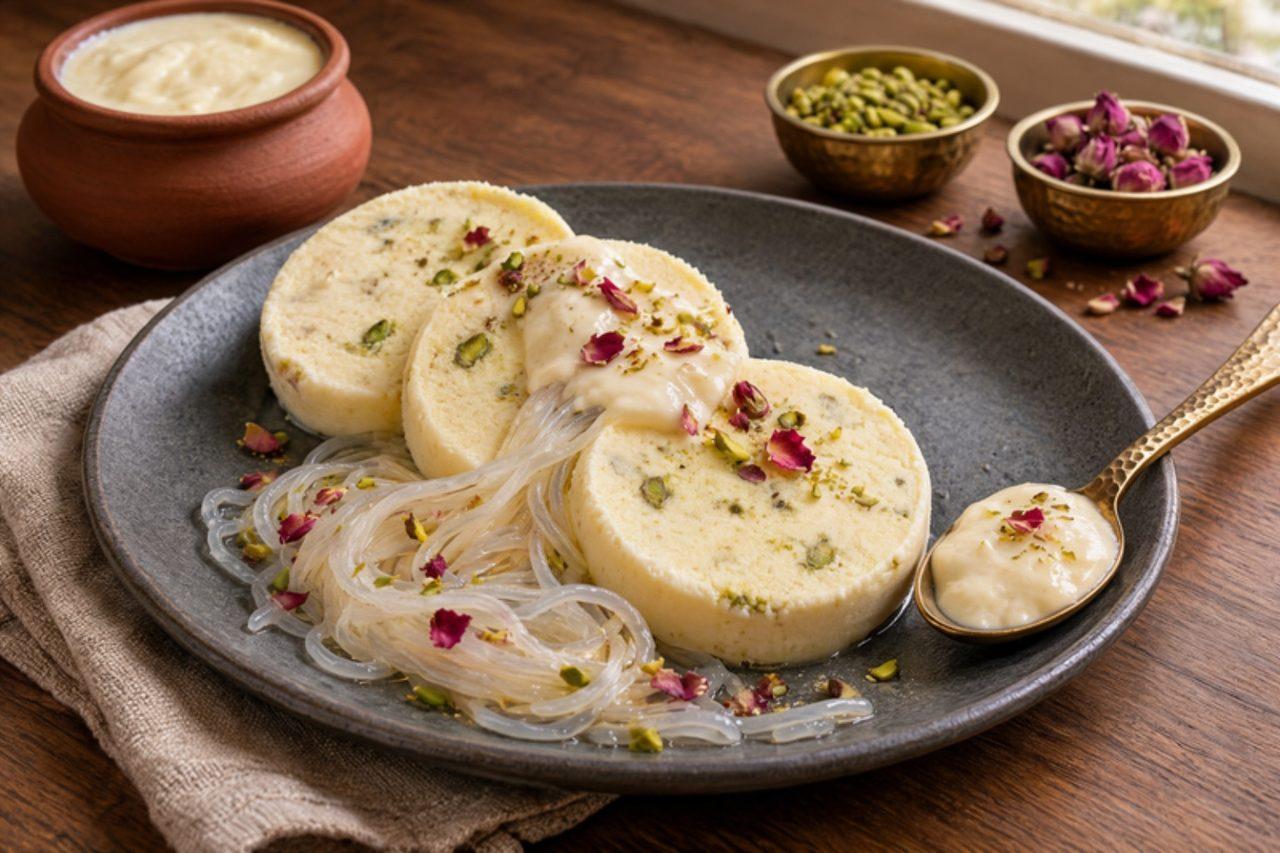
Lahori kulfaKulfi with falooda

On hot Lahore nights, families stroll to Gawalmandi food street and the old shops near Anarkali for kulfa: a whole cone of dense, cardamom-scented kulfi is sliced into fat discs, laid over soft falooda noodles and spooned over with rabri, the thick sweetened milk. It is cold, chewy and creamy in every mouthful. Contains milk and tree nuts (pistachio and almond); the falooda noodles may contain wheat. Chef's tip: scrape the bottom and sides of the pan constantly as the milk reduces; one scorched patch flavours the whole batch.

by KrazyBadal 0 views

LampascioniWild hyacinth bulbs

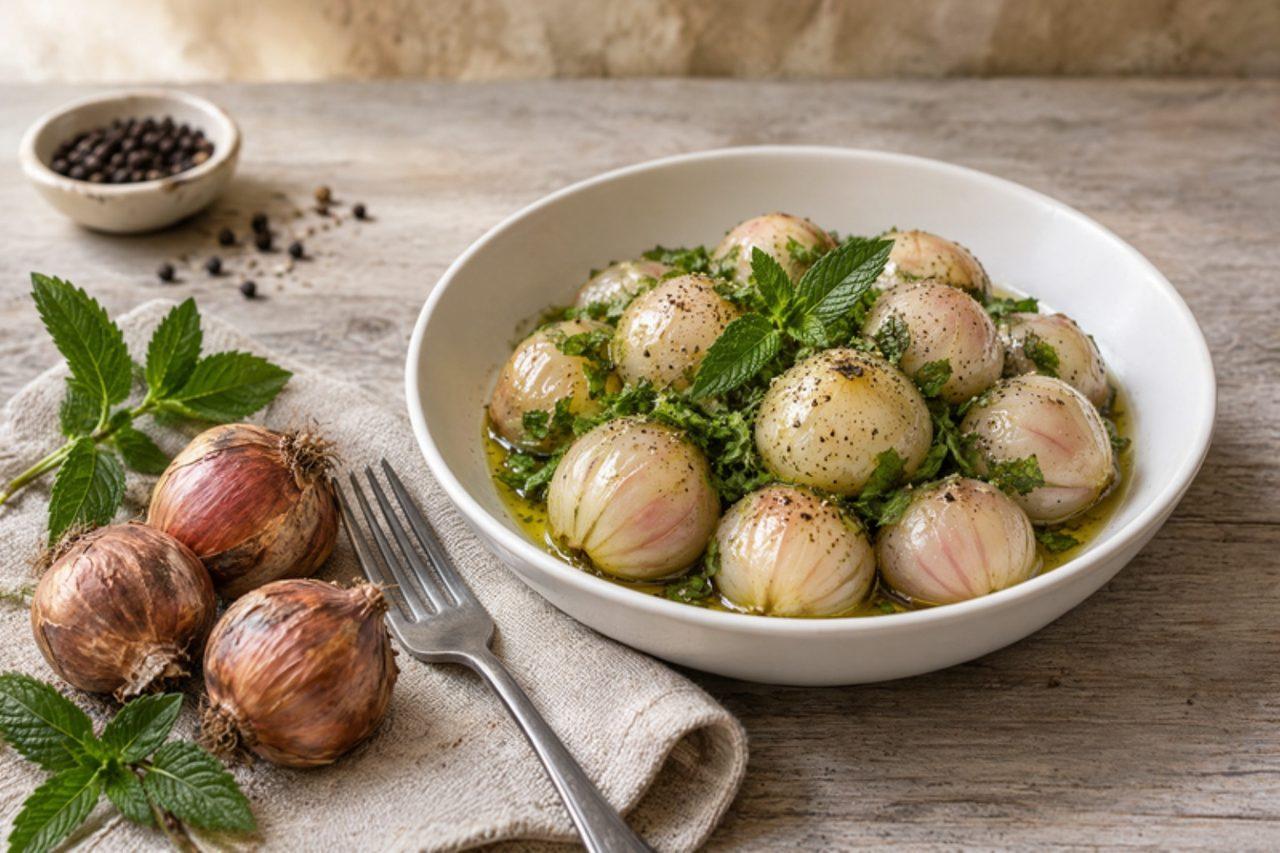
Lampascioni, the bulbs of the wild tassel hyacinth, are dug in winter and spring in the fields of Puglia and Basilicata and sold in nets in Bari and Matera markets. They look like small red onions and have a pleasantly bitter, earthy bite that the people of Salento love as an antipasto or side to grilled meat, beans or eggs. Suitable as part of a balanced diet, they are high in fibre: about 120 kcal and 12 g carbohydrate per portion. The usual mistake is not soaking them long enough; unsoaked lampascioni are very bitter, so change the water several times. Jarred lampascioni in brine, rinsed well, are a quick alternative. Chef's tip: cut a small cross in the root end of each bulb so the bitterness leaches out and they cook evenly.

by KrazyBadal 0 views

Mkate wa mofaMillet and wheat flatbread

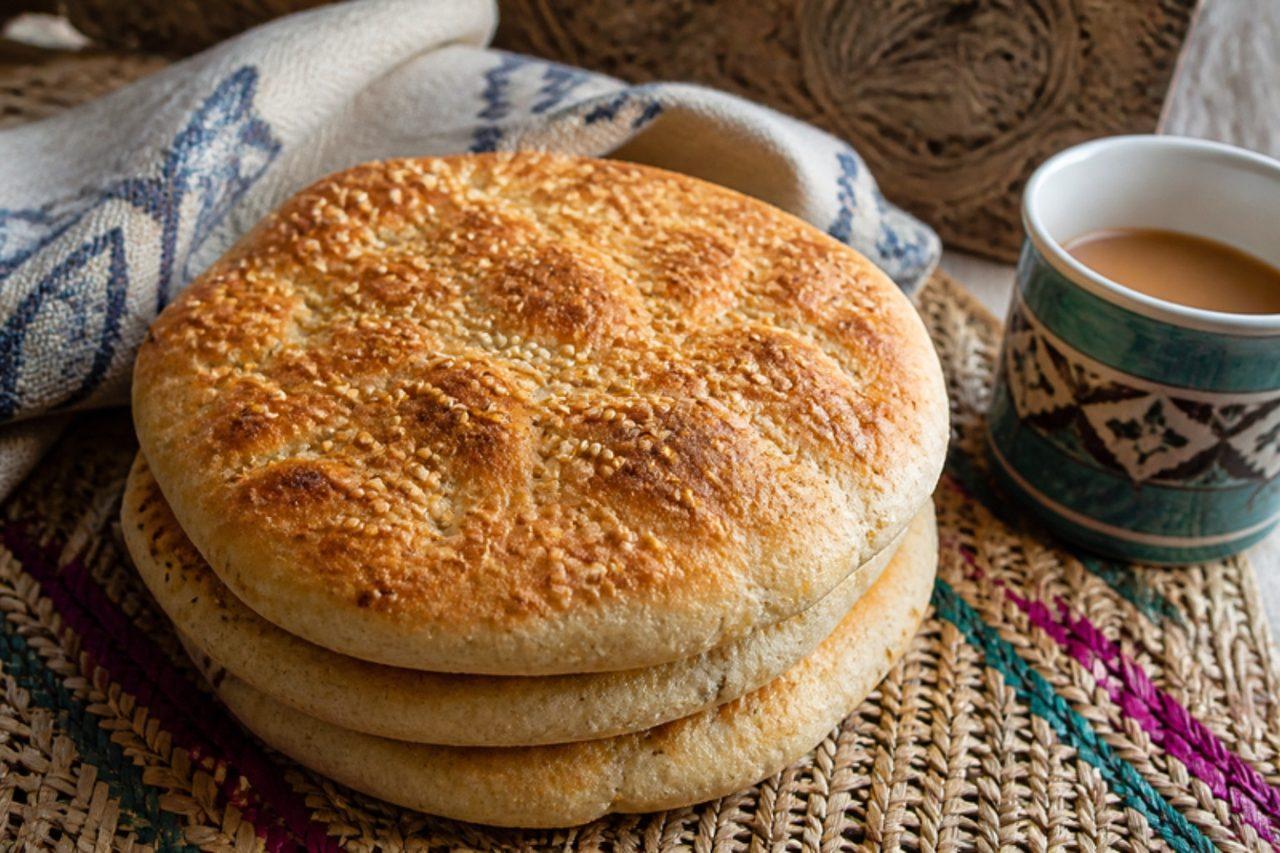
Before dawn in Lamu's narrow lanes, bakers slap rounds of mofa dough onto the hot walls of a clay oven, and by breakfast the breads are stacked in baskets beside glasses of spiced tea. The dough mixes millet and wheat flour with coconut milk, a little sugar and cardamom, then ferments overnight, so each bread comes out soft and slightly chewy with a tangy, nutty taste and a blistered top. Islanders eat them with tea, with fried fish, or split and dipped in a bean or coconut sauce. Without a clay oven, a heavy pan on the hob plus a hot grill gives the same blistering; just don't roll the dough thin like chapati, a common slip, because mofa should be about 1 cm thick and pressed out by hand. Chef's tip: wet your palms before shaping, as islanders do; the dough is soft and the water stops it sticking.

by KrazyBadal 0 views

AmbalSweet and sour pumpkin

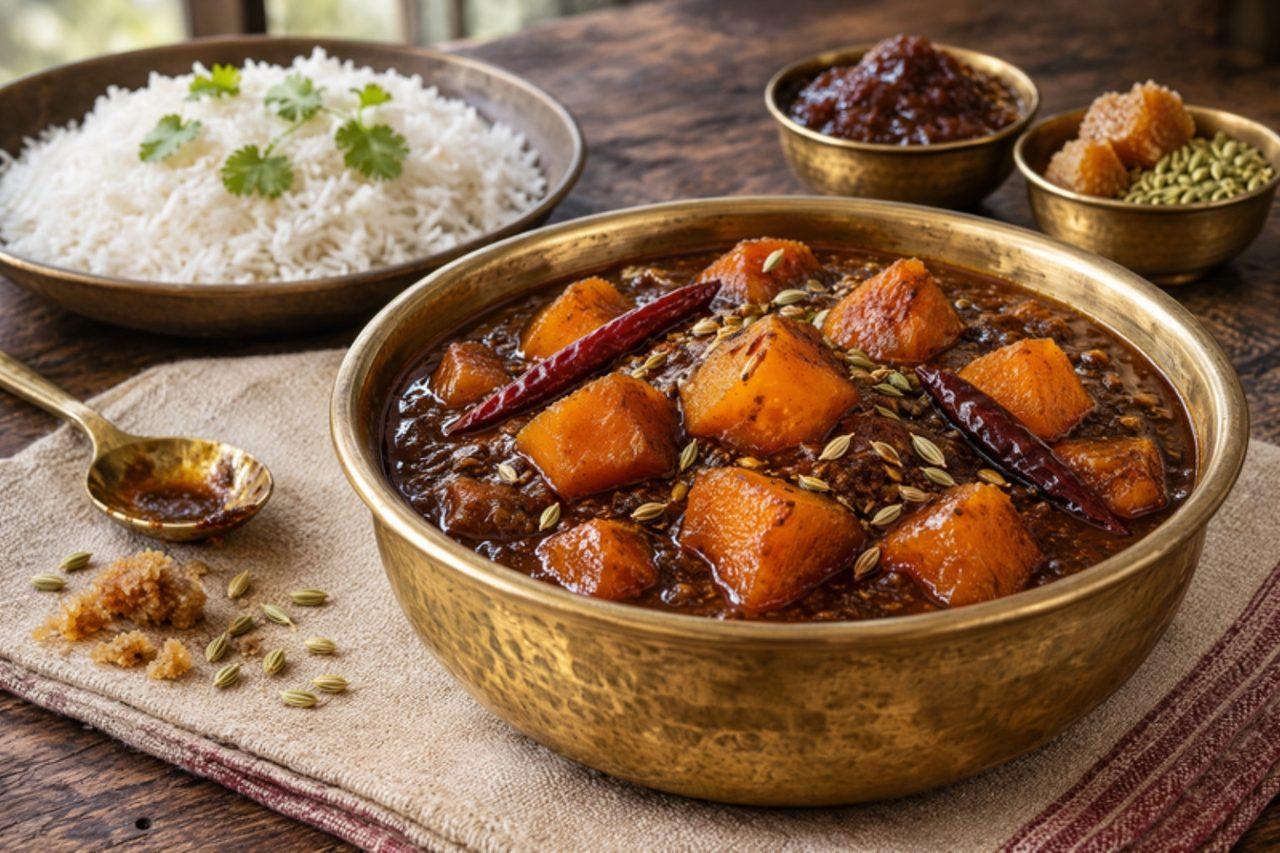
Ambal belongs to the Dogra dham of Jammu, the feast cooked by the hereditary siyan cooks for weddings and festivals and served on leaf plates in a fixed order. Yellow pumpkin is softened with fenugreek seeds and fennel, then simmered in a dark tamarind and jaggery sauce until it is sticky, sour and sweet at once, which is what the name, from 'amla' for sour, promises. It is eaten with rice alongside the dham's dals and madra. The common mistake is stirring hard once the pumpkin is soft, which turns it to mush; shake the pan instead. Chef's tip: let it rest an hour before serving, as the tamarind settles and the flavour deepens.

by KrazyBadal 0 views

AmrusuRice porridge with chicken and greens

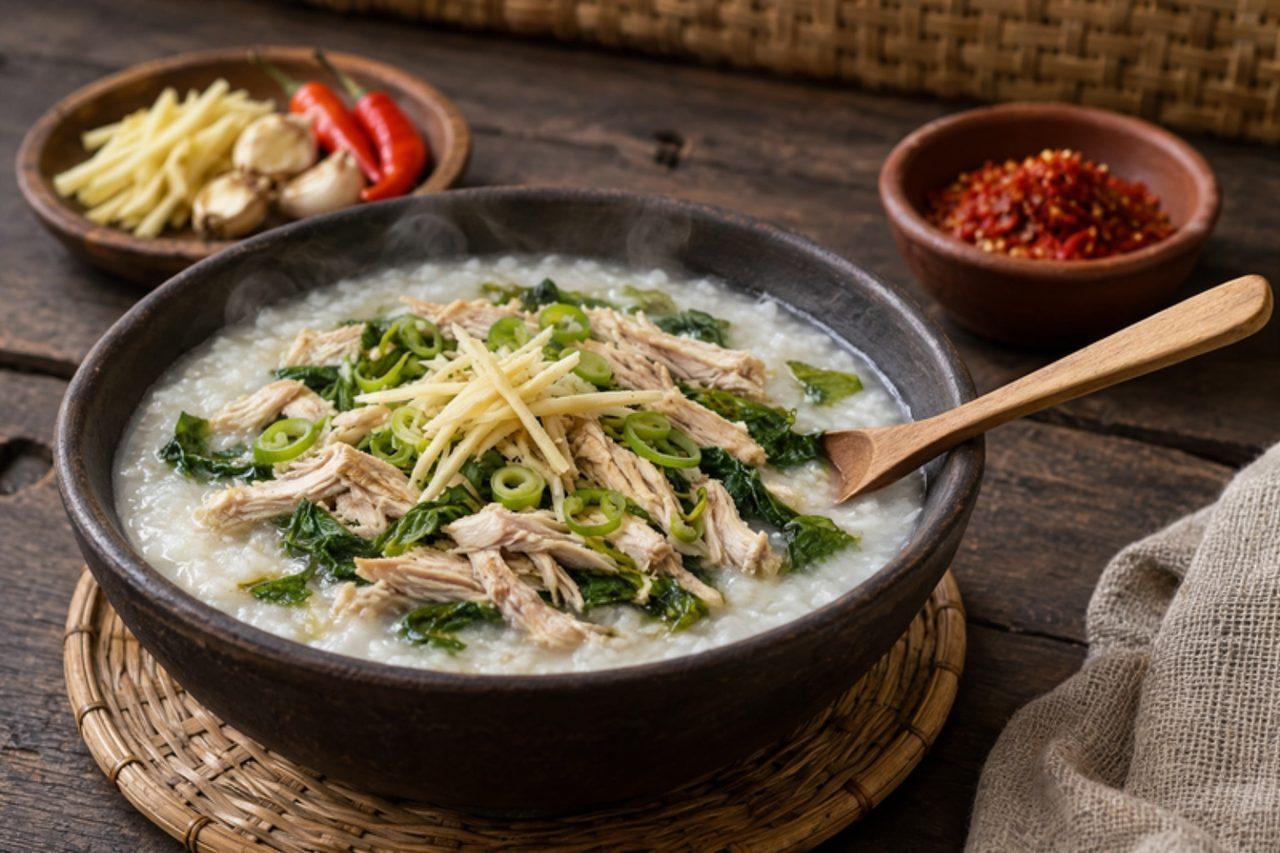
Amrusu is the Ao Naga porridge of Mokokchung in Nagaland, cooked for the sick, for cold mornings and for long community workdays: rice simmered with chicken, ginger, chilli and leafy greens until thick and soothing. It is filling yet light. Chicken must reach 74 °C; cook bone-in pieces until the meat pulls easily from the bone. The common mistake is adding the greens too early, so they turn grey; add them in the last few minutes. Chef's tip: lightly crush the rice in your hand before cooking for a creamier texture.

by KrazyBadal 0 views

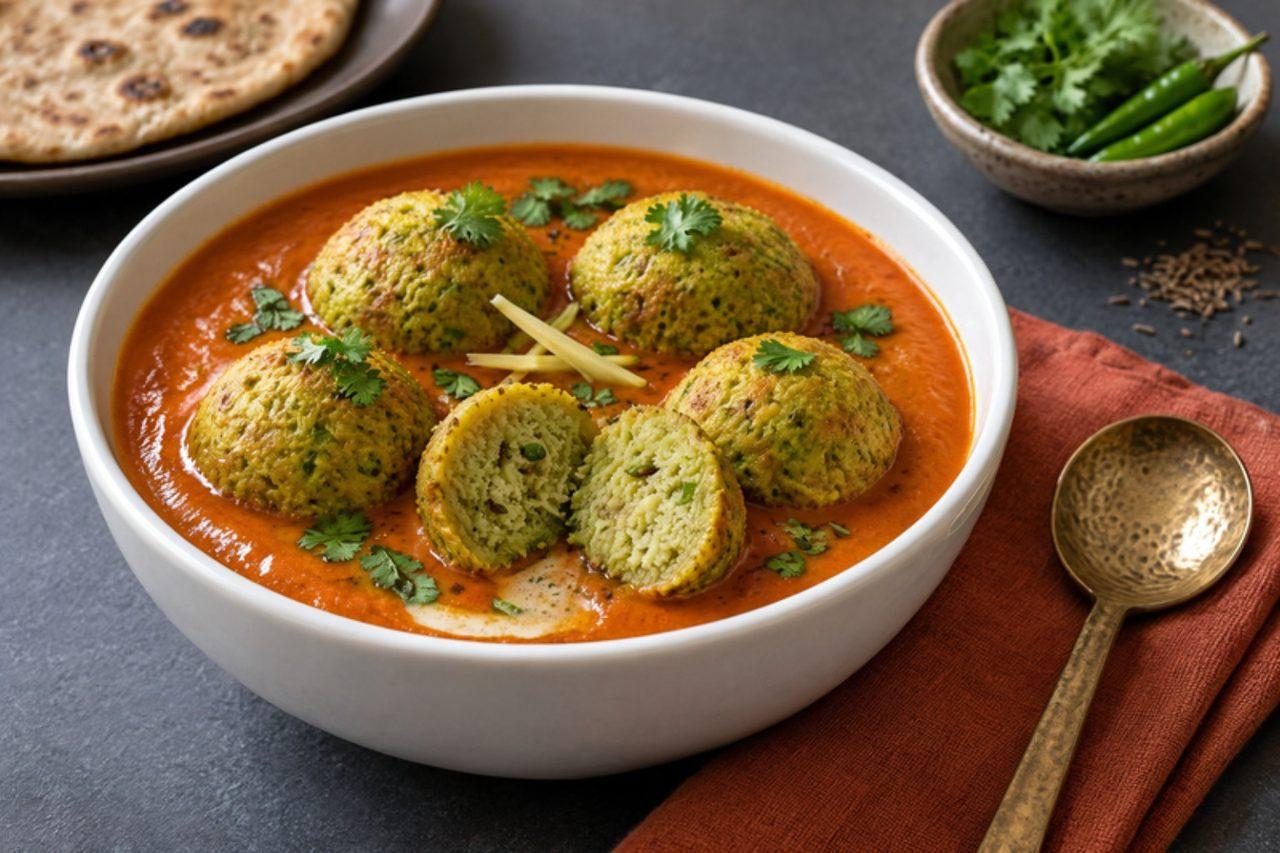
Lauki koftaBottle gourd balls in gravy

Lauki kofta is how North Indian mothers in Punjab and Uttar Pradesh smuggle the humble bottle gourd onto a party table: the gourd is grated and squeezed, bound with gram flour, fried into soft balls and slipped into an onion-tomato gravy. It is a Sunday-lunch and dinner-party curry with phulka, jeera rice or laccha paratha. The classic mistake is not squeezing the lauki hard enough; wet mixture splutters in the oil and the koftas fall apart. Chef's tip: save the squeezed lauki juice and use it in place of water in the gravy, so none of its flavour is wasted.

by KrazyBadal 0 views

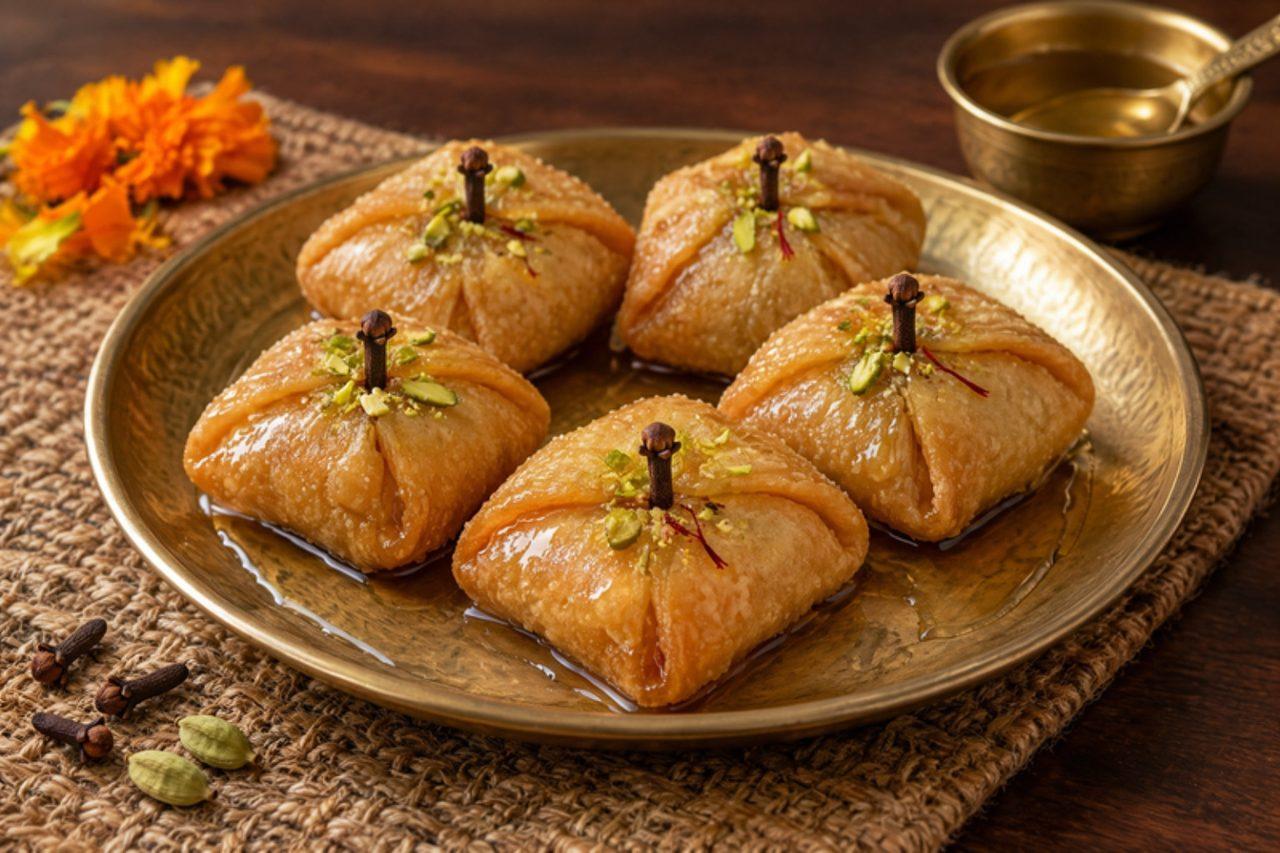
Lavang latikaClove-sealed syrup pastries

Lavang latika is a festive sweet of Bengal and Bihar, shaped like a tiny sealed envelope with a single clove pinned through the flap; it fills sweet-shop trays at Bijoya Dashami, Diwali and Bhai Phonta. Inside is mawa with coconut, nuts and cardamom, and after slow frying the parcels are soaked in syrup, so the outside is crisp and sweet and the clove gives a warm, peppery bite. The common mistake is folding the pastry loosely; the flaps must overlap well and be pressed shut before the clove goes in, or the parcels unfold in the ghee. Remove the clove before eating if you prefer. Chef's tip: soak the cloves in hot water for 5 minutes so they push through the pastry without cracking it.

by KrazyBadal 0 views

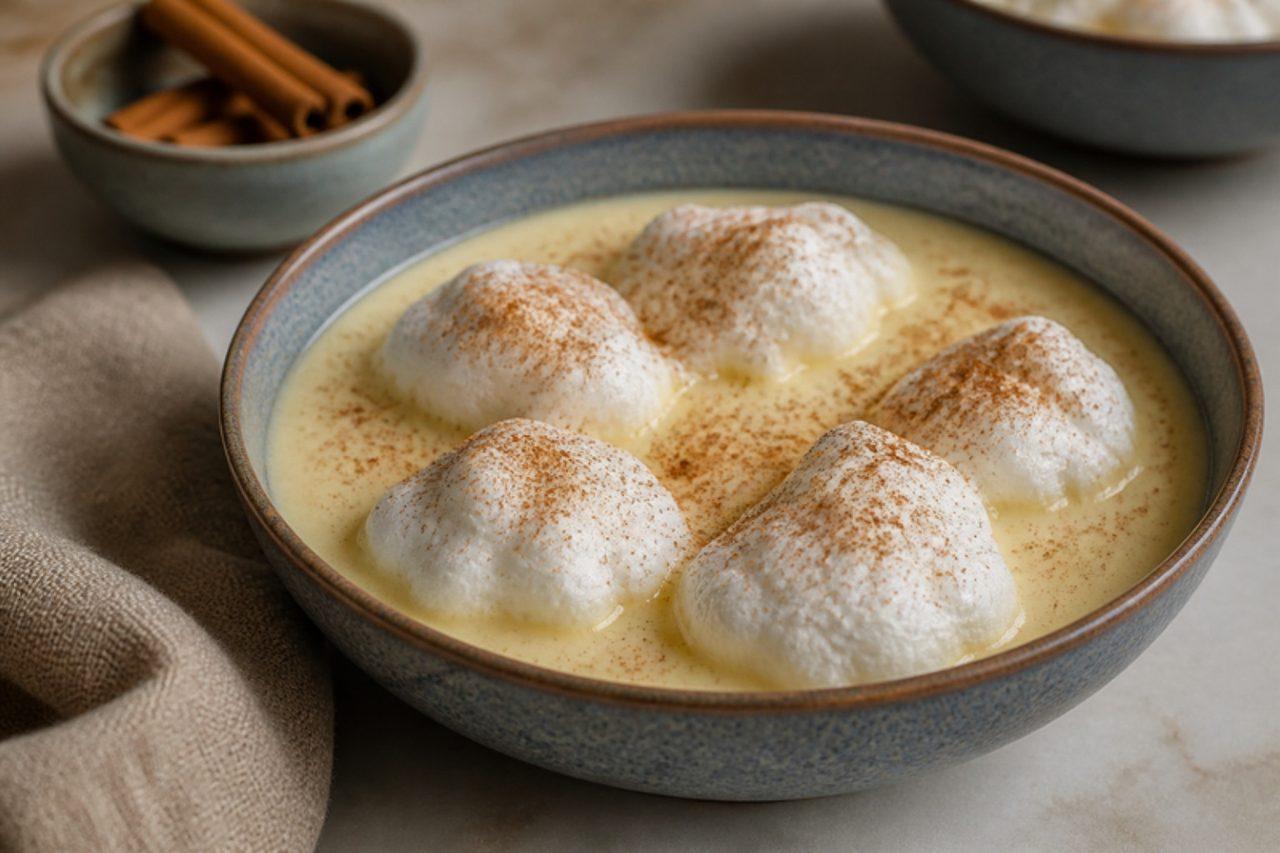
Leche nevadaCustard with meringue clouds

Leche nevada, 'snowed-on milk', is the custard Chilean grandmothers make on a Sunday with a litre of milk and a few eggs: soft spoonfuls of meringue are poached in sweet milk, then the same milk becomes a thin, vanilla-scented custard that the clouds float on. It is served cold in glass bowls, dusted with cinnamon, from Santiago to the south. The usual failure is letting the custard boil after the yolks go in, which curdles it into sweet scrambled egg. Chef's tip: poach the meringue at the barest simmer; at a rolling boil it puffs up, then collapses and goes rubbery. Because the whites are poached and the custard heated to 82 °C, the eggs are cooked through.

by KrazyBadal 0 views

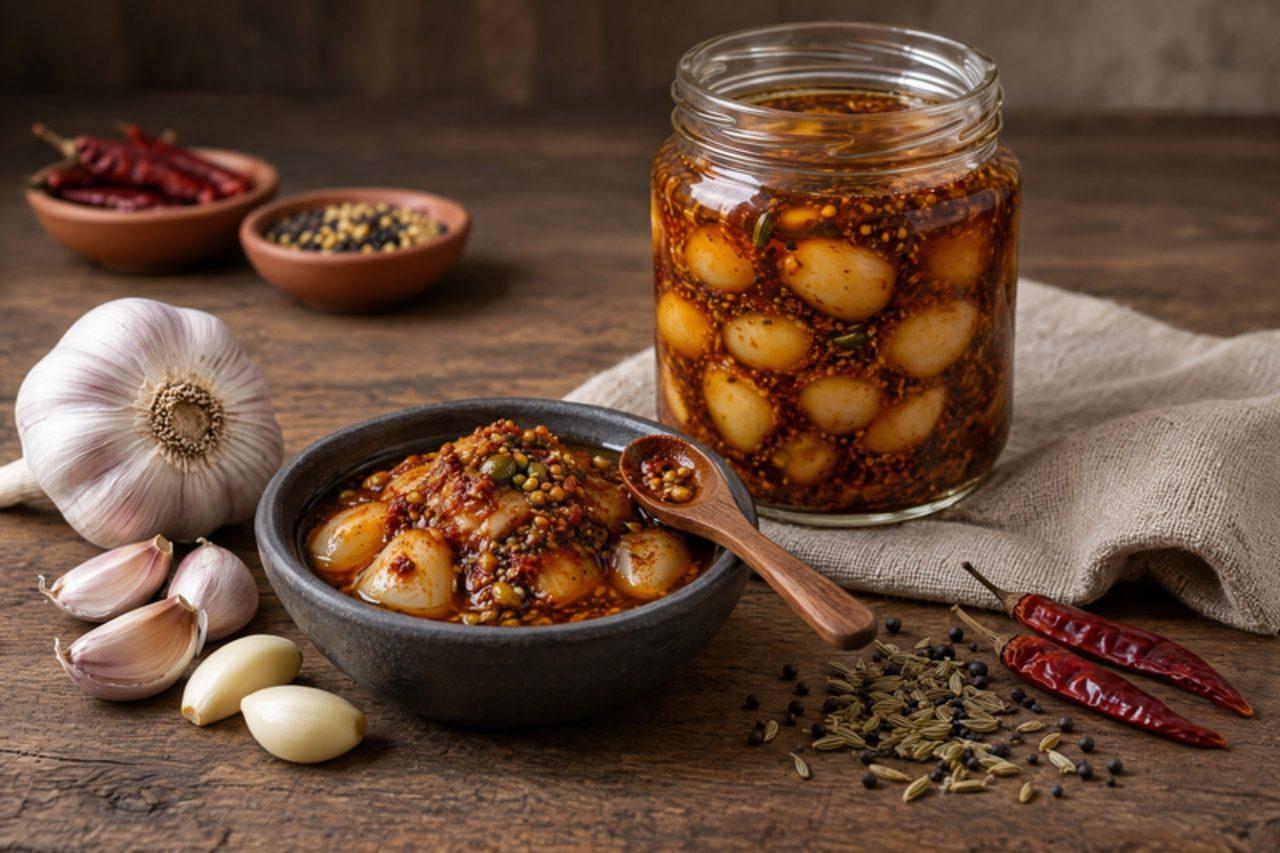
Lehsun ka acharGarlic pickle

Rajasthani homes put up garlic pickle in the dry months after the new crop comes in, and it is the pickle that turns a plain plate of bajra roti and kadhi into a meal. Whole cloves sit in a coarse masala of saunf, methi, mustard, chilli and amchur bound with mustard oil; after a week they are mellow and tender-crisp, pungent and sour with a slight sweetness. Traditionally the jar matures in the sun for days, but garlic in oil at room temperature can carry botulism, so this version is adapted: the cloves are first soaked in lemon juice and vinegar for a day to make them properly acidic, and the pickle matures and lives in the fridge. Use vinegar of at least 5% acidity, never diluted. Don't worry if a few cloves turn blue-green; that is a harmless reaction between garlic and acid. The common mistake is skipping the acid soak to save time; do not. It is ready after a week, when the cloves have lost their raw burn and taste of the masala right through. Keep it in the fridge for up to a month. Chef's tip: choose small, firm desi garlic with tight skins; big soft cloves go limp in the acid.

by KrazyBadal 0 views

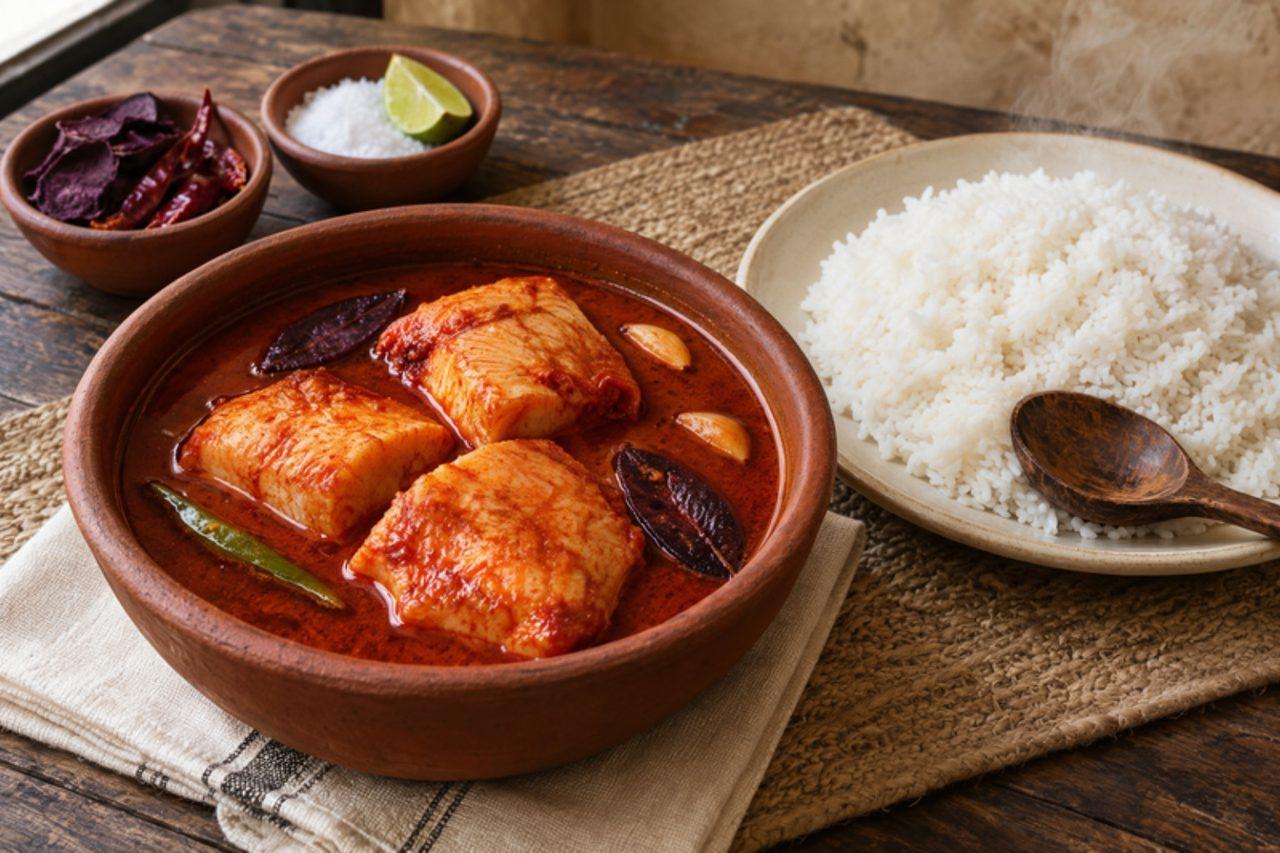
Ambot tikSour-hot fish curry

Ambot tik means sour and spicy in Konkani, and that is exactly what this Goan Catholic curry is: firm fish, often shark or catfish in Goa (any firm white fish or kingfish at home), in a thin, brick-red gravy of Kashmiri and hot chillies ground with garlic, cumin, turmeric and vinegar, soured further with tamarind and kokum. It is a weekday lunch with rice, and many say it is better the next day. The common mistake is boiling the fish hard once it goes in, which breaks it into flakes before it reaches the plate. Fish is done when the flesh is opaque all the way through and flakes when pressed. Chef's tip: marinate the fish in salt and turmeric in the fridge for 15 minutes; it firms the flesh and seasons it to the bone.

45 minIndianFishGluten freeSpicy
by KrazyBadal 0 views

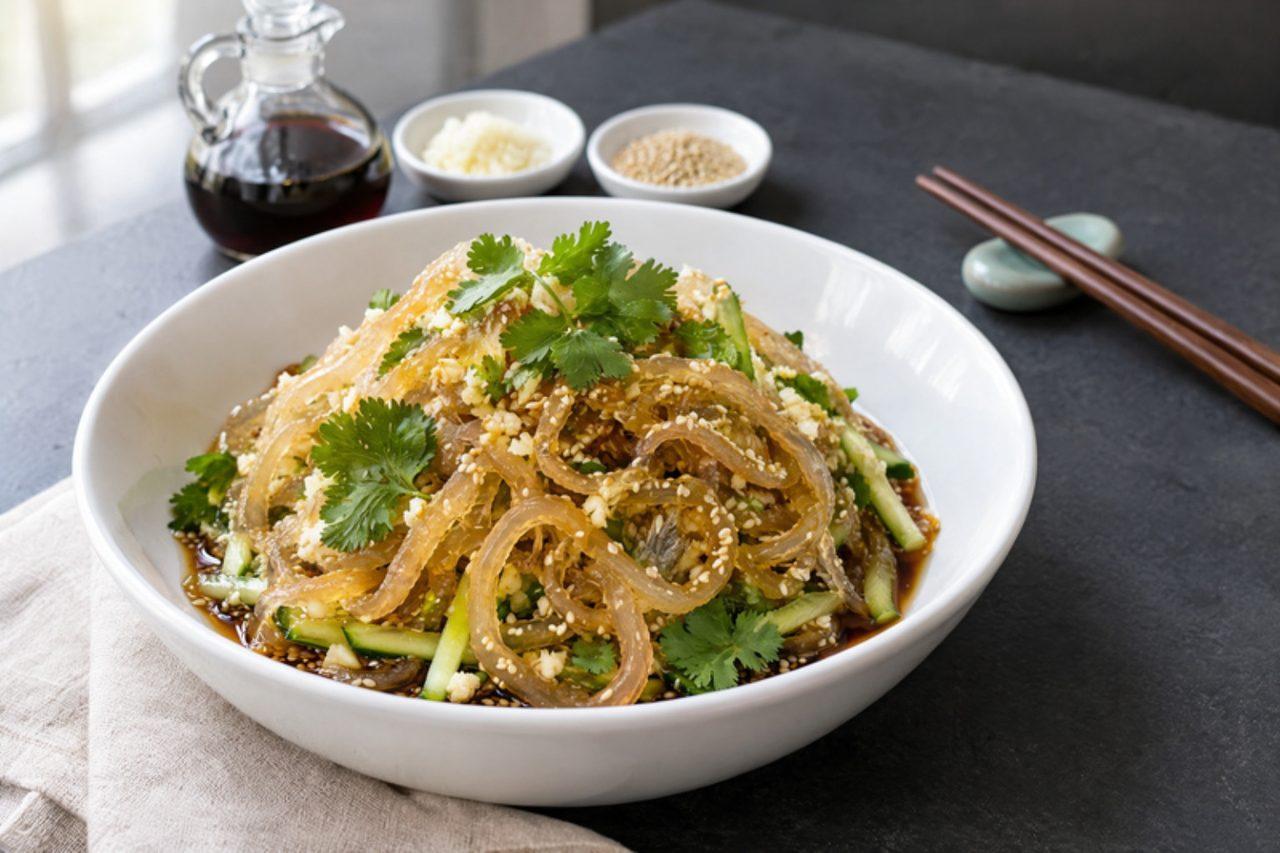
Liangban haizheCold jellyfish salad

In Shanghai and along the eastern coast, crunchy cold jellyfish is one of the classic cold starters at banquets and summer dinners, served before the hot dishes. Ready-salted jellyfish is soaked, blanched for seconds so it curls and crisps, then tossed with cucumber, garlic, rice vinegar and sesame oil. It has almost no flavour of its own; the pleasure is its springy crunch and the sharp dressing. Very light and suitable as part of a balanced diet. About 90 kcal and 6 g carbohydrate per portion. The usual mistake is skipping the long soak: the jellyfish is packed in salt and stays far too salty and tough. Another is blanching in boiling water, which shrinks it to rubber. Chef's tip: blanch in water just off the boil, around 80 °C, for 10 seconds, then plunge it into iced water.

by KrazyBadal 0 views

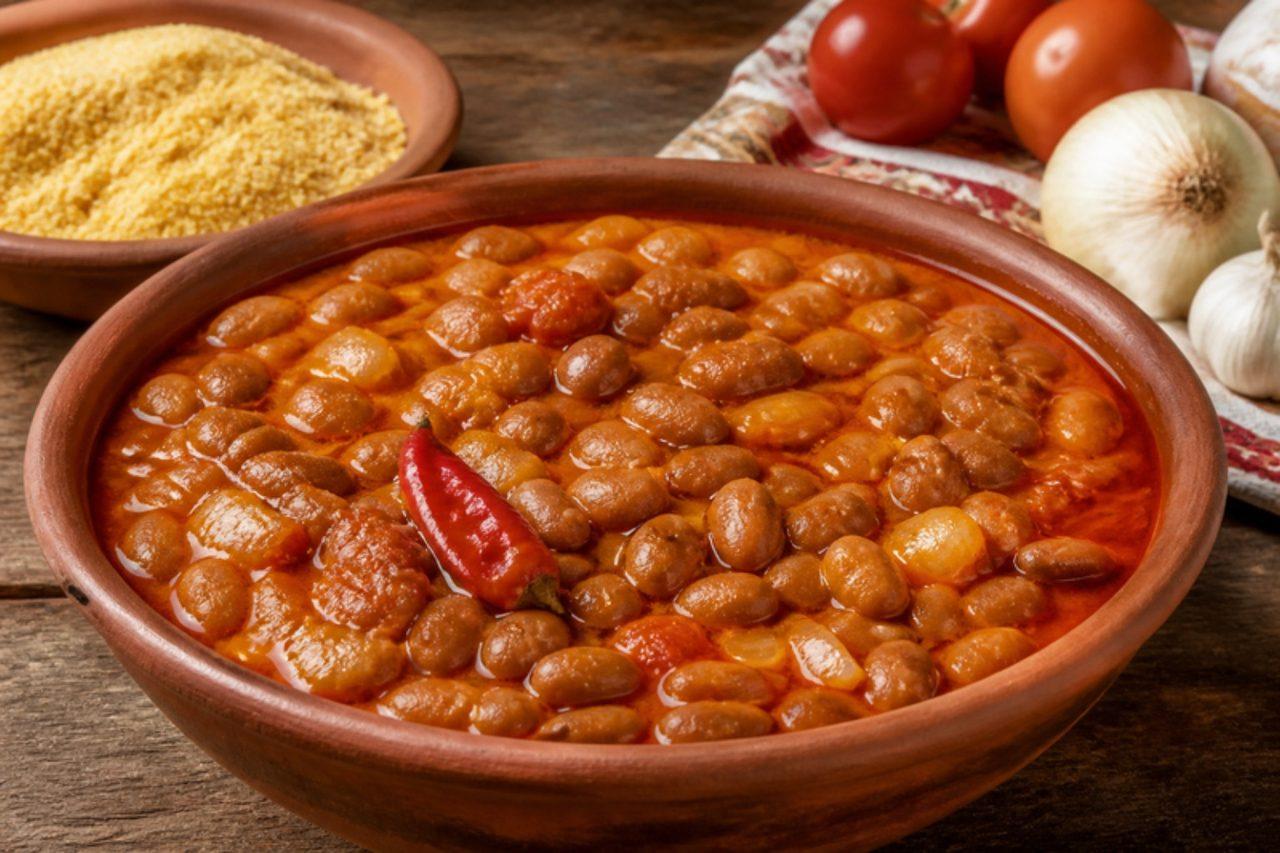
Feijão de óleo de palmaPalm oil beans

No Saturday table in Luanda feels complete without a pot of these beans next to the funge, and the deep orange colour of the dende oil tells you they are ready. Soft, creamy beans are simmered with onion, garlic, tomato and a generous pour of red palm oil until the broth thickens and every bean is coated, earthy, faintly smoky and rich. Serve them with funge de bombó (cassava) or funge de milho, with fried plantain, or with rice and greens. Buy unrefined red palm oil from an African grocer, ideally certified sustainable; it is not the same as the pale refined kind. Chef's tip: hold back the salt and tomato until the beans are truly soft, because both firm up the skins and are the usual reason a bean pot never gets creamy.

by KrazyBadal 0 views

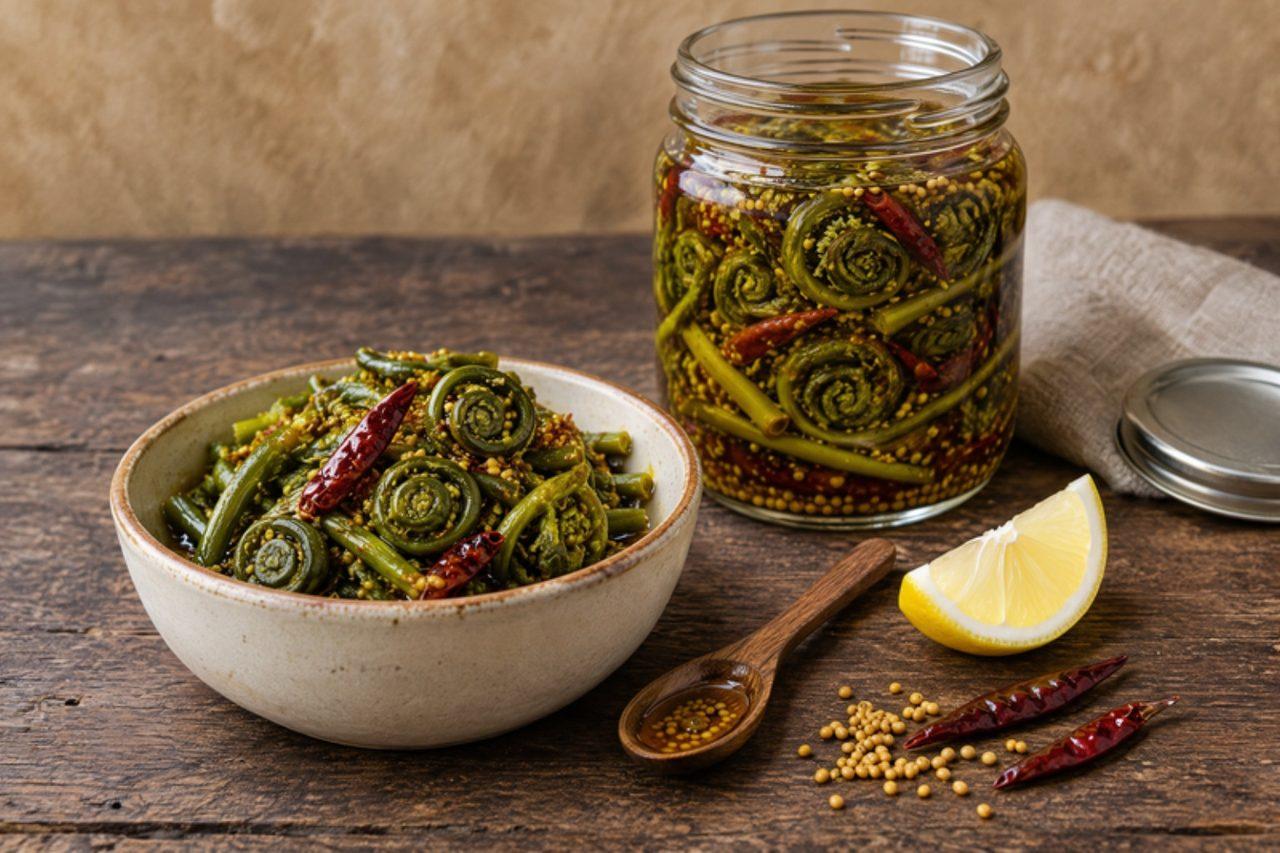
Lingad ka acharFiddlehead fern pickle

In Kullu, Mandi and Kangra, the monsoon brings lingad, the curled young shoots of the vegetable fern that grows along streams and terrace edges. Villagers pick them in the morning and sell them by the bundle; what is not stir-fried with potato goes into a small jar of pickle to stretch the short season. The shoots are blanched, dressed with mustard oil, crushed mustard seed, red chilli and lemon, and the result is green, crisp and faintly like asparagus with a nutty mustard heat. It is eaten with siddu, rice and madra, or simply with a hot roti. Outside the Himalaya, use ostrich fern fiddleheads, which appear in spring in North America and Europe. Fern shoots must always be cooked; raw or undercooked fiddleheads can upset the stomach badly. Common mistake: only flash-blanching them; boil for the full time. It is ready after a night in the fridge, when the coils have dulled to olive and taste tangy. Keep it in the fridge for up to 10 days; discard if you see mould, slime or smell anything off. Chef's tip: rub off the brown papery scales between your palms under running water before you weigh them.

by KrazyBadal 0 views

Lok lokBoiled skewers with dipping sauce

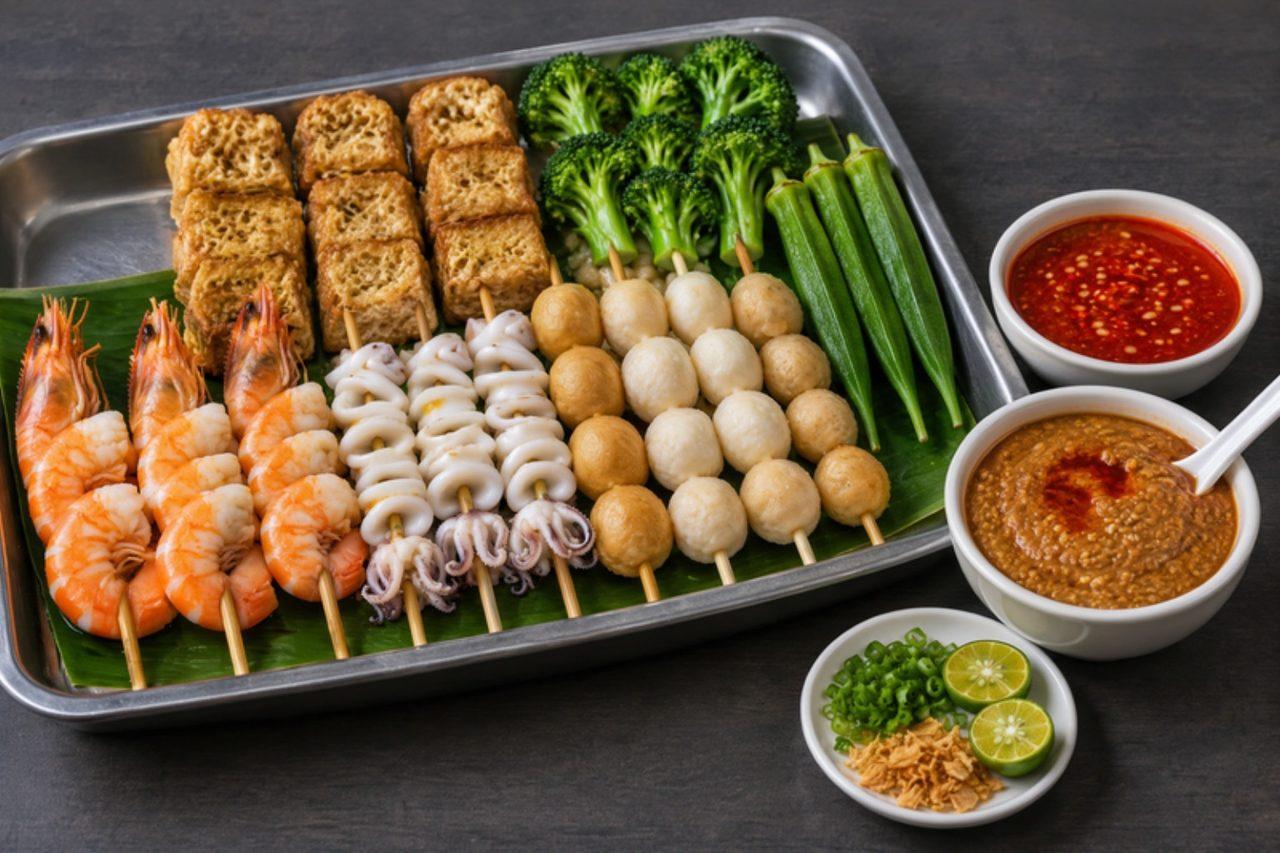
Late at night along Gurney Drive and in the back lanes of George Town, the lok lok vans open their side doors to reveal racks of colourful skewers: tofu, quail eggs, okra, mushrooms, fish balls, prawns and squid. You pick what you like, dunk it in a pot of bubbling water at the counter, then dip it in thick peanut satay sauce or sweet chilli sauce and pay by the colour of the stick. It makes a fun DIY supper at home, especially with children. Chef's tip: keep the water at a rolling boil and cook a few skewers at a time, so the seafood cooks through quickly.

by KrazyBadal 0 views

Locro de zapallo for toddlersPumpkin stew for toddlers

Locro de zapallo is the golden pumpkin stew of Lima's home kitchens and menú lunch spots, eaten on weekdays with white rice and, for adults, a fried egg and ají on the side. For toddlers from 12 months it is cooked without any ají, the pumpkin is simmered until it melts into a sauce, and just a little crumbled fresh cheese is stirred in, so it is sweet, creamy and easy to mash. It contains milk; there is no gluten, egg, nuts or soya. Queso fresco is often made with animal rennet, so for a vegetarian bowl choose one labelled vegetarian, or use a little paneer, and always a pasteurised cheese. Chef's tip: cut half the pumpkin small so it dissolves into the sauce and the rest larger so it keeps some shape.

by KrazyBadal 0 views

Loroco con huevoScrambled eggs with loroco

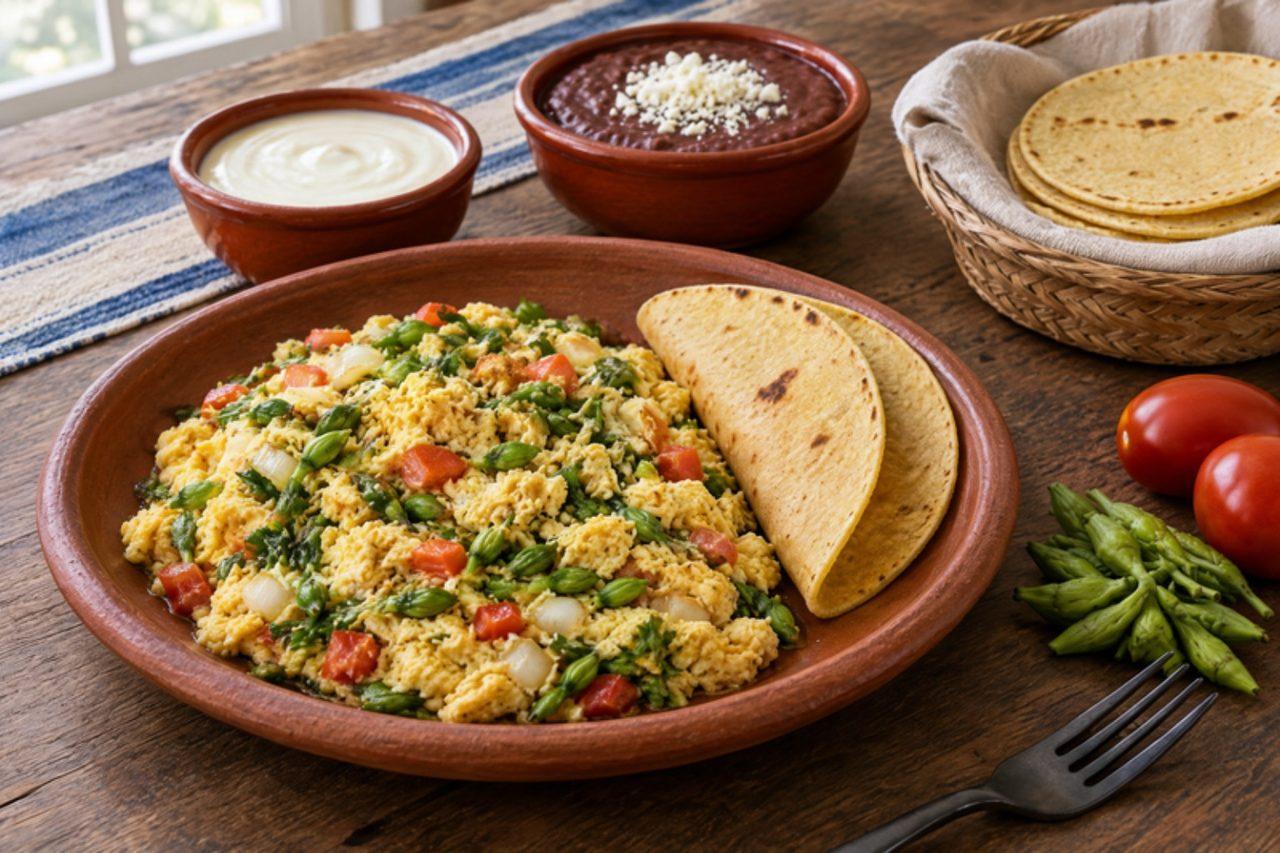
Loroco is a climbing vine whose fragrant flower buds Salvadorans love, best known inside pupusas, and in San Salvador and the countryside it is also scrambled with eggs for breakfast during the rainy season, from June to October, when the buds are in season. The buds taste green, floral and a little like asparagus and artichoke, softened with onion and tomato and set into soft eggs. Serve with corn tortillas and a spoon of refried beans or avocado. Suitable as part of a balanced diet. About 210 kcal and 6 g carbohydrate per portion without tortillas. The usual mistake is cooking the eggs on high heat, which makes them dry and rubbery. Frozen or jarred loroco works well; rinse jarred loroco first. If you're cooking for anyone pregnant, a young child or anyone with a weakened immune system, cook the eggs until fully set. Chef's tip: soften the loroco with the onion first so its flavour spreads through the eggs.

by KrazyBadal 0 views

Lubia pokhteSpiced pinto beans

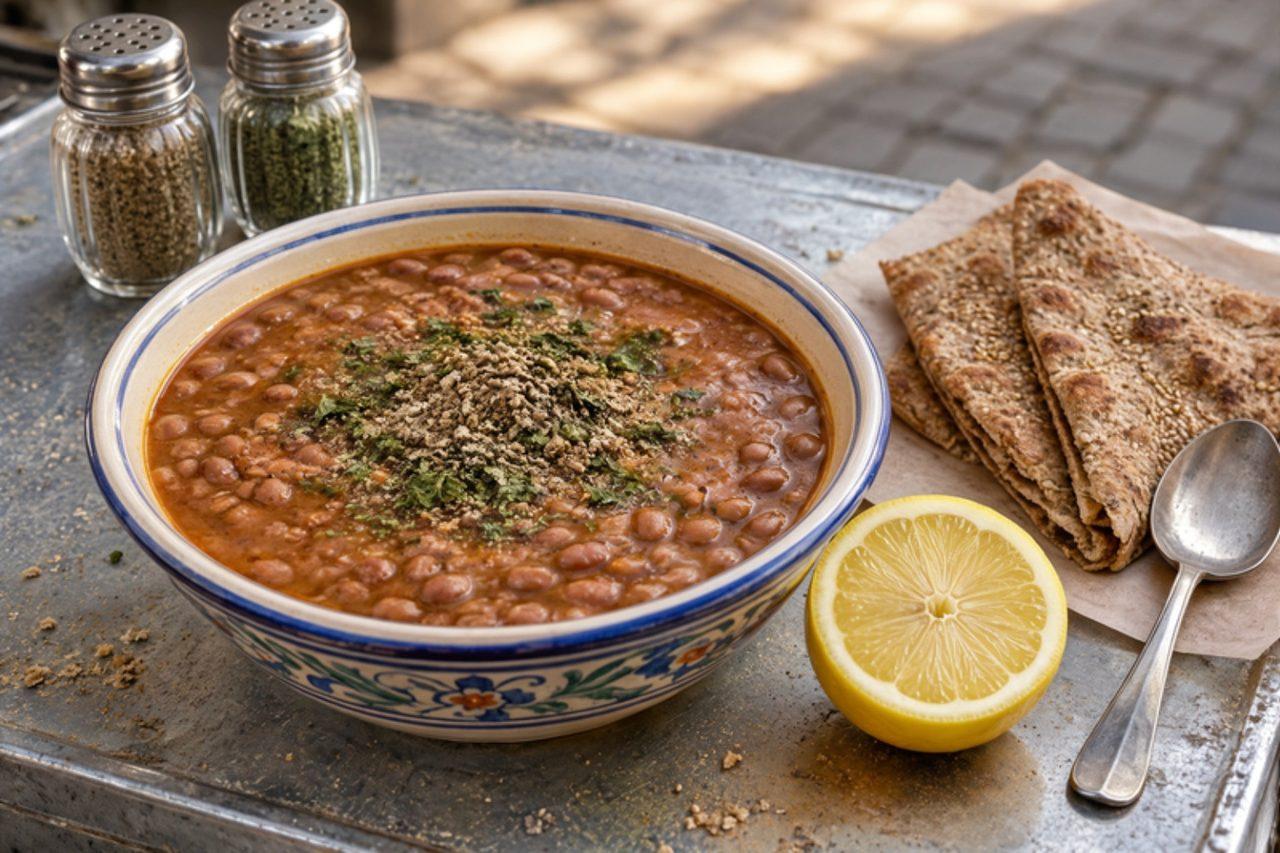
On cold winter mornings in Tehran, steam rises from street carts selling lubia pokhte: pinto beans simmered with a pinch of salt until soft as butter, ladled into a cup with some of their cooking liquid and sprinkled with golpar, the citrusy ground seed of Persian hogweed, plus a squeeze of lemon. It is cheap, warming and filling. The mistake is salting the water at the start; add salt once the beans are tender or the skins stay tough. Chef's tip: skim the foam in the first 10 minutes and keep the beans at a lazy simmer, never a rolling boil, so they stay whole but creamy inside.

by KrazyBadal 0 views

Maneuljjong bokkeumGarlic scape stir-fry

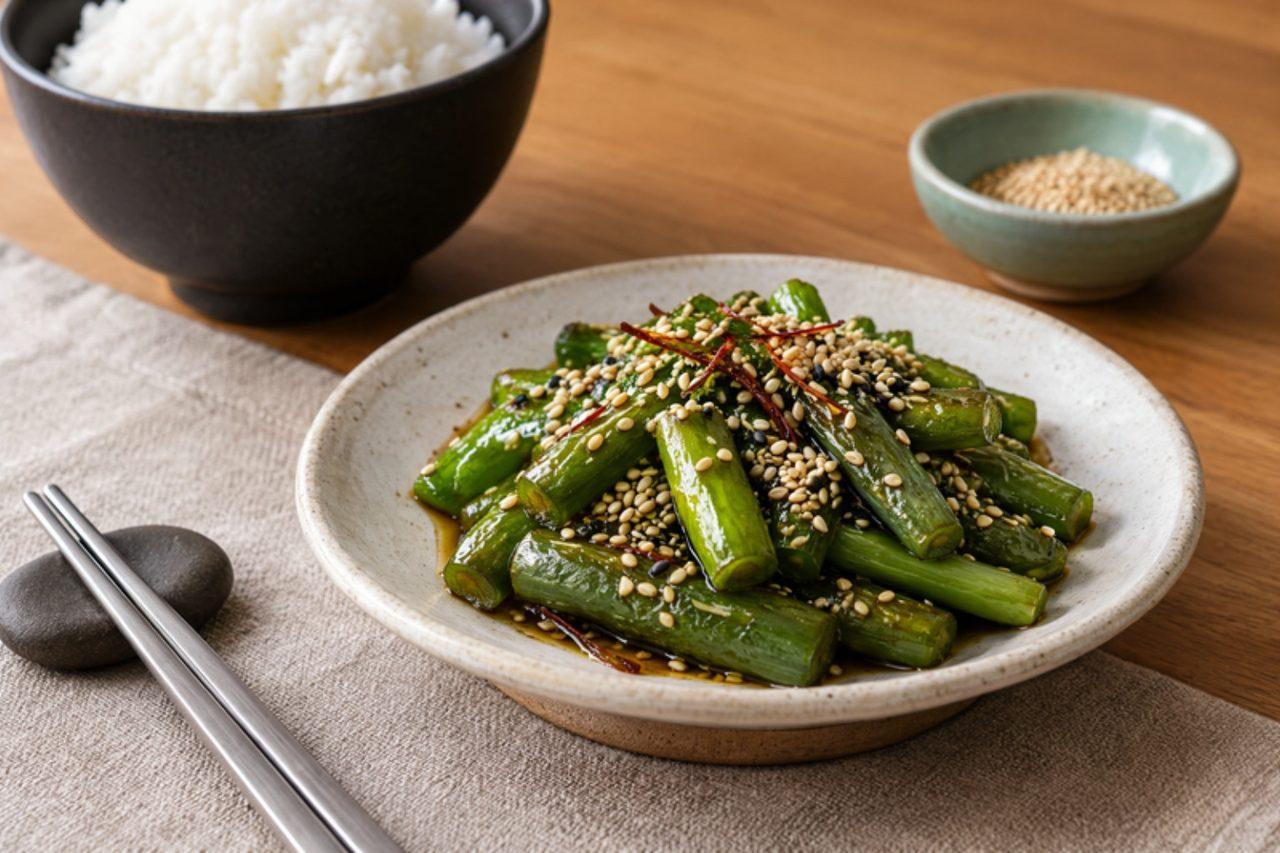
In late spring Korean markets sell thick bundles of garlic scapes, the curly green shoots of the garlic plant, and they become maneuljjong bokkeum, a sweet-salty, glossy banchan that keeps for days and is a dependable dosirak side. The scapes taste of mild garlic and stay pleasantly snappy. The common mistake is glazing them too early, before they are tender, so the syrup burns and the scapes stay woody. Chef's tip: fry the scapes in oil first until they turn bright green and slightly blistered, then add the sauce and toss for only a minute.

by KrazyBadal 0 views

Showing 45 of 7,762 recipes

Show more recipes

Page 109 of 863