


Skip to content
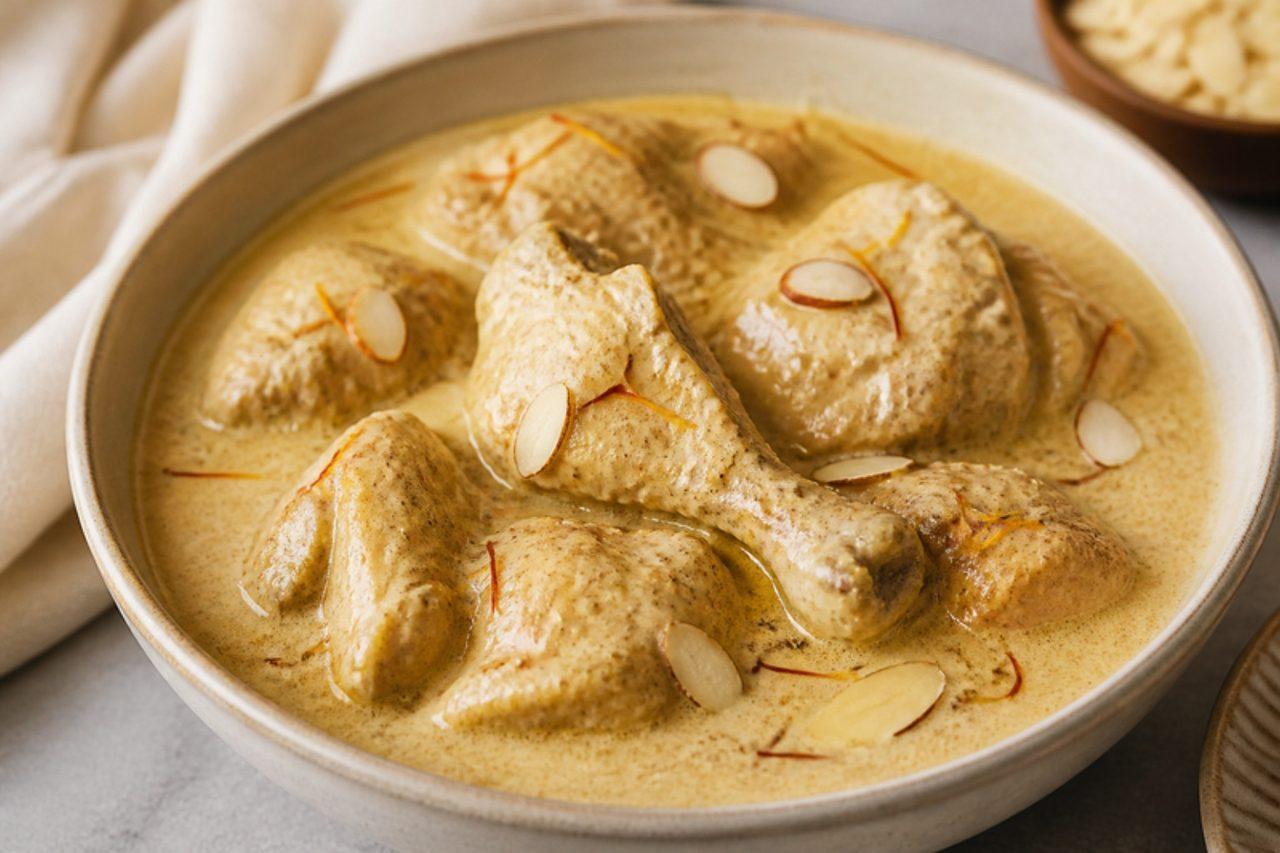
Mughlai chicken korma
Featured recipe

Mughlai chicken korma

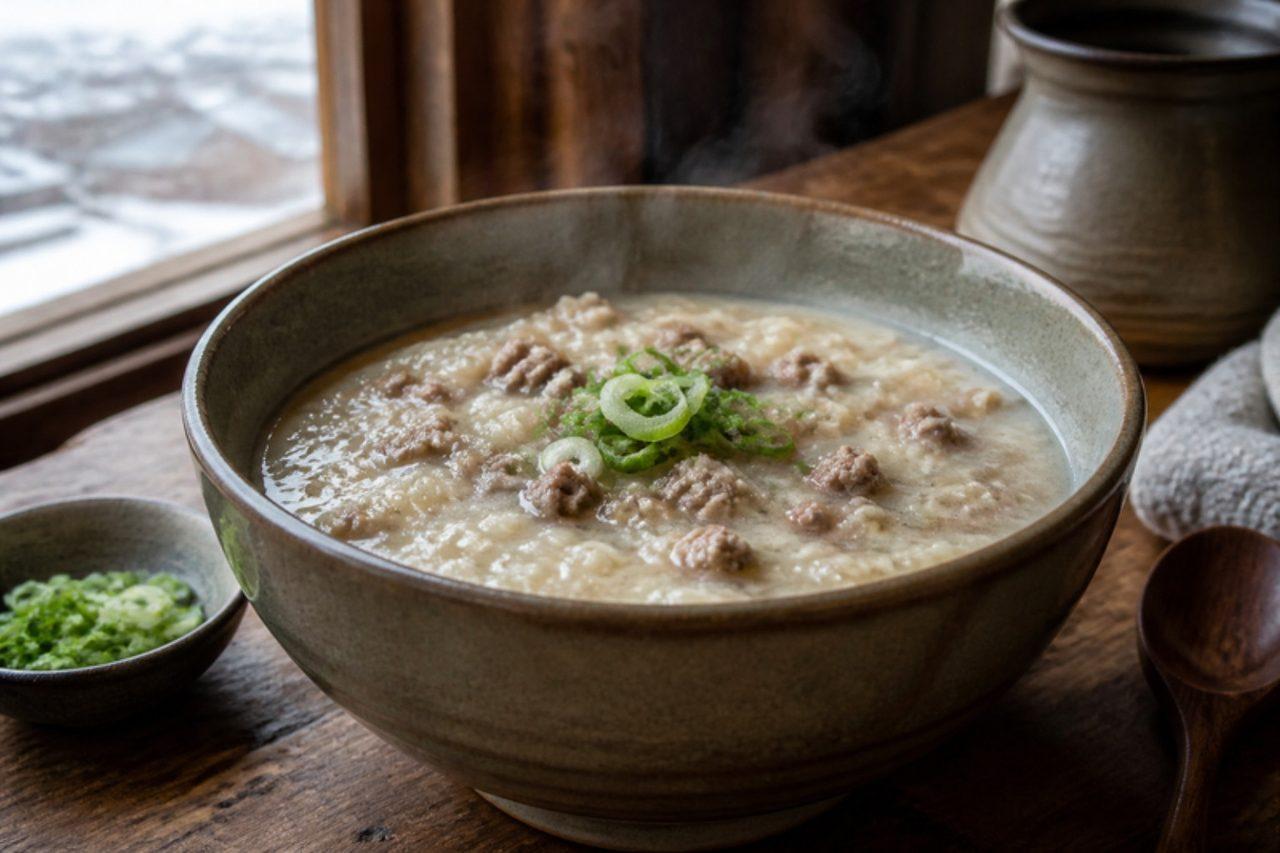
In the lanes around the Jama Masjid in Old Delhi, korma is cooked in huge copper degs for Eid and wedding feasts and sold from dawn with khamiri roti and sheermal. It descends from the Mughal court kitchens, where 'korma' meant meat braised slowly in yogurt and its own juices rather than in water. This one is not the mild, pale, coconut-sweet korma of British curry houses: it is golden-brown, fragrant with cardamom and mace, enriched with almond paste and fried onions, and medium-hot. Chef's tip: fry the onions slowly to an even golden-brown and grind them with the yogurt; the browned onion paste is both the colour and the backbone of the sauce.

Read more 0 views

What to eat today?

Around the world

Today's trip: Persian

A new country every day, from every cuisine on the site.

Persian

Dizi

Lamb and chickpea stew 245 minMore from Persian (131) →

This week's collection

Kid-friendly dinners
537 recipes · a new collection every Monday

Latest recipes

Club kachoriSmall spiced kachoris

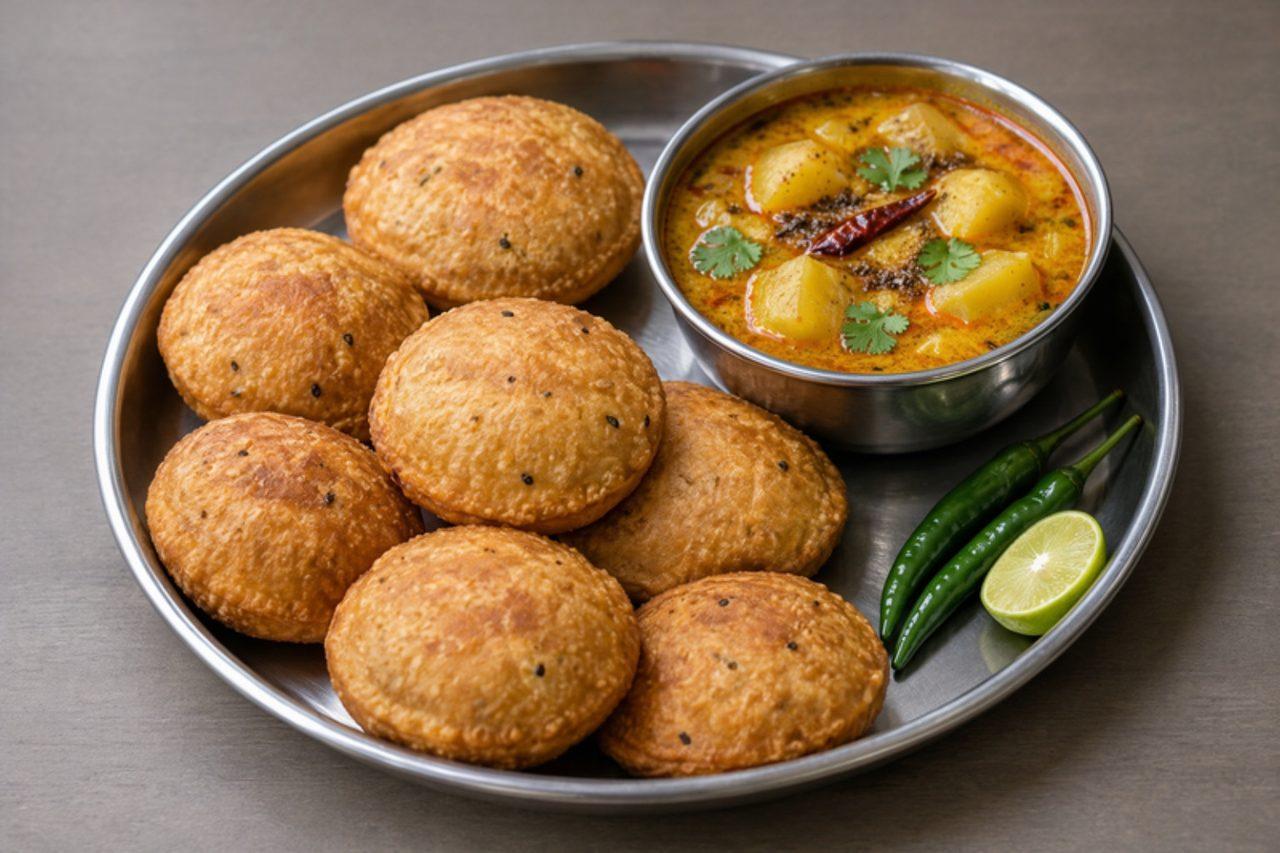
In the narrow lanes of Burrabazar and Bowbazar, sweet shops start frying club kachori before eight in the morning for traders and office-goers, who eat four or five standing up with a ladle of thin, gingery potato curry poured into a sal-leaf bowl. The kachoris are small and puffed like balloons, with a thin layer of peppery ground urad dal inside the crust. Chef's tip: soak the dal ahead (from the night before is easiest) and grind it with almost no water, so the paste is thick enough to roll without breaking through.

by KrazyBadal 0 views
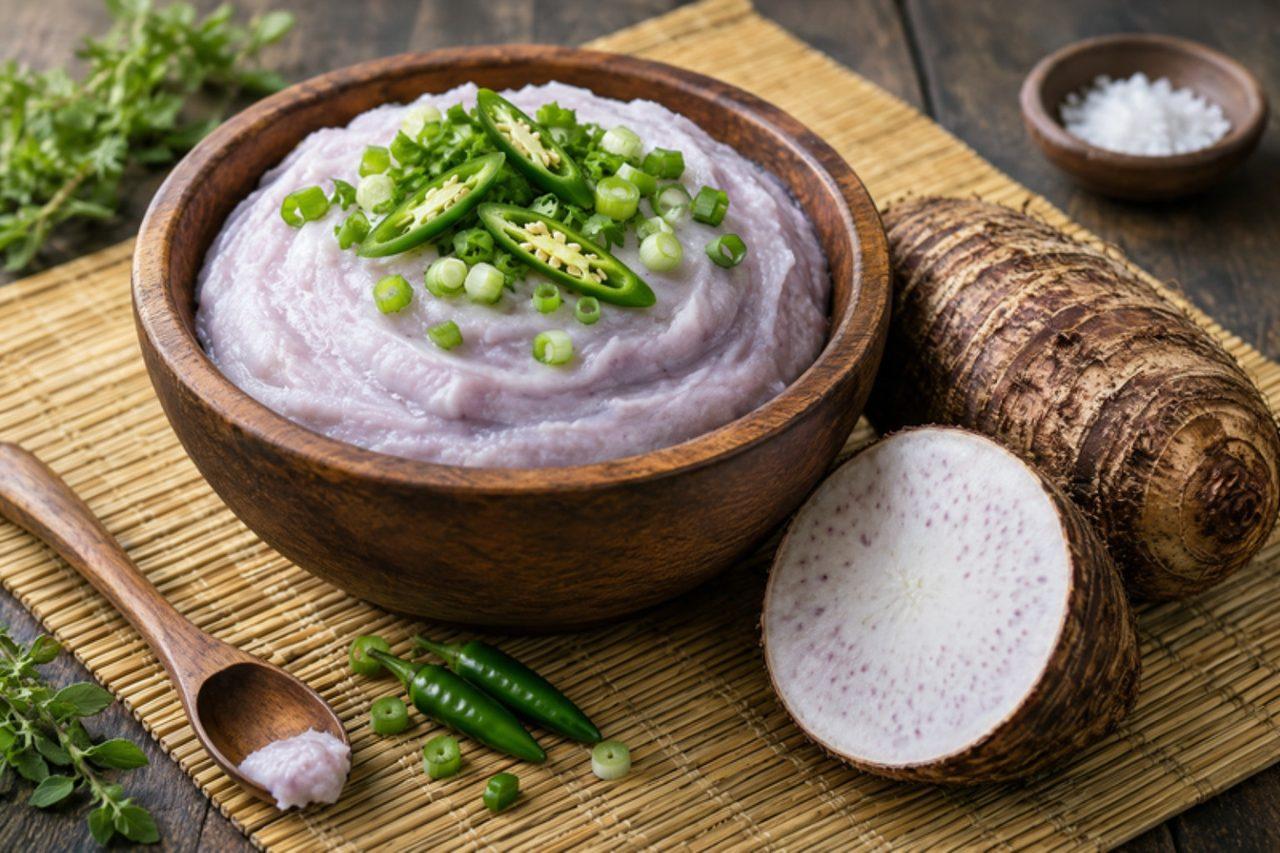
AkibiyeCreamy taro with fermented soybean

Akibiye is Sumi Naga comfort food from Nagaland: colocasia boiled until it melts into a thick, creamy stew, flavoured with chilli and axone, the fermented soybean that gives Naga cooking its deep savour. It is eaten with rice, especially in winter. For homemade axone, keep boiled soybeans wrapped in leaves at 30–40 °C for 3–5 days until sticky and pungent, then dry or use fresh; discard if black, green or pink mould appears or it smells rotten. The mistake is handling raw taro with bare hands, which itches; wear gloves or oil your hands. Chef's tip: bought axone, kinema or natto work well.

by KrazyBadal 0 views

Kombu dashi for babiesKelp broth for babies

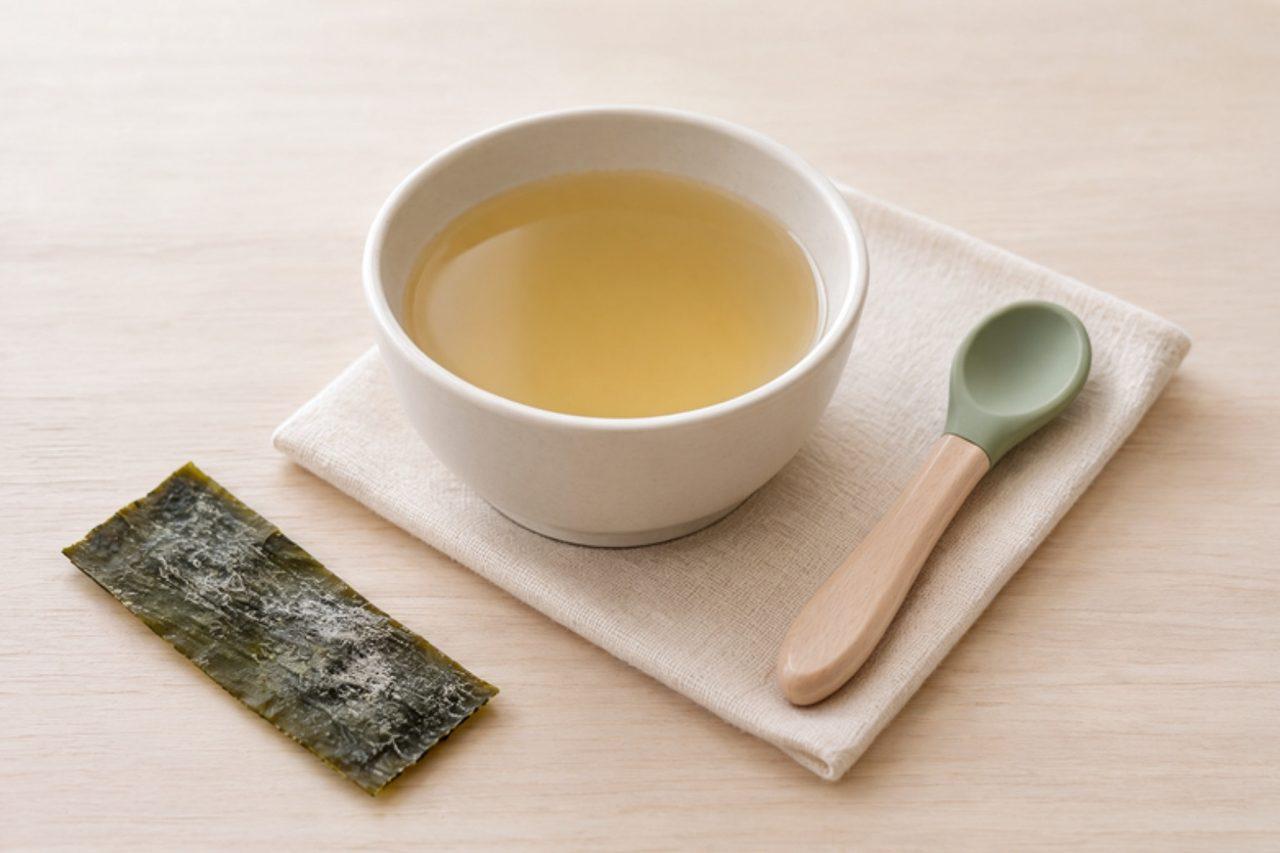
Kombu dashi is where Japanese weaning starts: the gentle, savoury water that thins jūbai-gayu (rice porridge) and vegetable purées, so babies learn umami instead of salt. Japanese parents make a jug every few days, and baby-food counters in Osaka department stores sell frozen cubes of it. Kombu is very high in iodine, so this broth is used a spoonful or two at a time to flavour a meal, a few times a week, never as a drink. Nothing else goes in: no salt, soy sauce, bonito or stock powder. It is free of the major allergens. Chef's tip: lift the kombu out just before the water simmers; boiled kombu turns slimy and gives a bitter, sea-weedy taste.

by KrazyBadal 0 views

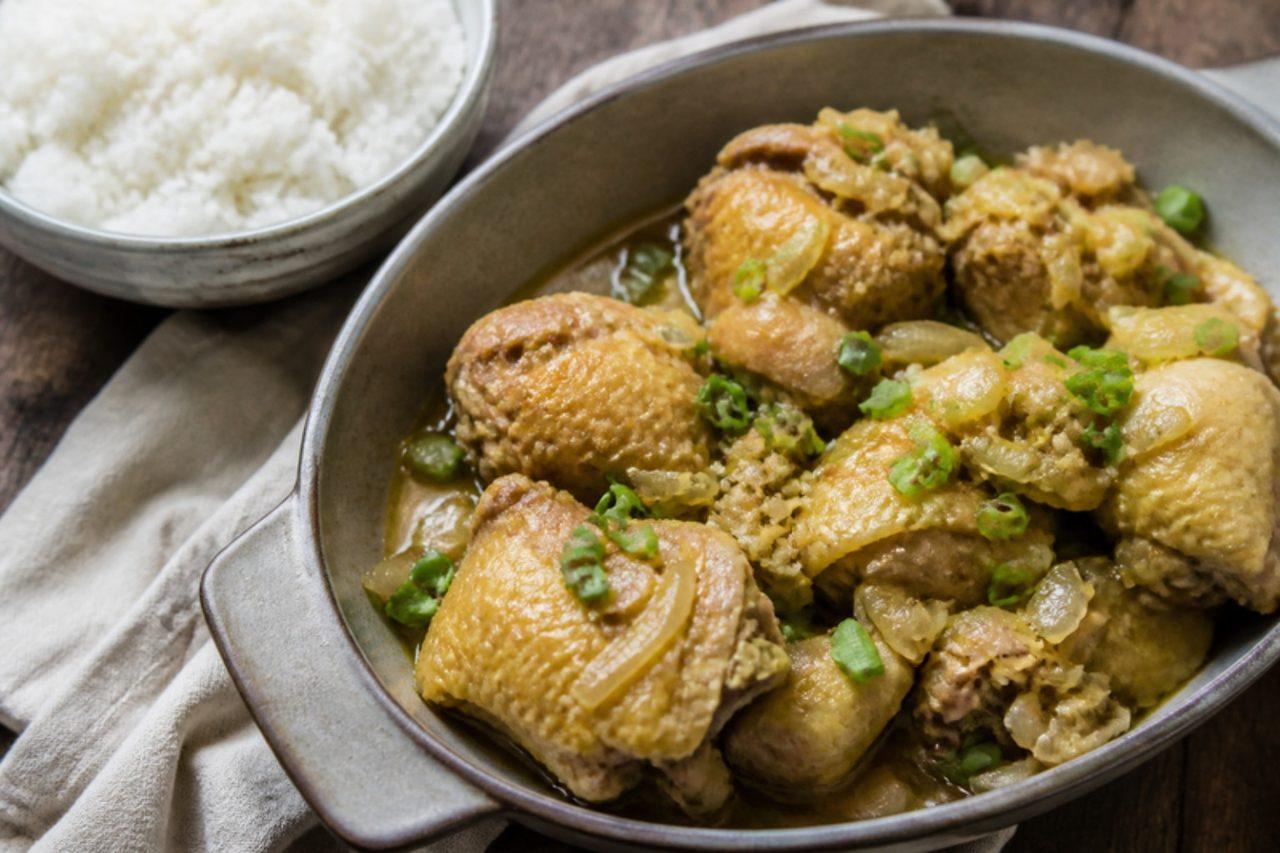
Akoho sy sakamalaoGinger and garlic chicken

Sakamalao means ginger, and Malagasy cooks are generous with it: this everyday braise from family kitchens across the island uses a whole fist of the root, along with a full head of garlic and soft onions. Bone-in chicken is browned, then simmered gently in its own juices until the meat slides off the bone and the sauce turns golden, sticky and warming, with ginger heat that lingers rather than burns. Serve it with a big plate of rice, a dish of romazava greens or lasary, and sakay for anyone who wants more fire. Many people rush the onions; give them time to turn soft and golden, because they become the body of the sauce. Chef's tip: pound the ginger and garlic together into a coarse paste rather than slicing them, so they melt into the sauce and coat every piece of chicken.

by KrazyBadal 0 views

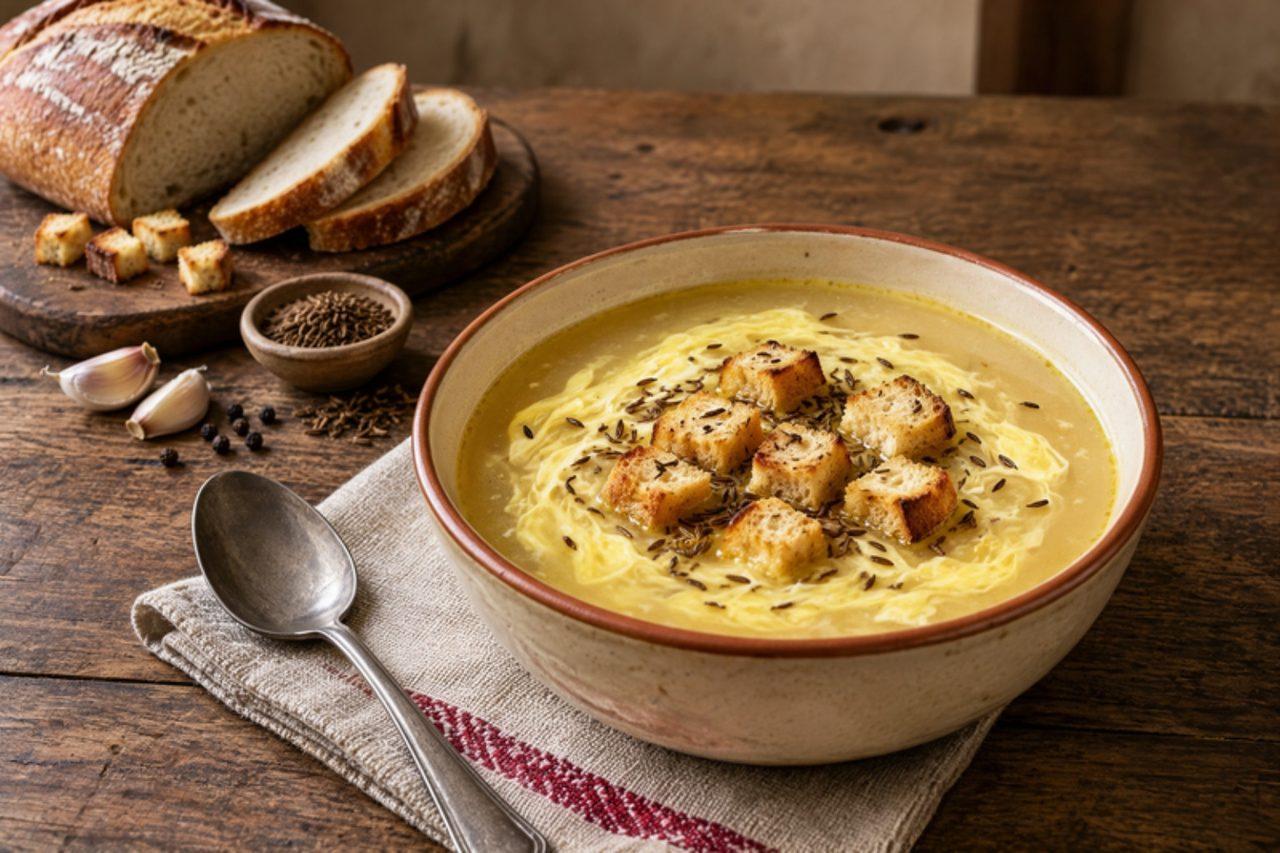
Köménymagos levesCaraway soup with bread cubes

Köménymagos leves was the breakfast of Hungarian peasants and soldiers long before coffee arrived, and it is still made in villages on cold mornings and as a soothing soup after a big night. A dark roux of flour and fat is cooked with plenty of caraway and a touch of paprika, thinned with water and finished with beaten egg and crisp bread cubes. The common mistake is not browning the roux enough: pale roux gives a floury, grey soup, so keep stirring until it is the colour of hazelnuts. Chef's tip: add the paprika off the heat, just before the water, because paprika burns in seconds in hot fat and turns bitter.

by KrazyBadal 0 views

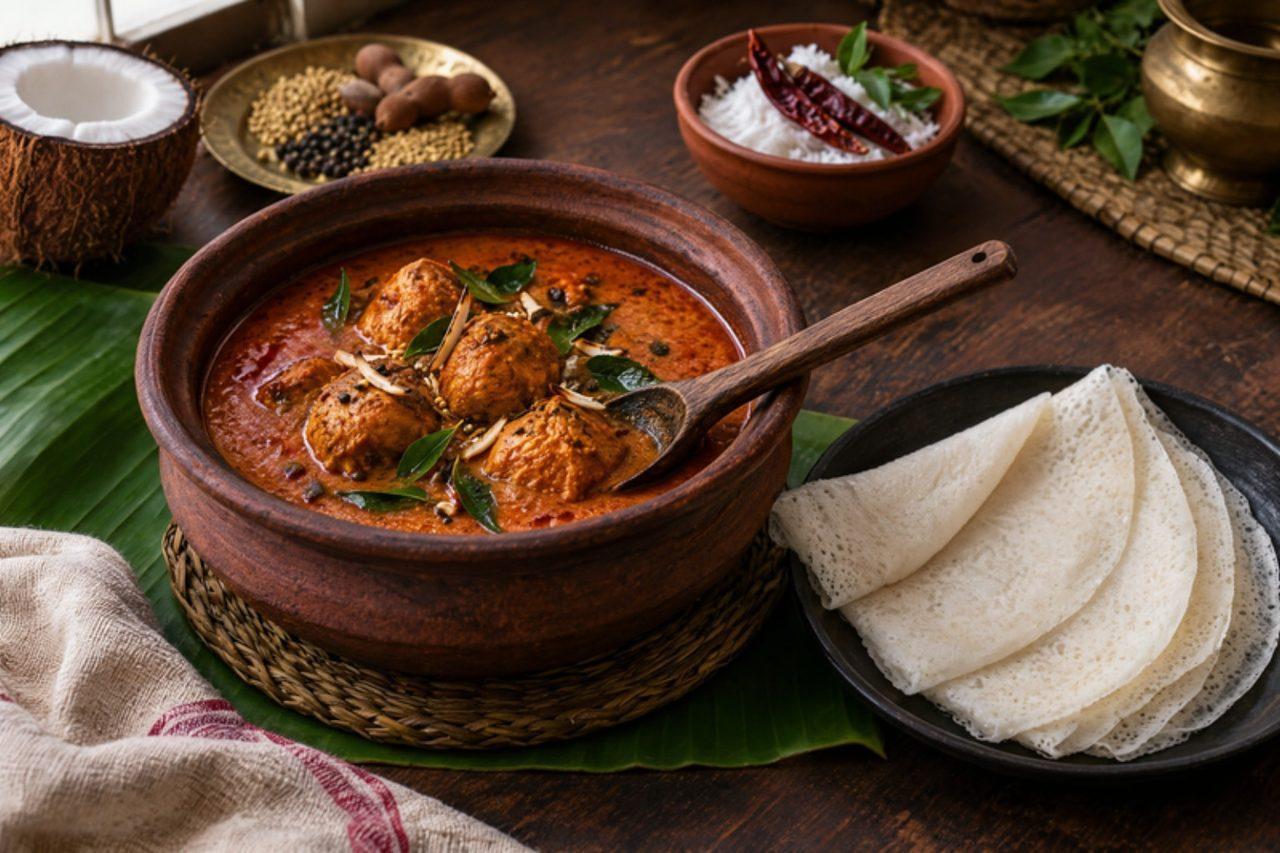
Kori gassiChicken in red chilli coconut gravy

Kori gassi is the Sunday chicken curry of Mangalore's Bunt community on the Karnataka coast, cooked for family lunches and festivals and traditionally eaten with paper-thin neer dosa. Byadgi chillies, coriander, cumin and a little fenugreek are roasted until fragrant, ground with coconut, garlic and tamarind, then simmered with chicken into a brick-red, gently sour gravy. This version uses less coconut than usual and is suitable as part of a balanced diet; serve it with brown rice, millet roti or a salad. About 360 kcal and 9 g carbohydrate per portion. The usual mistake is roasting the spices over a high heat: they scorch and turn the gravy bitter. Chef's tip: byadgi chillies give deep colour with gentle heat, so don't swap them for hot chilli powder.

by KrazyBadal 0 views

KoserevaCandied bitter orange peel

Kosereva is a Paraguayan home preserve from the days when nothing was wasted: thick strips of bitter-orange peel soaked and boiled to soften their bite, then cooked slowly in dark cane molasses until glossy and nearly black. In the countryside it is eaten after lunch with a slice of fresh cheese or simply on its own. Bitter oranges (Seville oranges) are in season in winter. The most common mistake is not changing the boiling water enough, which leaves the peel unpleasantly bitter. Chef's tip: taste a sliver of peel after the third boil; it should be gently bitter like marmalade, not harsh.

by KrazyBadal 0 views

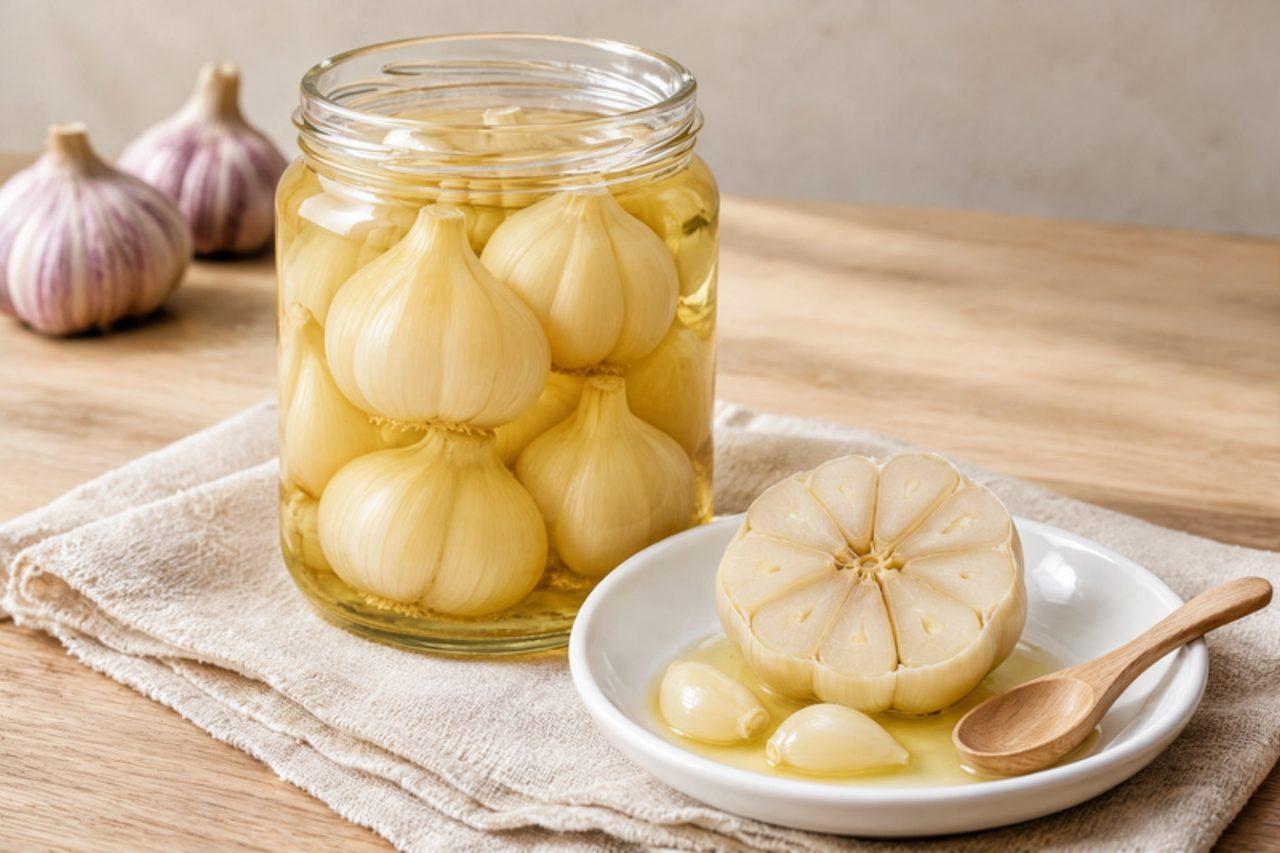
Kratiam dongPickled garlic

Order khao kha moo, the braised pork leg on rice sold from Bangkok shophouses to Chiang Mai night markets, and a few cloves of kratiam dong come on the side; they also sit in a bowl beside nam prik, congee, sai ua sausage and Isan-style sour pork. The garlic is picked young in the cool season, from December to February, when the heads are small, the skins thin and the cloves still tender, and it is cured whole so you nibble the cloves straight from the head. After about a month in brine the harshness is gone: the garlic is crunchy, sweet-sour and only faintly pungent, and the brine itself becomes a seasoning for stir-fries and dipping sauces. Common mistake: skipping the first salt-and-vinegar soak; it draws out the raw sting and some water, so the final brine stays strong. Do not worry if a few cloves turn blue-green; that is a harmless reaction between garlic and acid. They are ready when a clove bites through crisp and sweet with no burn. Chef's tip: look for small young heads at Asian grocers in early spring; large mature garlic works, but separate it into cloves and peel it.

by KrazyBadal 0 views

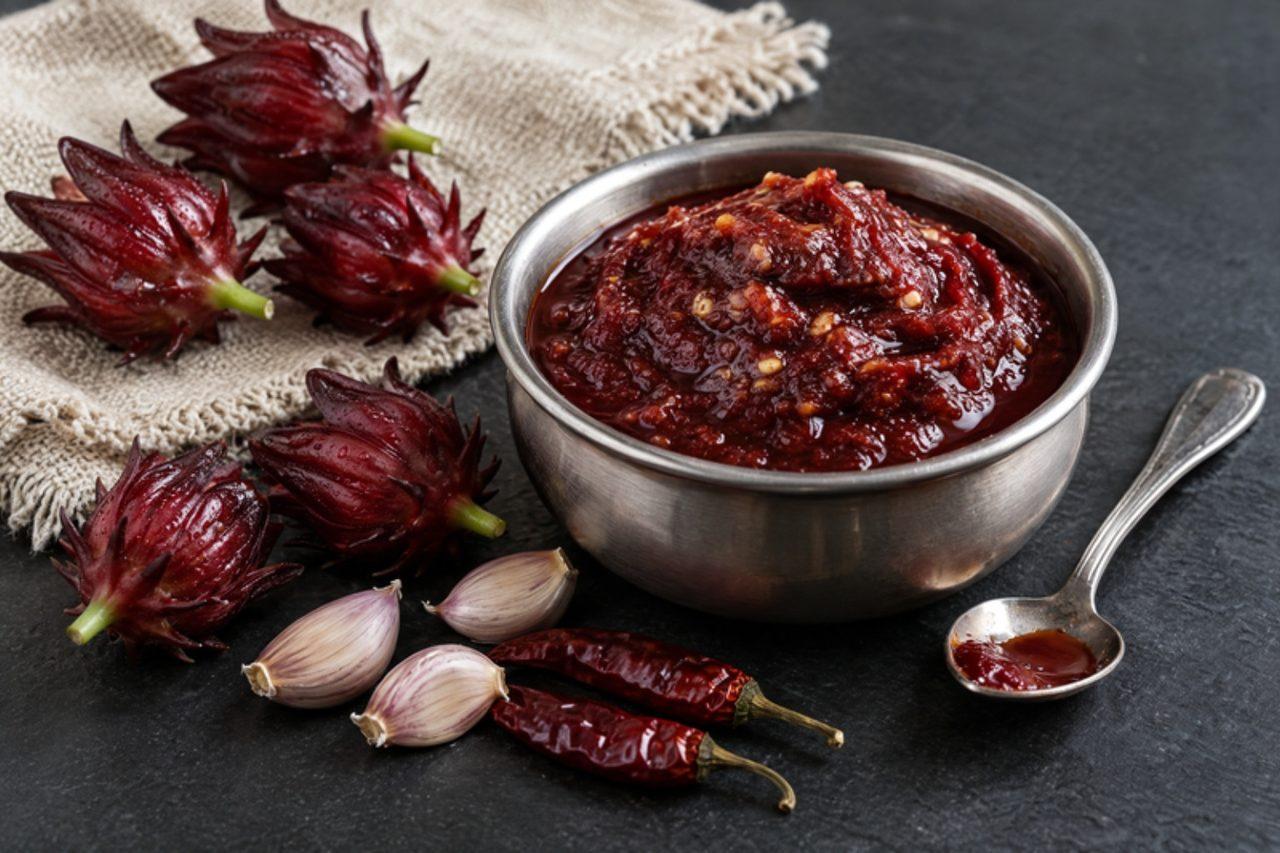
Kudrum chutneyRoselle chutney

Kudrum is roselle, the red-calyxed hibiscus that tribal households in Jharkhand grow round their homes, and in the post-monsoon months its sour fleshy calyces and leaves are cooked into this bright red chutney. It is eaten with plain rice, dhuska or pitha, and a spoonful wakes up a simple meal of dal and saag. A frequent mistake is leaving the hard green seed pod inside each calyx, which makes the chutney woody; split each one and pop the pod out. Chef's tip: dried hibiscus flowers sold for tea make a good stand-in; soak them 20 minutes in hot water first.

by KrazyBadal 0 views

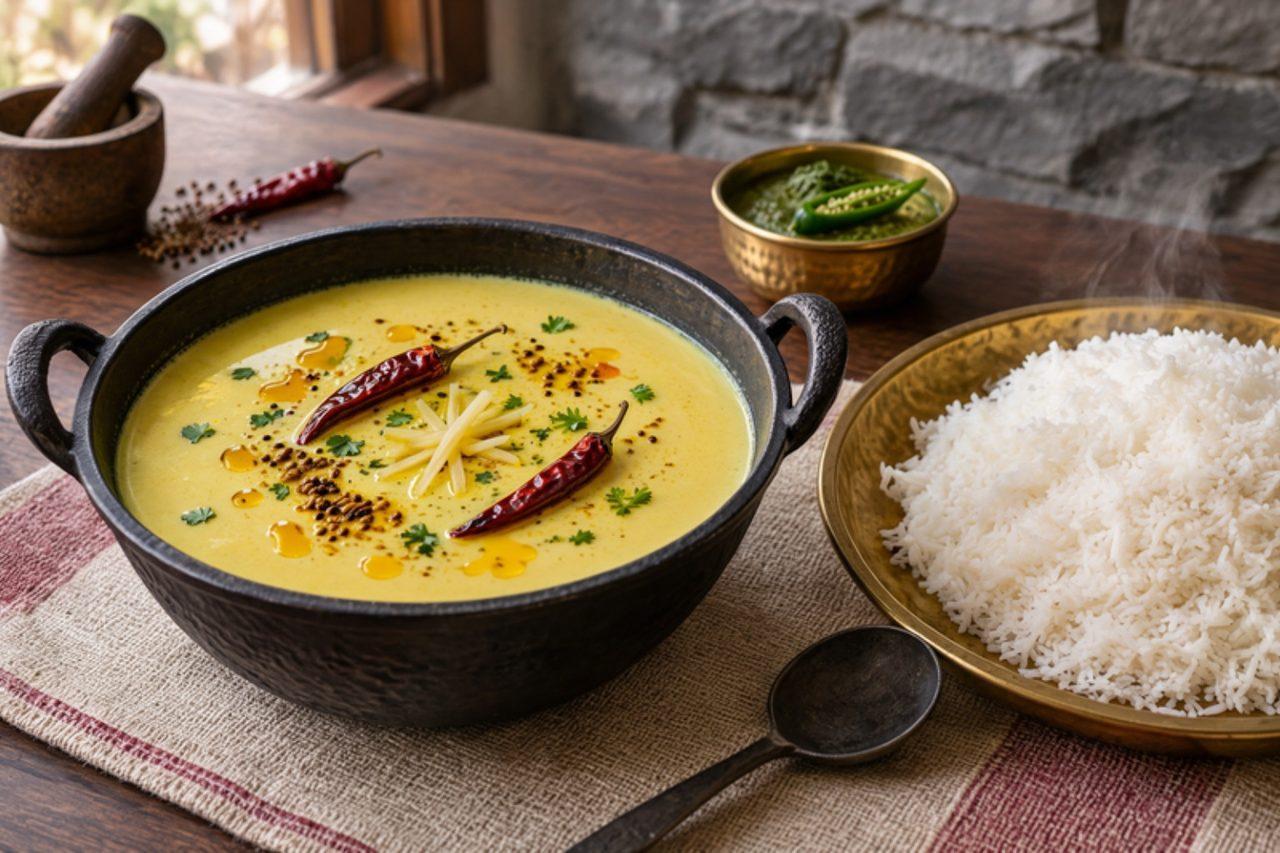
JholiYogurt and gram flour kadhi

Jholi is the thin, everyday kadhi of Kumaon, cooked when there is curd in the house and no time for pakoras, and spooned over rice for a quick lunch. It is tempered with jakhya, a tiny crunchy hill seed with a mustardy bite, and coloured gold with turmeric. Because there are no fritters, it is lighter and tangier than a Punjabi kadhi. The common mistake is letting it boil before the gram flour has cooked in, which splits the curd into grains. Chef's tip: keep stirring in one direction until the first bubble; after that the jholi is stable and can simmer on its own.

by KrazyBadal 0 views

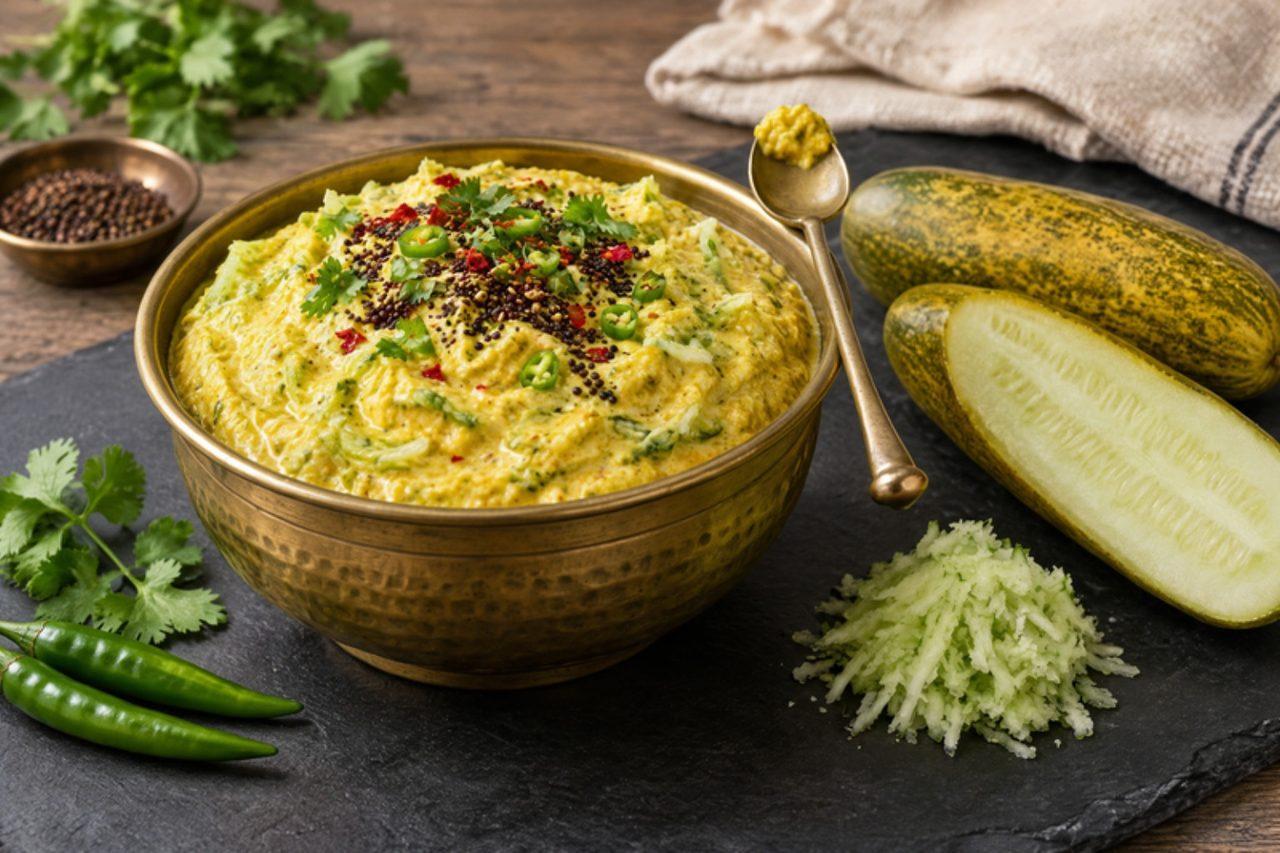
Kumaoni kheere ka raitaCucumber raita

This yellow raita is the famous one of Kumaon, made from the fat, pale hill cucumbers of late summer and served at every wedding and Holi gathering. It gets its nose-tingling kick from freshly ground raw mustard seed, which is left to mellow in the curd for an hour, and its sunny colour from turmeric. It is eaten with rice, puris and pakodas. The common mistake is not squeezing the grated cucumber, which floods the raita and dulls the mustard. Chef's tip: make it at least an hour ahead and chill it; the mustard grows sharper and rounder as it rests.

by KrazyBadal 0 views

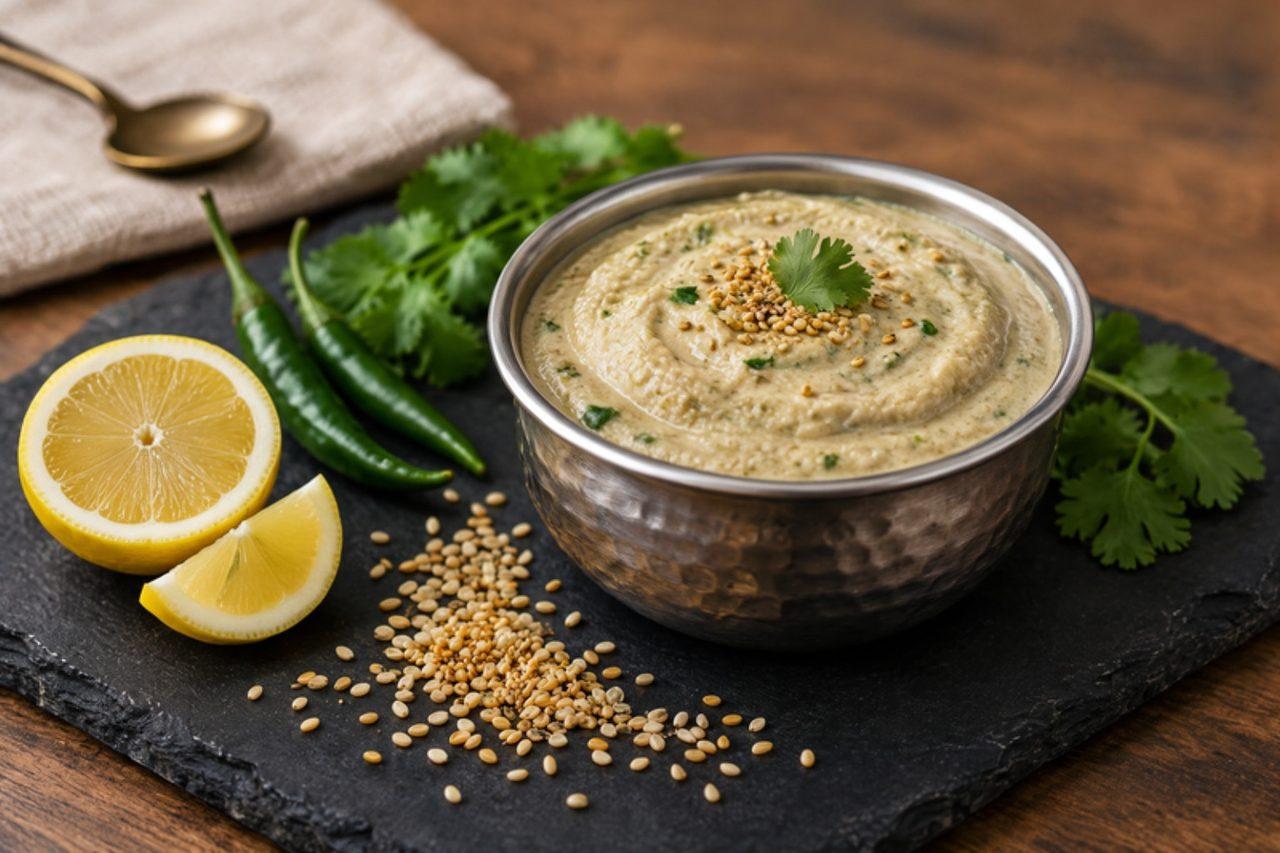
Til ki chutney (Kumaoni)Sesame chutney

This is the everyday sesame chutney of Kumaoni homes, ground on the sil-batta to go with mandua rotis, rice and dal, or the pakodas made for Harela and Ghughutiya. Unlike southern sesame chutneys, it has no coconut or tamarind: just toasted white sesame, green chilli, coriander and plenty of hill-lemon juice, so it tastes bright and nutty at once. It keeps for two days in the fridge. The most common mistake is burning the sesame, which only takes a few seconds too long and makes the chutney bitter. Chef's tip: pull the pan off the heat the moment the first seeds turn golden; they keep cooking in the hot pan.

by KrazyBadal 0 views

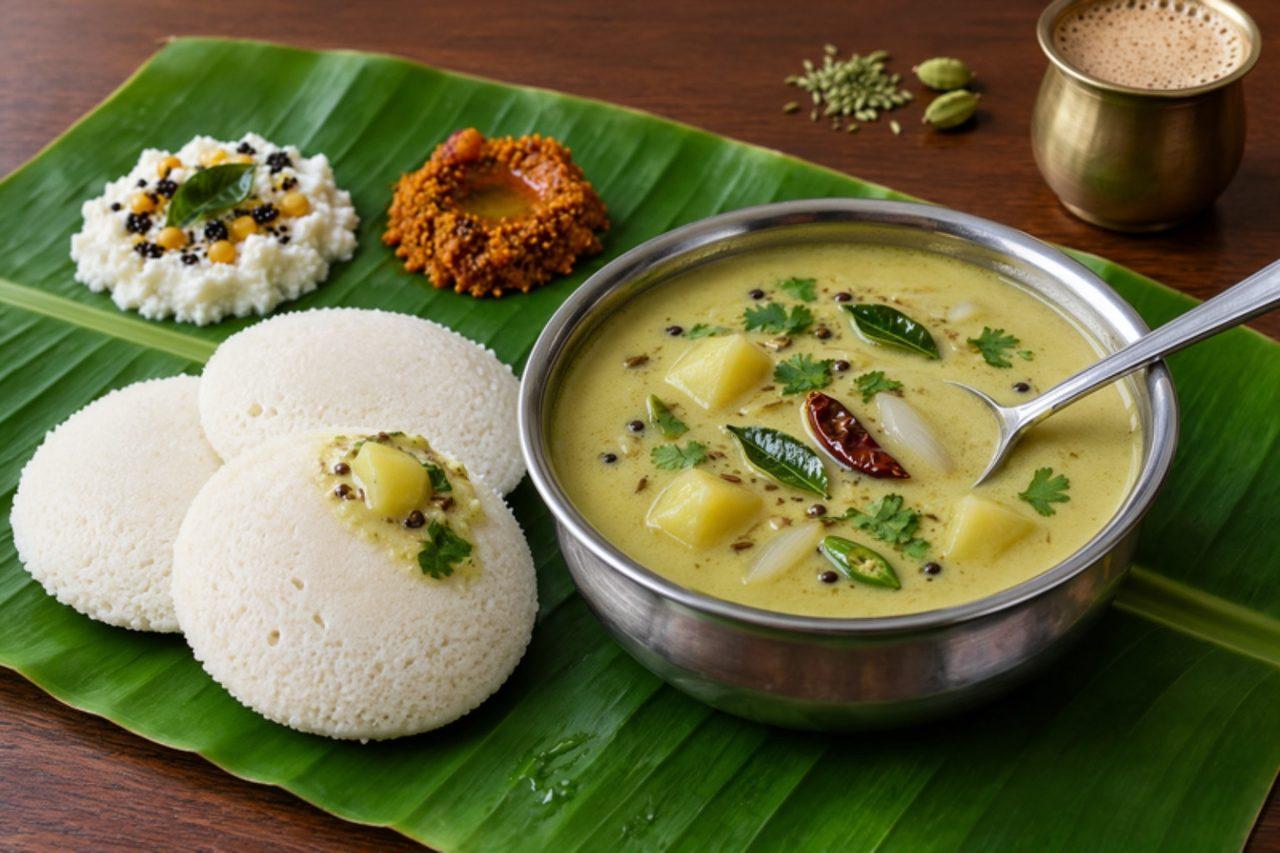
Kumbakonam kadappaMoong dal and potato gravy

Kadappa belongs to the temple town of Kumbakonam in Thanjavur district, where it is ladled beside idli, dosa and soft poori at breakfast, a mild gravy of moong dal and potato thickened with a paste of coconut, roasted gram, fennel and green chilli. Its gentle, aromatic taste is a world away from sambar. The common mistake is boiling it hard after the coconut goes in; the paste separates and loses its fragrance, so heat it just to a simmer. Chef's tip: a teaspoon of poppy seeds ground into the paste gives the creamy body of the Kumbakonam hotels.

by KrazyBadal 0 views

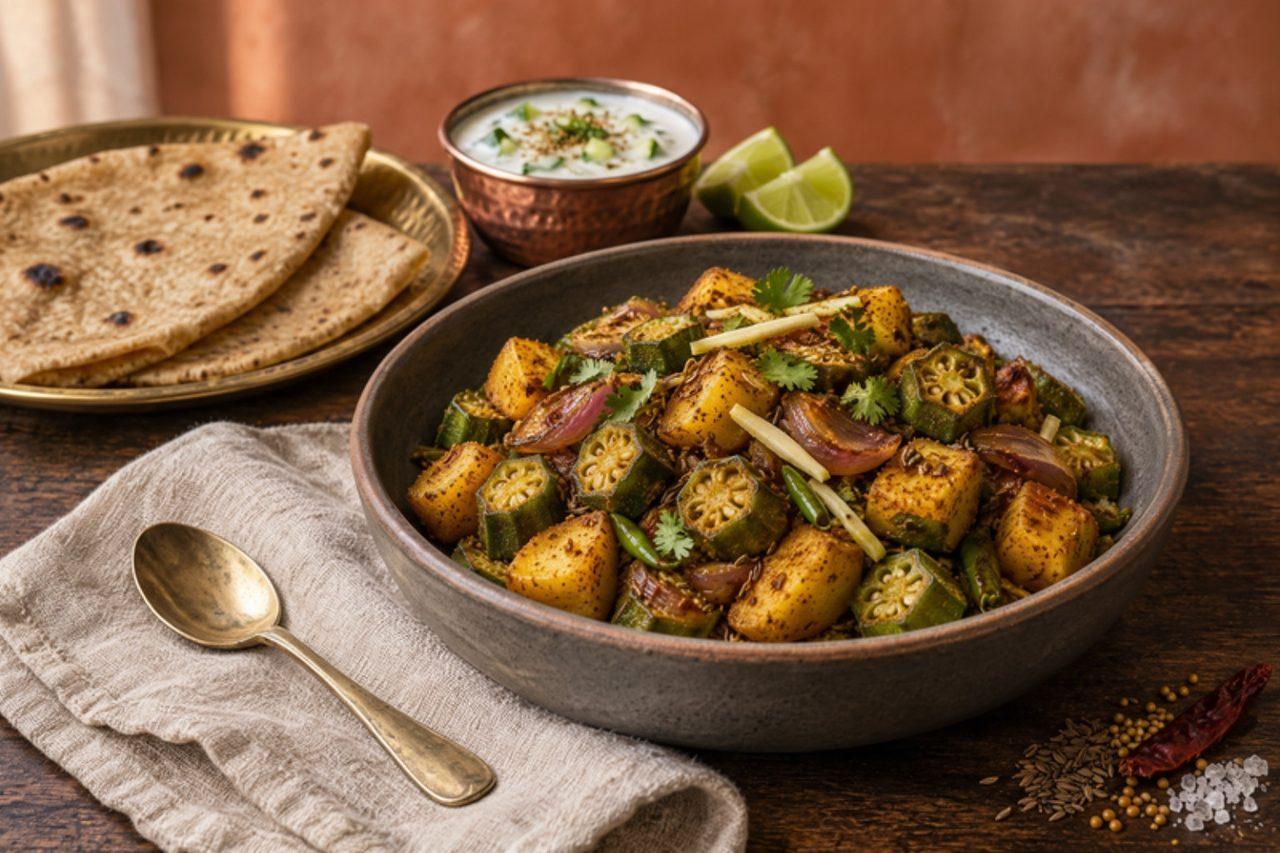
Aloo bhindiPotato and okra stir-fry

Aloo bhindi is the sabzi that Delhi children are happiest to find in their dabba with soft phulkas: okra fried until its edges crisp, potato cubes browned alongside, and sliced onion cooked sweet, all dusted with amchur and cumin. The single big mistake is washing the okra and cutting it wet, which releases slime that never cooks off. Wash it, dry every pod with a cloth and wait half an hour before slicing. Chef's tip: add the salt only at the very end; salt draws moisture out of the okra and makes it sticky.

by KrazyBadal 0 views

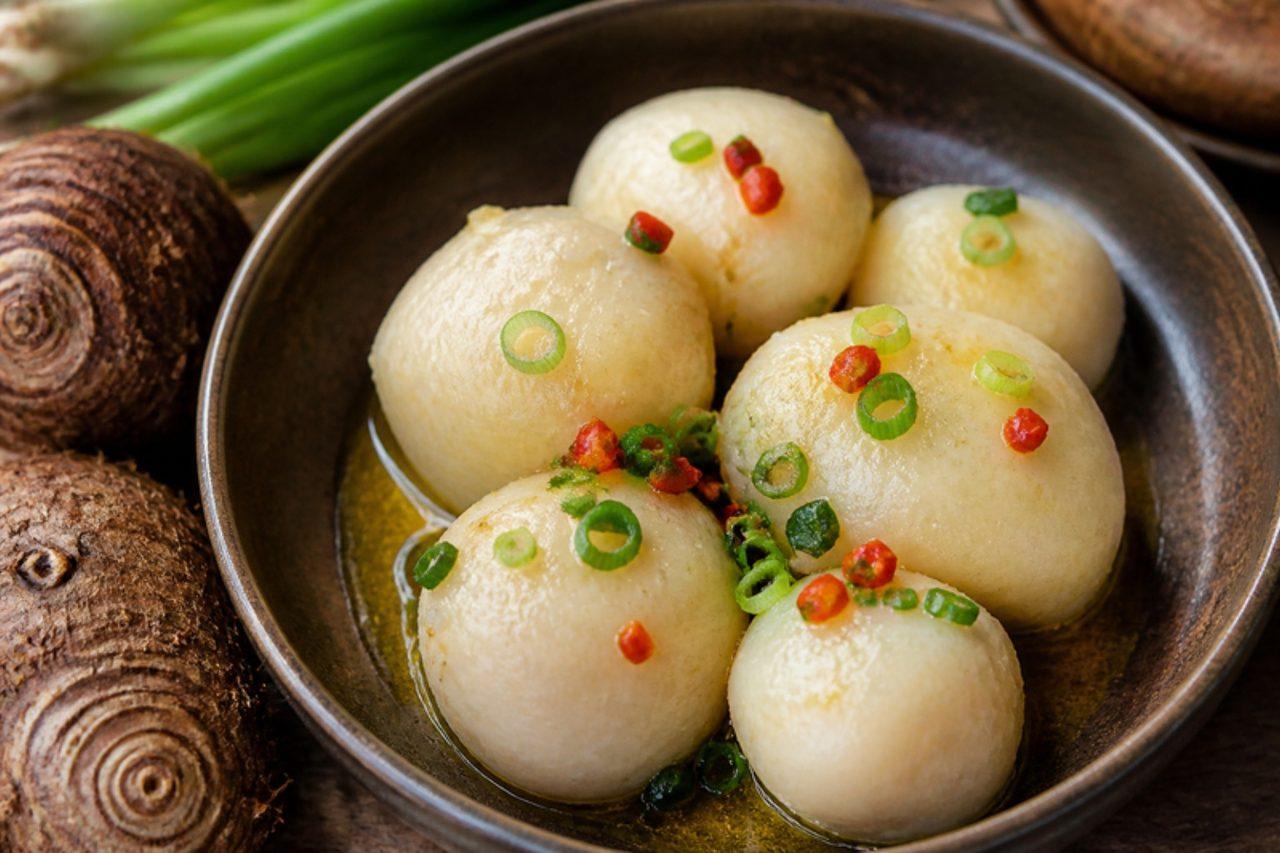
AmadumbeBoiled taro

Market women in Pietermaritzburg and along the KwaZulu-Natal north coast sell amadumbe by the bucket, hairy brown corms that look unpromising until boiled and peeled to reveal dense, creamy white flesh with a nutty, almost chestnut-like flavour. They are eaten hot as a starch with a stew, cold as a snack, or simply split and buttered; this vegan version dresses them in oil warmed with spring onion and chilli. Peeling them raw is the mistake to avoid, because the sap irritates the skin and leaves your hands itching. Always cook taro right through: undercooked corms taste scratchy in the throat. Chef's tip: boil them in their skins and slip the skins off while still warm, when they come away cleanly with a small knife.

by KrazyBadal 0 views

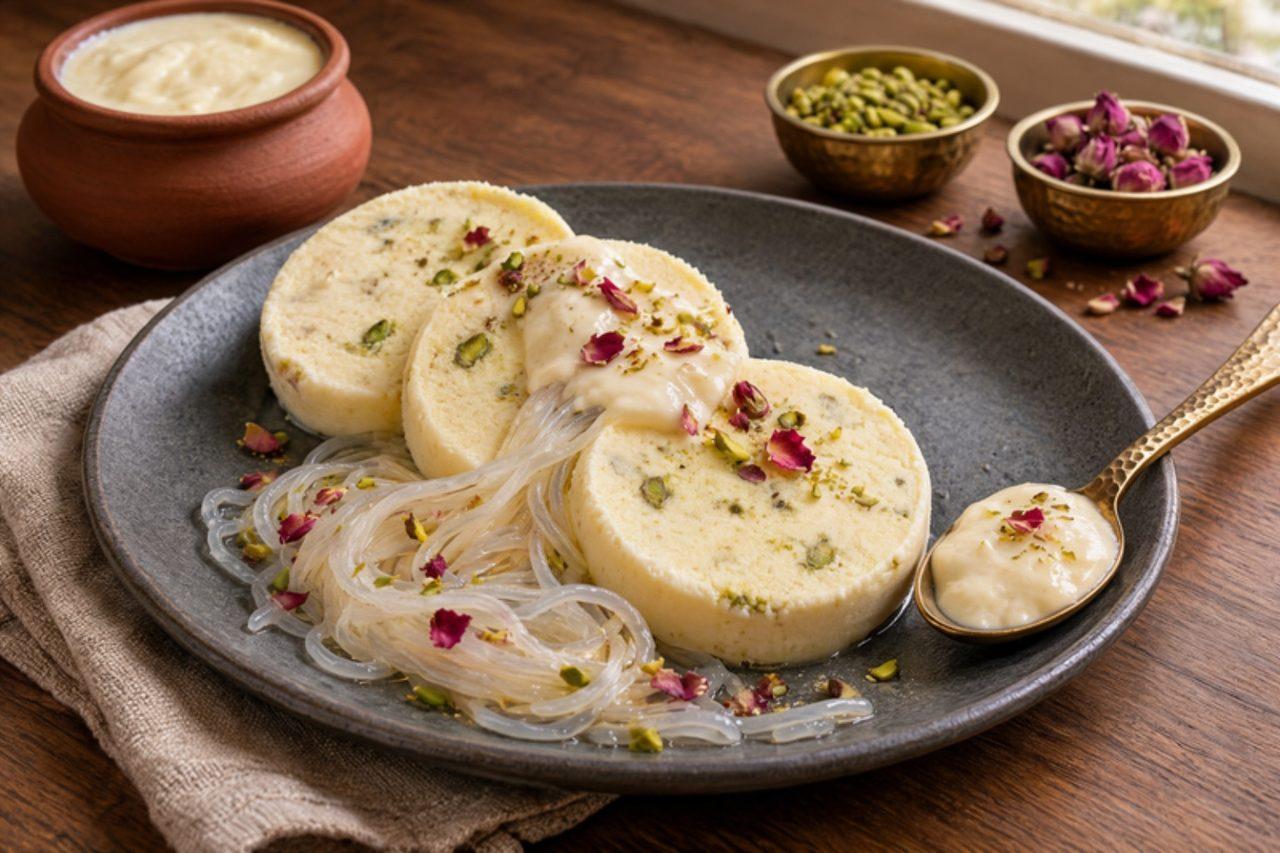
Lahori kulfaKulfi with falooda

On hot Lahore nights, families stroll to Gawalmandi food street and the old shops near Anarkali for kulfa: a whole cone of dense, cardamom-scented kulfi is sliced into fat discs, laid over soft falooda noodles and spooned over with rabri, the thick sweetened milk. It is cold, chewy and creamy in every mouthful. Contains milk and tree nuts (pistachio and almond); the falooda noodles may contain wheat. Chef's tip: scrape the bottom and sides of the pan constantly as the milk reduces; one scorched patch flavours the whole batch.

by KrazyBadal 0 views

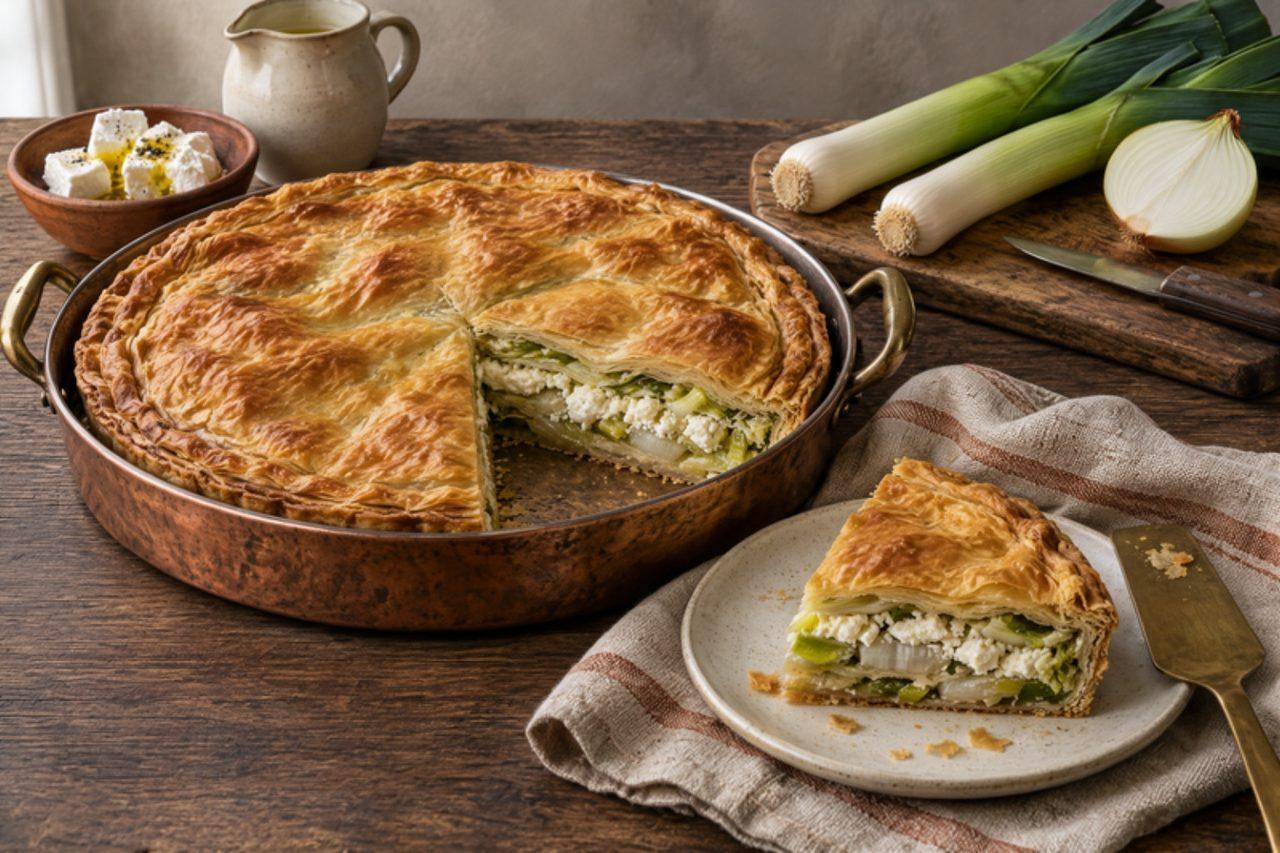
LakrorLeek and cheese pie

Lakror comes from the south of Albania, around Korçë, where it was baked in a round copper tray under a saç, a domed iron lid heaped with embers, and eaten for breakfast or carried to the fields. Thin rounds of homemade dough are layered with oil, then filled with leeks, onions and cheese, giving a pie that is crisp at the top and soft inside. At home, a very hot oven stands in for the saç. The common mistake is rolling the dough too thick: each round should be thin enough to see your hand through, or the layers stay doughy. Chef's tip: rest the dough balls for 30 minutes after kneading; relaxed dough rolls out thin without shrinking back.

100 minBalkanBaking
by KrazyBadal 0 views

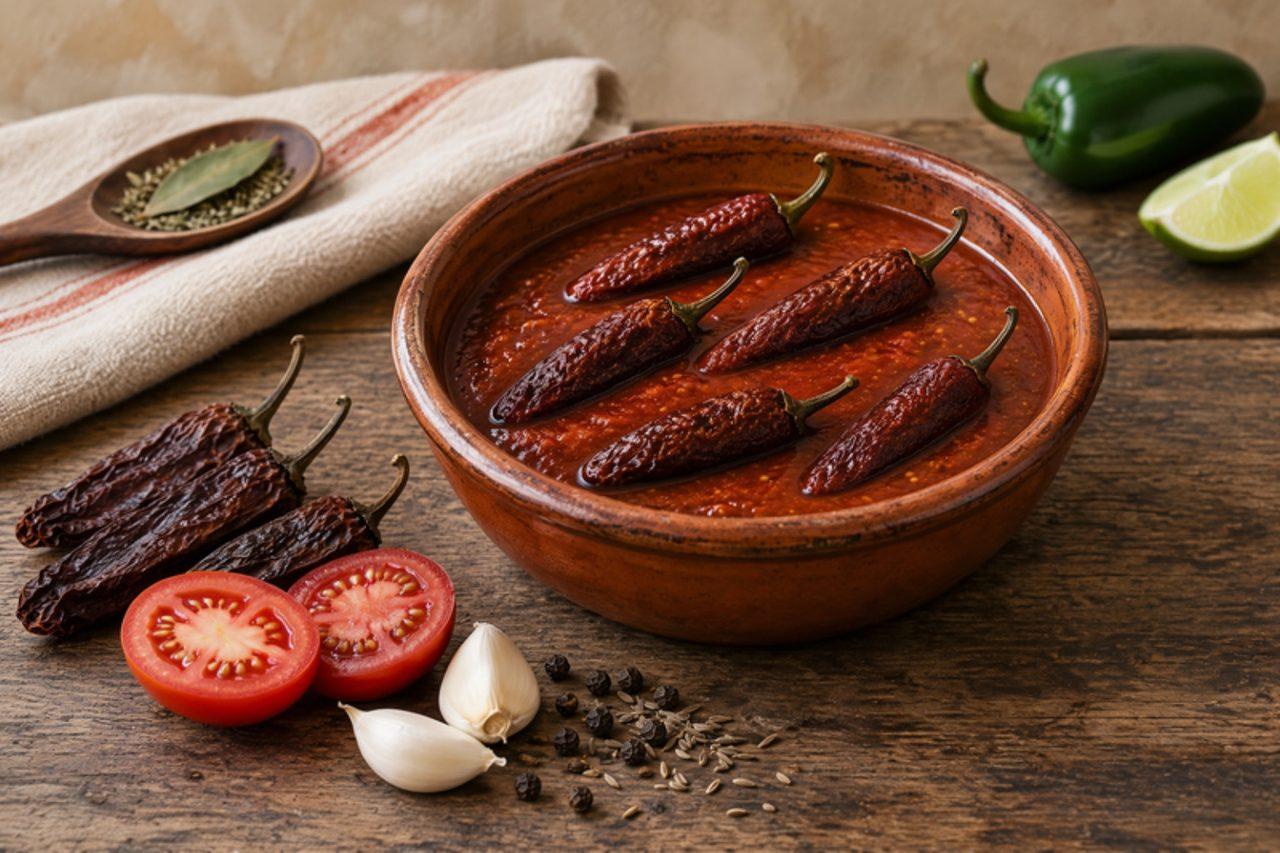
Chipotles en adoboSmoked jalapenos in adobo sauce

Chipotles are ripe jalapeños smoked slowly over wood until leathery; in Puebla and Veracruz the reddish, plump mora type is the everyday one, and the tan, leathery meco is prized for its deeper smoke. Simmered in a sweet-sour adobo of tomato, onion, garlic, vinegar and piloncillo, they become the soft, glossy chillies that go into tinga poblana, albóndigas en chipotle, bean soups and a quick chipotle mayonnaise. Homemade, they are smokier and less sugary than the tinned kind, with sauce that is brick red, tangy and thick enough to coat a spoon. Common mistake: toasting the dried chillies too long; a few seconds a side is enough, because scorched chillies make the whole jar bitter. This is a low-acid chilli preserve, so it is kept in the fridge or freezer, never canned in a water bath. It is ready when the chipotles are plump and soft enough to crush with a spoon and the adobo has reduced to a glossy sauce. Chef's tip: blend one or two chillies with their sauce and freeze it in an ice-cube tray, so you can add a single cube to a pot.

by KrazyBadal 1 views

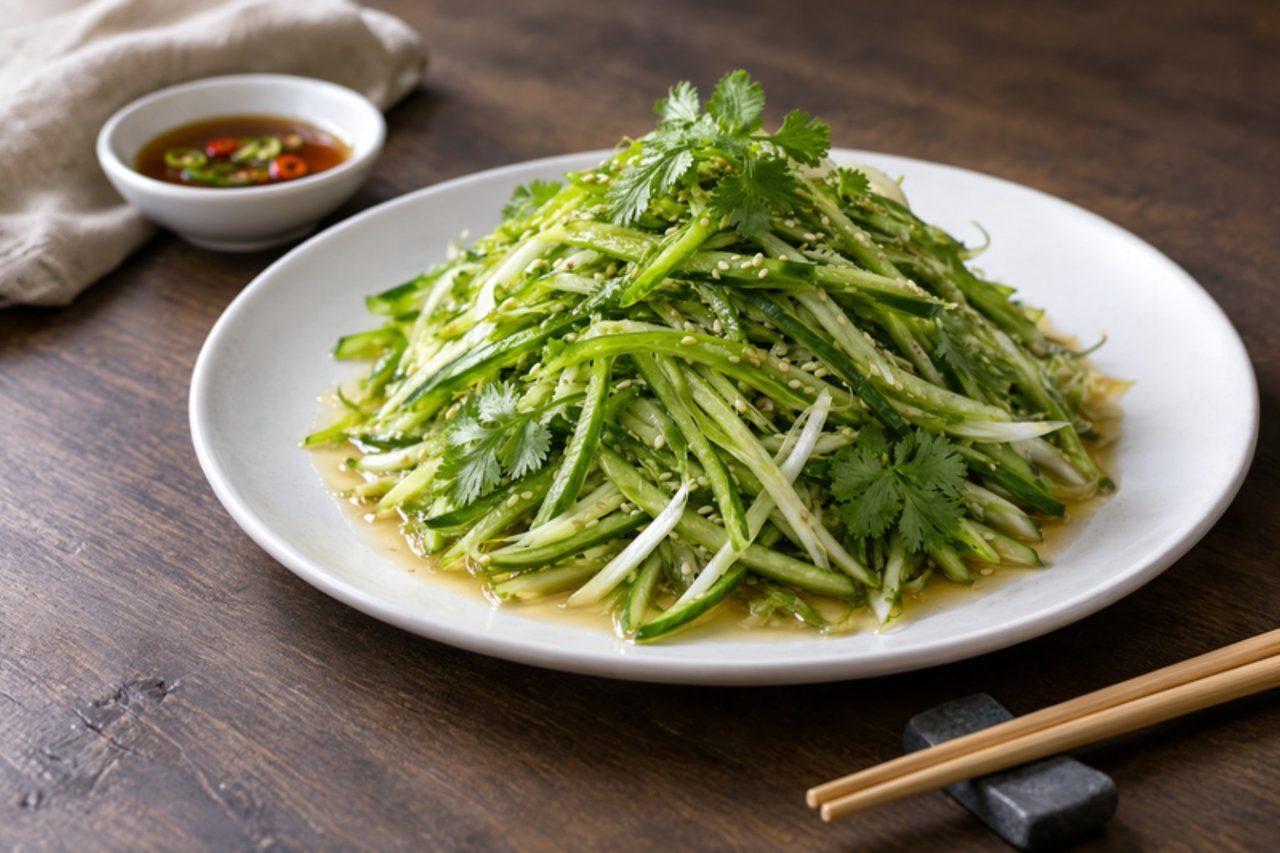
Laohu caiTiger salad

Laohu cai, 'tiger salad', is the fierce raw salad of China's north-east, served in Shenyang and Harbin homes and restaurants alongside dumplings, grilled skewers and heavy stews. Long green chillies, cucumber, coriander and spring onion are cut into thin strips and dressed with rice vinegar, a little soy and sesame oil, so it is hot, crunchy and very fresh. Serve it next to protein dishes as a crisp, low-starch side. It is suitable as part of a balanced diet. About 50 kcal and 5 g carbohydrate per portion. The usual mistake is dressing it too early, so the cucumber weeps and the coriander goes limp; dress it just before eating. Chef's tip: choose a mix of mild and hot chillies so you control the heat and still get plenty of crunch.

by KrazyBadal 0 views

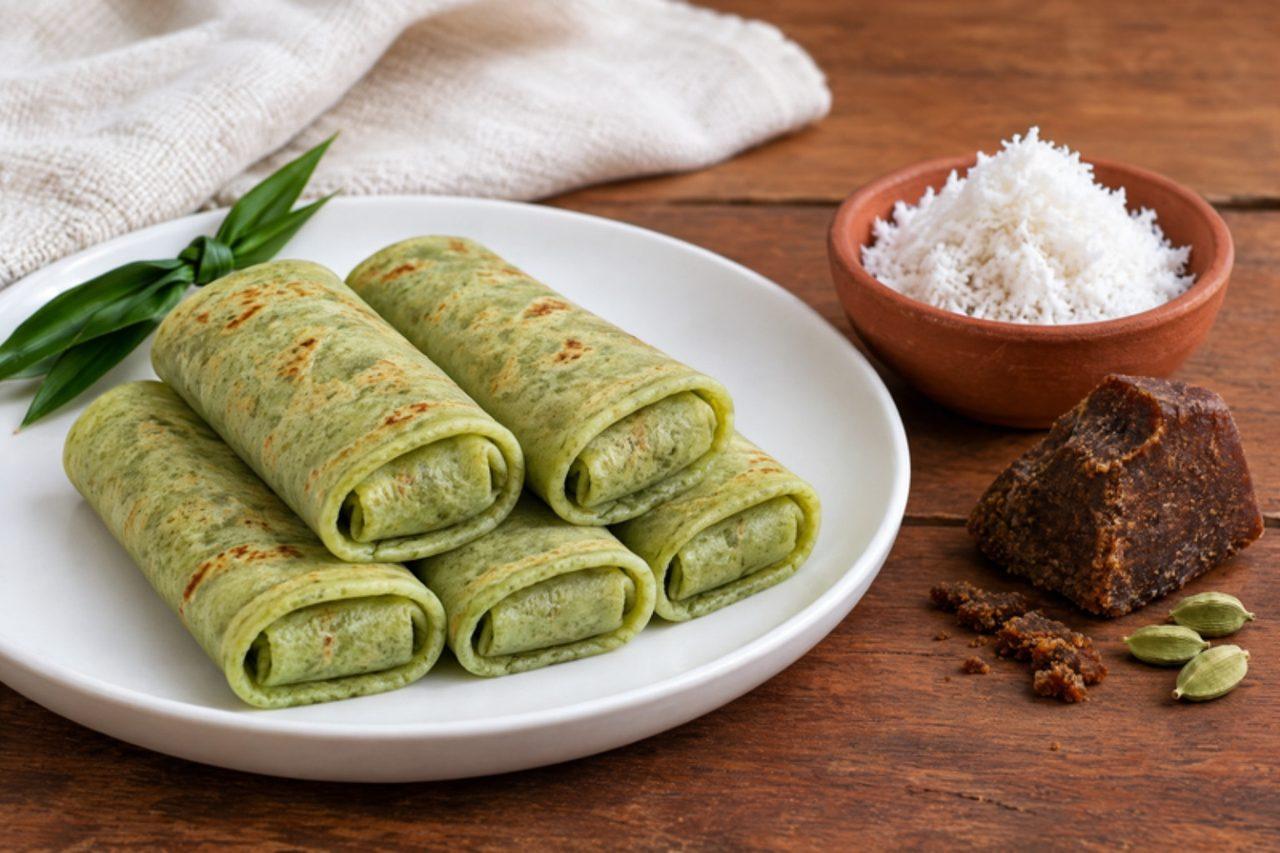
Alle belleCoconut-filled pancake rolls

Alle belle are the tea-time sweet of Goan Catholic homes: soft, lacy pancakes, sometimes tinted with a little green from pandan or turmeric leaf, rolled up around a sticky filling of fresh coconut and dark palm jaggery (godd). They appear at feast-day teas, at village fairs and in school tiffin boxes, and they contain egg in the batter. The common mistake is a thick batter, which gives heavy pancakes that crack when rolled; it should pour like single cream and spread thinly with a swirl of the pan. Chef's tip: cook the filling until it is sticky but still soft, then add a pinch of salt, because the salt makes the palm jaggery taste richer.

by KrazyBadal 0 views

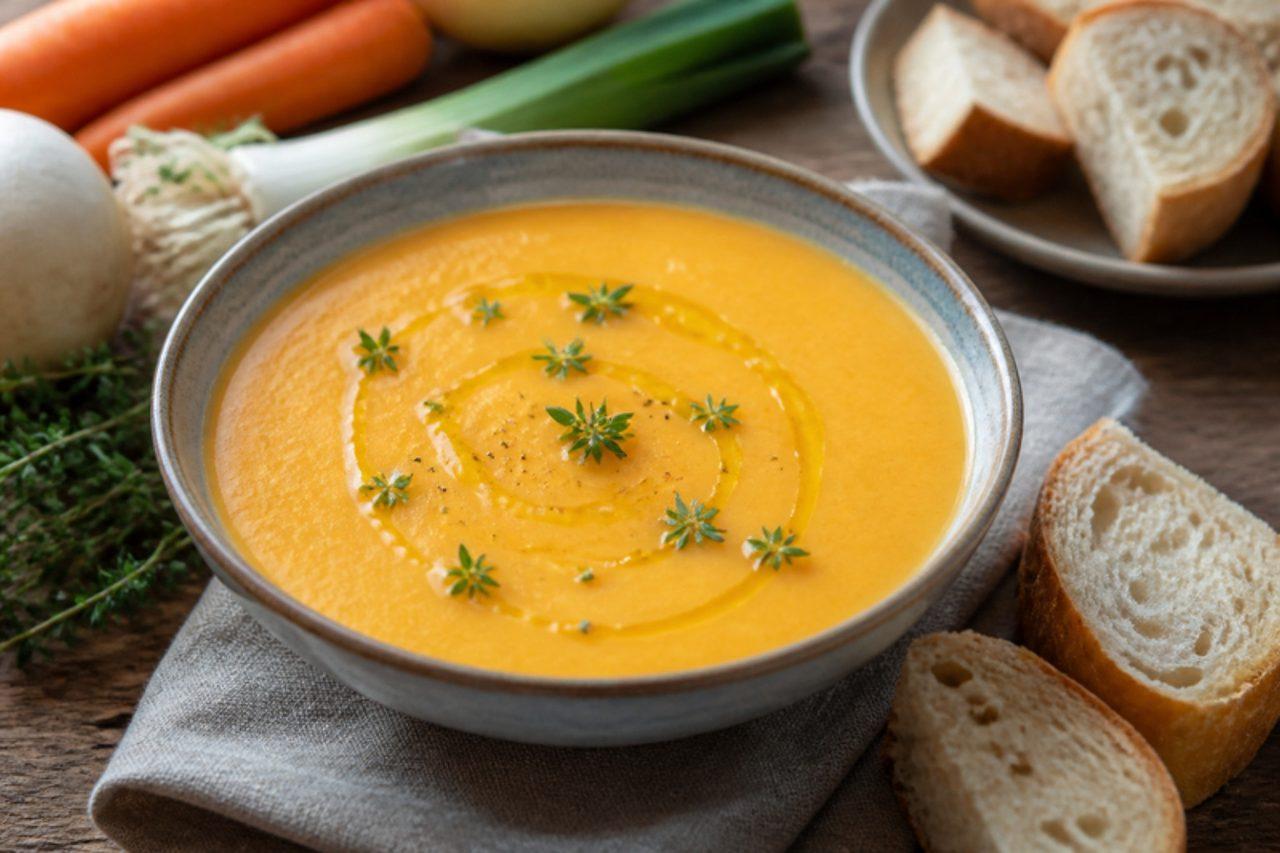
LasopyBlended vegetable soup

Highland evenings in Antananarivo can turn surprisingly cold, and that is when lasopy comes out, a smooth, pale-orange soup of carrot, leek, potato, turnip and green beans blended until velvety. Market cooks and grandmothers usually simmer it with beef bones; this version keeps it fully vegetarian, with the vegetables browned lightly first and a bay leaf and thyme for depth, so the water turns into a sweet, savoury broth on its own. It is often eaten with a handful of thin vermicelli cooked in it, or simply with bread, and a dab of sakay stirred in at the table. Leave the vegetables in big chunks: chopping them tiny makes them boil to mush before the flavour comes out. Chef's tip: hold back a ladle of cooking liquid and blend the rest, then thin to taste, because once lasopy is too watery there is no fixing it.

by KrazyBadal 0 views

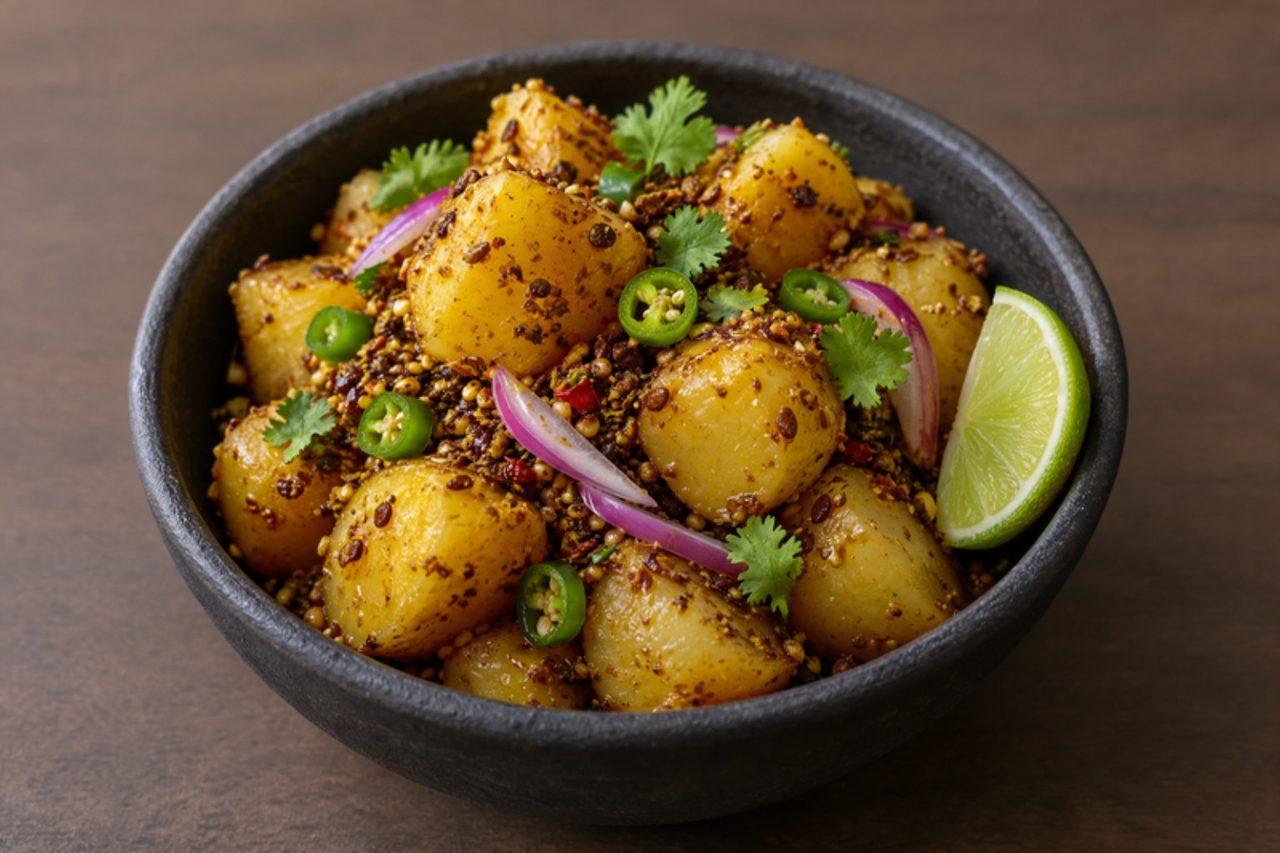
Aloo sadekoSpiced potato salad

Sadeko means marinated, and aloo sadeko is the sharp, tingly potato salad served in every khaja ghar, the little snack houses round Asan Tole and New Road, as afternoon khaja beside beaten rice and a cup of tea. Cool boiled potatoes are dressed with mustard oil heated with fenugreek seeds until they turn dark and nutty, then timur (Nepal's numbing Sichuan pepper), green chilli, toasted sesame and lots of lime. Contains sesame and mustard. Chef's tip: fry the fenugreek seeds until reddish-brown, not black; burnt fenugreek makes the whole bowl bitter.

by KrazyBadal 0 views

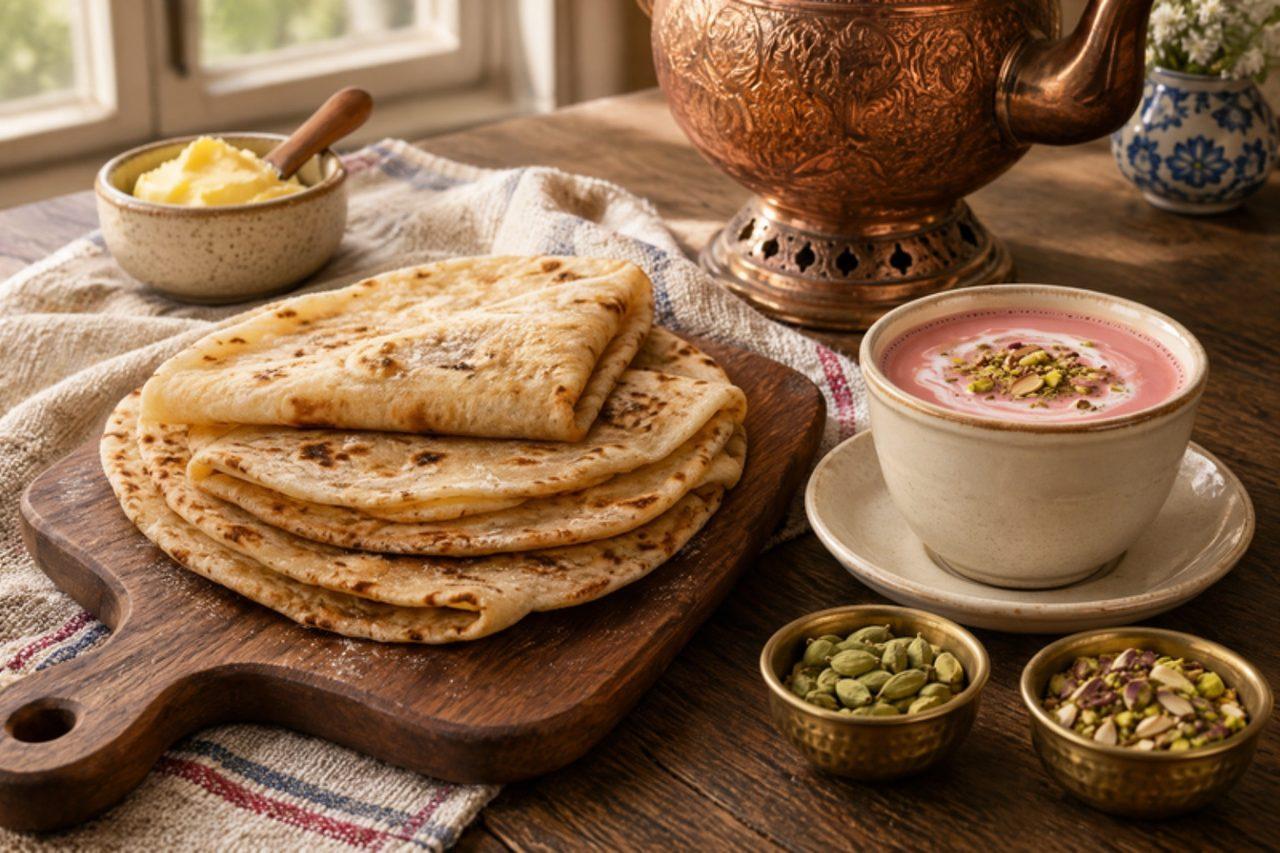
LavasaThin leavened flatbread

Every Kashmiri neighbourhood has its kandur, the baker who slaps breads onto the walls of a clay tandoor before dawn, and lavasa is the thin, soft, bubbly sheet bought for the afternoon or for wrapping hot seekh kebabs at weddings. It is lightly leavened, a little chewy and faintly smoky, and is eaten with noon chai or with harissa in winter. At home a very hot heavy pan or a pizza stone does a fine job. The common mistake is rolling it too thick; lavasa should be thin enough to see light through at the edges. Chef's tip: stack the breads under a clean cloth as they come off the heat, so the steam keeps them soft and foldable.

by KrazyBadal 0 views

Aloo pitikaMashed potato with mustard oil

Aloo pitika is the first thing on many Assamese lunch plates, a rough mash of boiled potato sharpened with raw mustard oil, onion, green chilli and coriander, eaten with the first mouthfuls of rice and dal. Guwahati families make it daily, and in winter it may be mixed with roasted aubergine or a boiled egg. The usual mistake is making it smooth like a Western purée; it should be coarse and hand-mashed so the onion and chilli stay crunchy. Chef's tip: use pungent kachi ghani mustard oil and rub it in last, so its heat hits the nose.

by KrazyBadal 0 views

Leche con plátanoBanana milk

Ask anyone who grew up in Chile, from Arica to Punta Arenas, what they drank after school and many will say leche con plátano. It is made in a blender in two minutes, usually at onces, the late-afternoon tea, alongside marraqueta rolls with butter or avocado, and it is the first thing many children learn to make by themselves. It is pale, foamy and thick enough to leave a moustache, tasting simply of sweet ripe banana and cold milk, sometimes with a pinch of cinnamon. The common mistake is making it ahead: within half an hour the banana turns the milk greyish-beige and the foam collapses, so blend it just before drinking. It is ready when it is completely smooth, light and frothy, with no banana lumps at the bottom of the jug. Use bananas with a few brown freckles: they are sweet enough that you may need little or no sugar. Chef's tip: slice and freeze overripe bananas, then blend them straight from the freezer; the drink comes out icy and extra thick without any ice.

by KrazyBadal 0 views

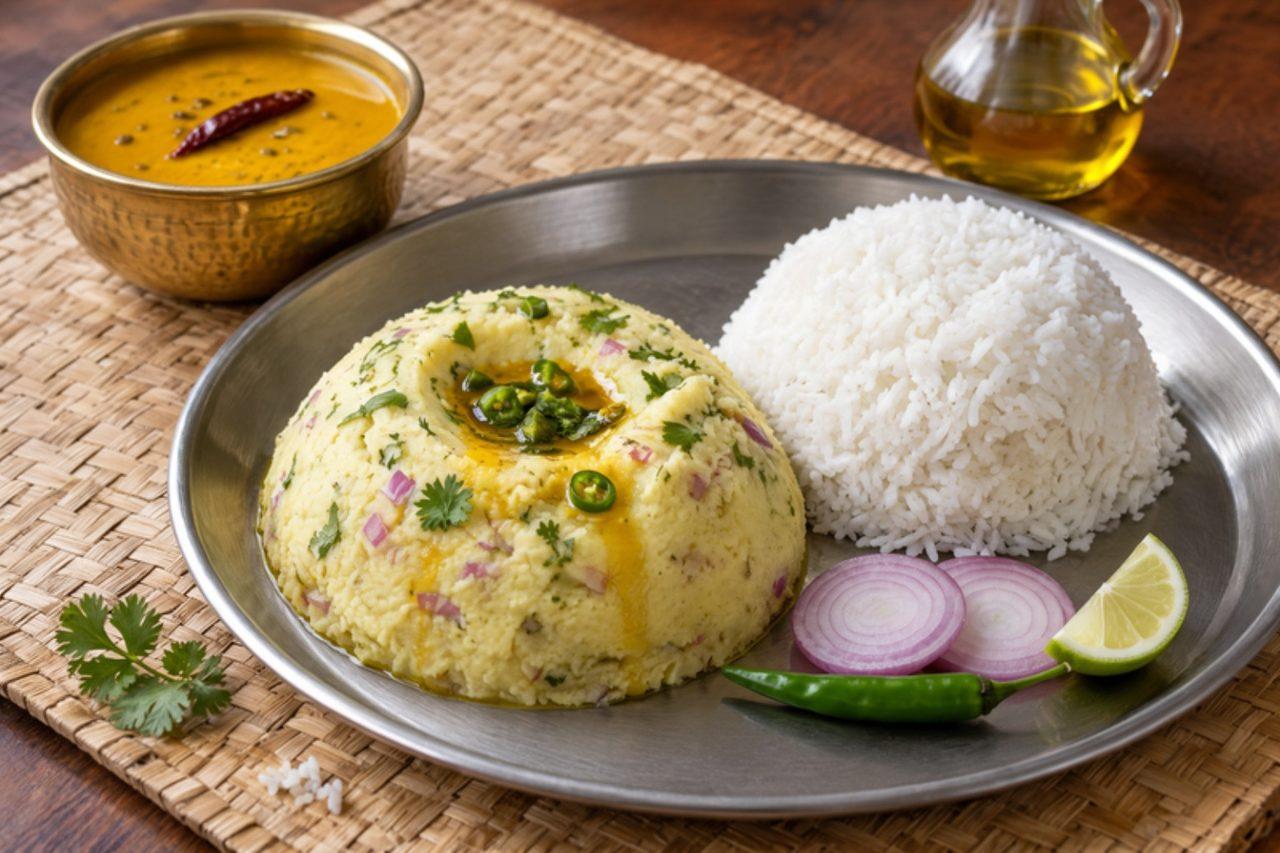
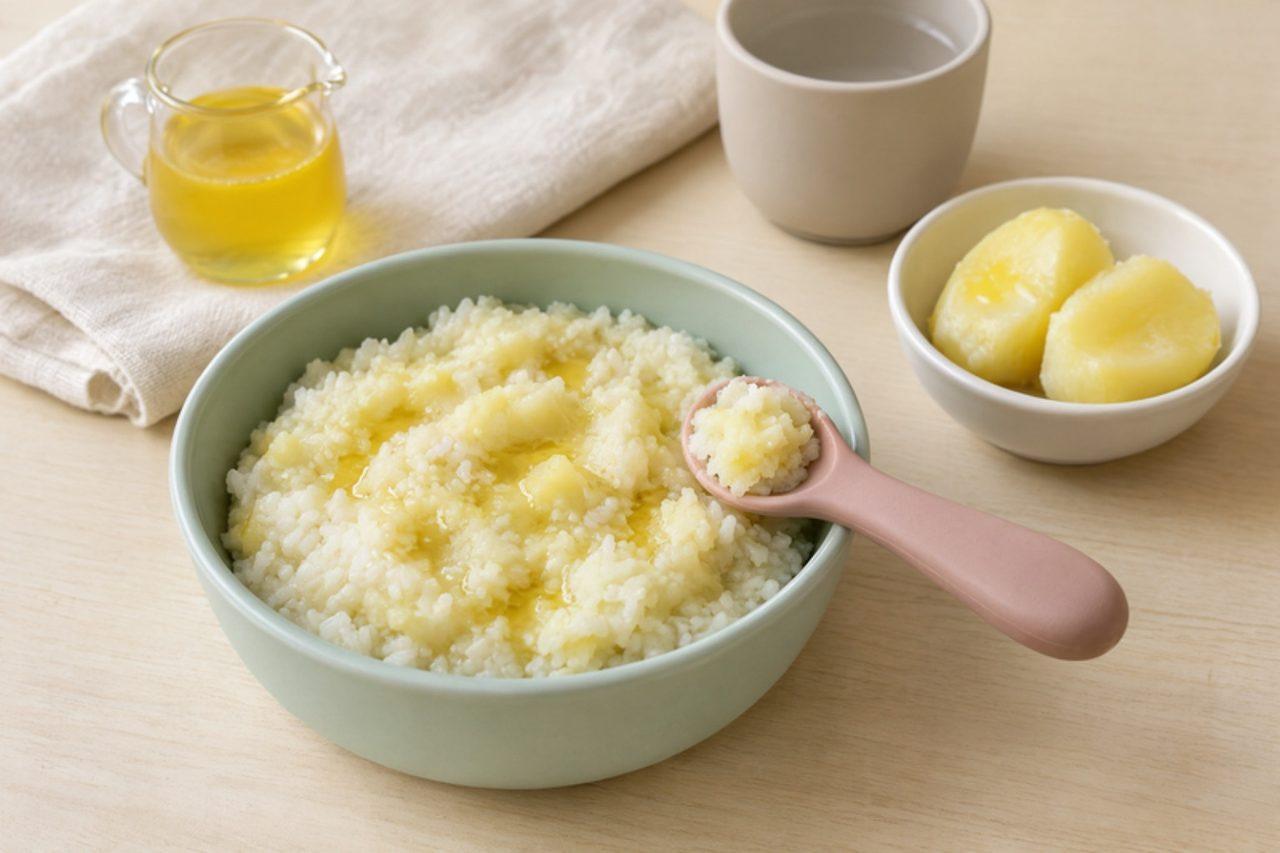
Aloo seddho bhaat for toddlersRice and potato mash for toddlers

In Kolkata homes, from north Kolkata's old paras to the flats of Salt Lake, aloo seddho bhaat is what you cook when someone is tired, ill or very small: a potato boiled right in the rice pot, mashed with hot rice. Grown-ups add raw mustard oil, green chilli and onion; for toddlers from 12 months it is mashed instead with a spoon of ghee, so it's soft, buttery and mild. Gobindobhog rice gives it a lovely fragrance. It contains milk (ghee); there is no gluten, egg, nuts or soya. Chef's tip: mash the potato and rice with a fork or your fingers, never a blender, or it turns gluey.

by KrazyBadal 0 views

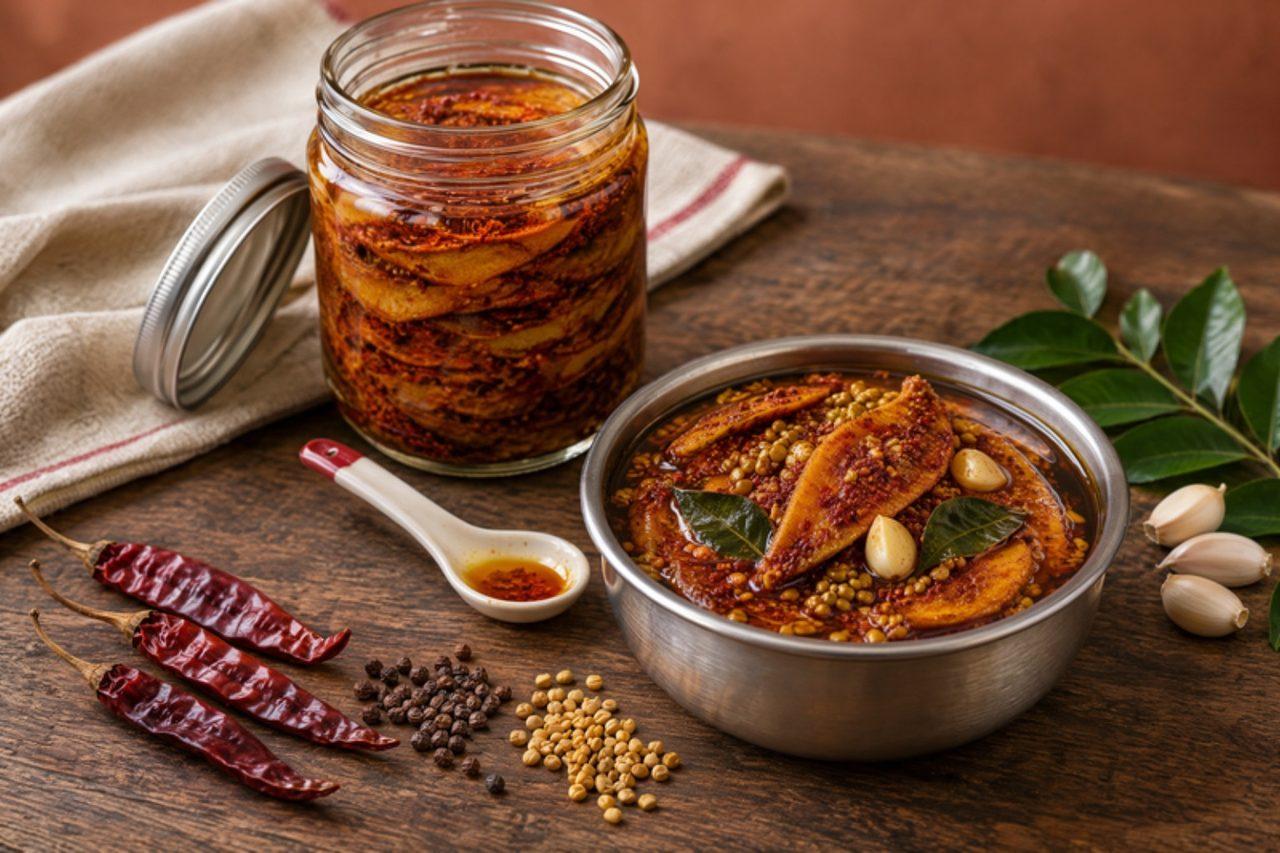
MagayaSun-dried mango pickle

In Andhra Pradesh the pickle season opens around Ugadi, and long before the fiery avakaya is cut, many homes make magaya, the gentler mango pickle. Peeled raw mango is sliced thin and salted until it weeps a yellow brine (magaya ooru), the slices are dried in the hot April sun until leathery, then mixed back into the brine with mustard powder, chilli and fenugreek and sealed under a tempering of gingelly oil. After a week the slices are chewy and soft, tangy and salty, with a rounder heat than avakaya. It is eaten with hot rice and a spoon of ghee, stirred into curd rice, or turned into a raita-like magaya pachadi with yoghurt; the leftover brine is mixed into plain rice. The salt is about 10% of the peeled mango weight (100 g per kg), which, with the fruit's own acid, keeps it safe. Common mistake: drying the slices to hard chips, or too little so they stay wet and mould; stop when they bend without snapping. It is ready when the slices have softened, turned deep red-orange and the oil floats on top. Chef's tip: no sun? A dehydrator or oven at 50 °C dries the slices in 6–8 hours.

by KrazyBadal 0 views

Showing 27 of 7,762 recipes

Show more recipes

Page 108 of 863