


Skip to content
Chipotles en adobo
Featured recipe

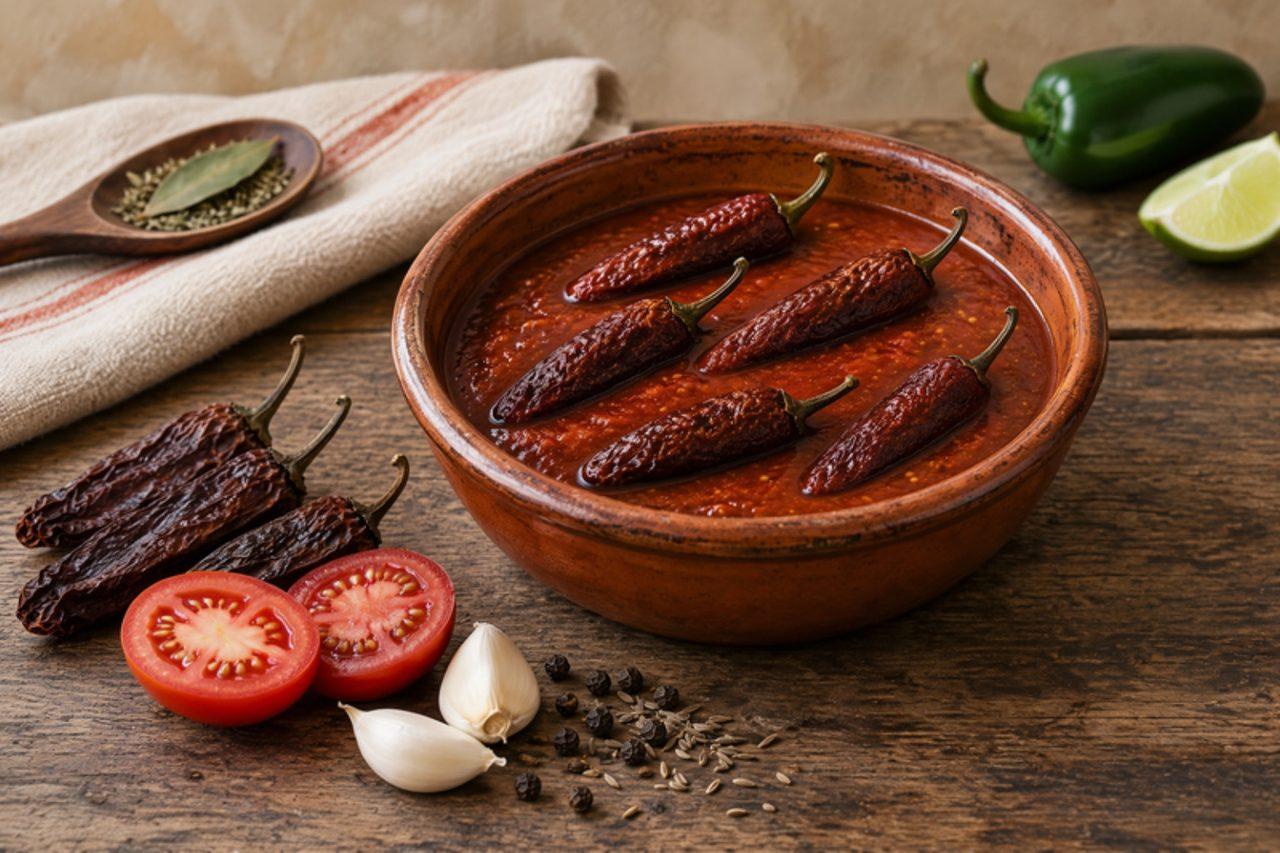
Chipotles en adobo

Smoked jalapenos in adobo sauce

Chipotles are ripe jalapeños smoked slowly over wood until leathery; in Puebla and Veracruz the reddish, plump mora type is the everyday one, and the tan, leathery meco is prized for its deeper smoke. Simmered in a sweet-sour adobo of tomato, onion, garlic, vinegar and piloncillo, they become the soft, glossy chillies that go into tinga poblana, albóndigas en chipotle, bean soups and a quick chipotle mayonnaise. Homemade, they are smokier and less sugary than the tinned kind, with sauce that is brick red, tangy and thick enough to coat a spoon. Common mistake: toasting the dried chillies too long; a few seconds a side is enough, because scorched chillies make the whole jar bitter. This is a low-acid chilli preserve, so it is kept in the fridge or freezer, never canned in a water bath. It is ready when the chipotles are plump and soft enough to crush with a spoon and the adobo has reduced to a glossy sauce. Chef's tip: blend one or two chillies with their sauce and freeze it in an ice-cube tray, so you can add a single cube to a pot.

Read more 1 views

What to eat today?

Around the world

Today's trip: Persian

A new country every day, from every cuisine on the site.

Persian

Shir berenj

Rose water rice pudding 70 minMore from Persian (181) →

This week's collection

Kid-friendly dinners
756 recipes · a new collection every Monday

Coming up

All occasions →

Latest recipes

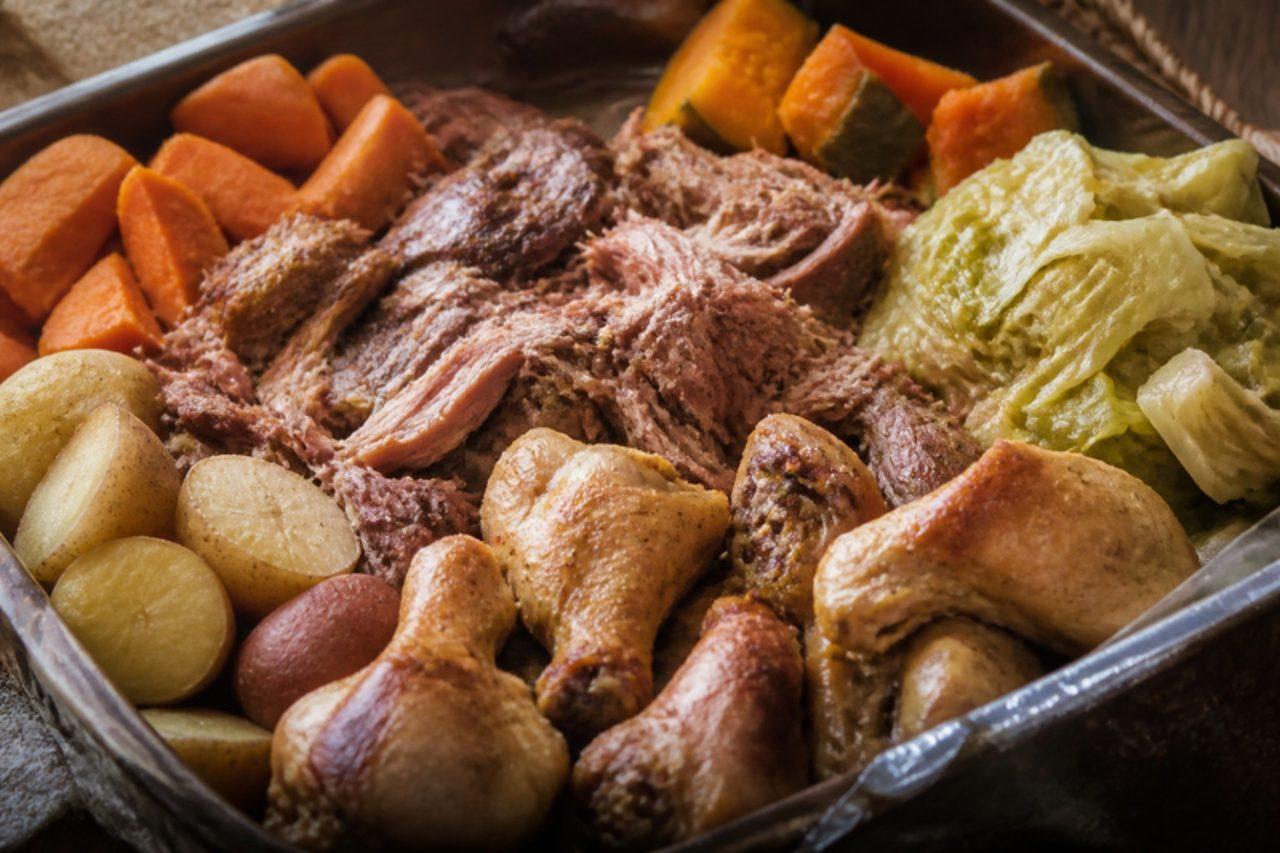
Hāngī-style roastOven-steamed roast pork and vegetables

A true hāngī is cooked by Māori communities across Aotearoa New Zealand in a pit lined with stones heated in a wood fire, with baskets of meat and vegetables covered with damp cloths and earth and left for hours; it is made for tangihanga (funerals), weddings, marae gatherings and fundraisers, and the skill is passed down through whānau. An oven can't reproduce that earthy, smoky steam, and this recipe does not claim to. It borrows the idea: pork, chicken, kūmara, pumpkin and potato packed tightly, covered and steamed for hours until everything is meltingly soft. It contains pork. The mistake to avoid is loose foil; if steam escapes, the meat dries out instead of steaming. Chef's tip: sit the meat on top of the vegetables so its juices drip down and season them.

by KrazyBadal 0 views

GhevarLacy fried batter sweet in syrup

During the monsoon festival of Teej and through Raksha Bandhan, Jaipur's sweet shops stack golden, honeycomb discs of ghevar in their windows. The batter is little more than flour, chilled ghee and ice-cold water, poured into hot ghee in thin streams so it foams into a lacy round. It is then soaked in syrup and finished with rabri, sliced pistachios and a pinch of saffron. Married daughters traditionally receive it from their mothers' homes during Teej. The most common mistake is batter that is too warm or too thick; it fries into a heavy pancake instead of a web. Chef's tip: whisk the ghee with ice cubes until it is white and fluffy before adding flour, and keep the batter bowl in a tray of ice water while frying. A narrow, deep pan, or a metal ring set in a saucepan, gives the sides that help the batter build up.

by KrazyBadal 0 views

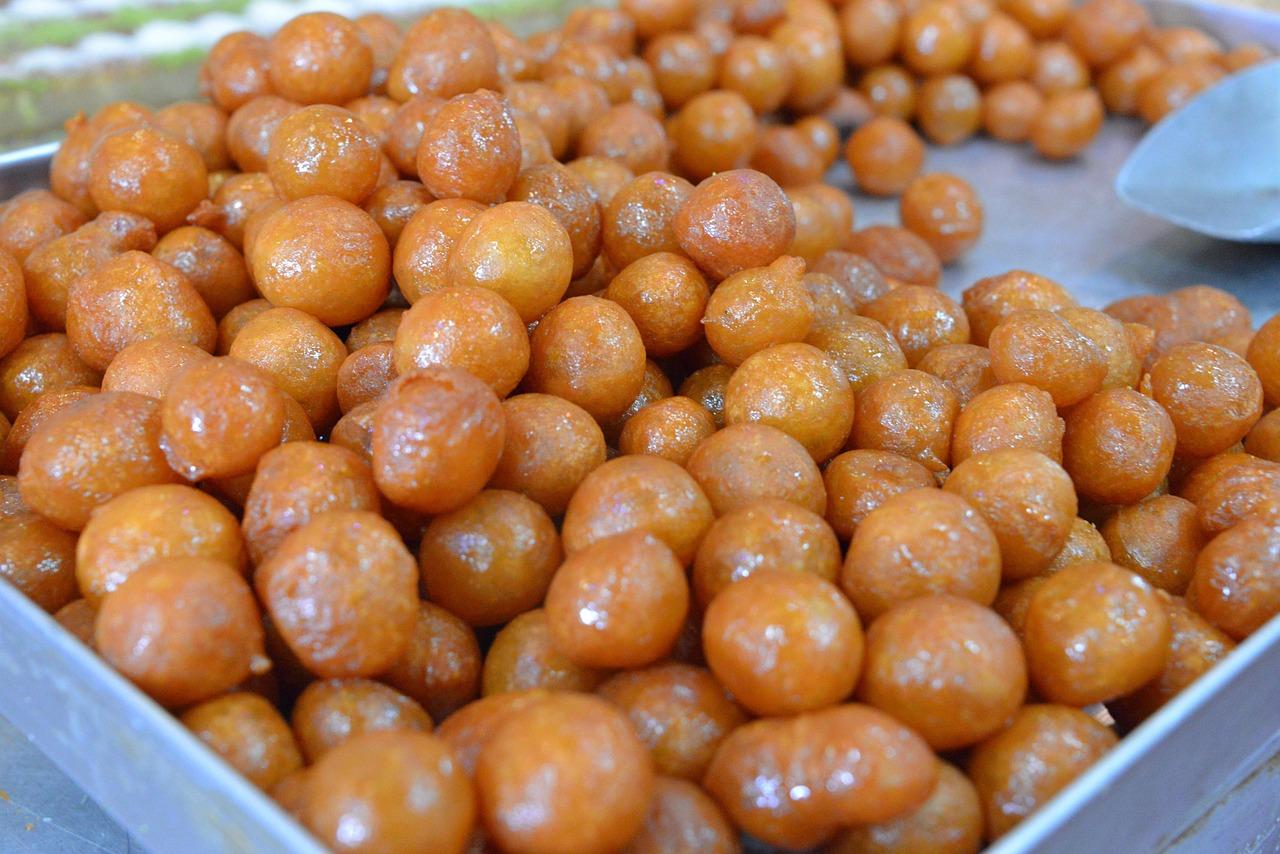
LokmaFried yeast fritters in syrup

In İzmir and along the Aegean coast, lokma is the sweet of shared moments: families hire a lokma master with a big cauldron to fry hundreds of these golden balls on the street after a funeral or to mark an anniversary, handing them out to anyone passing by, and stalls sell them by the paper cup all year. Each fritter is a little ball of yeasted batter, crisp outside, hollow and soft within, soaked briefly in lemon syrup so it crunches before it melts. This home version needs no eggs or butter, and kids love squeezing out the balls. Eat them warm, on their own or with a sprinkle of cinnamon or crushed pistachios. Chef's tip: dip your spoon or fingers in a cup of water before each ball; the batter then slides off cleanly into round shapes instead of stringy tails.

by KrazyBadal 0 views

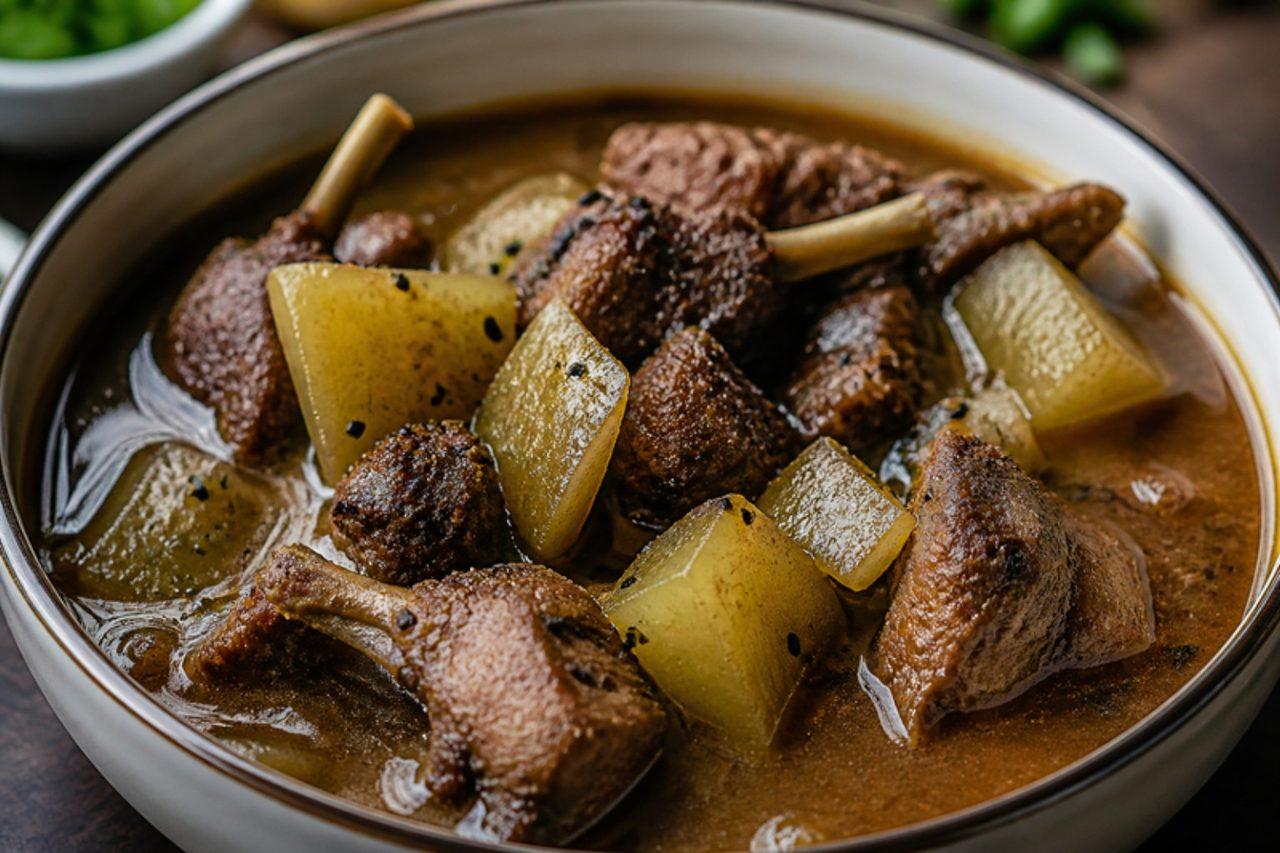
Hanhor mangxoDuck curry

When Magh Bihu brings bonfires and feasting to the villages of Assam in January, duck curry is one of the dishes families look forward to. Duck meat is simmered with ash gourd (kumura), which soaks up the rich juices, and the gravy is thickened with toasted black sesame for a deep, nutty taste. It is eaten with rice, often after the night-long community feast called uruka. Chef's tip: brown the duck skin-side down first and pour off some of the rendered fat; you need its flavour, not all of it.

120 minIndianMeatGluten free
by KrazyBadal 0 views

GhapamaRice and fruit stuffed pumpkin

Ghapama is the dish Armenians carry to the table at New Year and on Christmas Day (6 January), with a folk song, "Hey jan ghapama", sung while the pumpkin is cut. A whole pumpkin is hollowed out, packed with half-cooked rice, dried apricots, prunes, raisins, walnuts and honey, and baked until the flesh is soft enough to scoop. At the table it is sliced from top to bottom like a flower opening, so each wedge comes with its own share of filling. Serve it as a festive main with a herb and cucumber salad, or as a sweet course after a lighter meal. Chef's tip: choose a squat, thick-walled pumpkin with a hard shell; thin-walled ones collapse in the oven before the rice is cooked.

by KrazyBadal 0 views

Geraardsbergse mattentaartCurd tartlets

The small town of Geraardsbergen in East Flanders is so proud of its mattentaart that the little round puff-pastry tart has protected (PGI) status in the EU, and only bakers in the area may sell it under that name. It is filled with matten, a fresh curd made by curdling hot milk with buttermilk, mixed with eggs, sugar and a hint of almond, and baked until puffed and golden. Locals eat it with coffee, especially in late February when the town holds its Krakelingen festival. You make the curd yourself the day before. Chef's tip: hang the curd for a full night; too much whey left in it makes the filling weep and the pastry soggy.

by KrazyBadal 0 views

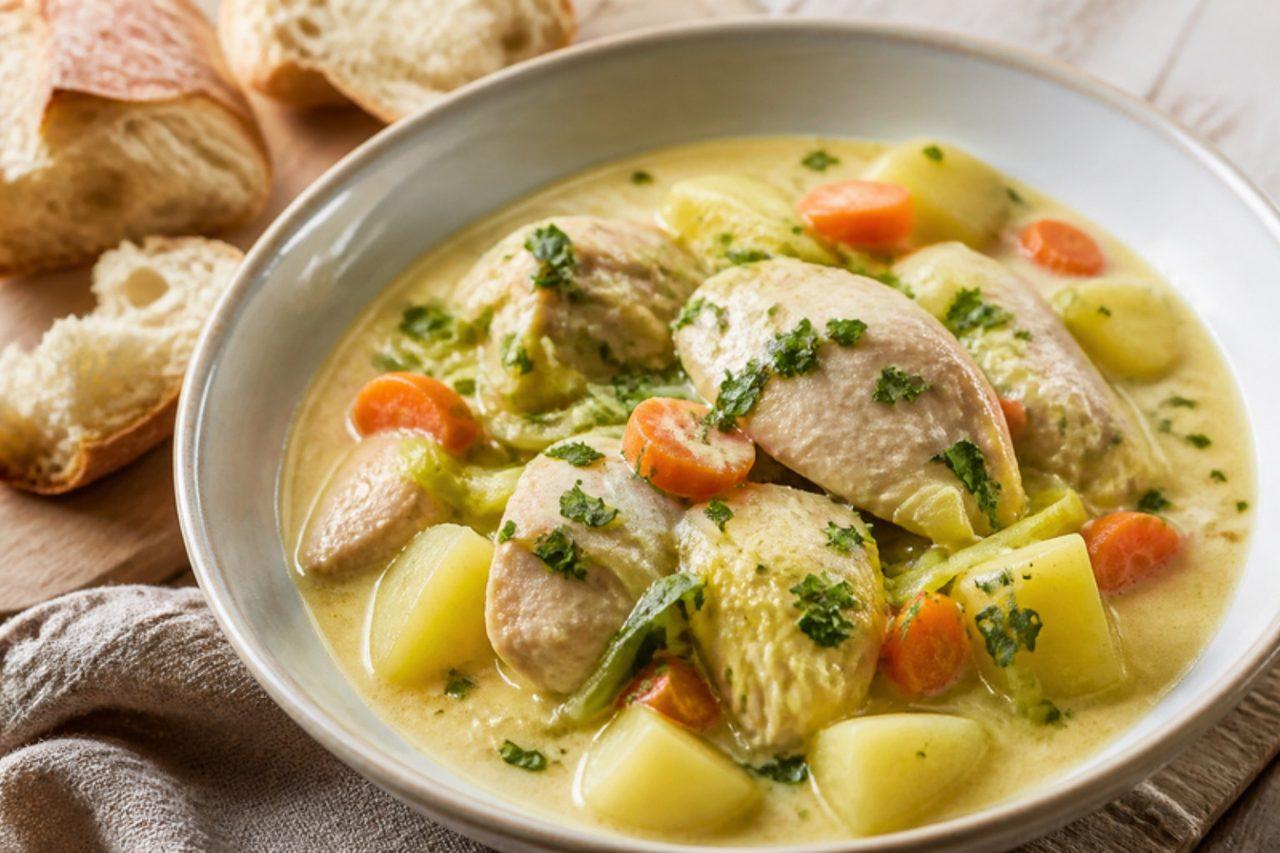
Gentse waterzooiCreamy chicken and vegetable stew

Ghent claims waterzooi as its own, and in the cafés around the Korenmarkt it is served in deep plates as a cross between soup and stew. Originally made with river fish, the city's version today is nearly always chicken, poached gently with leek, carrot, celery and potato, then the broth is enriched with cream and egg yolk until it turns silky and pale gold. It is eaten all year but tastes best on a damp Flemish evening, with crusty bread for the last of the broth. The mistake to avoid is boiling it after the yolks go in, which scrambles them; keep it below a simmer while it thickens. Chef's tip: cut the vegetables into fine, even julienne so they cook in the same time and look neat in the bowl.

by KrazyBadal 0 views

HareesWheat and chicken porridge

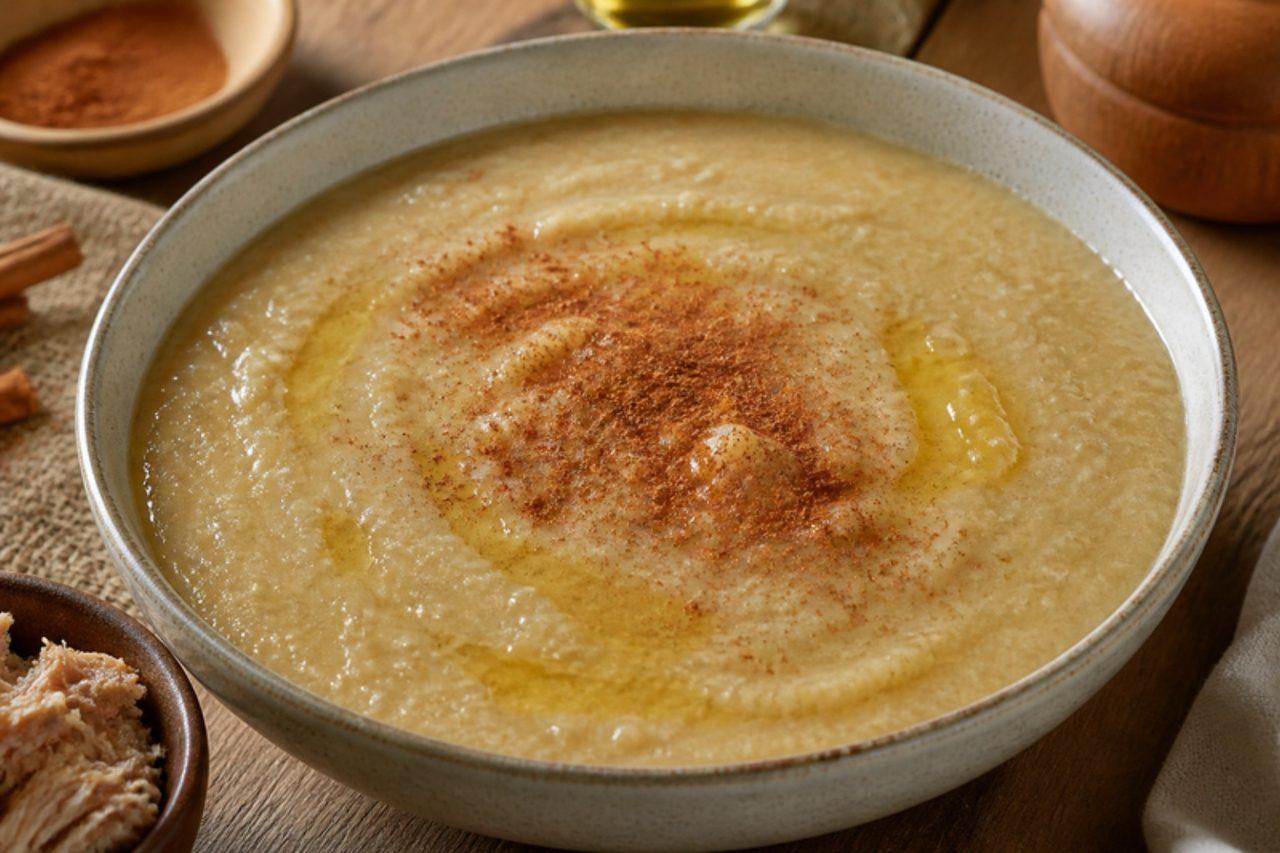
Harees is one of the oldest dishes of the Arabian Gulf, made in the UAE, Oman and Saudi Arabia for Ramadan iftar, Eid and weddings, when big pots are stirred for hours and shared with neighbours. Whole wheat and chicken cook slowly together until the grain bursts and the meat falls apart, then everything is beaten to a smooth, sticky porridge and finished with ghee and a little cinnamon. It is soft, mild and very comforting. Chef's tip: beat it hard with a wooden spoon (or briefly with a stick blender) at the end; that is what gives harees its elastic texture.

by KrazyBadal 0 views

GenfoThick barley porridge

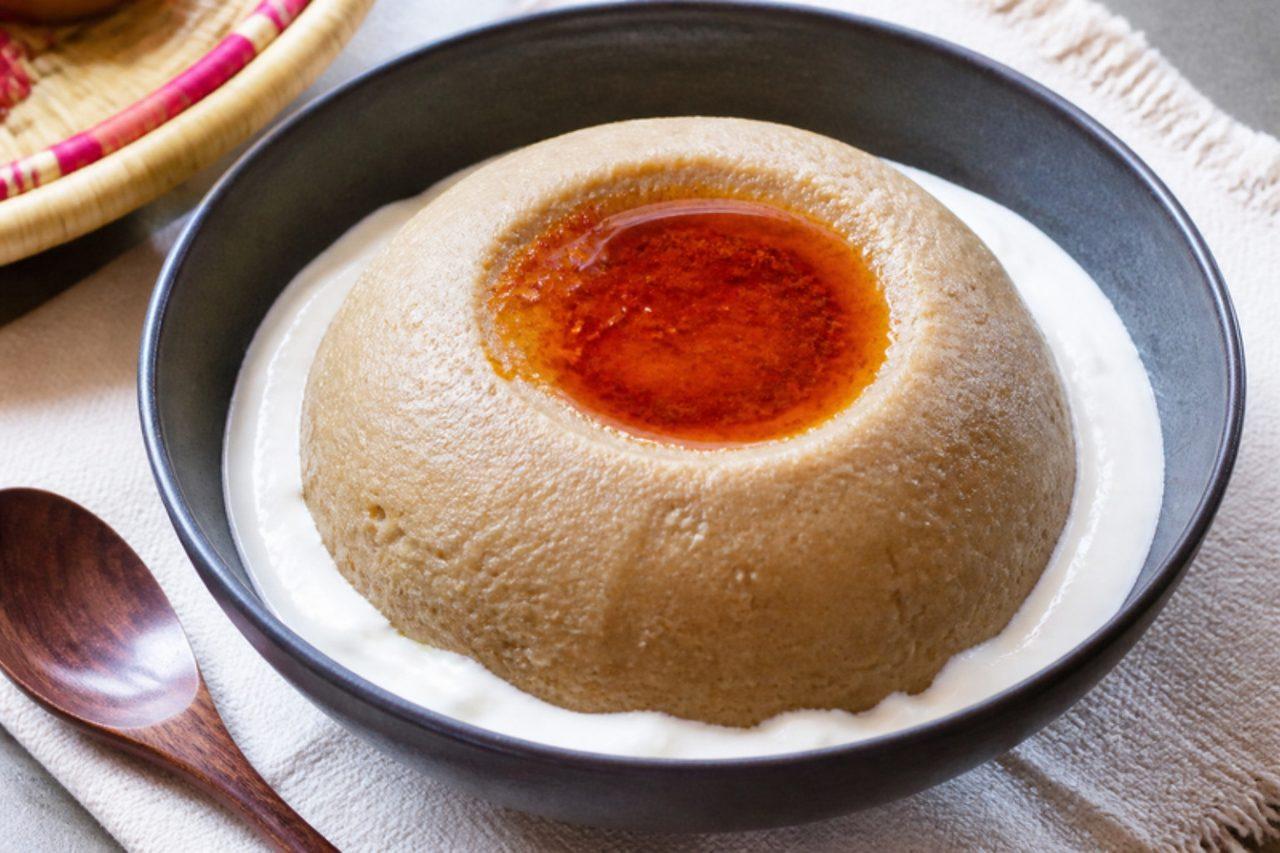
Genfo is a very thick barley porridge from the Tigray and Amhara highlands, cooked for breakfast on cold mornings and above all for new mothers, who are given it for weeks after birth to regain strength. The porridge is shaped into a mound, a hollow is made in the middle and filled with niter kibbeh and berbere, and everyone dips spoonfuls of porridge into the spicy butter, often with yoghurt around the edge. For a fasting version, fill the well with spiced oil. Chef's tip: stir with a wooden spoon the whole time you add the flour, and be firm; genfo is meant to be as thick as stiff mashed potato.

by KrazyBadal 0 views

GemistaRice-stuffed tomatoes and peppers

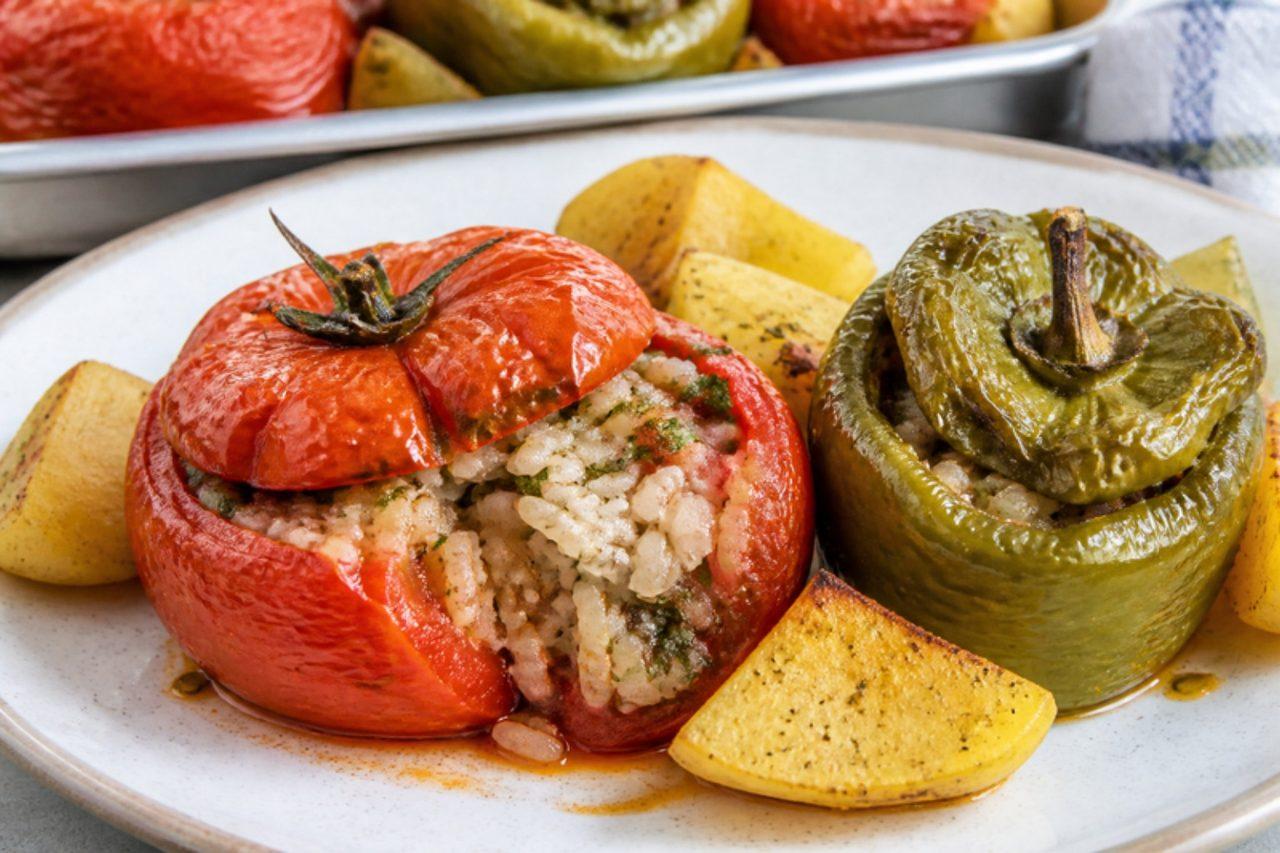
Gemista is the dish of a Greek August, when tomatoes are cheap, sweet and bursting. Home cooks hollow out the tomatoes and peppers, stir the scooped-out pulp into rice with onions, mint and parsley, and bake everything in one big tray with wedges of potato tucked in between. The vegetables slump and blister, the rice soaks up the tomato juice and olive oil, and the potatoes go sticky at the edges. This vegetarian version is the one most families make in summer and during fasting periods. Serve warm or at room temperature with feta for those who eat dairy and plenty of bread to wipe the tray. Chef's tip: fill the vegetables only three-quarters full; the rice swells as it bakes, and overfilling is the common mistake that splits the tomatoes and leaves the rice hard.

by KrazyBadal 0 views

Yangnyeom chicken (Korean fried chicken)

Fried chicken shops are on almost every street corner in Korea, and late-night delivery boxes are shared over sport on TV or by the river in summer. The pairing with beer even has its own word, chimaek, but an ice-cold alcohol-free beer, barley tea or a fizzy drink works just as well. Yangnyeom chicken is the glazed kind, tossed in a sweet, garlicky gochujang sauce, and it always comes with cubes of white pickled radish to cut the richness. Chef's tip: let the chicken rest for 5 minutes between the two fries; the moisture that rises to the surface is what the second fry turns into a shatteringly crisp shell.

by KrazyBadal 0 views

Mushroom stroganoff

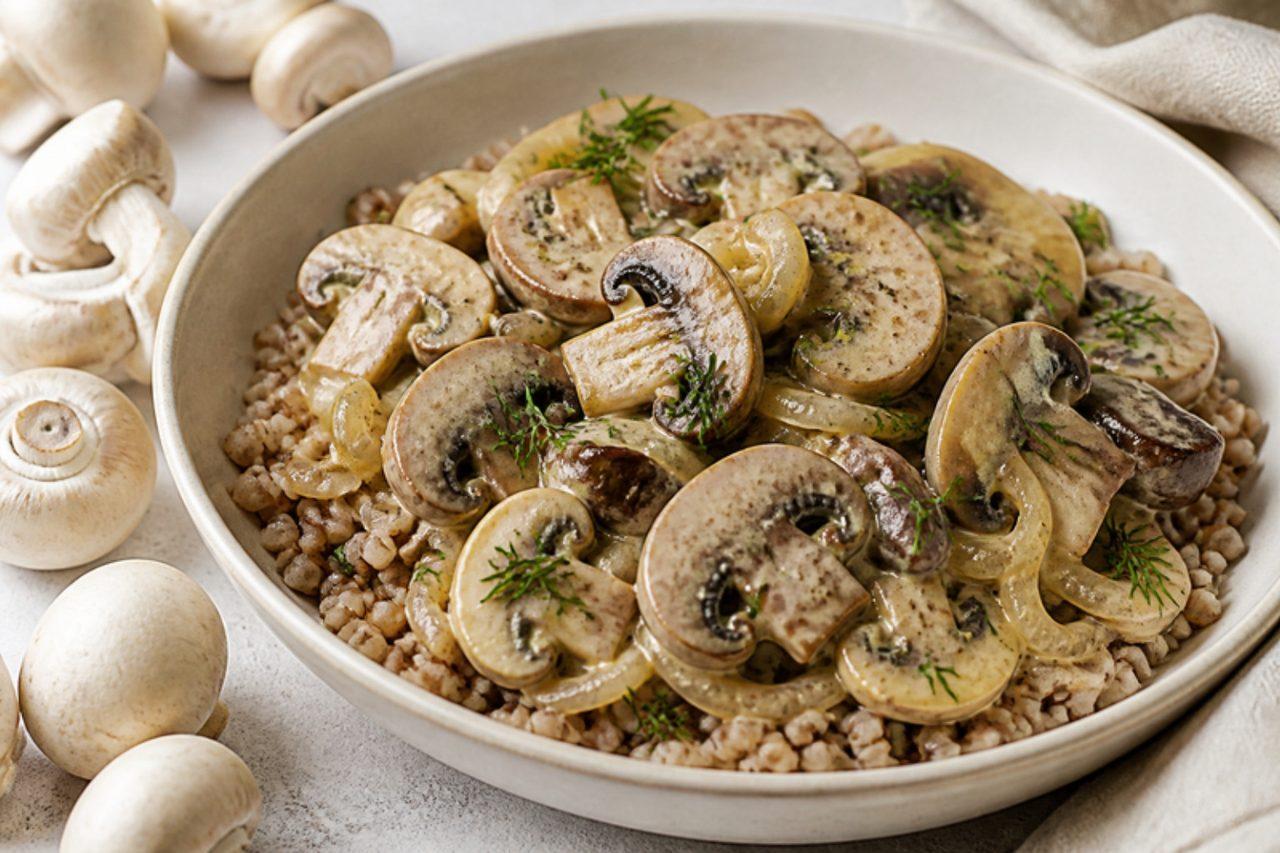
Beef stroganoff was named after the aristocratic Stroganov family of St Petersburg in the nineteenth century, and the original is strips of beef in a sauce of smetana and mustard. In Russian homes today the meatless version, made with forest mushrooms in autumn and button mushrooms the rest of the year, is just as common, especially during Orthodox fasts and on weeknights. It differs from Hungarian paprikás: no paprika, a gentle mustard edge, and a sauce that should stay pale and creamy. Serve it on fluffy buckwheat or mashed potatoes. Chef's tip: stir the smetana in off the boil; bubbling it hard makes it split into grainy curds.

by KrazyBadal 0 views

Yellow rice (geelrys)Sweet turmeric rice

Geelrys, or yellow rice, is the bright, faintly sweet rice that comes to the table in the Western Cape with bobotie, curries and Sunday roasts, and at Cape Malay weddings and funerals alike. It is cooked with turmeric, a stick of cinnamon, a little sugar and plump raisins, then finished with a knob of butter so the grains gleam. The sweetness is gentle, just enough to soften a spicy curry. Chef's tip: add the raisins at the start so they plump in the cooking water; added at the end they stay tough and chewy.

by KrazyBadal 0 views

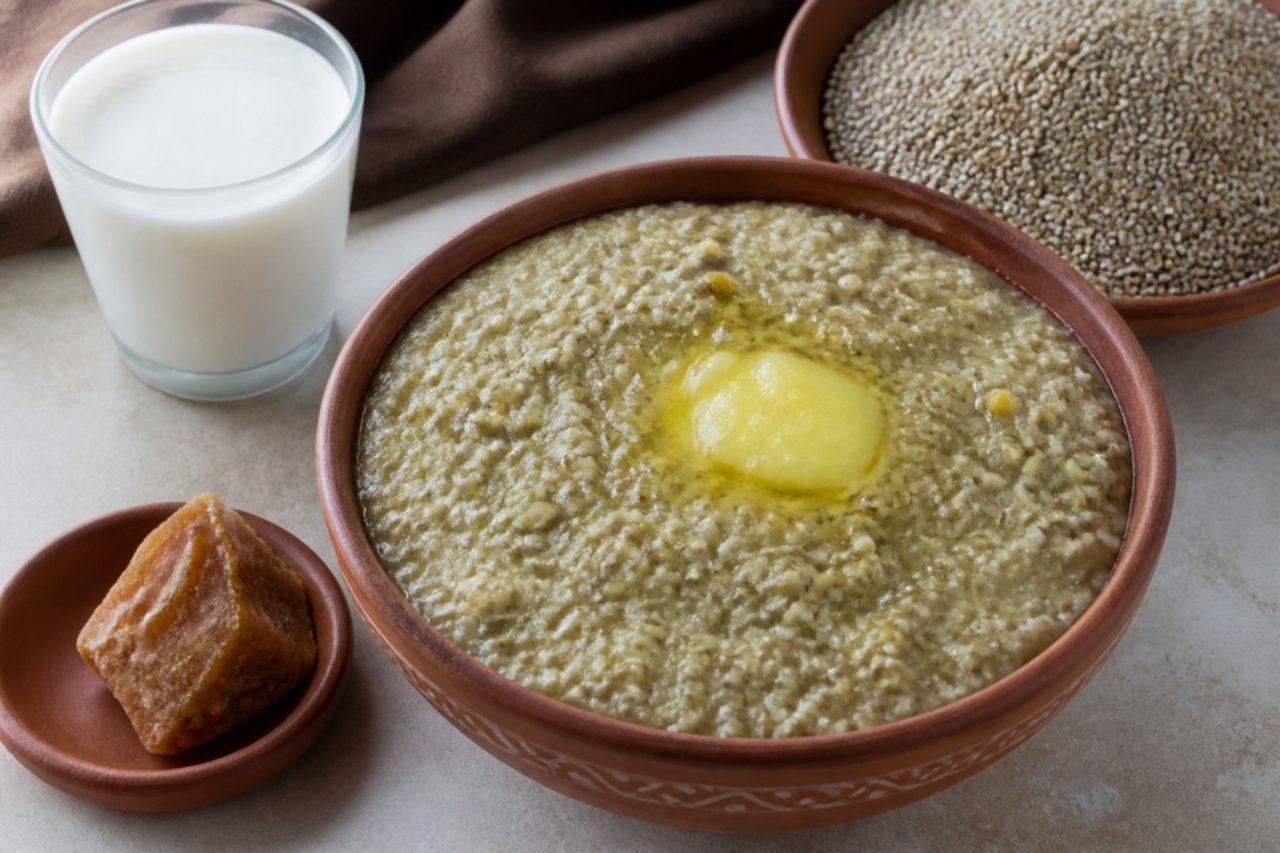
Haryanvi bajra khichdiPearl millet and moong dal porridge

In village homes across Haryana, bajra khichdi is the food of cold winter nights and the days around Makar Sankranti: cracked pearl millet and yellow moong cooked slowly until soft and porridge-like, then eaten with a big spoon of ghee and either jaggery or a glass of lassi. It is plain, nutty and very filling, and grandmothers swear it keeps you warm. The millet was traditionally pounded in a stone mortar to crack it; a quick pulse in a grinder does the same. Chef's tip: soak the bajra overnight; unsoaked millet stays hard and gritty however long you cook it.

by KrazyBadal 0 views

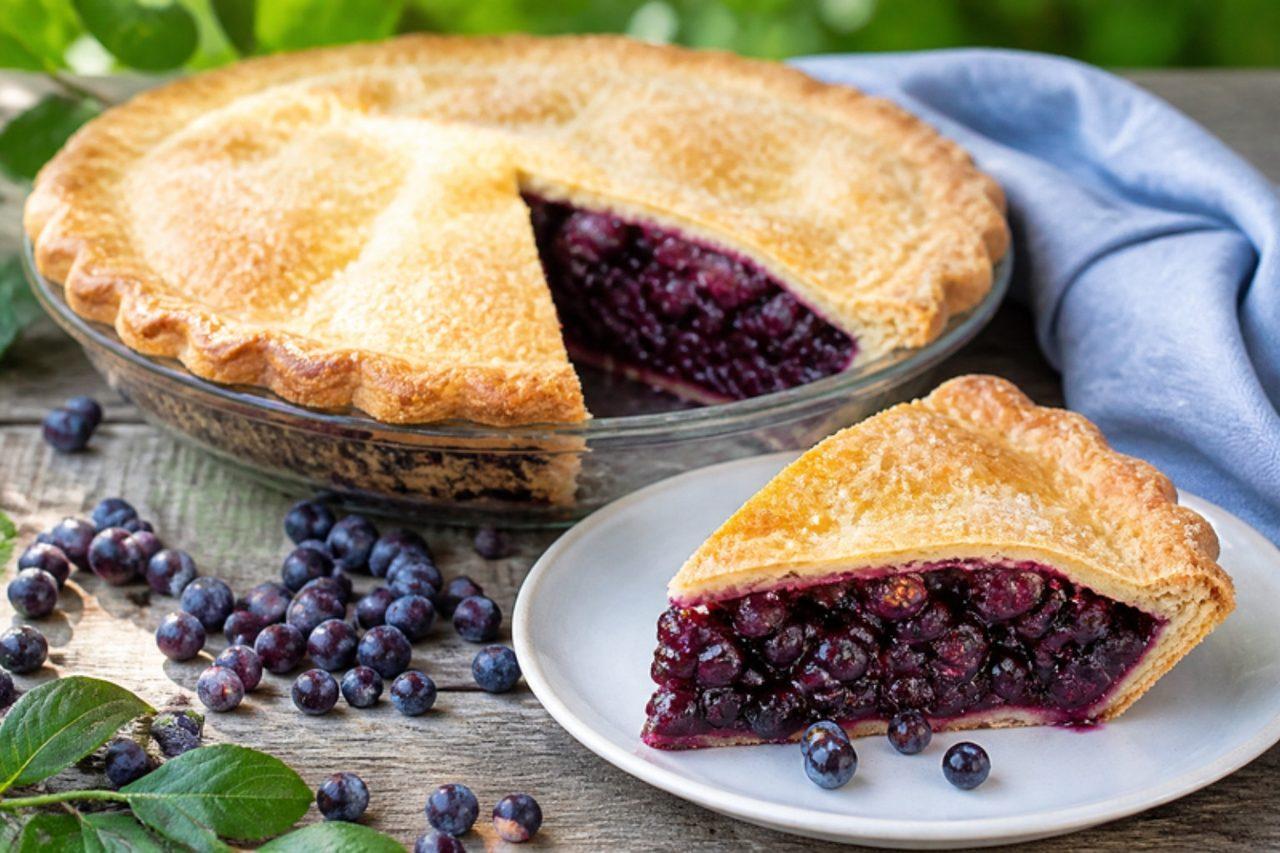
Saskatoon berry pie

Saskatoon berries grow wild across the Canadian prairies, and in July families in Saskatchewan, Alberta and Manitoba pick them by the pail for pie. They look like blueberries but taste sweeter and nuttier, almost like a cross with cherry and almond, with soft seeds. The city of Saskatoon takes its name from the Cree word for the berry, misâskwatômina. A double-crust saskatoon pie with ice cream is classic prairie summer dessert. Chef's tip: saskatoons are low in acid, so lemon juice is essential to wake up the flavour; outside Canada, use blueberries with a few drops of almond extract.

by KrazyBadal 0 views

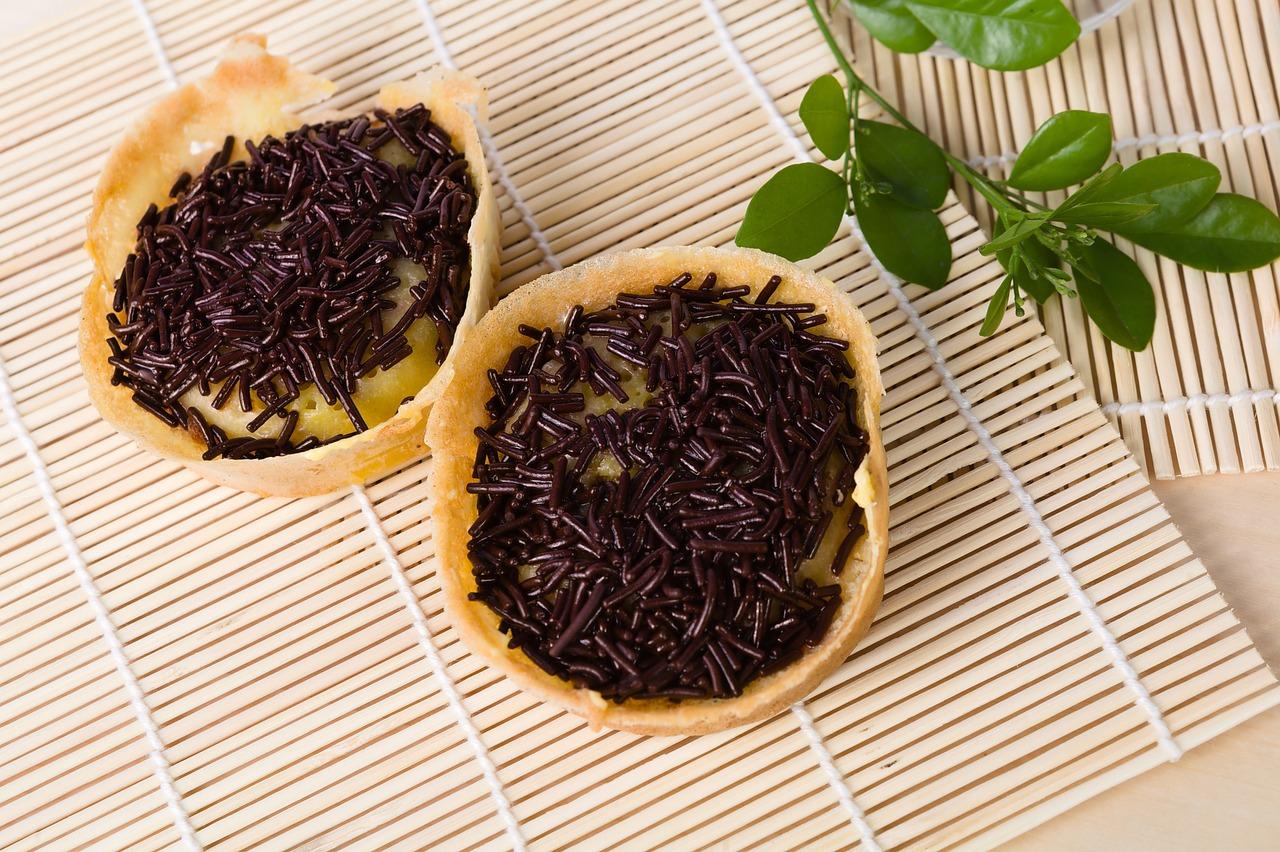
Martabak manisThick sweet pancake

After dark, martabak manis stalls all over Indonesia fire up their heavy iron pans, and a queue forms for one thick, spongy pancake cooked until its top is pocked with holes, then slathered with butter and folded over chocolate sprinkles, crushed peanuts, sugar and condensed milk. It's often called terang bulan, "bright moon", and is said to have come from Bangka island before spreading through Java. It's sold by the box to share with family. Chef's tip: let the bubbles form and stay open before you add the sugar and cover the pan — that open honeycomb is what soaks up the butter.

by KrazyBadal 0 views

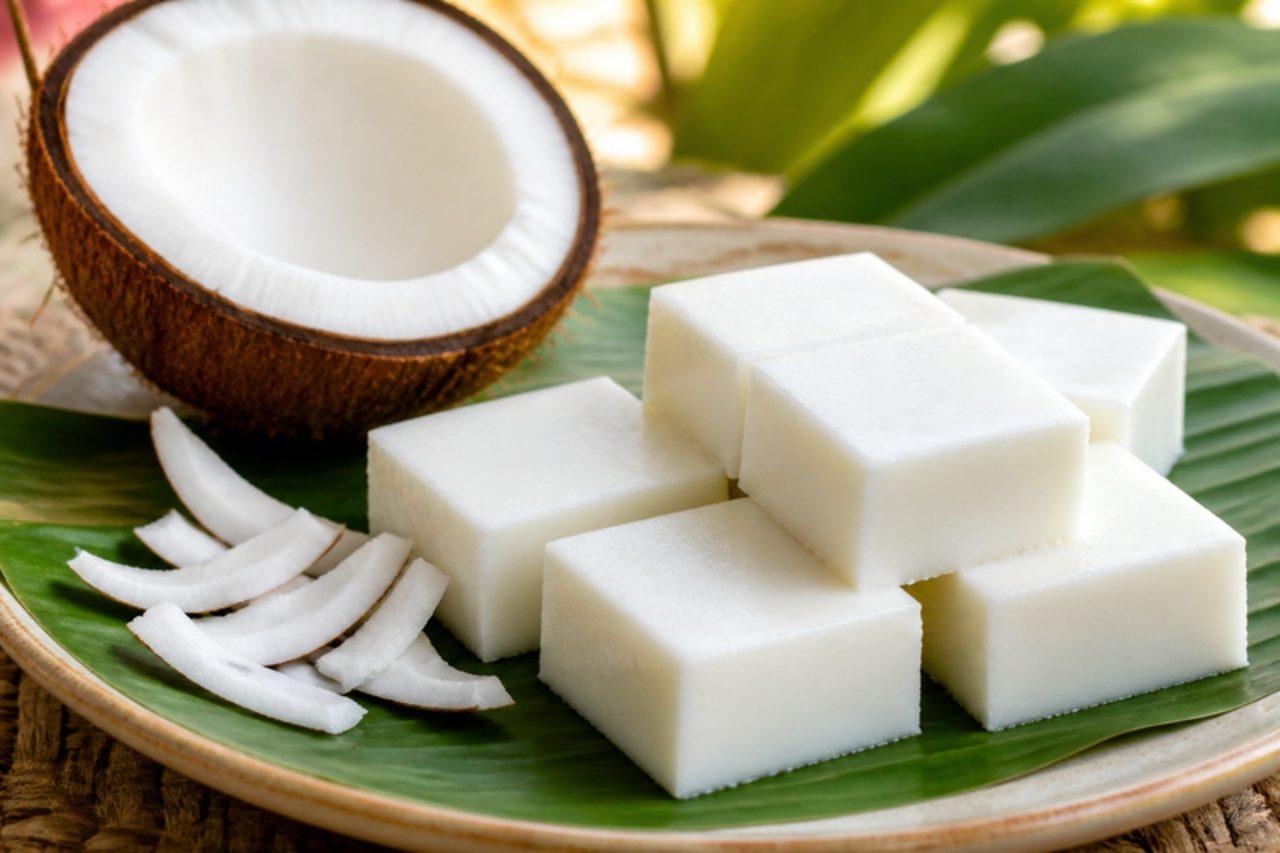
HaupiaCoconut pudding

Haupia is the dessert of every Hawaiian lūʻau and family party: coconut milk thickened and set into smooth, wobbly-firm squares that you can pick up with your fingers. It was once set with arrowroot from the pia plant; today cornflour does the job. It tastes clean, cool and gently sweet, and is also layered on chocolate pies and spread on cakes in Honolulu bakeries. Chef's tip: keep whisking until it's as thick as mayonnaise and big bubbles plop slowly; underdone haupia won't set firm enough to slice.

by KrazyBadal 0 views

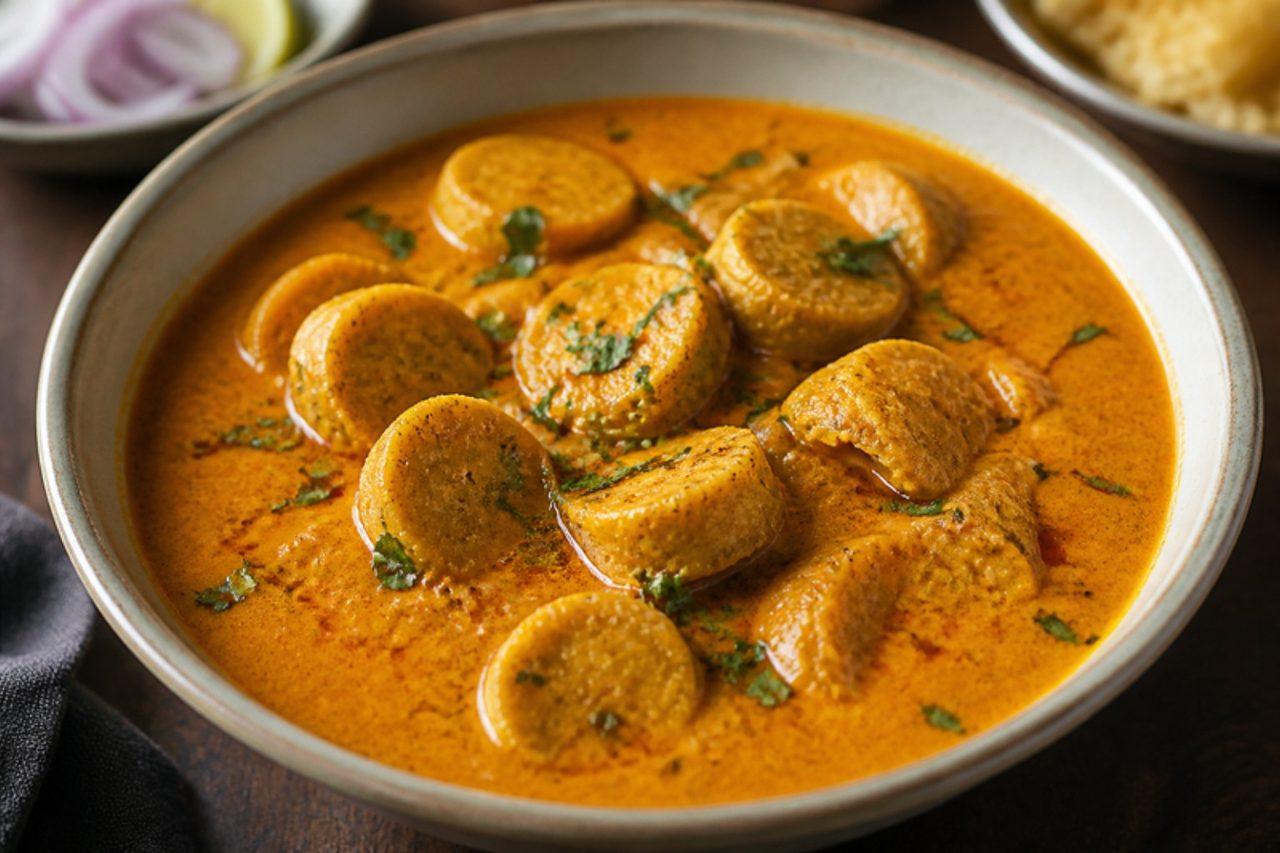
Gatte ki sabziGram flour dumplings in spiced yogurt gravy

Gatte ki sabzi comes from the deserts of Rajasthan, where fresh vegetables were scarce and cooks turned gram flour into 'vegetables' instead. Firm, spiced besan rolls are boiled, sliced into little wheels and then simmered in a tangy yogurt gravy until they soak up its flavour. The dumplings are soft but hold their shape and the gravy is gently sour with a warming heat. Serve with phulka, bajra roti or steamed rice. Chef's tip: keep the cooking water from the gatte and use it for the gravy; it carries their flavour and a little starch that helps keep the yogurt from splitting.

by KrazyBadal 0 views

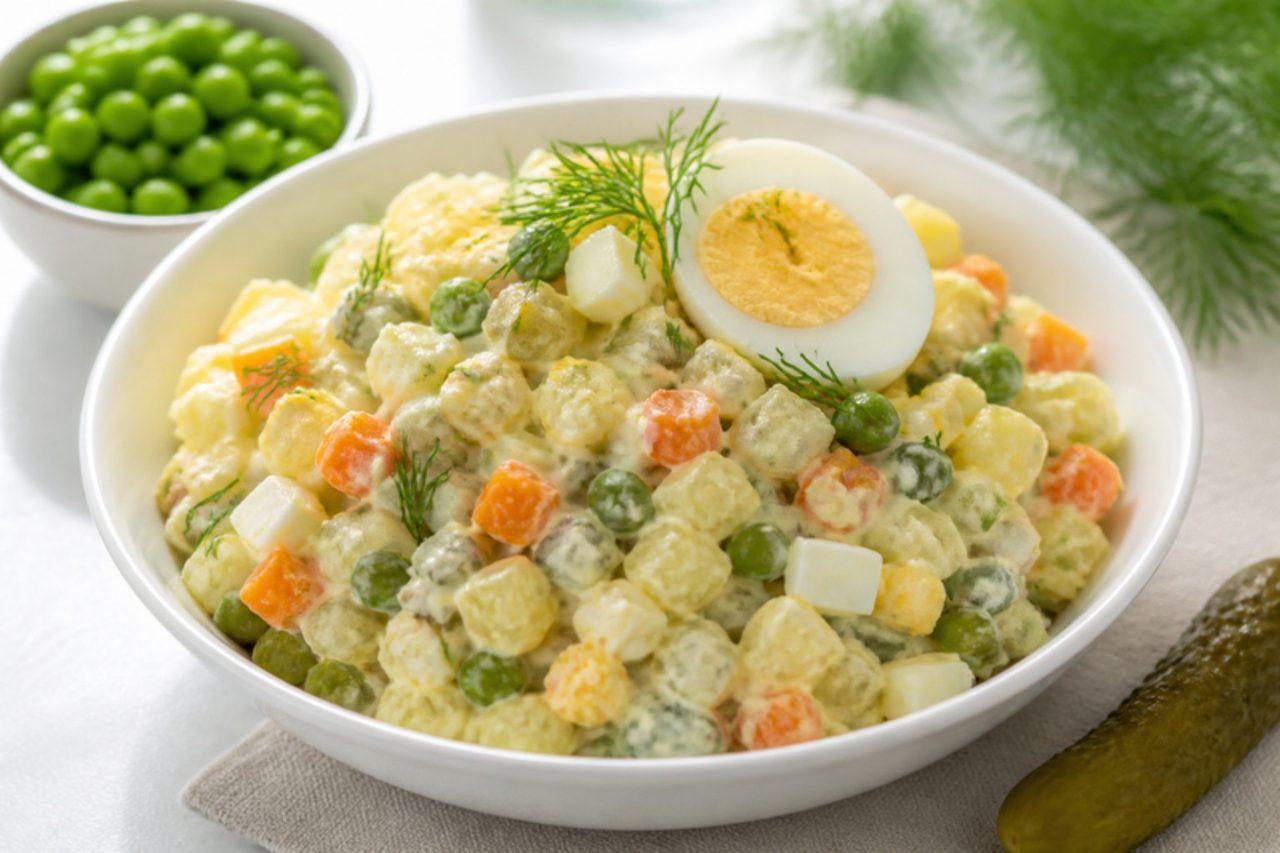
Olivier salad (vegetarian)

Salat Olivier was born in a fashionable Moscow restaurant in the 1860s, but today it belongs to every Russian kitchen on 31 December, when a bowl the size of a washing-up basin is made in the afternoon and eaten until 1 January is well over. Soviet cooks swapped the original's game for boiled sausage; this vegetarian version leaves it out and lets the sweet carrots, peas, sharp pickled cucumbers and creamy egg carry the salad. Chef's tip: cut everything to the size of a pea, the same size as the peas themselves; that is what makes Olivier feel like Olivier rather than potato salad.

by KrazyBadal 0 views

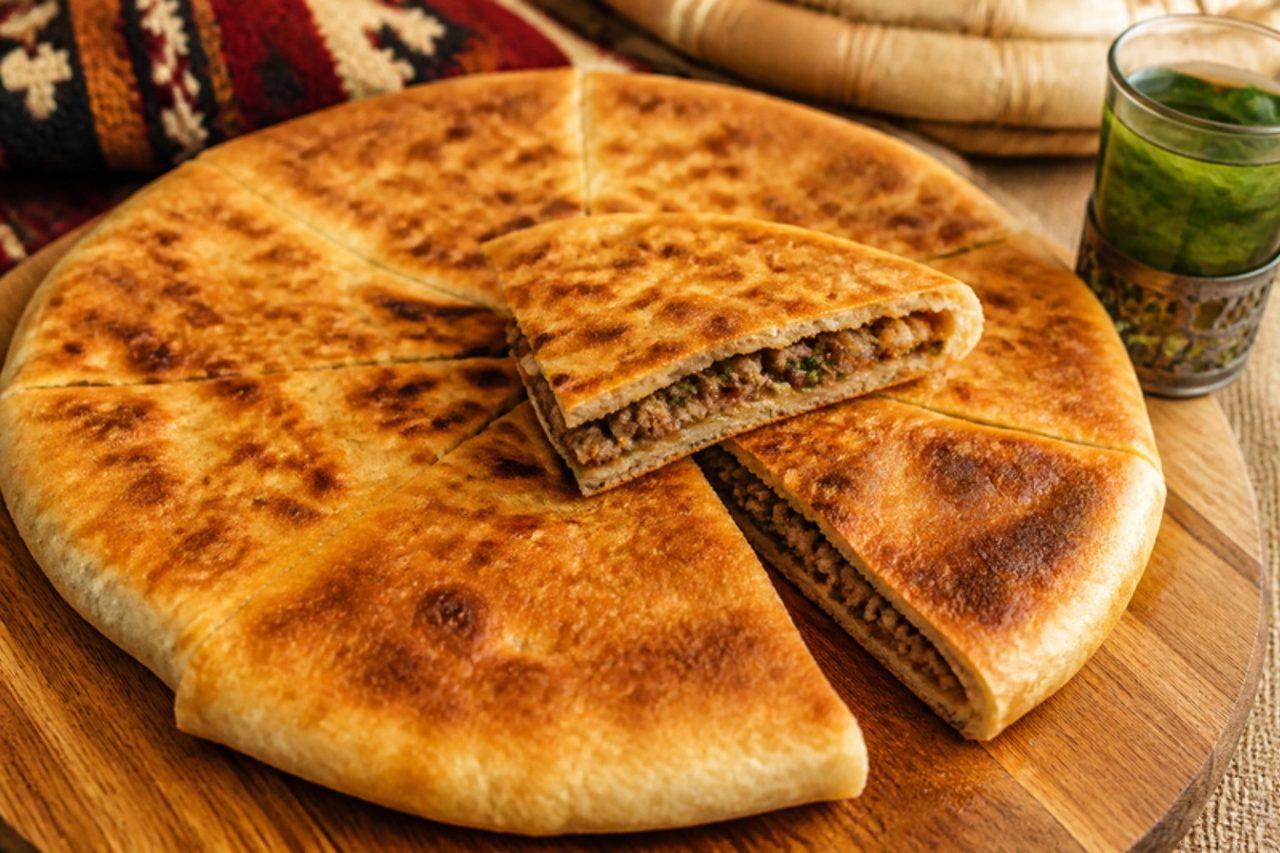
MedfounaSpiced meat stuffed bread

Out on the edge of the Sahara around Rissani and Merzouga, medfouna means 'buried', because the stuffed bread was traditionally baked in hot sand next to a fire. Two rounds of soft yeast dough enclose a filling of spiced beef, lots of onion, parsley and a little fat, and the whole thing bakes into a golden, crusty pie that is cut into wedges like a pizza. It is road-trip food, market-day food and the meal desert guides cook for travellers, eaten hot with mint tea. Chef's tip: squeeze the chopped onion and drain the cooked filling well; dry filling means a crisp base instead of a soggy one.

by KrazyBadal 0 views

MaubySpiced bark drink

Mauby is one of the oldest drinks of the Eastern Caribbean, and in Barbados it's sold ice-cold from vendors in Bridgetown and made at home on hot afternoons. It's brewed from the bark of the mauby tree, simmered with cinnamon, clove, star anise, bay and orange peel, then sweetened and diluted. The first sip is surprising: bitter like strong tea or tonic, then sweet, spicy and refreshing, with a liquorice note. Bark is sold in Caribbean shops and online. Chef's tip: brew a strong concentrate and dilute it to taste; mauby lovers like it bitter, newcomers should start with more water and more sugar.

by KrazyBadal 0 views

Mathura pedaMilk fudge discs

Mathura in Uttar Pradesh, Krishna's birthplace, has a peda all its own: not the pale milky kind found elsewhere, but a dusty-brown disc with a deep, toffee-like flavour from milk solids slowly roasted until they caramelise. Pilgrims buy boxes after visiting the temples, and they are made in huge batches around Janmashtami as an offering. The texture should be dense yet slightly grainy, rolled in fine boora sugar so the outside sparkles. The usual mistake is rushing the roasting over high heat, which scorches the khoya in spots and makes it bitter and greasy. Chef's tip: keep the heat low and scrape the bottom of the pan constantly; the colour should change gradually from cream to light brown, then to the shade of milky coffee.

by KrazyBadal 0 views

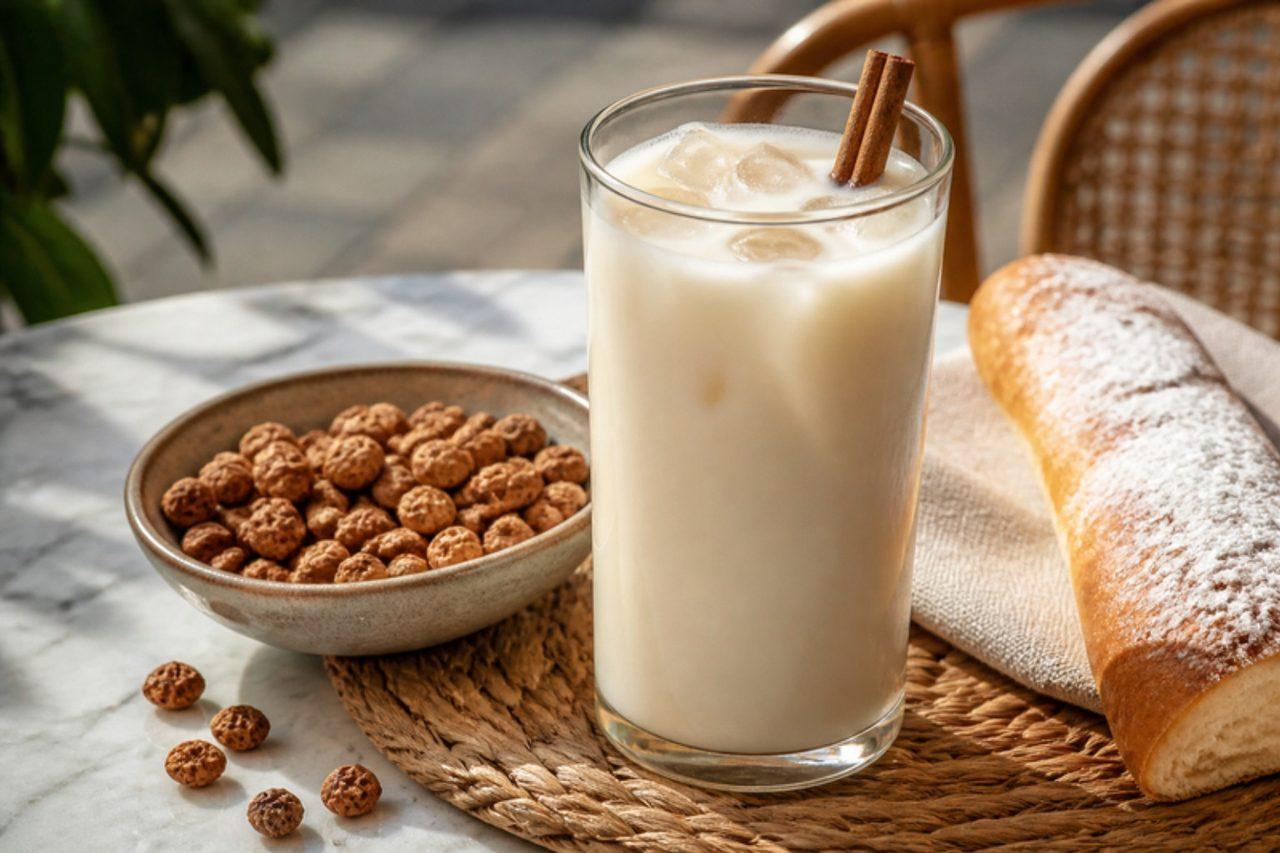
Horchata de chufaTiger nut milk

Horchata de chufa is the drink of Valencia's summer, sold ice-cold in the city's horchaterías with long, soft fartons pastries for dipping. It is made from chufas, or tiger nuts: small wrinkled tubers grown around the village of Alboraya just north of Valencia, which have their own protected designation of origin. Soaked, ground with water, strained and sweetened, they give a creamy, nutty, naturally dairy-free milk with a hint of cinnamon. Valencians drink it very cold, or half-frozen as 'granizada'. Chef's tip: soak the tiger nuts for a full 24 hours and change the water once; they must be plump and soft enough to blend into a fine pulp, or the horchata will be thin and taste of raw starch.

by KrazyBadal 1 views

Flan de huevoBaked egg custard

Flan de huevo is the most common dessert in Spain: on the menú del día in every town, from Galicia to the Canary Islands, and made at home for Sunday lunch. It is simply eggs, milk and sugar, flavoured with a little lemon zest and vanilla, baked gently in a water bath over a layer of dark caramel. When it's turned out, the caramel becomes a glossy sauce running down the sides. Spanish flan is firmer and more eggy than French crème caramel, and it slices cleanly. Chef's tip: bake it slowly in a water bath and stop when the centre still wobbles slightly like jelly; overbaking leaves little holes and a grainy texture, the sign of a flan cooked too hot or too long.

by KrazyBadal 0 views

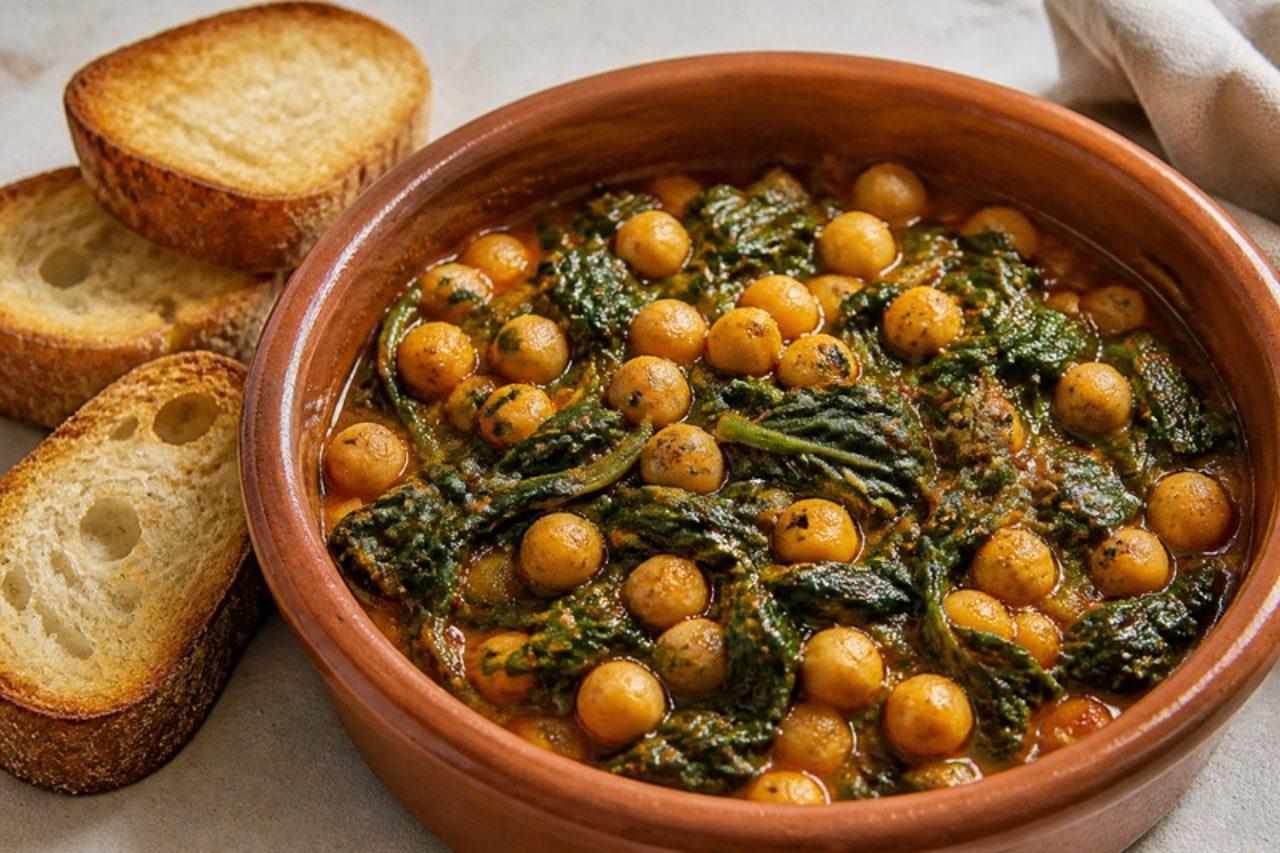
Espinacas con garbanzosSpinach and chickpeas

Espinacas con garbanzos is one of the great tapas of Seville, served in little earthenware dishes in the bars around the cathedral and the Triana market. It carries the city's Moorish past in its spices: cumin, smoked paprika and a little vinegar, with a sauce thickened by a paste of garlic and bread fried in olive oil, the old Andalusian trick called a majado. Earthy chickpeas, soft spinach and a sauce rich enough to mop up with bread make it a filling vegan supper too. It is traditional in Seville during Lent. Chef's tip: pound the fried bread and garlic with the spices and vinegar into a thick paste before it goes into the pan; this majado is what gives the dish its smoky, velvety sauce, so don't skip it.

by KrazyBadal 0 views

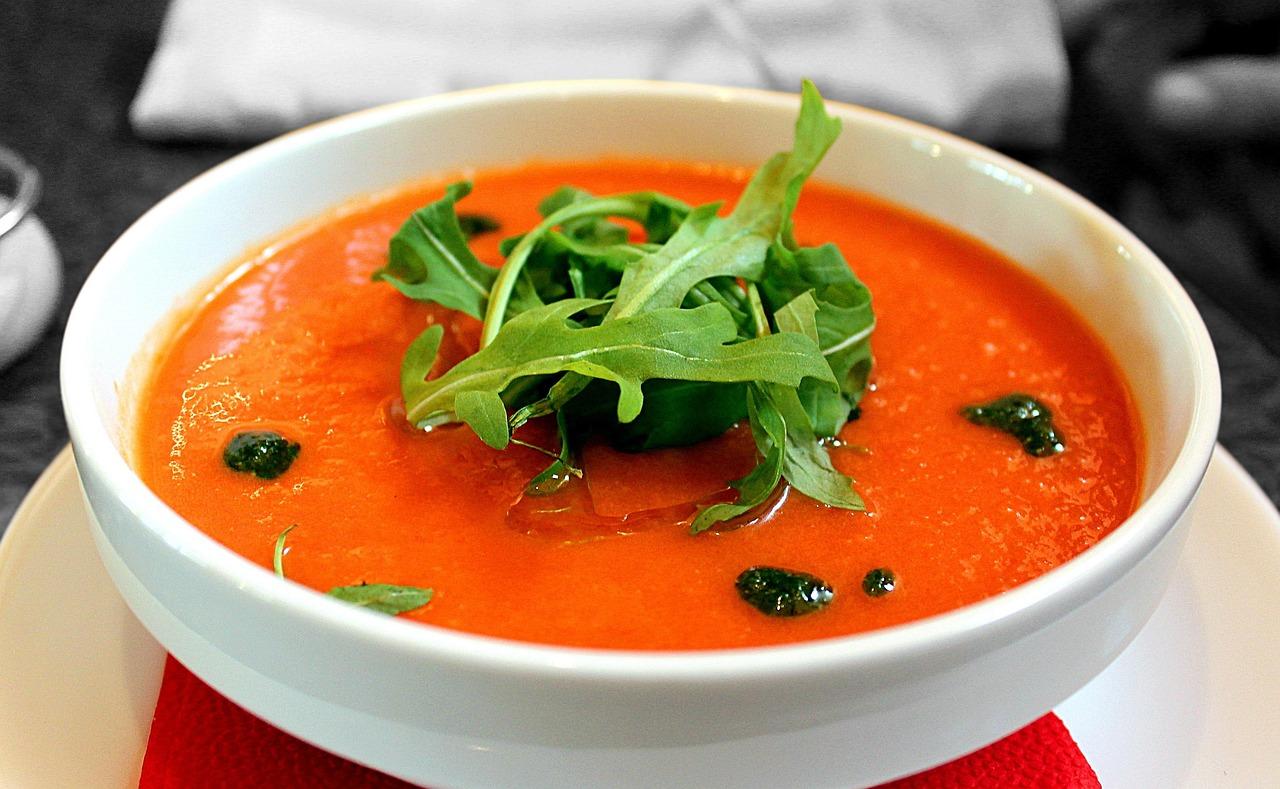
Gazpacho andaluzChilled tomato and cucumber soup

Gazpacho is the cold soup of Andalusia, drunk from a glass or eaten from a bowl through the scorching summers of Seville and Córdoba. It began as a farm workers' meal of bread, oil, garlic and vinegar pounded in a wooden bowl; tomatoes and peppers came later and turned it into the bright red, refreshing soup we know. Ripe tomatoes, cucumber, green pepper, garlic, sherry vinegar and plenty of olive oil are blended until silky and chilled hard. Serve it with tiny dice of cucumber, pepper and onion and a few crunchy croutons. Chef's tip: add the olive oil last, in a thin stream with the blender running; it emulsifies the soup to a creamy, pale-orange texture instead of leaving a slick of oil on top.

by KrazyBadal 0 views

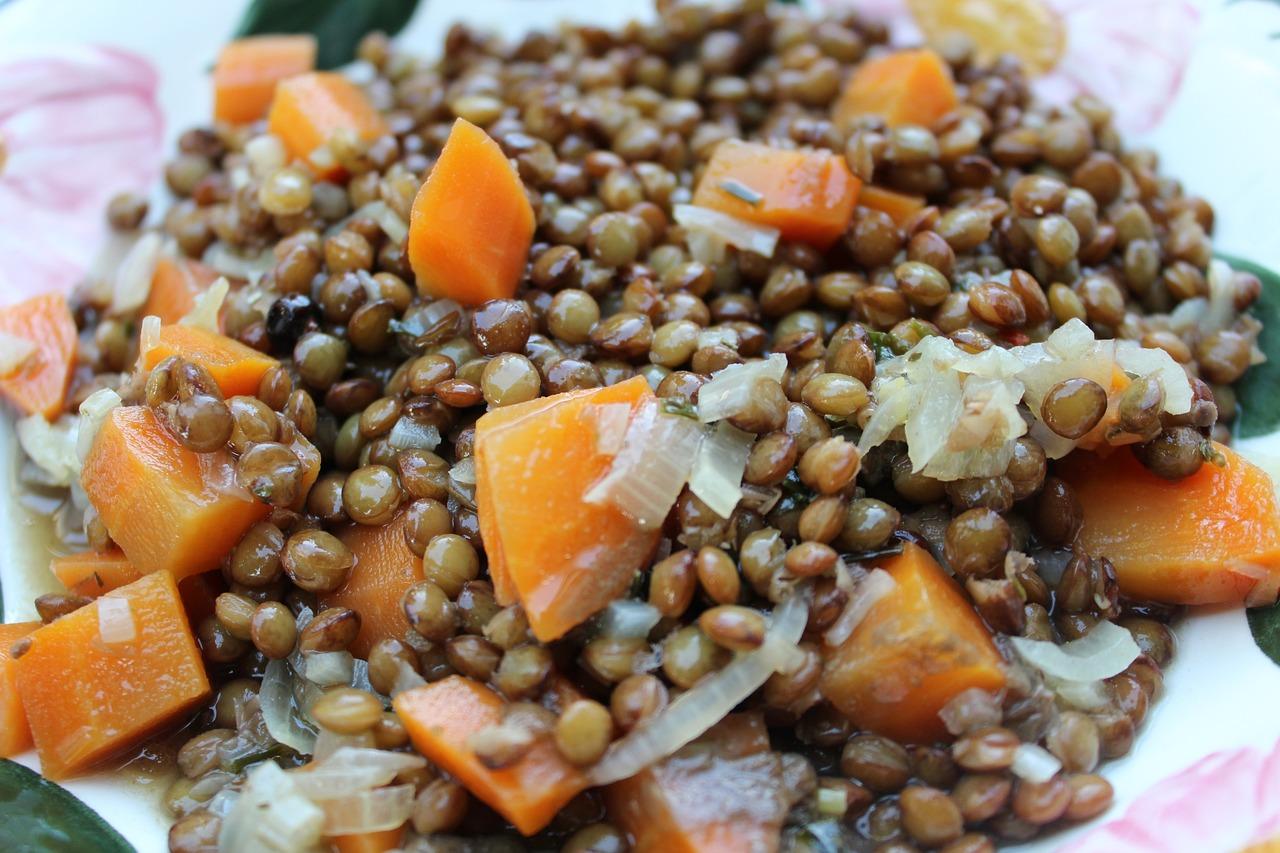
Lentejas estofadasLentil stew

Lentejas estofadas, or lentejas a la española, is the stew that every Spanish household knows from childhood, cooked once a week from Castile to Andalusia. Small brown lentils (pardinas, ideally from Tierra de Campos in León) are simmered with a sofrito of onion, pepper, garlic and tomato, carrot, potato and bay until thick, savoury and soothing. Most families add chorizo; here smoked pimentón de la Vera brings the same smoky warmth. Serve in deep bowls with crusty bread and a few pickled guindilla peppers on the side. Chef's tip: add a splash of sherry vinegar right at the end; it lifts the earthy lentils and is what Spanish grandmothers do to make the stew taste finished.

by KrazyBadal 0 views

Showing 27 of 10,569 recipes

Show more recipes

Page 1,095 of 1,175