


Skip to content
Salam pak
Featured recipe

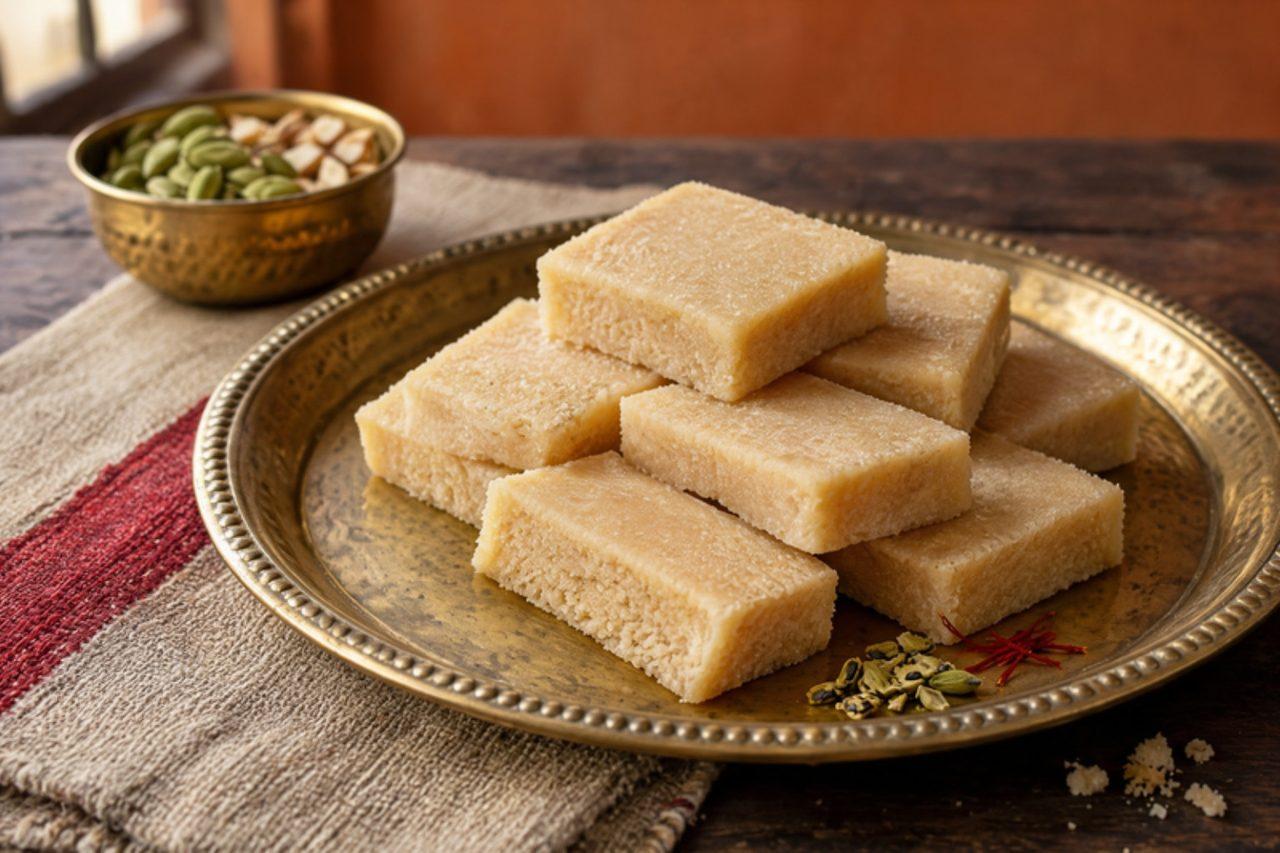
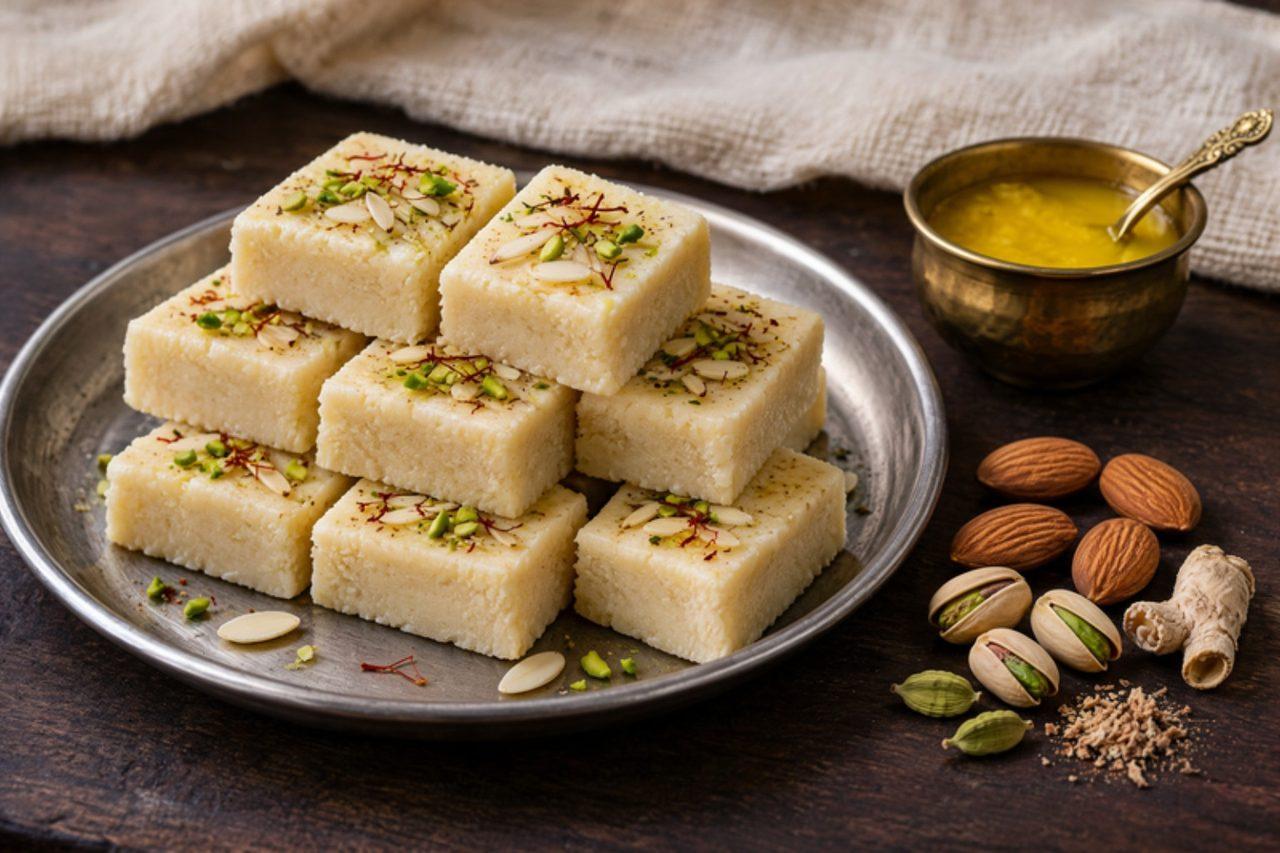
Salam pak

Salep root and milk fudge

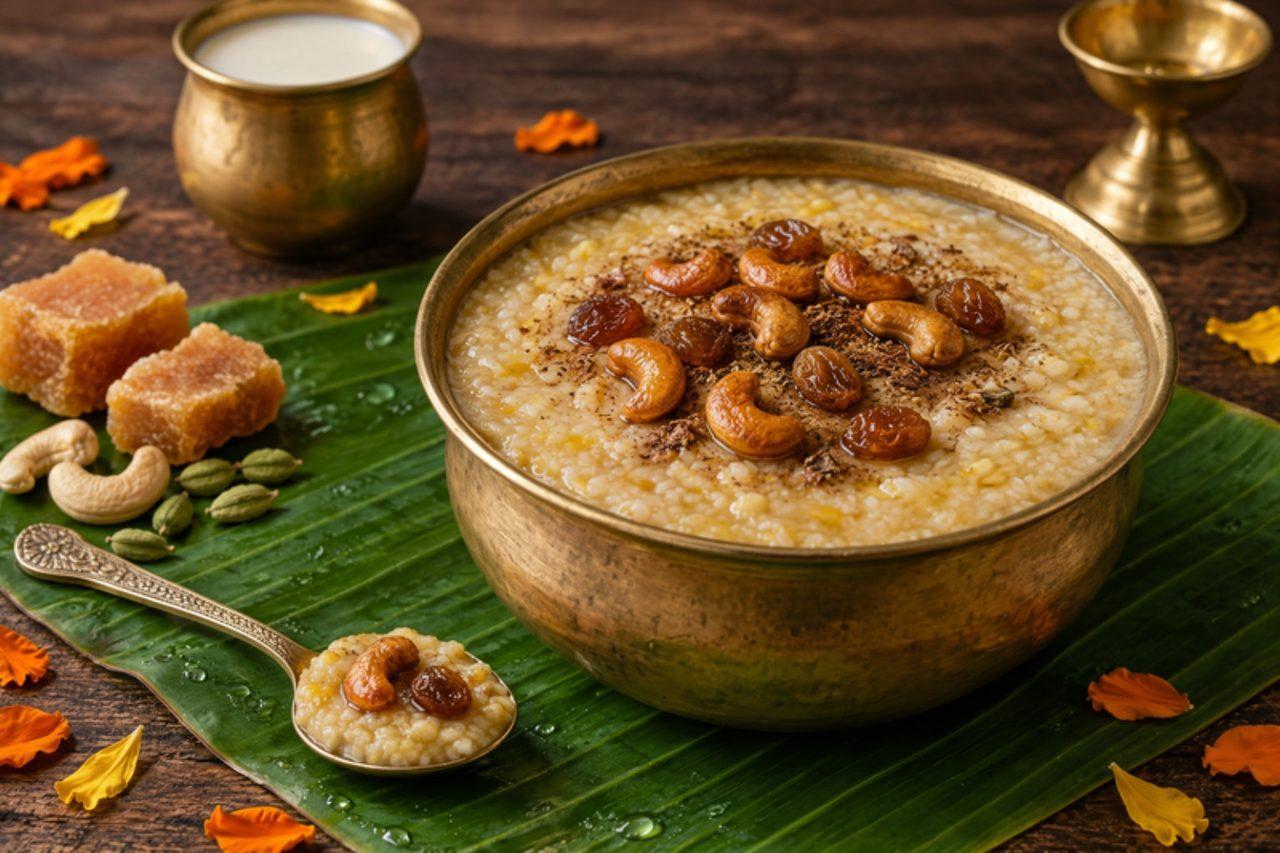
Salam pak is the grandest of the Gujarati winter paks, made in Kathiawadi and Ahmedabad homes in the cold months and handed out to family as a strengthening sweet. Salam (salep) is the dried, powdered root of a wild orchid sold by Gujarati grocers and Ayurvedic shops; cooked in milk it thickens into a silky, slightly chewy body that mawa, ghee and nuts make luxurious. A frequent mistake is adding the salam straight into hot milk, where it seizes into rubbery lumps that never cook out. Chef's tip: buy salam powder from a busy shop and smell it; it should be clean and faintly sweet, never musty.

Read more 0 views

What to eat today?

Around the world

Today's trip: Paraguayan

A new country every day, from every cuisine on the site.

Paraguayan

Chipa

Cheese bread rings 50 minMore from Paraguayan (27) →

This week's collection

Kid-friendly dinners
537 recipes · a new collection every Monday

Latest recipes

Mermelada de ruibarboRhubarb jam

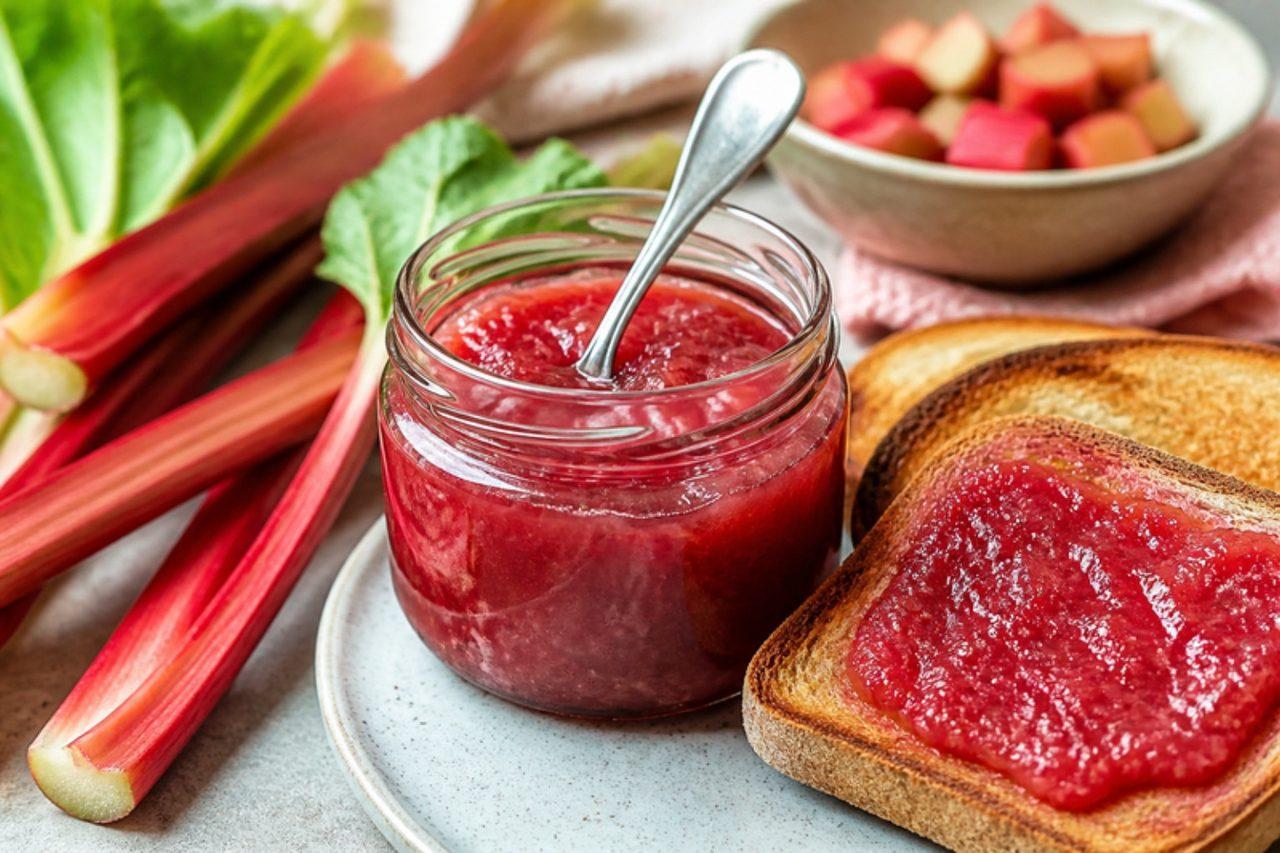
Rhubarb thrives in the cold, wet gardens of Aysén, around Coyhaique and Puerto Aysén, where it was planted by settler families and now grows almost wild beside the houses. Every summer the stalks go into big pots of jam, spread on warm sopaipillas or homemade bread at once (teatime) and given to visitors in jars. Use only the stalks: rhubarb leaves are poisonous and must be thrown away. The mistake most people make is boiling the jam too long, which turns it dull brown and stiff. Chef's tip: leave the chopped rhubarb in the sugar overnight; it releases its juice, so the jam cooks faster and keeps a pink colour and soft pieces.

by KrazyBadal 0 views

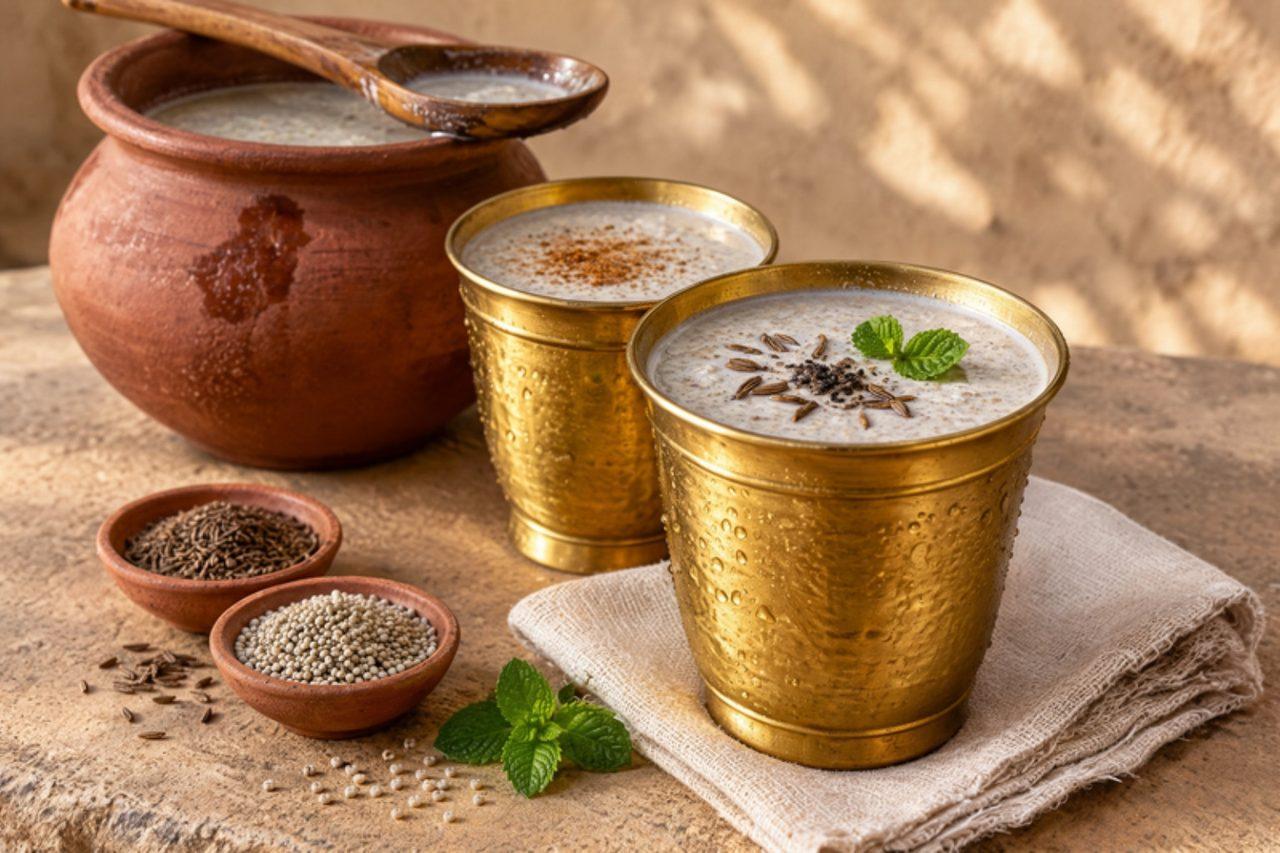
Bajre ki raabdiFermented pearl millet buttermilk porridge

In the villages of Haryana and the Rajasthan border, raabdi is drunk at midday in May and June to keep cool in the fields. Pearl-millet flour is stirred into buttermilk and left to ferment for a few hours, then cooked slowly until thick, cooled in a clay pot and thinned with more buttermilk and salt. It tastes tangy and earthy, a little like a savoury porridge you can drink. Ferment at warm room temperature (25–32 °C) for 4–6 hours: it should smell pleasantly sour with a few bubbles. Throw it away if you see pink, black or furry mould or it smells rotten or of nail varnish. The common mistake is cooking on high heat, which scorches the millet and leaves raw lumps. Chef's tip: keep the cooked raabdi in the fridge and drink it within 2 days, thinning each glass to taste.

by KrazyBadal 0 views

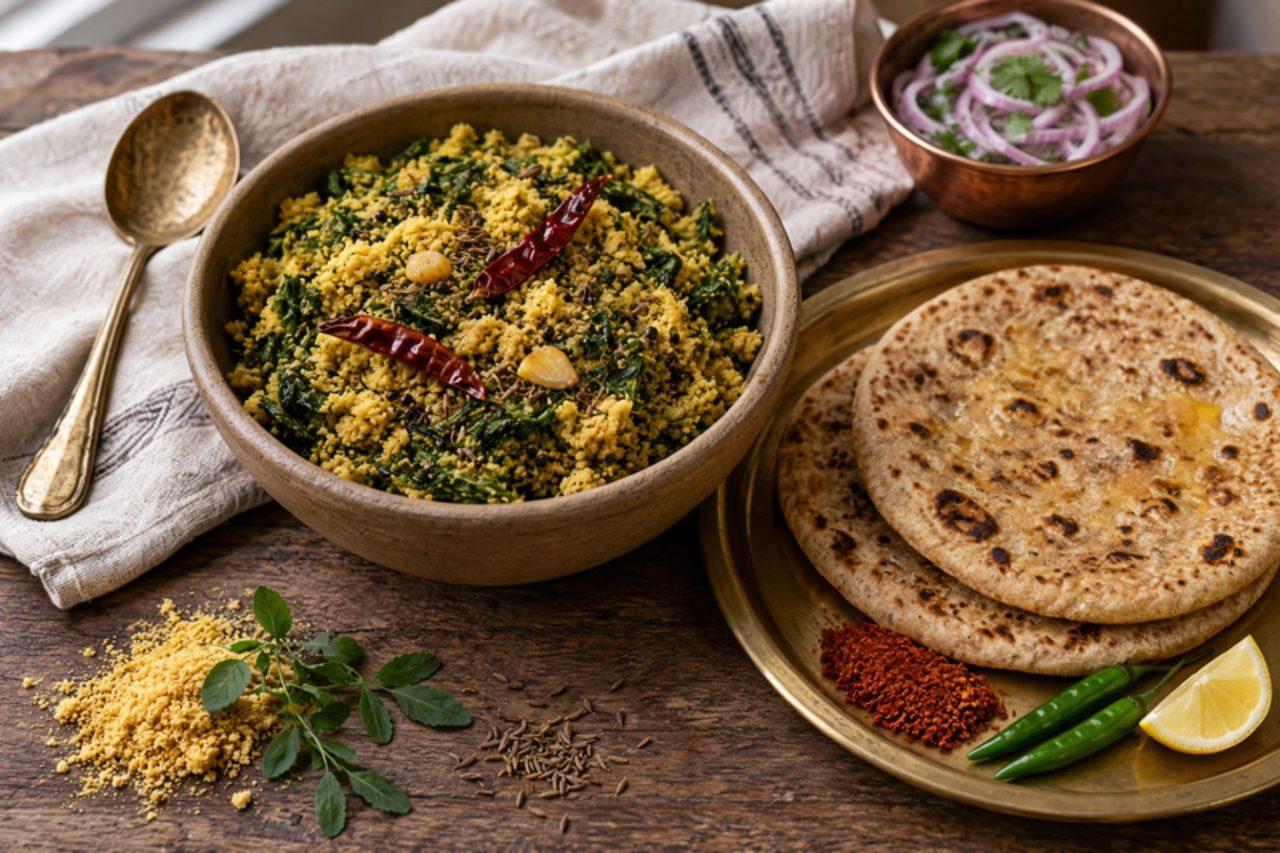
Methi besan bhajiFenugreek and gram flour stir-fry

Farmers in Vidarbha and households in Jodhpur both make a version of this: chopped methi leaves cooked down and then dusted with roasted besan until the whole pan turns into dry, savoury crumbs that cling to a chapati. Because it has almost no moisture, it is one of the best sabzis for a long journey or a hot day's dabba. The mistake is adding raw gram flour straight to the leaves, which leaves a pasty, raw taste. Roast the besan dry until it smells like biscuits first. Chef's tip: sprinkle a few drops of water over the crumbs and cover for a minute at the end, so they soften just enough without turning into a paste.

by KrazyBadal 0 views

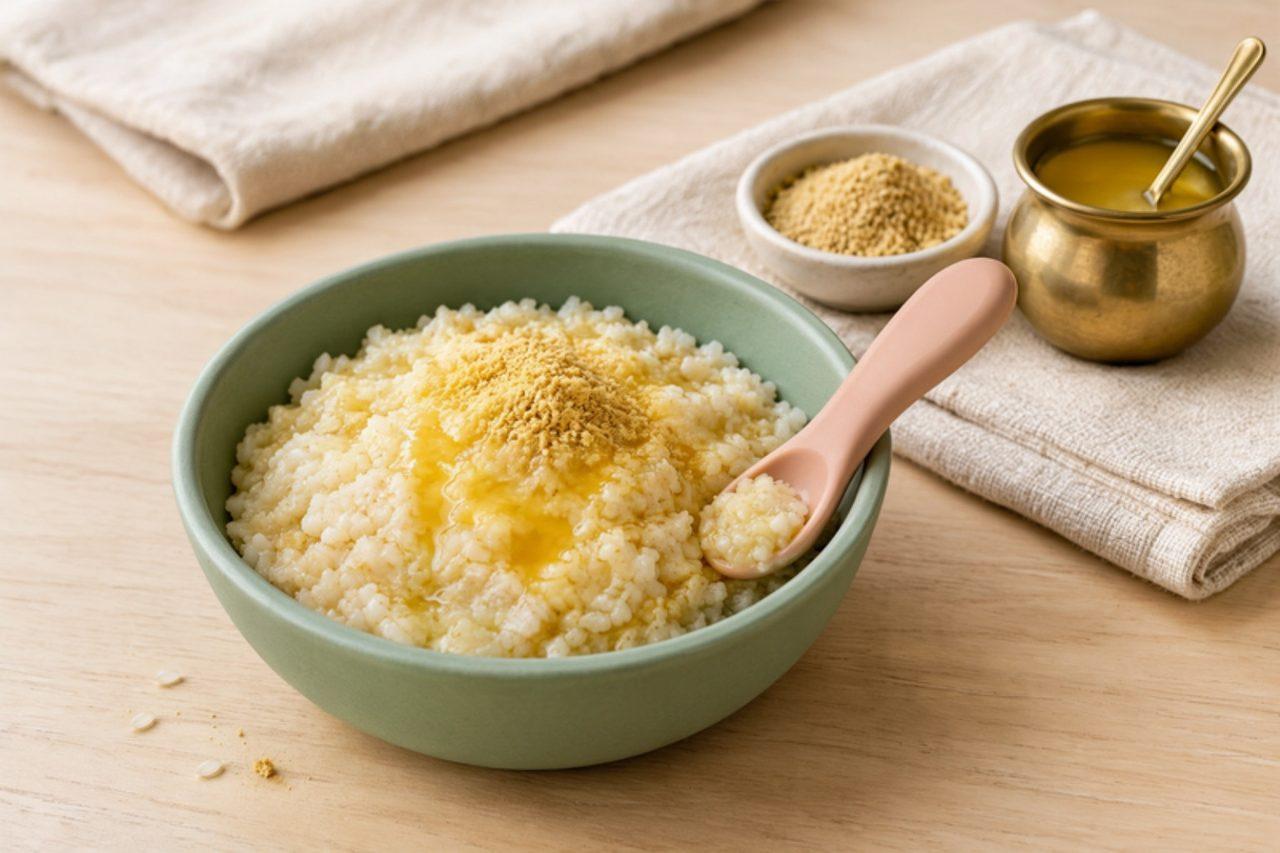
Metkut bhaatRice with lentil powder and ghee

Ask anyone who grew up in Pune or Mumbai's Dadar about their first proper meal and many will say metkut bhaat: soft hot rice, a spoon of melted ghee and a sprinkle of metkut, a roasted powder of chana dal, urad dal and rice with turmeric and cumin. It is the bowl grandmothers make on lazy evenings and for toddlers from 12 months, nutty, savoury and gentle without any chilli. Shop metkut usually contains salt and asafoetida (which often has wheat), so this recipe roasts a small salt-free batch at home. It contains milk (ghee); the home-made powder has no gluten, egg, nuts or soya. Chef's tip: roast the dals slowly until they smell like popcorn; pale dal gives a raw, floury powder.

by KrazyBadal 0 views

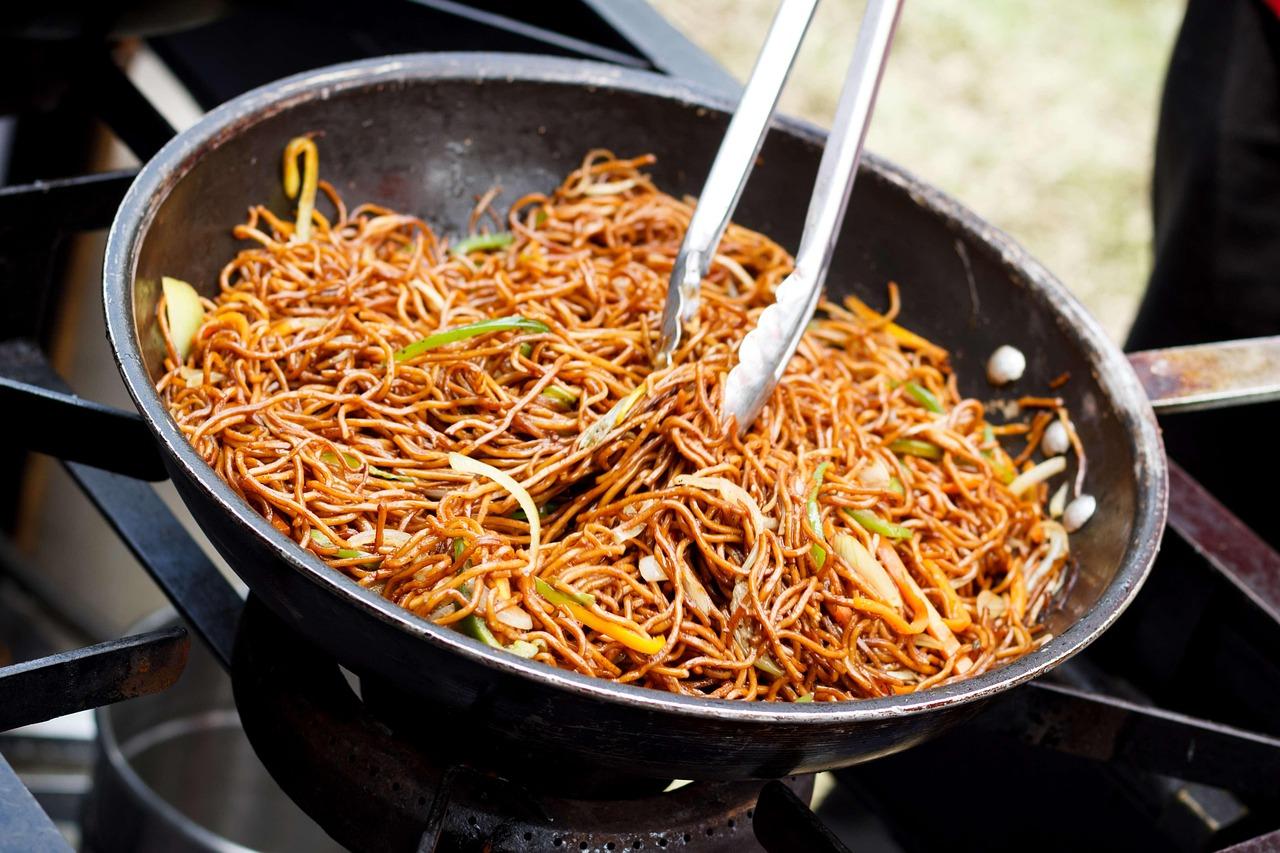
Mi saoVegetable fried noodles

Chinese families who settled in Toamasina and Antananarivo a century ago brought mi sao with them, and it is now one of the most ordered plates at any hotely, often eaten at lunch with a bowl of clear soup on the side. This version is all vegetables: shredded cabbage, carrot, green beans and spring onion tossed with springy wheat noodles, garlic, ginger and soy sauce until glossy and a little smoky. Because of the soy sauce and wheat noodles it is not gluten free. Overcrowding the pan is the usual mistake; it steams everything into a limp tangle, so cook in two batches if your wok or pan is small. Chef's tip: rinse the boiled noodles in cold water and toss them with a few drops of oil, so they fry into separate strands instead of a sticky clump.

by KrazyBadal 0 views

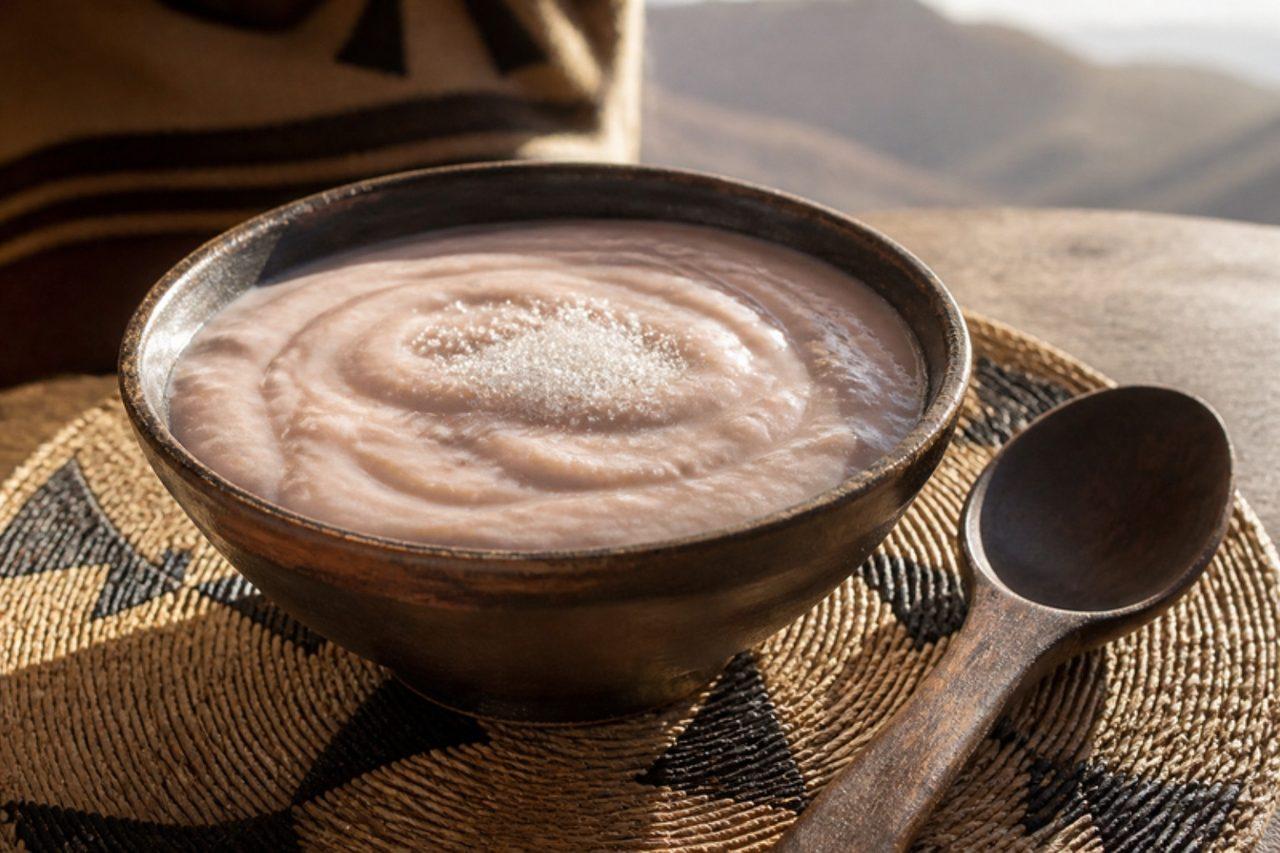
MotohoFermented sorghum porridge

Highland mornings in Lesotho can be bitterly cold, and a mug or bowl of warm motoho, thin enough to sip and pleasantly tangy, is how many Basotho families in Maseru and the mountain villages start the day. Sorghum meal is mixed with warm water and a spoonful of starter from the last batch, left overnight by the stove to sour, then cooked into a smooth, pourable porridge with a yoghurt-like tang and a nutty, toasty flavour. Some sweeten it with sugar; others drink it plain with bread. If you have no starter, make one two days ahead with sorghum and water, as below. Chef's tip: keep the ferment warm but not hot; a pot left right on the stove gets too sour and too thin, so a spot nearby is perfect.

by KrazyBadal 0 views

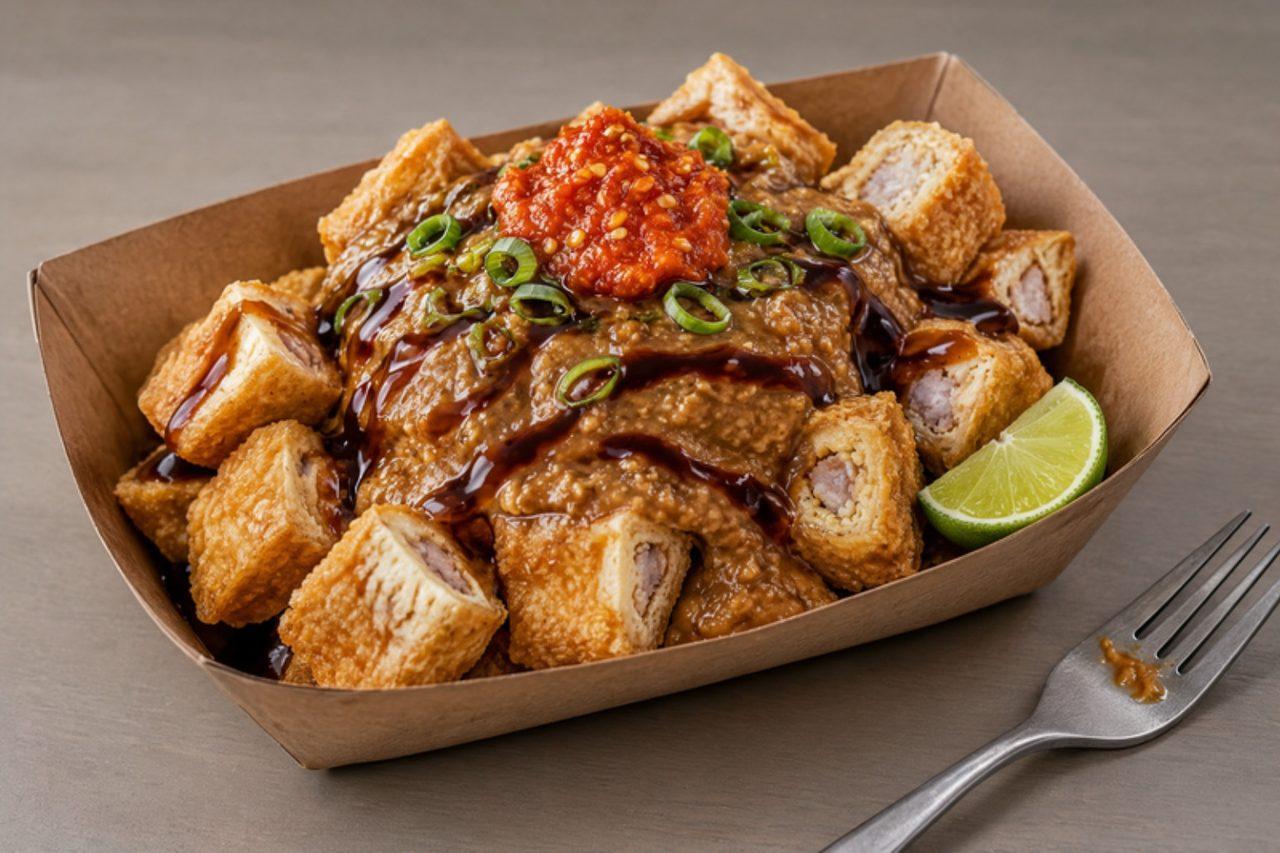
BatagorFried fish dumplings with peanut sauce

Batagor, short for bakso tahu goreng (fried fish-ball tofu), is the crunchy cousin of siomay and a favourite after-school snack sold from glass-sided carts outside Jakarta's schools and along Jalan Pecenongan's evening food strip. Tofu squares and wonton skins are stuffed with a mackerel and tapioca paste and deep-fried until golden and crackly, then snipped up and covered in a spicy peanut sauce, kecap manis and lime. The contrast of crisp skin and soft, bouncy fish is the whole point. Contains fish, peanuts, soy, egg and wheat. Chef's tip: fry the tofu side with the fish paste facing down first; it seals the filling so it doesn't puff away from the tofu.

by KrazyBadal 0 views

Batida de cocoCoconut cachaça cocktail

Along the barracas of Salvador's beaches and at the June São João parties across Bahia, batida de coco comes out of the blender in jugs, poured into plastic cups and drunk while the forró plays. It is a drink for adults only that hides its strength well: creamy, cold and sweet like a coconut milkshake, with cachaça warming the finish rather than shouting. The texture should be thick but pourable, pale ivory, with a soft froth on top. The common mistake is blending the ice for too long, which leaves a thin, watery drink that separates into a fatty layer within minutes. Blend the liquids smooth first, then add the ice and pulse only a few times, until the noise from the blender goes quiet and smooth. It is ready when no lumps of ice rattle and the batida coats the side of the glass. Because it tastes so gentle, keep the cups small and drink responsibly. Chef's tip: chill the cachaça, coconut milk and tin of condensed milk overnight, and you will need less ice and get a richer, denser batida.

by KrazyBadal 0 views

Batido de lechosaPapaya and orange shake

Lechosa is what Venezuelans call papaya, and on breakfast tables from Valencia to Puerto La Cruz it turns up as a batido beside arepas or empanadas, often blended with the oranges that are piled cheap in every market. It is thick, smooth and sunset-orange, tasting of honeyed papaya and bright citrus, and it fills you up until lunch. Some families blend it with milk instead of juice, which turns it into a creamy merengada. The common mistake with milk is letting it stand: papaya's natural enzyme starts to turn milk bitter within half an hour, so drink it straight away. Another mistake is scraping the seed cavity too hard; the black seeds and their slippery coating make the batido bitter and peppery. It is ready when there are no fibres left, it pours in a thick stream and the colour is an even orange. Choose papaya that is mostly yellow-orange and gives slightly under your thumb; a green-streaked one tastes flat and a little musky. Chef's tip: a few drops of lime juice cut through papaya's musky note and make it taste fresher.

by KrazyBadal 0 views

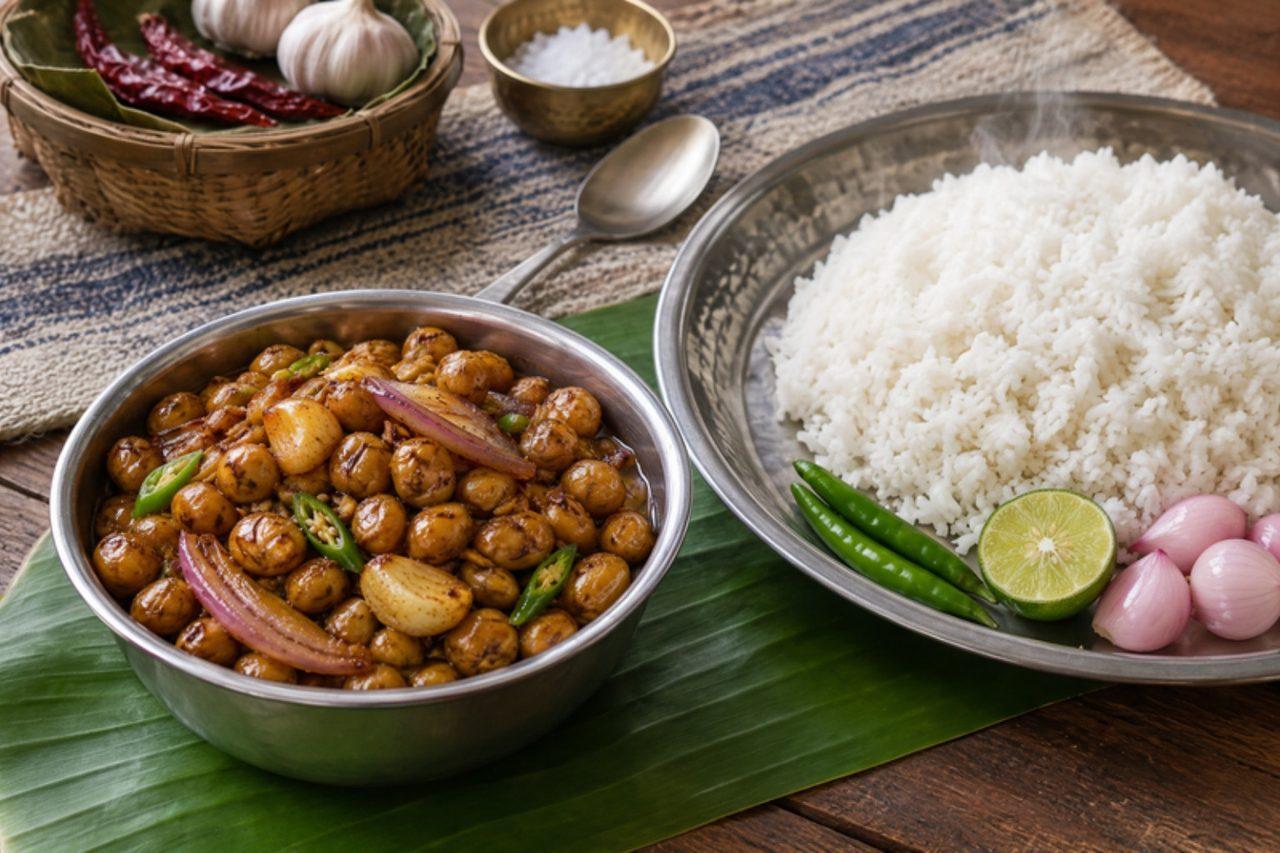
BekangFried fermented soybeans

Bekang is the Mizo name for soybeans boiled and left to ferment in leaves until sticky and strongly savoury, and fried bekang is one of the most loved sides on the Aizawl table, spooned over plain rice. To ferment your own, keep the wrapped, drained beans at 30–40 °C for 2–3 days: they are ready when coated in sticky white threads and smell of ammonia and nuts. Throw them out if you see black, green or pink mould or they smell rotten. The common mistake is frying on high heat until the beans scorch and turn bitter. Chef's tip: bought kinema, axone or natto work in place of homemade bekang.

by KrazyBadal 0 views

BelgramiChewy fresh cheese sweet

Belgrami belongs to Udwantnagar in Bihar's Bhojpur district, where sweet makers have cooked it for generations and travellers buy boxes on the way through. Fresh chhena is cooked down with sugar until it firms into a dense, slightly chewy, pale cream block with a gentle caramel note, then cut into pieces. It keeps for days, which makes it a favourite gift at weddings and Chhath. The common mistake is stopping too early: it must cook until the mass pulls into one lump and no longer sticks to the pan, or the pieces stay soft and weep. Chef's tip: use chhena from full-fat cow's milk and hang it for an hour, so it is dry enough to cook down quickly.

by KrazyBadal 0 views

Bellam paramannamRice and moong dal jaggery pudding

Bellam paramannam is the naivedyam of Telangana and Andhra homes, cooked for Sankranti, Ugadi, Varalakshmi Vratam and almost any puja, a soft rice-and-moong pudding sweetened with jaggery and glossed with ghee. Its colour is a warm caramel and its taste deeper than a sugar kheer. The classic mistake is adding jaggery to milk that is still on a high boil, which can split it; take the pot off the heat, let it stop bubbling, then stir the jaggery in. Chef's tip: roast the moong dal in a spoon of ghee until it smells toasty before cooking; it gives the paramannam its homely flavour.

by KrazyBadal 0 views

Beni shogaRed pickled ginger

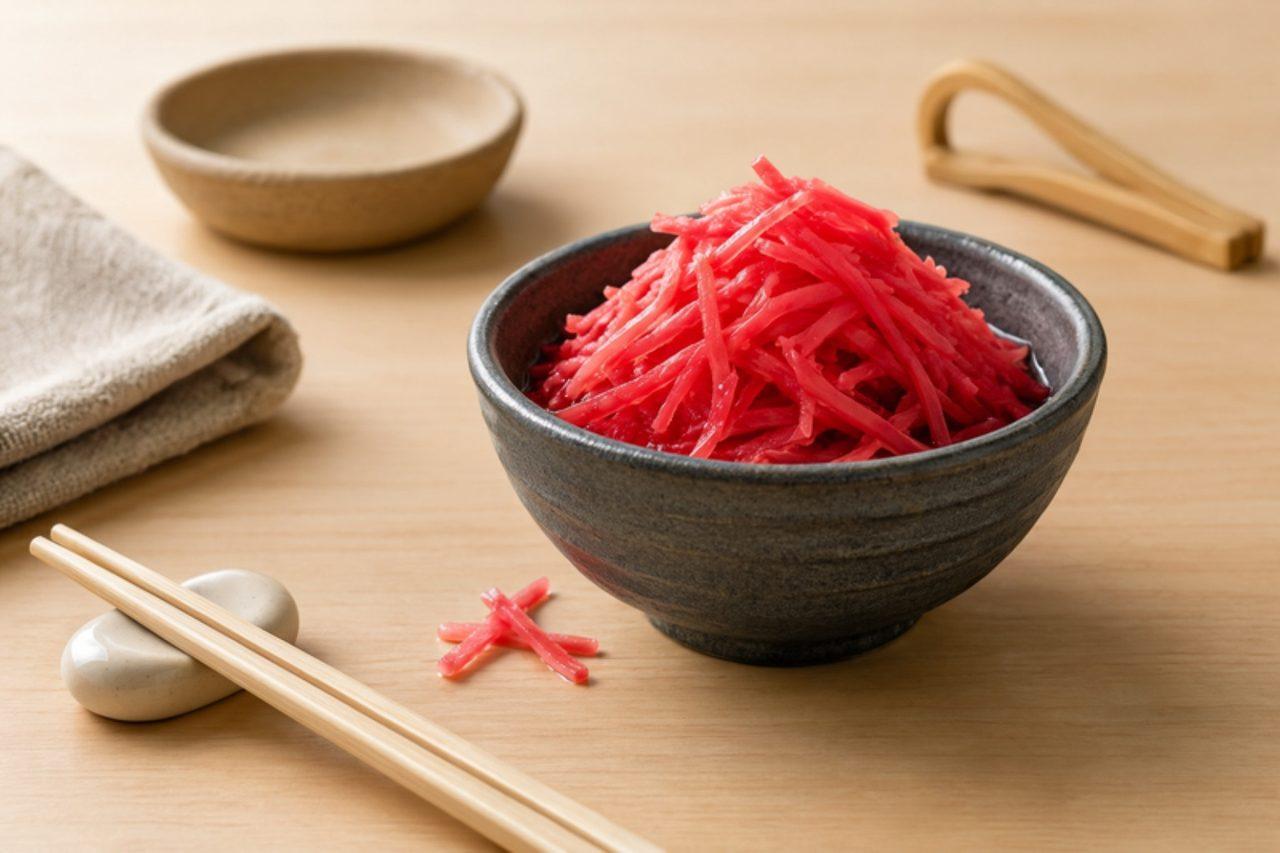
Beni shoga is the bright pink tangle you see on Osaka street food: piled beside yakisoba, scattered on okonomiyaki, folded into takoyaki batter and heaped on a bowl of gyudon at lunchtime. Kansai cooks make it in early summer, when umeboshi plums finish salting and leave behind red umezu, the salty, sour, shiso-coloured plum vinegar that both cures and dyes the ginger. The result is crunchy, sharp and salty, with a clean ginger heat and none of the sweetness of sushi gari. Young summer ginger gives the most tender threads; mature ginger works but is hotter and more fibrous, so cut it thinner. If you cannot find red umezu, use rice vinegar with salt and a slice of raw beetroot for colour (see the note). The common mistake is skipping the salting and drying: wet ginger dilutes the umezu and turns soft and dull. Squeeze it and let it dry so it drinks up the vinegar. It is ready when the threads are evenly rosy right through and taste salty-sour rather than raw. Chef's tip: save the pink vinegar left in the jar; a spoonful in potato salad or rice for onigiri is excellent.

by KrazyBadal 0 views

Bhapa ilishSteamed hilsa in mustard

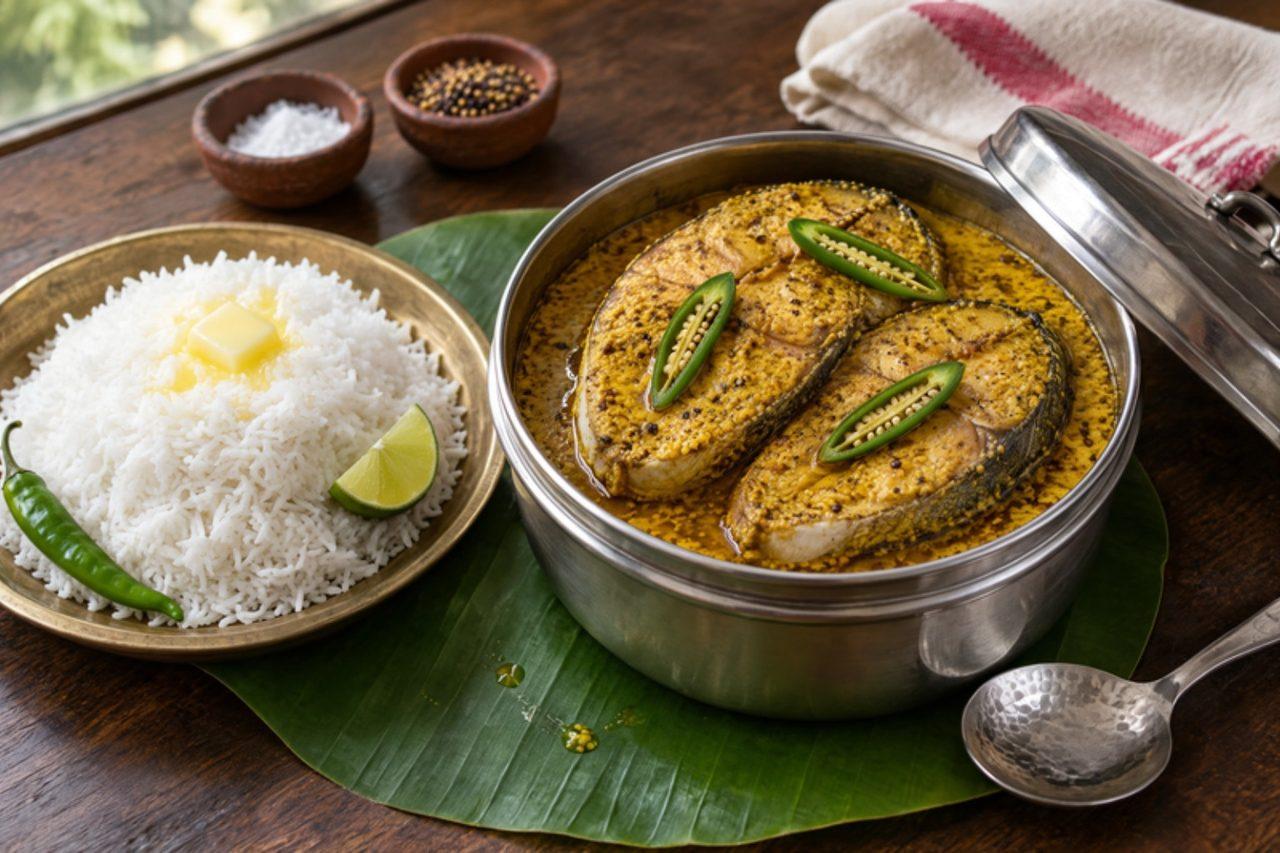
When the monsoon brings hilsa up the Padma and Hooghly rivers, Kolkata households cook bhapa ilish, the fish steamed in a pungent paste of mustard seeds, green chilli and mustard oil in a closed tiffin box. It is the star of Jamai Sasthi and of any rainy-season Sunday, served with plain rice. The fish is rich and tender, with a nose-tingling mustard heat. Suitable as part of a balanced diet: high in protein and omega-3 fats, with no starch in the dish itself. About 340 kcal and 4 g carbohydrate per portion; keep the rice portion modest. The usual mistake is grinding the mustard seeds too long or with warm water, which turns the paste bitter; grind briefly with cold water, a pinch of salt and a green chilli. Hilsa is bony, so eat slowly and warn guests. Chef's tip: drizzle raw mustard oil over the top just before closing the box; it gives the true Bengali aroma.

40 minIndianFishGluten free
by KrazyBadal 0 views

BhaturuStuffed fermented wheat bread

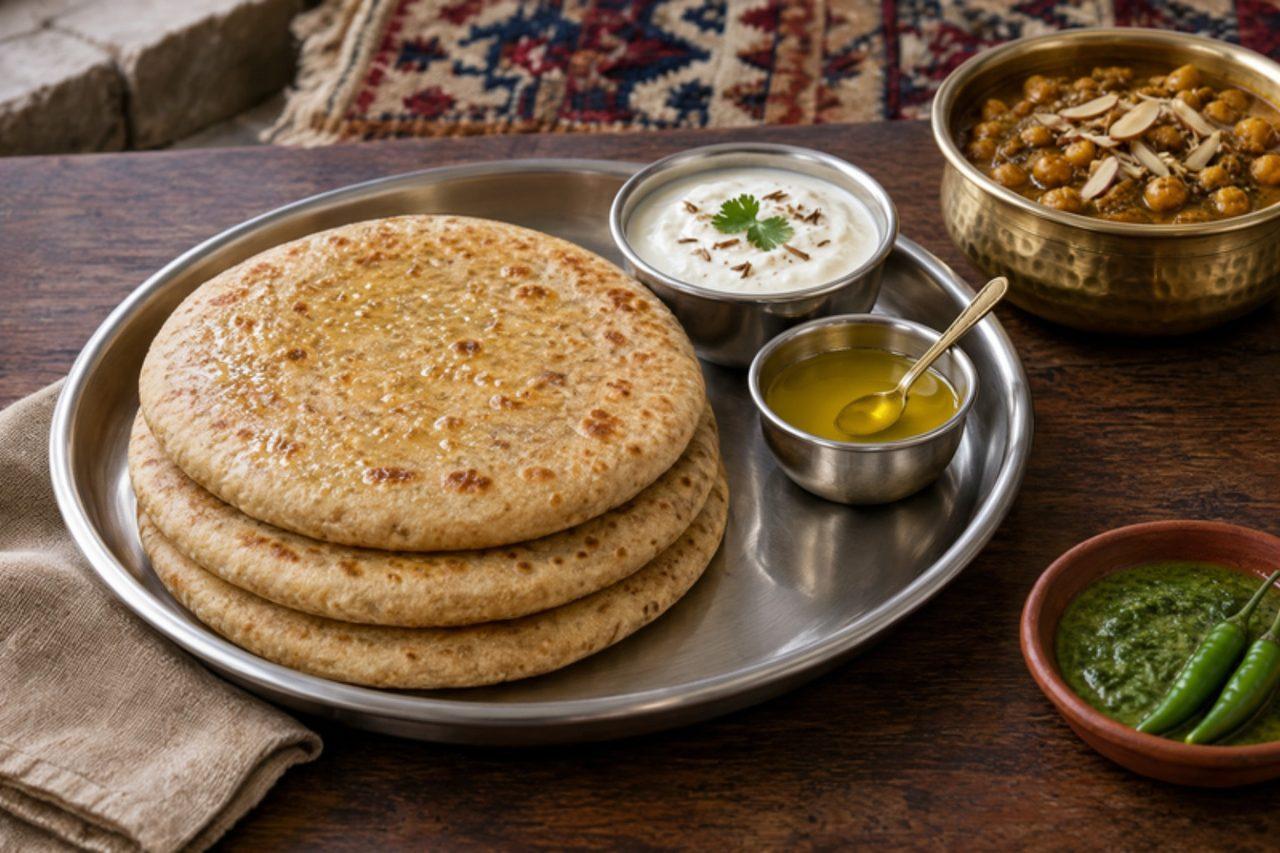
Bhaturu is the breakfast bread of the Kangra and Kullu valleys, made from wheat dough left to ferment overnight with a little old starter or curd until it is light and sour, then rolled out, sometimes stuffed with a spiced lentil filling, and baked on the griddle. It is eaten hot with ghee, a tangy chutney or the madra left from the night before, and is a fixture at village fairs. Ferment it somewhere warm (25–30 °C) for 8–10 hours; it should smell pleasantly sour and be bubbly. Discard the dough if it smells of nail varnish, turns pink, grey or fuzzy, or has a slimy feel. The common mistake is rolling it thin like a chapati, which loses the soft crumb; keep it as thick as your little finger. Chef's tip: cook it on a medium, not fierce, tawa so the centre bakes through before the outside burns.

by KrazyBadal 0 views

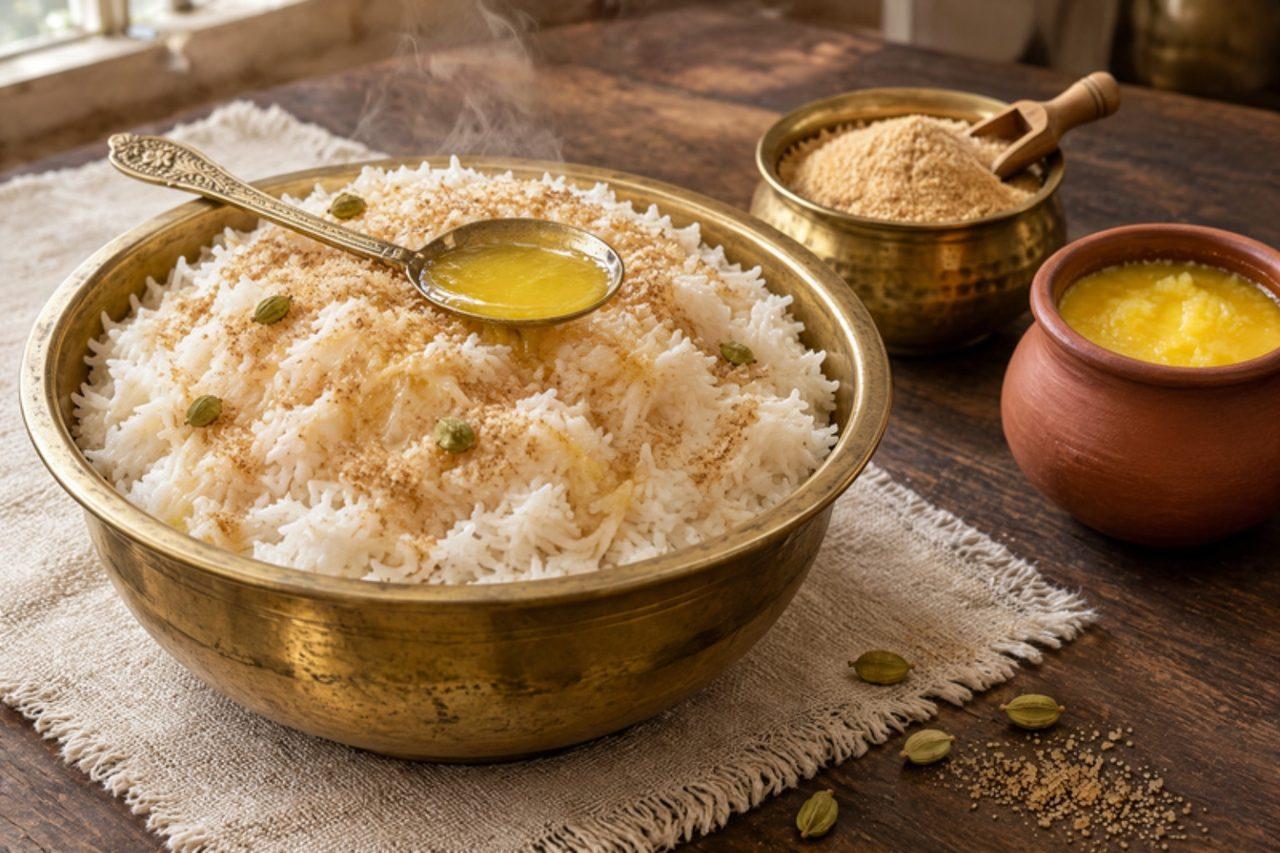
Bhure chawalRice with ghee and sugar

Bhure chawal is about as simple as Haryanvi village cooking gets: steaming rice tossed with plenty of desi ghee and bura, the fine, fluffy sugar sold in Haryana, and sometimes a few chopped nuts. It is the treat grandmothers make after the evening milking, at a new daughter-in-law's first meal, or on cold nights when something sweet is needed fast. Use fragrant, well-cooked rice and good ghee, as there is nothing to hide behind. The common mistake is adding the sugar to lukewarm rice, so it stays gritty instead of melting into the ghee. Chef's tip: no bura? Blitz ordinary sugar to a powder and add a pinch of cardamom.

by KrazyBadal 0 views

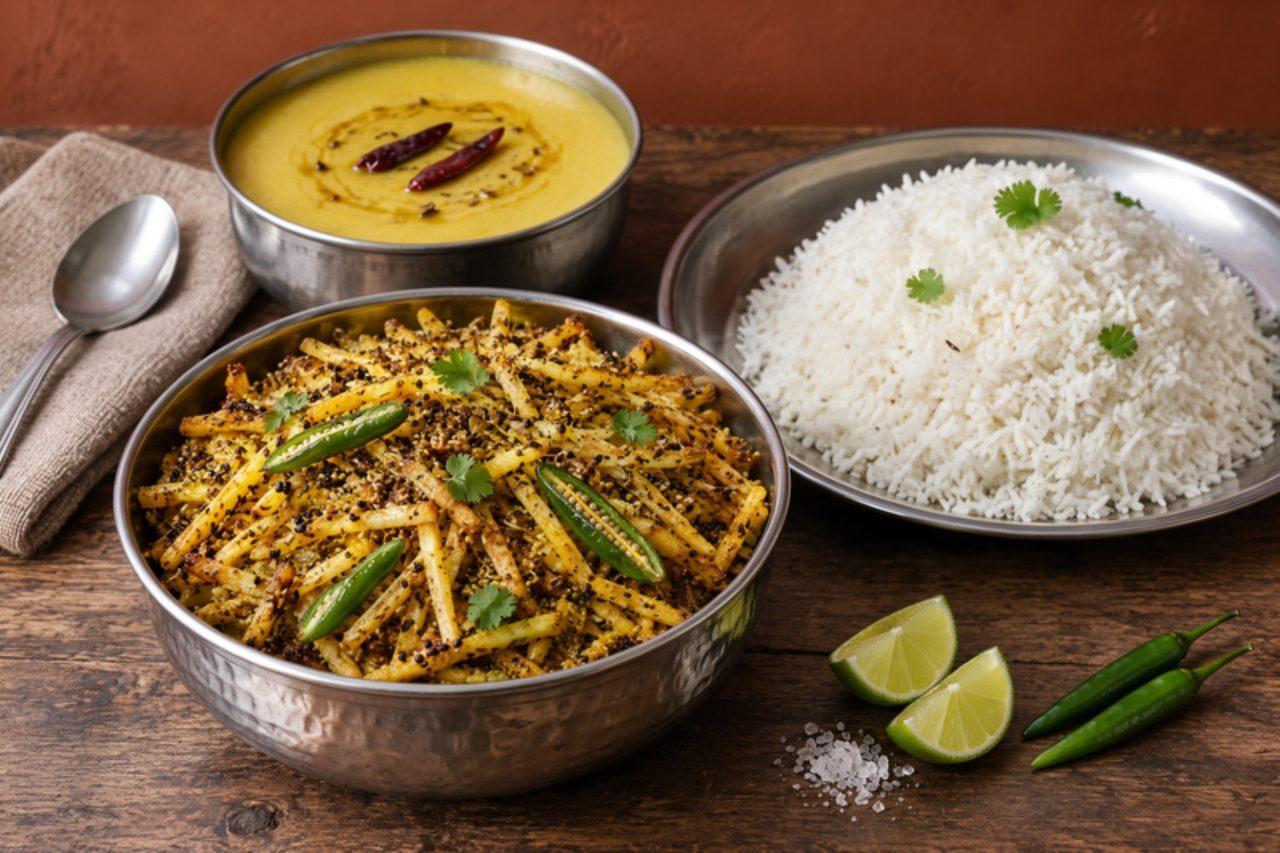
Bihari aloo bhujiaFried potato sticks

In Bihar, aloo bhujia is not the packaged snack but the everyday matchstick-potato fry that sits beside dal, bhaat and chokha on the lunch plate, cooked in mustard oil with panch phoron and a slit green chilli. Patna households make it most days of the week because it takes twenty minutes and pleases everyone. The common slip is crowding the pan and stirring too much, which turns the sticks to mash; give them room and toss gently. Chef's tip: soak the cut potatoes in cold water for 10 minutes and dry them well; washing off surface starch keeps the sticks separate and lightly crisp.

by KrazyBadal 0 views

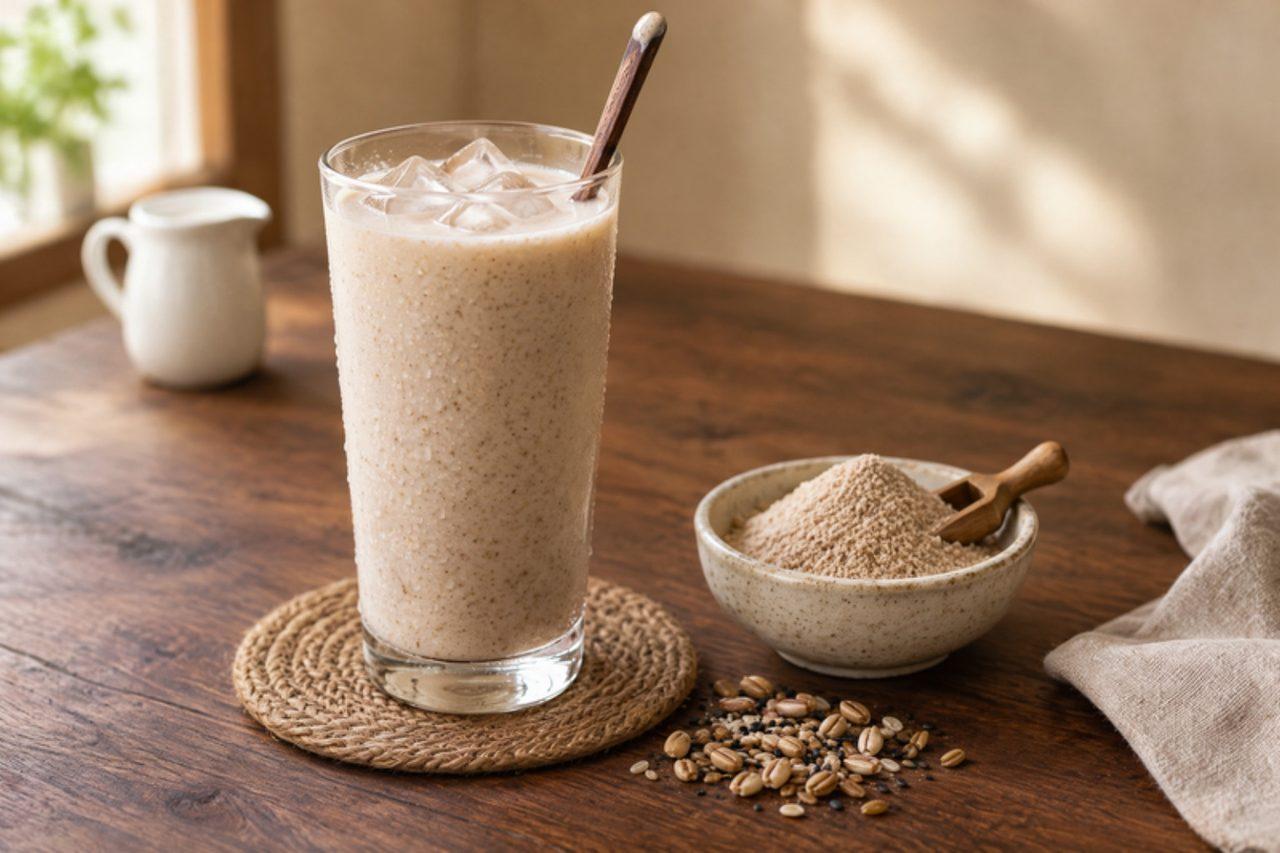
Misutgaru drinkRoasted multigrain shake

Misutgaru is a fine beige powder of roasted grains and beans, usually barley, brown rice, glutinous rice, black beans and sesame, and Korean mums have shaken it into cold milk for rushed breakfasts for generations. It tastes like toasted cereal and a little like peanut butter, and it fills you up until lunch. The mistake is stirring the powder straight into a full glass, which leaves dry lumps floating on top; shake it in a jar or whisk it into a little liquid first. Honey is not suitable for babies under one. Chef's tip: add a few ice cubes to the jar before shaking, which breaks up any lumps and froths the drink.

by KrazyBadal 0 views

Showing 18 of 7,762 recipes

Show more recipes

Page 115 of 863