


Skip to content
Elarji
Featured recipe

Elarji

Cornmeal and cheese porridge

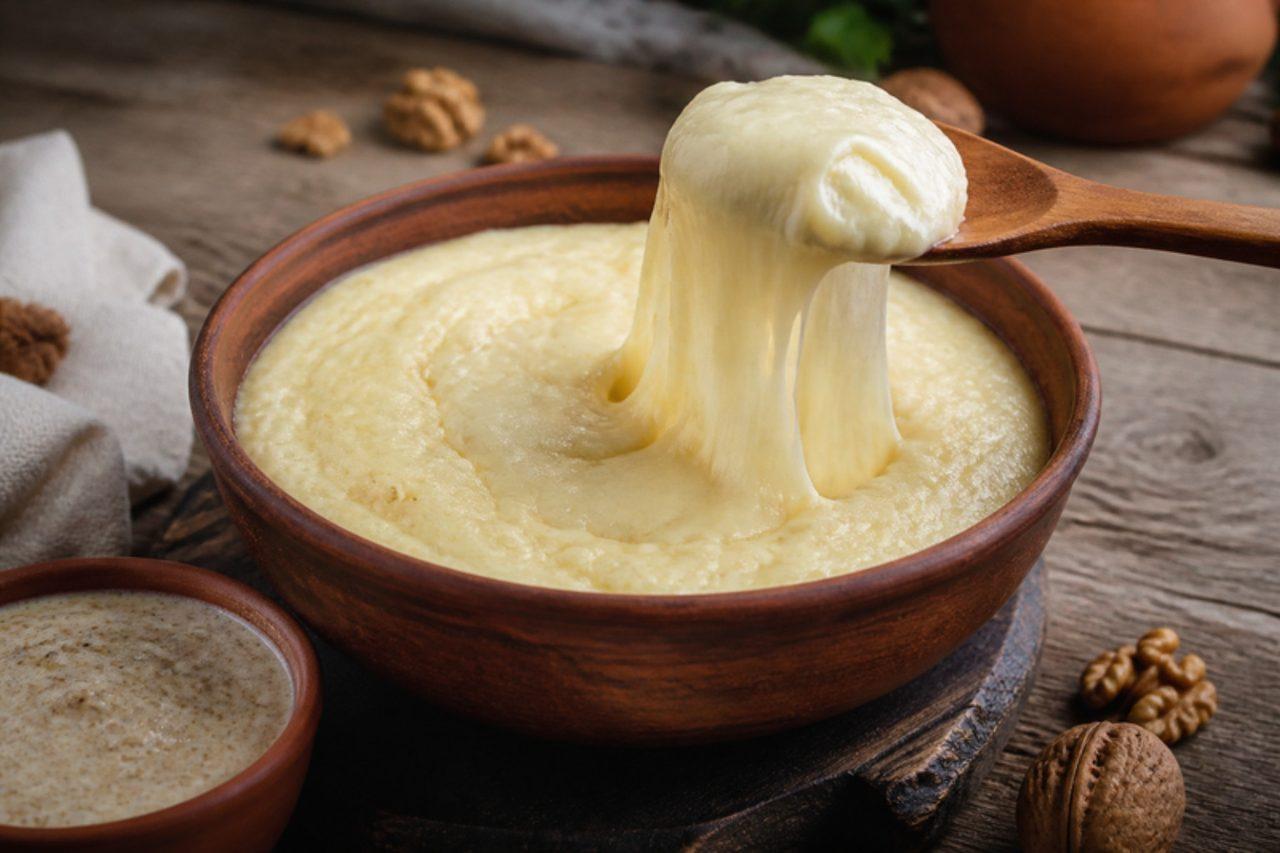
Elarji is the pride of Zugdidi and the rest of Samegrelo, where cornmeal is the everyday staple; the porridge is cooked until thick, then beaten with so much grated sulguni that it pulls up in long, glossy strings as you serve it. It goes to the table hot, with a bowl of bazhe walnut sauce or spicy ajika, and Mingrelians judge a cook by how long the cheese stretches. A common mistake is adding the cheese while the porridge is still loose; it sinks and goes rubbery instead of weaving through. Chef's tip: use a strong wooden spoon and beat hard in one direction as the cheese melts, which is what builds the stretch. Most sulguni is made with animal rennet, so look for a vegetarian one or use low-moisture mozzarella.

Read more 0 views

What to eat today?

Around the world

Today's trip: Paraguayan

A new country every day, from every cuisine on the site.

Paraguayan

Buñuelos de algas

Sea lettuce fritters 35 minMore from Paraguayan (27) →

This week's collection

Kid-friendly dinners
537 recipes · a new collection every Monday

Latest recipes

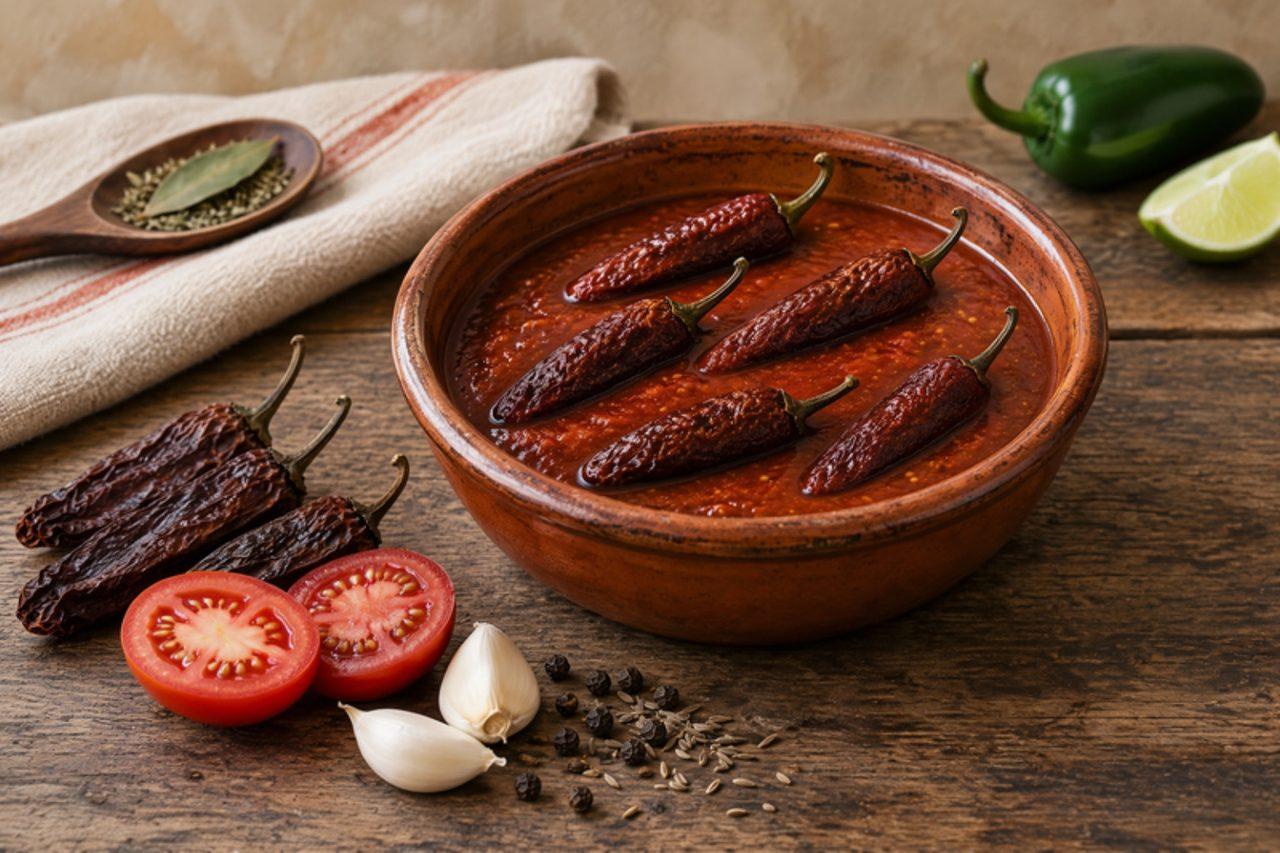
Chipotles en adoboSmoked jalapenos in adobo sauce

Chipotles are ripe jalapeños smoked slowly over wood until leathery; in Puebla and Veracruz the reddish, plump mora type is the everyday one, and the tan, leathery meco is prized for its deeper smoke. Simmered in a sweet-sour adobo of tomato, onion, garlic, vinegar and piloncillo, they become the soft, glossy chillies that go into tinga poblana, albóndigas en chipotle, bean soups and a quick chipotle mayonnaise. Homemade, they are smokier and less sugary than the tinned kind, with sauce that is brick red, tangy and thick enough to coat a spoon. Common mistake: toasting the dried chillies too long; a few seconds a side is enough, because scorched chillies make the whole jar bitter. This is a low-acid chilli preserve, so it is kept in the fridge or freezer, never canned in a water bath. It is ready when the chipotles are plump and soft enough to crush with a spoon and the adobo has reduced to a glossy sauce. Chef's tip: blend one or two chillies with their sauce and freeze it in an ice-cube tray, so you can add a single cube to a pot.

by KrazyBadal 0 views

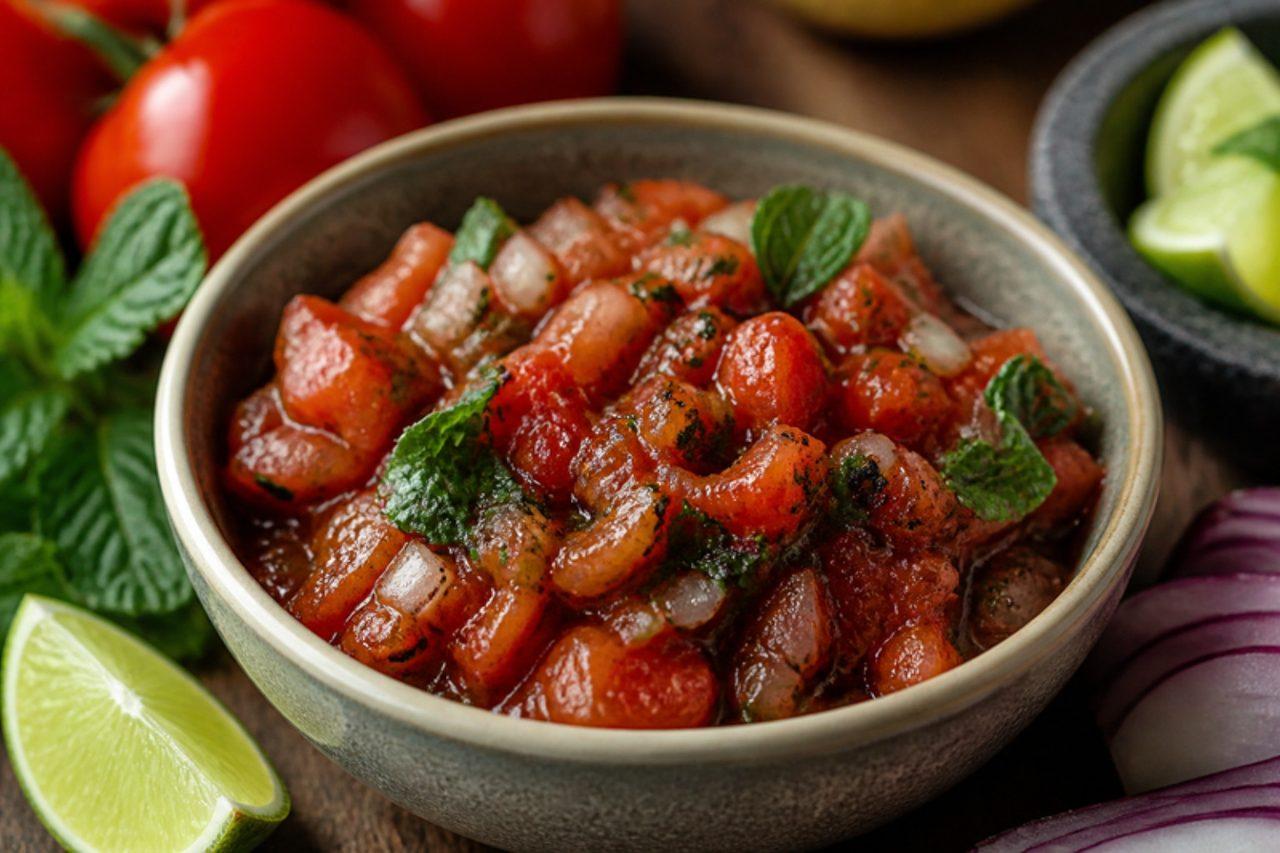
ChirmolCharred tomato and mint salsa

Wherever Guatemalans light a grill for Sunday carne asada, a bowl of chirmol sits beside it. The tomatoes are blackened on a comal until their skins split, then crushed with raw onion, lime and fresh mint, which is the herb that sets it apart from Mexican salsas. It is smoky, sharp and loose, meant to be spooned over grilled meat, black beans, eggs or plain rice. A common mistake is blending it smooth; chirmol should be chunky and juicy, crushed by hand or with a fork. Chef's tip: leave some of the charred skin in; those black flecks carry most of the smoky flavour.

by KrazyBadal 0 views

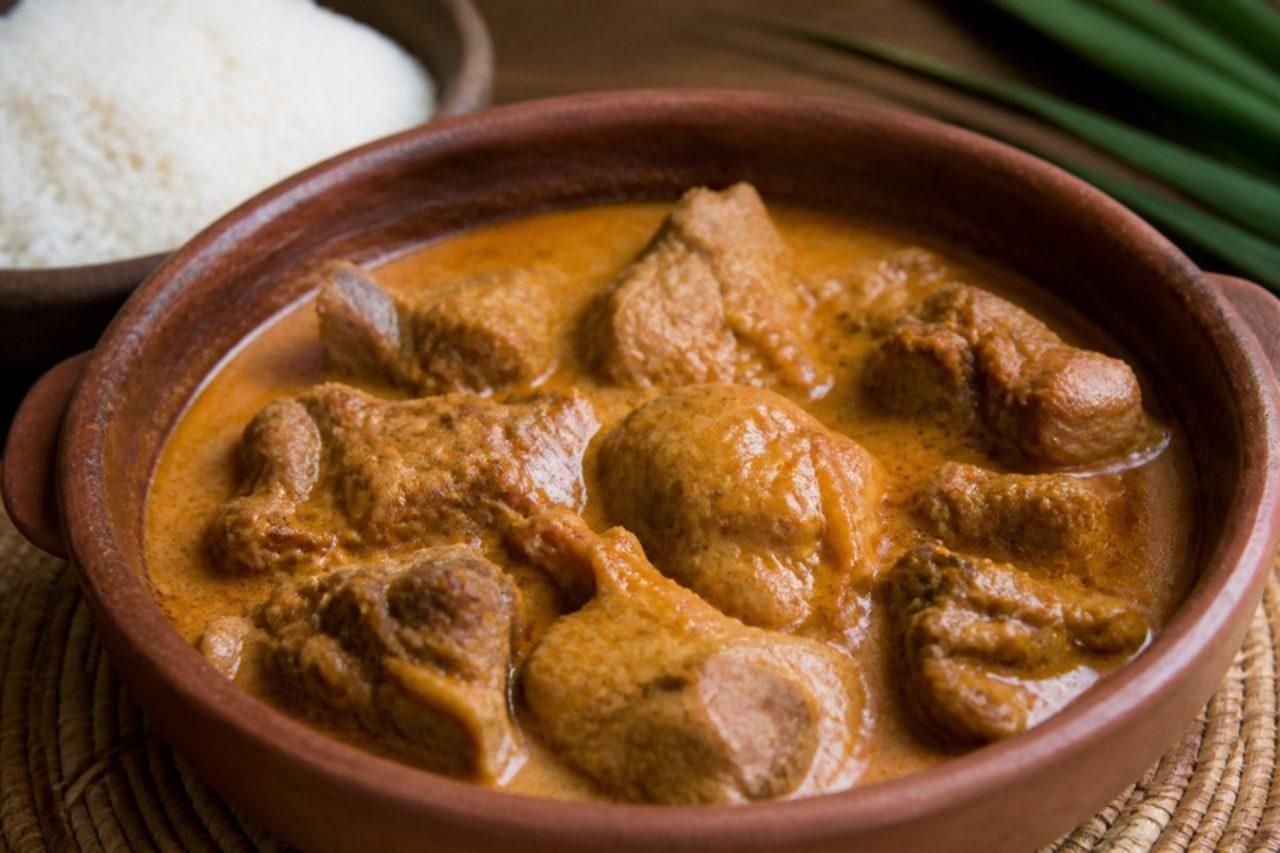
Chivo en cocoGoat in coconut milk

Goats graze the dry scrub of the Guajira peninsula, and in Zulia the meat is stewed in fresh coconut milk with a sofrito of onion, ají dulce and garlic until it falls from the bone. It's party and Sunday food in Maracaibo, served with fried ripe plantain, white rice or arepas to soak up the sauce. The common mistake is boiling the coconut milk hard, which splits it into a greasy sauce. Chef's tip: add the coconut milk only for the last 40 minutes and keep the pot at a gentle bubble.

by KrazyBadal 0 views

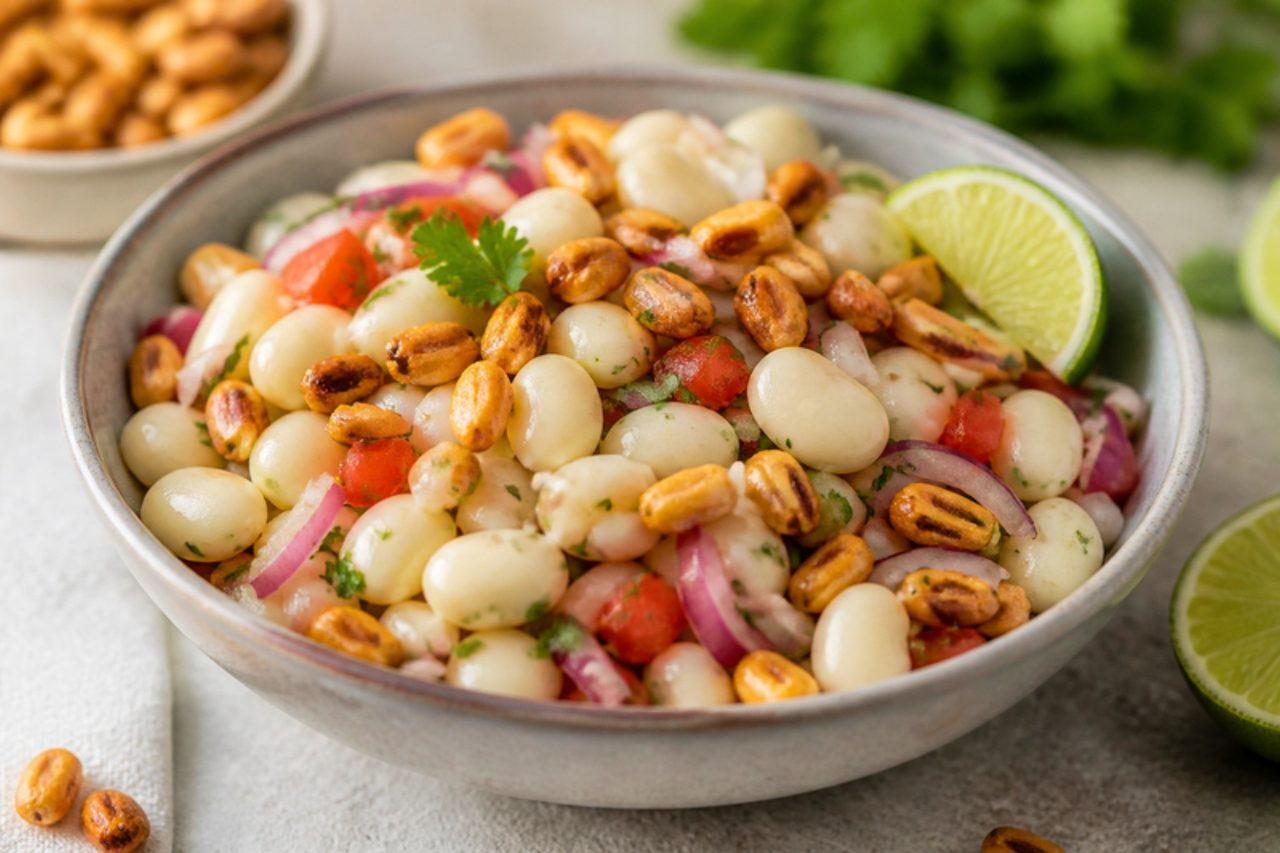
Chochos con tostadoLupin bean and toasted corn salad

On street corners in Quito and Latacunga vendors pile paper cups with chochos, the pale Andean lupin beans, tossed with lime-soaked red onion and tomato and showered with crunchy toasted corn. It is a cheap, filling mid-morning snack, sour and salty with a nutty crunch, and it doubles as a light lunch with a fried plantain on the side. Buy chochos ready debittered, sold cooked in jars or vacuum packs: raw lupins are bitter and contain toxic alkaloids until they have been soaked and boiled for several days, so never use dried ones without that long treatment. Lupin is also a declared allergen and can affect people with peanut allergy. The common mistake is skipping the rinse, which leaves the beans tasting of brine. Chef's tip: salt the onion with the lime juice 10 minutes ahead so it softens and turns pink.

by KrazyBadal 0 views

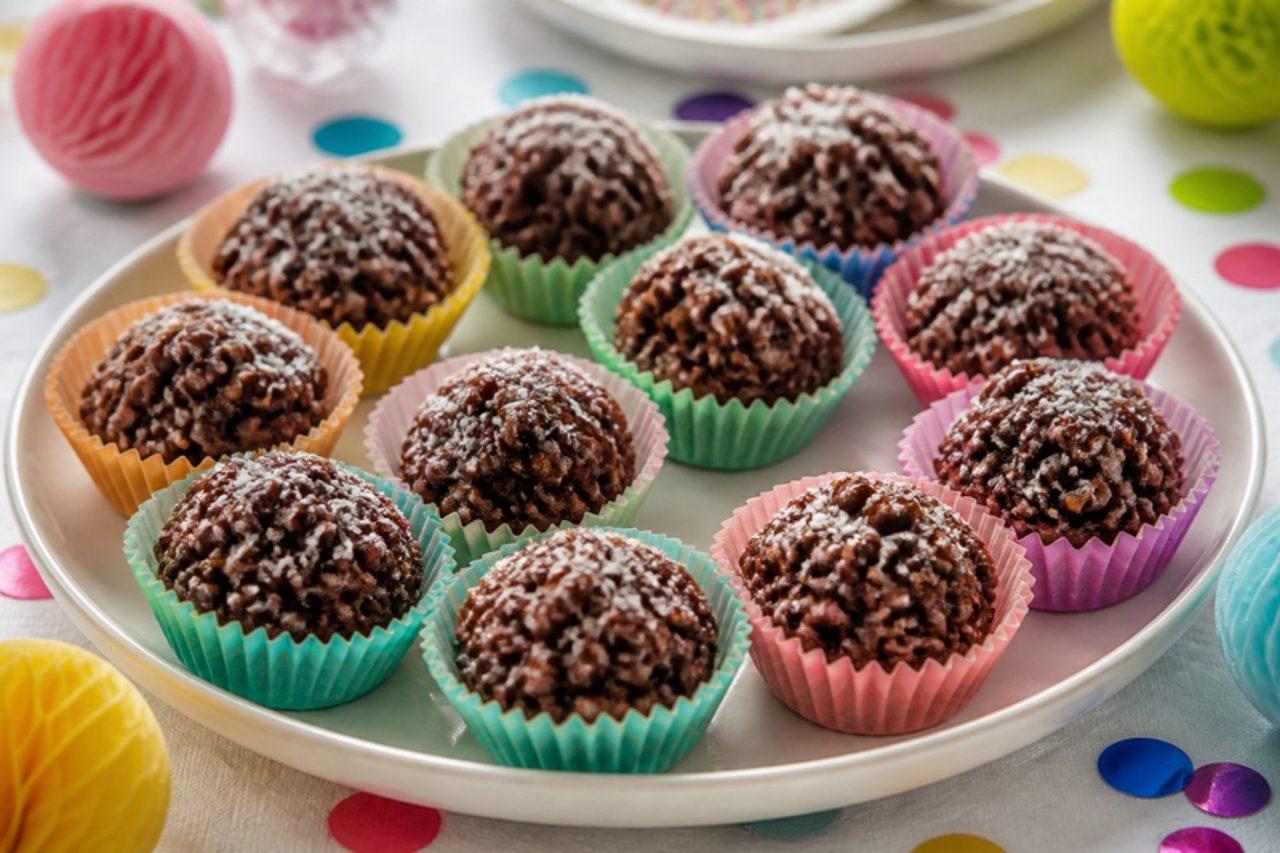
Chocolate cracklesChocolate puffed rice cakes

No Australian child's birthday party is complete without chocolate crackles, served in paper patty cases alongside fairy bread at backyard parties from Adelaide to Cairns. Puffed rice cereal is bound with melted solid coconut fat, icing sugar, cocoa and desiccated coconut, then set in the fridge. Kids can make them almost entirely on their own. A common mistake is using hot fat, which makes the mixture greasy; let it cool a few minutes. Chef's tip: use solid white hydrogenated coconut fat sold in blocks, not jarred coconut oil, which won't set firm at room temperature.

by KrazyBadal 0 views

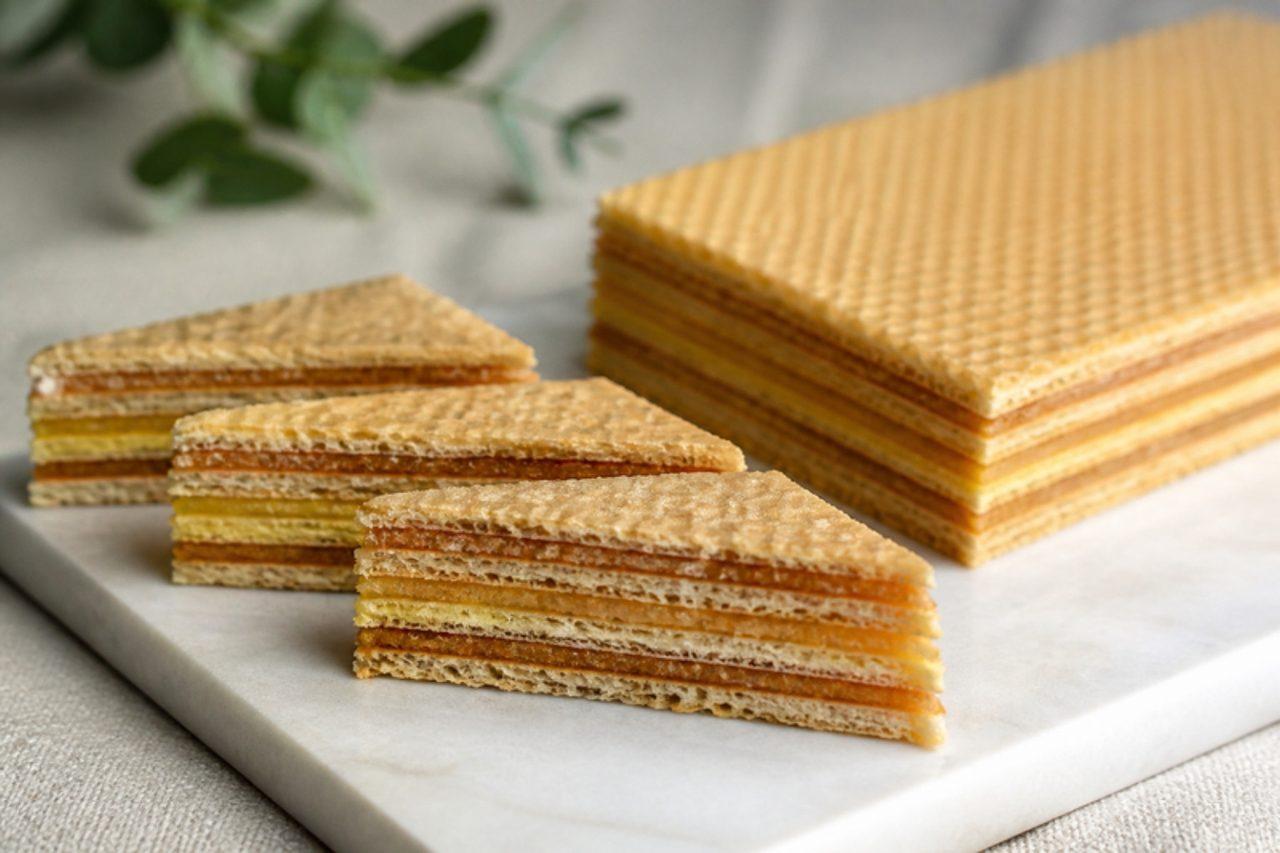
ChumbequeLayered honey biscuit

Iquique's Chinese community began baking chumbeque in the port's corner shops more than a century ago, and today it is the city's edible souvenir: crisp, honey-sweet pastry stacked in thin layers with a sharp lemon filling and a sticky guava one, cut into small bricks. People take it home from the Zofri market or nibble it with tea at once. At home, bake it as one slab and slice it when cold. Many people roll the dough too thick, which gives a cakey, dry bar instead of fine layers; aim for 3 mm. Chef's tip: chill the rolled sheets for 10 minutes before you stack them so they don't stretch out of shape.

by KrazyBadal 0 views

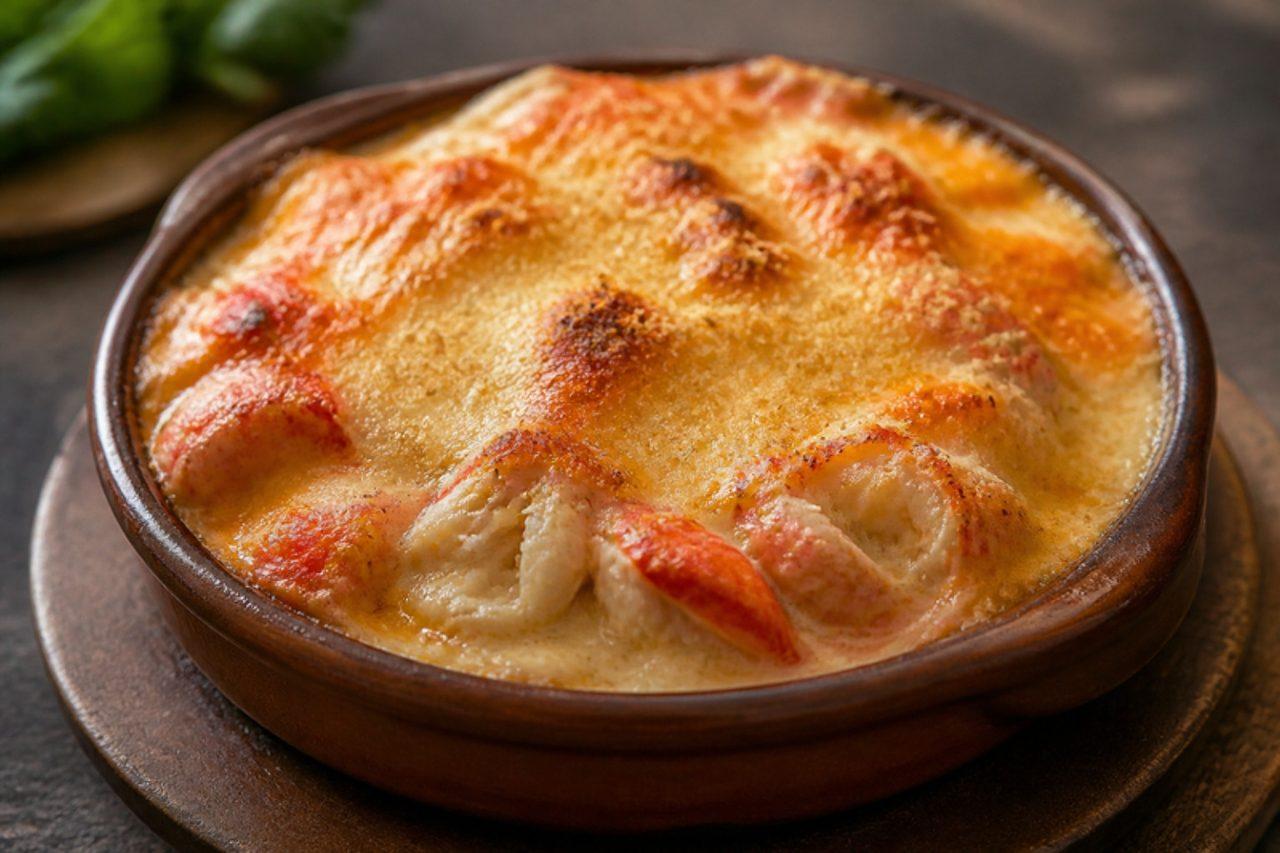
Chupe de centollaKing crab and cheese stew

In Punta Arenas and Puerto Natales, at the bottom of Chile, centolla (southern king crab) is the pride of every restaurant, and chupe is how it is served on a cold Magallanes evening: a soft, spoonable stew of crab meat cooked with bread, milk and stock until creamy, then topped with cheese and browned for a minute. It is looser than a crab gratin and eaten with a spoon. Any good cooked crab meat works. The usual mistake is boiling it fiercely once the cheese and cream go in, which makes the chupe grainy; keep it at a gentle bubble. Chef's tip: add the crab right at the end, just to heat through, so the big pieces of king crab stay whole and sweet.

by KrazyBadal 0 views

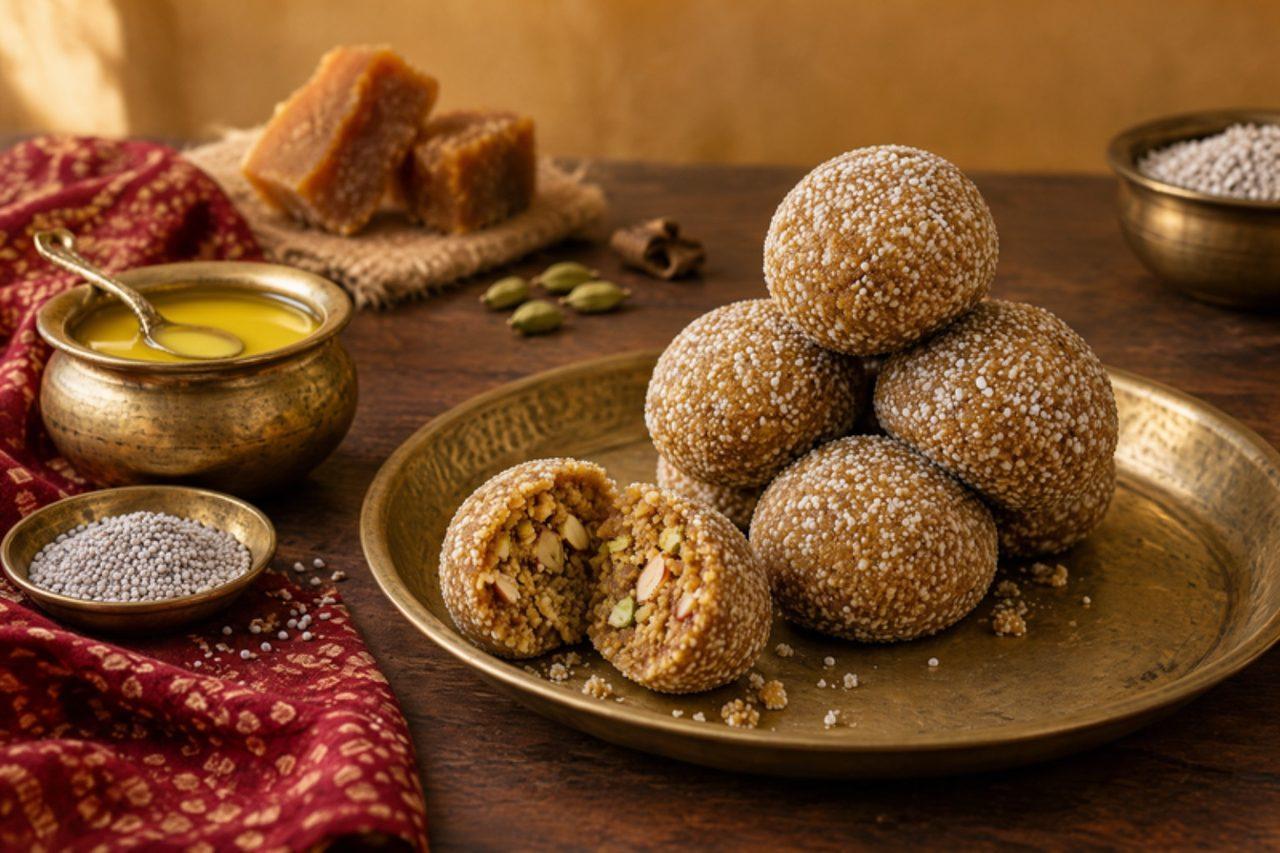
Churma na ladvaWheat crumb and jaggery balls

Churma na ladva are the laddus that sit beside Ganesh at Chaturthi in Kathiawad and fill the sweet course at Gujarati weddings, big rough-edged balls with a sandy crumb and a coat of white poppy seeds. Coarse wholewheat dough is shaped into fist-pressed muthiya, fried slowly in ghee until crisp right through, ground to crumbs and bound with jaggery melted in ghee, nutmeg and cardamom. The mistake that ruins them is frying the muthiya too fast: the outside browns while the inside stays doughy and the crumbs turn gummy. Chef's tip: break one muthiya open before you take the batch out; it should be dry and biscuit-like right to the centre.

by KrazyBadal 0 views

ChutagiWheat pasta in vegetable soup

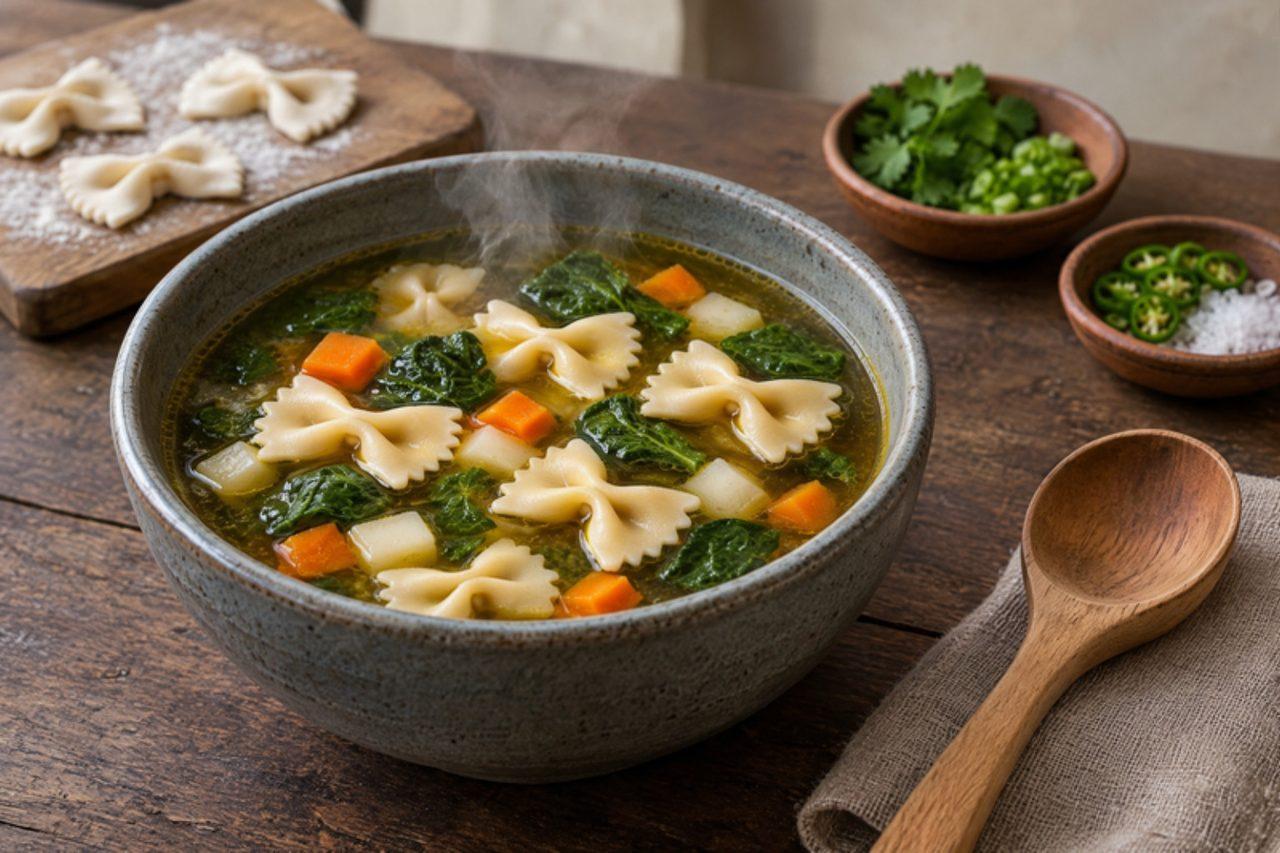
In Leh and the villages along the Indus, chutagi is the one-pot supper of the long winter: little hand-pinched bow-ties of wheat dough dropped into a broth of turnip, carrot, onion and greens. Families sit around the stove pinching the dough together while the pot comes to the boil, and the soup is eaten piping hot, often with a spoon of chilli paste on the side. The broth is light but the pasta makes it filling. The usual mistake is rolling the dough too thick, which leaves the centres of the bows doughy; roll it about as thin as a coin. Chef's tip: let the shaped bows dry on a floured tray for ten minutes before they go in, so they hold their pinched centre instead of opening up in the pot.

by KrazyBadal 0 views

Citron presséFresh lemon drink

Order a citron pressé on a Paris terrace in July, or at a café in Nice after the beach, and the waiter brings a tall glass with an inch of freshly squeezed lemon juice, a carafe of iced water, a sugar bowl or a little jug of syrup and a long spoon. You build the drink yourself, as sharp or as sweet as you like, which is half the pleasure; French children learn to drink it with plenty of sugar, grown-ups often with almost none. It is bright, sour and cleansing, nothing like bottled lemonade, and best in the late afternoon heat. The common mistake is stirring granulated sugar straight into cold lemon water: it sinks and never dissolves, so the first sips are sour and the last a sludge. Dissolve the sugar in the juice first, or use a quick syrup. It is ready when the sugar has vanished, the drink tastes balanced to you and the glass is beaded with cold. Unwaxed lemons matter if you add a twist of peel. Chef's tip: pour the water over ice slowly and taste after half the carafe; most people find they need less water than they expect.

by KrazyBadal 0 views

Cocido quemadoBurnt sugar mate drink

Cocido is how Paraguay starts the day: in Asunción, in the villages of Guairá and Itapúa, and in school kitchens, a pot of burnt yerba is brewed and poured into cups with chipa, the cheesy cassava bread, or with a hard galleta. The old way is to drop a glowing piece of charcoal into a pot with yerba and sugar and stir until the sugar burns. On a home stove you caramelise them together in a dry pan instead, which is safer and gives the same smoky, toffee-like taste. The drink is clear amber-brown, with roasted, slightly bitter mate notes over burnt-sugar sweetness; with milk added it becomes cocido con leche, creamy and coffee-coloured. Yerba mate contains caffeine, so treat it like a cup of coffee. The common mistake is letting the sugar go black: it turns acrid and bitter. Pull it off the heat when the caramel is deep amber and the yerba smells toasted, not burnt. It is ready when the liquid is a clear dark amber and tastes of toffee and smoke. Chef's tip: the water will spit fiercely when it hits the hot caramel, so pour it in from the side, at arm's length.

by KrazyBadal 0 views

Conservas de cocoSpiced coconut bars

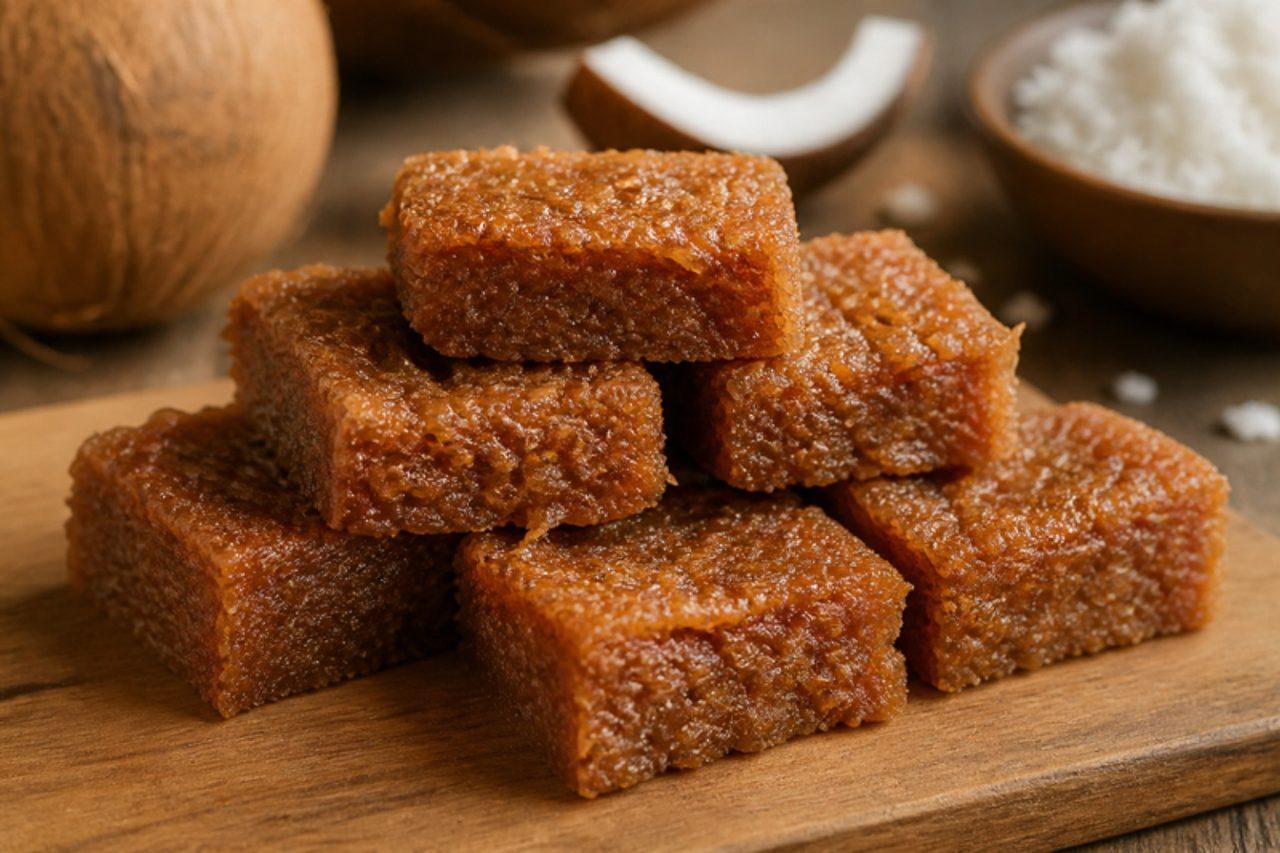
Along the roads of Zulia and down the Caribbean coast, sellers wrap conservas de coco in squares of paper: dense, chewy bars of grated coconut cooked in dark panela syrup with cinnamon and clove. Children buy them with their change after school. The mistake most people make is taking the pan off too early; the mixture never sets and stays sticky. Chef's tip: keep stirring until the mass pulls away in one lump and a spoon dragged across the base leaves a clean line.

by KrazyBadal 0 views

Consomé de chipichipiTiny clam broth

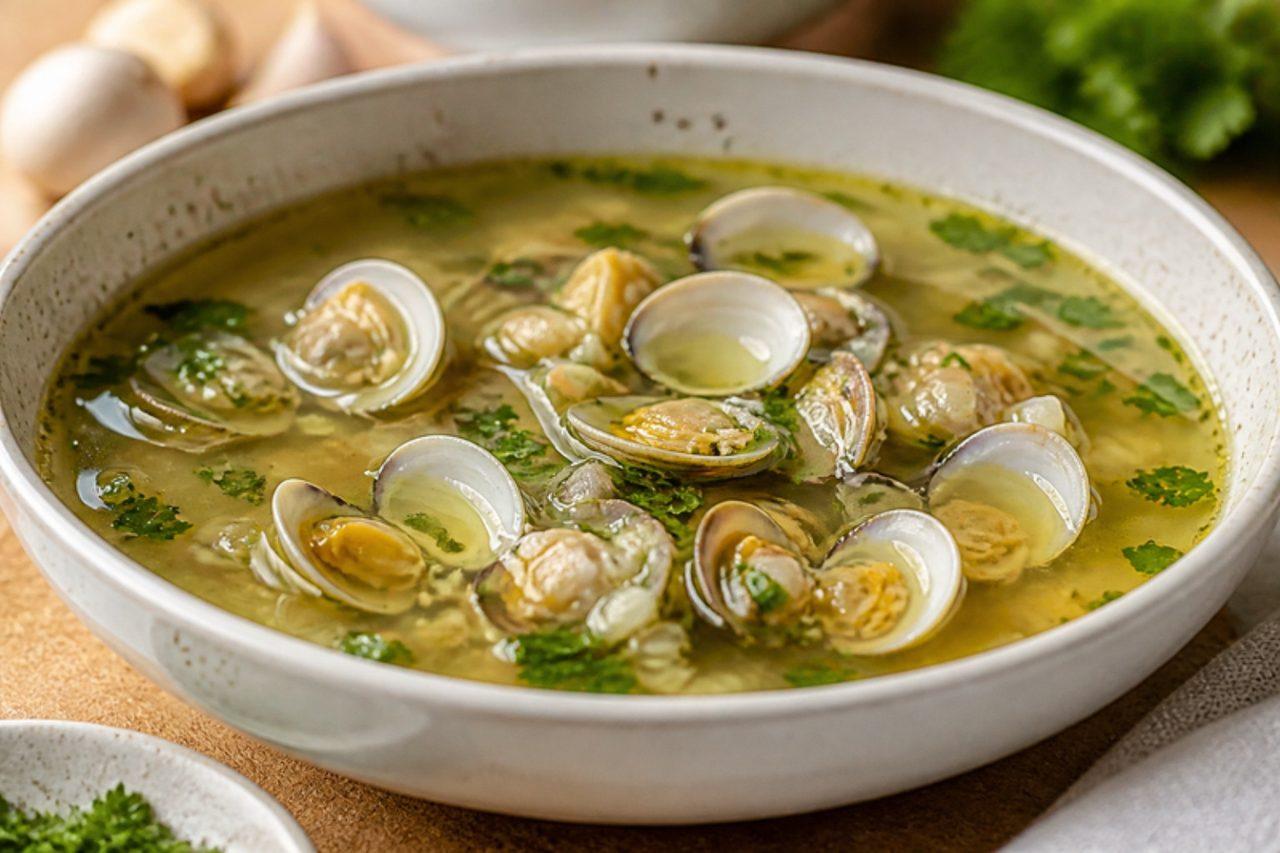
On the beaches of Margarita and the Sucre coast, vendors ladle steaming cups of consomé de chipichipi, a clear, salty broth of tiny clams with garlic, ají dulce and coriander, famous as a cure after a long night. Chipichipi are hard to find outside Venezuela; small clams such as palourdes or Manila clams are a good stand-in. The common mistake is boiling the clams too long, which makes them rubbery. Chef's tip: let the clams soak in salted water first so they spit out their sand.

by KrazyBadal 0 views

CorvichePlantain and peanut fish fritters

Along the Manabí coast and in Guayaquil's afternoon snack stalls, corviches are torpedo-shaped fritters with a crisp, peanut-rich green-plantain crust and a filling of fish cooked with onion, pepper and cumin. They are eaten hot with pickled red onion and a dash of chilli, often for breakfast or as an afternoon bite. Peanuts are a major allergen. The usual mistake is making the plantain shell too thick, which leaves raw starchy dough inside; keep it about 1 cm and fry at a steady 170 °C. Chef's tip: grate the plantain on the finest holes of a box grater; a fine grate makes a smooth dough that seals without cracks.

by KrazyBadal 0 views

CouacToasted cassava meal

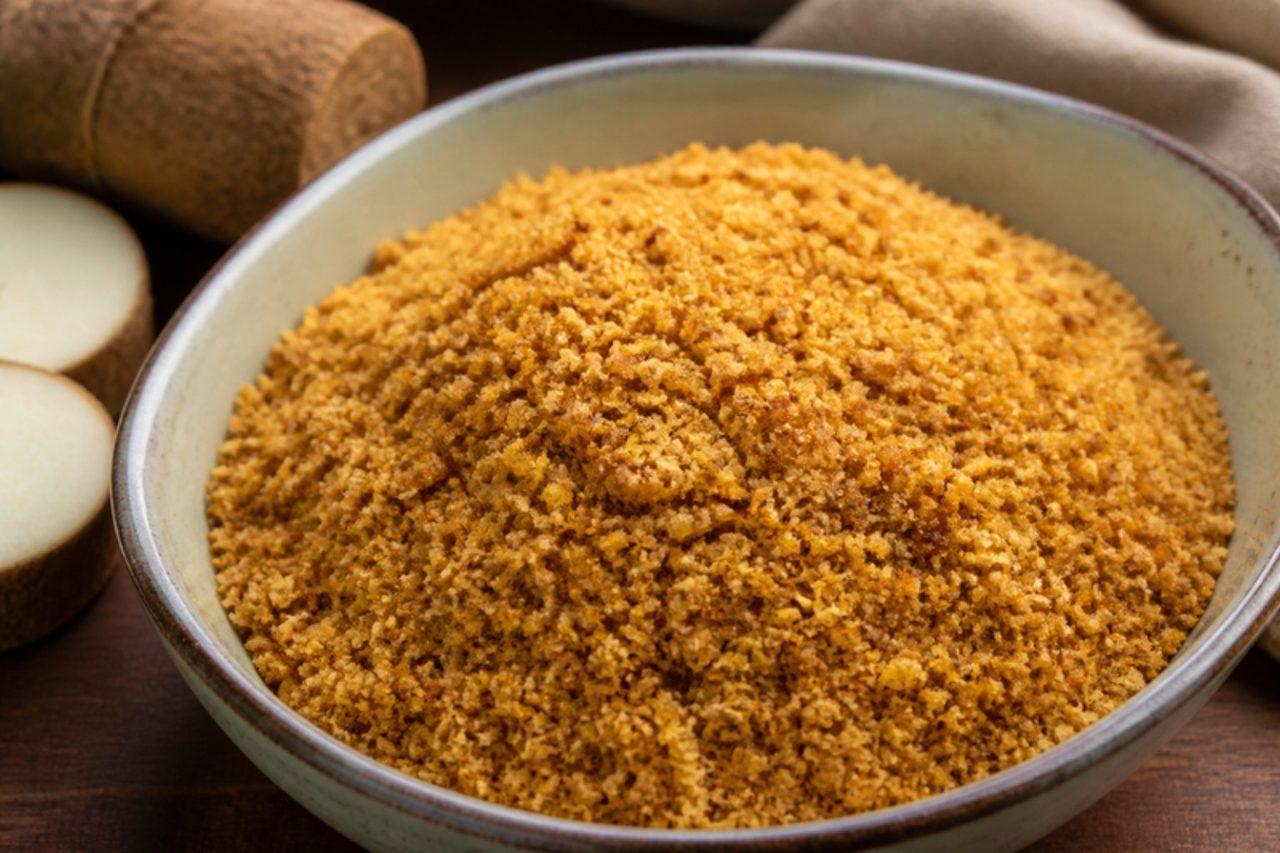
In French Guiana couac is on the table at almost every meal, sprinkled over fish in sauce, stirred into stews or soaked in water with sugar as a snack, and it is still made in the carbets (open-sided sheds) of Amerindian and Maroon villages along the Maroni river. Traditionally it is made from bitter cassava, which is poisonous until its juice has been pressed out and the meal roasted for hours. This home version uses only sweet cassava (yuca), and still presses out and discards all the juice and toasts the meal until fully dry, because cassava must never be eaten raw. The usual mistake is a heat that is too high: the outside scorches while the inside is still damp. Chef's tip: stir almost constantly over a medium-low heat; the couac is done when it rattles in the pan, smells nutty and a grain snaps cleanly between your teeth.

by KrazyBadal 0 views

LupisSticky rice with coconut sugar

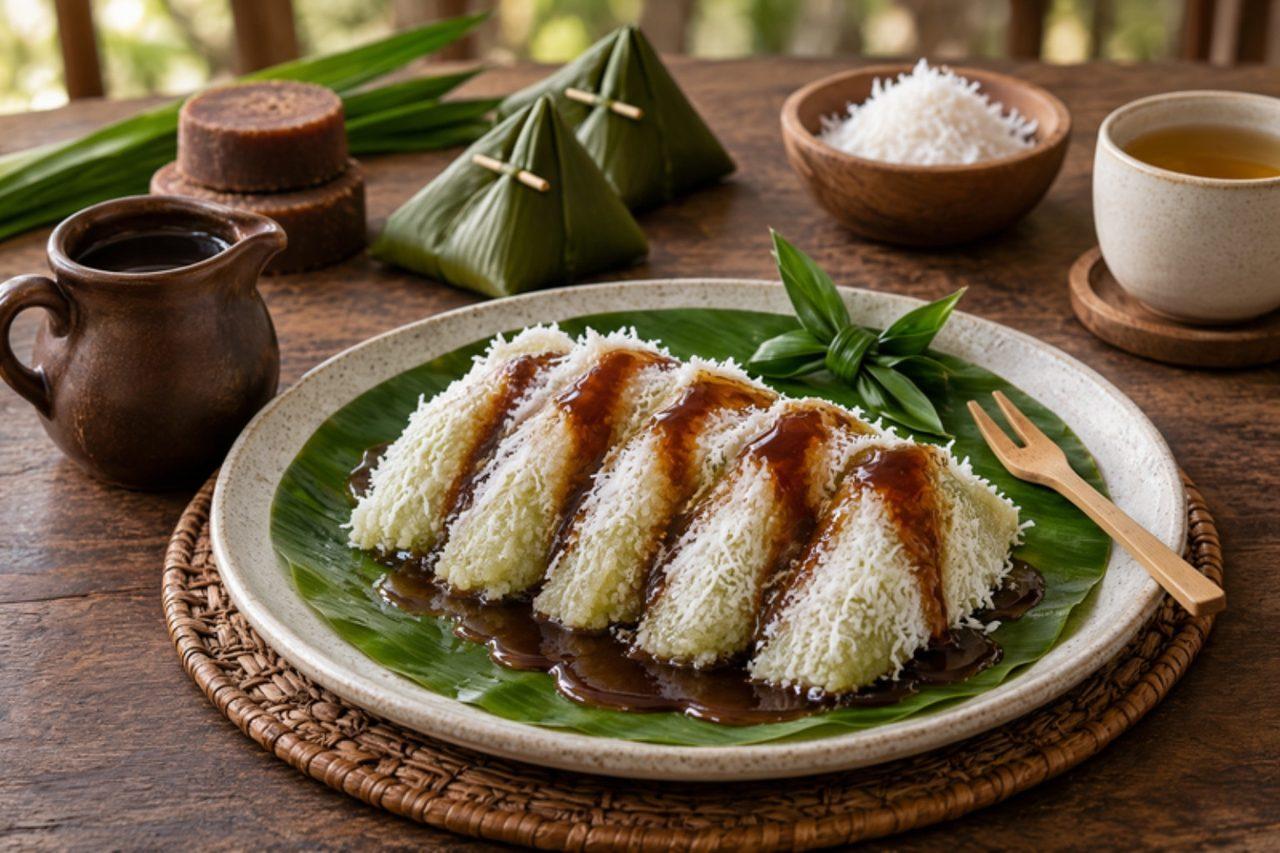
At morning markets across Central and East Java, vendors unwrap banana-leaf triangles of chewy sticky rice, roll them in fresh grated coconut and drench them in dark palm sugar syrup, all served on a square of leaf. Lupis is breakfast and snack at once, eaten with sweet tea. The common mistake is packing the leaves too full: the rice swells as it cooks, so fill each cone only two-thirds, or the parcels split and turn watery. Chef's tip: steam the grated coconut with a pinch of salt for 5 minutes before using it; it keeps longer and the salt sharpens the caramel taste of the syrup.

by KrazyBadal 0 views

Daing na bangusMarinated fried milkfish

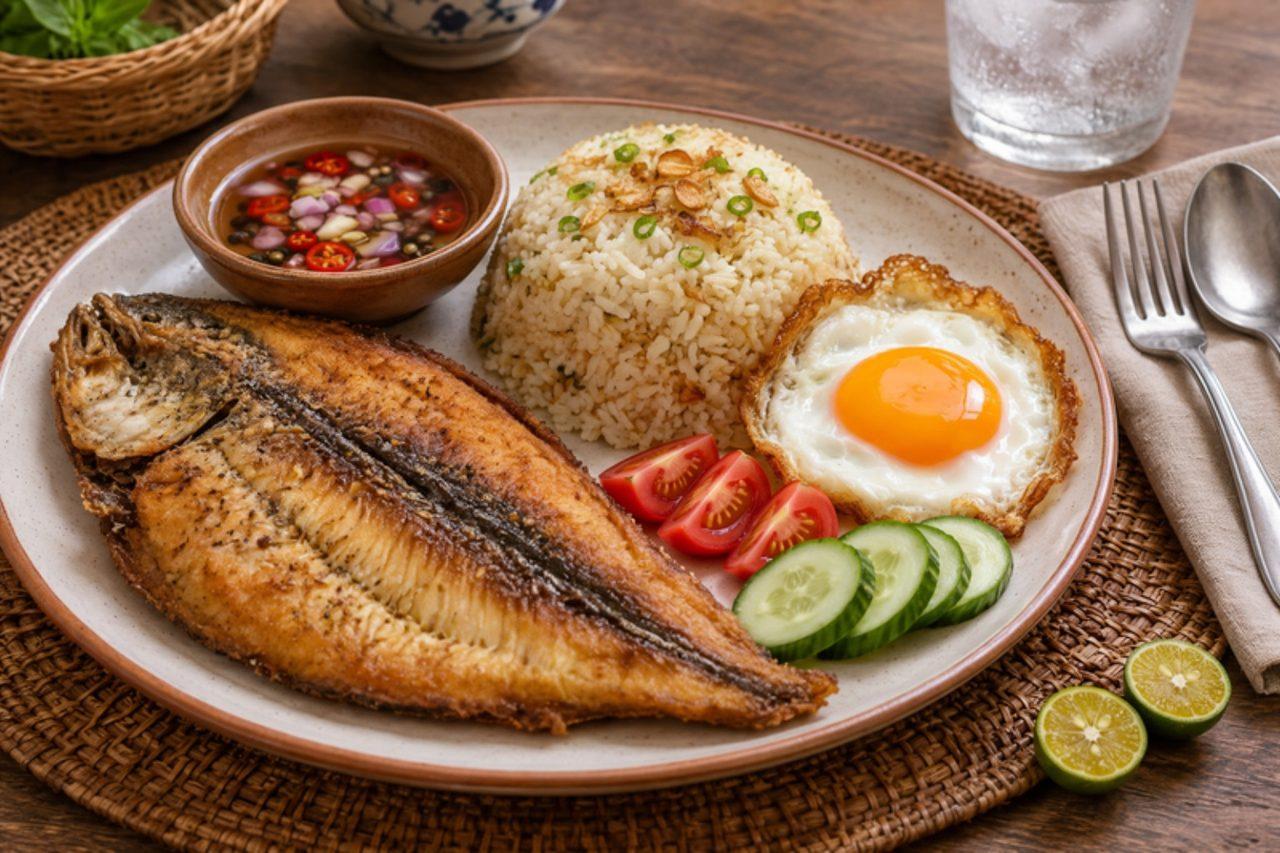
Bangus (milkfish) is the national fish of the Philippines, and daing na bangus, butterflied and soaked overnight in vinegar, garlic and pepper, then fried until the skin shatters, is a favourite morning plate from Pangasinan to Manila. It comes with garlic rice, a fried egg and a dip of spiced vinegar. Buy it boneless (deboned bangus) from Filipino shops, or use mackerel fillets. The usual mistake is putting the wet fish straight into the oil, which spits and stops it crisping. Chef's tip: pat the fish completely dry and fry skin side down first, pressing gently, without moving it for five minutes.

by KrazyBadal 0 views

Dal baflaBaked wheat balls with dal

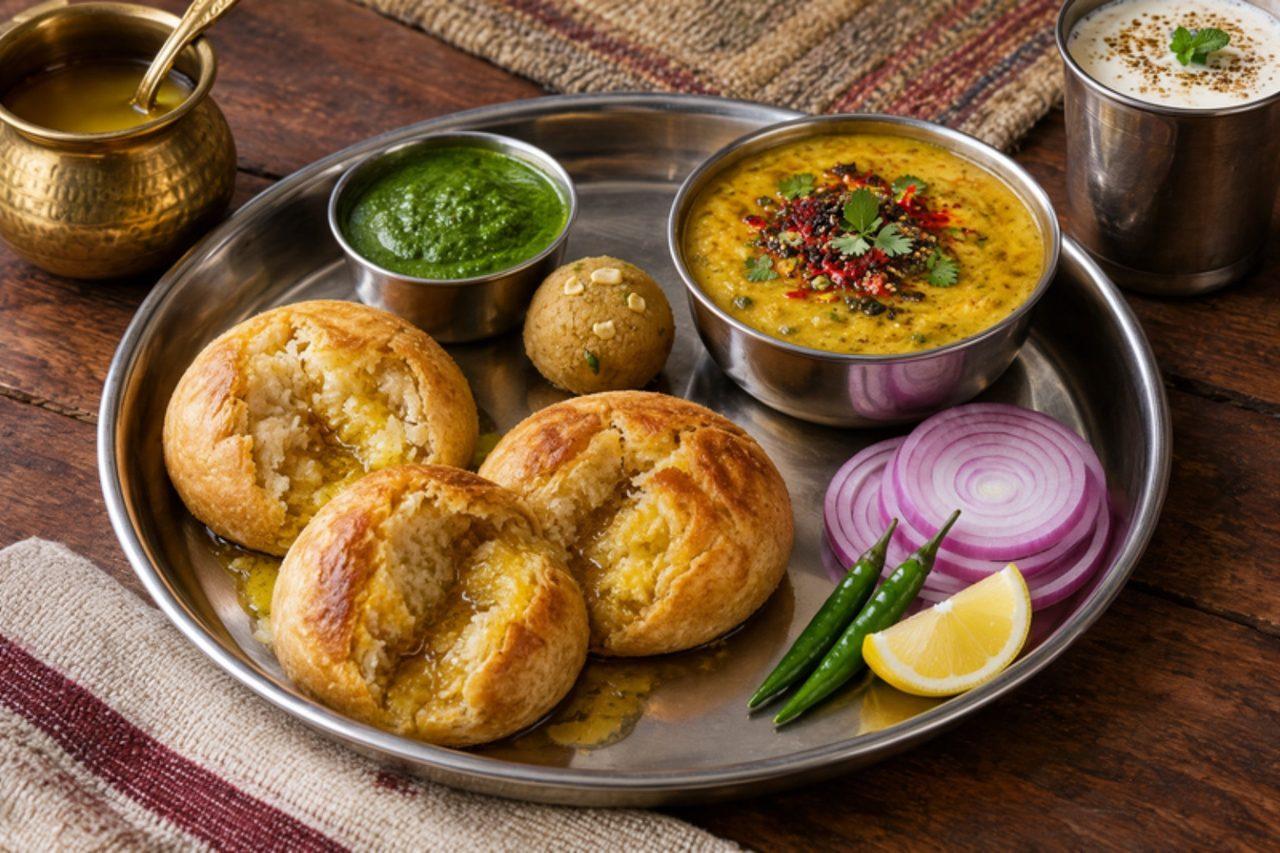
Dal bafla is Malwa's answer to Rajasthan's dal baati: the dough balls are first boiled until they float, then baked until crusty, so they turn out softer inside and lighter than baati. In Indore and Ujjain it is the meal for Sunday lunches, picnics and big family gatherings, broken open and drowned in ghee next to a bowl of tadka dal and garlic chutney. The common mistake is skipping the rest after boiling; wet baflas go straight into the oven and stay pale and leathery. Chef's tip: let the boiled baflas dry for 10 minutes and score a cross on top before baking, so they crack open and soak up the ghee.

by KrazyBadal 0 views

Dal dhokli for toddlersWheat dumplings in dal for toddlers

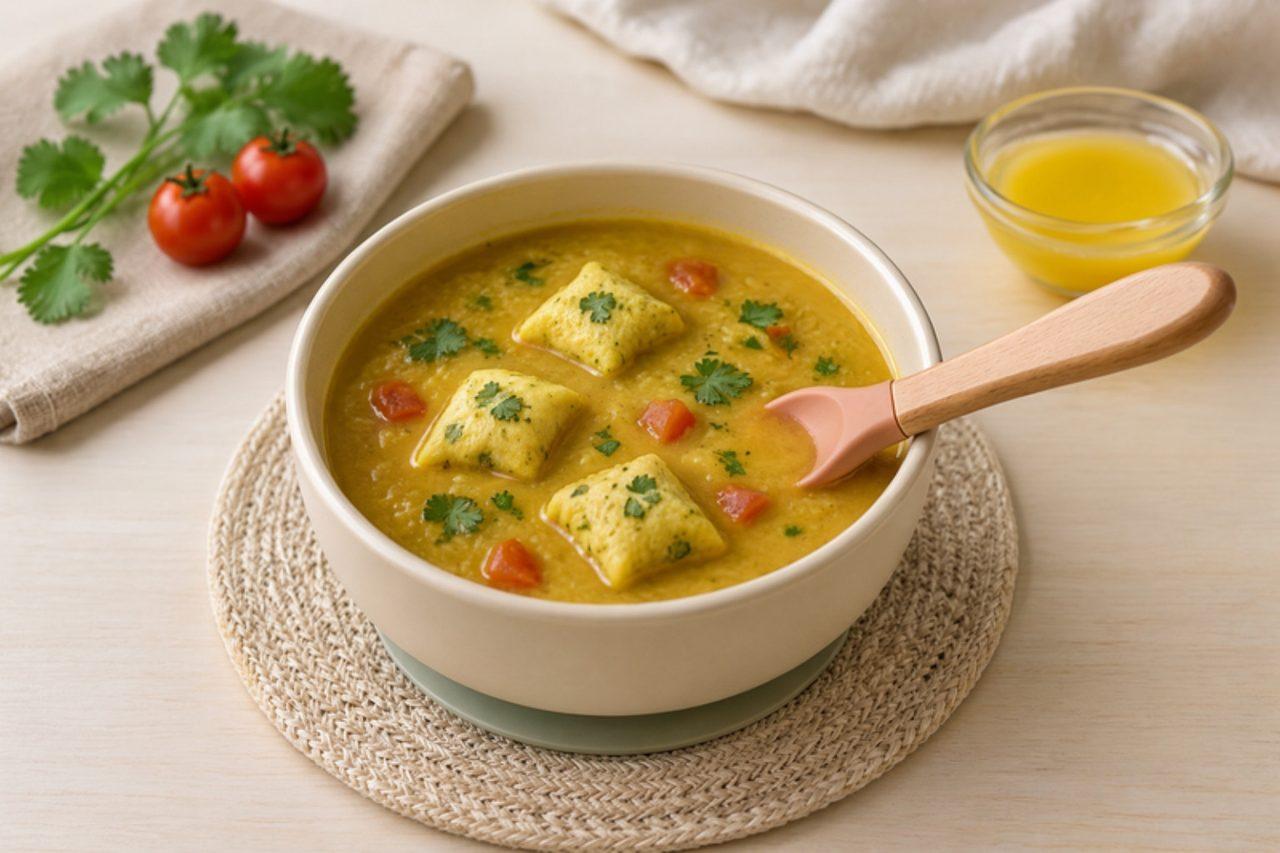
In Ahmedabad pols and Surat kitchens dal dhokli is the Sunday one-pot lunch: diamonds of spiced wheat dough cooked straight in tangy toor dal. This toddler version, for children from 12 months, keeps the soft pasta-like pieces small, leaves out the chilli, peanuts and cloves, and uses only a pinch of jaggery so the dal stays sweet-sour the way Gujarati families like it. It is cooked in oil, so it is dairy free and vegan. It contains wheat (gluten); there is no milk, egg, nuts or soya. Chef's tip: roll the dough thin, about 2 mm; thick dhokli stay chewy in the middle.

by KrazyBadal 0 views

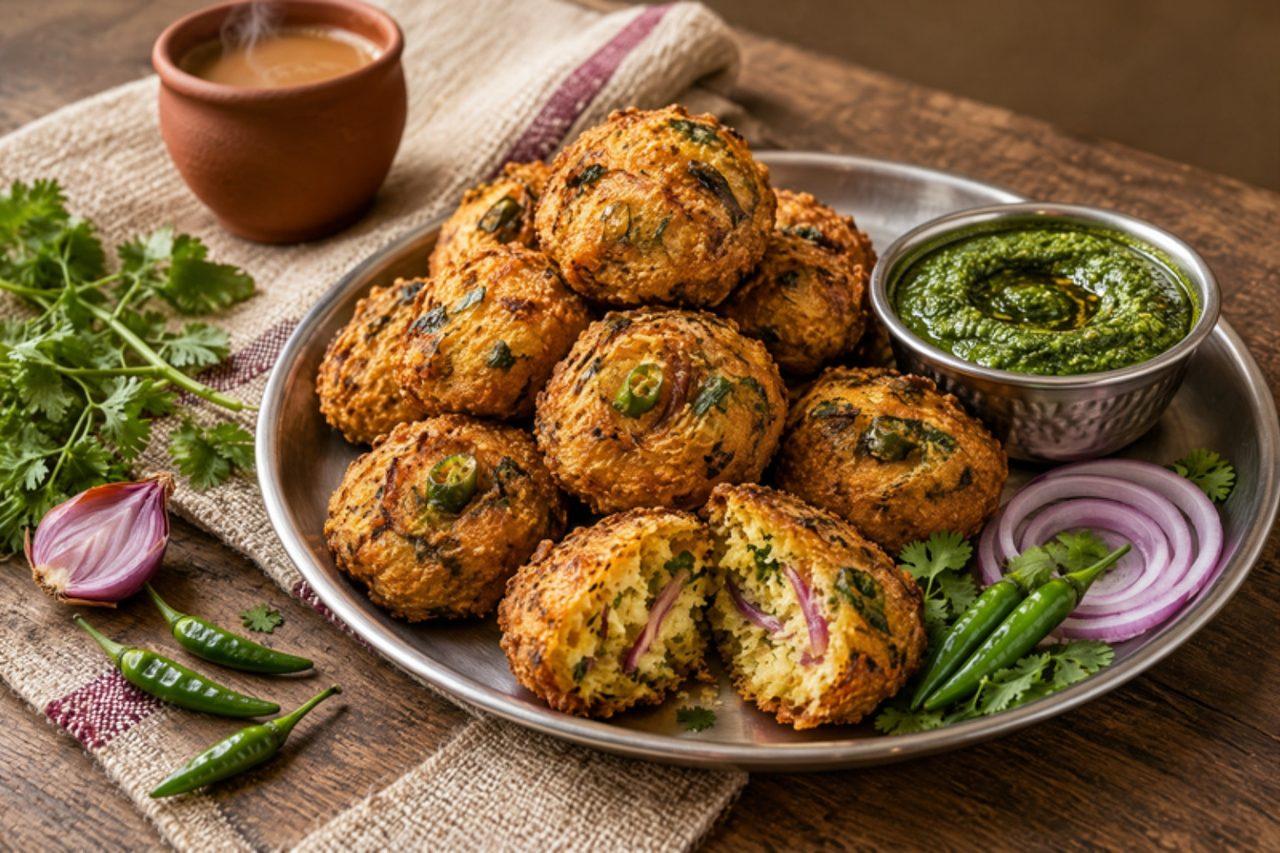
Manipuri boraGram flour fritters

Bora are the crisp fritters that Meitei families fry for evening tea, for guests and for festivals like Cheiraoba, using whatever is in season: onion and herbs, gourd flowers, or tender greens. The batter is gram flour with a little rice flour, so they stay crisp. The common mistake is a thick batter that makes doughy fritters; it should just coat the vegetables. Fill the pan no more than a third deep with oil, test it with a drop of batter (it should rise in 2–3 seconds) and never leave it unattended. Chef's tip: mix the batter just before frying so the vegetables don't weep and make it watery.

by KrazyBadal 0 views

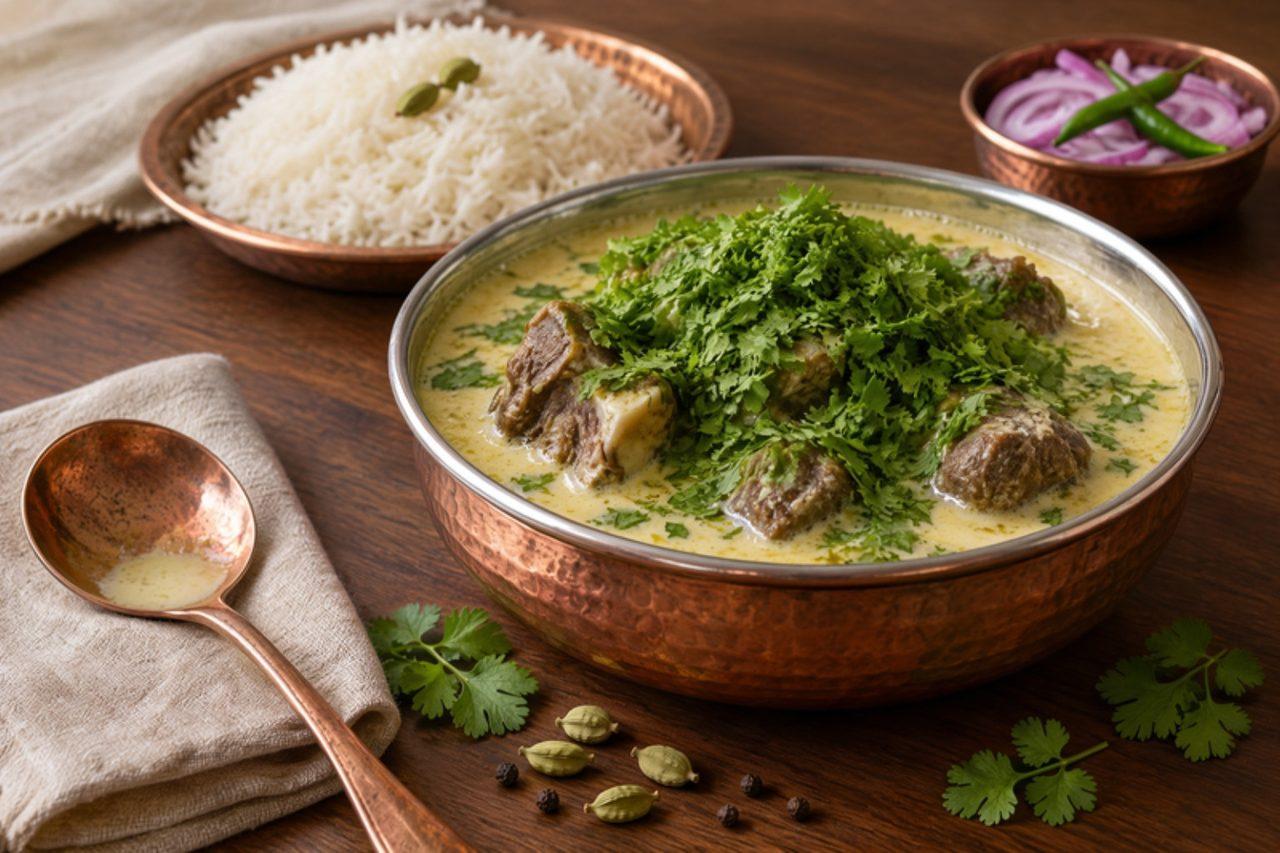
Daniwal kormaMutton in yogurt and onion gravy

Daniwal korma is one of the gentler dishes of the Kashmiri wazwan, the many-course Muslim wedding feast cooked by the waza, and it is also a favourite for Eid lunches at home. Mutton is cooked with fried onion and whisked yogurt, scented with cardamom and fennel, and finished with a great fistful of fresh coriander, 'daniwal', that turns the pale gravy green-flecked and fresh. It is served with plenty of rice. The common mistake is adding cold yogurt to a hot pan, which makes it split; whisk it smooth and stir it in off the heat. Chef's tip: fry the onions dark gold, then grind them to a paste with the yogurt for a silky, nutty gravy.

95 minIndianMeatGluten free
by KrazyBadal 0 views

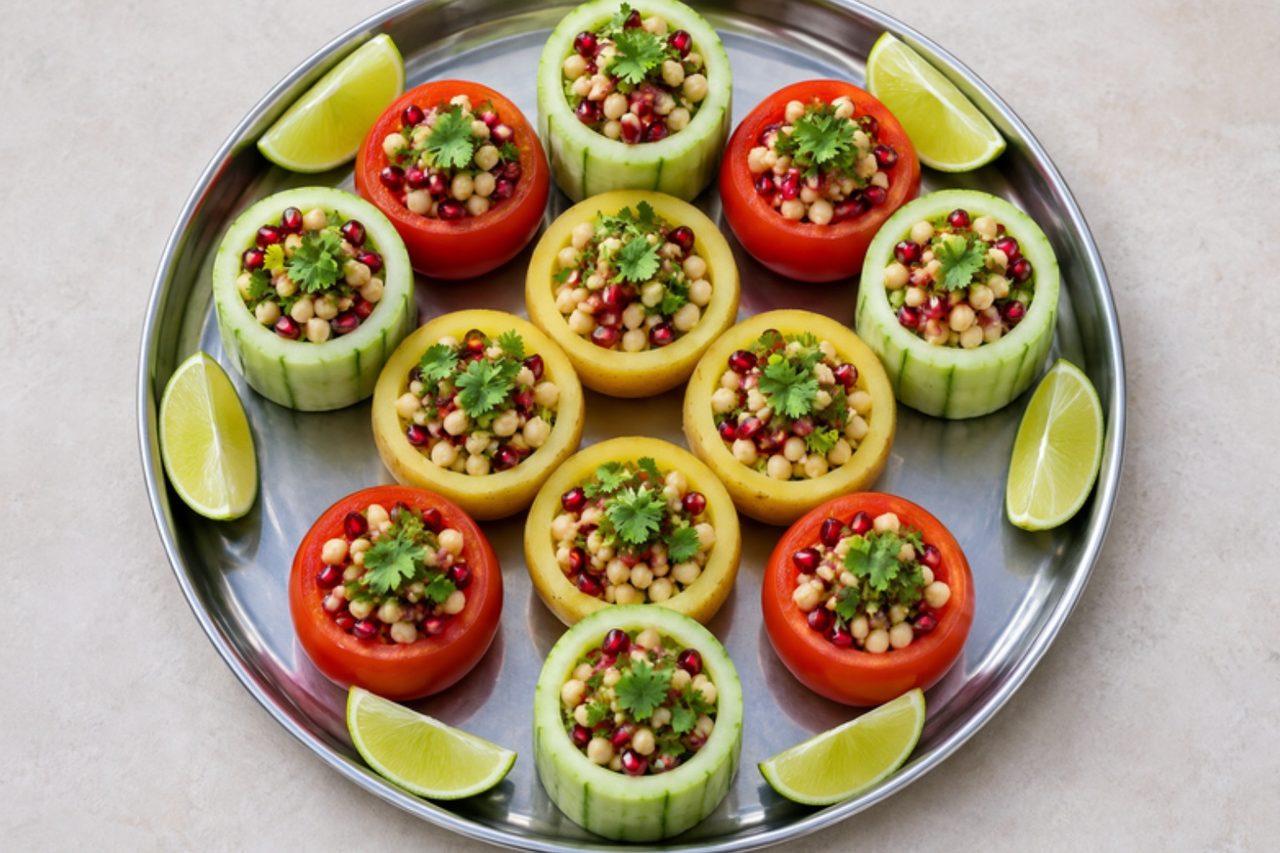
Kulle chaatStuffed cucumber chaat

Kulle chaat comes from the lanes of Chandni Chowk around Chawri Bazar, where a couple of old stalls carve fruit and vegetables into little cups and fill them with chickpeas, pomegranate and lime. It is the cooling chaat of Delhi's scorching summer afternoons: no frying, no yoghurt, just juicy, crunchy cups dusted with chaat masala and black salt. Children love picking them up whole. Chef's tip: season the inside of each empty cup with lime and chaat masala before filling, so every bite is tangy right through.

by KrazyBadal 0 views

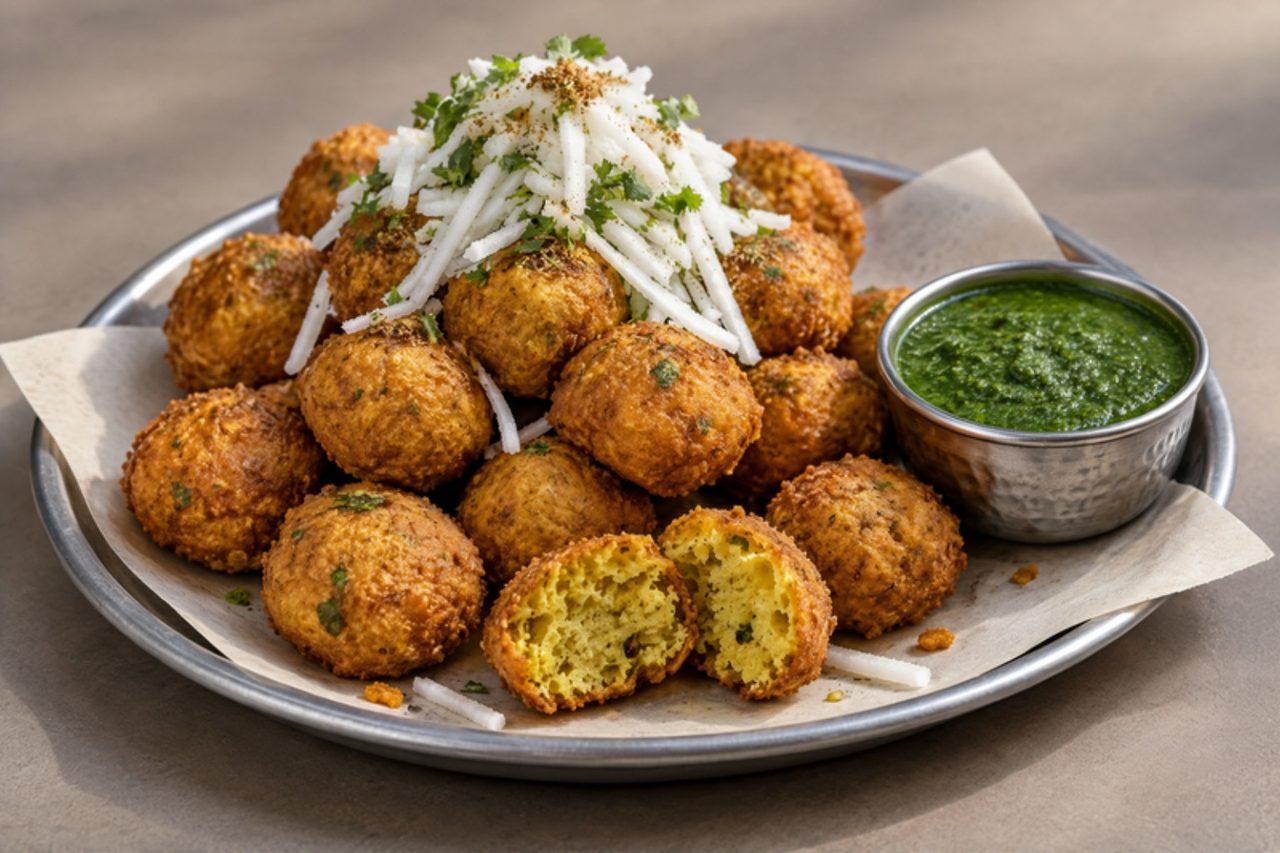
Moong dal pakodeMoong dal fritters

When the monsoon breaks over Delhi, the pakora stalls of Lajpat Nagar and the lanes off Chandni Chowk do their best trade, and moong dal pakode are the favourite: light, airy balls of soaked and coarsely ground yellow lentils, fried until crunchy and served in paper plates with grated white radish and green chutney. They are naturally gluten free and vegan. Chef's tip: beat the ground batter hard with your hand for a few minutes; the trapped air is what makes them fluffy inside.

by KrazyBadal 0 views

Arvi ka salanColocasia in tangy gravy

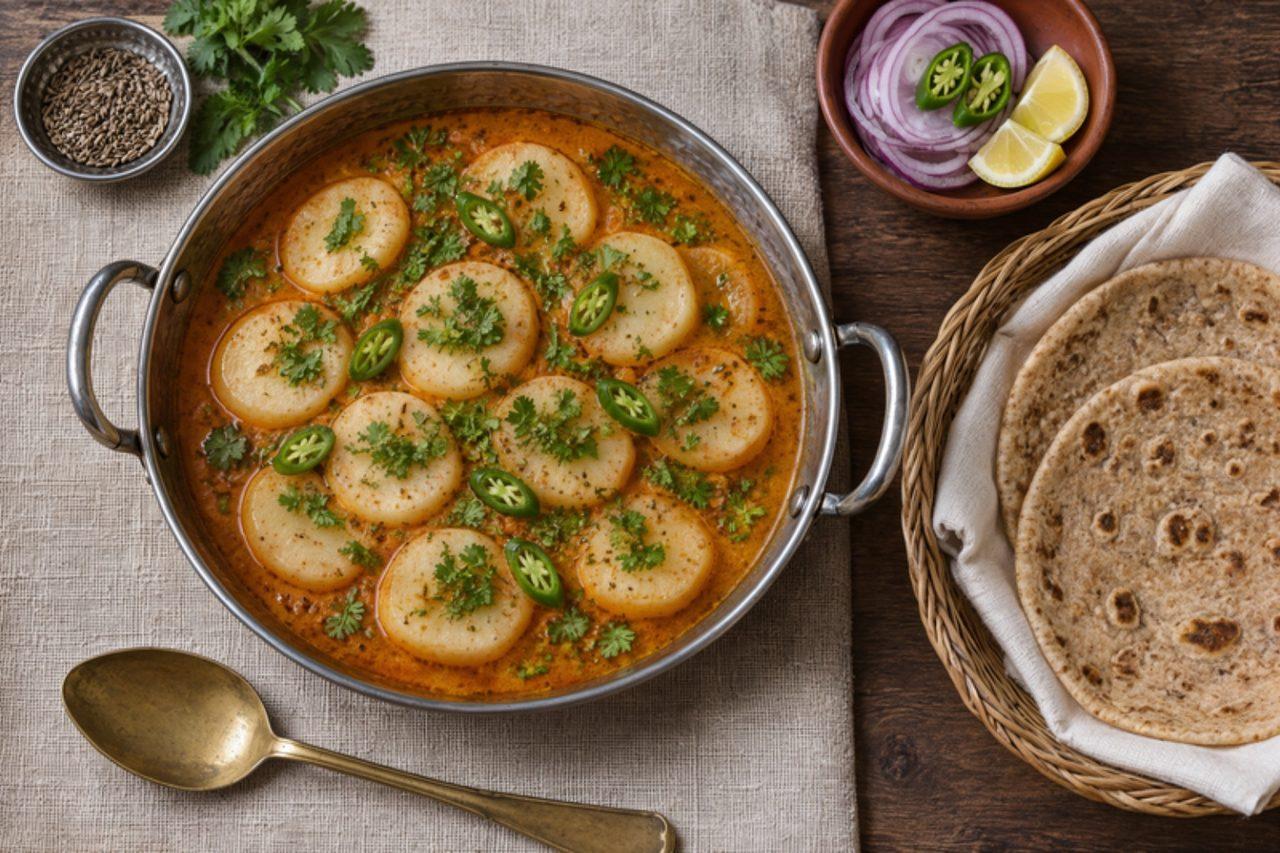
Arvi ka salan is a Lahore and Karachi home curry, cooked on weekday evenings when the vegetable seller has a basket of small, hairy colocasia roots. The roots are boiled, peeled and simmered in a loose, sour gravy of onion, tomato, ajwain and a squeeze of lemon, so the slightly slippery arvi soaks up the spice and turns creamy at the centre. Eat it with hot roti or plain rice and a little raw onion. The usual mistake is undercooking the arvi: half-cooked colocasia leaves an itchy, scratchy feeling in the throat, so it must be soft all the way through. Chef's tip: once the boiled arvi is peeled, press each piece flat with your palm before it goes into the gravy, so the rough edges thicken the sauce.

by KrazyBadal 0 views

Kaju pulao (cashew pulao)

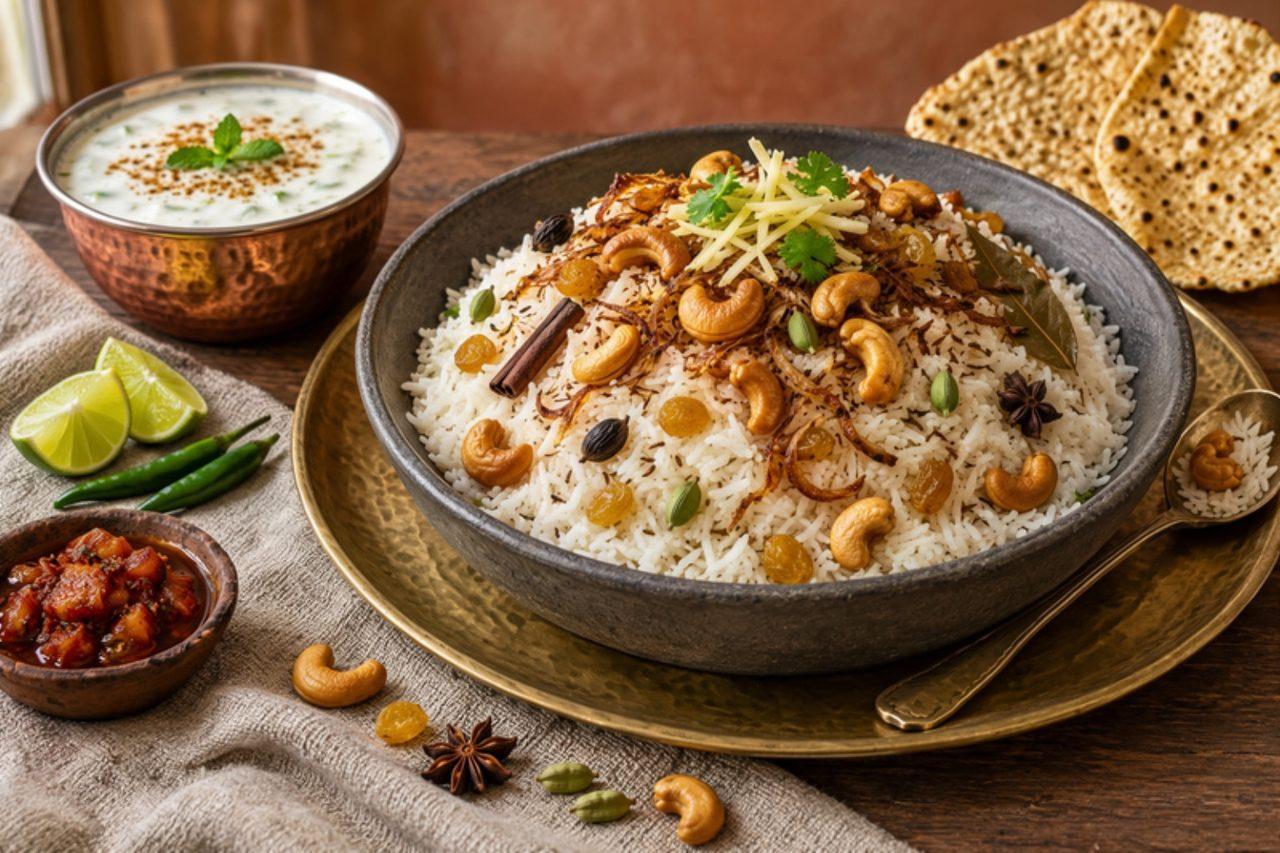
Kaju pulao is the "special" tiffin of Mumbai and Hyderabad homes, packed for a birthday at school or a festival day at the office, yet it takes no more effort than plain rice. Basmati is cooked with whole spices and golden onion in ghee, and a generous handful of cashews fried separately until crisp is folded through at the end. The mistake is cooking the cashews with the rice, which leaves them soft and pale; fry them on their own and add them last. Chef's tip: stop frying the cashews when they are light gold; they keep darkening in the hot ghee after you lift them out. Contains milk (ghee) and cashews.

by KrazyBadal 0 views

Karawila curryBitter gourd coconut curry

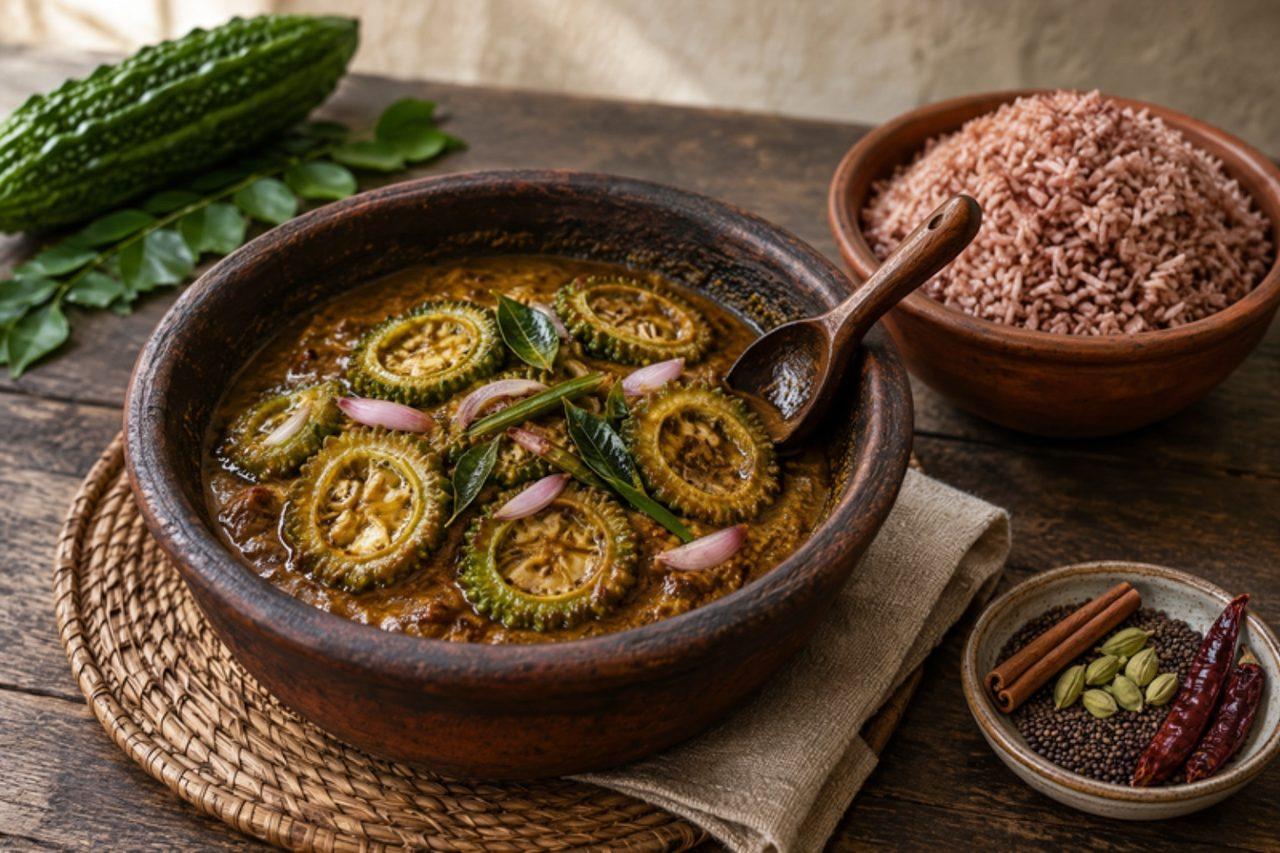
Bitter gourd is a favourite of older Sri Lankan cooks, and karawila curry appears on weekday tables across the island alongside rice, dal and a mild white curry to balance its bite. The gourd is salted, squeezed and lightly fried, then stewed in coconut milk with roasted curry powder, tamarind and a touch of sugar, so it becomes dark, glossy and pleasantly bitter rather than harsh. The usual mistake is skipping the salting and squeezing, which leaves the curry fiercely bitter. Chef's tip: fry the gourd until the edges are brown before it meets the coconut milk; the browning softens the bitterness more than sugar does.

by KrazyBadal 0 views

Pain-omeletteBaguette with onion omelette

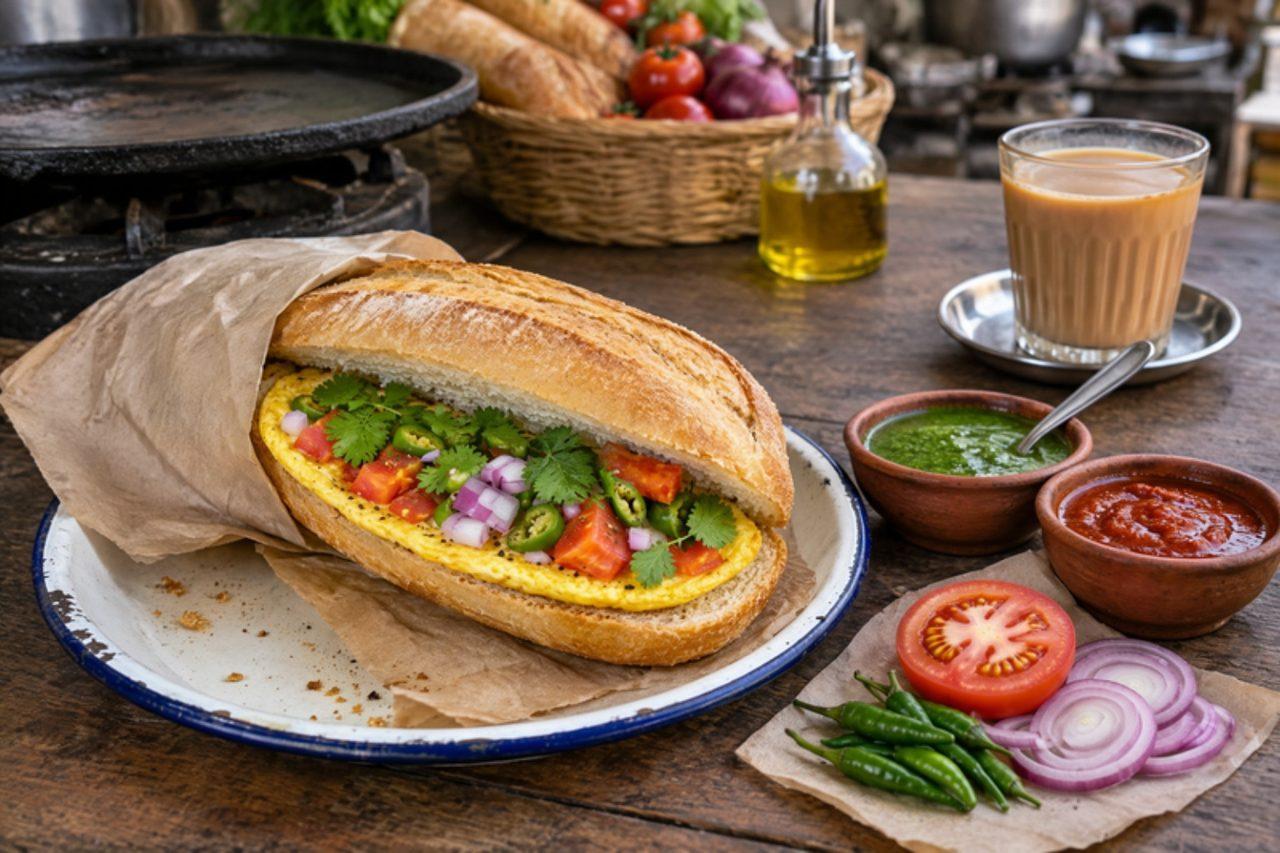
At dawn in Abidjan, kiosks on every street corner from Cocody to Treichville fry eggs to order and stuff them into a split baguette for workers and schoolchildren: the pain-omelette. The omelette is loaded with onion, tomato and fresh chilli, sometimes with a smear of mayonnaise or a spoon of spaghetti tucked in, and eaten wrapped in paper on the way to work. The common mistake is a thick, dry omelette; keep it thin and still soft so it folds neatly into the bread. Stock cubes often contain meat, so use a vegetable one. Cook the egg fully set for pregnant people, young children, older or vulnerable people. Chef's tip: warm the split baguette on the same pan for 30 seconds while the omelette sets, so it's crisp and soaks up the oniony juices.

by KrazyBadal 0 views

Showing 27 of 7,762 recipes

Show more recipes

Page 126 of 863