


Skip to content
Brevas con arequipe
Featured recipe

Brevas con arequipe

Candied figs with milk caramel

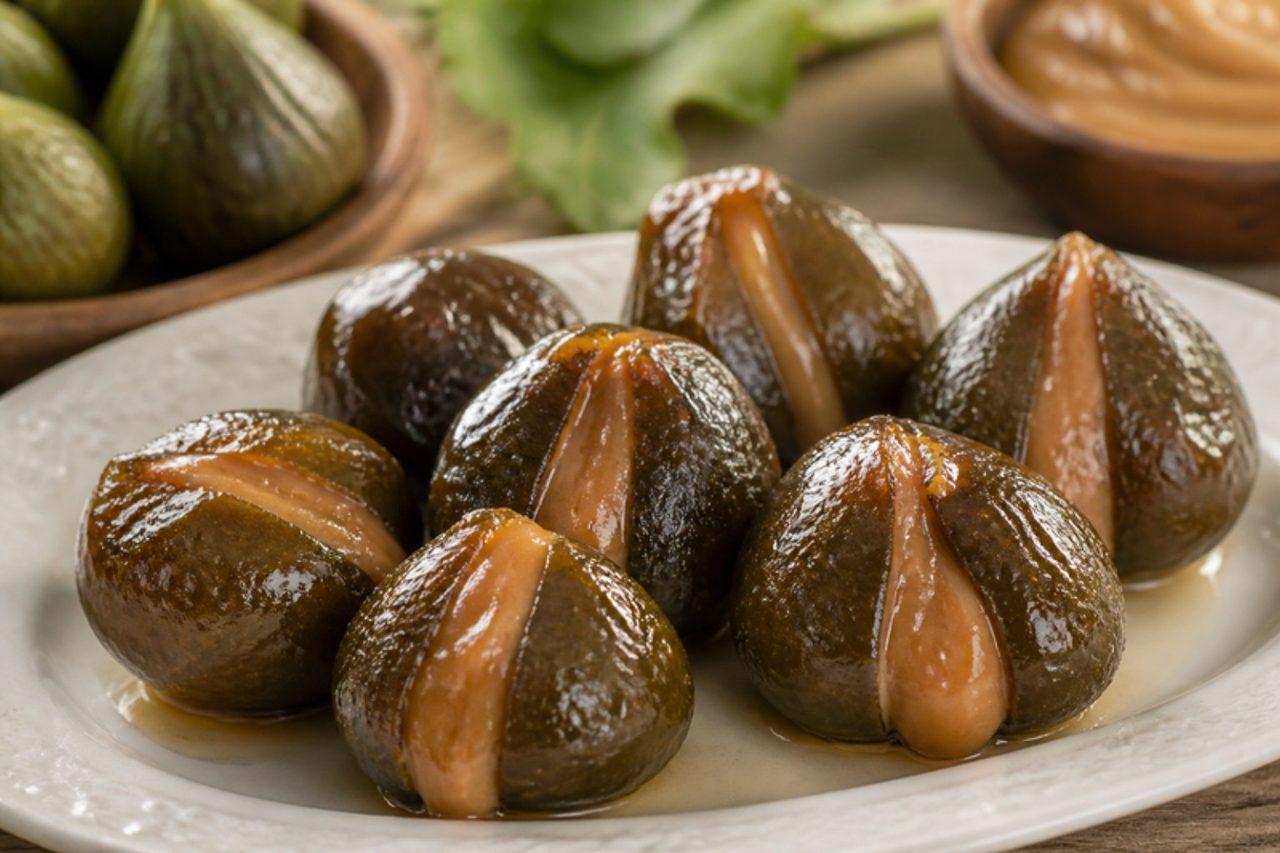
Bogotá's old sweet shops and the dessert counters of Cundinamarca sell brevas caladas, firm green figs cooked for hours in panela syrup until they turn dark, glossy and tender, then split and filled with arequipe. A slice of salty fresh cheese alongside balances all that sugar. They are a classic Christmas and Sunday treat and keep for a week in the fridge, so make them ahead. Use hard, unripe green figs from Middle Eastern or Latin shops; ripe figs fall apart. Arequipe is Colombian milk caramel, the same as dulce de leche. The fresh cheese is usually animal-rennet, so pick a vegetarian one. Skipping the first boils is the common error: the figs keep a bitter, milky sap that spoils the syrup. Chef's tip: cook the syrup slowly and keep the figs just covered; a hard boil splits the skins.

Read more 0 views

What to eat today?

Around the world

Today's trip: Paraguayan

A new country every day, from every cuisine on the site.

Paraguayan

Chipa

Cheese bread rings 50 minMore from Paraguayan (27) →

This week's collection

Kid-friendly dinners
537 recipes · a new collection every Monday

Latest recipes

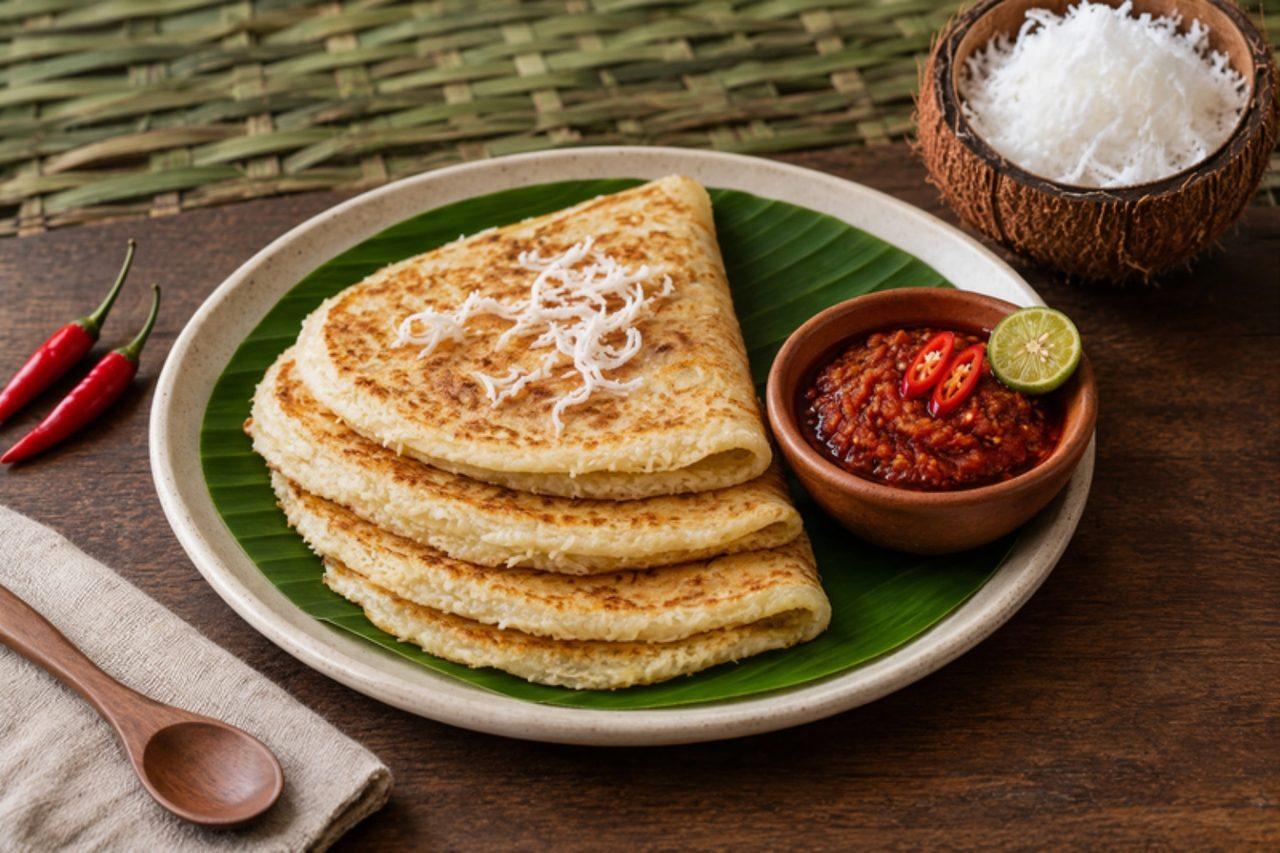
Lempeng kelapaThin coconut pancakes

On Malaysia's east coast, in Terengganu and Kelantan, lempeng is the morning flatbread nobody buys because every home can make it in minutes: flour, freshly grated coconut, salt and water, spread thin on a griddle. It is eaten warm, torn and dipped into sambal tumis or last night's fish or vegetable curry. The mistake is a thick batter; it should spread on its own into a thin round, or the middle stays doughy. Chef's tip: let the batter rest for 10 minutes so the coconut softens and the flour hydrates, which gives lempeng that bend without tearing.

by KrazyBadal 0 views

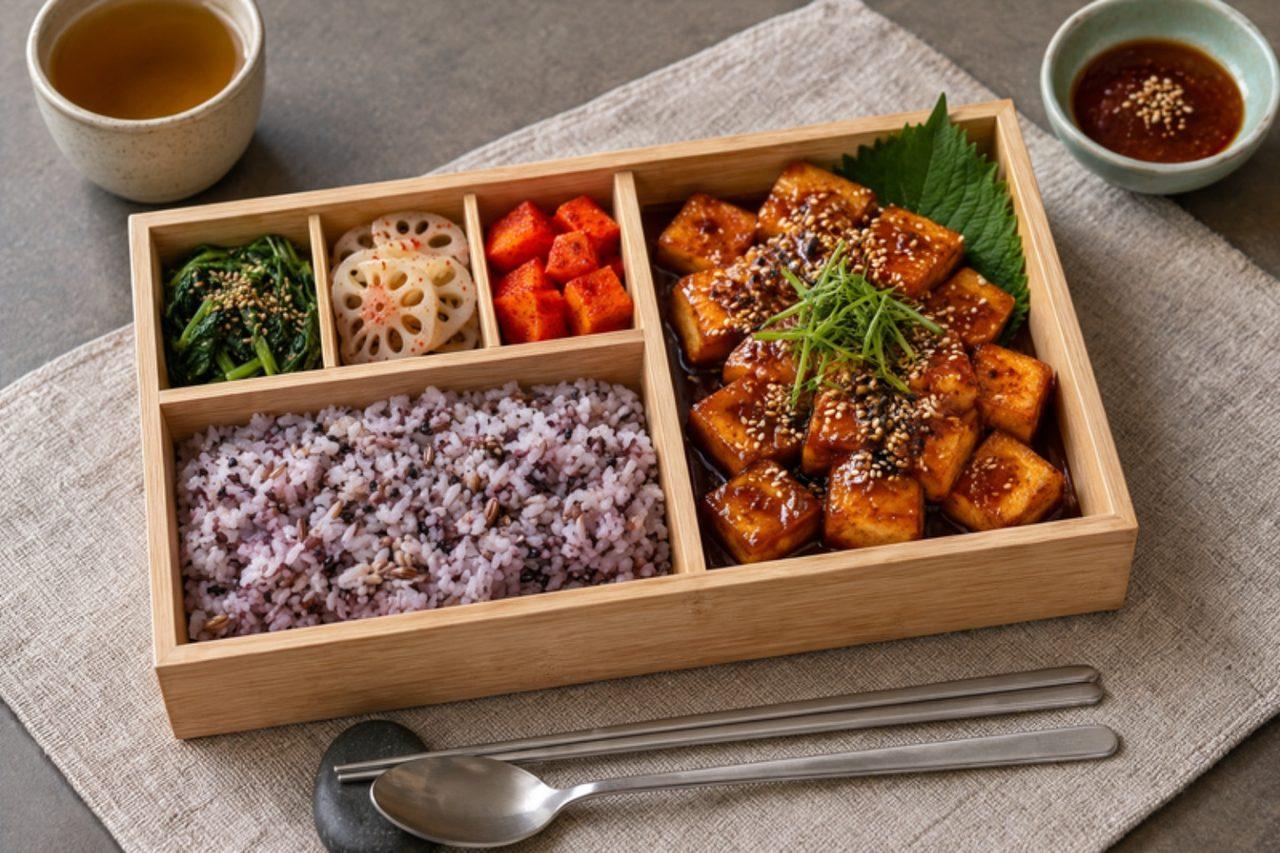
Dubu gangjeongSticky fried tofu cubes

Gangjeong usually means sticky glazed fried chicken, but Korean mothers make this tofu version for the dosirak because the starch coating stays crisp even after a morning in the lunchbox. The glaze is mild, sweet and garlicky, so children love it; add gochujang for the grown-ups. The common mistake is skipping the pressing, which leaves wet tofu that spits in the oil and goes soggy under the sauce. Chef's tip: let the fried cubes cool for two minutes before glazing, and boil the sauce to large, slow bubbles first, so it clings instead of soaking in.

by KrazyBadal 0 views

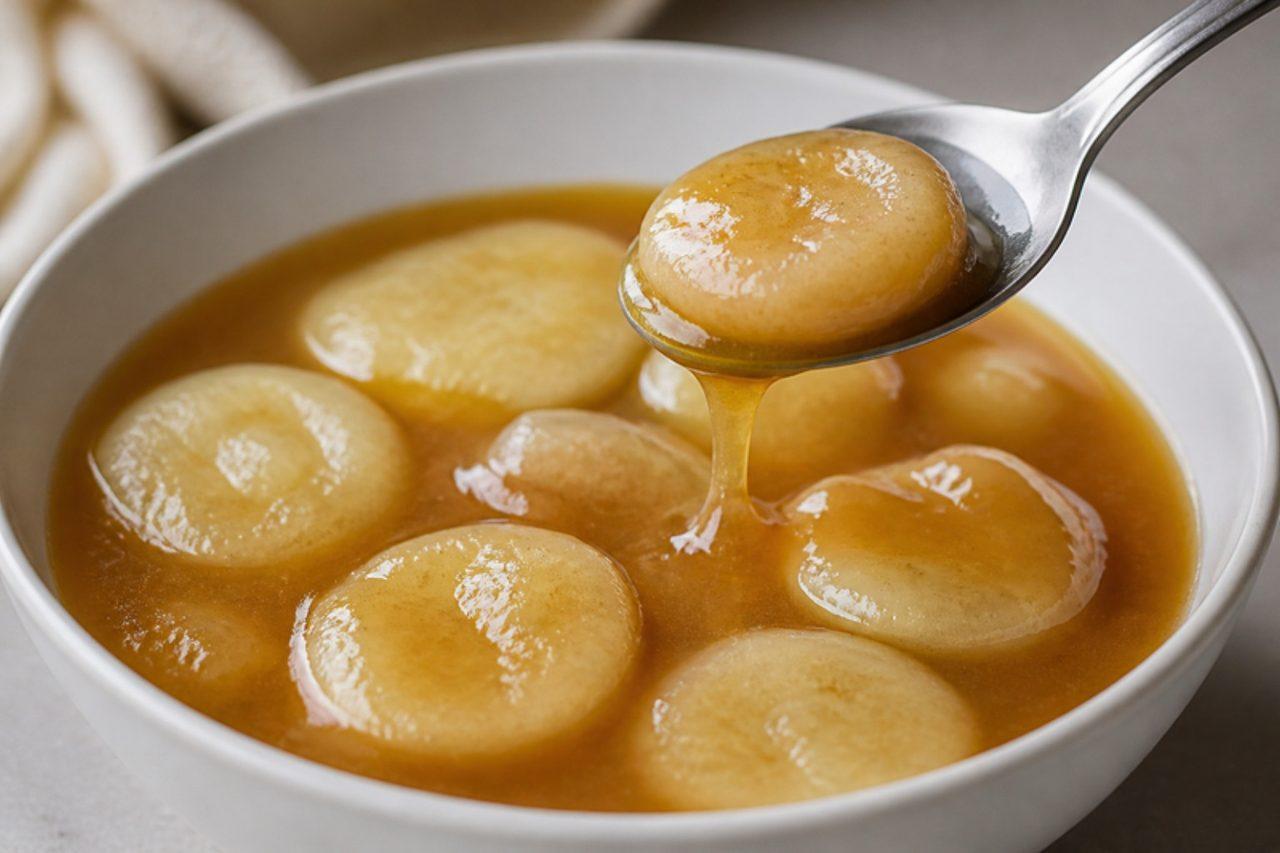
Faikakai topaiDumplings in caramel coconut syrup

Faikakai topai is a much-loved Tongan pudding, served at Sunday feasts and family celebrations in Nuku'alofa and in Tongan communities from Auckland to Utah. Simple flour dumplings are boiled, then smothered in a thick, toffee-like syrup of caramelised sugar and coconut cream called lolo. It is very sweet and best eaten warm. A common mistake is pulling the caramel off the heat too pale; let it turn a deep amber before adding the coconut cream. Chef's tip: roll the dumplings thin and flat so they cook quickly and soak up more syrup.

by KrazyBadal 0 views

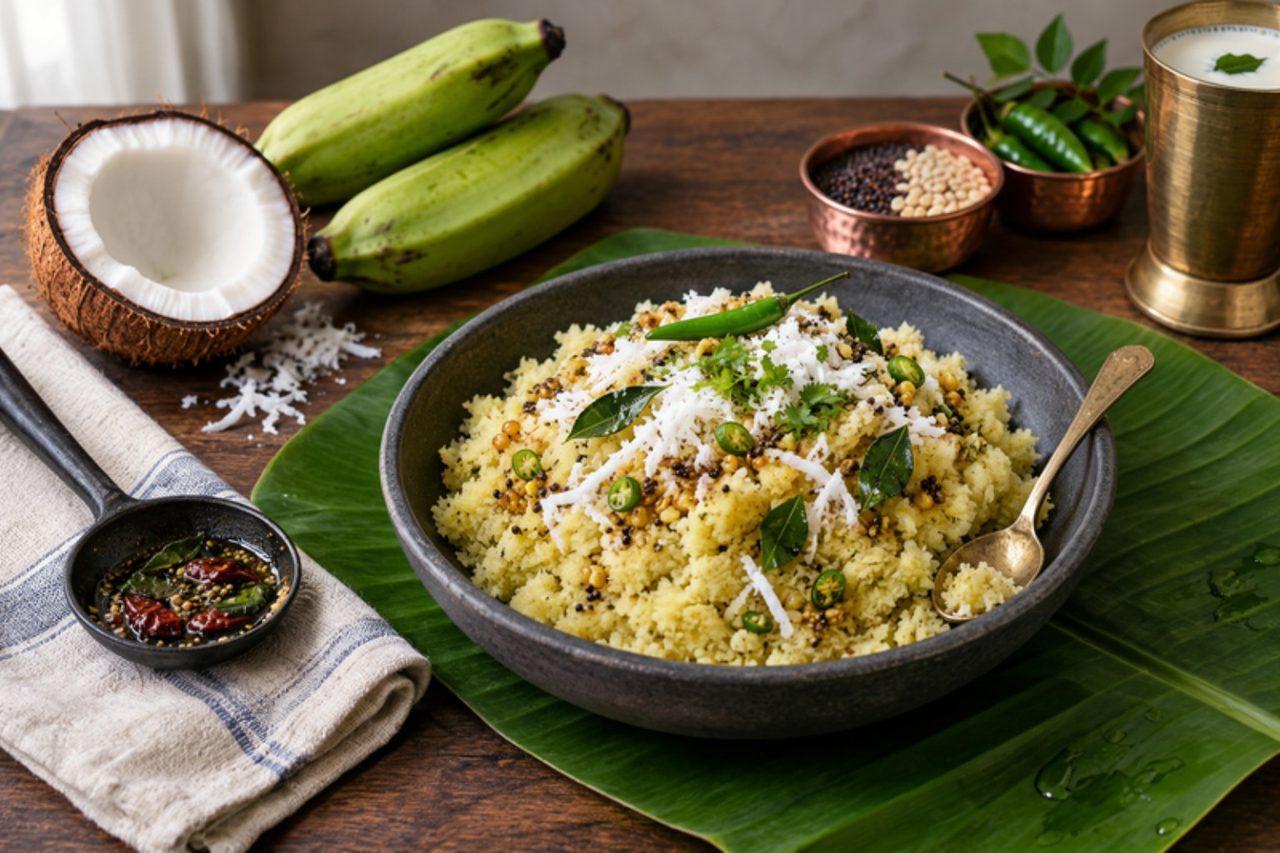
Vazhakkai podimas (raw banana podimas)

Podimas comes from Tamil Brahmin kitchens in Thanjavur and Chennai, where green plantain is boiled whole, grated into soft crumbs and tossed with a tempering of mustard, dal, ginger, green chilli and coconut, then sharpened with lemon. It is light and fluffy, and it sits happily next to sambar rice or rasam rice in a tiffin. The mistake is overboiling the plantain: it turns sticky and will not grate into crumbs. Pull it out as soon as a knife slides in with a little resistance. Chef's tip: grate it on the large holes of a box grater while still warm, then let it cool before tossing, so the shreds stay separate.

by KrazyBadal 0 views

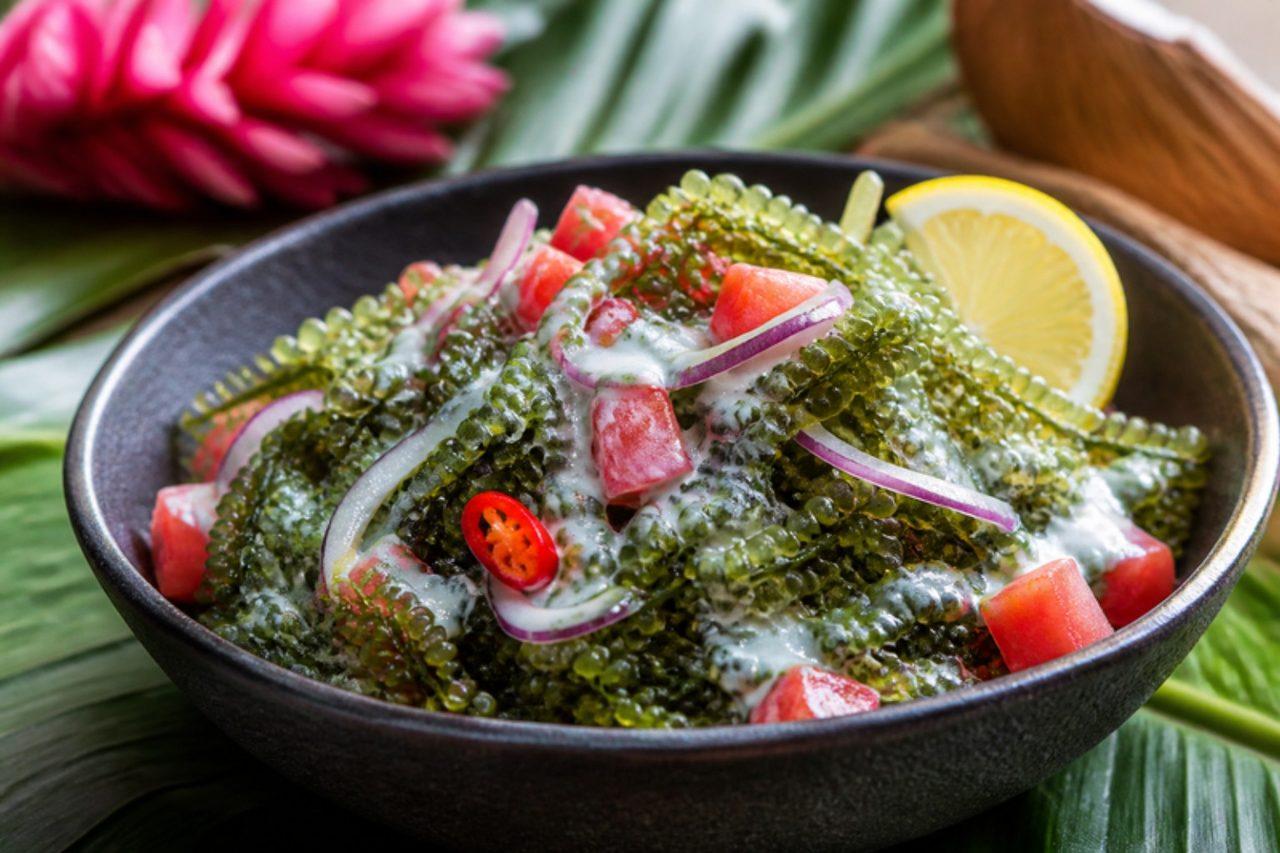
Nama saladSea grapes with coconut milk

Nama, the glossy green sea grapes that grow on the reef flats of Fiji's Lau and Kadavu islands, are sold in bundles at the Suva market and eaten as a fresh, salty salad with almost every iTaukei lunch of fish and cassava. The little bubbles pop in the mouth with a taste of the sea. They are dressed in lolo (coconut milk) with lemon, onion, tomato and chilli just before eating. A common mistake is dressing them too early; the salt and acid make the grapes collapse. Chef's tip: soak them in cold water for 5 minutes to plump them and wash away grit.

by KrazyBadal 0 views

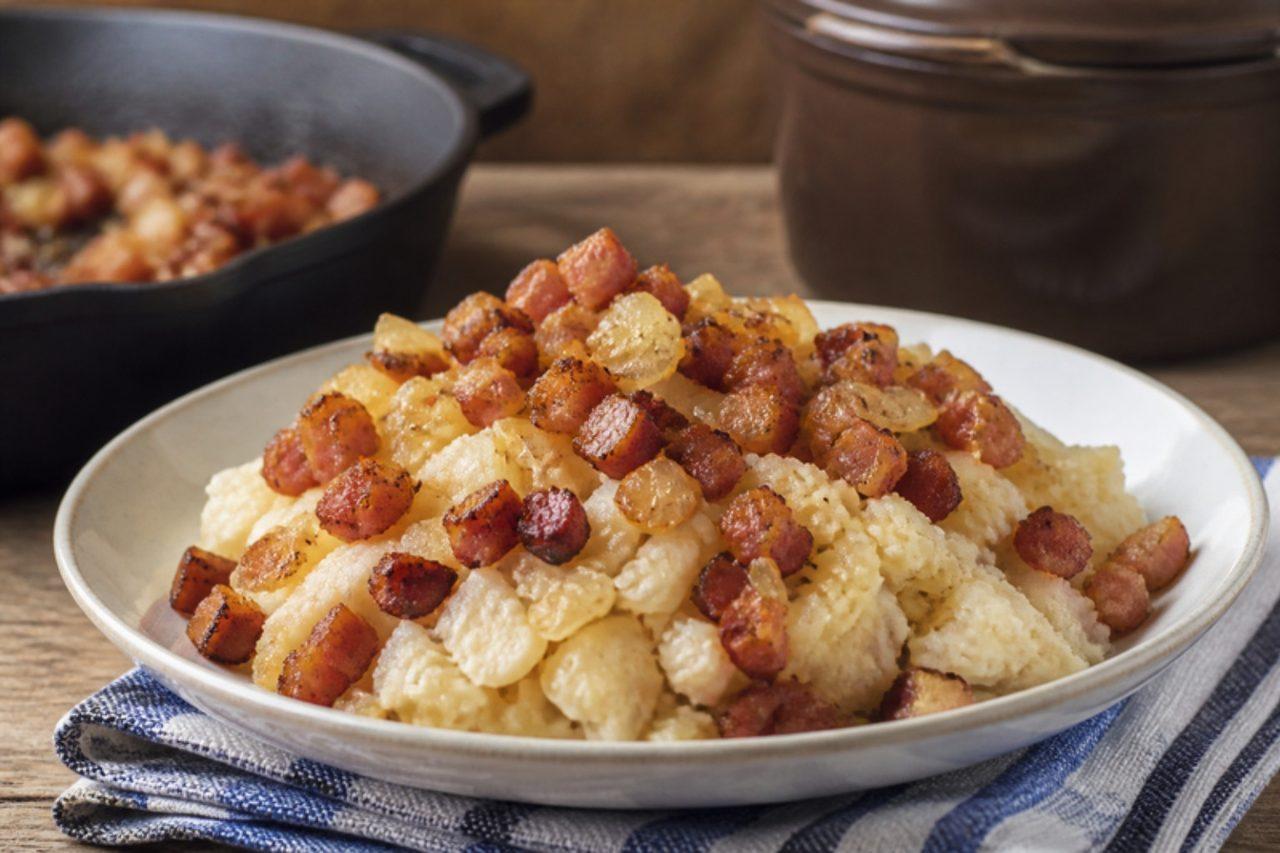
Fish and brewisSalt cod with hard tack

Fish and brewis (say "brews") is a Newfoundland breakfast and Sunday supper from the fishing outports of the Avalon and Bonavista, made from the two things every boat carried: salt cod and hard bread. Both are soaked overnight, then boiled and served together topped with scrunchions, crisp little cubes of fried salt pork and their fat. It is hearty, salty and very simple. A common mistake is not soaking the fish long enough; change the water several times. Chef's tip: break the softened hard tack by hand so it keeps some texture rather than turning to paste.

by KrazyBadal 0 views

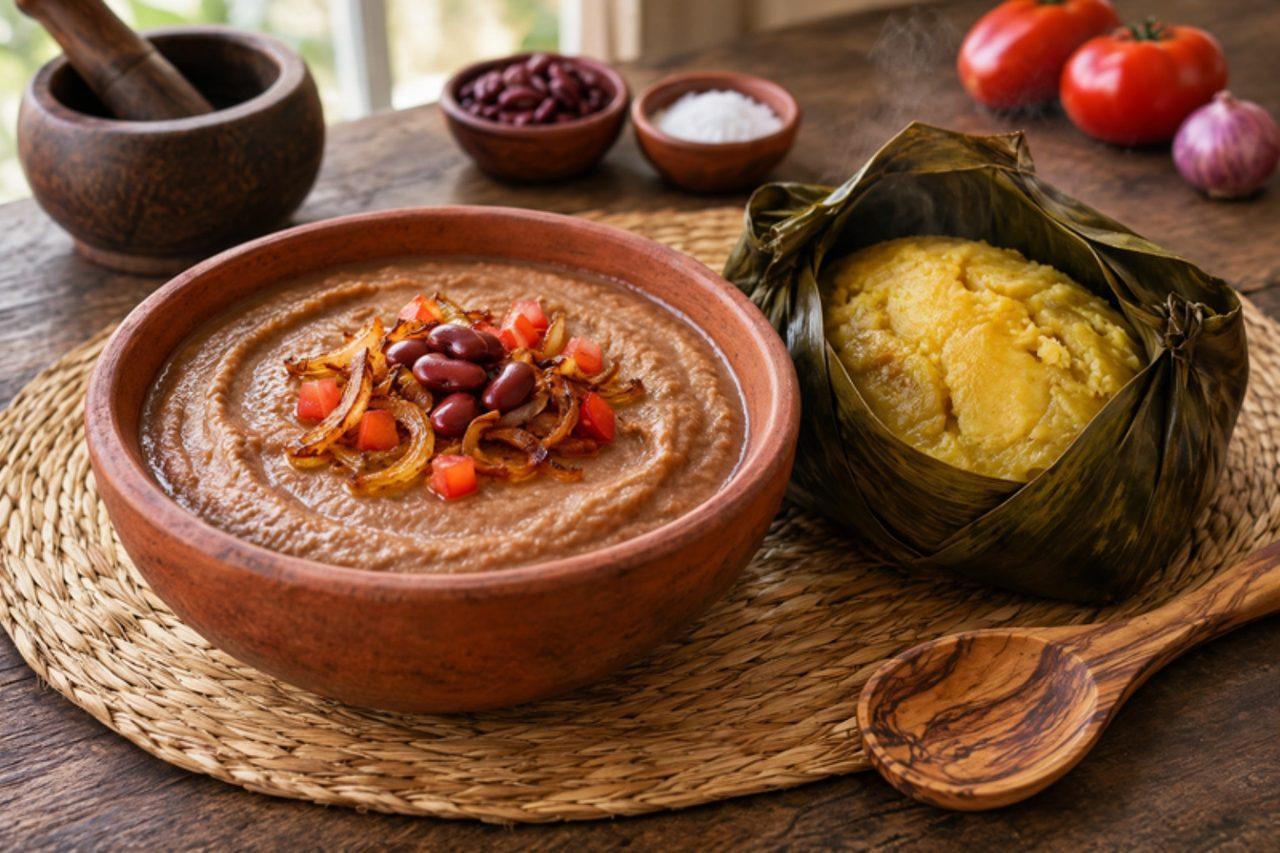
FirindaMashed bean stew

Firinda comes from Ankole and Kigezi in western Uganda, where beans are the backbone of daily meals, eaten at lunch with matooke, millet bread or sweet potatoes. Red beans are boiled until completely soft, then mashed and cooked down with fried onion and tomato into a thick, smooth stew that hugs whatever is beside it. The usual mistake is skimping on the cooking: firinda only gets its creamy texture when the beans are really soft, and dried red beans must be boiled hard for 10 minutes before the long simmer. Pressure cooker option: after the hard boil, cook for 25 minutes at pressure. Chef's tip: mash only two-thirds of the beans and leave the rest whole, for a stew that is creamy but still has some bite.

by KrazyBadal 0 views

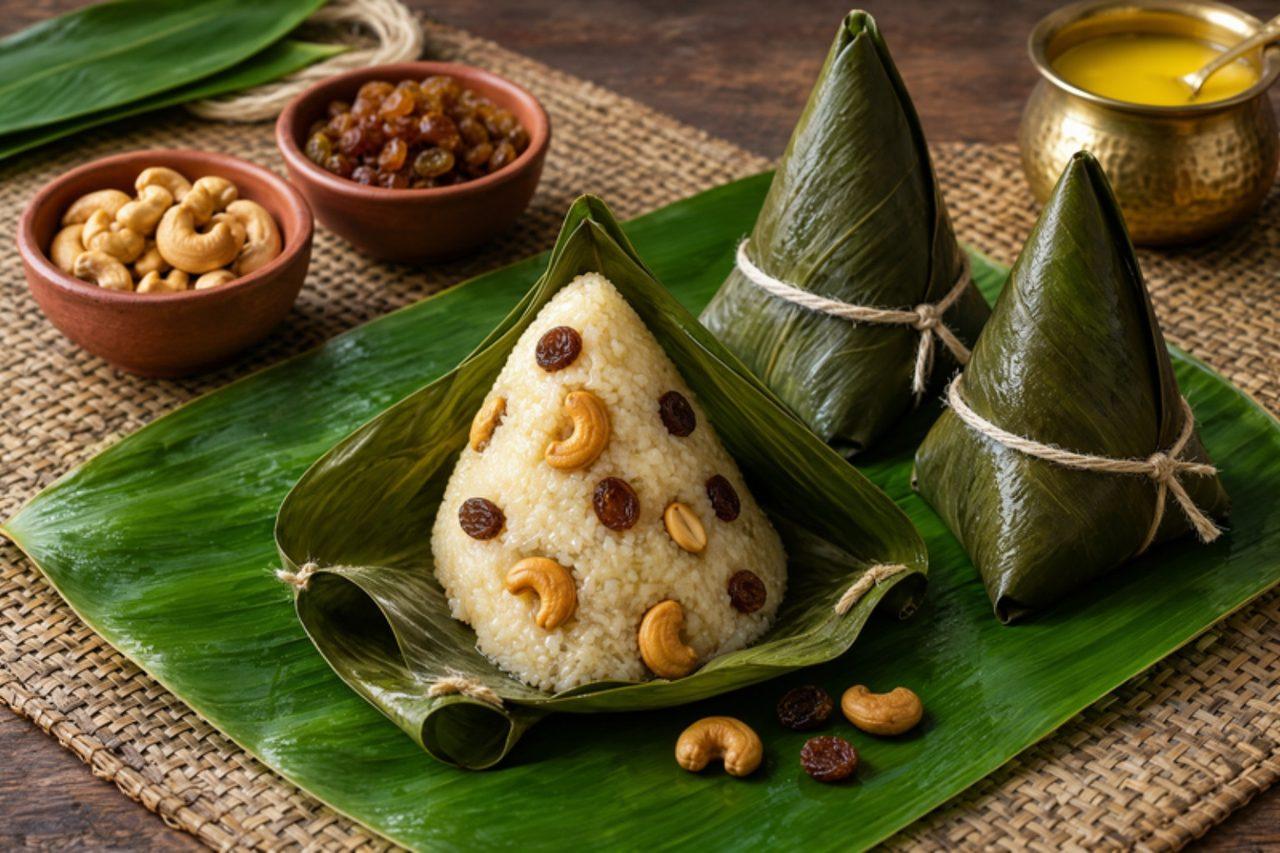
Awan bangwiSticky rice with nuts

Awan bangwi belongs to the Kokborok-speaking communities of Tripura, who make it for weddings, Garia Puja and New Year gatherings. Soaked sticky rice is mixed with ginger, cashews, raisins and a little ghee, folded into cones of leaf and steamed until glossy and chewy. The mistake to avoid is packing the cones too tightly: the rice swells and the leaves split. Banana leaf or turmeric leaf replaces the local leaf well. Chef's tip: soak the rice overnight; under-soaked grains stay chalky however long you steam them.

by KrazyBadal 0 views

Poule au potStuffed hen with vegetables

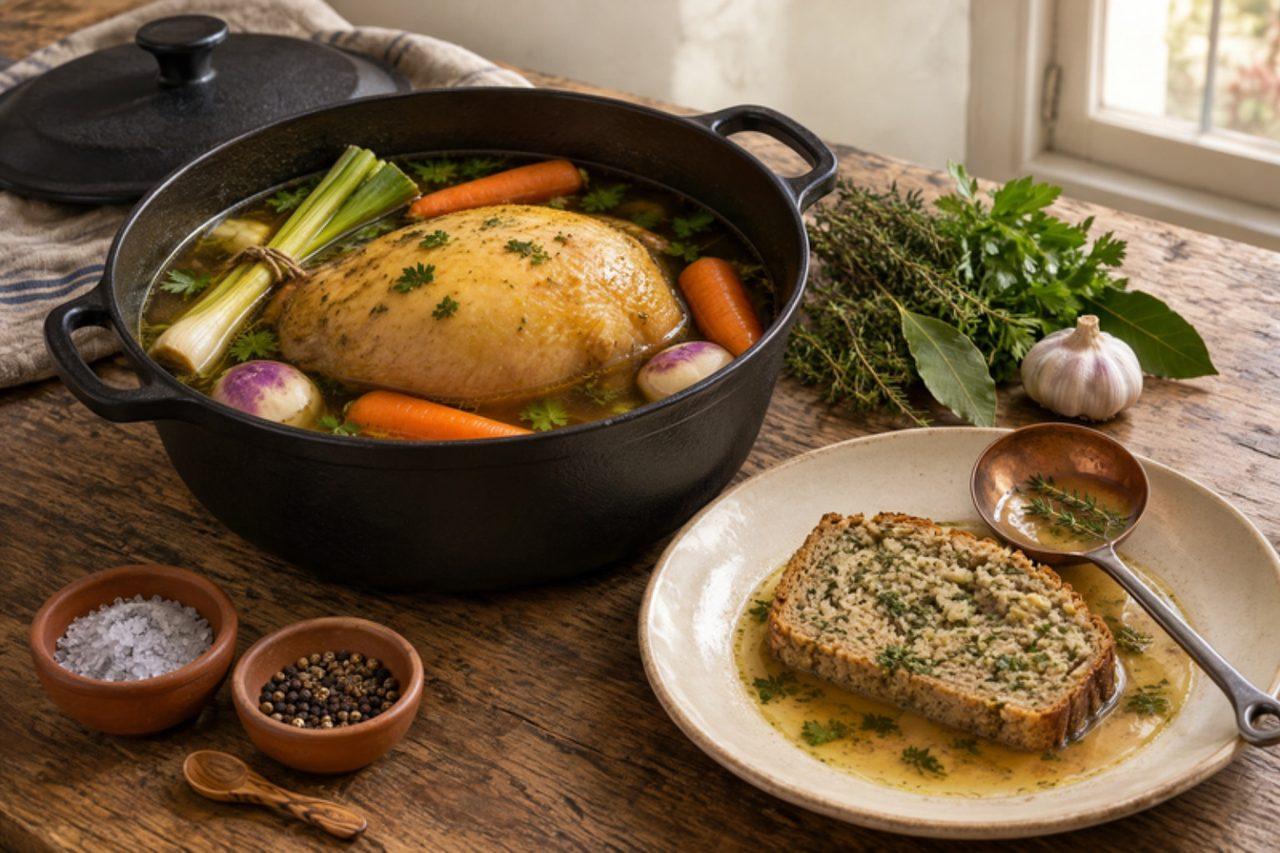
Poule au pot is the Sunday dish of Béarn in south-west France, linked for centuries with King Henri IV's wish that every peasant family should have a chicken in the pot on Sundays. A hen is filled with a stuffing of bread, Bayonne ham (a cured pork ham), chicken livers, garlic and parsley, then poached slowly with leeks, carrots and turnips. The golden broth is served first as a soup, followed by the sliced bird, stuffing and vegetables with a little coarse salt and mustard or a sauce gribiche. The usual mistake is stuffing the bird too tightly: the stuffing swells and can burst the skin, and a dense centre takes longer to cook through. Chef's tip: sew the neck and tail openings shut, or close them with cocktail sticks, so no stuffing leaks into the broth.

by KrazyBadal 0 views

Gigot de sept heuresSeven-hour braised lamb

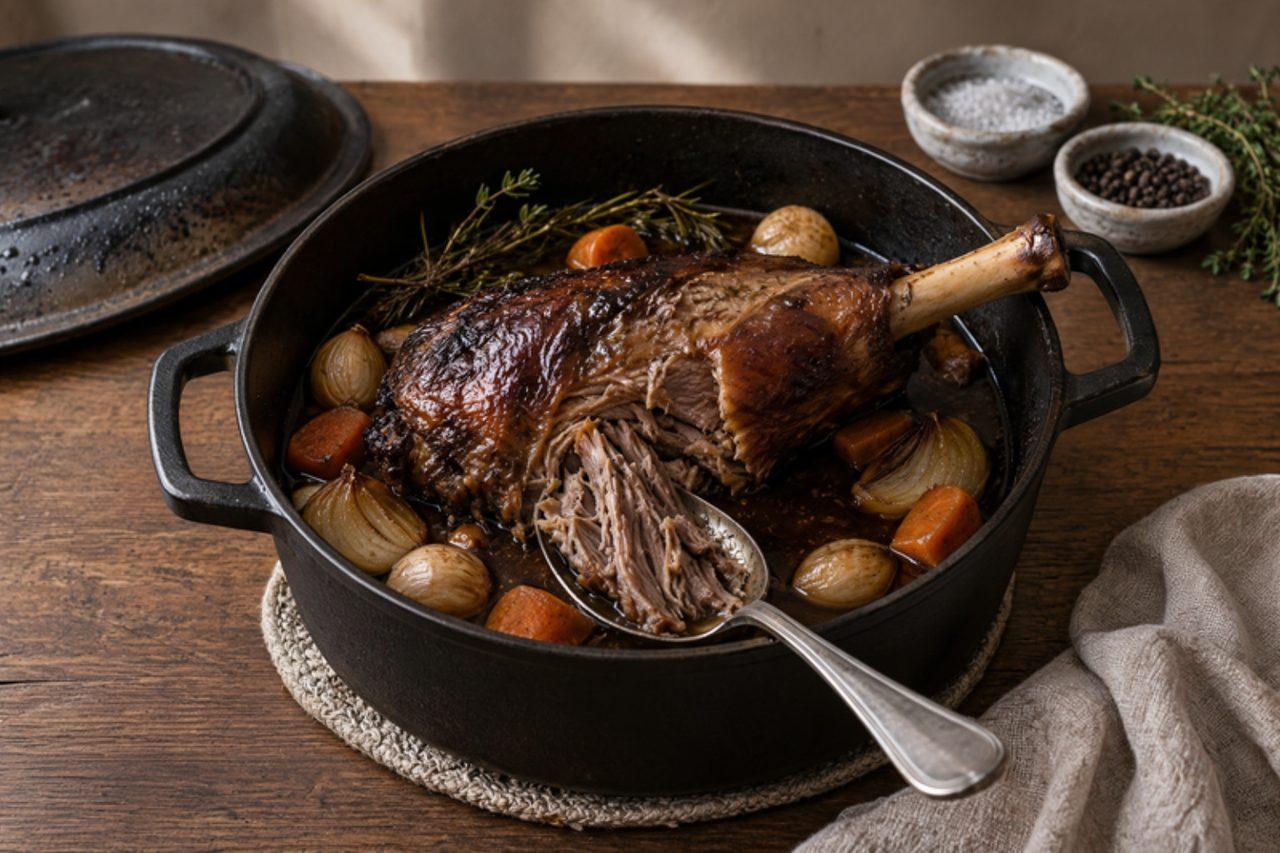
This is the slow Sunday gigot of the French countryside, set in a low oven after breakfast and eaten at the family lunch or supper, especially in winter and at Easter. The leg of lamb is browned, then braised so long with whole garlic heads, onions, carrots and white wine that the meat is served with a spoon rather than a knife, and the garlic melts into the sauce. Serve with white beans, mashed potatoes or simply crusty bread. It cooks with wine; for an alcohol-free version use the same amount of extra stock with a tablespoon of cider vinegar. The usual mistake is a lid that does not fit, so the liquid escapes and the meat dries; seal it with foil under the lid. Chef's tip: turn the leg every two hours and baste it, so the top never dries above the liquid.

460 minFrenchMeatGluten free
by KrazyBadal 0 views

Nước sấu (sấu fruit drink)

When Hanoi's tamarind-like sấu trees drop their small green fruit in May and June, street vendors start selling glasses of nước sấu: a few candied fruits, a ladle of ginger syrup, cold water and crushed ice. Families make big jars to last until the season ends in August. It is sipped with a spoon so you can bite into the crunchy-soft fruit at the bottom. It tastes sour and sweet at once, with a clean ginger warmth and a flavour a little like green mango and plum. Traditional cooks soak the peeled fruit in limewater to keep it crisp; a salt soak works well at home. The common mistake is skipping the blanch and slow syrup: raw fruit stays acrid and the syrup clouds. Blanch the fruit briefly, then cook it gently in sugar until it turns translucent yellow-green and the syrup is clear and glossy. Store it in a sterilised jar in the fridge for up to 2 months with a clean spoon; discard if it fizzes, smells fermented or shows mould. Fresh sấu is rare abroad; look for frozen sấu in Vietnamese shops, or use firm green ambarella. Chef's tip: slash each fruit a few times so the syrup soaks all the way in.

by KrazyBadal 0 views

Xôi mặnSticky rice with sausage

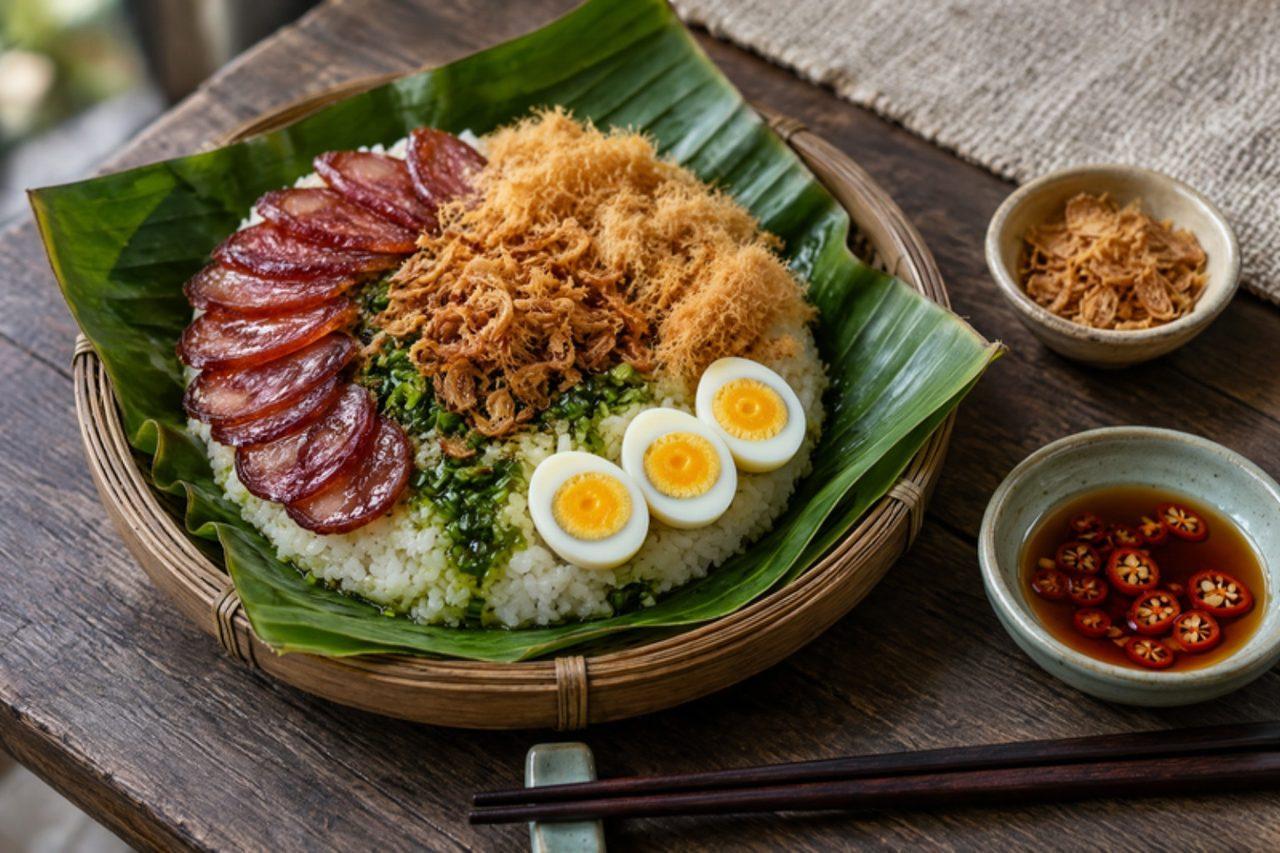
In Ho Chi Minh City, xôi mặn is bought from a street cart in a banana leaf or a foam box and eaten at your desk for breakfast or lunch: chewy sticky rice under sweet slices of lạp xưởng (Chinese pork sausage), pork floss, braised quail eggs, spring onion oil and crisp shallots. Soak the rice for at least 4 hours or overnight before you start. The common mistake is steaming unsoaked rice, which stays hard in the middle. Chef's tip: sprinkle the rice with salted water halfway through steaming and fluff it, so every grain turns glossy and evenly soft.

by KrazyBadal 0 views

Crudités

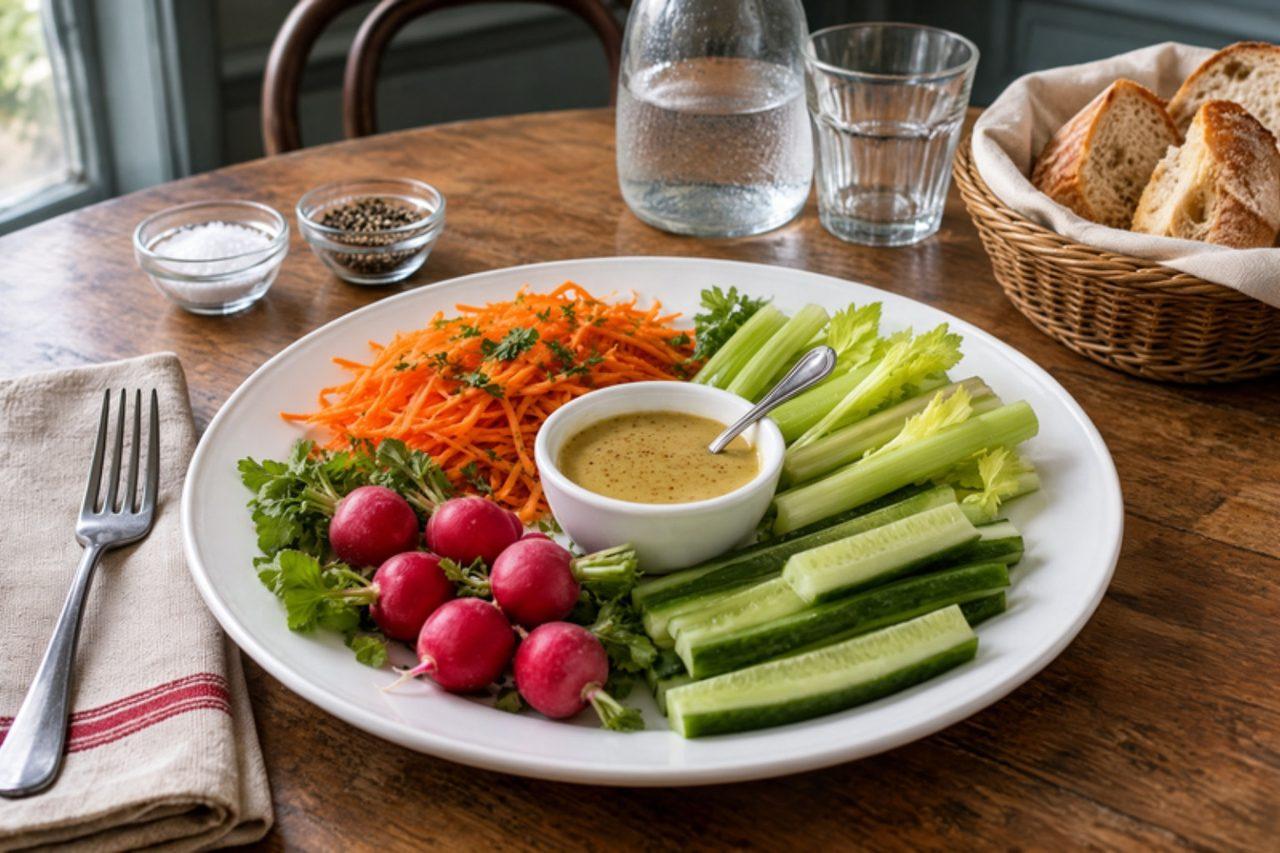
Crudités are how a French family lunch, a Paris bistro menu or a school canteen meal often begins: a plate of raw vegetables, each prepared on its own: grated carrot with lemon, crunchy radishes, cucumber slices and celery, dressed with a sharp mustardy vinaigrette. Crisp, cold vegetables taste so lively that very little salt is needed; with the small amount of mustard in the dressing this plate has about 0.3 g salt per portion. The usual mistake is dressing everything together in advance, which turns it watery and limp; dress each vegetable just before serving. Chef's tip: grate the carrots on the fine side of the grater and toss them with lemon first; they soften slightly and taste sweeter, the way French grandmothers make carottes râpées.

by KrazyBadal 0 views

Gajar marcha nu athanuCarrot and chilli pickle

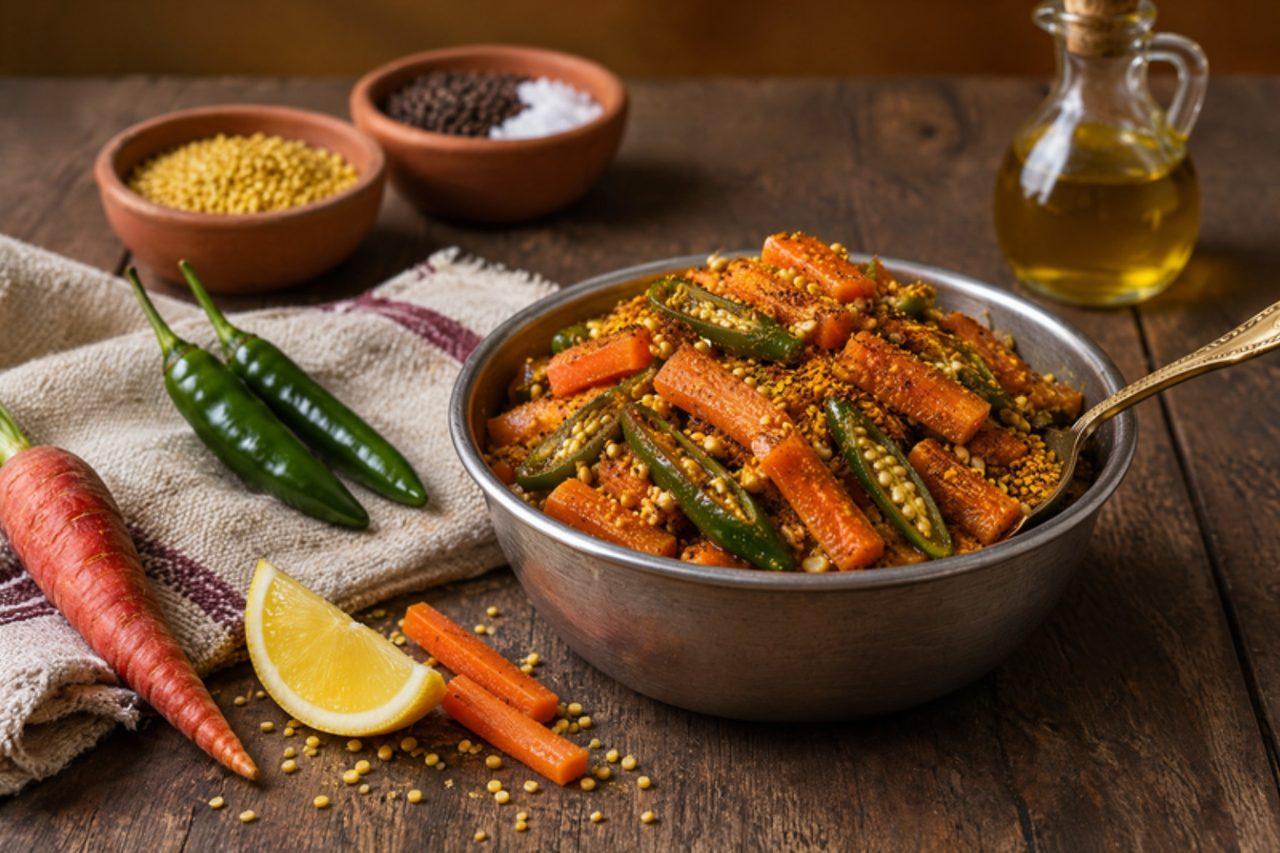
Every Gujarati thali, from Ahmedabad homes to Surat lunch houses, has a little bowl of something fresh and sharp to cut through the dal, kadhi and sweet shaak, and in the cold months it is very often this instant carrot and chilli athanu. Winter brings the sweet, deep red desi carrots and fat, mild bhavnagri chillies, and the pickle is mixed in ten minutes: sticks of both coated in split mustard seed, turmeric, hing, salt and lemon, then dressed with warm oil. It is crunchy, juicy and bright, with the nose-tingling pungency of rai kuria and a clean lemon tang. Eat it with rotli, thepla, khichdi or a full thali. The common mistake is pouring smoking-hot oil straight on, which cooks the mustard and makes it bitter; let the oil cool until just warm. It is ready when the mustard has softened and the carrots look glossy, about an hour after mixing, though it is good straight away. With fresh chilli and no long cure, keep it in the fridge and eat within a week. Chef's tip: if bhavnagri chillies are hard to find, use a mix of mild long green peppers and a couple of hot green chillies.

by KrazyBadal 0 views

Gaji kimchiStuffed aubergine kimchi

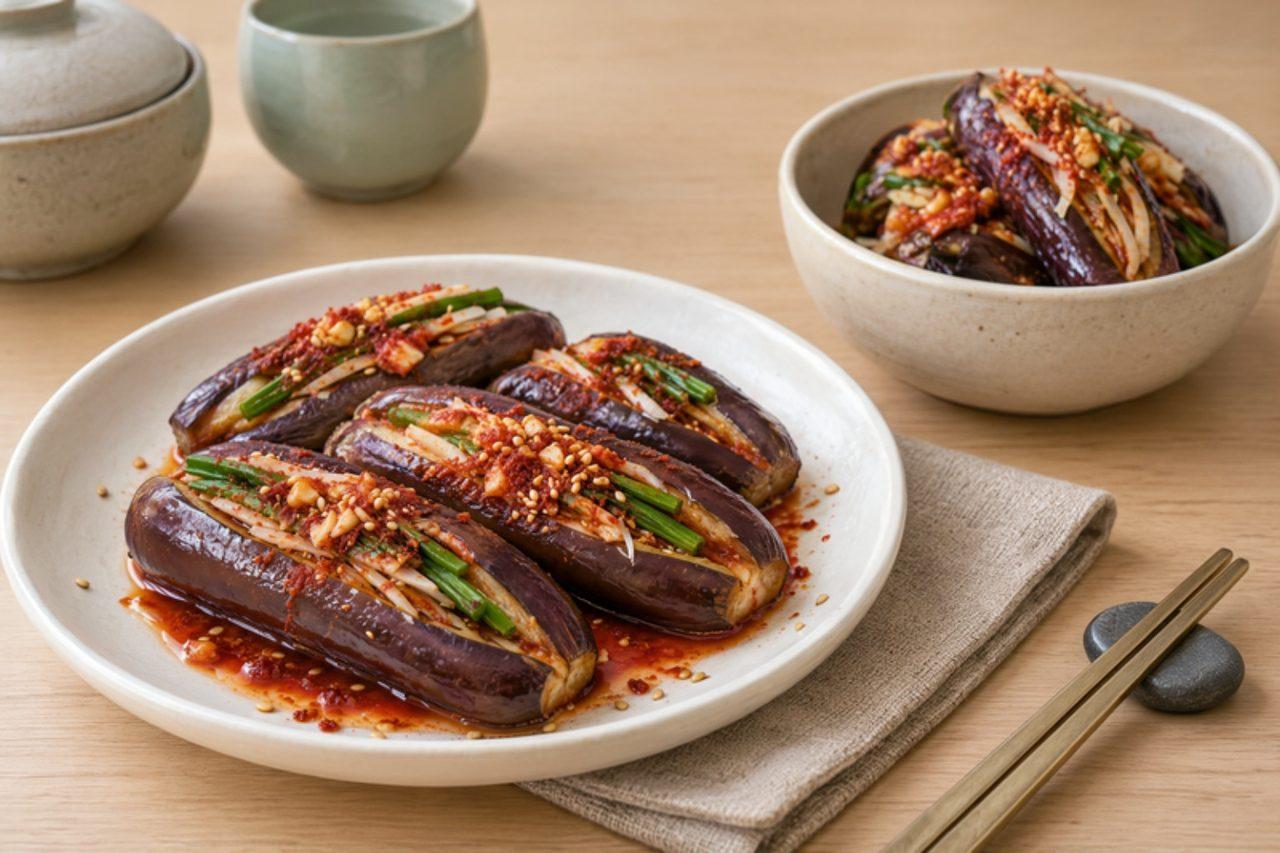
When the long jangma rains end and markets across Korea are heaped with slim purple eggplants in July and August, home cooks turn some of them into gaji kimchi, a short-lived summer kimchi eaten cold beside barley rice, cucumber naengguk or a simple grilled fish. The eggplant is steamed just long enough to soften, then split into a cross and stuffed with garlic chives, shredded radish and a bright chilli dressing seasoned with fish sauce. It is silky and juicy, almost melting, with a crunchy, garlicky centre, and after a day the juices turn gently tangy. The usual mistake is steaming too long: the pieces collapse when you stuff them and go mushy in the jar, so pull them as soon as the skin darkens and the flesh bends but still springs back. It is ready to eat after a few hours, best on day two, when the brine in the box tastes lightly sour and the eggplant has turned deep red at the cuts. For a vegetarian version use tamari in place of fish sauce. Chef's tip: choose slim Korean or Japanese eggplants with few seeds; fat globe eggplants hold too much water.

by KrazyBadal 0 views

Kluay pingGrilled banana

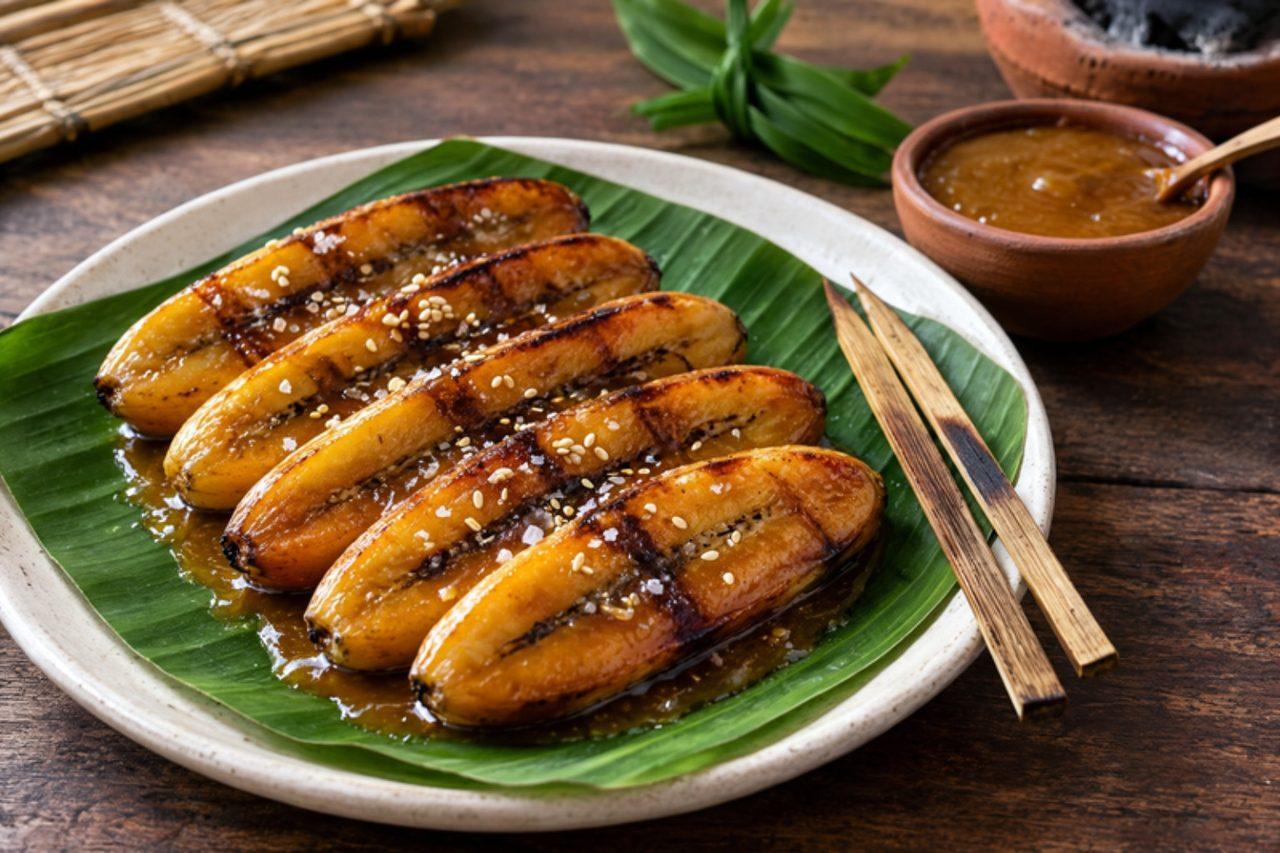
Kluay ping carts work the pavements of Silom and the lanes off Sukhumvit from mid-morning, when office workers want something sweet with their iced coffee. The vendor grills small, starchy nam wa bananas slowly over embers, presses each one flat with a wooden board and then brushes it with coconut cream cooked down with palm sugar and a pinch of salt. The outside turns sticky and smoky; the inside stays soft and fudgy. Ladyfinger bananas or firm, just-ripe small bananas work at home. Chef's tip: choose bananas that are yellow with no brown spots; overripe fruit turns to mush on the grill.

by KrazyBadal 0 views

Neer mor (spiced buttermilk)

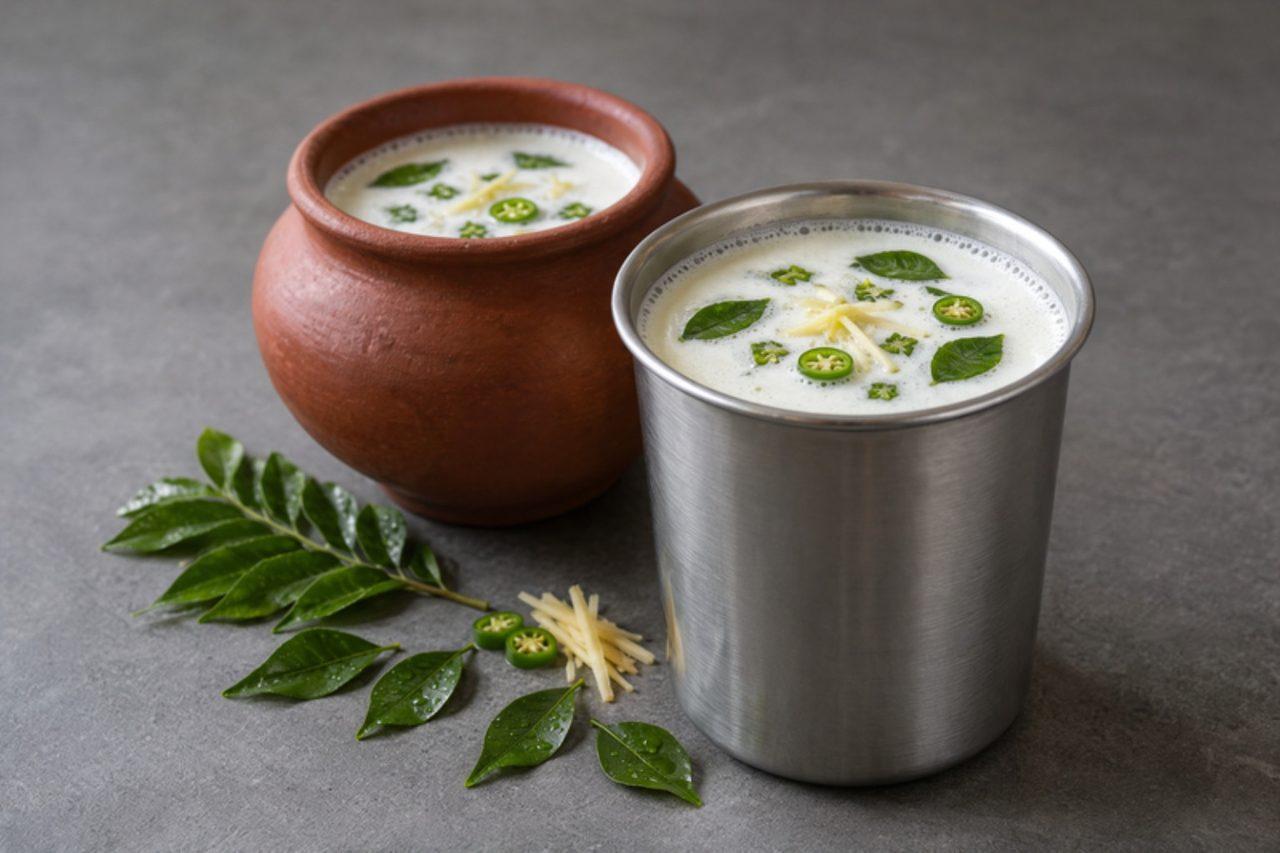
From April to June, when Chennai and Madurai bake at forty degrees, temples, shops and political parties set up 'thaneer pandhal' sheds by the roadside, offering free neer mor to every passer-by from great clay pots. At home it comes after a rice meal of sambar and rasam, or in the middle of the afternoon. The curd is churned and thinned with water until barely white, then seasoned with green chilli, ginger, curry leaves, coriander and a pinch of asafoetida, sometimes finished with a tempering of mustard seeds. It should be very thin, salty, tangy and herby, with a little chilli heat and a lingering savoury scent. The common mistake is using too little water: it then drinks like a heavy lassi rather than a thirst-quencher. Aim for about one part curd to four parts water. It is ready when the buttermilk is smooth, cold and pale green-flecked, and smells of curry leaf. It keeps a day in the fridge. Chef's tip: crush the ginger, chilli and curry leaves rather than chopping them; bruising releases far more flavour into the thin liquid.

by KrazyBadal 0 views

Carottes VichyGlazed carrots

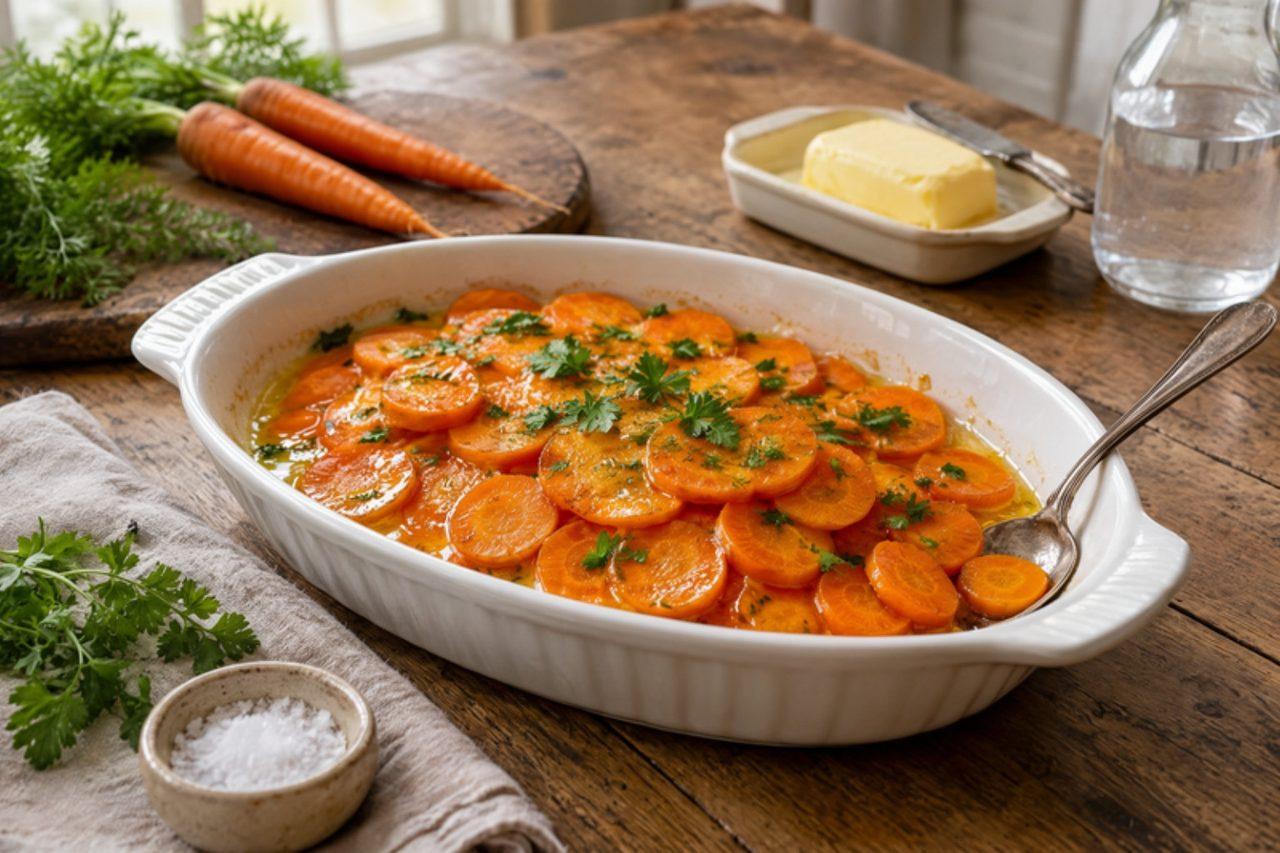
Carottes Vichy come from the spa town of Vichy in the Auvergne, where they were cooked in the local mineral water; today they are the classic French bistro and Sunday-lunch side, loved by children. Thin rounds of carrot simmer with butter, a little sugar and salt in just enough water, so that when the carrots are tender the water has boiled down to a shiny glaze. Serve with roast chicken, an omelette or lentils. The usual mistake is using too much water, so you must drain away the flavour; it should just cover the carrots. Chef's tip: a pinch of bicarbonate of soda in the water copies Vichy's alkaline water and helps the carrots turn sweet and bright.

by KrazyBadal 0 views

SwaleFried lentil-stuffed breads

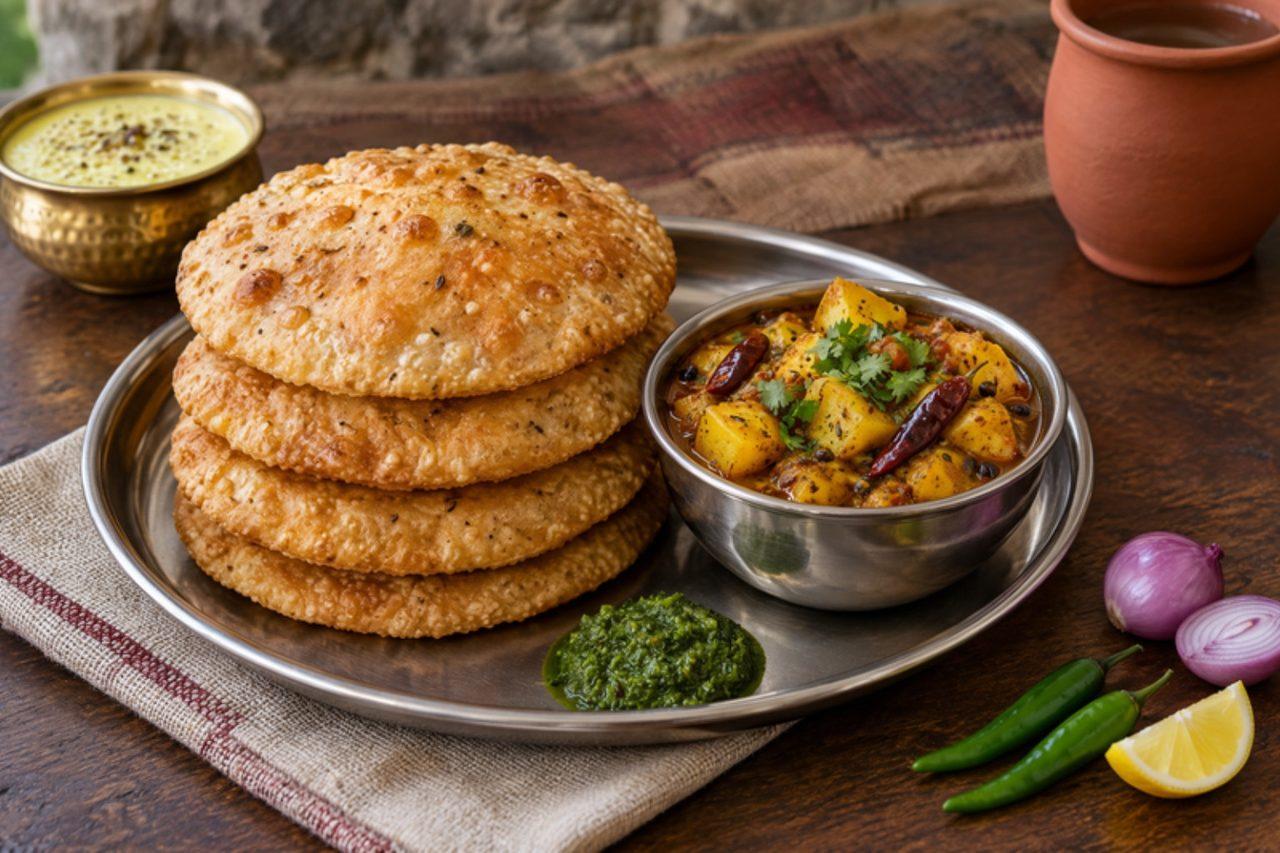
In Garhwal, swale are fried in huge batches for weddings, for the bride's send-off parcel and for festivals like Basant Panchami, then eaten warm or cold over the next couple of days. Soaked urad or gahat dal is ground with ginger and spices and sealed inside wholewheat dough, then fried until the breads puff and blister. They travel well and taste good with raita or a hill pickle. The common mistake is overfilling, which tears the dough and makes the oil spit. Chef's tip: roll them gently from the centre outwards with almost no dusting flour, so the edges seal and the swale puffs evenly.

by KrazyBadal 0 views

Kathirikai gothsuSmoky aubergine tamarind gravy

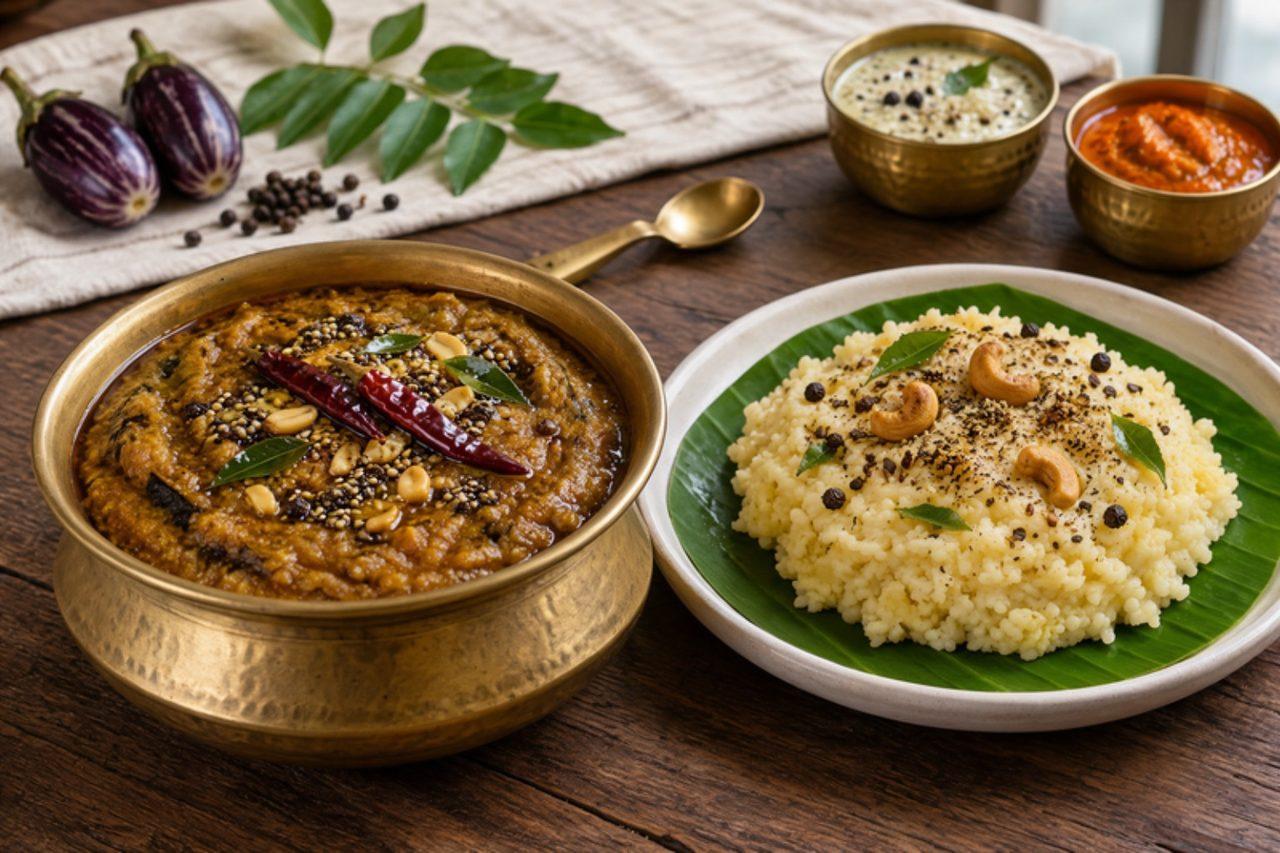
At the Nataraja temple in Chidambaram, ven pongal, the peppery rice and moong porridge, is always served with gothsu, and the pairing has spread to breakfast tables and wedding feasts all over Tamil Nadu. Brinjal is charred over the flame, mashed and simmered with a little moong dal, shallots and tamarind, then seasoned with a freshly roasted powder of coriander, chana dal and chilli. The result is smoky, tangy and spoonable, also good with idli or dosa. The usual mistake is using big, seedy aubergines: choose small, firm, glossy ones, which are sweeter. Chef's tip: char at least one brinjal right over the gas flame until the skin is black all over; that smoky note is what makes Chidambaram gothsu.

by KrazyBadal 0 views

GenmaichaGreen tea with toasted rice

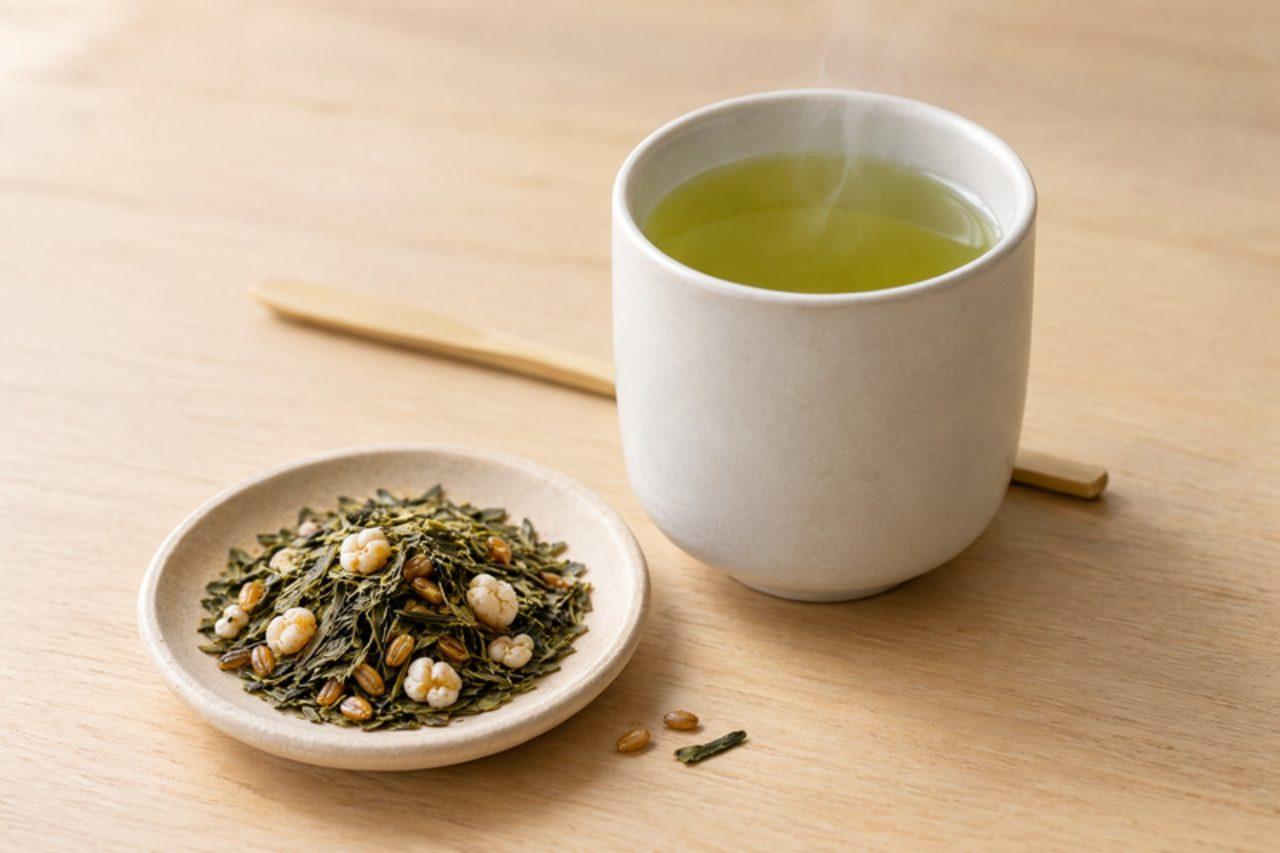
Genmaicha started as a thrifty Japanese blend: toasted rice stretched expensive tea leaves and made the pot go further. It is now loved for itself and turns up everywhere, from office kettles in Tokyo to the free tea at sushi counters and ramen shops, poured all through the meal because its gentle, roasted flavour does not fight with soy or fish. The rice gives a nutty, savoury, almost buttery taste; the green tea adds a light grassy edge. It has about half the caffeine of plain sencha, so many people drink it in the afternoon. The usual mistake is pouring boiling water straight onto it: the green leaves scald and the cup turns bitter while the rice flavour gets lost. Let the kettle sit for a minute or two so the water is around 80–85 °C, and steep for no more than a minute. It is ready when the liquor is pale yellow-green and clear, and the steam smells of popcorn and cut grass. Chef's tip: matcha-iri genmaicha, with powdered matcha dusted over the blend, gives a greener, fuller cup; use it the same way but stir the pot once before pouring.

by KrazyBadal 0 views

SanpiauRice porridge with fish sauce

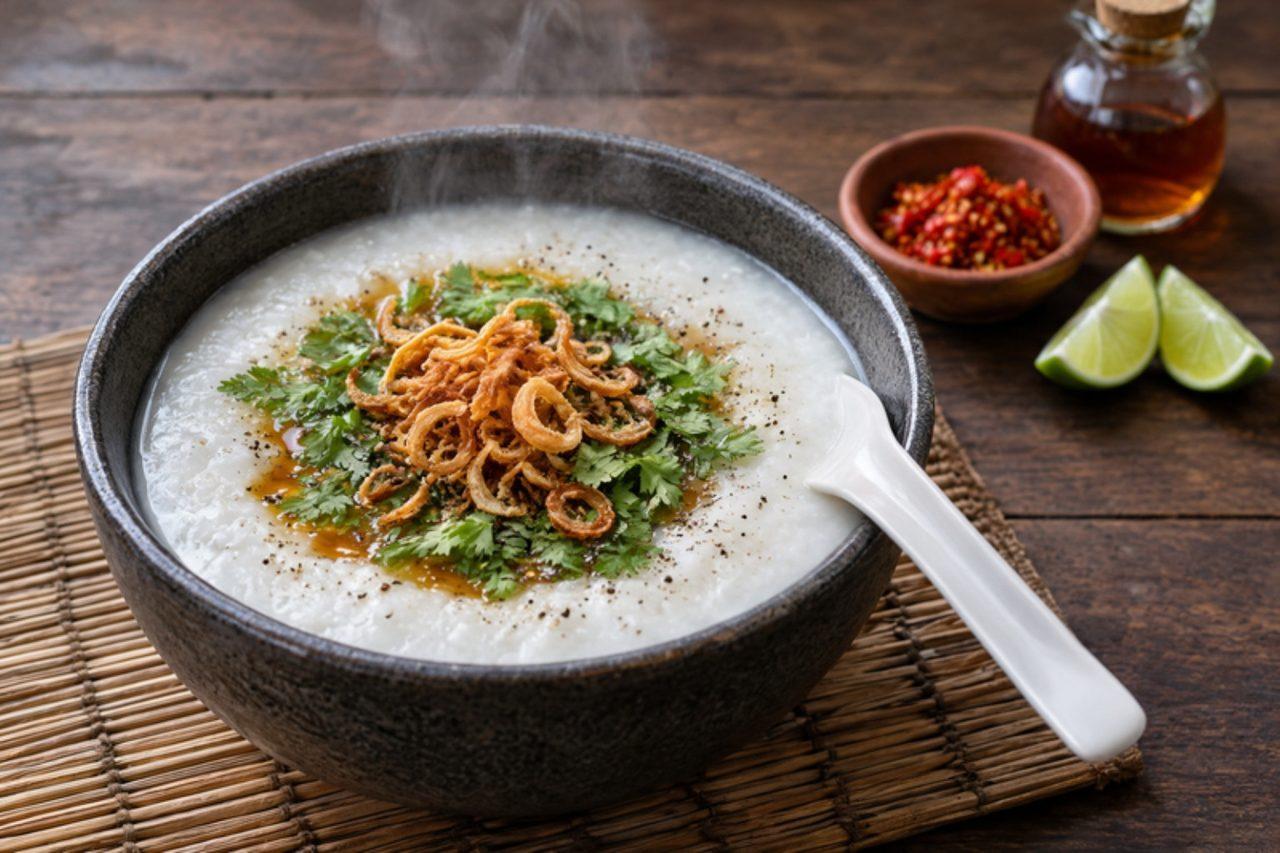
Sanpiau is the street-stall breakfast and afternoon snack of Aizawl, Mizoram: a thin, silky rice porridge ladled into bowls and finished at the table with fish sauce, black pepper, crisp fried shallots, coriander and, often, shredded chicken. It came to Mizoram via Myanmar and is now as Mizo as bai. The common mistake is under-stirring, so the rice catches on the base; stir every few minutes once it thickens. Chef's tip: let everyone season their own bowl, since fish sauce brands vary a lot in saltiness.

by KrazyBadal 0 views

GhiveciBaked mixed vegetable stew

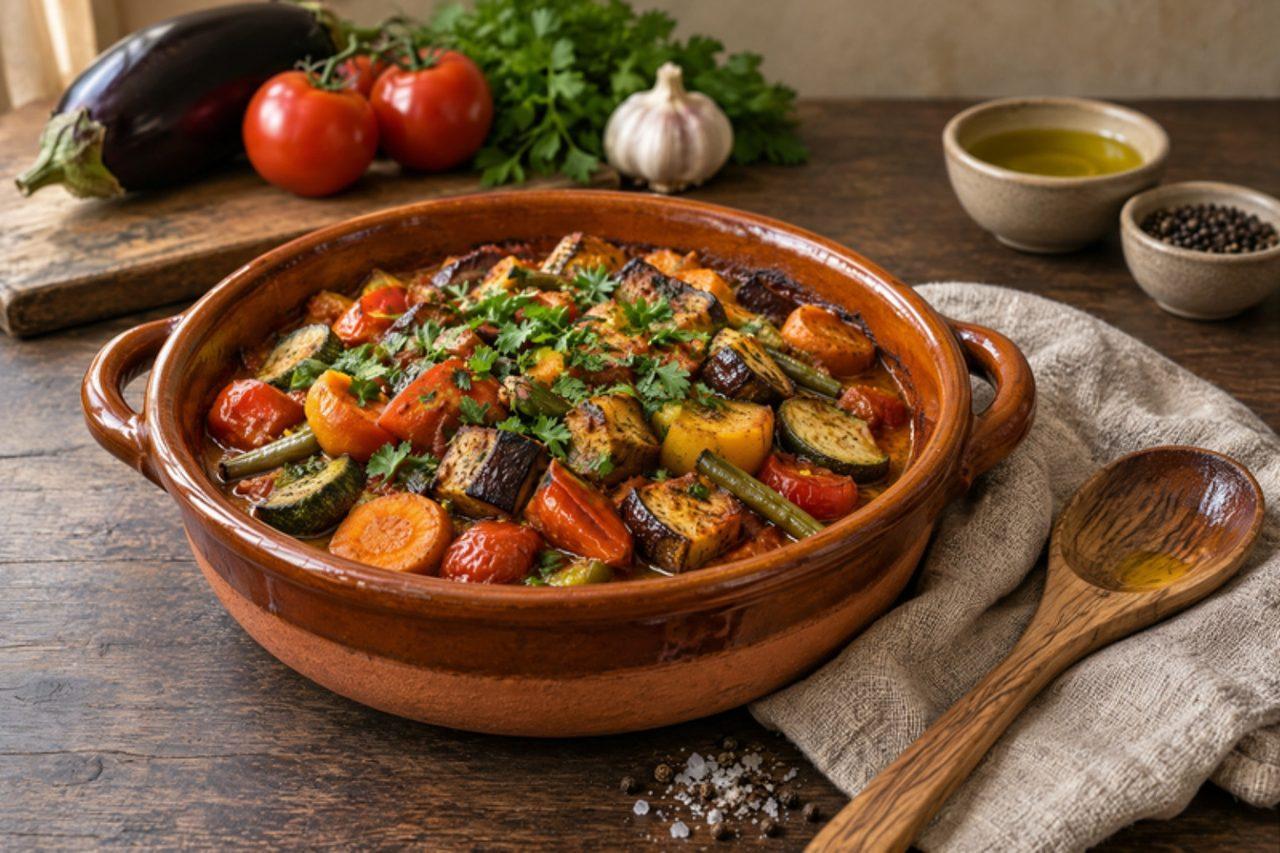
Ghiveci is the Romanian answer to a late-summer glut, made in August and September and often bottled for winter, and it is a mainstay on Orthodox fasting days because it contains no animal products. Aubergine, peppers, courgette, green beans, carrots and onion are layered with tomato and herbs and baked slowly until soft and sweet, with a little browned crust on top. Serve warm or cold with bread, or beside beans. Suitable as part of a balanced diet. About 190 kcal and 20 g carbohydrate per portion. The usual mistake is cutting the vegetables all the same size: harder carrots and beans need smaller pieces than courgette and aubergine so everything is tender at once. Chef's tip: bake uncovered for the last 20 minutes so the juices reduce and the top caramelises.

by KrazyBadal 0 views

Kefir

Kefir is the sour, lightly fizzy fermented milk that families across Russia, Georgia and the North Caucasus drink plain from a glass at breakfast, as an evening snack or alongside a meal, and also use in pancakes and cold soups. It is made by leaving milk with kefir grains, a living culture of yeasts and bacteria, at room temperature for a day until it thickens. Nothing is added: no salt and no sugar. About 0.25 g salt per 250 ml glass, all from the milk itself. Always use pasteurised milk. The usual mistake is leaving it too long, until it separates into curds and whey; check after 18 hours and stop when it is just thick and pourable. Chef's tip: a second ferment of 6 hours in the fridge in a closed bottle makes it smoother and a little fizzier.

1445 minRussianDrinksGluten free
by KrazyBadal 0 views

Kuzuyu (hot kudzu drink)

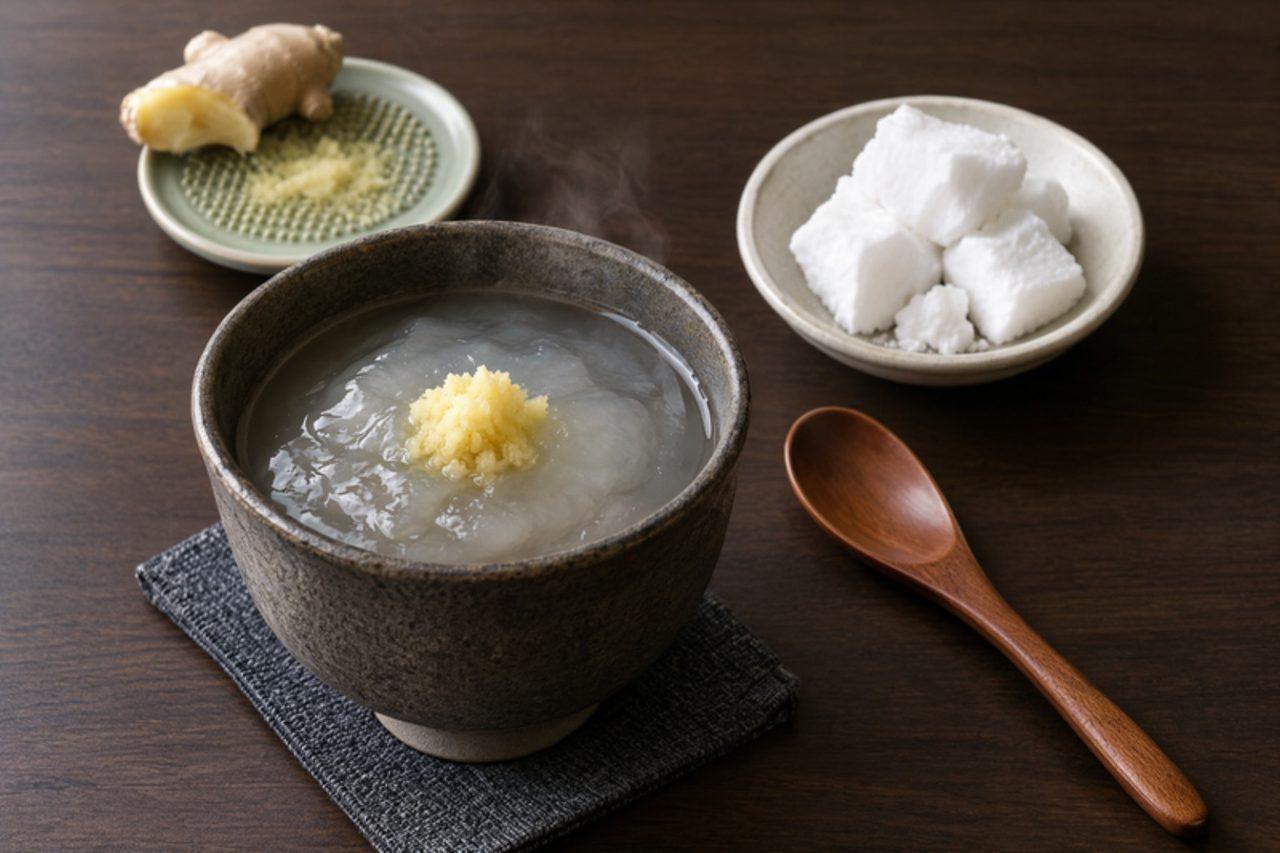
Kuzuyu is what Japanese mothers make when someone has a chill or an upset stomach, and what many people sip on a frosty winter evening, especially in Nara, whose Yoshino mountains have produced the finest hon-kuzu starch for centuries. Kudzu root starch is stirred into water with a little sugar and cooked until the milky liquid suddenly turns clear, glossy and gently thick, somewhere between a hot drink and a soft pudding you drink from the cup. Grated ginger warms it; some families add a spoon of matcha or a squeeze of yuzu. It tastes clean, mildly sweet and comforting, and it is traditionally given to people recovering from colds. The mistake almost everyone makes once is sprinkling kudzu into hot water, where it forms rubbery lumps at once. Always crush it and dissolve it completely in cold water first, then heat it while stirring without stopping. It is ready when there are no white streaks left, the drink is translucent and it coats the back of a spoon. Chef's tip: real hon-kuzu comes in chalky lumps; crush them with the back of a spoon in the cold water and they dissolve in seconds.

by KrazyBadal 0 views

Goan pezRice porridge with pickle and papad

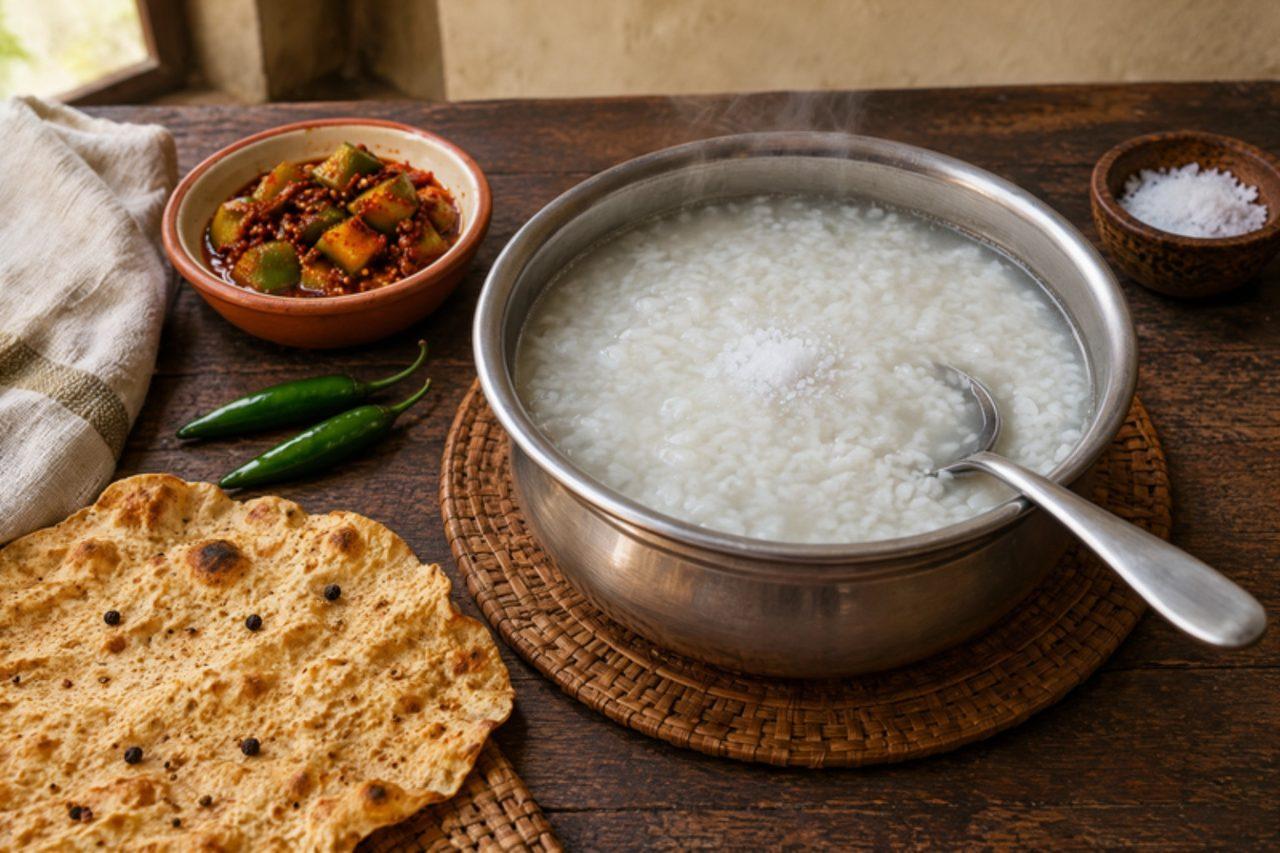
Pez is the plainest food in a Goan kitchen and one of the most loved: red parboiled rice simmered in plenty of water until the grains burst and the liquid turns milky. Fishermen and farmers ate it before a day's work, mothers serve it to anyone who feels unwell, and on heavy monsoon evenings it comes with a spoon of mango or lime pickle, a roasted papad and sometimes a dry fish or vegetable on the side. The mistake is cooking it in too little water so it becomes a sticky porridge; good pez has whole soft grains floating in thin, starchy broth. Chef's tip: stir in a little salt only at the end and let everyone add buttermilk or coconut milk to their own bowl.

by KrazyBadal 0 views

PeposoPeppery beef and red wine stew

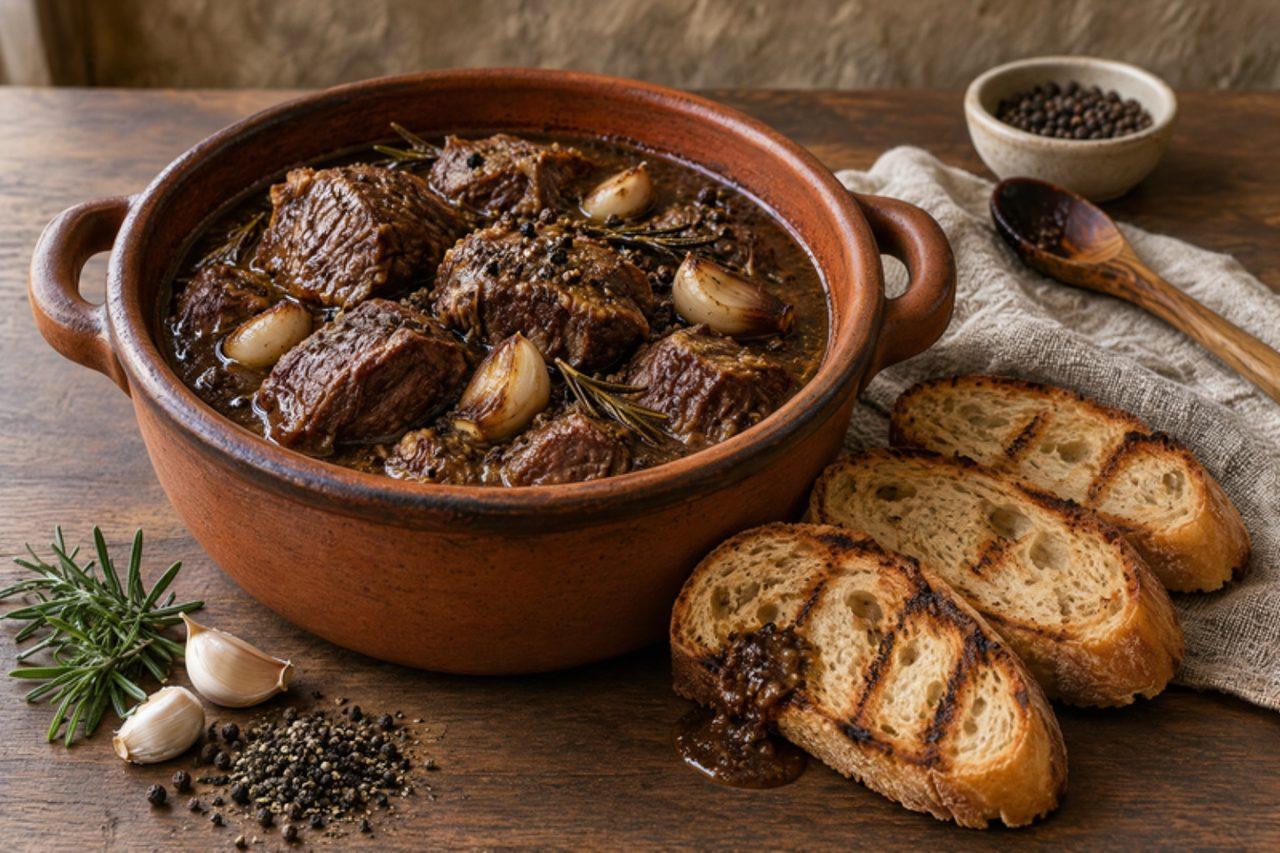
Peposo comes from Impruneta, the hill town south of Florence famous for its terracotta, where kiln workers are said to have tucked pots of beef, wine and pepper into the cooling kilns to cook overnight. Today it is a winter Sunday dish across Tuscany: beef shin cooked for hours in red wine with whole garlic and a startling amount of black pepper until it is dark, tender and warming, served on toasted bread or with white beans. It contains alcohol, which mostly cooks off over the long bake; for an alcohol-free version use 500 ml beef stock, 200 ml red grape juice and 2 tbsp red wine vinegar. The usual mistake is using ready-ground pepper, which turns muddy and harsh; crack whole peppercorns coarsely. Chef's tip: add half the pepper at the start and half in the last hour, so you get both depth and a fresh bite.

240 minItalianMeatGluten free
by KrazyBadal 0 views

Showing 27 of 7,762 recipes

Show more recipes

Page 130 of 863